travel

Dupont Forest

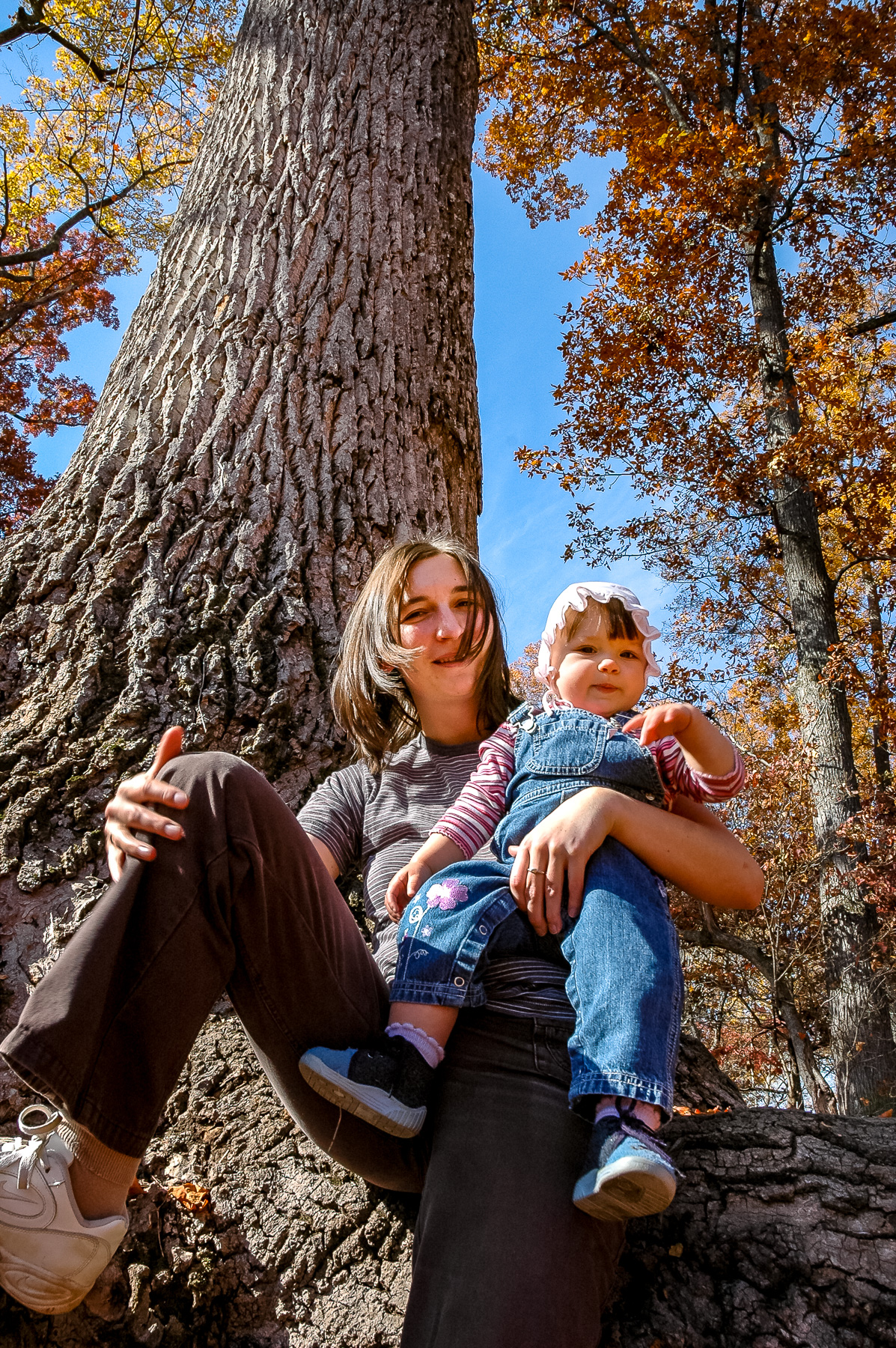
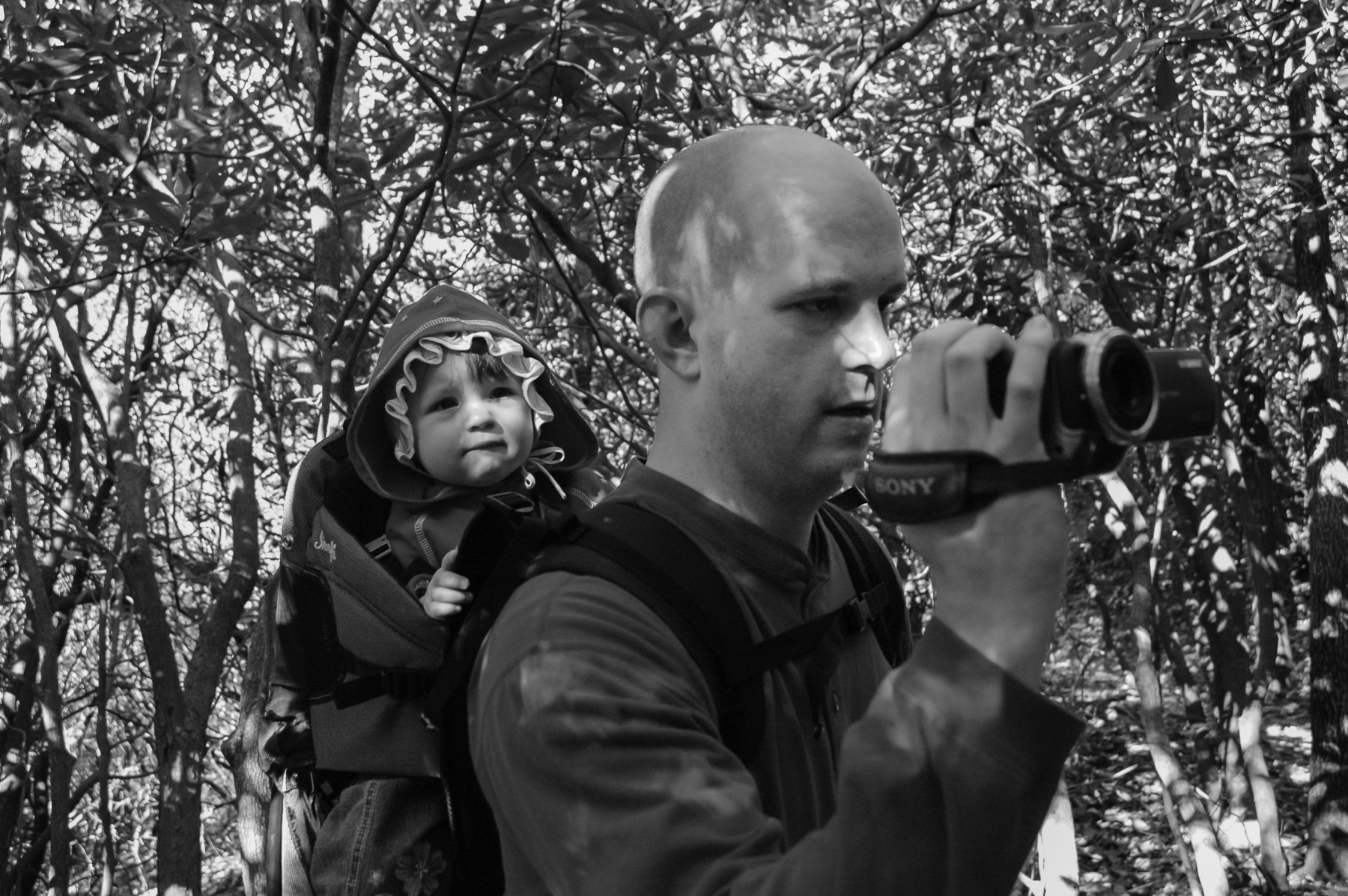
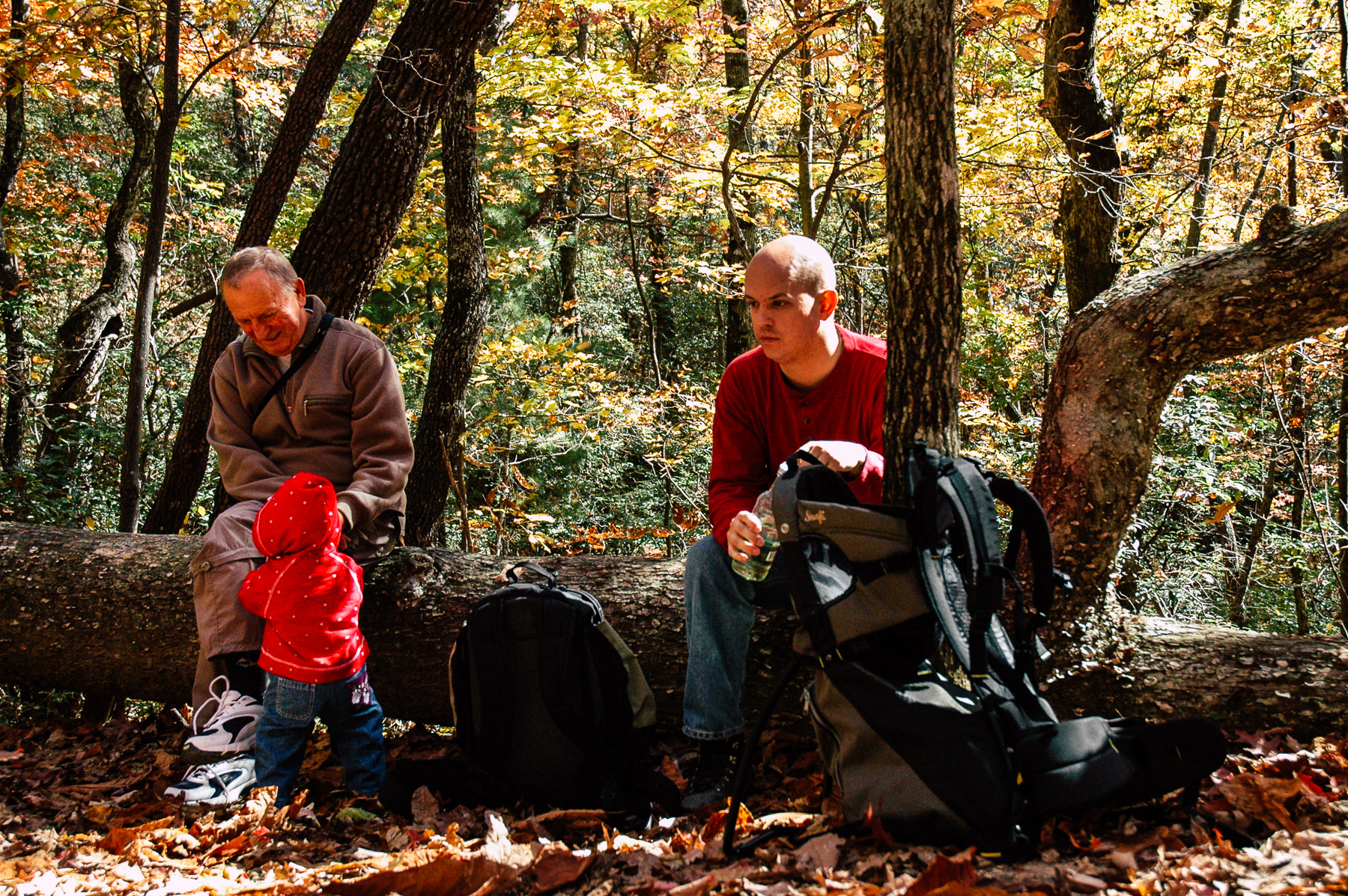
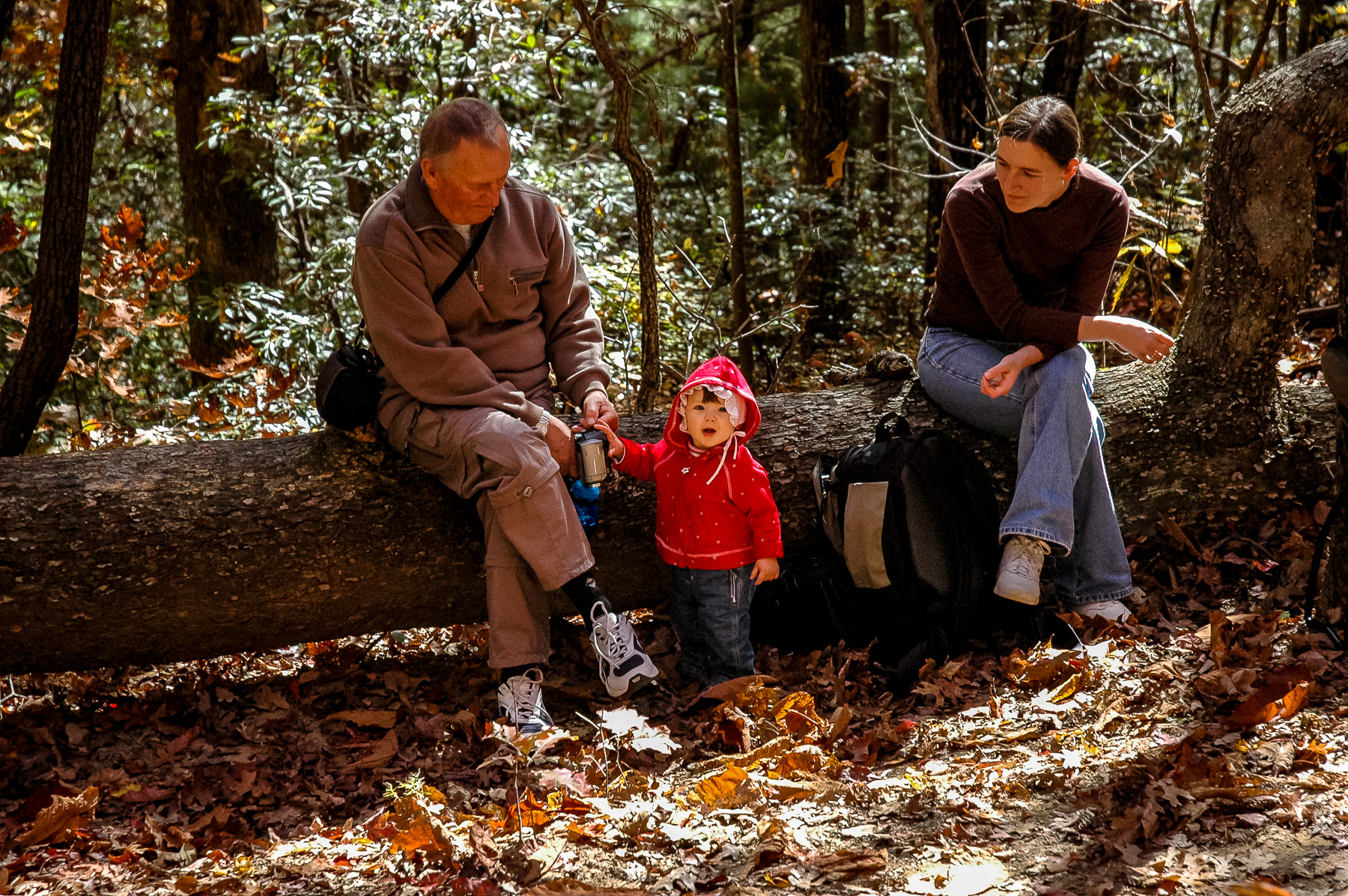
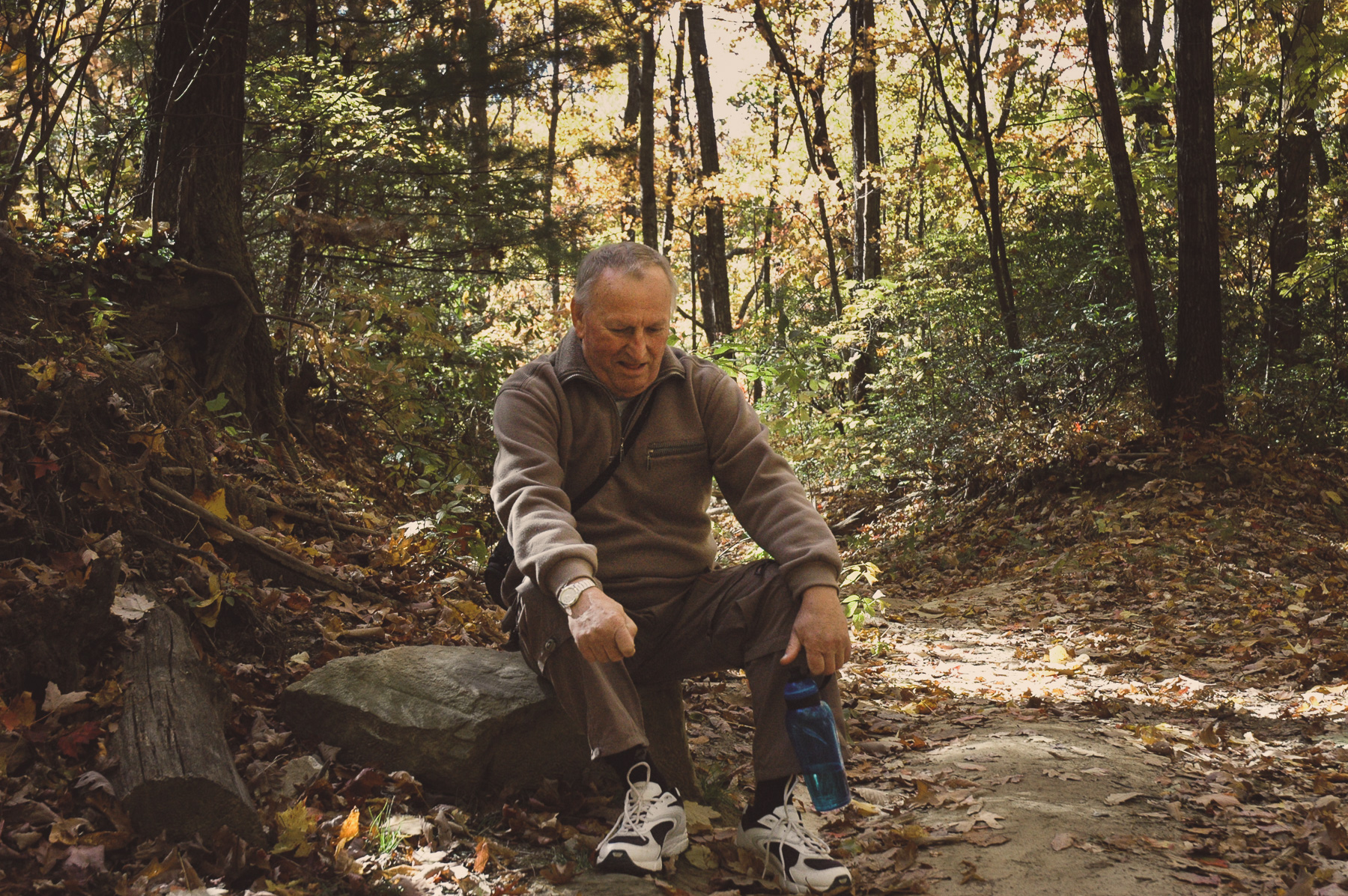
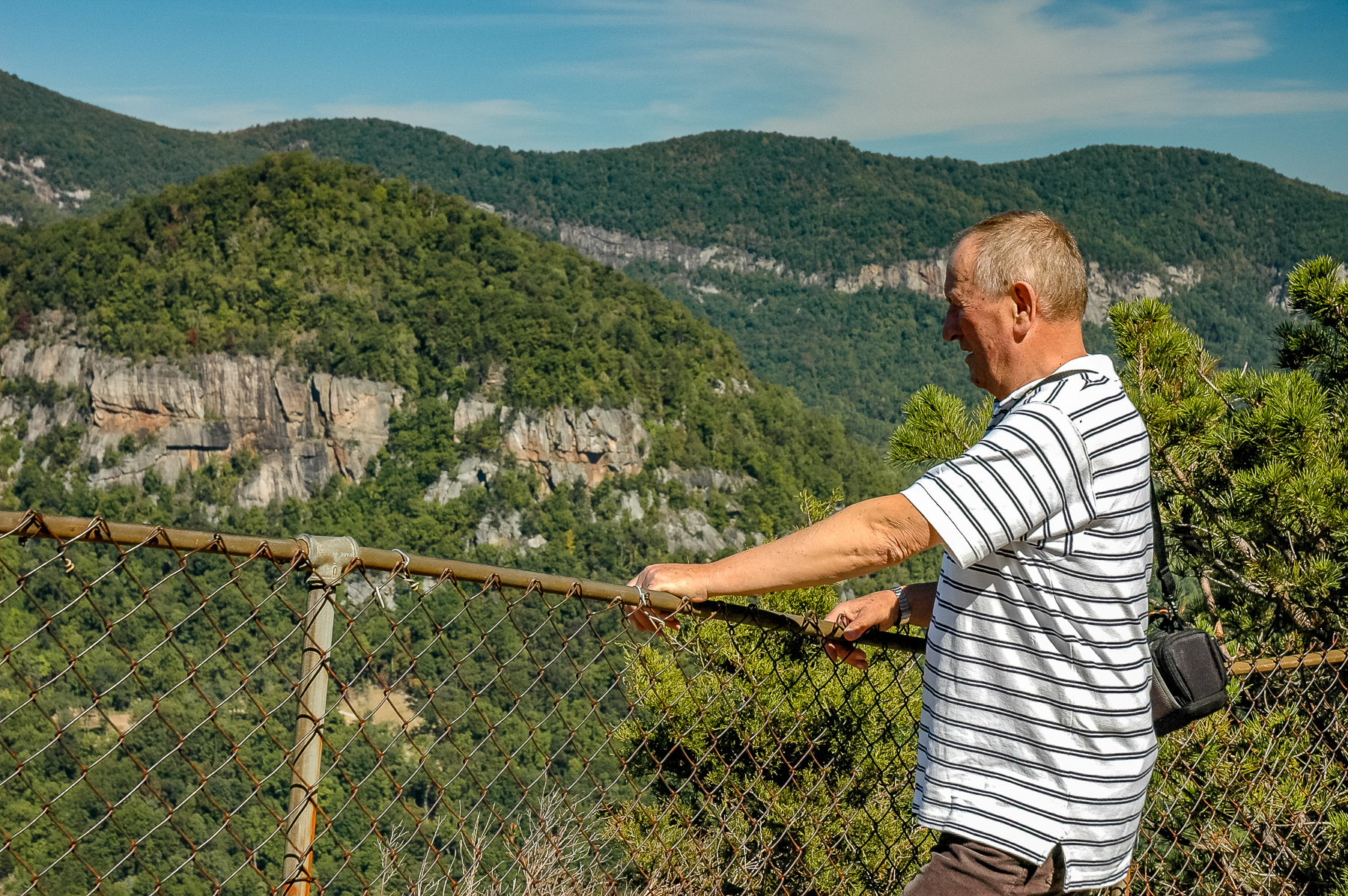
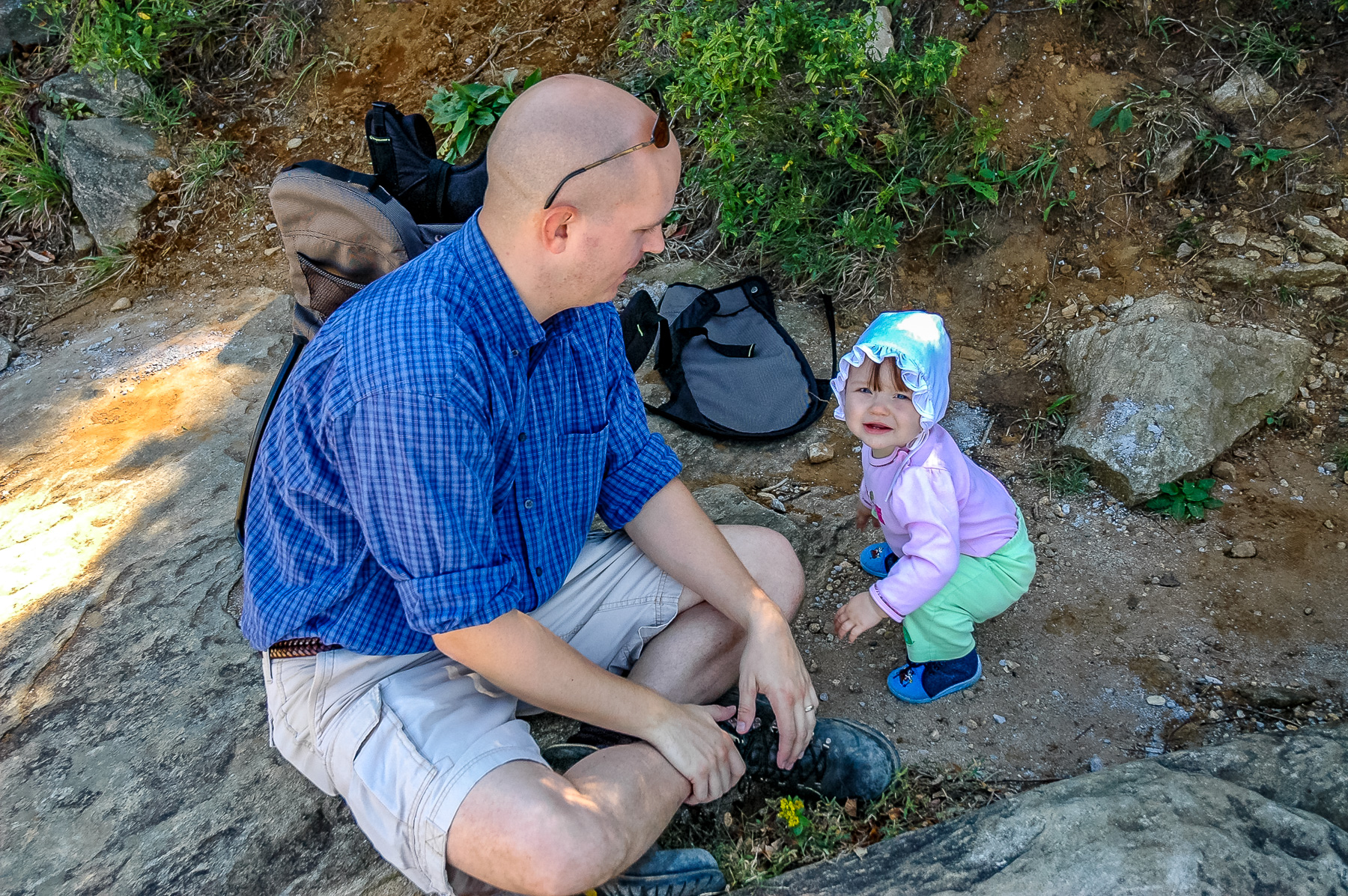
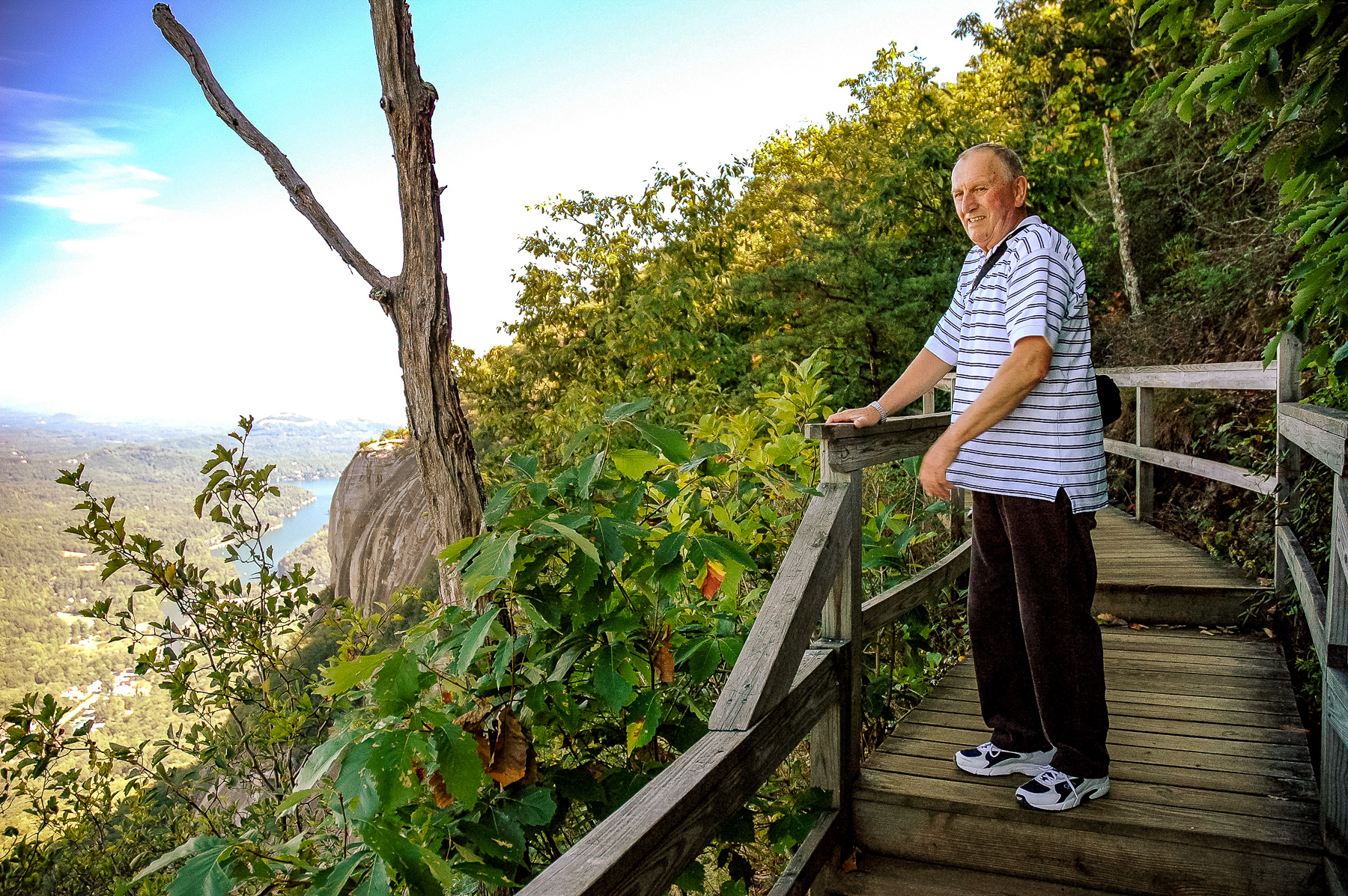
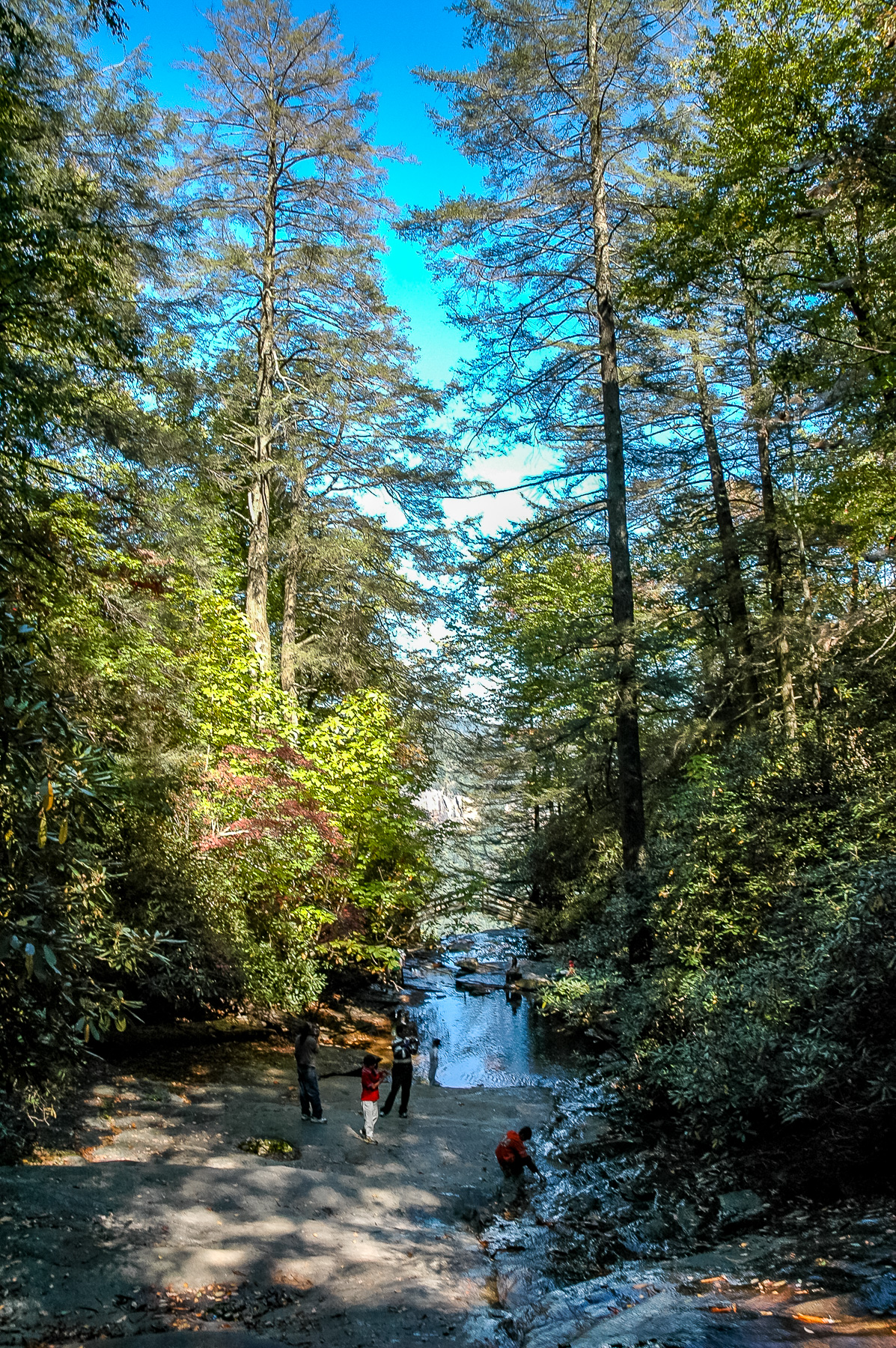
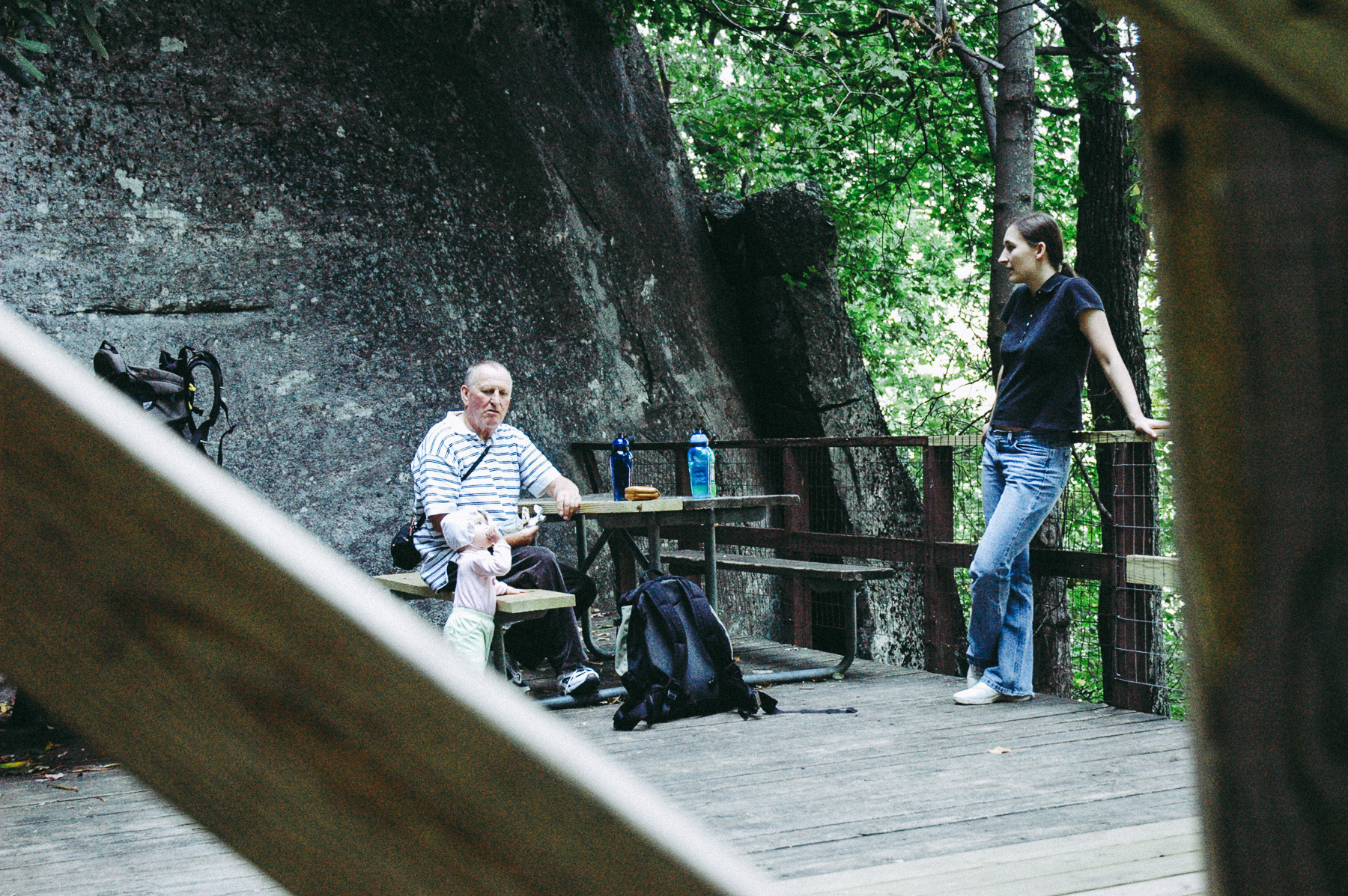
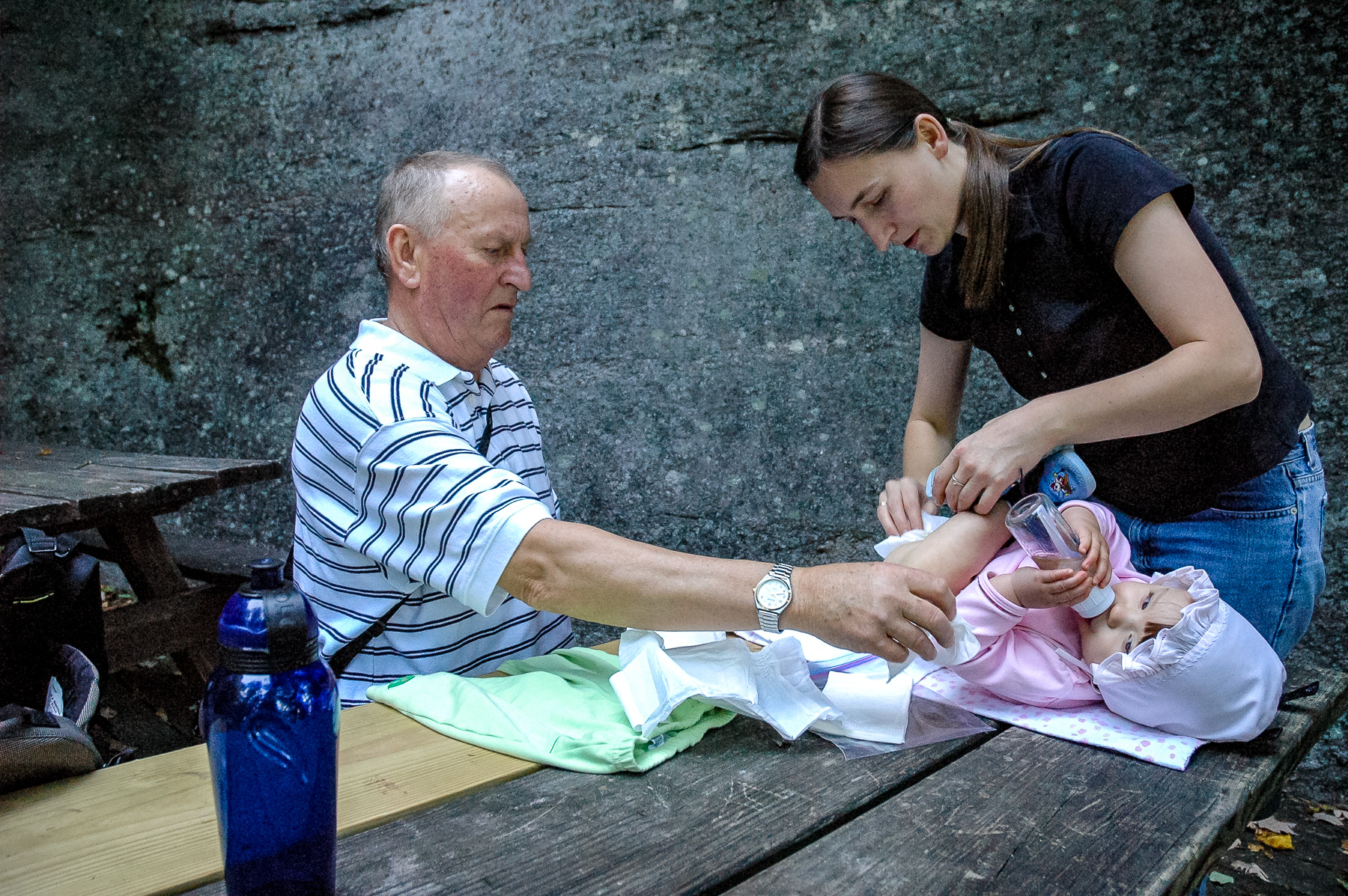
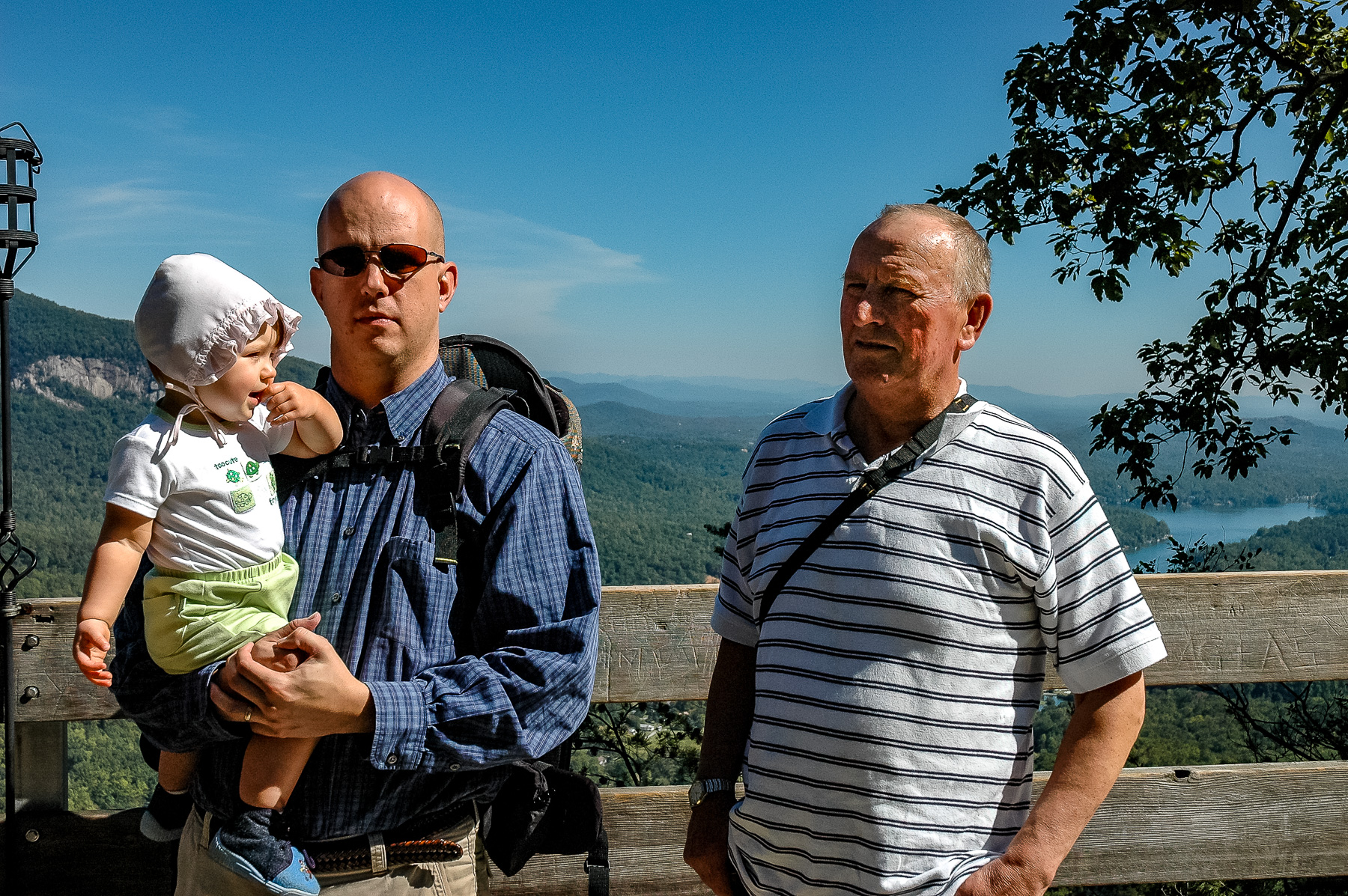
Dupont Forest is one of those places K has wanted to go for a long time, but time and circumstance prevented us. School, exams, life…we only last week made it to the state park.

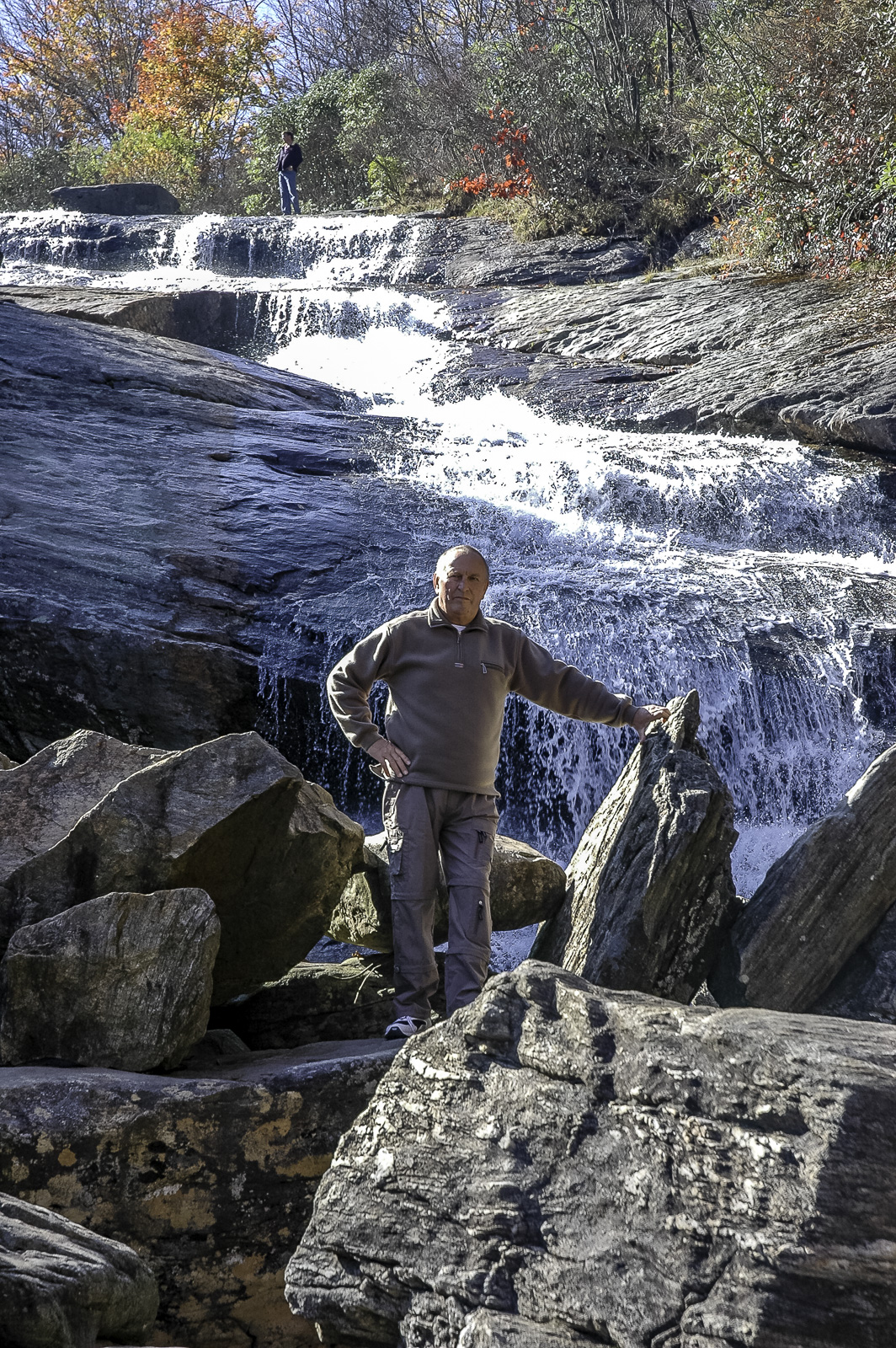
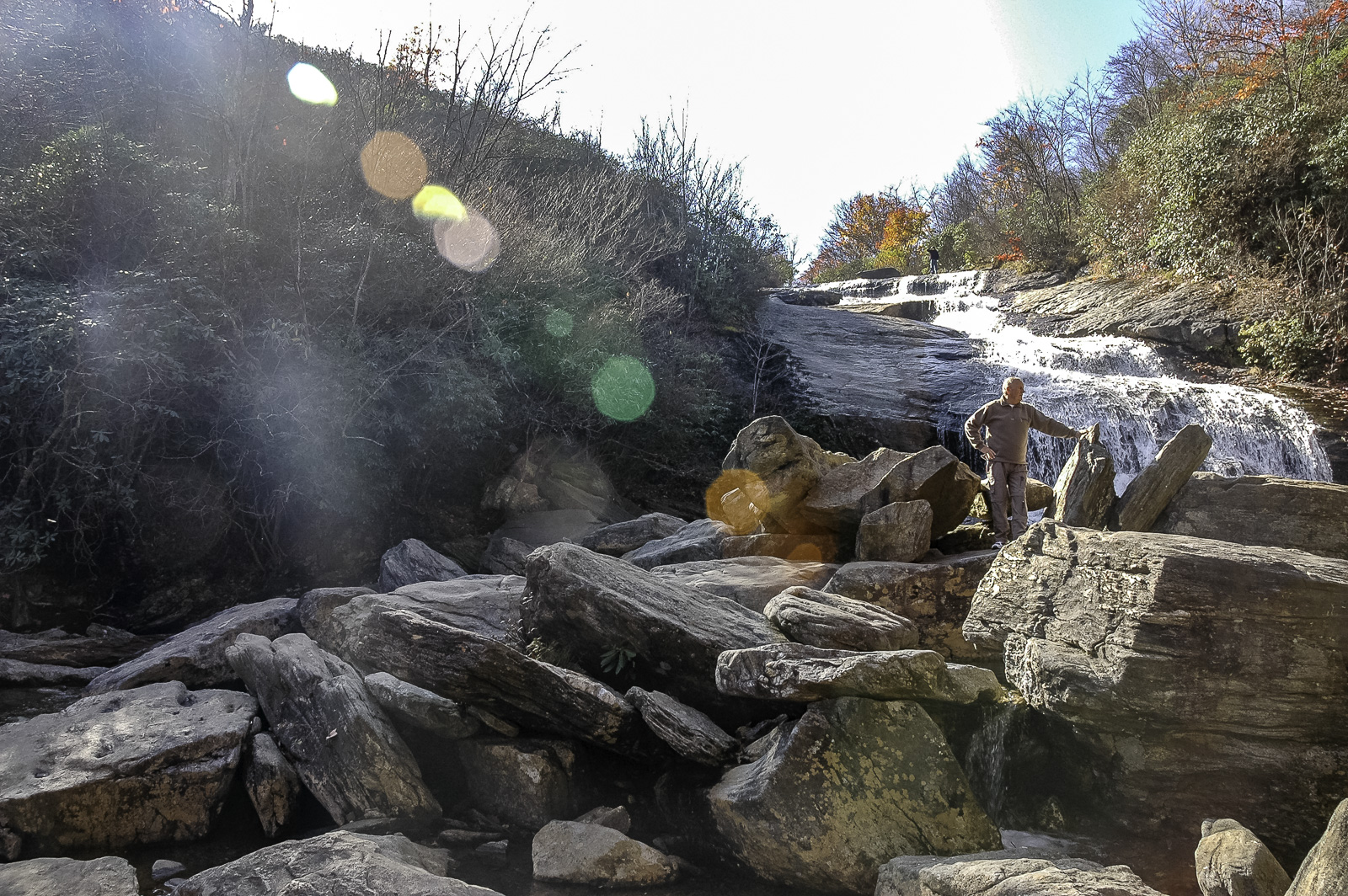
Most notable: waterfalls.
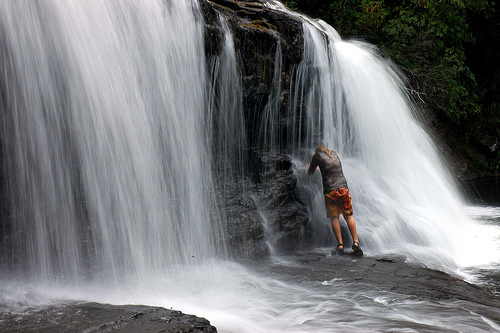
DSC_9391
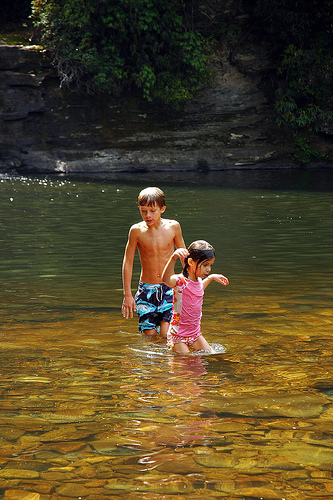
Lower Falls

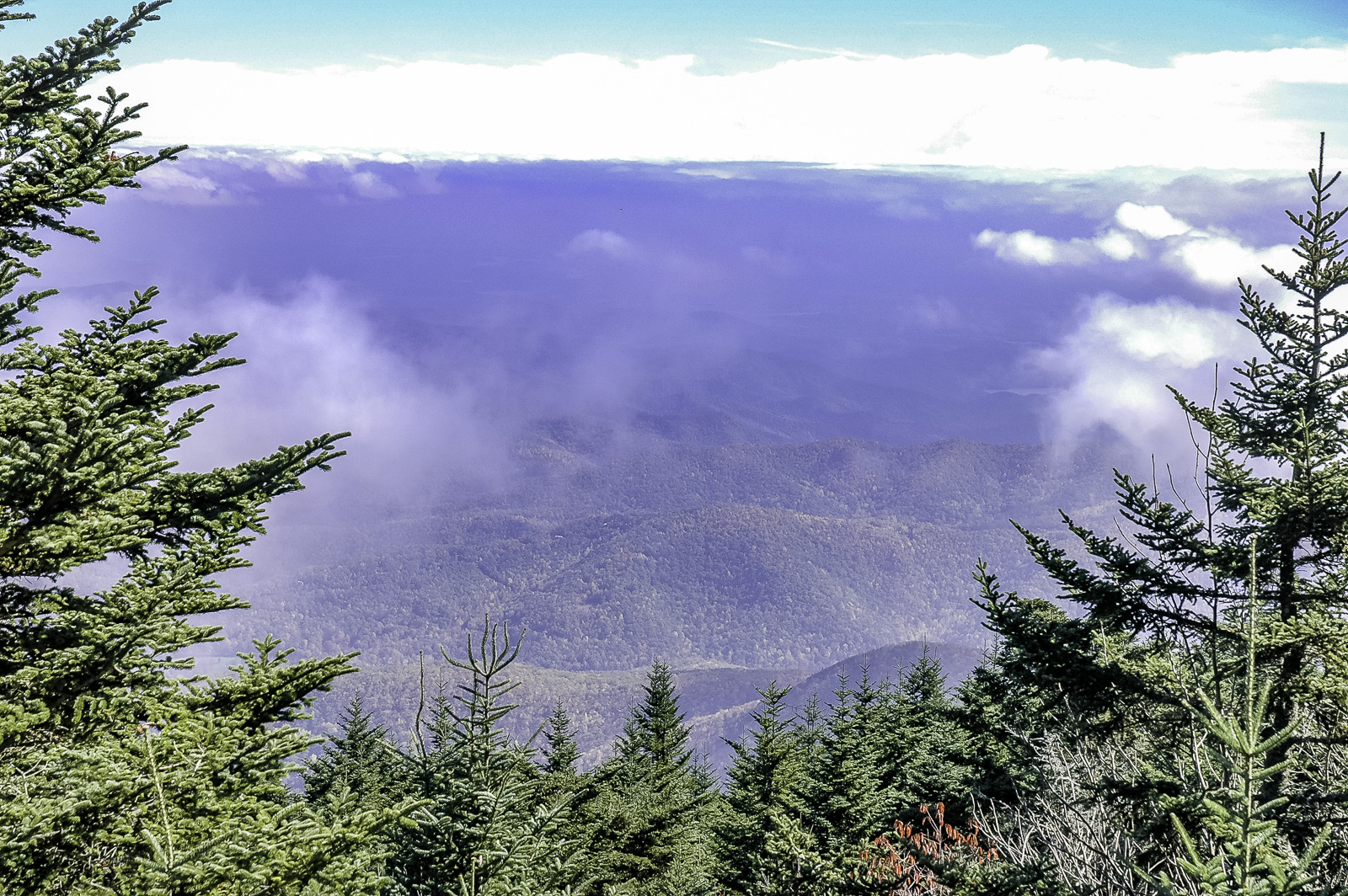
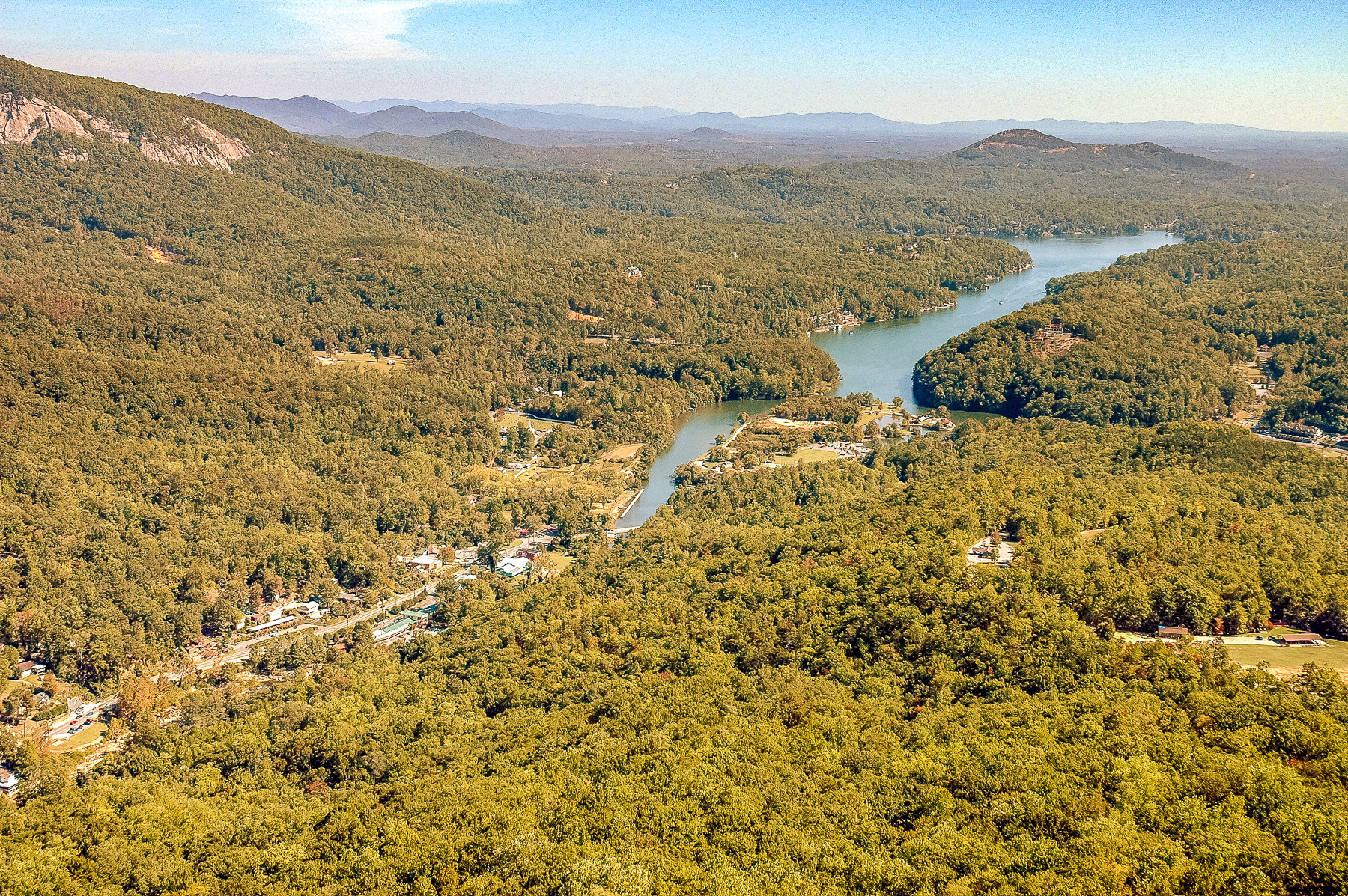
It’s a short drive from our place, but it seems like a different world. Cool mountain air, wonderful views — the perfect Sunday outing.

We weren’t the only ones to think that.
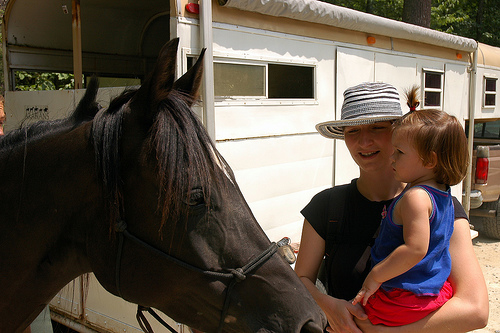
DSC_9411
L and one calm horse
DSC_9402

DSC_9433
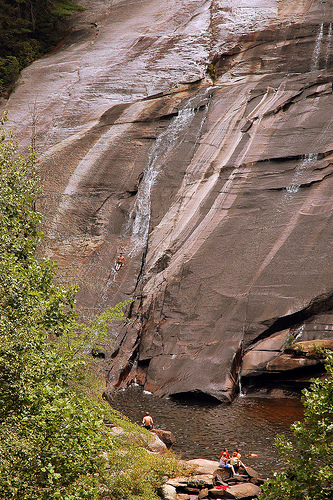
Sliding

At the top of the enormous rock down which kids were sliding was a covered bridge — I swear it looked bigger from the bottom of the falls.
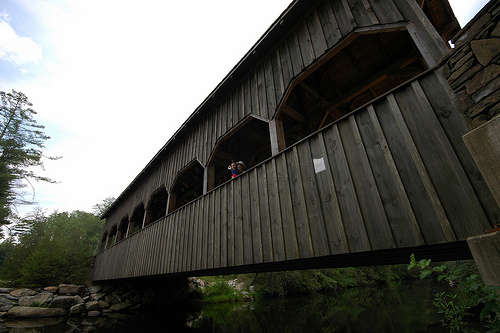
DSC_9441

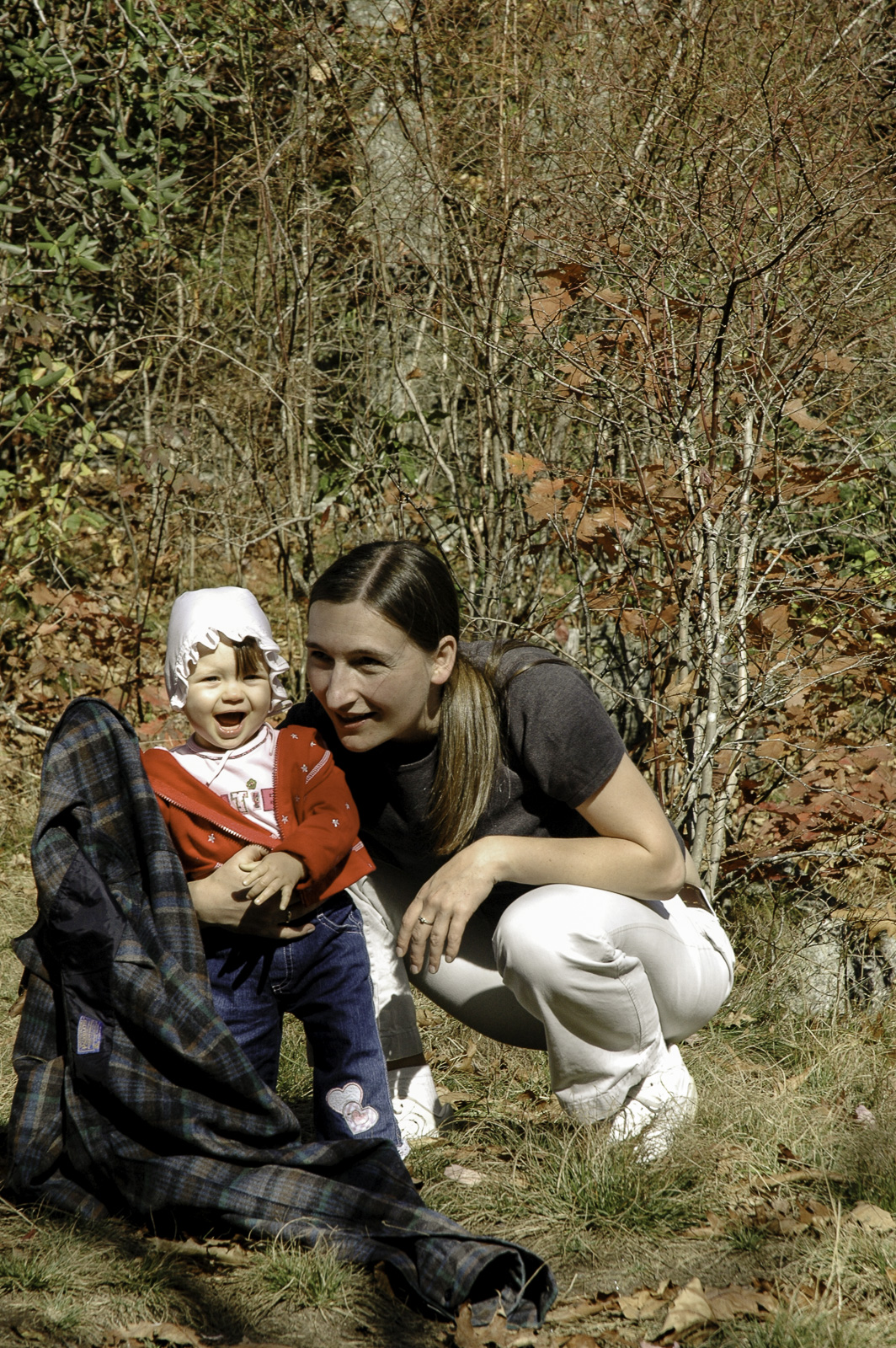
The Girl didn’t seem to mind, though.
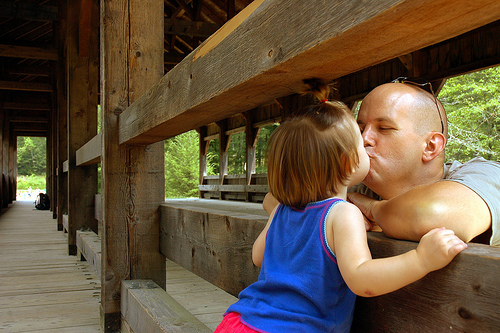
DSC_9487

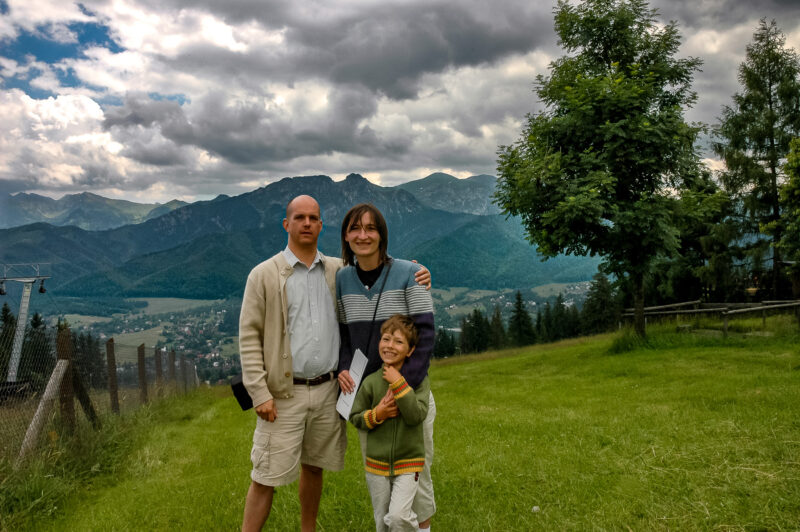
Gubałówka

Last day in Orawa/Podhale. Tired Girl; semi-eager Cousin W. Only one thing to do — go to Gubałówka.

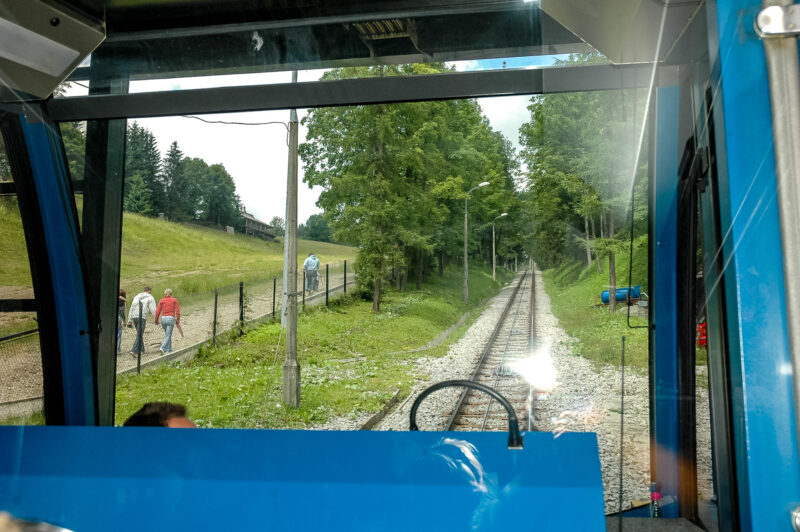
Up the inclined railway

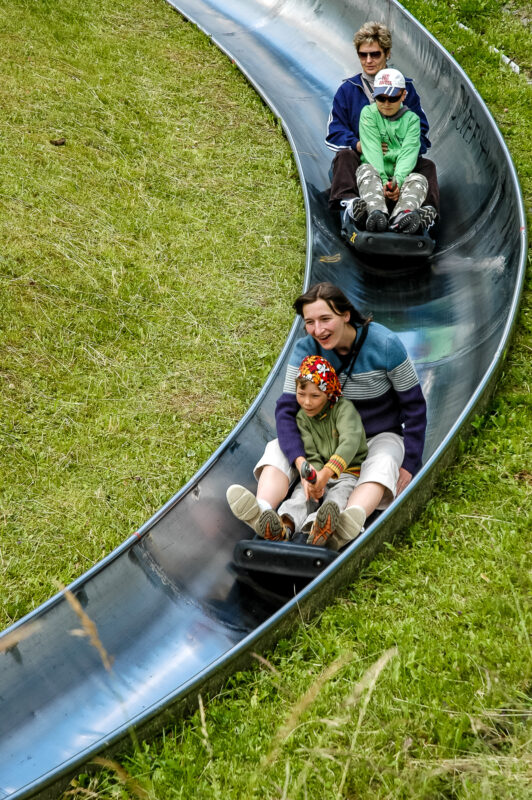
Down the metal bobsled-ish ride with Aunt K:

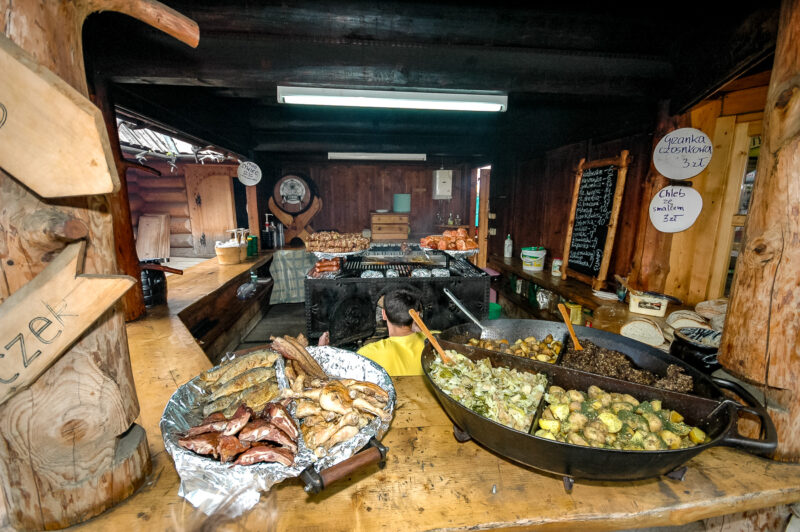
And then a bite to eat.

Grill plus

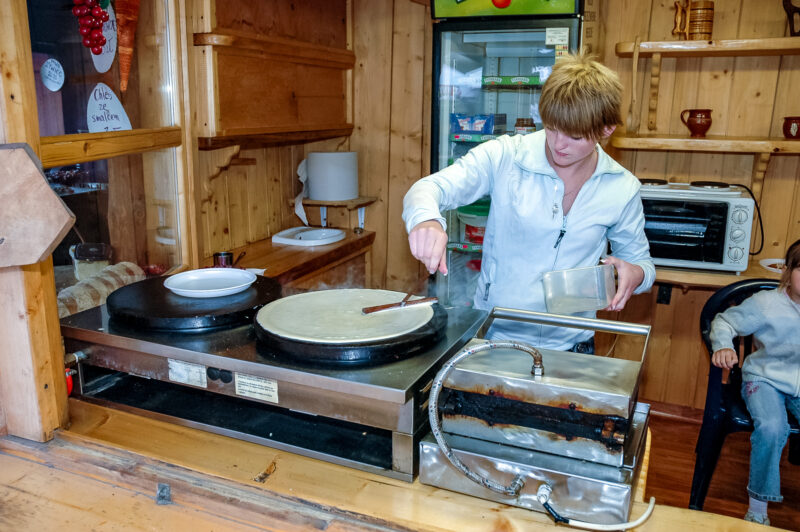
Cousin W had a crepe:

French Polish

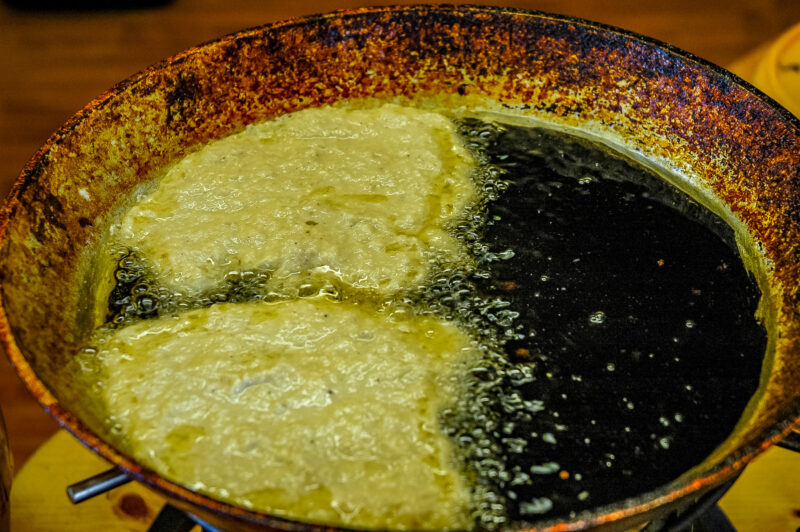
K and I shared potato pancakes with garlic sauce

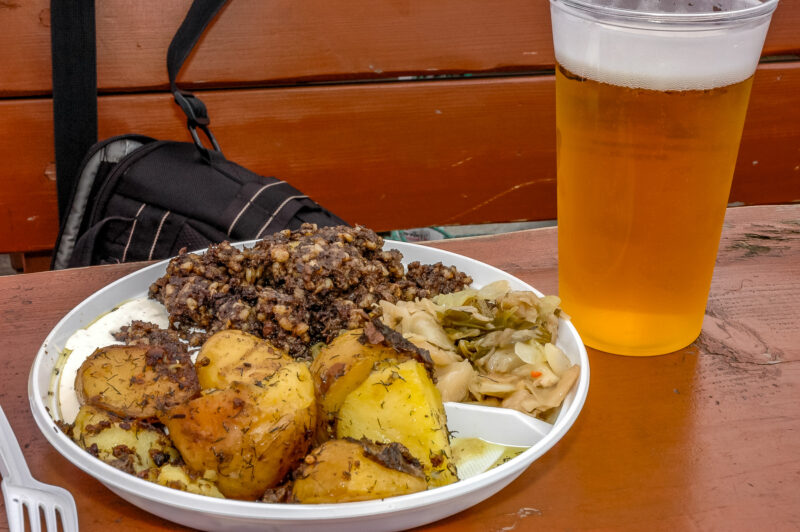
And something Poles will recognize but I will refrain from describing further:

Kaszanka

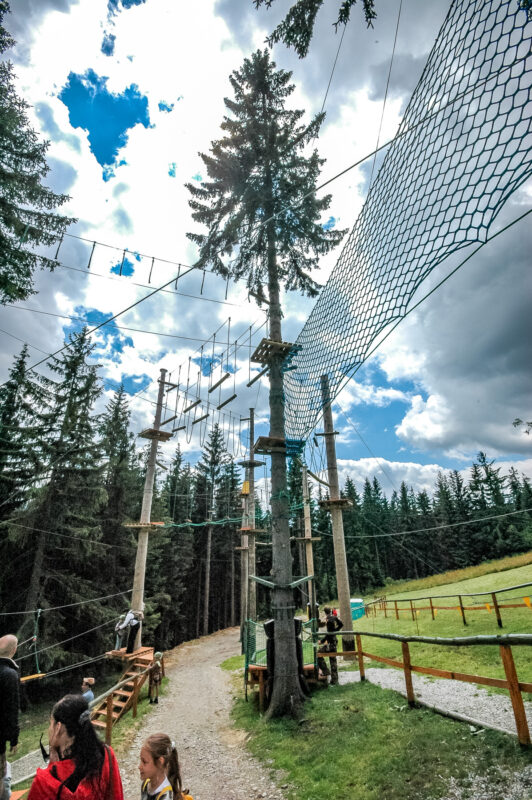
We went to the new “line park.”

Brought to you by Alegro, the Polish version of Ebay

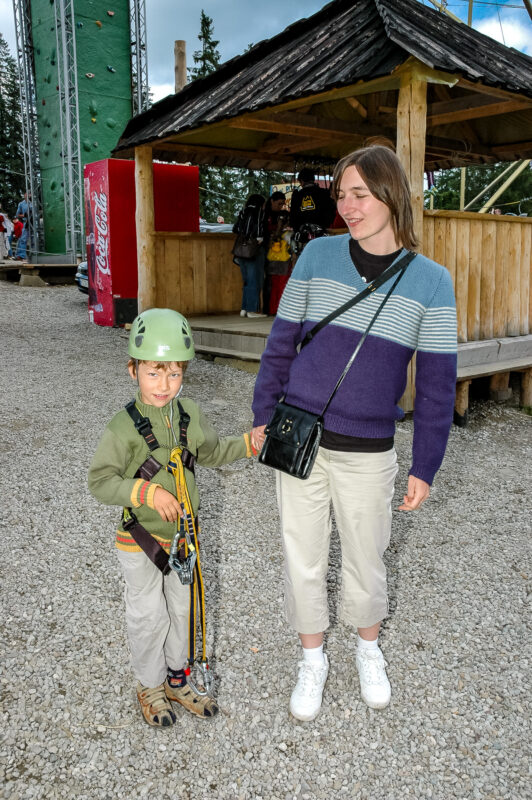
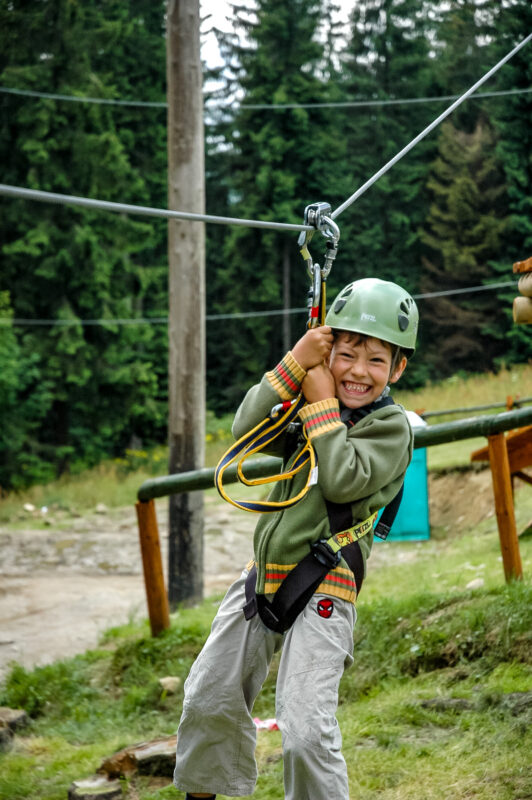
Cousin W had a blast on the kids’ zip line.

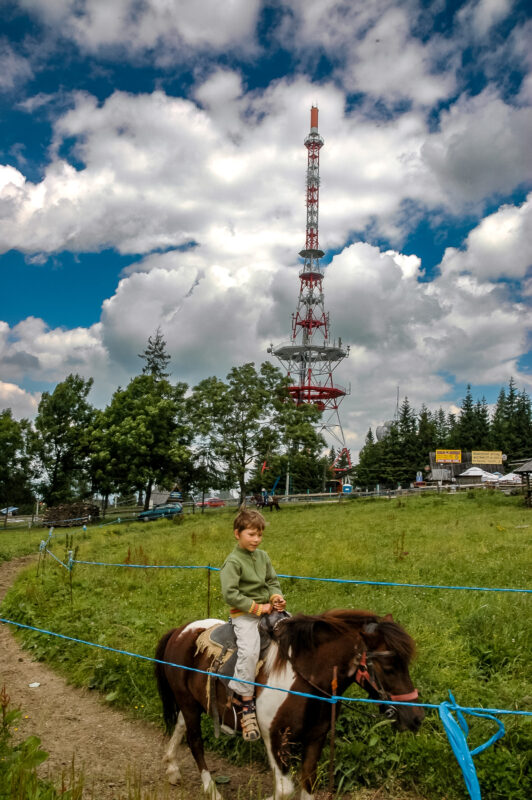
Then a pony ride,

a group portrait,

and a return to a young lady very happy to see her mother.

Travel

0

Packing is never fun. It can hold the promise of coming adventure, but generally it’s tedious.

That being said, it requires a ritual. I always had one: listen to Michael Hedges’ Taproot (AMG) while packing. I packed for almost all my trips for ten years that way.

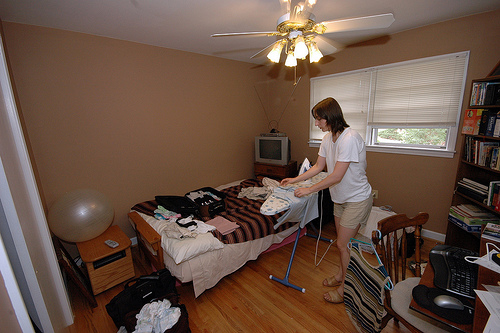
We didn’t listen to anything packing for this trip. And K did most of the packing. And ironing.

DSC_6560

I offered to help. “No — I’m afraid that you might forget something important.”

“Like the Girl?” I think, but then think again.

But all that’s behind us now. This is scheduled to be posted when — theoretically — we’re lifting off the ground on a Lufthansa Airbus, beginning the first (and longest) leg of our journey.

Weekend in the Mountains

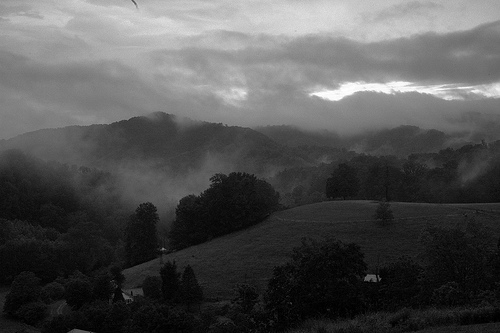
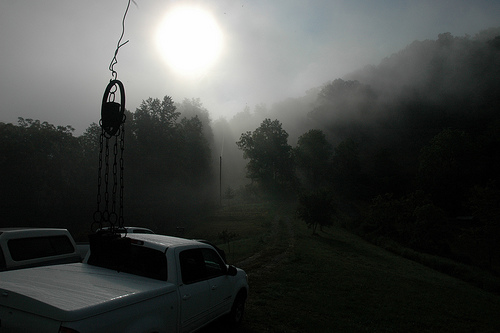
Saturday evening, as the sun was setting and the fog was settling in, this is what K and I saw:

DSC_5764-1
Sunset in Madison County

Getting to that moment was just as enjoyable as the moment itself, though.
We set off Saturday morning — after my Praxis test — on a trip to the mountains: Asheville. Hippy-ville, land of the sky, where the patchouli flows like water.

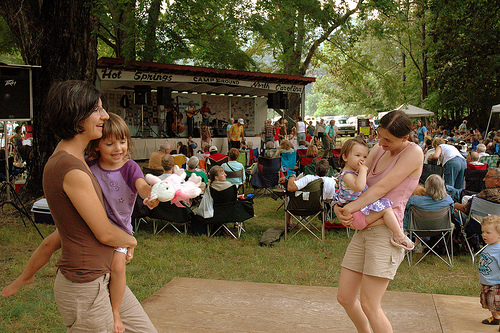
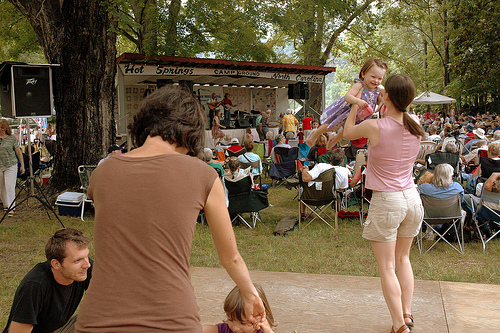
Our first stop was actually a good bit north of Asheville, in Hot Springs, at the annual Bluff Mountain Festival. Bluegrass, old-time music, clogging — a fine festival.

K and L danced and twirled

Dancing at the Festival I
Dancing at the Bluff Mountain Festival
Dancing at the Festival II
Dancing at the Bluff Mountain Festival

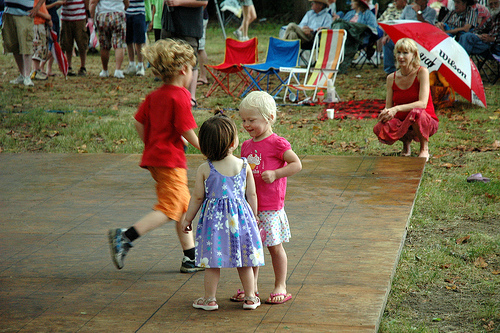
L made a new friend,

New Friend I
New friend

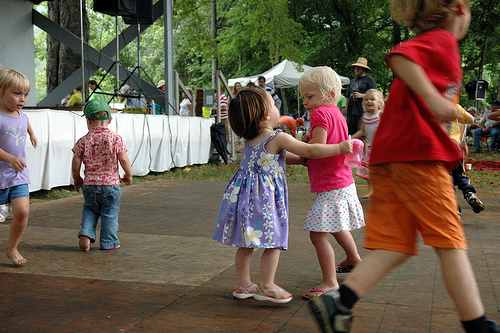
only to discover that the new friend was not wild about hugs.

New Friend II
New friend, who doesn’t like hugs

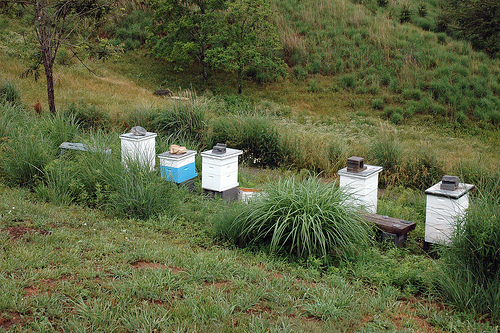
After the rain finally chased us away, we went to stay with friends in Madison county — friends who live on the top of a mountain and keep bees:

Hives I
Hives

We spent the evening as all evenings should be spent: on the deck, surrounded by nature and friends, without a mosquito to be found.

I took the time to talk with someone knowledgeable about bees about what’s going on with the bee population in the States. It’s fairly frightening. One word: monoculture:

Many worry that what’s shaping up to be a honeybee catastrophe will disrupt the food supply. While staple crops like wheat and corn are pollinated by wind, some 90 cultivated flowering crops – from almonds and apples to cranberries and watermelons – rely heavily on honeybees trucked in for pollinization. […]

For many entomologists, the bee crisis is a wake-up call. By relying on a single species for pollination, US agriculture has put itself in a precarious position, they say. A resilient agricultural system requires diverse pollinators. This speaks to a larger conservation issue. Some evidence indicates a decline in the estimated 4,500 potential alternate pollinators – native species of butterflies, wasps. and other bees. The blame for that sits squarely on human activity – habitat loss, pesticide use, and imported disease – but much of this could be offset by different land-use practices.

Moving away from monoculture, say scientists, and having something always flowering within bee-distance, would help natural pollinators. This would make crops less dependent on trucked-in bees, which have proved to be vulnerable to die-offs. (Christian Science Monitor)

Once the ladies came out to the porch, though, we changed to less depressing topics, but not for long: “Who knows when the Girl will wake us” we said, trotting off to bed around eleven.

L woke us up at her usual hour, which meant we got to see a mountain sunrise:

DSC_5818
Sunrise in Madison County

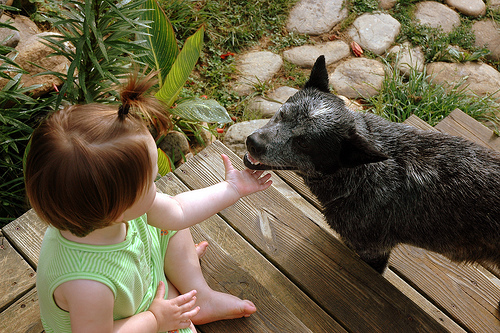
L played with the dogs for a while. Our friends have four dogs, but only three of them were interested in L.

DSC_5873

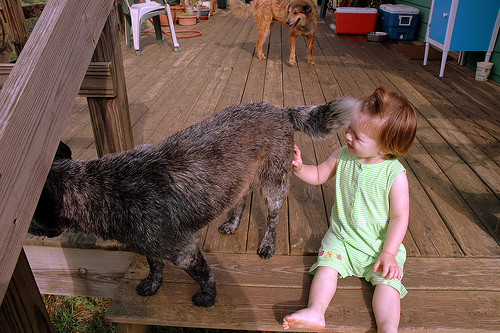
She got a face-full of tail a couple of times but took it like a trooper and insisted on staying with the dogs.

It was wonderful seeing how the dogs sensed L’s fragility and were so gentle with her. They didn’t attempt to jump on her and would gently approach to lick her in the face — which she loved and showed the baby sign for “more” again and again.

DSC_5874

After breakfast, we drove back down to Asheville, to visit other friends, who also have a dog.

DSC_5921

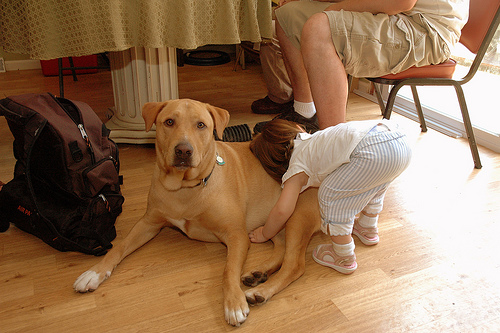
We were pleasantly surprised at how patient all the dogs were with L. She’s so obsessed with hugging animals that she’s got an arm-full of scratch marks from where she shares the love with our cat a little too forcefully.

Finally, we met still more friends at the NC Arboretum for walk.

DSC_5966
NC Arboretum
14

It was a busy weekend, undoubtedly a foretaste of what’s our trip to Polska is going to be like — a trip that is rapidly approaching.

Too rapidly, in some respects.

We leave in two weeks.

(More pictures available at Flickr.)

Charleston

Last weekend we were in Charleston. Fun city — European, old, classy. At least that’s what I heard. I didn’t get to see much because the Girl decided to get sick, and I stayed with her in the hotel.

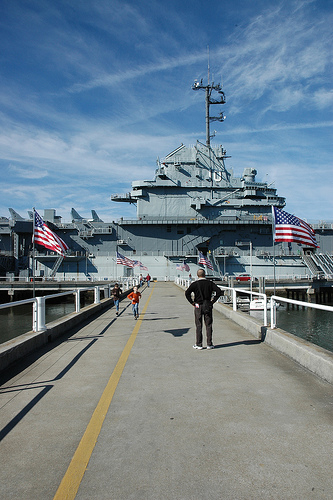
Dziadek and K went to see the USS Yorktown

DSC_3459

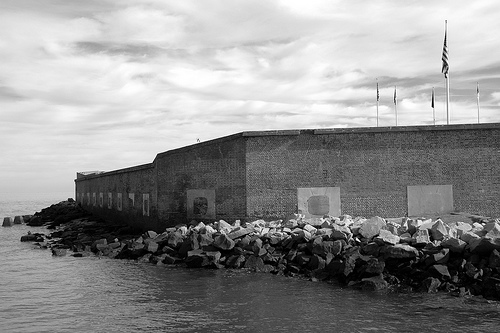
And Fort Sumter

DSC_3503

Looks like fun.

Meanwhile, L and I sat in the hotel room, playing games, laughing, napping, and having a generally nice Saturday.

Las Vegas

It’s been some time since I posted any videos. That’s because it’s been a long time since I had access to the computer on which I edit them. It’s in the guest room, which is now Dziadek’s room, making the computer Dziadek’s computer.

I’m so far behind, it’s not even vaguely amusing. Still, I had some time today while the Girl slept and K and Dziadek were out, so I went through the footage I had and put together a little something from Las Vegas.

On the way: Grand Canyon, Sedona, eating with a spoon, and more…

Stalin’s Gifts

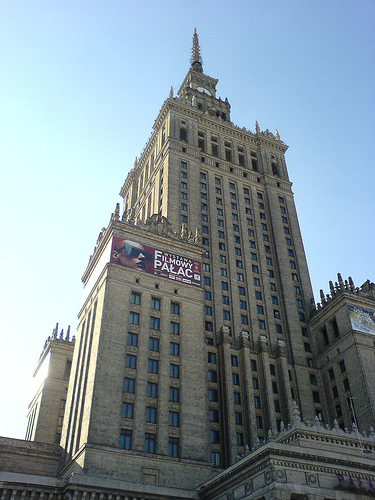
One of the great things about Stalin was his gift-giving sense. Take Warsaw, for example: he supposedly gave Poles a choice between a subway and this:

Palac

The Palace of Culture and Science (photo by koelk_h).

Apparently, Stalin liked to recycle his gifts…

Riga Daily Photo: Academy of Sciences

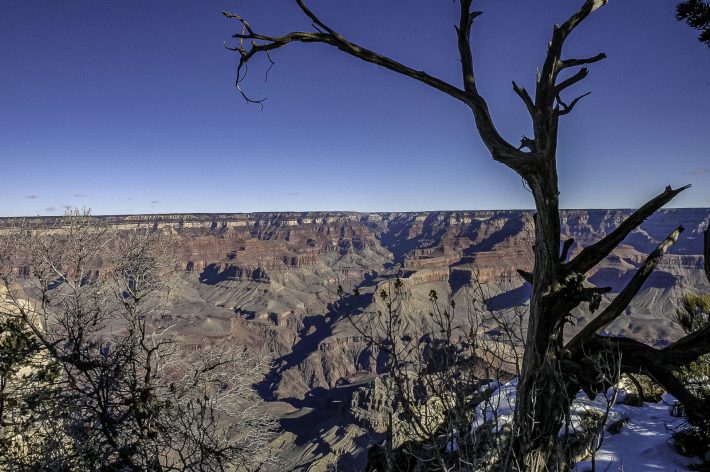
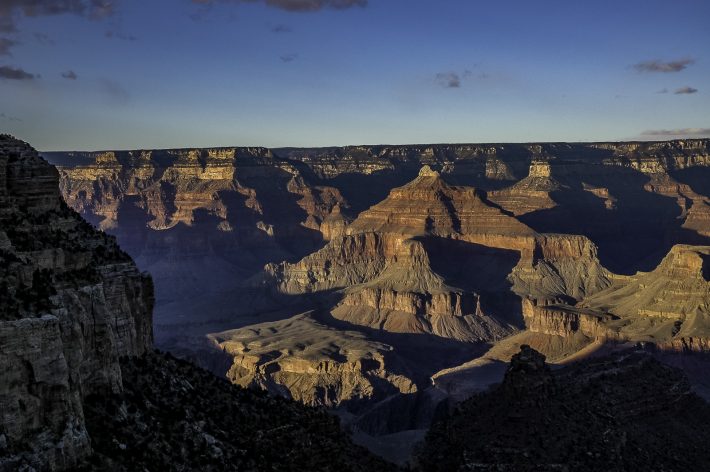
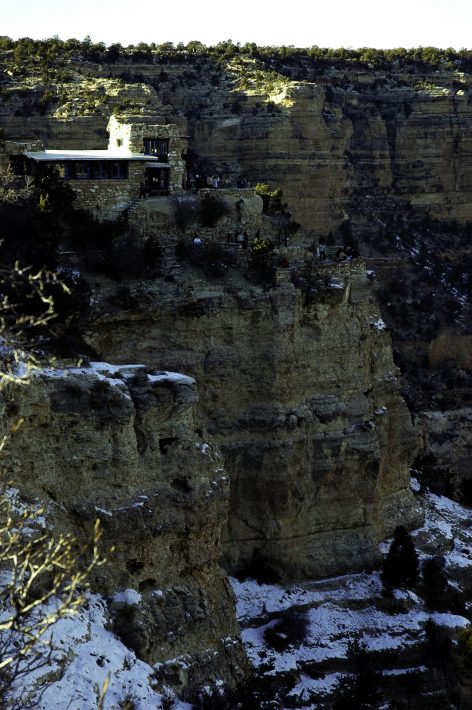
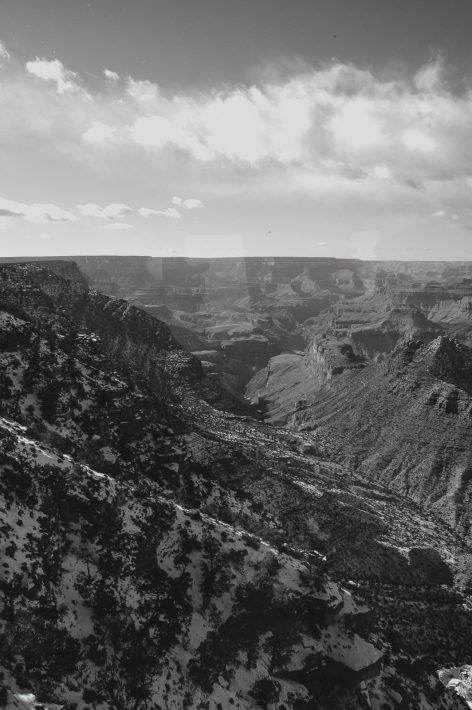
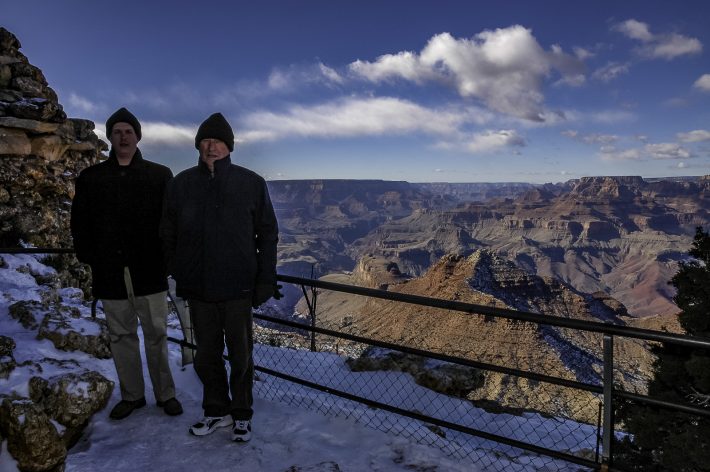
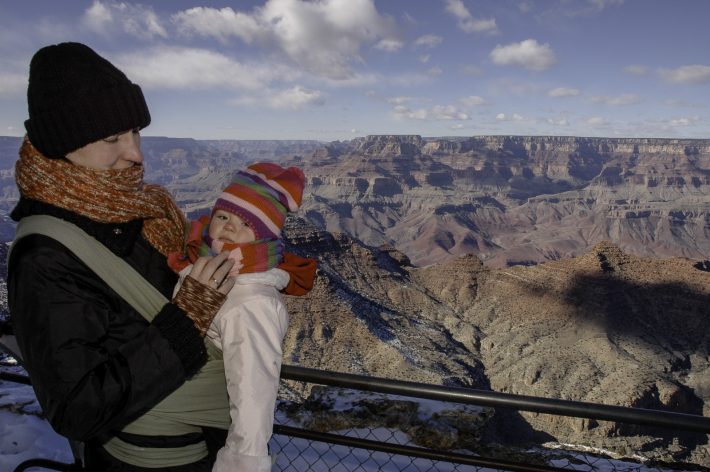
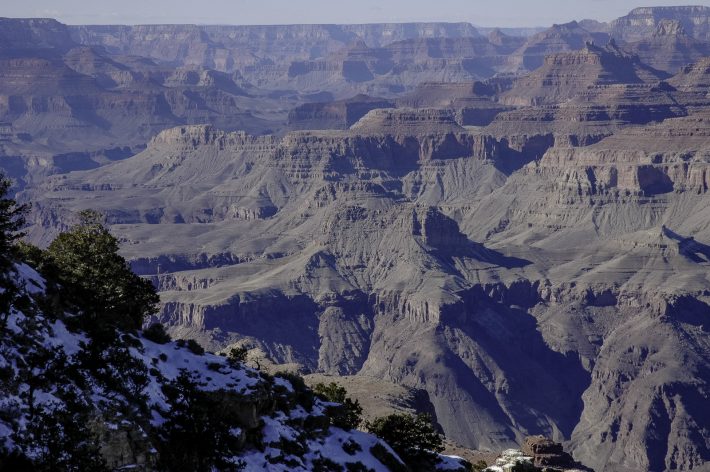
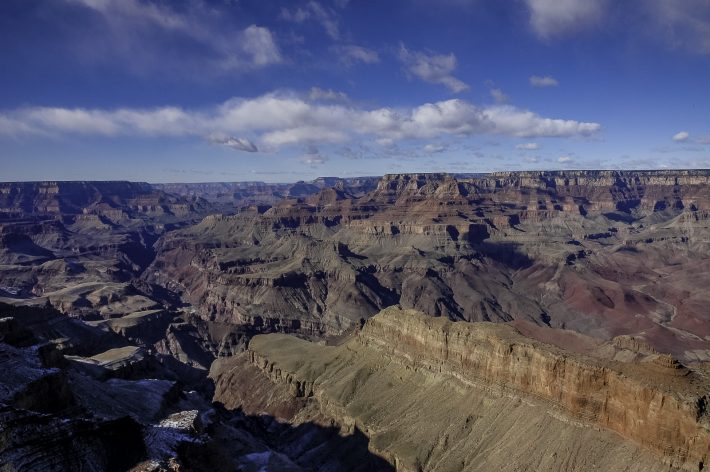
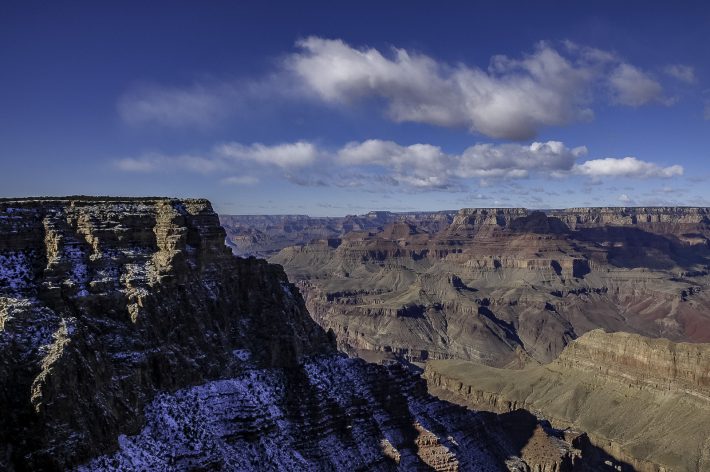
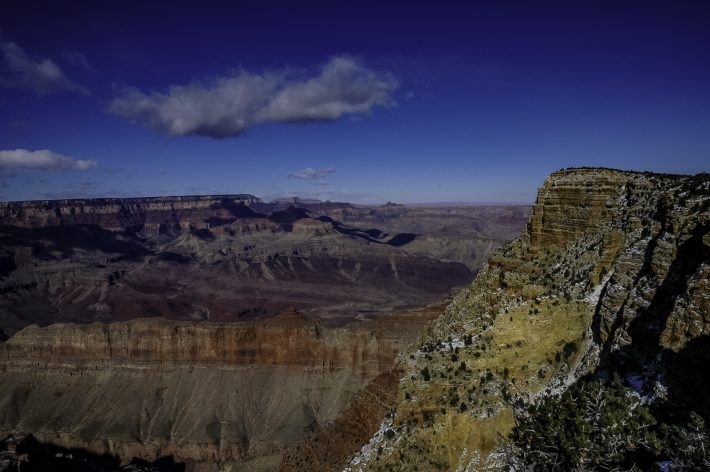
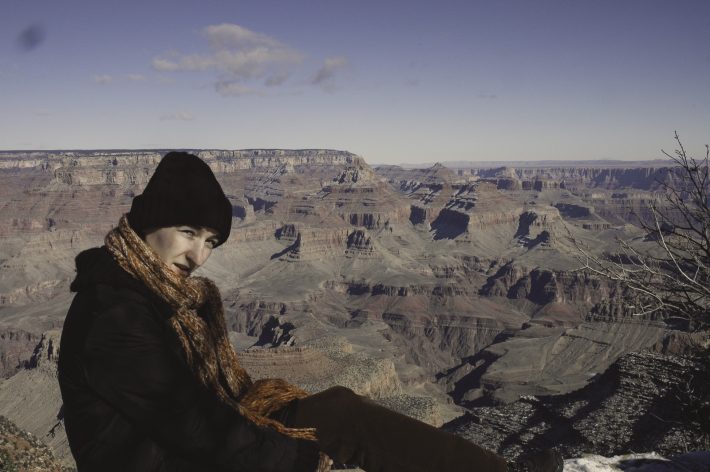
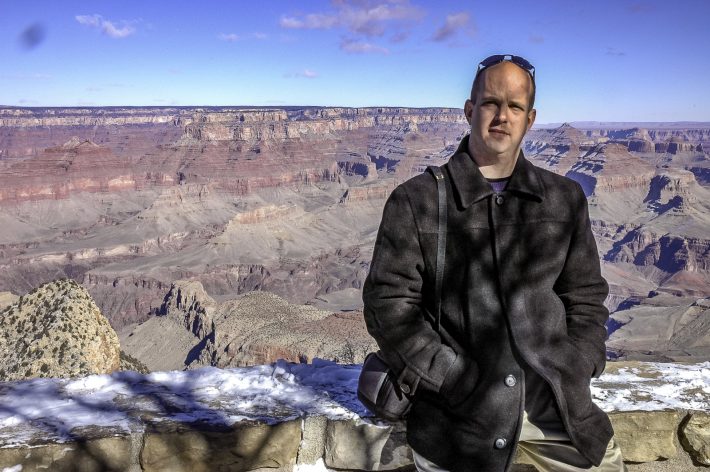
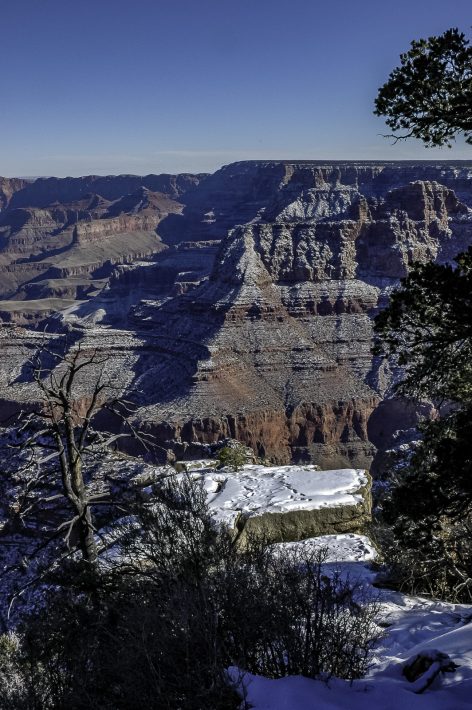
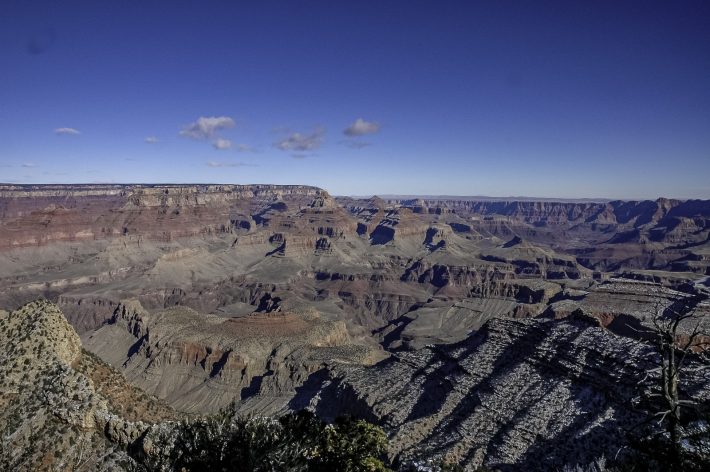
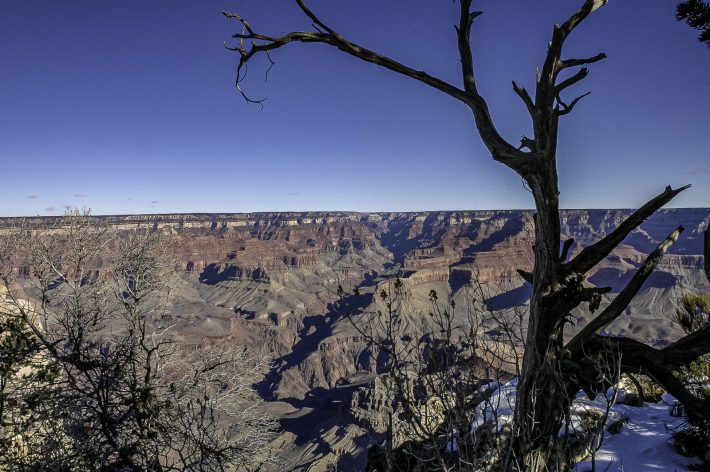
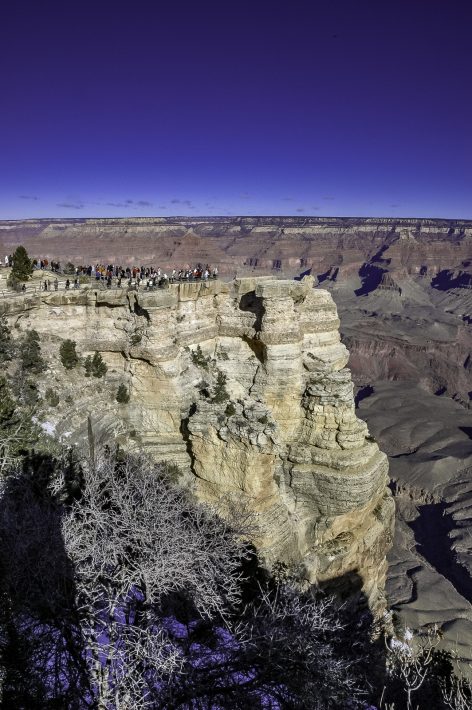
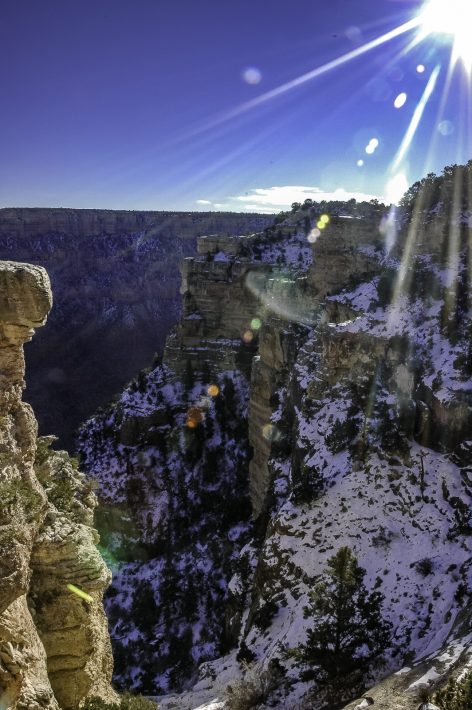
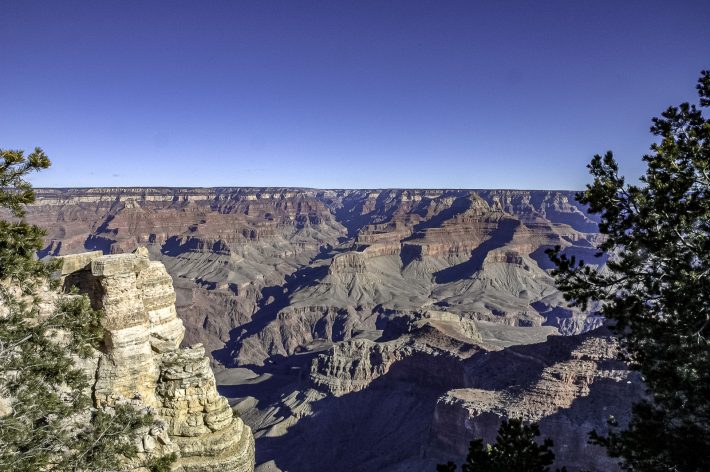
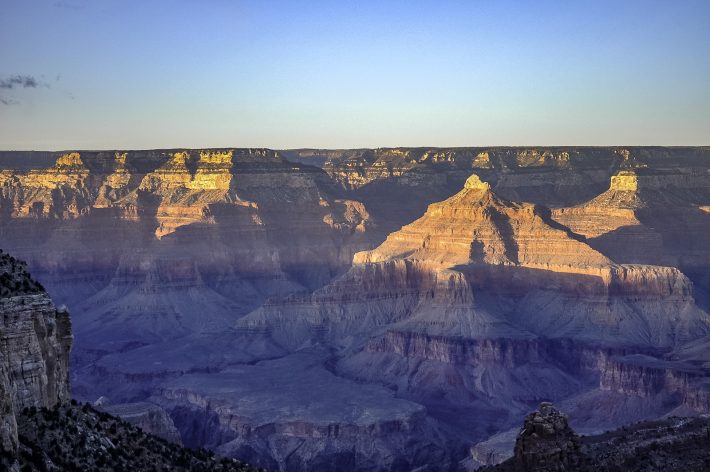
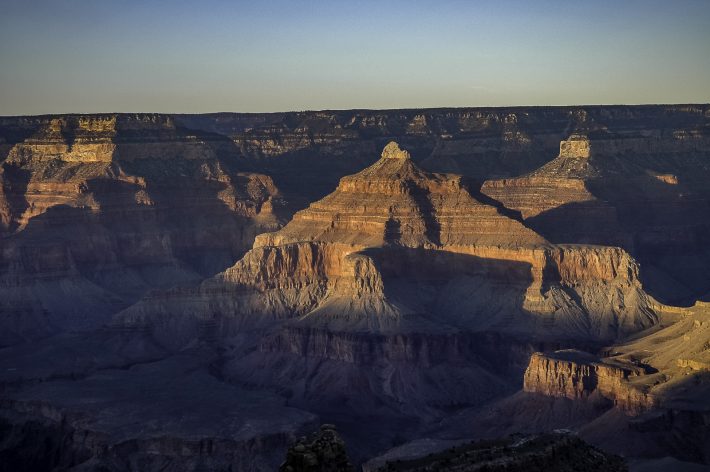
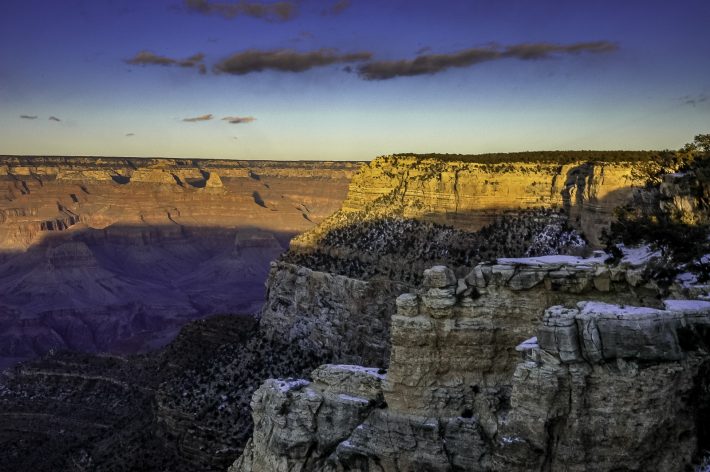
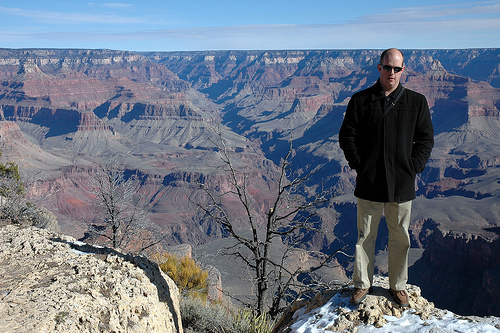
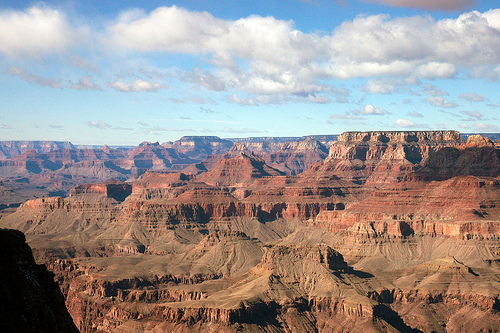
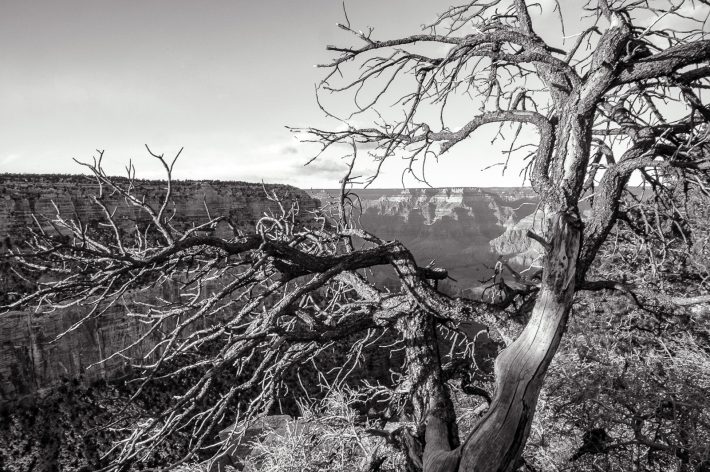
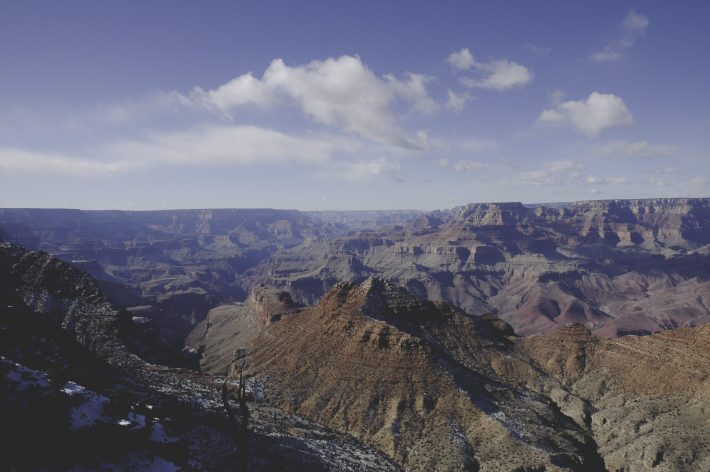
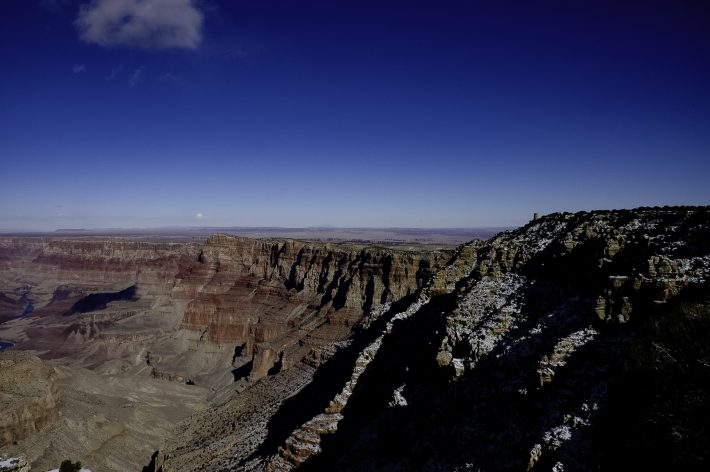
Grand Canyon

All photos are links to more pictures at Flickr.

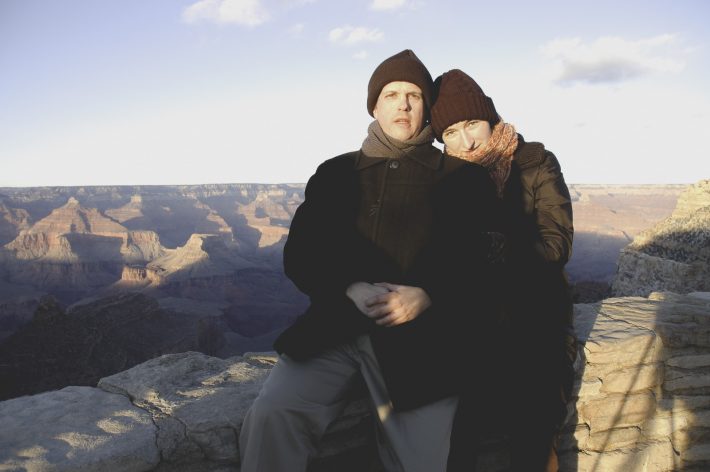
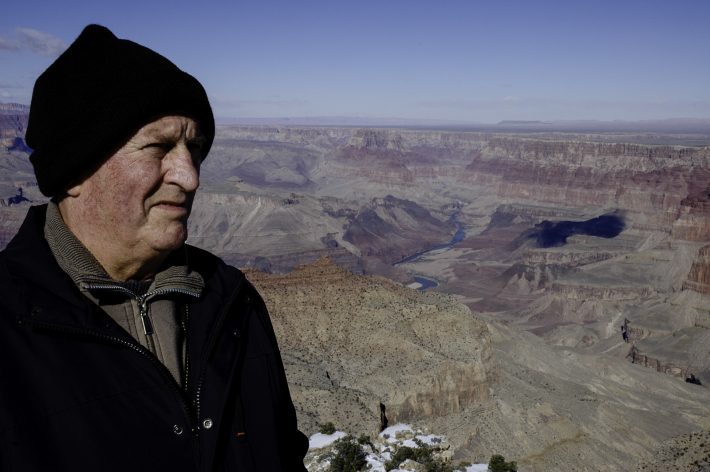
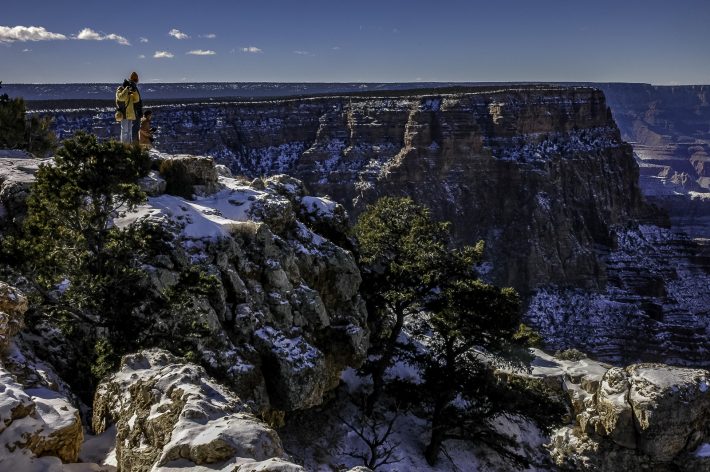
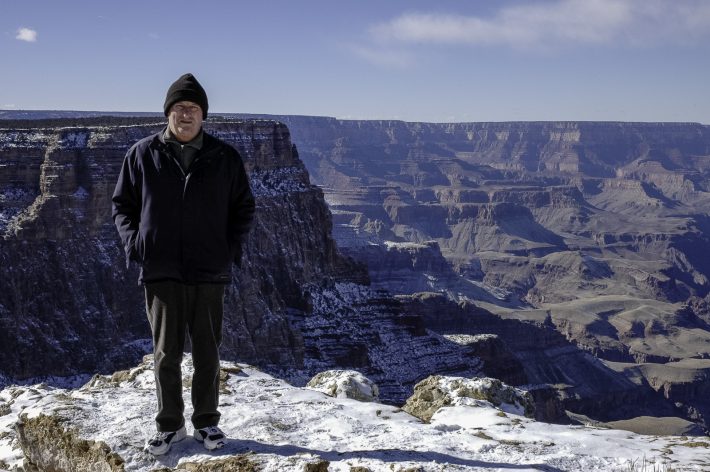
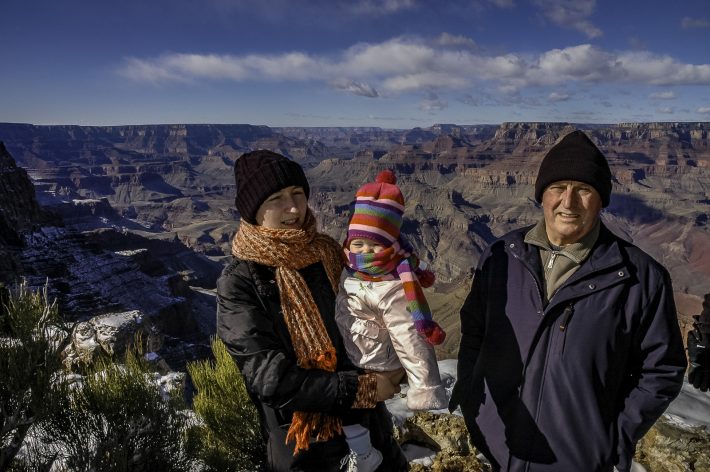
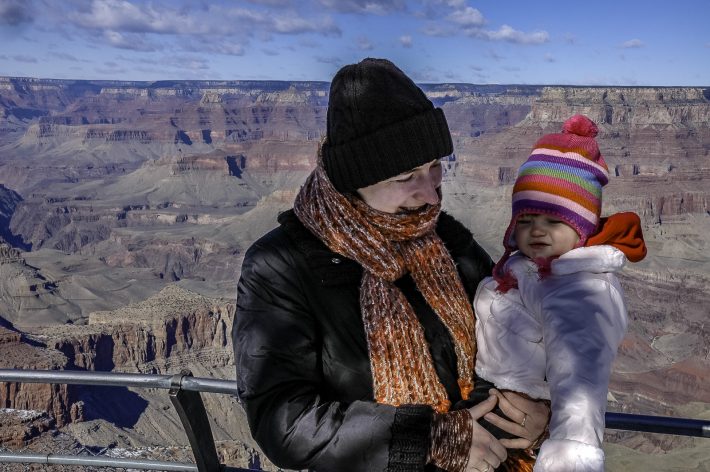
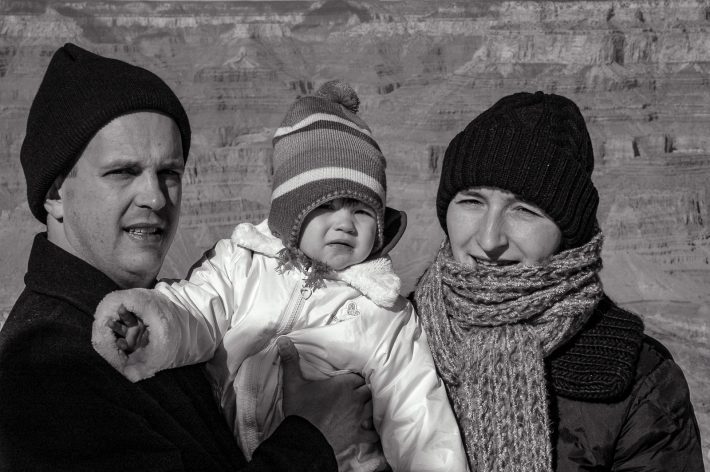
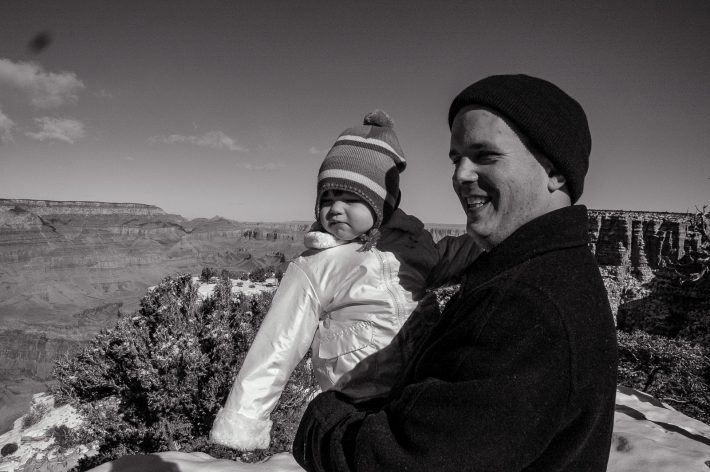
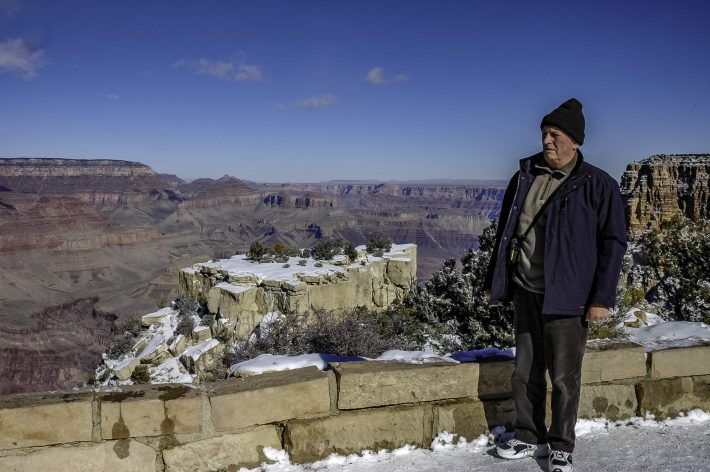
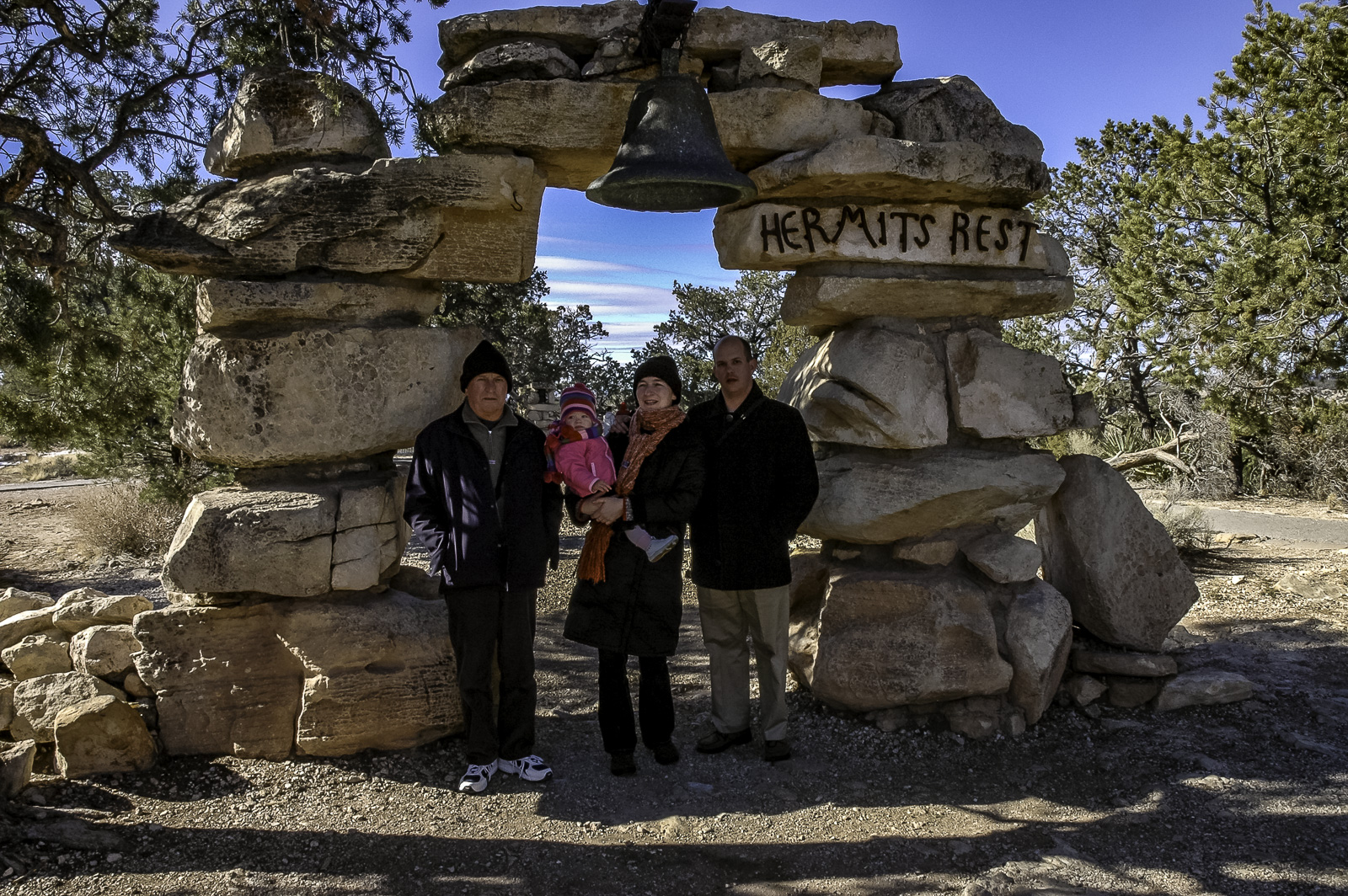
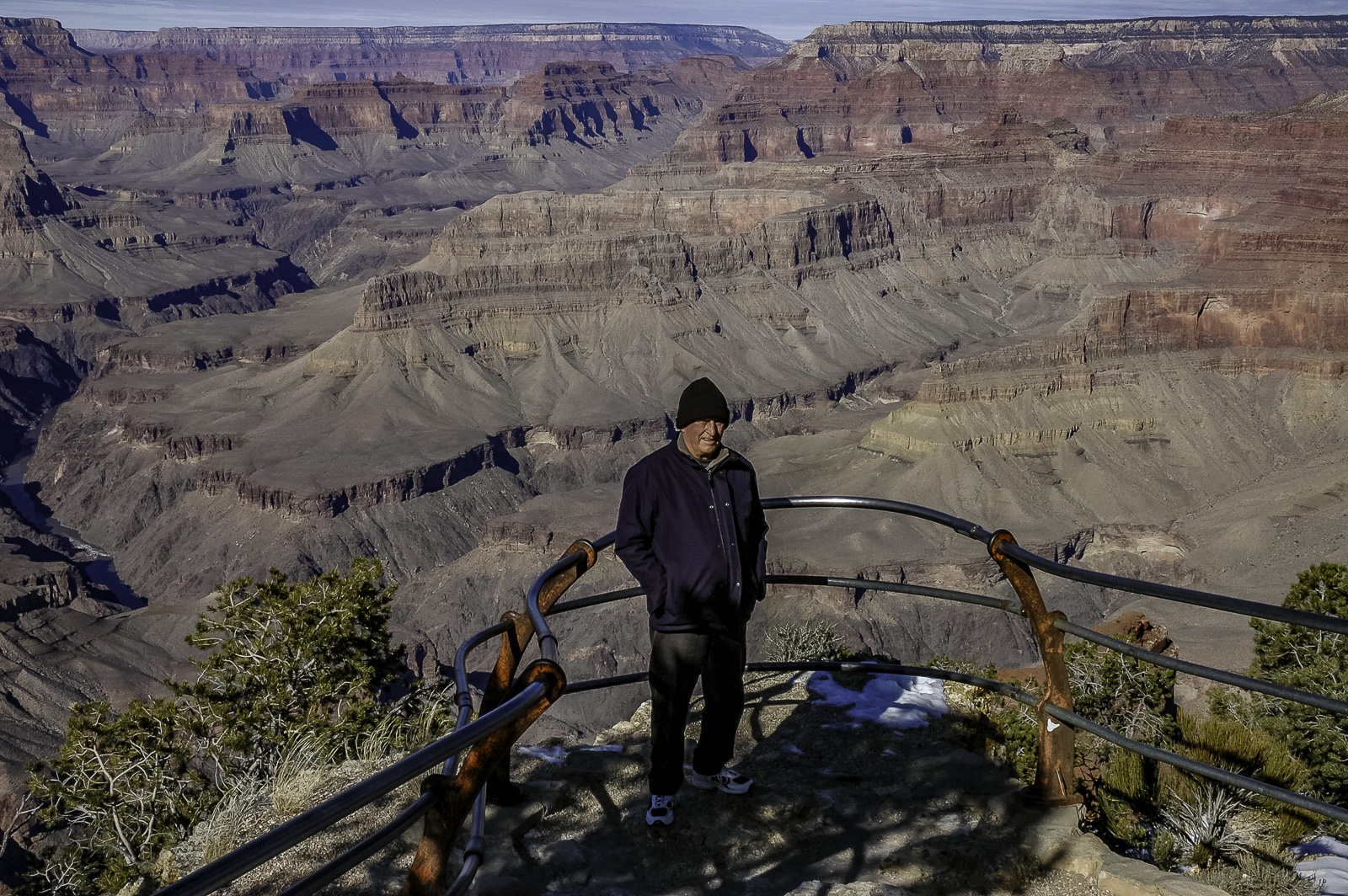
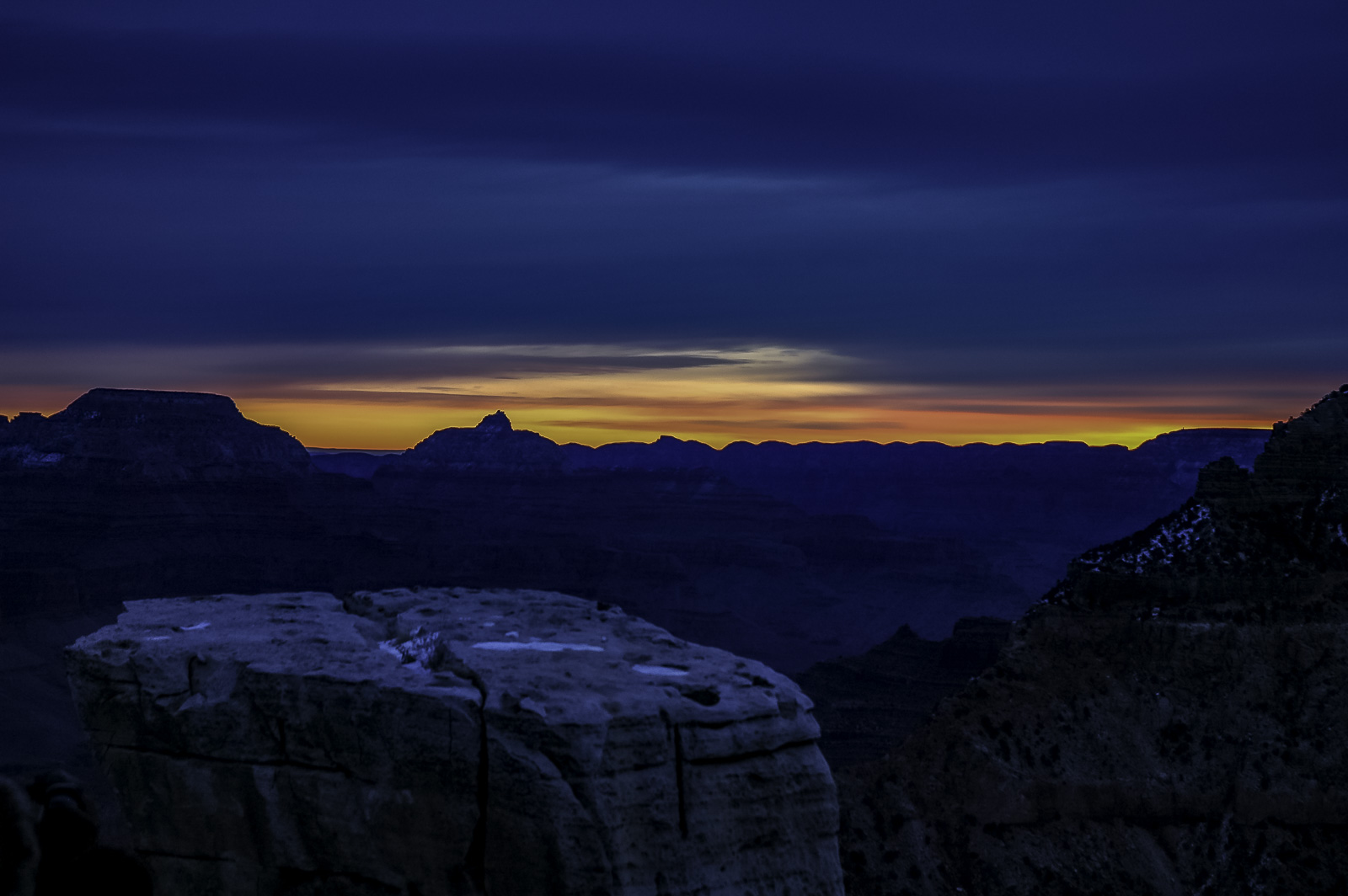
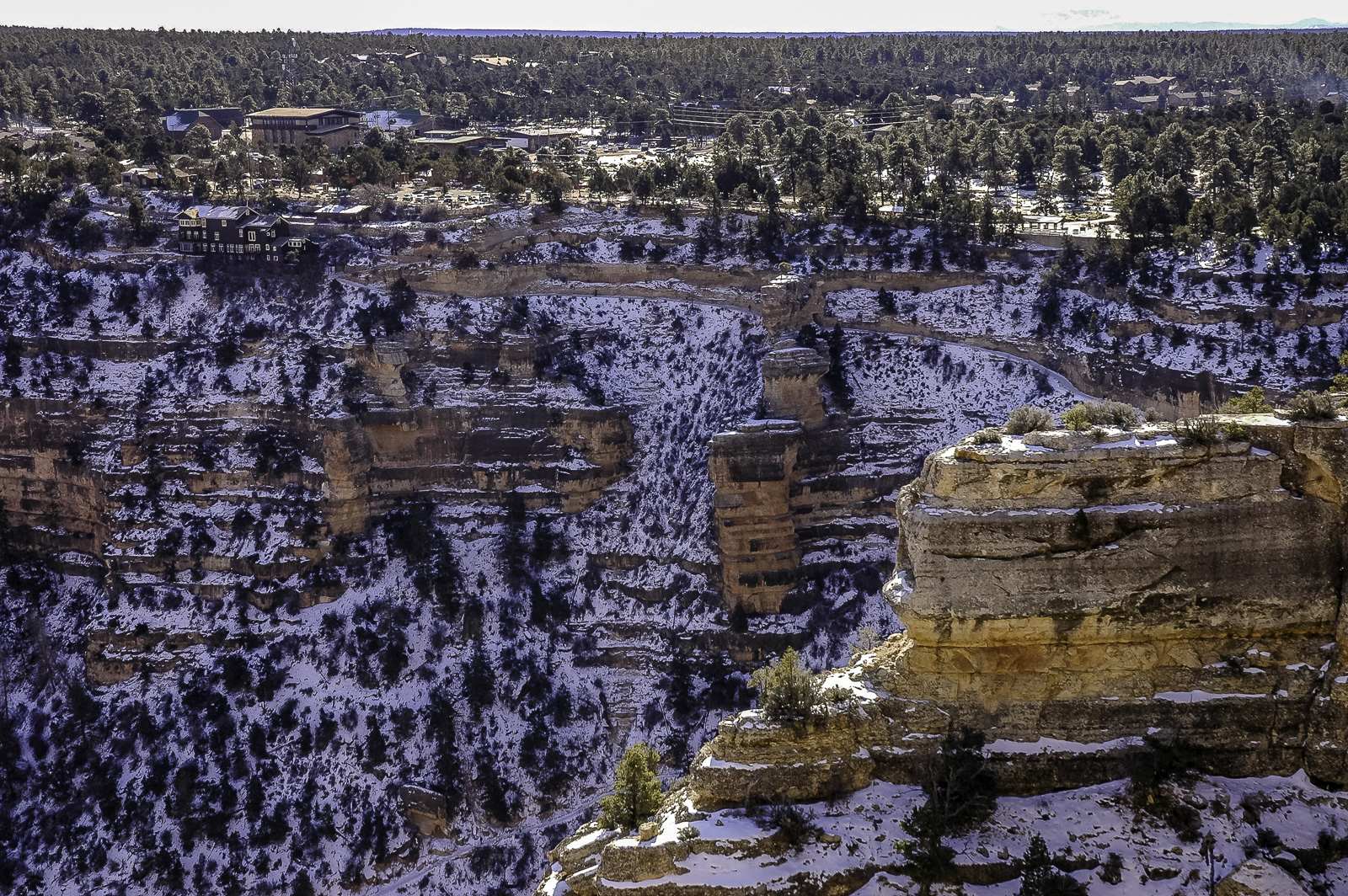
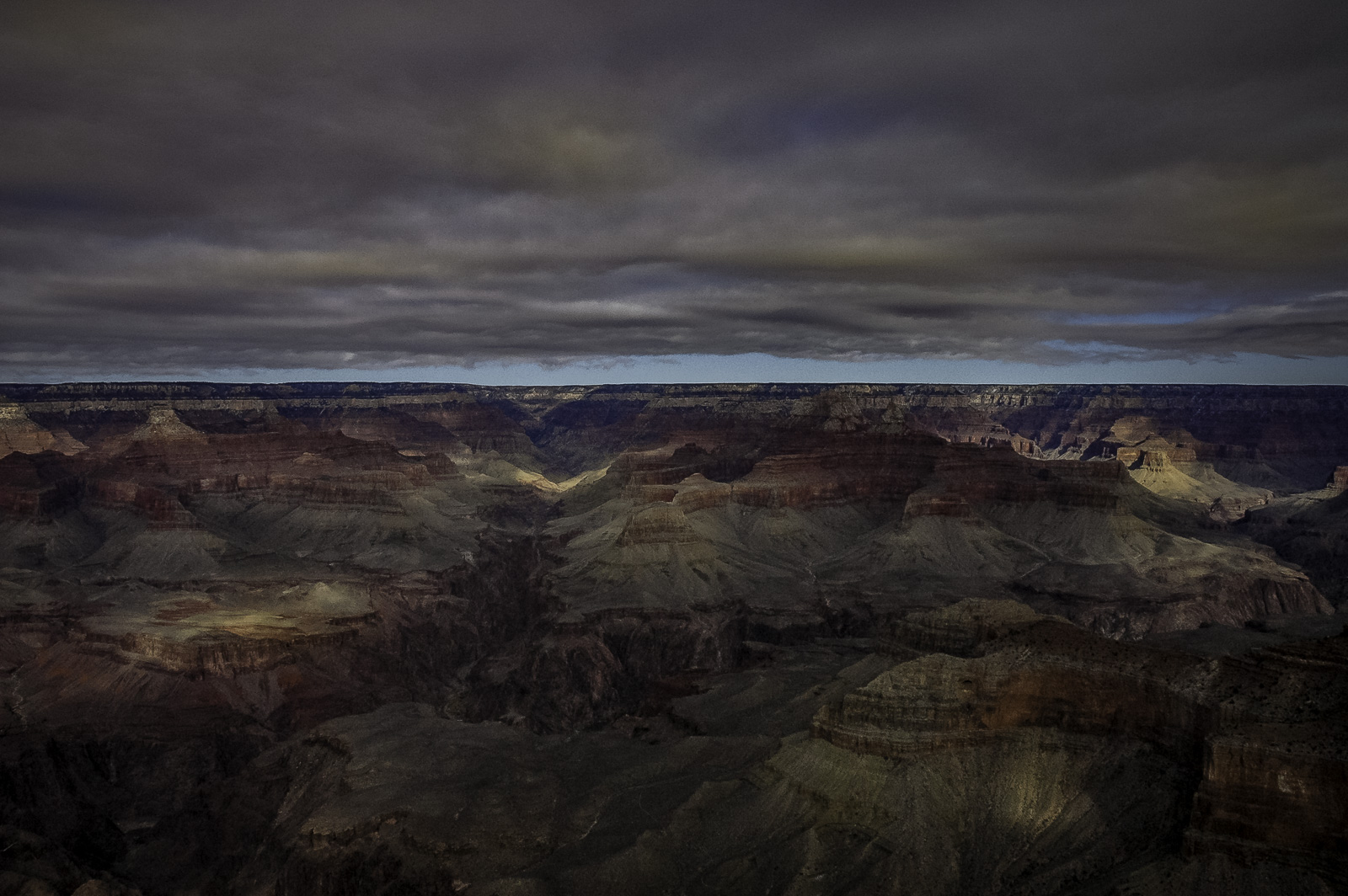
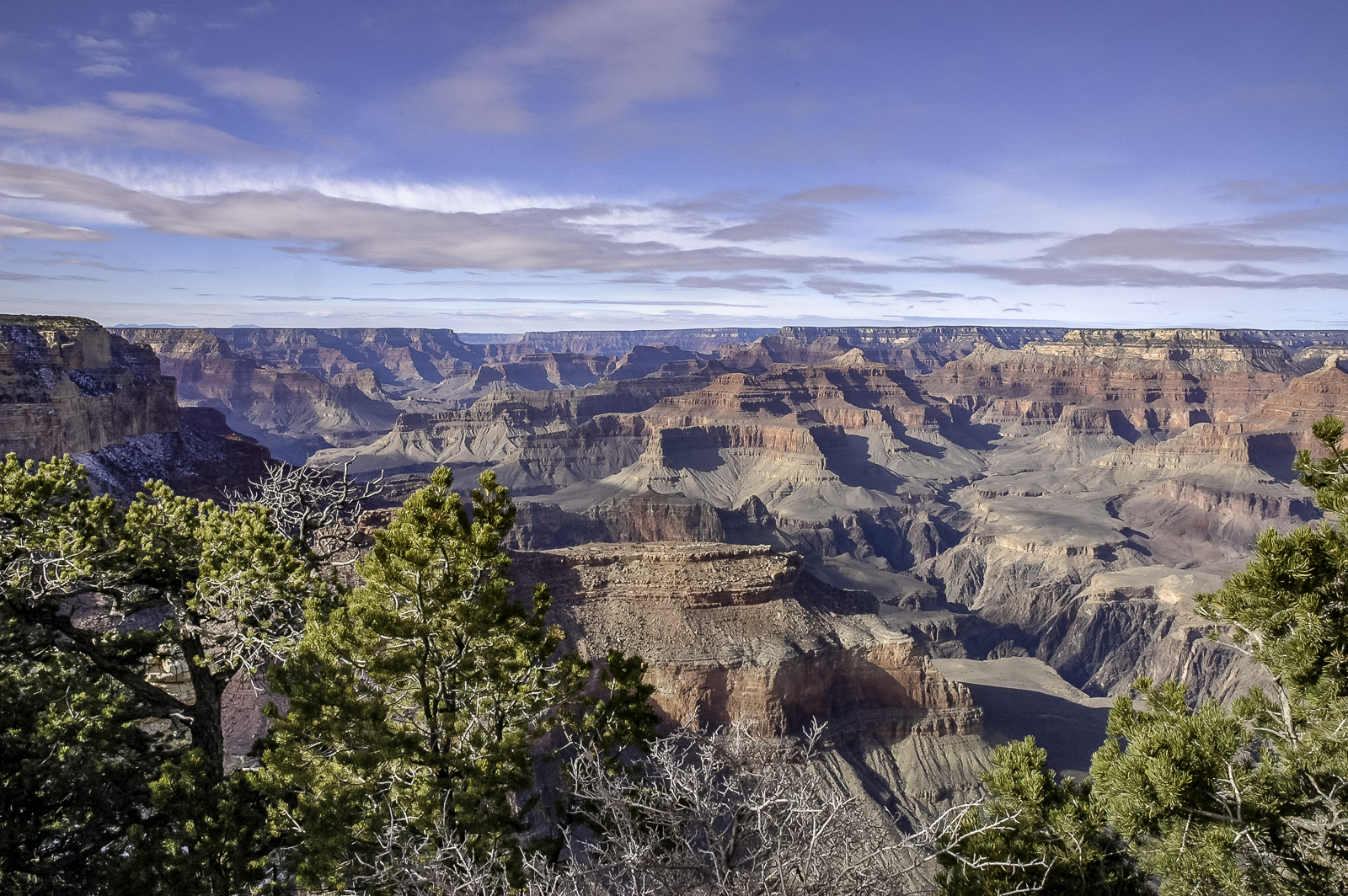
The main goal of our trip West was to see the Grand Canyon. Dziadek, having been a geography teacher, had wanted to see it for as long as he could remember; K and I, not having had a vacation for years (literally), were eager to take him; L really didn’t care.

I first went to the Grand Canyon when I was eleven. During the intervening twenty-some years, I never forgot about how awe-struck I was when I first saw the canyon.

“I knew it was big, but that big?!”

K and Dziadek had similar reactions.

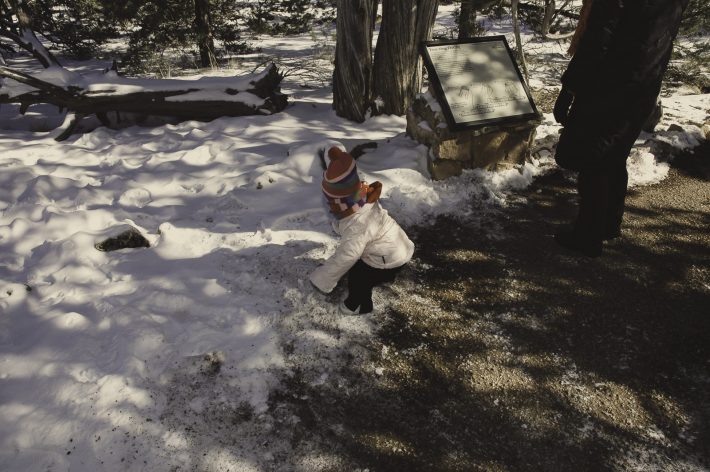
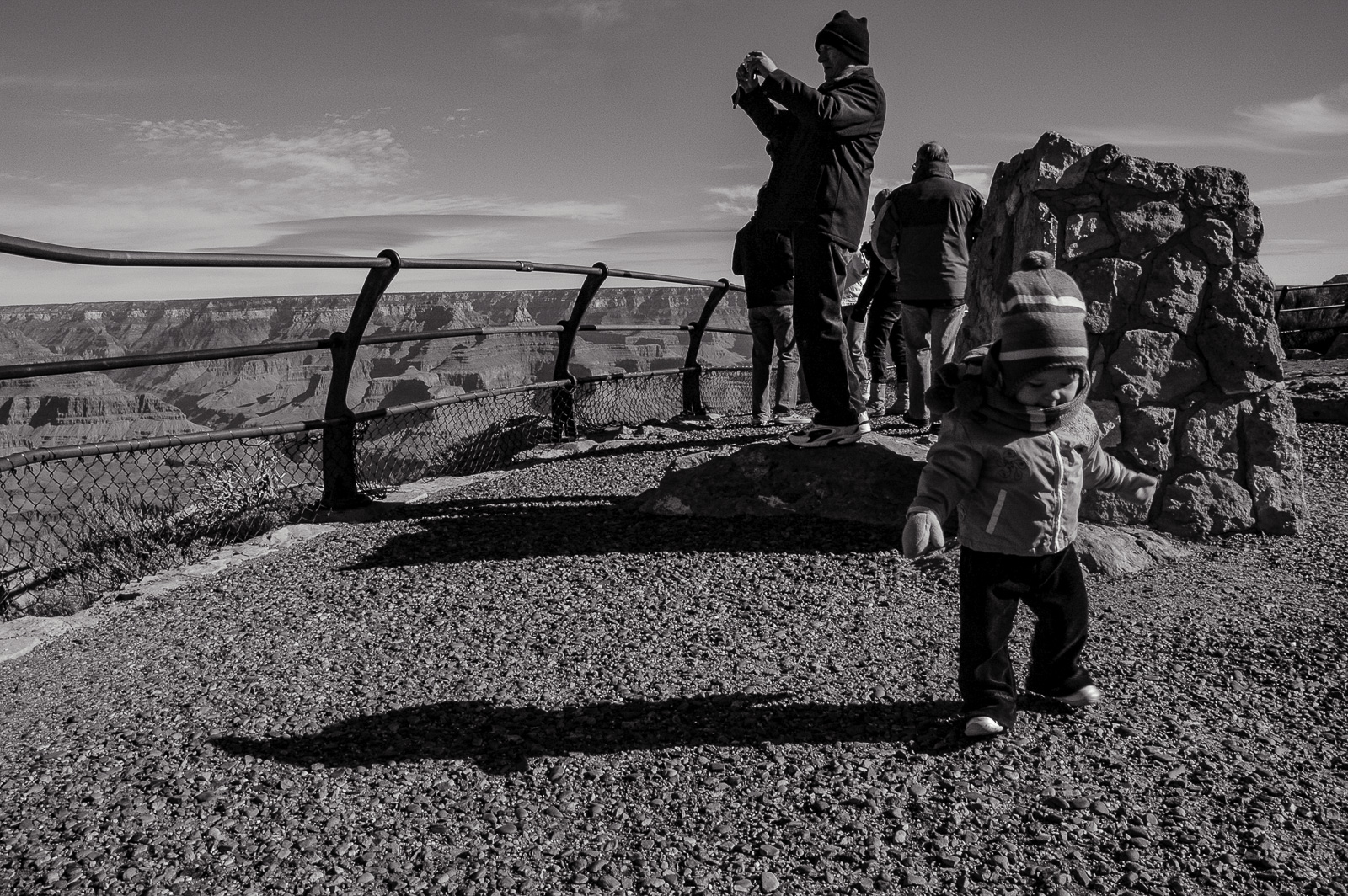
The GC in winter with a baby is a hectic schedule — into the car, out of the car, into the car, out of the car, into the car, out of the car, into the car, out of the car, into the car, out of the car. Coats on, coats off, coats on, coats off, coats on, coats off, coats on, coats off, coats on.

It soon became clear to K and me that this was just a reconnaissance trip, for we must go back and hike the canyon.

DSC_2833
DSC_2655

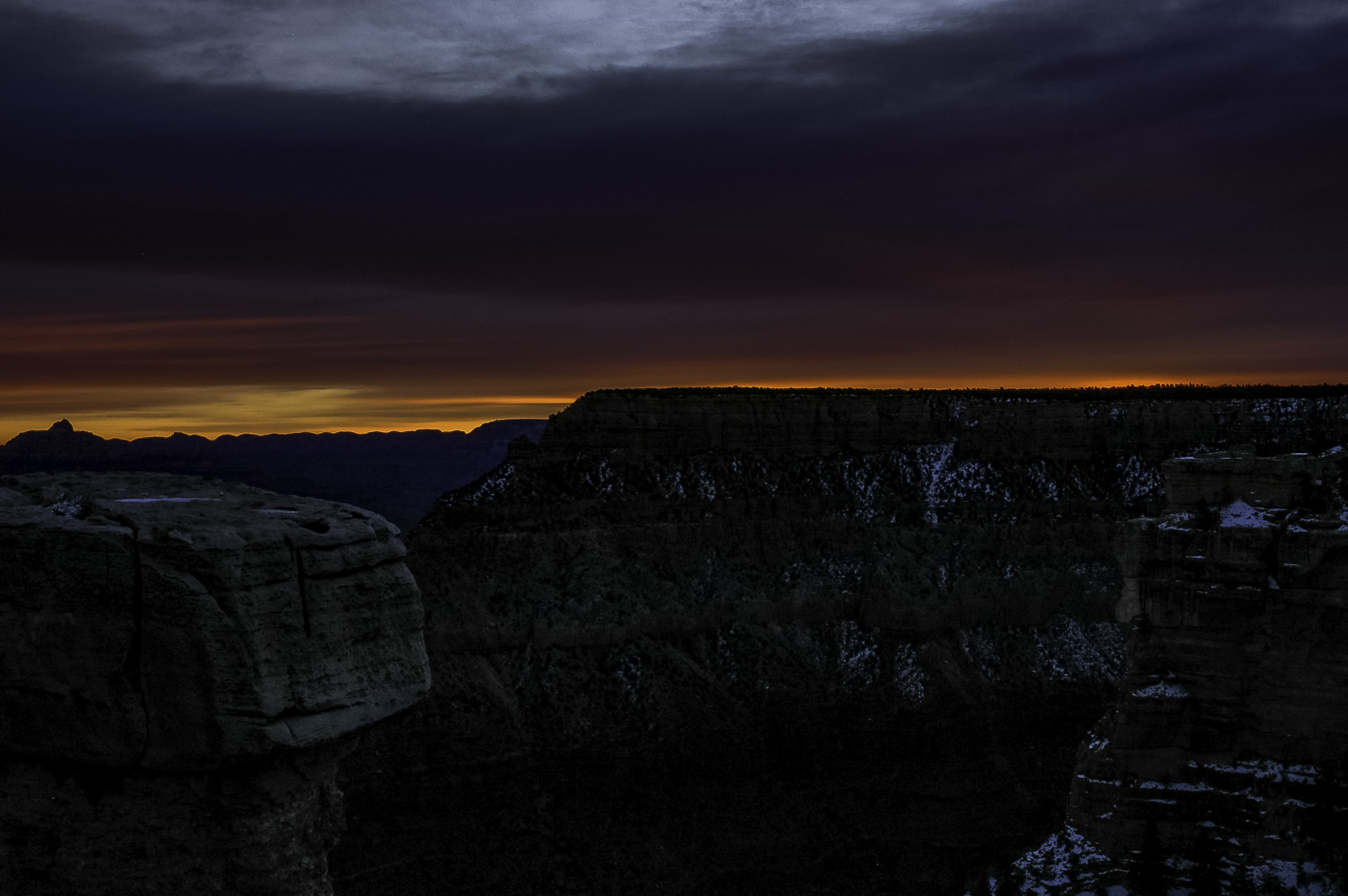
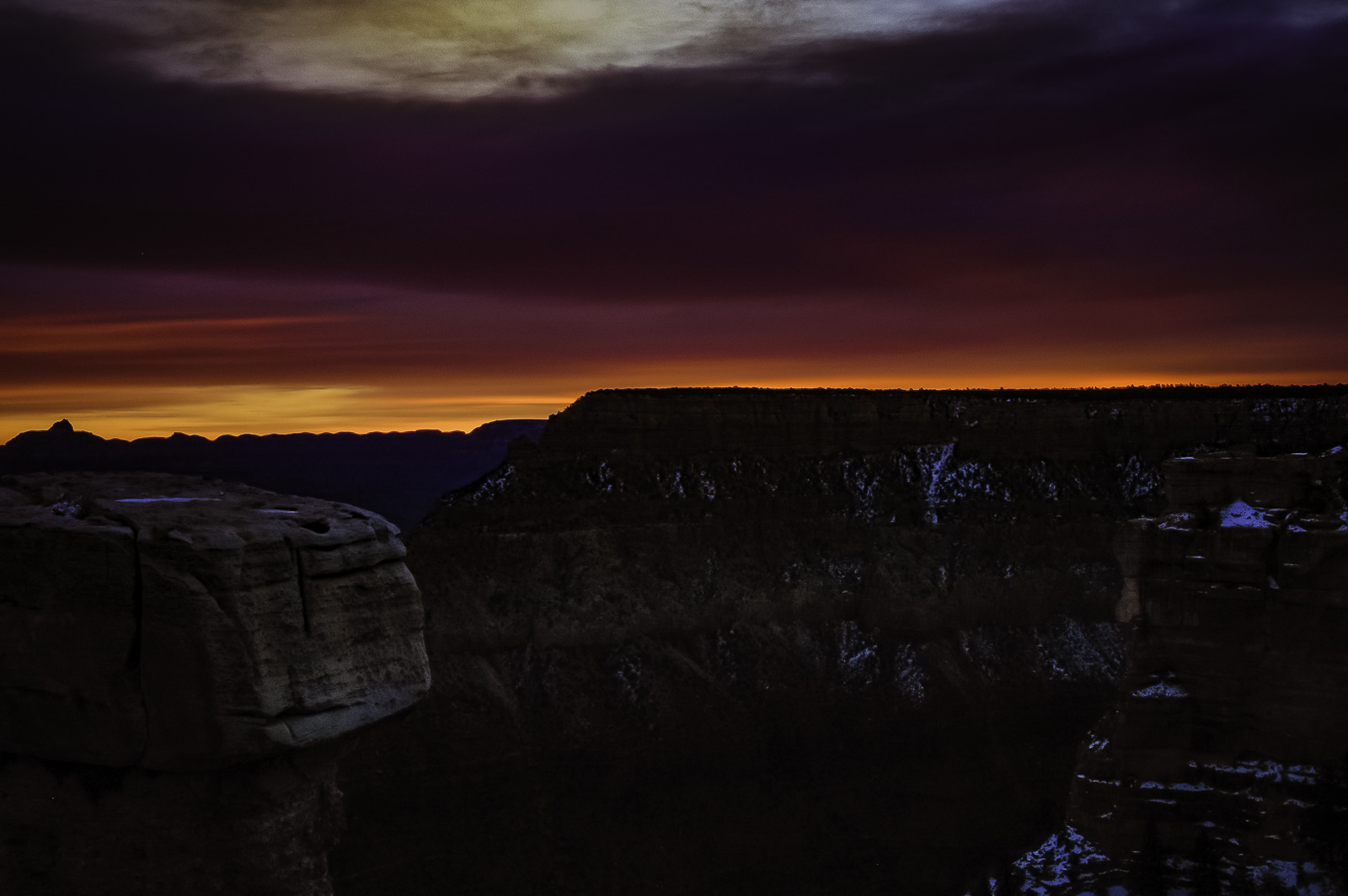
A note to photographers: the rocks reflect a lot of light. We found quickly enough that it was necessary to underexpose most shots by 0.7 steps.

The cliche is that a picture is worth some ridiculous amount of words. That really depends on the author, I’d say, but all that notwithstanding, even pictures don’t do the GC any justice. It’s just enormous on a scale that is incomprehensible.

Two hundred and seventy-seven miles long. An average of ten miles wide, with the shortest trail from rim to rim being twenty-four miles long. Five thousand feet deep.

Six million years old, with the oldest layers of rock being well over a billion years old.

It’s like staring into infinity.

Lunar Landscape

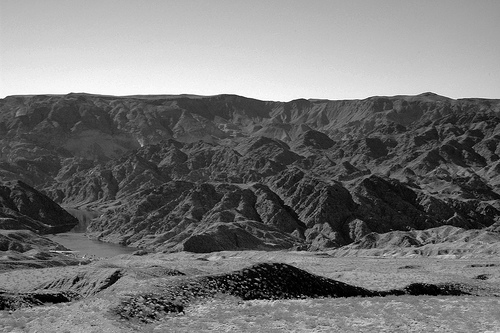
Outside of Boulder City, on the way to the Grand Canyon, we encountered some truly other-worldly views.

DSC_2545

Hoover Dam

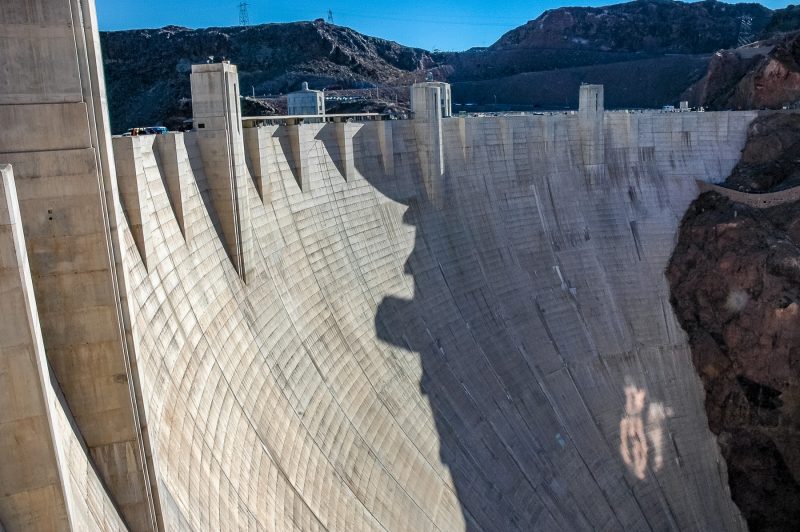
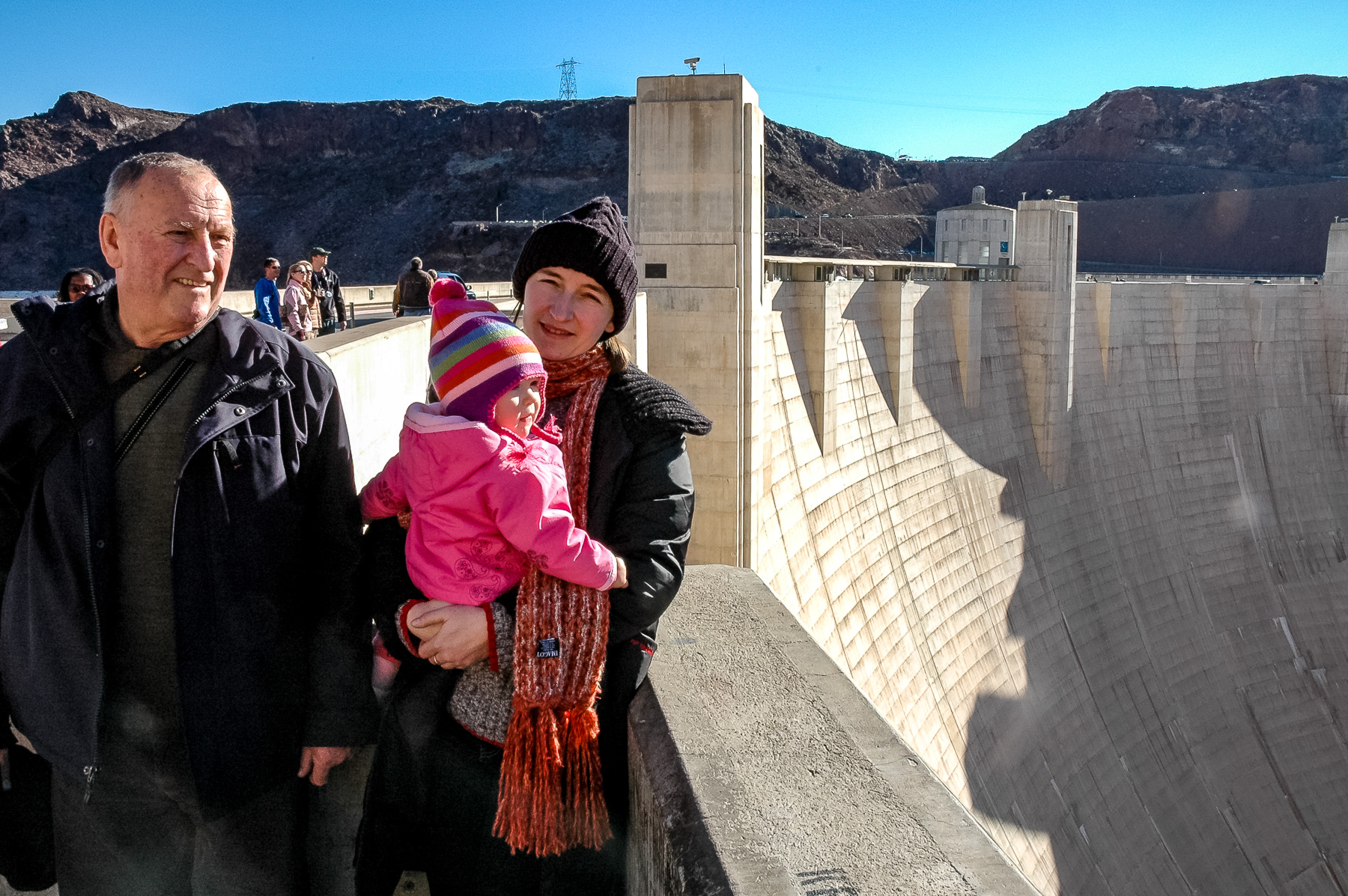
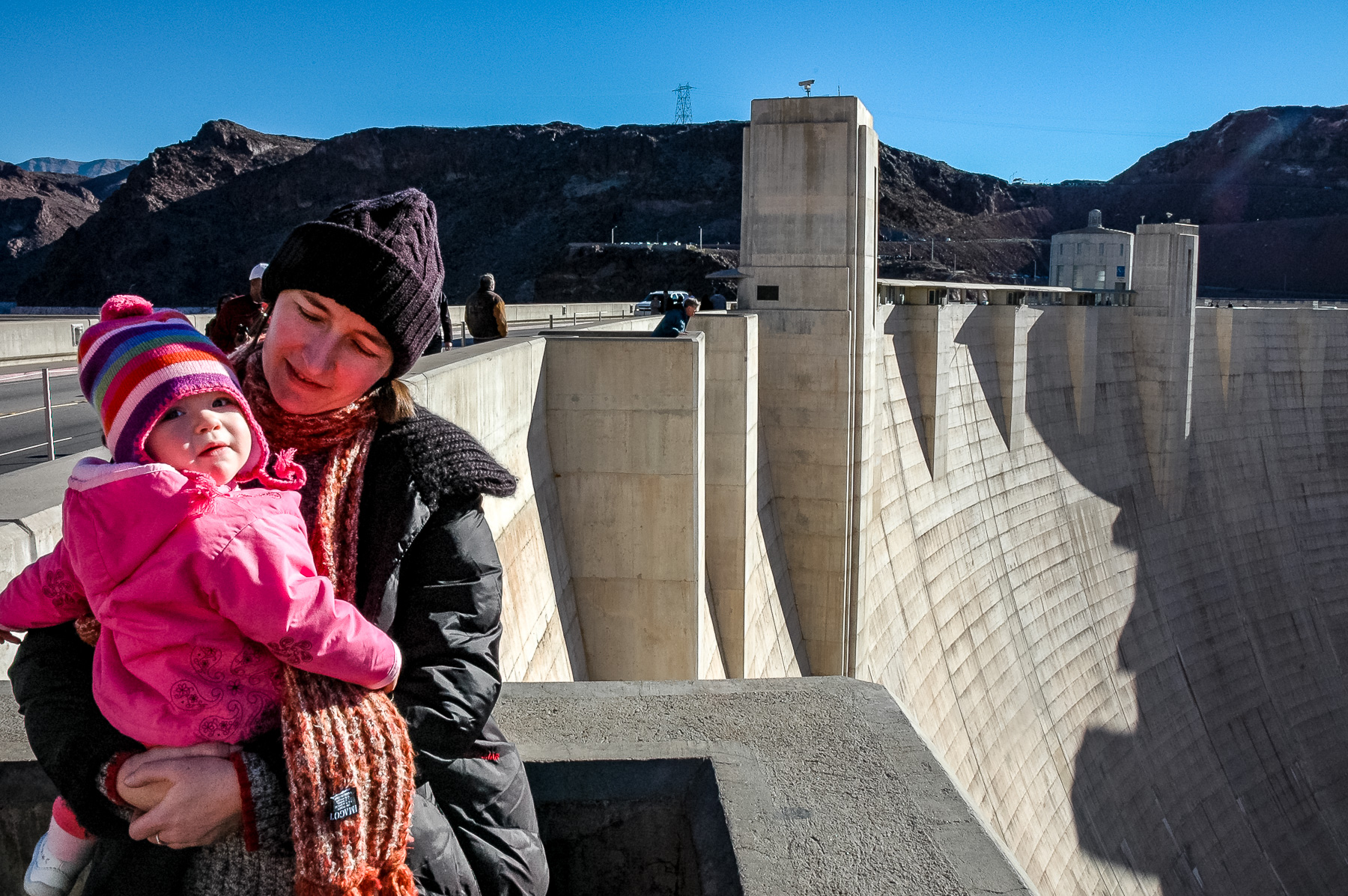
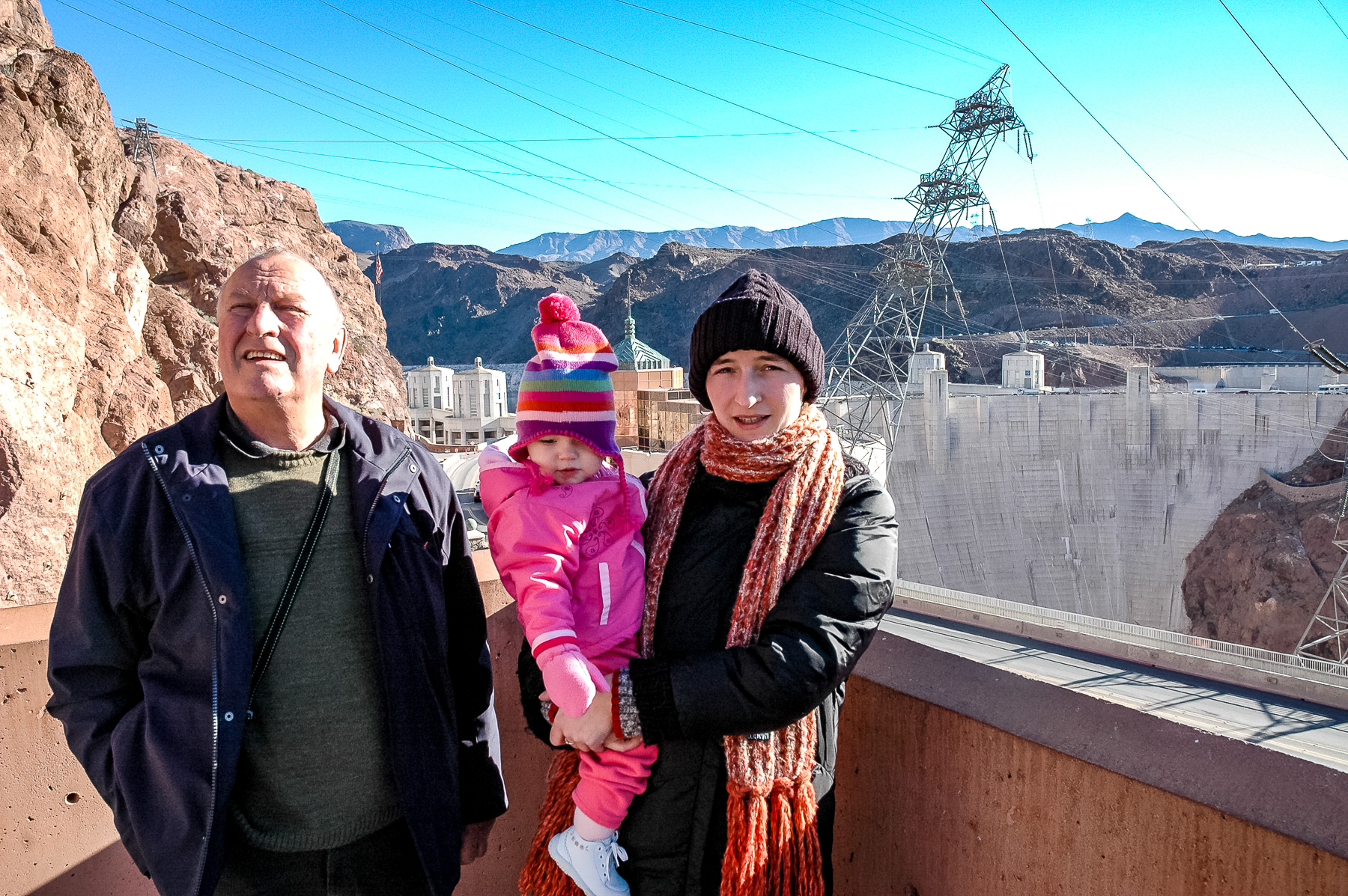
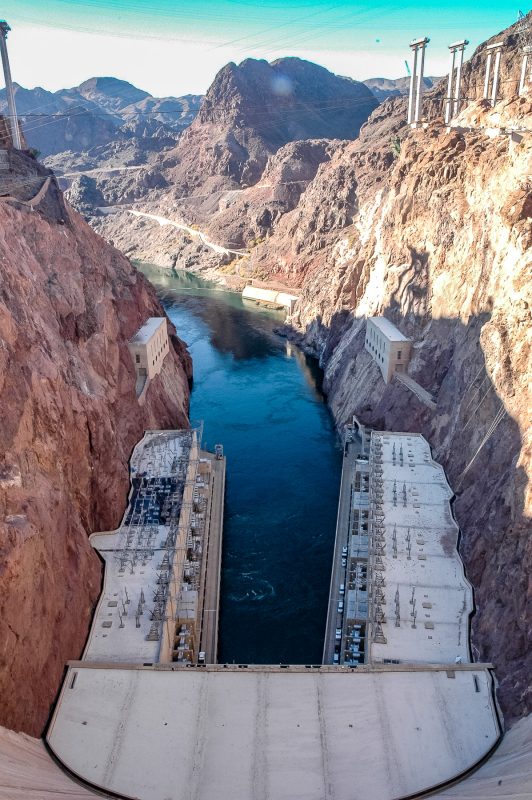
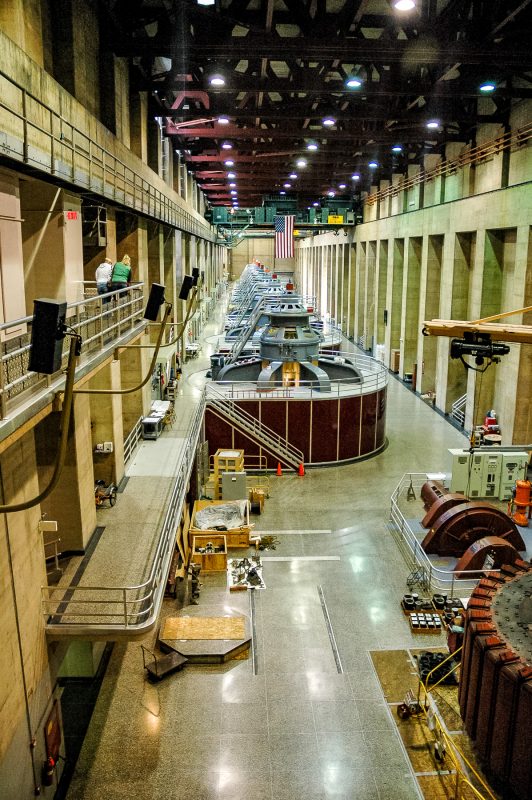
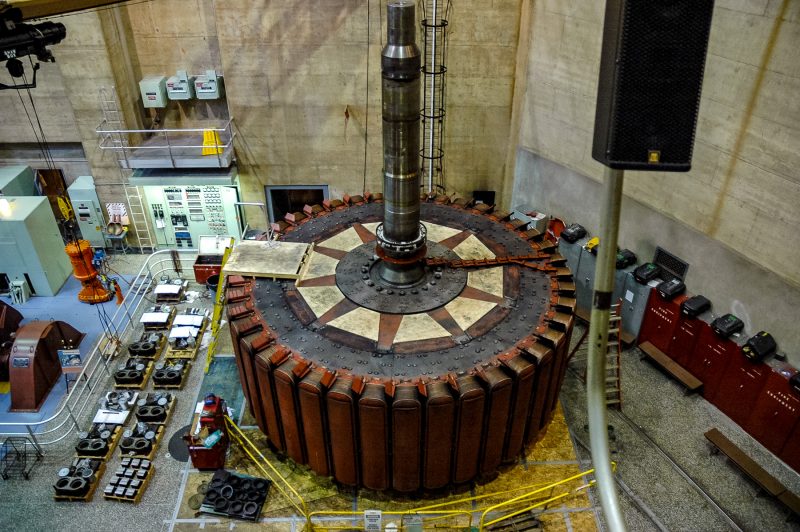
The first stop on our week-long trip was Hoover Dam.

To say it’s awe-inspiring is an understatement. Things of that scale are almost frightening, both its size and its implications.

The enormity of the structure is almost as breathtaking as that of the Grand Canyon. Approaching it, you know it’s going to be big, but once you see it, you think, “I didn’t think it would be quite that big.” And it’s not just the dam that’s huge — everything connected to it is enormous: Lake Mead is the largest man-made lake in America; the overflow tunnels, with a diameter of 50 feet, are big enough to drive a truck through.
But it’s the implications that are frightening. Built from 1931 to 1935, Hoover Dam was completed two years ahead of schedule and under budget! Six companies, from Idaho, Oregon, Utah, and California, pooled their resources to create a structure so complicated that procedures and tools had to be invented to complete it.
For instance, the heat created by the chemical reactions of concrete drying would have stretched the process of the concrete setting and drying to 125 years. To combat this, engineers designed a system whereby tubes were run through the concrete and cool water pumped throughout the whole structure. But a refrigeration unit that had such a cooling capacity? It didn’t exist. Yet.

So here’s all this innovation and creation and genius going into one of the most complicated structures in history at a time when a significant part of our population was treated like animals and a psychopath in Europe was laying plans to slaughter six million people because of their religious/ethnic heritage.

Humans can’t be manipulated as easily as concrete, I suppose. Well, I take that back. Humans can be manipulated just as easily as anything else, but most of the time, it’s manipulation towards evil.

More implications: Can anyone imagine an enormous project like Boston’s “The Big Dig” project going under budget and well within the projected time frame? Can anyone imagine Haliburton delivering its services on budget, let alone under?

Still, all these thoughts passed quickly through my mind: we spent most of the time in gaping-mouth awe.

Christmas Travel

We woke up at some ridiculously early hour — 3:00 a.m., I think — on Christmas morning to pack ourselves into our little TDI and head to the airport to begin a week-long trip to the southwest.

We arrived in Las Vegas some eight to ten hours later: the beginning of a trip to include Hoover Dam, the Grand Canyon, and Sedona.

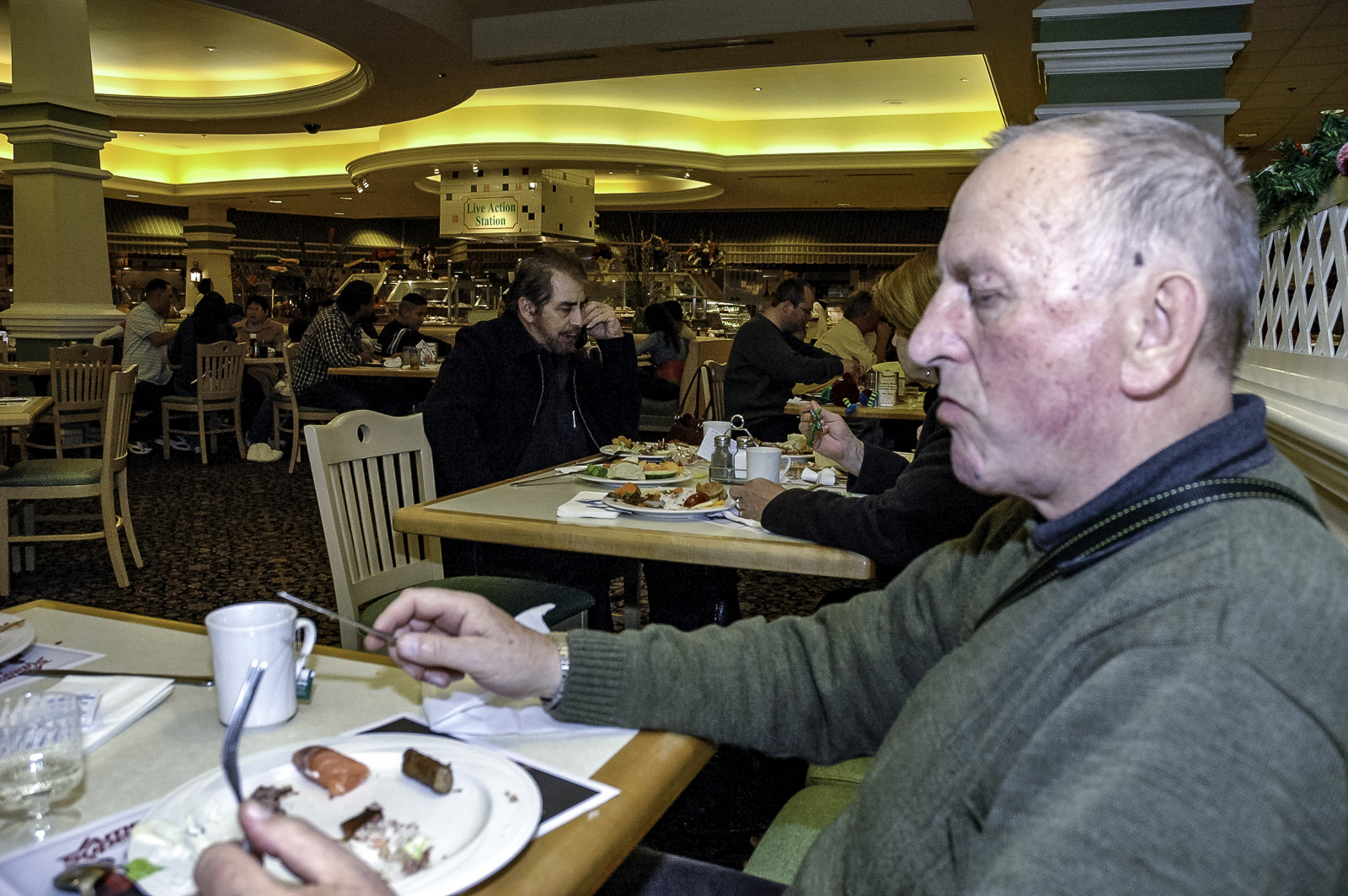
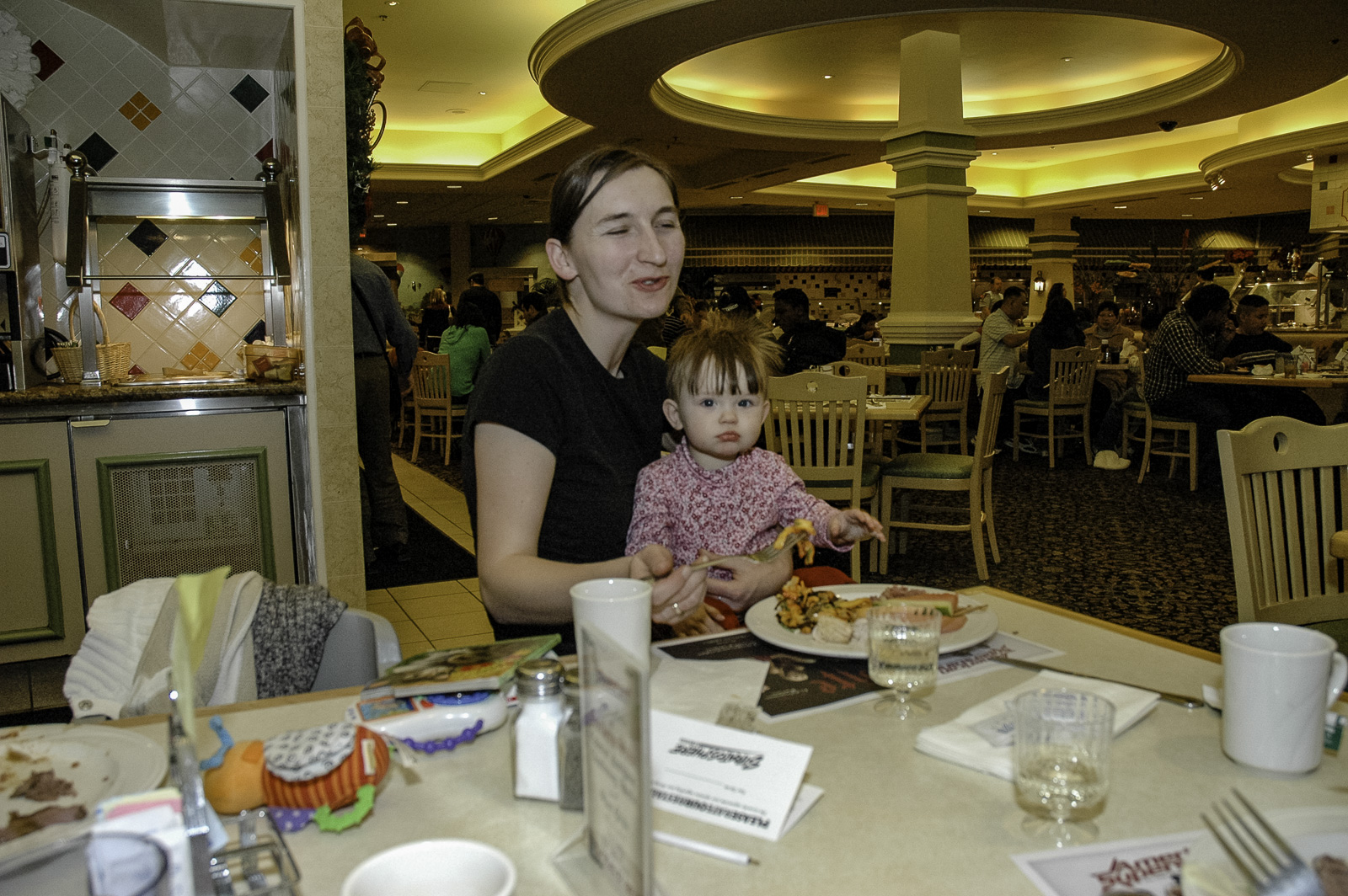
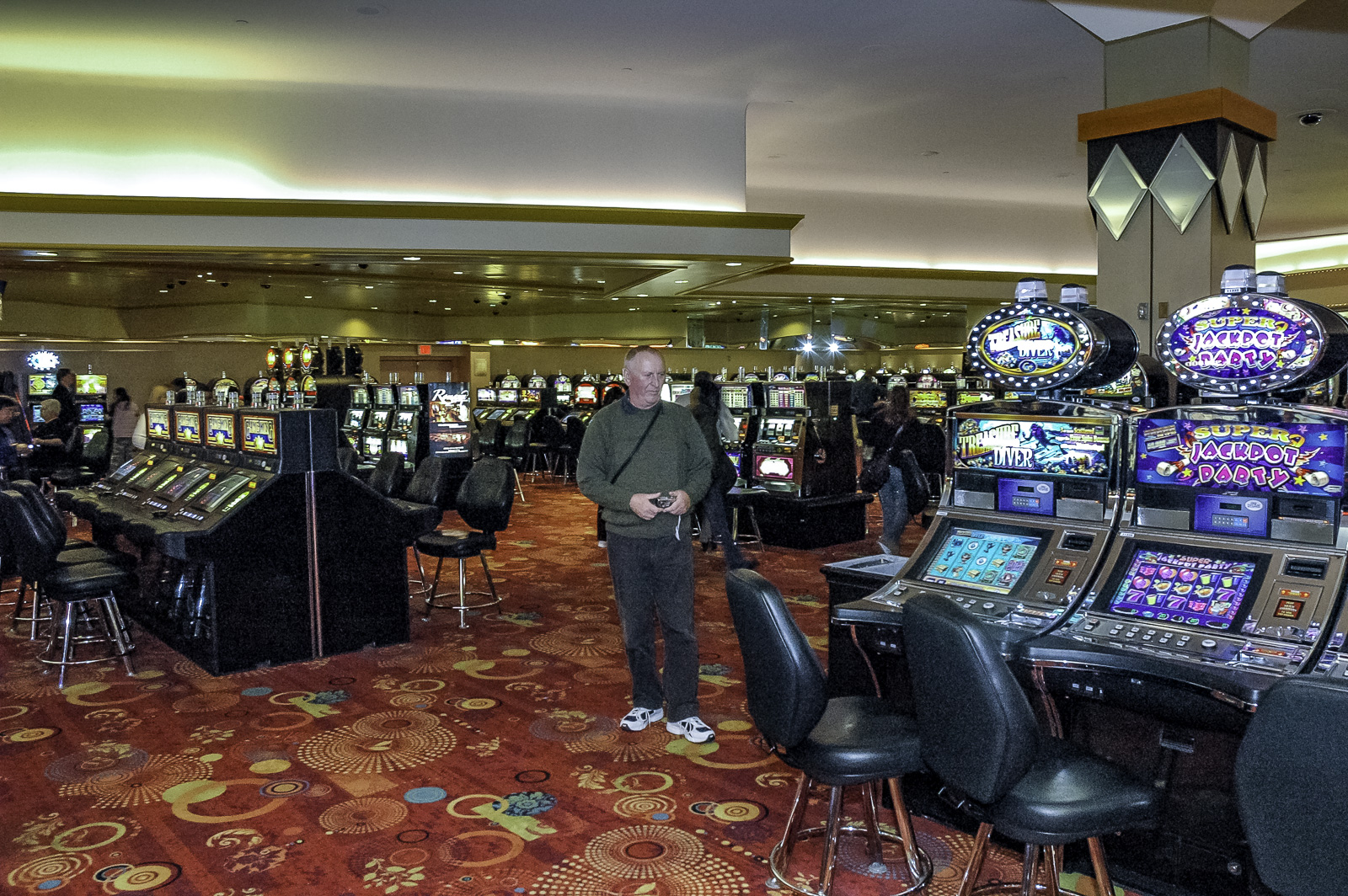
But first, a trip to a casino for one of those world-famous buffets. Over-price, generally poor-quality food. Really shouldn’t have expected more.

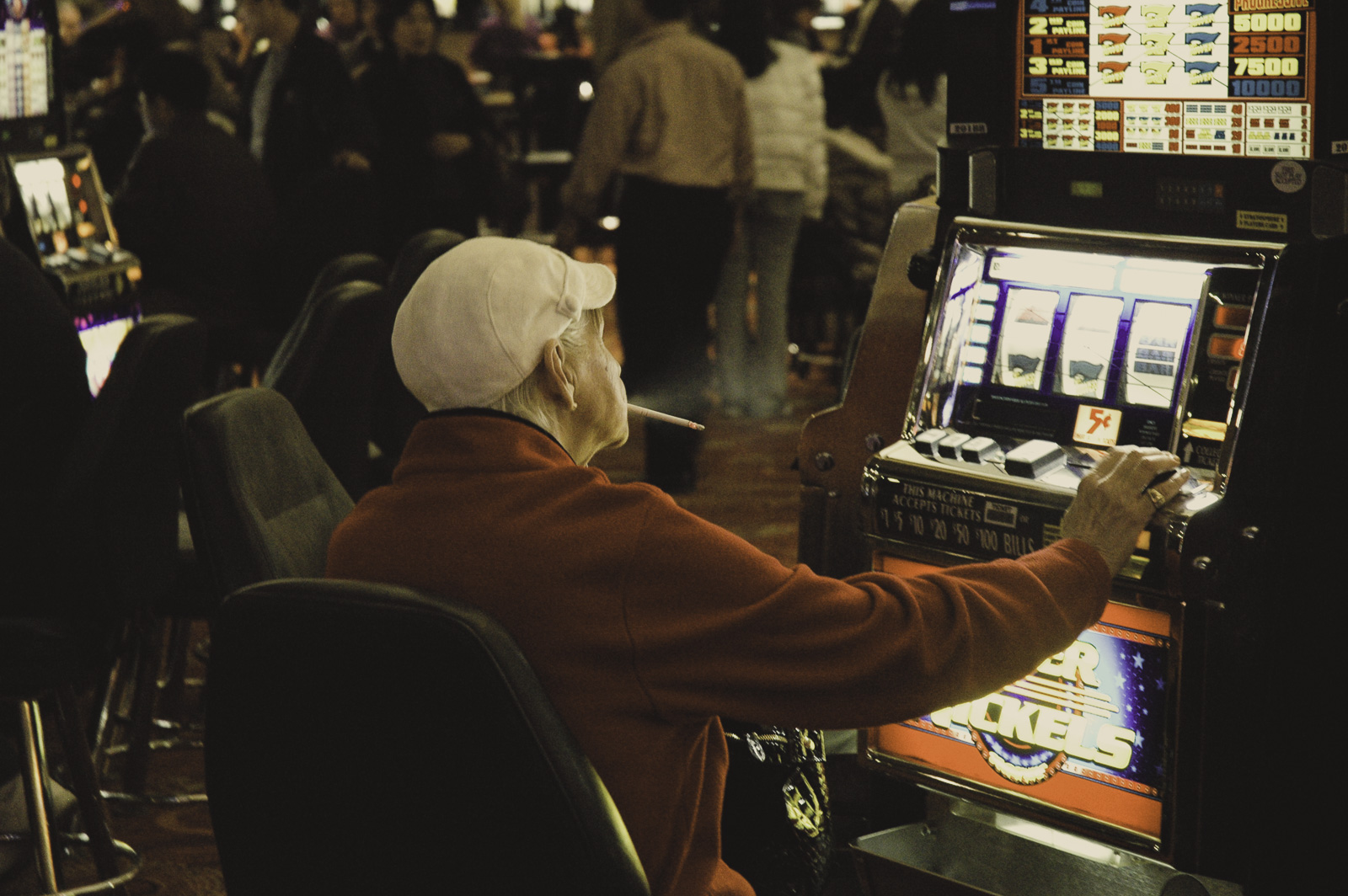
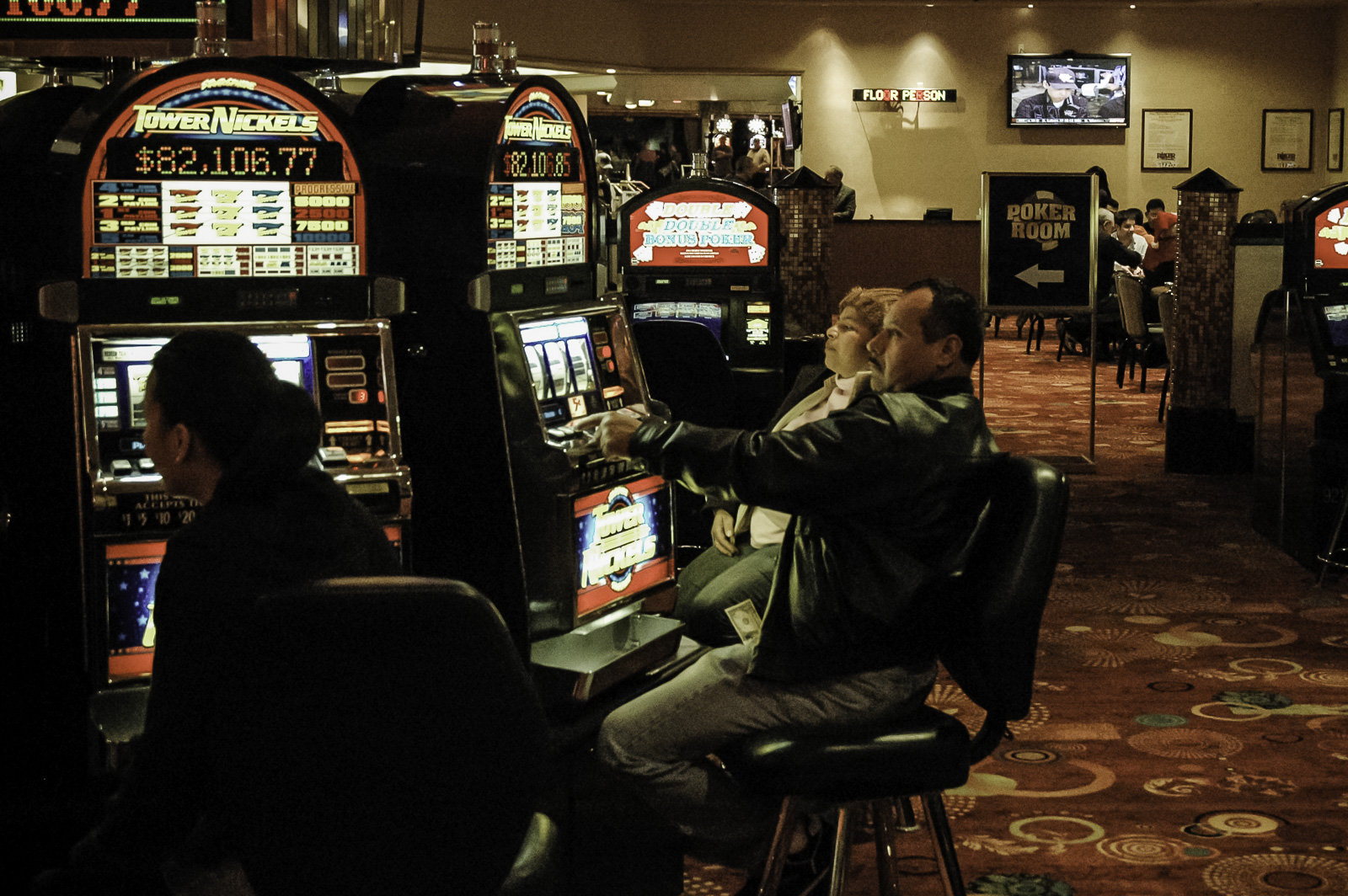
Then, a stroll through the casino.

Odd — everyone seems to be so bored while playing slot machines.

Still, K, L, and Dziadek were amused.

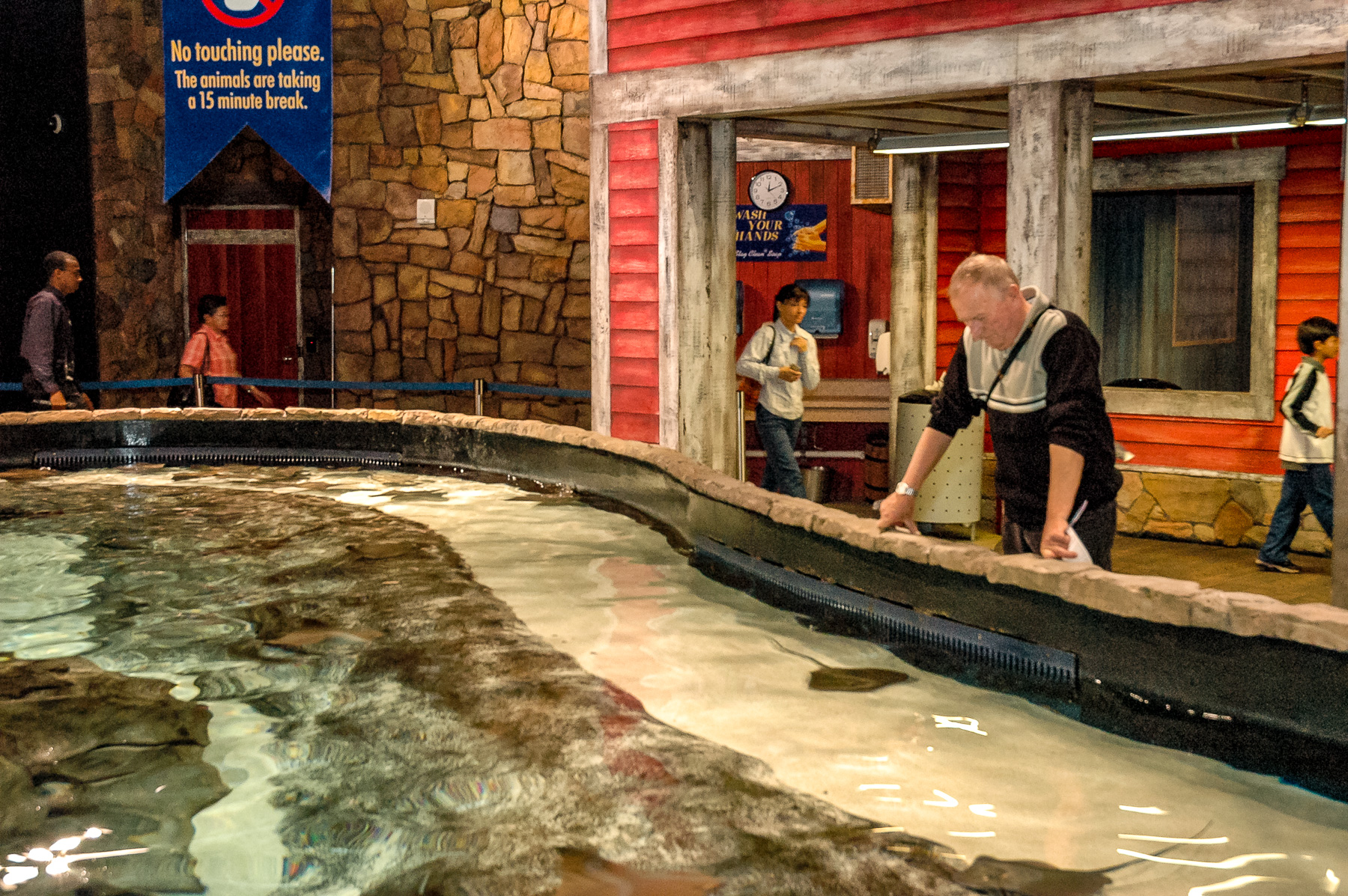
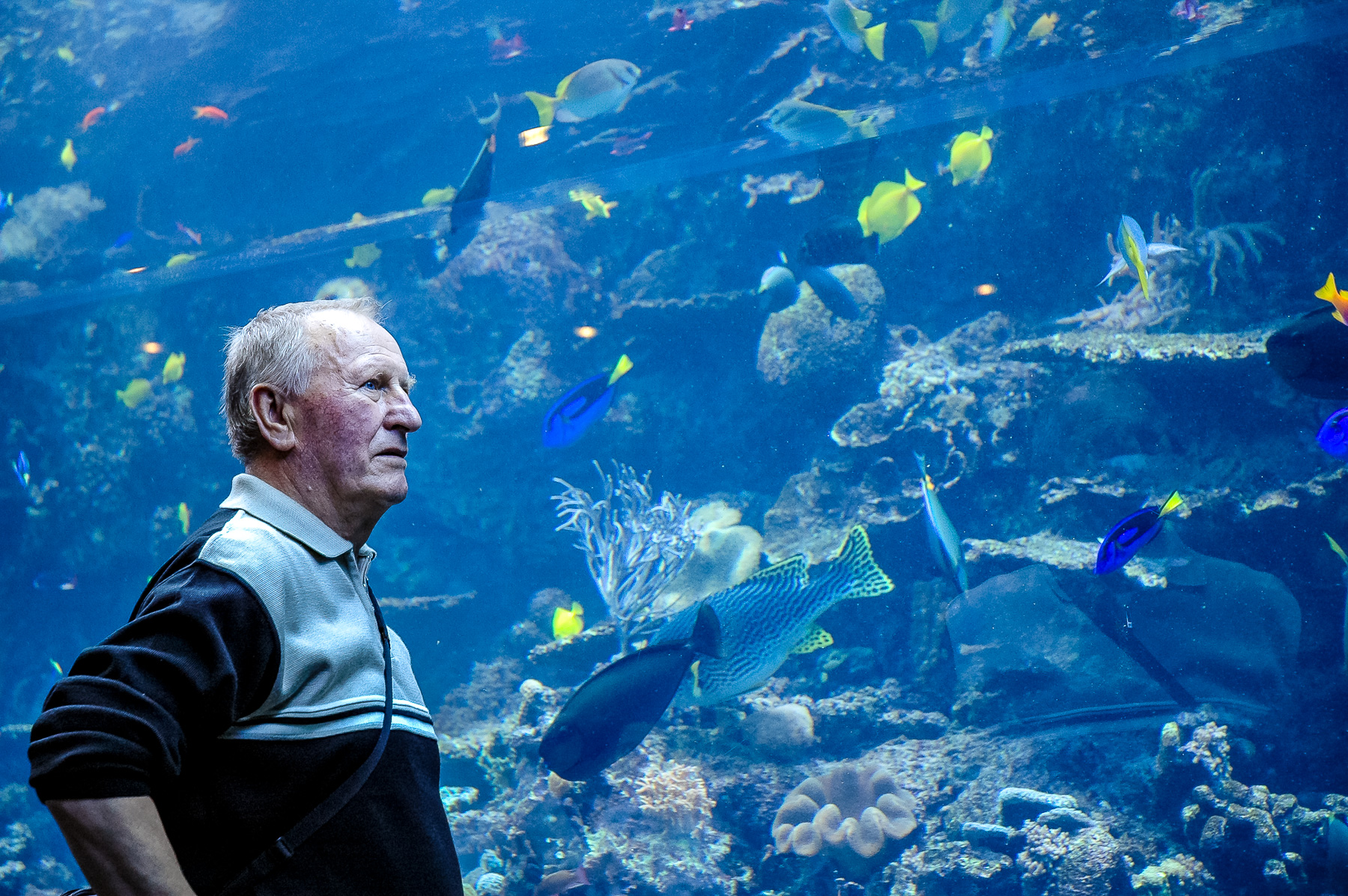
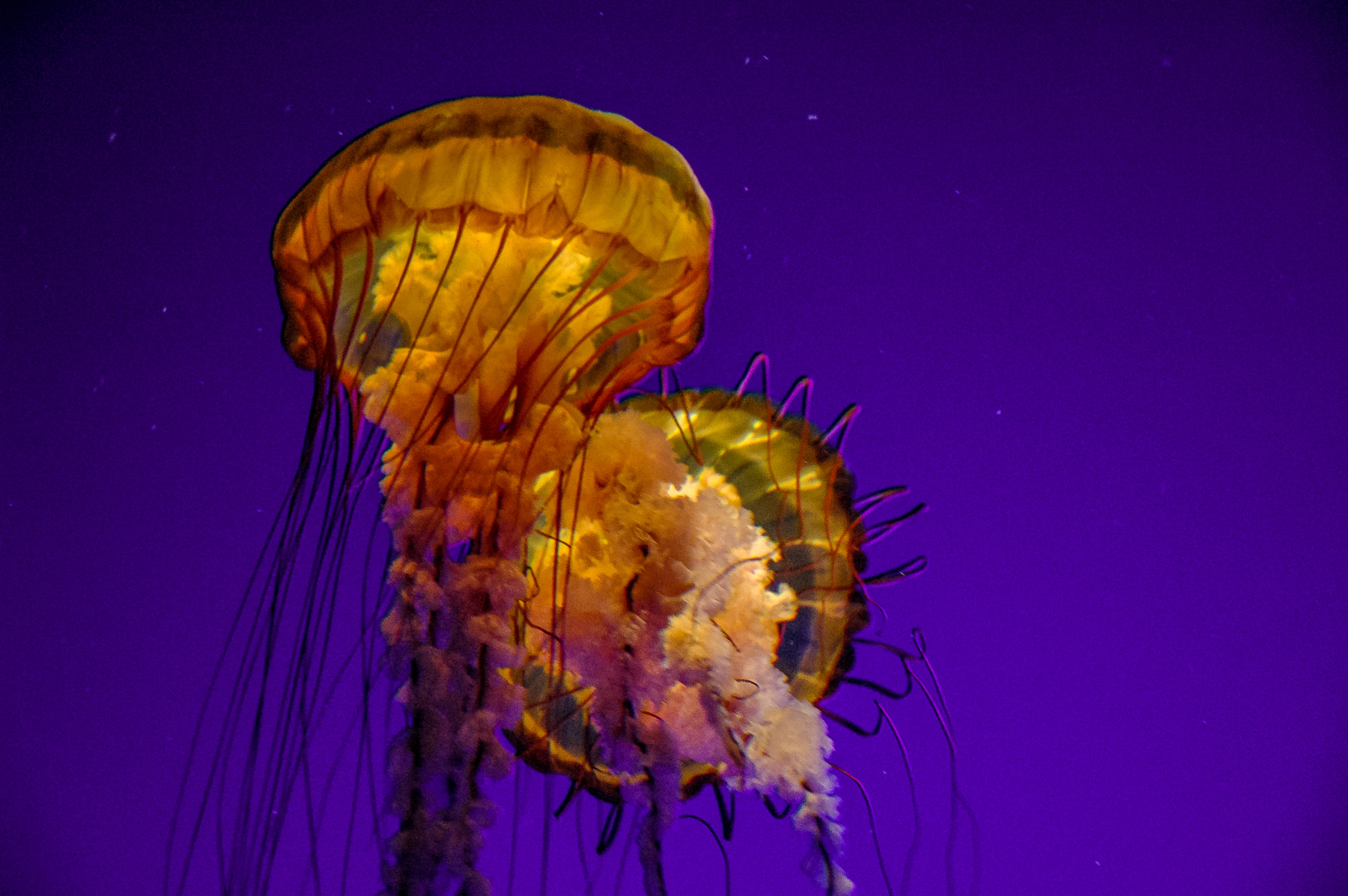
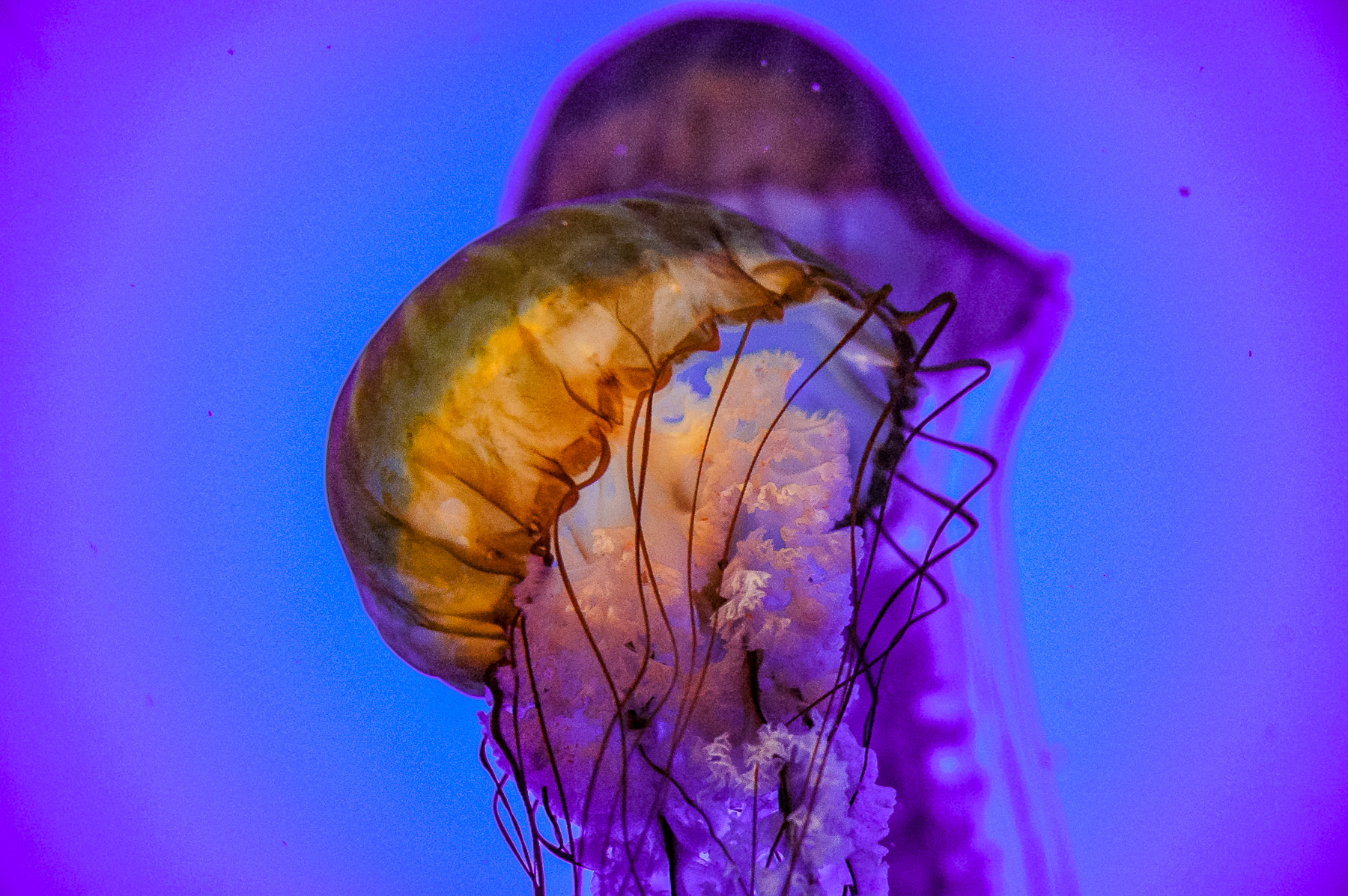
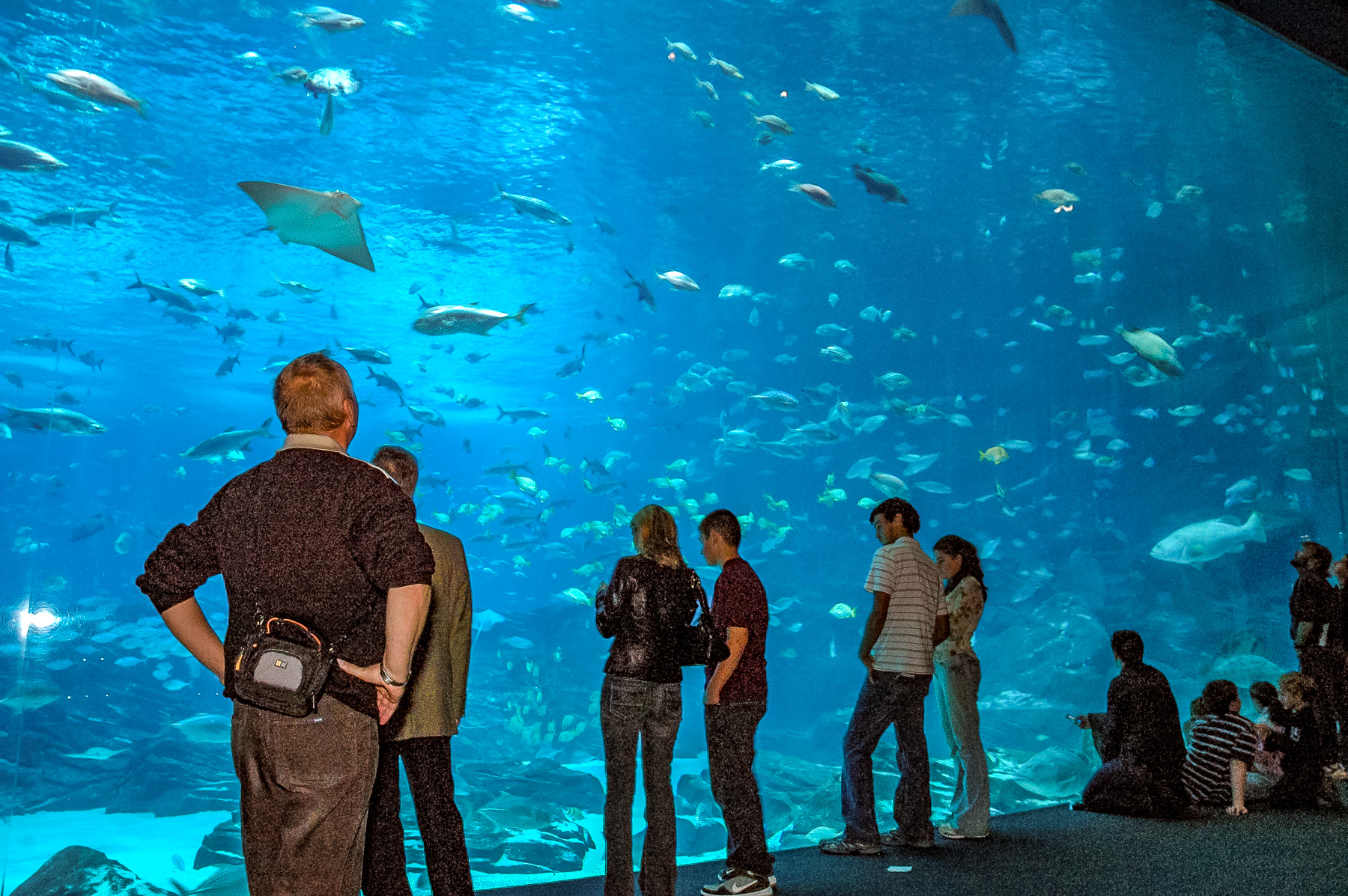
Georgia Aquarium

With the Girl down with a head cold all week (including last weekend), we didn’t have much of a chance to take Dziadek on many field trips. Rather, any field trips.

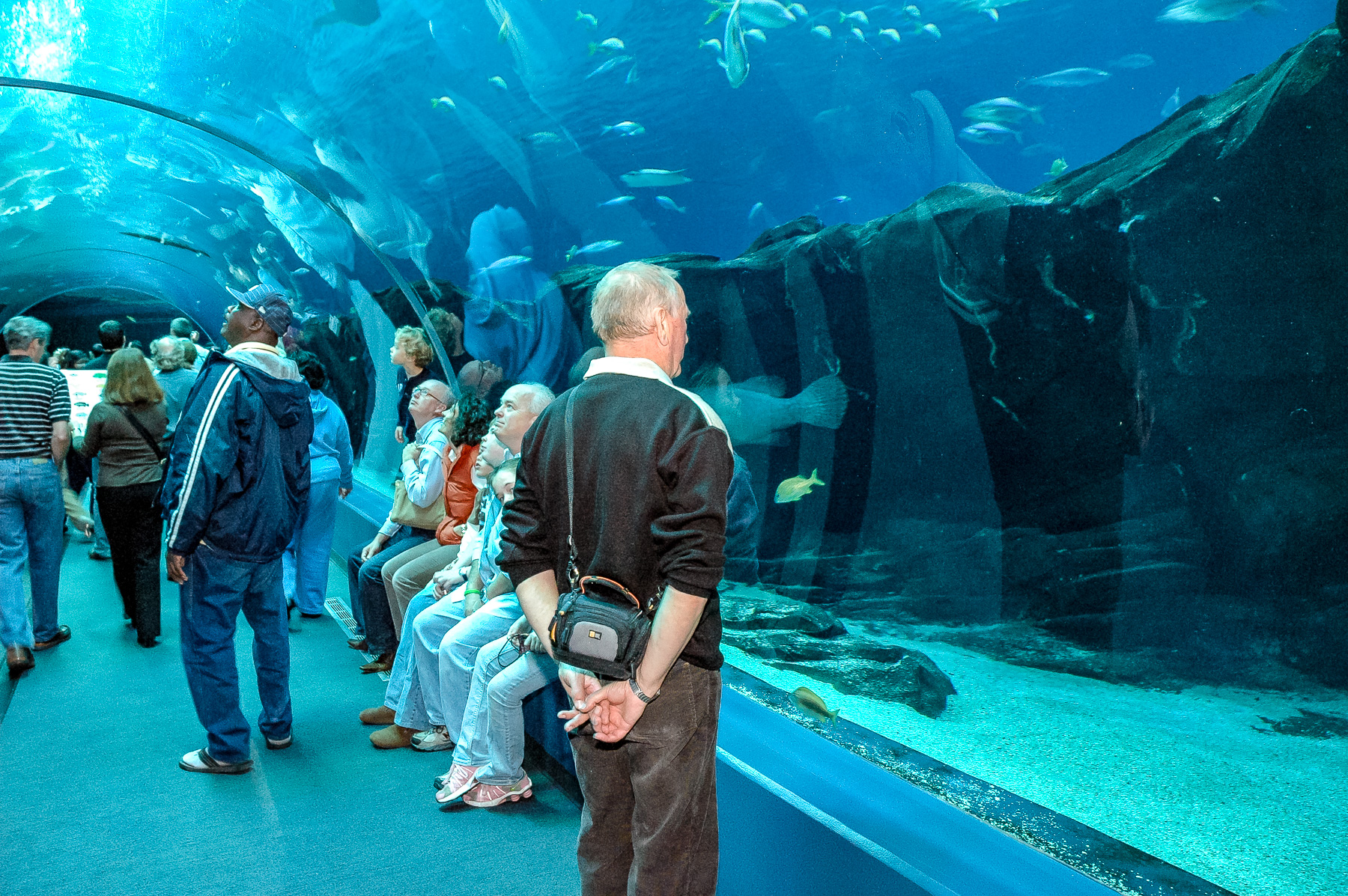
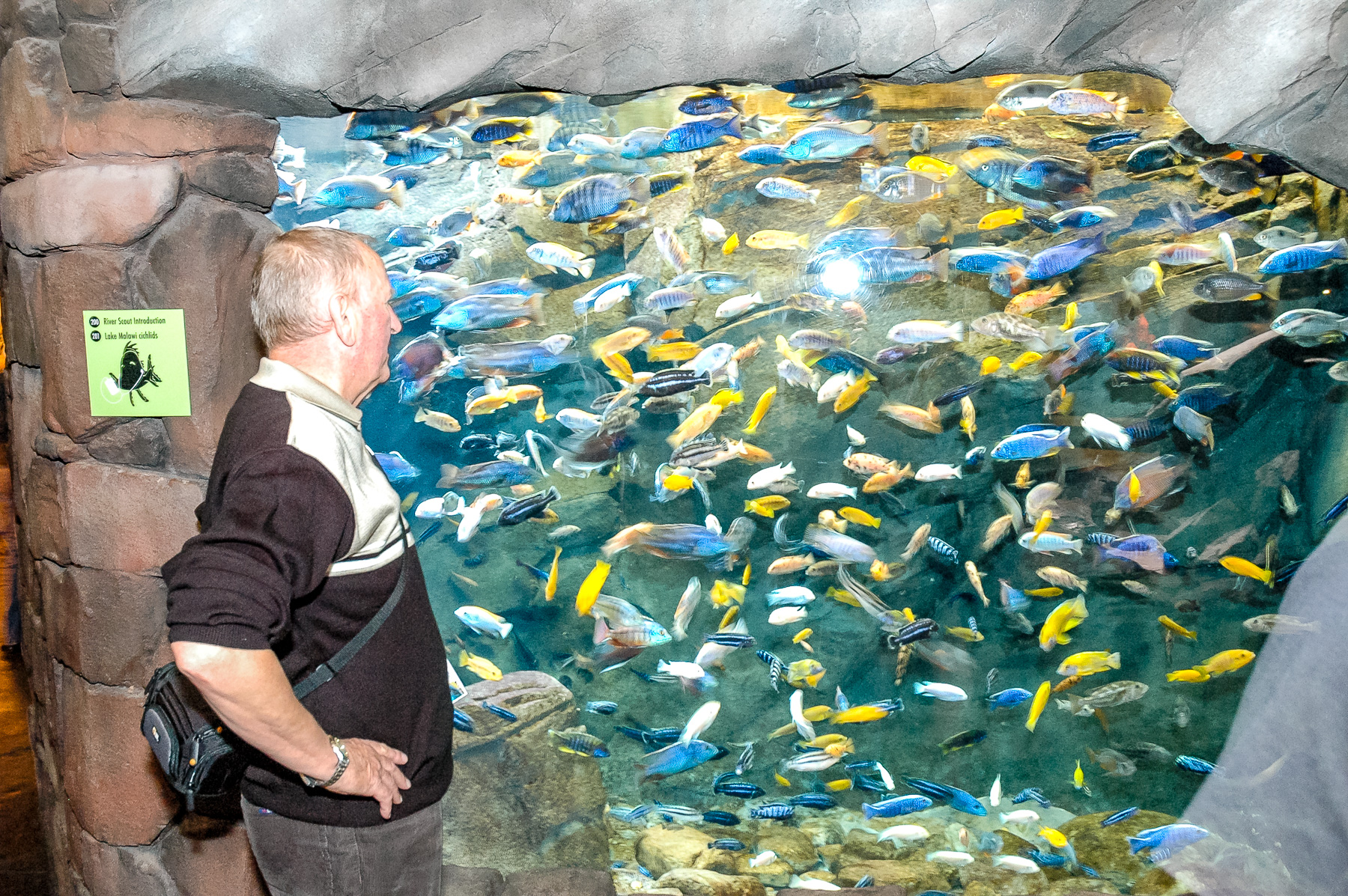
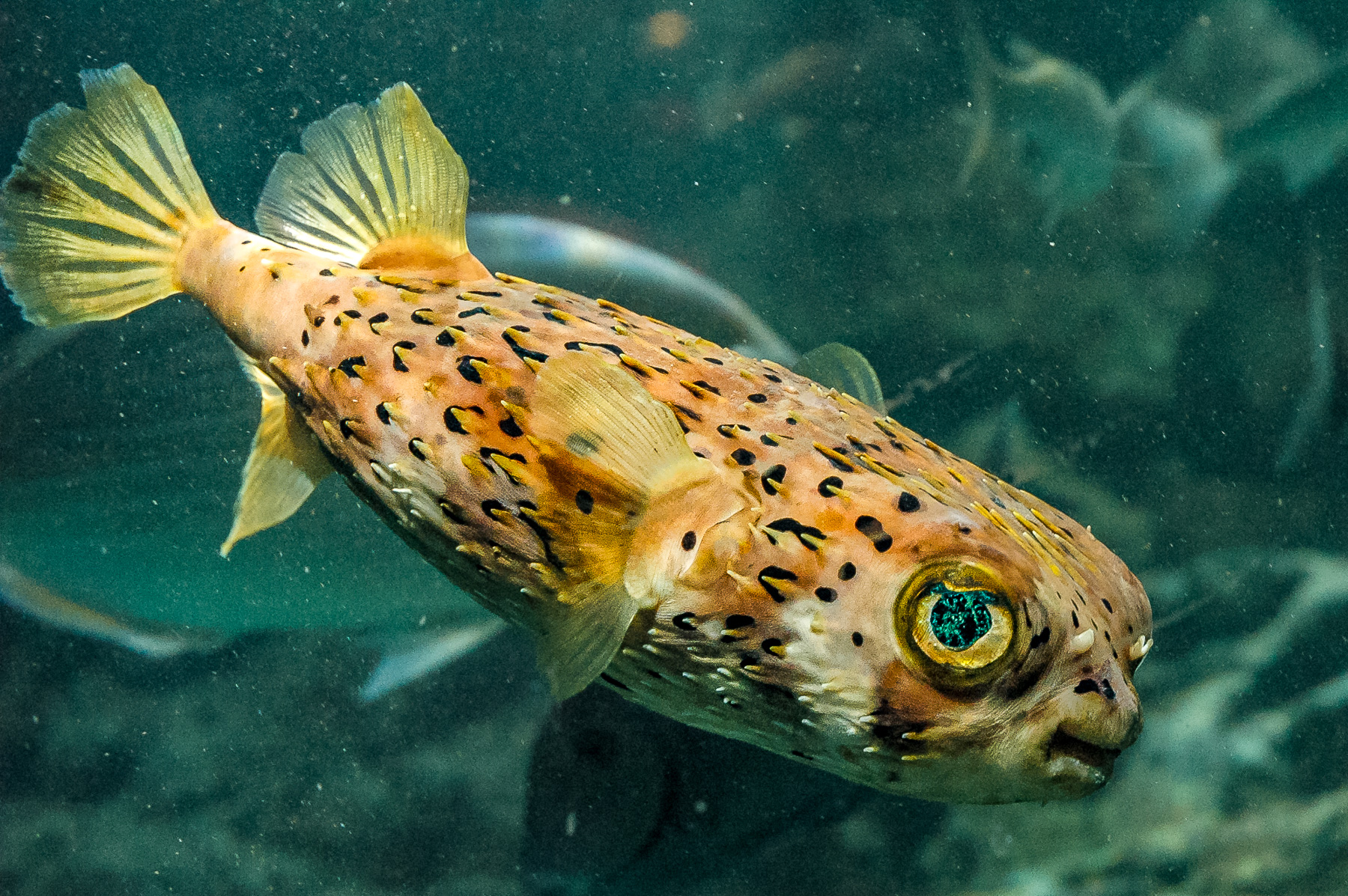
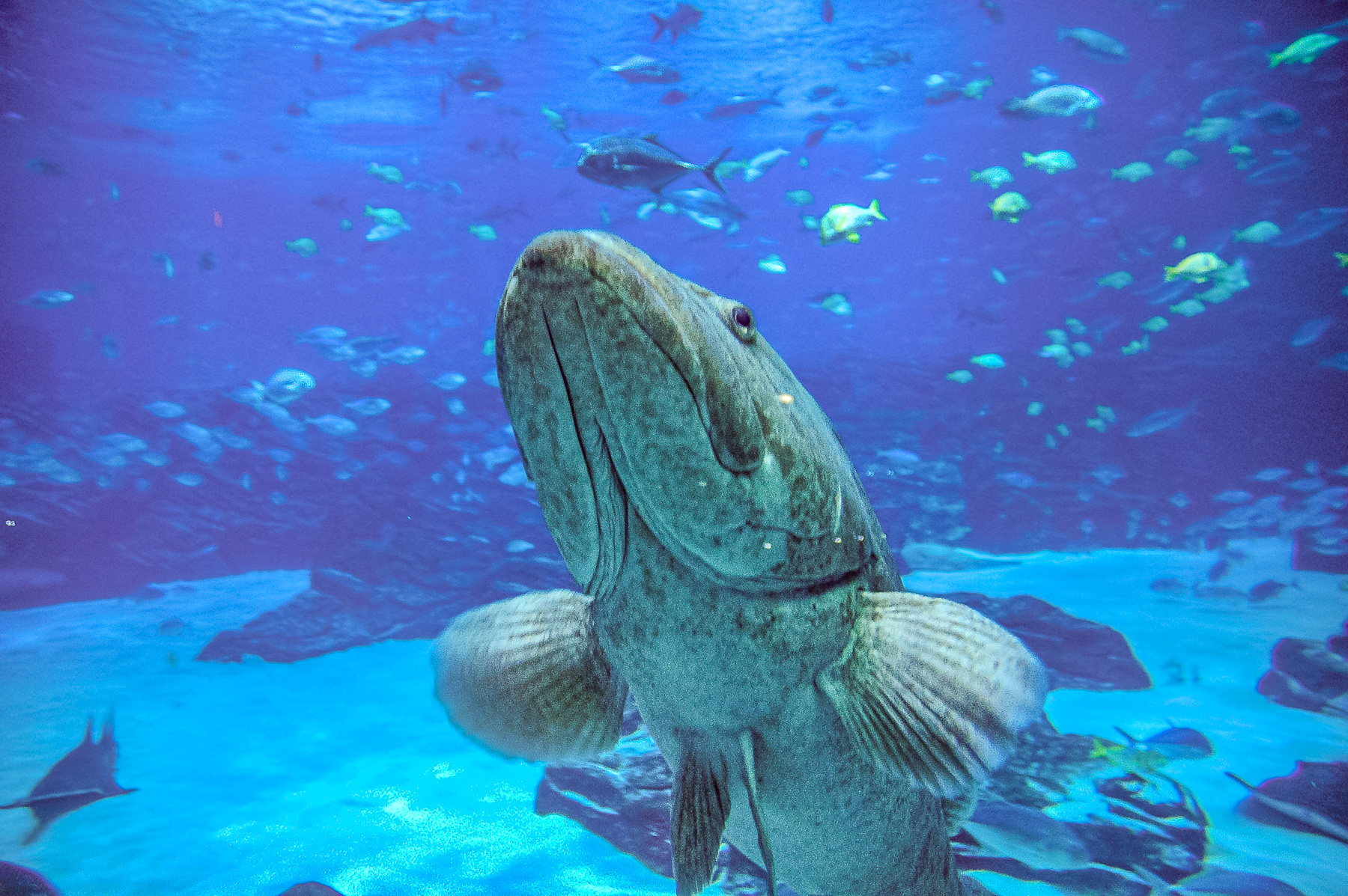
Sunday, with the Girl still sniffing, we decided that I’d take him to the Georgia Aquarium.

As impressed as he was with the inhabitants of the aquarium, he was just impressed with the engineering of the thing. “Can you imagine the pressure this pane must hold!?” he exclaimed several times.

Caesars Head

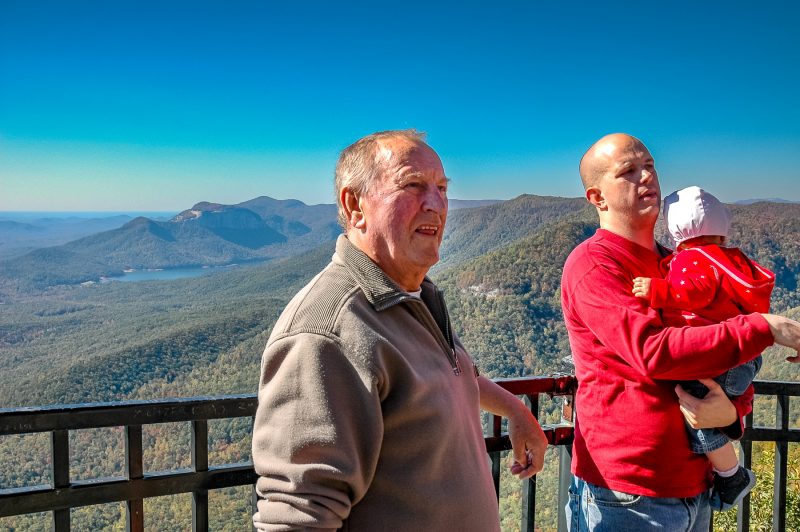
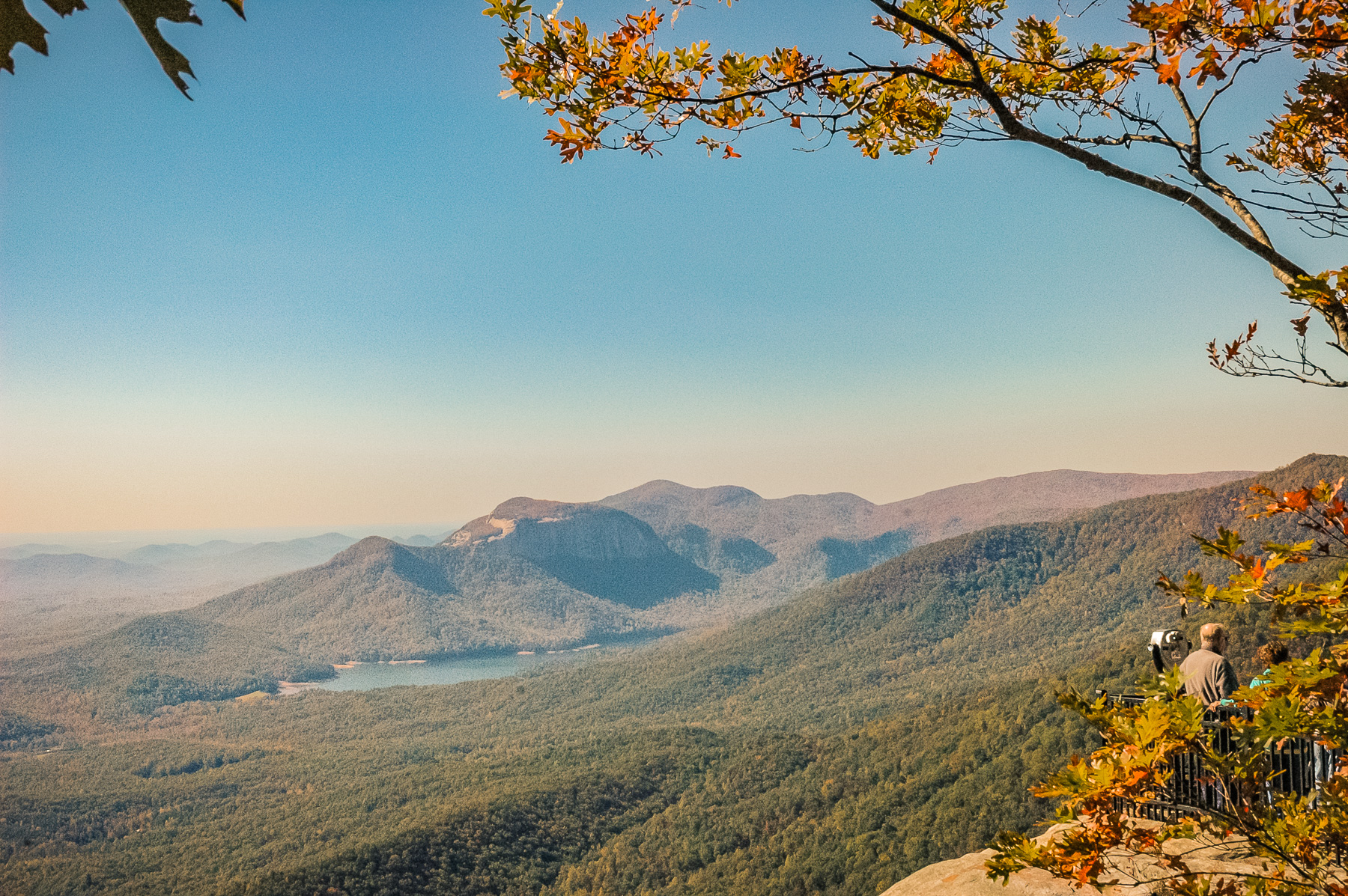
There’s a state park about thirty miles northwest of Greenville that promises miles of hiking, spectacular views, and an amazing waterfall.

In reality, with the lack of rain this year, Caesars Head (there’s no apostrophe in the official spelling; as such, I’m not sure how to interpret that) managed only two of the three.

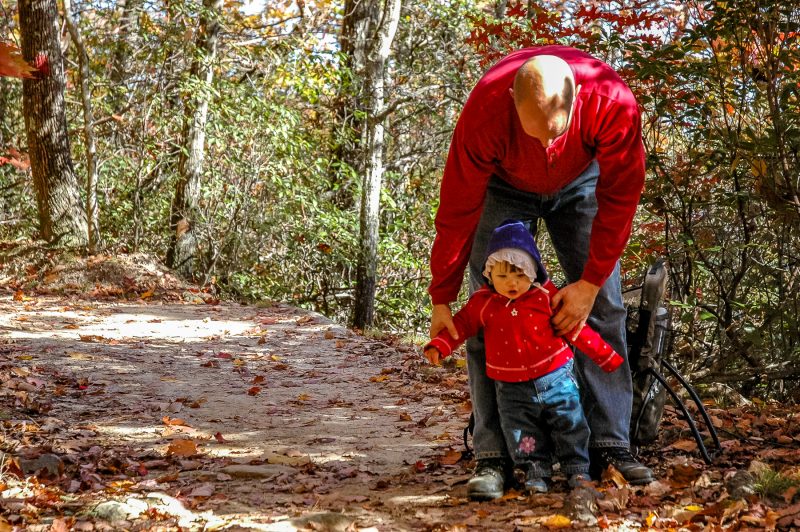
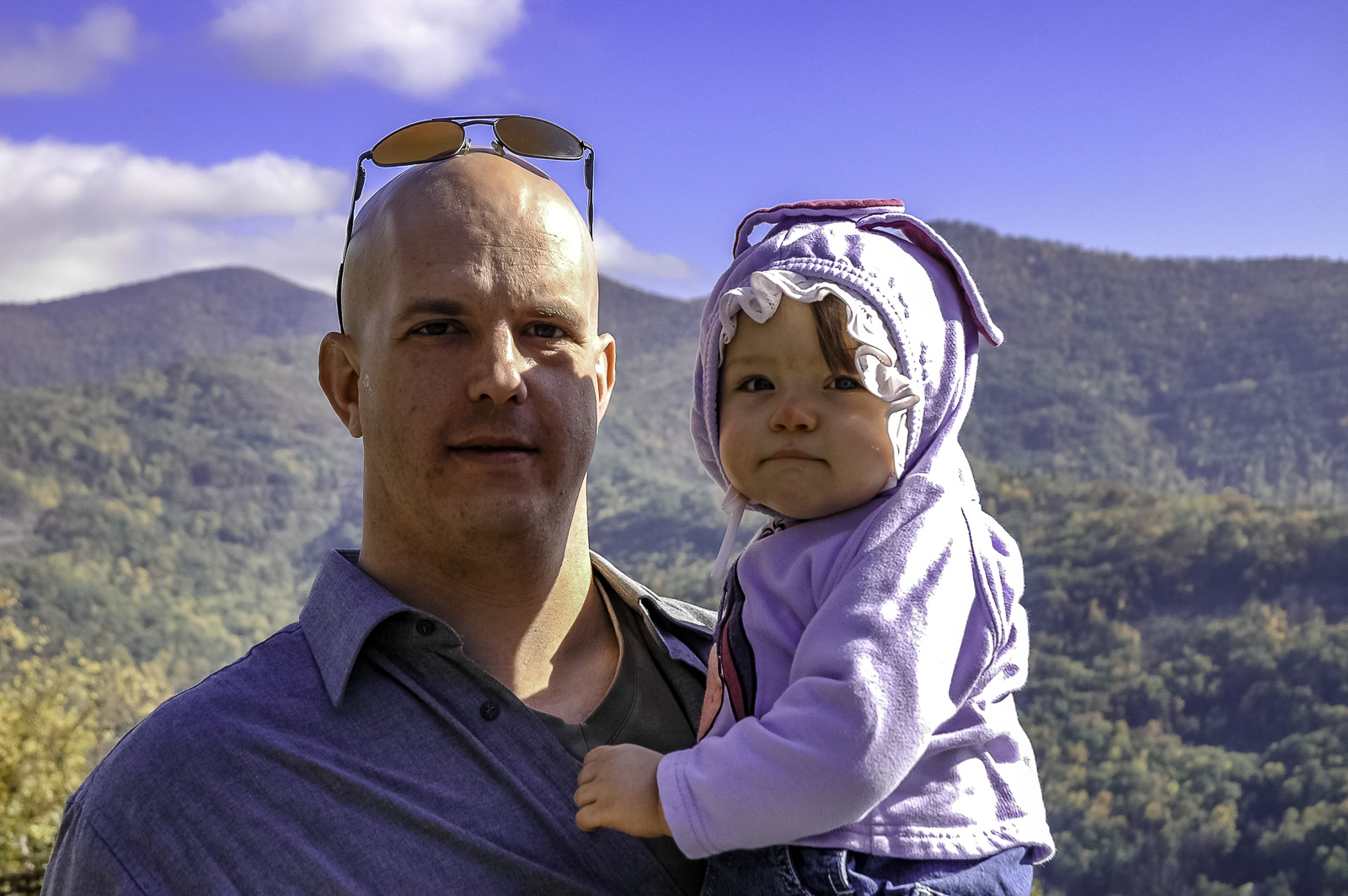
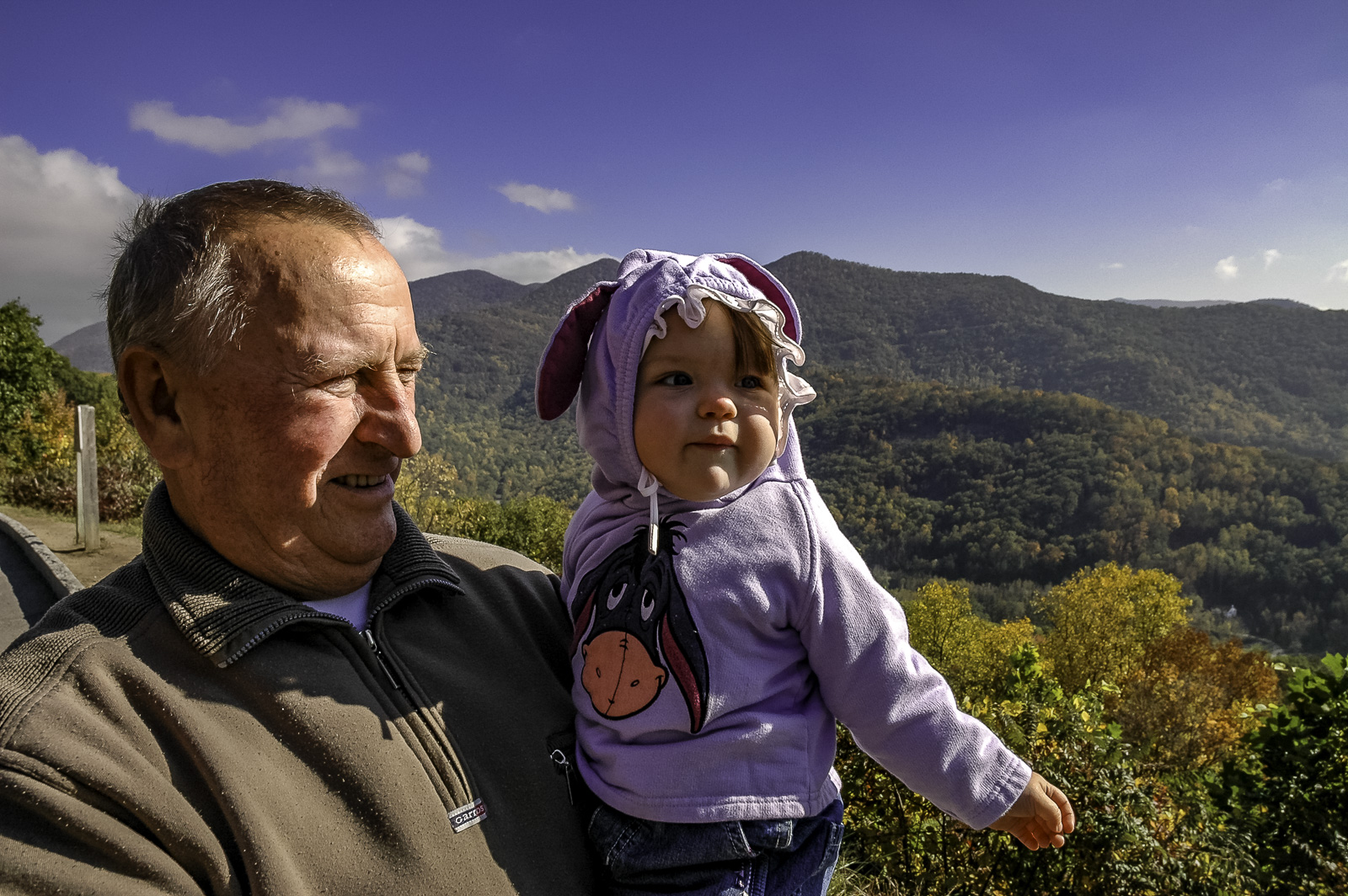
The Girl was thrilled all the same.

Repeating Ourselves

Once again, we found ourselves at Graveyard Fields this weekend.

Last time we were there, L was much smaller:

With the Girl Lower Falls II

I’ve a feeling that, as long as Dziadek is here, we’ll be doing a lot of repeat trips.

More at Flickr

Ojcow

I’ve been in the process of uploading old pictures to Flickr in an effort to make our collection there more indicative of our travels in Poland.

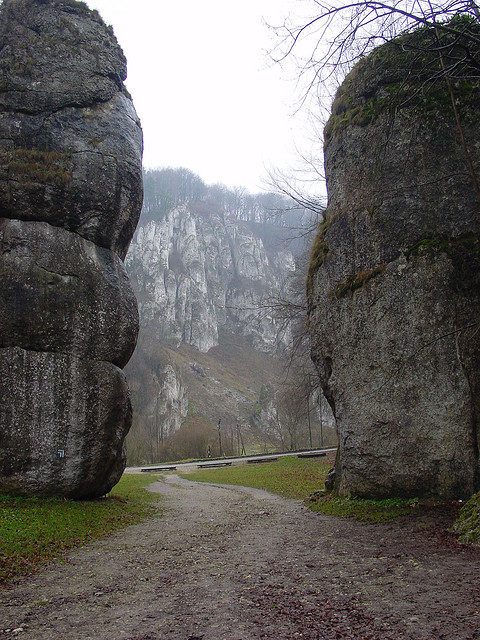
Ojcow lies just outside of Krakow. It’s a national park filled with rock formations and ancient castle ruins.

K and I visited Ojcow in late November 2002, for “Andrzejki” — the last night of partying before Advent sets in.

DSC02597

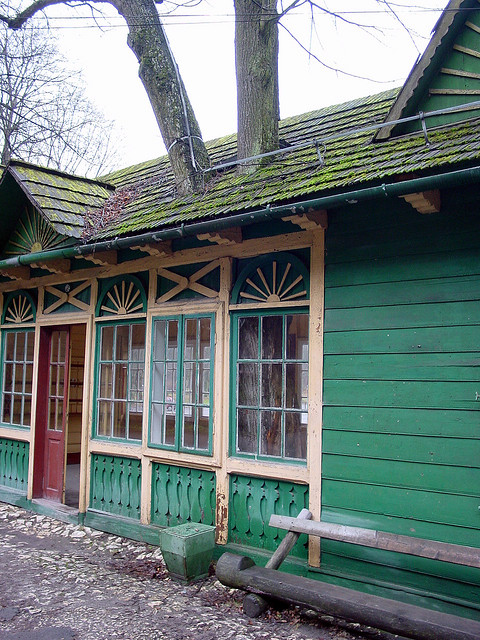
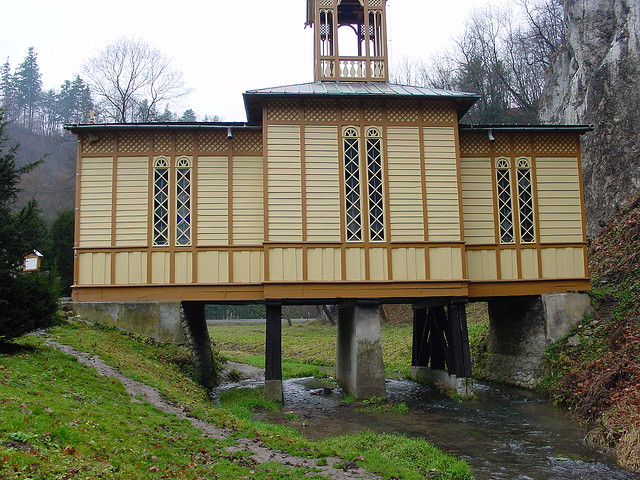
The first thing that strikes you about Ojcow when you arrive the bus station. There’s a tree growing through it.

DSC02579

We never learned why they built it around that tree. Maybe a rare tree? Maybe an ecological conscience? Maybe an architectural novelty?

DSC02589

Ojcow is in an area formerly ruled by the Austro-Hungarian empire during the partition of Poland. The Austrians declared that the Poles shall not build a single church on this ground. Occupied Catholic Poles being what they are (like most occupied people, very stubborn), they figured out a way to get around that. Such rule bending drives me absolutely nuts when my students do it.

Chimney Rock, Take 201

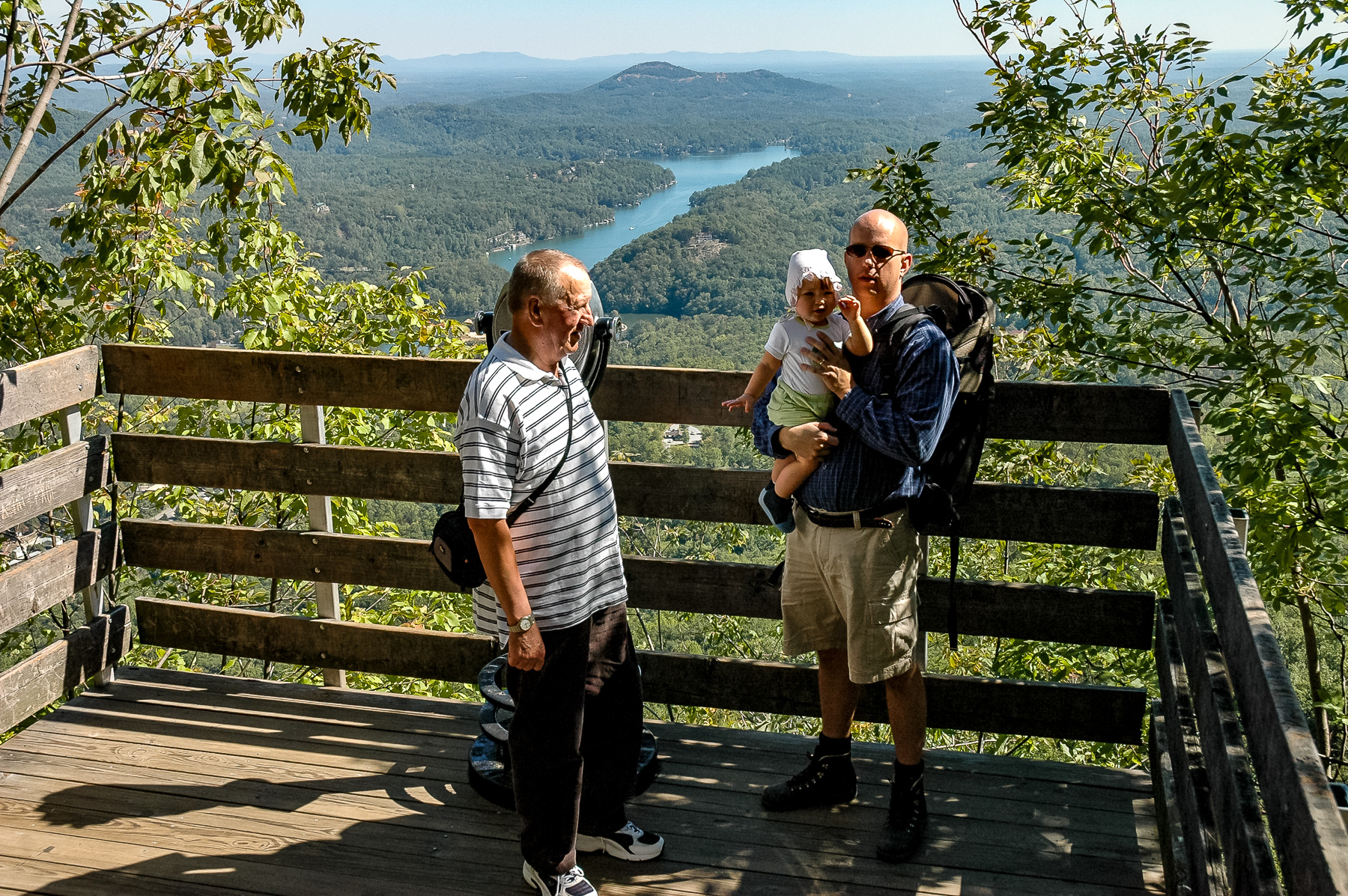
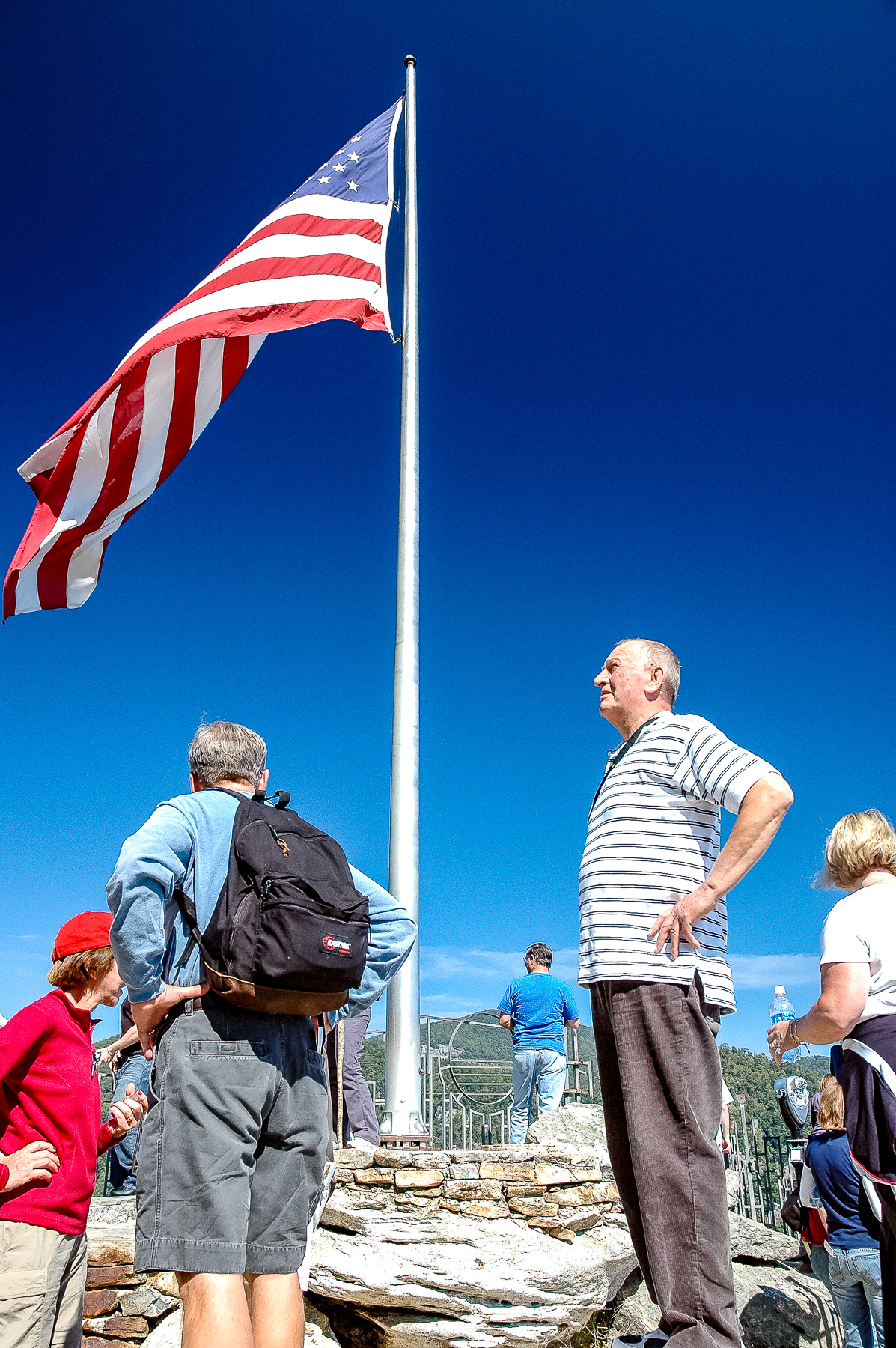
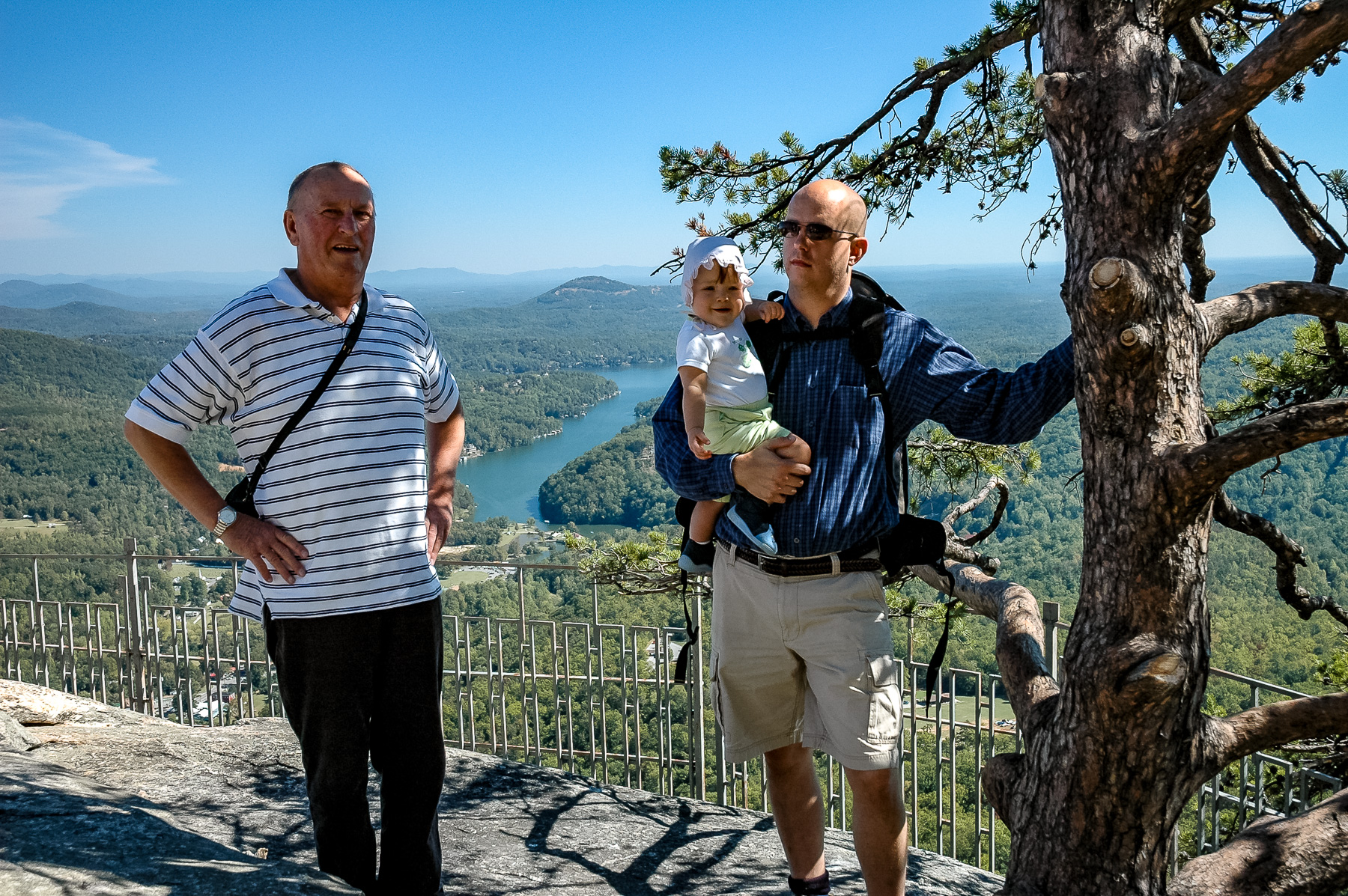
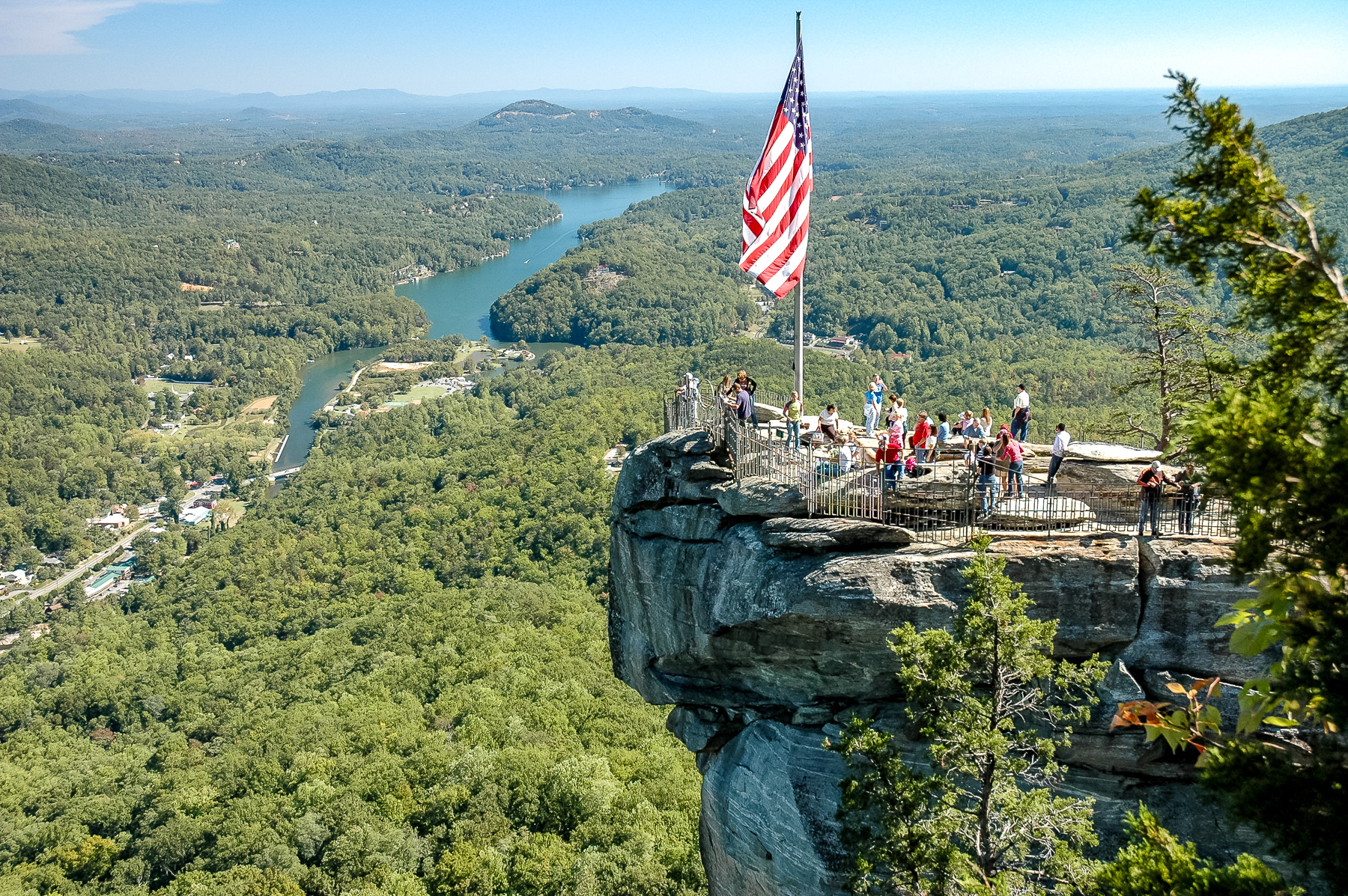
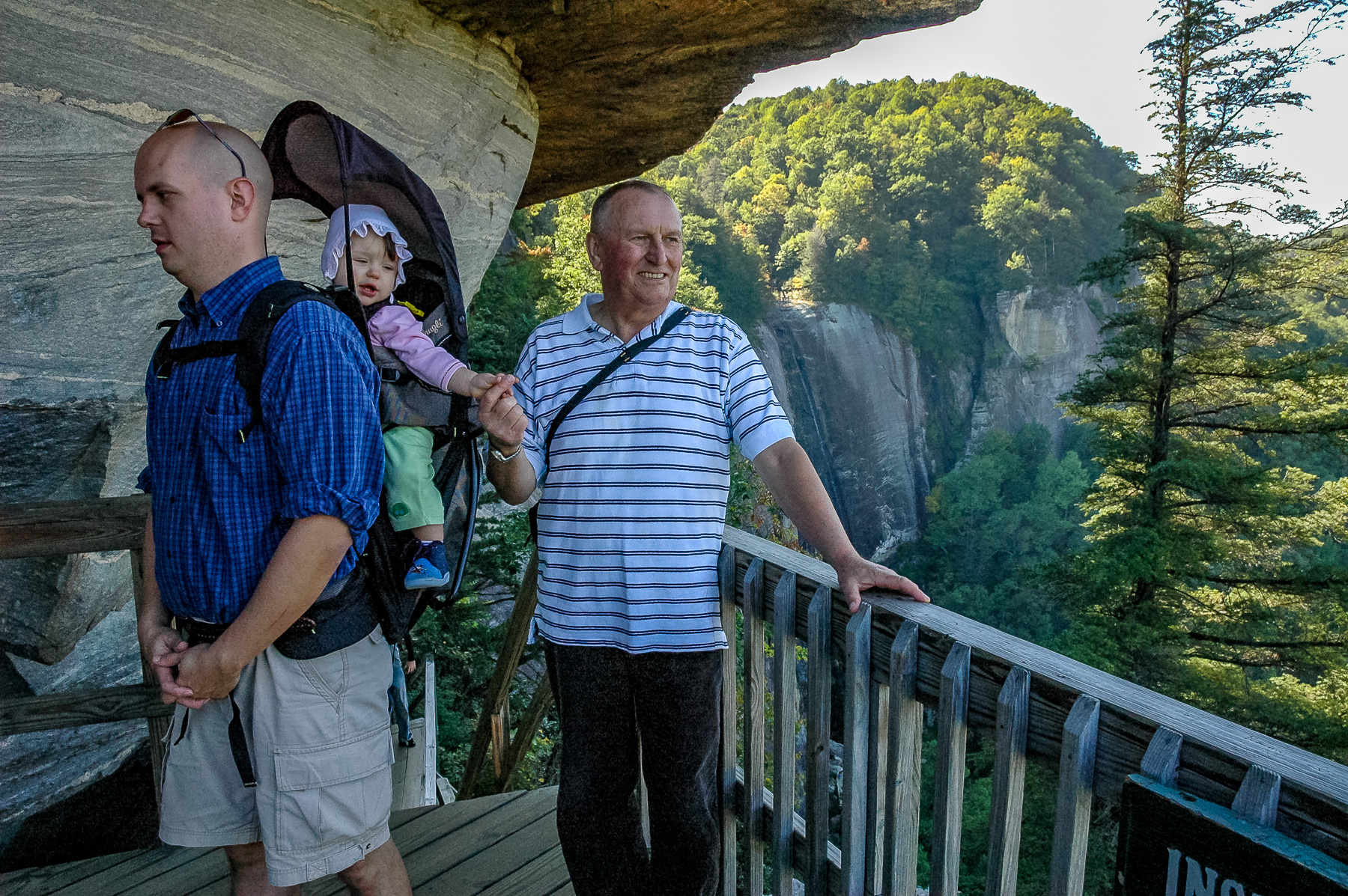
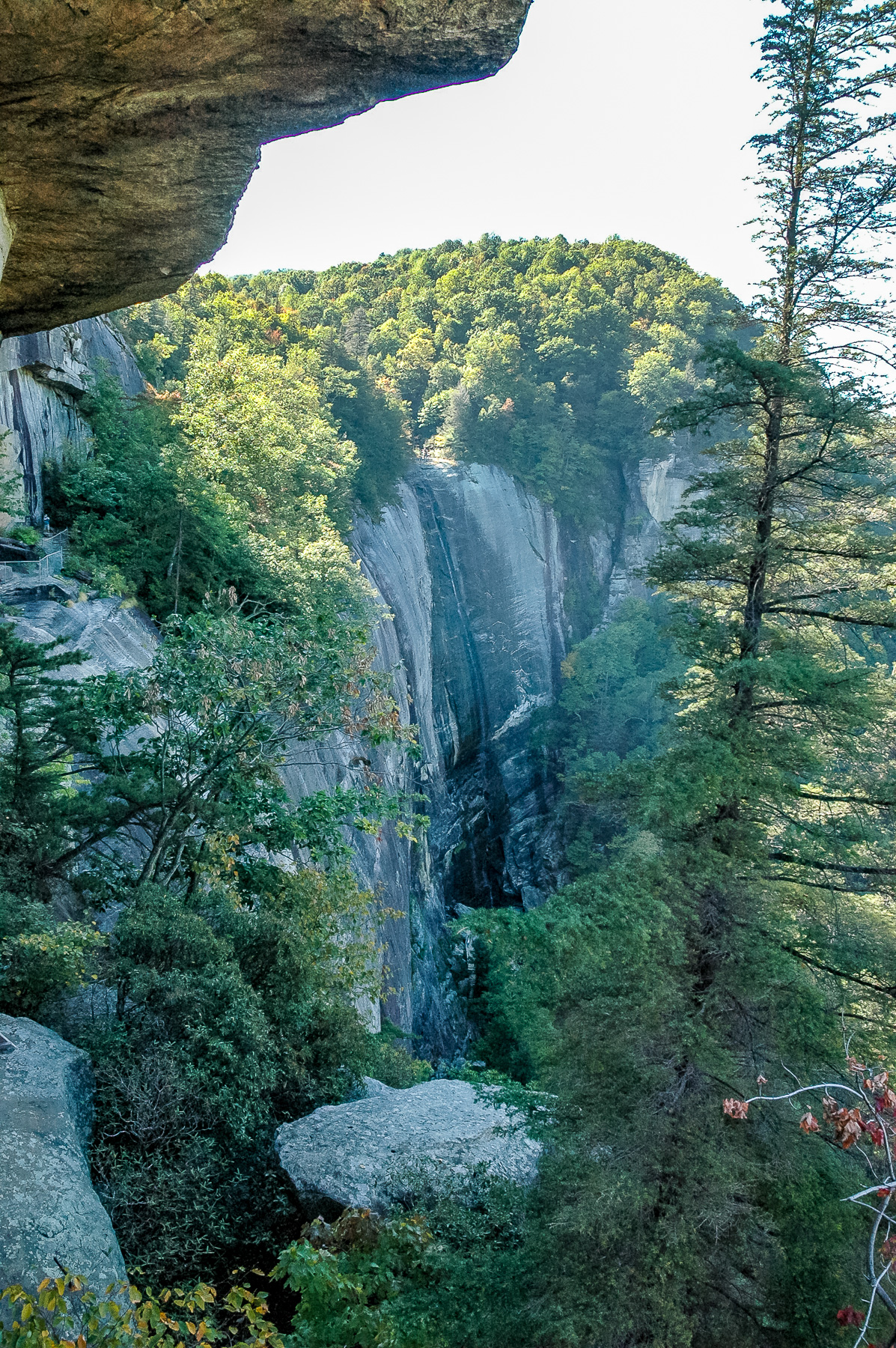
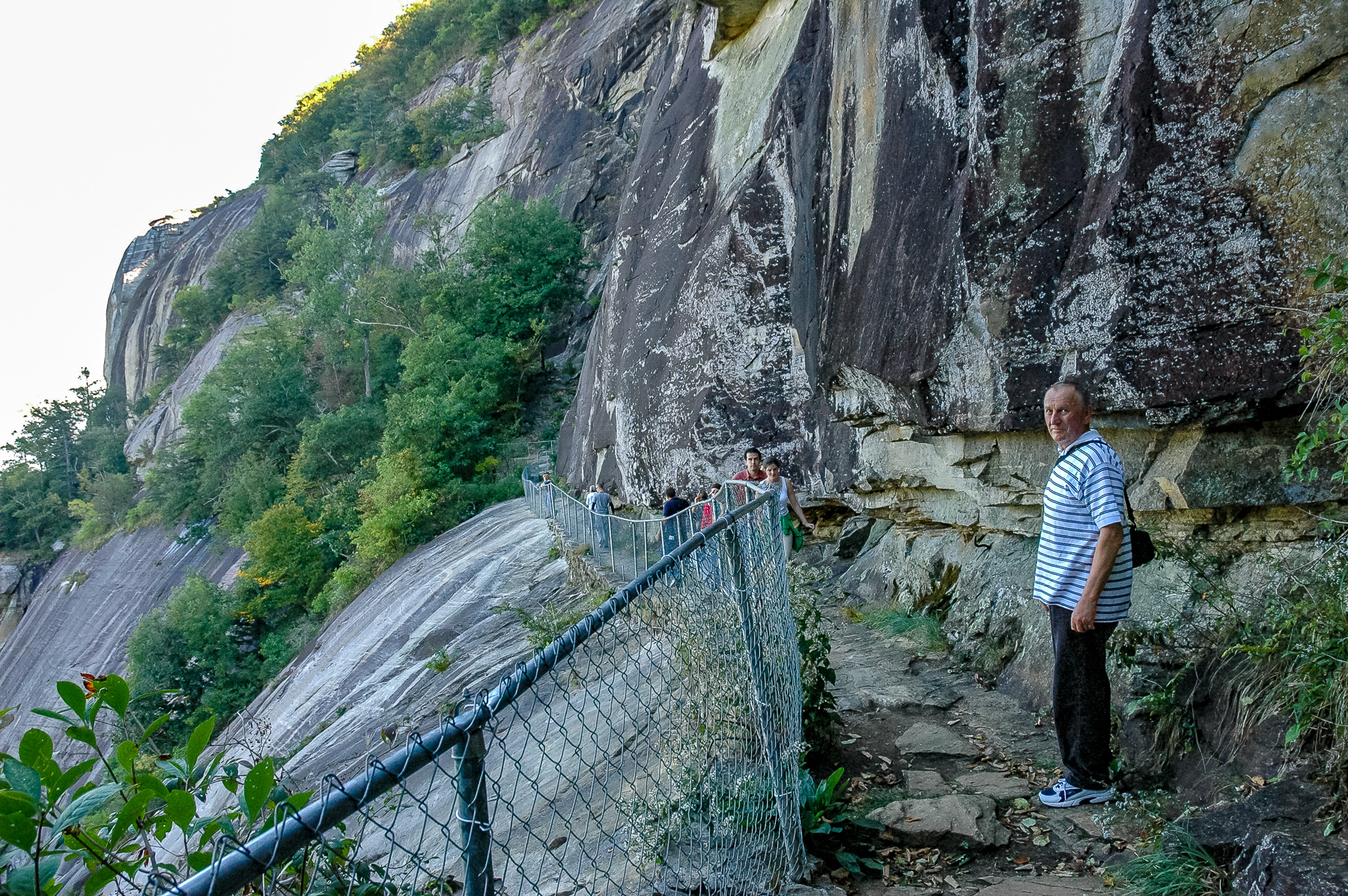
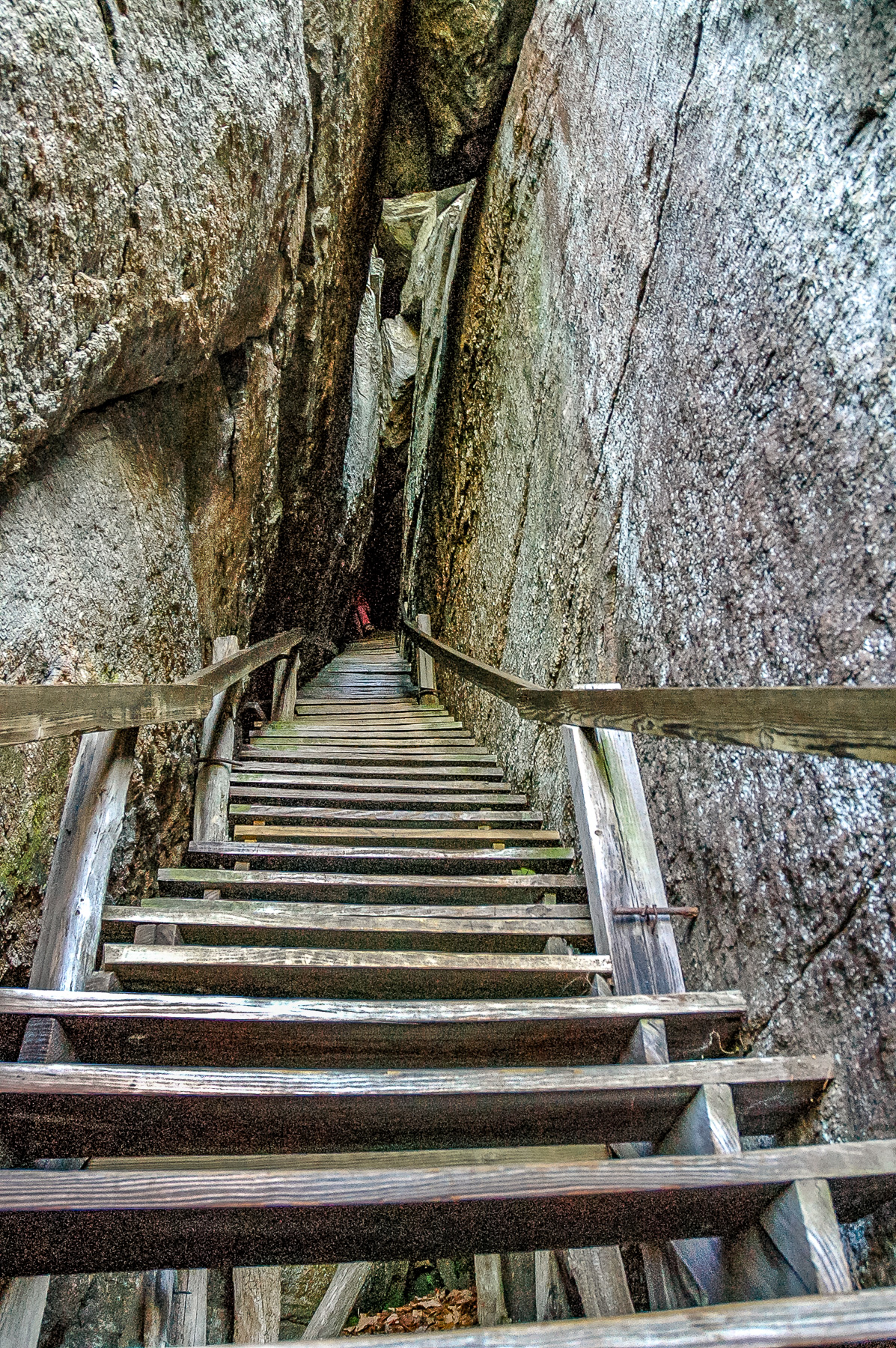
Last Sunday we went to Chimney Rock.

Again…

When Dziadek was planning his trip, he’d looked through all the pictures of where we’d been with J (and where she’d bought spoons…) and decided that, having saved up some money, informed us that he wanted to go on one “real” outing, and the rest could be “little spoons.” (It sounds better in Polish.) So he came with plans to go on one big trip and instructions to bring home spoons from everywhere he’d been.

Chimney Rock was our first “little spoon.”

“Mamus juz tu byla?” he asked.

“Yes, she’s been here,” we responded.

“Nie musimy kupic lyzeczka, co?”

“No, we don’t have to buy her a spoon.”

36 Hours in Asheville, N.C. in NYT

The New York Times has an article about Asheville:

There are lazy cafes and buzzing bistros, Art Deco skyscrapers and arcades reminiscent of Paris, kayaking and biodiesel cooperatives and one of the world’s largest private homes — the Biltmore Estate, a French Renaissance-style mansion with 250 rooms. No wonder so many locals first started out as tourists. (36 Hours in Asheville, N.C. – New York Times)

And coverage like that is probably one reason why it got so expensive that we left…

What I like most about the article is the mention of the farmers’ market: “a bright and cavernous space where you can chew the fat (literally) with the drawling farm folk.” The Southern Drawl — the ultimate tourist attraction.