travel

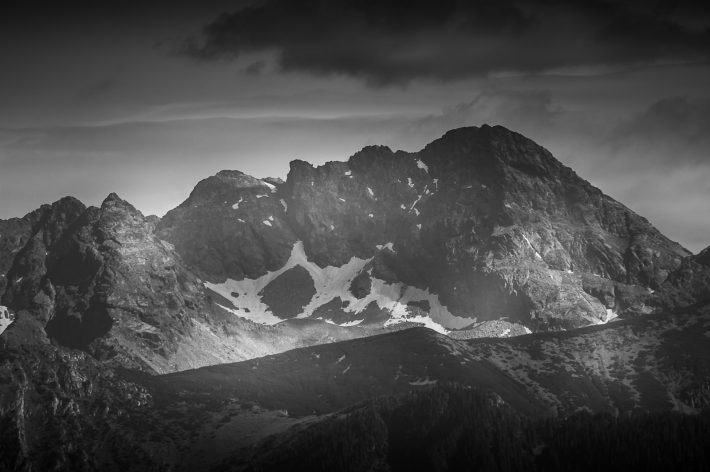
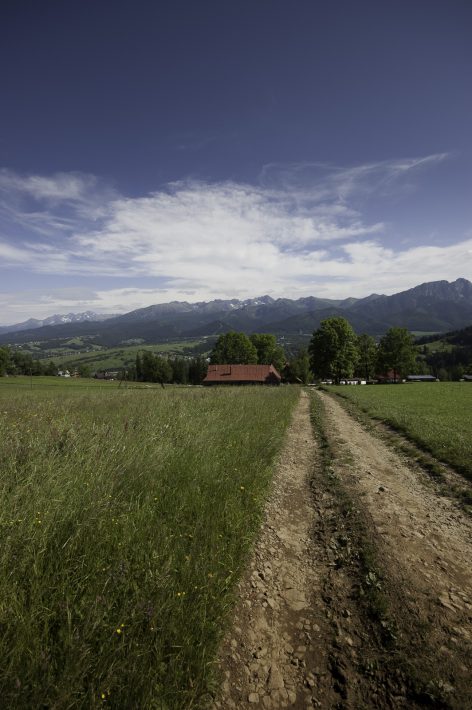
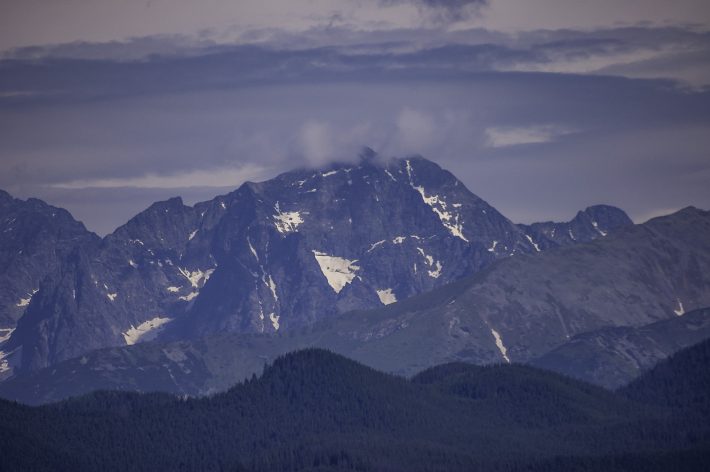
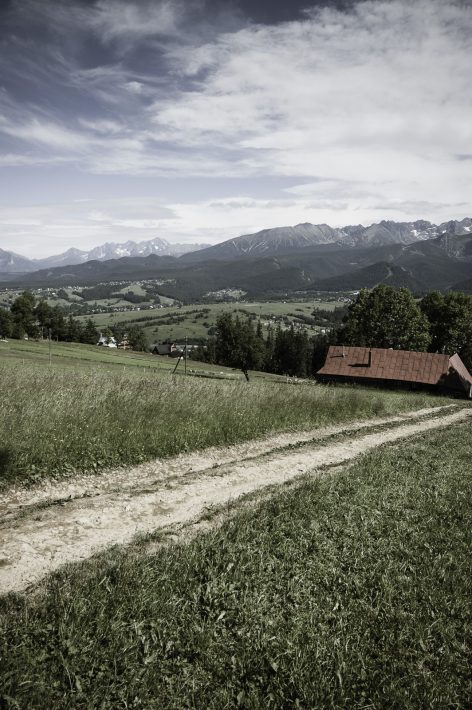
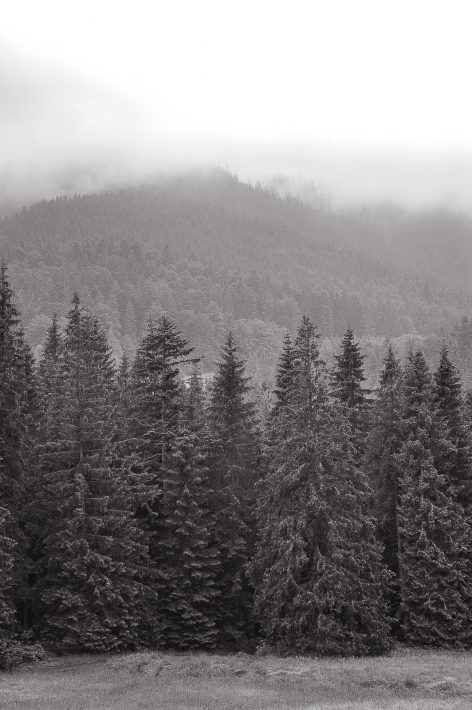
Dolina Kościeliska

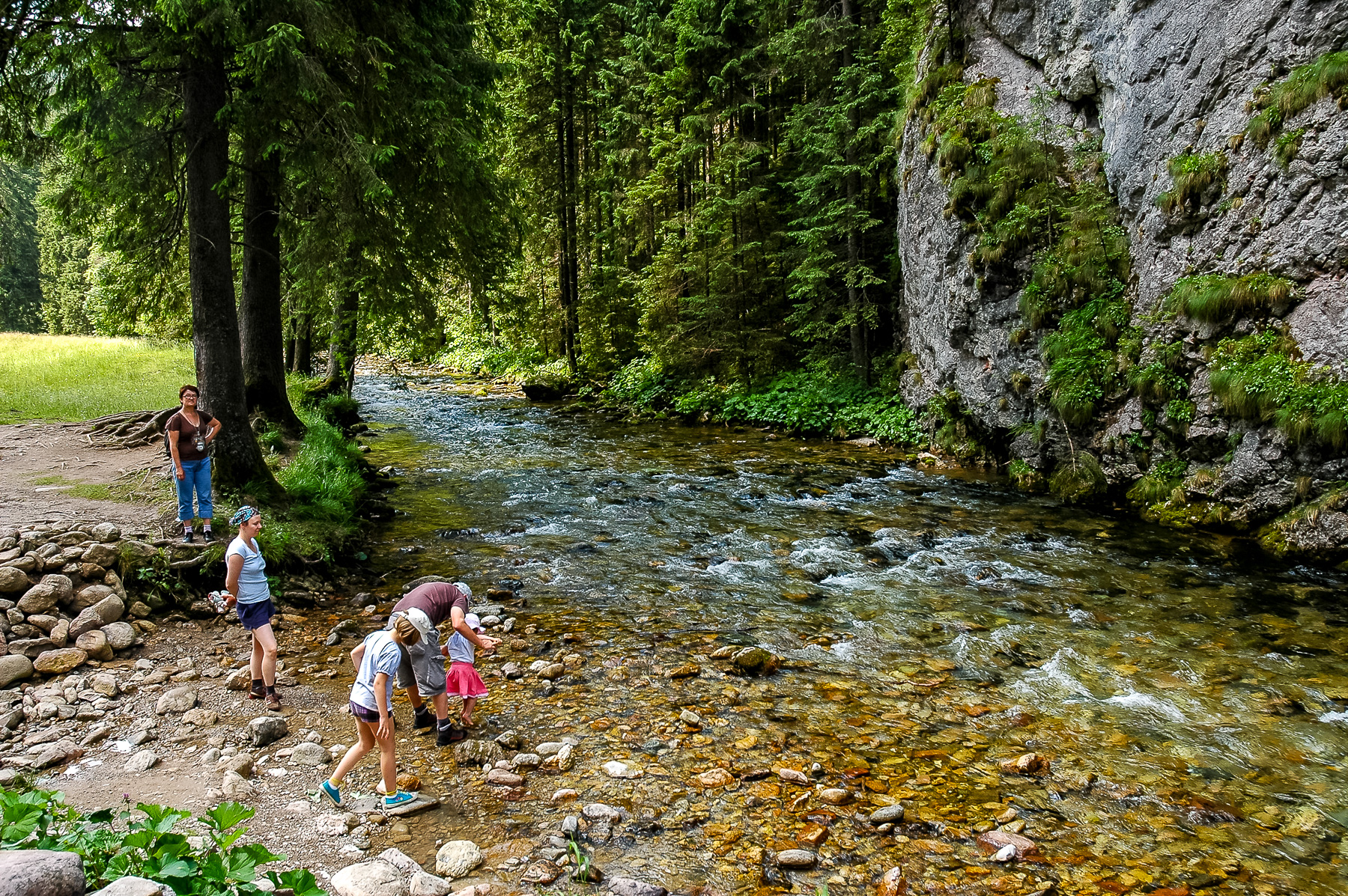
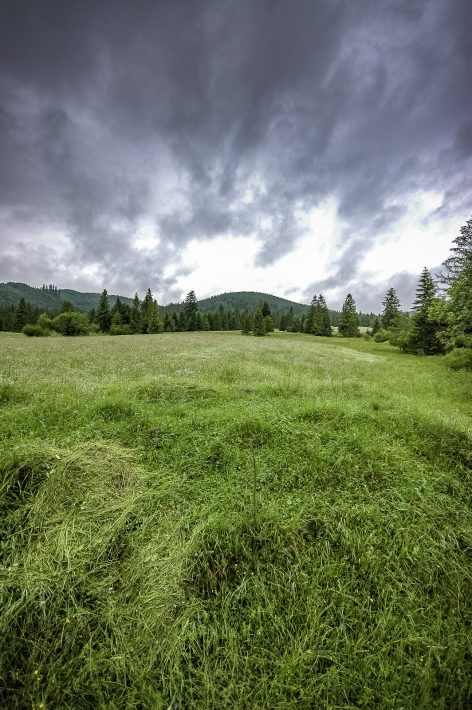
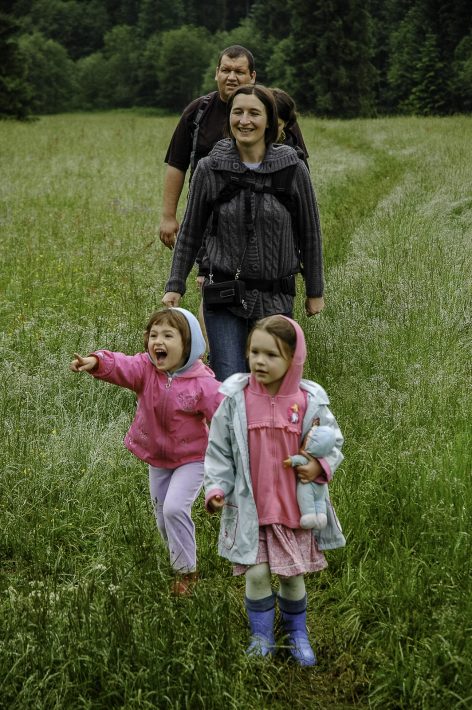
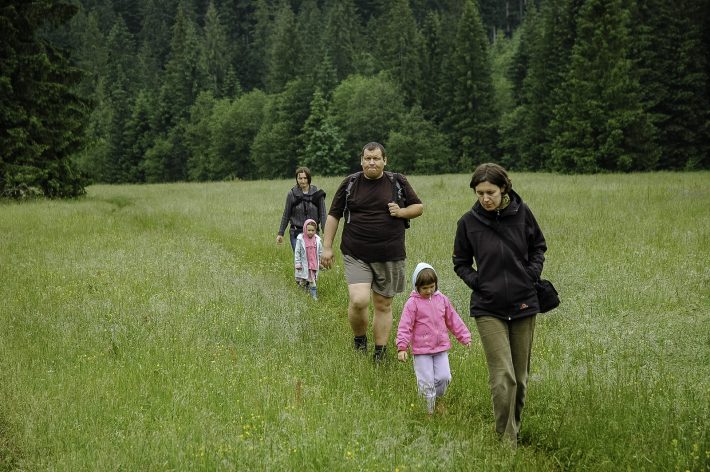
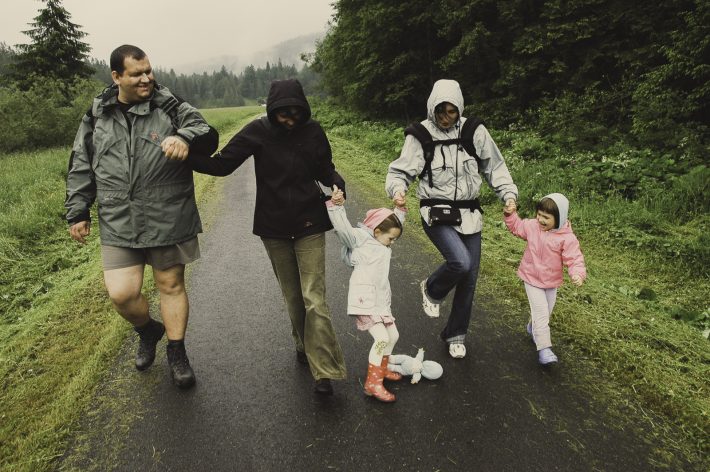
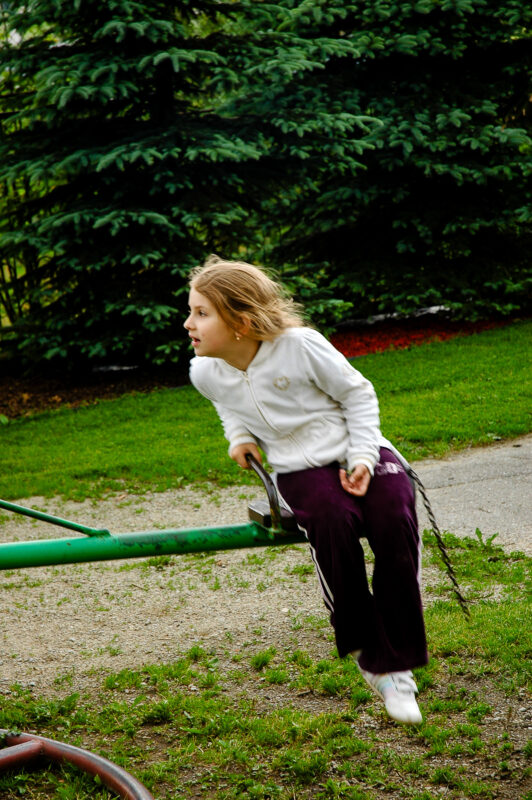
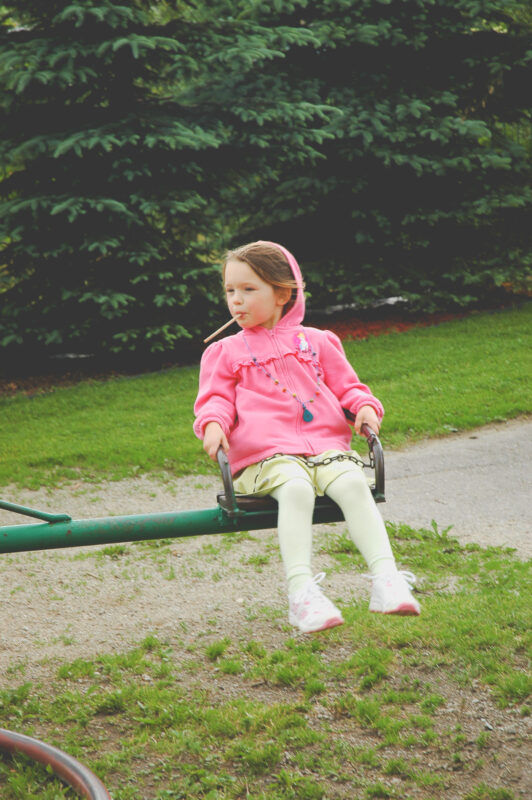
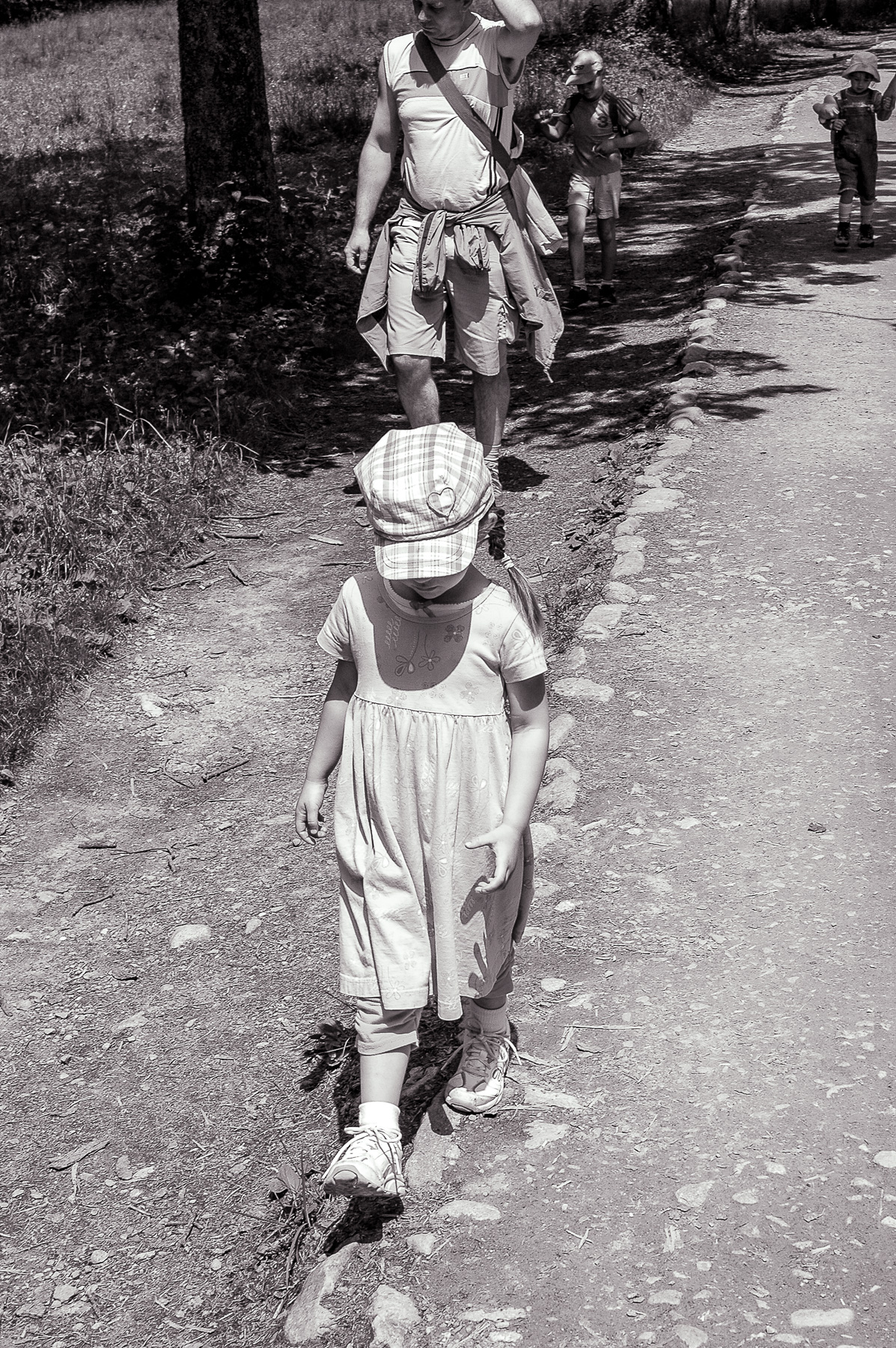
“BolÄ… mnie nogi,” was L’s chorus. Aching legs was something to expect: after all, taking a little, semi-city girl for a walk in the mountains is no walk in the park, if one will excuse the obvious pun/cliche. Especially when she’s the kind of girl that wants to climb every obstacle she encounters.

A beautiful morning with no other plans, though, called for an introduction to the Tatra Mountains.
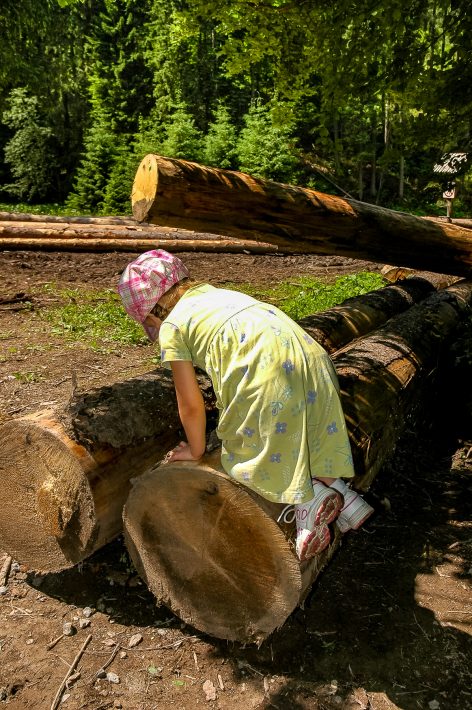
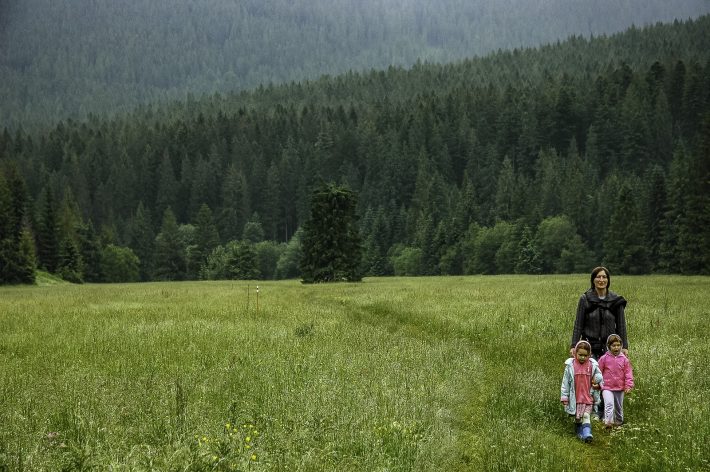
We set out with two rolls, a container of strawberries, and a bottle of apple juice. And a plan: walk as far as we can up Dolina KoÅ›cieliska (KoÅ›cieliska Valley). With a prognosis of rain only a couple of hours away, I wasn’t terribly optimistic, but even a twenty-minute walk would have been worth it.
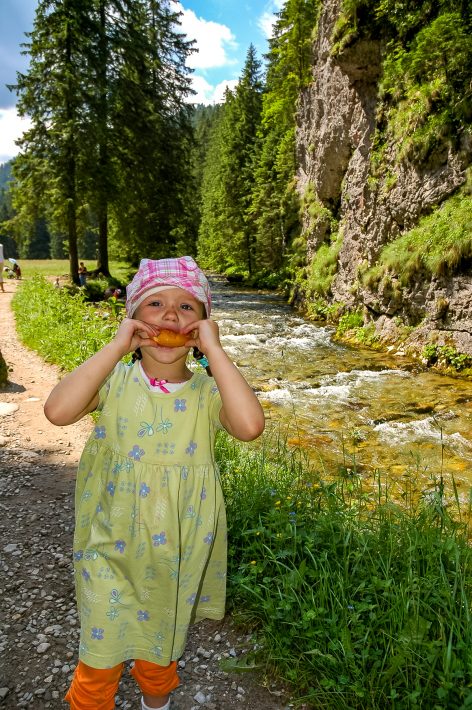
The two rolls lasted only a few minutes.

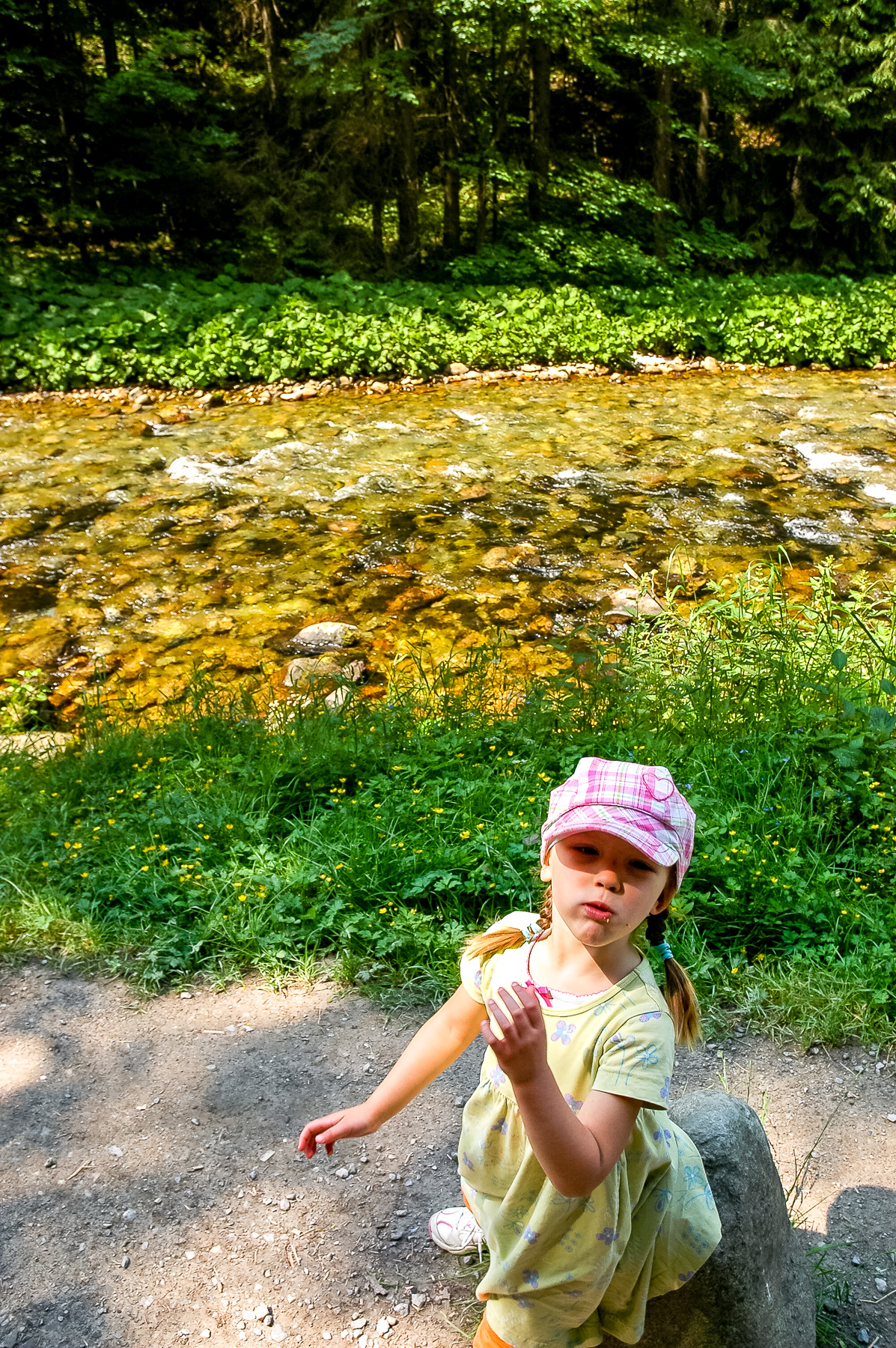
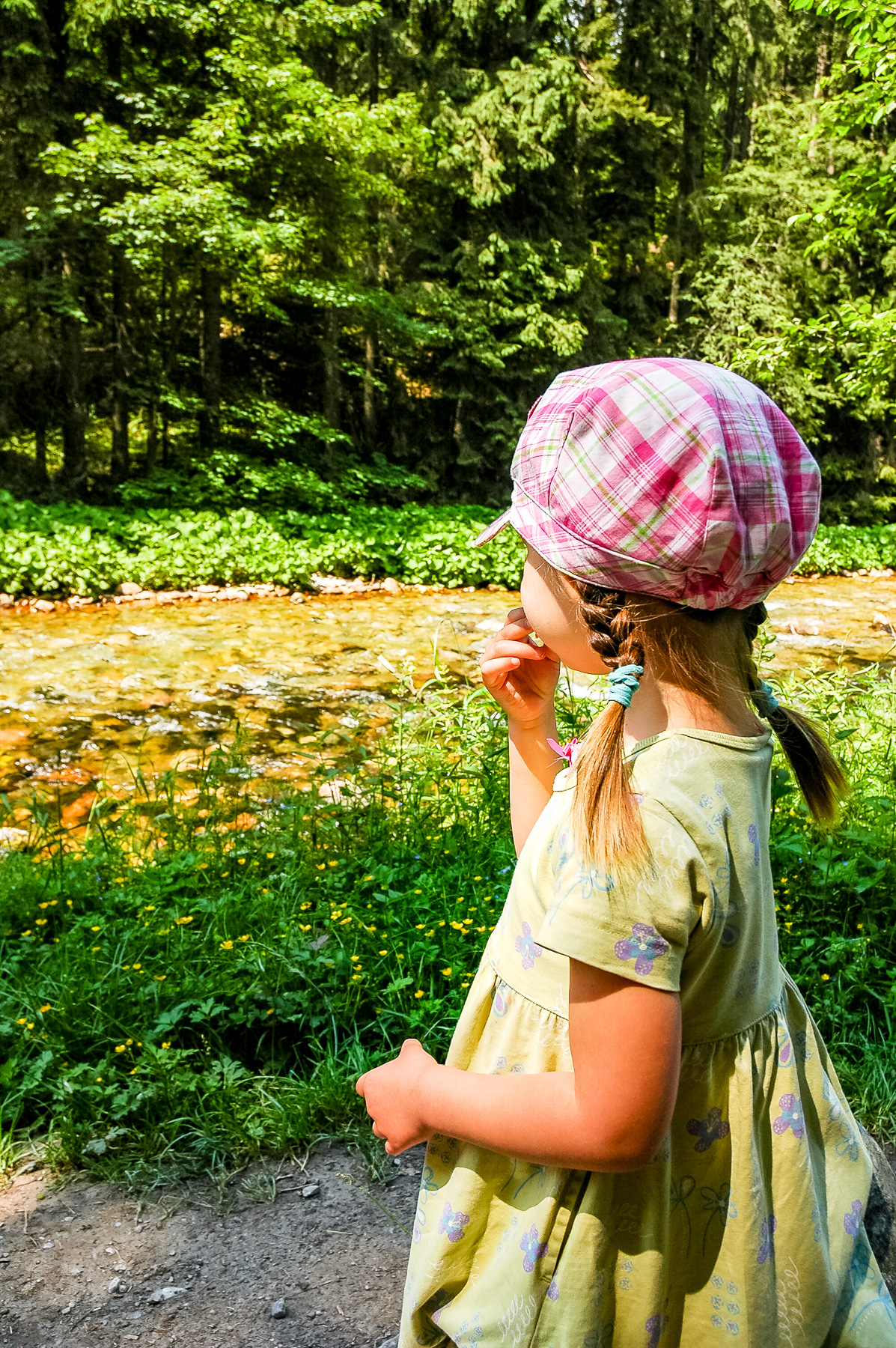
“Can I something to eat?” the Girl asked shortly after we started walking. Immediately after finishing the first roll — obviously not even pausing for pictures — she asked for a second. The strawberries lasted through the first two breaks.
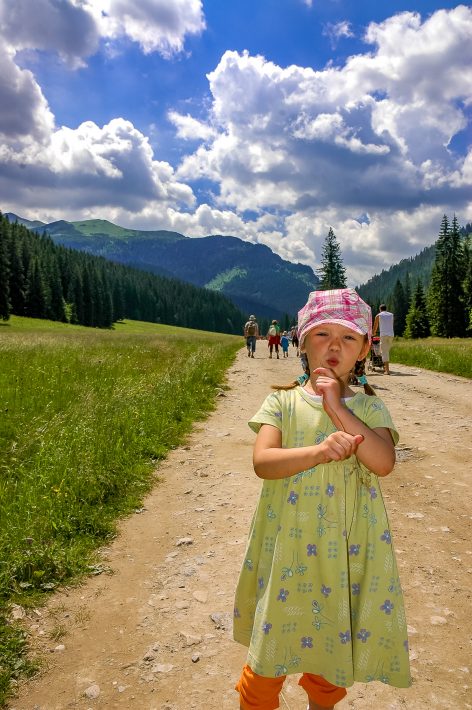
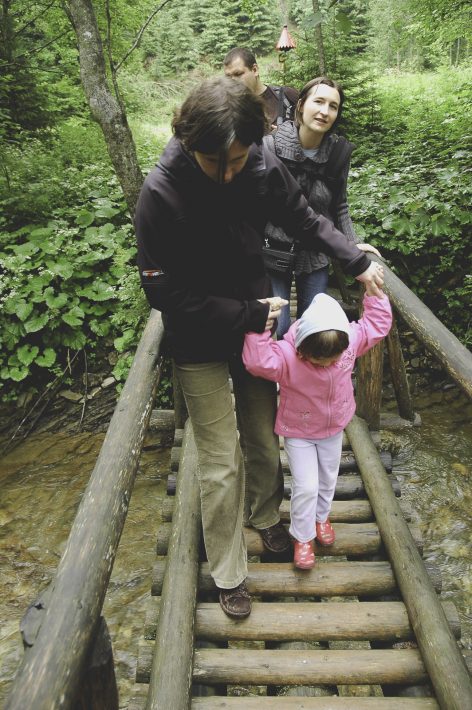
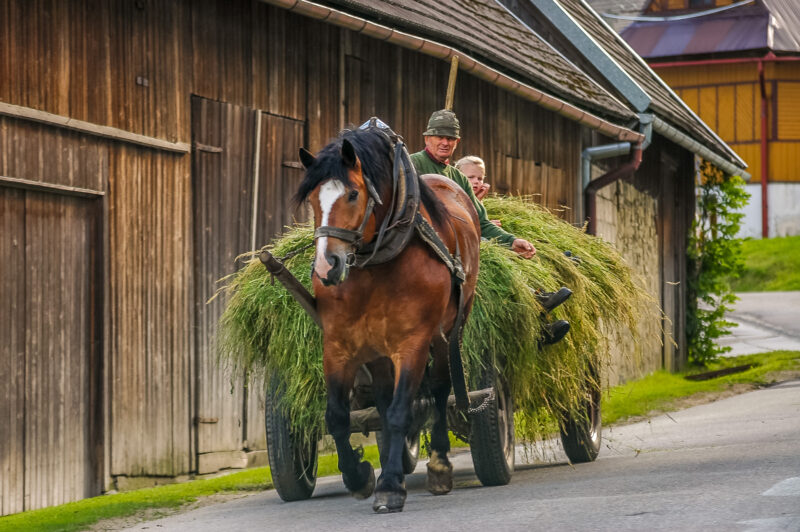
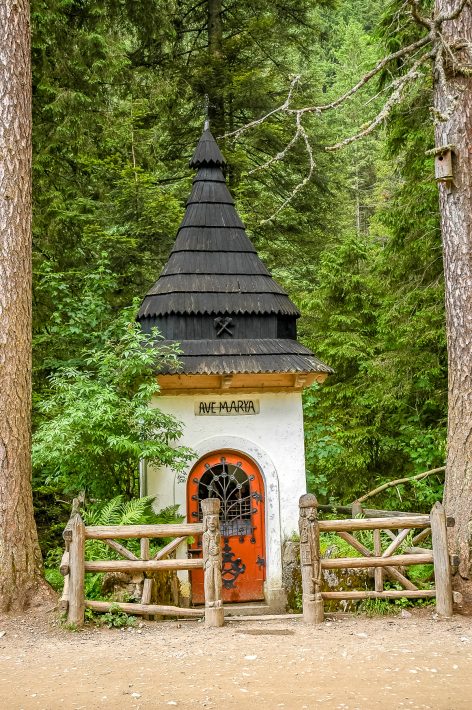
Surprisingly, and proudly, the complaining about the legs didn’t happen until we’d almost reached the point at which we actually turned around: a small chapel situated between two large pines. Up to that point, it was all fun and smiles. Horse-drawn carts traveled up and down the road, and the Girl only expressed regret that we weren’t travelling in more style.
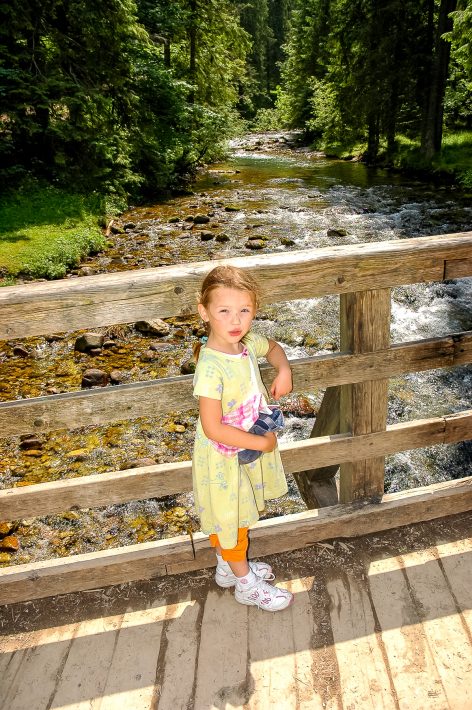
It seems to me that a three-and-a-half-year-old stomping her way up a small incline toward an unknown reward is style enough. Still, the Polish idea of recreation is different from the American idea, and the Girl wasn’t the only, or even the youngest, child heading up the valley. In fact, it was from another three-foot sojourner that the Girl got the idea of aching legs.

“BolÄ… mnie nogi,” a young girl said as she passed us with her father. Shortly thereafter, L declared, “BolÄ… mnie nogi.” Coincidence? Definitely. At the same time, certainly true, considering how far she’d already walked.
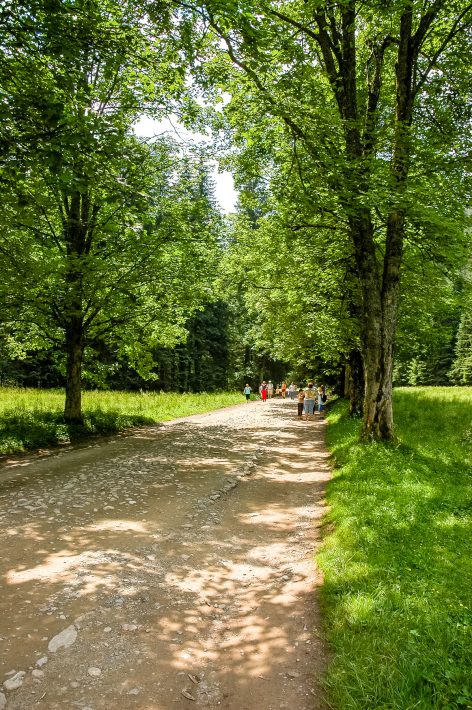
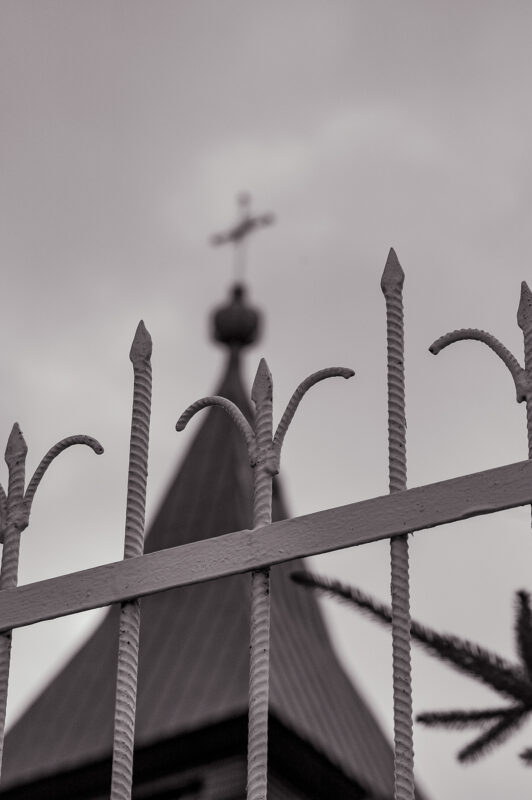
We took a break at a small chapel, and while L polished off the strawberries, I snapped a few pictures and glanced at the sky. The wall of gray that characterized the Polish sky during most of my years in the country was bearing down on us. Literally a wall: sunny, blue sky on one side, solid gray sky on the other. Behind, the sky was an ominous dark gray that strongly hinted at rain. It was two hours later than forecasted, and for that I was thankful.
And so was the Girl.

“You want to head back now?” I asked rhetorically.

“Do babci?”

“Yes.”

She slammed down the lid to the container and declared, “Tak!”
Krakow III

I first made the journey to Krakow in the summer of 1996. I took an 8:00 am train from Radom, an industrial city just outside of Warsaw, to Krakow along with a compartmentful of co-volunteers from the Peace Corps. An industrious group took a train leaving at five something in the morning, but valuing my sleep more than sightseeing, I waited for the next train.

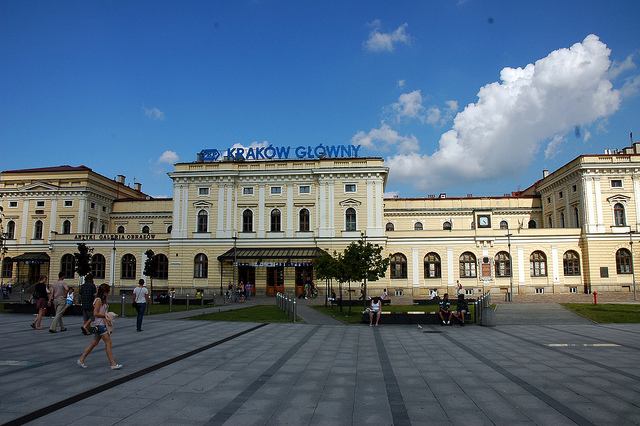
In ’96, Krakow Główny was an average Polish train station. There was a parking area in front, and across the street from it was the main bus station: a sad, dirty affair that I came to avoid at all costs. Krakow Główny wasn’t much better, particularly the waiting area.

These days, it’s somewhat more spectacular.

Krakow Glowny

The approach to the market square is much the same as it was fourteen years ago.

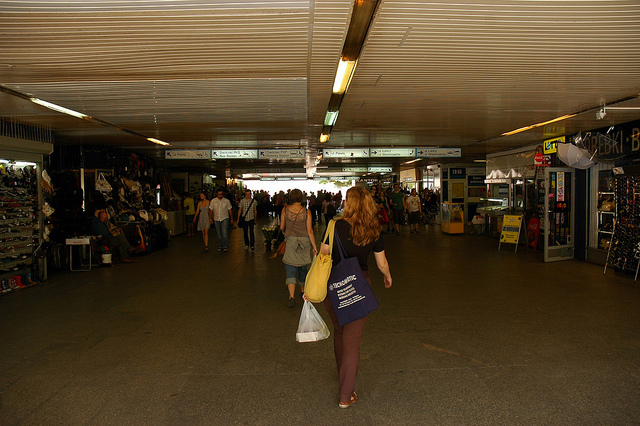
Out of the station, a broad walk leads to a passage under Westerplatter Street.

DSC_4977

In the mid-ninties, this was where the “shopping” started. The intended clientele here was not the few Westerners who might, in comparison, be relatively rich. These small shops and kiosks sold things for Poles; by and large, they still do.

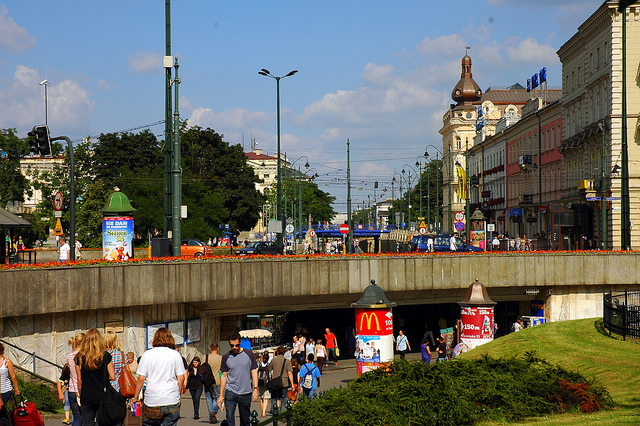
Emerging from under Westerplatter Street,

DSC_4976

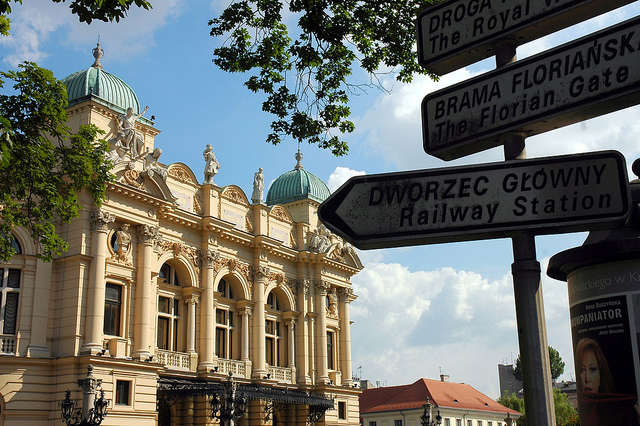
the walkway passes beside the Juliusz Slowacki theater.

DSC_4975

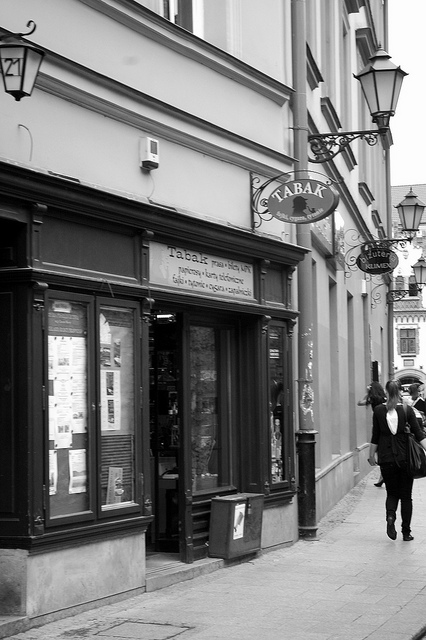
The walk to the rynek continues down ulica Pijarska past the only real tobacconist  I could find in Krakow.

DSC_4666

It was here that I first bought what became my favorite pipe tobacco: Dunhill’s Mixture 965. Dunhill no longer produces the blend, and even if they did, I wouldn’t be able to buy it here now: no real tobacco blends to speak of.

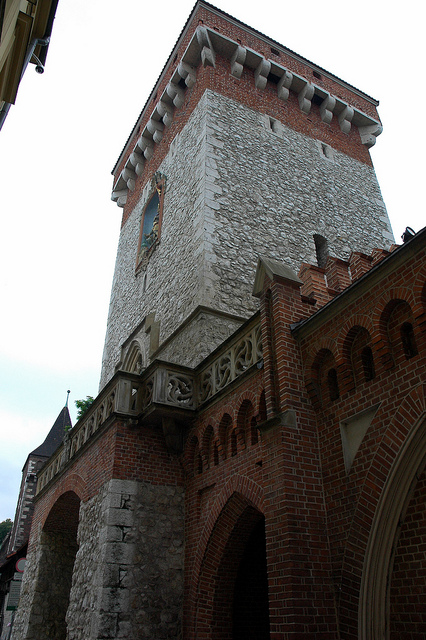
The walk continues by the Florianska Gate,

DSC_4667

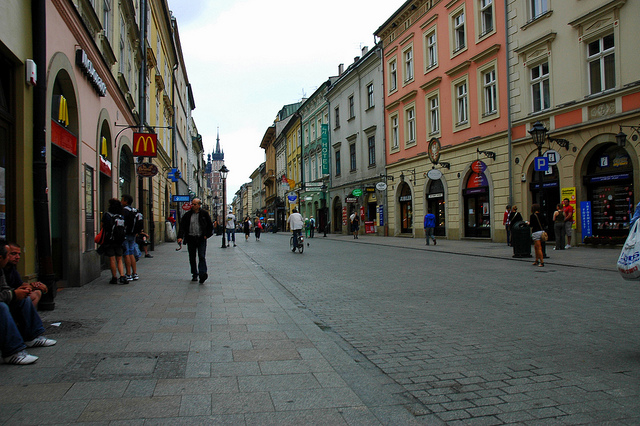
turning left onto Florianska street.

The MacDonald’s on Florianska has been there since my very first visit. Whenever I was in Krakow, I dropped by. Not for food, but for the one thing that American chains did better than just about anyone else in Poland at that time: bathrooms. Only at McDonald’s could I count on clean facilities, and apparently others discovered that as well: within a year, McD’s had switched to a pay bathroom, something seemingly unthinkable for many Westerners but common at that time (and still quite common). One had to be a customer to use the restroom, so I bought a small order of fries.

DSC_4668

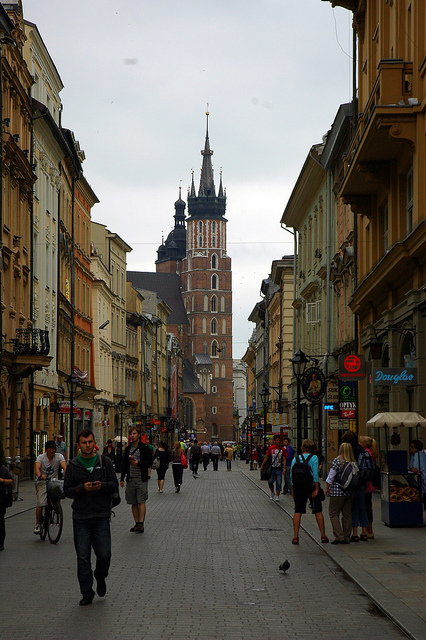
My first visit, I was completely unaware what awaited me at the end of the street.

DSC_4669

Stepping onto the rynek (main market square), it’s difficult not to stand motionless in awe. But that’s for another day.

Afternoon Walk

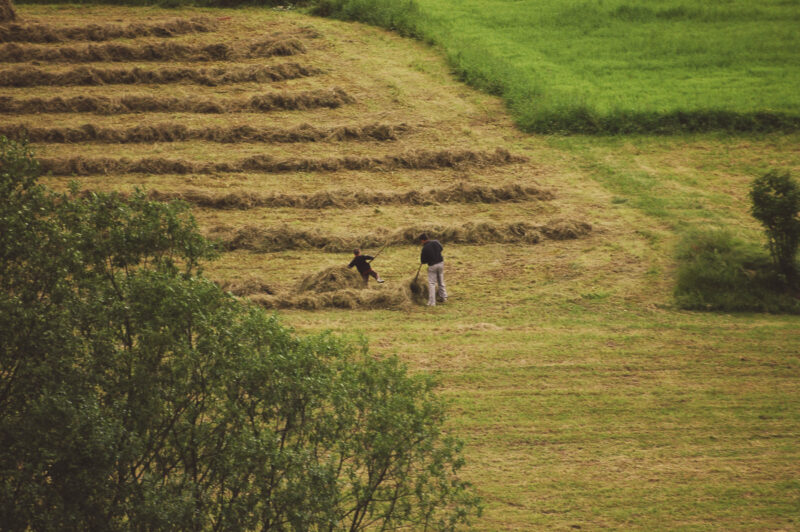
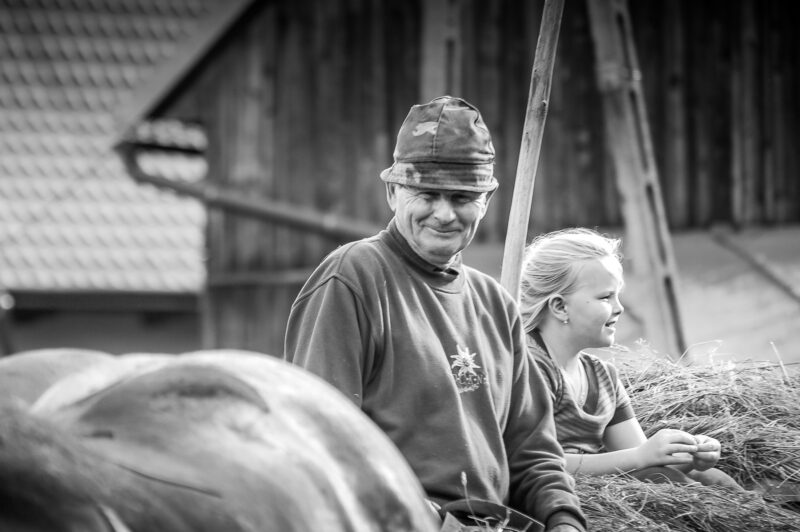
I always feel a little guilty, heading out with a camera and my backpack of accessories to take a walk in Jablonka and photograph people who are putting in a normal day’s work in the field that is harder than I do most days of my life. That is why I always hesitate to approach. A massive zoom lens — call it the coward’s approach.

DSC_4372

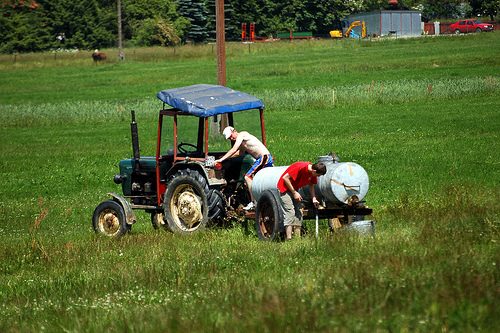
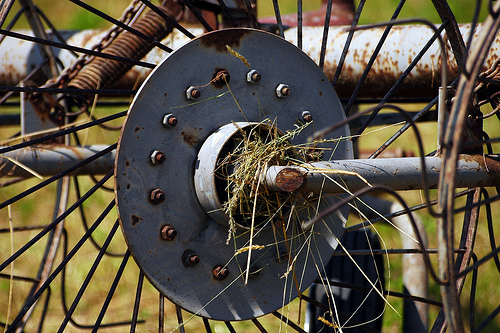
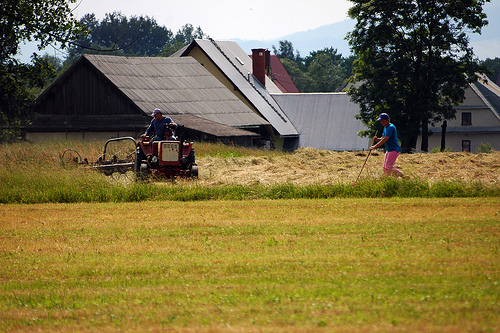
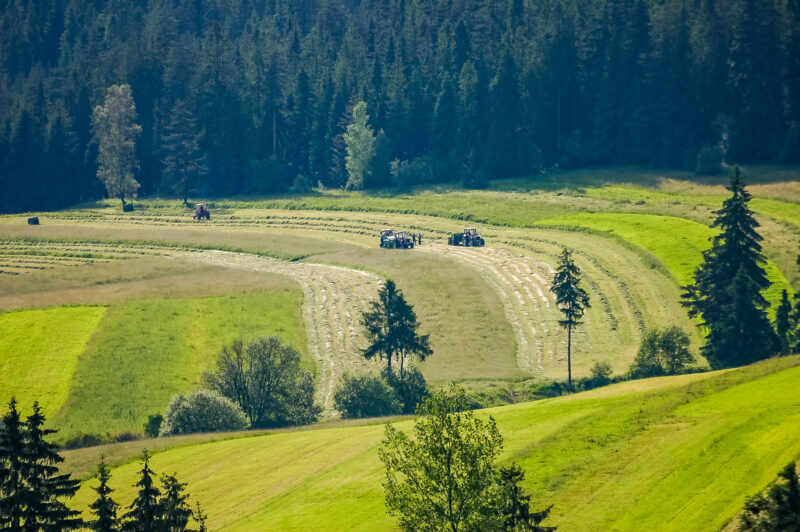
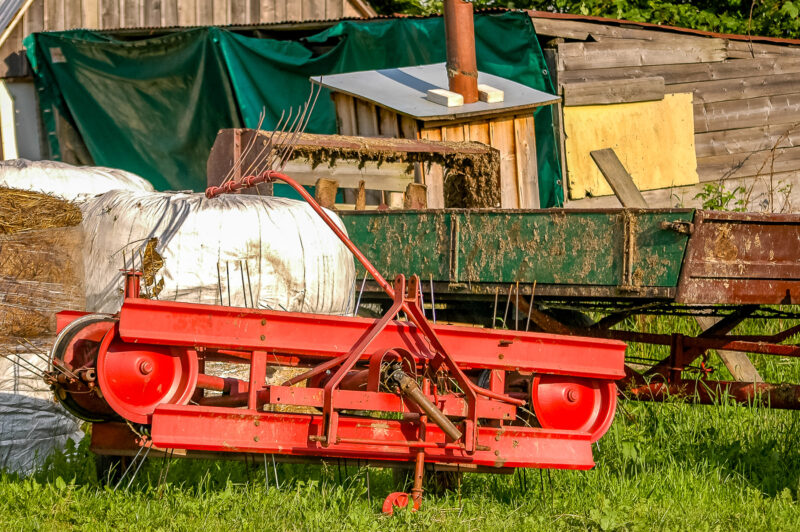
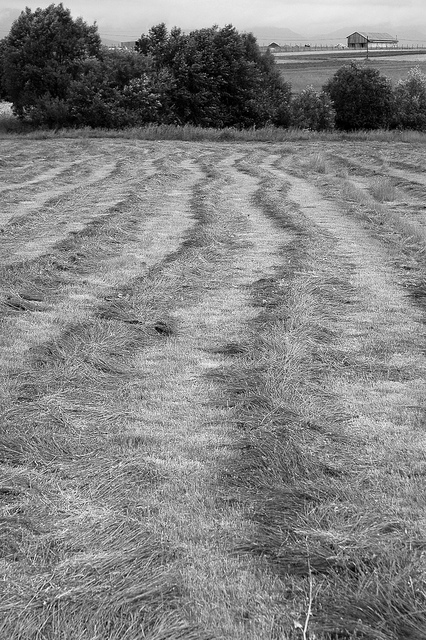
fortunately, hard-working Poles are not the only attraction. Much of the farm work here — such as turning hay on the fields for drying — is done with somewhat antiquated machinery by commercial/industrial Western farm standards. The machines are rusty but elegant reminders that not all heavy machinery needs computer chips and miles of cables. A few rusty springs will do just fine.

DSC_4377

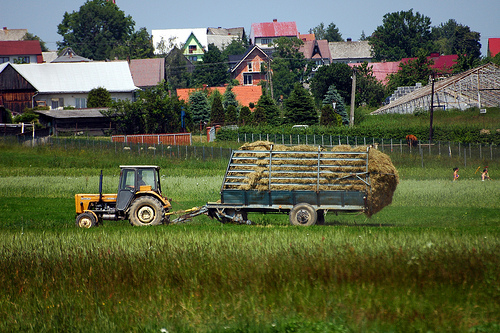
At first, one might say, “There is no comparison to the scale of large, commercial Western farms,” and that’s correct, partially. But when you see how Orawians load a trailer with hay, it puts questions of scale into proportion.

DSC_4379

Remember: this trailer was load manually: one or two guys on the ground tossing up pitchfork-loads of hay to one or two guys (or women, or even adolescents) standing on the growing pile. At least that’s how it ends. The wagon actually has a device that forks the hay into the wagon bed automatically, but one doesn’t make wagon loads this high by letting machines do all the work.


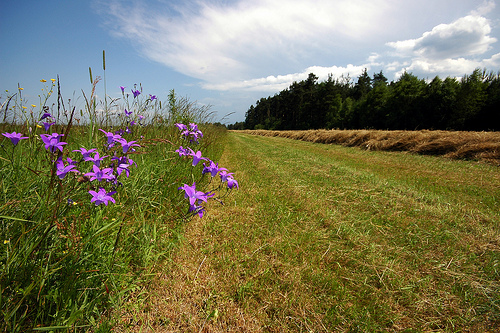
The odd thing about the fields they’re working is their shape: long and narrow. Most of them are no wider than thirty or forty feet, but they are often three or four times that long.

It’s the result of generations of inheritance: dividing the land to pass it on to further generations creates not a checkerboard but, well, yes a checkerboard, but out of some Dali painting, where the dimensions and shapes of everything are exaggerated and warped.

DSC_4416-1

The big mystery: with so many fields crammed side by side, how does anyone know anyone’s borders? I go out for a walk and find one field’s hay cut, neatly put into piles; the neighboring field is wild with grass and flowers. How does the owner know where his land stops and his neighbor’s begins?

“They just know,” I’m told.

DSC_4433

Apparently, though, some have gone to the cost of having surveyors come out and set boundaries.

DSC_4434

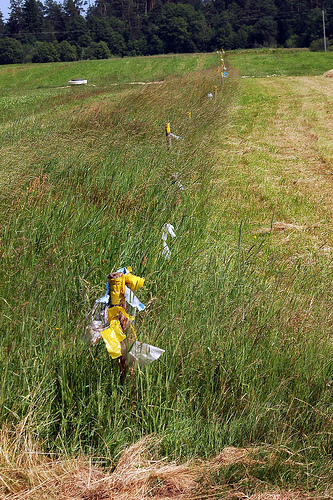
Others use less technologically-dependent methods.

DSC_4436

Pasieka

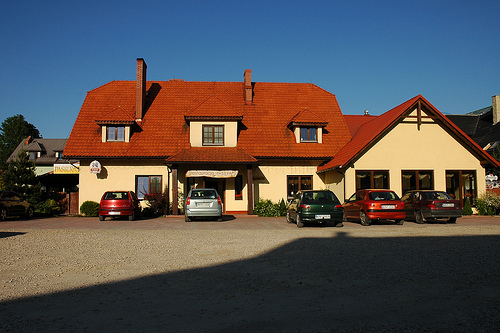
When K and I began dating, we met every one evening a week at Pasieka, a small restaurant in her home village. It gave us a chance to see each other during the week (it was a long-distance relationship: all of seven kilometers between our villages), and I didn’t have to cook for myself one day a week.

DSC_4361

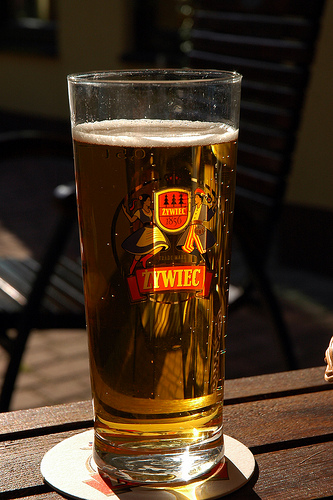
We’d have a beer or two, talk about our week thus far, make plans for the weekend — it was the highlight of the week. After our marriage, we visited Pasieka less frequently, but when we come back to Poland, we have to go back to Pasieka.

DSC_4362

We walked to the restaurant for a bite of supper and to meet with “Johnny,” a friend who now lives abroad.

DSC_4367

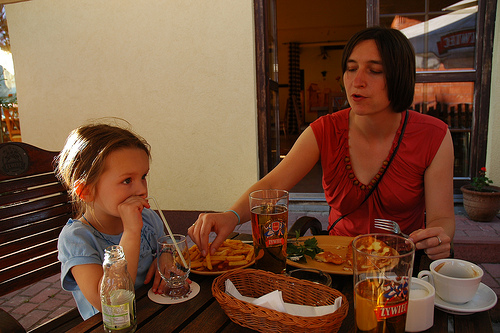
Except for the order of fries for the little girl who joined us, it was just like old times.

Football and Family

Just a few kilometers outside Krakow and couple of hundred meters higher lies a small group of homes on top of a small hill that have earned the name G. Is it a town? I’m not sure. When preparing the GPS, I asked my father-in-law, “What street does D [K’s brother] live on?”

“There are no street names in G,” he laughs. “Only numbers.”

Such a small place that has no street names — sounds pleasant.

DSC_4295

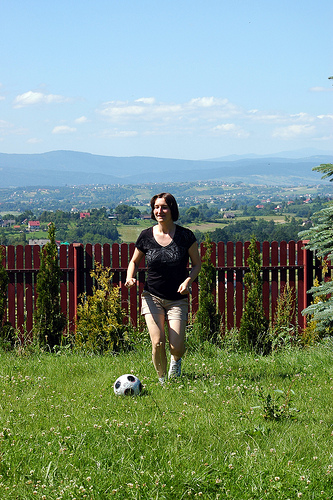
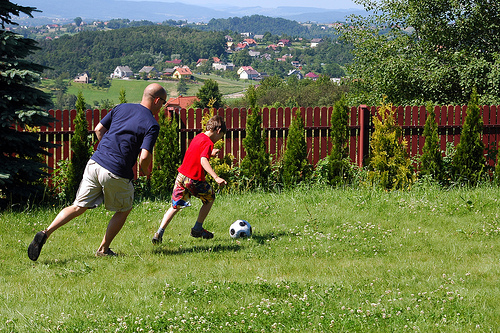
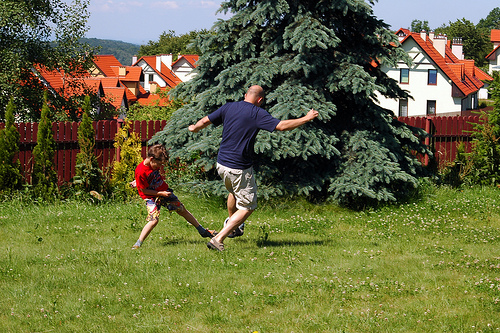
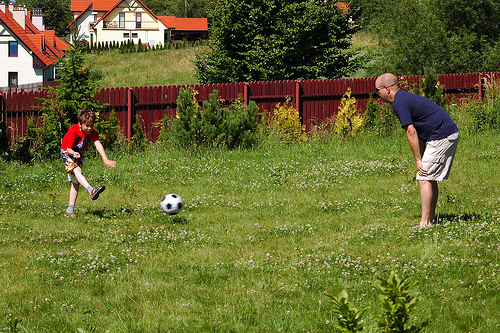
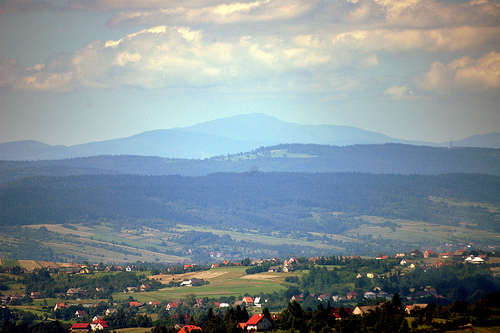
And a great place to spend the evening after a long day in Krakow. Family and a great view: what else could we want? Perhaps a little entertainment, and the sport of choice in Europe is soccer football.

DSC_4297

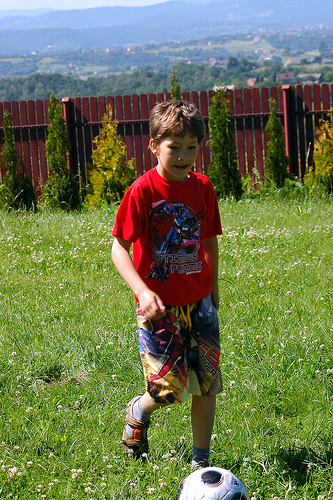
The mutual opponent: W, who is K’s godson. He’s quite the footballer, and to be honest, both K and I have a hard time keeping up.

DSC_4299

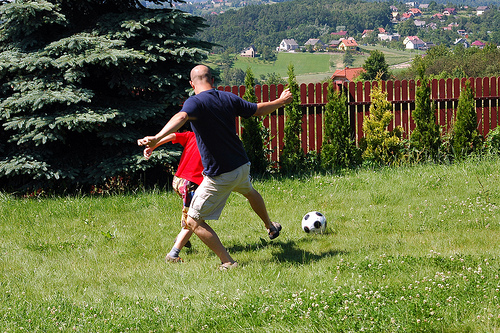
When I face off against him, I think in terms of basketball: every beginner has one or two moves he feels comfortable with and repeats. I watch W as we play, figure out his favorite moves (a fake to his right, my left, followed by a charge to his left). He makes the move again and again. I come to expect it. I charge him, hoping to force the move.

DSC_4300

Sure enough, fake right, charge left. And every single time he fakes me out. I know it’s coming; I throw out a leg like I see the pros do on television, and he shoots right past me.

DSC_4303

If I charge and unfairly use my size advantage, I occasionally catch up and manage to kick the ball out-of-bounds. It works a time or two, but I realize anew how footballers have to be in amazing condition: I’m tired within a few minutes, and panting shortly there after.

DSC_4304

Finally, a new strategy: keep my distance and force him to shoot from afar. It works. Temporarily.

DSC_4312

In the end, the views win: W goes in to play video games, and I give up panting, looking at the view from our improvised football pitch.

DSC_4328

I go inside to find K reading classic English nursery rhymes to the kids. She translates them to Polish, but they just lose something — the rhyme, the rhythm just aren’t there. The same goes with translating nursery rhymes the other direction:

Once upon a time there lived a witch named Baba Jaga,
who lived in a house made of butter.

It just doesn’t sound as good as

Była sobie Baba Jaga
Miała chatkÄ™ z masła

Certainly part of it is cultural: in the original there’s no mention of “a witch named.” Everyone simply knows that Baba Jaga is a witch. Koniec. Kropka.

DSC_4350

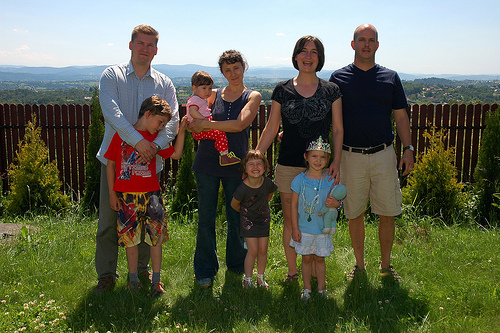
Before heading out, we gather everyone for a quick group family portrait,

DSC_4353

and other with just the kids — something of a trick with the smallest.

Krakow II

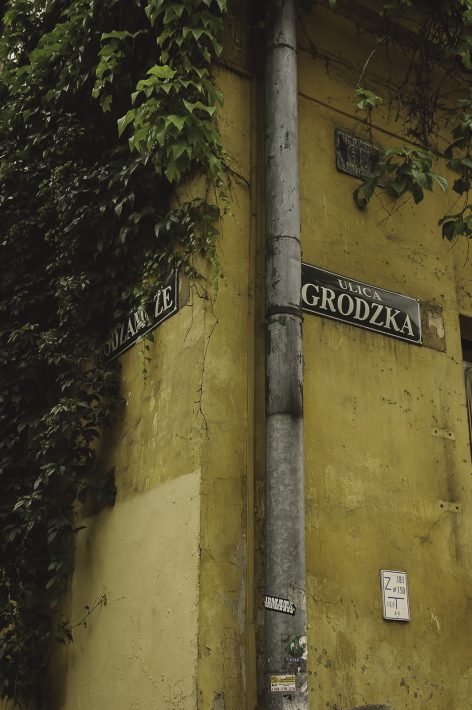
From Wawel, we head up ulica Grodzka toward the rynek, looking for food. We find a small restaurant that’s essentially an upscale bar mleczny and sit down for lunch. Nothing special, but good Polish eats — the sign of a good bar mleczny.

Arriving at the rynek, we begin looking for the countless bird seed mongers that traditionally seem to fill the rynek. We can’t find a single one. What’s more, the centerpiece of the rynek, the Sukiennice (Cloth Hall), is closed for renovation, with all the booths moved outside.

It’s not the same rynek.

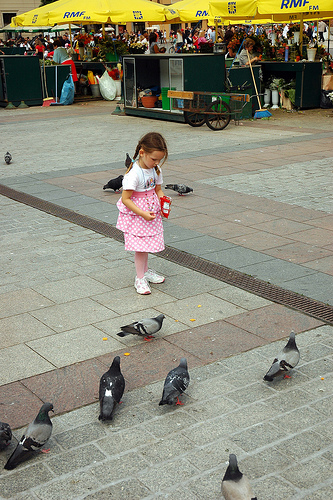
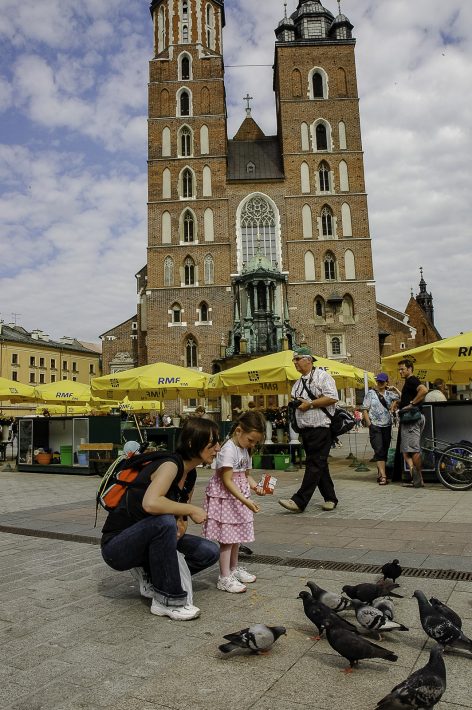
Still, we have crackers in a backpack, so L wades into the mass of pigeons and begins aggressively throwing crackers at the pigeons.

DSC_4213

The result is predictable.

After a few moments, K provides the much-needed assistance. But it seems that cheese crackers are not a favorite of Krakow pigeons. Perhaps there are too many chemicals — after all, what are preservatives? A frightening thought. Maybe we should make our own? After all, how difficult can it be?

It can’t be more difficult than finding refreshment on the rynek for a decent price. It’s something like the airport: cafe owners know that the average person is, at least temporarily, there to stay. Who’s going to walk two blocks to save a few zloty?

And lose such a view? Location is everything, for buyers and sellers.

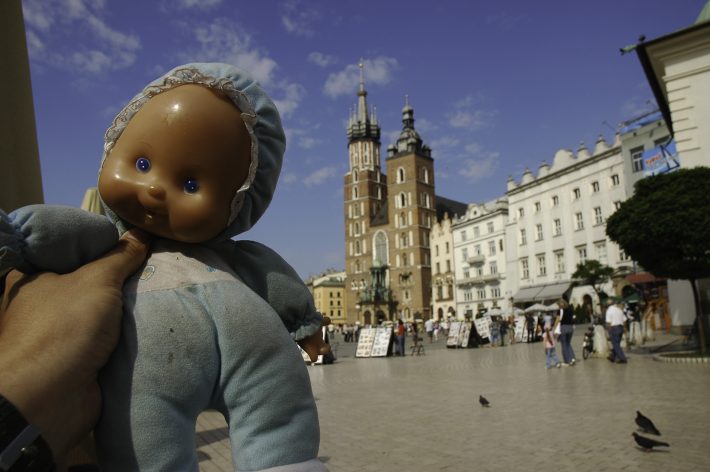
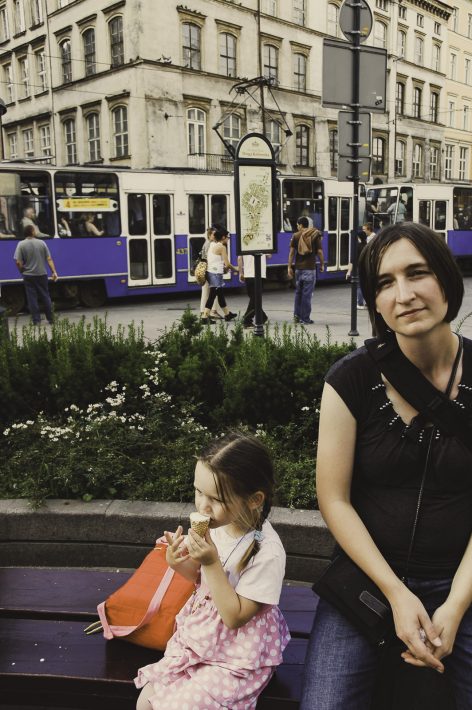
Given the view, the price might just be worth it. Baby certainly thought so.

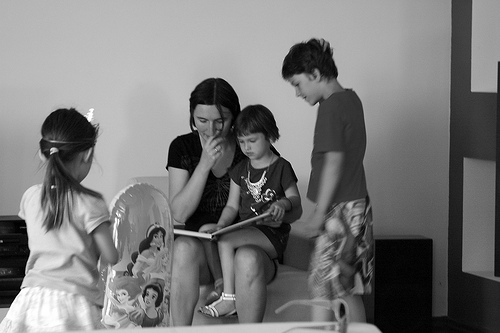
The last stop: Empik — something like a Polish Borders Books or Barnes and Noble. Though L has a relatively large library, we’re of the opinion that she can never have too many books. Especially Polish books. And so we arrive in the hopes of loading up on new books. What is L interested in? Disney. The Polish version of the “Princess Collection.”

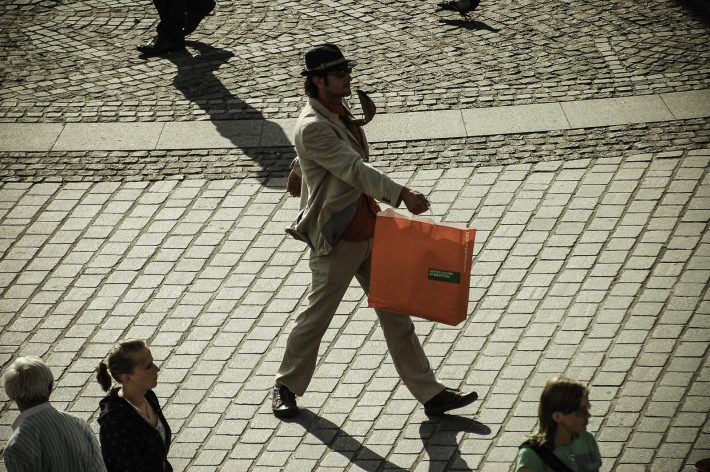
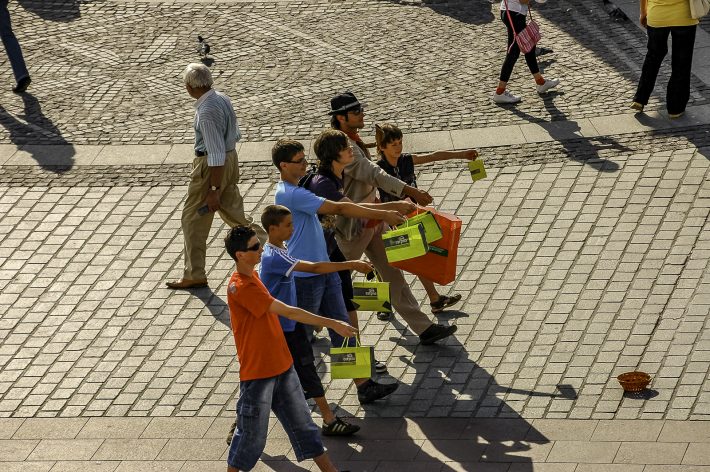
As K is working to convince L that a Polish “Princess Collection” is entirely unnecessary, I look out the window of the third floor. One of the many street performers begins his act. Relatively original. No face paint, nothing to suggest a clown.

Just someone in a hurry to get home with his shopping. As passers-by stop and imitate, the performer drops the bag, startling observers. He pulls out smaller bags and invites them to join him.

An amusing act, but not the famous Biala Dama. We didn’t see her last year either. We’re not the only ones looking for her.

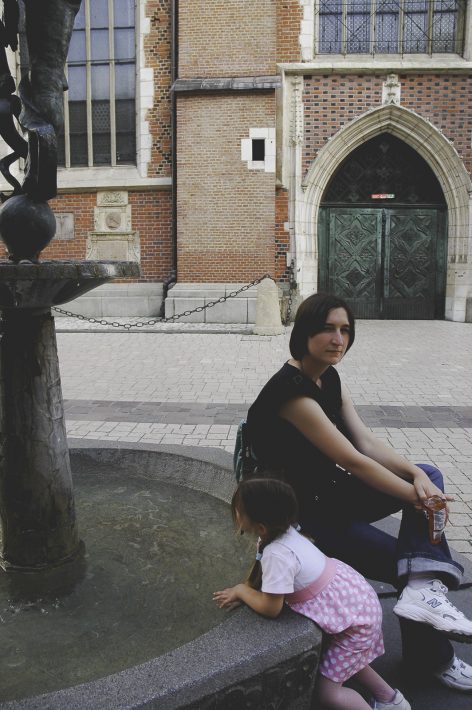
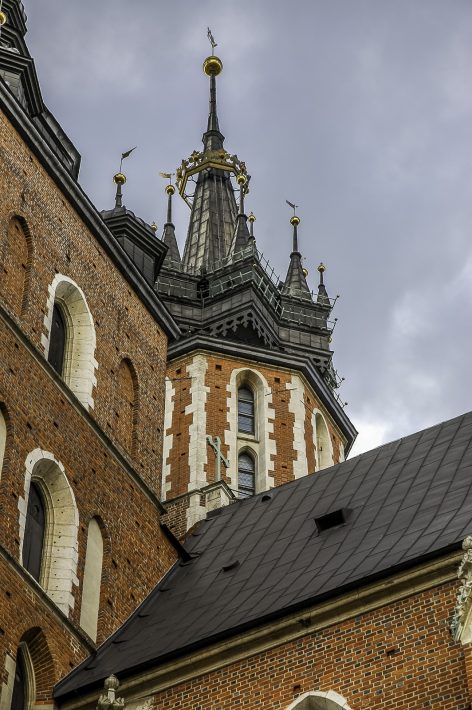
We sit next to the Basilica of St. Mary for a rest, planning on going inside, when Mass begins and we realize we won’t see the interior this year. Disappointing, but we’re all probably too tired to worry much about it.

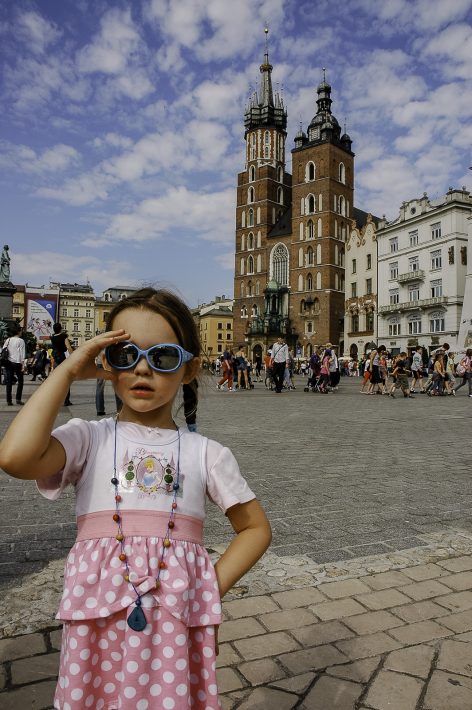
The views from the outside are spectacular as it is.

Finally, it’s time to go: the call from K’s brother has come. He and his family are on their way home. Suddenly, we’re in a hurry. Still, there’s always time for a little ice cream.

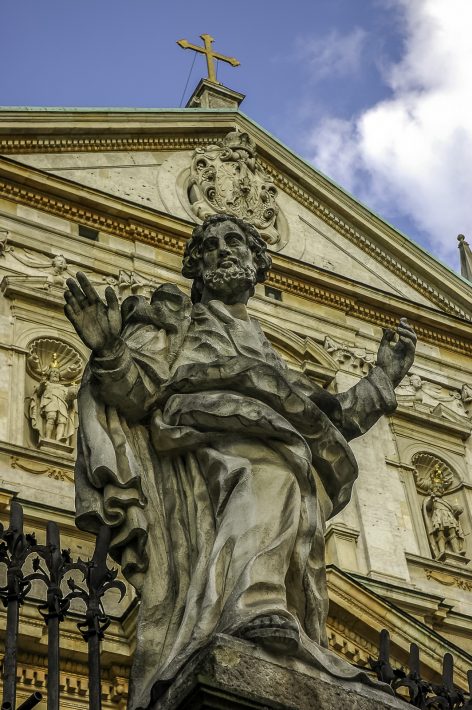
And a shot of one of the famous statues in front of the Church of Saints Peter and Paul.

A couple of last glances and we’re back at our car.

The spell is broken as we fight our way out of Krakow: aggressive drivers, narrow roads, unexpected detours, and exhaustion all make it more difficult. Next time, perhaps we’ll just buy a small apartment on the rynek.

Krakow I

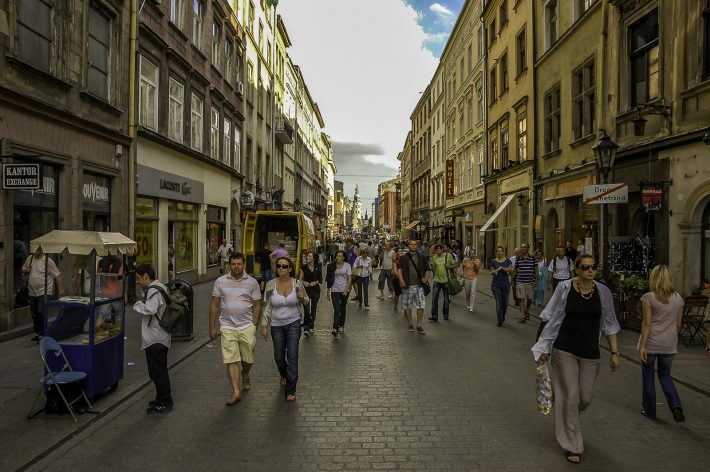
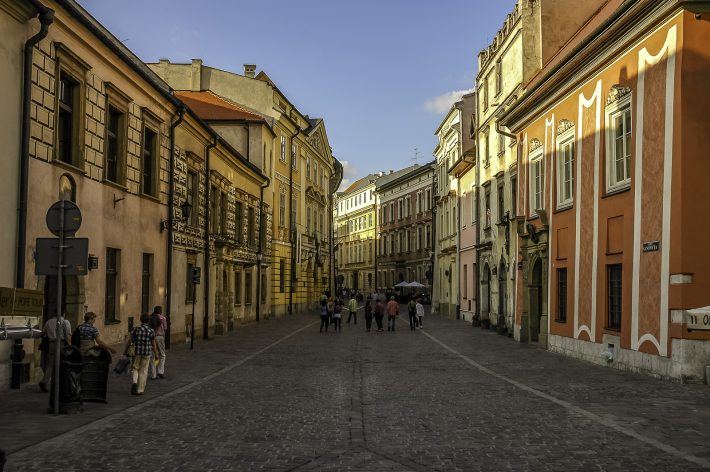
For everyone who visits it, Krakow holds a special place in their memory. Its cobblestones, countless chapels, churches, hidden cafes, hundreds of churches, and enormous market square invite wandering.

I’ve been to Krakow more times than I can remember; K lived in Krakow for five years. Yet despite all the time we’ve spent in the city, a visit to Krakow is a highlight of a trip to Poland. To come to Poland without going to Krakow is simply unimaginable.

We park on the Wawel castle side of the old town and approach the rynek from the opposite corner, along Grodzka Street.

Wawel is to be our focus for the first part of our visit: with L now able to state her desires and shout her complaints, we have to make slightly different plans. Visiting the Wawel dragon, making the journey though the dragon’s cave, shopping for Polish-language children’s books,  feeding the pigeons on the rynek.

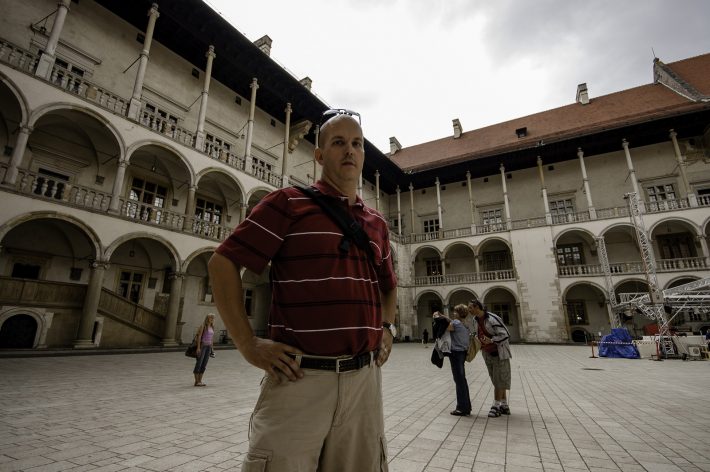
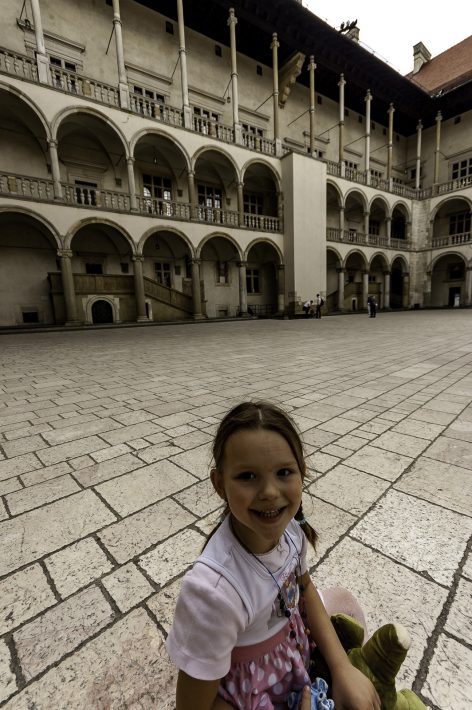
We begin with a stroll through the grounds of Wawel castle, the royal residence.

To take a tour of the residence would be something of a waste: L would get little out of it, and K and I have taken the tour many times ourselves. Instead, it’s a refreshment walk — a nostalgia tour.

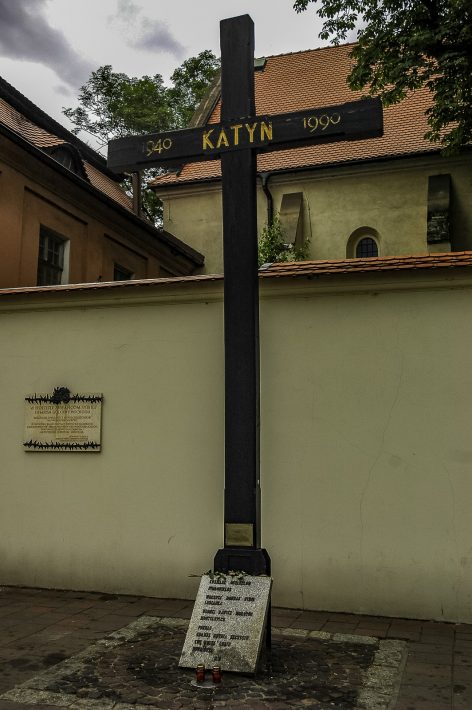
We do, however, head to the grave of Lech Kaczynski, the Polish president killed earlier this year in a plane crash. He was on his way to celebrate the anniversary of the Katyn massacre, but became a victim himself. Ironically, just down the street from his final resting place is a monument — one of many — to the victims of Katyn.

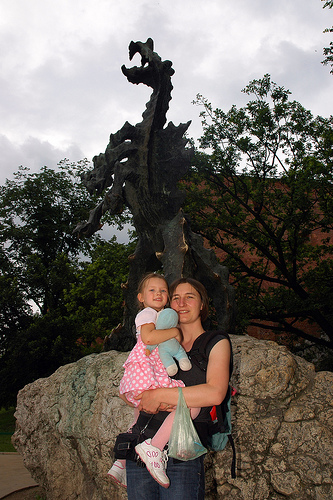
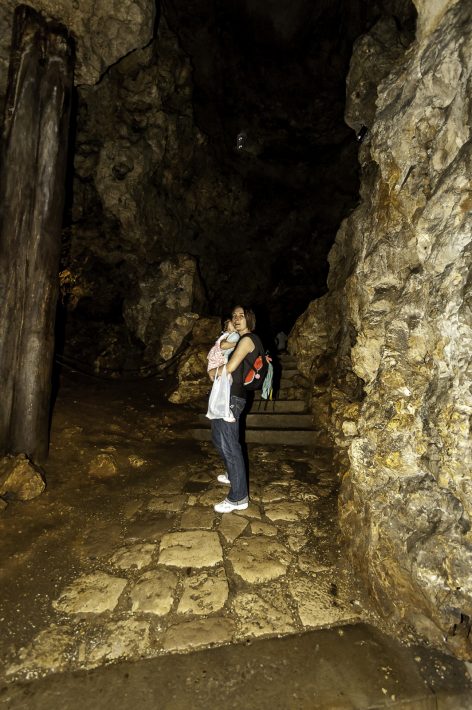
We also head into the cave of the Wawel dragon.

According to legend, the Wawel dragon (“smok Wawelski” in Polish) tormented the inhabitants of ancient Krakow by, well, eating them and their livestock.

DSC_4148

The king sent all the knights to destroy the dragon, but predictably the reverse happened. As in most legends, it was a commoner — in this case, a cobbler’s apprentice named Skuba Dratewka — who saved the day. He placed a lamb carcass stuffed with sulfur outside the dragon’s lair.

The dragon drank so much water from the Vistula River that he exploded. Problem solved, and Dratewka got his reward: the king’s daughter’s hand in marriage.

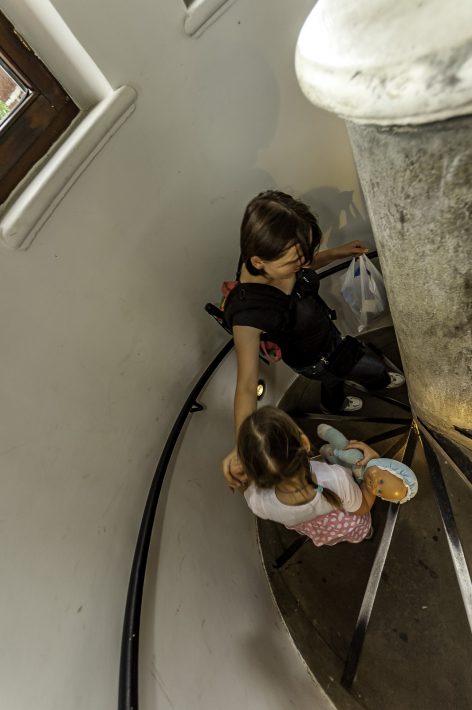
Modern visitors to Wawel gain access to the cave via a long spiral staircase that seems to fall endlessly into the ground.

L becomes frightened, refusing to walk on her own. “Hold me! Hold me!” It’s understandable: after all, a dark, tight, slippery stairway is unnerving even for us adults.

By the time we make it to the bottom, though, two things are evident: first, we have to see some pigeons; second, we have to eat. And soon.

To be continued…

ZÄ…b

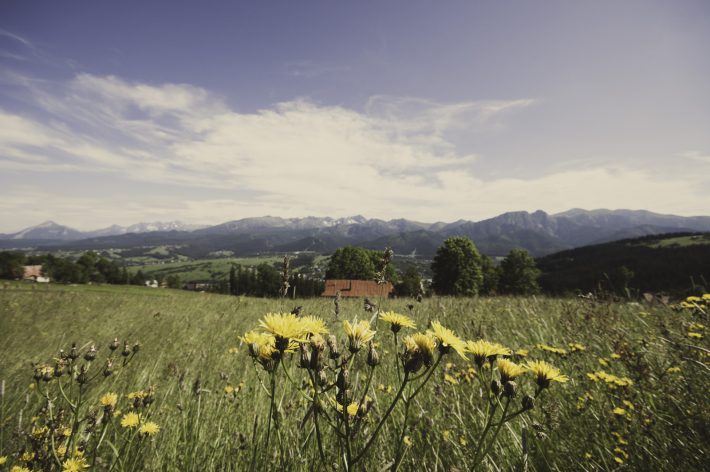
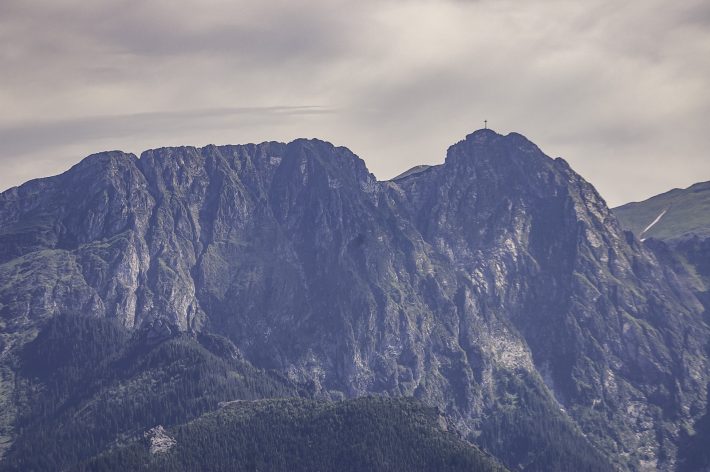
In many ways, the visit to ZÄ…b is the highlight of any trip back to Poland. As the most elevated village in Poland, ZÄ…b (Polish for “tooth”) offers incredible views; as K’s mother’s home village, it offers wonderful visits with family.

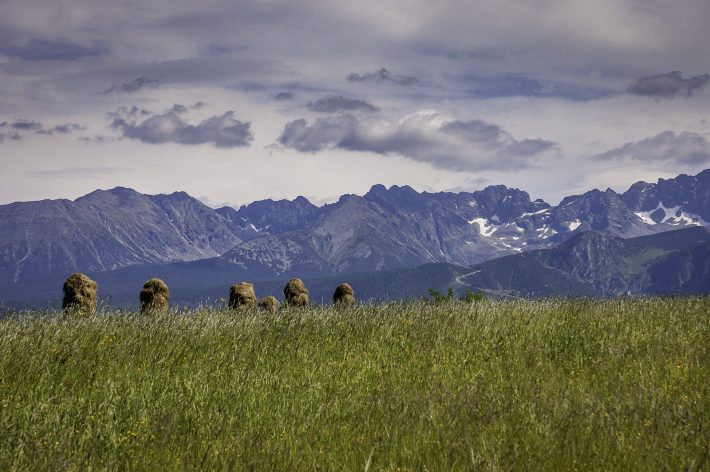
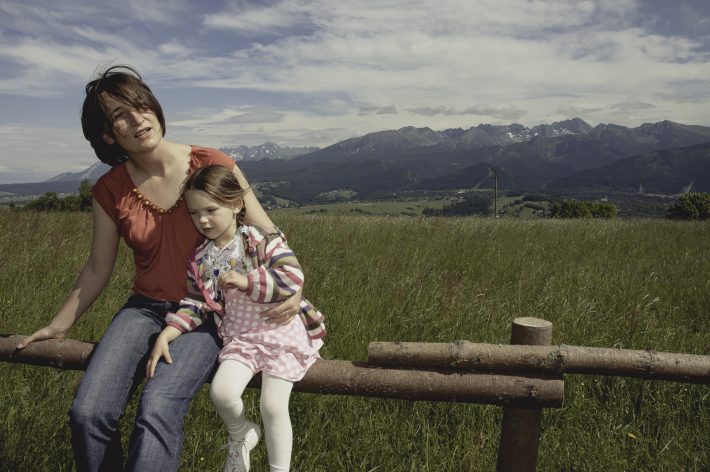
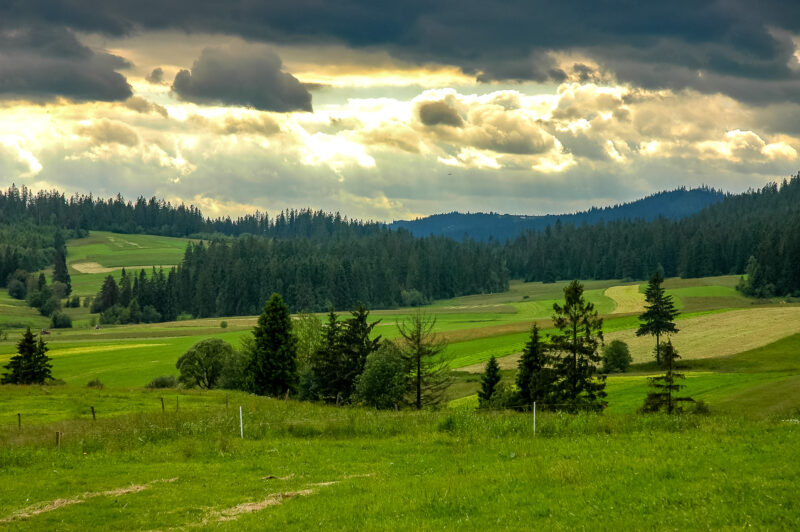
The views are indeed spectacular. From a field called Formanowa, the Tatra Mountains stretch out in their entirety just a few kilometers away.

It’s a beautiful spot, and it’s still — for now — only used as a hay field. Certainly, it’s the most valuable hay field in the world: I’m sure there are many developers who would be more than happy to build on land with such a view.

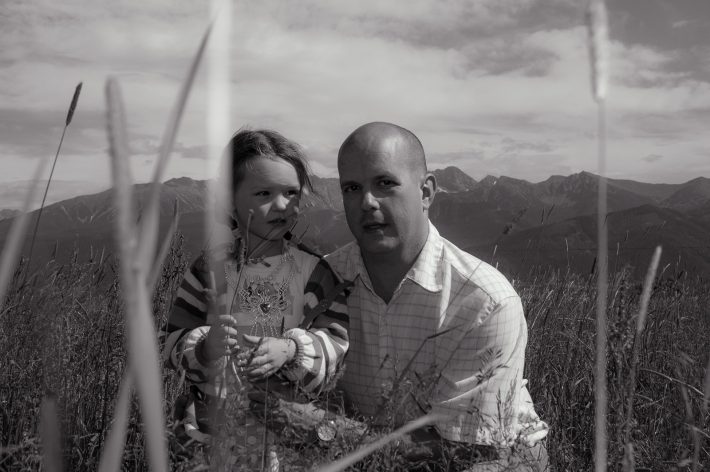
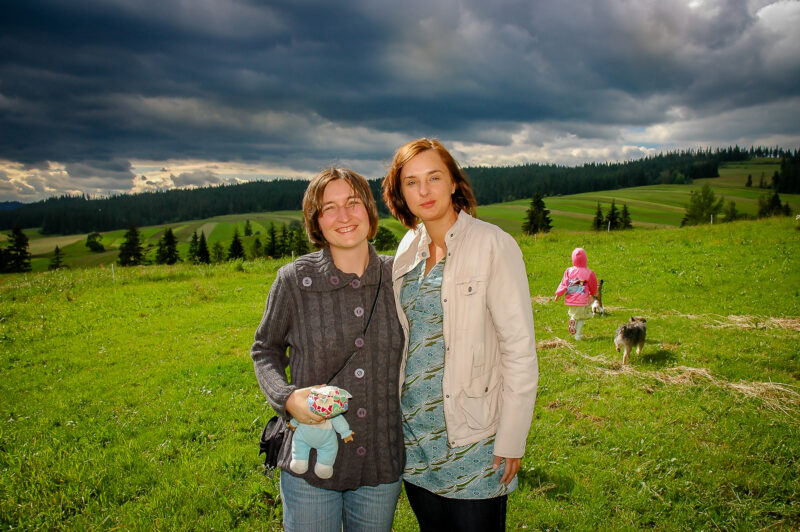
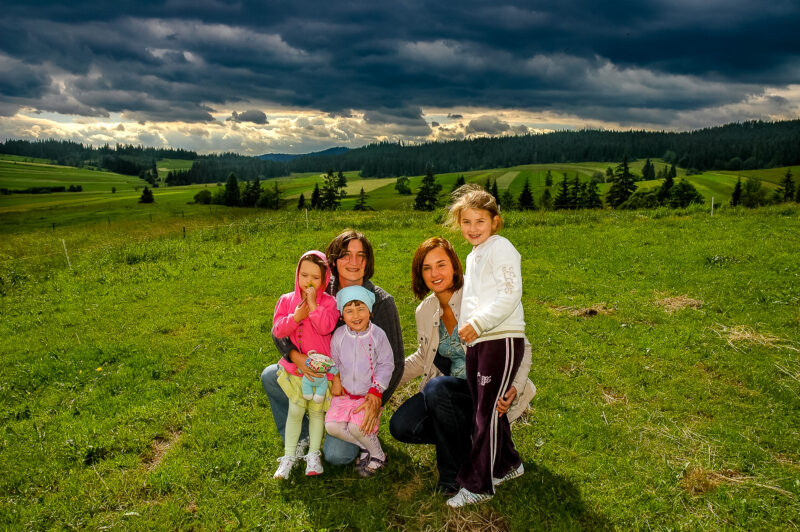
For now, it’s a spot for taking portraits

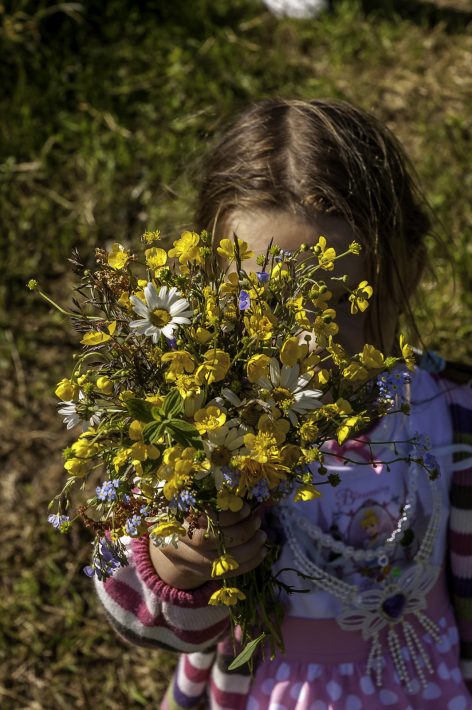
and picking flowers for great-grandmother.

“When you see great-grandmother, don’t be afraid,” K explains. L has had very little experience with the elderly, and we don’t know how she might react. It turns out our worries were for naught. But let’s not get ahead of ourselves. There were still more pictures to take and flowers to pick.

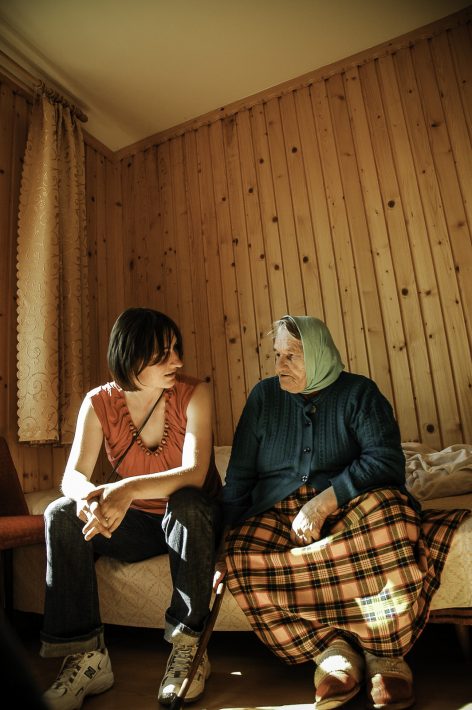
When we arrive at K’s godmother’s home, we find Prababcia (great-grandmother). L immediately follows, holding the flowers out in front of her, offering them to Prababcia. For now, Prababcia is simply tired and wants to sit down.

As K and Prababcia sit in her room, Prababcia begins to tell stories about the Second World War. Stories about the Nazis demanding information about the number of Jews and Gypsies in ZÄ…b and the leader of the village plainly lying: “There are no Jews here, nor Gyspies,” though there were a few of each. Stories of villagers being arrested, hung, tortured, and shot. Stories of survival.

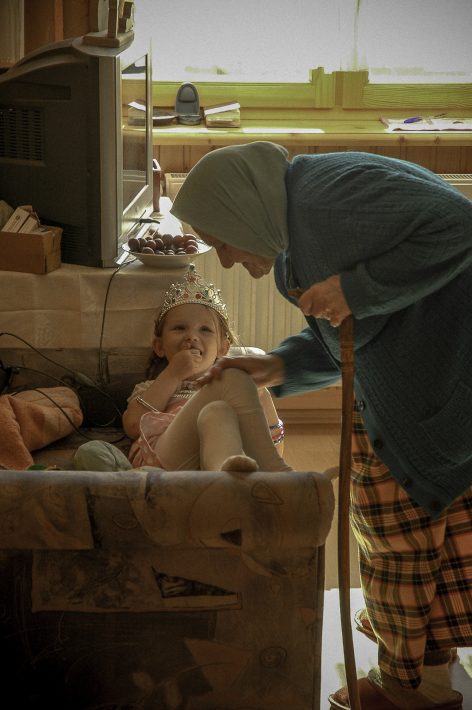
L and Prababcia hit it off immediately. When the rest of the family arrives, and we go to the living room to sit and talk, Prababcia and L retreat back to Prababcia’s room. L prances and dances about the room, singing, “My kochamy ciebie.” “We love you.” Prababcia sits and smiles, then gets up to tickle L. Fortunately, I’m passing through the hallway, near the camera bag.

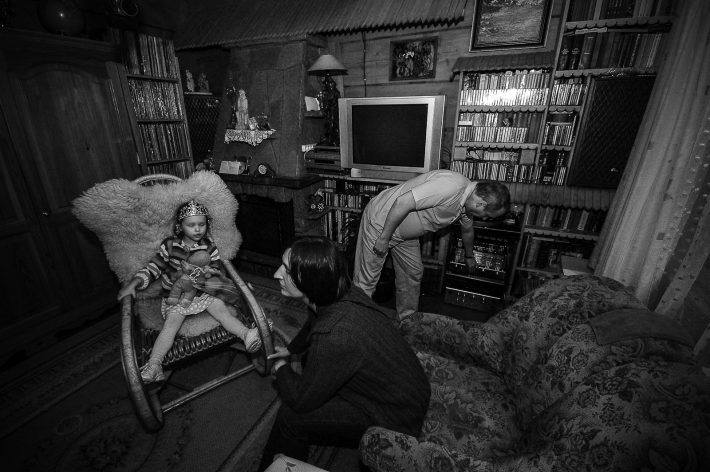
A visit with an uncle who still lives in the family home (“This is where grandma grew up,” K explains to L as we enter.) brings the day to a close. The only thing that could make it better is a perfect sunset.

Multi-Purpose Party

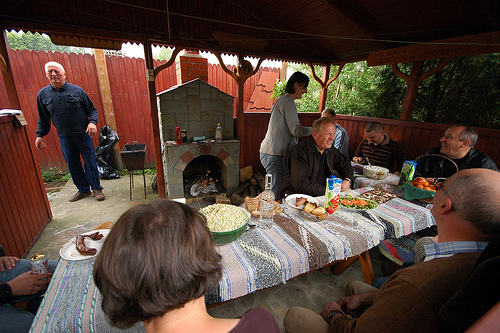
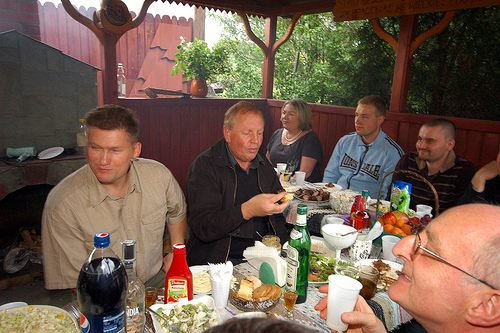
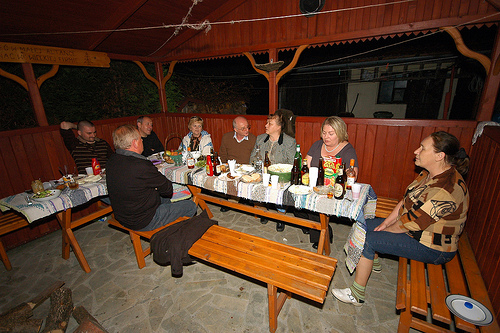
Most folks don’t need an excuse for a party. We had two: first, it was my father’s-in-law name day recently. In Poland (as in many countries), that’s more important than a birthday. Second, the Americanized daughter returned for a visit.

As is often the case, pictures are better suited for describing a party than words.

DSC_3961

DSC_3971

DSC_3979

DSC_3981

DSC_3986

DSC_3987

DSC_3990

DSC_3995

DSC_3996

DSC_4002

DSC_4013

DSC_4022

Slovakian Walk

It wasn’t supposed to rain. “Bedzie pogoda,” everyone says, which is oddly appropriate when literally translated. A word-for-word translation is, “Will be weather”; a less literal reading: “There will be weather.” It seems a little odd: there’s always weather. Still, it’s synonymous with “There will be good weather.”

“Bedzie pogoda.” Not quite. But at the very least, “Bedzie spacer…”

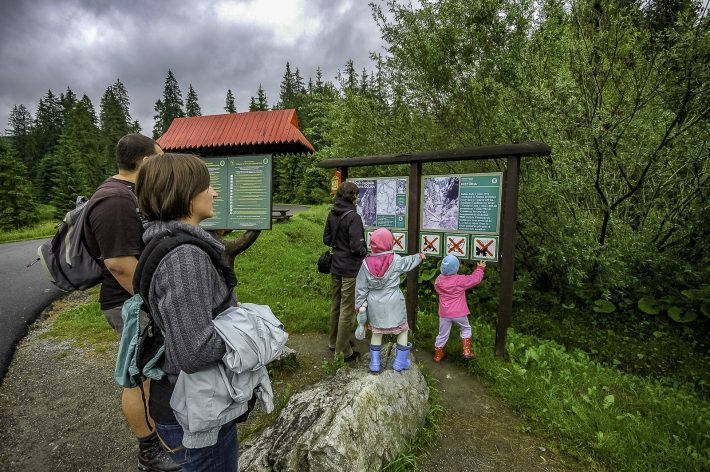
And there will be signs. With two little girls under the age of five, we had to turn it into a game. Easy enough: let’s look for the path marks.

And so off we went. The sequence was simple.

Adult: “I see one.”

Children: “Where?! Where!?”

There were plenty of places they didn’t look but I did — not for signs of course. For something less concrete, literally and figuratively.

In some ways, shooting in heavily overcast conditions is easy: it makes one look less at the sky and thus focus on the things at hand. On the other hand, the light can be, at best, tricky.

Given the wet, slippery conditions, I wasn’t the only one looking down instead of looking up.

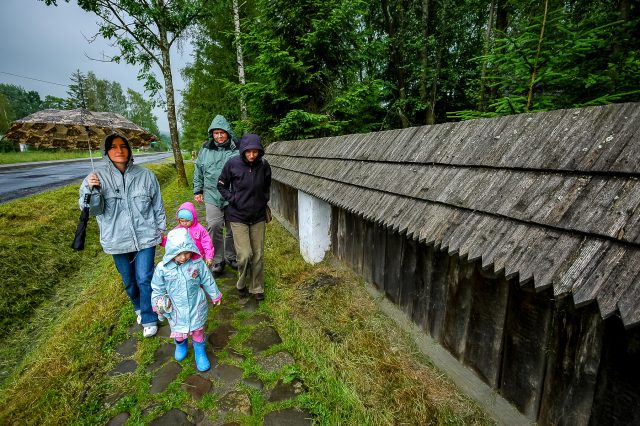
Yet the hunt for the signs continued. Through the forest, through the meadow, we looked for the elusive marks. When they became obvious (striped stakes driven into the ground beside the path), the girls become somewhat blind to them.

But the moment of discovery was as exciting for us as the girls.

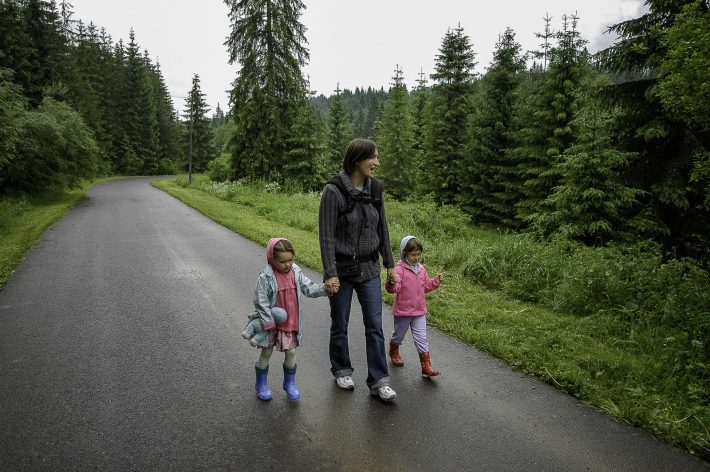
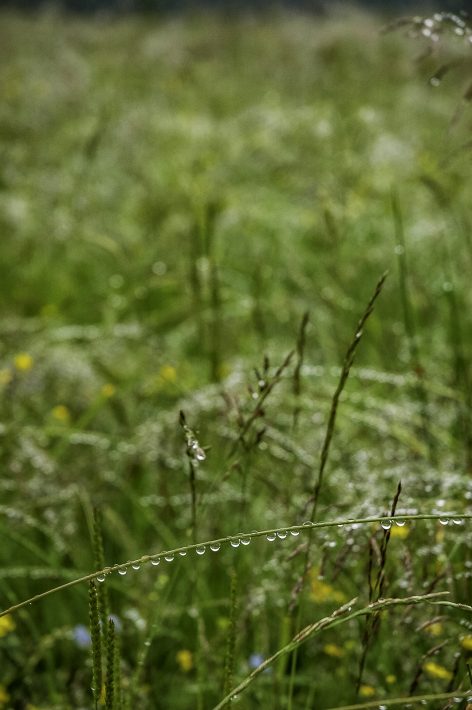
But for a great deal of the time, it was just walking. As the lingering droplets on the grass made our pants increasingly wet, it started to become a question of plodding.

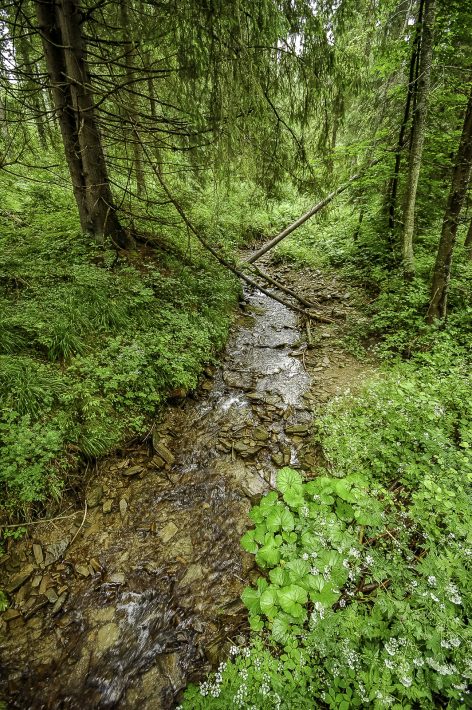
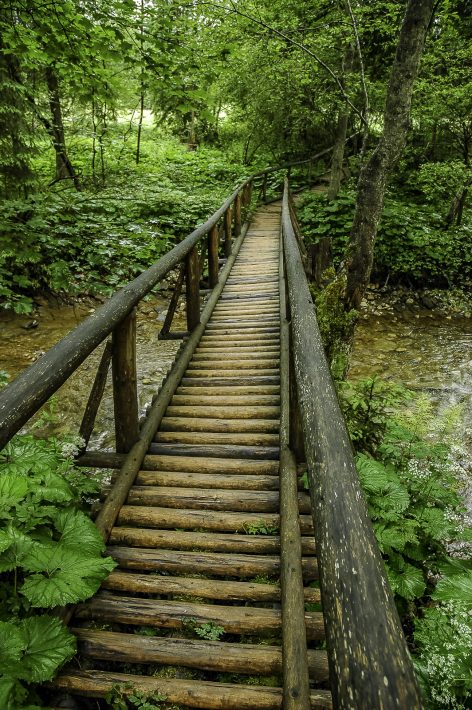
Finally, we got to the forest, and the “almost” plodding became pure plodding as we slogged our way through mud and up hills, the girls on shoulders or strapped to one’s back.

Once we got back onto the paved path — an oxymoron? — the frustration lifted, as did the clouds.

By the time we returned home, the sun was breaking through the clouds.

It sort of figures.

Orawian Time Machine

We’re reliving the past in more ways than one. The promised sun disappears; plans change.

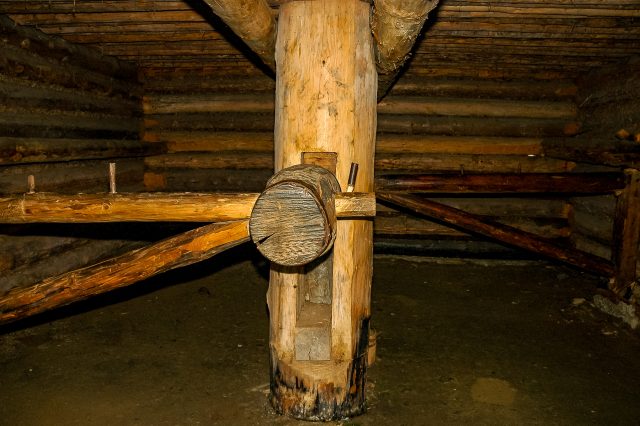
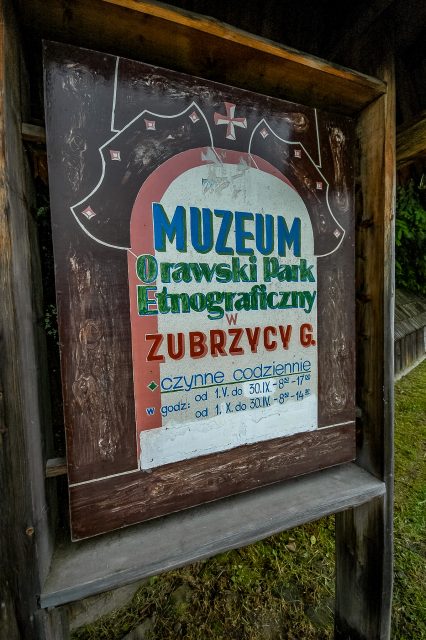
We end up visiting the outdoor ethnographic museum in Zubrzyca Gorna — for probably the fifth time.

Certainly, it was a different age altogether. Survival was at stake; comfort was an after-thought. That was what Christmas and Easter were for: a few creature comforts.

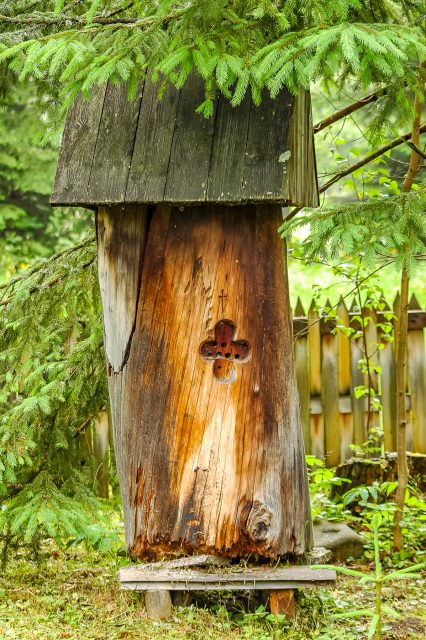
We wind through the museum, seeing how Polish highlanders kept bees in the eighteenth and nineteenth centuries,


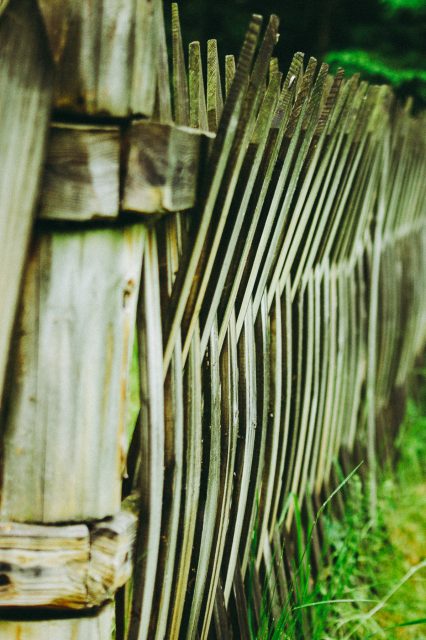
how they made fences (theoretically without nails, but in this particular case, clearly with modern intervention),

and how they forced oil out of flax seeds long before electricity and hydraulics made the task simpler.

In many ways, such a life is enviable. Sure, no Facebook and cell phones, but the slower pace and rough, subsistence living created in everyone an appreciation for what was, and a realistic understanding of the difference between wants and needs.

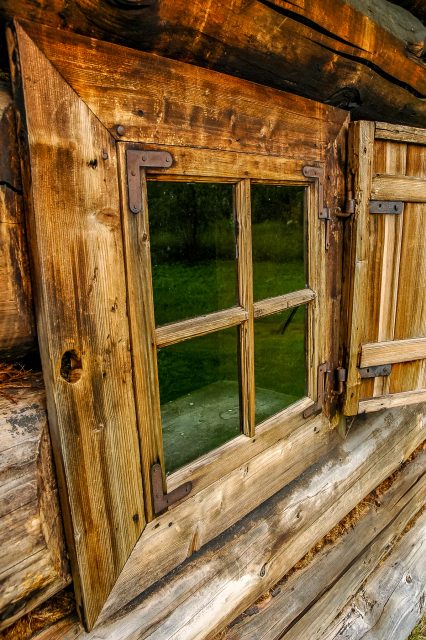
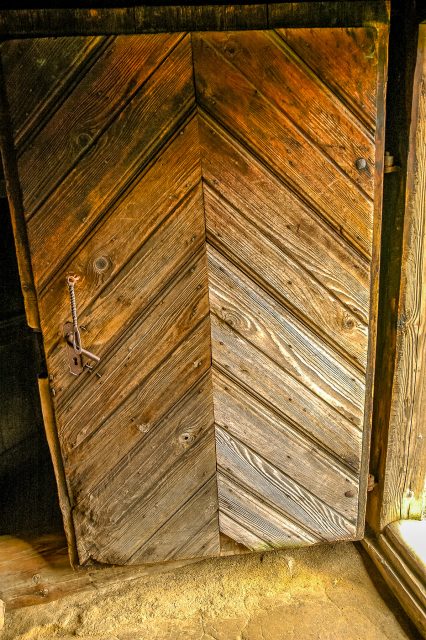
A roof over one’s head, windows and doors to keep out the cold:

Things we take for granted as we reach for more and more were, at the time, the goal.

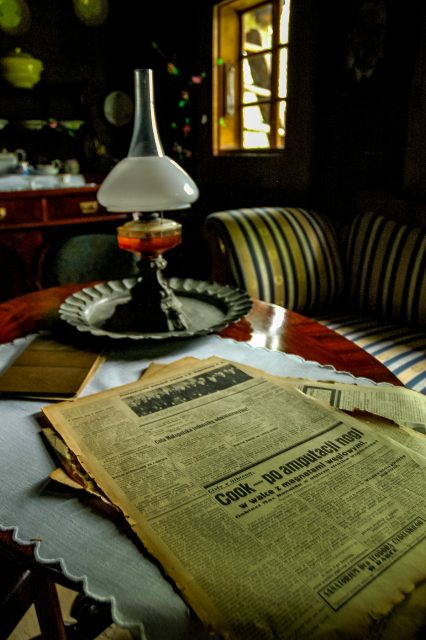
Visible headline: “Cook — after amputation of leg”

Leisure was a thing for the relatively rich. Even then, simple pleasures: reading a month-old newspaper by lamplight.

The same might be said of the soul: spirituality was not something to be squeezed in between recovering from a hang-over and watching the afternoon football game.

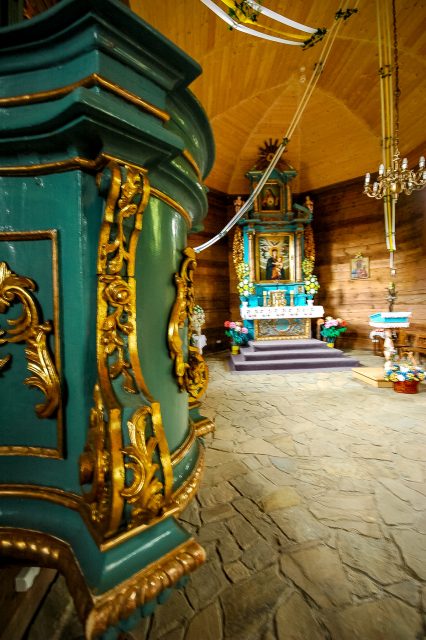
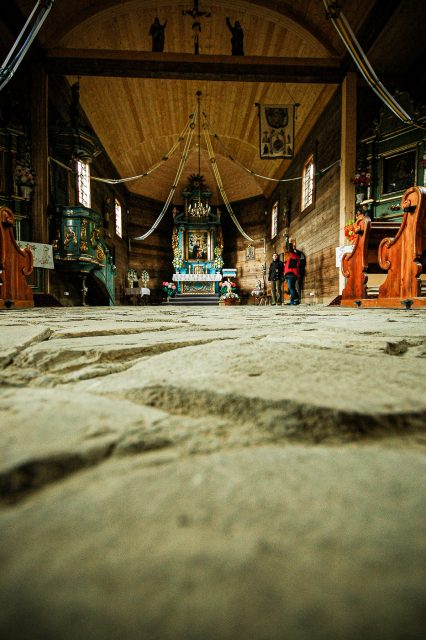
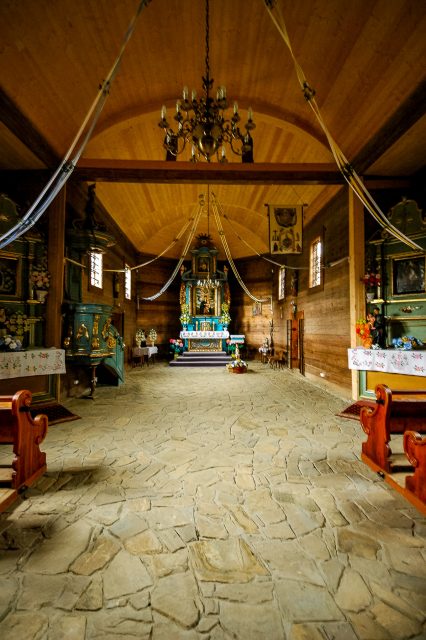
I used to be horribly offended at the reality of beautiful churches built in the midst of poverty. “Think how many mouths those resources could feed,” I’d say, as if the body is the only thing that needs nourishment. In the last few years, I’ve come to understand a couple of things: first, these churches were not built at the expense of the poor: usually, the rich subsidized the construction (probably with mixed motivation).

Second, these churches served to provide something of an aesthetic oasis for many. Finally, if one believes in the doctrine of the Real Presence, wouldn’t one want to create the most beautiful house possible?

More photos available at Flickr.

Friends and Landscapes

13a

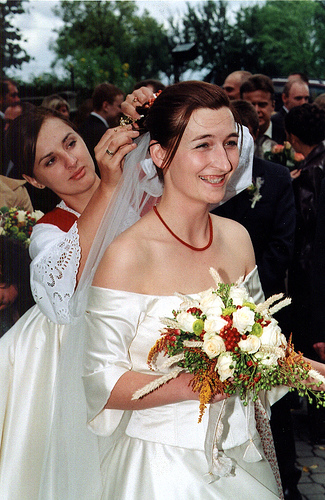
D has been K’s best friend for as long as I’ve know K, and at least ten years longer. She was K’s guardian angel during our wedding, always fixing K’s veil, K’s hair, K’s dress — always fixing.

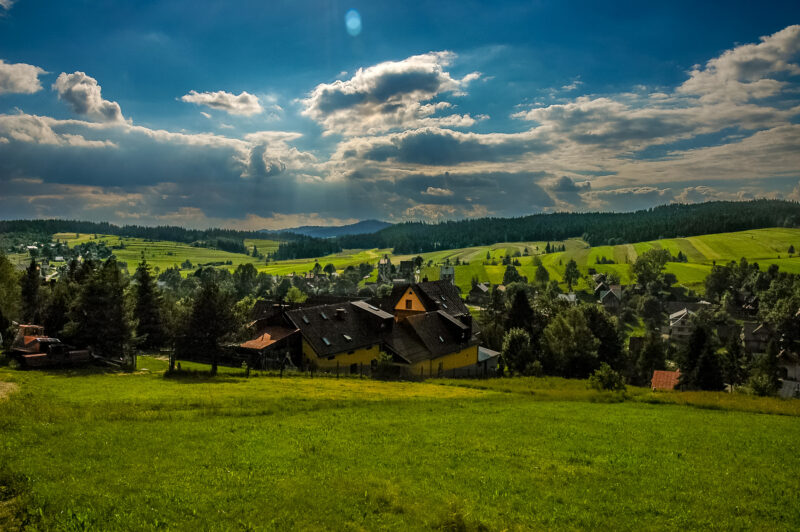
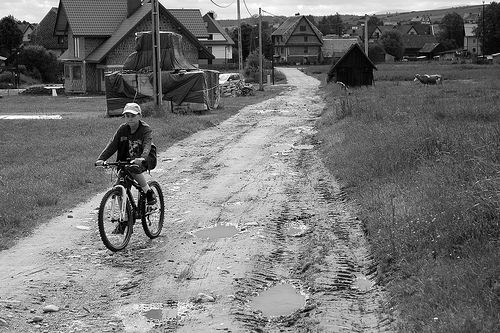
Today, we went to the village D and her family now call home: Pyzowka. I could go on and on about this and that, about how it’s such a beautiful village situated perfectly in hills that look on mountains. About how the girls loved the visit, especially the time wih D’s daughter. About how the time with good friends always ends up with smiles and laughter.

I could go on and on about all that, but the pictures speak for themselves.

Pyzowka is a village that in a sense no longer exists in Poland. Villages that used to rely on farming and were powered by horses are no longer either. What has happened? A mass exodus? Demographics? Perhaps a little of both.

My own experiences in Lipnica — itself a time machine — many children paid special attention to English lessons because they promised the possibility of escape.

One former student told me, “One woman I clean for asked me, ‘Where did you learn to speak English well?’ I replied, ‘I had a great English teacher.'” I was flattered, to say the least. And I saw for the first time how I sold the only ticket out of the village.

“It’s better than working in the fields.”

Often I saw my students working in the fields over the summer. For them, a summer break made sense, for they still lived the reality that inspired the summer break throughout the Western world. In the States, I’m not so sure it’s necessary.

And so everyone wanted to escape. And I returned. And probably would return again if the stars aligned themselves.

After all, who could ever think of escaping views like this?

“If I lived in Pyzowka,” I told K, “I would to for a walk every stinking day.”

“I know,” she replied.

“Today didn’t stink!” proclaimed L from the back seat.
Point taken.

Still, if you had views like this, wouldn’t you head out for a stroll as often as humanly possible?

And if you had friends like this, wouldn’t you visit them as often as possible?

Portions

One of the many things to love about the slight differences between Europe and America:

DSC_3446

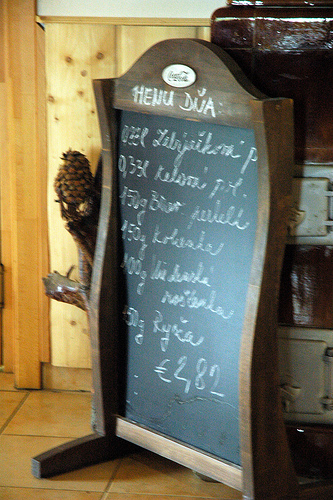
Along with prices, menus include the size of the portions.

The Cold and the Rain

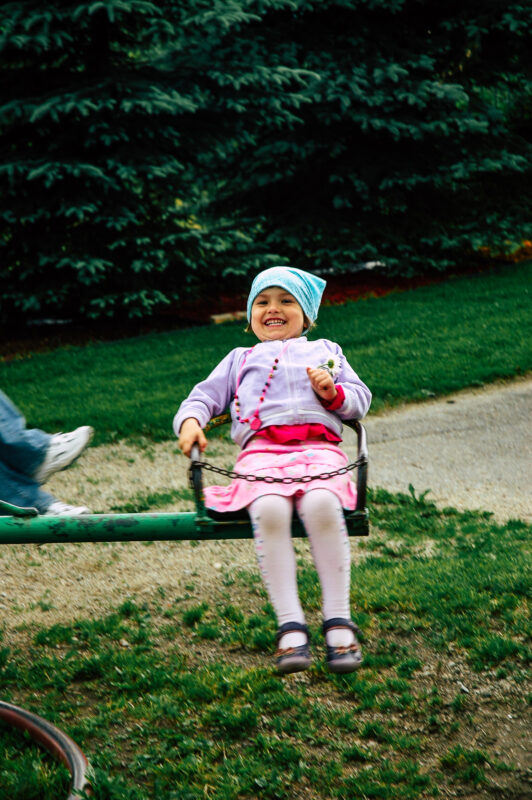
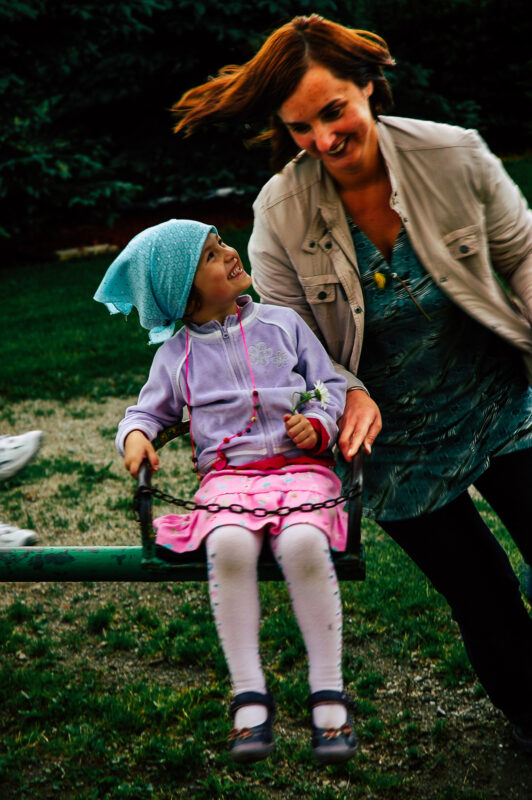
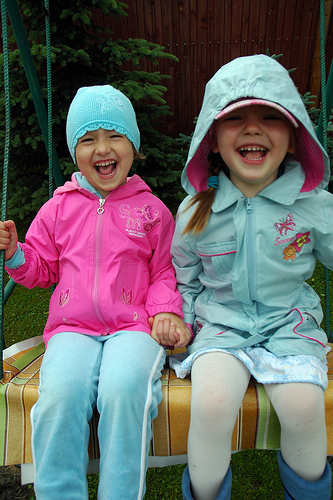
Rain, ten degrees Celsius — you might say that it’s a perfect Polish summer, but that would be too pessimistic. Yet rain or shine, the cousins must swing.

DSC_3325

And play in the small play house Dziadek built.

Yet there is a bit of frustration. L understands Polish perfectly; her willingness to speak it is a different situation entirely. As they’re swinging, S asks, “Dlaczego ciagle mowisz po angielsku?” “Why are you constantly speaking English?” “Dobra pytania” I respond, yet L says nothing. Instead she begins the international language of three-year-olds: she begins making as many odd sounds as possible.

DSC_3329

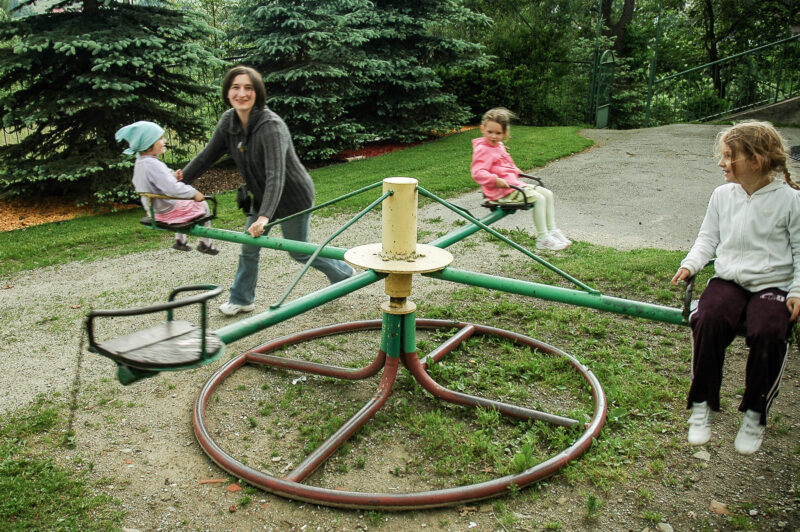
In the end, the swing was the hit of the day. With aunt Dominika, Kinga, and I, the girls must have swung for ten hours straight. Perhaps that’s an exaggeration, but not by much.

DSC_3346

In the meantime, Babcia chases the newest member of the family — a little mixed puppy — for digging up her flowers, for about the tenth time. “Ja cie dam!” cried babcia, half seriously, half in jest. “Ja cie dam!”
DSC_3341

Poles would call such a day “dzien barowy” — a bar day. But we’re not here to sit in a bar. We’re here to visit, and visit with determination. And so we head to the school where I taught for seven years.

DSC_3353

I meet several colleagues with whom I worked even in 1996, but we’re all a little older, a little more experienced. The exception is a young lady who was still in middle school when I arrived fourteen years ago (eighth grade) and now teaches high school. My replacement, one might say, but I guess one would be wrong. Time passes and replacement become irrelevant. All things being fluid in the twenty-first century, talk of replacements is useless.

DSC_3355

As we wonder through the school, I begin thinking about how little has changed, which is the nature of teaching: one spends years in the same grade only to realize that, from a certain point of view, one has been running in place. I stay forever in eighth grade now; in Poland, I stayed forever in high school. The results are, more or less, the same.

DSC_3360

There are some things, though, that can’t be replaced, like a virtual Mama. After dropping by the school, we stop by to visit the family with whom I lived for some time after returning to Poland in 2001. I’m greeted with hugs and “Synku!” It’s like a homecoming. It is a homecoming.
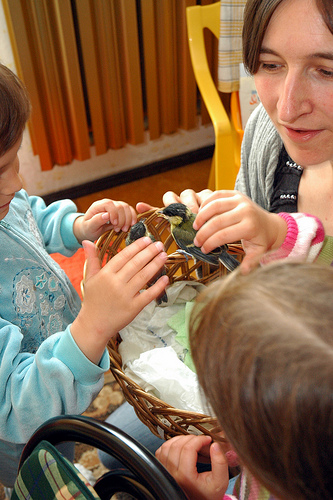
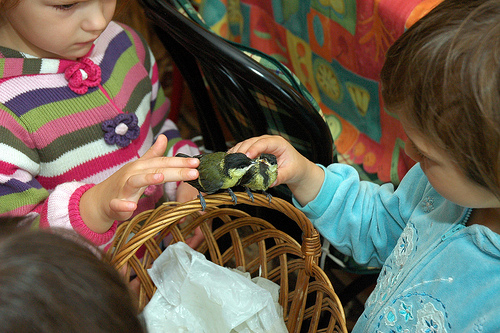
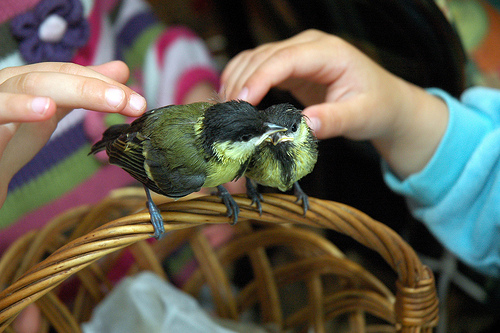
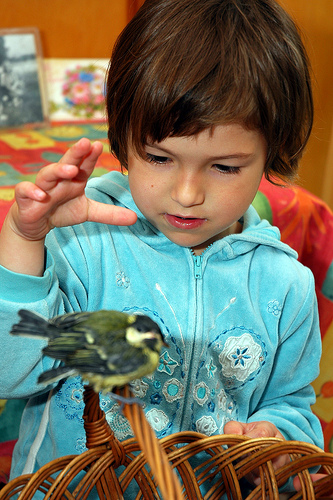
We meet the two chicks my Polish Mother (PM for future references) saved from certain death when they fell from the nest and made just enough noise for her to hear.

DSC_3368

They’re the hit of the day.

DSC_3371

A constant, consistent attraction during our visit.

“I want to see the birds!”
DSC_3373

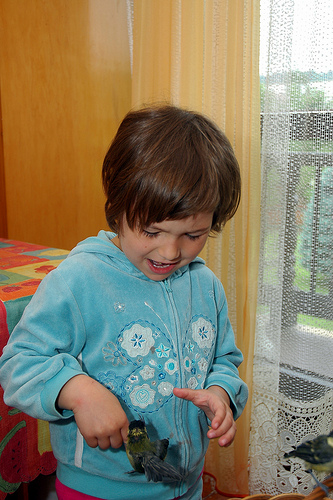
And as a result really get no rest during our visit.

DSC_3376
DSC_3384

But panic builds instincts and reaction. Or so I’m told.

DSC_3398

So I’ve heard, but what do I know? That an evening of football (aka soccer) and assorted liquids makes one less than perfectly willing to blog at eleven o’clock…

Arrival

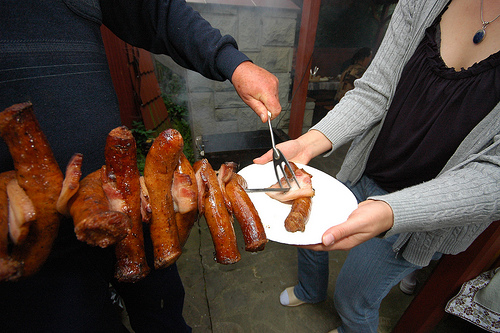
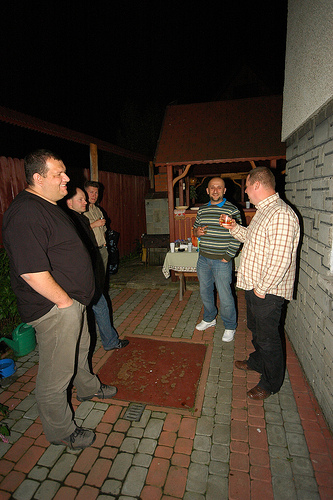
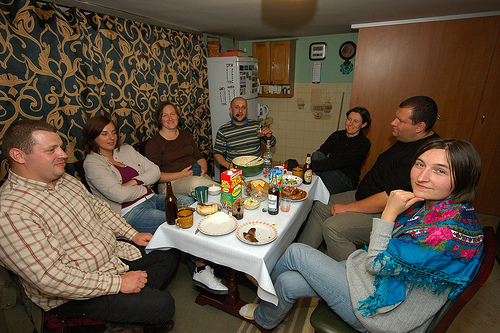
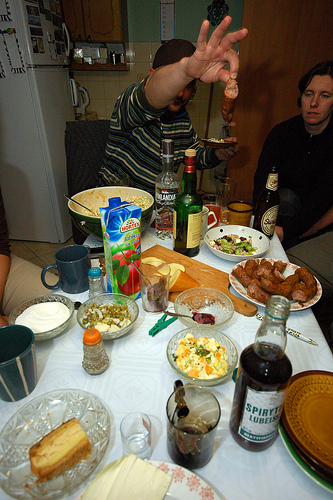
Twenty-four hours’ door-to-door travel disappear the instant the family sits down together for mushroom soup, heavy Polish bread, and the satisfaction of being together again. And then to top it all off, drinks and homemade kielbasa with the father-in-law as we chat and watch Brazil and the Ivory Coast play.

The real joy are the cousins. The girls have met each other once, two years ago. Within a few moments, they were inseparable.

DSC_3310

But in a sense, it’s impossible to believe that I’m able to sit, have a drink, watch football (really: why would anyone call it anything else; and that pathetic excuse for a sport that we Americans call football — punting and kicking off are the only times the foot comes in contact with the ball).

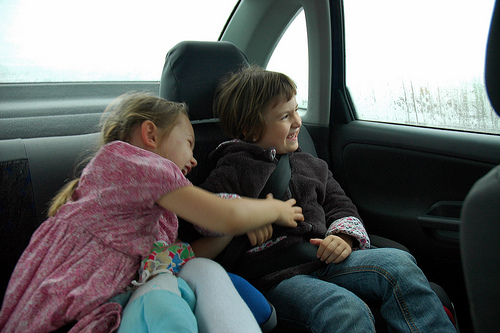
There was quite a lot of travel exhaustion to overcome in order to get to that moment. It began in Charlotte, where the stress level immediately rose as Nana and Papa saw us off. “Why aren’t they coming with us?” L asked.

IMG_0294

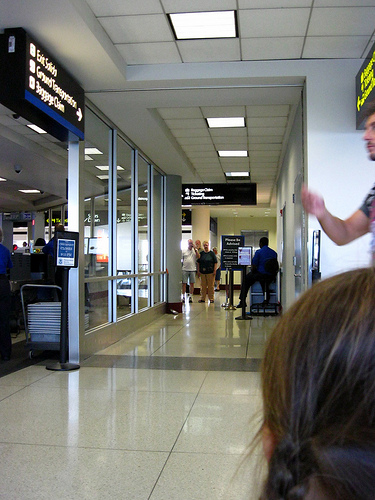
“Security clearance” and “rules” just didn’t make sense to the Girl. “Why can’t they come?” Such an auspisious start.

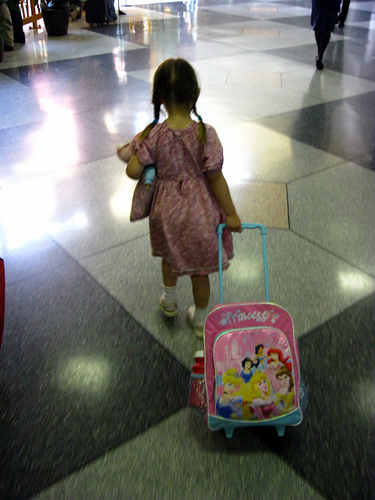
L started the long walk to the gate with heaviness. A fussy girl is not a pleasant traveling companion.

IMG_0298

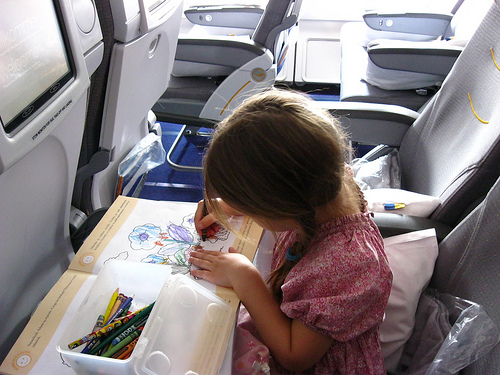
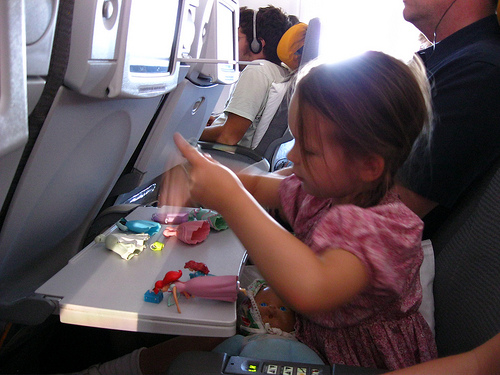
Things calmed down in the plane. A little coloring; a little princess play — soon all else was moot.

IMG_0299

IMG_0302

The trip, though, was endless: a car ride, the first flight, a ridiculously long layover, a short flight, and a 100 kilometer car ride.

DSC_3311

Bottom lines: we’re all thrilled to be back in Poland; we’re all tried; none of us can wait to see what tomorrow brings.

Myrtle Beach

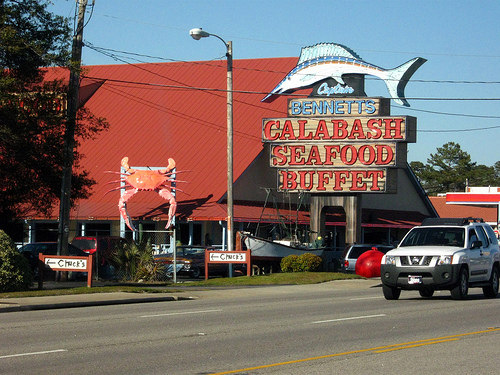
If there is a town with kitsch as the central design premise, it is Myrtle Beach.

As a kid, I’d always wanted to go there. All my friends went there during the summer, and for us southwest Virginians, it was at least a seven-hour journey. It was not a place where one merely spent the weekend.

I finally went to Myrtle Beach this weekend for a middle school conference. It was everything I expected.

All decor seemed to have a heavy-handed marine theme, especially for the restaurants

Picture 280

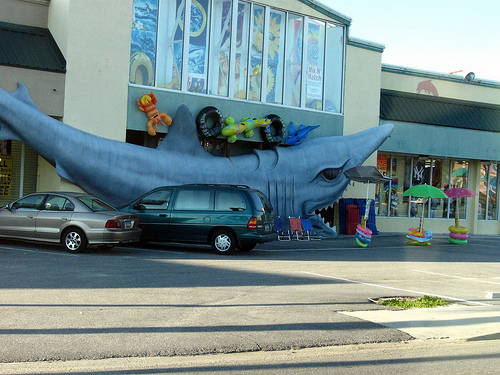
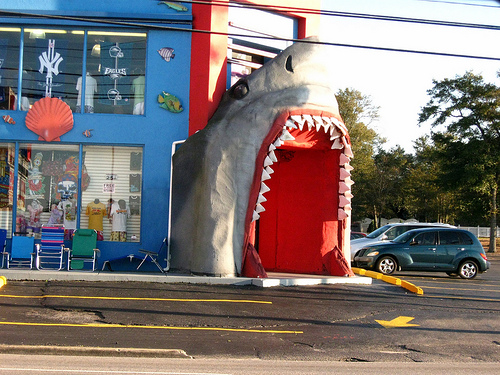
and the stores. My companions and I wondered about the warmth of being invited into a shark’s mouth for a little shopping

Picture 308

Given the fact that all such shops are peddling to tourist, it seems somehow perfectly appropriate.

Picture 311

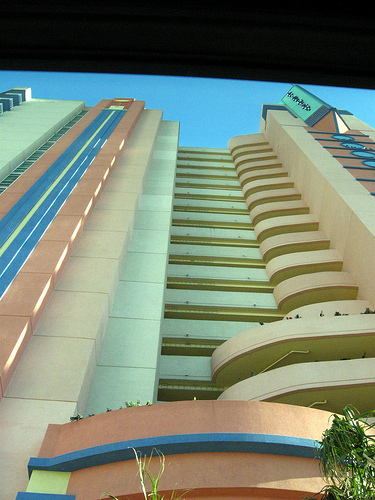
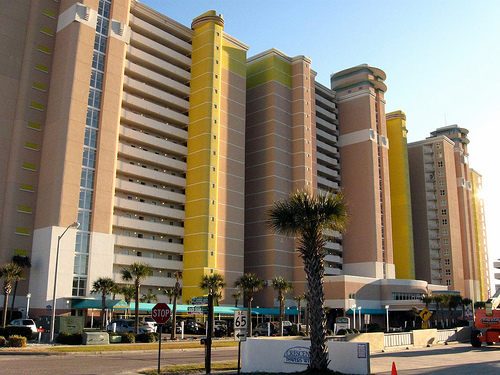
The kitsch extended all the way to the oceanfront, with hotels painted colors that only rarely occur in nature.

Picture 304

Picture 307

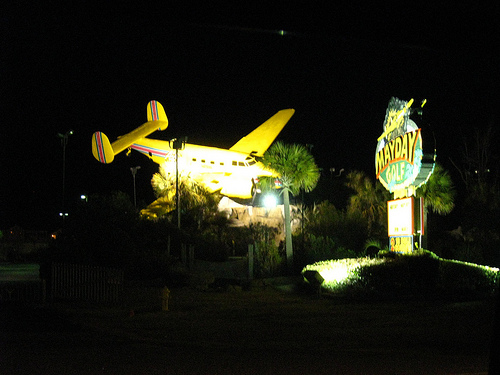
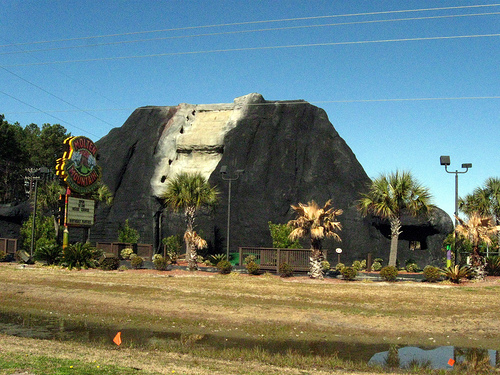
And then there were the mini-golf courses. We counted at least twelve on the main road, each with a different theme applied to the same goal: knock a golf ball through some obstacle.

Picture 340

“Who knew that the market could support this number of courses,” I muttered as we passed by yet another.

Picture 344

But we weren’t there for entertainment but for education, and we all received enough information to make us wish we could turn back the calendar to the beginning of the year and start again. In that sense — as well as the collection of mini-golf shots — it was a greatly successful weekend.

Knobby Knees

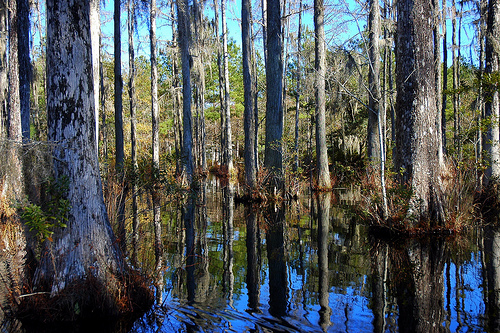
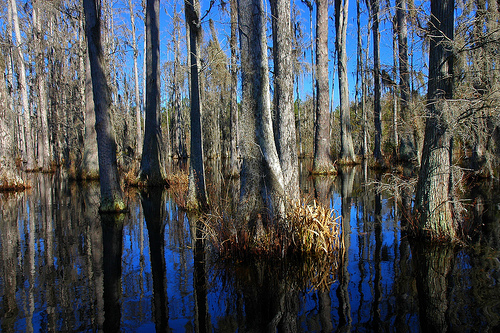
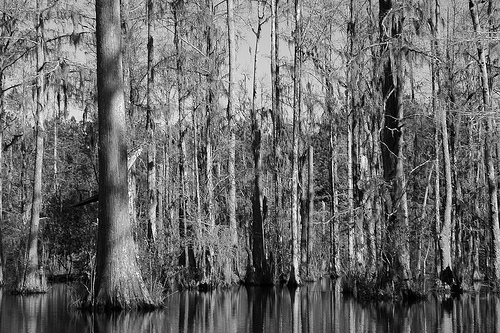
A Monday trip to Cypress Gardens.

DSC_0456

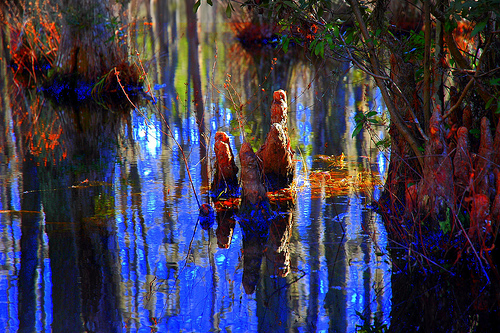
I’m obsessed with cypress knees.

DSC_0457

I would have asked the guide about them,

DSC_0458

about what causes them, about whether they appear in other species,

DSC_0486

about their function.

DSC_0501

But I was sick in the car.

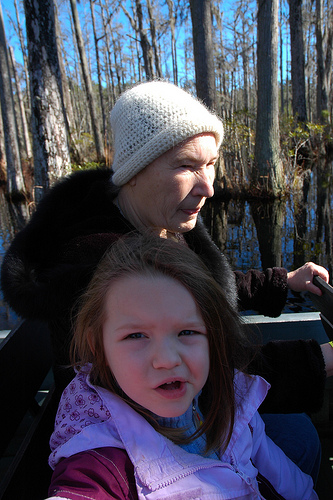
Nice pictures from K, don’t you think?