travel

Dolina Chochołowska

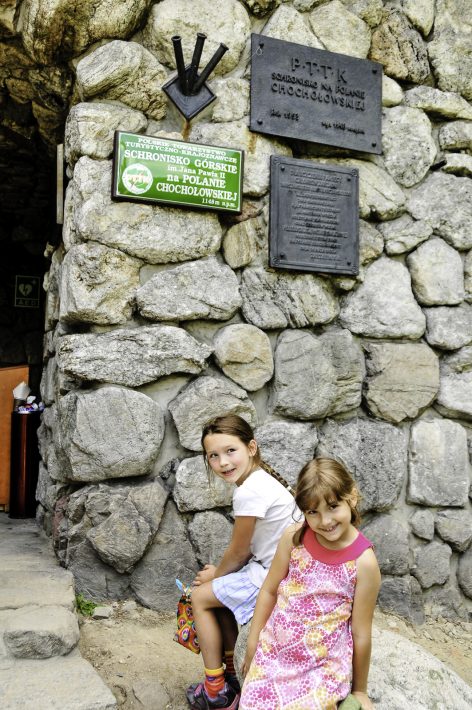
It was a daunting prospect from the start: two little girls not really accustomed to strenuous activity, a nine-kilometer hike that was always slightly inclined and sometimes quite steep, and an un-Polish-ly hot sun. It was an outing I’d been keeping in the back of my mind from the beginning of our visit: a hike up Dolina Chochołowska (Chochołowska Valley) to Polana Chochołowska (Chochołowska Glade).
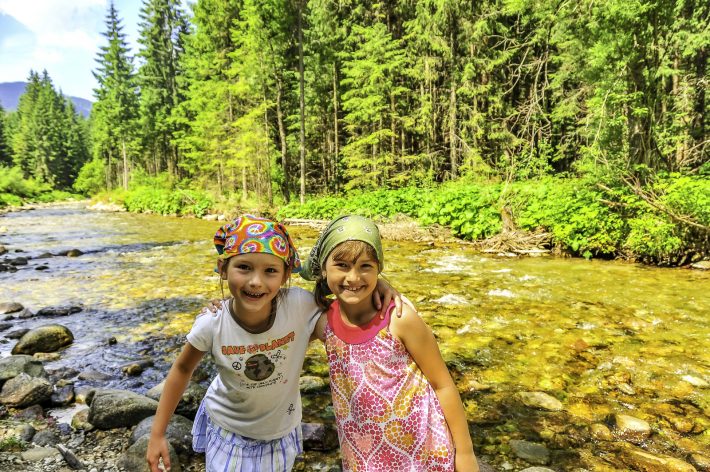
Dolina Chochołowska is one of several tourist routes that promises a relatively easy walk for most everyone. Much of the lovely path, which winds along a mountain stream most of the way, is paved, and there are alternatives to walking for those who don’t feel up to it. It’s a long walk, in other words, but it’s entirely possible for two little girls to make it up the whole path on their own. Indeed, families make the walk pushing strollers, and I saw one man with arms the size of trees rolling up in a wheel chair. In other words, it’s accessible.
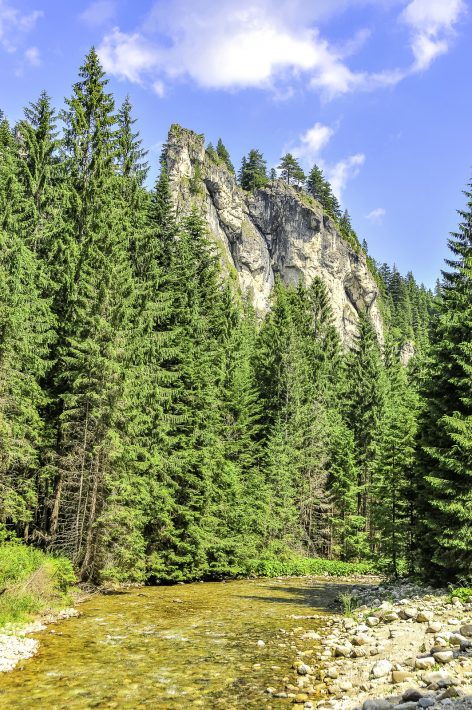
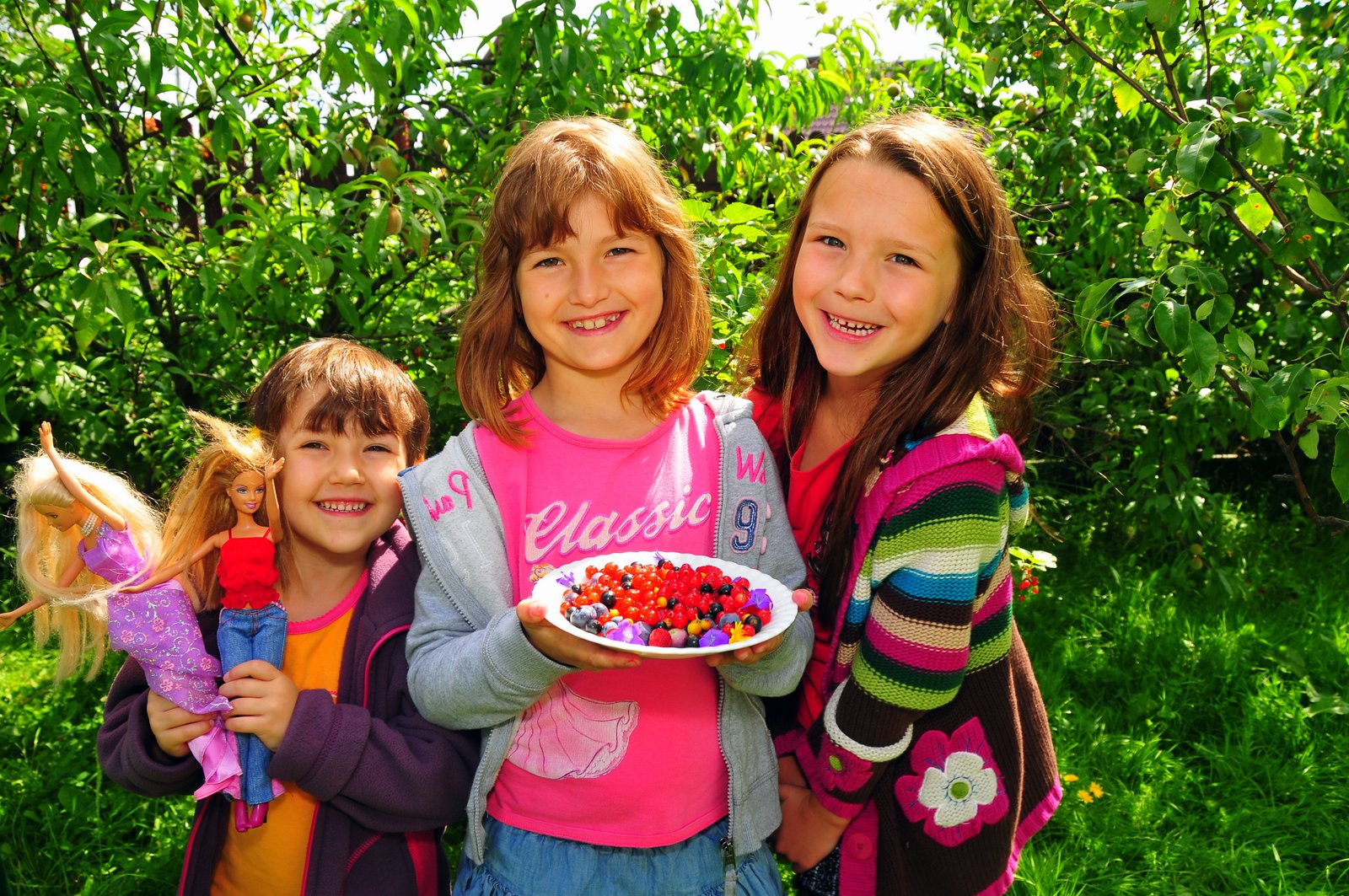
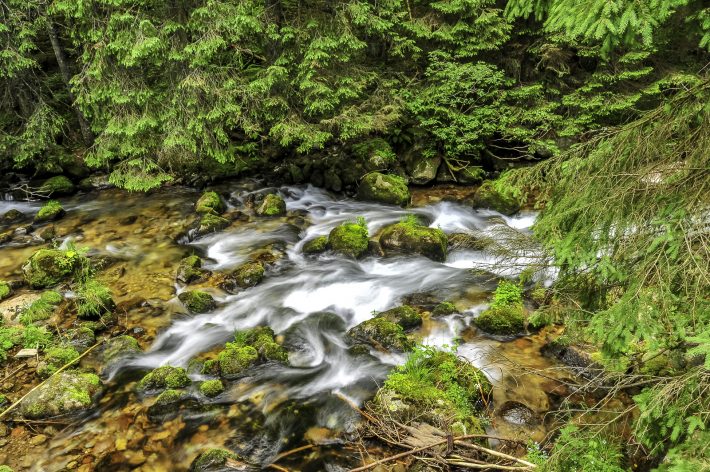
Not to mention beautiful. Most of the path runs just beside a stream, and cliffs jut out on either side of the valley, which is nestled in a coniferous forest. The stream today served as a constant distraction to the tiring walk: the girls wanted to scramble among the rocks along the bank at every possible occasion, and given the fact that I wanted the outing to be truly fun and not just an exercise in, well, exercise, I let them head to the stream whenever they wanted. They pretended to rescue stranded fish, save threatened turtles, and plan bridges and dams.
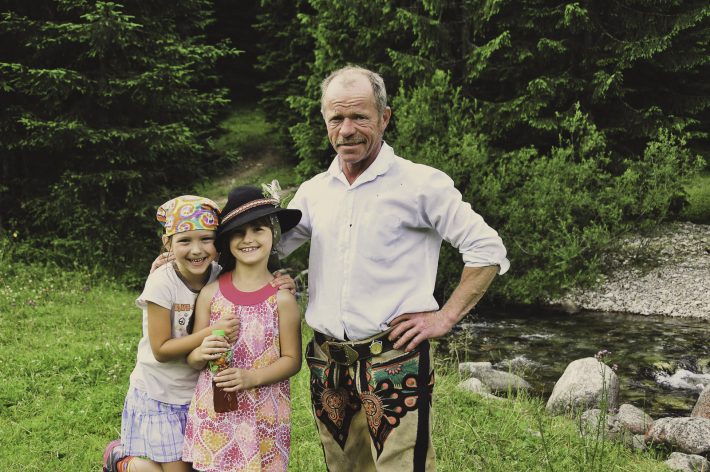
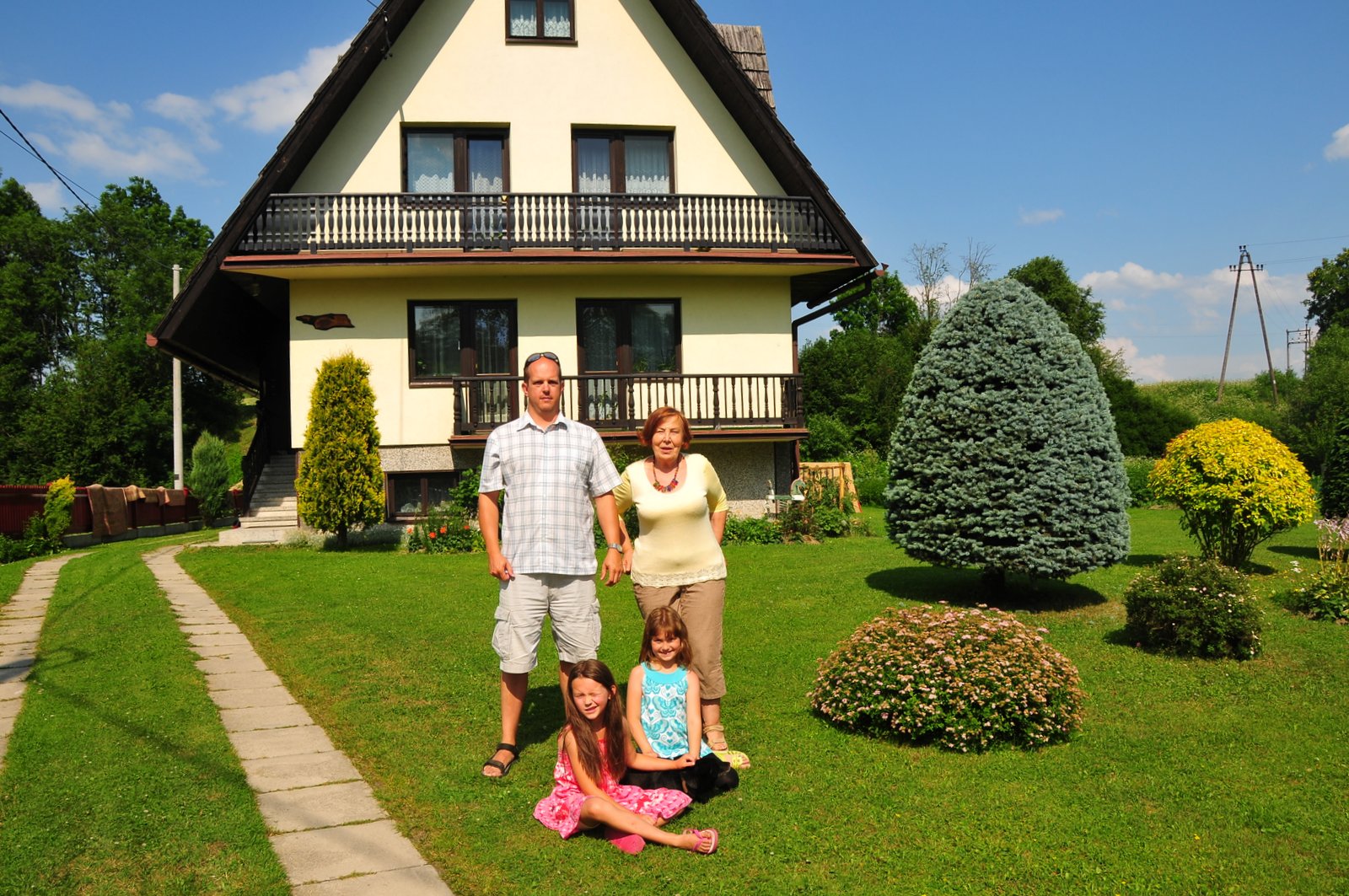
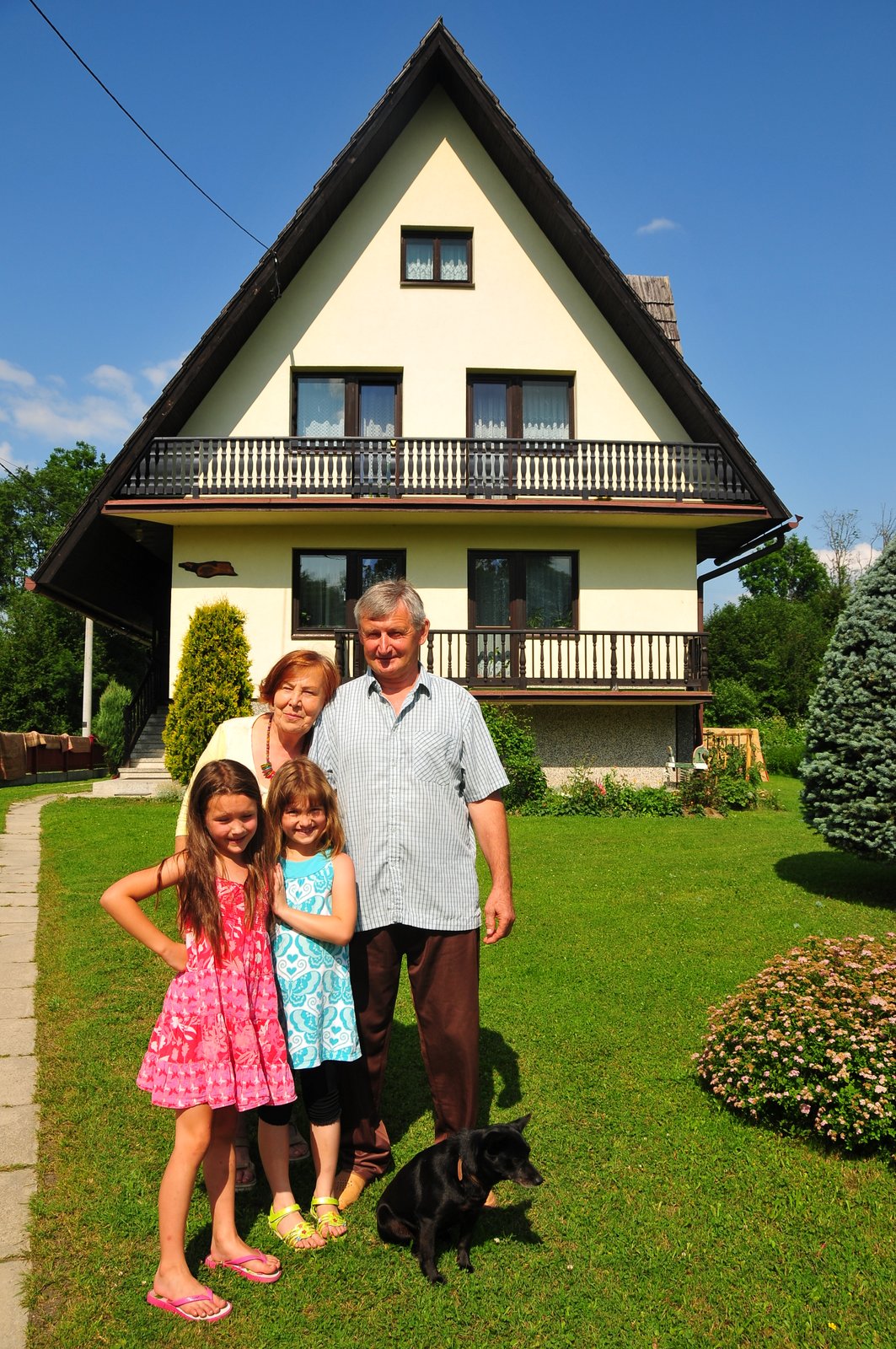
Along the way, we met a few people who use the stream for more practical purposes. We happened across Mr. Andrzej, a shepherd who was fetching a wooden bucket of water for drinking and adding water for rinsing clothes in a second, plastic bucket. He runs a bacówka, a small hut in which shepherds sleep and make the incredibly delicious local smoked cheese, oscypek. His bacówka is right on the tourist path, so he gets a lot of business and brings his whole family to help. His wife was waiting impatiently for him at the door but he paused long enough to talk to us a moment and let us take a picture.
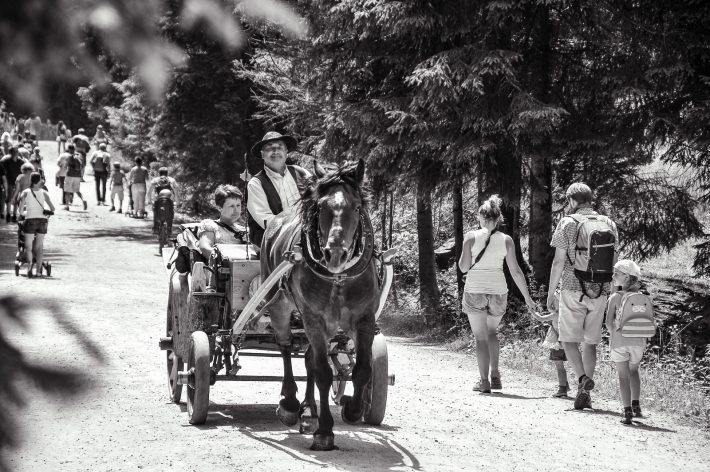
As we continued up, though, the girls started to tire. “How much longer do we have to walk?” they asked. I knew it was quite a long way to go, so I used the bribe I’d been saving for just that moment: “If you guys can make it all the way up to the shelter at the end of the path without complaining, we’ll take carriage back down.” Instant change in mood. And an instantly new topic for discussion: what type of horse would we like to pull our carriage?
And so we continued, up, up and up. The paved road ended and the dirt road began. The dirt path ended and the steep stone-paved path began. Up. Up. Up.

It was at this point that we caught up to the young man in the wheel chair. He was struggling up the side of the stone, itself a challenge with rocks of various sizes providing a constant additional challenge to the climb. I mentioned this to the girls, not in a harsh, didactic way, but as a way both to remind them of how blessed they are and to point out the strength of some people. “Be thankful and ever grateful that you have legs that can tire, that can hurt and burn.”
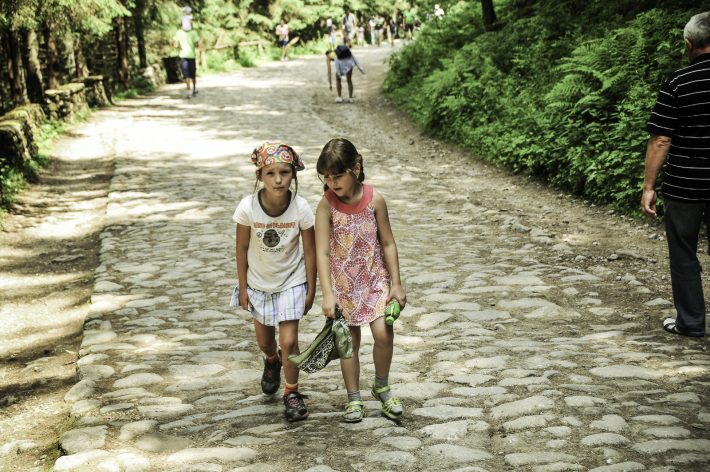
But still, nine kilometers — that’s a long way for a six- and seven-year-old. They made a brave effort to put up a strong face, but I could tell: they were getting exhausted.
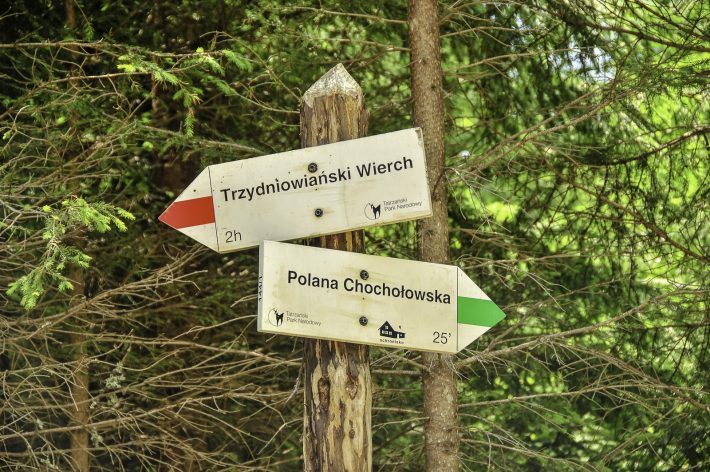
Finally, the sign: twenty-five minutes to go.

I knew what awaited them. K and I once rode our bikes from Jablonka to Dolina Chochołowska. I knew it was an incredibly beautiful glade, often with sheep grazing, their bells adding a tinny soundtrack to the view. Once we arrived, we sat in the shade for a while, drank some water, and prepared ourselves for the final climb to a small chapel at the base of the tree line.
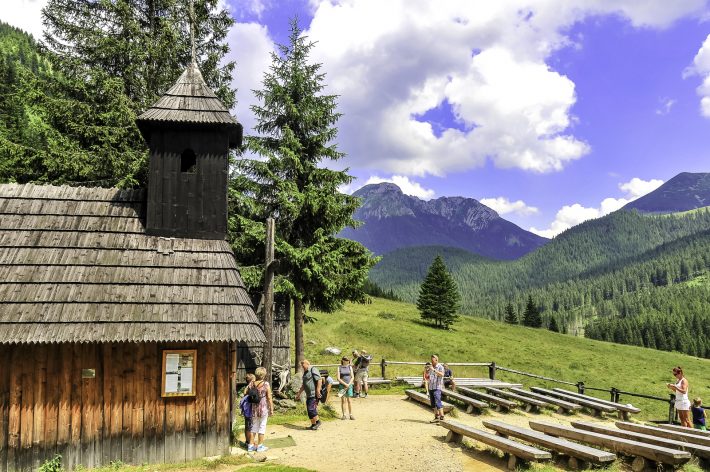
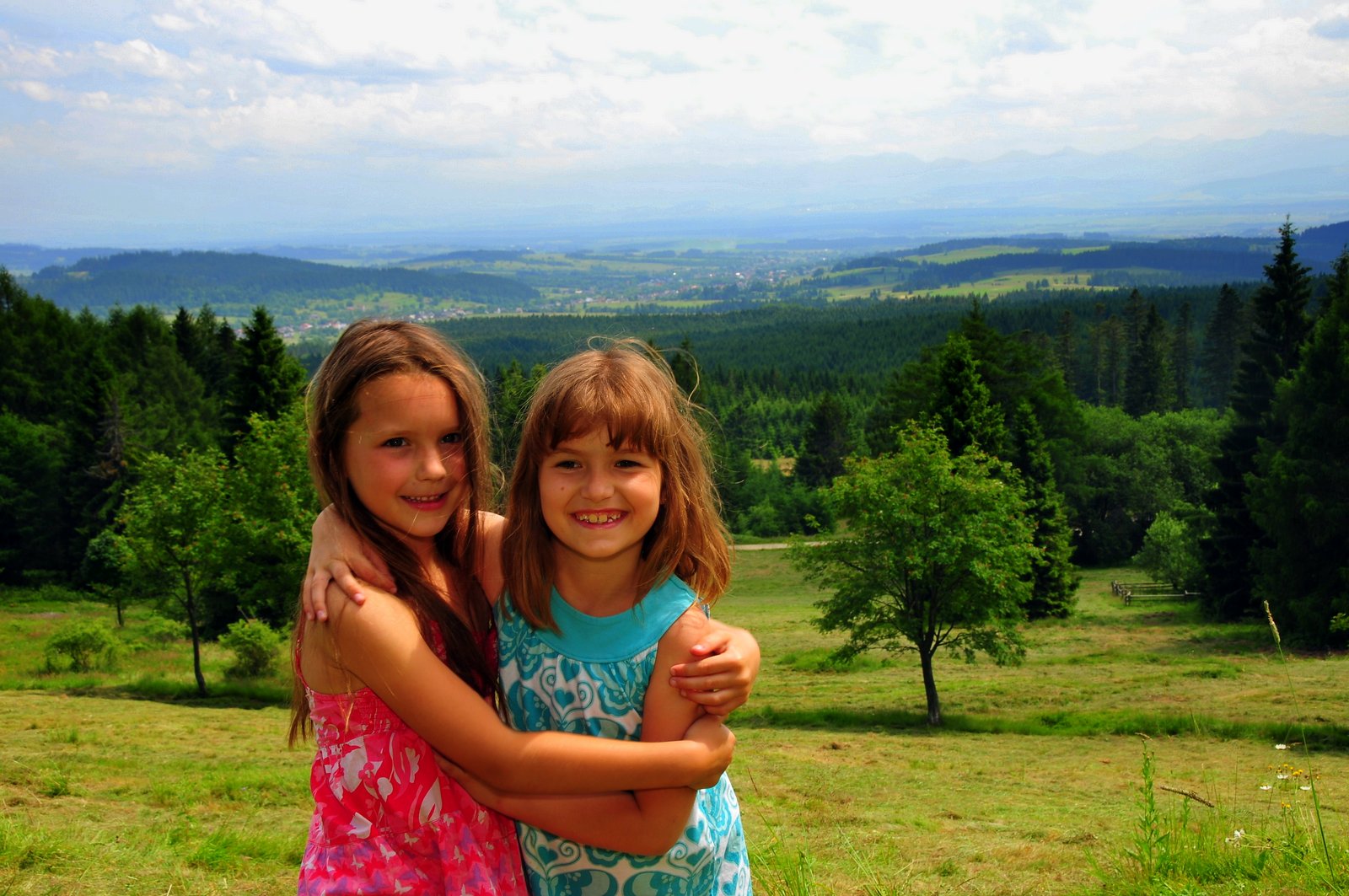
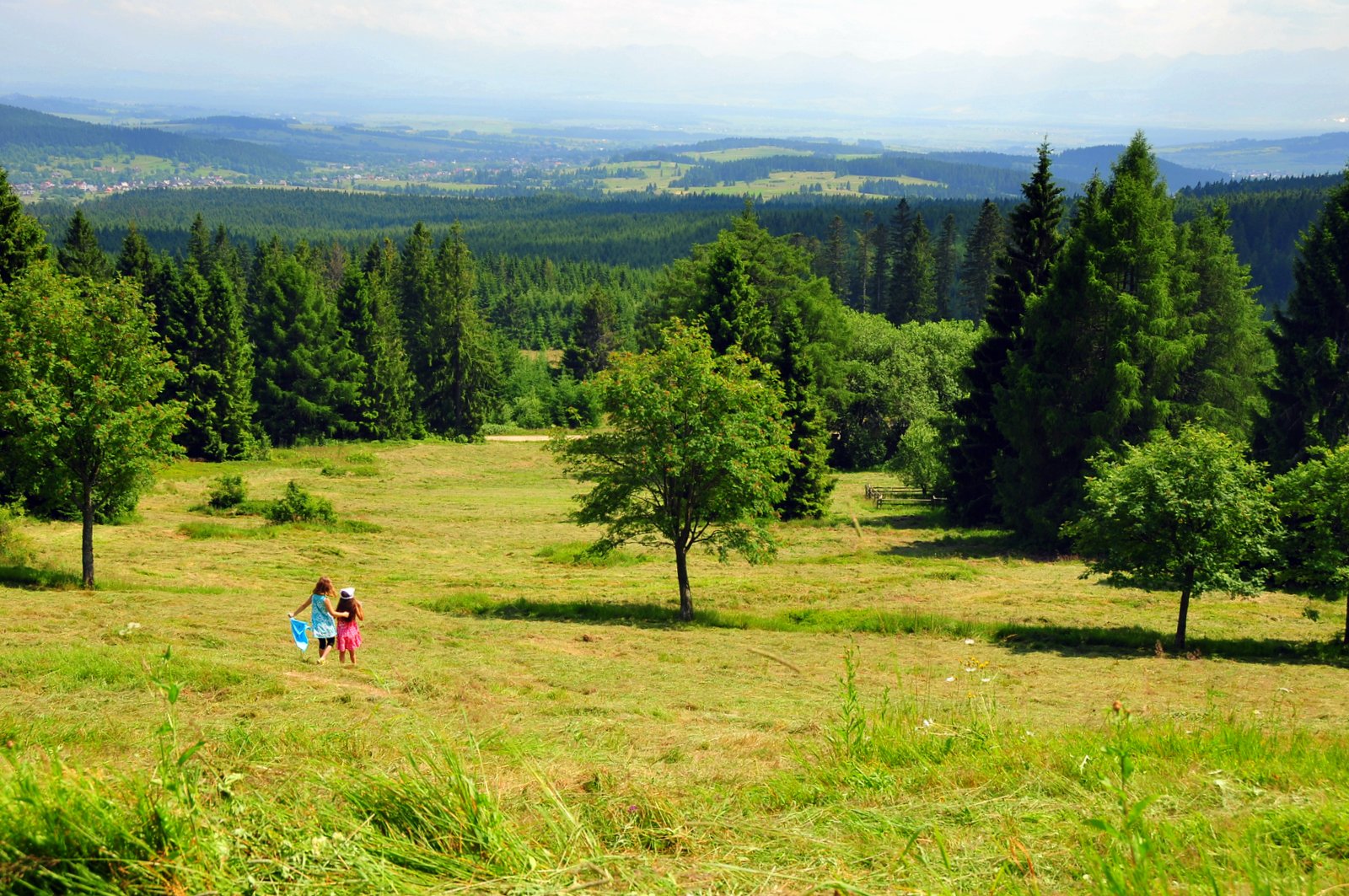
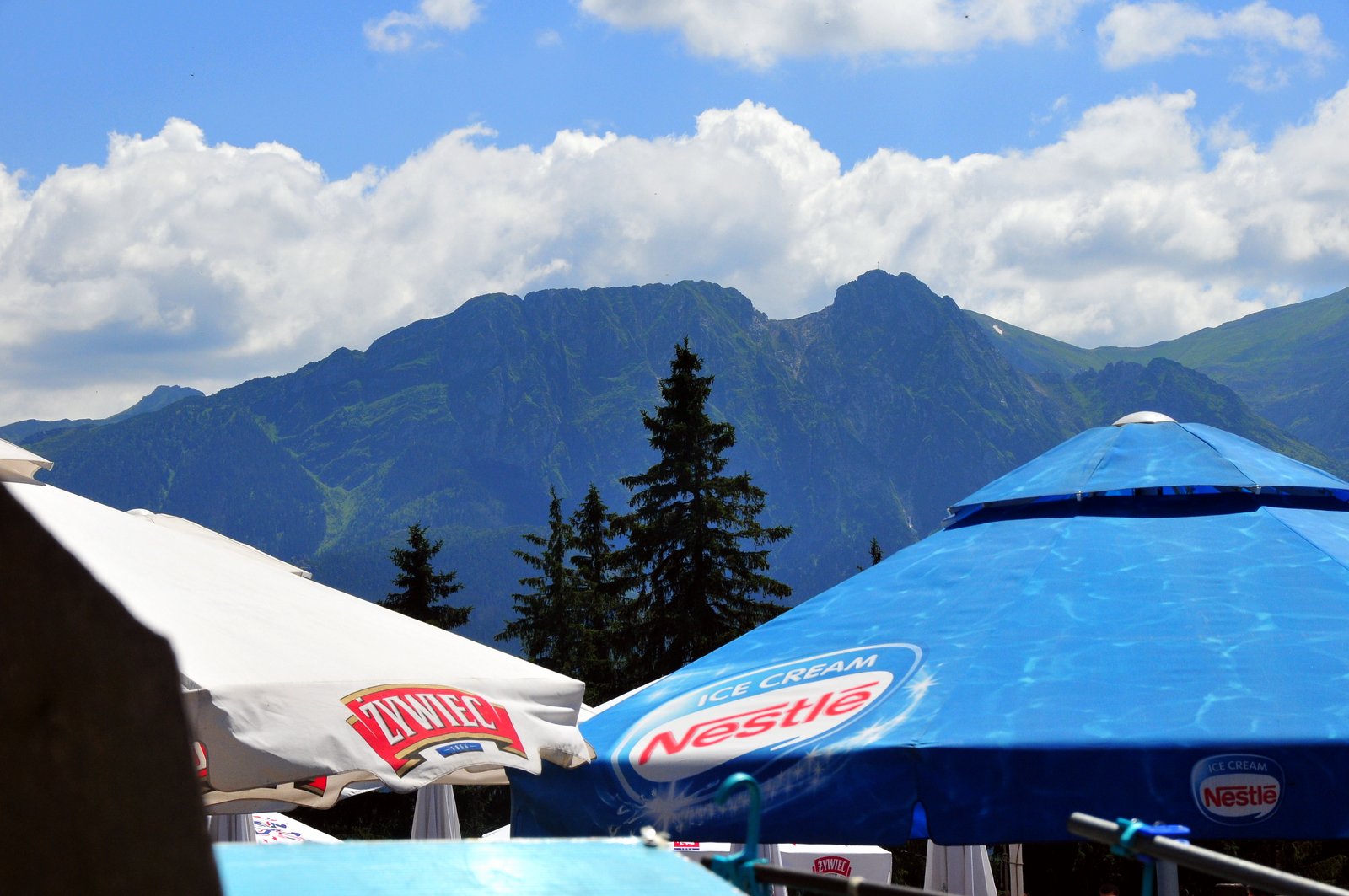
From there, we could look out at both directions of the valley, toward the Tatra Mountains towering before us and back at the valley we’d just passed through.
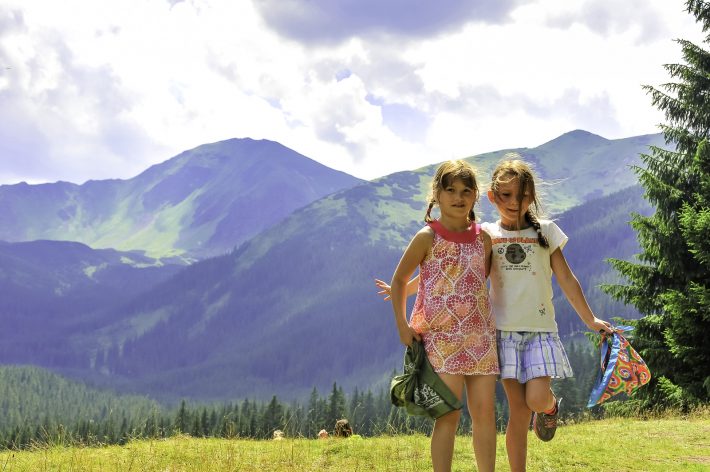
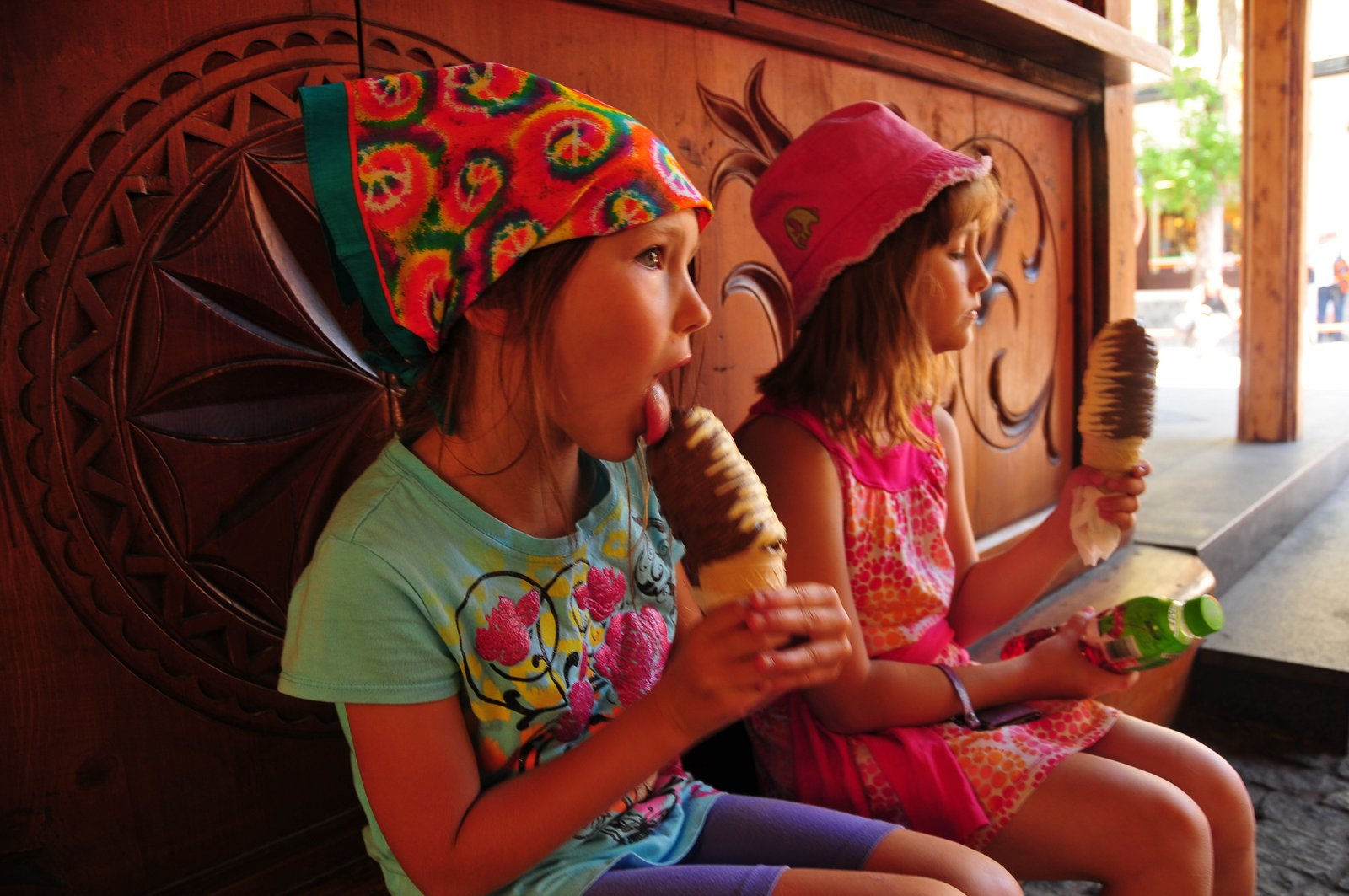
I wish I could say they stood in awe of the beauty. I wish I could say they suggested we sit and just soak in the view. I wish I could say they were left speechless. But they had other things on their minds, a second bribe: ice cream at the shelter.
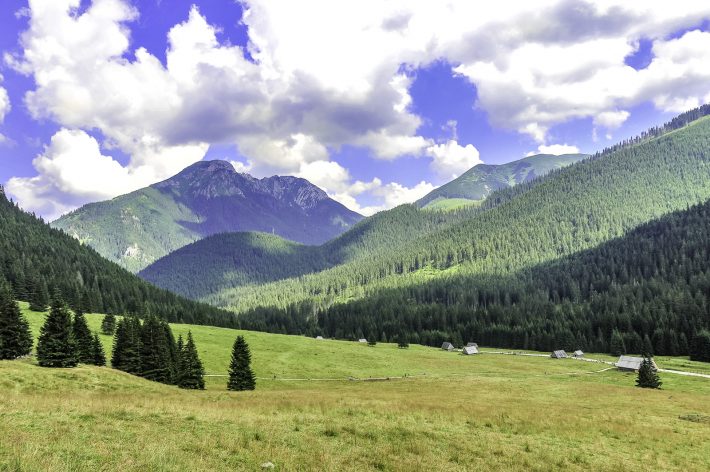
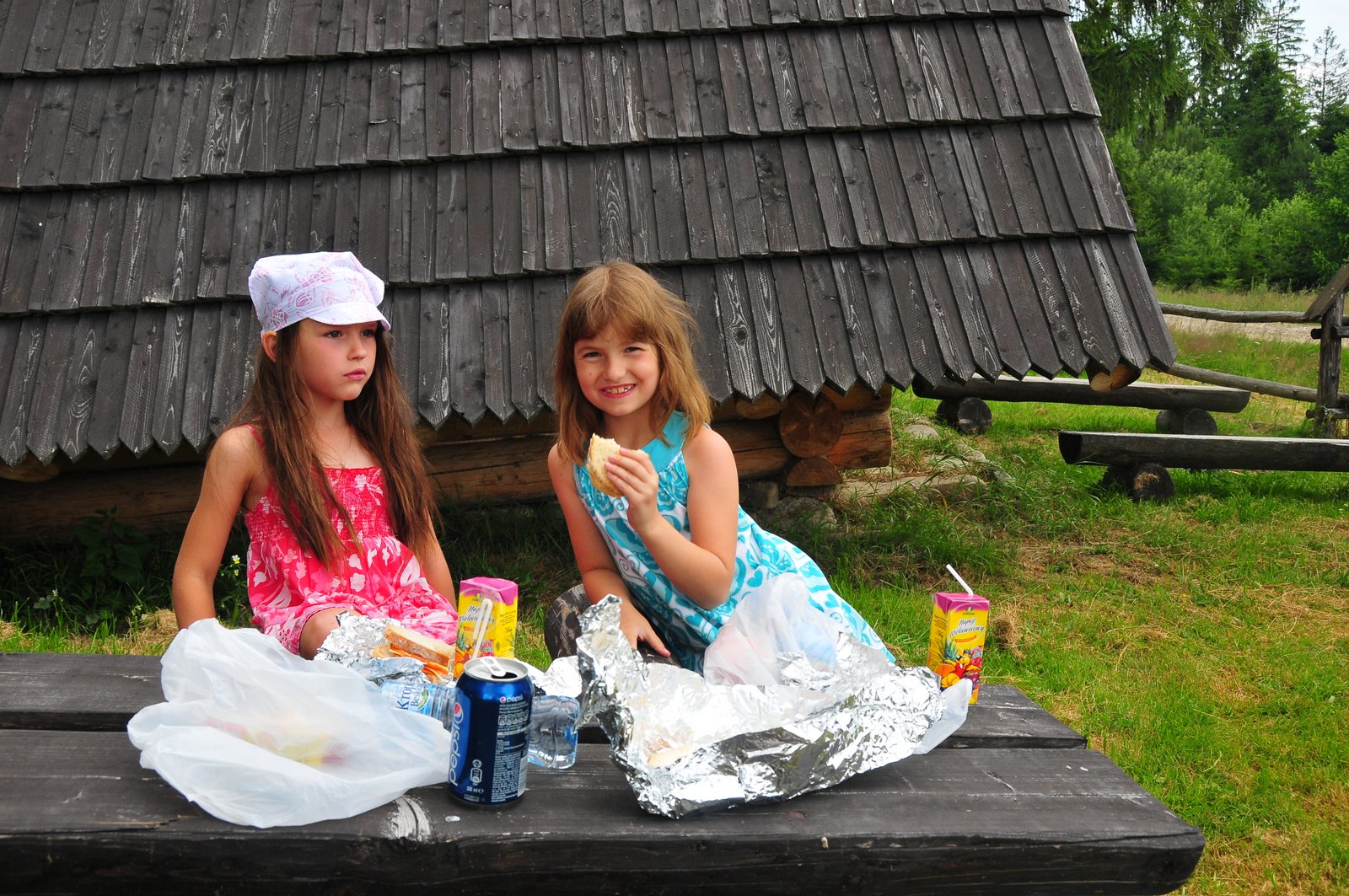
So we headed back down to the base of the glade, grabbed a little snack, and talked about how utterly exhausted they were. 

They clearly weren’t the only ones tired. Polish domestic tourism is so much different from its American counterpart. In North Carolina, you can drive all the way up to the summit of Mount Mitchell, the highest point in the state. In Poland, such an idea would be profane. Either you walk up, ride a bike up, or hire a horse-drawn carriage. Your car stays behind, as it should.
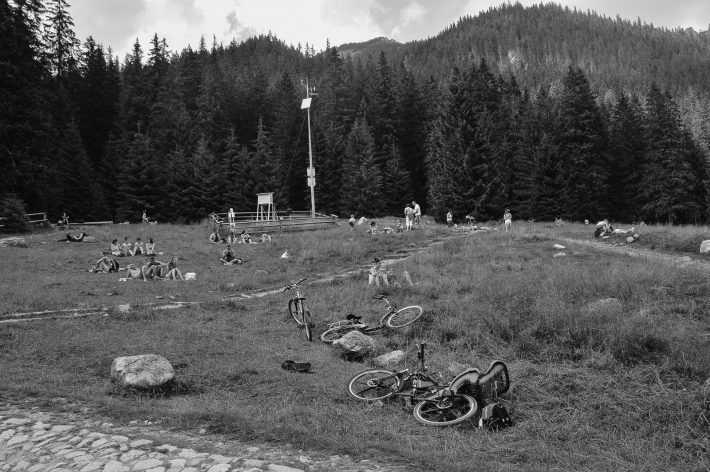
As we started back down, I thought about how easy bedtime promised to be tonight. “You girls look so tired that I bet we won’t even have to read to you tonight,” I laughed, and they both agreed.

“But remember, Wujek,” S reminded me, “we’re taking a carriage back to the bottom.”

And so we set off looking for a carriage. The first one we found was already hired. “Busy,” he literally said in Polish when I asked him how much a trip back down the valley would cost.
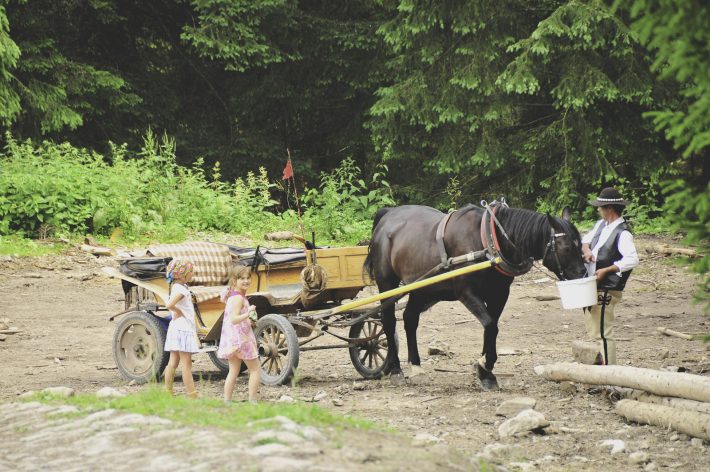
“Where can we find an available carriage?” I asked. He pointed down the valley: “You’ll just have to walk down and look for one.”

We continued down, and I started to wonder what the reaction would be if we couldn’t find one. The gentleman didn’t seem to indicate that there was any particular place where free carriages gather, waiting for passengers.

“You know,” I said, preparing the girls, “we might not find one.”

“And then what?”

“And then we’d have to walk all the way back down.”

The reaction: “Okay.” A surprise — they’re growing up, I thought.
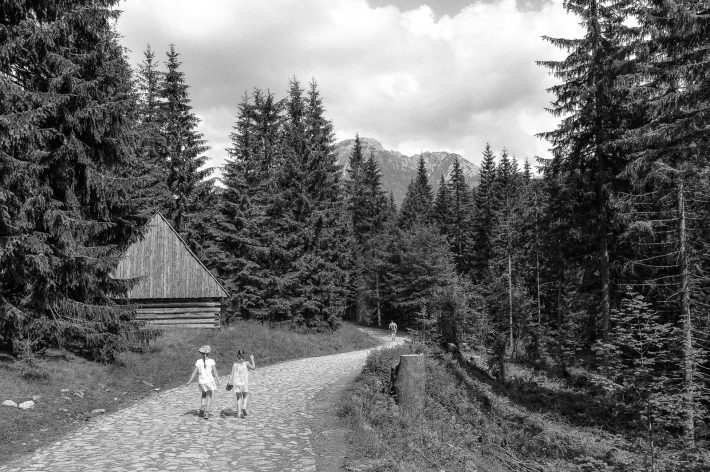
But thankfully, we find one only a few minutes later. The girls raced ahead to ask if he was free. After a few seconds, L turned and raced back up to me. “He’s available! He’s available! He’s available! He’s available!” I knew then that, no matter the cost (though I wasn’t expecting an exorbitant price), I would be hiring the gentleman.

“How much to the bottom of the valley?” I asked.

He’d been chatting with the girls, an older man probably approaching his mid-sixties. He looked at the girls with a smile, then said, “Eighty zloty.” About twenty-five dollars — a steal, I thought.
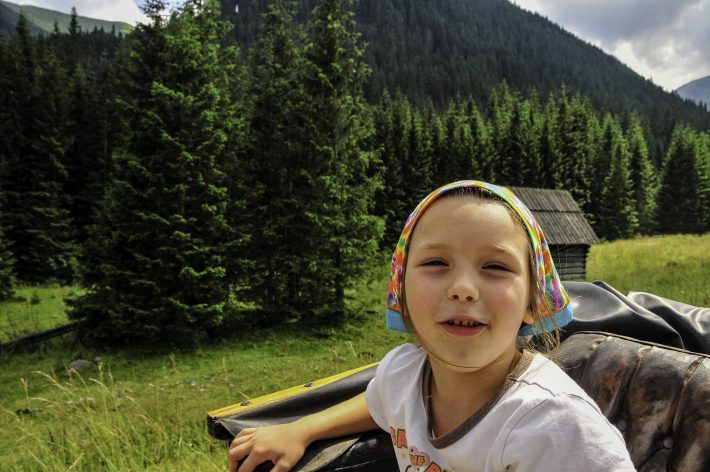
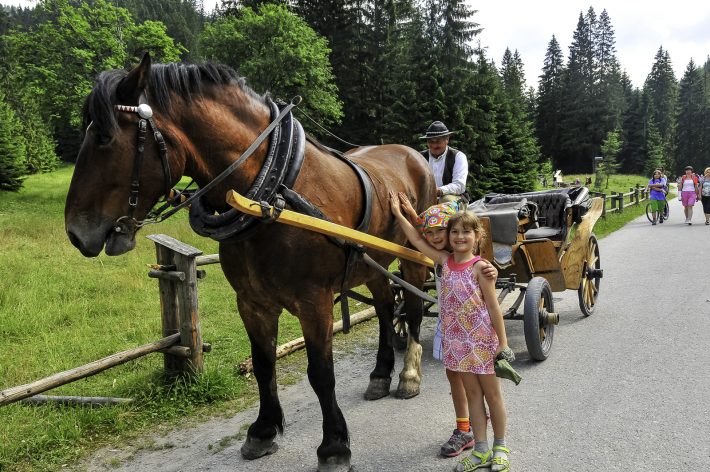
So we climbed in, and the girls immediately asked if one of them could sit beside the driver.

“Certainly, but only one.”

“Oh heavens,” I thought, “here it comes. ‘Me first! Me first!’ ‘No, me first!’ ‘No, me first!’ ‘No, me first!'” Sure enough, S and L on cue: “Me first!” Almost reading my mind, the driver said, “Well, why don’t you ride first and then we’ll switch?”
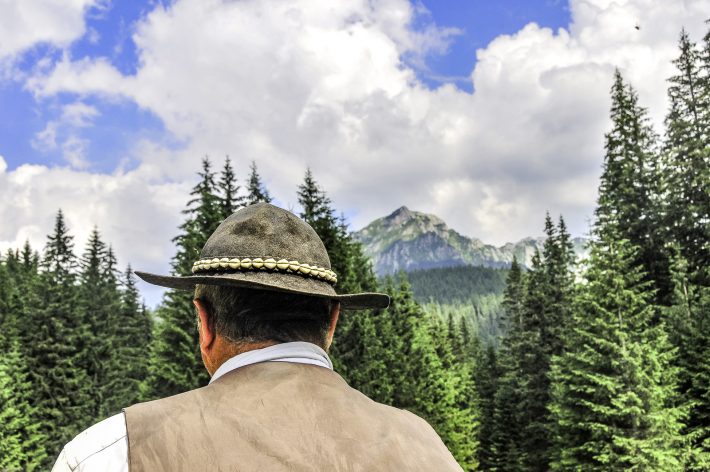
Clearly, this gentleman had had much experience with eager young riders.
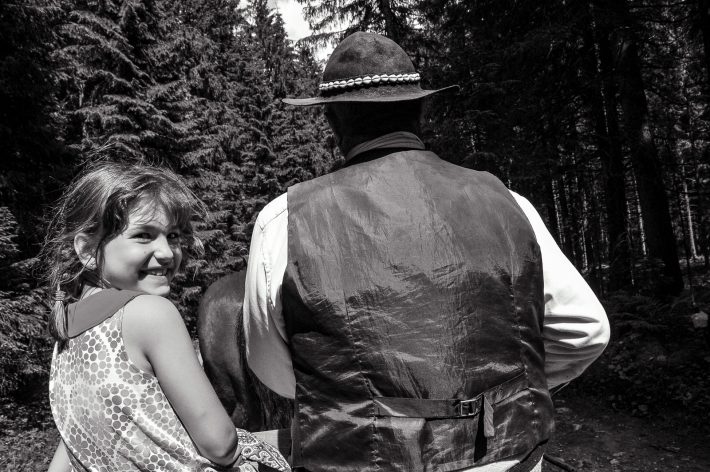
As we drove down, it was as if we were in Cinderella’s carriage: everyone cleared out of the way, many stopped briefly and glanced at us — just as we’d done during our ascent.
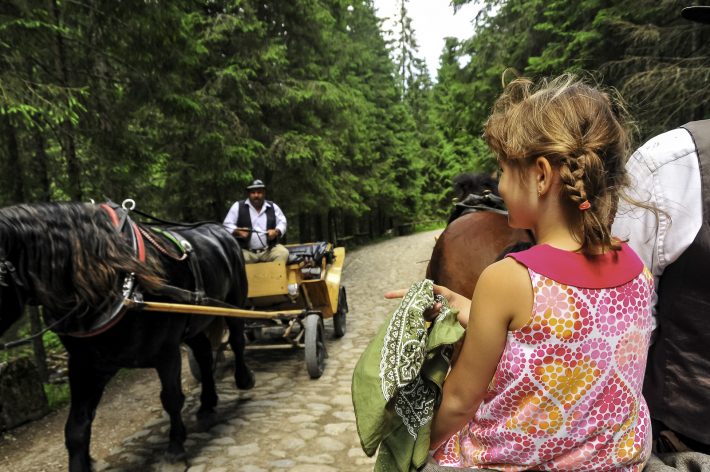
We passed other carriages and the drivers called out to each other. And all the while, L sat in the back, patiently waiting.
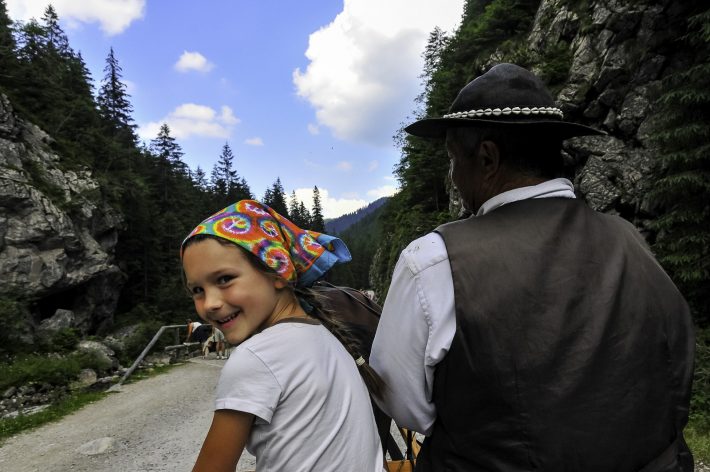
And about mid-way, the driver stopped, the girls switched to the drivers gentle reminders: “Slowly. Slowly” He shook the reins, called out to the horse, and we were on our way again.
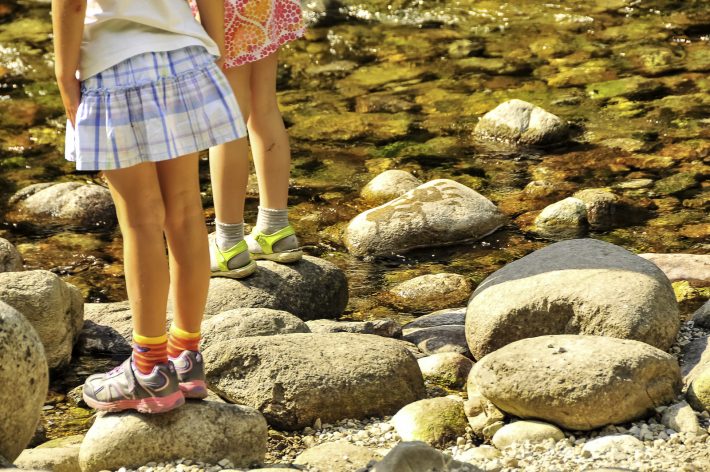
When the dirt path stopped, so did we, leaving us about another three kilometers to walk. But there was the river, the blessed bribe that kept them entertained and moving. They started a new game: patting their wet hands on rocks, they claimed them for their own. I stood and watched, wondering how long it would take for the rocks to dry, for the traces of our visit to disappear.
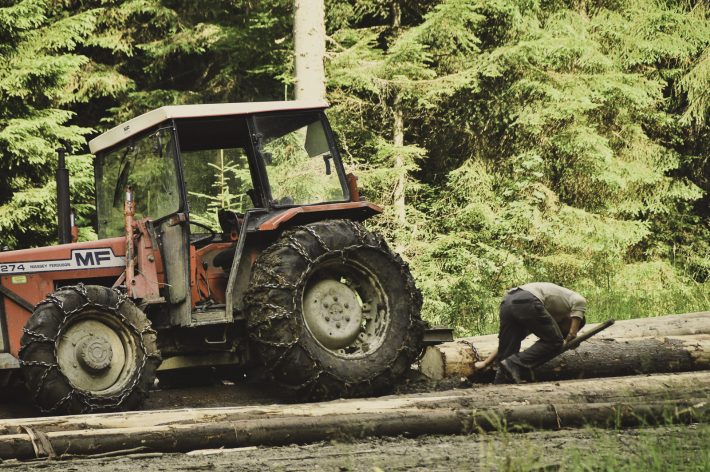
The irony of it all: we were vacationing, taking a break from our every day realities with thousands of other tourists, and all around us, people lived their own work-day realities. And it wasn’t just the cheese mongers and carriage drivers and bike rental attendants. Loggers pulled their freshly cut trees from out of the forest, giving us all a glimpse of what real work looks like.
But in the end, we all left together, the loggers, the cyclists, the mothers pushing strollers, the brave little girls.
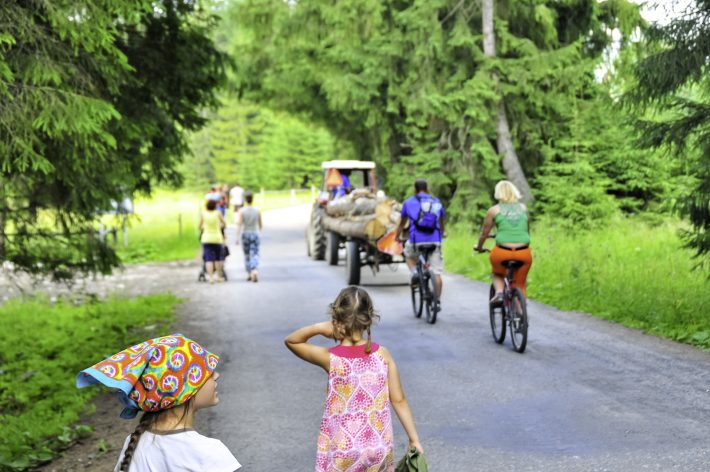
The marks they left on the rocks disappeared before we’d made it much more than a few dozen steps; the marks left on their souls will hopefully last much longer.
Outdoor School

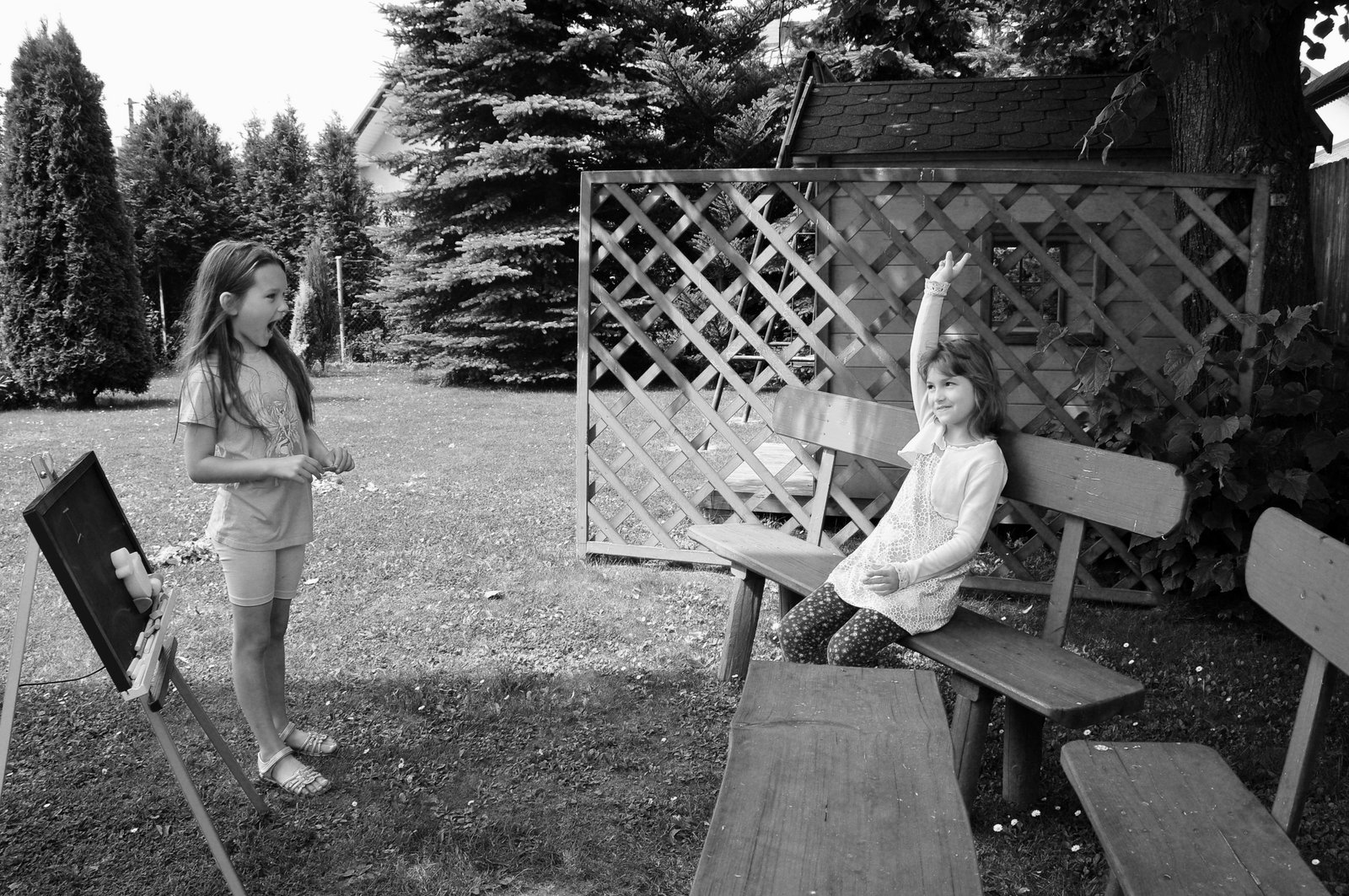
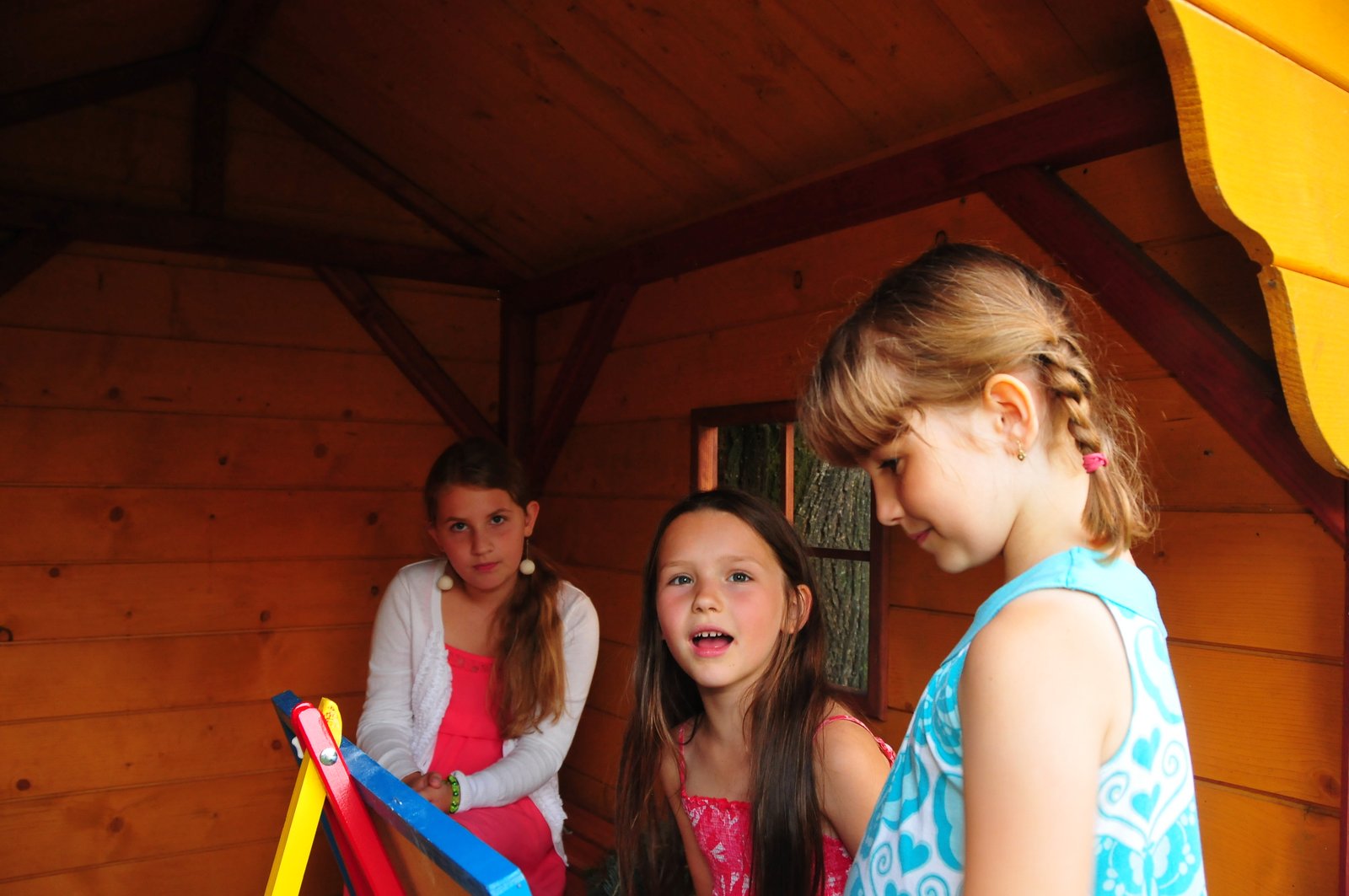
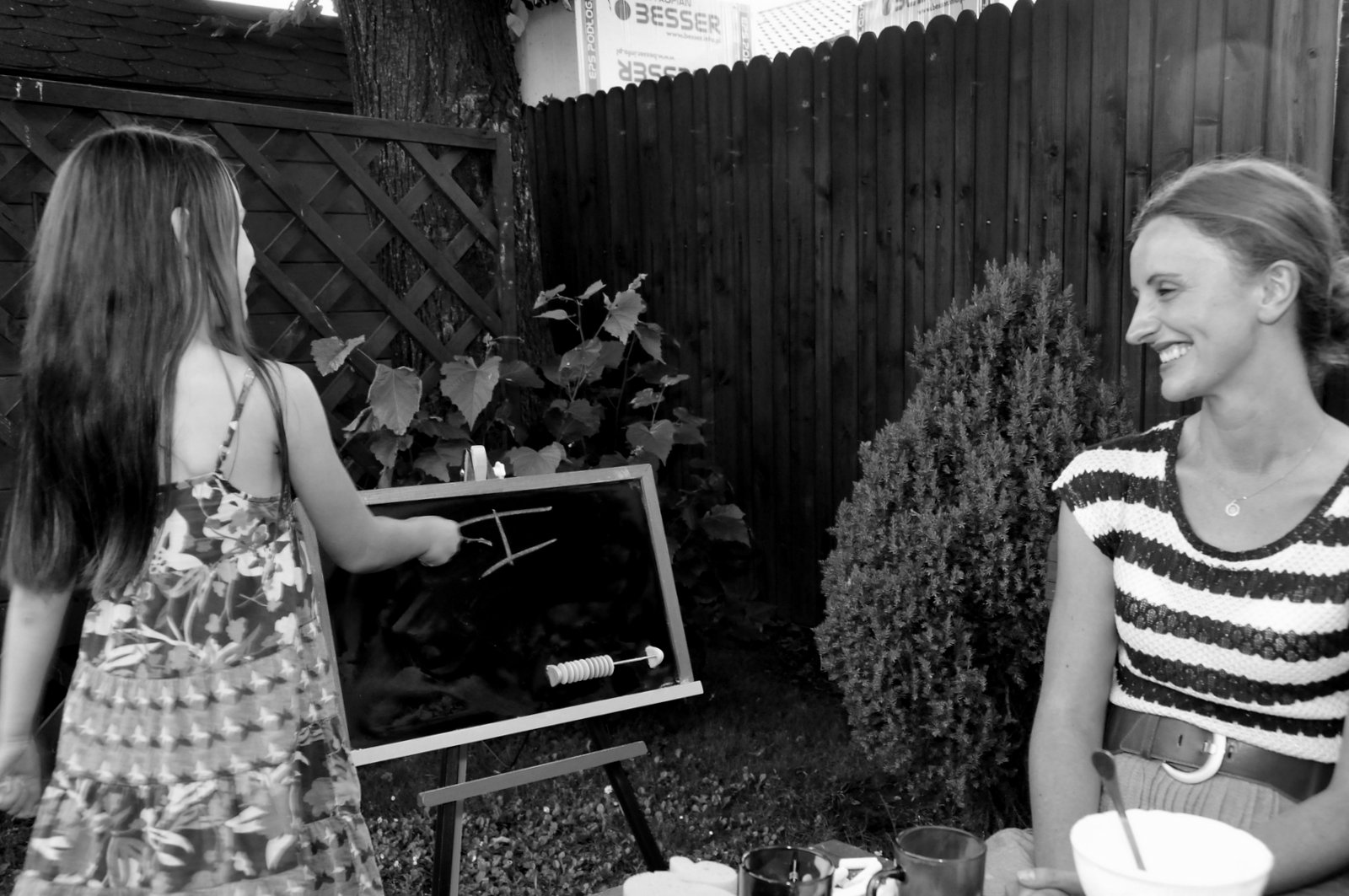
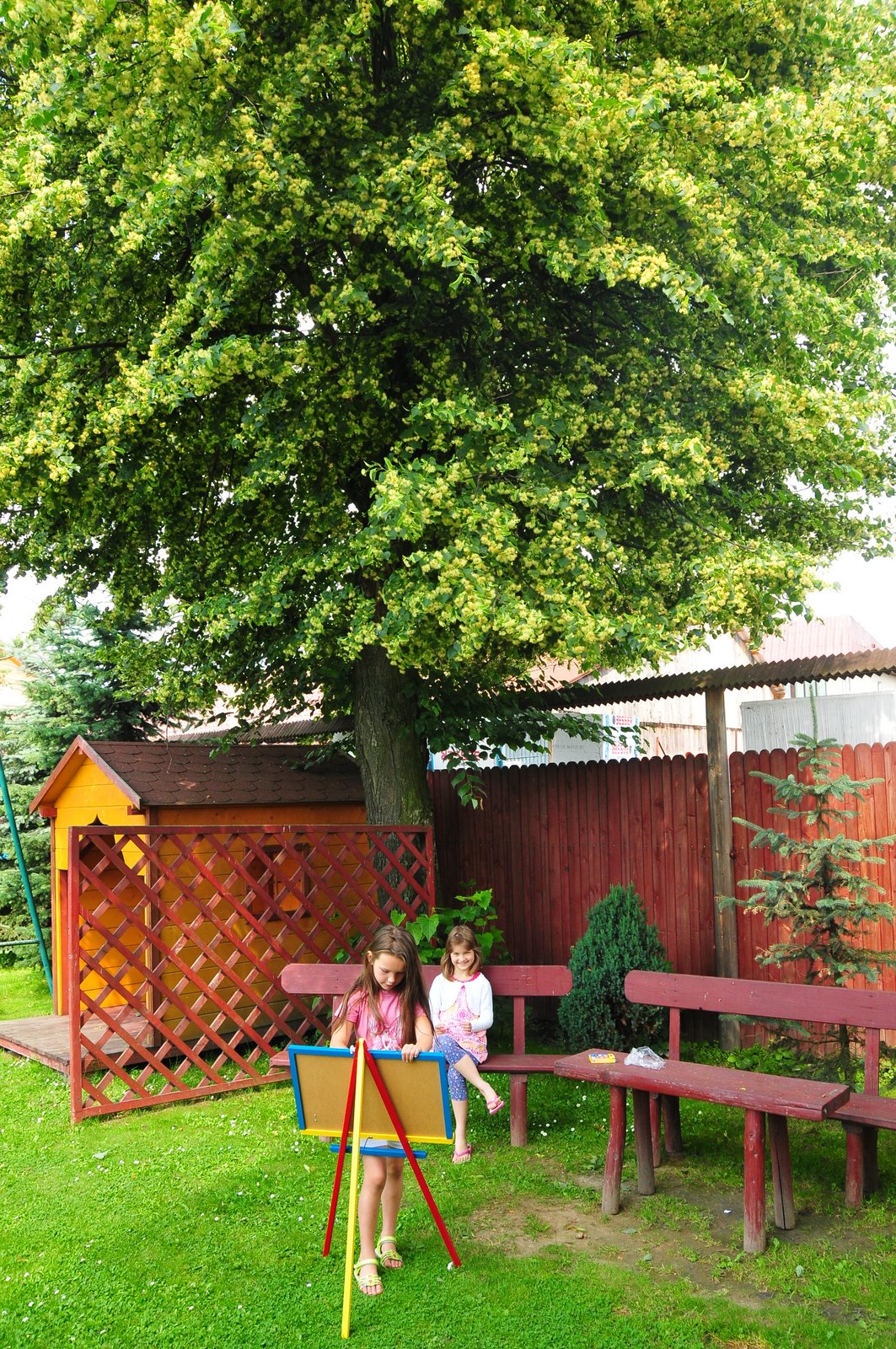
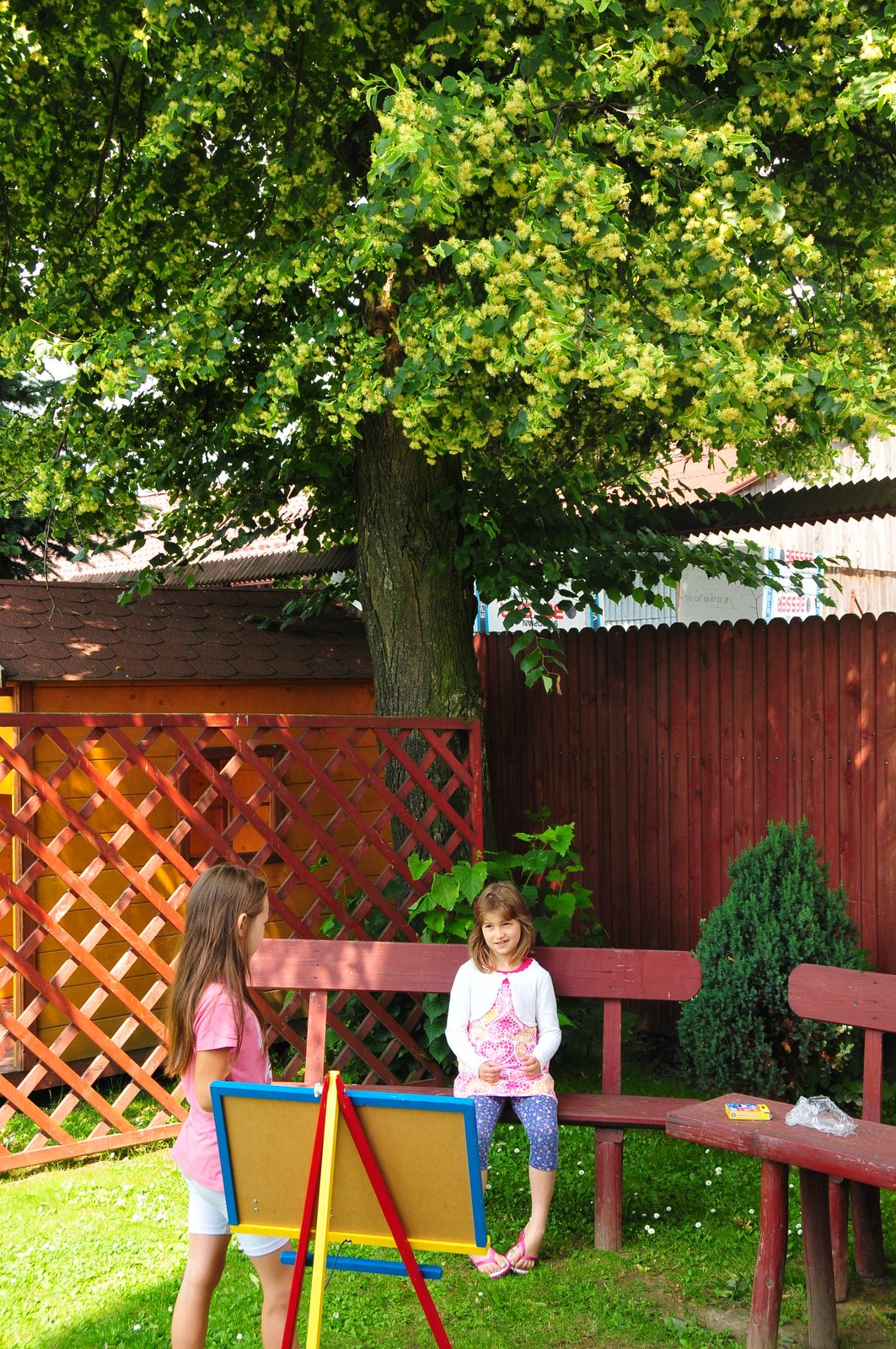
Under the Linden tree, a small school blossomed today. Because everyone is an expert about something and a complete idiot about other things, the girls took turn being teacher and student.

DSC_6190

Lessons covered a wide range of topics. There were English spelling and vocabulary lessons, lessons on Polish orthography, simple mathematics, art, and chaos theory — otherwise known as scribble-scrabble

DSC_6193

It’s always fascinating how kids want to play things that they don’t really want to do in life. Already, just in kindergarten, L was complaining almost daily, “I don’t want to go to school.” Ask them to clean and it’s fun for a few moments, but then too boring. Suggest that they play like they’re cleaning and they’ll do it for hours.

DSC_6195

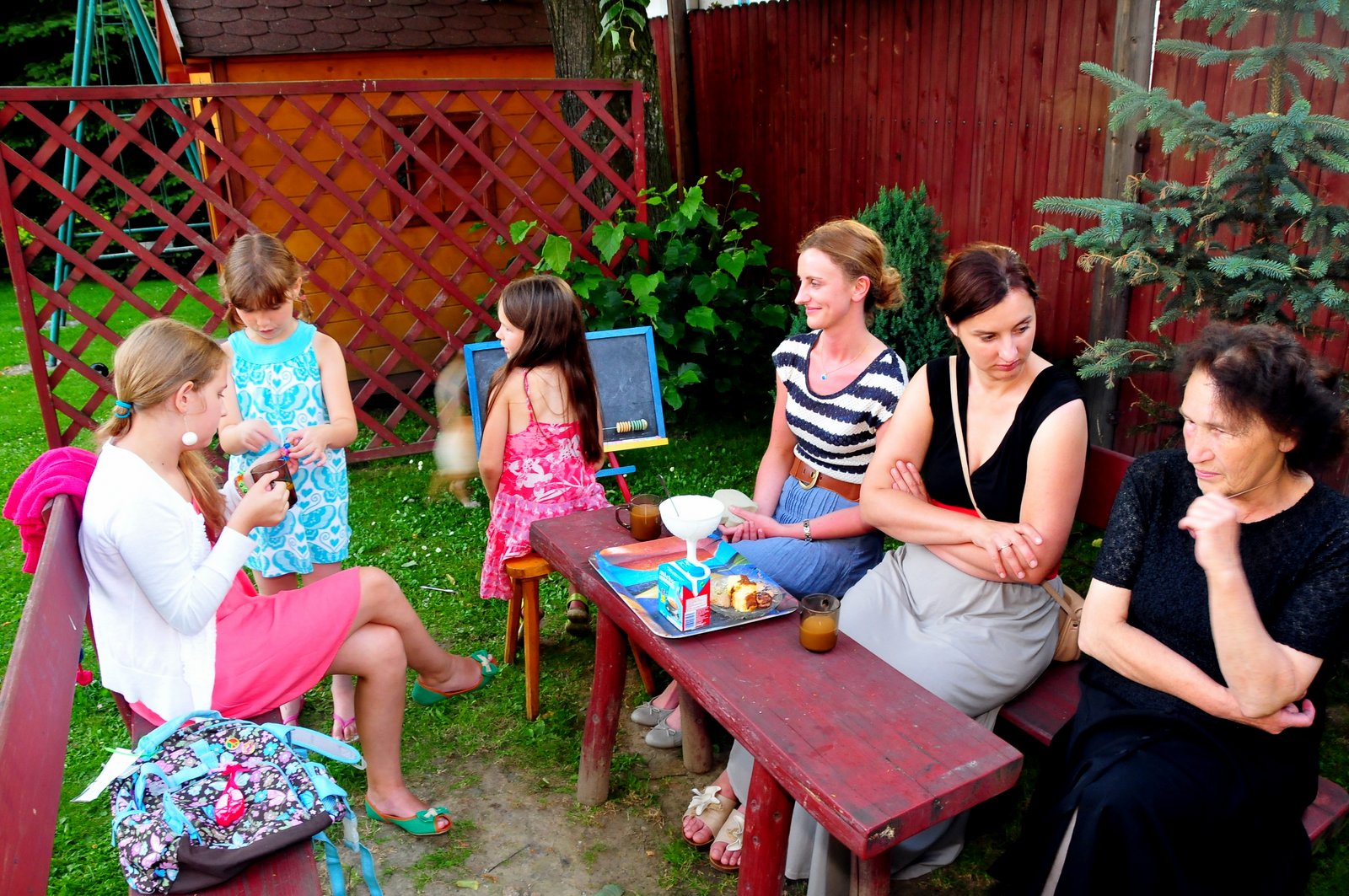
School started up again in the evening, when guests arrived after the opening of a mutual friend’s photography exhibition. The Girl took over as full-time teacher, though, providing lessons in English for all guests, then testing them on their recently acquired knowledge. This was somewhat tricky as she’s still not the best speller in the world. Even guests who’d had some English were stumped with “shgar.” The Girl, unphased but ever aware that it was a test, switched to English and said, “Tata, how do you spell ‘sugar’? I don’t think I got it right.” I spelled it out, then she proclaimed “Dobra!” and continued her test.

DSC_6196

DSC_6199

Soon, L brought the chalkboard out of the “maly domek” and began quizzing everyone. D’s neighbor, who accompanied her to the exhibition, got grilled on “I” — the poor lady was forced to repeat it at least half a dozen times. A demanding teacher, that L.

DSC_6205

DSC_6209

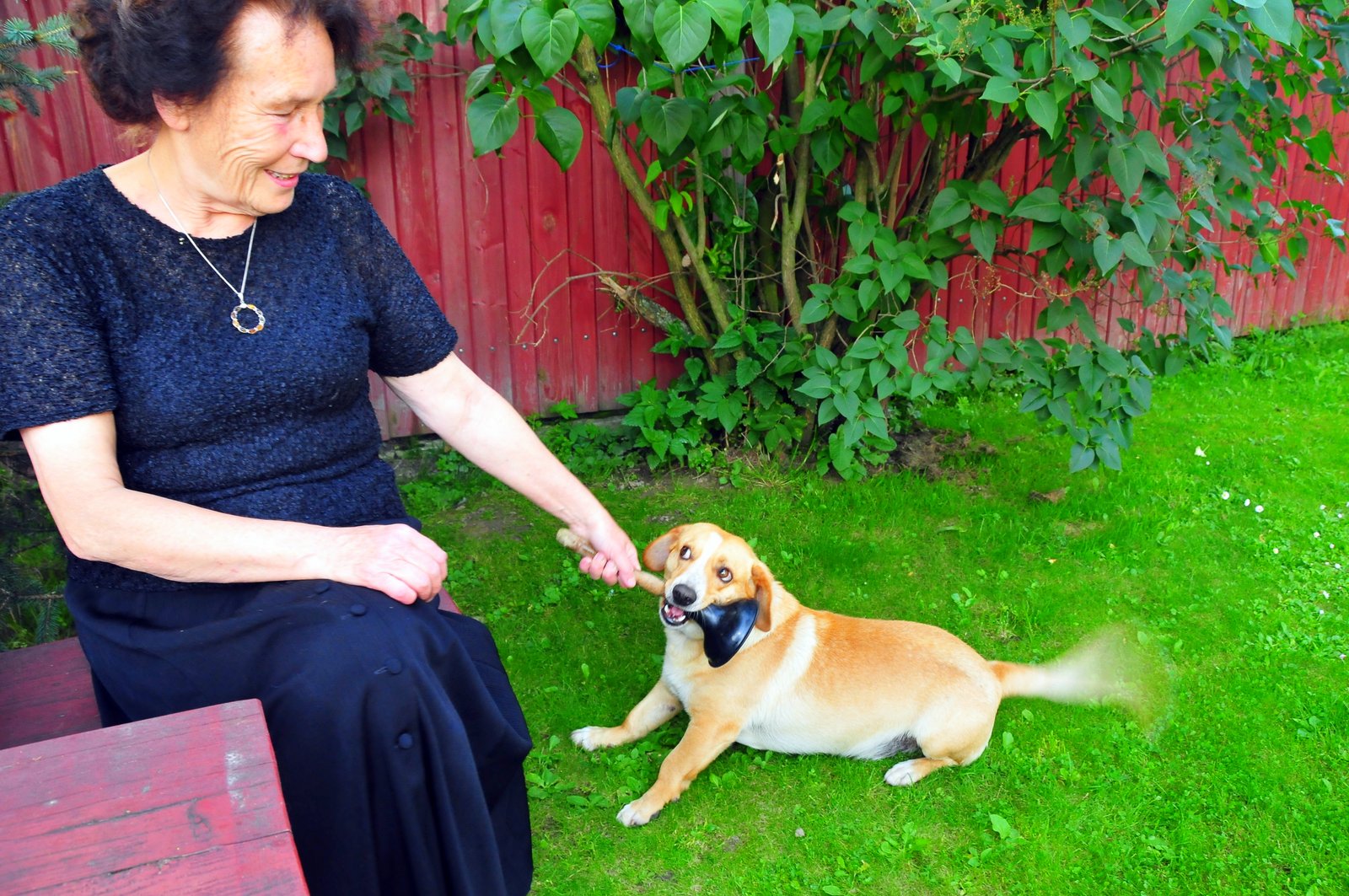
The dog, of course, was entirely uninterested in learning any English commands. “Look for your ‘give'” doesn’t even make sense in Polish (Szukaj daj) unless someone explains to you that the dog as associated the command “daj” (give) with the toilet plunger he loves playing fetch with. 

DSC_6207

As the final week of our time here in Poland disappears — where did five weeks go? — it’s evenings like this that I most appreciate. Frustrations and irritations of the day (fish and guests smell after stink after three days; there’s no telling what we do after 35) seem to disappear in the cool Polish evening and I find myself hoping, wishing, that every day could end like this.

DSC_6208

Clearing Up the Trees

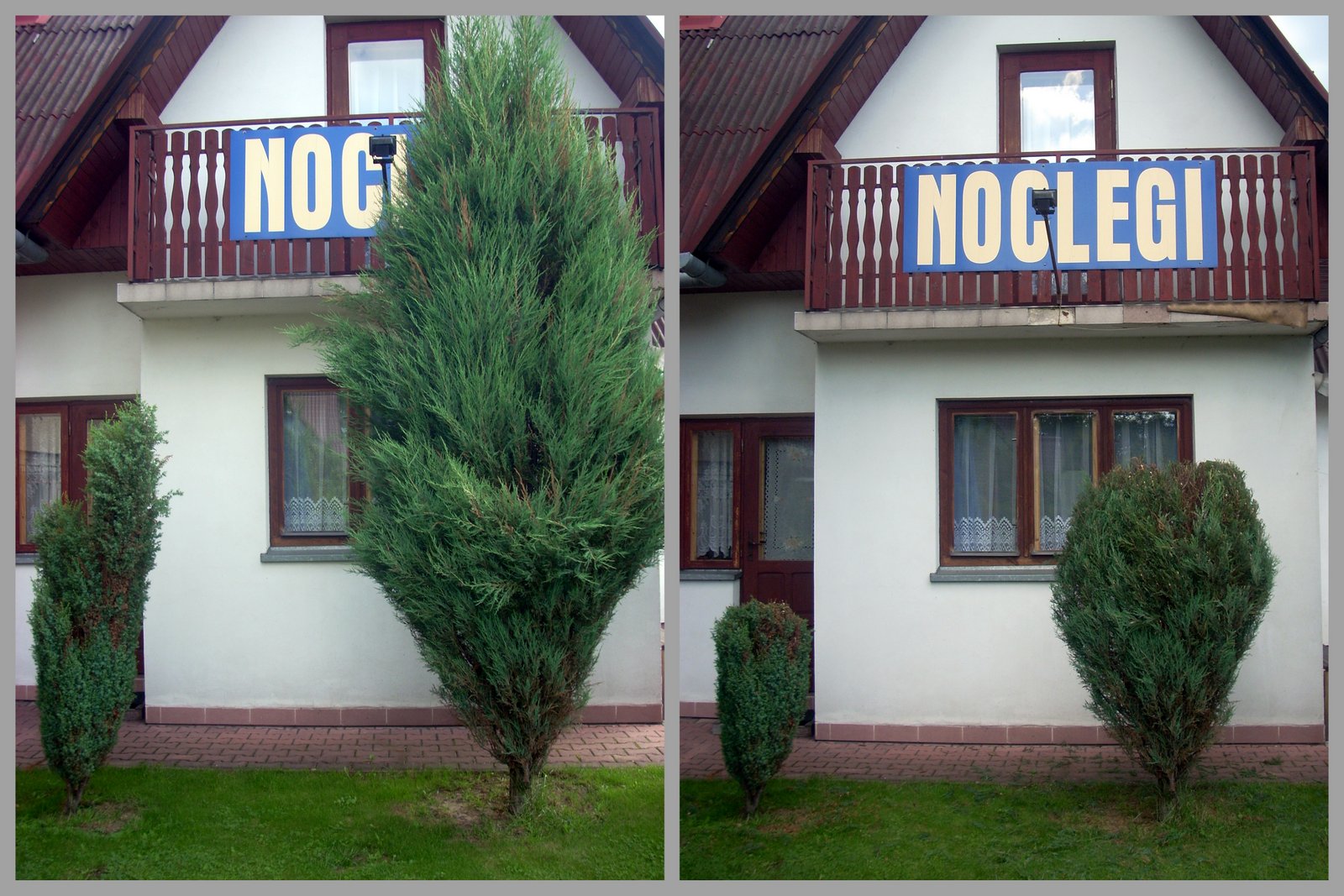
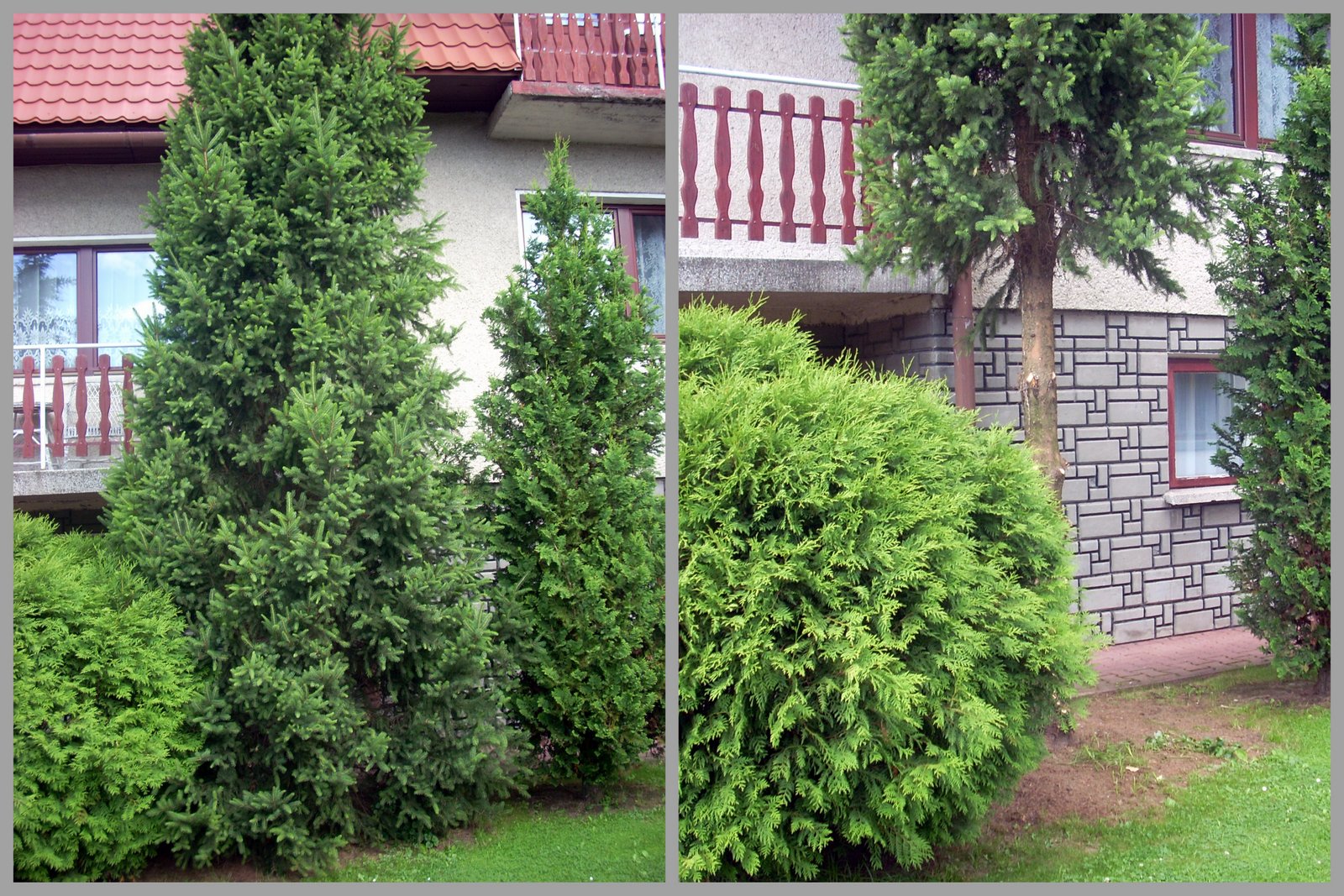
Babcia made a list — a “To Do” list.

2013-07-17

First item down.

2013-07-171

Sort of.

2013-07-172

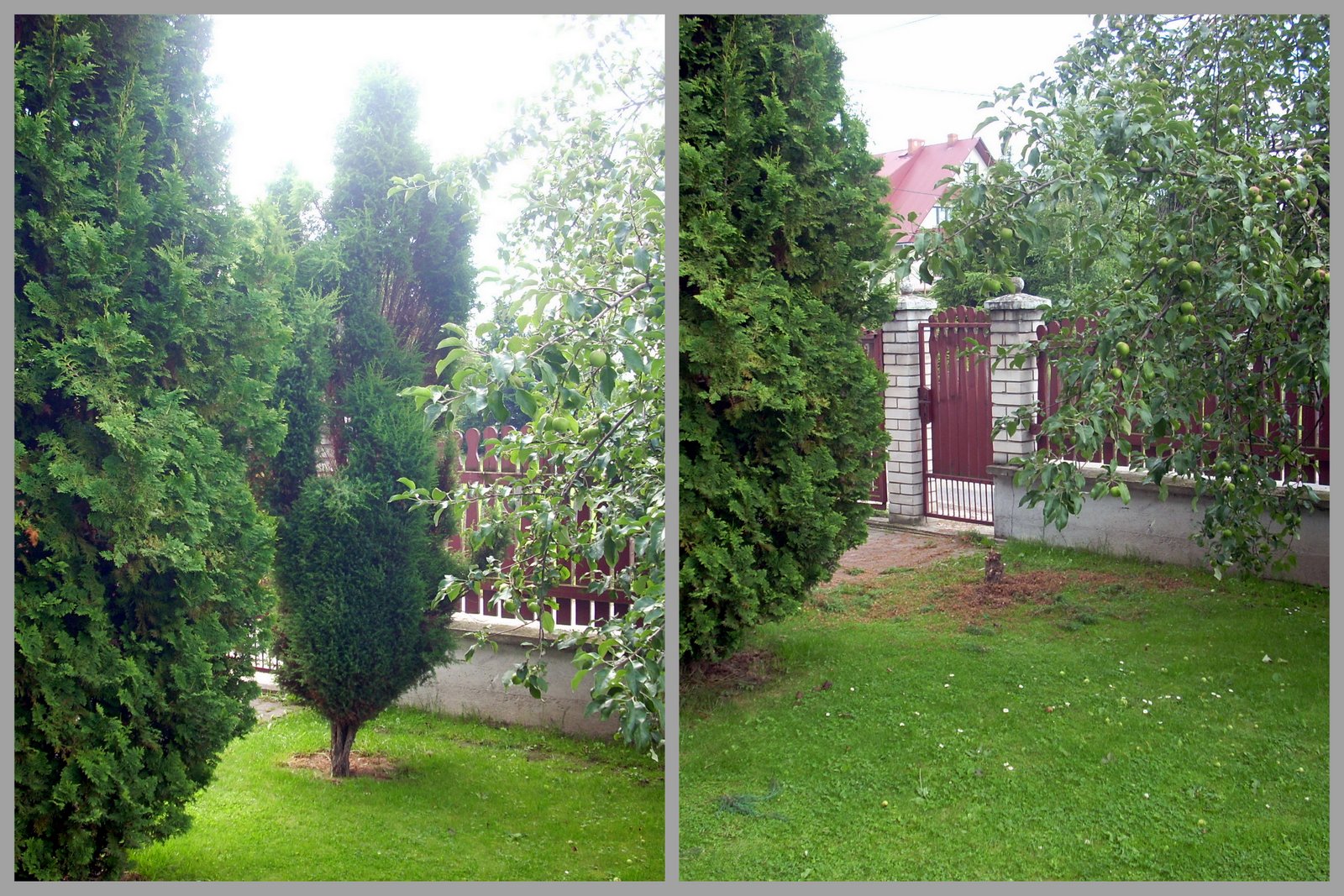
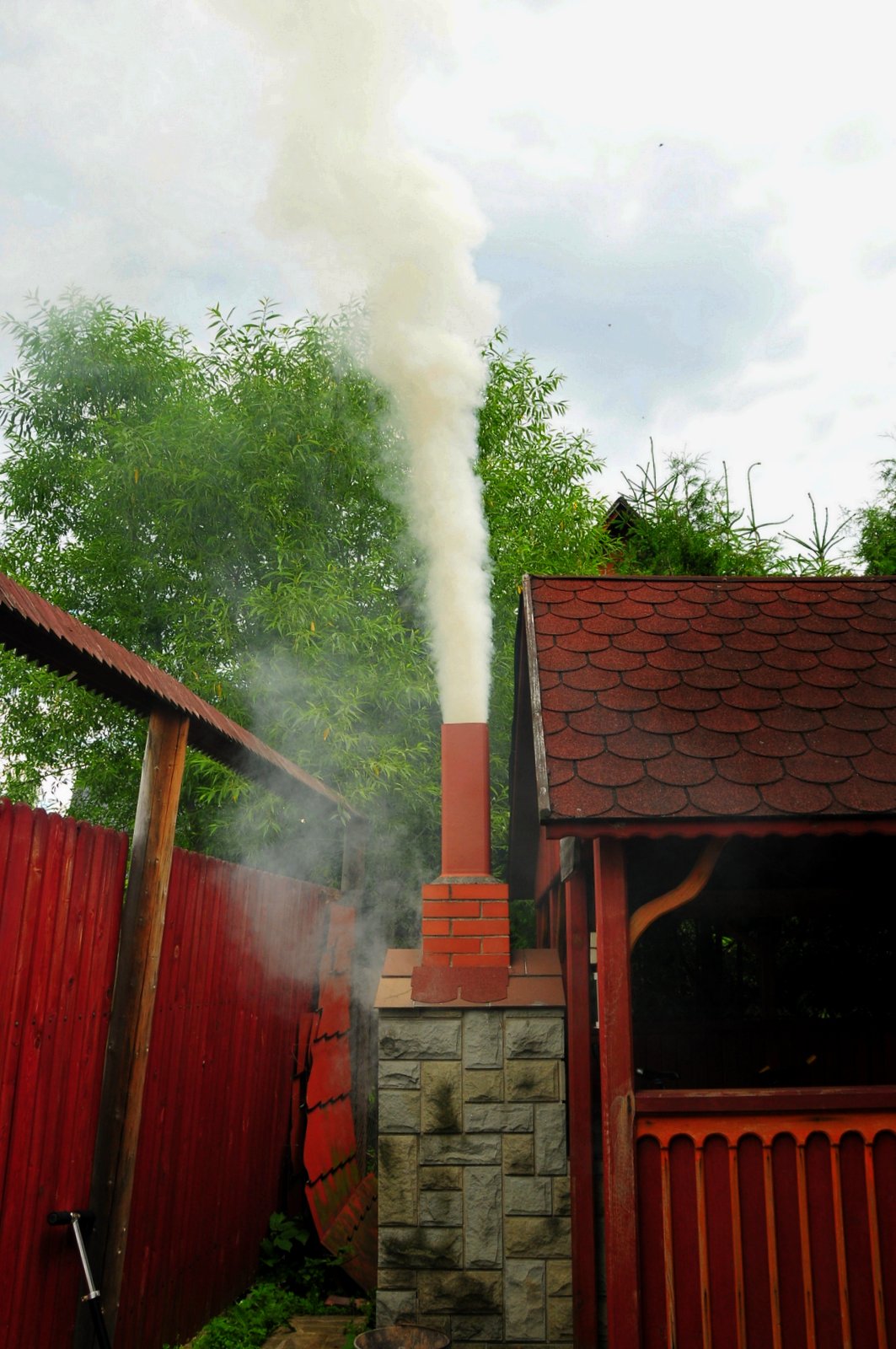
There is no other way to get rid of branches and such is to burn them. There’s no “leave them at the edge of your property and the city will pick them up” option.

DSC_6166

Linden Tree

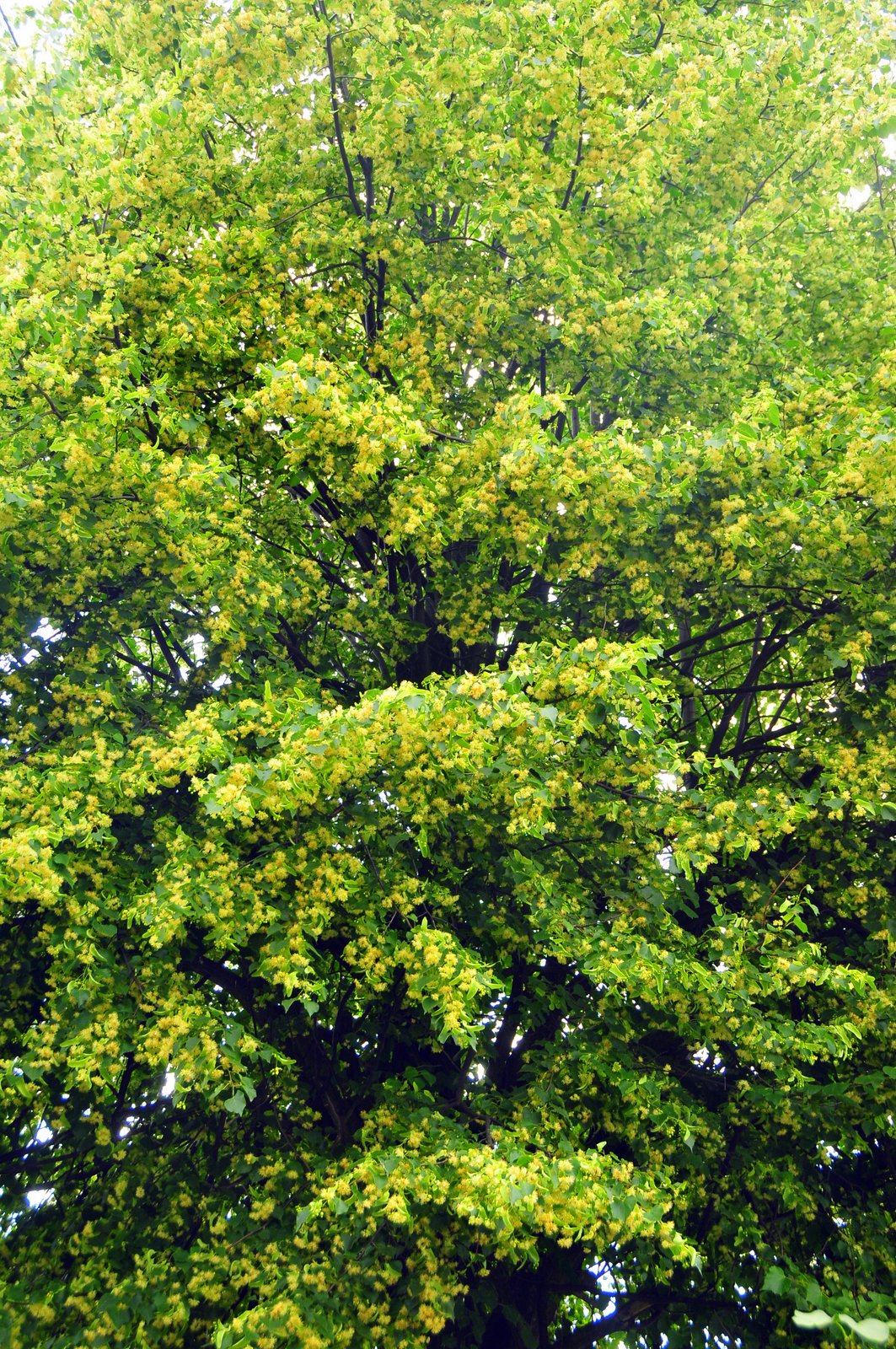
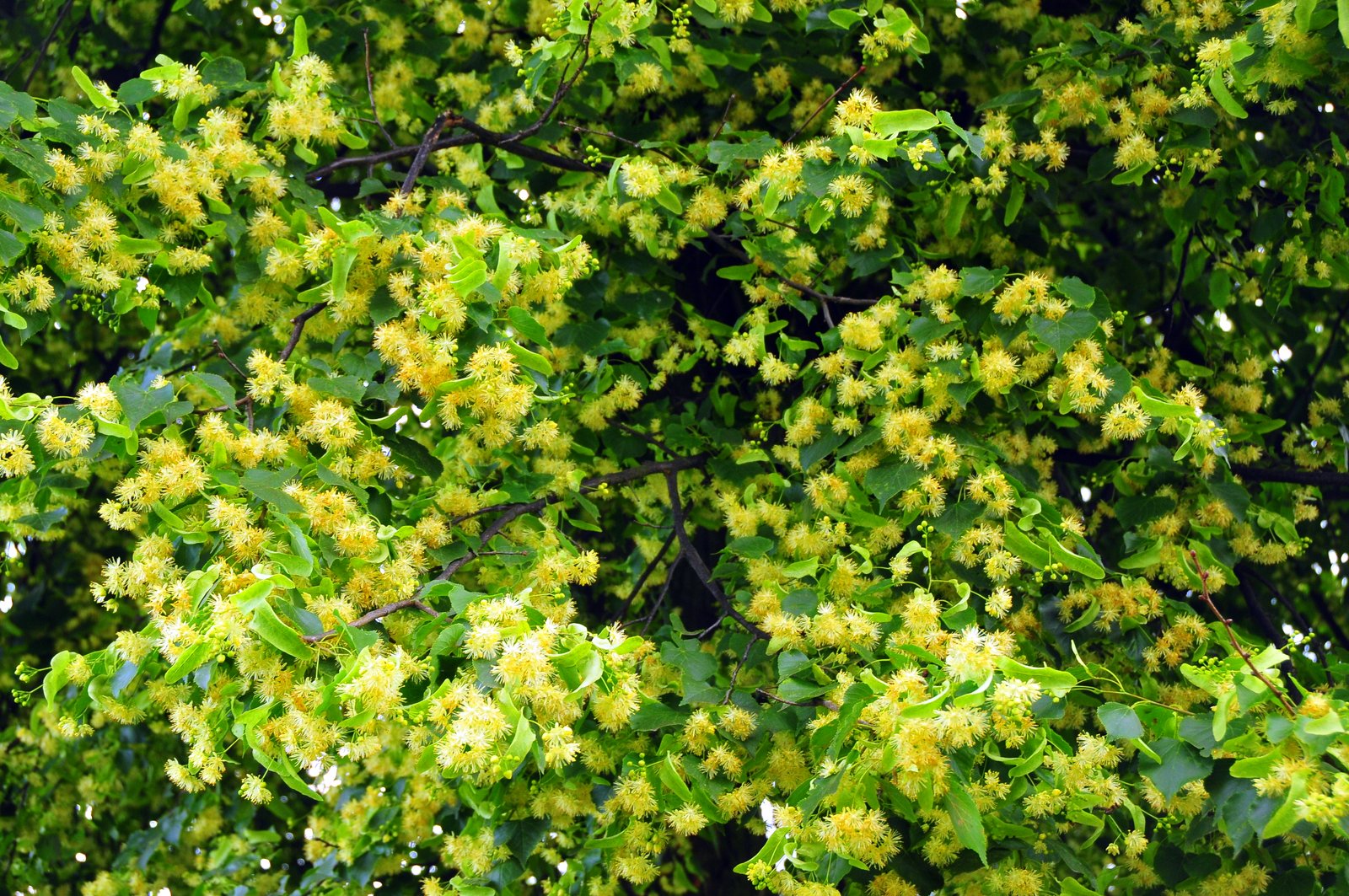
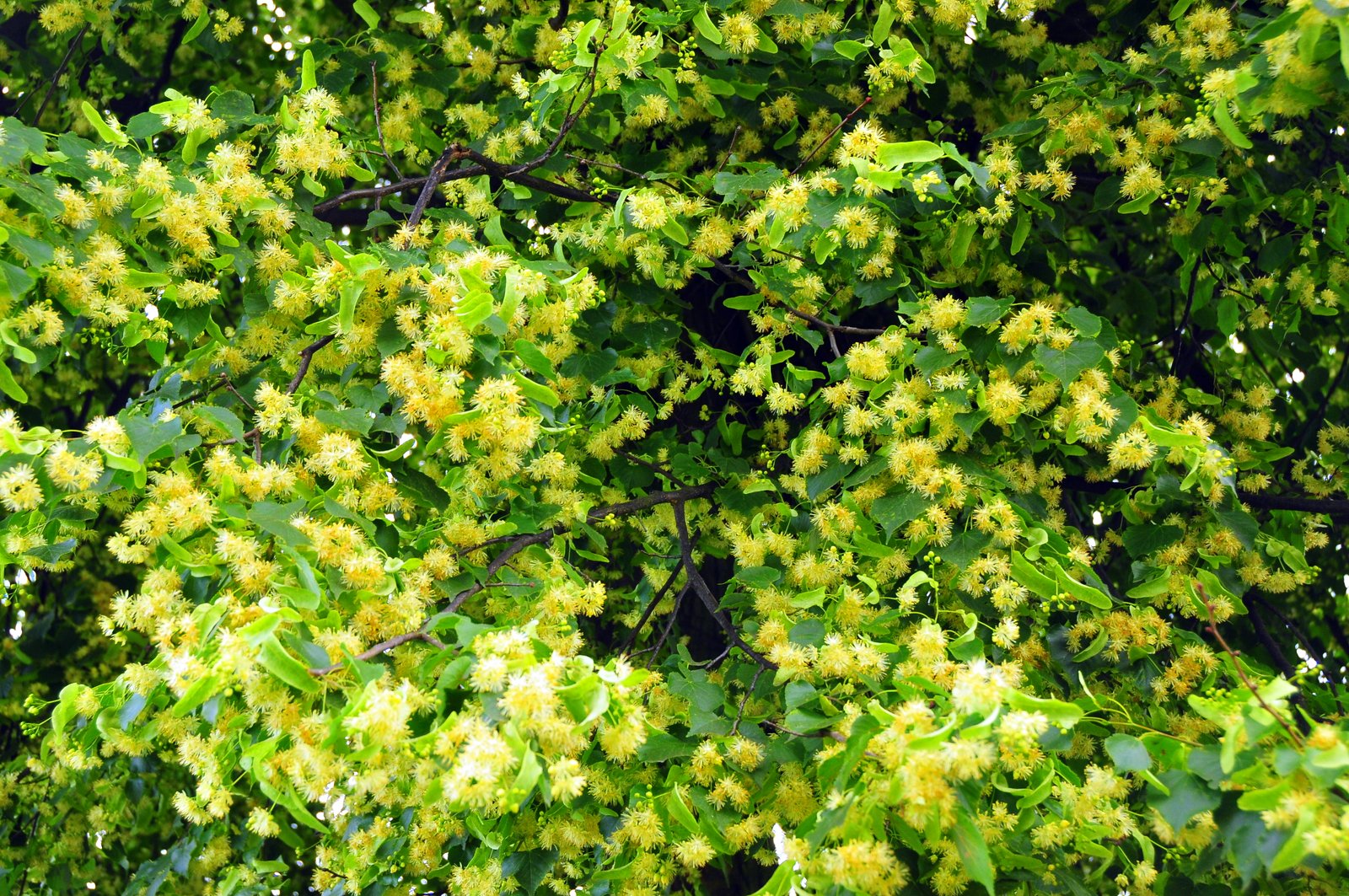
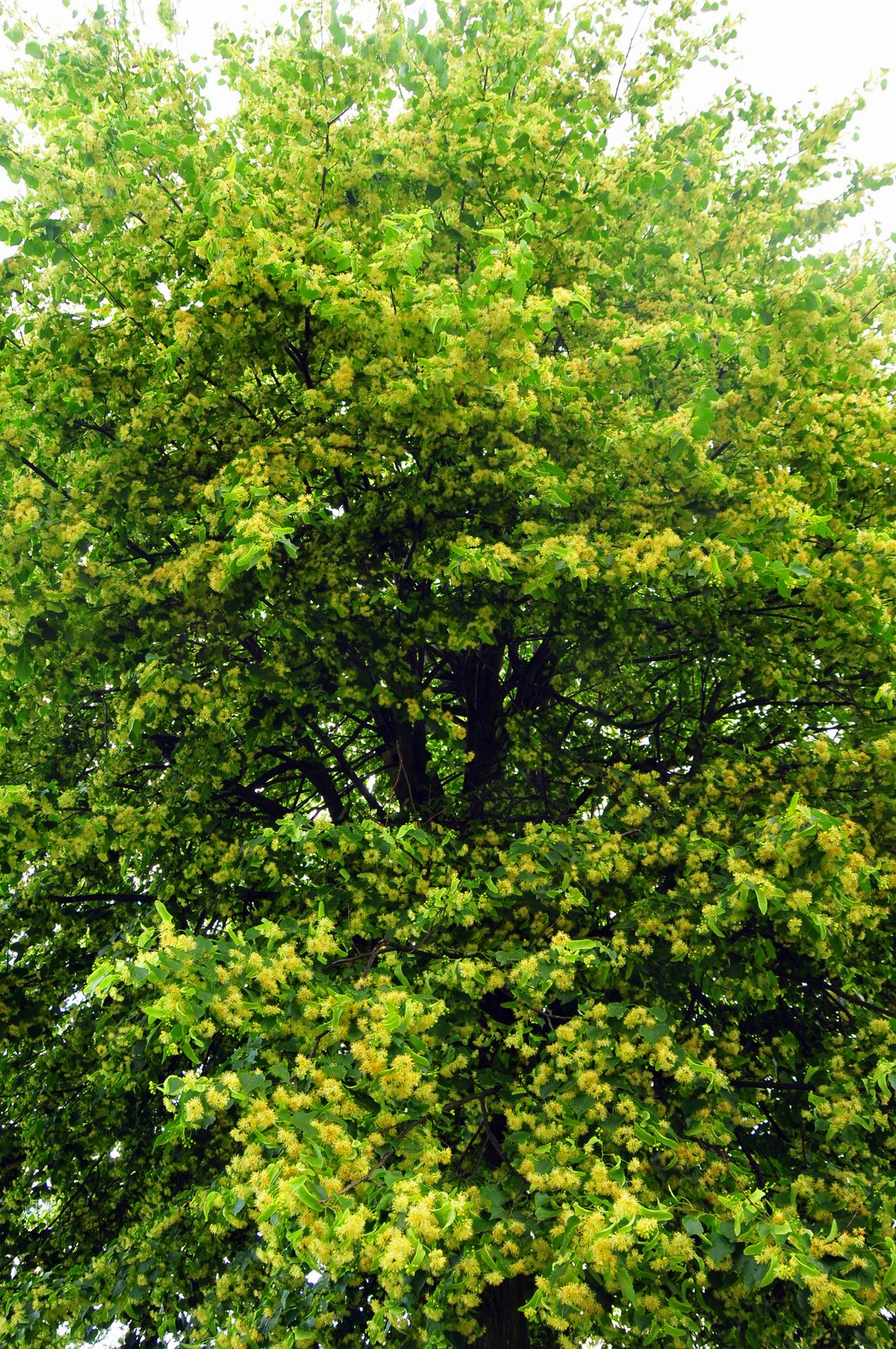
The Linden tree in Babcia’s yard is in full bloom now. The number and richness of the blossoms is astounding. Equally incredible is the constant and unmistakeable sound of bees buzzing around the blossoms.

Under der linden
an der heide,
dâ unser zweier bette was,
dâ muget ir vinden
schône beide
gebrochen bluomen unde gras.
vor dem walde in einem tal,
tandaradei,
schône sanc diu nahtegal.
Under the linden tree on the open field,
where we two had our bed,
you still can see
lovely both
broken flowers and grass.
On the edge of the woods in a vale,
tandaradei,
sweetly sang the nightingale.

Or in another cultural context: “Dragostea din tei” (“Love from the Lindens” according to Wikipedia) which became the famous “Numa Numa” video.

Two Portraits

Two portraits, within moments of each other. One has great facial expressions; the second, great light.

DSC_6121

DSC_6129

A je to!

The last time we were here, it was the Russian serial Ну, погоди!

In Poland, the Czech serial A je to! and later as Pat a Mat goes by the title Sąsiedzi (Neighbors), and it is an absolute delight to watch: stop-motion animation perfected. I find it amusing; L finds it hilarious. Here’s our favorite episode so far:

Salt Mine

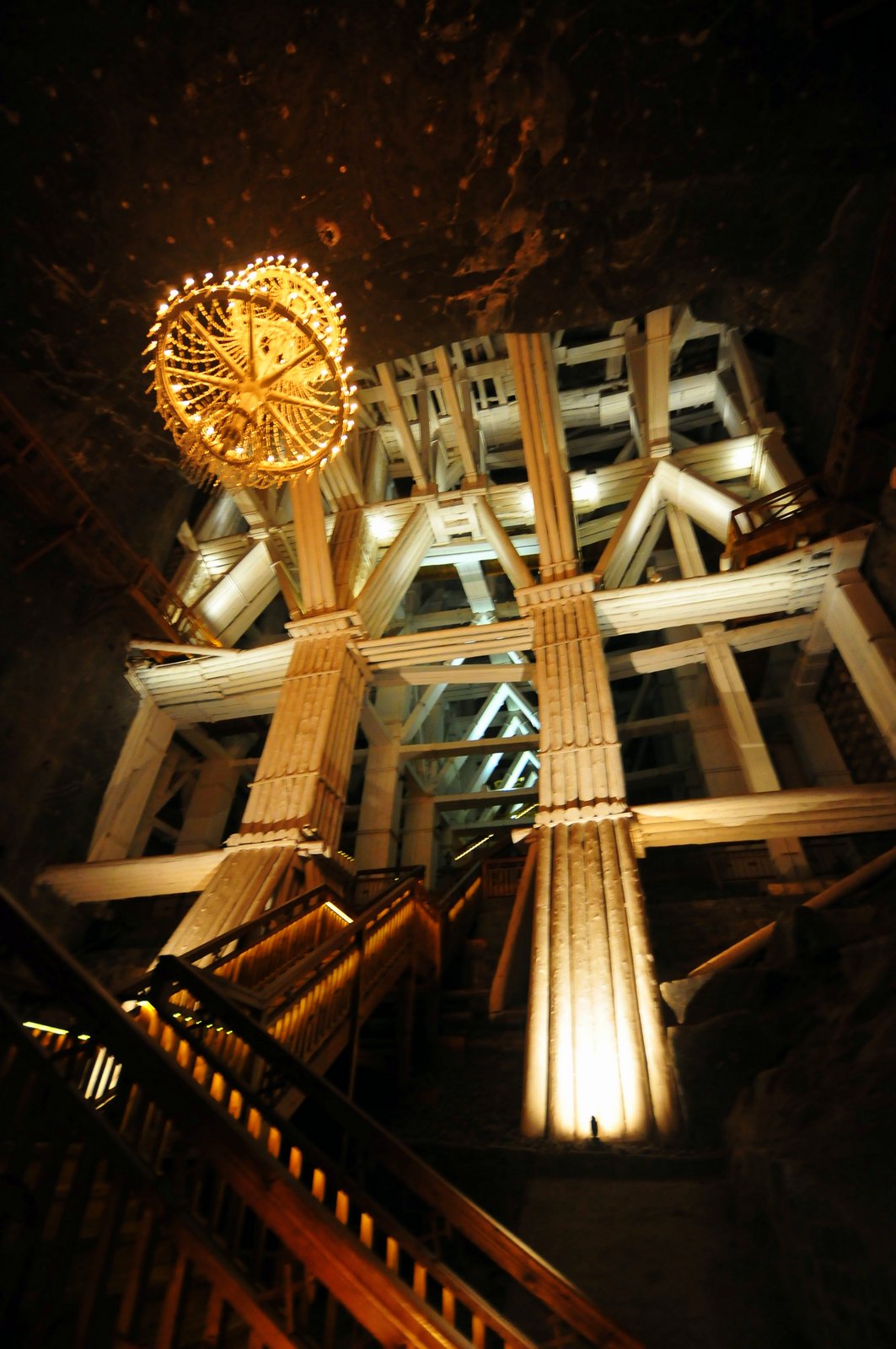
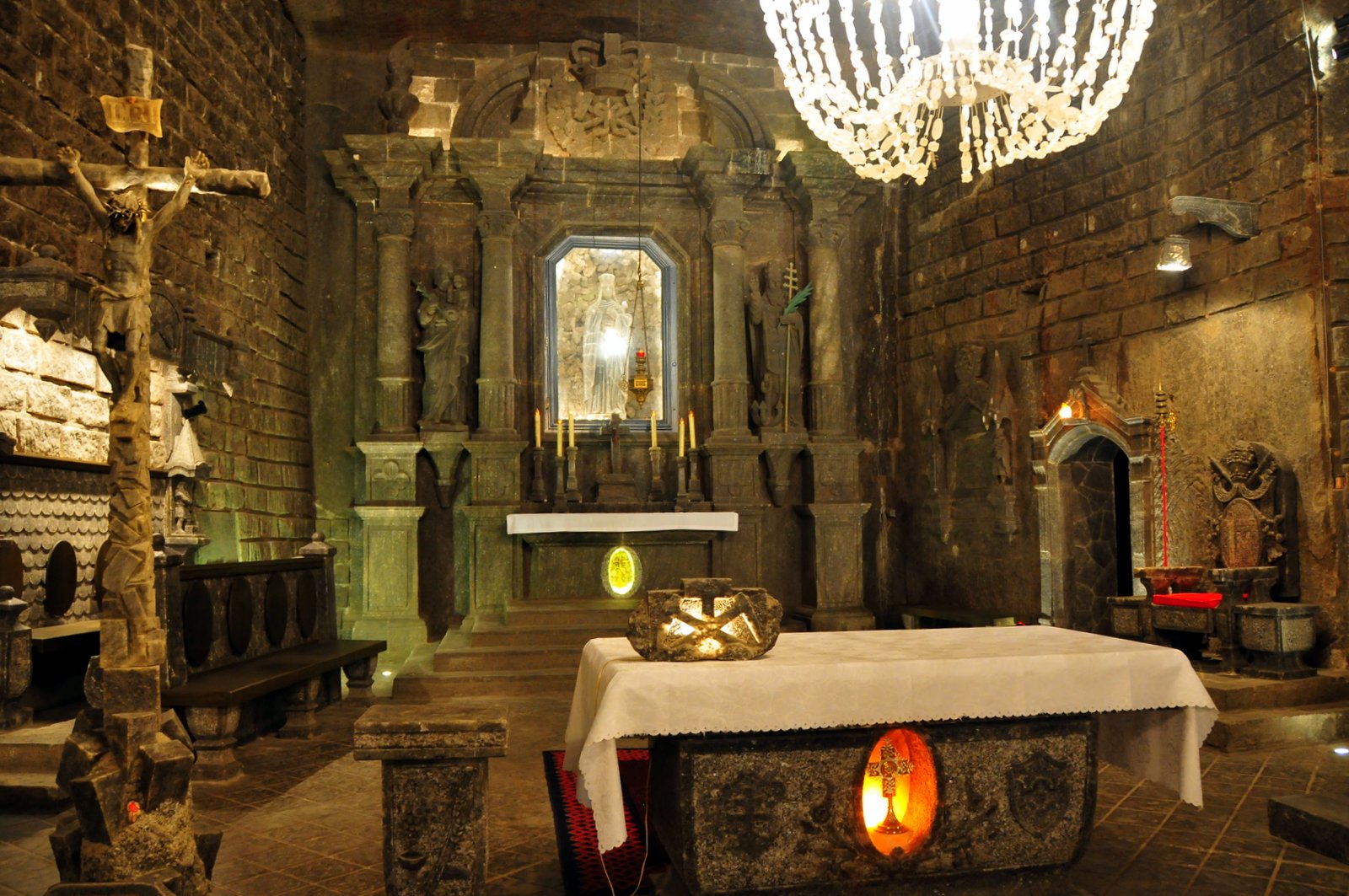
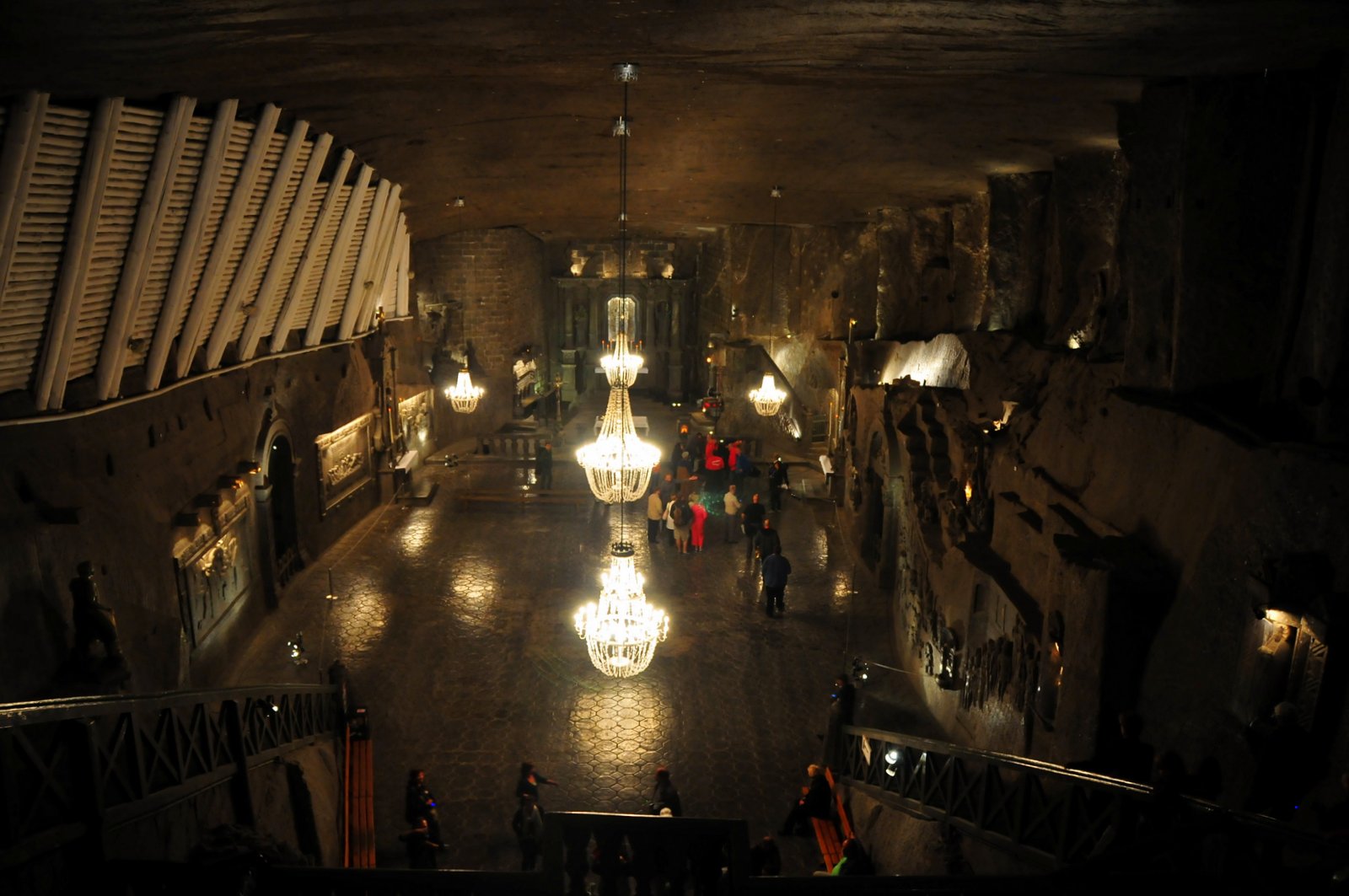
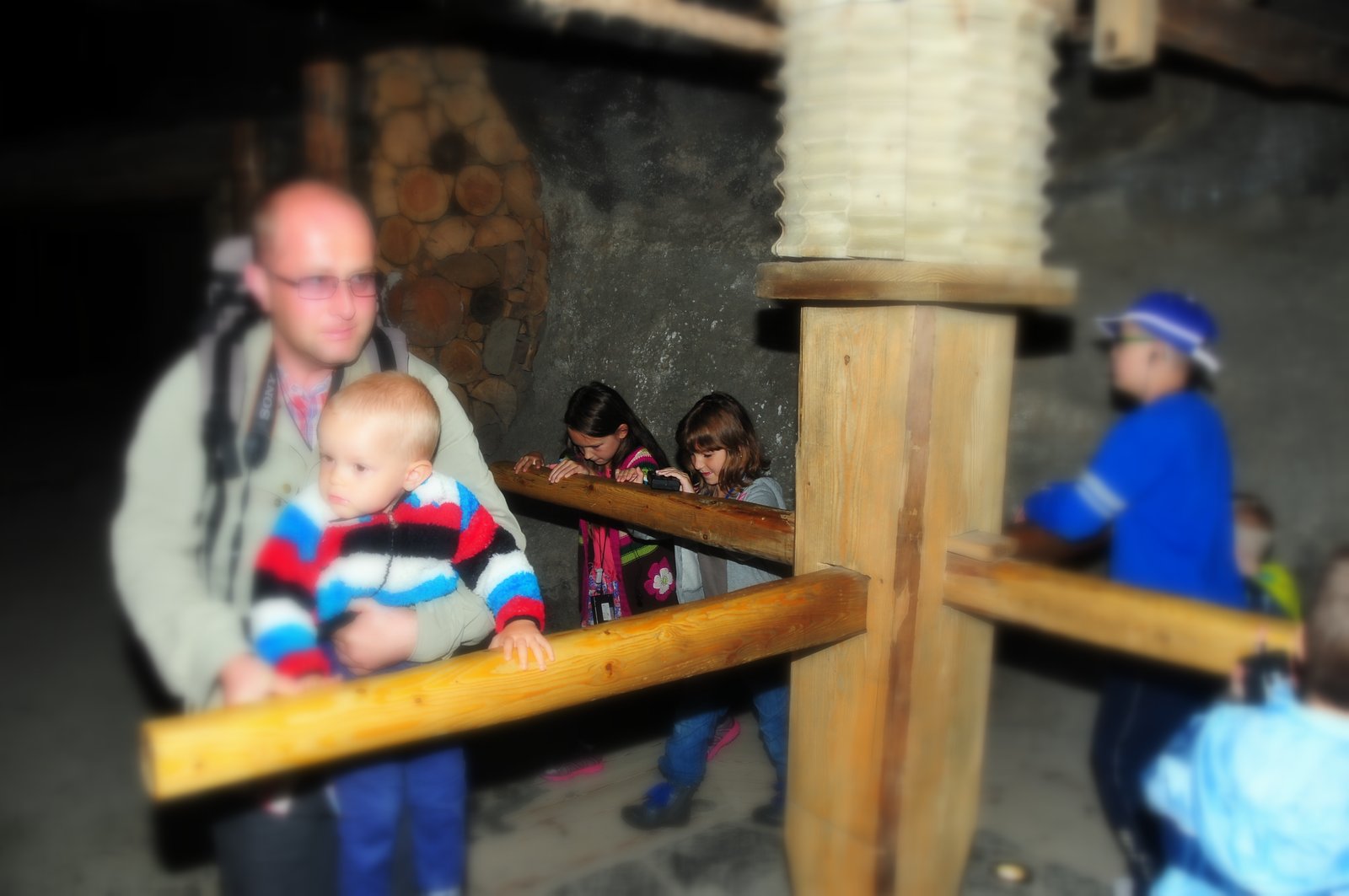
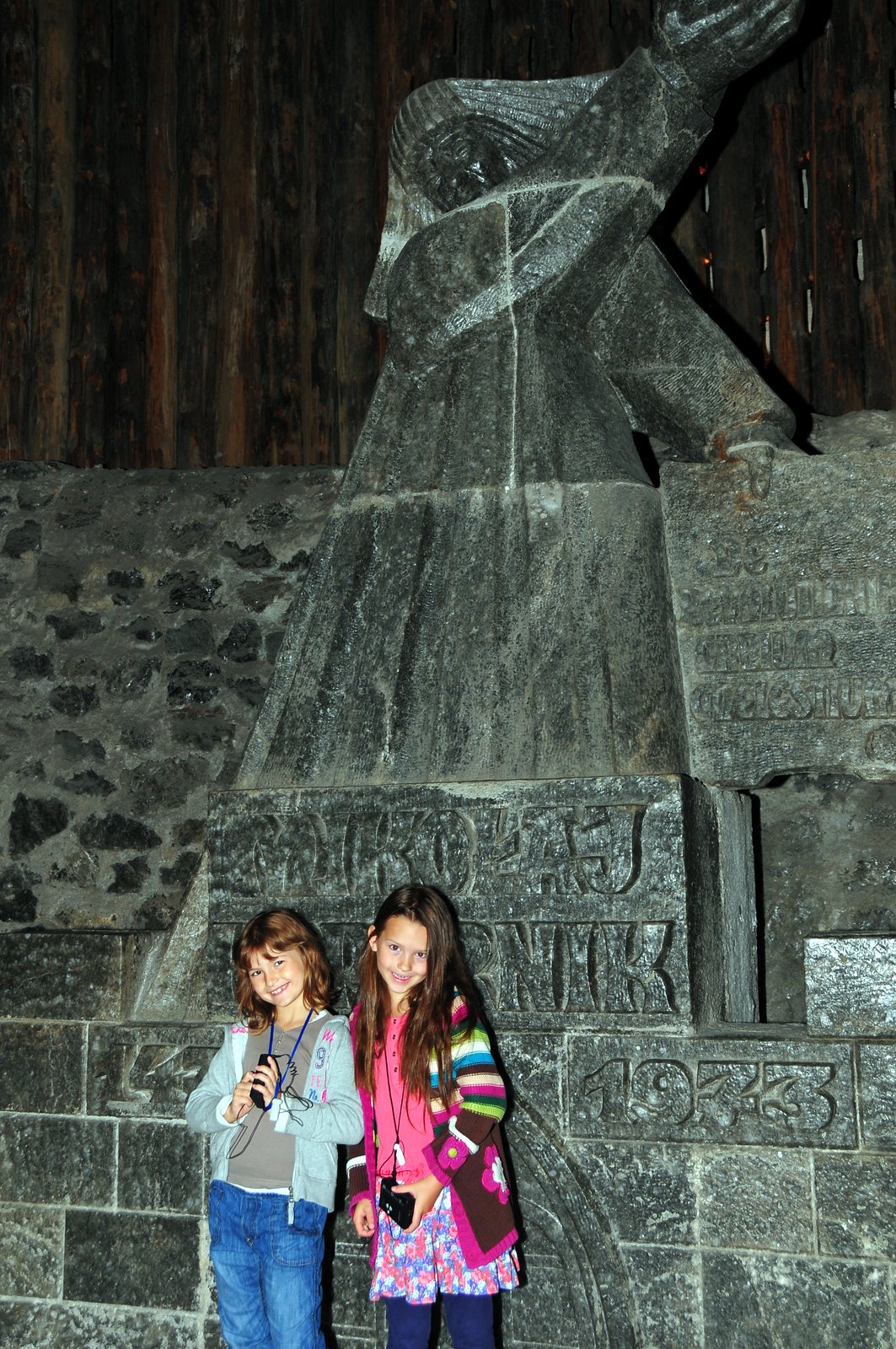
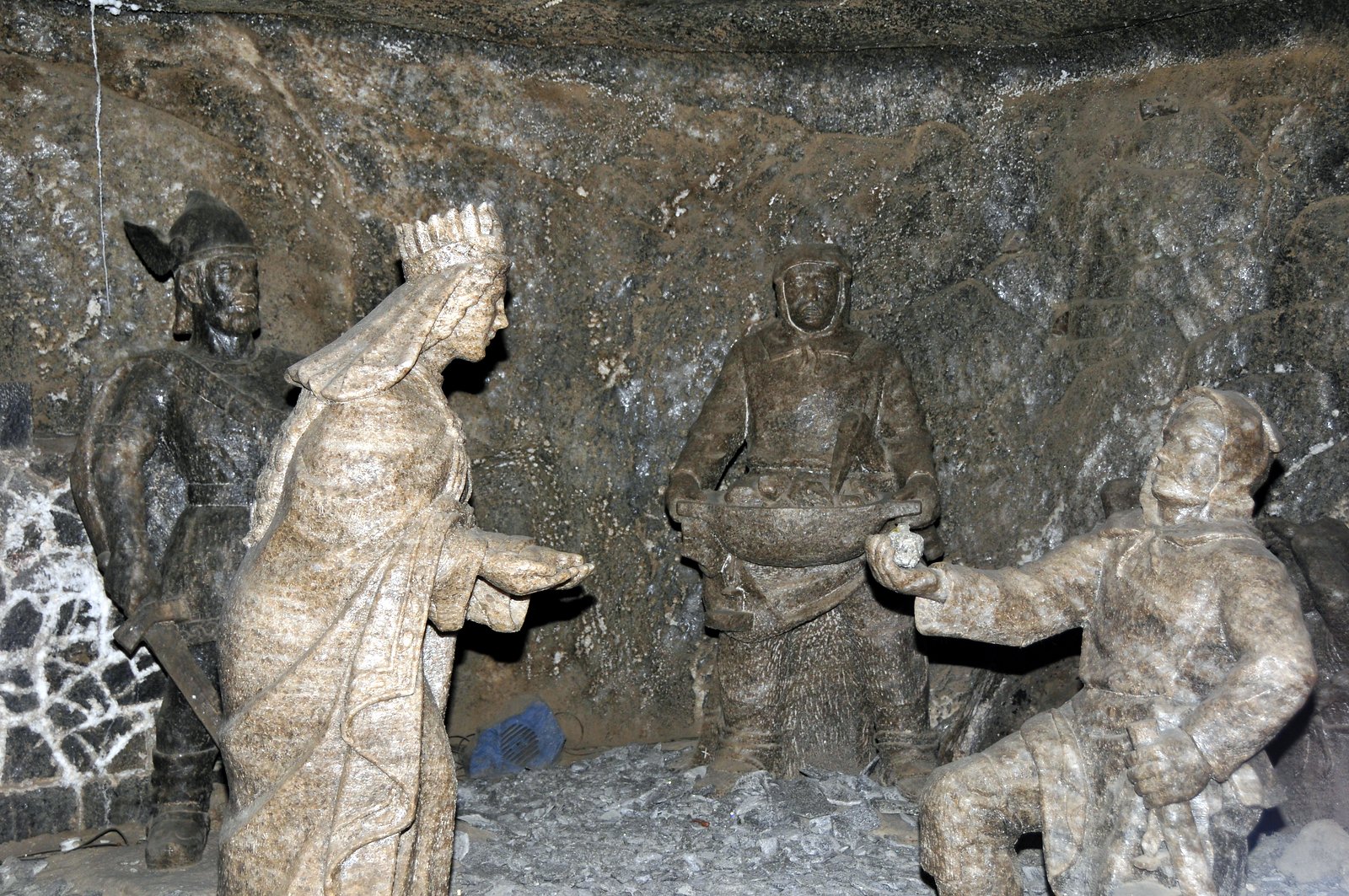
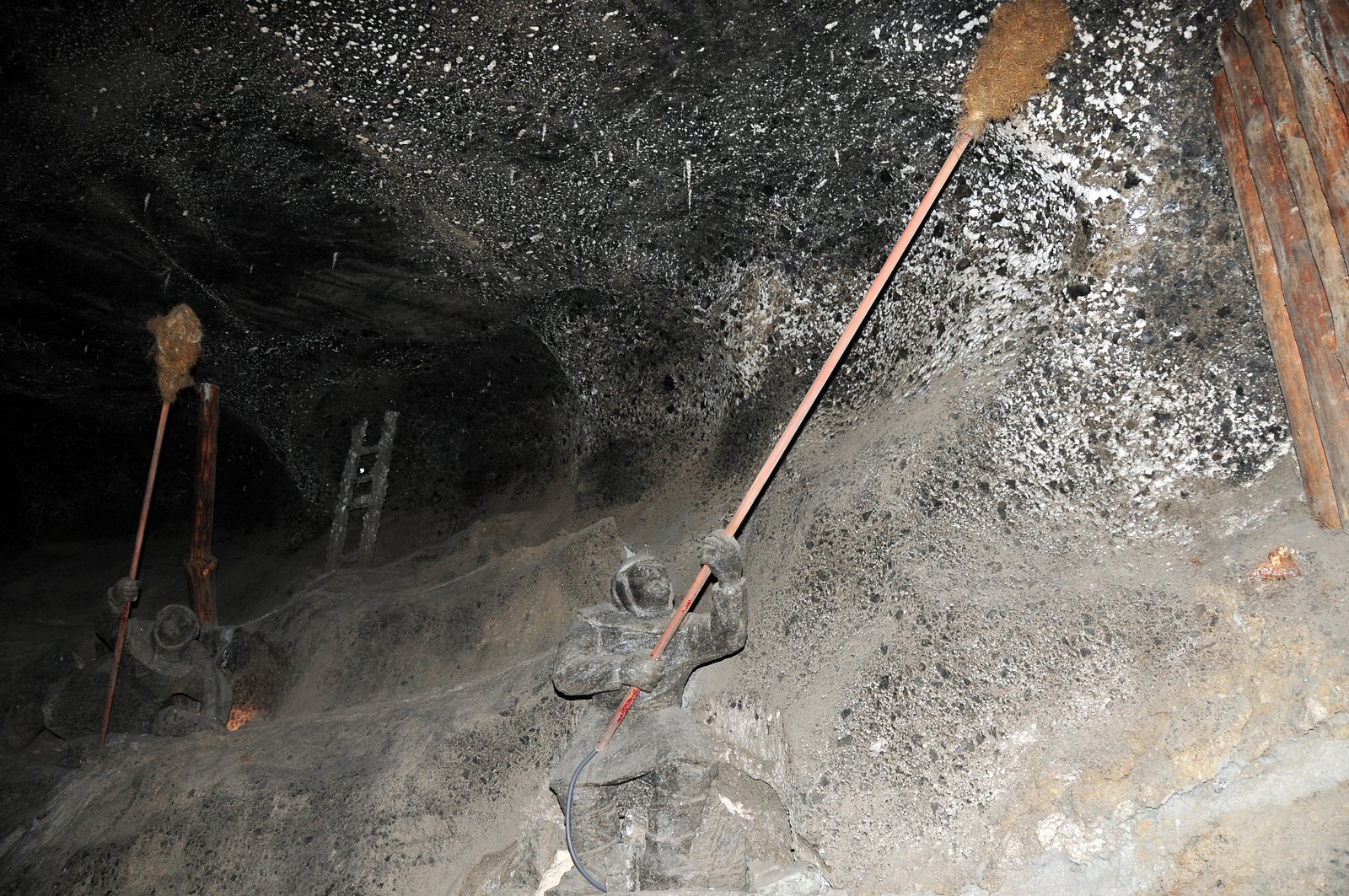
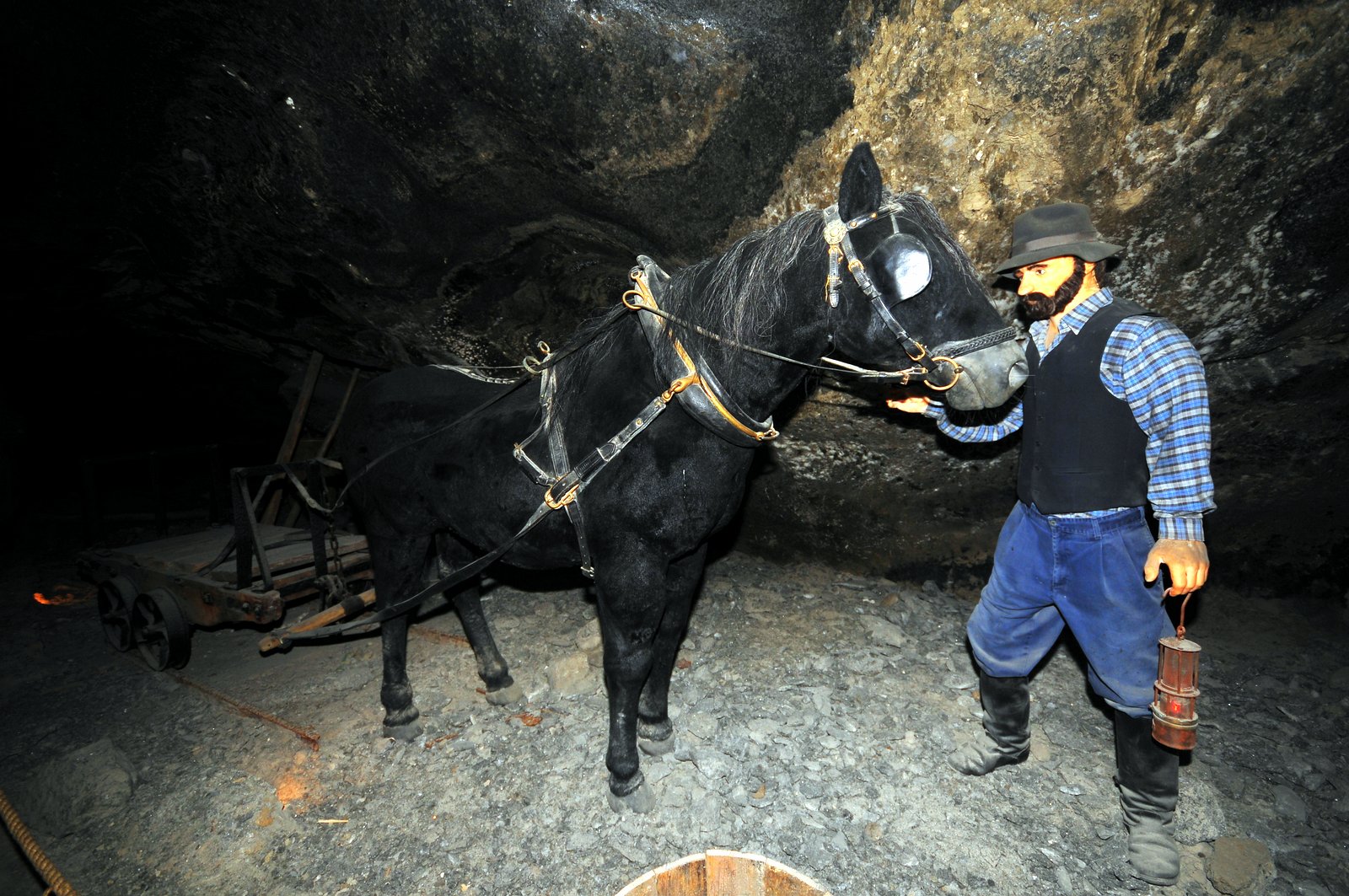
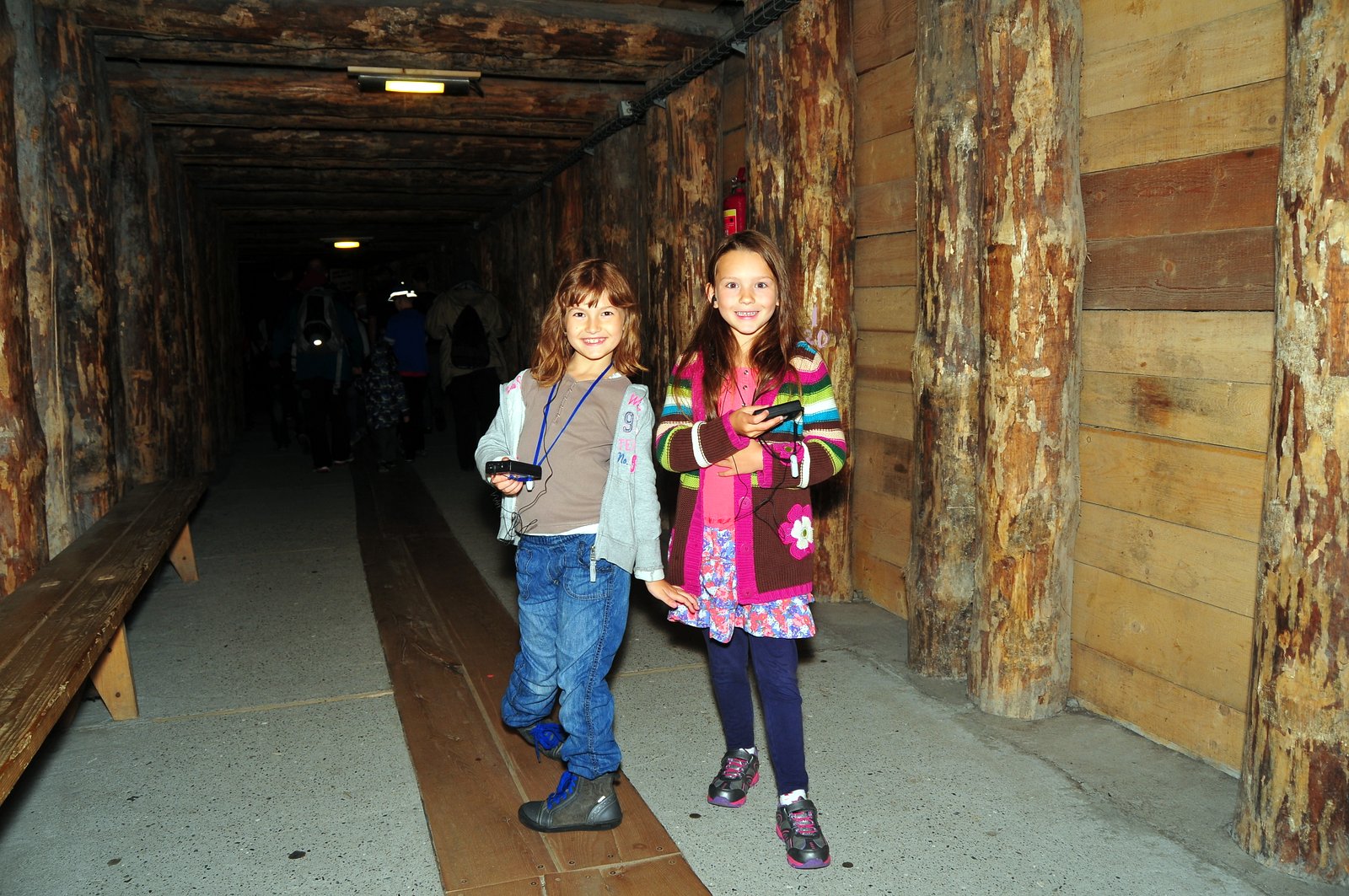
The mine’s statistics are impressive: dating to the 13th century, the salt mine at Wielkiczka is 327 metres (1,073 ft) deep and over 287 kilometres (178 mi) long. The tour itself covers probably one or two percent of that distance, though, and it only goes down to the first thre levels. That doesn’t really lessen the impression it makes: tunnel after tunnel leading to spaces carved from salt that seem impossibly tall or wide or both.

And on a rainy day — once it starts raining in Poland, it seems there’s a 100% chance of days of rain — there’s probably nothing better to do.

Sto Lat

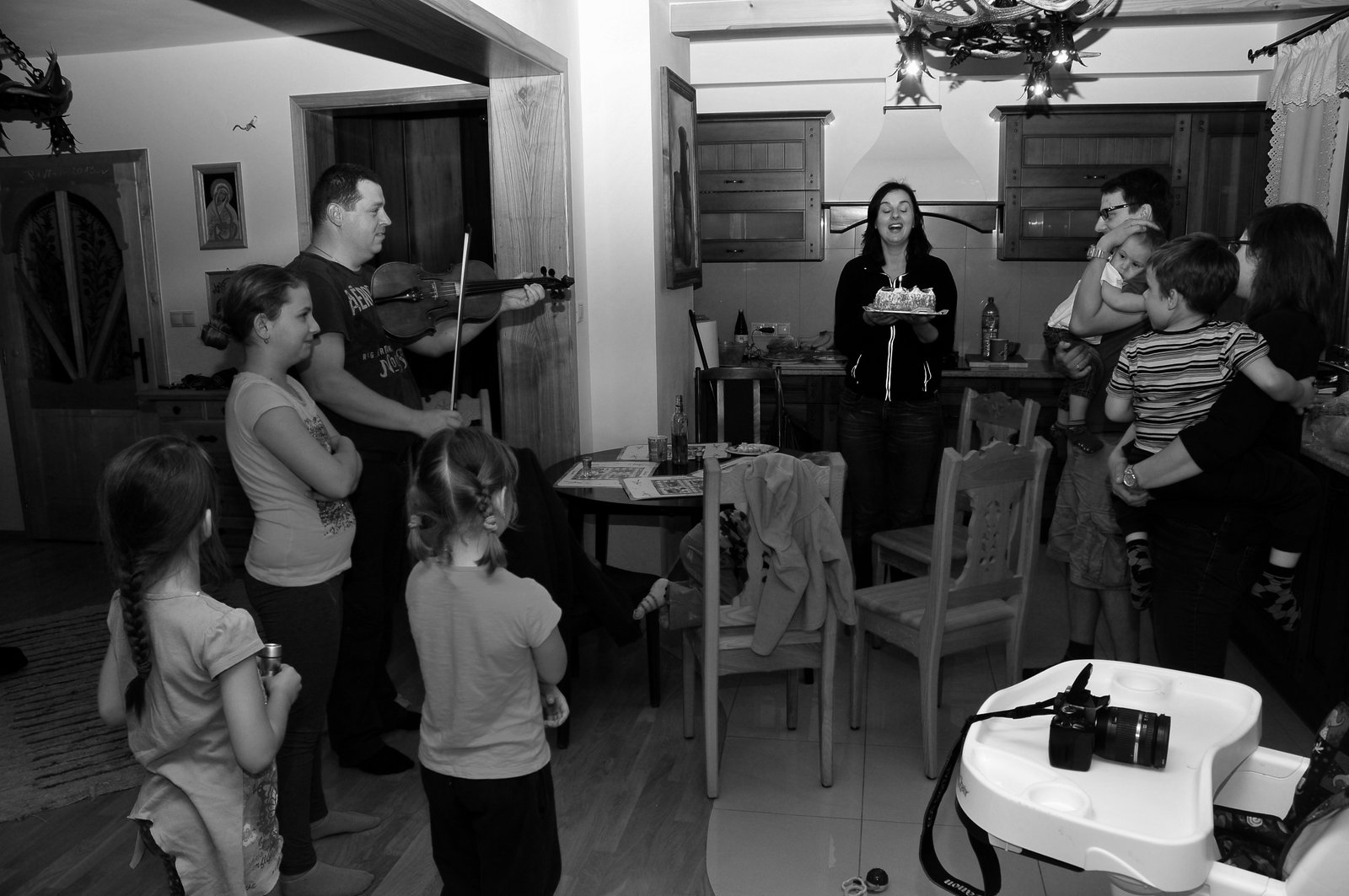
If, the day after your birthday, you visit friends in Poland, you shouldn’t be surprised to get a spontaneous rendition of “Sto Lat

Sto lat, sto lat,
Niech żyje, żyje nam.
Sto lat, sto lat,
Niech żyje, żyje nam,
Jeszcze raz, jeszcze raz, niech żyje, żyje nam,
Niech żyje nam!

DSC_5968

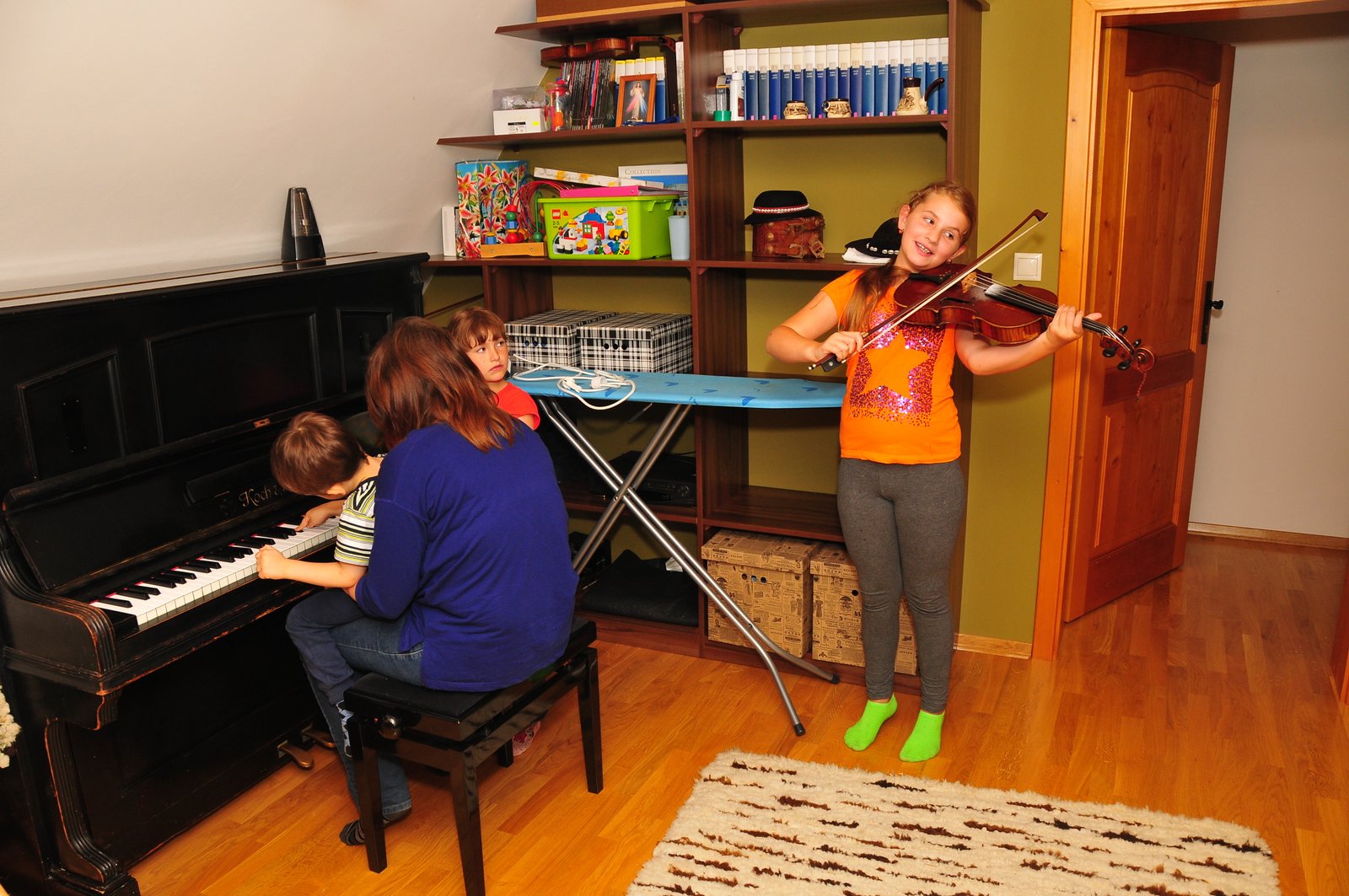
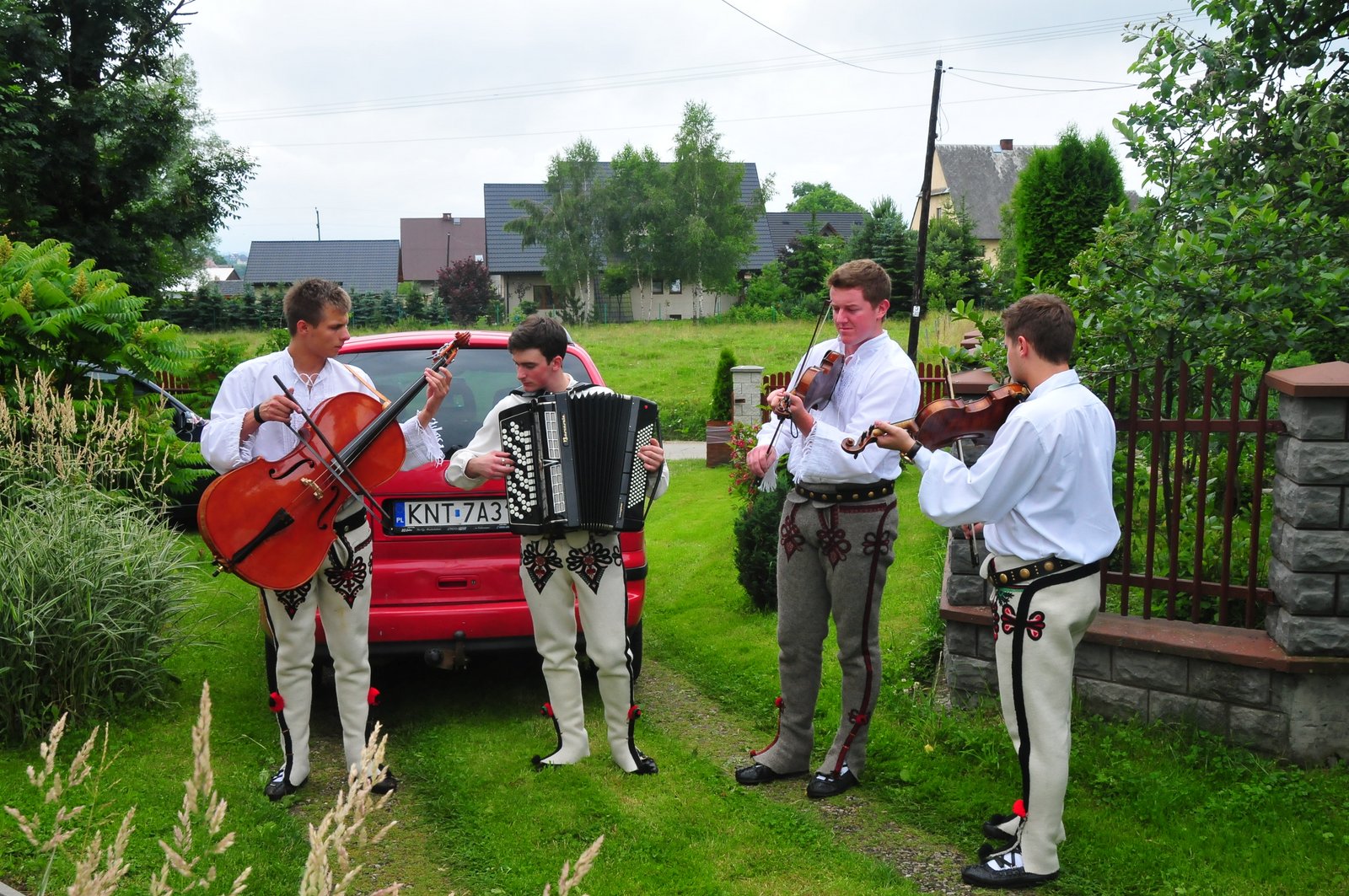
If the friends are deeply rooted in the Polish Highlander tradition, you shouldn’t be surprised when Pan Gospodarz dashes off beforehand and returns with his altówka (viola) to accompany the marry well-wishers.

DSC_5970

And with that many instruments, it could hardly come as a surprise that all the kids decide to form a band.

Between Dział and Morawczyna

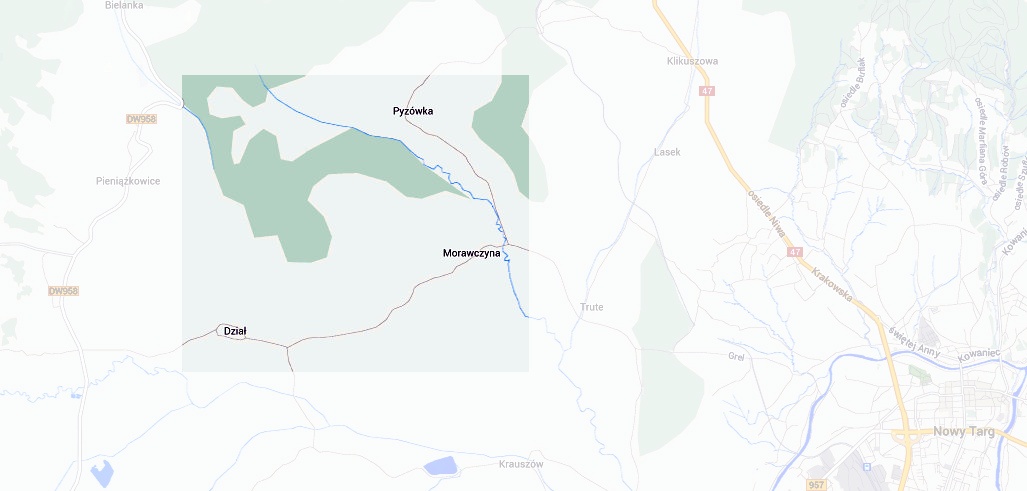
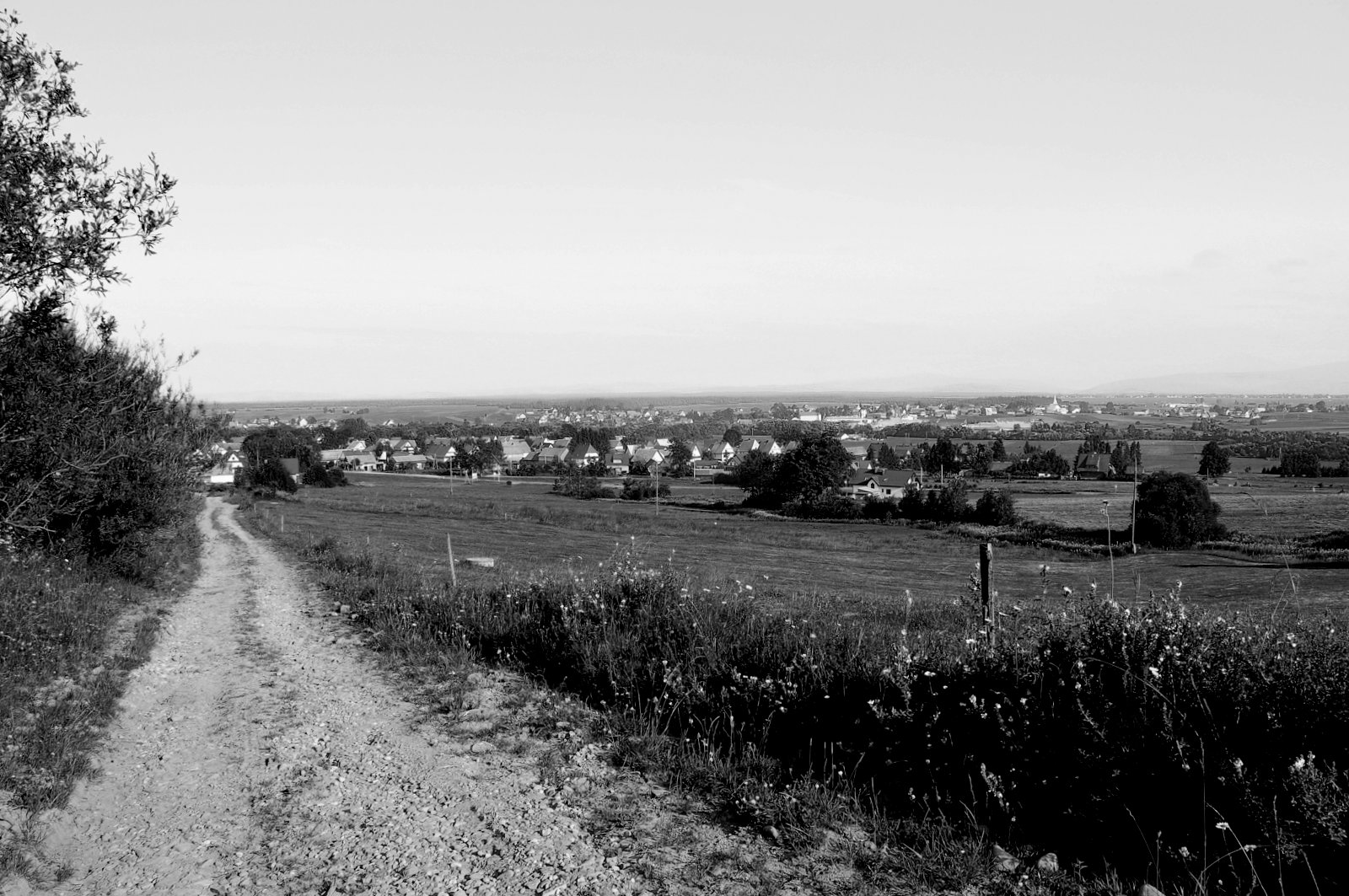
On the way back from Pyzówka where we visited friends (L’s godmother and one of K’s best friends since preschool — my friends too, but that was the initial connection), there’s a small hill that provides the most spectacular views of the Podhale region. Granted, this is not the standard way to get there, which would be Jablonka → Czarny Dunajec → Ludźmierz → Pyzówka. I go via Pieniążkowice because that was one of my favorite bike rides, and I love to revel in the past.

Przechwytywanie w trybie pełnoekranowym 2013-07-13 145521

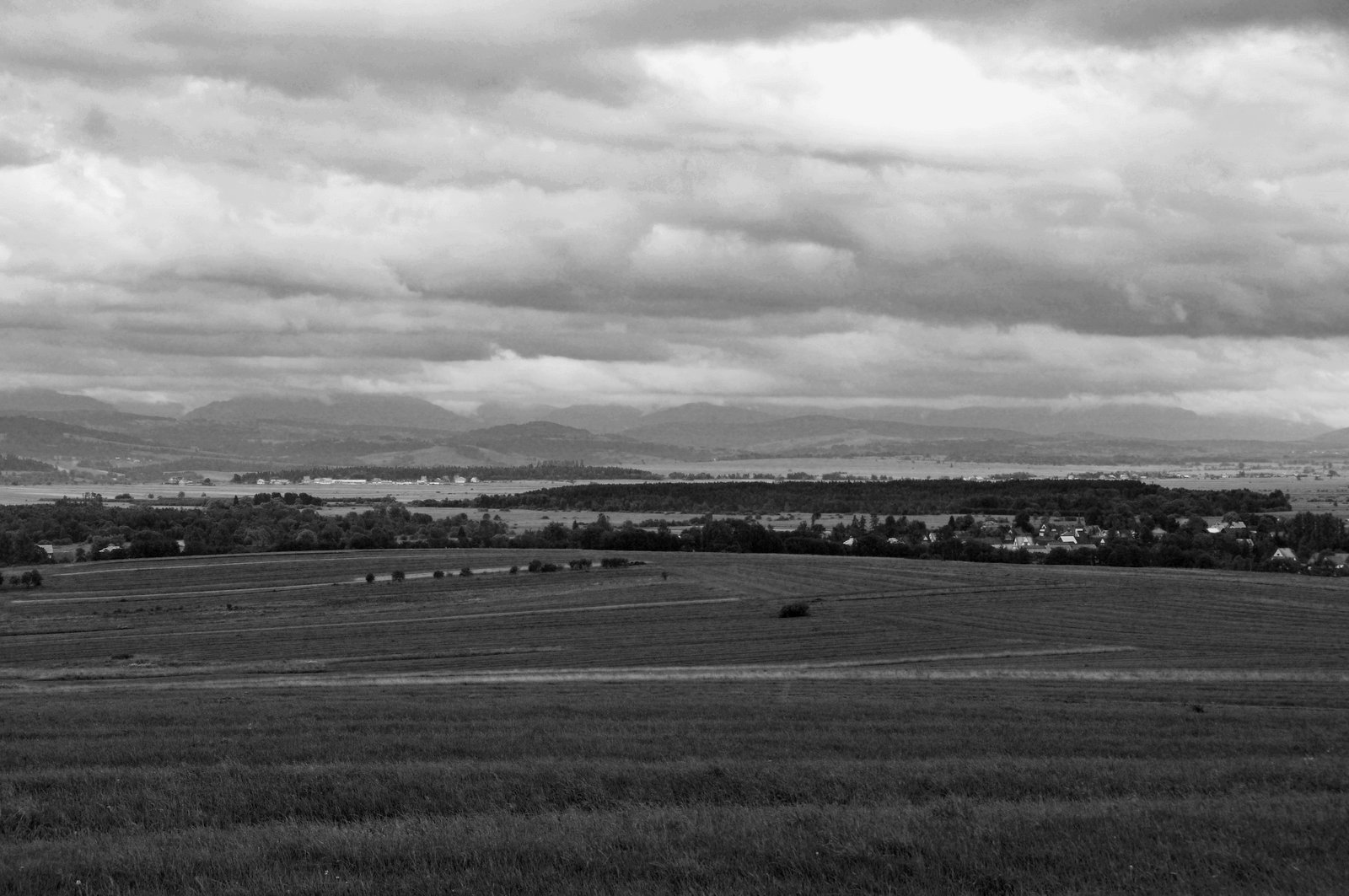
And with views like this — the Tatra Mountains tucked in between heavy, gray clouds and dark green fields — who could blame me for taking longer, more time-consuming route?

DSC_5975

After the Rain

DSC_5955
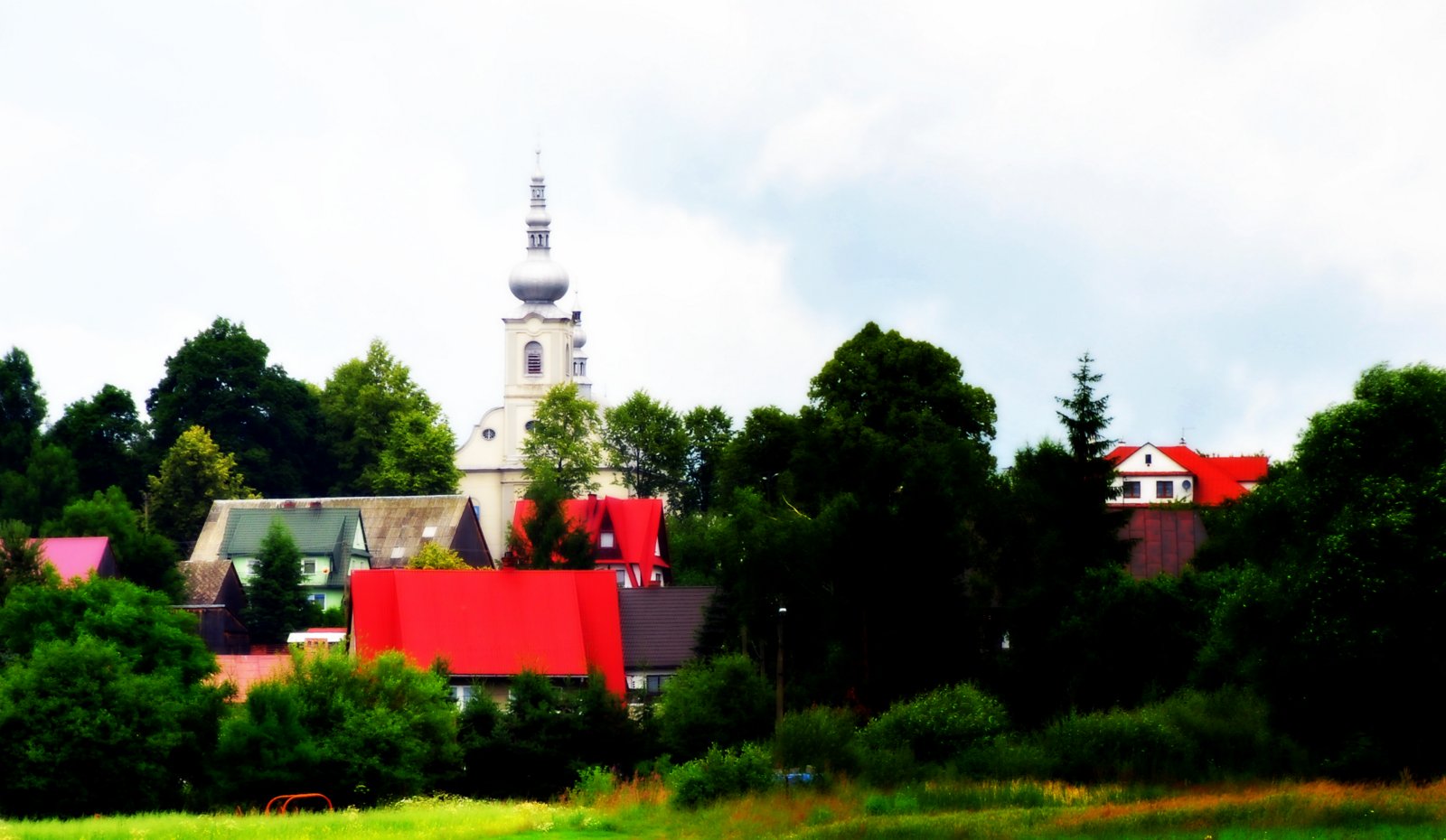
Church of the Transfiguration, Jabłonka

Ognisko in Spytkowice

“Don’t folks in America have summer homes?” The word Babcia used was the Polish version of да́ча (“dacha”), a Russian term for a seasonal home, often in the forest or at the lake.

DSC_5936

Family homes often serve that role here in Poland.

DSC_5942

Someone stays behind; everyone else marries and moves away. The result: a summer home.

DSC_5944

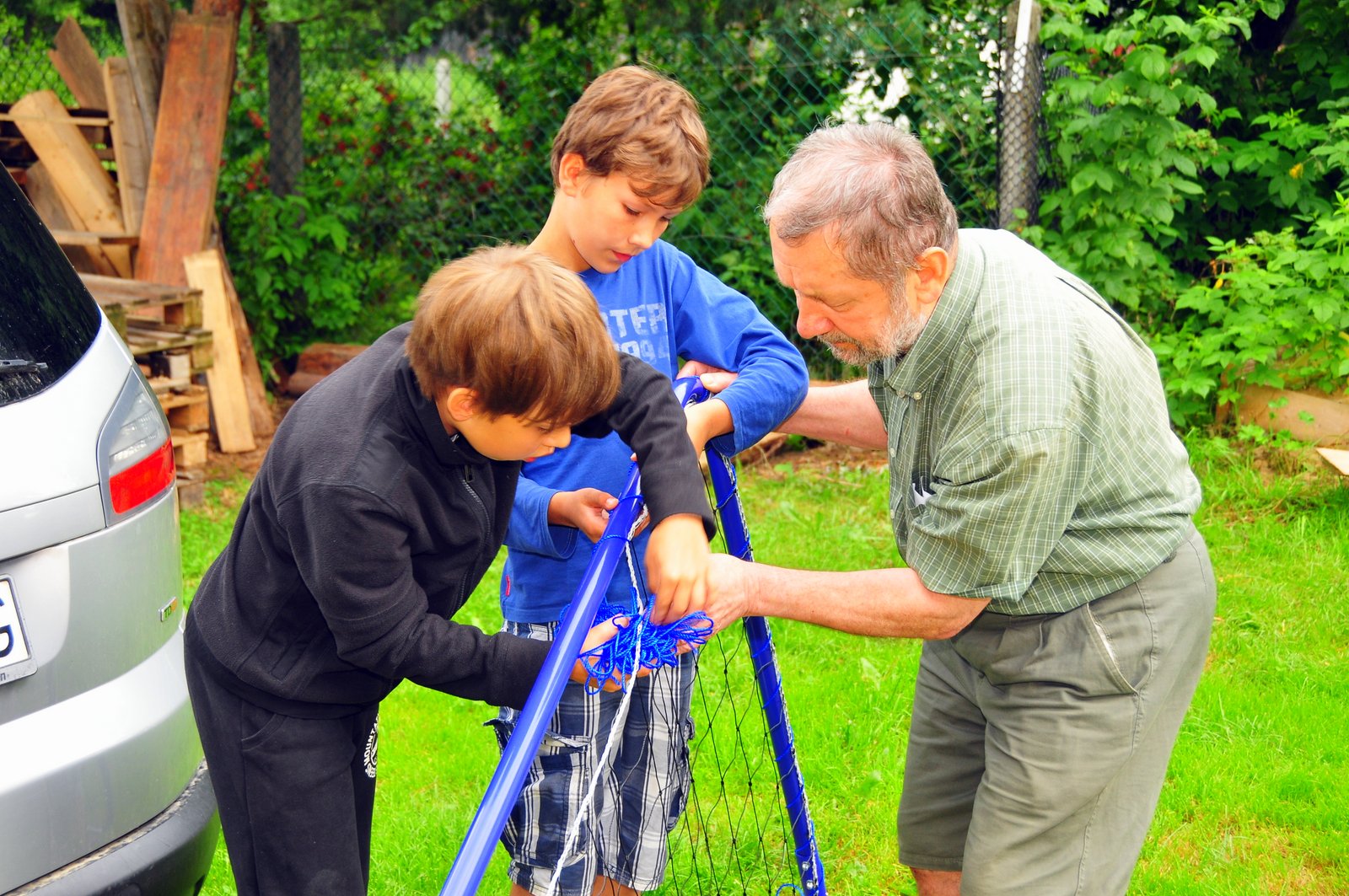
Then everyone — aunts, uncles, children, grandchildren — can spend the summer there. And if there’s enough room, one can even set up a soccer field.

DSC_5947

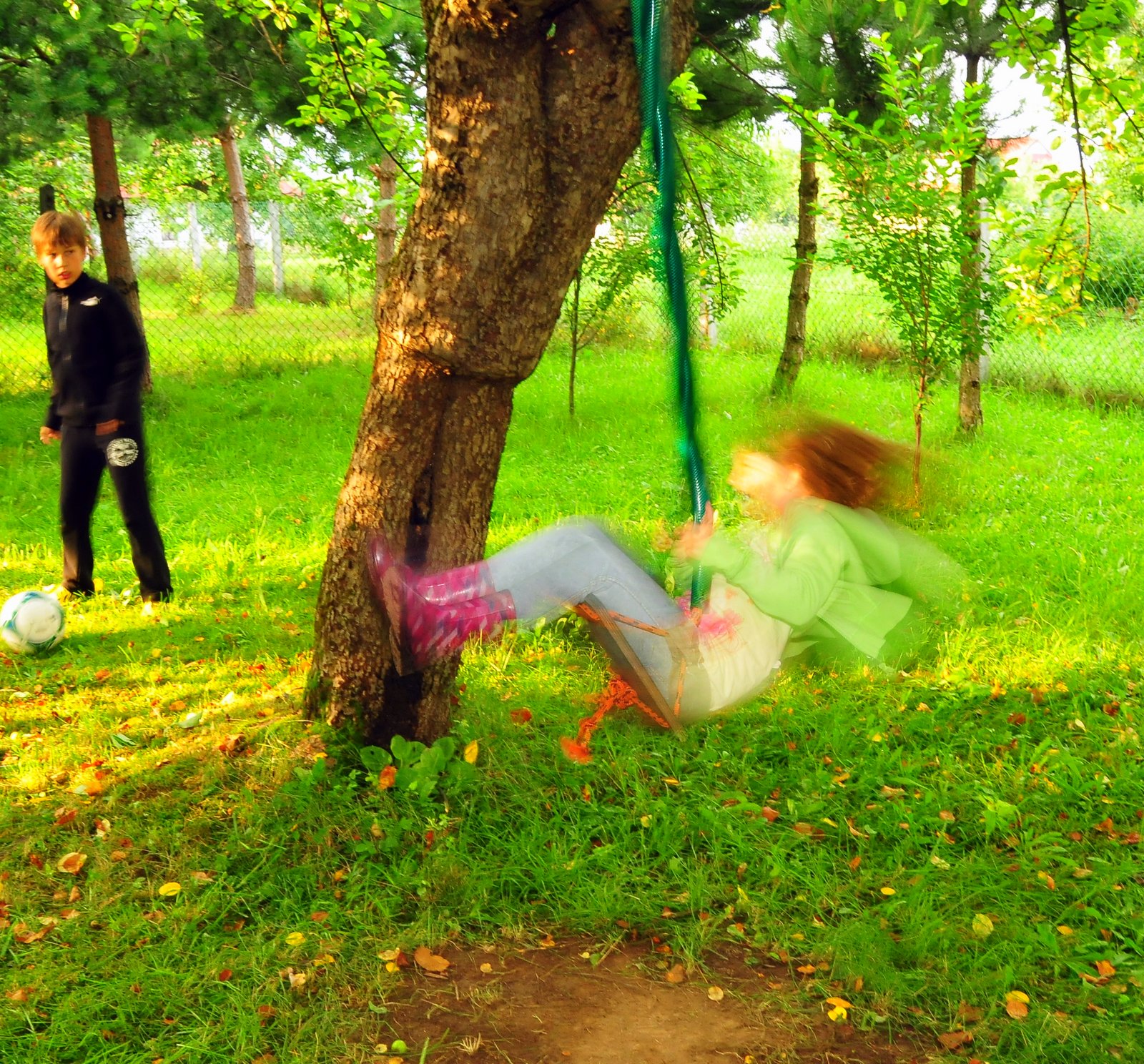
A few apple trees and you have the perfect place for a swing.

DSC_5952

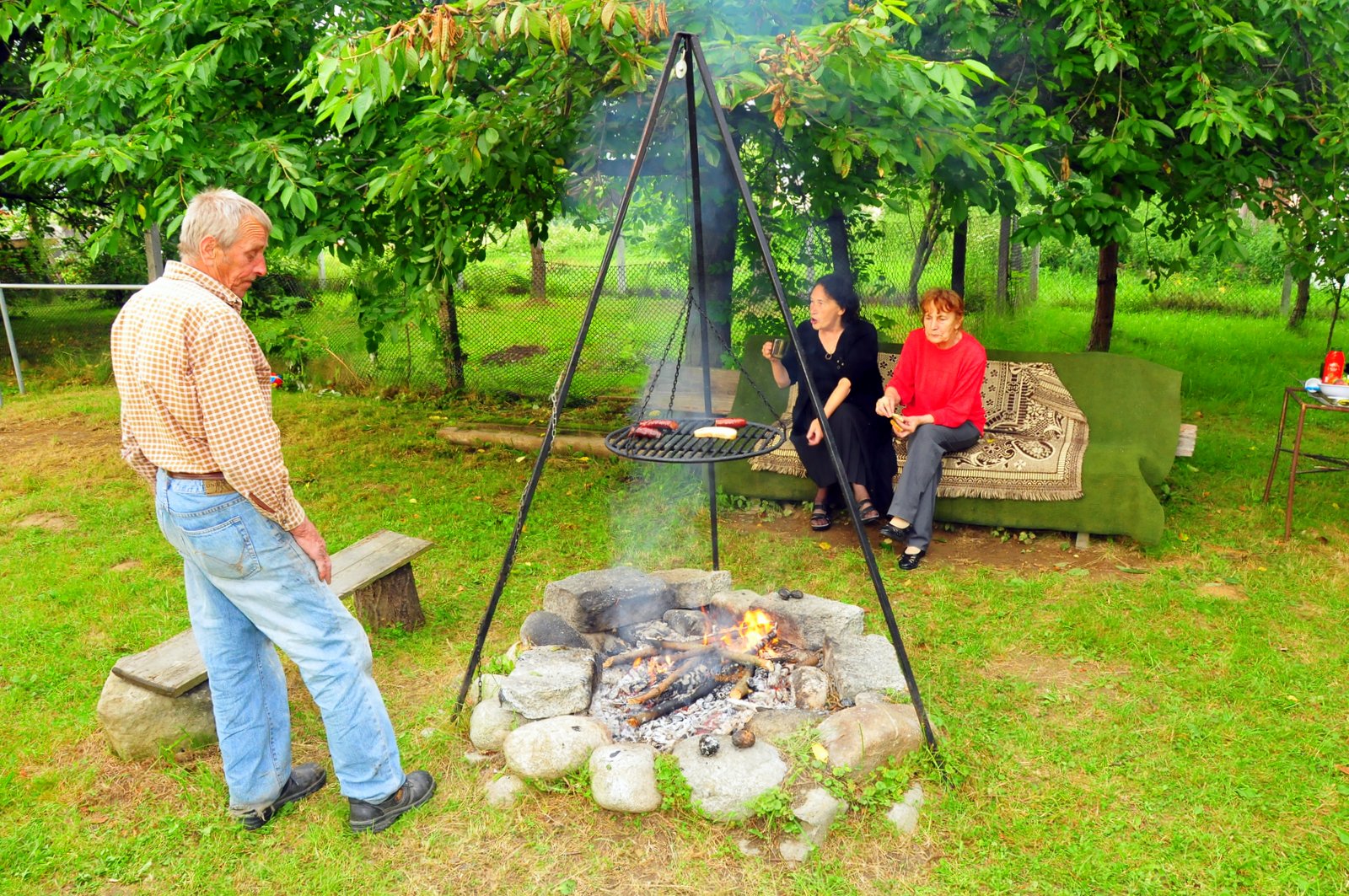
And of course, there’s the obligatory fire pit.

DSC_5954

Dzień Dobry

Walking down the street, I pass a group of children playing. “Dzień dobry” they call to me, a complete stranger. I’ve always liked that about Polish children.
Another Day in Lipnica

The day starts by breaking the law. But I’m getting ahead of myself. For the seven years I lived in Lipnica, one of my favorite places was a meadow at the base of Babia Gora, accessible via a barely-paved road traversed only by tractors and horse-drawn wagons. It occurred to me the other day that it would be a great place for a picnic followed by a few portraits. I knew going there by bike was out of the question, but I recalled traversing that barely-paved road in a car. So today, I pack the girls into the car and off we go.
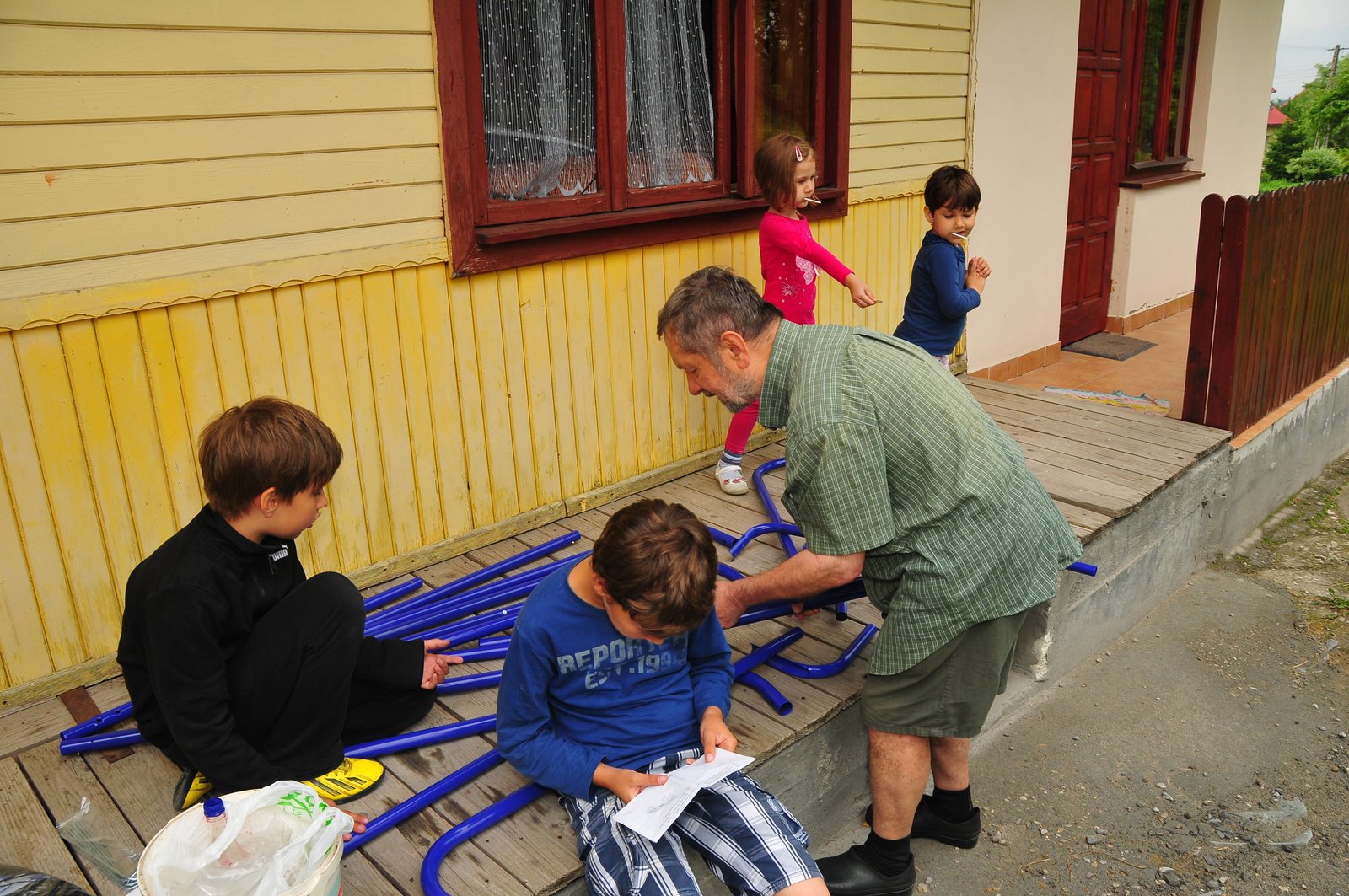
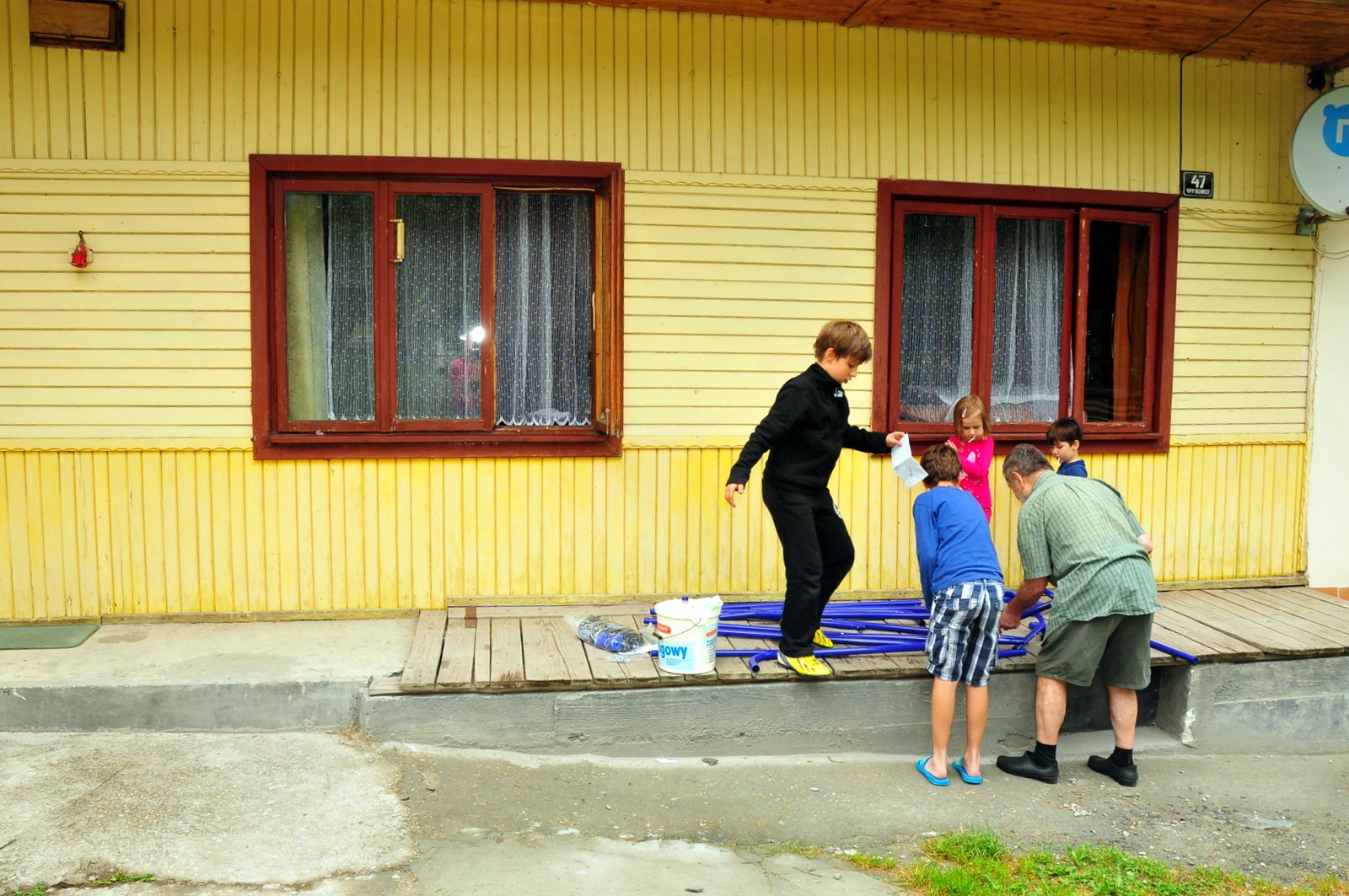
I discover that there have been a few developments: a small shelter for picnics and scattered picnic tables. We have our picnic; the girls finish eating as I head off for some photos of what I’ve always thought were ruins of some apparently and relatively ancient building. Trees up to ten meters high grow within the foundation — it has to be ruins. Once the girls eat their sandwiches, their peaches, their cookies, we head up into a high meadow for some photos.

We head back down, where a forestry officer meets us.

“Do you have permission?” he asks.

“Permission for what?” I think. “To take pictures? Surely we don’t have to seek permission to take pictures everywhere.” Instead, I simply ask, “For what?”

He almost laughs. “To be here.”

“What do you mean?”

“This is a national park. You’re not allowed to drive here.” I think of the four or five cars I’ve seen passing us while we ate and had our photo session.

“Really?”

“The only ones who have permission to be here are those who work for the park and those who have permission to log in the park.” That explains the cars. “Do you have a driver’s license?” he asks.

“Of course.”

“So you’ve passed a driving test. ‘No Entry’ signs are the same everywhere.” It occurs to me at this point to disagree: Polish signs are simply circular white signs with a red circle around it; American signs are red circular signs with a white rectangle in the middle — only very vaguely similar.
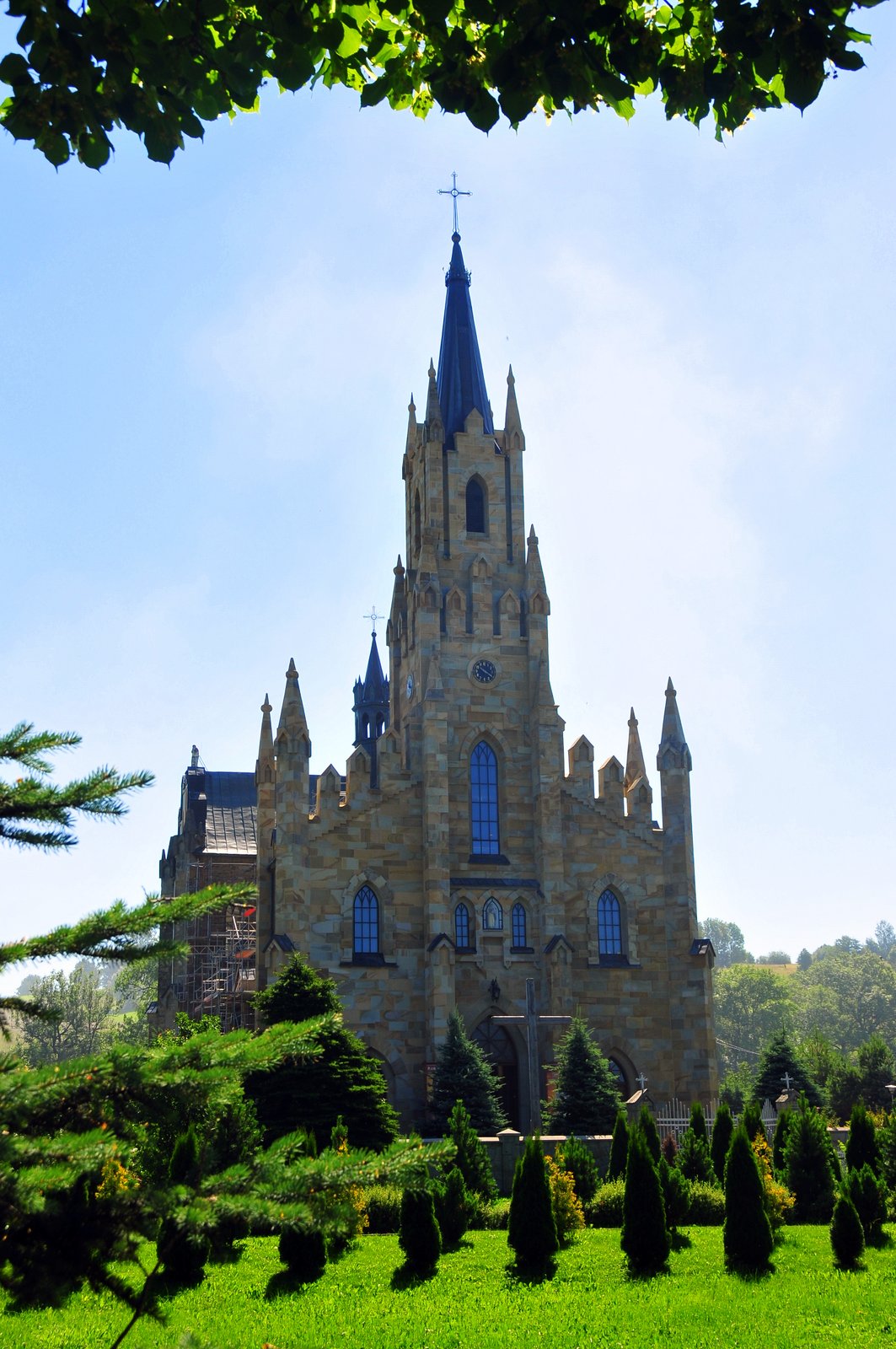
Instead I explain that I did see the sign but that there was what I thought was an explanatatory sign under it that restricted the “No Entry” sign to select vehicles. I explain that my Polish is not so good and, having traveled this road before in an auto, I just assumed that it was okay for me to pass. And there was a rectangular sign underneath the main sign, and I have traveled that road by car several times.
In the end, he has mercy on me and tells me only not to do it again.

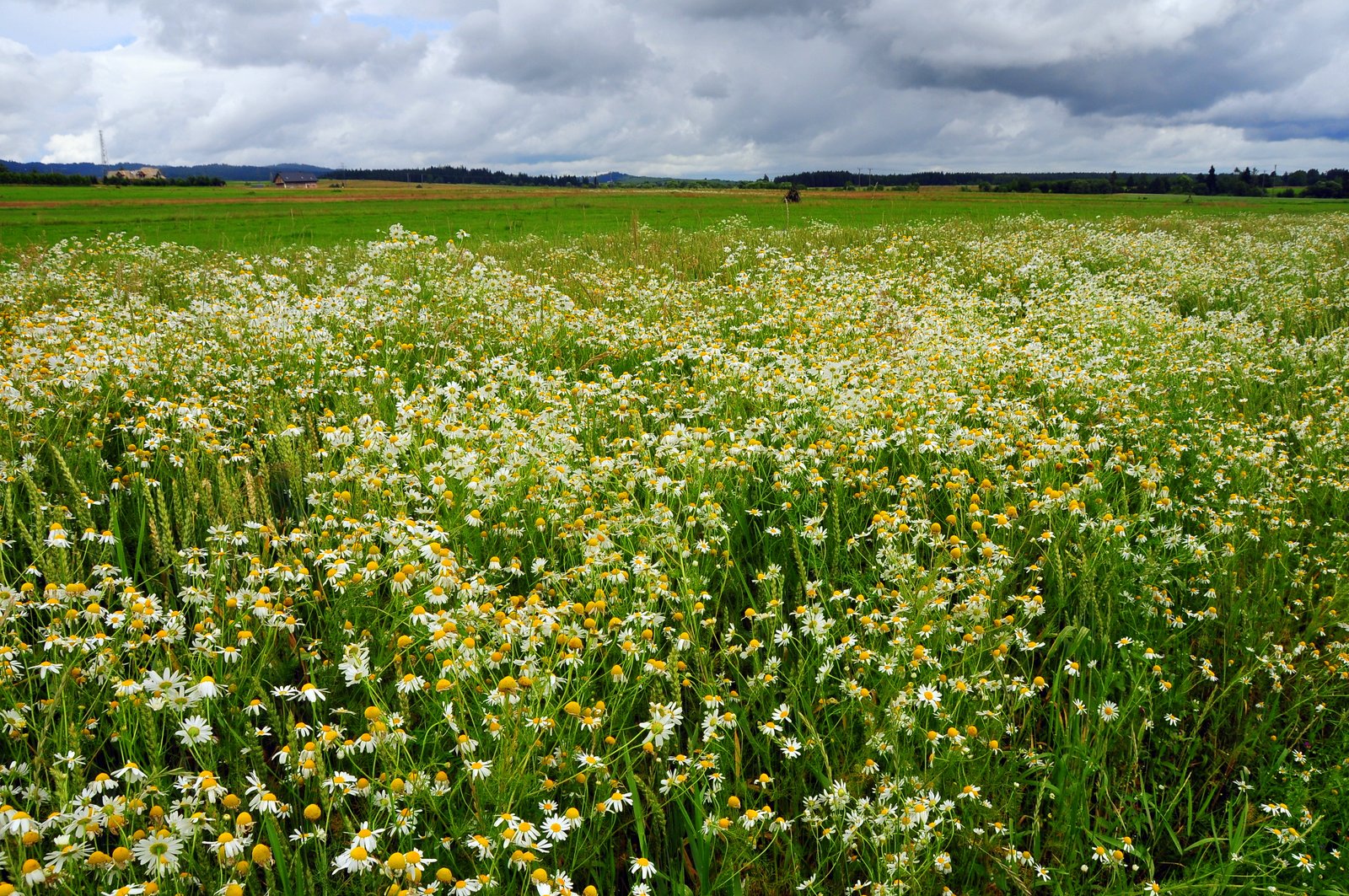
Afterward, we head back down to Lipnica Wielka centrum, my home for seven years. We meet with family (for all intents and purposes), then take a walk up into the hills, the walk I took countless times when I lived in Lipnica. Today, the fields are thick and deep with weeds, grass, and wildflowers; I’ve tried it with equally thick and deep snow — it’s tough-going either way.

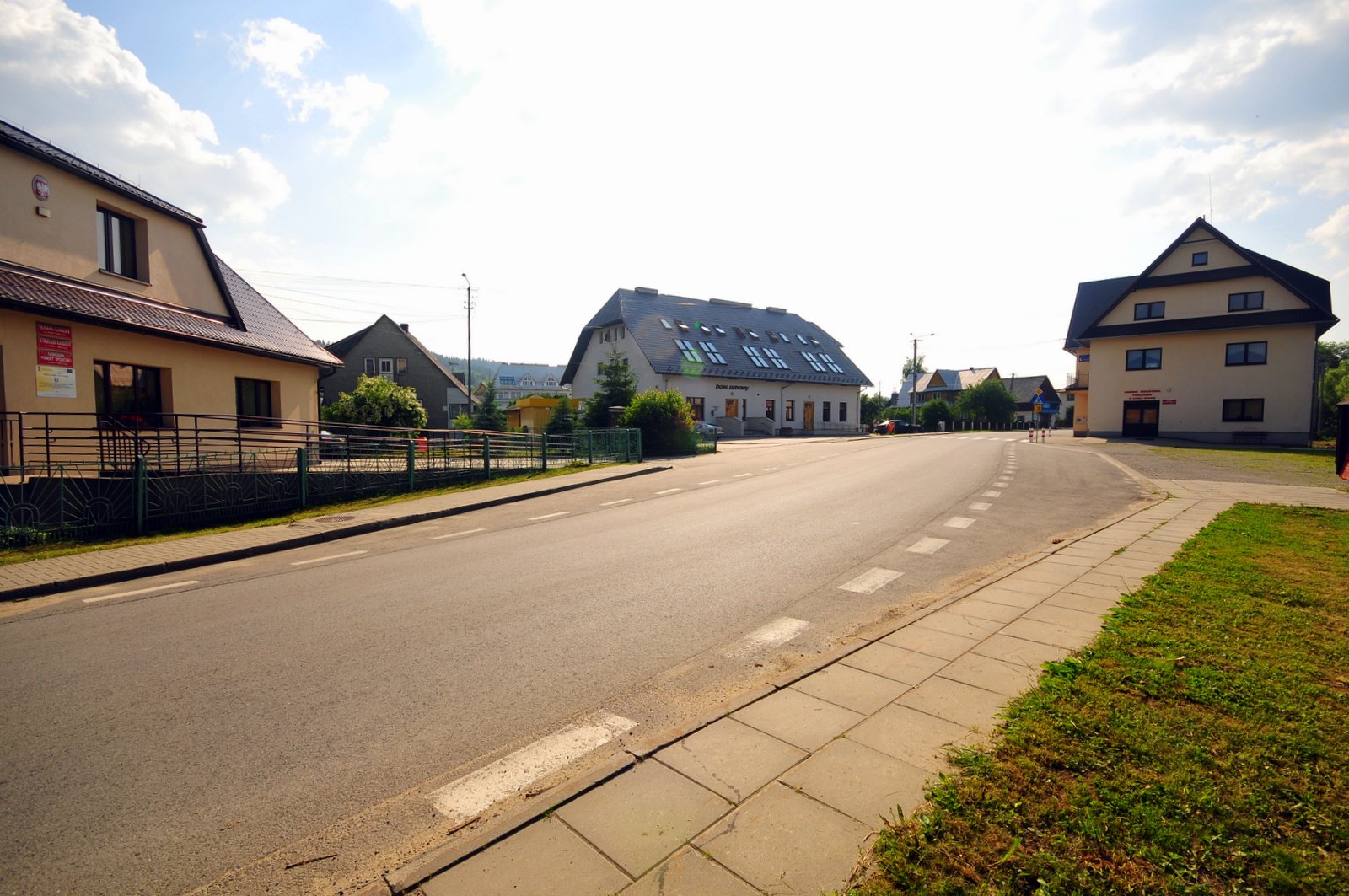
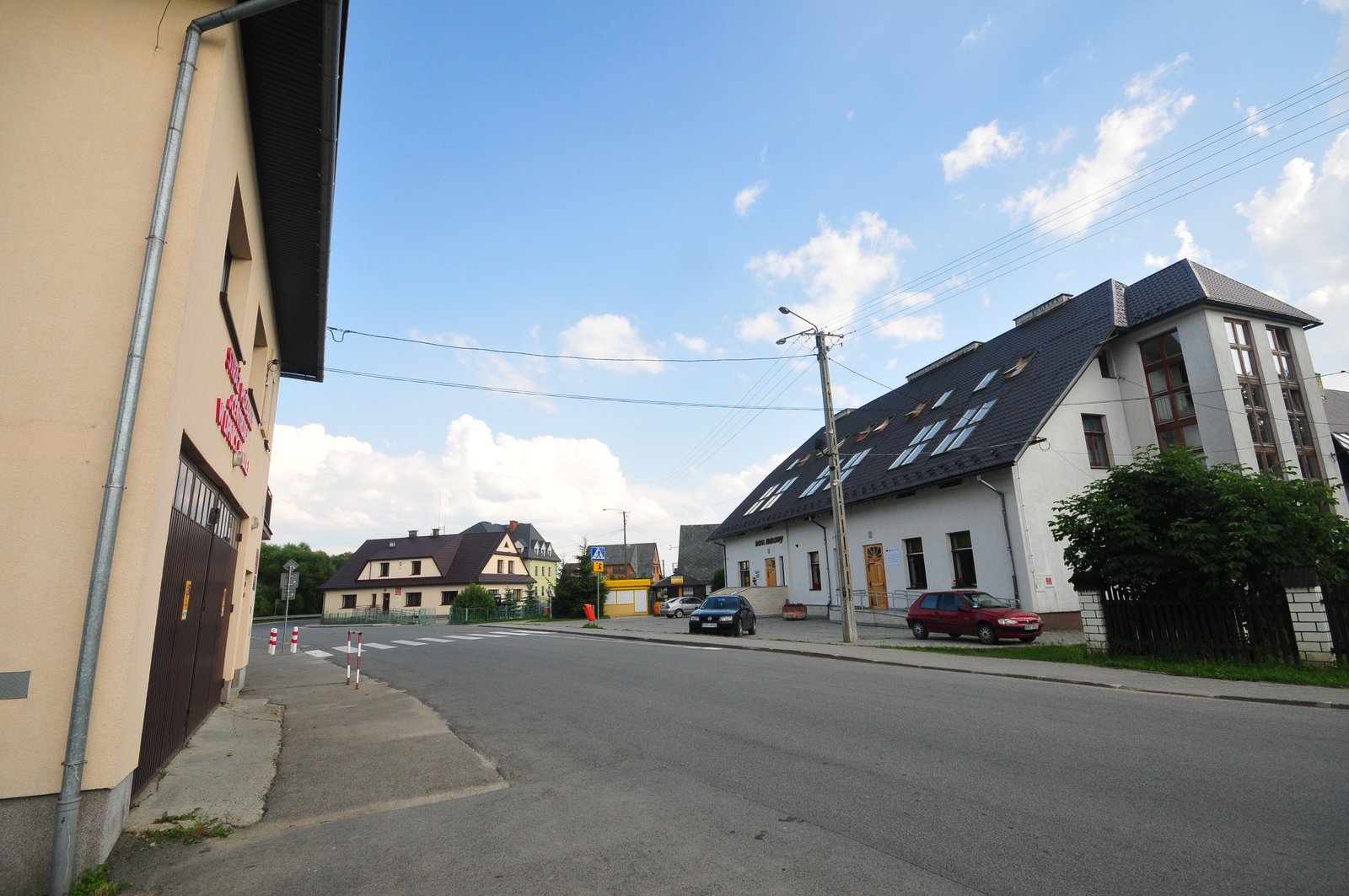
I head back down into the village, passing through what could be generously called the town square: LW is not a town, and this area is not square, but it is in the center, it is the location of the main government facilities, and at one time, it was rumored to be possibly developed into a potential real rynek.

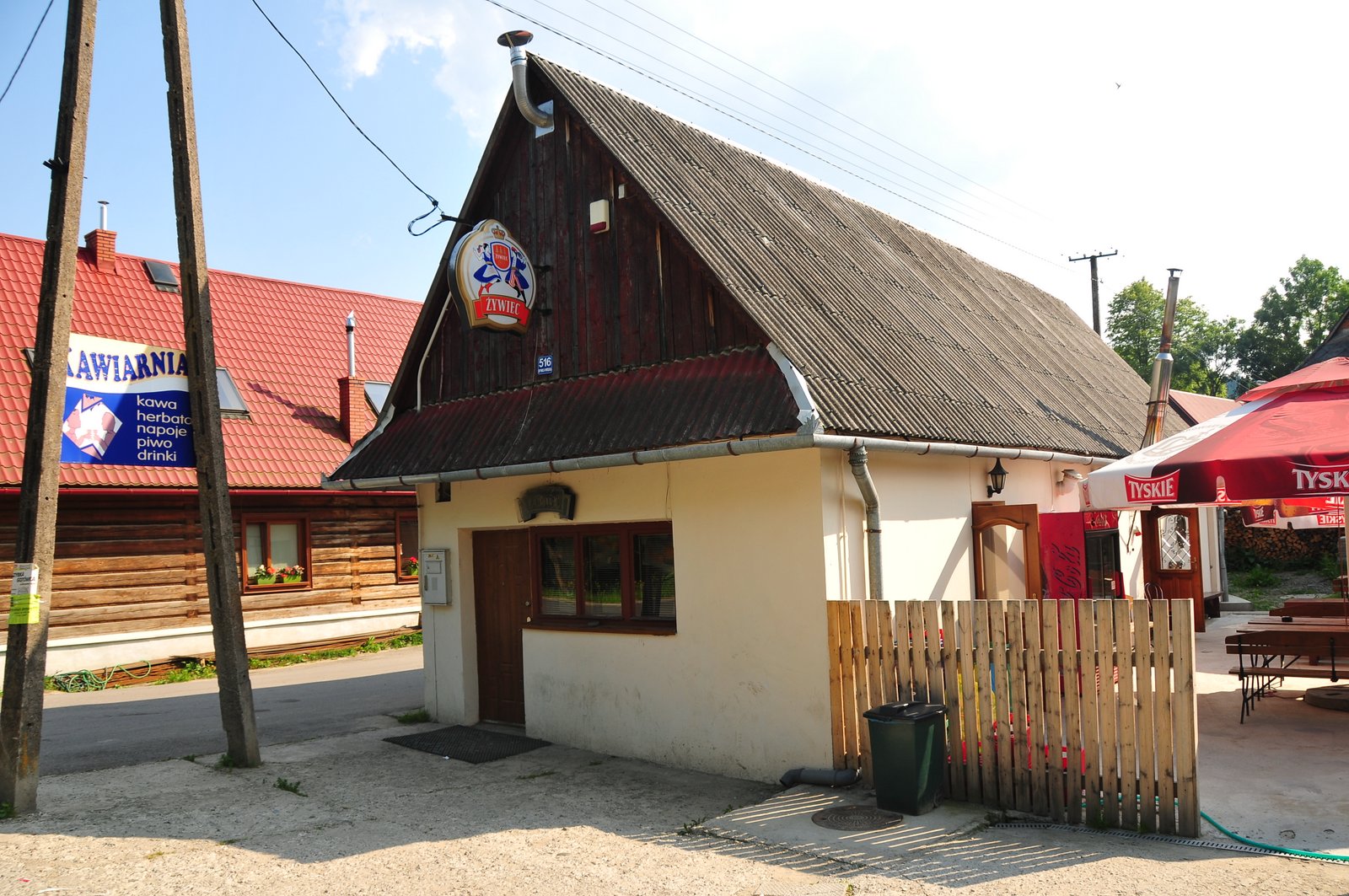
I pass the bar that provided just about the only entertainment in the area — conversation and relaxation on a Friday night that was priceless. I walk by the teachers’ housing that, from the outside (and even from the first steps into the main entrance) hasn’t changed a bit since 1996.

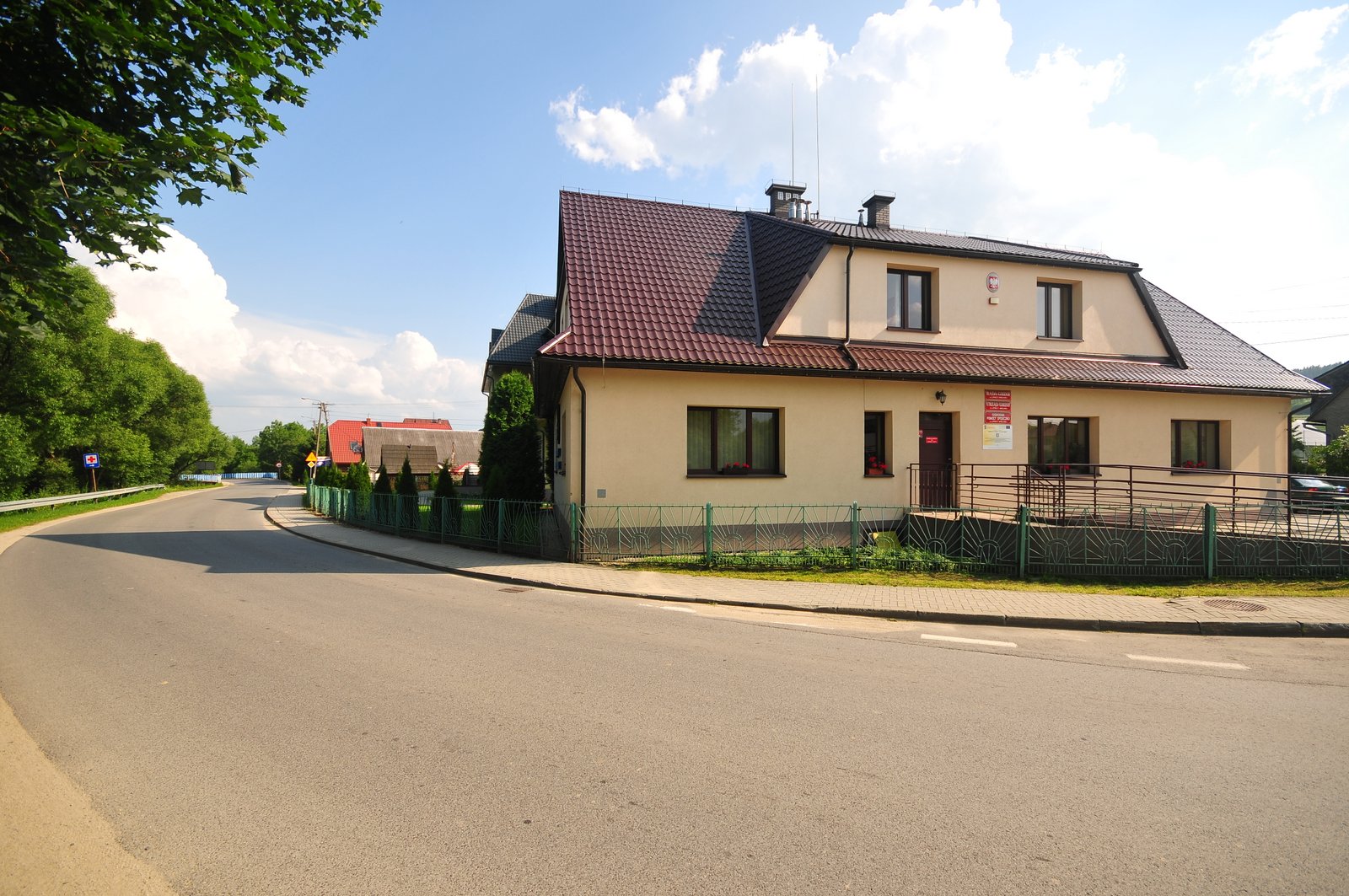
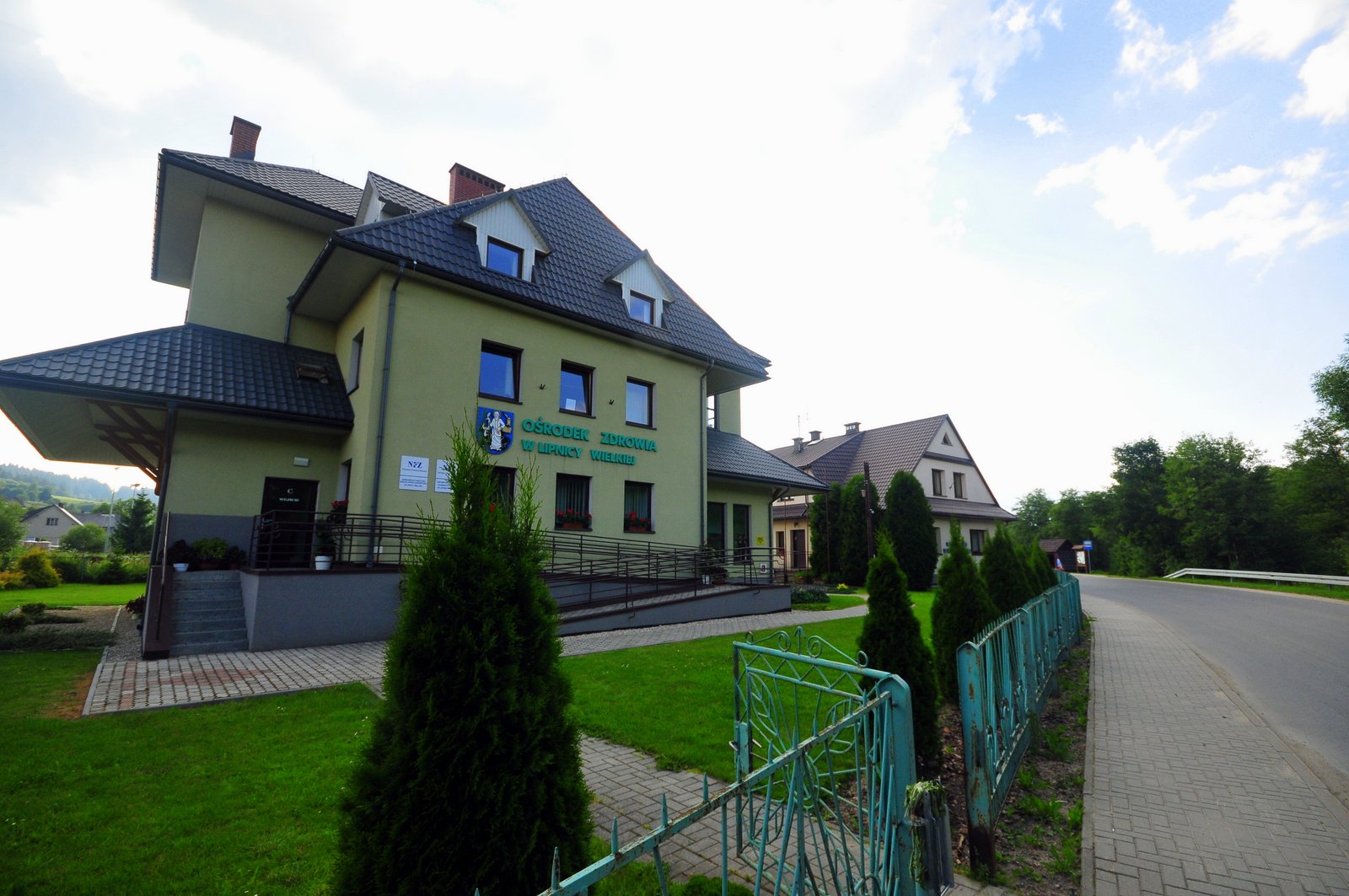
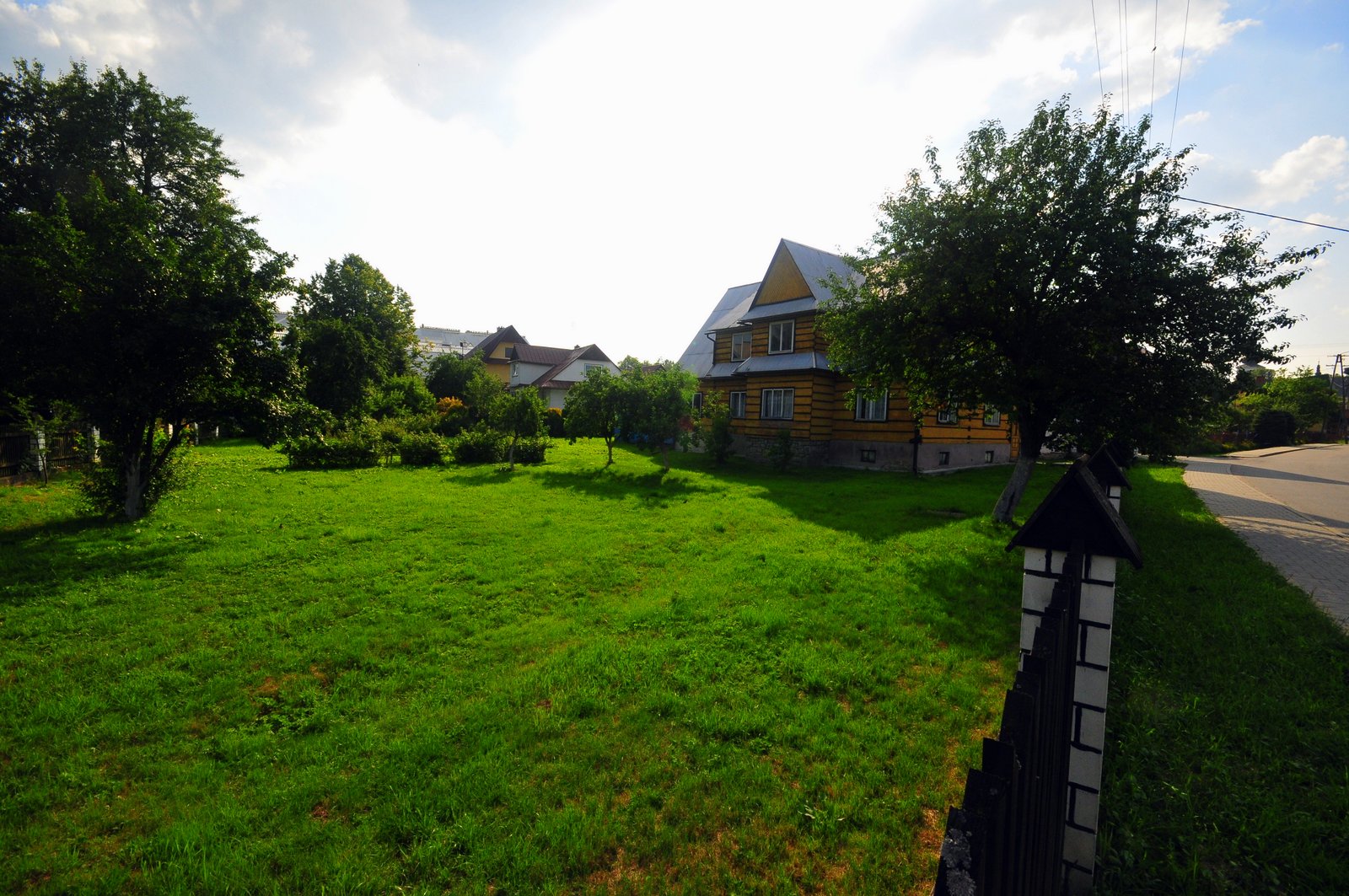
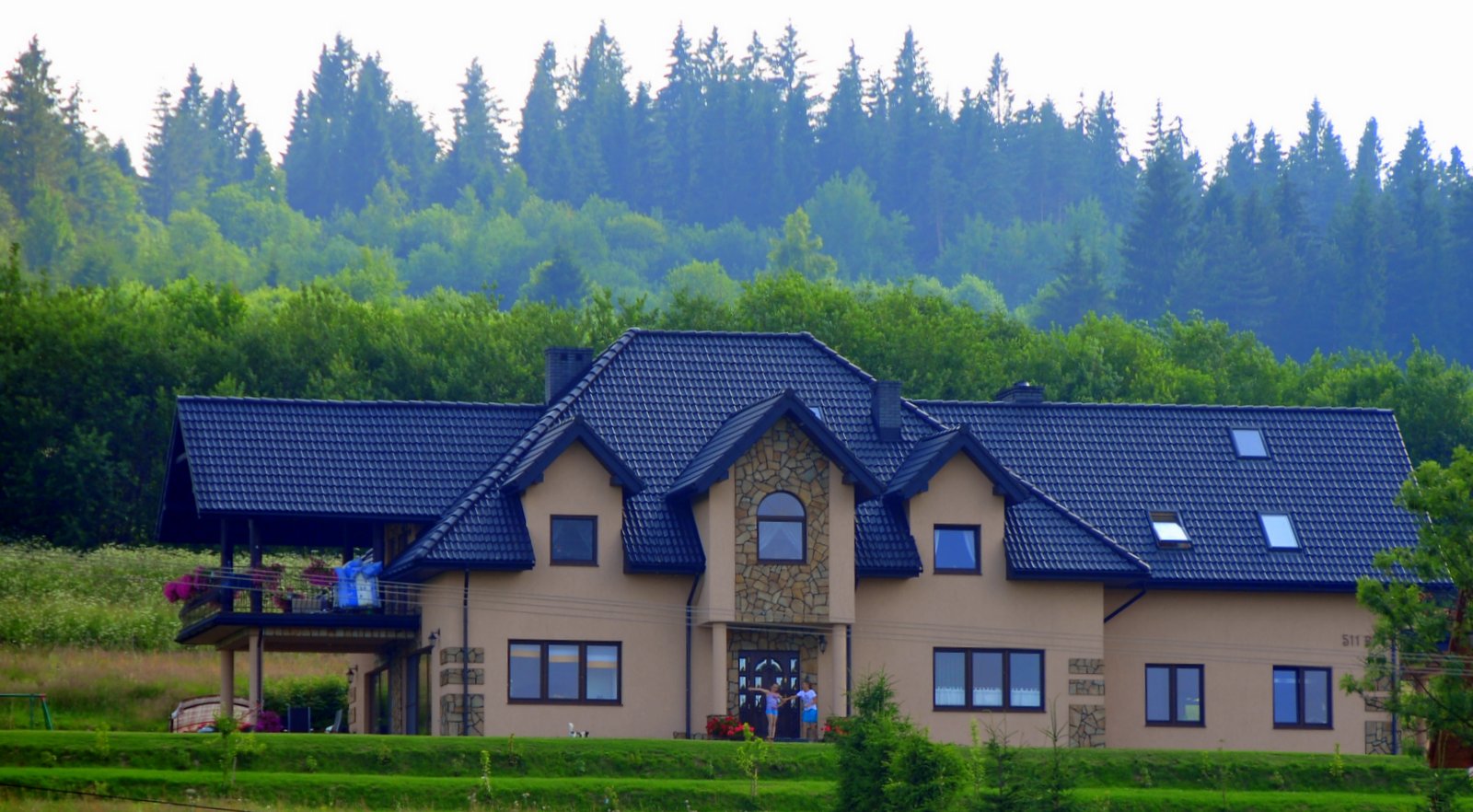
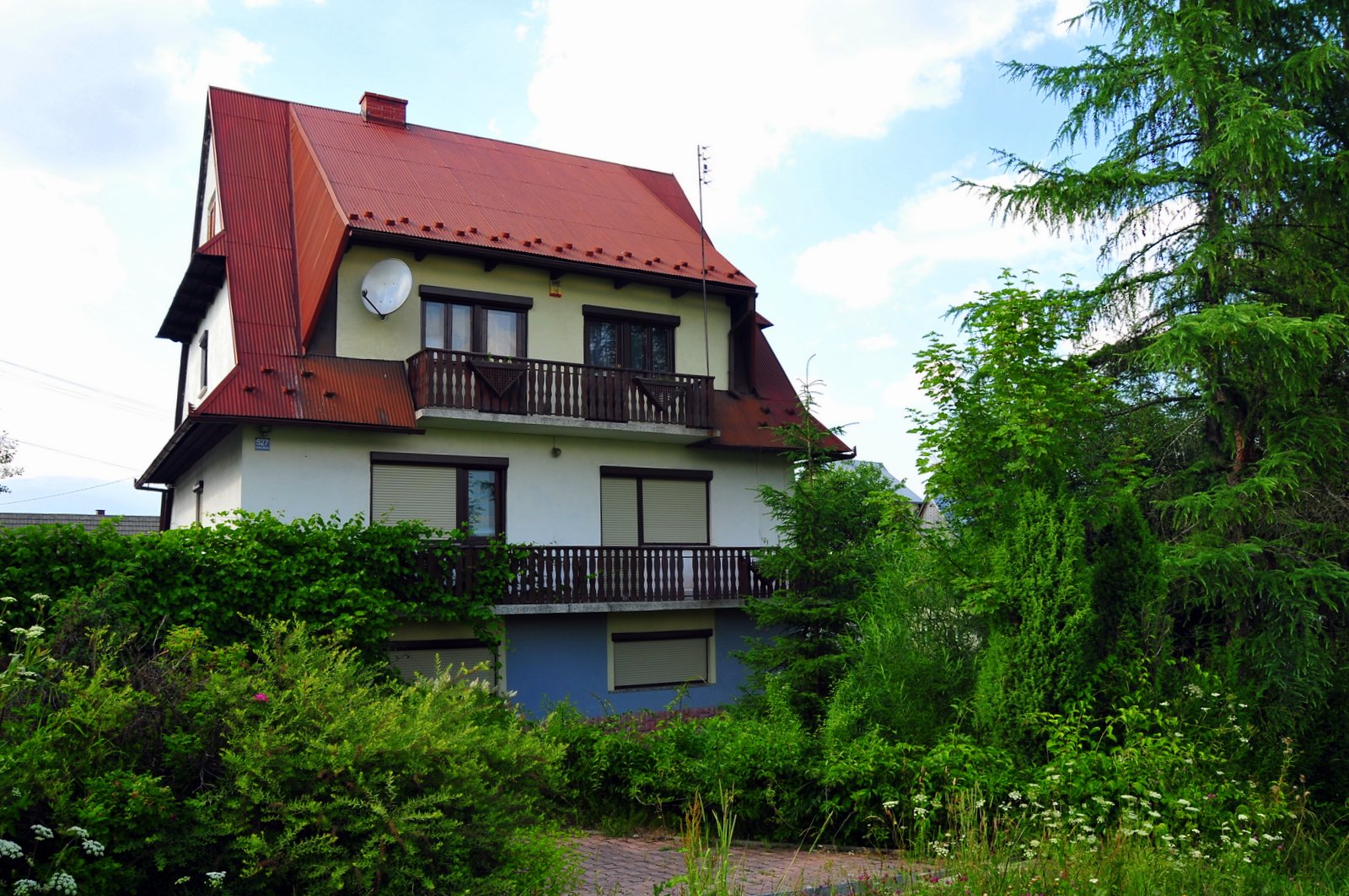
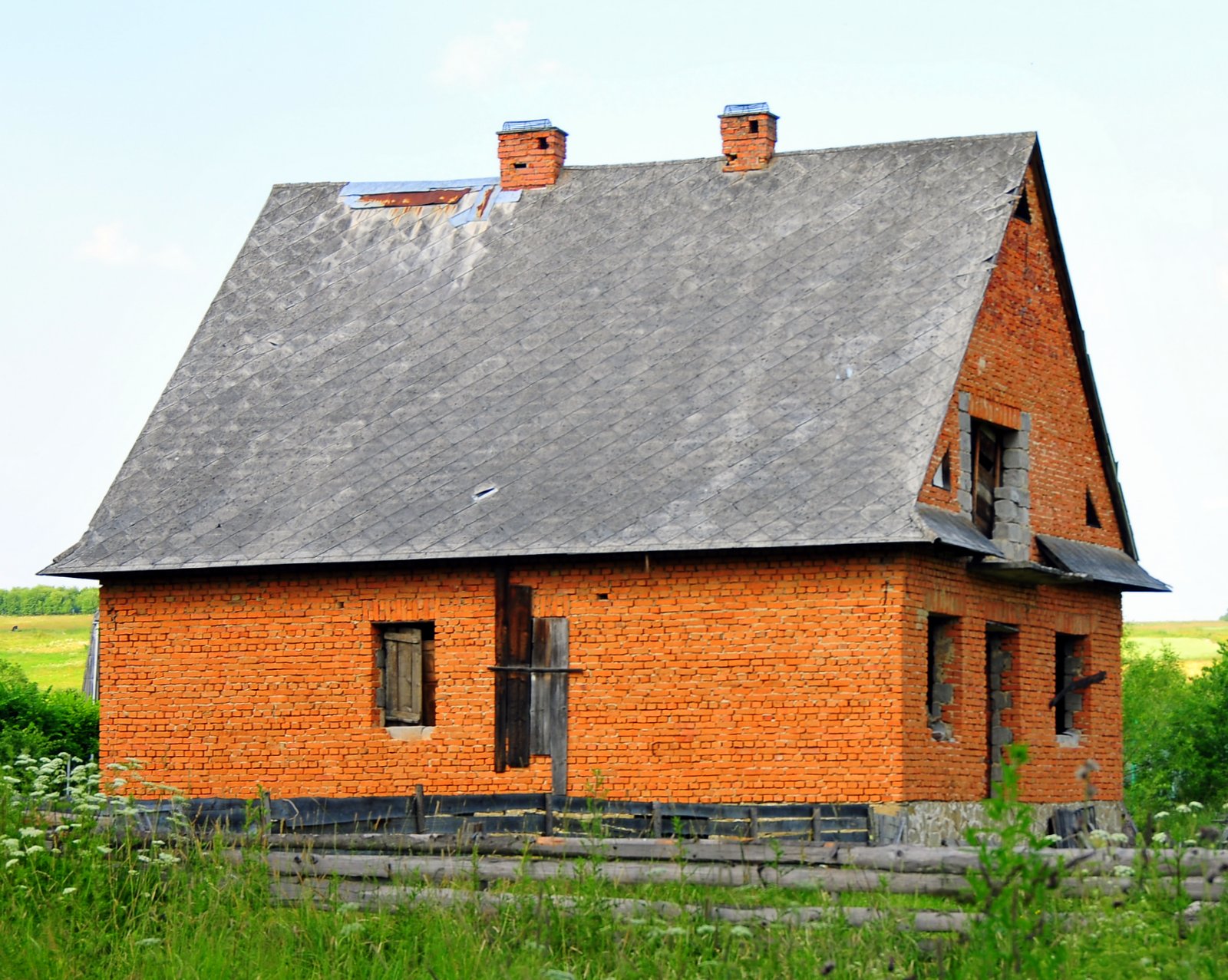
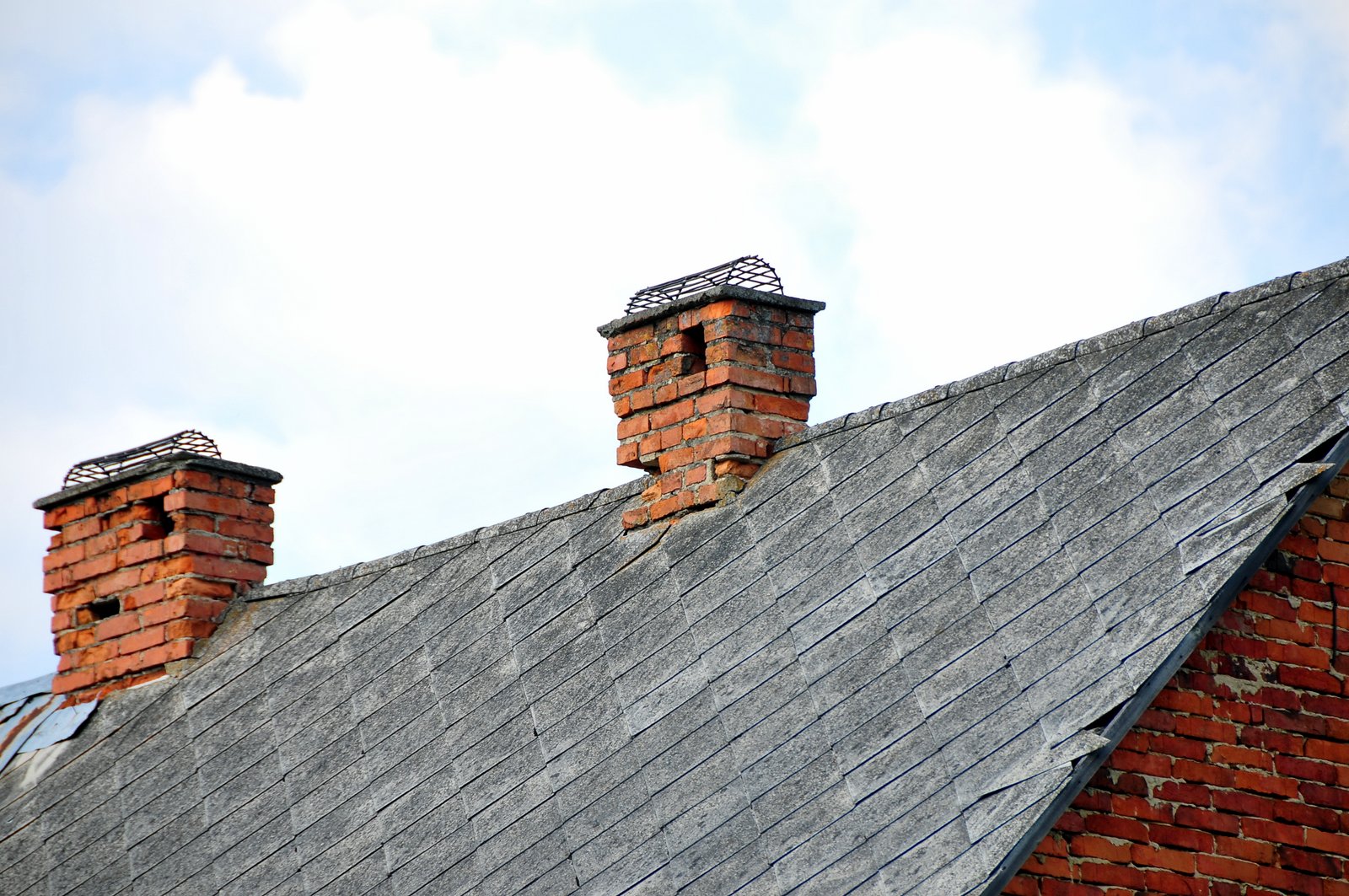
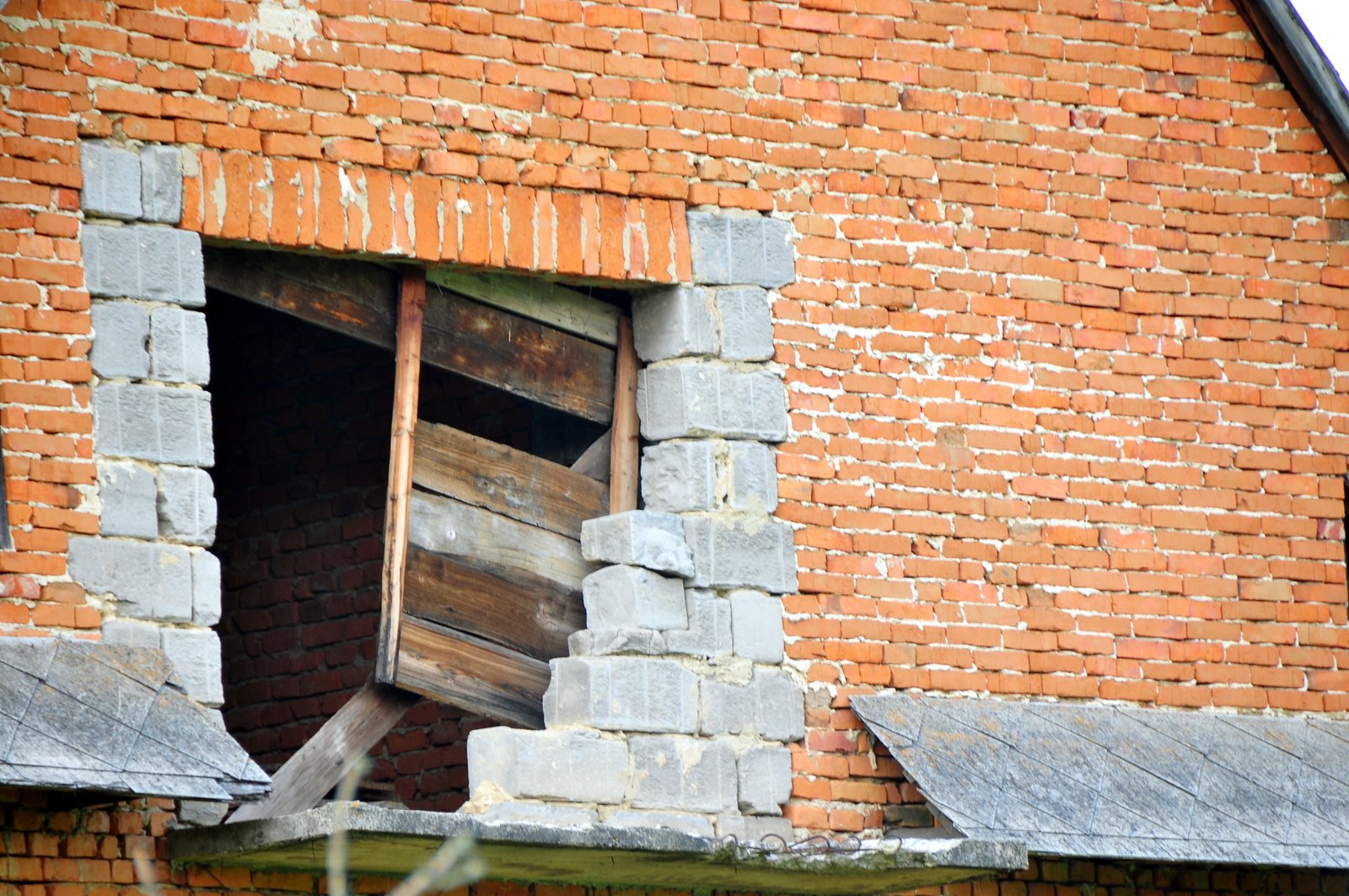
Here in LW Centrum I find the real irony of the village. In some ways, it’s developed so drastically in the last seventeen years since I first arrived. There’s a new health center; the city hall has been completely renovated; there are new street lights and new athletic facilities. But the real development is private: seemingly countless new houses, with one new, enormous home. And yet the ironies: the same house that was abandoned and incomplete, standing “raw,” when I arrived in 1996 stands in the same condition. Some bricks have fallen away from the chimney, and it looks a bit worse, but otherwise, it’s the same house.

“What happened?” I once asked someone, but I’ve since learned it’s the same story a thousand times over in Poland: they started building, then went abroad, most likely heading for the States.

Then there are the houses in between: finished, once inhabited, now abandoned. I pass by one house in which I once attended a Sunday gathering. It was like most homes in the area: loved, cared for, with a lovely lawn. Now, it’s not quite a ruin, but close.

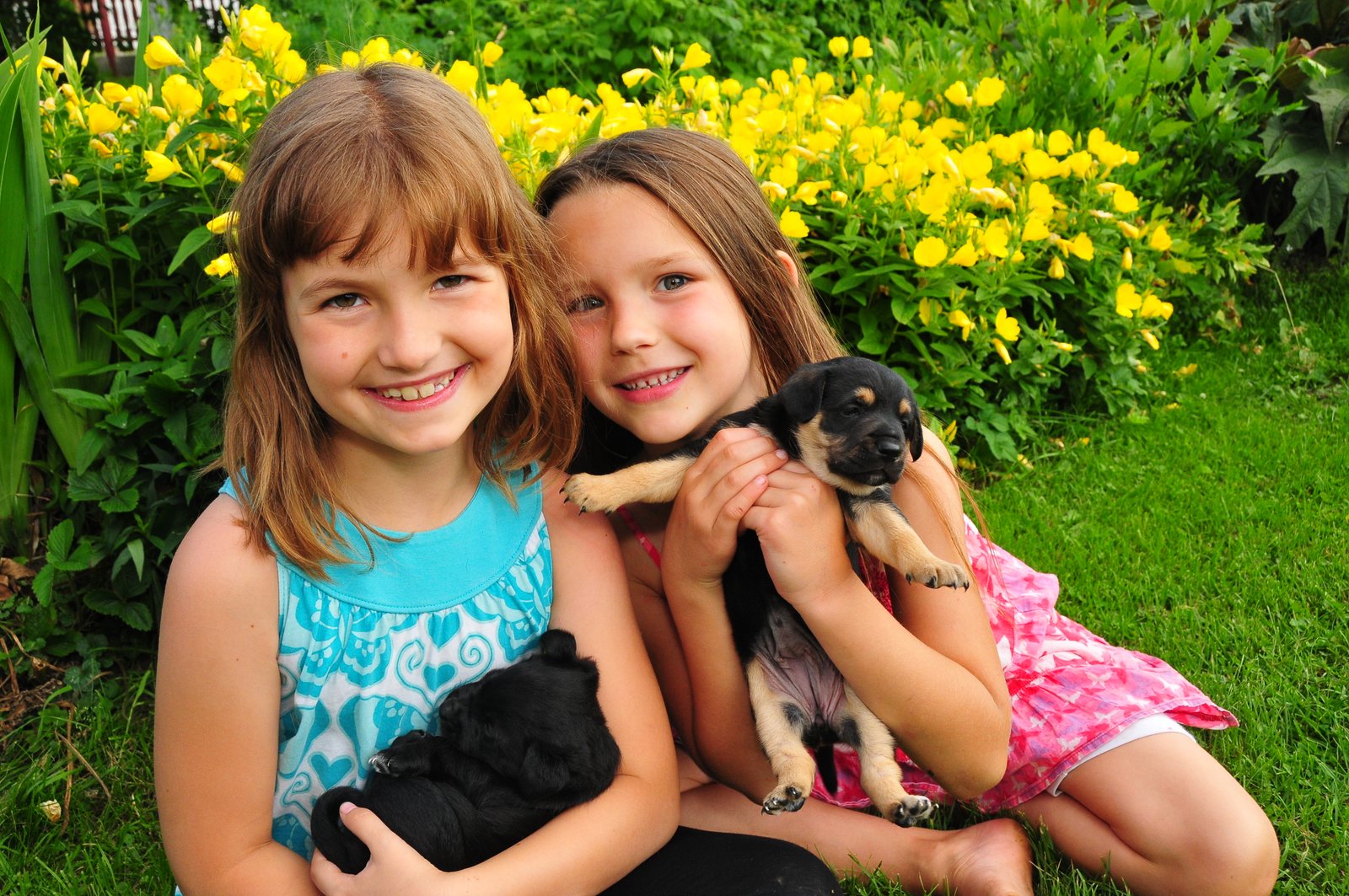
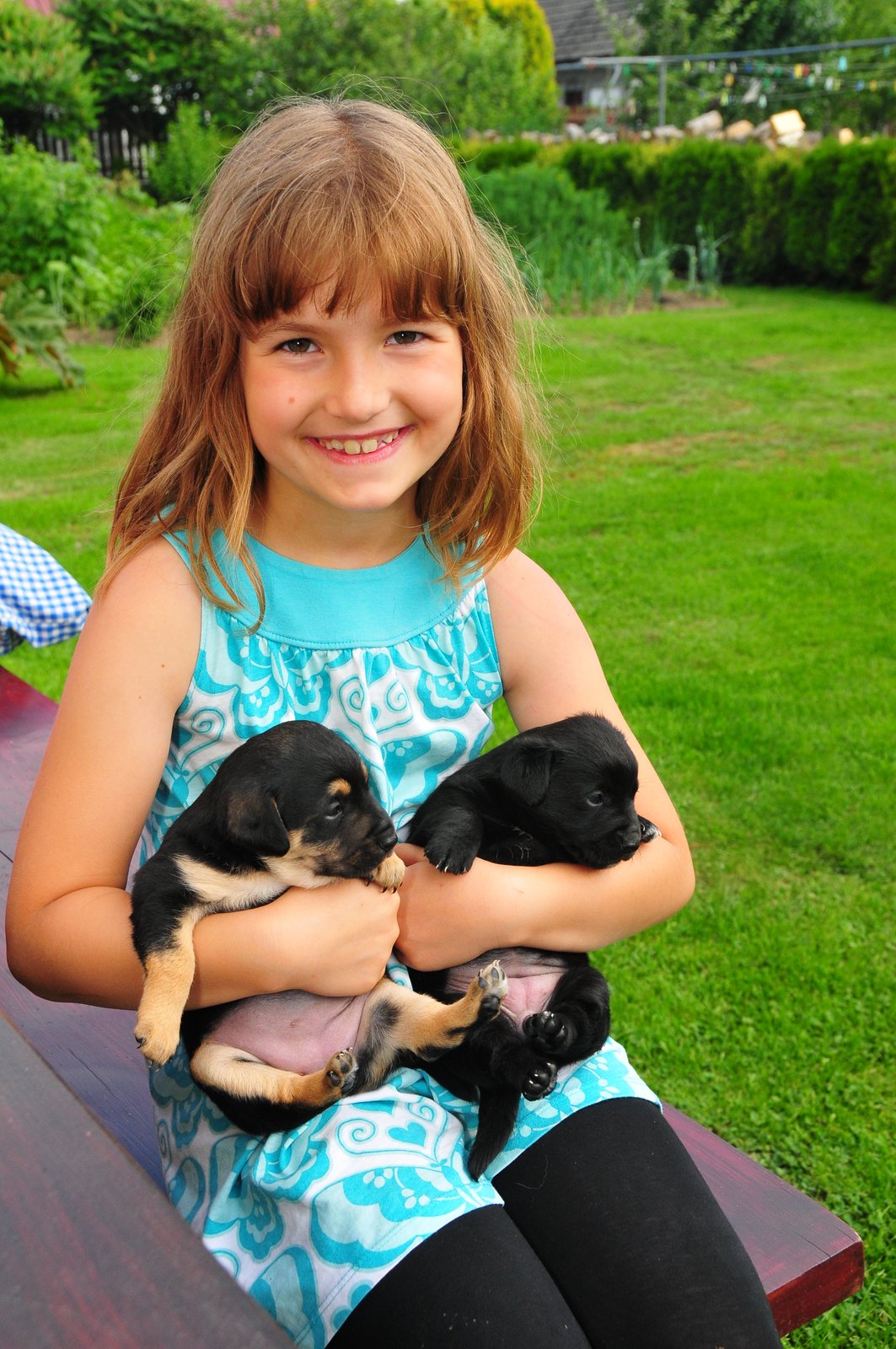
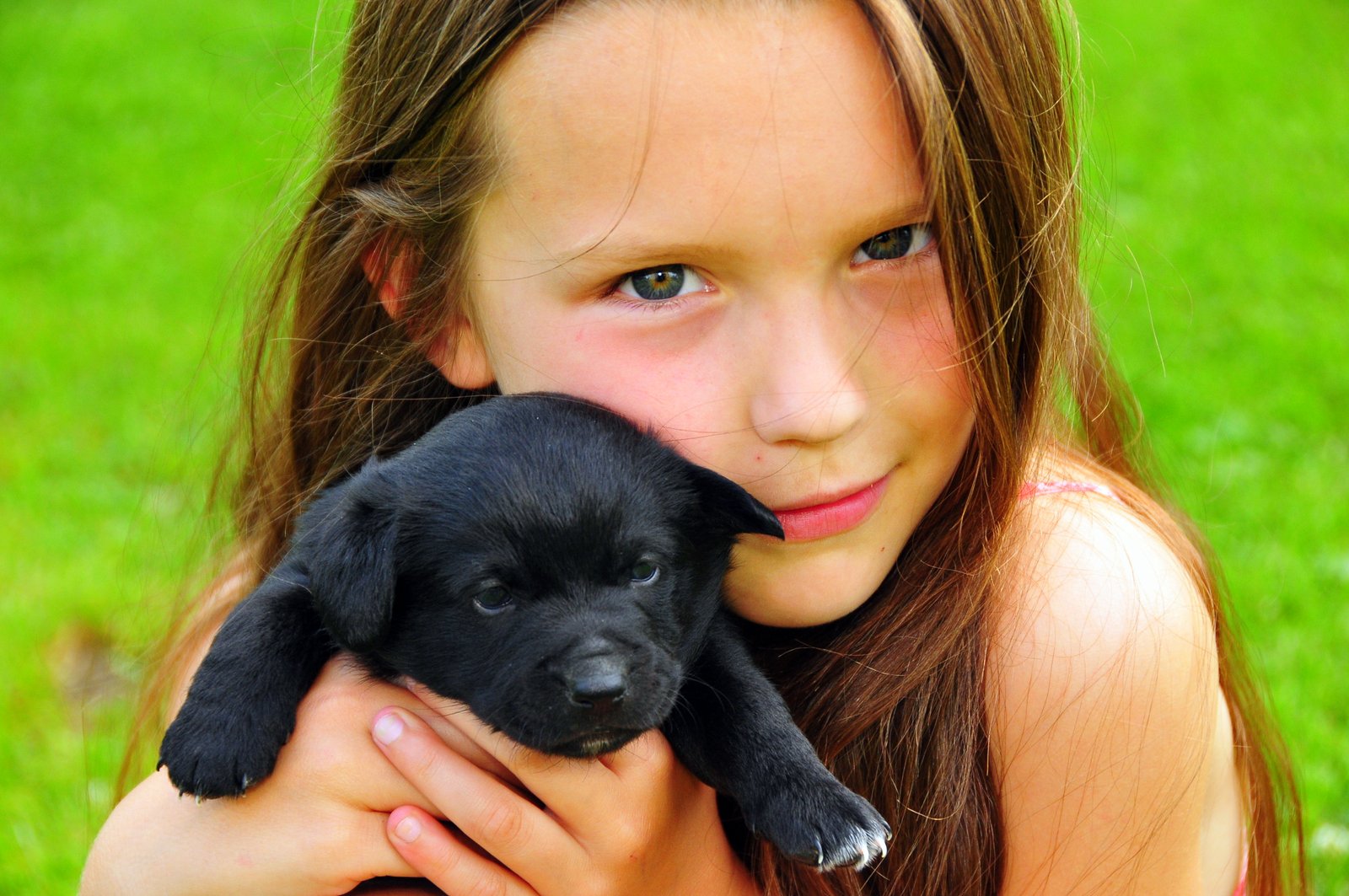
I return to find the girls with Pani B across the street, at a neighbor’s house. It’s undoubtedly paradise for them: two young puppies run about the yard — as much as the girls let them.

A Day in Zakopane

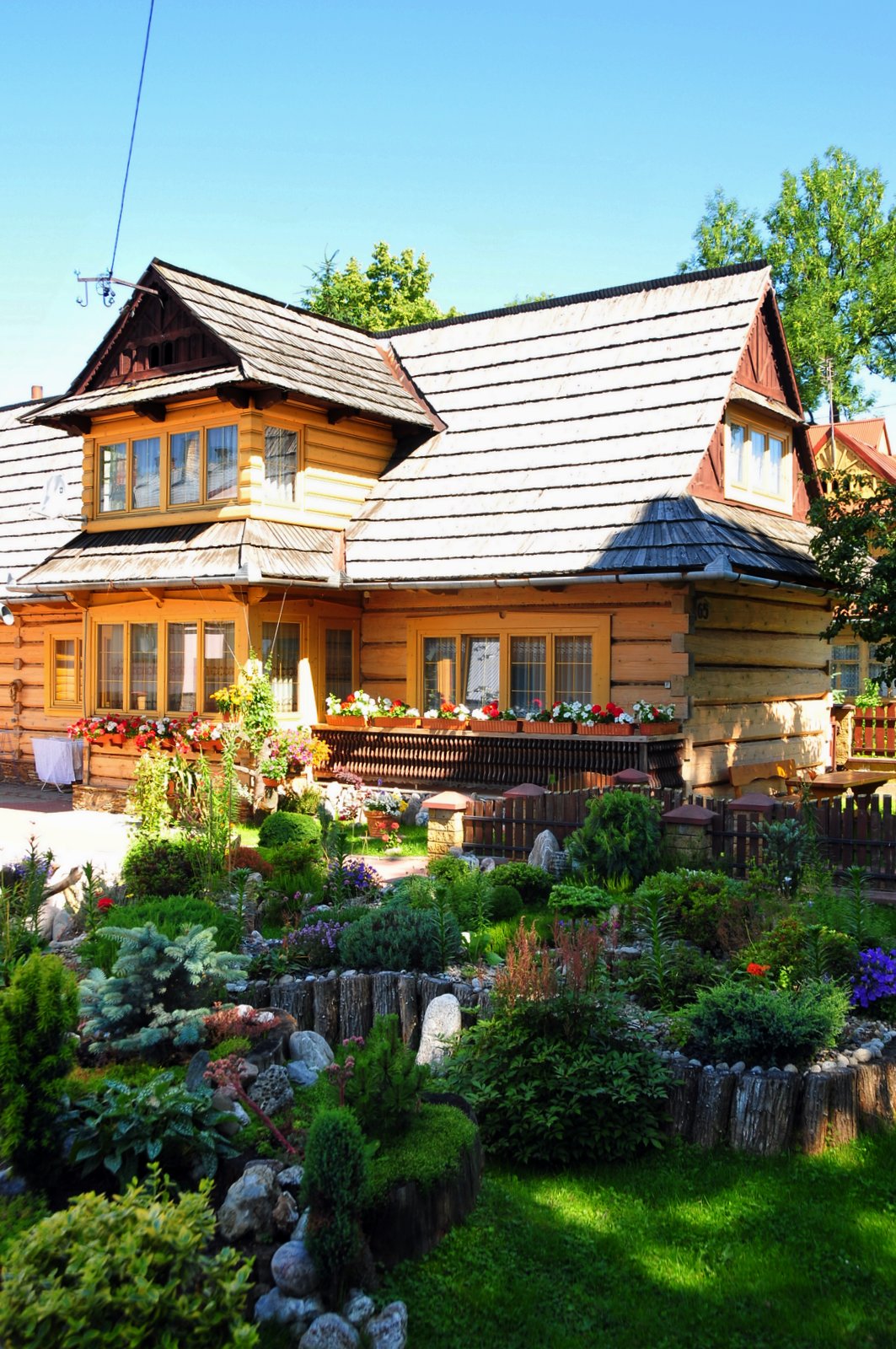
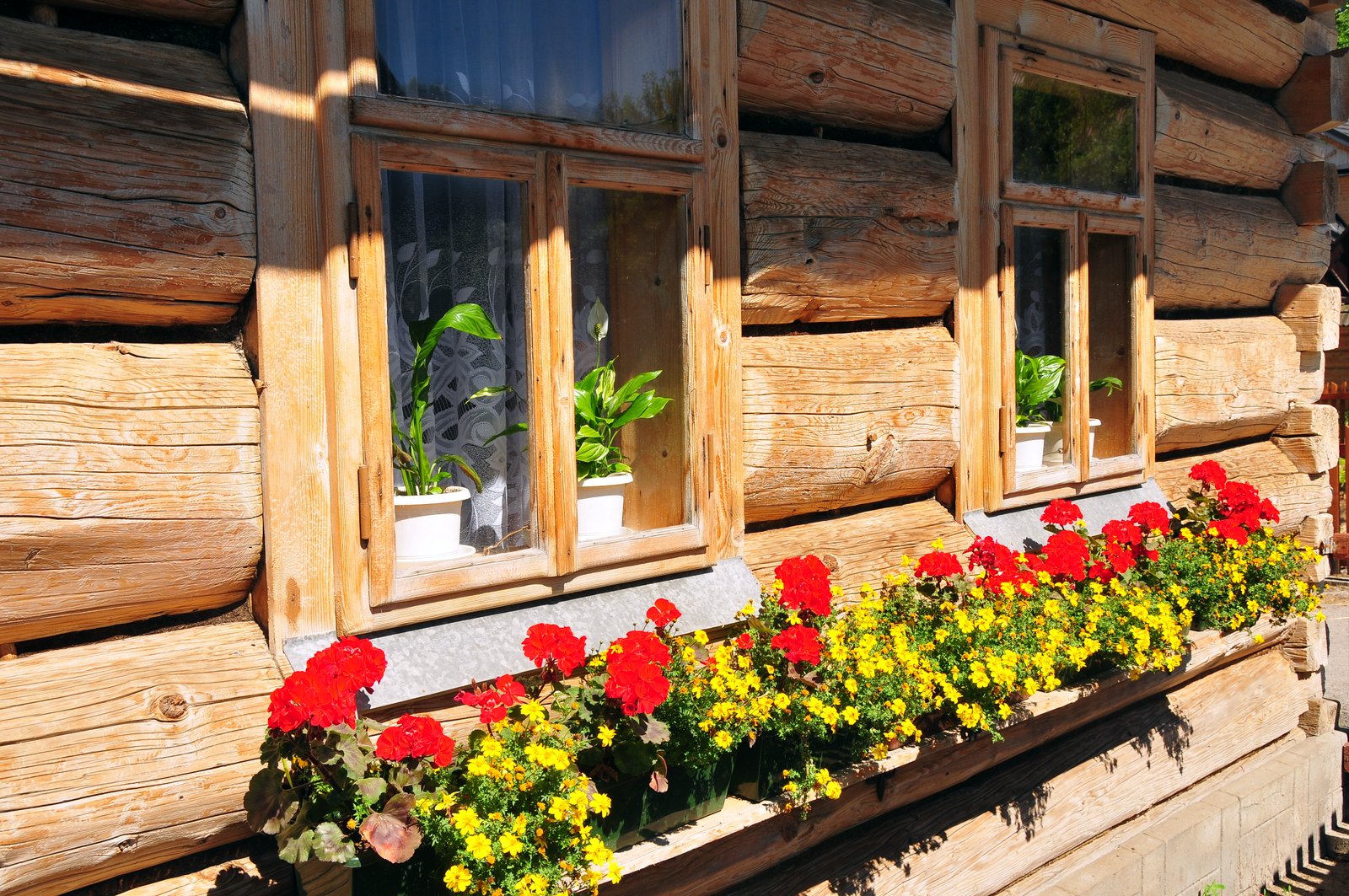
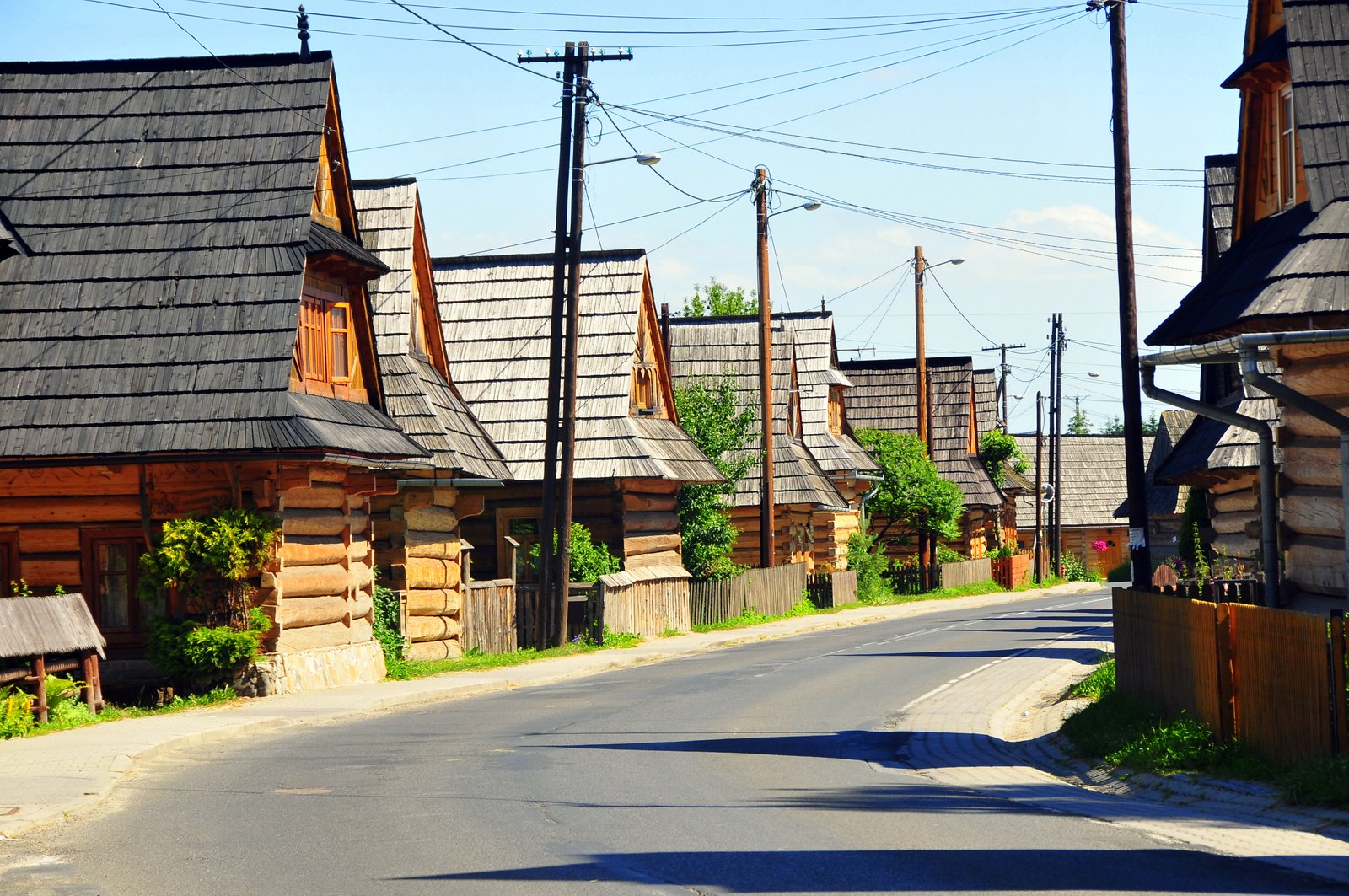
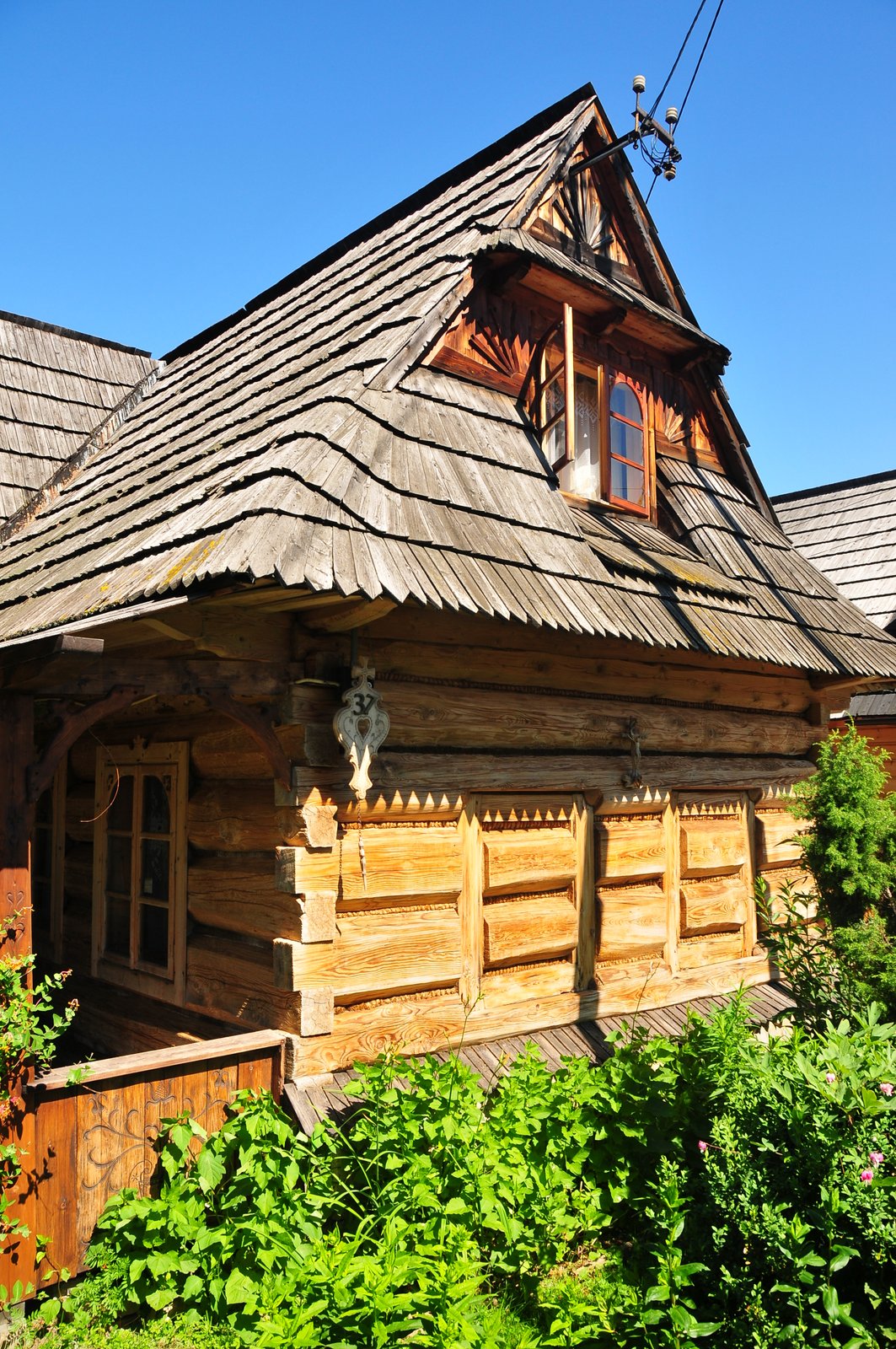
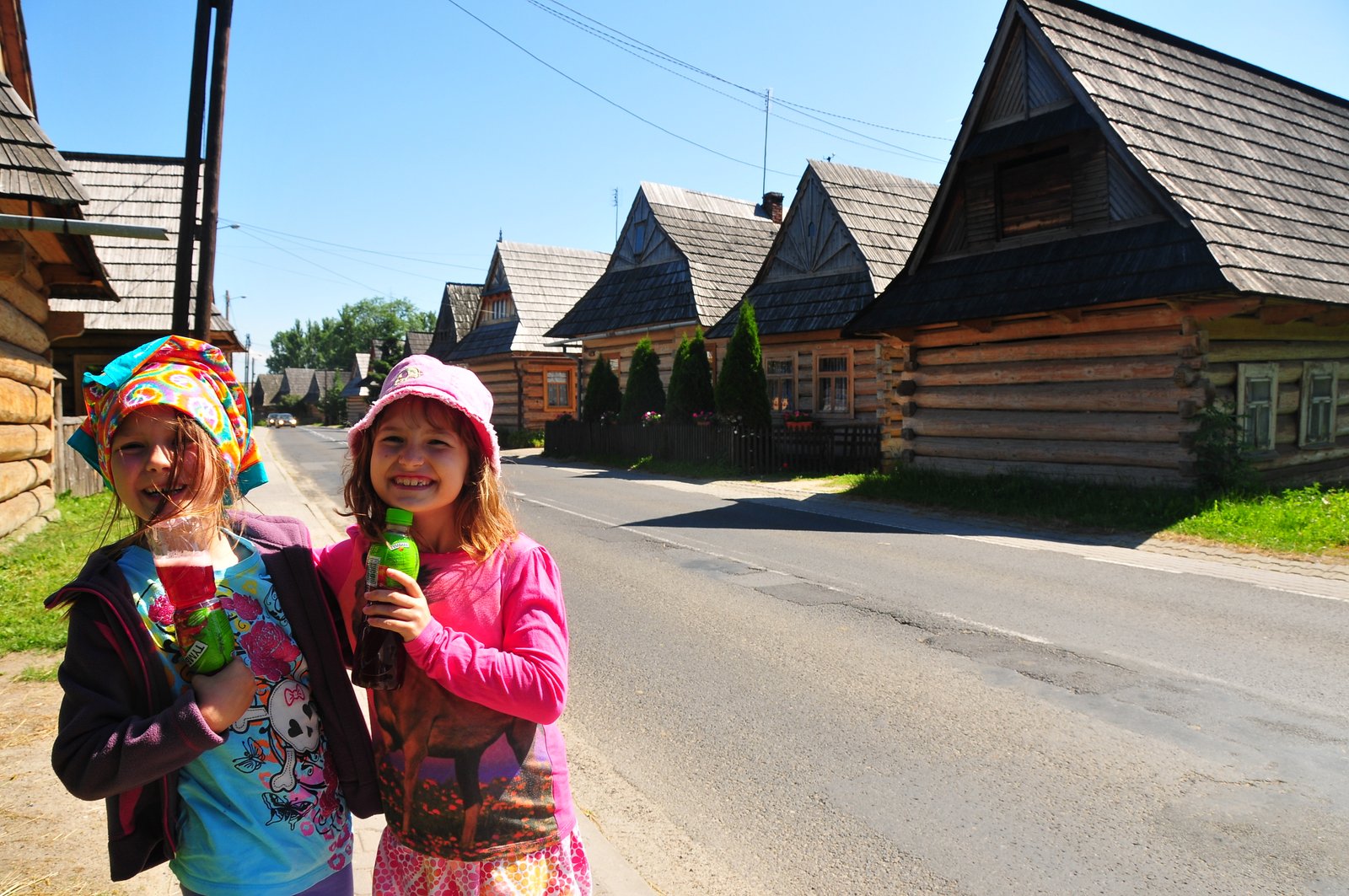
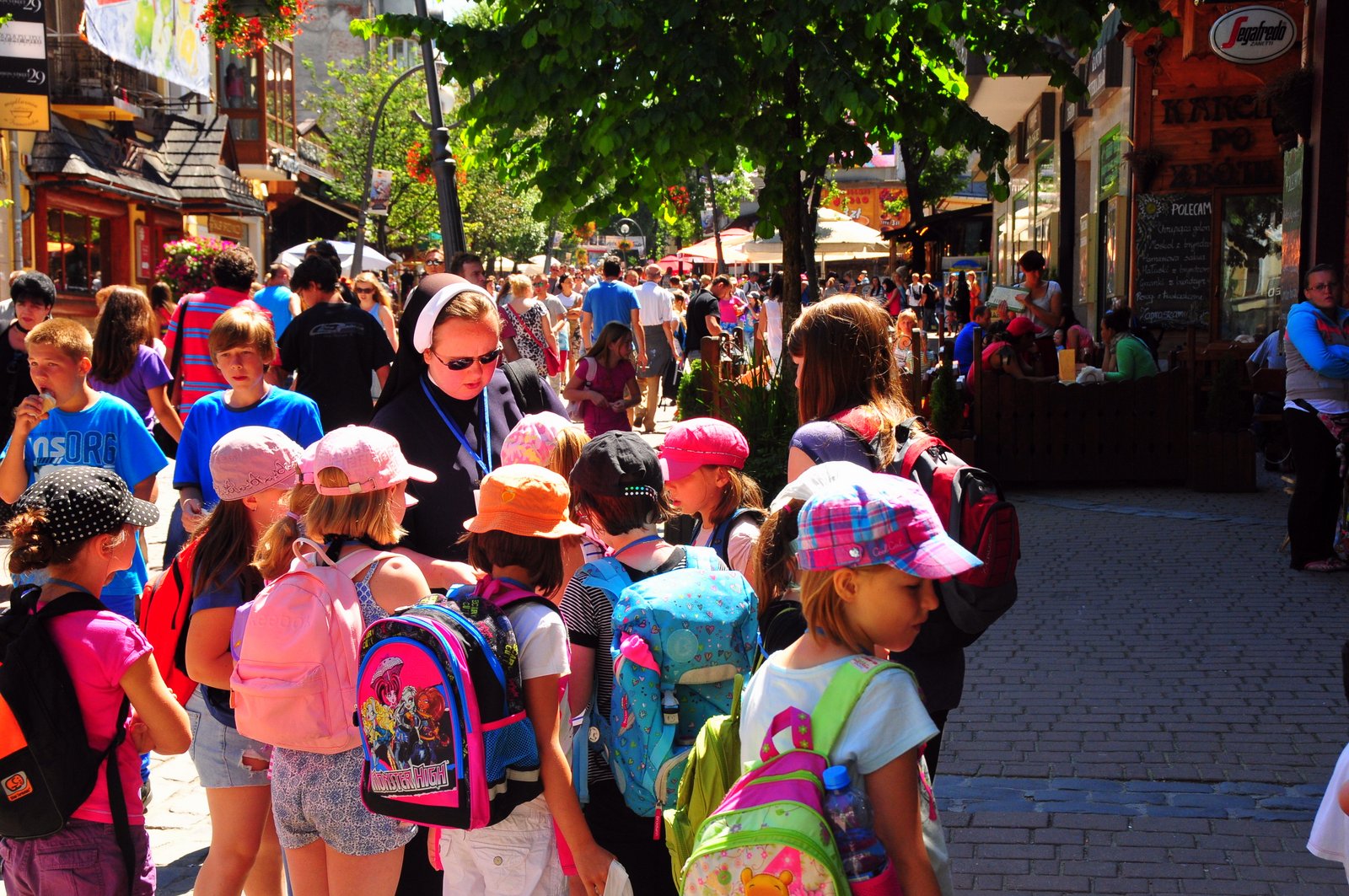
A day in Zakopane, the reputed “Winter Capital of Poland” (or more likely, given the number of tourists all year long, the Mountain Capital), begins in Chochołów, a small village on the way. It’s famous for its traditional wooden houses. Unpainted, untreated, they positively shine after their yearly spring scrubbing. And the irony: the village church is made of stone.

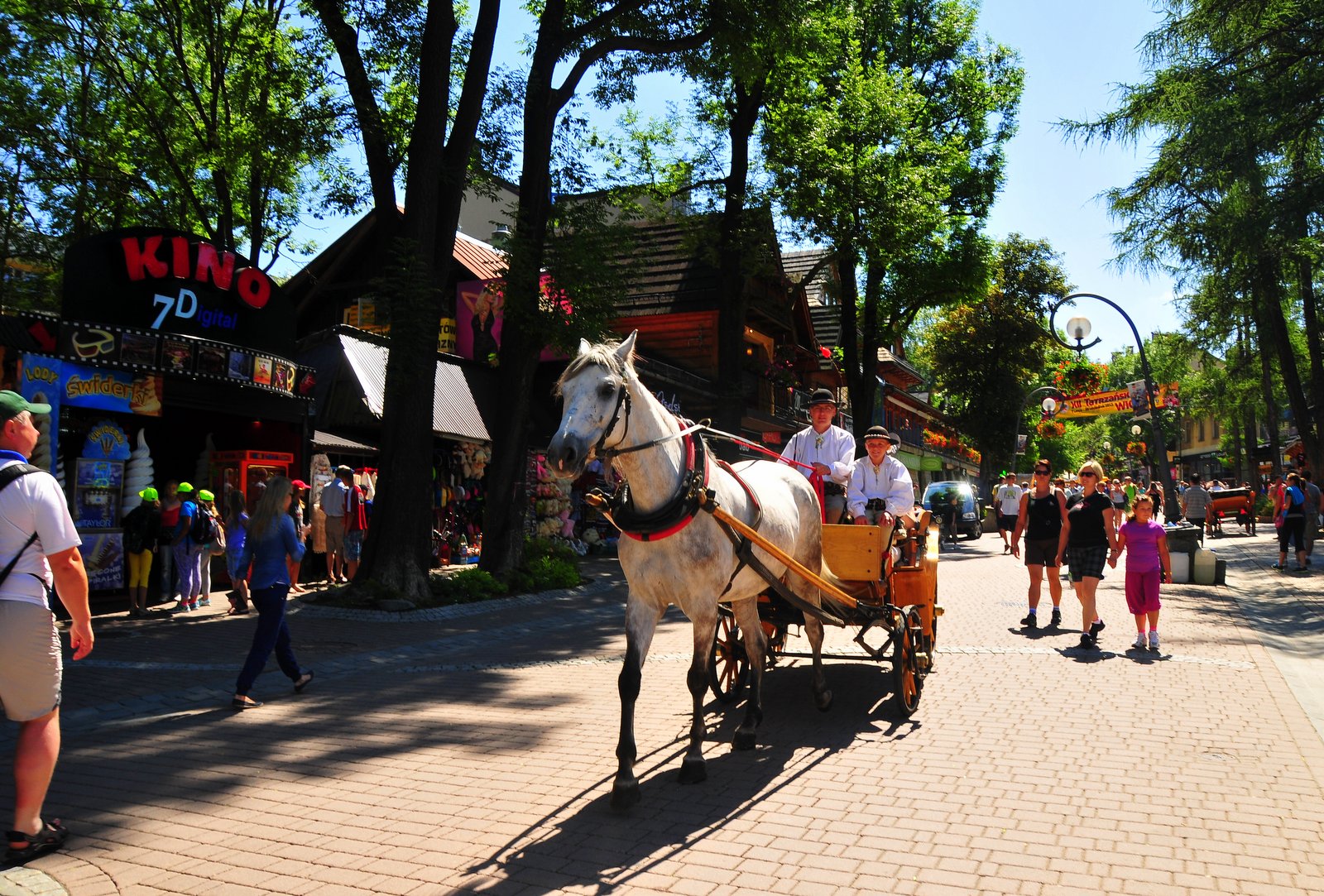
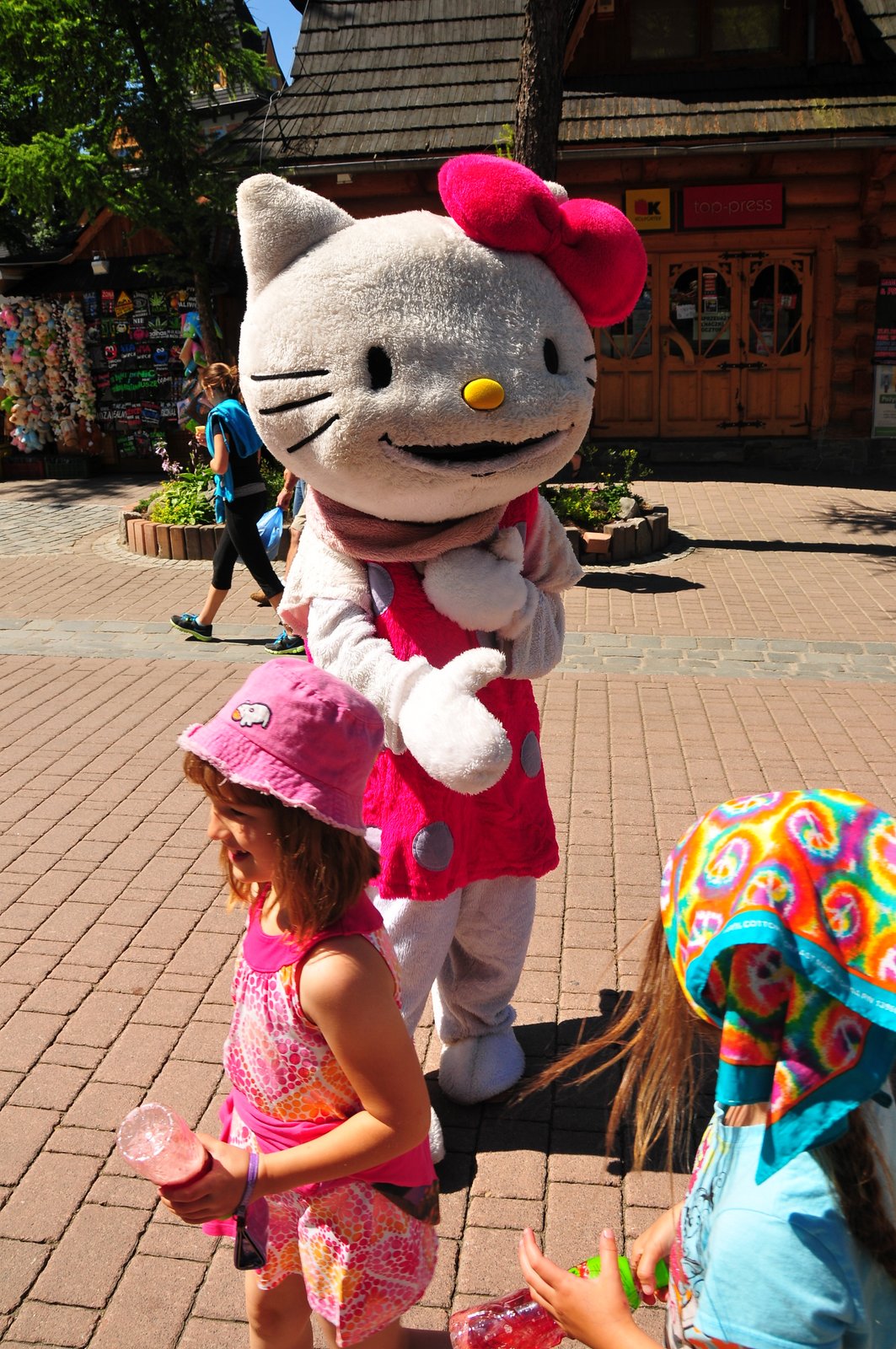
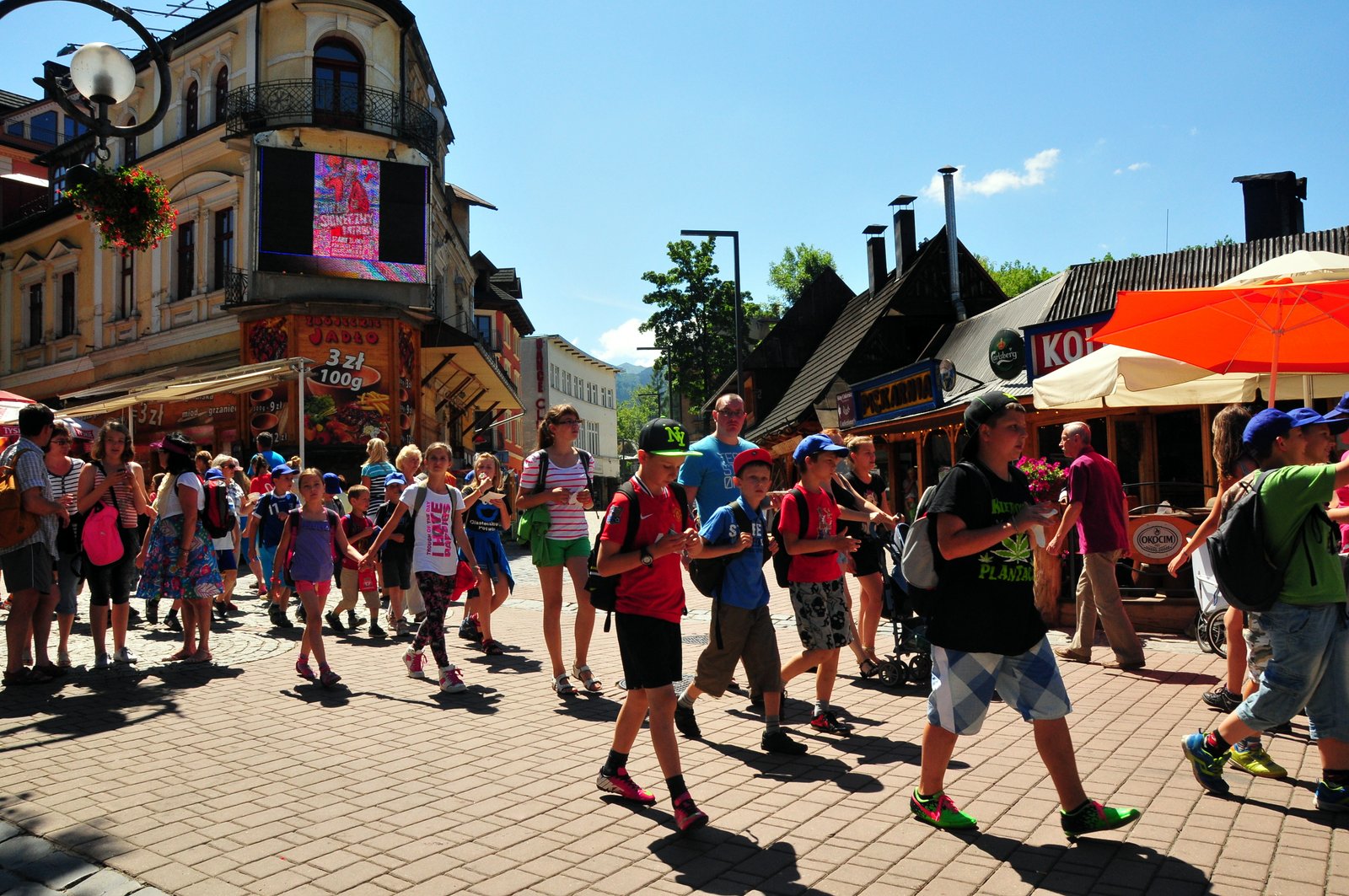
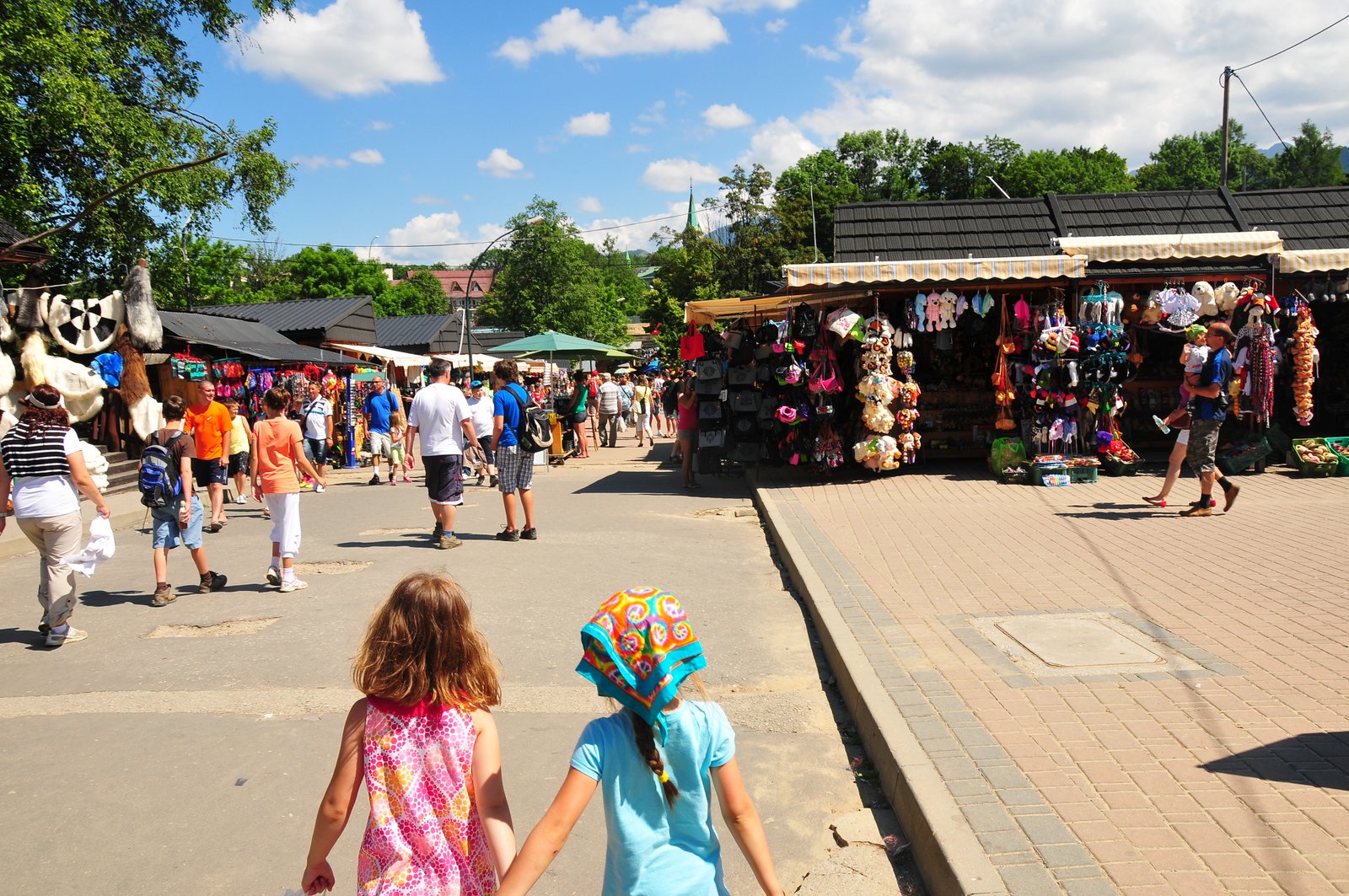
We make it to Zakopane and find a parking spot at the base of ulica Krupówki, the main tourist street. We head up the street and I provide simple instructions: “You can stop at two places each on the way back down. While we walk up the street, have a look around; on our way back down, you can show me where you want to go.” And what drew L like a lodestone? The shops that sell the plastic nonsense anyone can buy in any corner of the so-called developed world. The plastic nonsense made in China that is taking over the world.

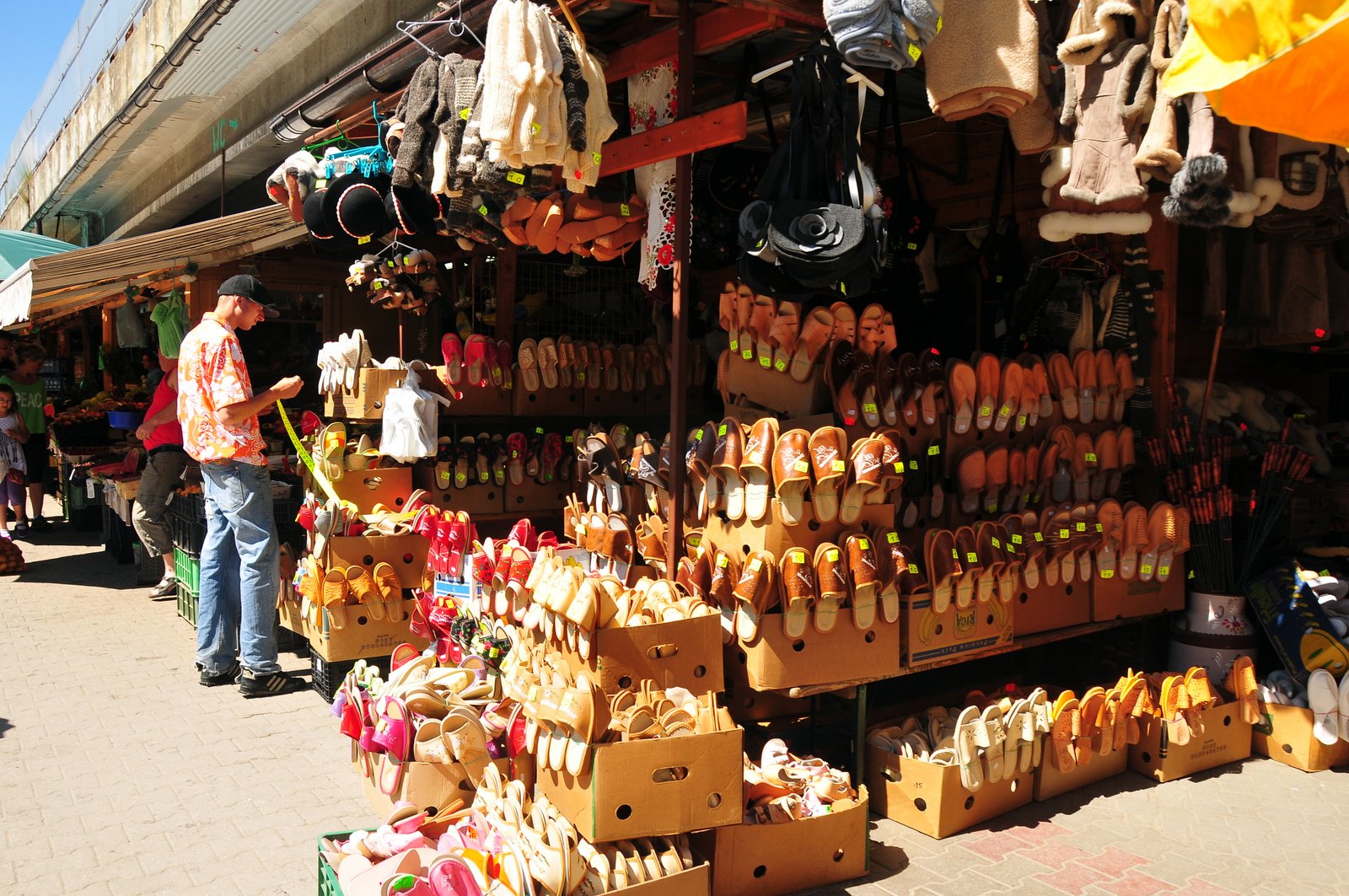
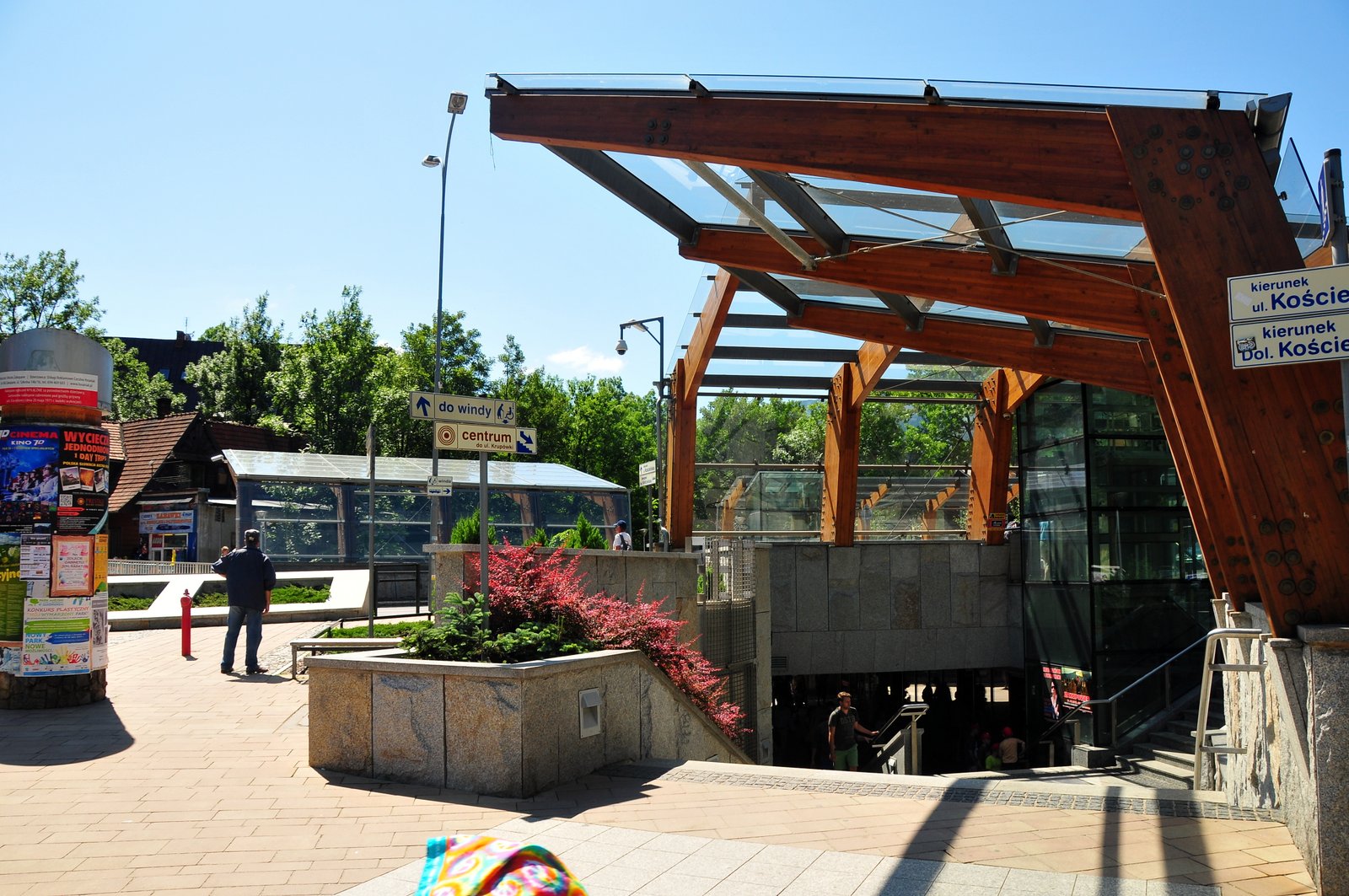
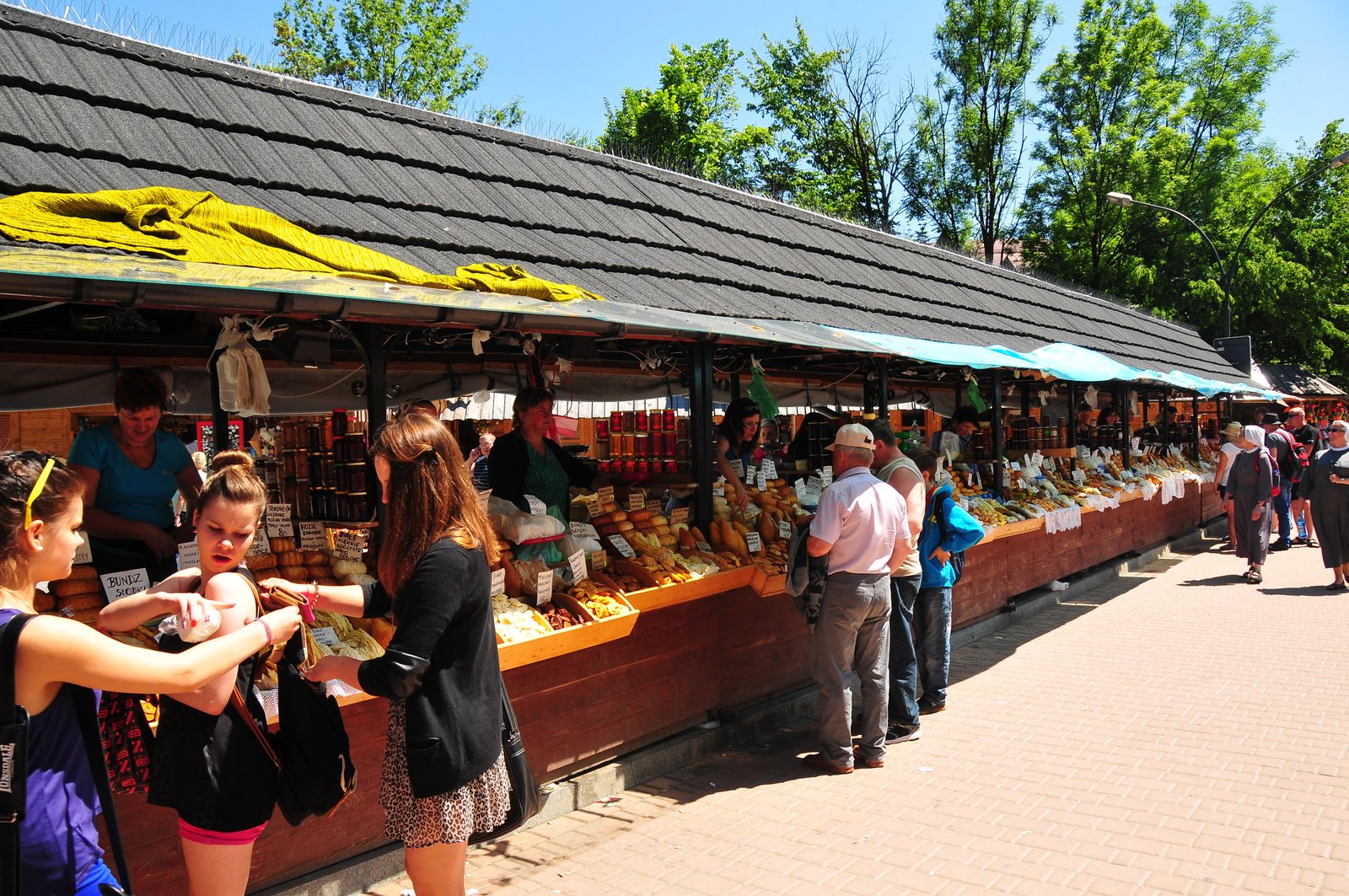
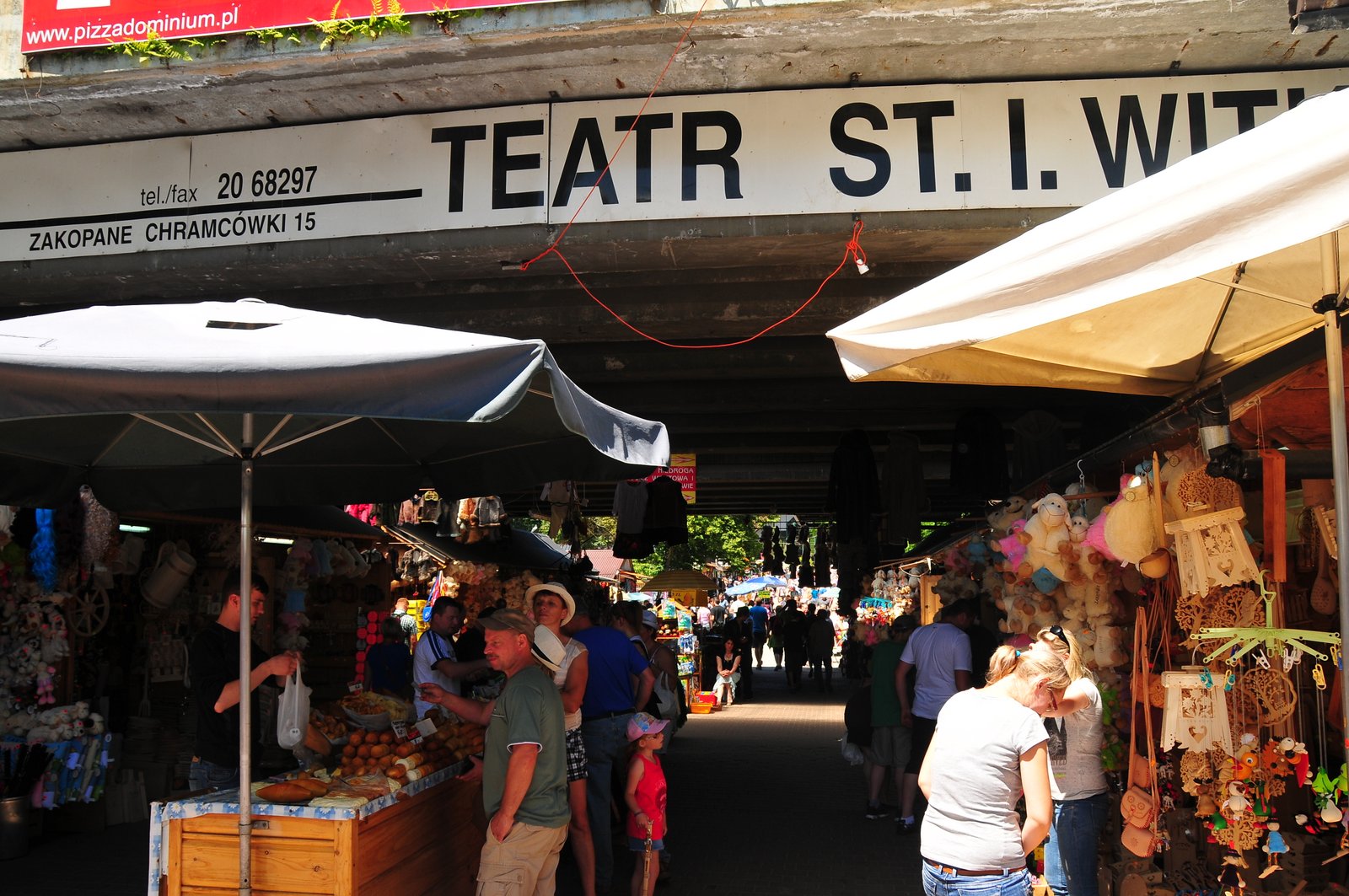
We cross under ul. Nowotarska/Koscieliska (the one becomes the other when they meet Krupówki) using the new passage under the busy street. In the past, with all the people passing through, it was impossible to drive through this area in less than ten minutes. But that’s all that’s new: the rest is just as it was when I first walked down the street. The long line of cheese mongers all selling exactly the same product has new, younger ladies behind the piles of cheese, but that’s the only difference.

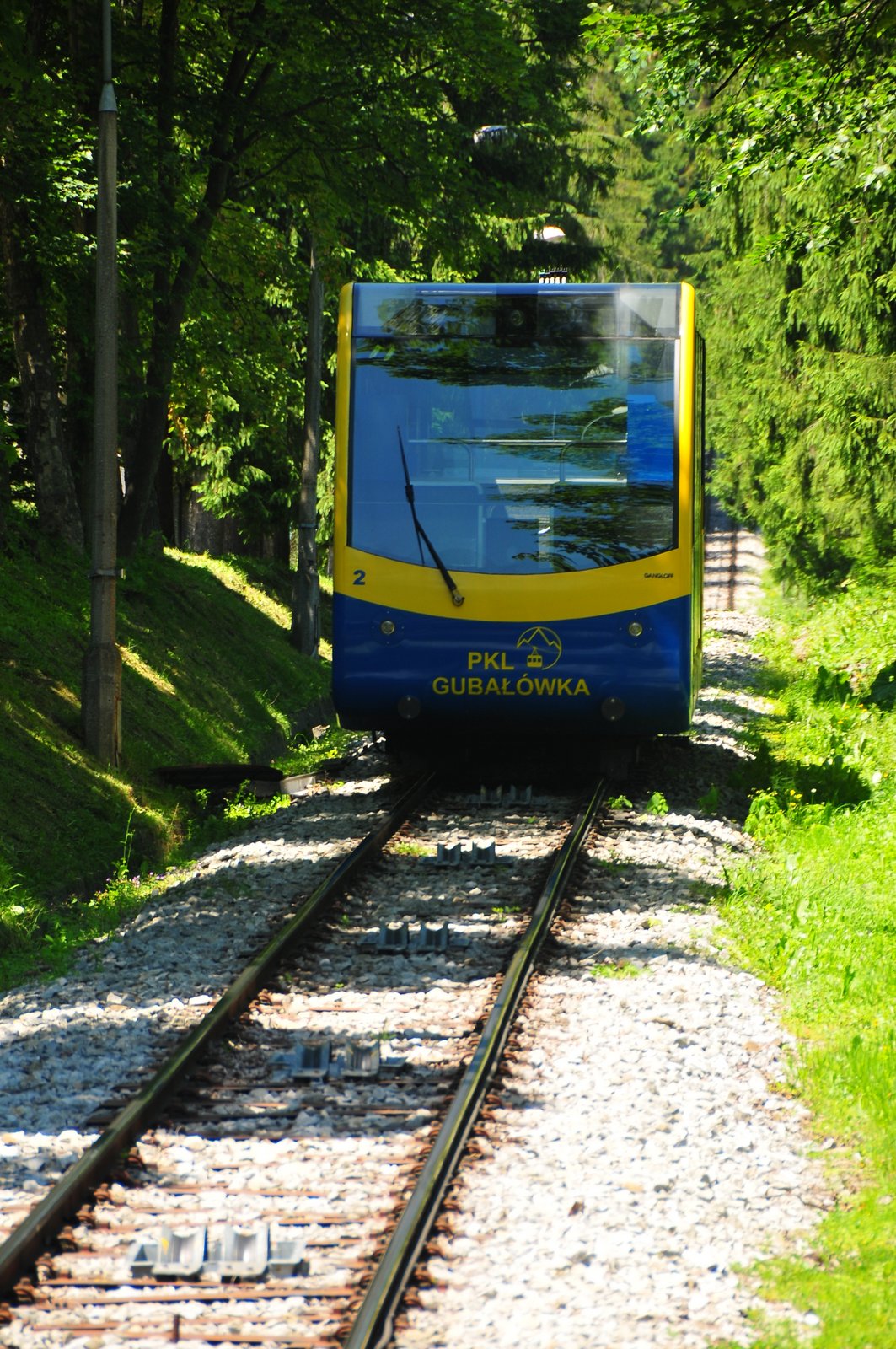
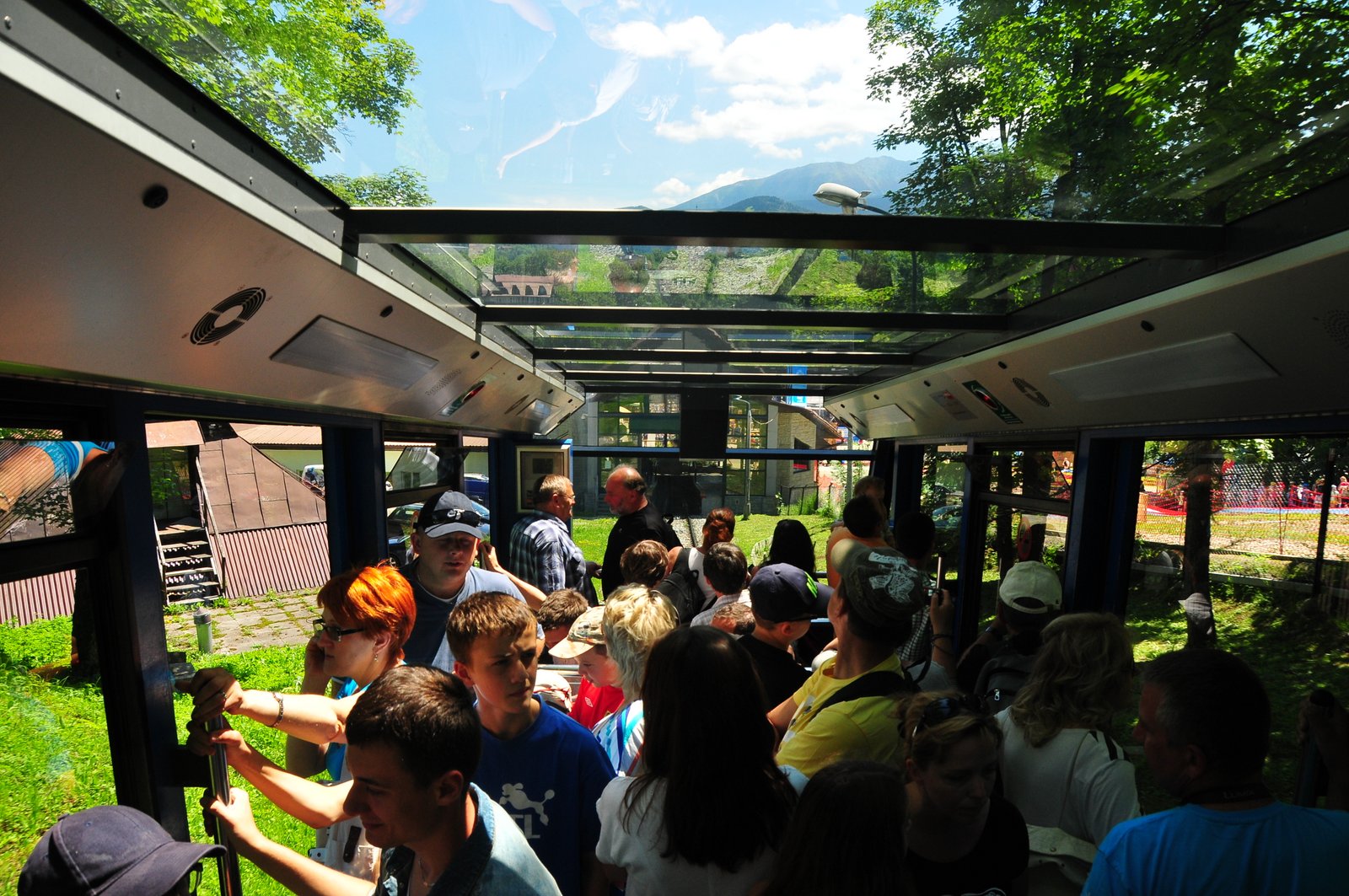
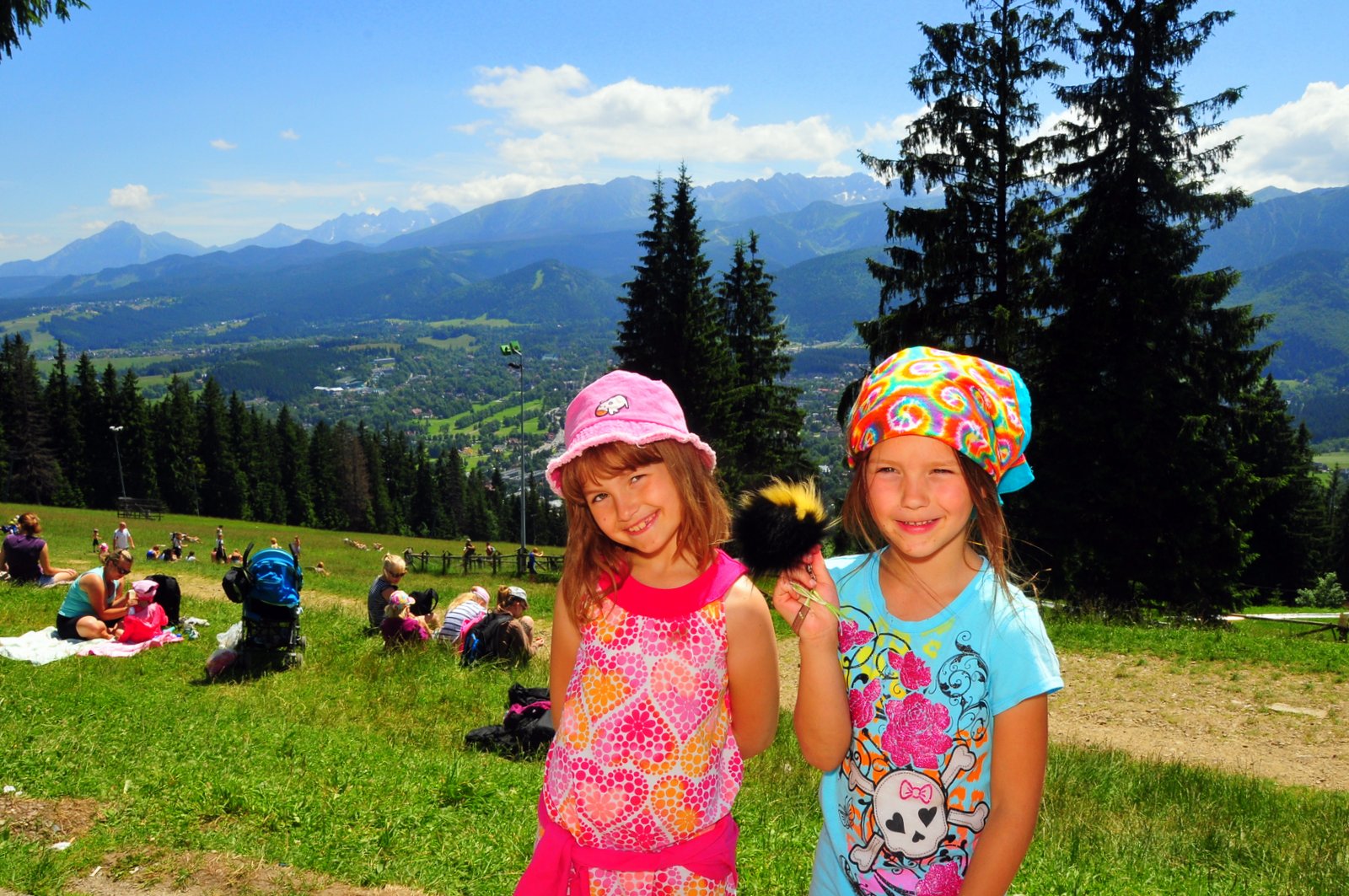
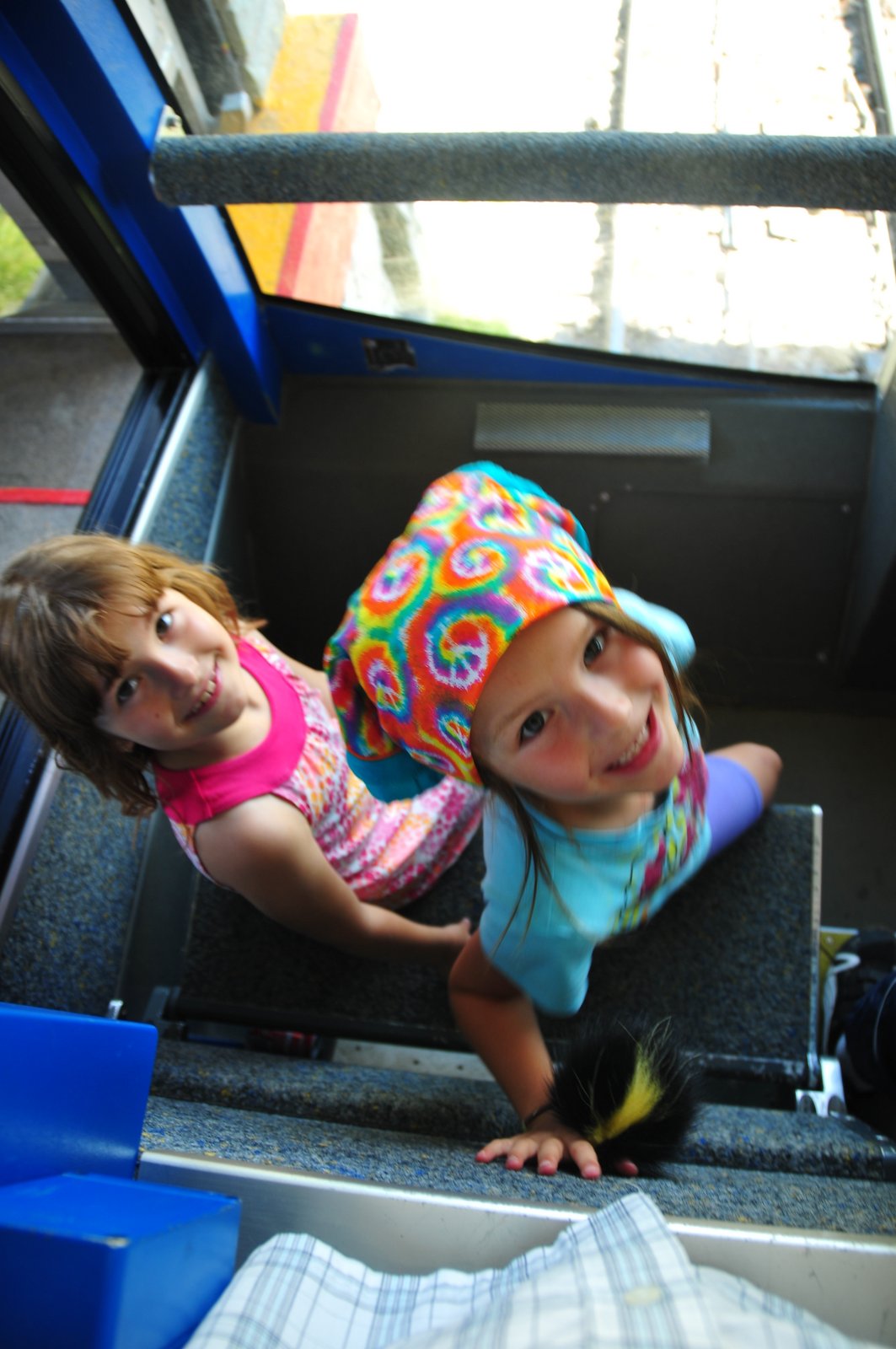
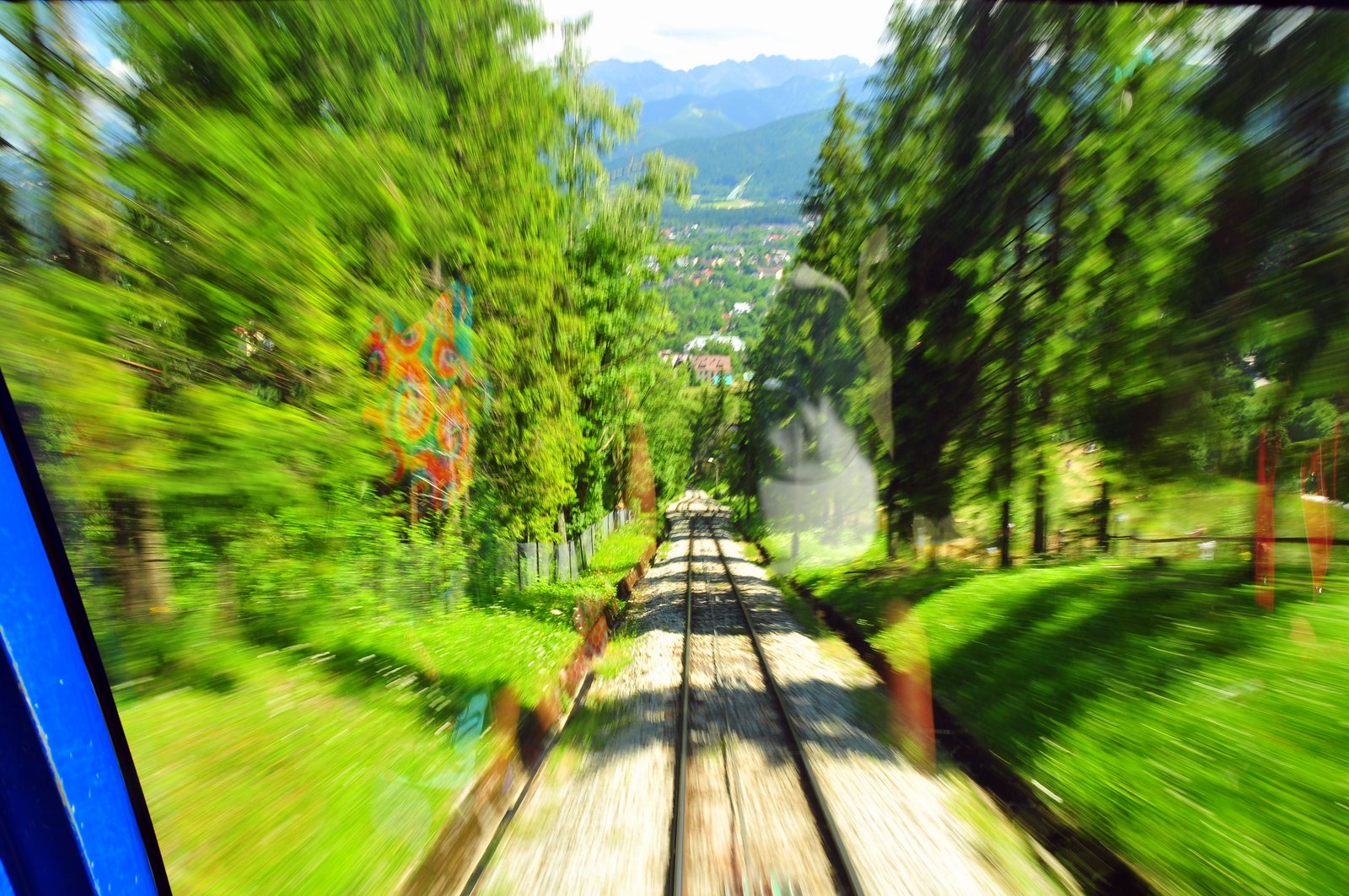
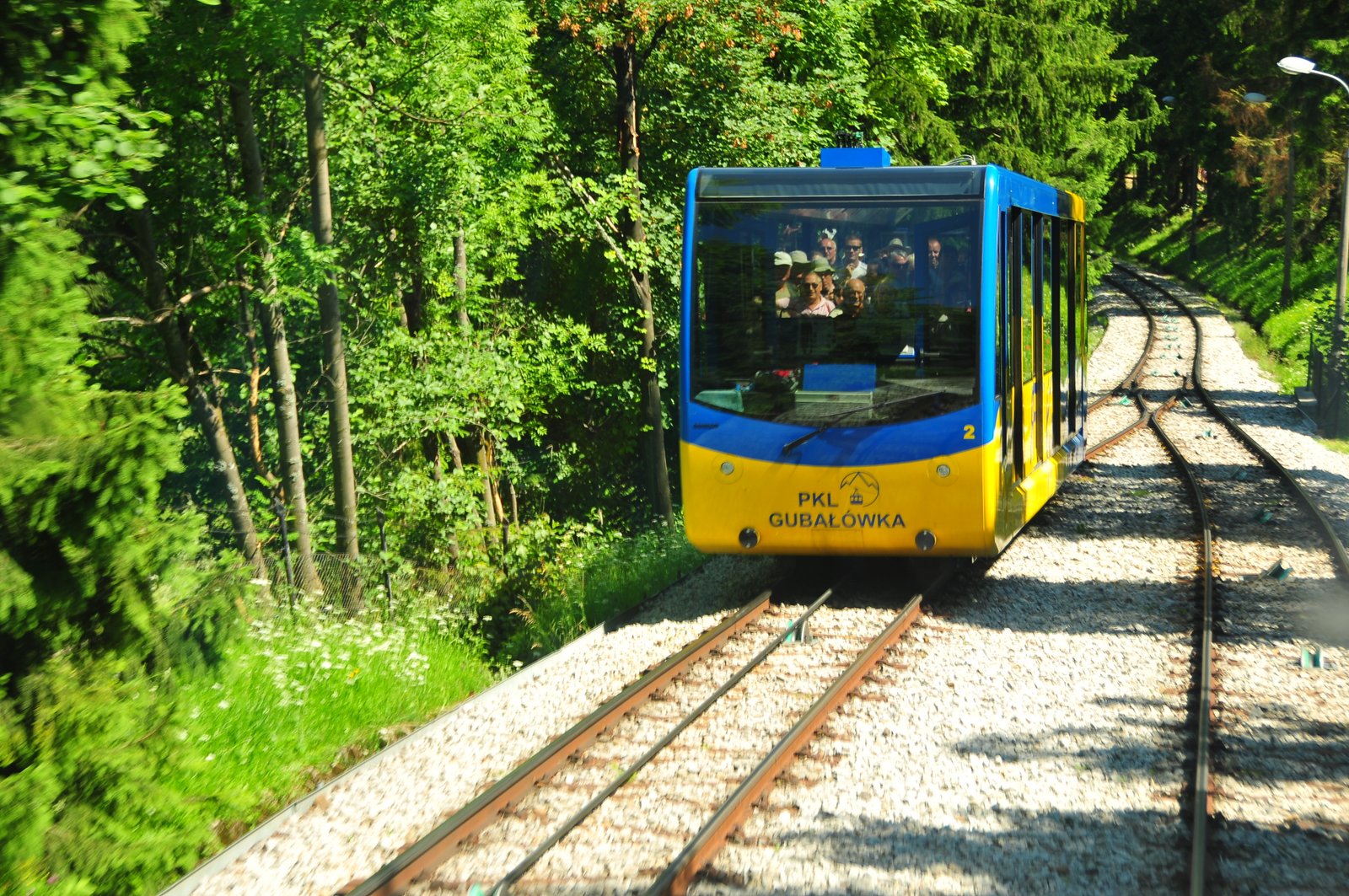
We take the funicular to Gubałówka Hill, perhaps the ultimate tourist trap of the whole area.

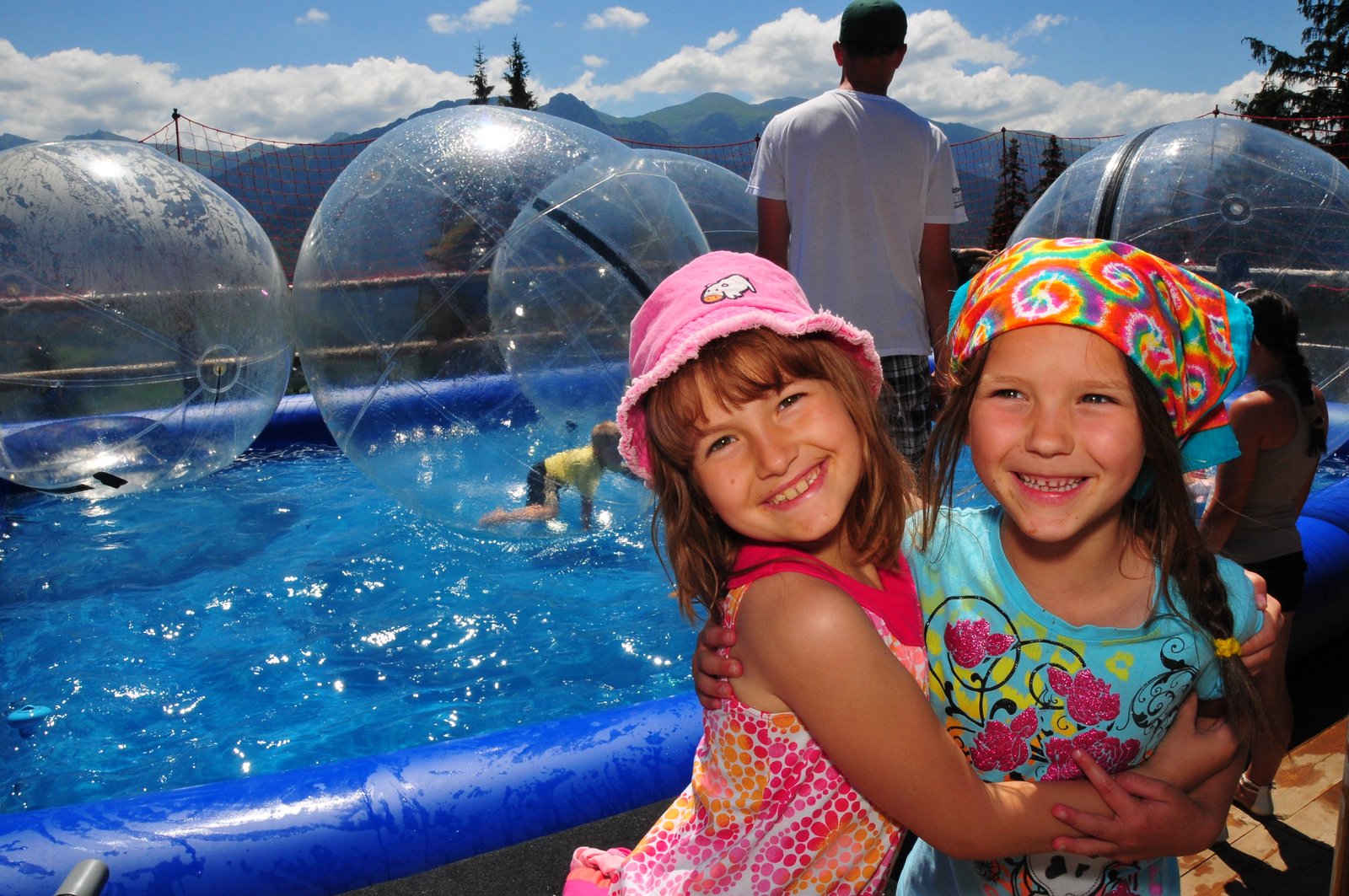
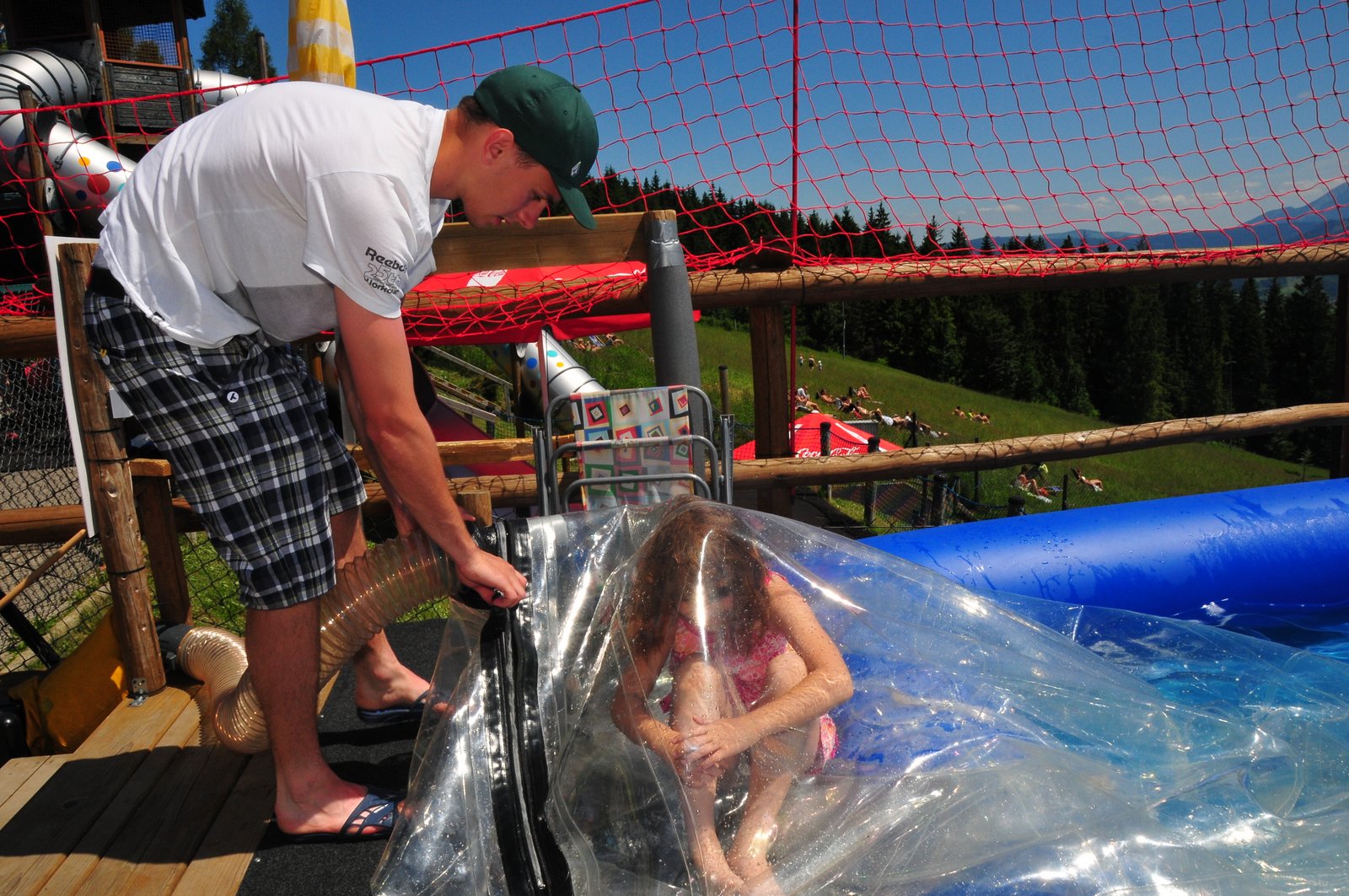
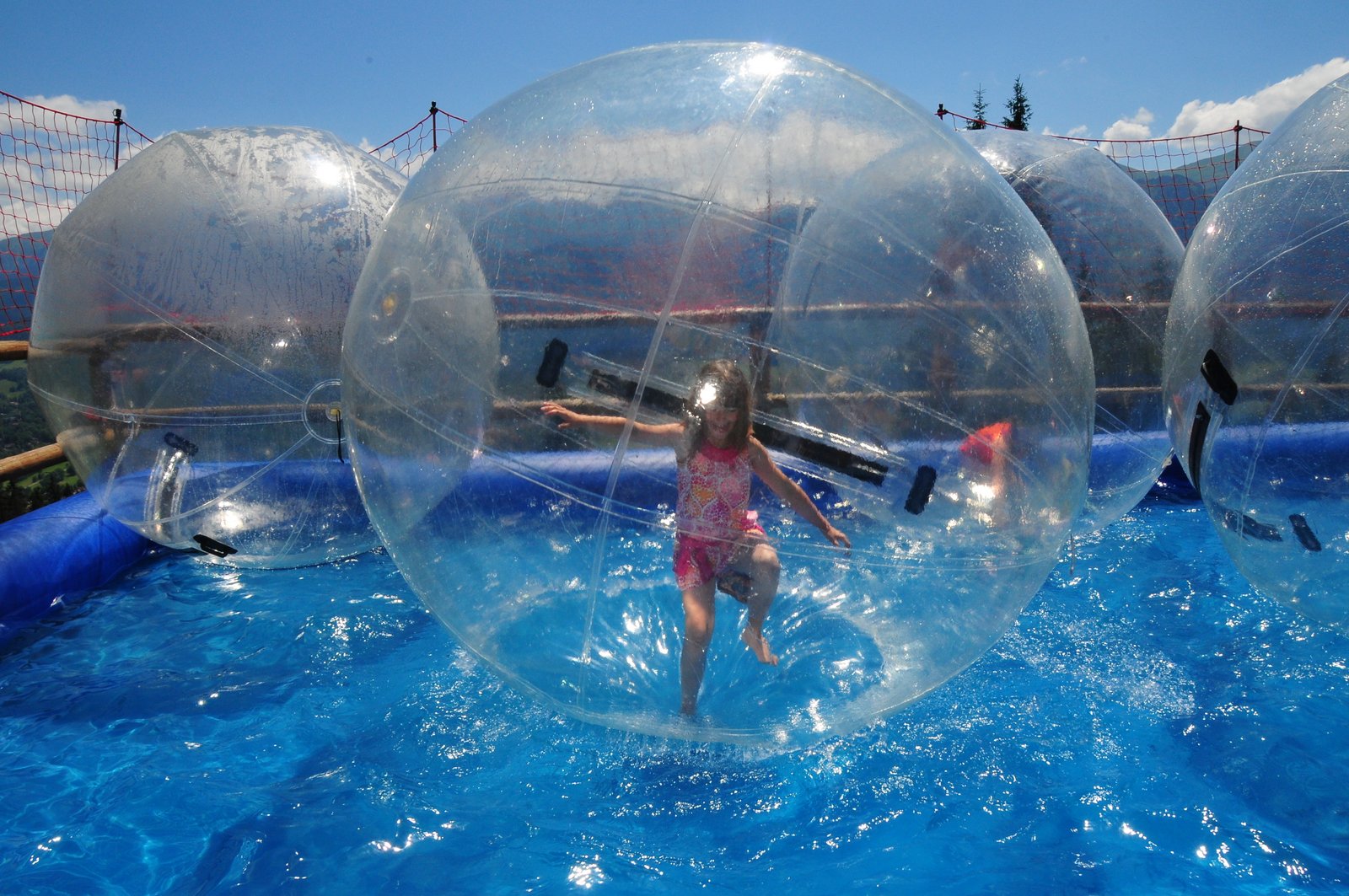
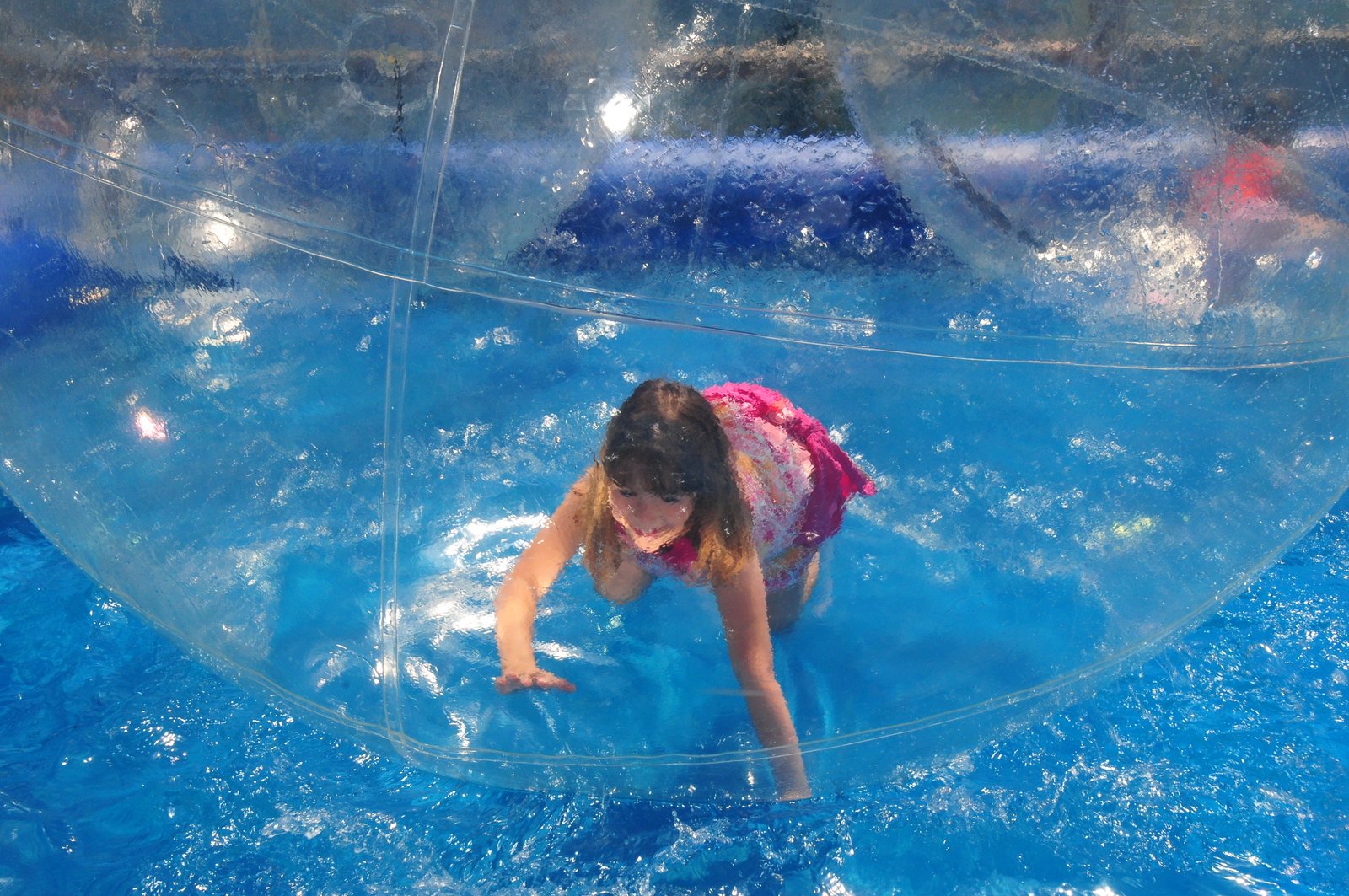
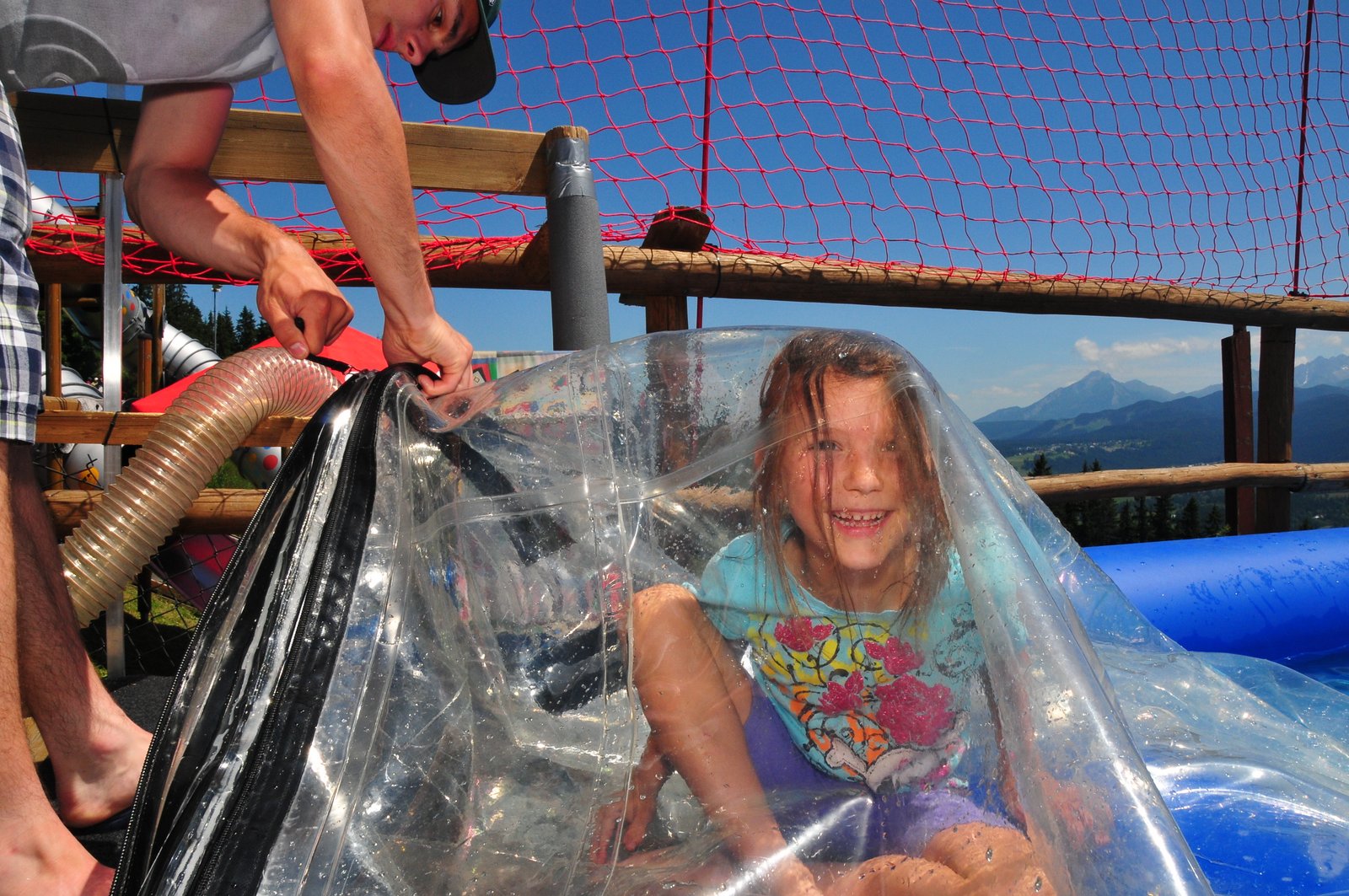
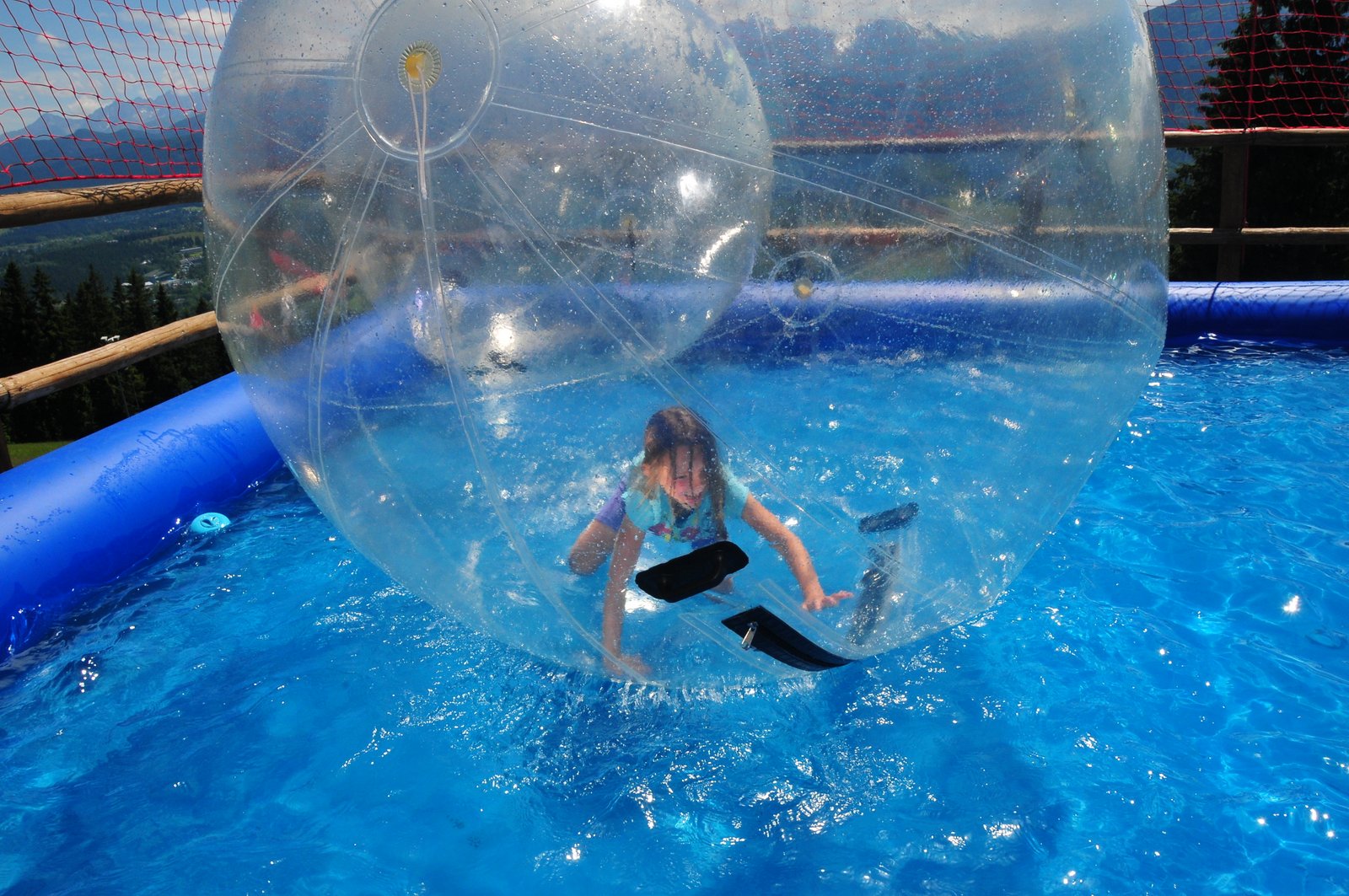
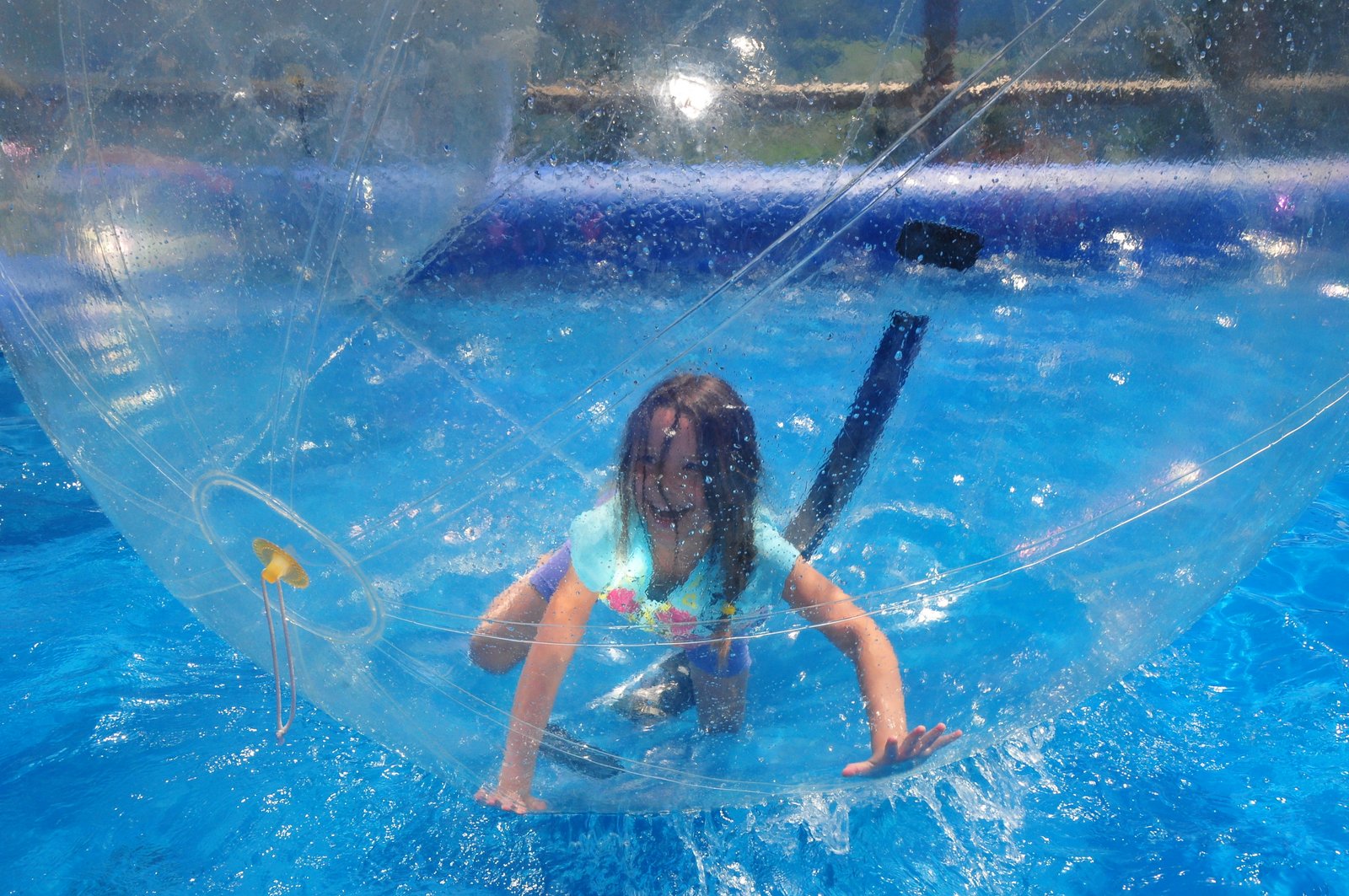
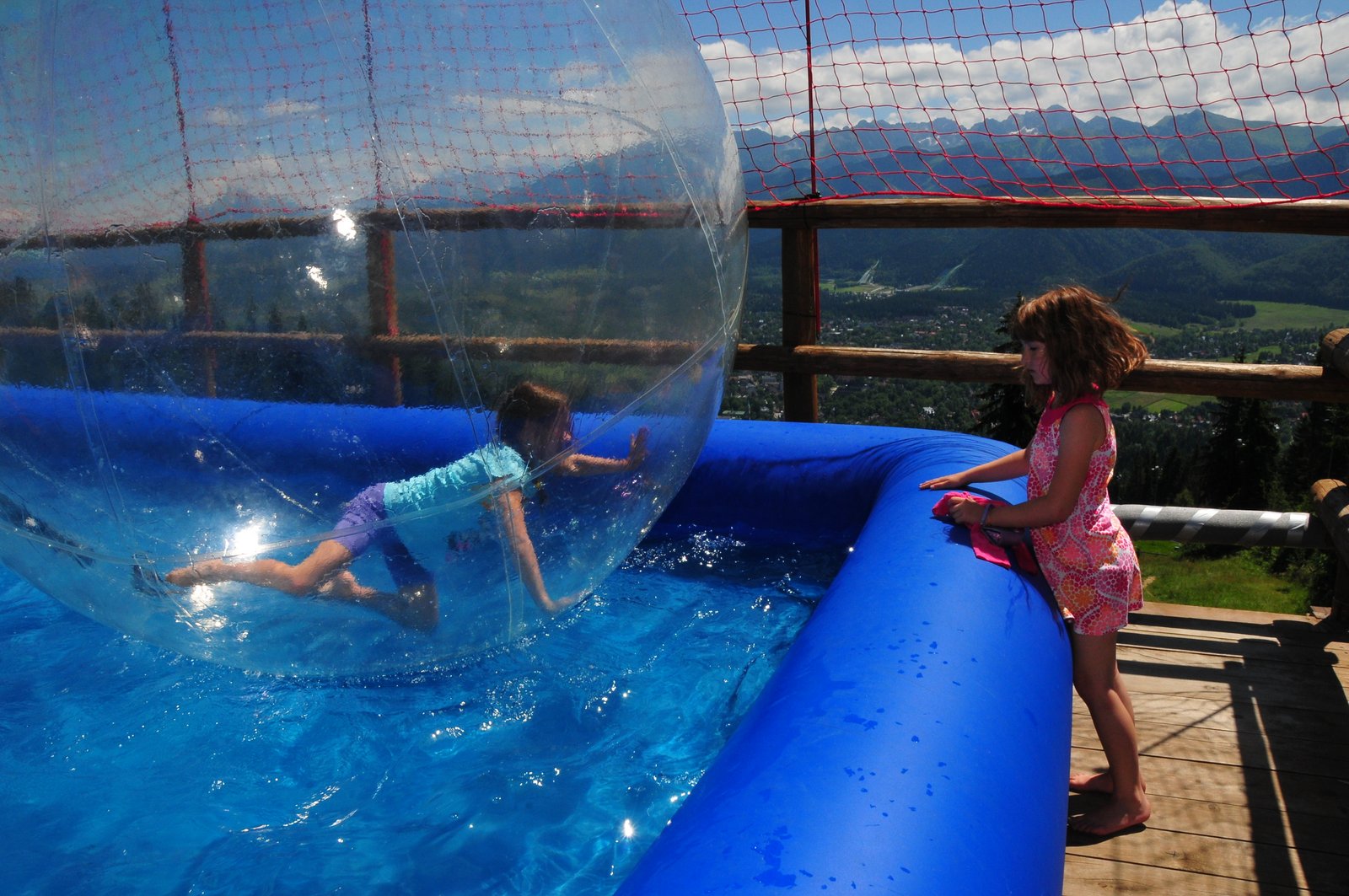
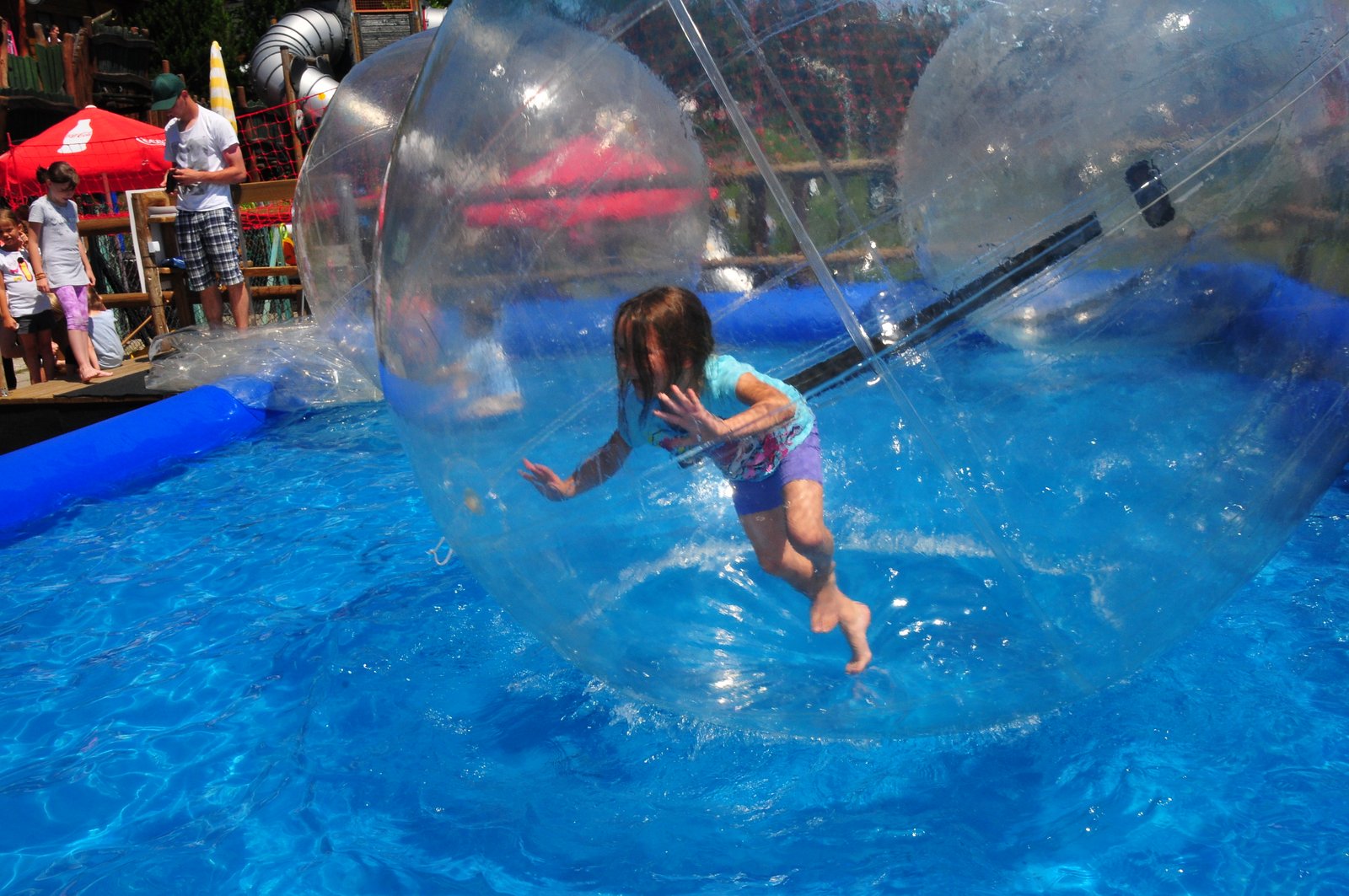
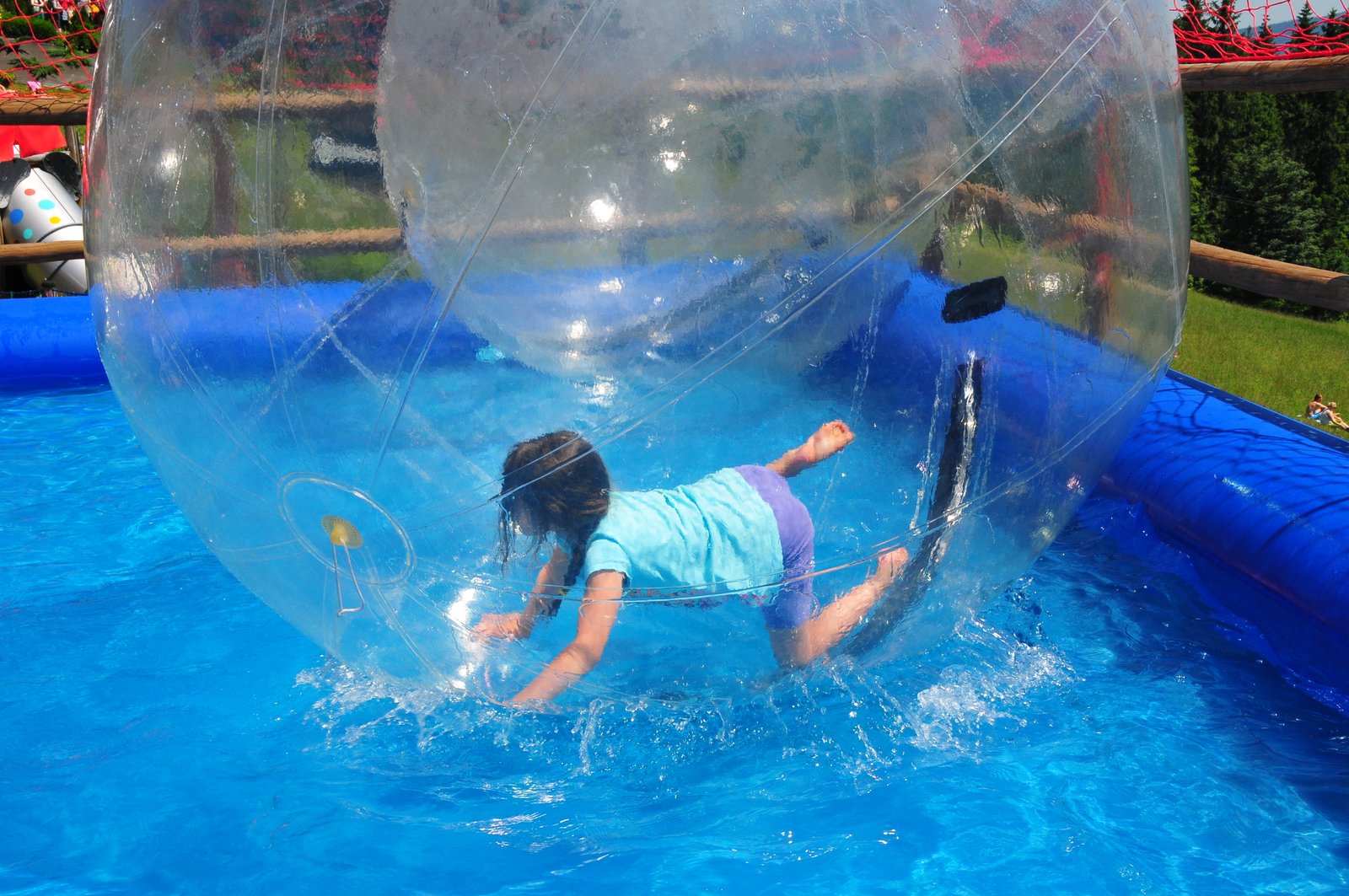
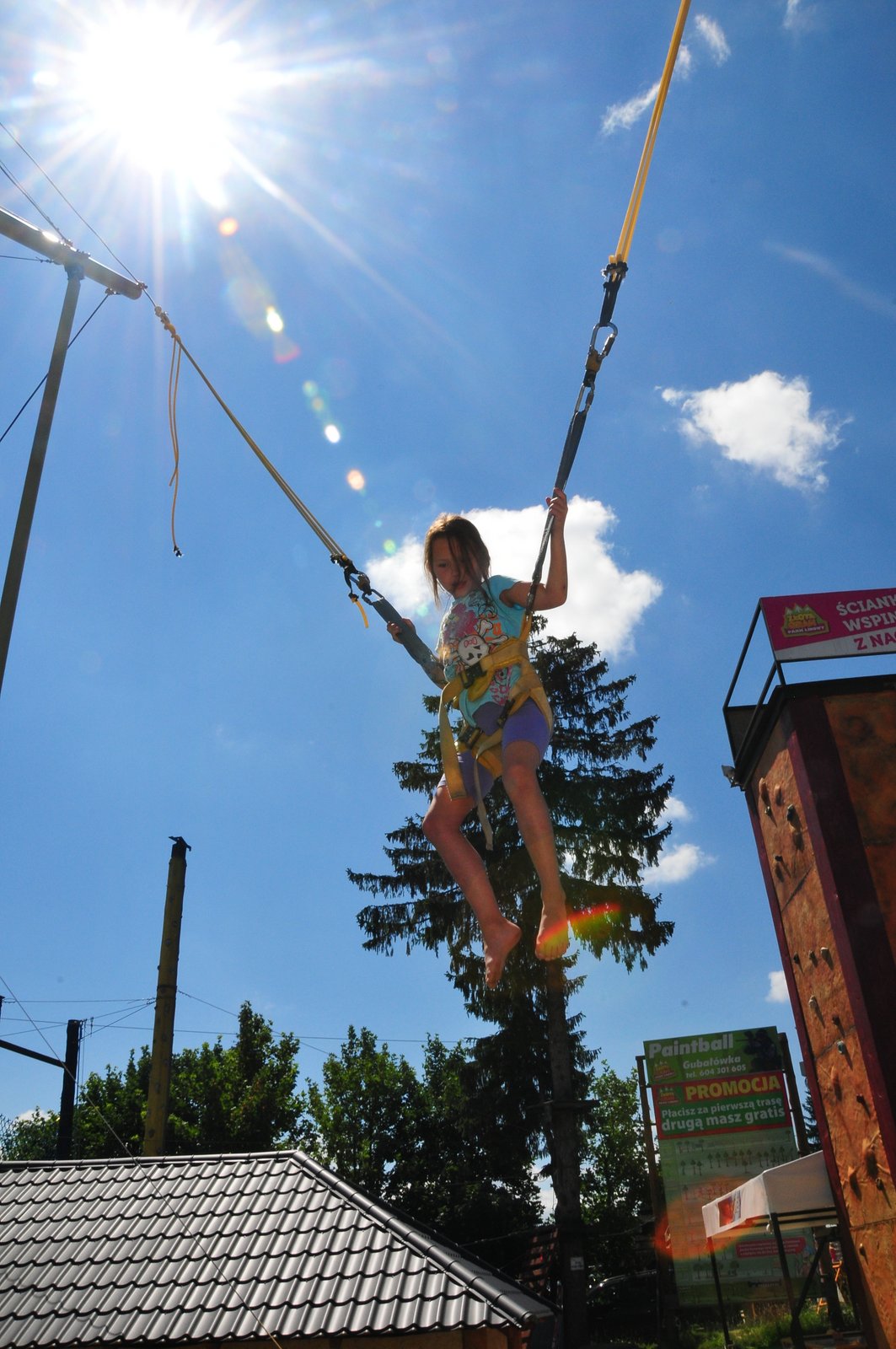
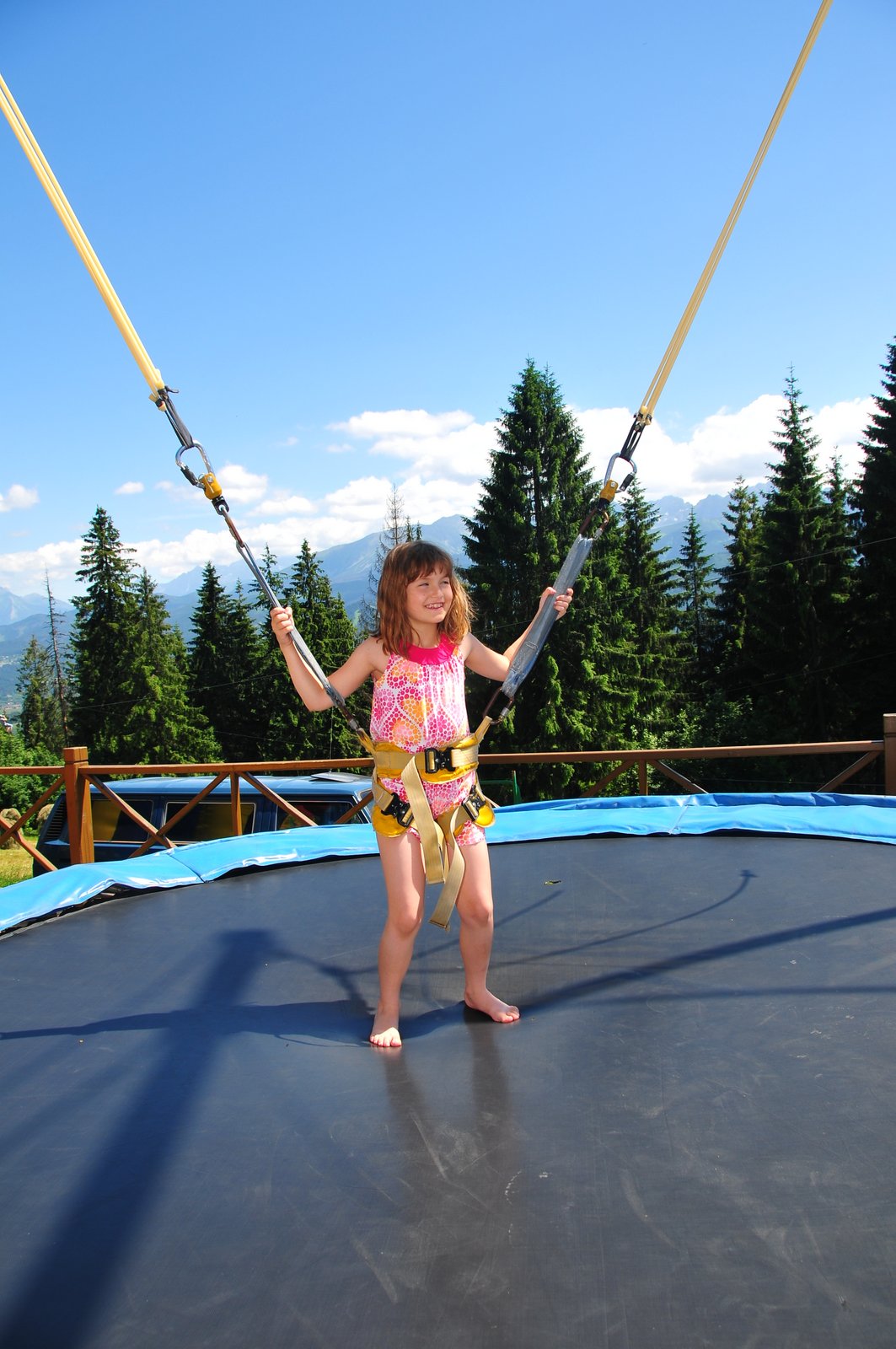
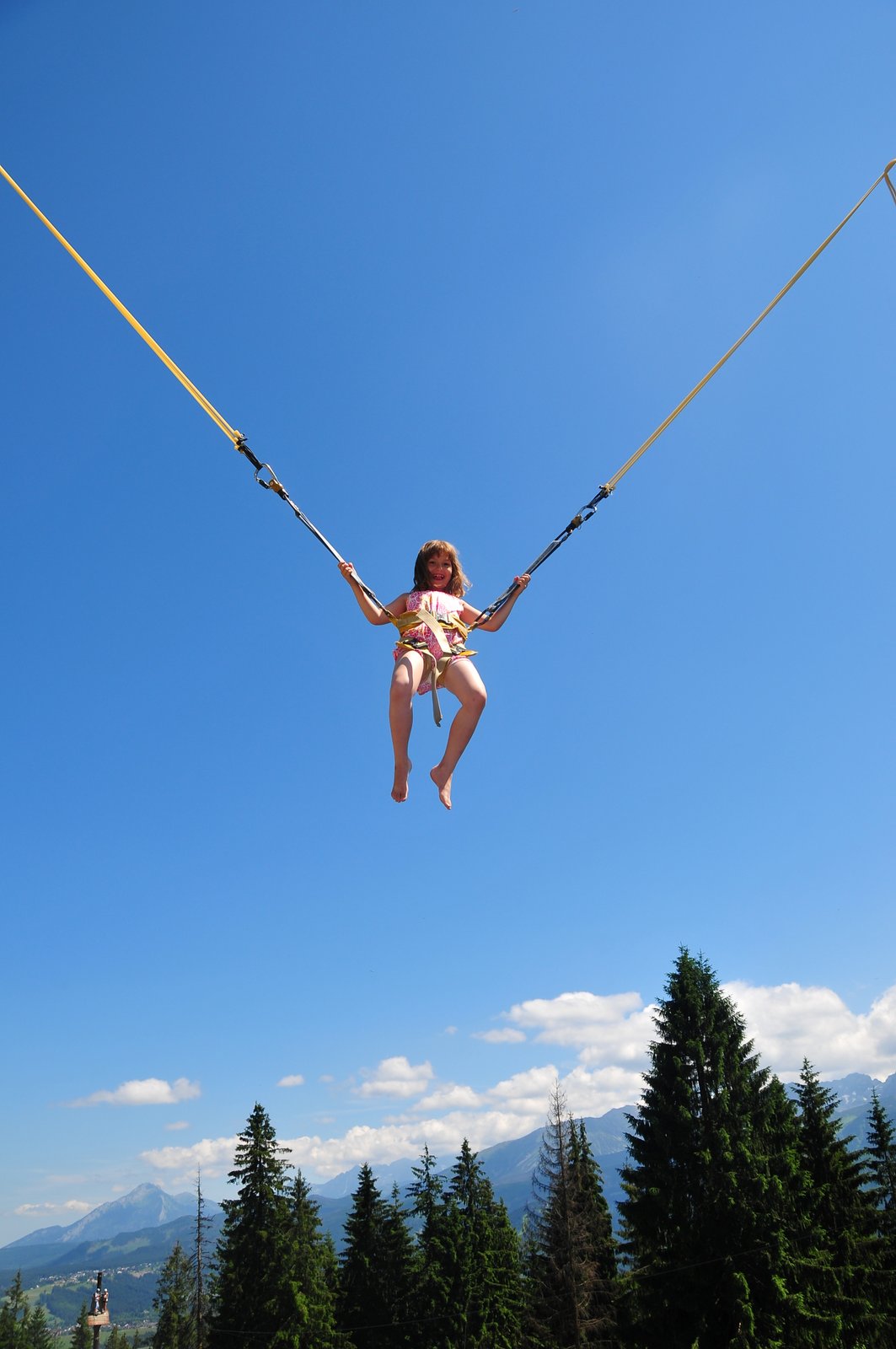
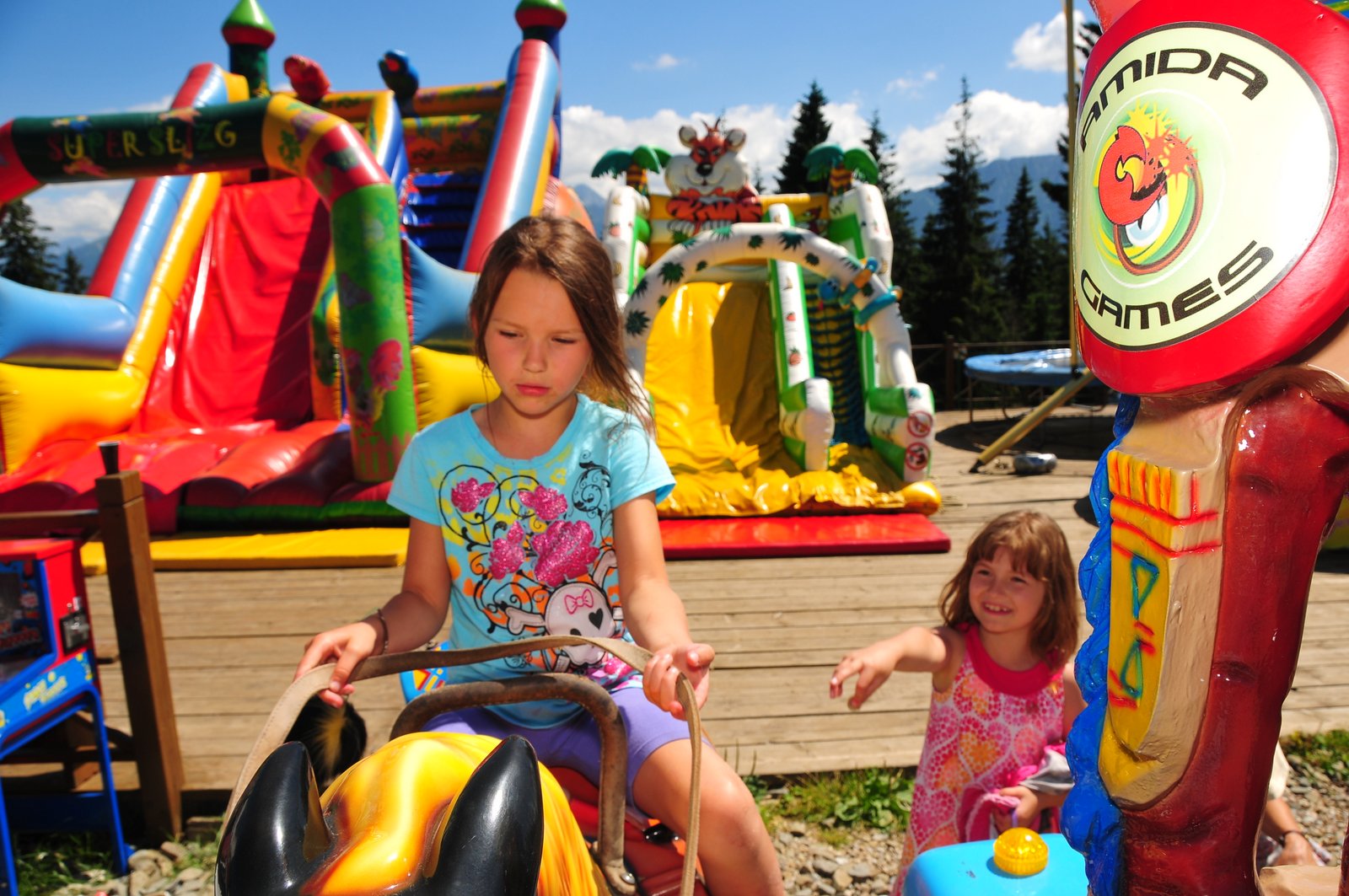
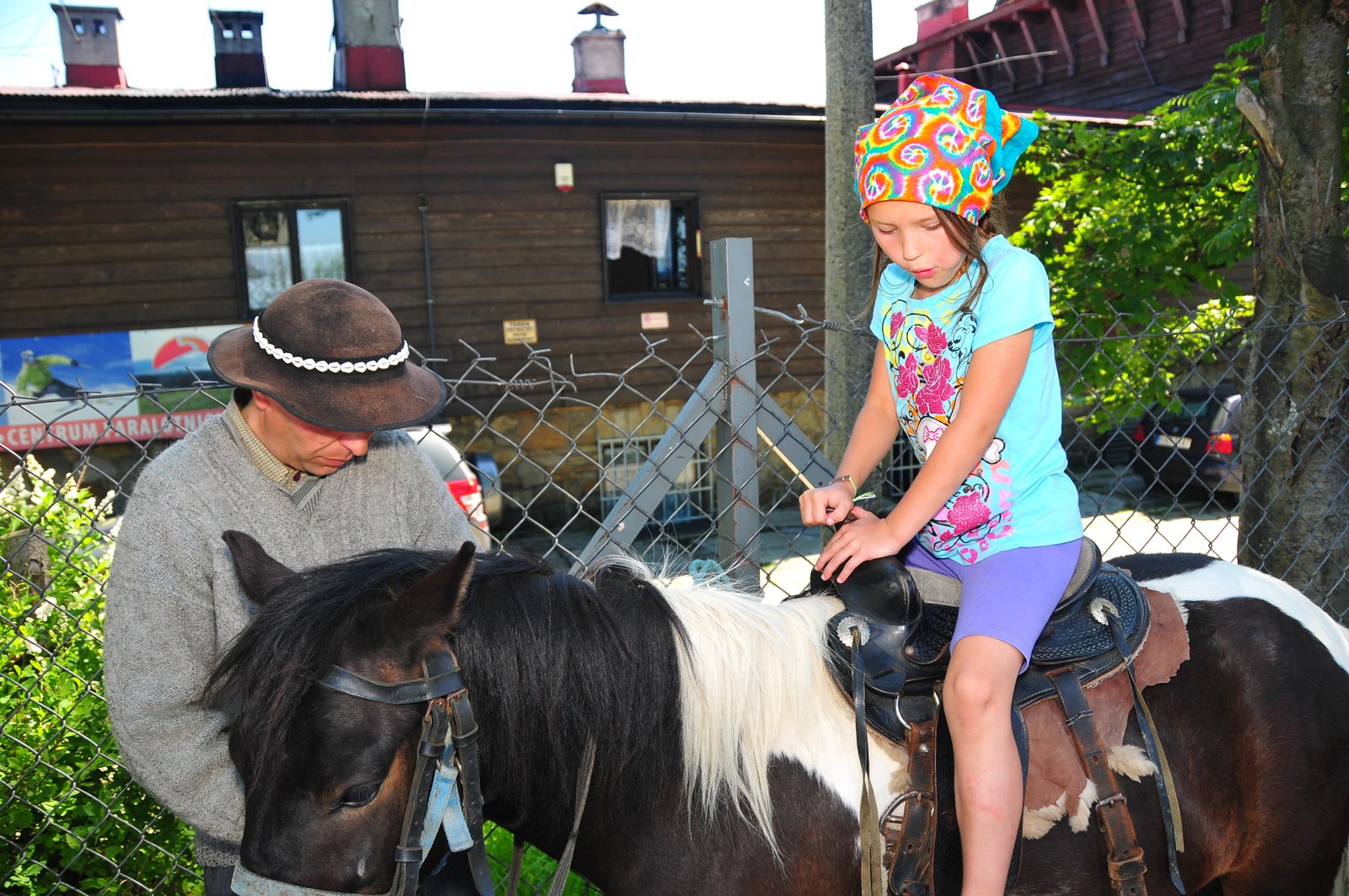
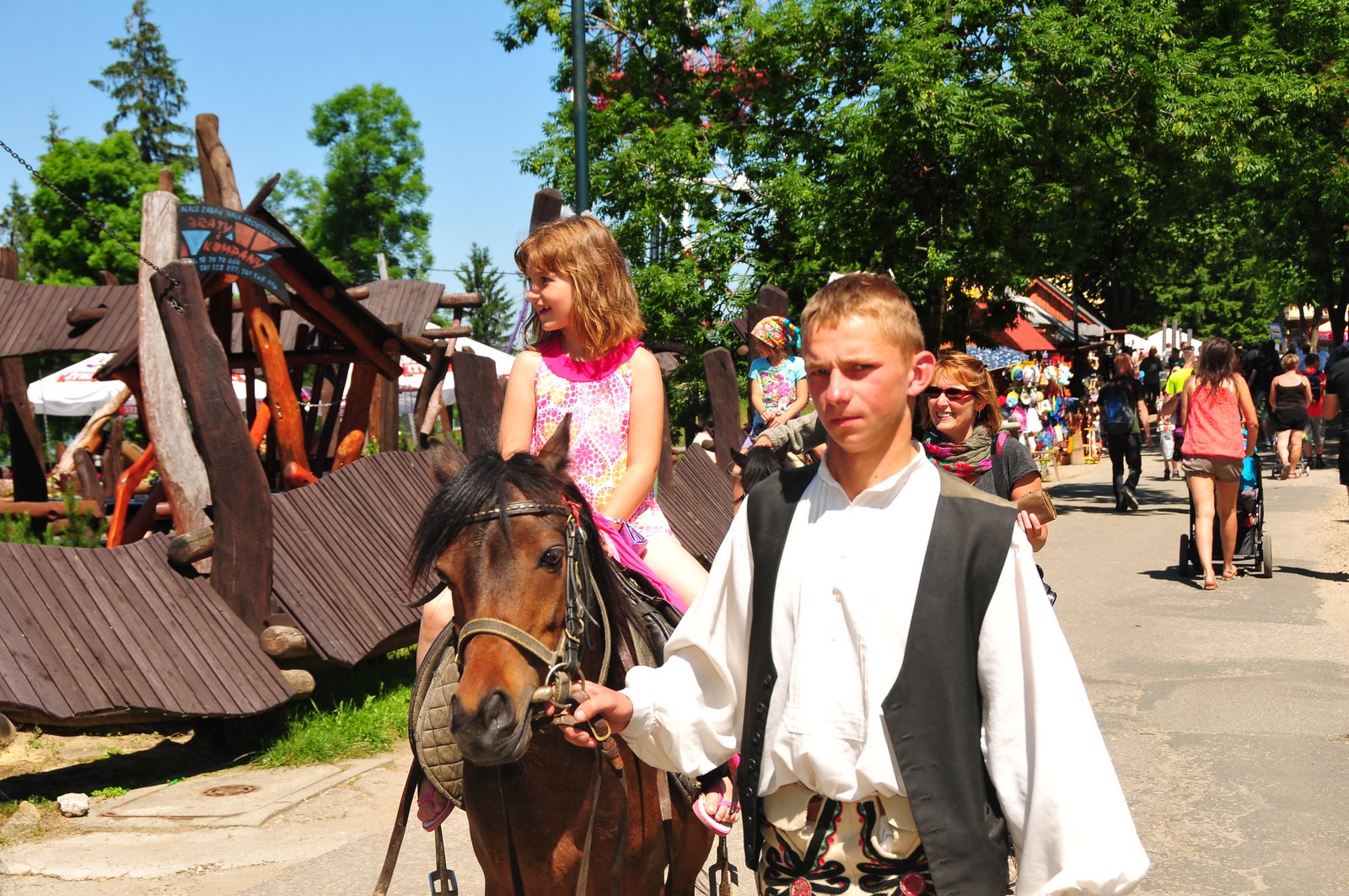
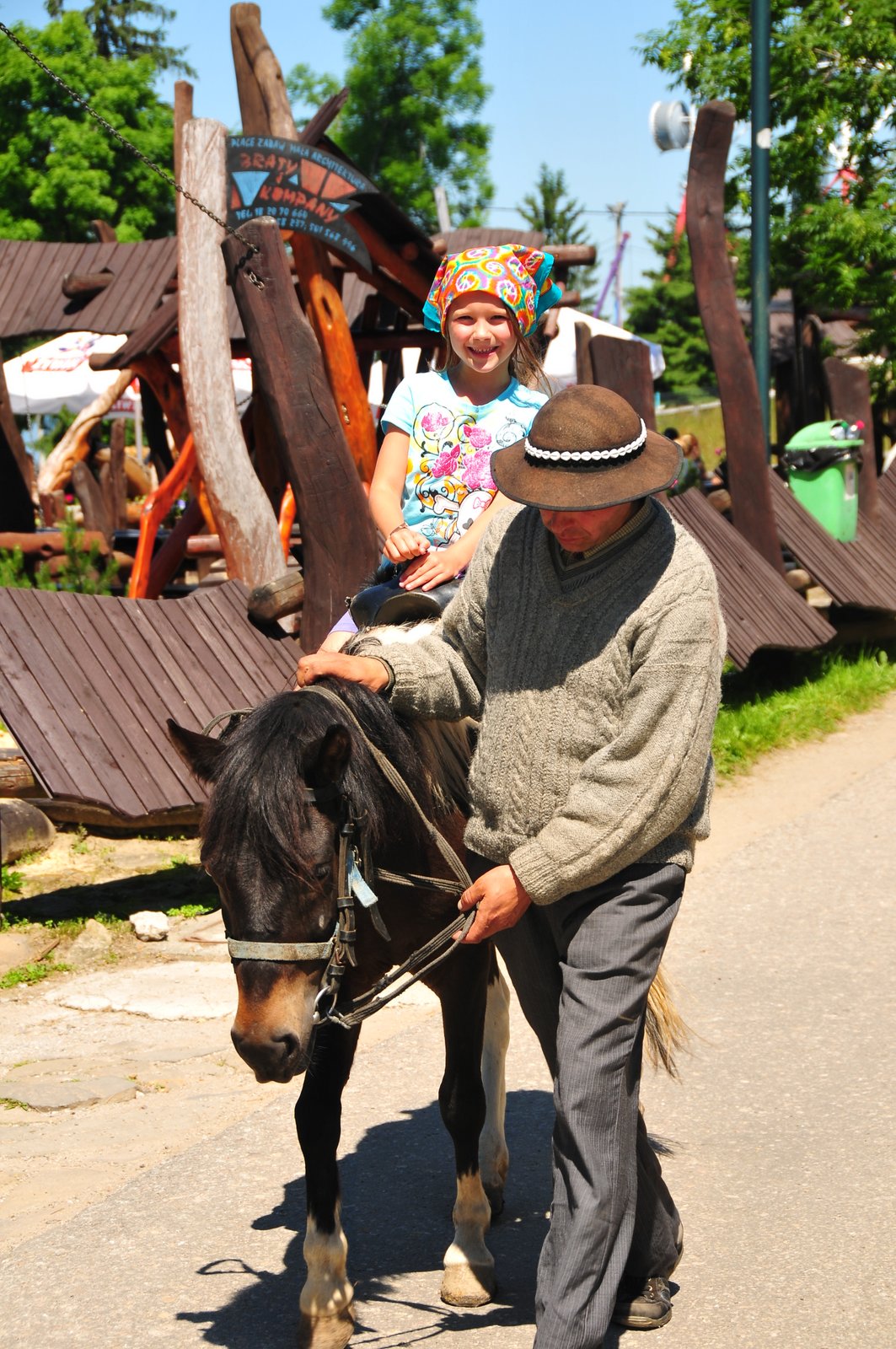
There are more attractions for two little girls — pony rides, trampolines, giant floating, air-filled, girl-filled balls — than one can possibly imagine, not taking into account all the plastic nonsense for sale.

We stop at Cmentarz Zasłużonych na PÄ™ksowym Brzyzku, a cemetery in Zakopane for those who have in one form or another made significant contributions to culture. Novelists, painters, composers, poets, teachers.

The girls find the grave of Kornel Makuszyłski, author of Koziołek Matołek, a series of books that were eventually turned into an animated series about a goat’s search for Pacanów, where they make goat shoes. The girls stand for a while and pay their respects, then walk down the path, with S listing all the stories about Matołek she knows and L counting.

Corrections

The second day of a Polish multi-day wedding celebration is much more relaxed than the first. Gone are the formalities of the first day: the greeting line, the formal wear, and the attendant ceremonies. And it starts late enough that we can get in a photo session.

DSC_5403

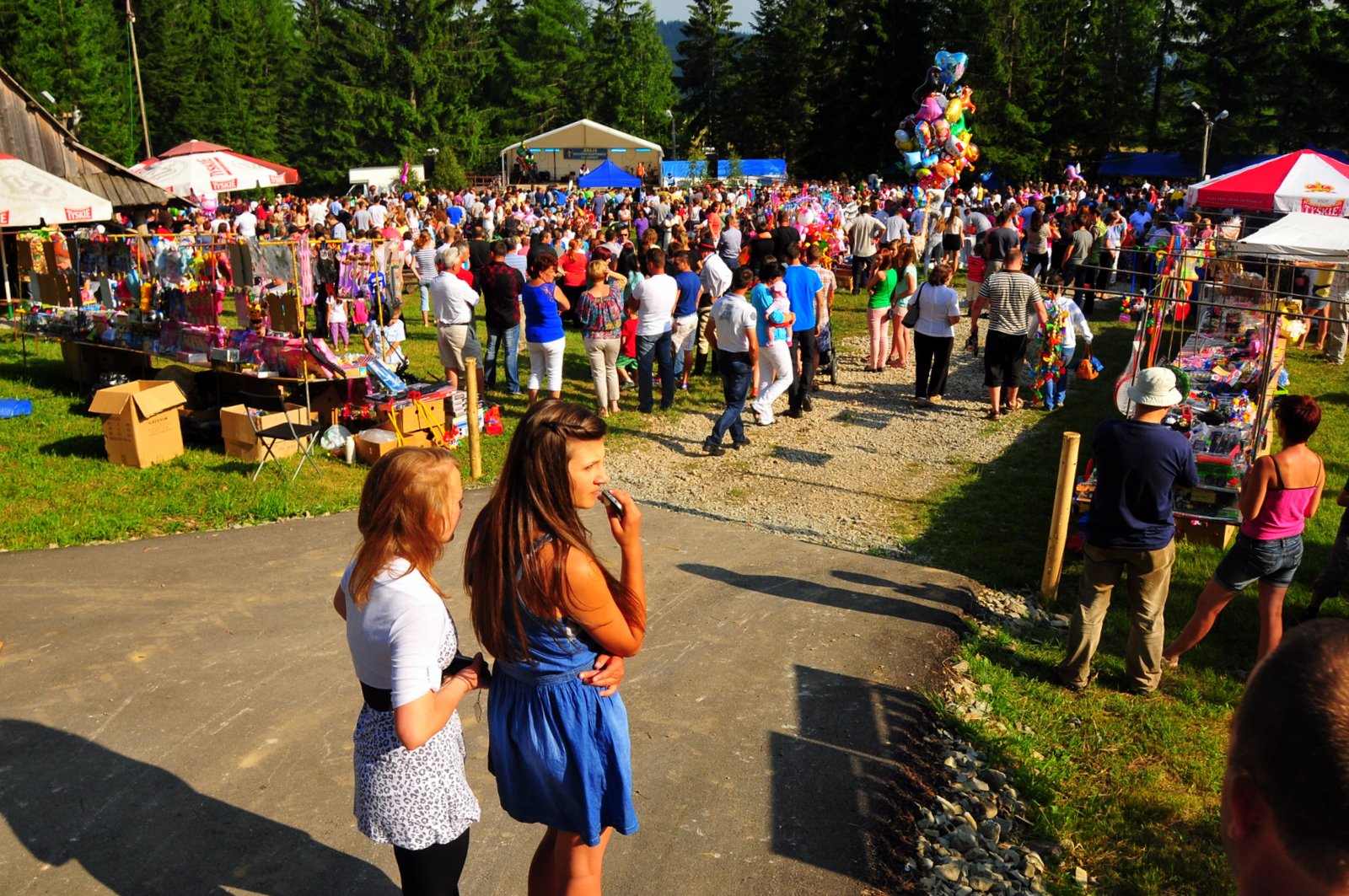
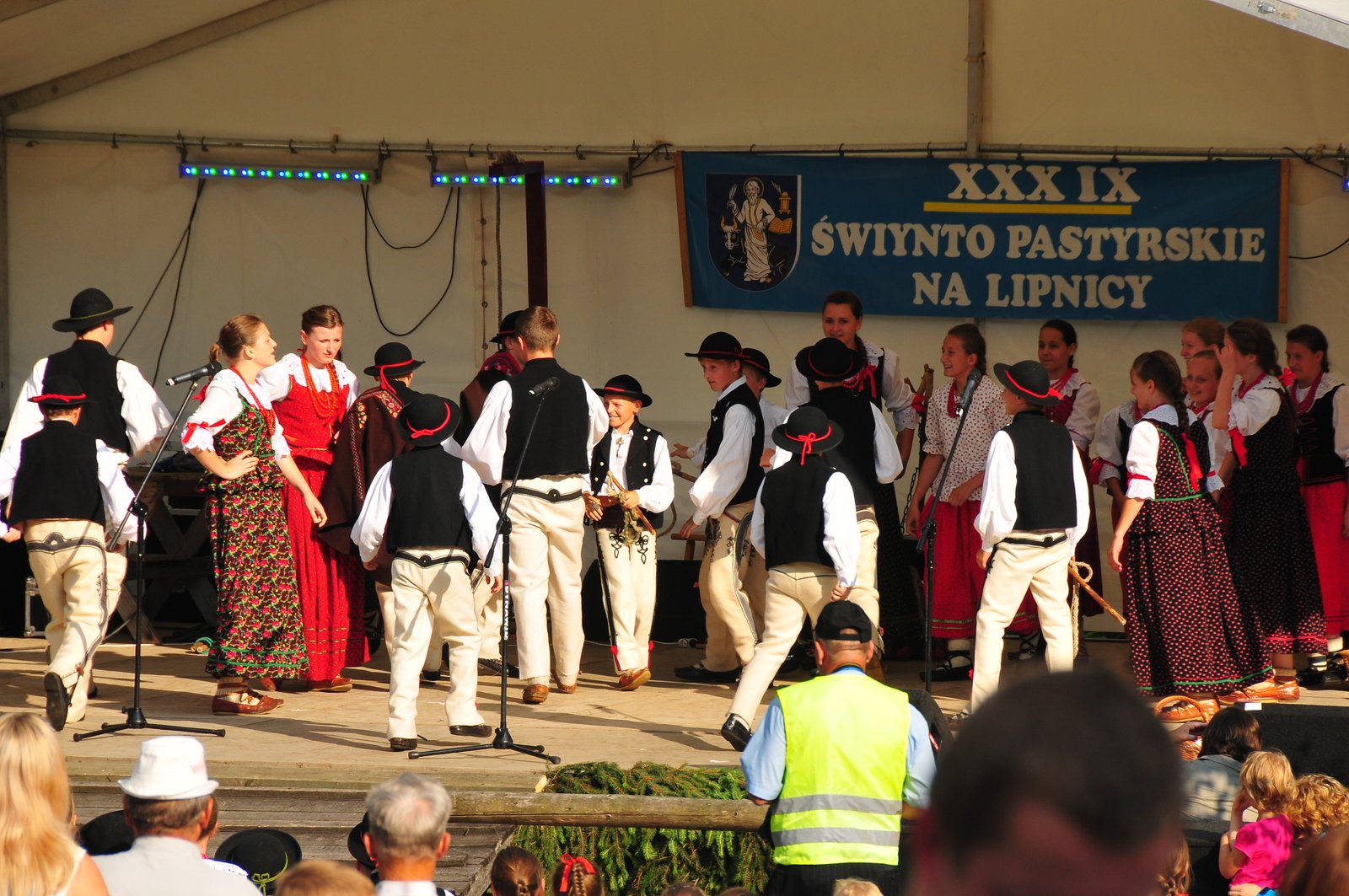
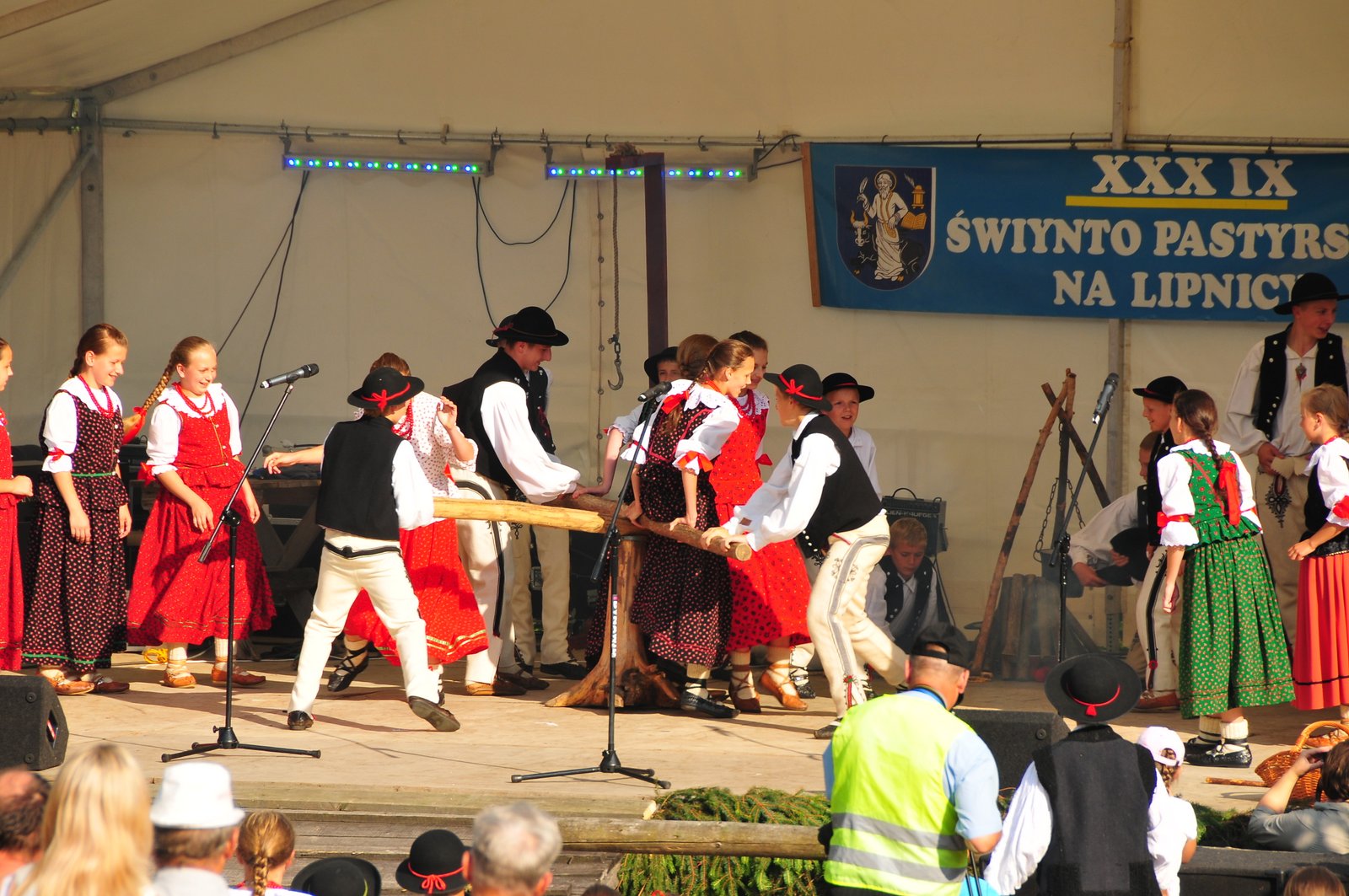
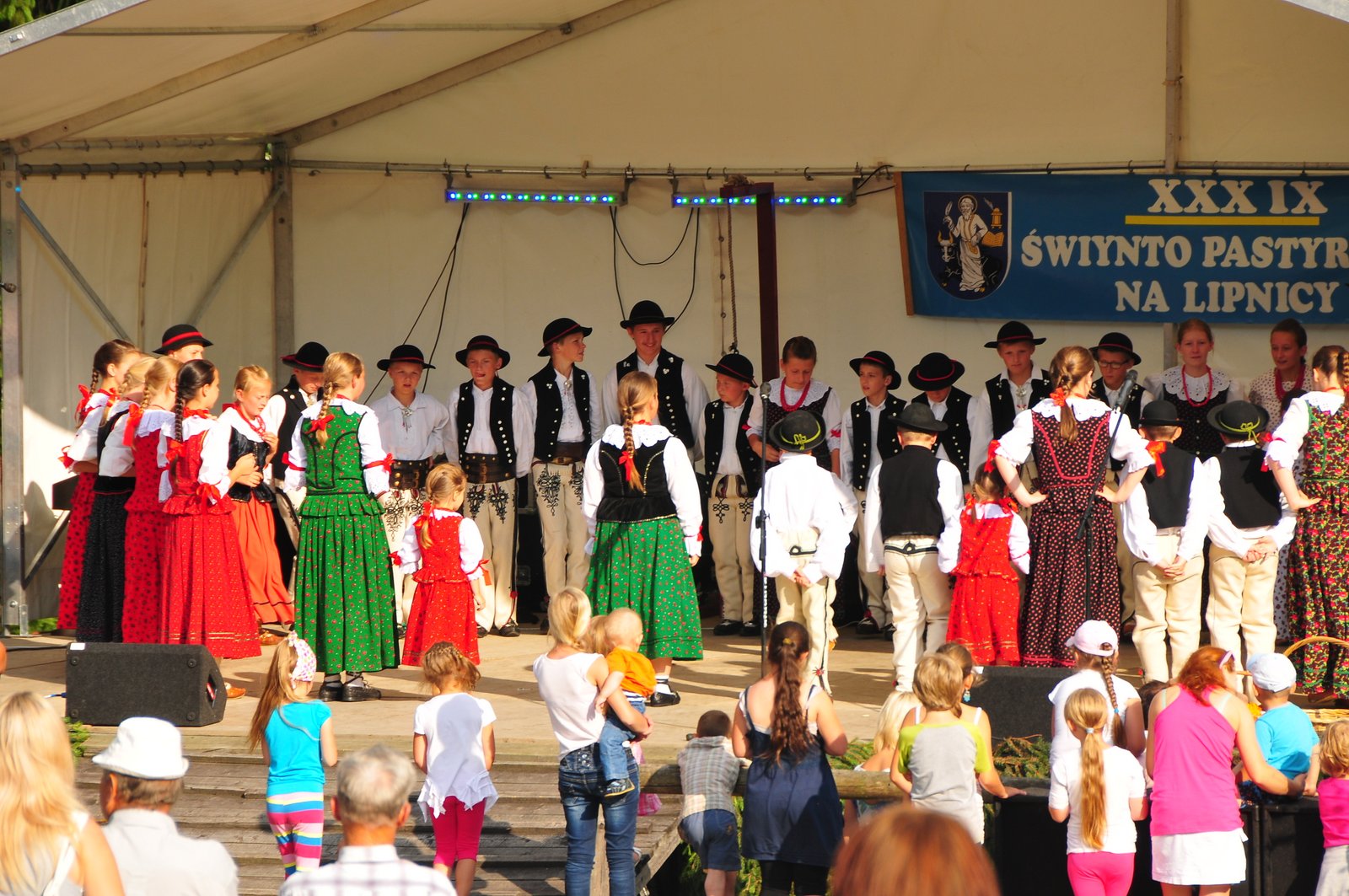
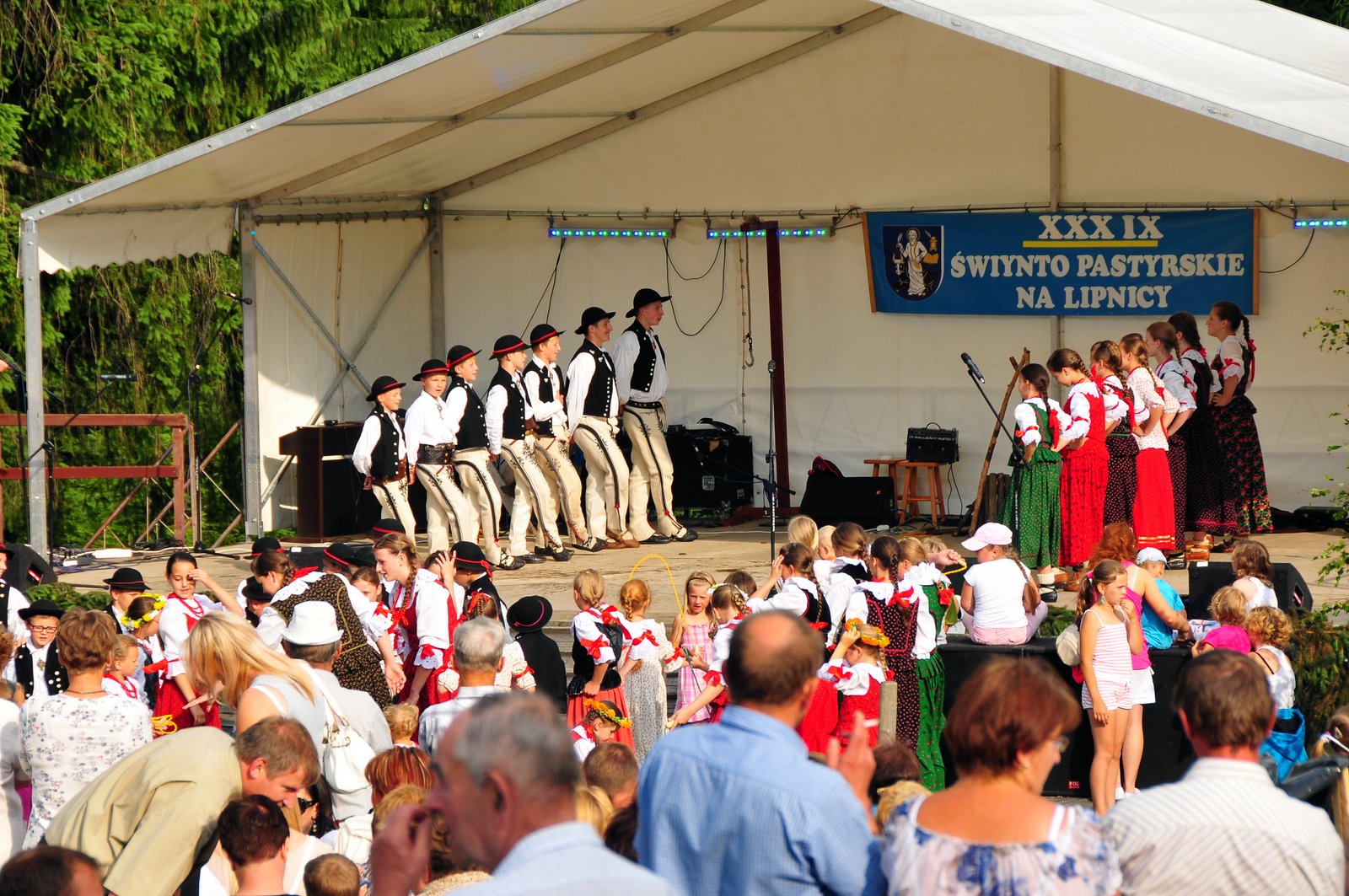
But one thing that doesn’t change is the length — long enough to pop away for a little while to Lipnica’s annual folk festival to see some regional dancing.

“That’s how Mama used to perform,” I explain to L, but with the proliferation of odpust-type deals in cheap plastic goods, she’s not exactly watching with rapt attention.

DSC_5412

DSC_5417

DSC_5419

DSC_5424

DSC_5426

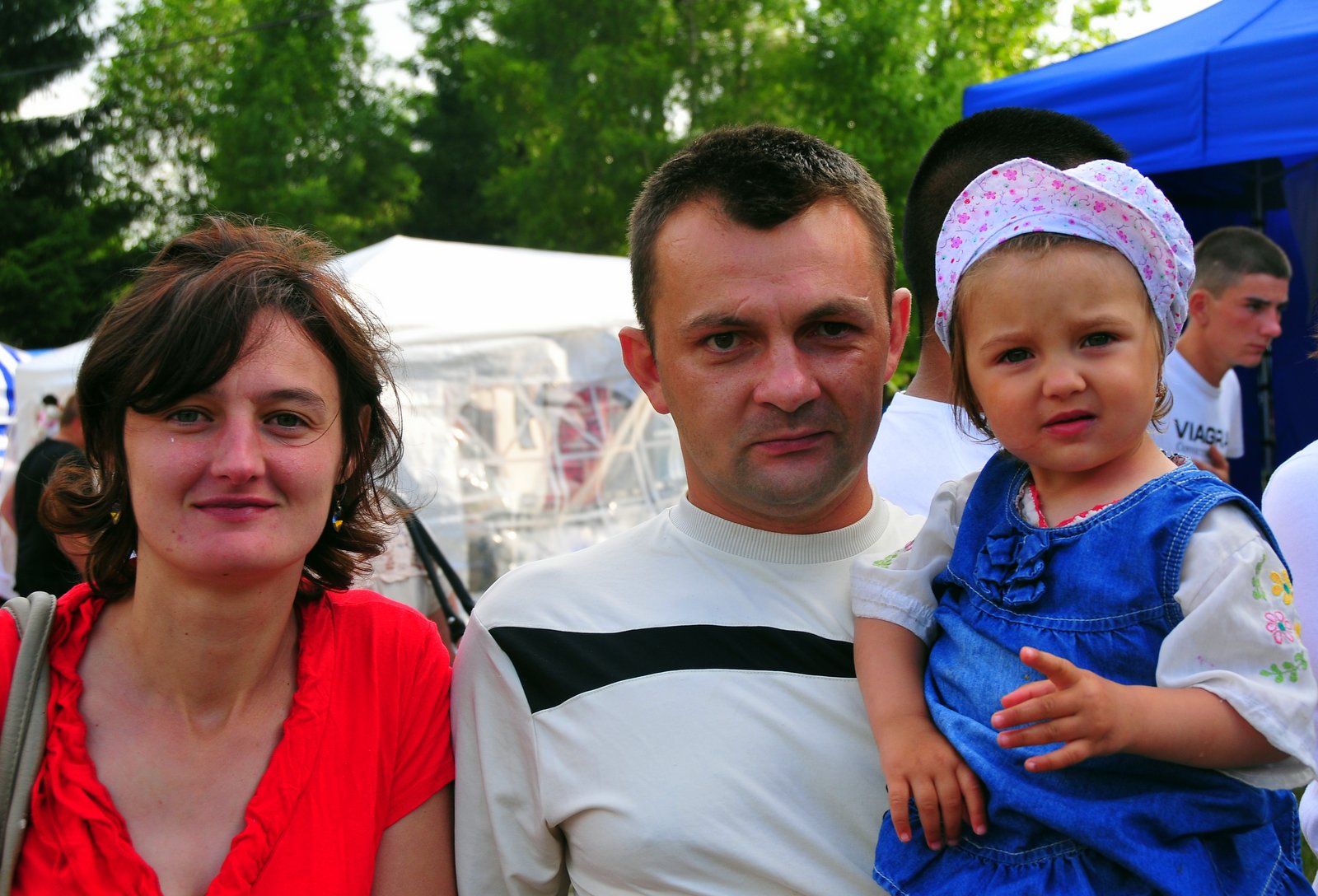
In some ways, though, I planned this quick visit to the festival as much for myself as for the Girl. It’s the best opportunity to meet folks I haven’t seen in ages, people I might not otherwise get to see. Like my buddy S, who owned a shop down the street that I frequented as much for a soda and chat as for any particular shopping.

DSC_5428

When I return to the wedding party, I see again just how small a world it is: there sits a former student.

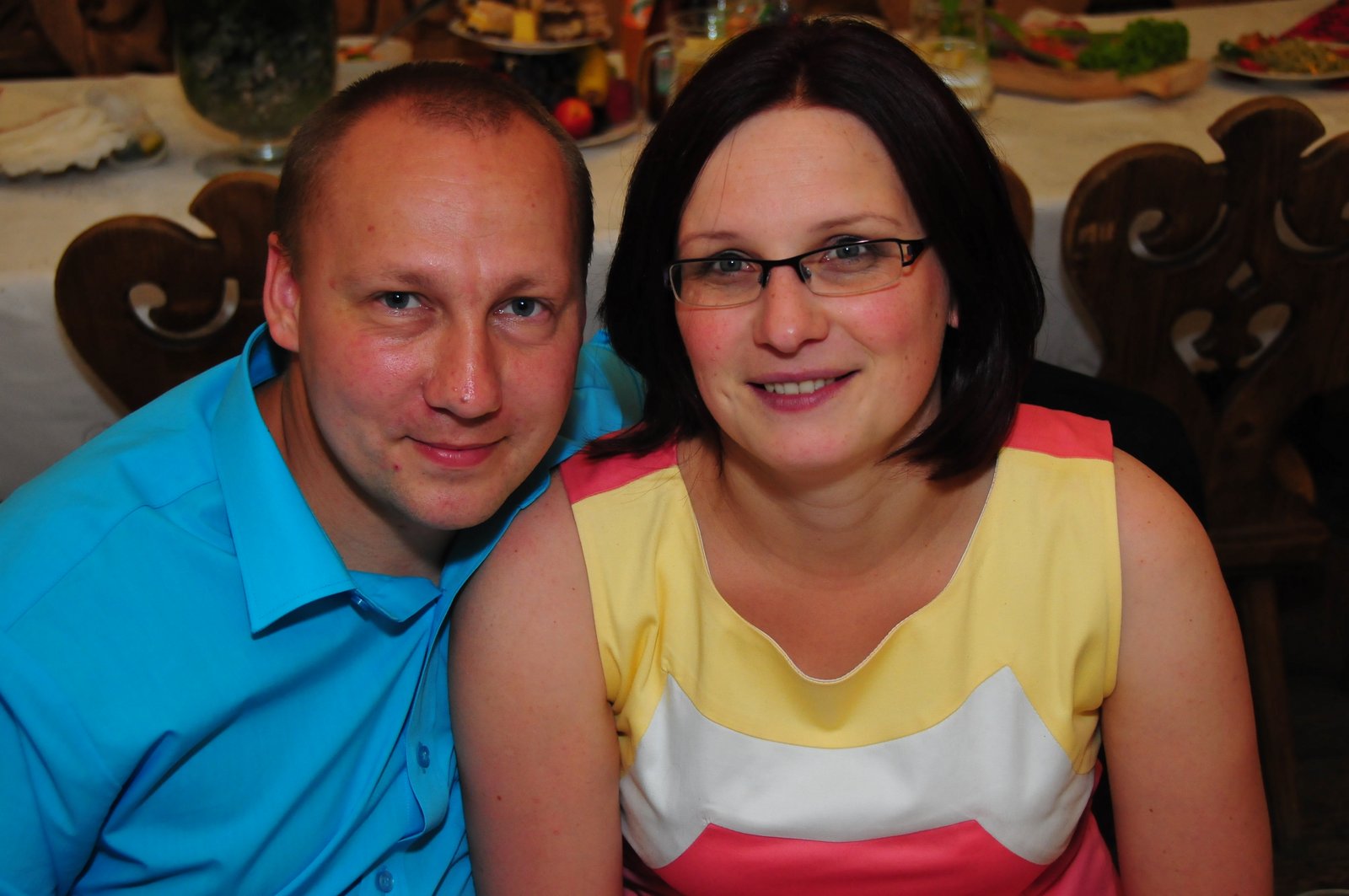
“Do you remember me?” he asks. The face is familiar, but I can’t remember the name. “Don’t you remember G and D, always giving you problems, always being a little crazy?” Now it all comes back to me. I sit with him and his wife, also a former student (ironically named K like my own sweet wife), and we talk about old times, new times, changes in the meantime.

DSC_5479

In the end, we and a few other family members — K’s uncle and aunt — find we’ve outlasted just about everyone,

DSC_5468

including the bride and groom.

DSC_5496

All good things, though, come to an end,

DSC_5483

even all-night parties.

Wedding

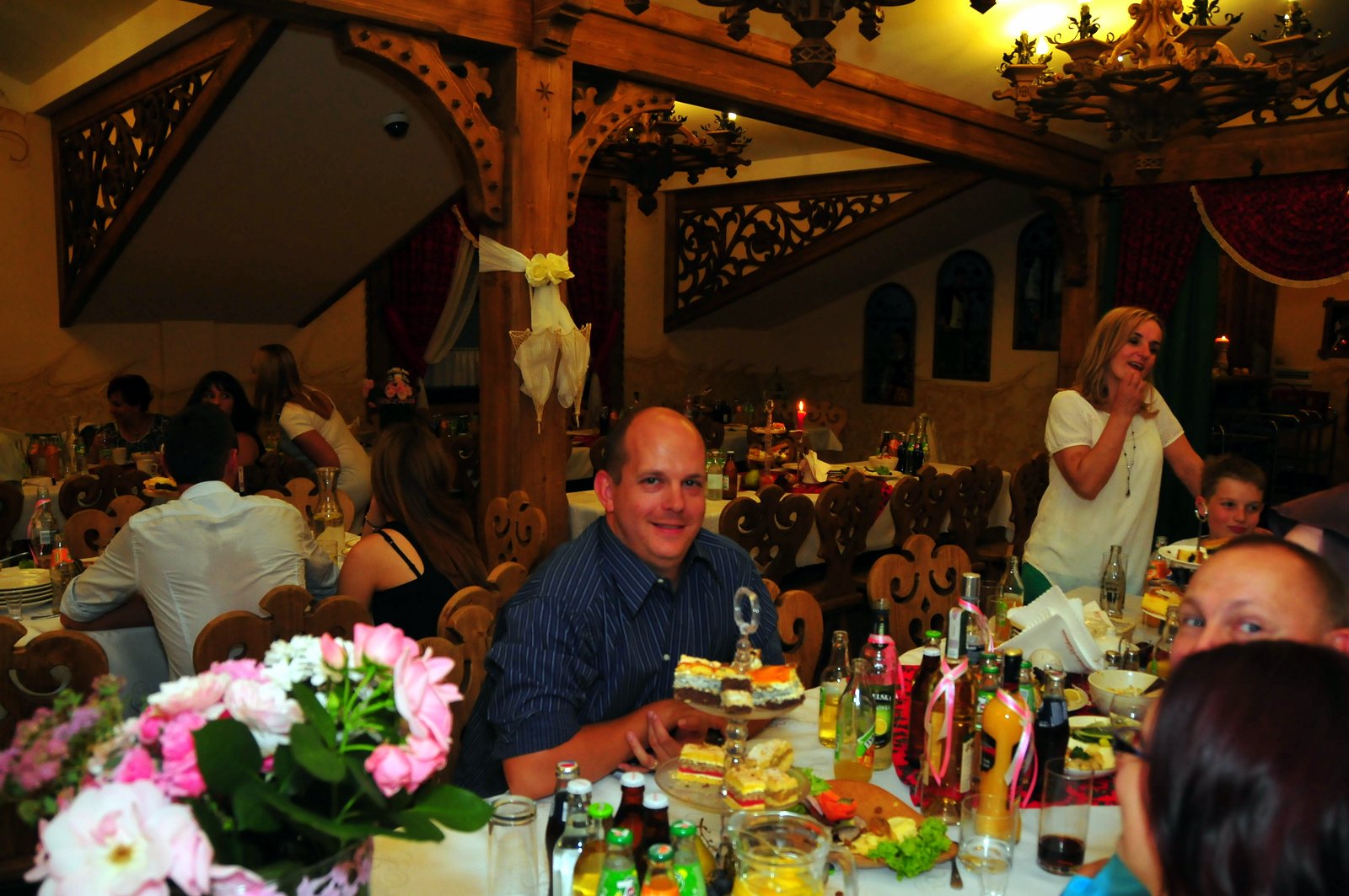
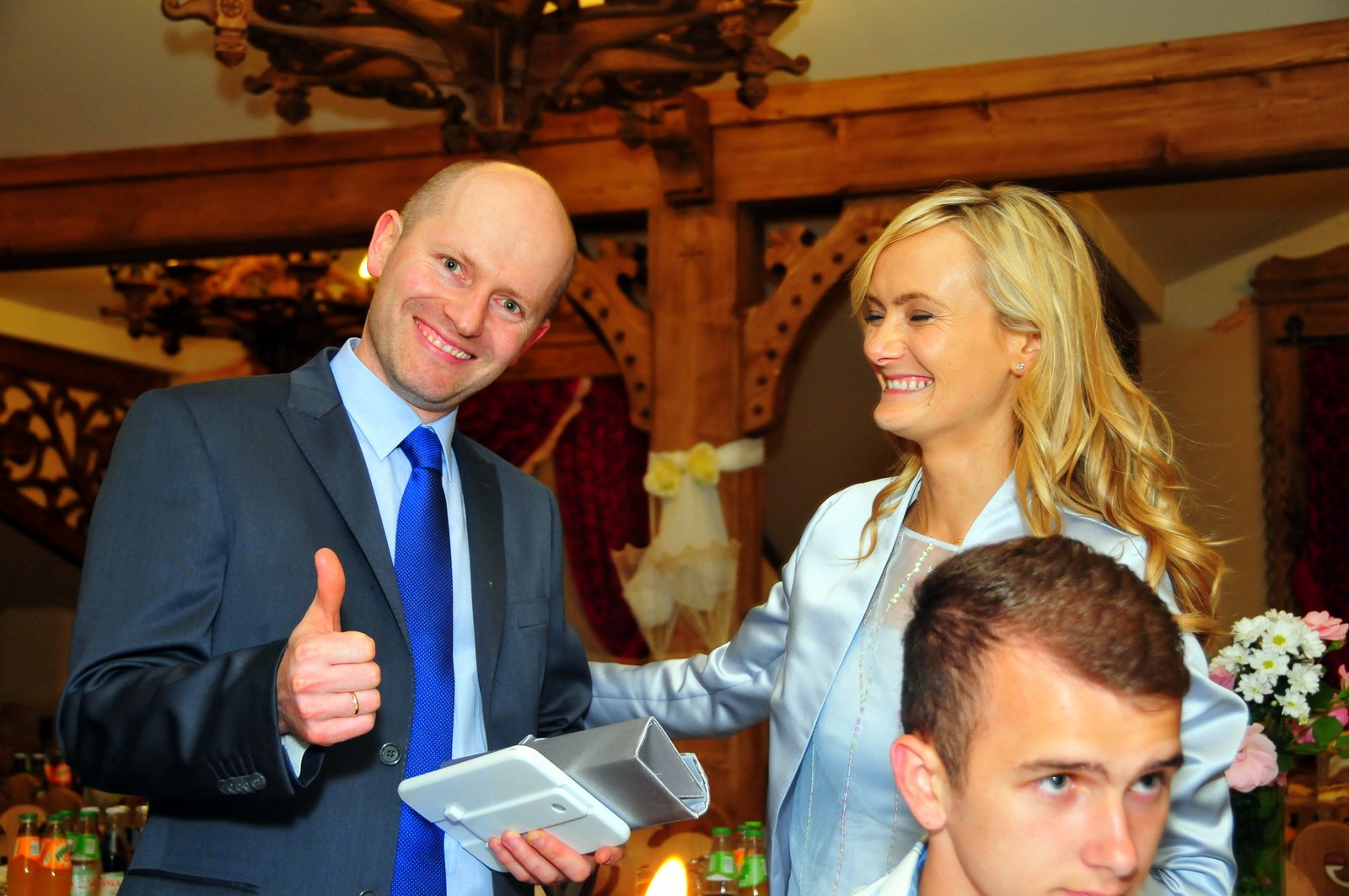
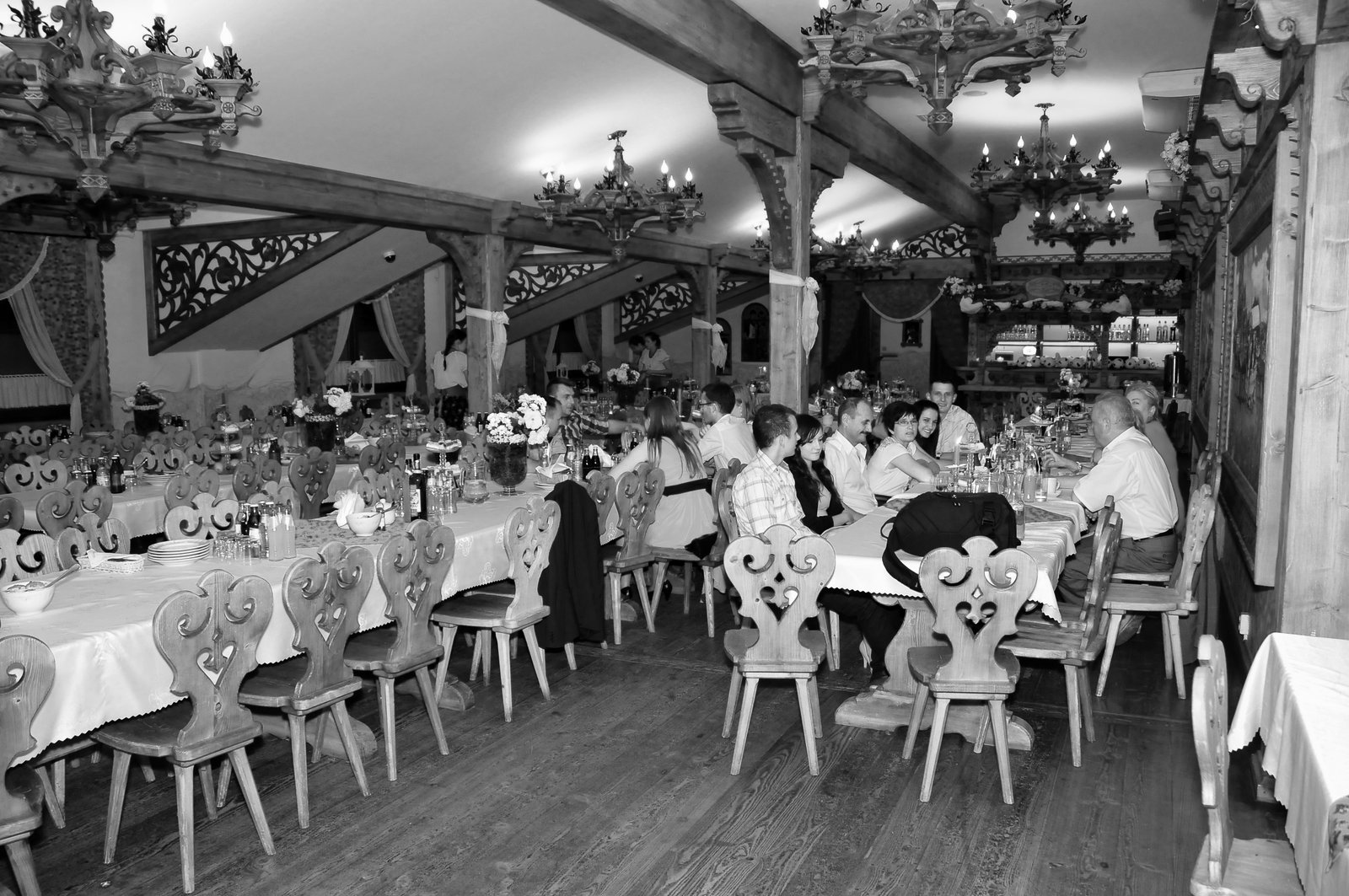
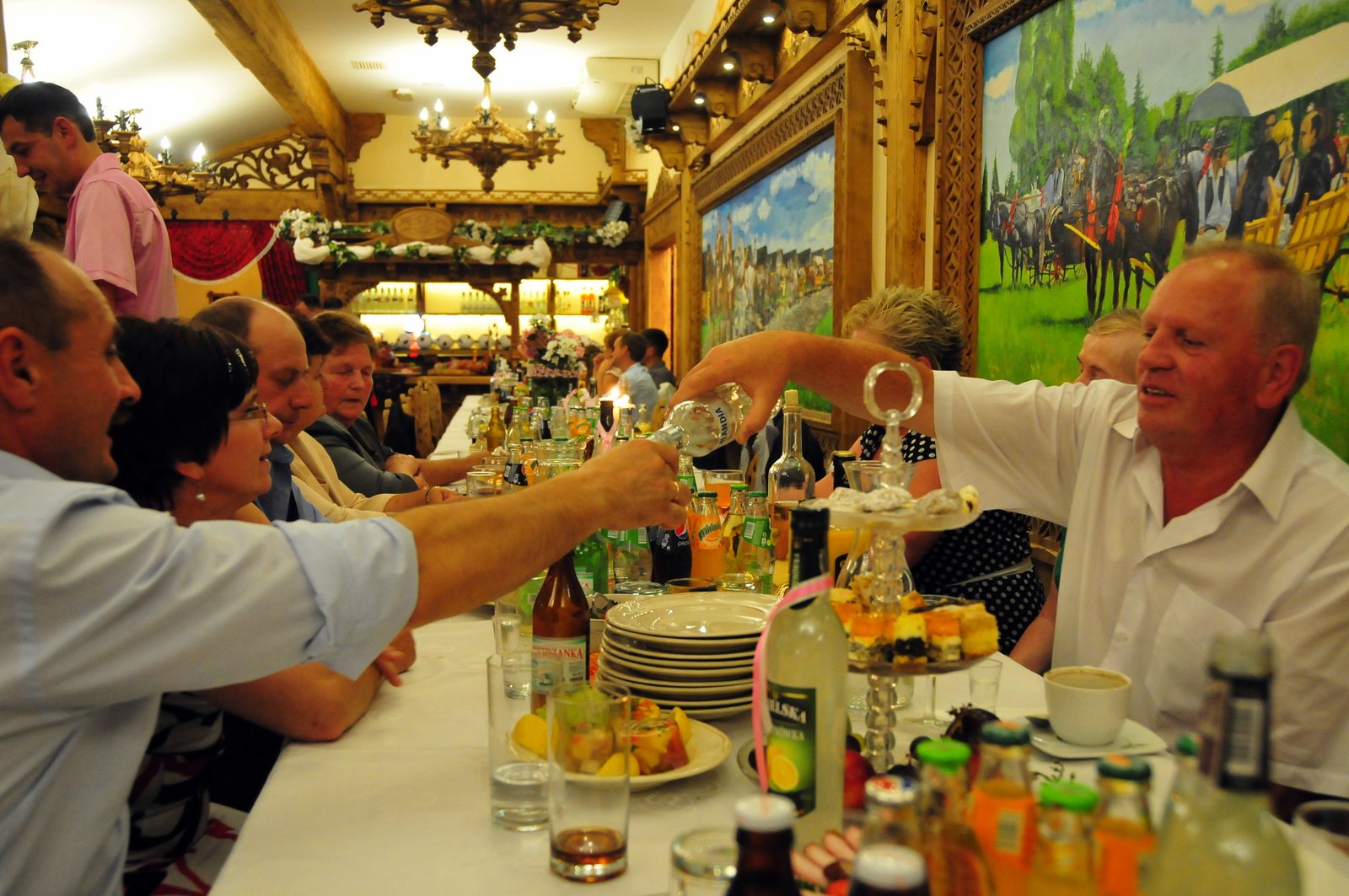
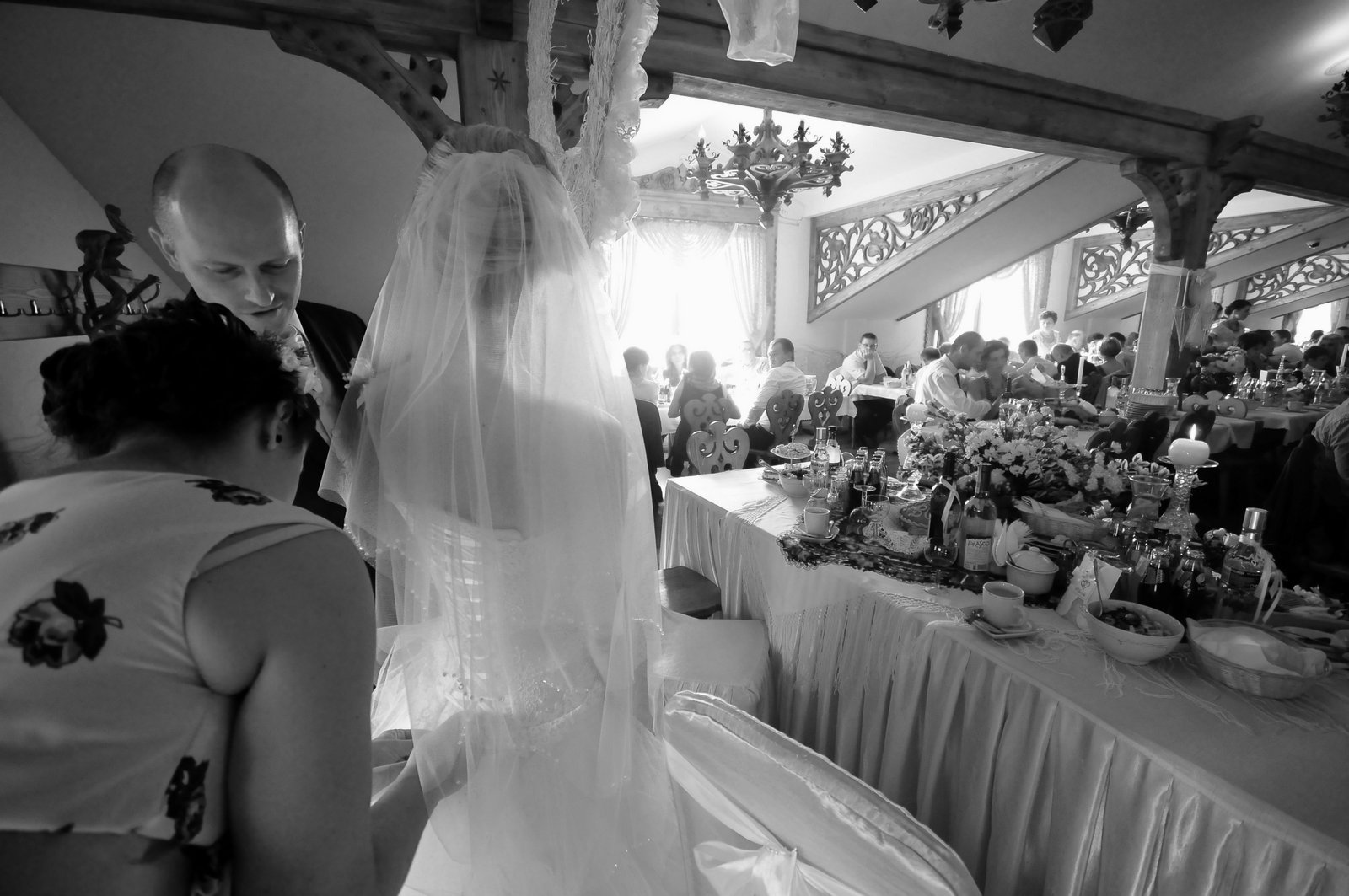
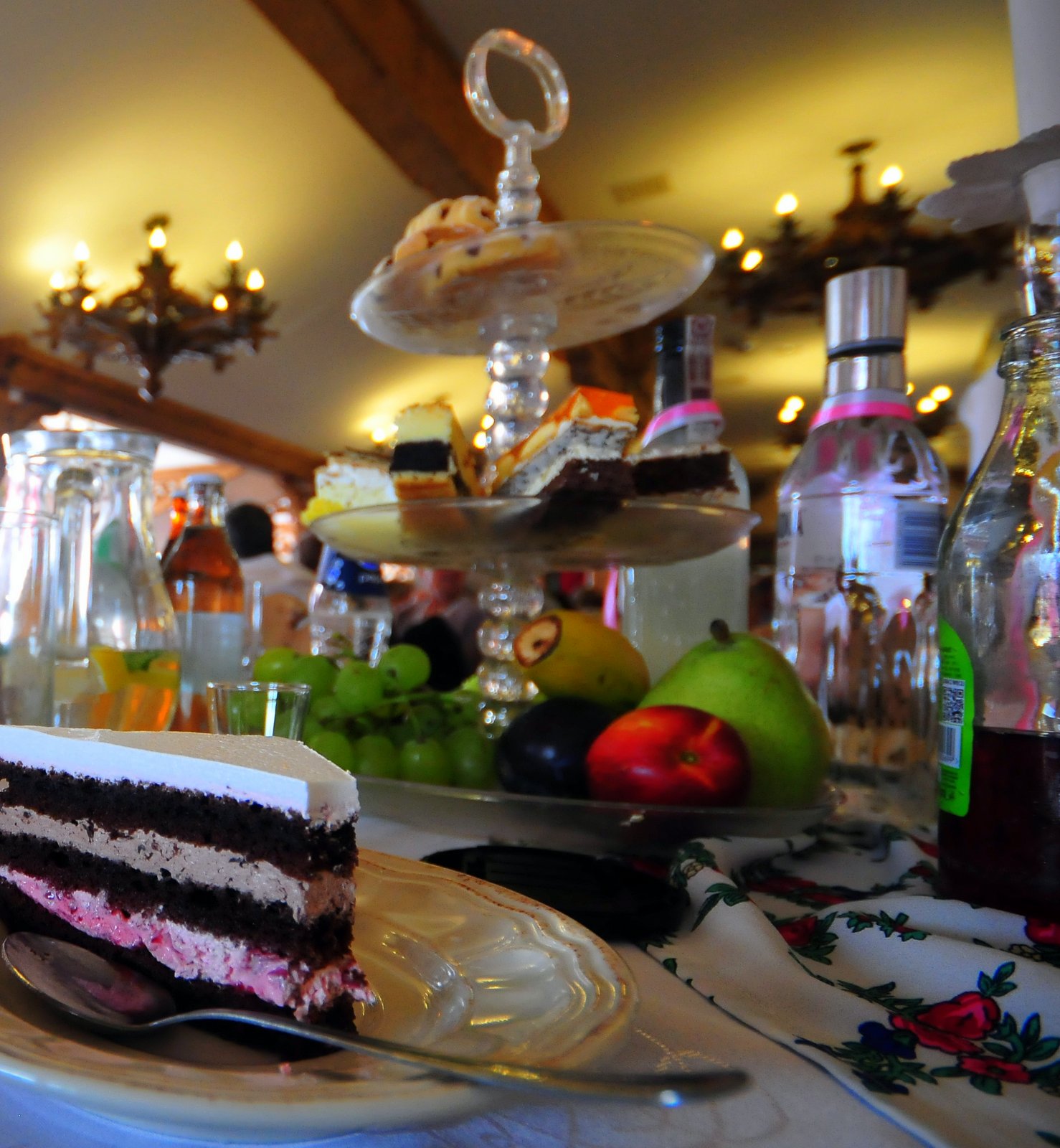
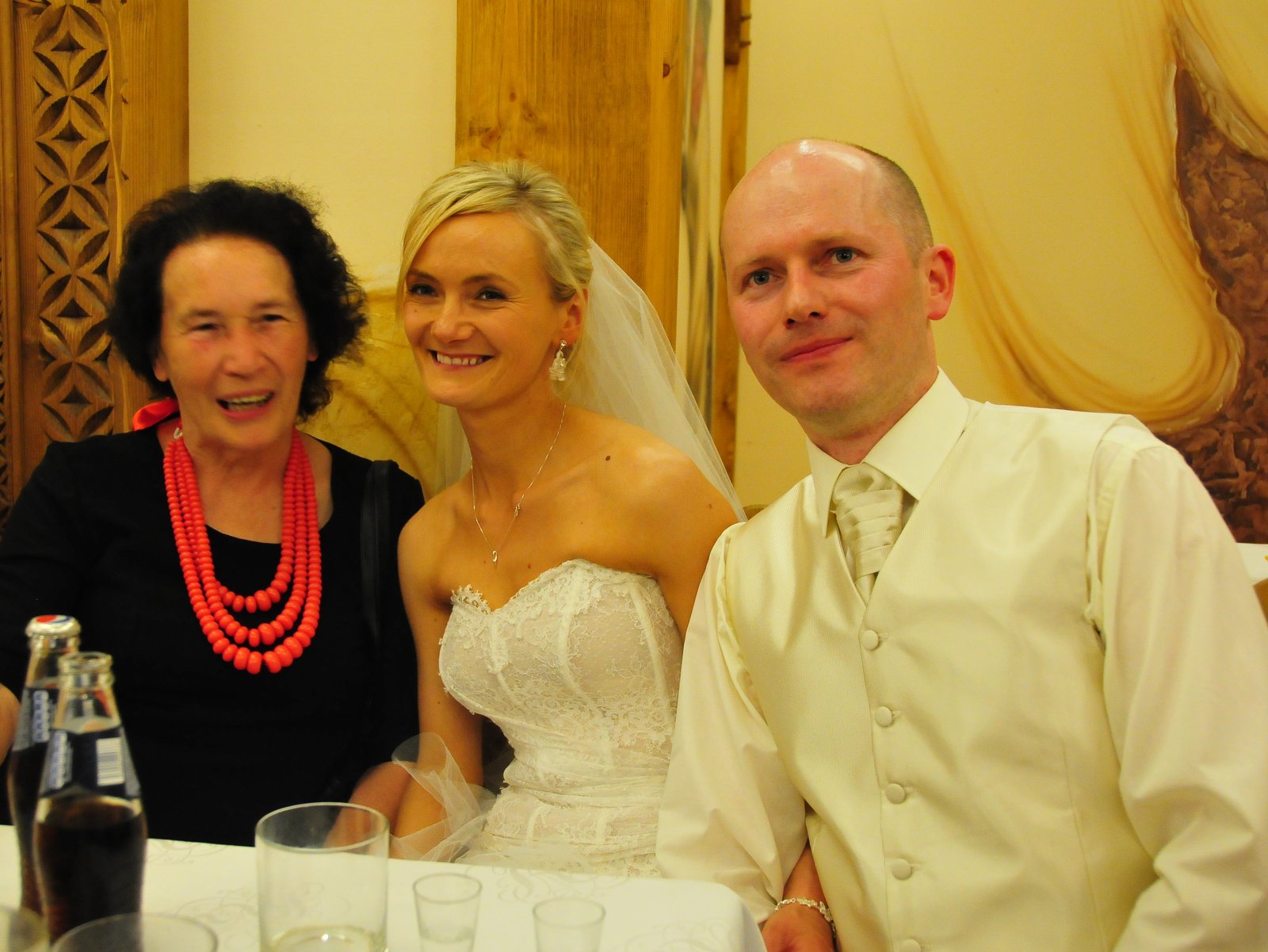
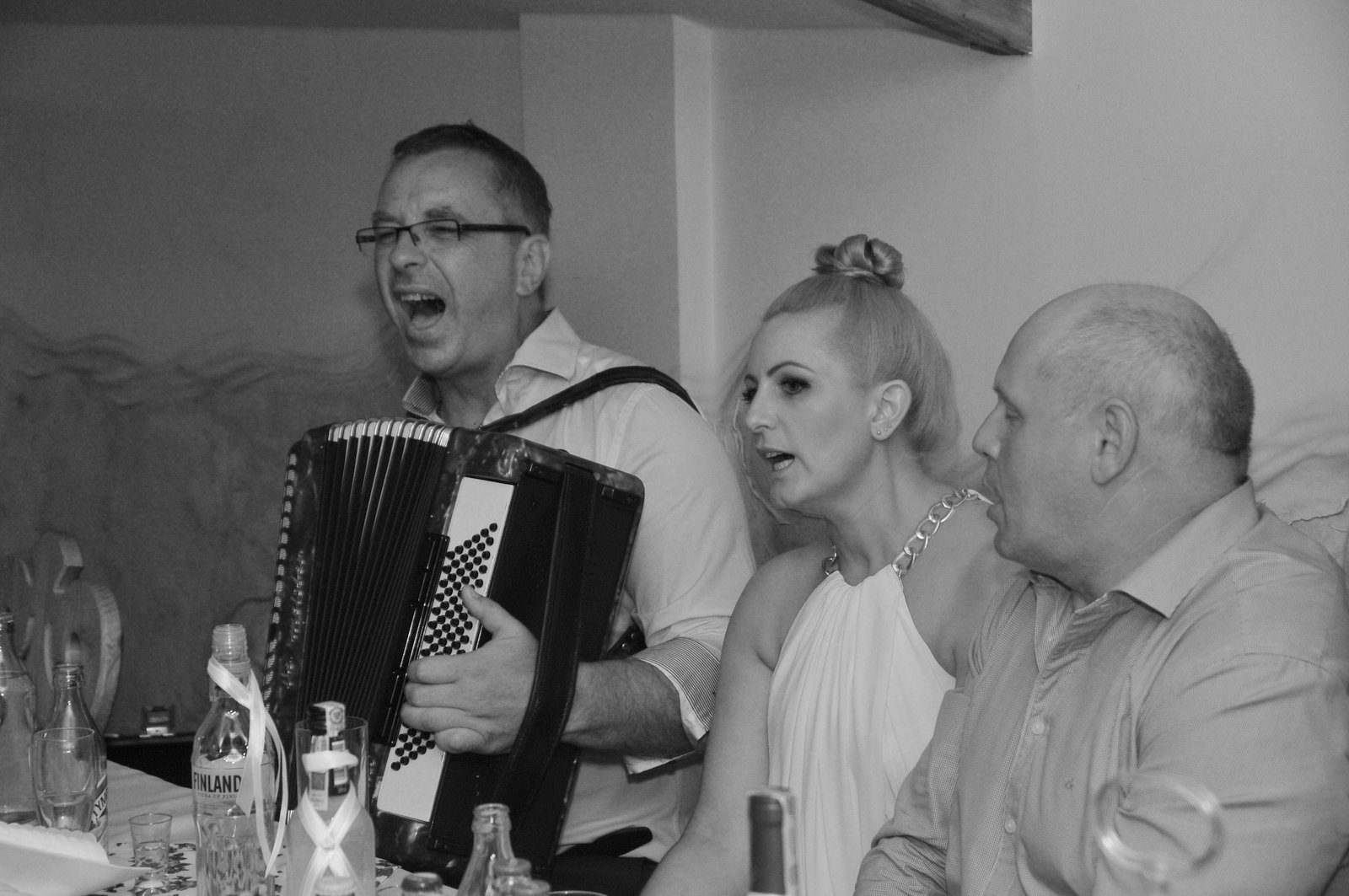
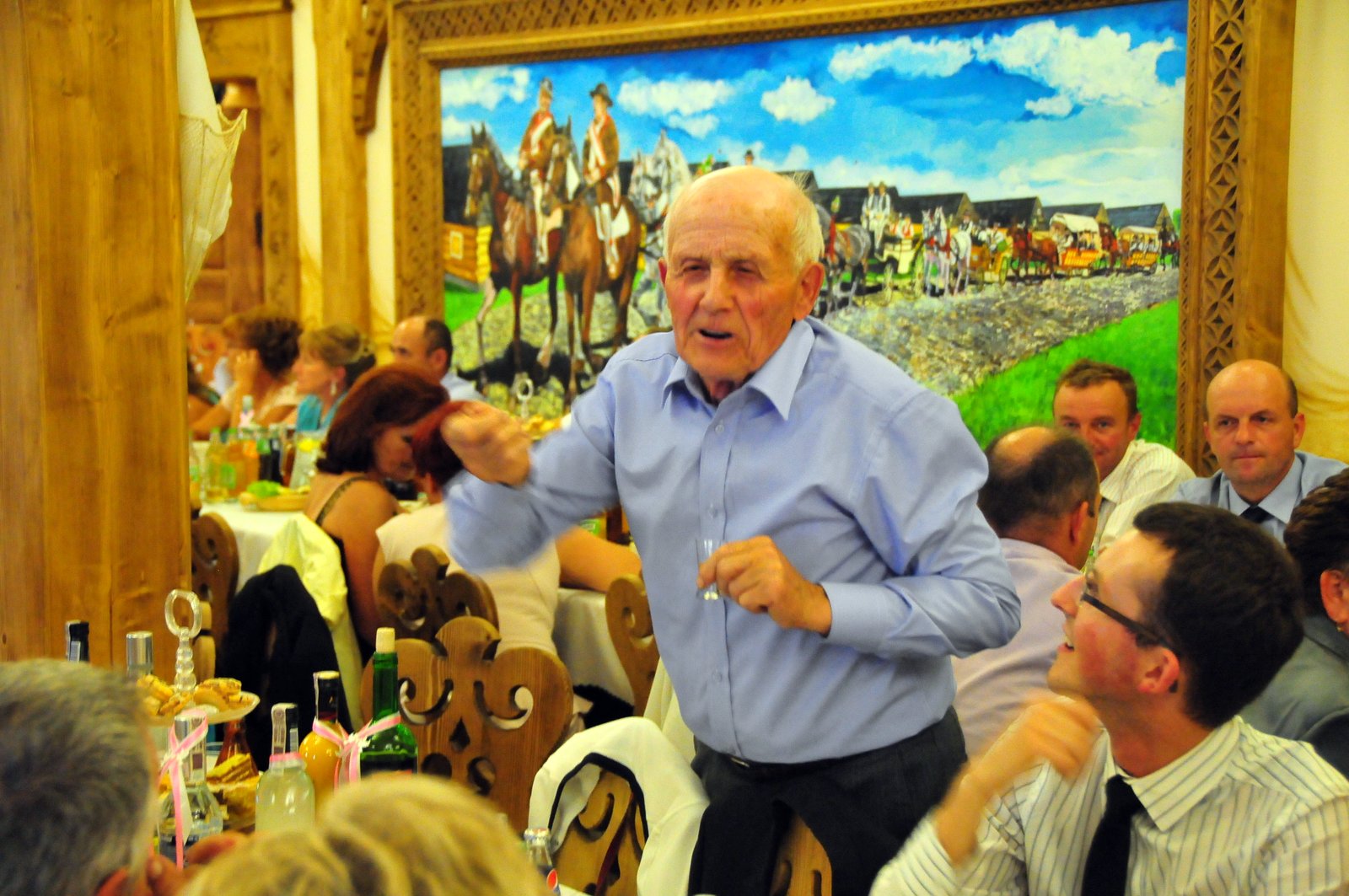
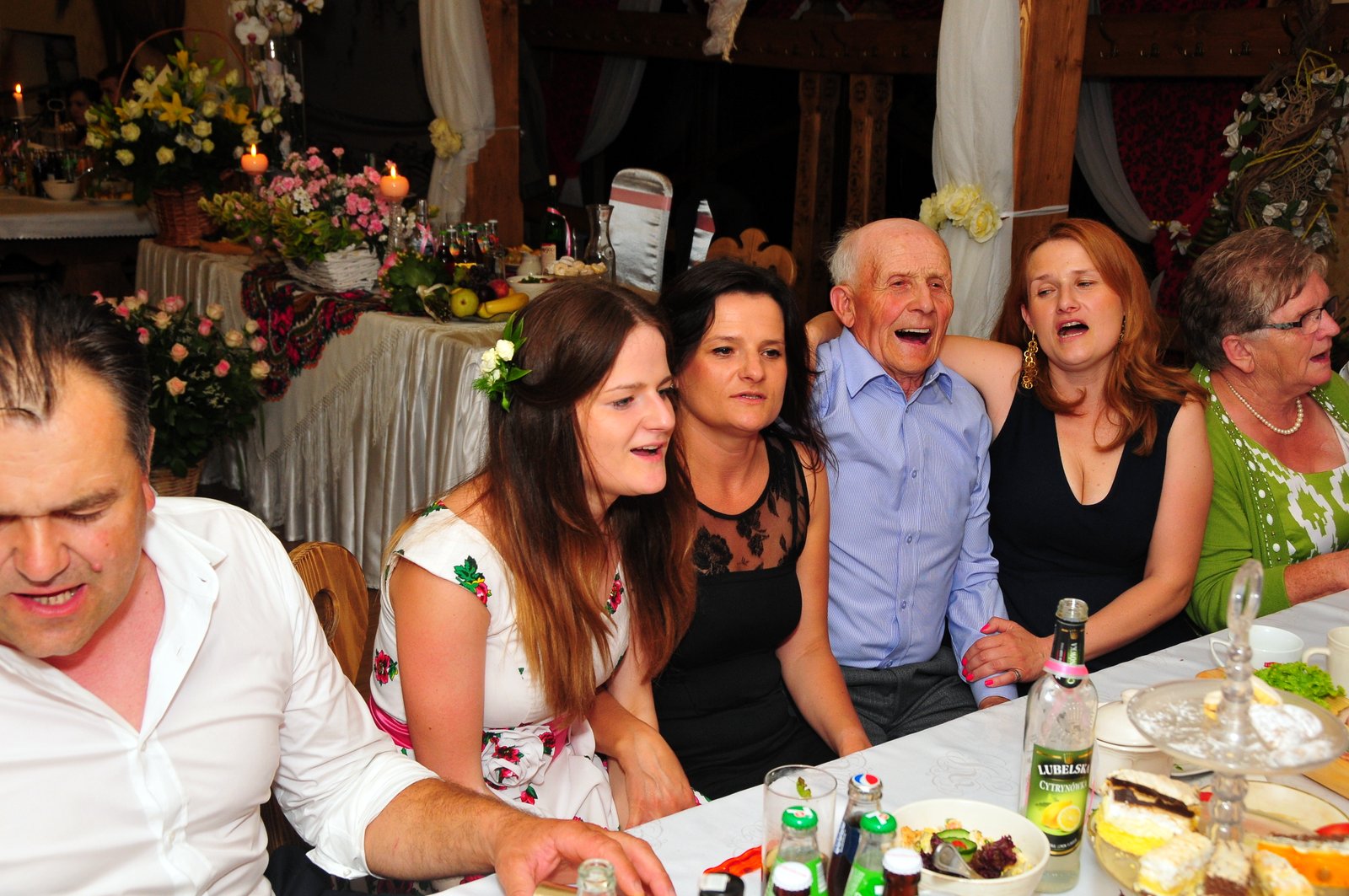
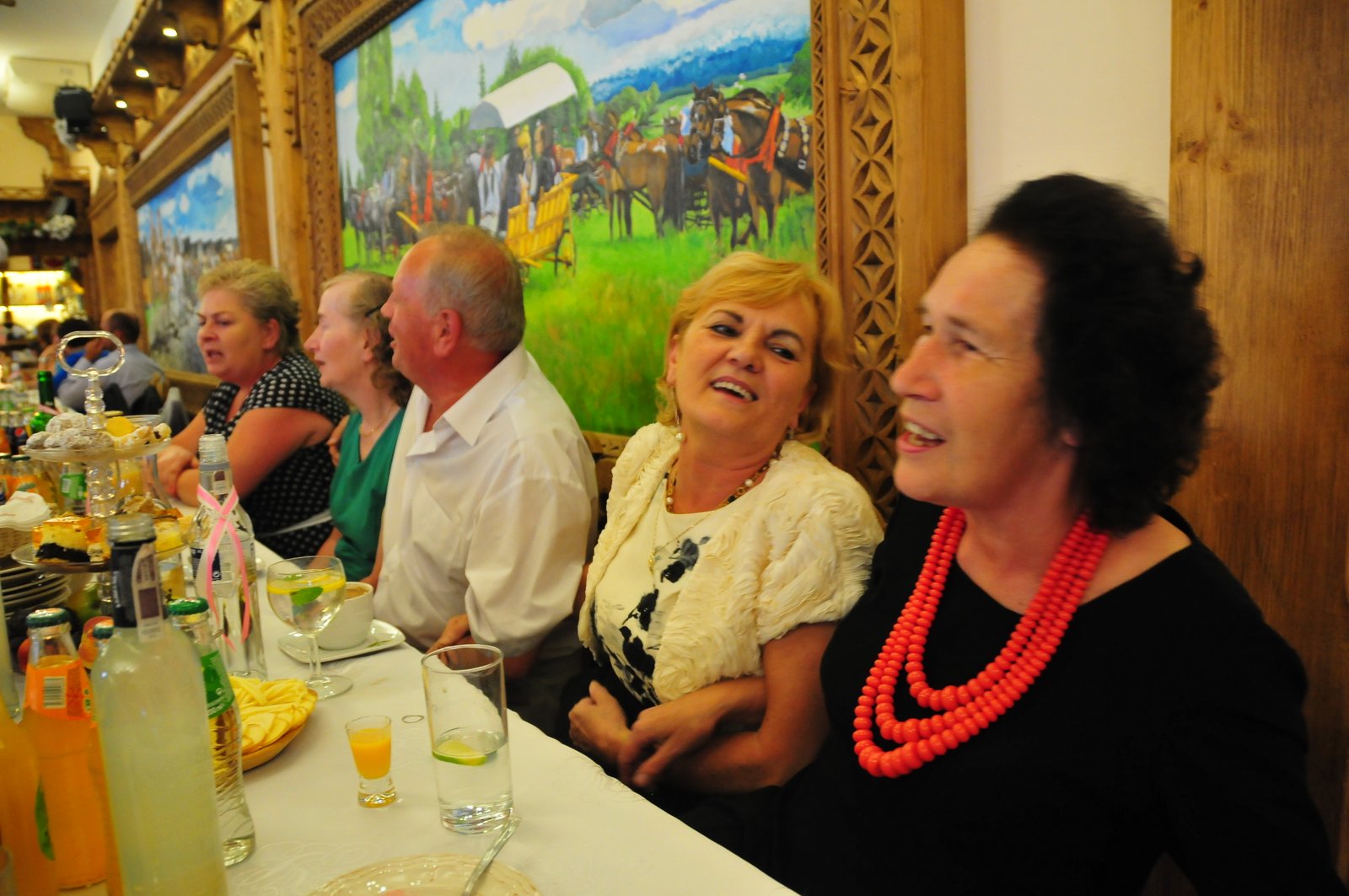
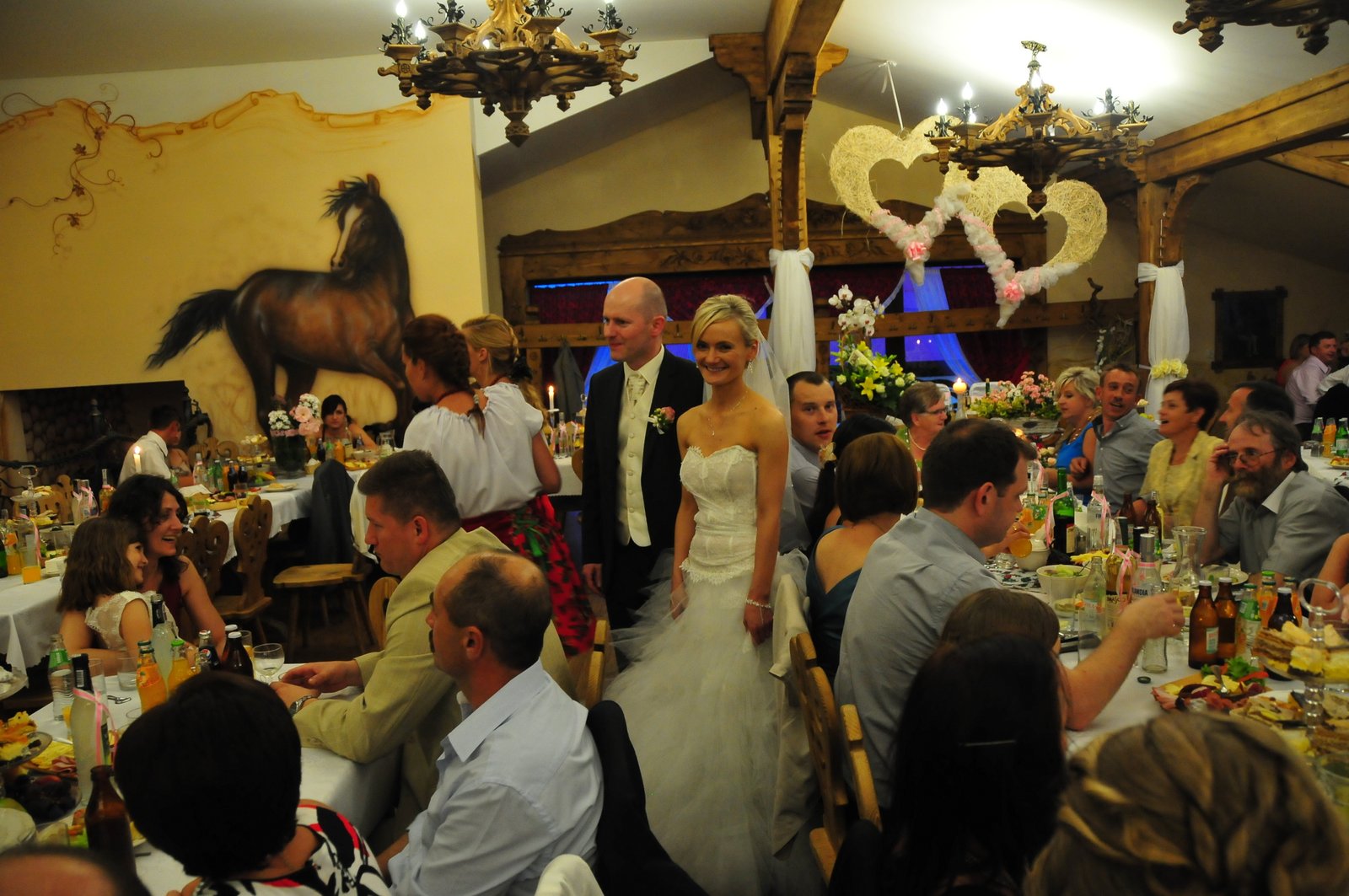
Singing, dancing, telling jokes, eating, reminiscing, drinking, telling stories — a continuous, enormous party that starts in the early afternoon and ends in the early morning.

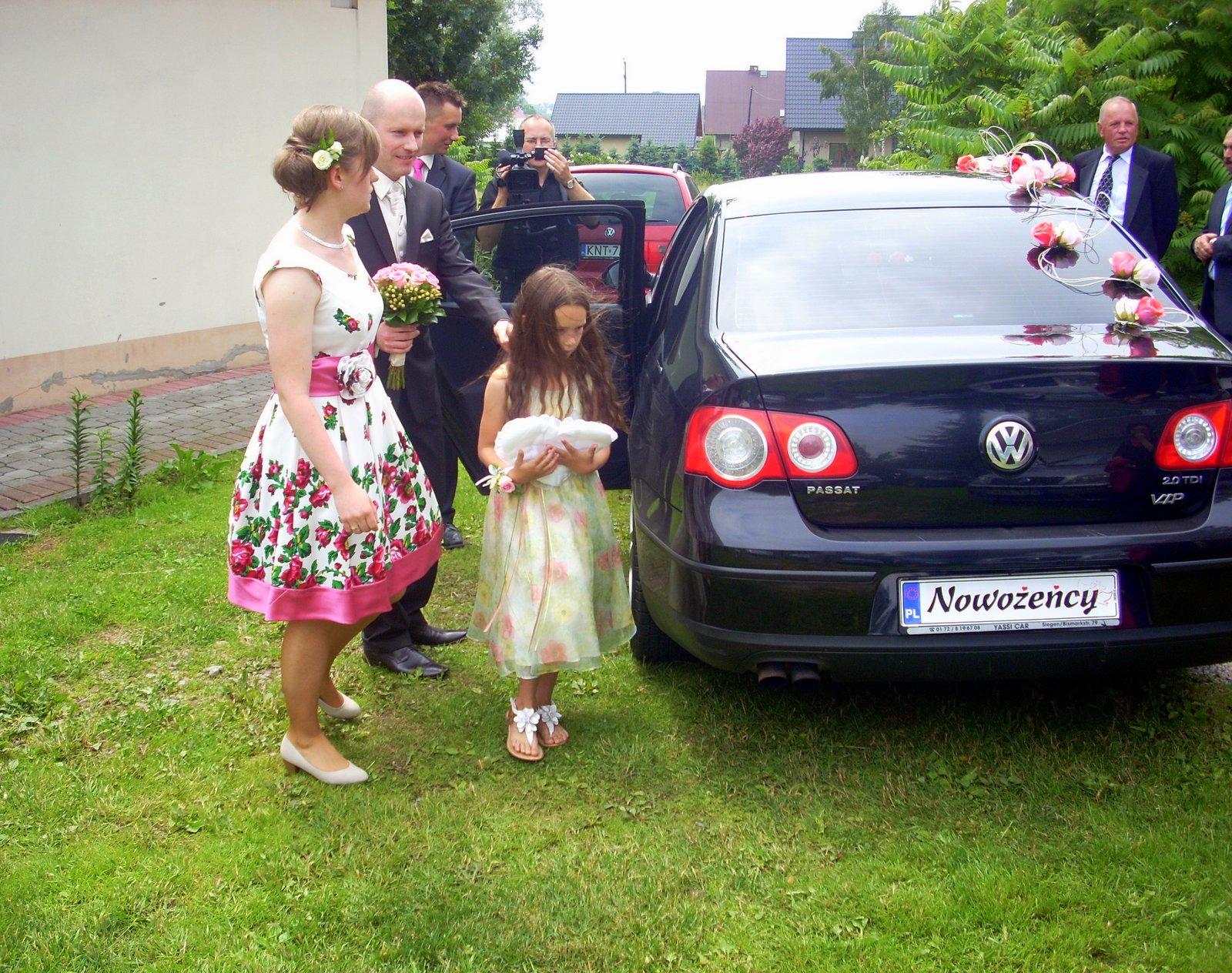
The Girl got to be ring bearer, a double twist on tradition, and she got to experience her first Polish wedding party.

Click images to enlarge.