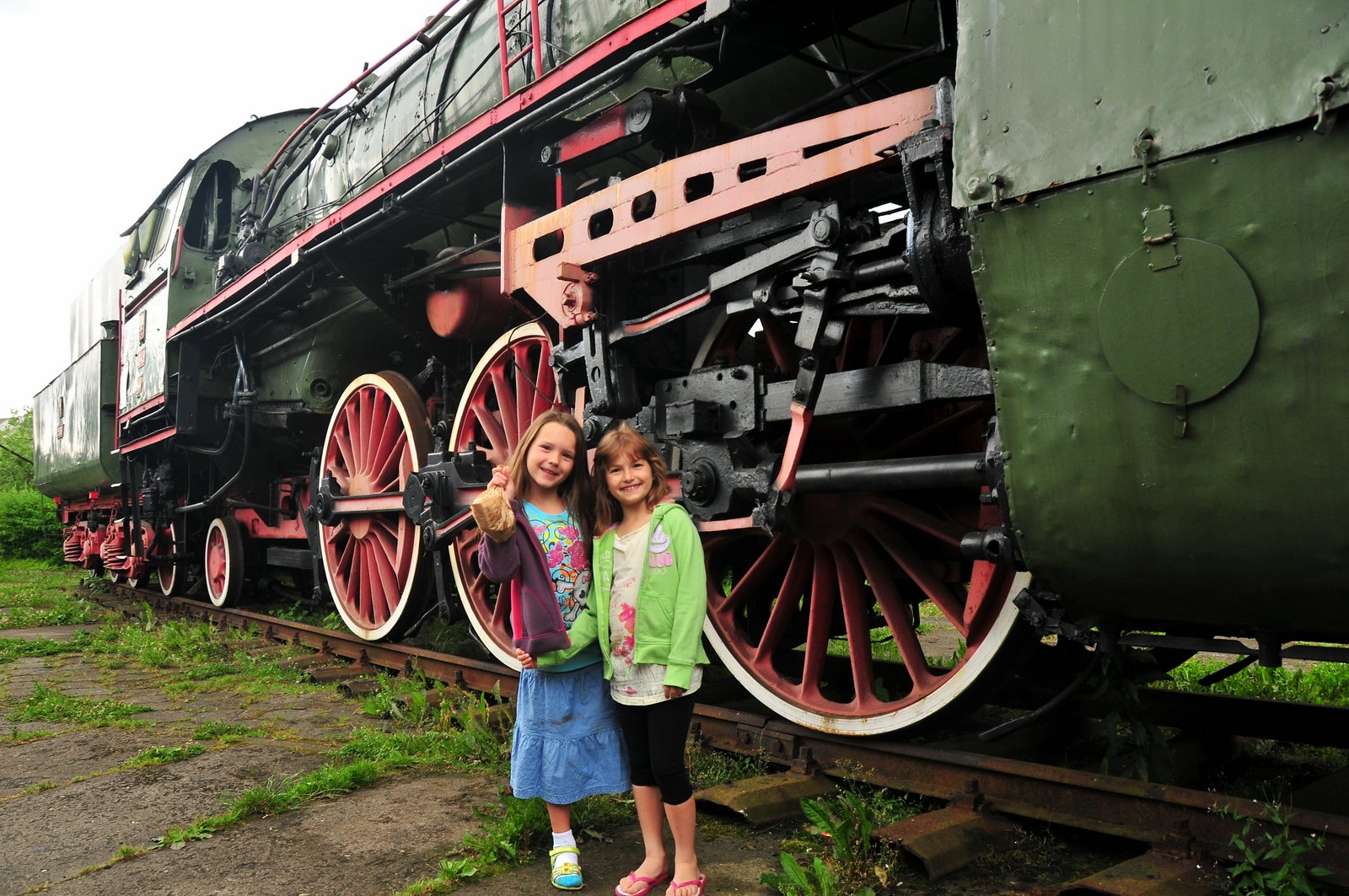
I was unable to upload any pictures of our first day in Savannah, when we went to the railway museum and spent some time in Forsyth Park downtown.
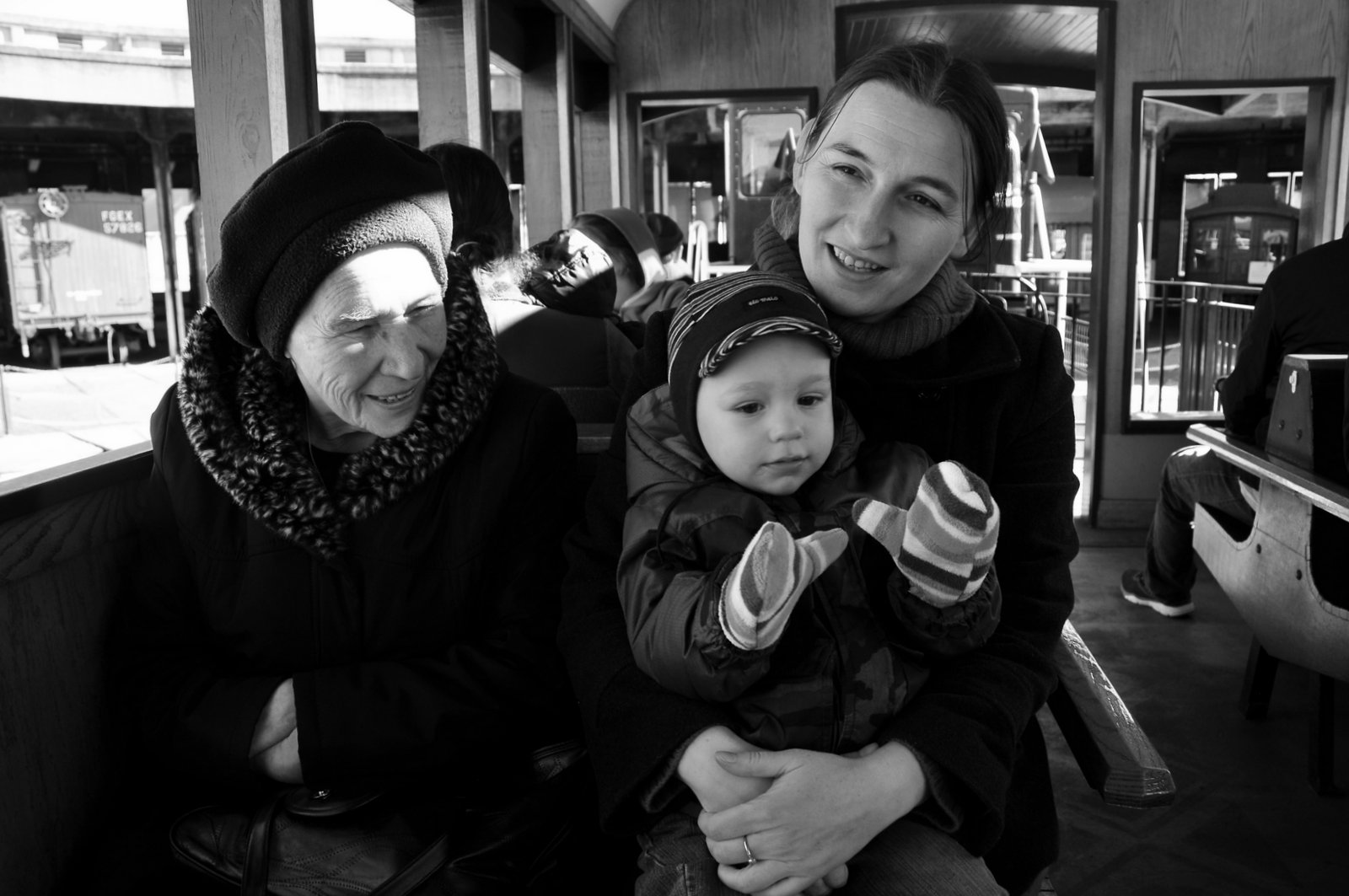
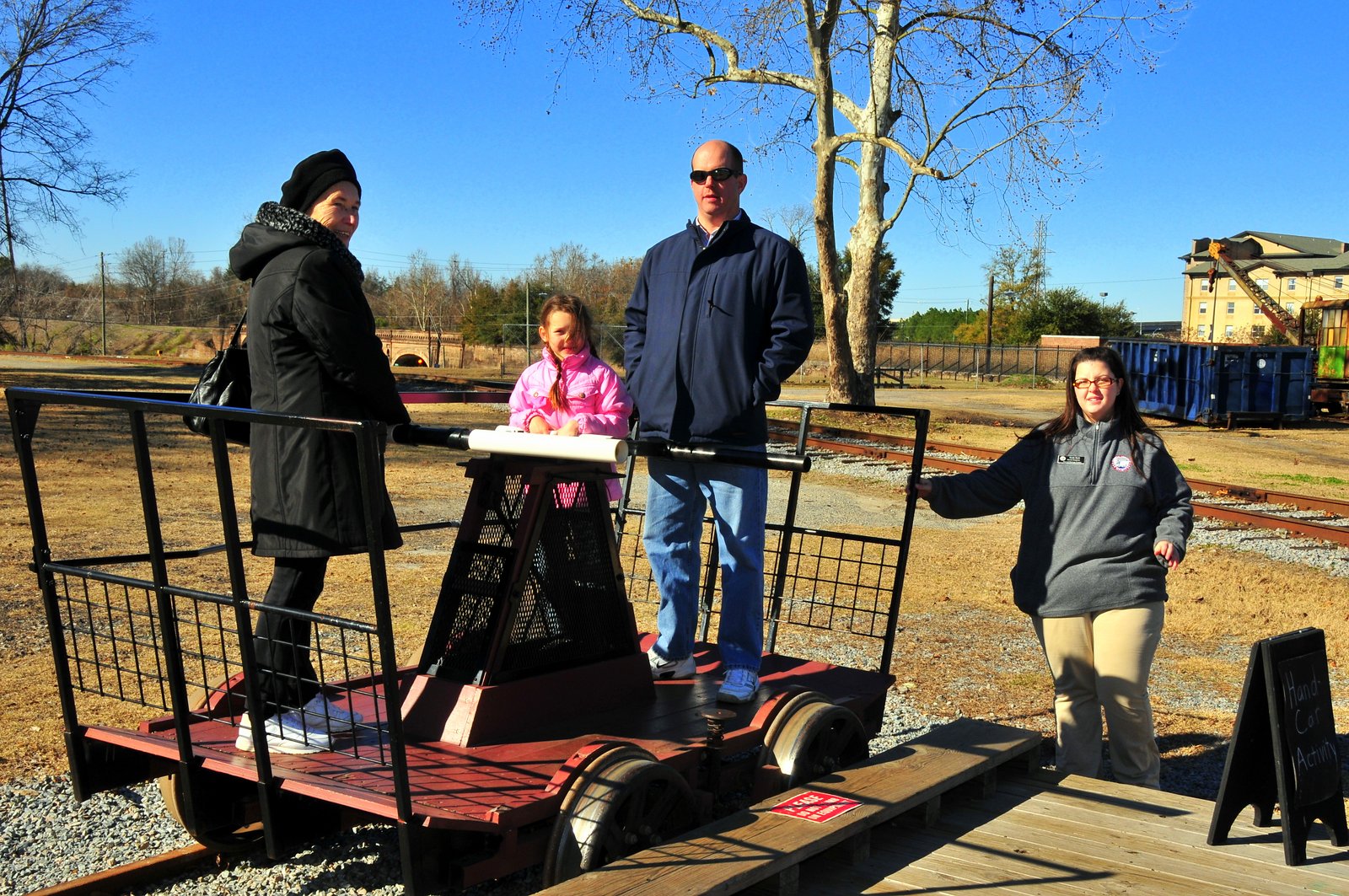
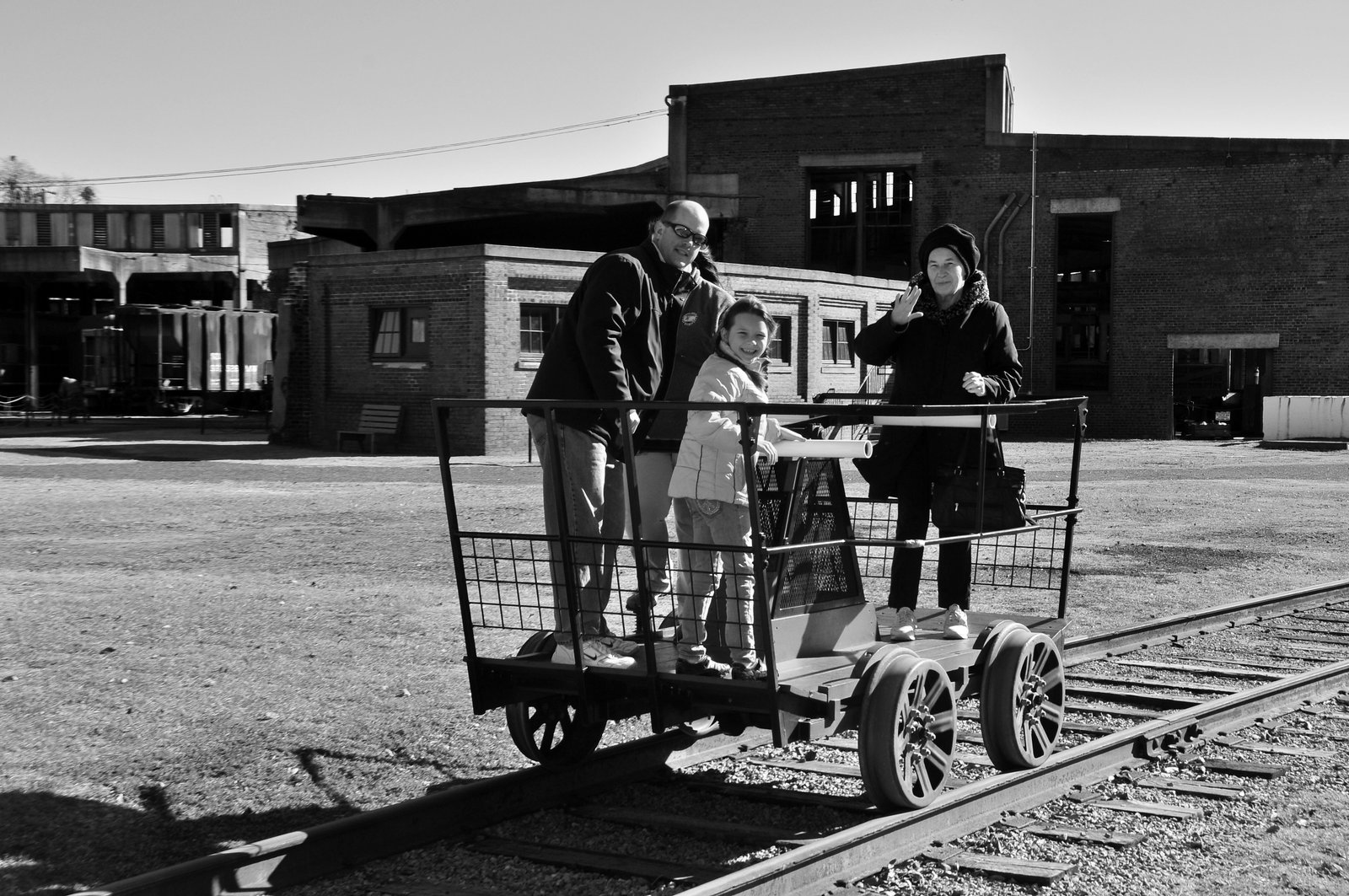
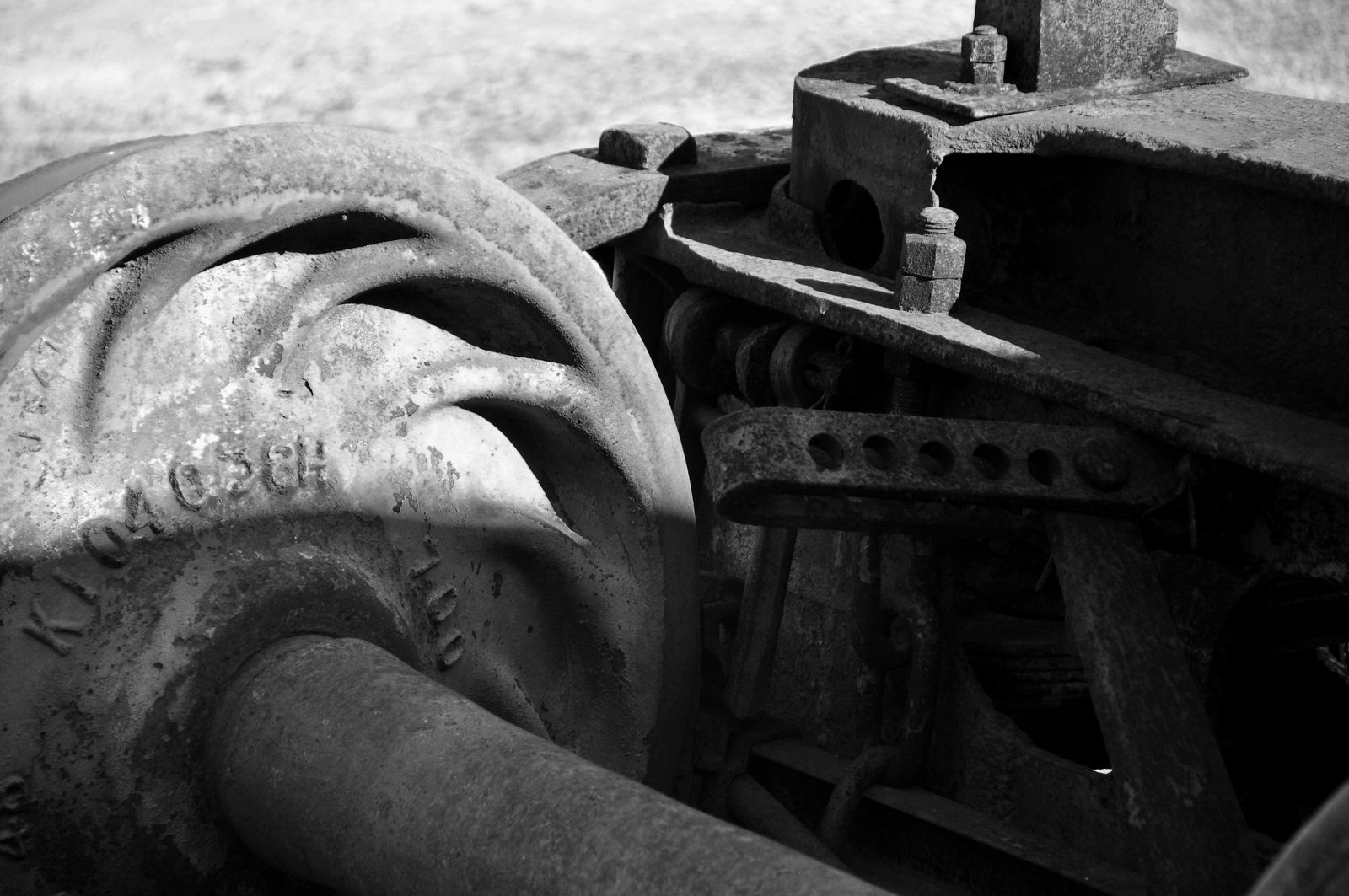
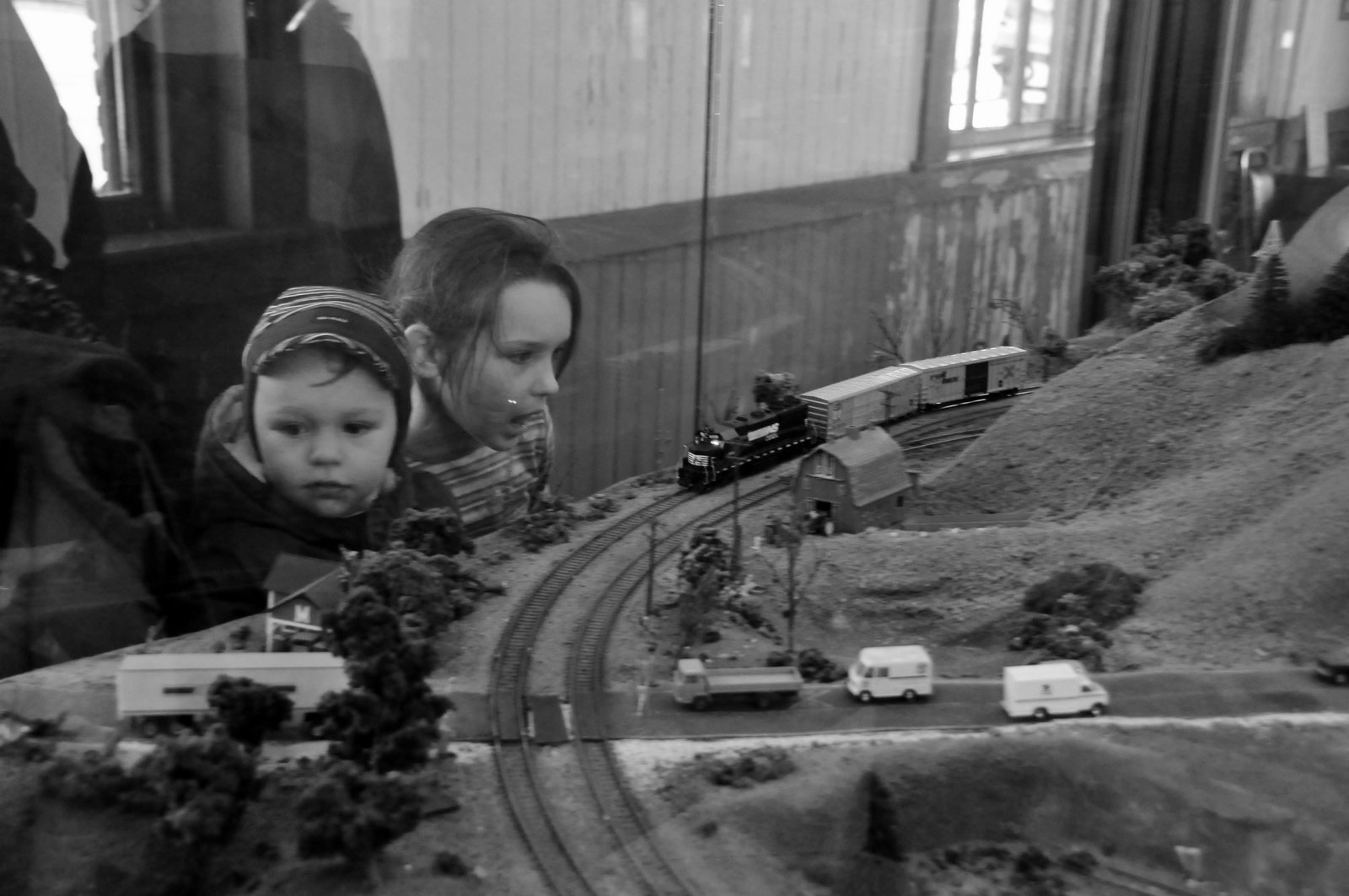
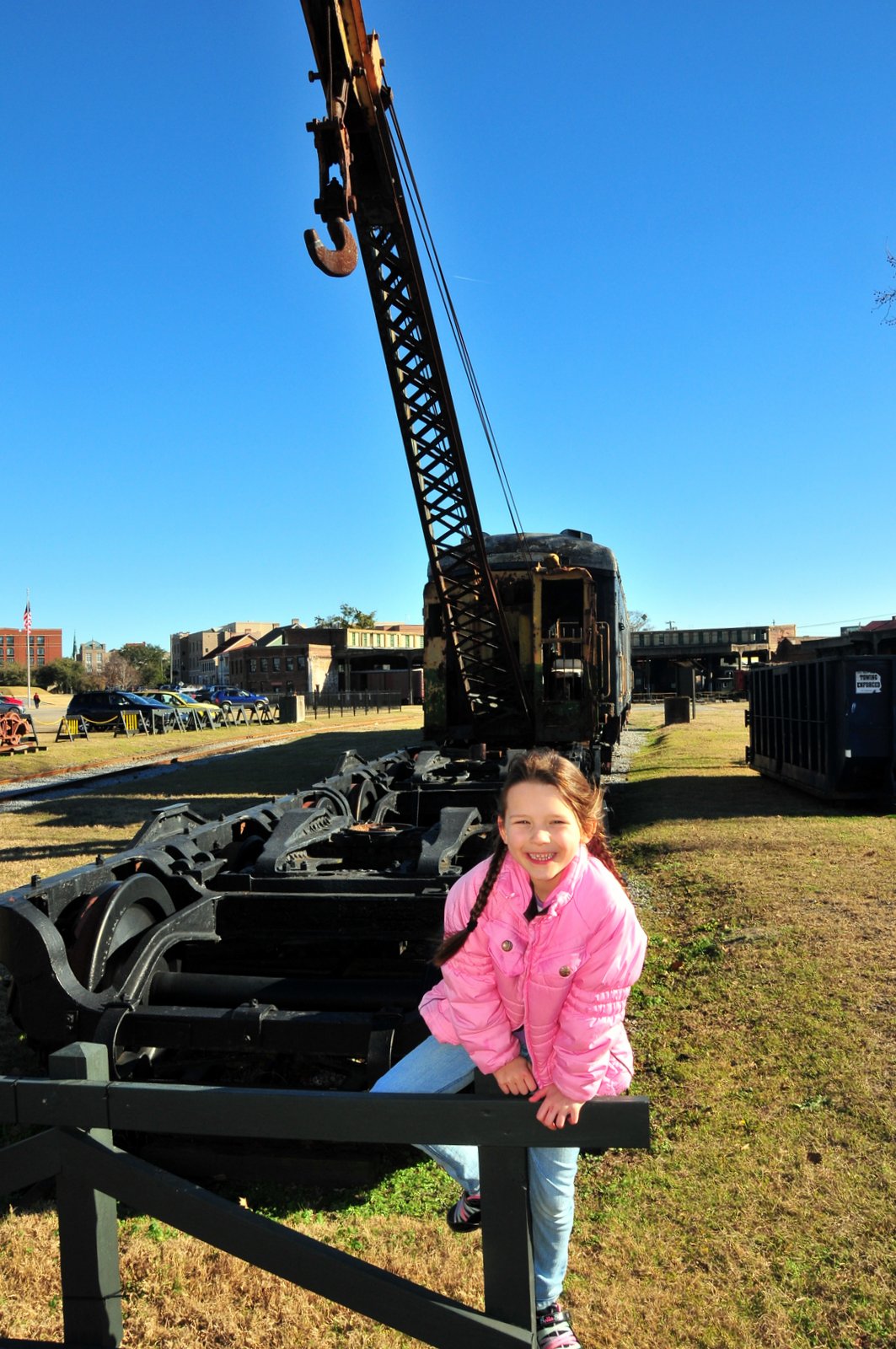
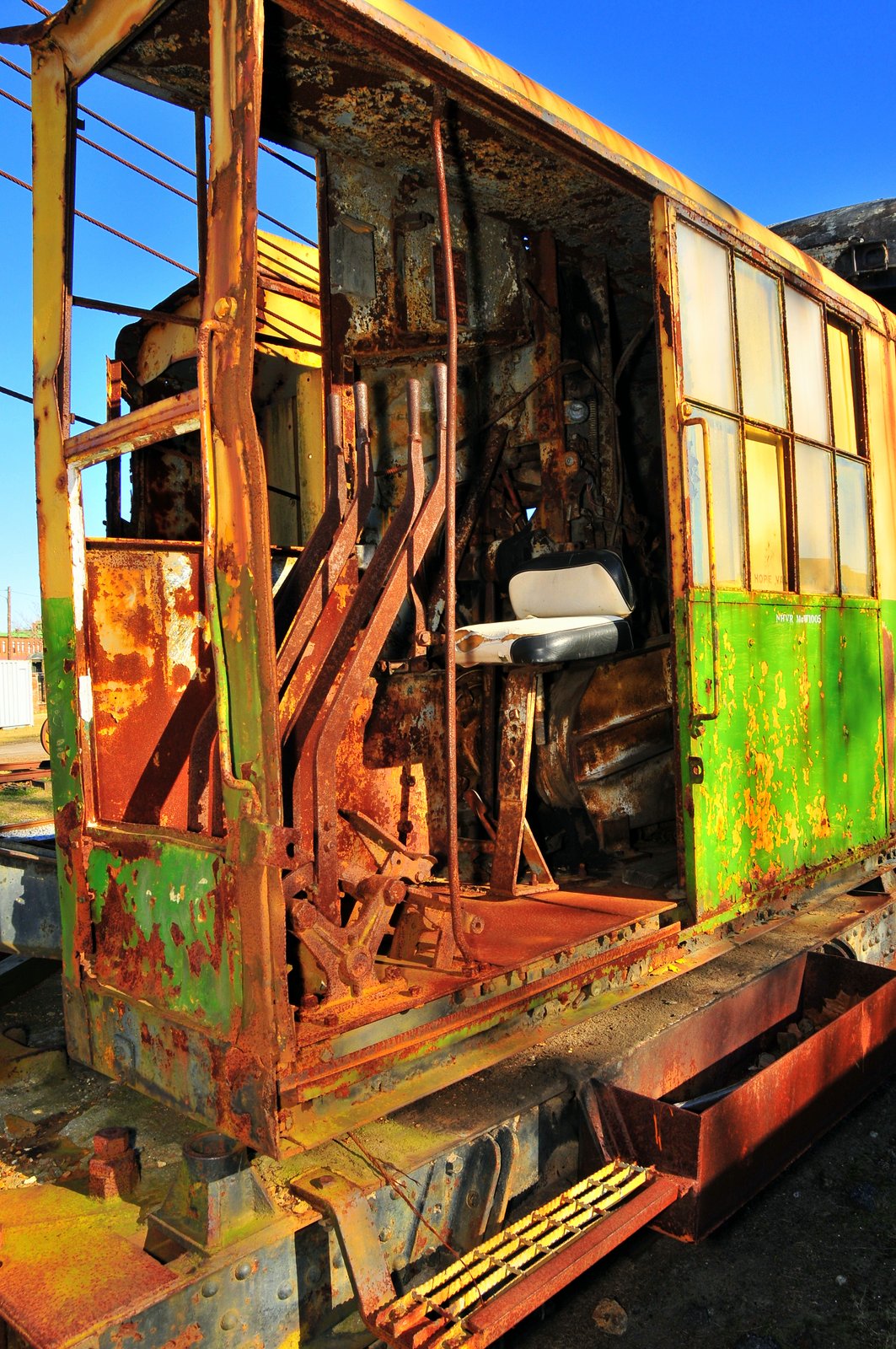
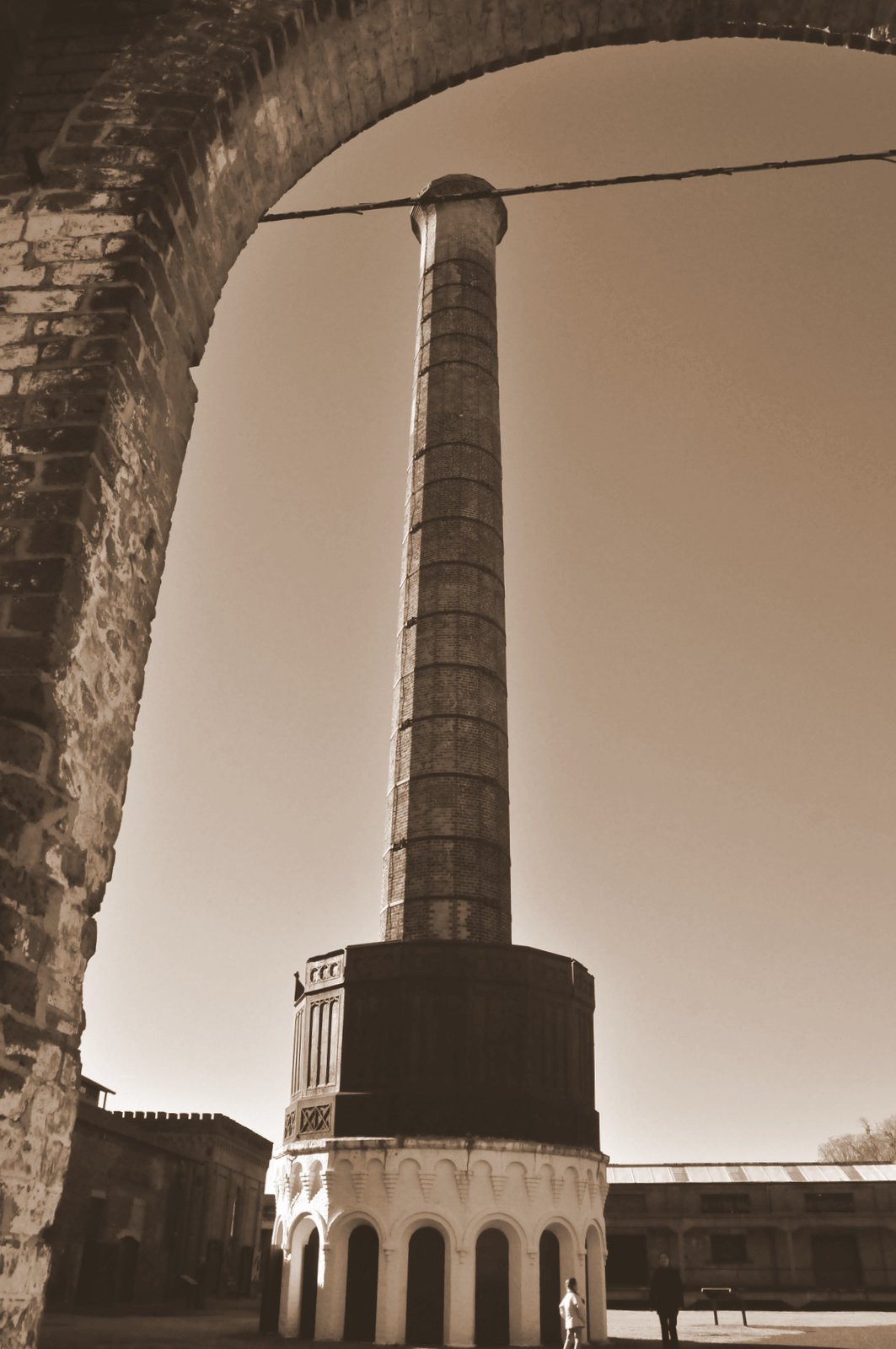
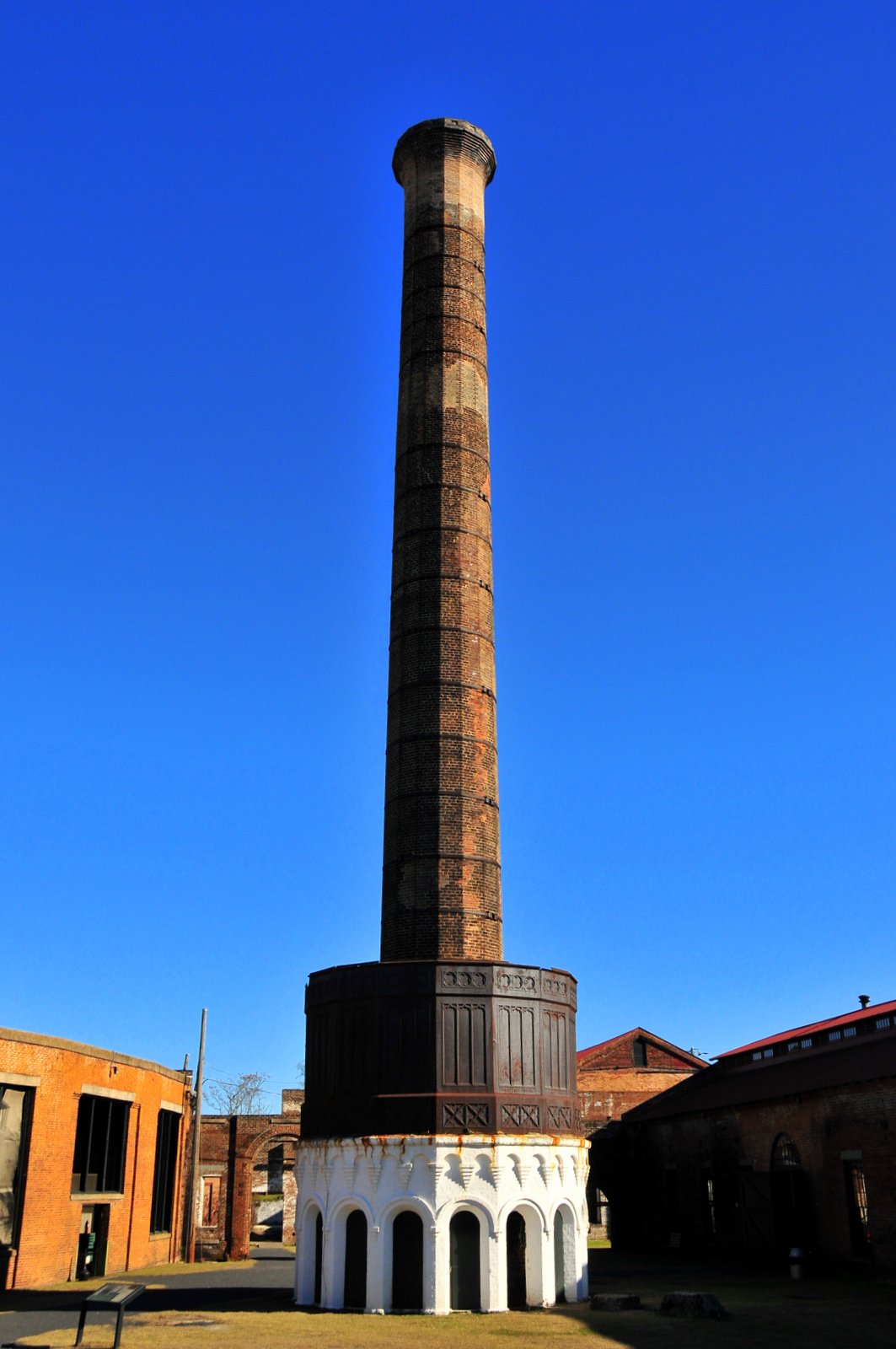
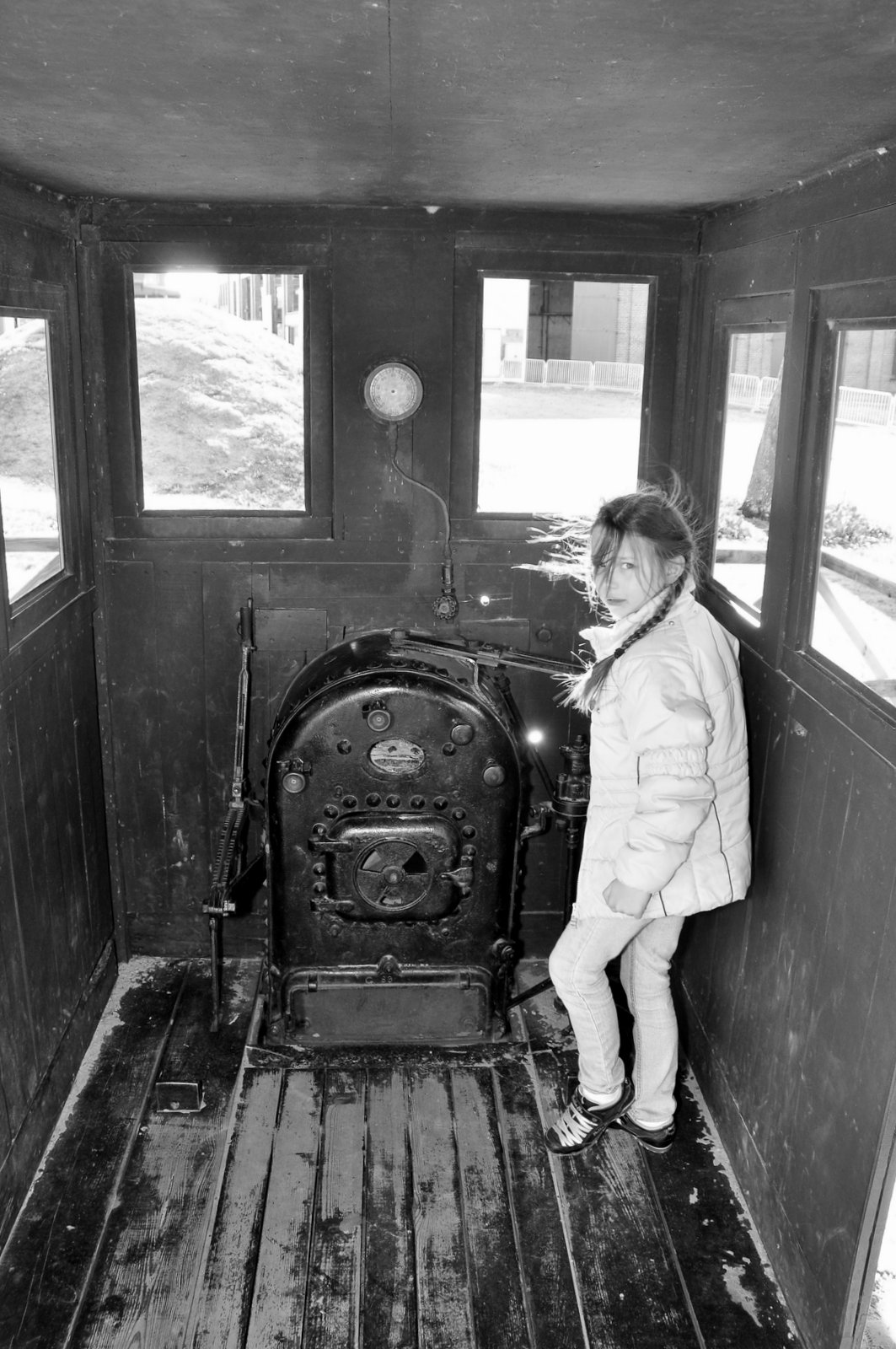
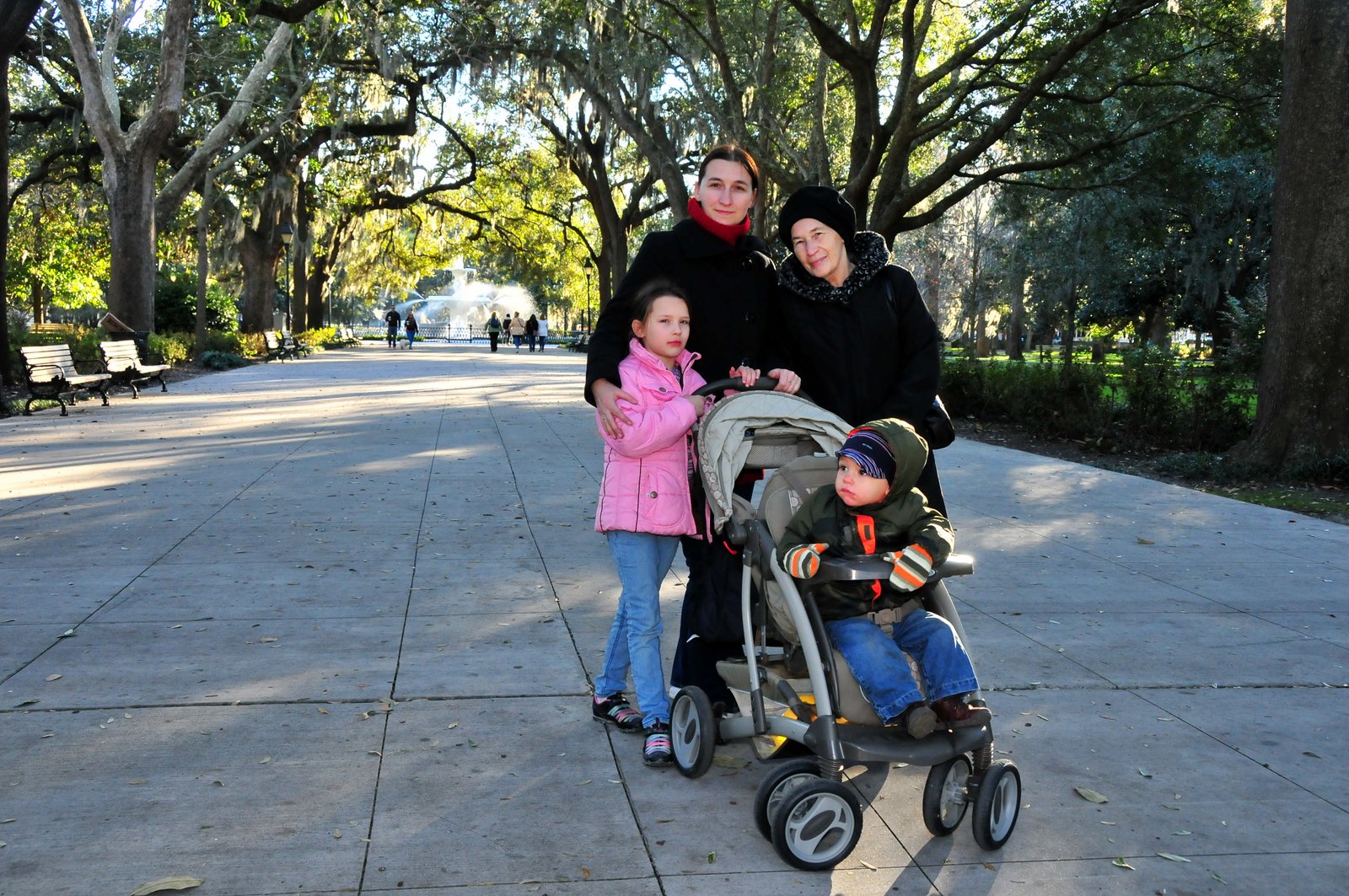
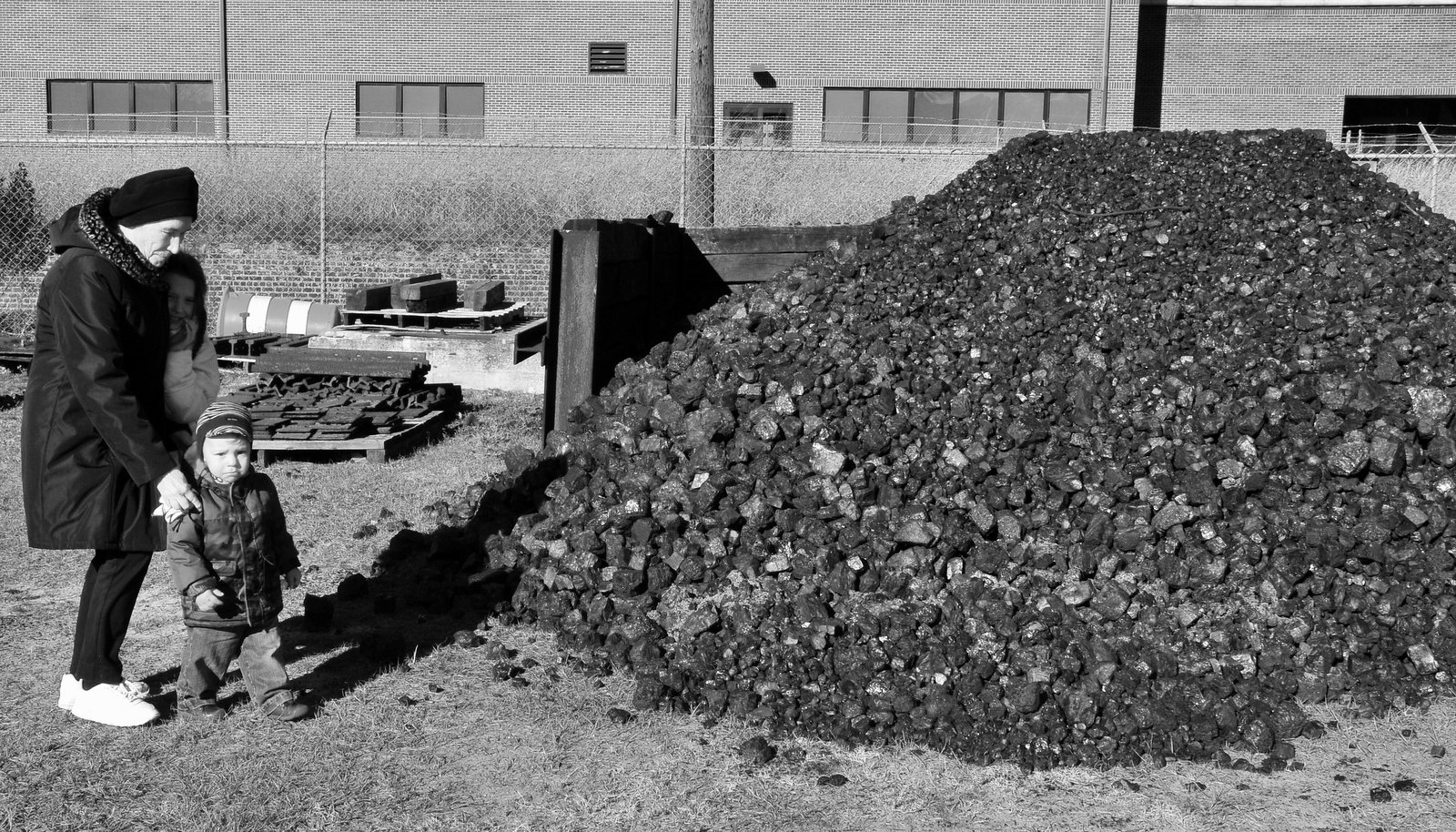
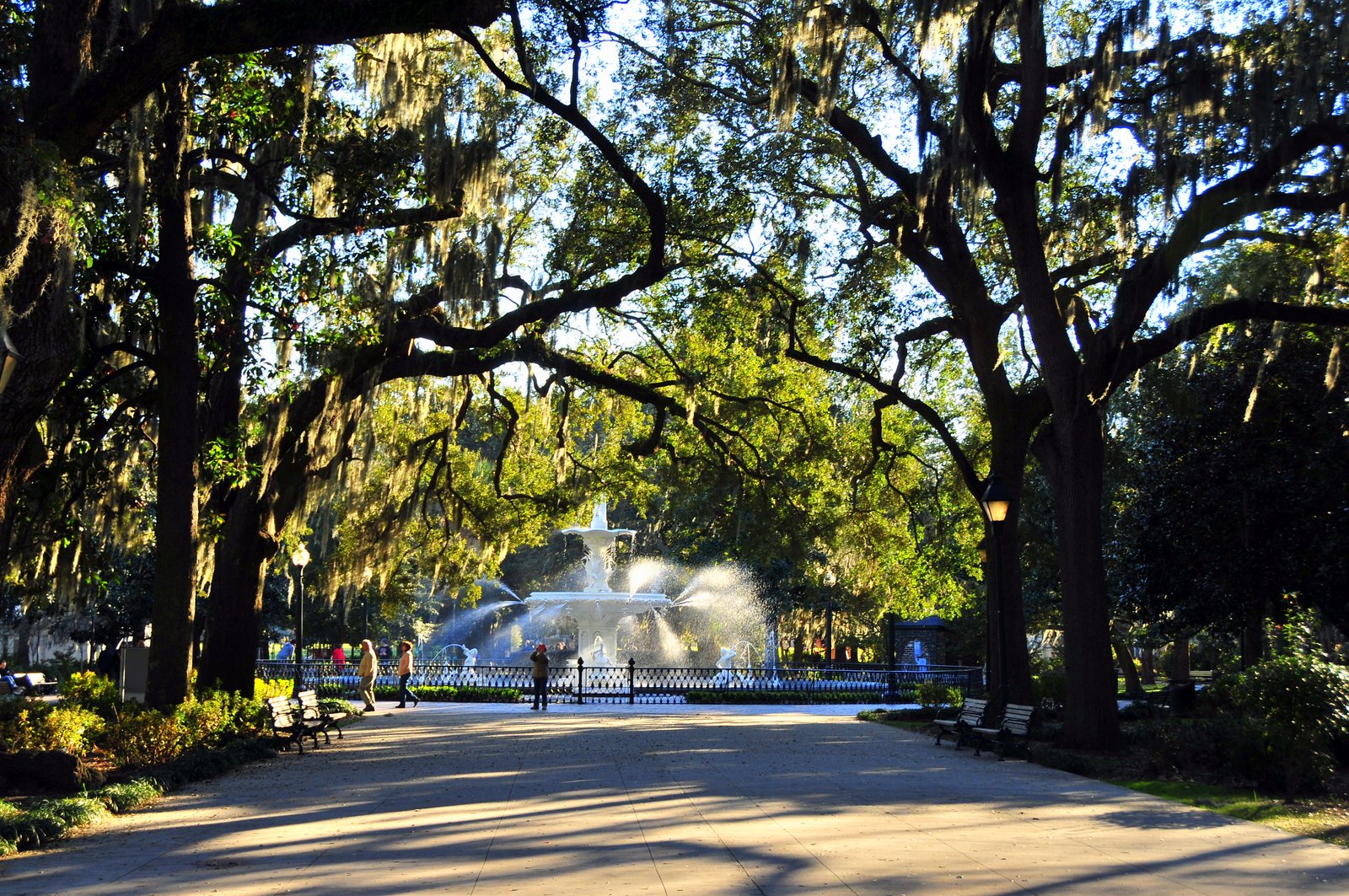
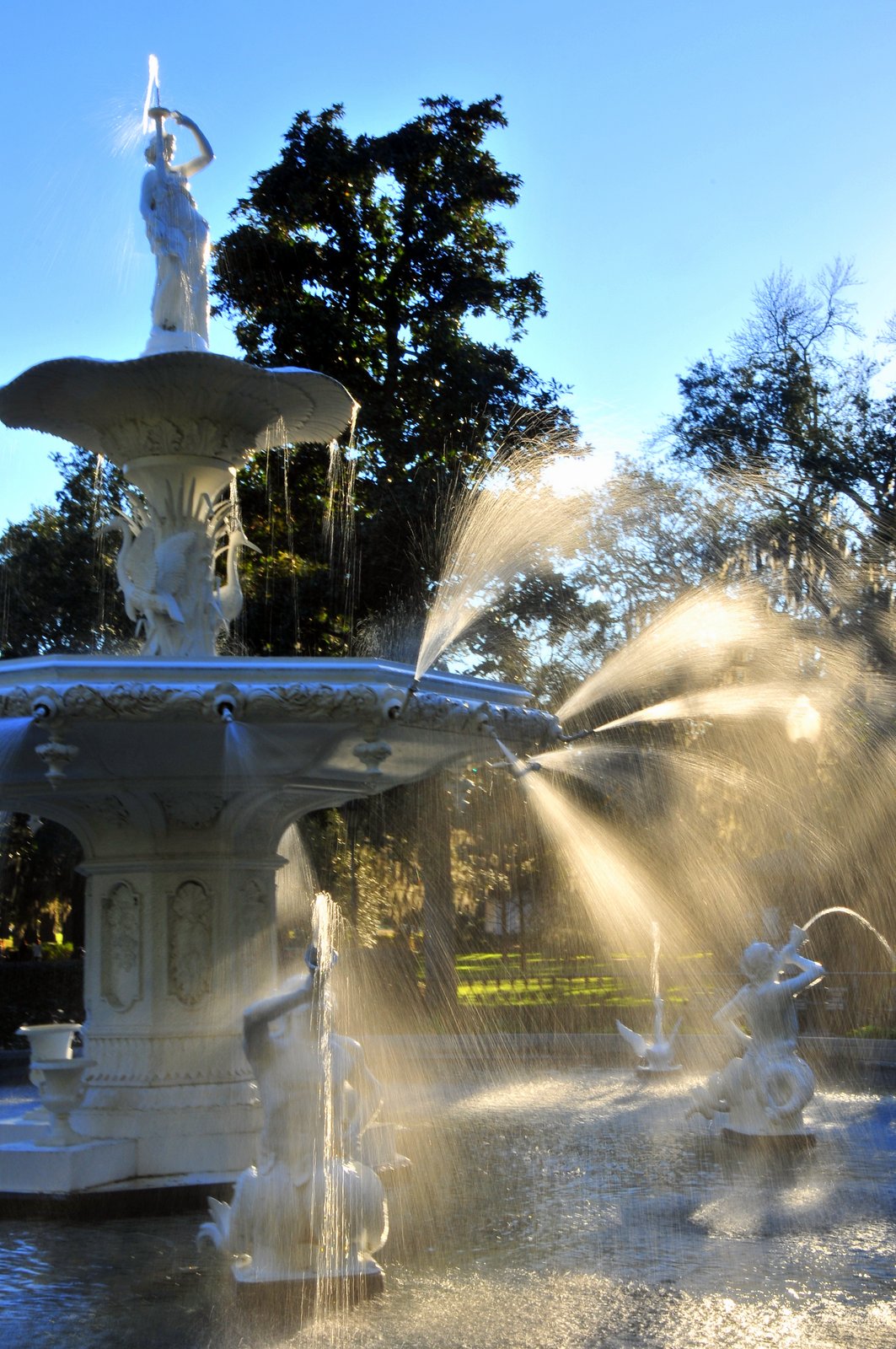
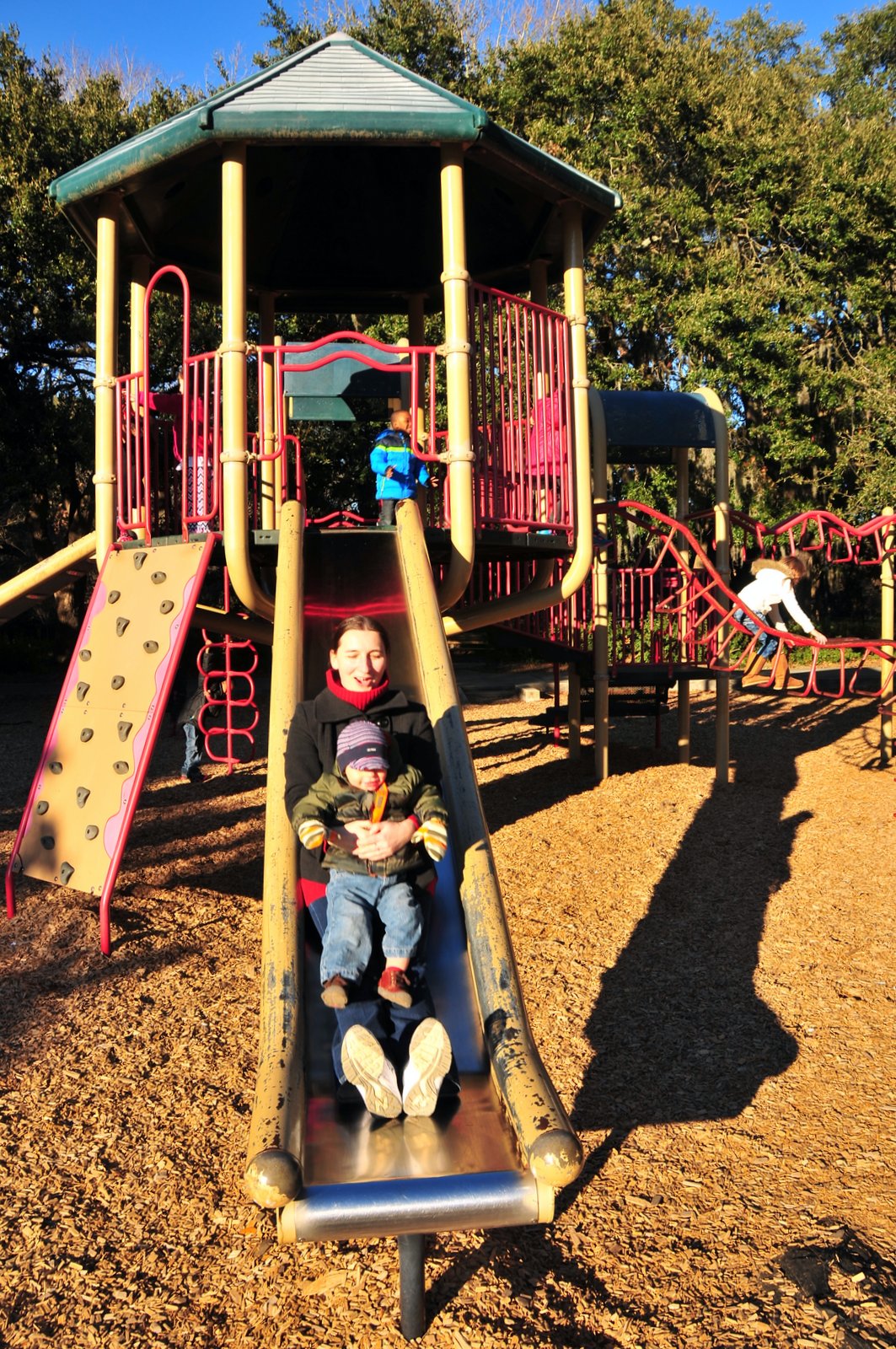
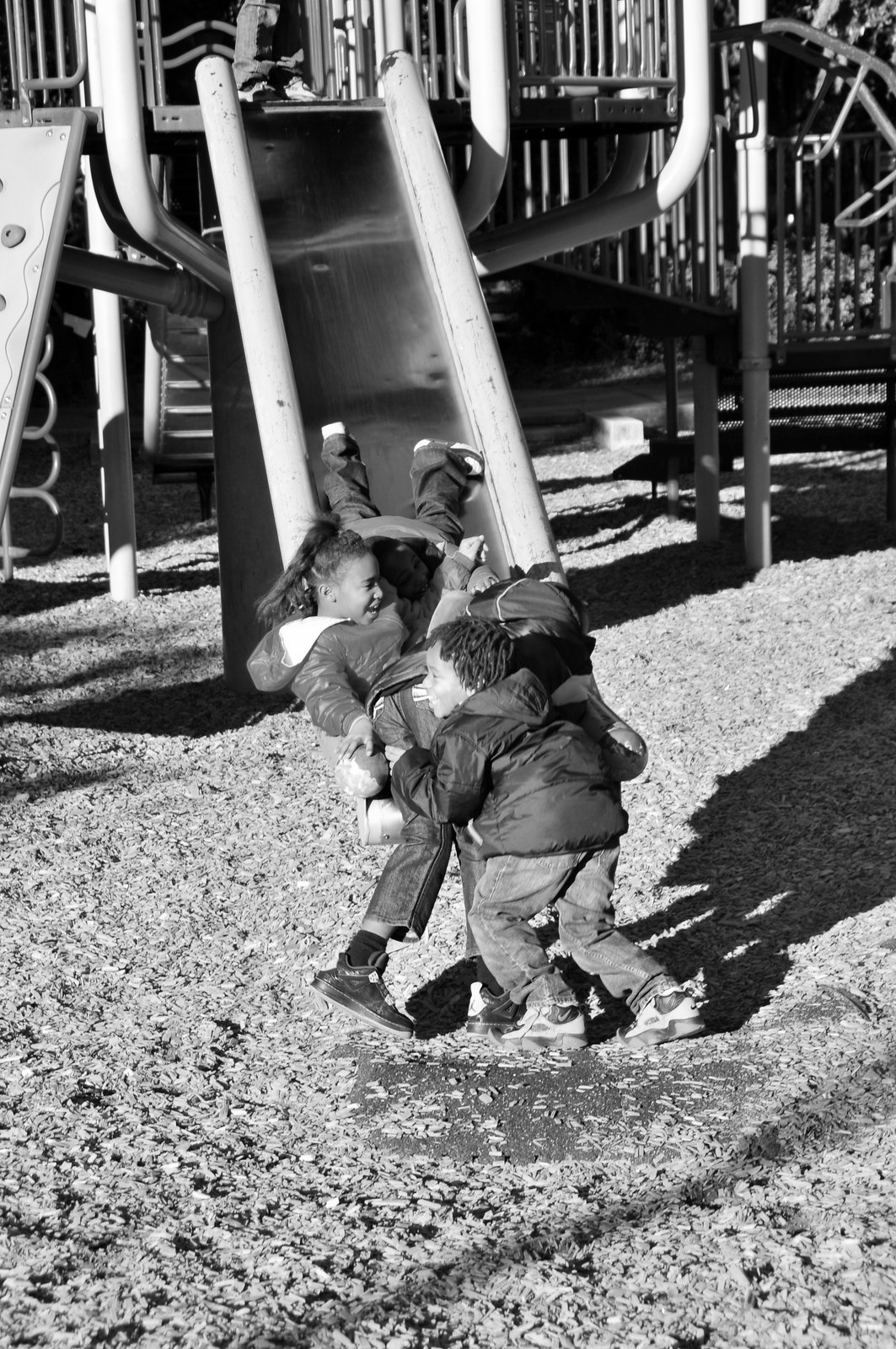
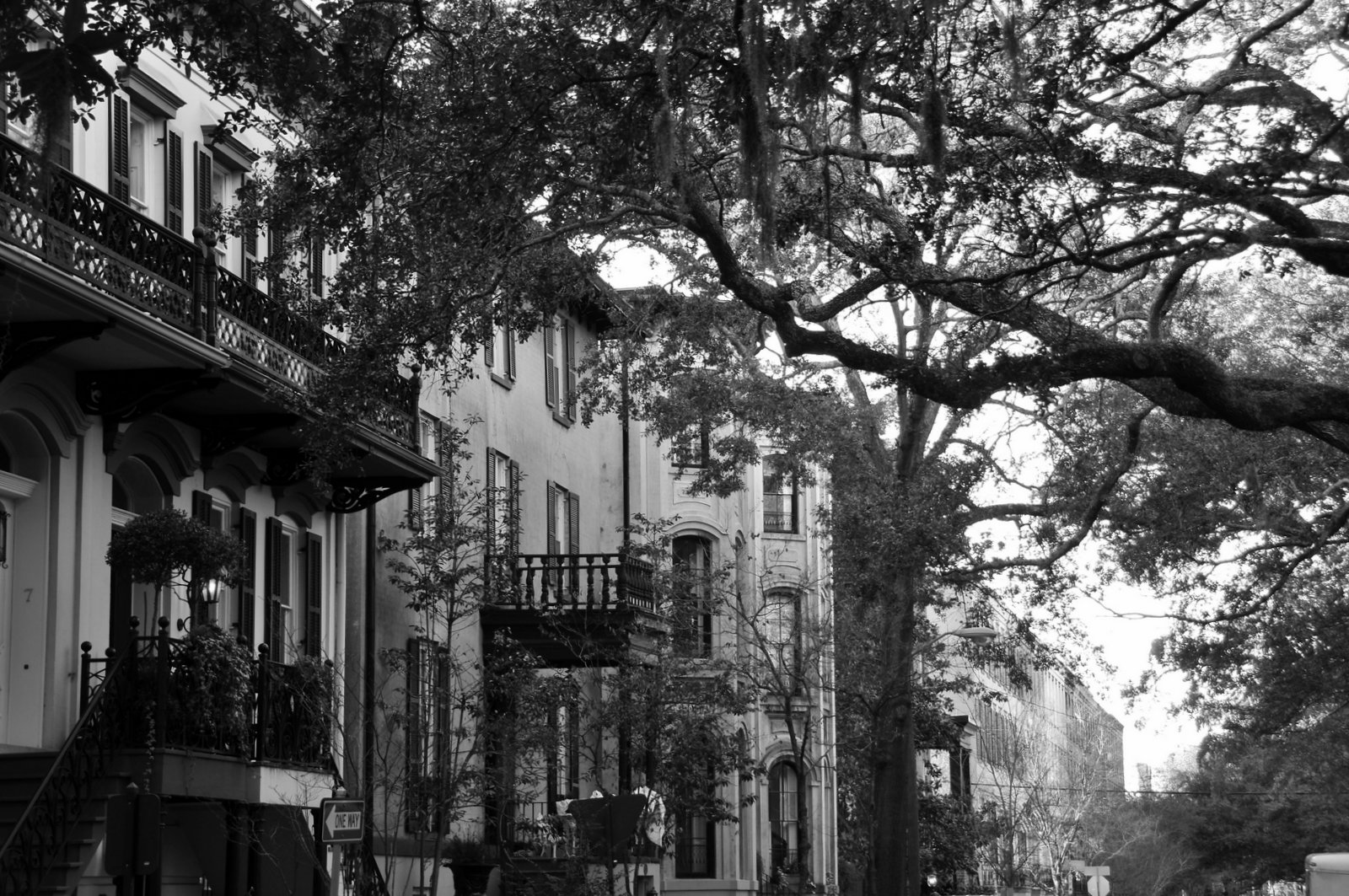
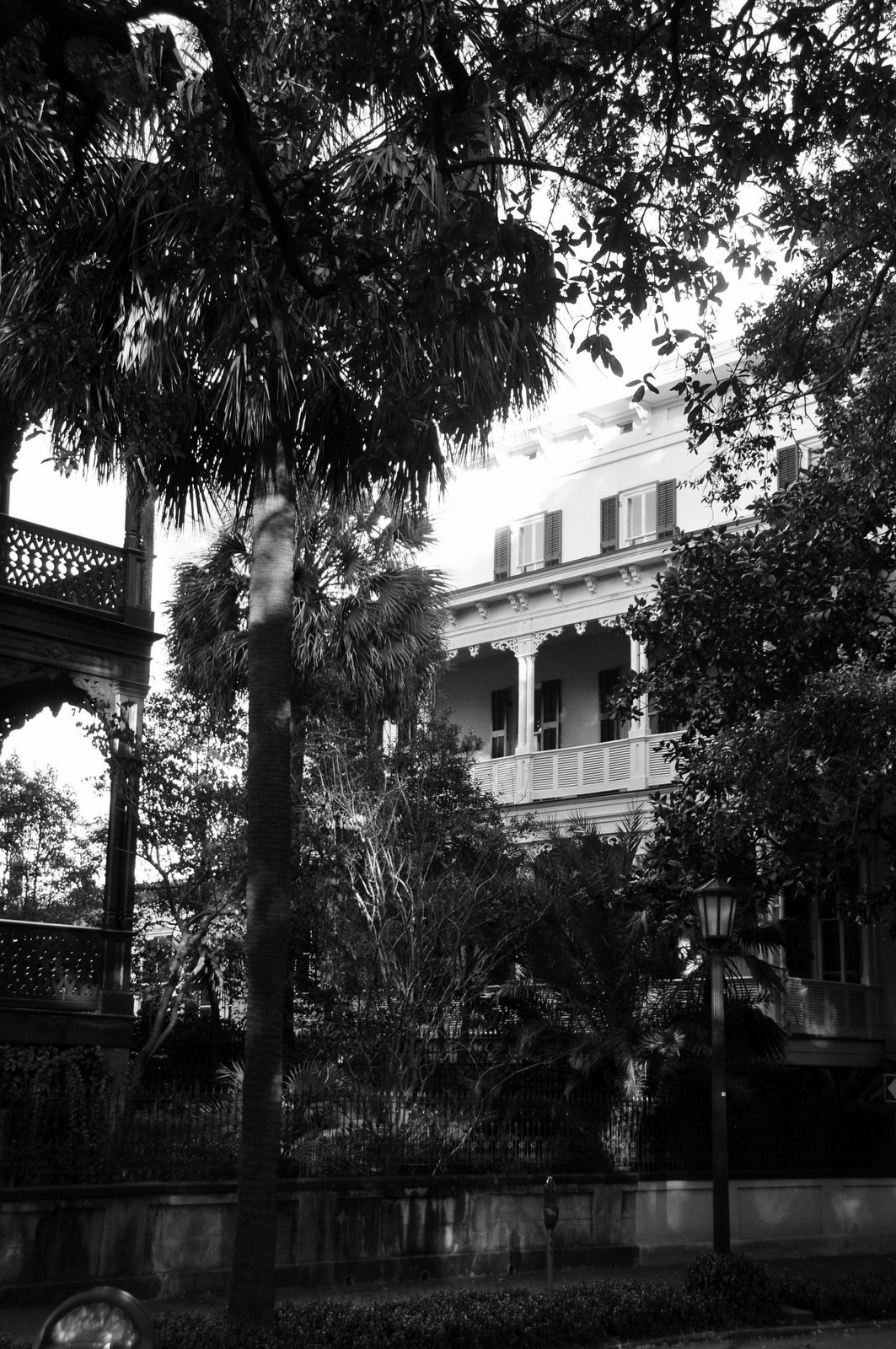
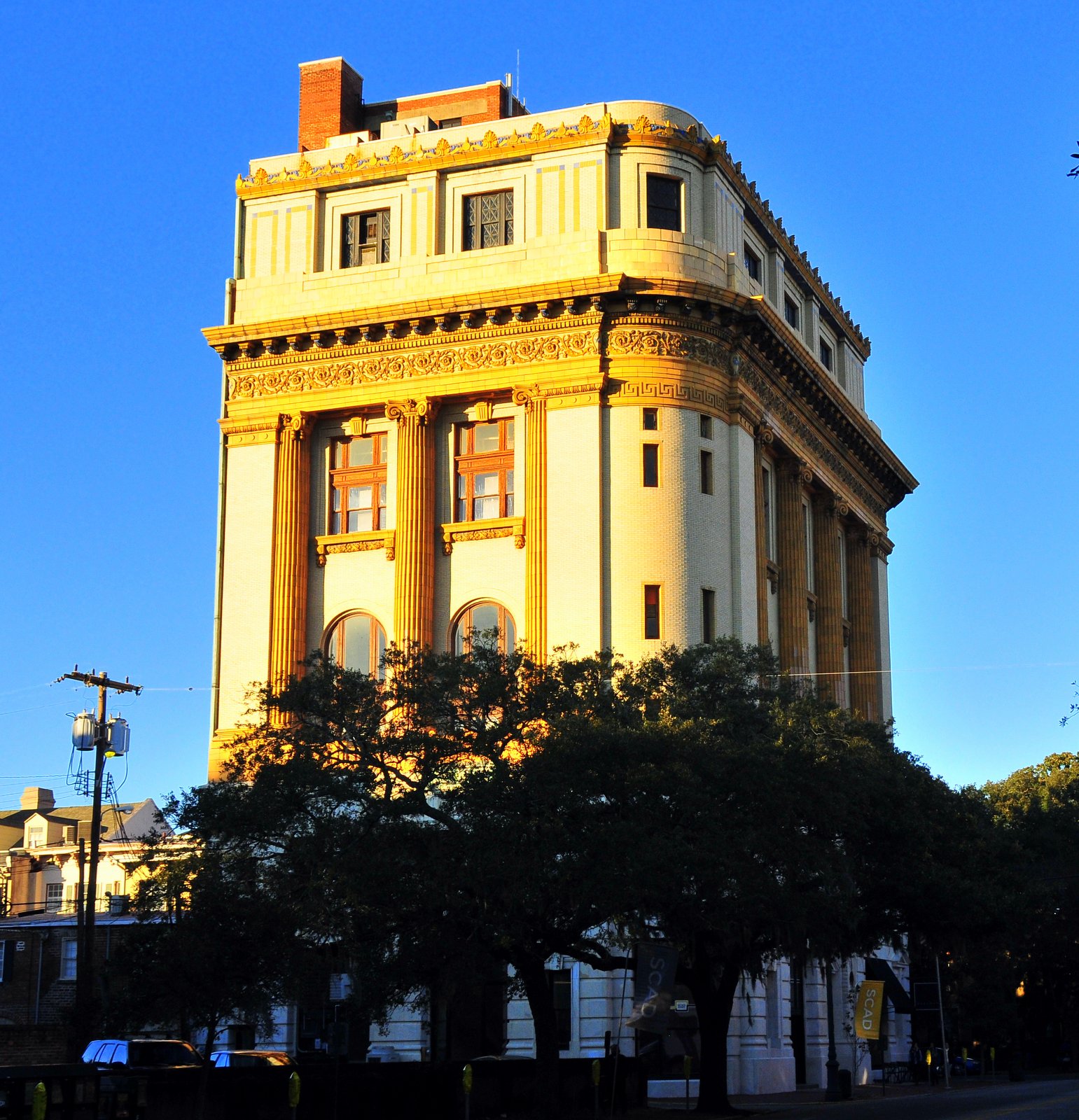
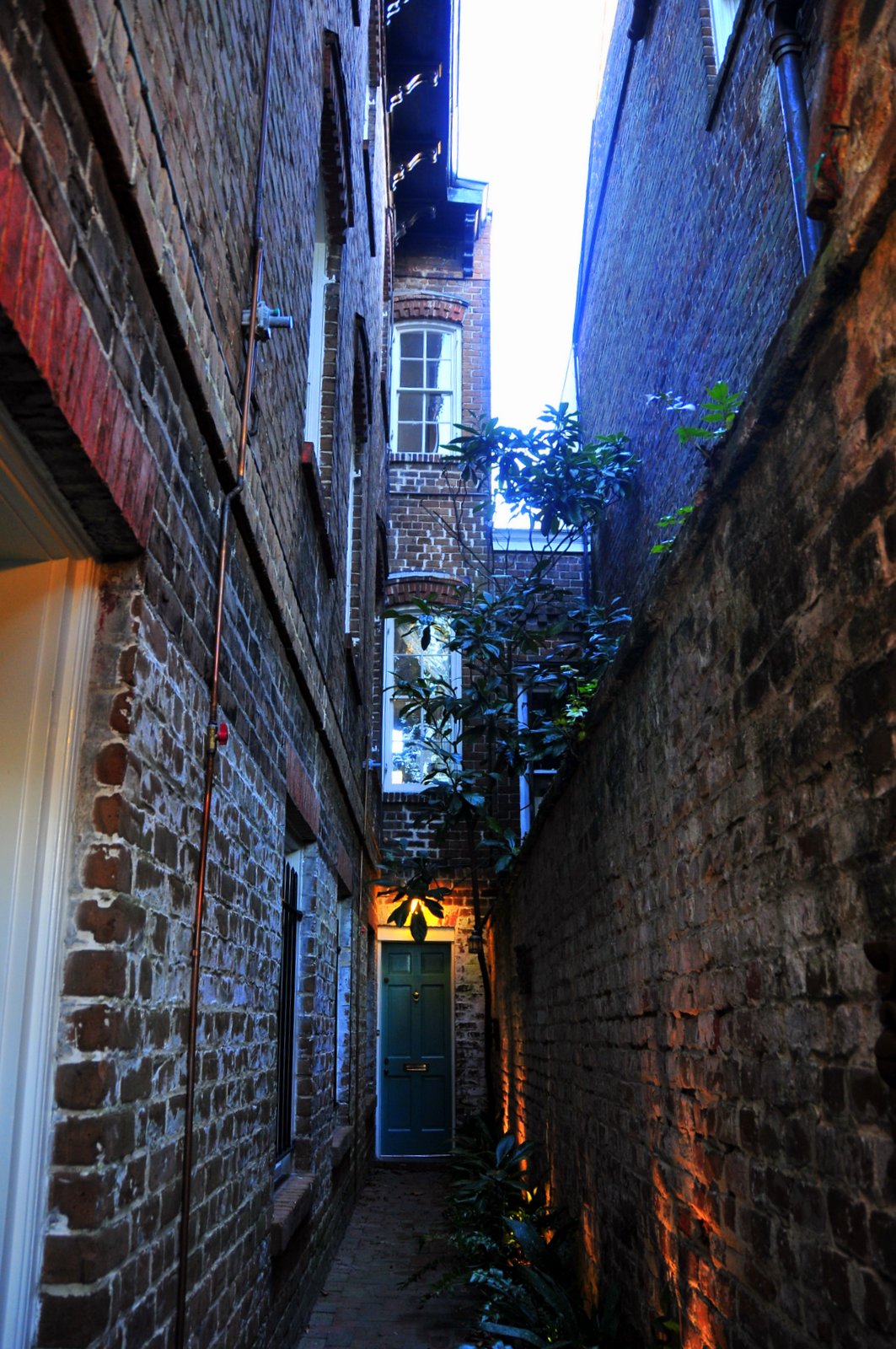
I was unable to upload any pictures of our first day in Savannah, when we went to the railway museum and spent some time in Forsyth Park downtown.
When you’re with two full-blooded Poles and two half-blooded Poles and you’re near a fort named after a Pole, there’s only one thing to do: visit said fort.
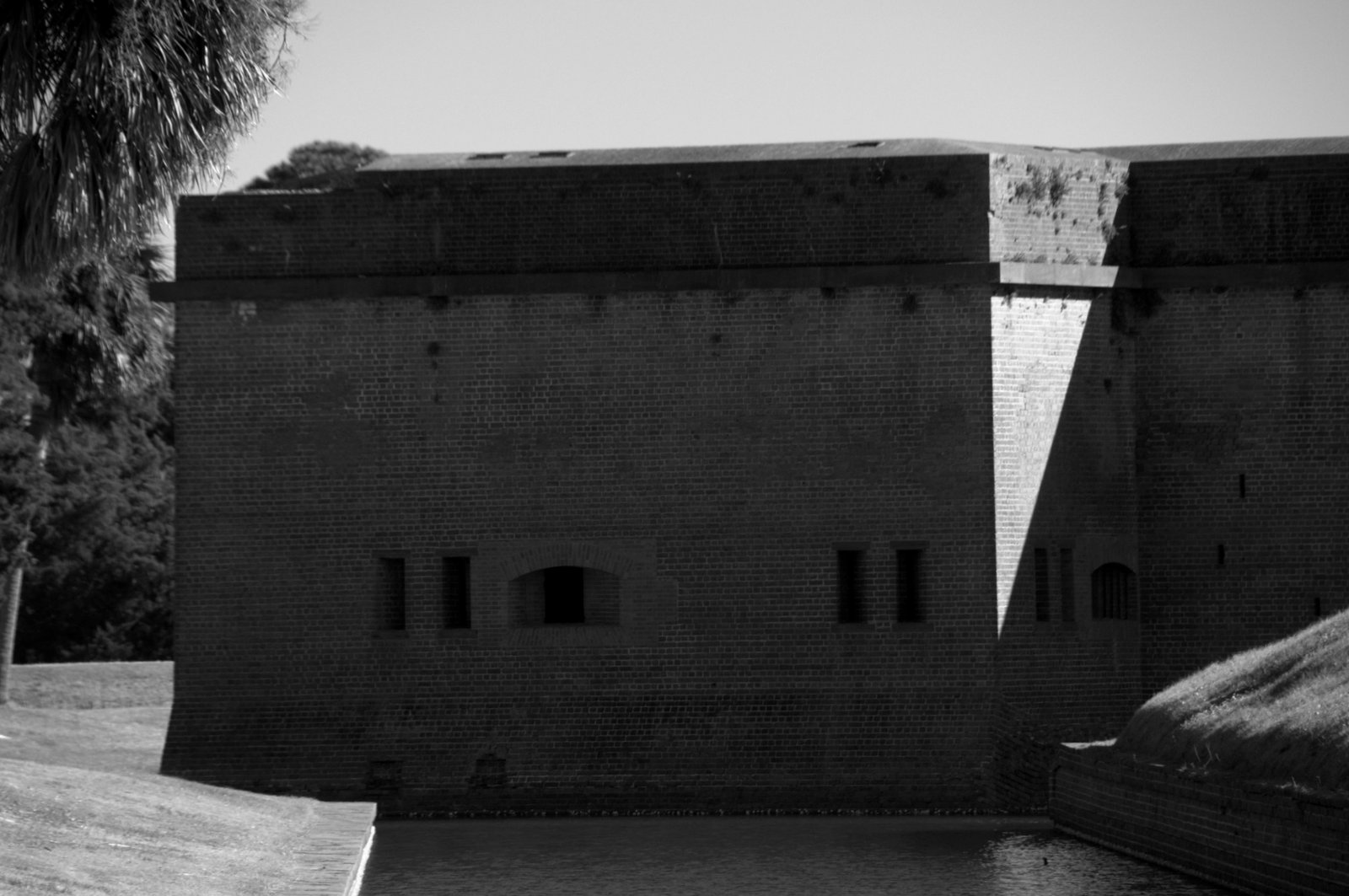
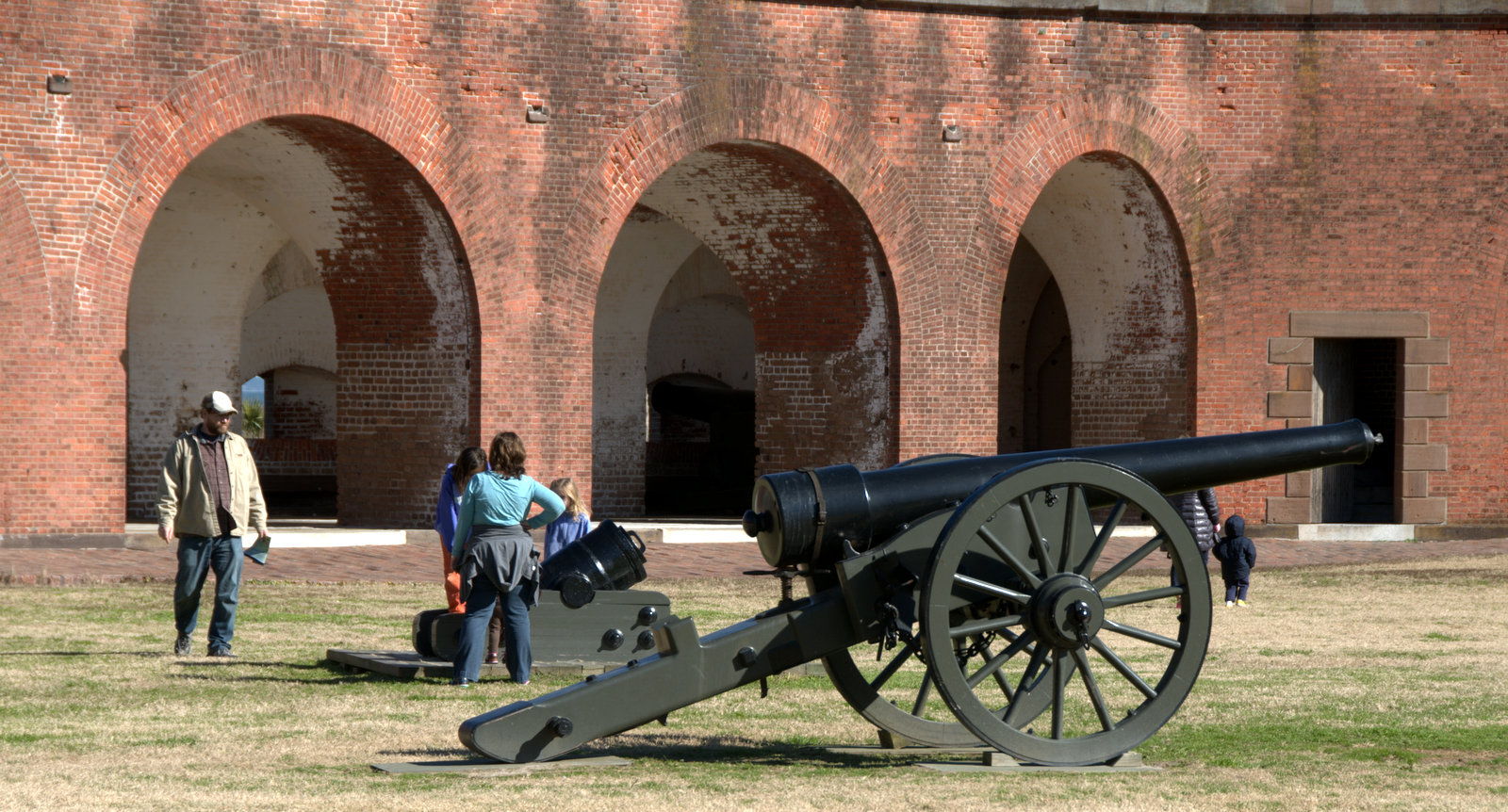
Named for the Polish hero of the American Revolution, Kazimierz Michał Wacław Wiktor Pułaski, the fort named for him represented a turning point in the history of fortifications: it was the first real bombardment of a fort with rifled cannon fire, and compared to the traditional smooth-bore cannon, the new rifled cannon and bullet-shaped shot proved highly effective. The outer wall was breached with cannon fire from positions over a mile away, and the damaged area is still visible due to the different shade of bricks Union soldiers used in repairing the damage.
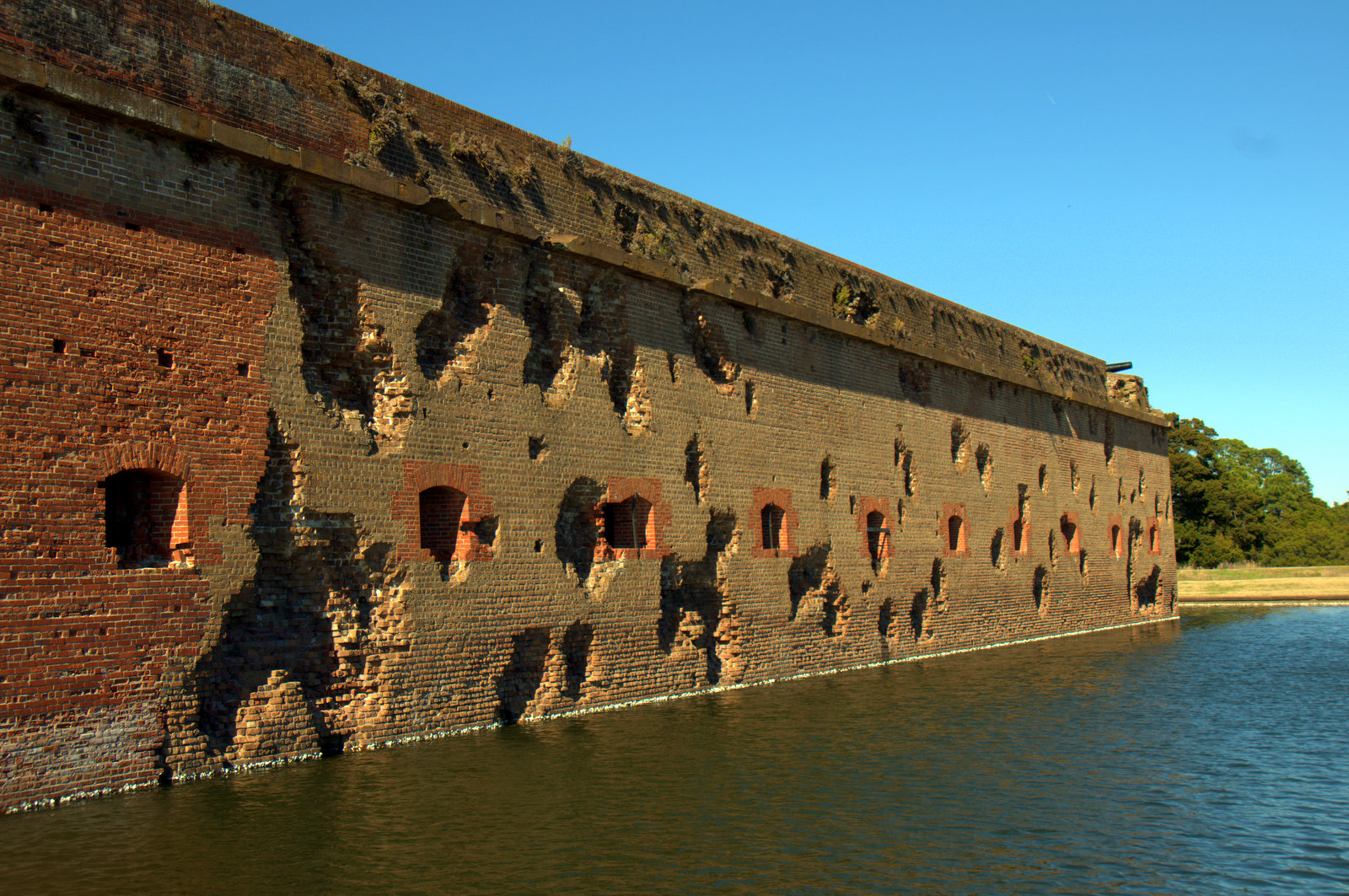
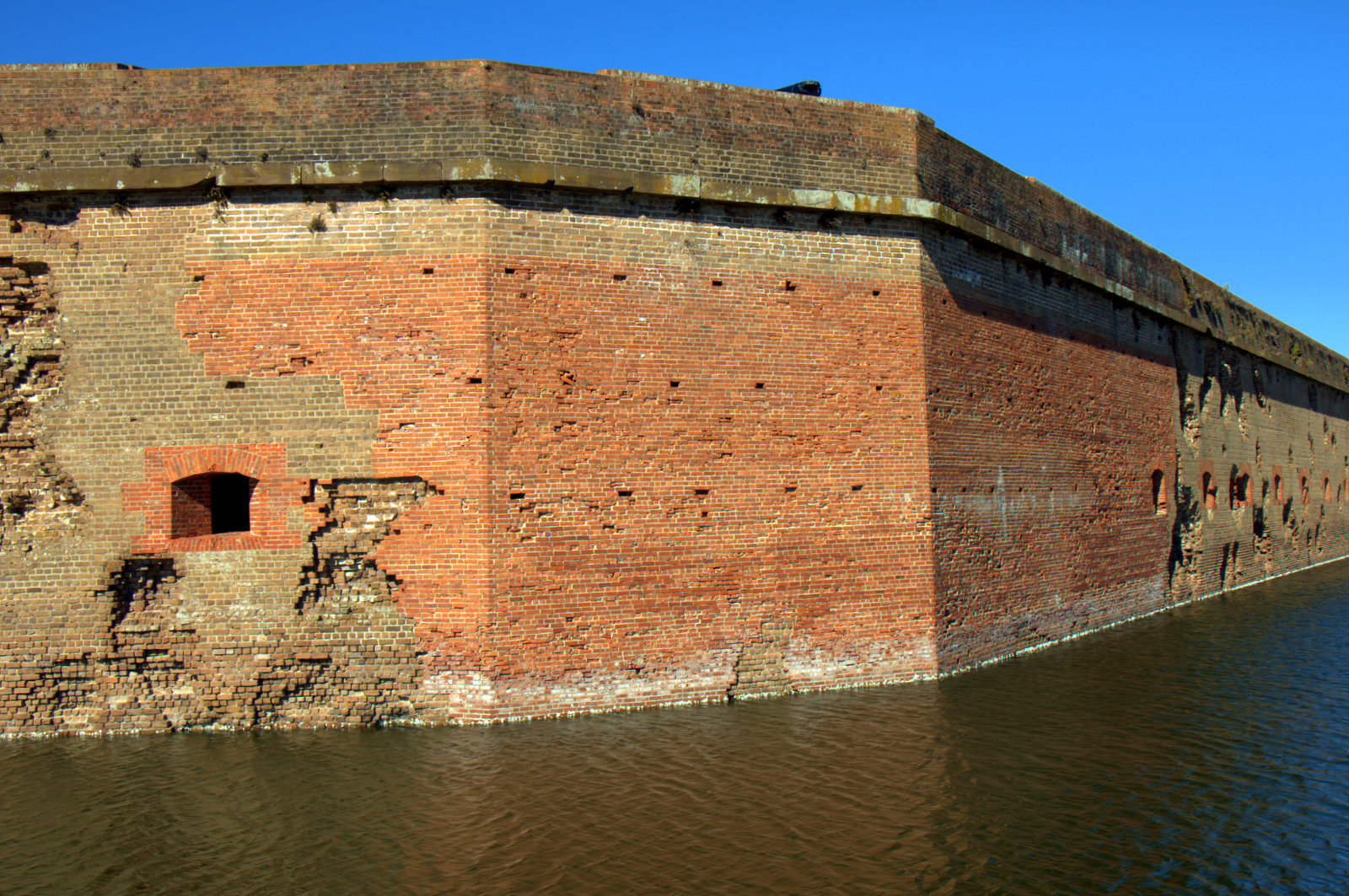
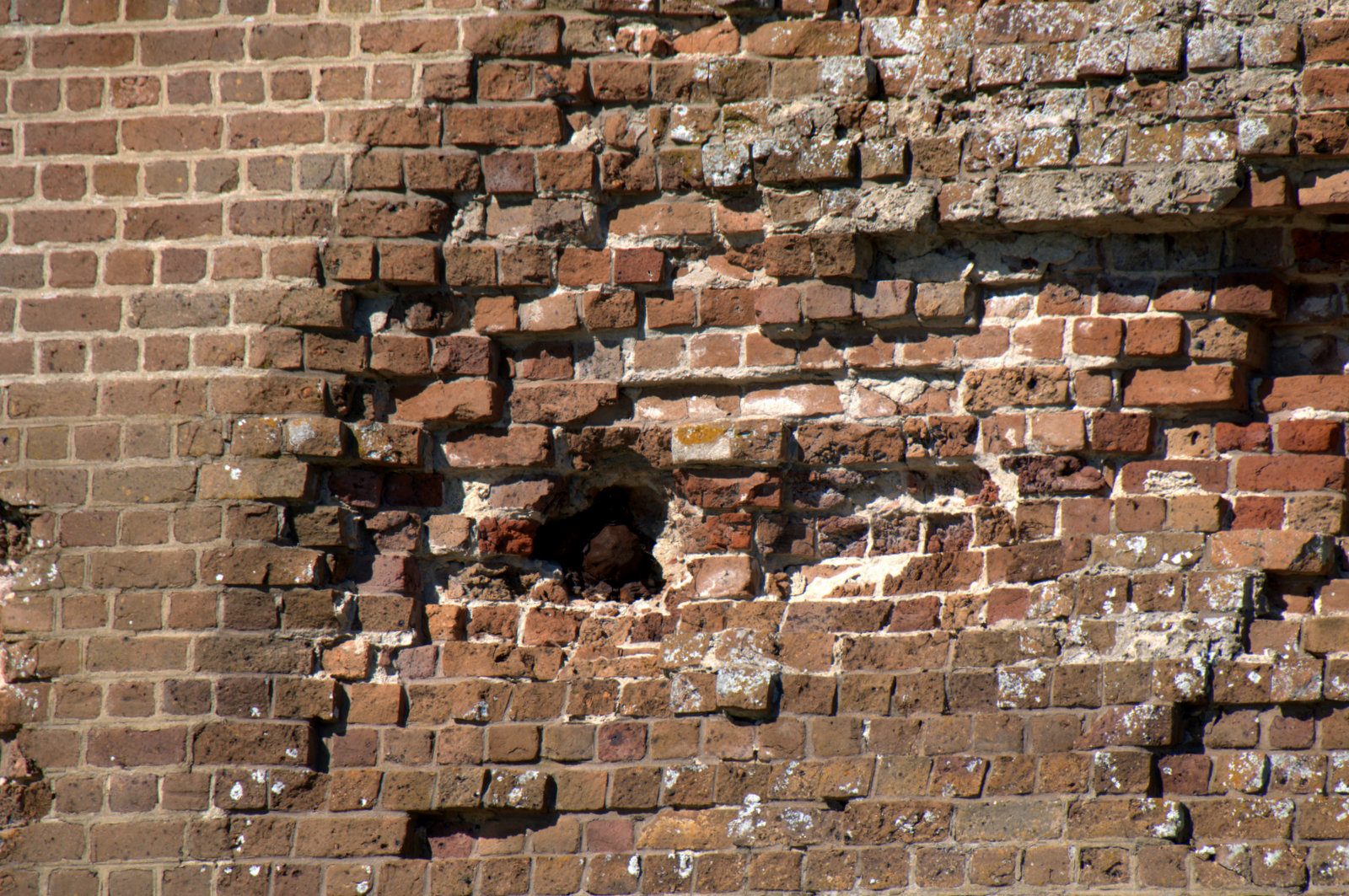
And still shells remain lodged in the wall.
Of course, none of this was of any interest to either the Boy or the Girl. They were happy just to run about the parade ground, climb on cannons, and investigate large mysterious openings in the fortifications.
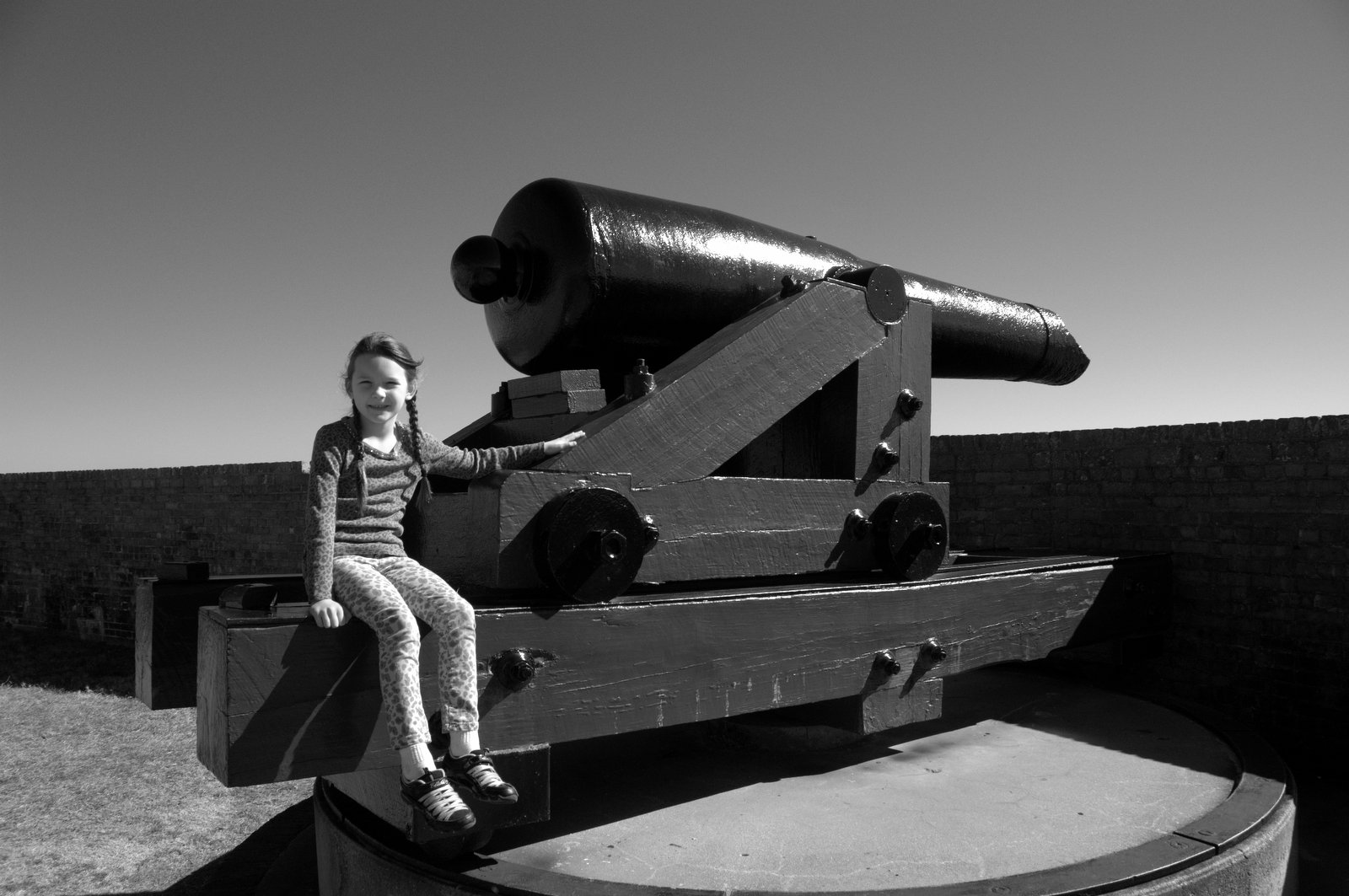
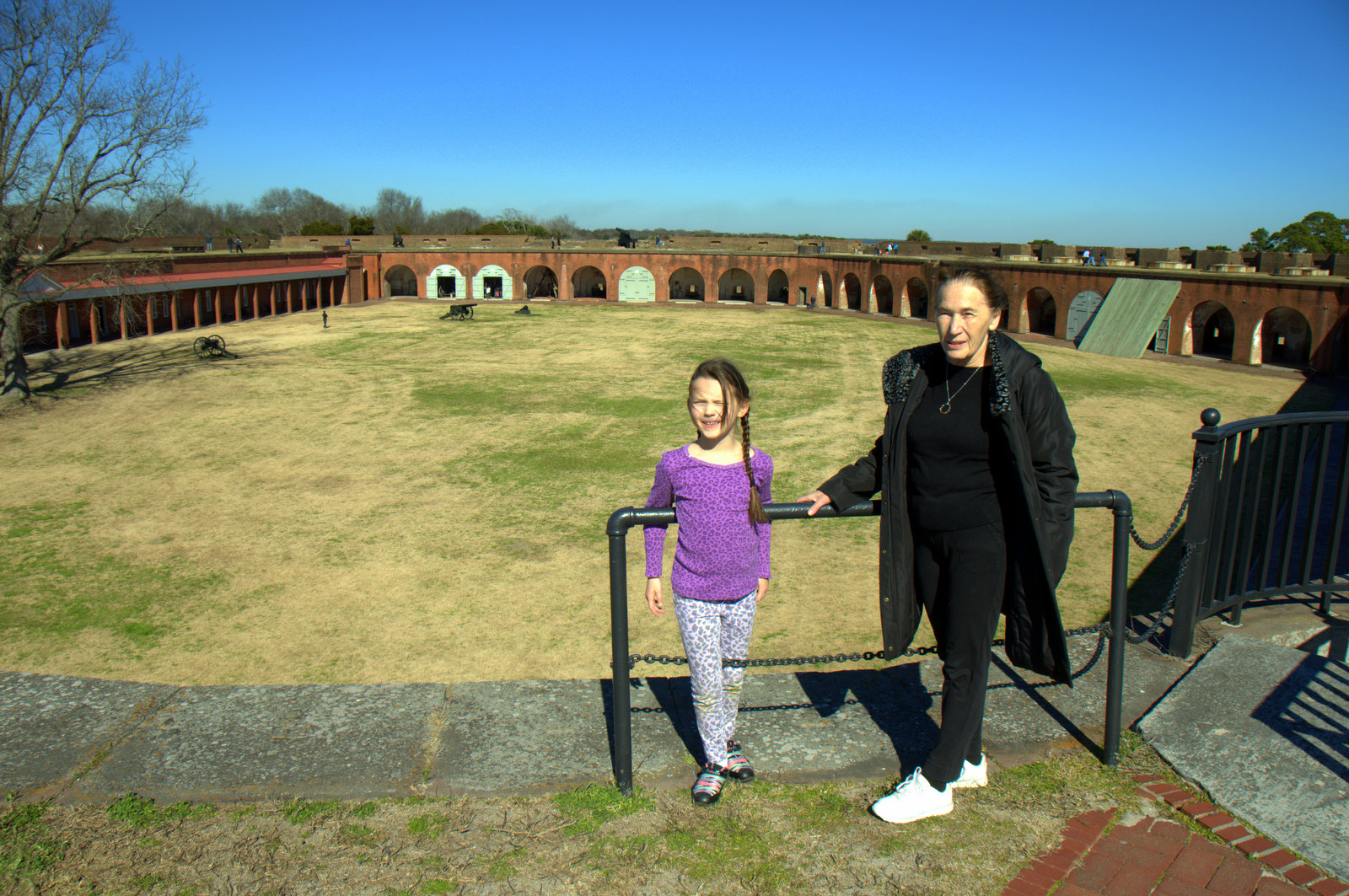
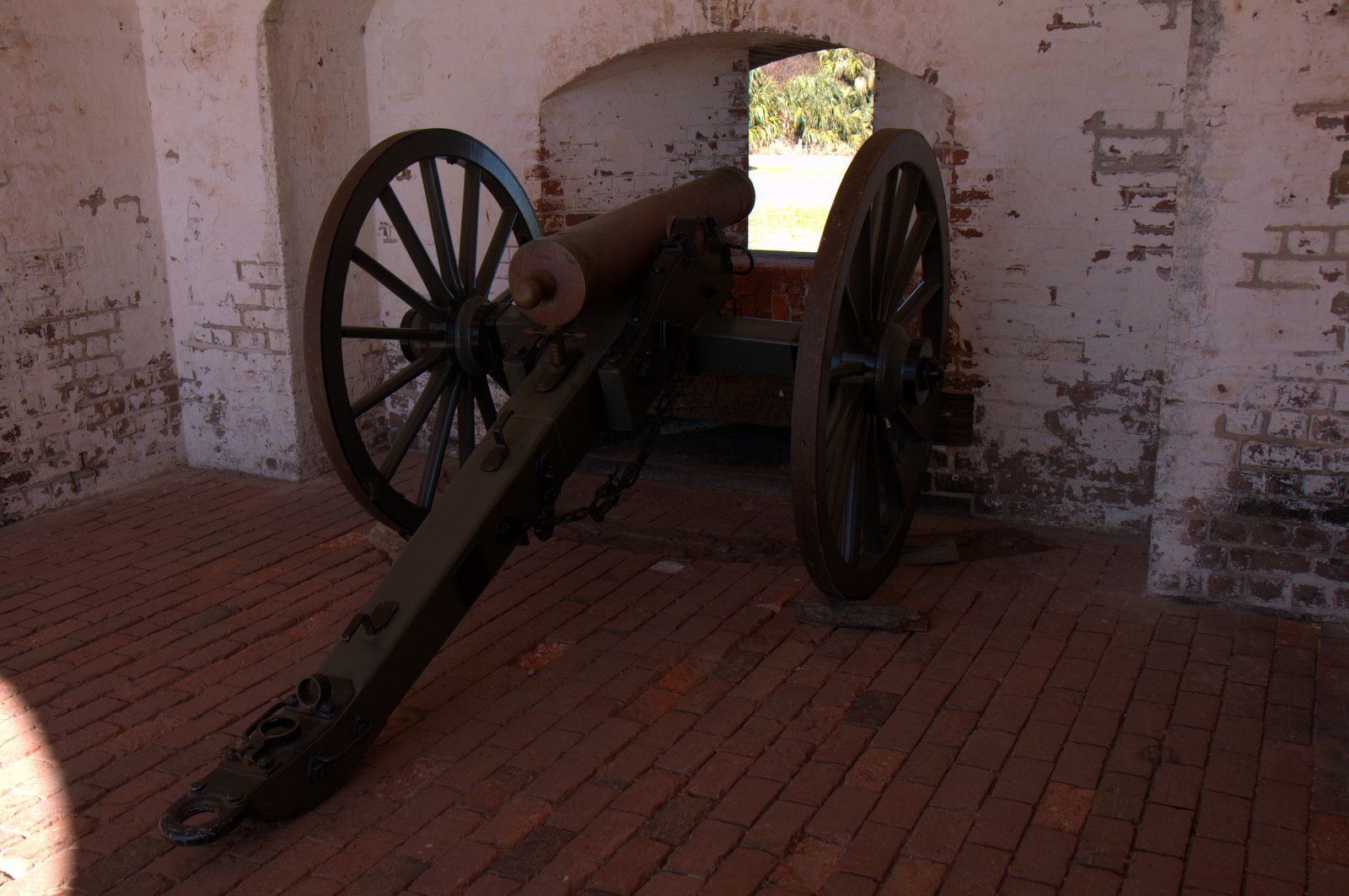
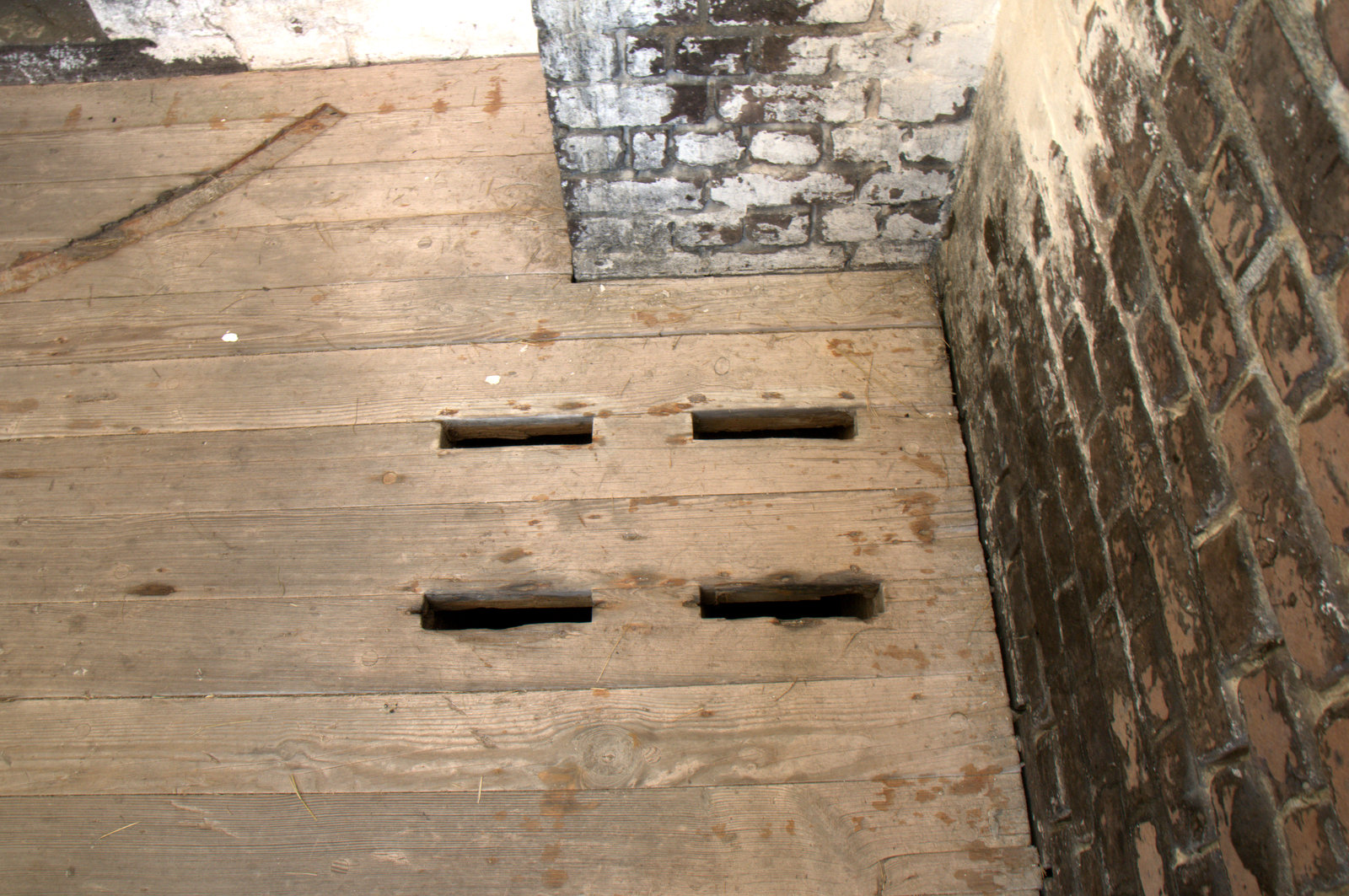
We took a walk about the fort, heading out to the Cockspur Island Lighthouse, which has not been in use for over a hundred years — a little bit of history sitting on an oyster- and mussel-shell bed.
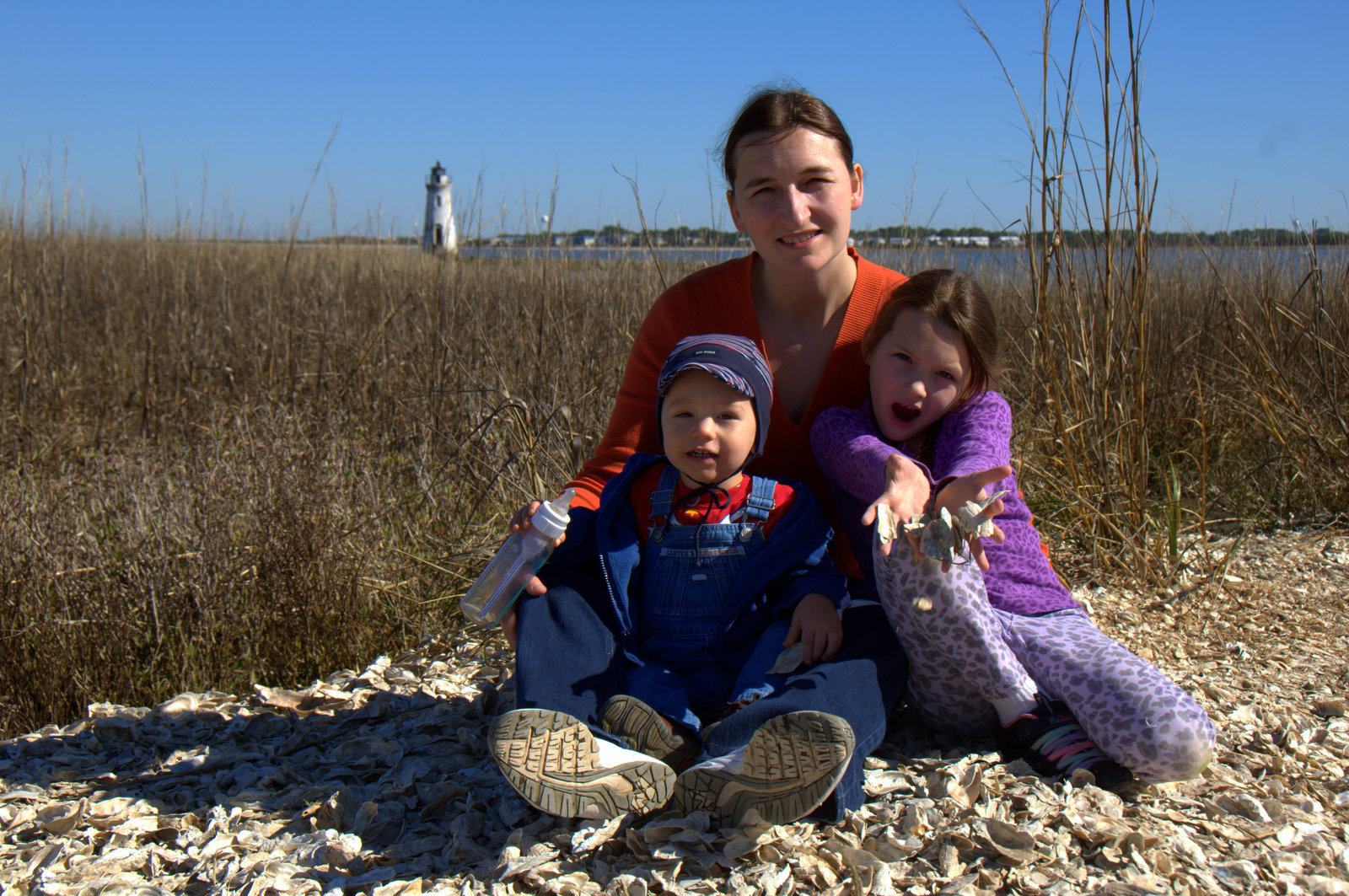
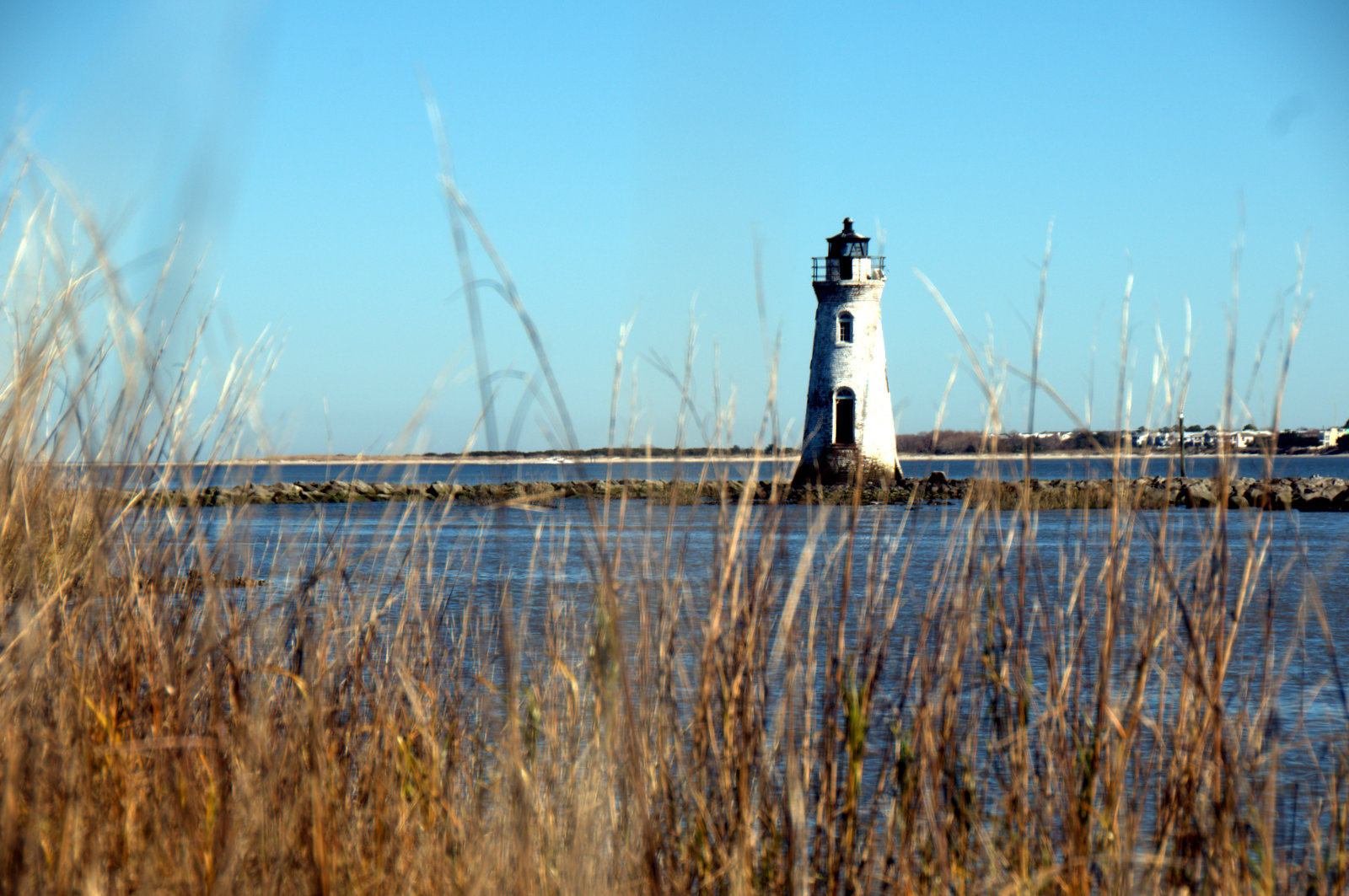
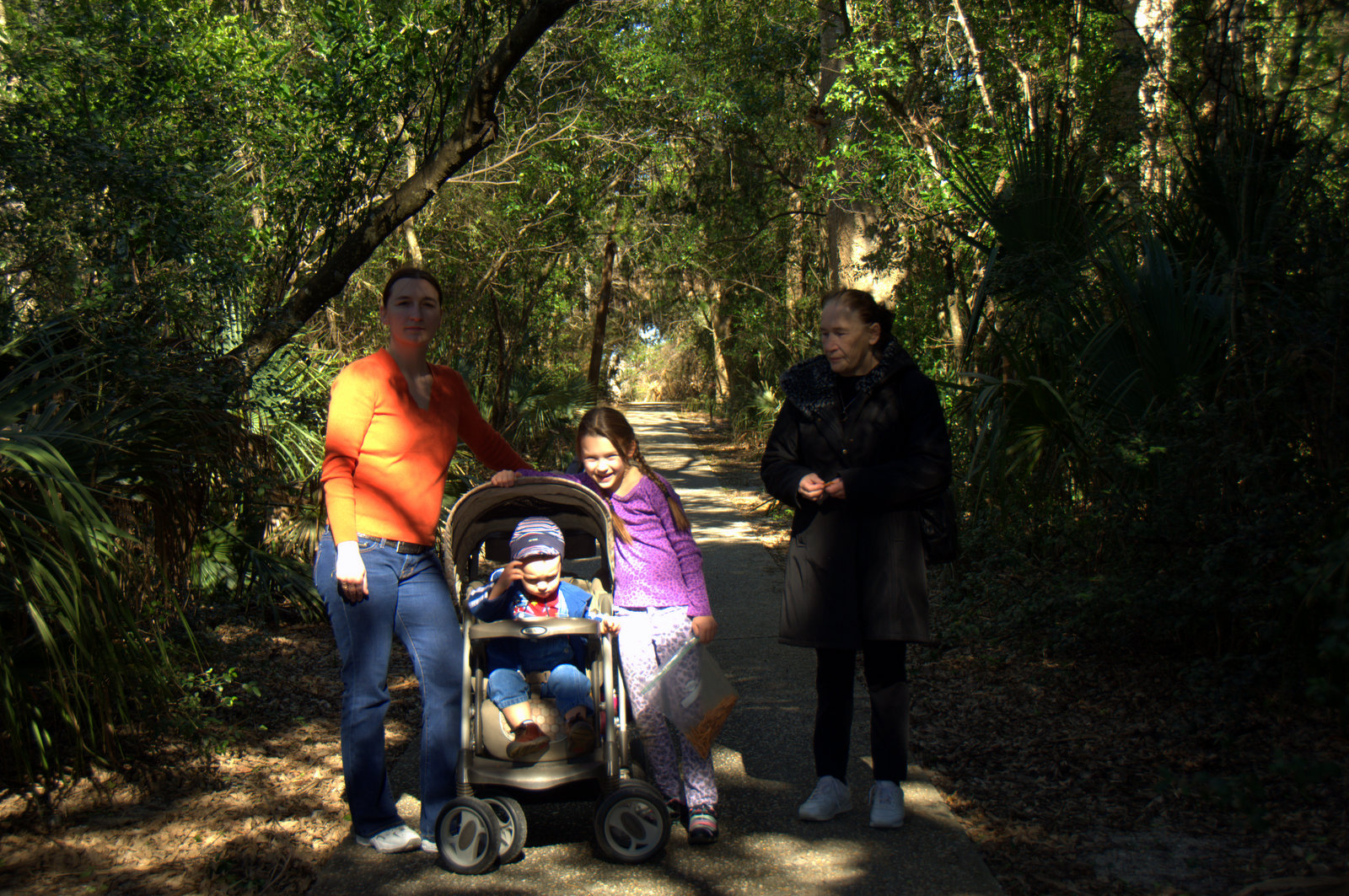
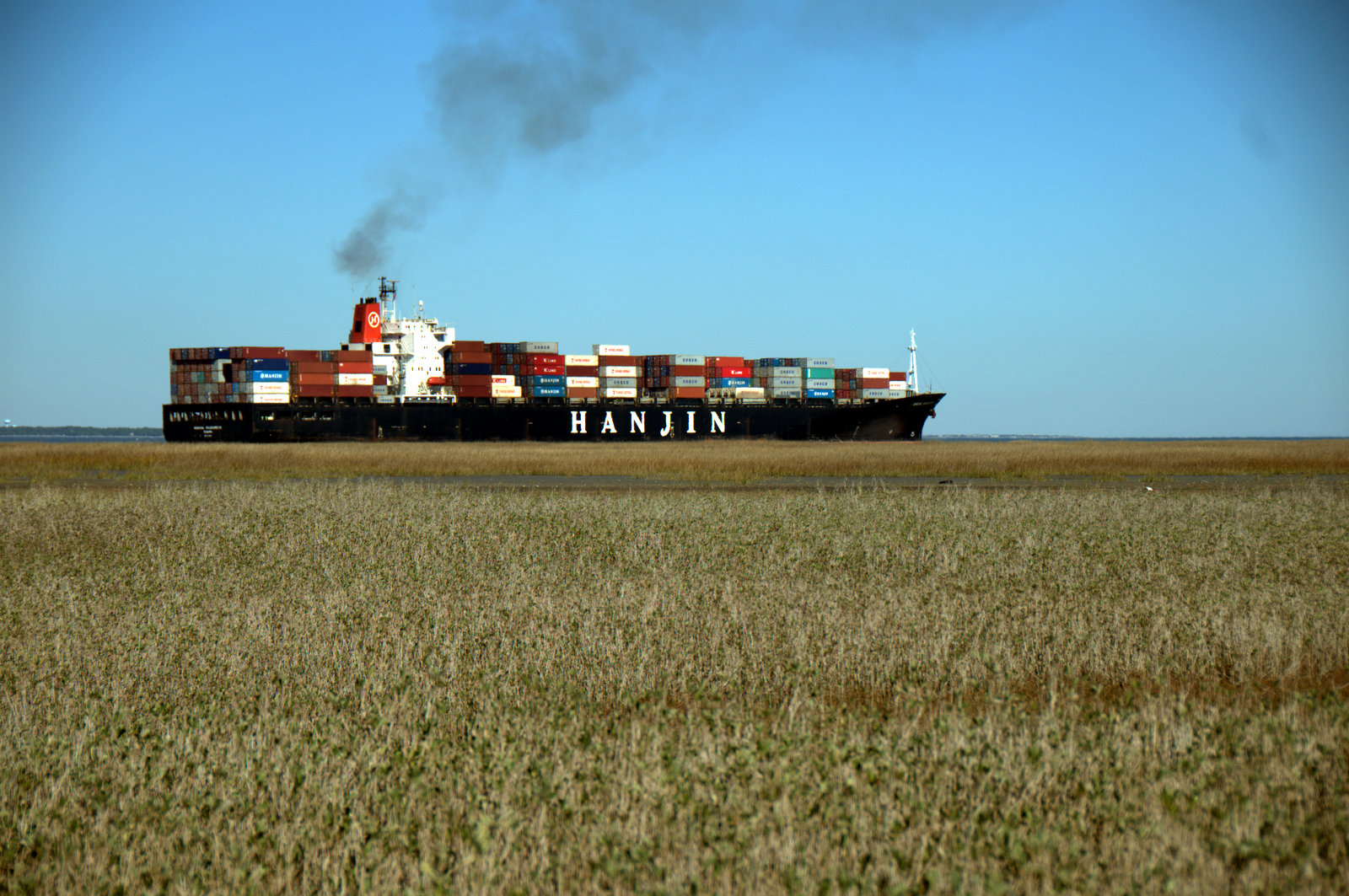
Along the way, we saw why: with the river dredged for such huge container ships, a small lighthouse would be a joke today, and as the dredging began before the turn of the century, the lighthouses’ useful days were certainly finite.
Still, none of this was of any interest to the kids. What was of interest, and what we regretted putting off until the very end, was the beach. Cold, windy, yet still irresistible.
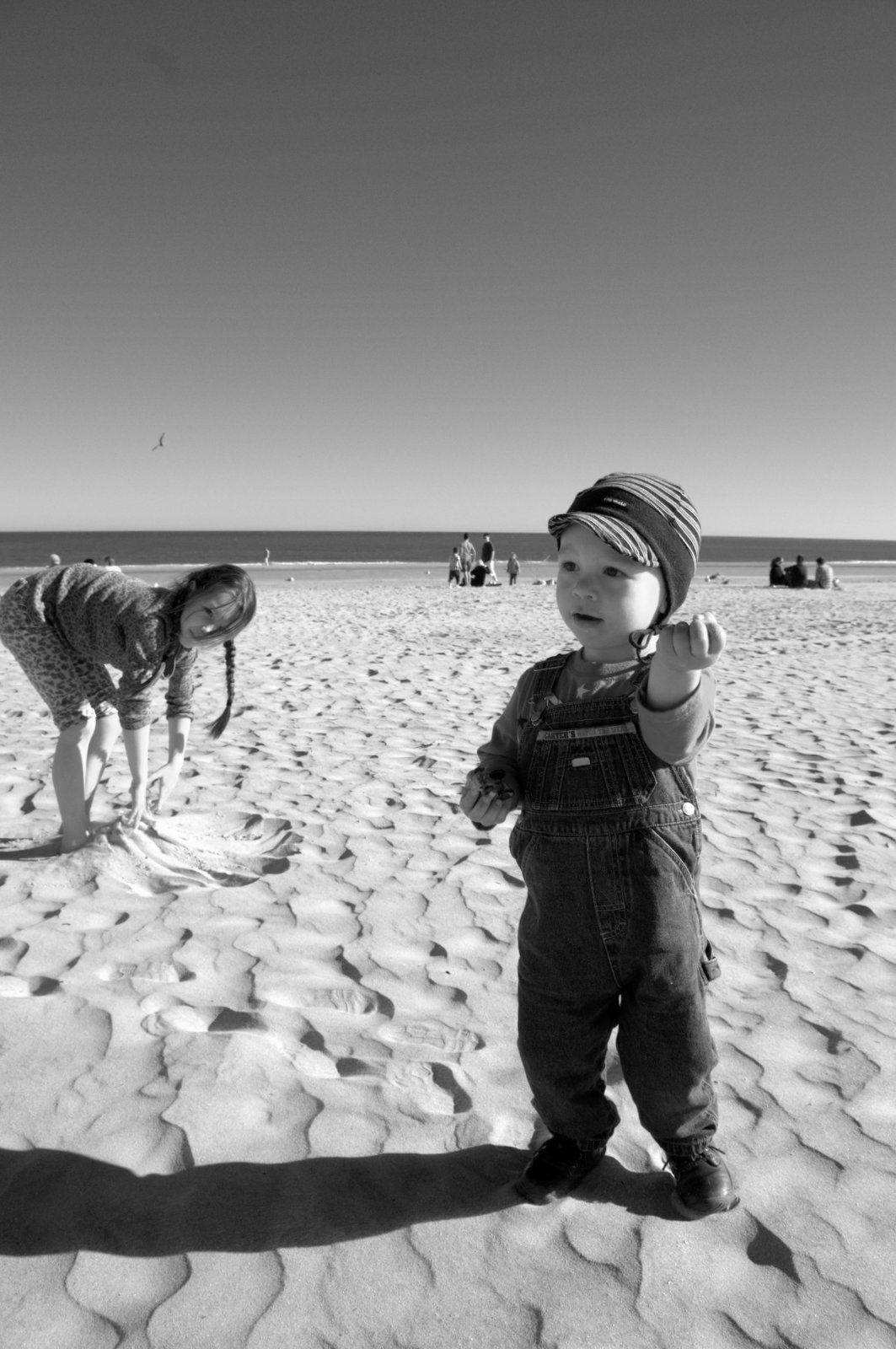
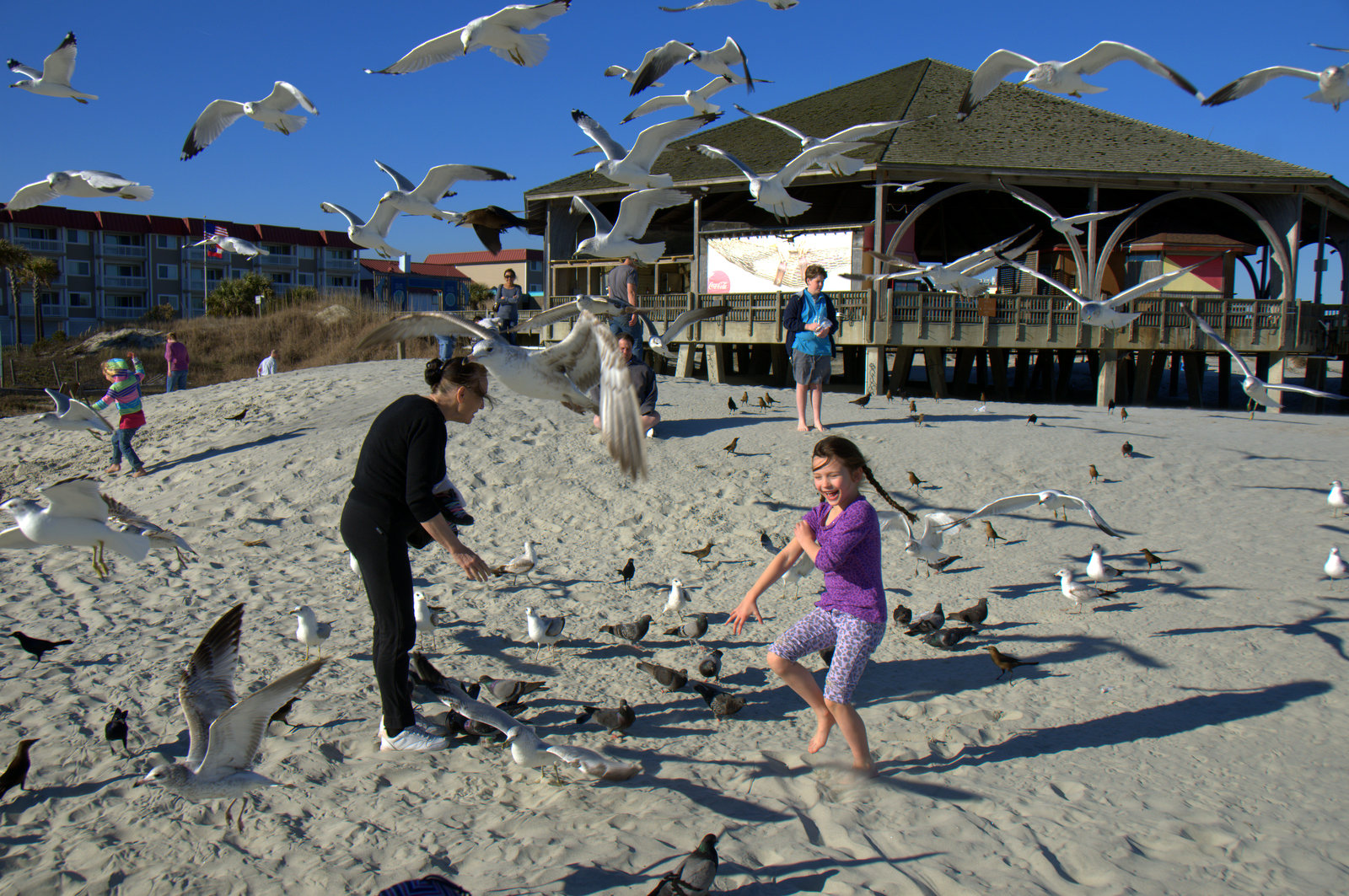
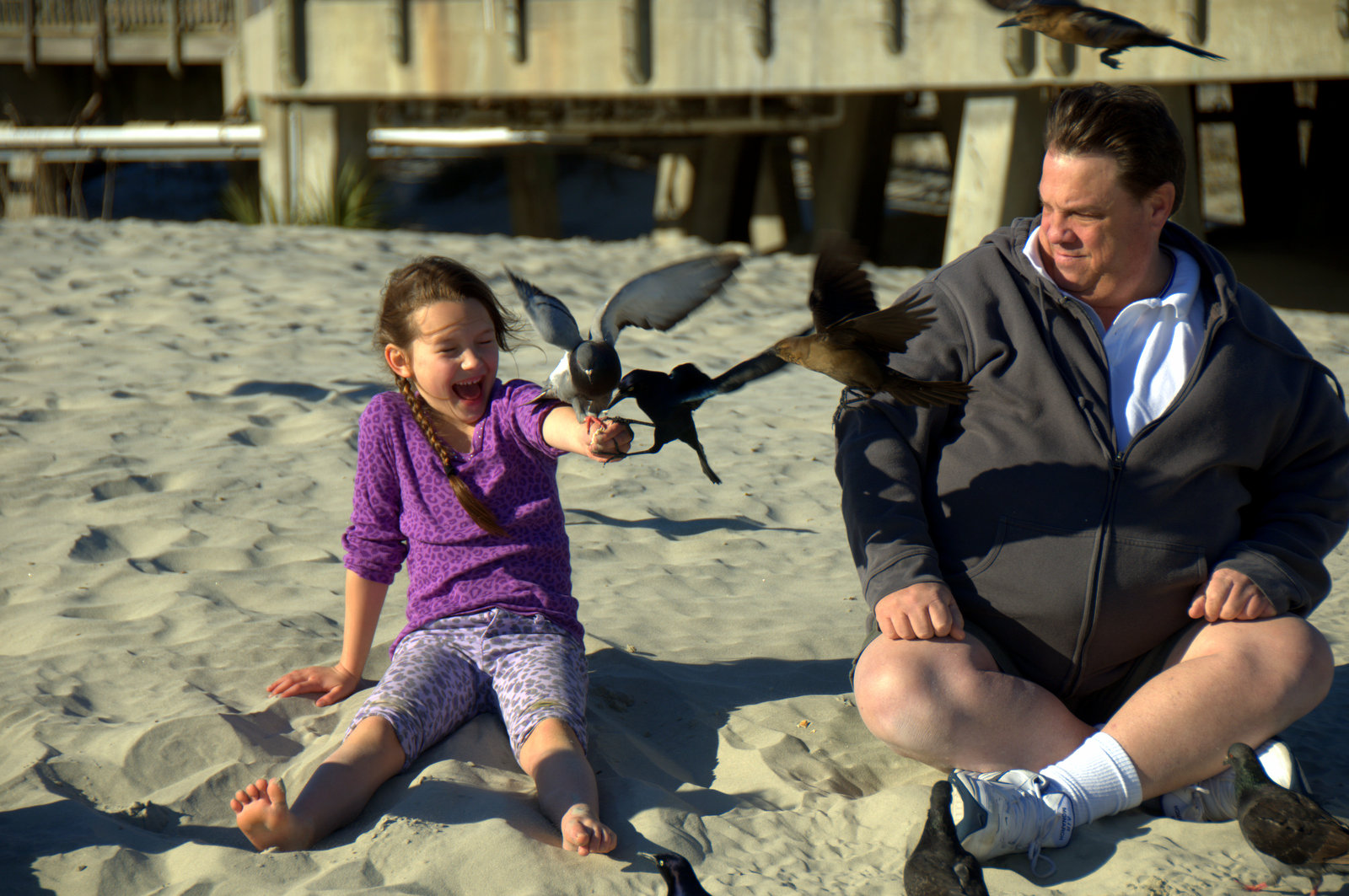
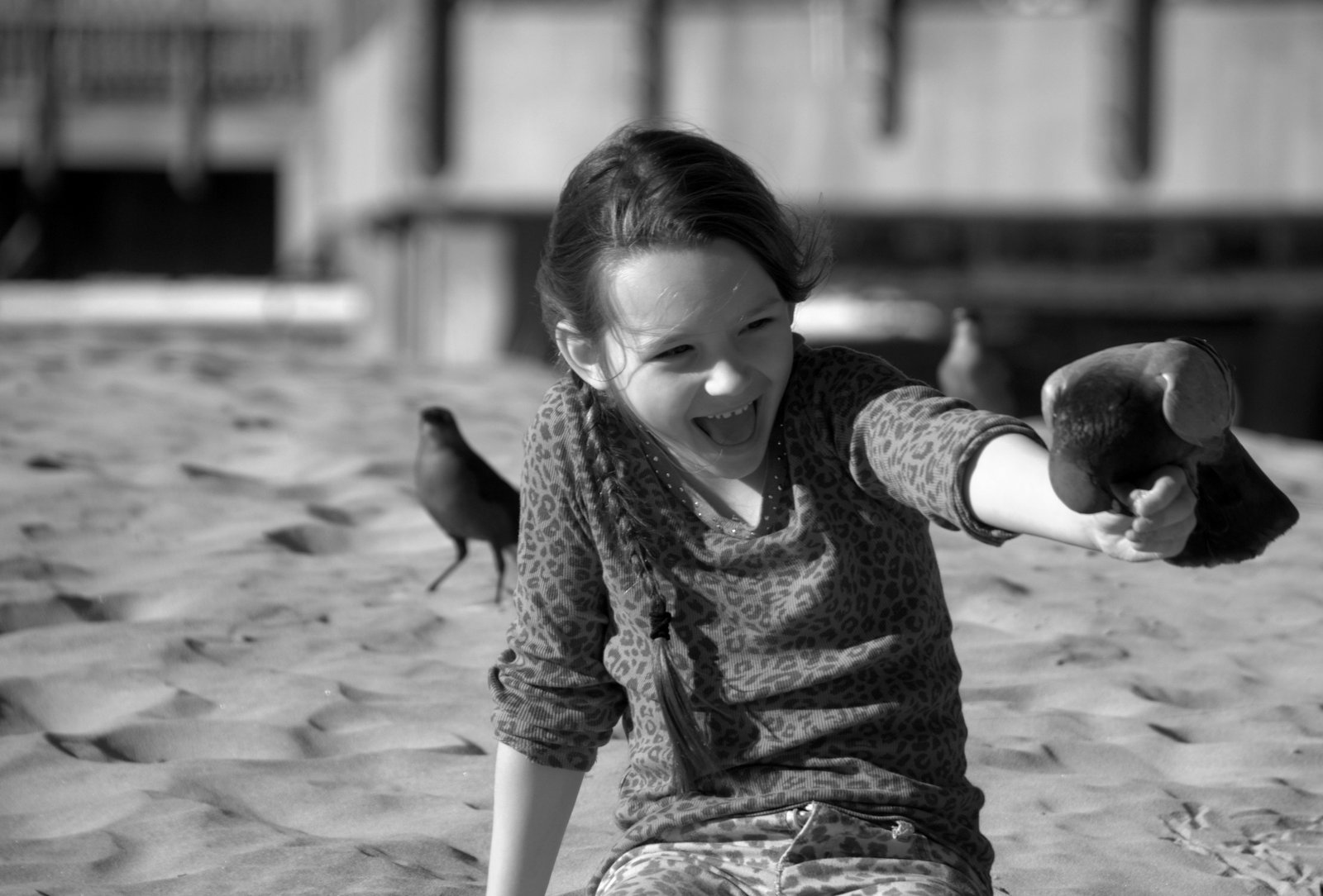
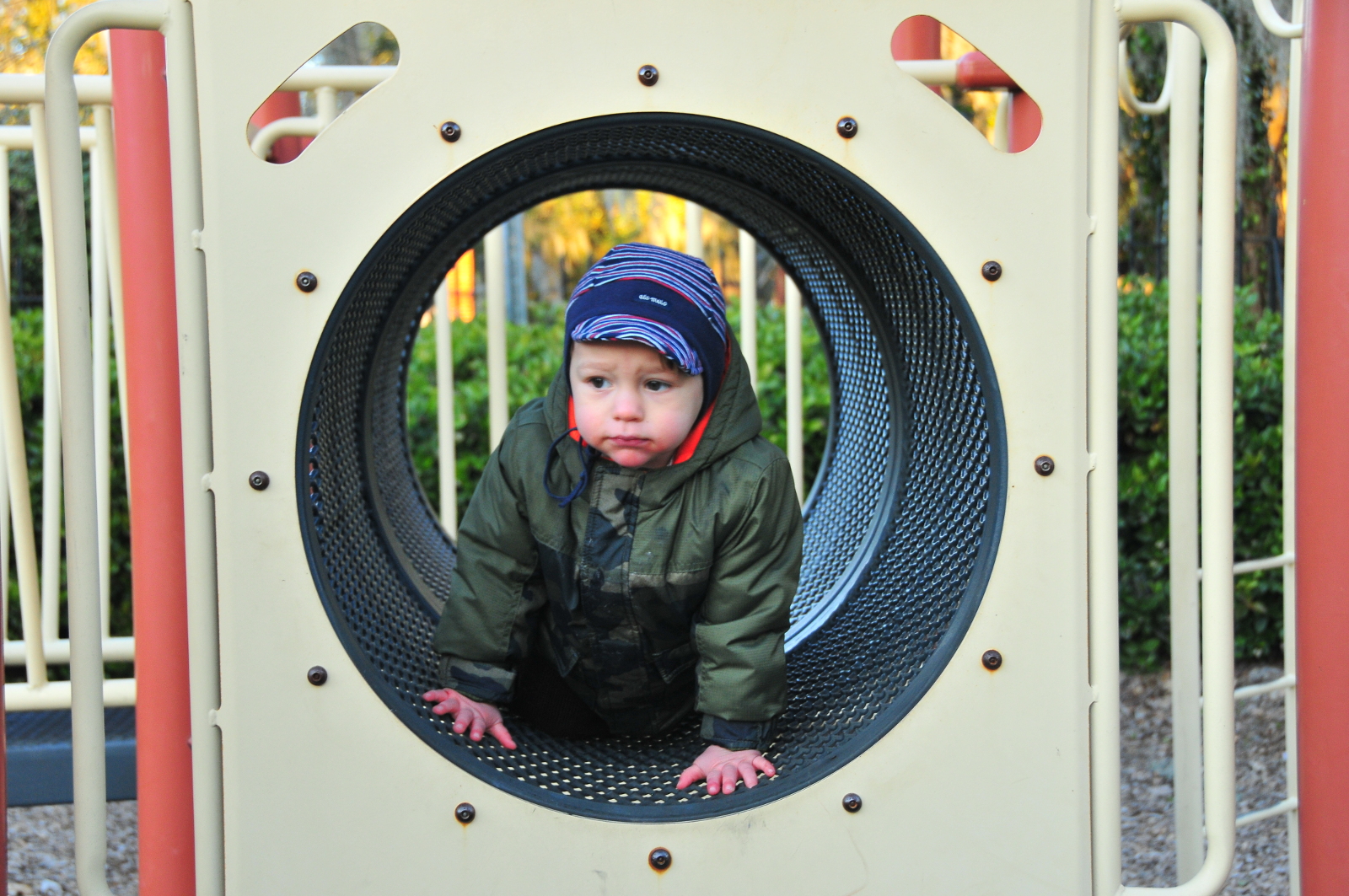
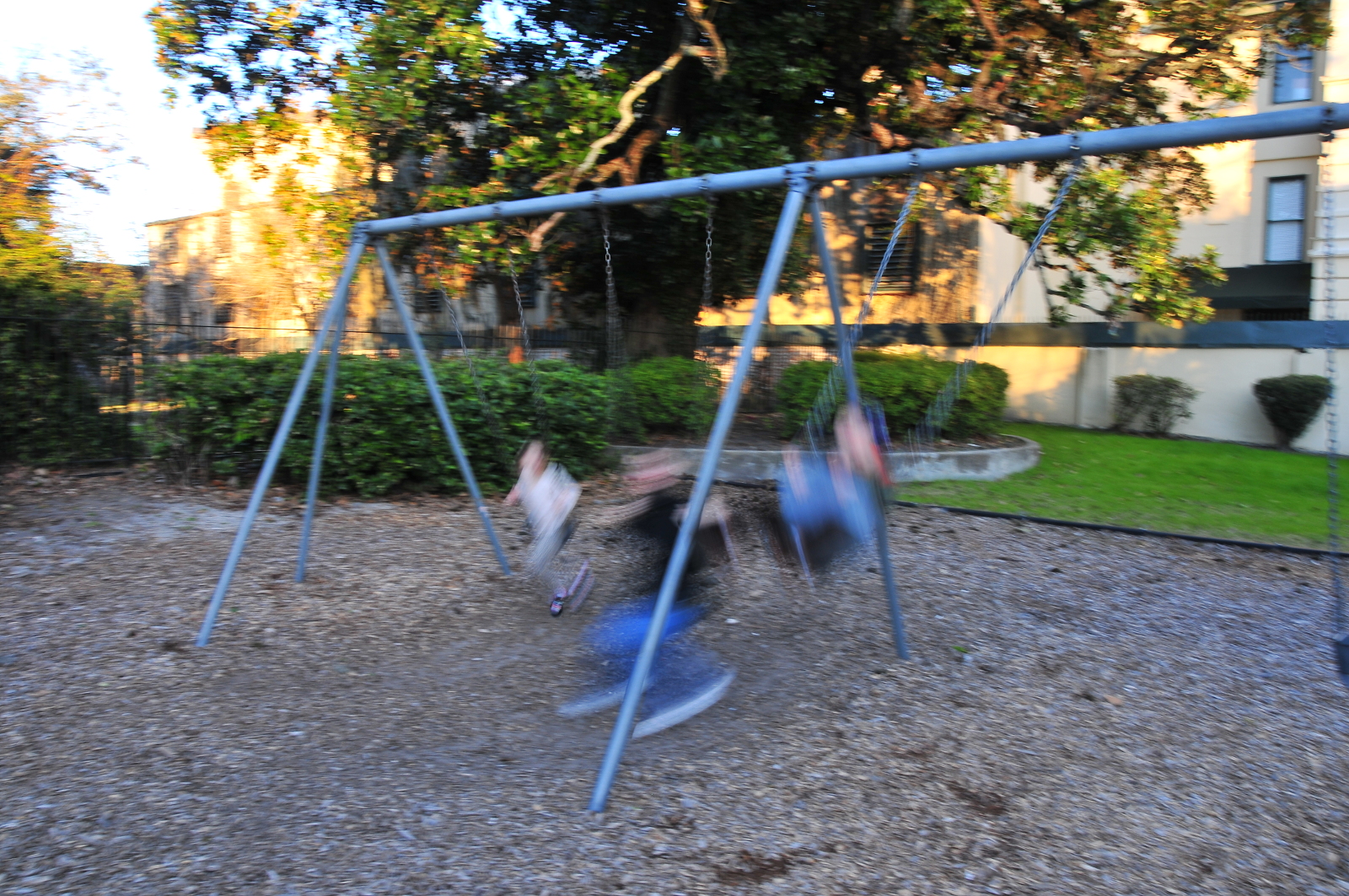
A playground next to a cemetery with Revolutionary War era monuments, the monuments worn illegible by centuries of rain and wind, surrounded by live oaks, the playground itself surrounded by magnolias and littered with Spanish Moss, with church bells ringing in the distance — it all seems prototypically southern. E and I spent an hour in such a playground this morning while everyone else was in Mass: the Boy just didn’t want to cooperate, and the lack of a viable way to isolate his fussing (i.e., a crying room) left me with few alternatives. We walked out of the church and within moments found ourselves at a playground beside Colonial Park Cemetery. E climbed and swinged, jumped and slid, and then we went for a short walk along the oyster-shell paved walk of the cemetery.
An ironically unplanned place for E and me to start our second day in Savannah for a number of reasons, not the least of which was the fact that our first site to see was Bonaventure Cemetery, the largest graveyard in the area and likely one of the largest in the south, famous from its staring role in Midnight in the Garden of Good and Evil. The plan was simple: the Boy could sleep, and indeed he drifted off as we drove there, and we would have a chance for a pleasant walk in a lovely cemetery.
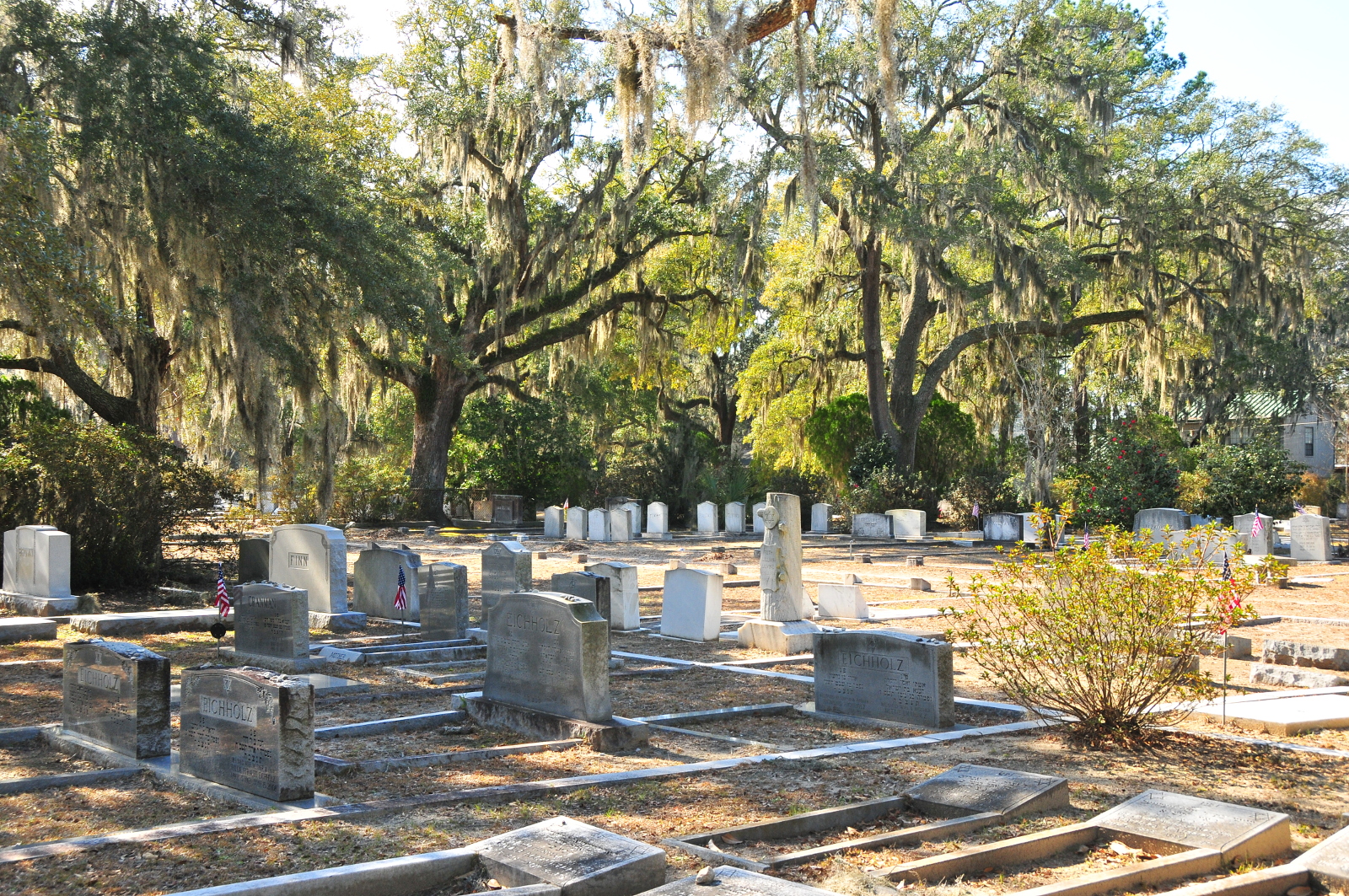
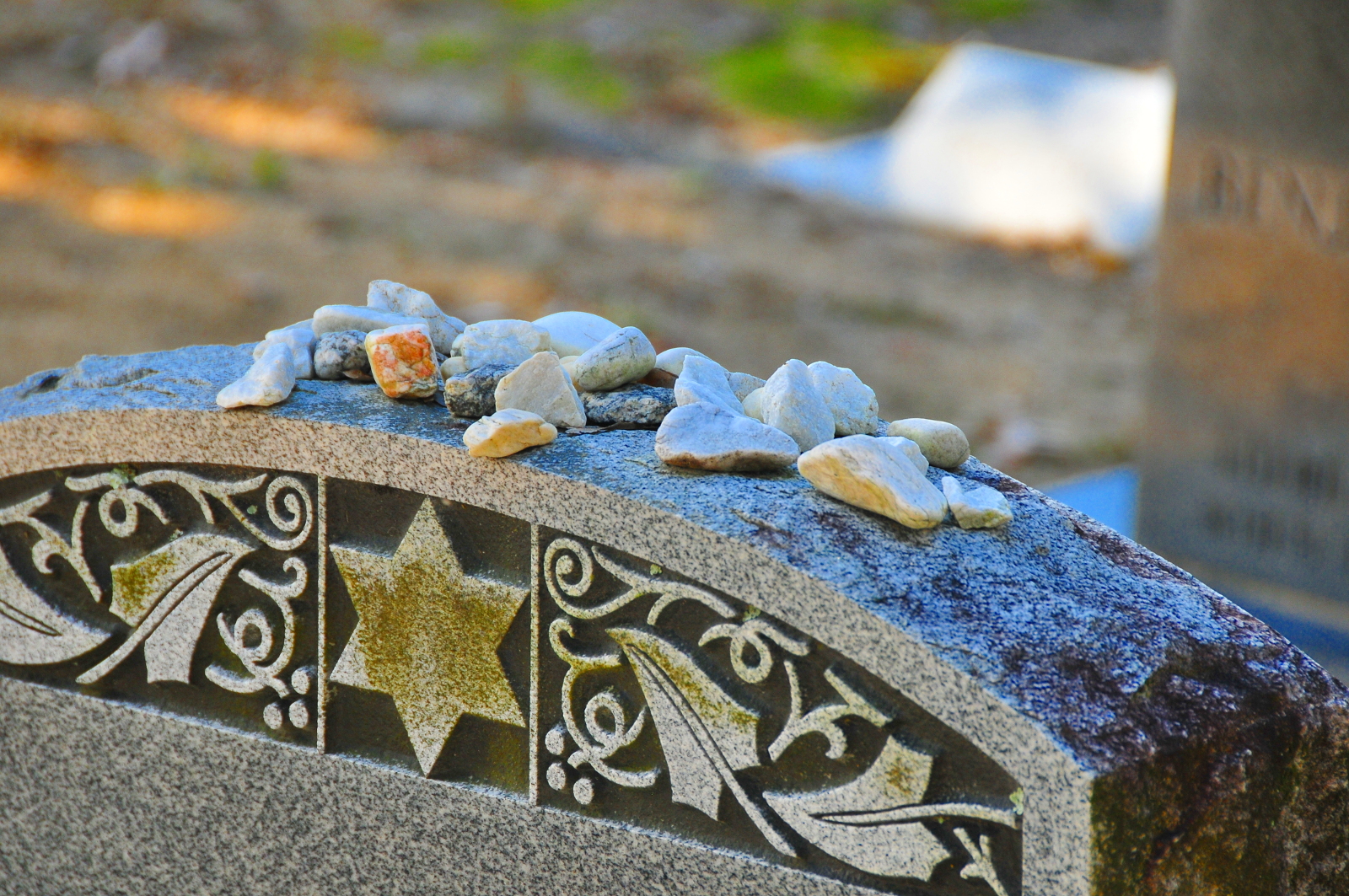
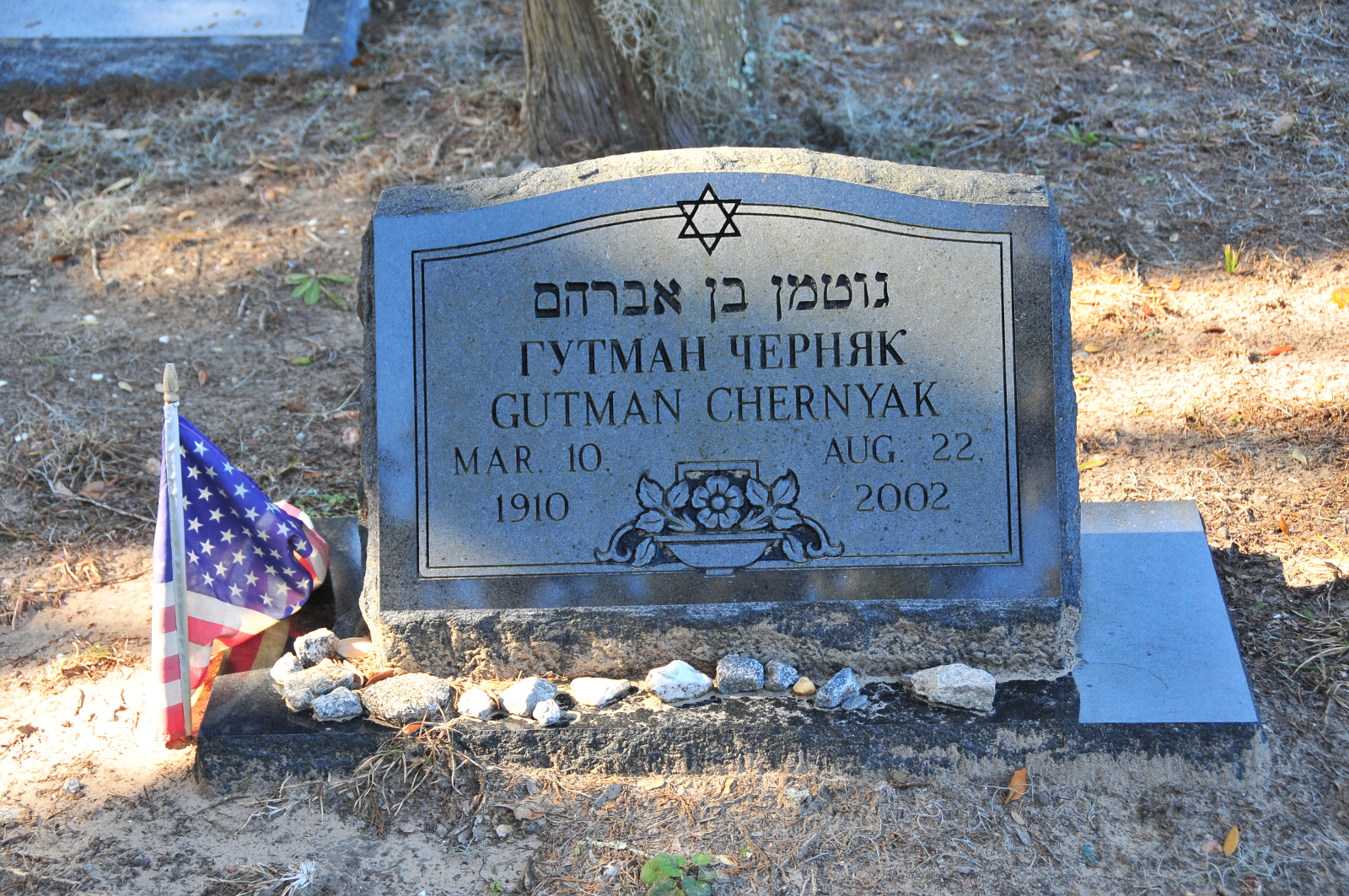
Cemeteries always hold surprises, and Bonaventure didn’t disappoint in that regard given the number of Jewish graves with Jewish and even Cyrillic inscriptions. L and I walked about with Babcia, commenting on the typically Jewish surnames we were discovering (Singer, Rosenberg, Goldstein, Cohn) and the tragic-comic nature of so much Jewish literature.
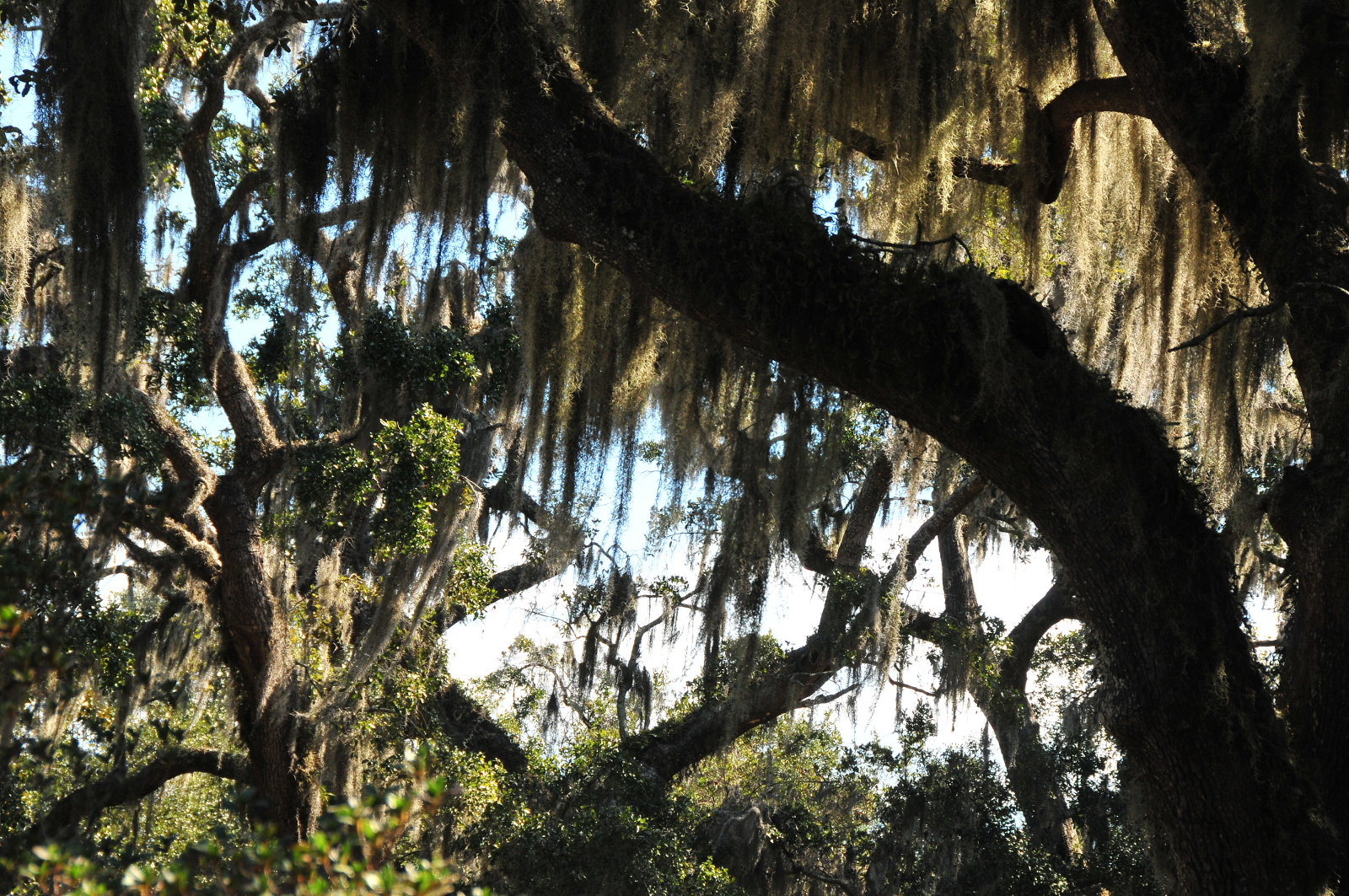
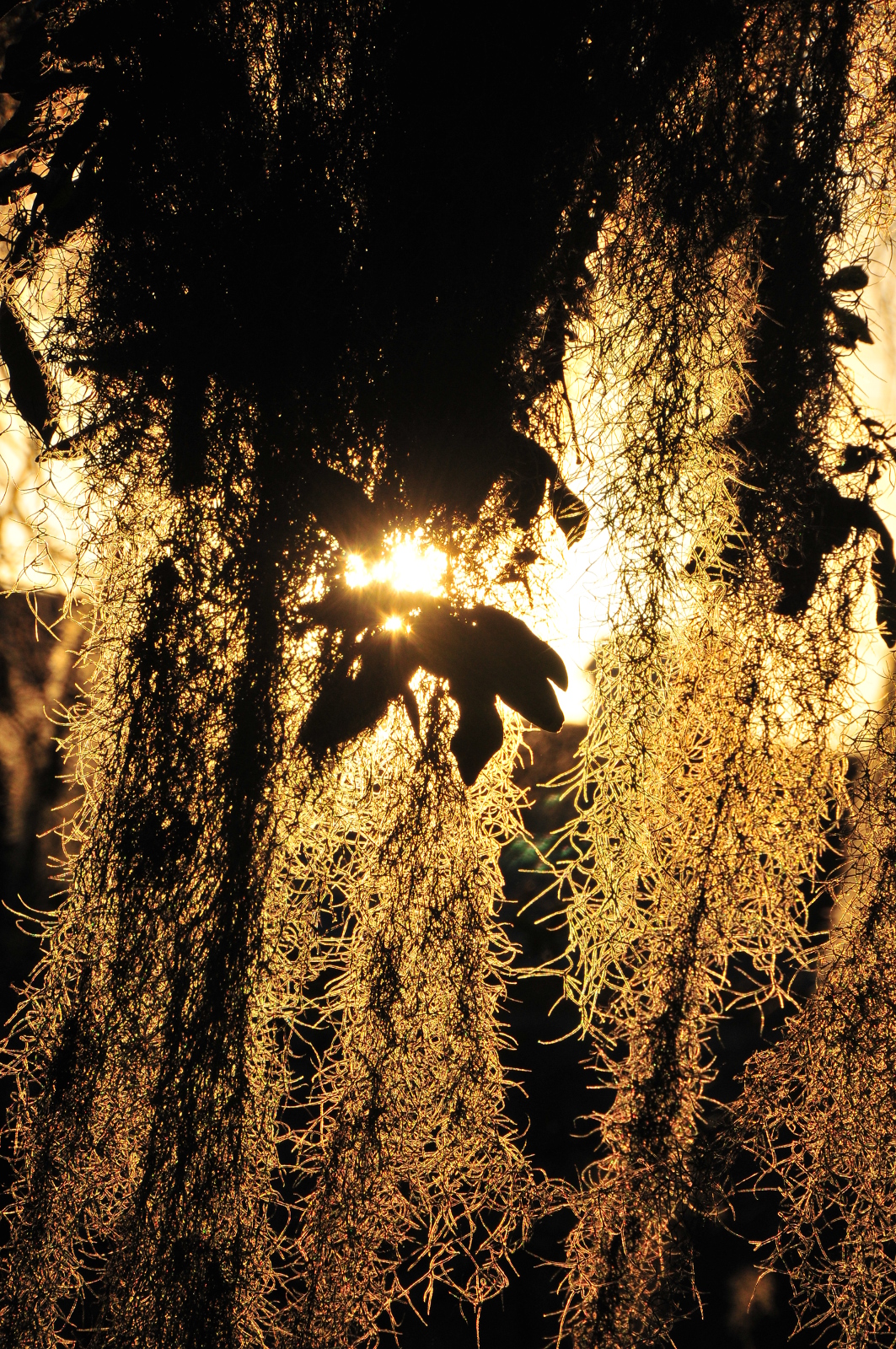
The sunlight filtering through the Spanish Moss hanging on the countless Live Oaks cast a soft hue on everything and made it a perfect place to sit and perhaps read a book or chat about things of real importance, but we had a schedule and, once he woke, a hungry boy, so after Babcia and K triangulated and positioned themselves (it was imperative that Babcia call and ask her now-famous question, “Gdzie jestescie?”), we headed to the historic district for lunch and a walk.
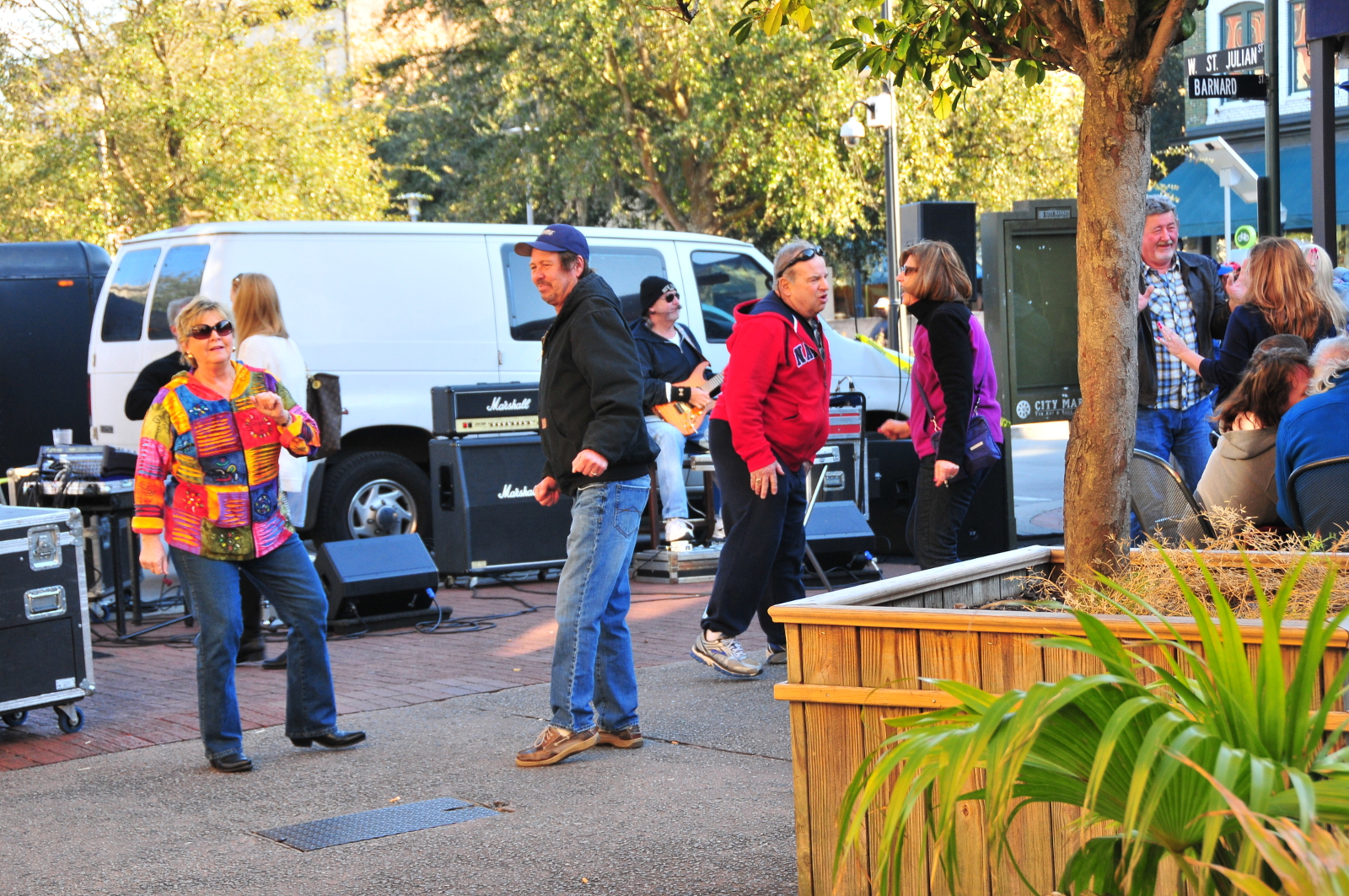
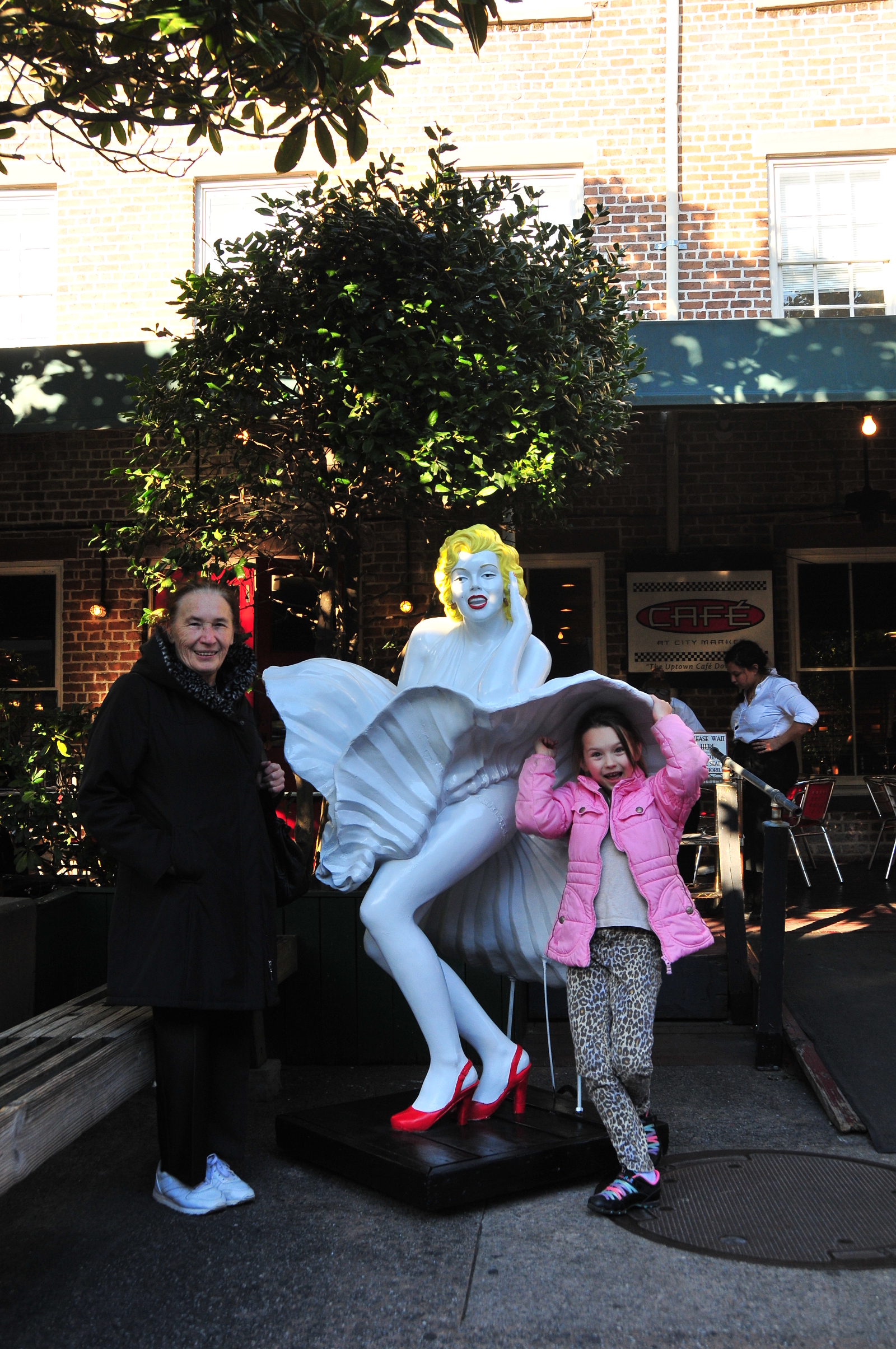
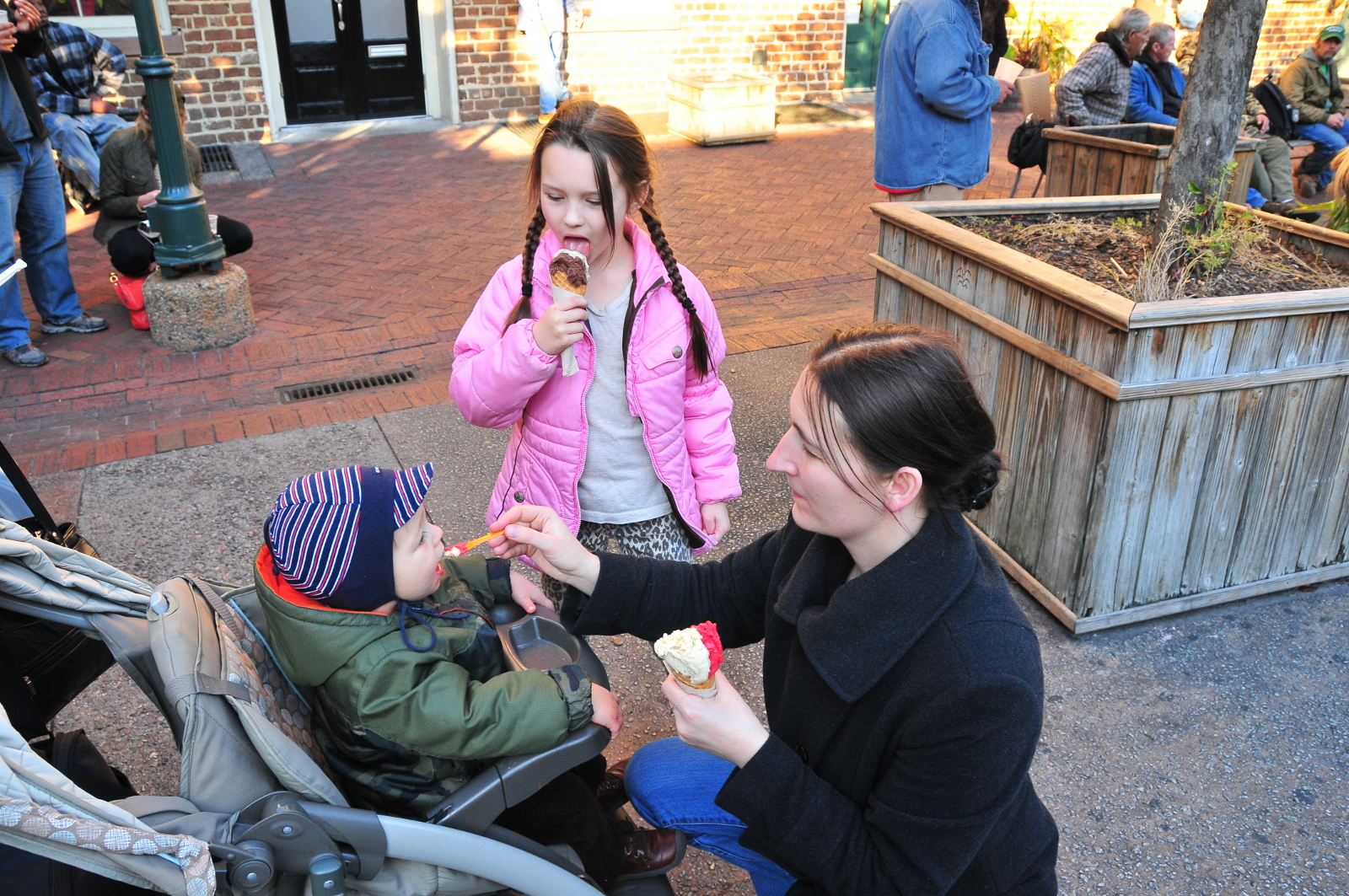
The former was a disaster at the over-price, over-rated Shrimp Factory that seemed to have irony on the menu (my jambalaya had microscopic shrimp that were few and far between) and slow service as the soup of the day. The latter was what could be expected in the most charming little city in the South. A riverside walk, wandering through streetside cafes (why didn’t we eat in one of them?) with various buskers and plastic sculptures (what an odd combination, but there they were, opposite each other), and ice cream shops open in mid-January all soon put us in better spirits. What’s not to love about Savannah, after all? It’s the perfect tourist destination: small, wrapped in history, dotted with countless squares — and high real estate with no jobs for anyone, Babcia and K would add. Perhaps that’s how the locals keep the average tourist from thinking the inevitable: what if we could move here?
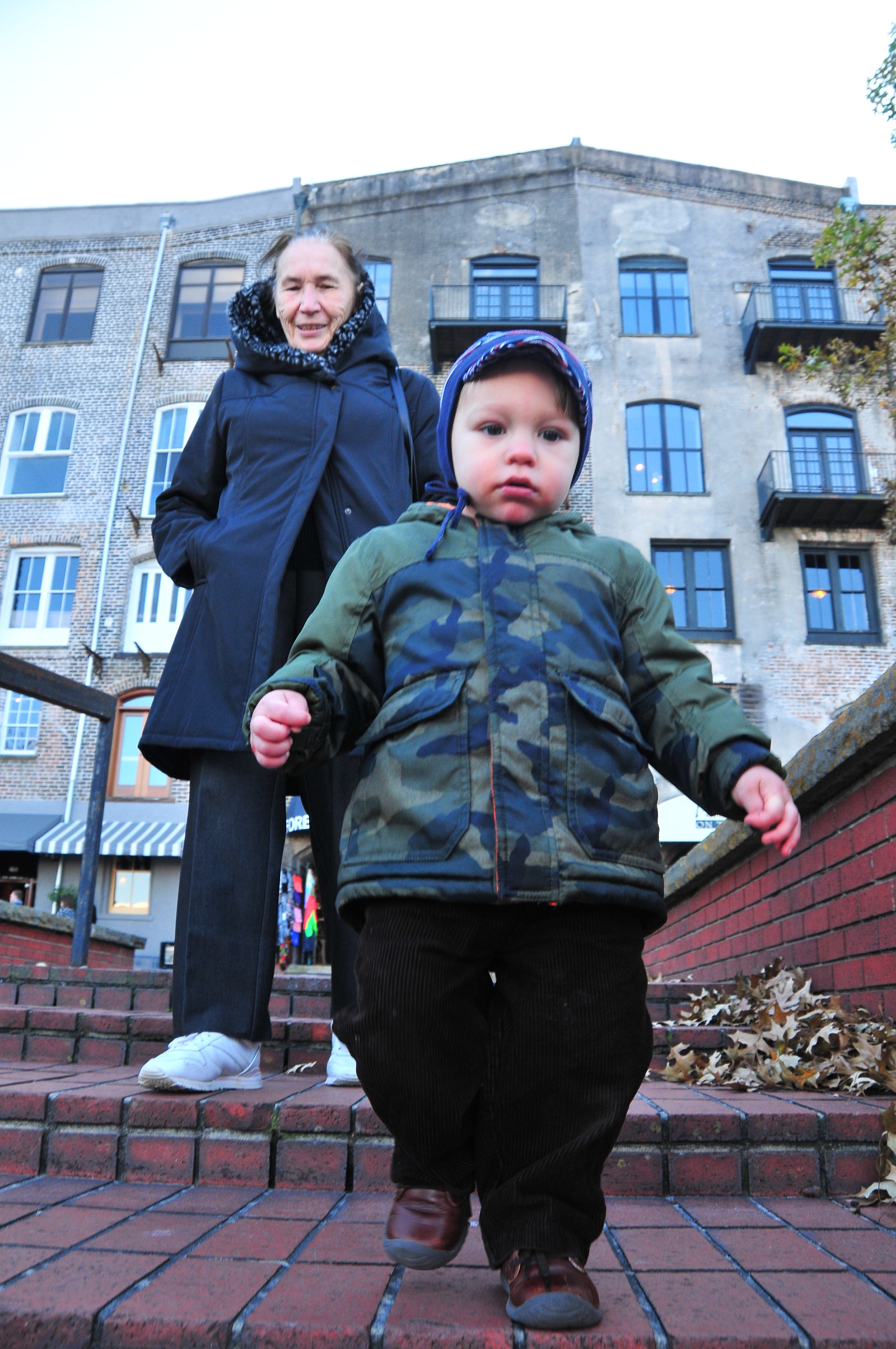
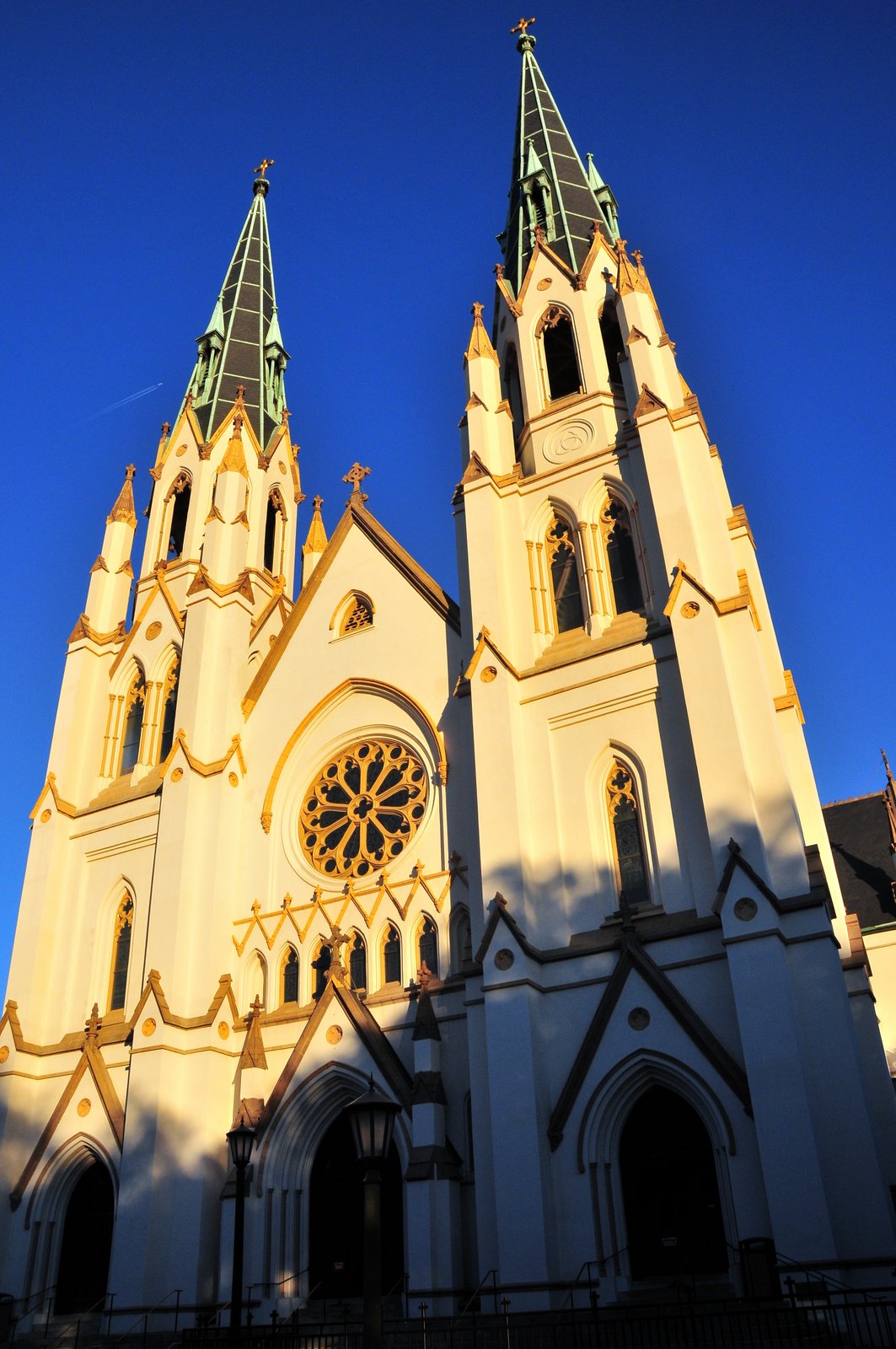
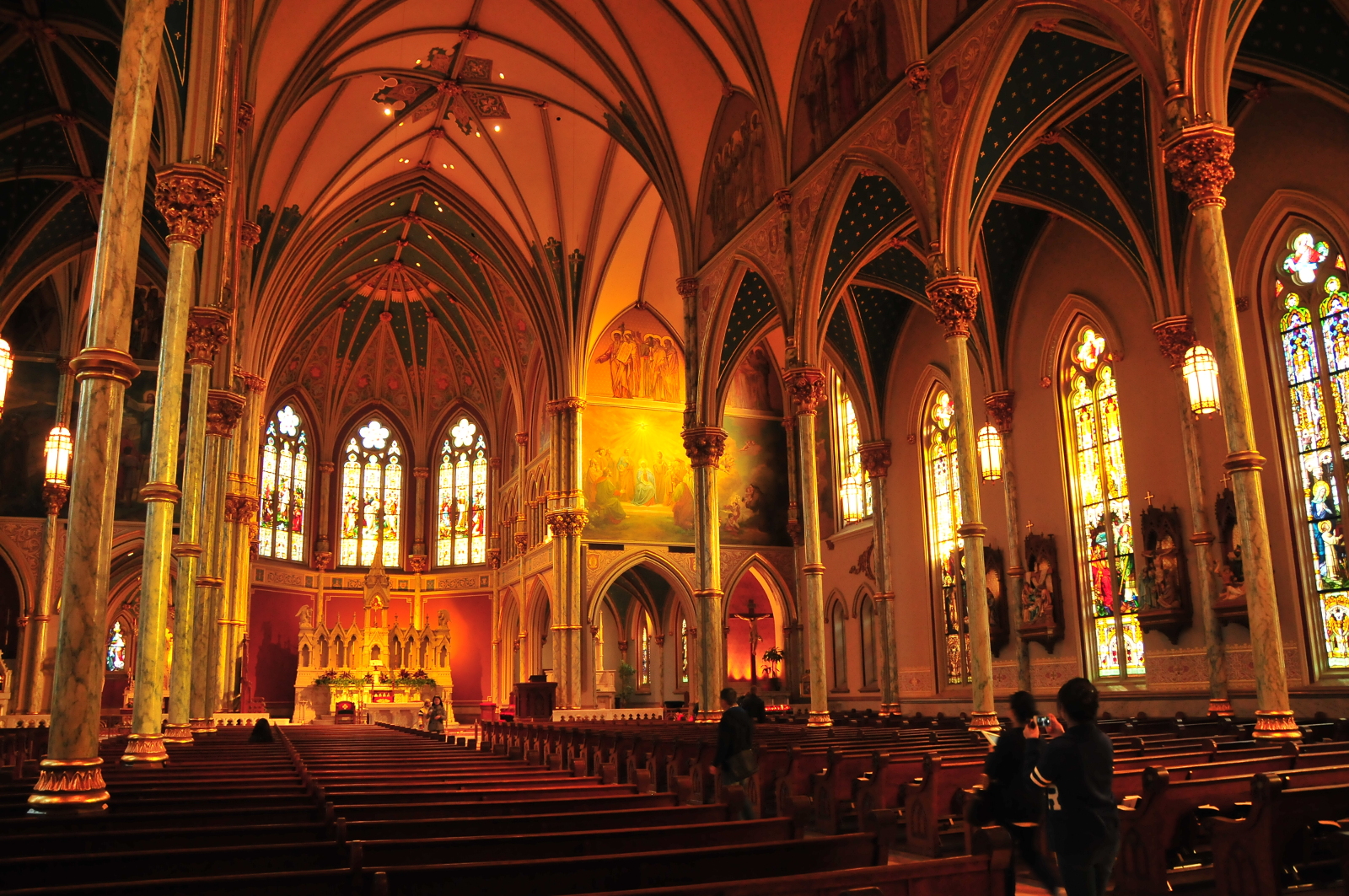
As the sun cast increasingly longer shadows and the chill returned to the air, we realized we were back near the church where we’d begun our day. K and Babcia took the kids to the playground where E and I started the day and I headed back to the Cathedral of St. John the Baptist, a church that actually looks, sounds, and feels like a church, with mult-level vaulted ceilings, sculptures of saints, stained glass, an enormous organ, and an echo.
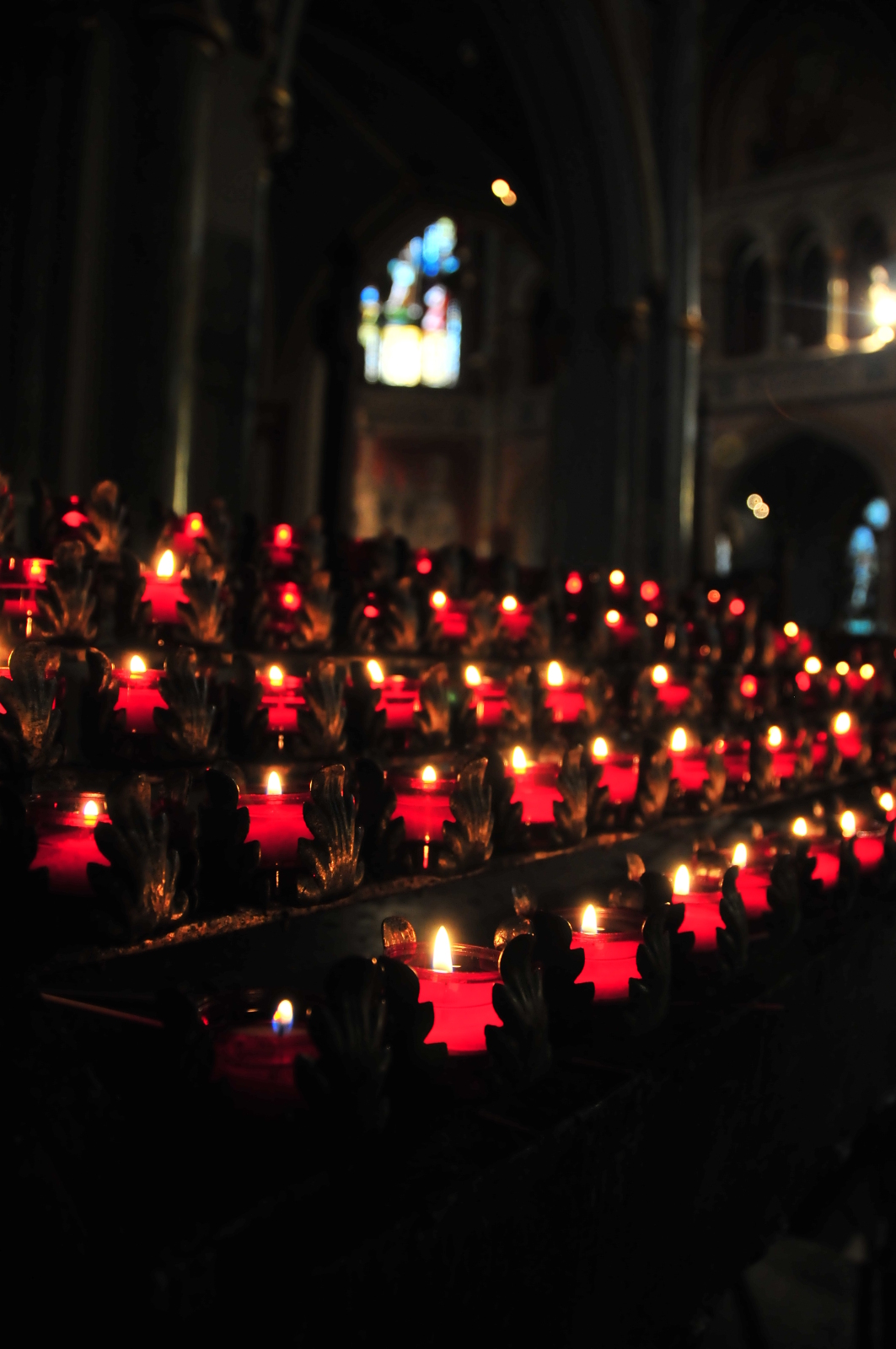
I headed back to the others, played with the kids a bit, and returned to the cemetery, this time with a camera, the sun once again filtering through the Spanish Moss but this time from the opposite direction.
Dear Hotel Management:
When you said you have free Wi-fi, I took you at your word and assumed that by “Wi-fi” you meant a wireless internet connection with speeds comparable for, say, 2008. I mean, it is a hotel and the internet connection is free: I wasn’t really expecting blistering speed. On the other hand, I also wasn’t really expecting a throw-back to the early 1990’s when dial-up bulletin board sites were the precursor to the internet and sometimes had speeds as low as 300 baud. In half an hour, I couldn’t even upload a single picture.
Talk about first-world problems…
Regards,
Your Customer
While we were in Poland, we took a train ride on a relatively old-fashioned train.
I’ve only now been getting around to the videos from Poland.
The first time I approached the cemetery in Lipnica Wielka, it was November of 1996, and I headed up for my first experience with All Saints’ Day in Poland.
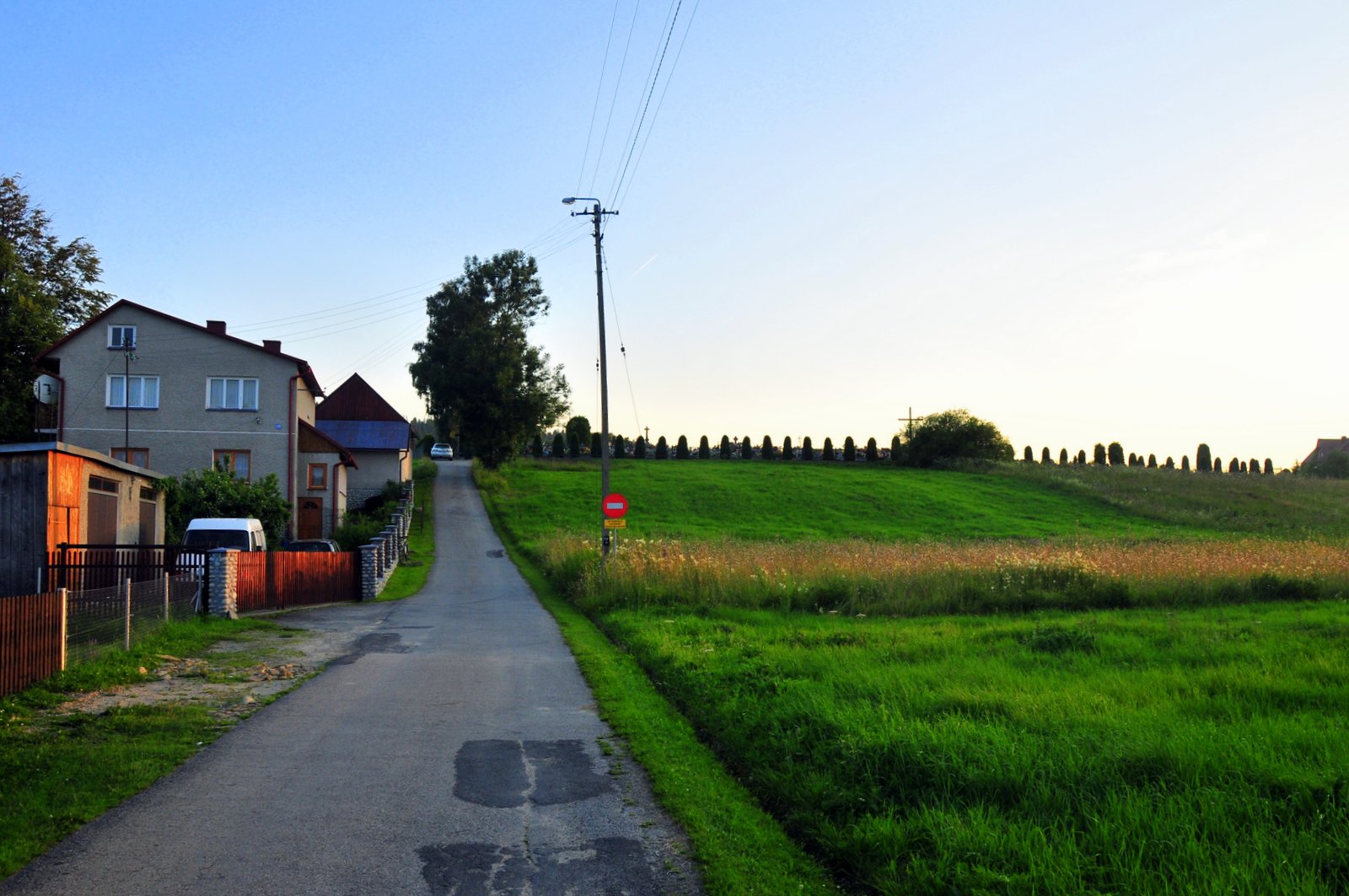
I took pictures and made mental notes for my journal:
I left my apartment around 4:30 and headed up to the cemetery to witness my first All Saints’ Day in Poland. I weaved my way through the maze of mud puddles that serve as my front yard and made it to the road, and suddenly it was if I was in Kraków instead of Lipnica. The street was filled with people, all leaving the cemetery as I made my way to the cemetery. I felt like the one Israelite who might have decided to turn back in the middle of the exodus. With my camera in hand and a bewildered look plastered across my face, I surely looked like a fool. But I didn’t care, for I was about to experience something I had heard about since arriving in Poland. (November 1996)
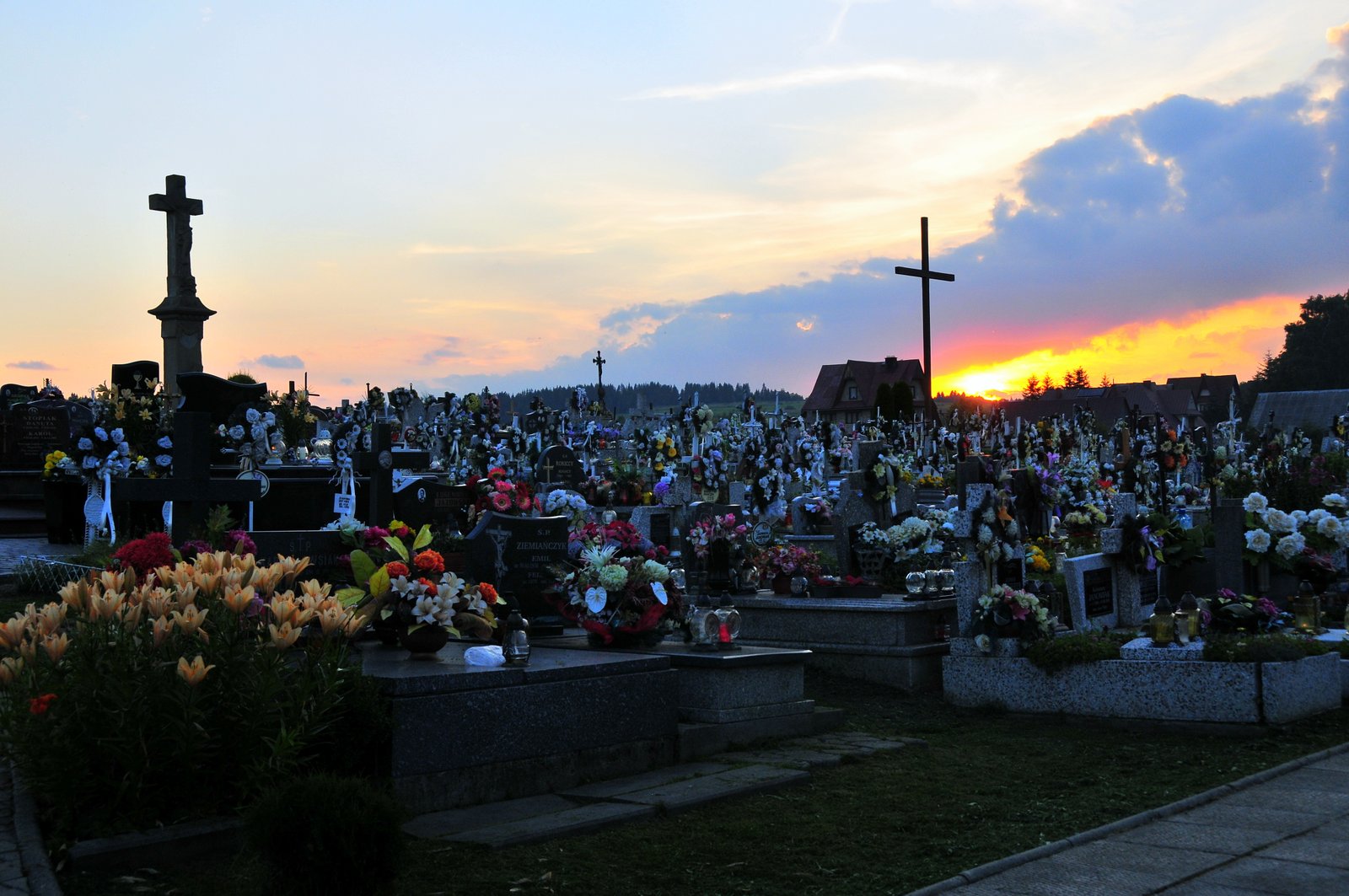
It was the first of many visits, for I found myself strangely drawn to the cemetery as the sun set. Summer sunsets were the best, giving Babia Gora just a touch of golden haze, but any sunset cast a lovely light over the headstones.
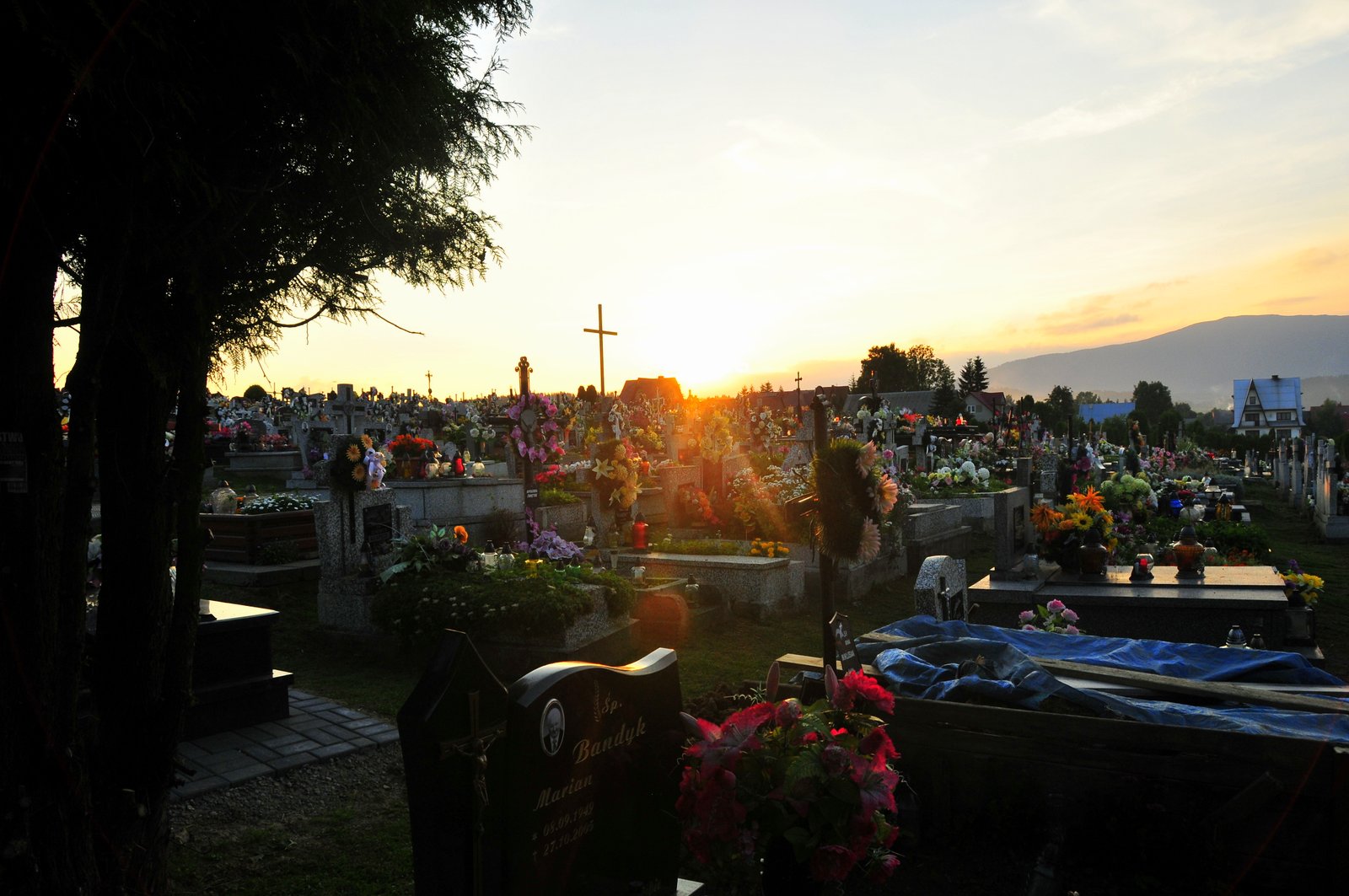
From the cemetery’s small hill, I could see all of the central area of Lipnica Wielka — centrum as it’s known — and that somehow gave me a sense of peace and belonging that other views lacked. Indeed, it was odd for me that from the first time I ever attended the cemetery prayers and processions of All Saints’ Day, this plot of land filled with the remains of total strangers became a place of peaceful retreat. I never imagined I’d really have a personal connection to it. After all, I taught high school, and most of my interactions were with students: how often do high school students die? All the teachers at the school were young: what were the chances of some random accident taking one of them? No, I never really thought that I would think of Lipnica’s cemetery as much more than a quiet place of reflection.
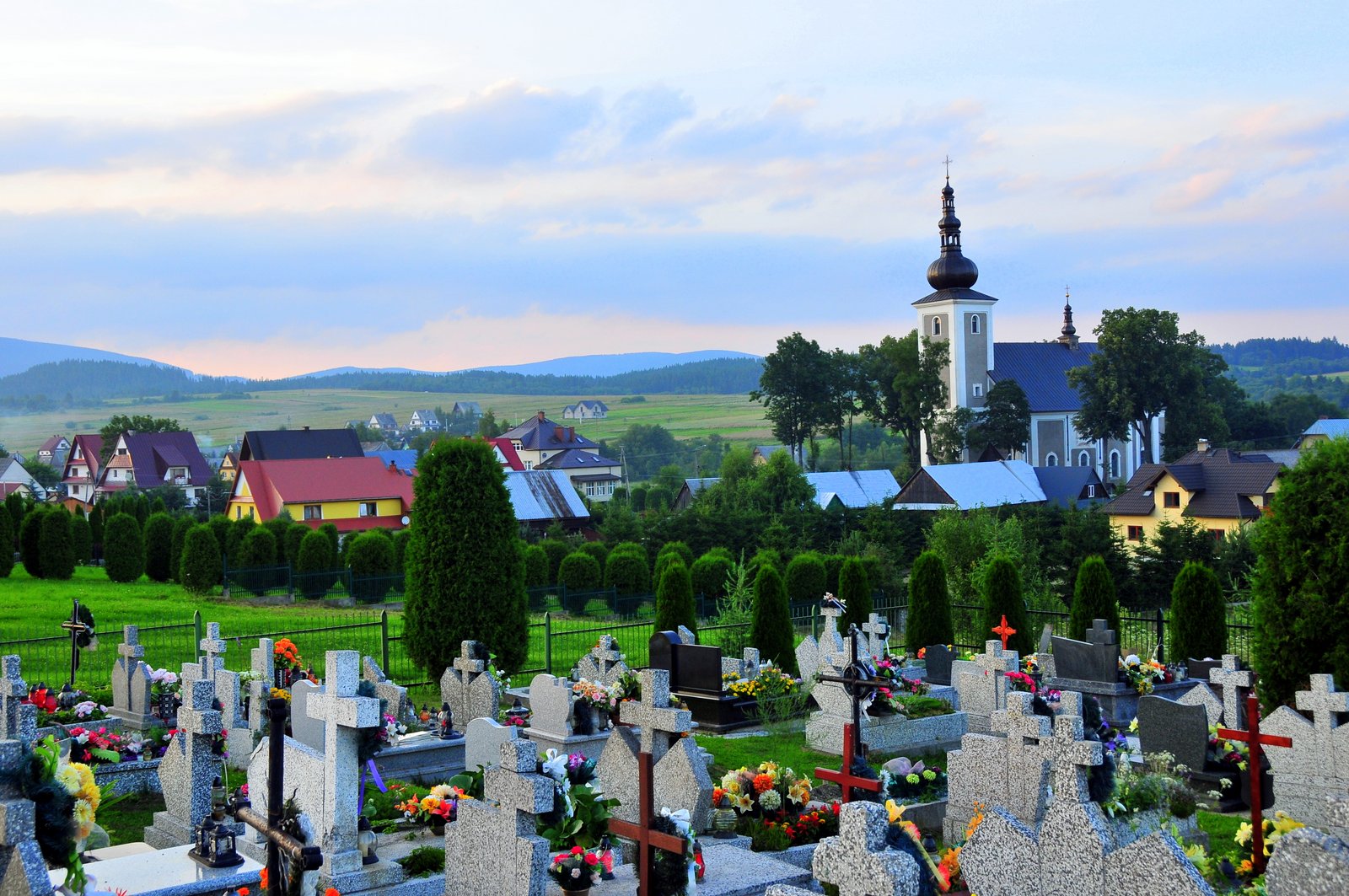
Yet that was just what happened. Disease, accident, and tragedy claimed several students’ lives during my time there.
The first was a girl named Halina. She wasn’t actually from Lipnica, but she was living at a rehabilitation center at the top of the village, just below Babia Gora. It was a center the Duchess of York had established for children recovering from the barrage of chemicals and radiation used to treat cancer. Halina was eighteen but trying to complete her first year of high school in Lipnica. Just before Christmas break, Halina disappeared. Several weeks later, during the two-week inter-semester winter break, I ran into the director of the rehab center.
“Halina died,” he said abruptly.
As she was from the west of Poland, several hours’ travel from Lipnica, I was unable to attend the funeral, and I’ve never visited her grave.
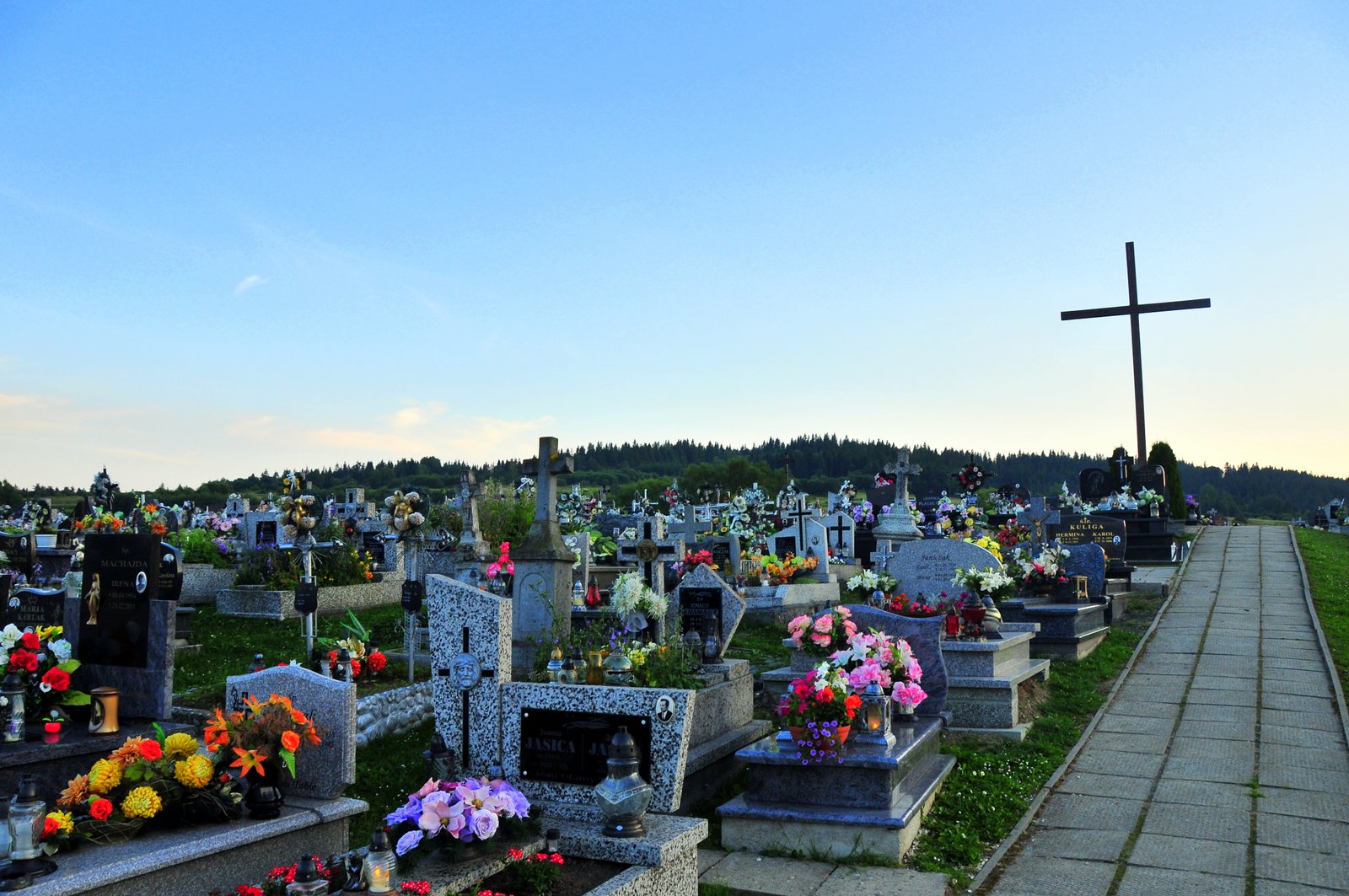
The cemetery was one of the last places I managed to visit during our 2013 trip, though. Â I’d come to pay respects to those students who’d died after the shock of Halina’s passing.
It took me little while, though, to realize how much had changed. The last remaining tree in the cemetery (a large evergreen) had been chopped down — a negative change. It always amazed me how the light of thousands of candles could illuminate the entire tree during All Saints’ Day, and that single tree, almost in the center of the cemetery, was a constant reminder of the renewal that follows death.
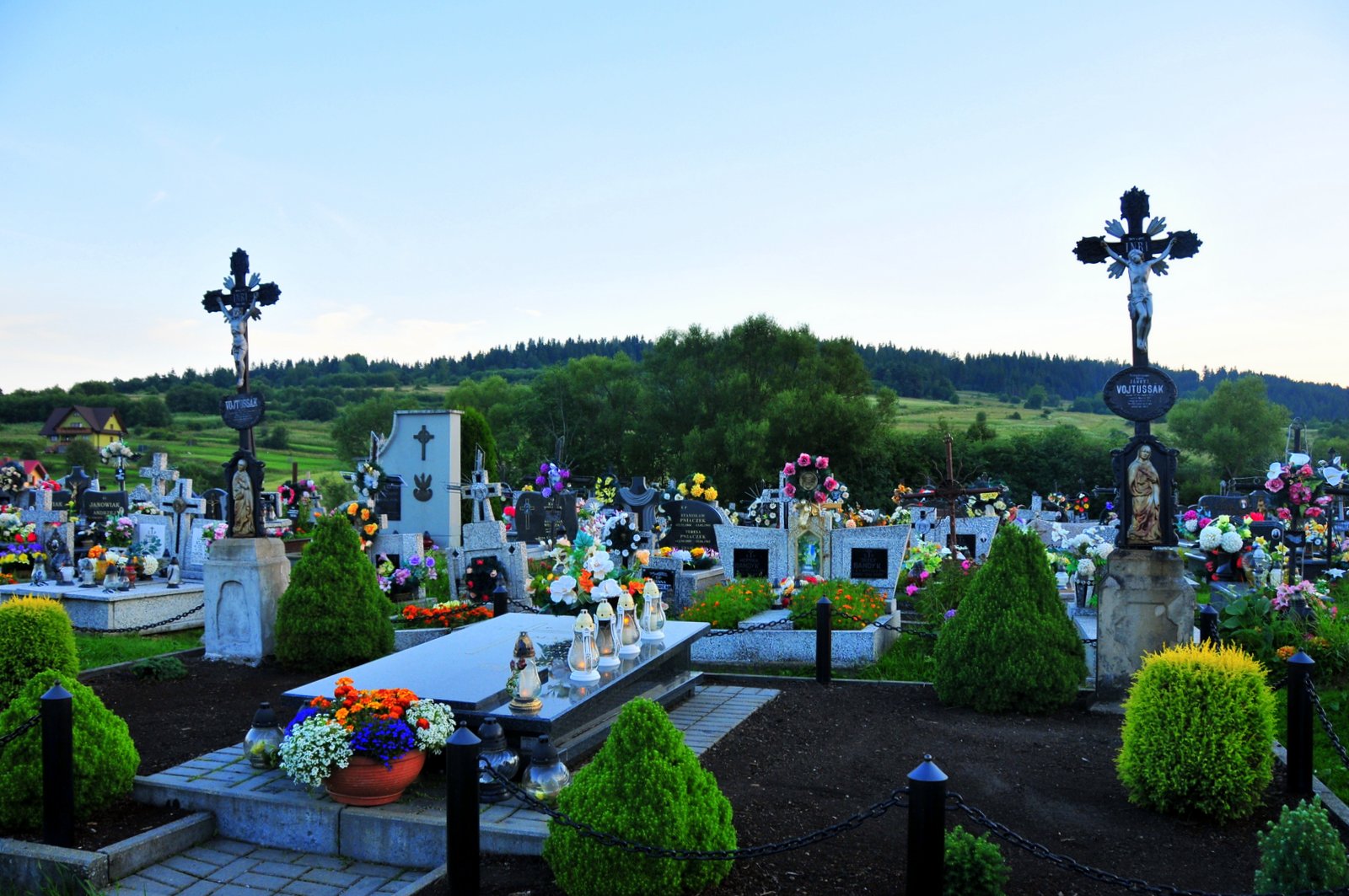
The chainlink fence around a small group of graves (including a couple of Hungarian markers) had been replaced with a modest chain barrier — a positive change. The two iron crosses, in the center of the cemetery but toward the rear fence, always stood out, and the chain link fence seemed an inappropriate addition.
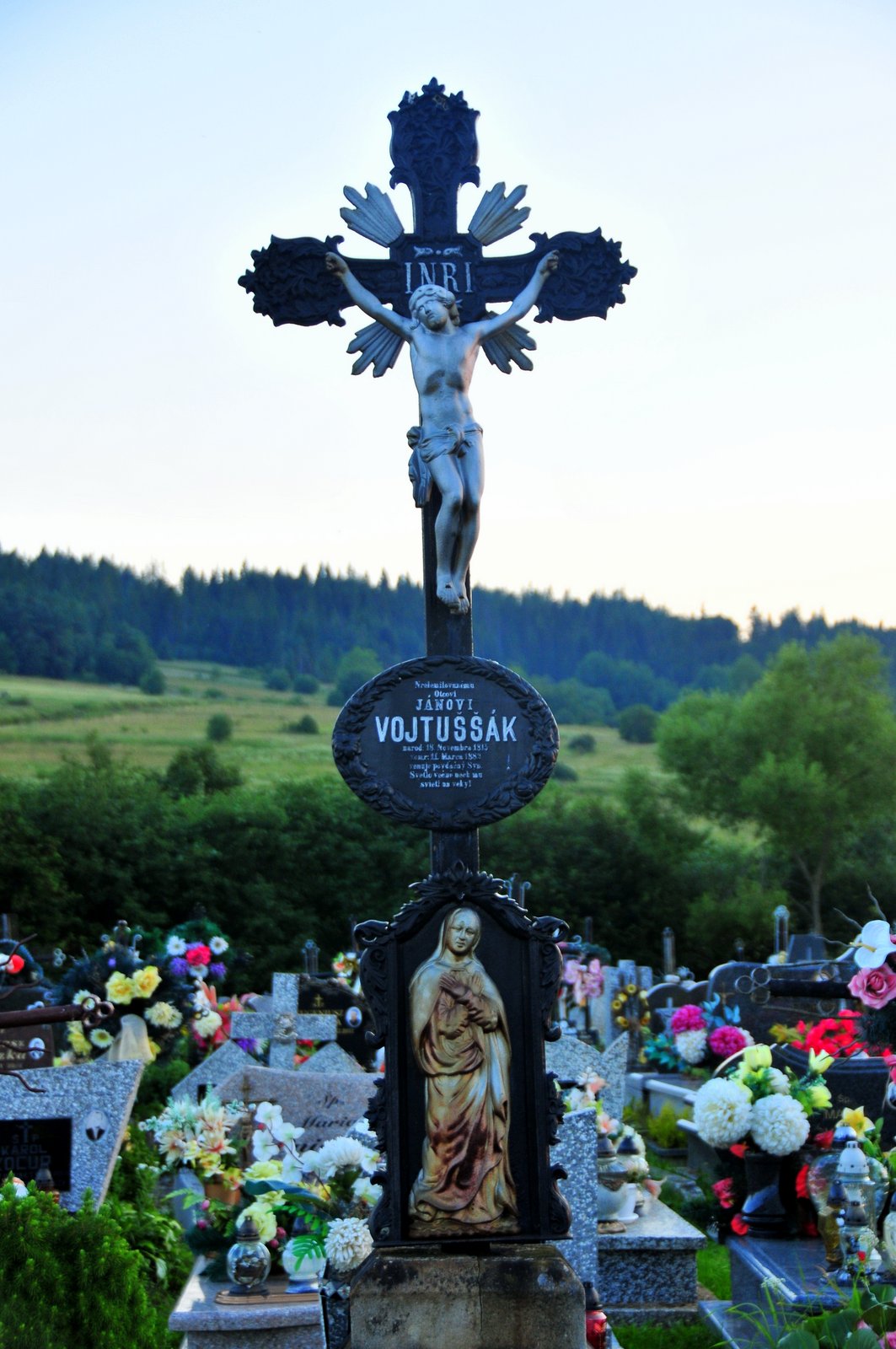
But I hadn’t come to see how much the cemetery had changed; I’d come to pay respects to three people, all of whom were taken entirely too soon.
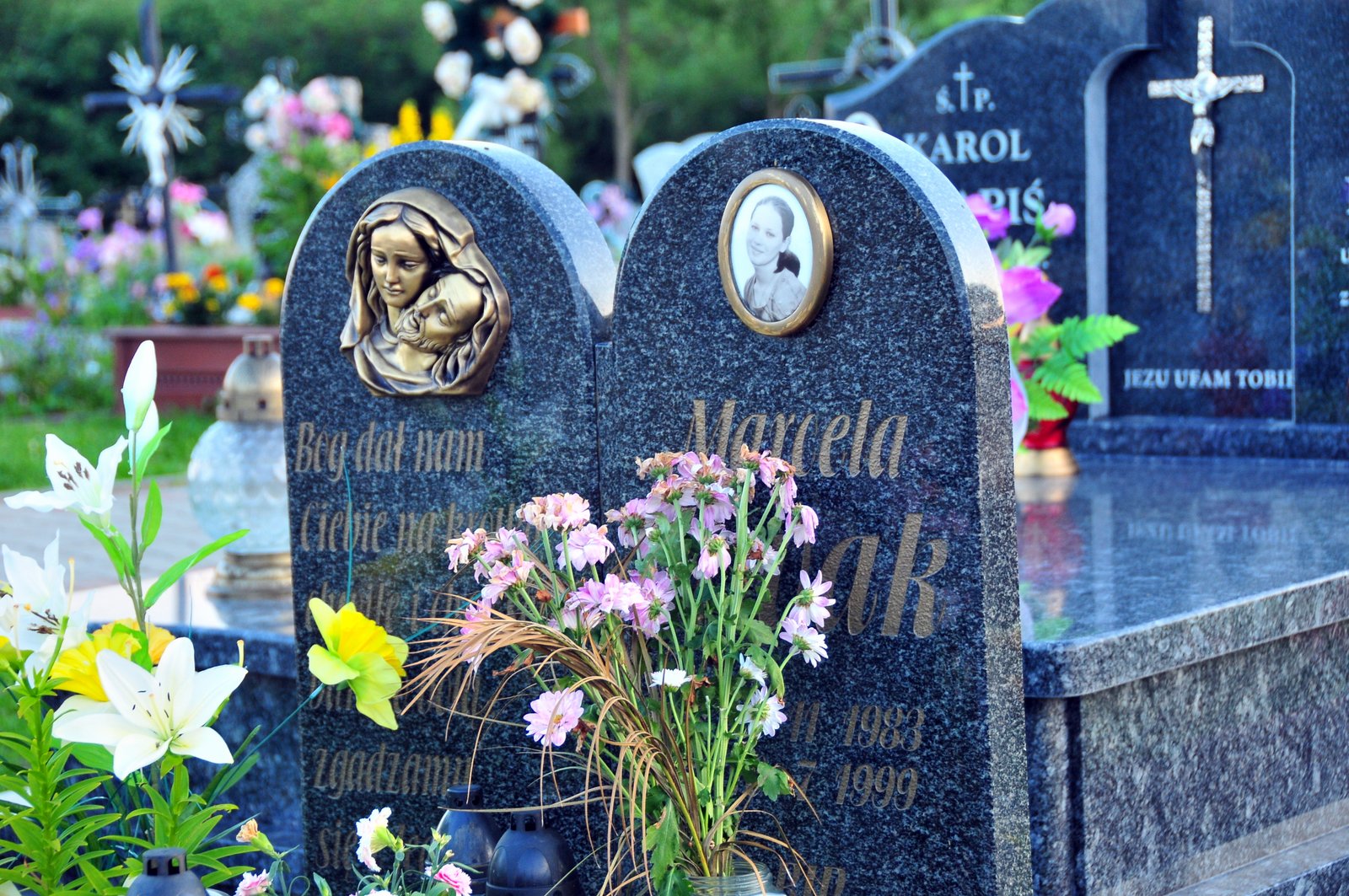
Marcela finished up her freshman year in high school as I left Poland in 1999. I didn’t know her well: I only taught her class a couple of times a week, and I worked with her for only that one year. But when, back in the States, I learned that she and another girl, also my student, had drowned while on a trip to the Baltic Sea, that small connection seemed much more significant. A young girl, on a summer trip, drowns: it seems to be almost cruelly ironic.
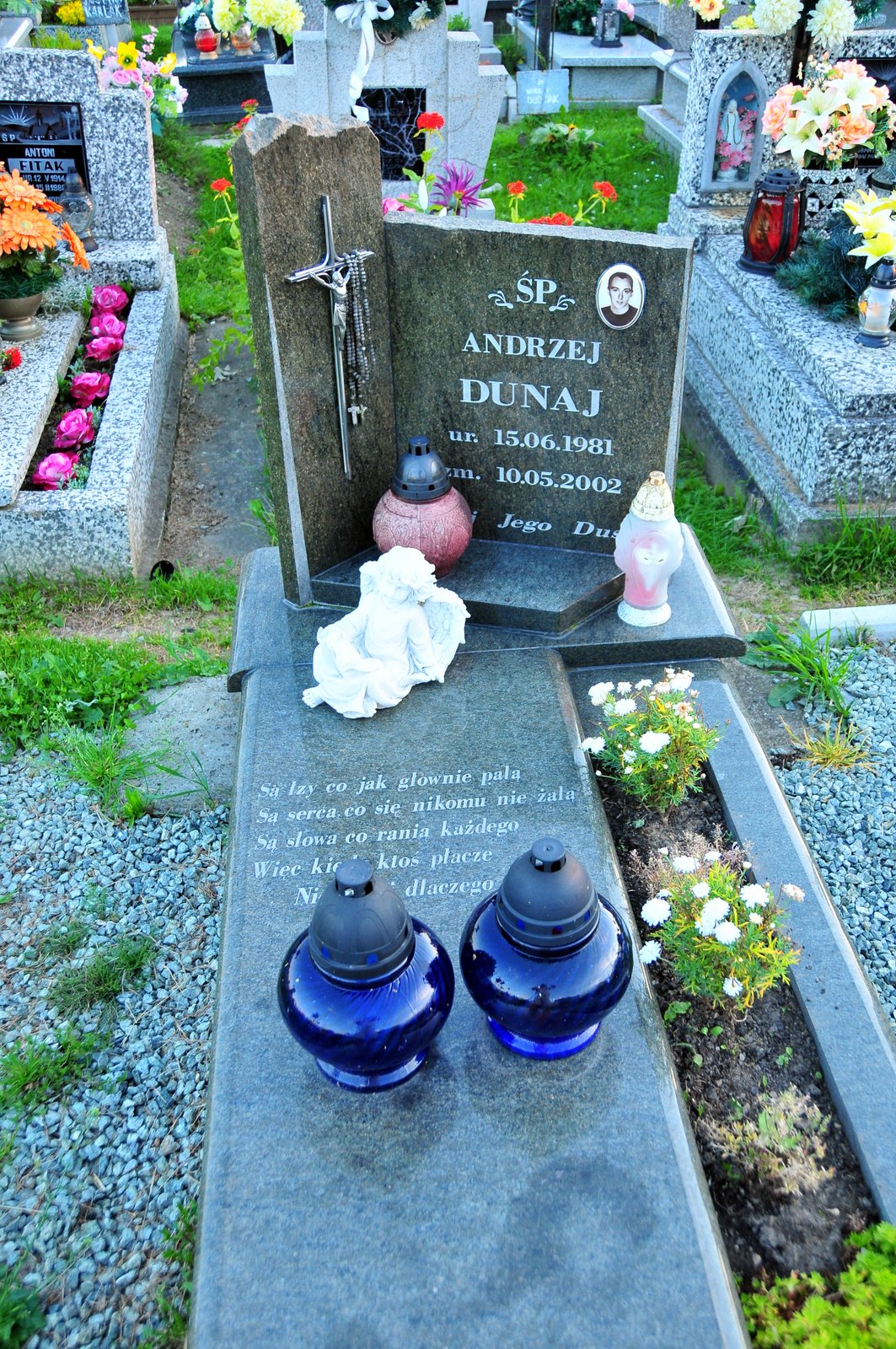
Andrzej I knew much better, though. I taught him for three years, and when I returned to Poland in 2001, he’d graduated high school and we developed a friendly acquaintance as adults. Andrzej was truly popular with everyone. I don’t recall ever seeing him do anything other than smile. His death in a farming accident shocked and shook hundreds of people: his funeral mass was standing-room only, and for many weeks after, whenever I wandered into the cemetery, someone would be standing at his grave.
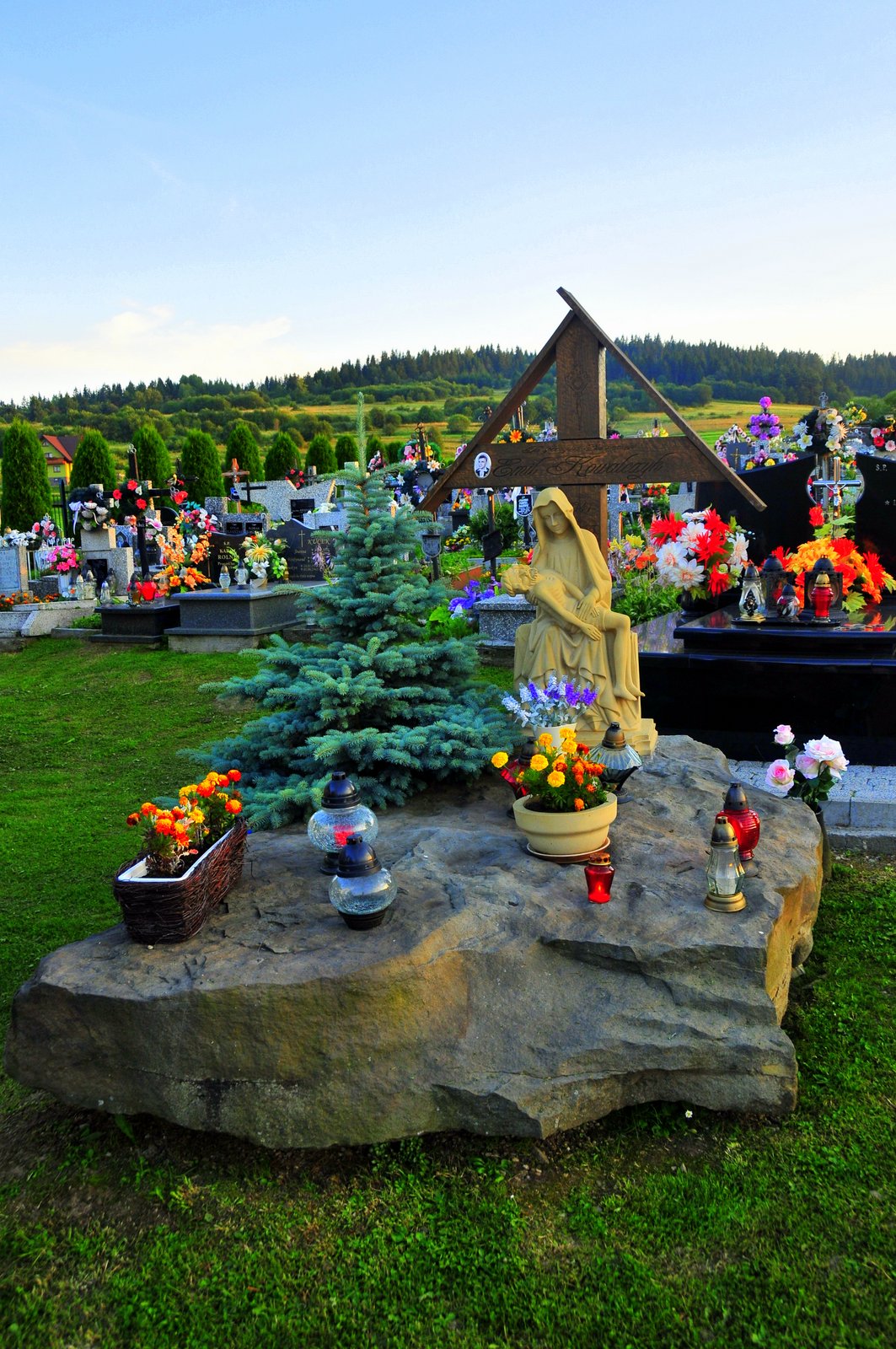
Emil Kowalczyk was Przewodniczący Rady Gminy (Chairman of the Municipal Council) for Lipnica Wielka, but more than that, he was a constant champion of the cultural heritage of Lipnica. I really only knew him in a professional capacity mainly by helping occasionally with some translation work. It was he, however, who arranged for me the traditional outfit required for admittance to the VIP seating area during Pope John Paul II’s visit in 1997. The mayor offered me the spot; Kowalczyk provided me the clothes. Always a kind and friendly soul, he died in 2005 of cancer at the young age of 64.
I visited the graves and felt a tinge of guilt that I didn’t bring flowers or a candle. I thought of the Jewish tradition of laying a rock on a grave as a mark of respect, but it seemed out of place, a Jewish tradition from a Catholic in a Catholic cemetery, as if I would just be going through some motions or other.
In the end, I just left after mumbling a short prayer over each grave, the same prayer L and I pray for Dziadek every night: “Have mercy on his soul and give him peace.”
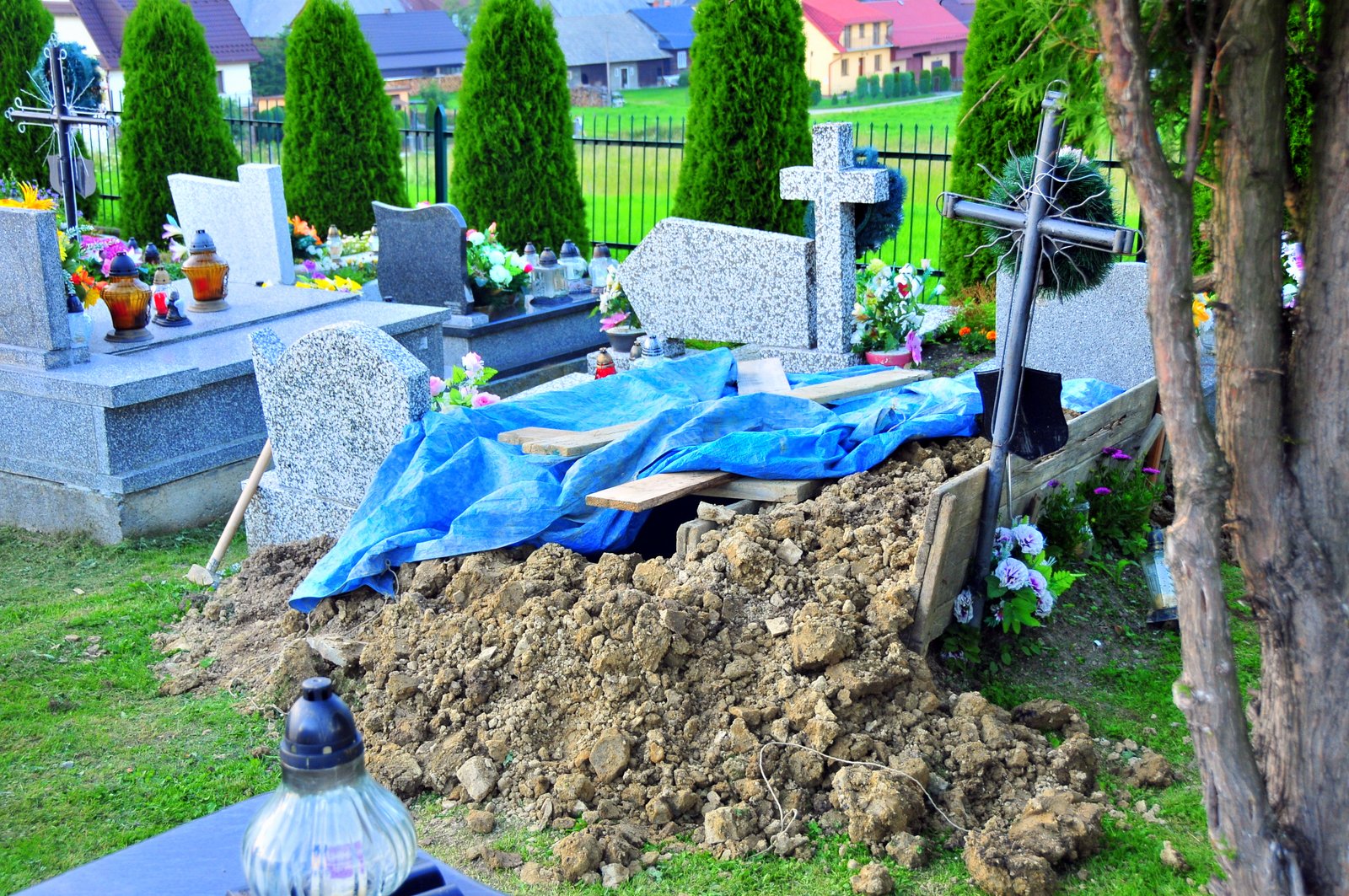
On the way out, I noticed a fresly dug grave. Unlike in most US cemeteries, the graves in Lipnica are dug manually: a couple of guys with shovels, picks, and a few planks. Winter graves are hellishly difficult because of the depth of the frost line. Diggers must first thaw the earth before they can begin with the shoves and picks. In the summer, it must be relatively quick work.

walkin’ down the street…
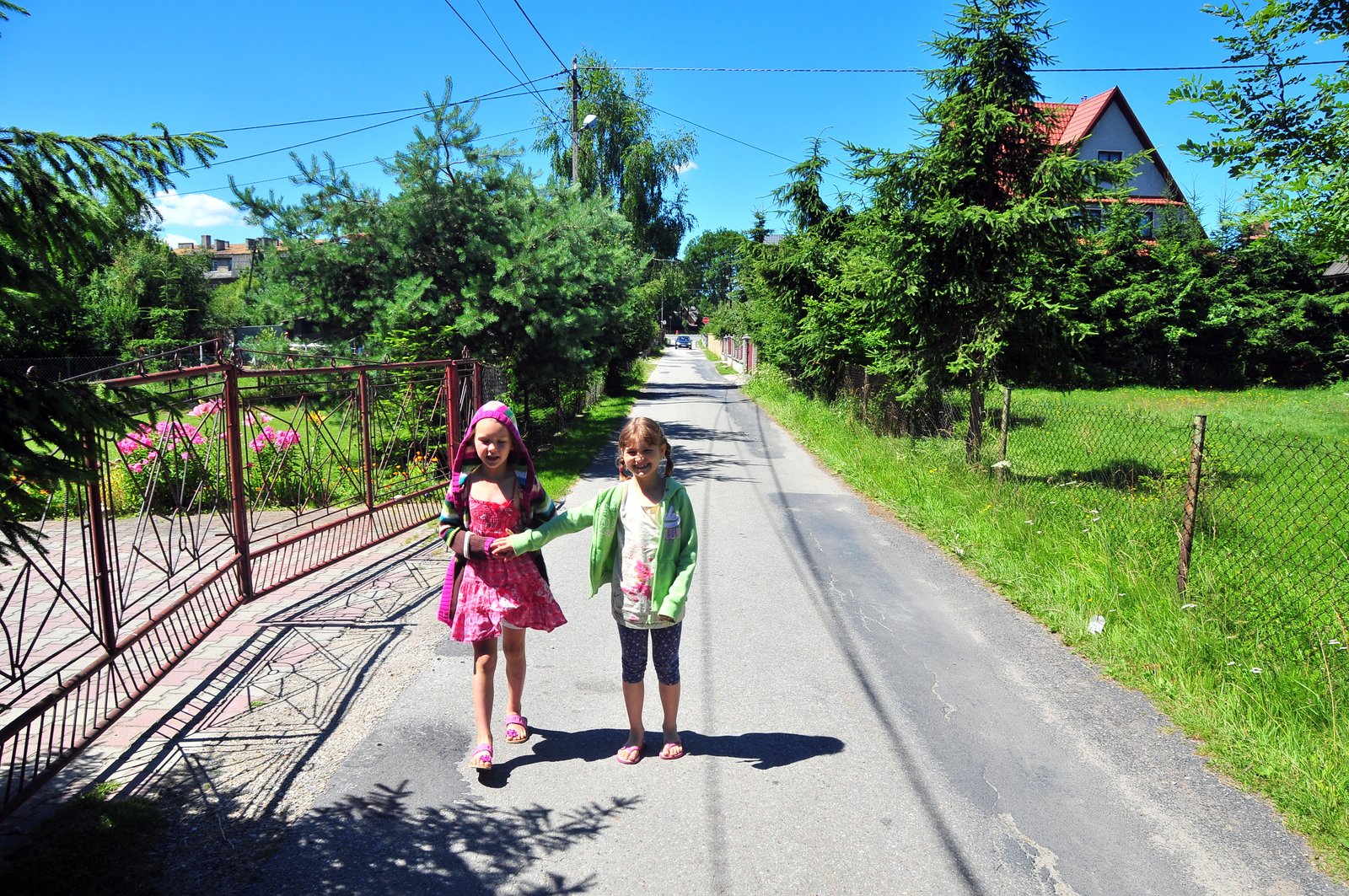
Such a difference in how L plays here in the States versus Babcia’s place in Polska. With all the houses tightly packed in Babcia’s neighborhood, I could easily hear L just about anywhere she was. She’d developed a few little haunts, but they were all within earshot of the house. Here, I watch her as she walks up the street to her friend’s house, and his parents do the same when they return. It’s a busier street to begin with, but there’s also the eternal fear that sparks the almost cliche instructions, “Don’t talk to strangers.” In Polska, there were times that I didn’t really know where L was, but I wasn’t really worried about it. It’s not that there aren’t evil people in Polska, they just seem fewer and farther between. You don’t read news accounts of abductions and murders like you do here.
And so L and S would often strike out on their own, yelling to one of us on their way out where they were headed.
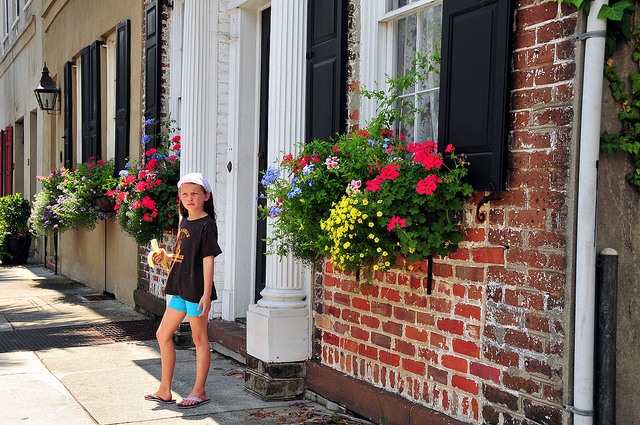
There are a ton of pictures to go through — close to 500. How? K and I both get carried away sometimes.
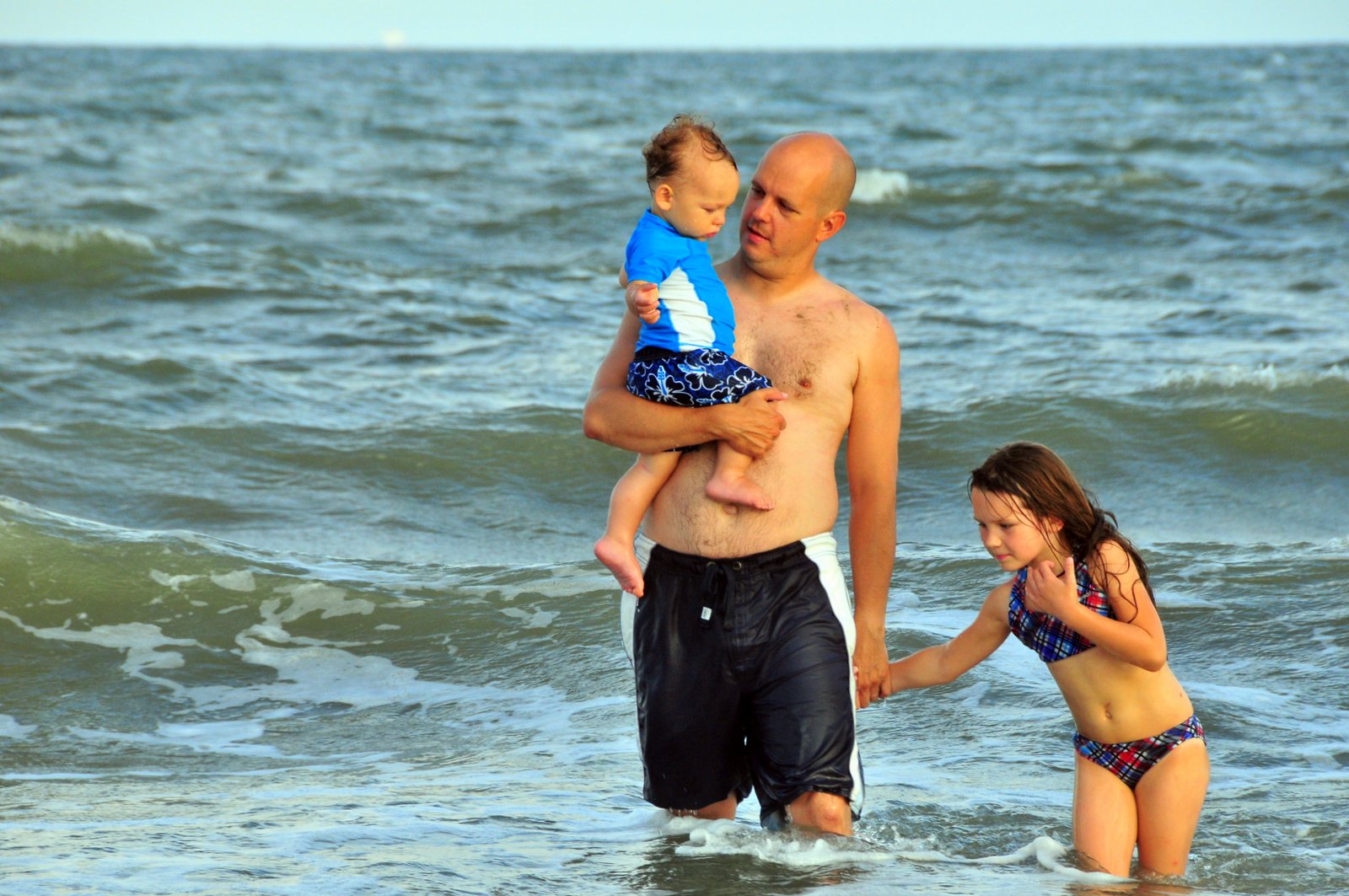
And so after the kids are in bed, the first load of laundry done, and a bit of cleaning and sorting completed, K goes to bed and I start going through the weekend’s pictures, many of which I should have posted Friday evening.
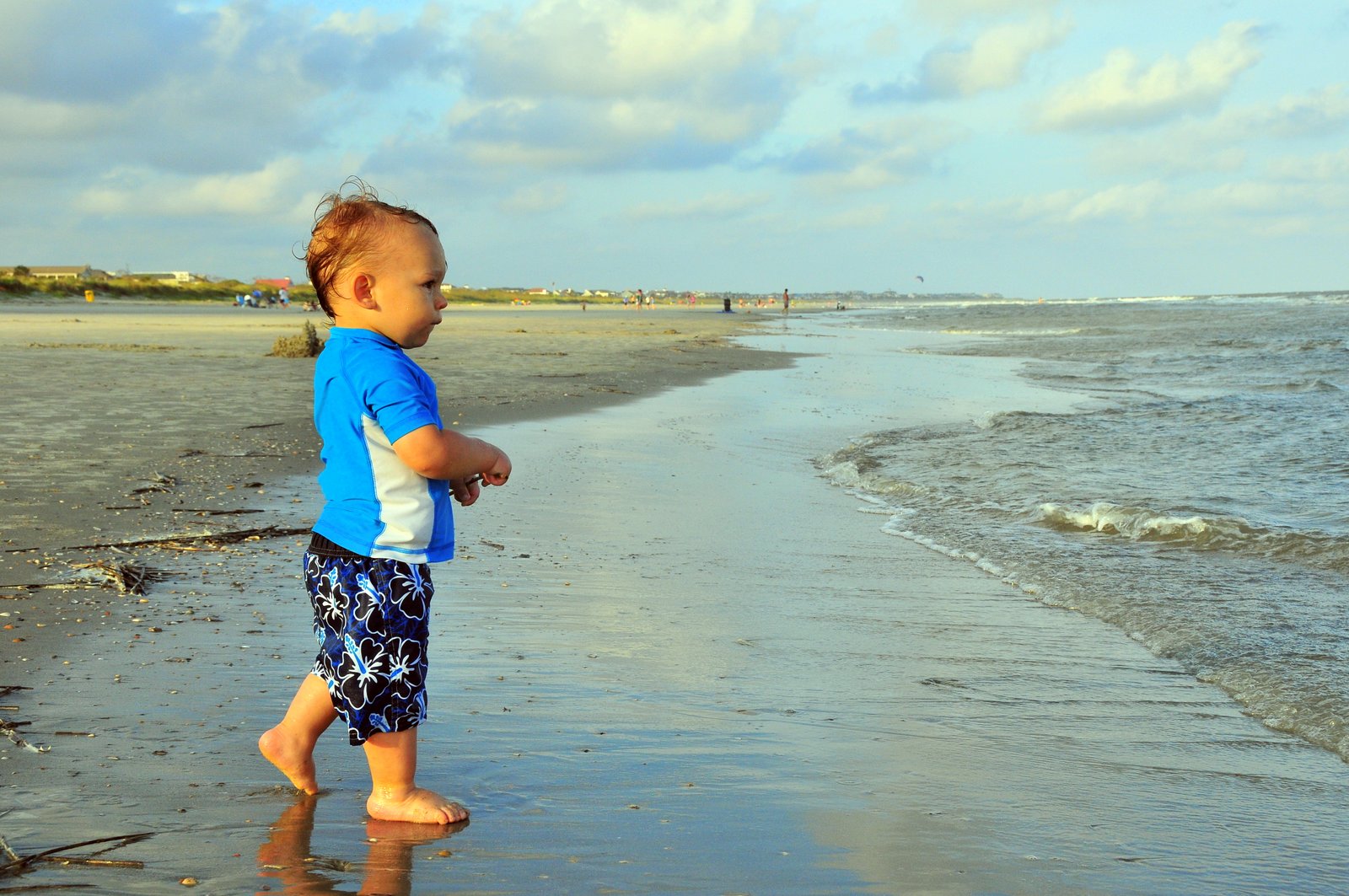
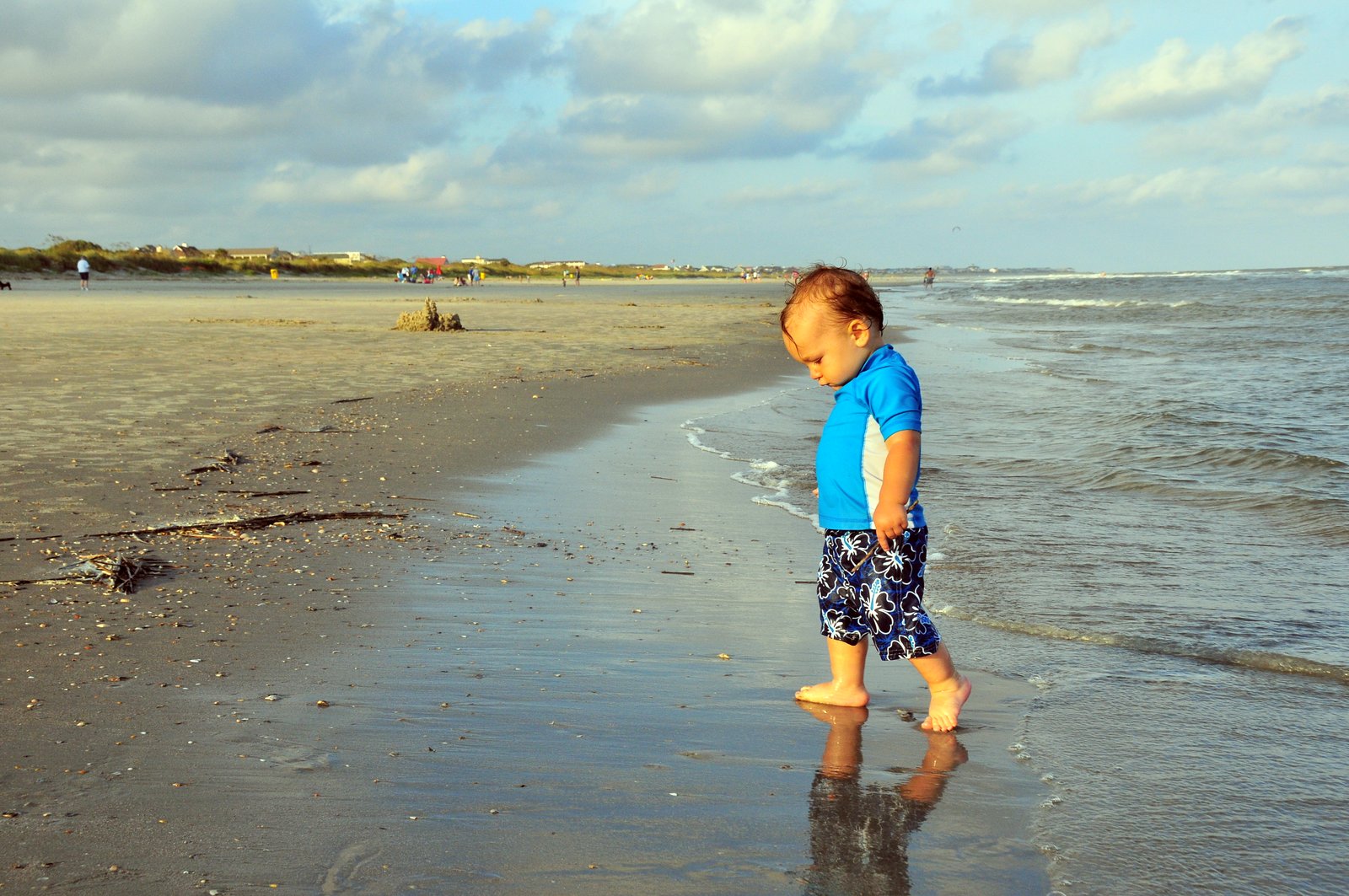
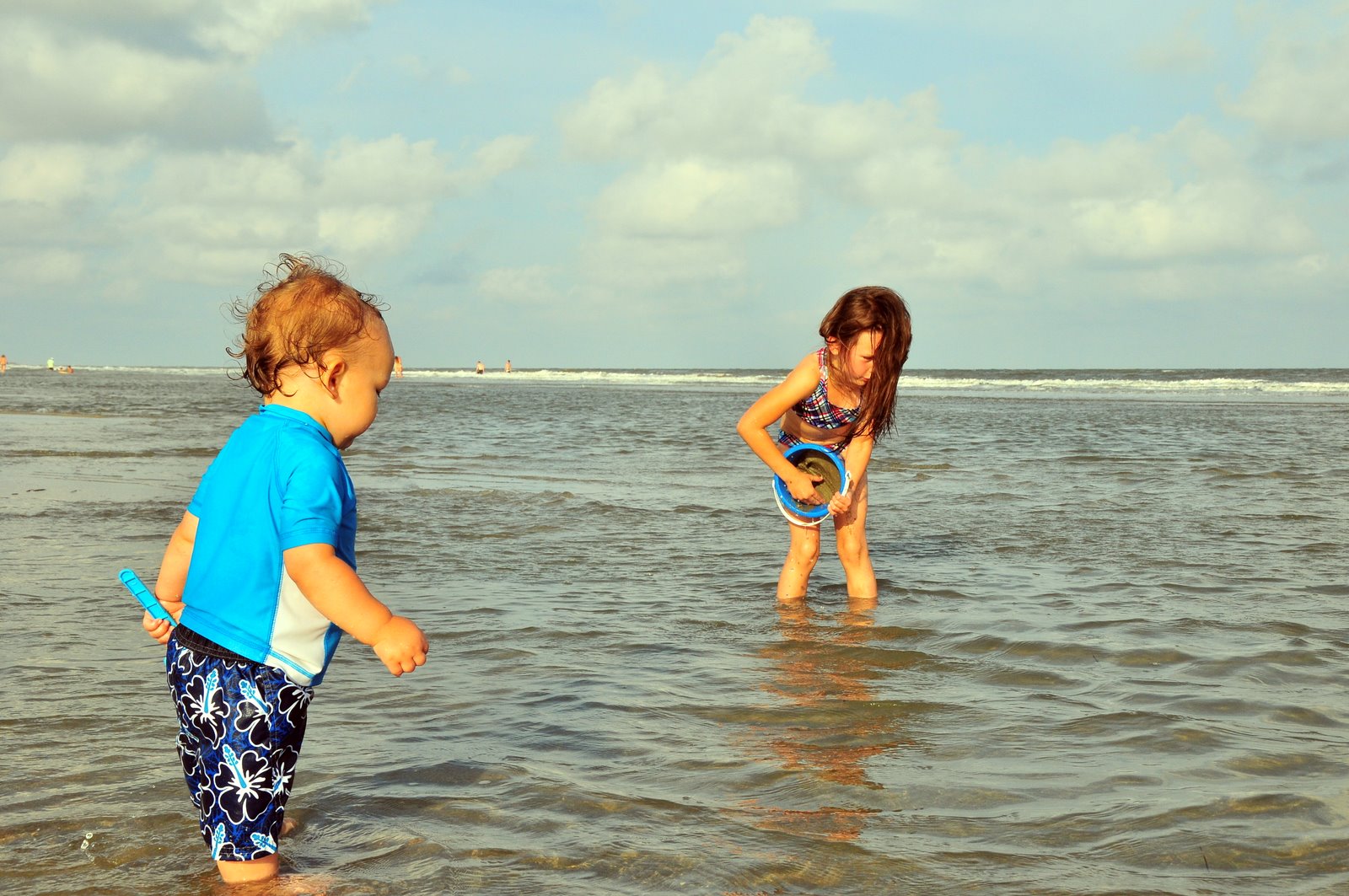
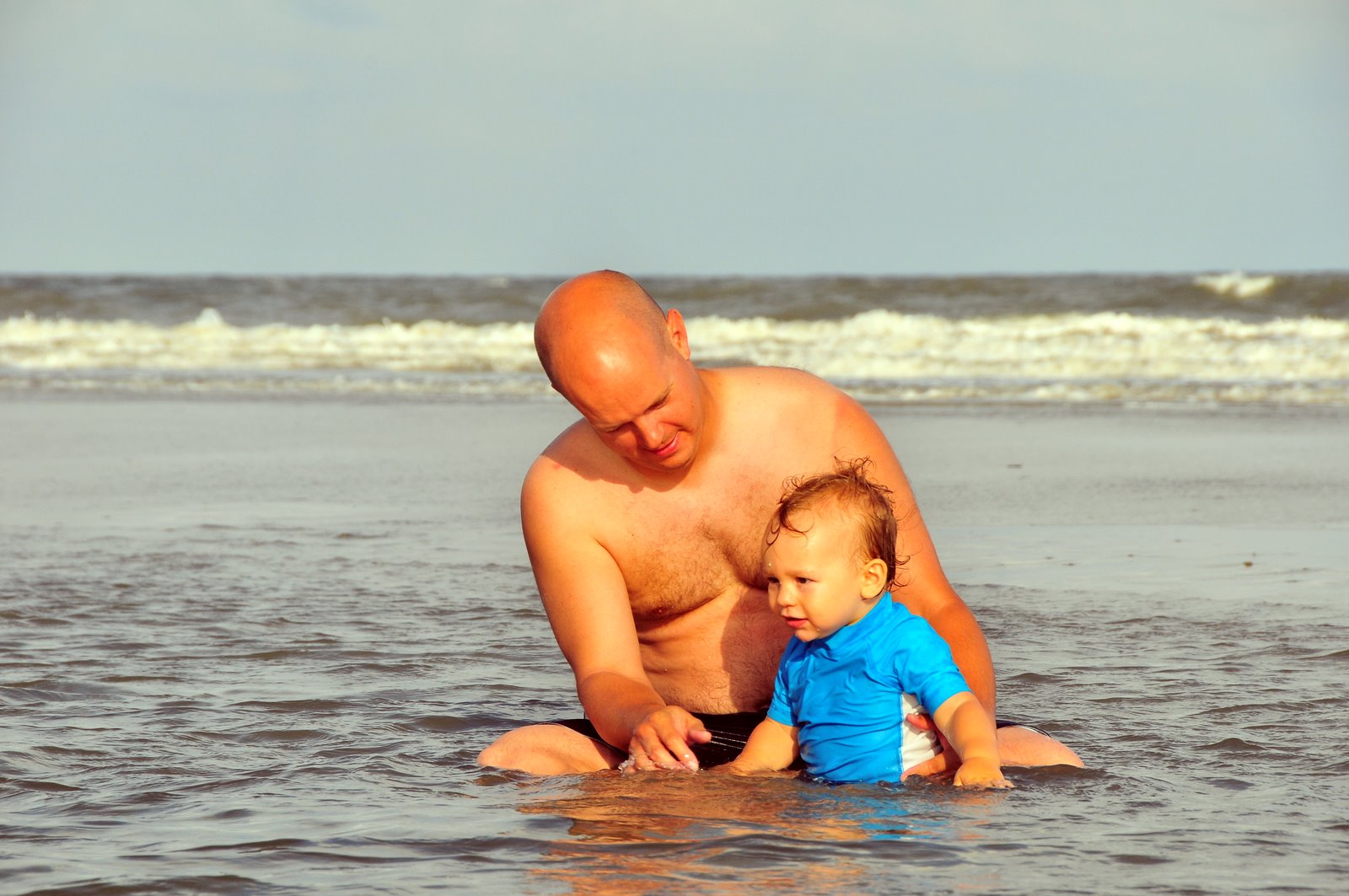
Dozens upon dozens of pictures from the beach. The Boy walking toward the water; the Boy walking away.
The Girl playing in the sand; the Girl playing in the water.
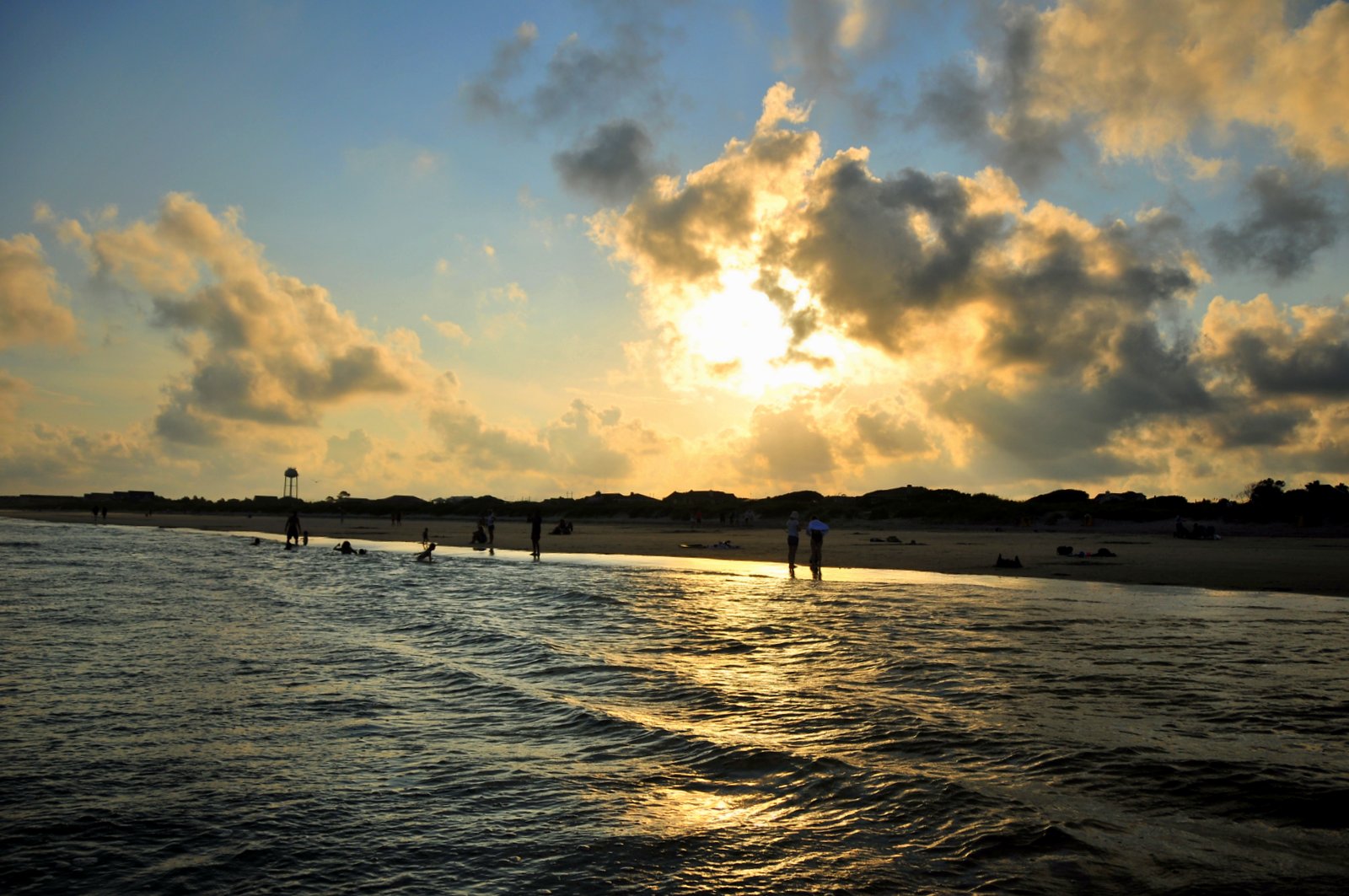
But once again, it’s late, and my cognitive abilities/willingness are setting like Friday’s sun, though not as gloriously.
The upshot — plenty of material for the next few days.
Two days to cover due to various issues yesterday — how can I do it? Over 300 pictures in those two days. Most should be deleted, but there’s not even an once of willingness to go through them all on the netbook computer I’ve brought with me. So I pick a few representative ones and save the others for later — and the same goes for the stories behind them.
But how could I fail to mention the walk along the Battery, with multi-million dollar homes on one side and a beautiful bay that completely fascinated the Boy on the other?

And how could I leave out the excitement of the Boy when he first saw the ocean? L’s first reaction was panic and fear; the Boy’s first reaction was squealing excitement
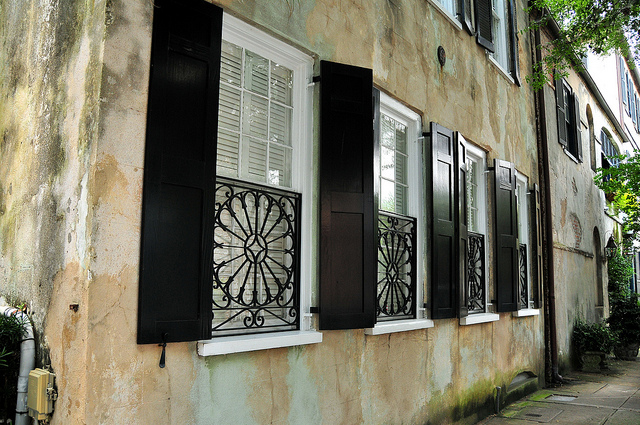
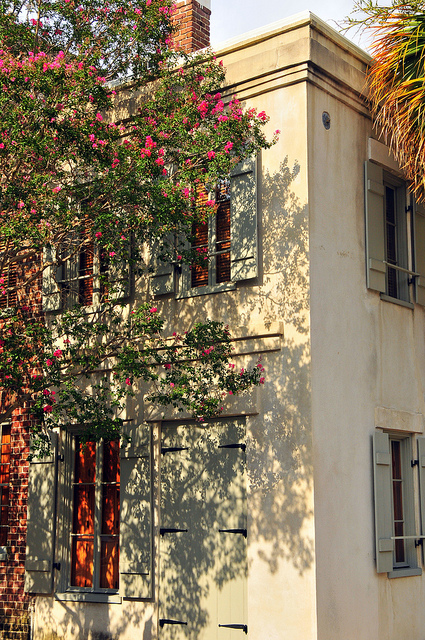
And the archeture of the Charleston area, from the classic Charleston look (neither colonial nor European but a strange mix of the two with hundreds of other influences) to the modern engineering wonders.

How could I leave out the story of a biologist’s visit to Angel Oak, our walk on the Folley Beach pier, the visit to Middleton Place? I shouldn’t, but I shall. A cramped keyboard, sleeping children, and a tired soul tell me that it’s okay to tell only a portion of a story. If it’s a good story, the rest will wait.
Dojechalismy, przezylismy.

Driving through the Orawa region of Poland, you notice two things fairly quickly: first, the fields are long and narrow. That’s really nothing special about the region: such is the case throughout Poland. There have been efforts to help people consolidate their various fields through land reform laws (in essence, trading land with neighbors to have one large field instead of half a dozen scattered through the village), but the efforts have met with little effect in the south. The second that that you notice is that many of these fields are filled not with crops but with large stacks of thick, rough-sawn boards. Because of the nature of land ownership, there are often six or seven stacks about three meters wide, five or more meters tall, and probably eight to ten meters long.

“Nie martw się,” Babcia replies. “Deska nigdy nie marnuje się.”
“Don’t worry. Planks never go to waste.”
Cemeteries and funerals are for the living, not the dead–it’s what I’ve heard all my life. For even if any or all the -isms are right and life continues after death, what reward can a nice funeral or attractive grave site be for someone who is experiencing ultimate reality? That being said, there is one place on the planet where, were it logical logistically and fiscally, I would want to be buried.
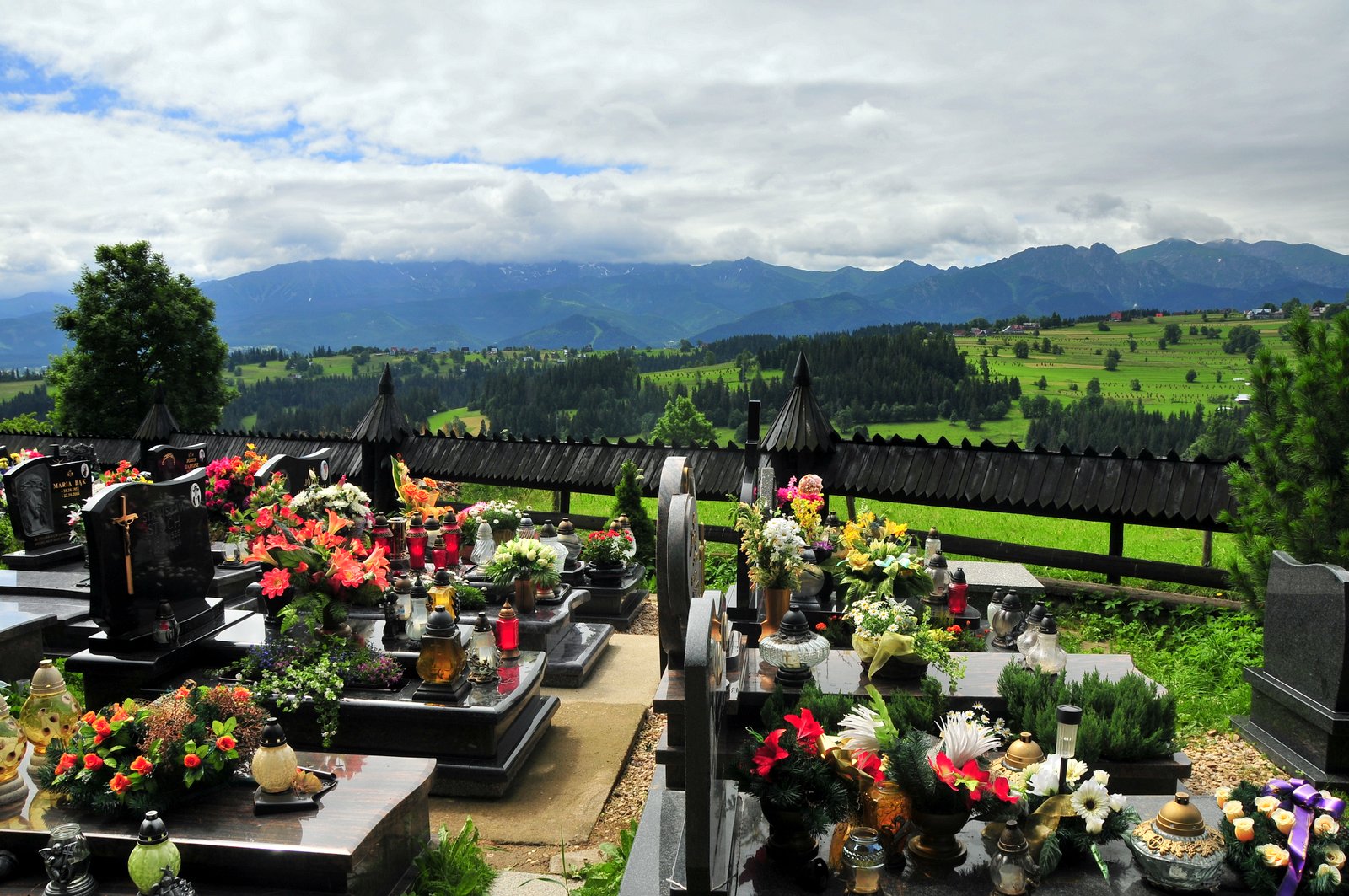
Isolated on the top of a ridge with a view of the whole Tatra range, the cemetery at Ząb (“Tooth”) never ceases to provoke thoughts that should really, I suppose, be saved for a later point of my life: where would I want to be buried? What environment would I like for those who come to visit my grave? With what feeling would I like the experience to leave them?
Ząb’s cemetery leaves only one emotion: awe. Even wandering among the tragically small graves of children who lived a few weeks, a few days, a few hours doesn’t entirely dampen that feeling.
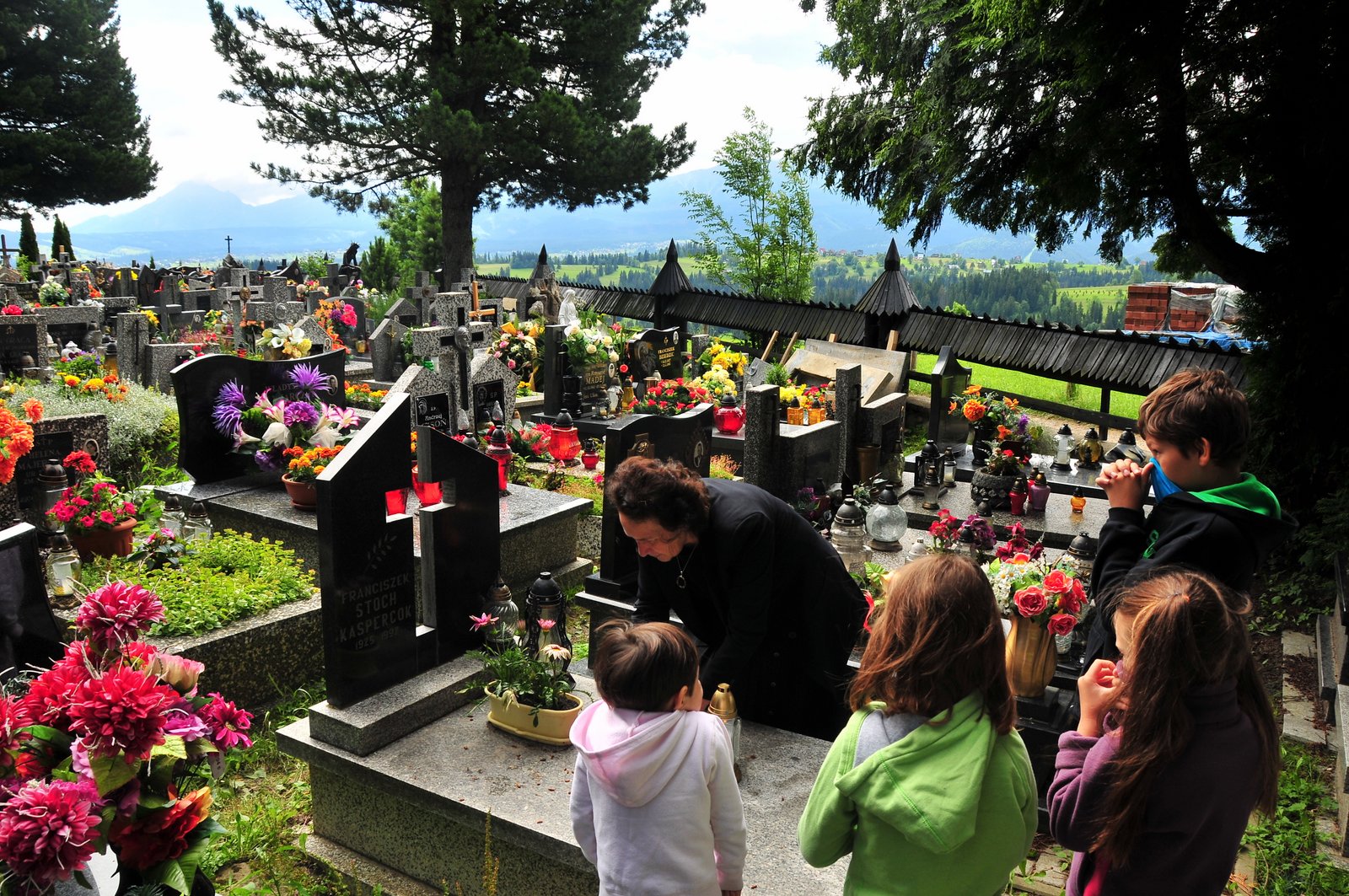
The small graves do provoke in L a certain solemnity that is rare in such a wound-up girl. She stands looking at the grave of a little boy who didn’t even live a full day, visibly shaken by it.
“Would you like to prayer for their souls like we pray for Dziadek’s soul?” I suggest.
“Tak,” comes the plaintive, affirmative reply. (She’s answering my English with Polish with increasing frequency lately.)
We cross ourselves. “W imiu ojca i syna i ducha swietego,” we begin, with L switching to English at this point.

“Are we praying for just him?”
“Maybe all of them?” I suggest with a sweep of my hand.
“Dobrze.” And back to English: “Have mercy on their souls and give them peace.” I think for a moment about what it would be like to lose a child after a day, a week, a month–to lose a child, period–and I think, “Perhaps we might better pray for the parents, pray that they have peace and that a quiet returns to their souls, for there’s no way, even after almost thirty years, a pain like that can ever go away.”
We cross ourselves anew, and L, back to her usual vivacious self, skips to cousin S and begins jabbering about something or other. Not only cemeteries are for the living; so too prayers.
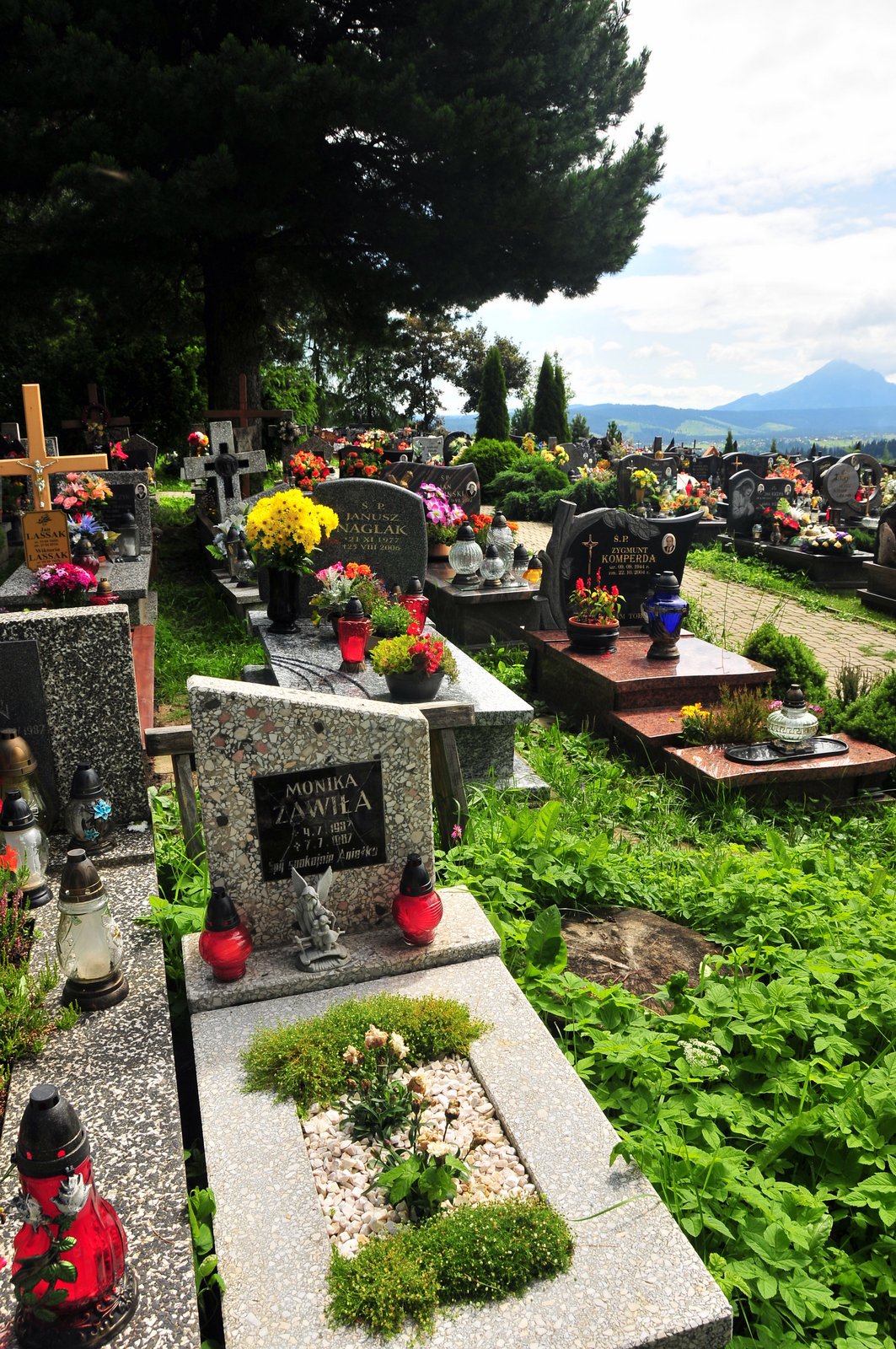
As for our own peace, all we have to do is look around.
If you could travel back in time, I would imagine Jabłonka would look a lot like this.
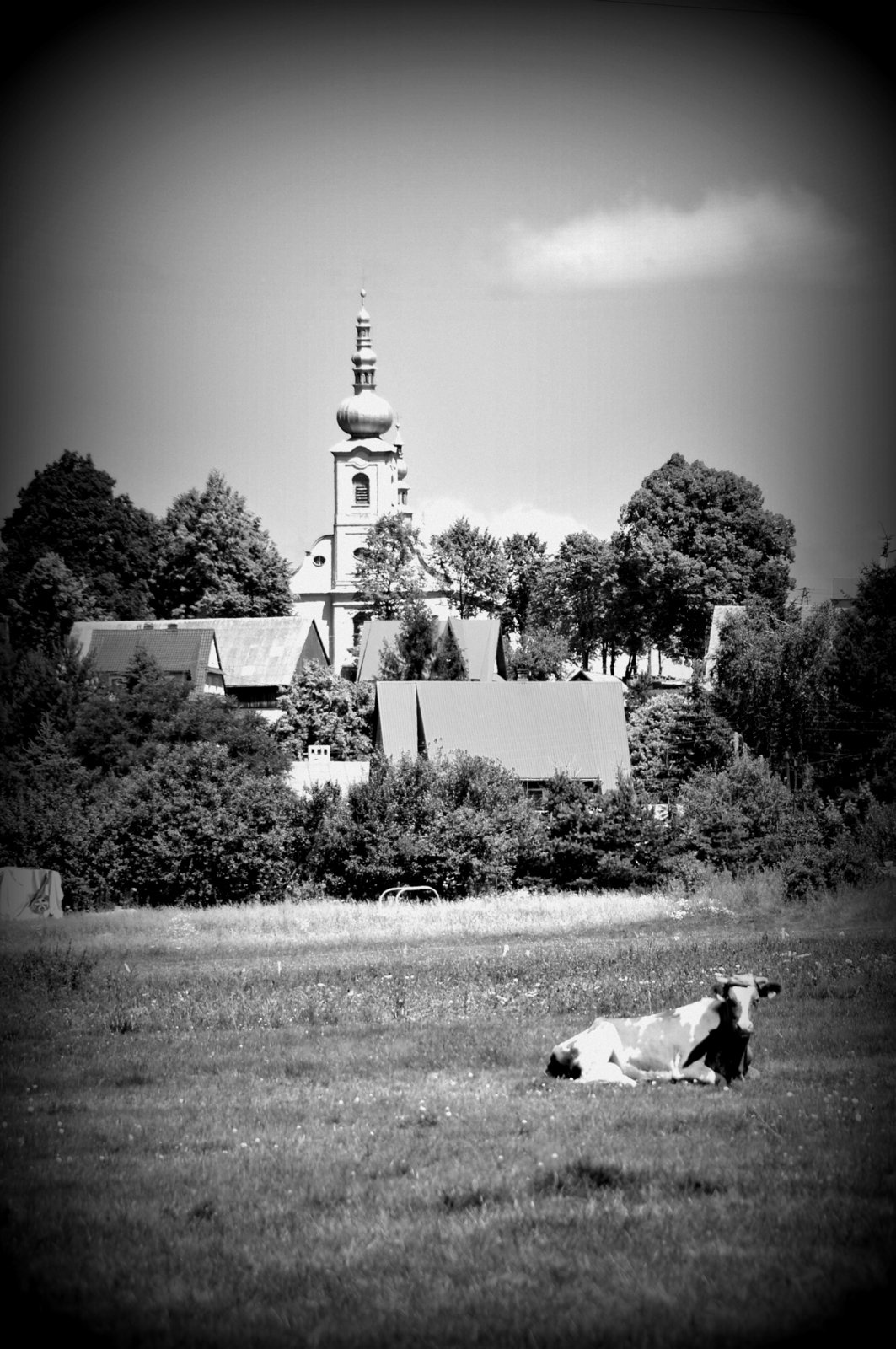
When in southern Poland you look out and see not a single cloud in the sky, staying inside is simply a sin.
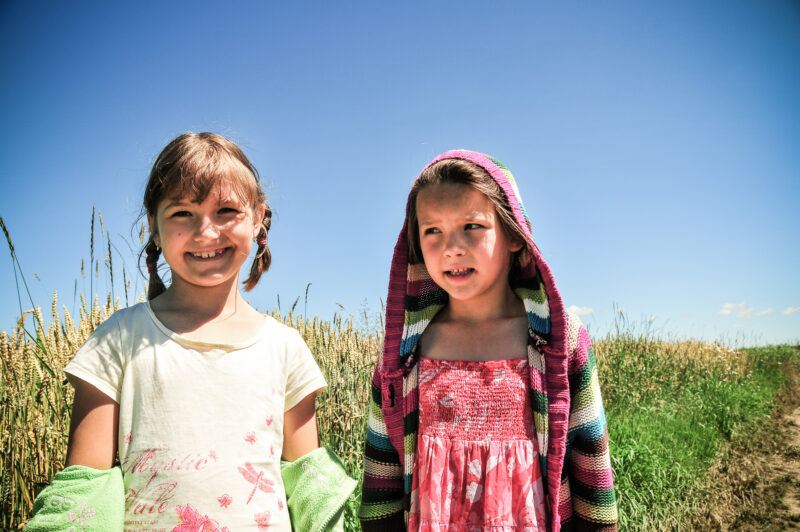
And with only a few days left of our Polish adventure, it’s even more critical to make the most out of each moment, to squeeze every single opportunity out of every single moment (not to mention every single mixed metaphor). This also means beginning the lasts — the last time seeing this or that friend, the last walk to the river, the last, the last. Always some kind of last.
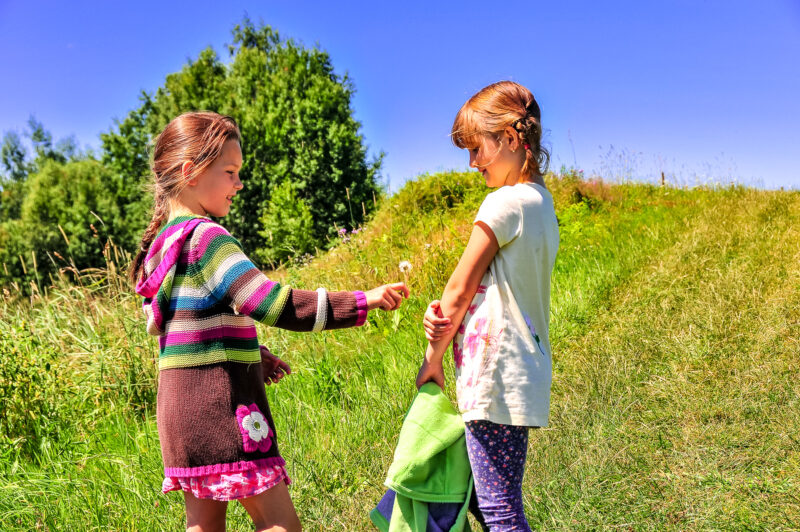
Today, on the walk, I take some of the last opportunities for some shots of the two of them. For them, it was possibly a last chance to play in the water, to play with the puppy that lives along the way to the river, to play some jokes on each other.
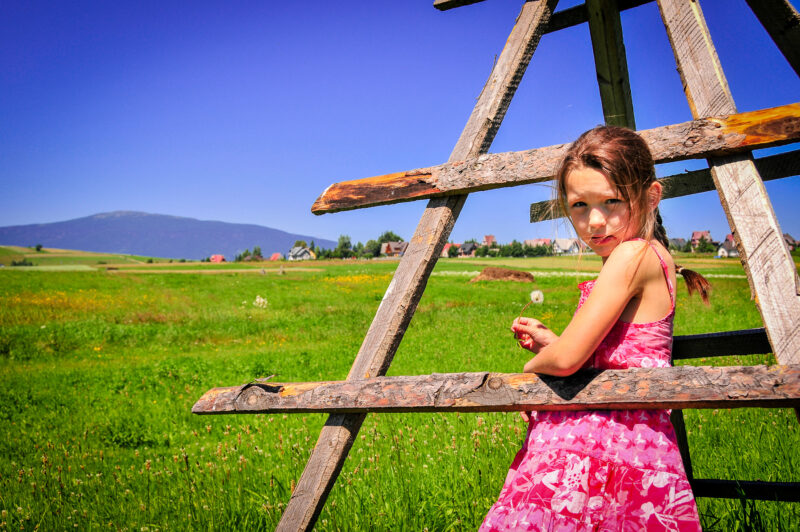
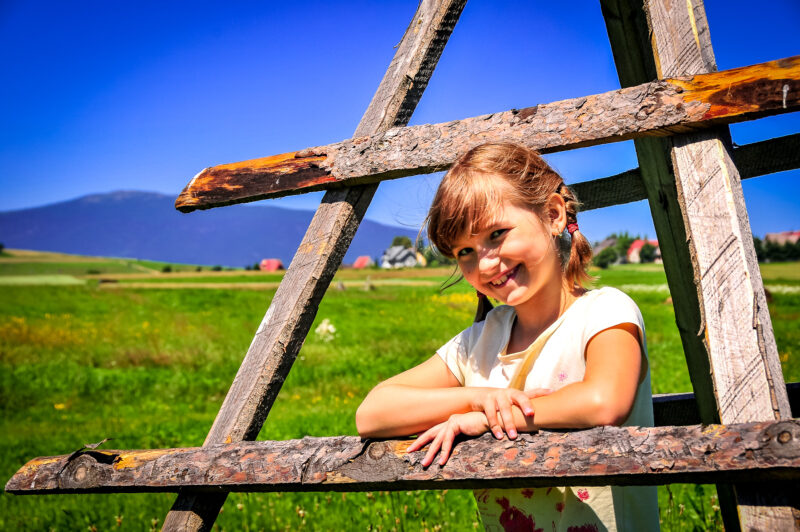
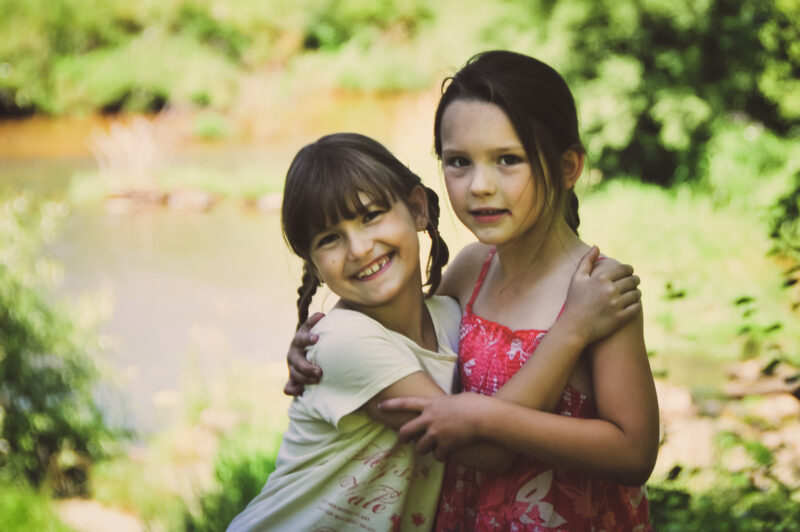
On the way back, we find a common sight: a stork hunting in the fields.
“Quiet! Quiet!” I call to the girls behind me. “Up ahead there’s a stork.” We sneak up to watch the stork, but at the last minute, Kajtek, Babcia’s dog, spots the stork himself and gives chase.
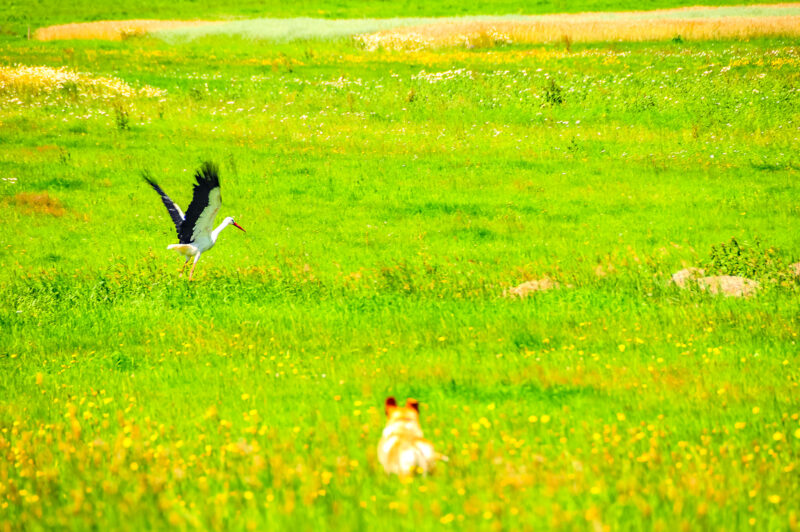
It thrills the girls despite the fact that there’s no chance of watching the stork up close.
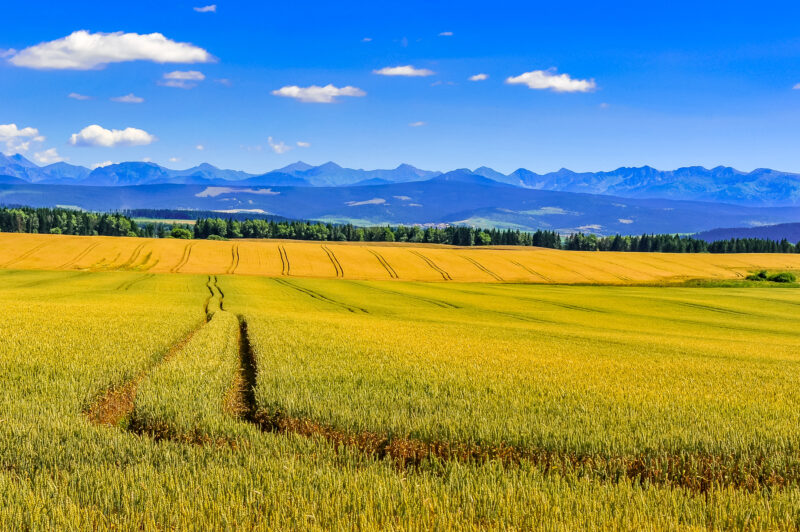
When we get back to the house, I jump into the car and head to a couple of locations I know to take a few landscape shots. After all, who could possibly pass up a virtually cloudless sky here? First stop — just over the border in Slovakia. The fields are different here: instead of the patchwork of small plots all with different owners growing different crops, with each owner probably owning half a dozen plots spread about the village, the Slovaks have consolidated their fields, resulting in huge fields of corn, wheat, potatoes, and other crops.
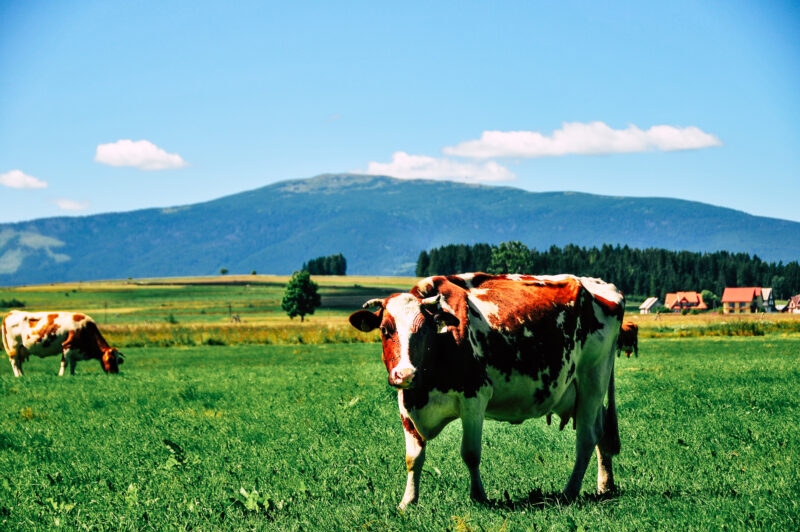
Returning, I stop at the start of Lipnica Mała to get a few shots of Babia Góra. In the end, neither location provides clear views of either the Tatra Mountains or Babia Góra: the air is still just a bit too thick, too heavy.
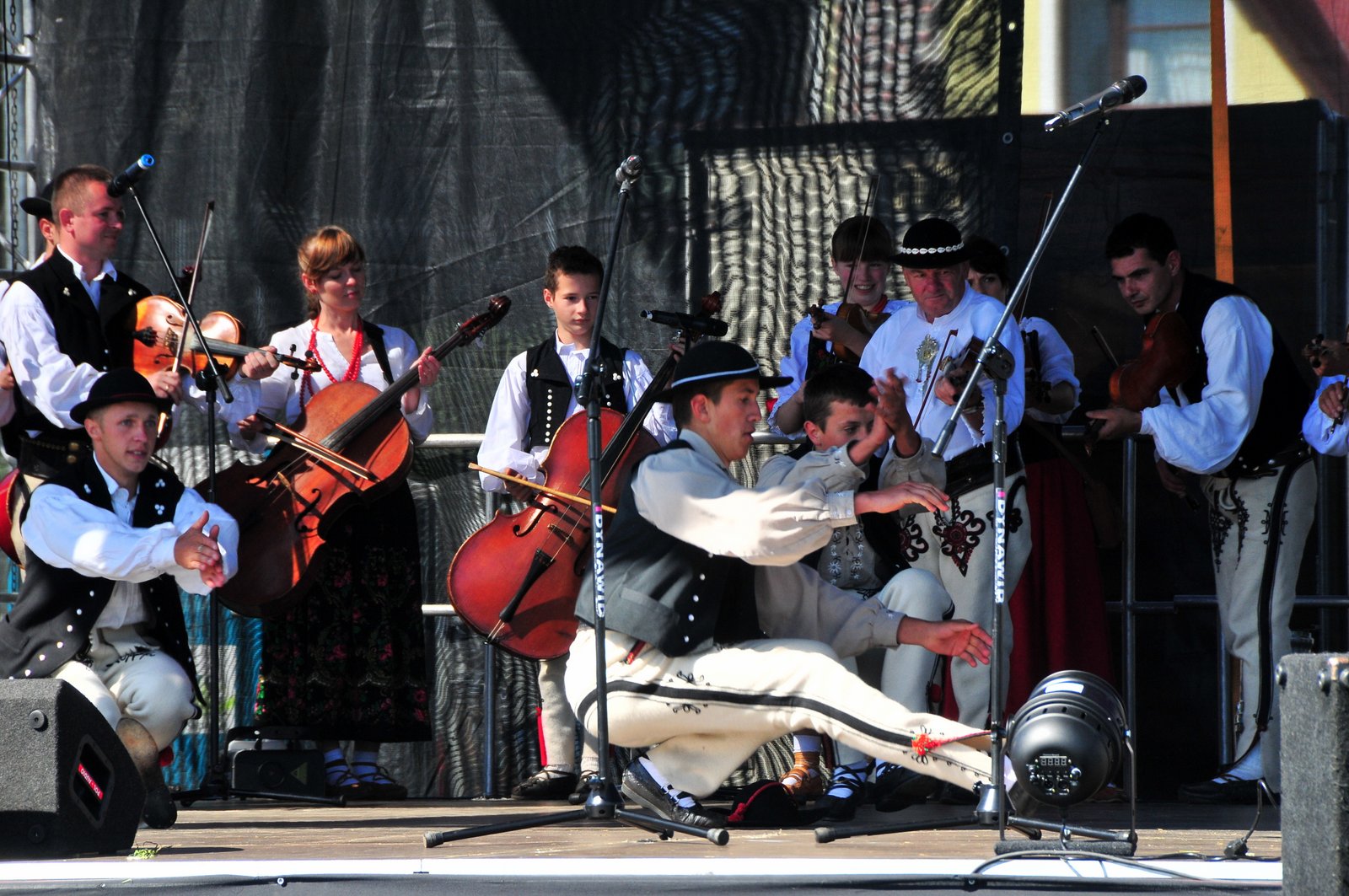
I head back to take the girls and Babcia to Orawskie Lato, a local folk festival that’s in its twenty-second year. We arrive just in time for the “Popisy Hajduków” contest. I doubt you can think of a dance that’s harder on the knees and more exhausting on the legs and lower back.

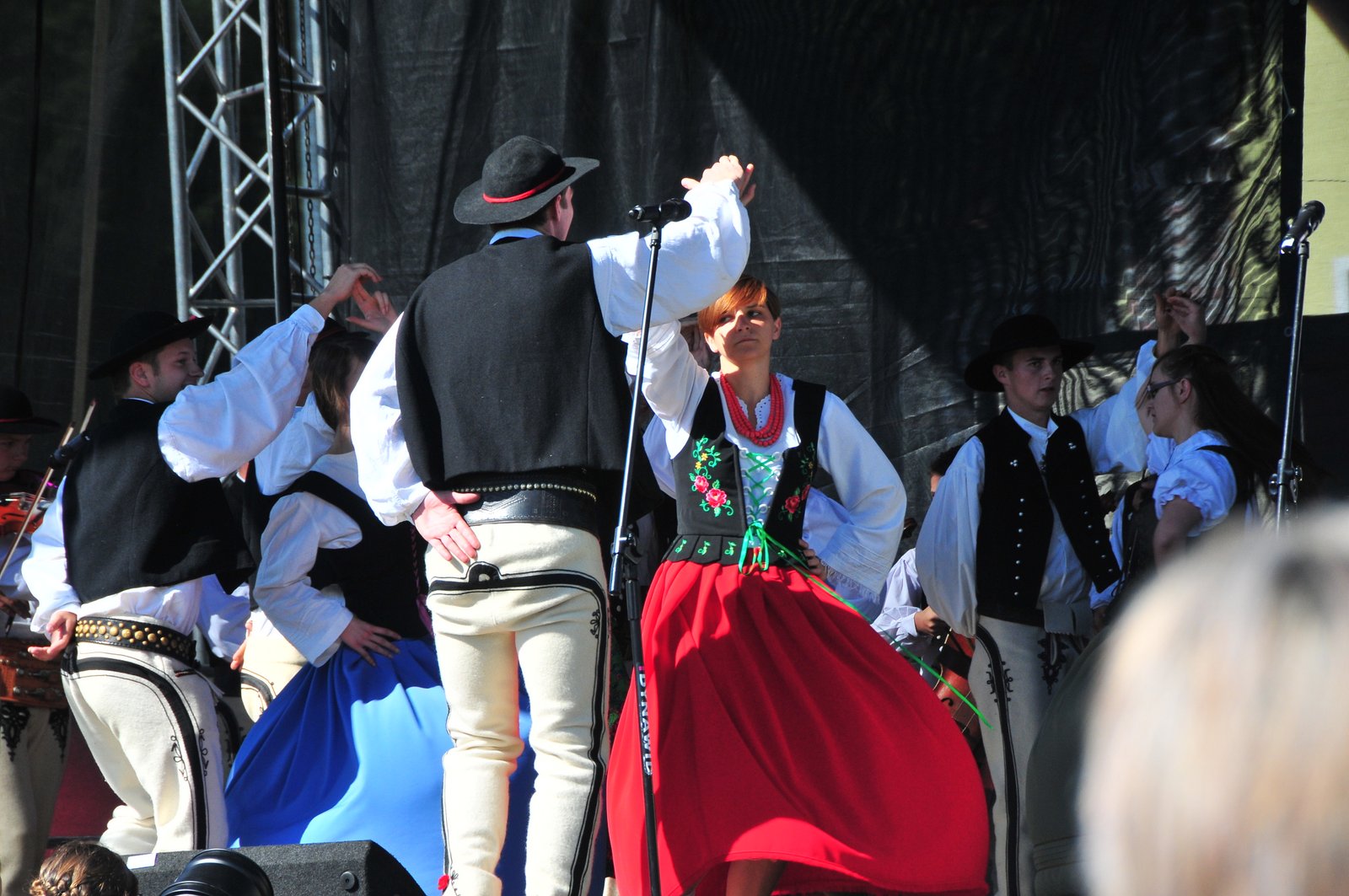
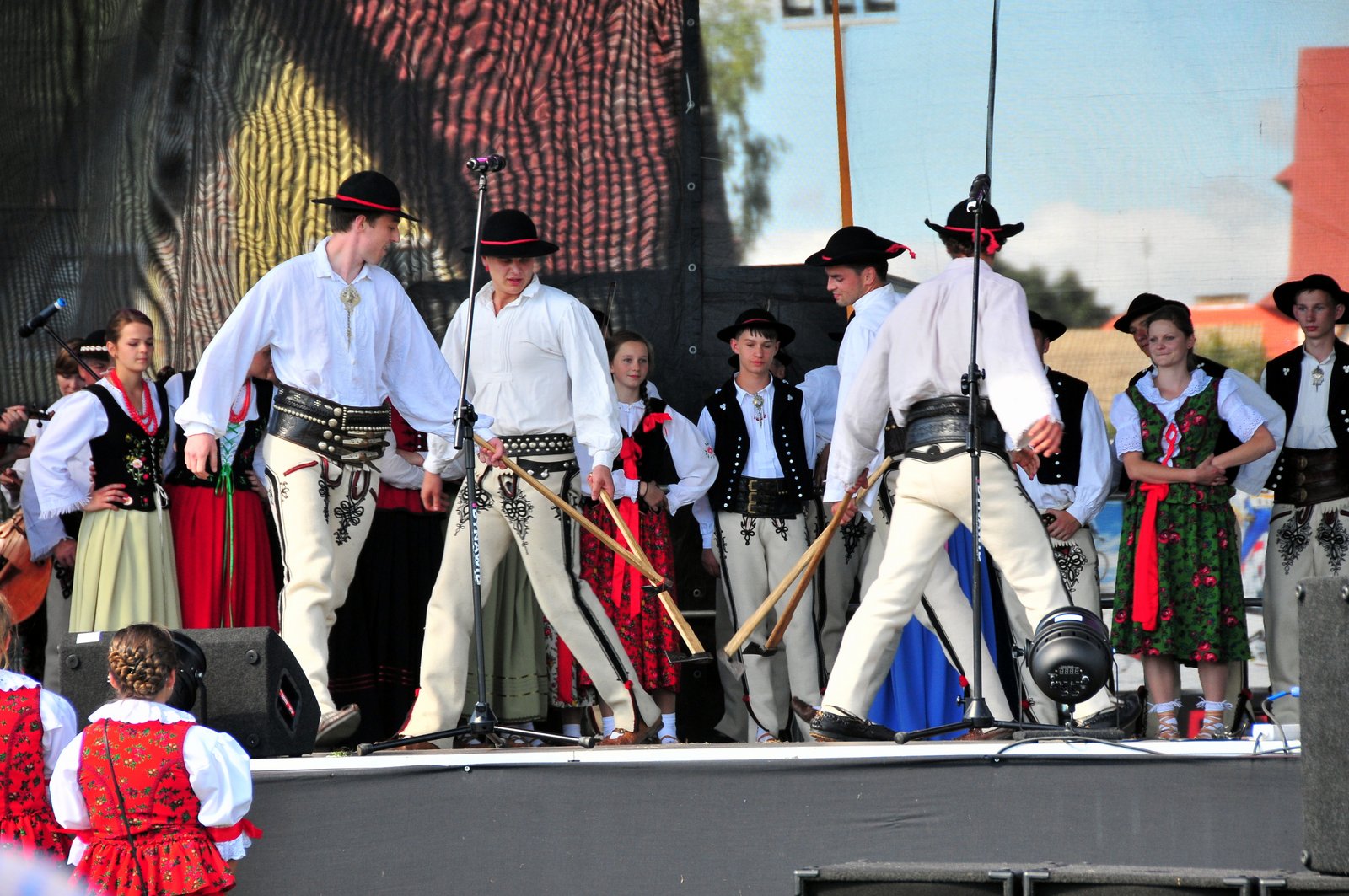
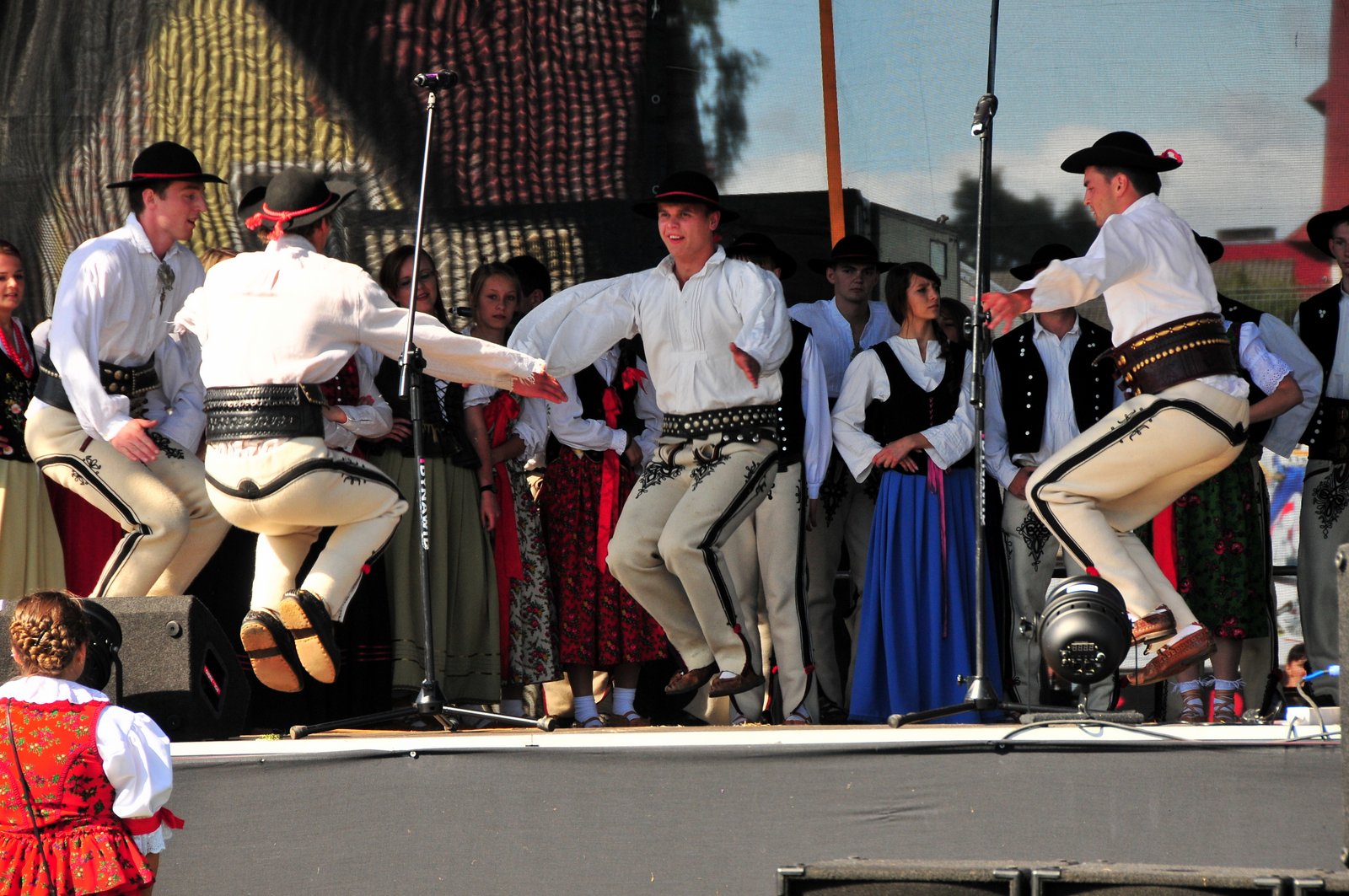
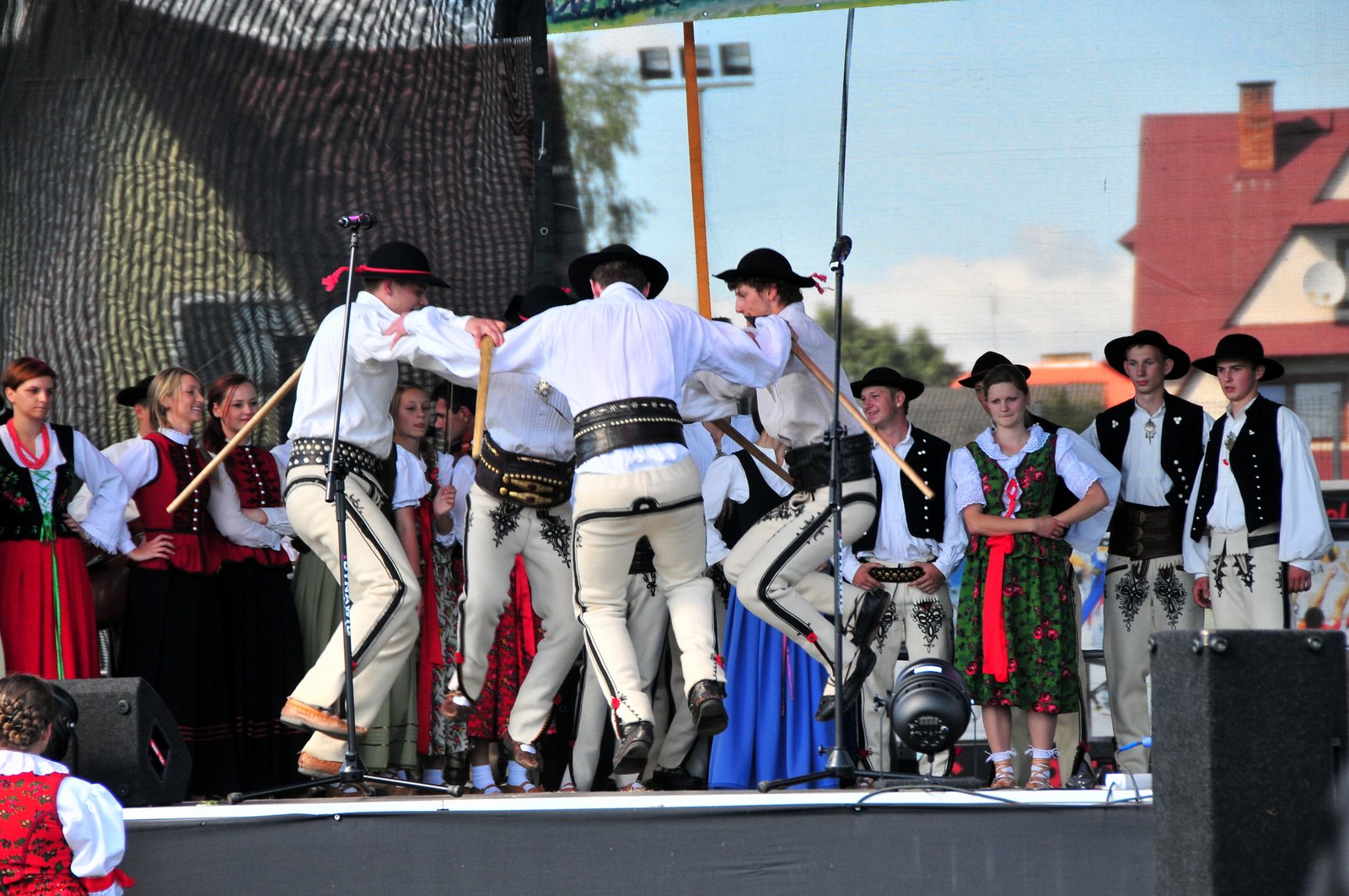
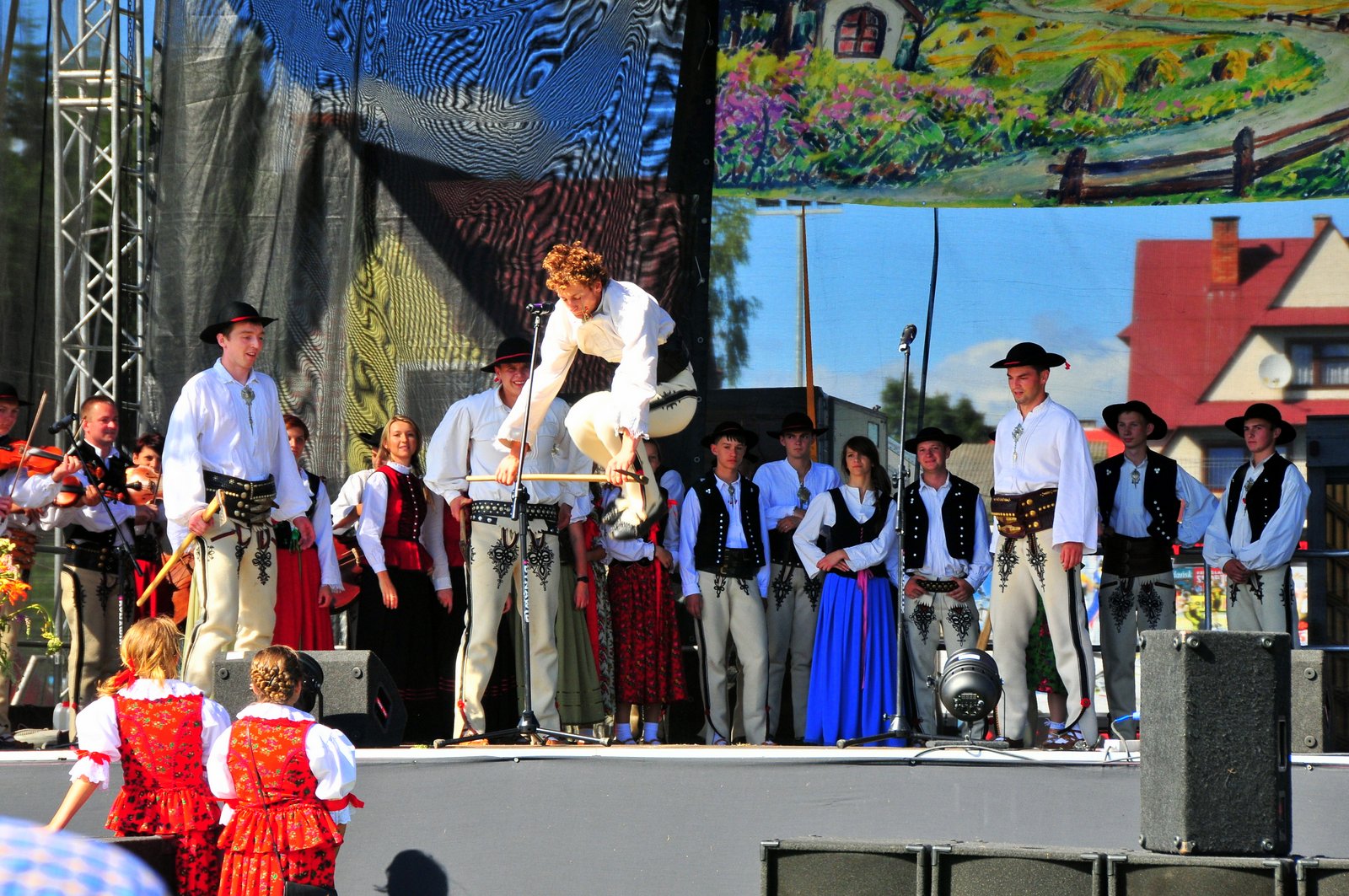
Afterward, while out with a friend at a nearby village, the skies clear and the mountains look close enough to touch from this distance.
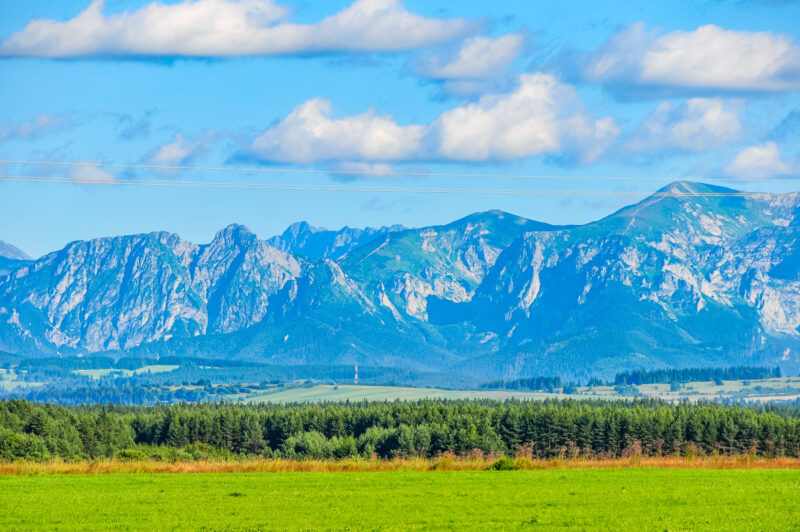
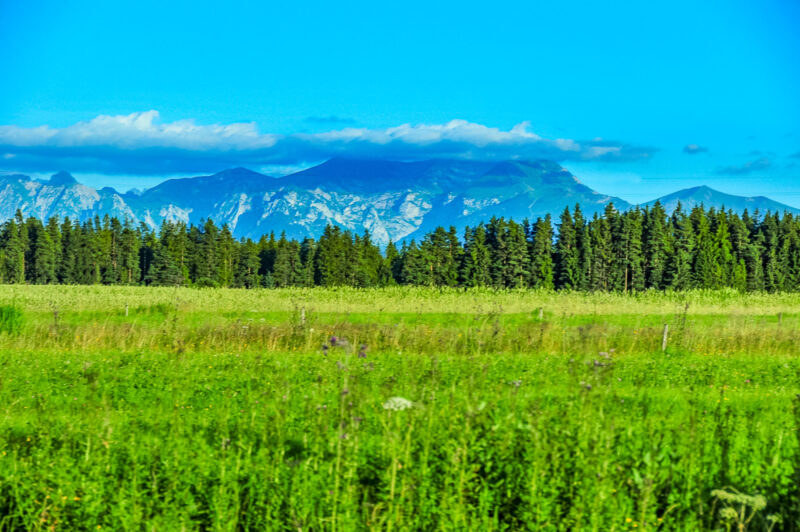
As we head back to Jabłonka, clouds lightly cover the Tatras.
A good days of lasts — temporary lasts, that is.

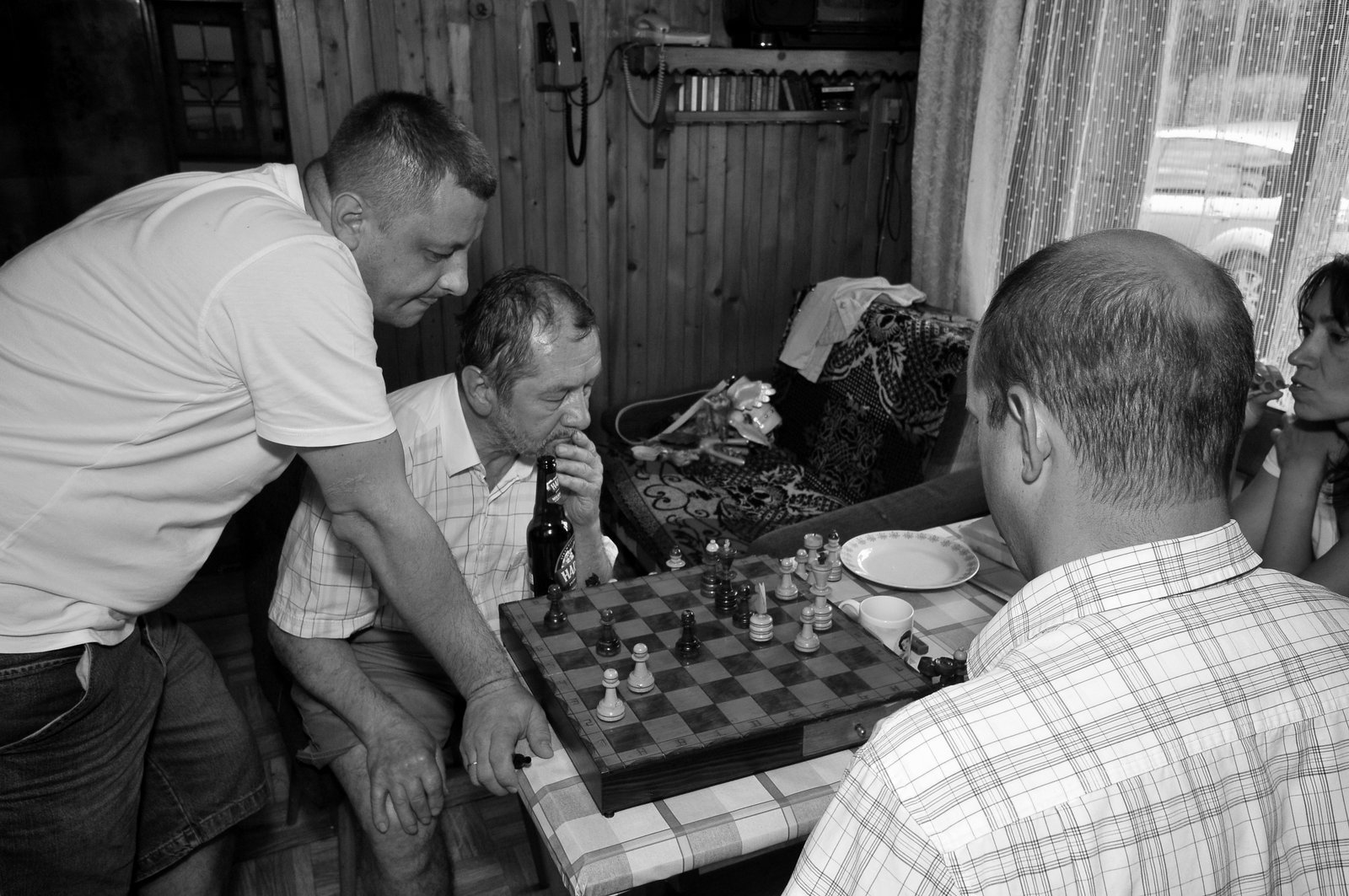
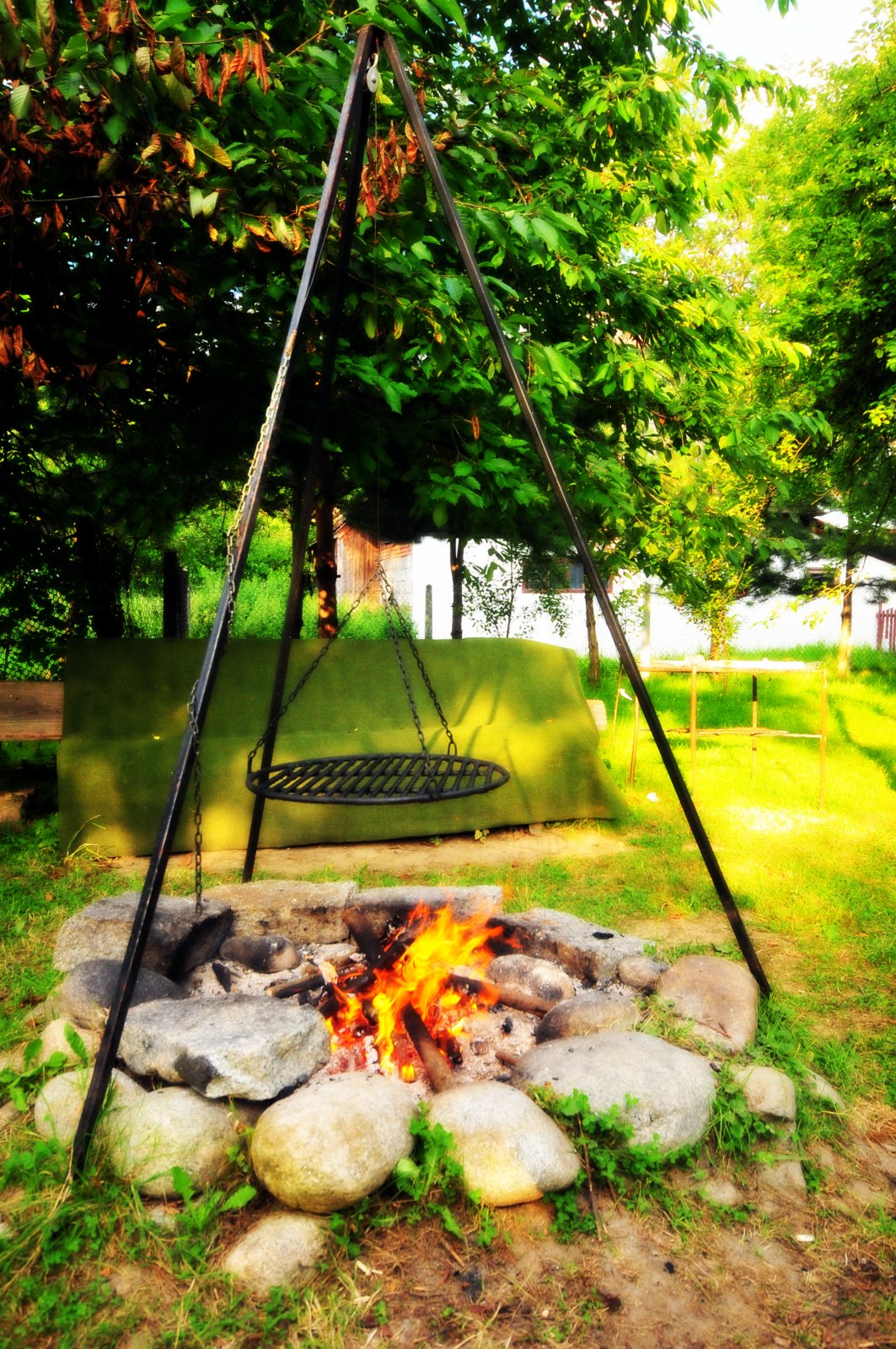
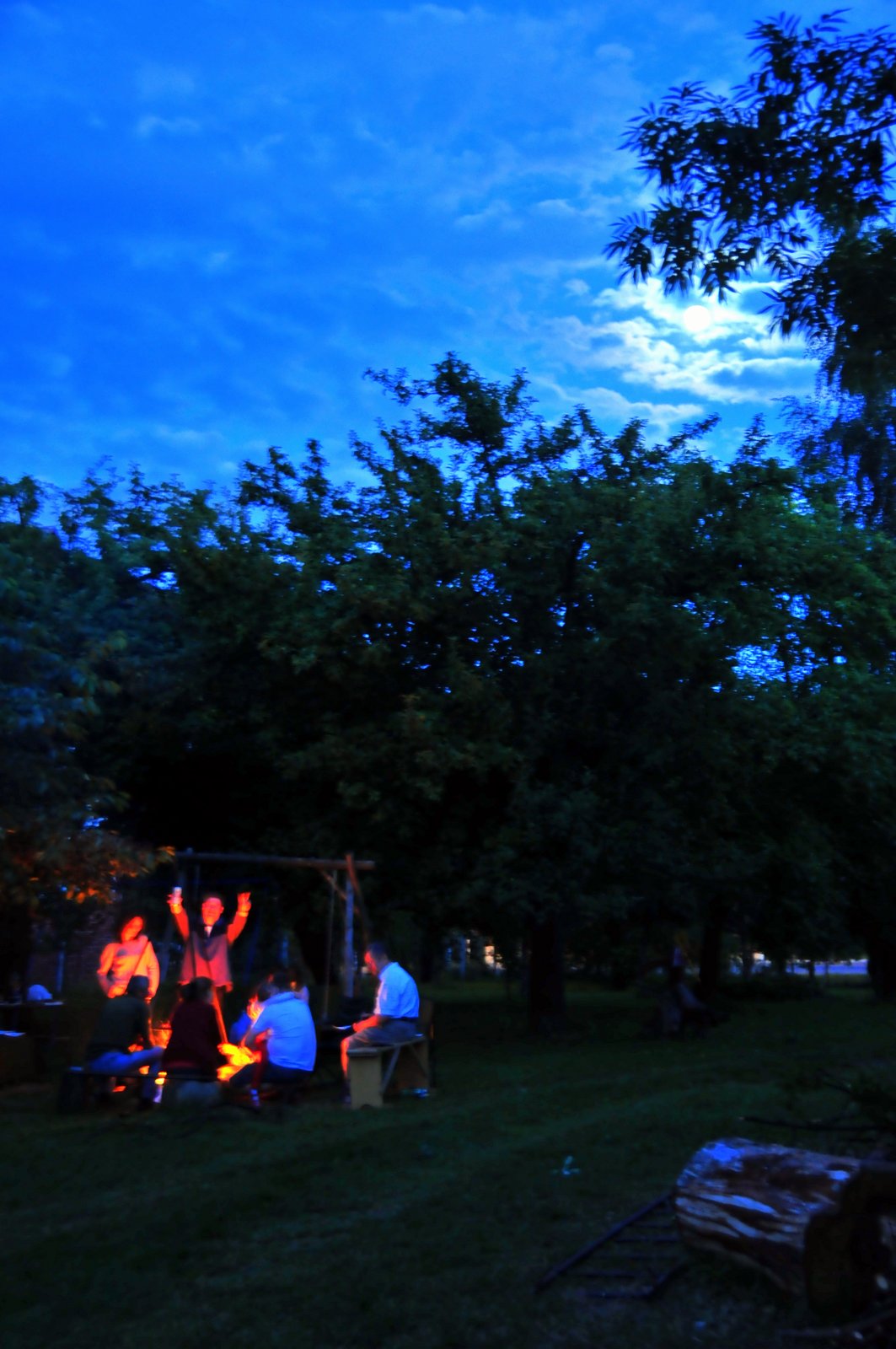
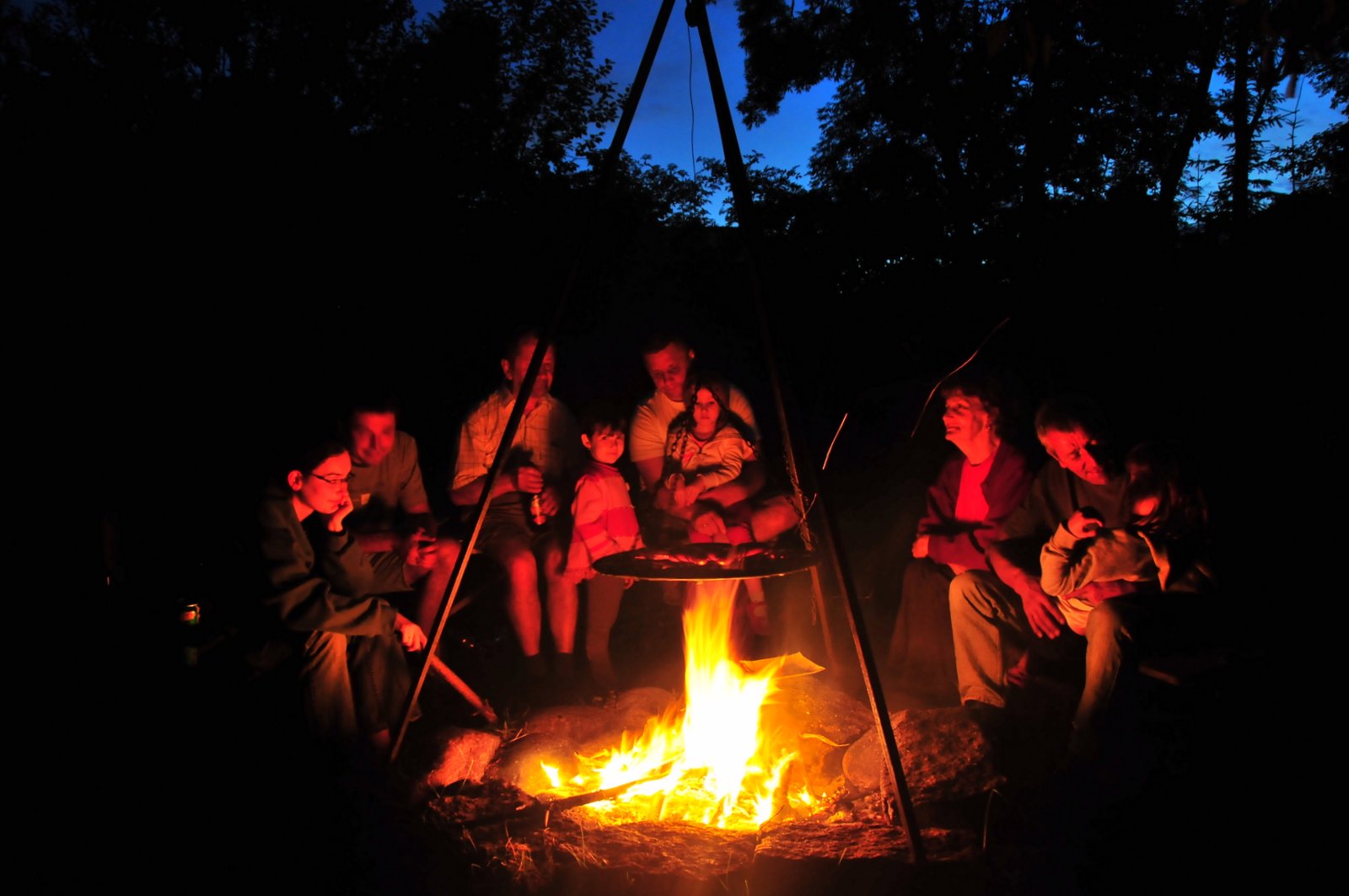
At one point, they were the summit of technological development: steel giants that turned coal and water into unbelievable power. Now, in Chabówka, the steam locomotives that drove Poland for a hundred years sit idle, some rusting, others still miraculously glistening in a mid-summer sun. But if you time your visit to the outdoor rail museum just right, though, you can take a fifteen-kilometer ride in a train pulled by a coal-powered steam locomotive.
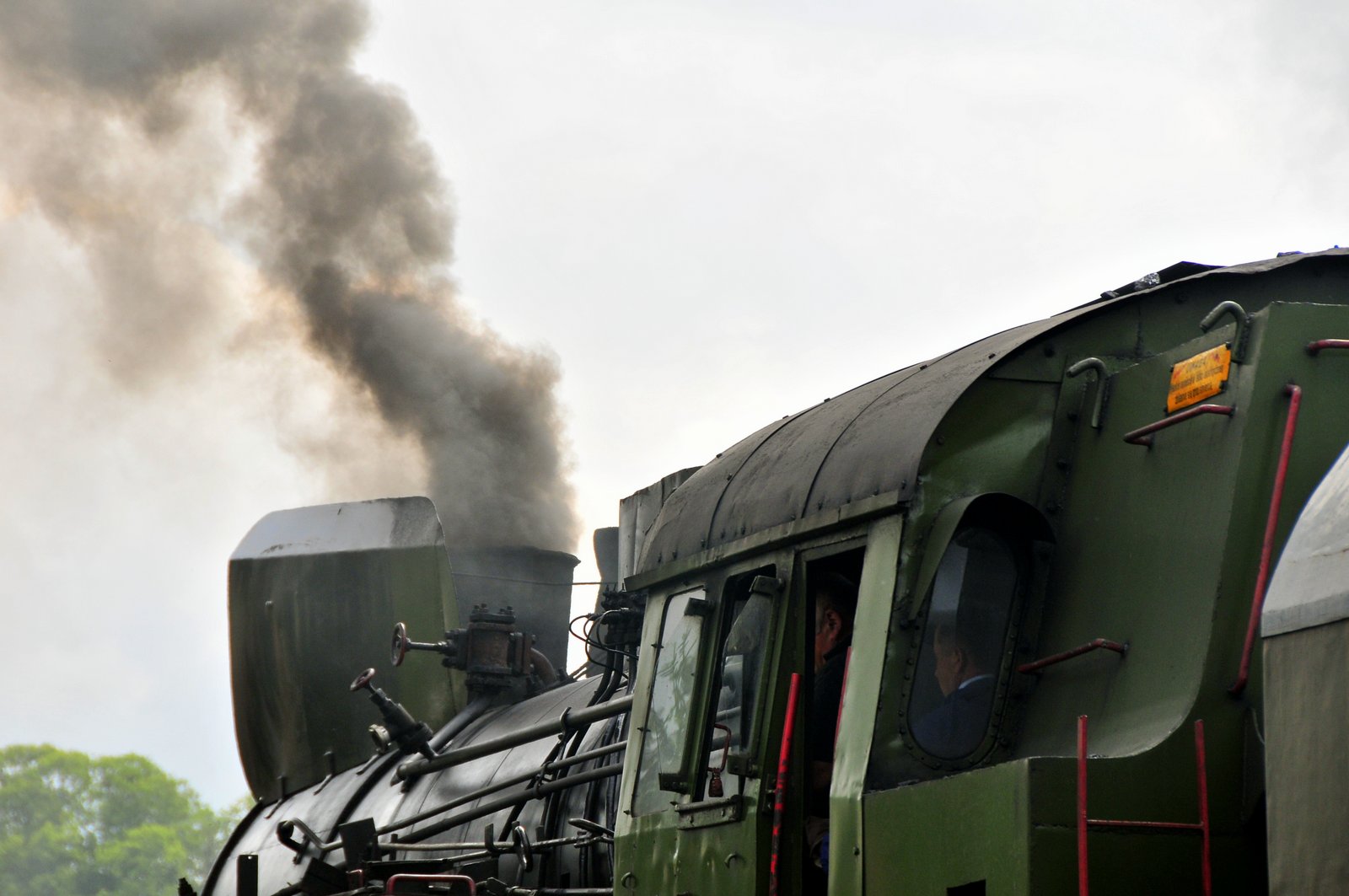
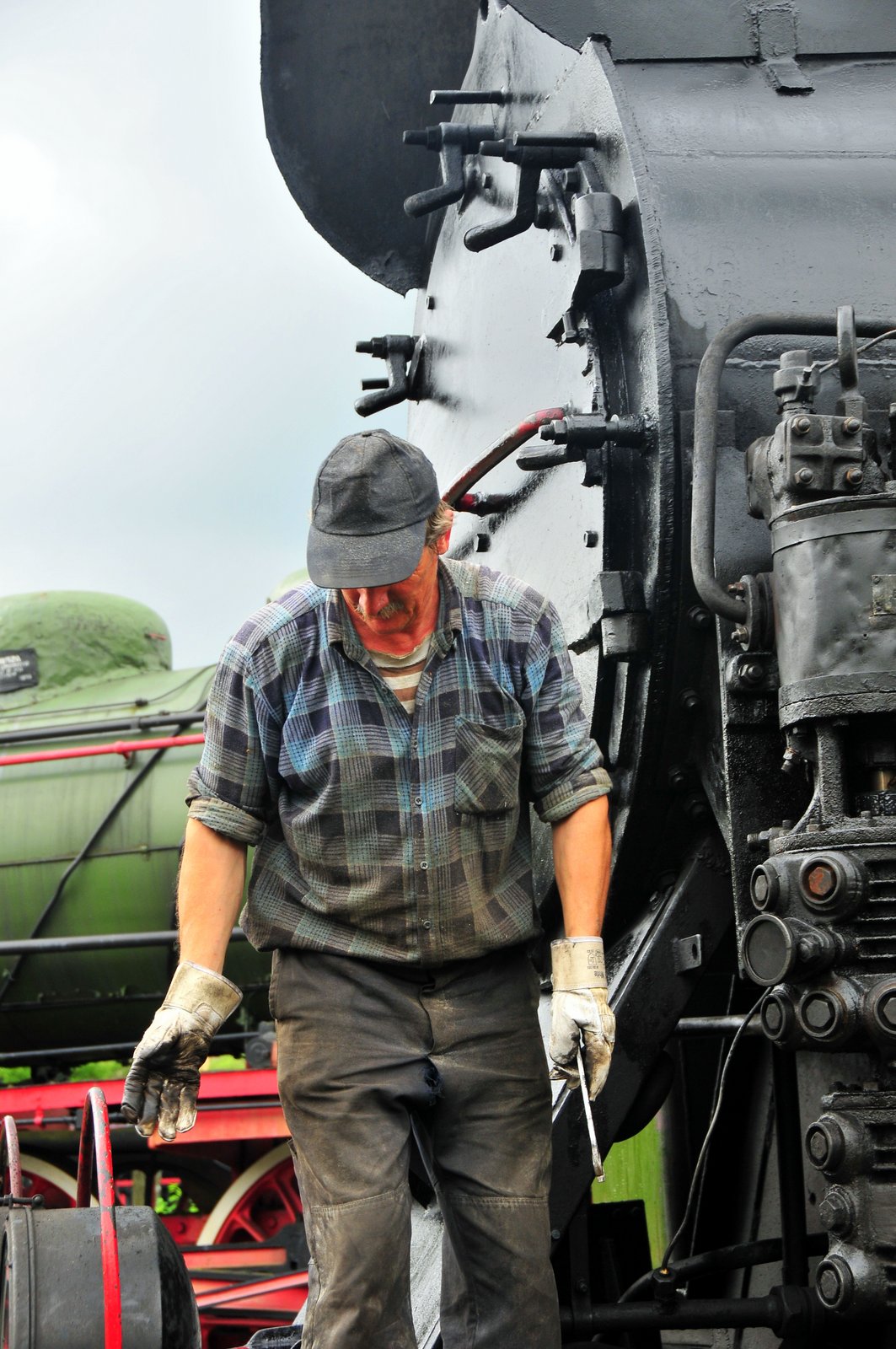
It was an outing I’d been hoping for since our arrival — something new for me and something intriguing for the Girl. For a while it looked like we might not make it, but with a little good luck and sadly a little bad luck, we made it. We arrived just in time to see a tired-looking man working on the engine, proclaiming to the conductor at the end, “There’s nothing we can do: we’ll have to replace it.”
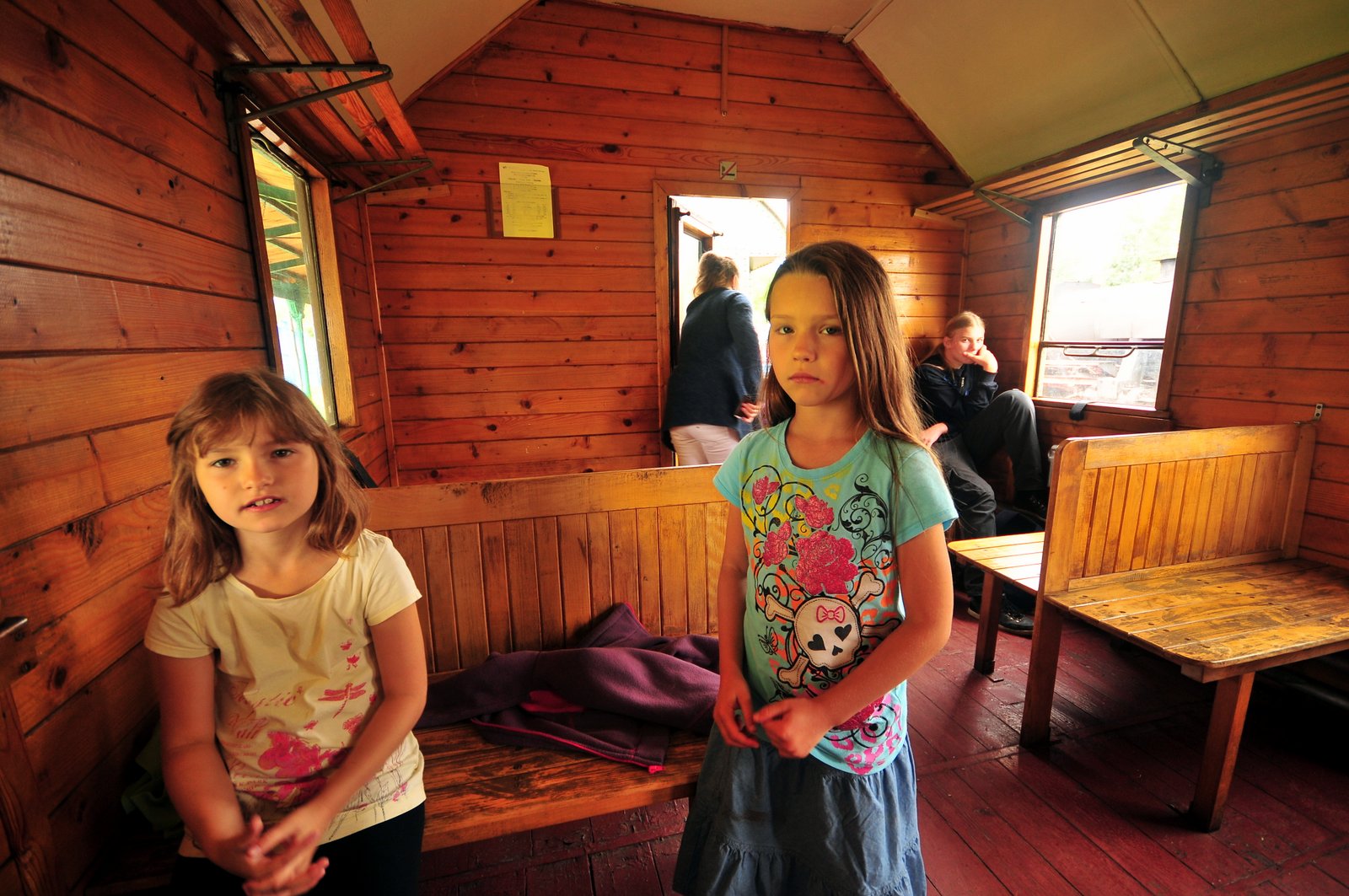
For an instant, I thought that meant the end of our train journey before it even began, but fortunately, the replacement will come later. So the girls and I were able to search out a hard wooden bench in the third class section and settled down for a once-in-a-lifetime (maybe?) trip. Of course, the places are now sold on a first-come-first-serve basis, but the decades-old passengar cars were still clearly divided into first-, second-, and third-class seating.
A far cry from the modern train that pulled up beside us: no first- or any- class. No real division between the carriages, in fact — just a long, sleek train. “It’s missing the romaticism,” Babcia proclaimed later, looking at the pictures.

Our journey was short, a mere fifteen kilometers (less than ten miles) one way. We passed Turbacz, a popular climb, and we stopped at several stations that are now served only by this tourist steam locomotive: the majority of the sleek modern trains pass right through most of these locations.
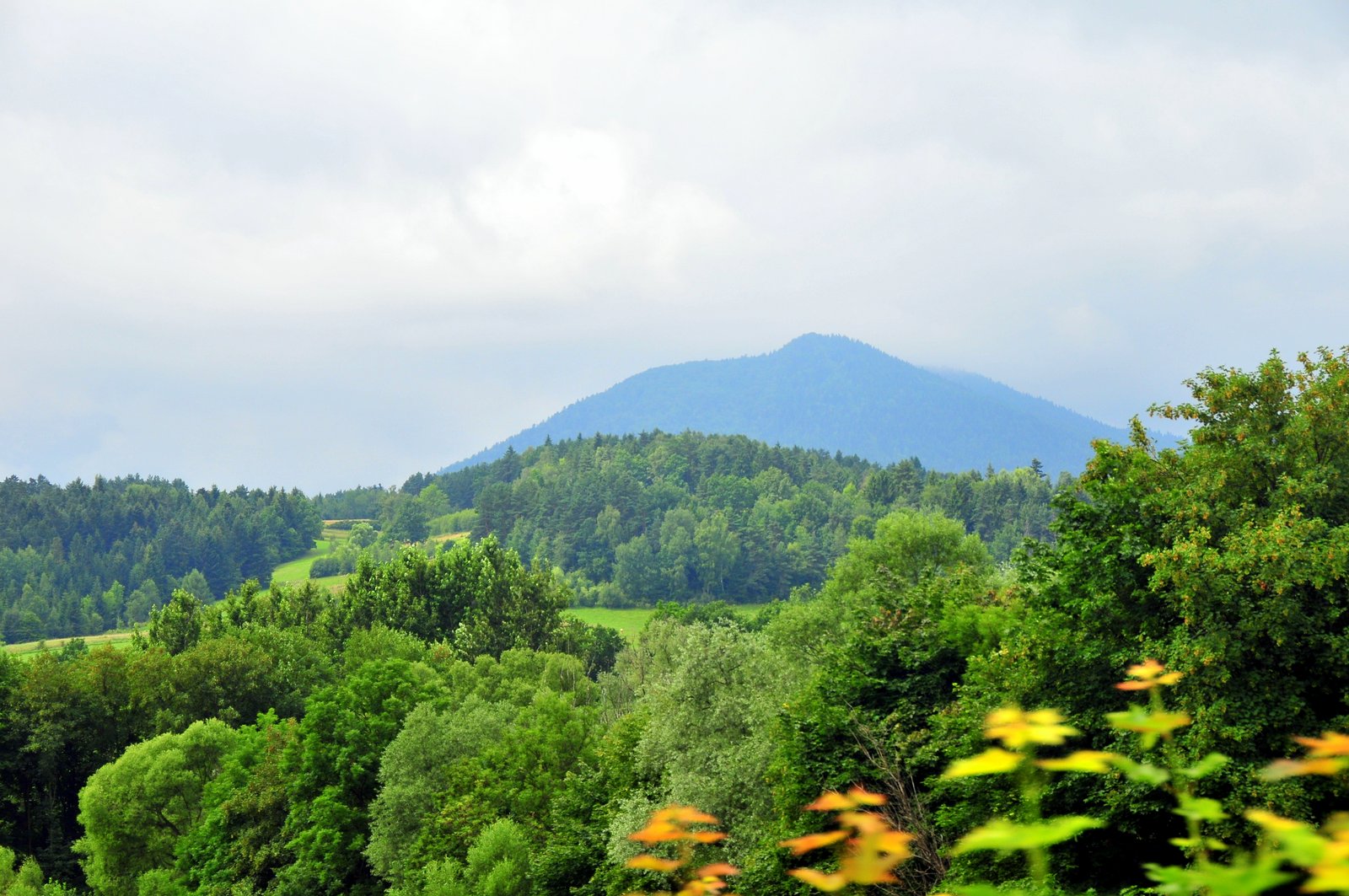
At the end of the line, we all got out and gaped as the locomotive pulled to the front, only facing backwards. Of course, these locomotives (like all of them, I guess) can go either way with equal facility. Of course the modern trains simply have an engine at each end — indeed, the engine and the wagon are difficult to discern. Less romantic, I’m sure.

On the way back, we were unable to find a free seat, so we took positions in fourth class — stand-where-you-can. It was in fact a mixed blessing, for we stood in between cars and got to see the black smoke drift overhead and smell the arcid odor of coal power.
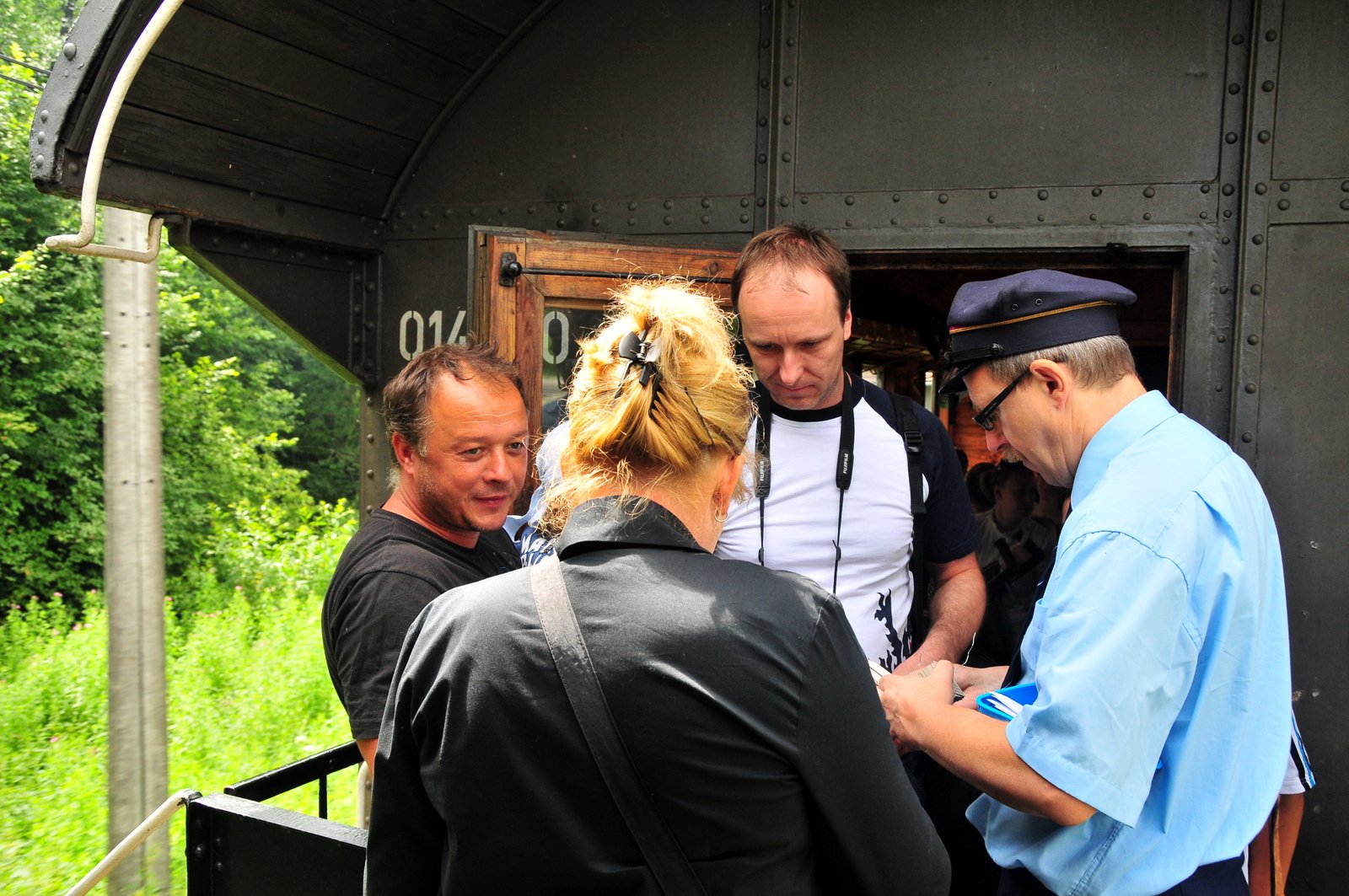
Afterward, we walked around the train-yard/museum, climbing into the locomotives, looking into the fire chambers, clambering into the coal cars — it reawakend the little boy in me, and the girls had a blast climbing up and down the imposing engines.