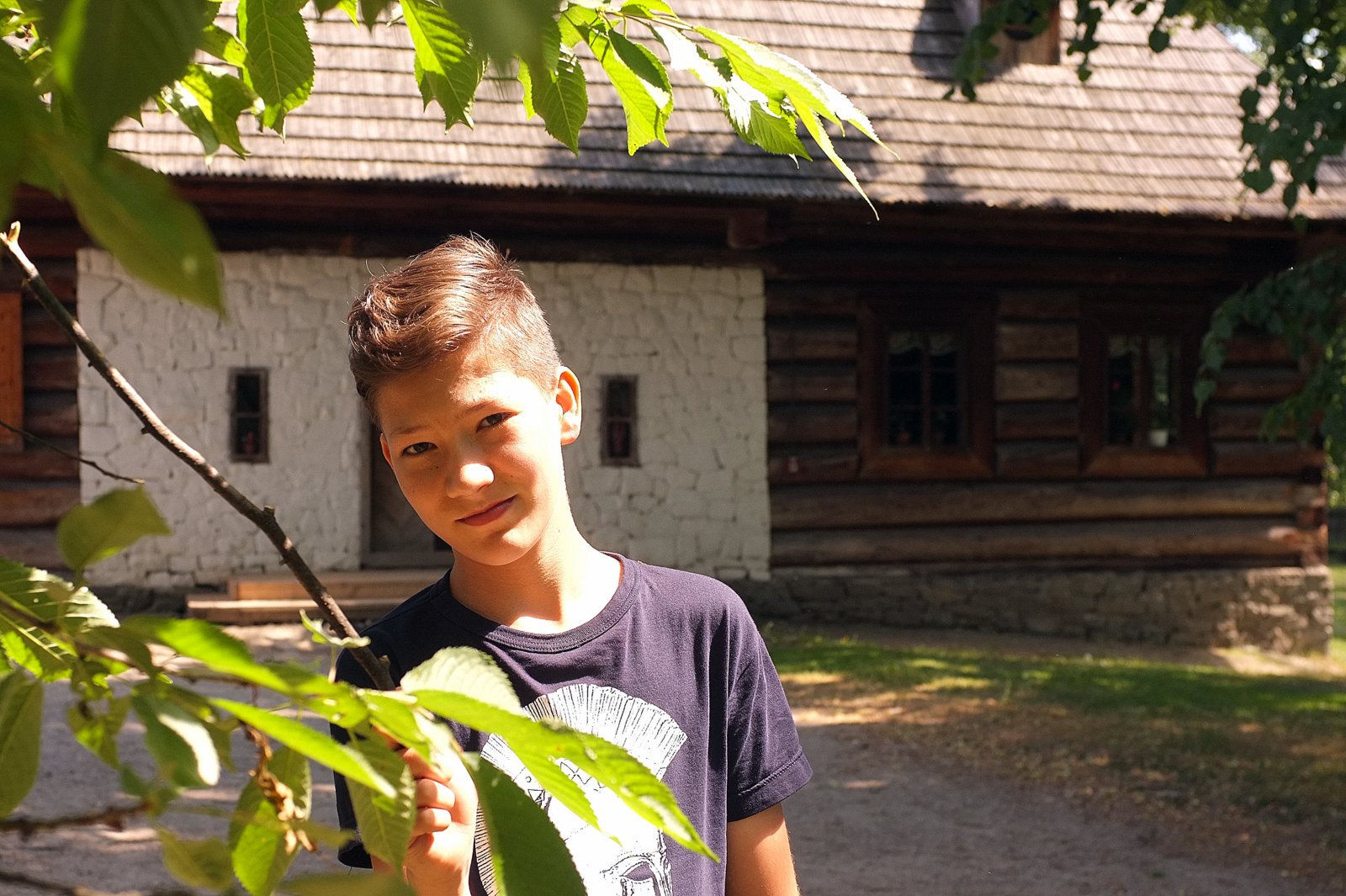
Cherries at Babcia’s
A cruise
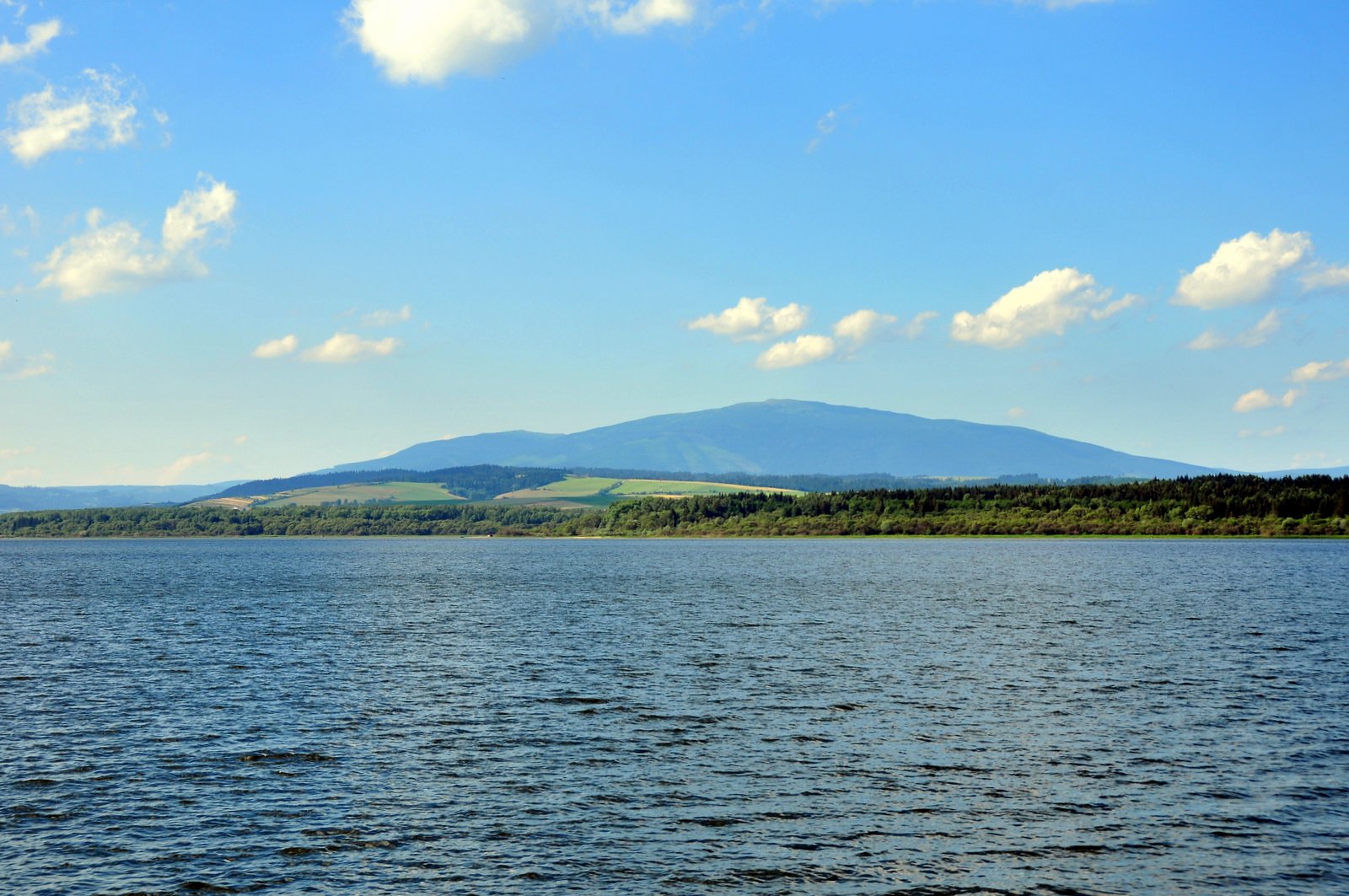
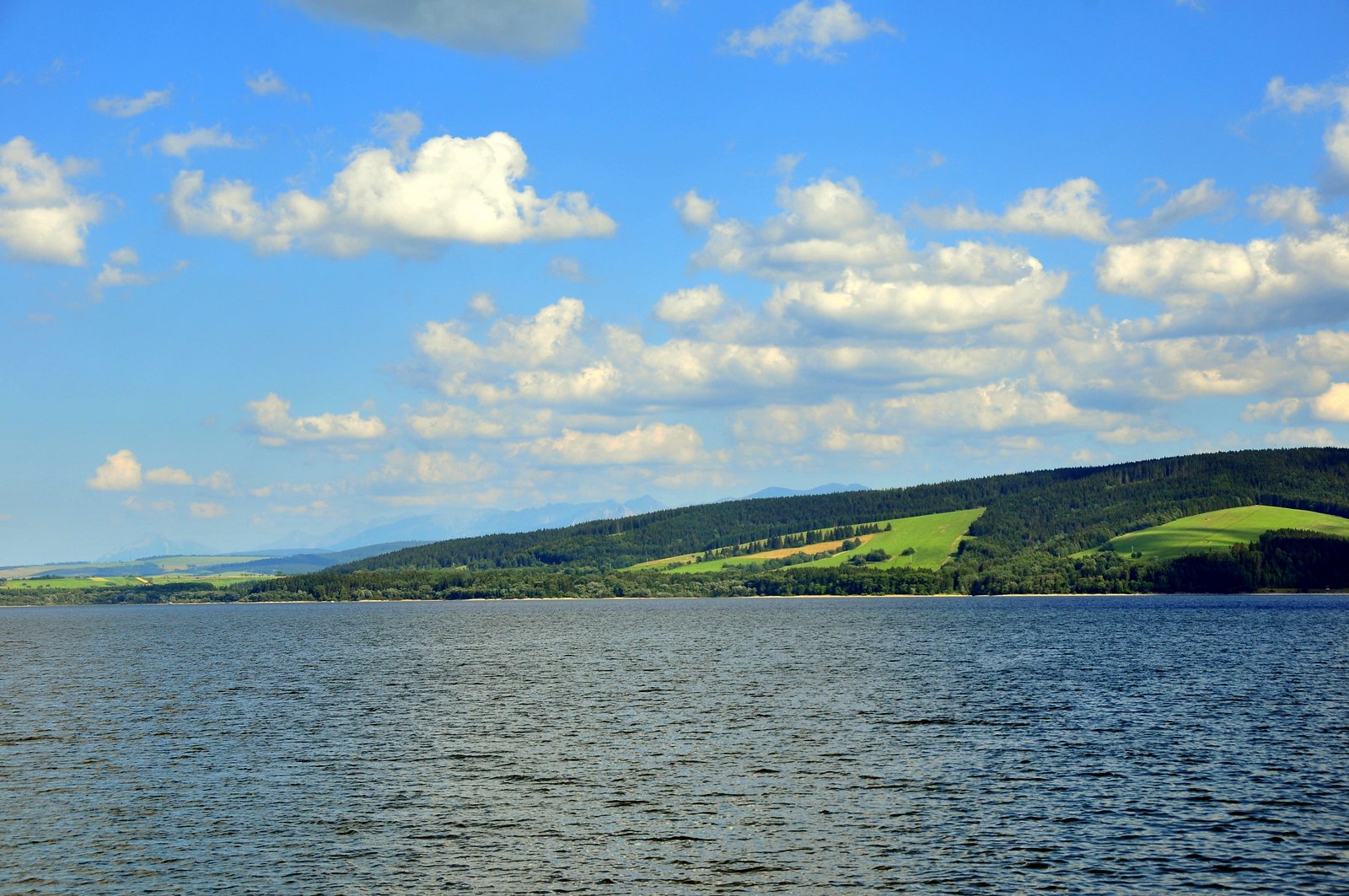
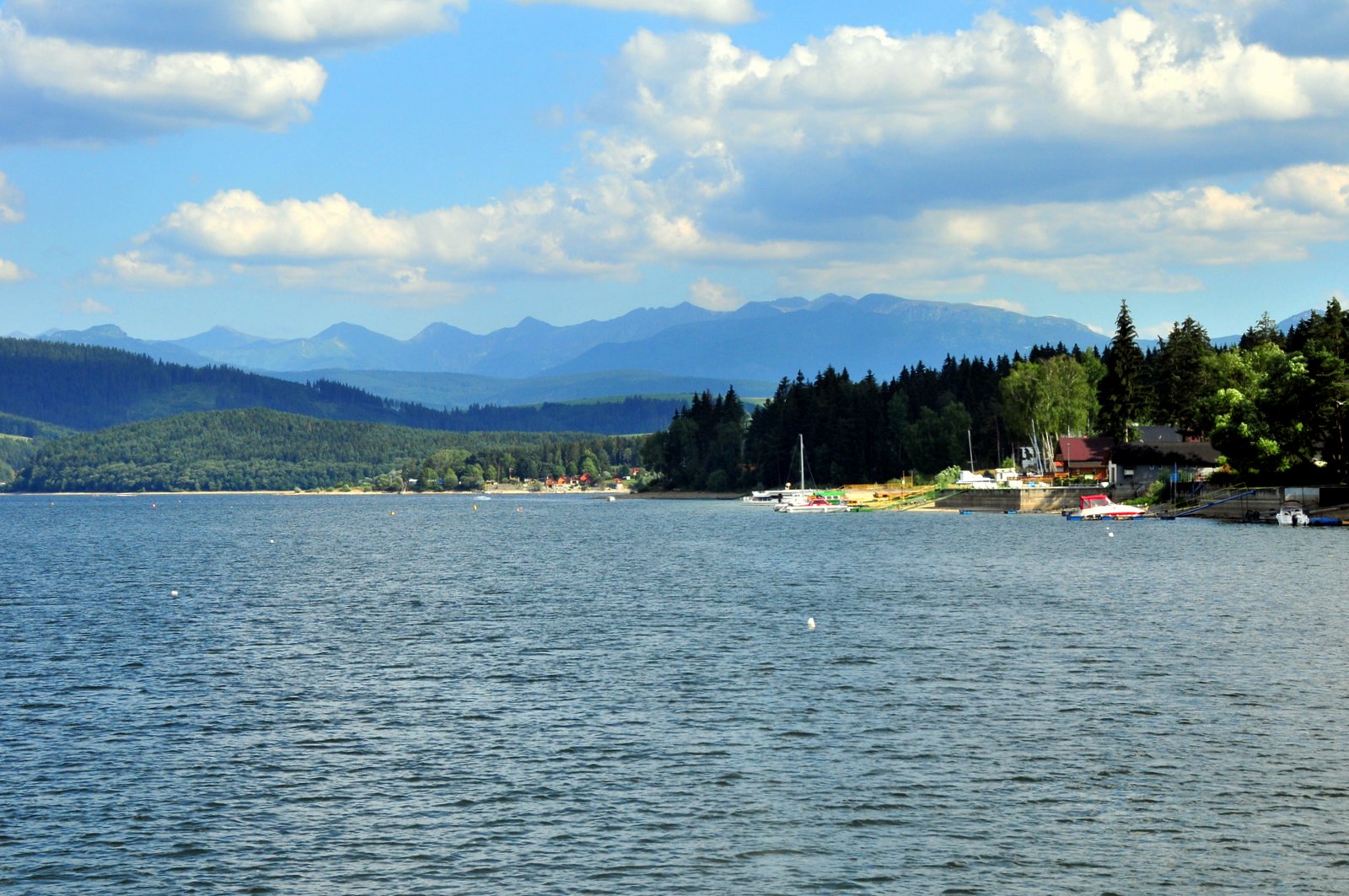
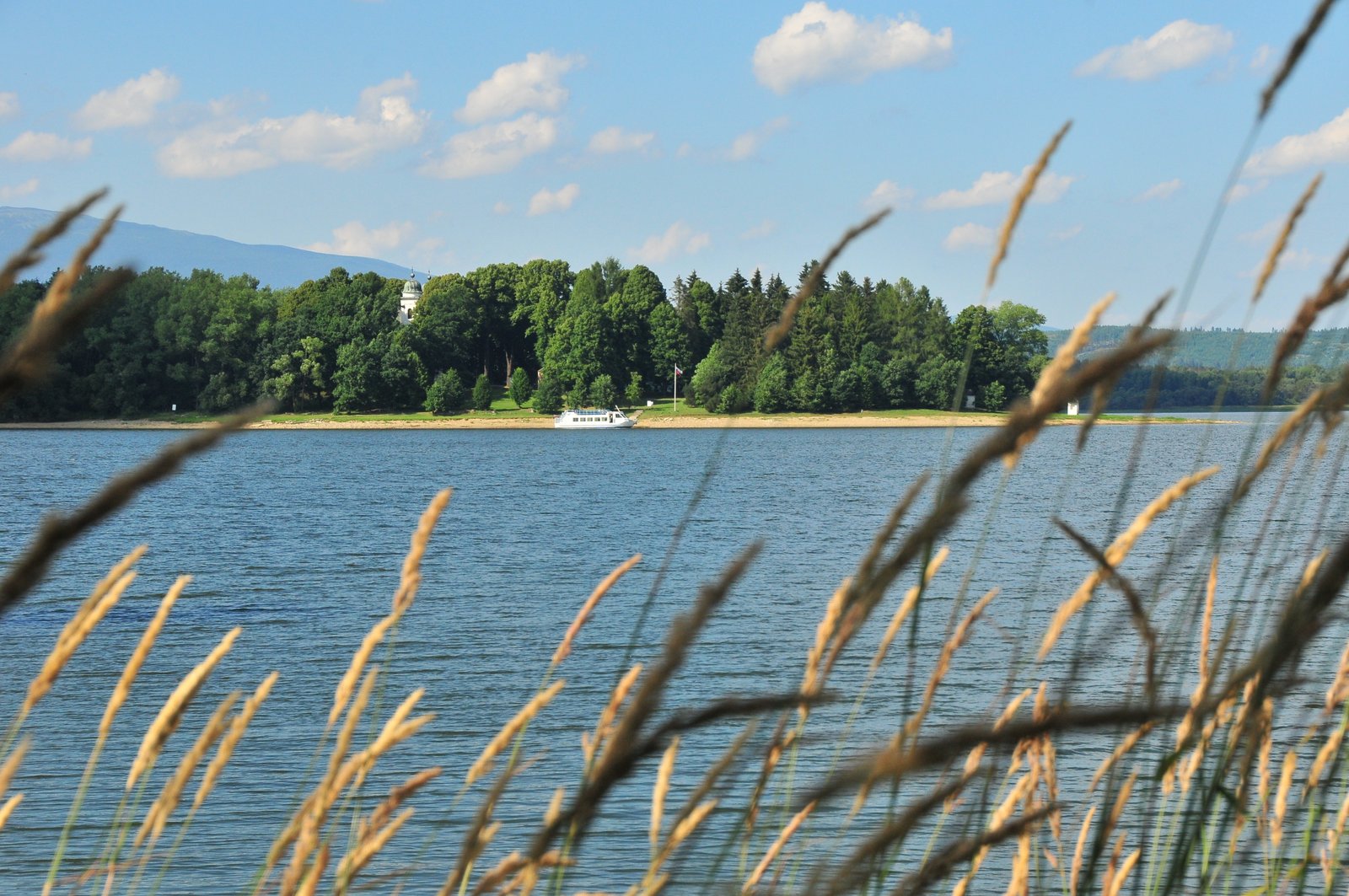
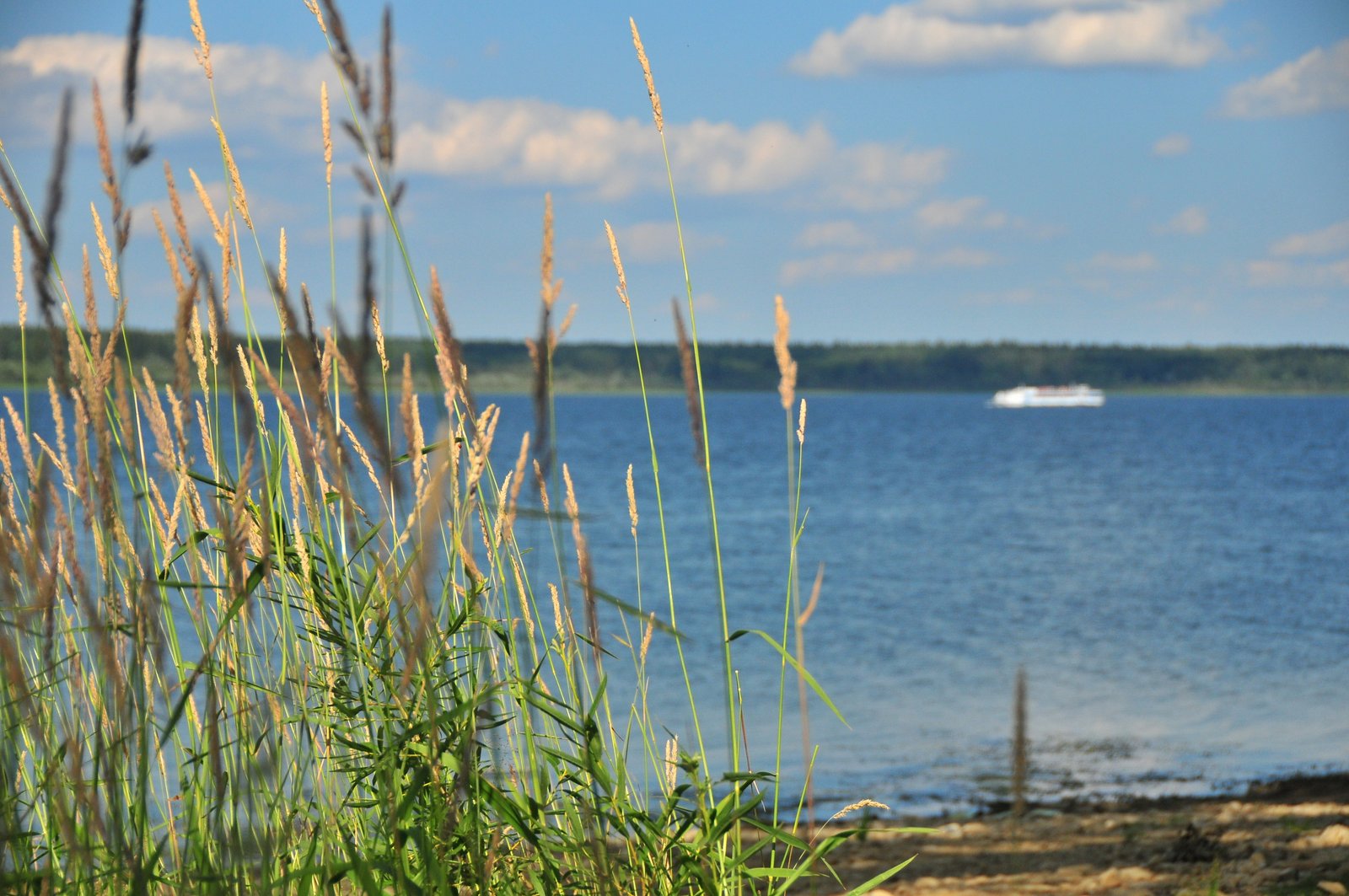
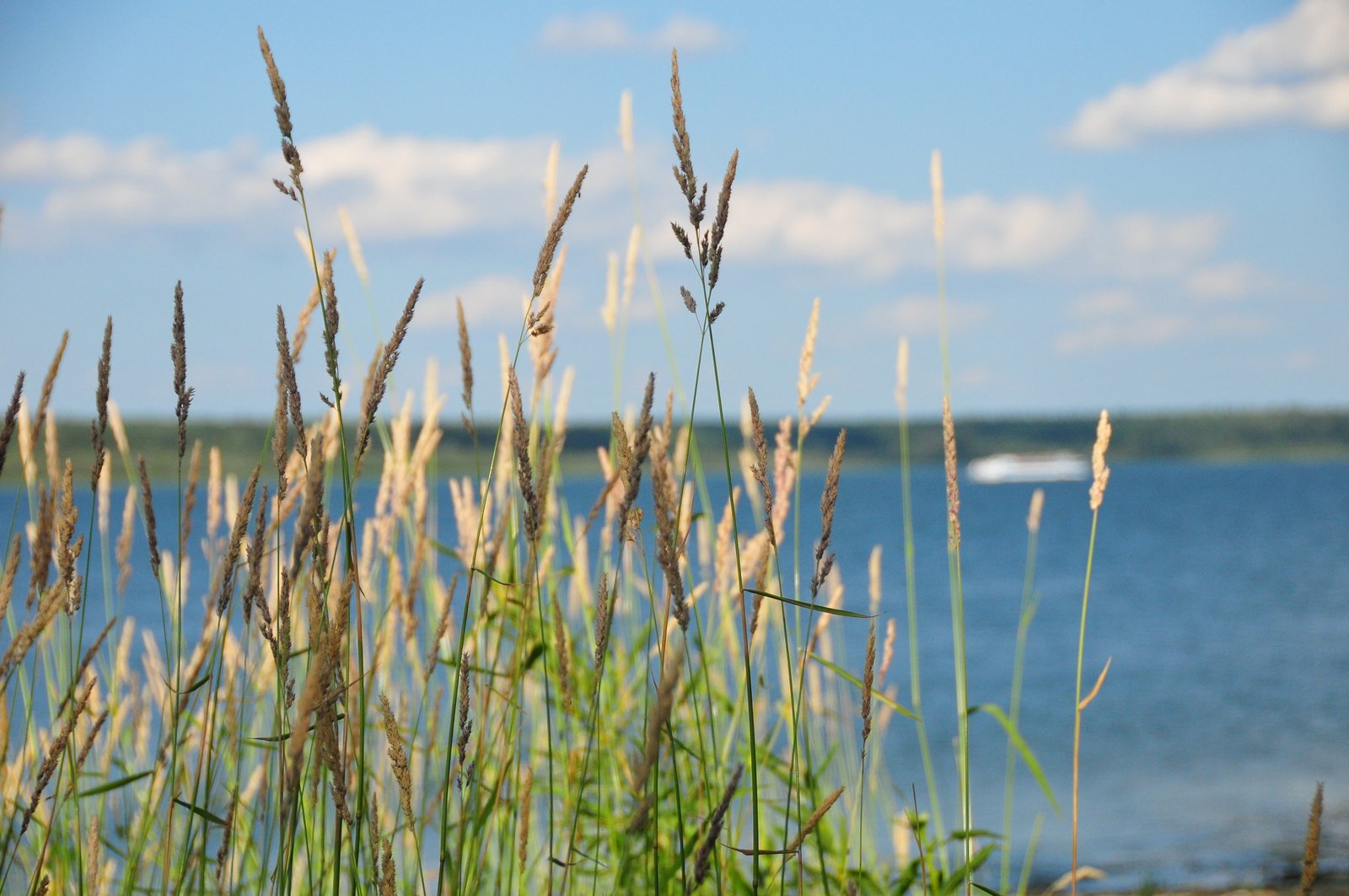
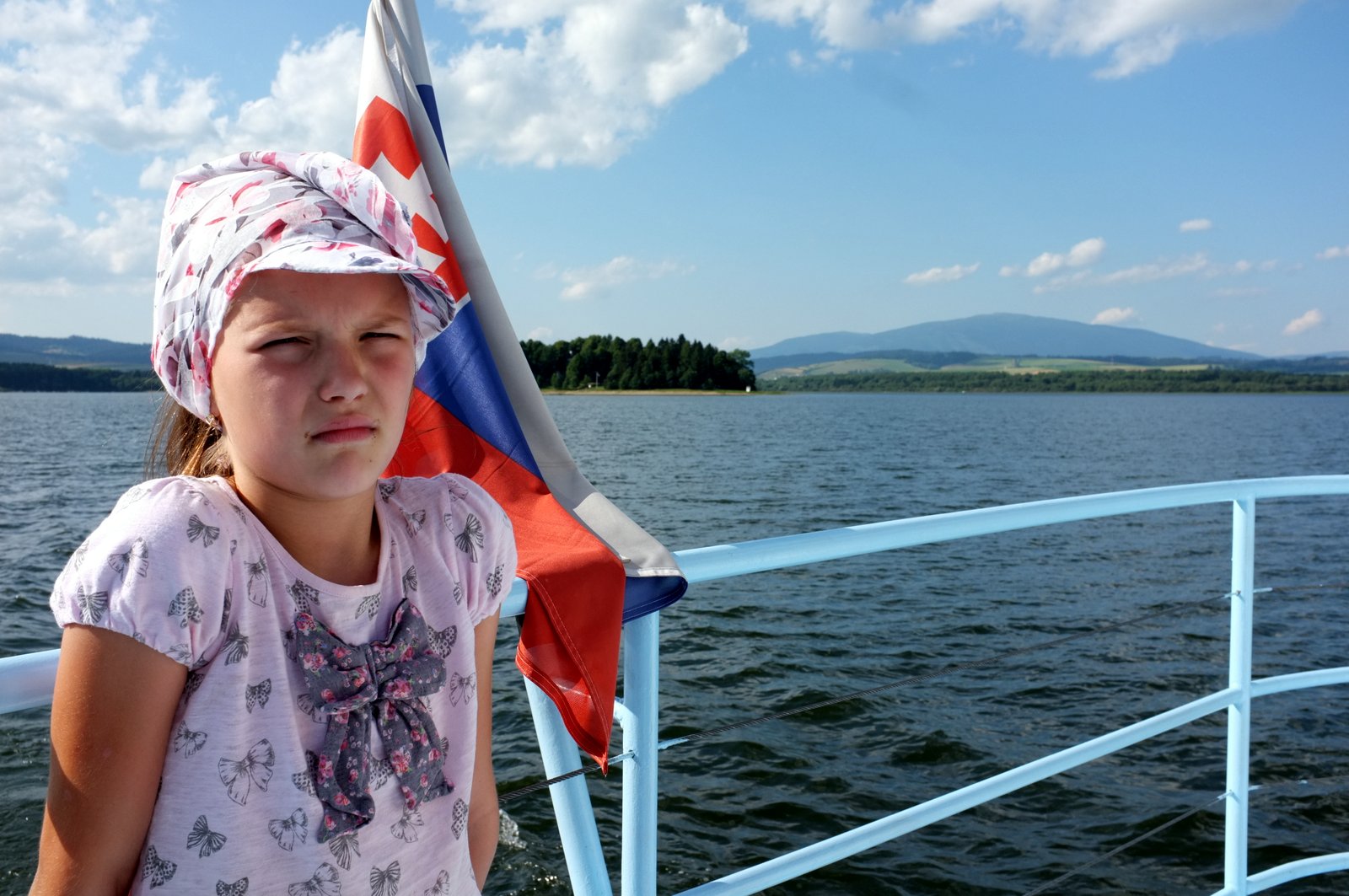
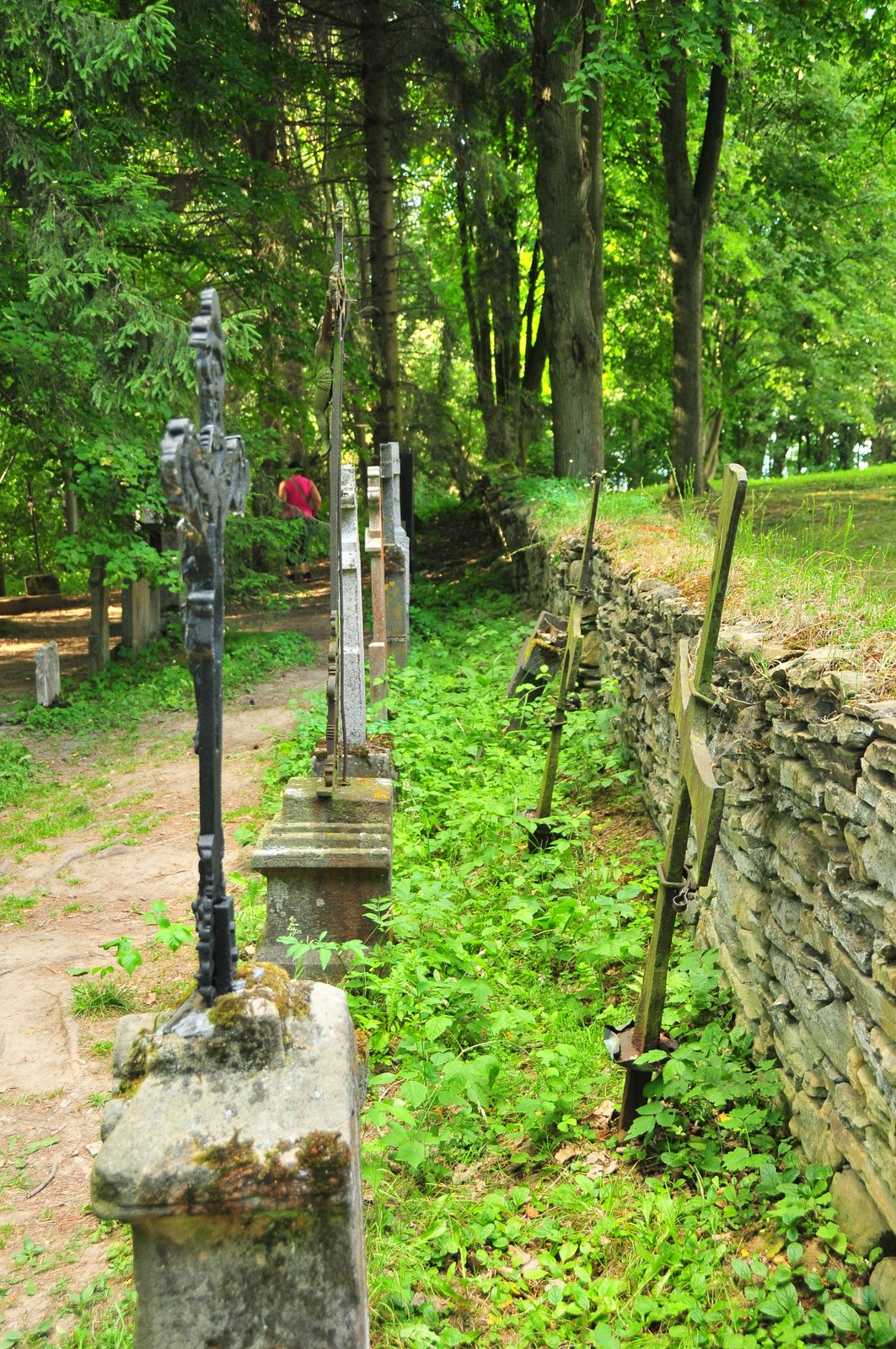
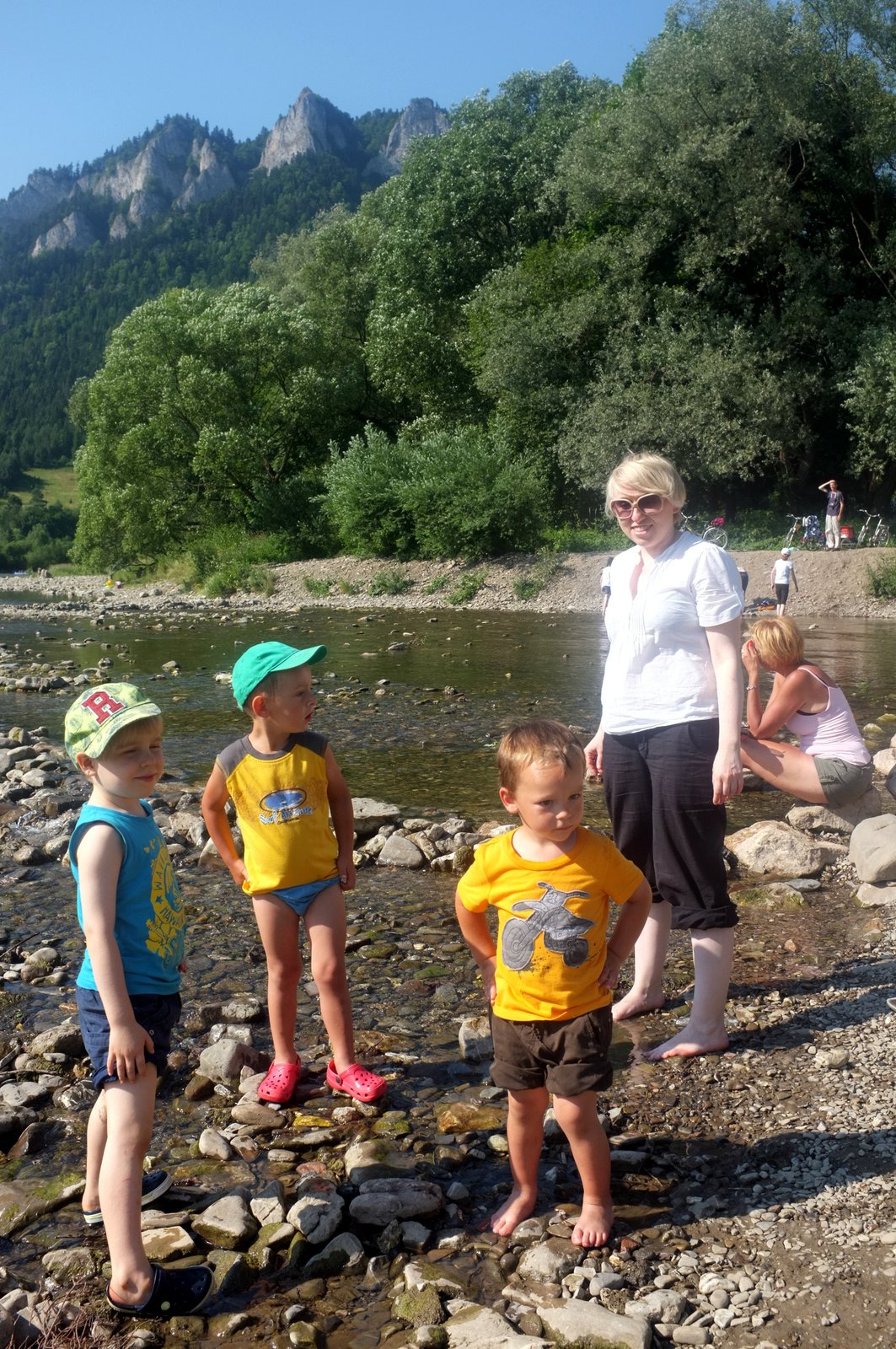
And the remains of three villages that were flooded to make a reservoir.

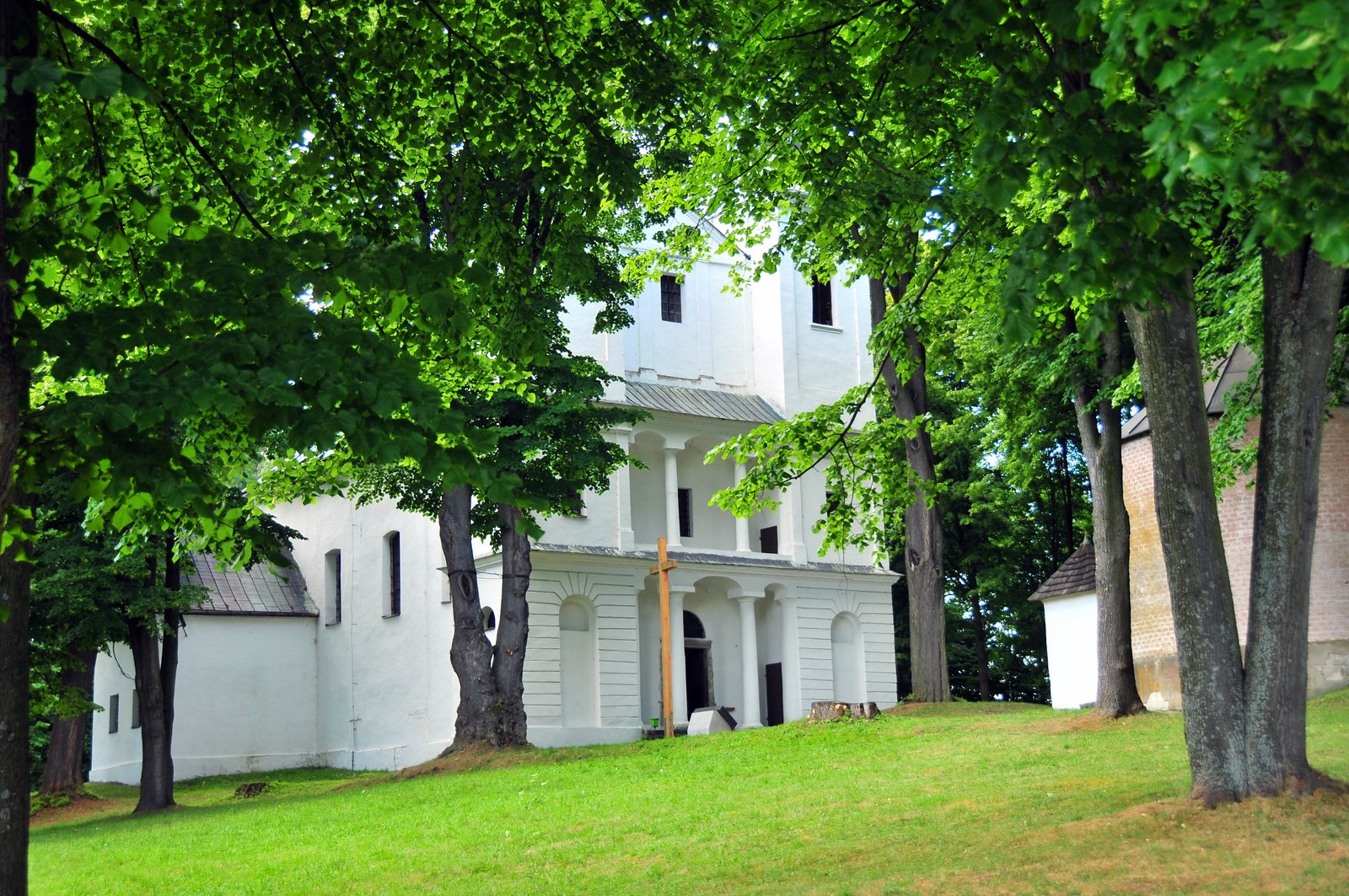
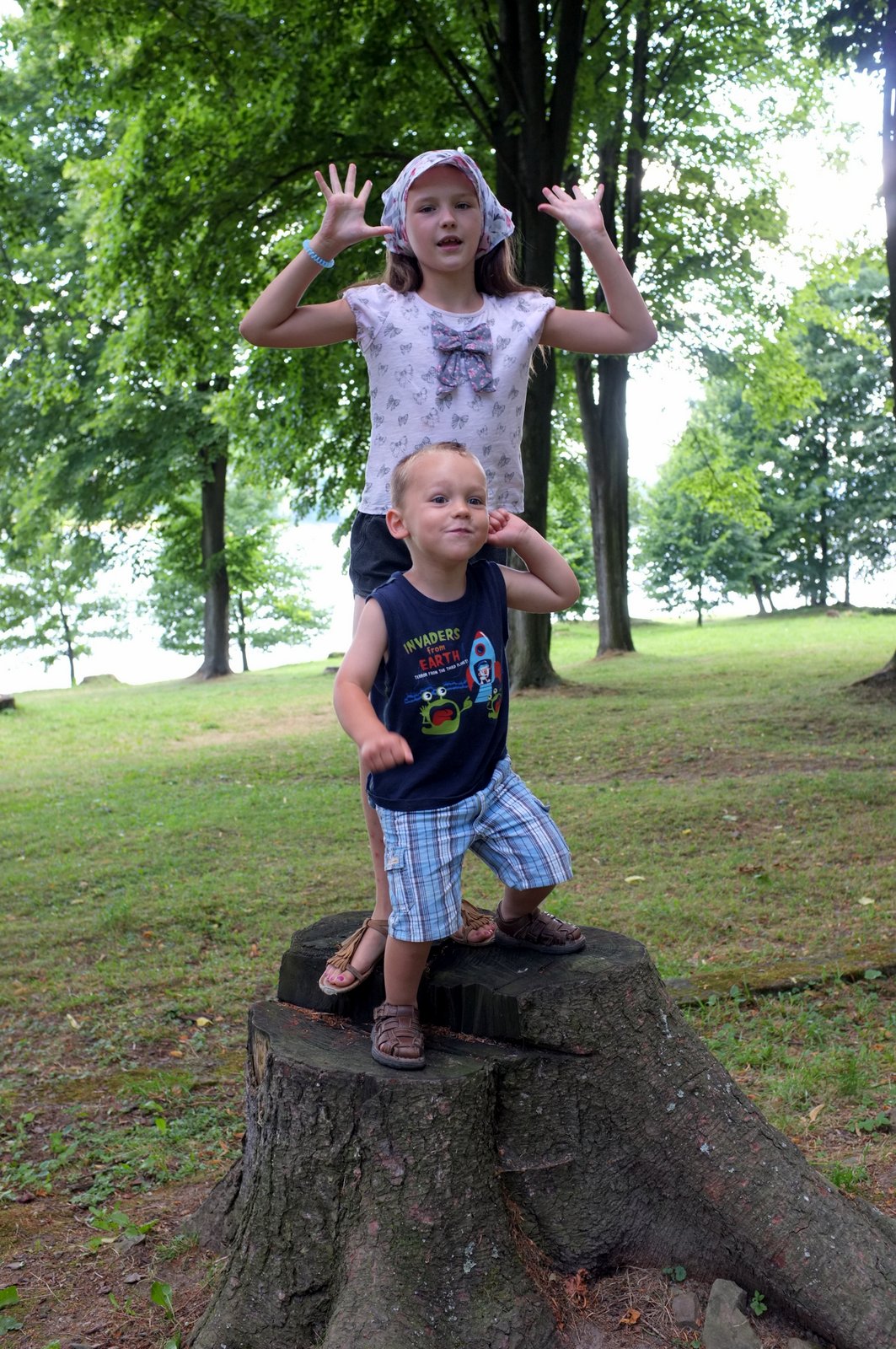
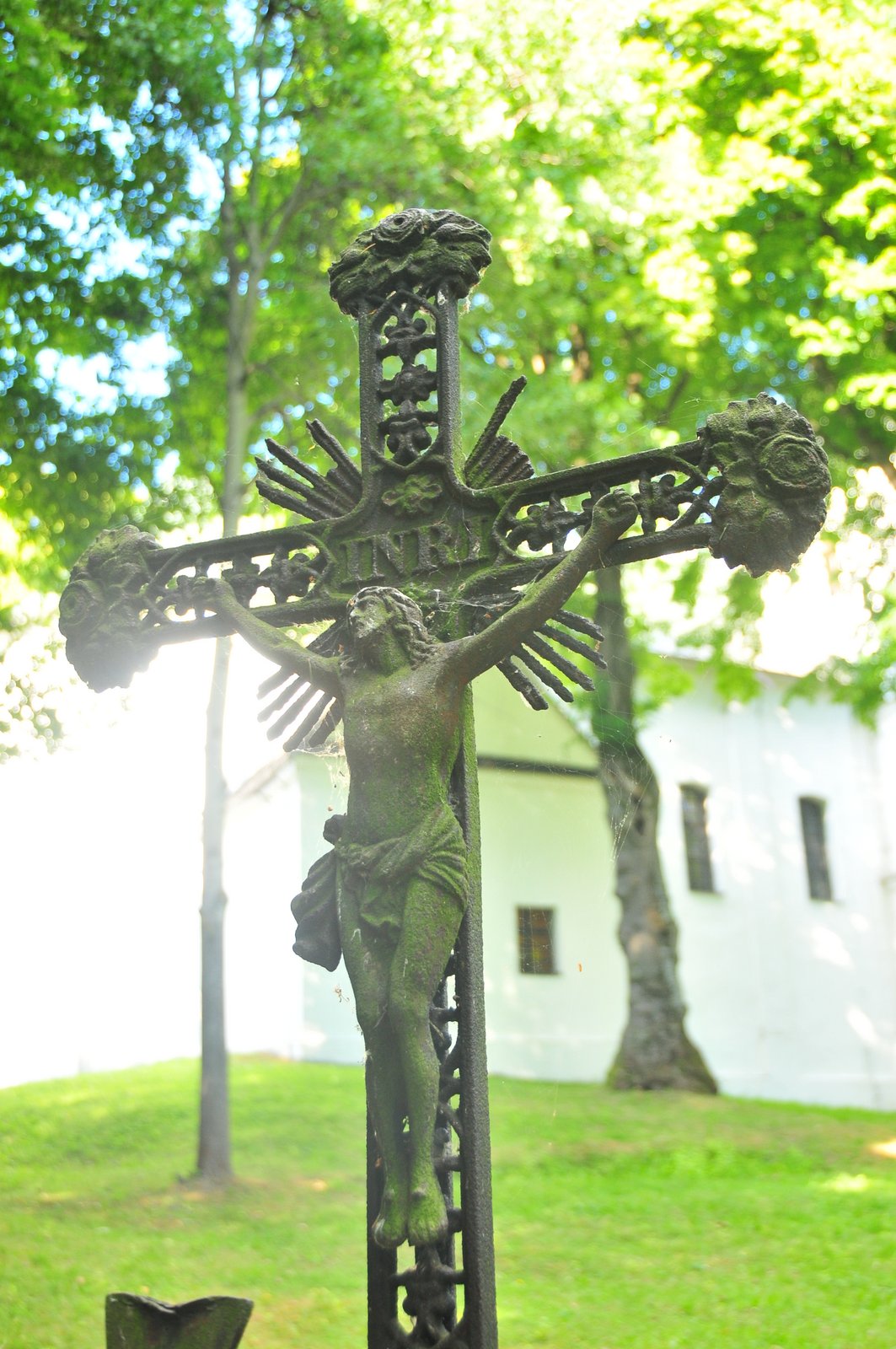
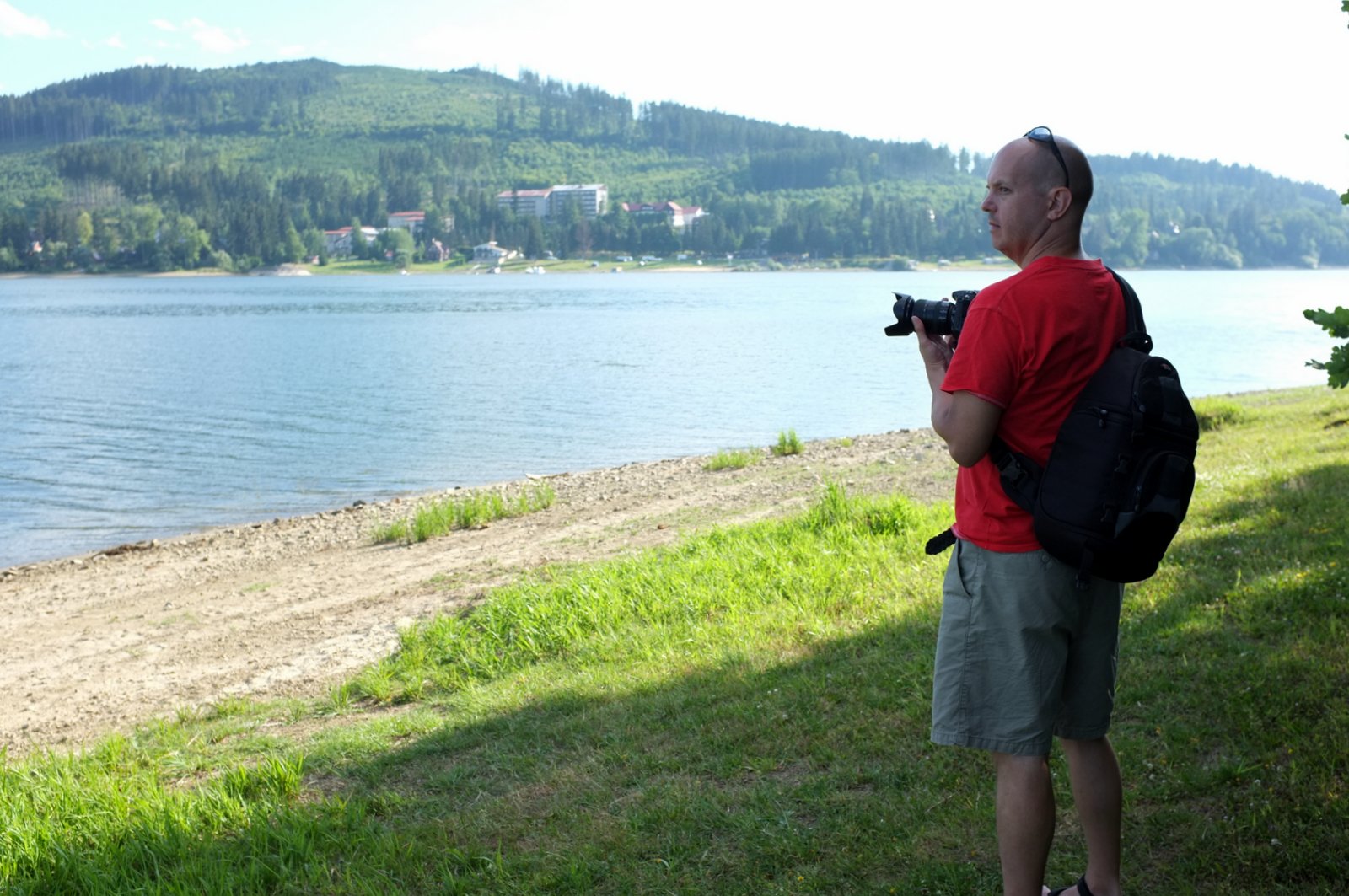
A busy day
Cherries at Babcia’s
A cruise
And the remains of three villages that were flooded to make a reservoir.
A busy day
The second day is always better than the first.
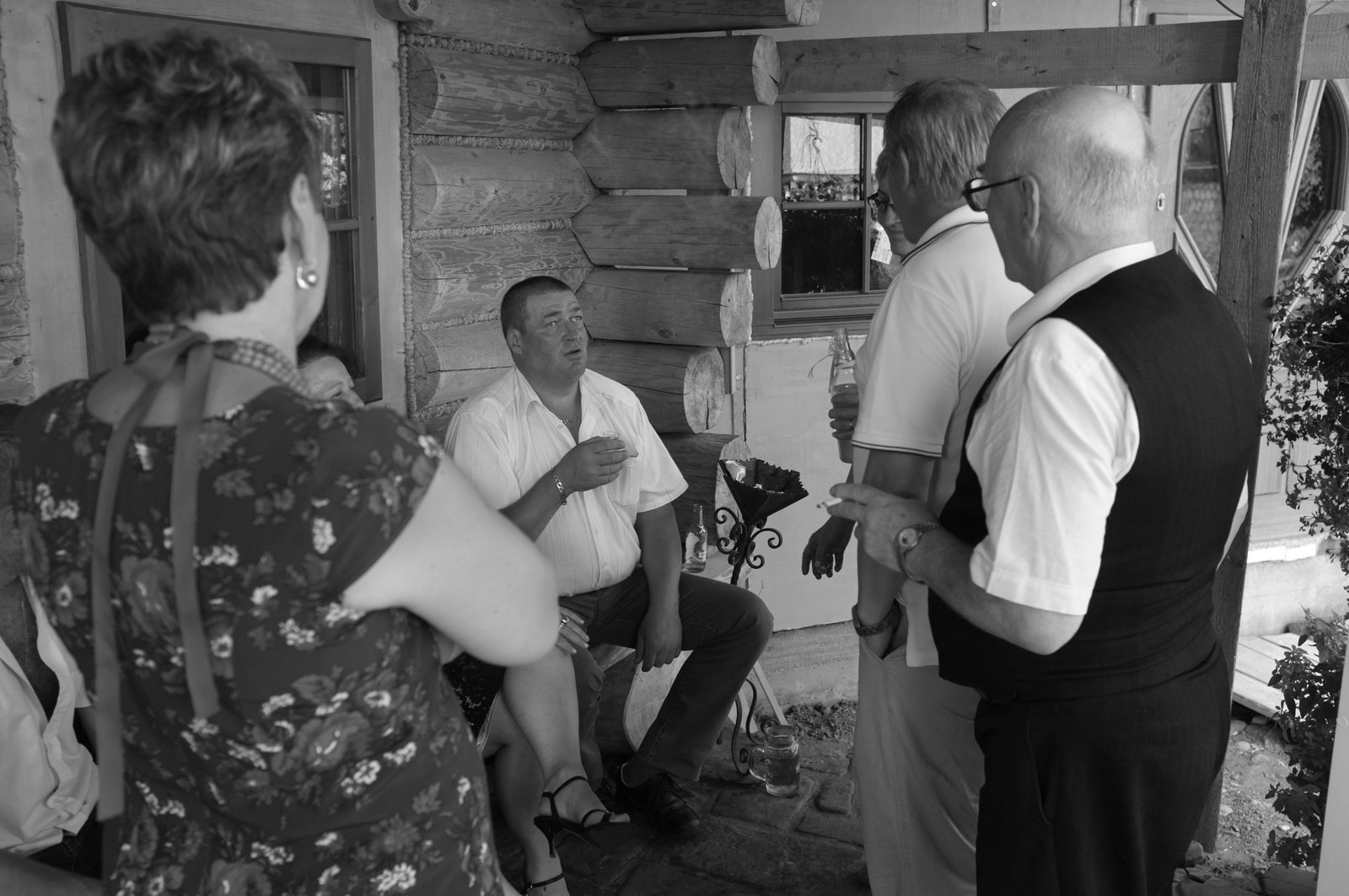
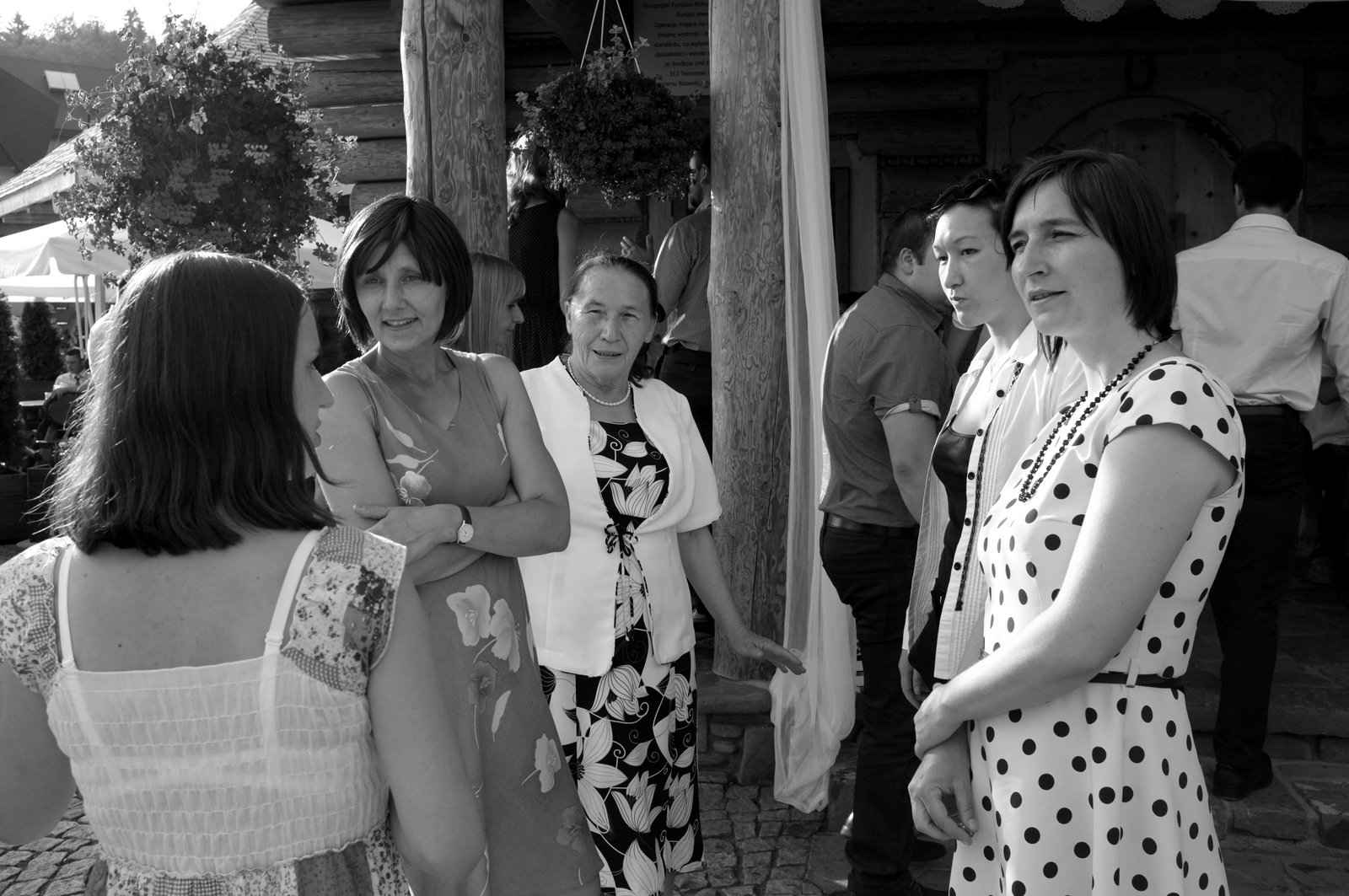
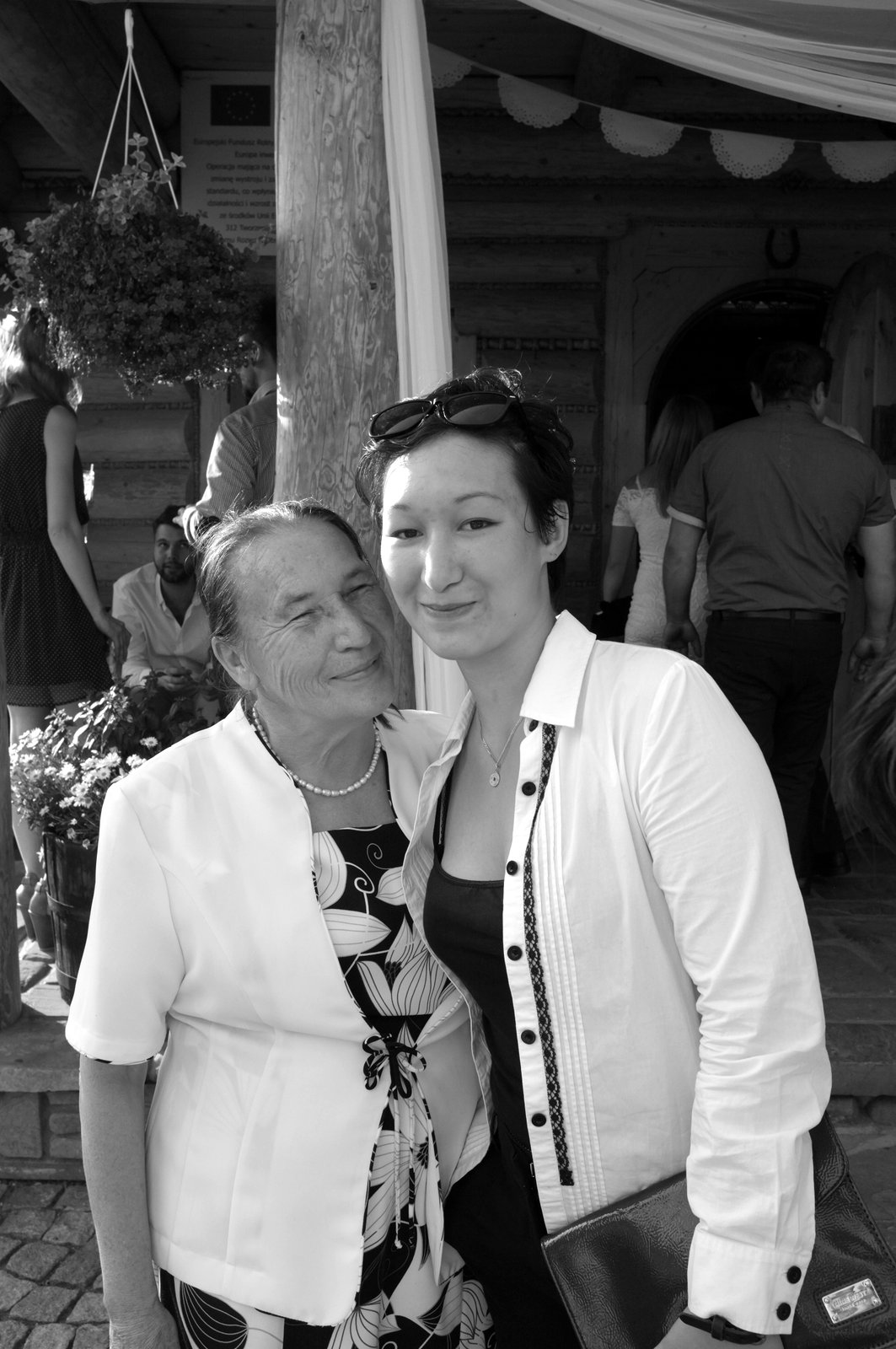
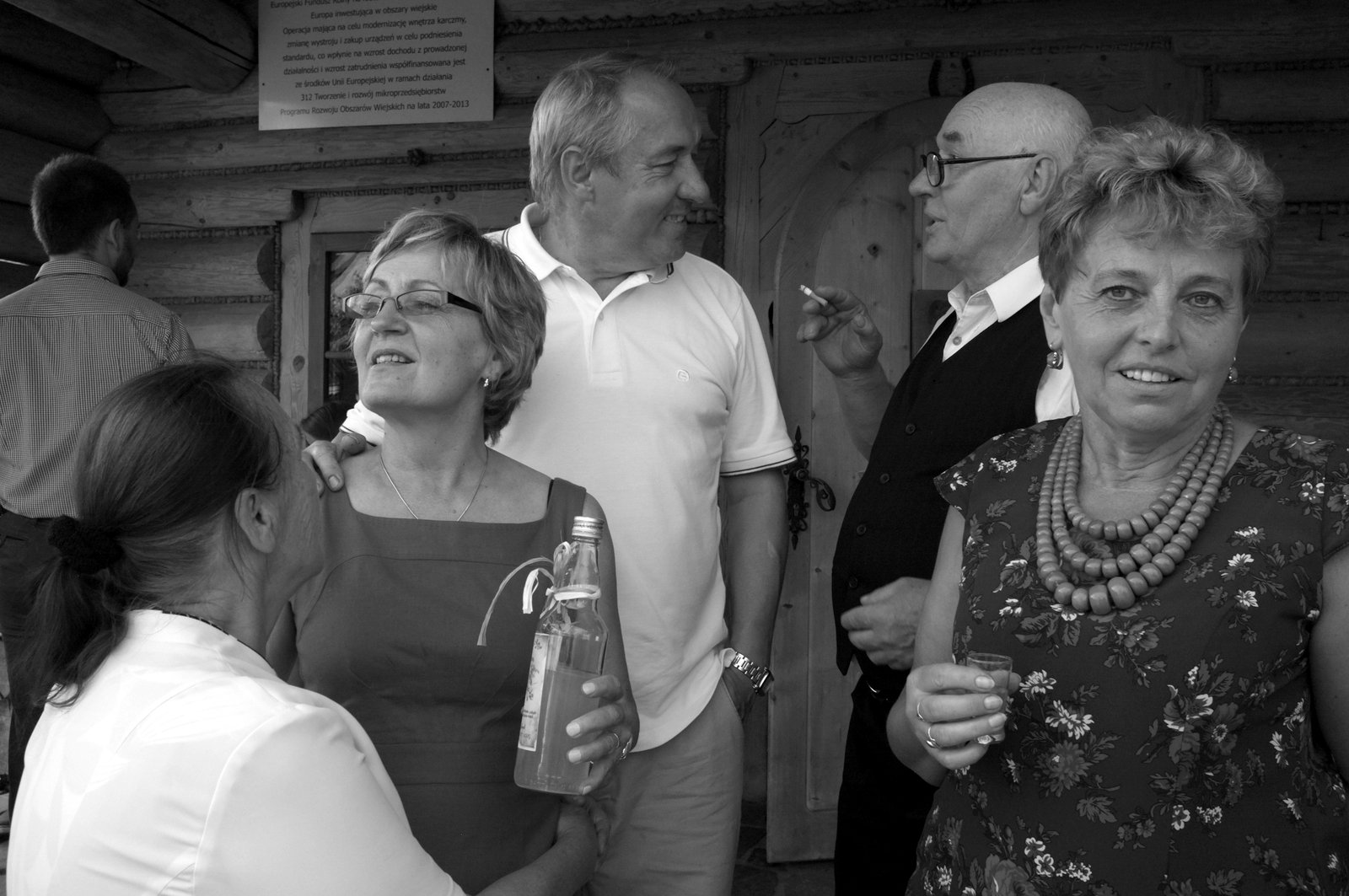
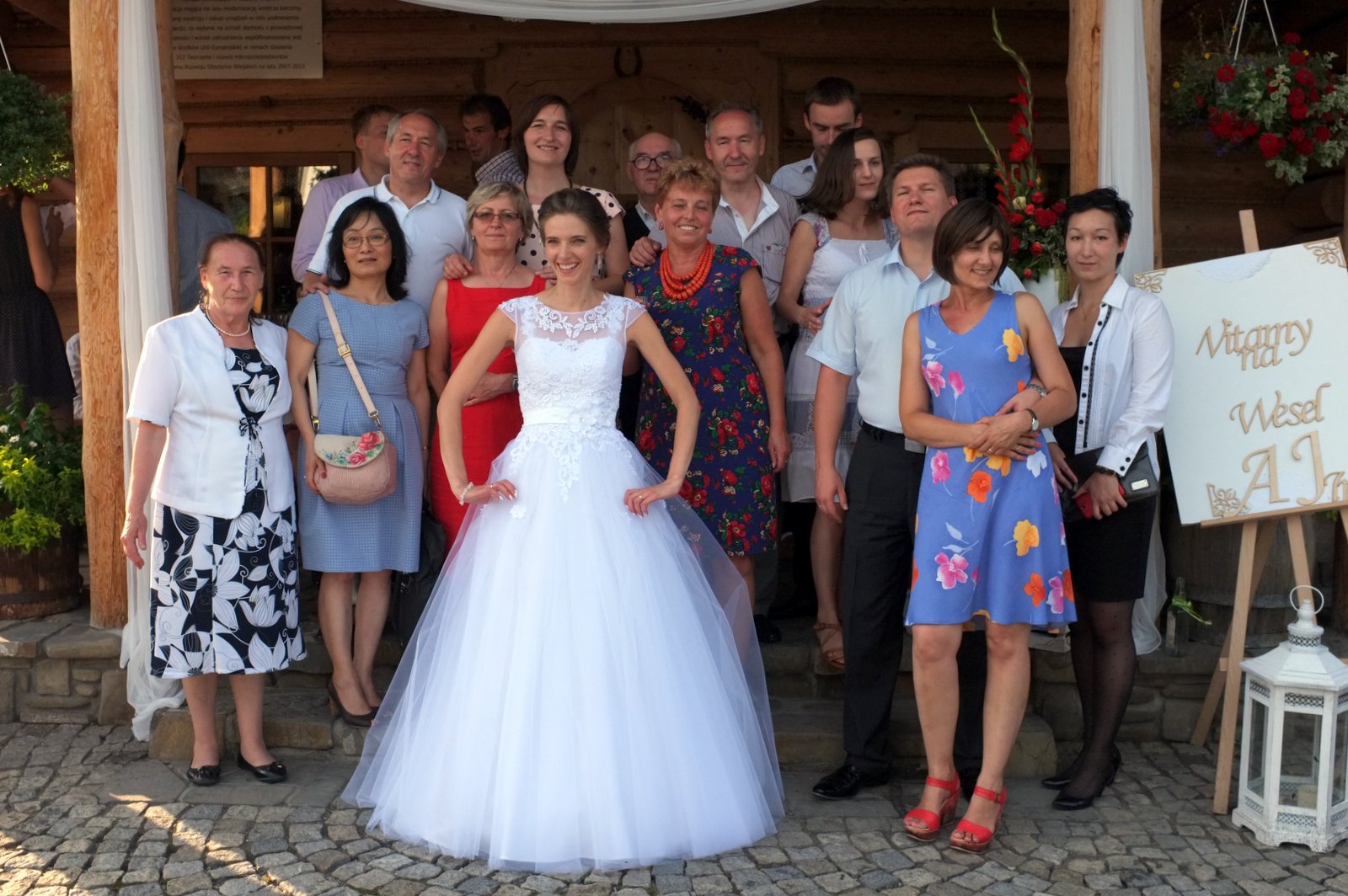
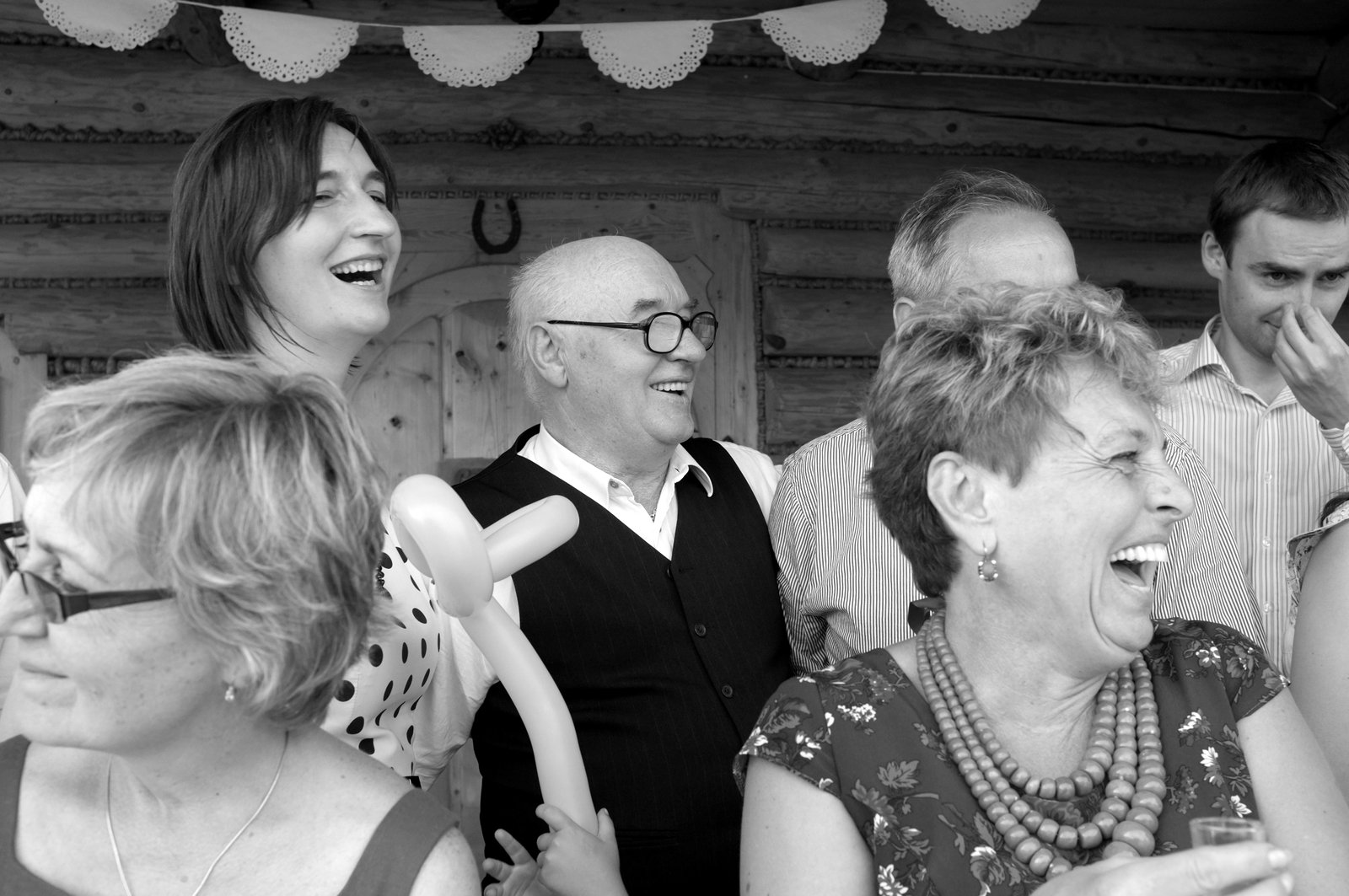
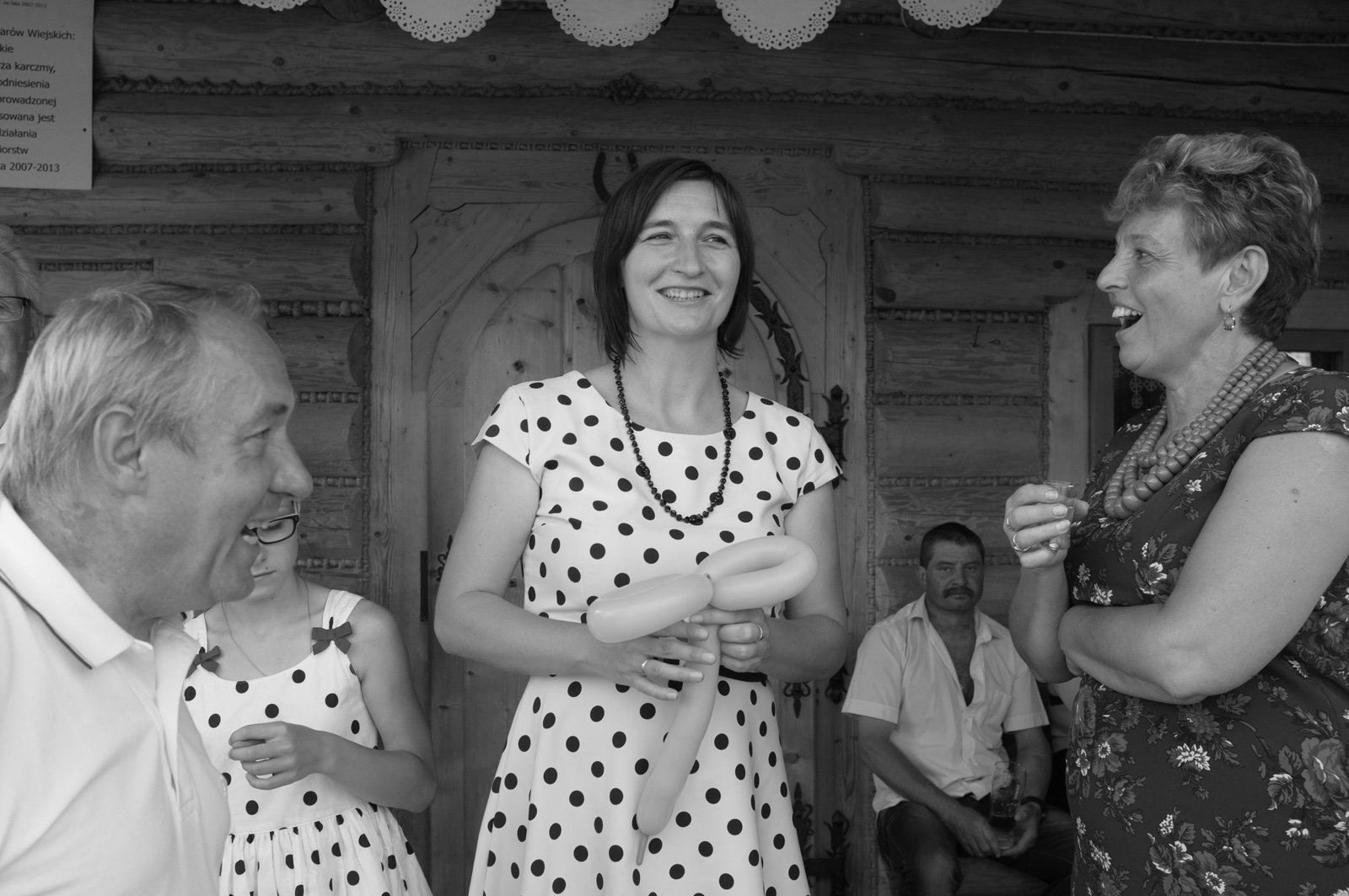
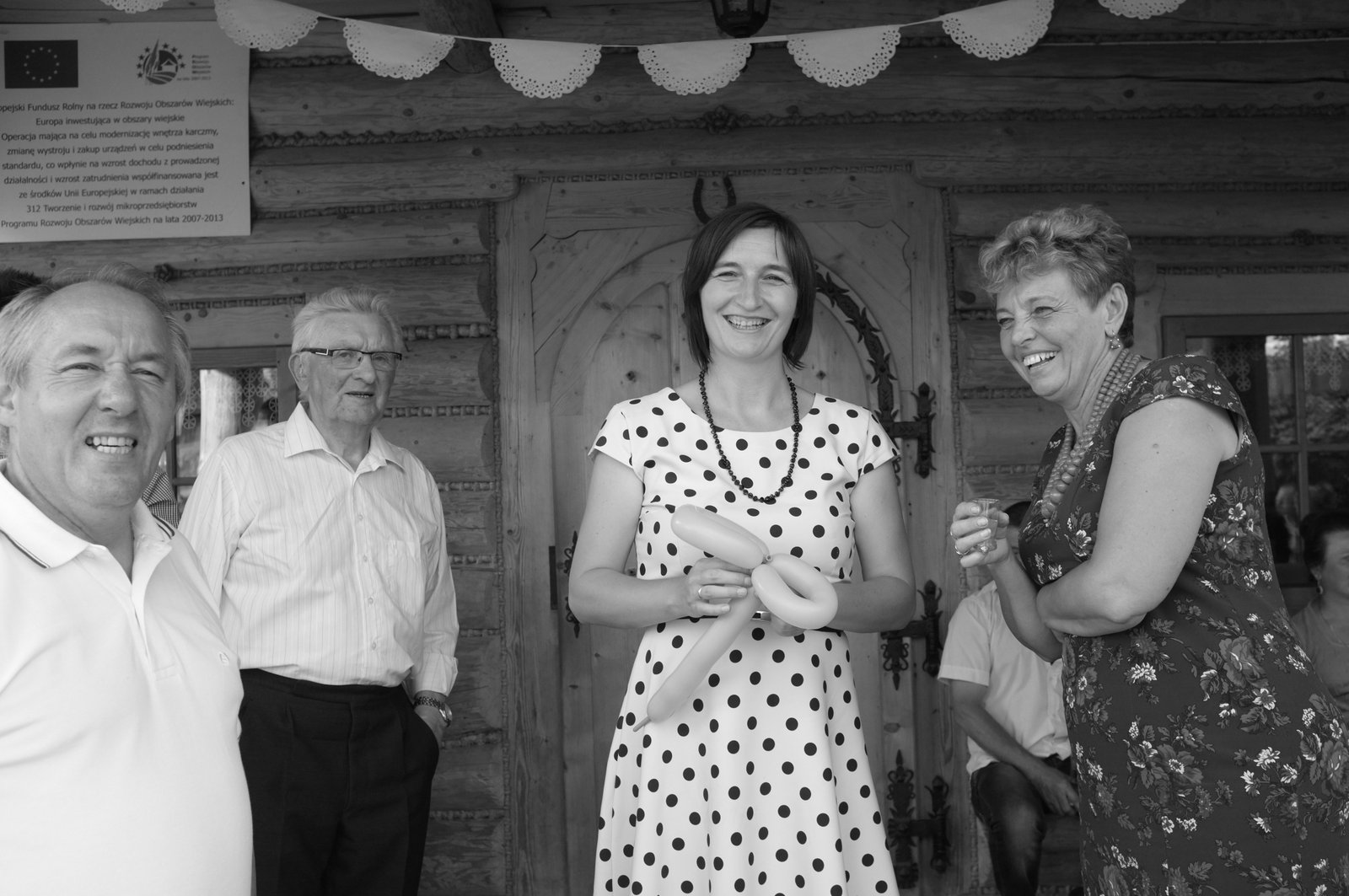
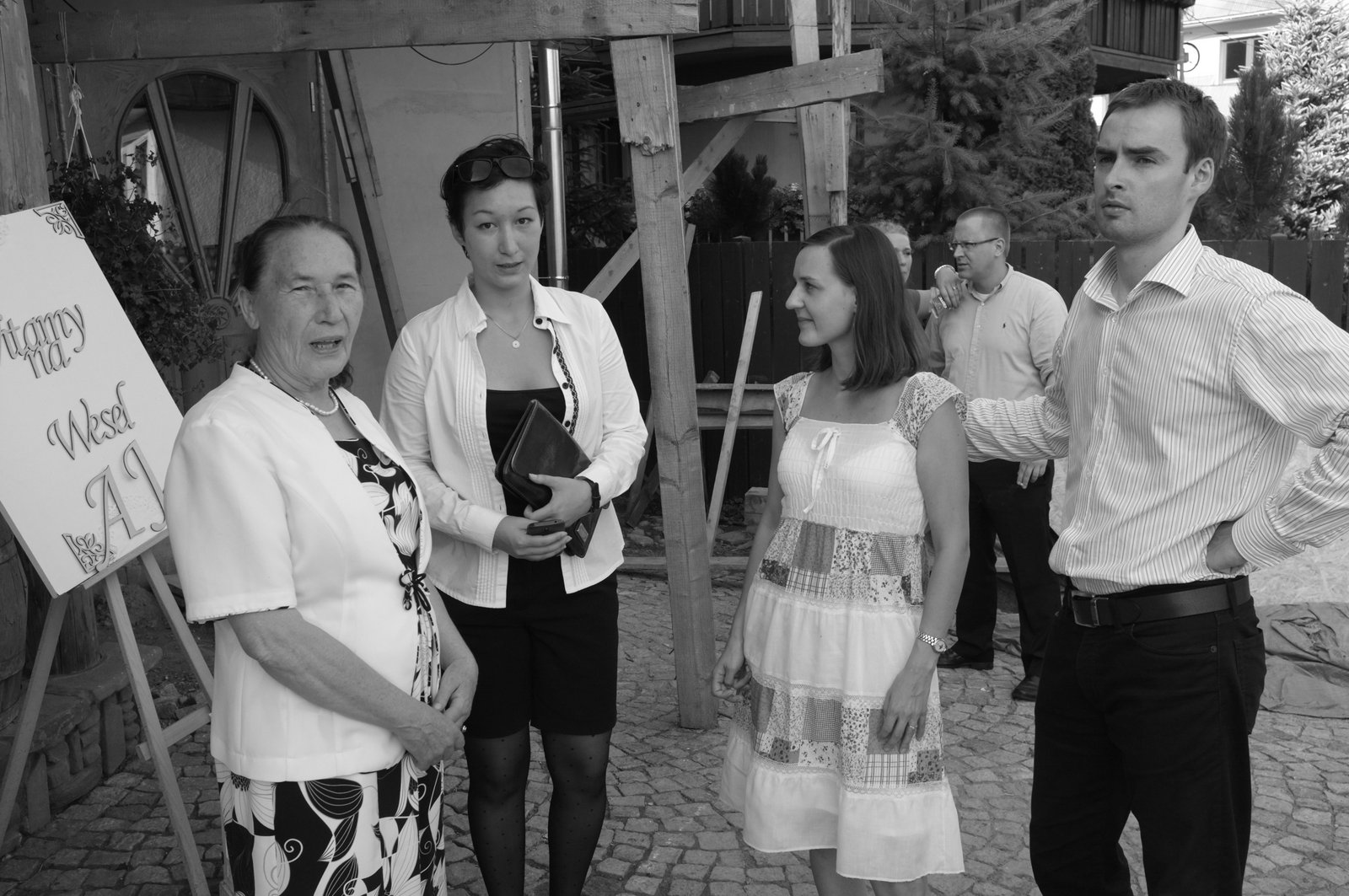
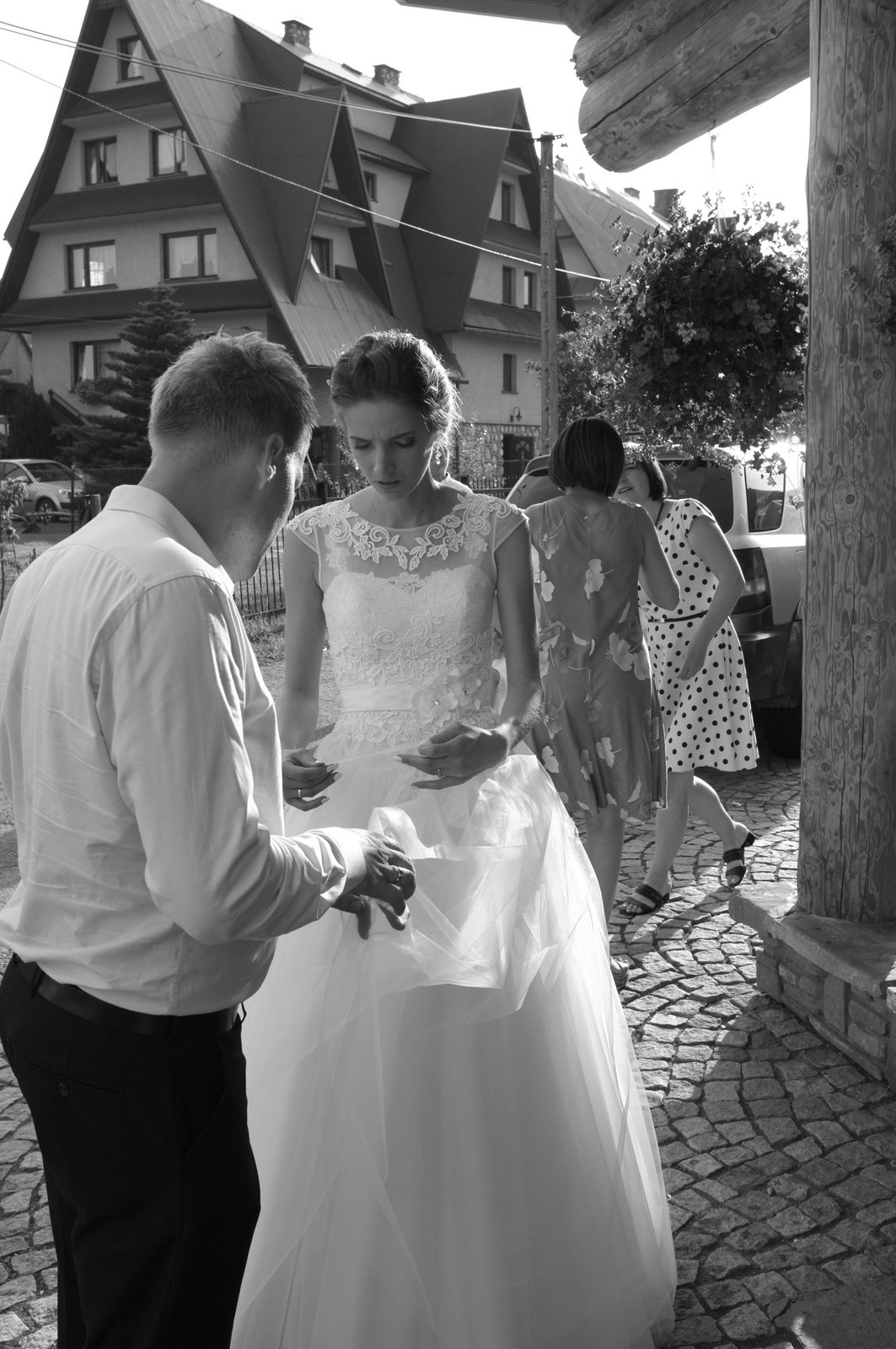
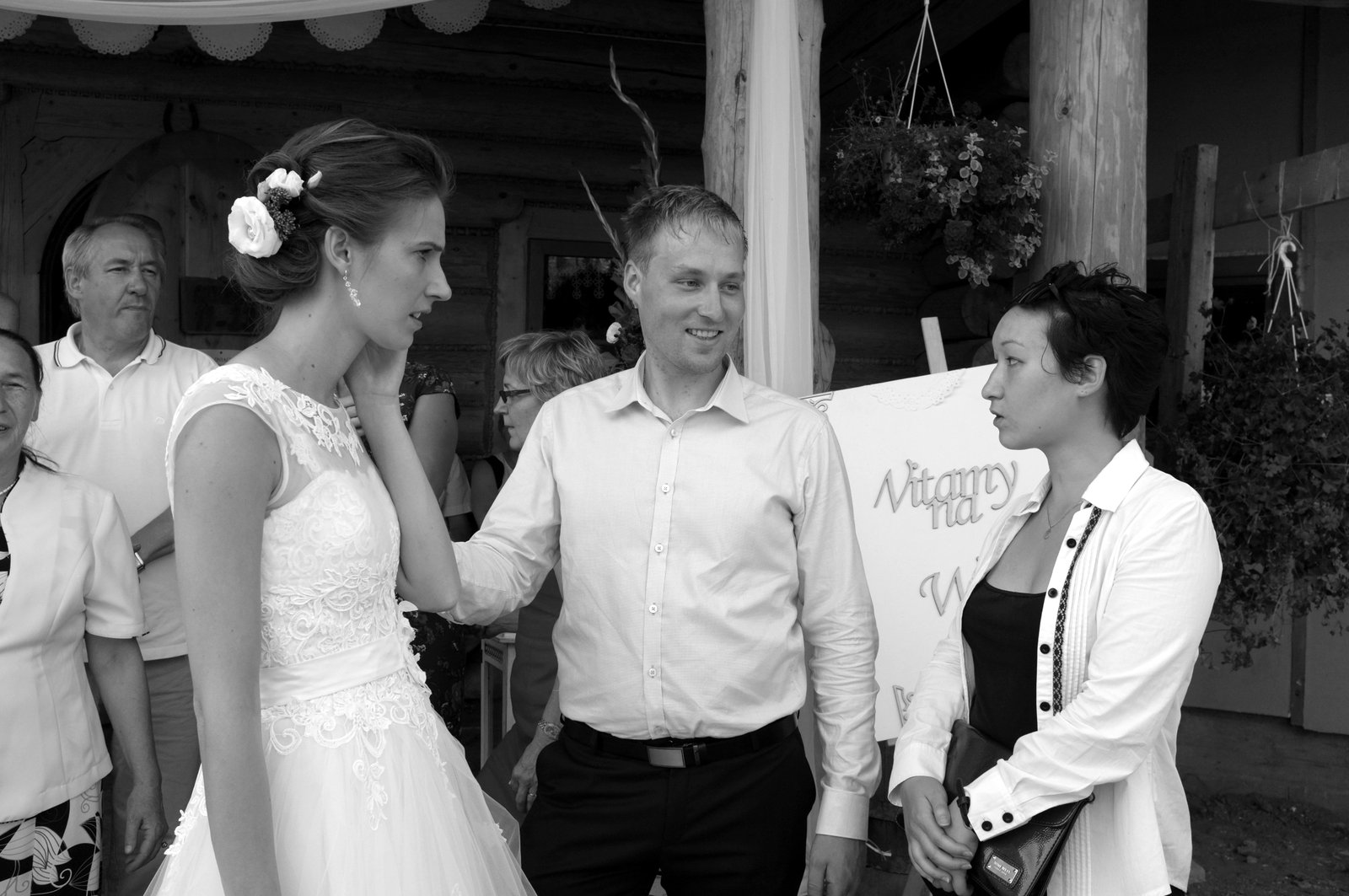
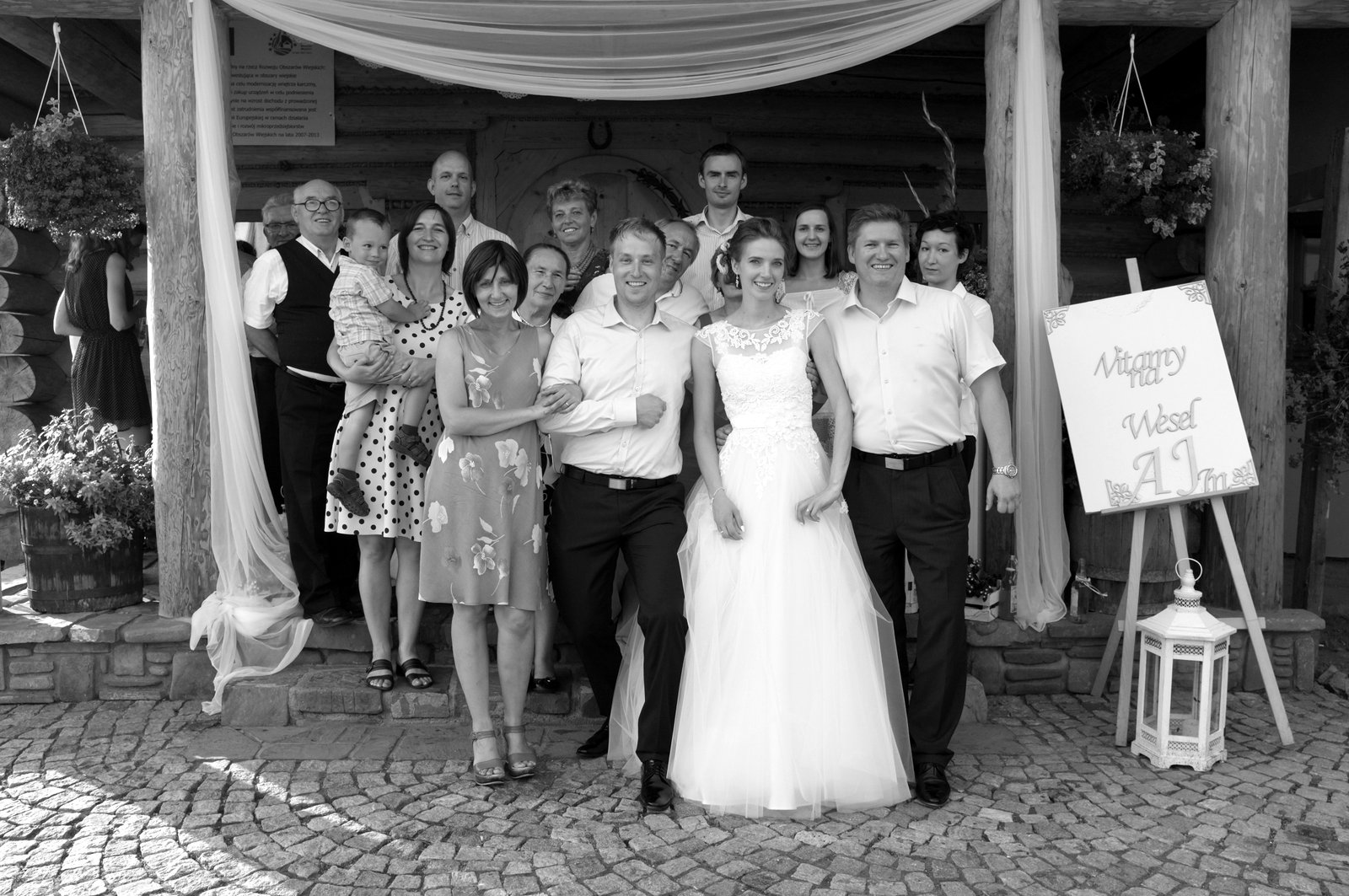
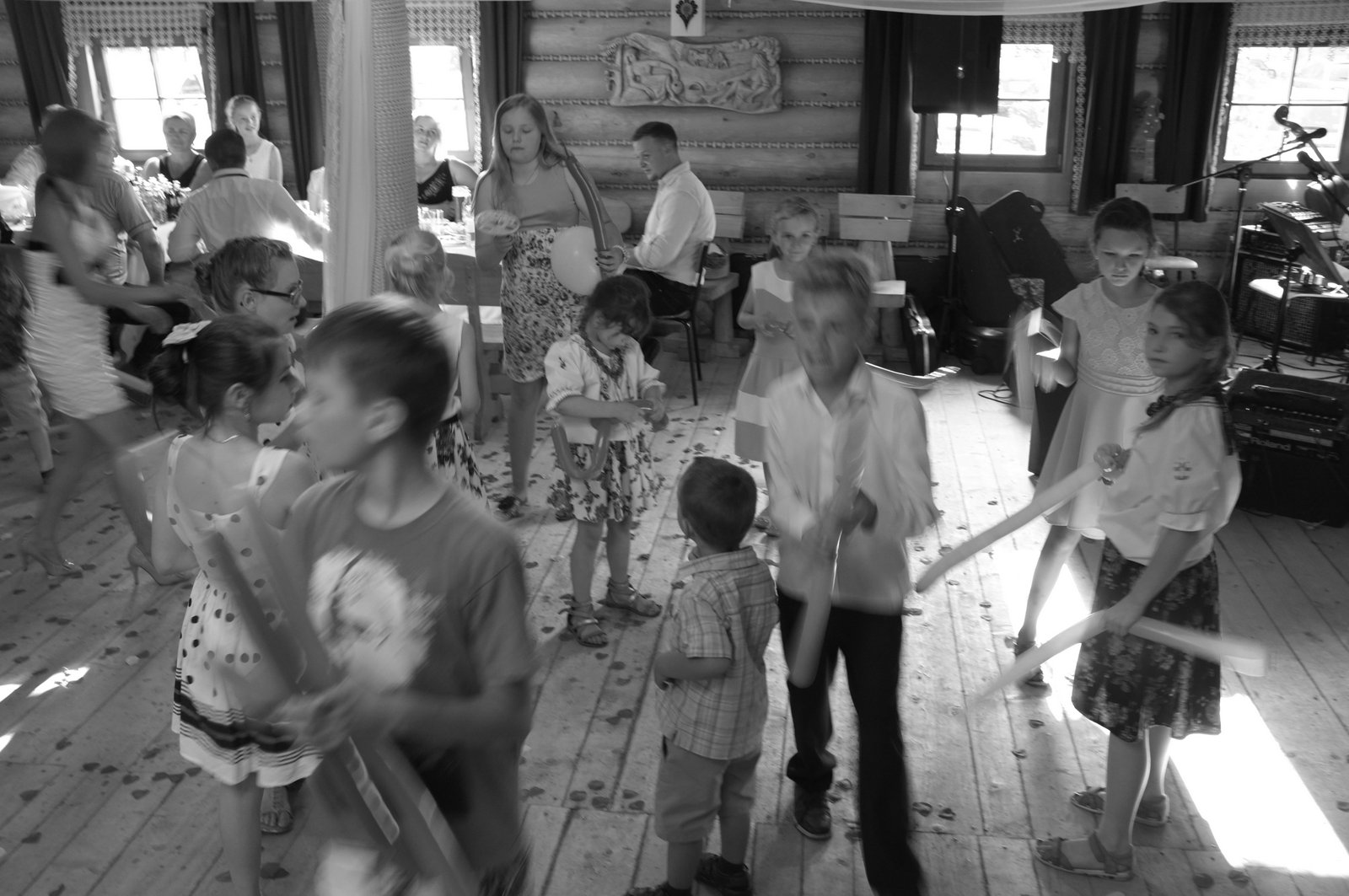
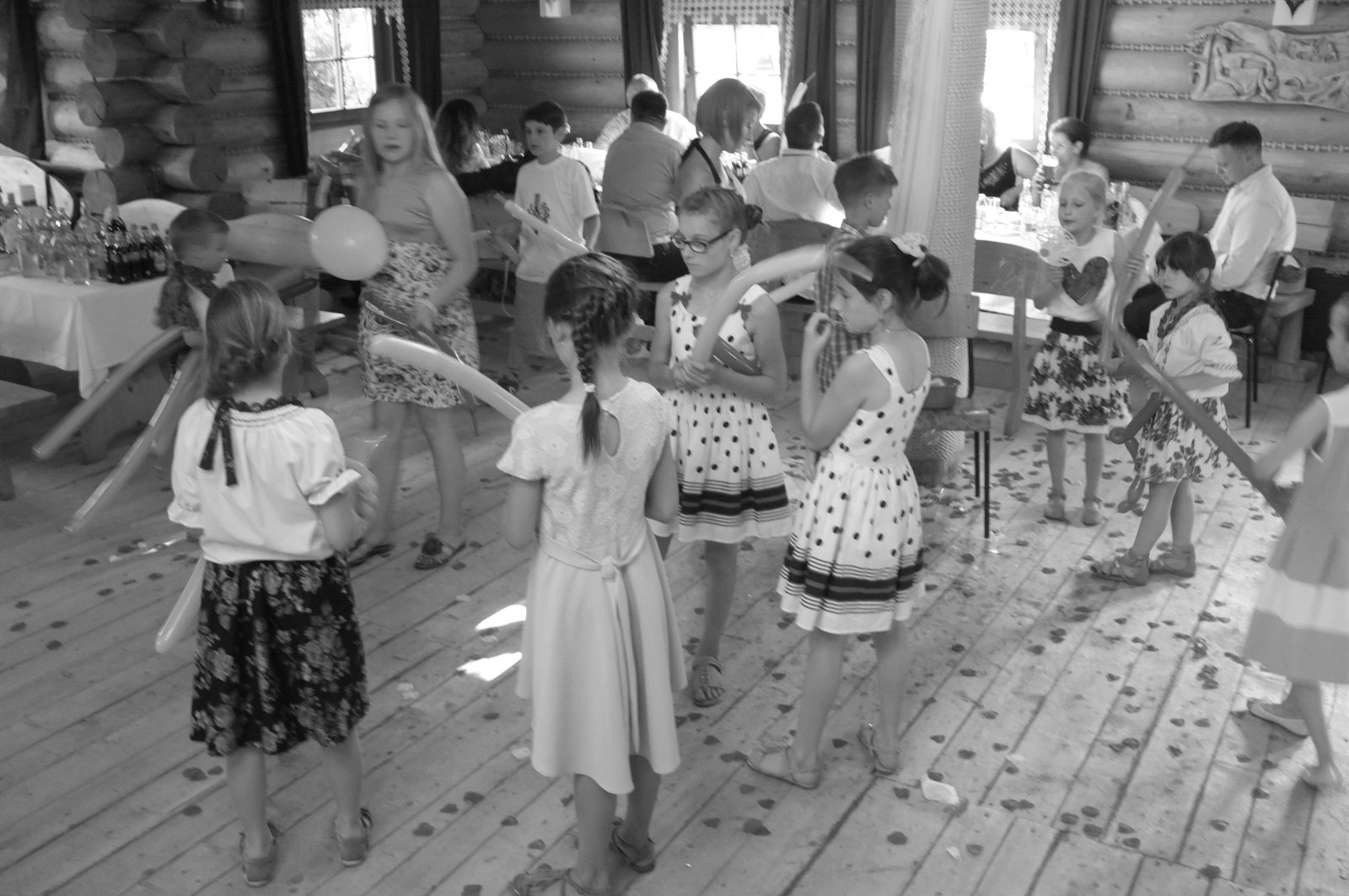
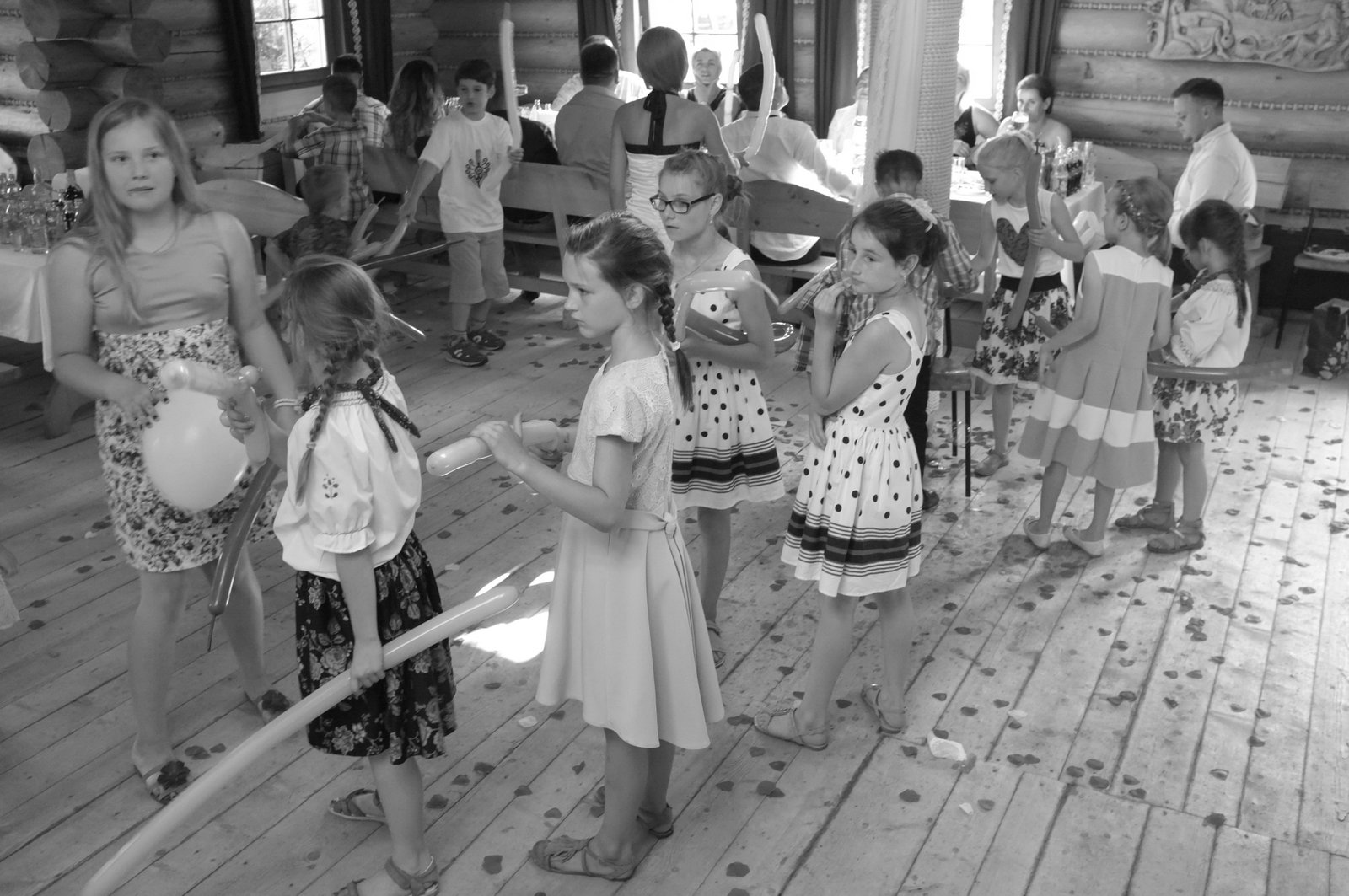
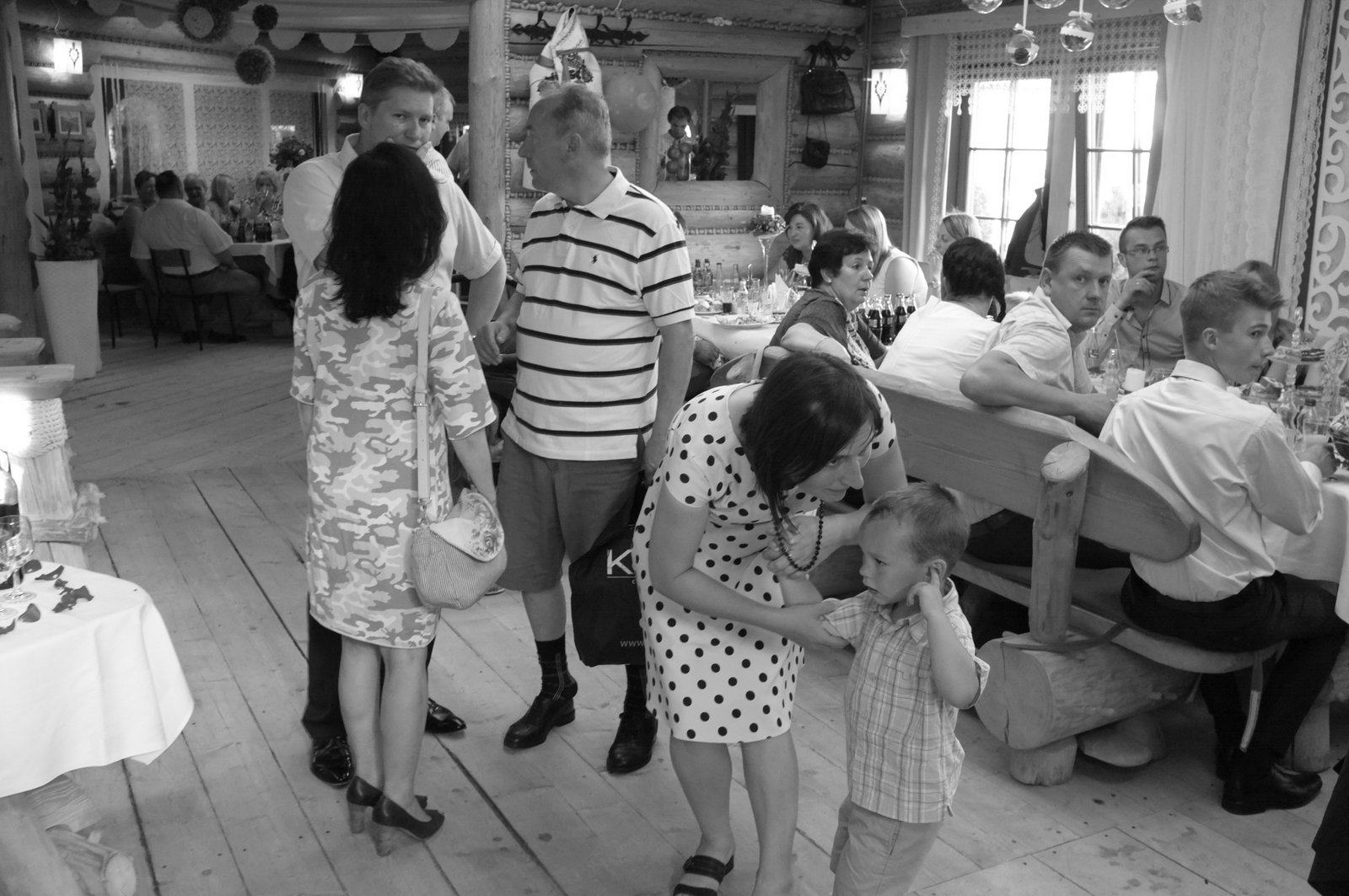
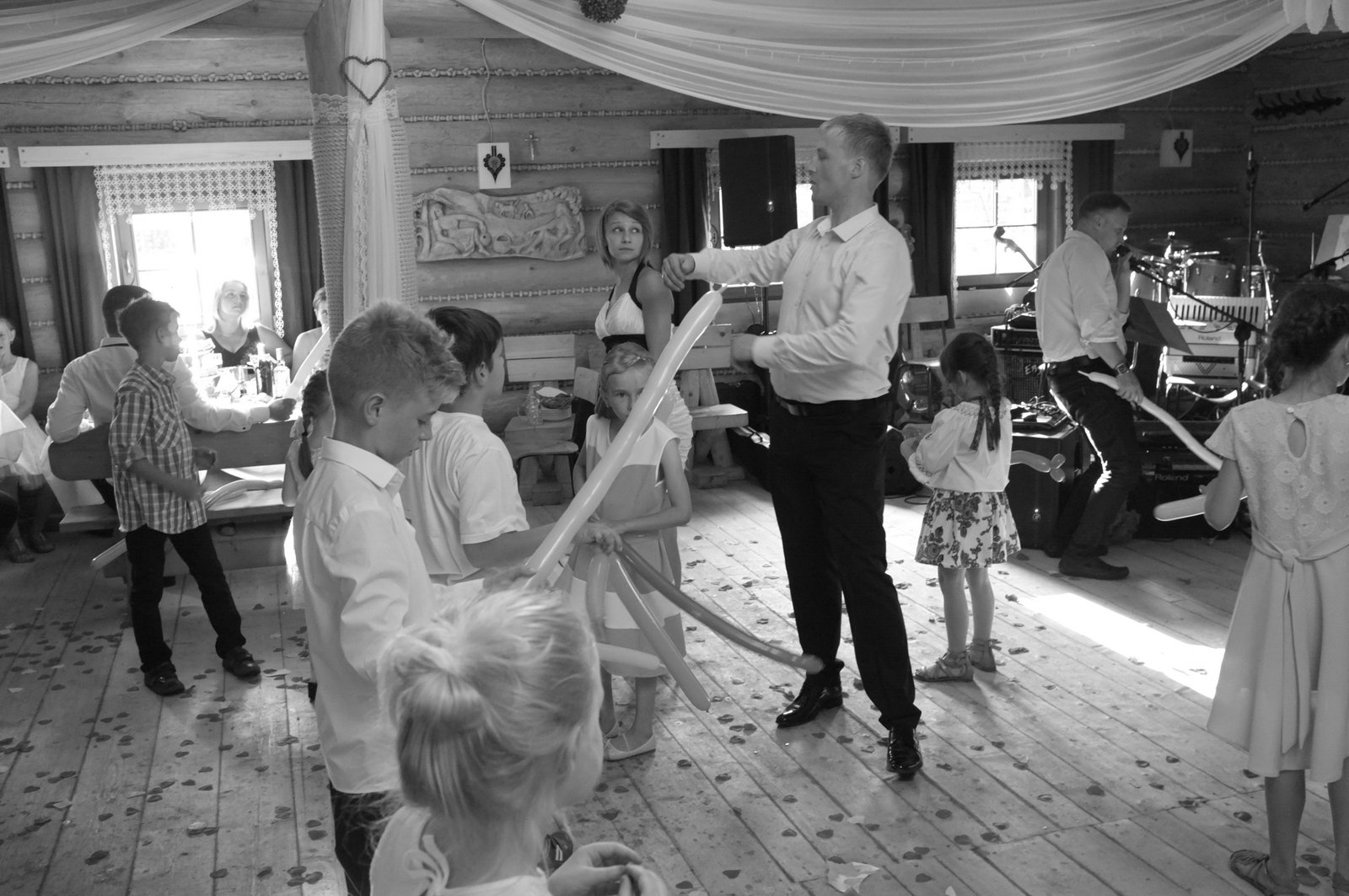
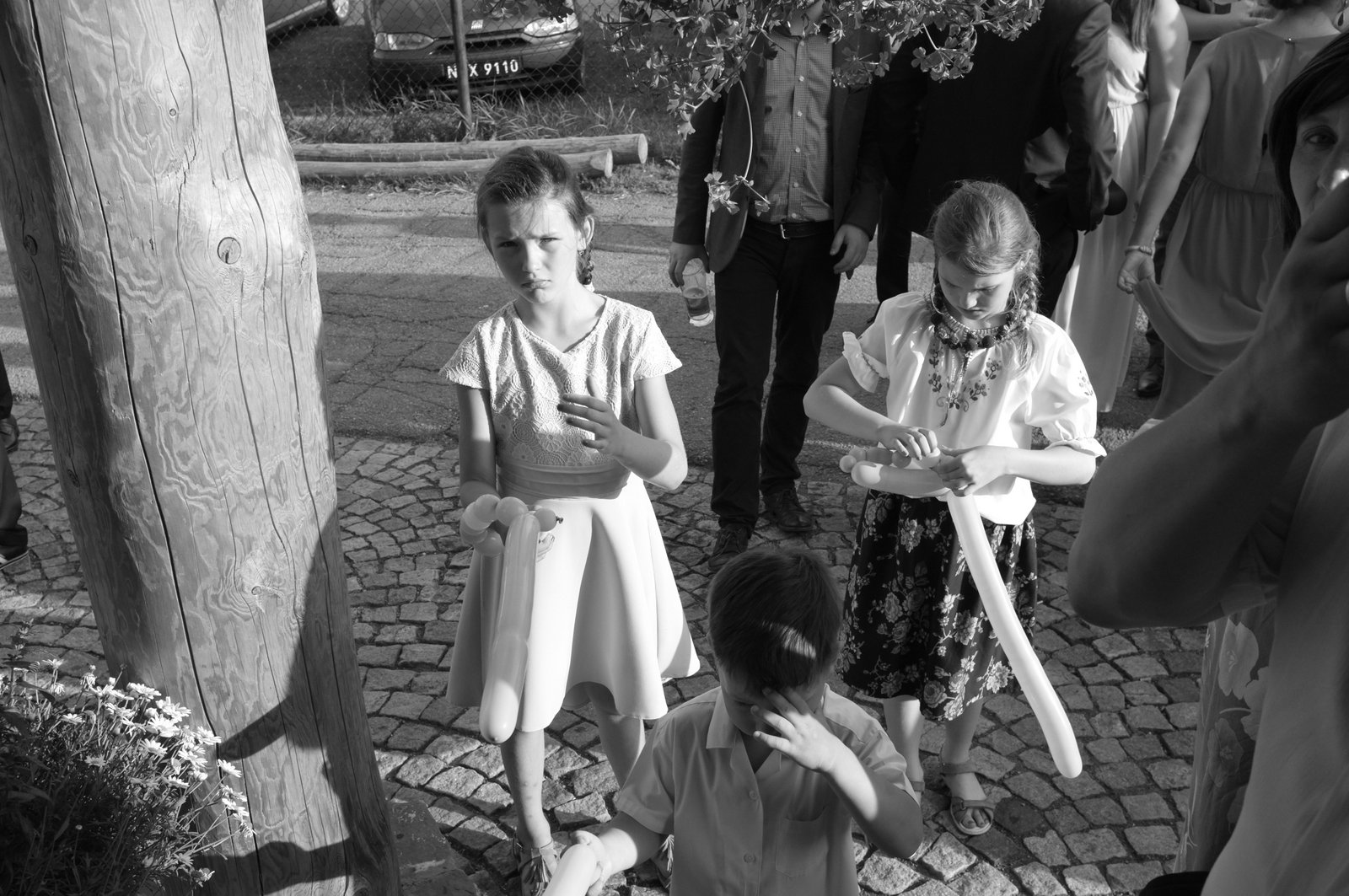
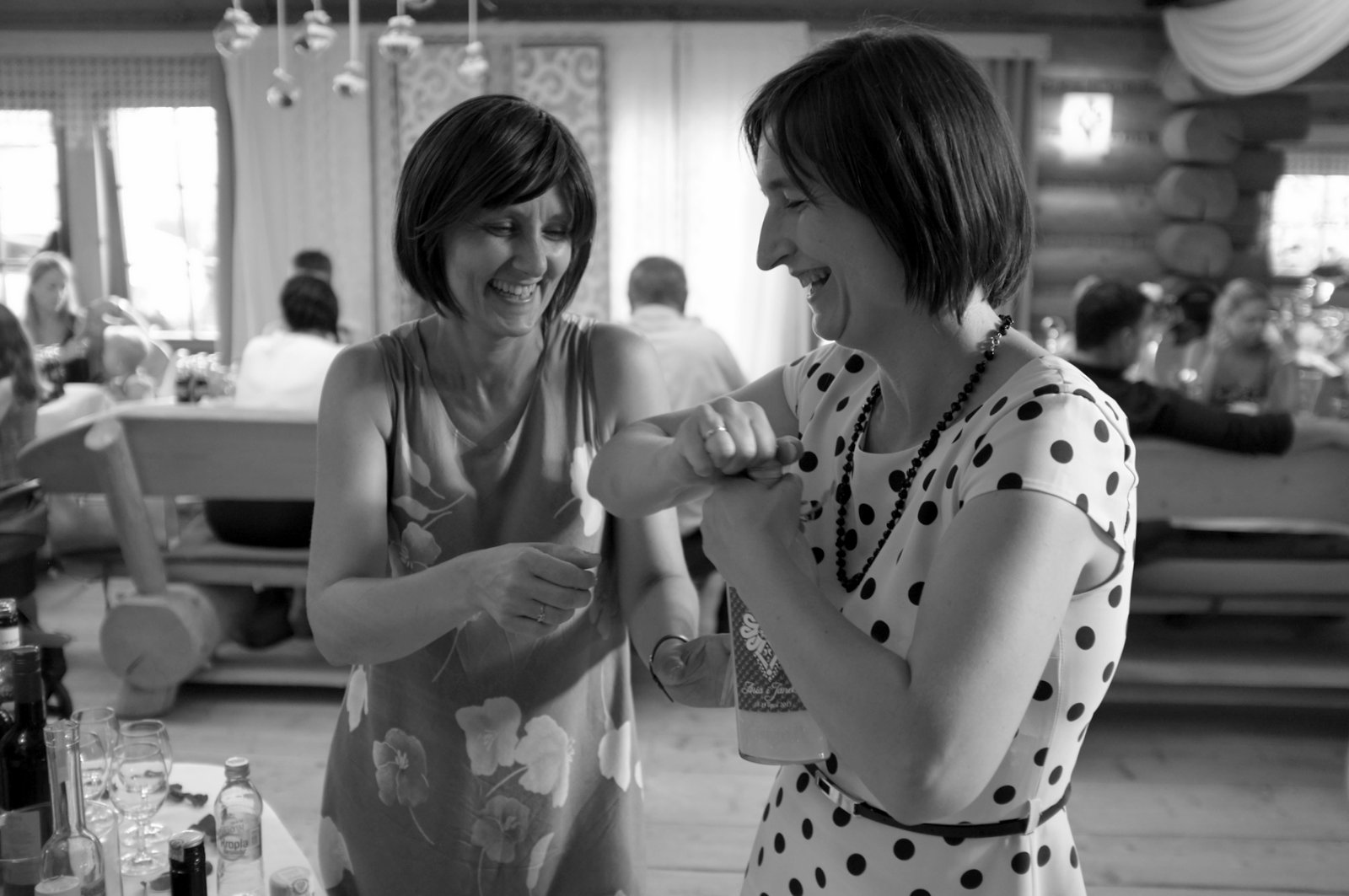
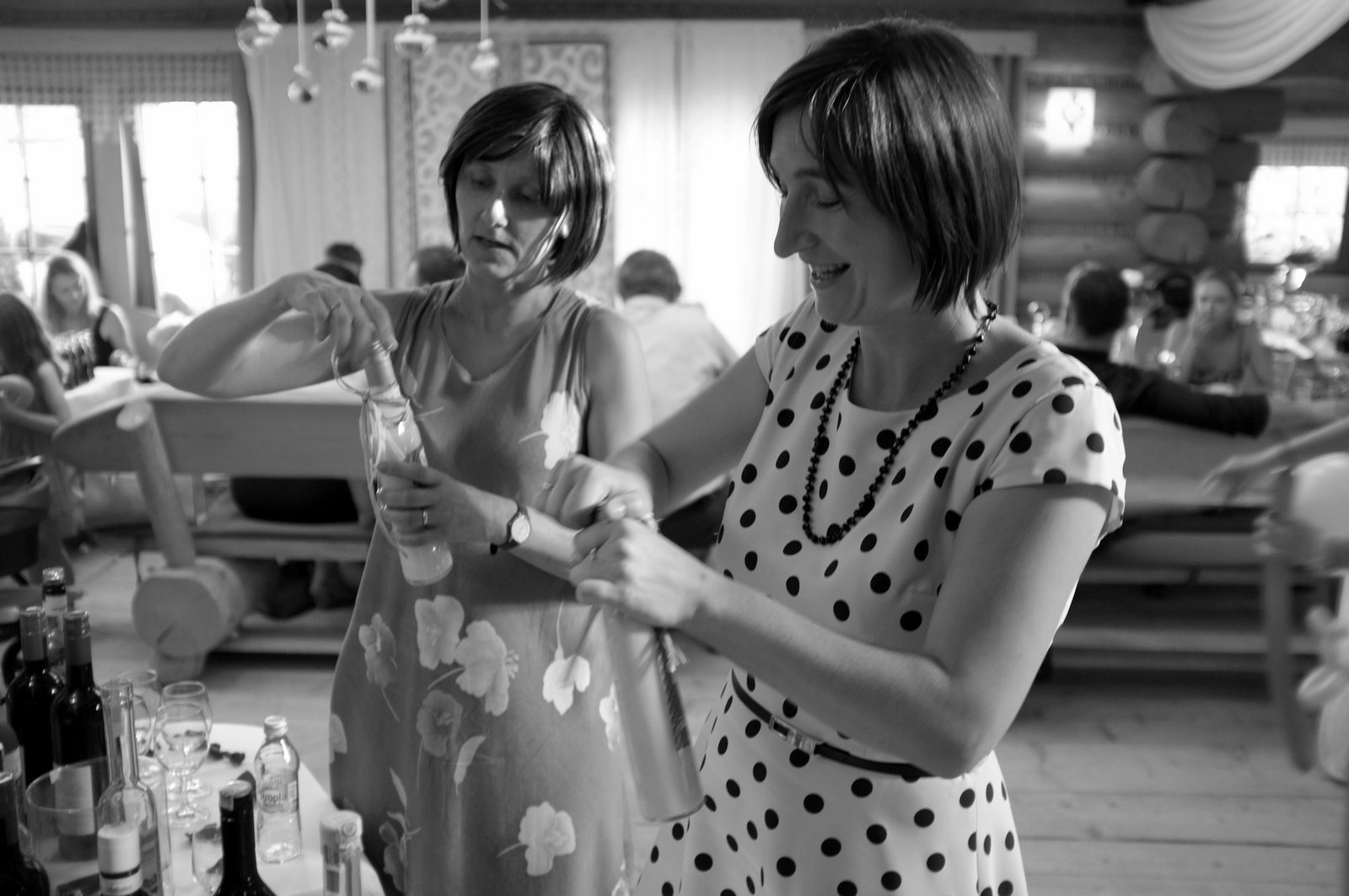
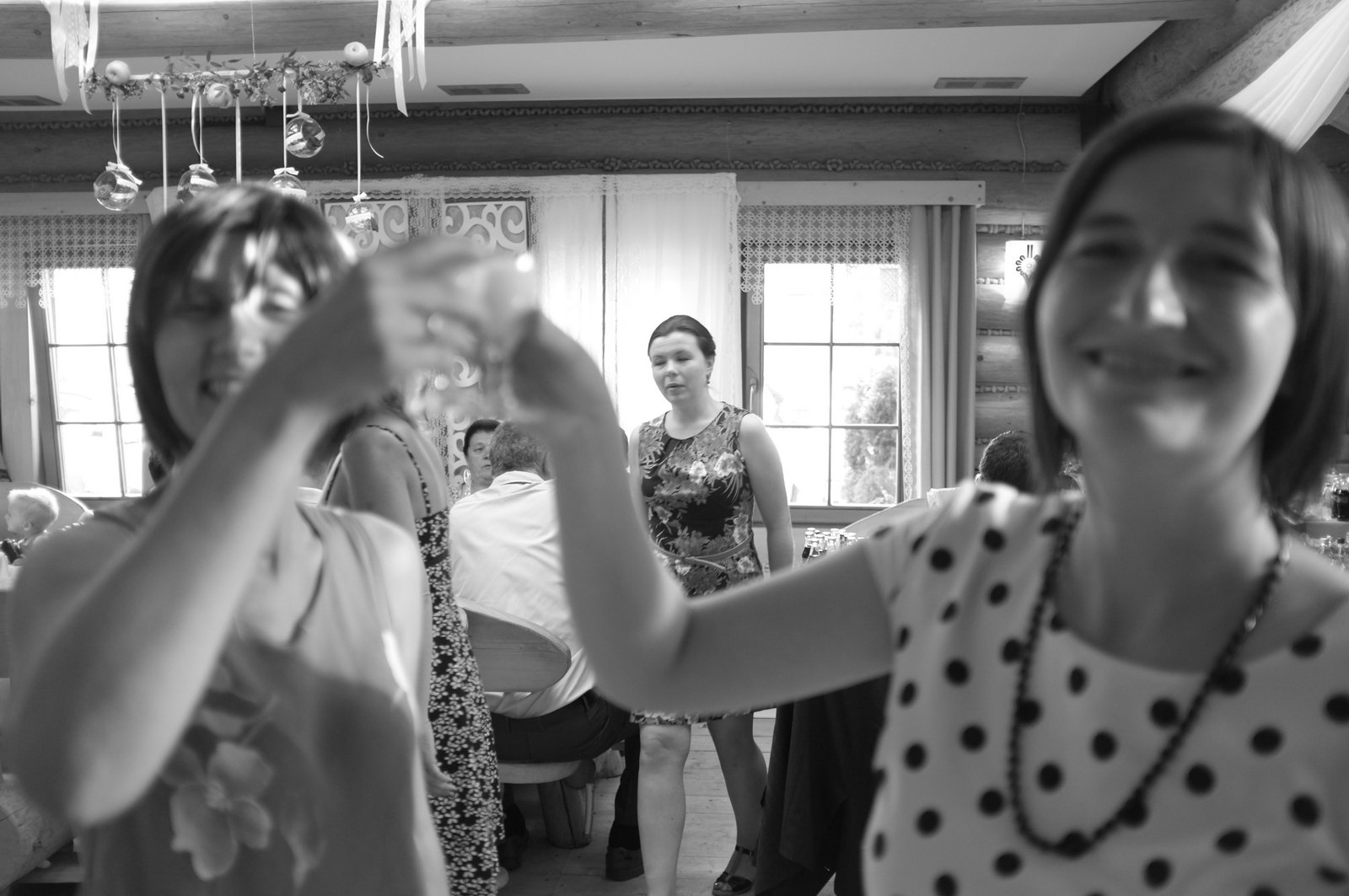
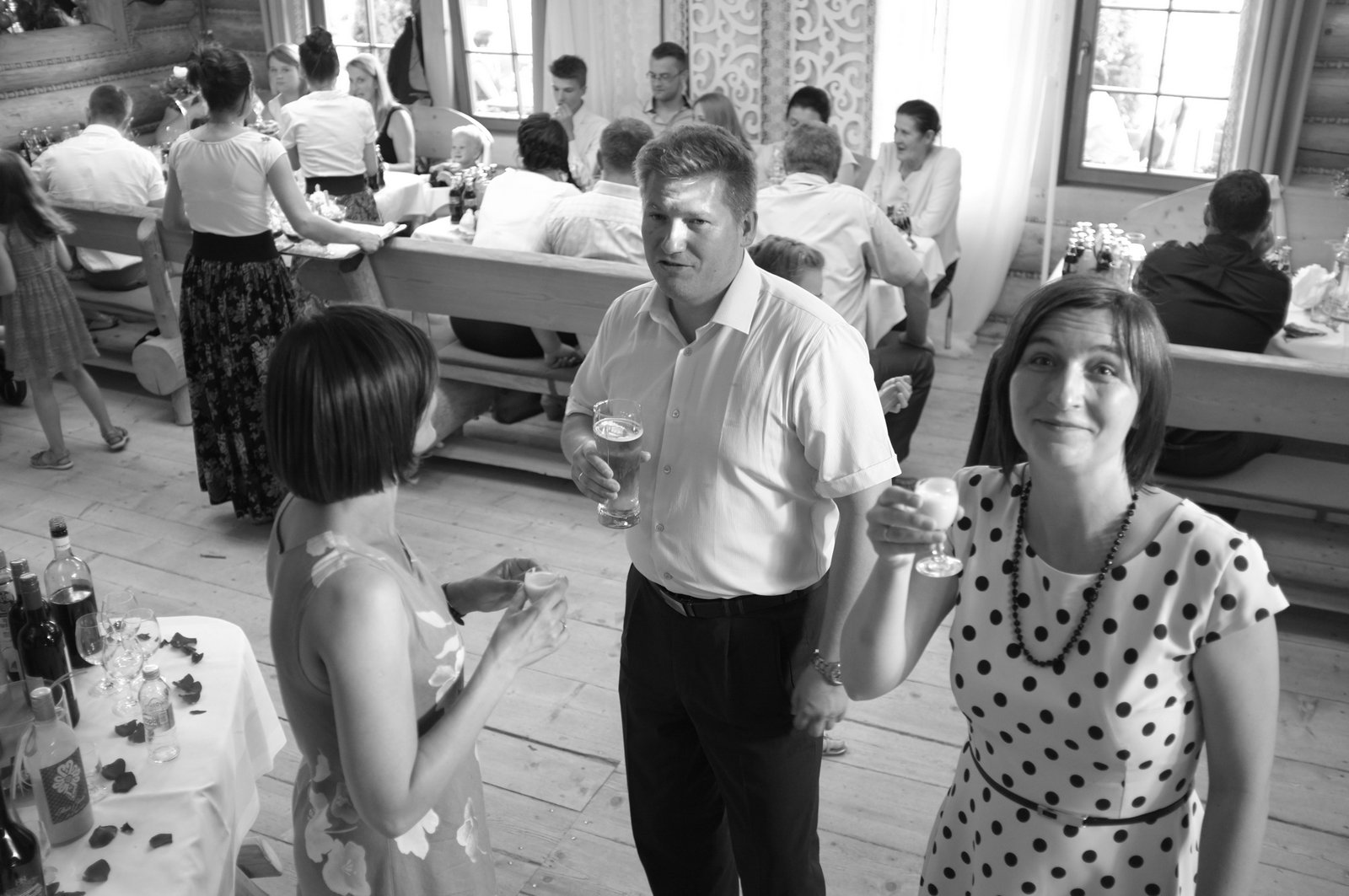
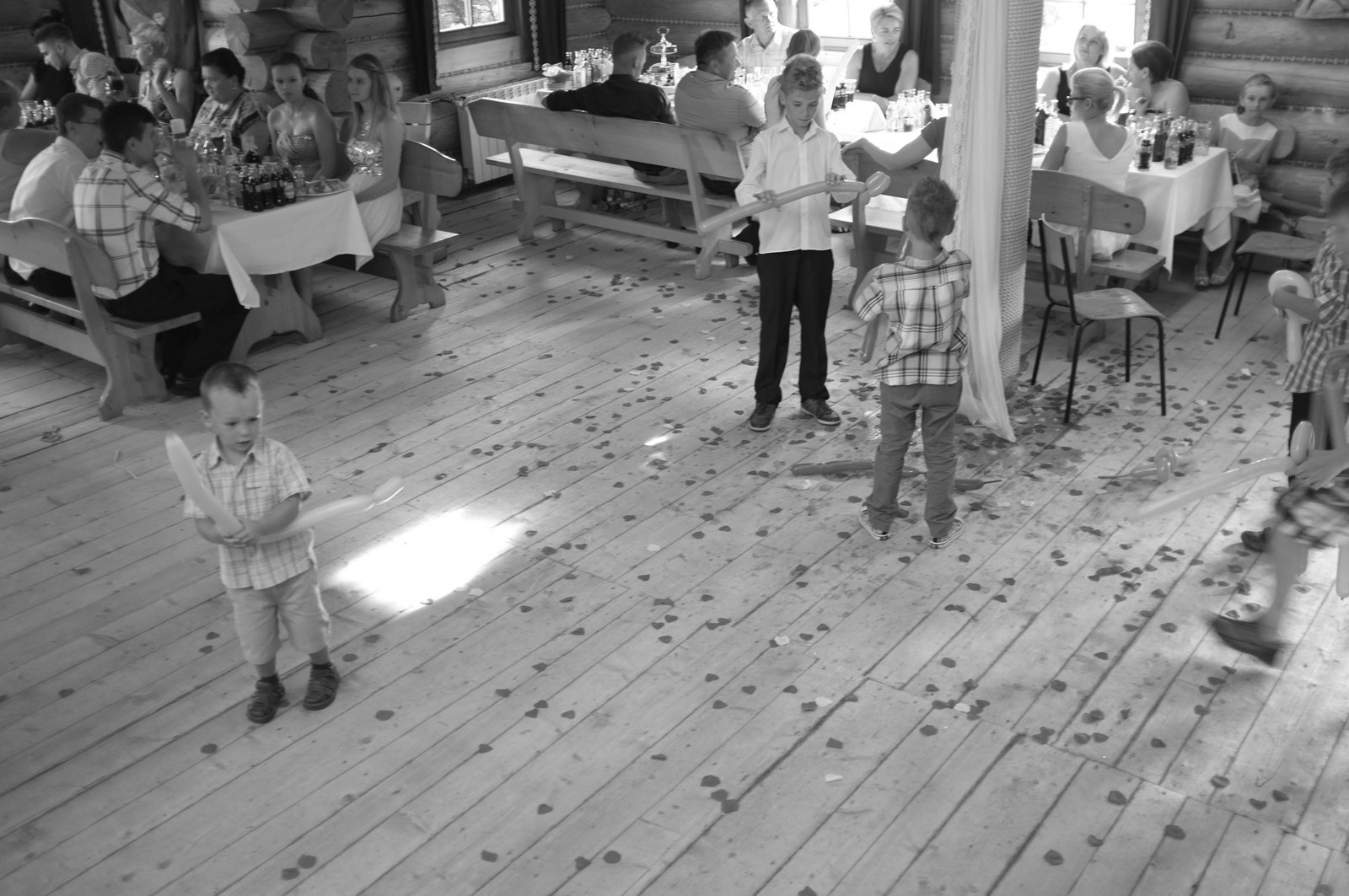
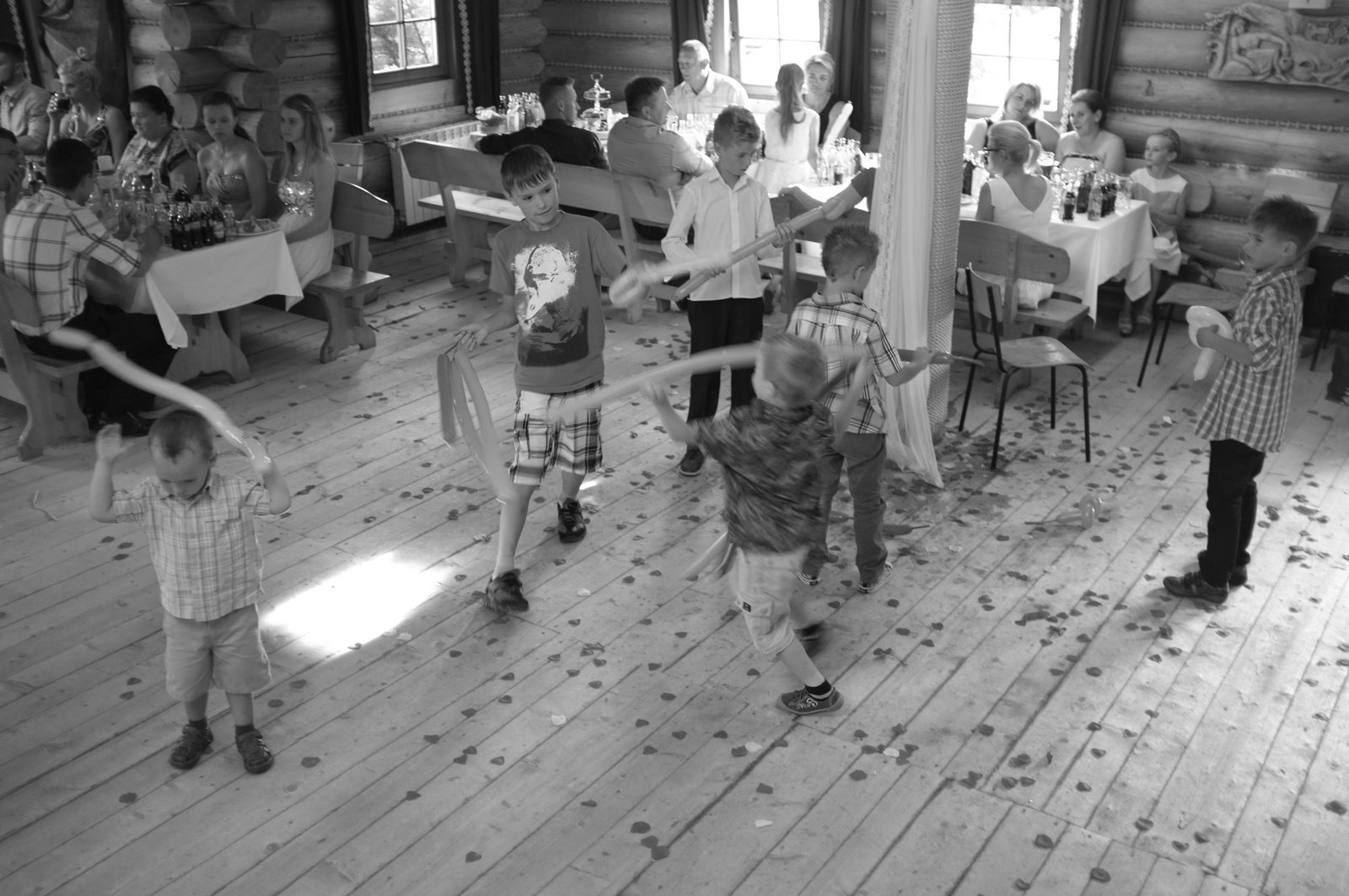
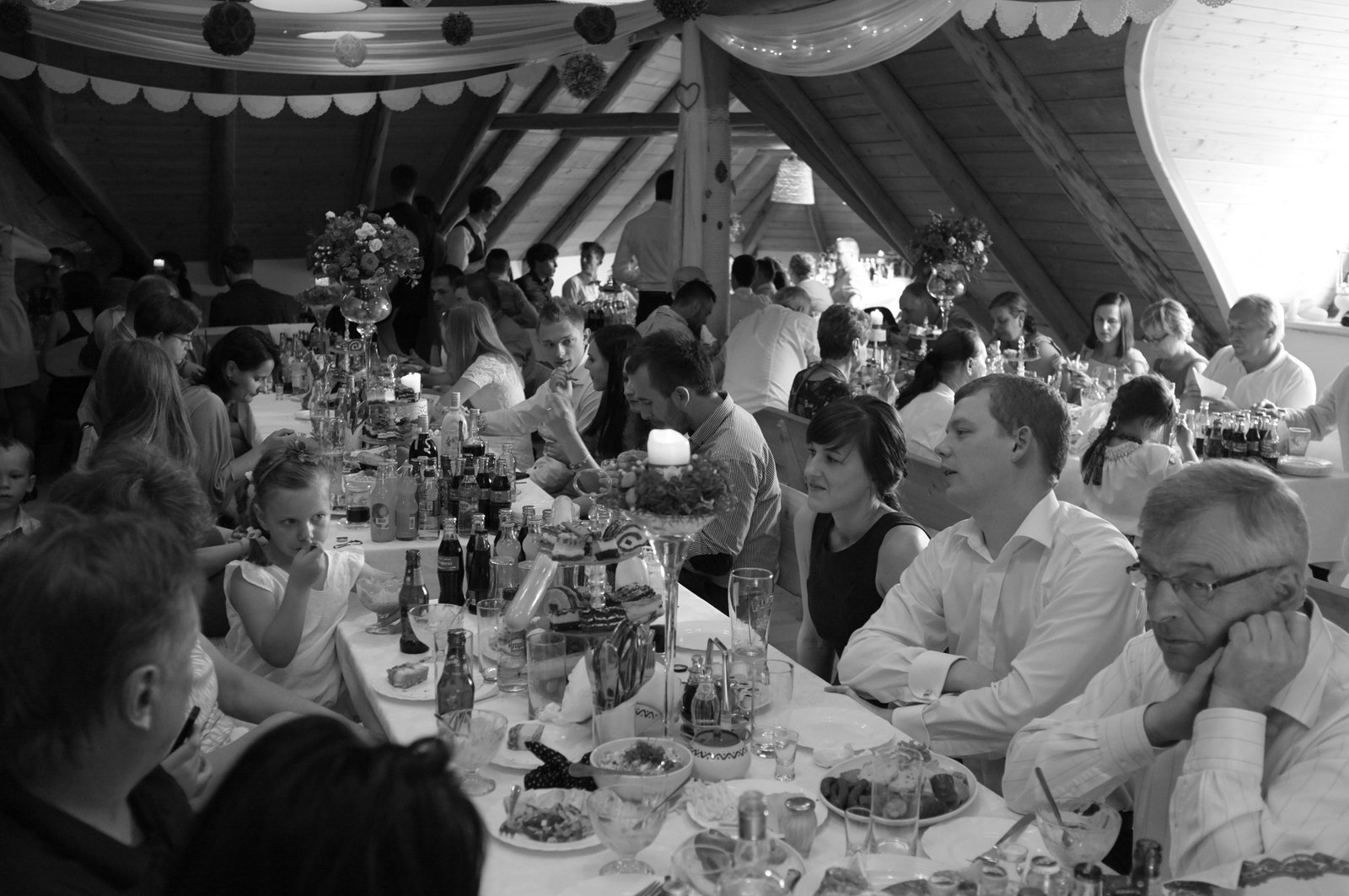
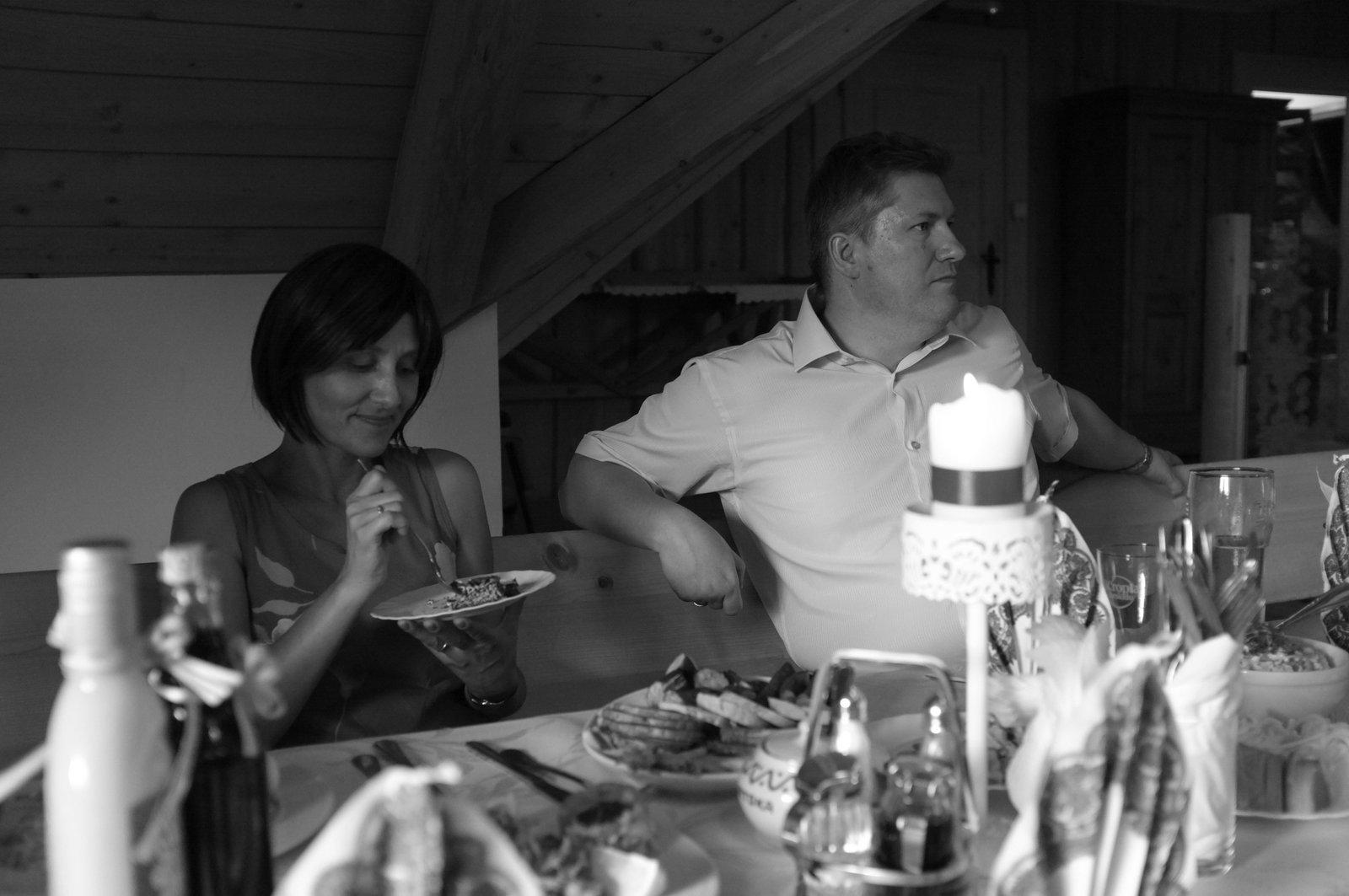
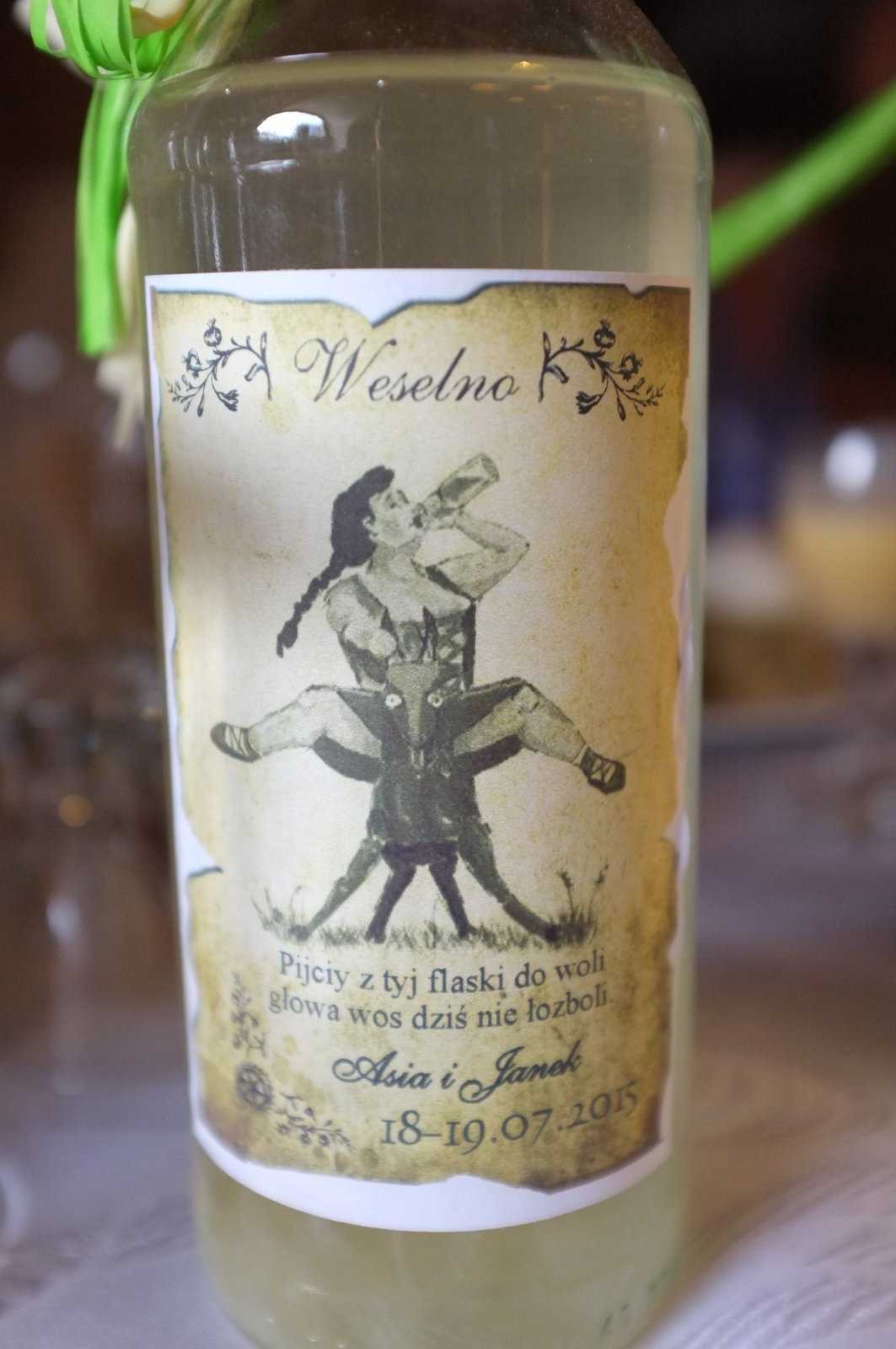
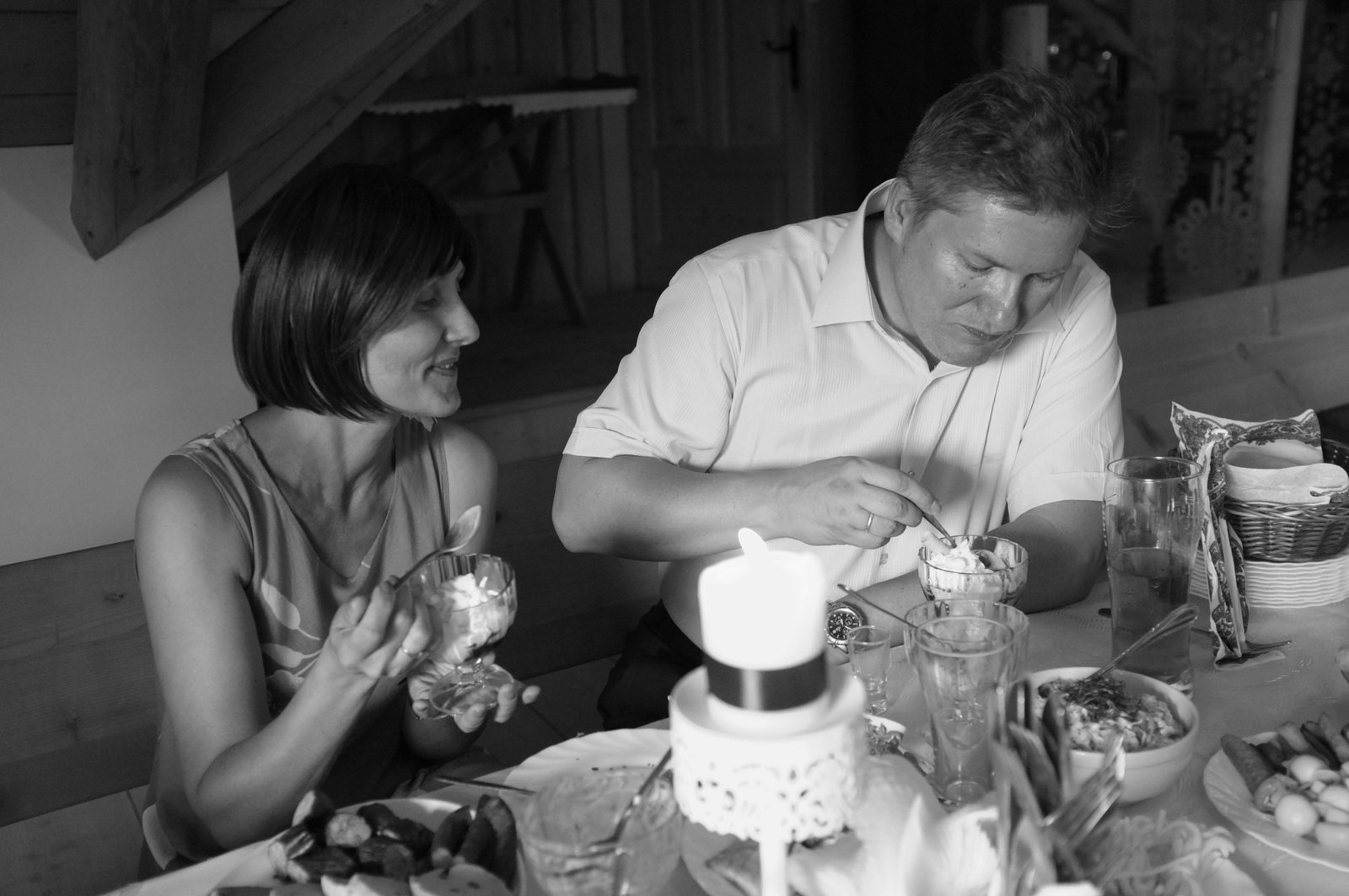
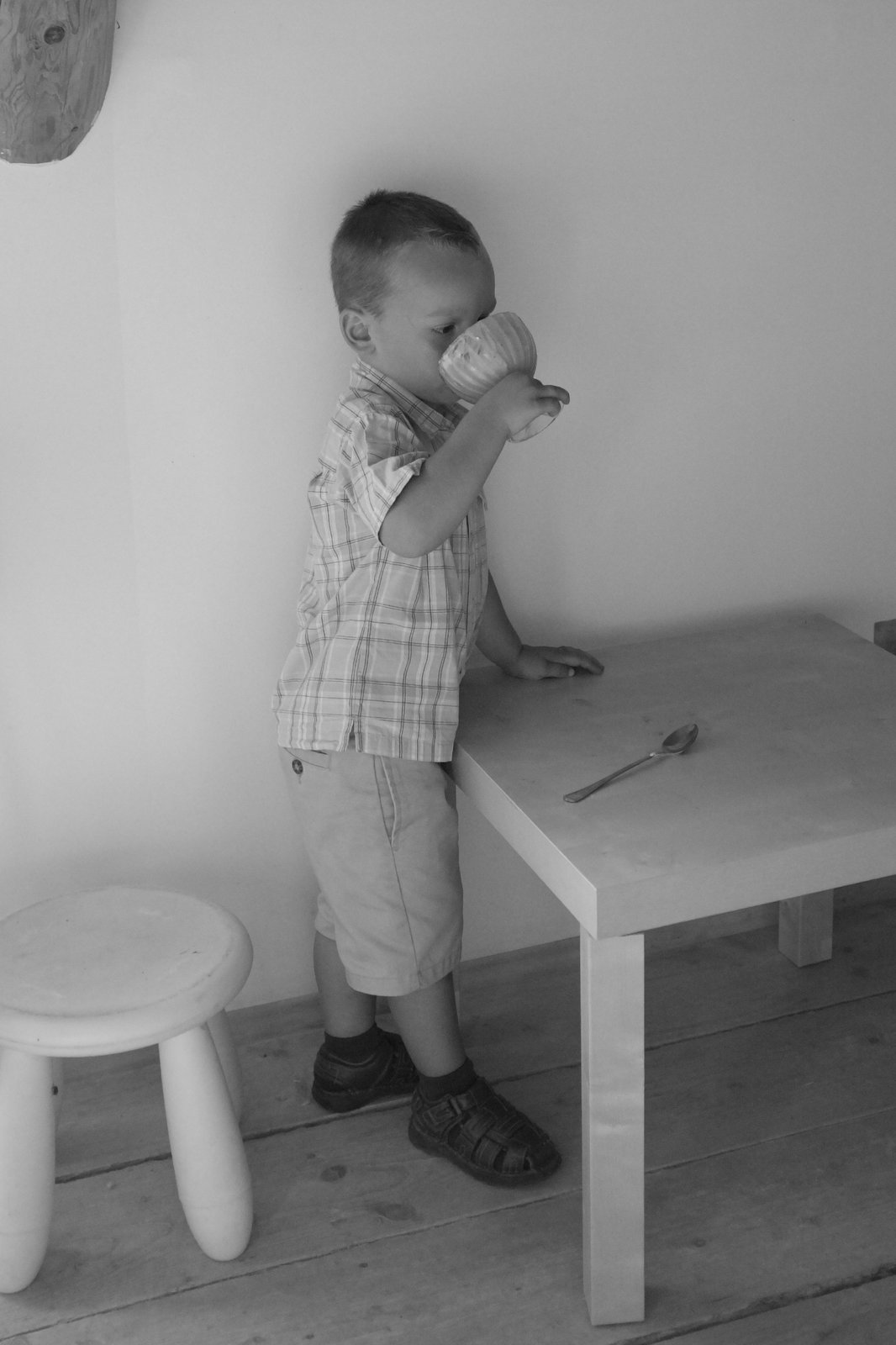
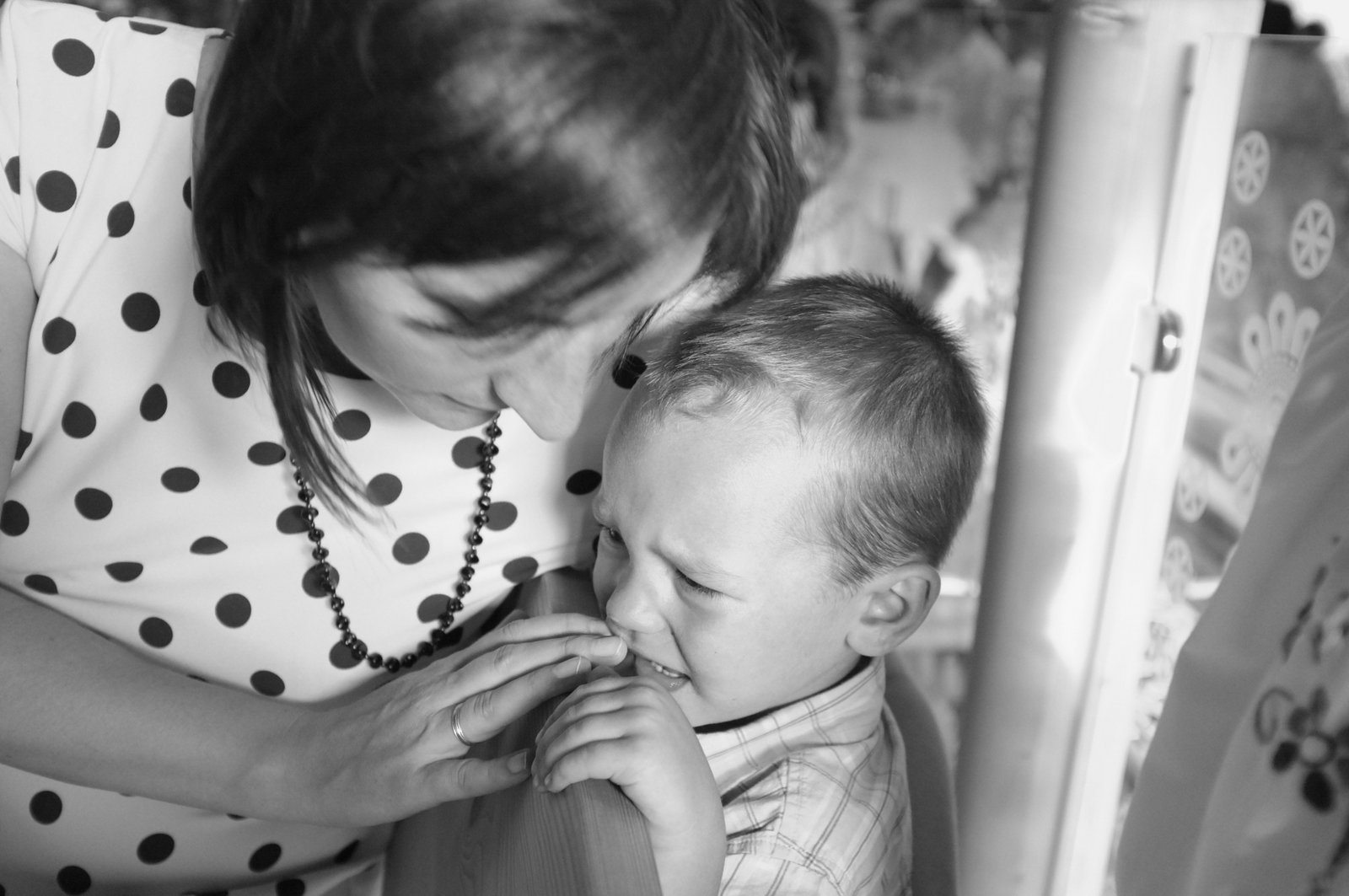
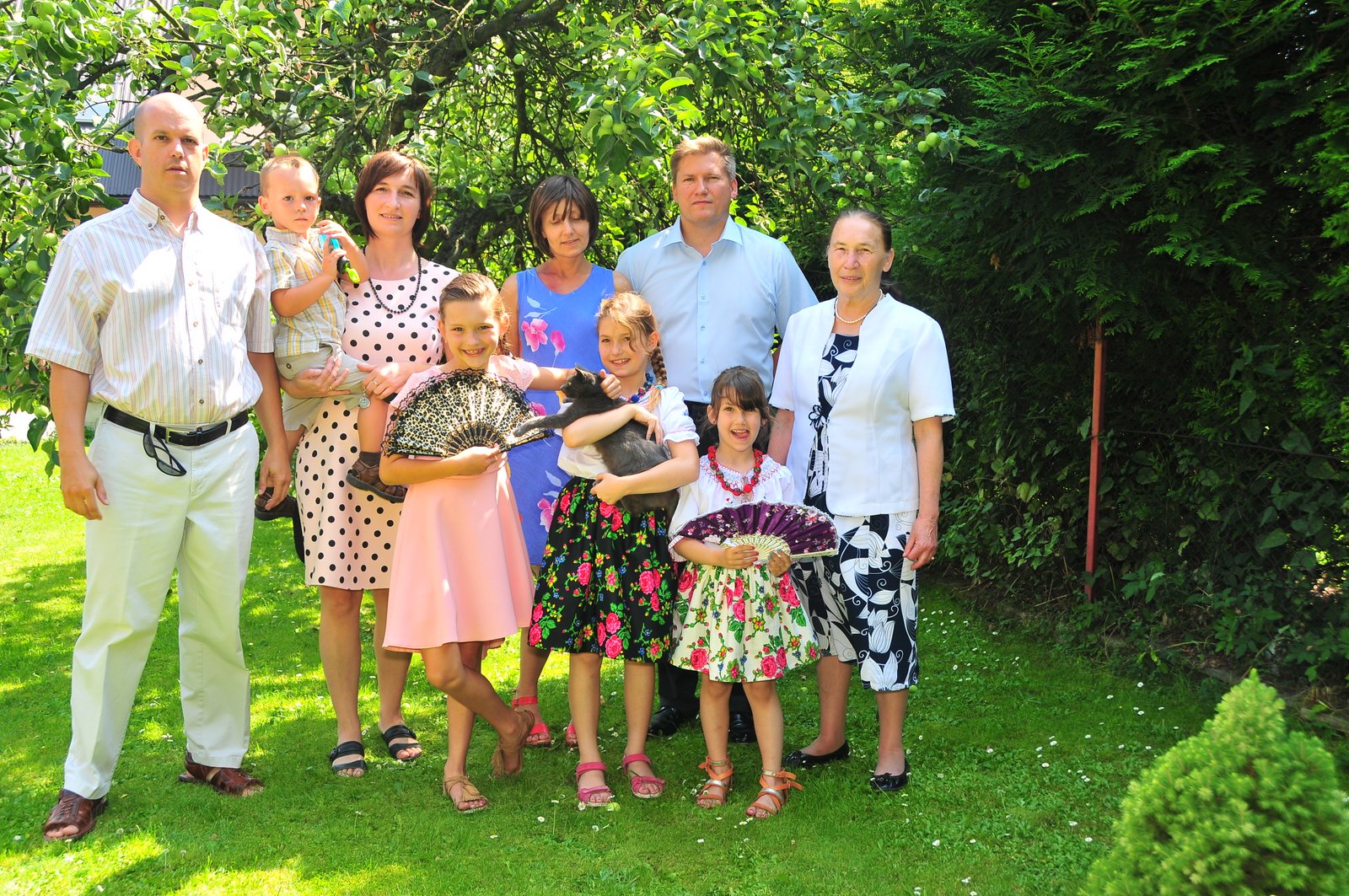
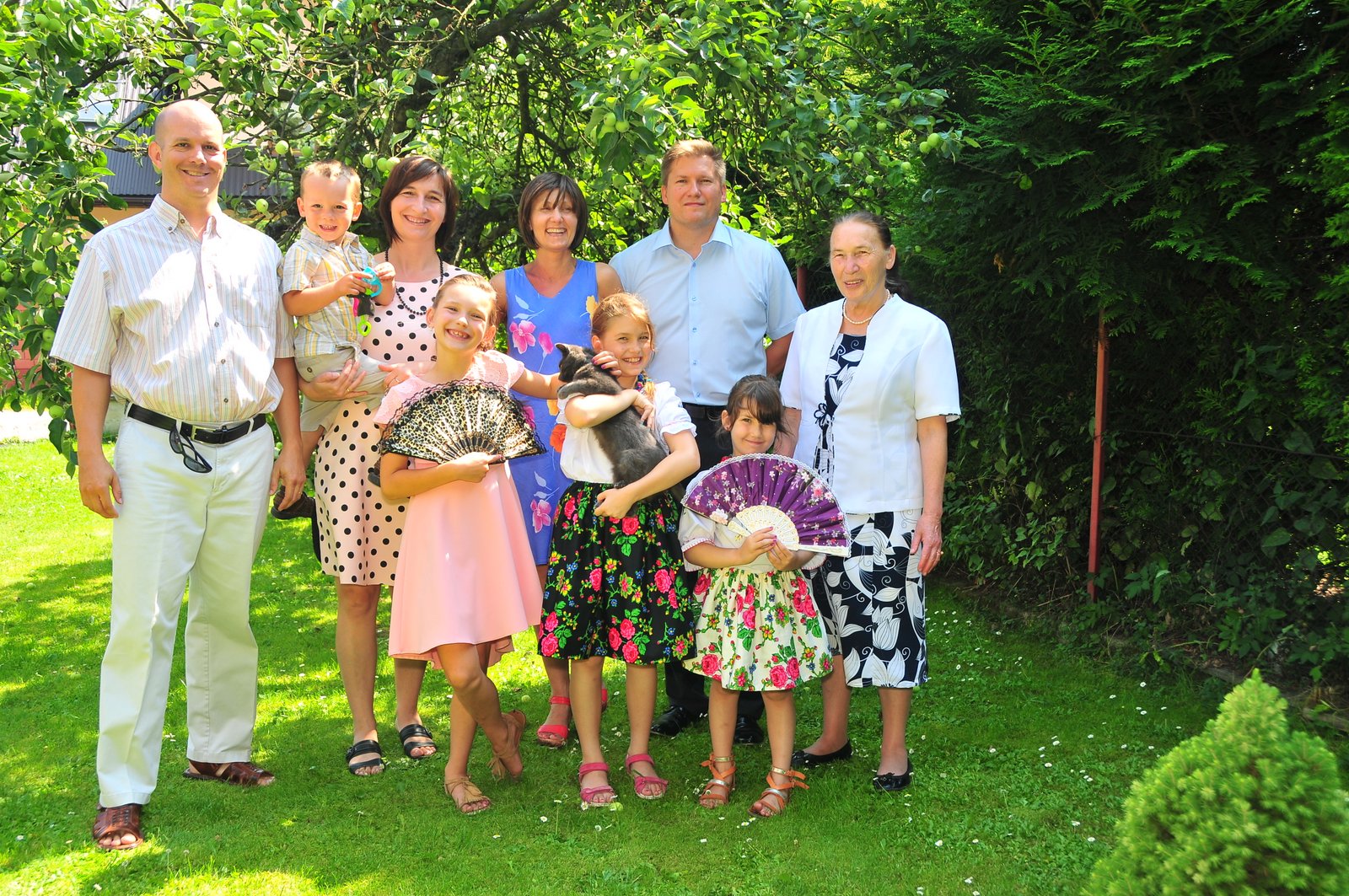
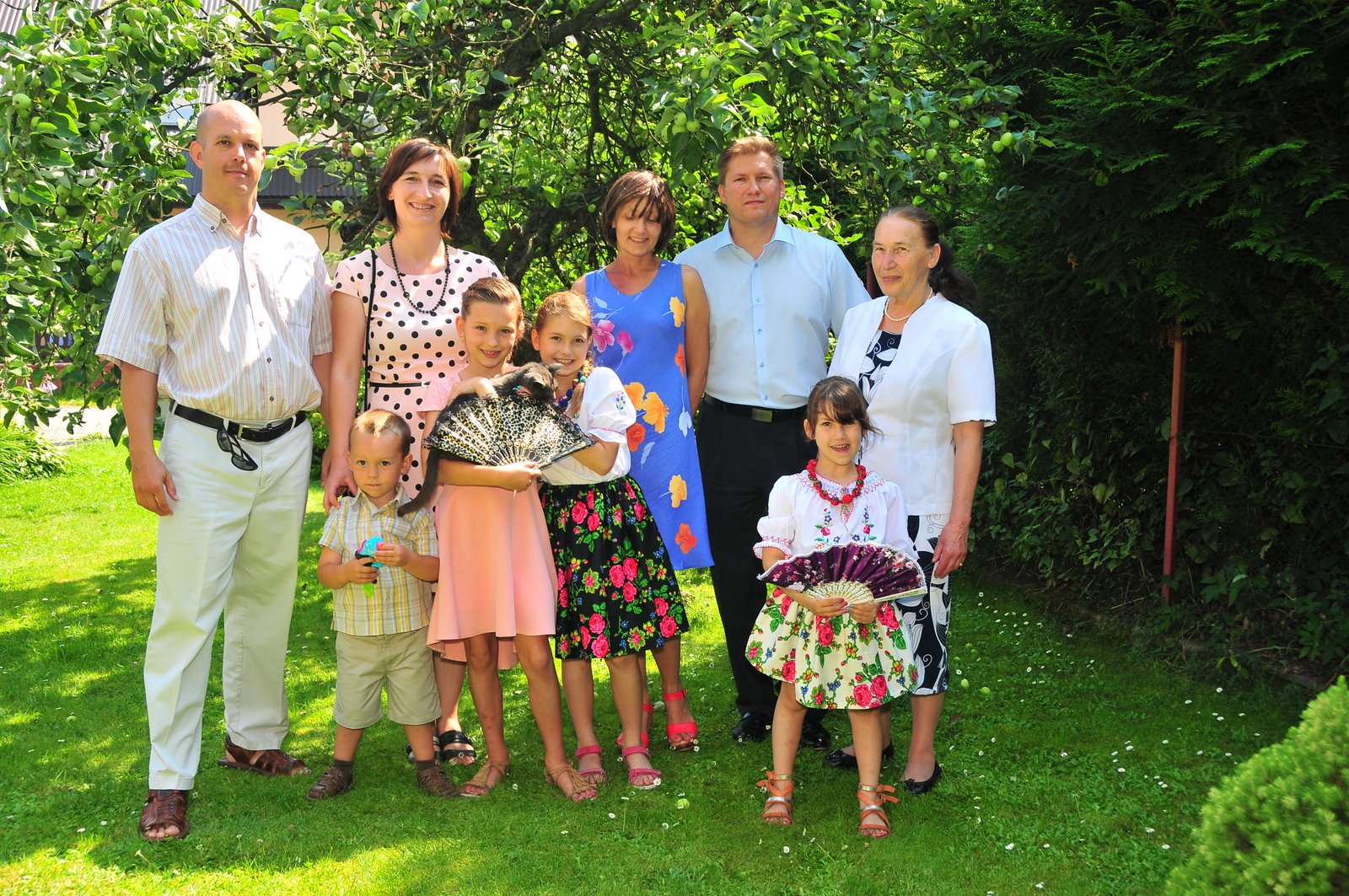
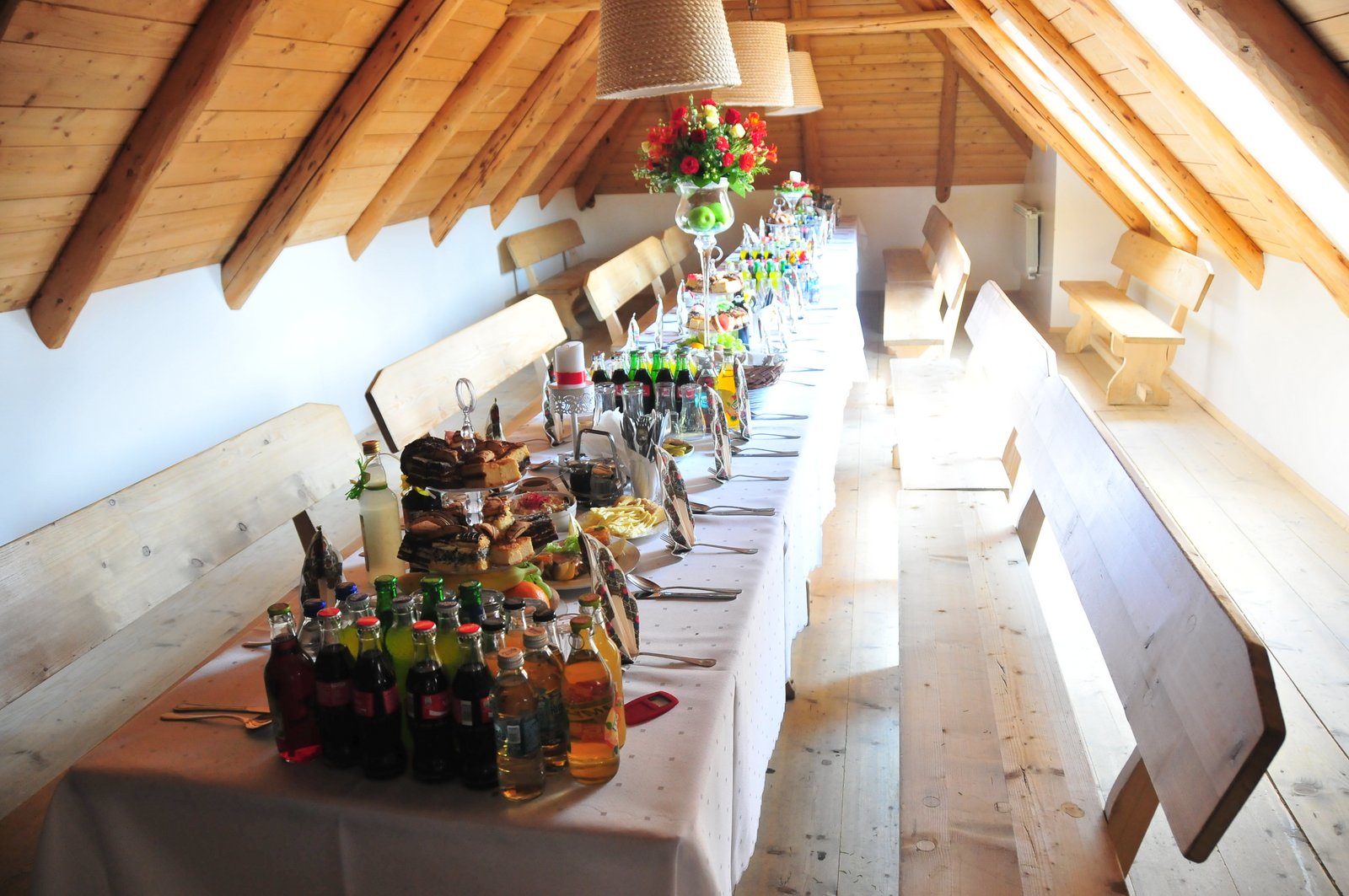
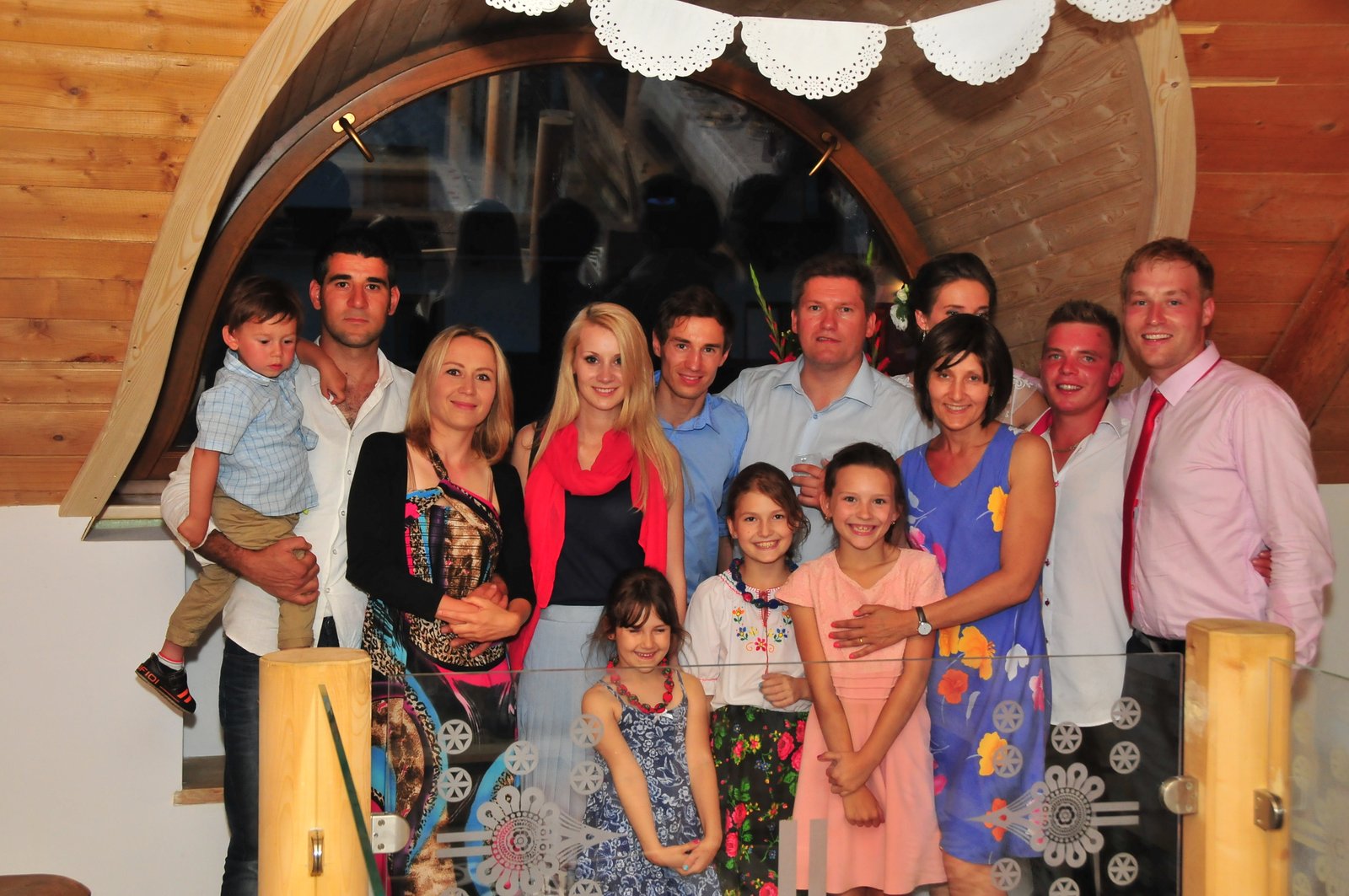
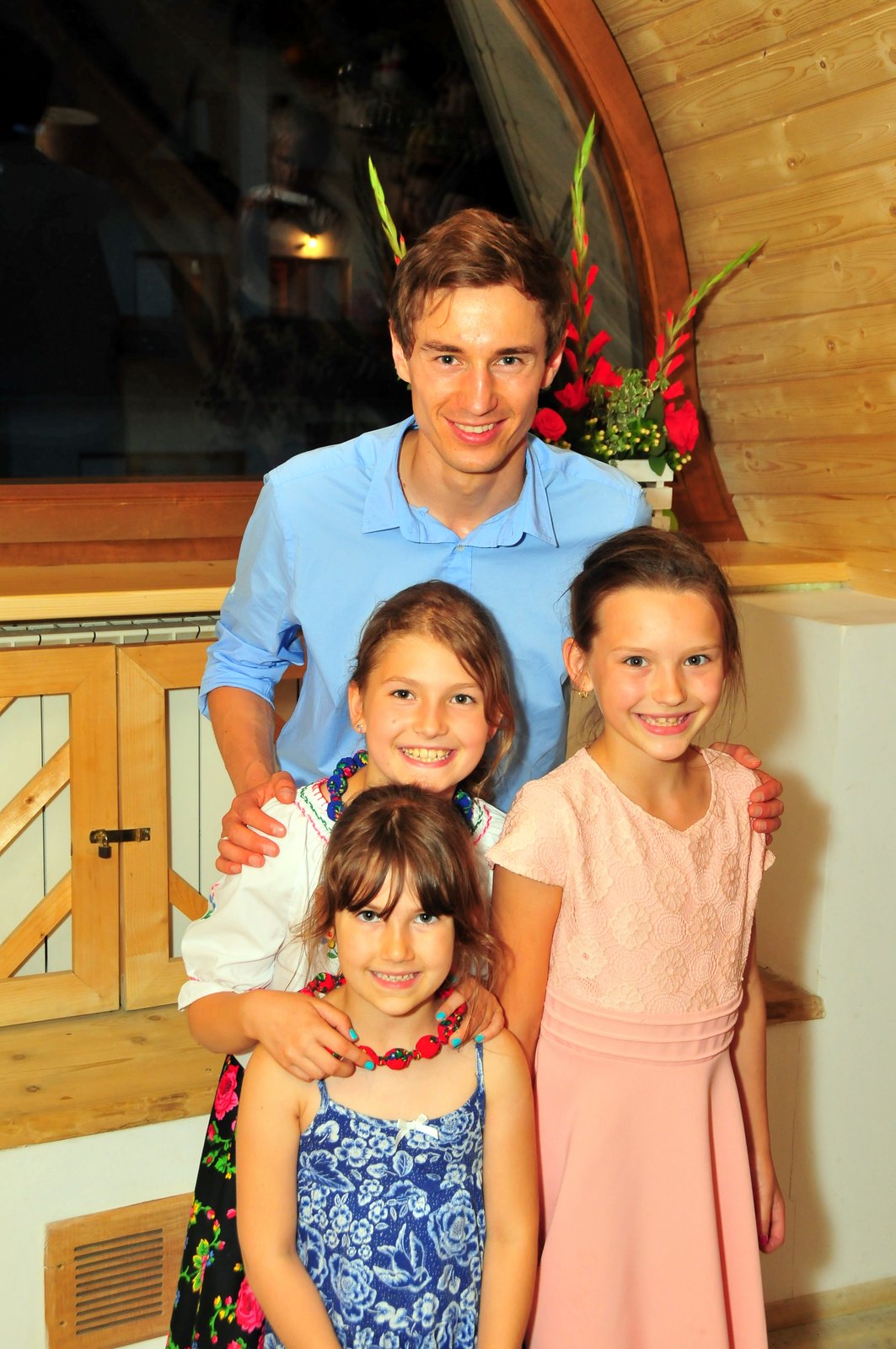
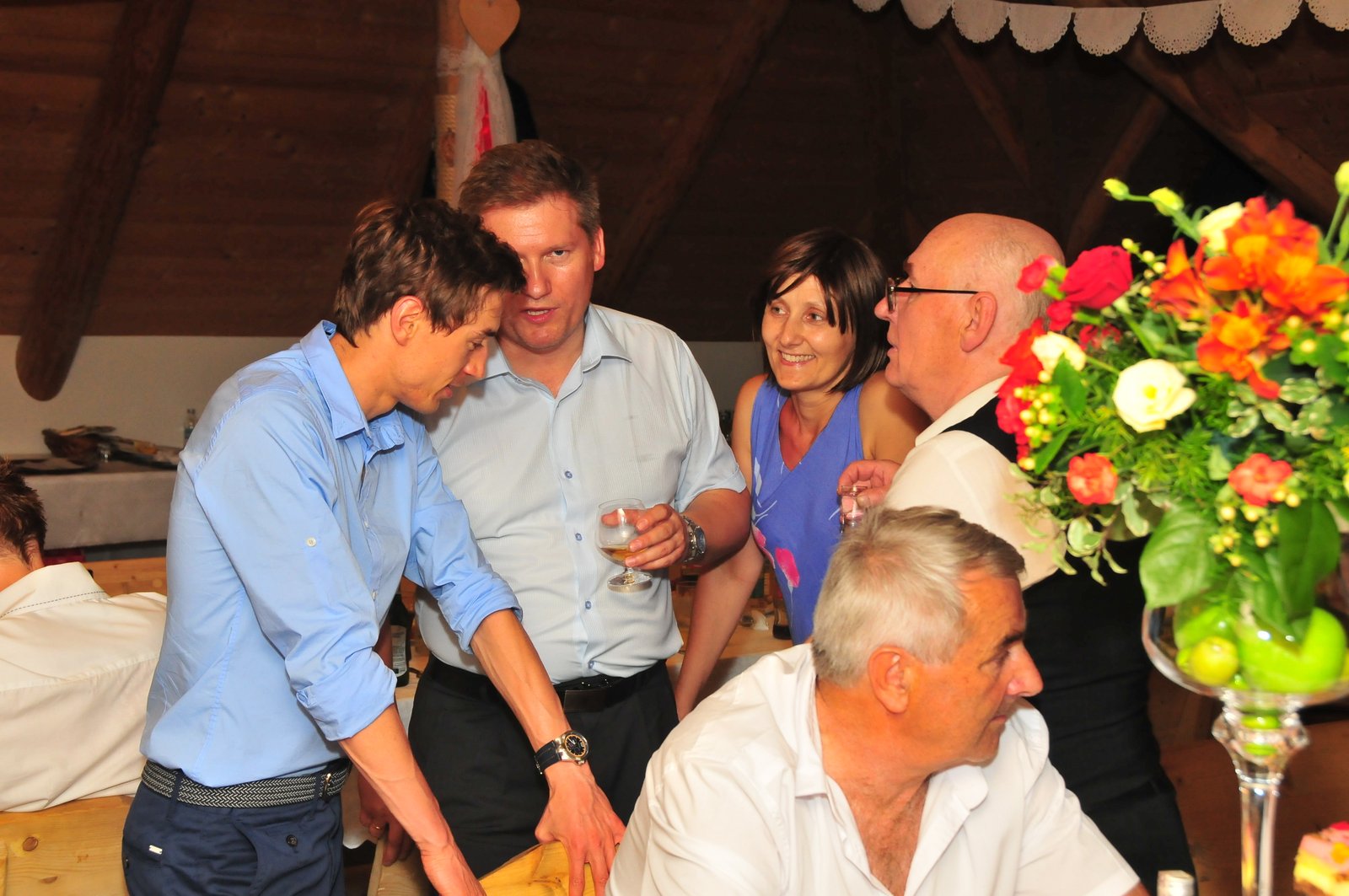
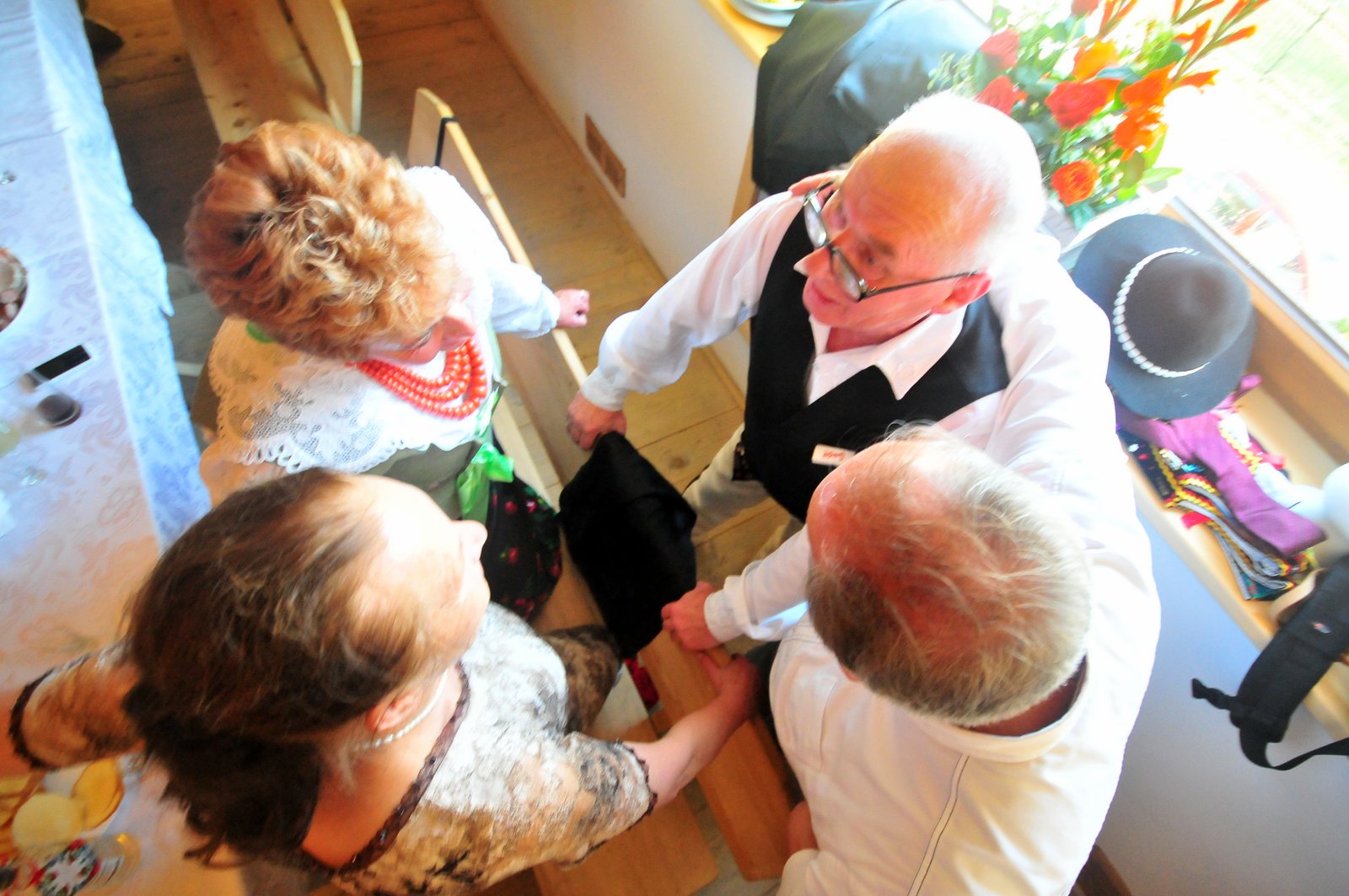
There is a choreography to a Polish wedding and the party that follows that dictates the what, when, where, and how of almost everything. It’s not necessarily obvious at the first wedding and outsider attends, but once you make it through a few weddings, you know what to expect. They’re really not all that different from weddings in America as a whole, but in a surprisingly ironic twist, it’s just bigger. Everything is bigger. More, more, more: more food, more alcohol, more dancing, more singing, more games with the bride and groom.
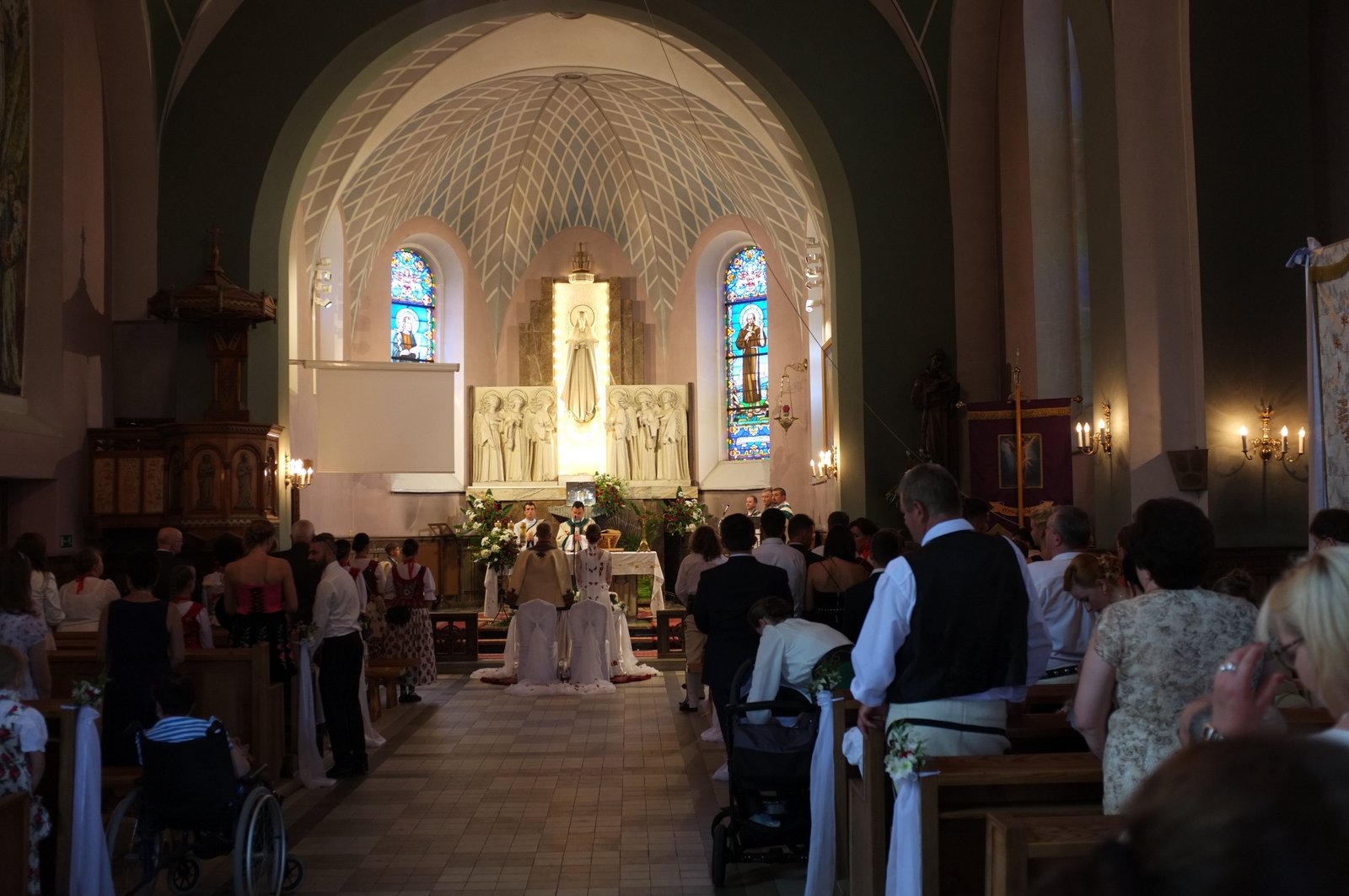
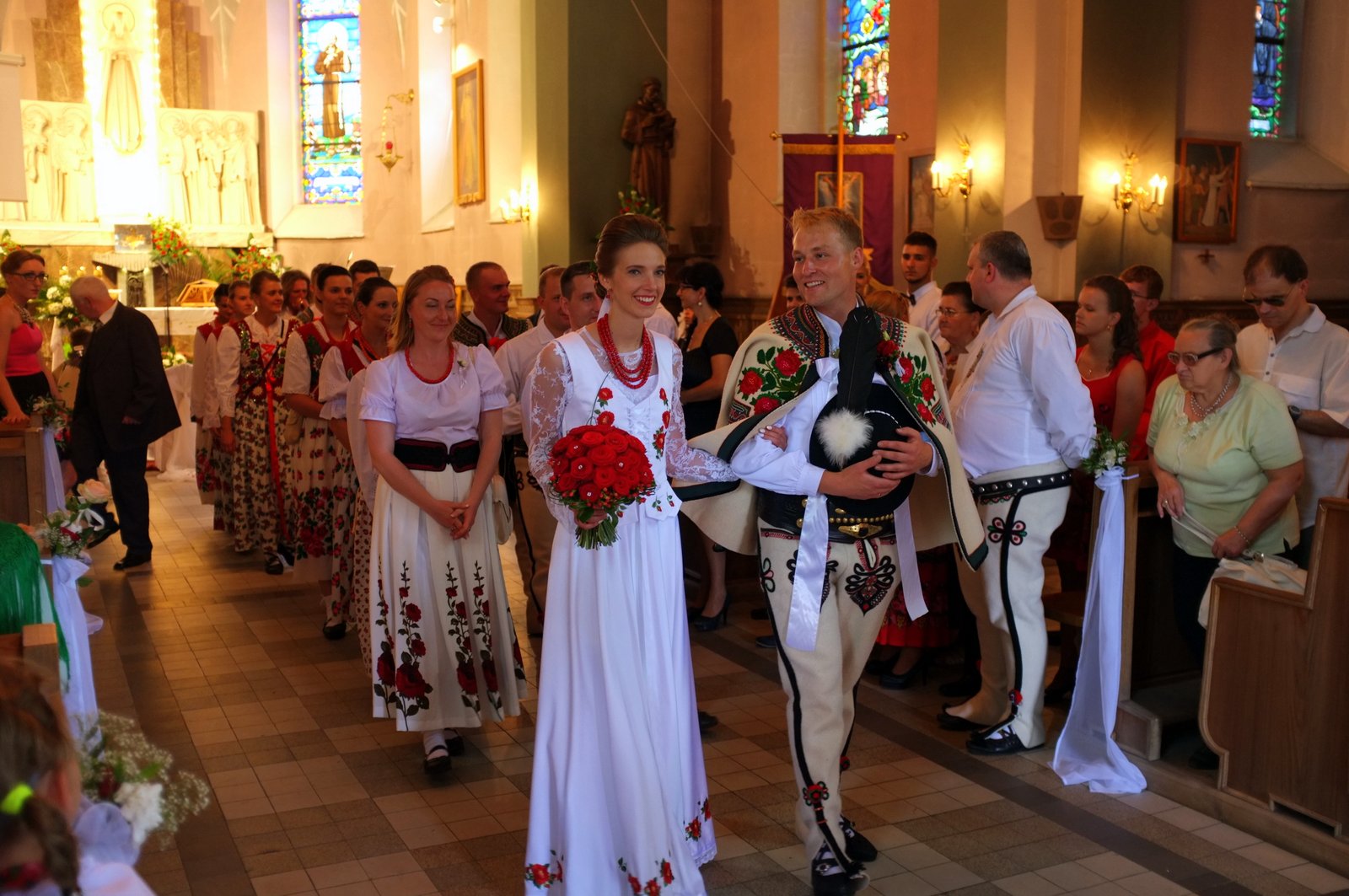
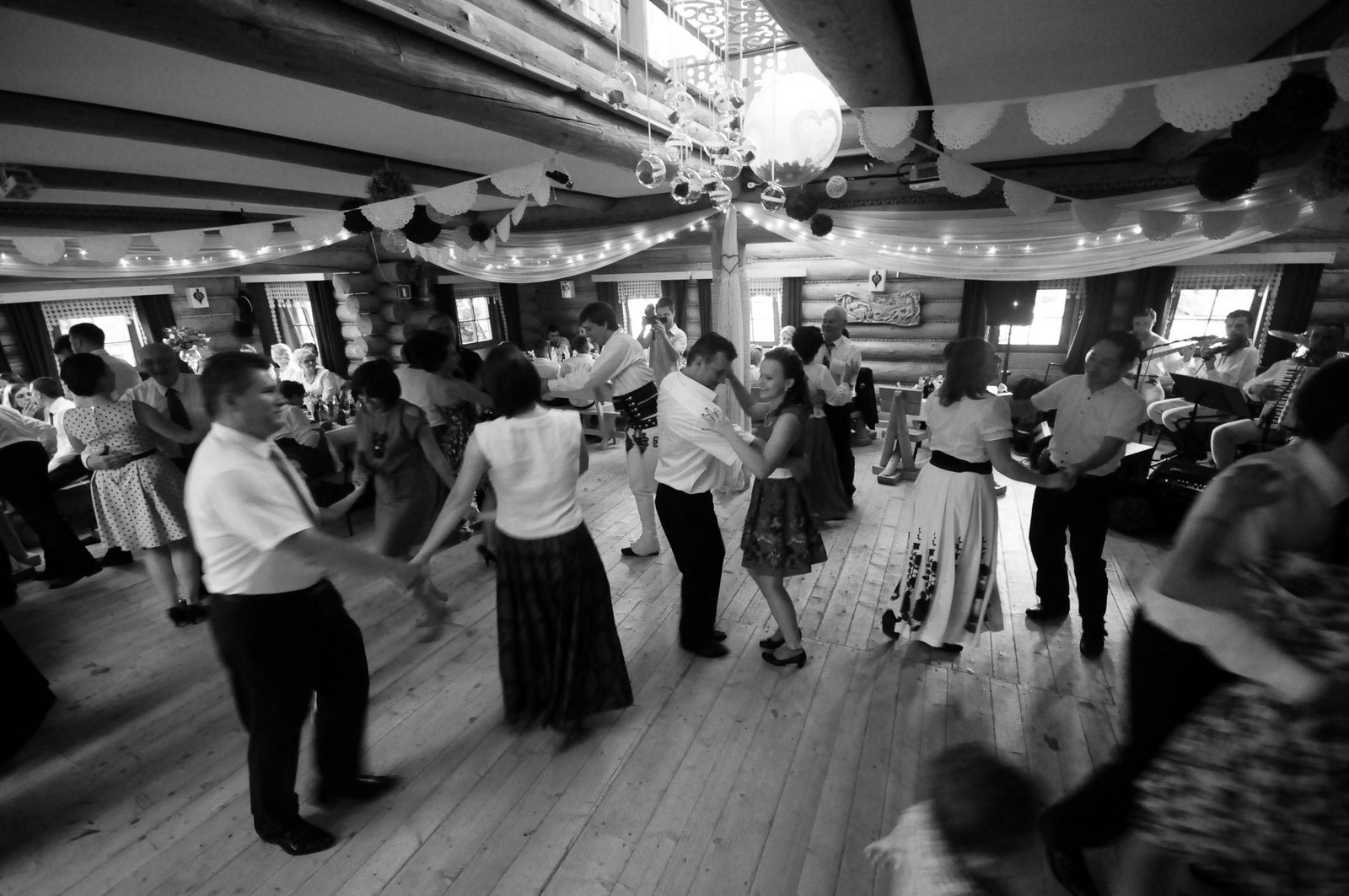
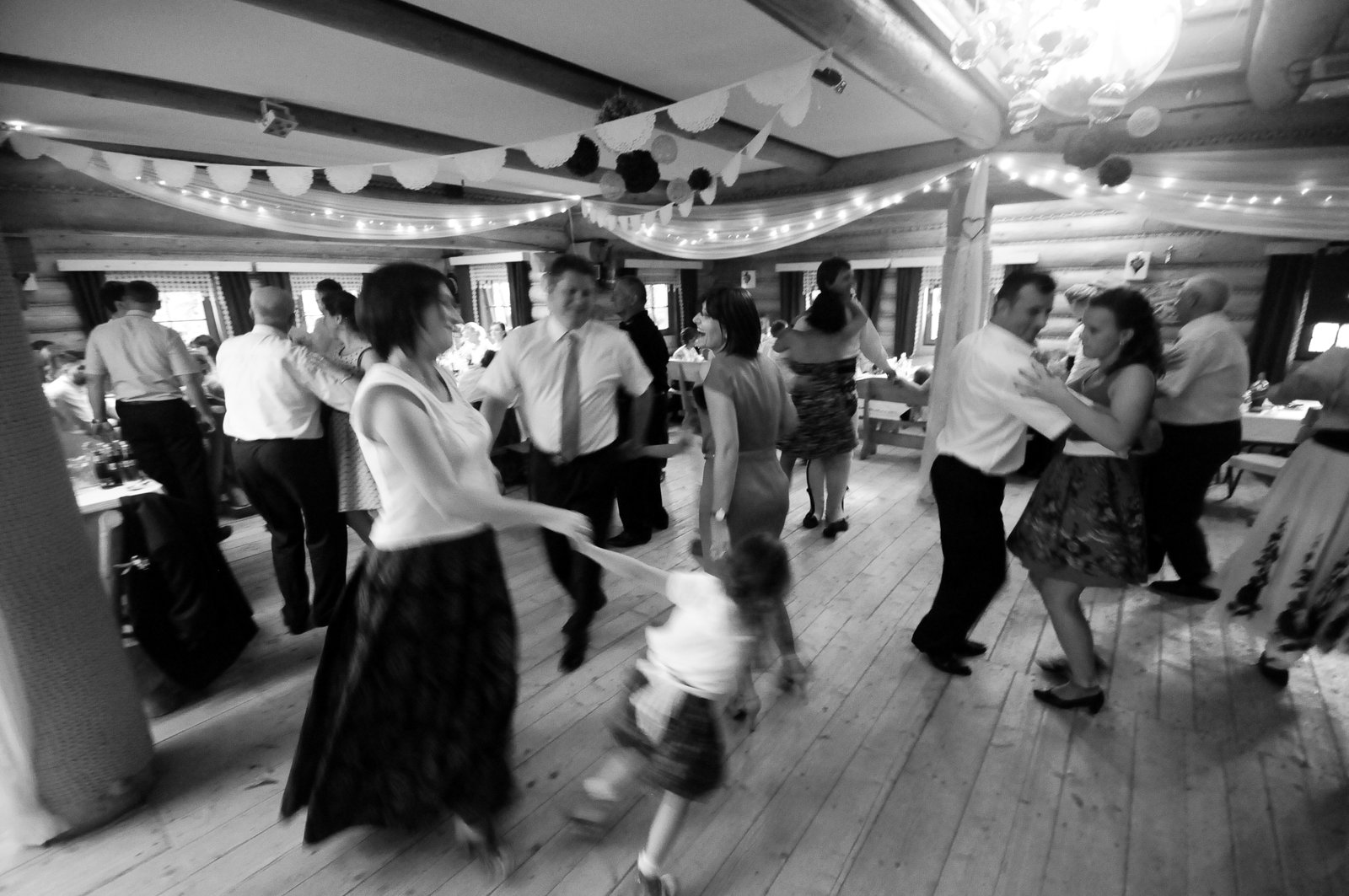
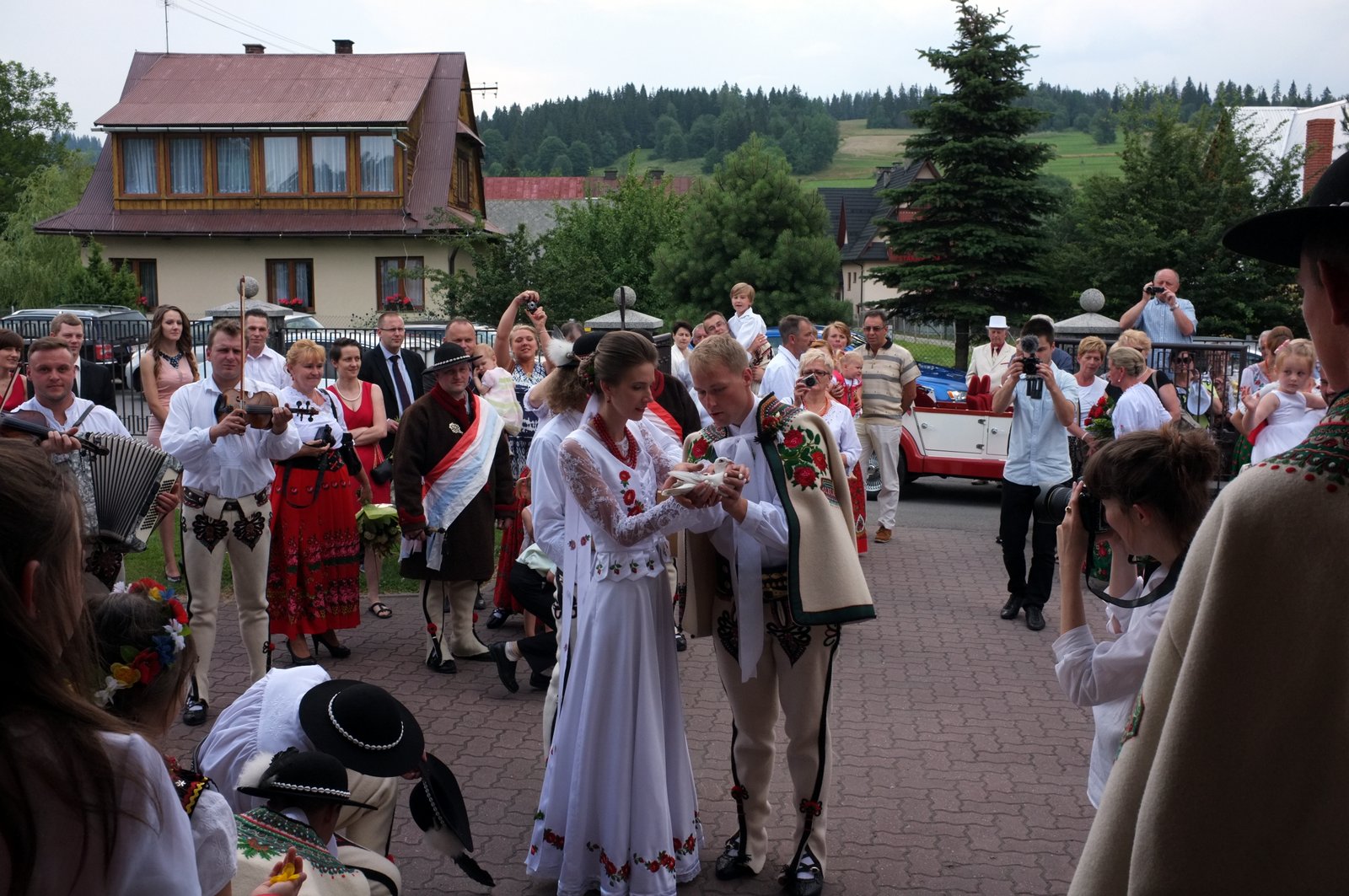
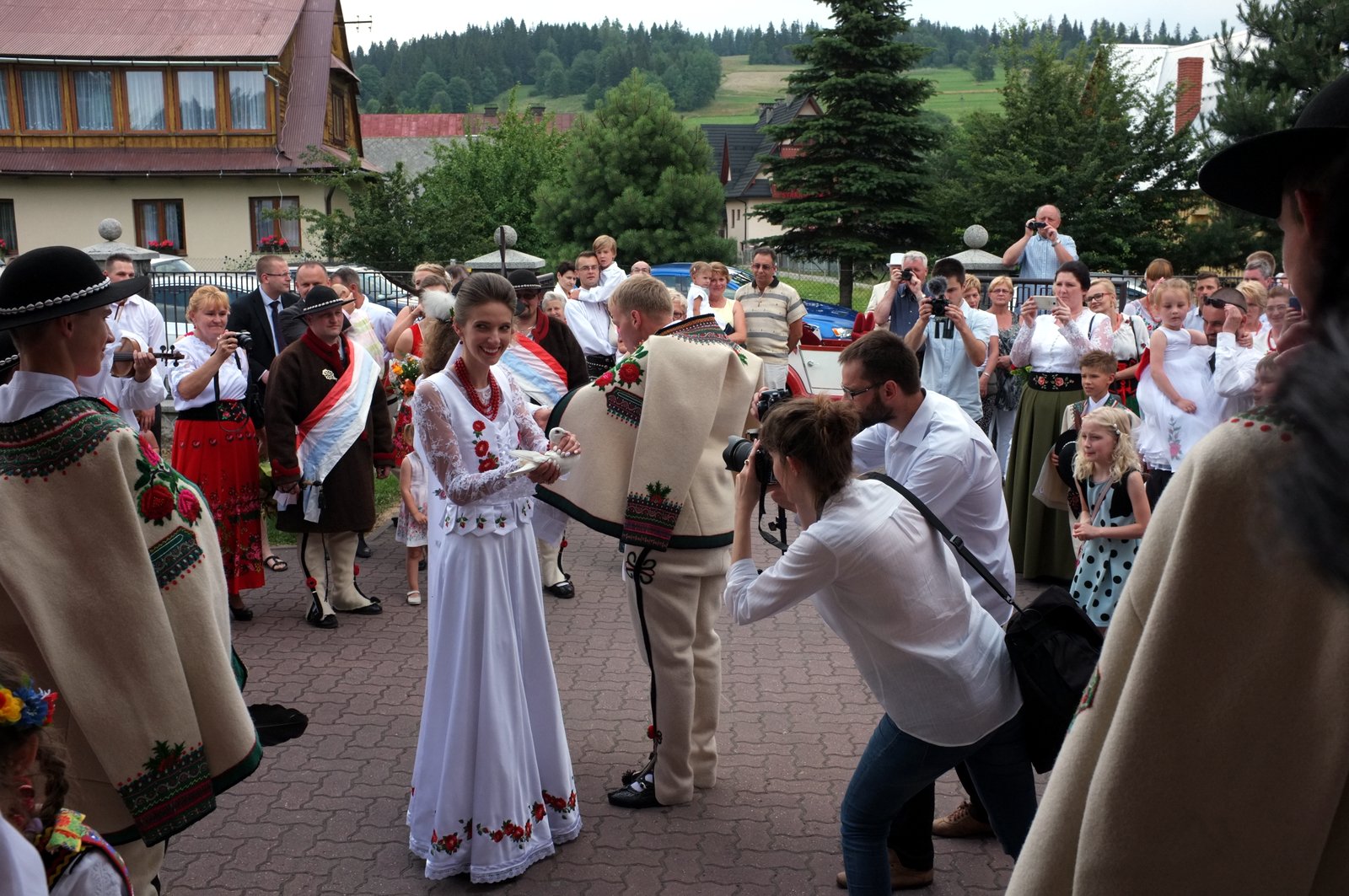
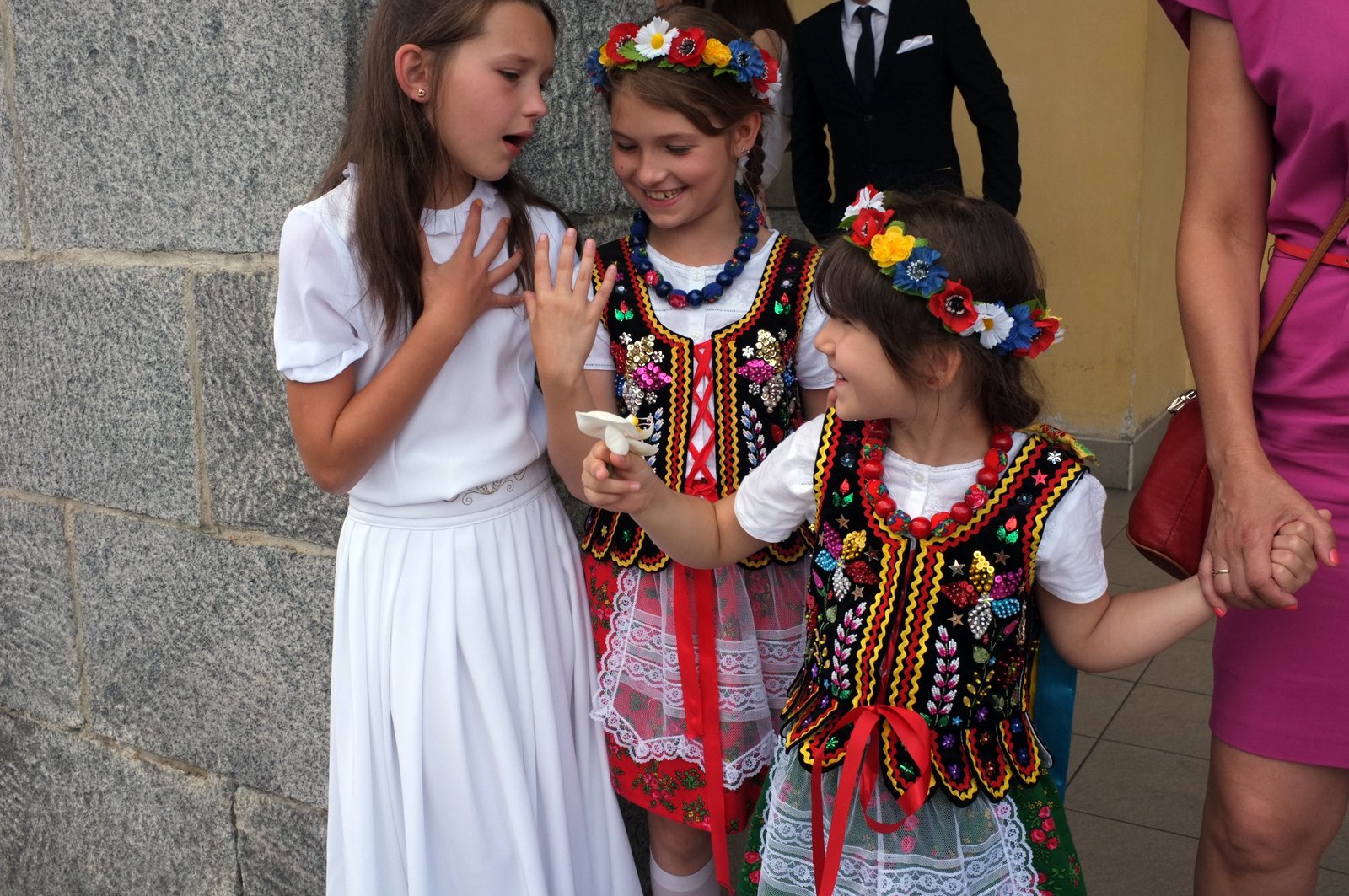
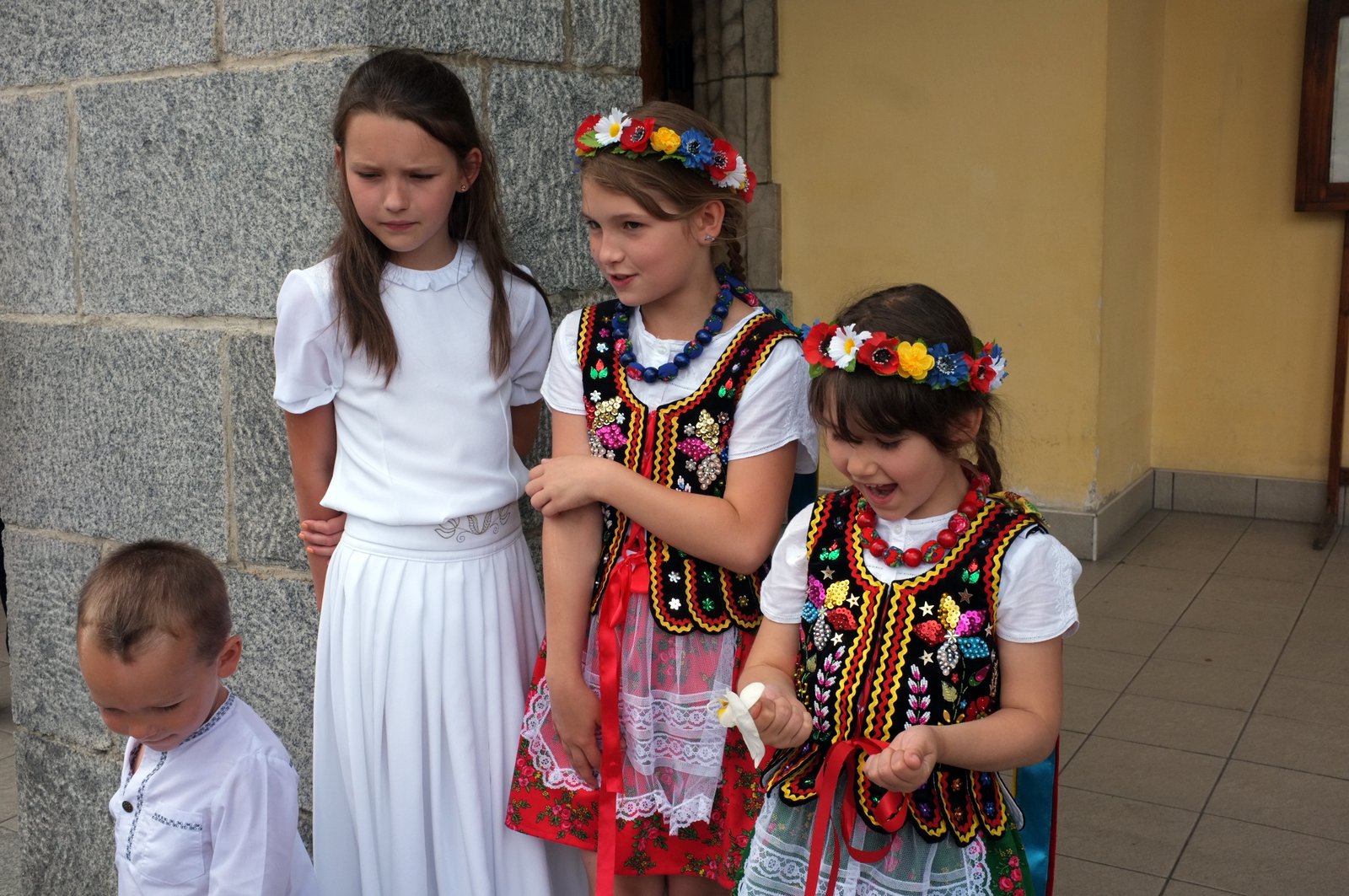
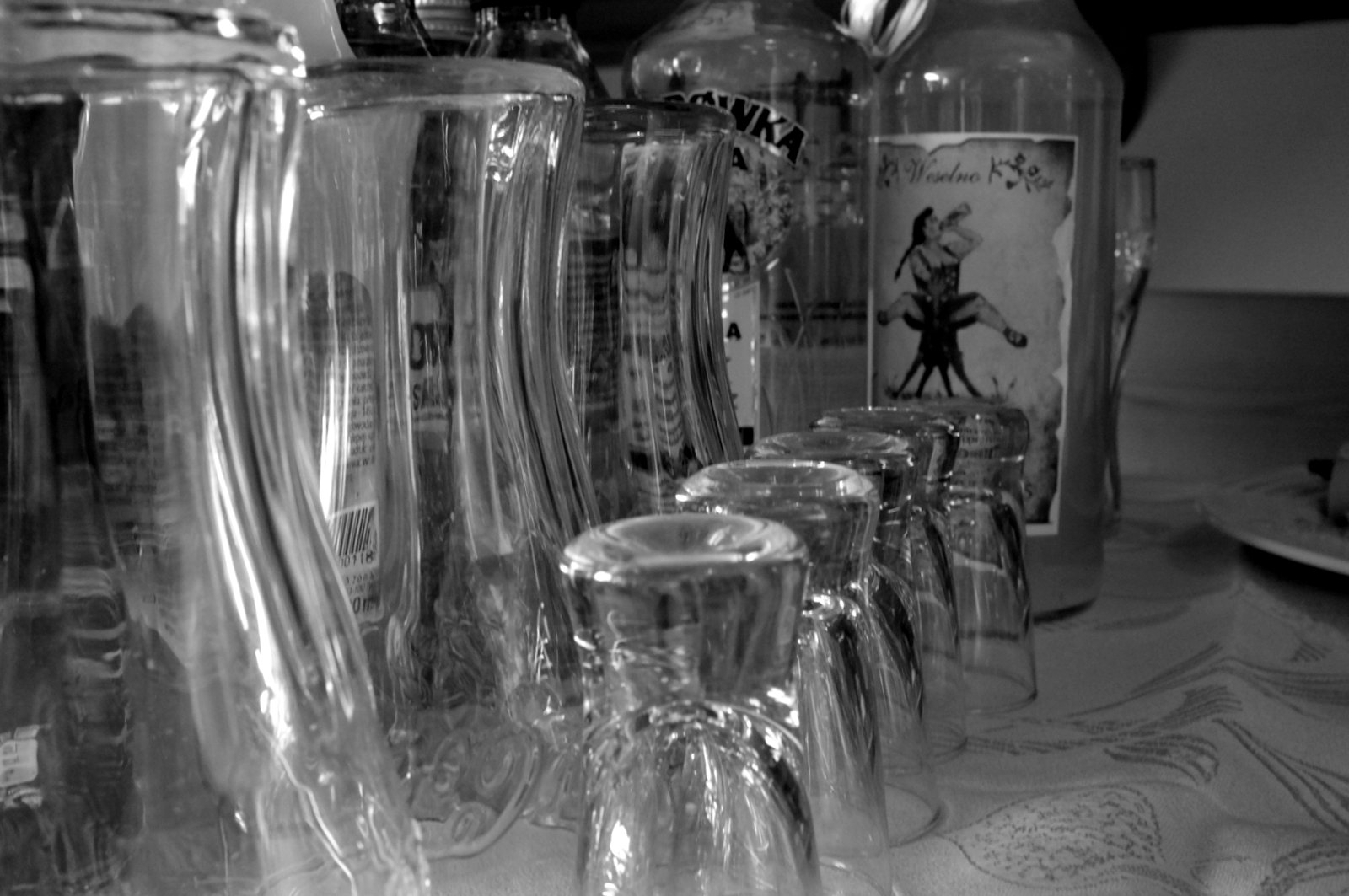
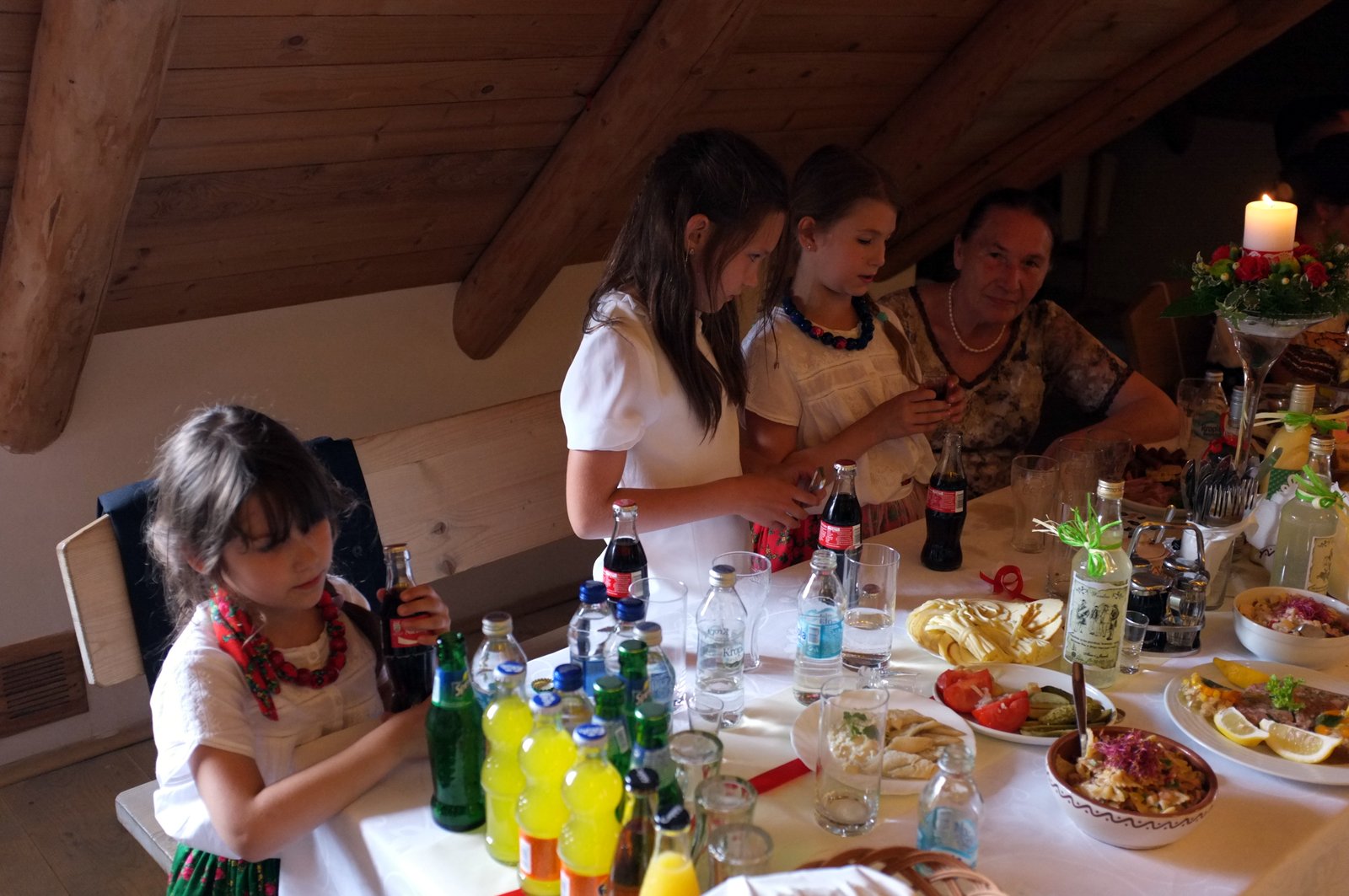
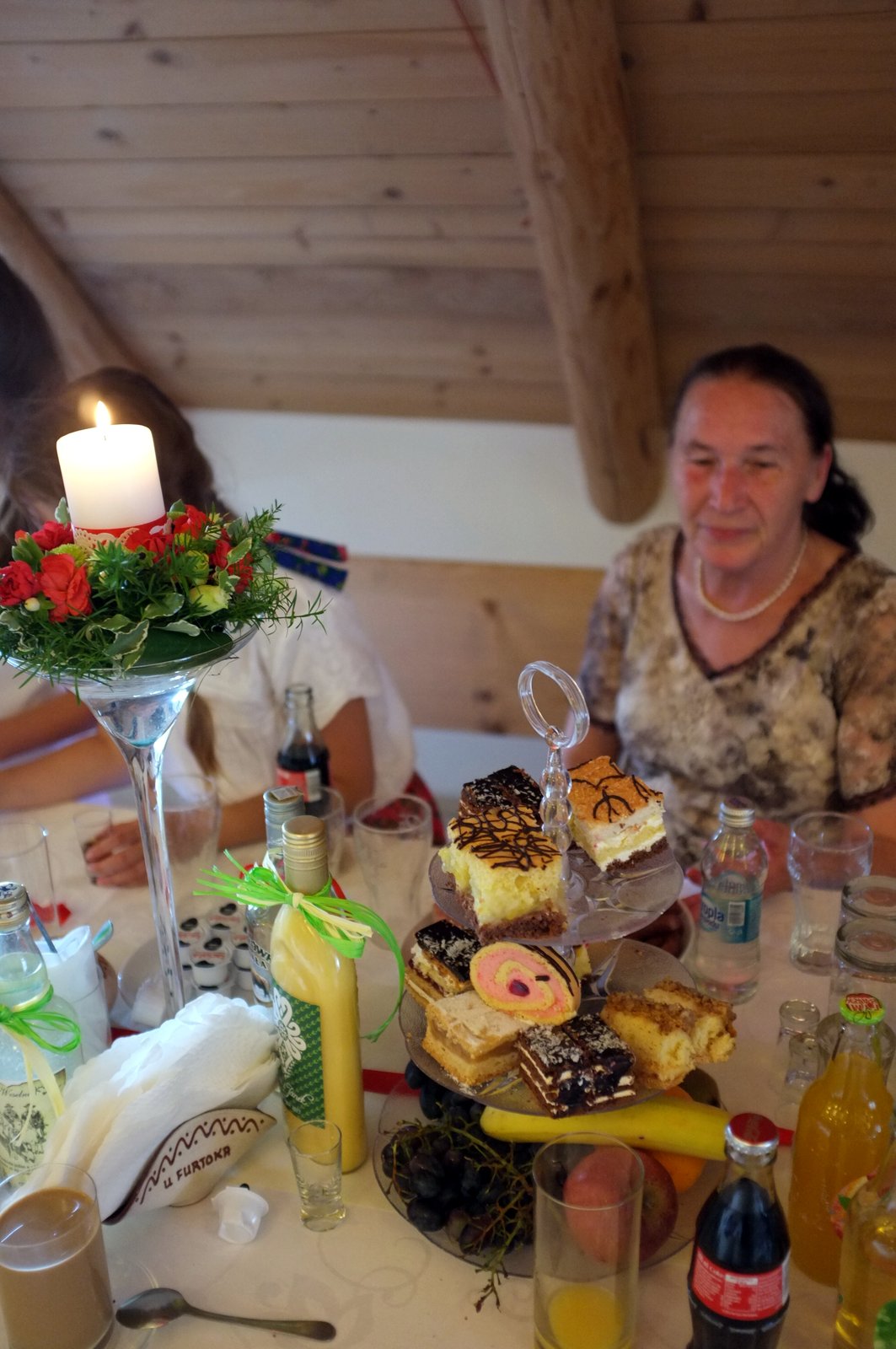
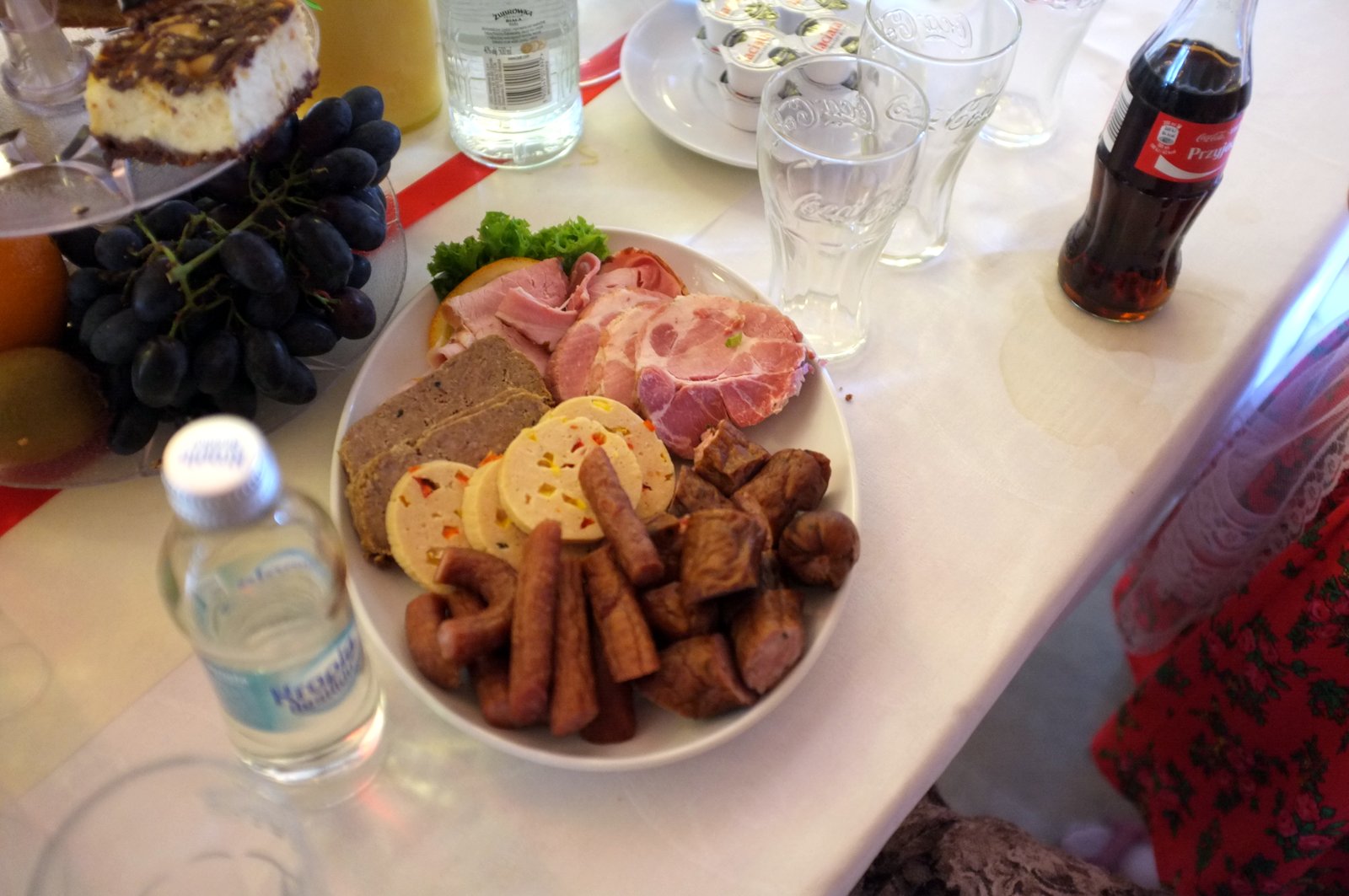
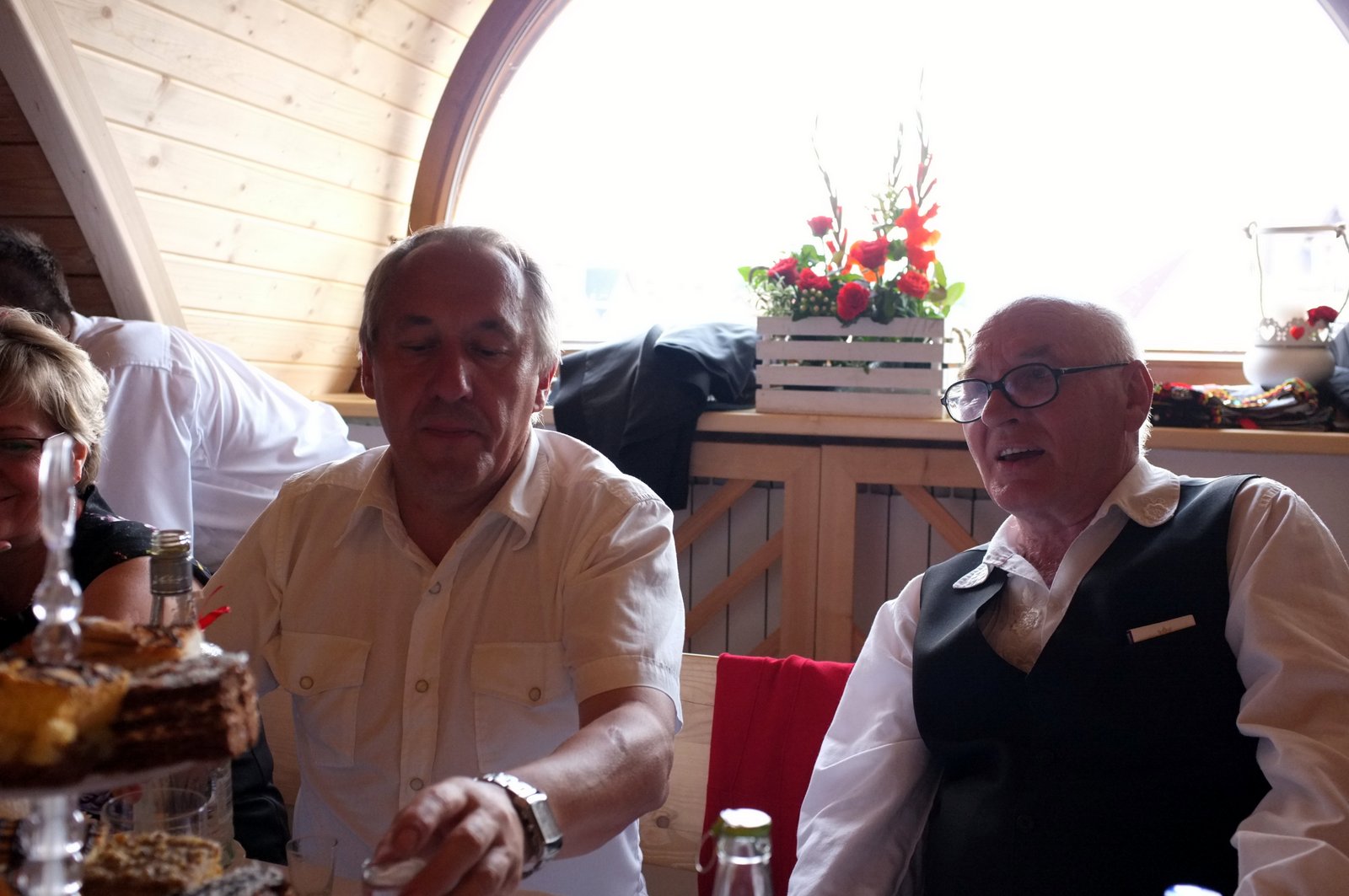
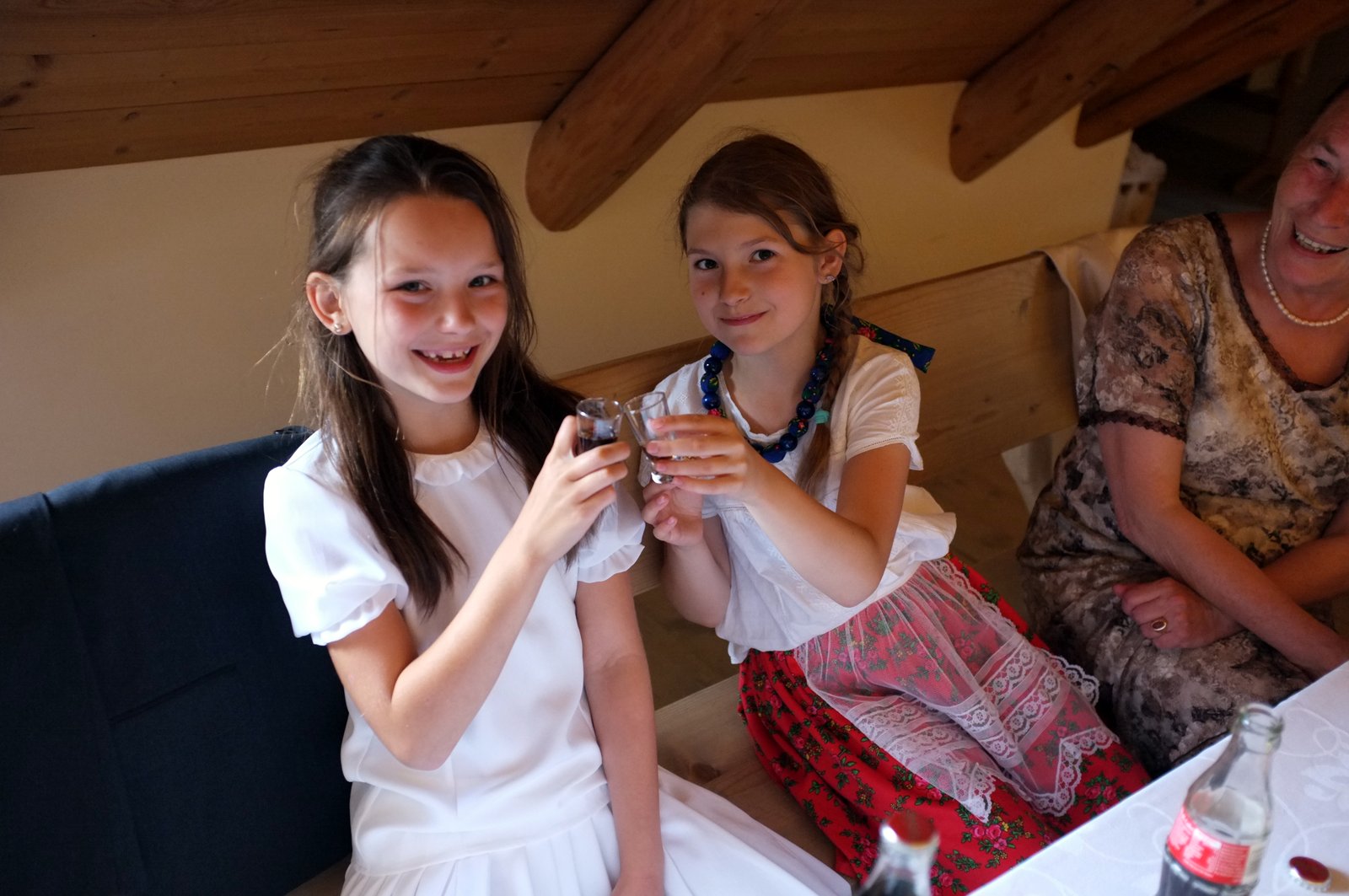
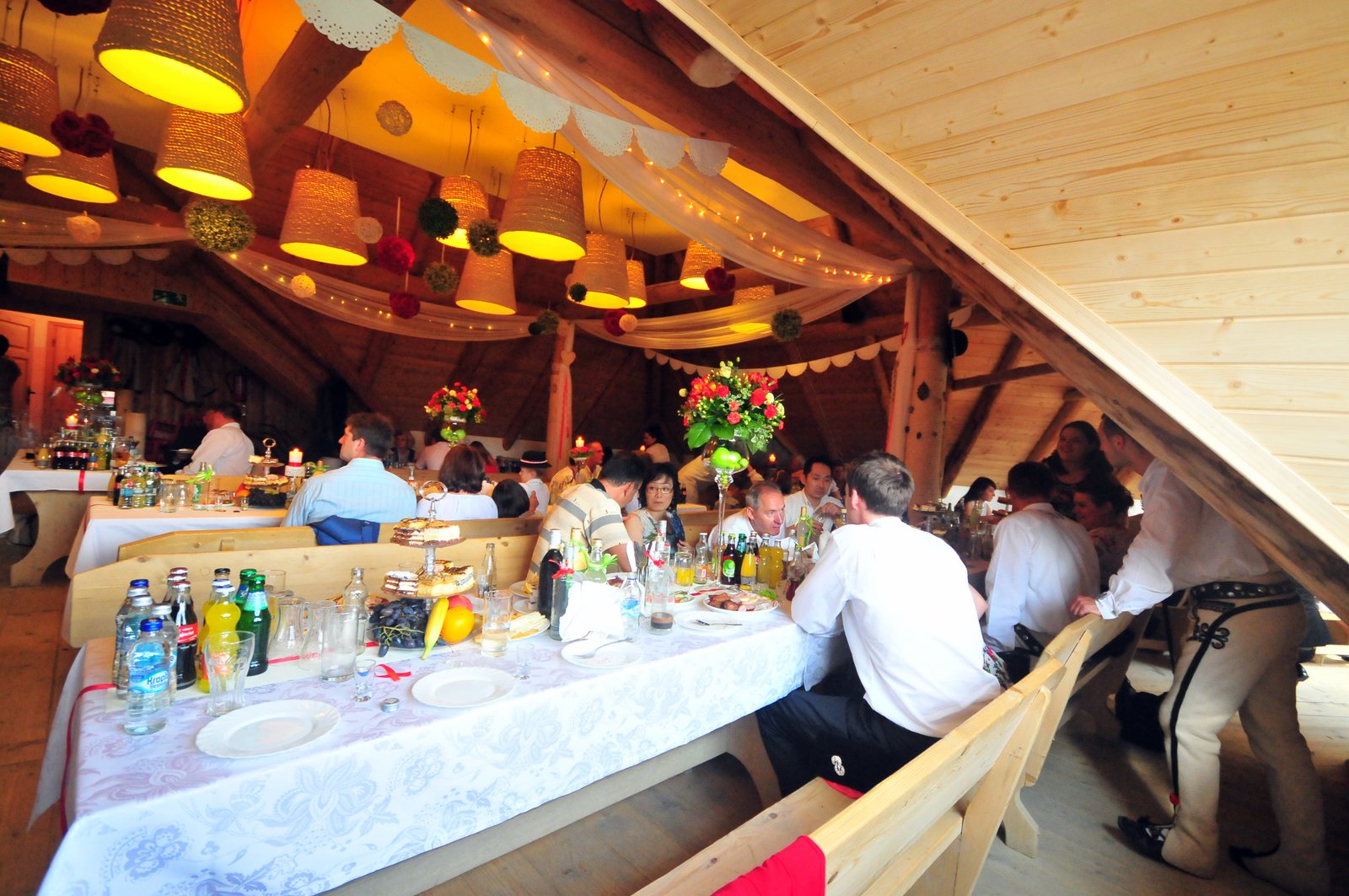
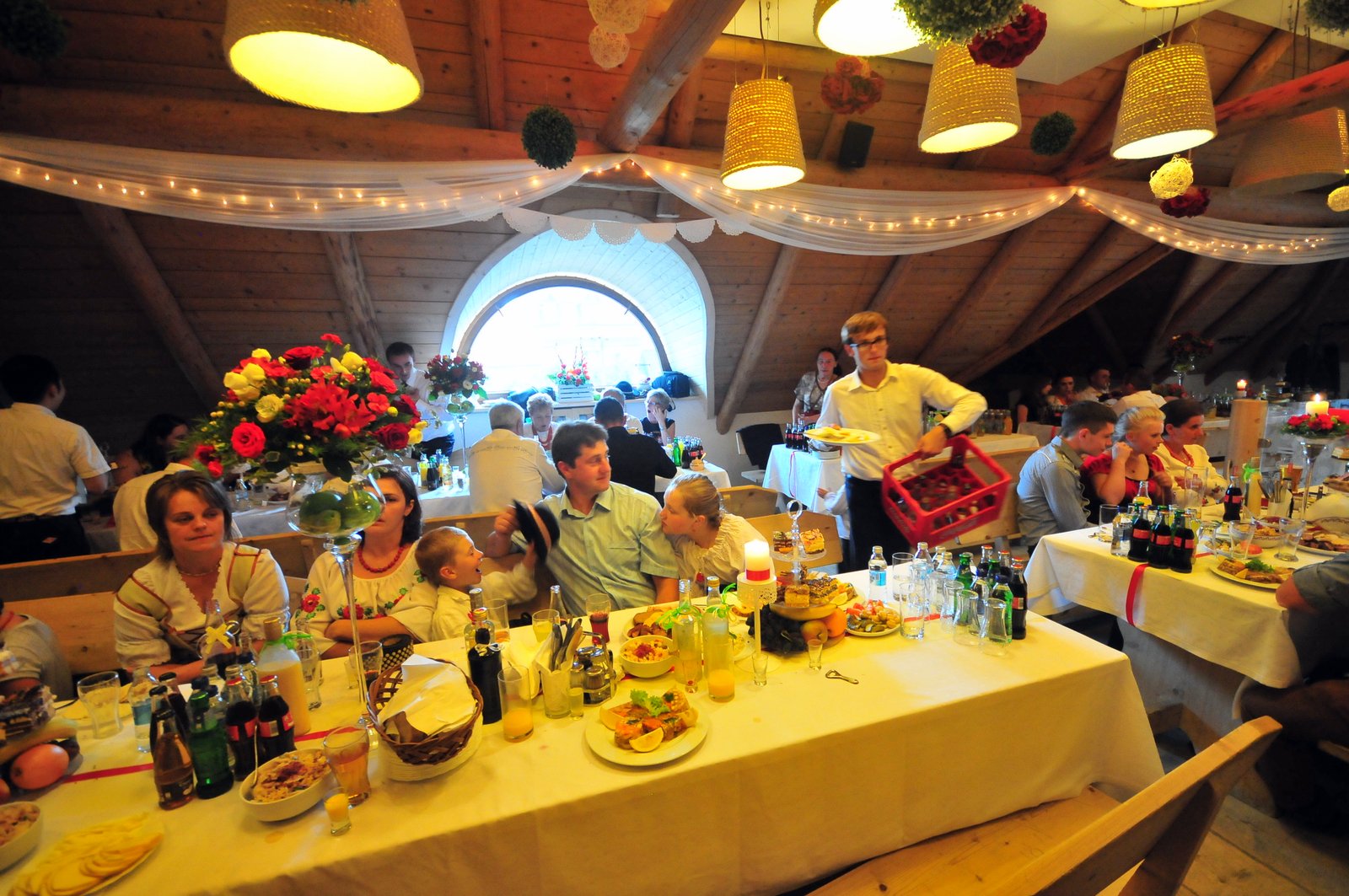
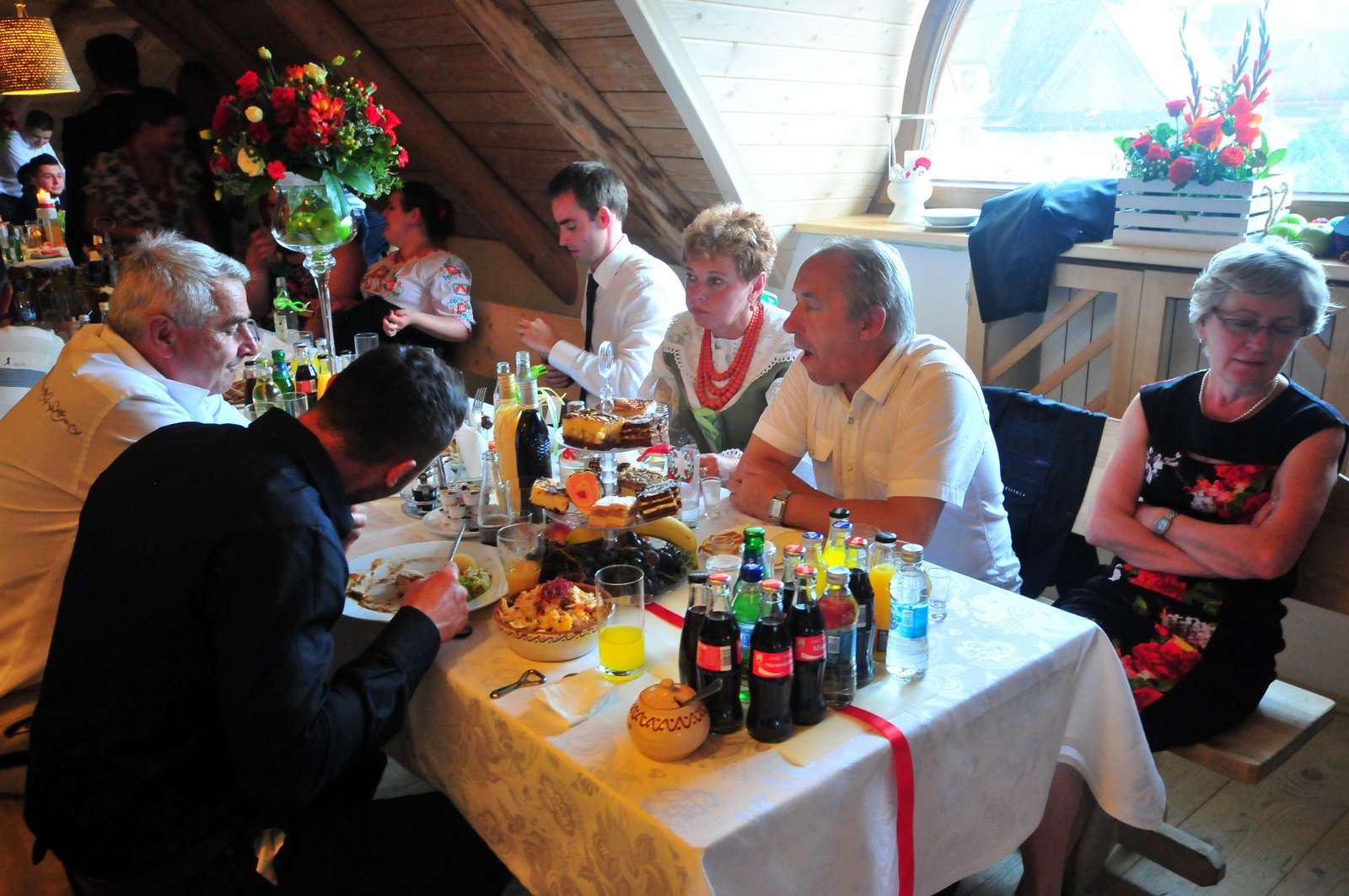
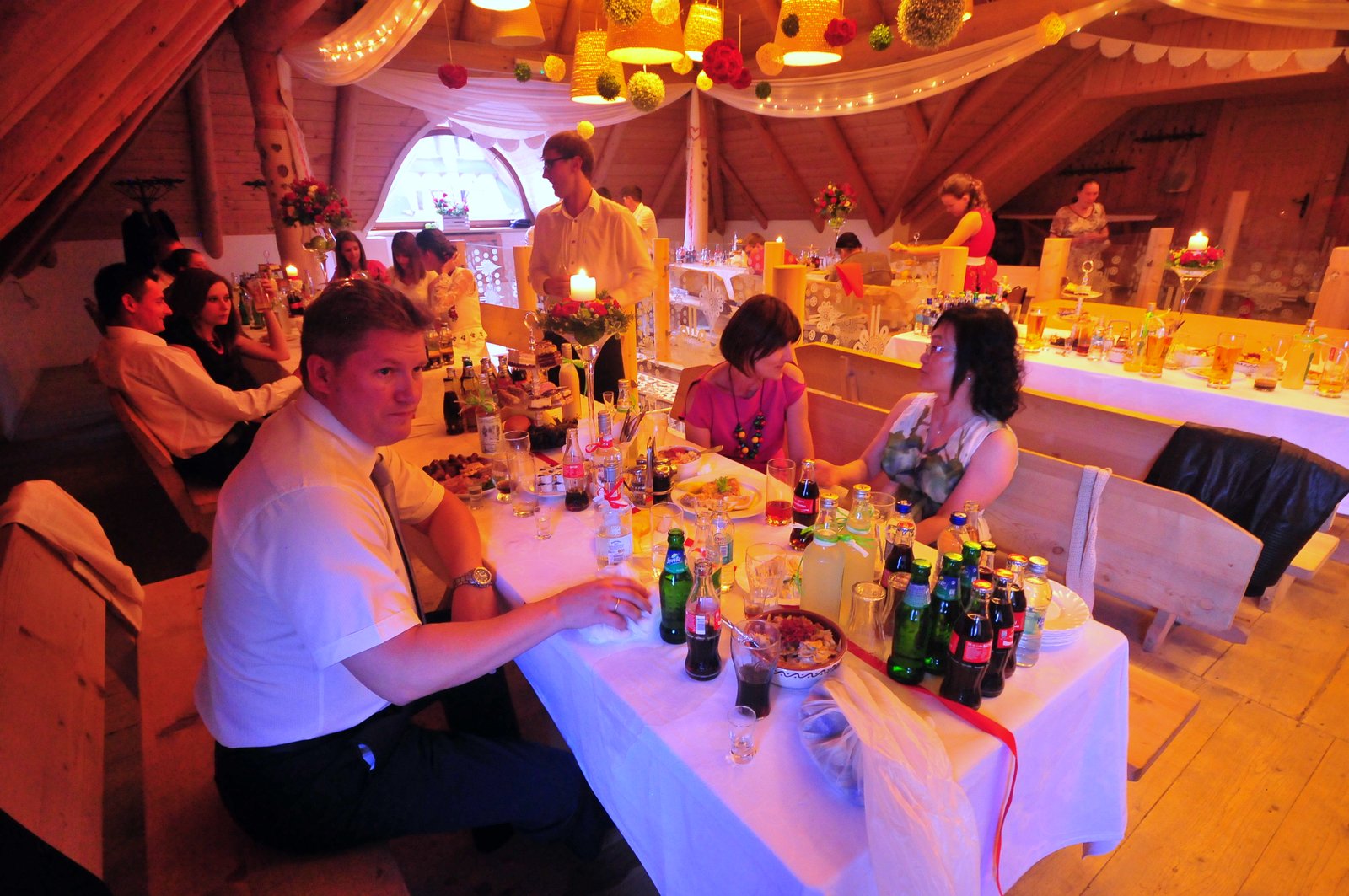
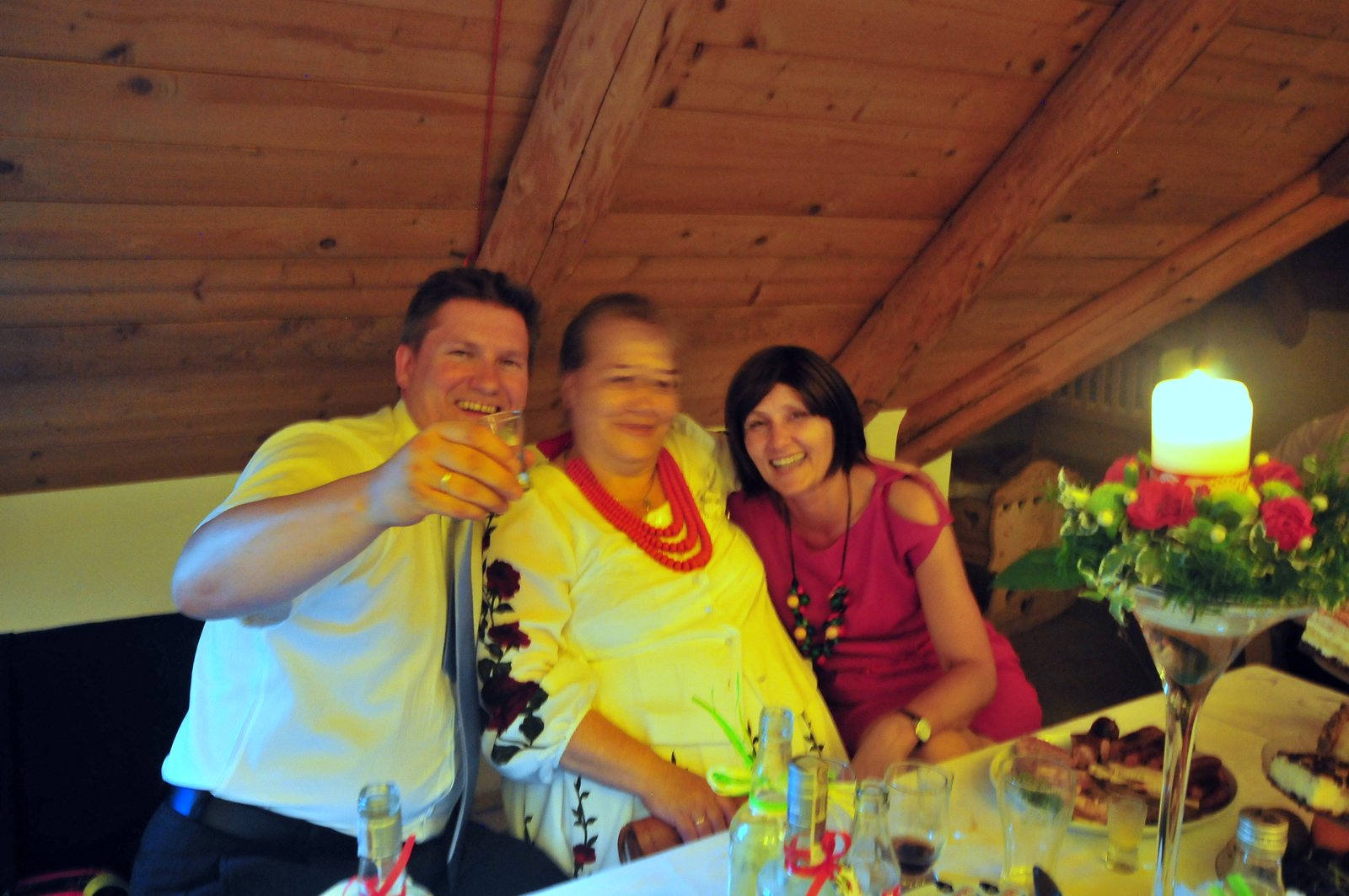
To begin with, there’s the food. It’s everywhere, piled on every table throughout the whole evening. Plates of pickled veggies, cheeses, cold meats, cakes, and bowls of salads cover the tables when guests arrive, and they’re constantly replenished throughout the evening. At the end of each table stand bottles of cola, juice and water, with the center of each table reserved for bottles of alcohol: vodka (obligatory, and in various forms: clear vodka, homemade flavored vodka made with lemons or carmelized sugar, store-bought flavored vodkas — endless vodka), liquours, wines, and more. The groomsmen weave their way among the tables on a regular basis, replacing empty bottles with full from a basket of bottles they carry with them. And that’s not to mention the full meals that are served every four hours or so: plates piled high with two or three meats, some potatoes, two or three salads. Food, food, food; drink, drink, drink. It’s a cornucopia in every sense of the word.

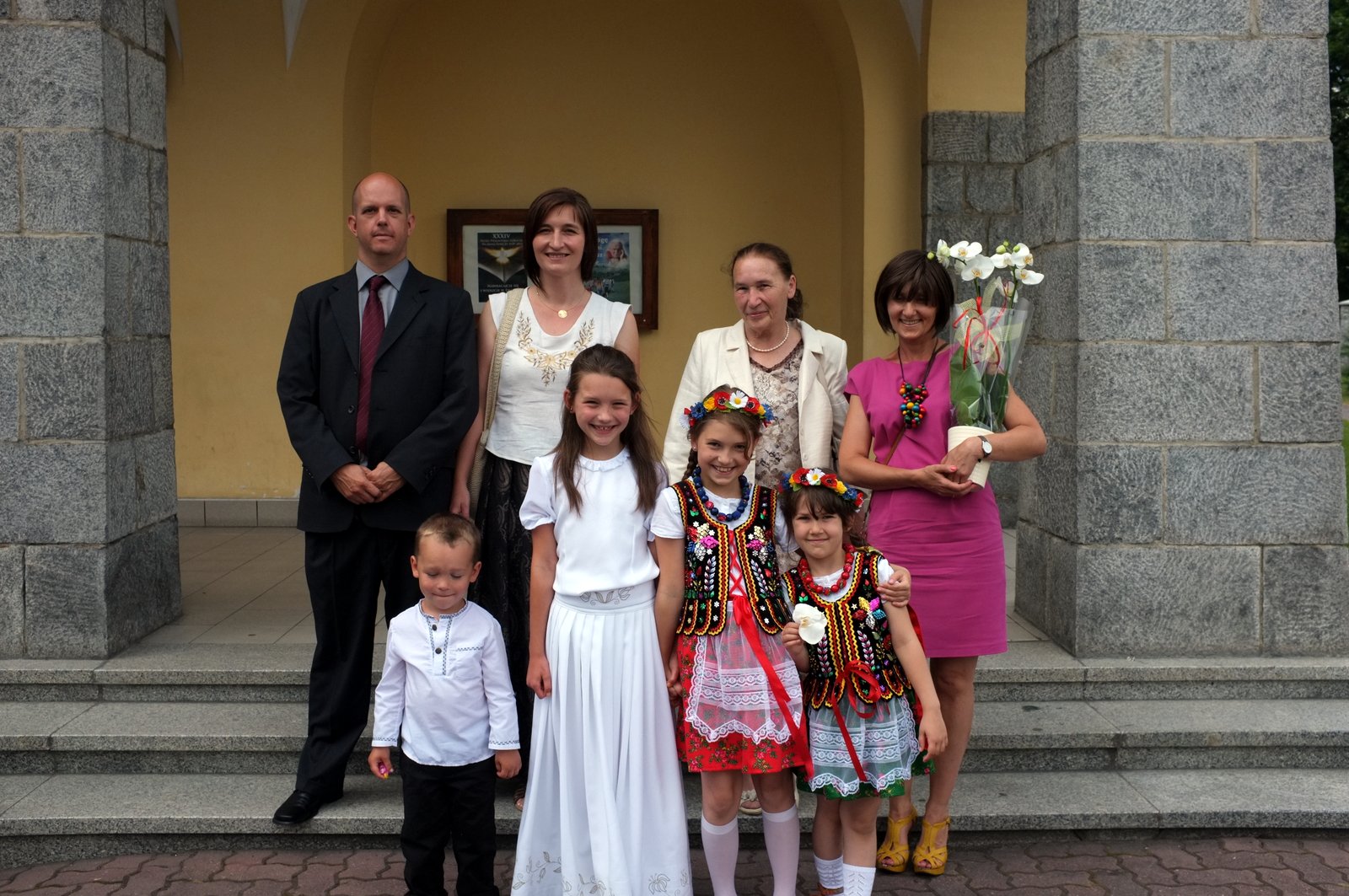
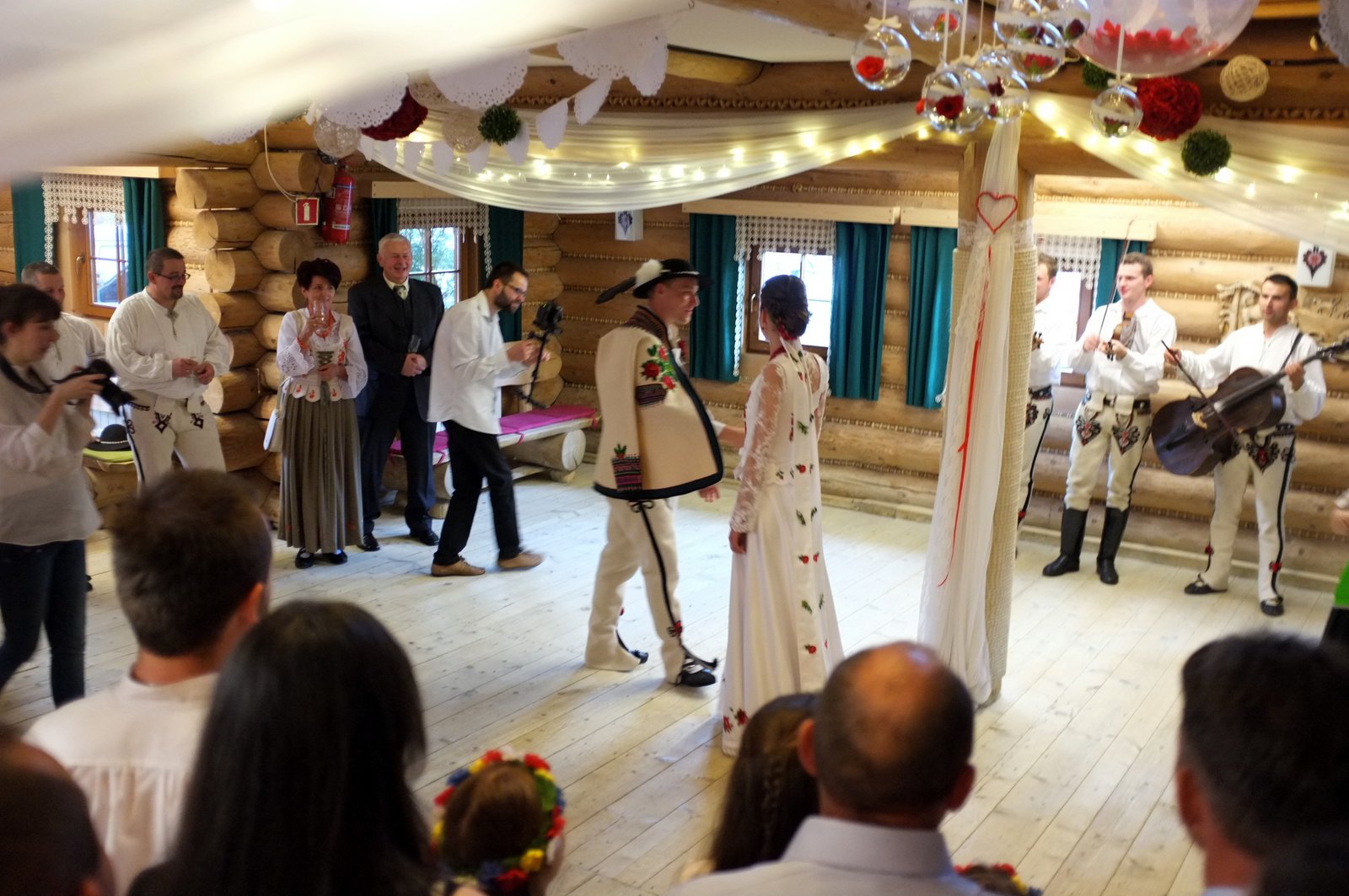
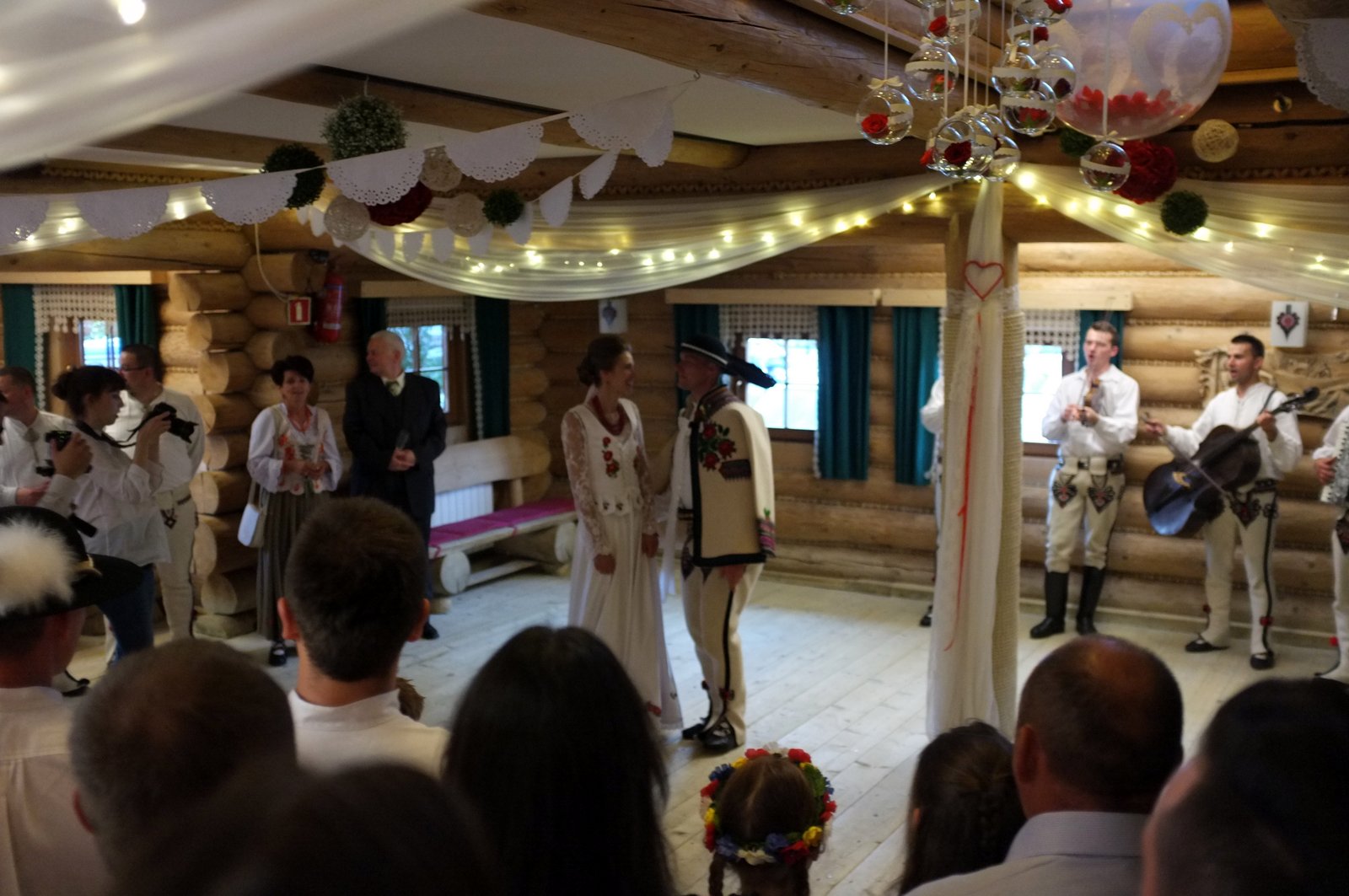
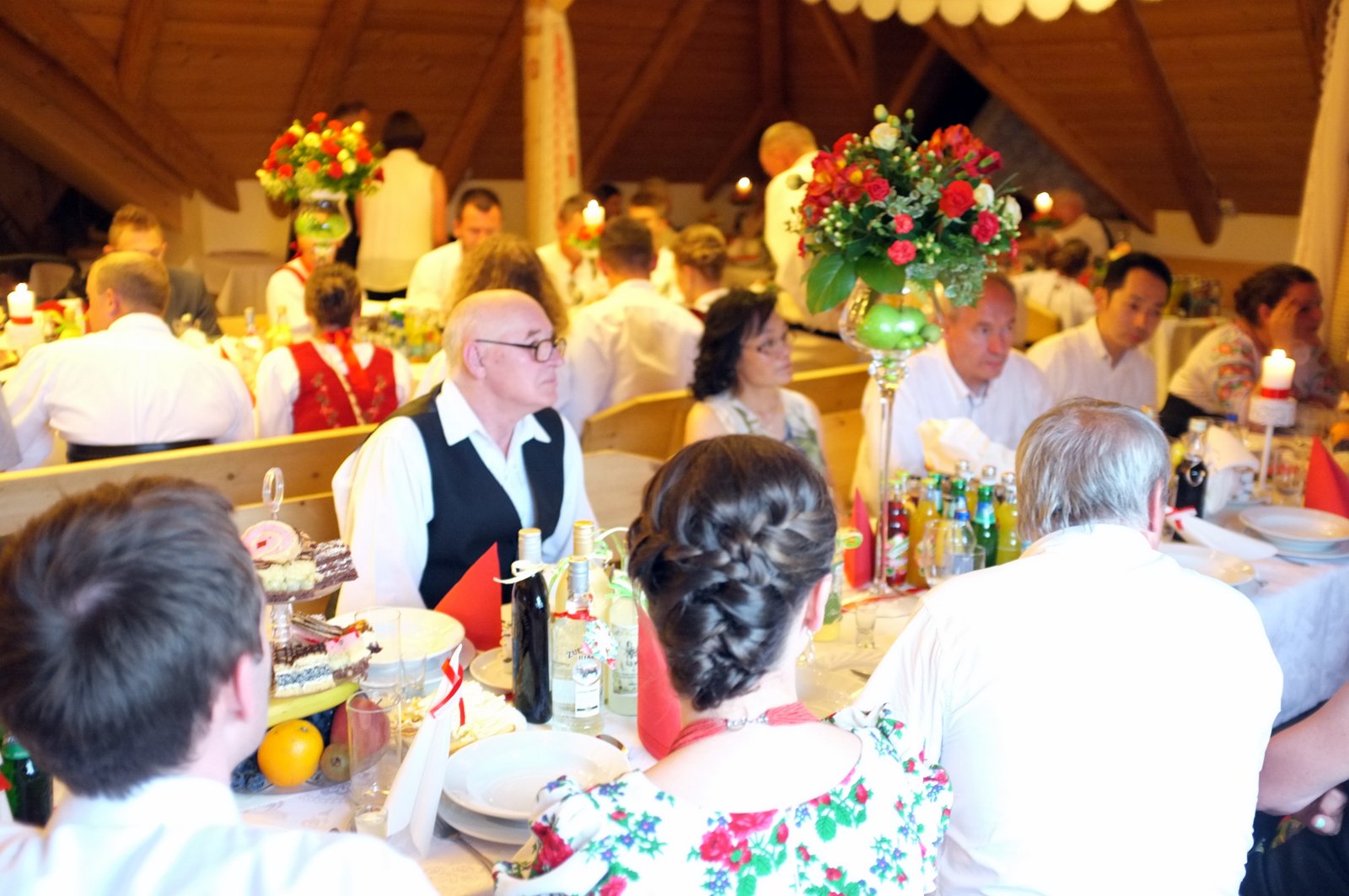
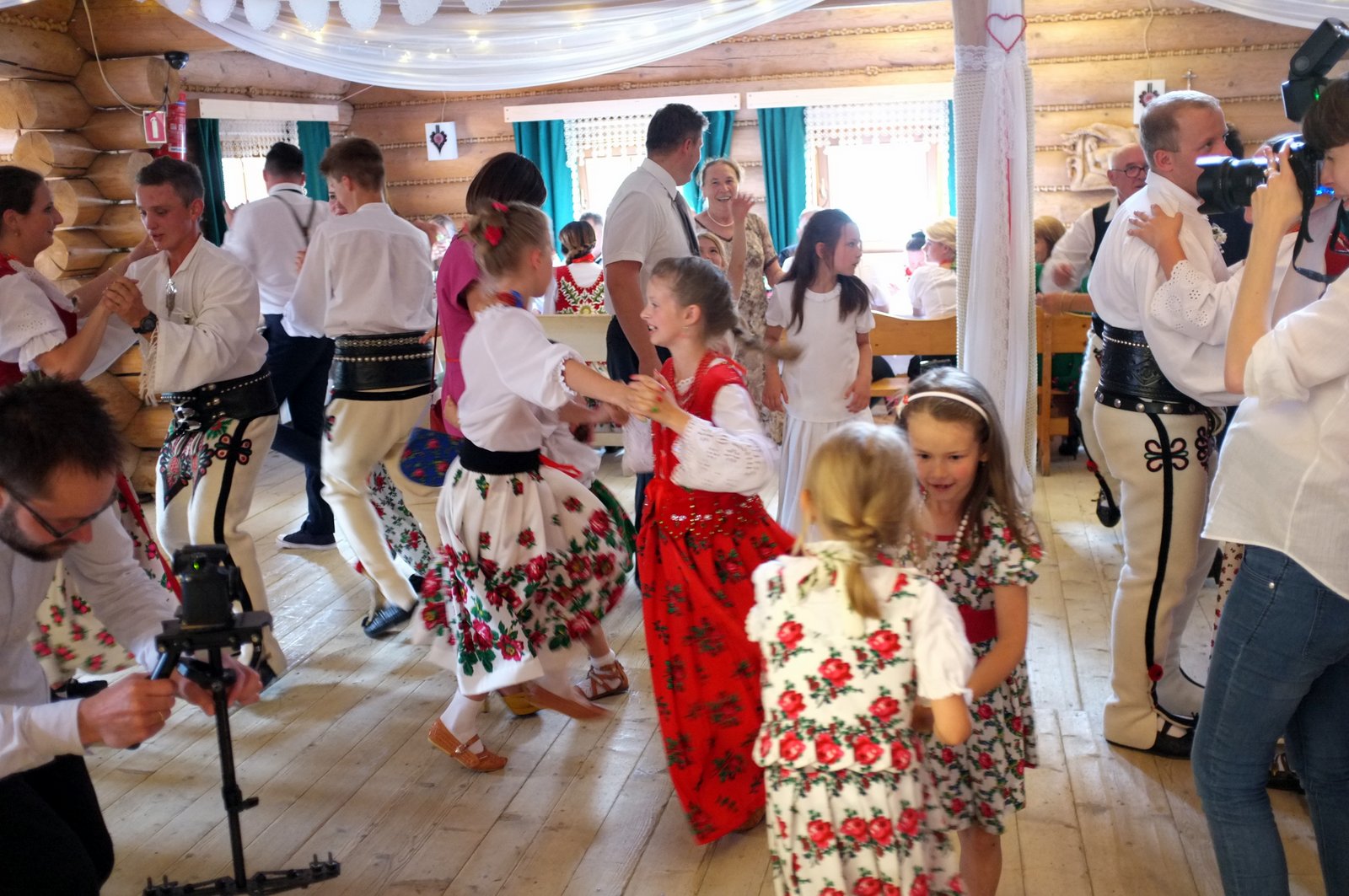
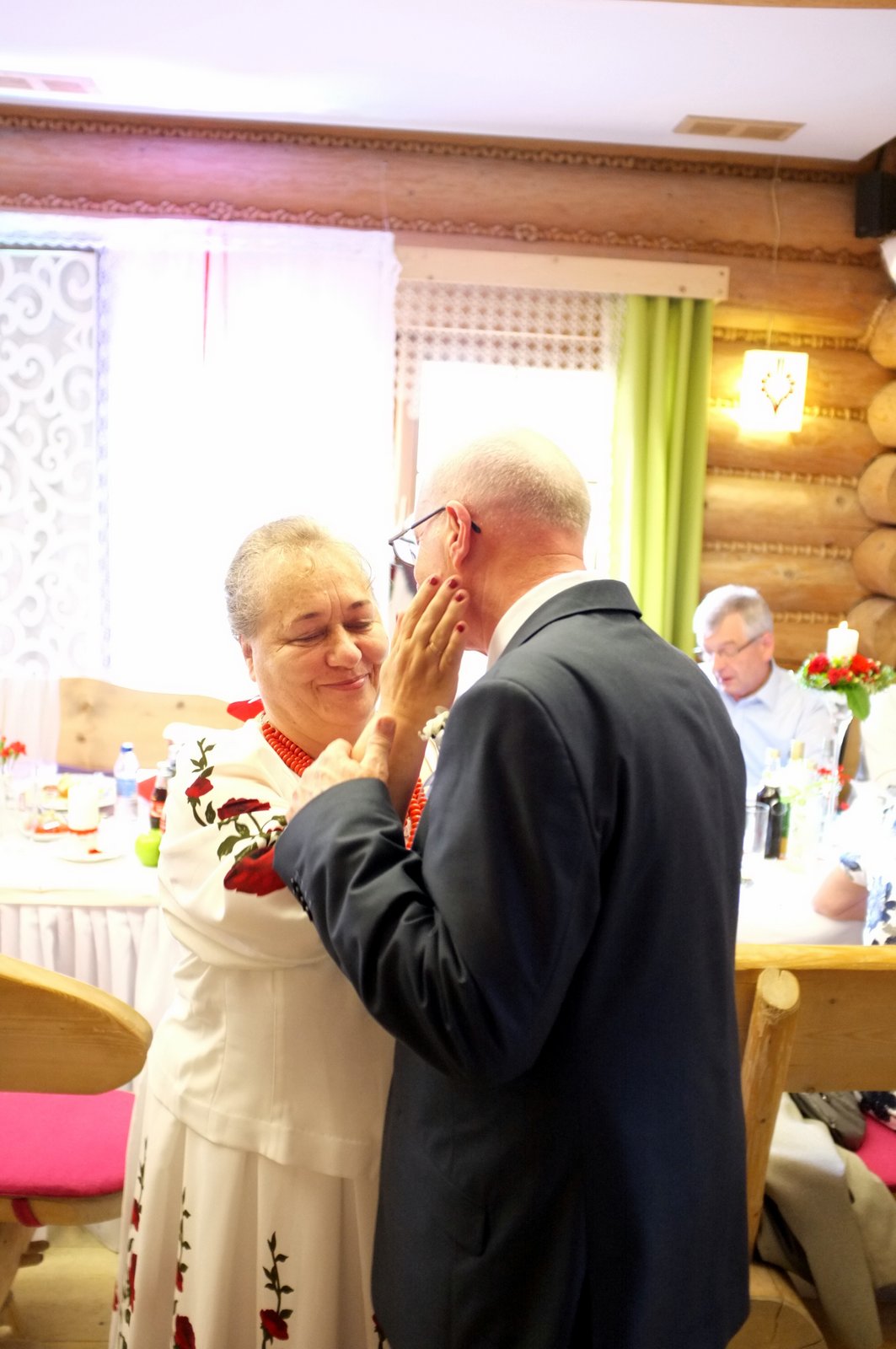
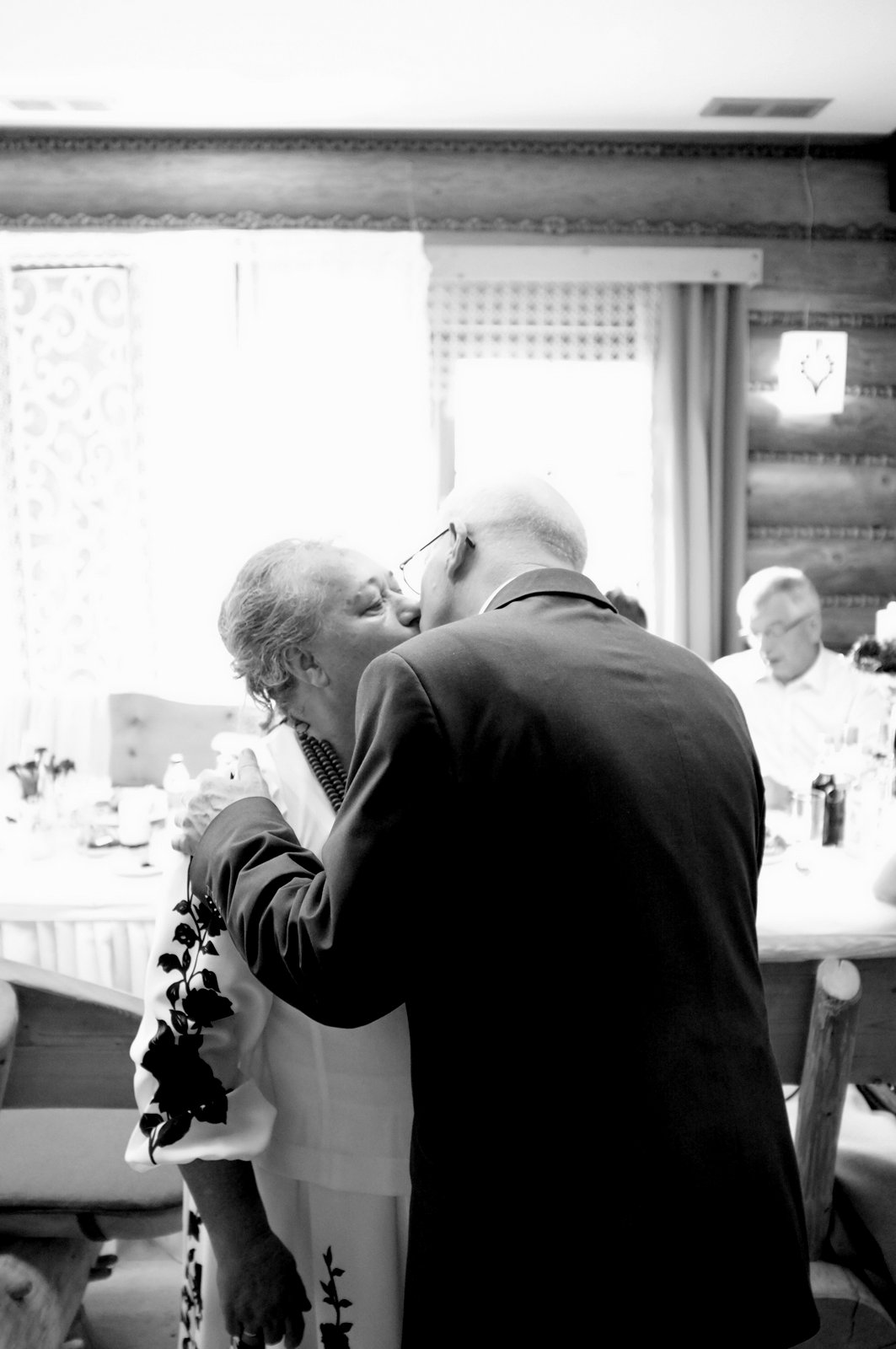
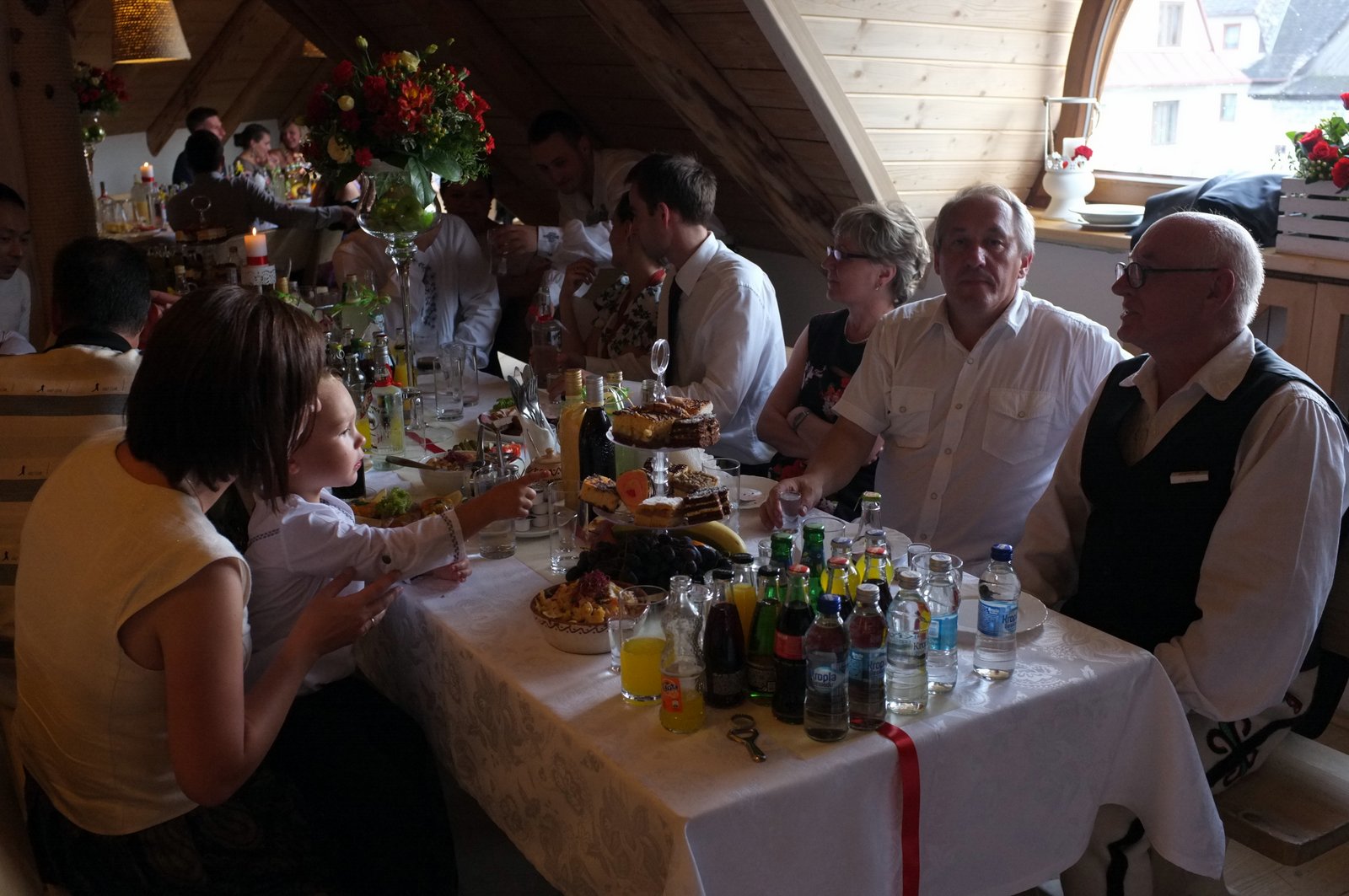
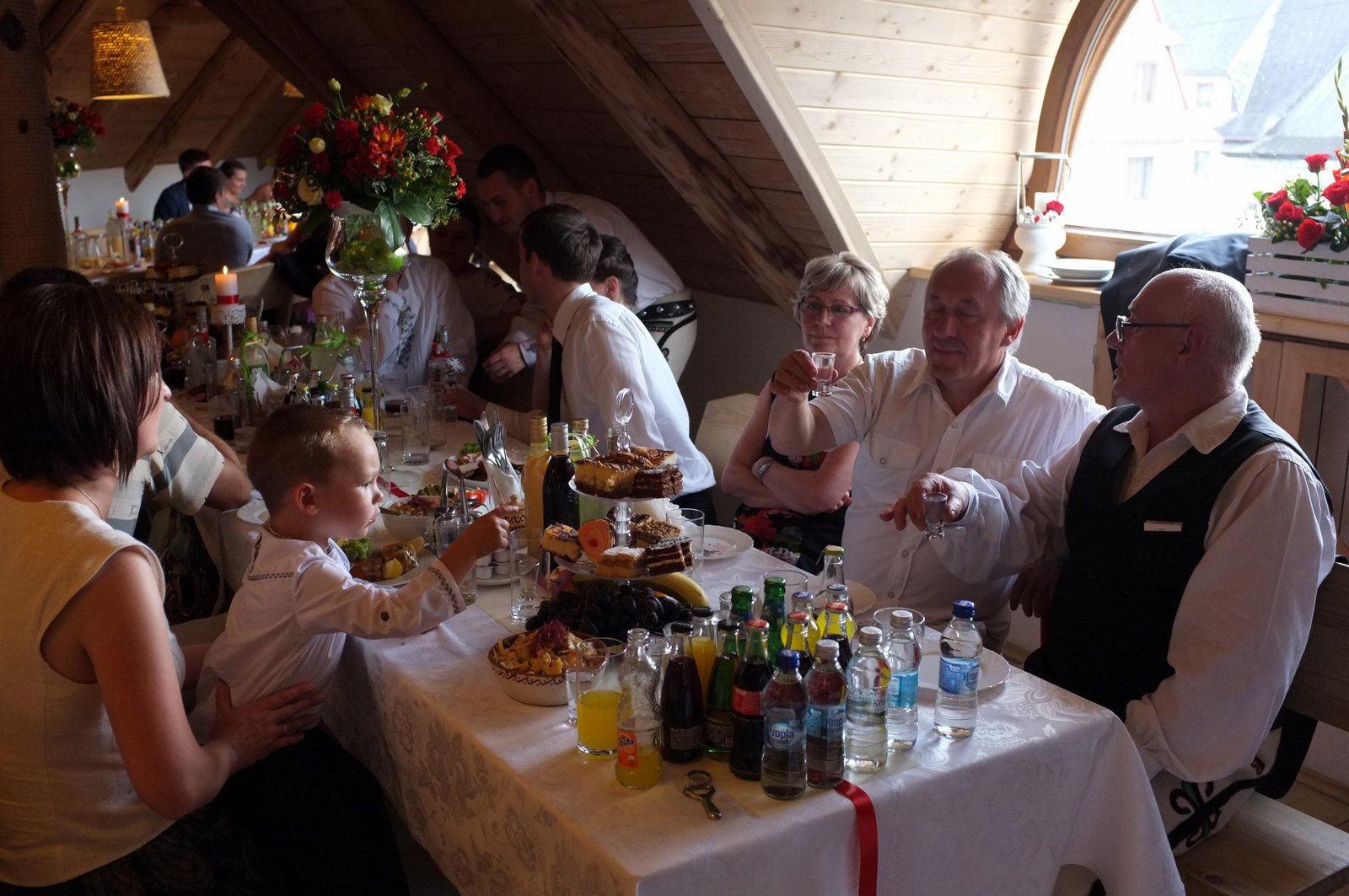
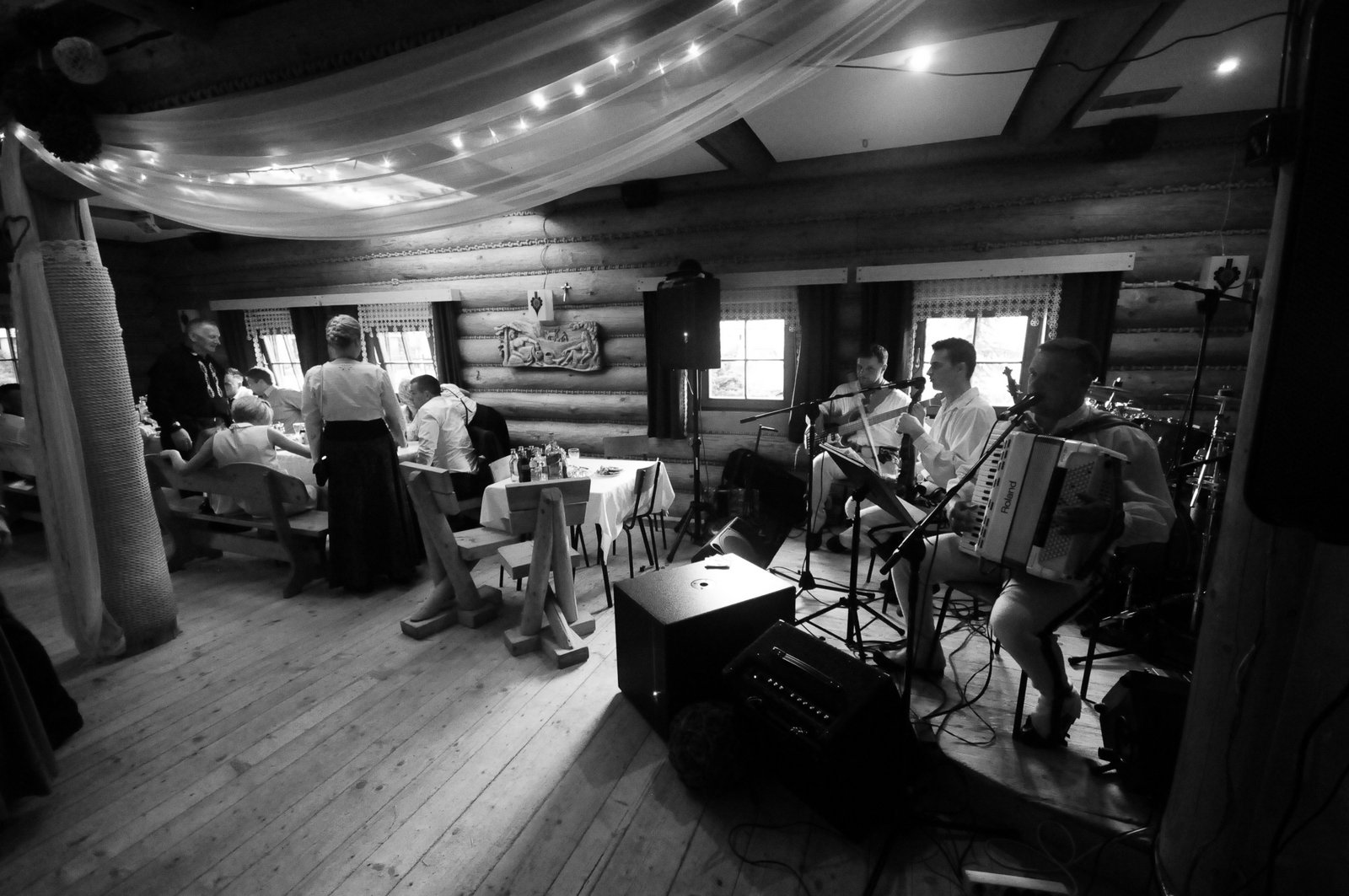
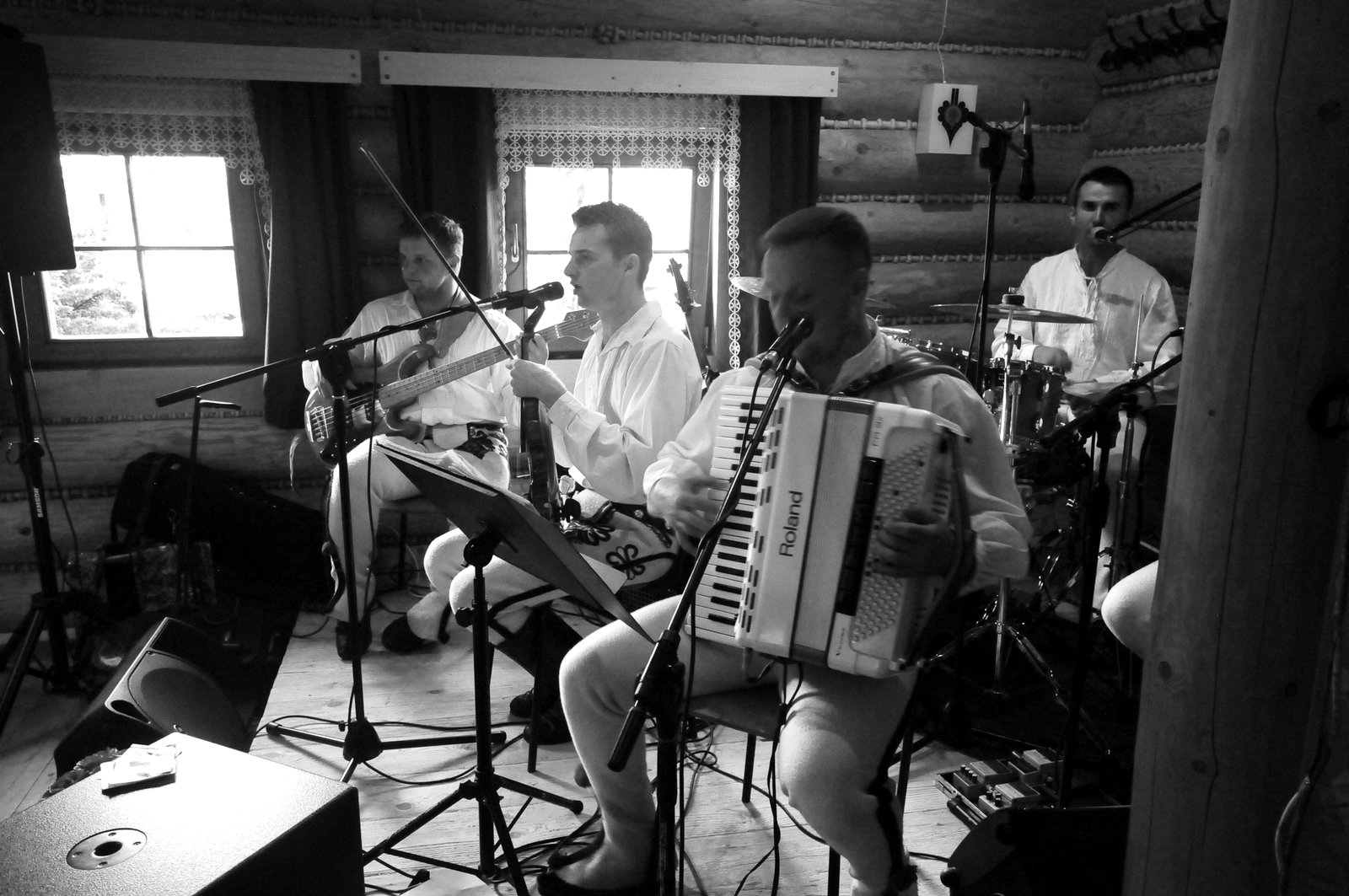
At some point shortly after the first meal, someone will start singing. There are seemingly countless songs that every Pole knows by heart, and soon the entire room is singing in one, loud voice, with occasional harmony added by the more gifted guests. It’s a process that continues throughout the evening. Eat, drink, sing. Eat, drink sing. At our wedding, a guest brought his accordion, but accompaniment is not necessary: these are songs that Poles ingest with their daily potatoes, songs that stick to the bottoms of their shoes like the snow that covers the country through most of the winter.
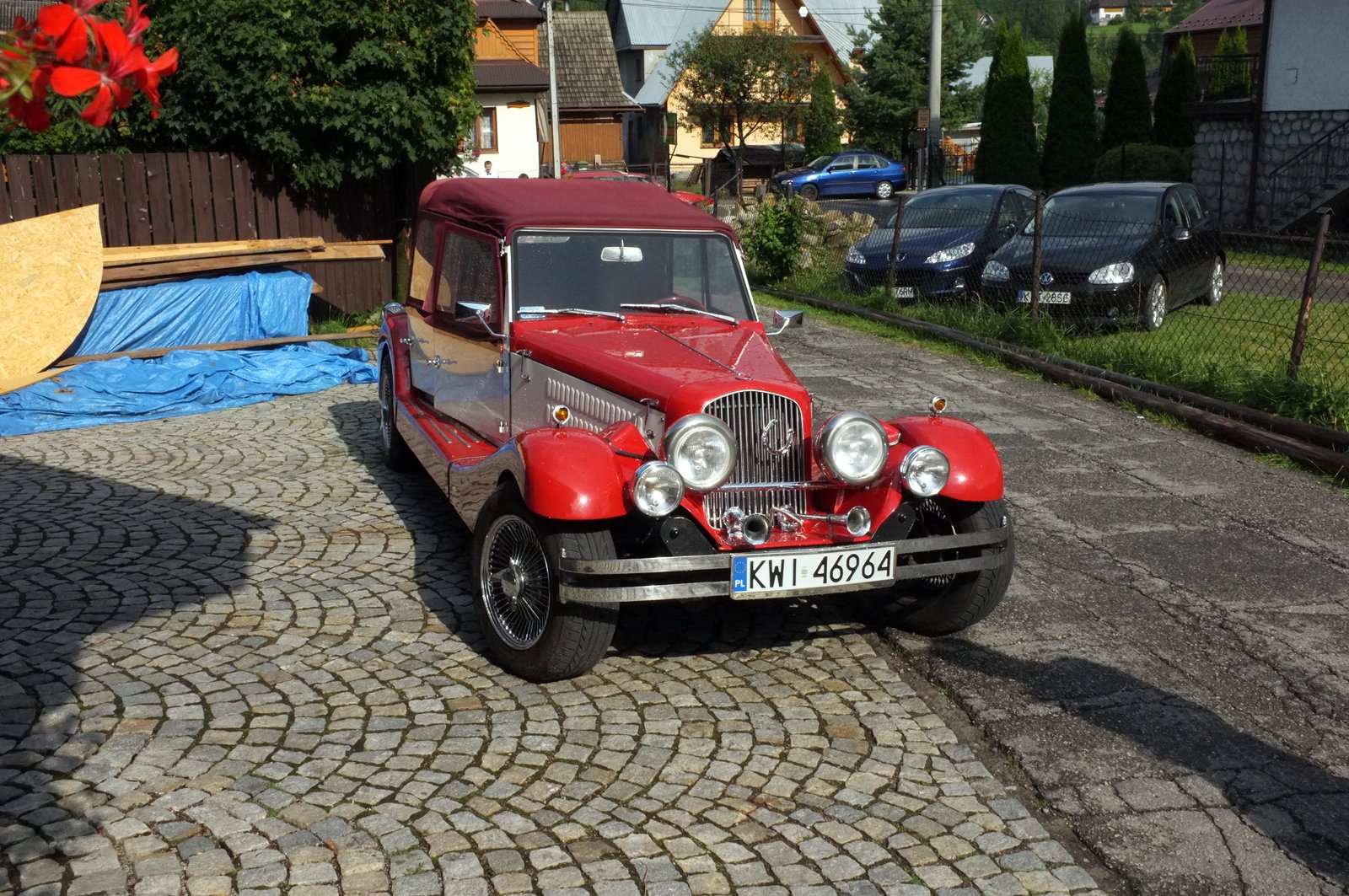
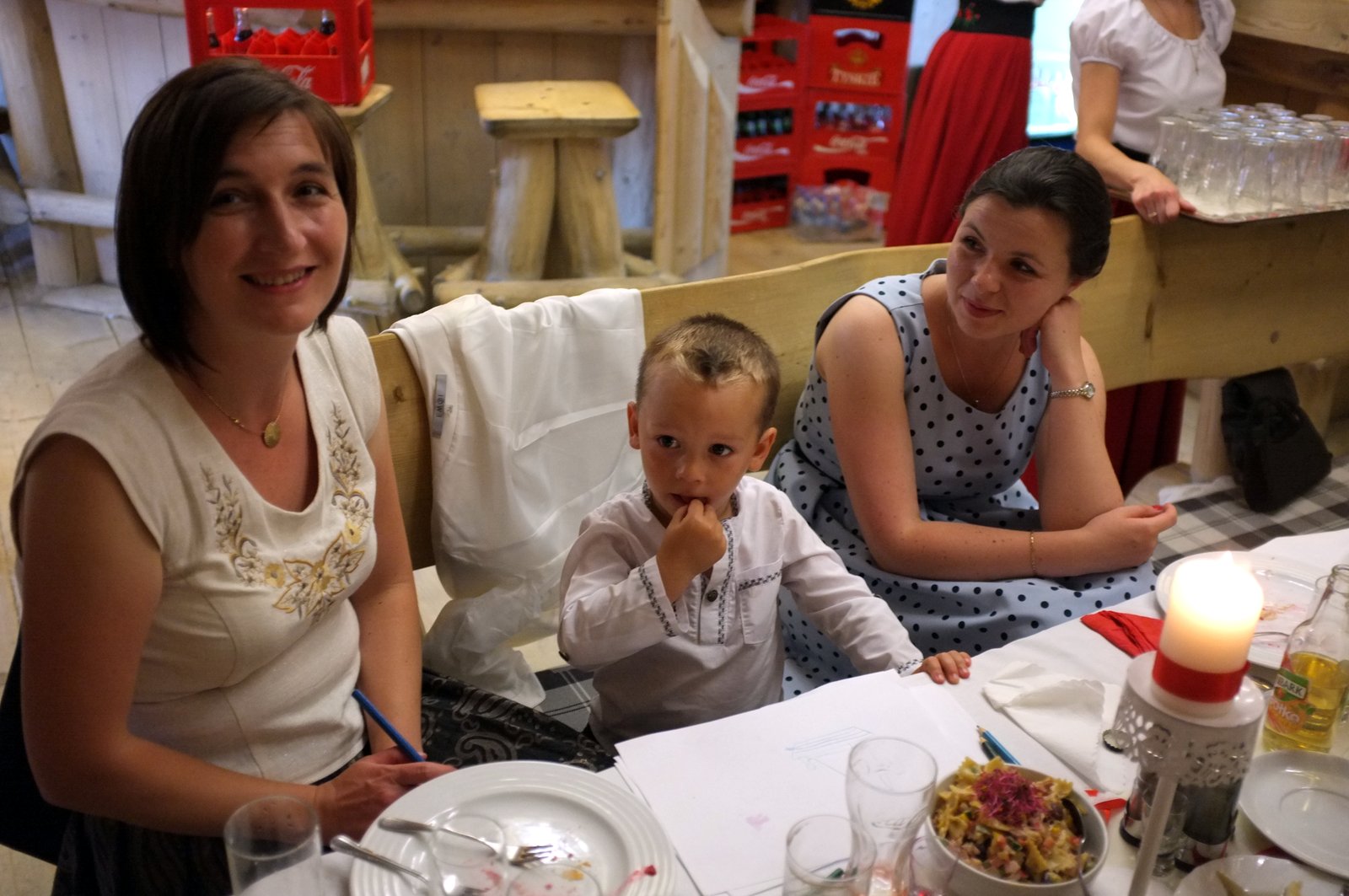
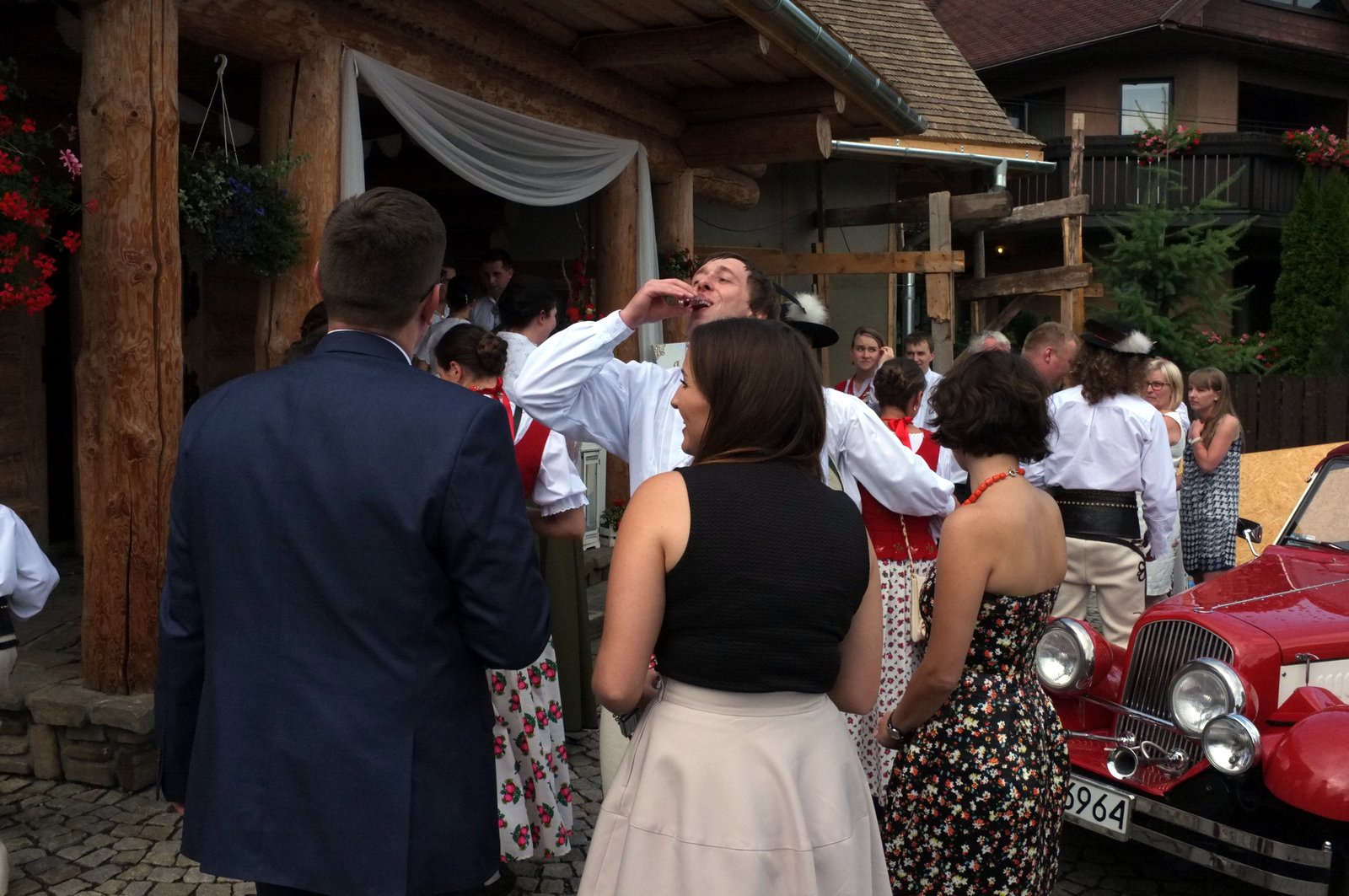
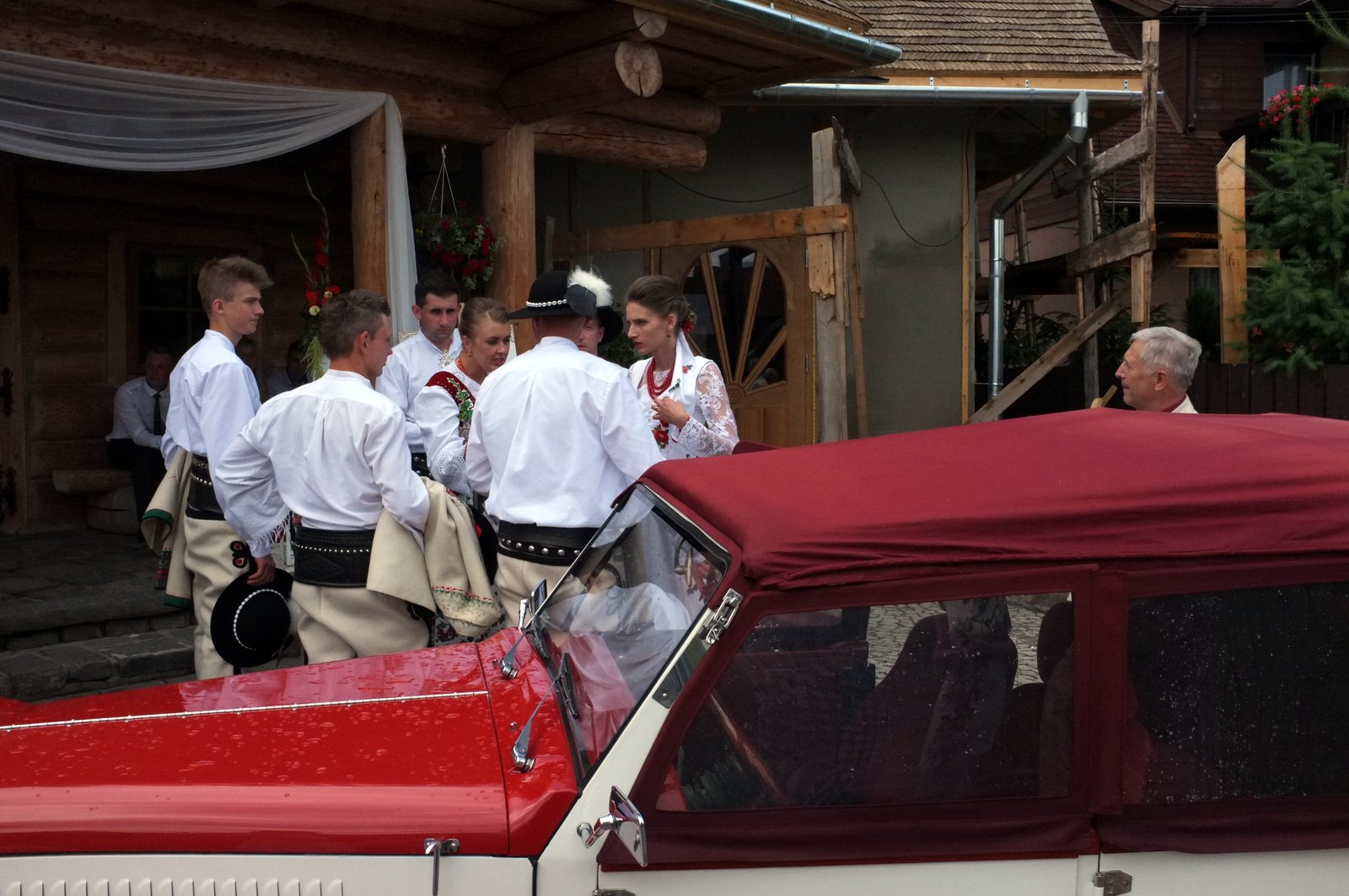
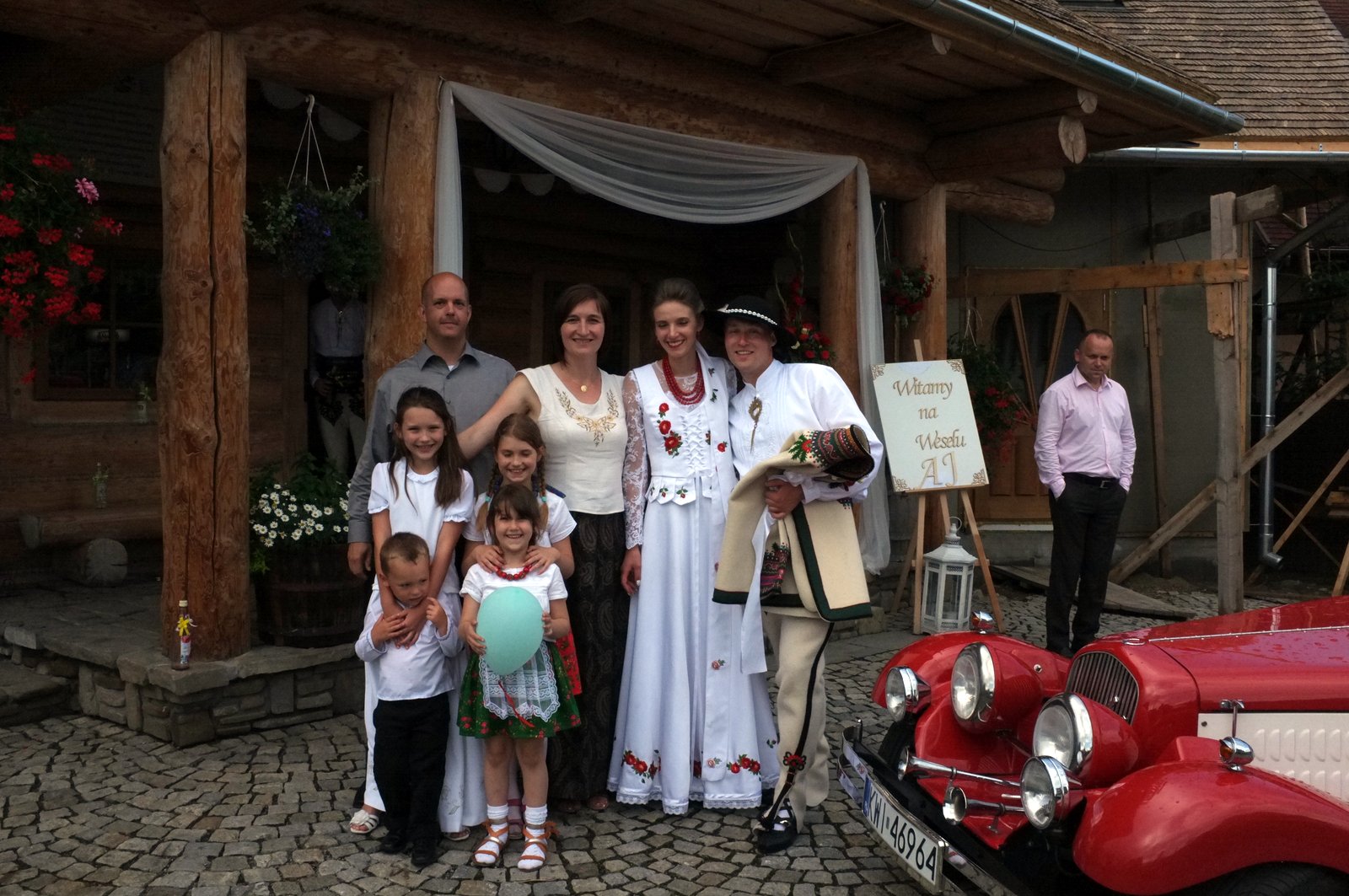
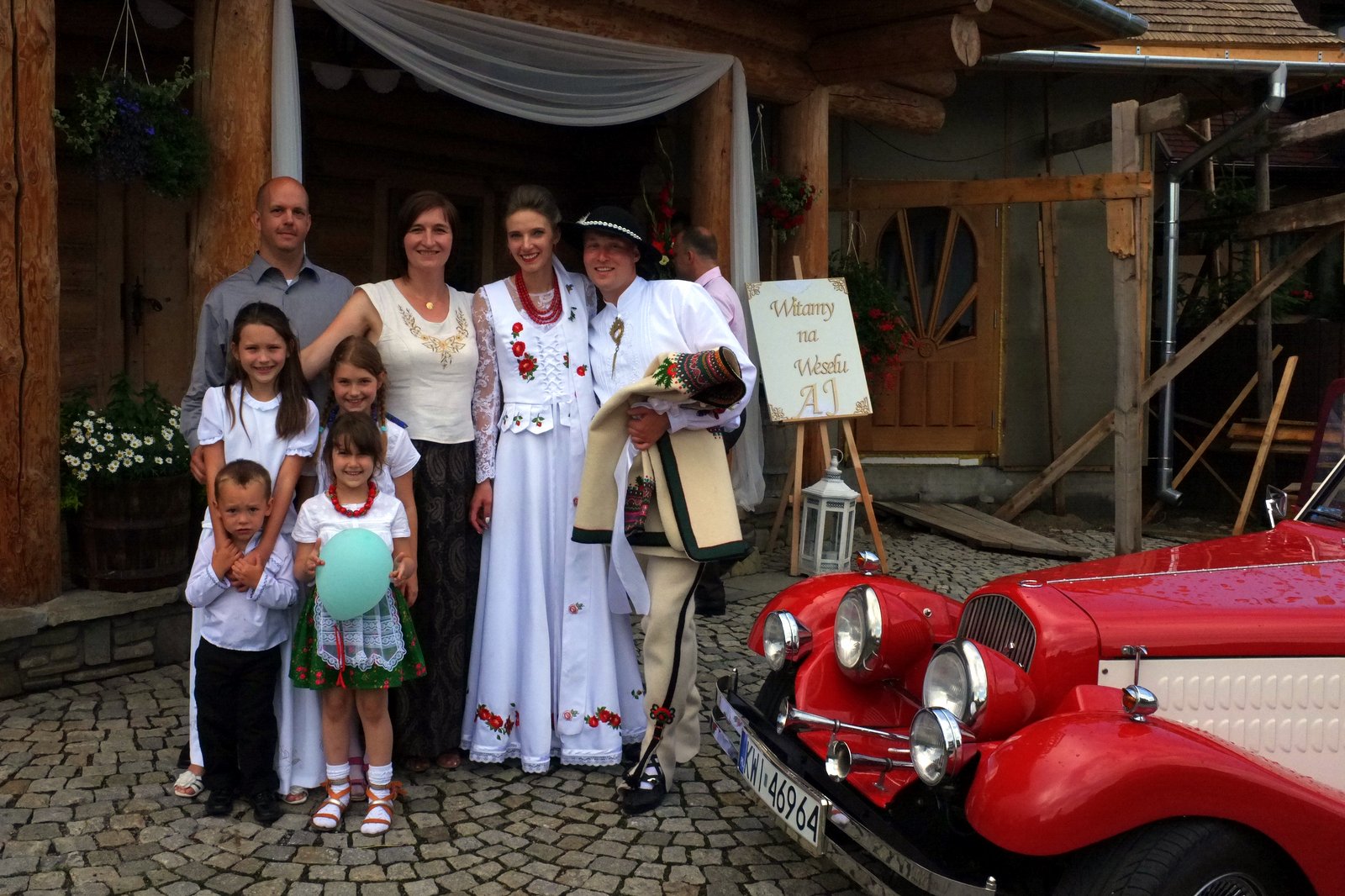
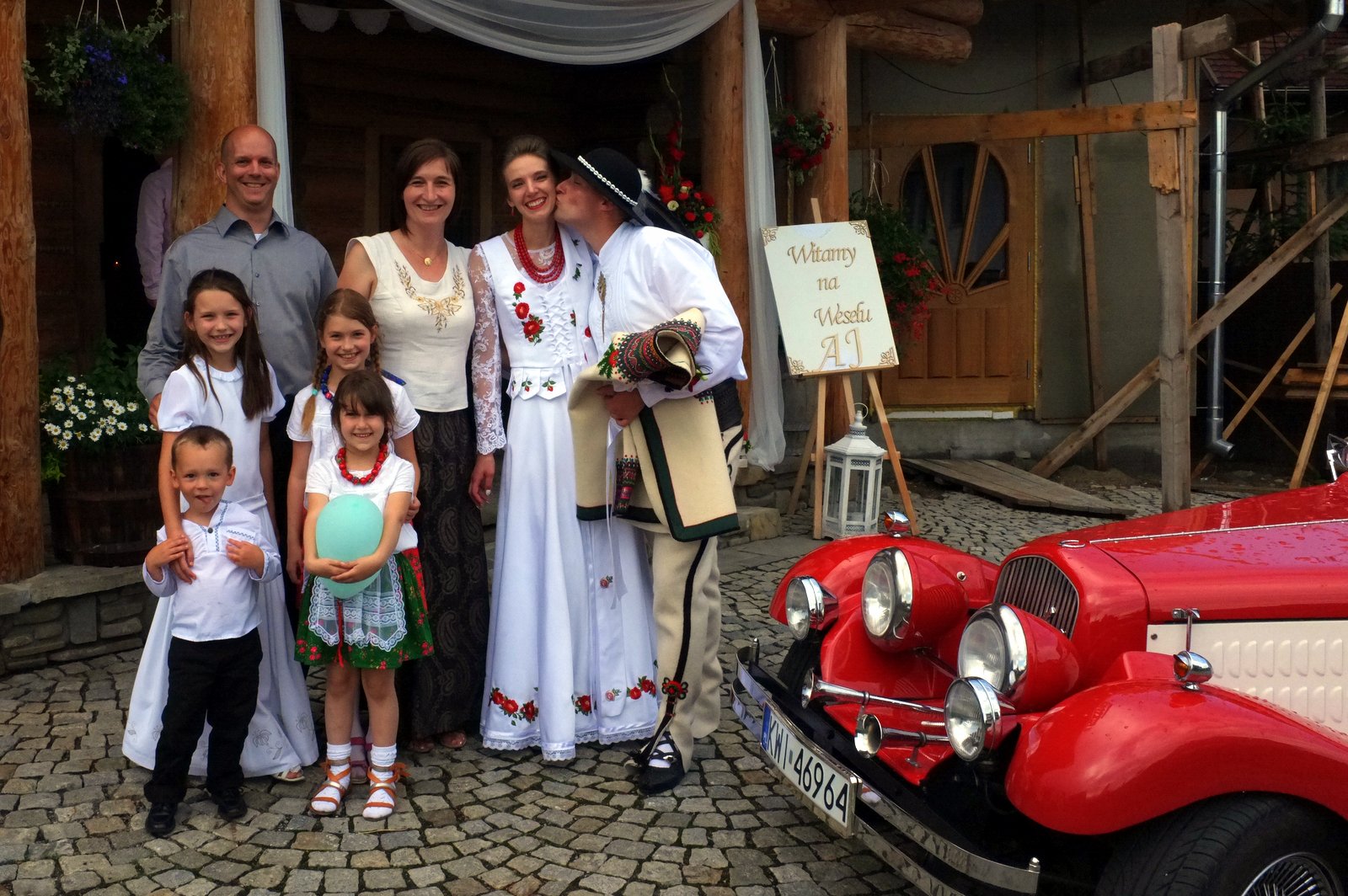
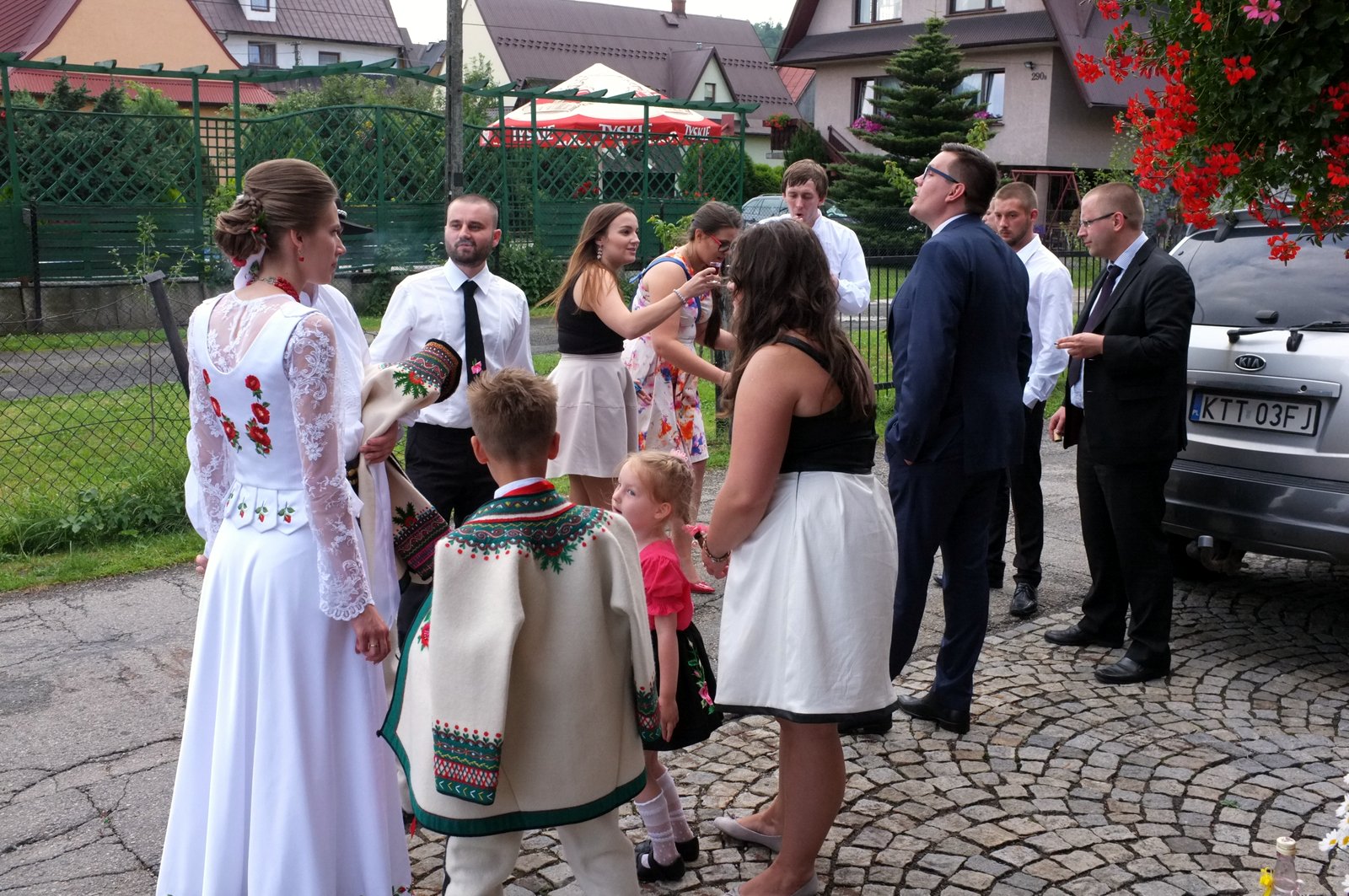
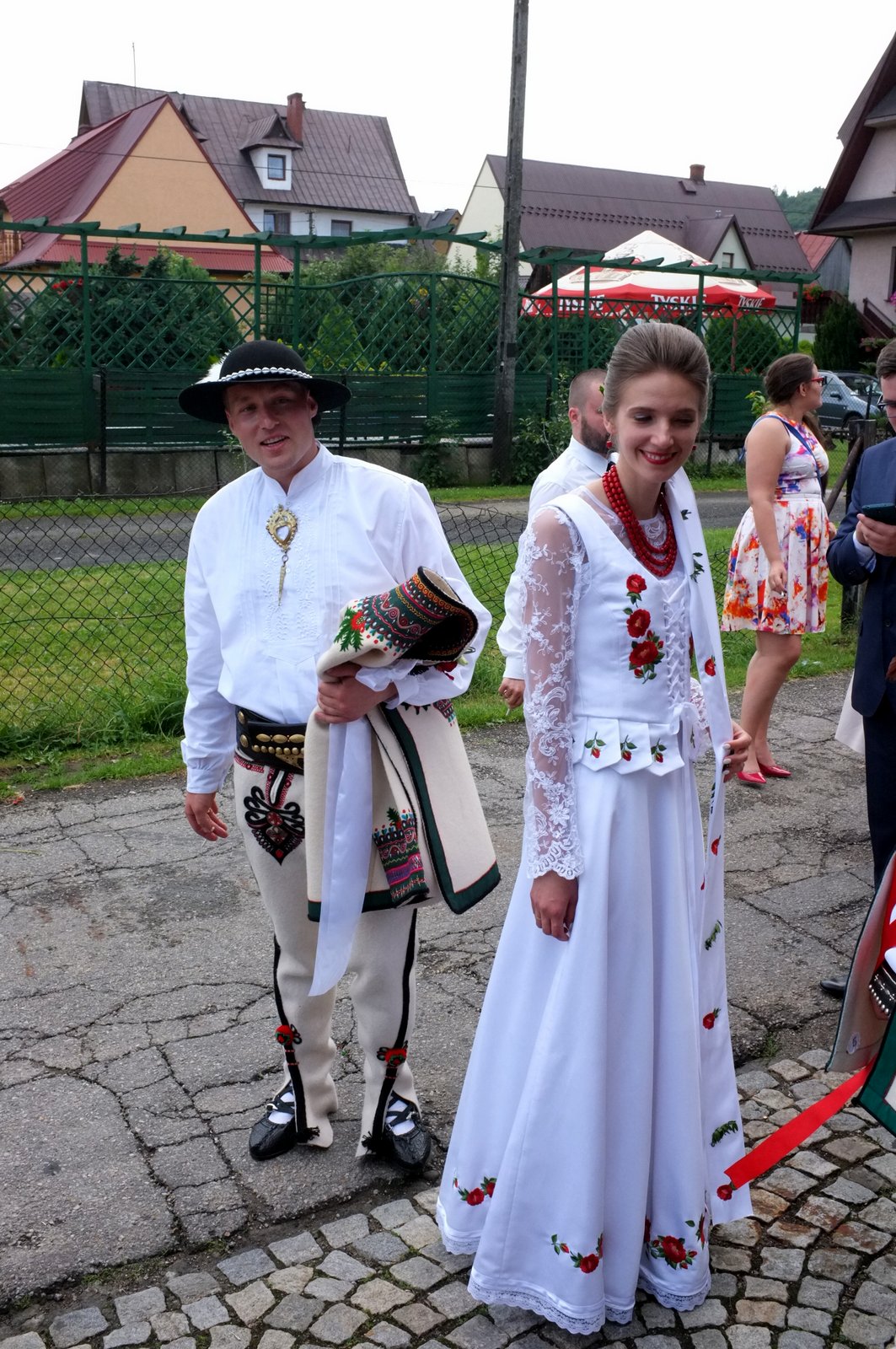
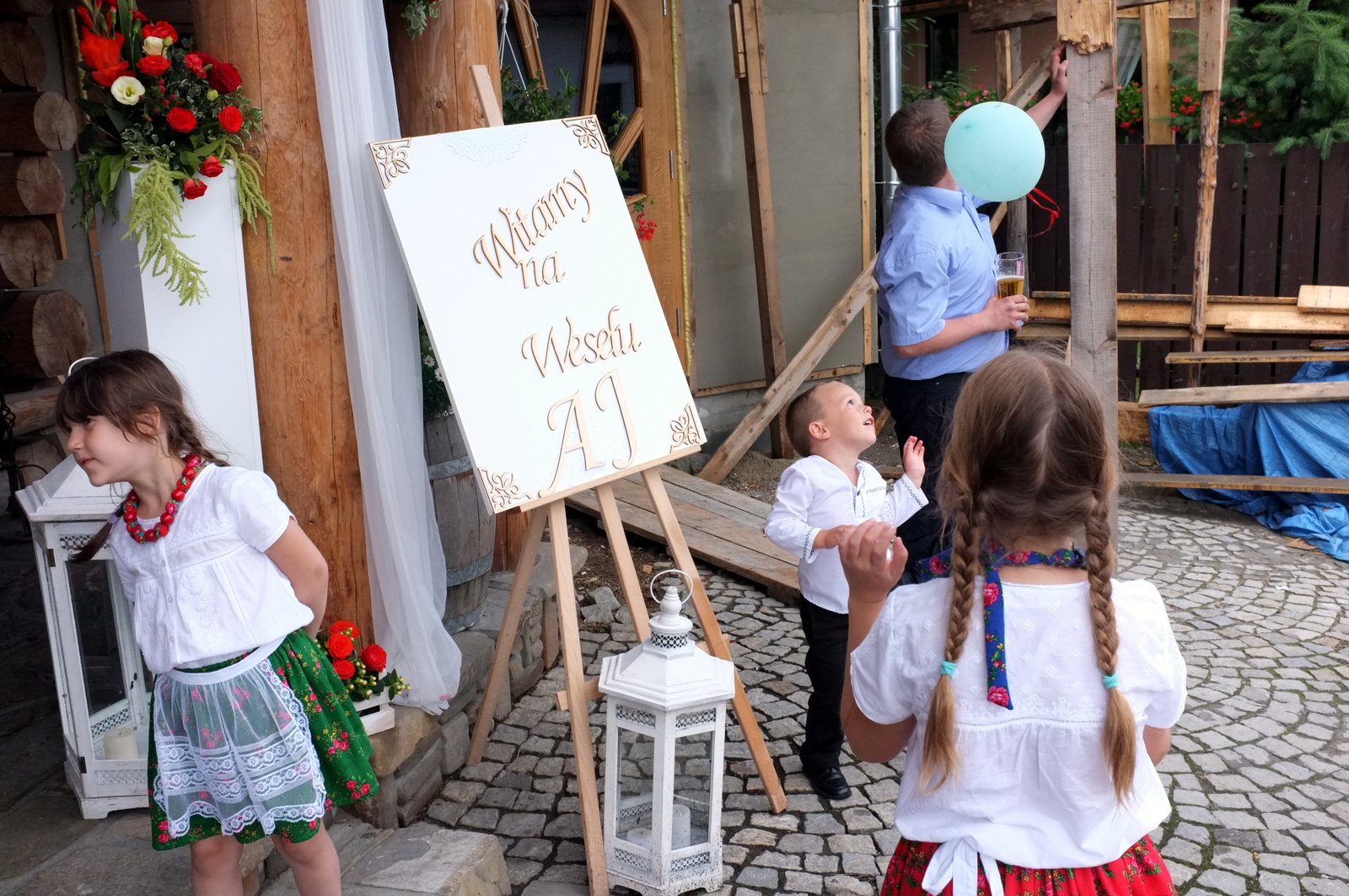
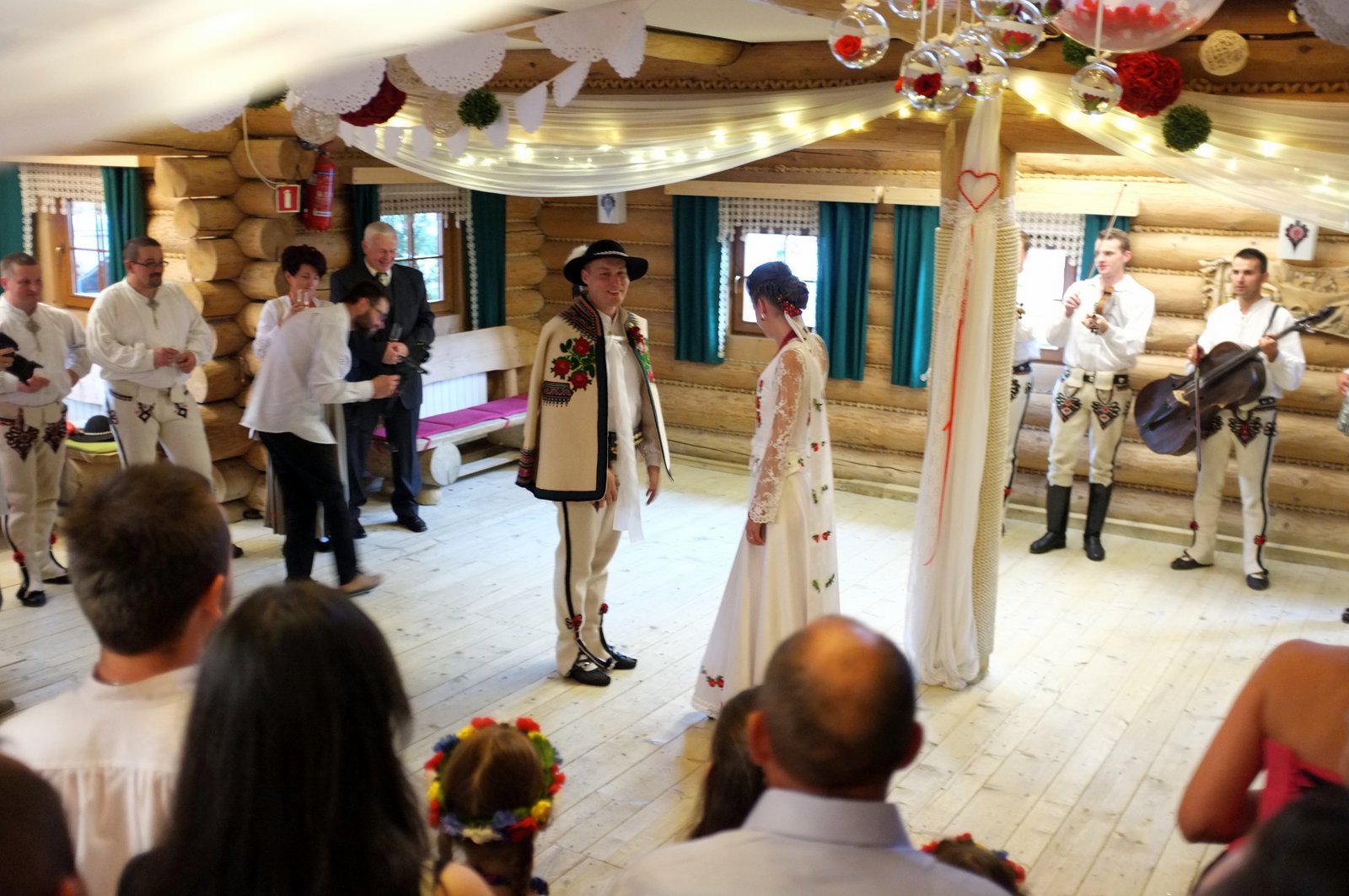
Soon after the first meal and the first songs, the band strikes up for the newlyweds’ first dance. All the guests crowd the dance floor, making a circle around the smiling couple, occasionally joining hands if there’s enough room and moving around the dancing pair with swaying hands. And then come the first calls of Gorszko! Gorszko! A single repeated word that needs a pair of sentences for translation: “It’s bitter in here! Make it sweet with a kiss!” At this point, someone brings the couple two glasses of champaigne, which they drink and toss the empty glasses over their shoulders to the floor. Someone else brings a broom and dustpan, and the groom is to clean up the mess. Sometimes it’s likely that it might be the only time the groom does so, but the gender division of housework seems slowly to be changing.
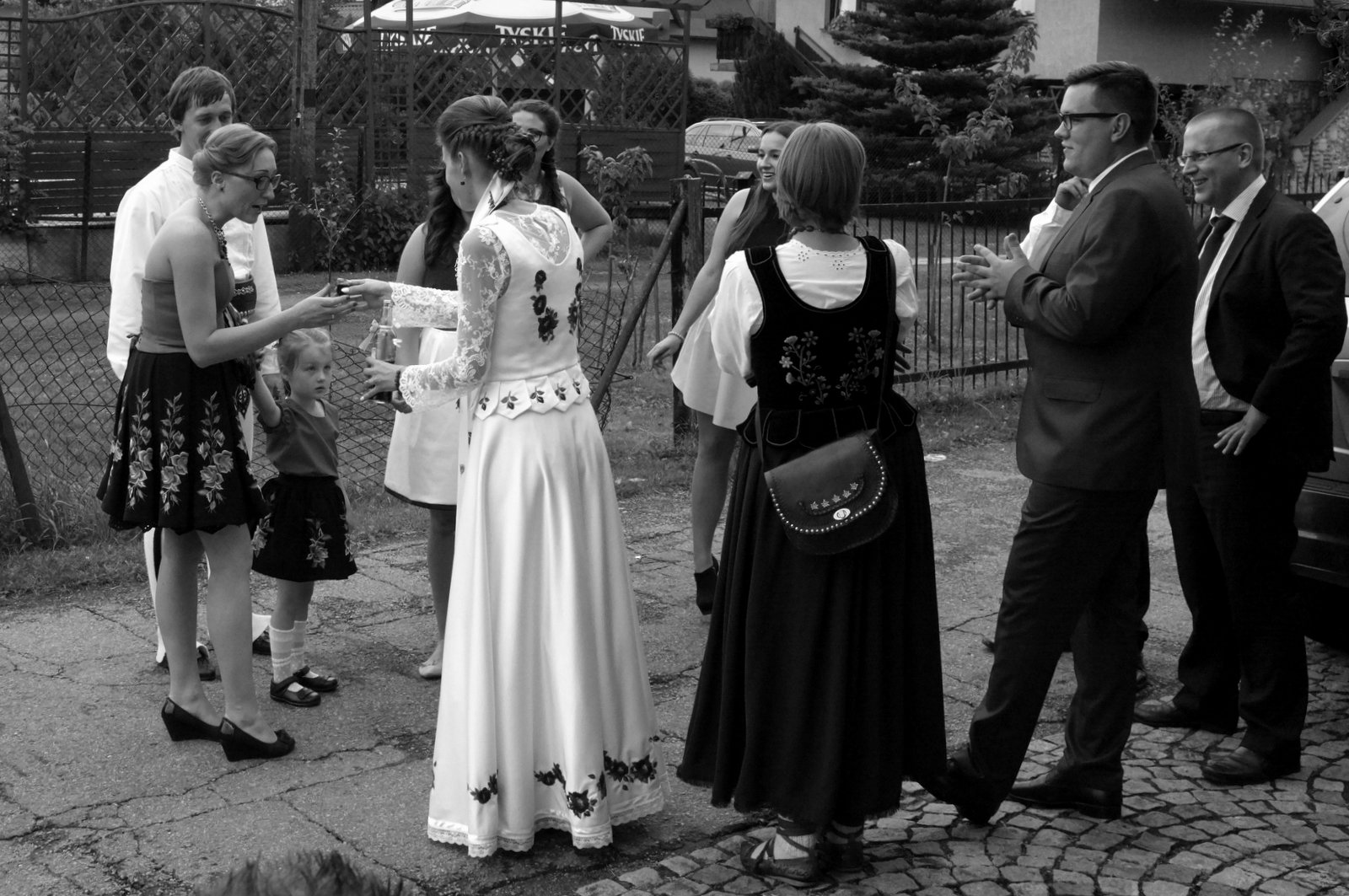
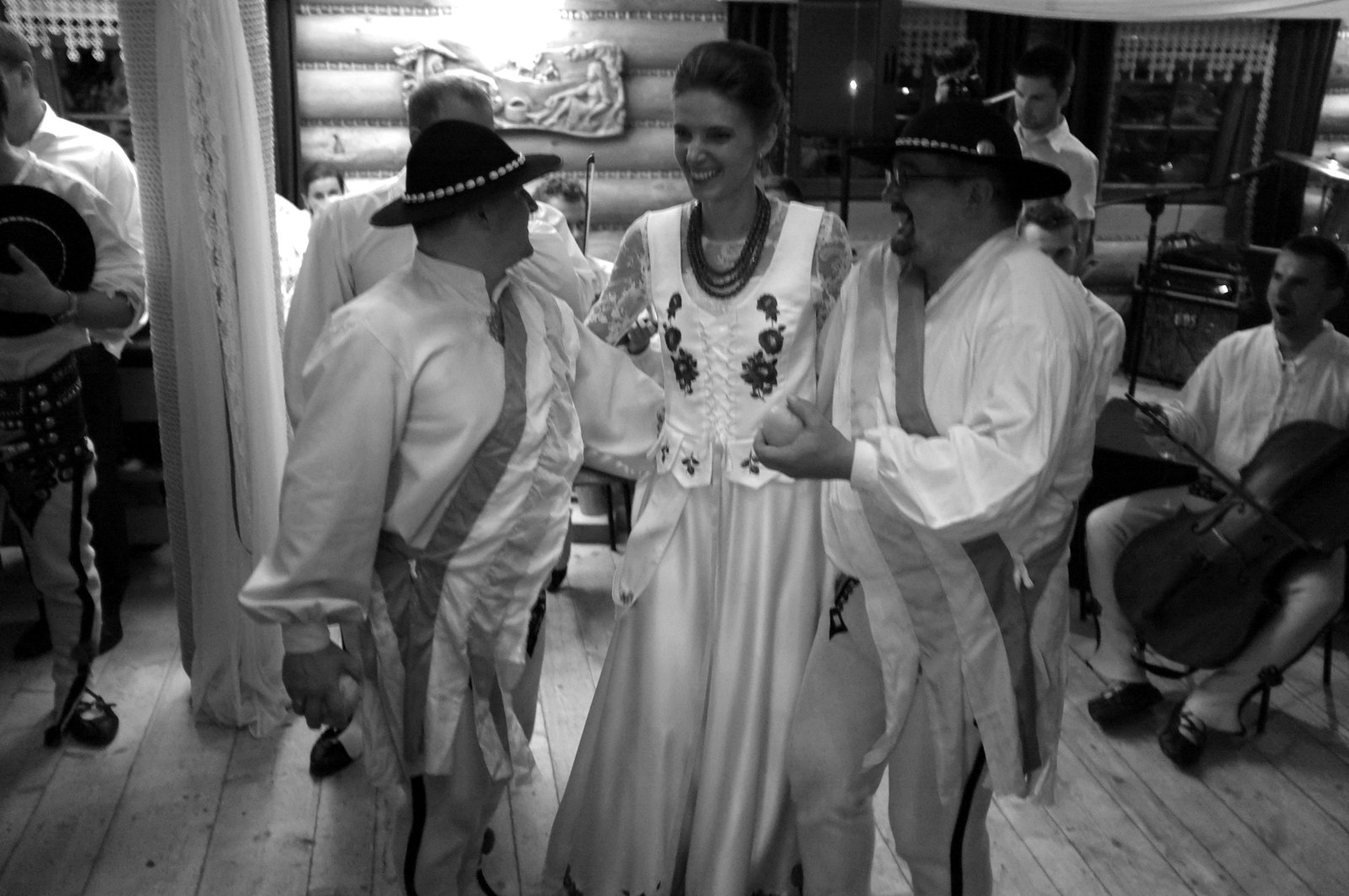
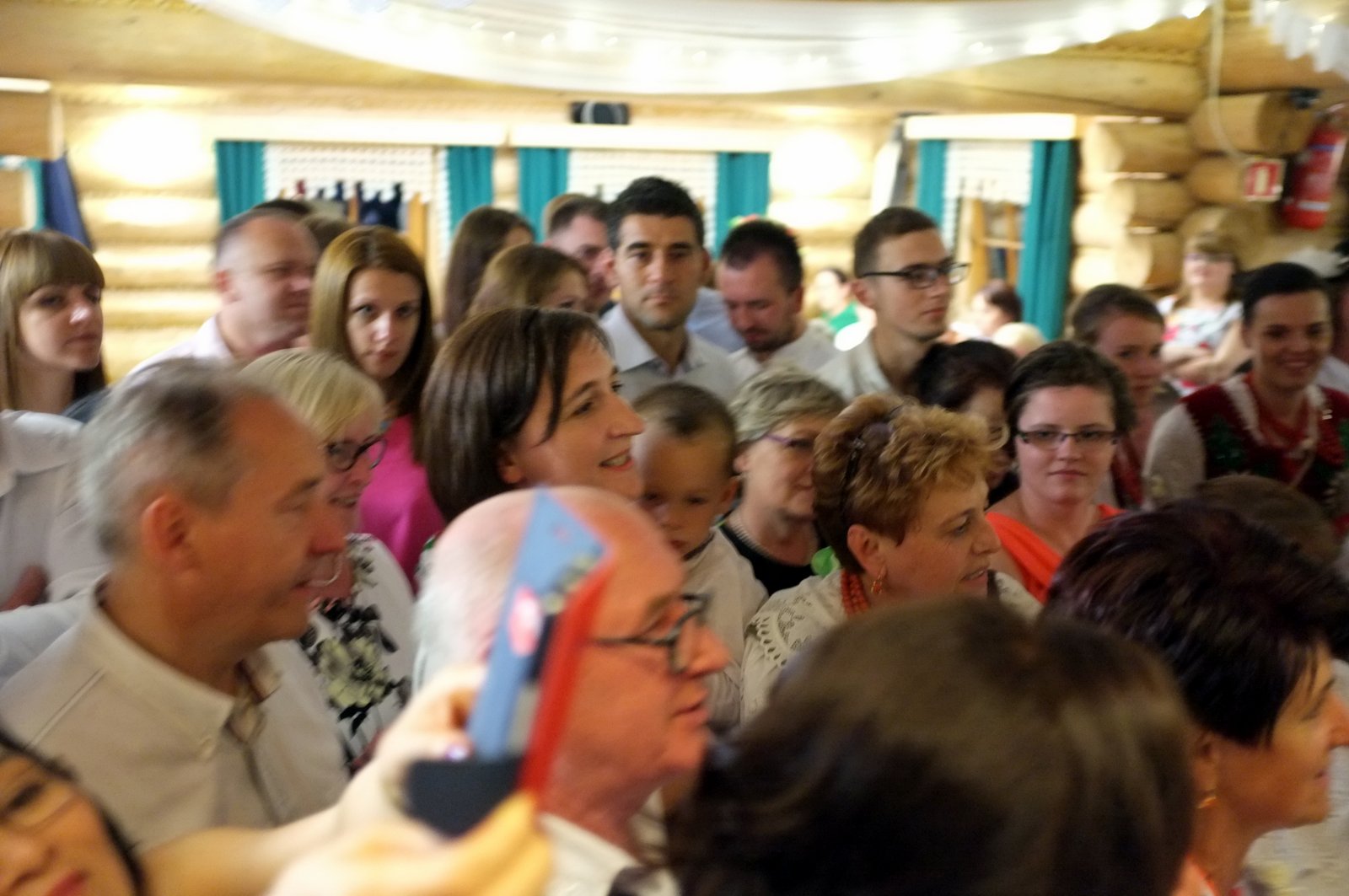
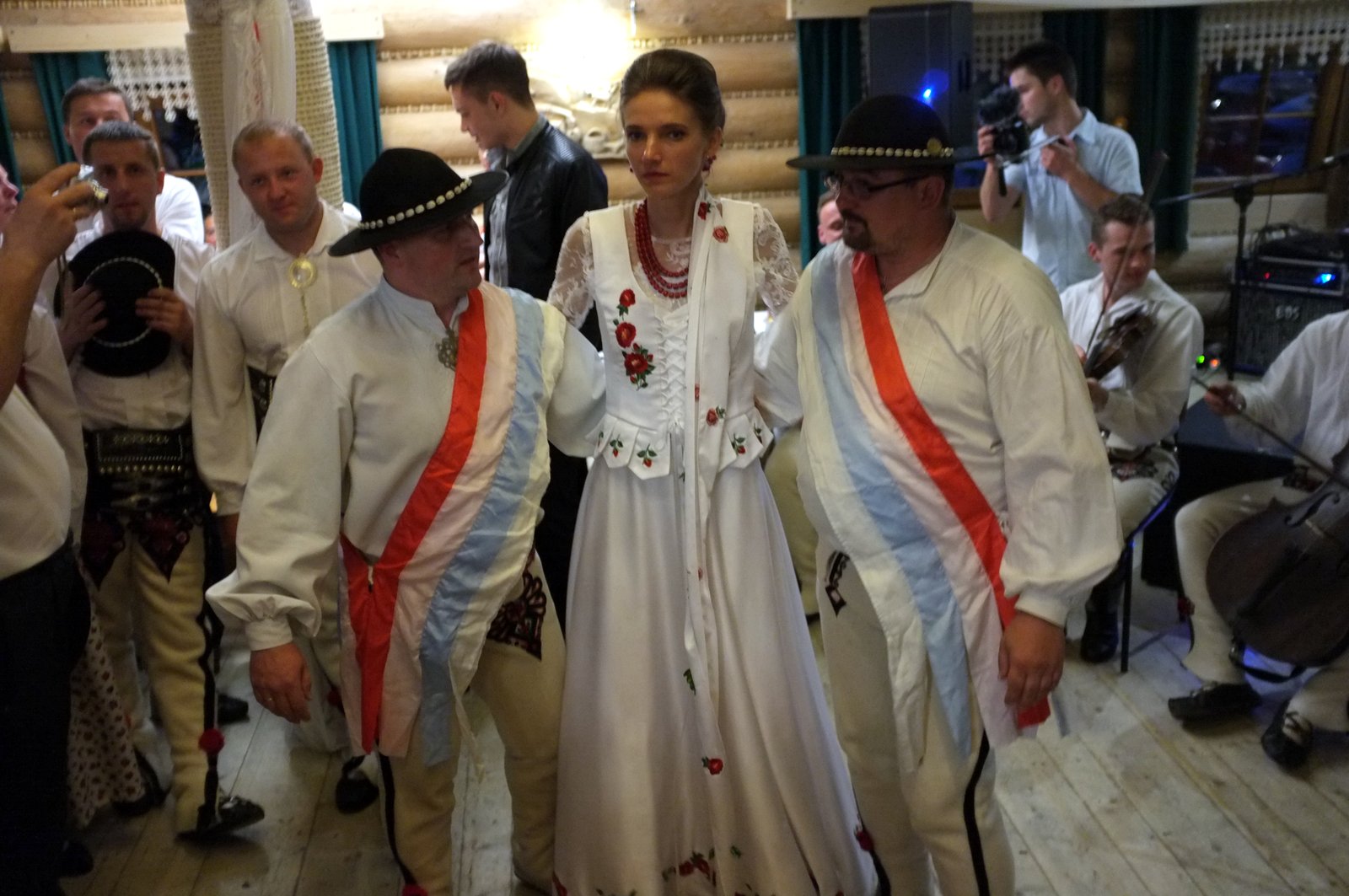
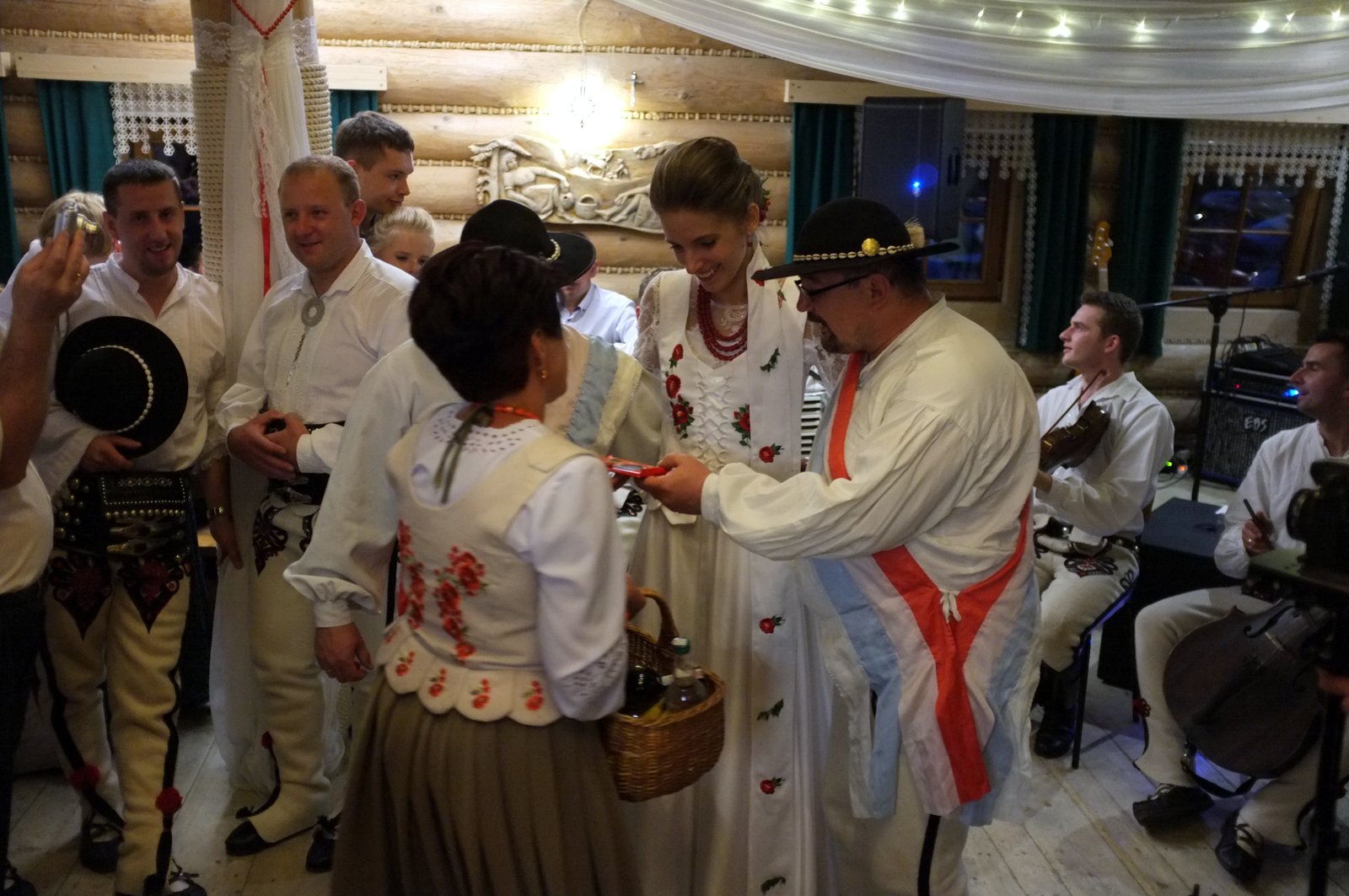
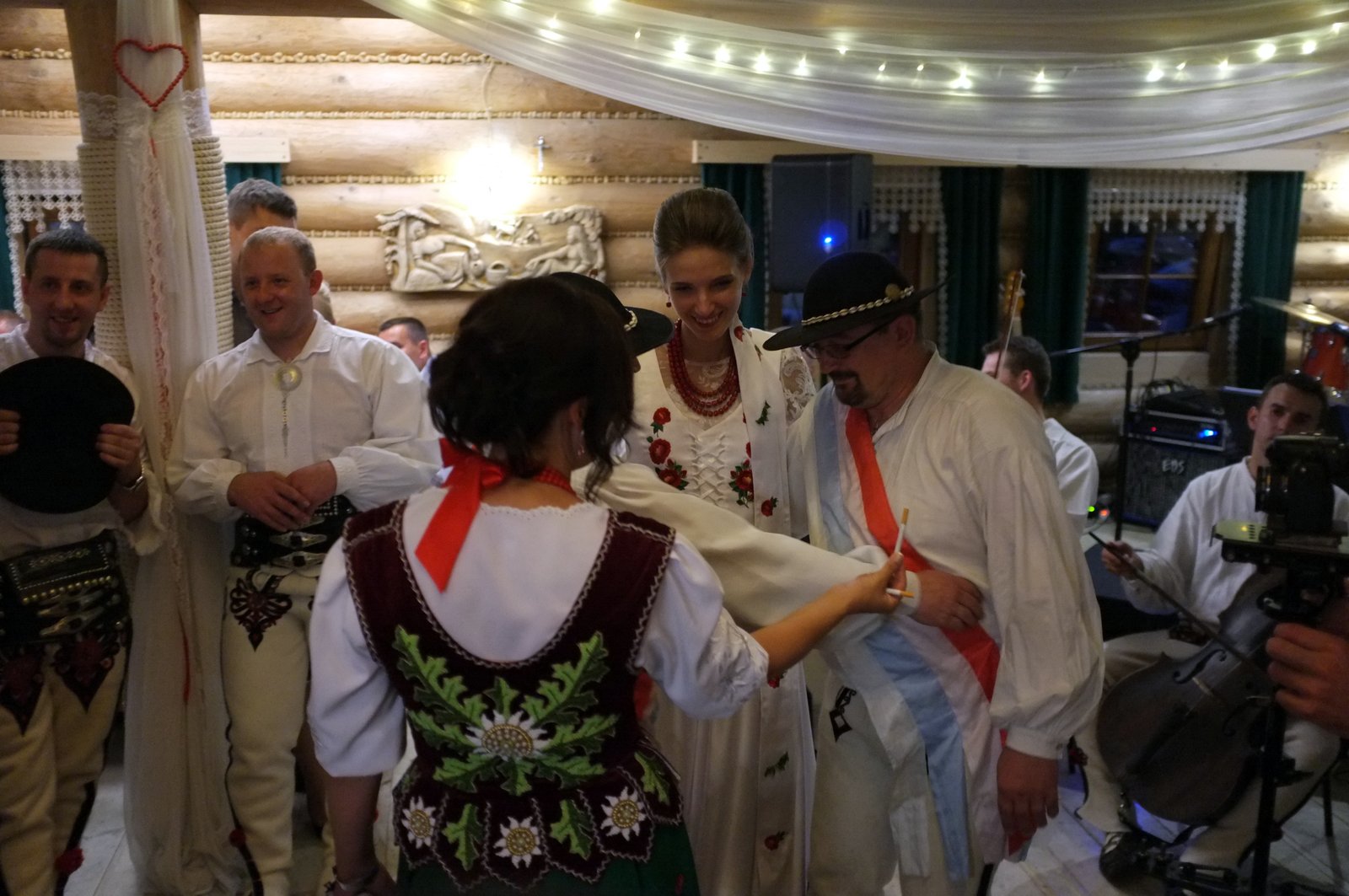
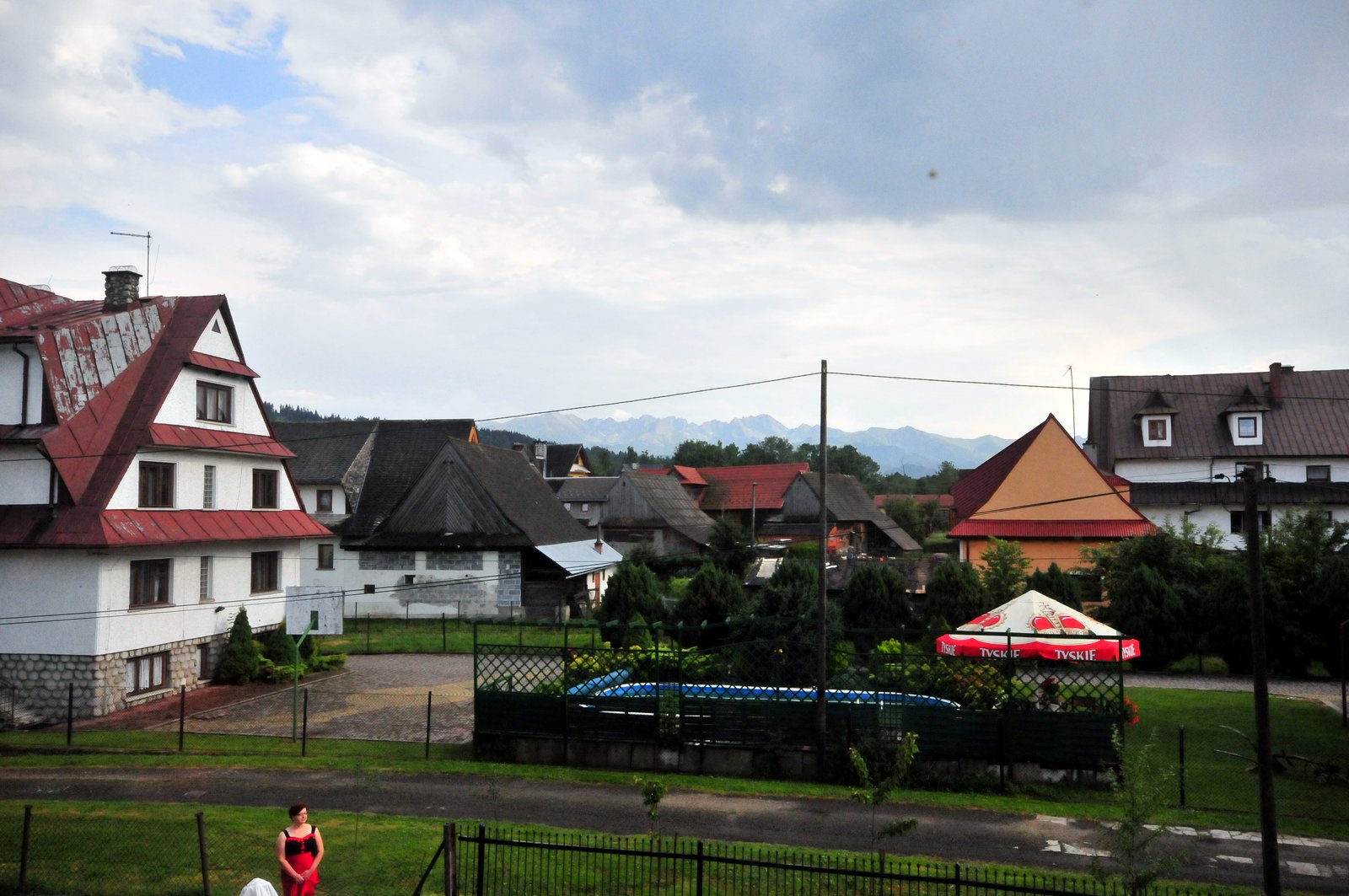
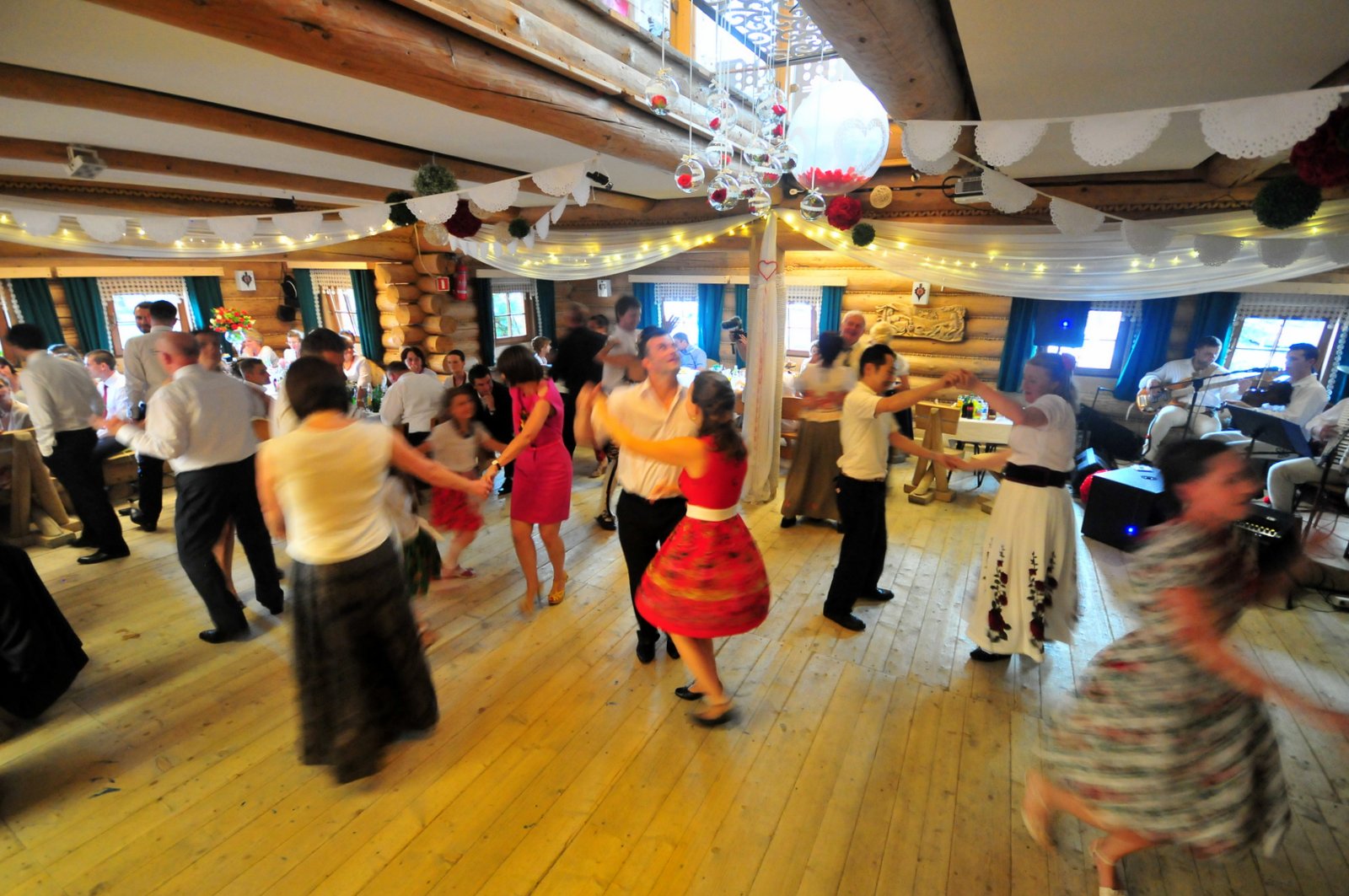
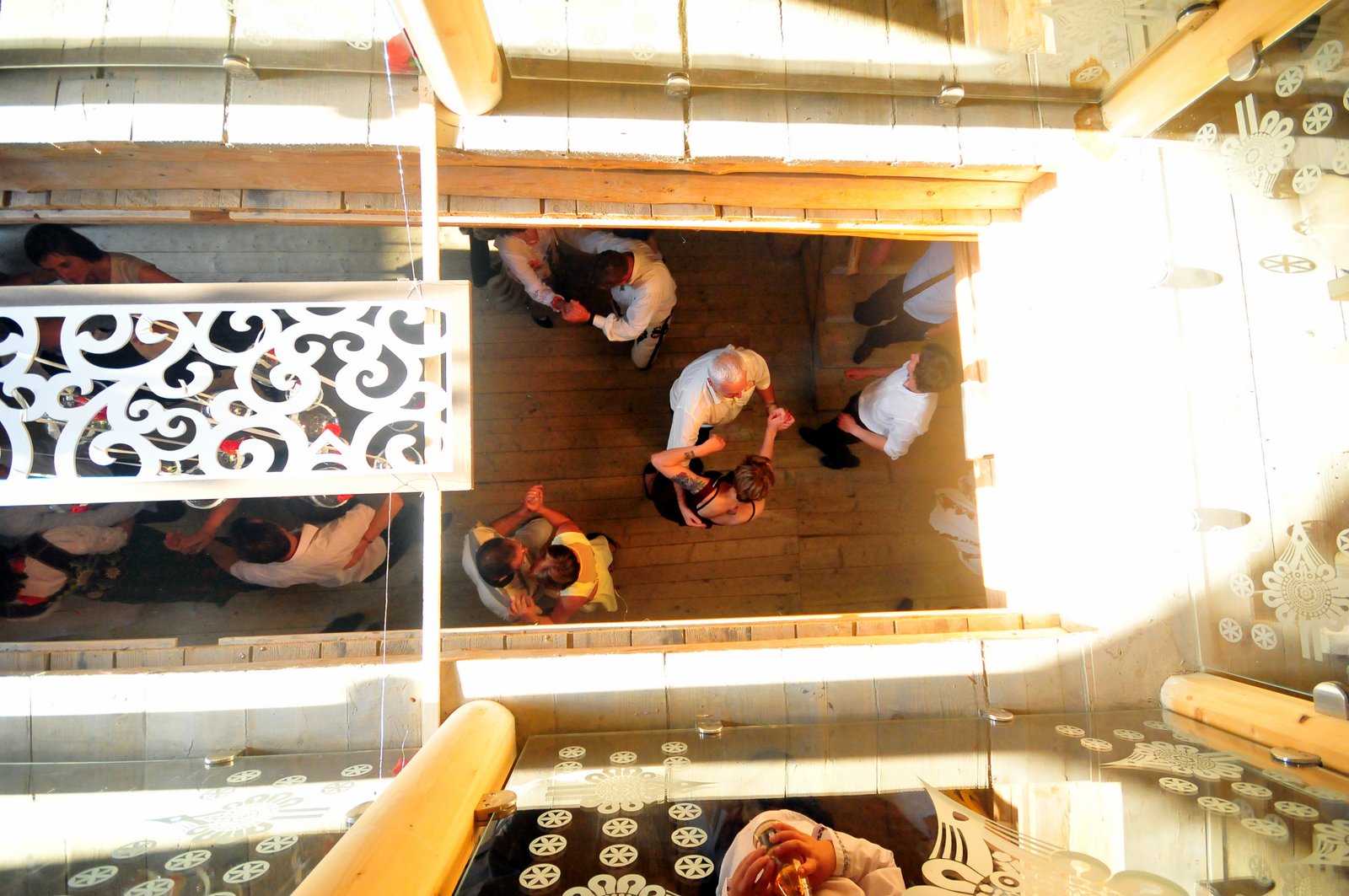
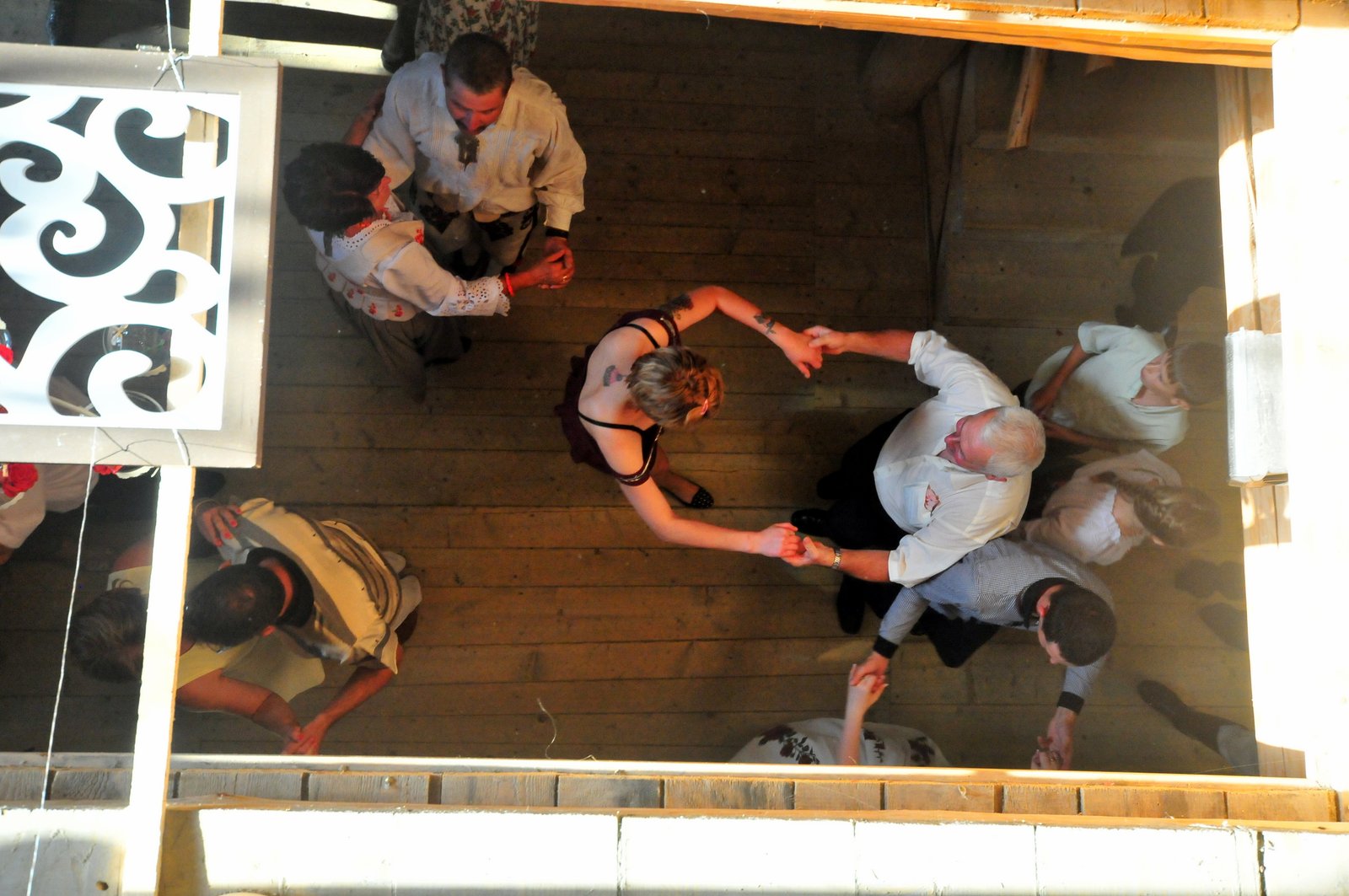
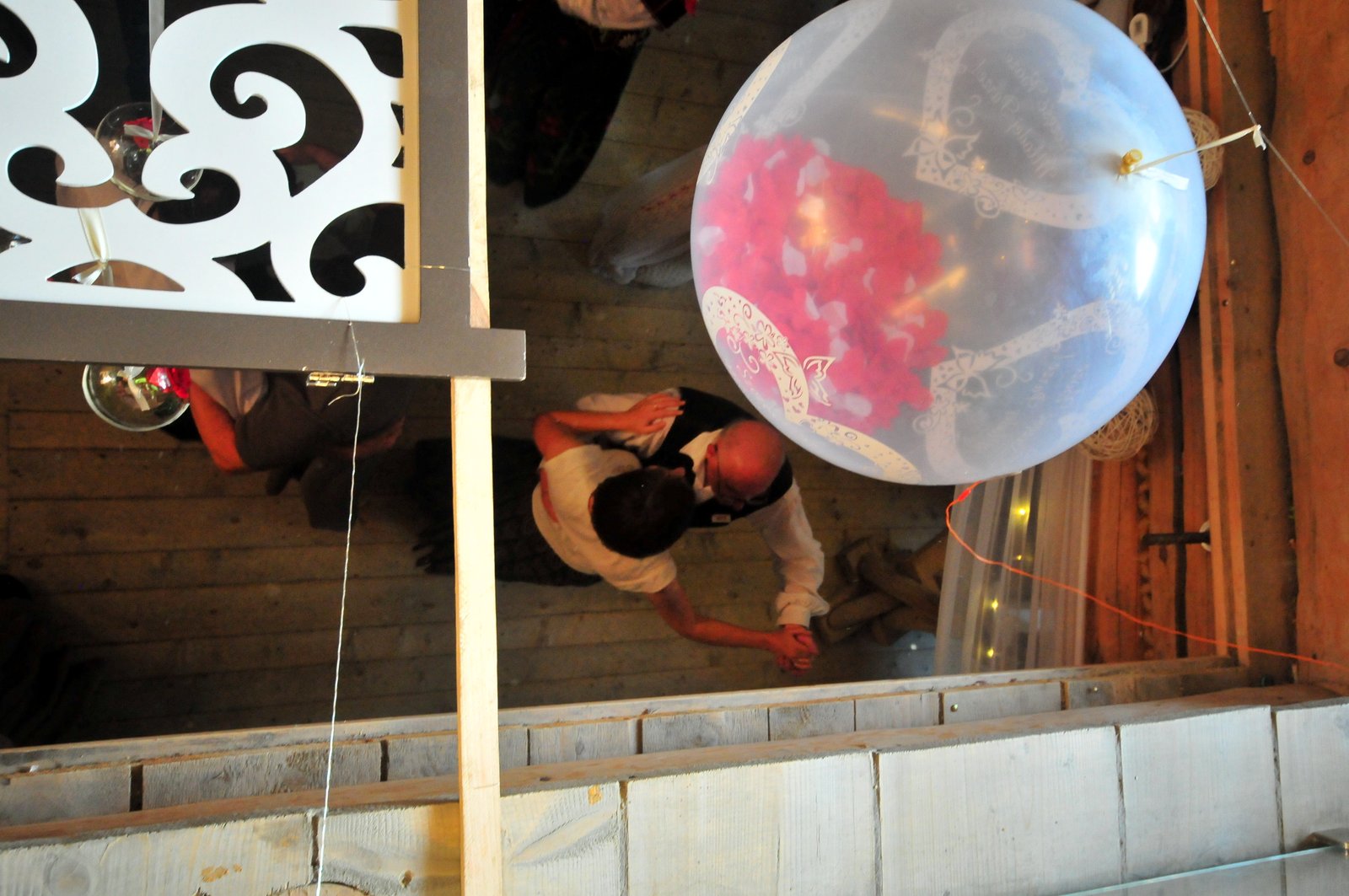
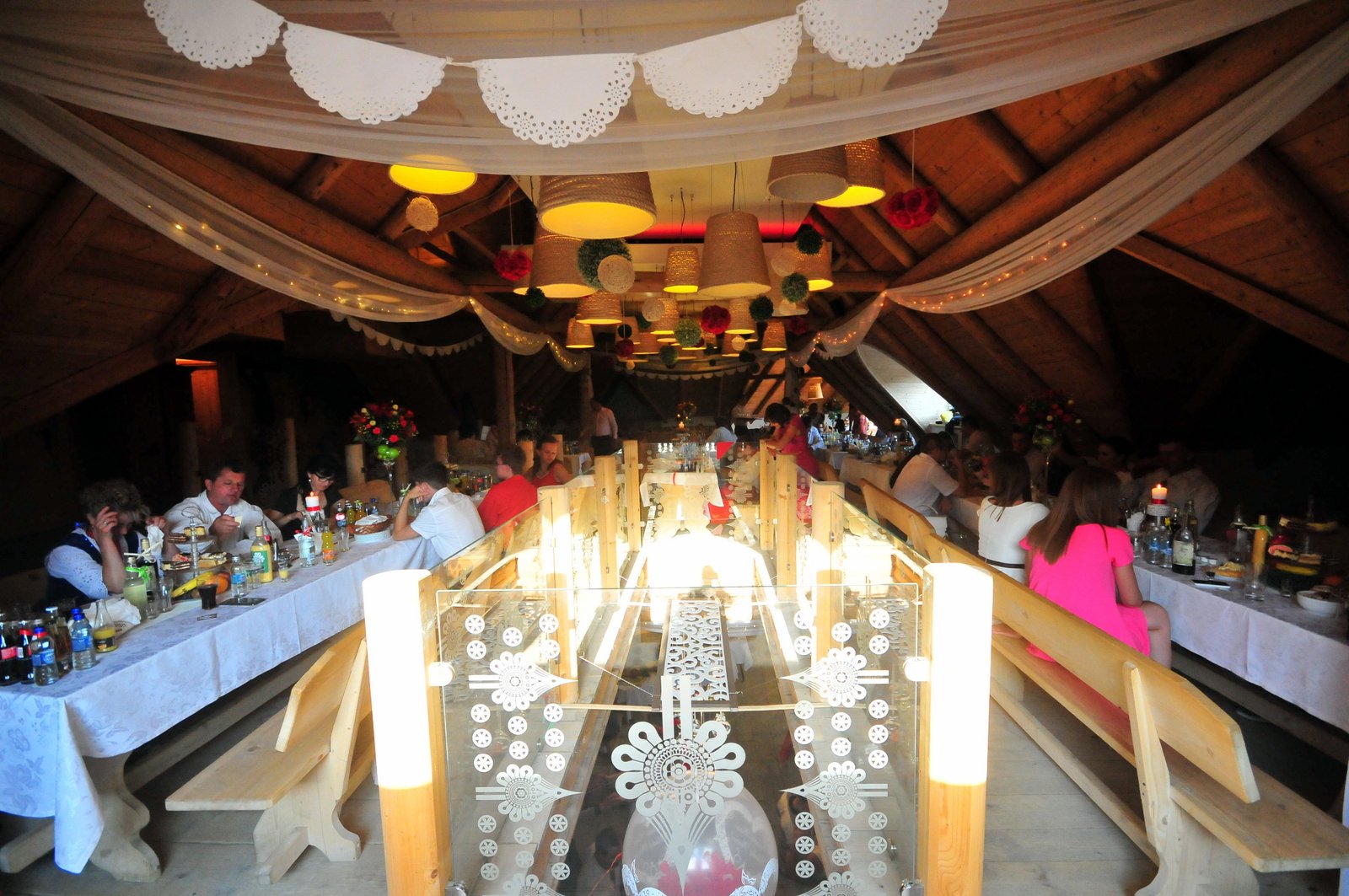
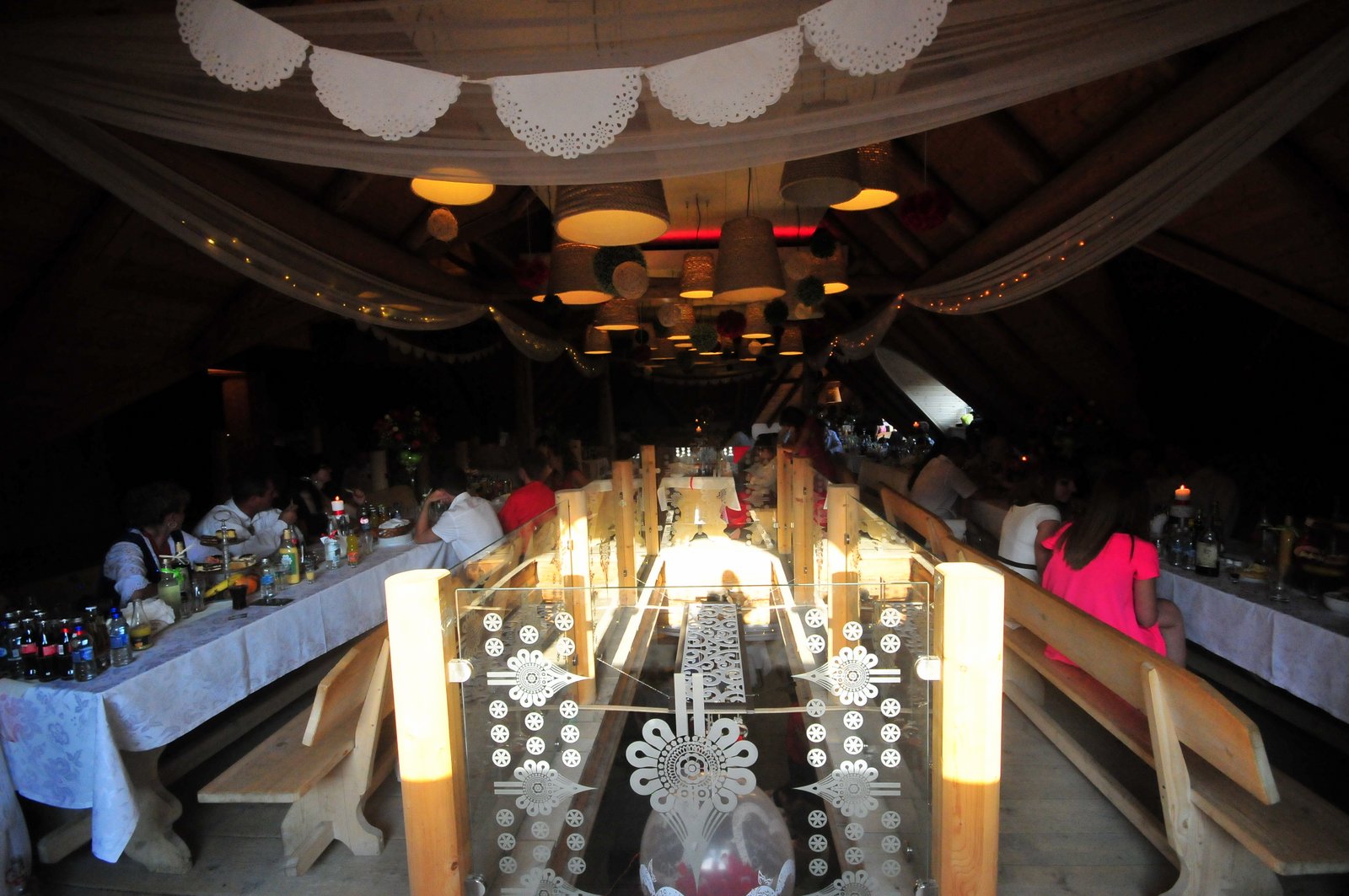
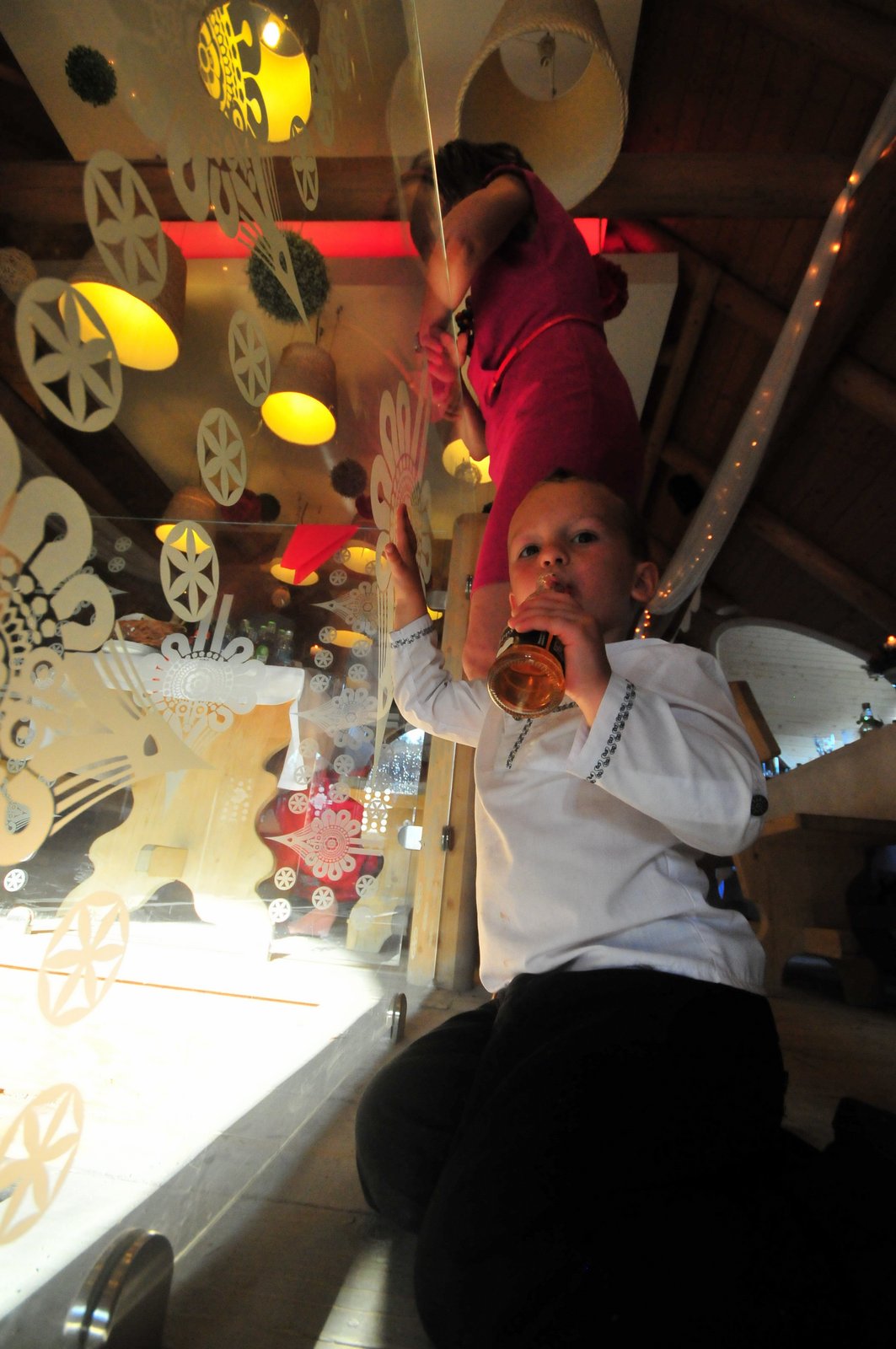
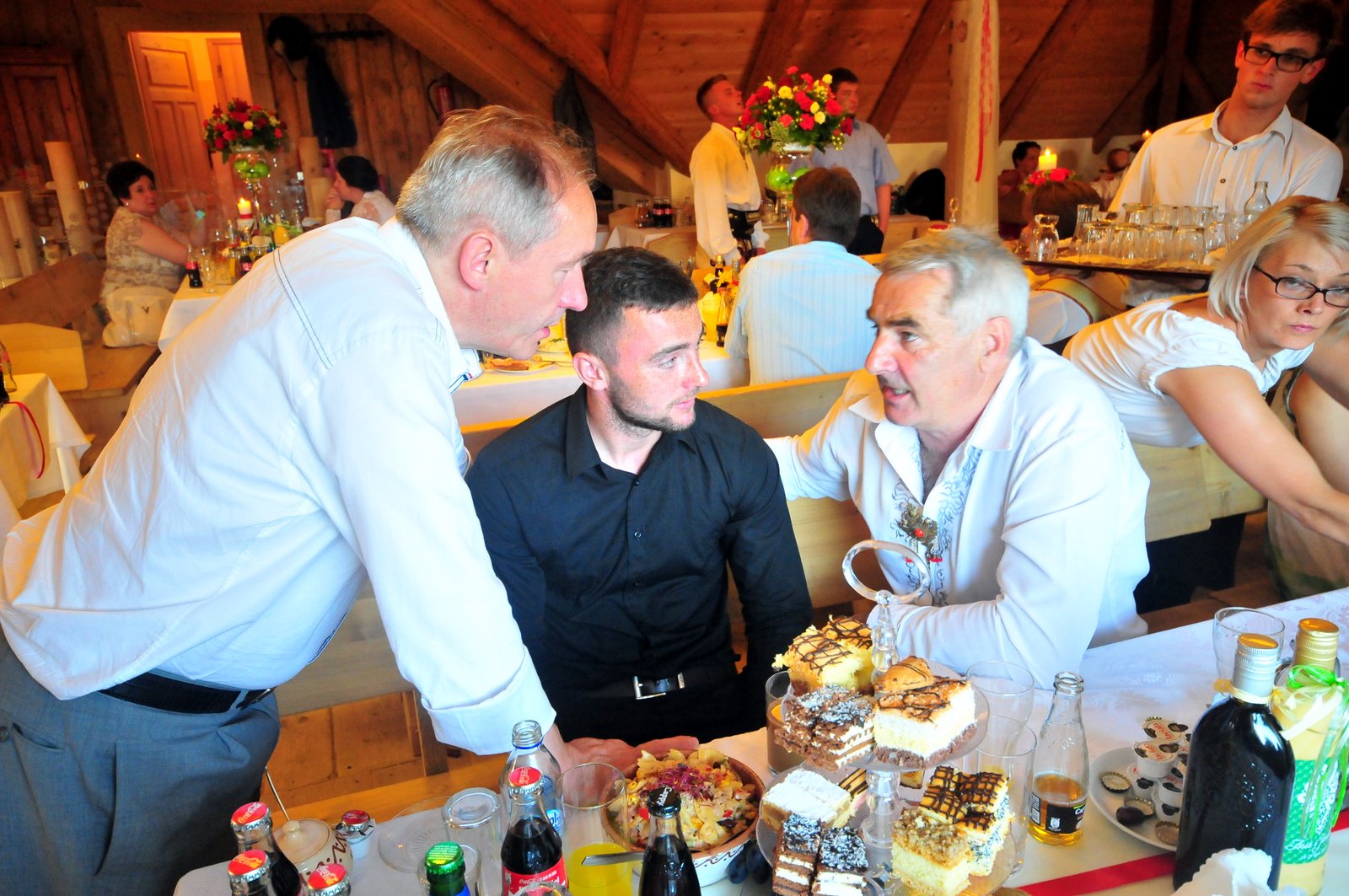
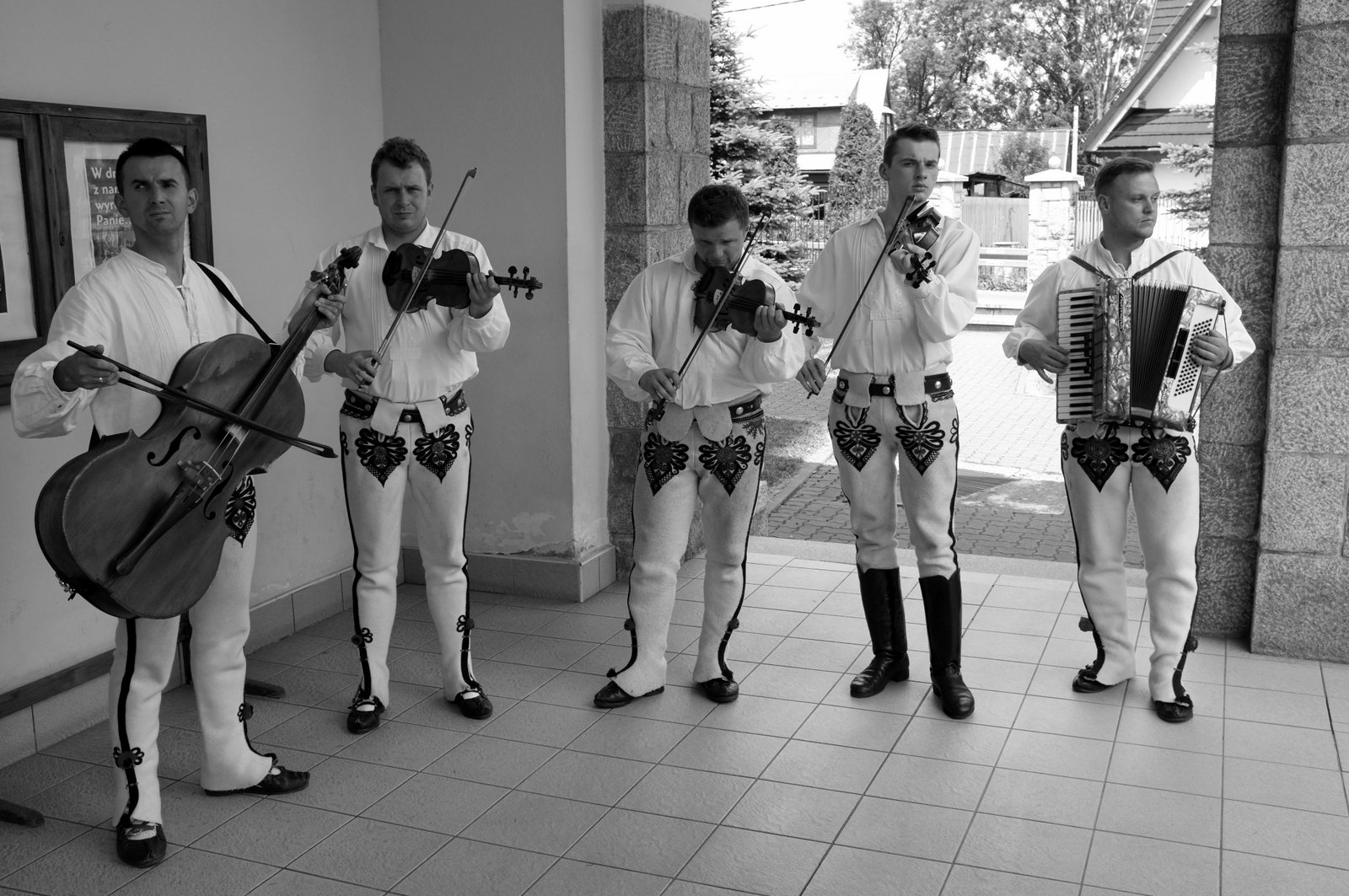
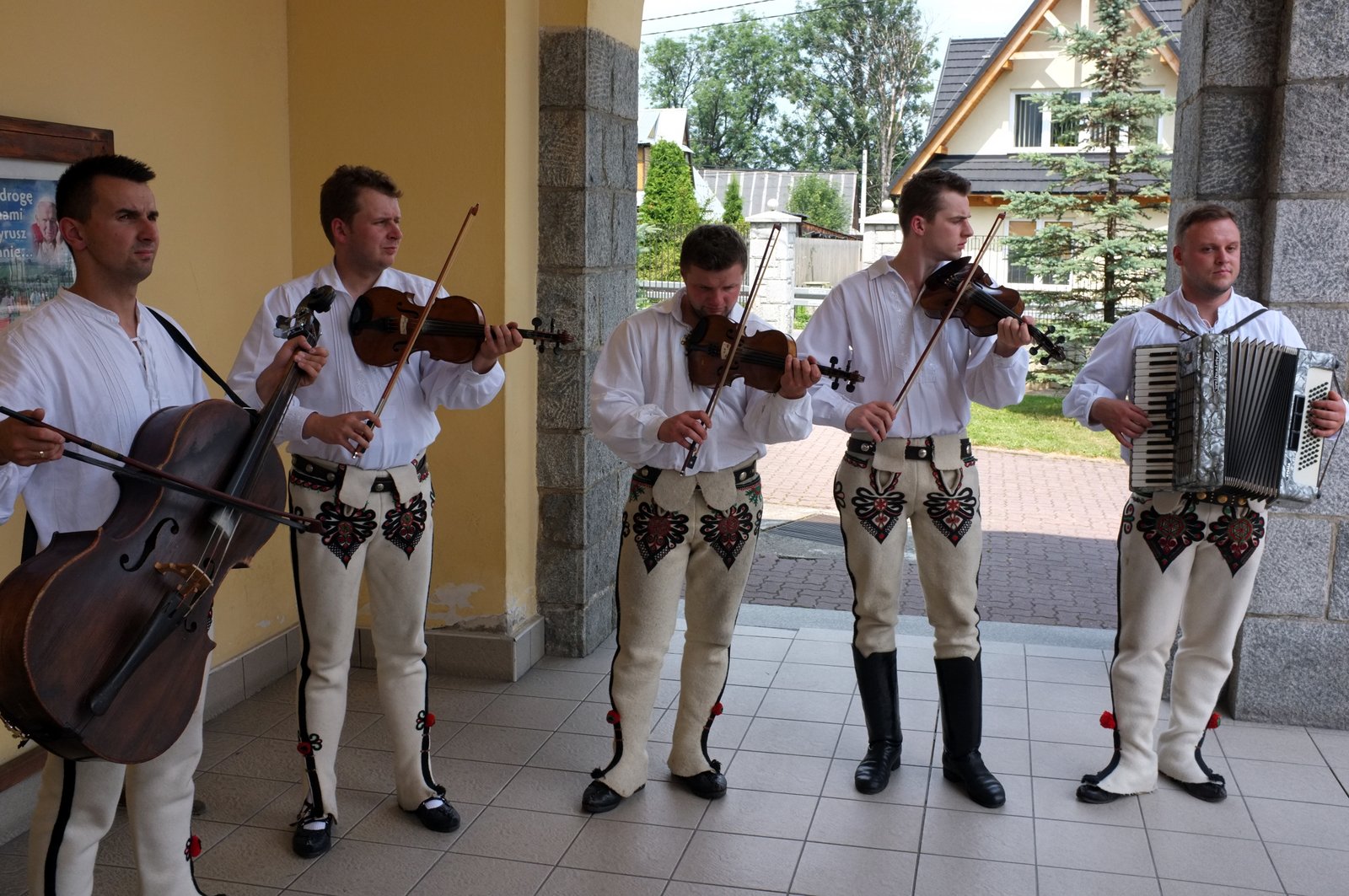
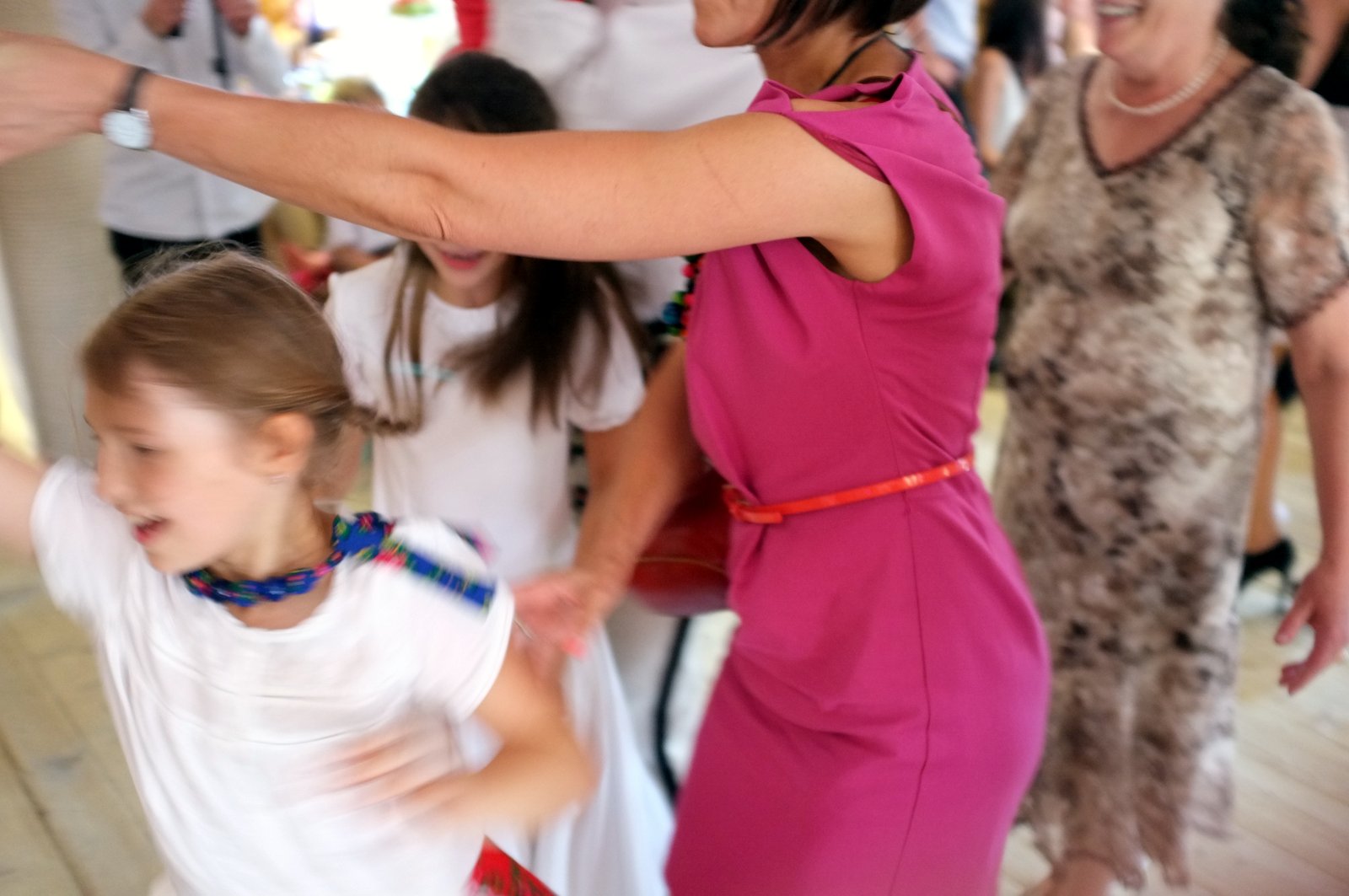
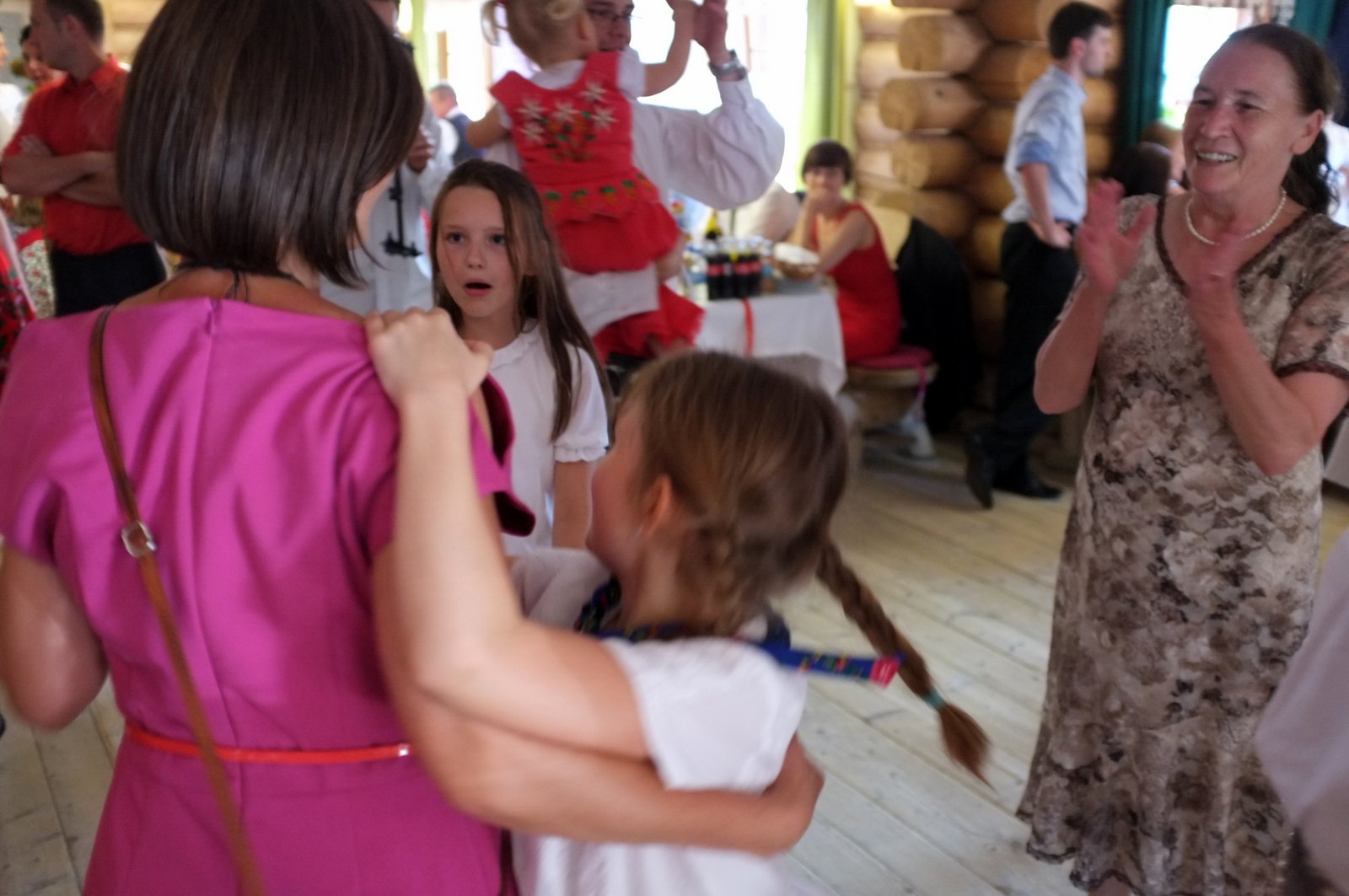
And throughout the evening, thus it continues: eat, drink, be silly, dance, sing, repeat. If it’s a wedding in the highlands of southern Poland, there is even more choreography. At some point some four or five hours into the wedding, the guests gather on the dance floor for the ocepiny. Two of the grooms take the bride between them and refuse to give her over until their demands are met. These demands come in the form of a song that is often made up on the spot. A second group, called essentially “the old ladies,” reply with their own song in response to the grooms’ song, bringing some kind of gift that humorously fulfills the grooms’ request. And so it goes, back and forth, back and forth, for some time until it’s time for the “solos” — a man stands before the band (now a traditional highlander group consisting of one or two violins, a viola, and a cello to provide the bass), sings the first bit of a song he wants, then takes the bride for a turn around the dance floor. More gifts, more songs, more singing, and it goes on and on, an hour, an hour and a half.
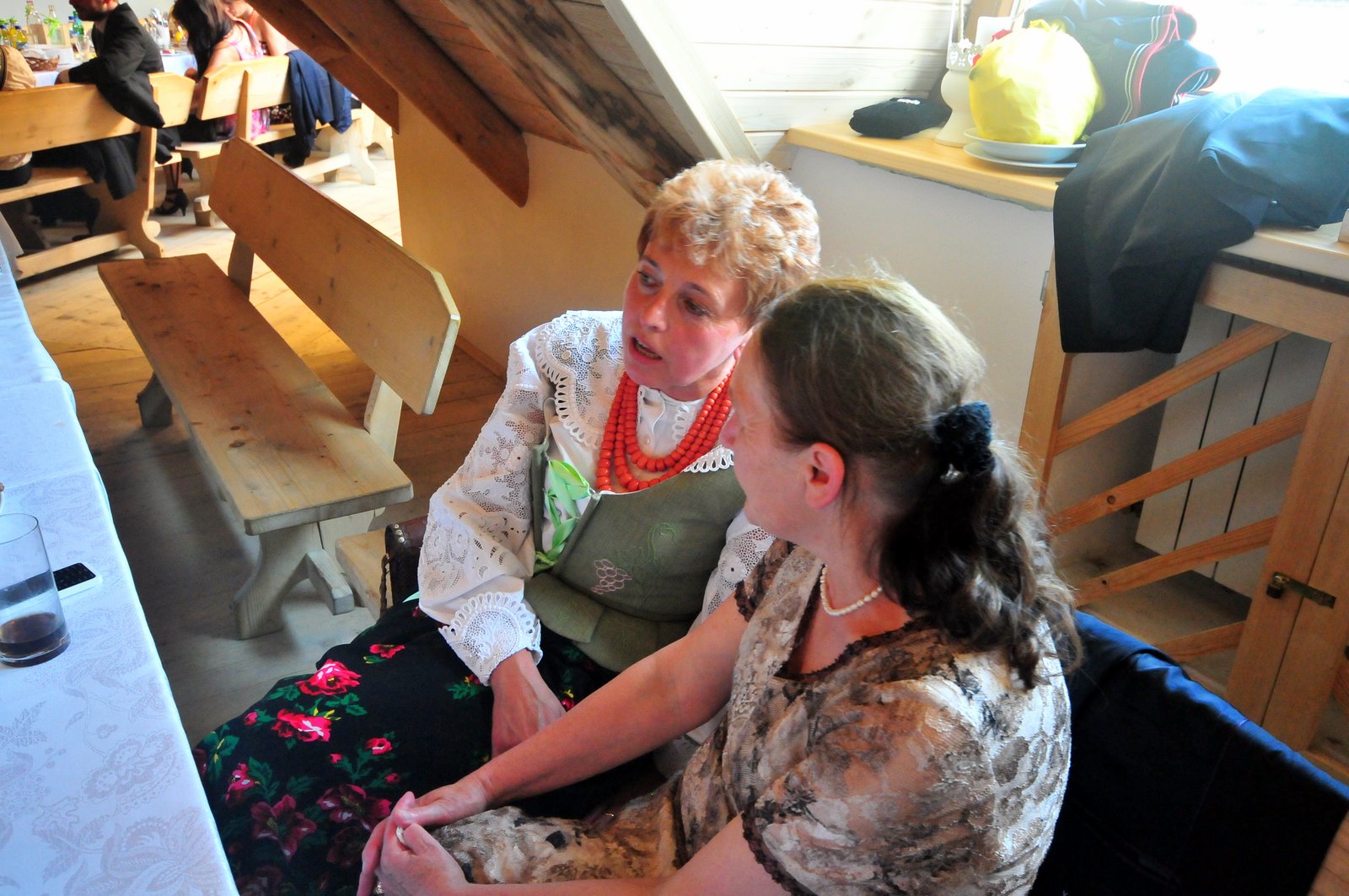
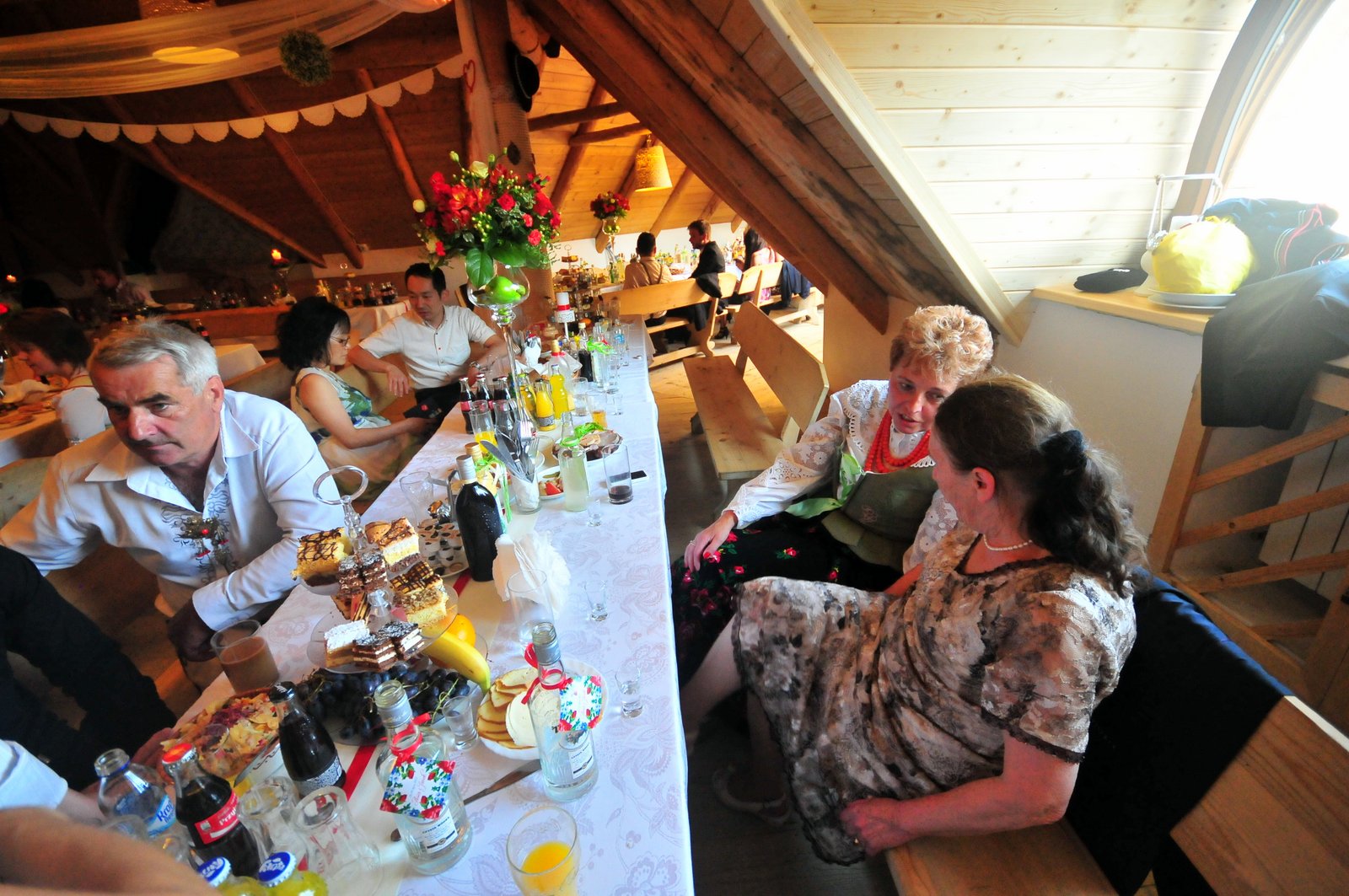
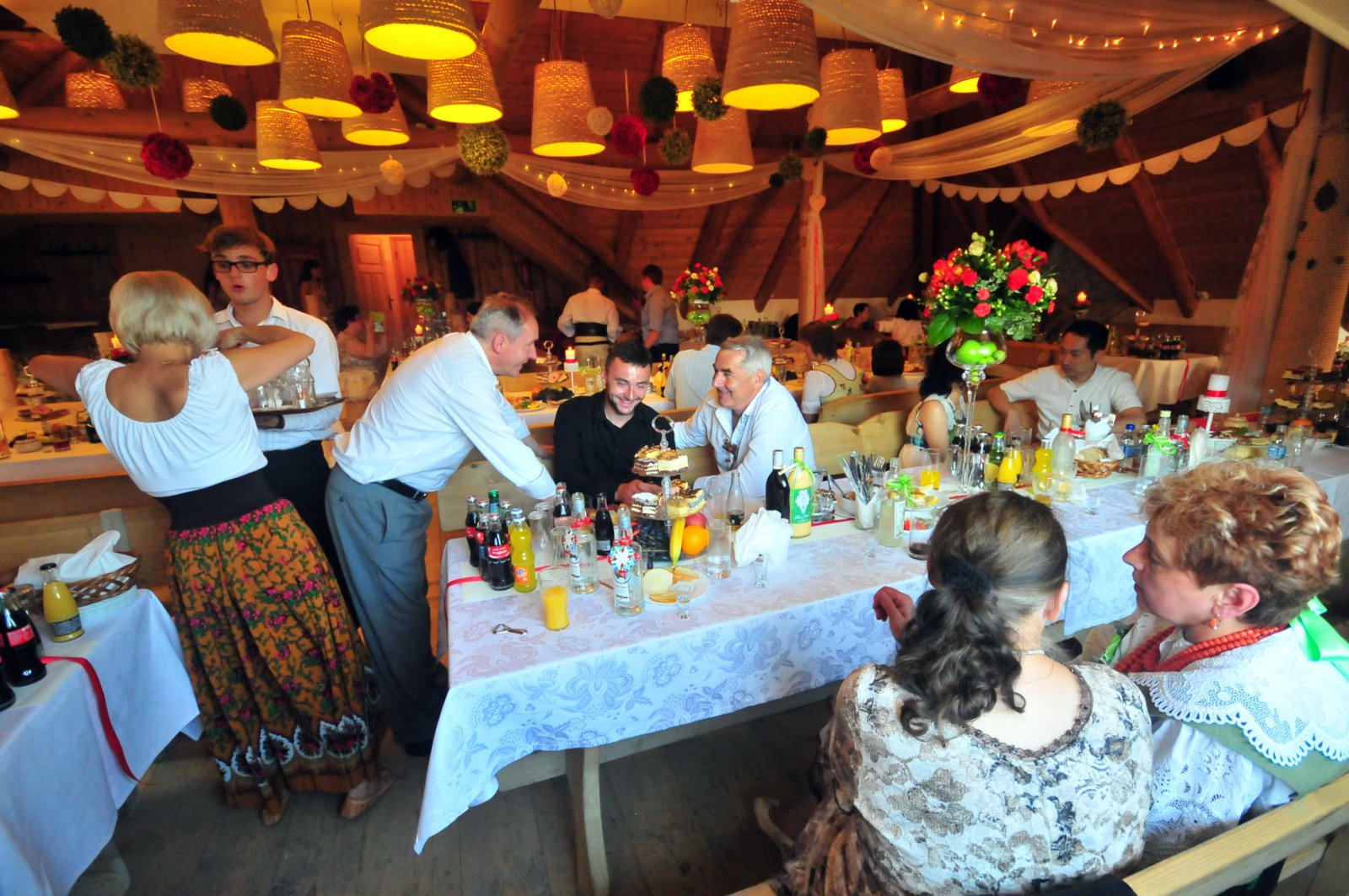
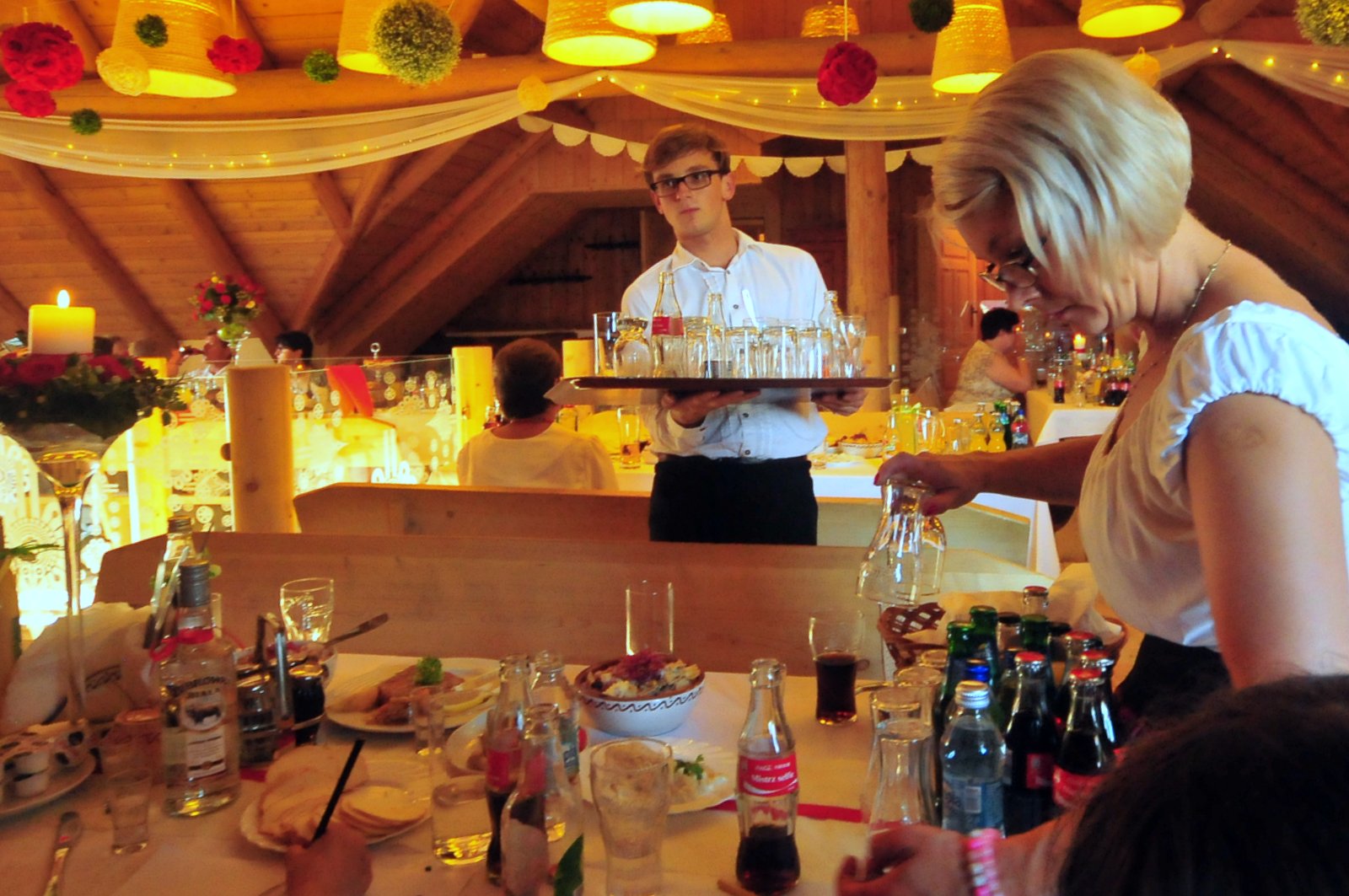
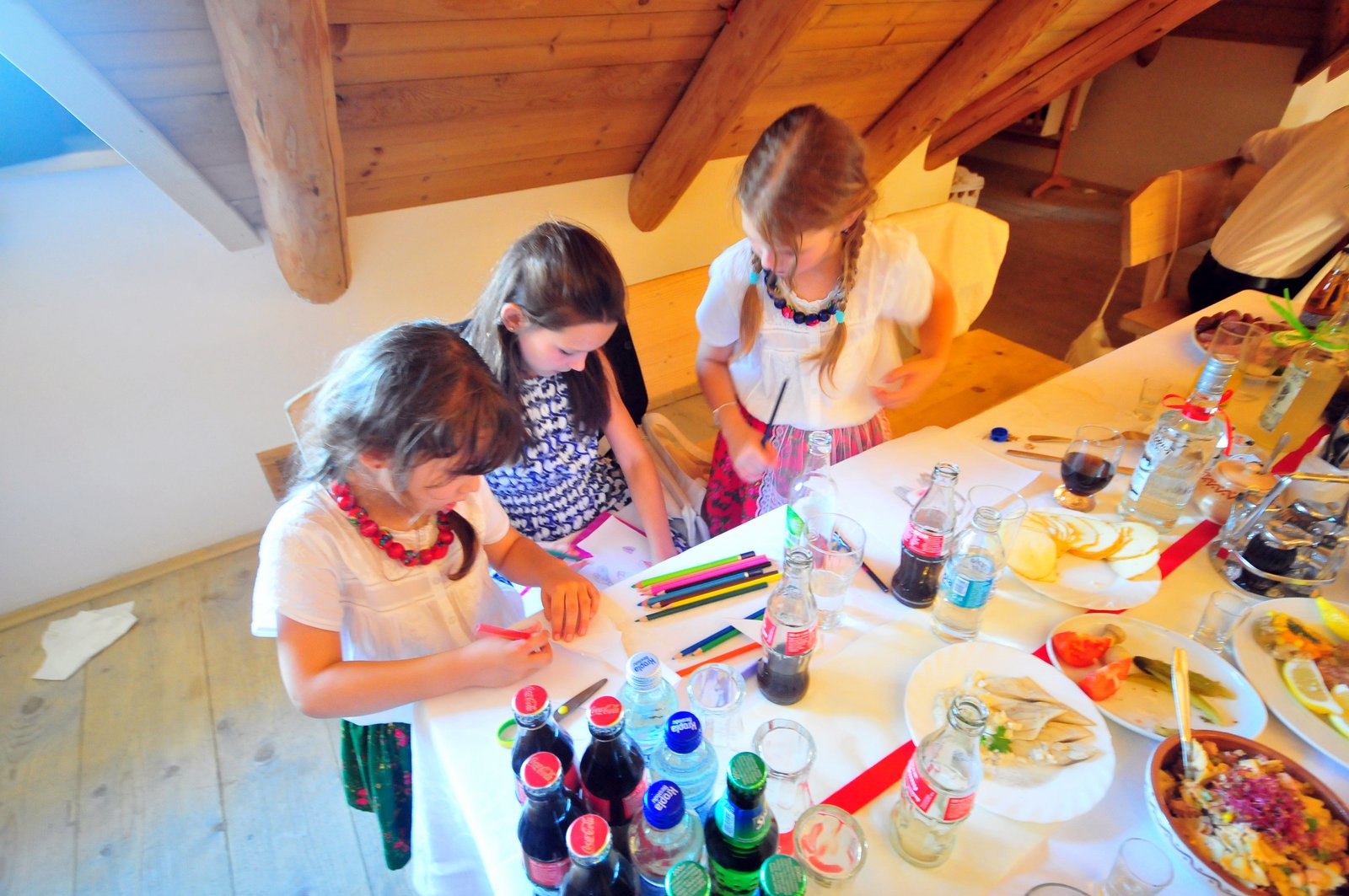
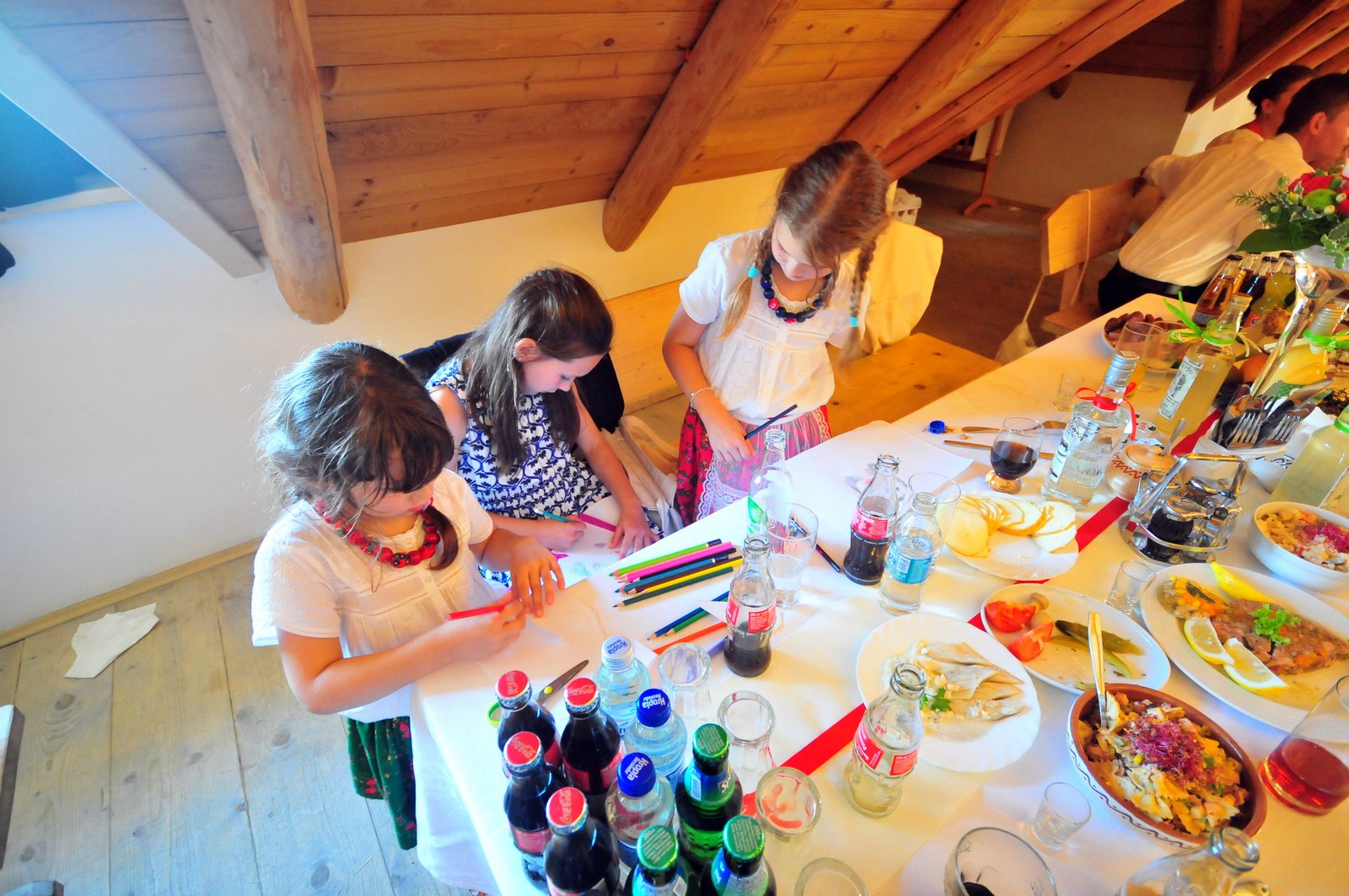
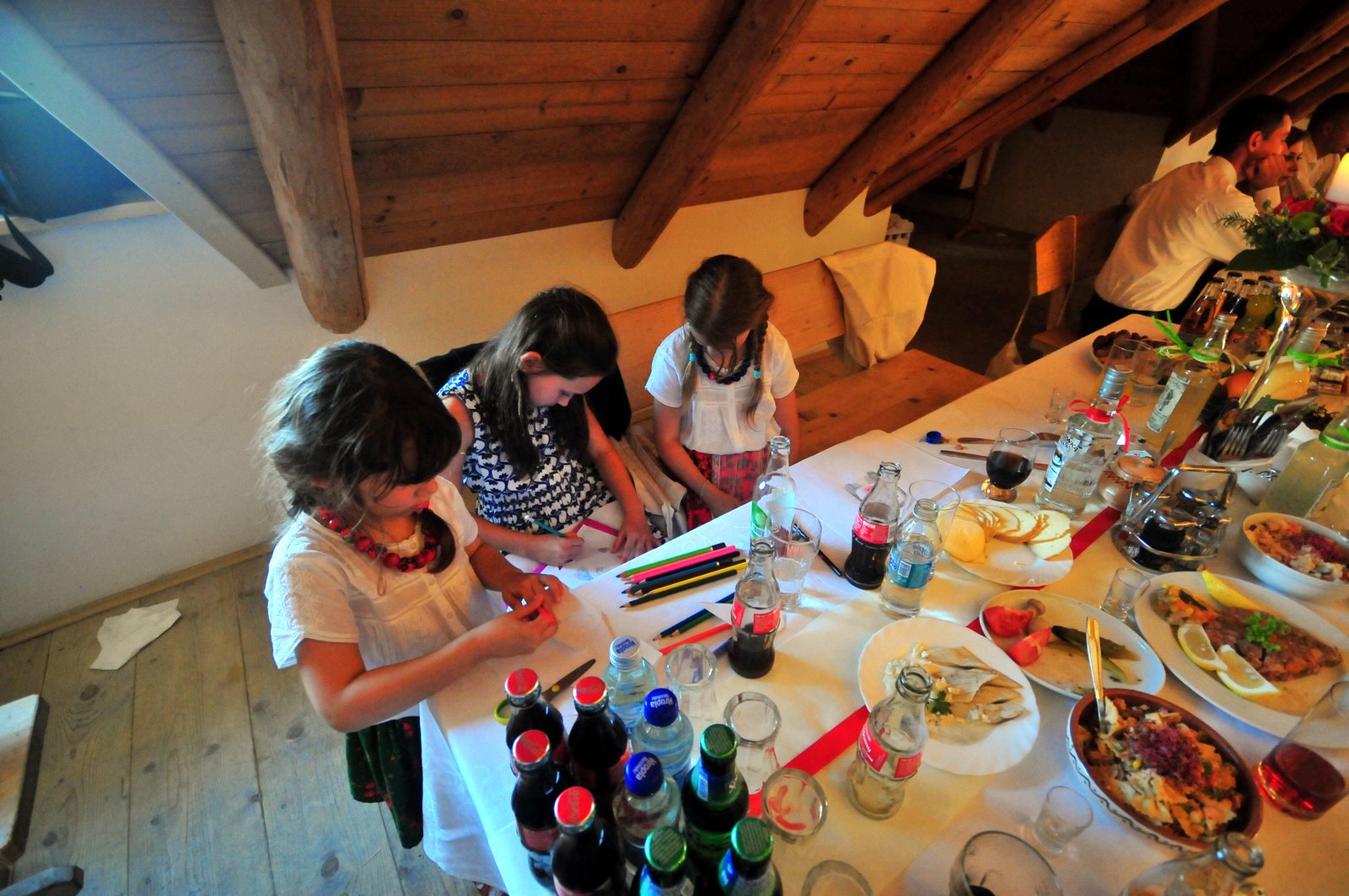
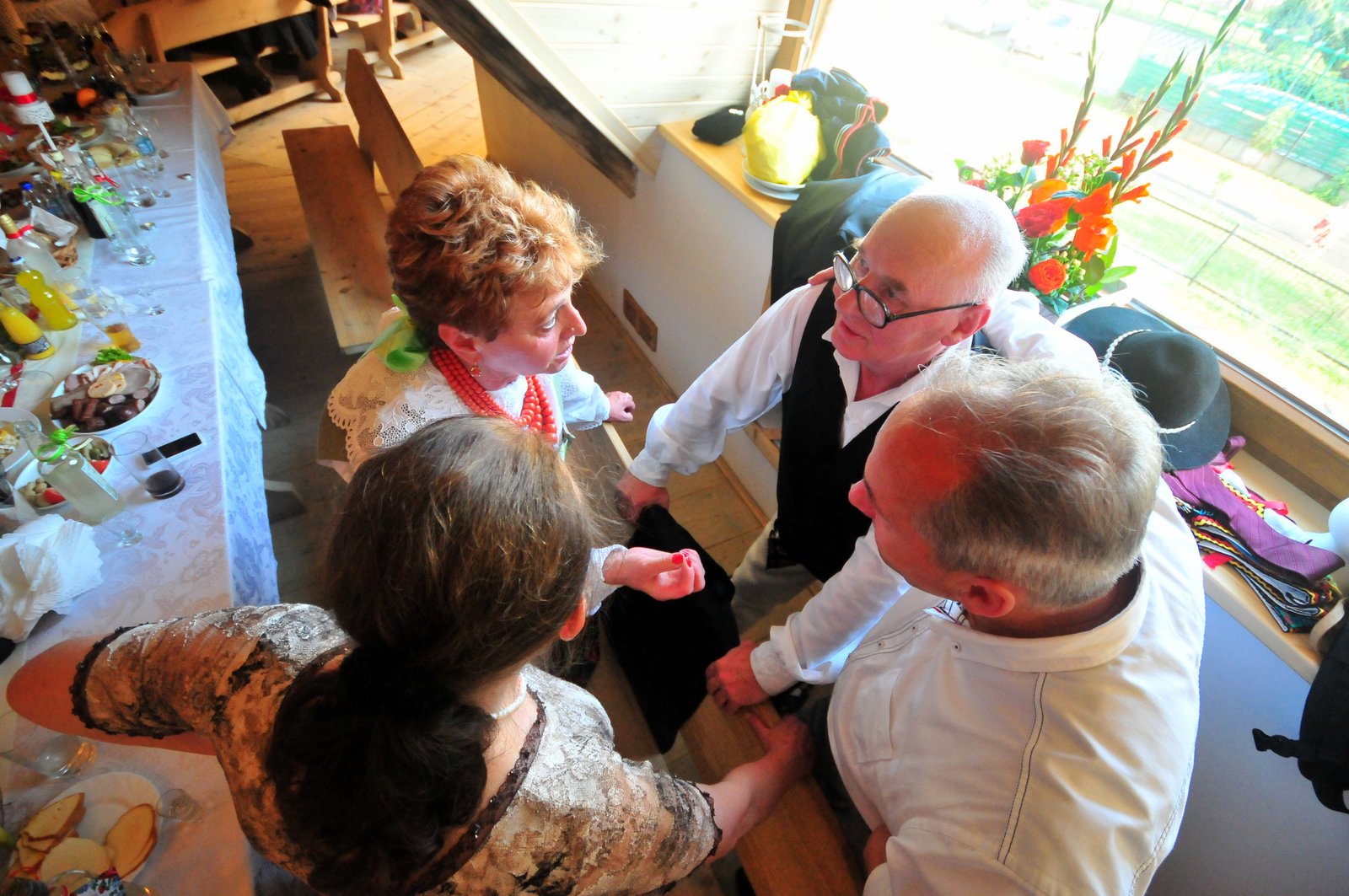
And this all seems to combine to from a good definition of culture: a choreography that insiders seem to perform without thinking while outsiders look for the pattern. That was part of the joy of living in Poland for so long: looking for, noticing, and then learning those patterns, eventually even taking part in many of them. It’s the process of moving from the outside to the inside that makes living abroad so enlightening, for not only do you learn about your new home’s culture but you also notice things about your own culture than you never noticed before as you compare the two. Sometimes the things you notice about your own culture aren’t so very pleasant, but often having that second pattern makes the first more clear.
There’s a big difference between 100 km and 10 km, but when I began riding again a couple of months ago, there didn’t seem to be much of a difference between the two as far as my legs were concerned.
So when I took off this morning on a favorite ride, a ride I’d done seemingly countless times, I knew the ride, at a distance more than double the longest “ride” I’d gone on in the last few weeks, would be tough on me.
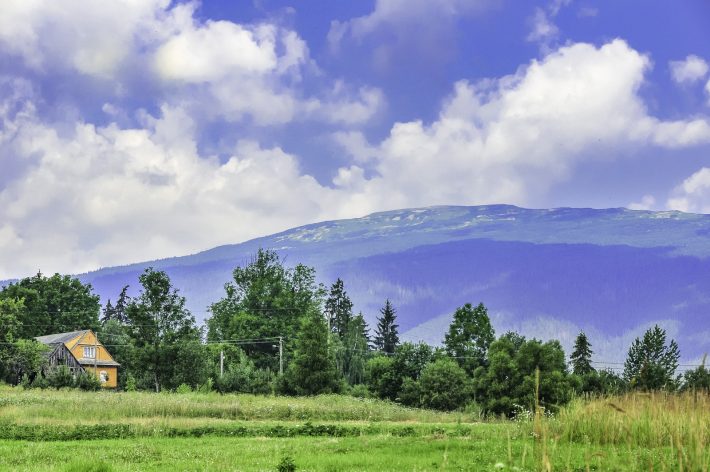
But the ride through Lipnica Mała to the base of Babia Góra then through the whole of Lipncia was a favorite. More than once I’d headed out for a quick ride after a day of teaching with no real idea where I was going and ended up making this loop.
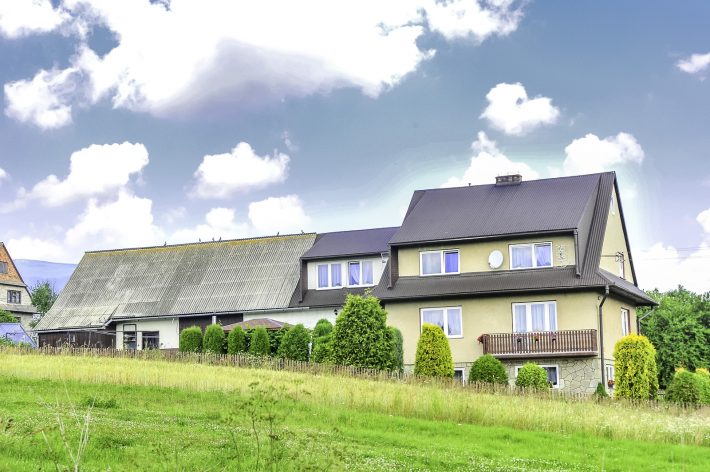
With the views it was an obvious choice. Today, though, it was just as much the views along the way that fascinated me. While Jabłonka has really developed a lot, the villages of Lipnica Wielka and Lipnica Mała are relatively untouched. There are a few more houses, and some of the older houses have been renovated, but by and large, the villages look the same.
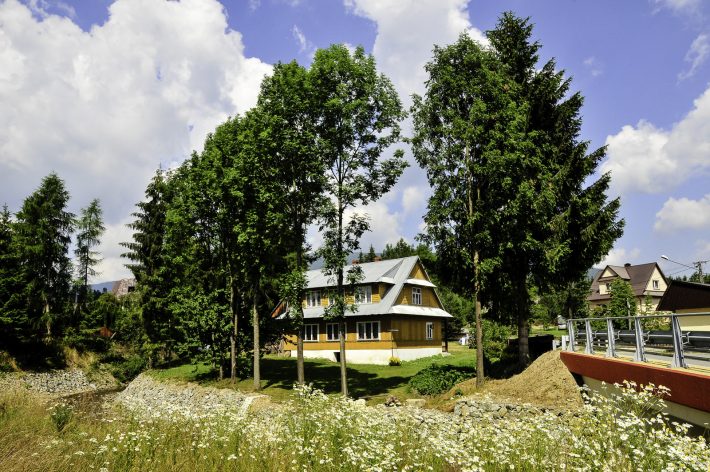
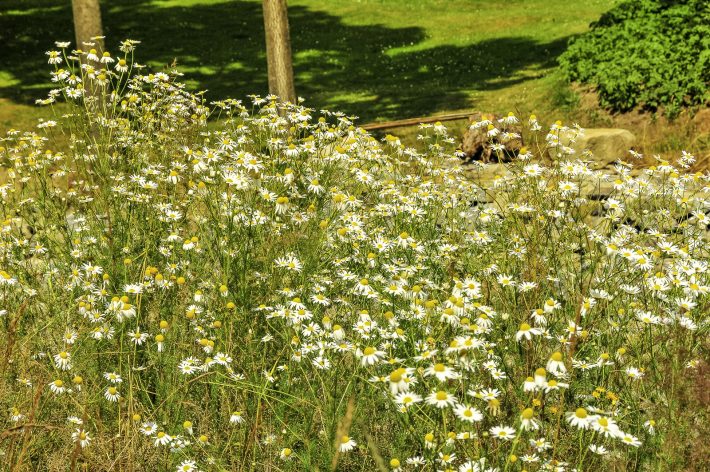
One other change became evident when I reached the end of Lipnica Mała: the formerly deeply-rutted road from the end of the village to the roughly-paved road that runs along the base of Babia was now a well-paved little street.
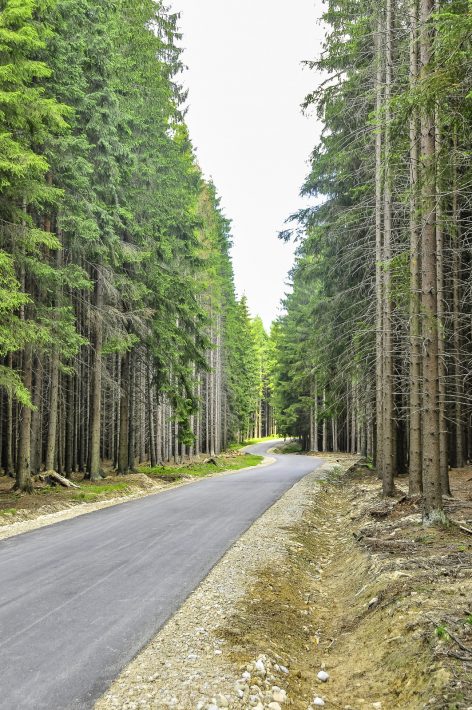
Of course, the forest itself hadn’t changed, nor had the sound of the wind through the trees, which sounded almost tidal.
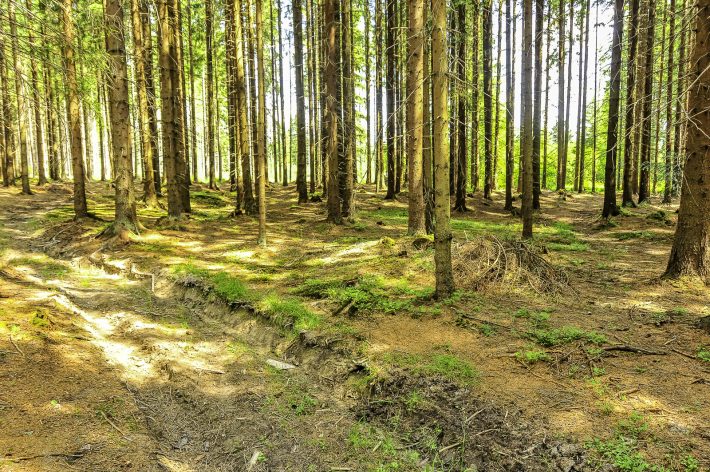
Once I got to the base of Babia, though, I virtually forgot about the camera as I made my way up the most challenging portion of the ride.
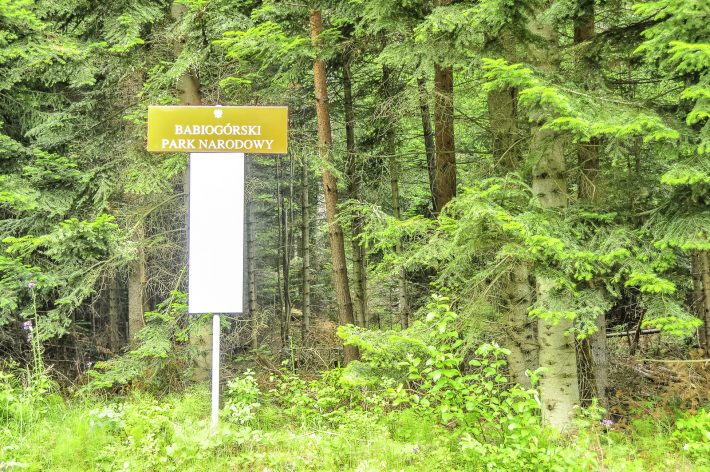
It was at this point that I really understood, in a deeply muscular way, that my legs are nothing like they used to be.
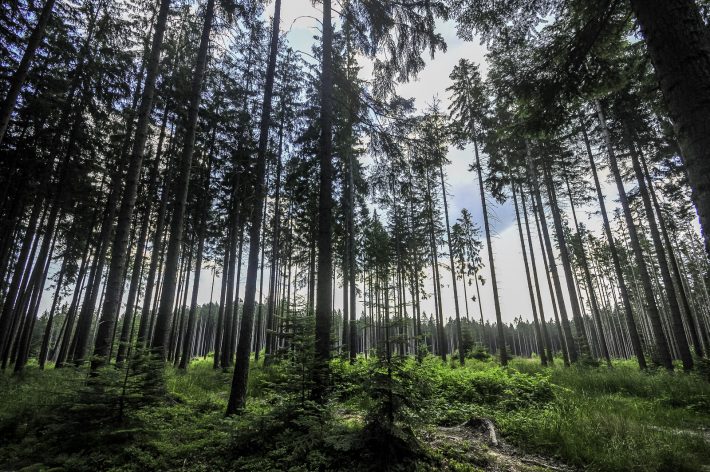
The worst part of it is the memory, knowing that those climbs used to be no problem at all for me. I was winded at the top of several of the climbs, but I didn’t have to stop to catch my breath and give my burning legs a chance cool down. I didn’t stop and comment aloud to myself about the stupidity of the whole idea of tackling such a ride when so completely unprepared.
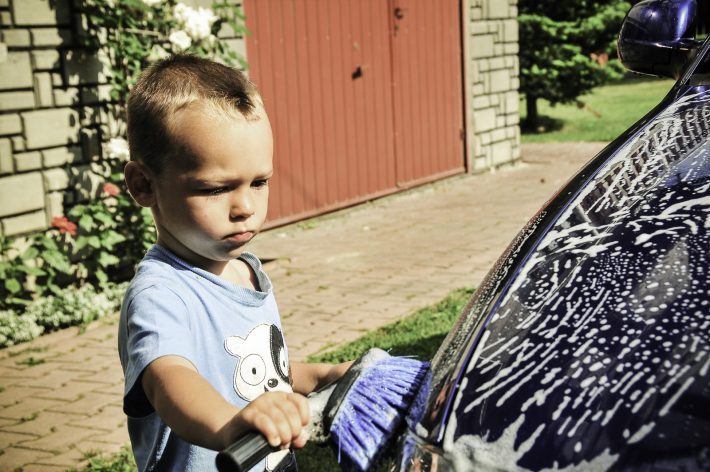
But somehow I survived, ate some lunch, and took the Boy out to help wash the car before tomorrow’s wedding.
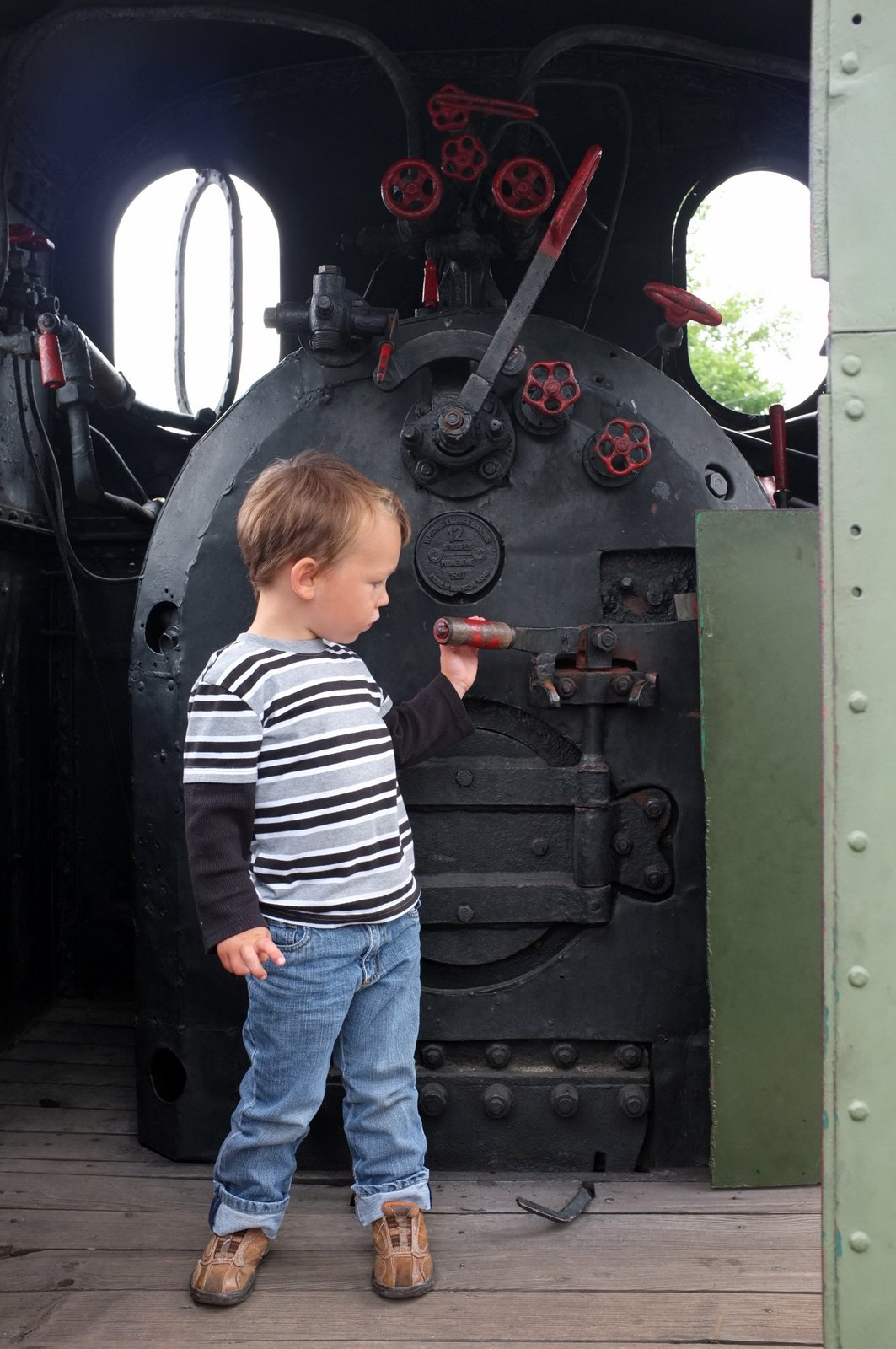
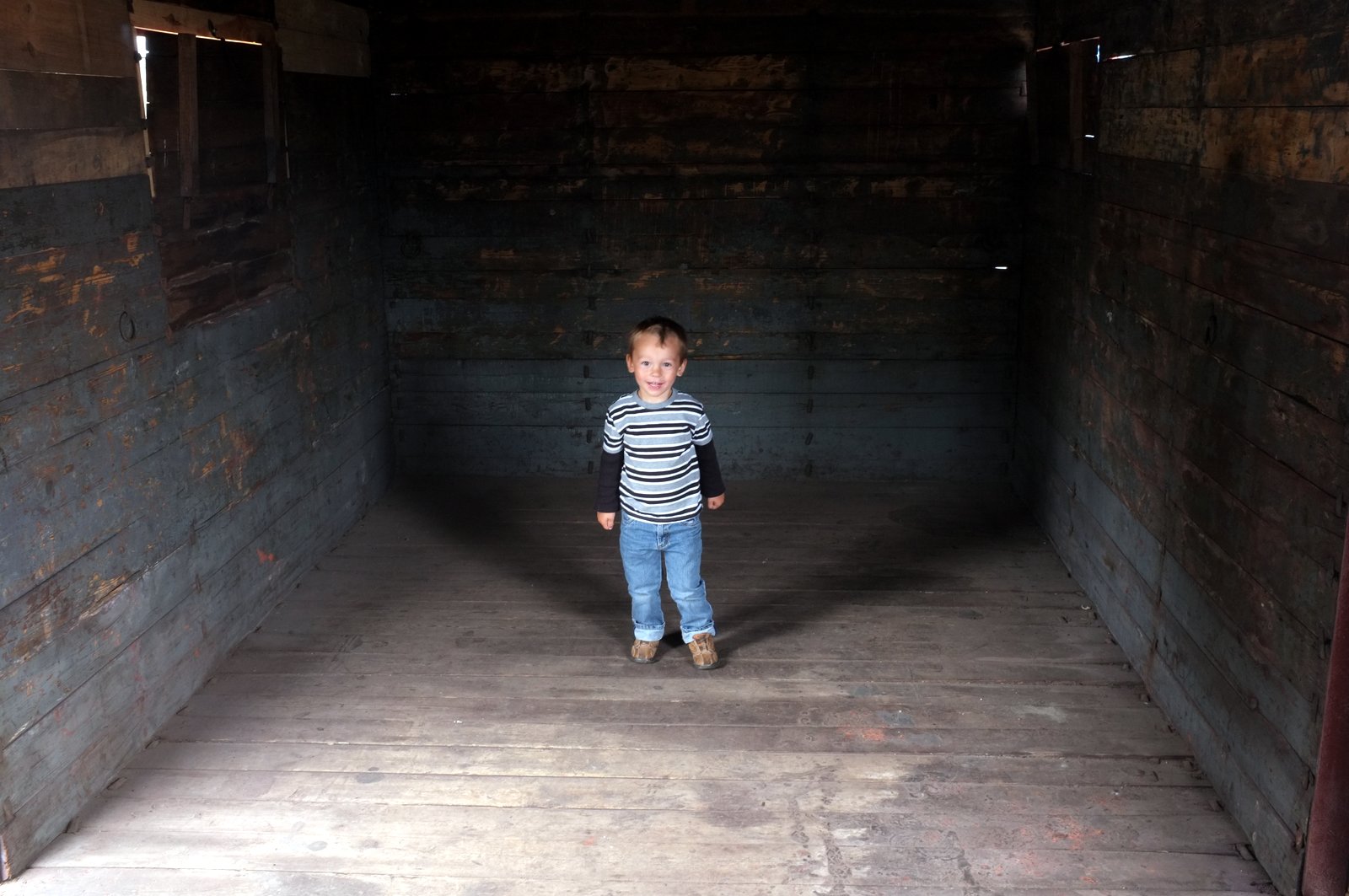
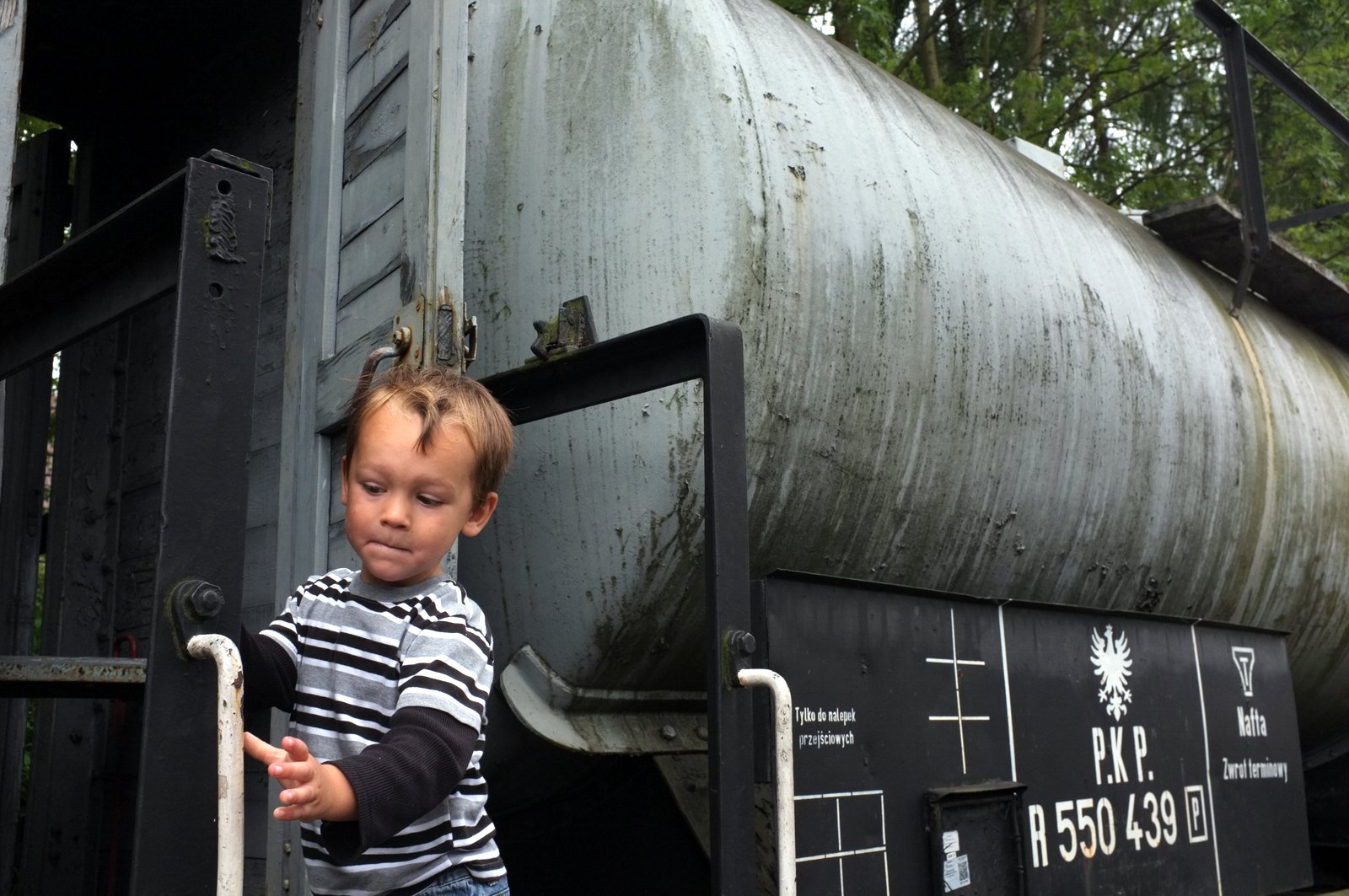
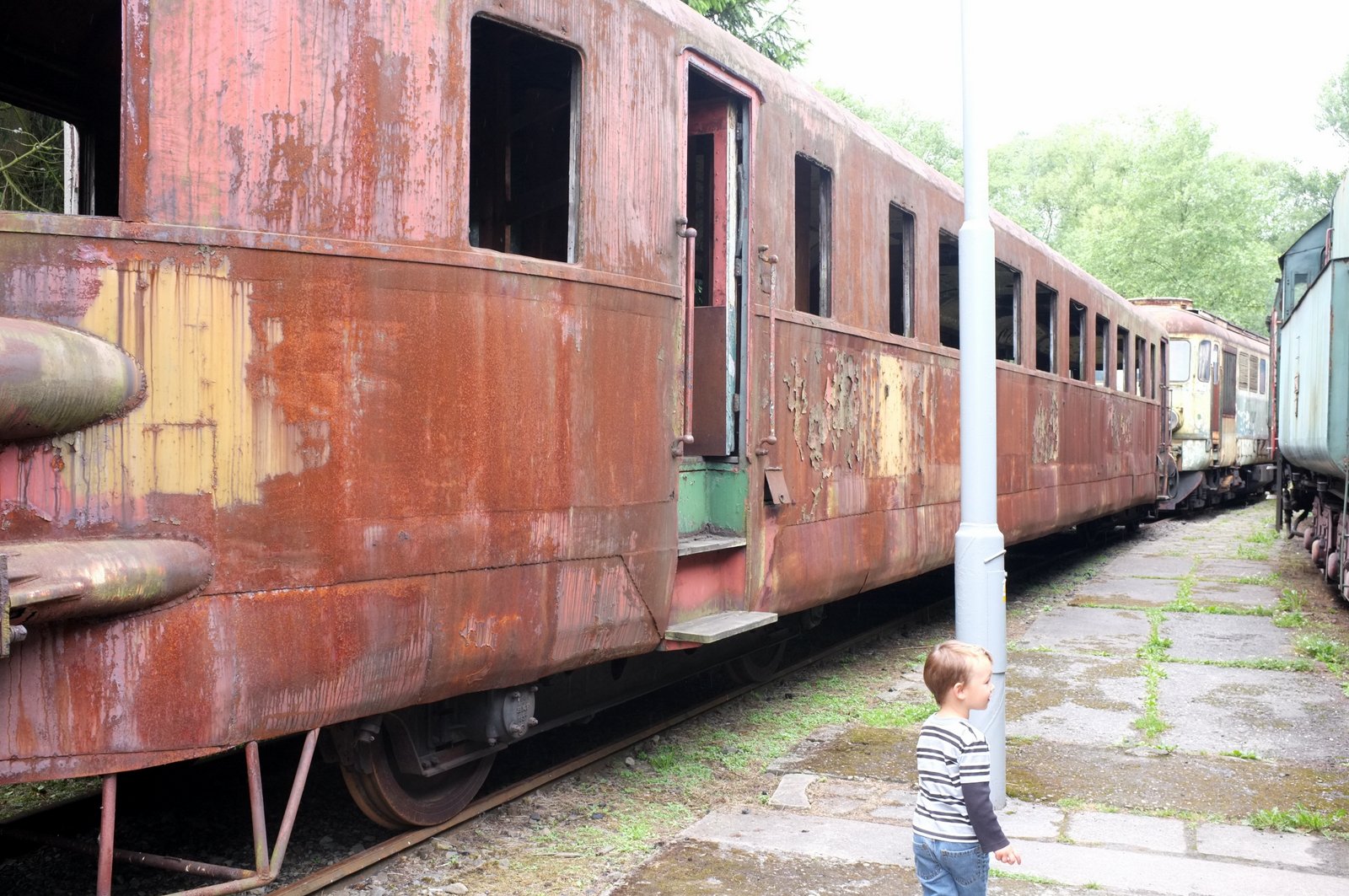
Morning: the outdoor train museum in Chabówka. It’s nothing like the train museum in Savannah — trains that you can only look at but not really touch. The trains at Chabówka are open and ready for ladder-climbing, knob-turning, and pretend-coal-loading.
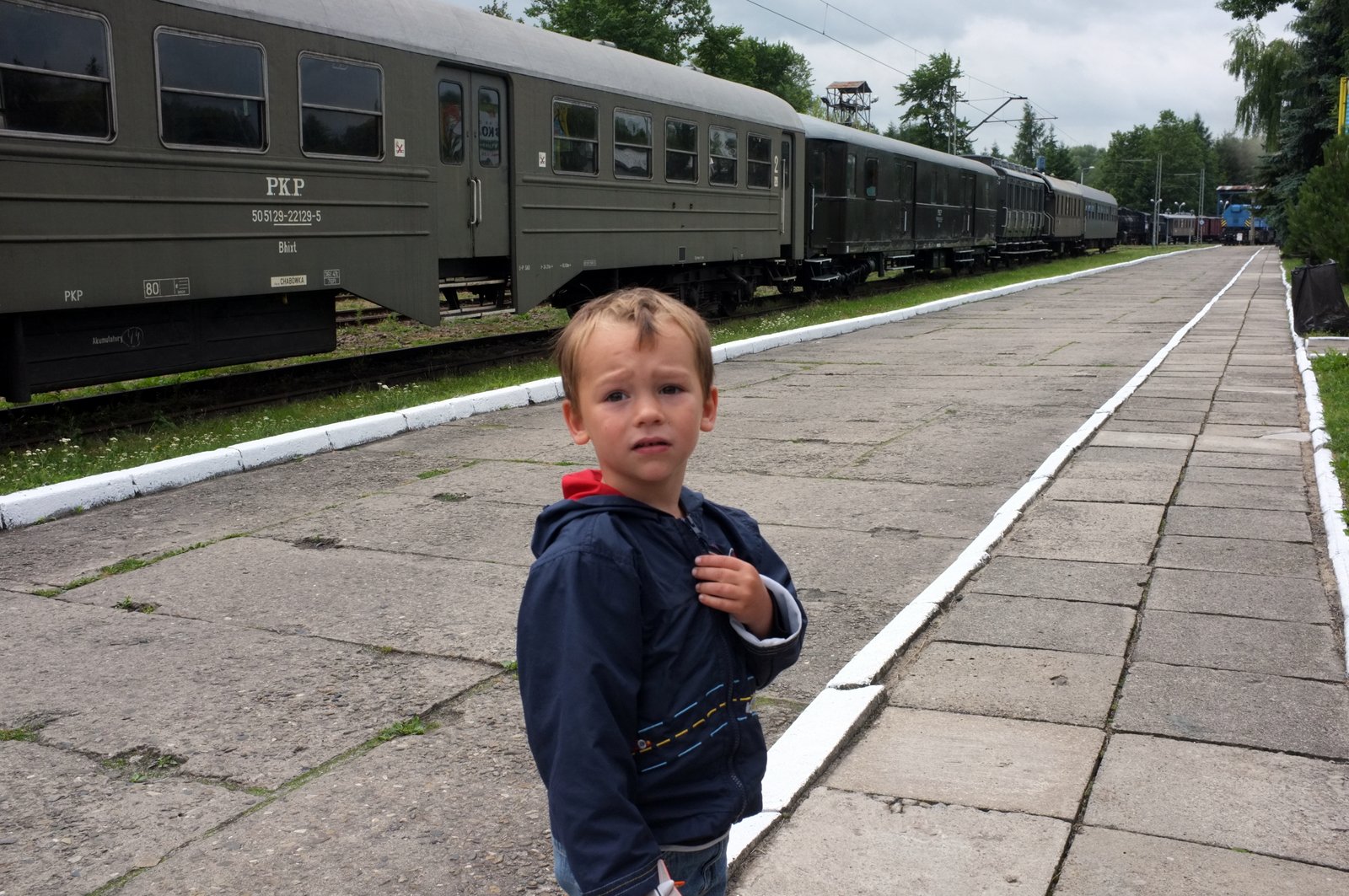
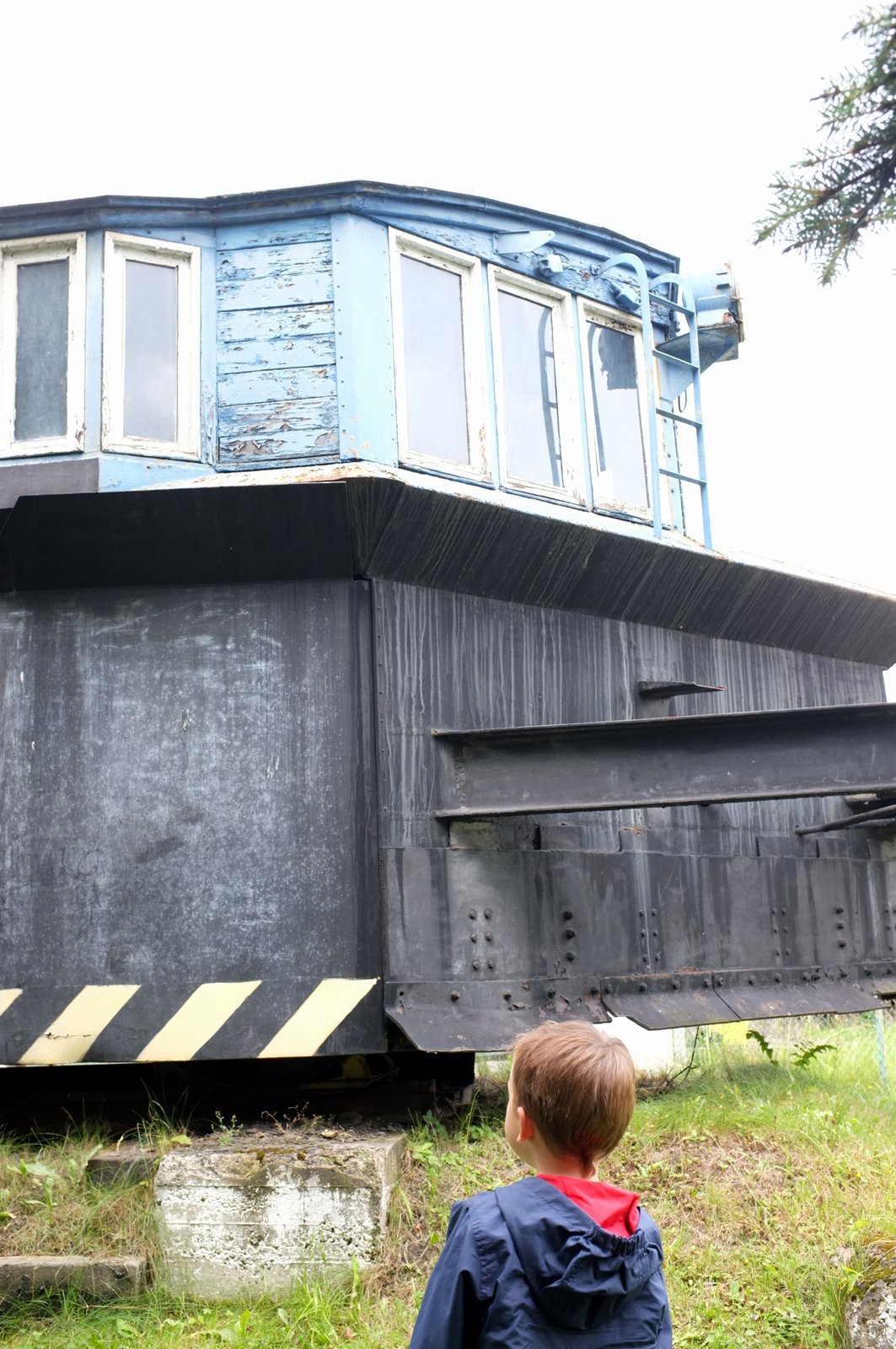
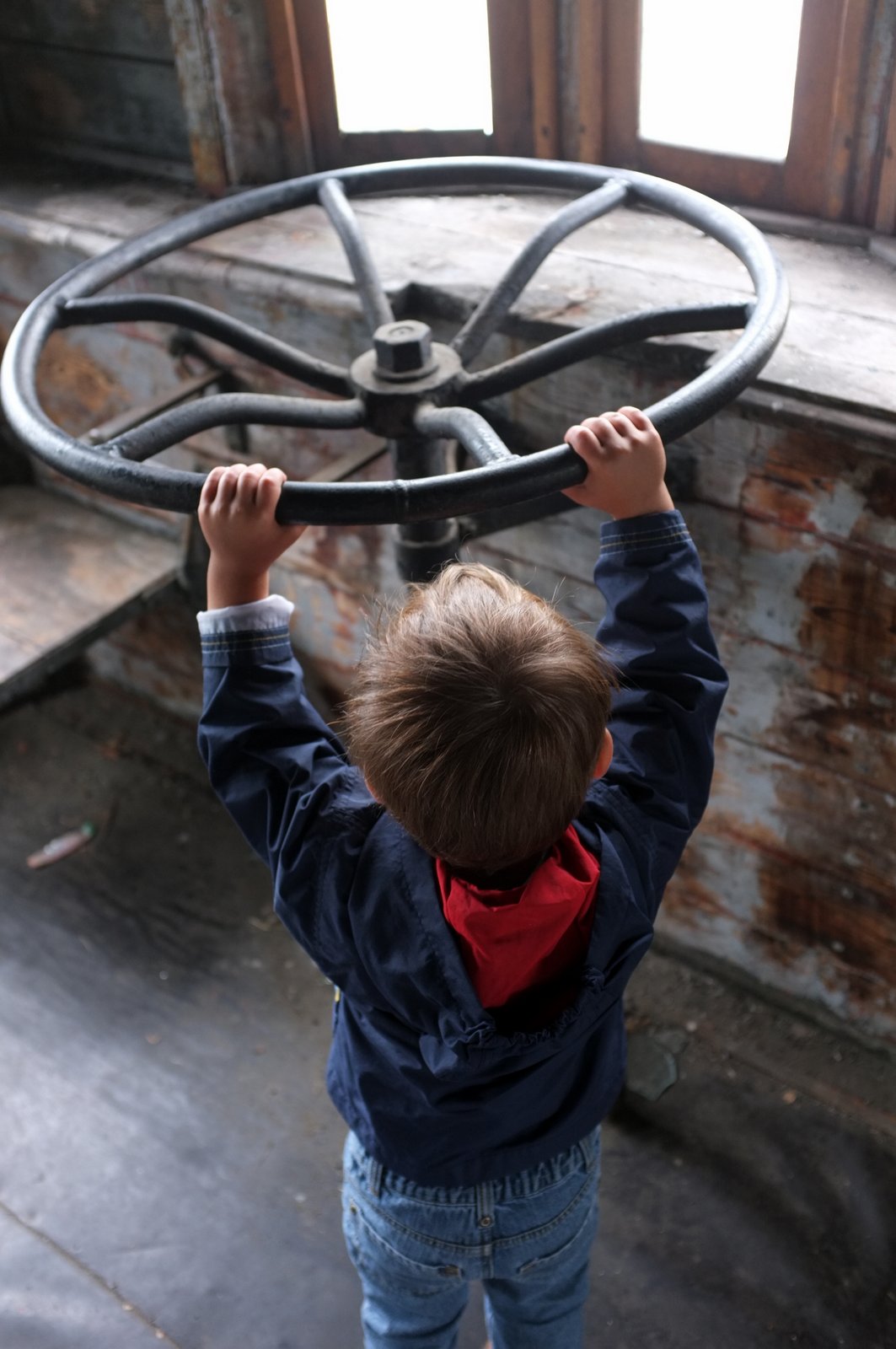
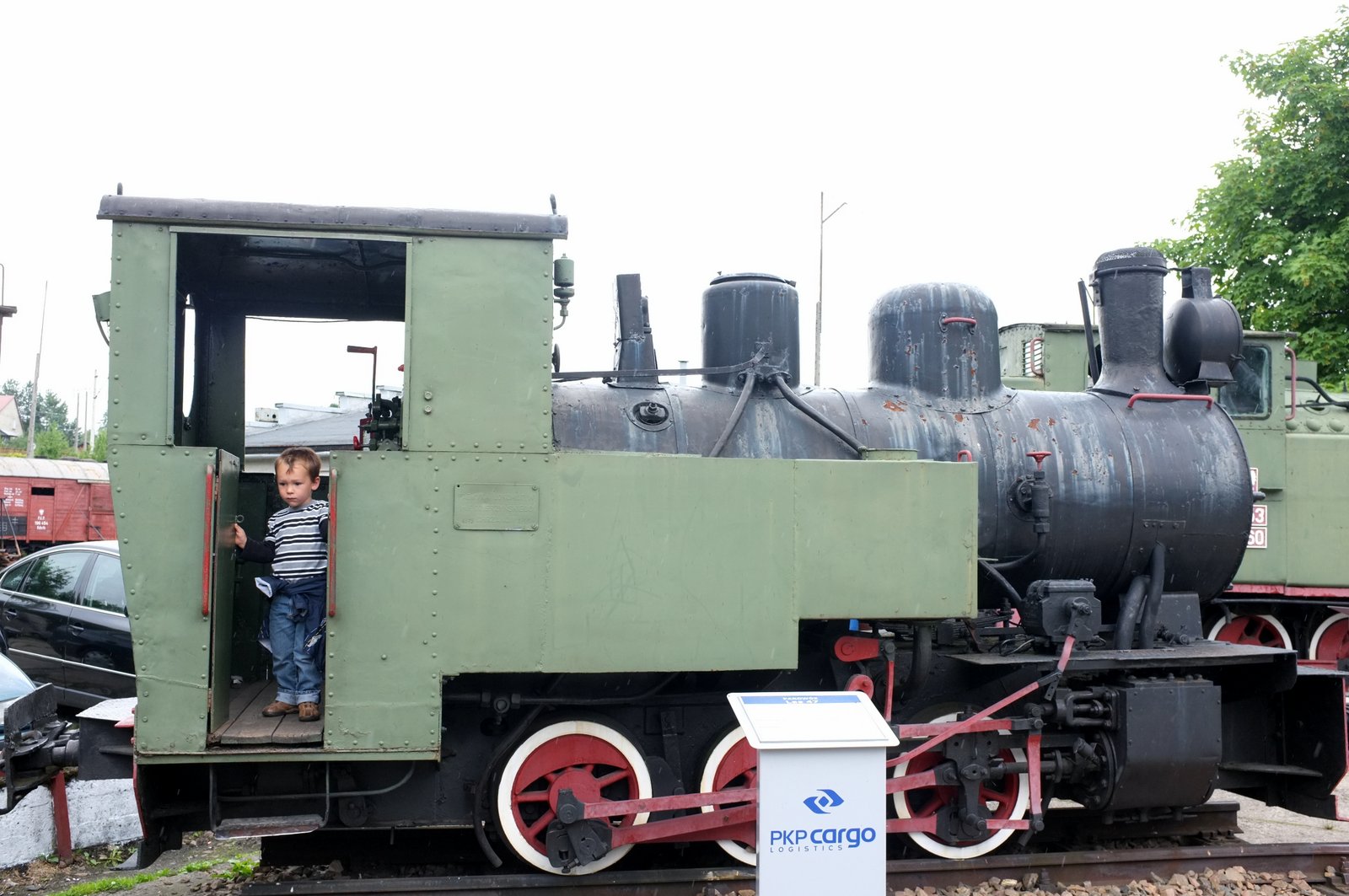
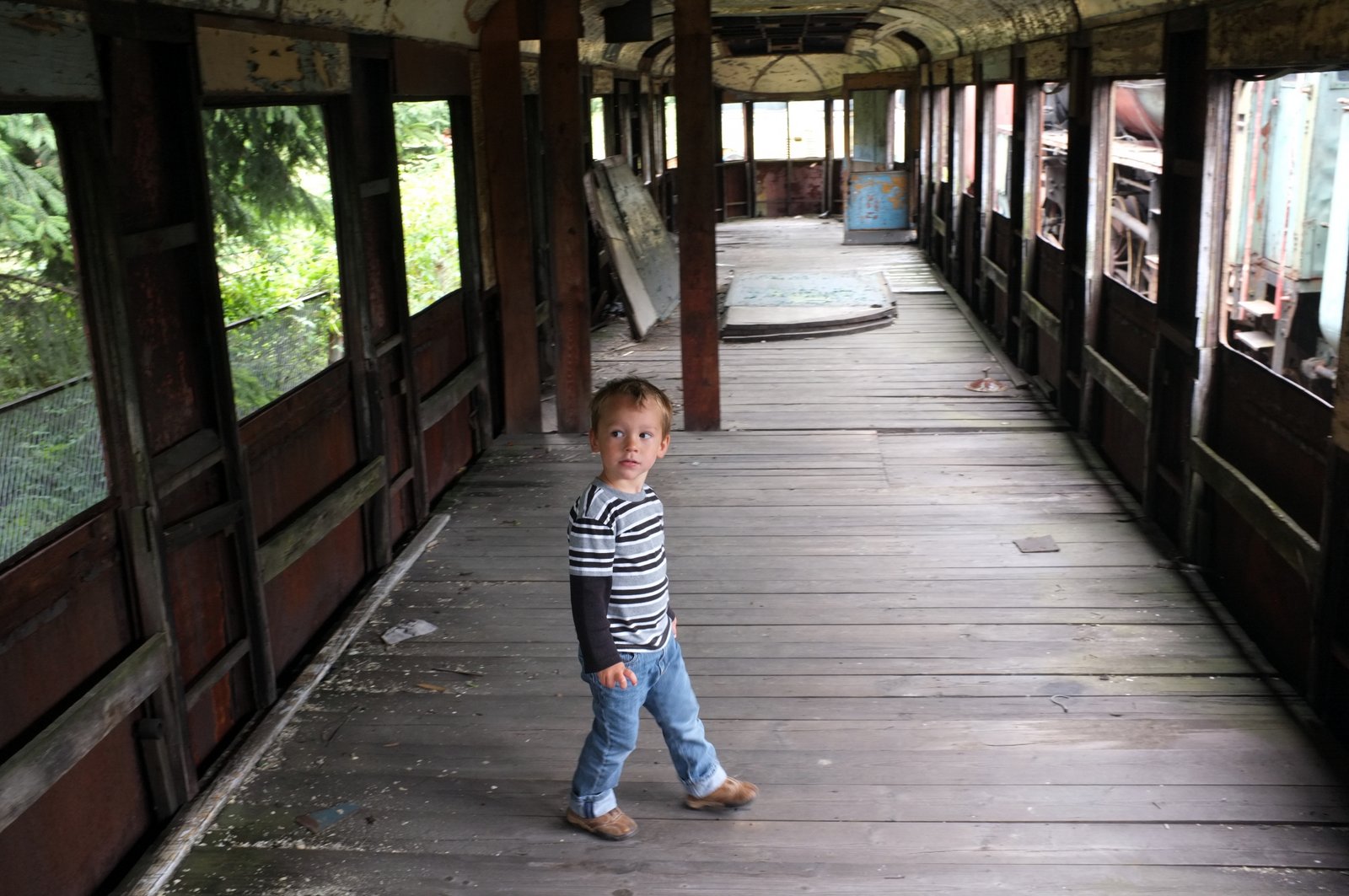
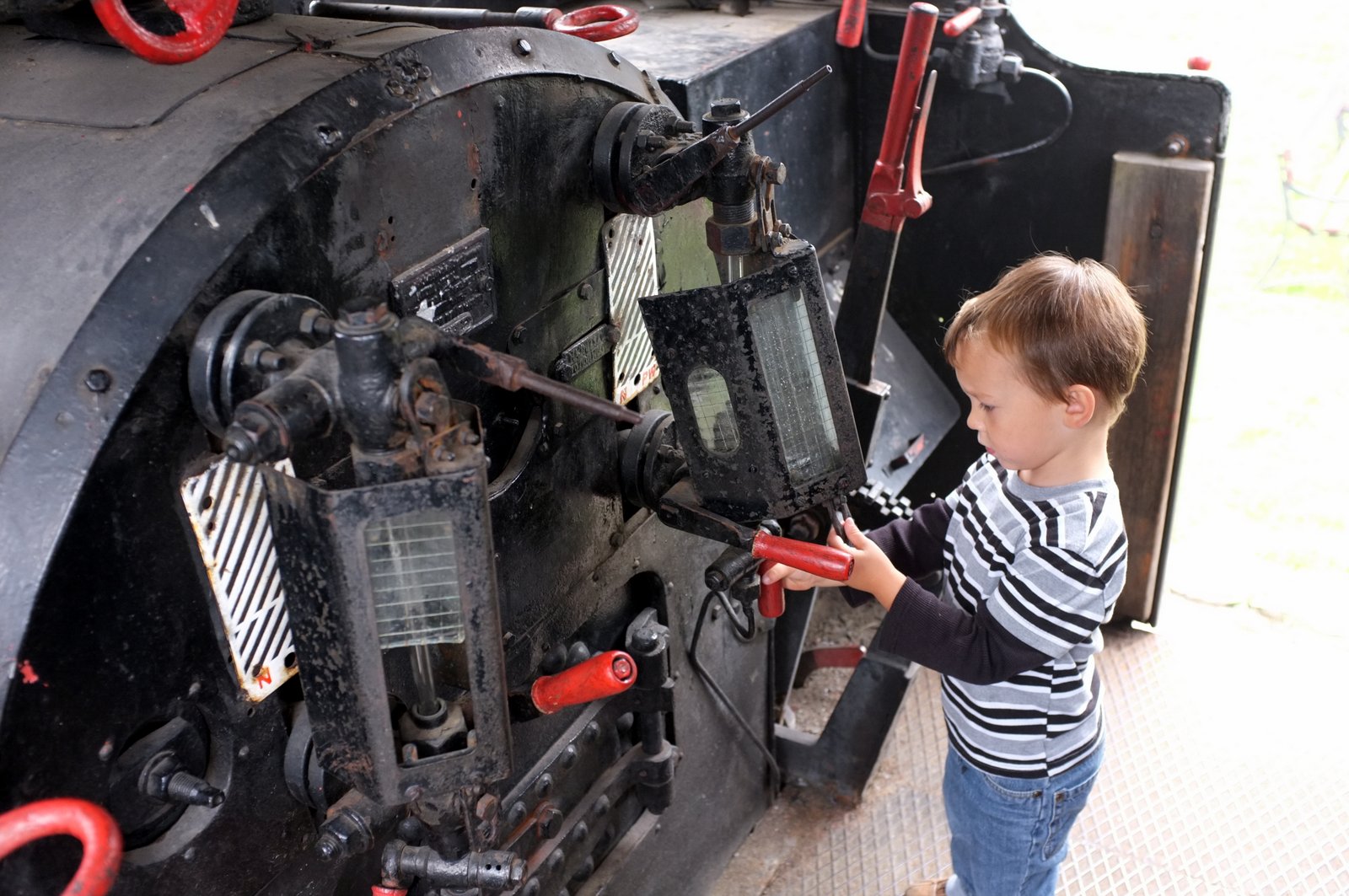
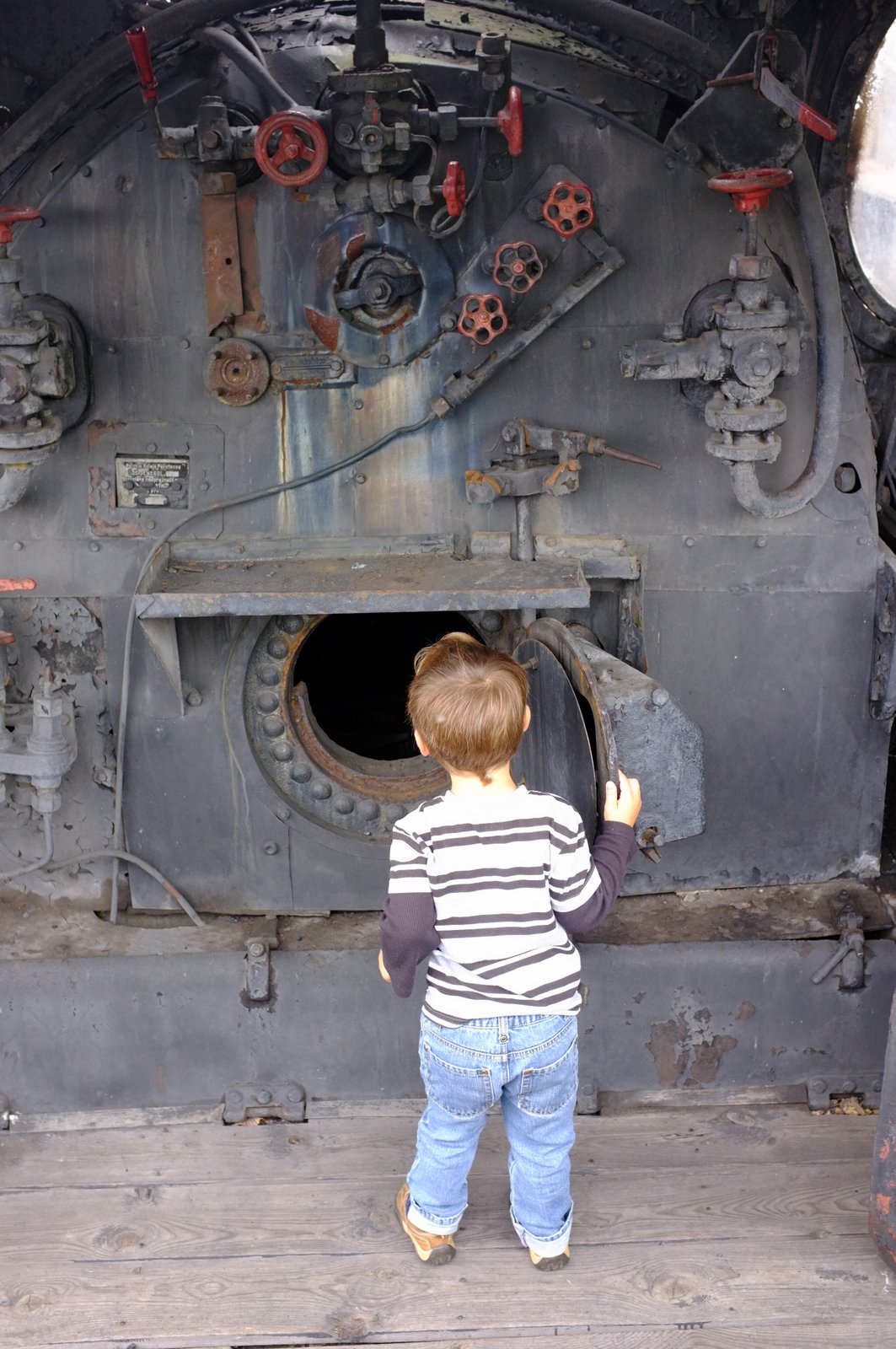
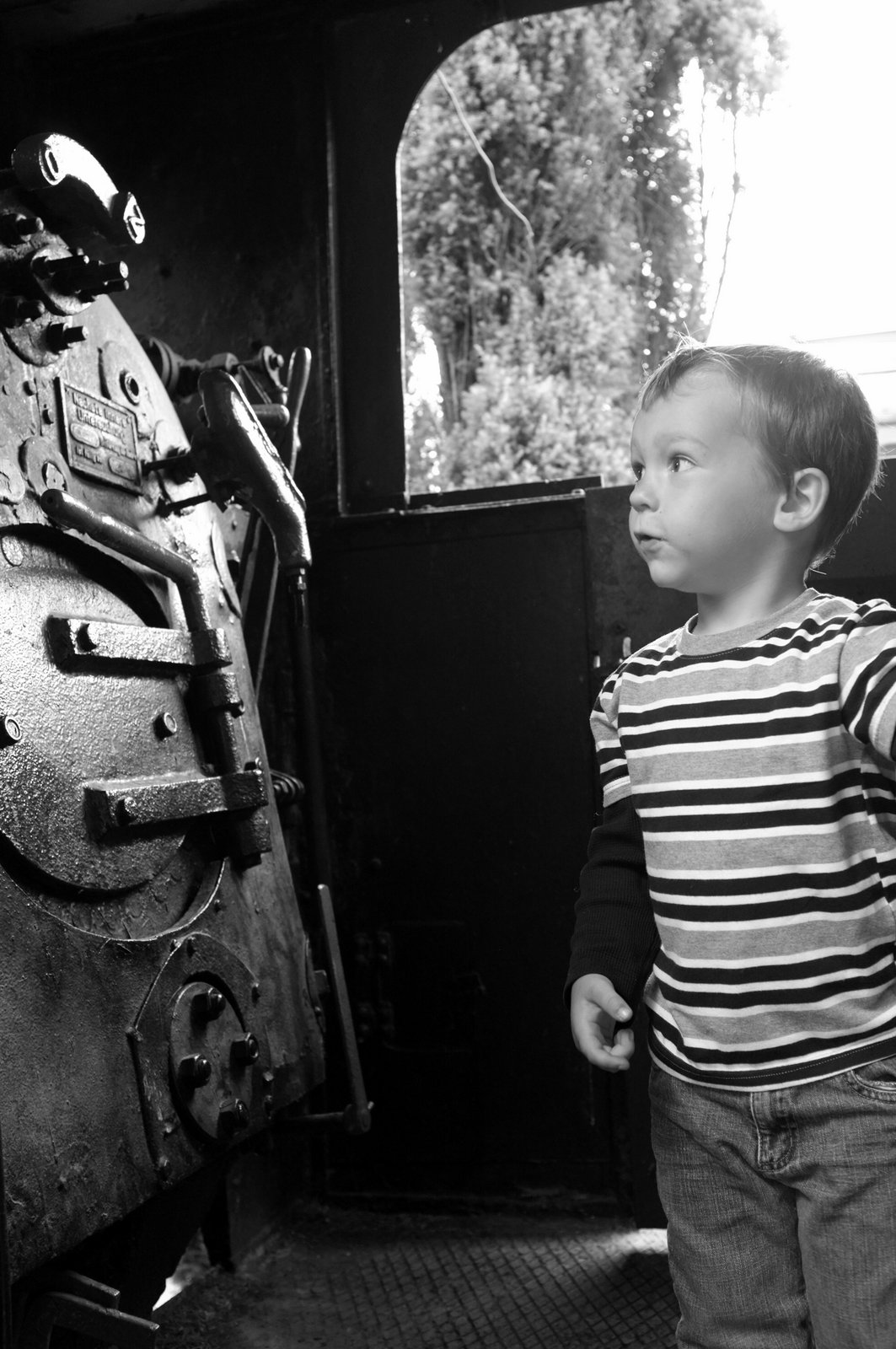
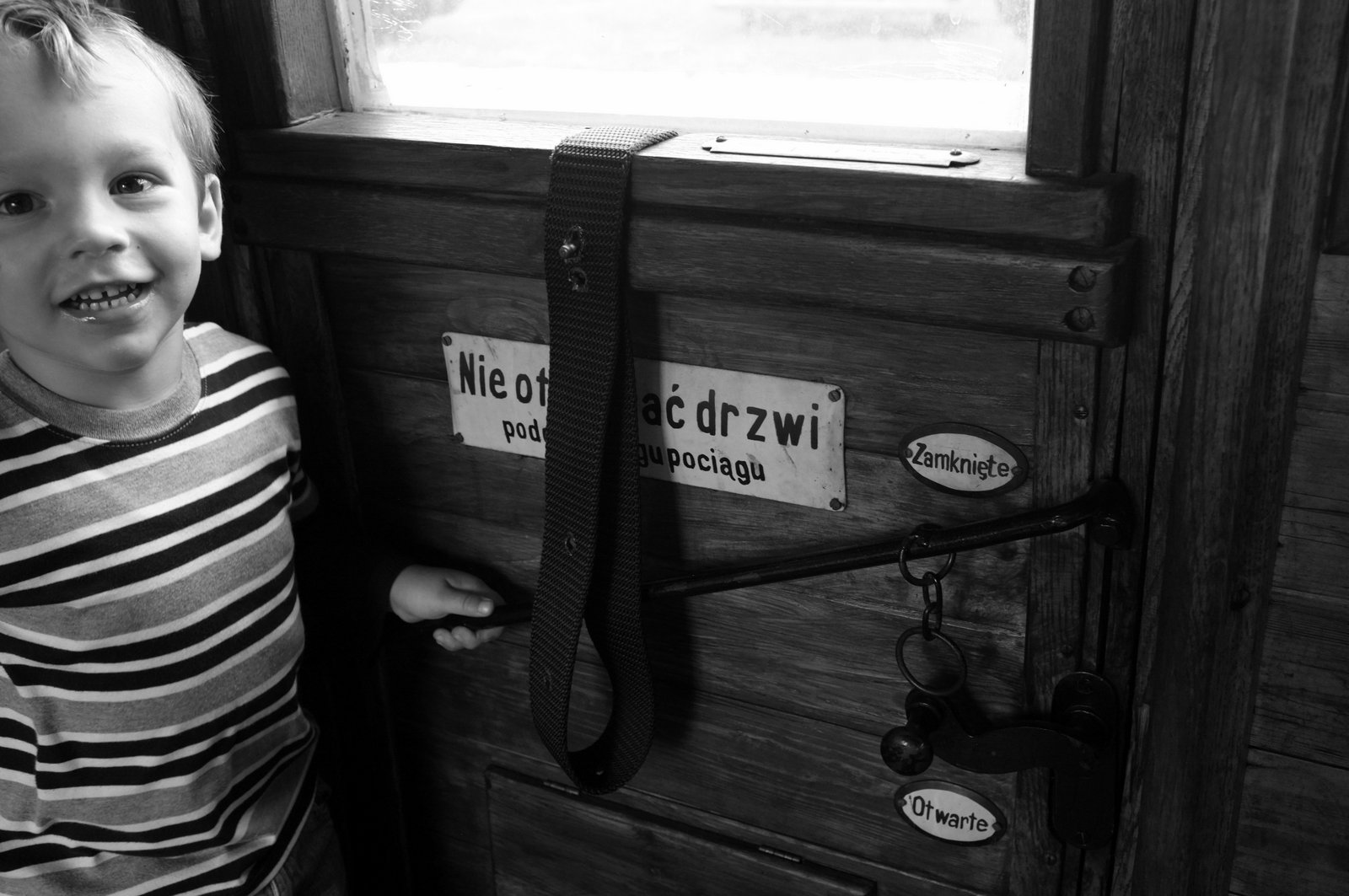
Afternoon, Lipnica Wielka, my home for seven years, and always a highlight of any visit to Poland.
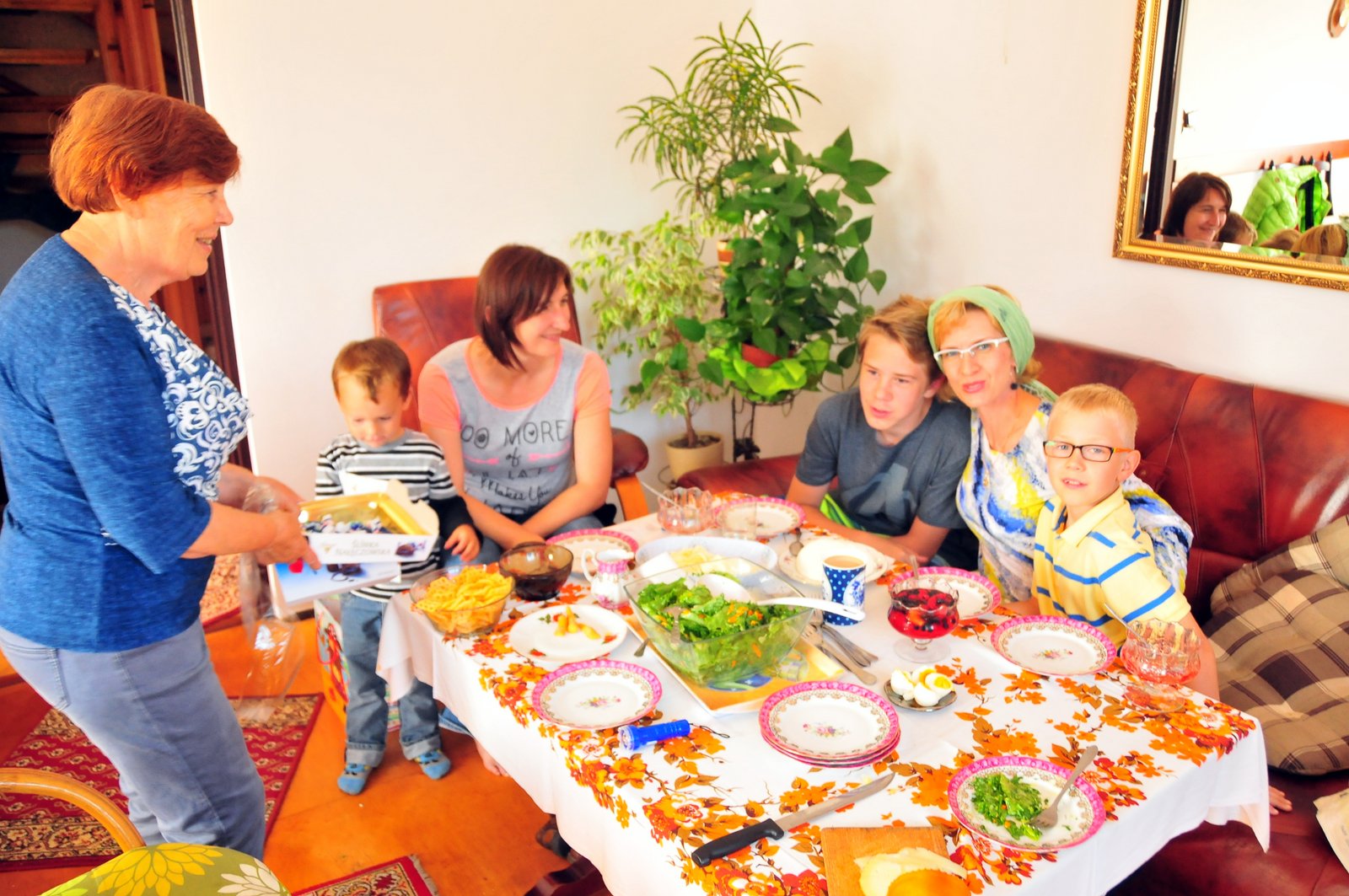
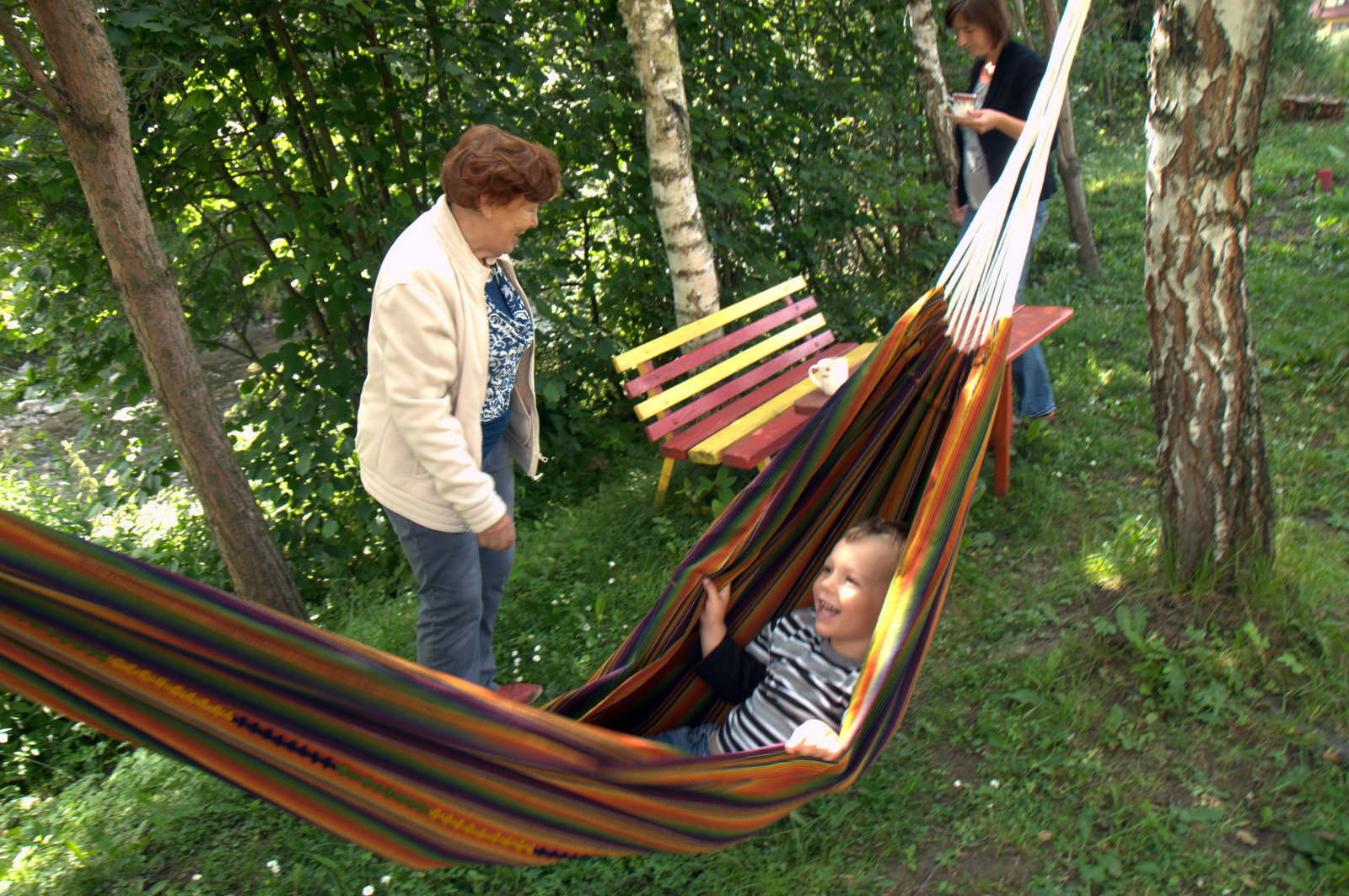
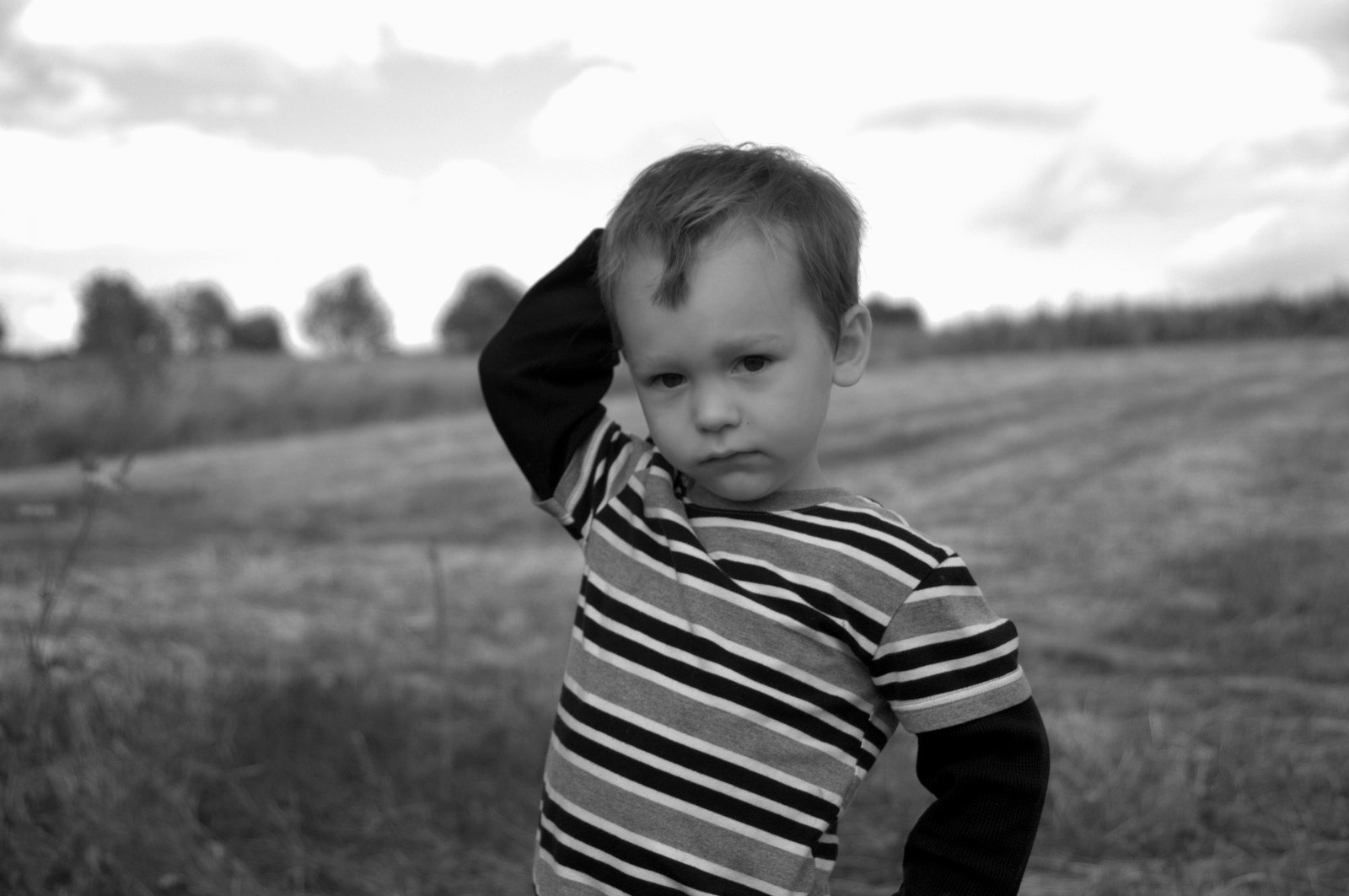
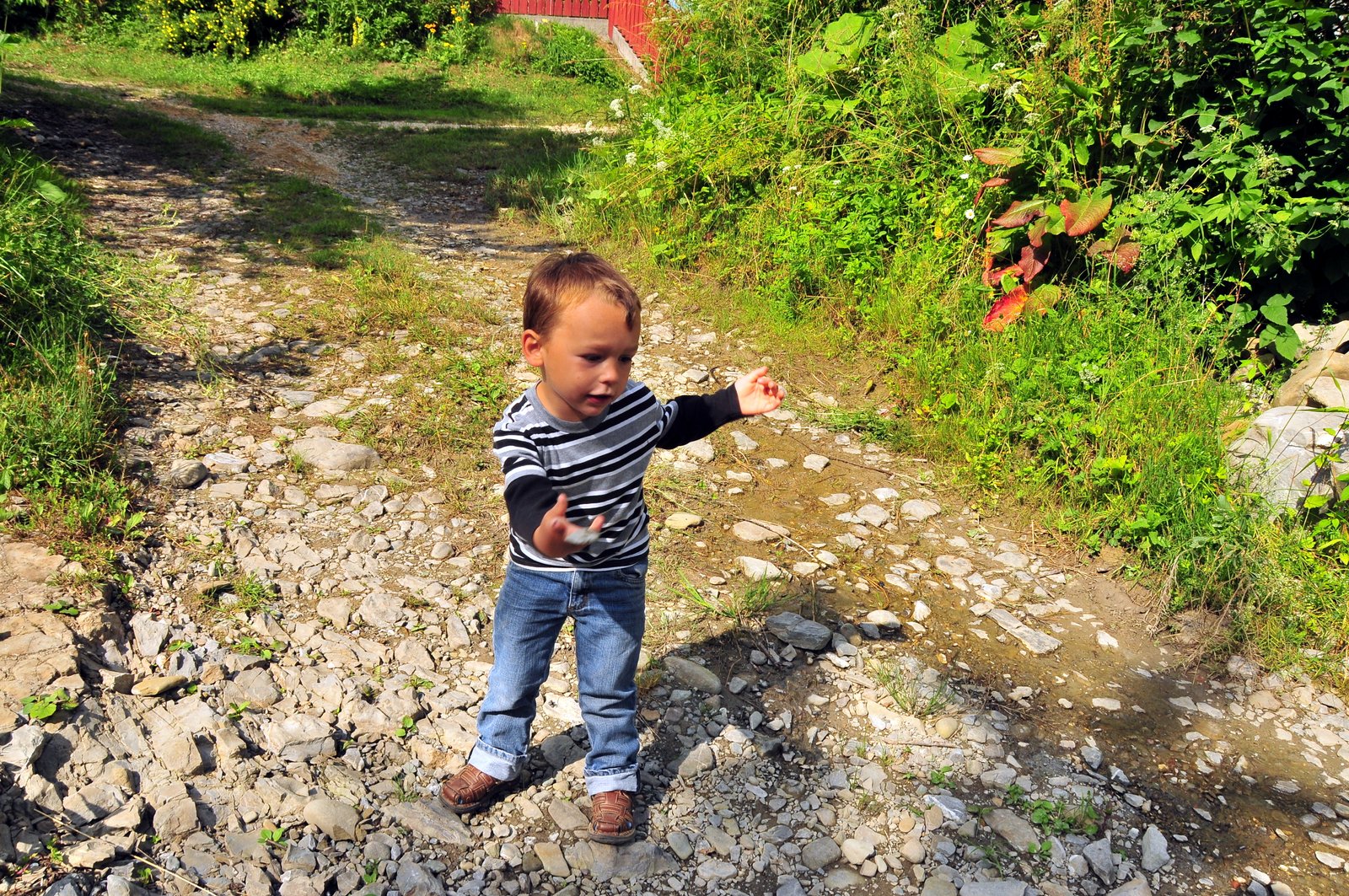
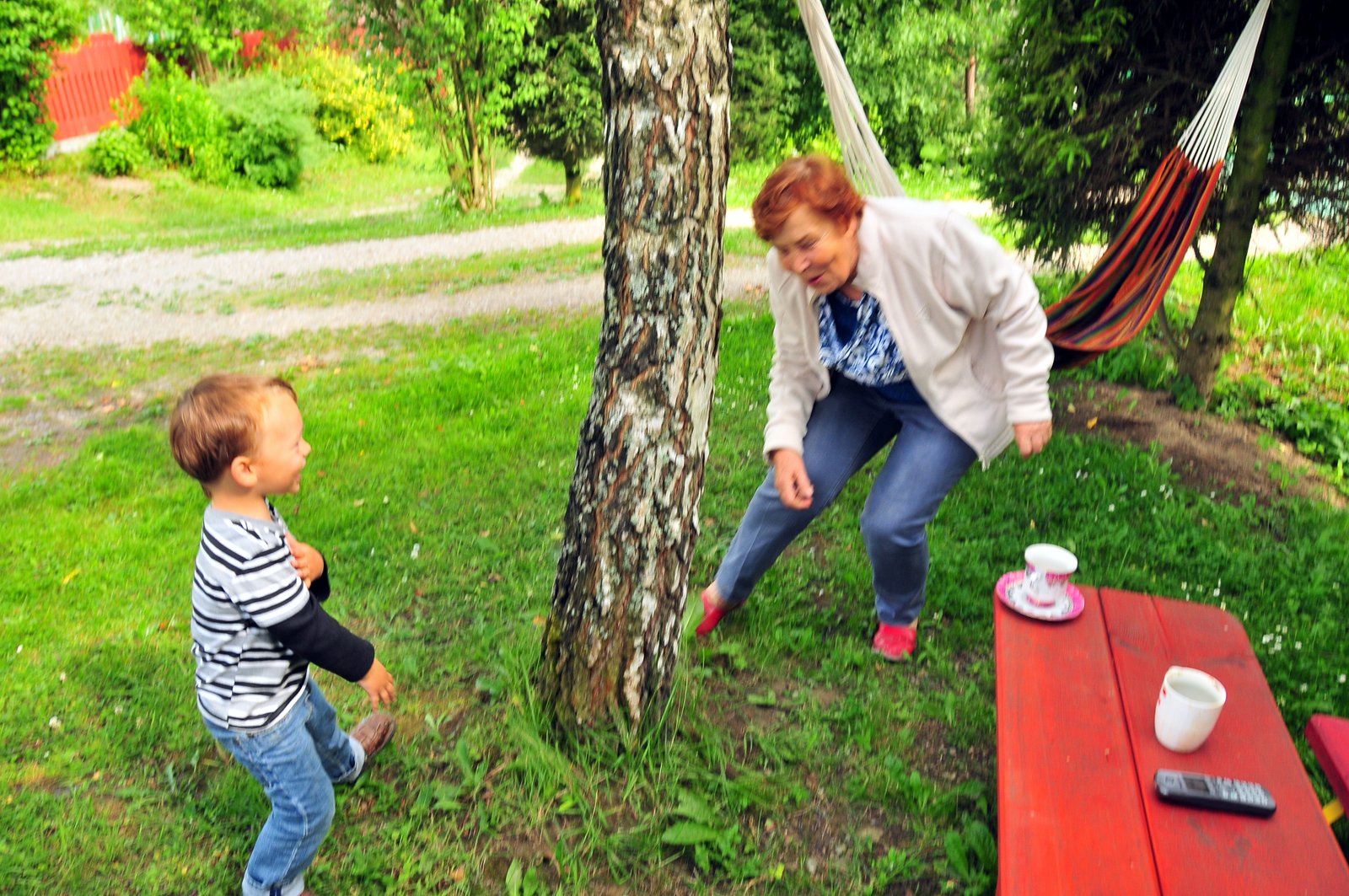
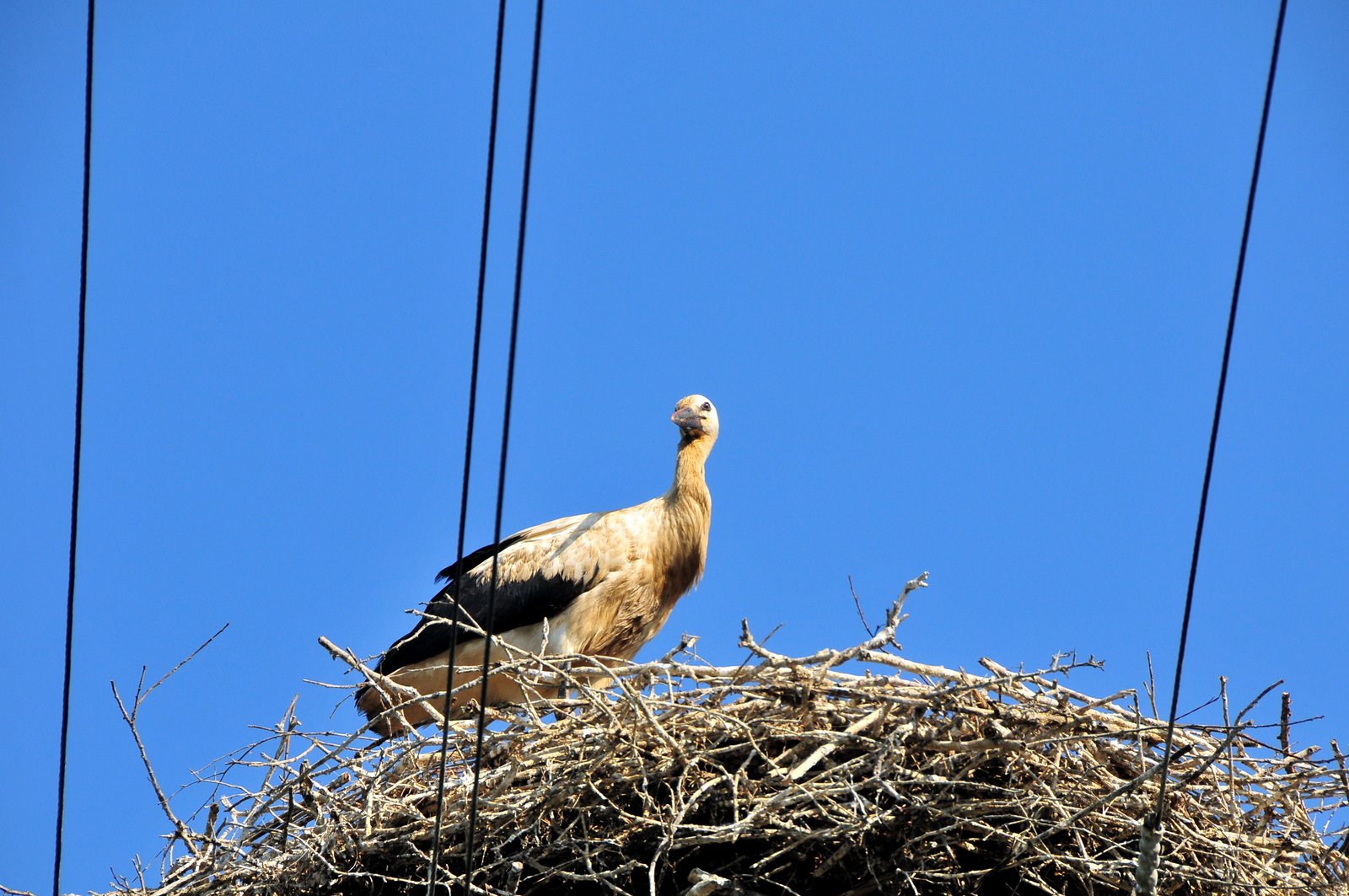
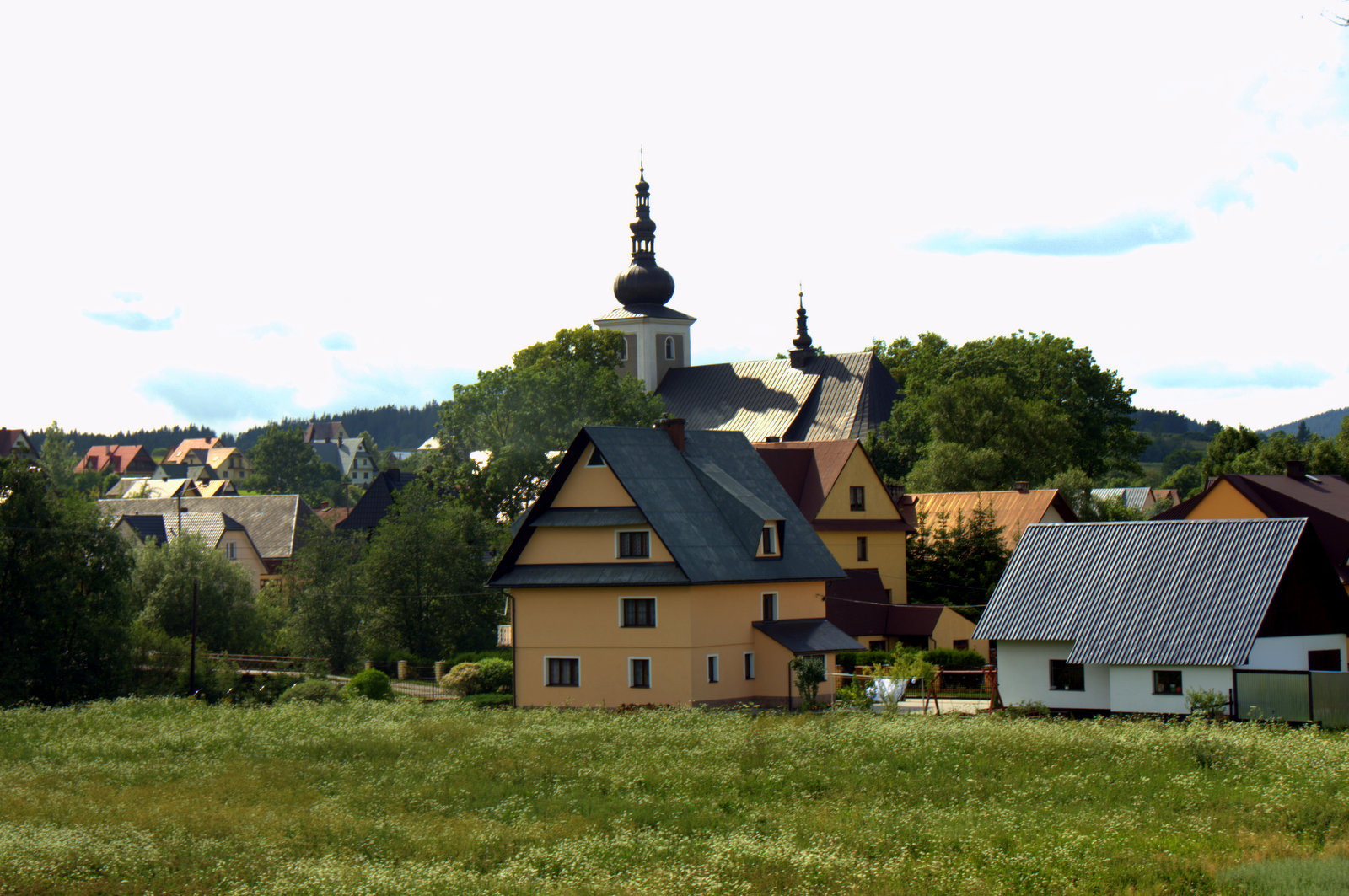
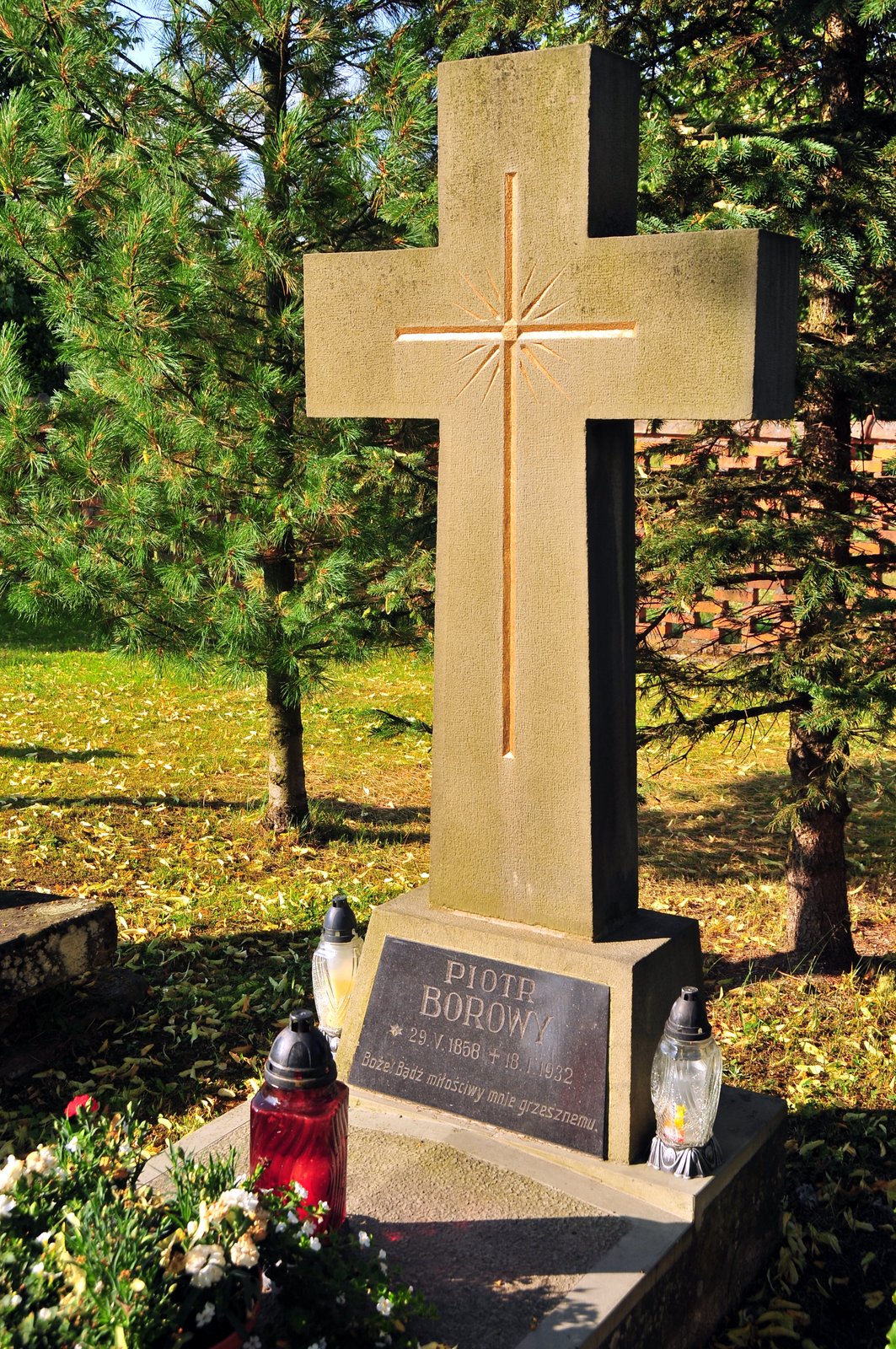
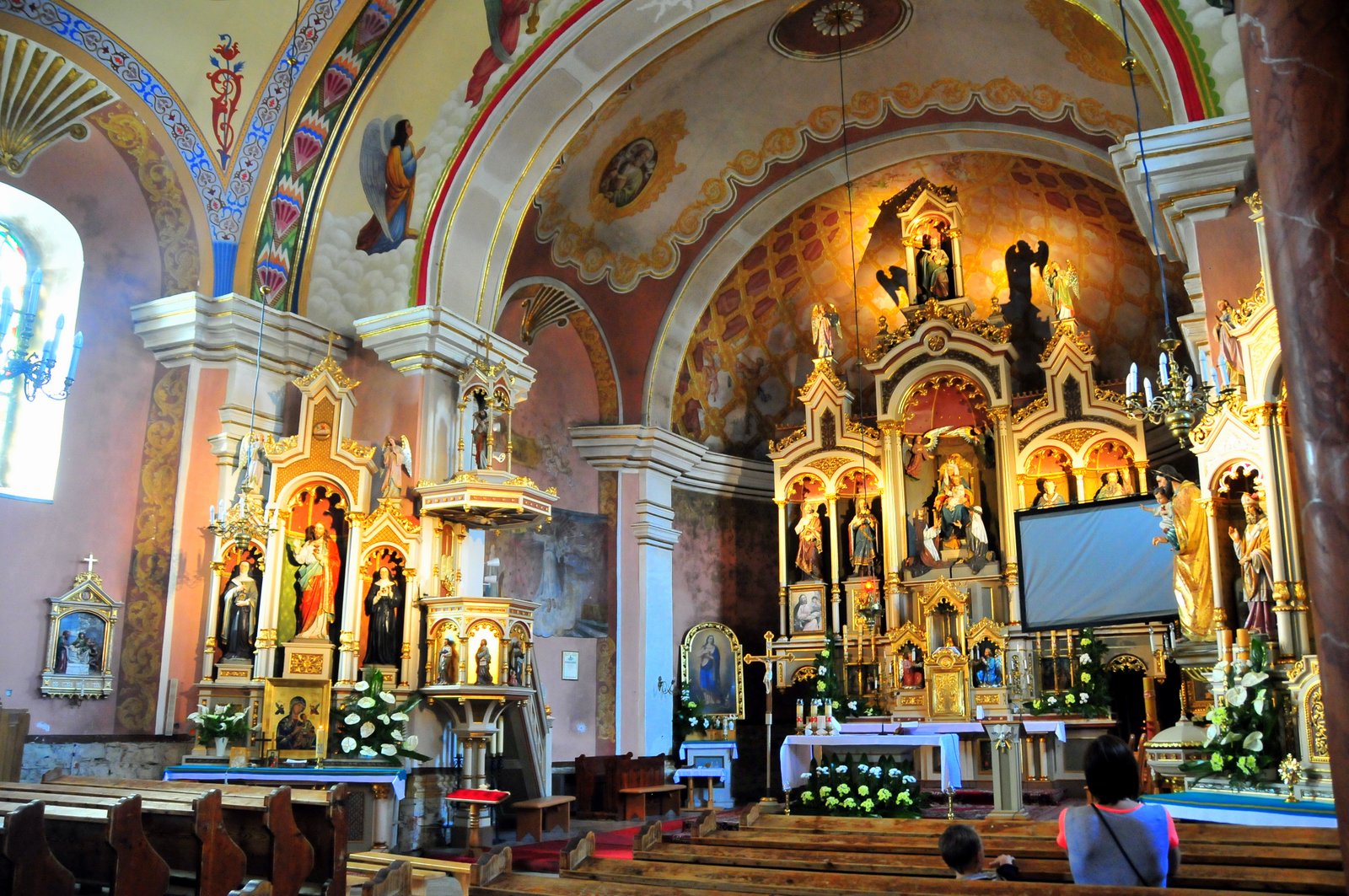
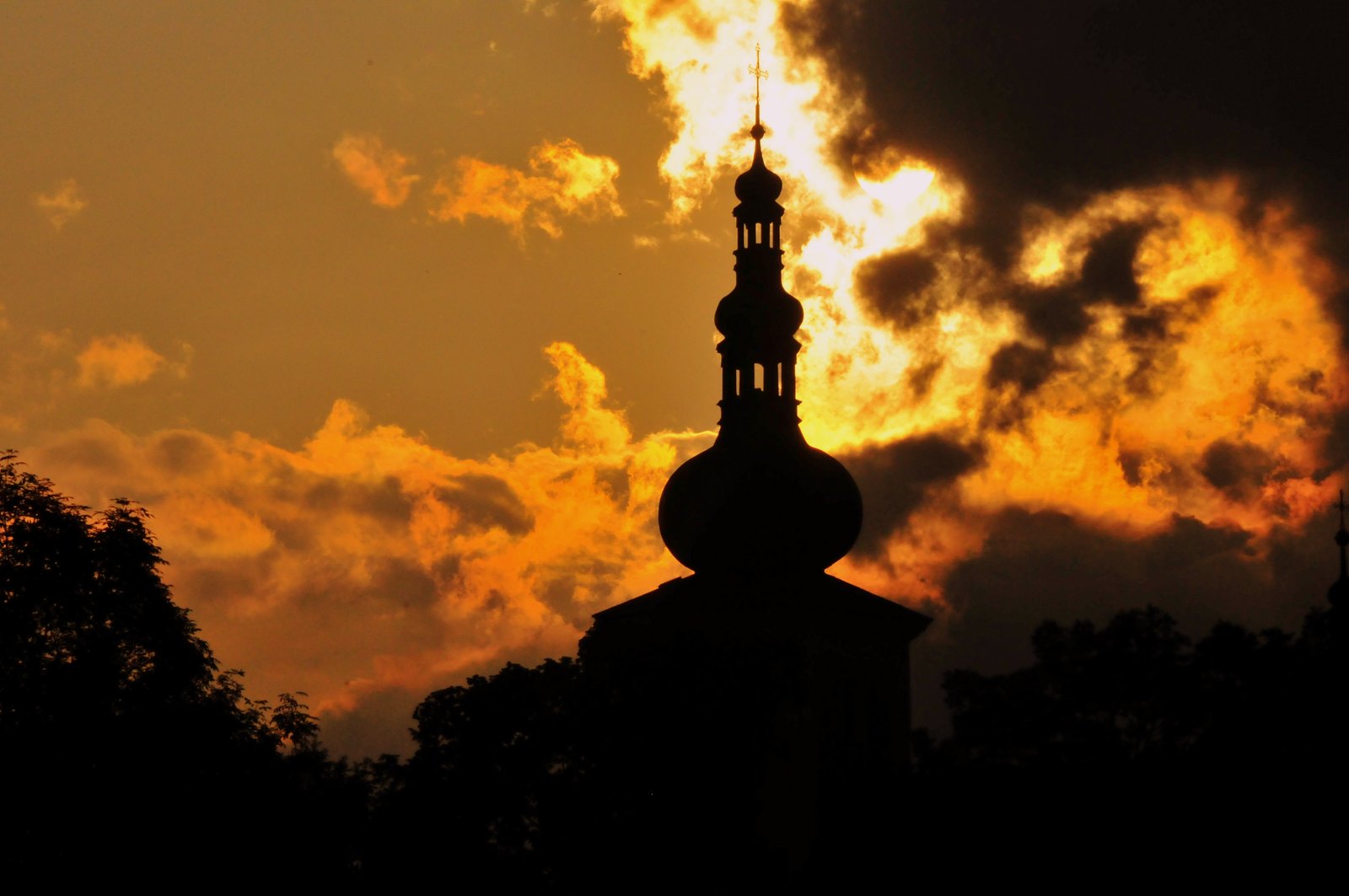
Morning: a trip to Slovakia to do some shopping. Babcia explained that the flour there is much better quality and that the crocheting thread is much cheaper, so we headed to Trstena, the first real town across the border.
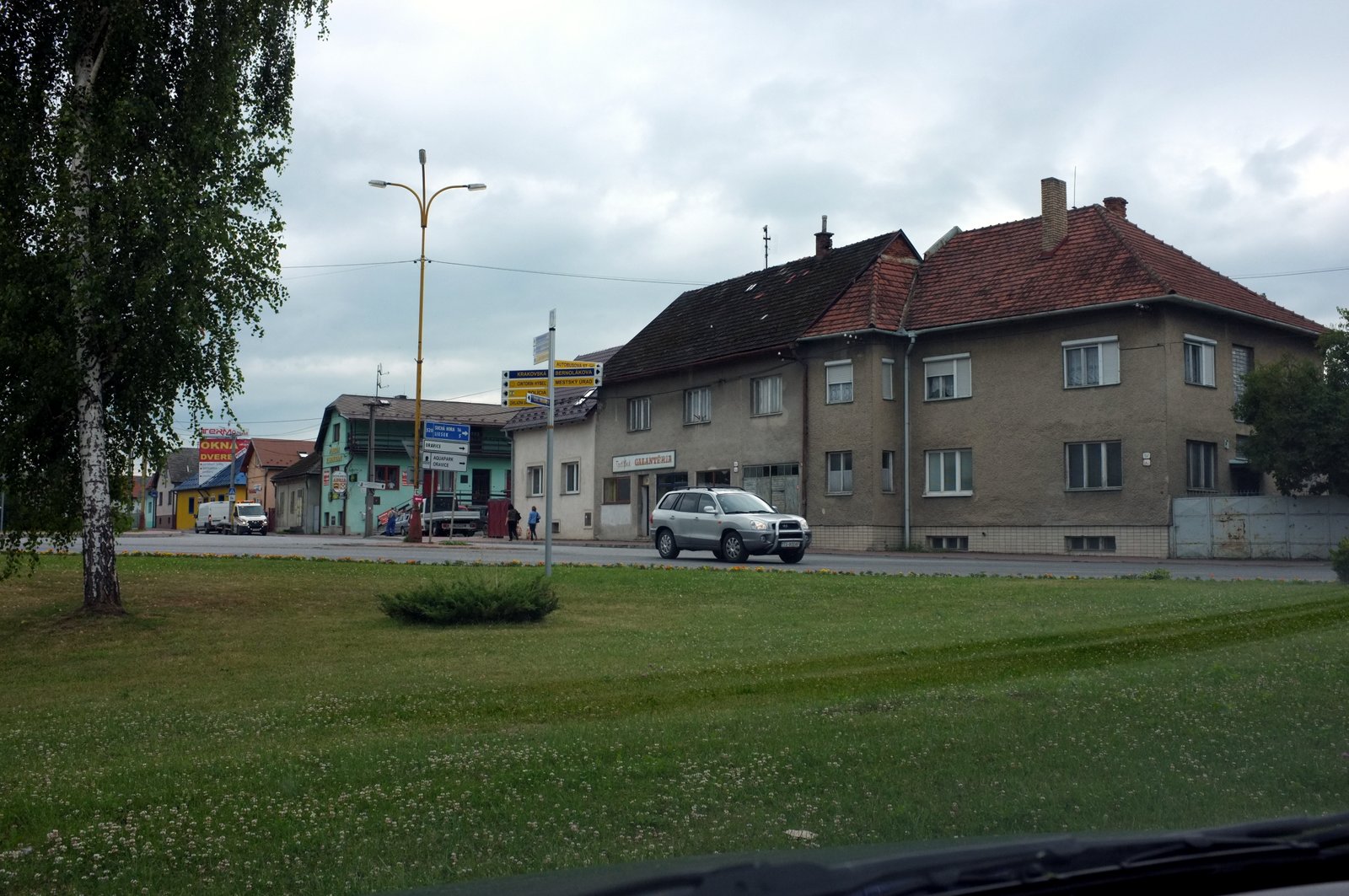
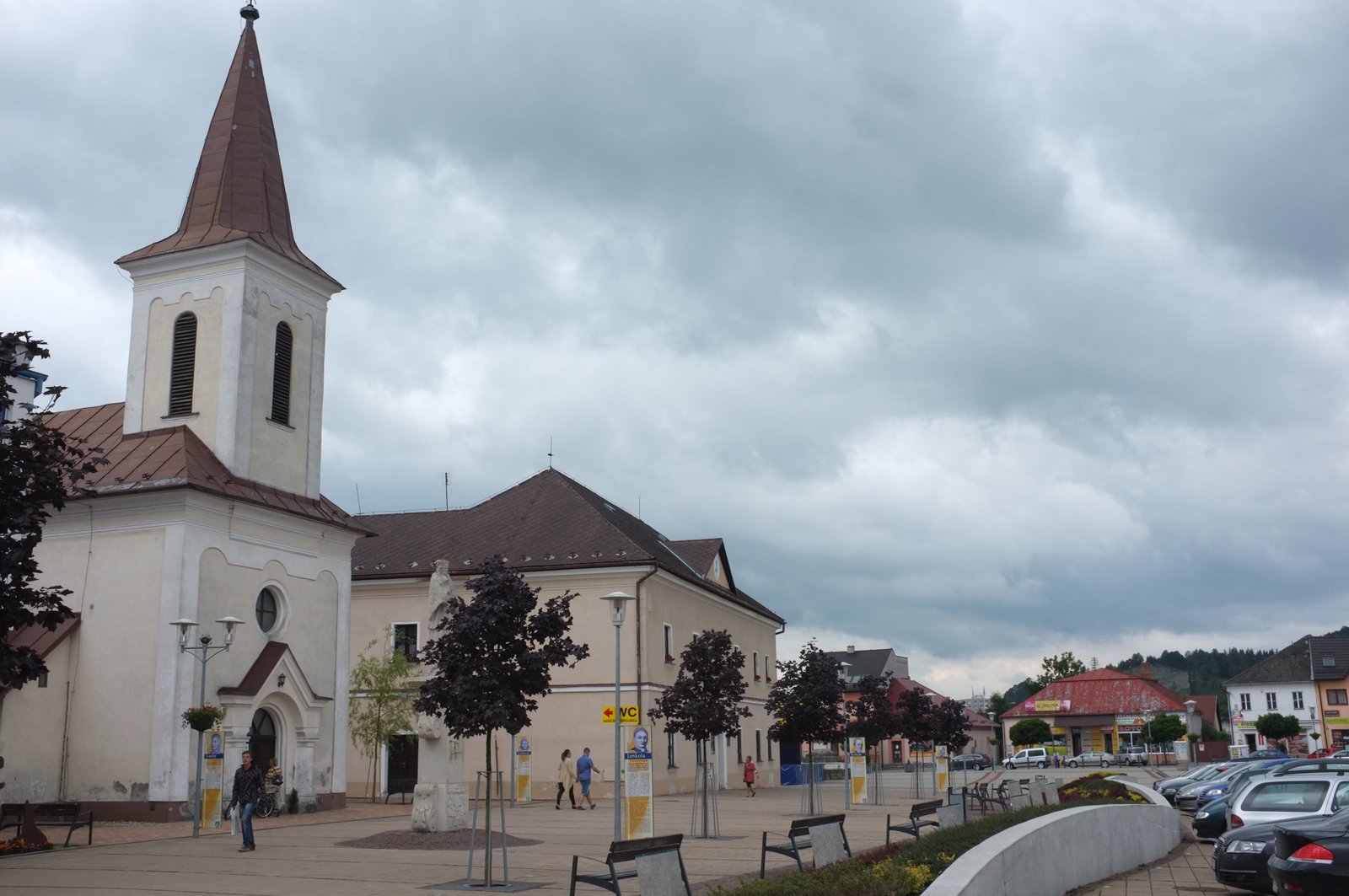
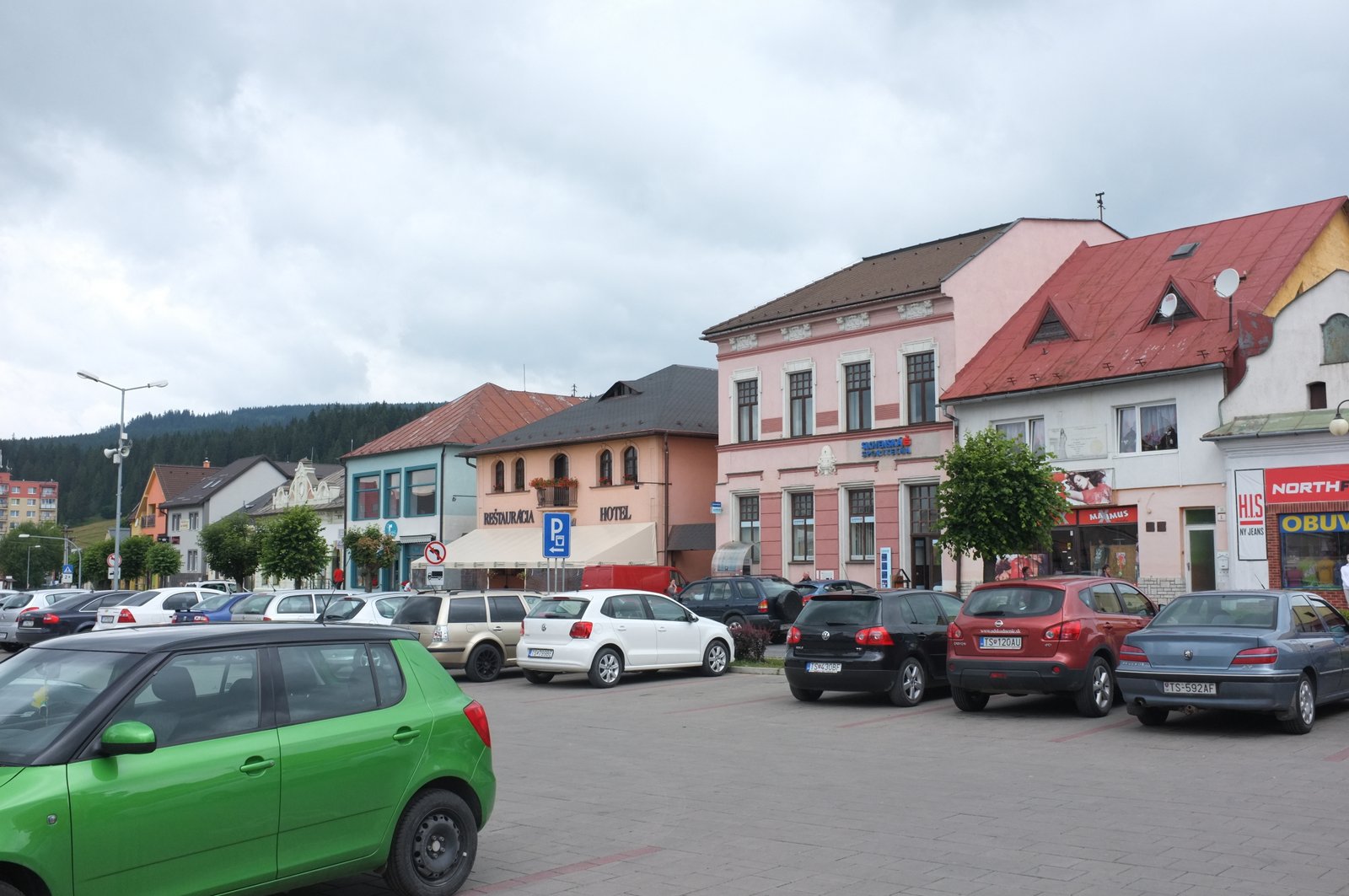
Despite all the changes in Lipnica and Jabłonka, Trstena really hasn’t changed all that much. The town square still looks more or less like it did the first time I went in 1996. Sure, there have been a few updates in architecture, but mainly face-lifts to get ride of the old socialist realism of the previous era.
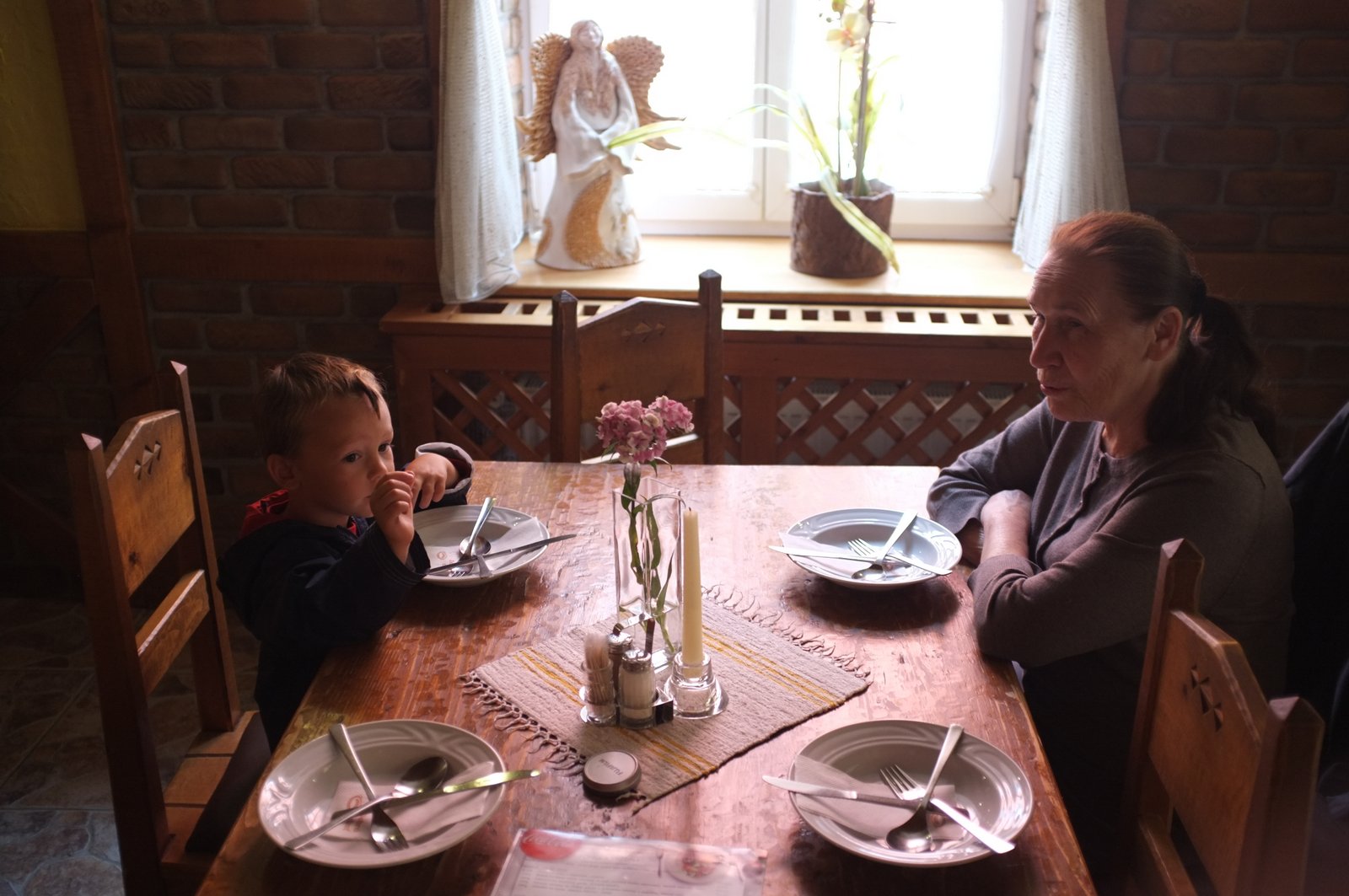
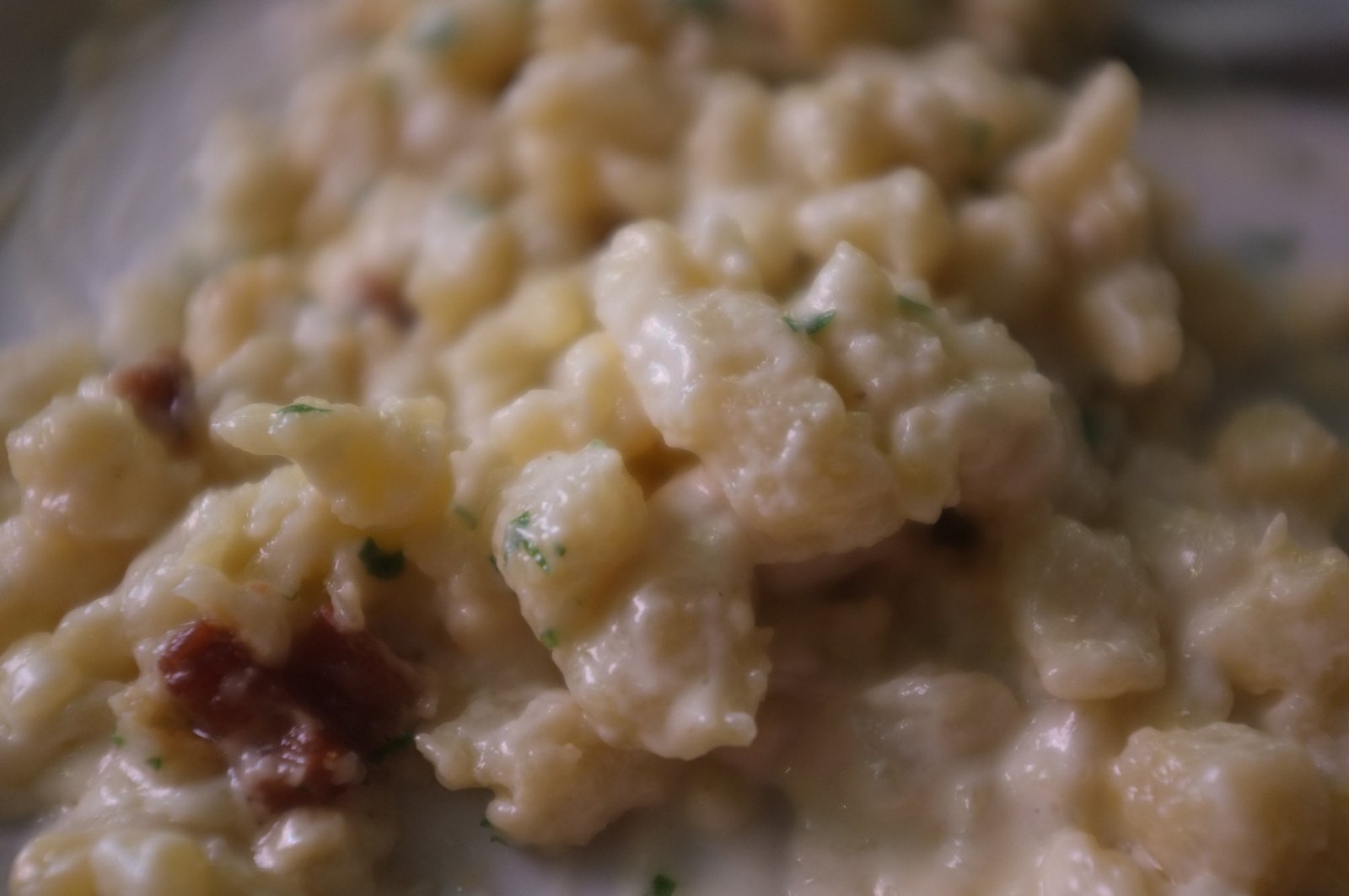
We made our purchases and then found a cozy restaurant for a bit of lunch. And of course since we were in Slovakia, there was only one thing on my mind for lunch: bryndzové halusky. I could eat the stuff by the kilo if it weren’t for the fact that it’s a complete fat and carb bomb.
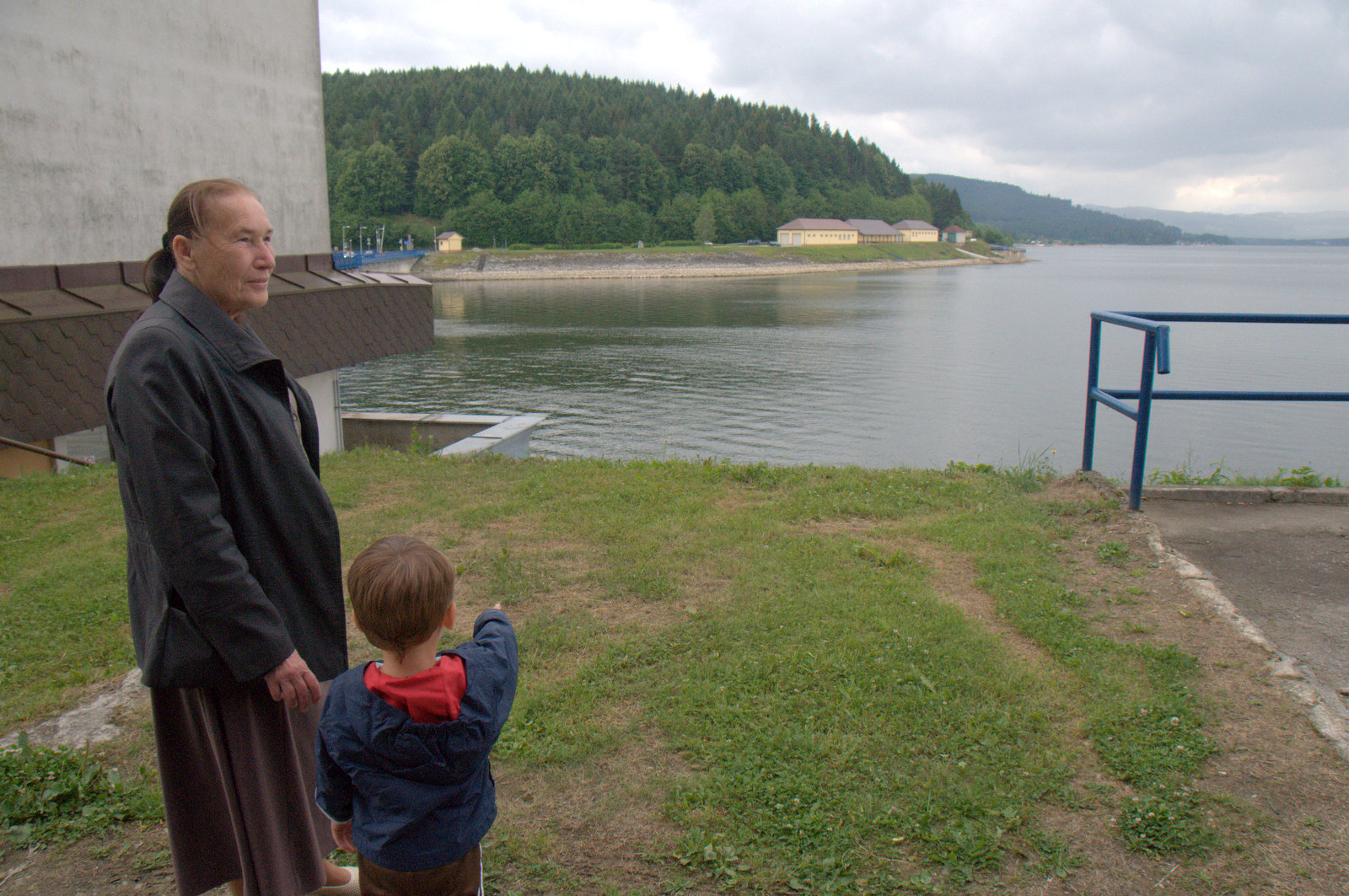
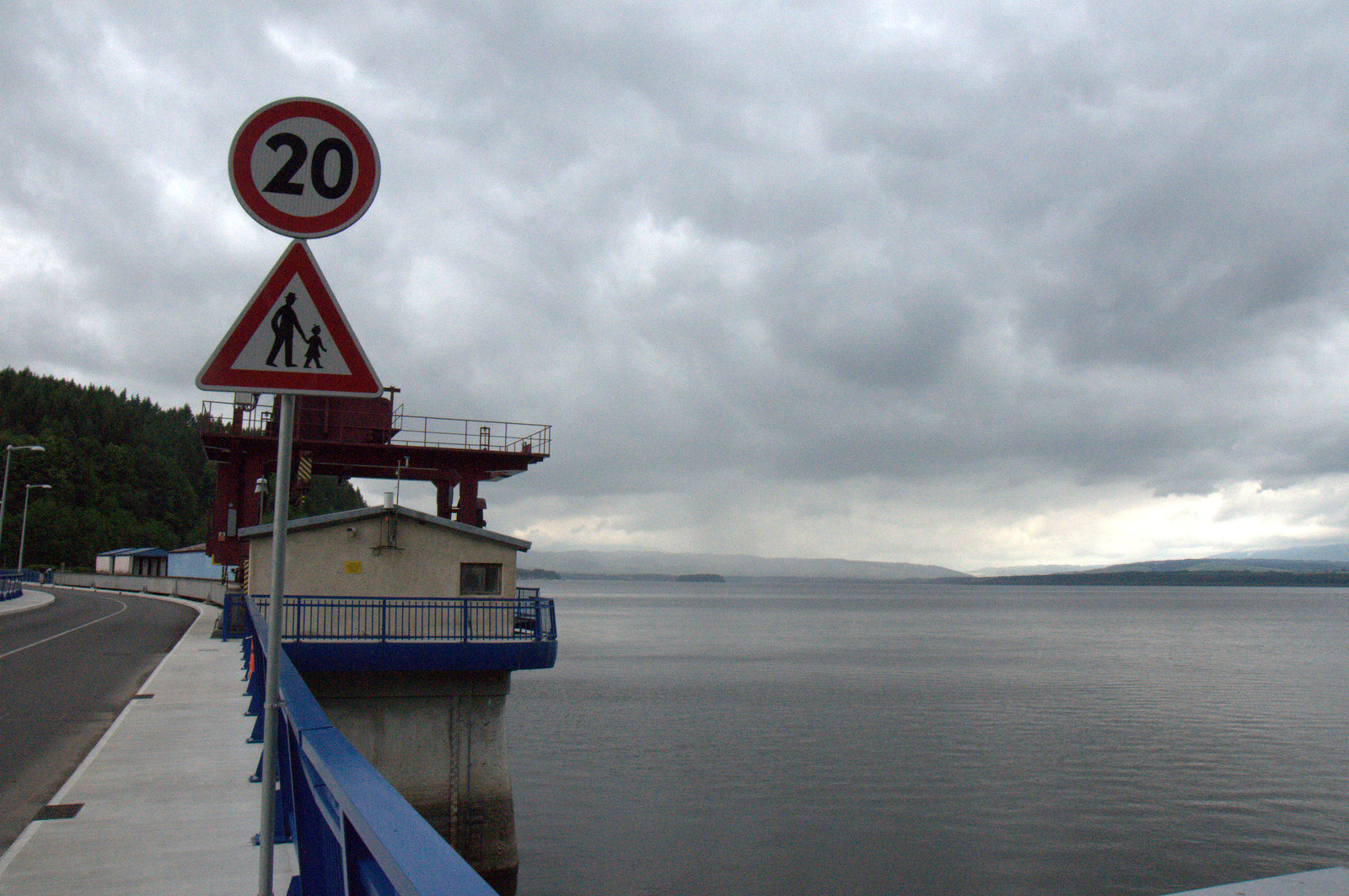
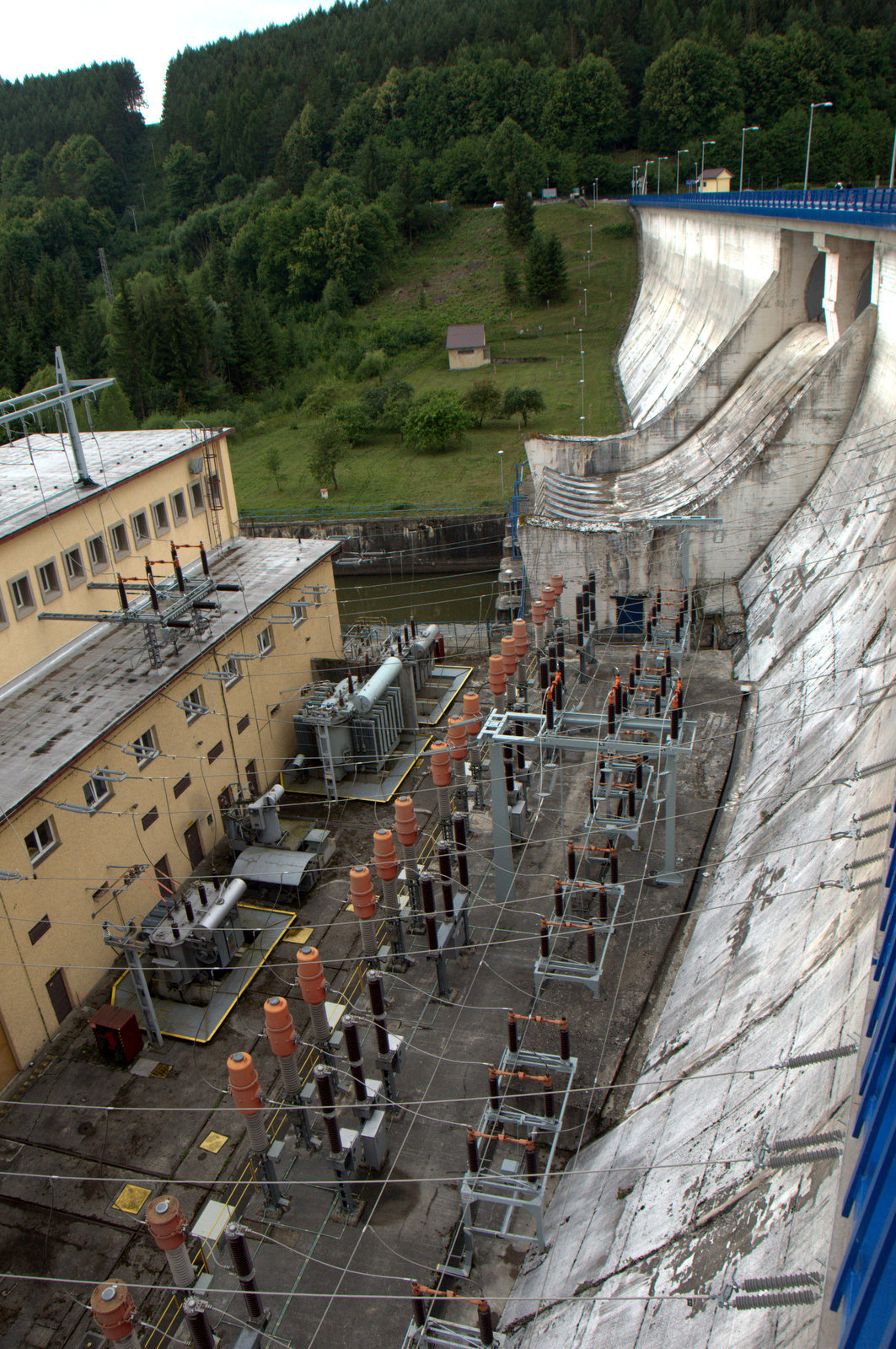
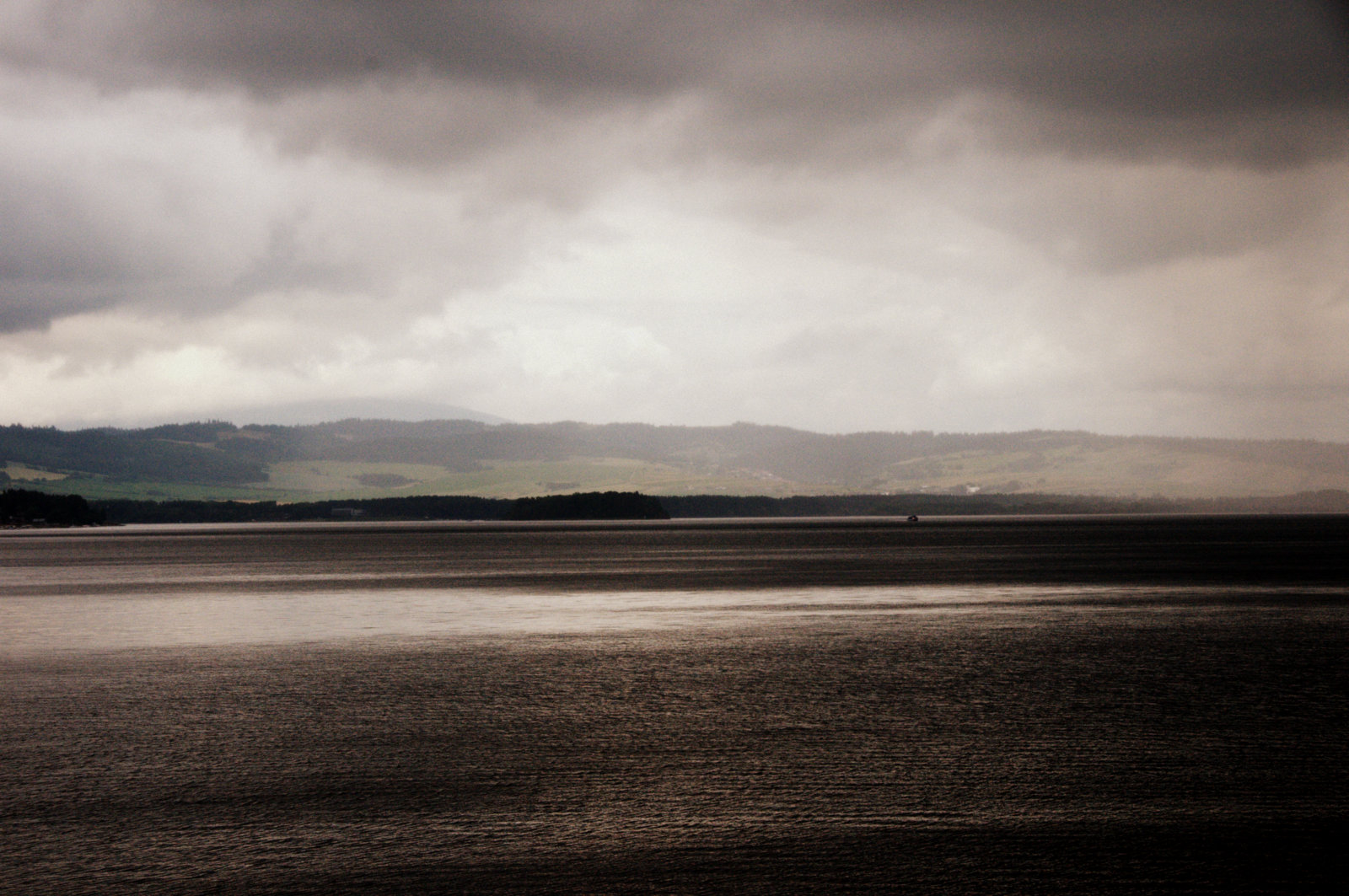
Since Babcia wanted to stop and get some trash bags — the local trash collecting agency will only pick up trash and recyclables that are in the proper bag, in typical bureaucratic fashion — and since the bags are available only in one location, we decided to drive around Lake Orawa and come at Lipnica, where the trusty bags are located, from the backside. This meant we went over the dam that formed the lake some decades ago and prompted the creation of the town of Namestovo for the displaced residents of the valley. Of course, the boy loved it.
Part two: Nowy Targ. K had some shopping to do and wanted to get her hair done, and since two people recommended the same hairdresser in NT, there was only one place to go. I on the other hand had other things on my mind: no trip to Poland is complete without a visit to C, the Other American in the area with whom I spent countless weekend hours in the late 90s.
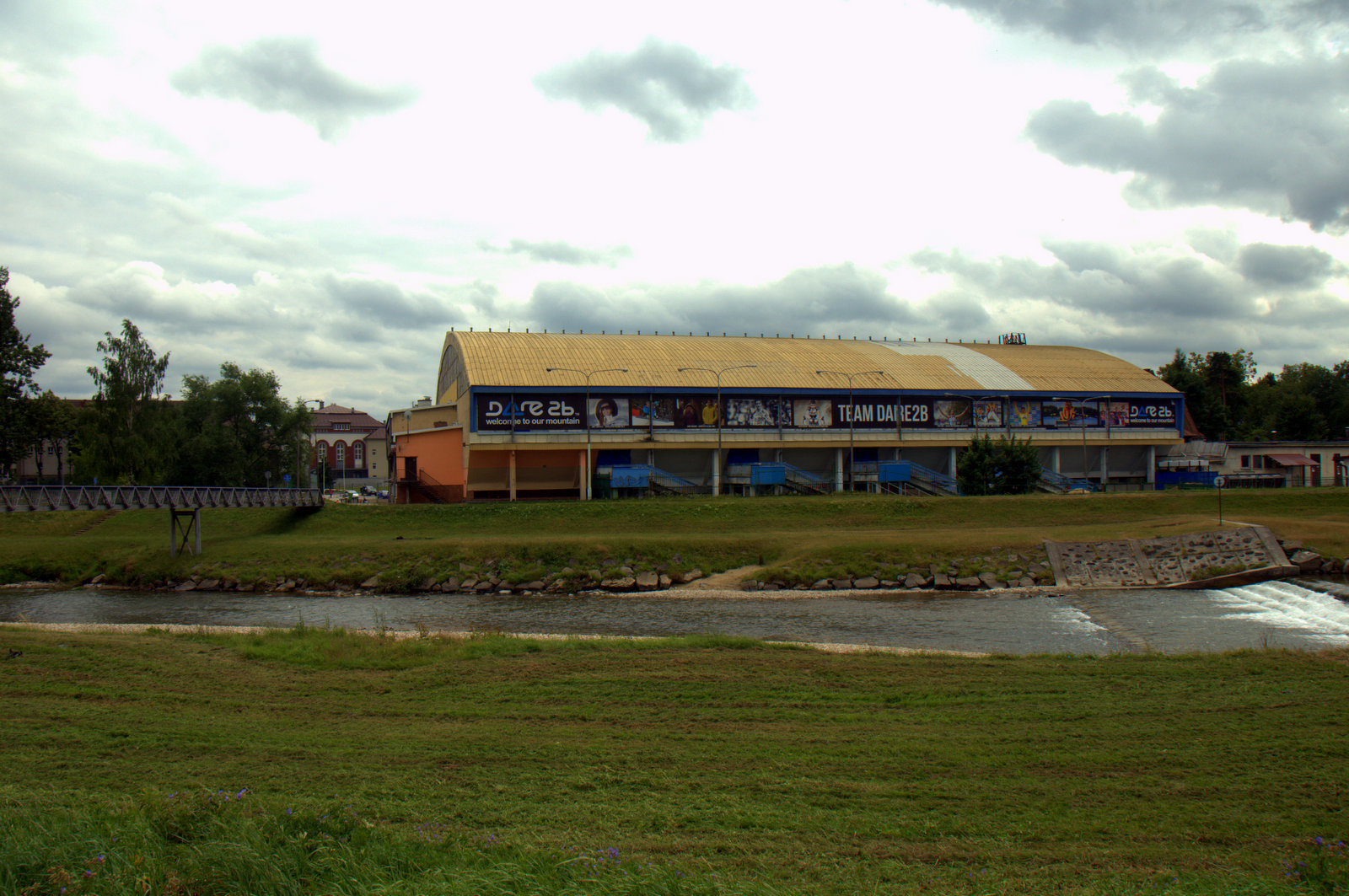
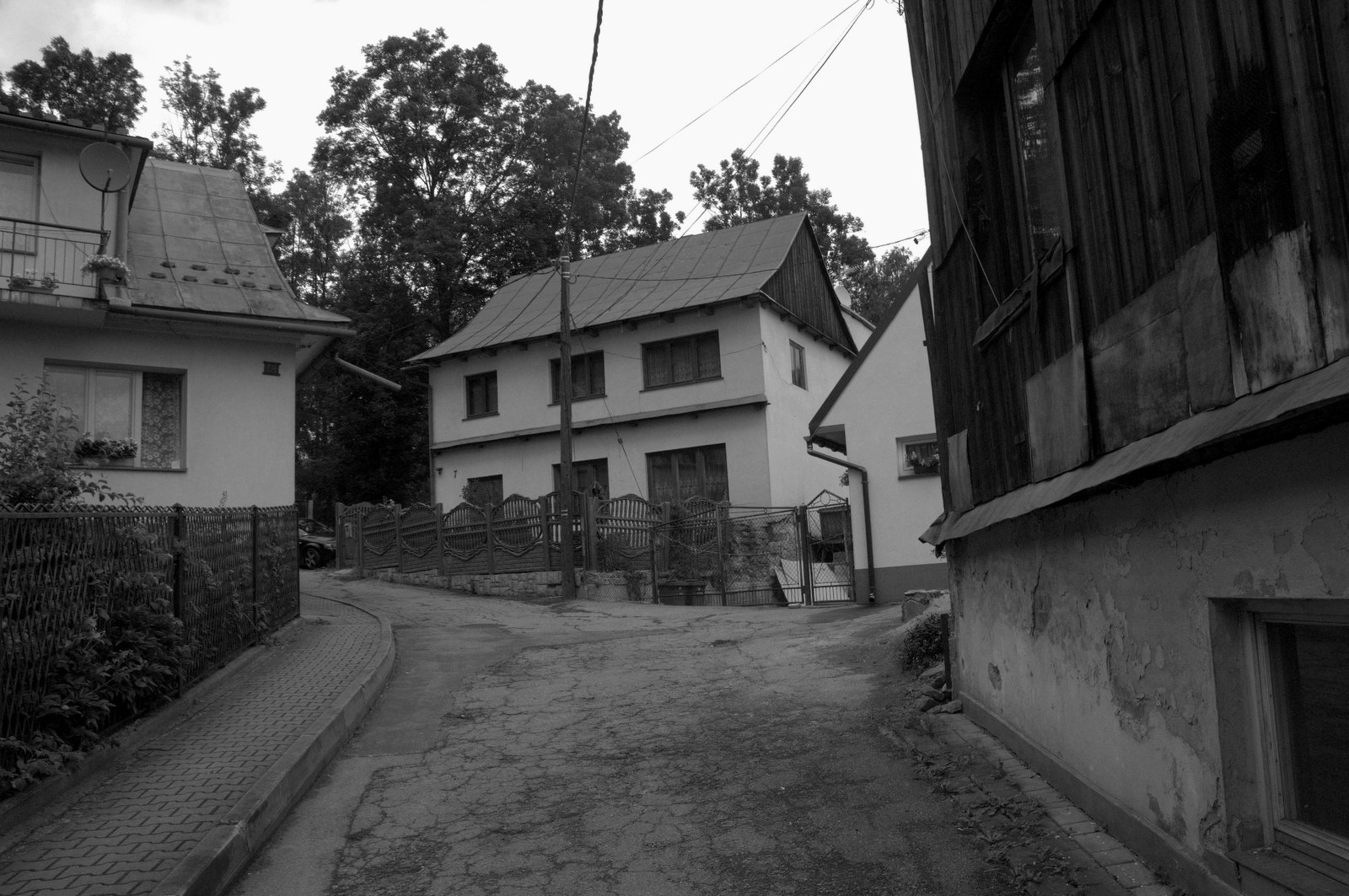
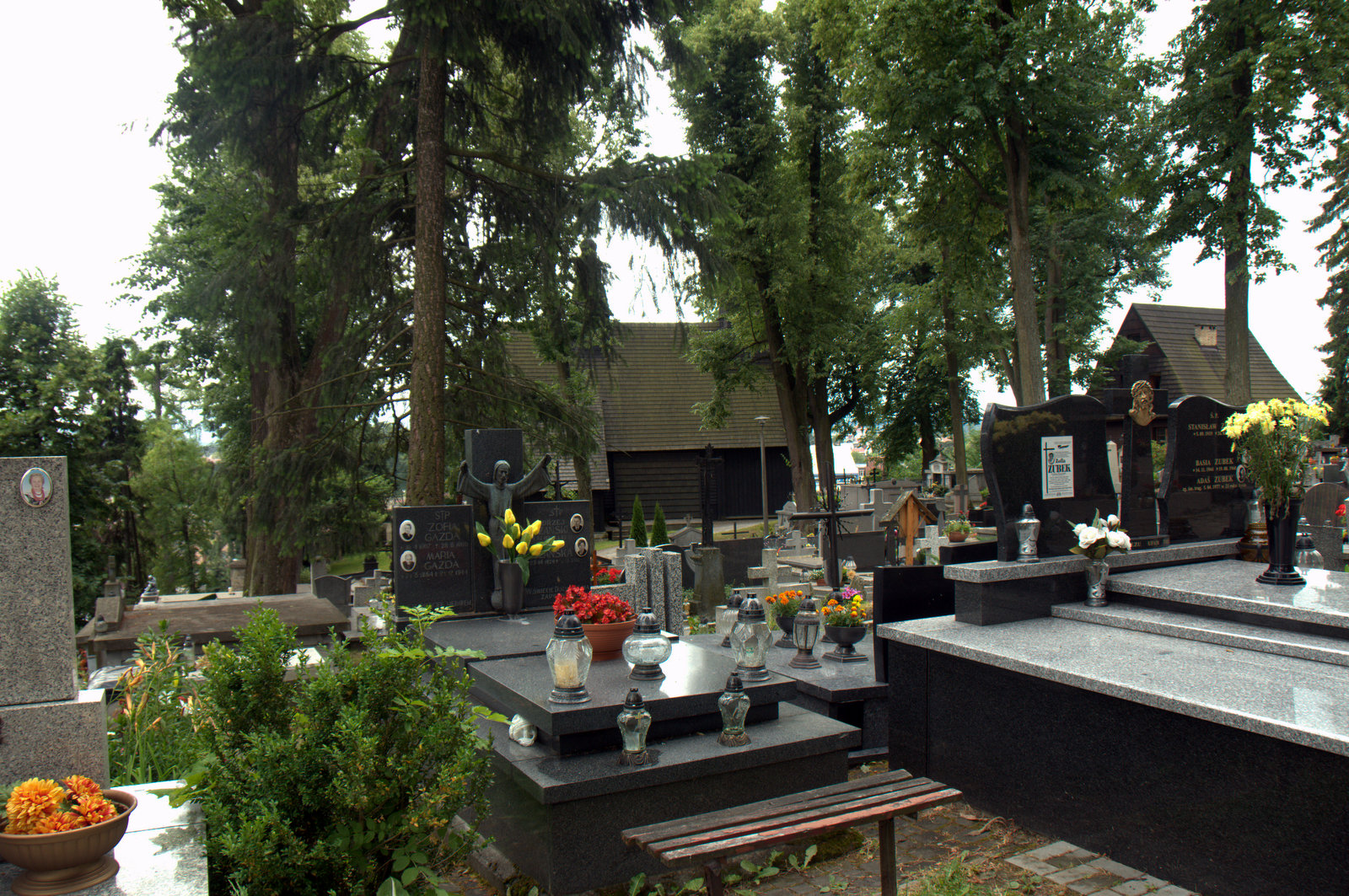
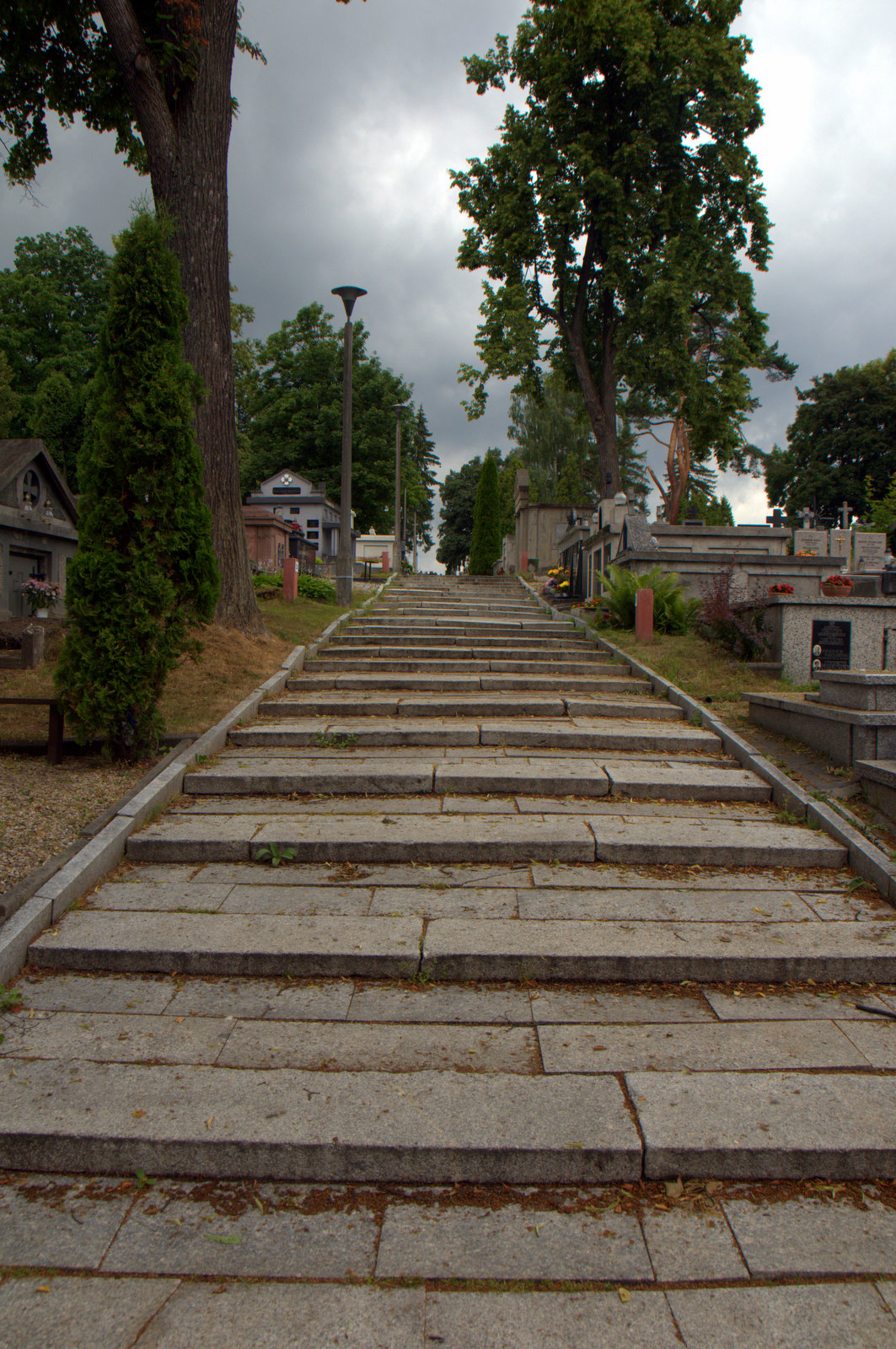
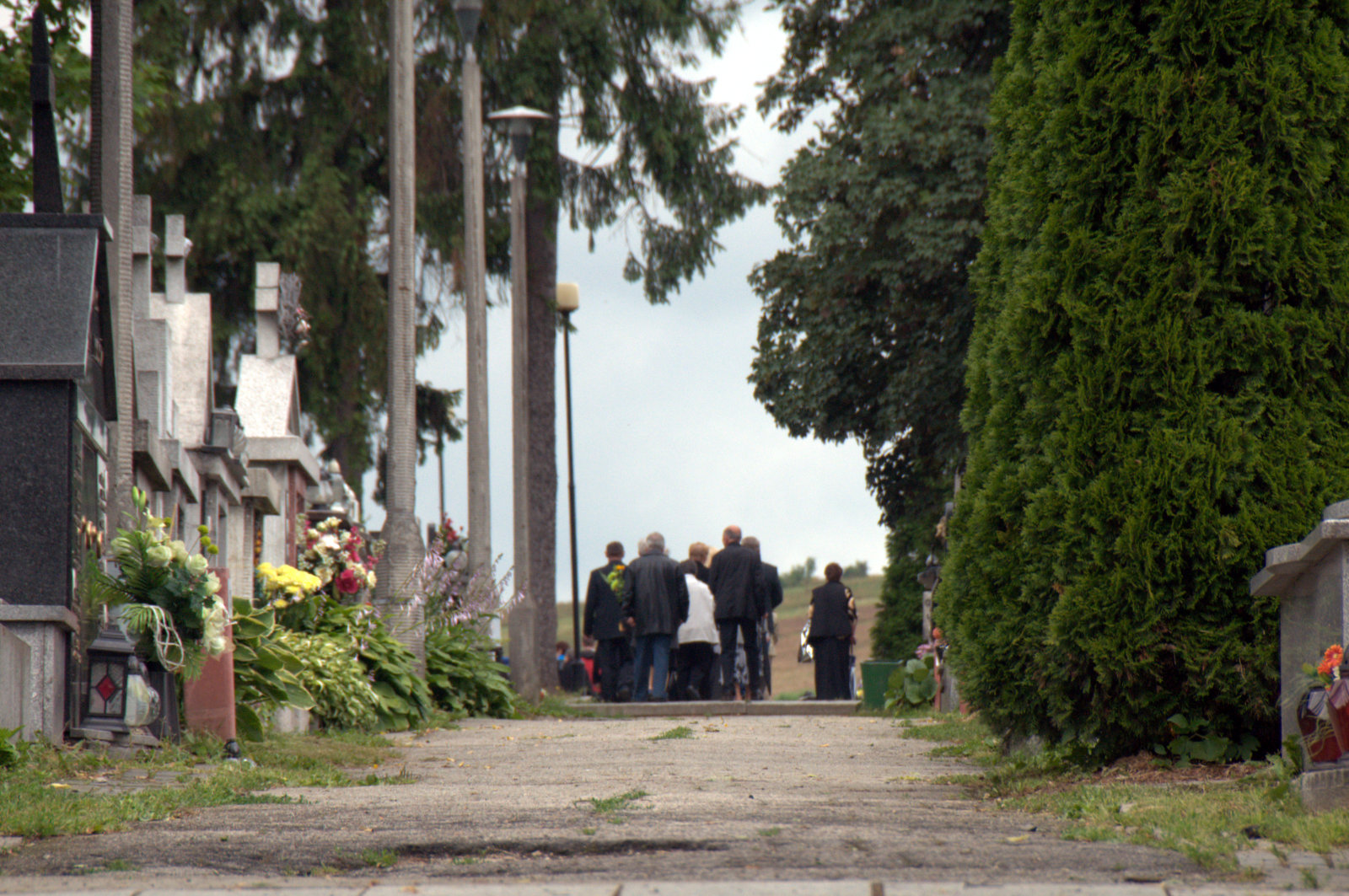
A quick walk over the river and through the cemetery and soon, C and I were catching up, reminiscing.
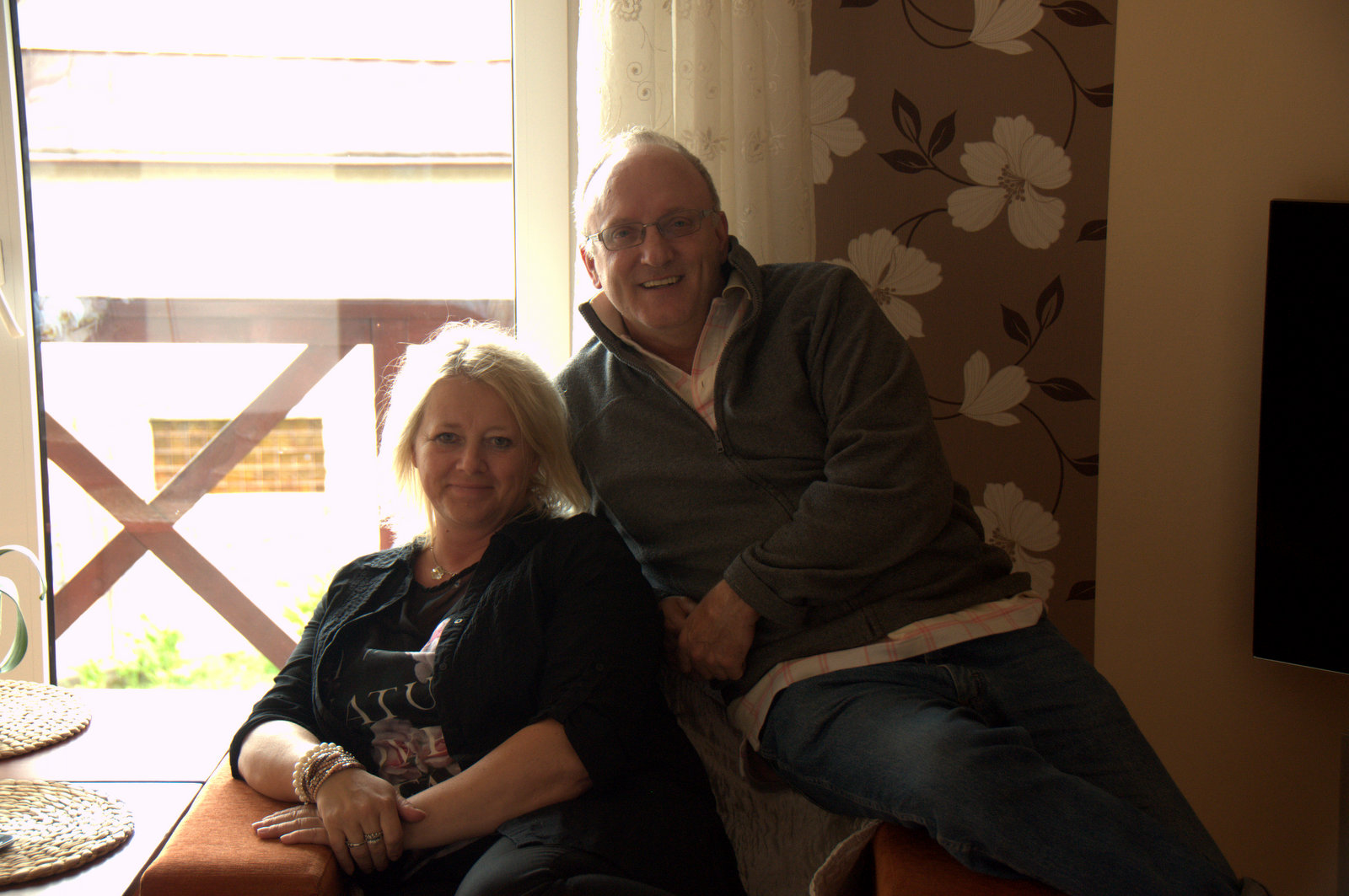
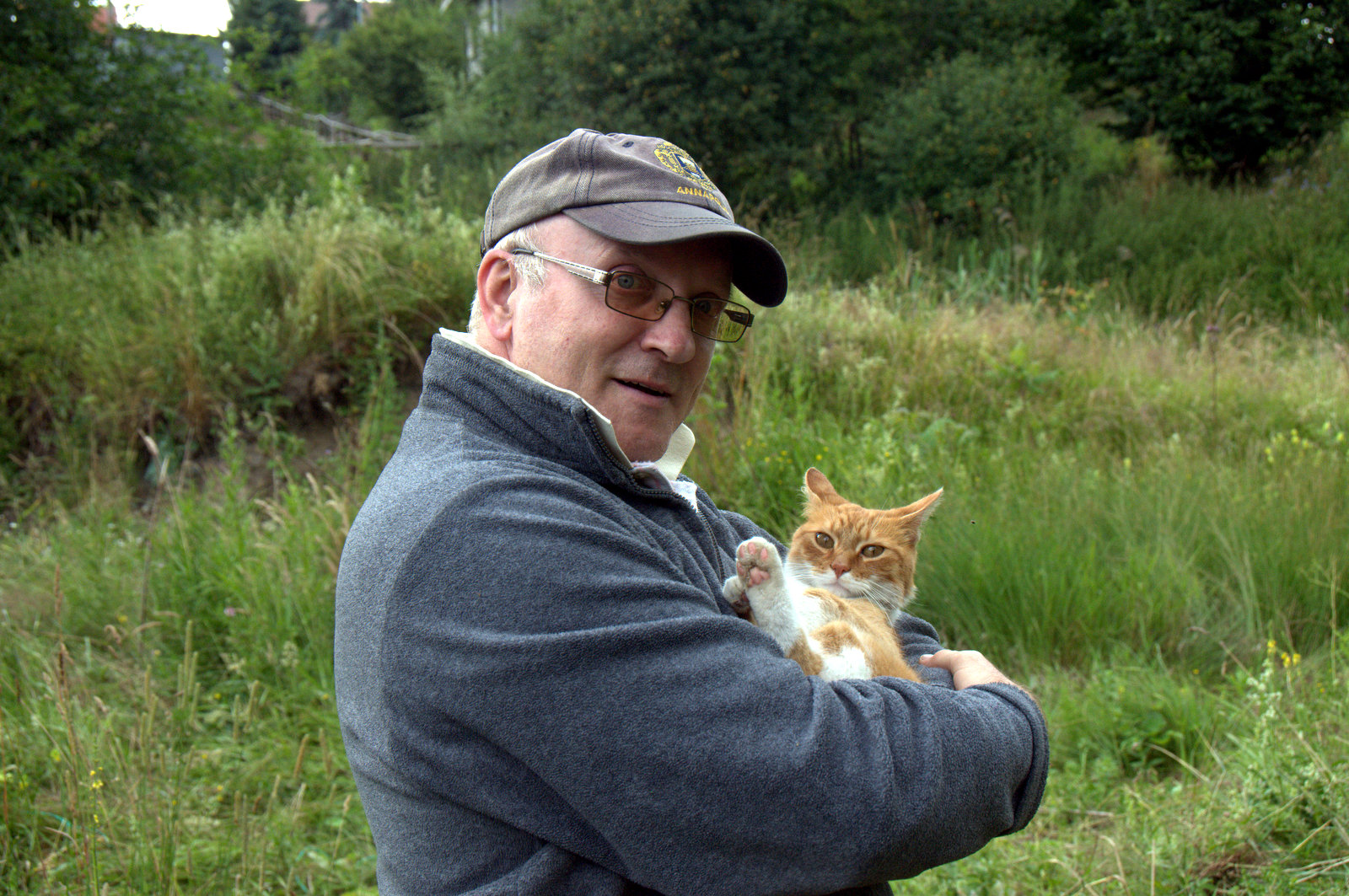
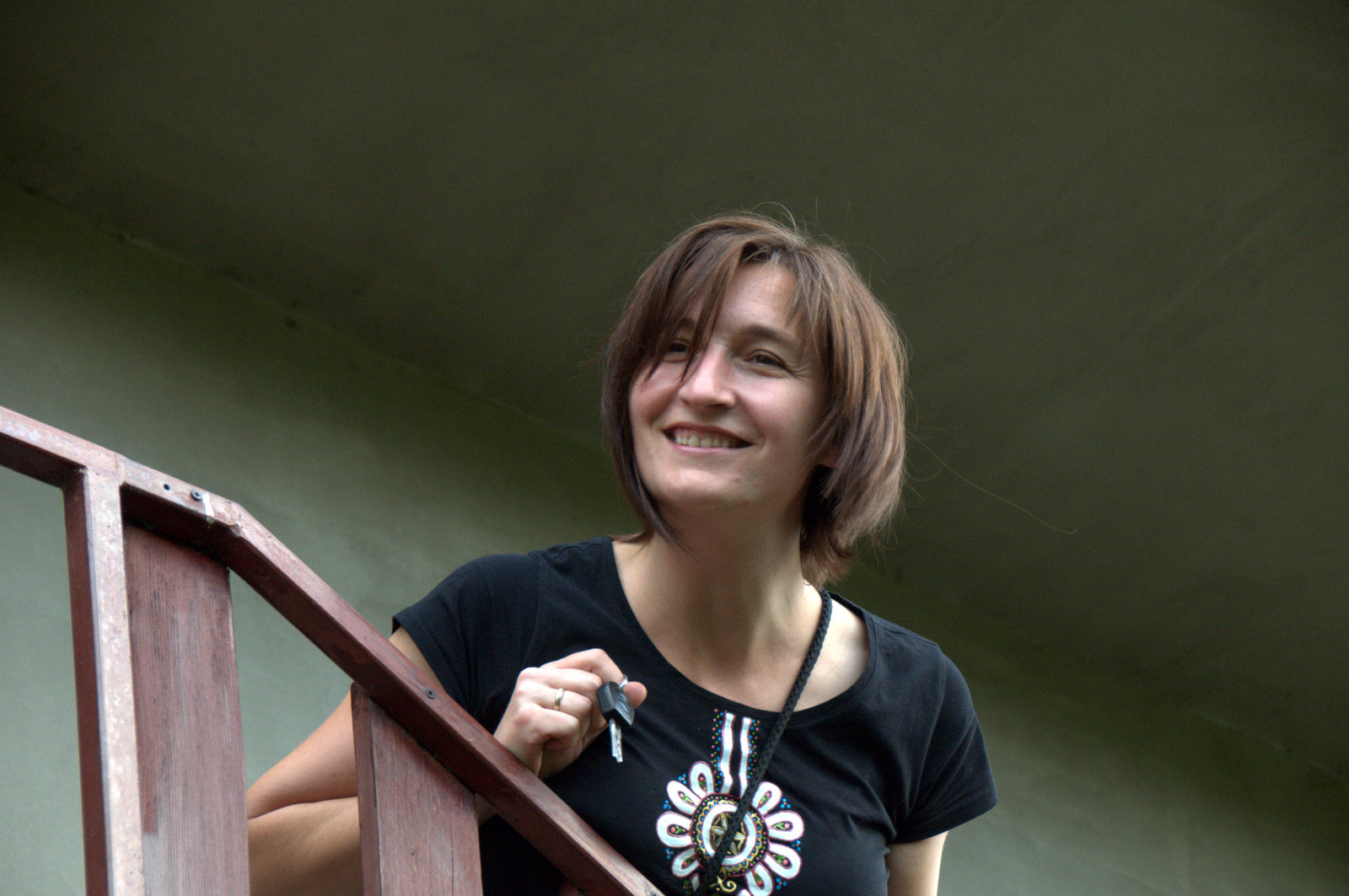
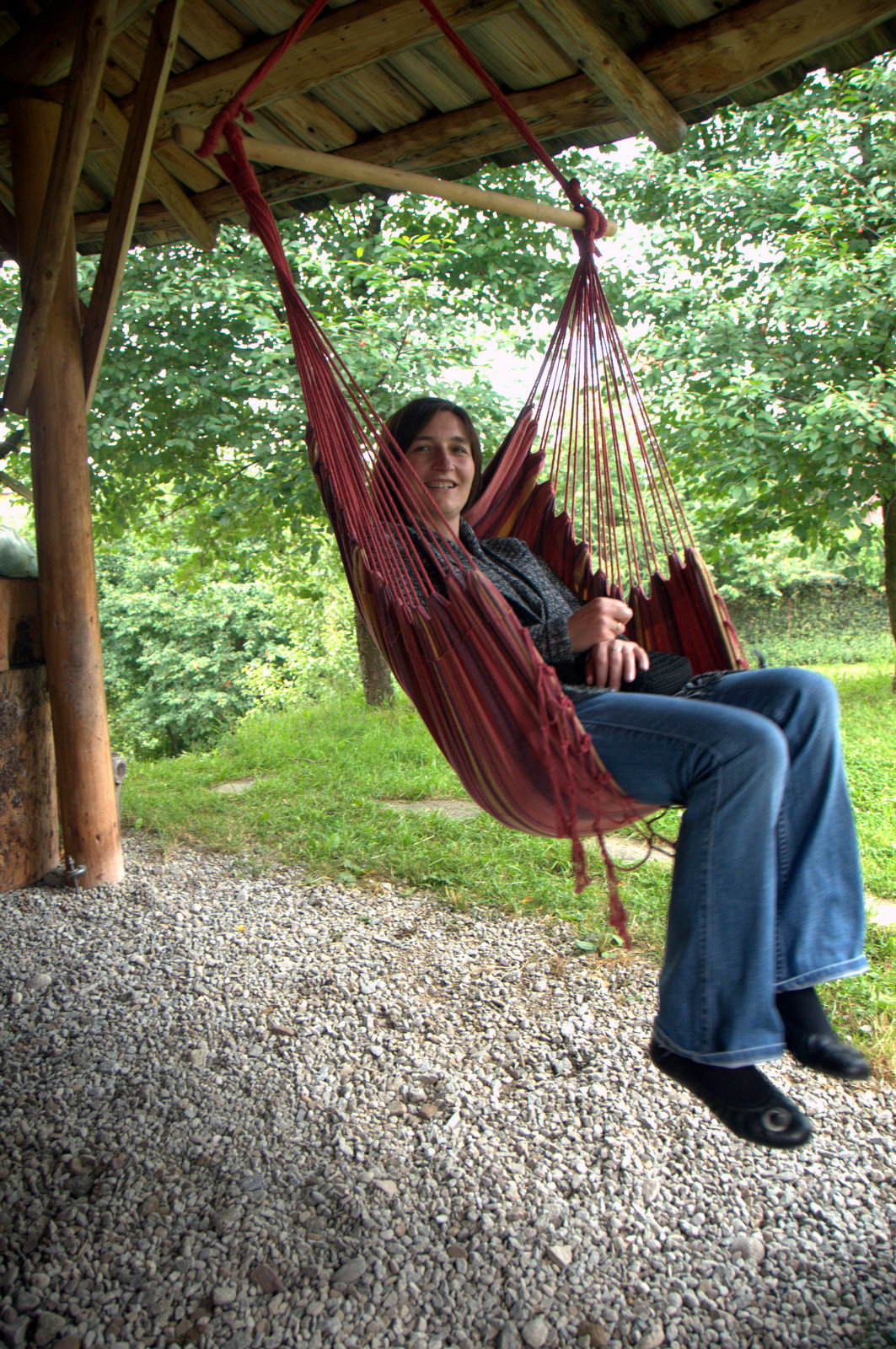
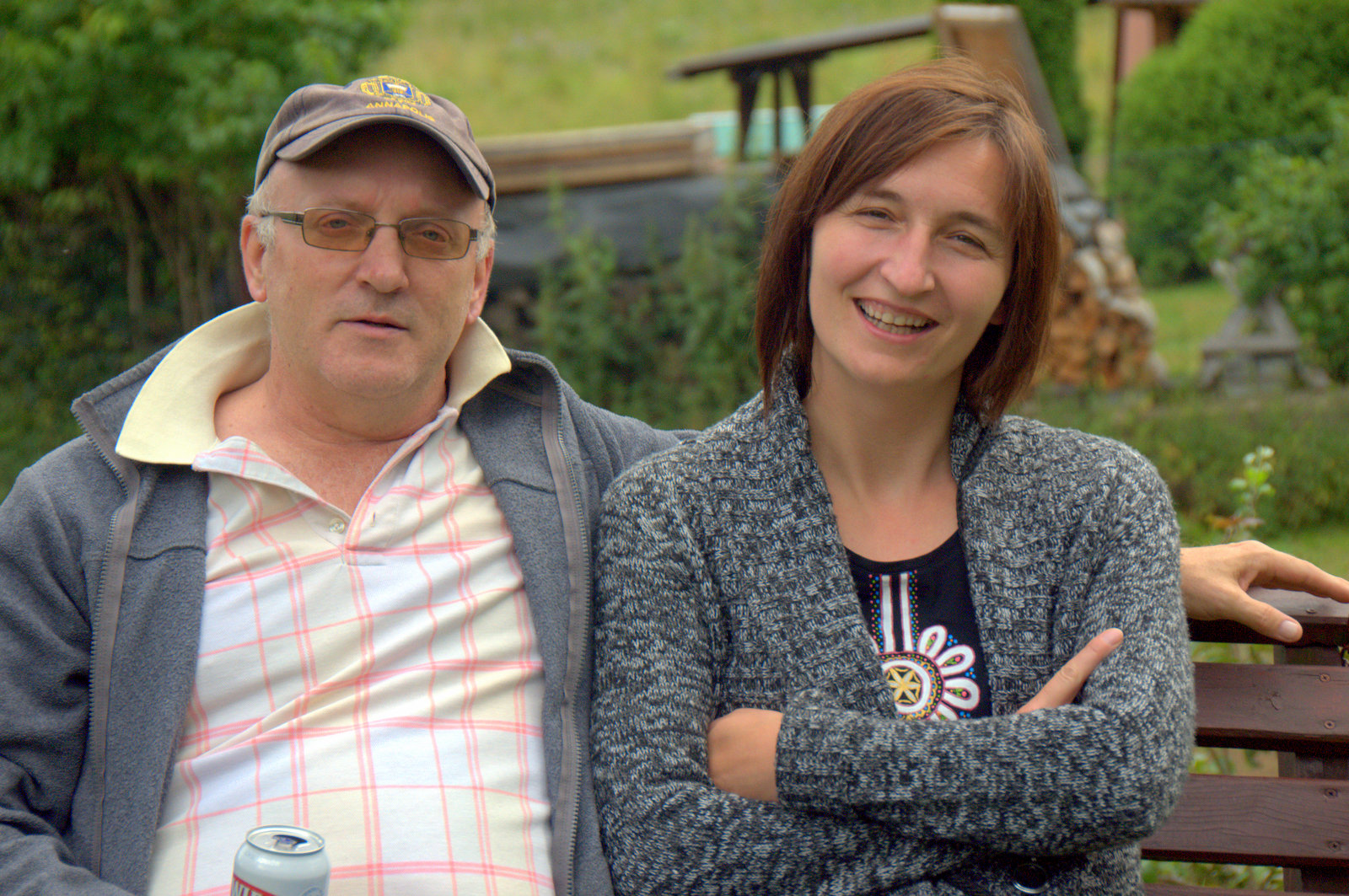
K came by, showed off her lovely new hairstyle, and chatted with us a bit before we turned back toward Jabłonka.
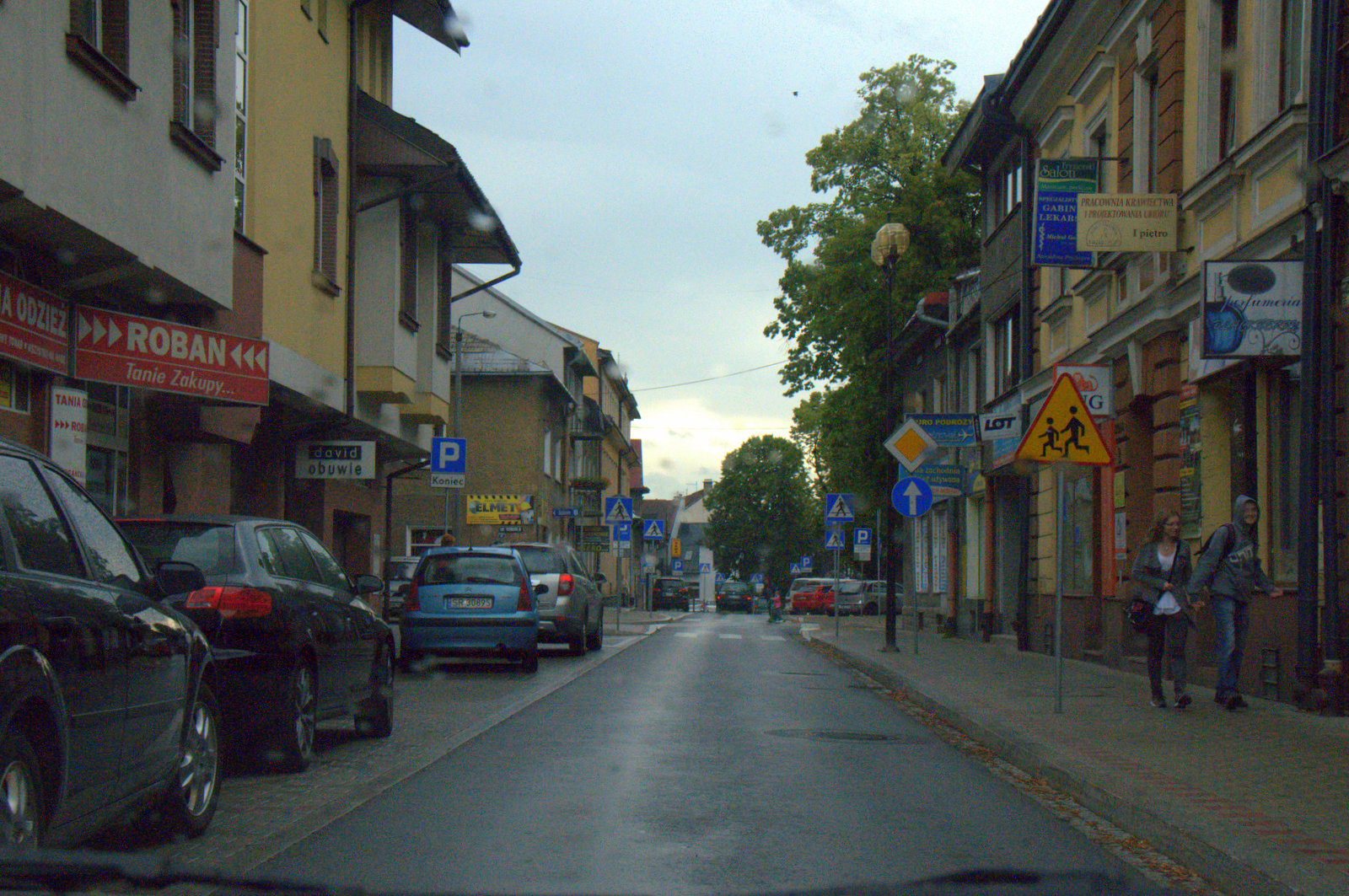
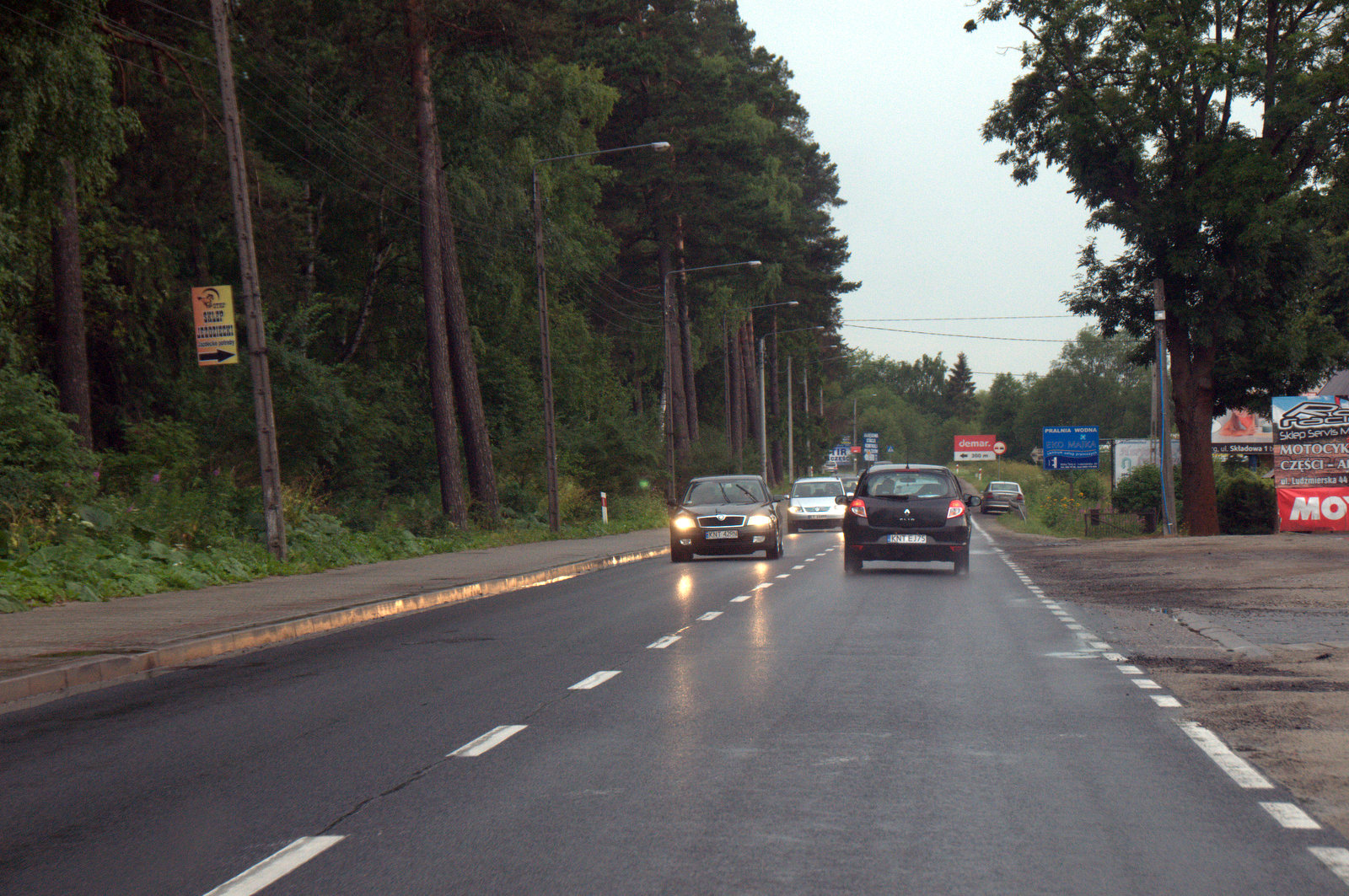
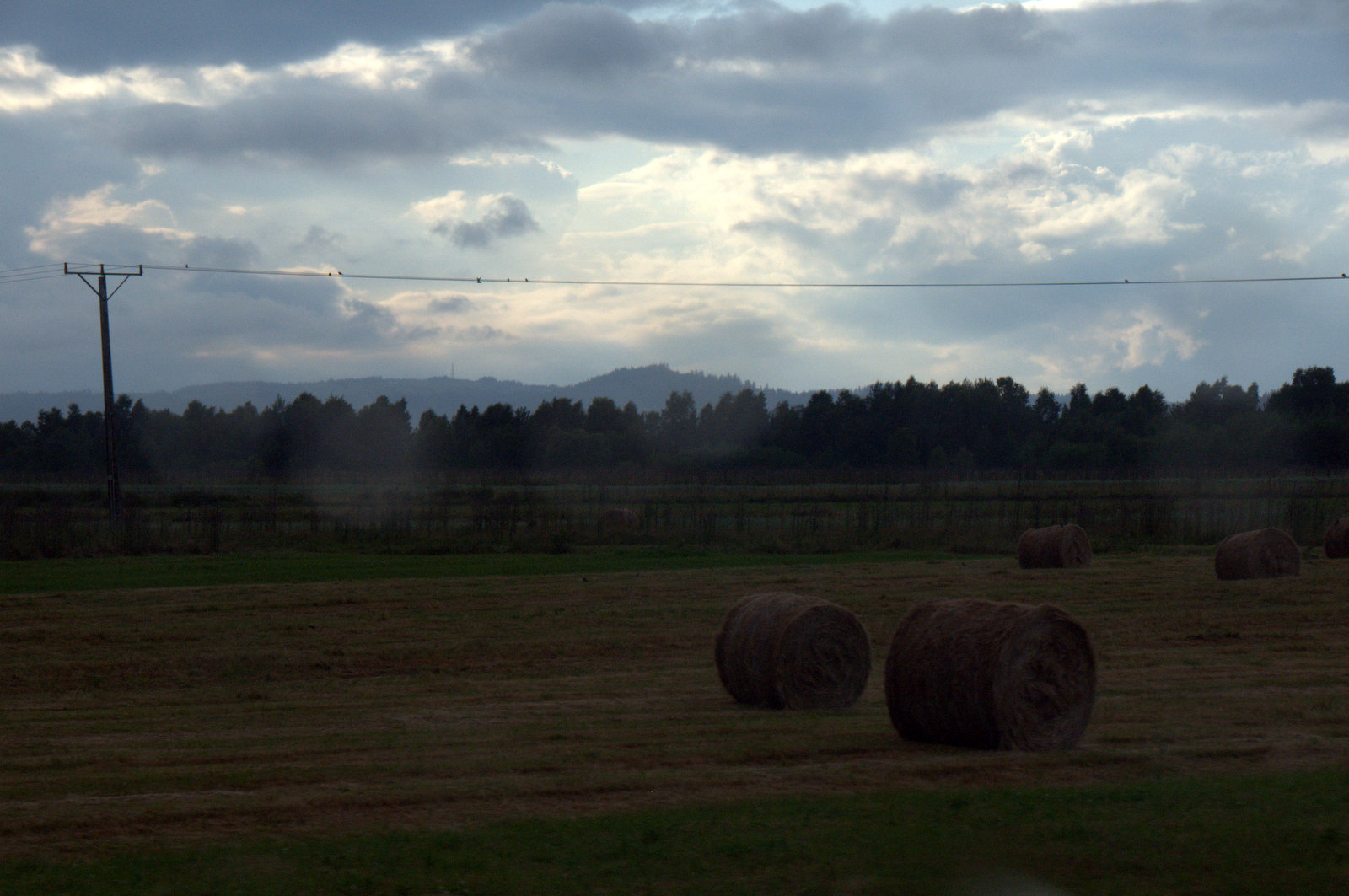
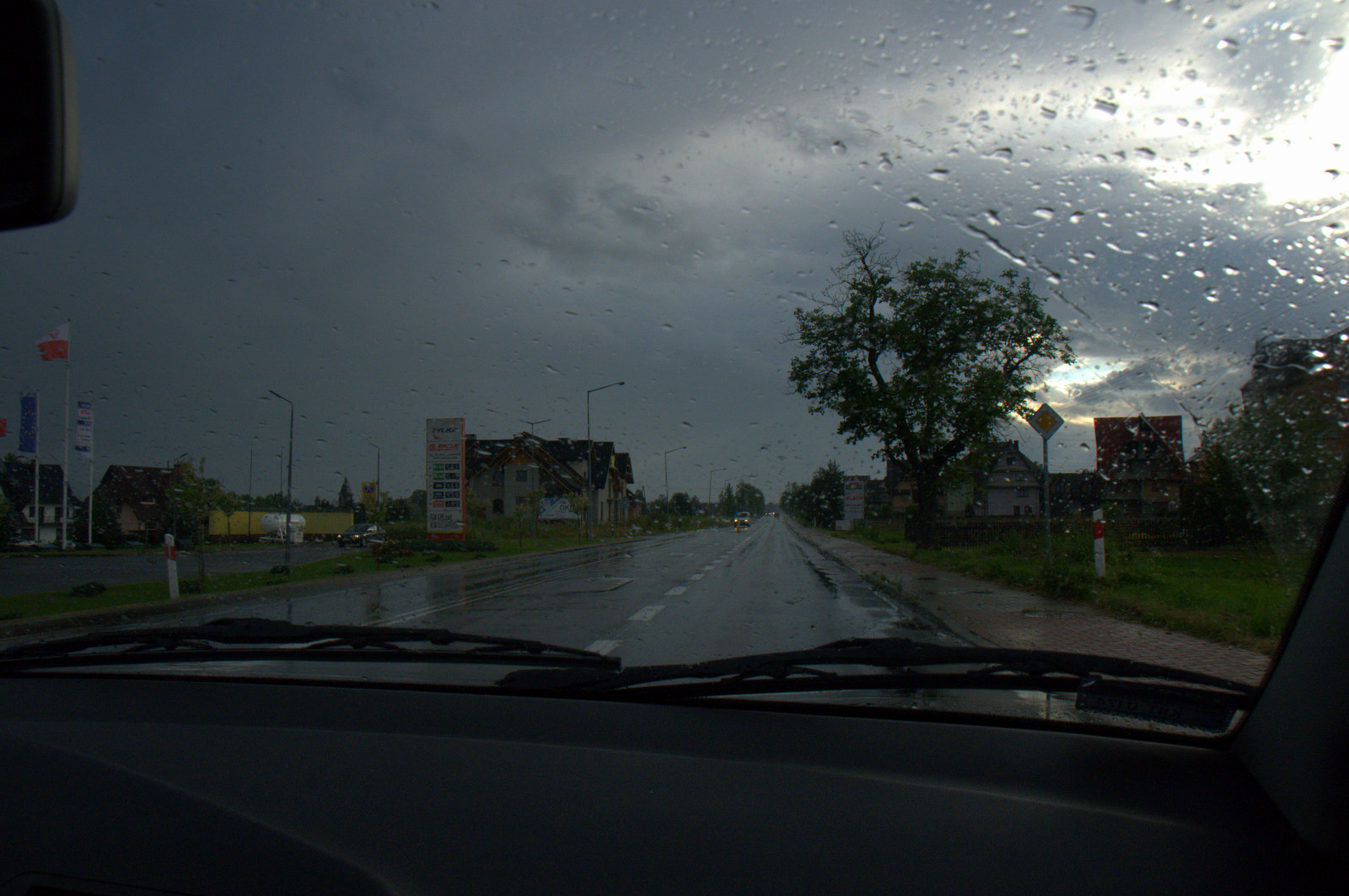
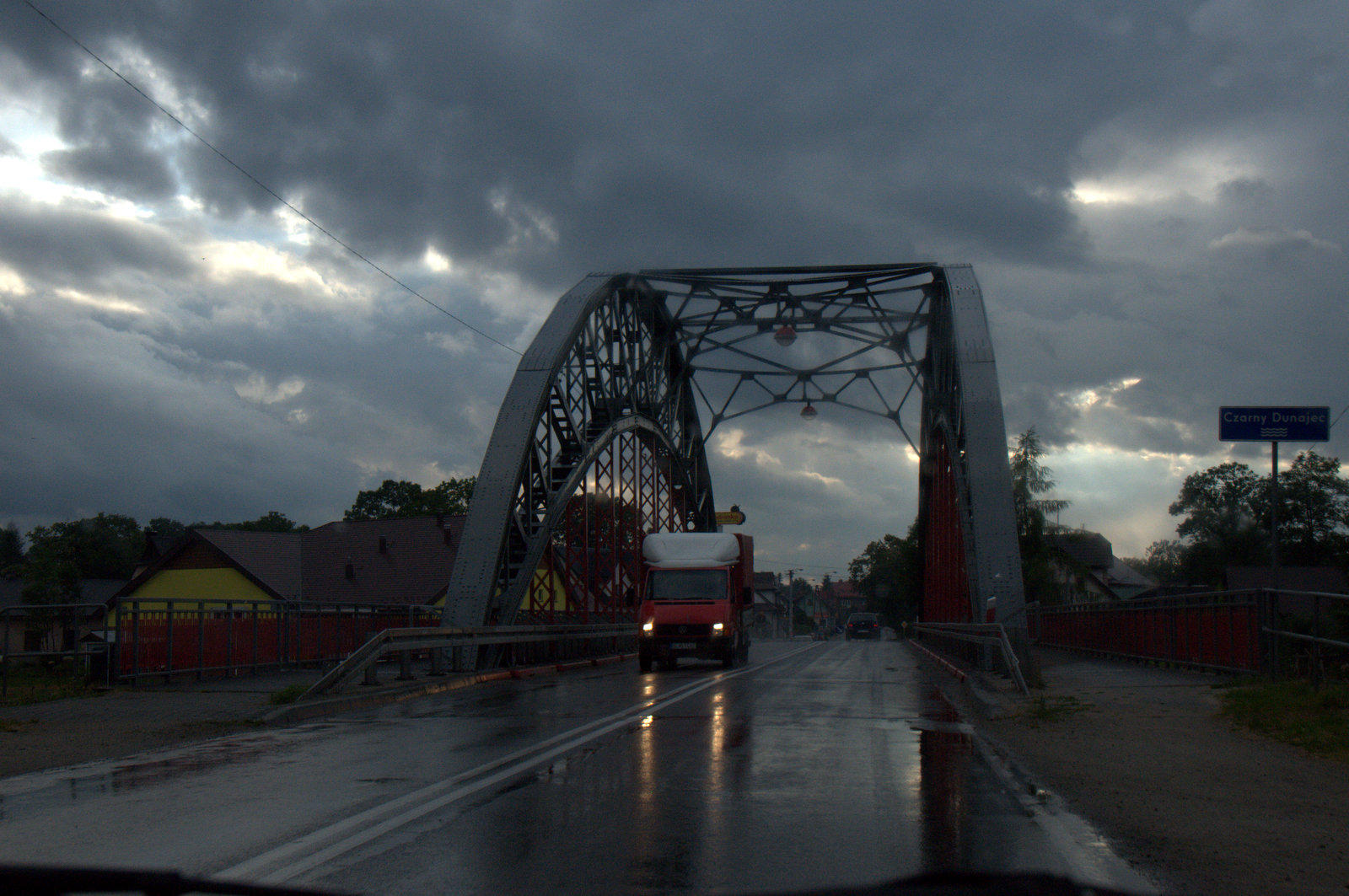
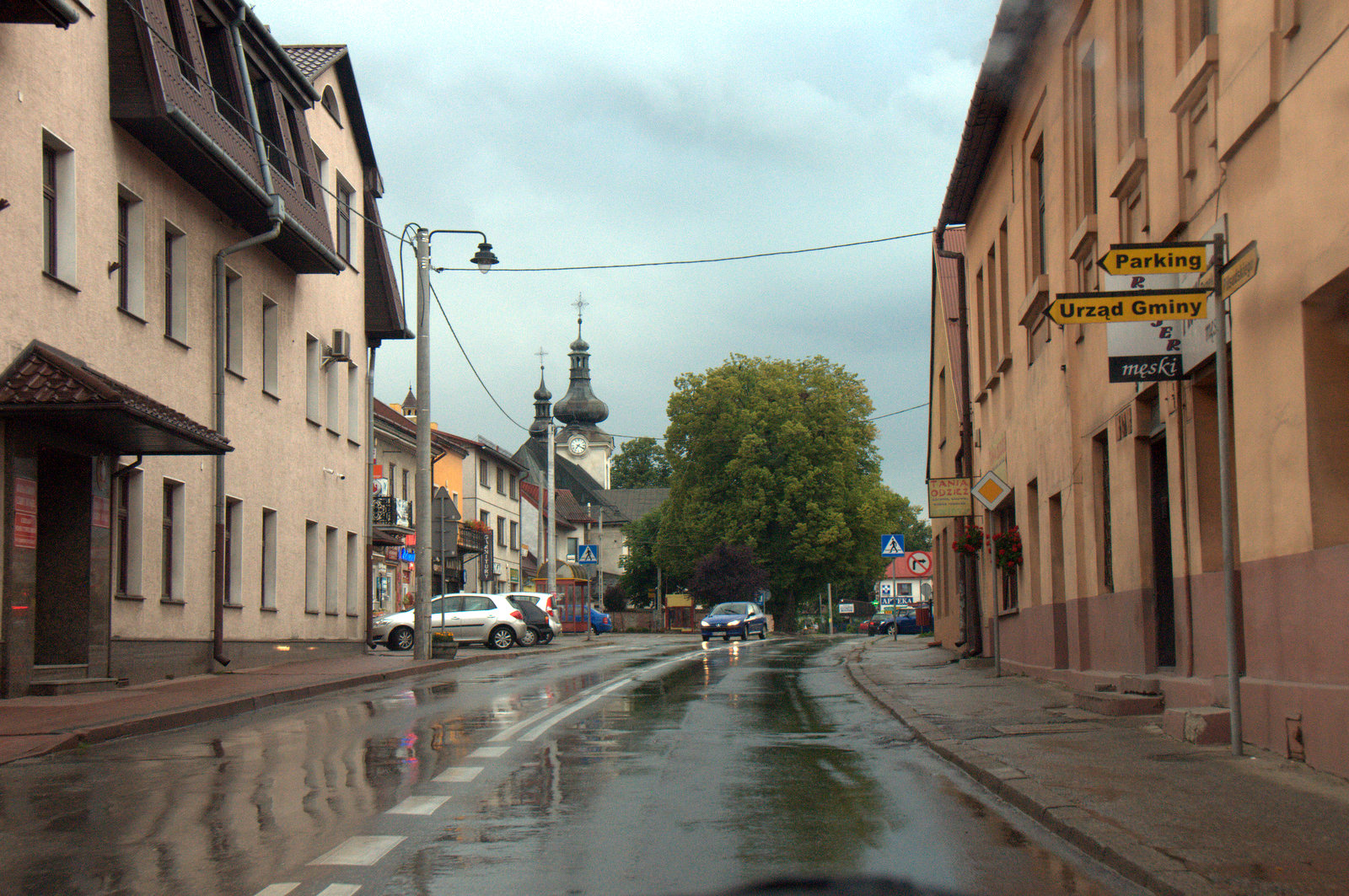
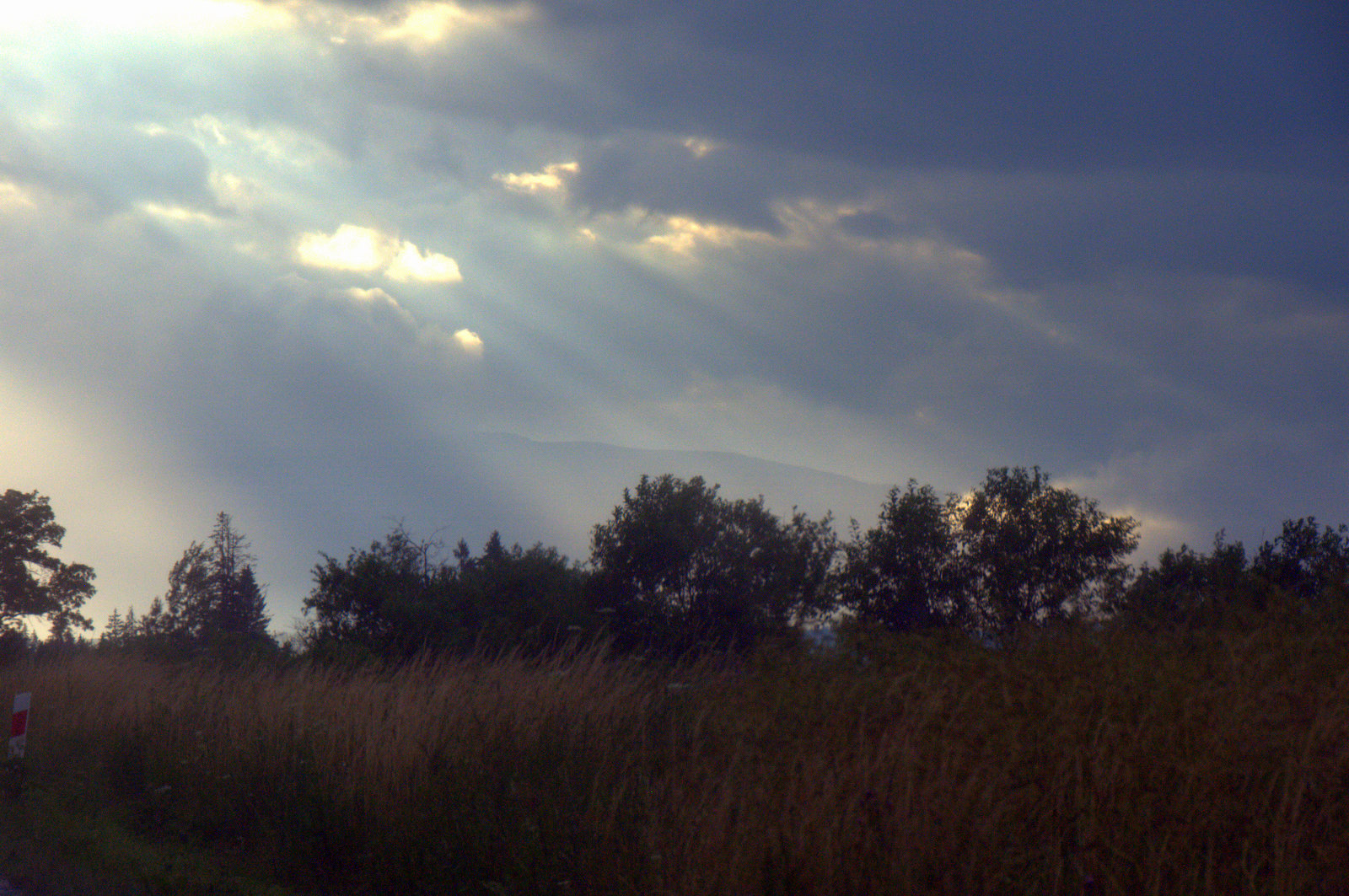
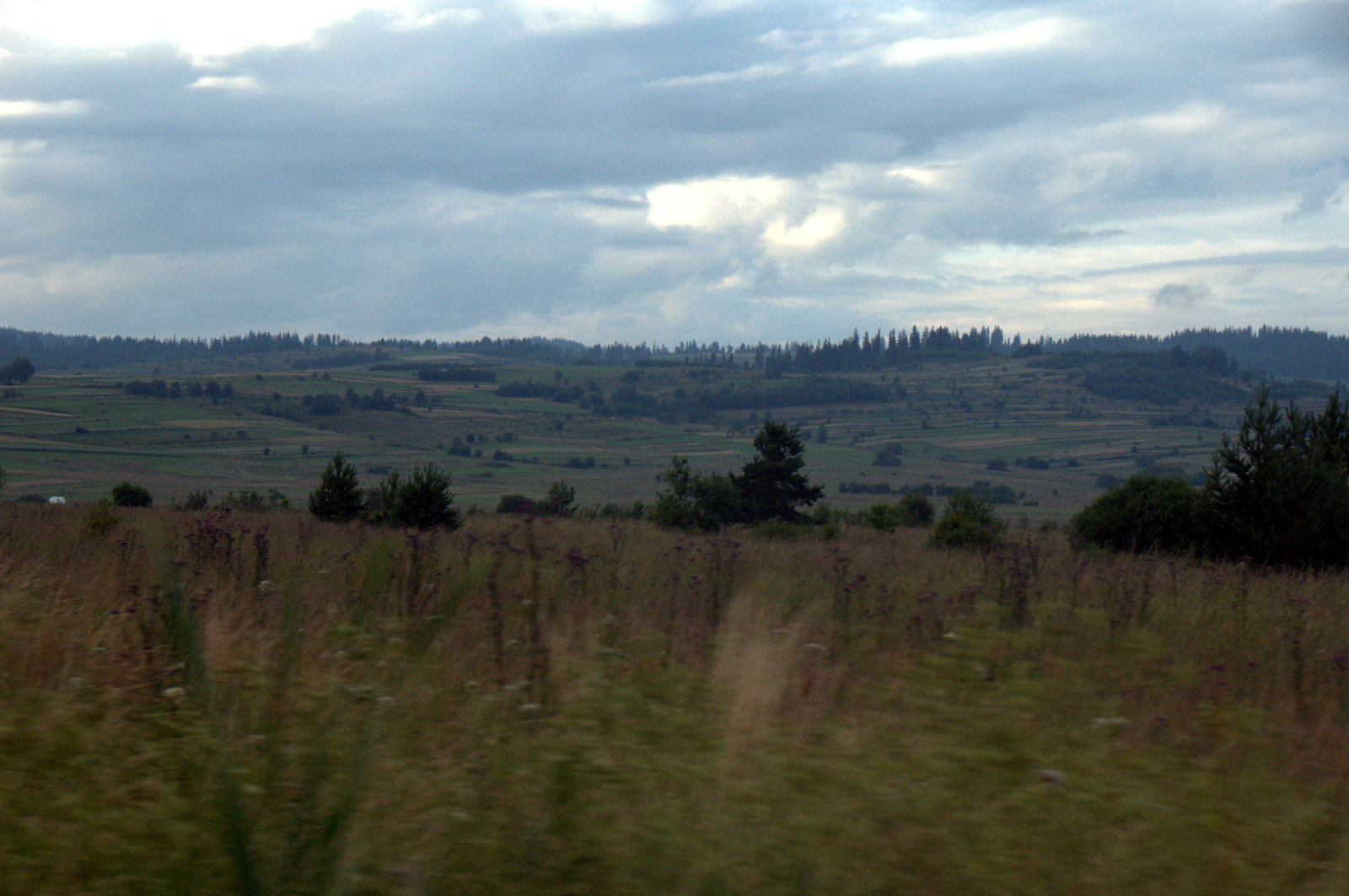
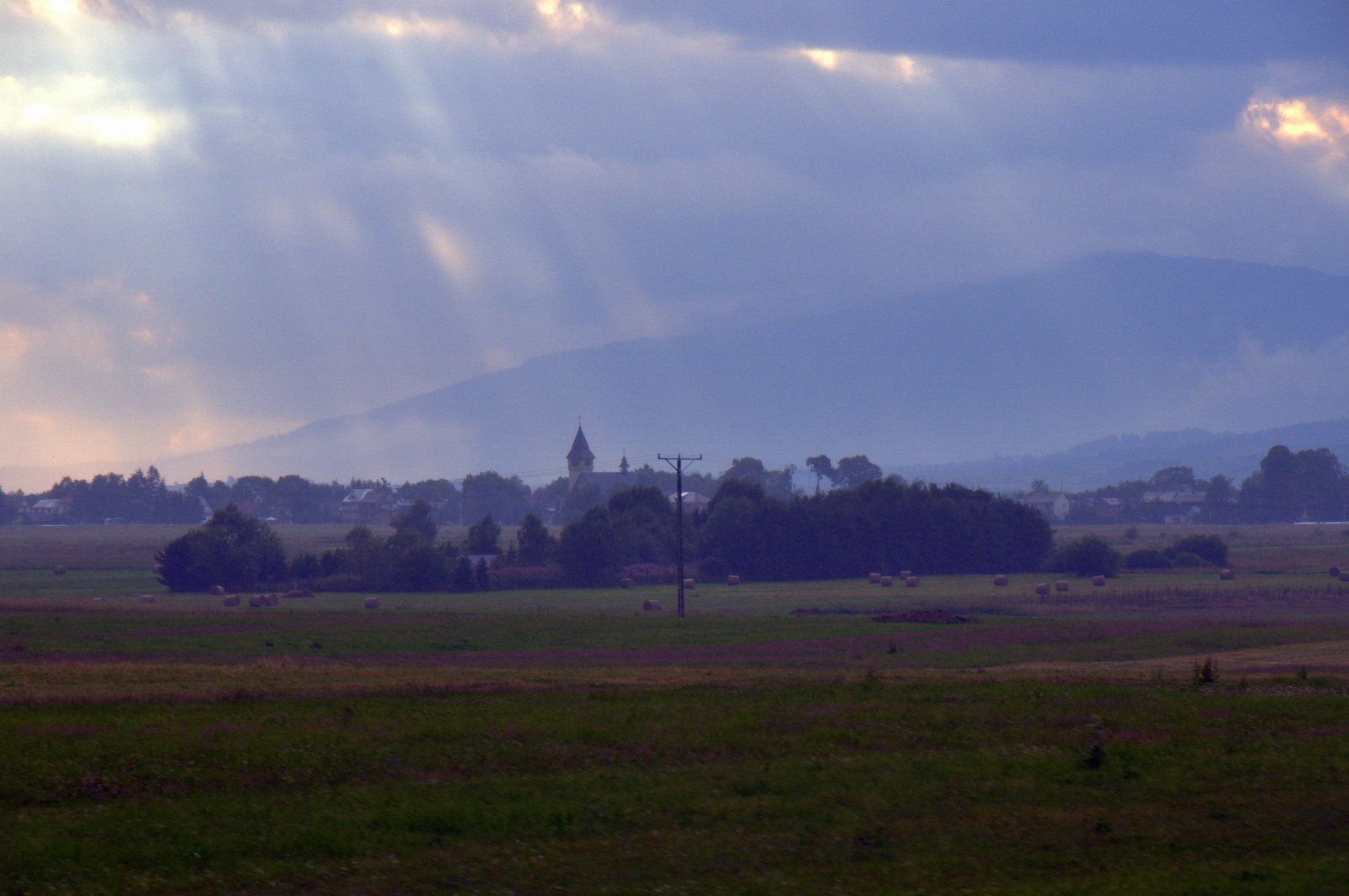
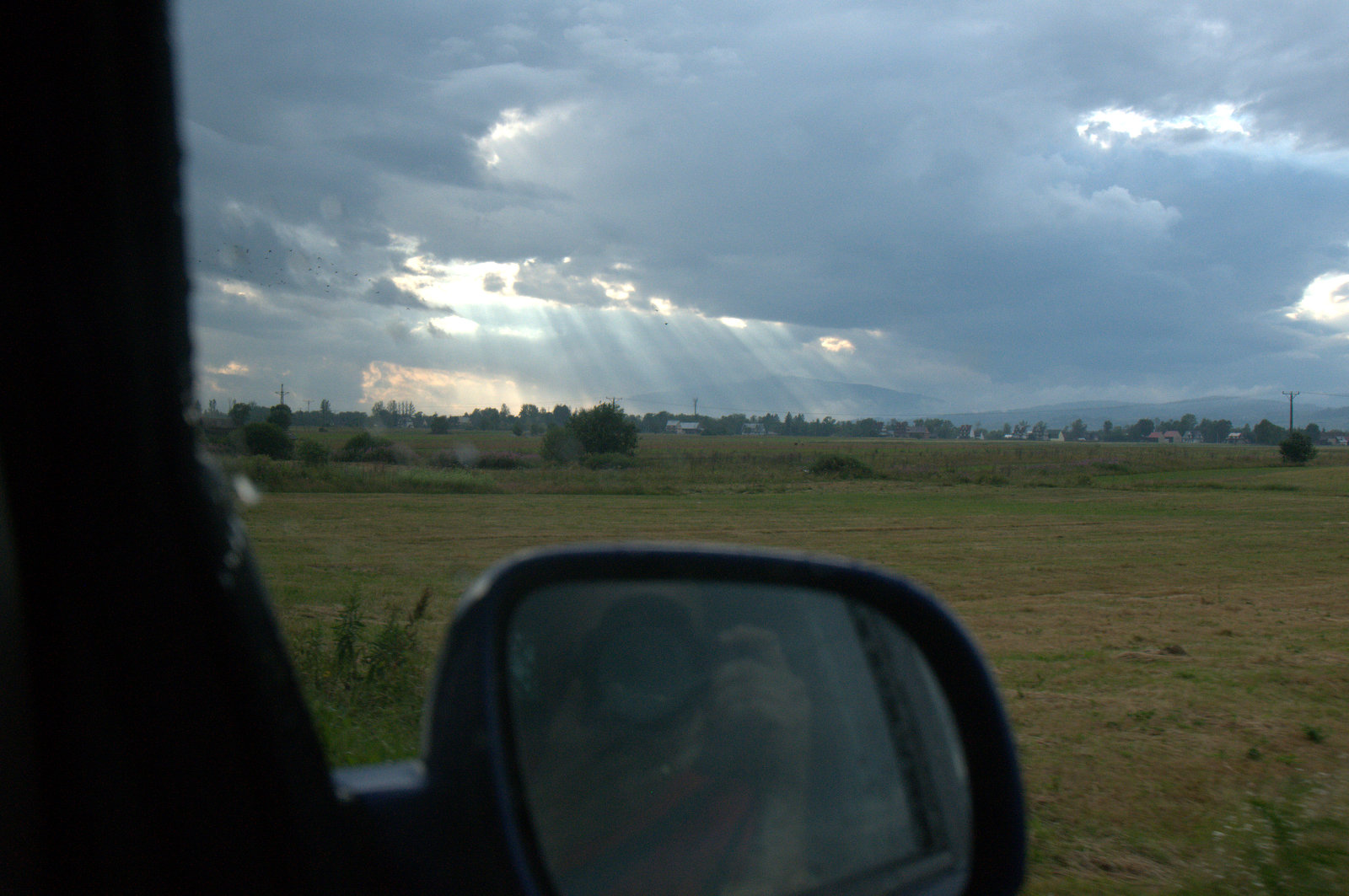
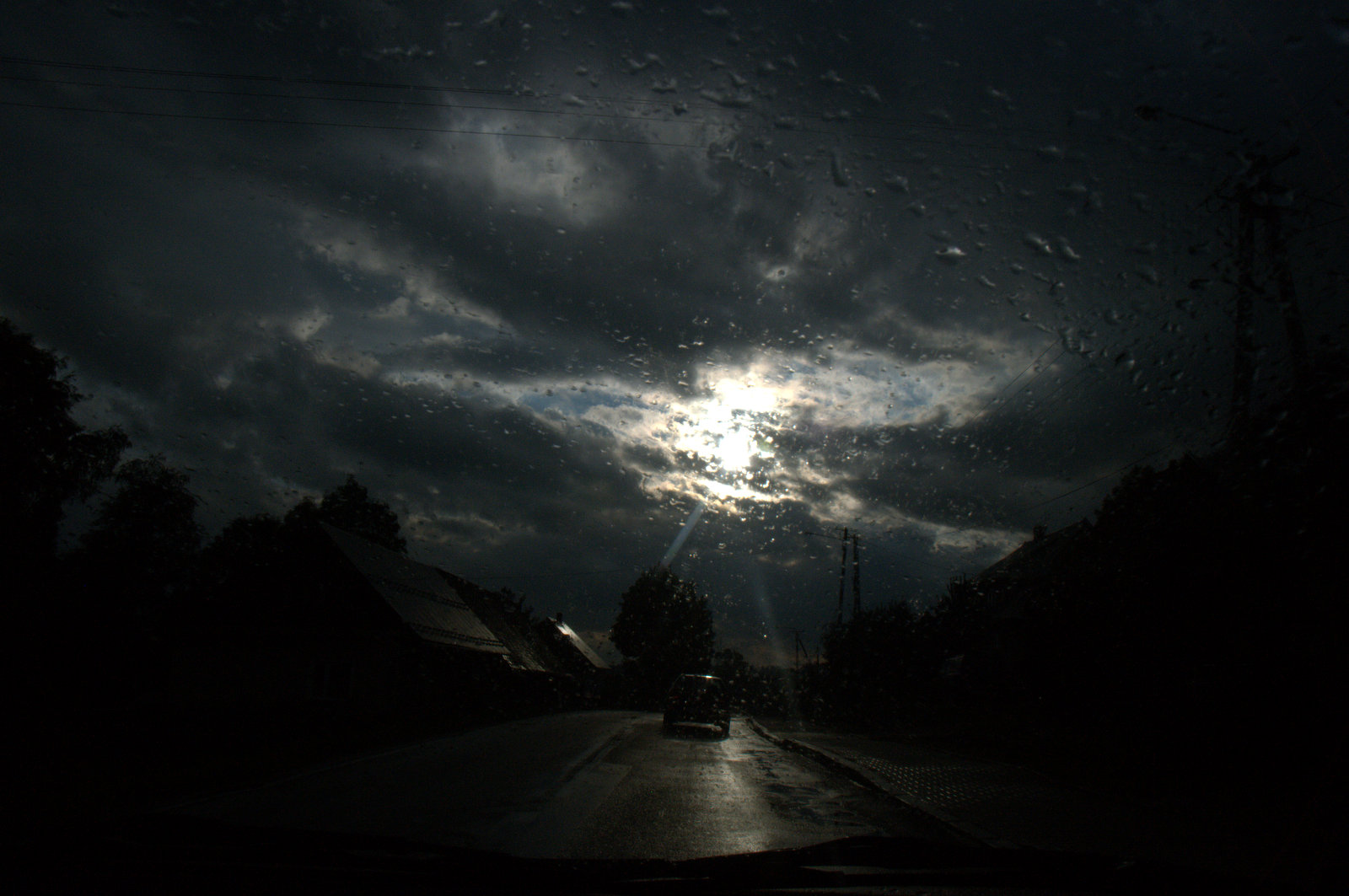
In some ways, nothing special about today’s events. Had today been eighteen years ago, it would have been almost typical — not for a Tuesday, perhaps, but maybe for a Friday or Saturday. All it takes to turn the typical into the extraordinary then is eighteen years and a few thousand miles.
Living in Poland for seven years, I rode various bikes for a total of at least 6000 kilometers. That’s how many kilometers my two bike computers showed when combined. On my road bike, 3500; on my mountain bike, 2500. That total was during my second stay, from 2001 to 2005. It was then that I became something of a cyclist, spending an asinine percentage of my salary on cycling equipment. During my first stay (1996-1999), I had a fairly cheap mountain bike that I virtually gave away when I left. I had no cycling computer on it, so I’d have to guess how much I rode, but I wouldn’t think I did more than 1000 kilometers in those three years, and that’s probably being generous. But that second extended visit to Poland — I rode like mad. One summer alone I did 3500 kilometers, riding in the morning and early afternoon on my road bike then riding into surrounding forests in the late afternoon on a mountain bike.
This afternoon, I dug out the mountain bike, cleaned it up, fixed a wobbling wheel, then took it out for a short spin. It had recently sprinkled a bit, and I was wary to head out on untested equipment more than a few kilometers, but still, I couldn’t resist. I rode paths I’d never done before, ending up in a spot behind the river — the destination of The Walk — that I’d always wondered about.
Two things were different this time out: first, I felt oddly conspicuous. A young man on a bike doesn’t look all that odd; a man in his forties on a bike, clearly riding for recreation and not simply as a means for transport, is a rare sight indeed. Bikes for me of my age are usually just means of transportation, often to the fields to work or from the bar after a binge (though often the rider is pushing the bike in the latter case). The second oddity had to do with the pedals: the first time in probably fifteen years or so that I’ve ridden with regular pedals as opposed to clipless pedals that attach to a cleat on the bottom of each shoe, allowing a rider to pull as well as push. I found myself wanting to pull, especially on the one or two small climbs I encountered, and the result probably looked amusing to anyone who happened to see, adding to my feeling of conspicuousness.
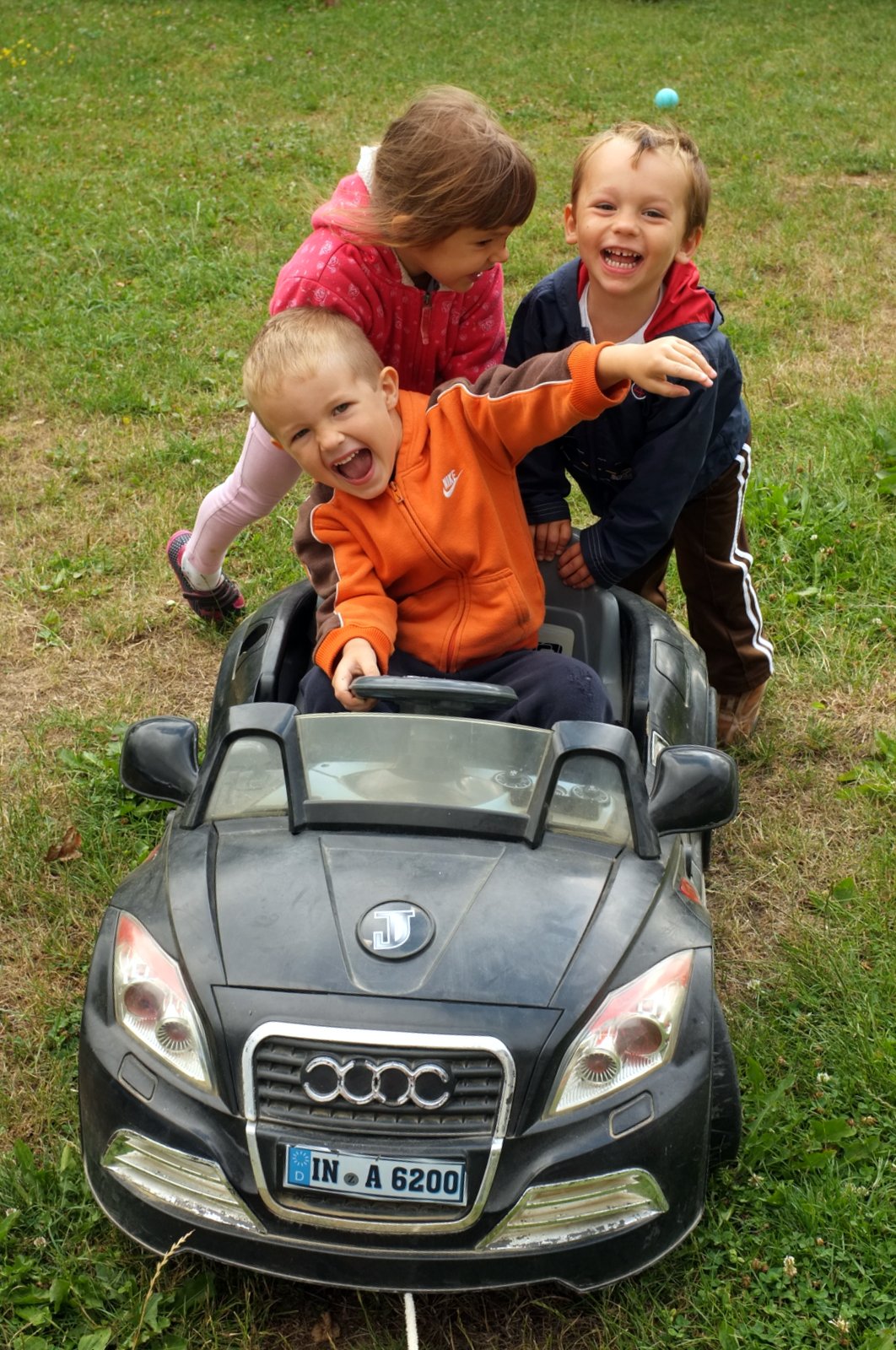
Despite the oddness of riding in this area for the first time in over ten years, it’s safe to say that the quick trip was a success. And in the meantime, K and the Boy were visiting other friends.
And the Girl? She’s at her first summer camp experience. She called this evening in tears, scared at the thought of her first night alone. What she really needed was a hug, and fortunately, a family friend was there with her to provide it. Still, it’s a stressful experience for us as well as for her.
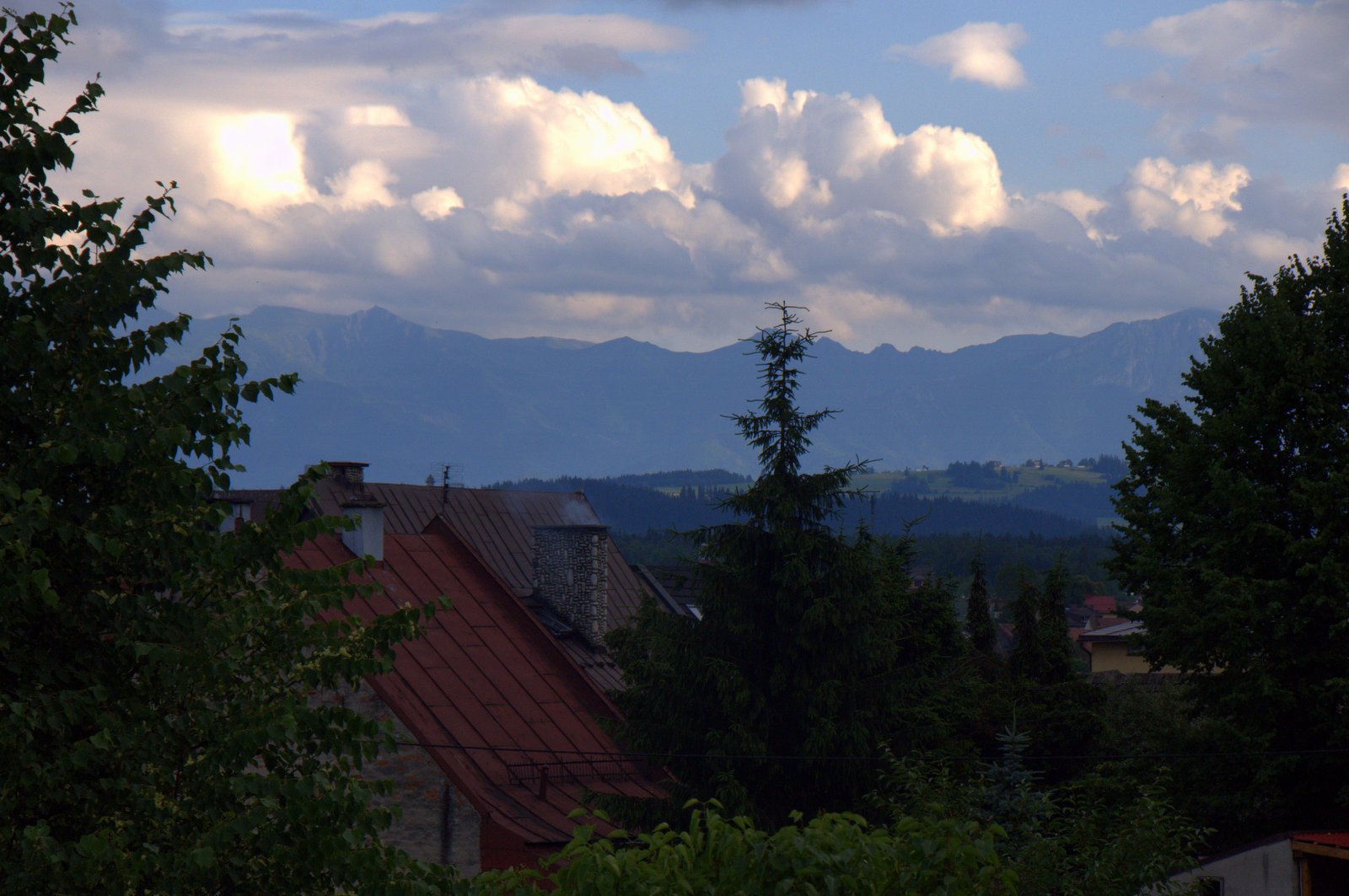
Saturday evening, with the air not so warm but also cloudless, I thought I might be able to get a shot of the Tatras. It’s a difficult shot to get because of the haze that usually clouds the view from Jabłonka in the summer. You have to be right in front of them to get a clean shot. So I headed out in the early evening, and almost on cue, clouds began sweeping in.
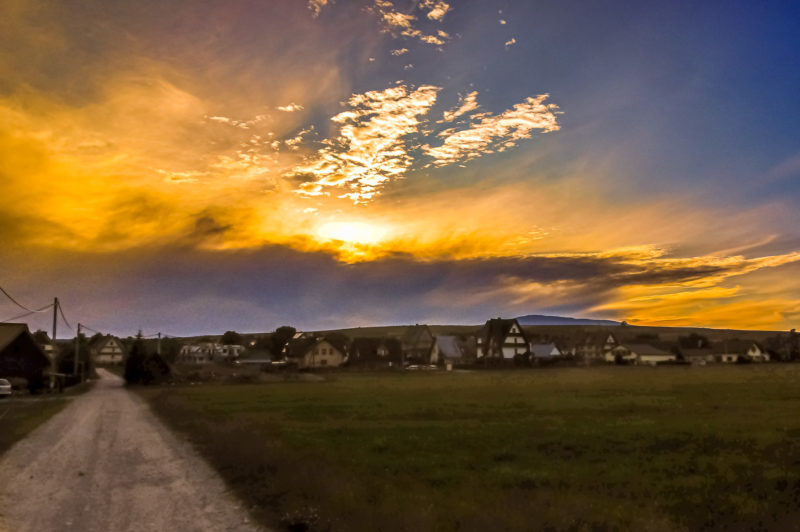
It still amazes me how this region can go from the one extreme to the other so suddenly. It’s not like a few clouds appear, then a few more, then still more until the sky is gray. No — it’s a line of gray that suddenly appears and seems to put a lid over the whole region. Suddenly the sky doesn’t seem endless, for the clouds aren’t even that high. It’s as if you can reach up and touch them.
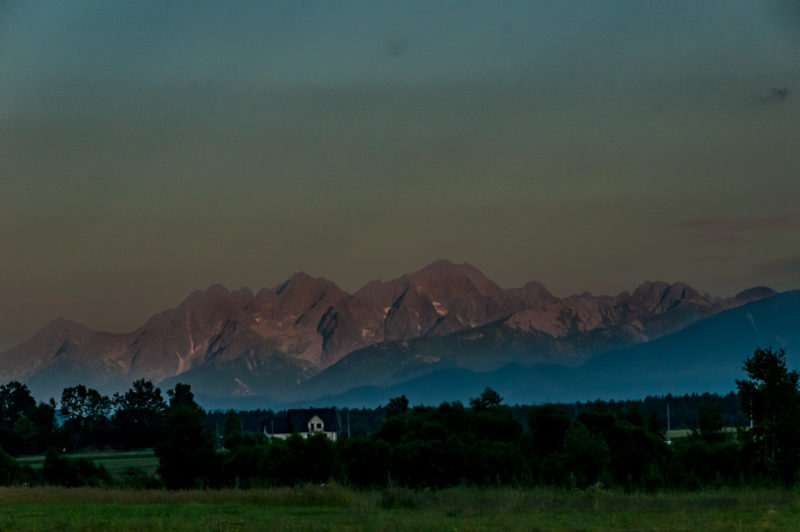
Still, I continued to the spot in the fields I always go to when I want to photograph the Tatras. It’s only about a ten-minute walk from Babcia’s, so for an impulsive photo-walk, it’s perfect. Still, the conditions were far from ideal. It took a fair amount of fiddling on the computer to keep the mountains from blending into the sky.
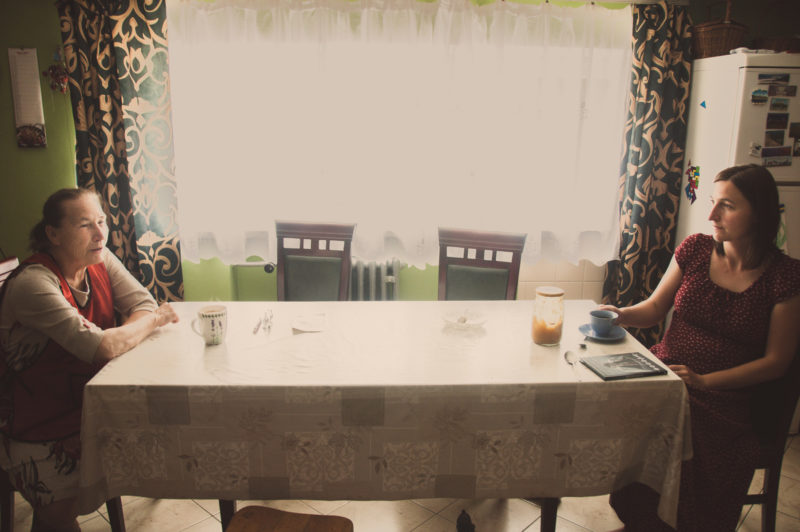
As for Sunday, a stay-at-home day. Mass, lunch, packing for L — she heads off to camp tomorrow. And finally, a recreation from the last Poland visit.
Out of the blue, or perhaps out of the gray, we suddenly have blue skies. Within a few hours of sunrise, it’s possible to be comfortable outside without a jacket. By late morning, it’s possible to put on shorts. With the rich blue in the sky, I decide I might try for another picture of Babia Gora. During our walk yesterday, I’d discovered a spot where only a field of dandelions and Babia were visible. Gone were the houses, the power lines, everything that makes modern Jablonka modern Jablonka. I take a few pictures, but none of them measure up to what I see in my mind’s eye.
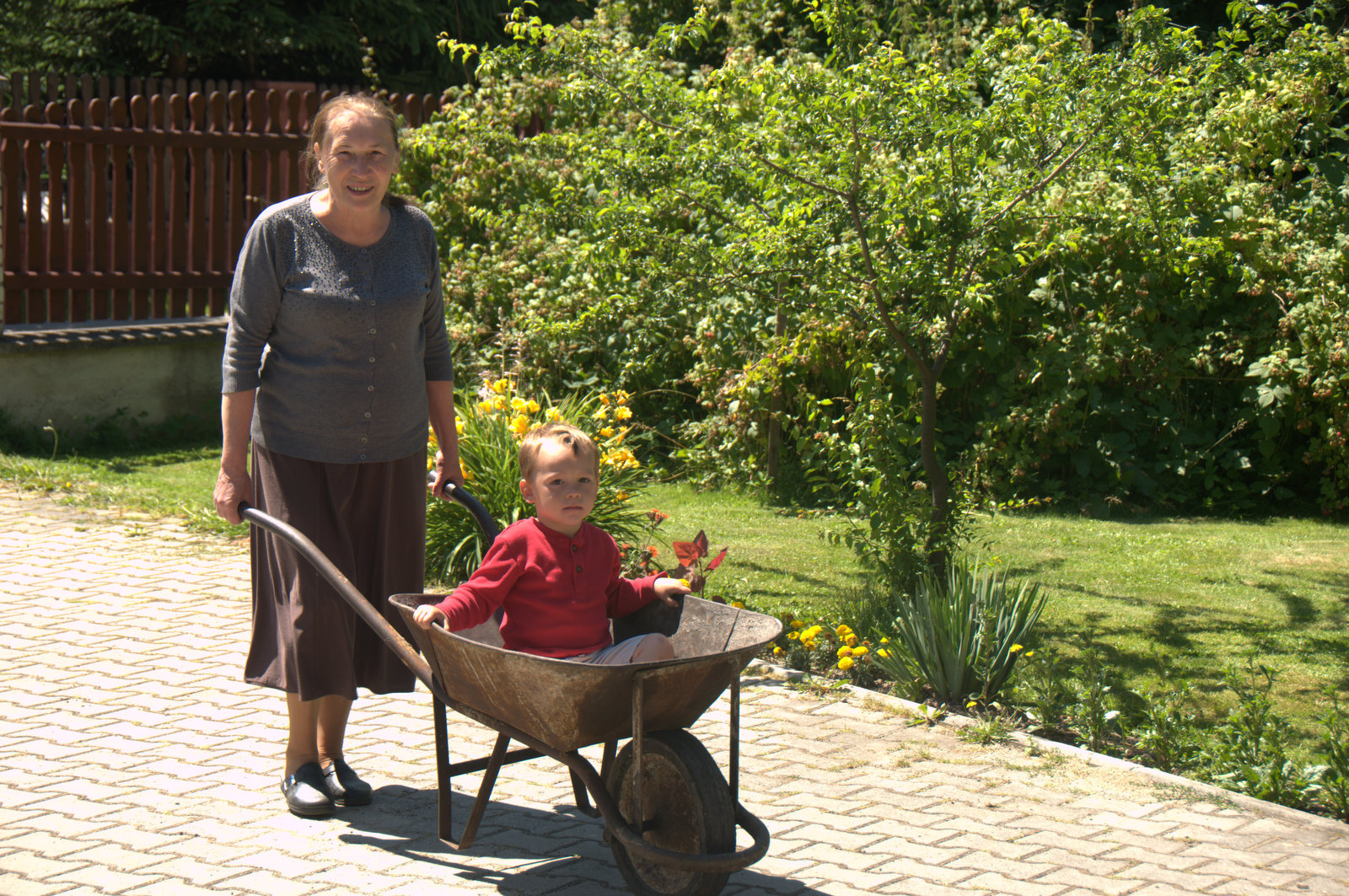

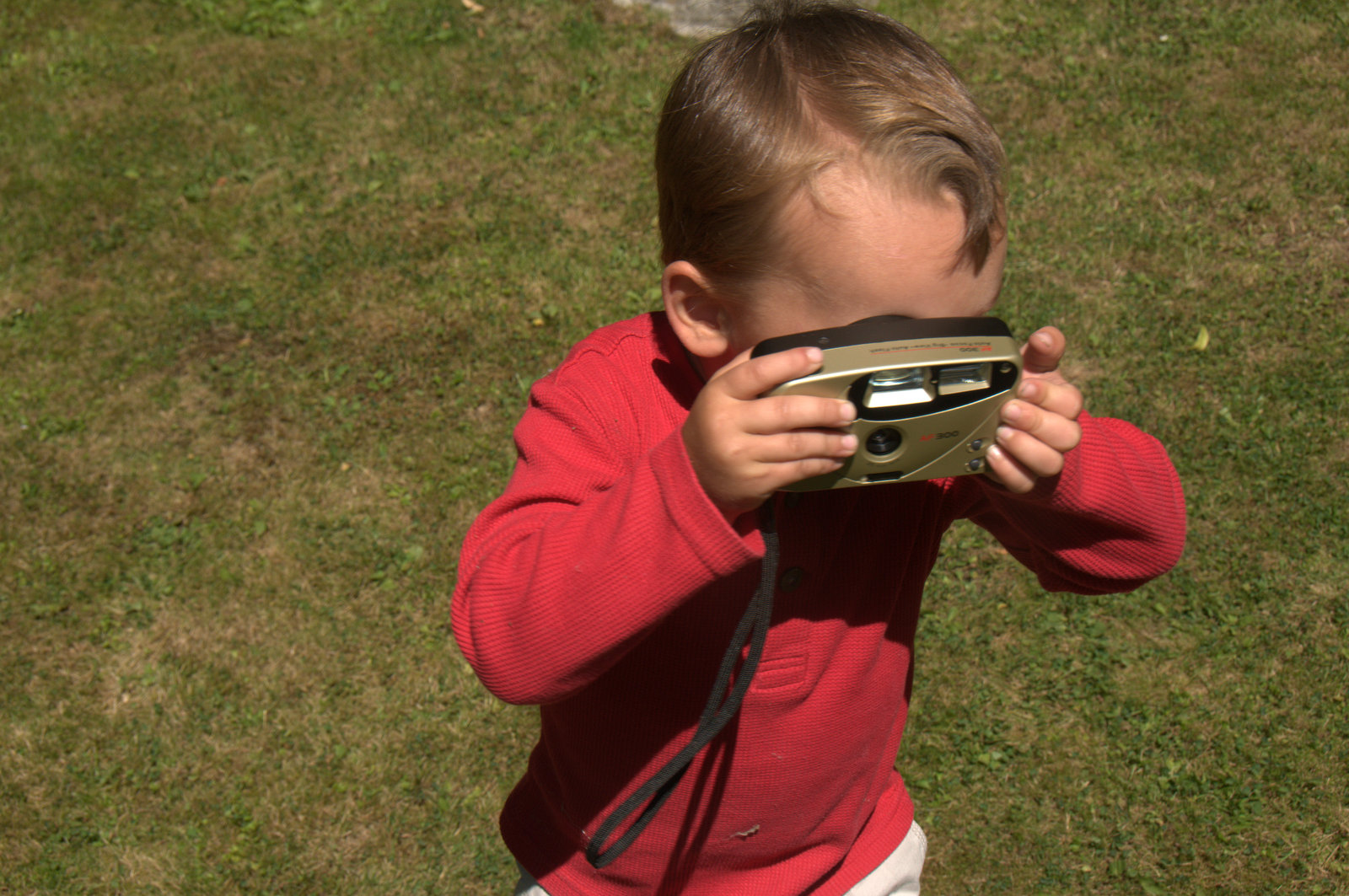
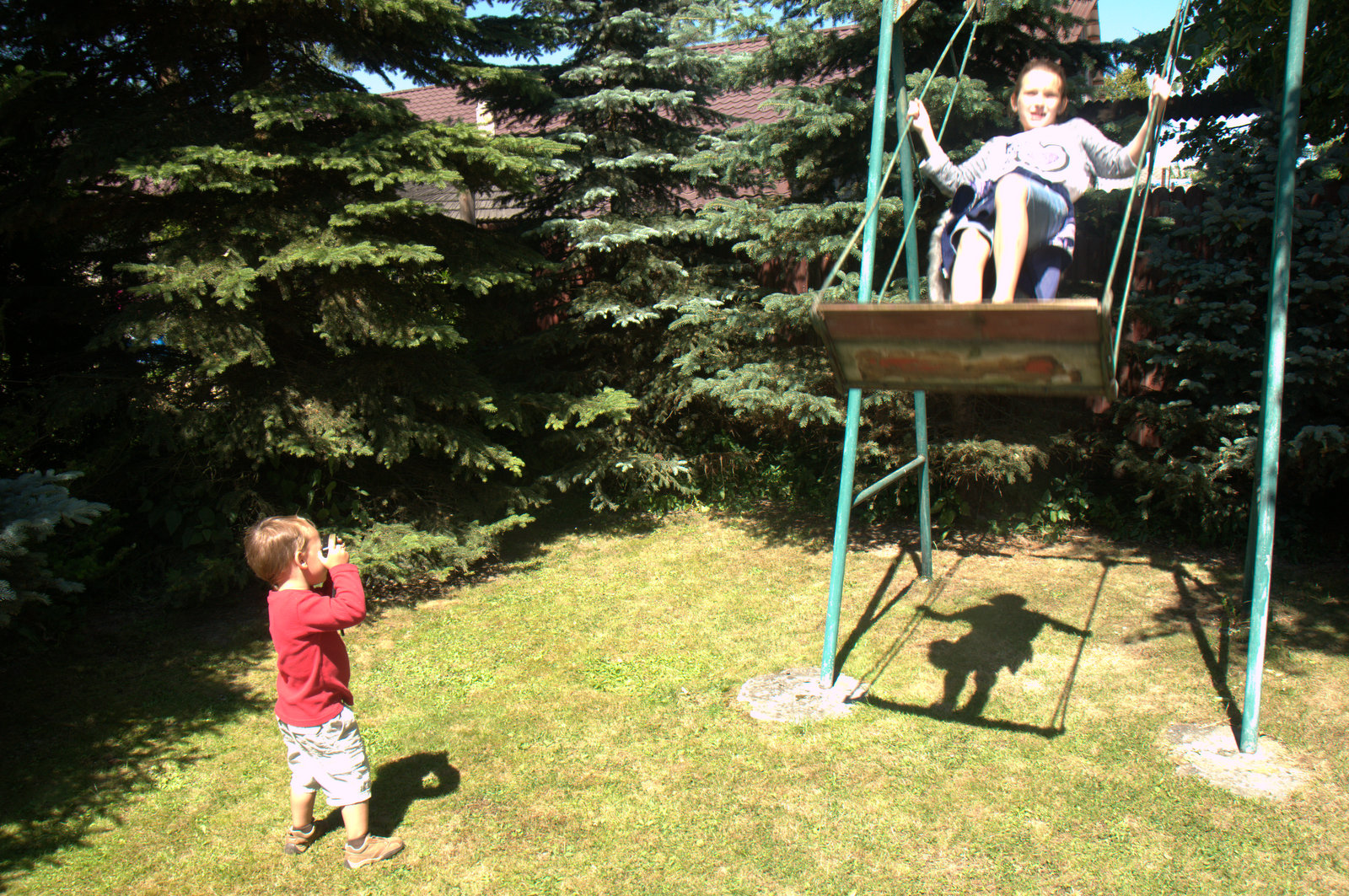

The afternoon promises more interesting adventures, though. More touristy, to be sure, but nothing’s wrong with that. We’re tourists now. We walk around the small centrum in Jablonka and recognize no one. K tells me that even at church she sees almost no one she knows. We are strangers when we’re here, tourists, so why not act it?
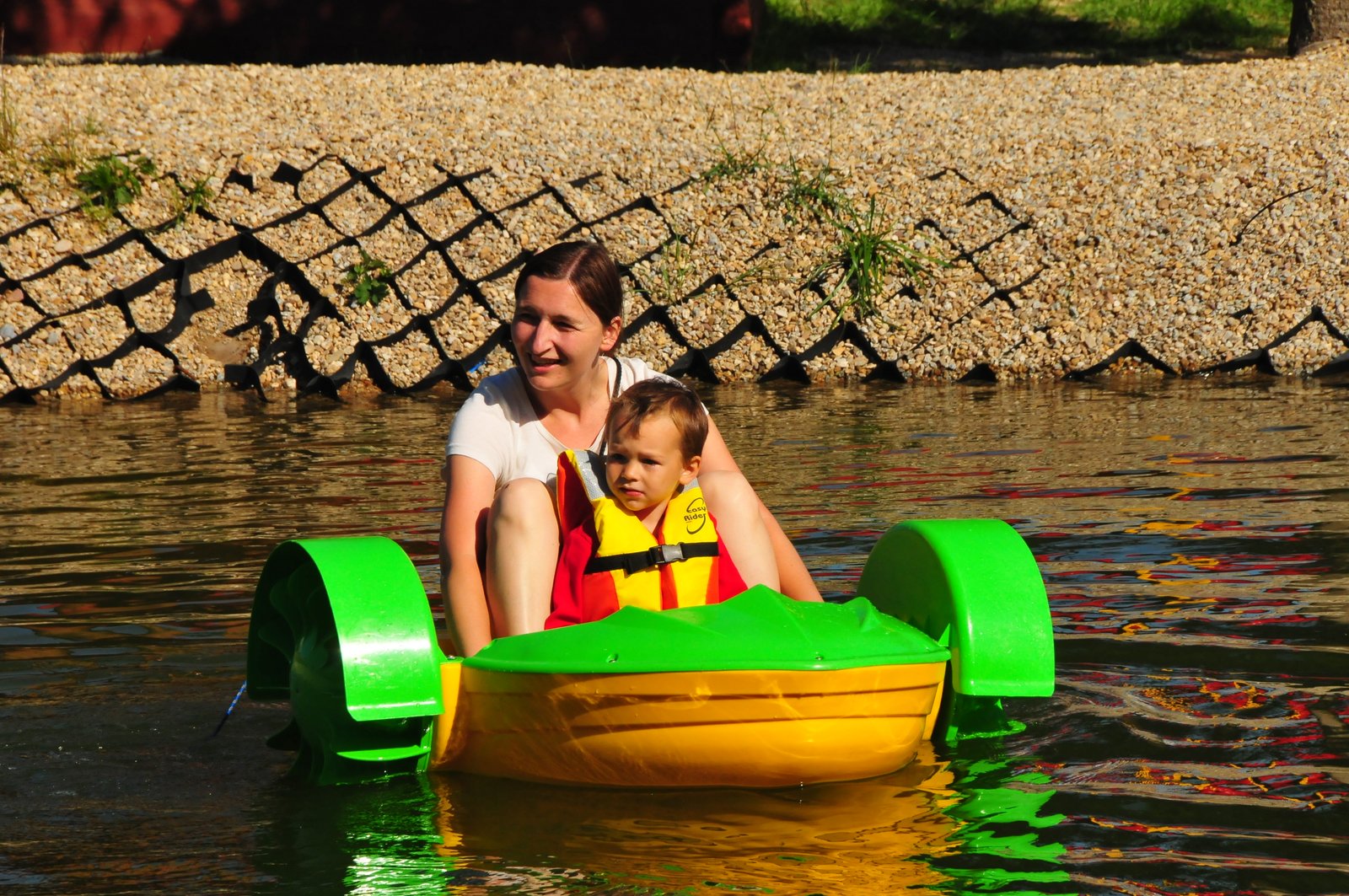
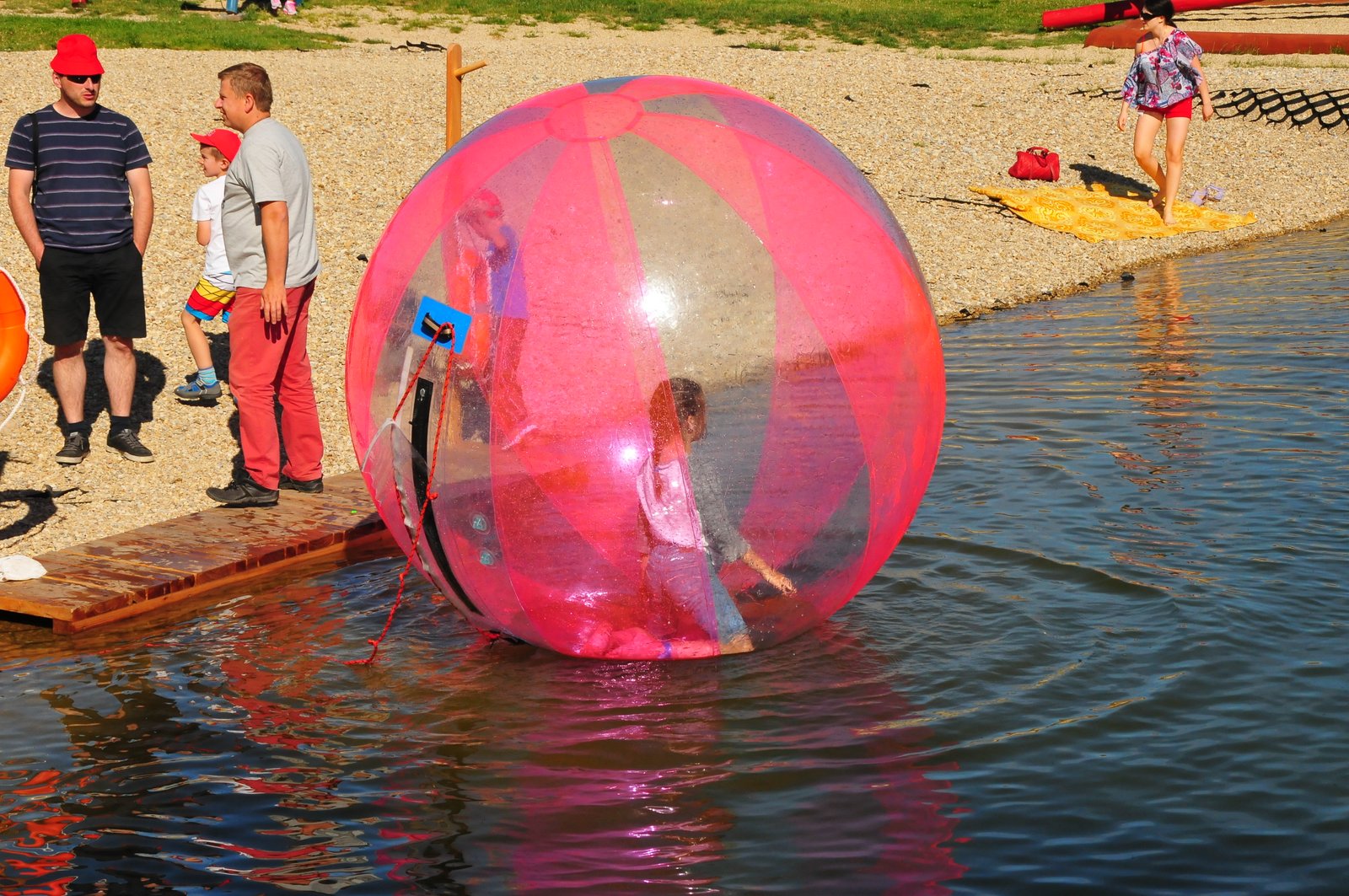
We head to a new park at the base of Babia Gora that includes a line park, several playgrounds, and those enormous inflatable balls that kids get in and look like they’re shrink-wrapped until the attendant inflates the thick plastic ball. L takes an hour to go through the line park. The Boy rolls about in a net of plastic balls. And K and I? We sit and scheme how we might get back alone so we can run the adult line park.
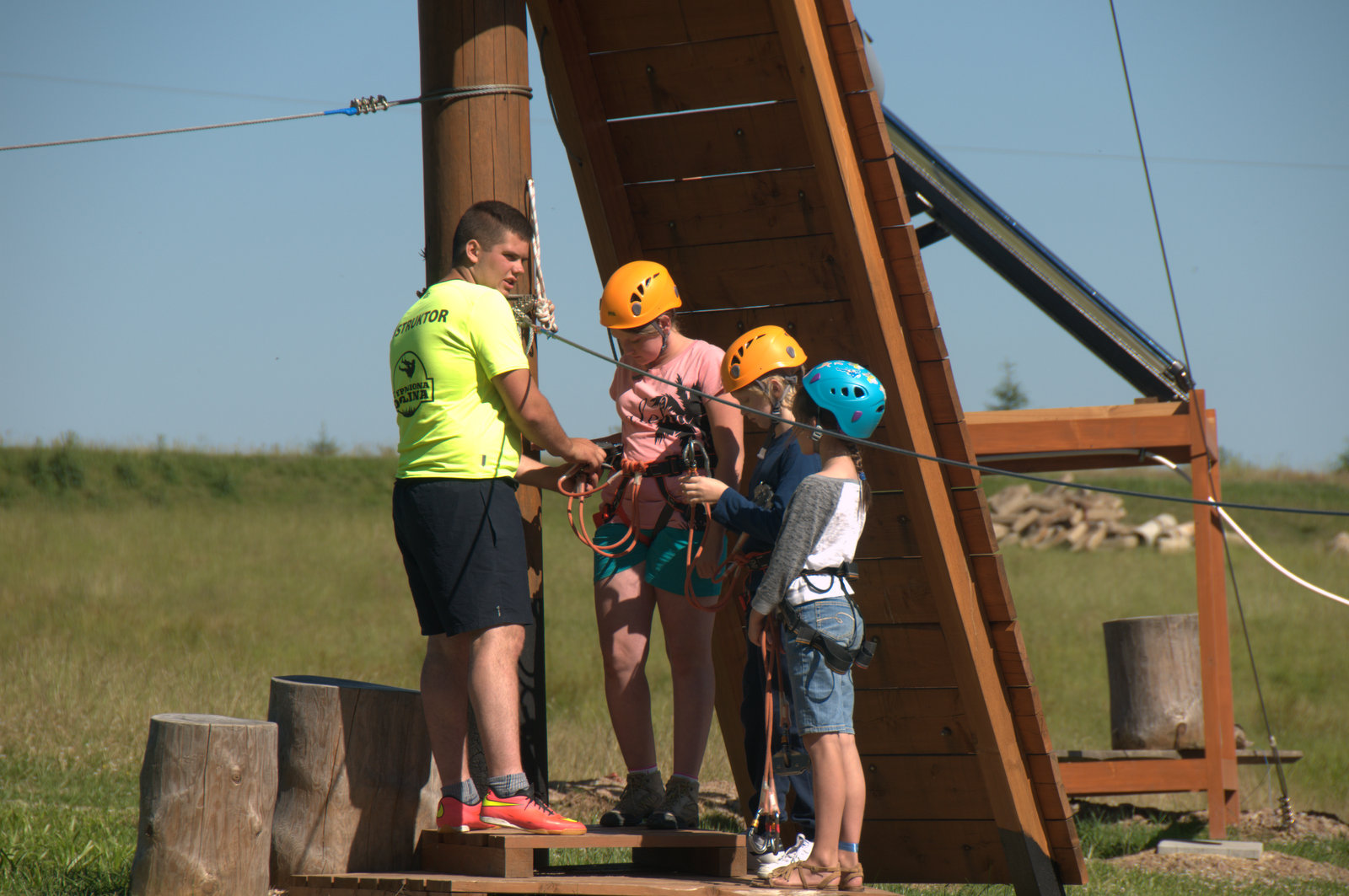
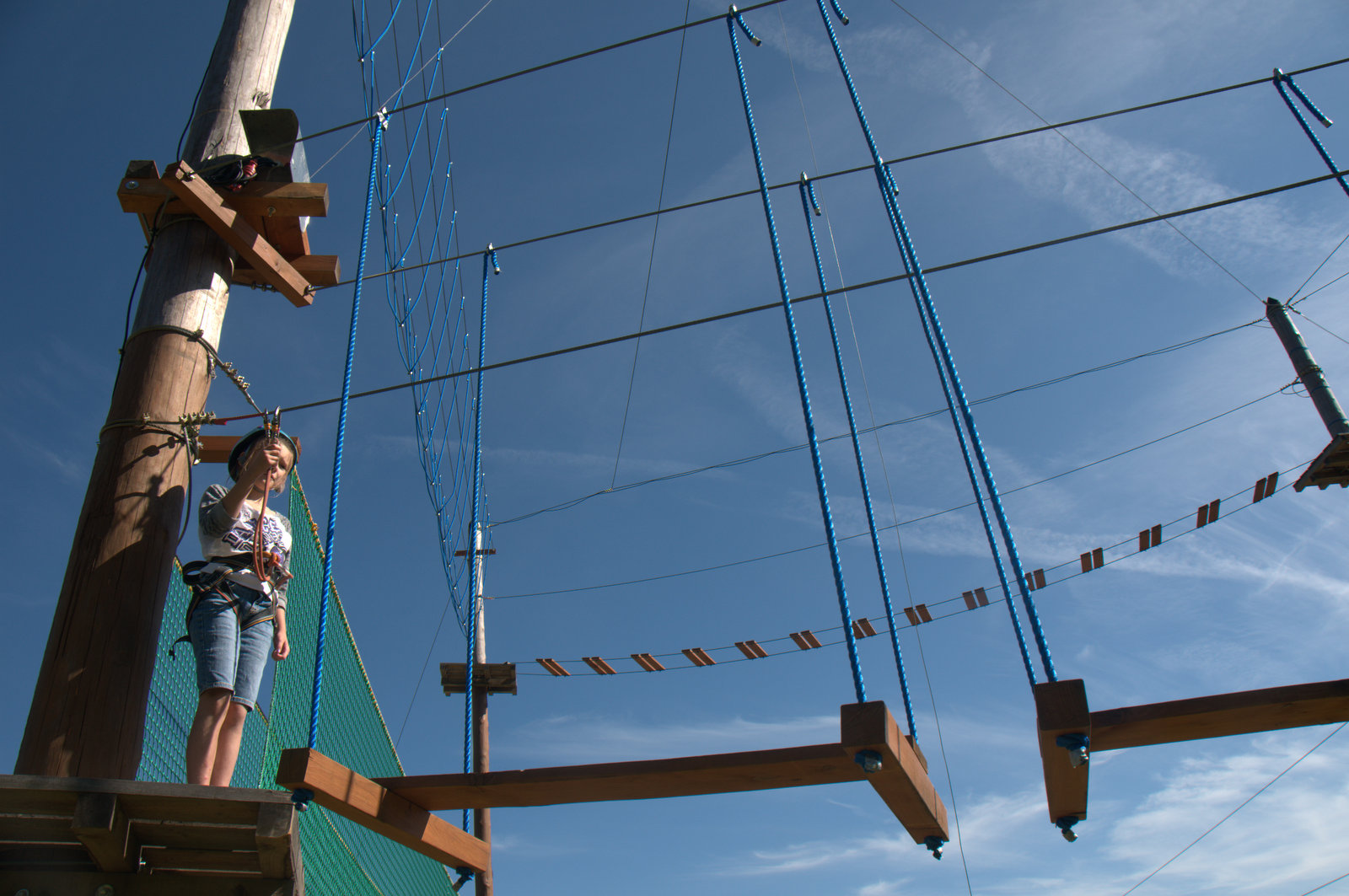
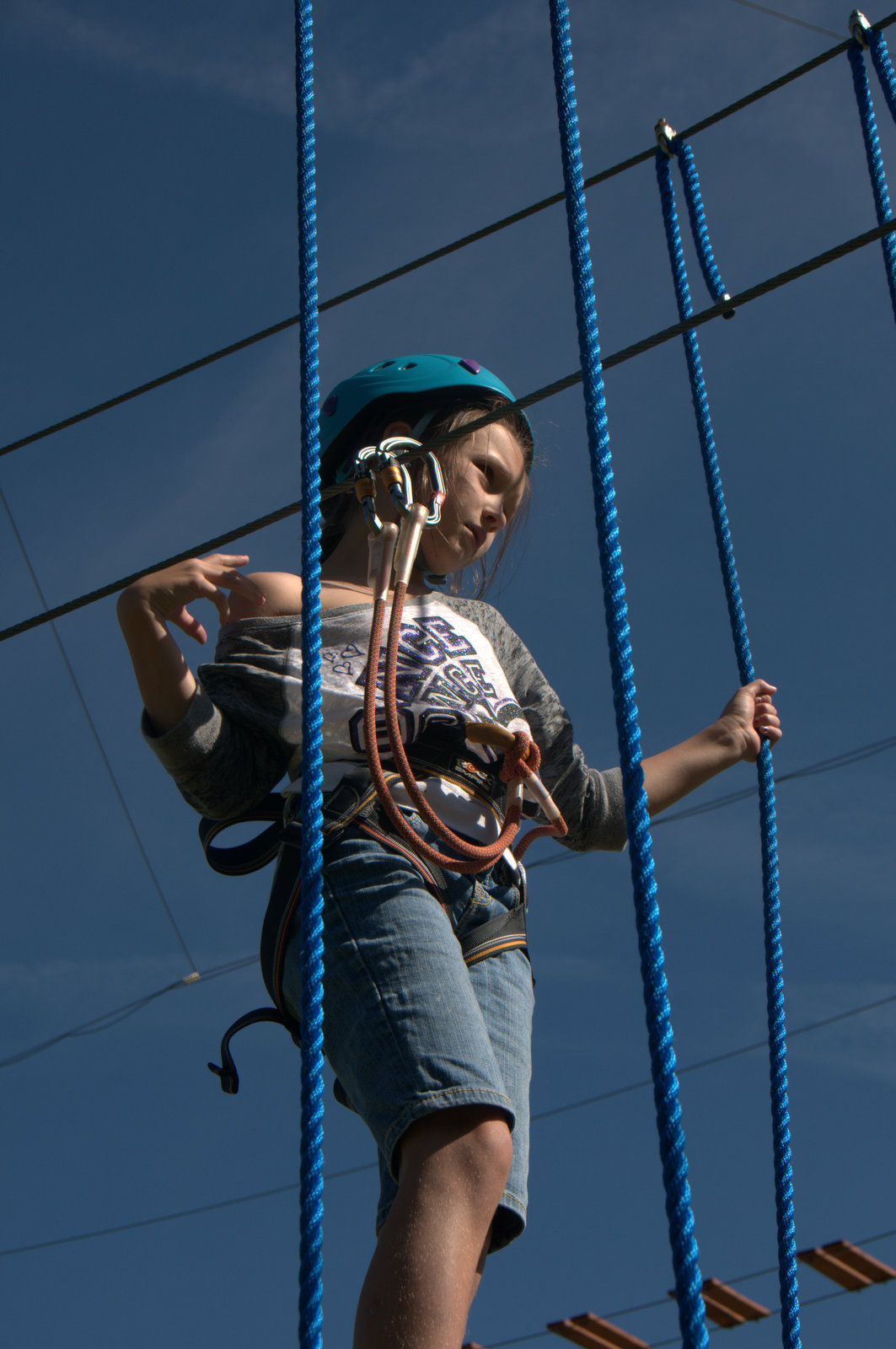
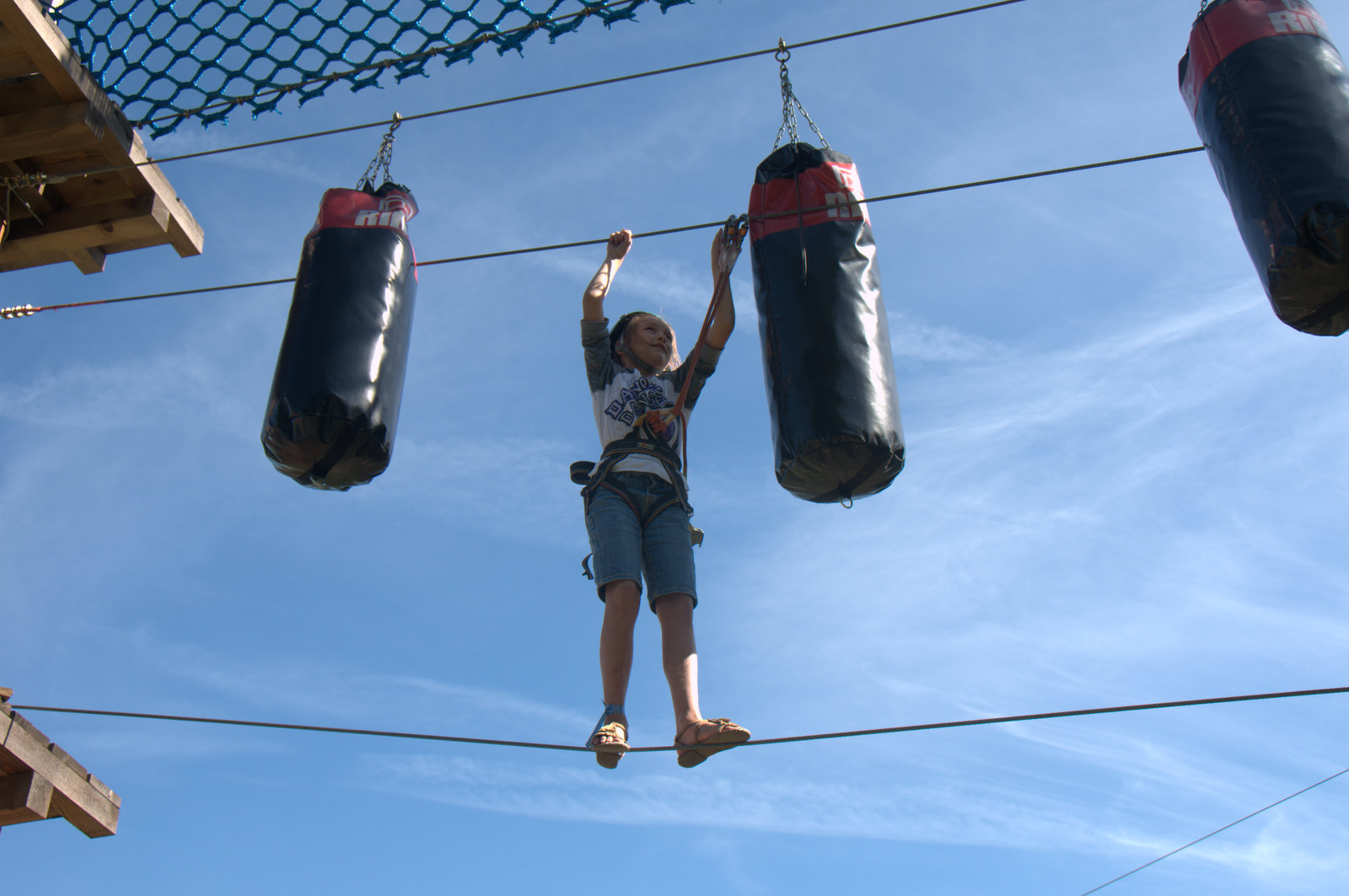
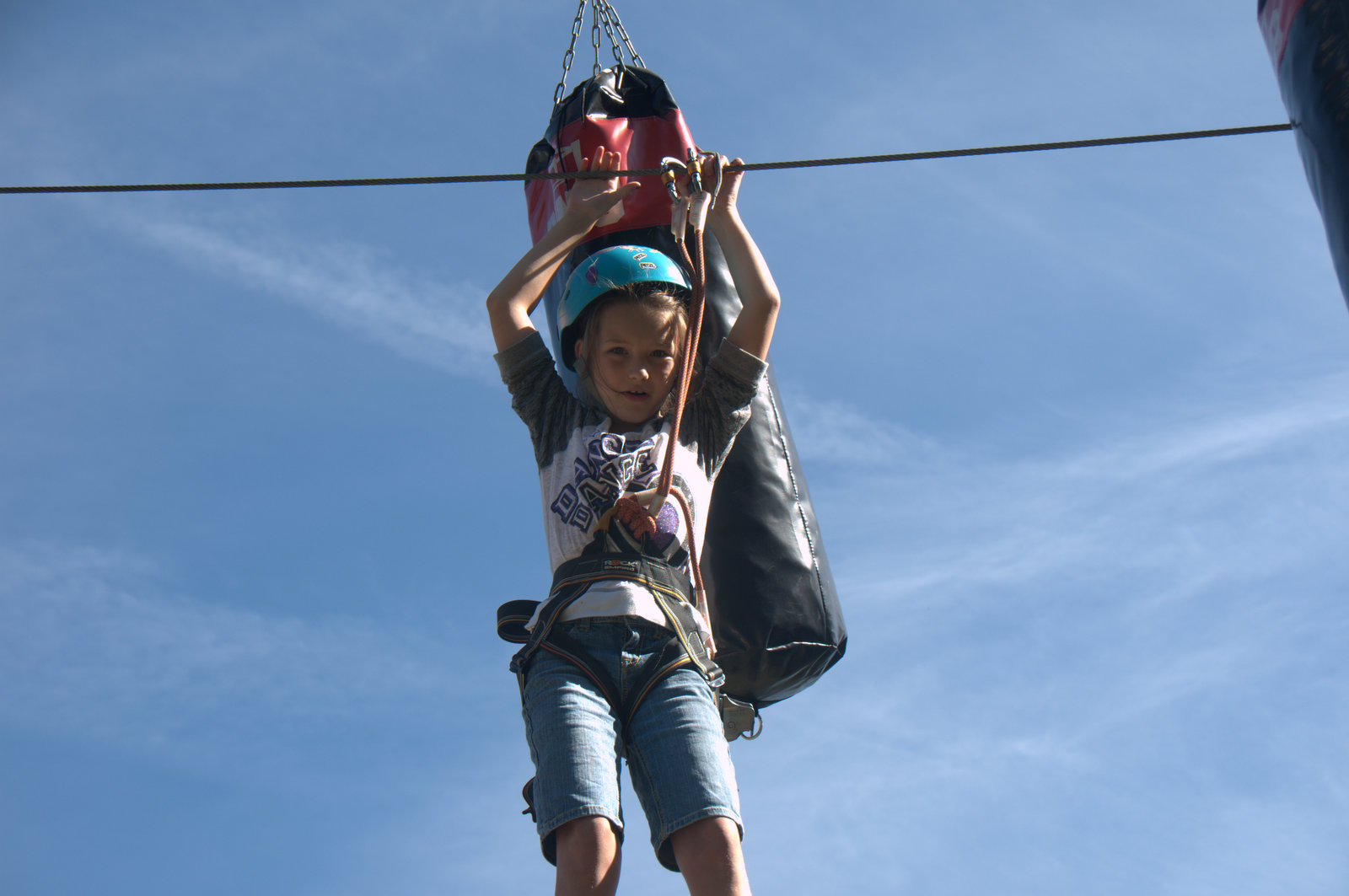
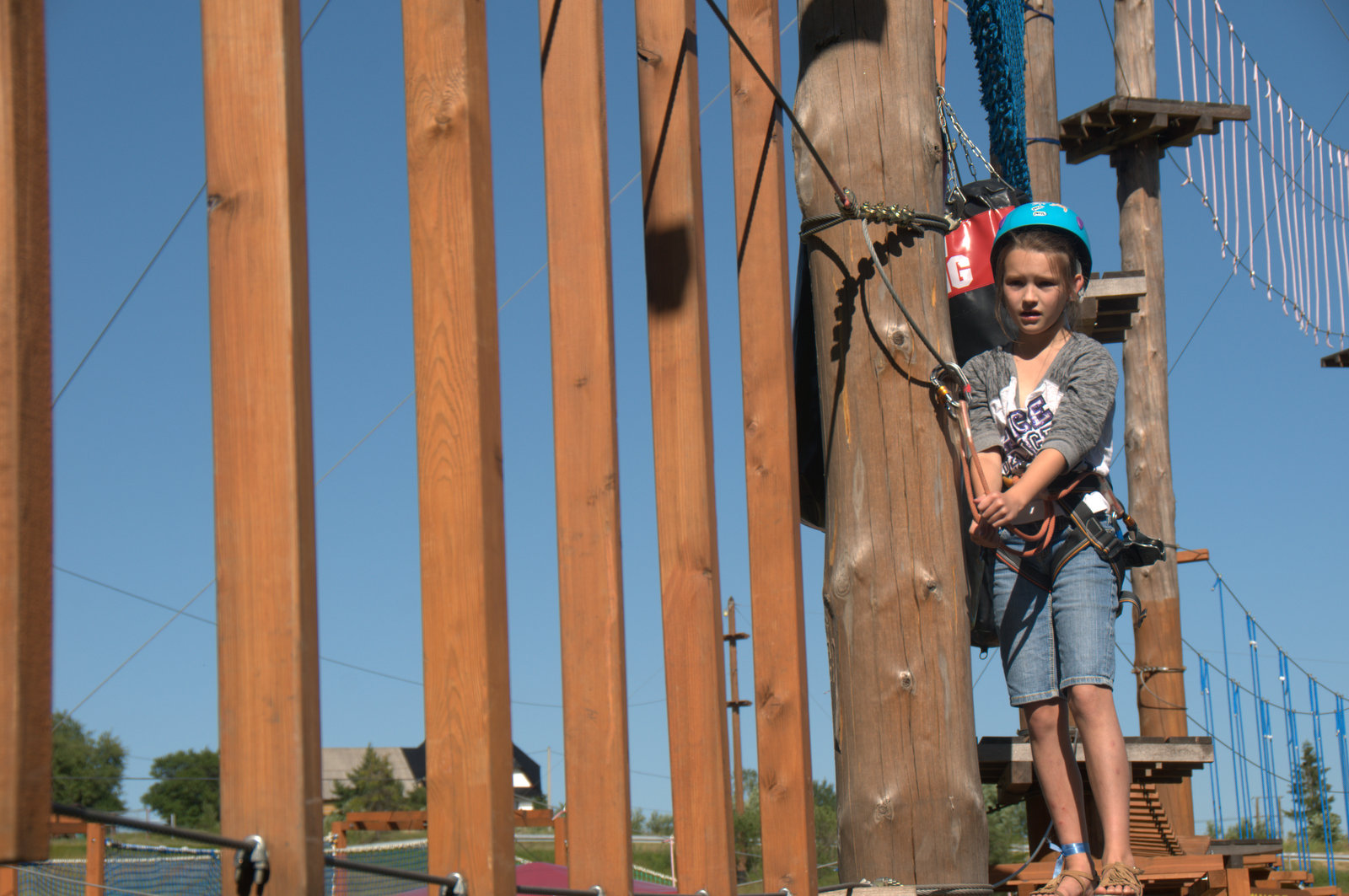
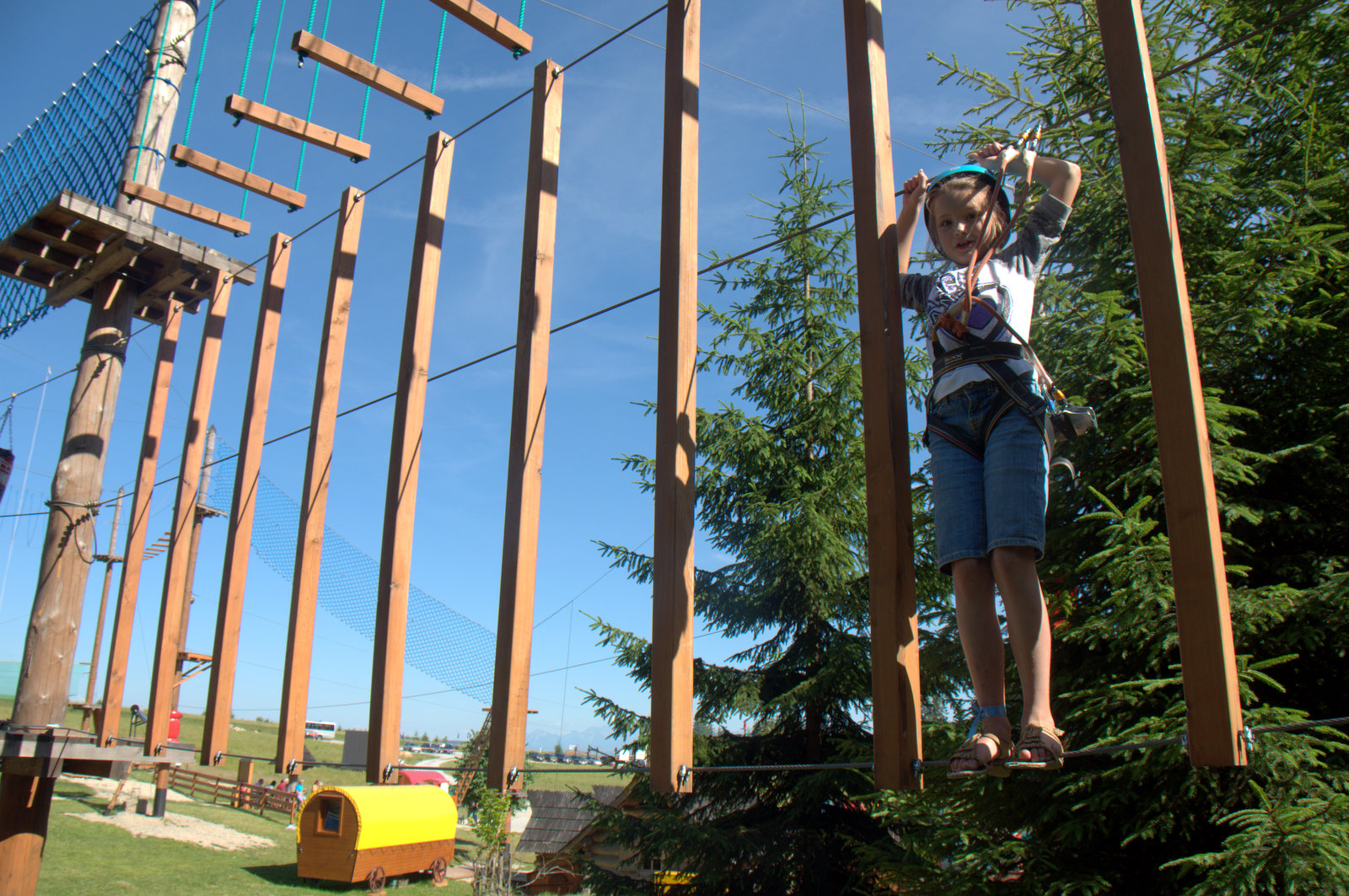
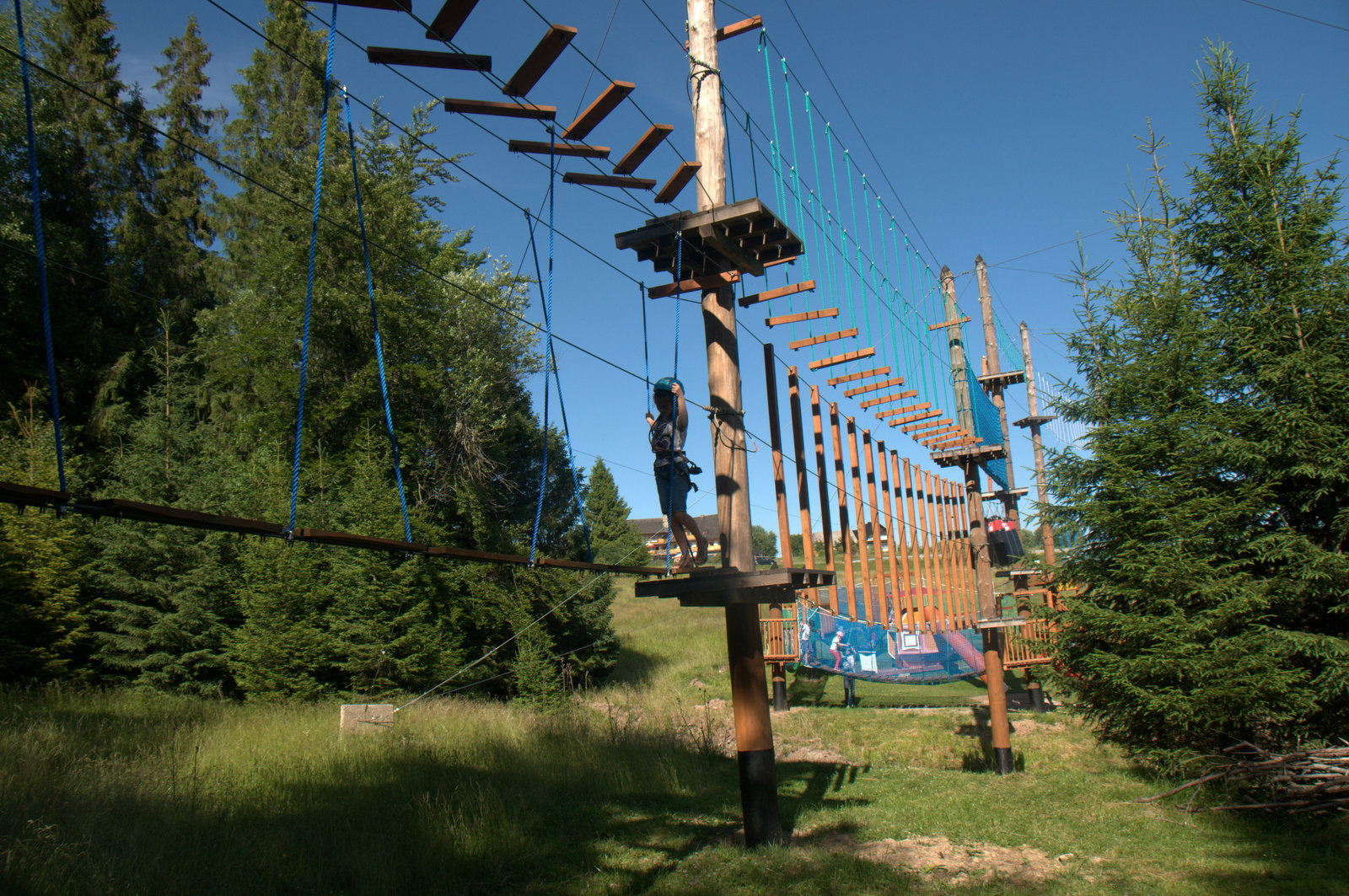
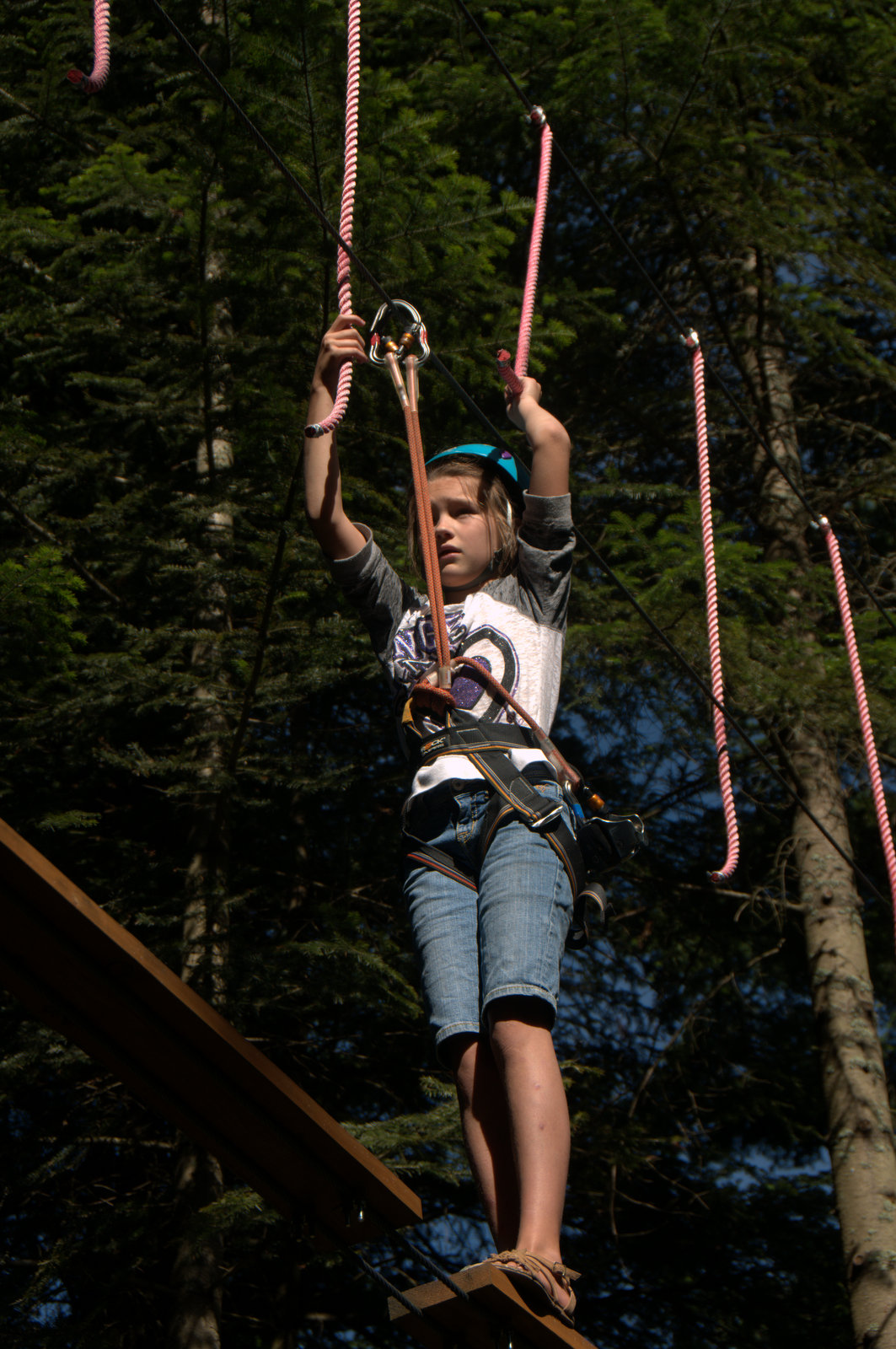
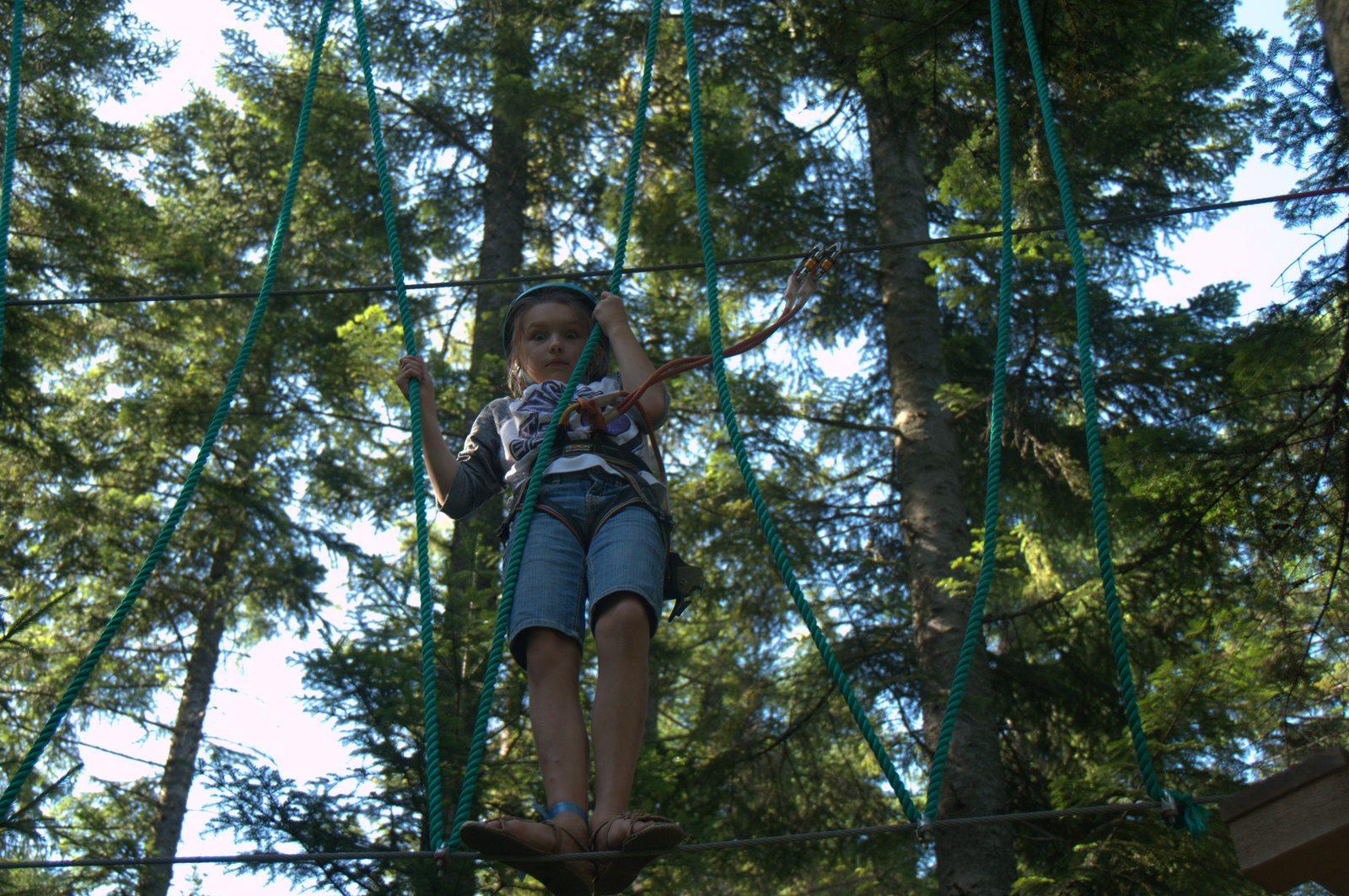
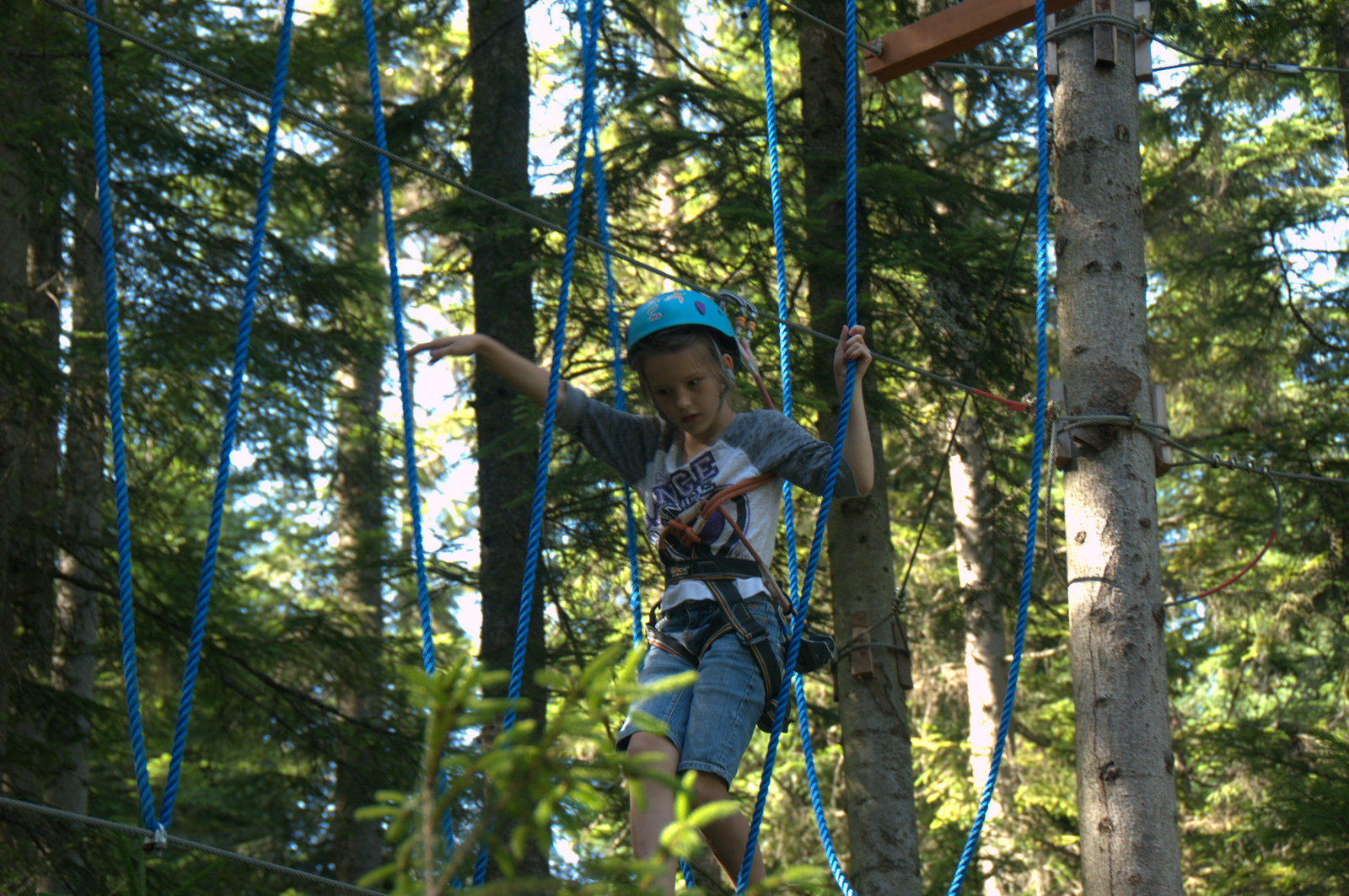


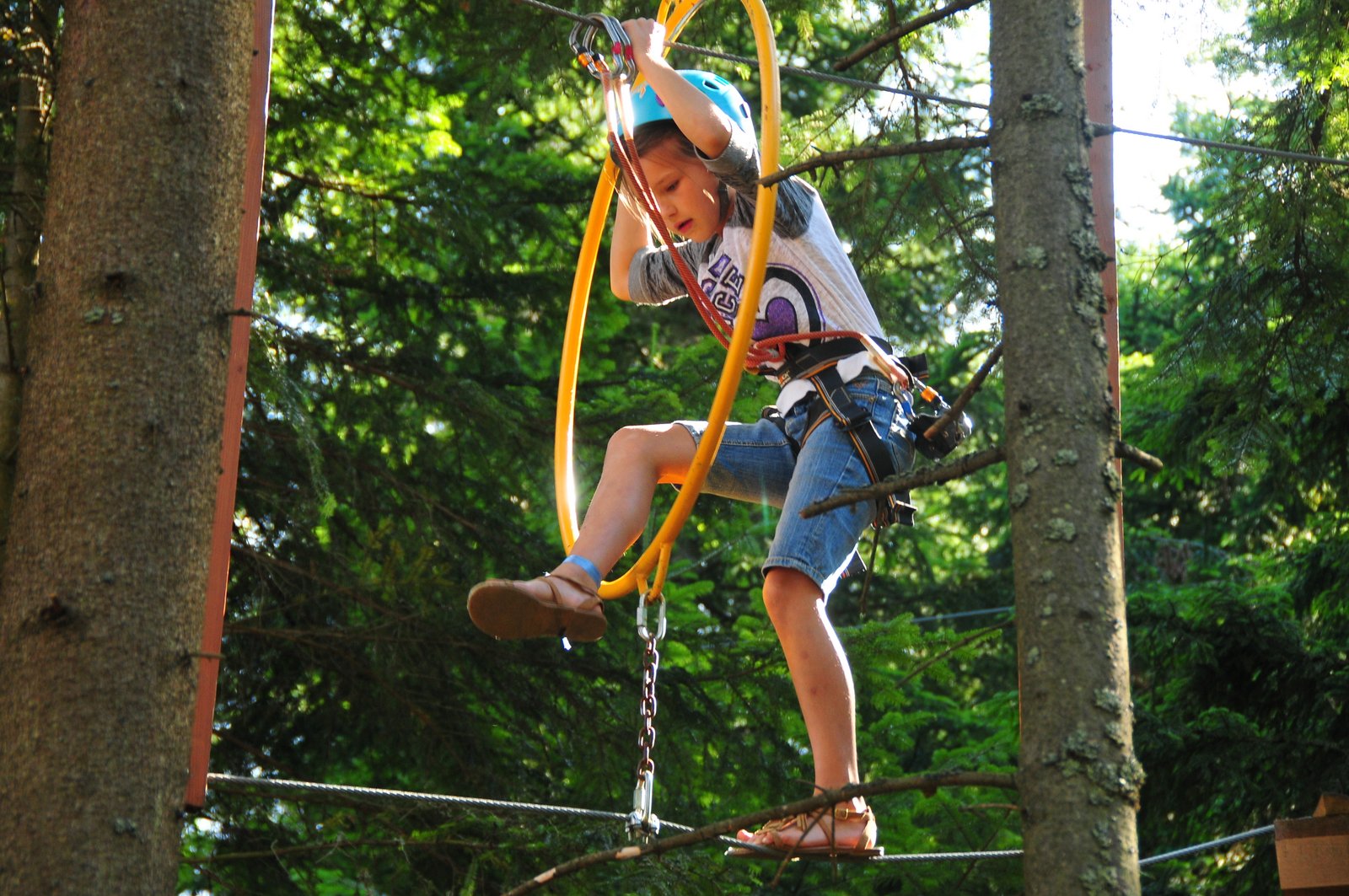
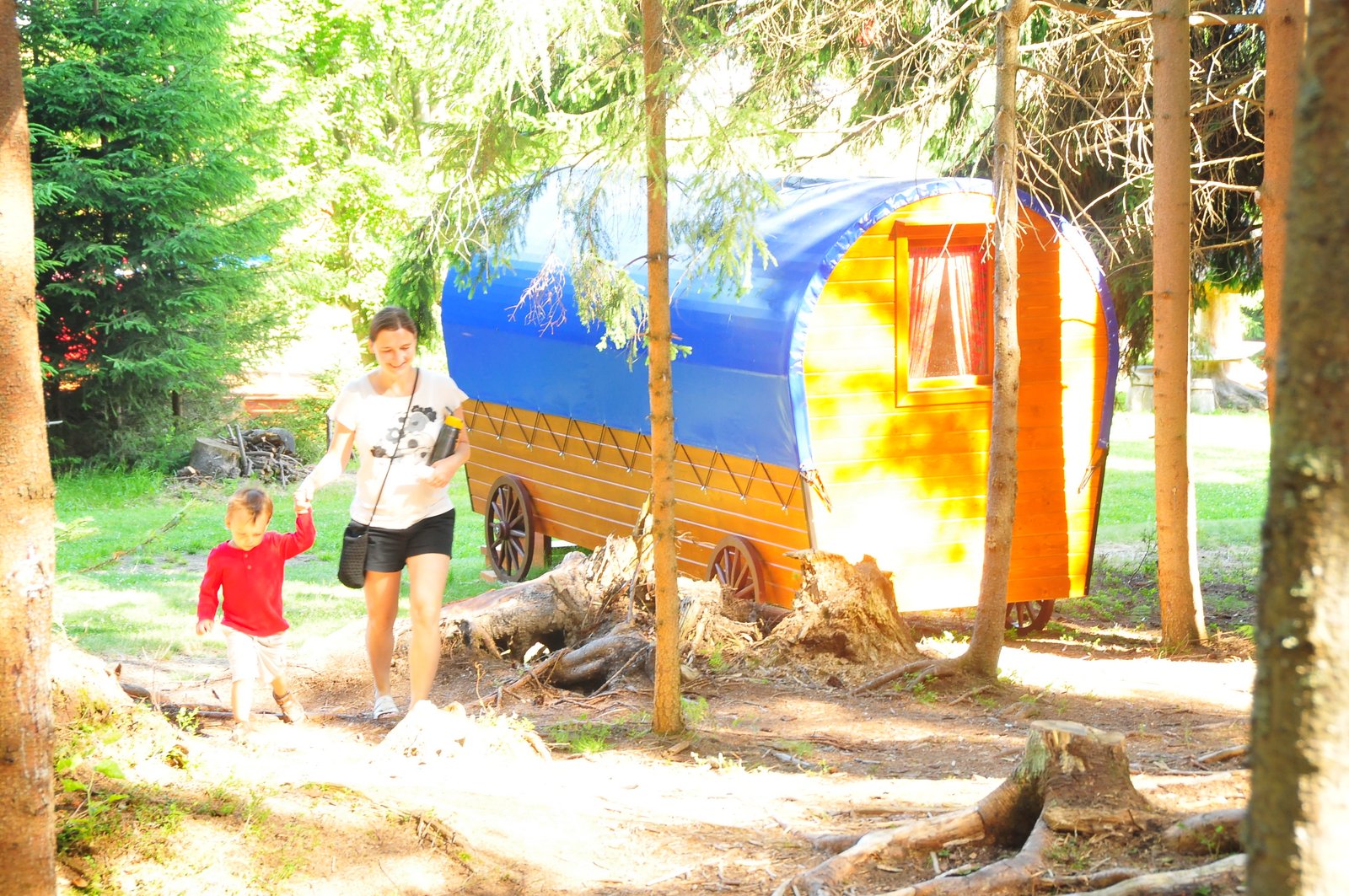

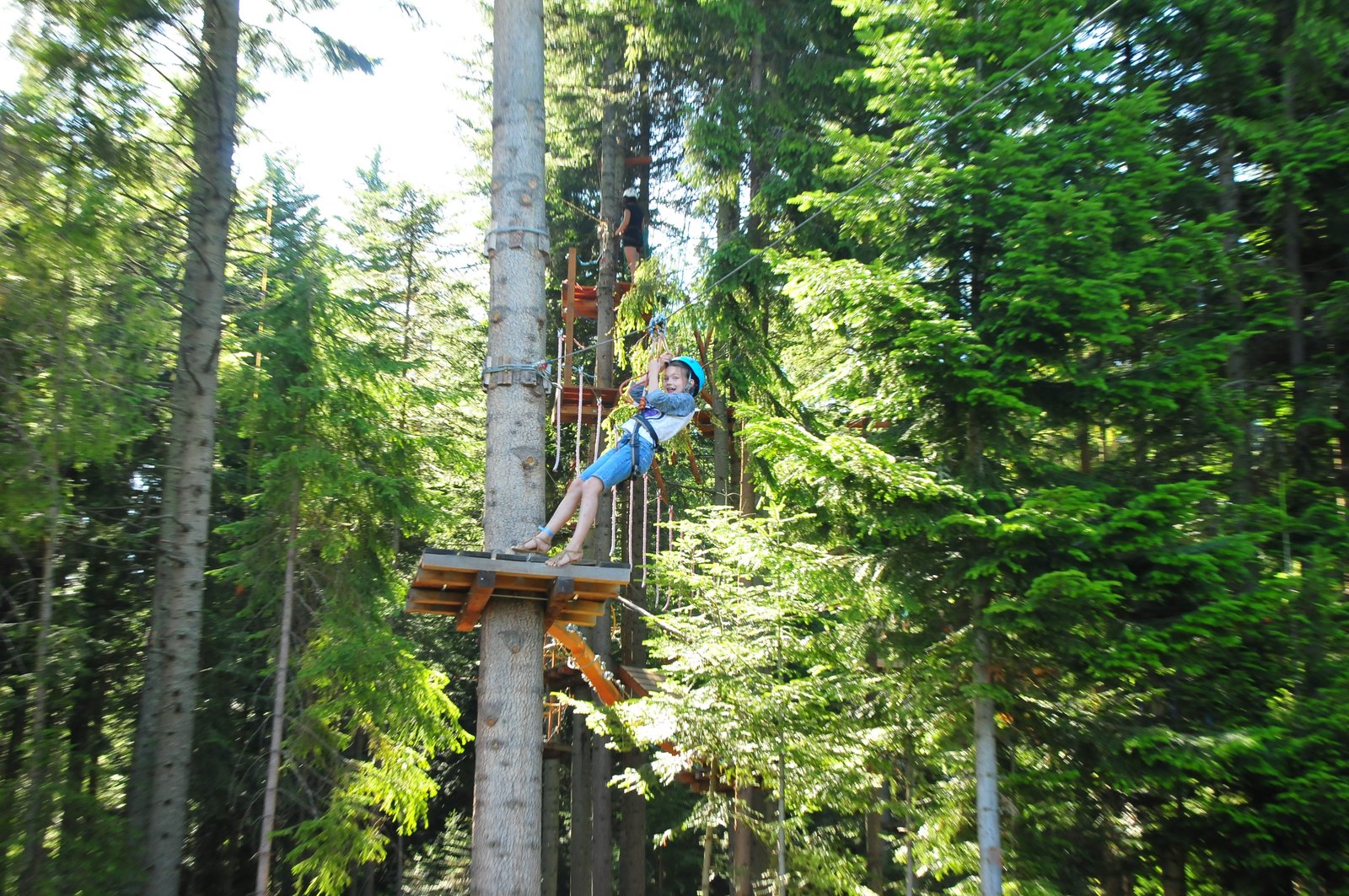
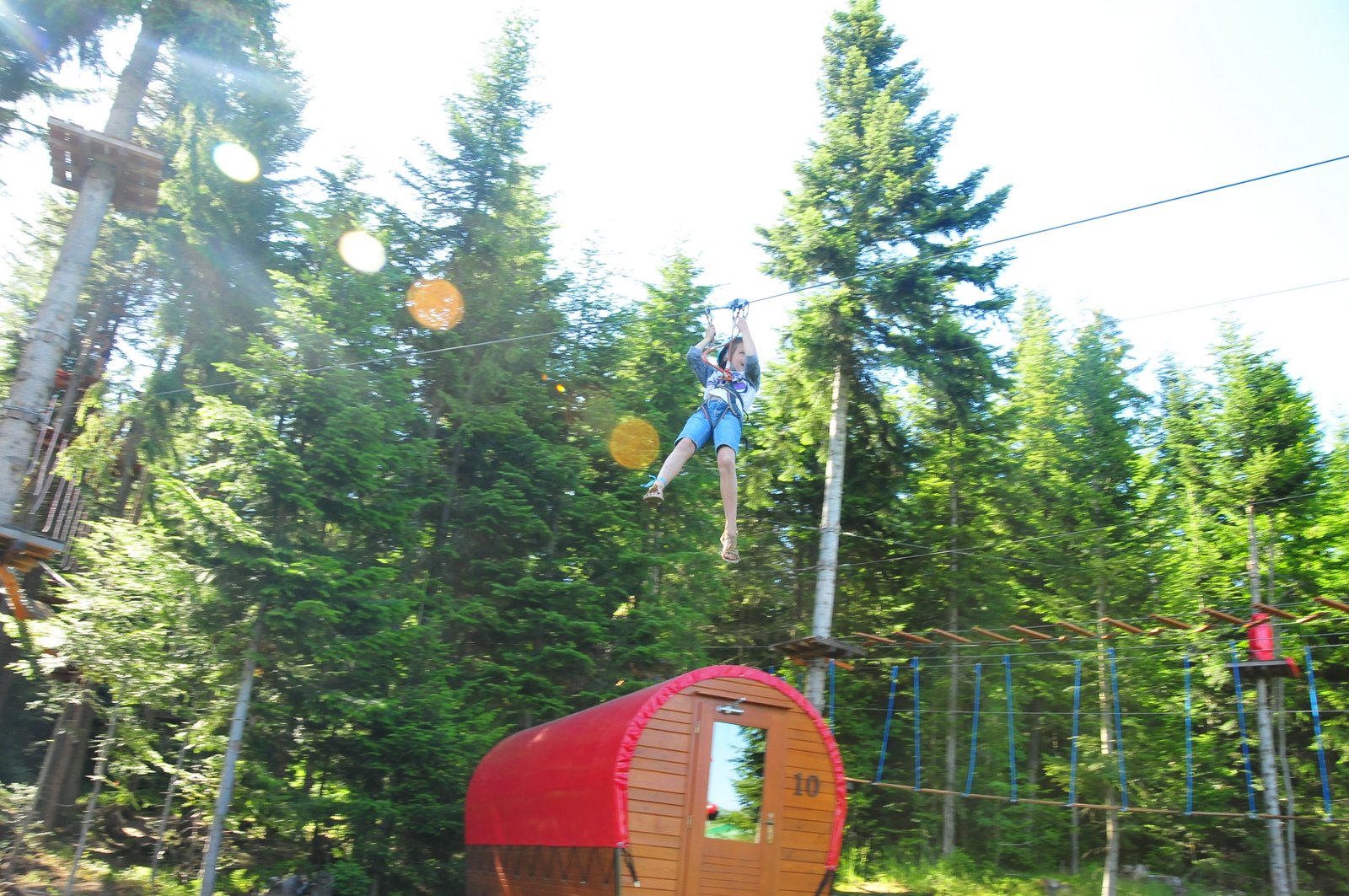
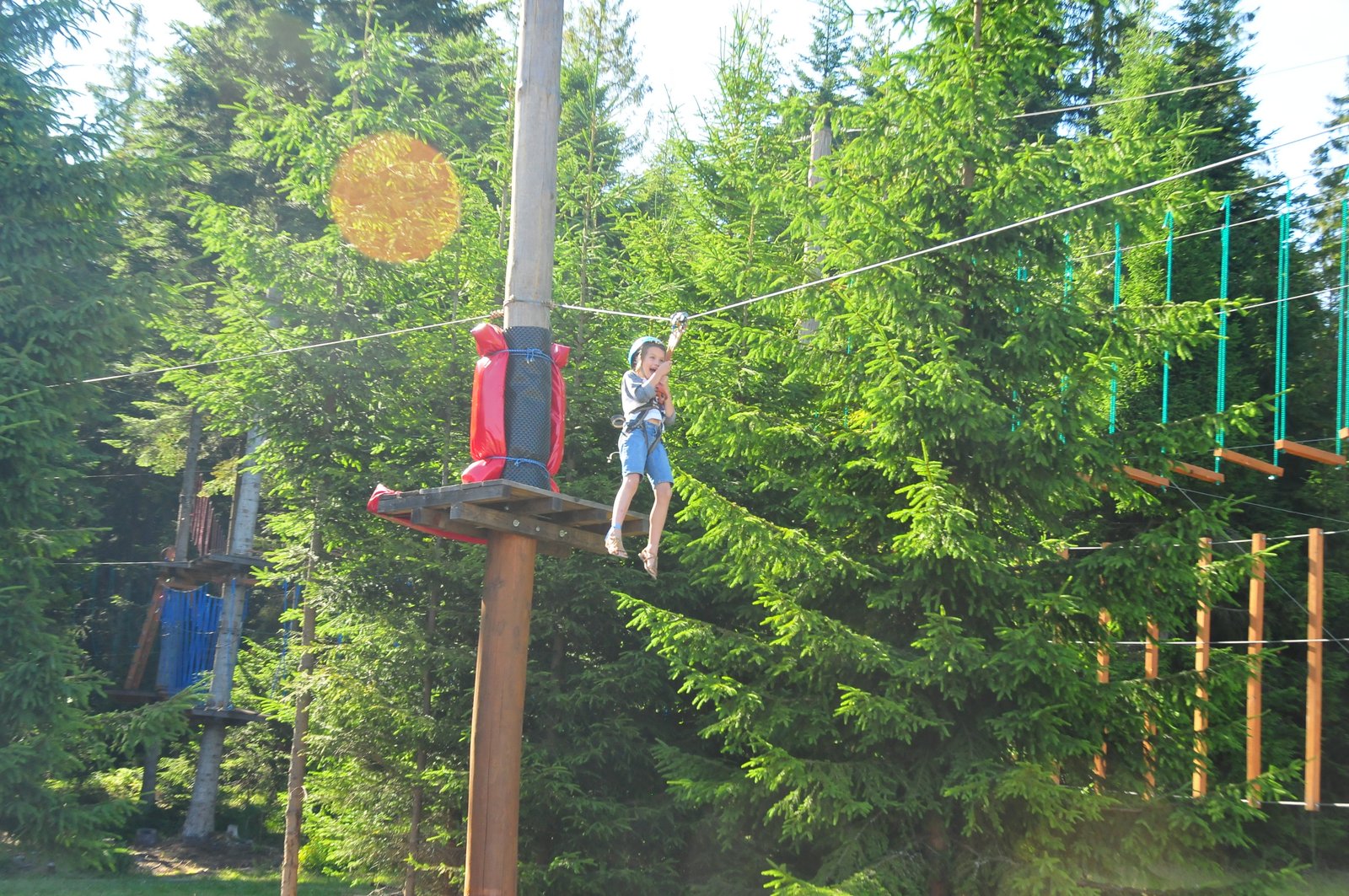

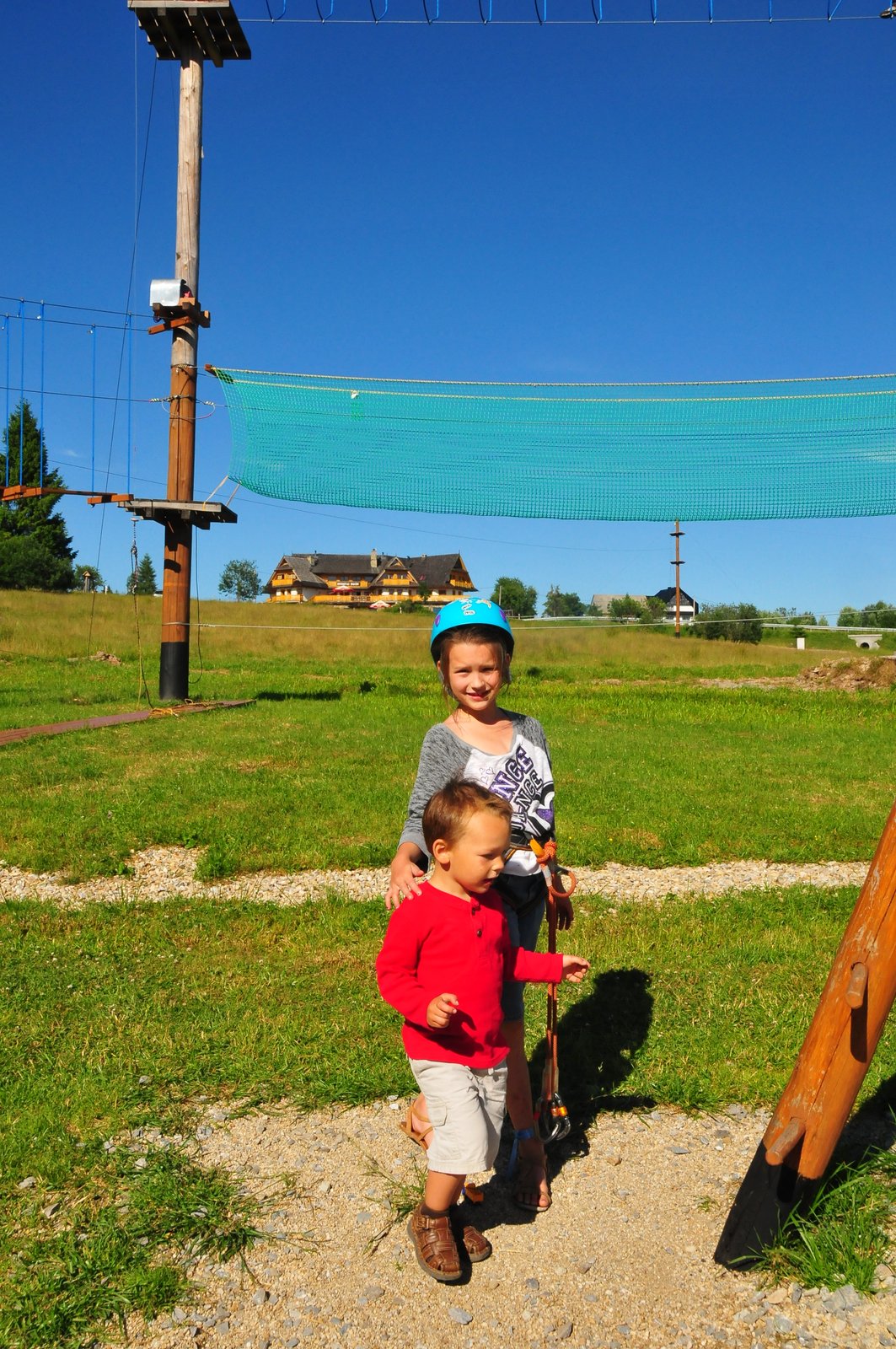
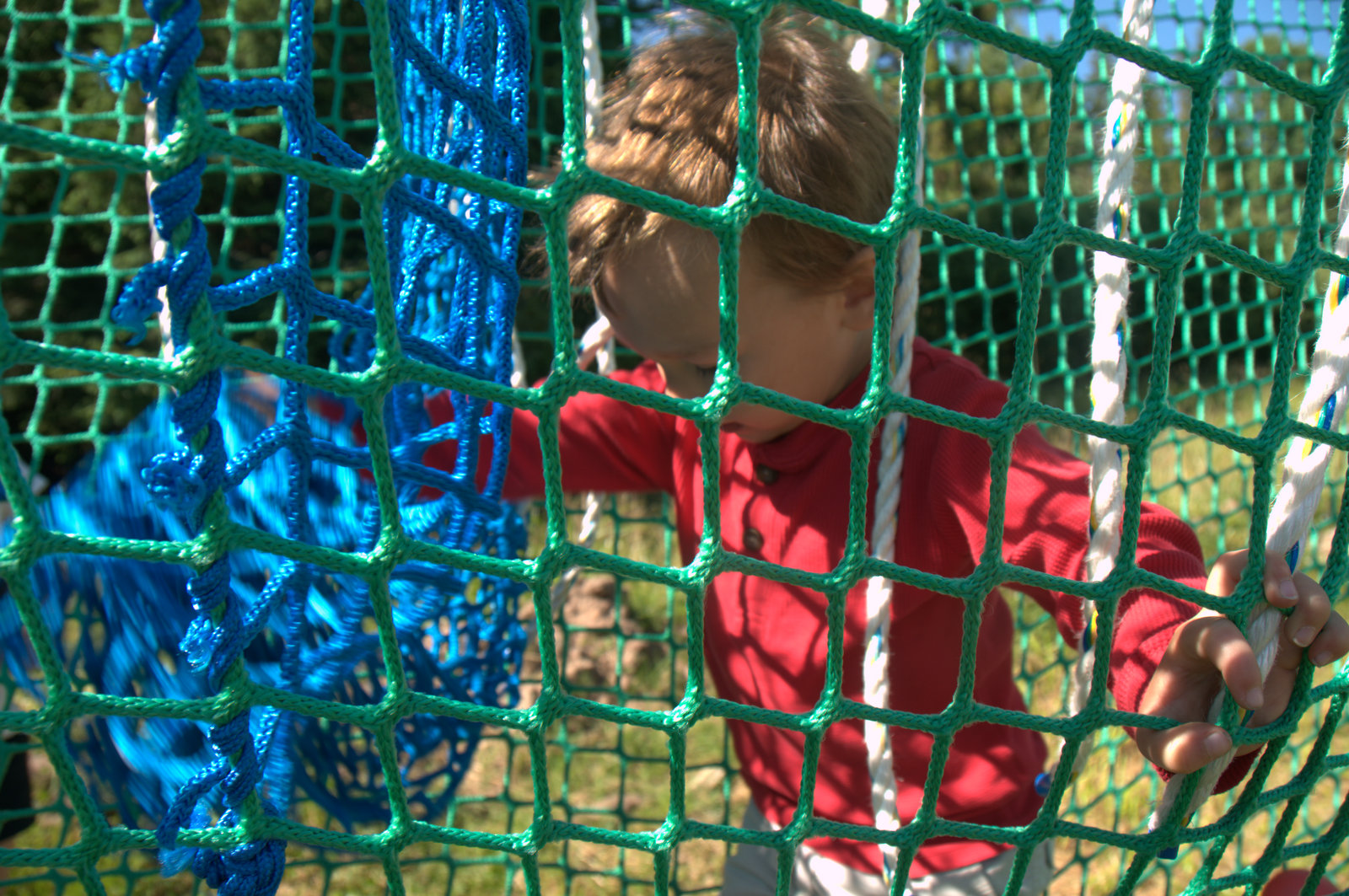
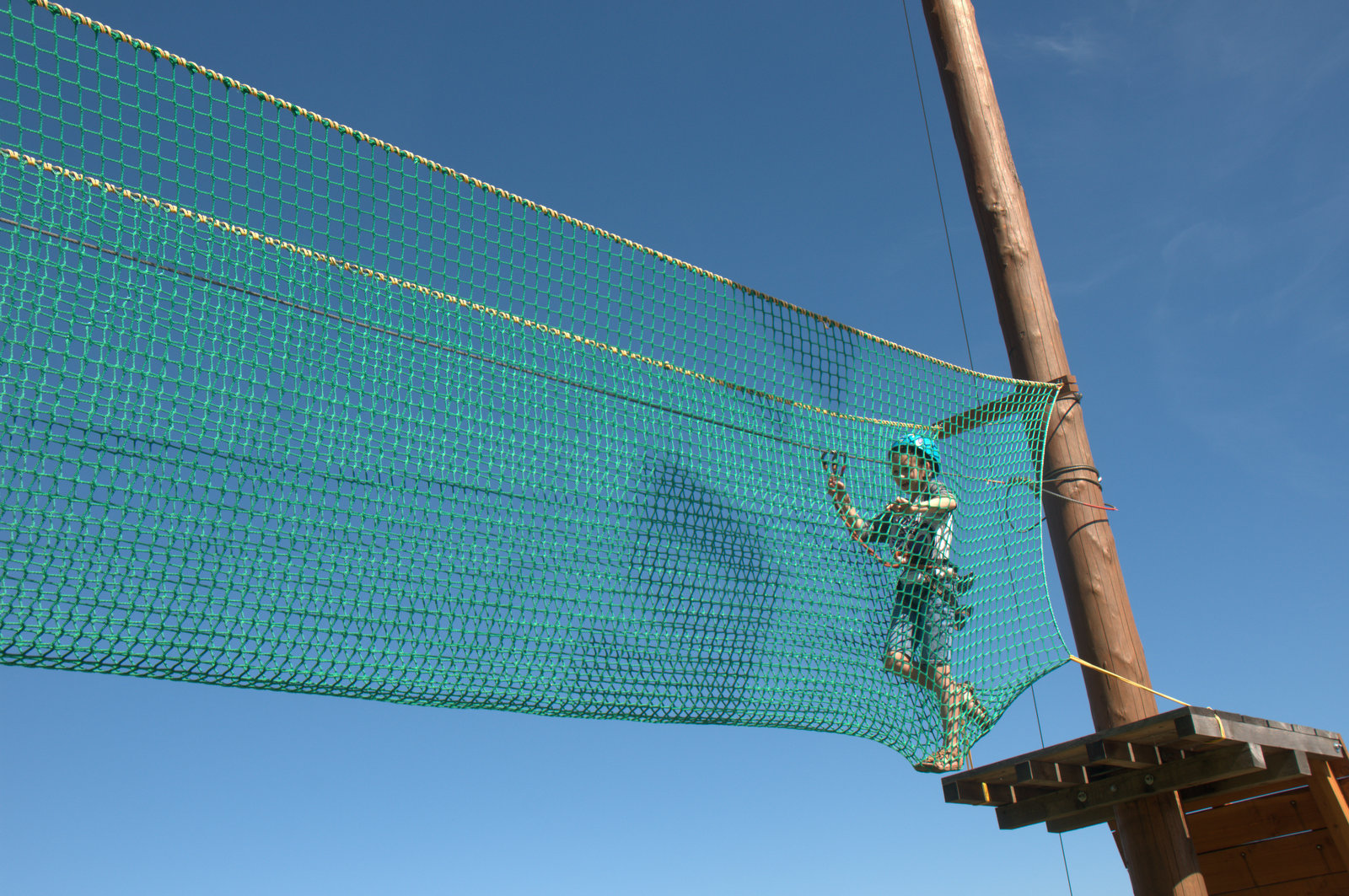
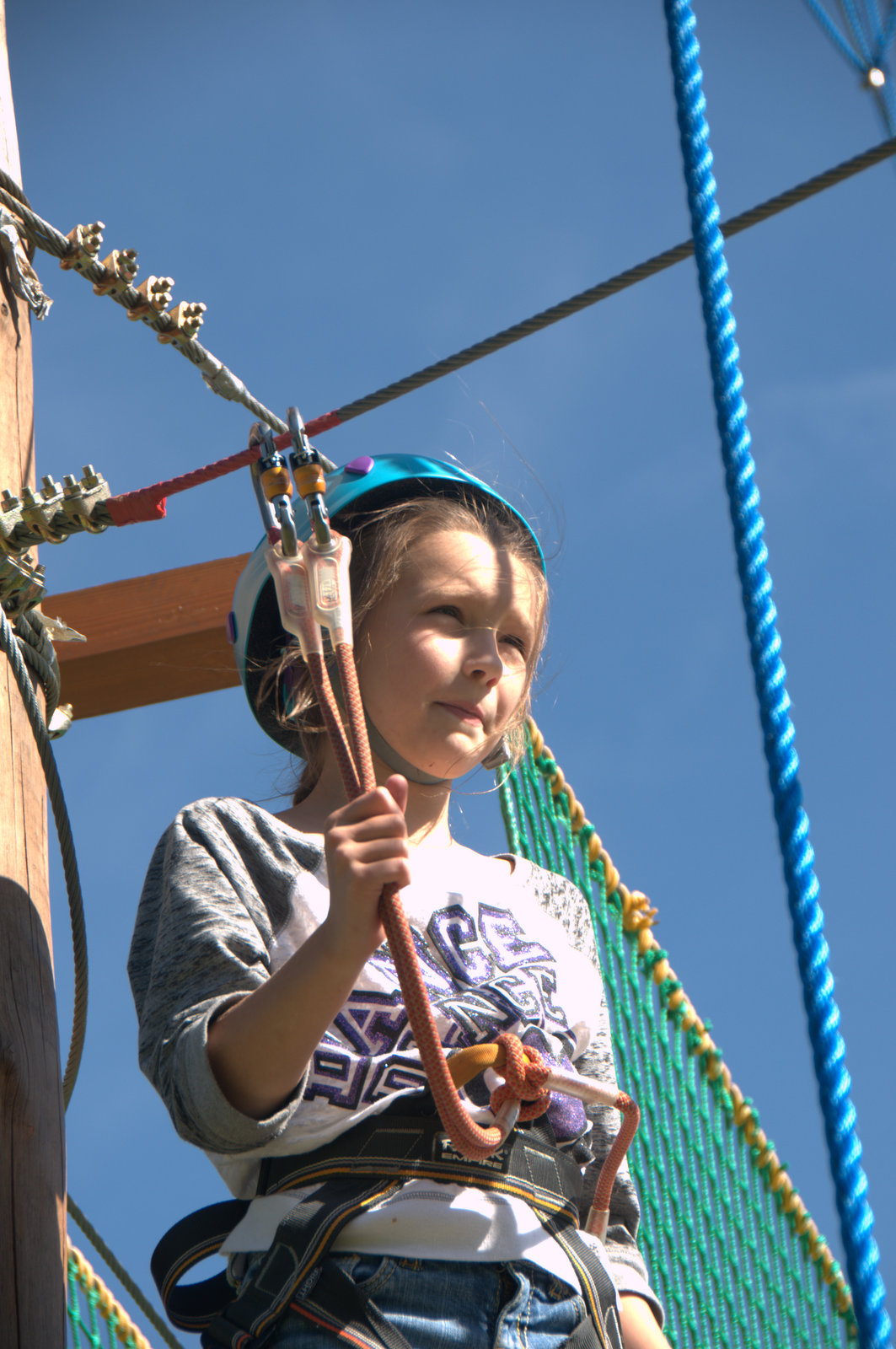
A touristy day in K’s home village. Who would have thought it?
The day started with a walk. The walk. The walk we go on several times while we’re here. The walk K and I took together countless times before moving to the States. That walk.
It starts in “town,” so to speak, with fairly common rural Polish views — the metal worker neighbor who also raises ducks and chickens in his yard. K’s parents used to have a similar little farm where they raised chickens, rabbits, the occasional pig. During the Communist period, there were so few goods in the shop that it really was the only way to have access to certain items on a reliable basis.
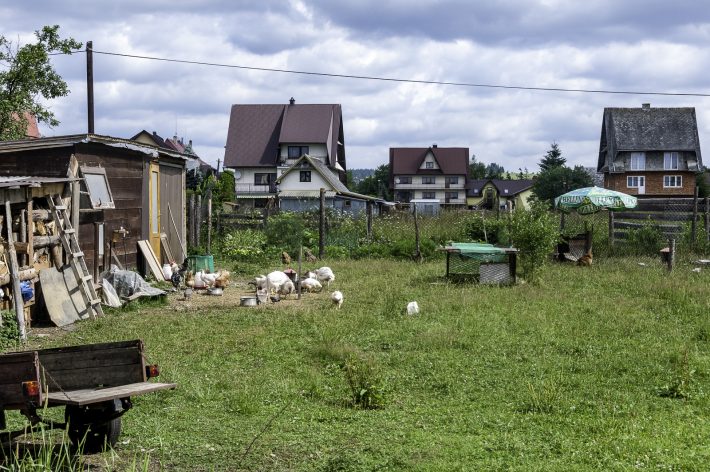
But within a few moments, the walk leads us into the fields, away from any house. Or at least it used to be that way. These days, the houses are moving further and further into the fields. People are converting beet or potato fields into lots.
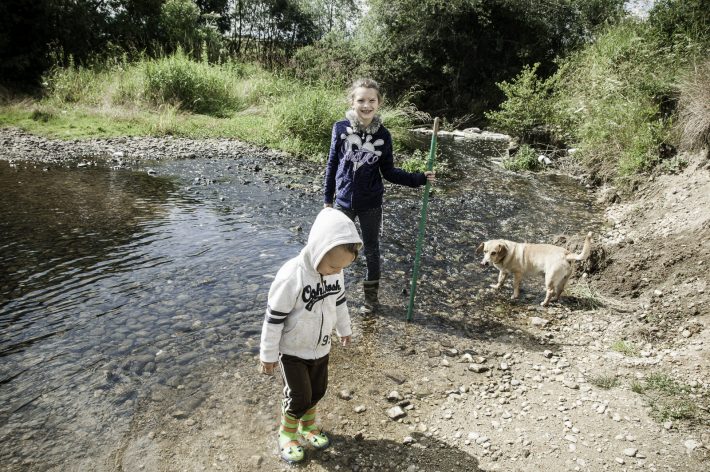
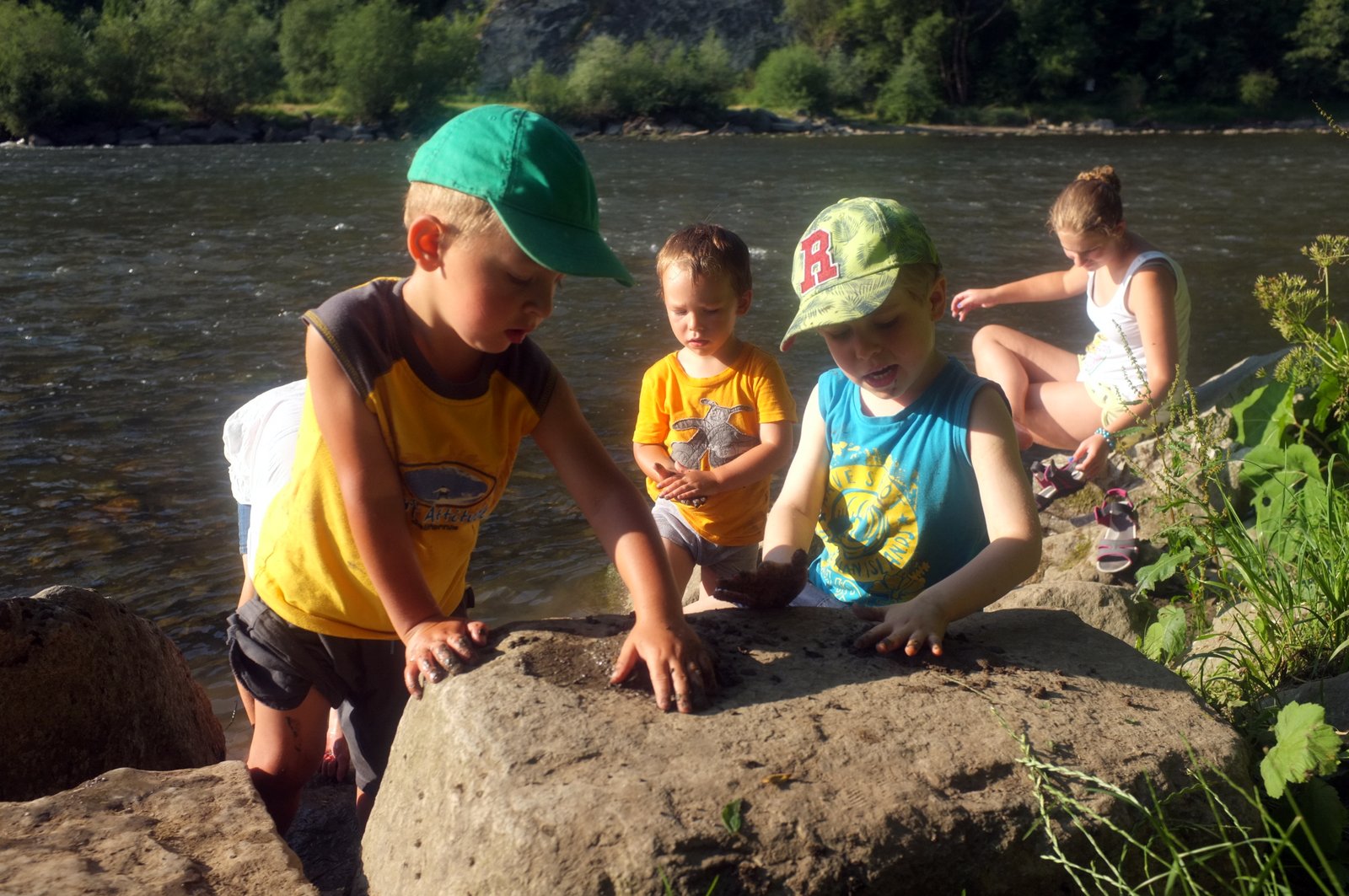
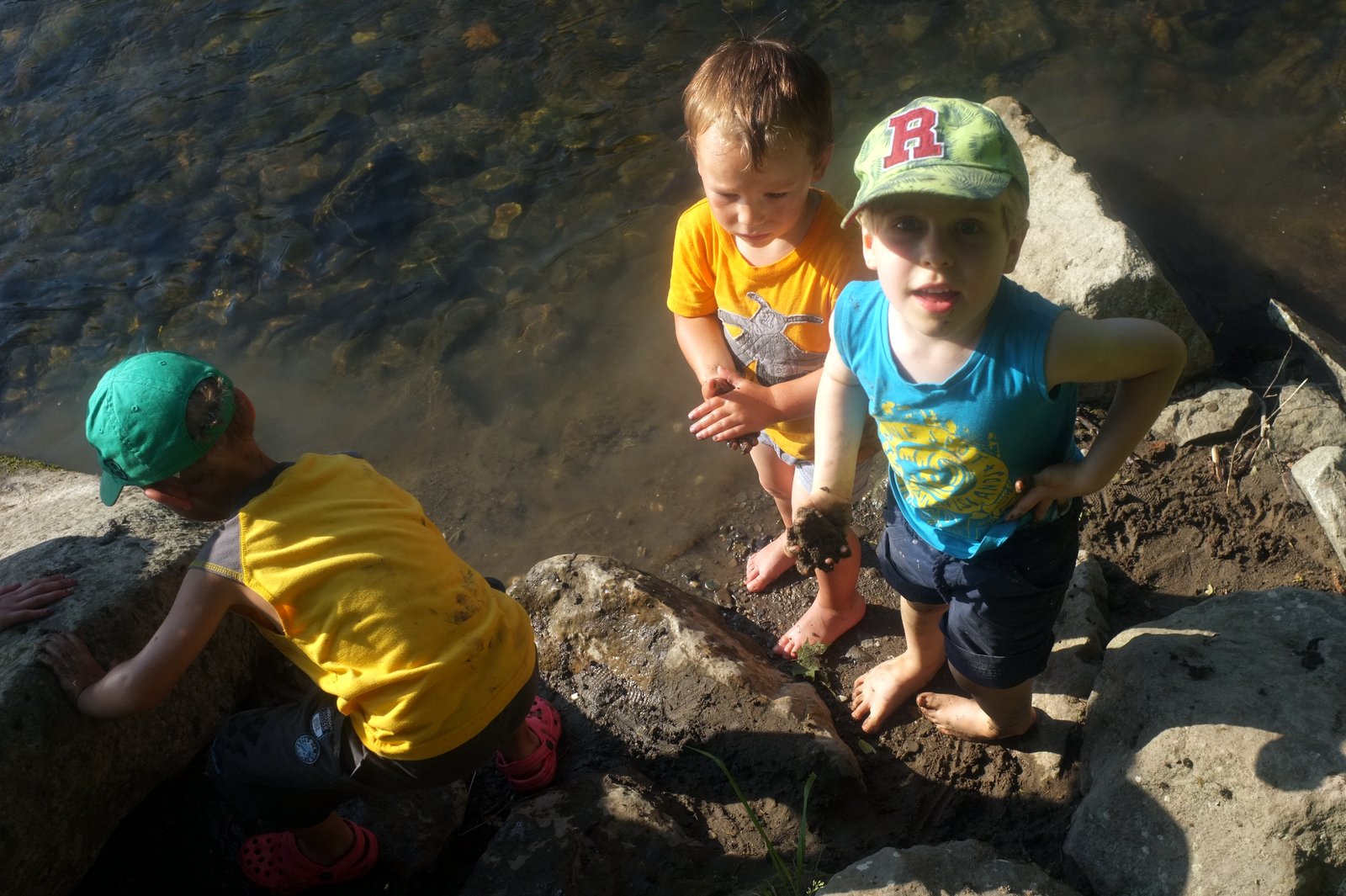
But it’s still fairly rare to find single houses out in the middle of a field. They still tend to clump together near the two main roads that go through Jabłonka. We went out in search of mud, getting the kids dressed out in gum boots and jackets, and both kids were completely convinced that we’d find plenty of mud.
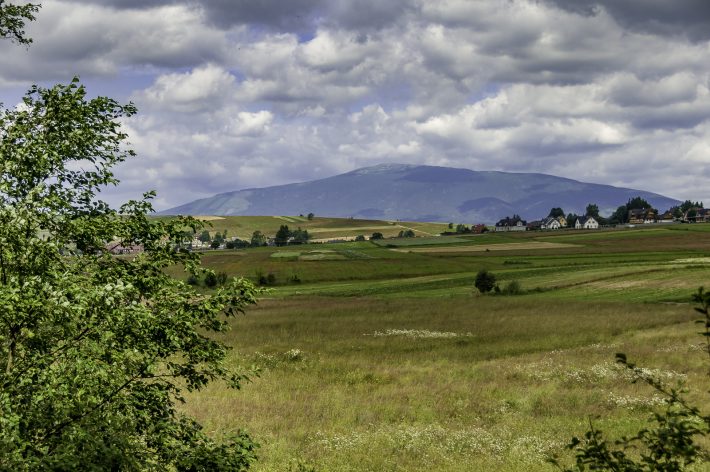
We walked among fields of potatoes and various grasses
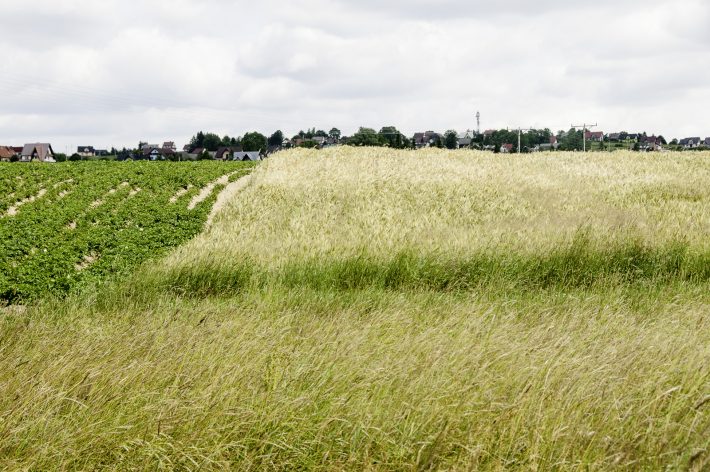
but in the end, we could only find a few mud puddles. And when we did find puddles, the kids took turns in the small puddles.
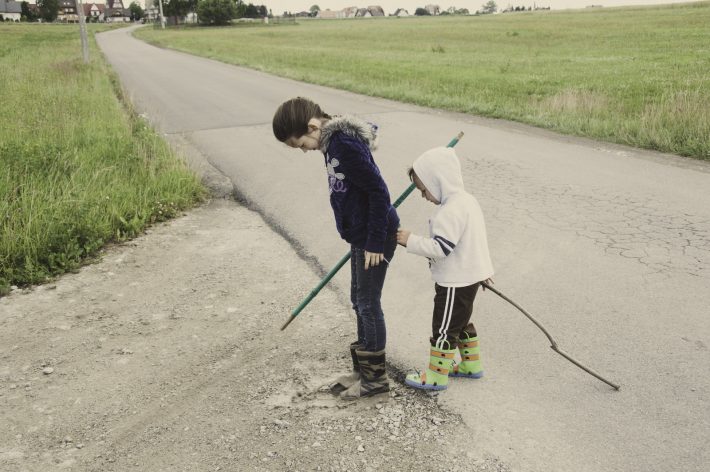
In the end, we walked probably close to two and a half miles and had only a little mud on the gum boots to show for it.
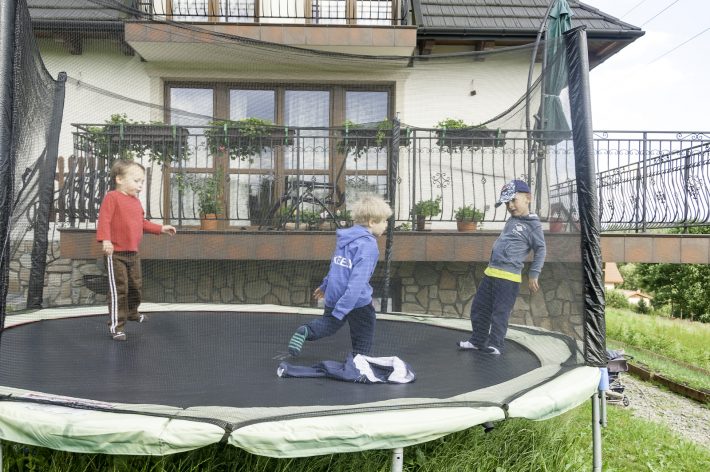
In the evening, we headed back to Pyzówka to visit with K’s nearly-sister and a mutual friend from Warsaw whom they met more than twenty years ago at a summer camp and stayed in touch since. The last time the three couples got together, we were, more or less, just that. Three couples. One couple had become a family, but the rest of us were childless and thus, in a certain sense, without responsibility.
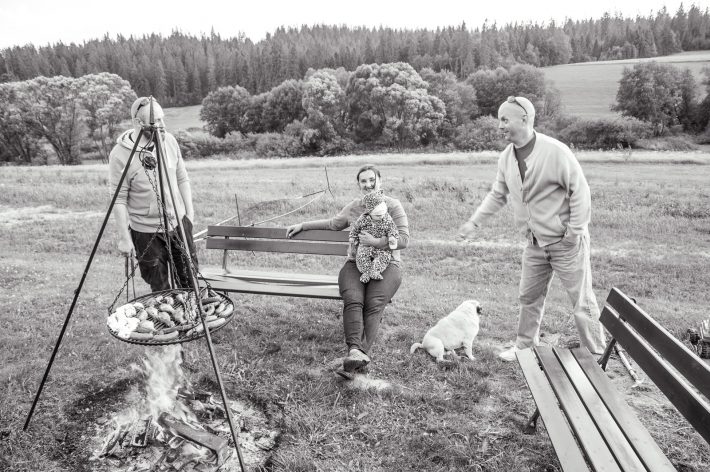
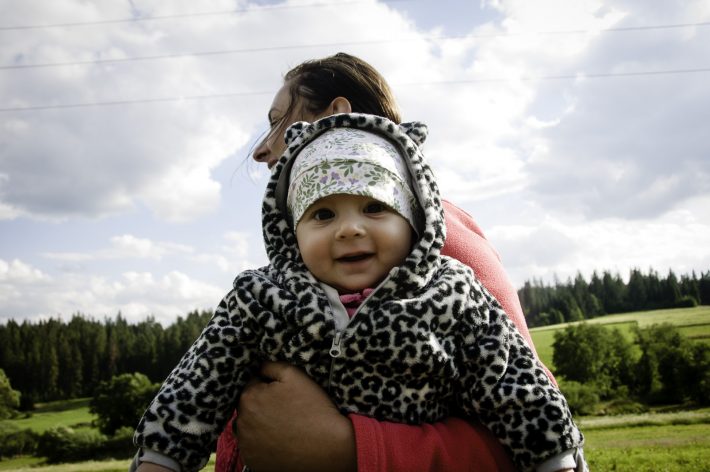
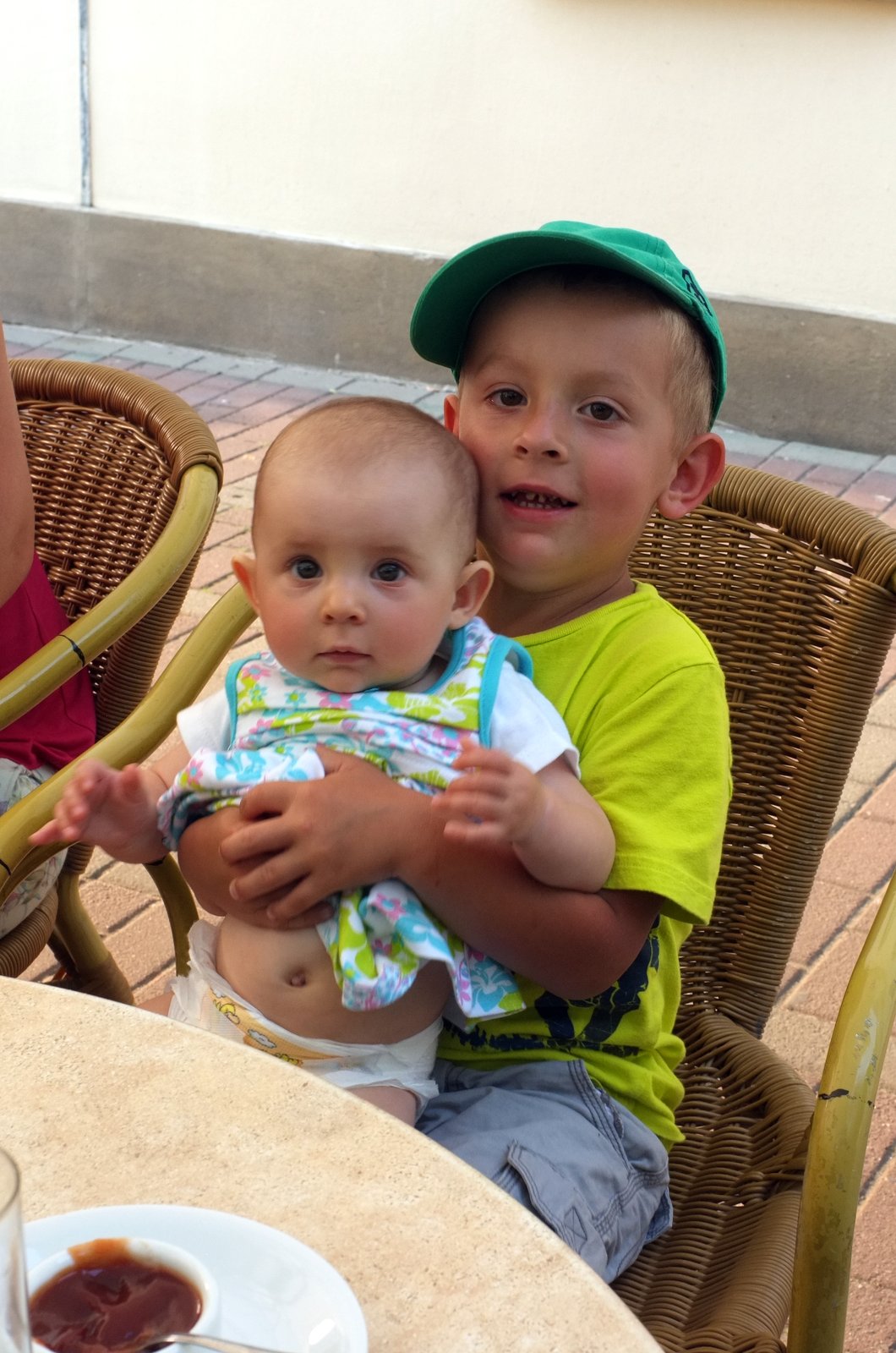
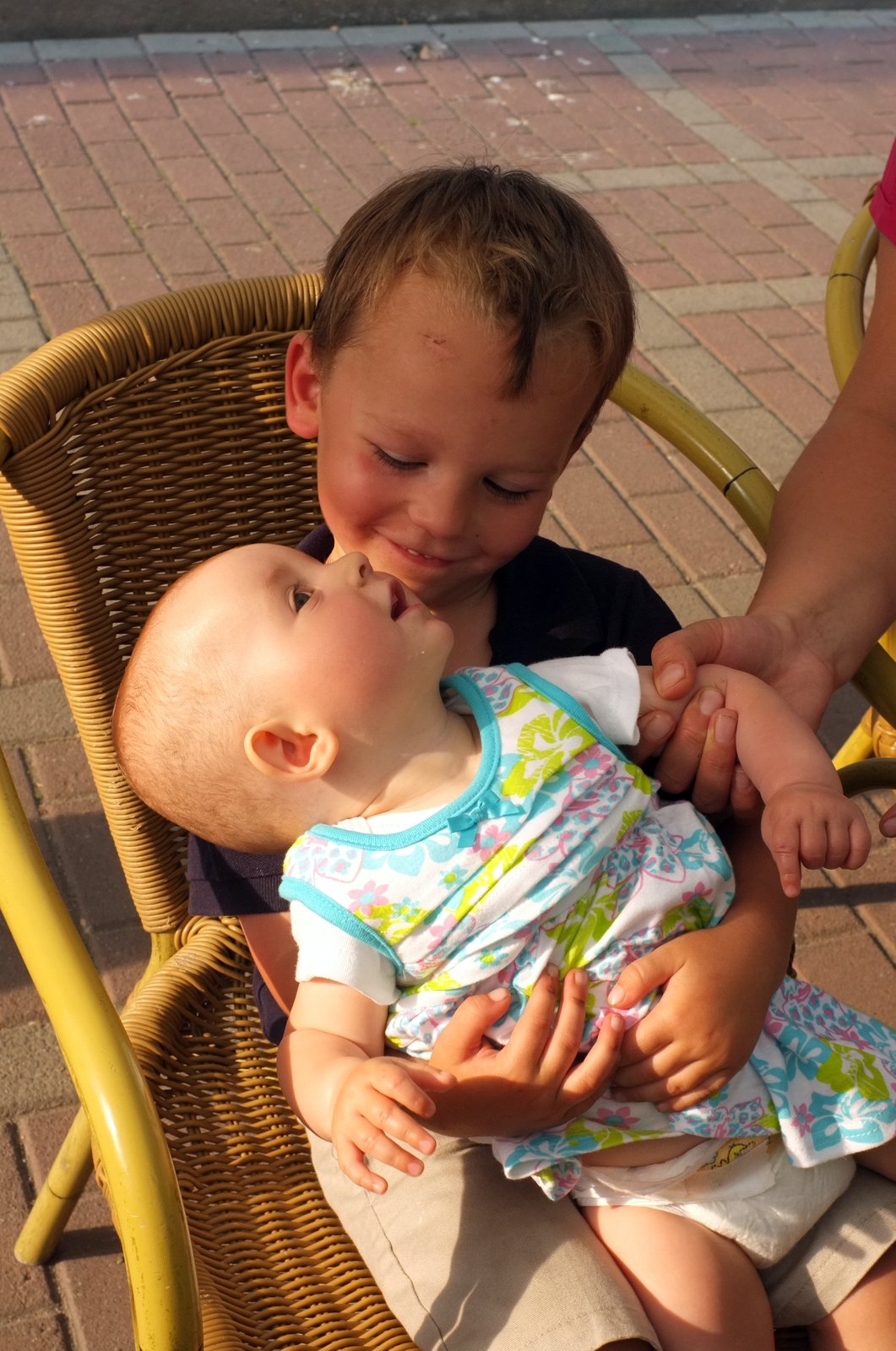
Ten years later and among the three couples, six kids are running around. Well, five kids running around and a beautiful nine-month-old taking turns in everyone’s arms.
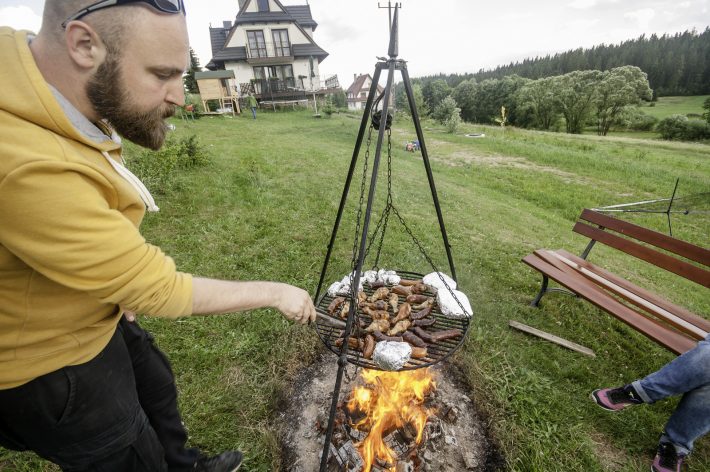
There were some things that were fairly standard: there was a cook out over an open fire with plenty of meat.
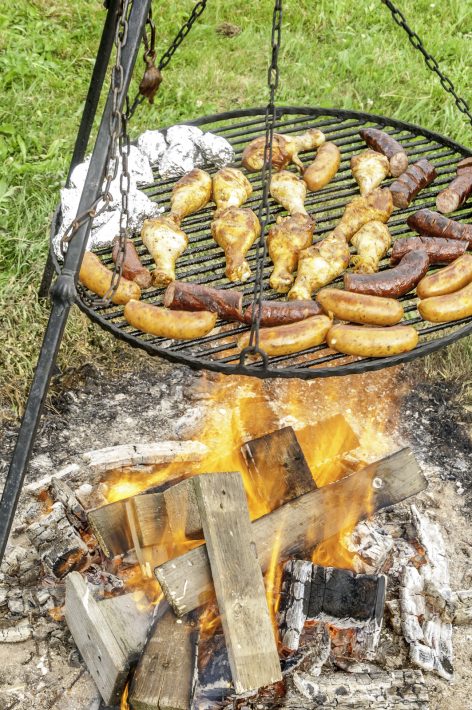
The amount of meat in the average Pole’s diet always made me wonder about those Poles who were vegetarian. These days, that’s a much easier dietary choice. In the mid-90s, it seemed to me that for a rural Pole to be vegetarian, it meant essentially eating potatoes and cabbage and cheese.
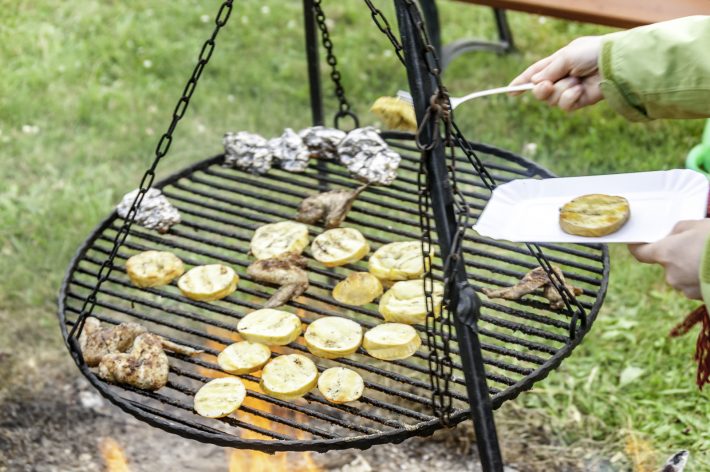
Going into the average rural shop in the midst of winter seemed to confirm that suspicion, but perhaps it was just a linguistic issue: I really wouldn’t have been able to ask freely about winter vegetarian dietary options that first winter.
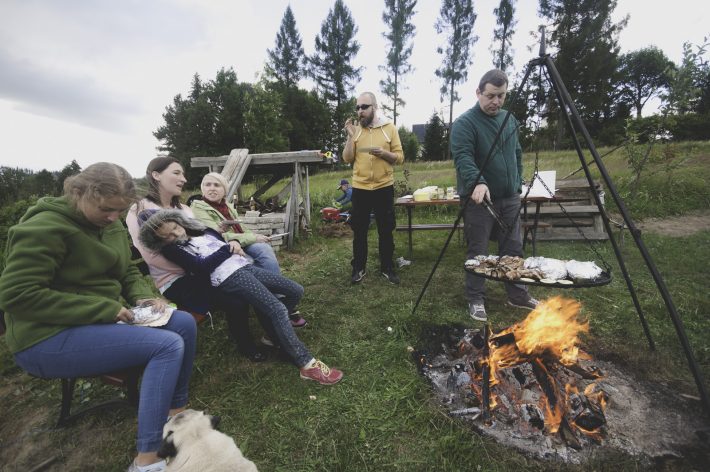
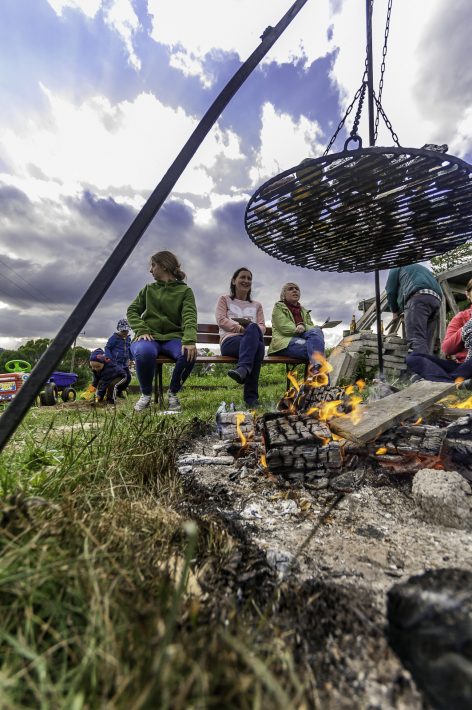
This time around, I’m not the one having linguistic difficulties. The Girl has blossomed into a fairly fluid speaker, but the Boy still struggles. When playing with children, he tends to keep fairly quiet, occasionally saying things like, “Watch this!” but mostly being a silent participant.
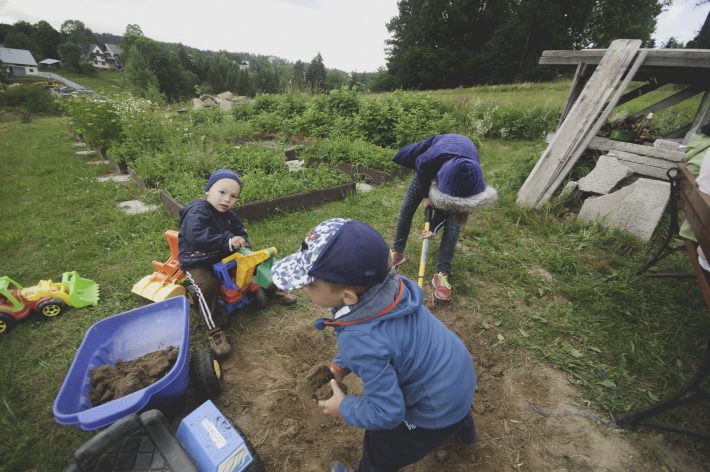
But L was the same way, if memory serves, so I’m not terribly worried about it, and K is not concerned at all.
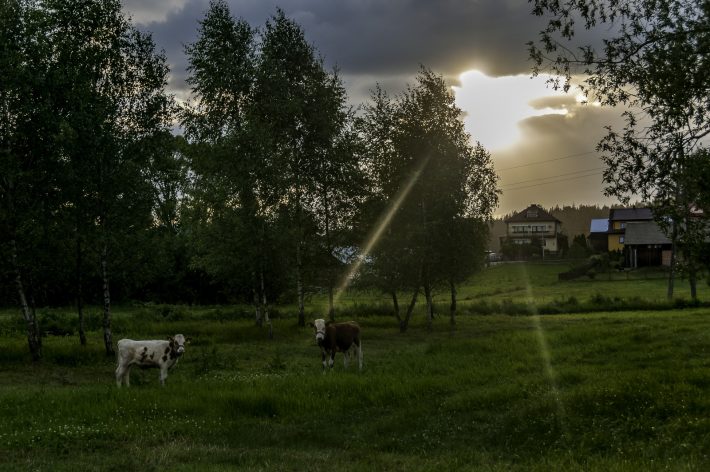
The day ended with the promise of a beautiful sunset, but unfortunately, the cloud cover returned, and it was a typical gray affair.
But that’s okay too. I always grow a little nostalgic when I return to Poland, and the gray, cold days filled with the smell of coal smoke as people heat their houses in early July fits that nostalgia just fine.
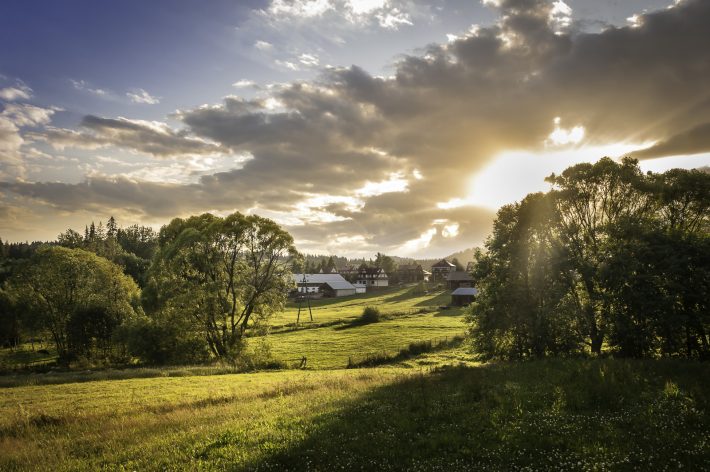
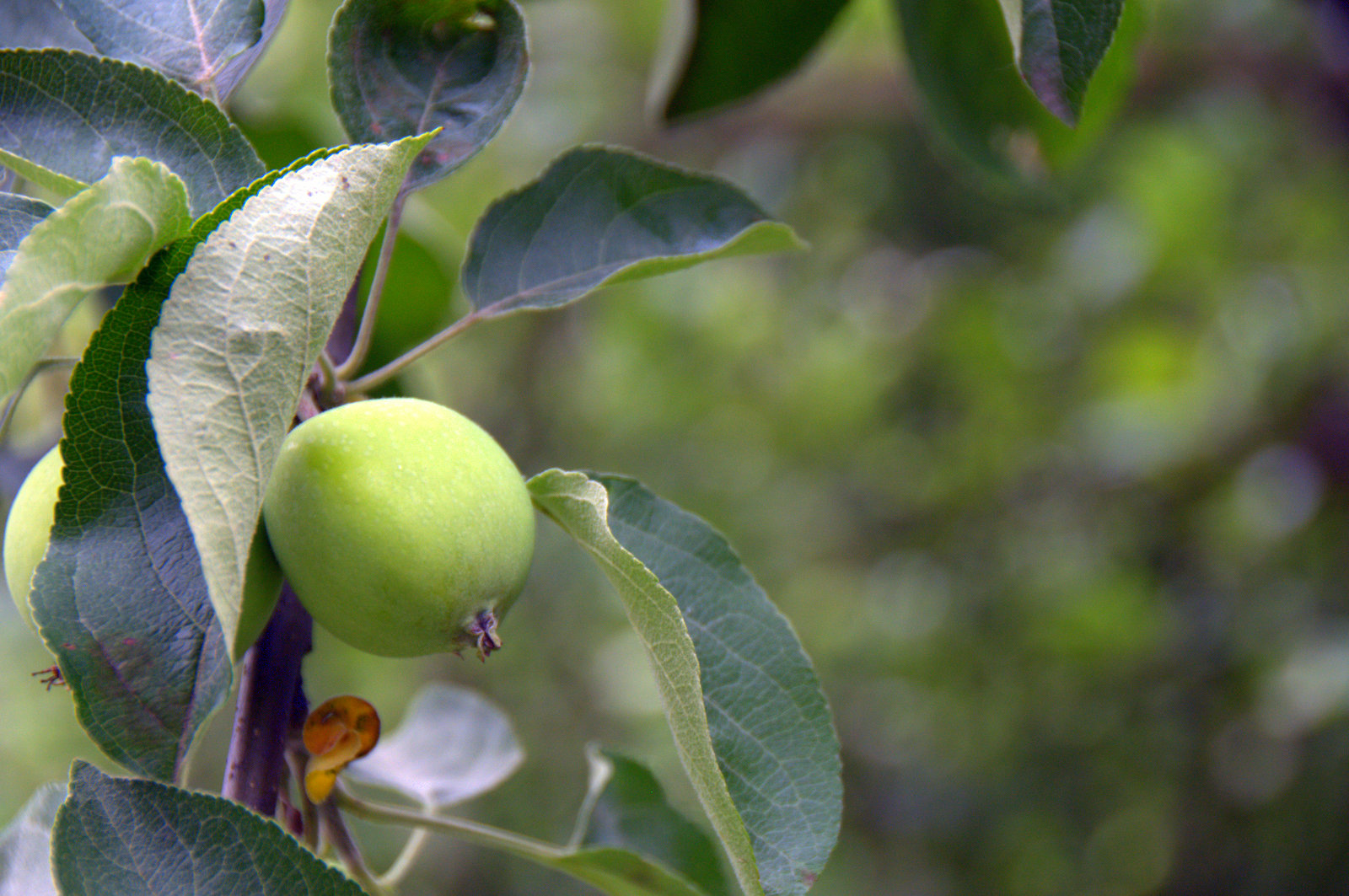
“Do you know how many days we went without rain?” K asked. She counted on her fingers quickly: “Eight days. Eight days. And the heat!”
When we arrived in 2010, I believe, we arrived to similar news. “It was beautiful for the last few weeks, and if anything, we needed rain.”
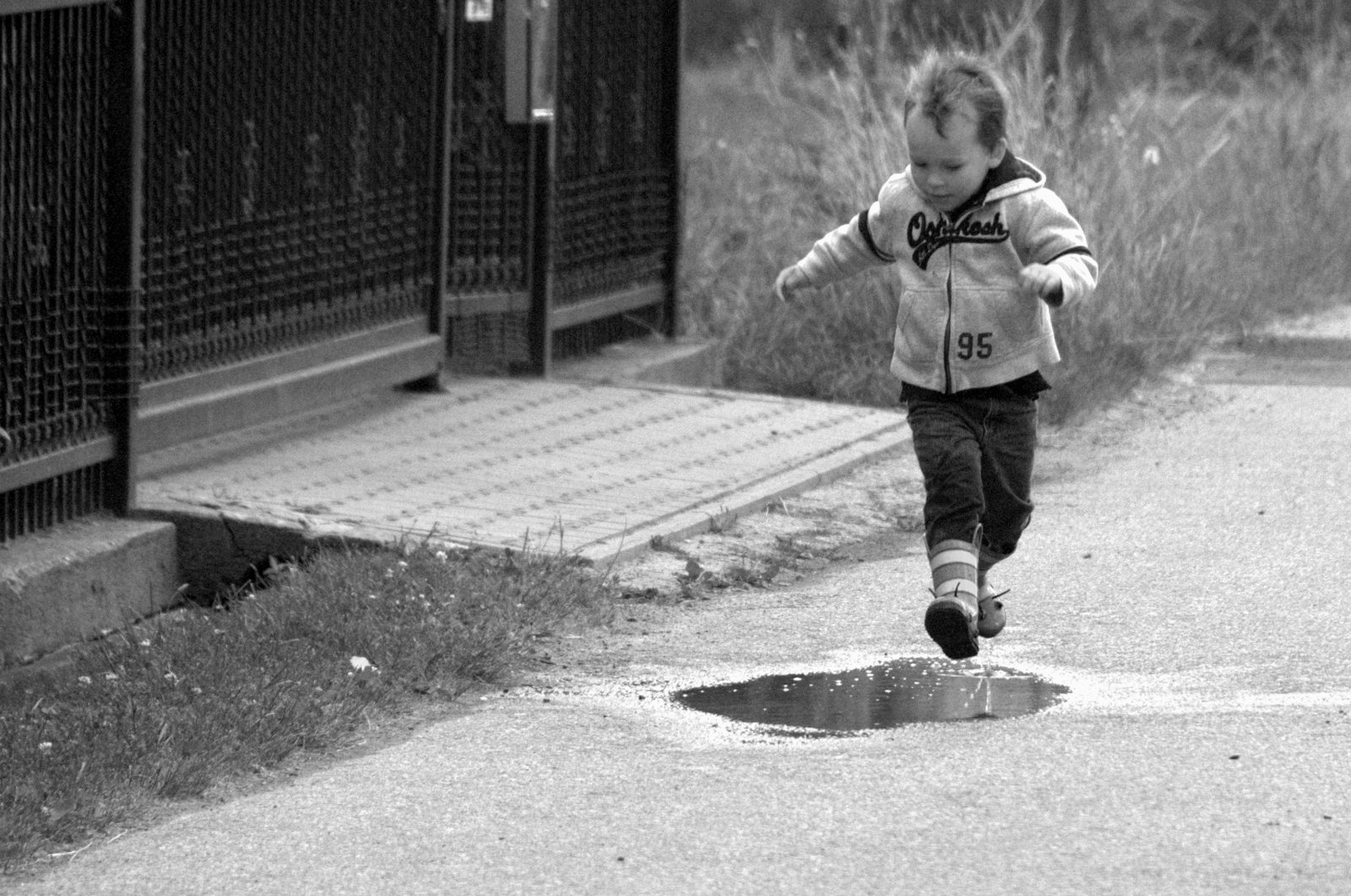
So I guess if you need rain in Poland, just arrange for me to fly in, because as soon as we arrived in Little Apple Tree, the sky clouded over, the temperature dropped, and the rain began.
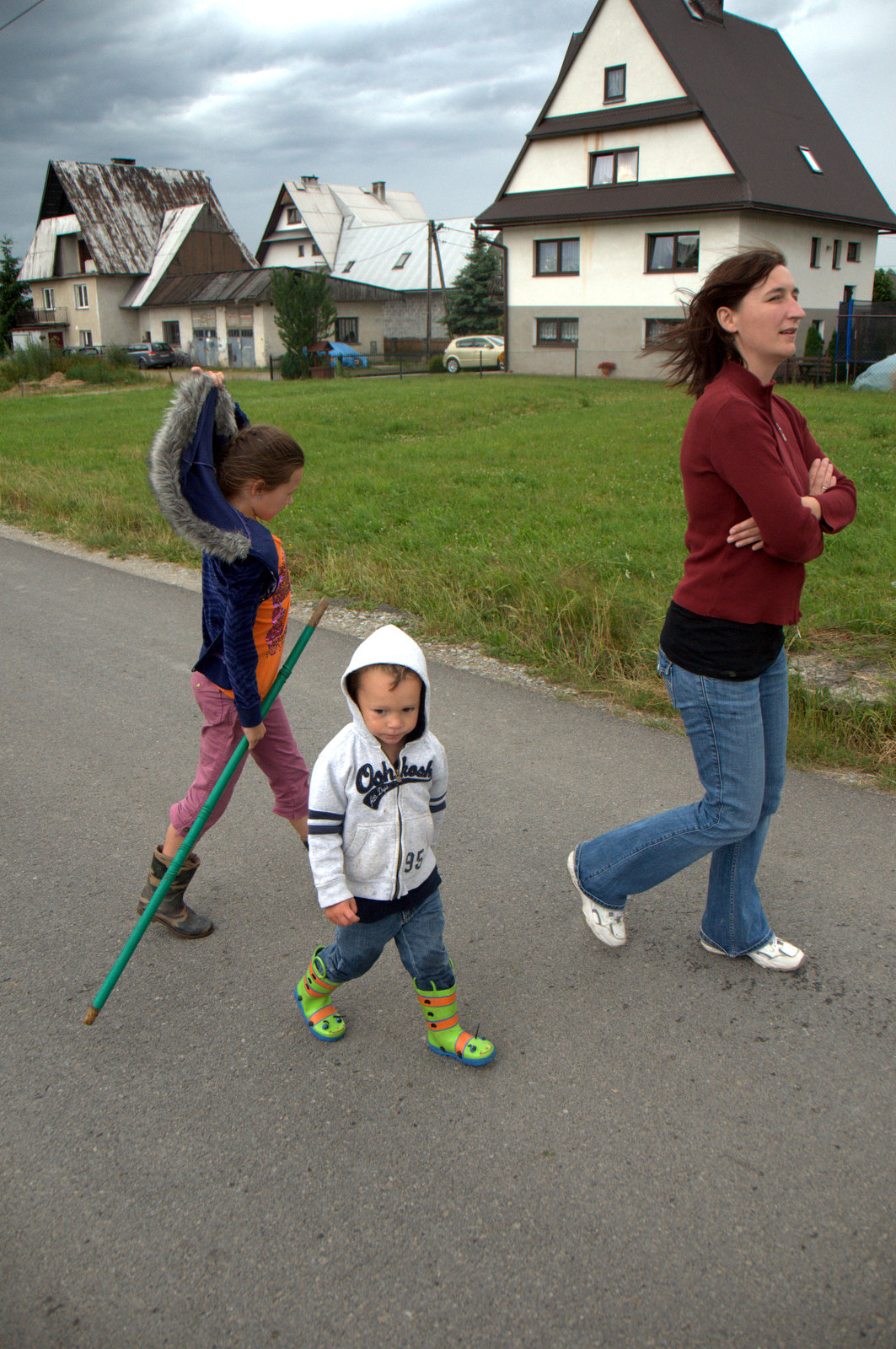
So I made it safe and sound, joining my family for the first as four together in Poland, and the temperture returns to normal, as does the cloud cover.
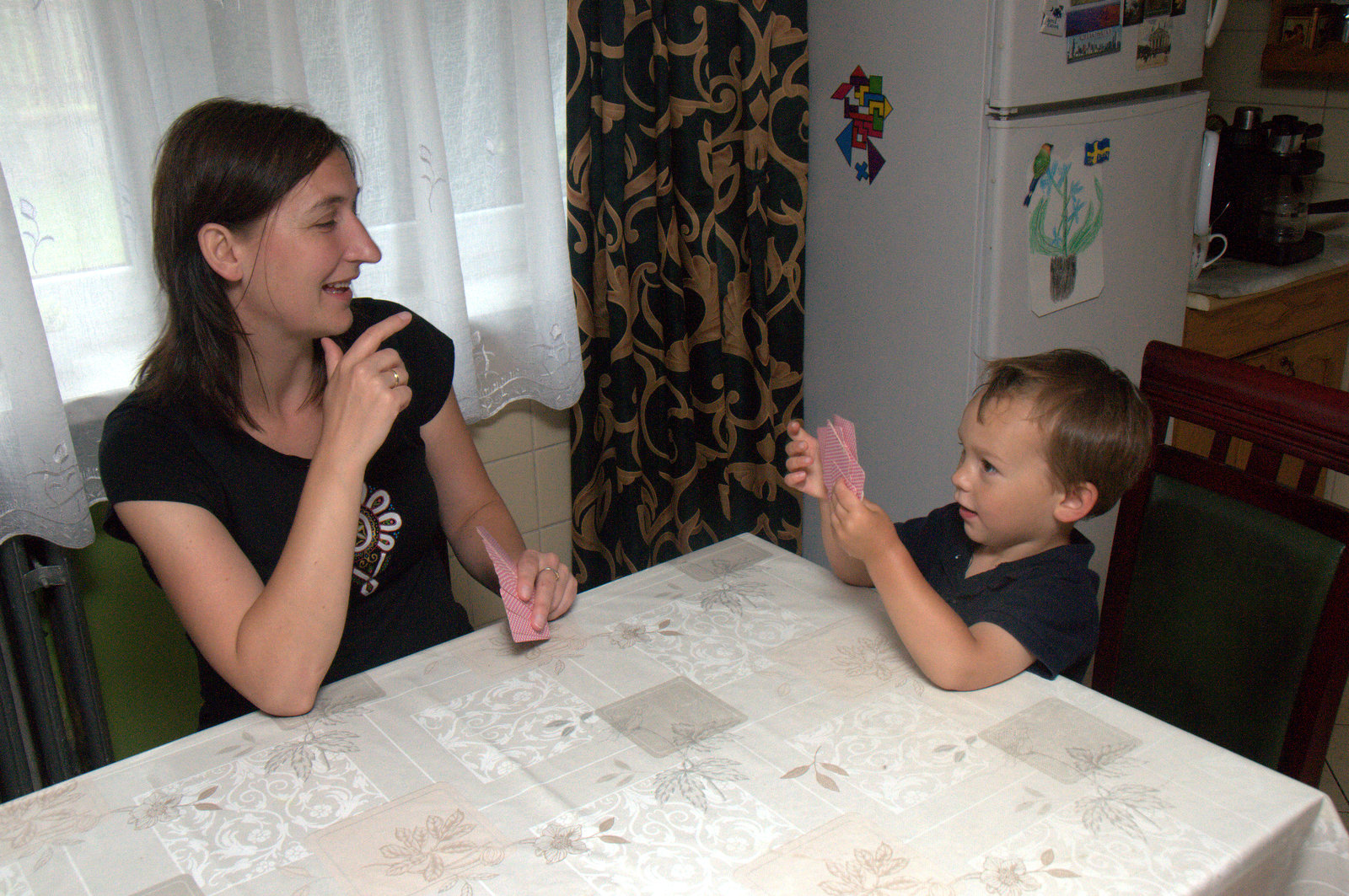
Polish summer…
For the first time in thirteen years, I am about to fly alone. Next update from Polska
As usual, click on images for larger versions.
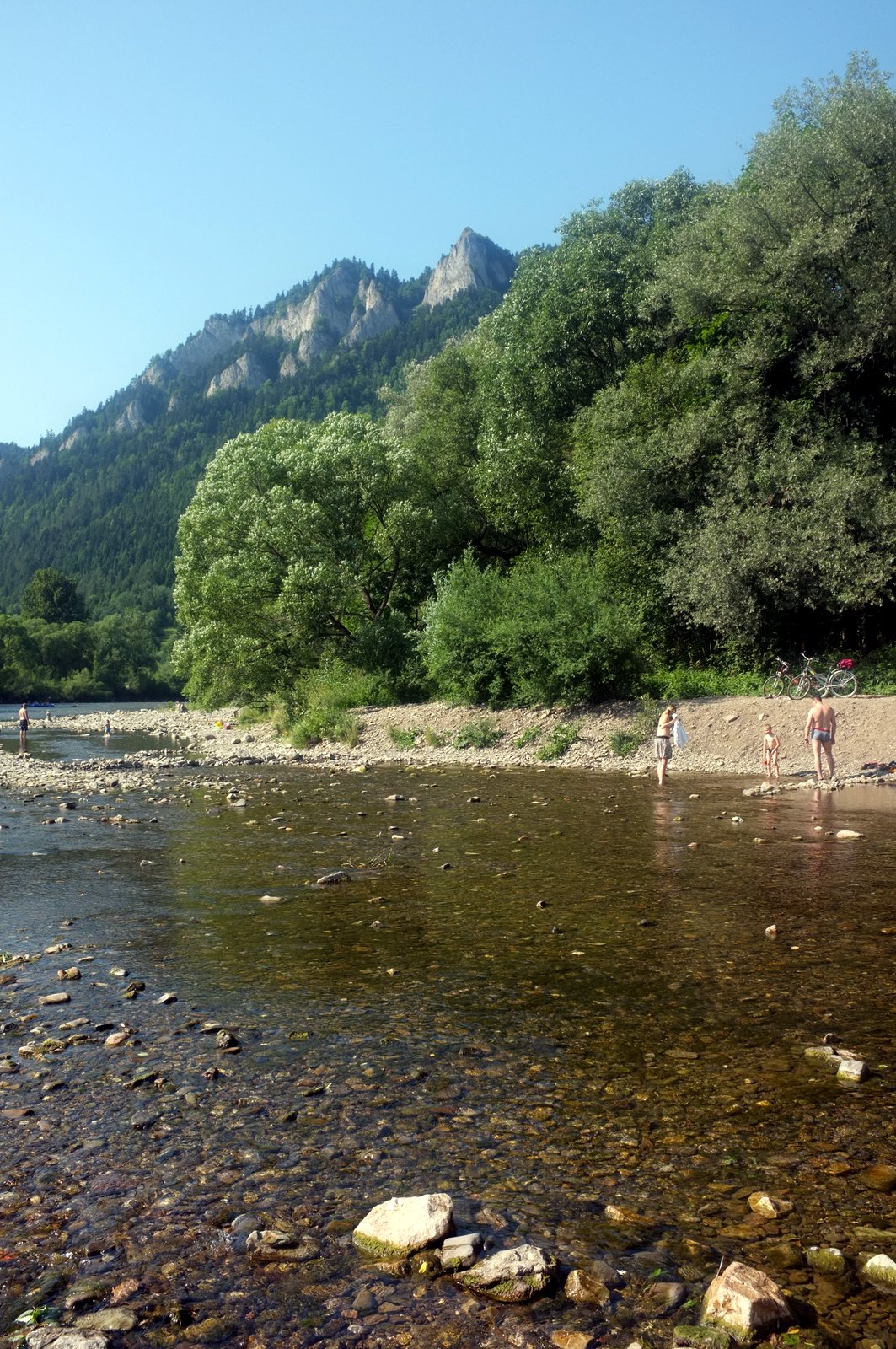
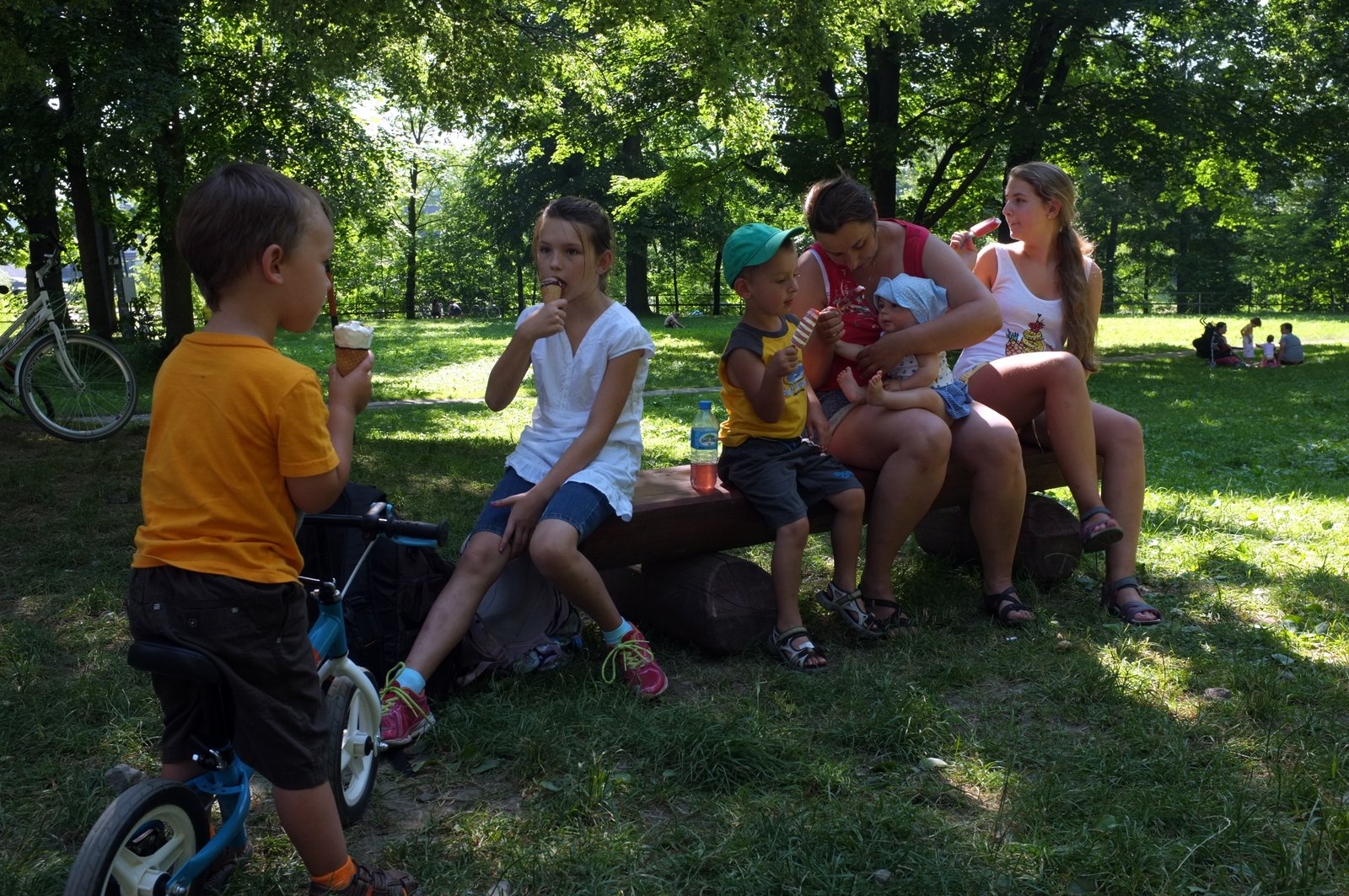
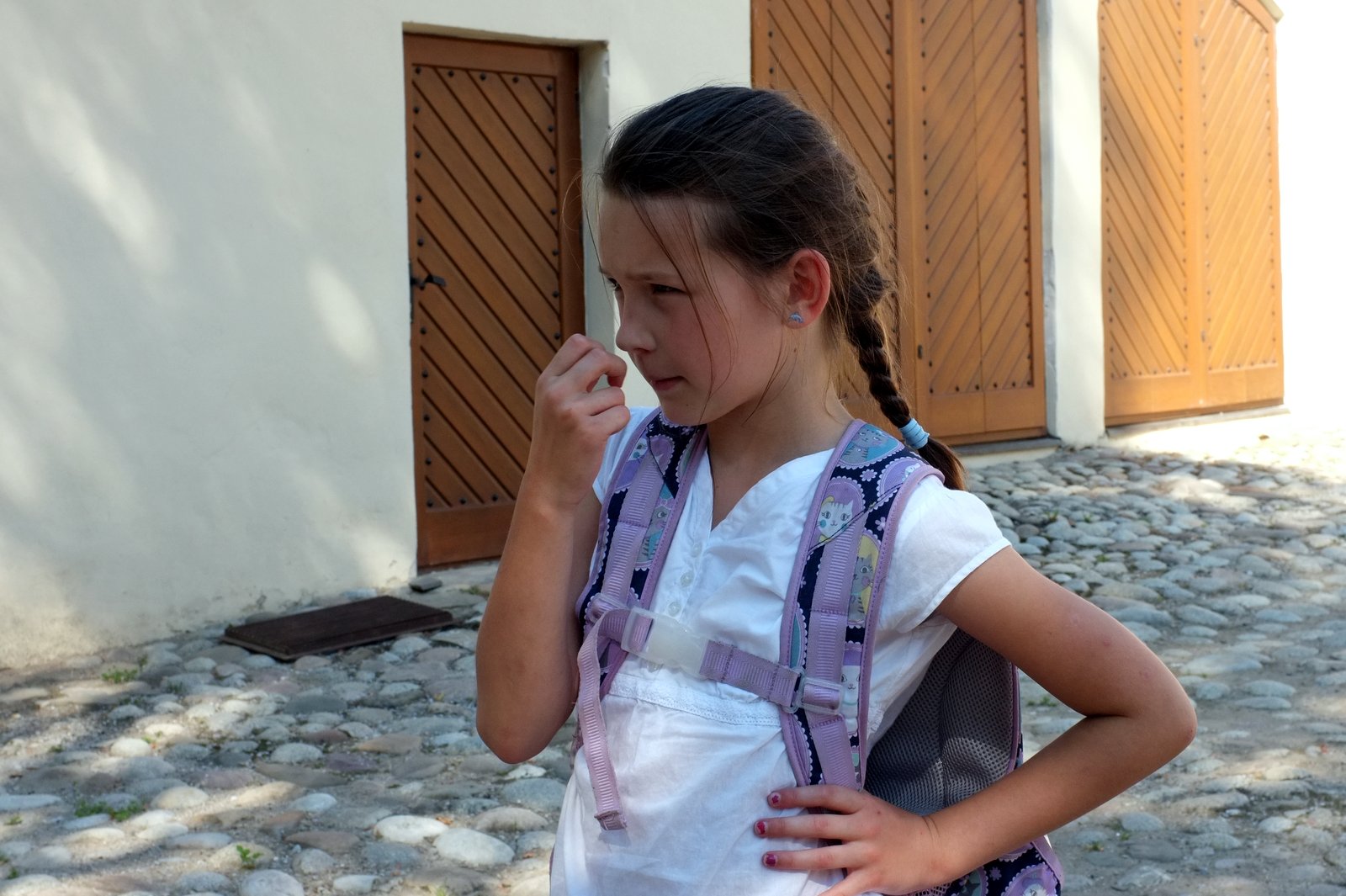
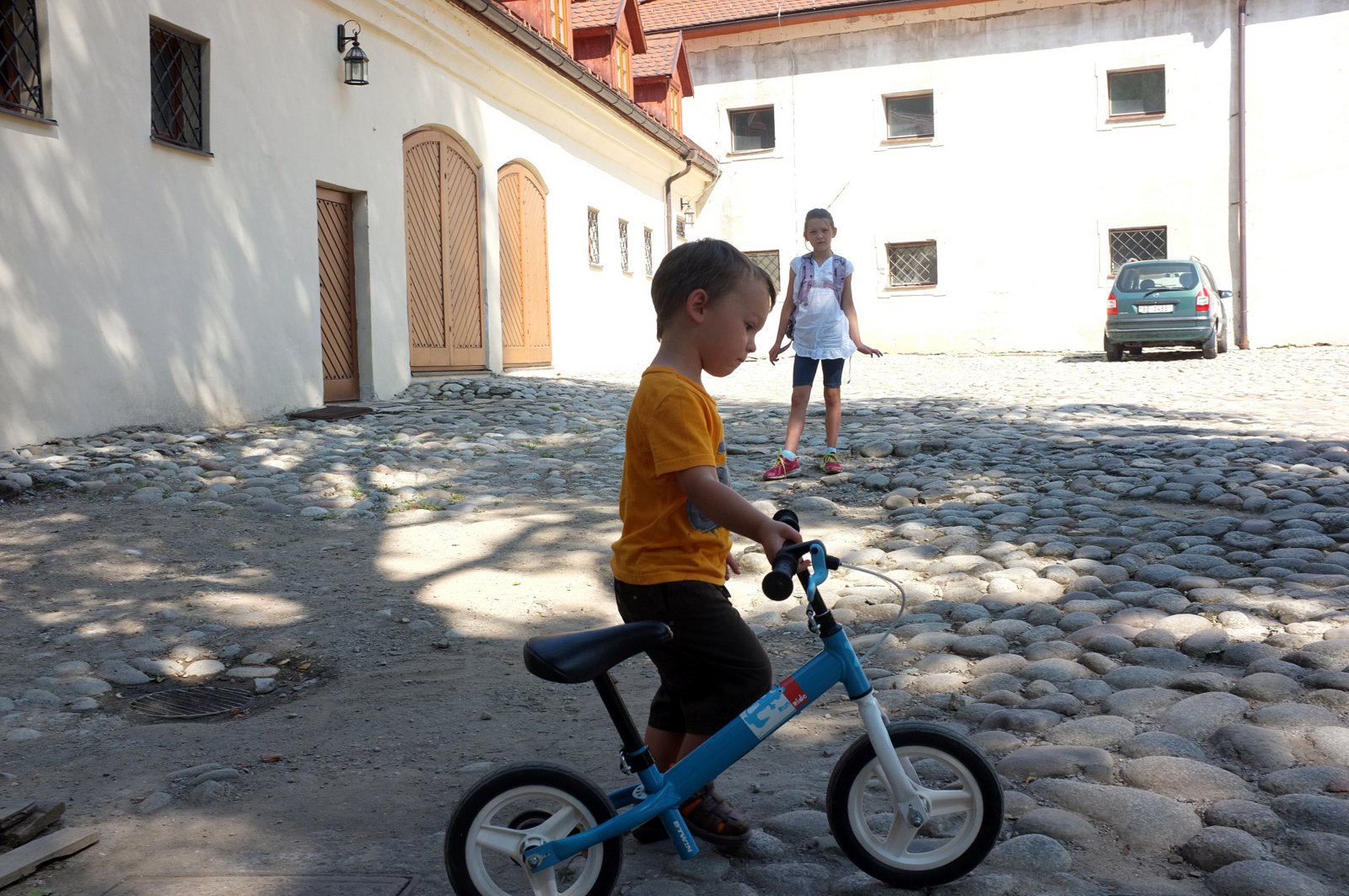
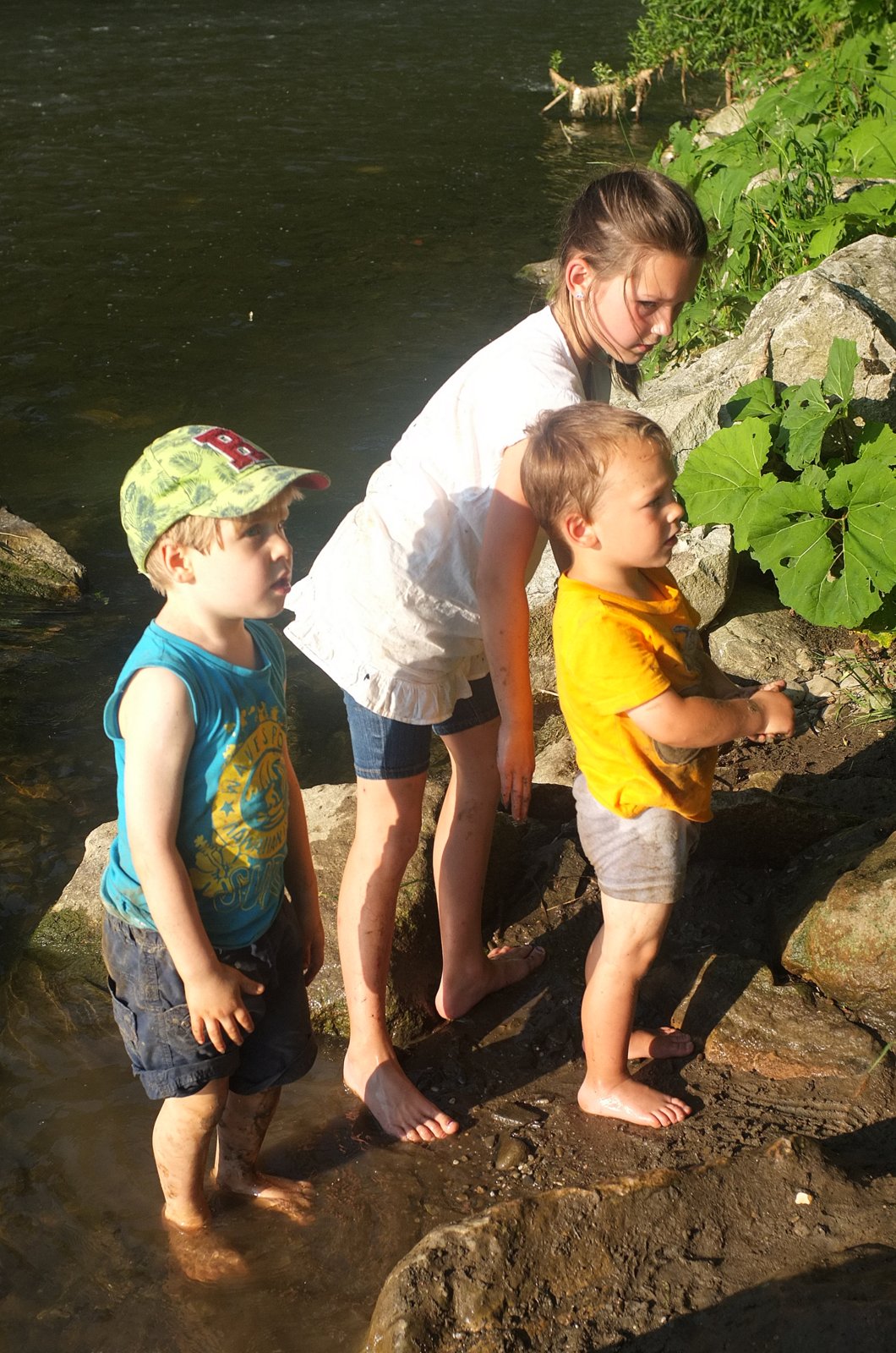
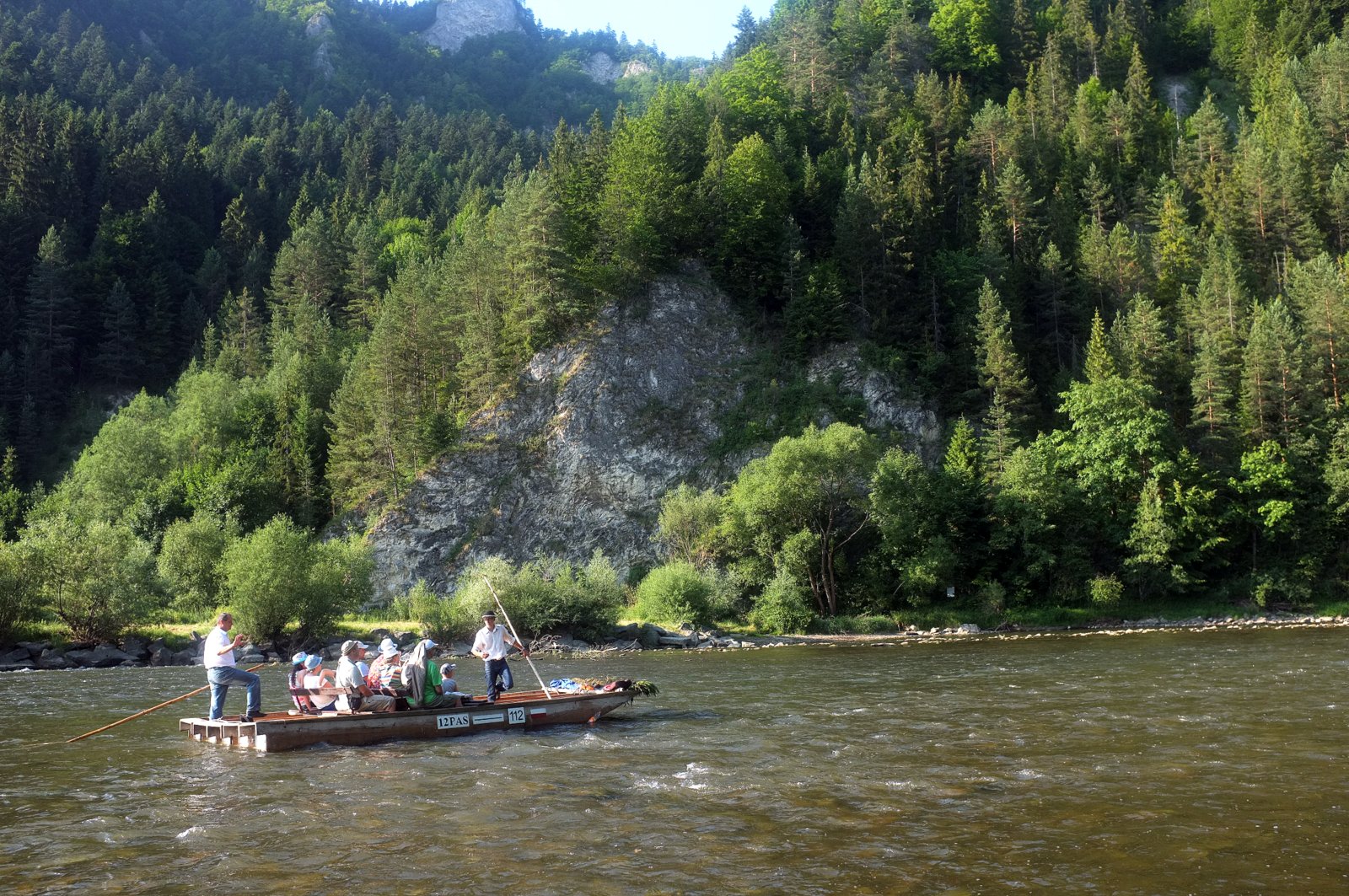
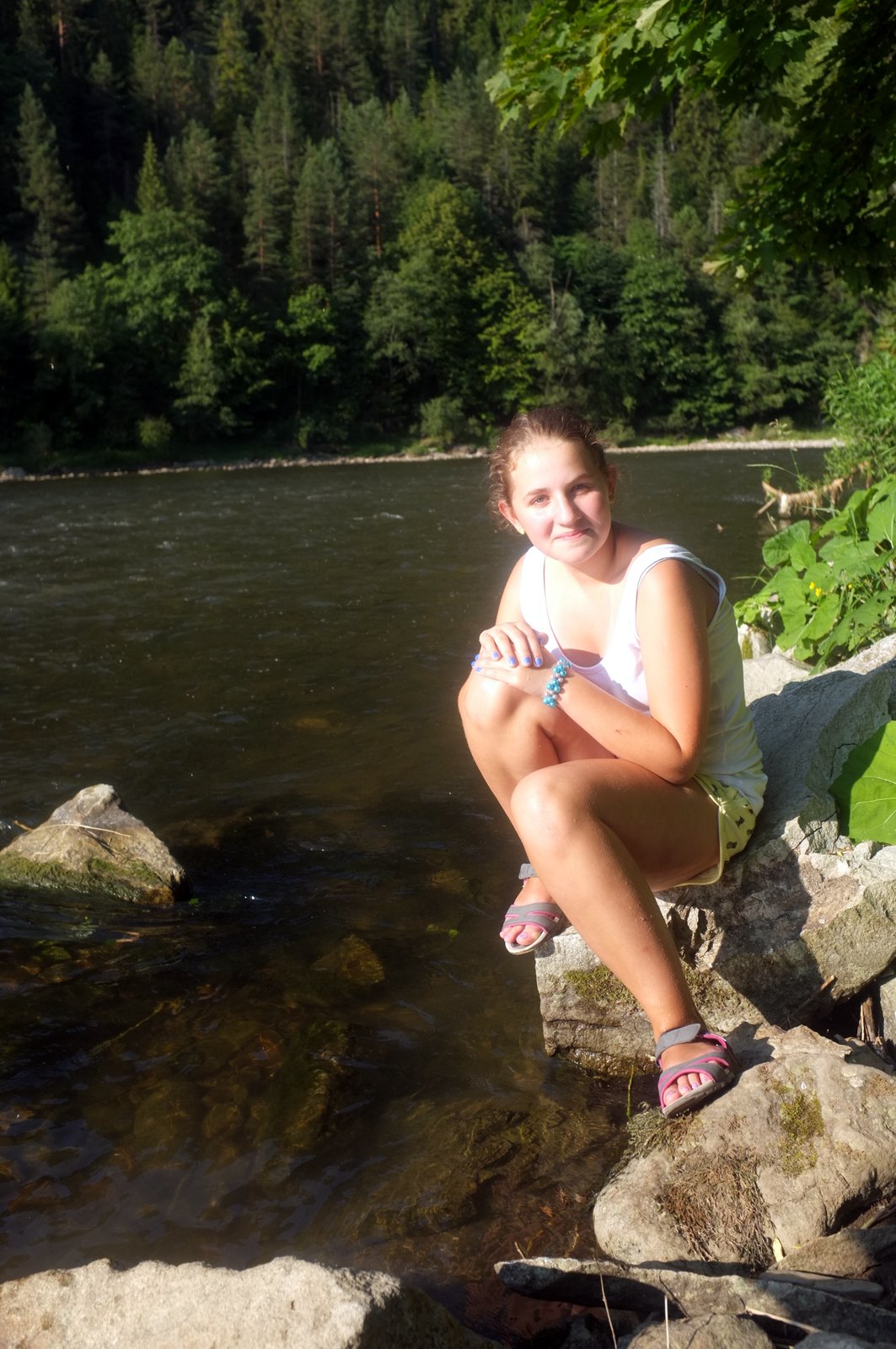
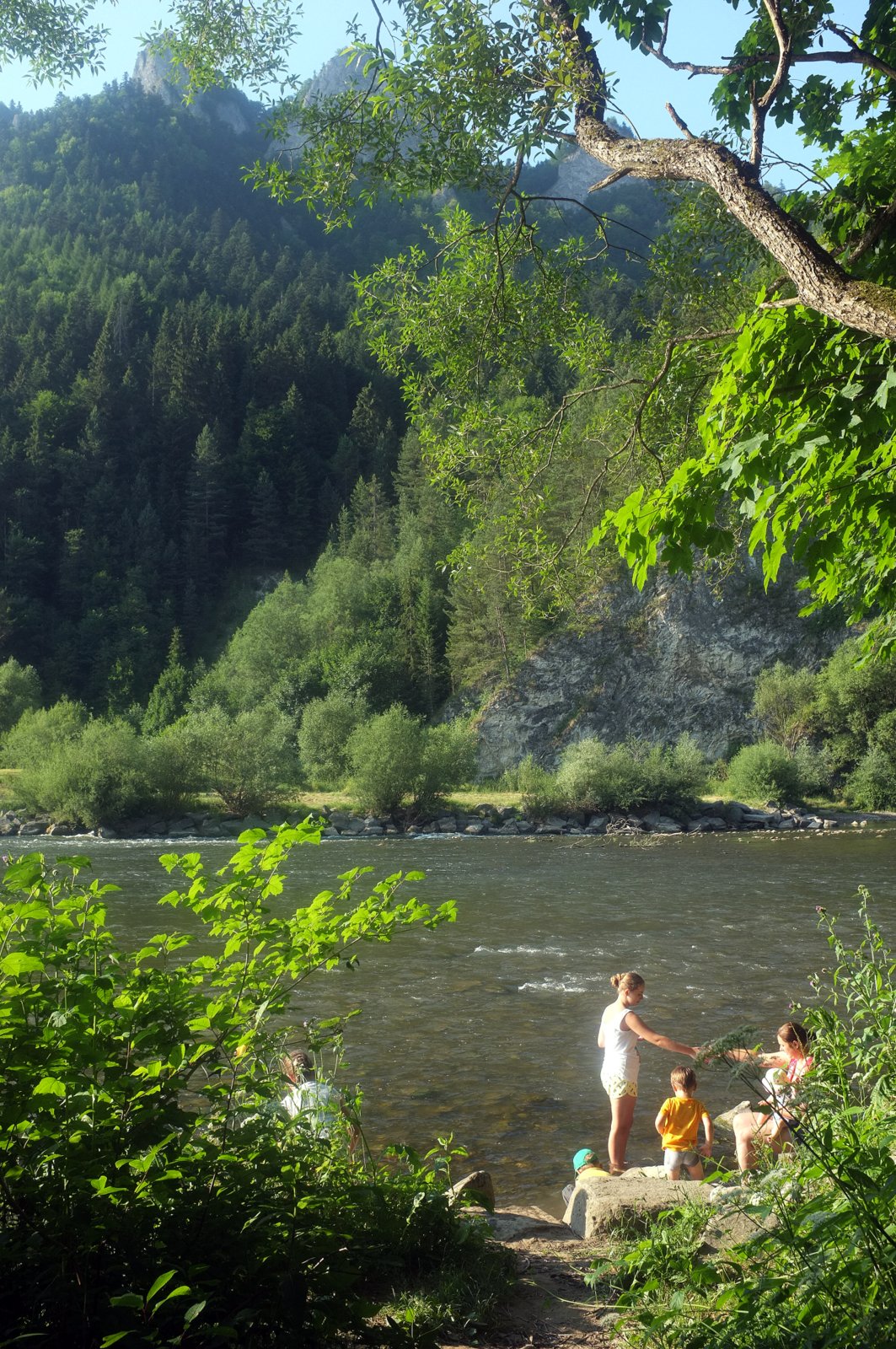
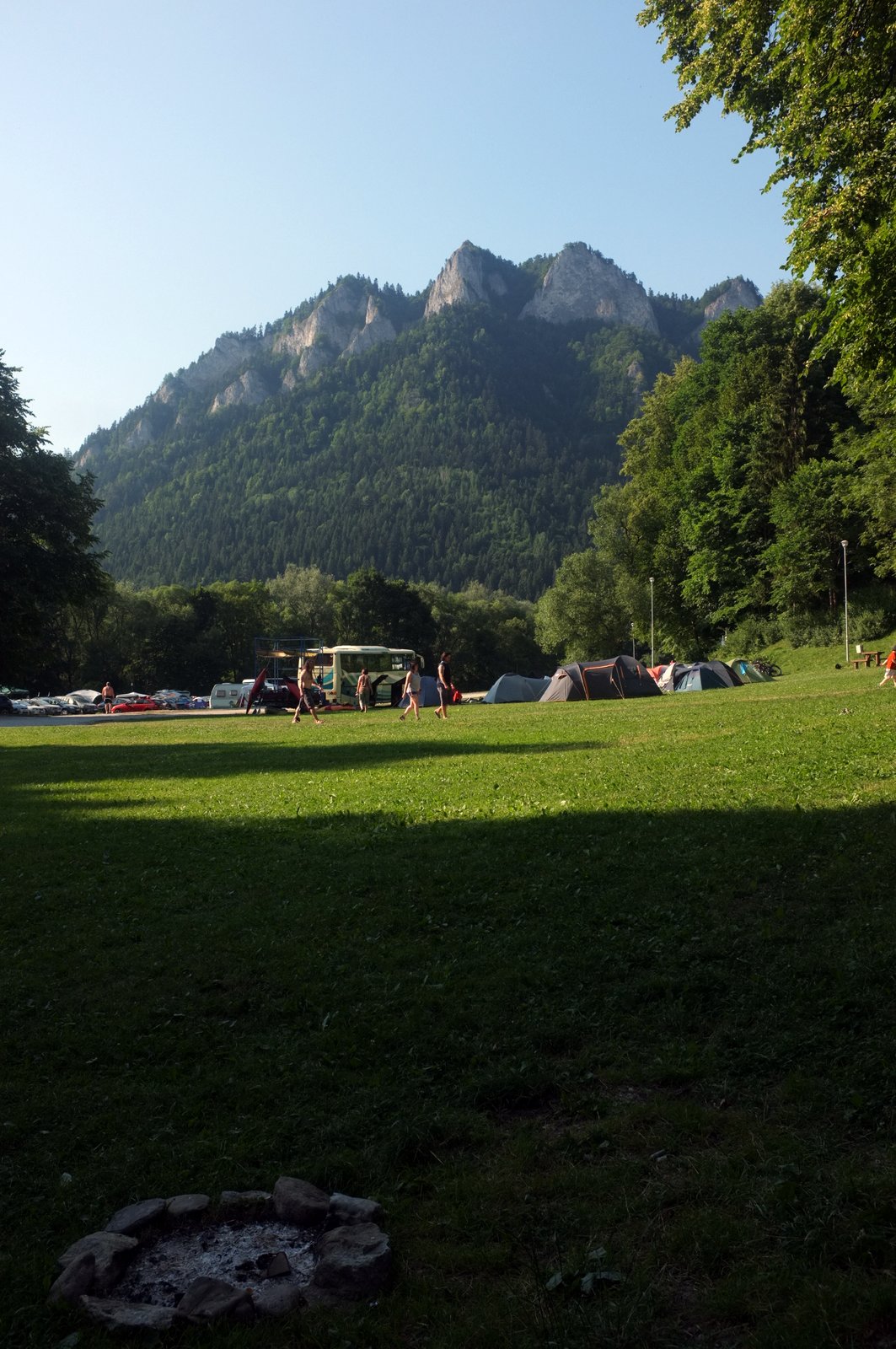
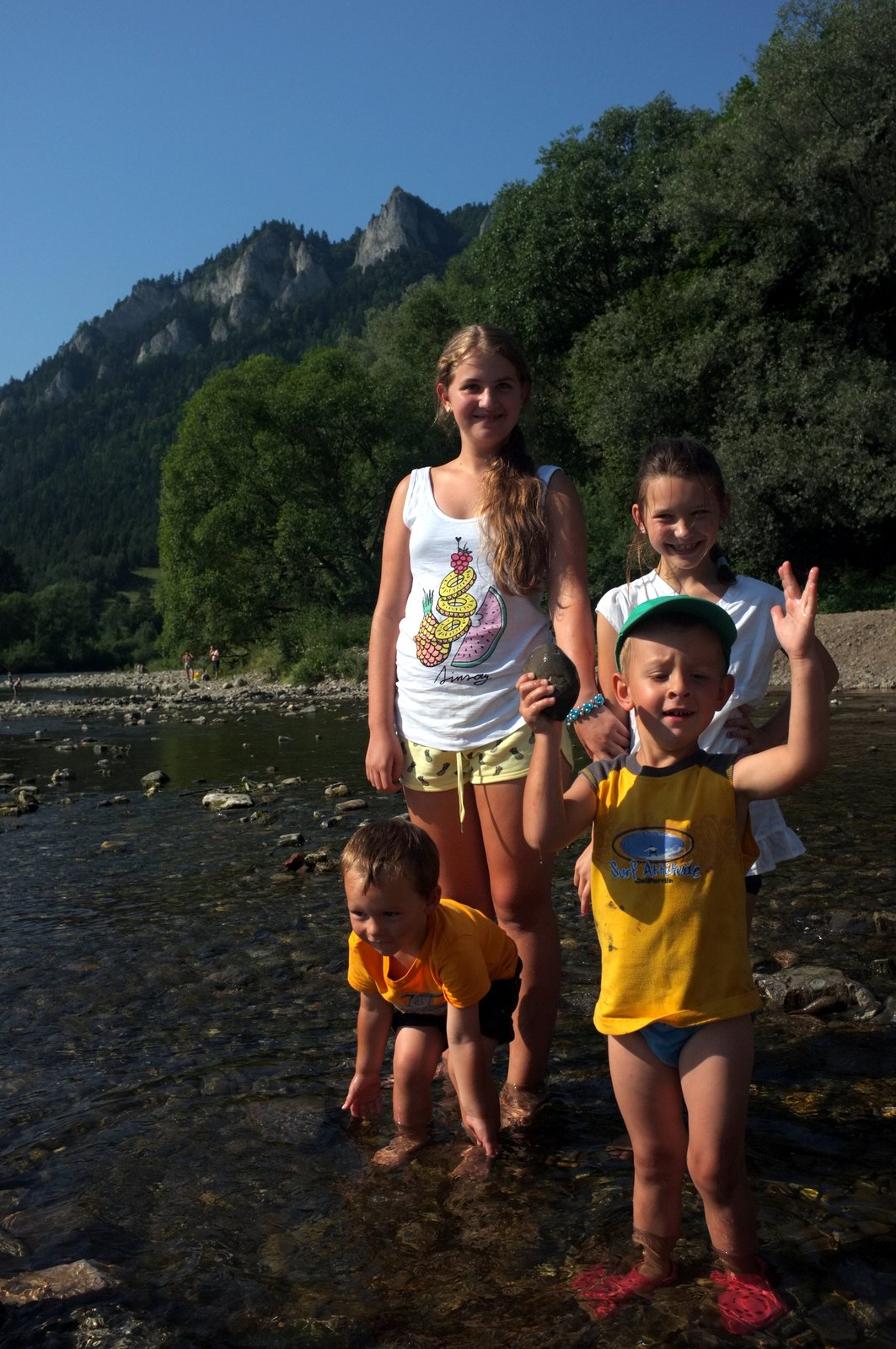
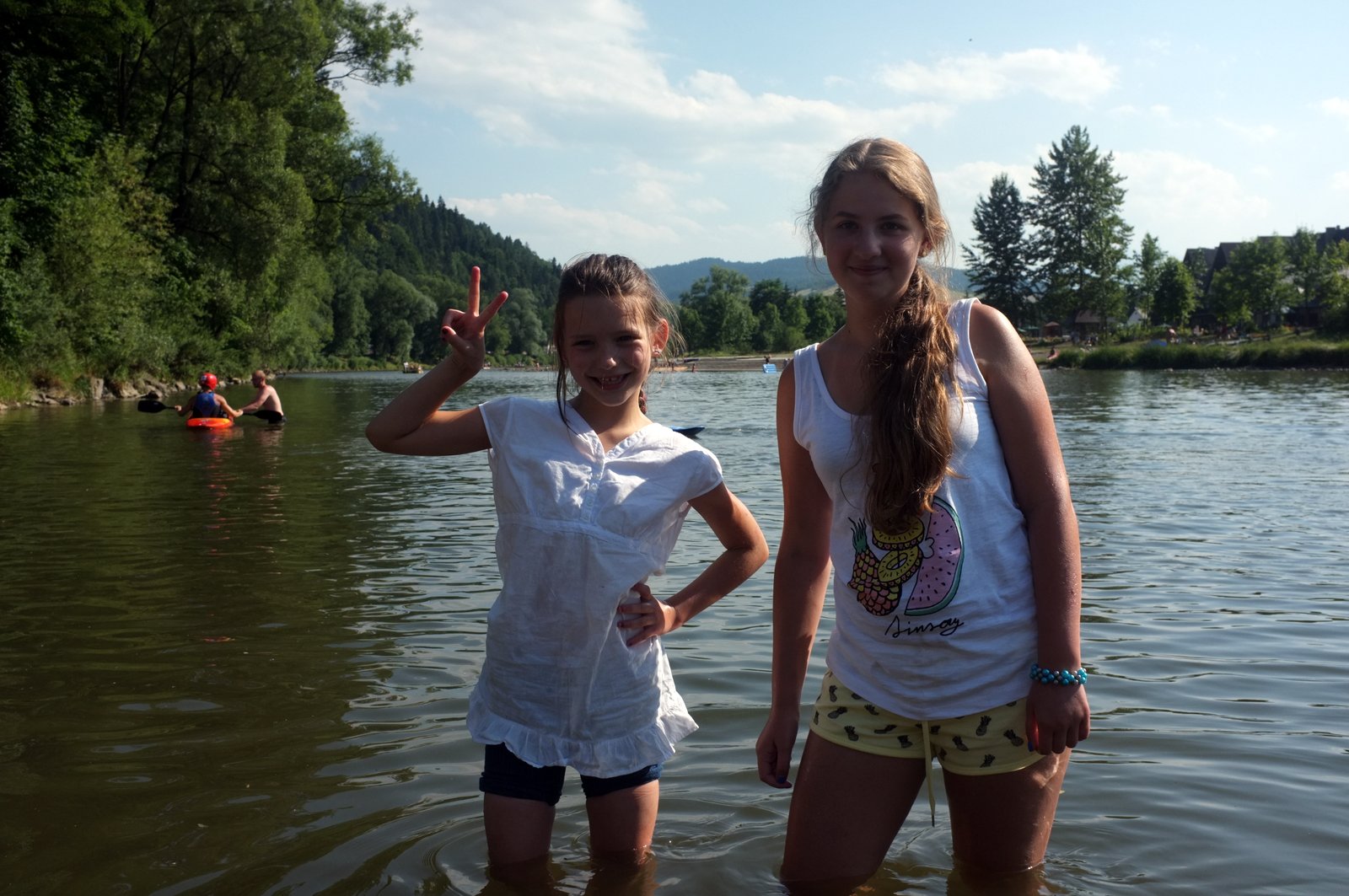
As always, click on a picture to open a gallery of larger images.
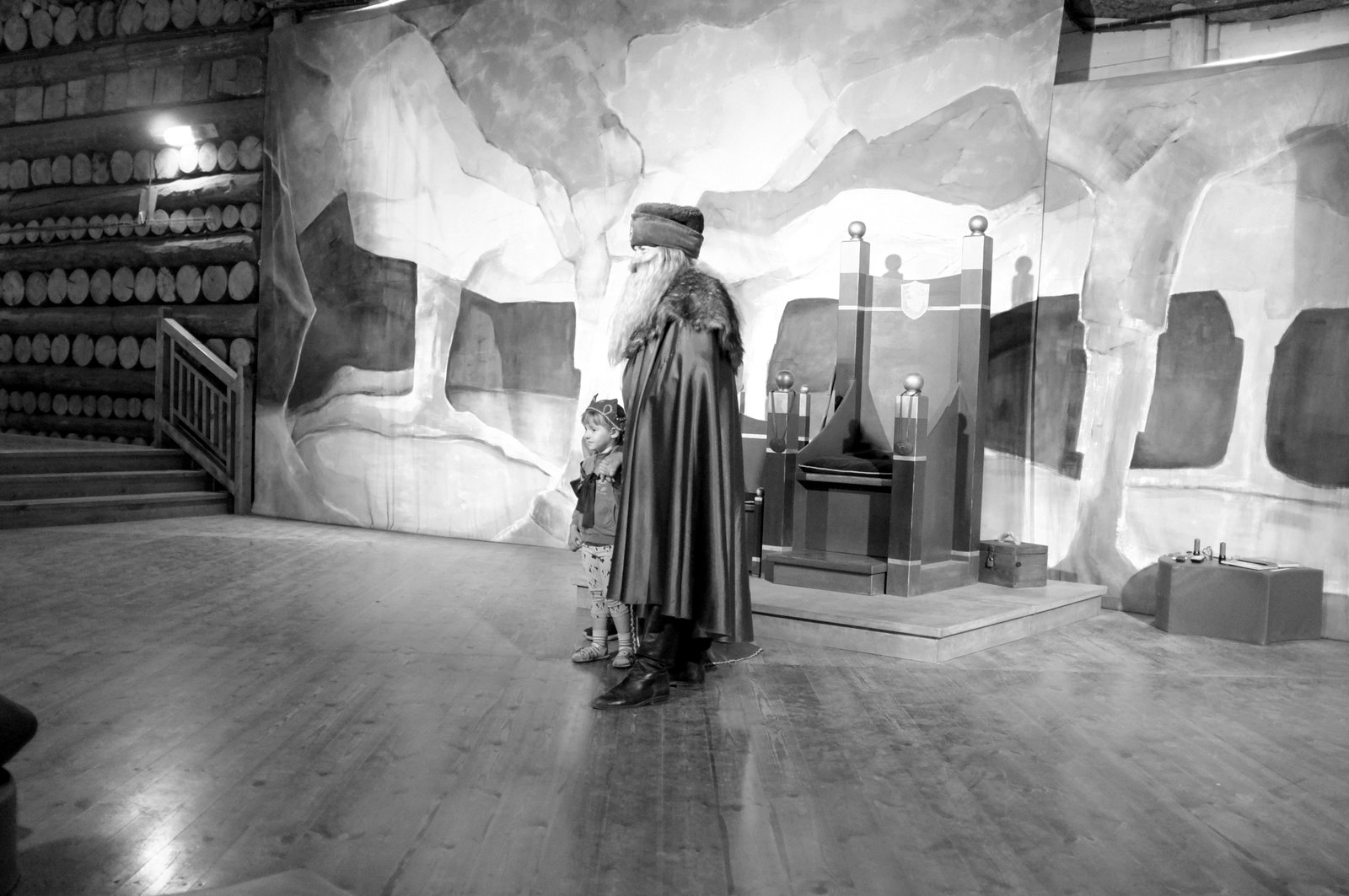
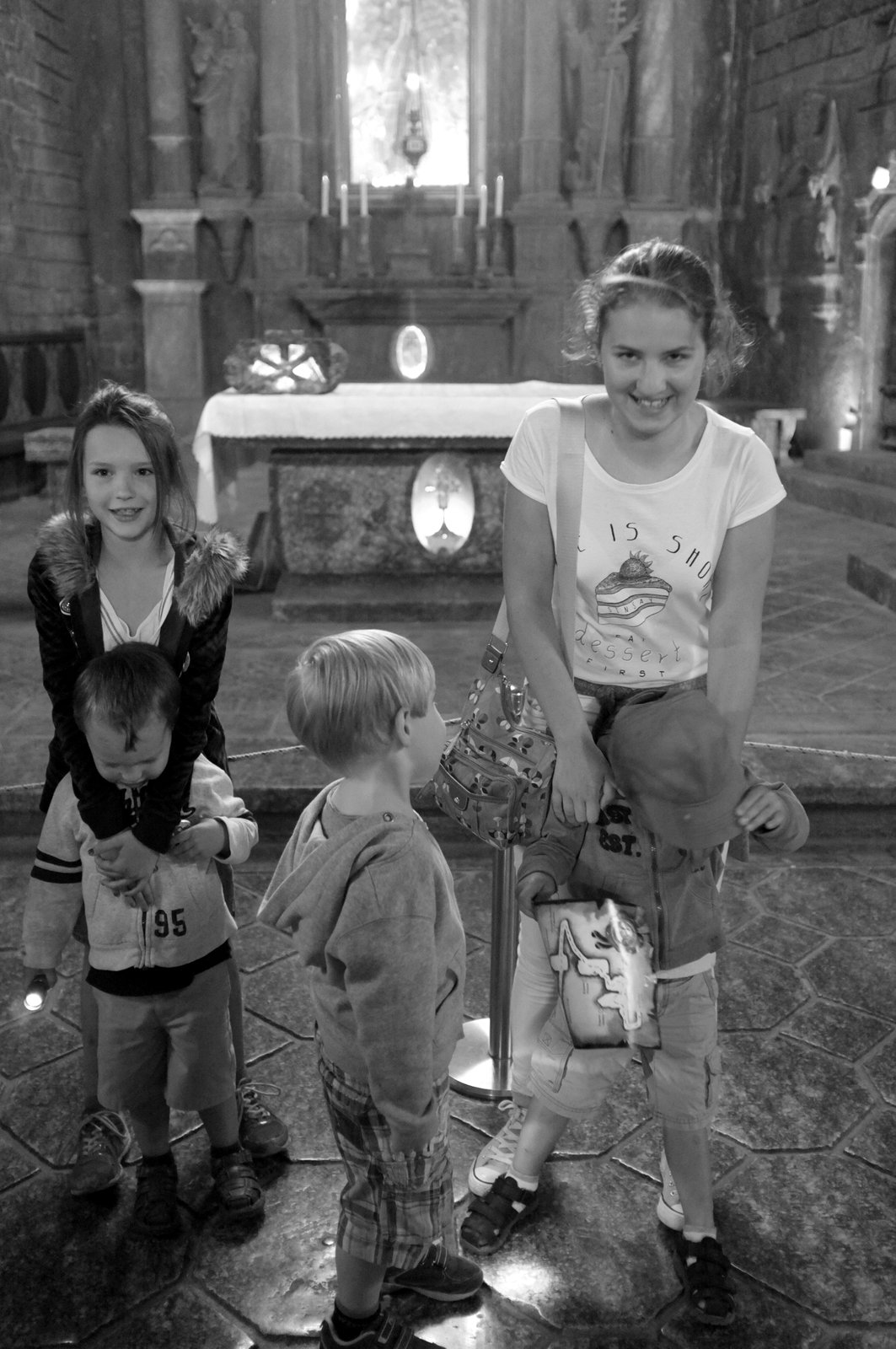
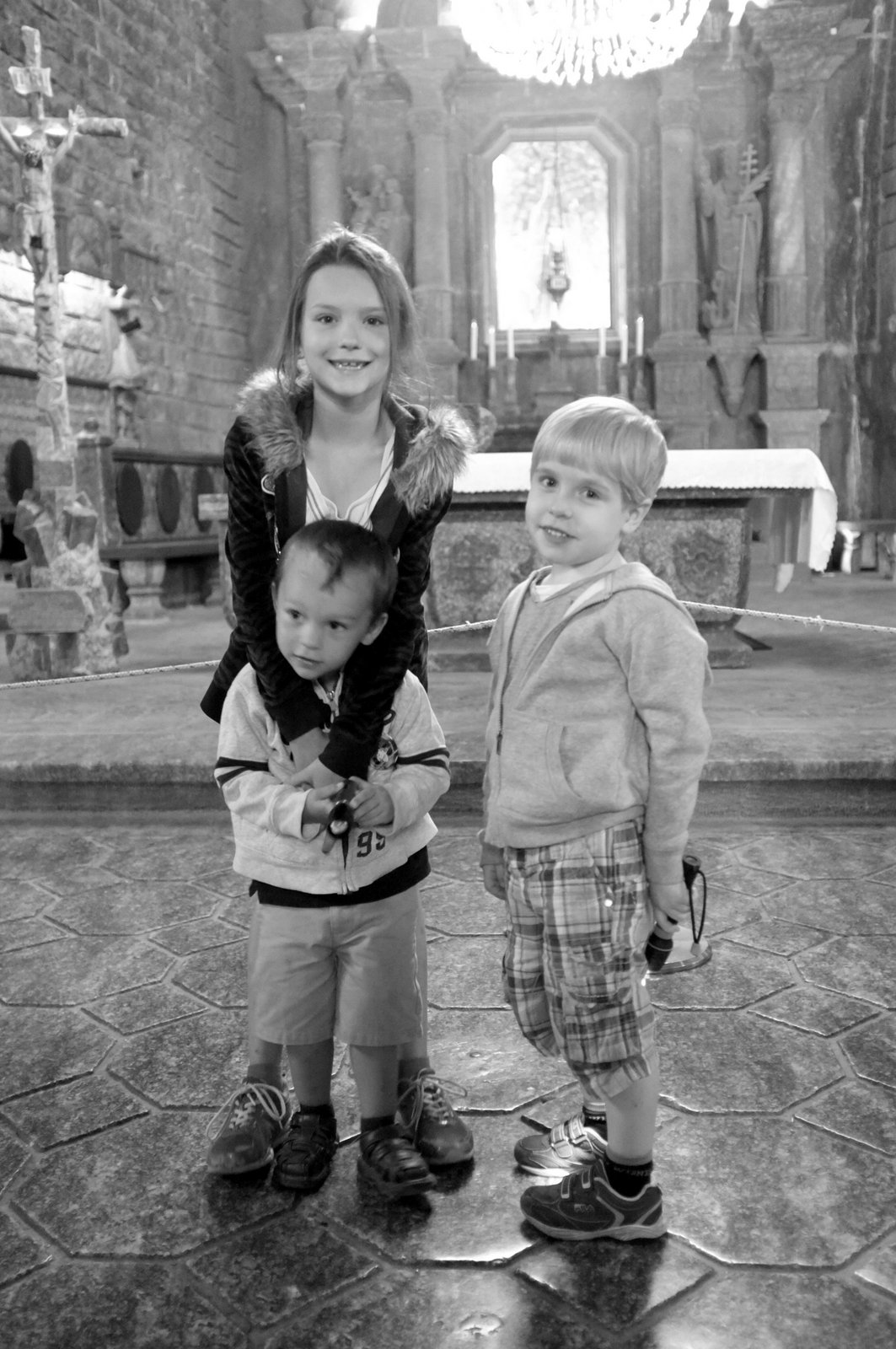
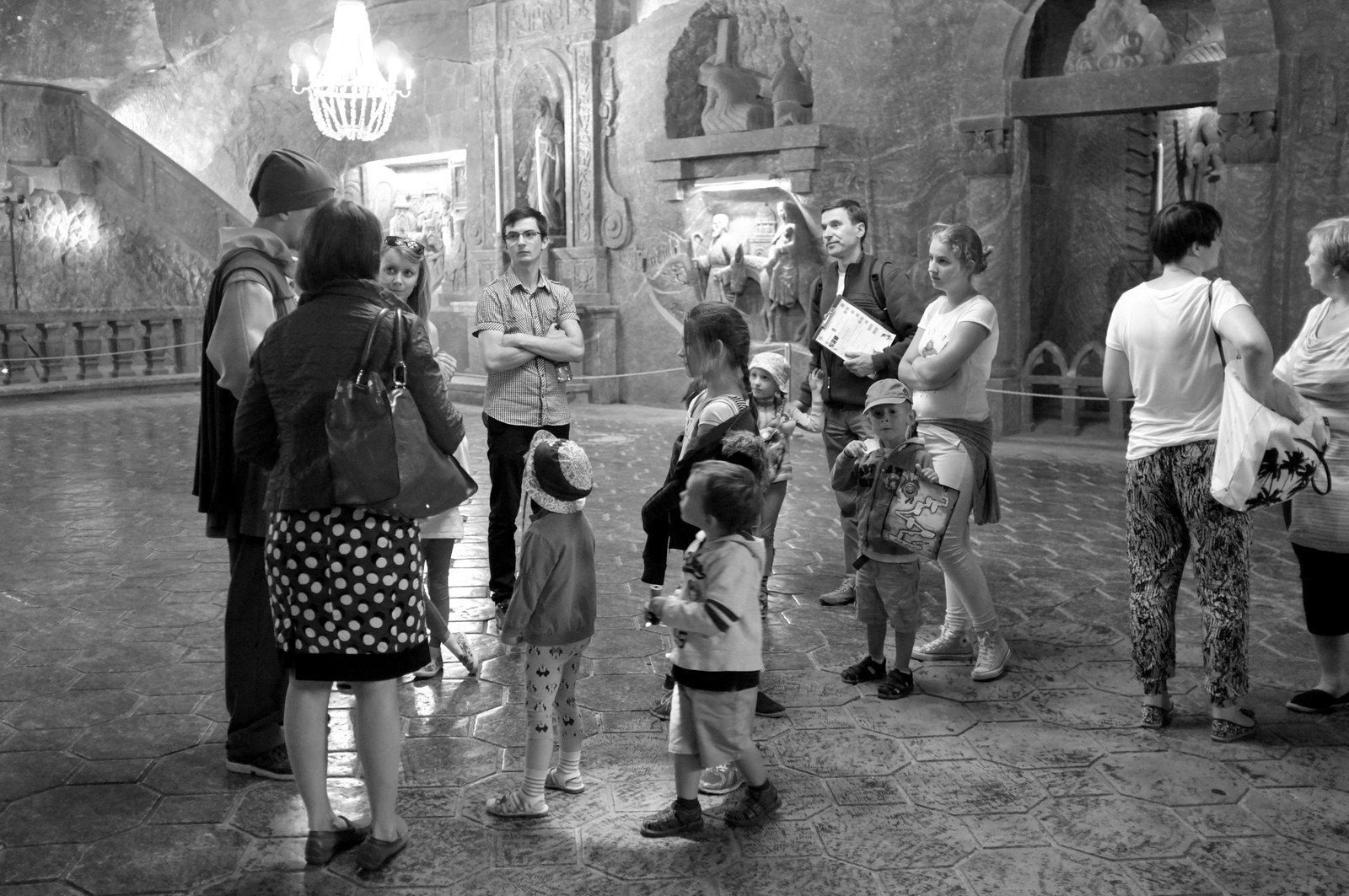
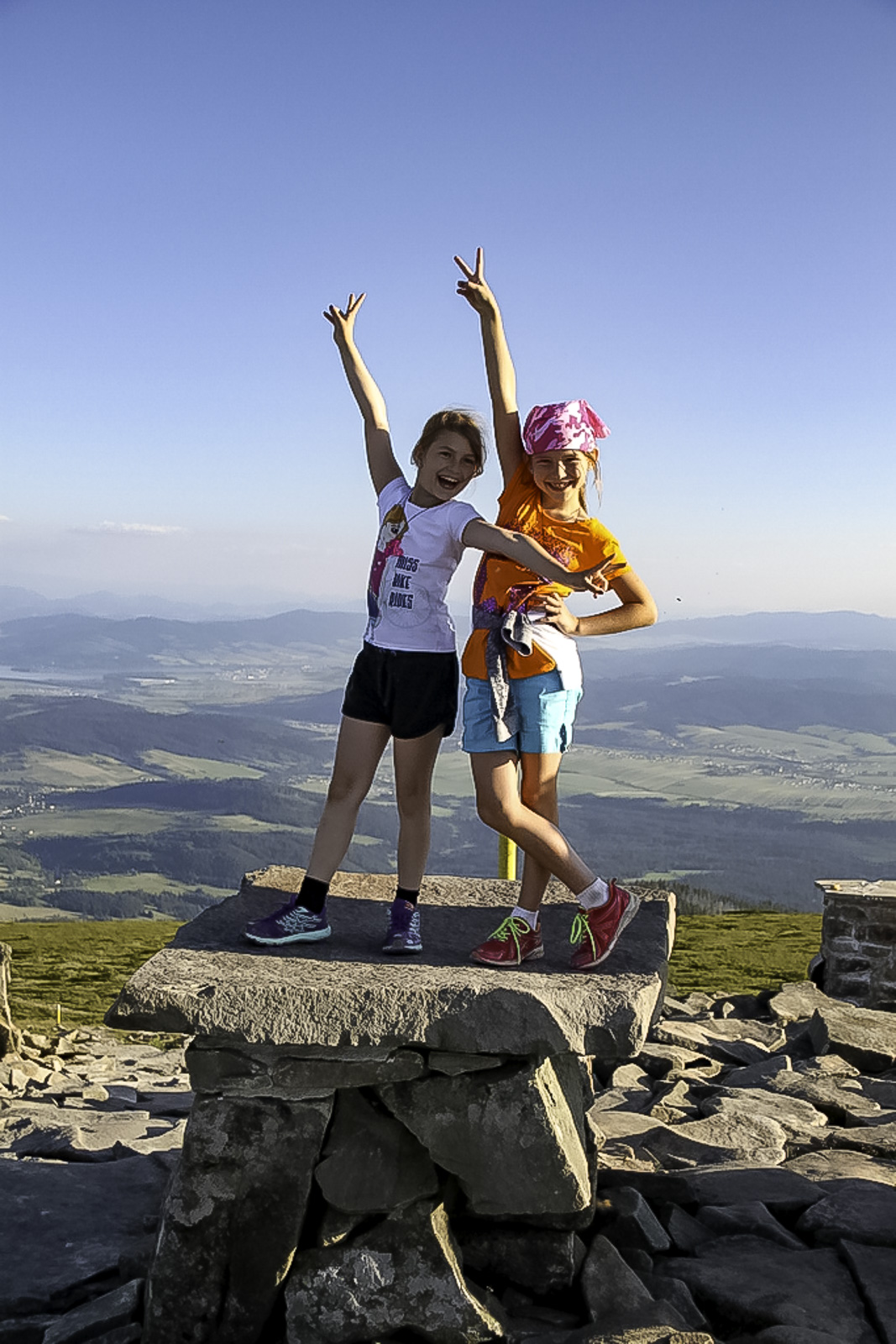
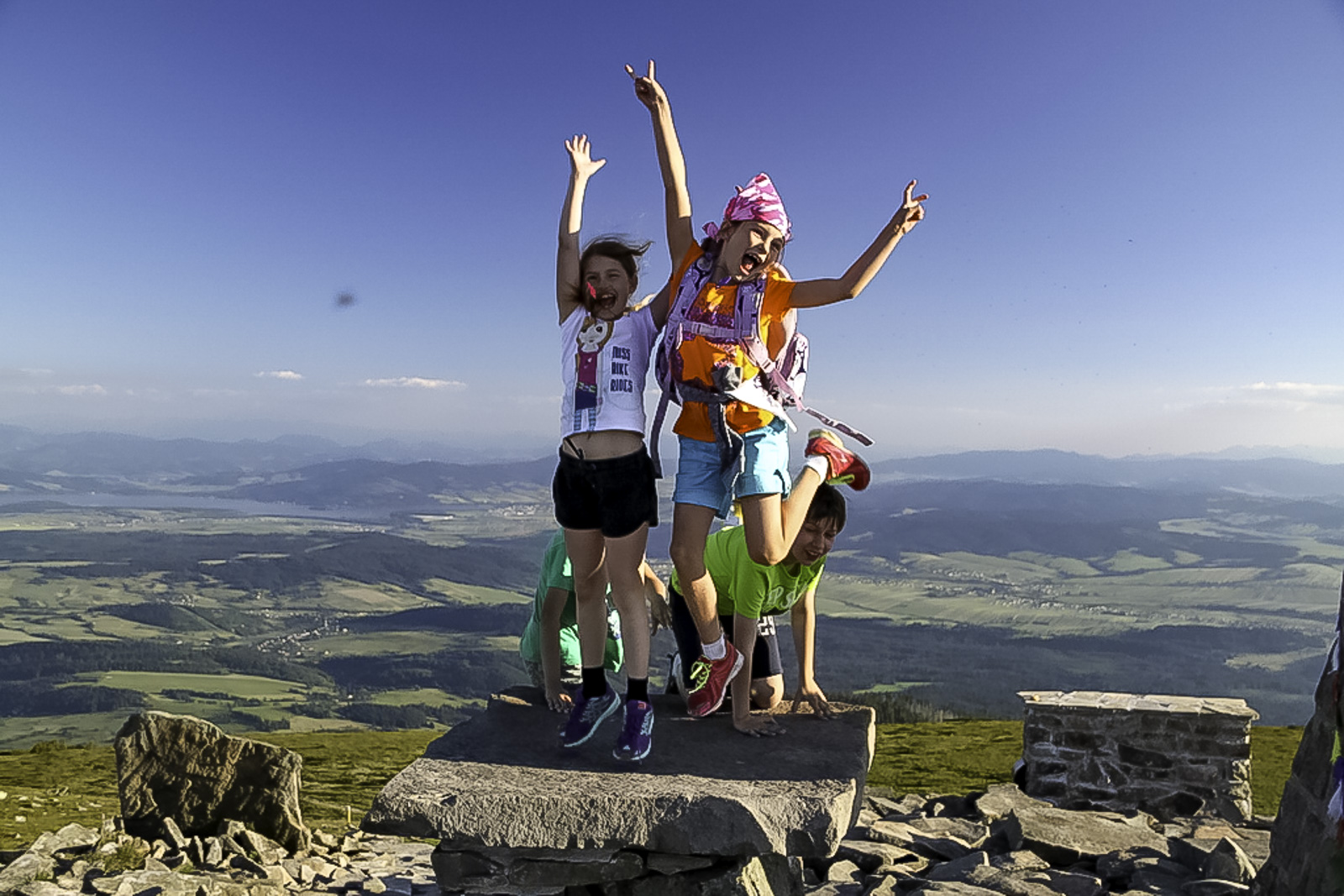
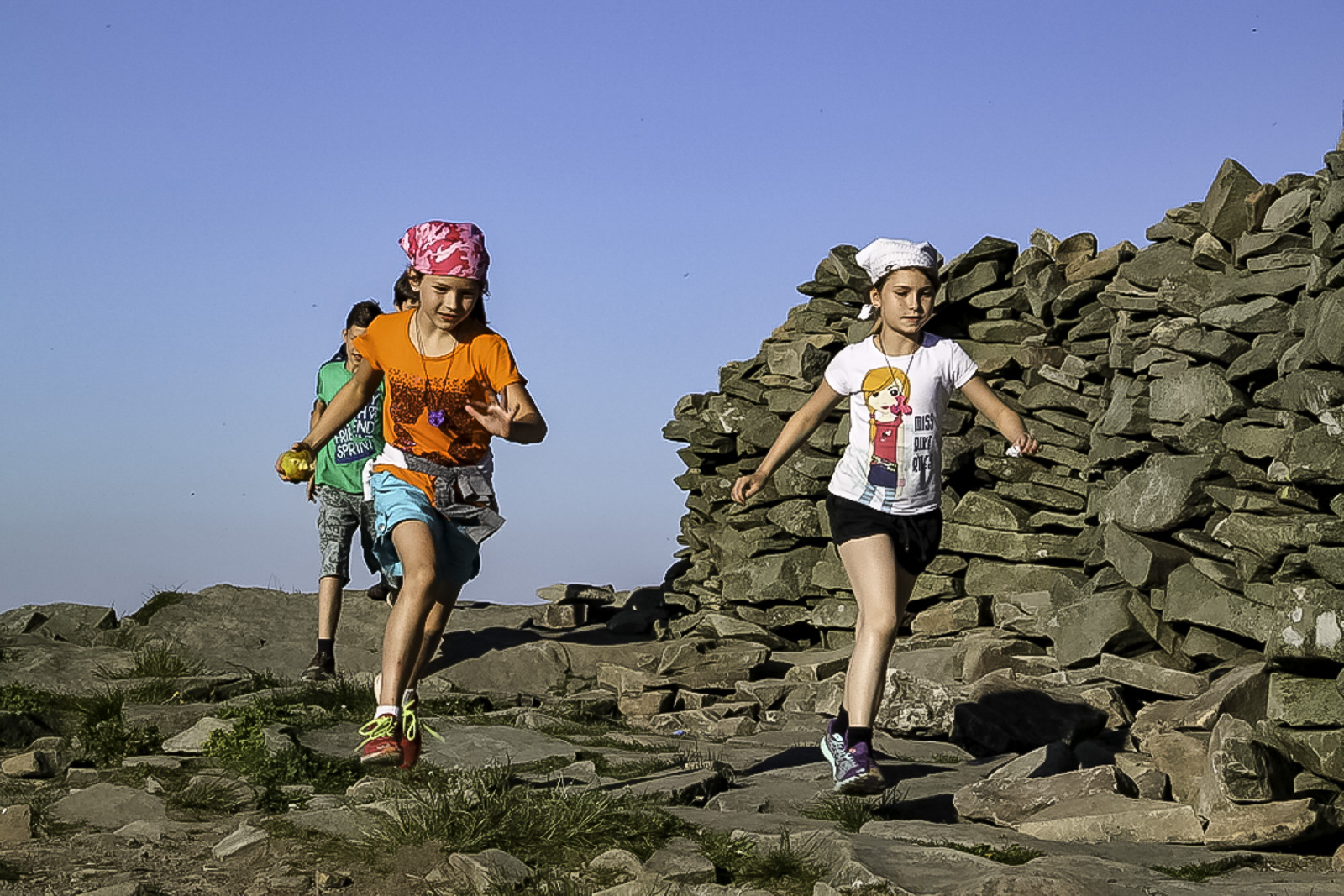
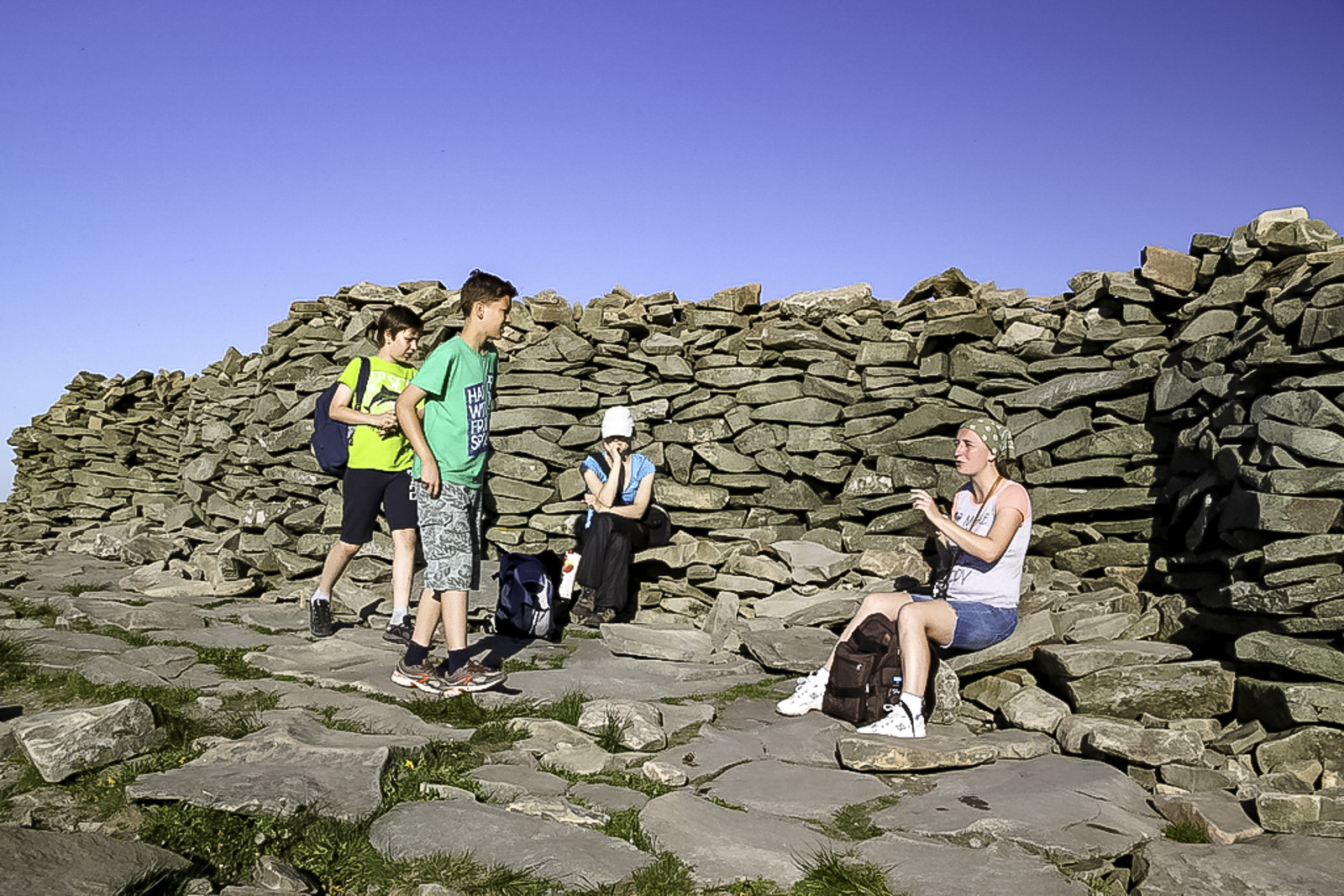
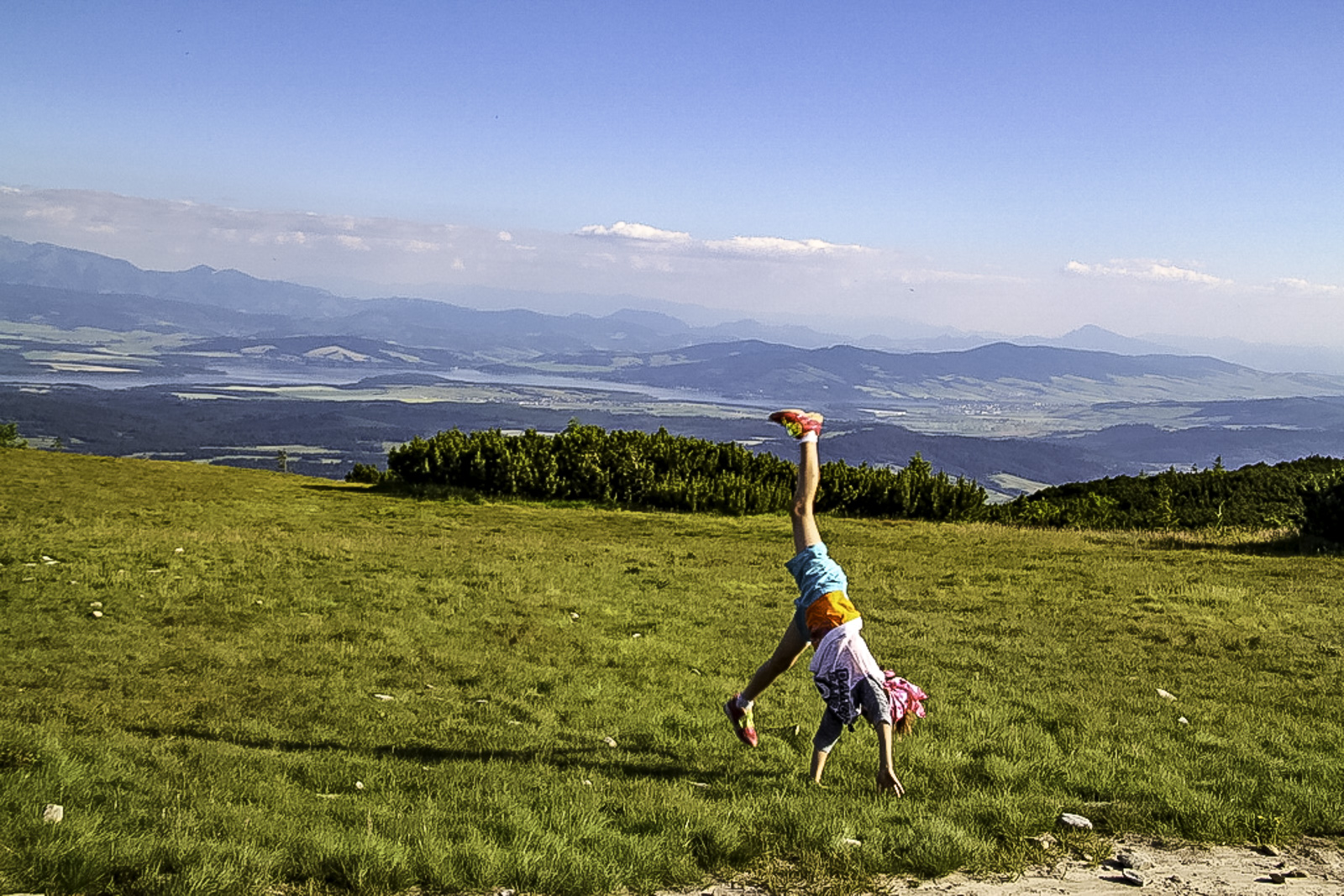
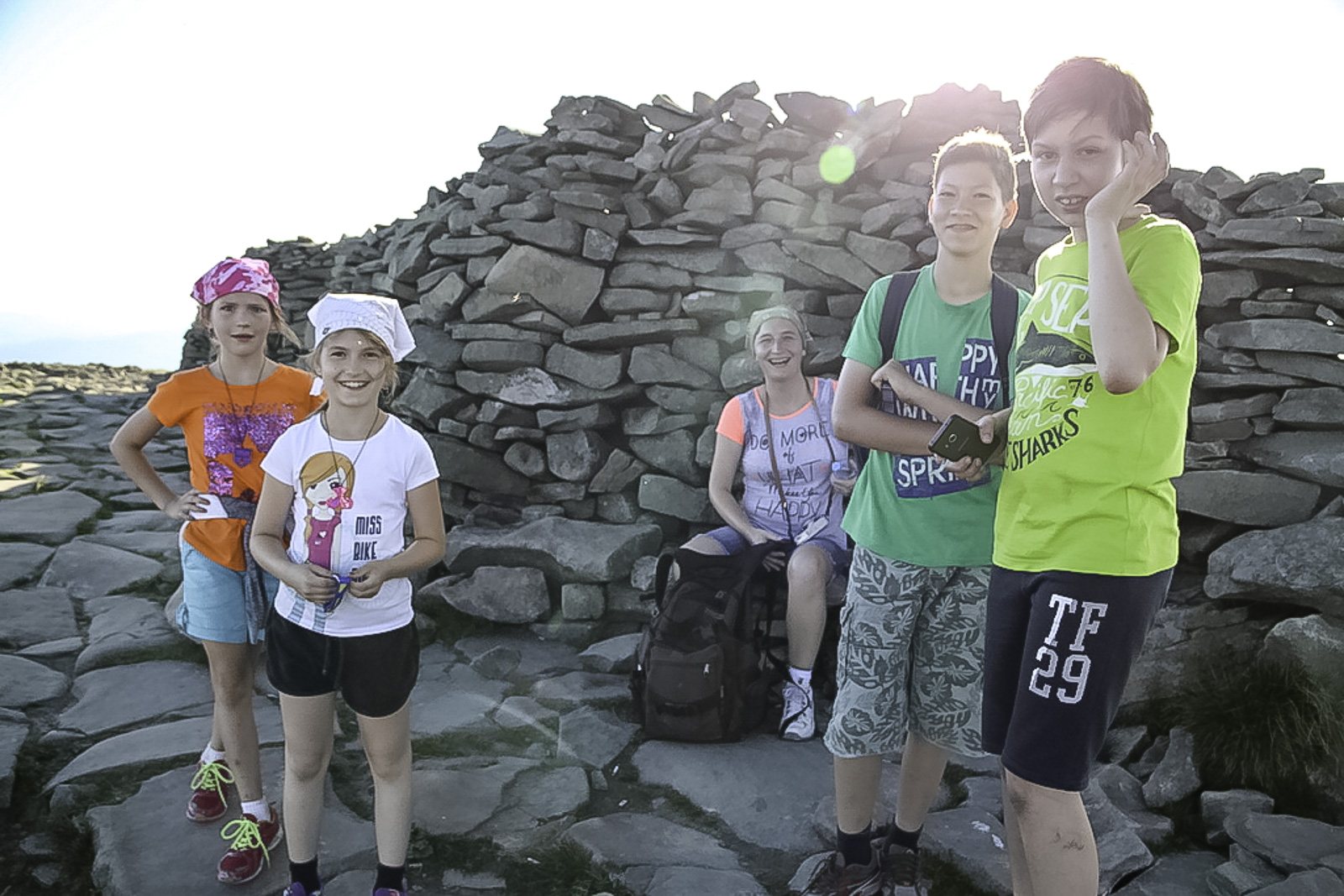
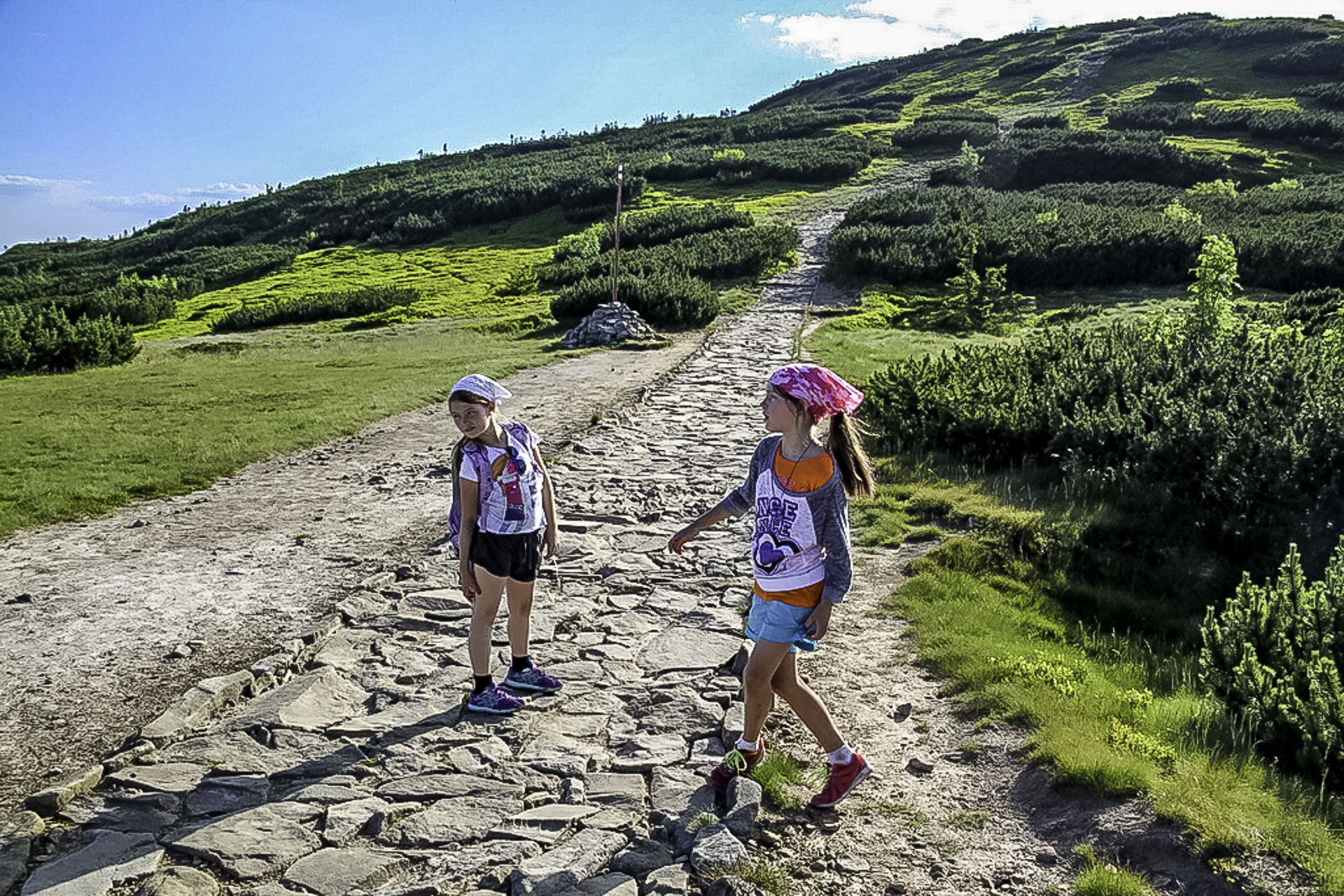
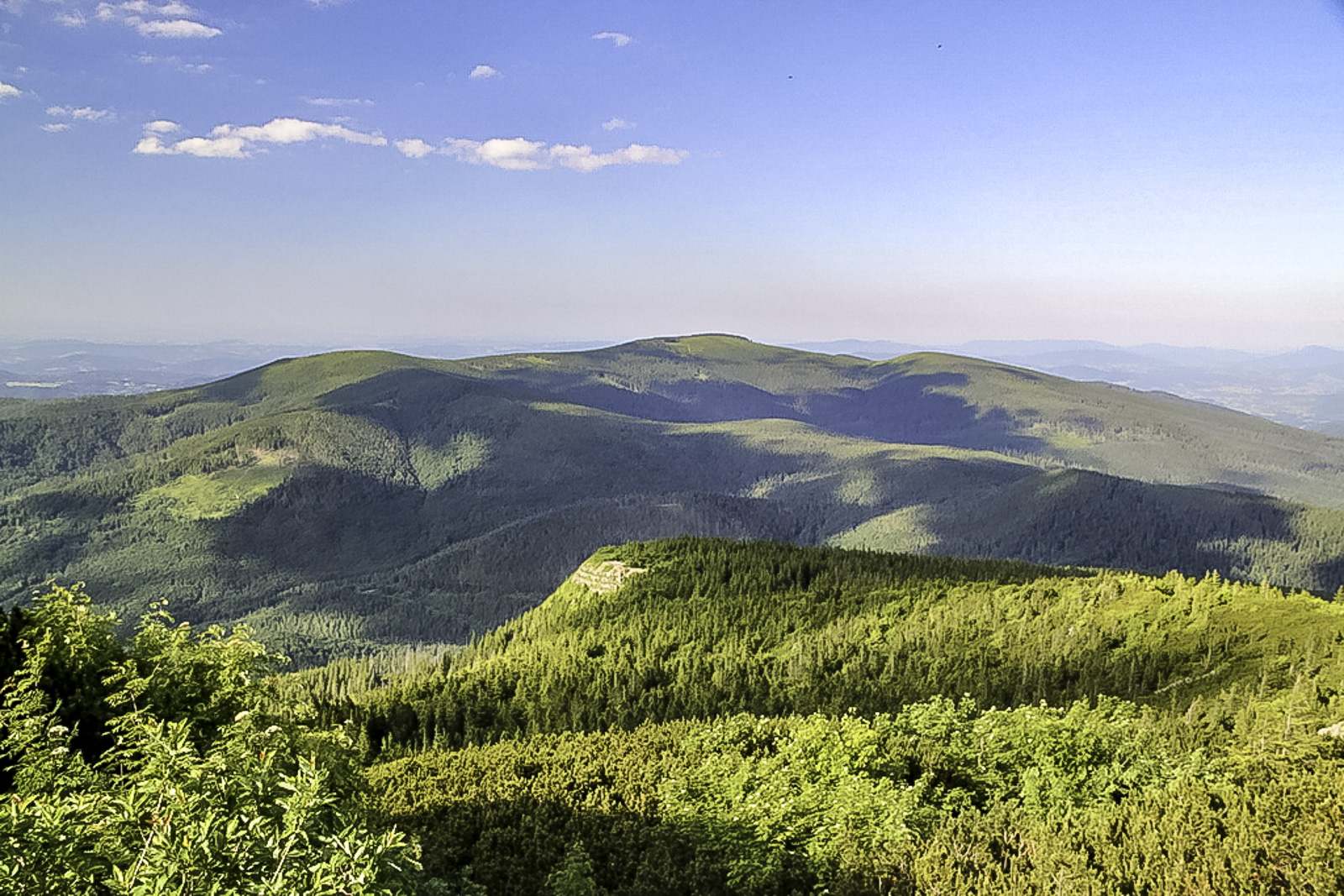
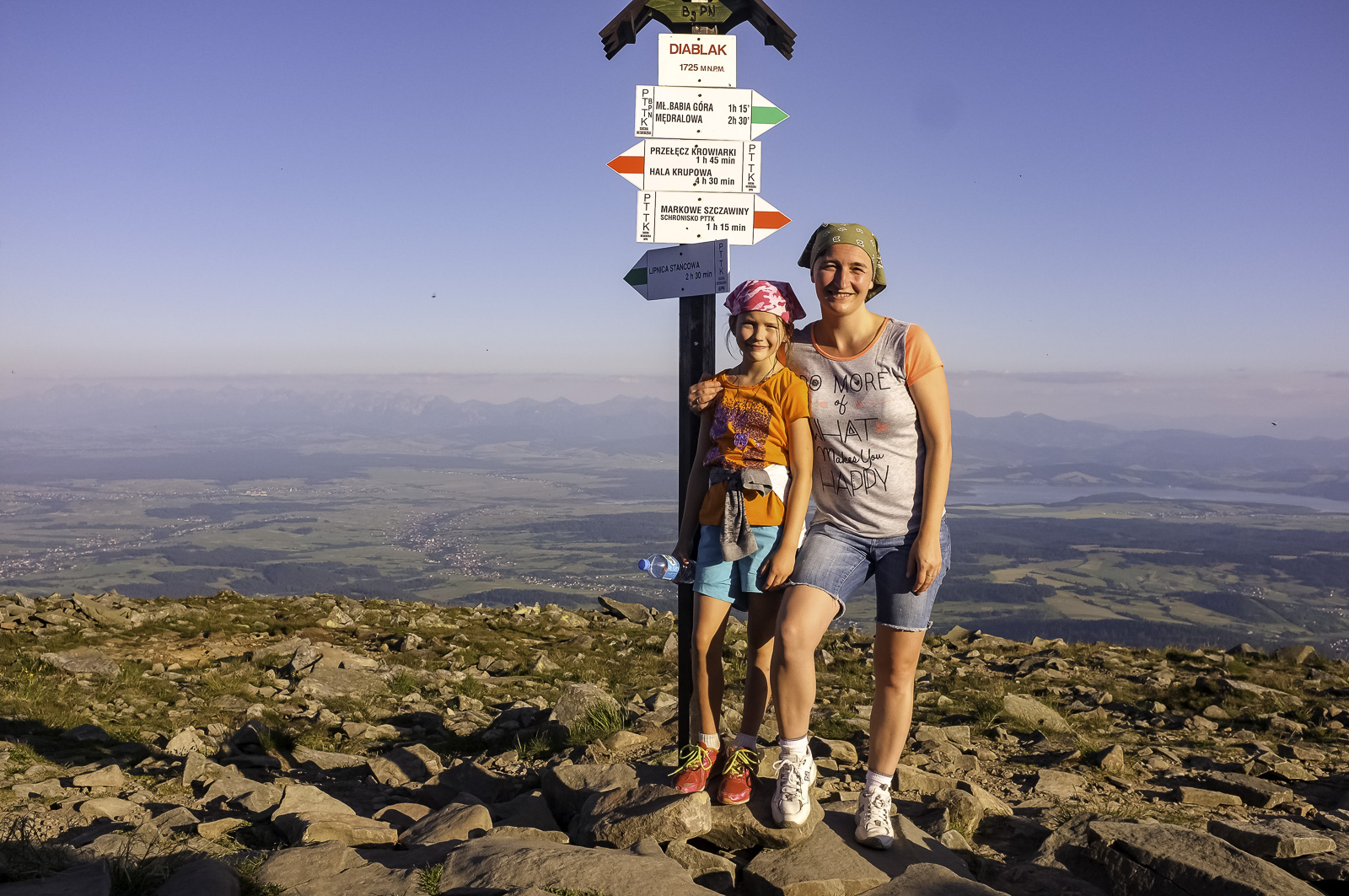
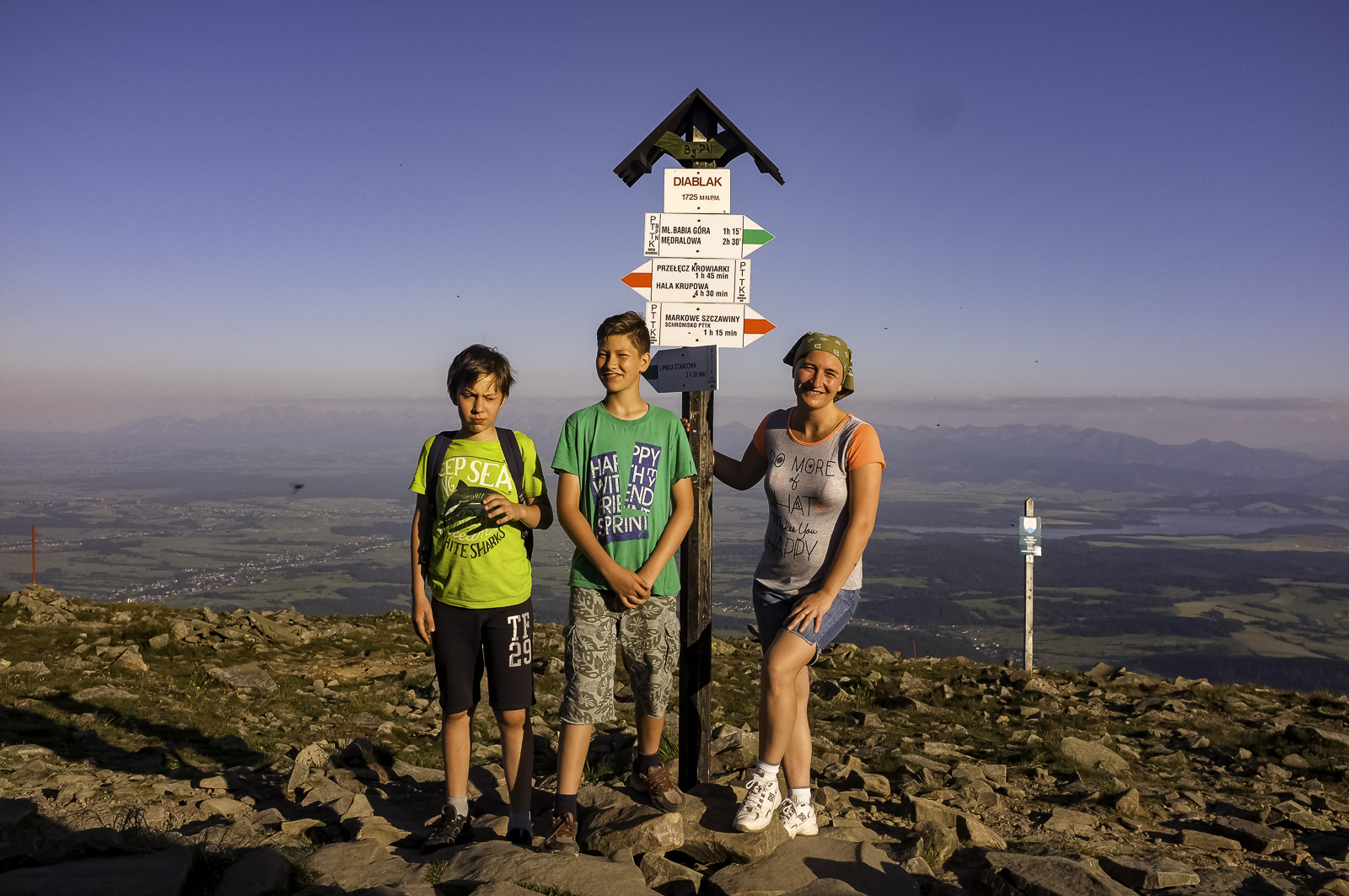
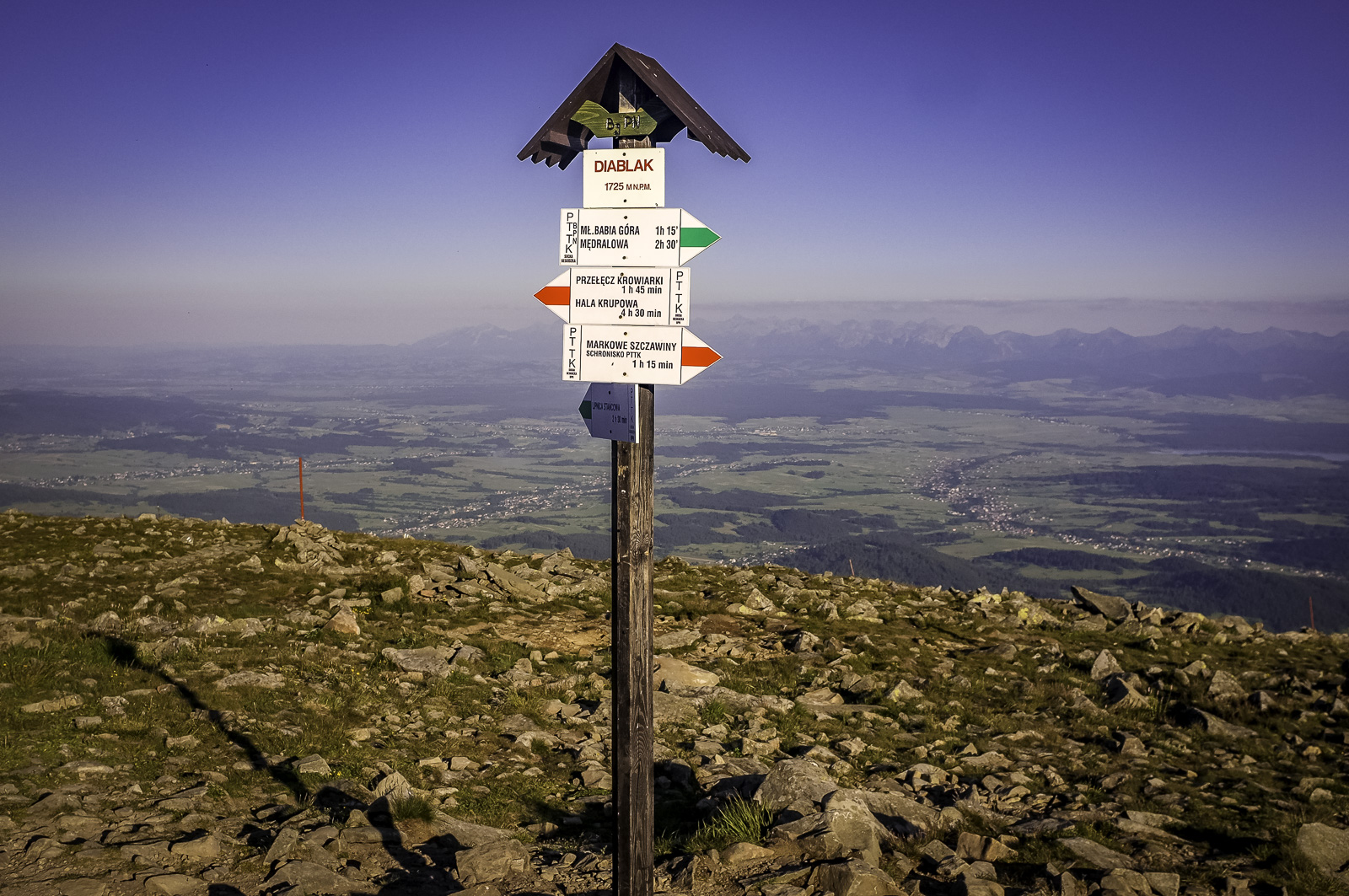
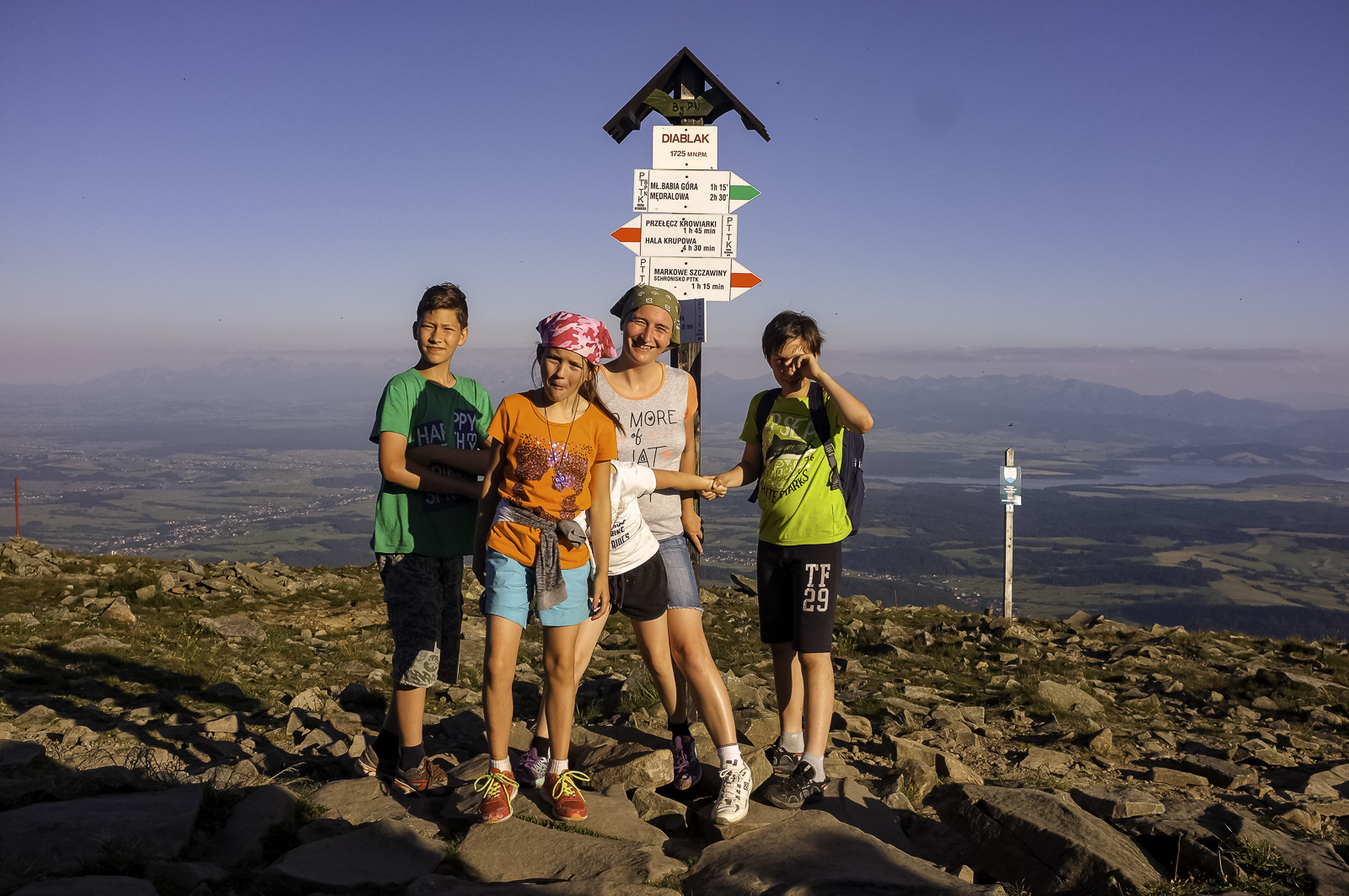
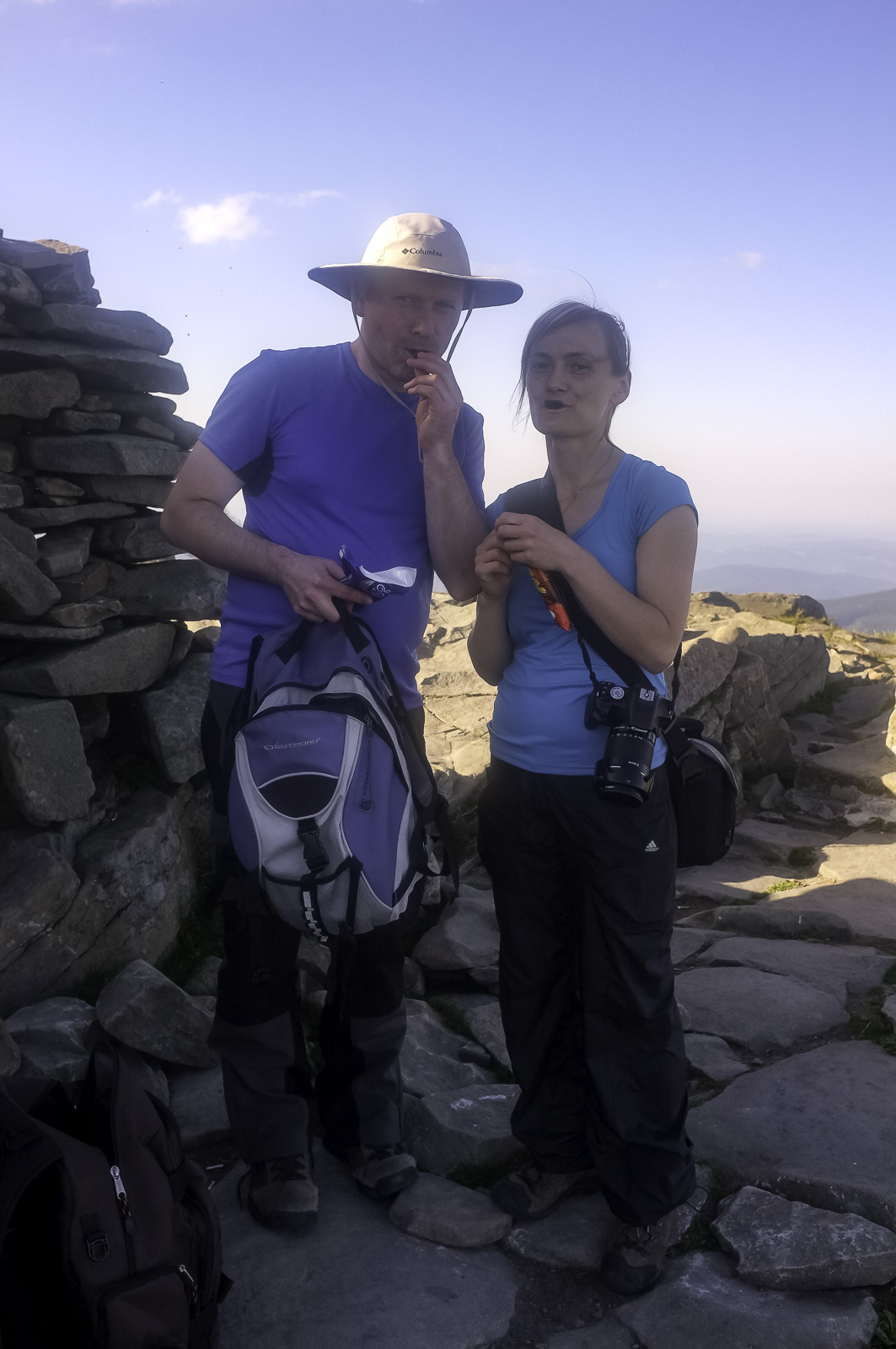
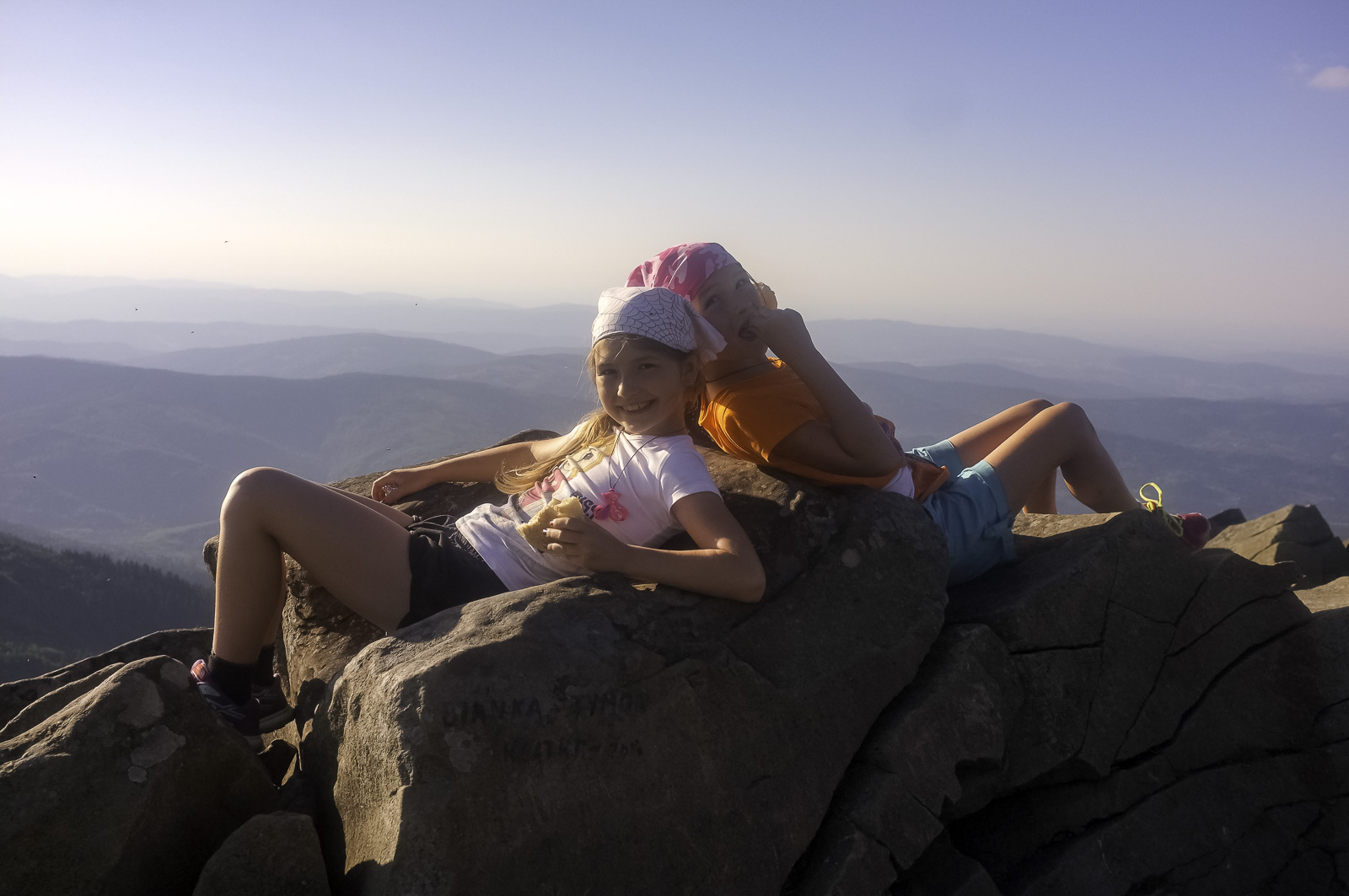
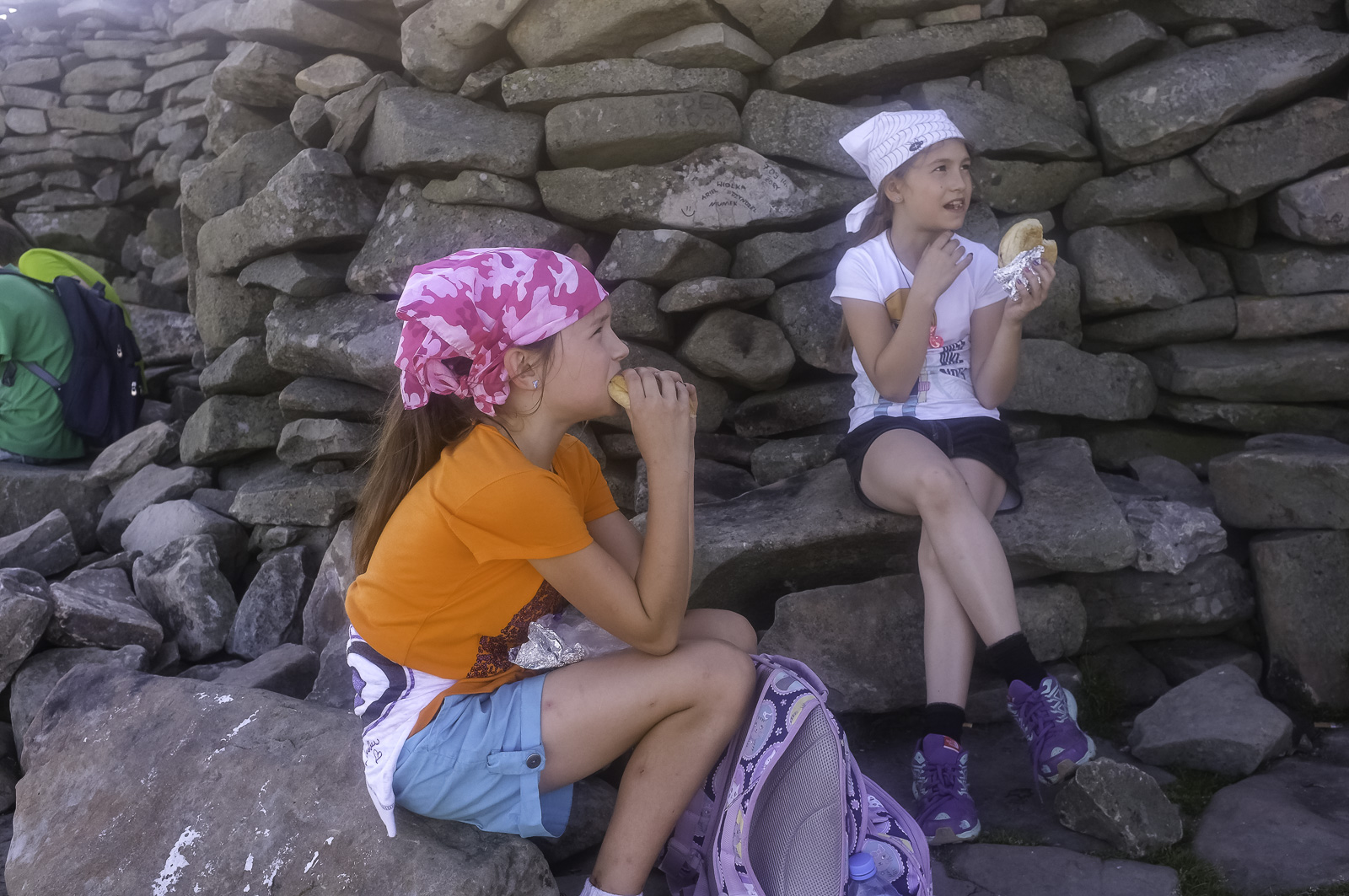
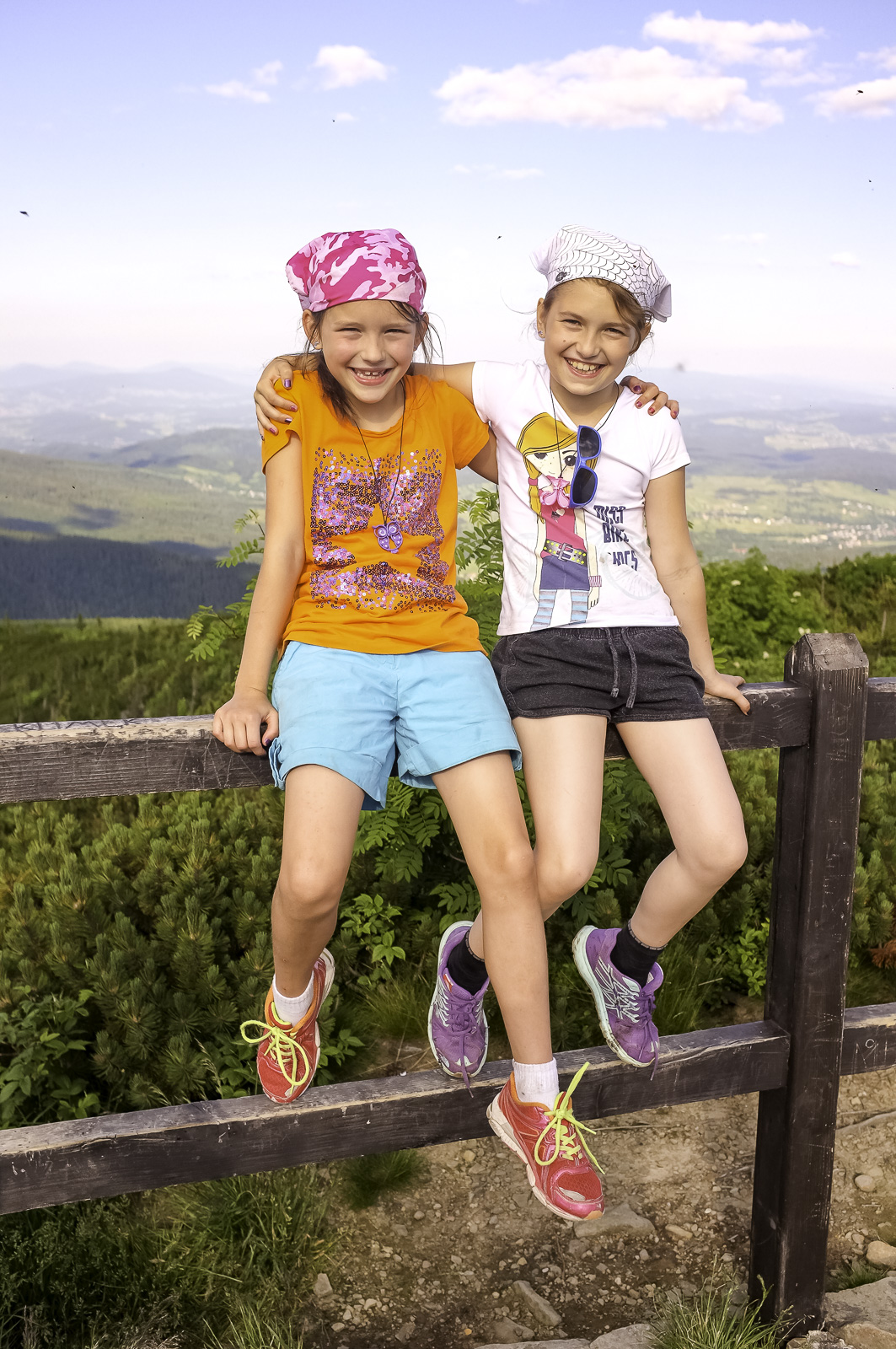
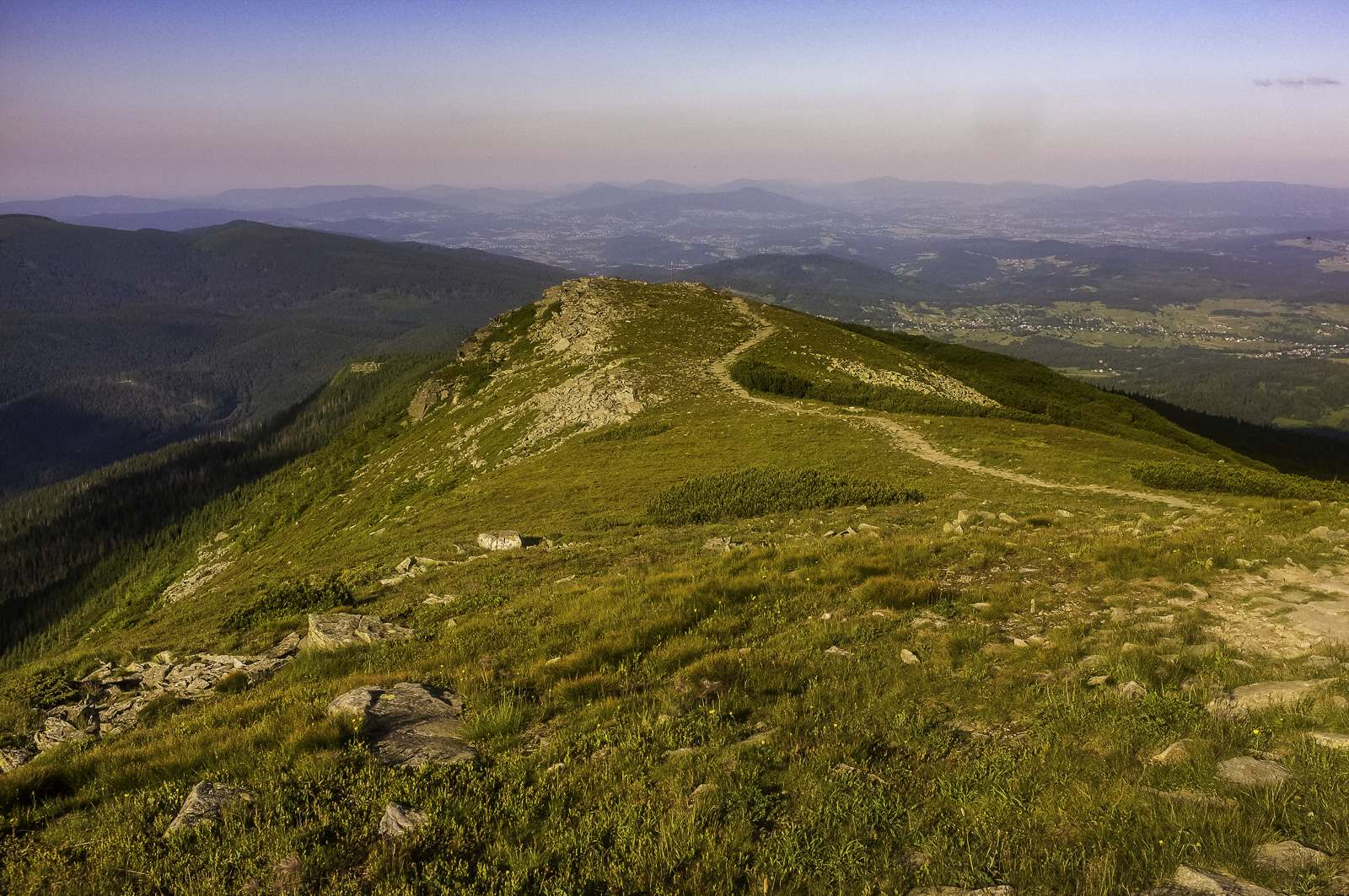
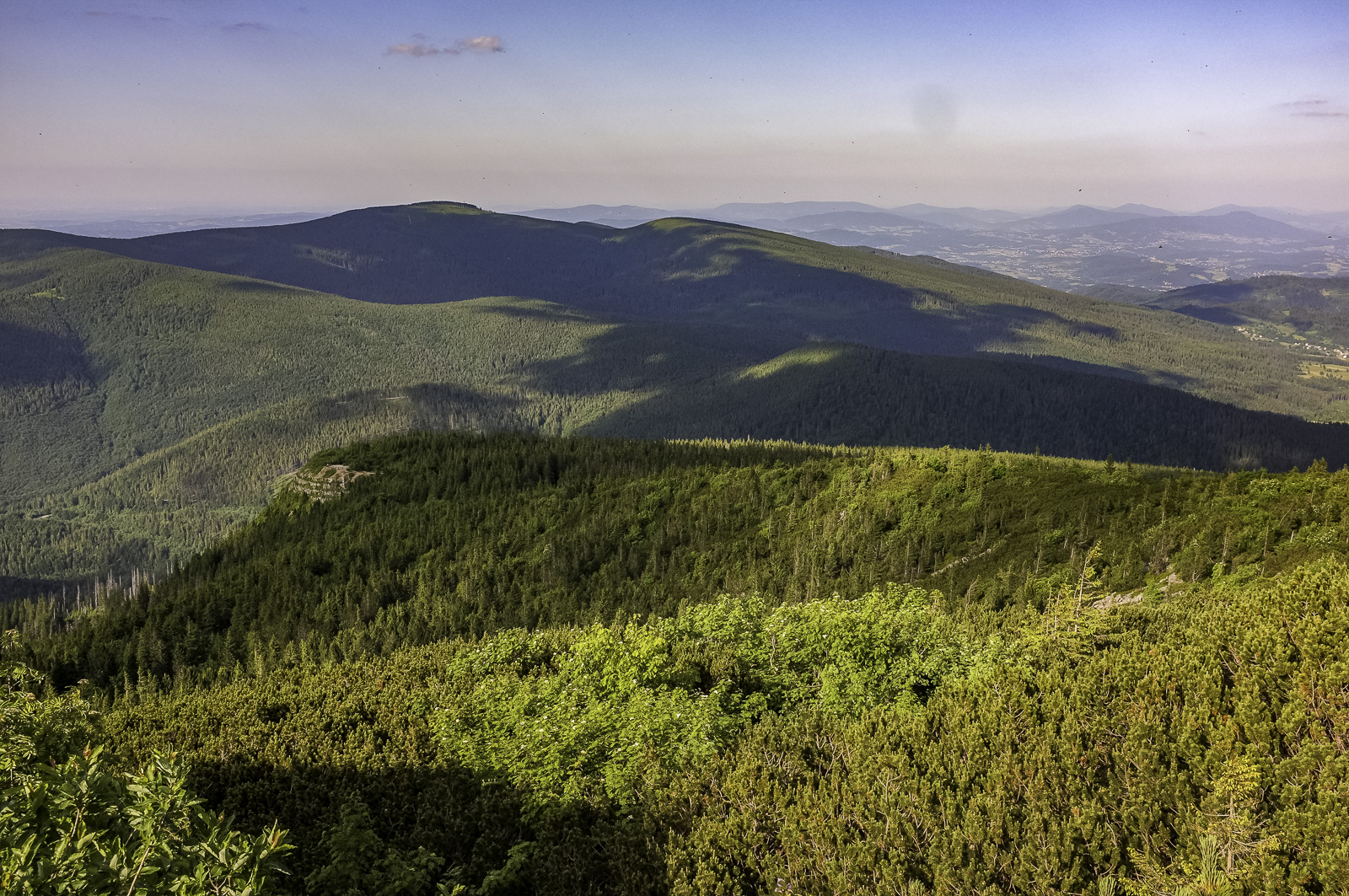
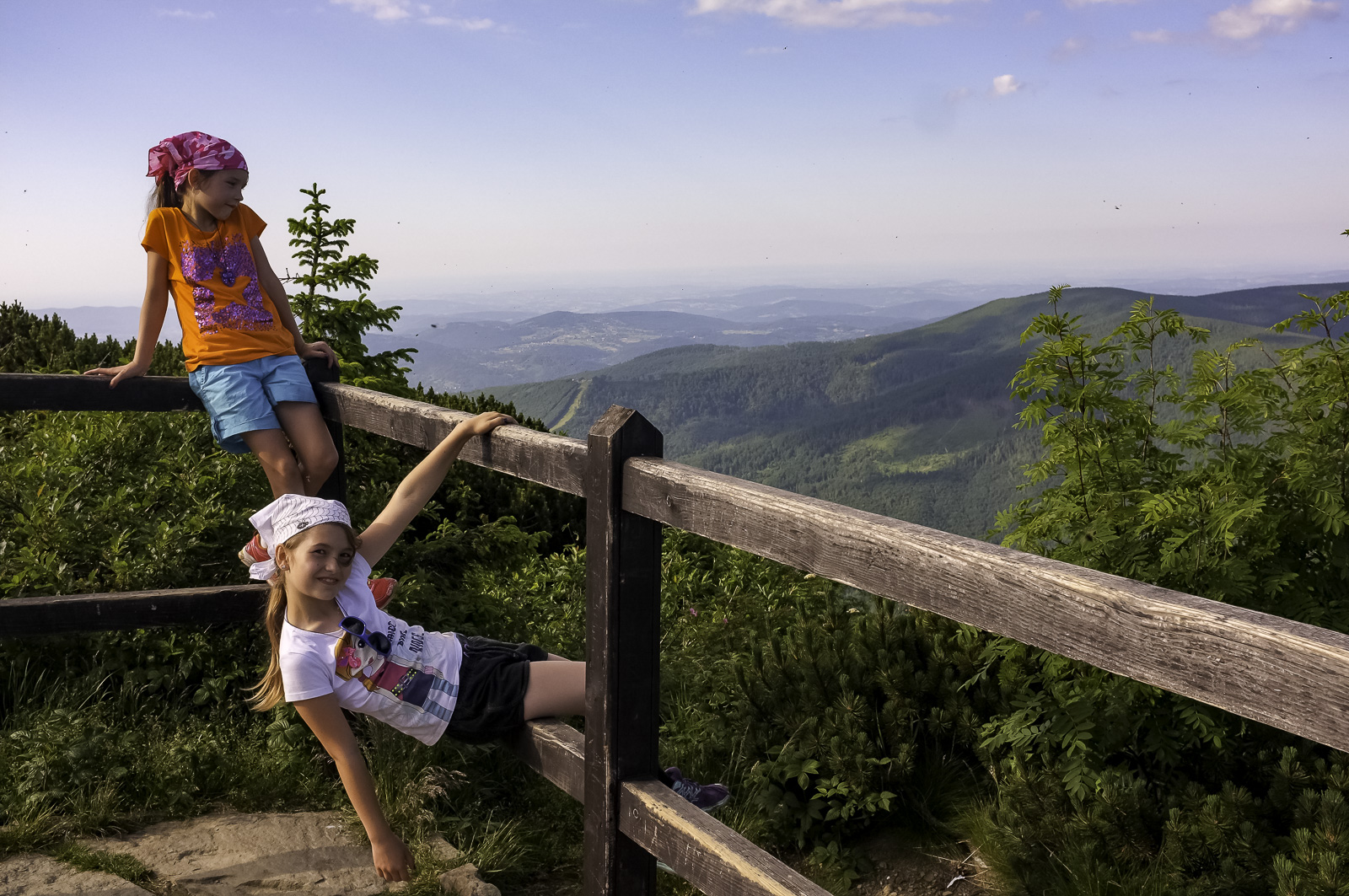
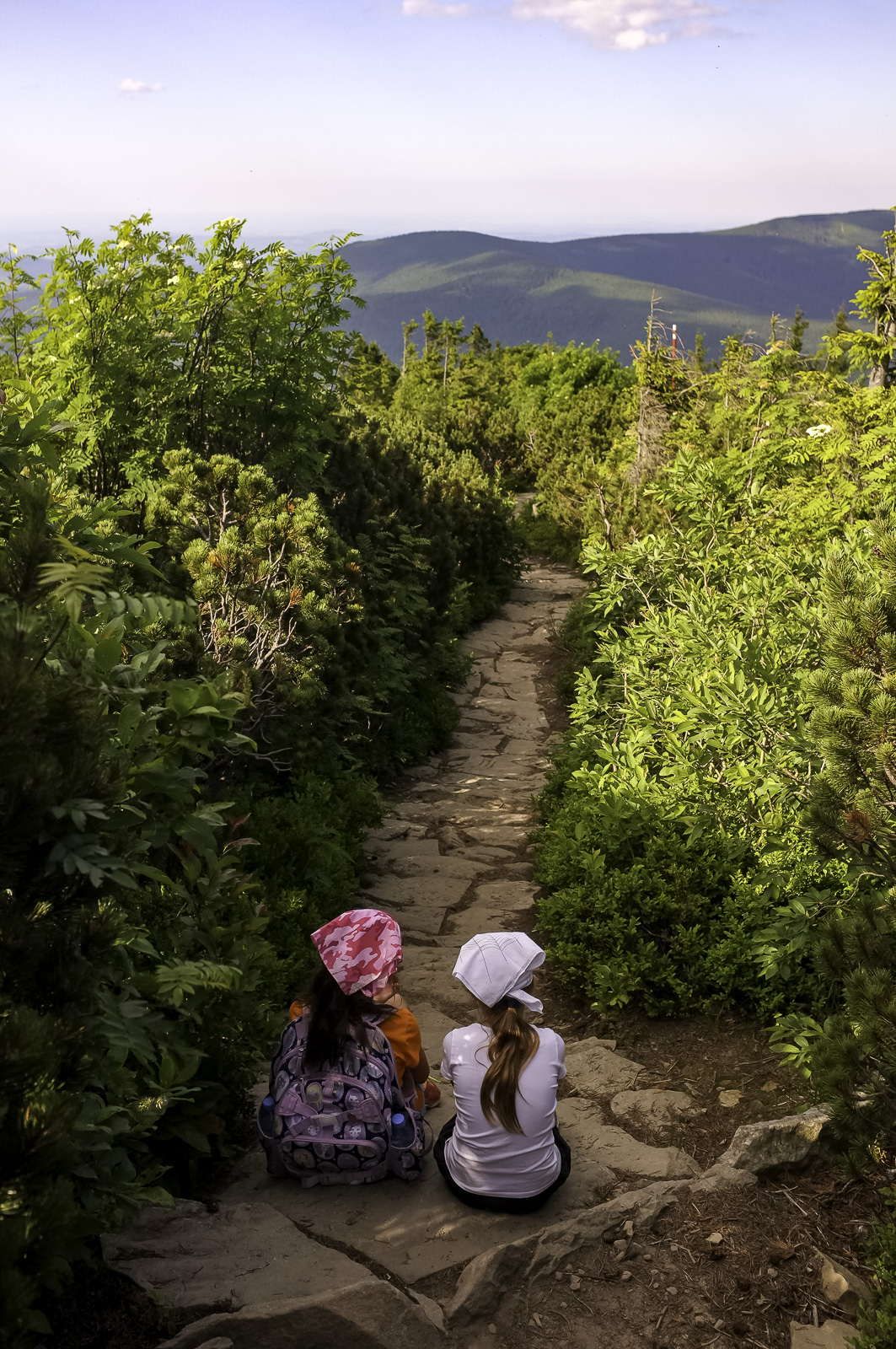
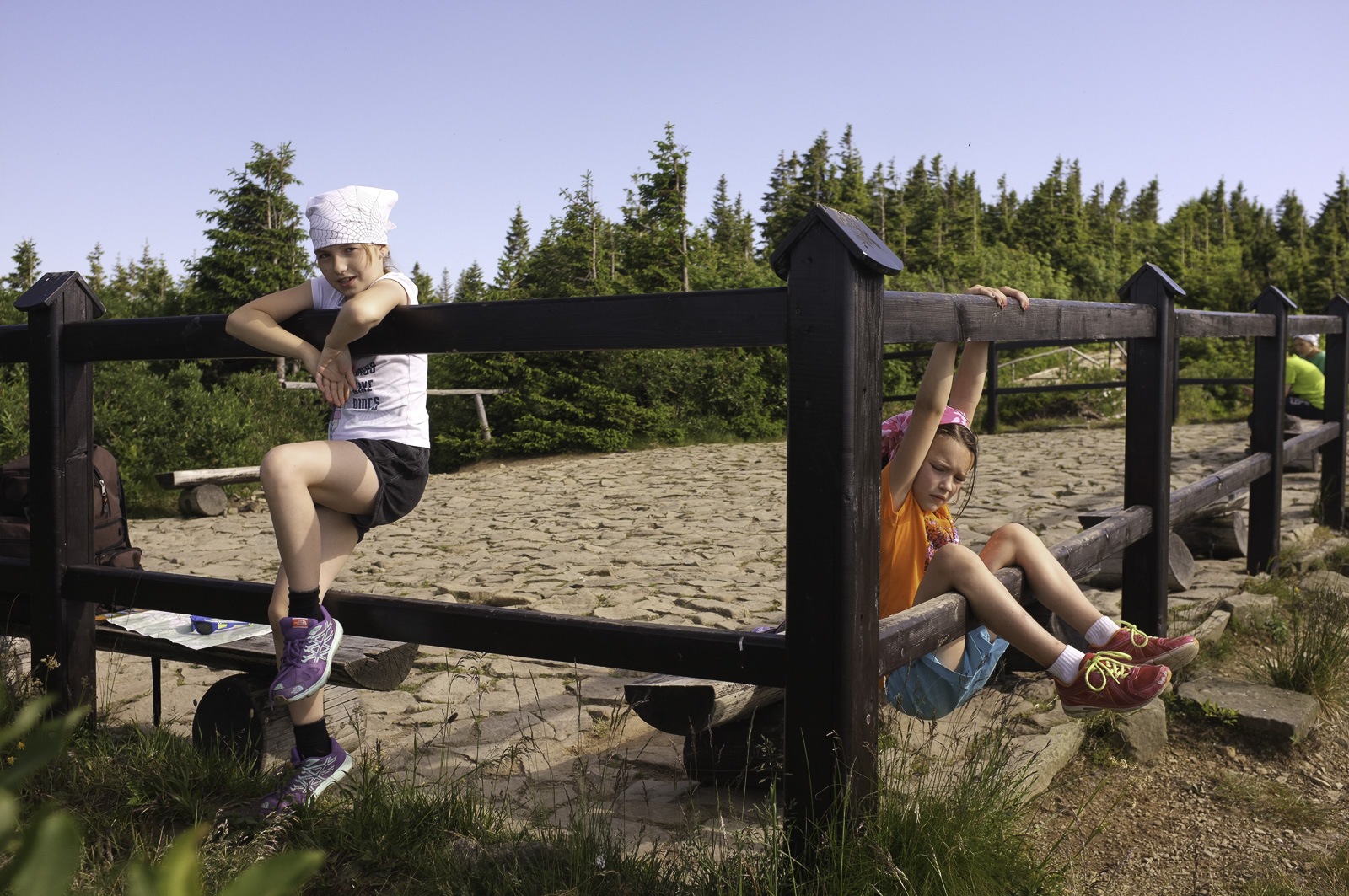
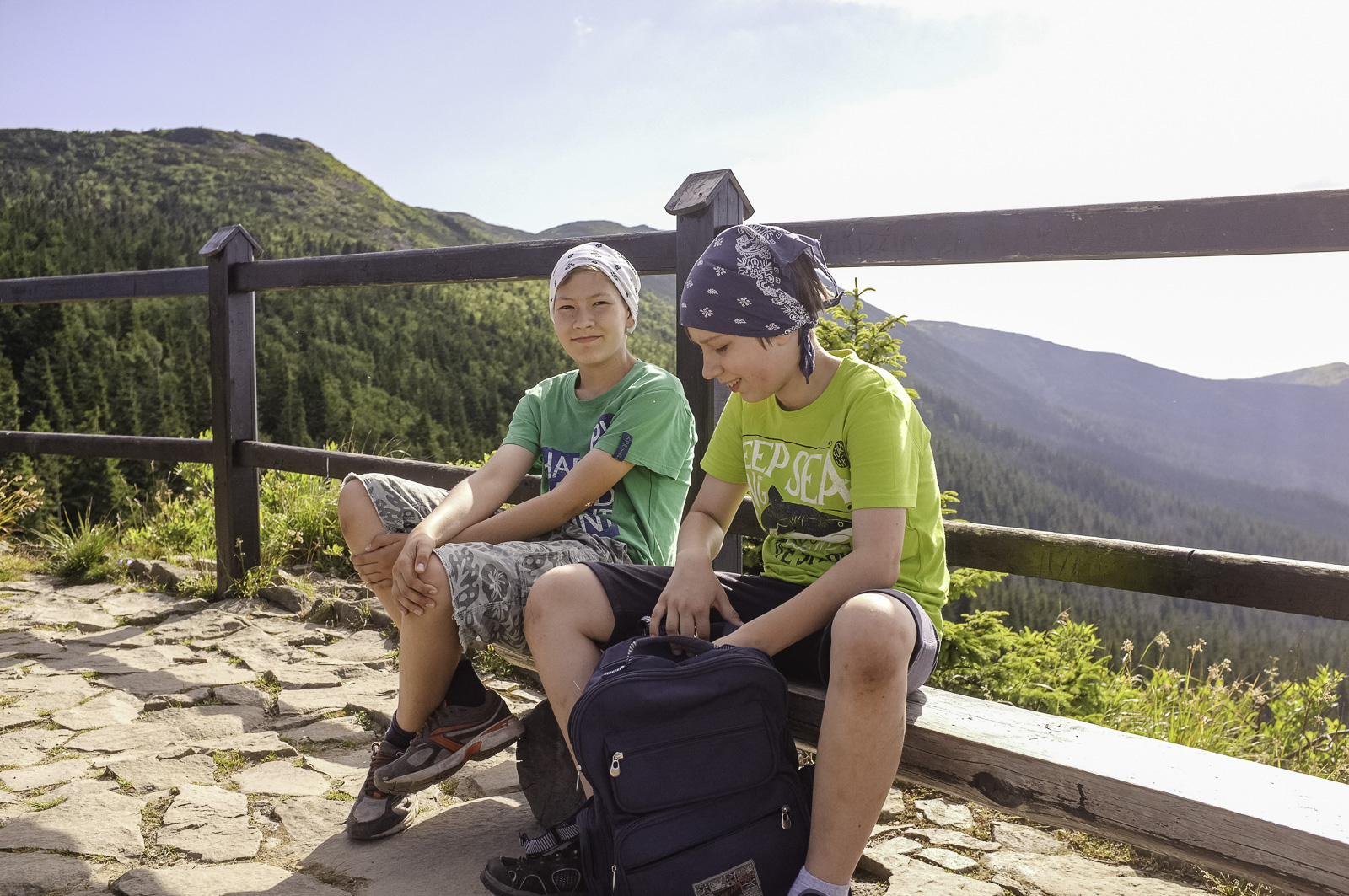
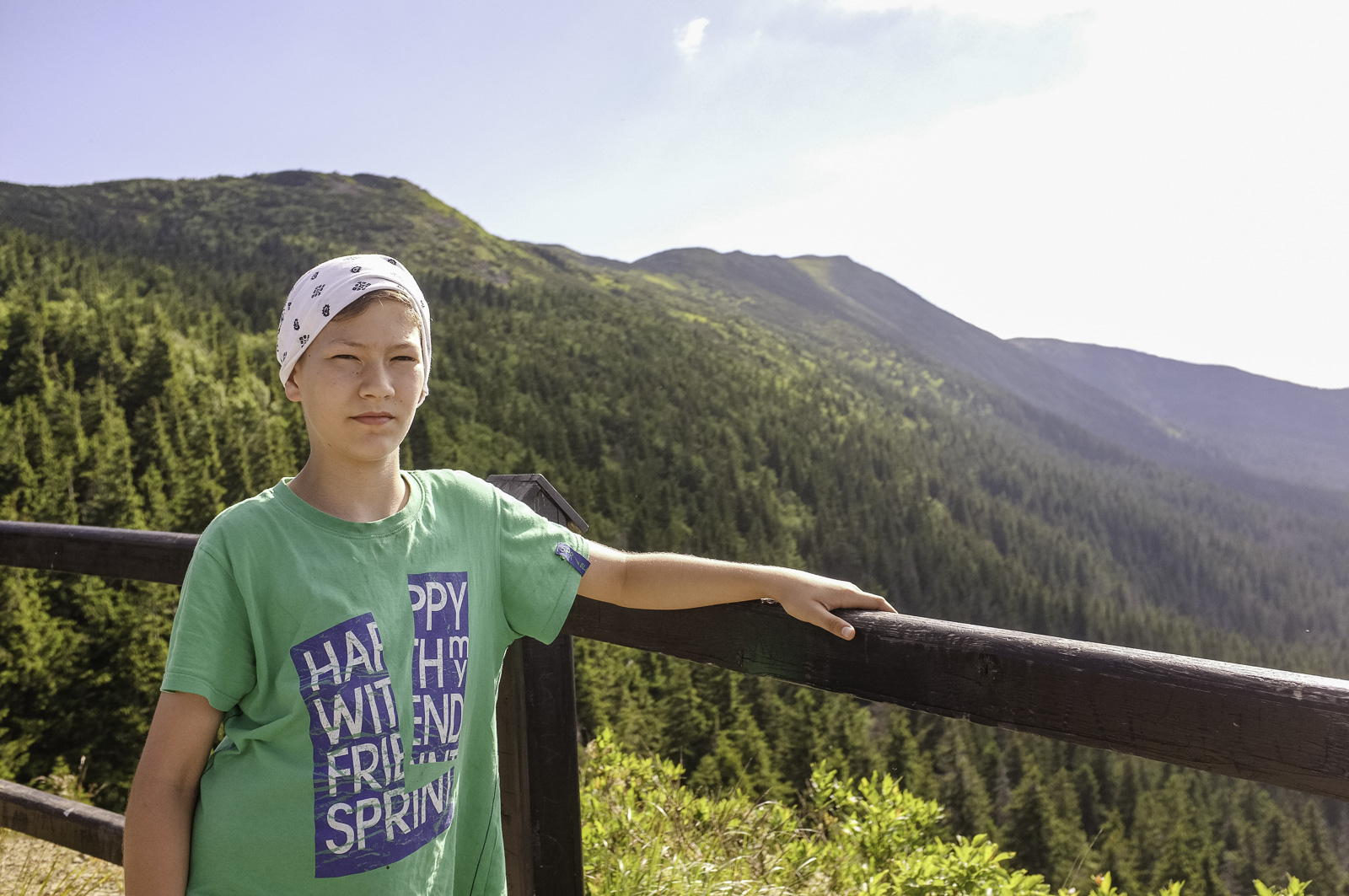
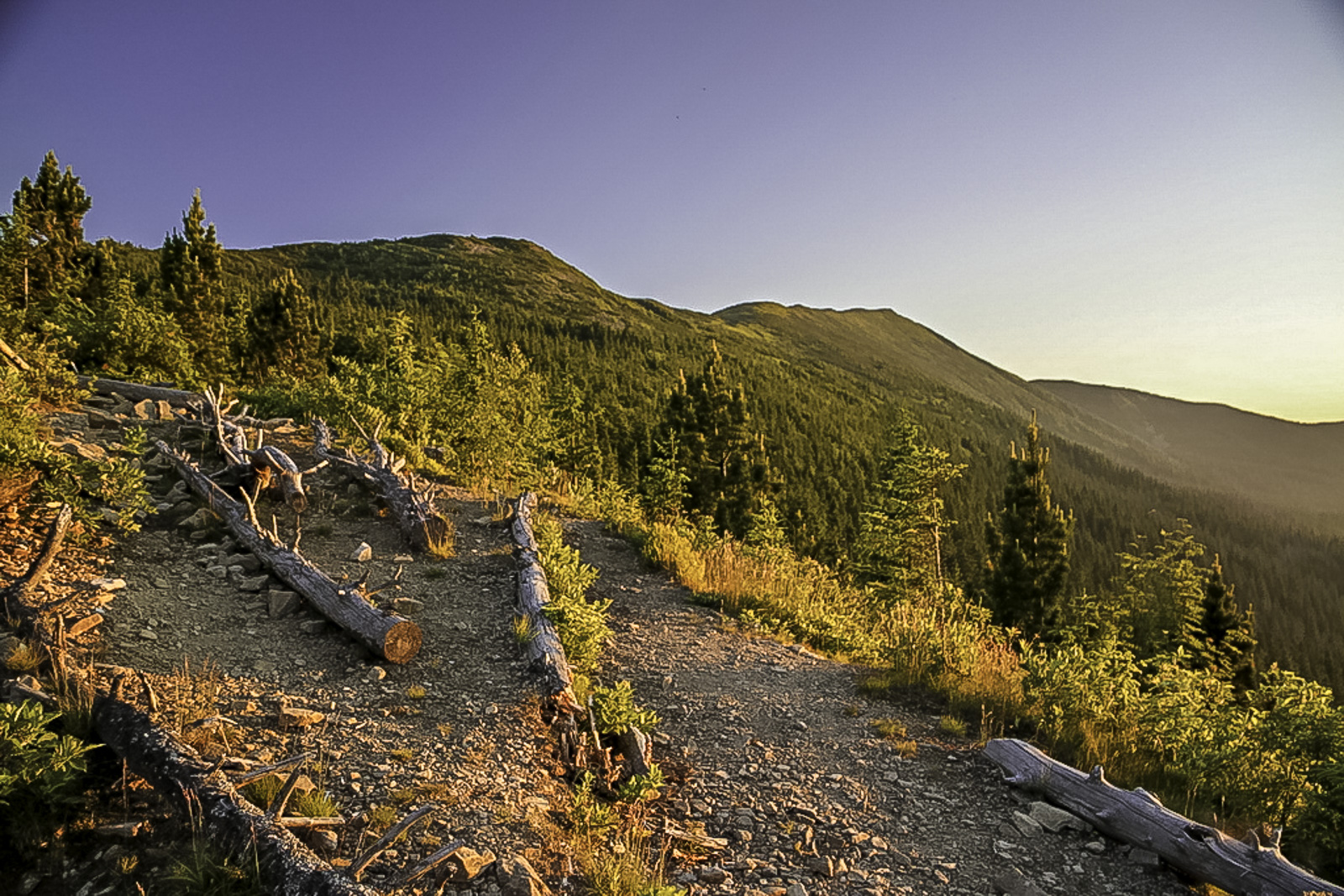
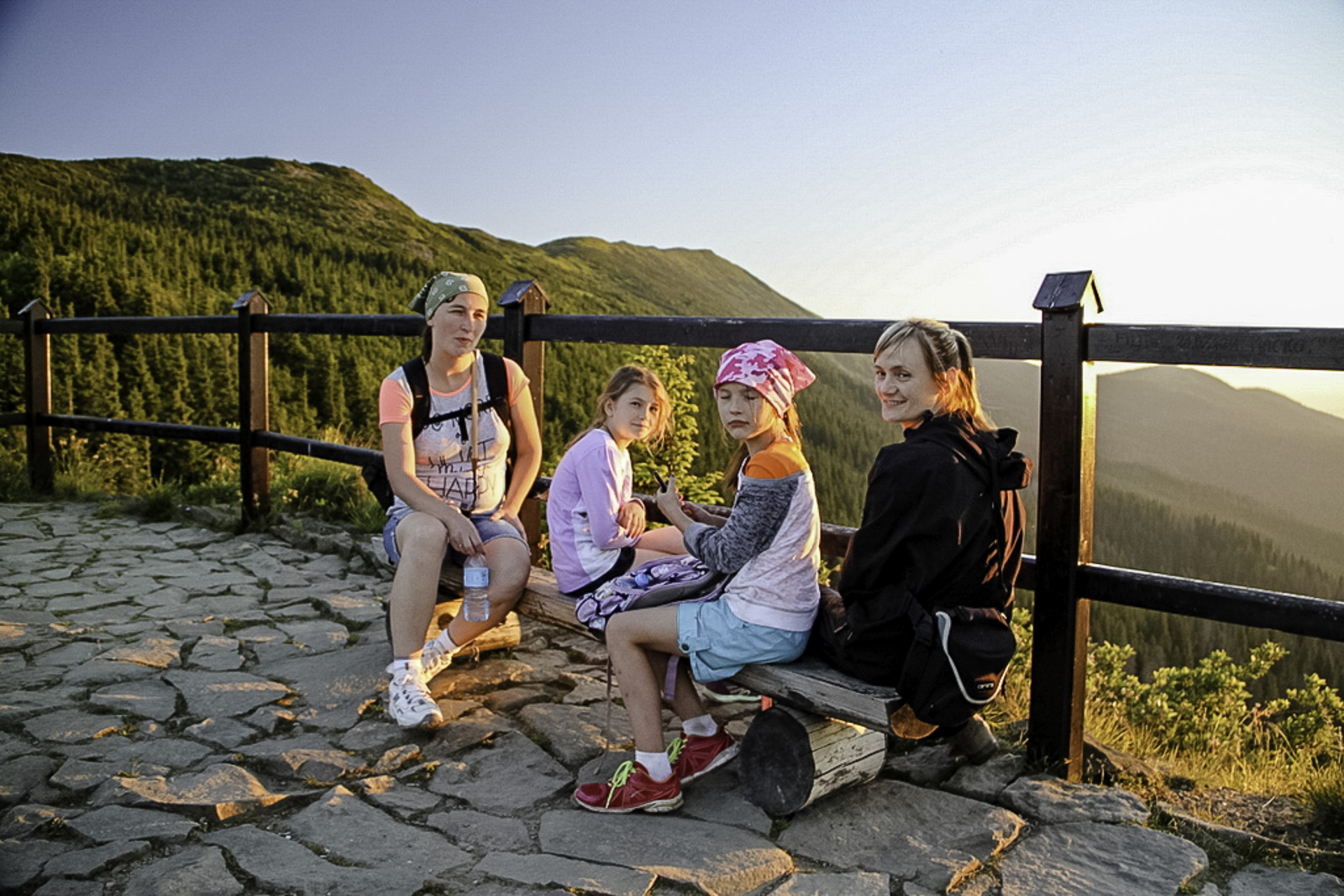
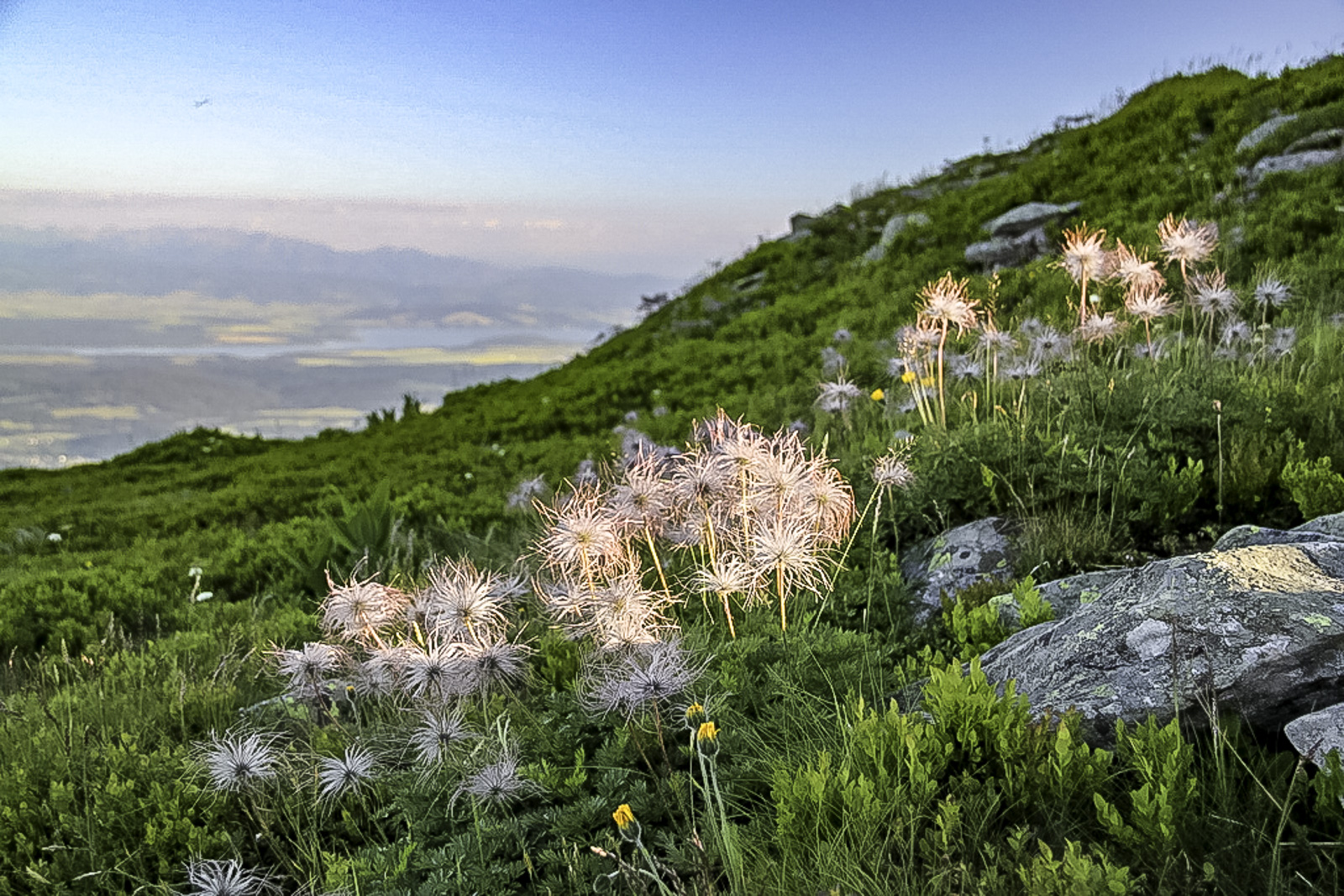
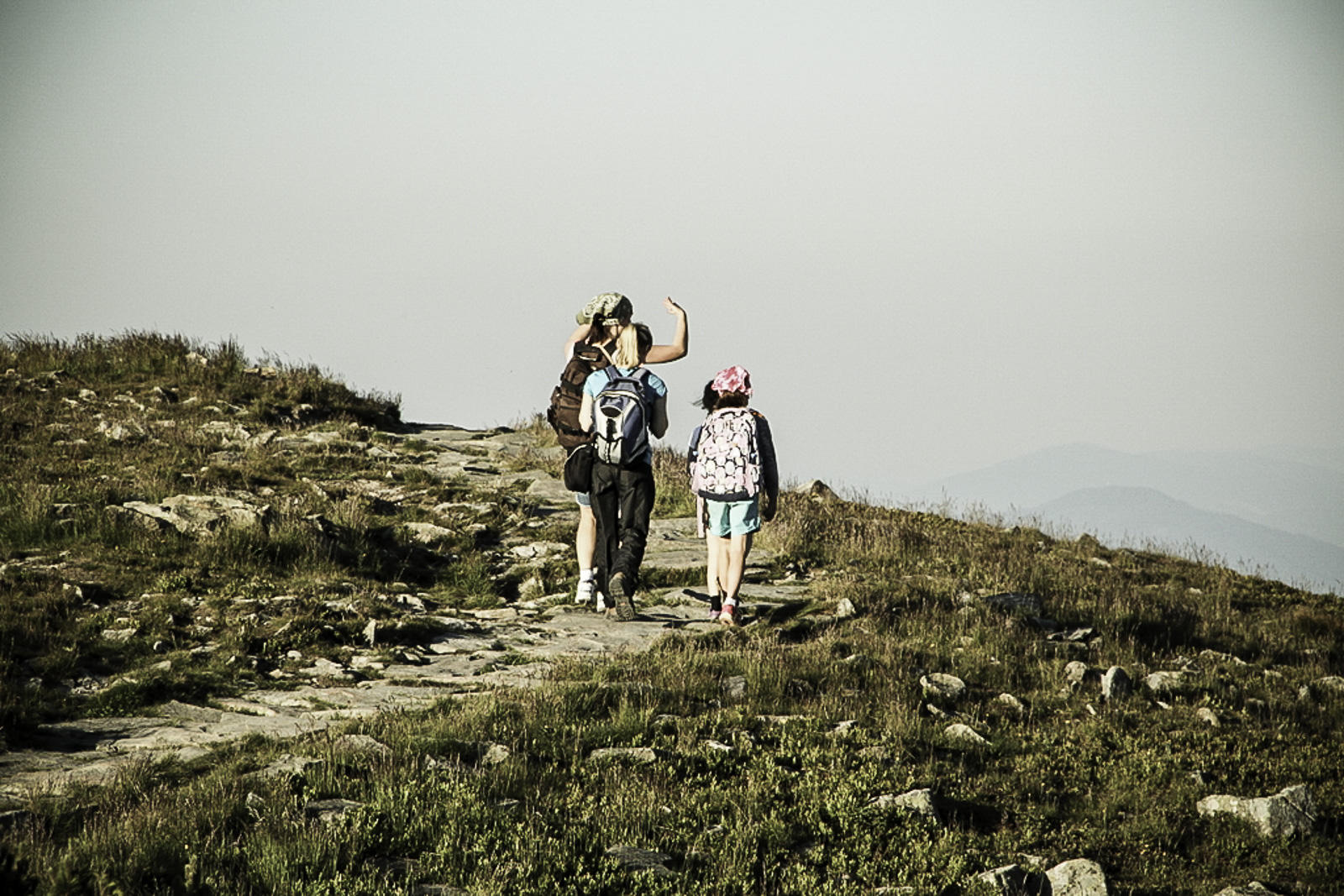
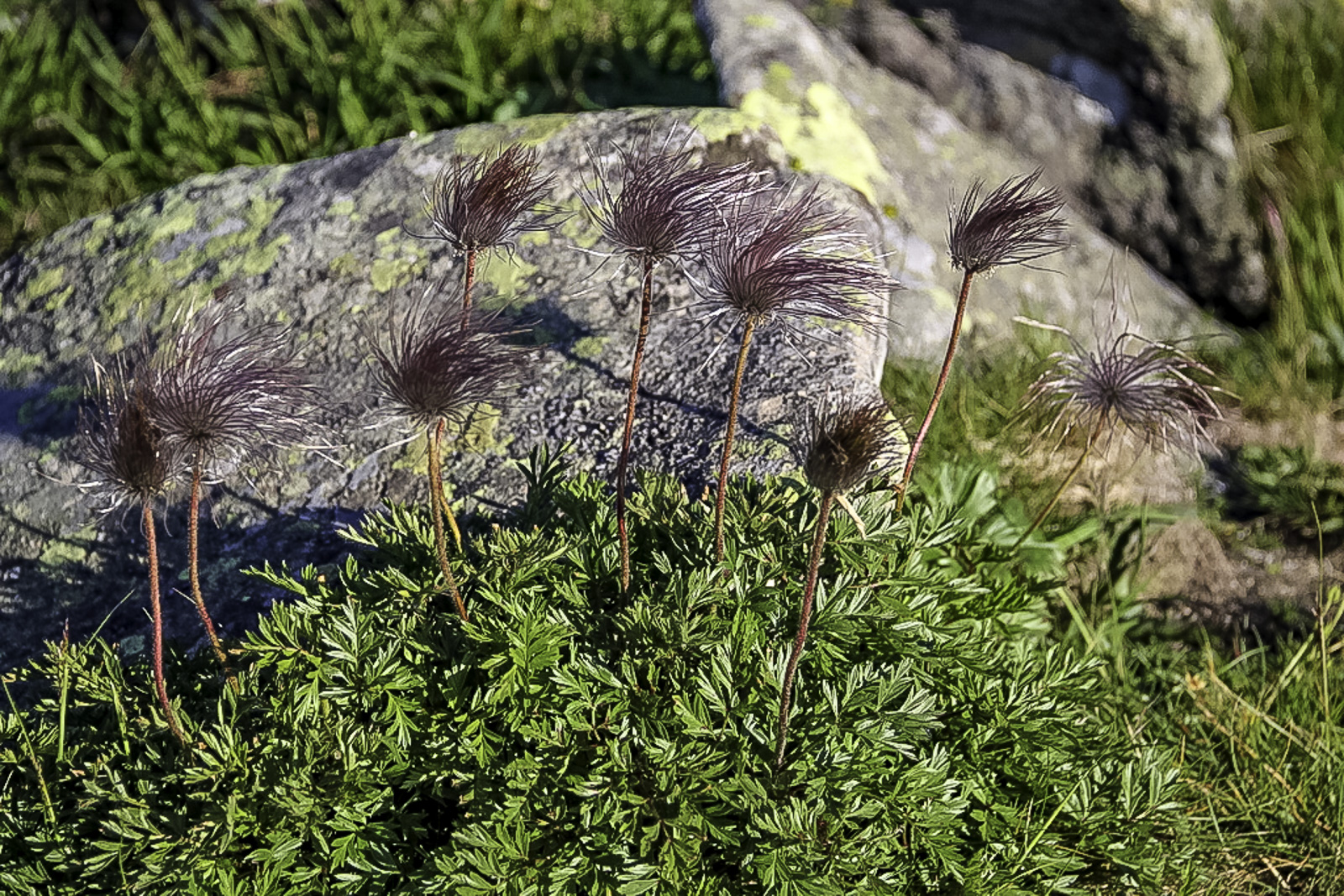
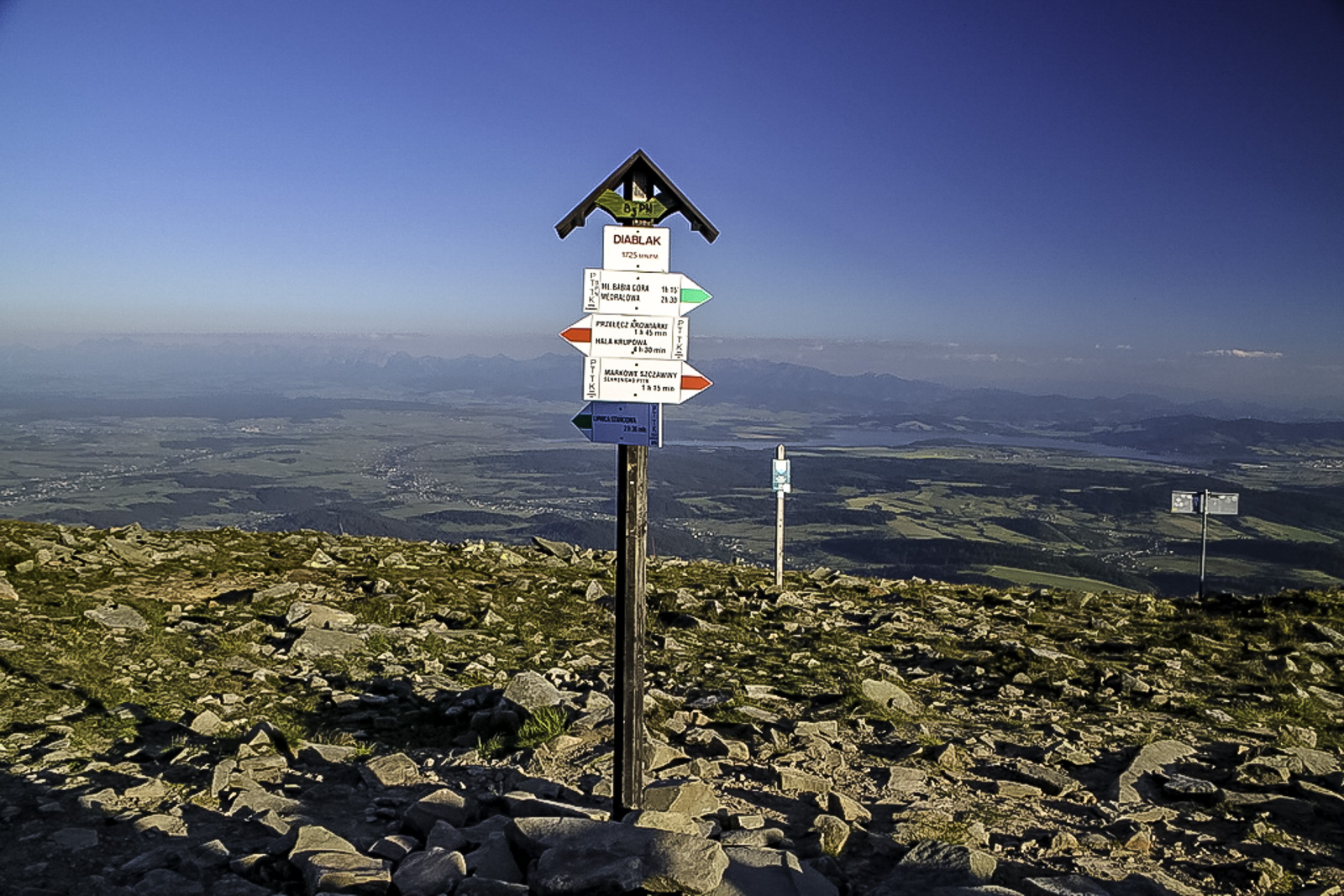
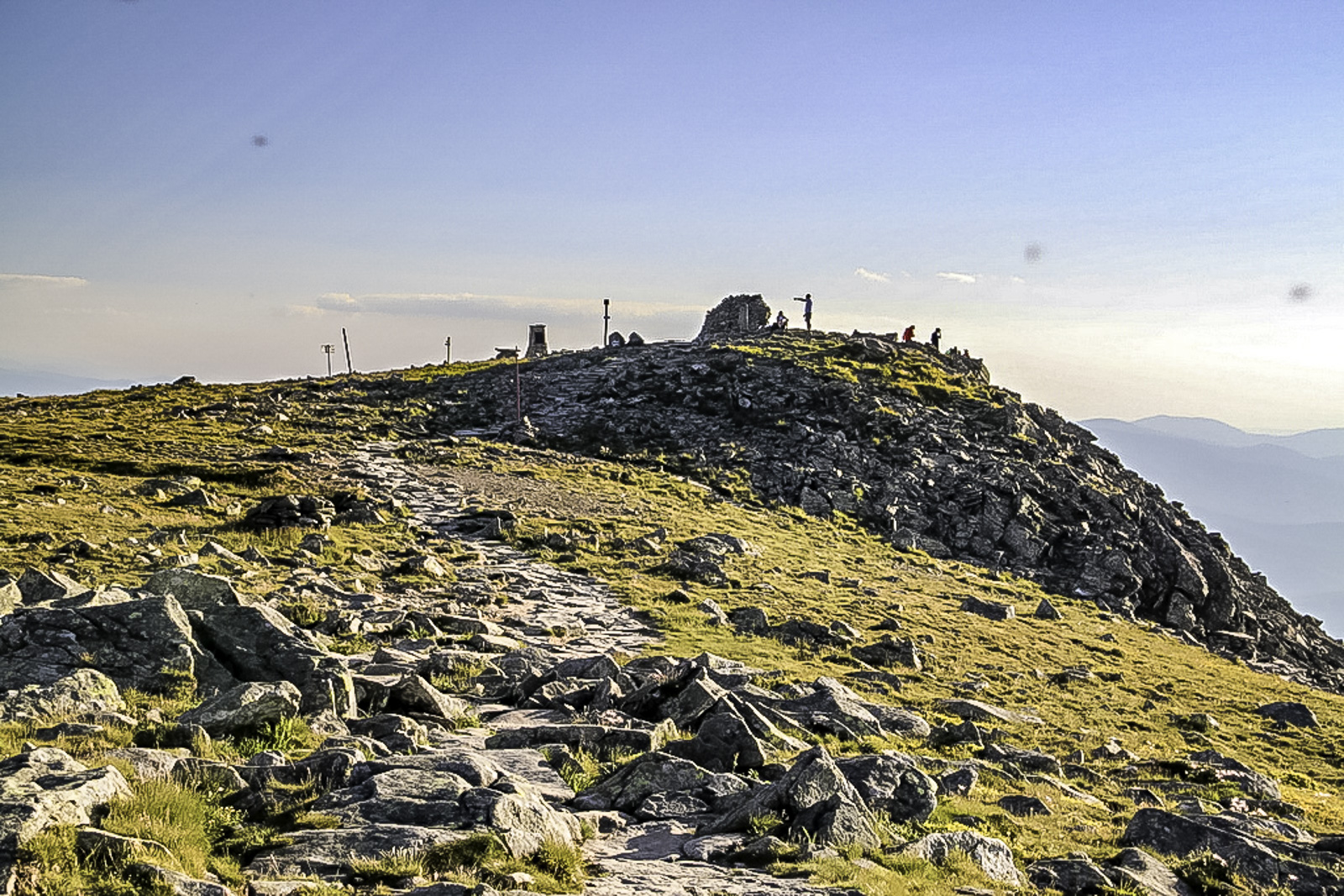
I lived for seven years at the foot of Babia Góra and never once climbed it. Well, not to the top. I tried at least twice, but once — here come the excuses — my friend and I turned back because it was too close to dark to continue, and the second time, I’d already injured my knee and decided not to risk it as it had already started to pain me on the ascent.
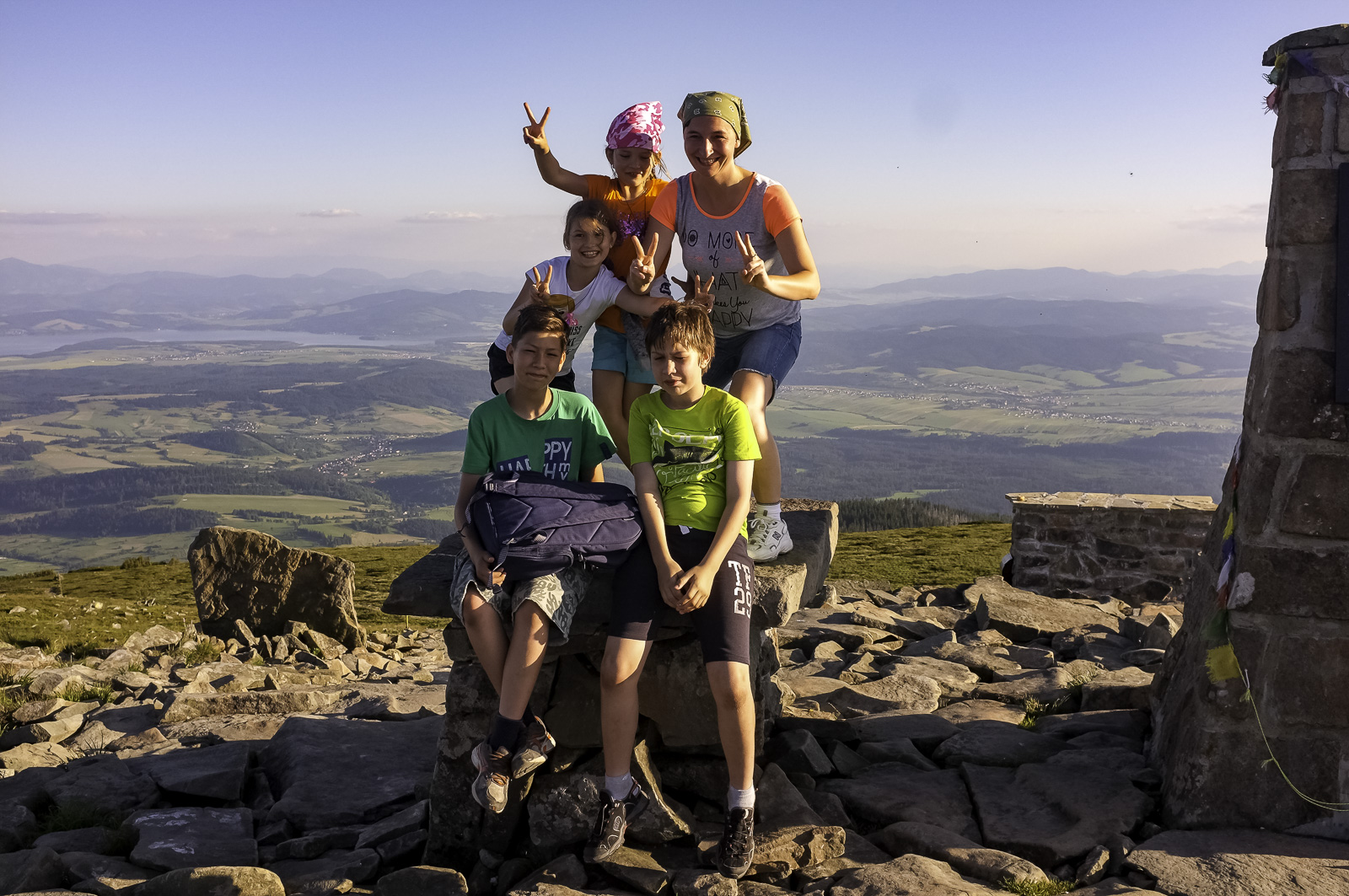
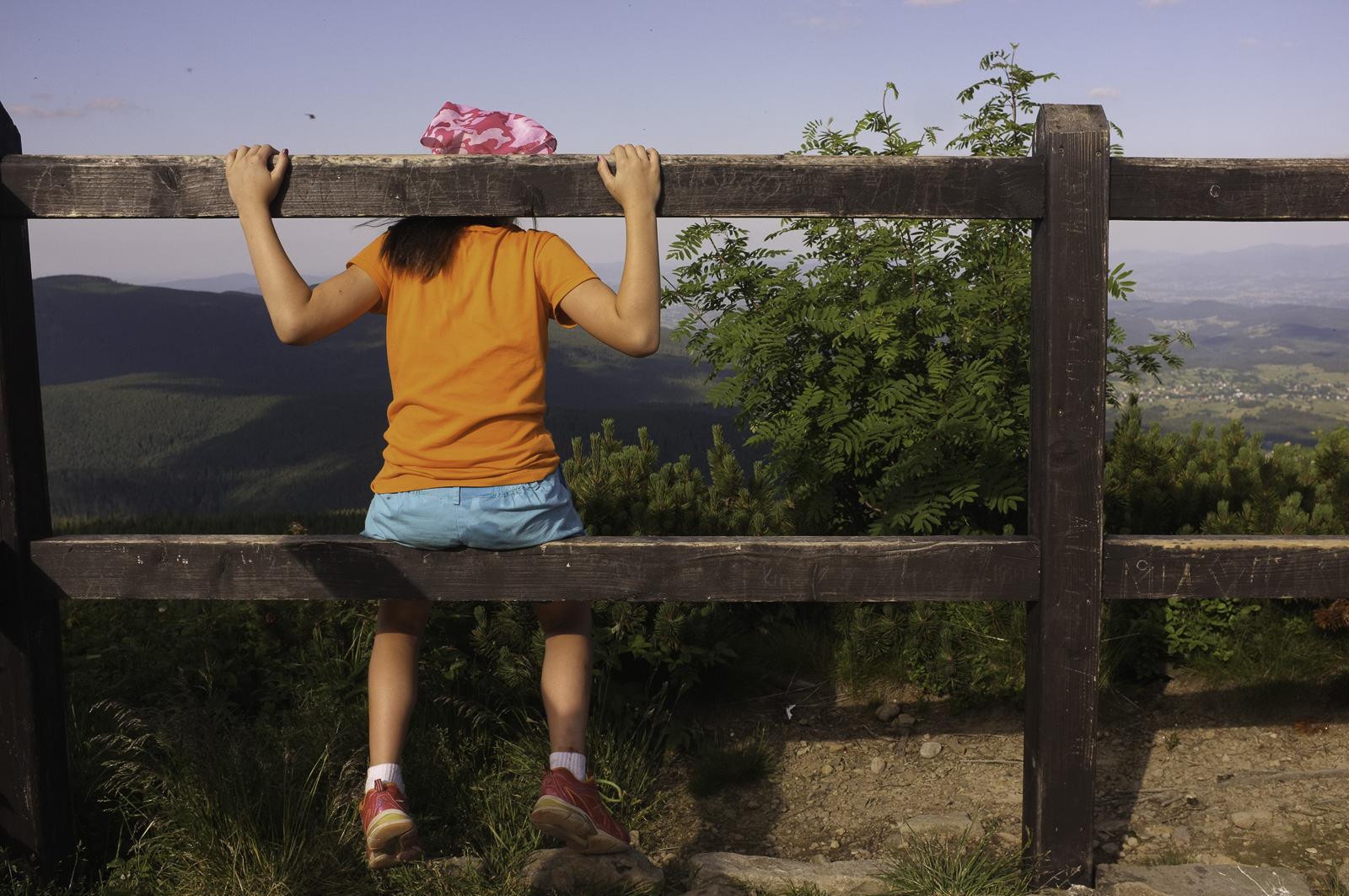
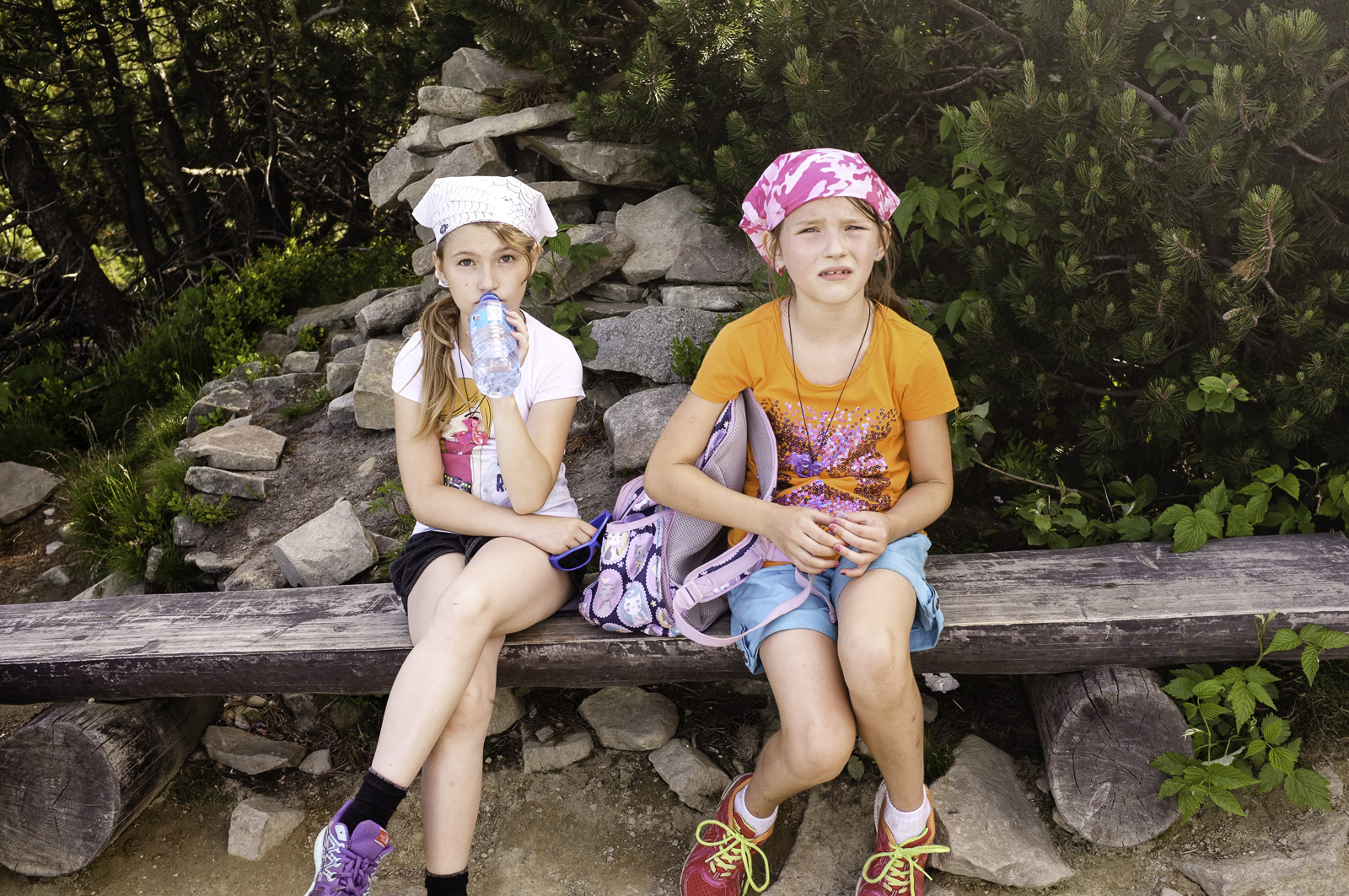
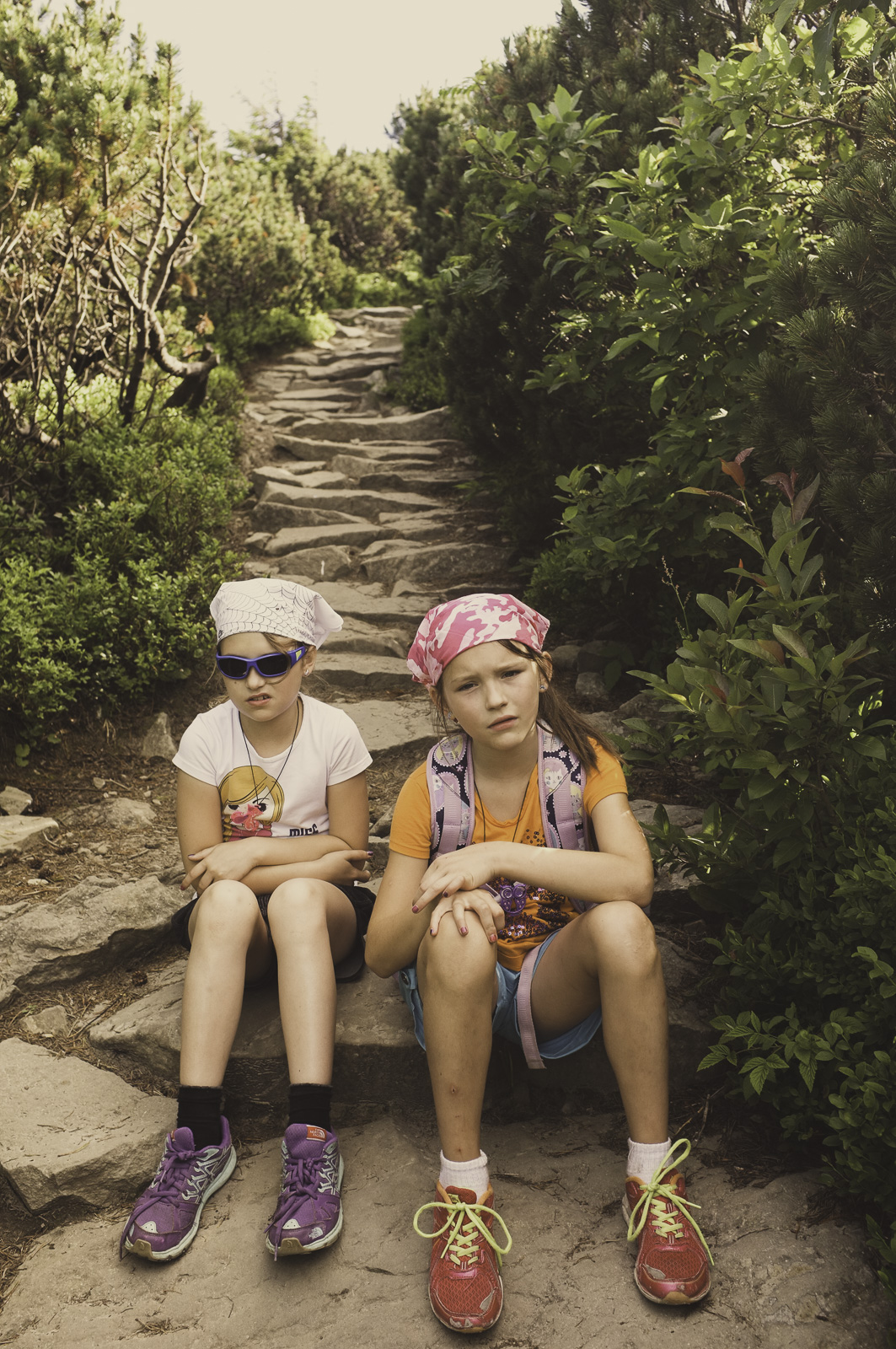
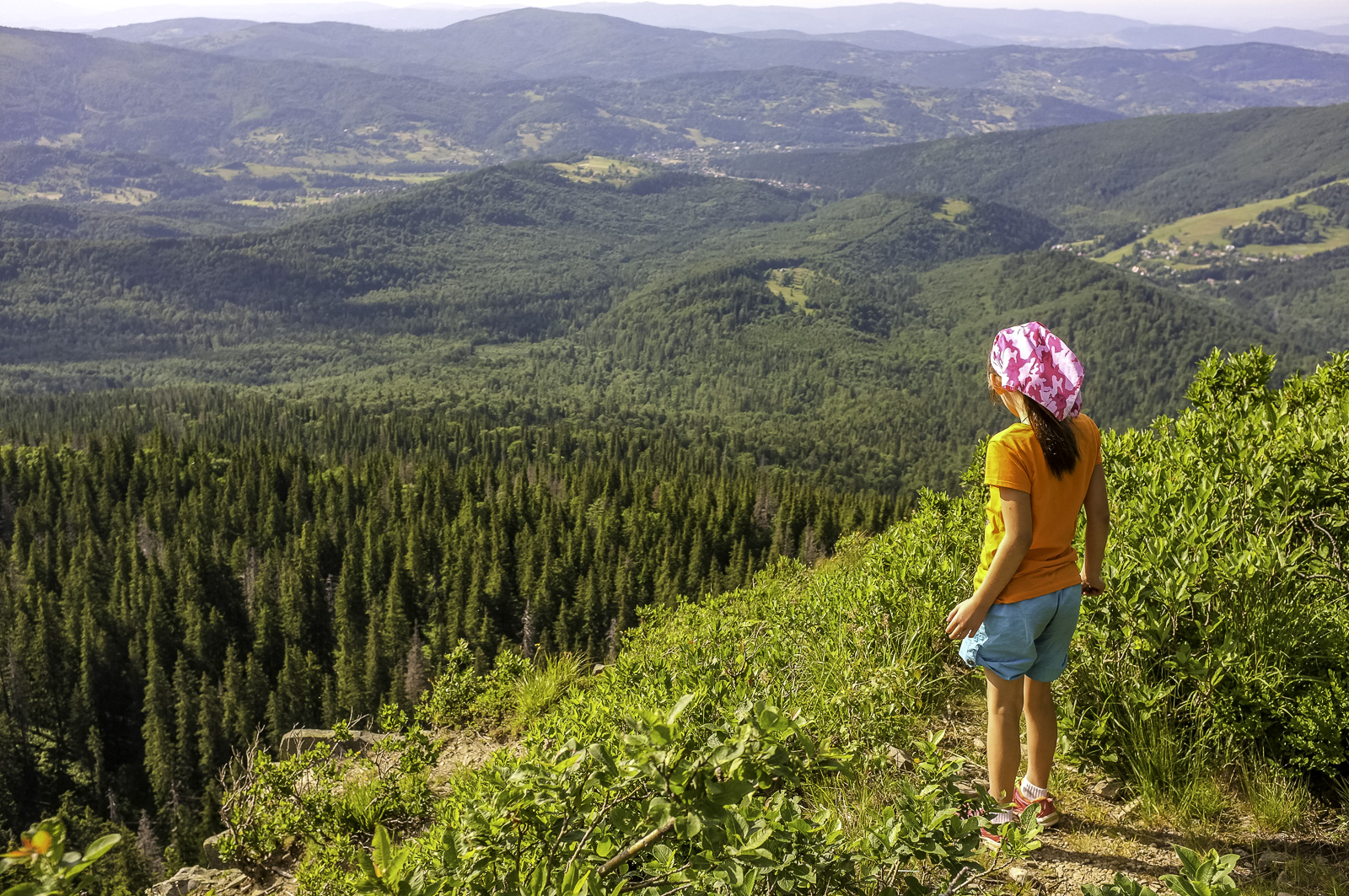
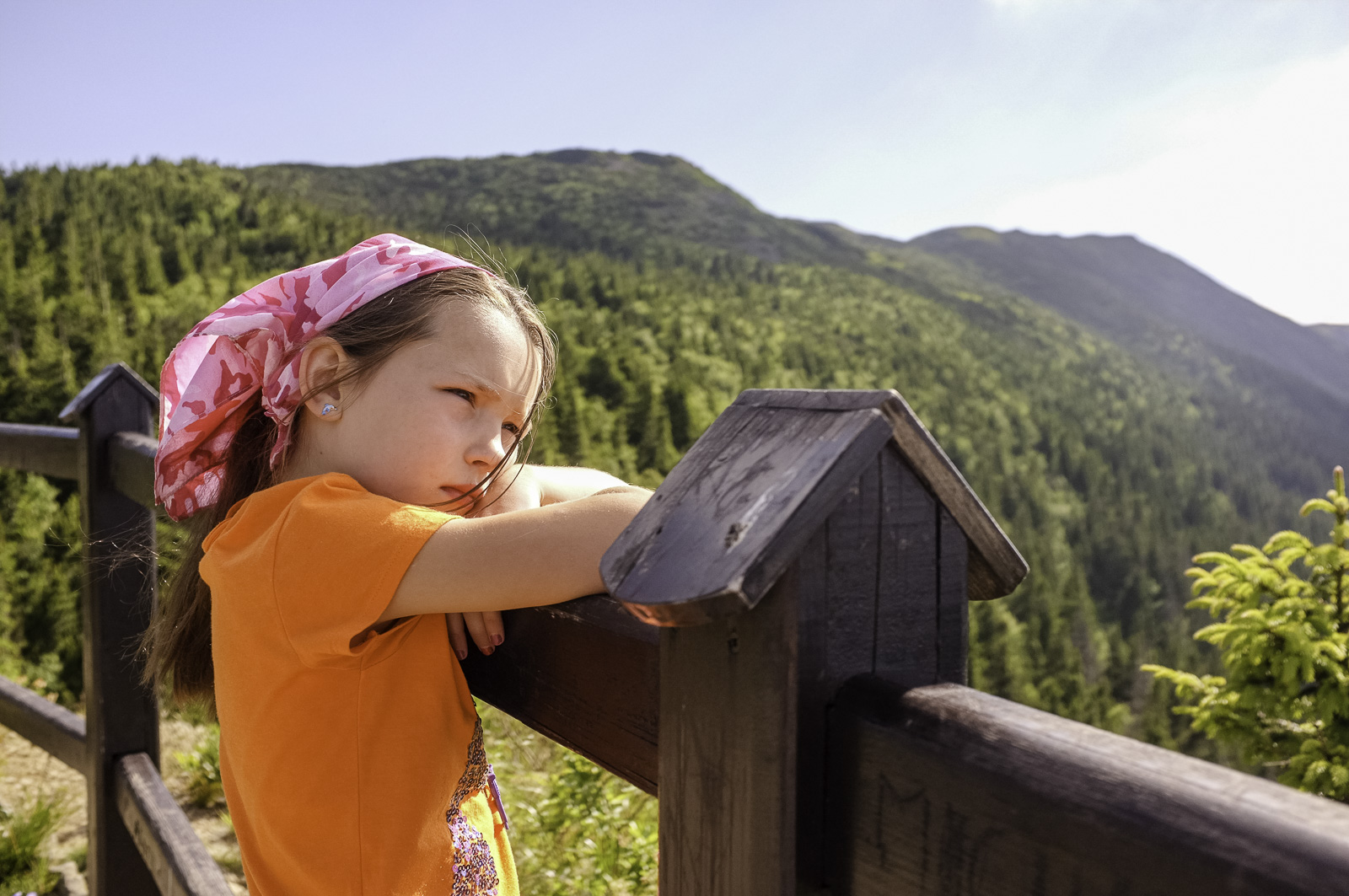
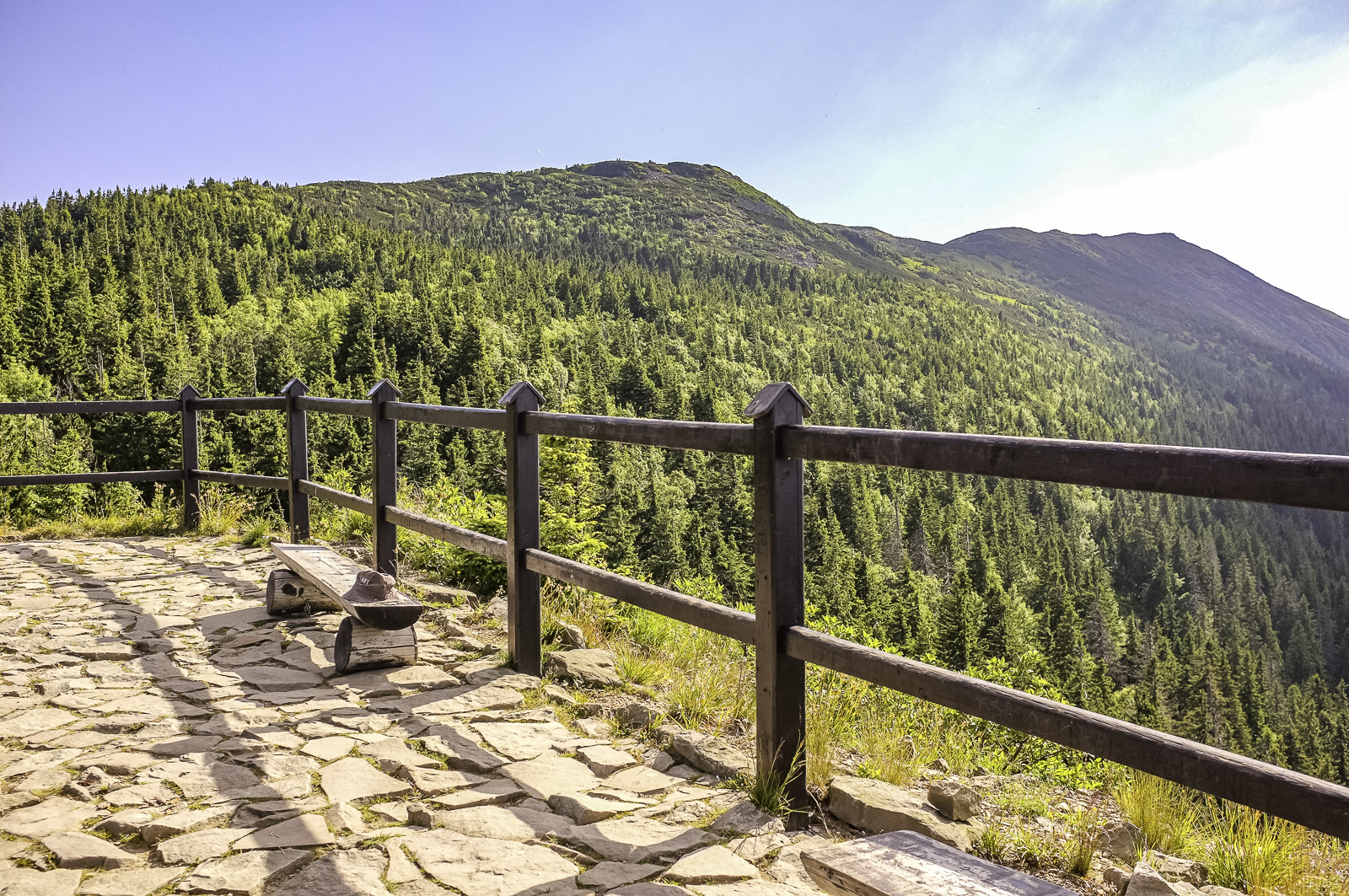
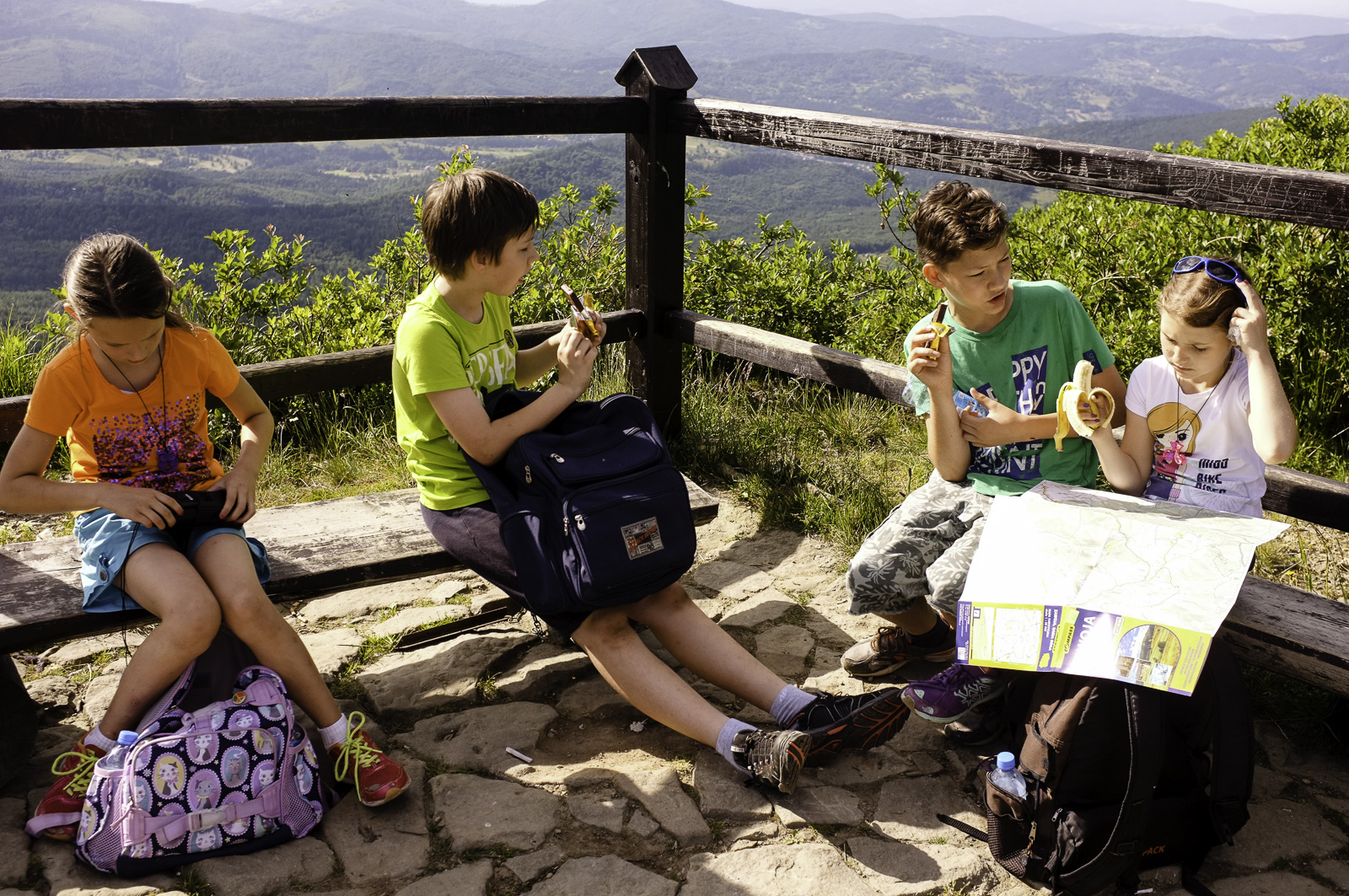
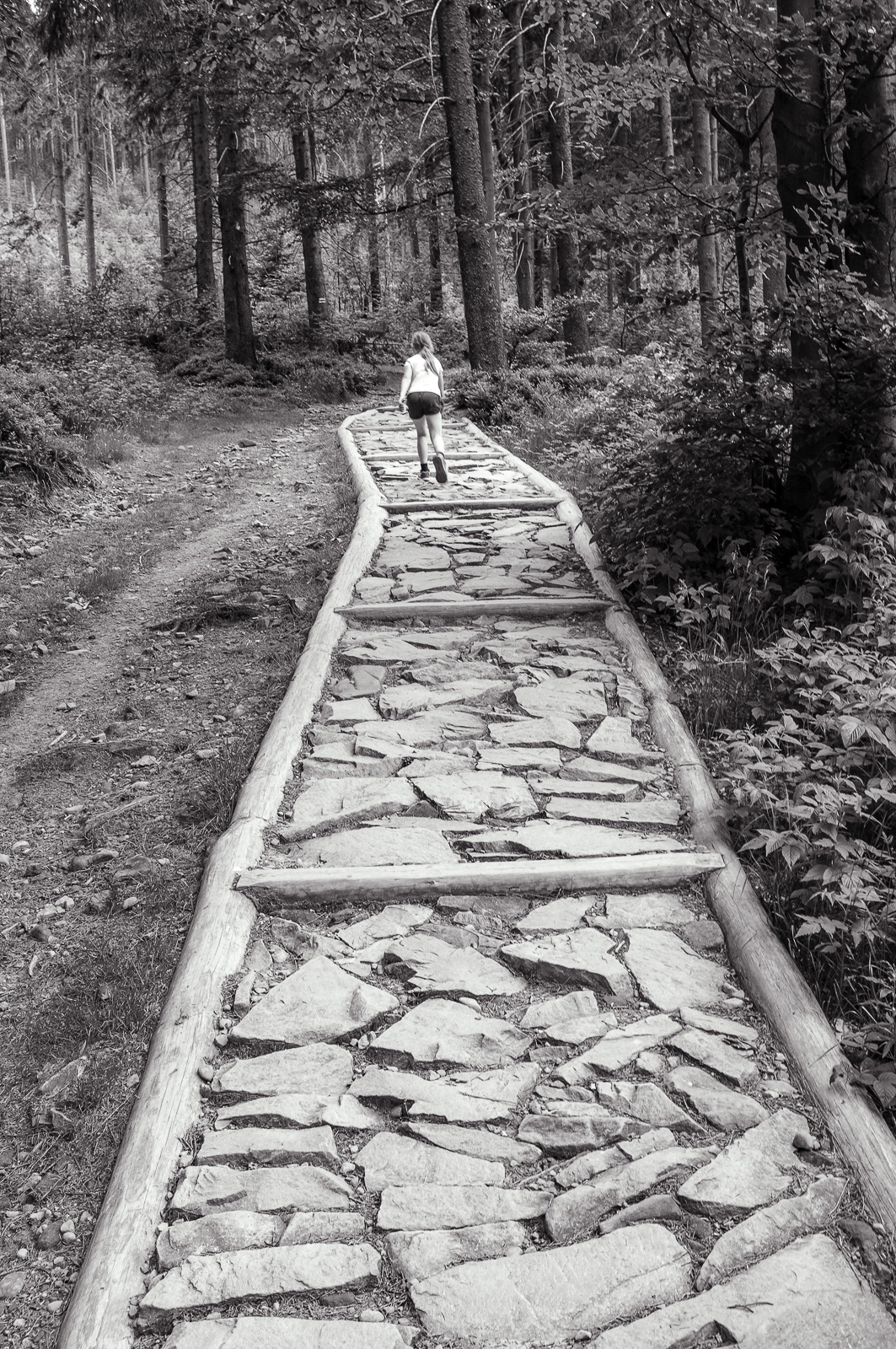
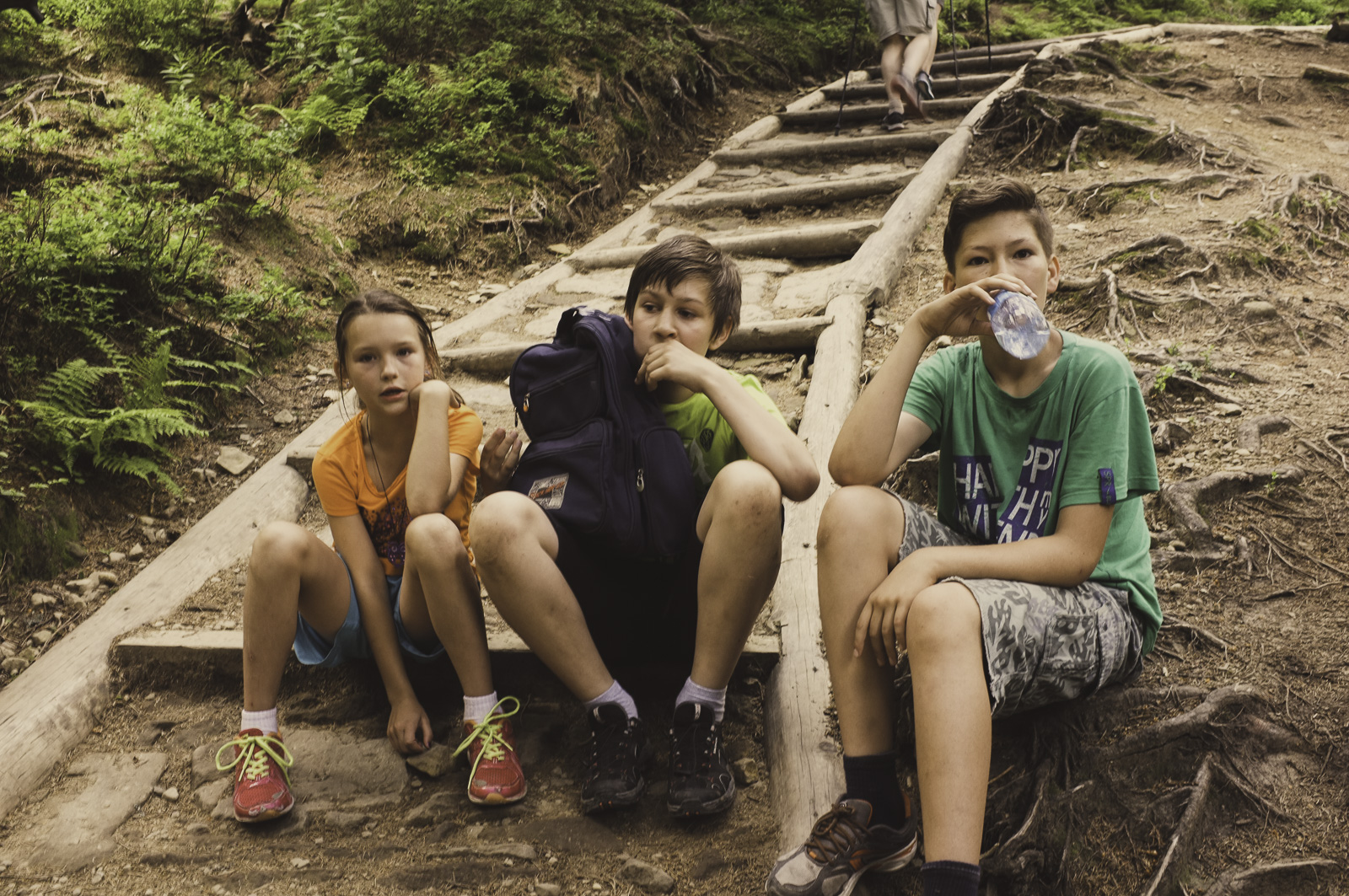
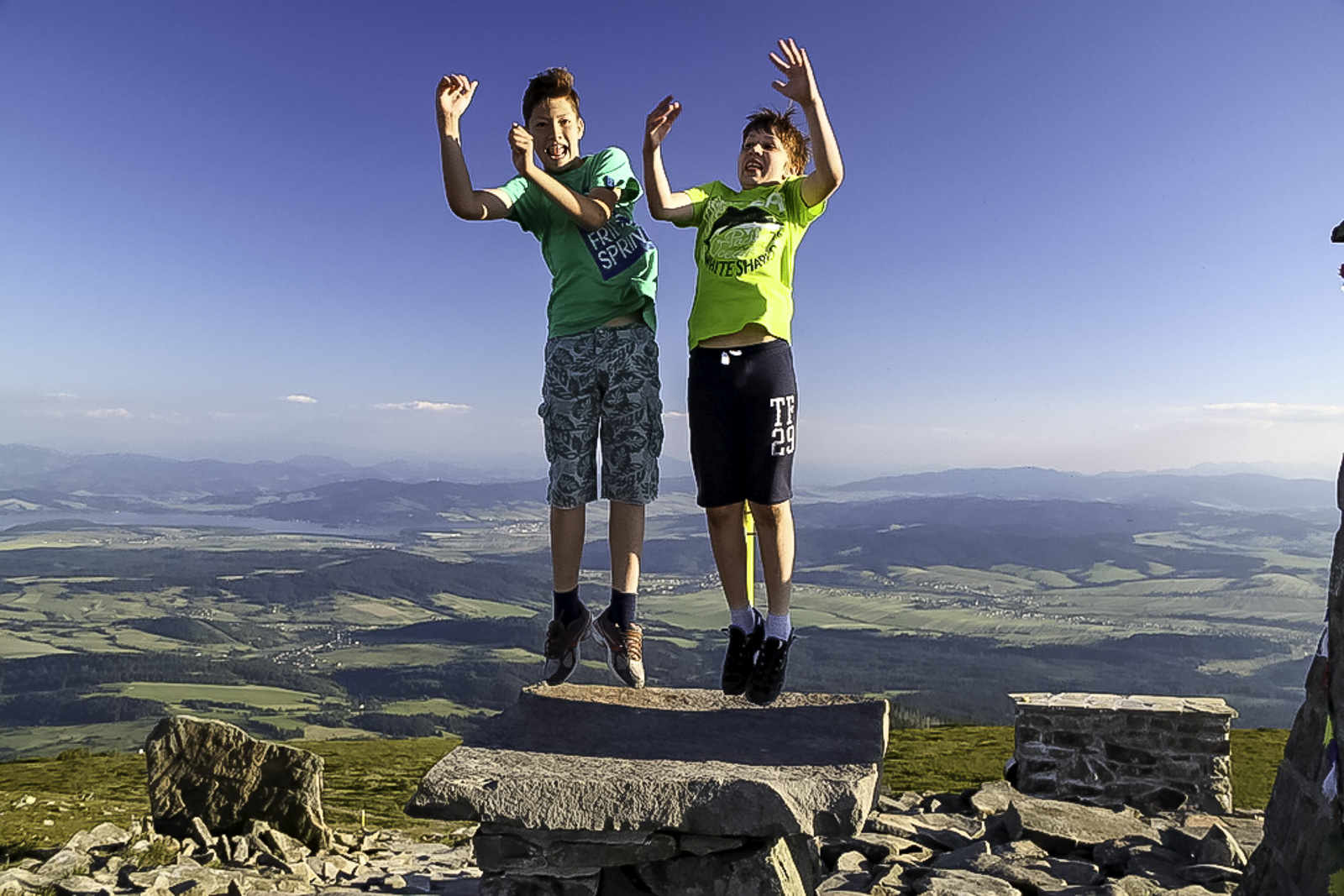
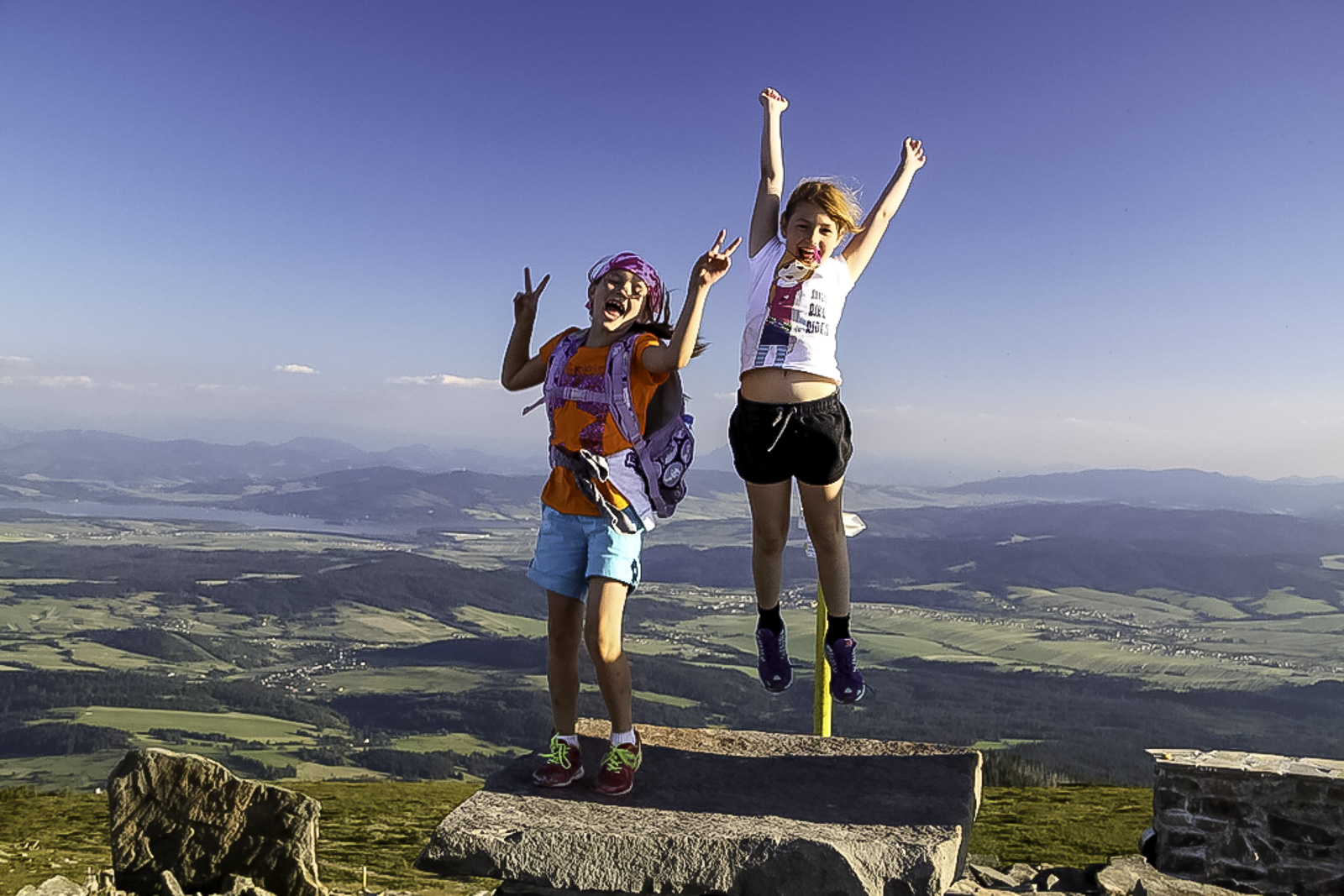
So now my eight-year-old daughter has outdone me: she made it to the top, with, according to K, relatively little complaining about how tired she was. (In my defense, I will point out that neither of my attempts were on this nice tourist trail that begins on the eastern side of the mountain but a more raw trail right up the southern face.)
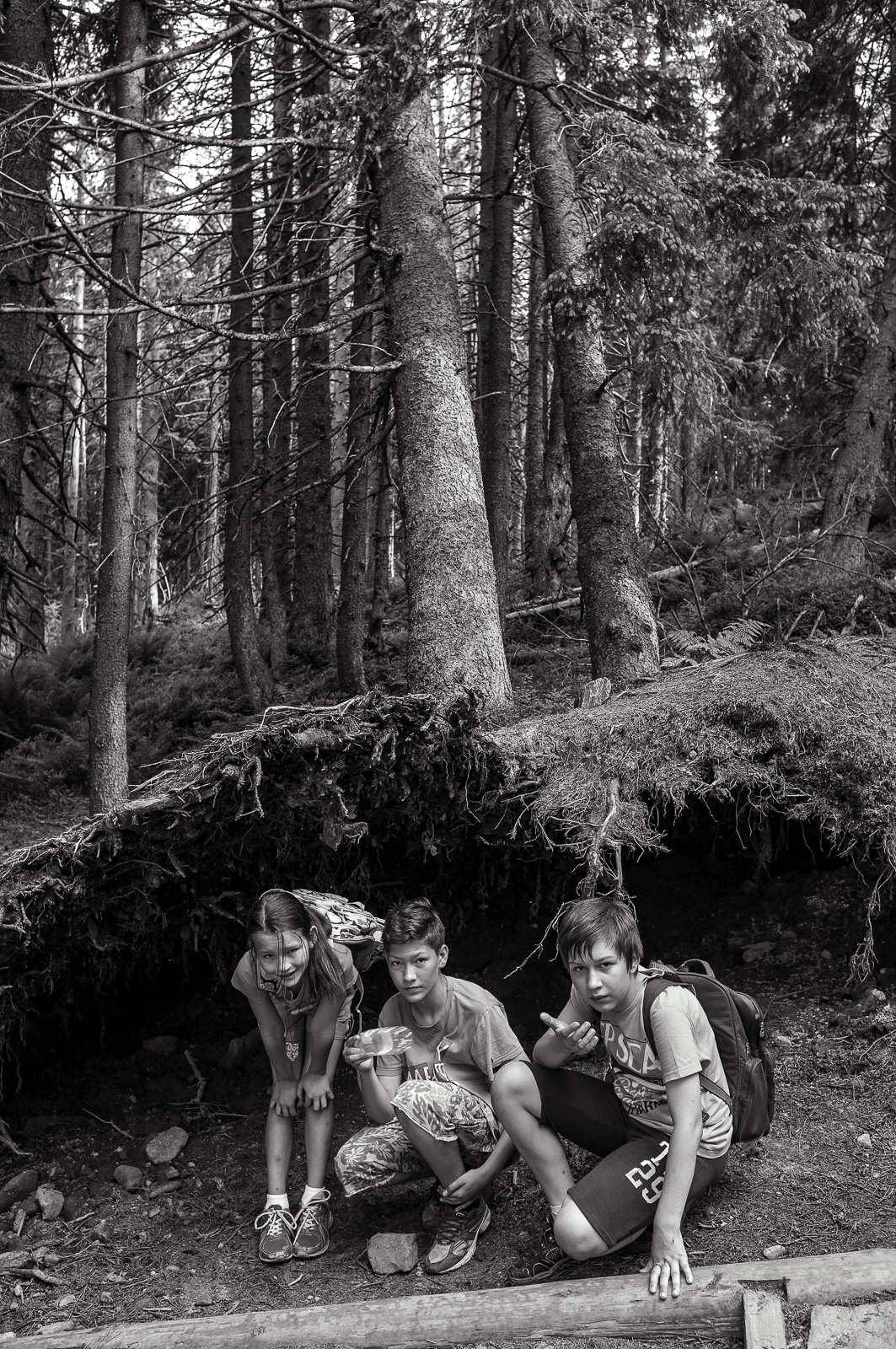
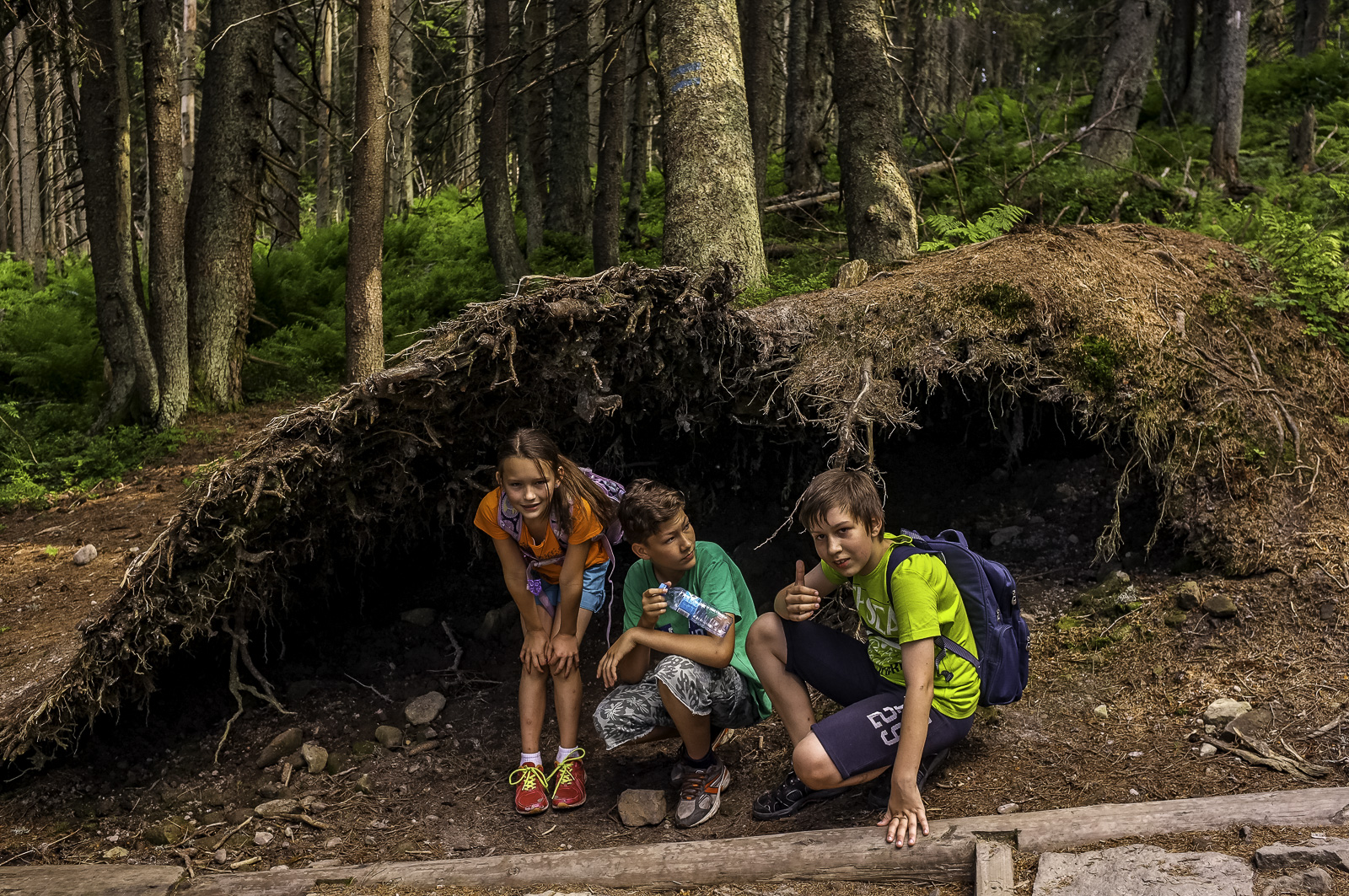
As for the two boys who didn’t even initially want to go — they made it to the summit about forty minutes before everyone else.
As usual, you can click on the image for a larger view.
It’s surprising that the bird actually survived until I found it. While our older gray cat is not much of a hunter, our young kitten — she’s just a little over a year old, so still a kitten for all intents and purposes — is a killing machine. A bird with its leg caught in the plastic netting we put over our berries would have been almost anticlimactic for such a hunter as Elsa, but somehow, despite all the bird’s desperate flapping and flopping about, it escaped the cat’s notice. I noticed the bird when I went out to the street to take the trash out in the morning.
Birds often get caught in our netting, but it’s usually because they’ve found a small opening, hopped in, eaten their fill of berries, and then can’t find their way back out. Usually, such birds are easily assisted: just pull up the corner of the net and out they go. If we don’t cover the berries, though, we’ll never have any. The birds don’t wait until the berries are ripe, so it’s not even a contest. And I’m just a suburban “farmer” — it’s just enough for decoration, just enough to give the kids a snack sometimes and to get a bit of sweet when I’m mowing.
As I approached the bird this morning, though, I realized that the bird was outside the net. Nearing, I saw my suspicions were correct: the net had gotten wrapped around the bird’s leg. No doubt it had gotten hung up in the net, and the resulting struggle had only made the situation worse. The bird stilled for a moment as I stood over it; it was worse than I suspected. The netting was wrapped several times around the bird’s right leg, and it clearly required more intervention than merely taking the bird gently in my hand and unwrapping the netting with a couple of twists. I knew I’d need to cut the net, but with what?
From my initial glance, it seemed to be twisted around the bird’s leg tightly, perhaps even tight enough to be digging into the leg’s scaly skin. The question was not what would cut the net, of course, but what could I use to cut it without cutting the bird? Compounding the problem was the fact that I would not have both hands free. I looked in a drawer in the kitchen, but nothing seemed appropriate.
Heading downstairs to the basement, I began wondering what I might do if I couldn’t actually cut the part of the netting that was wrapped around the bird’s leg. One option would be to cut the net around the area, leaving a bit of net still attached the bird’s claw. This wouldn’t do, though, because it would only get tighter, maybe cutting off blood and doing serious damage, or perhaps the net would get caught in something else, trapping the bird once again. The extreme option was to amputate the leg just above the point where the net was wrapped.
Thinking about that option, though, I realized it would likely be more humane to just put the bird down if it came to that. I’m no vet, but I don’t think taking wire snipers and cutting part of a bird’s leg of does much more than hobble the bird. Could it survive if it came to that? I don’t know. And what would be more merciful? Giving it the chance to survive, painful though that chance would be, or just putting it out of its potential misery? It wouldn’t be the first time I’ve done it. A couple of birds have damaged their wing while fluttering about in the net, and in such a case, there’s only one thing to do.
As I wandered about the house, wondering about the dilemma, I realized the simplest solution was not in the kitchen, not in the workshop, but in the bathroom: fingernail clippers. “Just slide the corner of the blades under the net,” I mumbled as I went back outside, “just slip the corner under and pop. No problem.”
Returning to the front yard, I took the bird in my left hand, turned it over, and with my middle finger and thumb, held the bird’s injured leg as best as I could. The bird fell still, though its heart was racing. Finally getting a closer look, I saw that it was worse than I’d been expecting. It wasn’t just tight; the net was cutting in the bird’s leg, to the point that I wasn’t sure I could get any bit of the metal even close to touching the net, let alone slide it under the strand of plastic. I slide my thumb along the scaly leg, wondering just how delicate it was. It looked no bigger than the smallest twig that the lightest wind might blow from a tree, but I suspected it might be tougher than I thought, especially the scaly covering that, when seen up close, is so incongruous with the rest of a bird.
With a little hesitation, I pressed down, digging slightly into the scaly leg,wiggled the tip of the blades a bit, and caught the line of plastic. Snip! And in an instant, the bird was active, struggling, wiggling, fighting. I gave it a gentle toss, and it fluttered across the street to our neighbor’s yard. Yet it’s right leg hung limp, not tucked up under it naturally but sort of tugged along behind it. And so I was able to minimize the impact my little garden has on a single creature, but of course not everyone is so concerned, and I’m not even so concerned all the time. After all, I continued buying tuna despite the potential impact on dolphins, and I keep eating pork in spite of the environmental effects large hog “ranches.” And I’m still willing to spread put fertilizers on my lawn and weed killer on the tufts of weeds that sprout in the cracks of our driveway.
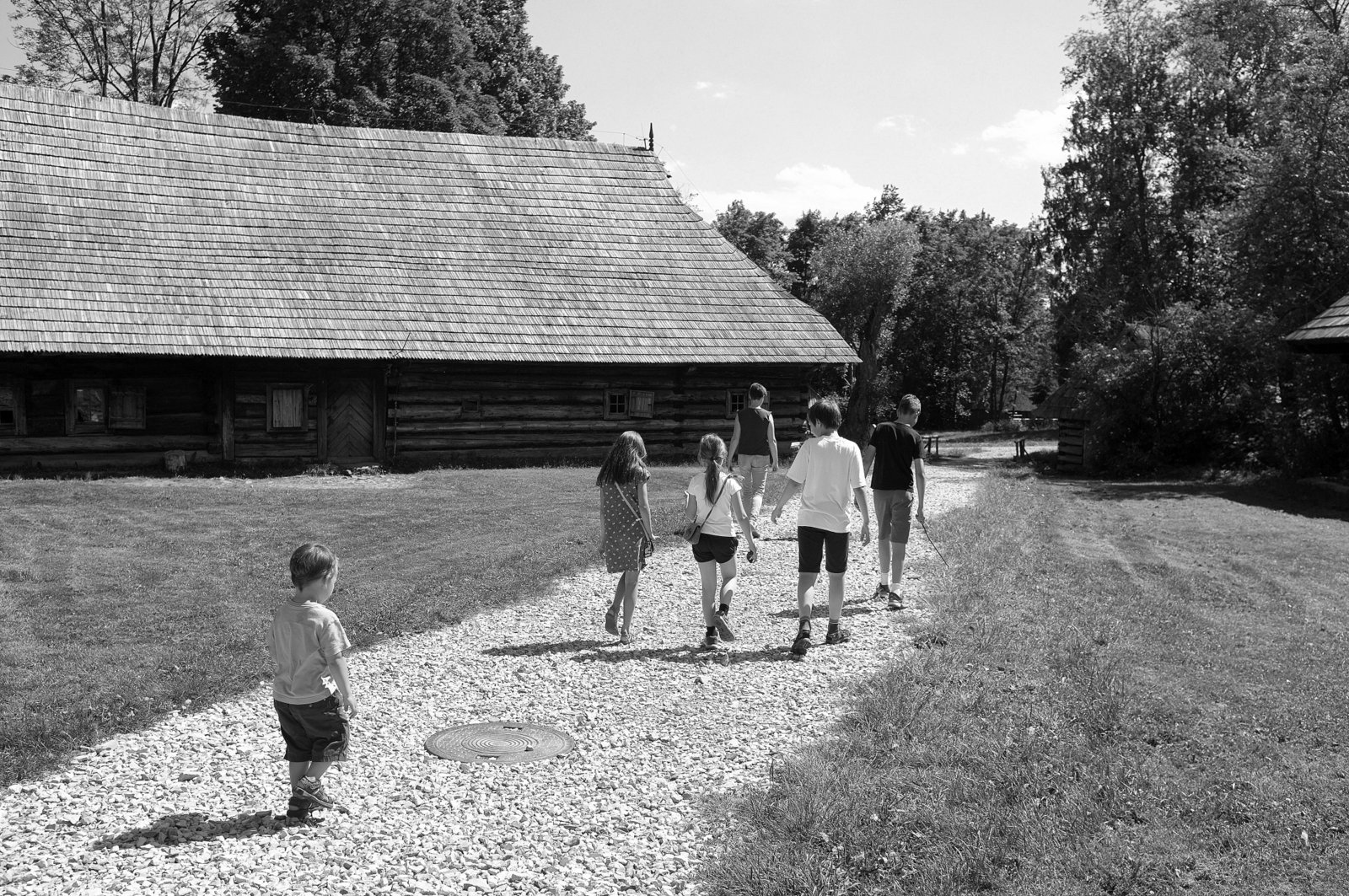
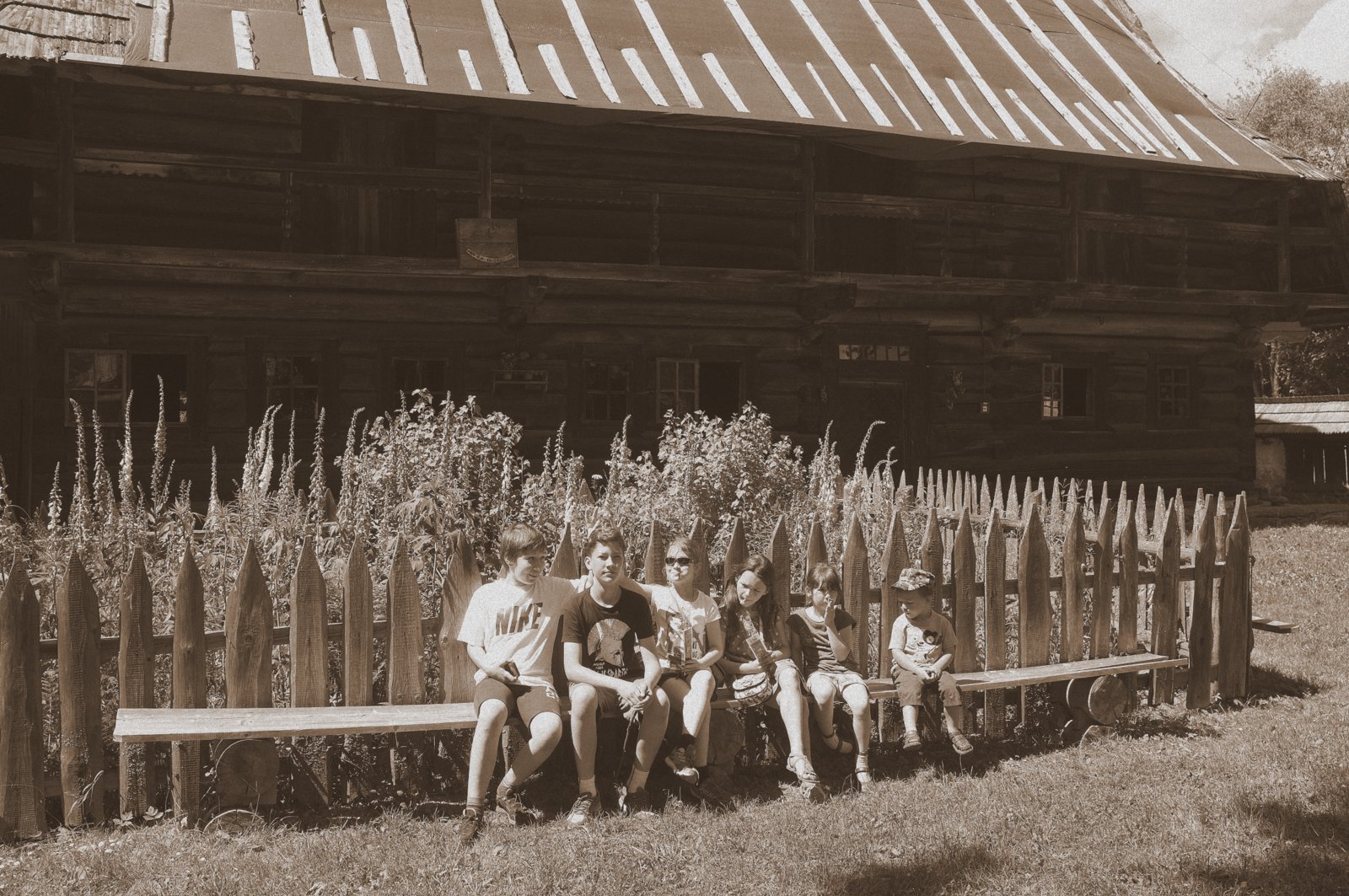
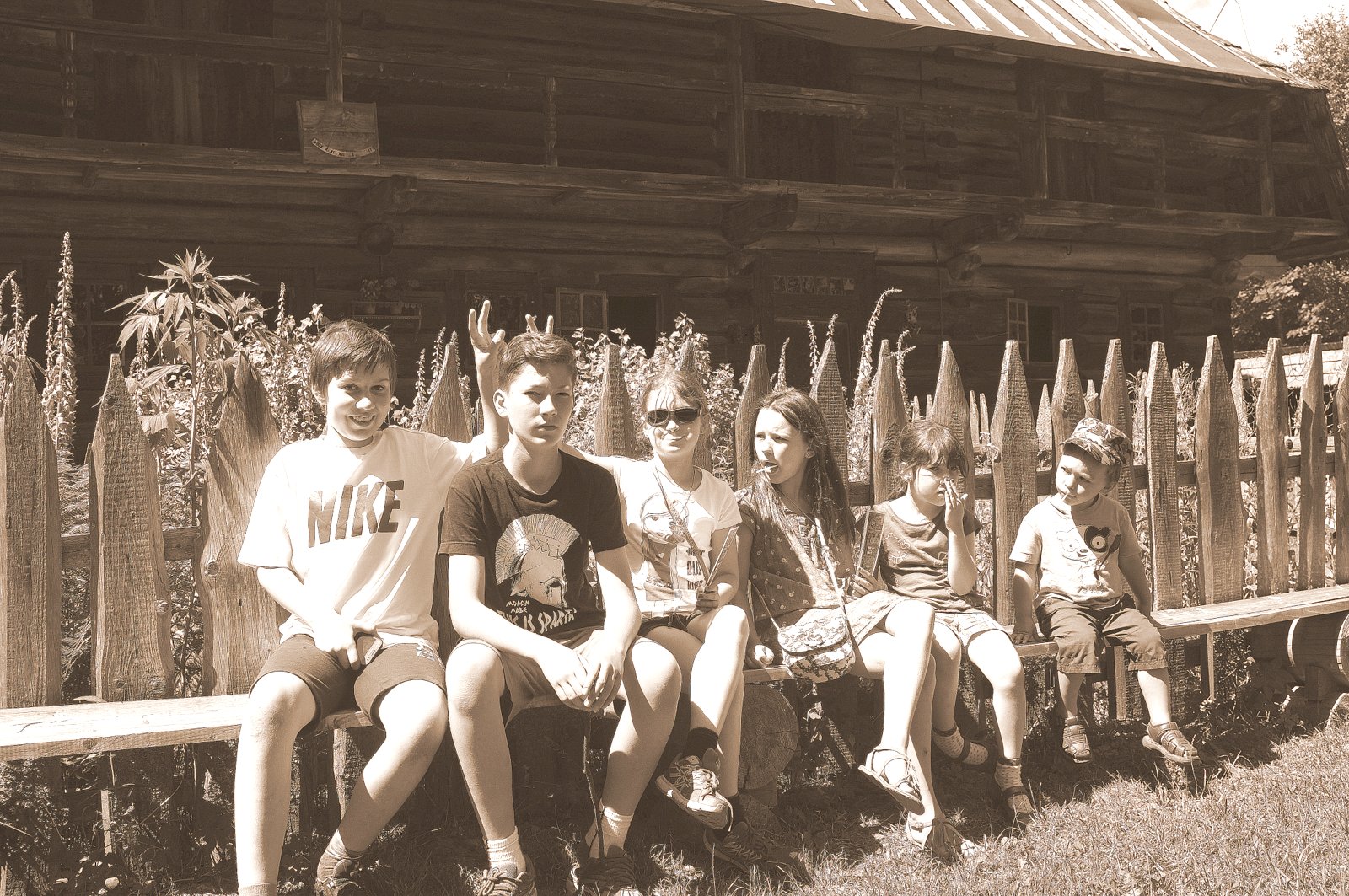
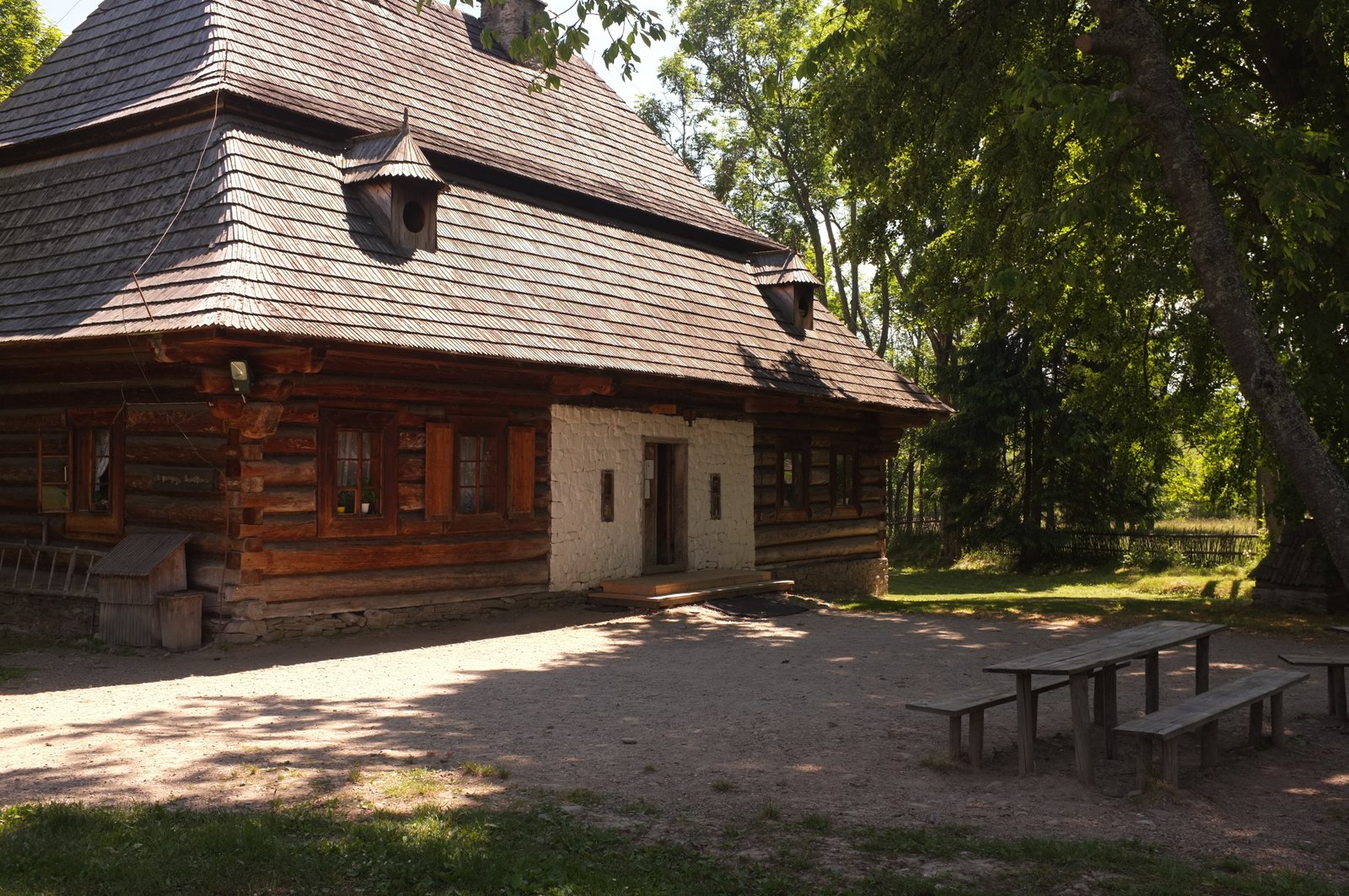
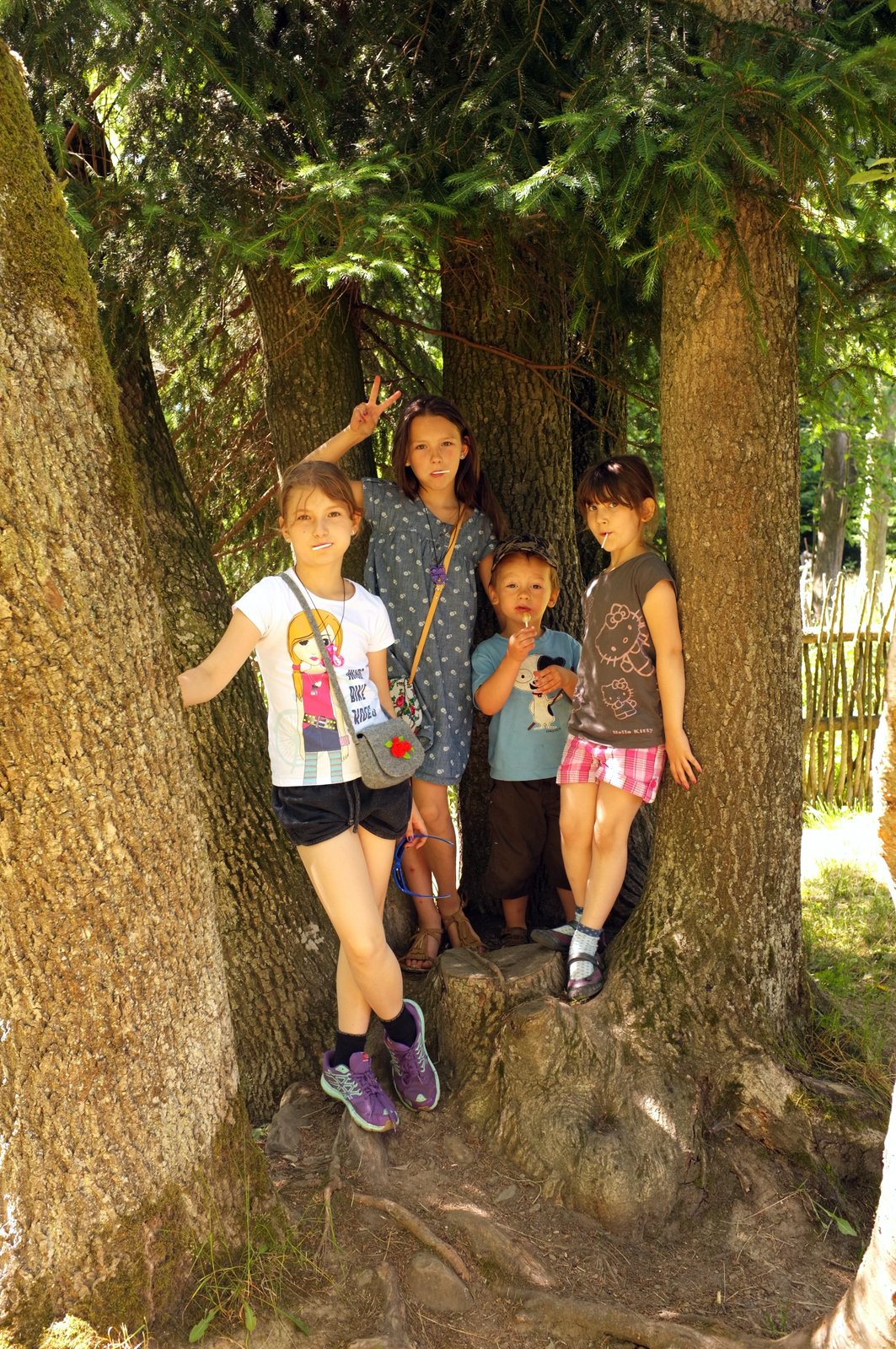
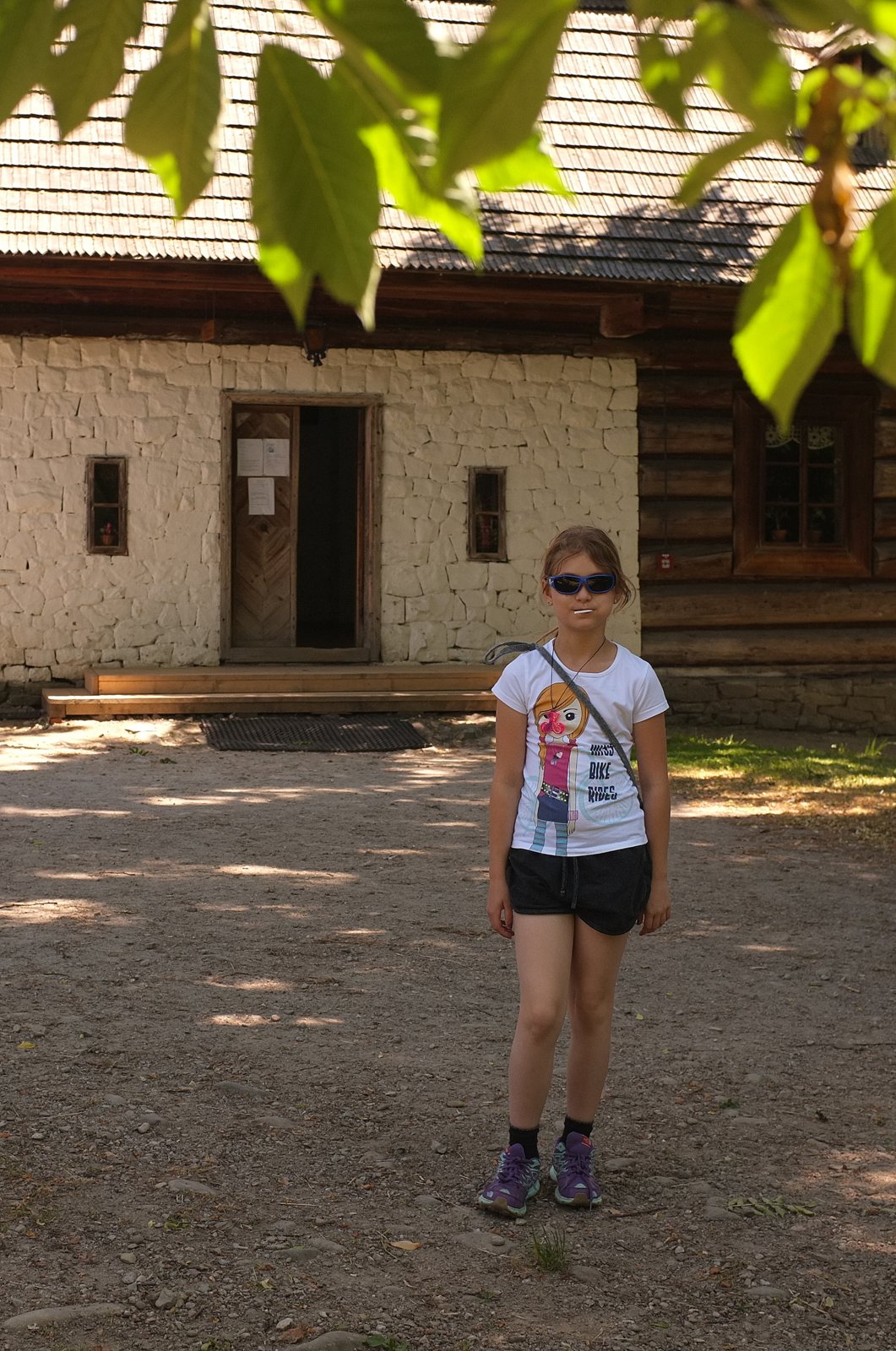
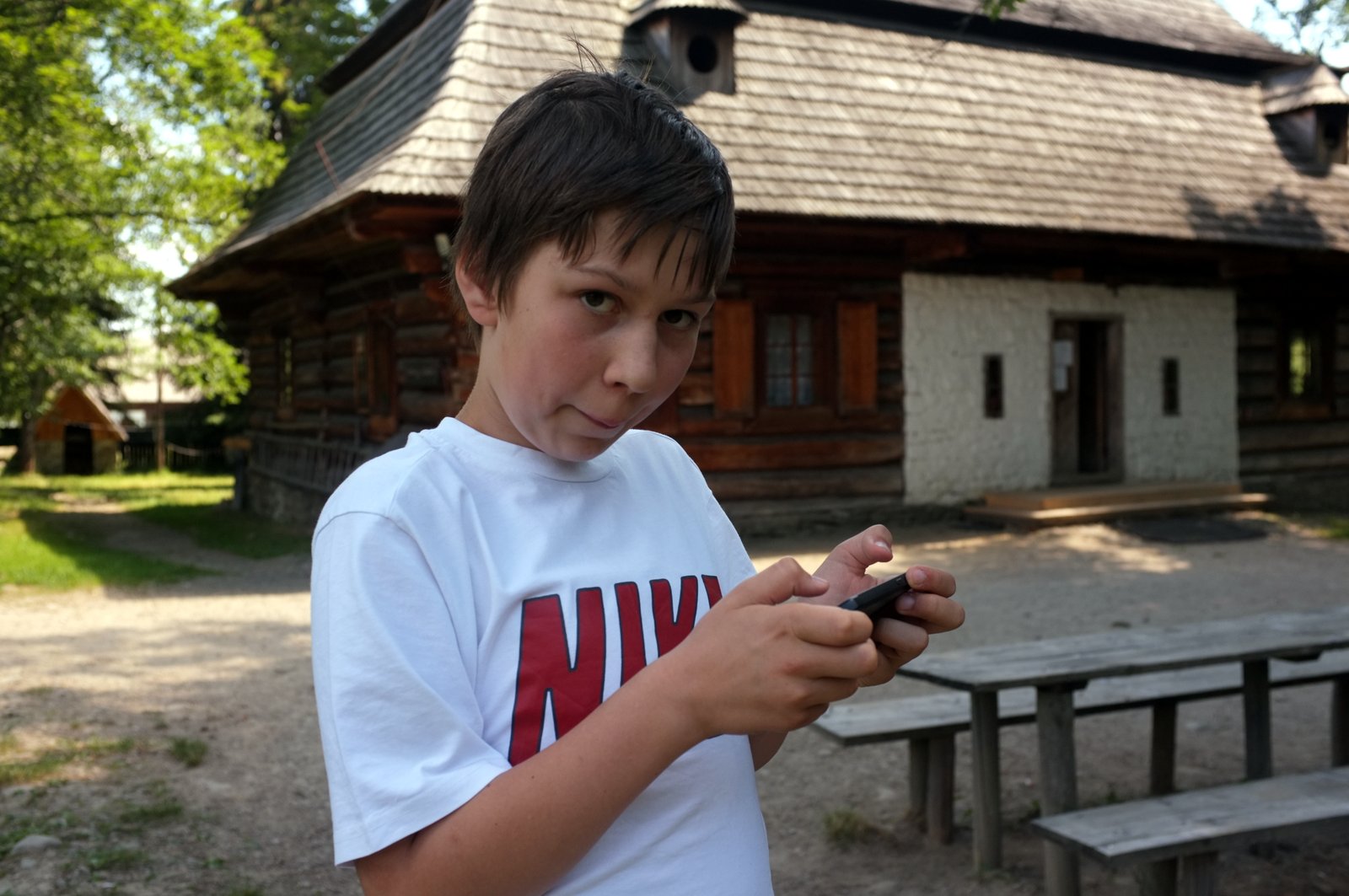
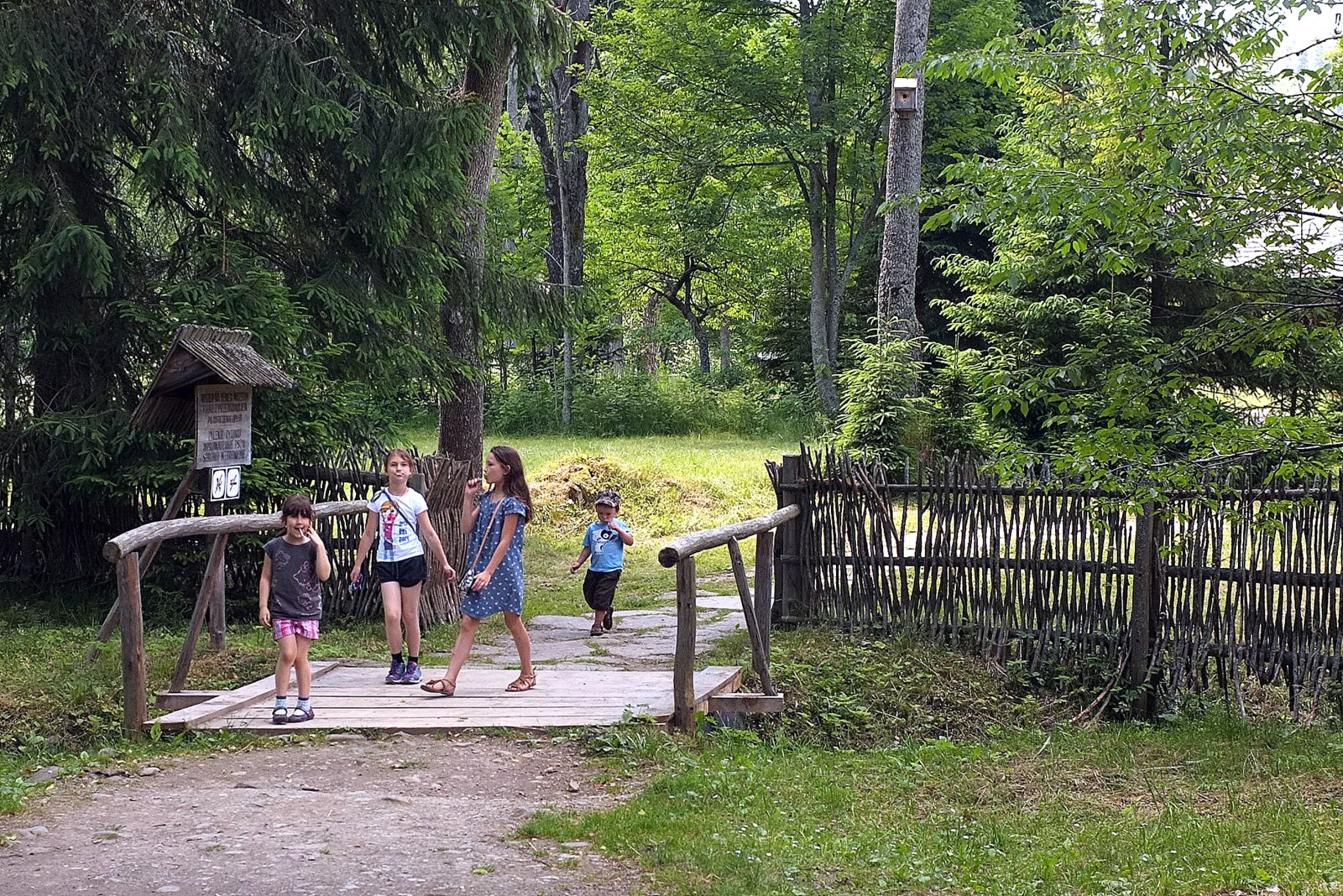
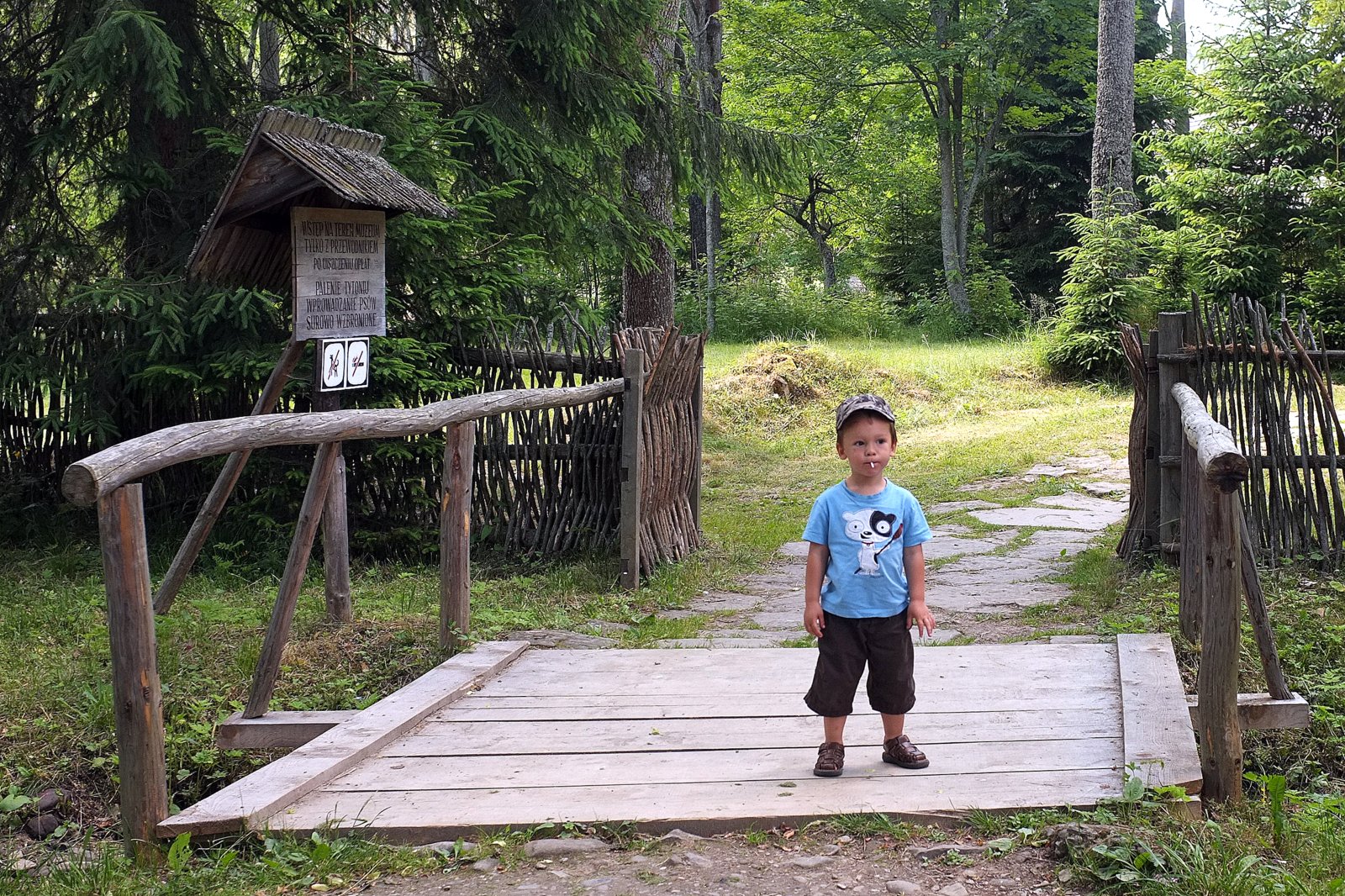
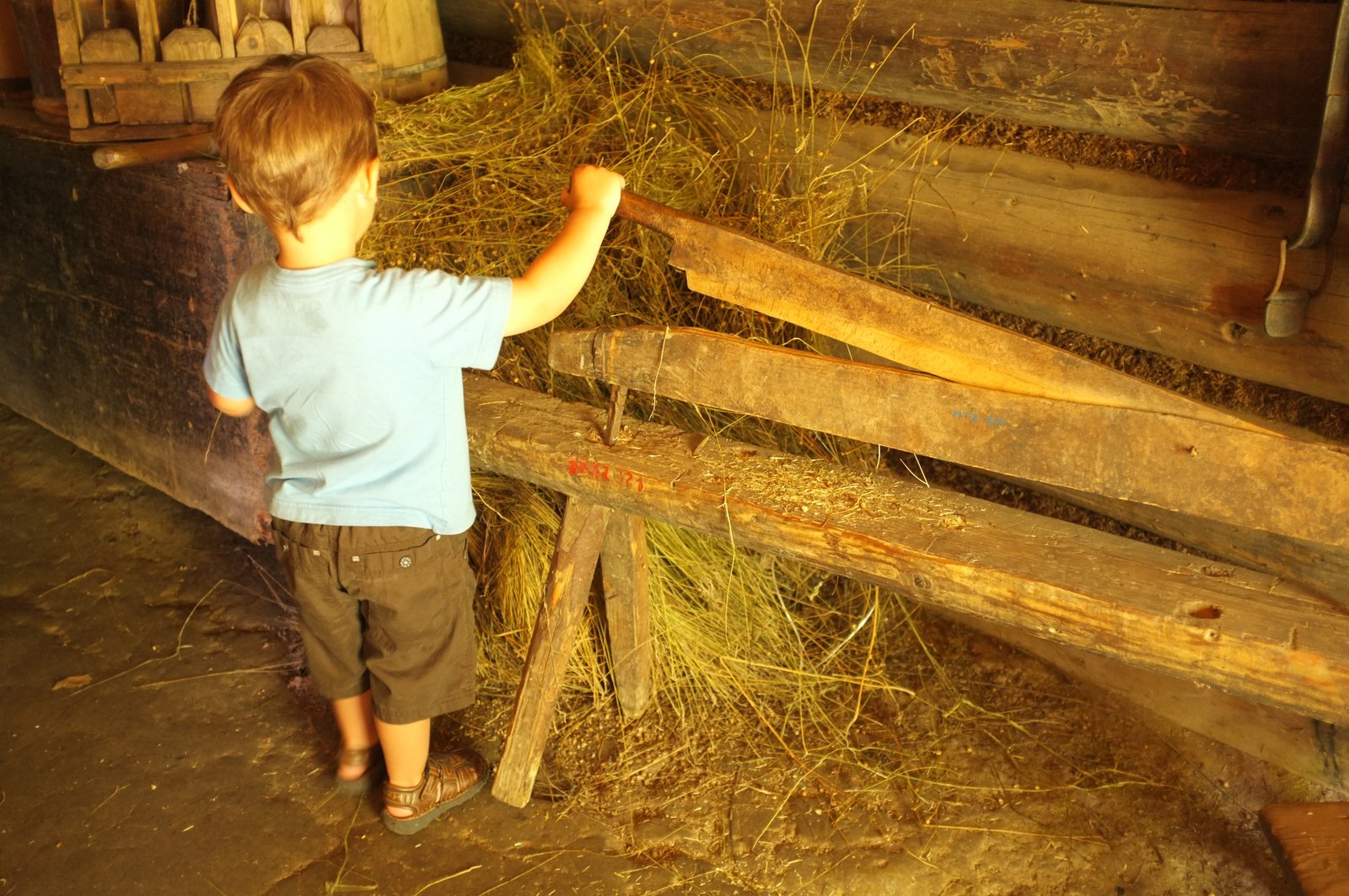
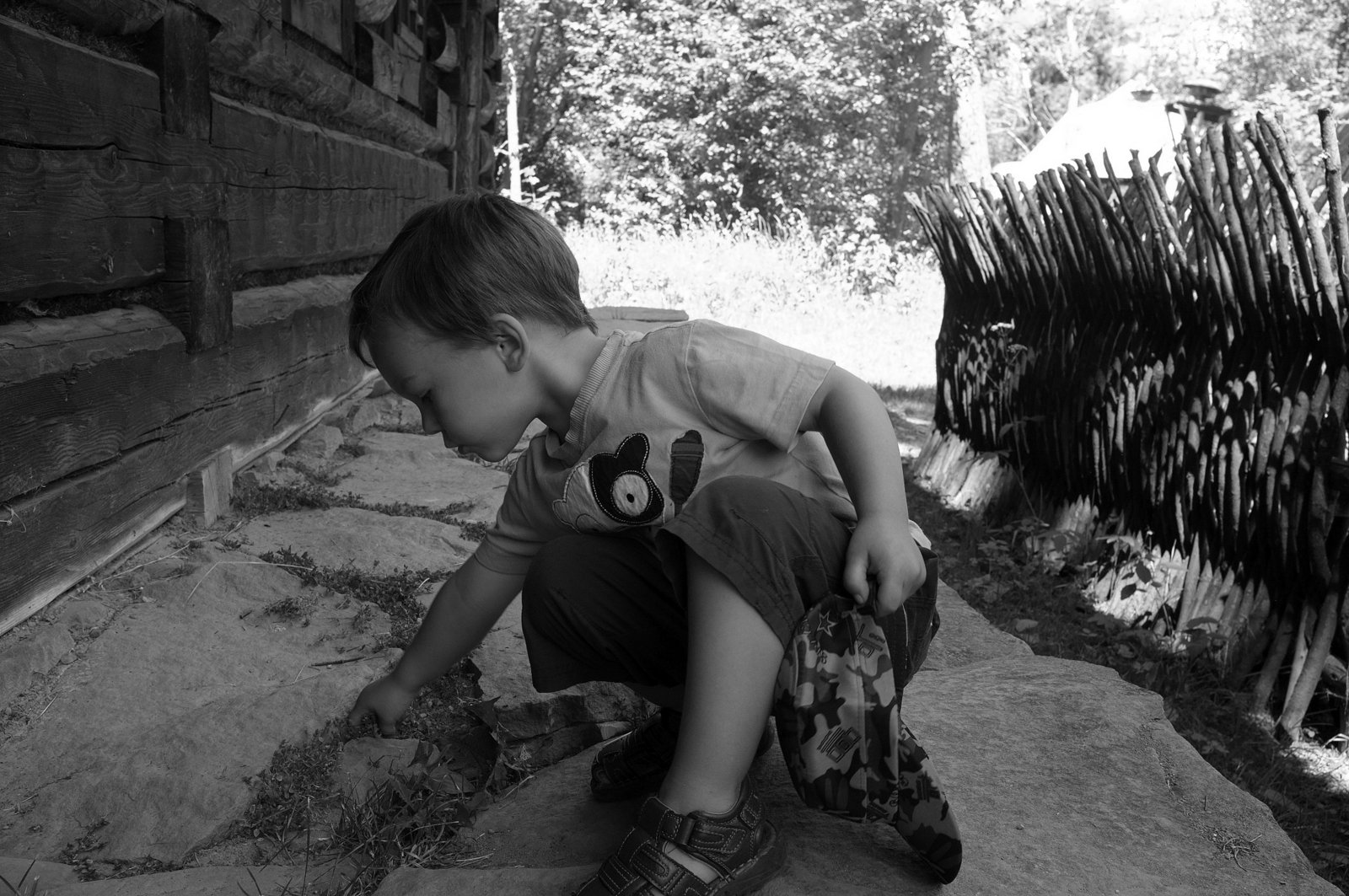
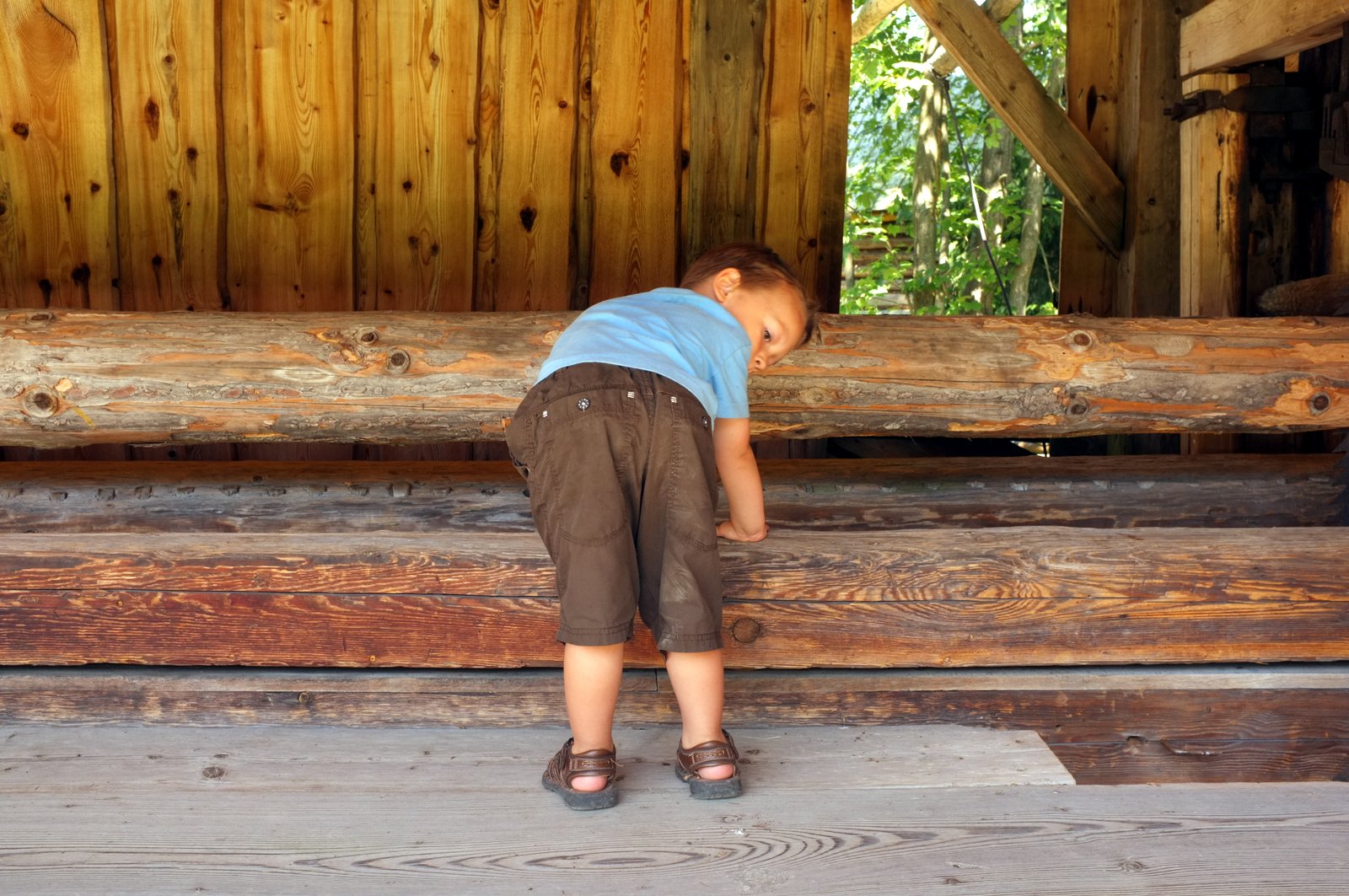
There was a time when none of this had any real bearing on anything, a time when no one gave a real thought to the effects humans might have on the environment because, other than clearing some land, there were very few. Just outside of Jabłonka, there is an outdoor museum that takes visitors back to that very time. And each and every time we go back to Poland, we visit. In in 2008, 2010, and 2013. Apparently I didn’t write about it in 2013 — it was part of a field trip L went on with her newly-adopted Polish kindergarten class. And of course K and the kids went again today.
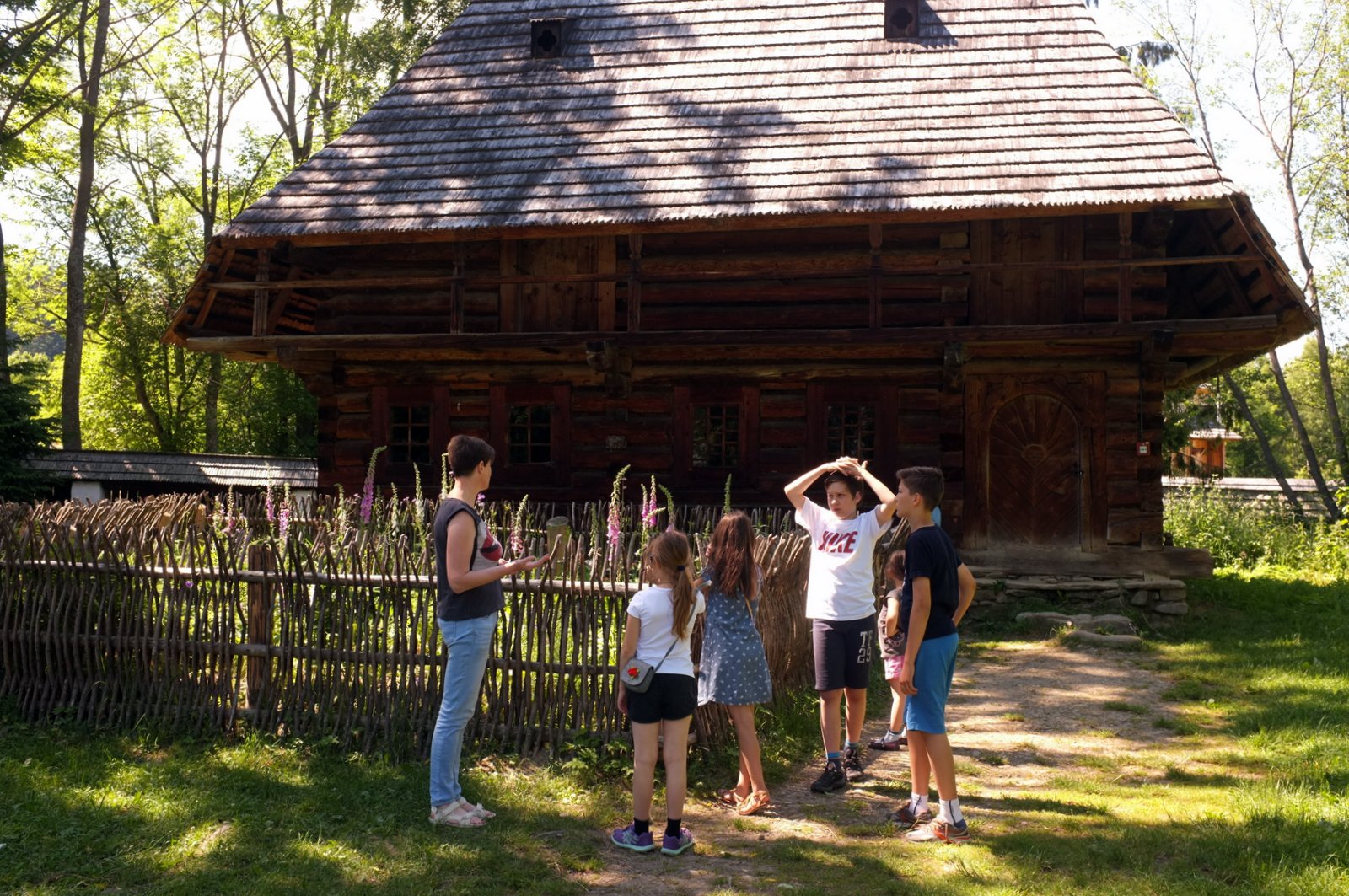
In those days, though, not only did people not really worry about birds getting caught up in their plastic netting, they were growing food for diametrically opposite reasons we grow it. They had no choice. We do. In fact, when it comes down to it, growing your own food can be more expensive than just going to the supermarket for it. It’s a hobby, then, and little more, which is probably why we do it so very poorly.
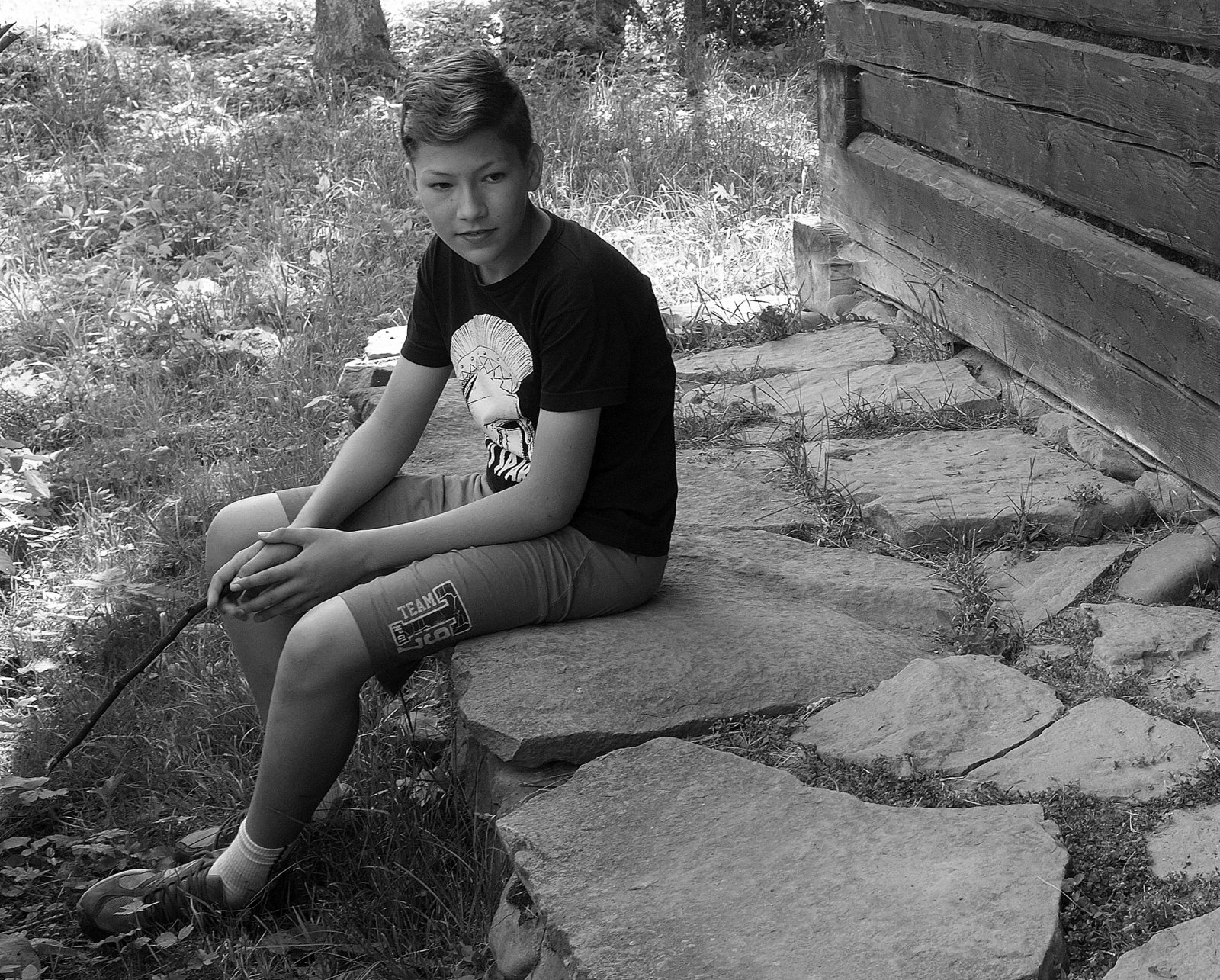
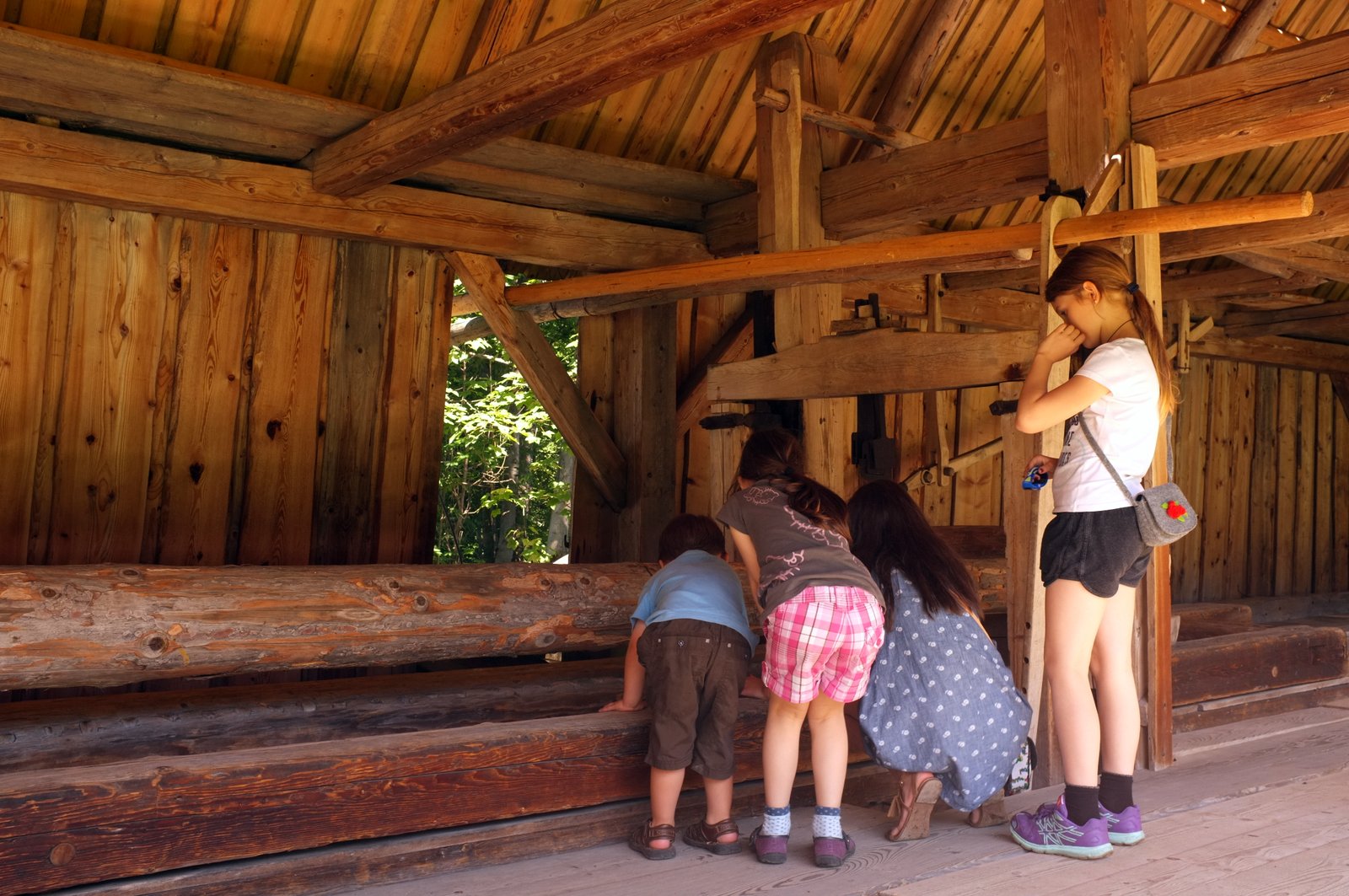
I would hope that such a visit would make L, in particular, more appreciative of the things she has, more thankful for the ease of her life. If our crops don’t do well, we just shrug it off and move on. If these folks’ crops didn’t do well, they didn’t have as much to eat in the winter. They were hungry — something almost unthinkable for L and most children in the Western world of her generation, or mine. Or maybe her taking everything for granted is just a function of age.
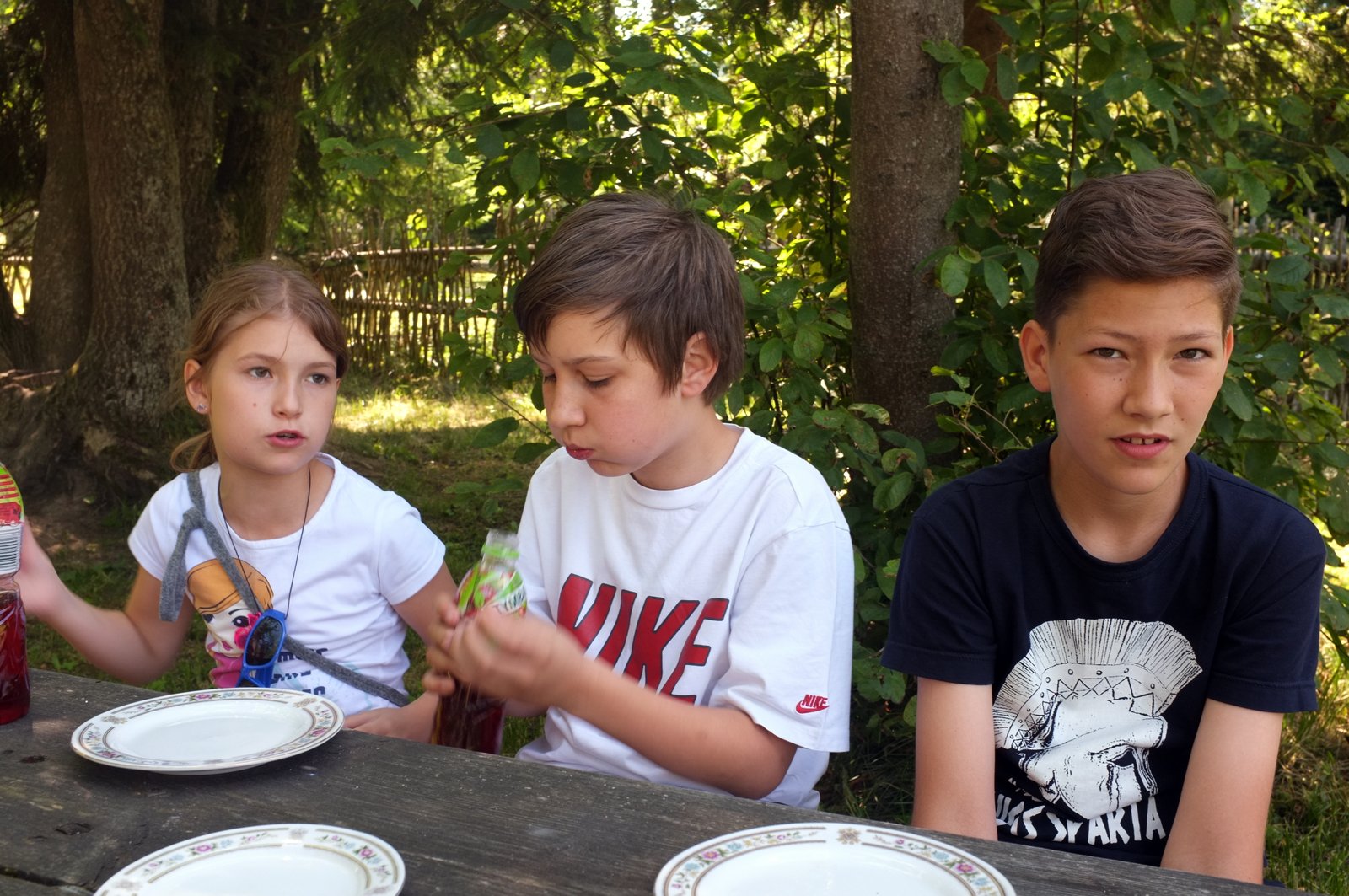
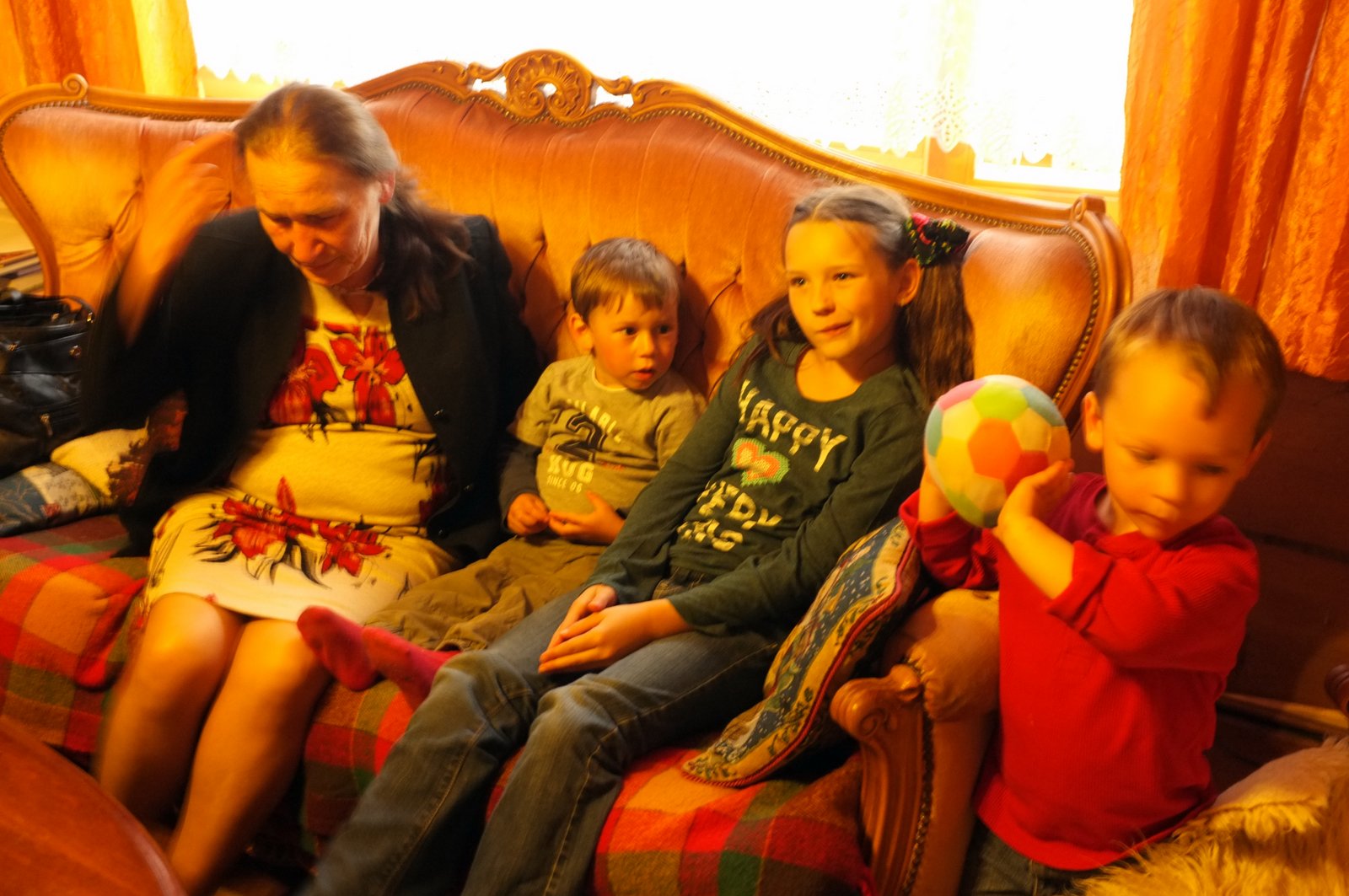
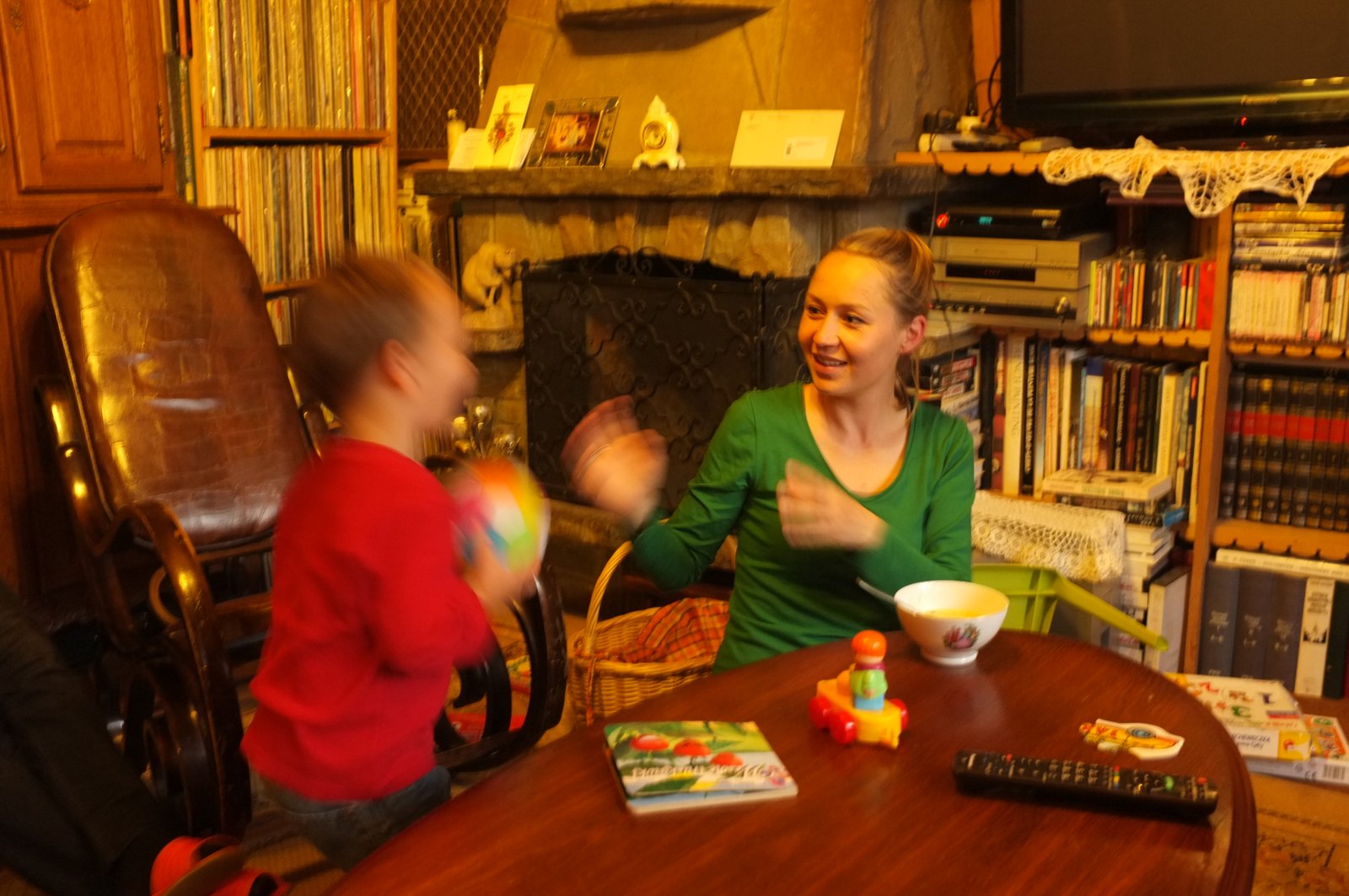
All the kids in the immediate family (plus one from the other side) are now at Babcia’s. That means six kids and two adults.
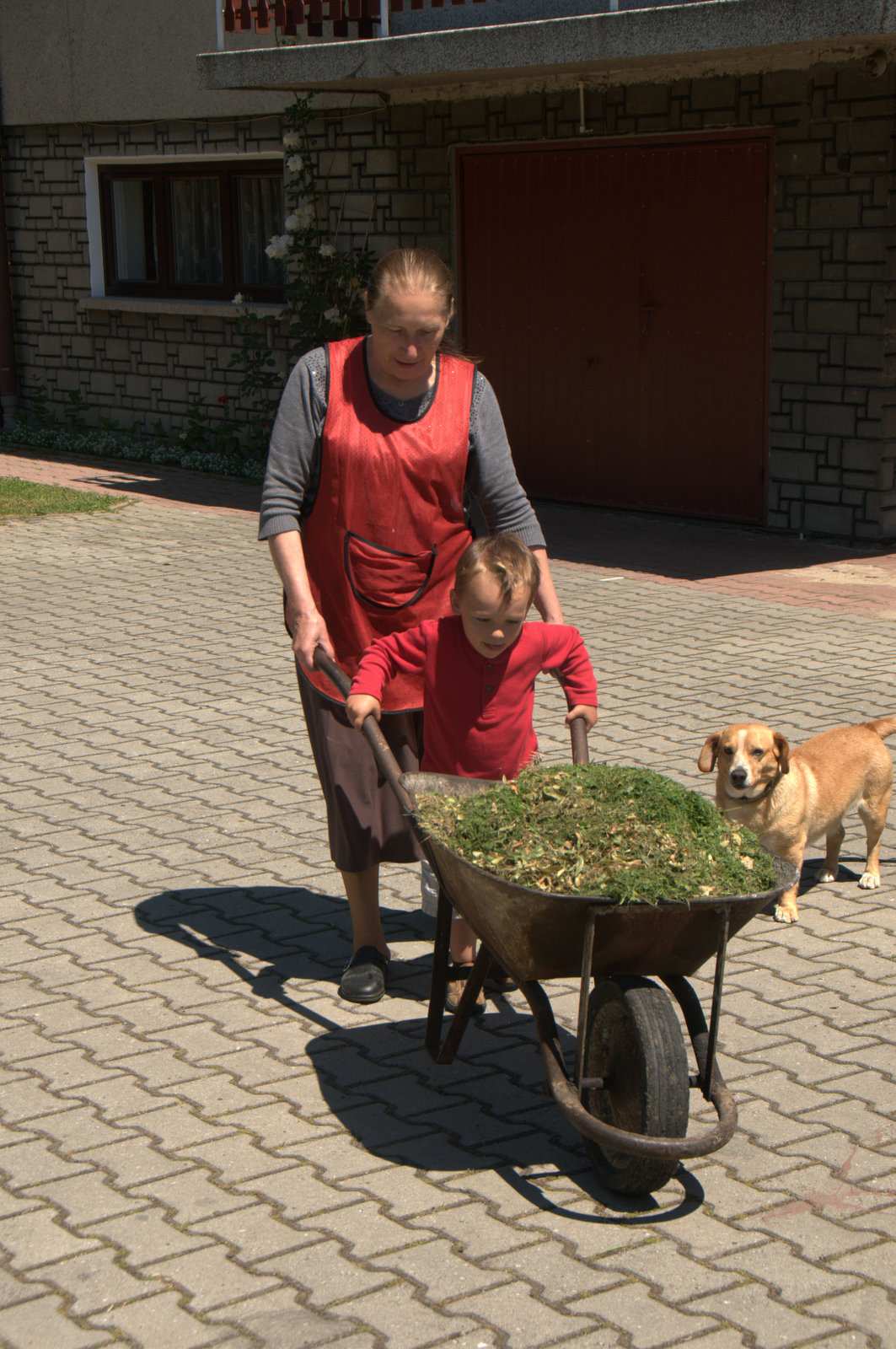
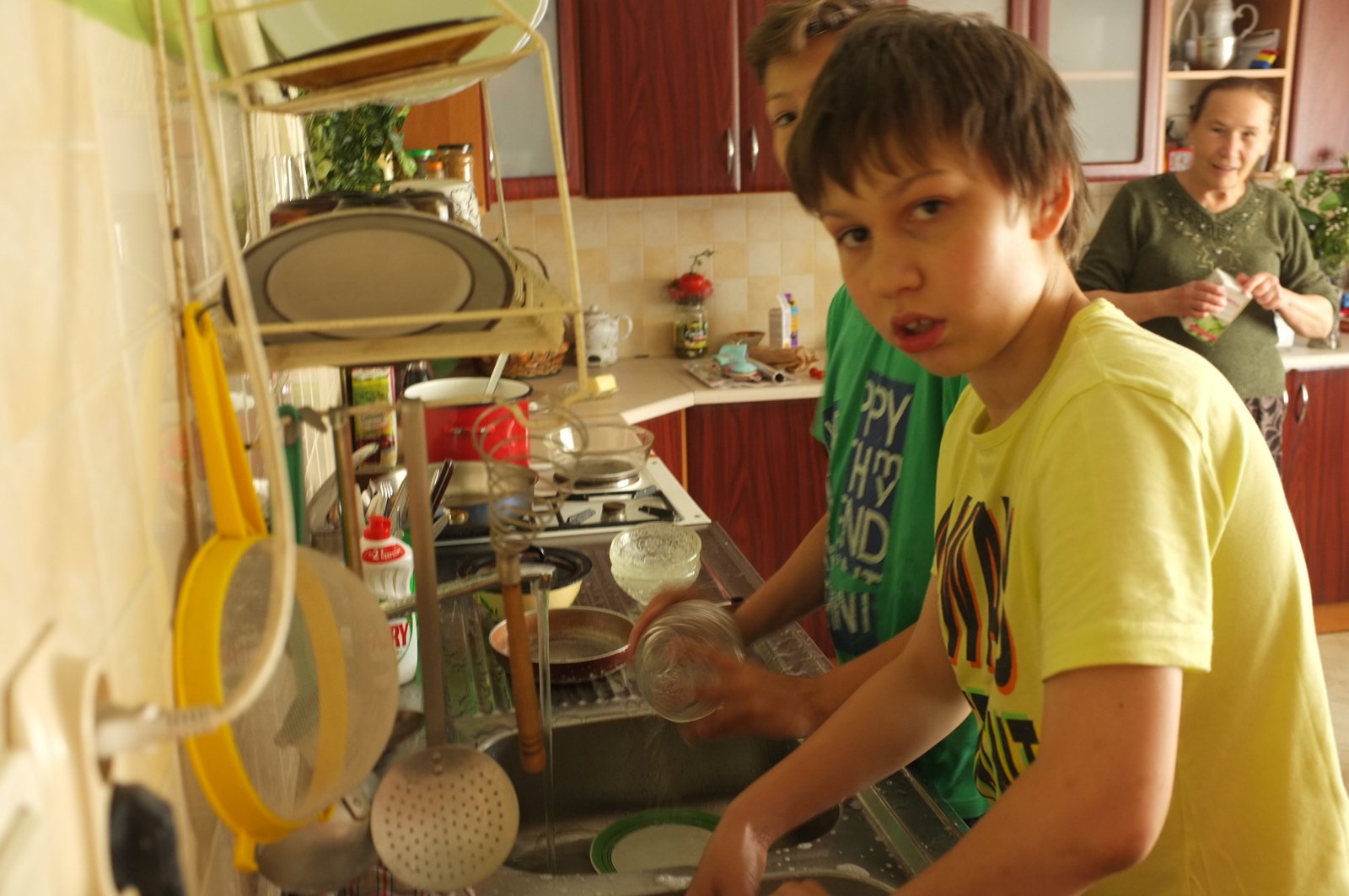
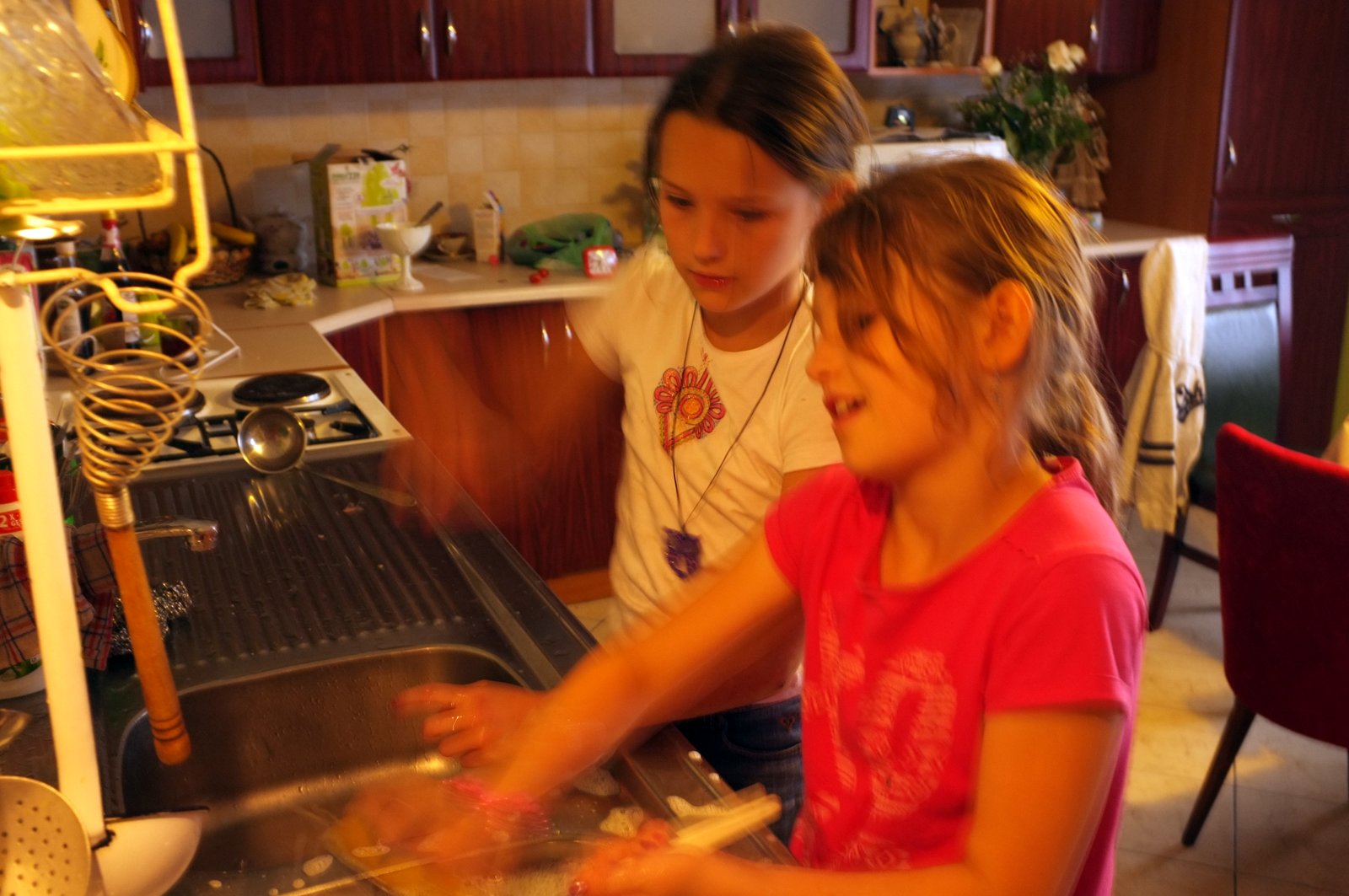
There are the chores, and with four bigger kids, that means the love is spread out through the day. The boys take the morning, the girls take the evening.
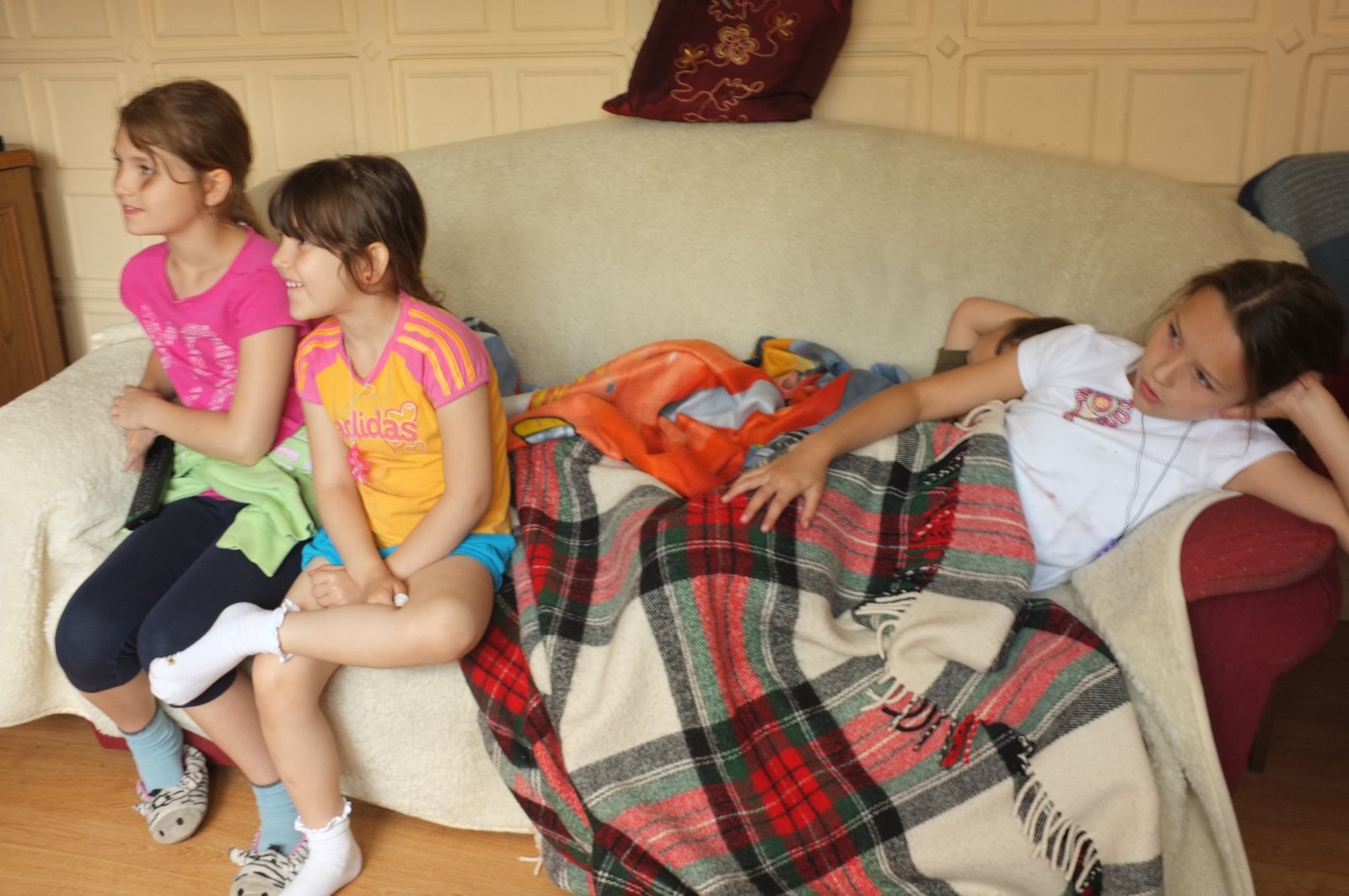
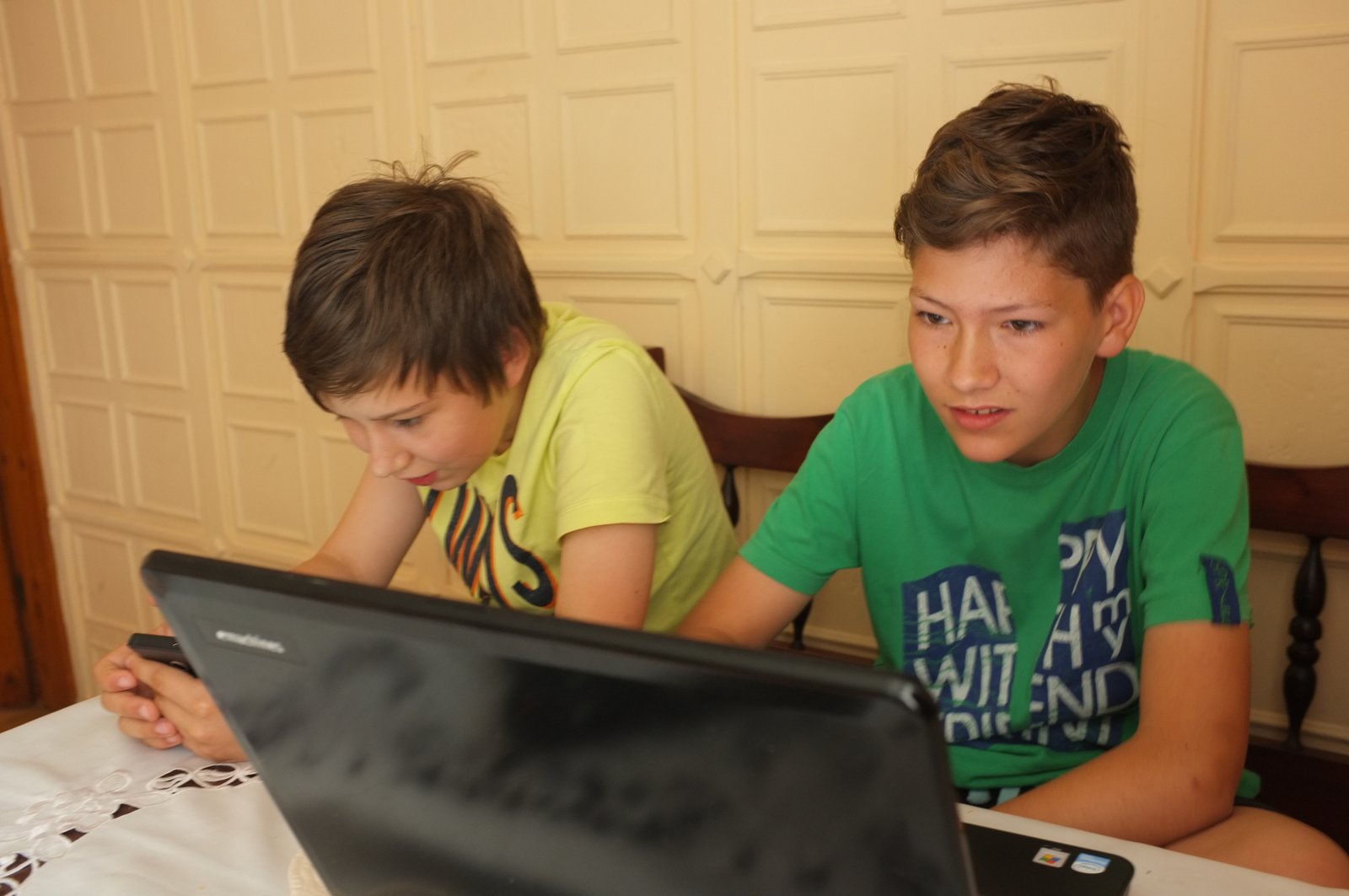
Time for an electronic break — television and computer. The twenty-first century generation.
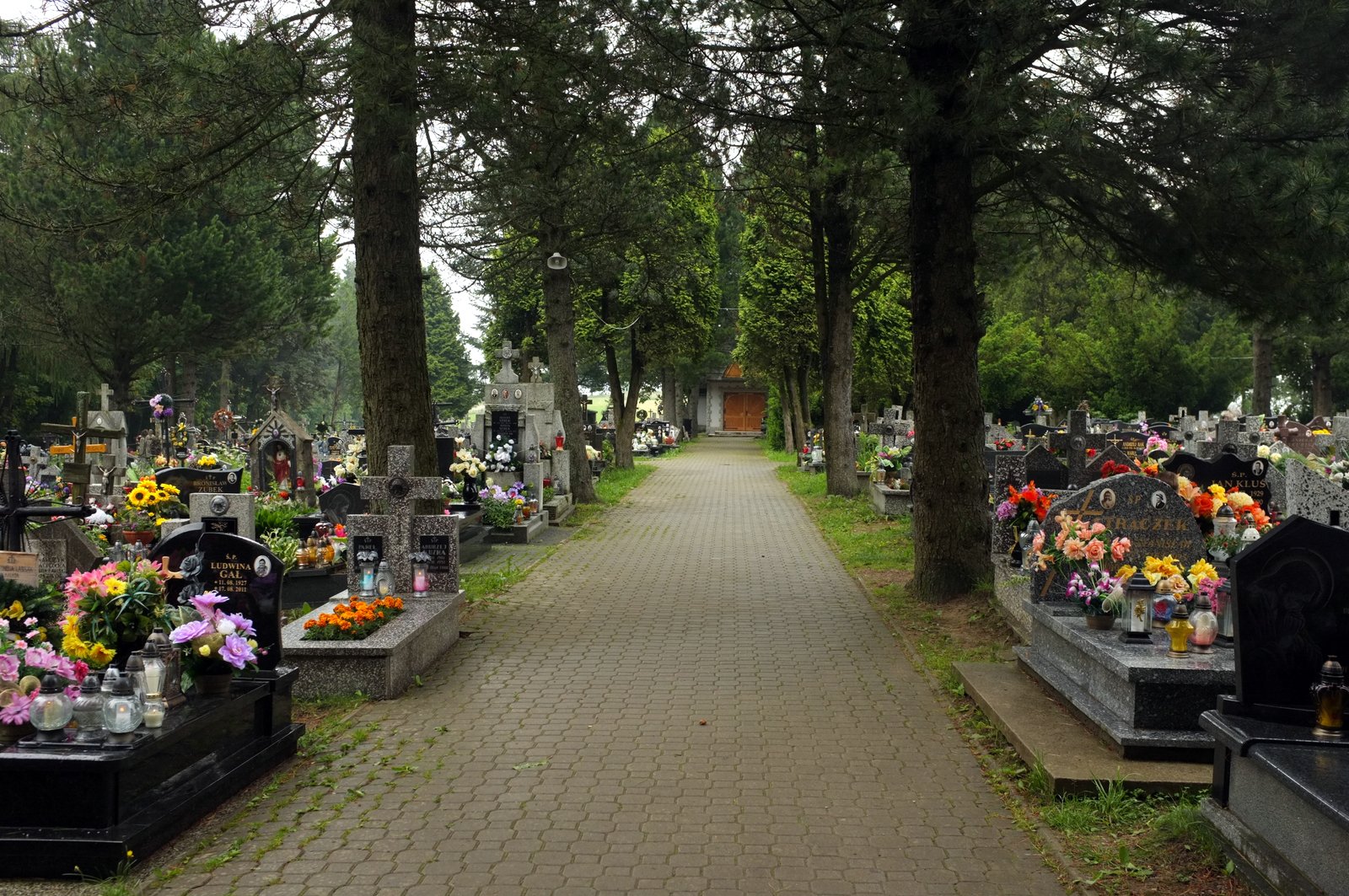
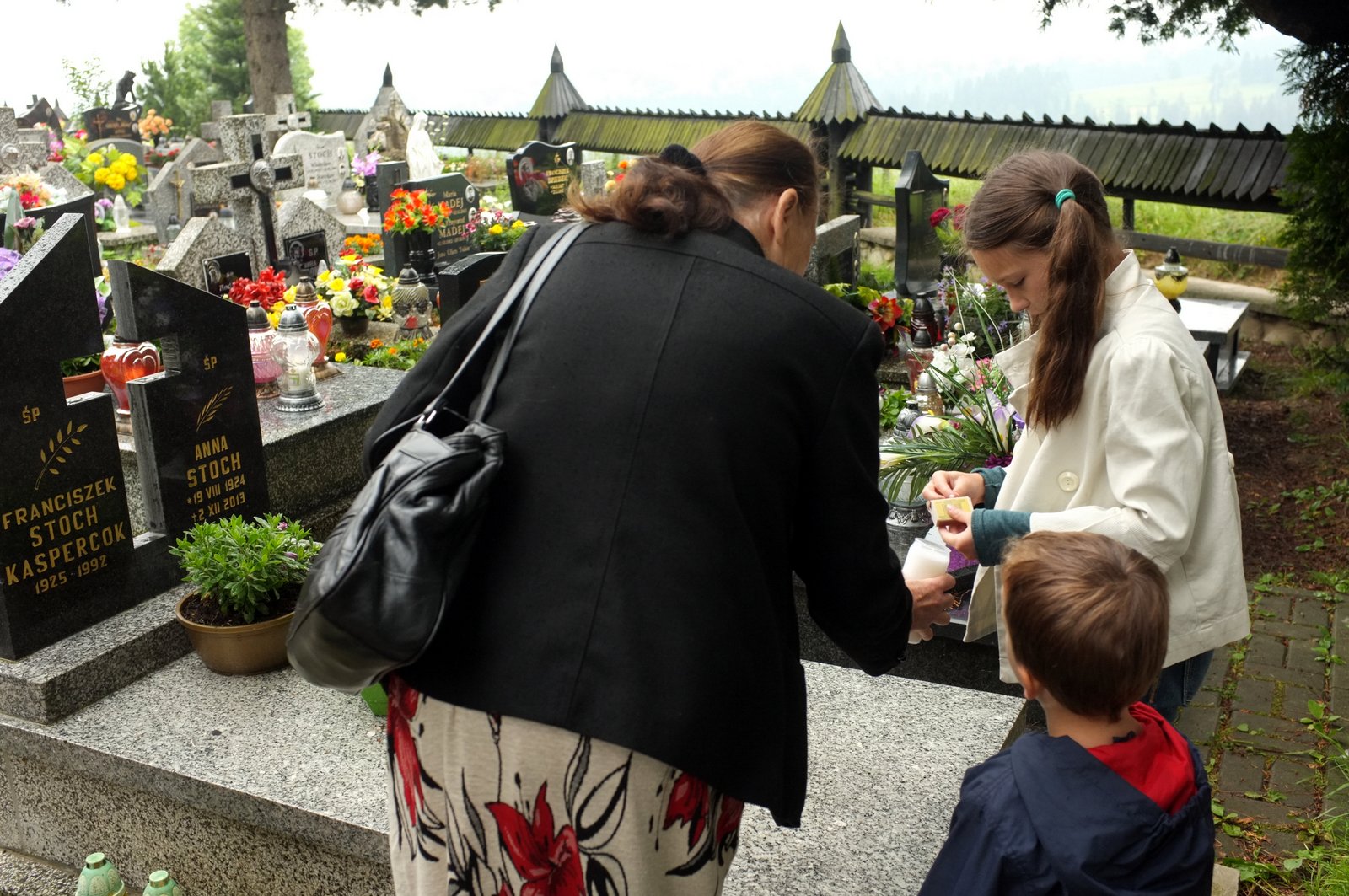
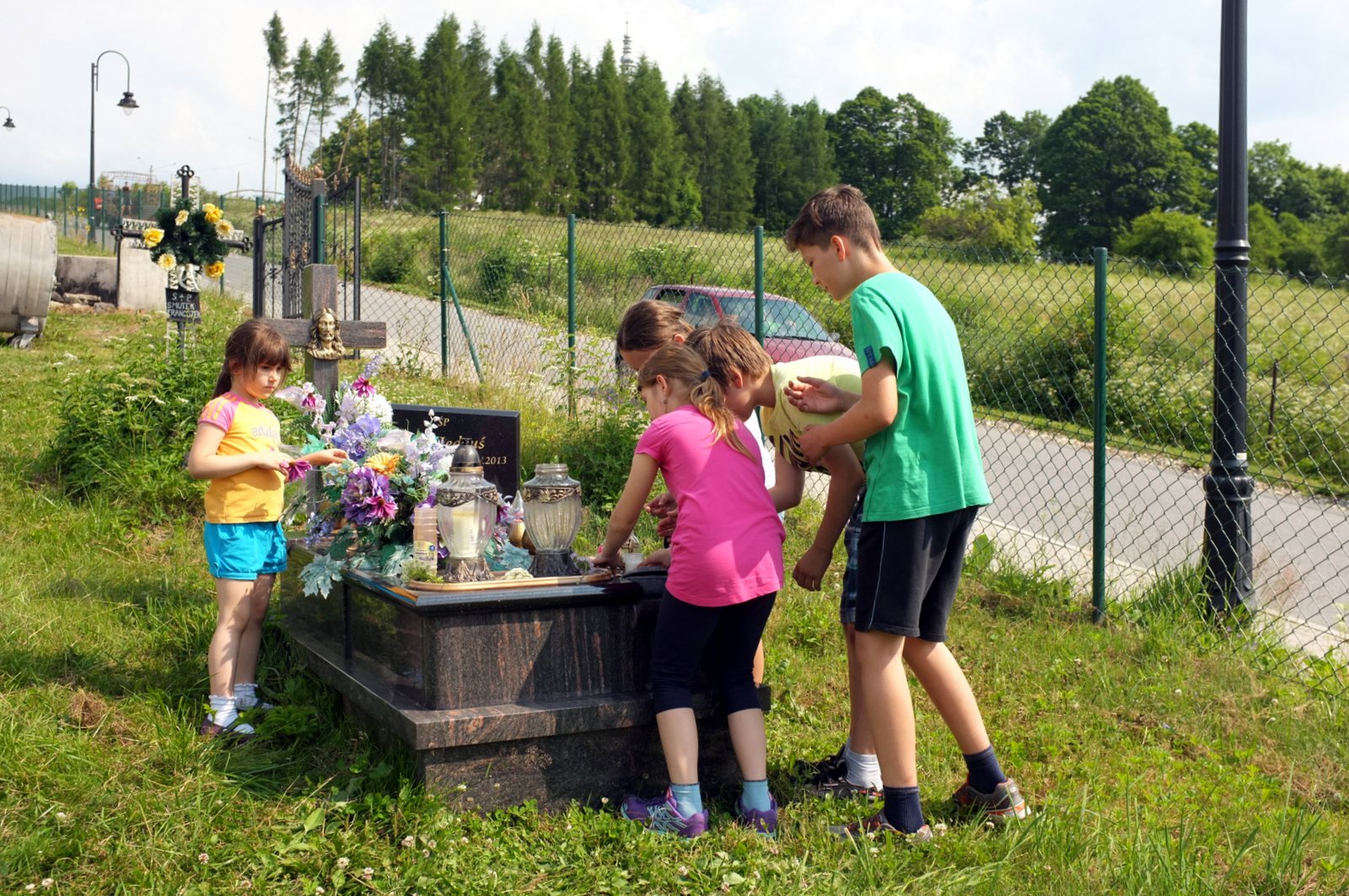
Afterward, an outing to visit Dziadek’s grave and pick up some treats on the way home.
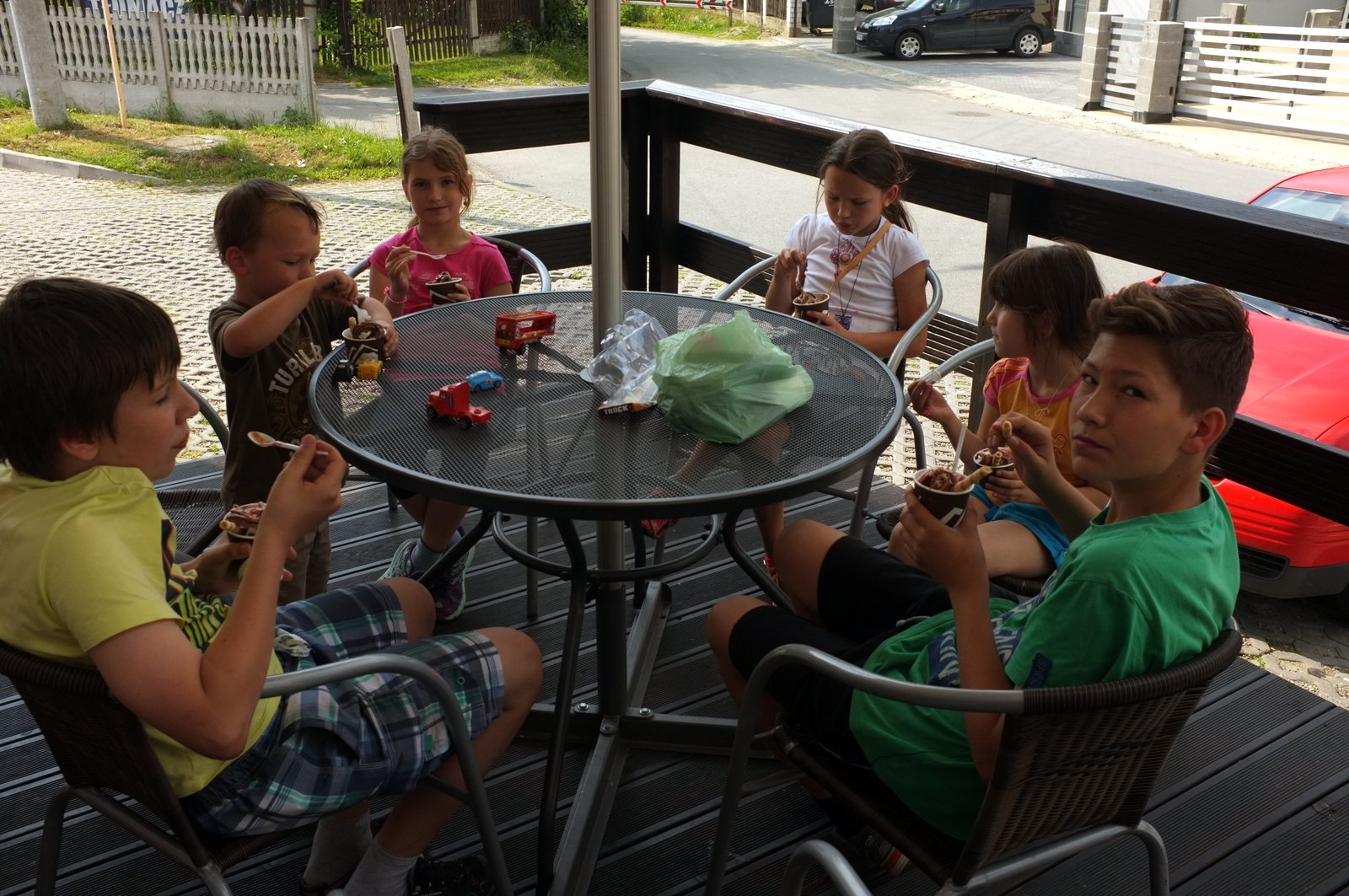
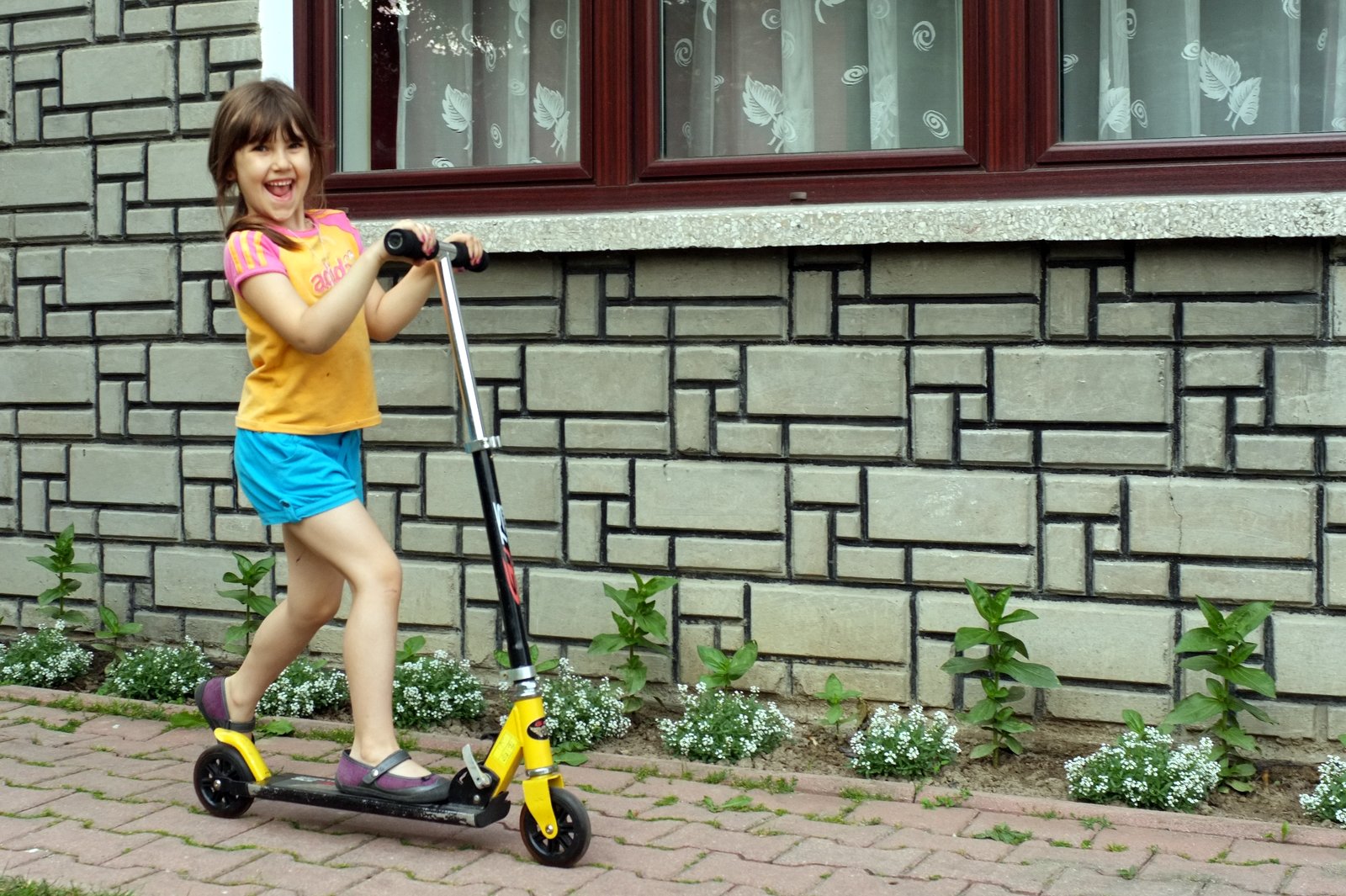
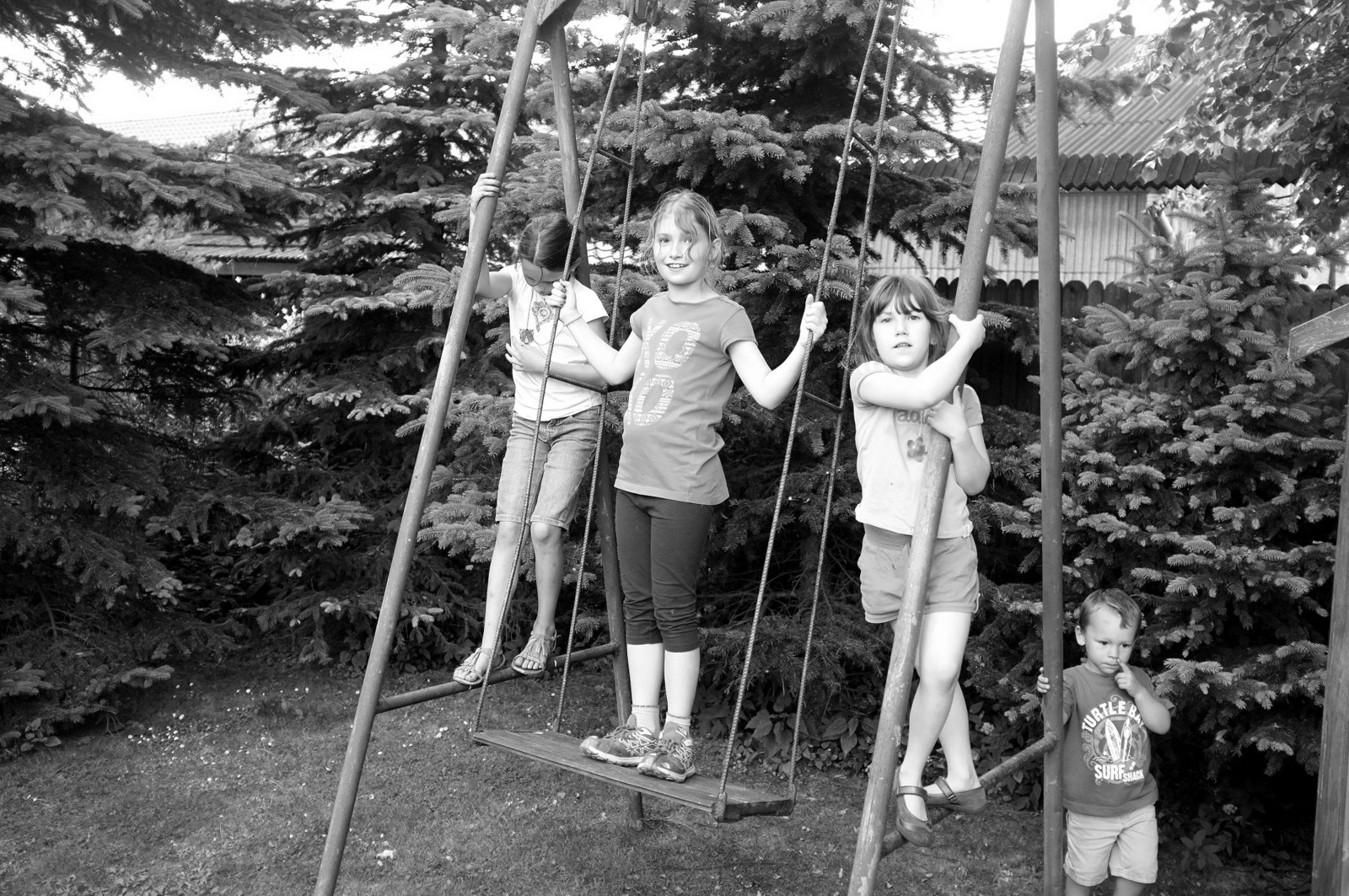
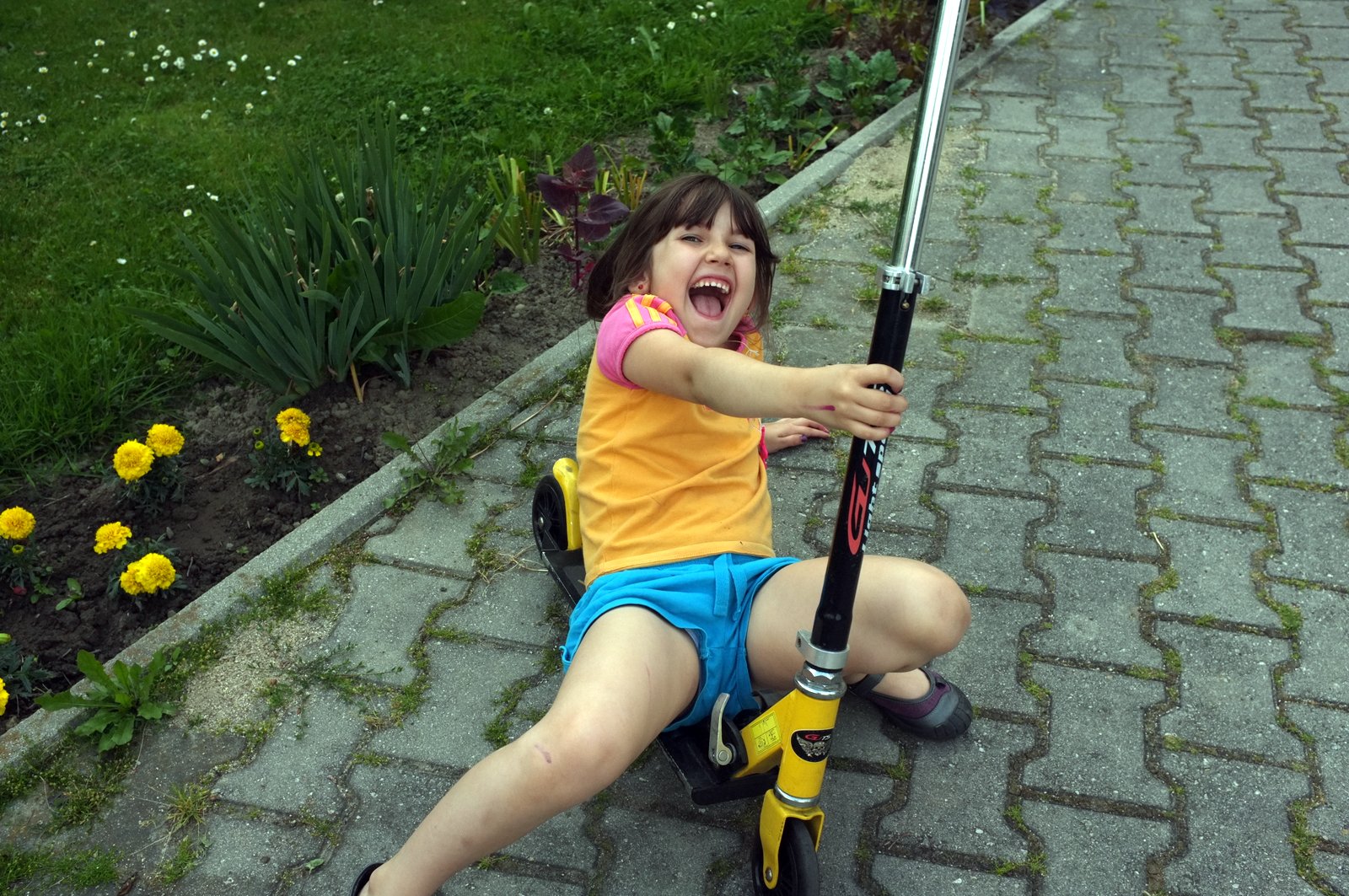
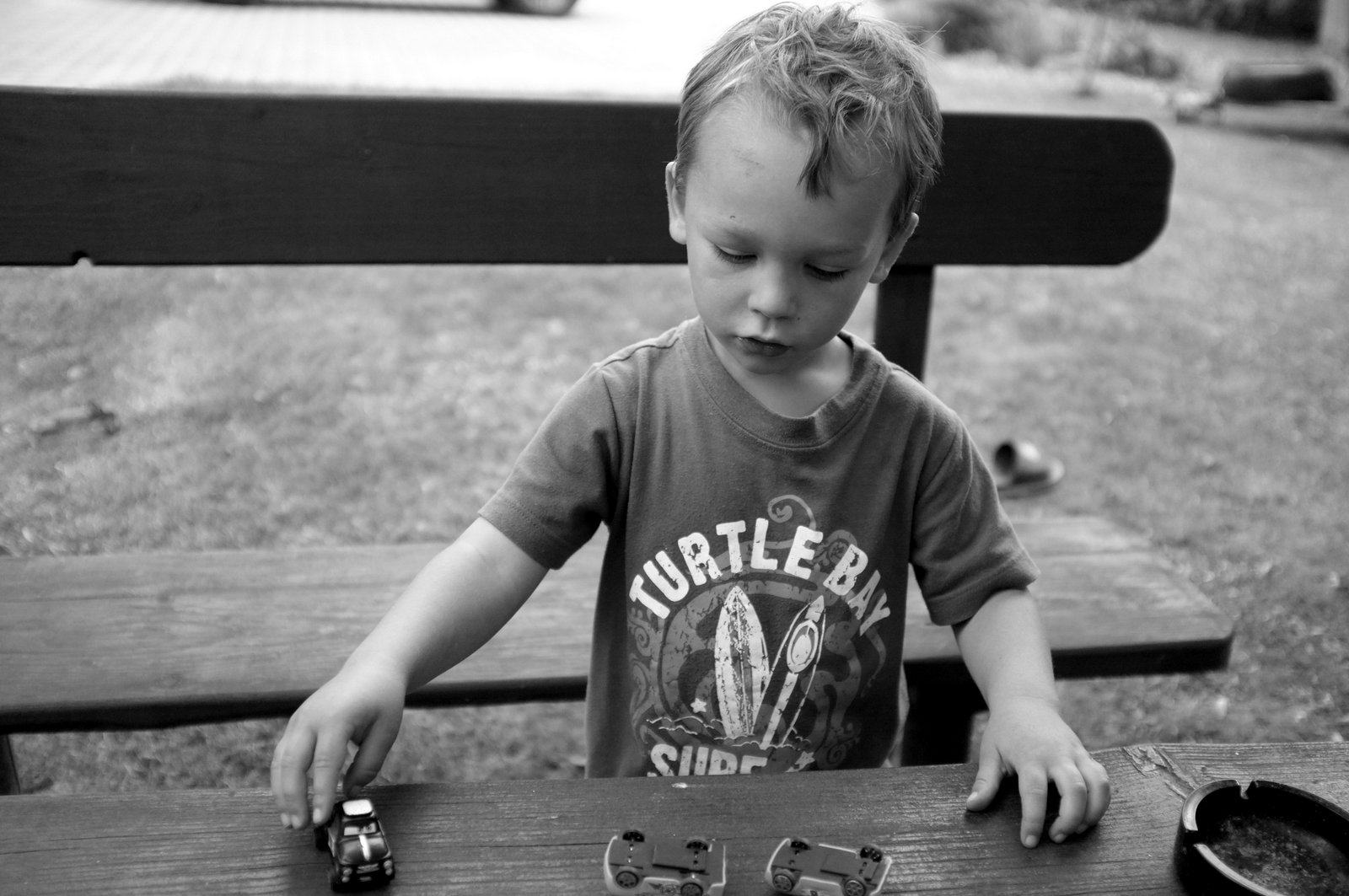
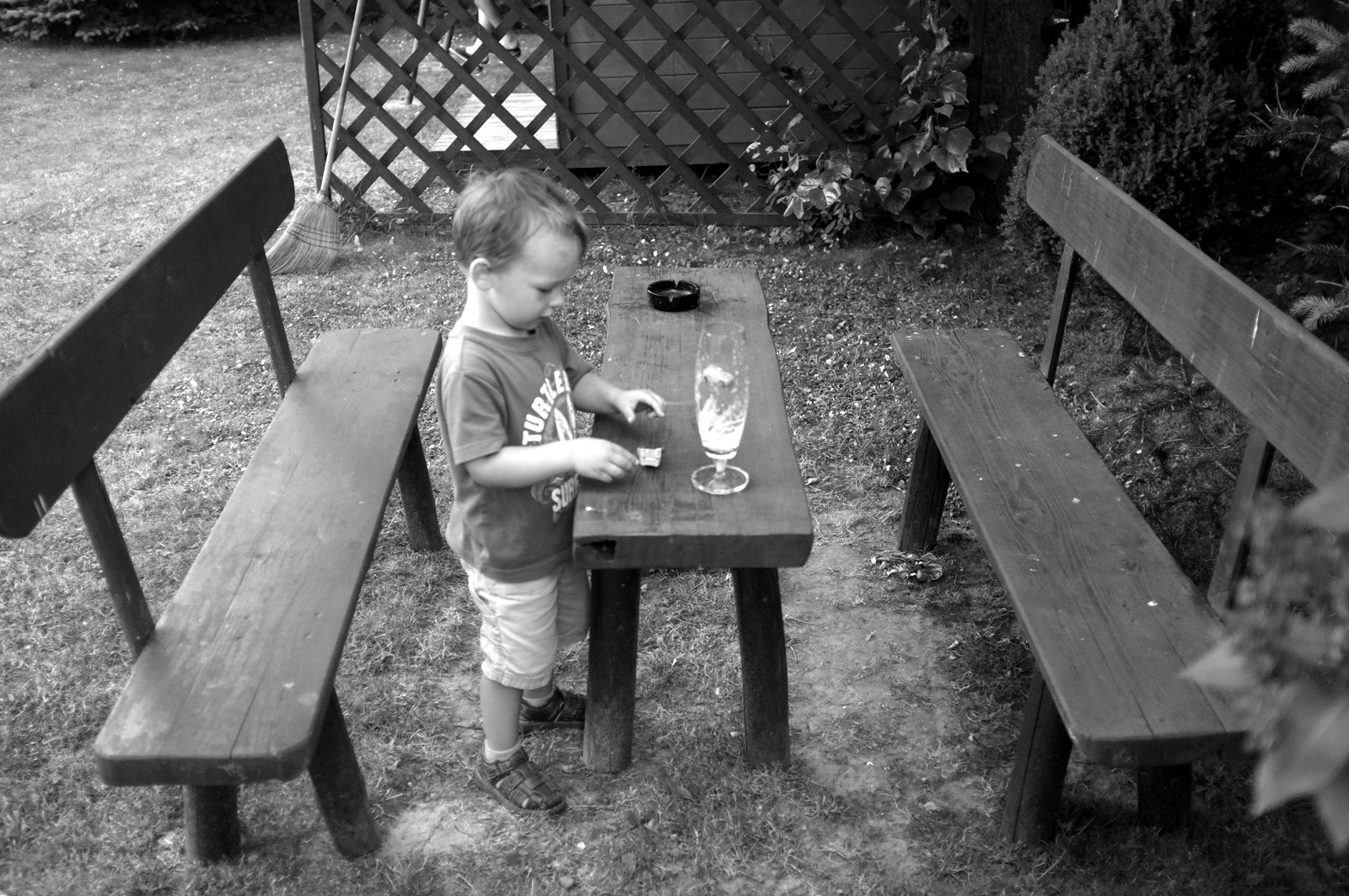
And to end the day, some silliness in the yard.
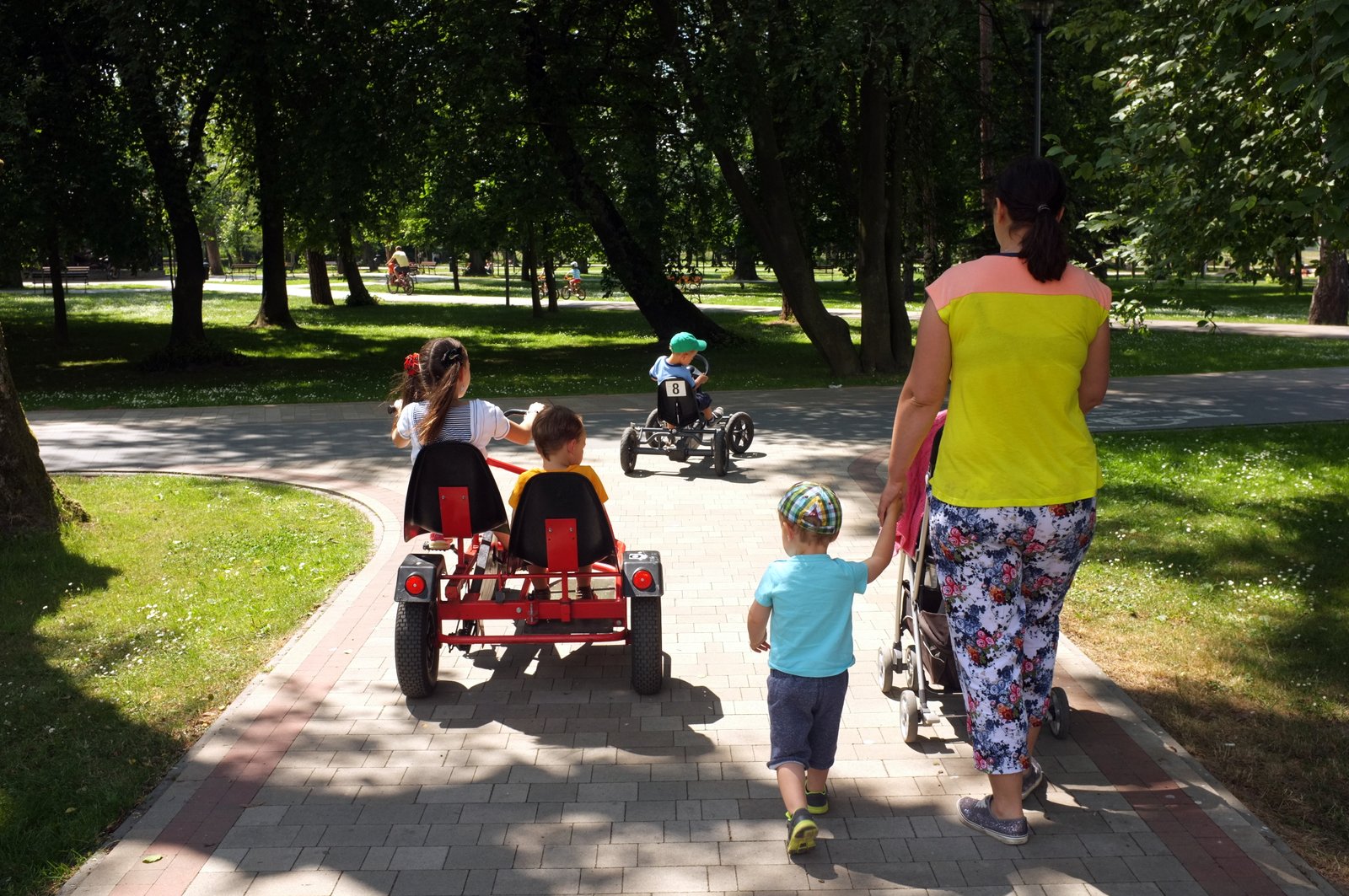
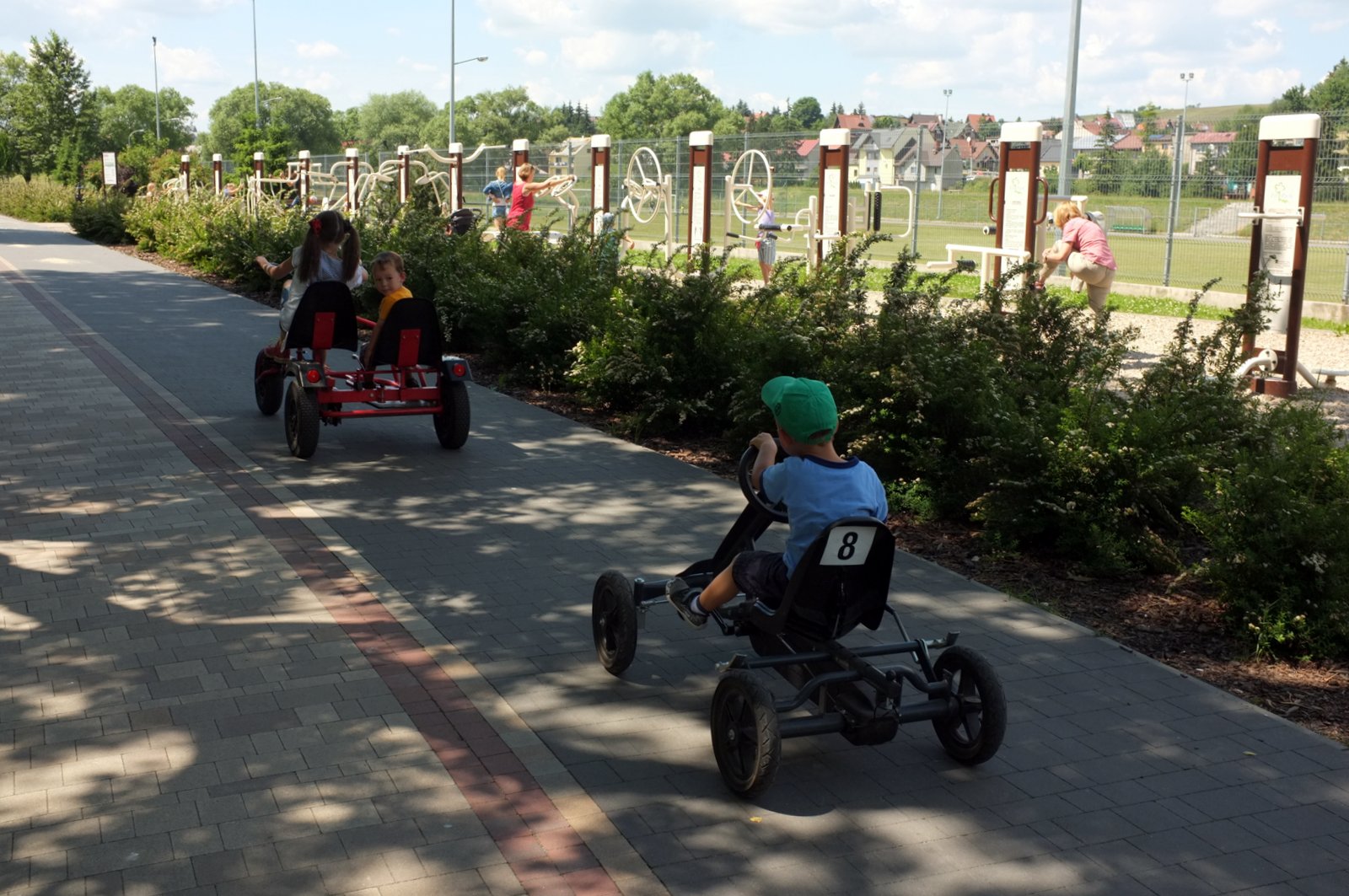
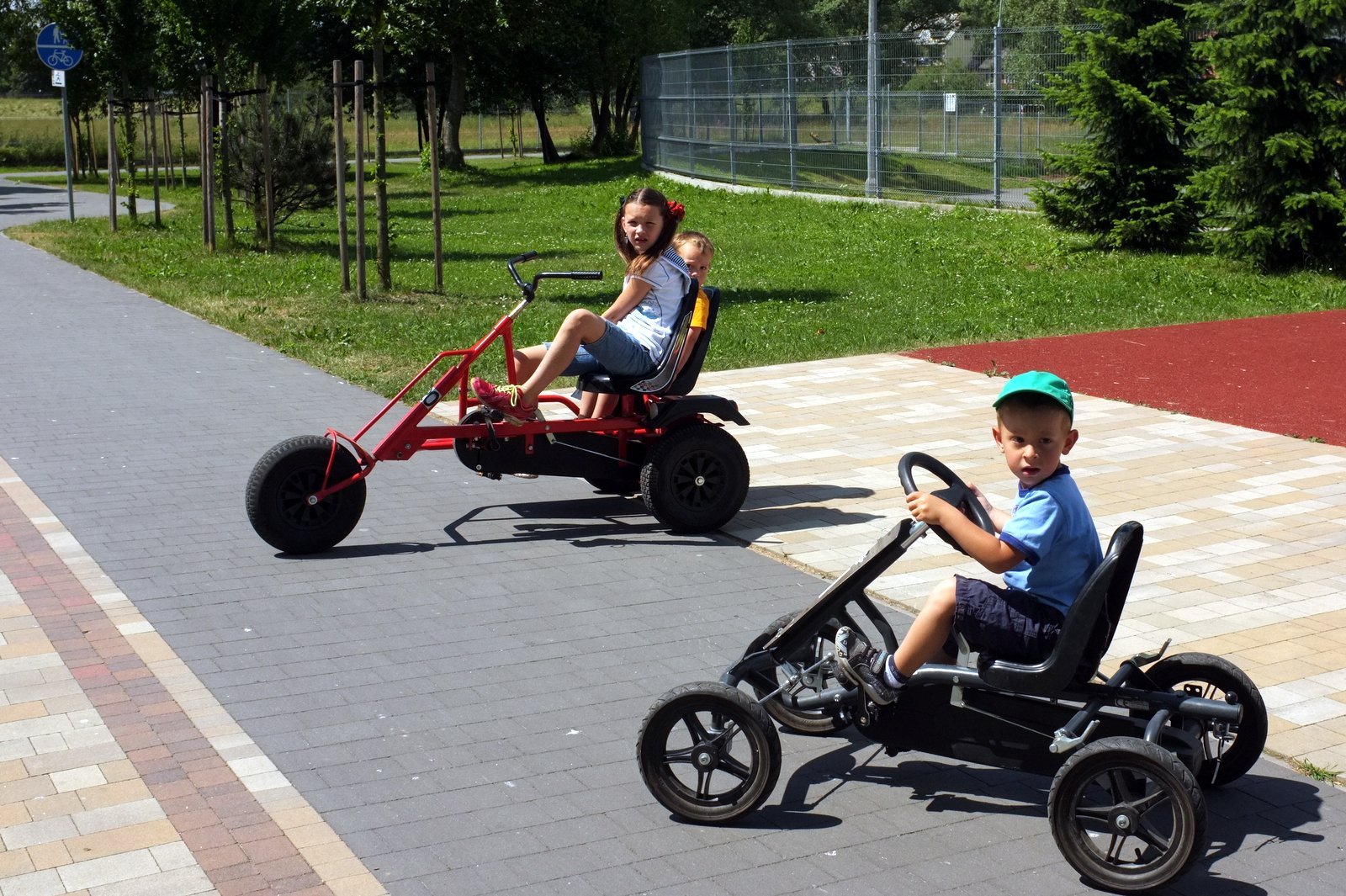
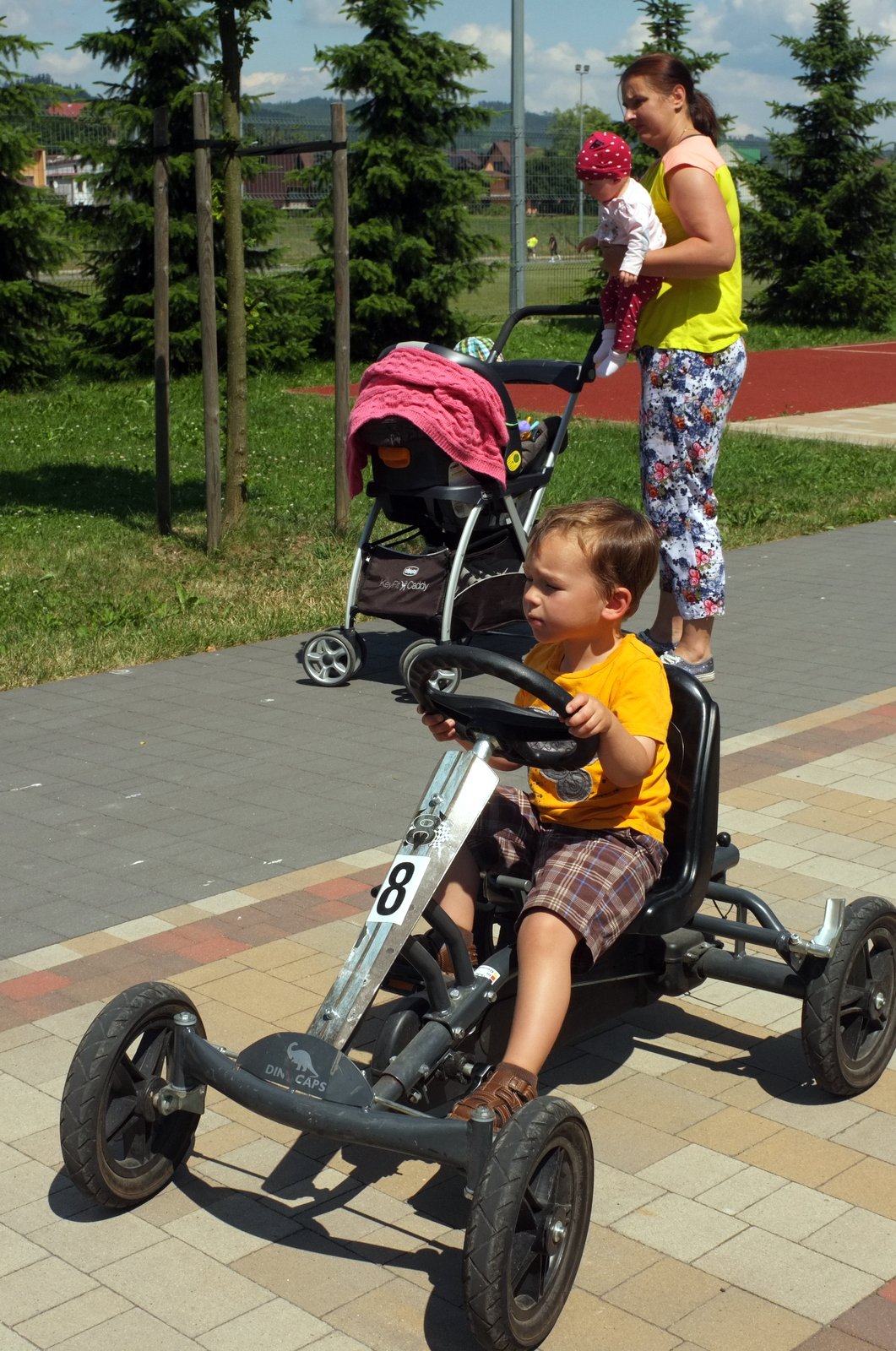
Every time we go to Poland, we do the same things — and I make that observation. Yet Poland is changing, growing. It’s got one of the strongest economies in Europe now, and when that simple fact is coupled with additional funds that come from the EU, it’s easy to understand why. Yet this is the second day that I look at the pictures and say, “Where in the world is that?” I know where it is: K told me in an email what they did today, and I knew about the afternoon visit long before. But the first part? They’re in Nowy Targ, but where in the world is this park?
I do see one thing that’s not a mystery: the Boy being a gentleman, helping a young friend — dare we say a cousin? After all, K and D are as close to sisters as you might possibly be without an actual genetic bond.
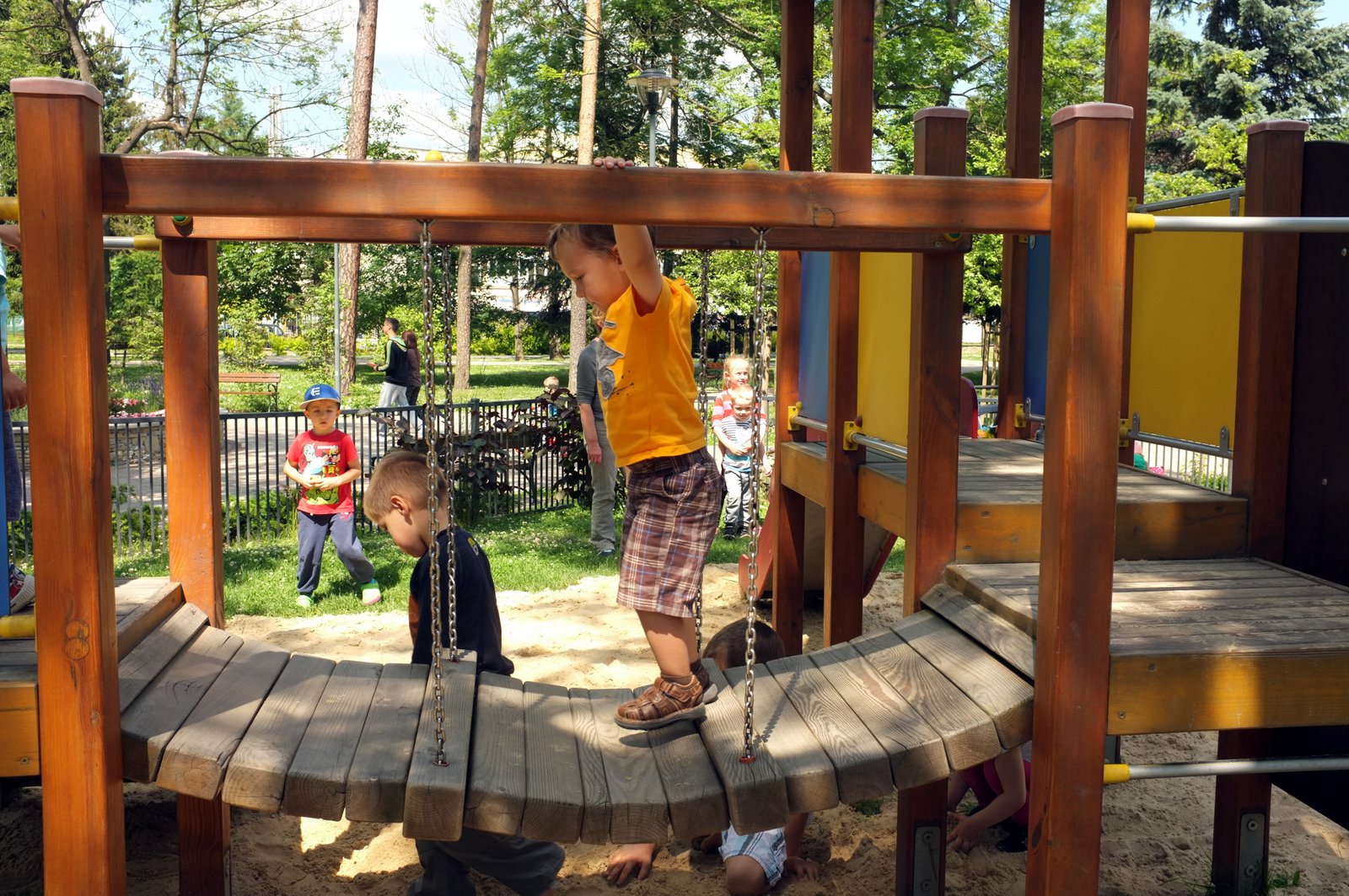
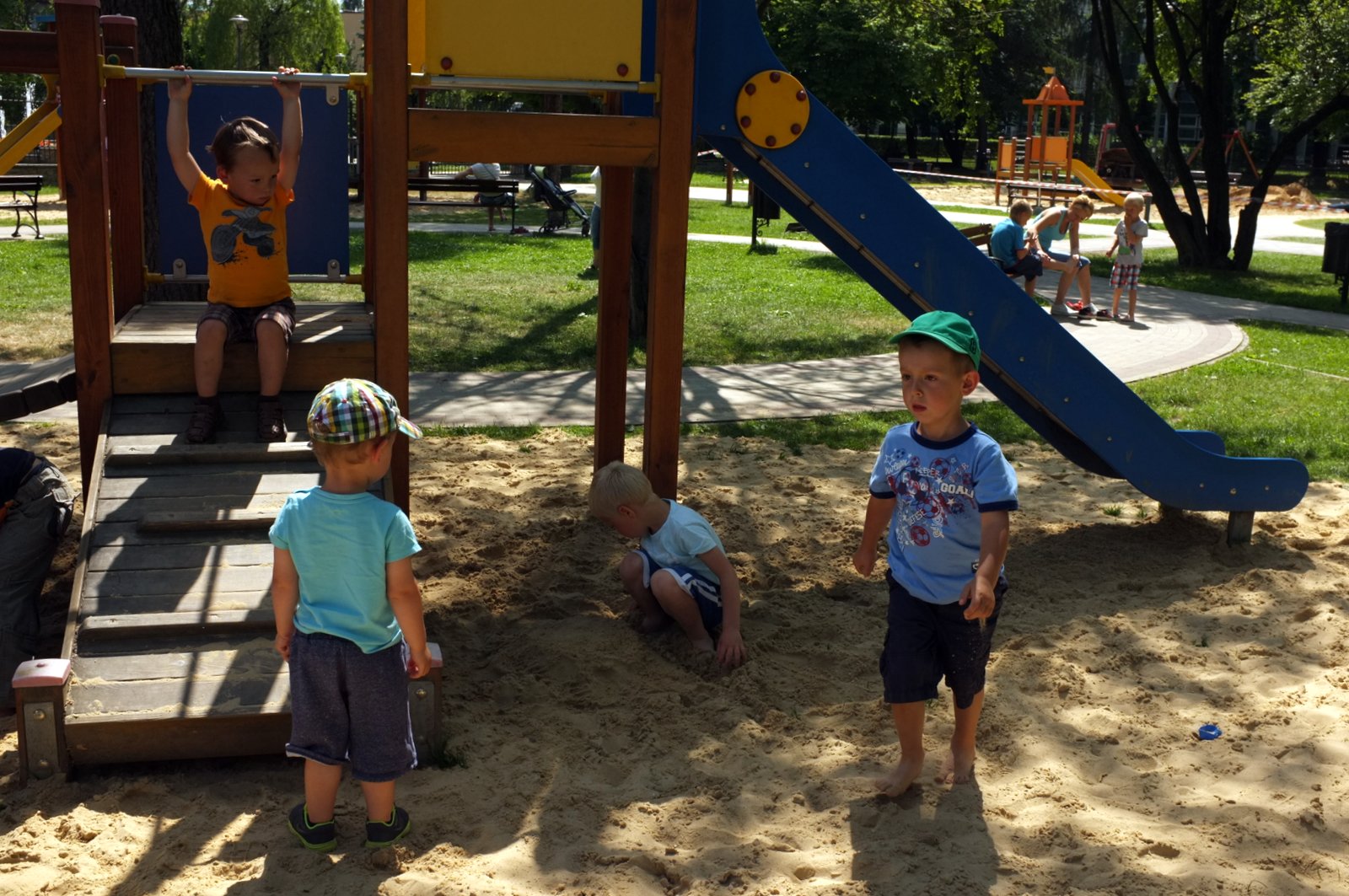
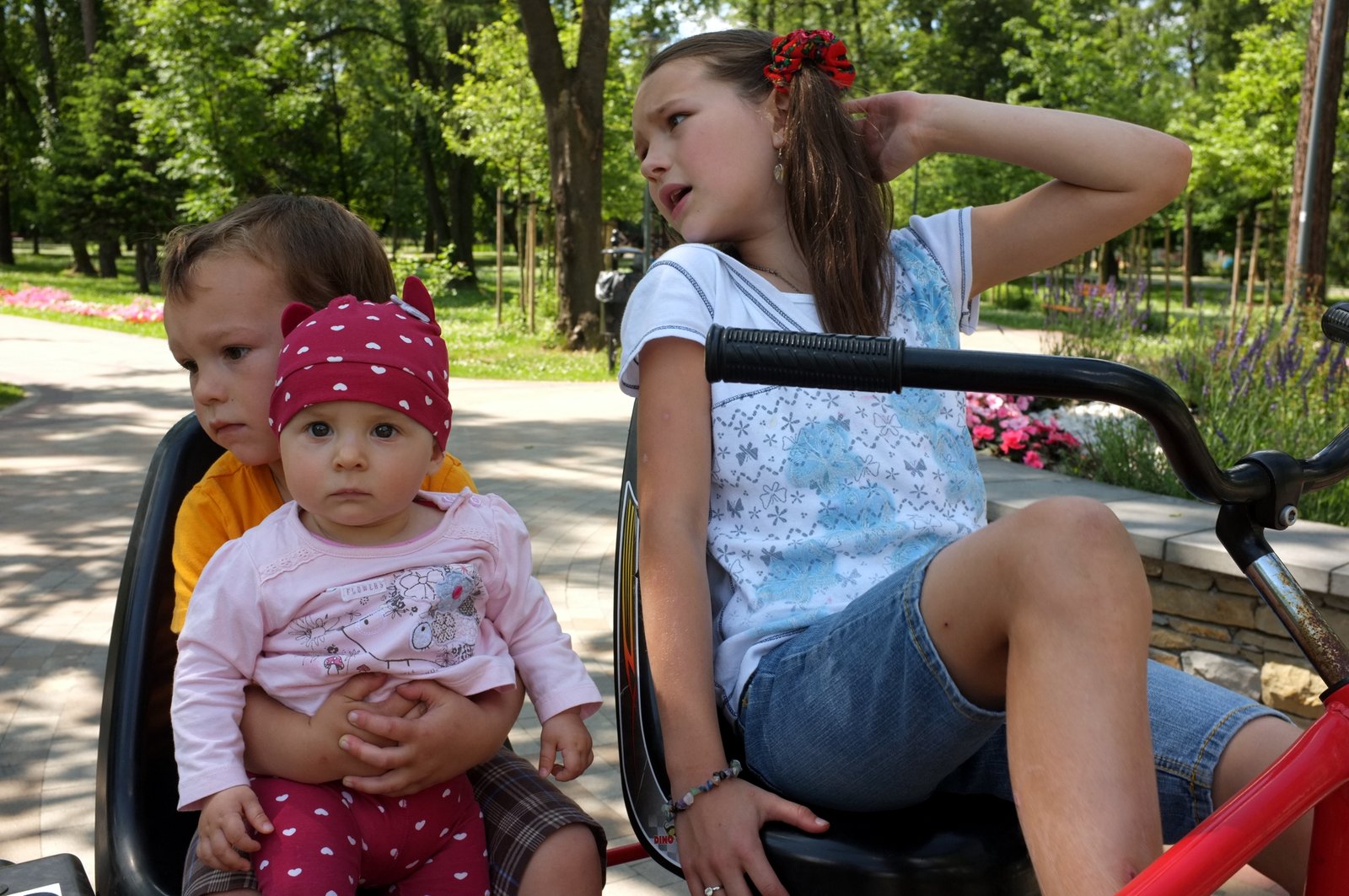
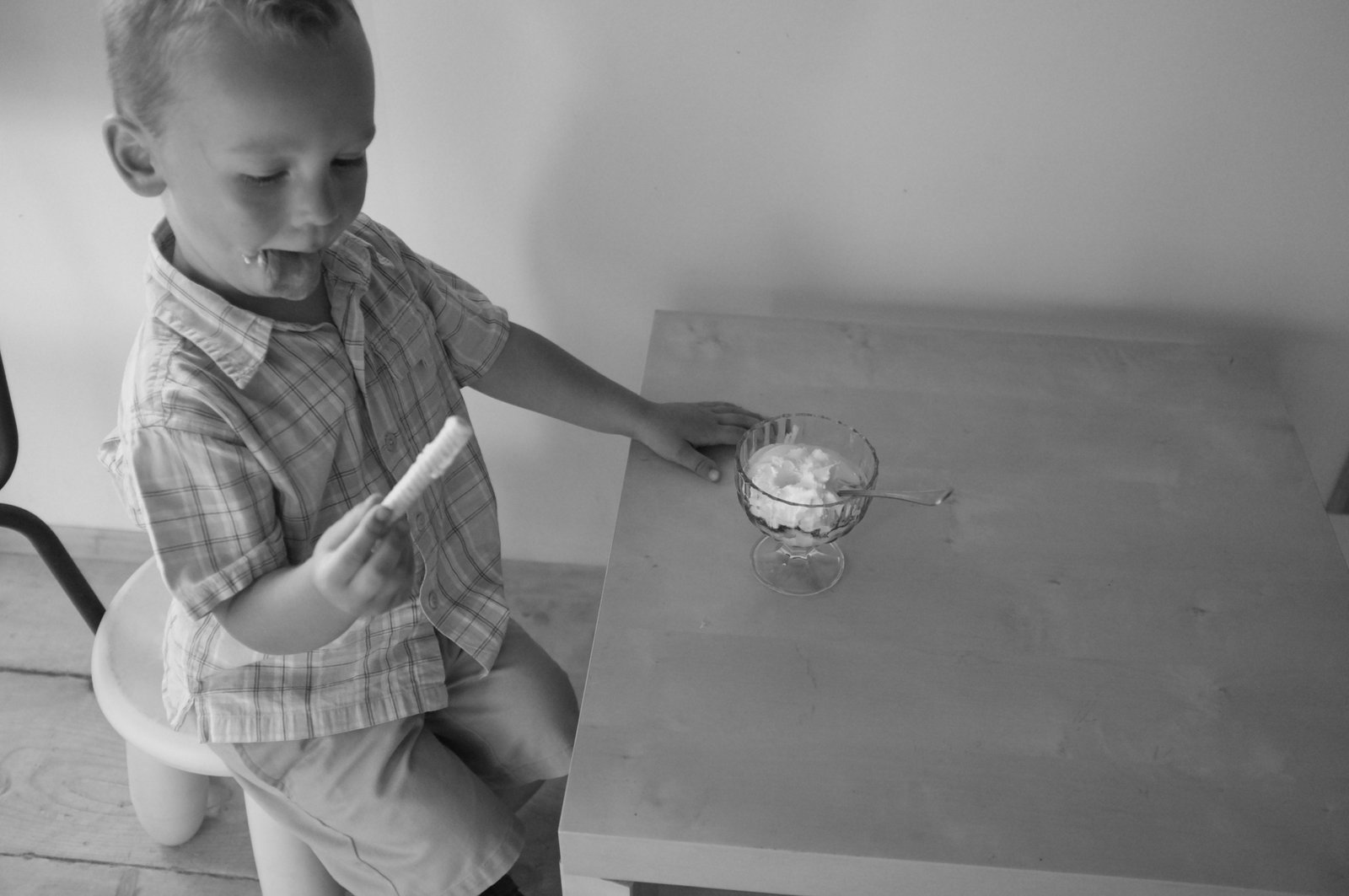
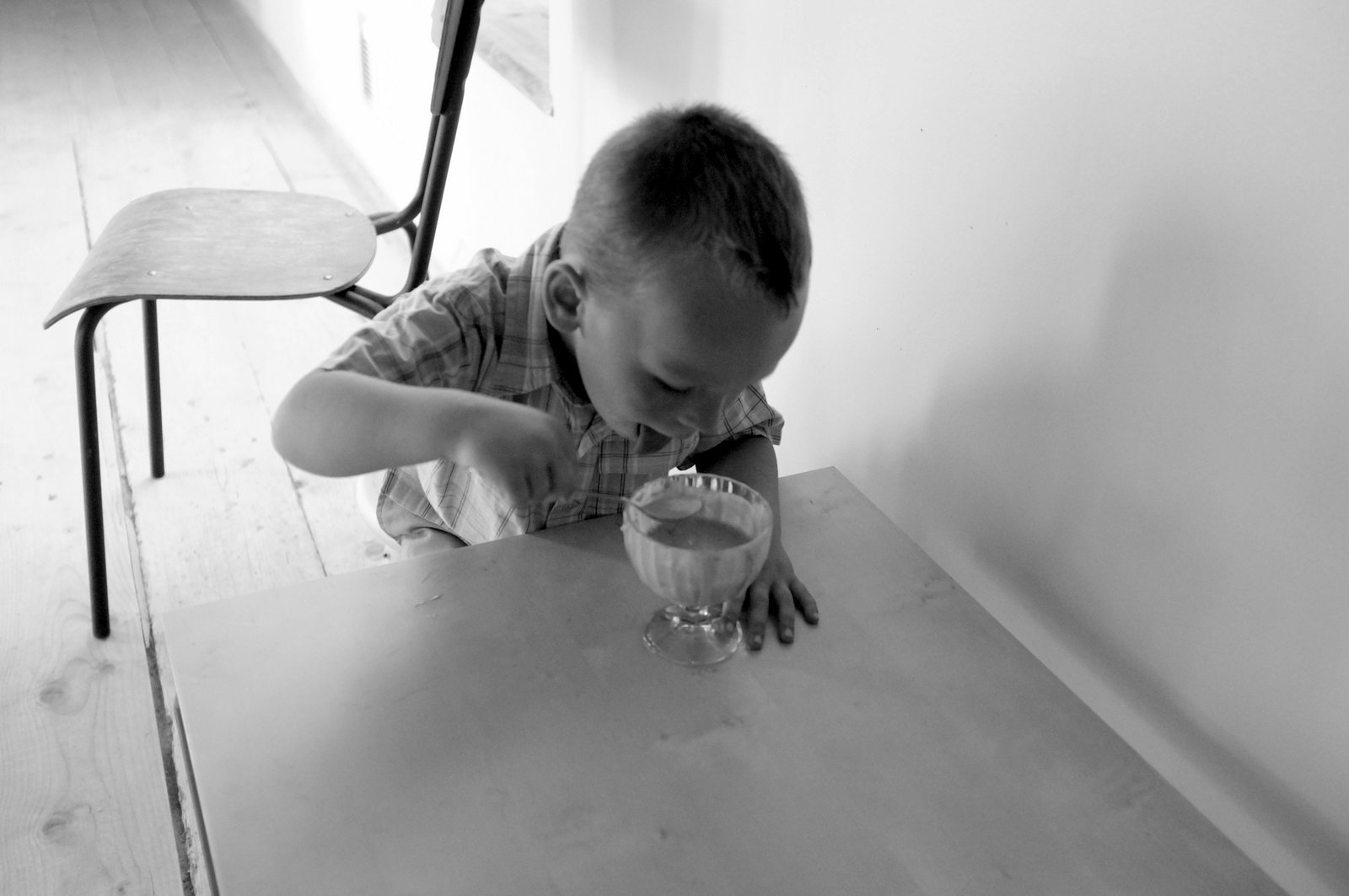
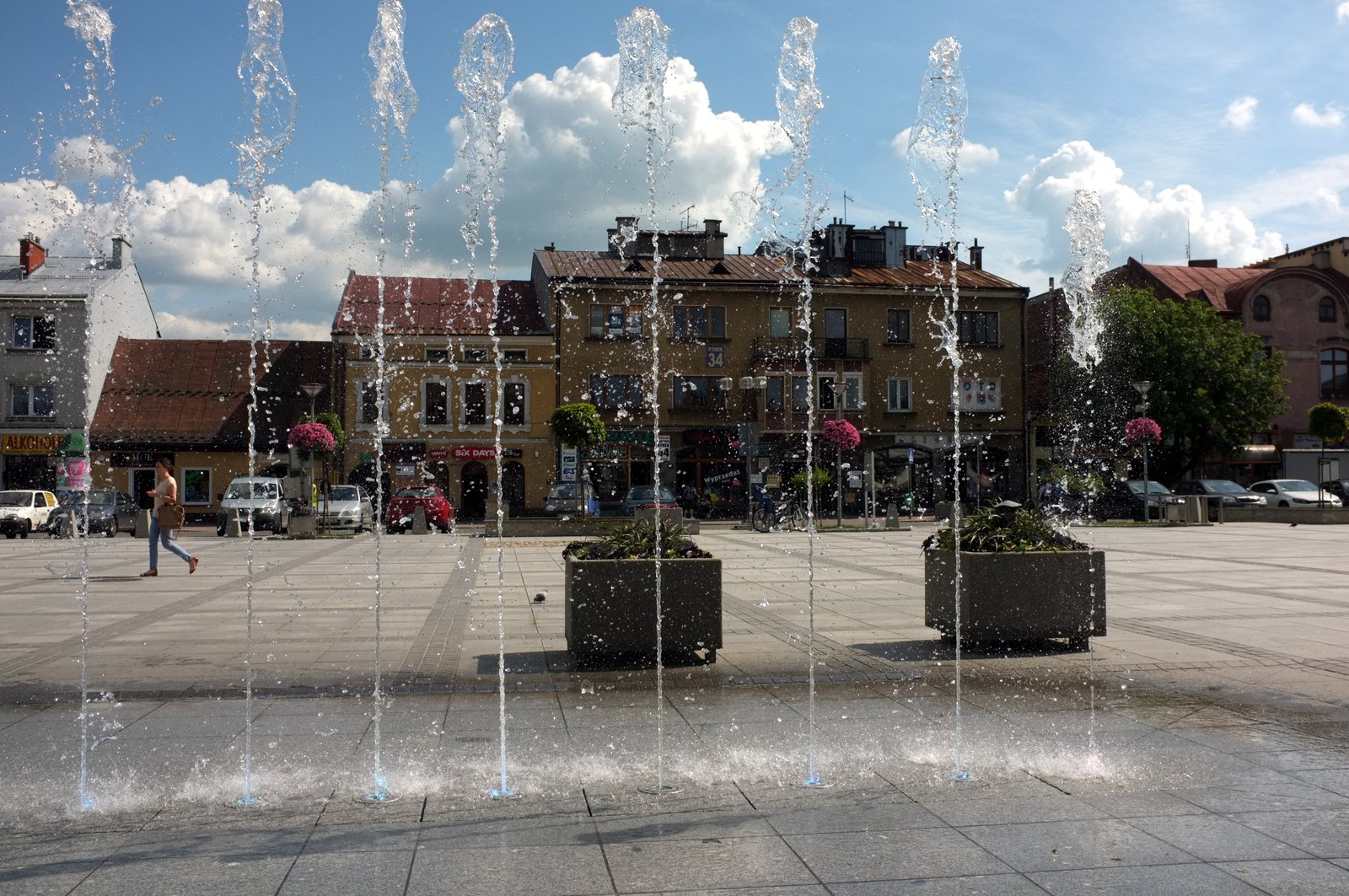
It’s easy to identify the location of the second batch of pictures: the rynek in Nowy Targ. Yet had I not known about the renovations, I never would have guessed it. Until I saw the ice cream: NT has a little hole in the wall with the best ice cream on the planet.
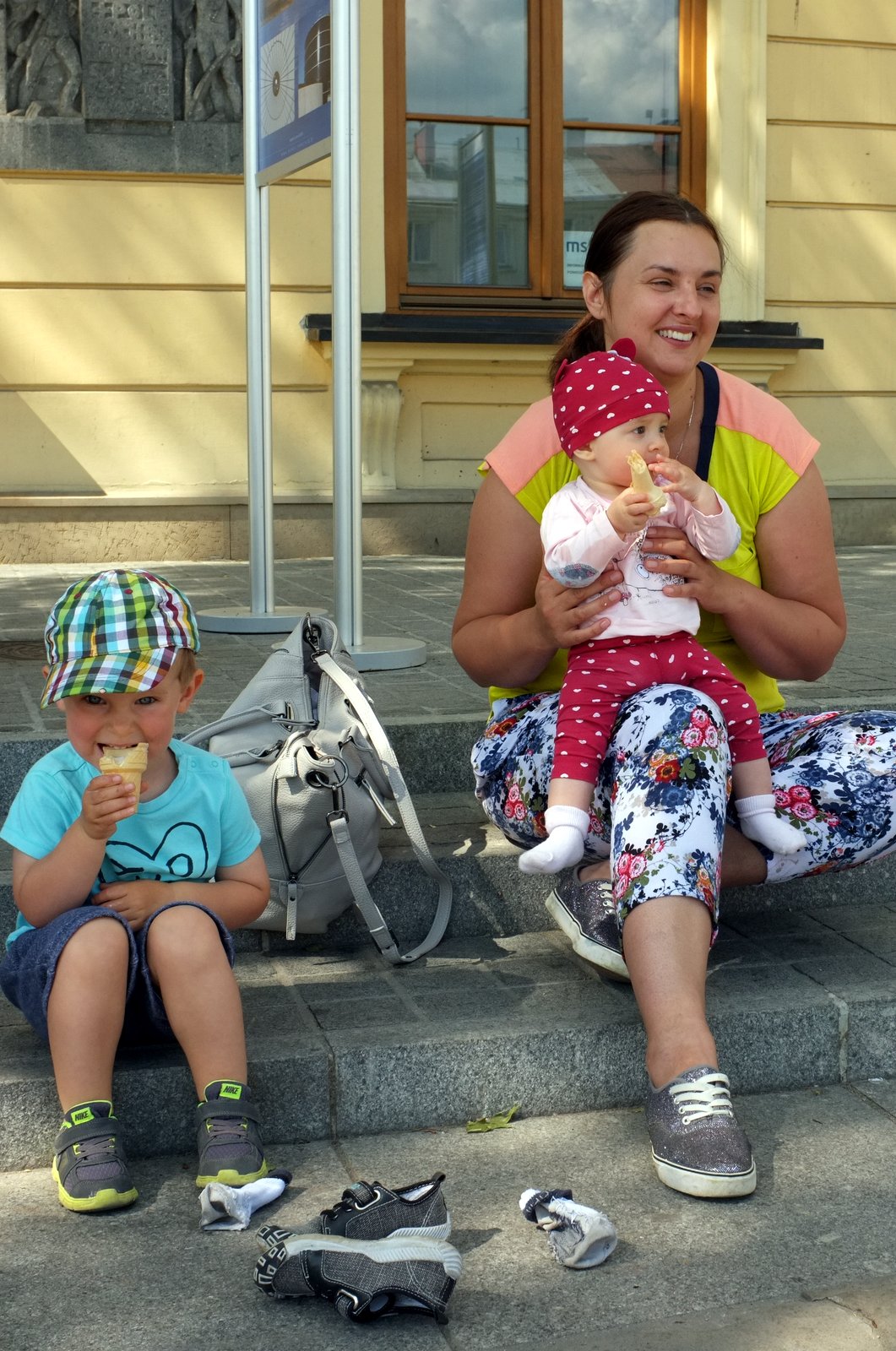
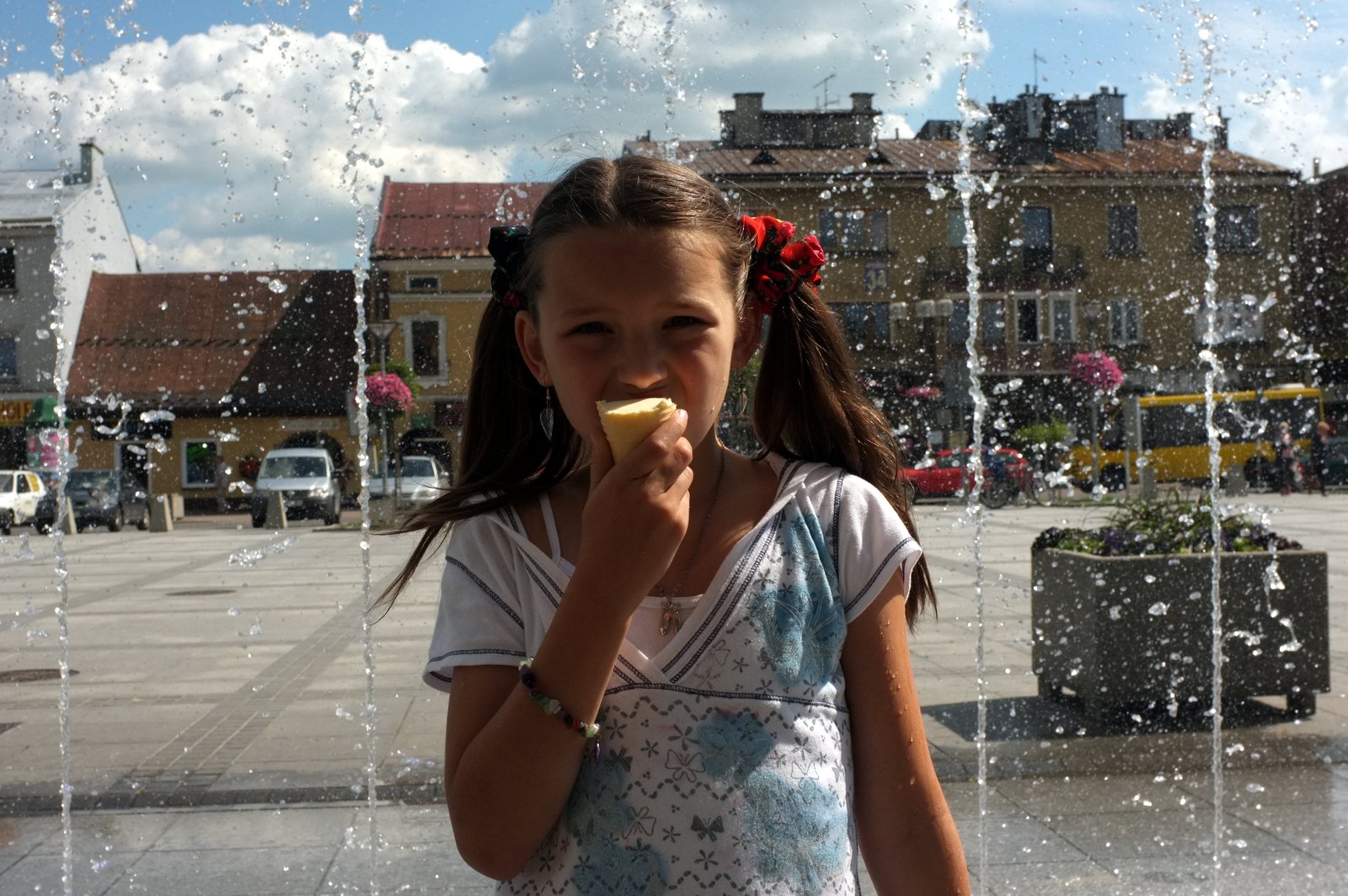
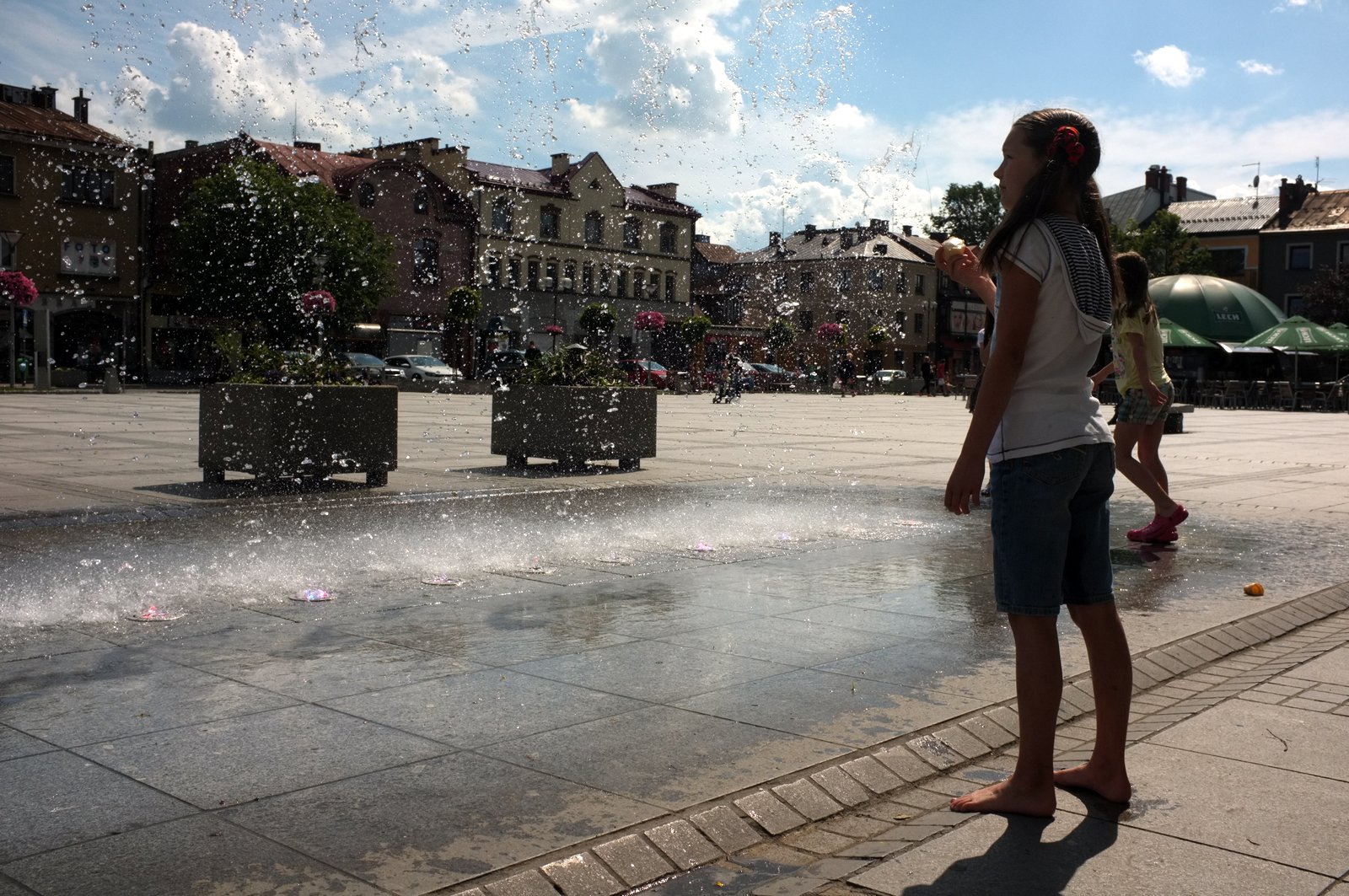
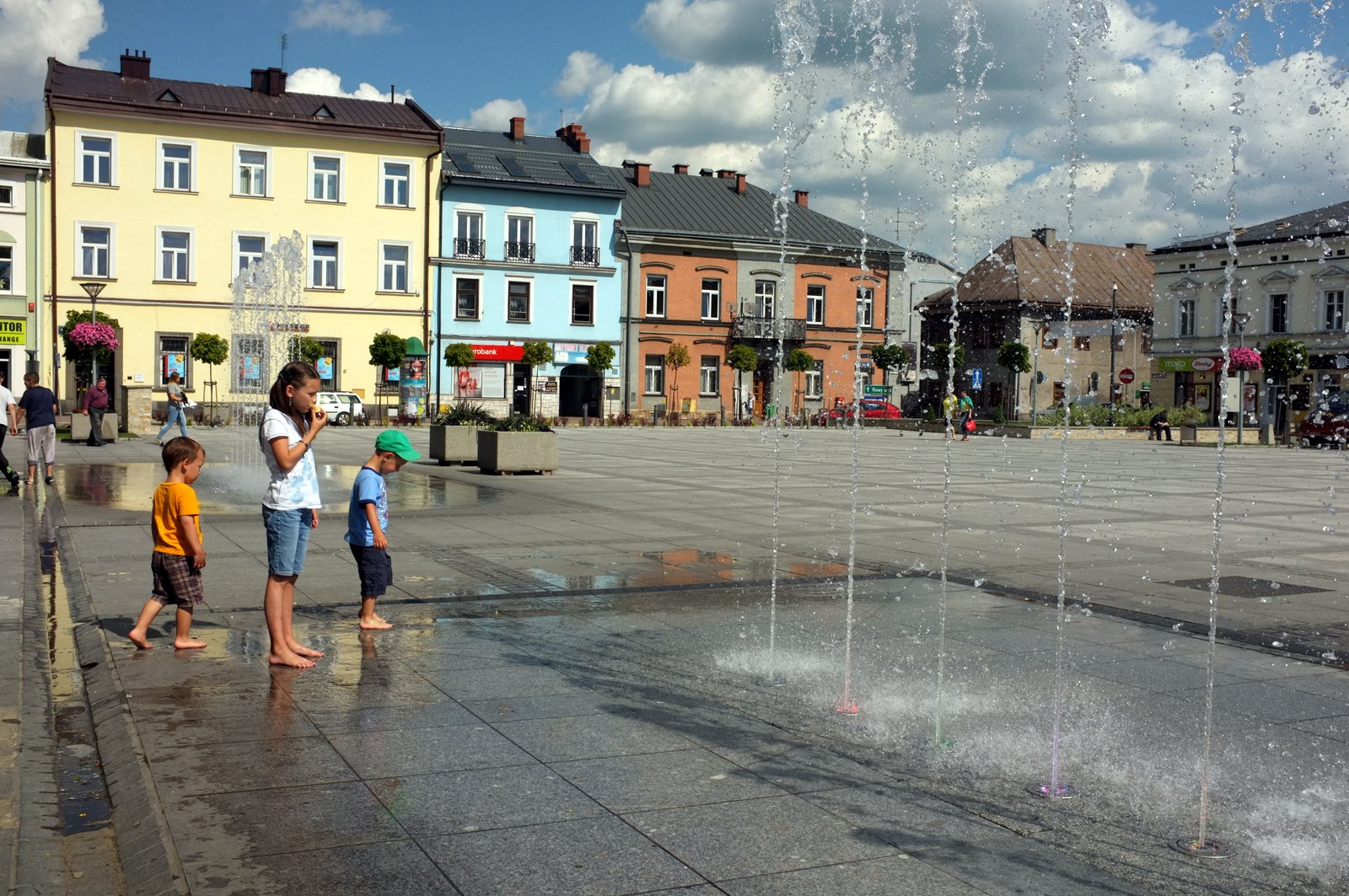
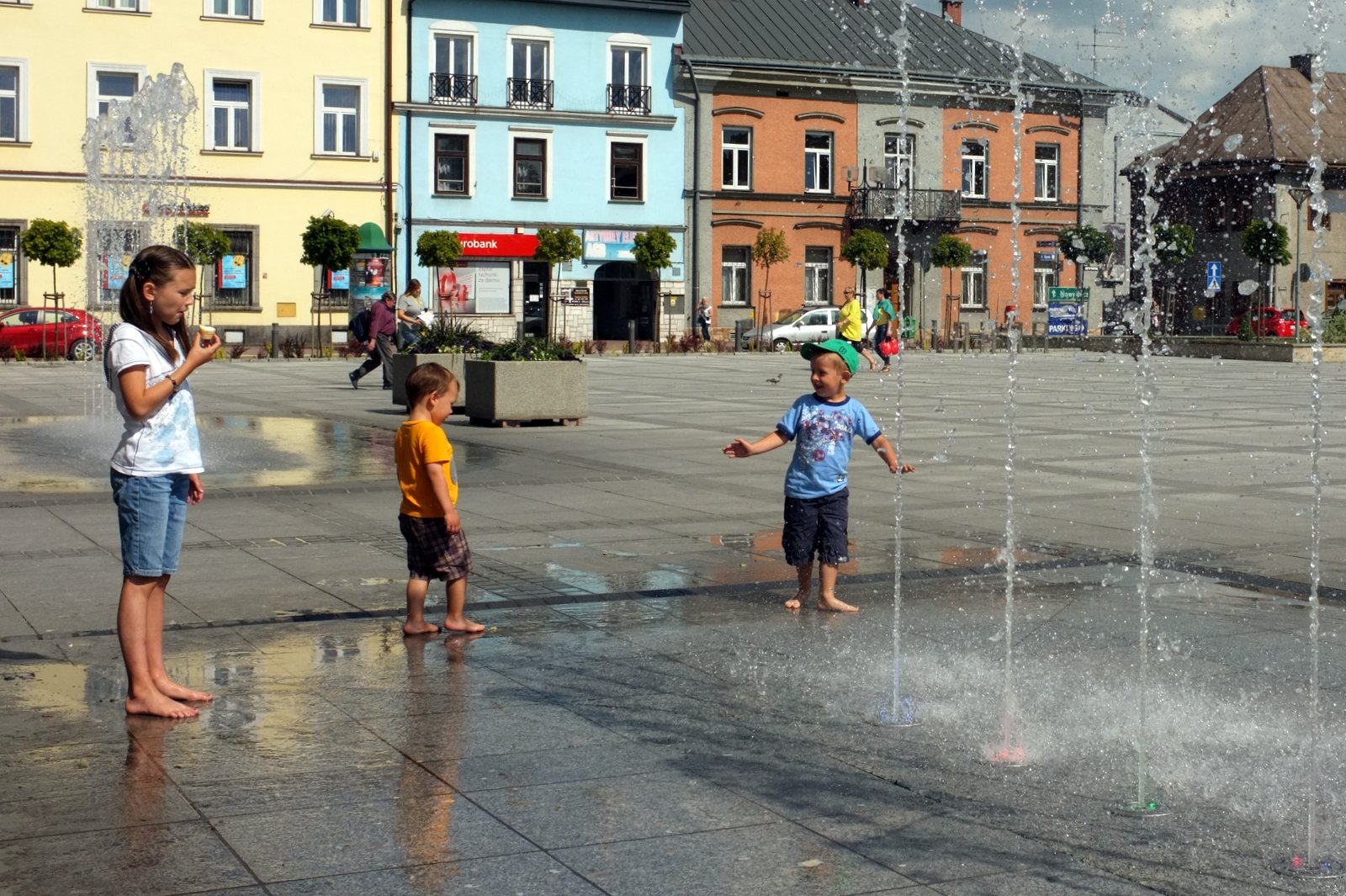
Finally, at the end, familiar faces, familiar location.
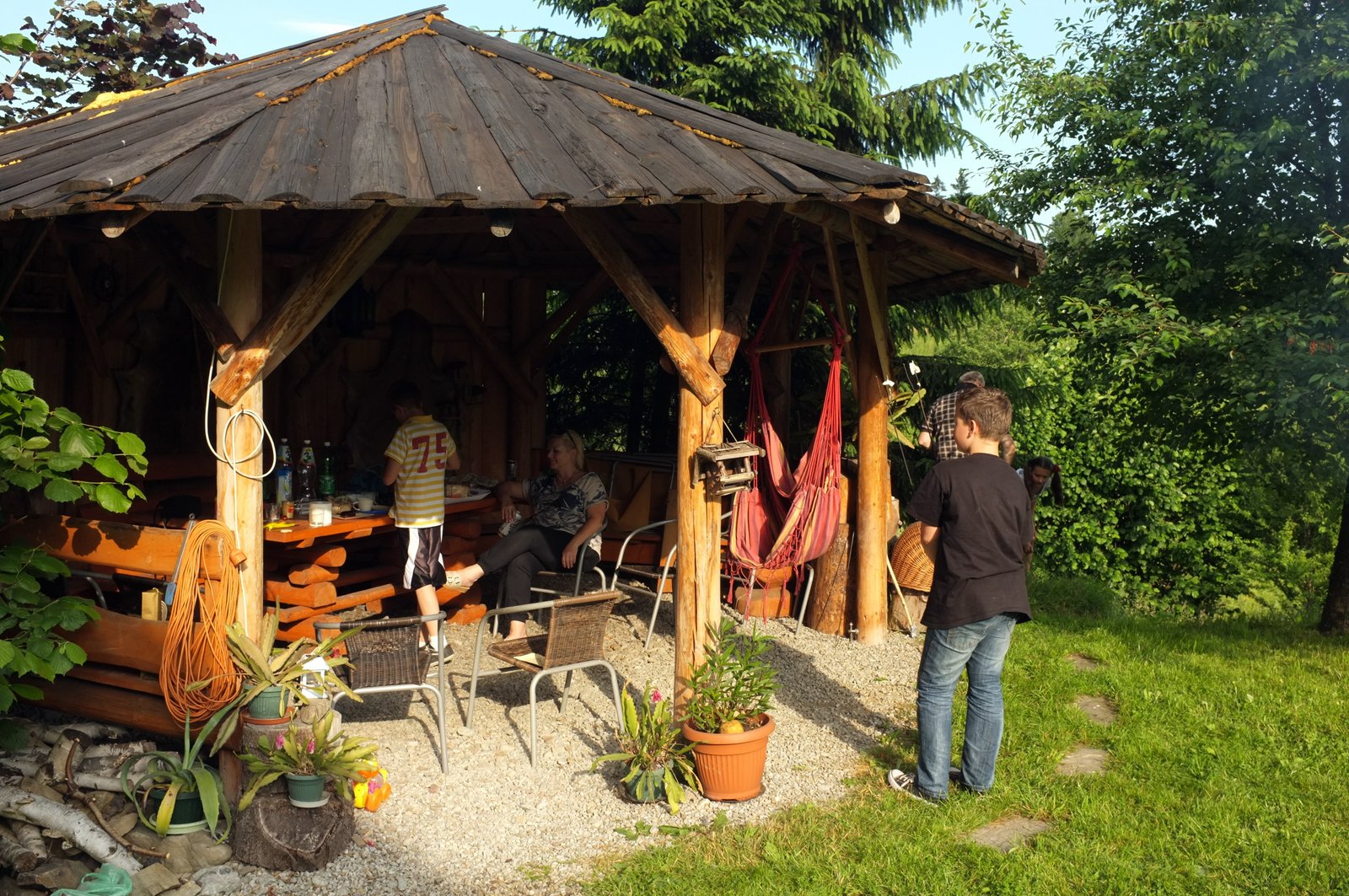
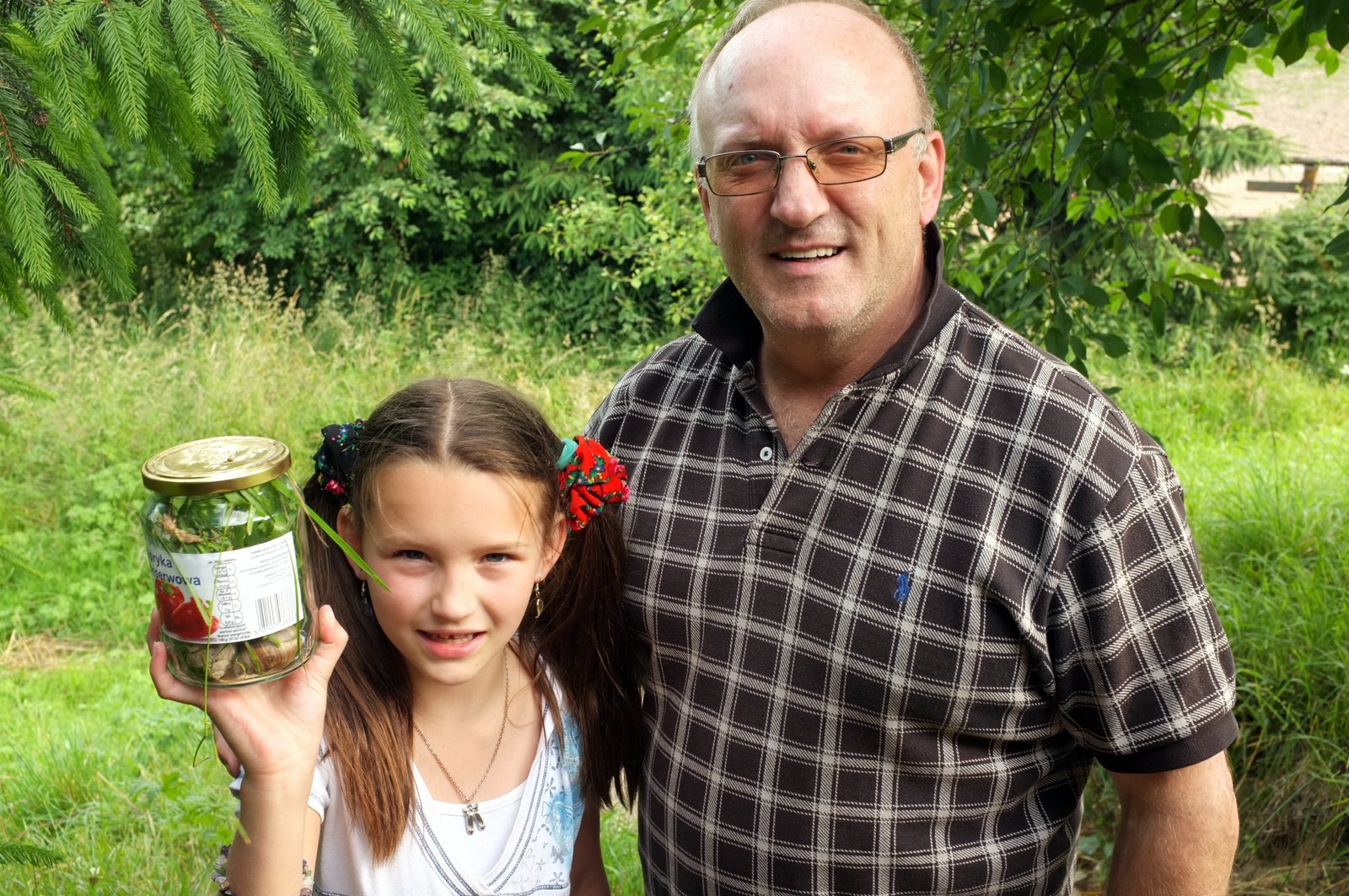
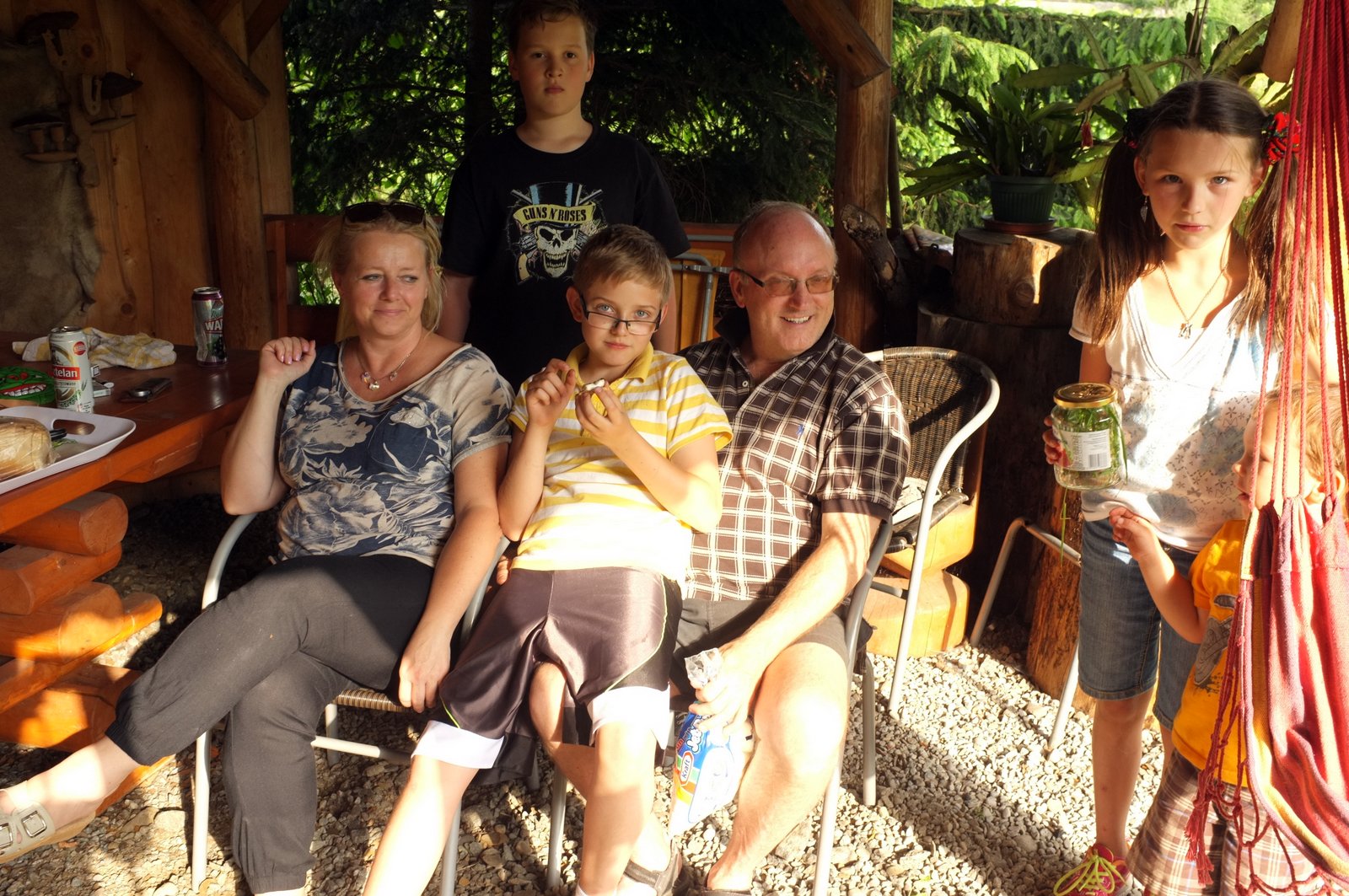
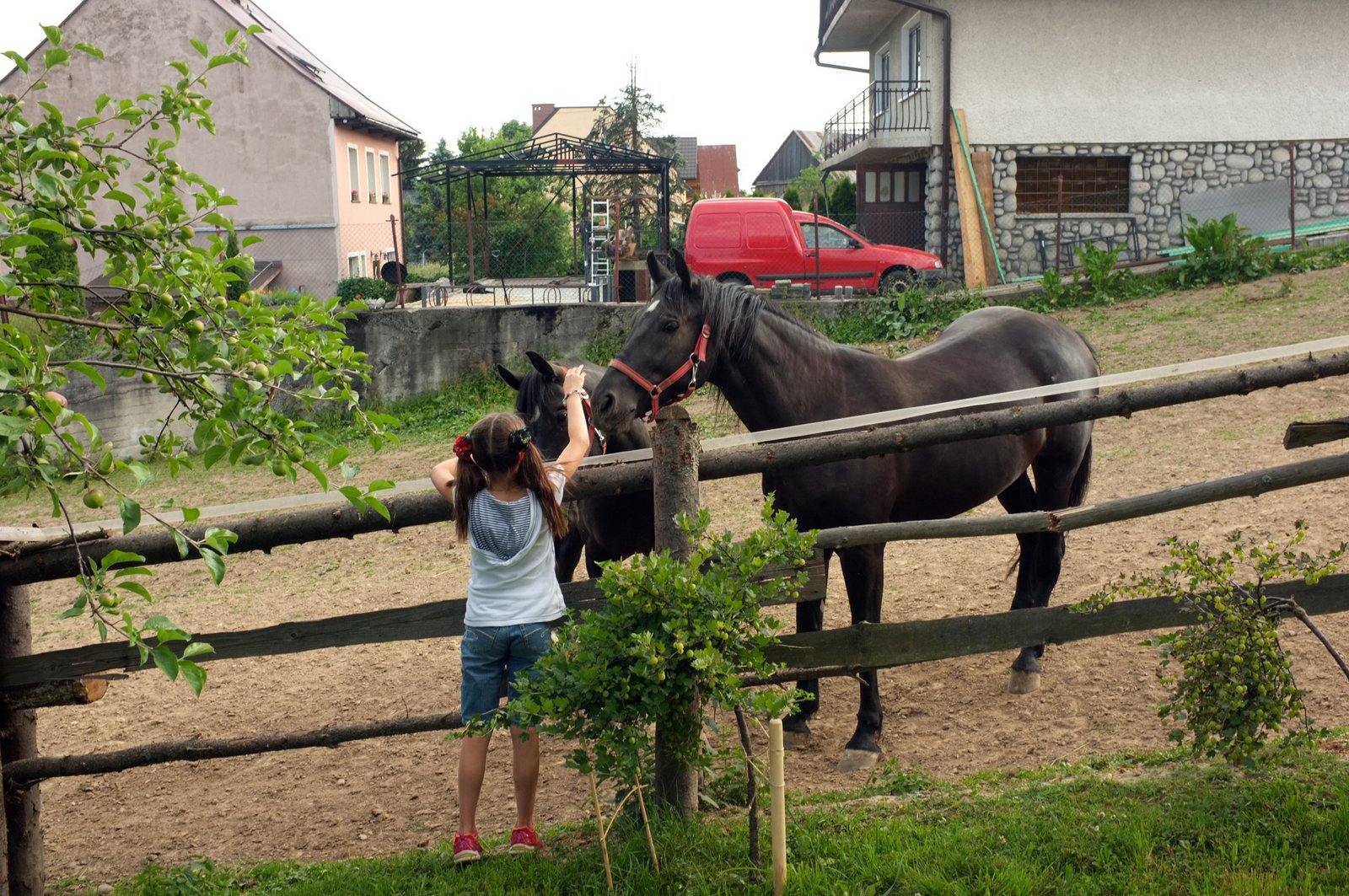
Not having a driver’s license, Babcia is not able to go where she wills when she wills. For the last few days, K has been taking the lead, I believe, more or less deciding on the agenda. Today was Babcia’s day.
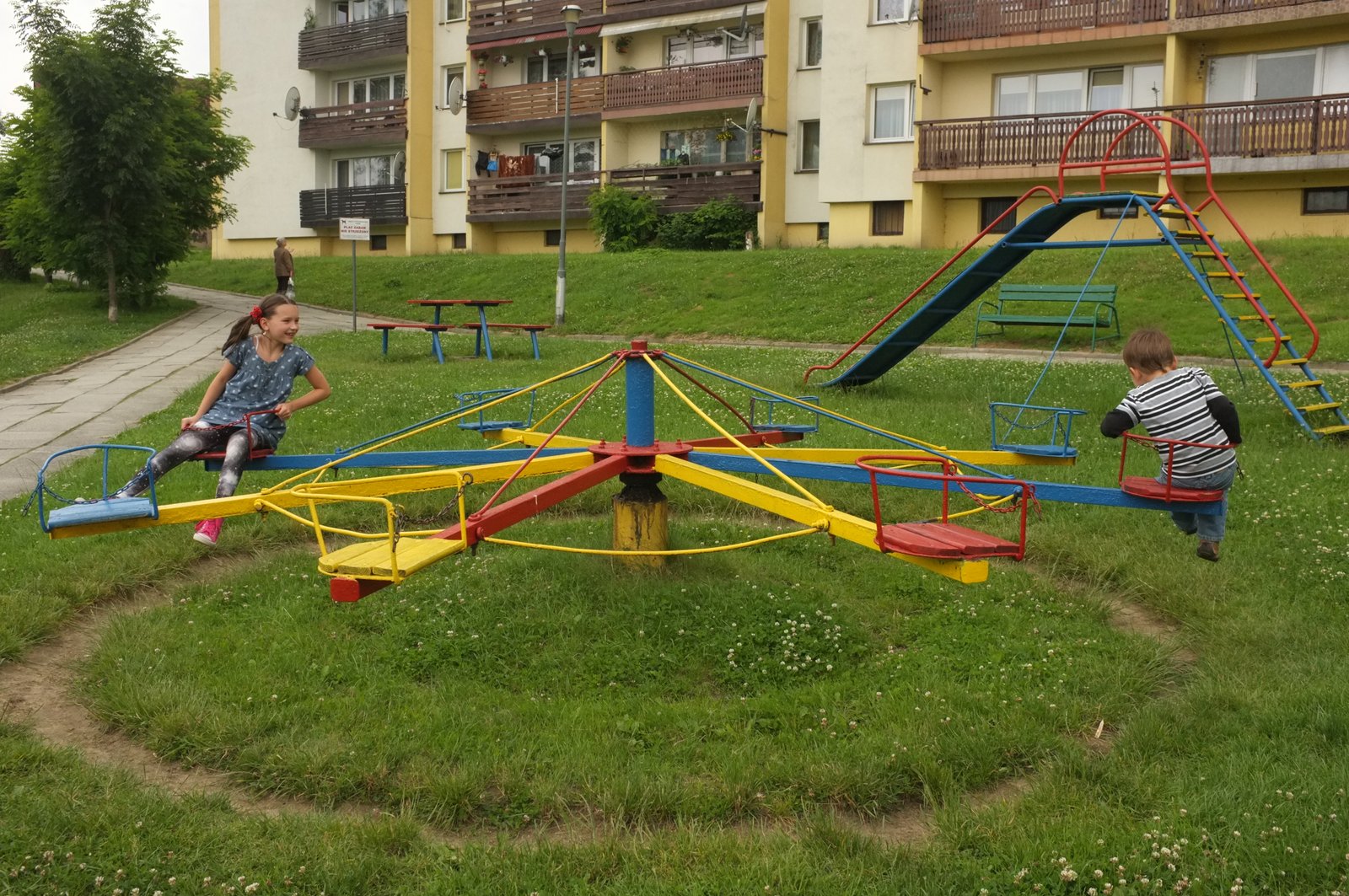
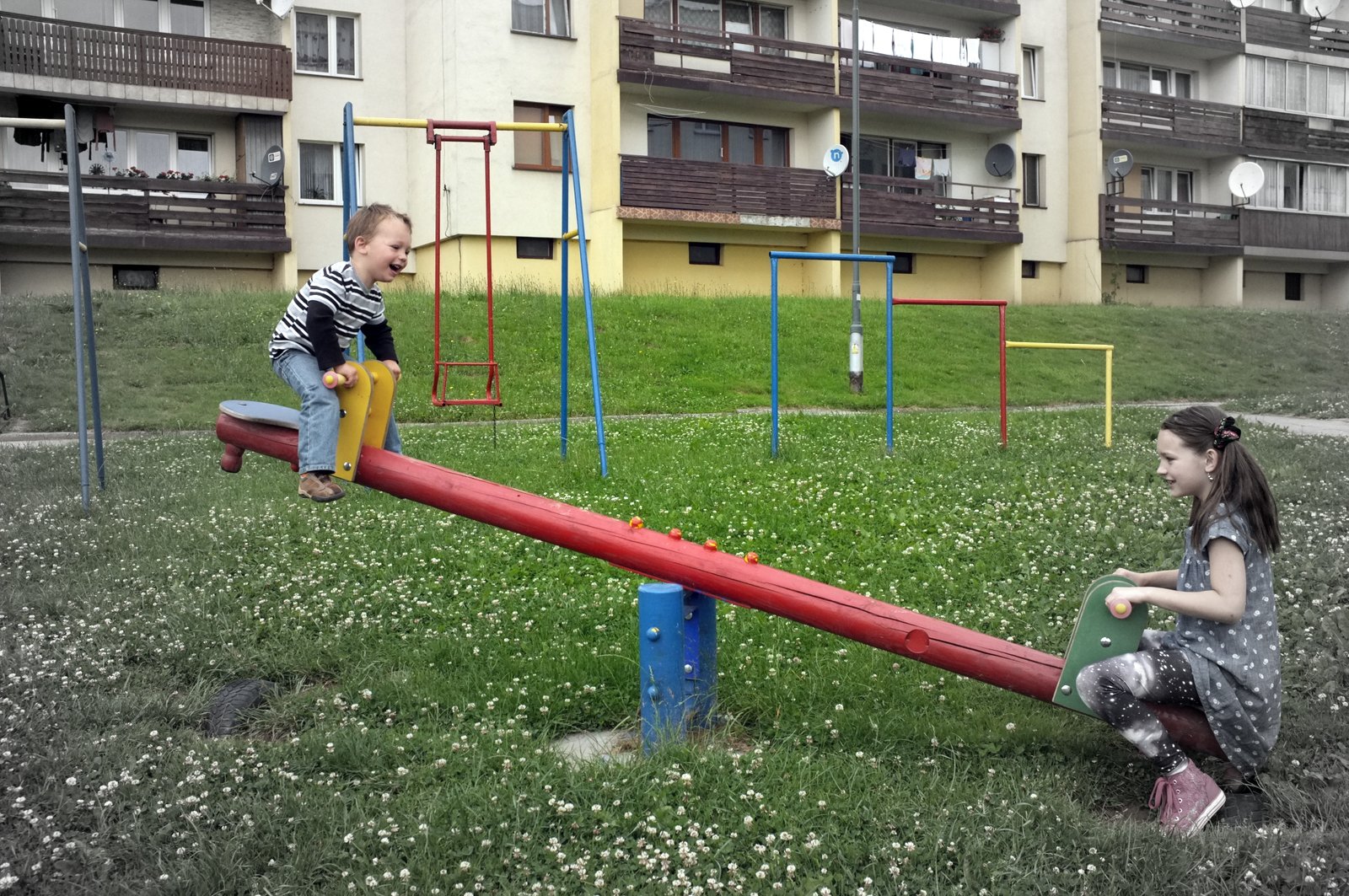
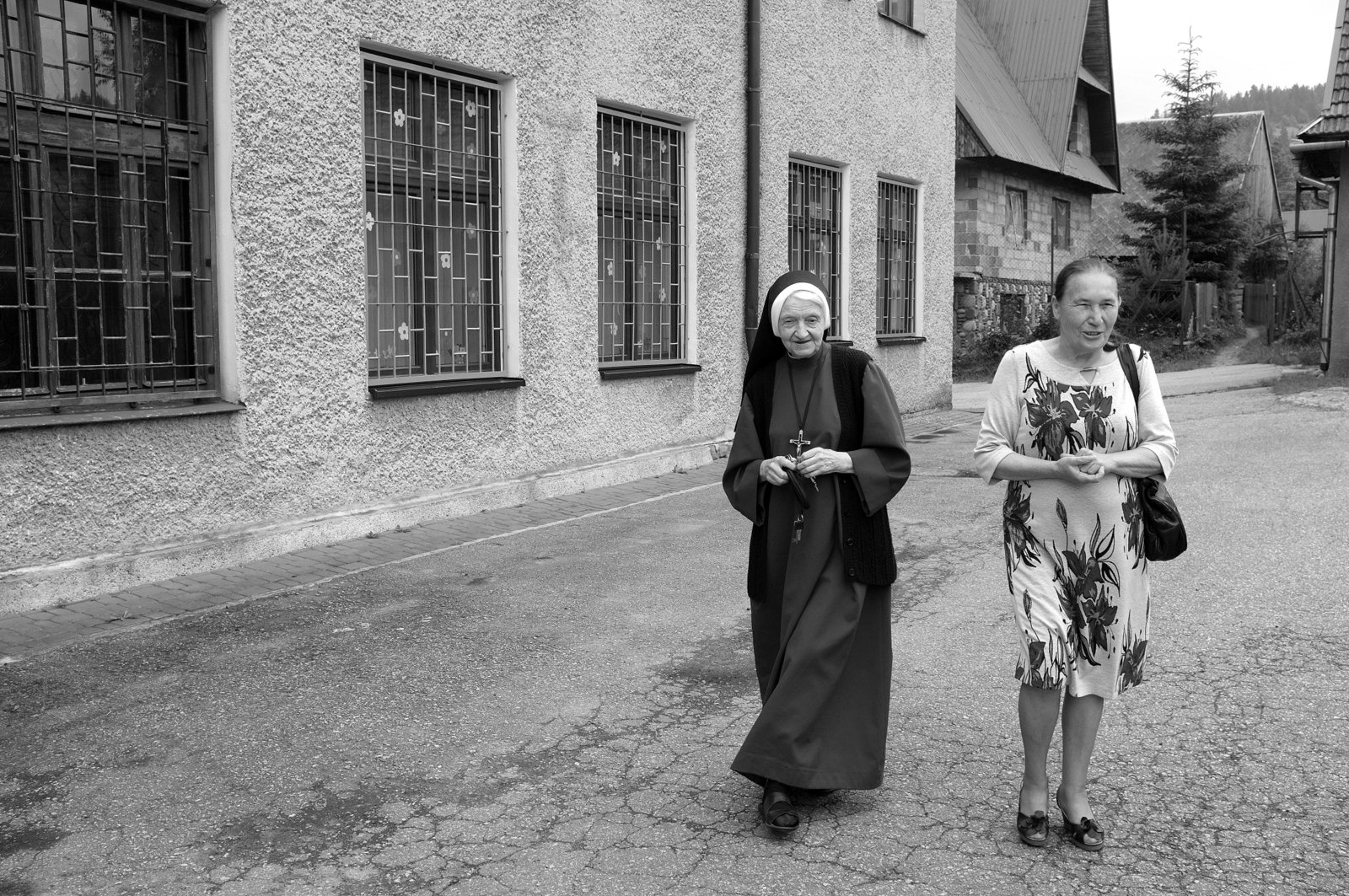
She wanted to visit a friend. Where? I can’t recall, and the area doesn’t really look familiar at all. There’s a restaurant — karczma it would be called — that looks like a place near Spytkowice, but I don’t think Spytkowice has apartment blocks like that.
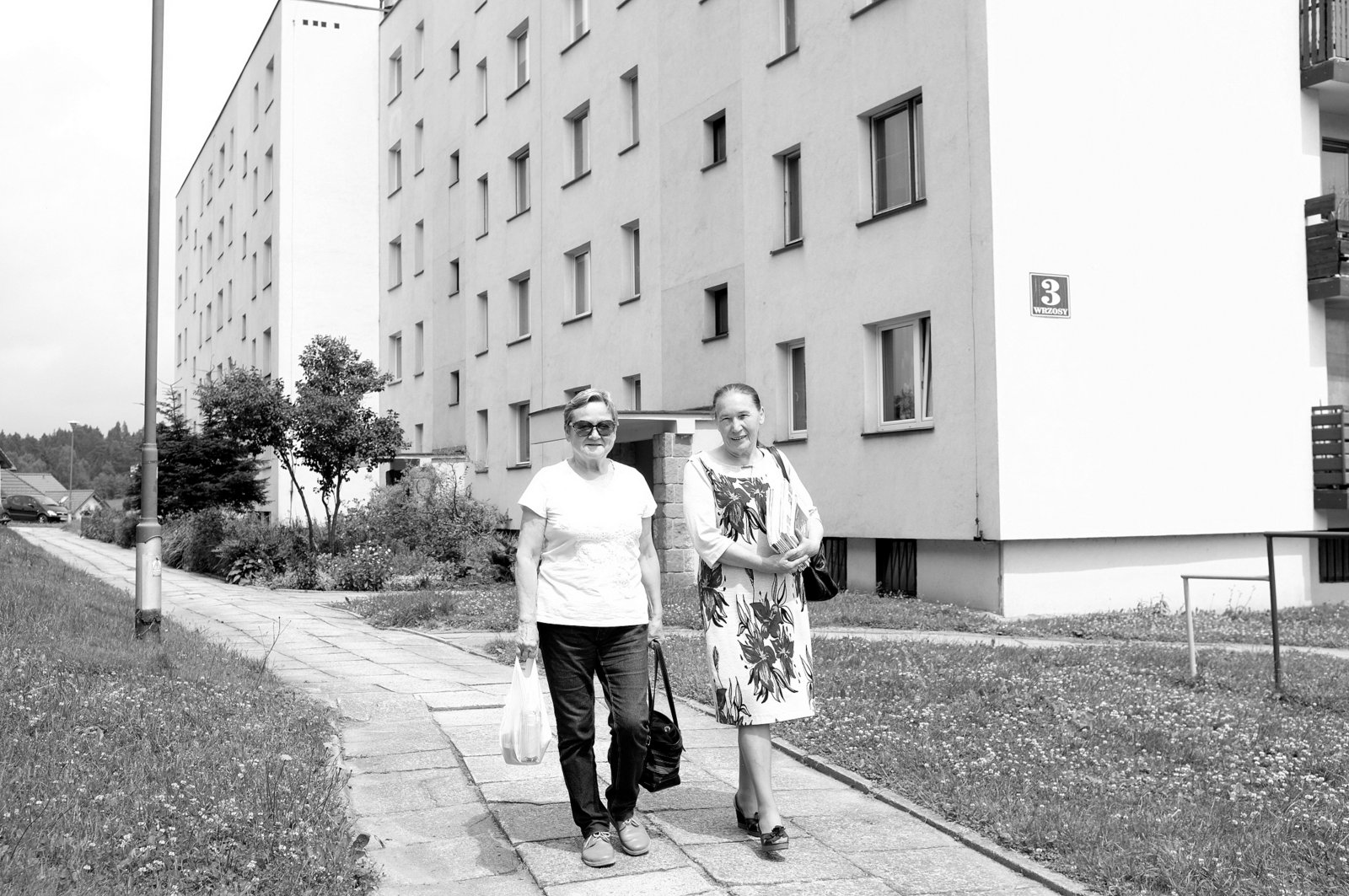
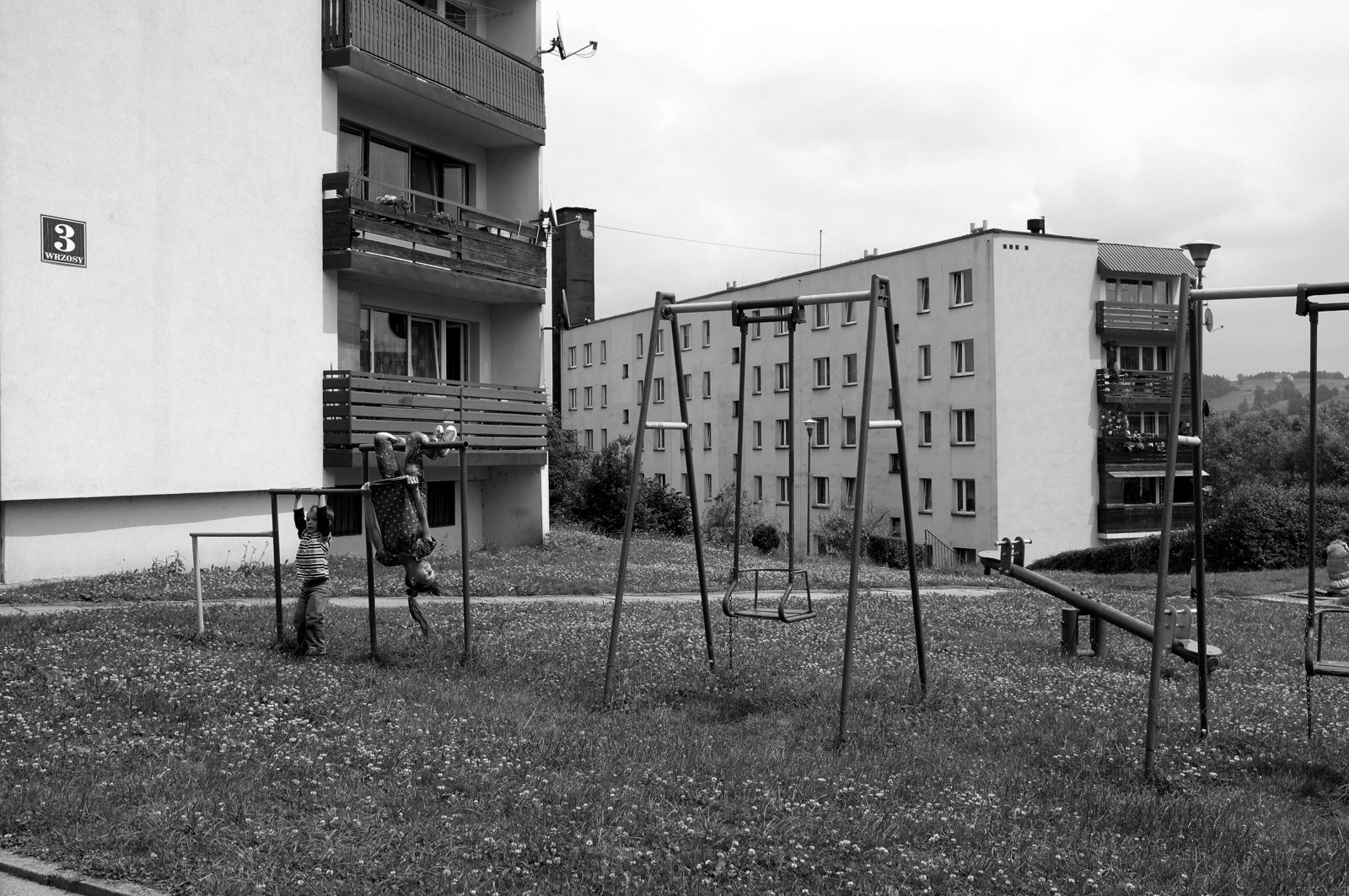
So odd to be looking at your own family’s pictures but not really knowing much more than a stranger at times.
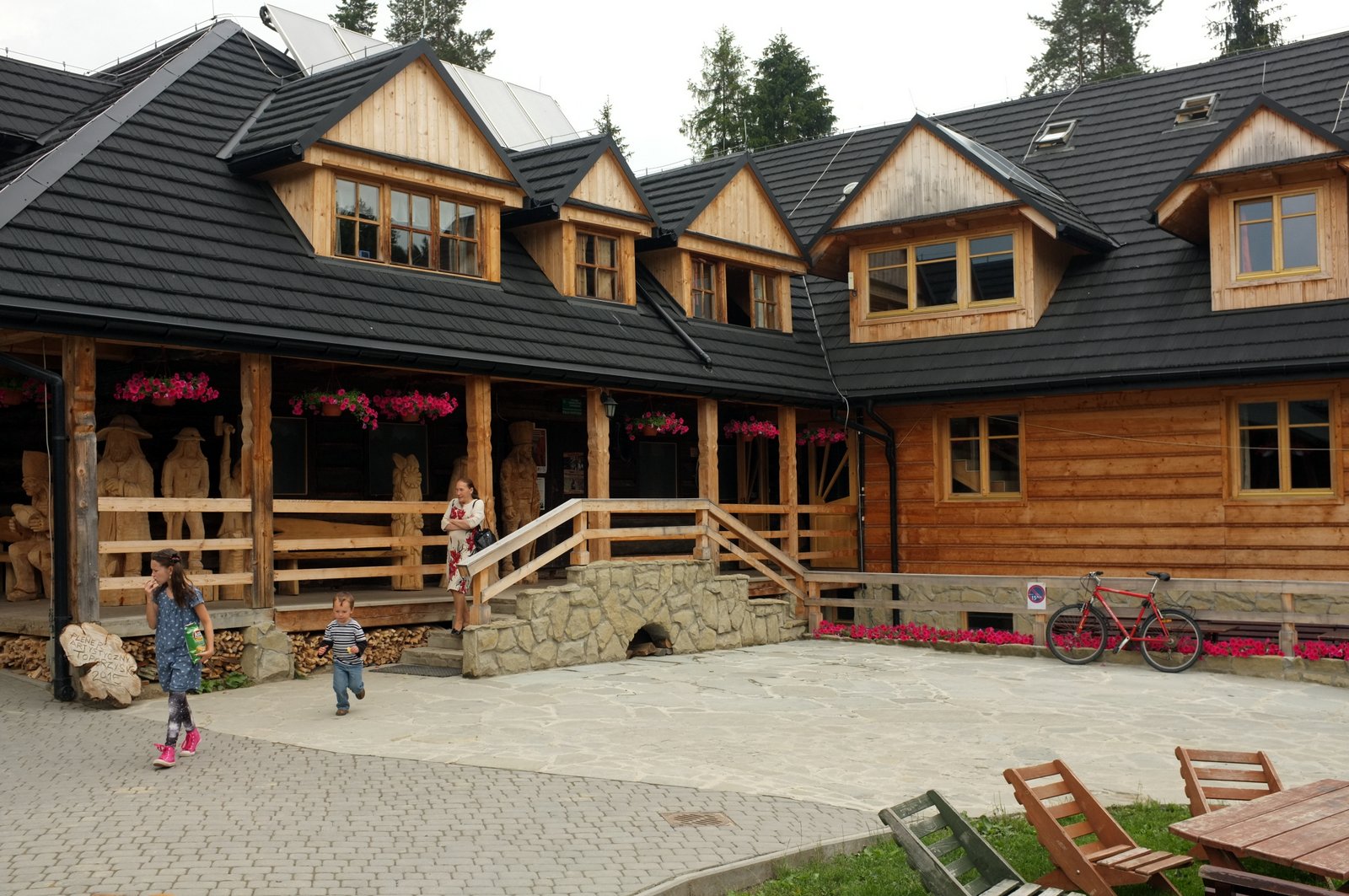
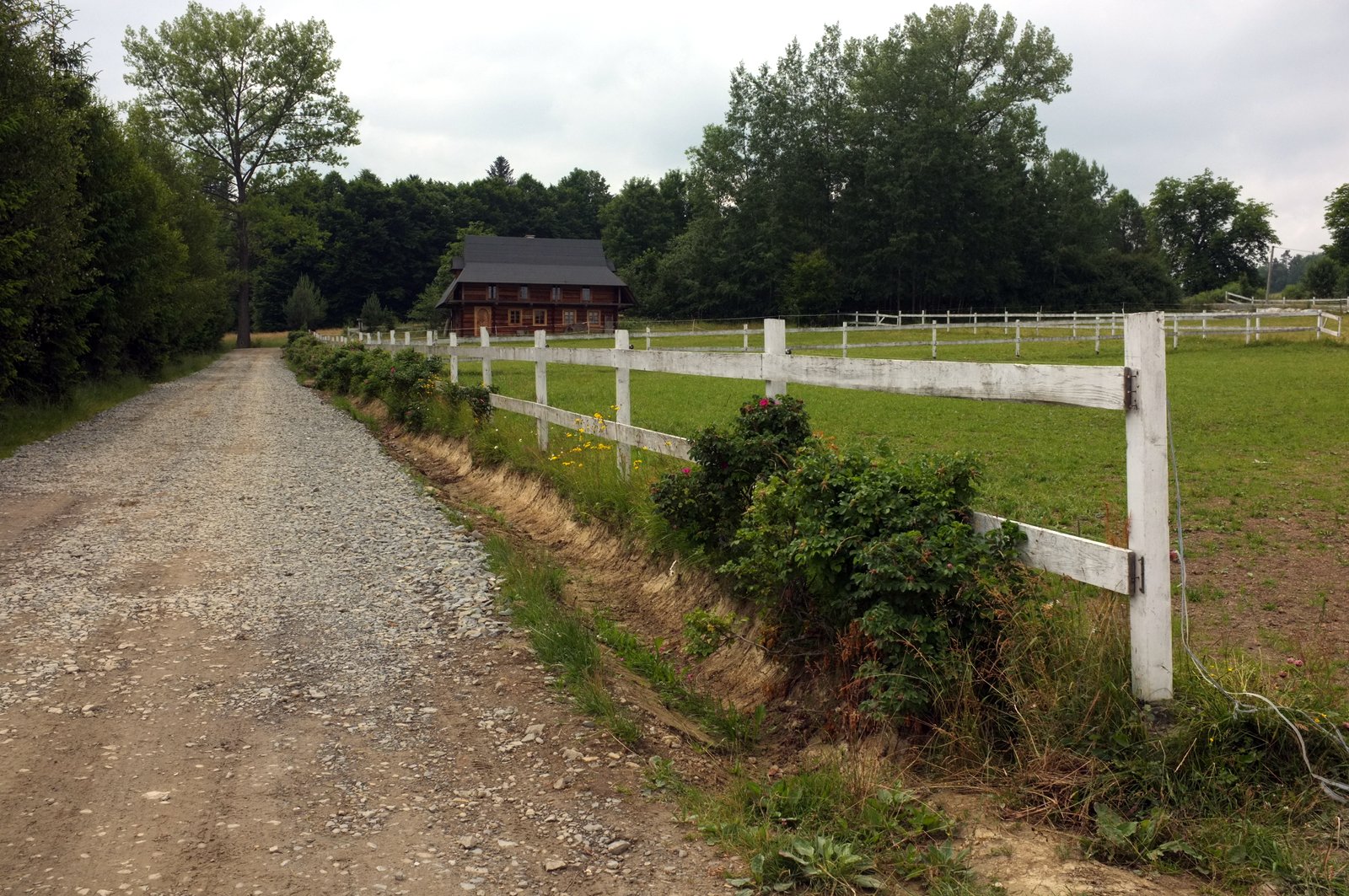
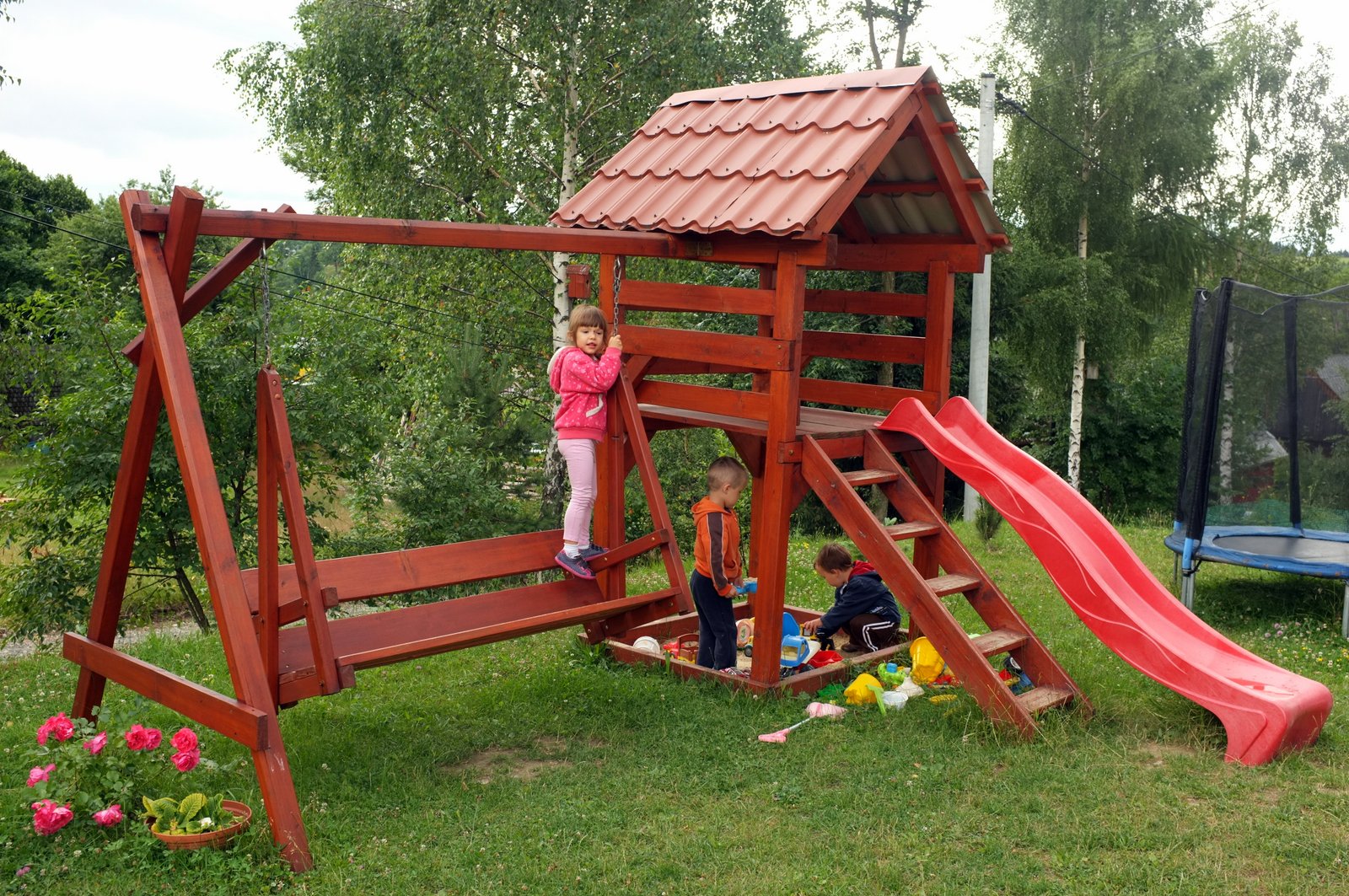
Playgrounds don’t tell you much, but the architecture of the wooden buildings shows that it’s still in the general area K grew up, still in the mountains.
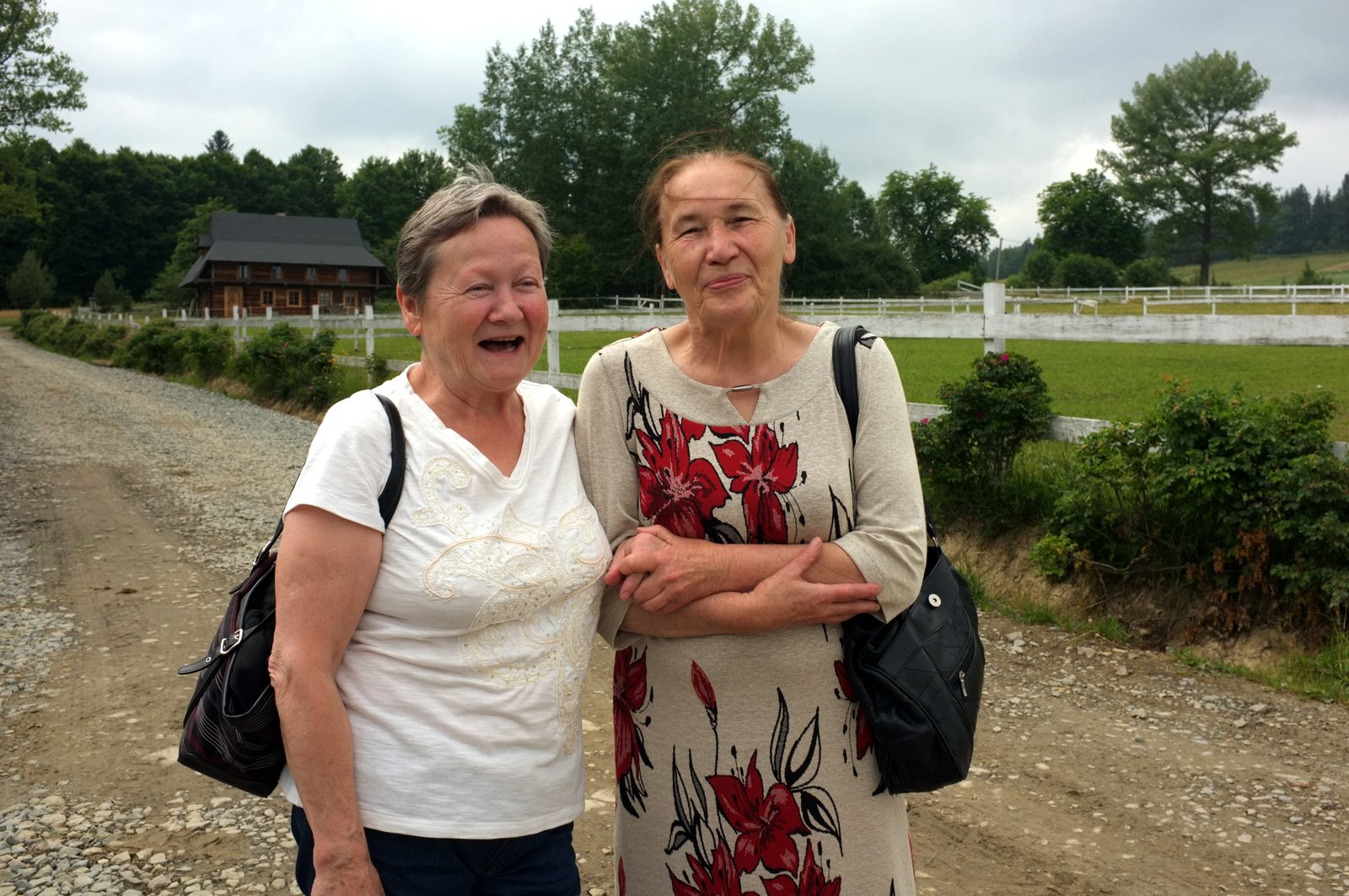
Perhaps you should ask K.