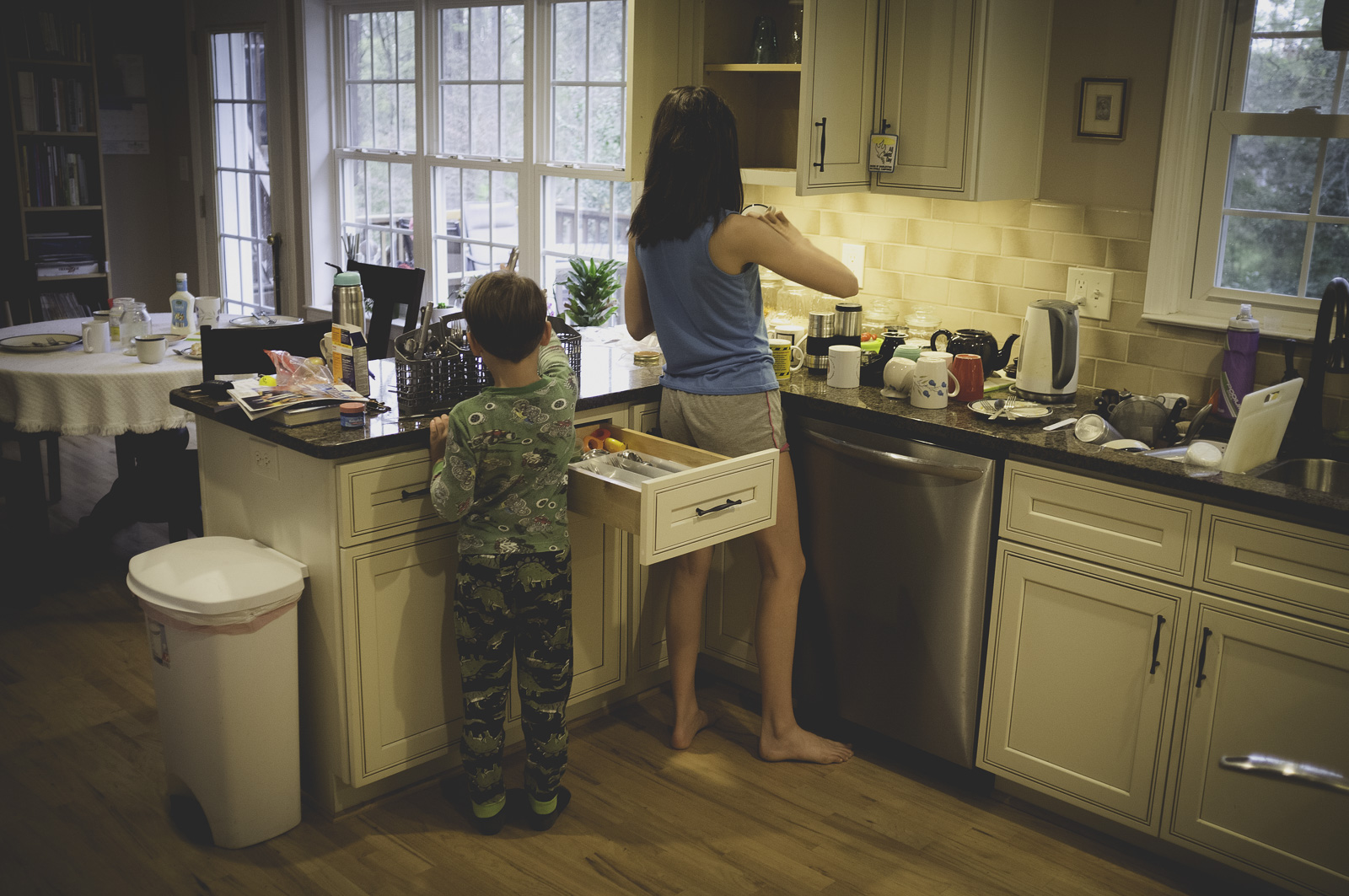
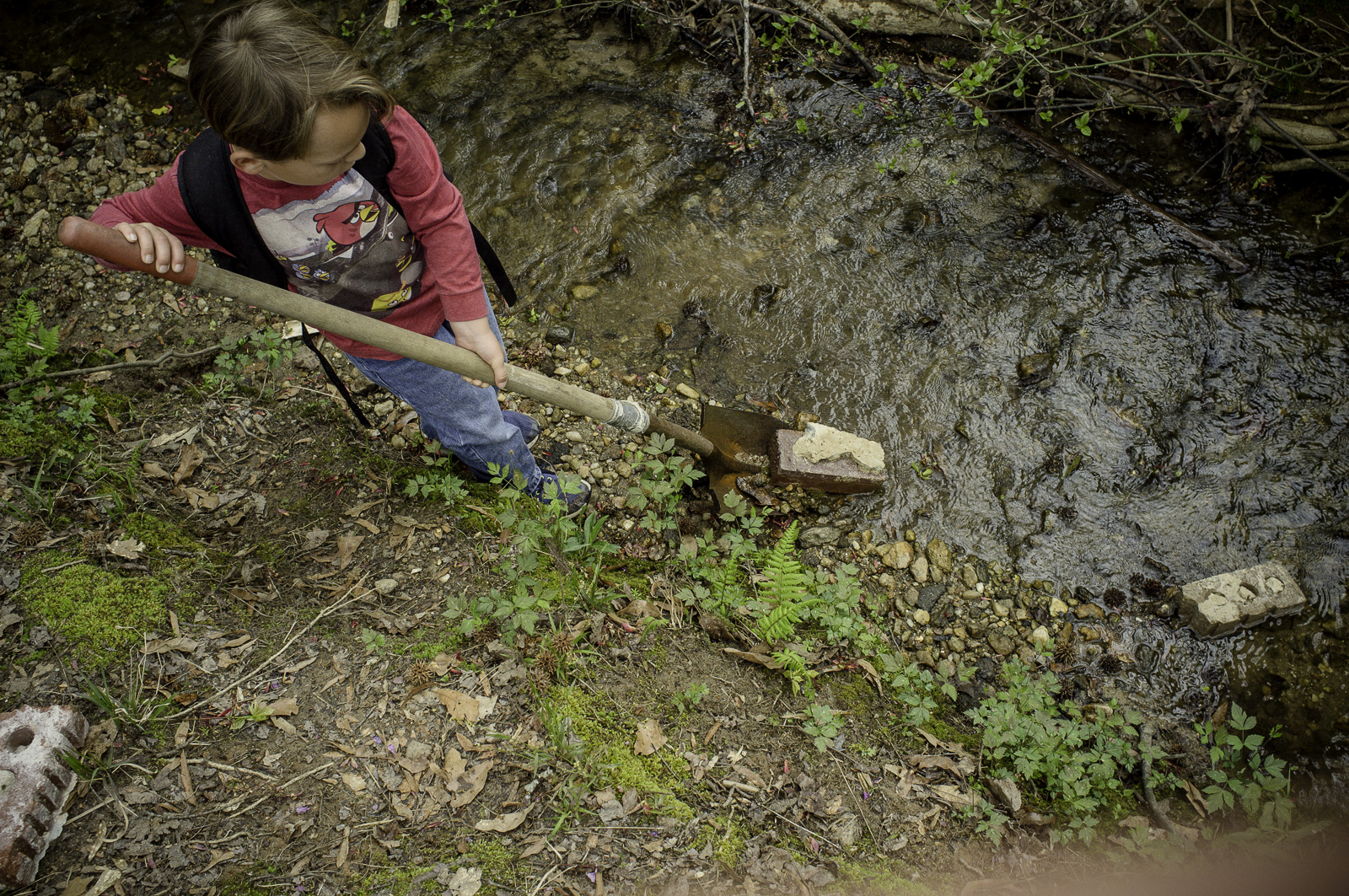
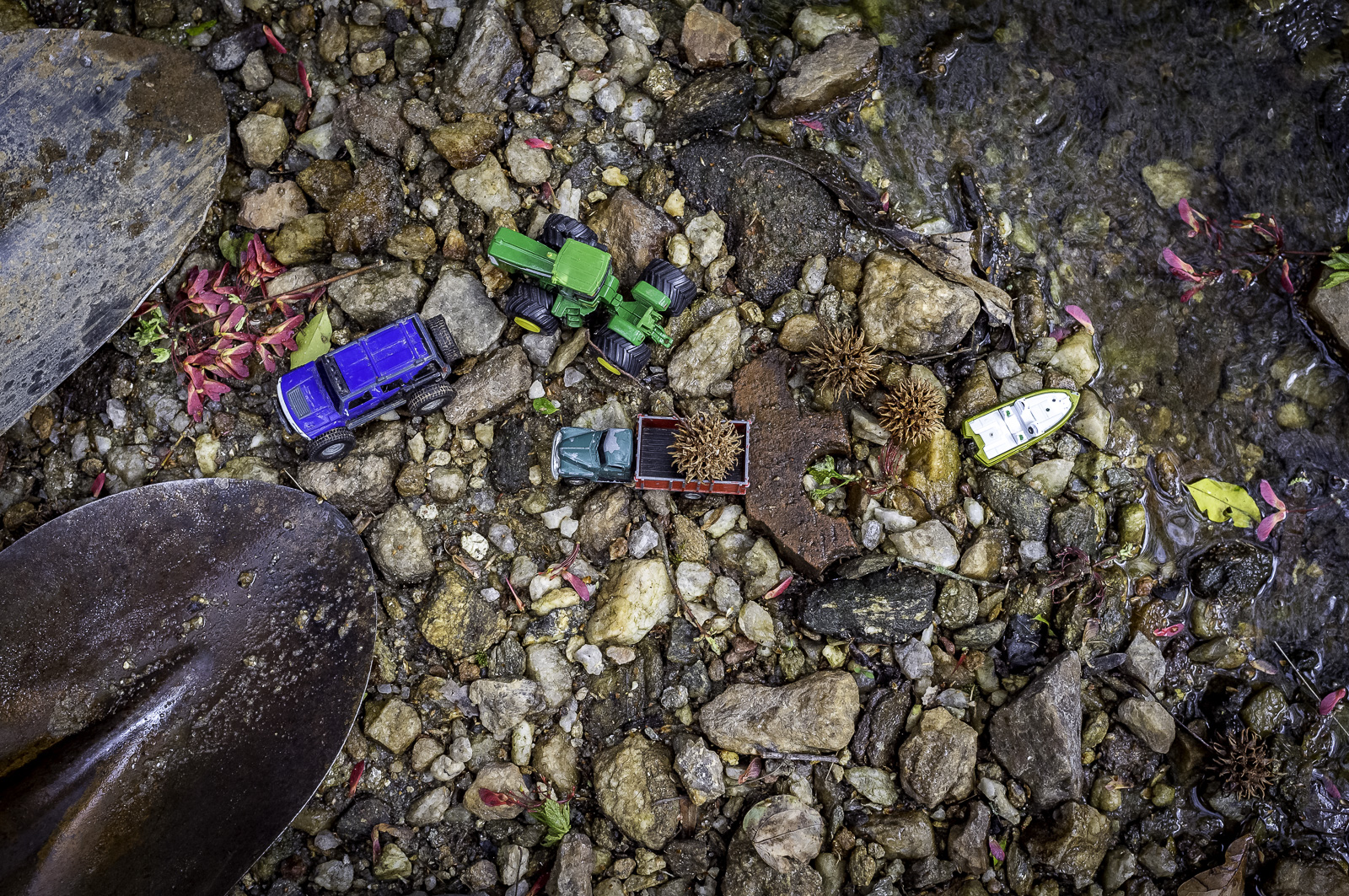
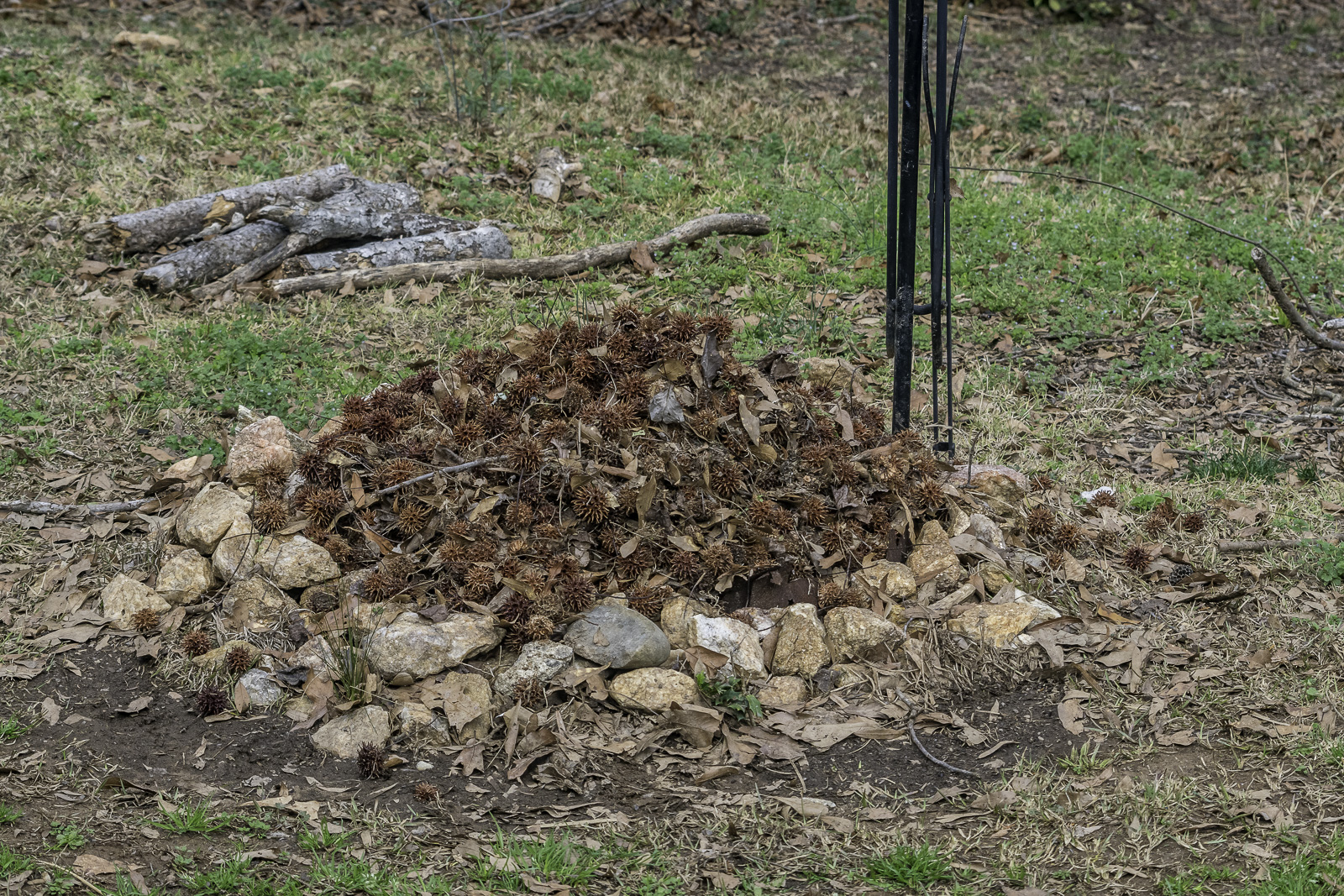
The first day of spring work — outside collecting hundreds of Sweet Gum seed pods to prevent potentially thousands of saplings, mowing, cleaning.
Dinner at Nana’s and Papa’s, preceded by some exploring.
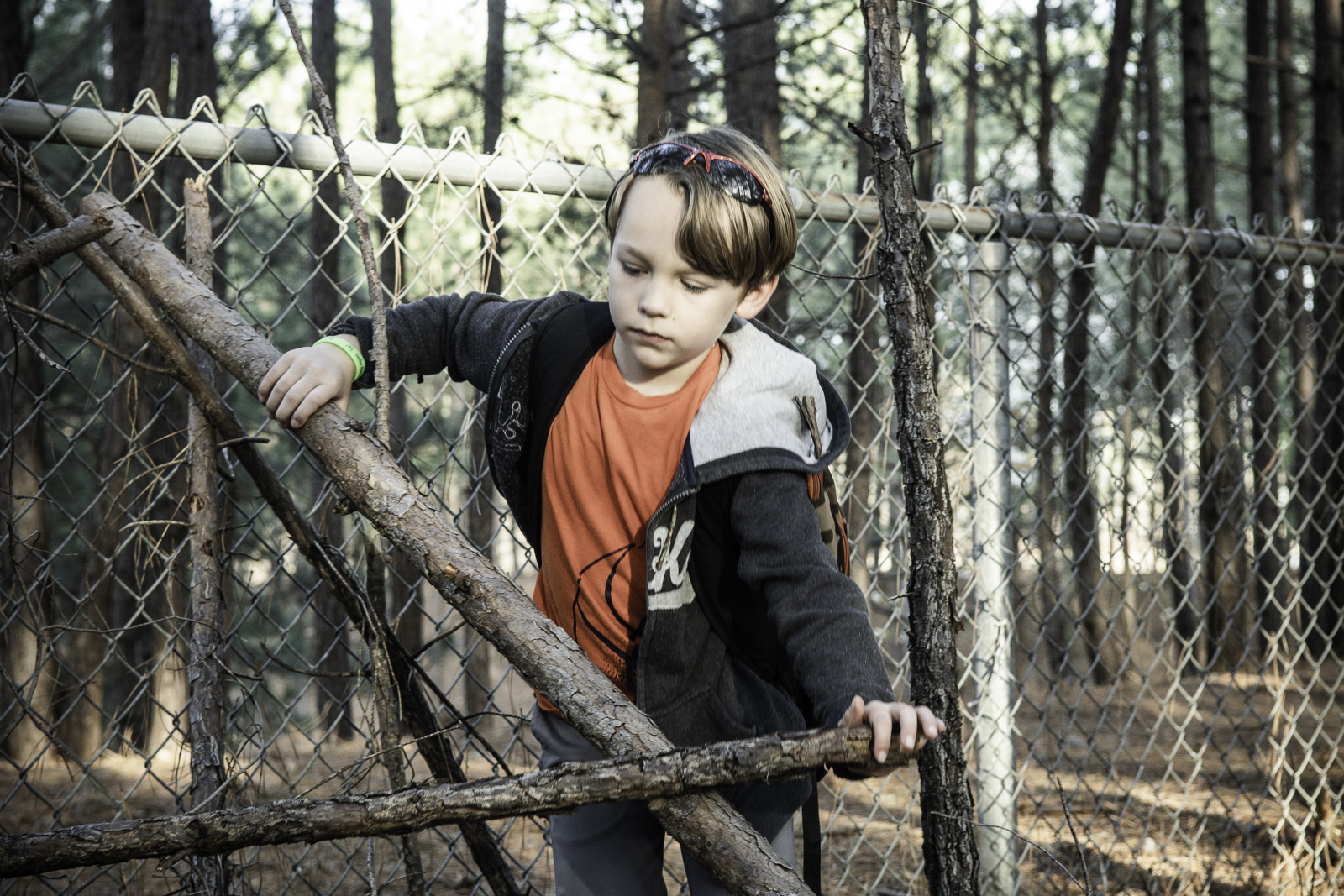
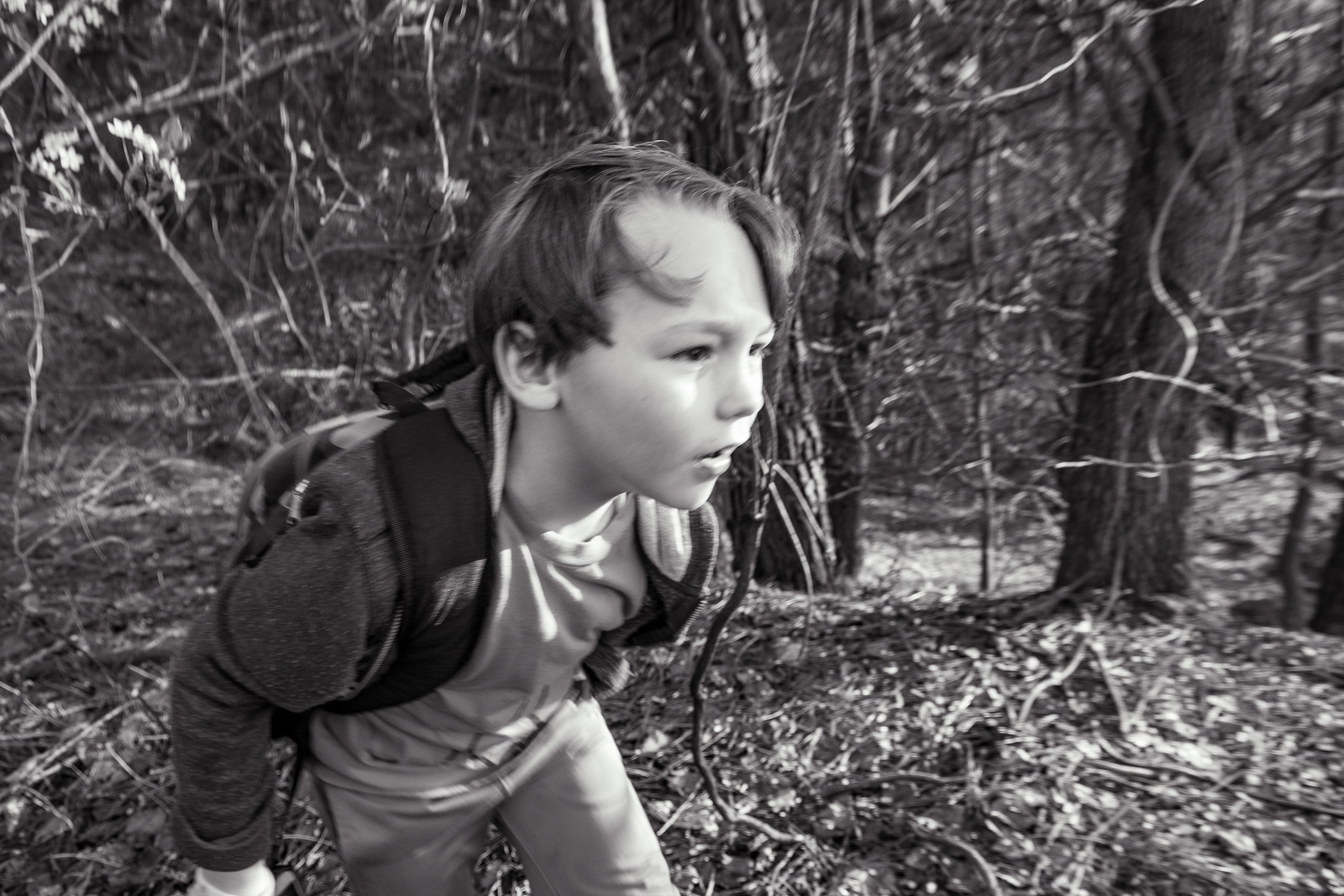
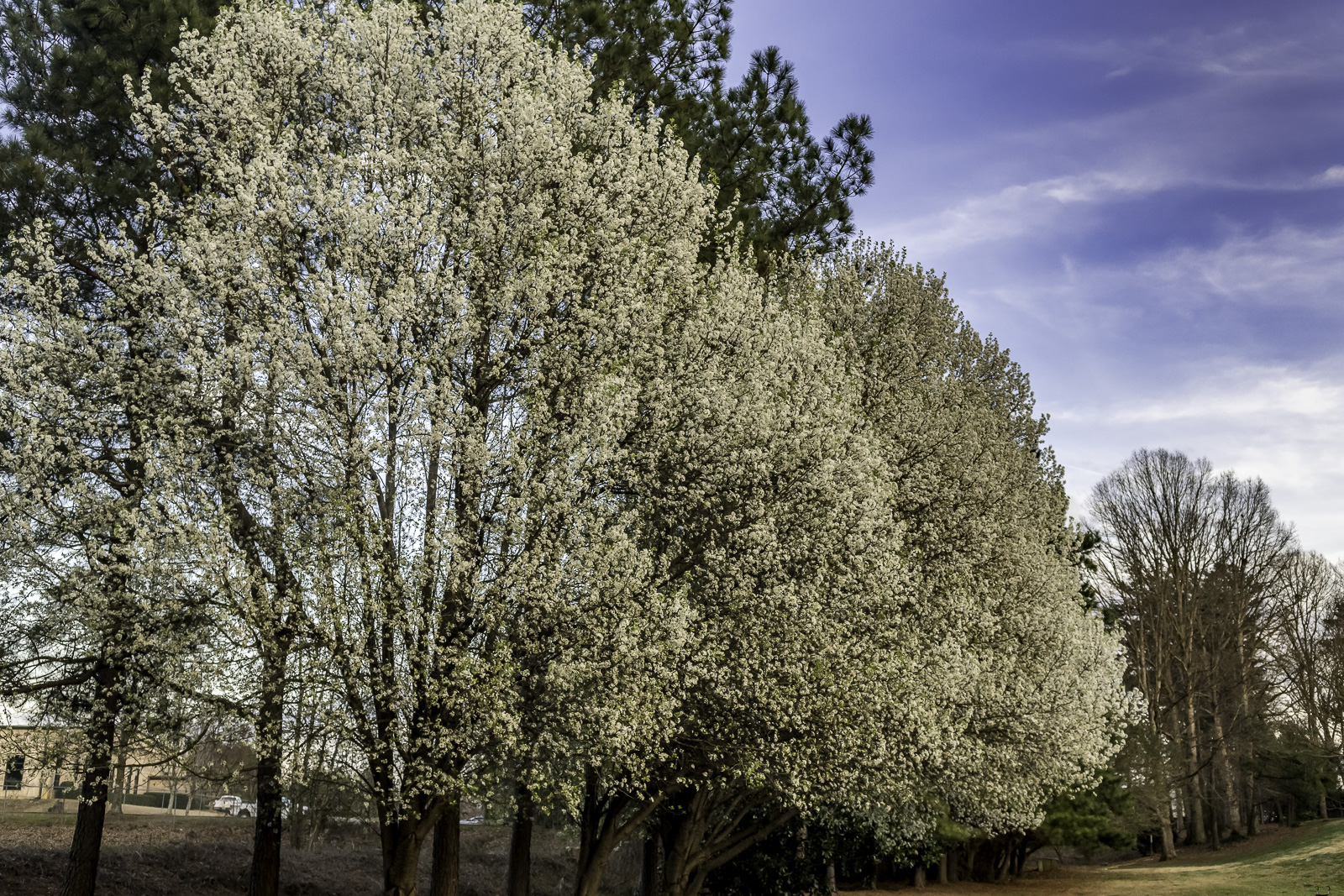
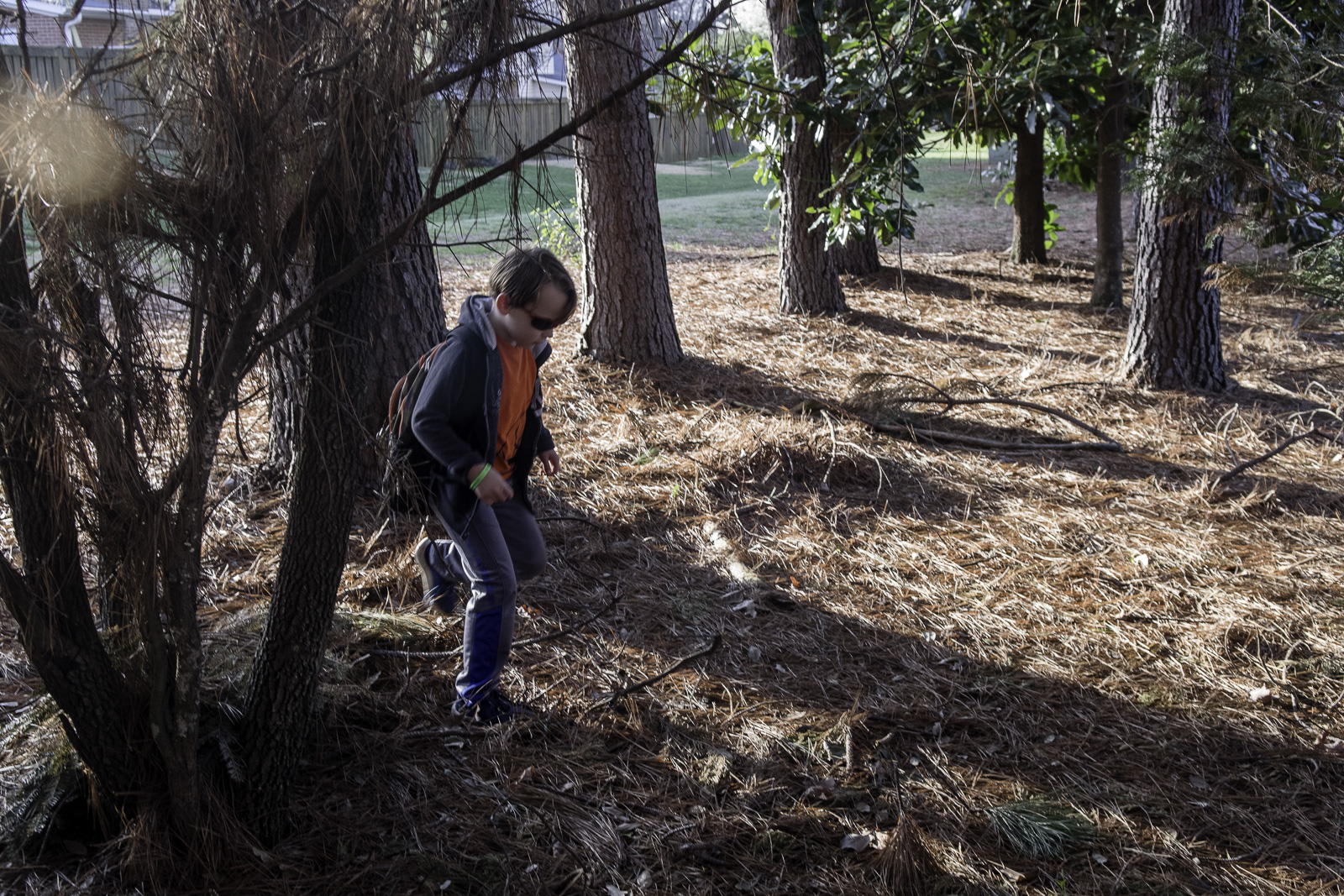
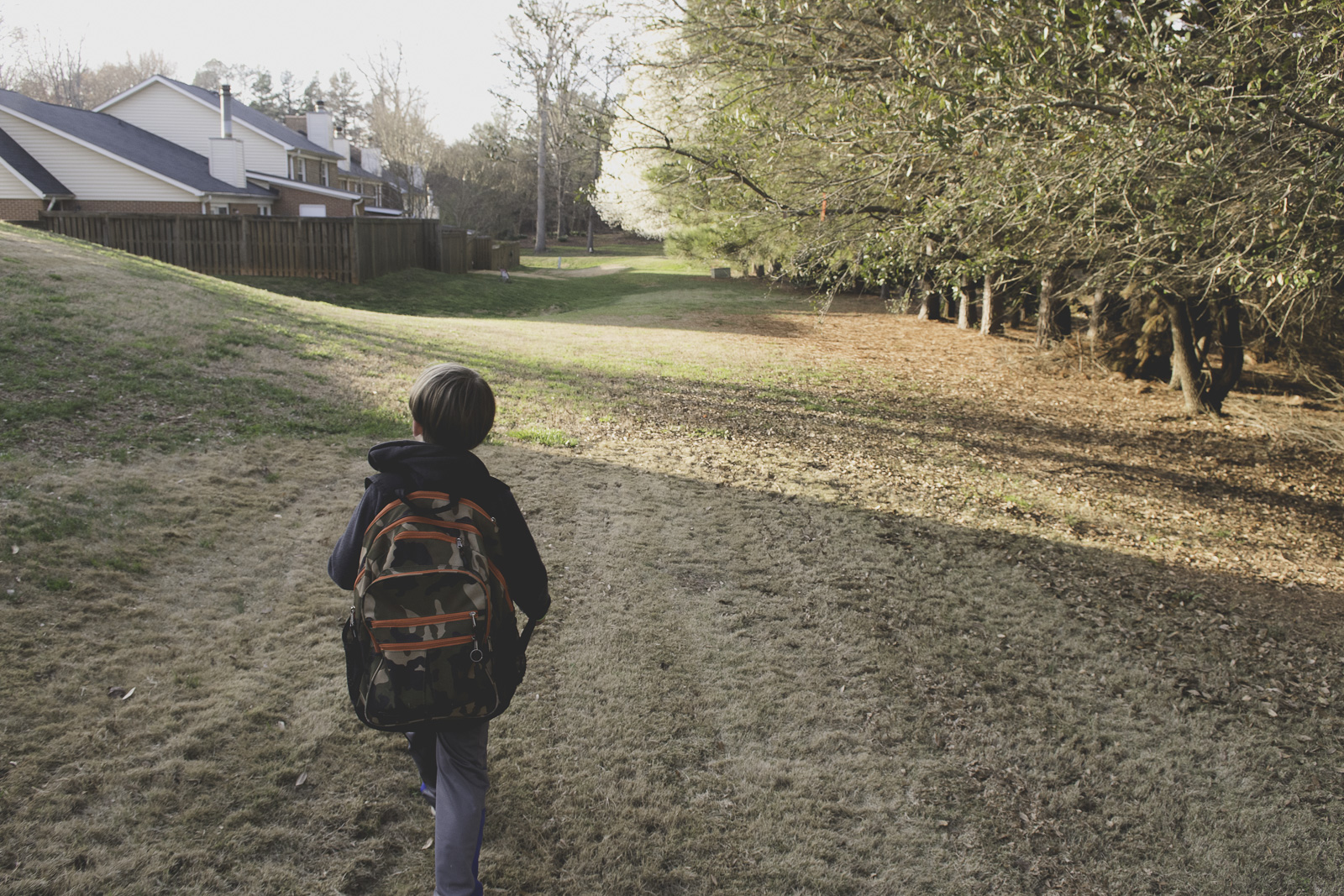

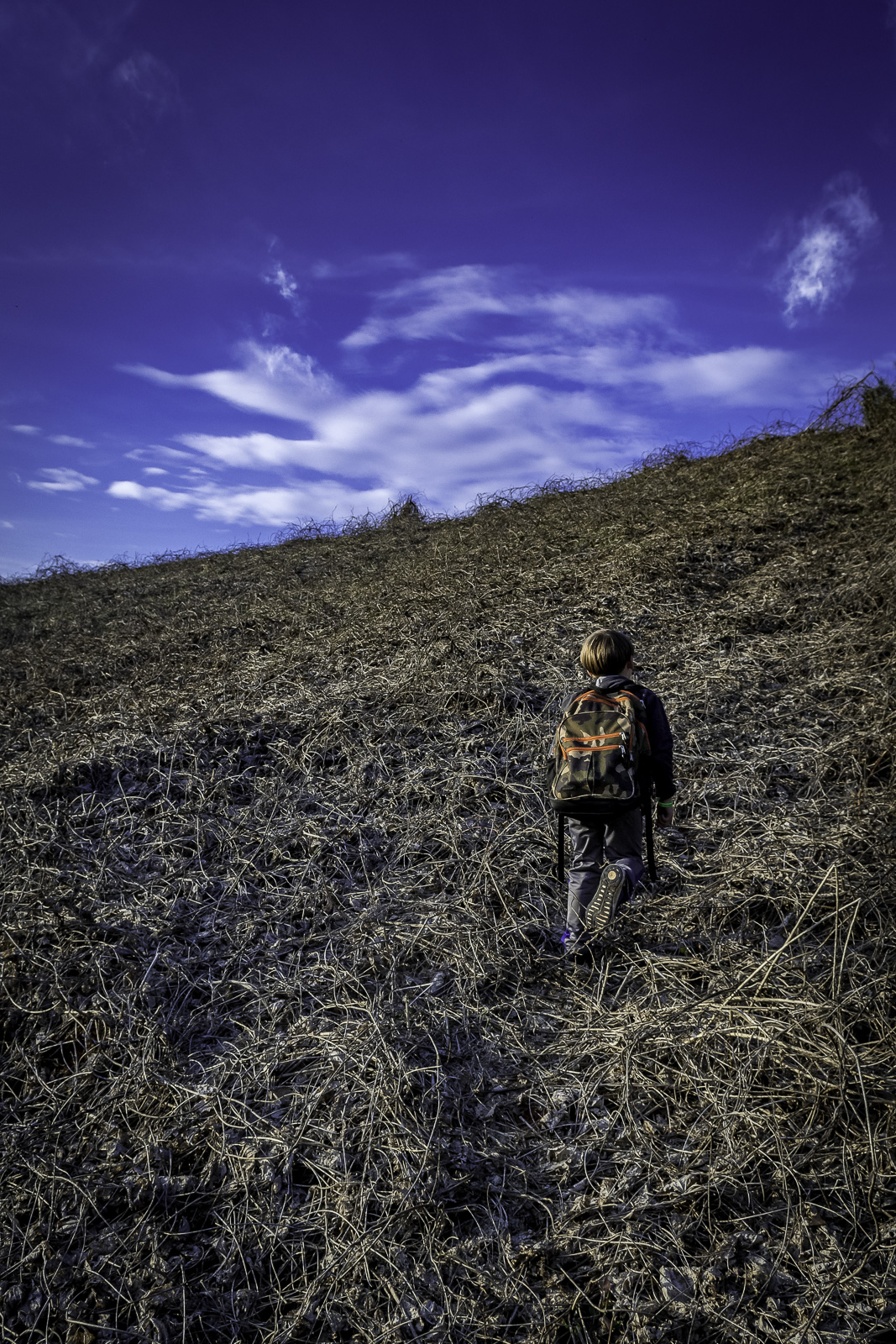
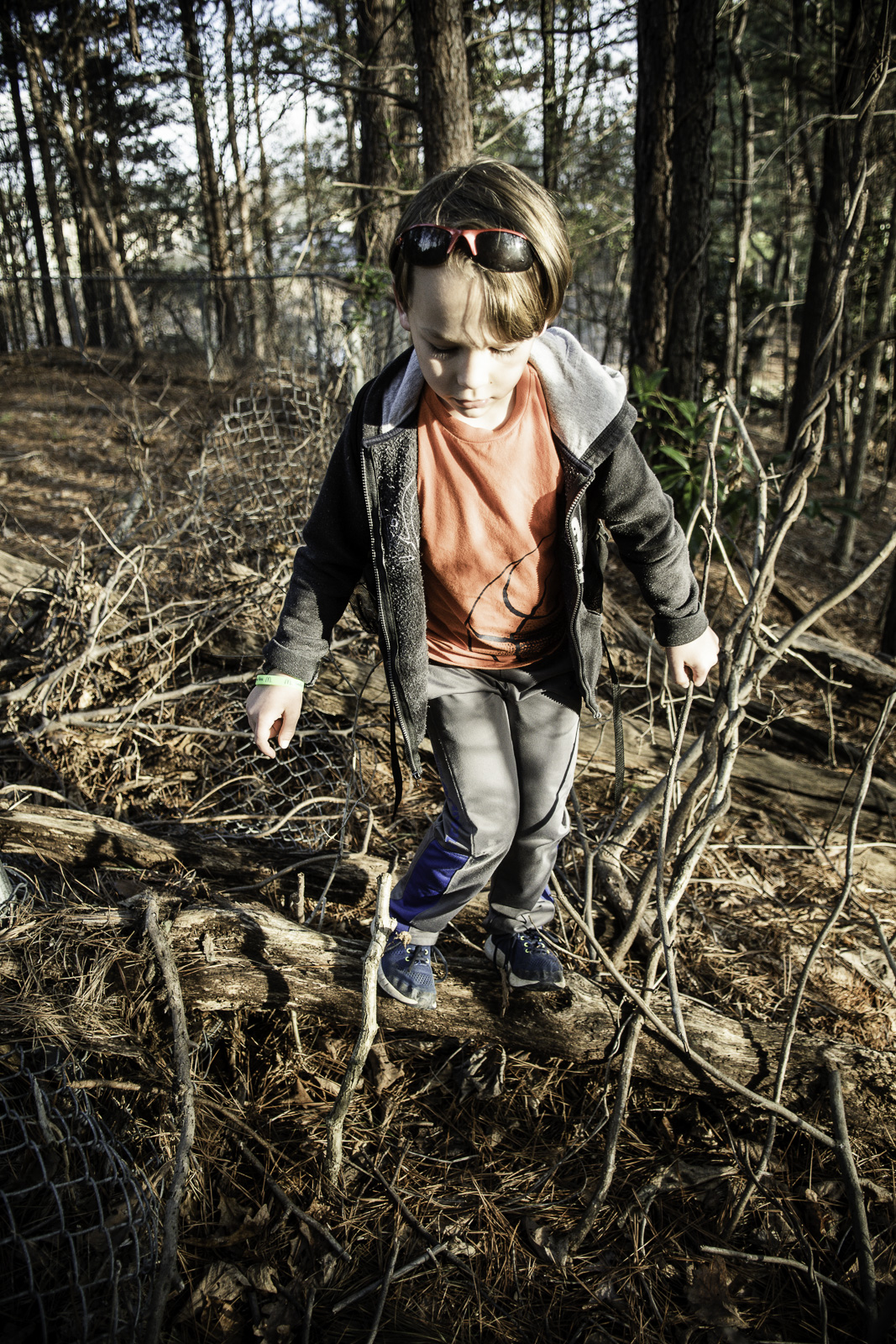
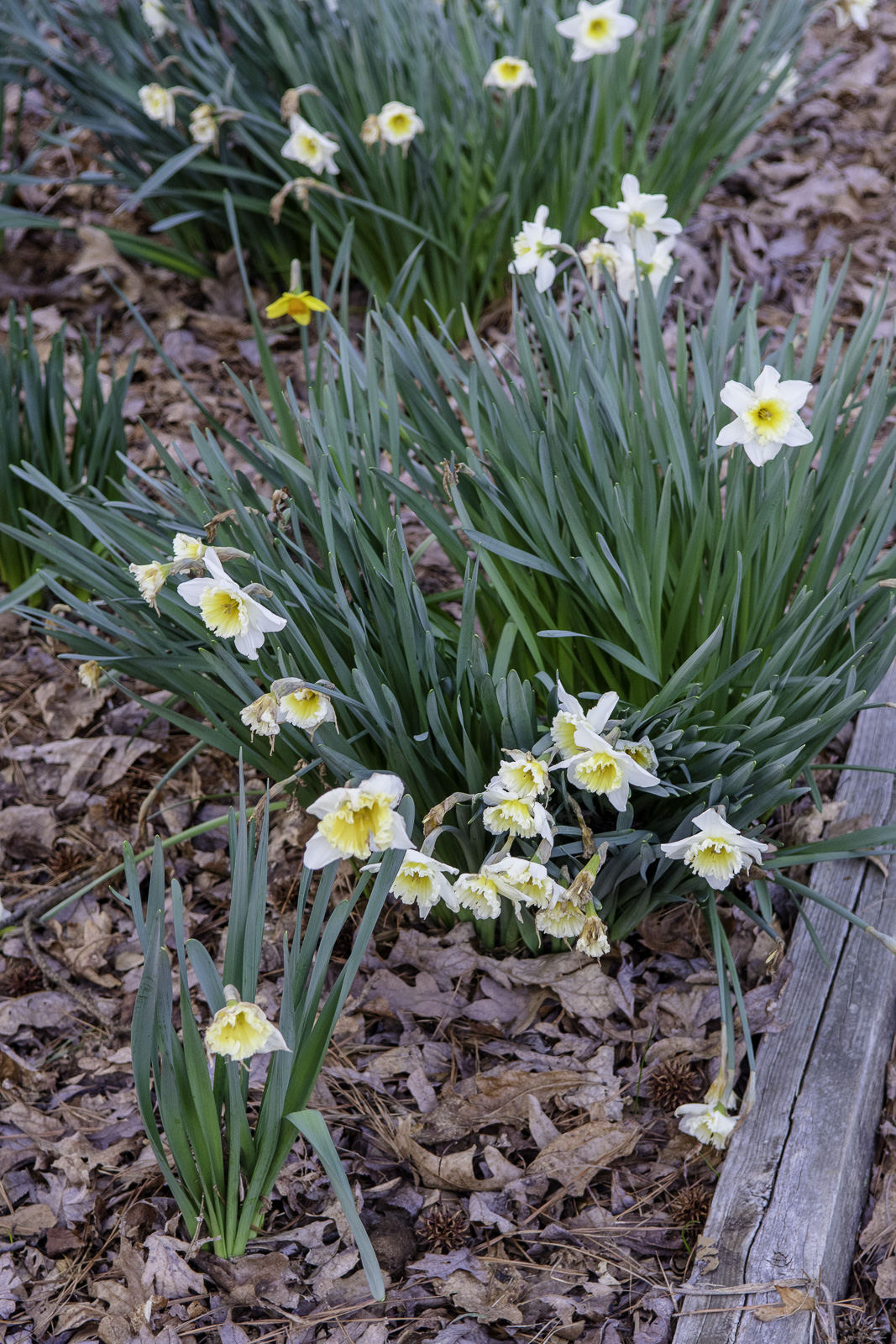
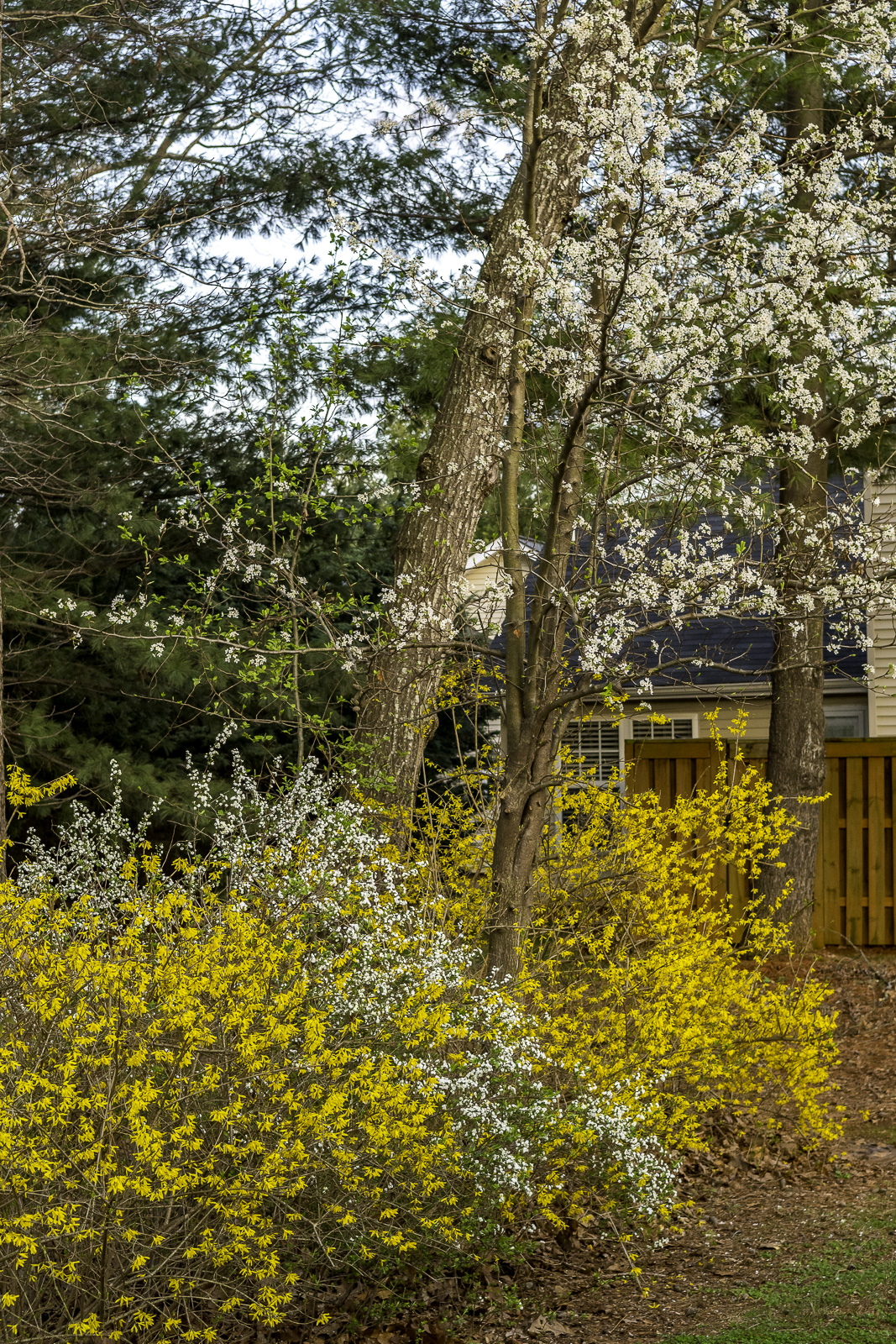
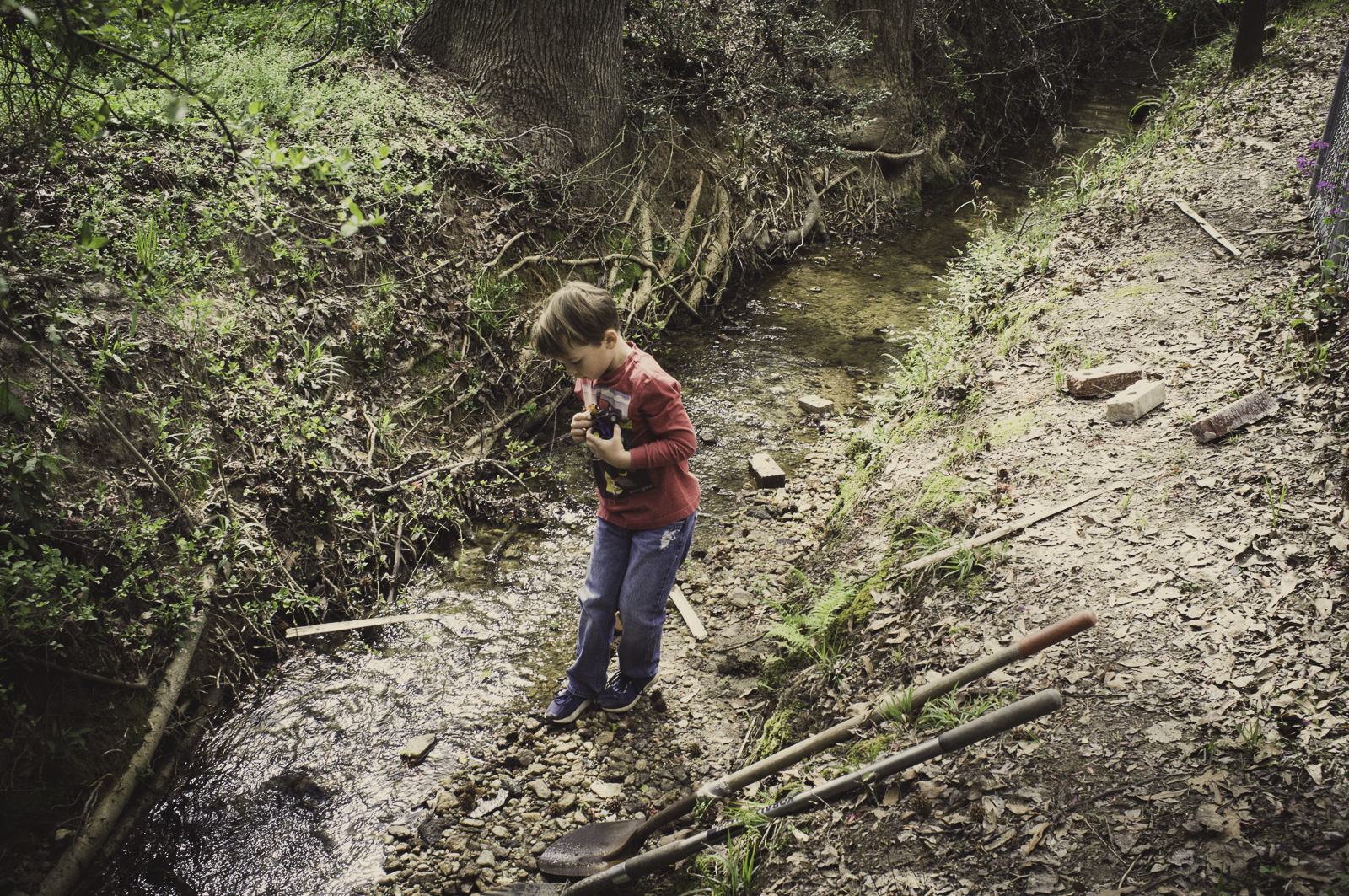
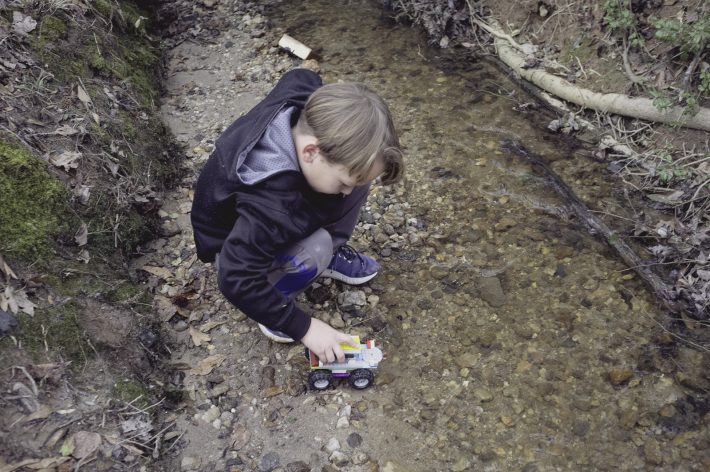
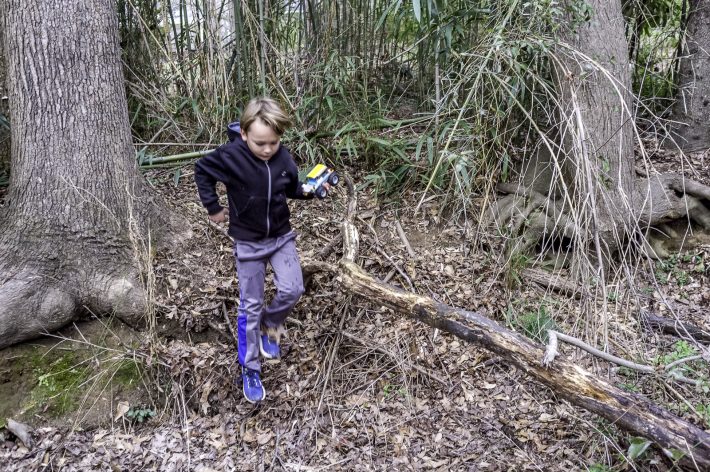
When I got home from work, I asked the Boy if he wanted to go play outside — to go exploring or something similar. With the coming cold spell, we have to make the most of the relative warmth while we have it. He was eager to go, and he was eager for L to join us.
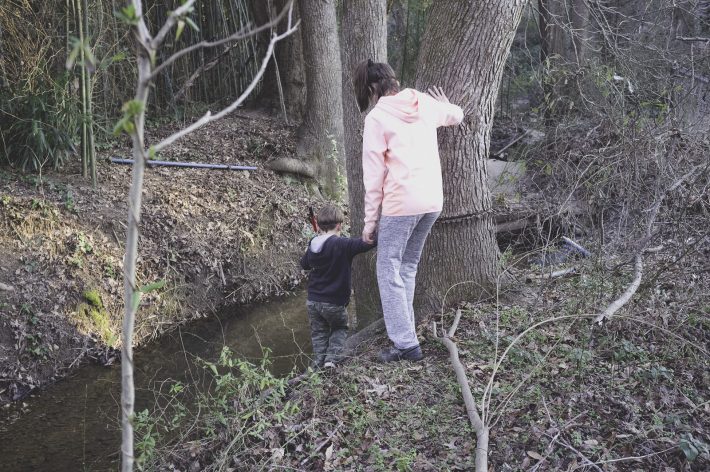
He’s always talking about doing things as a family. “When can we go on a family bike ride?” “When can we watch a family movie?” “Can we go on a family walk?”
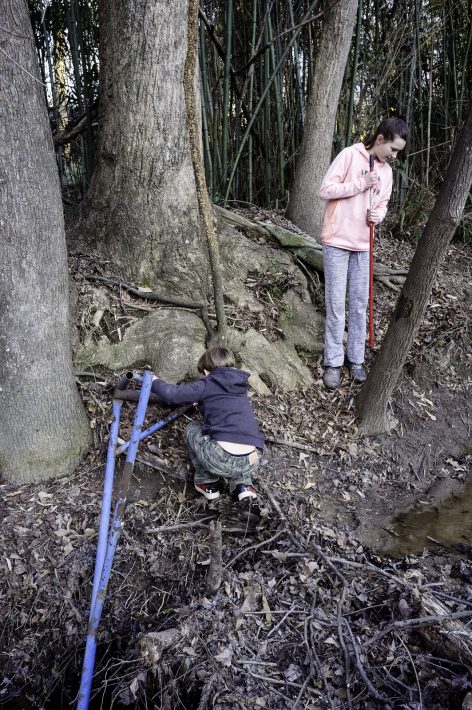
L, now twelve, is starting to show typical teenager behavior, like a reluctance to hang out as a family all the time. She enjoys it, but she also loves “alone time” as she calls it.
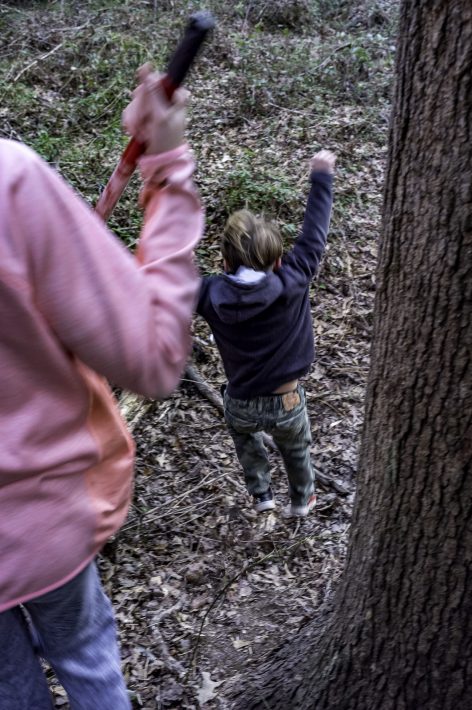
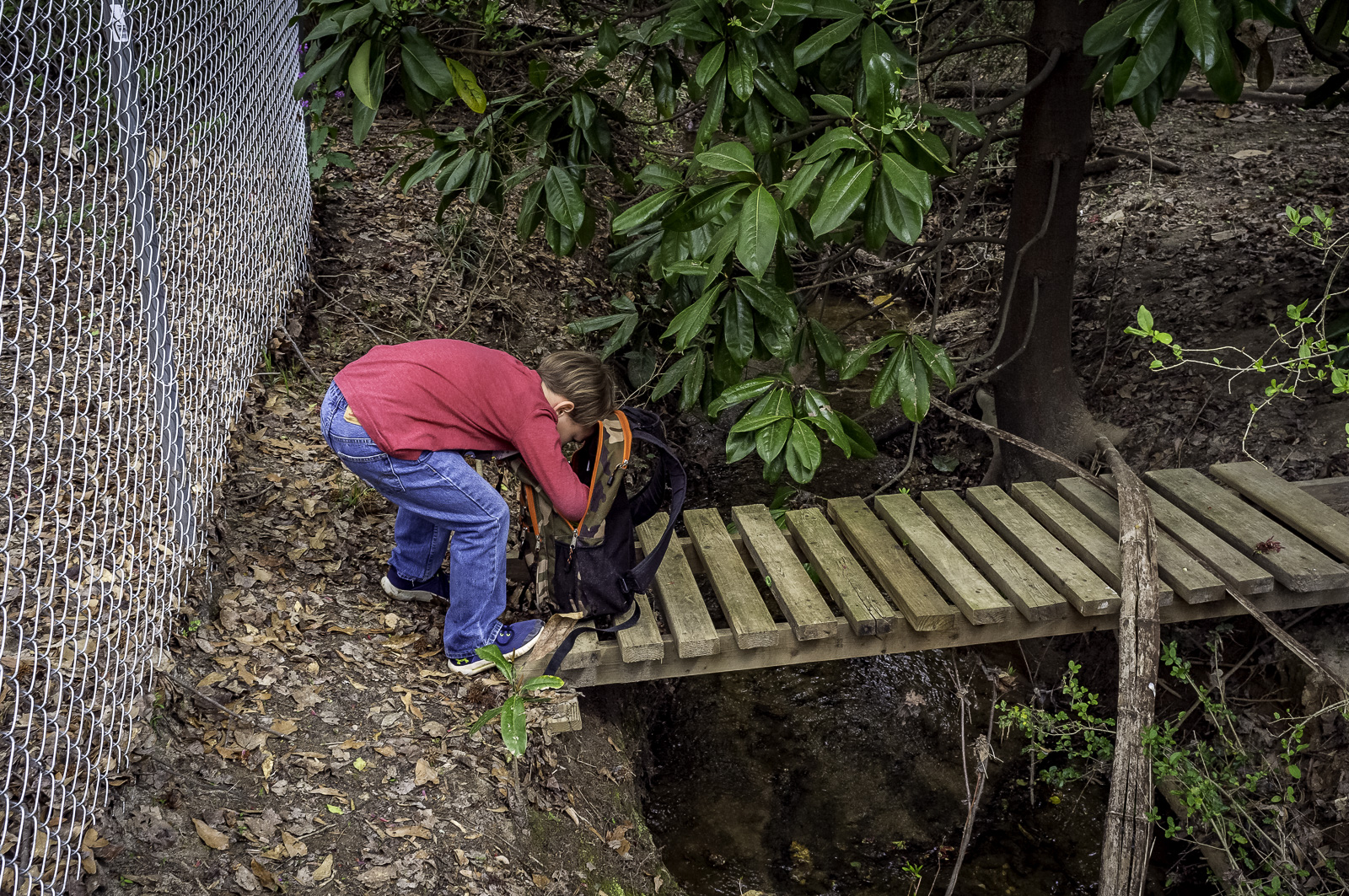
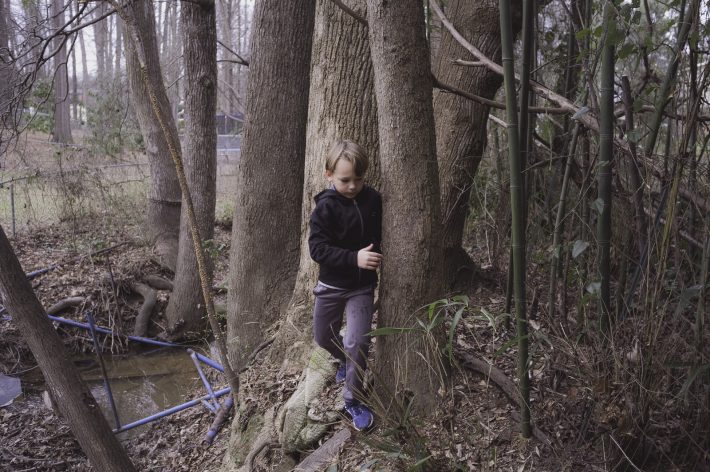
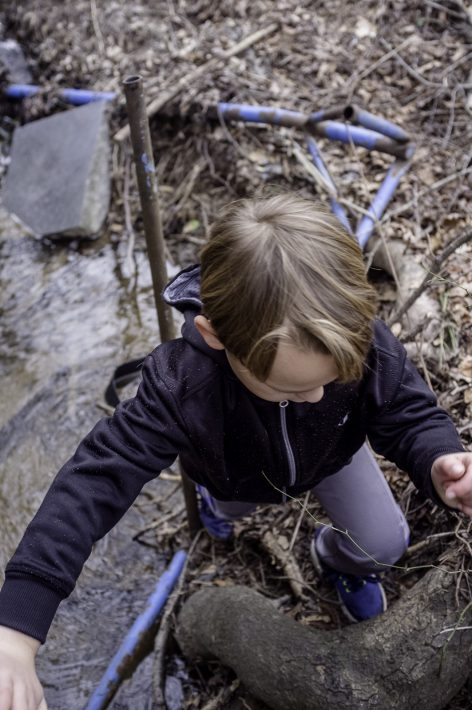
Today, though, we were able to talk L into going exploring with us. The Boy, utterly thrilled, took the lead and instructed L how to cross the creek, how to scale the bank (of course she found her own way), how to navigate the thorny places.
Coming home this evening, L was playing a life simulator game on her iPod and mentioned that she was now forty-seven.
“You’re older than I am,” I laughed.
“No,” she explained, “you can change your age at the click of a button.”
“It’s a good thing you can’t do that in real life,” I replied.
What I had in mind was what I thought at her age: I can’t wait until I’m X years old. That always looking forward, always longing to be a little older, which struck around age six or so. “When will I be big?!”
“No, it’s a good thing,” she agreed. “I’d never press the button then.”
She was taking the opposite option, to which I replied, “Well, at some point, I’d just click the button for you.”
“Why!?” came the incredulous response.
“Because you’re not going to mooch off me for the rest of your life.” We both laughed a bit, but I got to thinking about what it might be like if we could have that option, if we could just stay one age for as long as we wanted to.
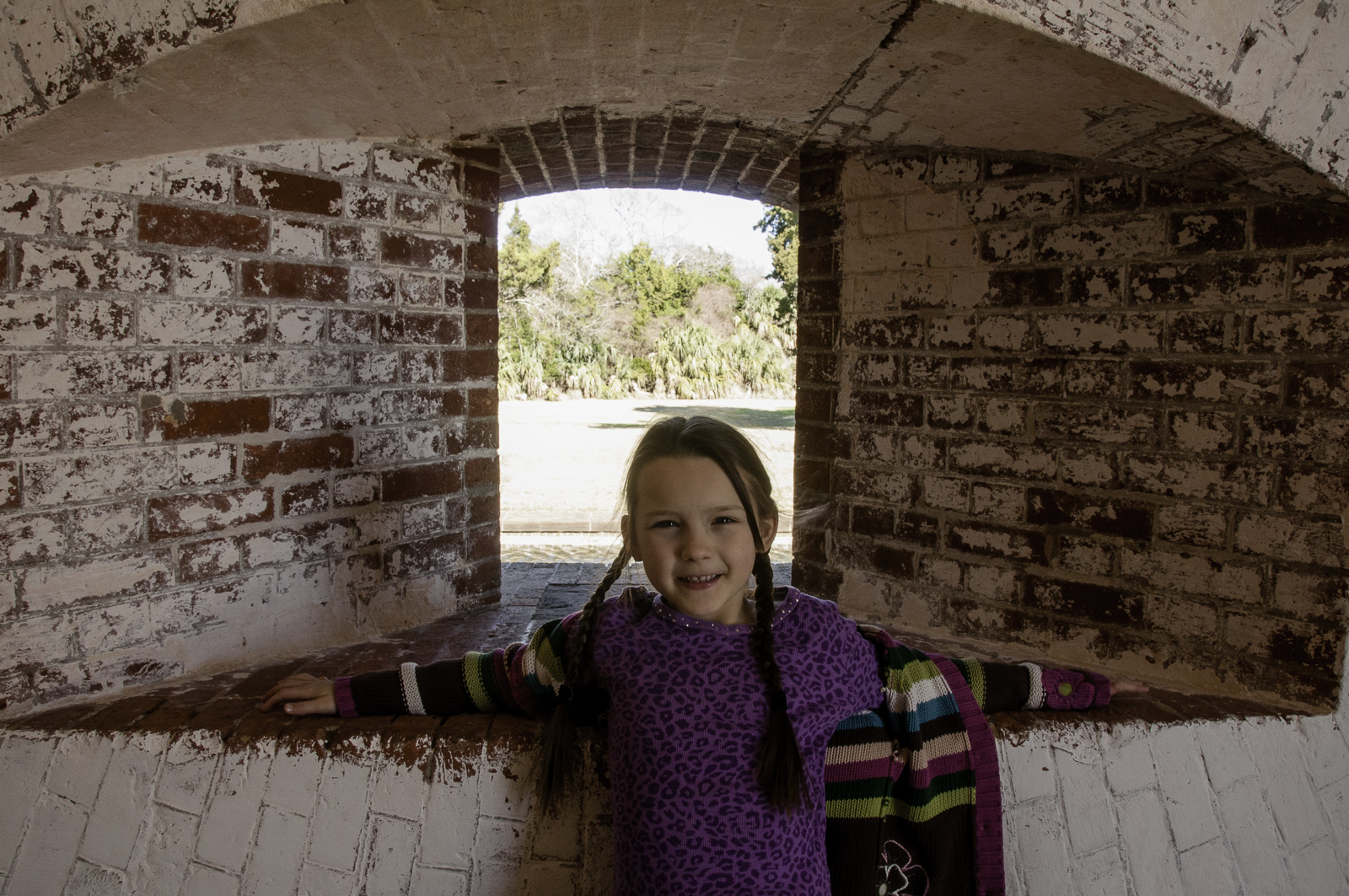
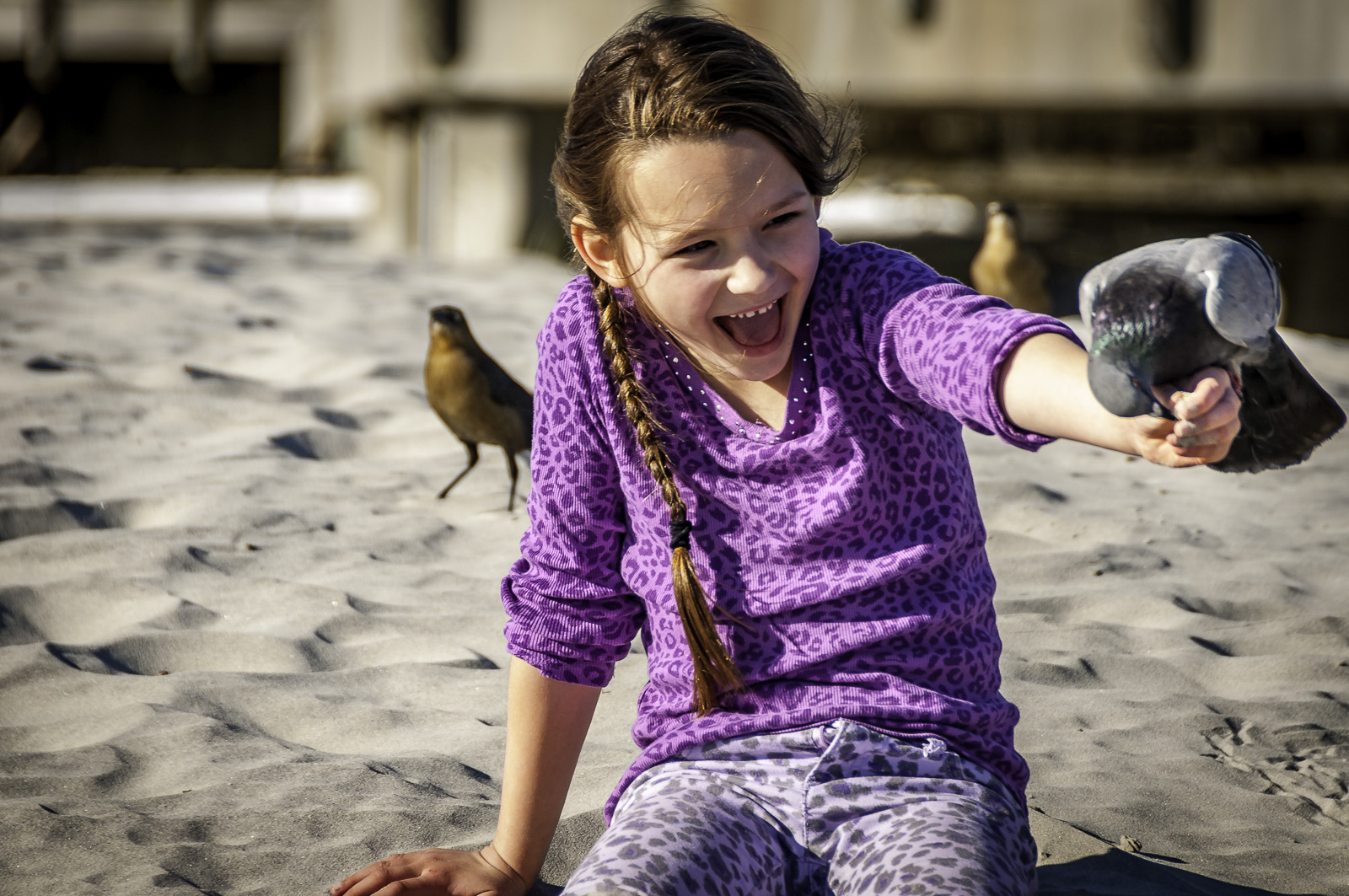
On the one hand, the nostalgic in me would love that, but what moment? While looking at the “Time Machine” posts at the bottom of the site, I discovered this shot from 2013:
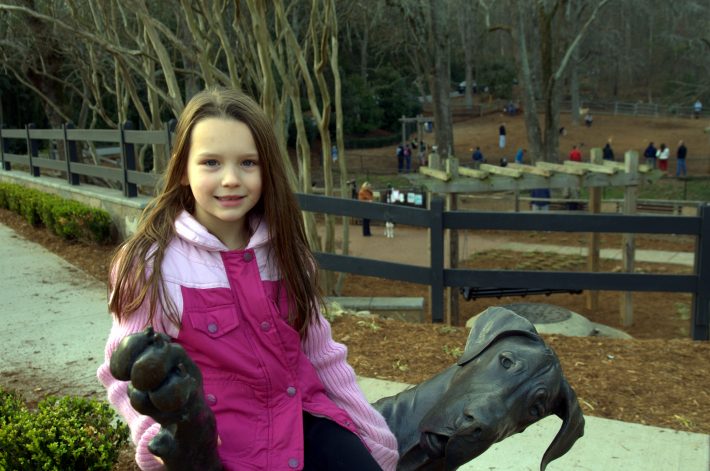
The Girl was just a little younger than the Boy is now, and I hadn’t thought about how much different she was then than she is now. A six-year-old and a twelve-year-old are completely different people in many ways. Looking back, I can see traces of personality traits she now exhibits all the way back then, but the reverse wasn’t true: I had no idea how much she would change in six years (and, of course, how much she would stay the same).
Yet, within that little clump of nostalgia is a nightmare: if I chose that moment, then what about all the wonders that have happened since? Being stuck in one moment, after all, is what Bill Murray’s brilliant Groundhog Day is all about. But it’s more complex, because that film is really about being stuck in that moment without enjoying that moment, being stuck in a moment when all one does for one’s whole life is look toward other, more exciting moments.
I think I’ve lost the thread of where I was going with this, and that’s kind of the point perhaps. The key to life, rediscovered once again, is getting stuck in the moment by enjoying the moment so much that one doesn’t want to move forward but accepts the simple fact that that forward motion is, in fact, the moment itself. Axiomatic. The present doesn’t exist — it’s a sliver between the past and the future. That old chestnut. Living the moment means accepting that it’s just that — the moment.
So what to do in the moments of this afternoon? Go exploring, of course. Play in the backyard, of course. Enjoy the short bit of time we had between visits to Nana and visits to Papa and trips to church and more trips to church and cooking and lesson planning and everything that makes Sunday Sunday.
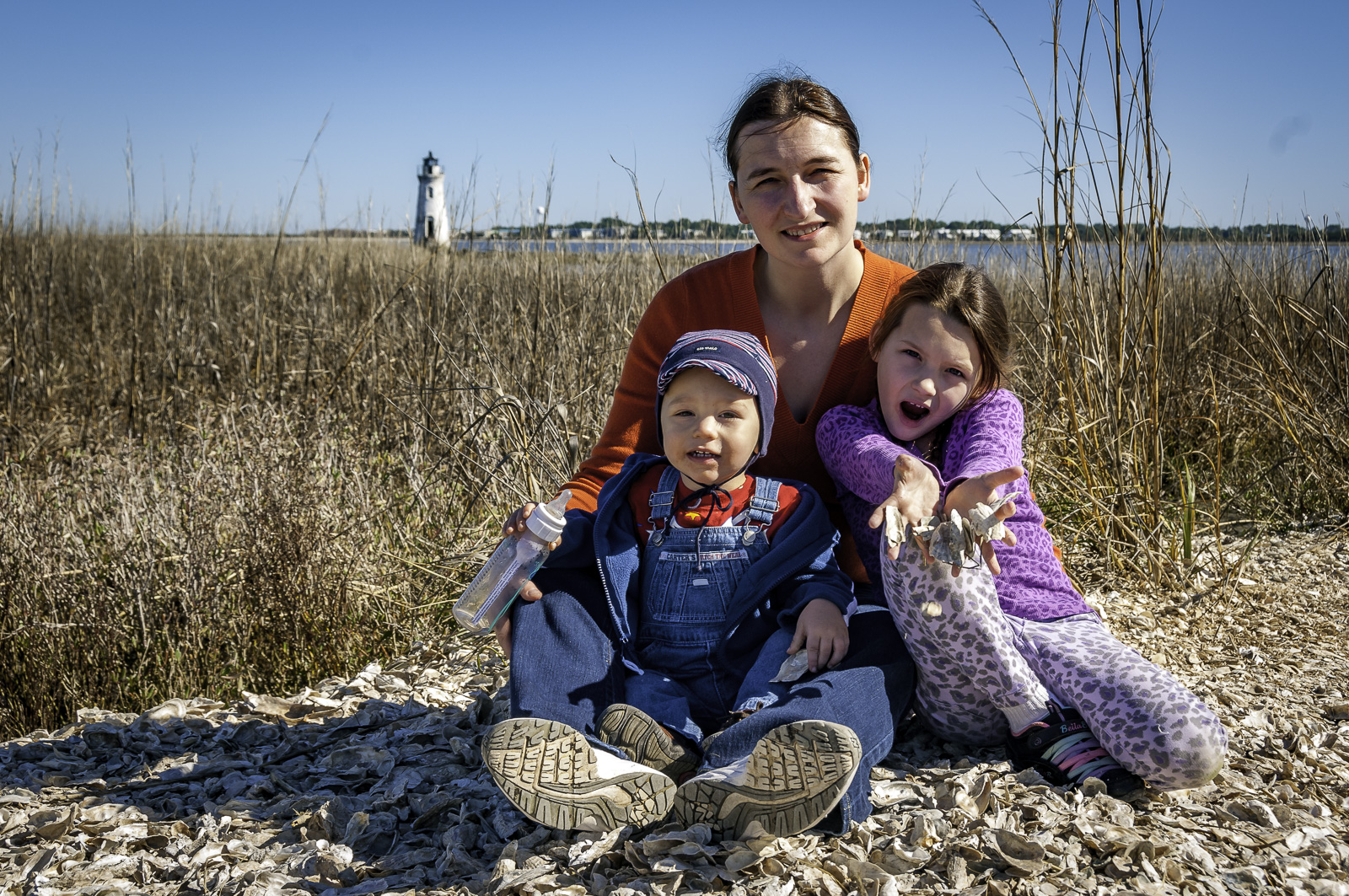

No, six — I forgot it was 2019. Papa was in the hospital, recovering from major surgery on his lungs. Now, six years later, it’s Nana’s turn to spend some time in the hospital and rehab.
I know she would have passed. Gladly.
A busy day for everyone culminates in us arriving separately at home after seven, two hours after we normally eat dinner. After school, a long meeting, and a visit with Nana (out of the hospital and back in rehab — hurrah!), I’d stopped for something for us to eat; after work, shuttling the Girl to choir practice while taking the Boy shopping, running the Boy to basketball practice after dropping the Girl off at volleyball practice, then picking everyone up, K arrived shortly after.
As we ate, the kids and I decided that K’s plan for the rest of the evening was flawed.
“I’ll put away all the groceries and then go to bed if you’ll put the Boy to bed.”
“Nope. I’ll put away the groceries while you take a hot bath, and then I’ll put the Boy to bed while you go to bed yourself.” L and E agreed — Mama needed to call it a day. As I was bustling about the kitchen, I remembered it was garbage night.
“L, take the garbage and recycling out,” I said, expecting a little fussing.
“Okay.” Nothing more.
She came back in, a little whiny, and said, “E always takes out one of them. Can he take out the recycling? I’ll go with him.”
“No, sweetie, it’s late. Just do a little more than you have to.”
“Oh, okay.” Nothing more.
From this, a simple inference: our daughter really is growing up. She’s not just sprouting vertically (she’s almost 5’4″ now); she’s not just developing into a young woman; she’s maturing. With my nose pressed to the ever-present every day, I forget that sometimes. It escapes me.
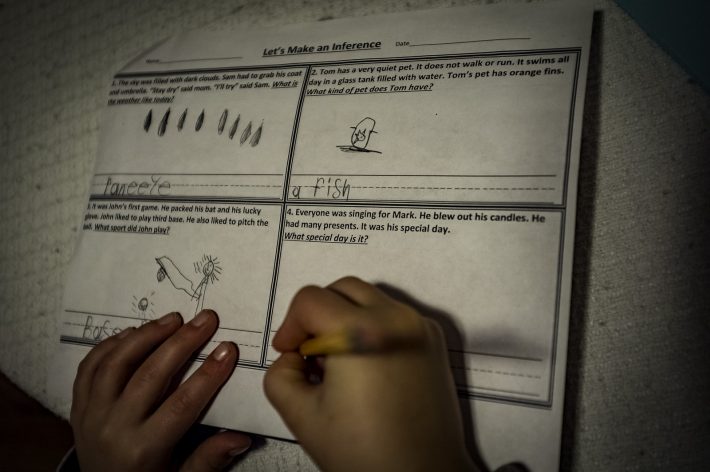
While all this was going on, the Boy had started his homework.
“What are you working on tonight?” I asked him.
“Inferring. We learned it today.”
As an English teacher, I’ve been working on the Boy’s (and the Girl’s) inferring skills for years. I taught him the word; he must have forgotten. The teacher did a better job today. “What’s that?” I asked.
“Making a good guess.”
Not a bad definition. I usually tell my students it’s “making a reasonable guess based on evidence.”
And there you might notice something: I teach eighth grade; my son is in first grade. Am I really teaching inferring again? Well, I’m not teaching inferring — they know what it is. But we’re still practicing it. Like mad. Especially (really, that should read “solely”) with my lower-achieving students. I give them a text like this:
Every day after work Paul took his muddy boots off on the steps of the front porch. Alice would have a fit if the boots made it so far as the welcome mat. He then took off his dusty overalls and threw them into a plastic garbage bag; Alice left a new garbage bag tied to the porch railing for him every morning. On his way in the house, he dropped the garbage bag off at the washing machine and went straight up the stairs to the shower as he was instructed. He would eat dinner with her after he was “presentable,” as Alice had often said.
I then ask a question: What type of job does Paul do? How do you know this? I have the students back up their answers with three specific pieces of evidence from the text, then explain how that evidence is evidence. A good student response (an actual student response) looks like this:
Paul is a farmer.I know this because he is wearing muddy boots. Wearing muddy boots is evidence that he is a farmer because if he were to work in an office or inside he wouldn’t have muddy boots. Also, he is wearing overalls in which he would not have been wearing if he was working inside. Finally, Paul’s overalls are dusty and most farmers work a lot outside so he must have gotten dirty from working outside.
So I applied the same thing to the Boy’s work. The same thing — a text followed by a question:
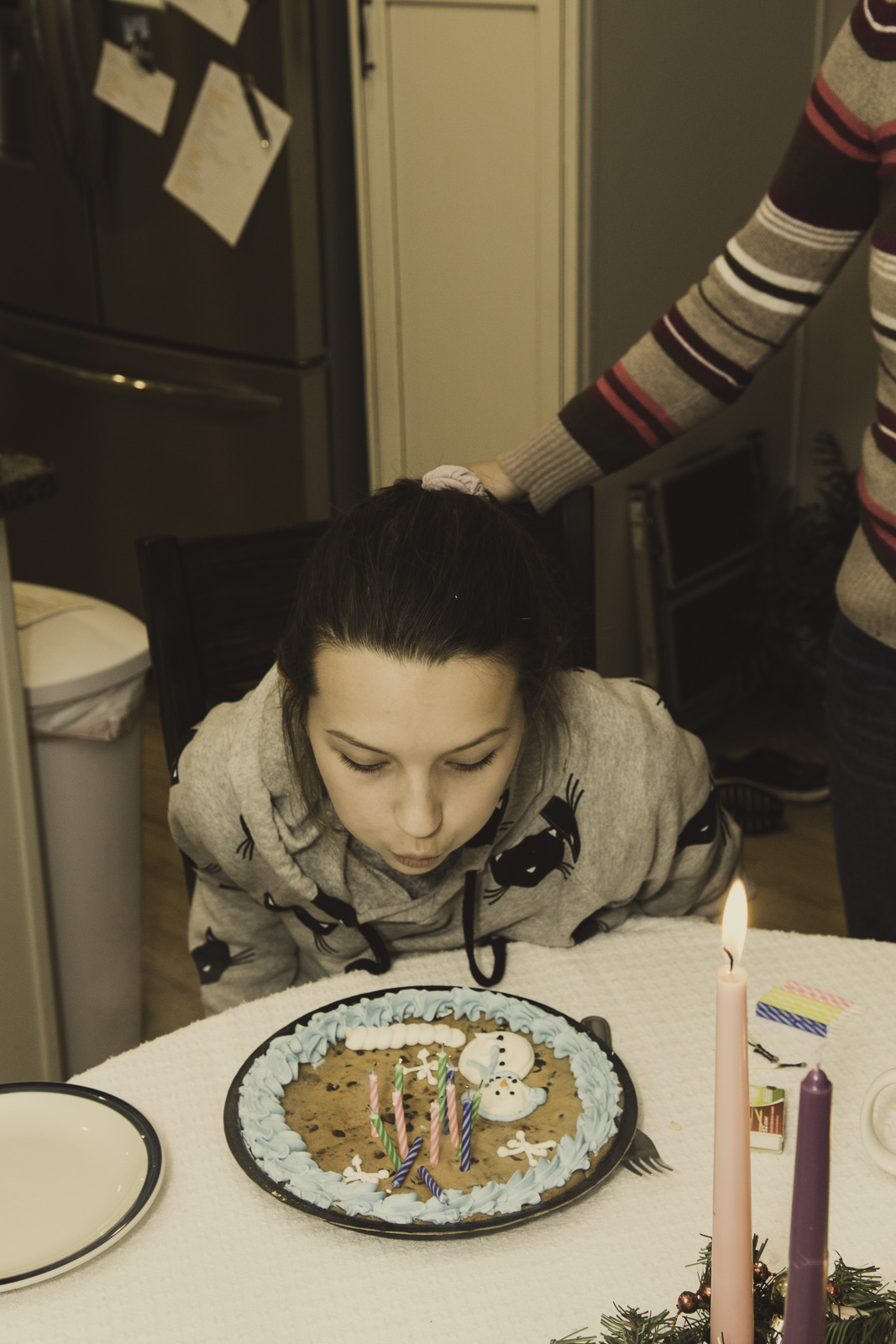
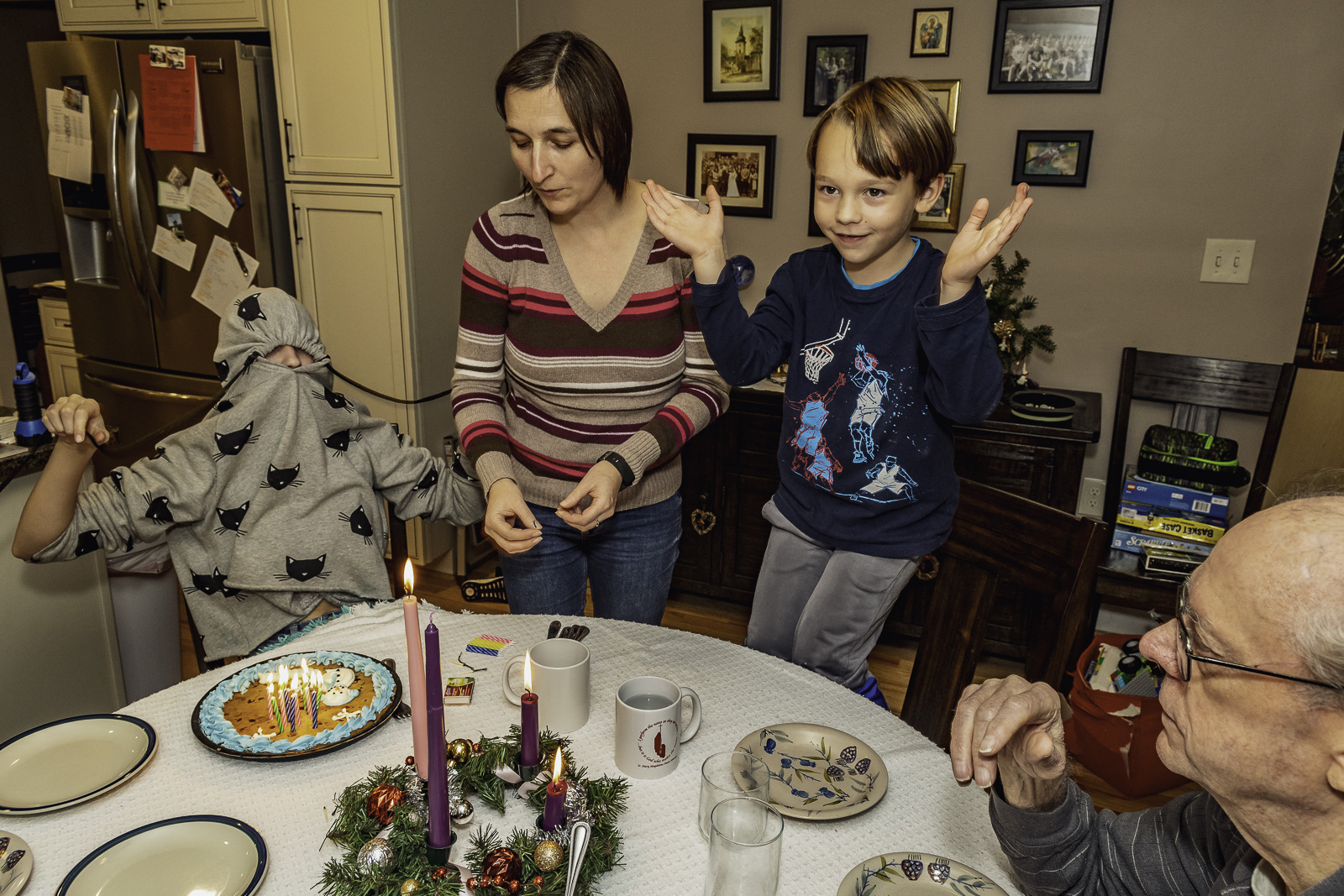
Everyone was singing for Mark. He blew out his candles. He had many presents. It was his special day. What special day was it?
E read the text and said, “It’s his birthday!”
“How do you know this?” I prodded.
“Because he got presents.”
“But we get presents at Christmas as well. How do you know it’s not Christmas?” He looked stumped for a moment, so I told him what I tell my own students: “Go back to the text. Find something in the text that shows it’s not Christmas.”
He read a while, thought a while, then said with a smile, “Because it says it’s his special day, not everyone’s special day. Christmas is everyone’s special day.”
I thought he’d pick up on the candles. That’s the more obvious piece of evidence. He went the more subtle route.
“That’s great. A very good observation. Now, can you find a third piece of evidence?”
Again, he looked, read, thought. “The candles. You don’t blow out candles on Christmas.”
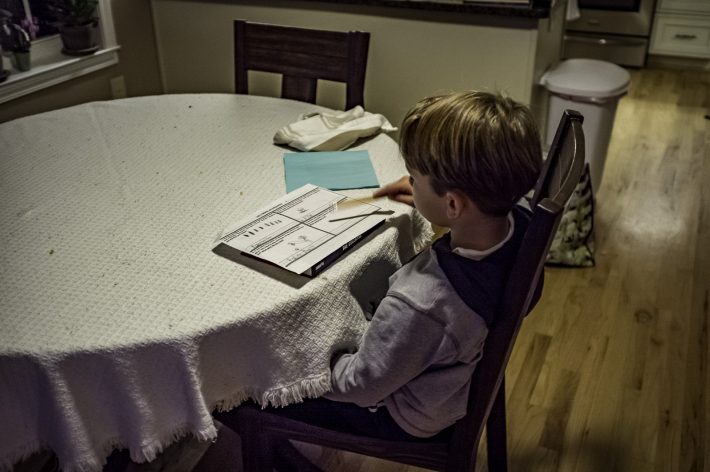
After a tiring day, what a perfect ending.
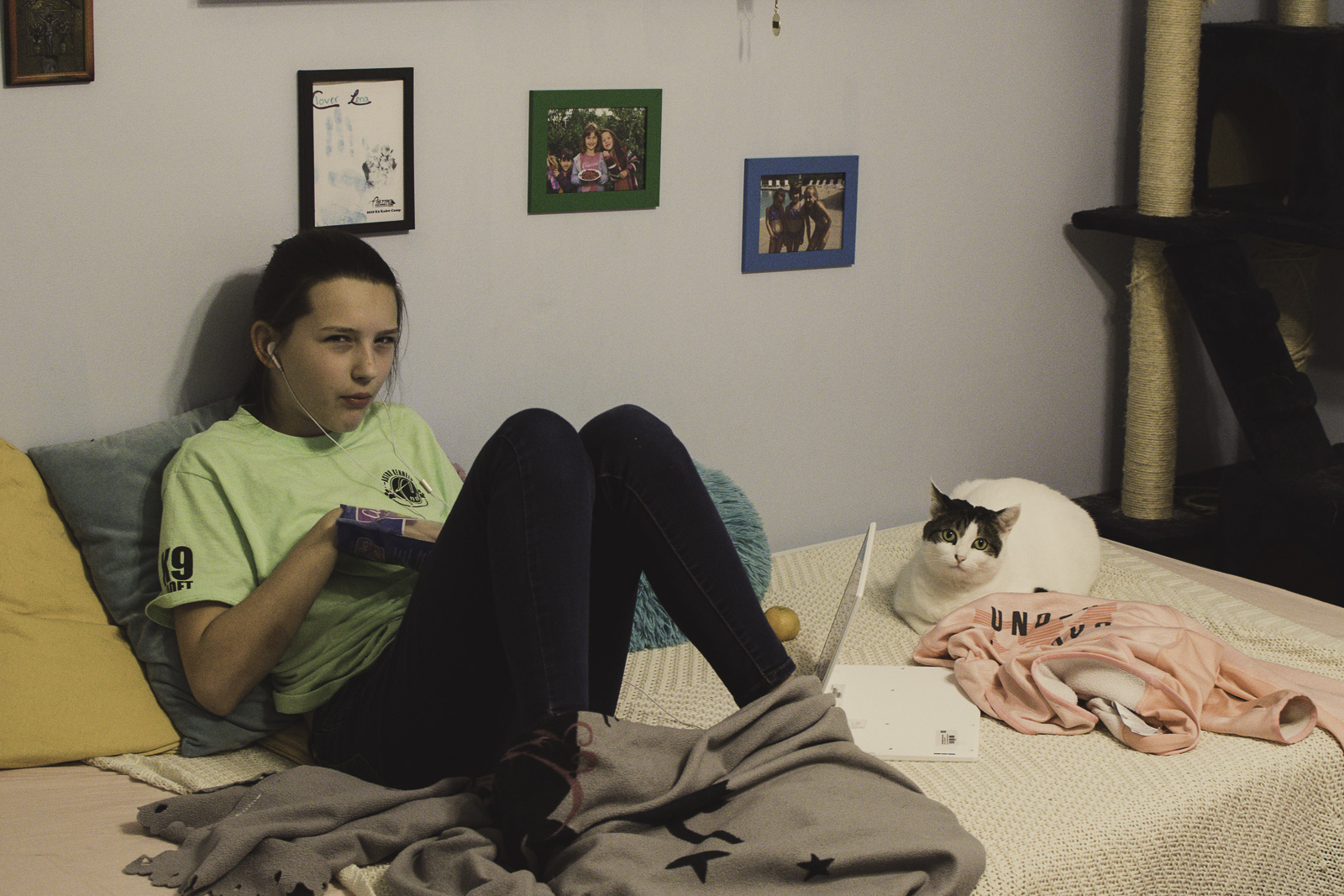
We had a snow day eight years ago today — lots of snow. I took one of my favorite pictures of L that day. And now, it’s one of my favorite pictures of Bida as well.
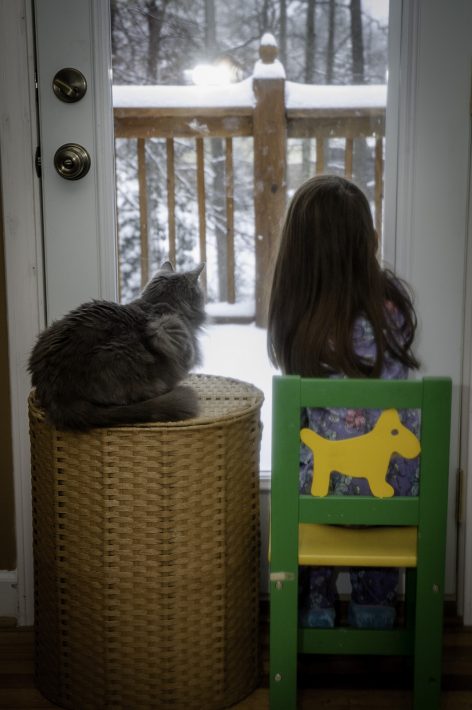
No doubt about it — this has been a tough week. Probably the worst week we’ve had in memory, K suggested. A good friend died on Monday; our cat died on Wednesday; Thursday saw two funerals (the friend and the cat, obviously) and a visit to the emergency room with Papa; and Nana still in rehab this whole week. The kids are likely feeling neglected but are showing great patience with everything. The parents are feeling exhausted. And, well, the kids, too.
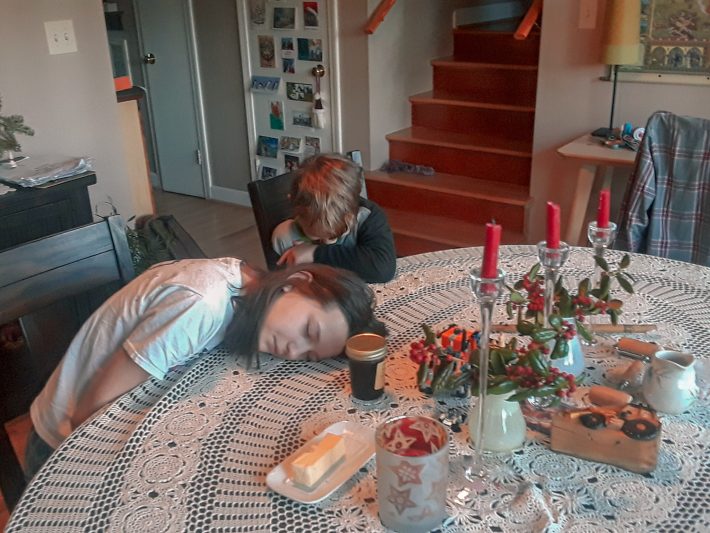
Breakfast this morning started with a little nap at the table. After breakfast, we went our separate ways: the kids with K to church; I went to spend the morning with Nana.
When we came back, the clear skies, after weeks, months, no years of cloudy, rainy weather, called us outside. First things first: I finally finished up Bida’s grave. We’ve been afraid that the dog might be too curious and tempted by the freshly dug earth despite the fact that we put a large stone to mark and protect the spot.
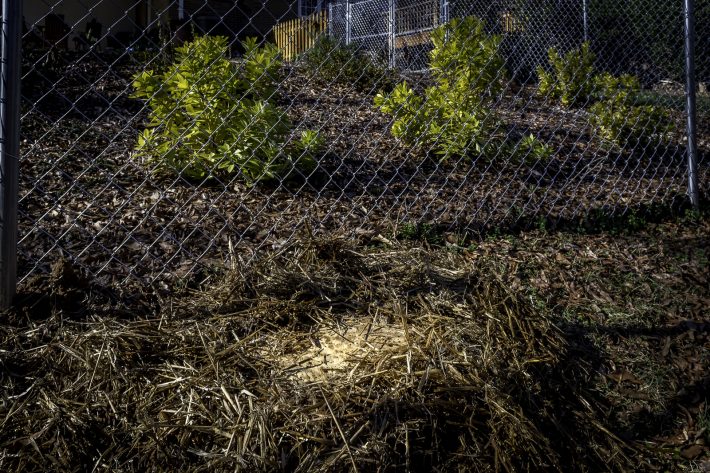
So today, I spread the best dog-digging-deterrent we’ve found al around: straw. K thinks it’s because the straw gets in the dog’s nose as she’s sniffing around, which would cause a fair amount of pain, I suppose, if the strand of straw got jammed in a dog’s nose just right. Or it could be that it hides odors, because the digging always starts with sniffing. Whatever the cause, we feel better about Bida’s grave now, though we don’t feel so much better about her absence. It’s amazing how much a little old gray grumpy cat adds to the family dynamic.
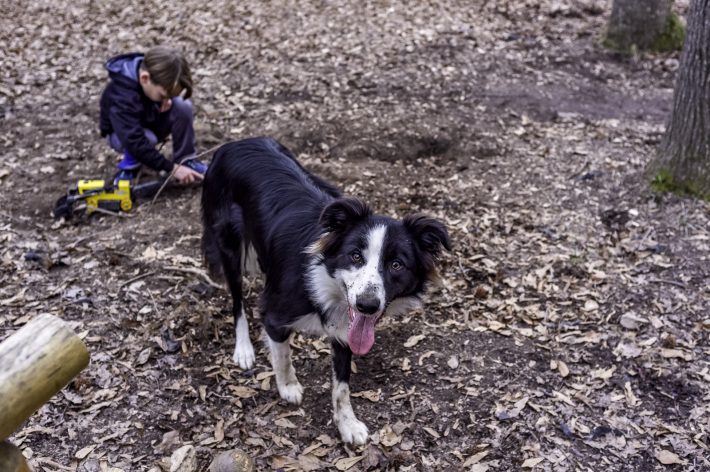
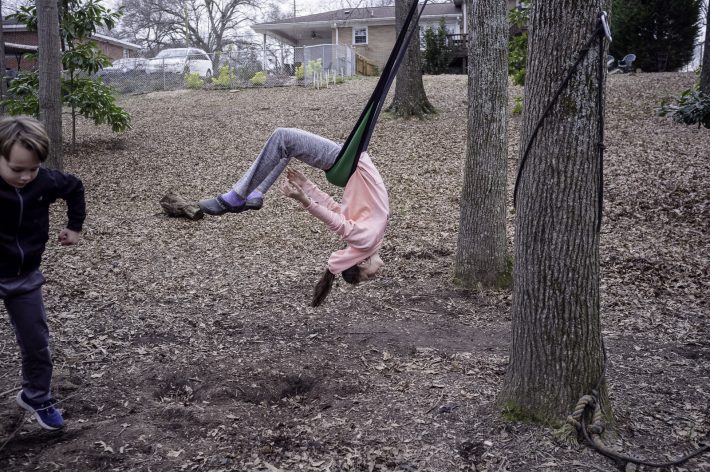
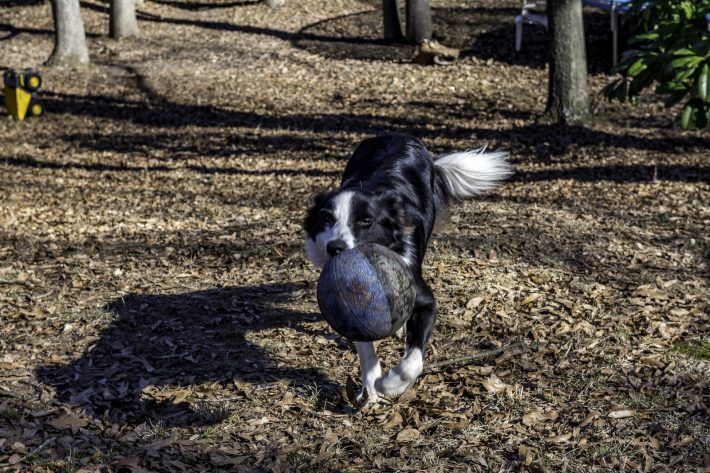
Next, we went down for some swinging, jumping, and Clover-entertaining.
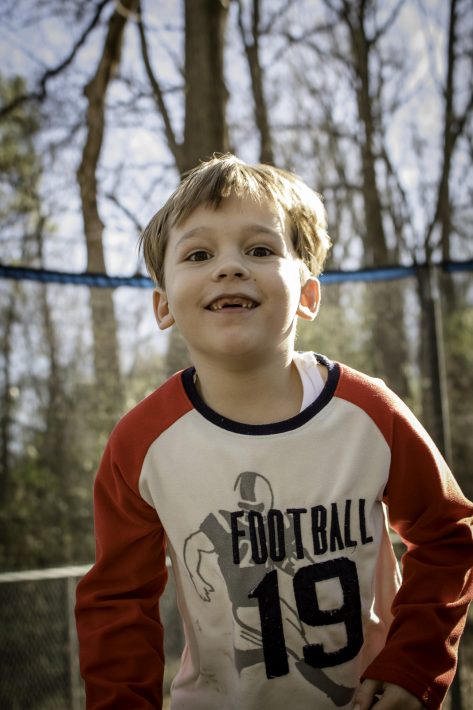
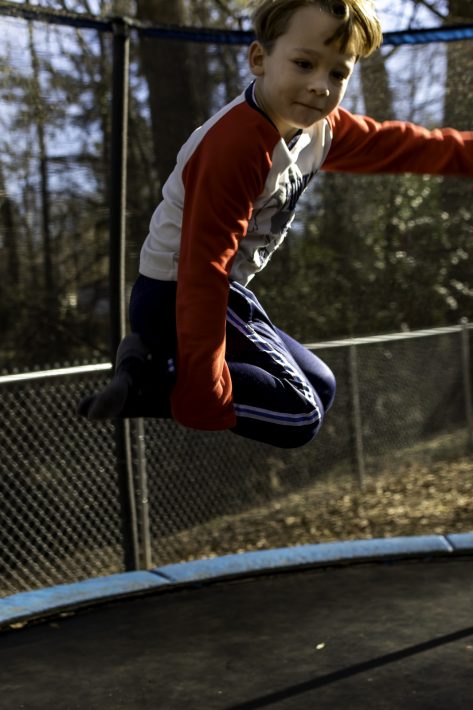
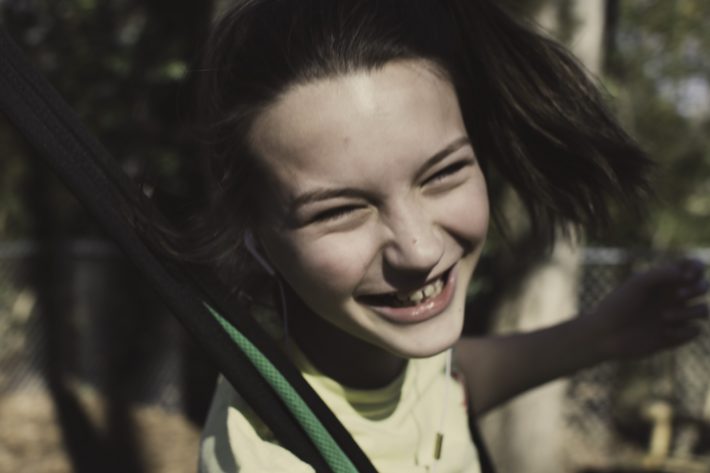
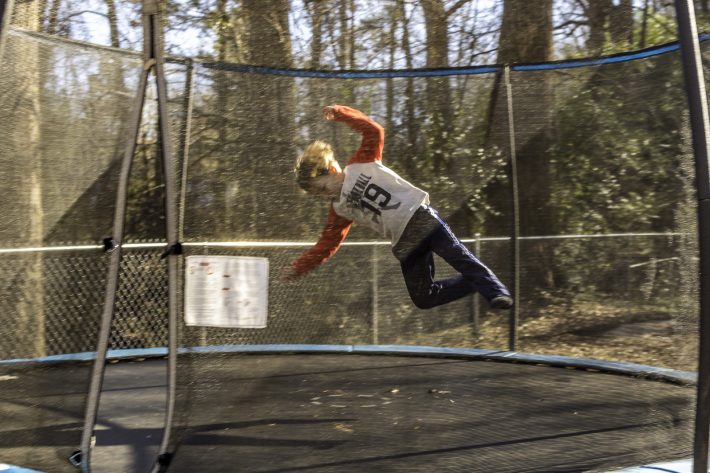
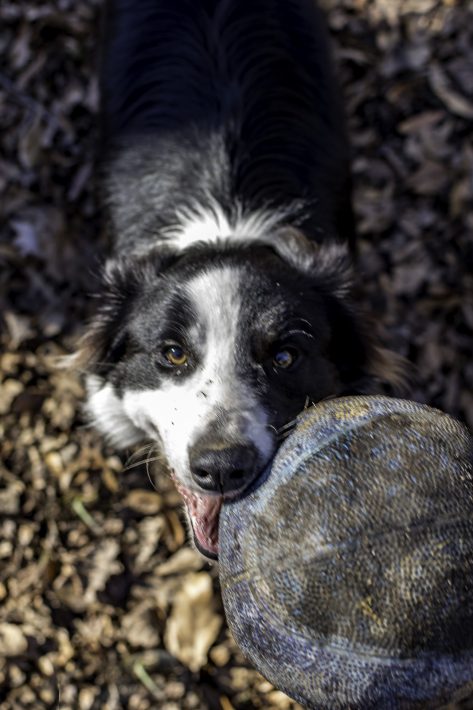
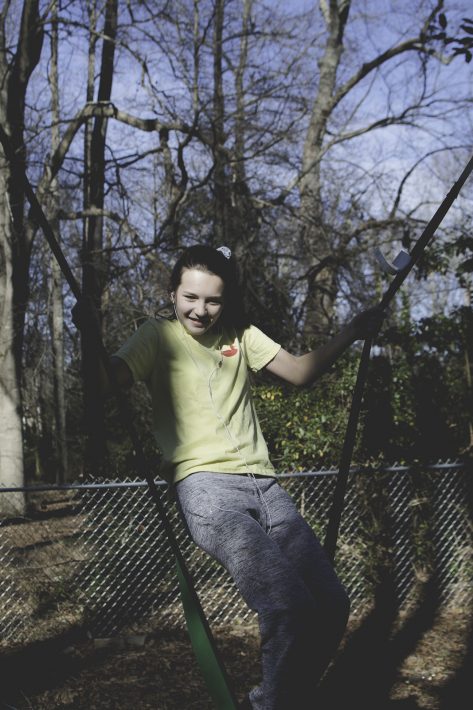
Next, a little homework. We’re trying to get everyone back into a normal schedule, which includes daily reading and writing, especially for the Boy. The Girl takes her own initiative with the homework. The Boy — not so much.
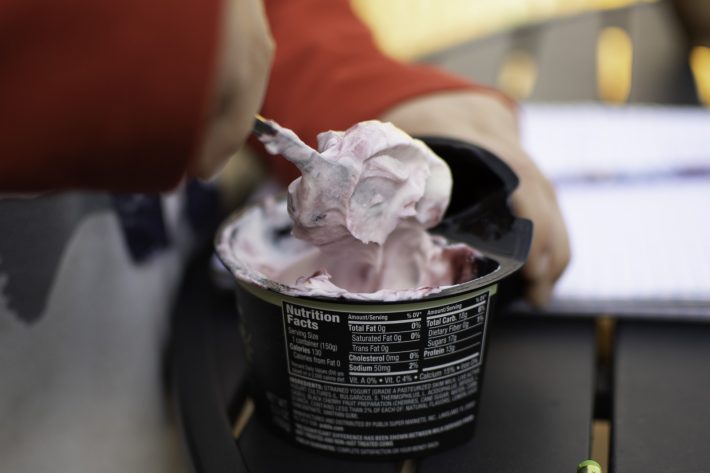
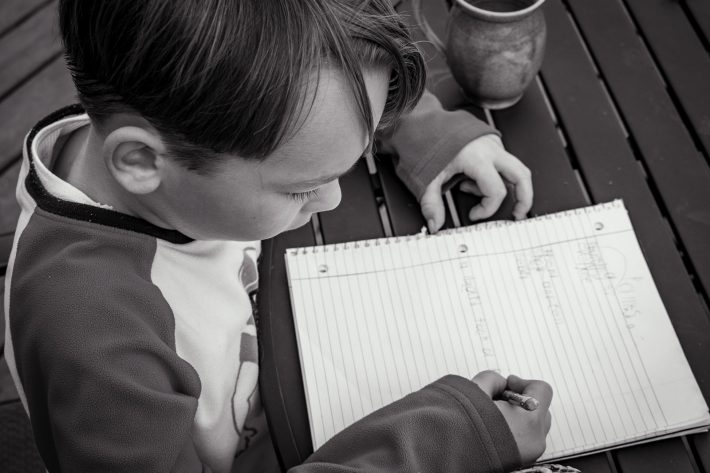
So we sat on the deck, and between yogurt breaks and tossing the ball for Clover, we finally finished the homework. The Boy was trying his best to make the process more difficult than it needed to be, and I just wanted to get through it all, because I knew what we were planning next:
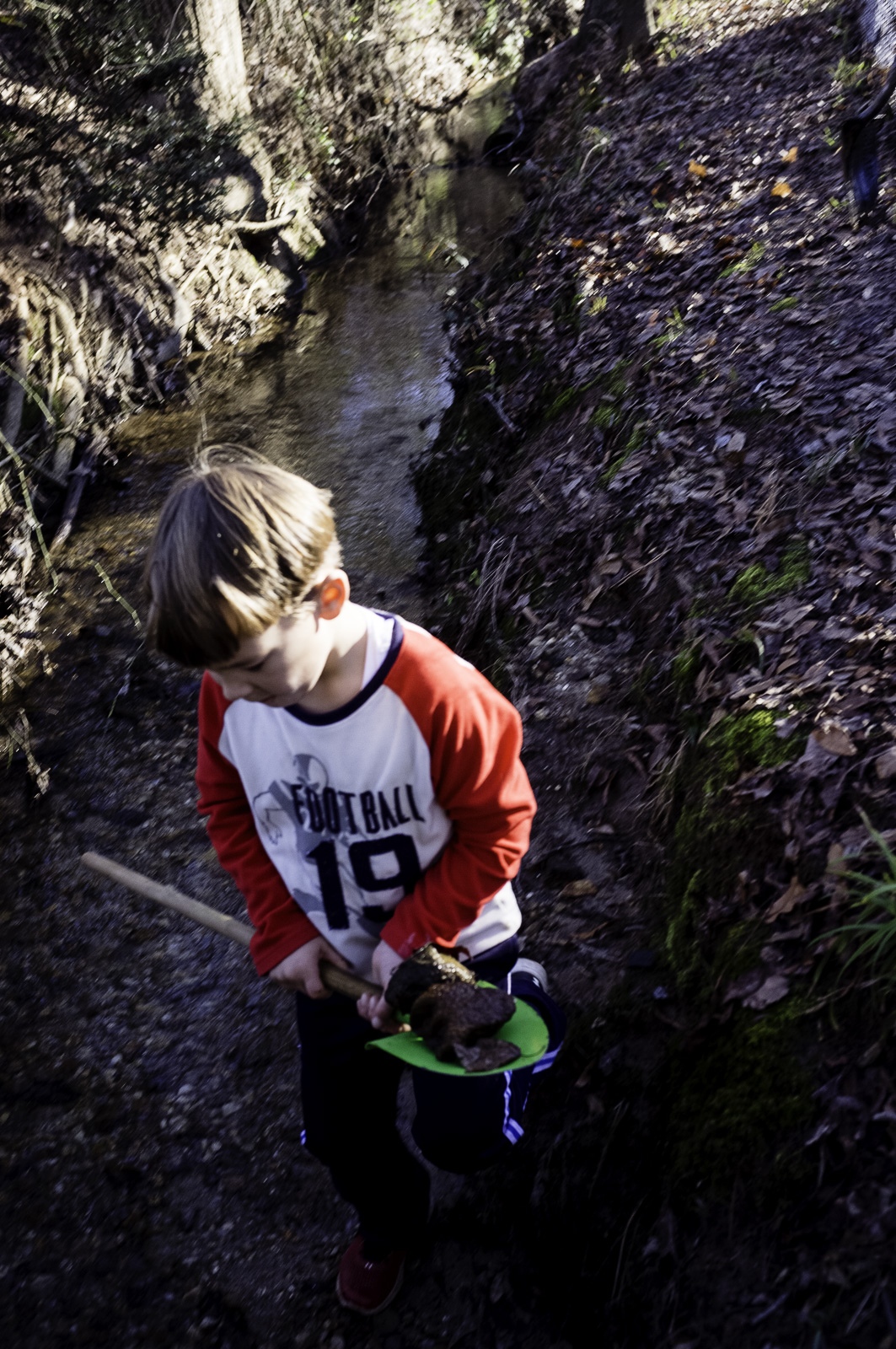
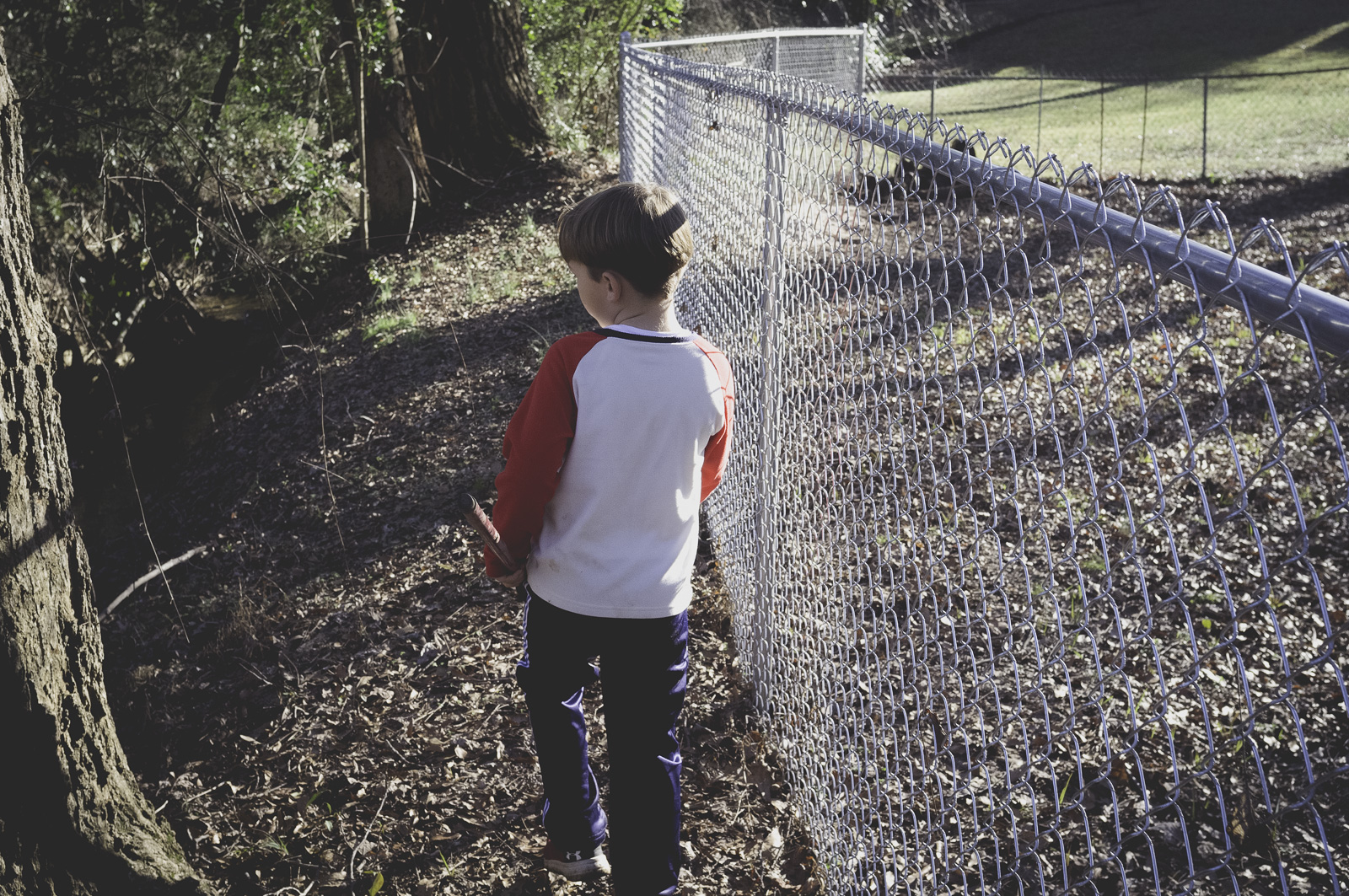
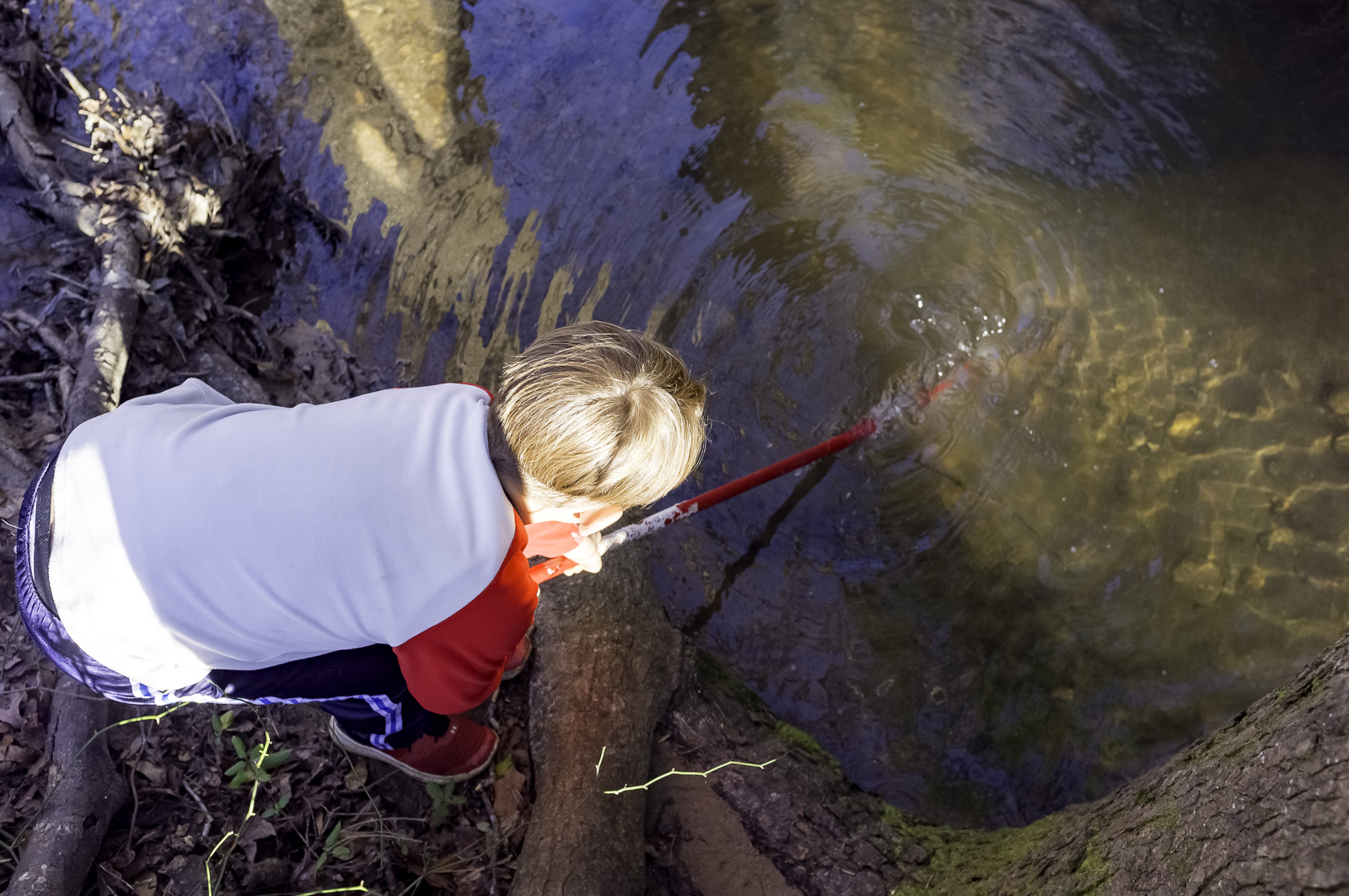
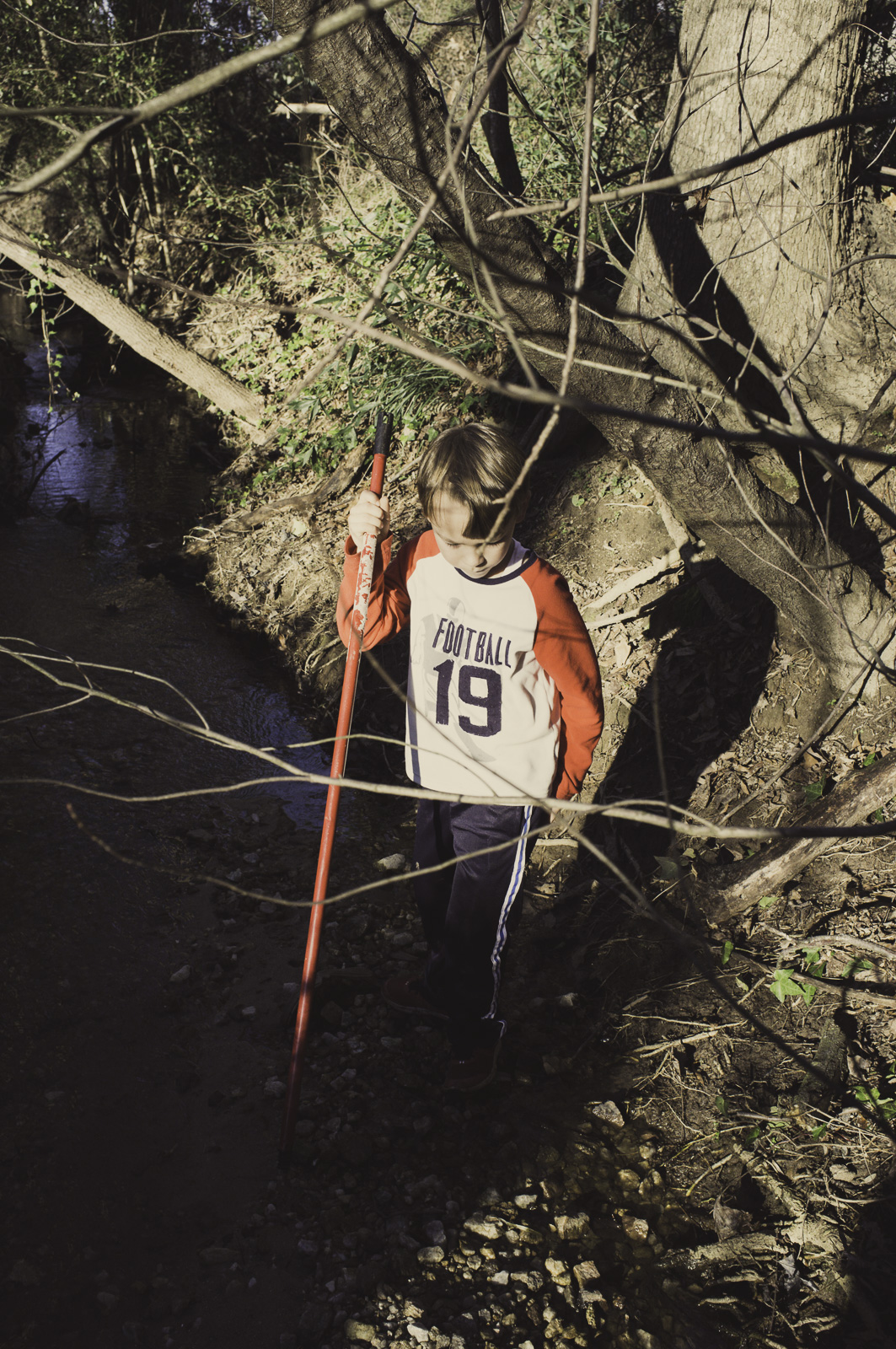
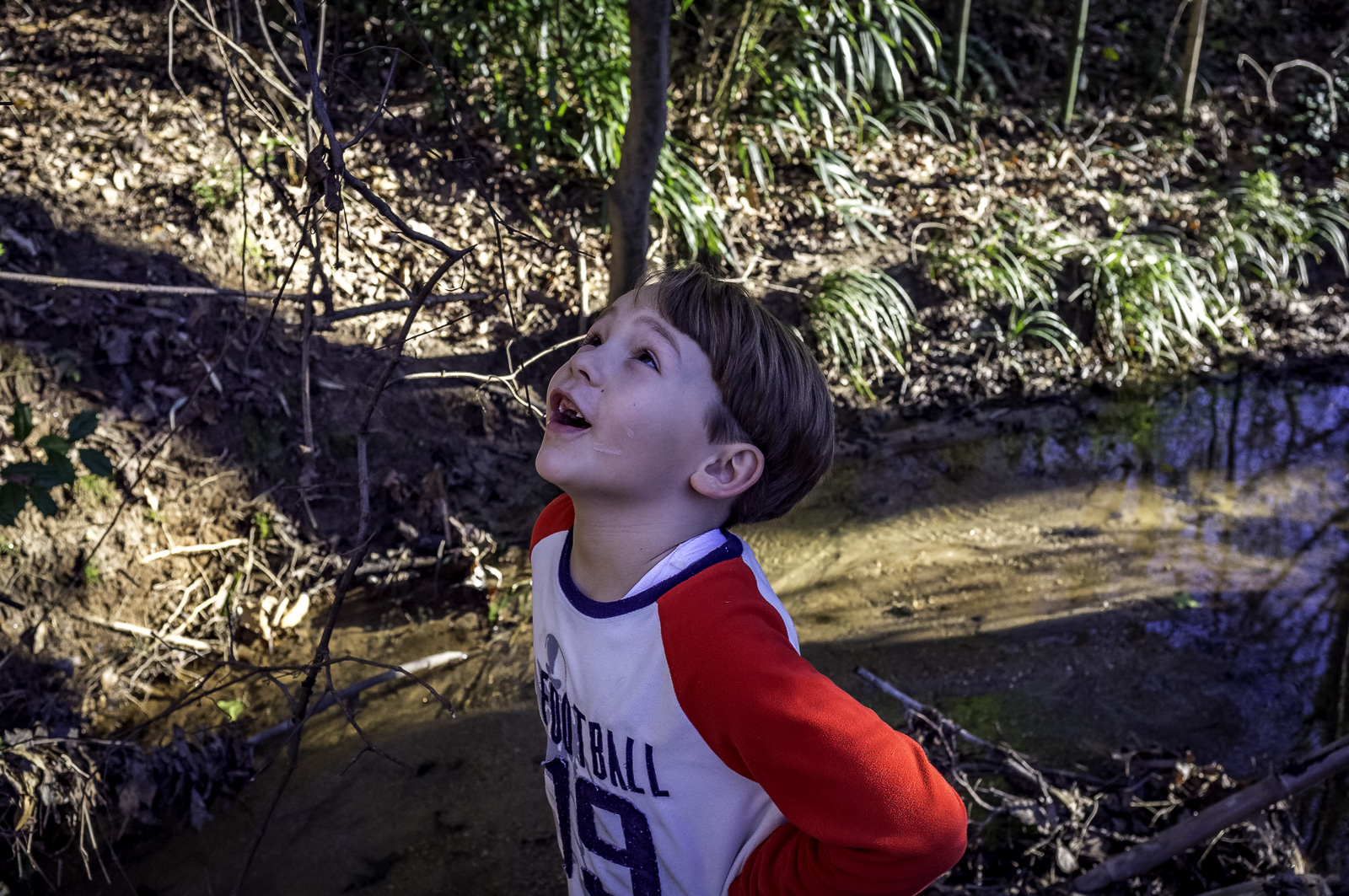
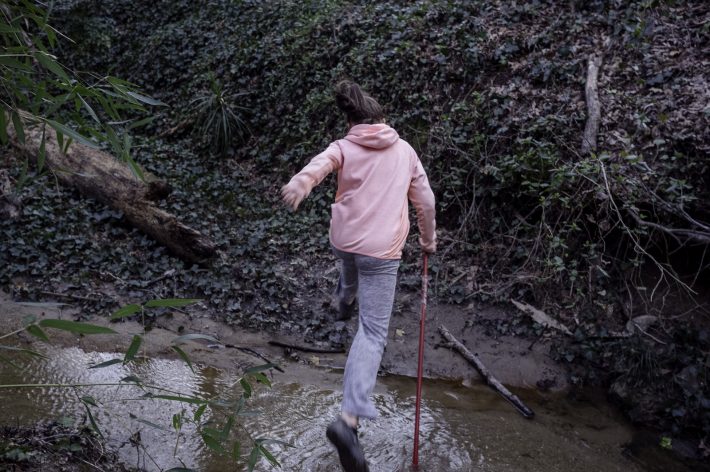
Today’s task: find a way to cross the creek. We found one, made another. Something tells me we’ll be spending more and more time out there as the weather warms.
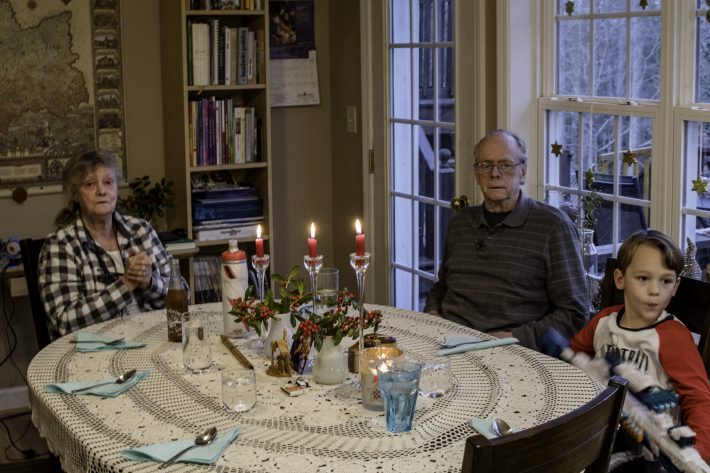
Finally, a small dinner with Aunt D, who’s come to stay with her big brother and help out with everything.
I swore I hated that old cat. Looking back on it, I really don’t know what she did to prompt such a response, but I think I was just being ornery. Trying out the grumpy old man act to see how it fit me. It didn’t fit me too well, because I ended up being the one who did most of Bida’s grooming and I came to enjoy it in a strange way.
It was messy: as she aged, she didn’t particularly put too much stock in the importance of hygiene, and that led to obvious problems. I was the one who bathed her. It was irritating: getting the tangles out of her long fur led to anger, frustrating, growling, scratching.
I don’t know why I started doing it if I hated that old cat. I don’t know why I would let her nestle into my neck as I held her, freshly dried but still shivering. She was terrified, angry, and cold; I held her trembling little body, petted her, and insisted the next day that I hated her.
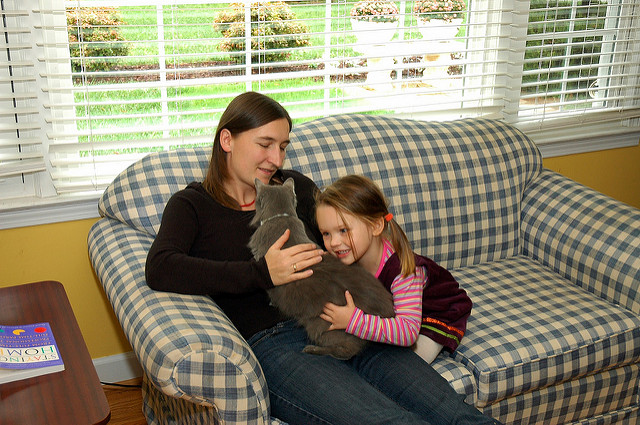
“Maybe she got run over!” L worried one summer when we returned from Poland and Bida had stayed gone for three weeks past our return.
“We wouldn’t be so lucky,” I snorted and thought I was only slightly joking.
At times, it seems that an impossible confluence of accidents comes together in an impossibly ironic way making it impossible not to think that perhaps there isn’t someone pulling the strings behind it all, weaving something terrible yet beautiful out of all the strands of our life.
I spent the summer helping D, my friend and mentor, the grandfather of L’s closest friend and the gentleman who helped me for several weeks in 2016 to renovate our kitchen. We were working on an addition to the house, an extension of the master suite and additional closet space, and D had decided he was going to pull all the insulation out as well. It was going to be new, from wall to wall, from floor to ceiling. Remembering I’d mentioned that I wanted to add some more insulation to our attic, he suggested we pack the still-good insulation into construction waste bags so I could truck it home. Those bags still sit in our basement, almost six months after D gave them to us. Bida discovered how soft and warm they are, and she began leaping on them (they sit about three feet tall, probably eighteen inches in diameter) and sleeping the day away there. That’s the first strand.
Nana has been in rehab for a couple of weeks after a hospital stay, and she’s been having a hard time of it. We visit her daily, encouraging her and doing our best to make her smile. But having someone so close to me so debilitated sparked a new resolution about my own health. Sure, I walk the dog every night, and I ride my bike a fair amount (though “fair” is fairly relative), so the other night, I went out to a sporting goods store and bought some running shoes. I’ve run every night since then. Except tonight. That’s the second strand.
Returning to D, one of the things I admired most about him was his determination to accomplish goals he’d set out for himself. When he was diagnosed with cancer about sixteen months ago, he fought it with everything he had, and he fought to keep his promise to his wife about a new bedroom. The man worked with a small backpack strapped on in the middle of a humid, South Carolina July so that he didn’t have to stop working while receiving his chemotherapy. Yet cancer doesn’t look at someone’s bravery and tenacity. It just attacks, and D passed away this Sunday. K and I managed to see him Saturday morning; his funeral is tomorrow. That’s the third strand.
D’s grandson, E, is the Girl’s oldest and closest friend. They went to Montessori together almost ten years ago, and since they liked each other so much, their joy together drew our two families together. That’s how we know D to begin with. E, like the Girl, is fond of cats. His cat died of over the summer. His mother texted us about it to prepare L for when she saw E at D’s house. (The Boy and the Girl often went to D’s house to help.) “He’s not quite himself,” she explained. That’s the fourth strand.
I’d just been writing and thinking about the fact that Bida is skin and bones, knocking on death’s cliche door, wondering without saying it about whether we might need to have her put down in the near future. That’s the fifth strand.
I’ve been thinking and writing about death and health and age and ignoring pain. That’s the sixth strand.
Tonight, when we came home from visiting Nana and sharing a meal afterward with Papa, K went downstairs to check on Bida. After a few minutes, I heard a panicked voice.
“G, I need your help.” I’d been drawing the Boy’s bathwater, so I turned it off and headed downstairs as K added, “Hurry. It’s an emergency.” As I walked into the basement, she explained: “Bida fell off the insulation bag where she was sleeping. I don’t know if she’s alive. She looks dead.” I pulled back the insulation bag and there was Bida, pinned against some shelving, lying upside down, not moving. I reached down and slid her onto the ground as gently as I could.
“I think she’s dead,” I said. But Bida took a deep, shuddering breath, and K’s sadness overwhelmed her.
I took Bida to the couch in the basement and lay her on it while K went upstairs and got the kids. L was the first one down, tears streaming. E made it down shortly after that with K. And thus began our long vigil, sitting with our poor cat as she slowly shuddered and gasped away after falling from insulation given to us by a hero who himself passed away only days ago.
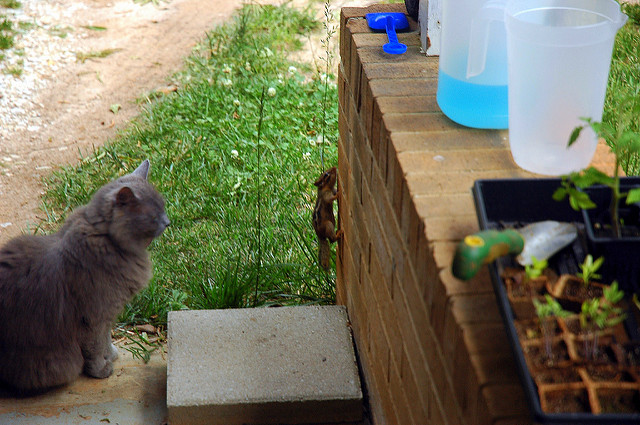
We sat and talked about Bida, all the silly things she’d done, all the times she’d irritated us. She’d brought chipmunks into the house when she was young and energetic and had a magnetic collar that allowed her to let herself in and out on her own accord. We talked about what an honor it was that a rescue cat, who was initially terrified of us, decided we were a good enough match and stuck with us for over a decade. We talked sadly about the time Bida discovered a rabbit burrow in the grass and cleared it out of all the young rabbits in a matter of minutes. We remembered how she used to torture birds she’d caught but not killed, toying with them in the backyard.
We laughed a little; we brought the other pets down, one by one, to say goodbye; we talked about how the remaining two pets would have to find a new dynamic without the old gray lady there to rule them all; we sat in silence a little; we petted her a lot.
Yet life continues and makes its continual demands on us, and one by one, the others left. K had work the next day — she had to get some sleep. E was exhausted — he had to get some sleep. L stayed with me the longest, but in the end, the sadness was overwhelming and exhausting, so she went up to bed.
I sat with Bida as her breathing went from labored to almost nonexistent, a gasp every thirty seconds or so. A tremor of nerves every ten minutes or so. I sat with her as a strange, sour odor came over her and the time between her gasps increased; the shuddering diminished. I petted her, held her paws, stroked her under her chin, rubbed the top of her nose. Each time she took a deep breath and let it out with tremors, I thought it was her last breath, and then she would begin shallow panting again which would diminish. Then another deep breath. Shudders and twitches. Then stillness. And so it went, on and on, for two painful hours. Her eyes were glassy; her tongue began hanging out of her mouth. At one point she began running her back legs, as if she were dreaming of chasing the chipmunks, birds, or bunnies she used to bring us. She was there and not there.
And then, at 10:54, our beautiful, ornery, sweet, irritating, wonderful Bida, that damn cat I loved to hate, was gone.
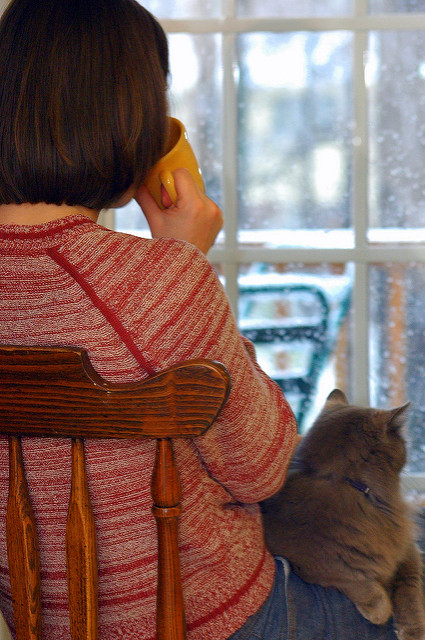
I went to the storage room to find a box to put her in and found that K had already taken out a shoebox for me. It was the box my running shoes came in, my latest attempt to outrun mortality I mused.
I gently picked up Bida and put her inside wrapped in the pillowcase we’d put under her on the couch, the pillowcase that covered her old bed she loved until she discovered D’s bags of insulation. I tucked her into the box, making sure her legs were tucked up as if she were sleeping, curling her tail over her legs, and the strands formed a knot, and I wept for them all.
The idea was simple: twelve pictures to represent twelve months. It was something I used to do with the Girl, but with a full family — wife, two kids, two cats, and a dog — that quickly became unreasonable. I had twelve pictures and I wasn’t even through a quarter of the year.
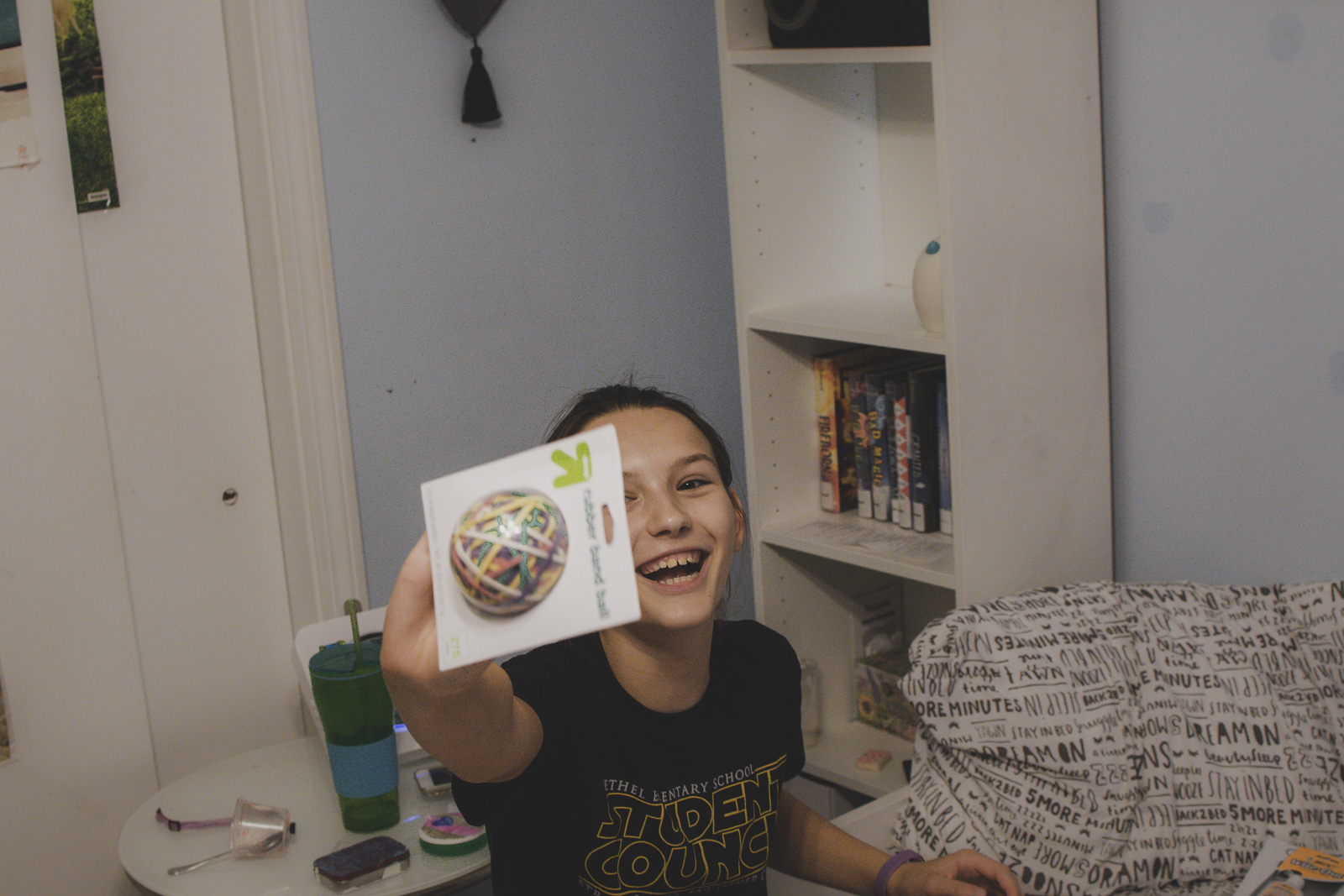
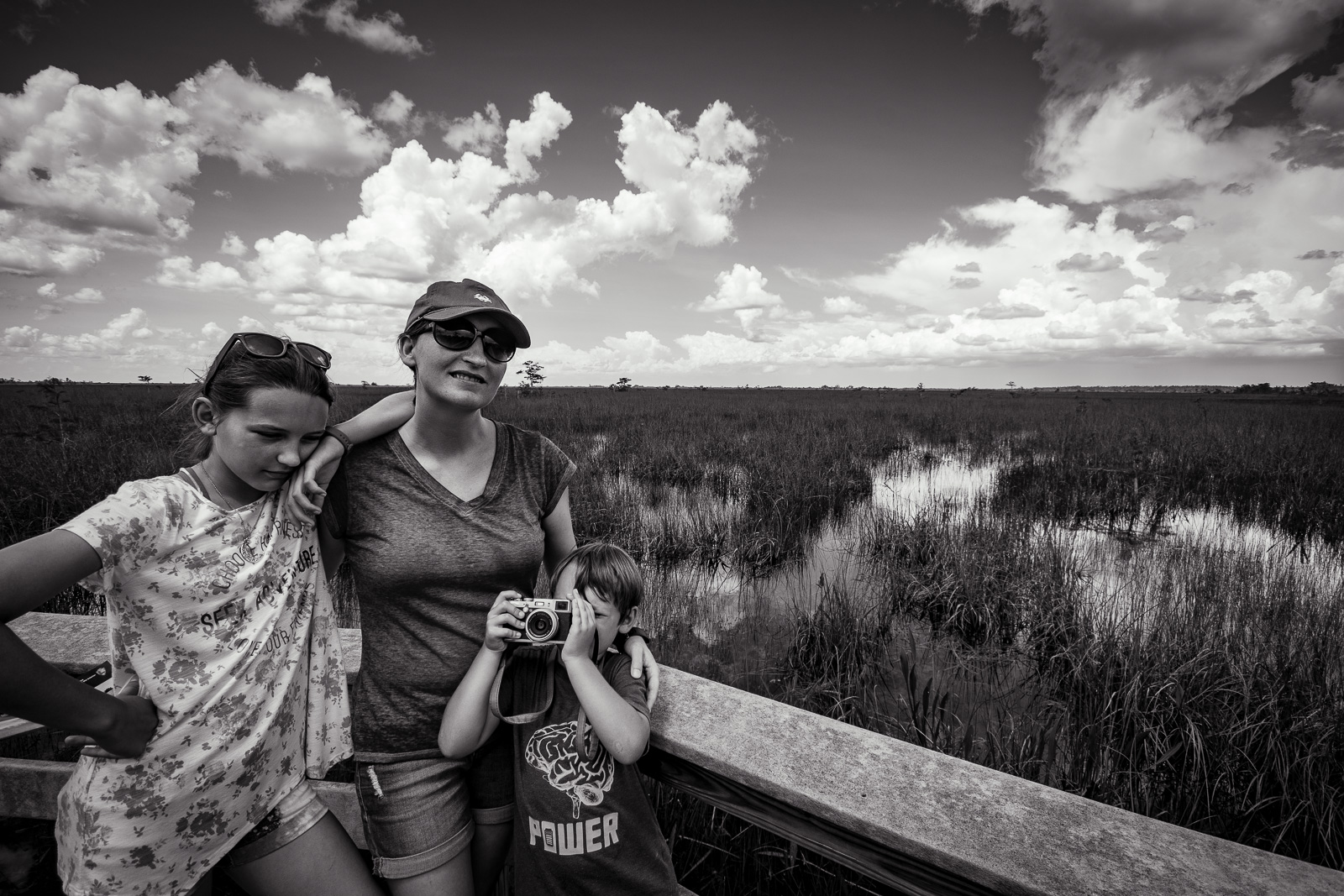
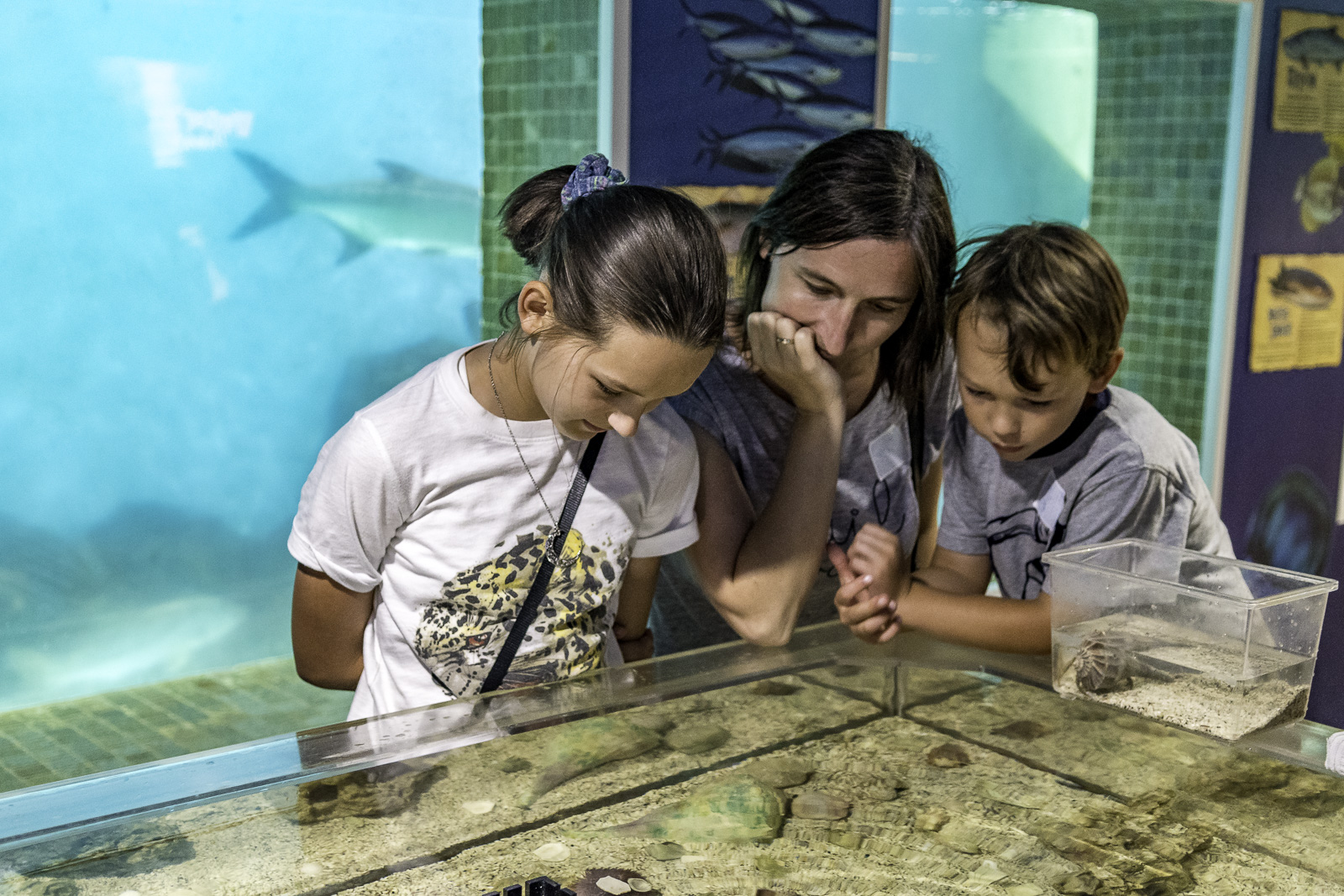
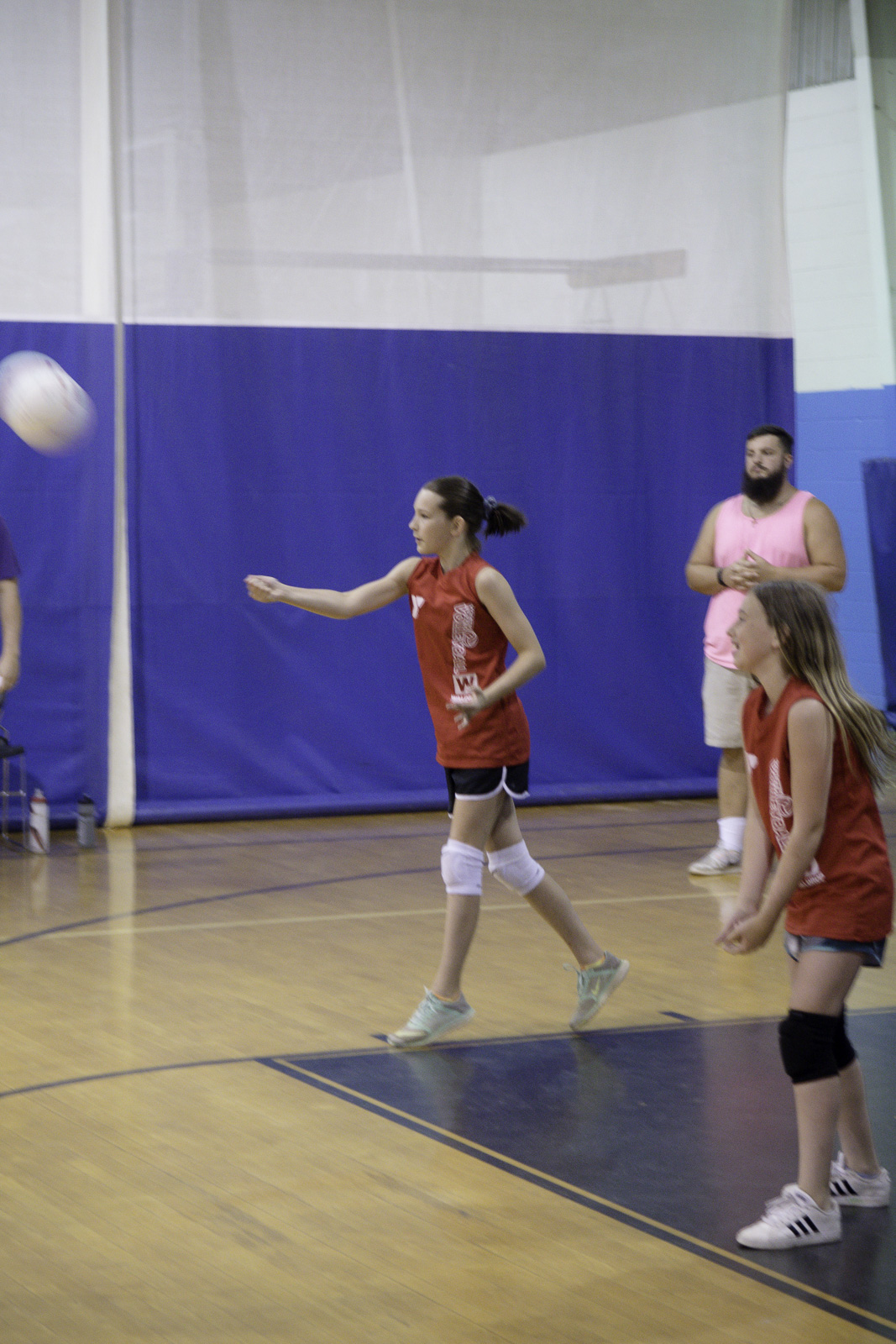
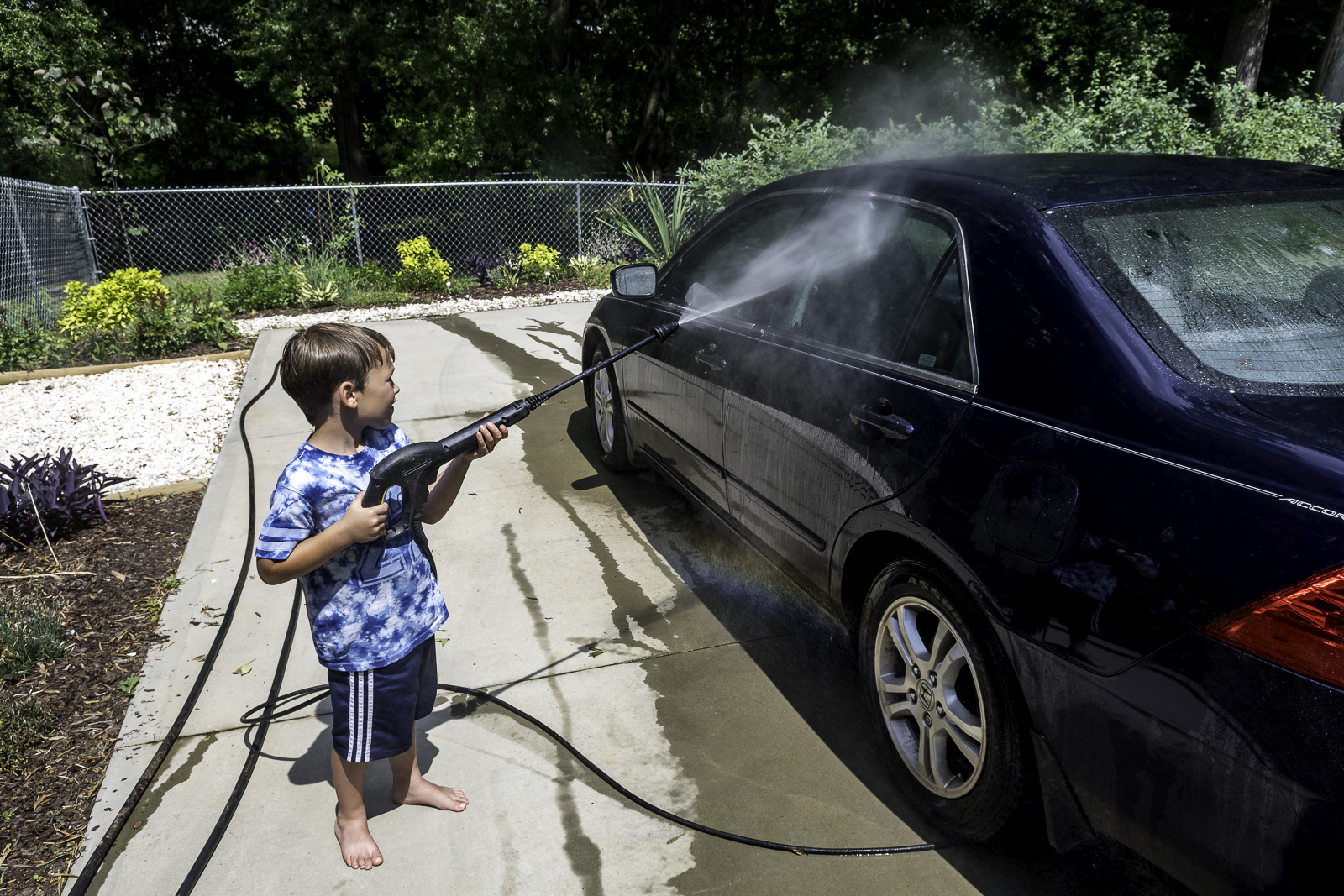
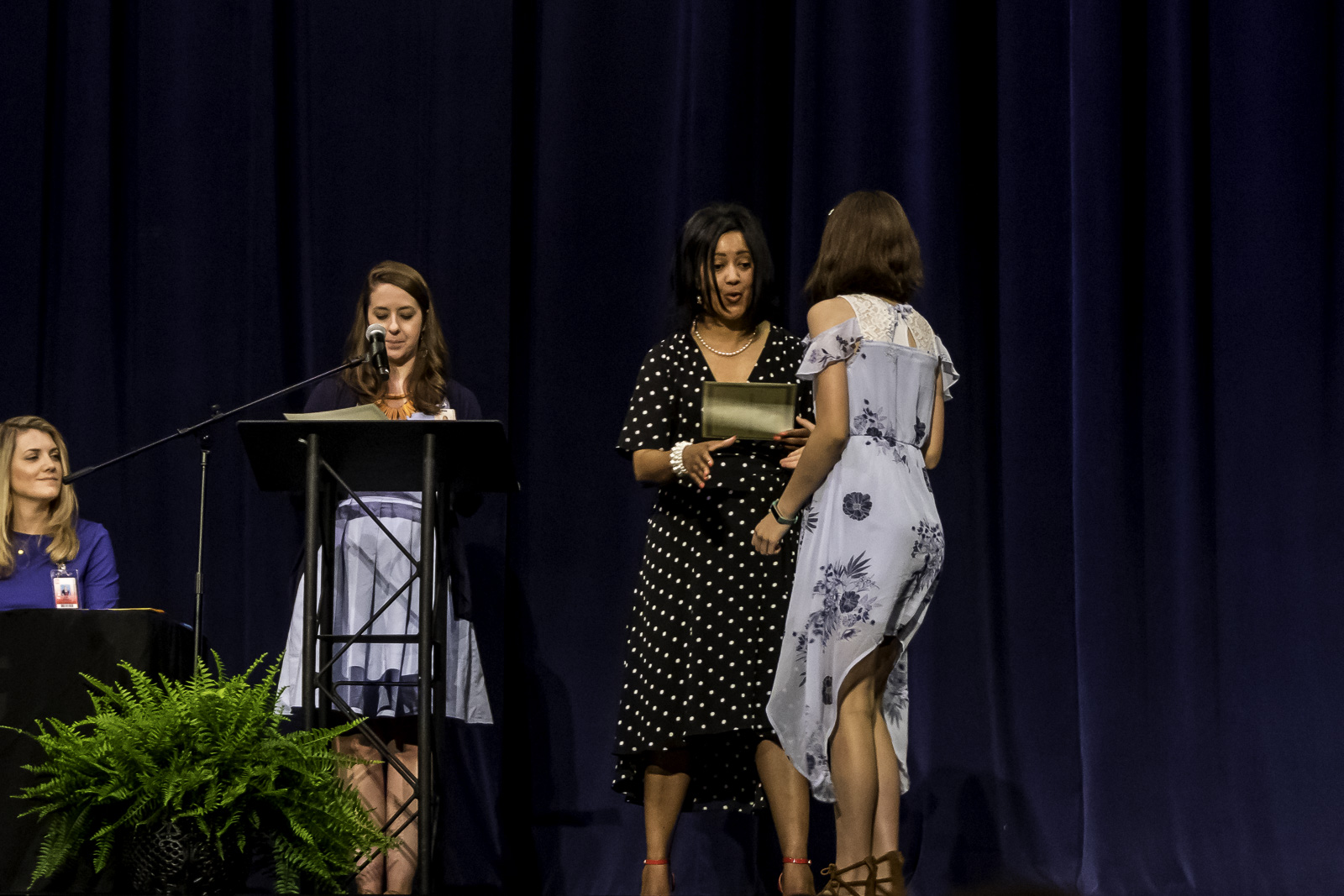
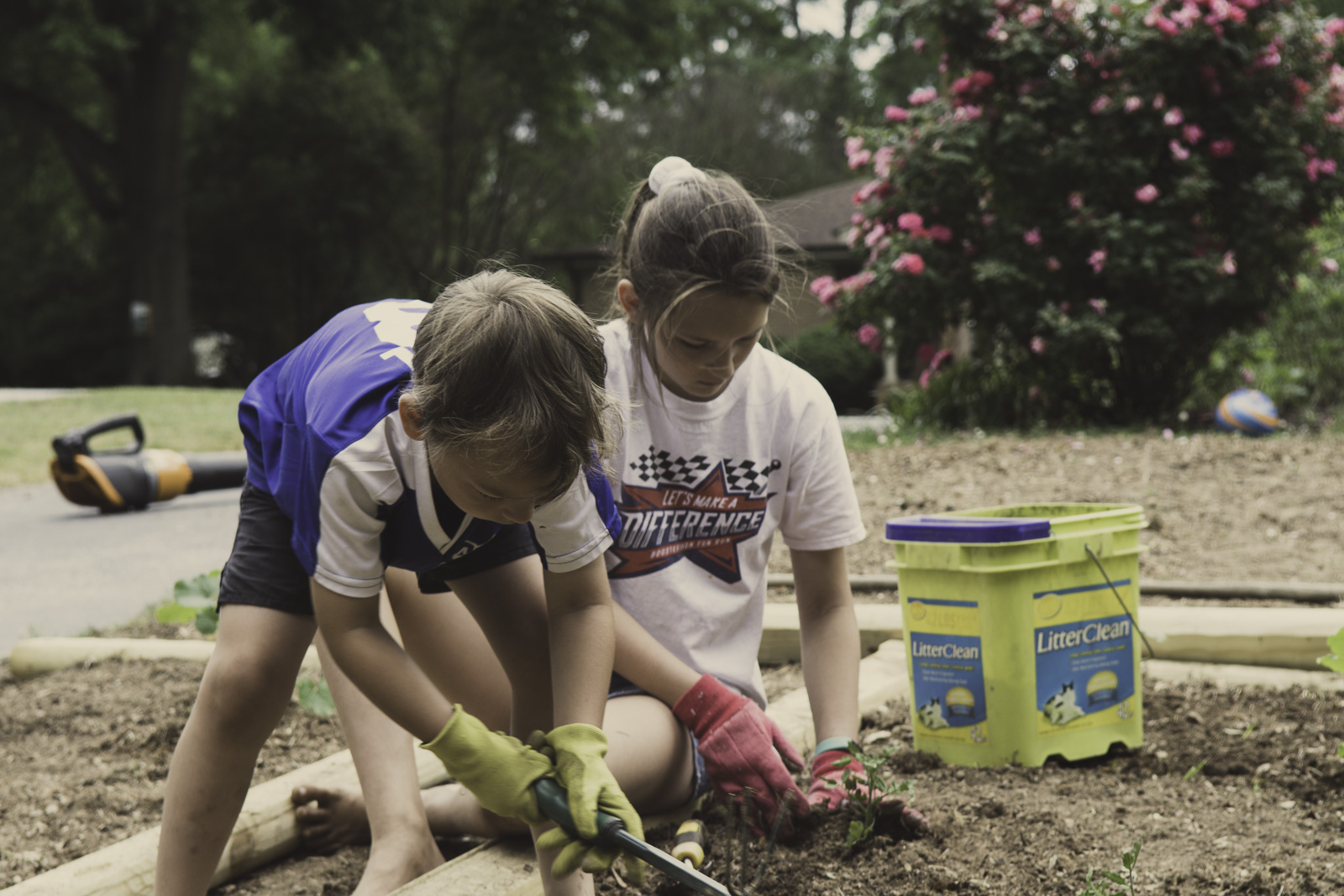
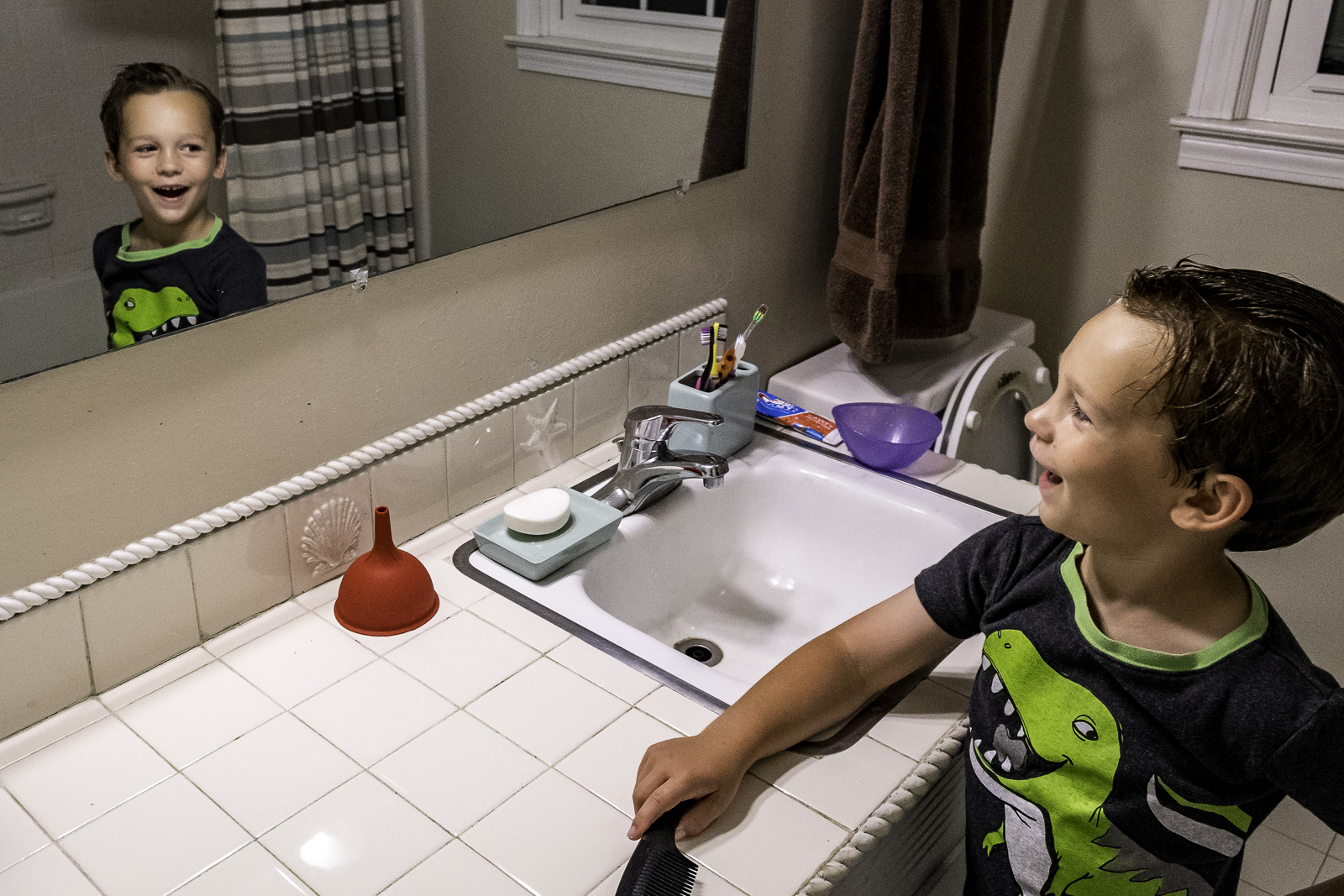
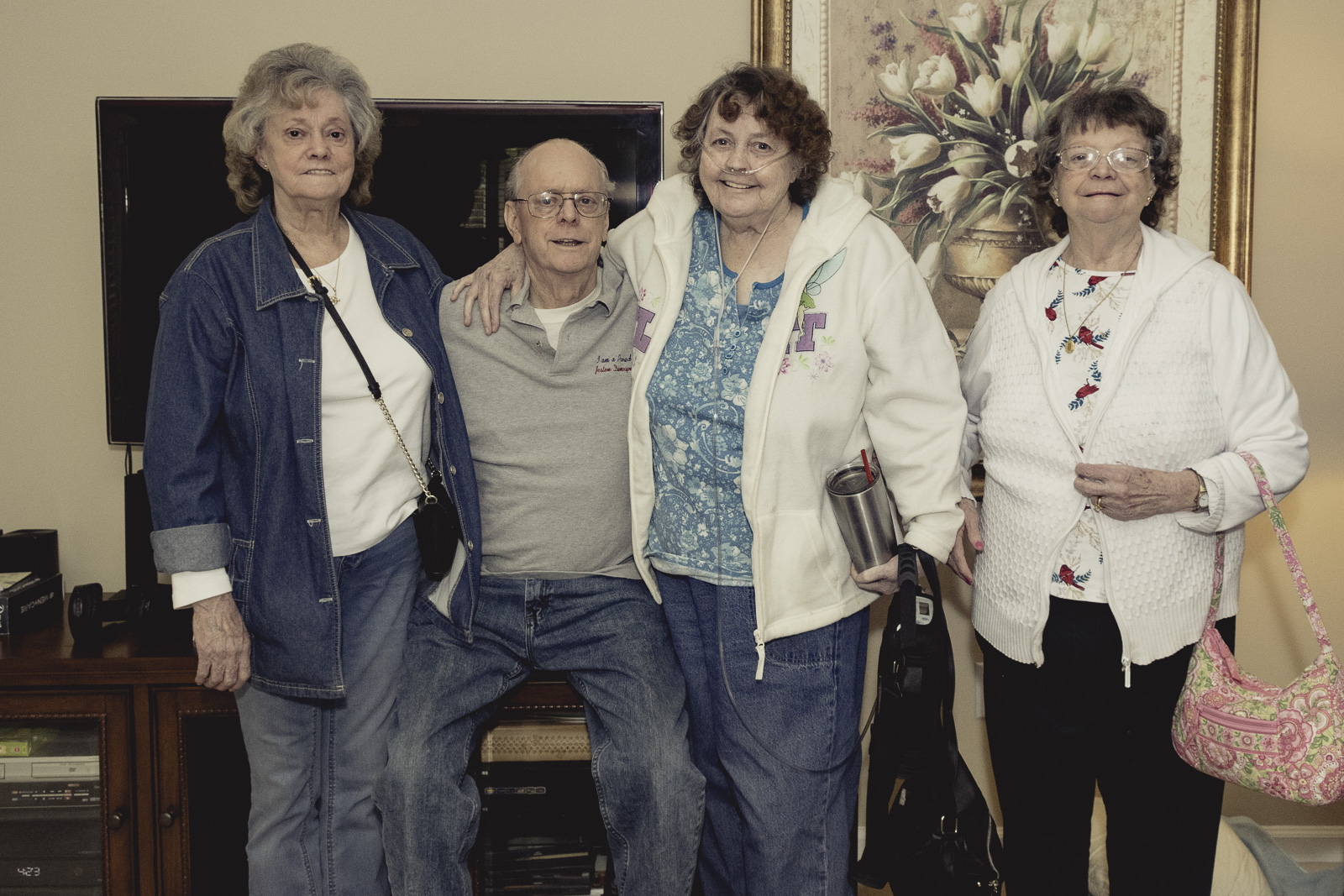
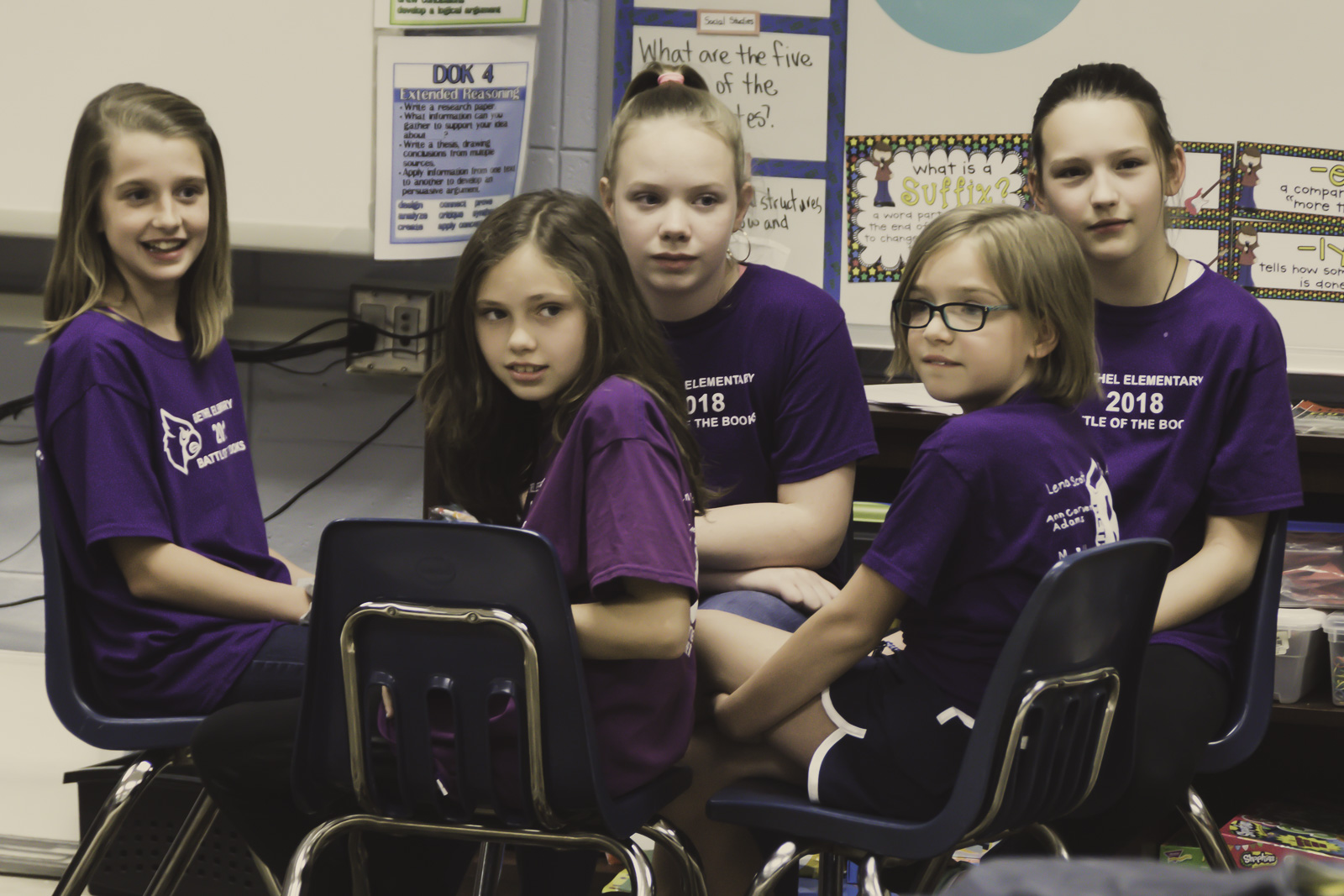
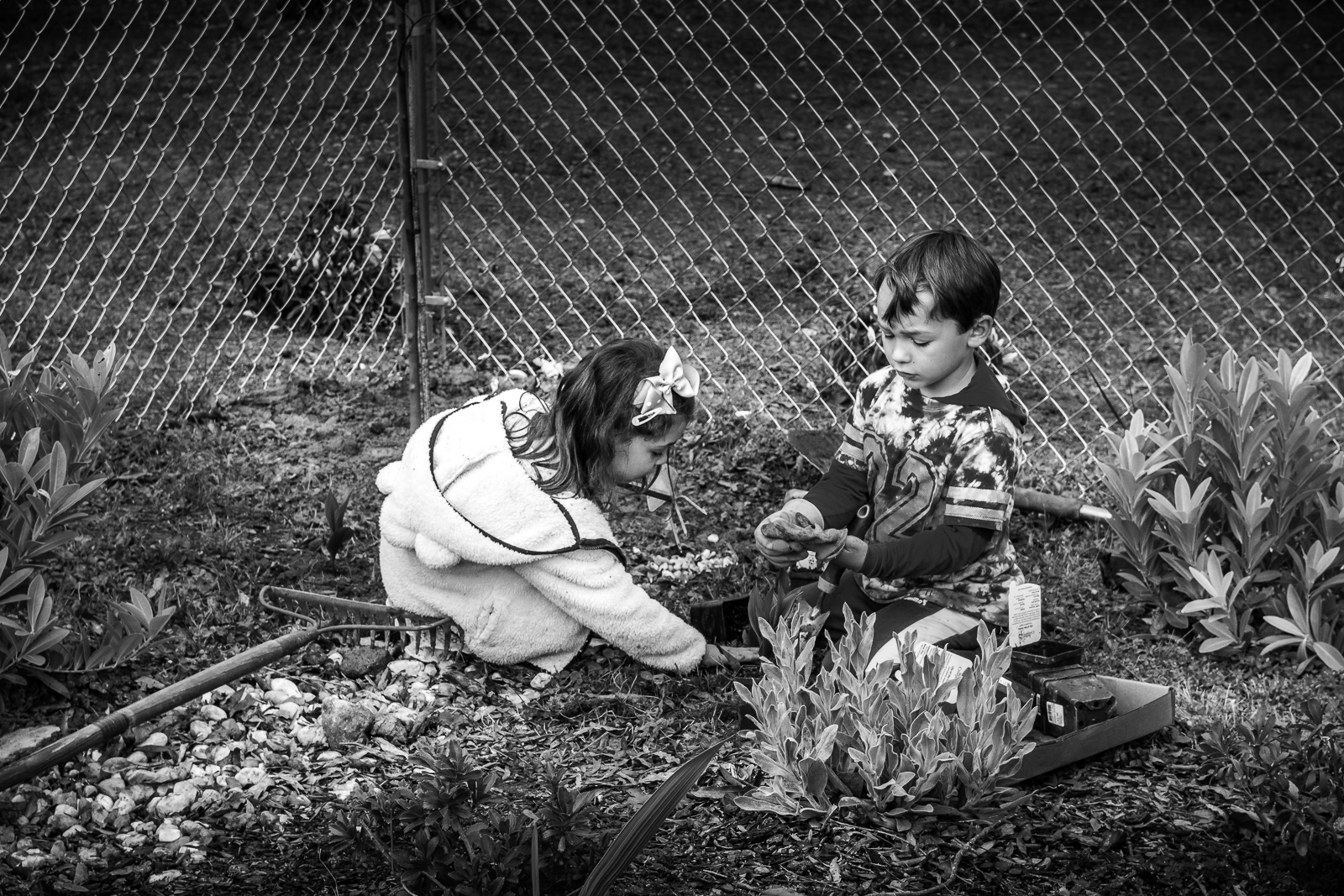
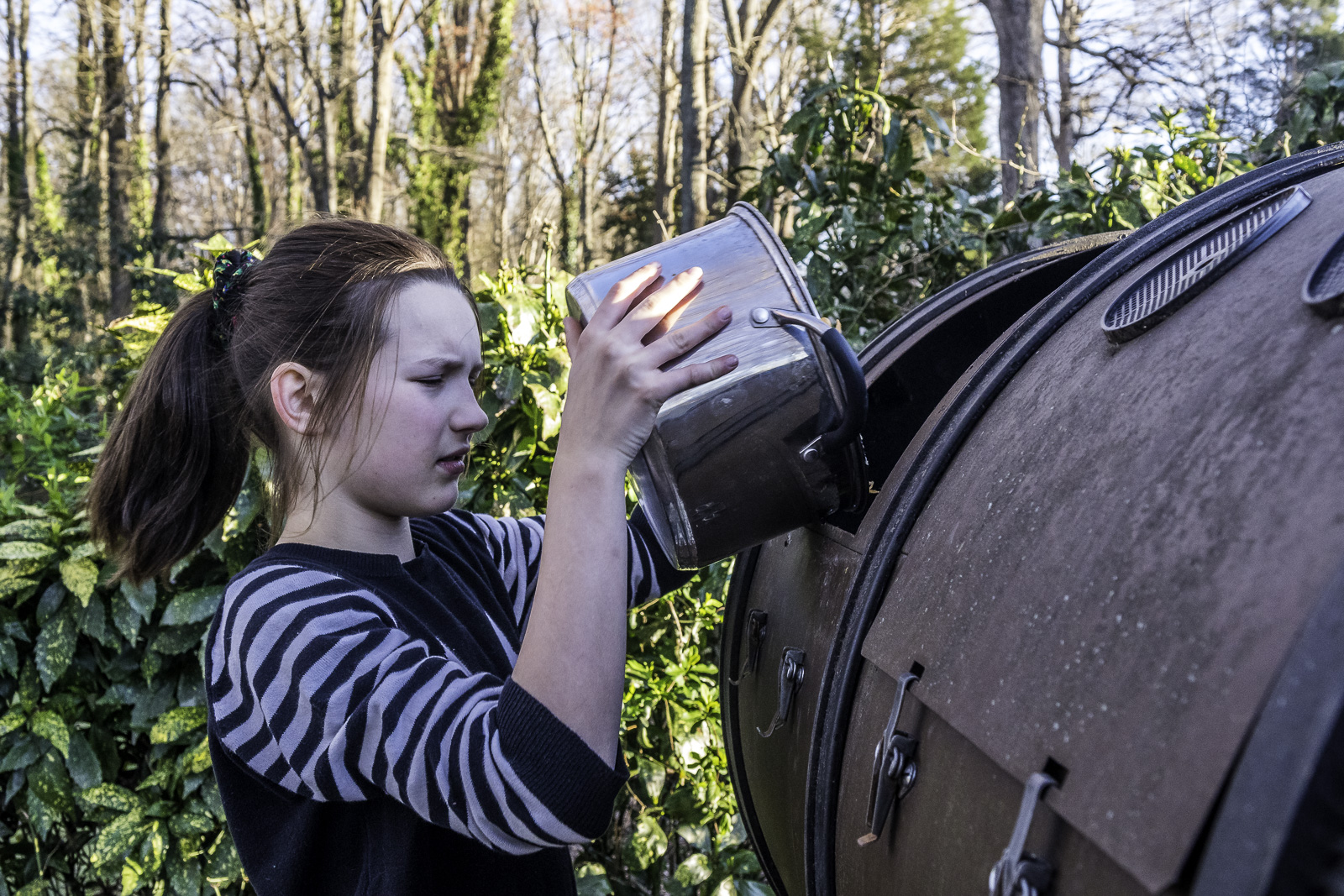
Then I began noticing a theme in the pictures, both the ones I’d selected and the ones I was noticing: maturity and independence. The kids working more, helping more, taking more on for themselves. The kids showing interest in things they’d never shown interest in before. Sure, there were lots of pictures of the kids being kids, but there were lots of pictures of kids growing up. Mowing, baking, reading, helping.
L finished elementary school and dove into middle school with eagerness. The Boy went from barely reading to showing an interest in chapter books and excitement at the prospect of reading them on his own. The Girl committed herself to singing in the church choir, now led by an Italian who was the associate choir director at the Sistine Chapel and has the girls singing most of their stuff in Latin these days.
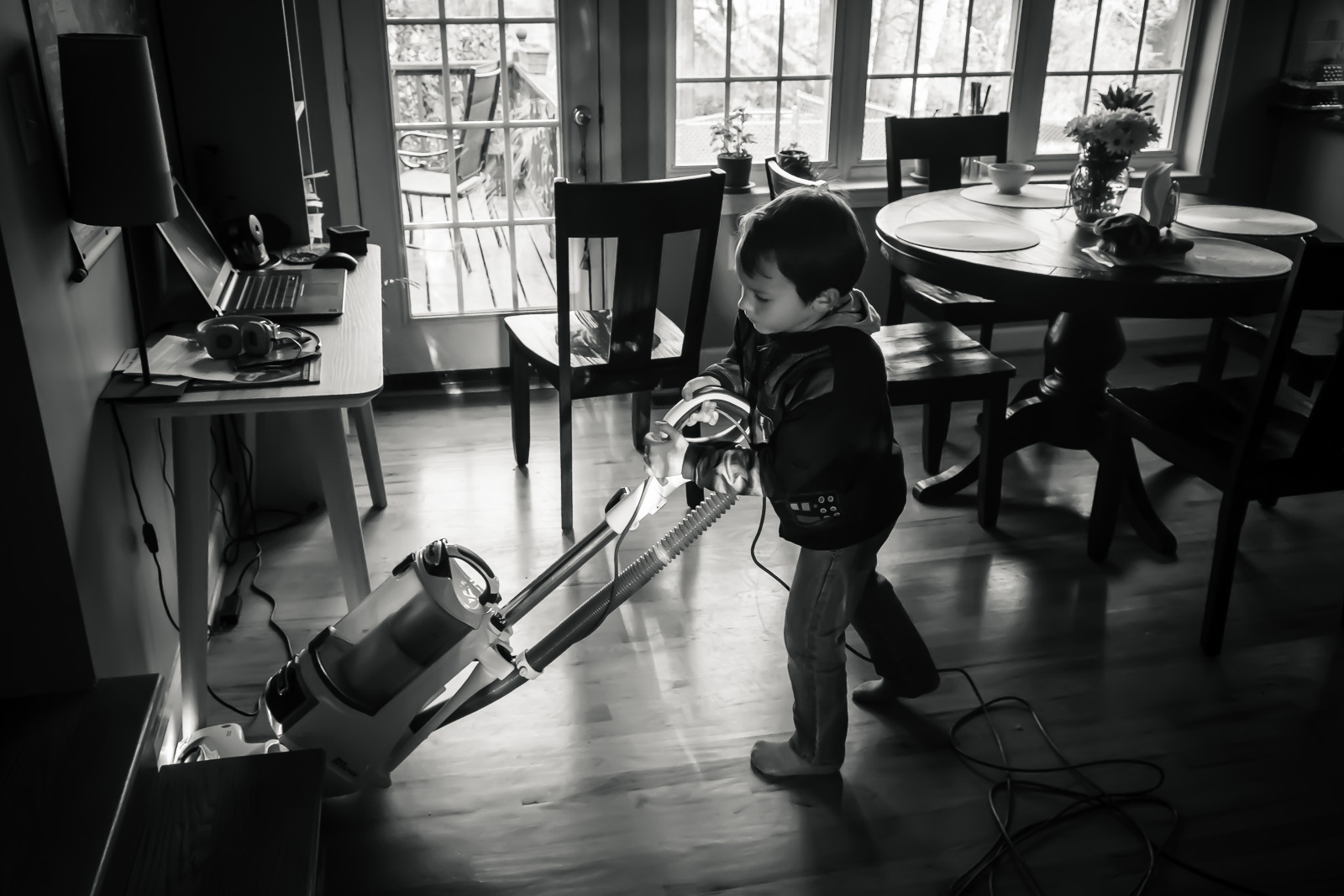
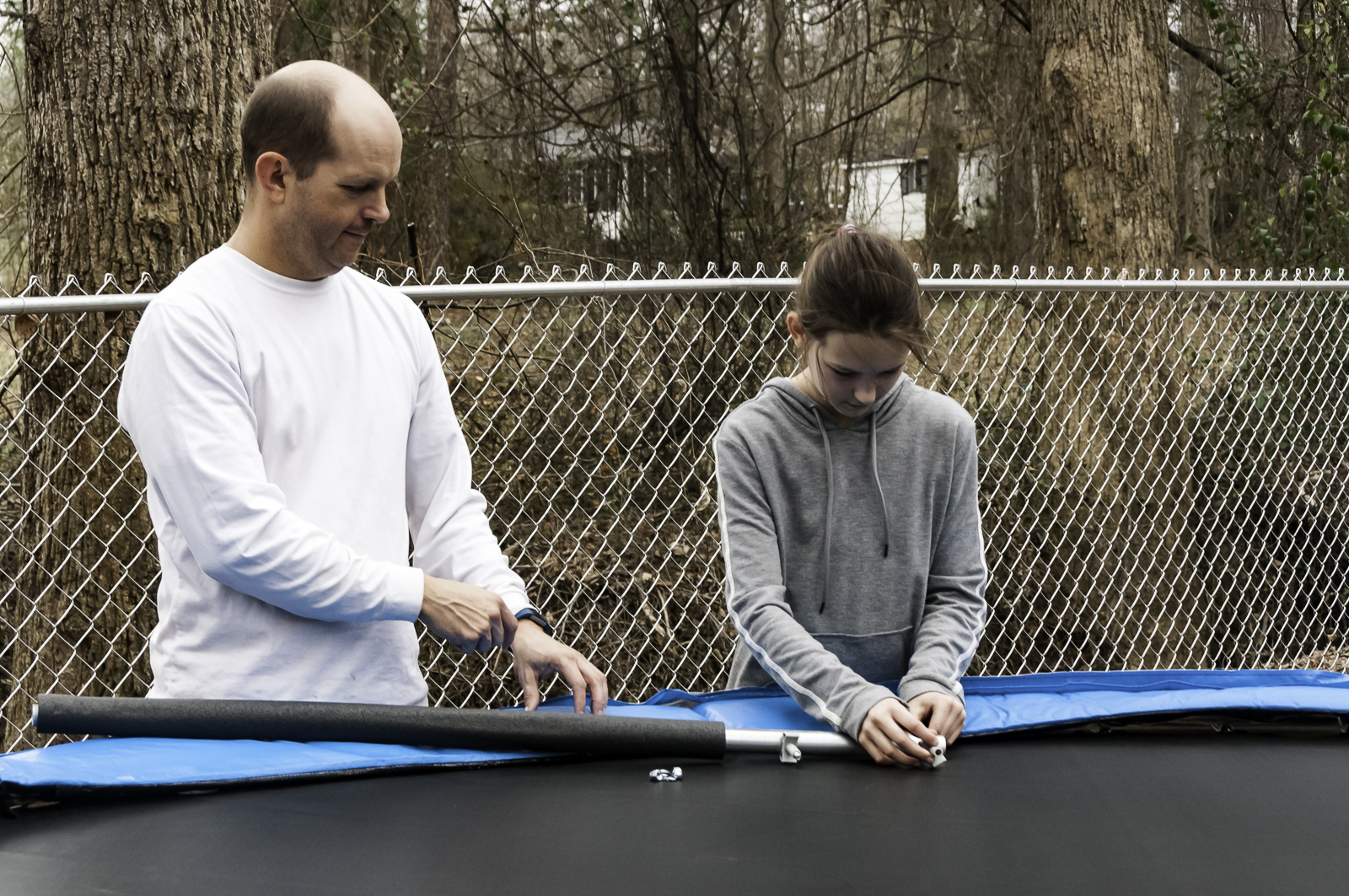
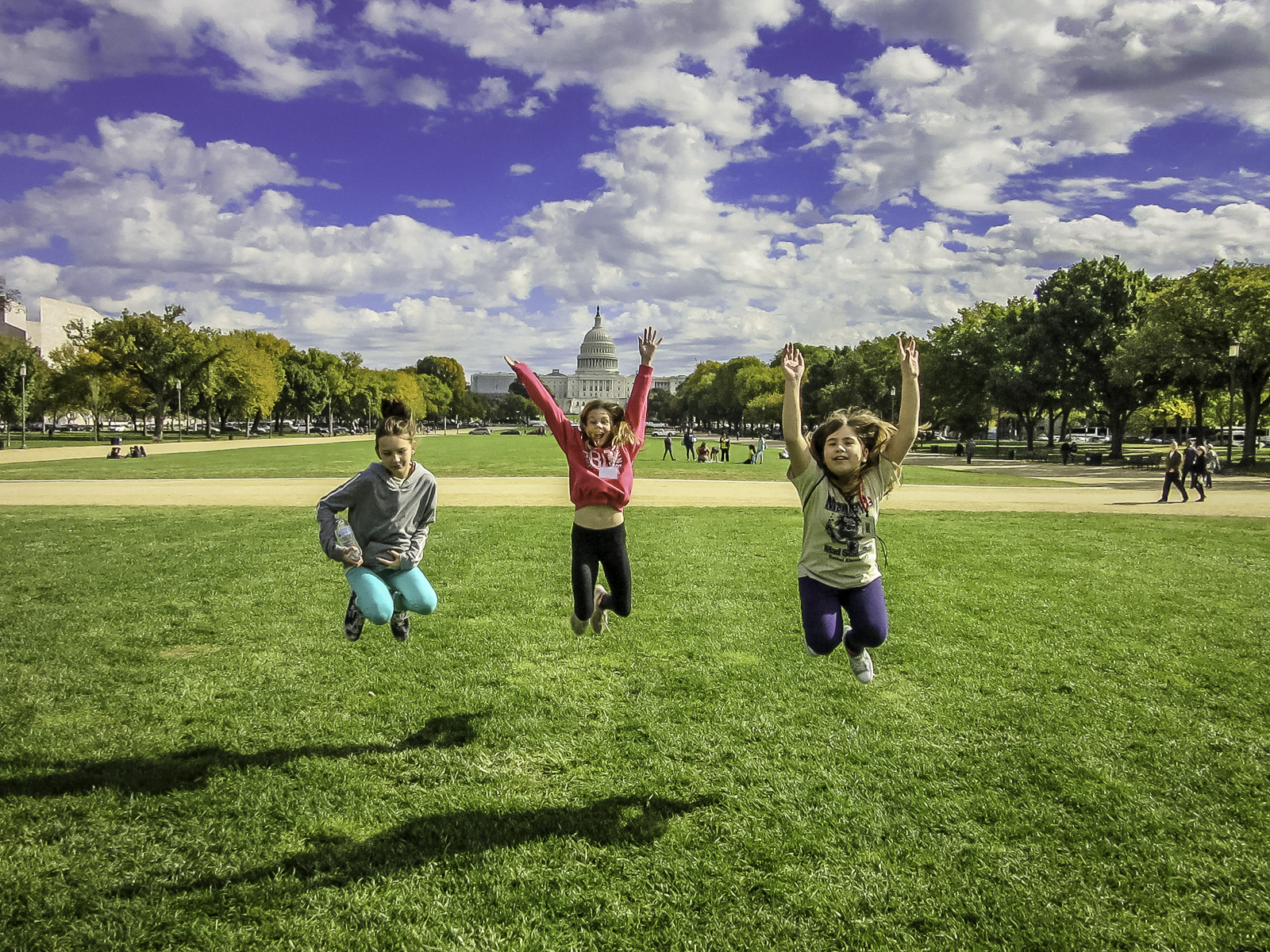
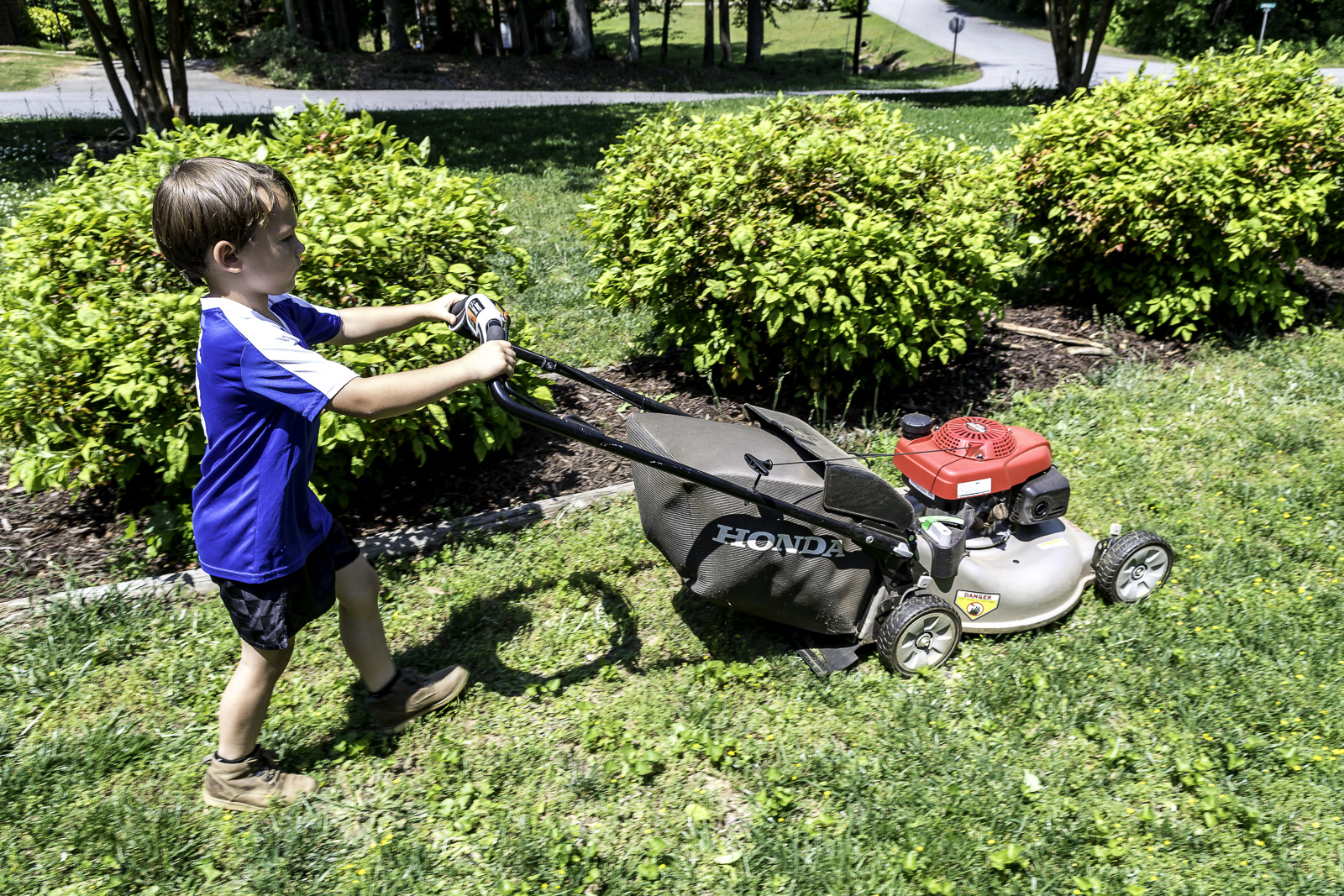
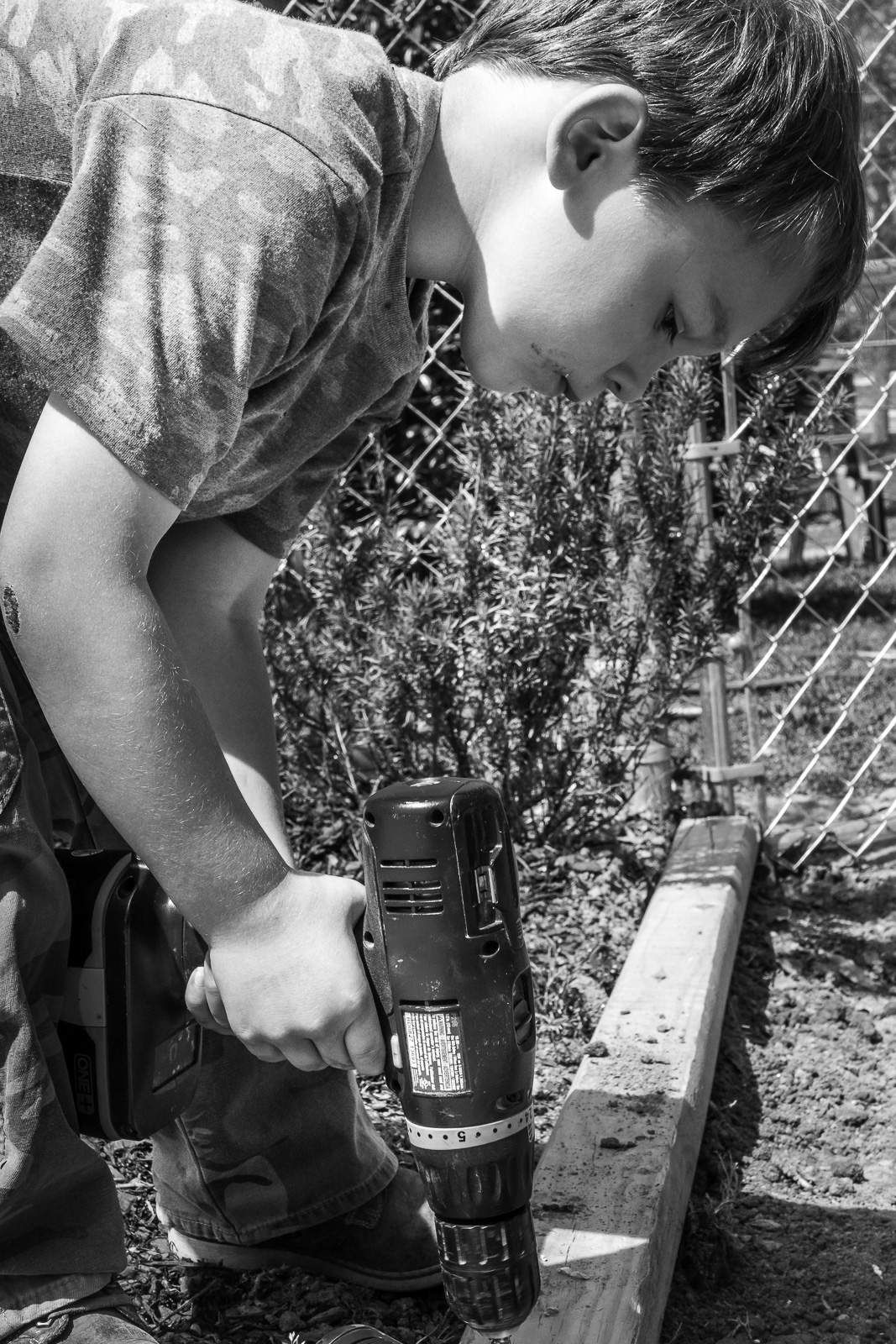
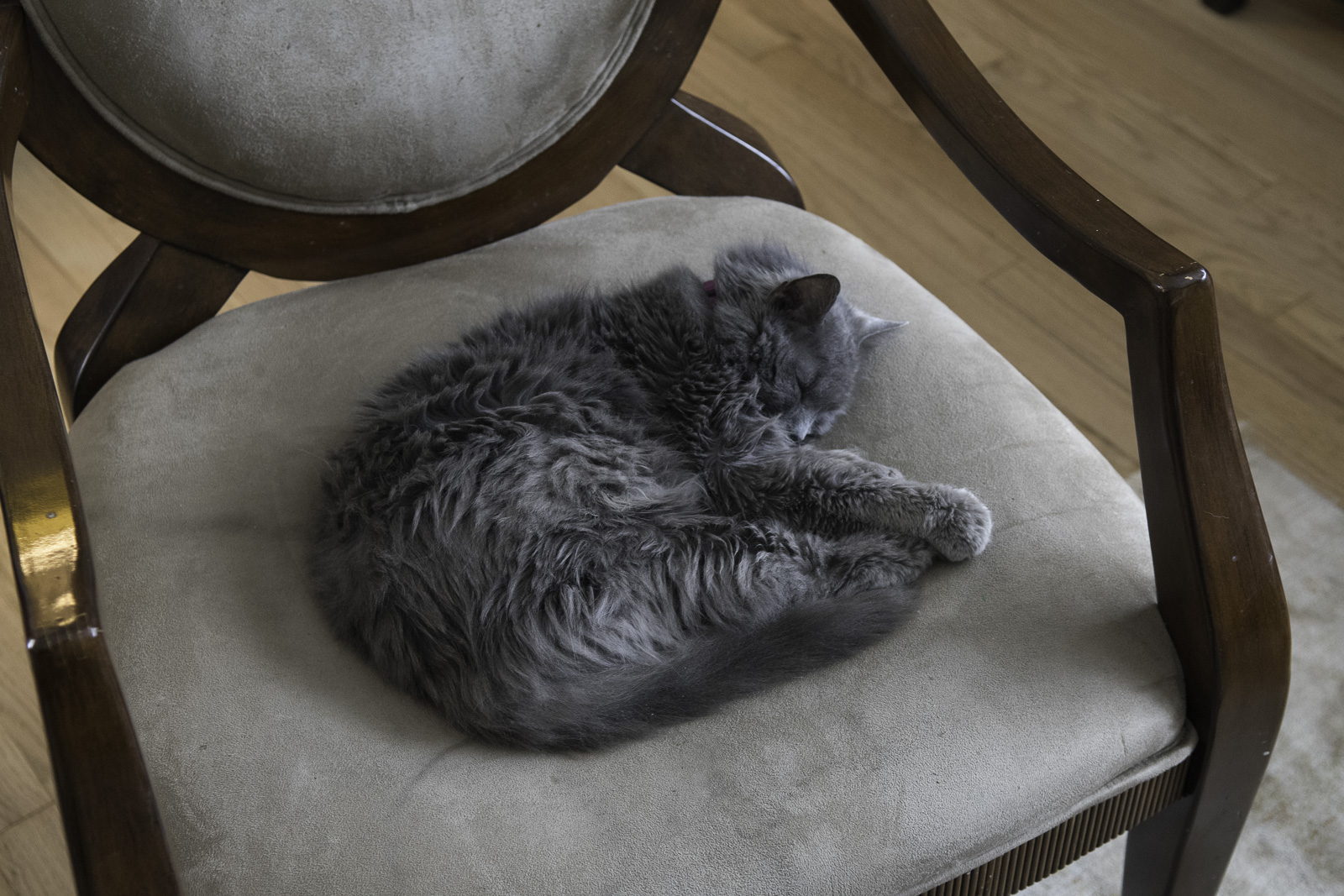
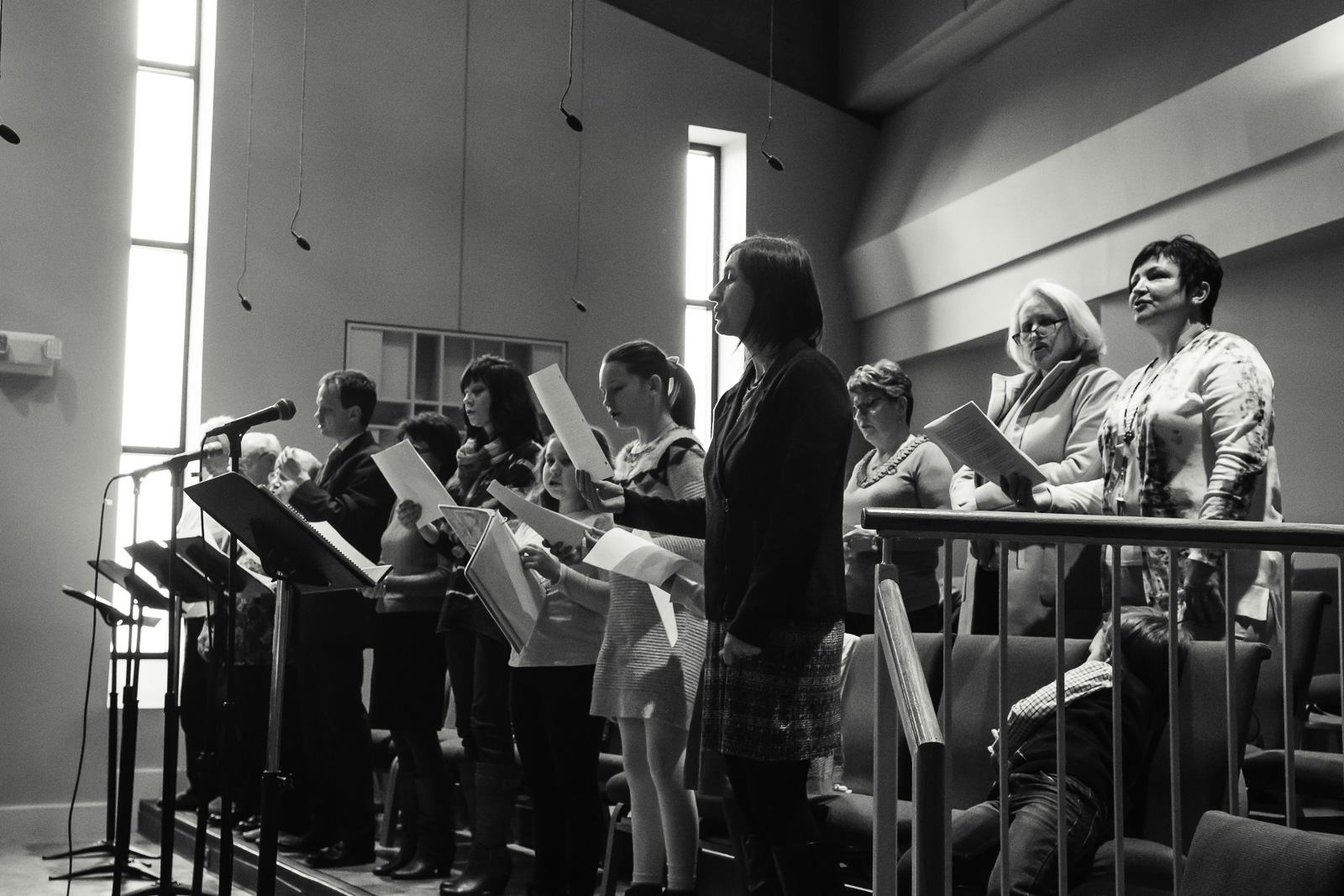
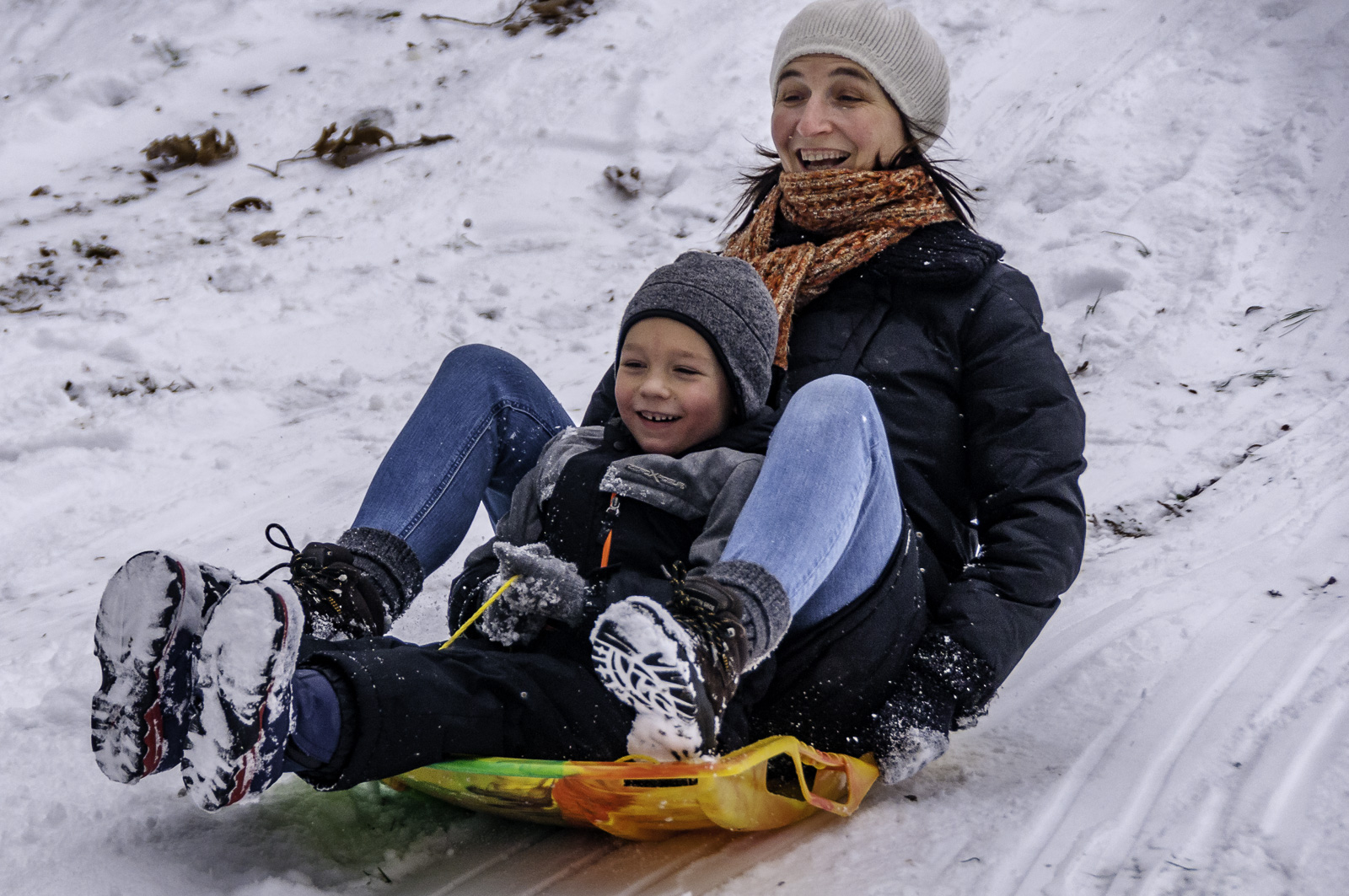
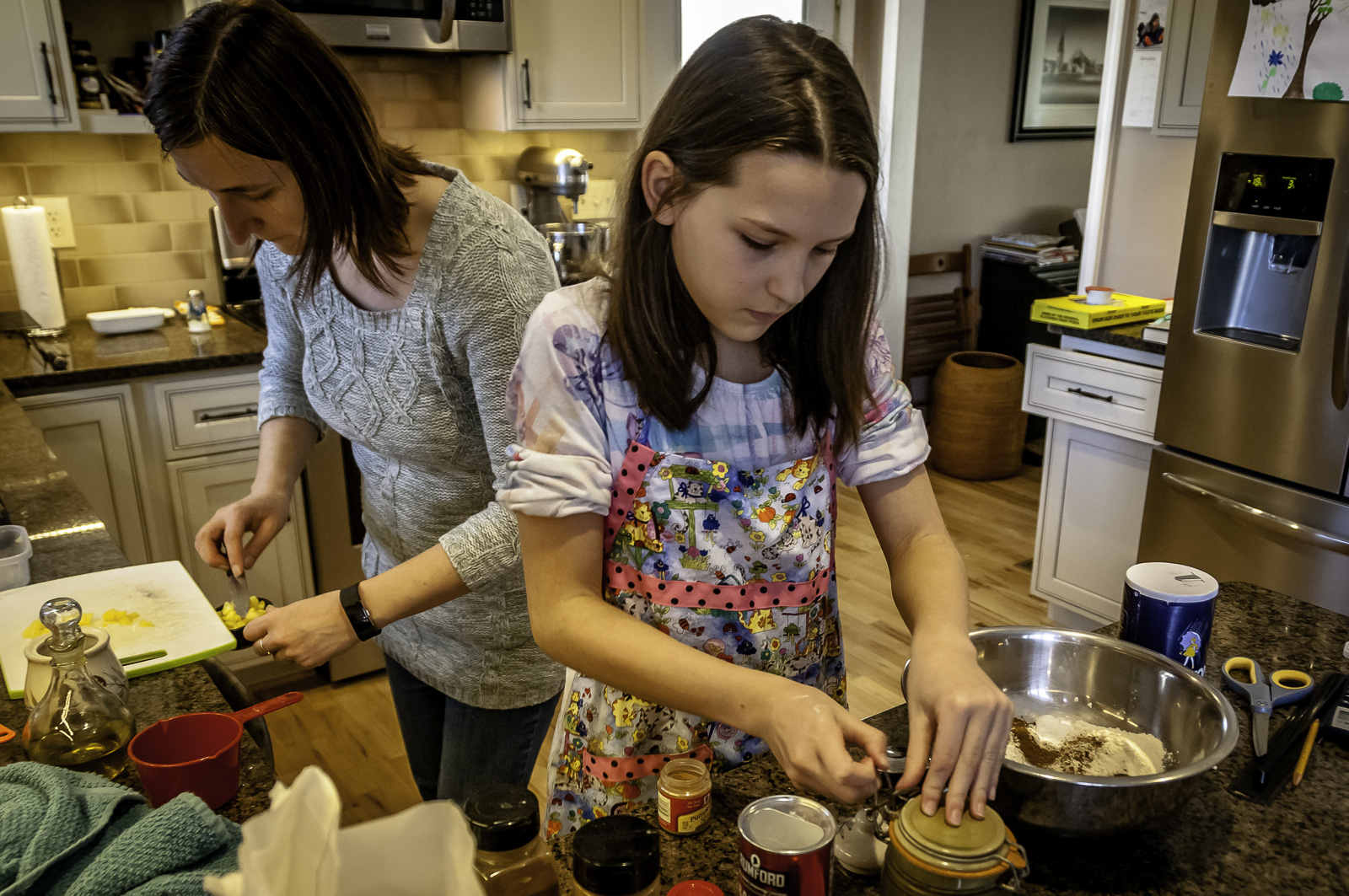
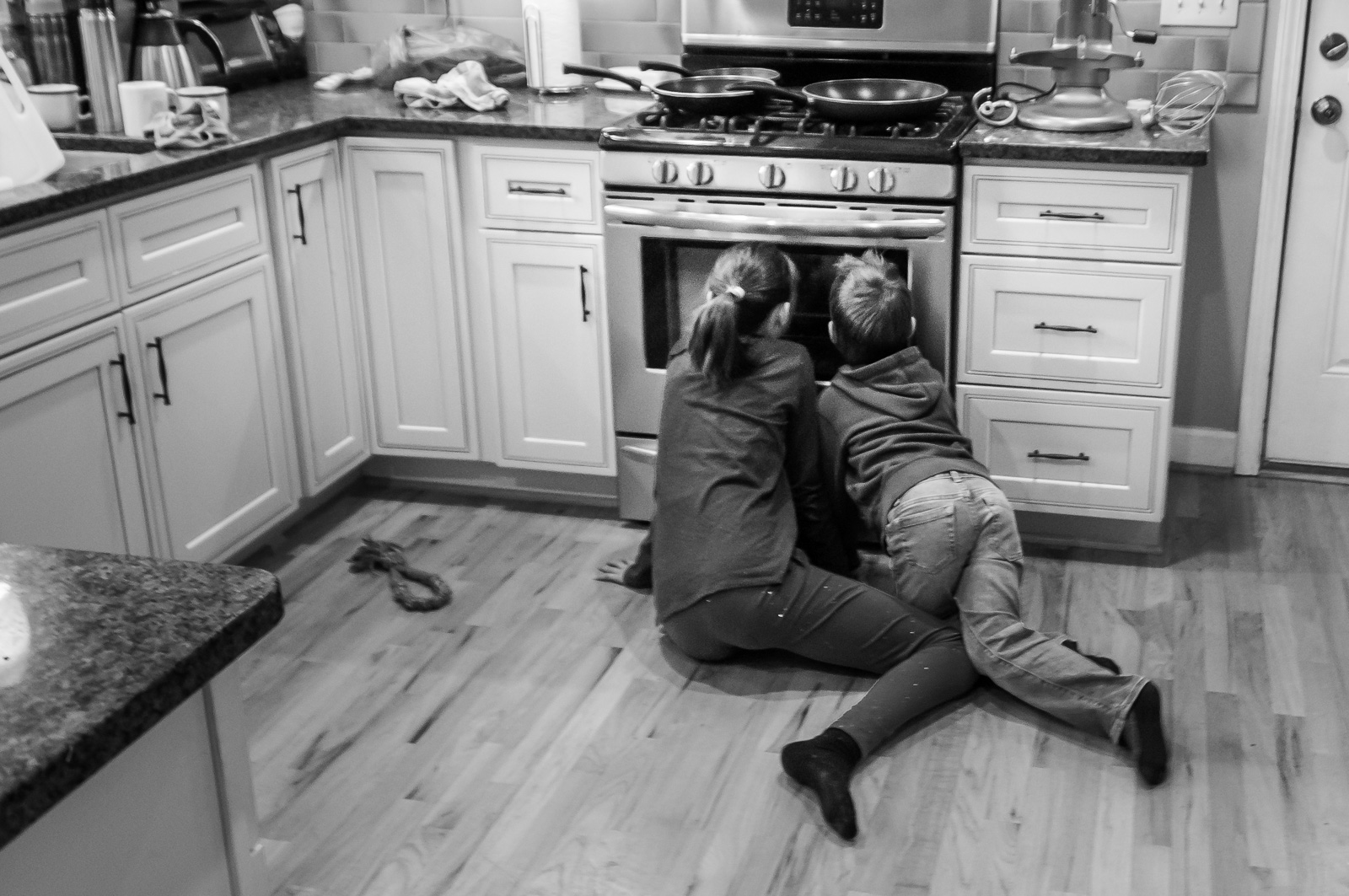
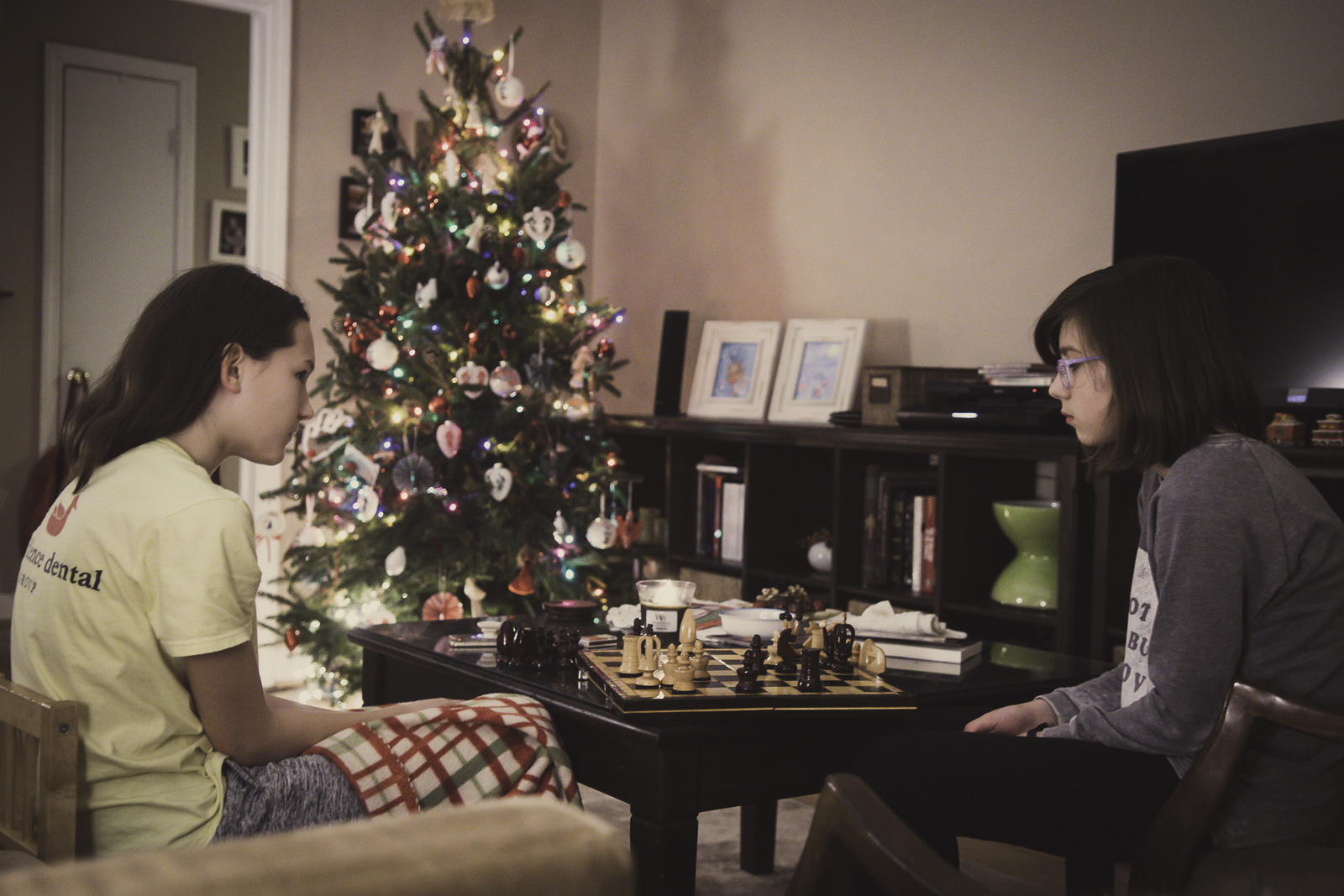
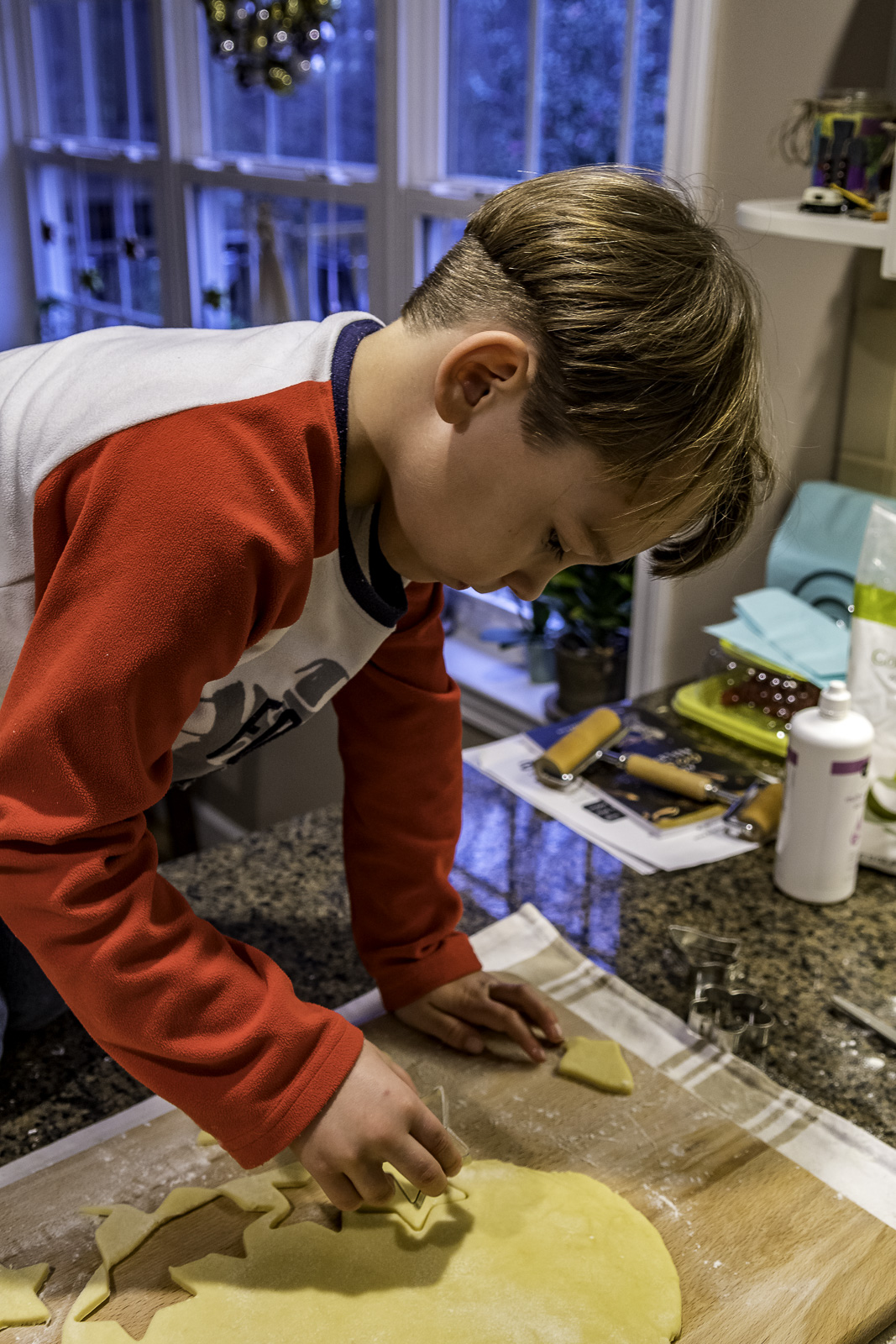
There were some downs as there always are. One of Papa’s sisters passed away unexpectedly, and our dear friend who was battling cancer and had been given four to eight weeks to live survived only a few more days. Bida is growing more and more pathetic (in the classical sense of the word), and with her slowly stopping eating and moving less and less, for the first time, K and I discussed the inevitable. Not for a while, that’s true, but it’s coming, I fear.
This year will bring even more changes. The Girl will officially be a teenager. I will begin the second half of my forties. The Boy will likely be eating more that K. The Girl will likely be taller than K. And no matter the other changes, family will still be family.
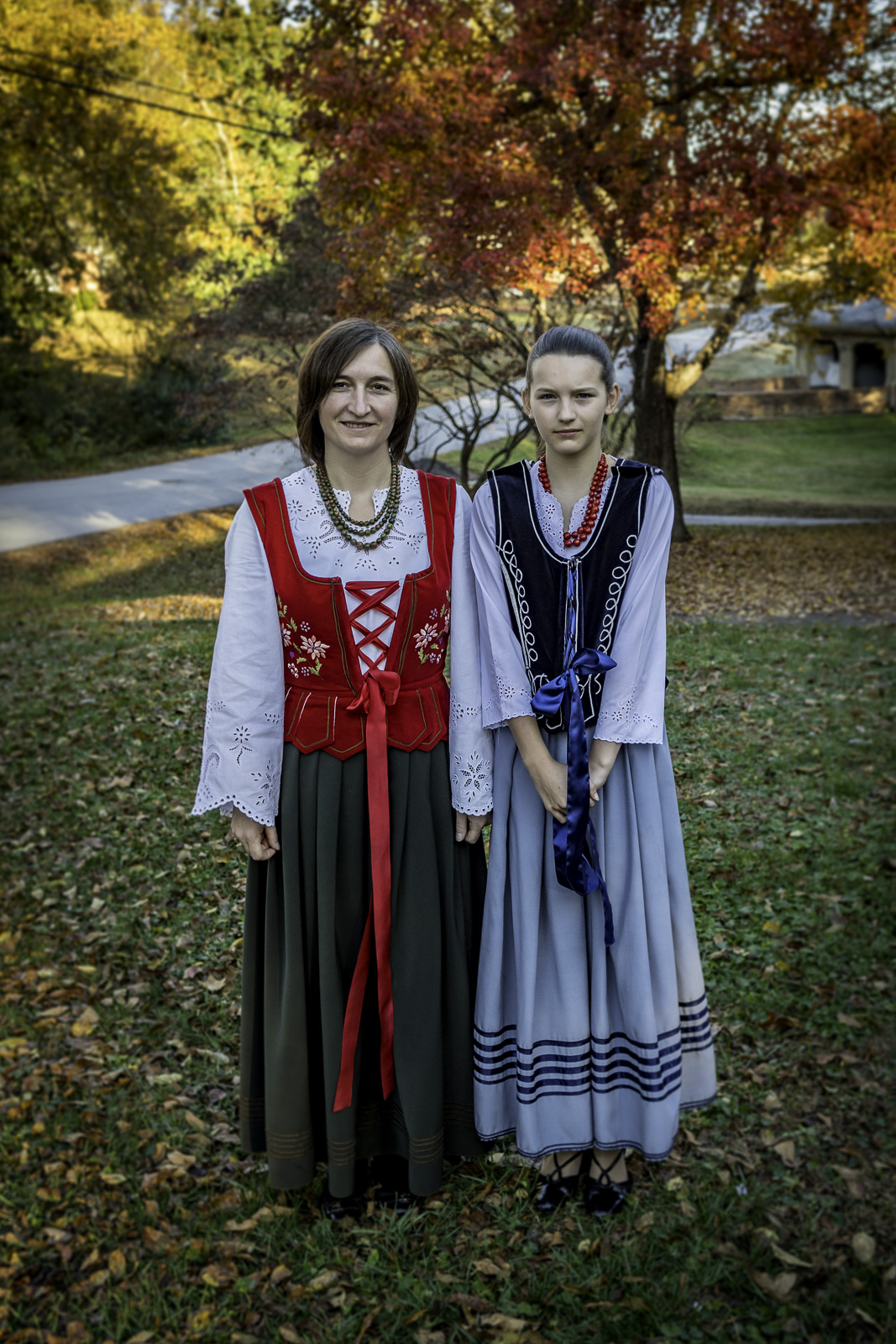
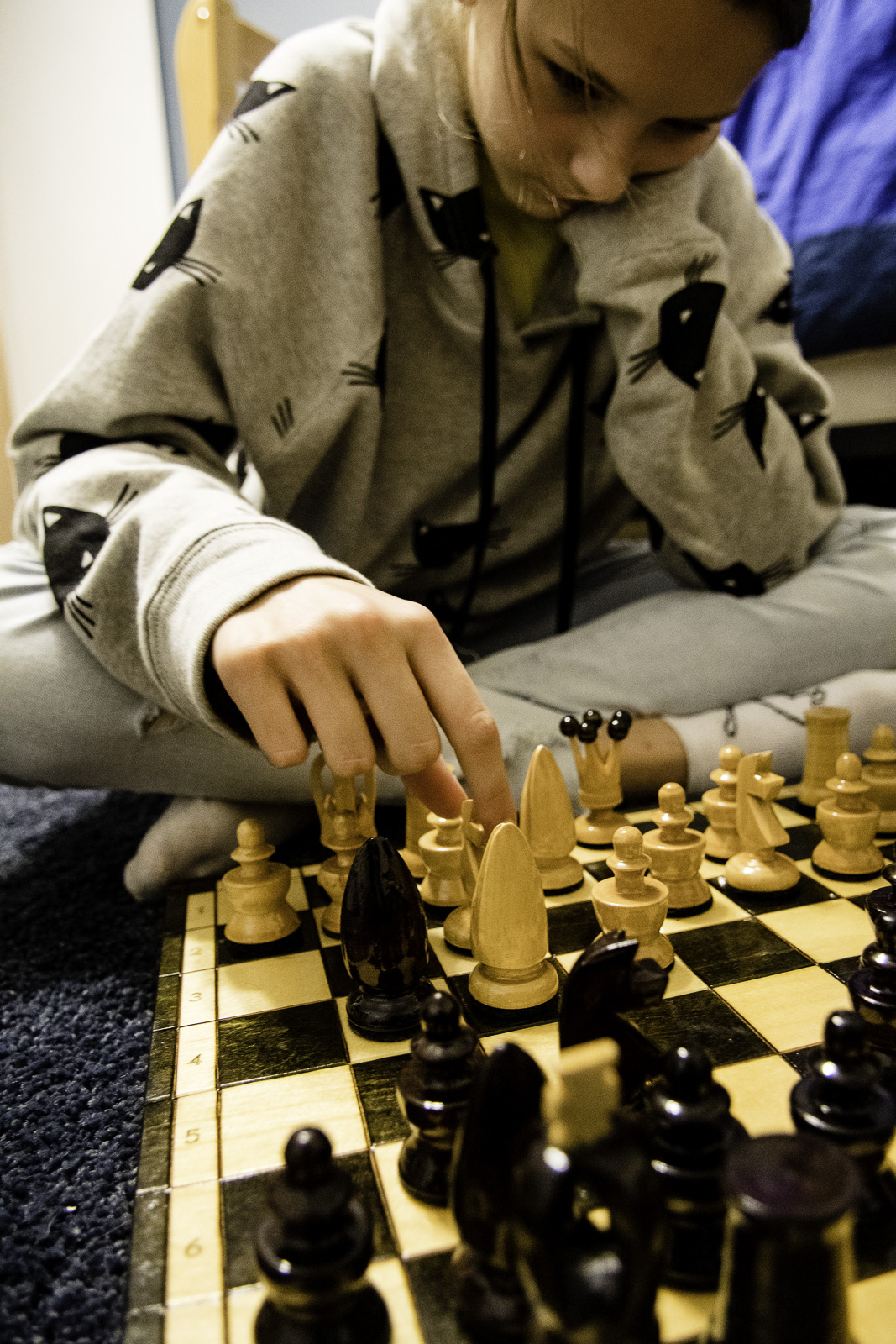
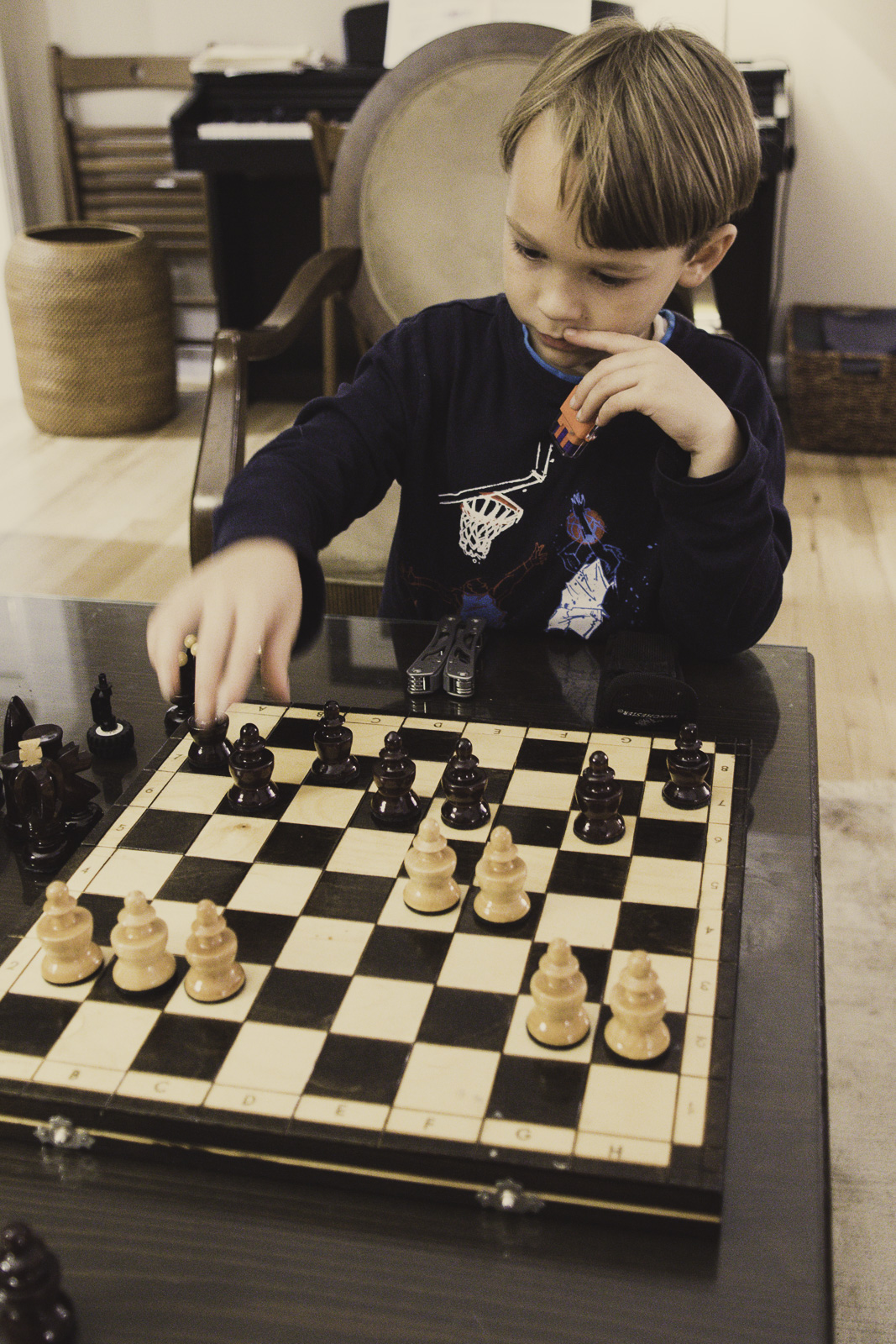
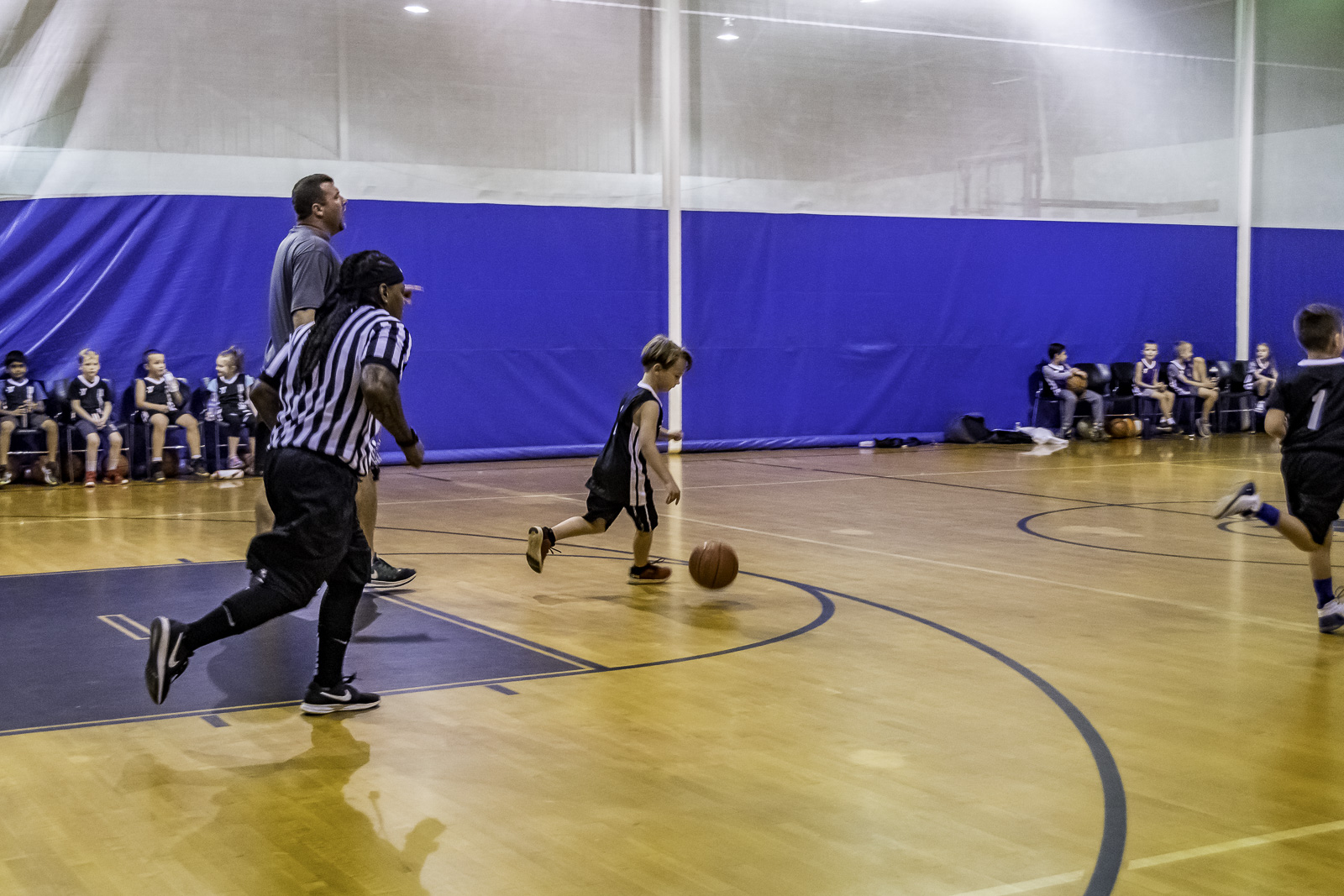
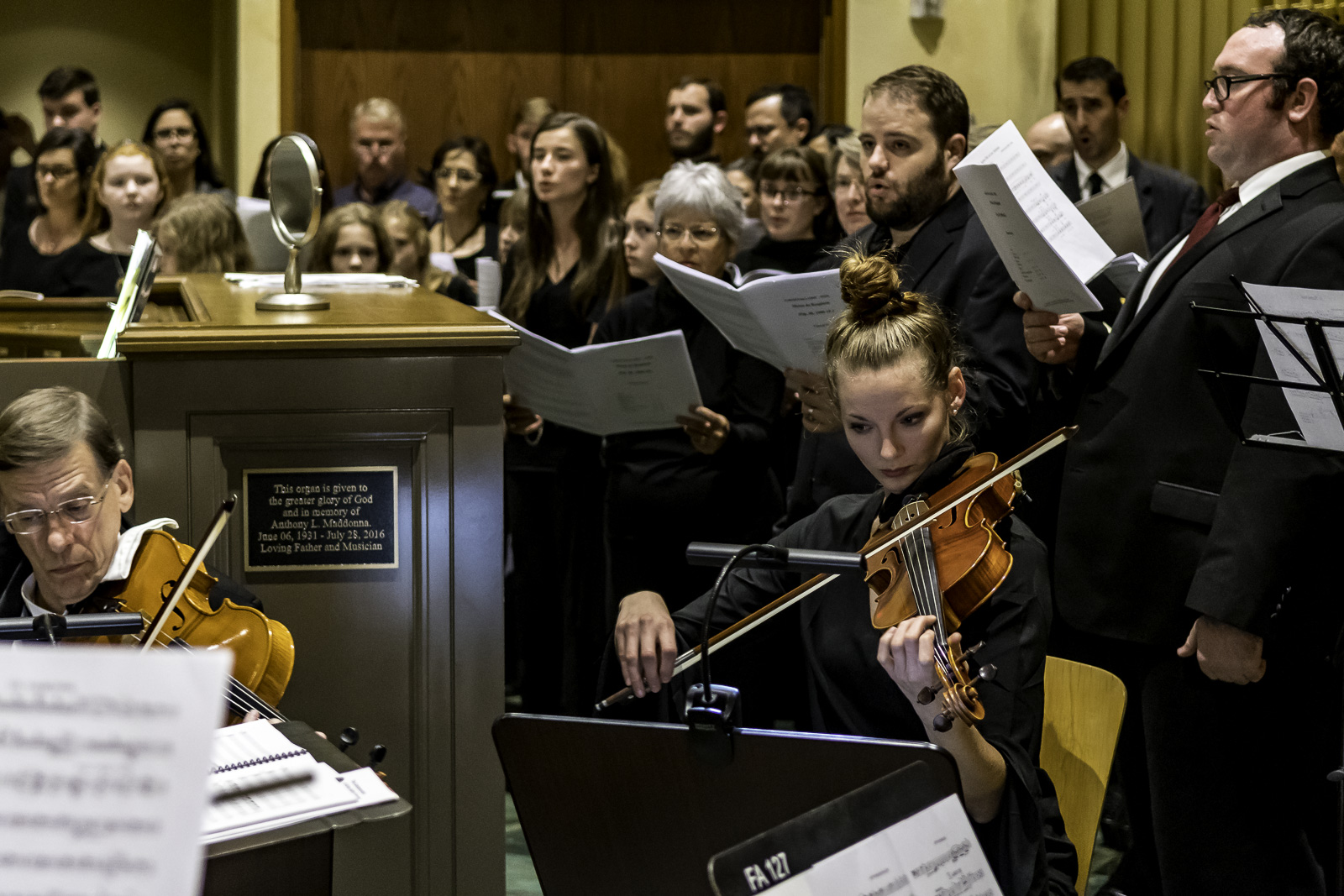
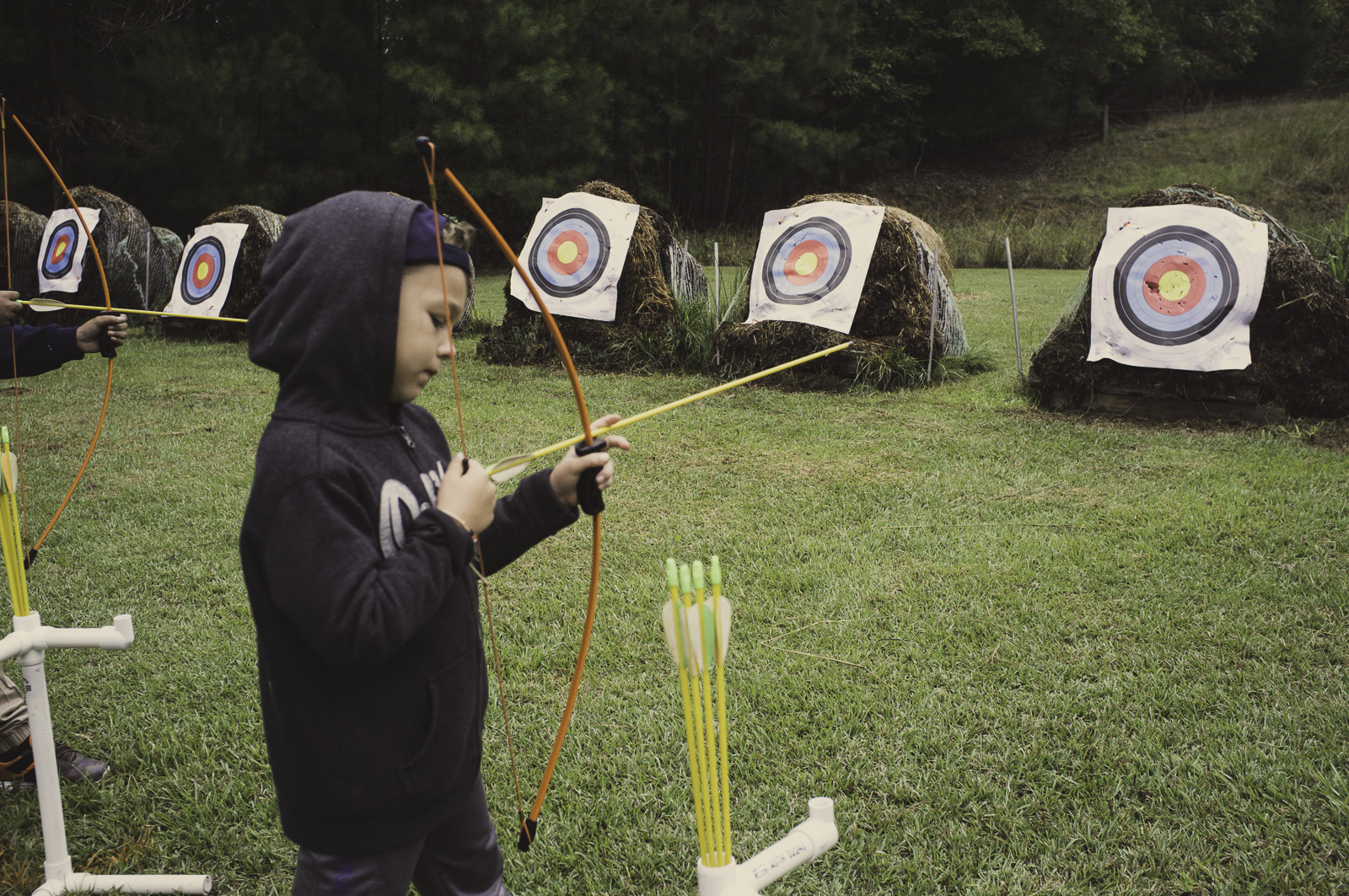

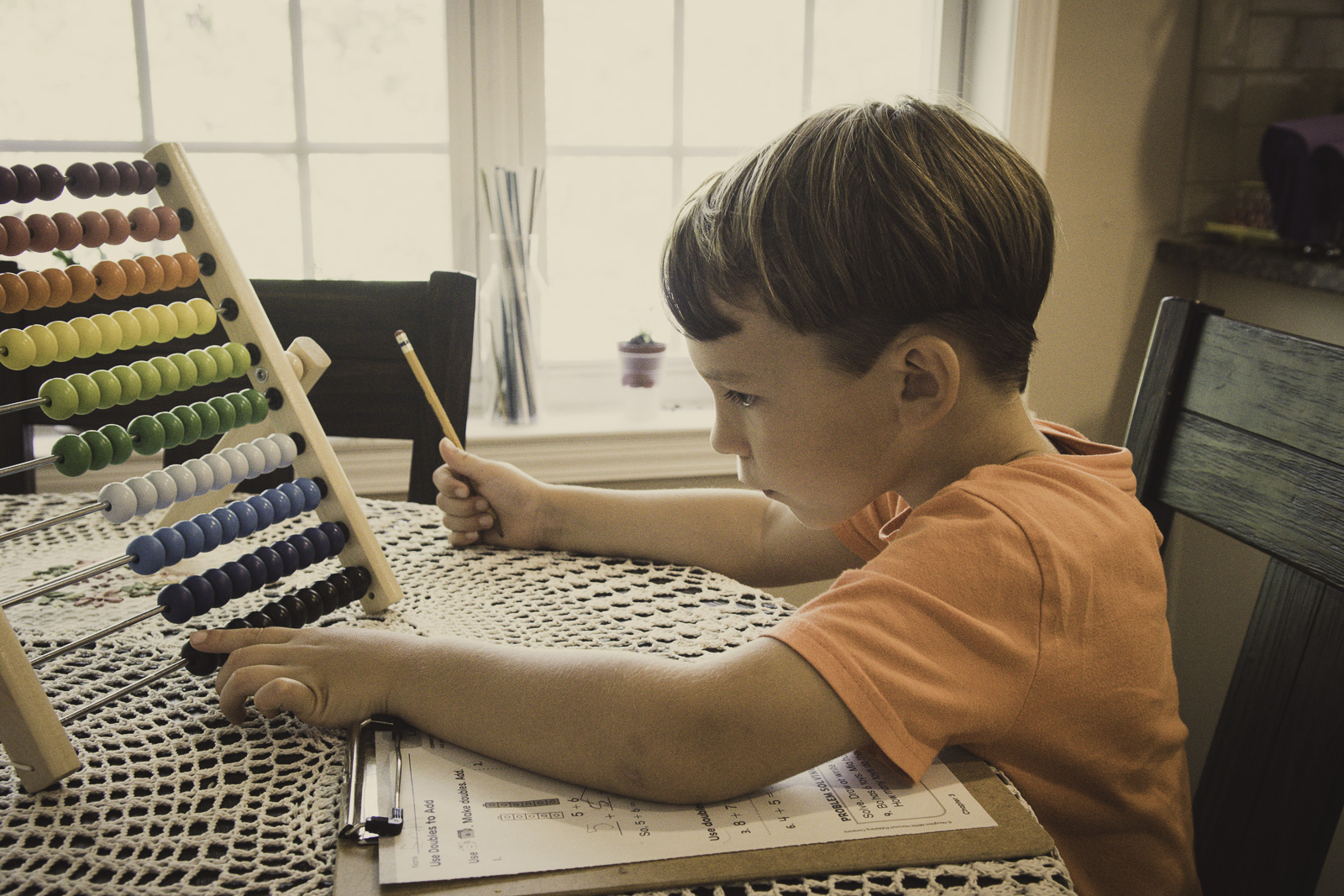
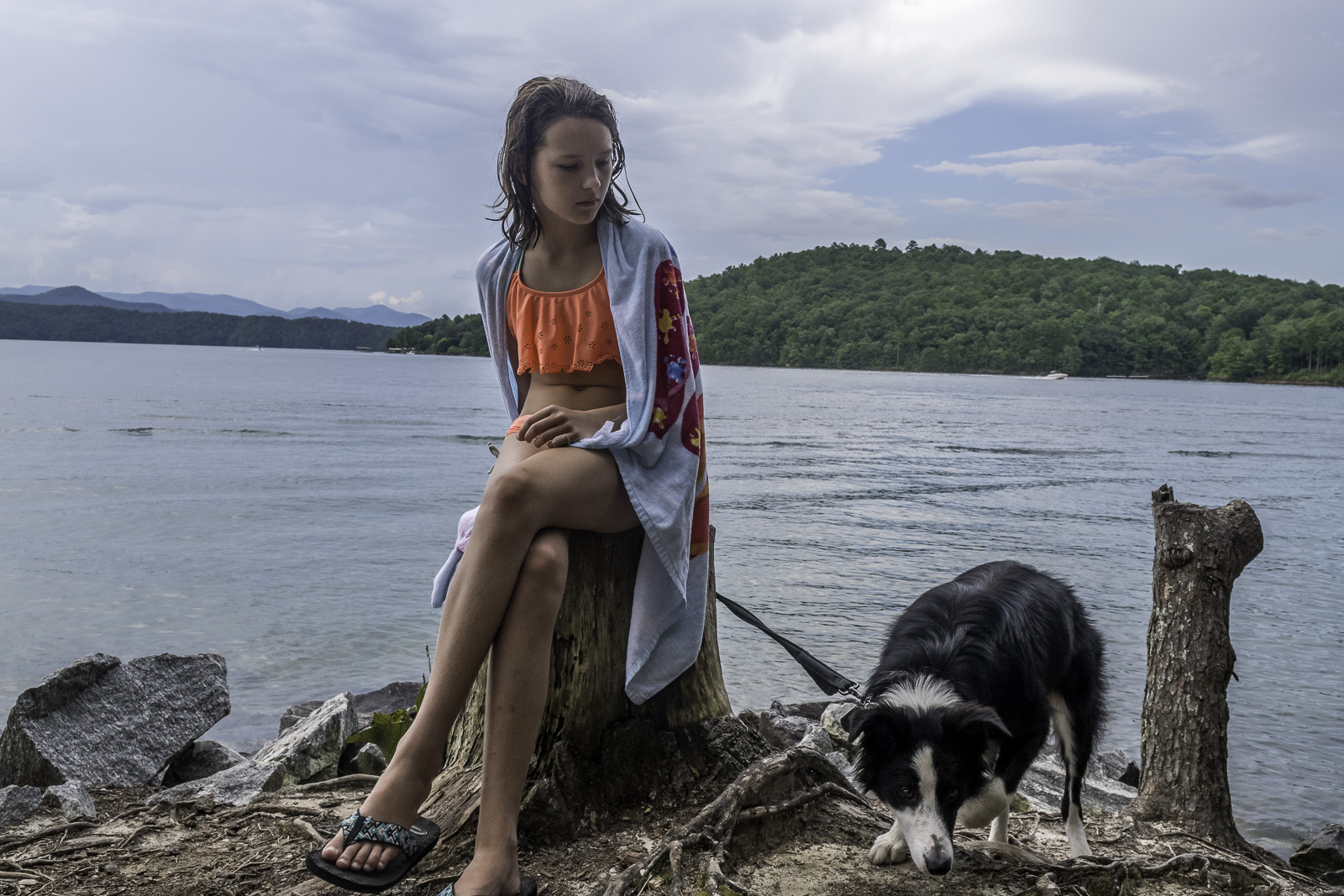
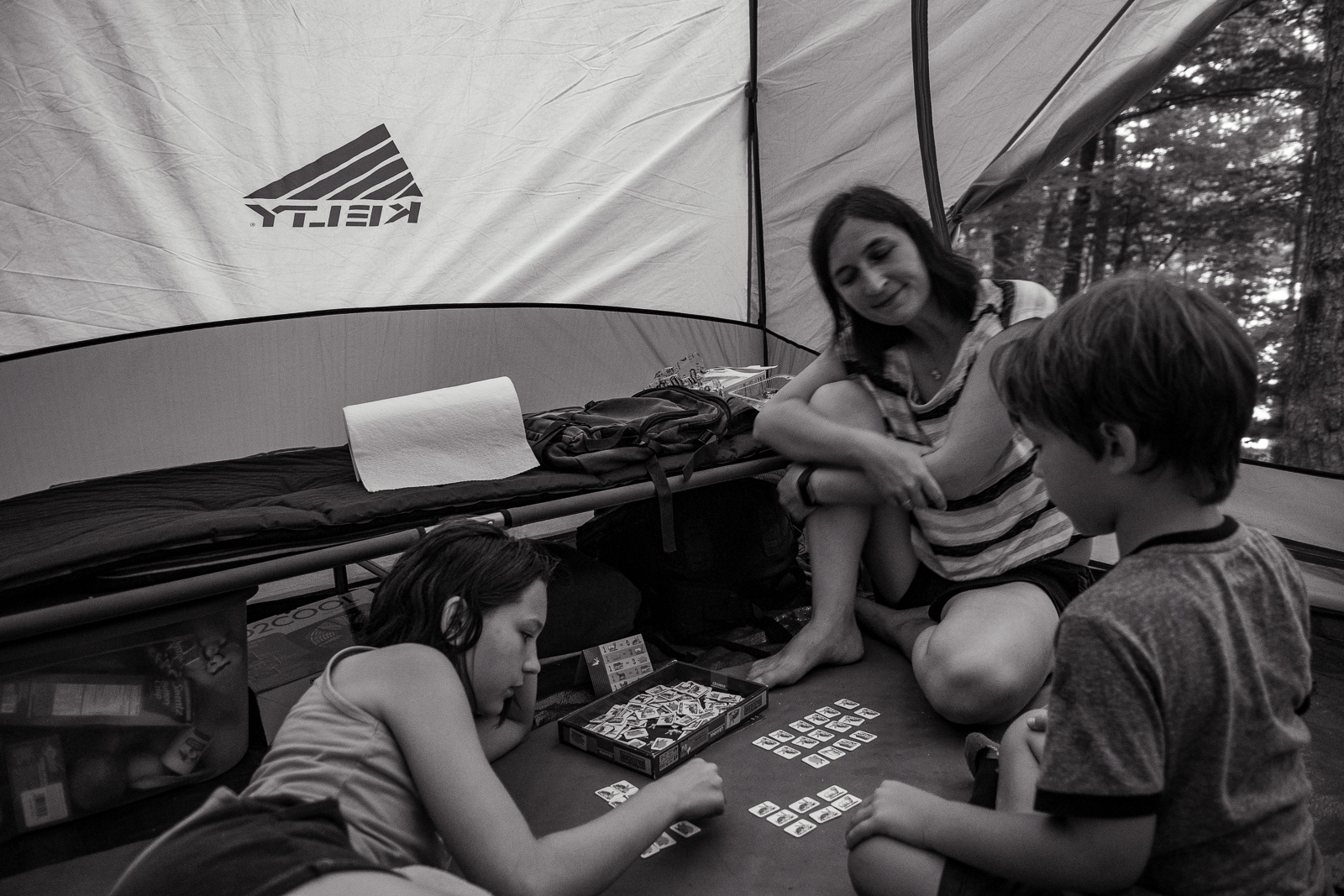
Life is a collision of old and young. When you’re young, all you do is dream of being old; when you’re old, you often reminisce about being young. We can’t have it both ways, but we always want it both ways.
For some reason, eleven was the age for me when I was E’s age. It just seemed like the perfect age. Perhaps it was because eleven is the nearest age with repeating numbers — 11 is cool, and 22 seems so far off as to be impossible.
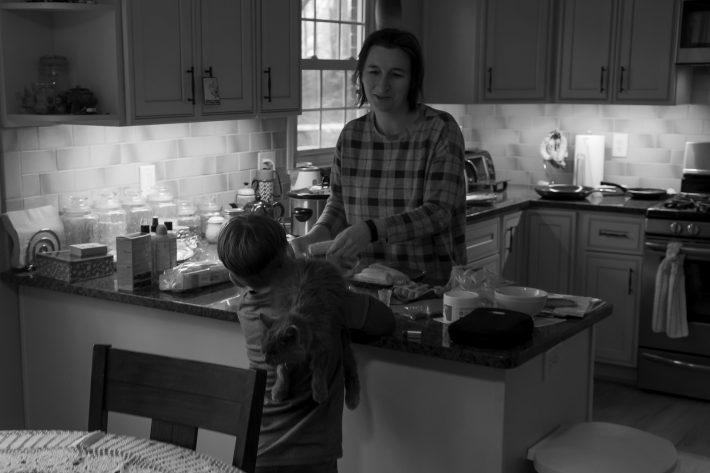
Of course, when I was in middle school and high school, I couldn’t wait to be sixteen. There was nothing about how the numerals 1 and 6 looked juxtaposed — it was just the relative freedom of having a driver’s license, even if one didn’t have a car.
Eighteen meant adulthood, voting, and the like; twenty-one meant drinking; twenty-five meant a quarter century. And then suddenly, I really didn’t care about age. It just didn’t seem to matter. And then, age began bothering me, slightly. I turned thirty and realized, “Hey, I am so far from being a kid now that I can’t even pretend anymore.”
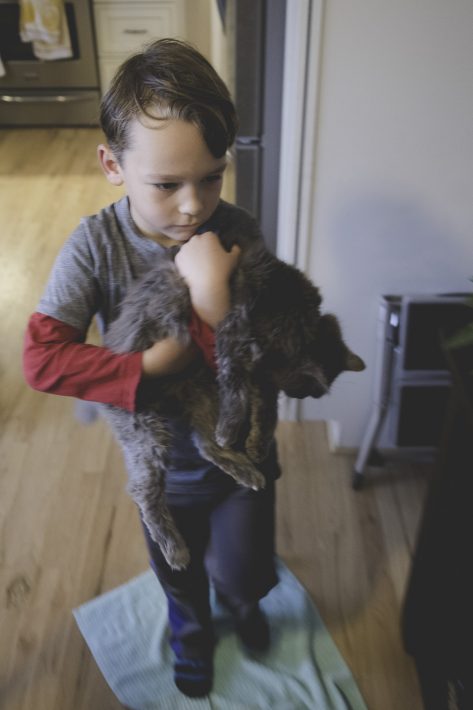
I know this extends into my near future and distant future: I’ll be 50 before I know it, and then 60, and so on. But at this point, what’s the point of thinking about it except to take stock in one’s life and ask, “Is this how I want to be at age 45?” Couldn’t I be in a bit better shape? Couldn’t I spend my time a little more wisely, a little more conscientiously?
All this is brought into sharp relief by the fact that Nana is in rehab, a dear friend is struggling with cancer, and most of my peers and I are getting to the age that such worries are realistic worries or even realities.
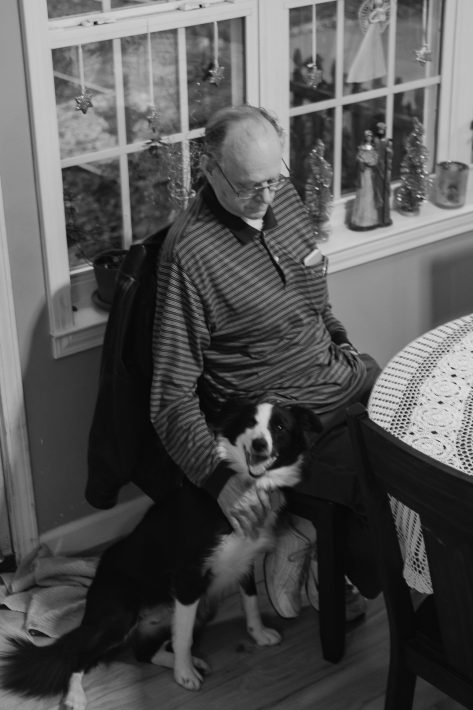
And so I’ve begun jogging. I haven’t run (without being chased) since I was in high school. I stopped after my freshman year because I developed what was diagnosed as shin splints but which still occur, thirty years later. Are shin splints a permanent condition? I could ask the internet.
Shin splints result when muscles, tendons, and bone tissue become overworked. Shin splints often occur in athletes who’ve recently intensified or changed their training routines.
That doesn’t sound like me. Instead of worrying much about it, I went out and bought good running shoes and began running. Well, running for a bit and then walking as the burning along the sides of my lower legs becomes too great. Apparently whatever condition I have in my legs is still there, thirty years later.
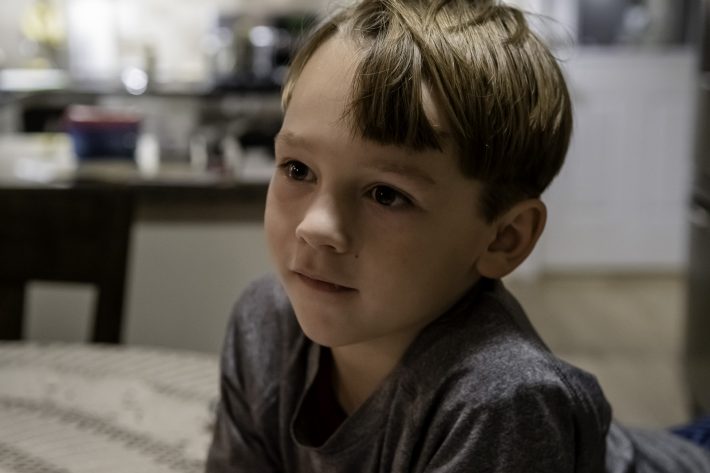
Here’s where the intersection of youthful recklessness and approaching-middle-aged cautiousness meet: do I stop or do I push through the pain? Right now, youthful recklessness is winning, and for a couple of nights now, I’ve just pushed through the pain, walking when it intensifies, running again when it goes away. And besides, that sweet burning in the quads hours later that tells you you’re getting stronger — that’s too good to give up.
But I think back on the day, remembering the time we spent at the local trampoline park, the Girl learning some new tricks,
and my response to the question, “Will you be jumping, too?” and I realize that tension is as strong as ever. Would I have liked to jump? Not really. Every time I jump on our own trampoline in the backyard, the jarring makes my back ache. Would I like to jump with my kids? That’s an entirely different question, but I decided to sit it out because of my worries about a sore back or worse later.
And yet, a few hours later, I went for a run knowing very well what might happen, knowing very well that if it did happen, I was going to push through the pain as much as possible.
Young and old, old and young — the eternal conflict in us all.
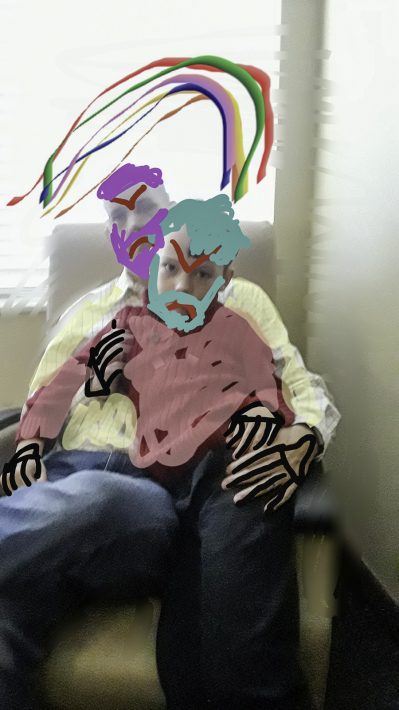
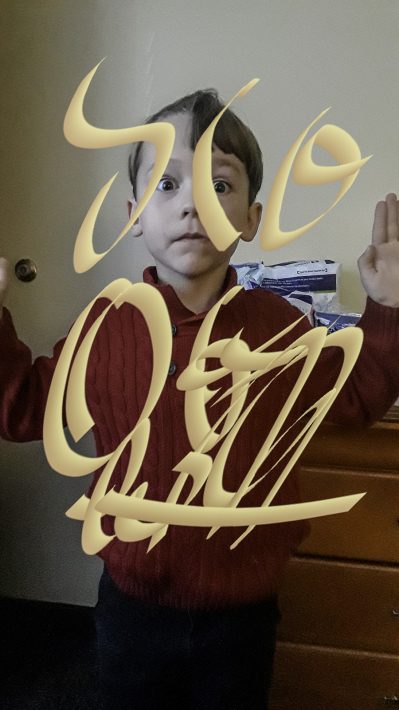
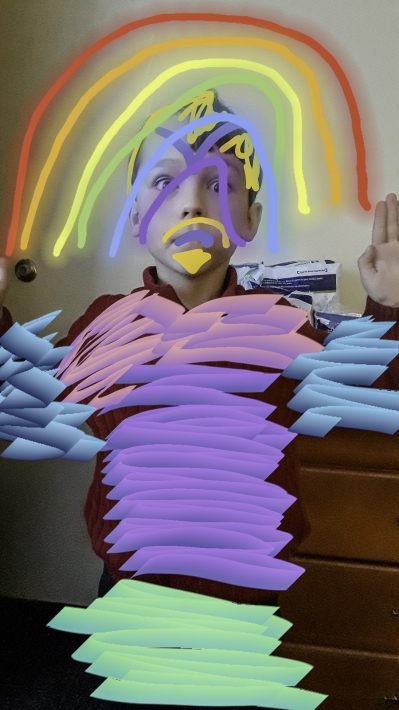
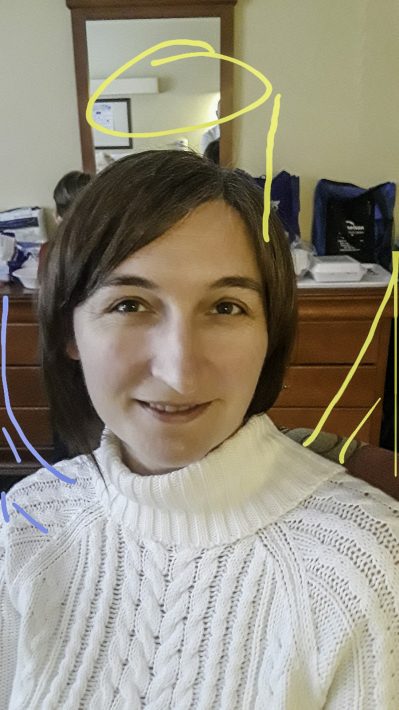
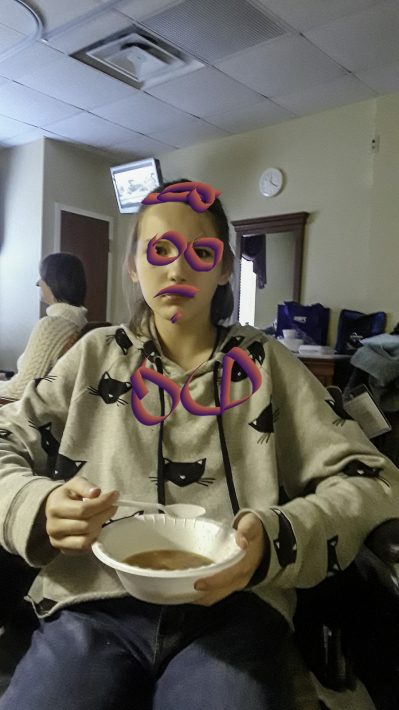
Old and Young
The holidays’ end always brings a tinge of sadness. All the anticipation, all the preparation, all the excitement — all behind us now, gone in a flash. Sure, there’s one last hurrah with New Year’s Eve coming up, but that’s just one evening. For us, it’s never really had any tradition behind it like Christmas.
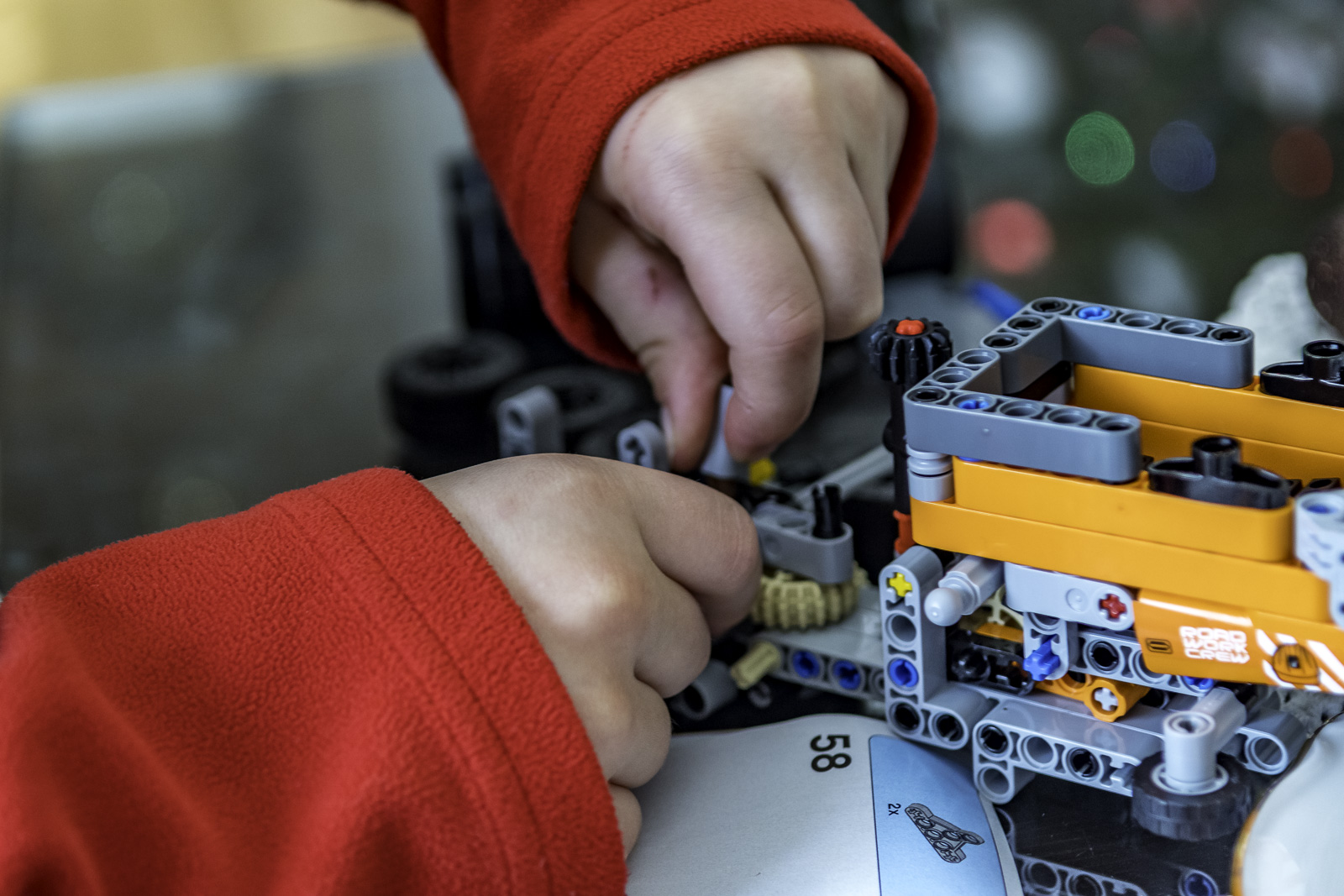
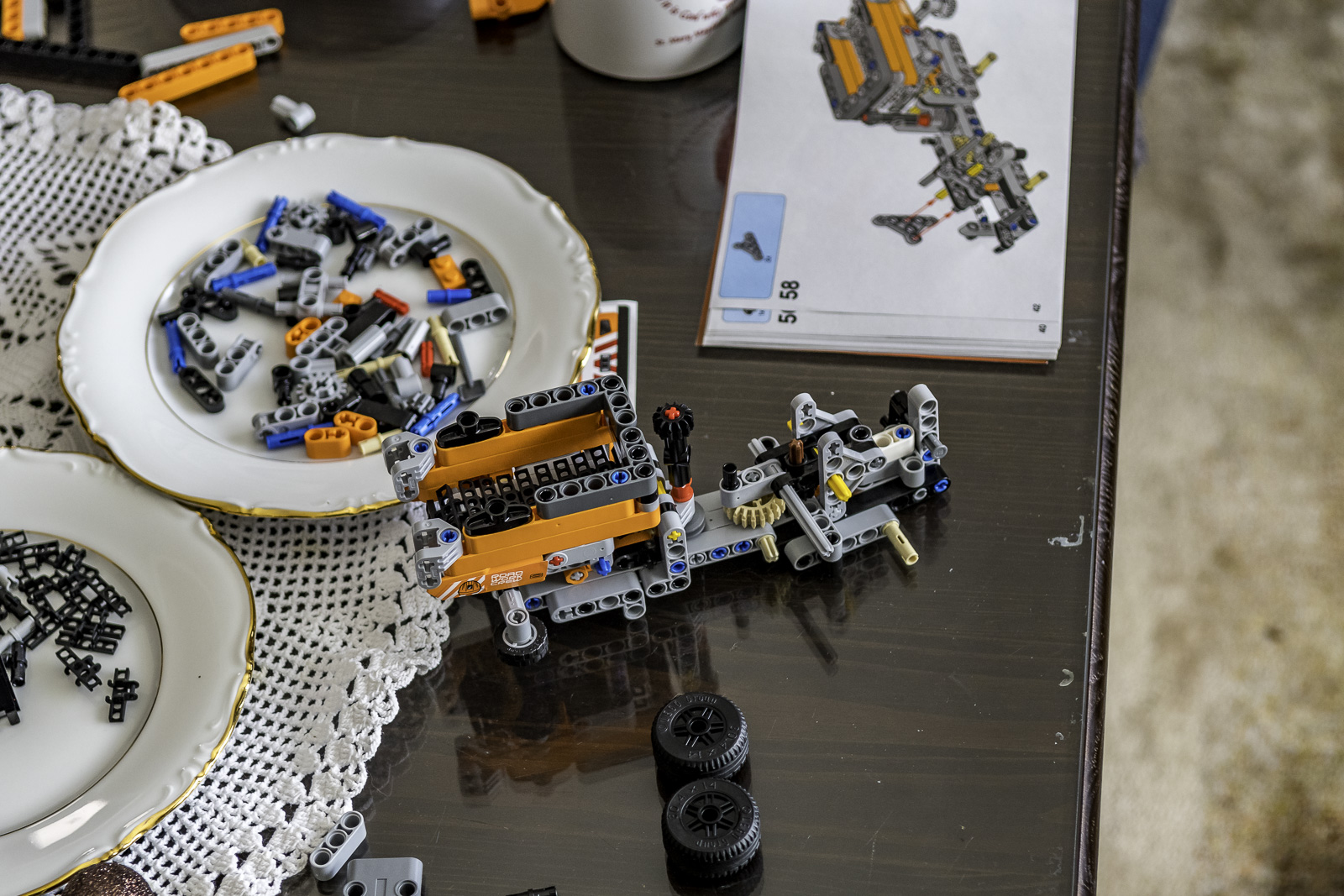
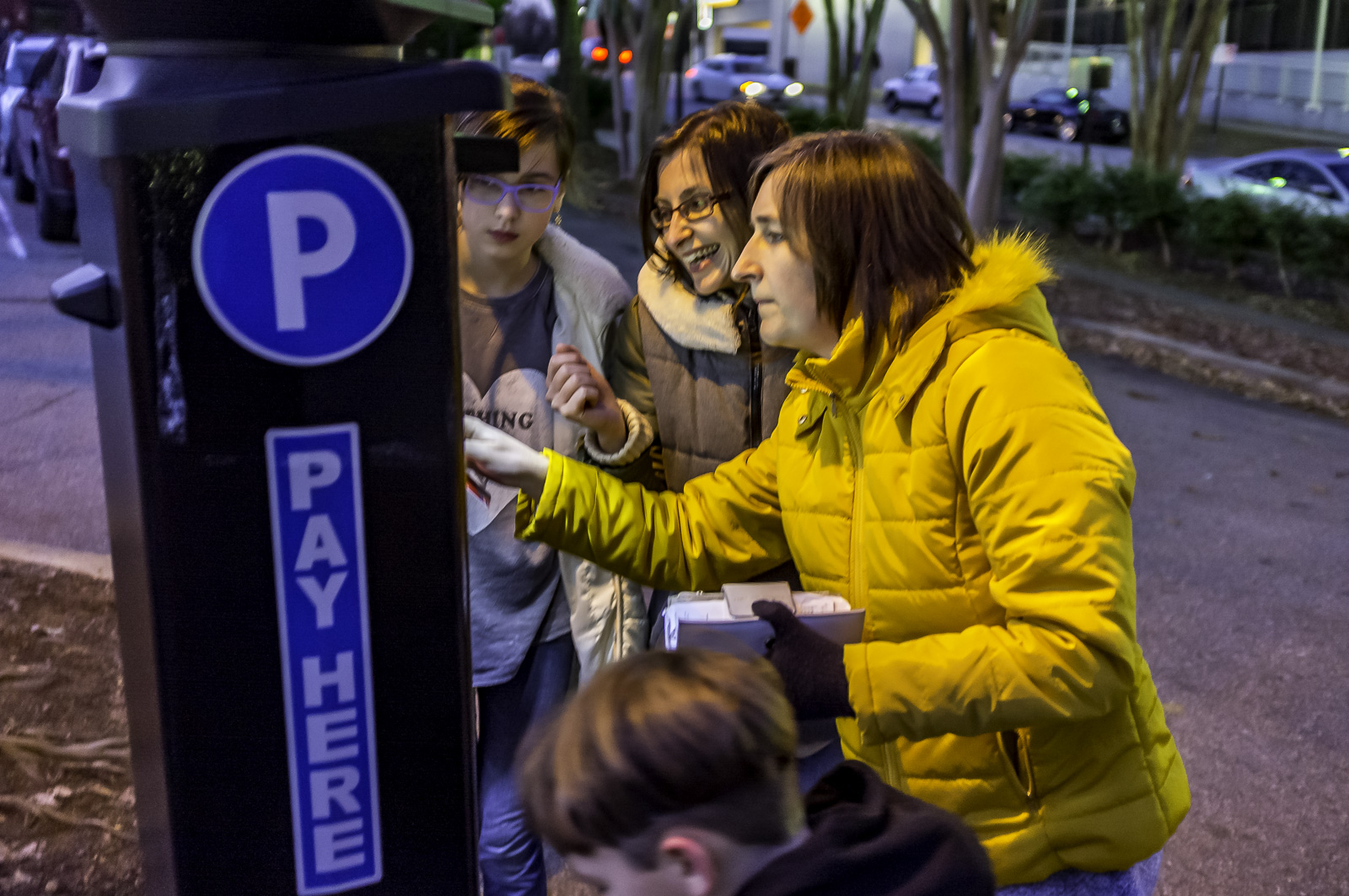
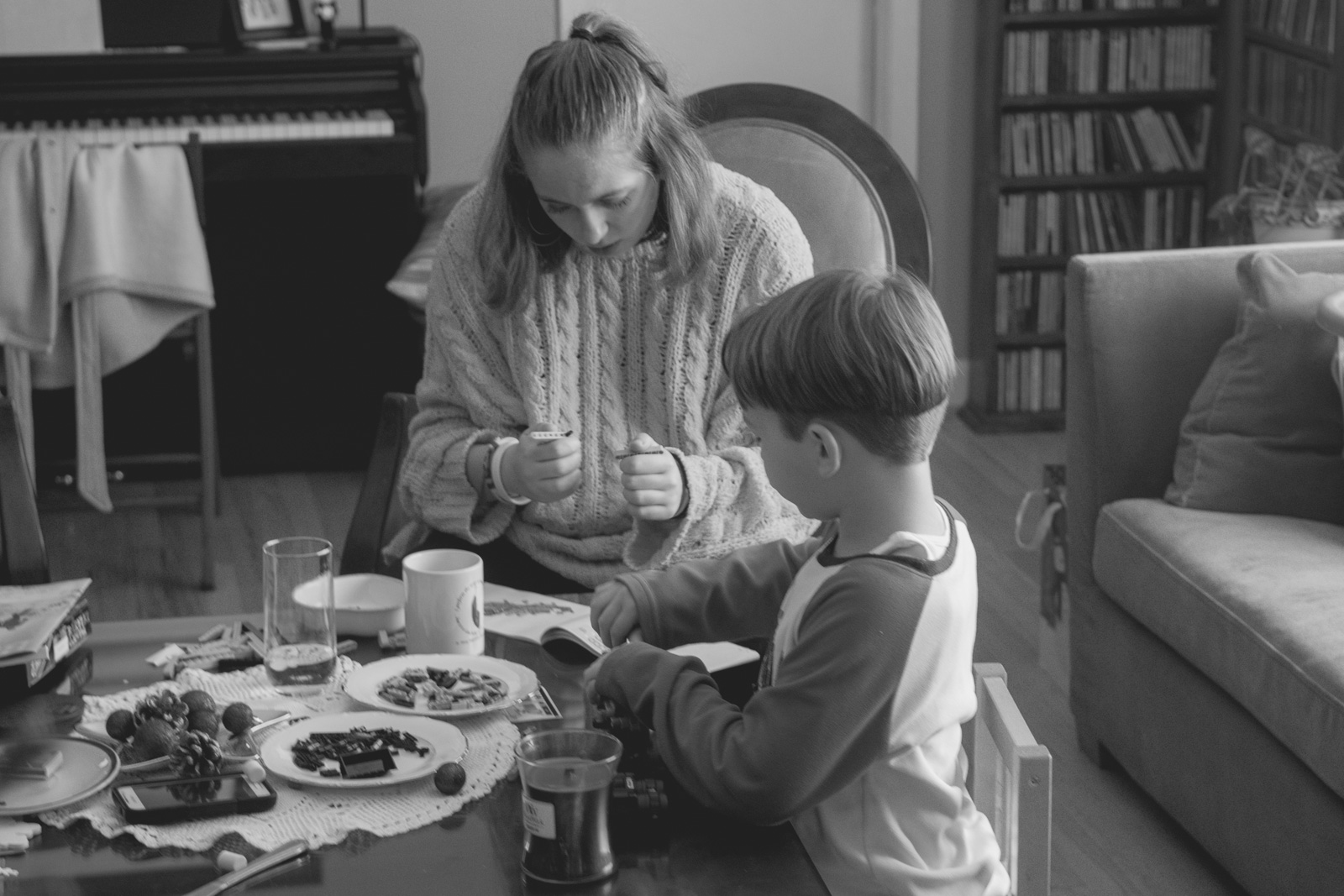
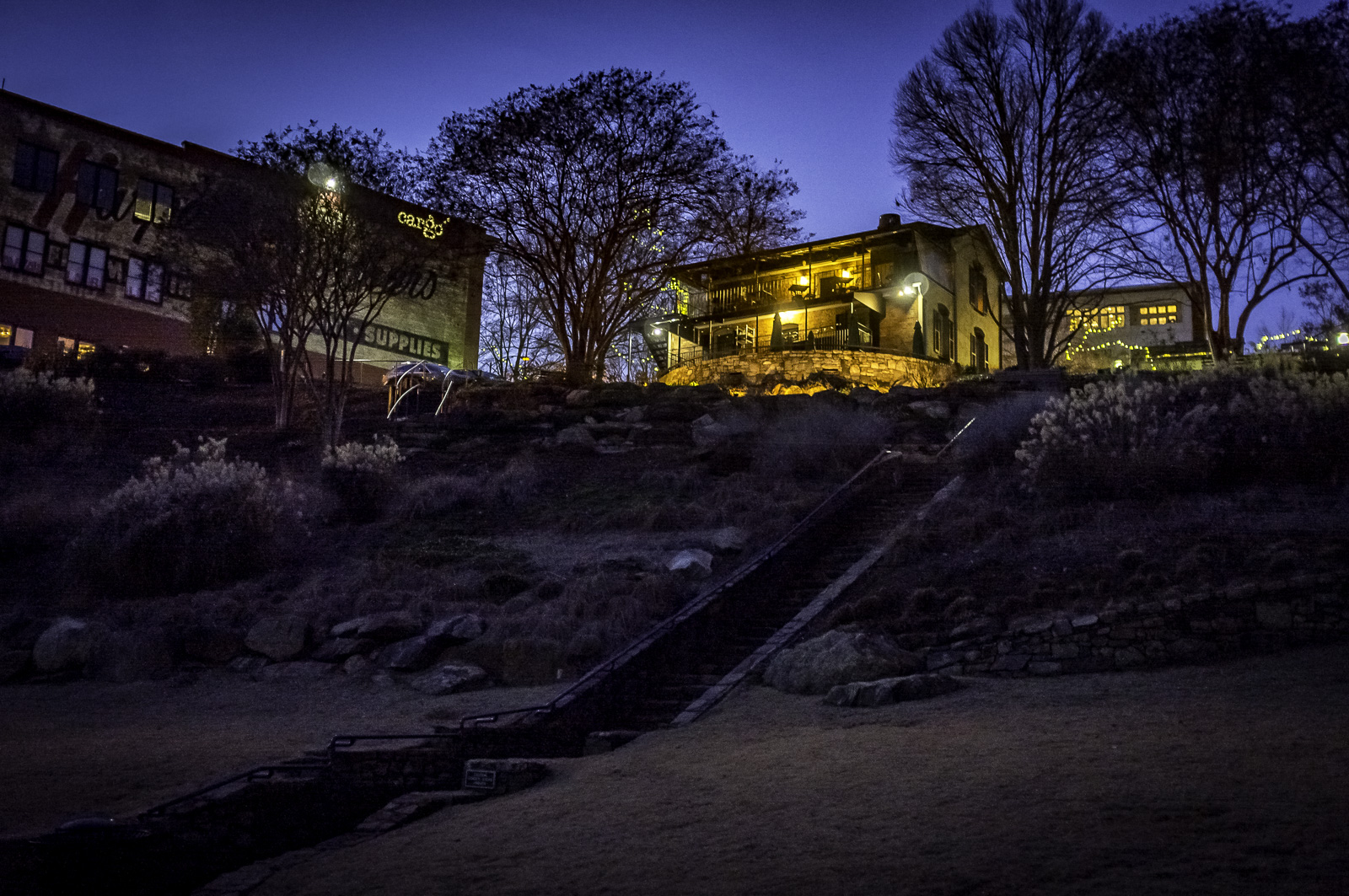

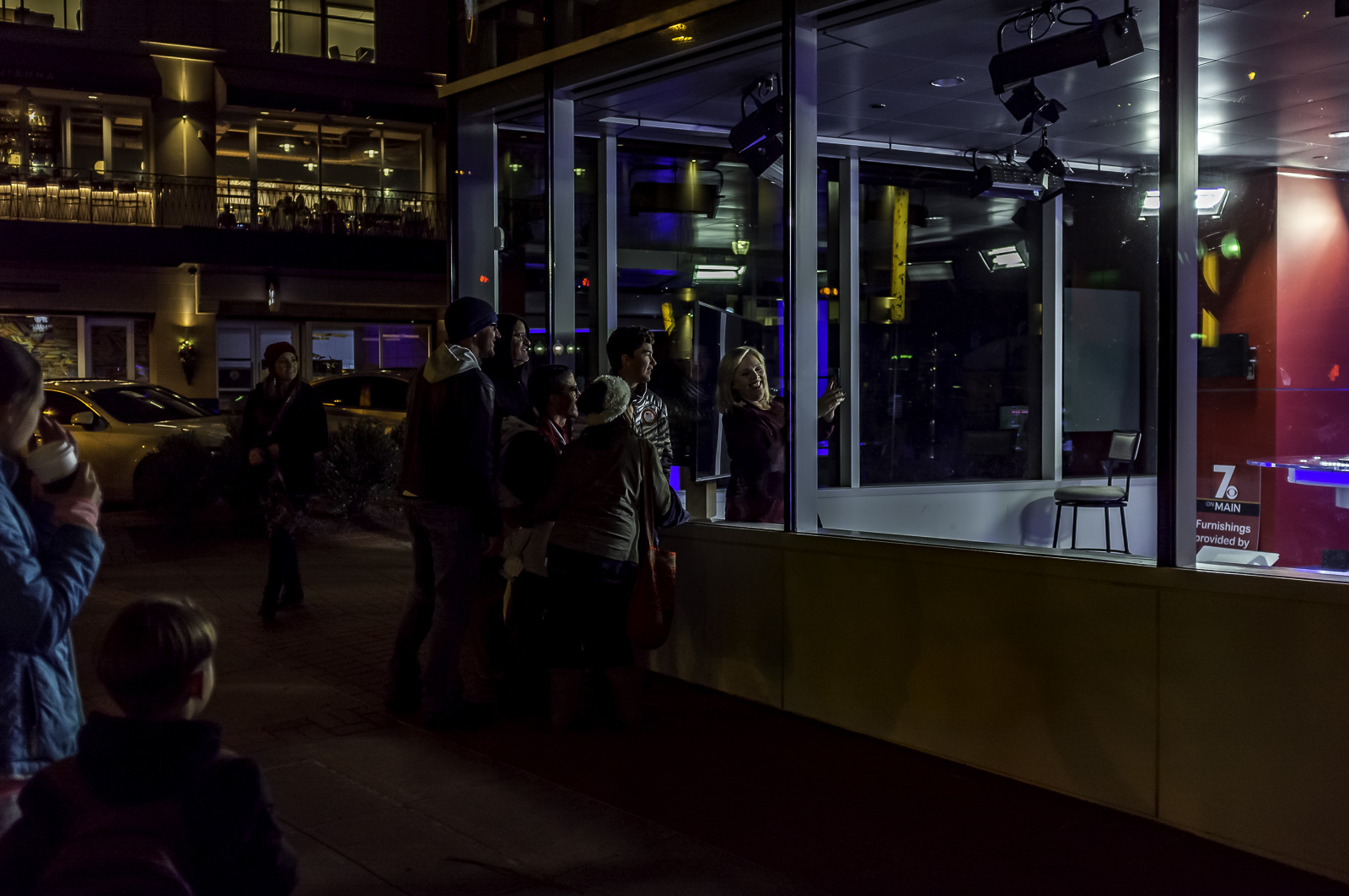


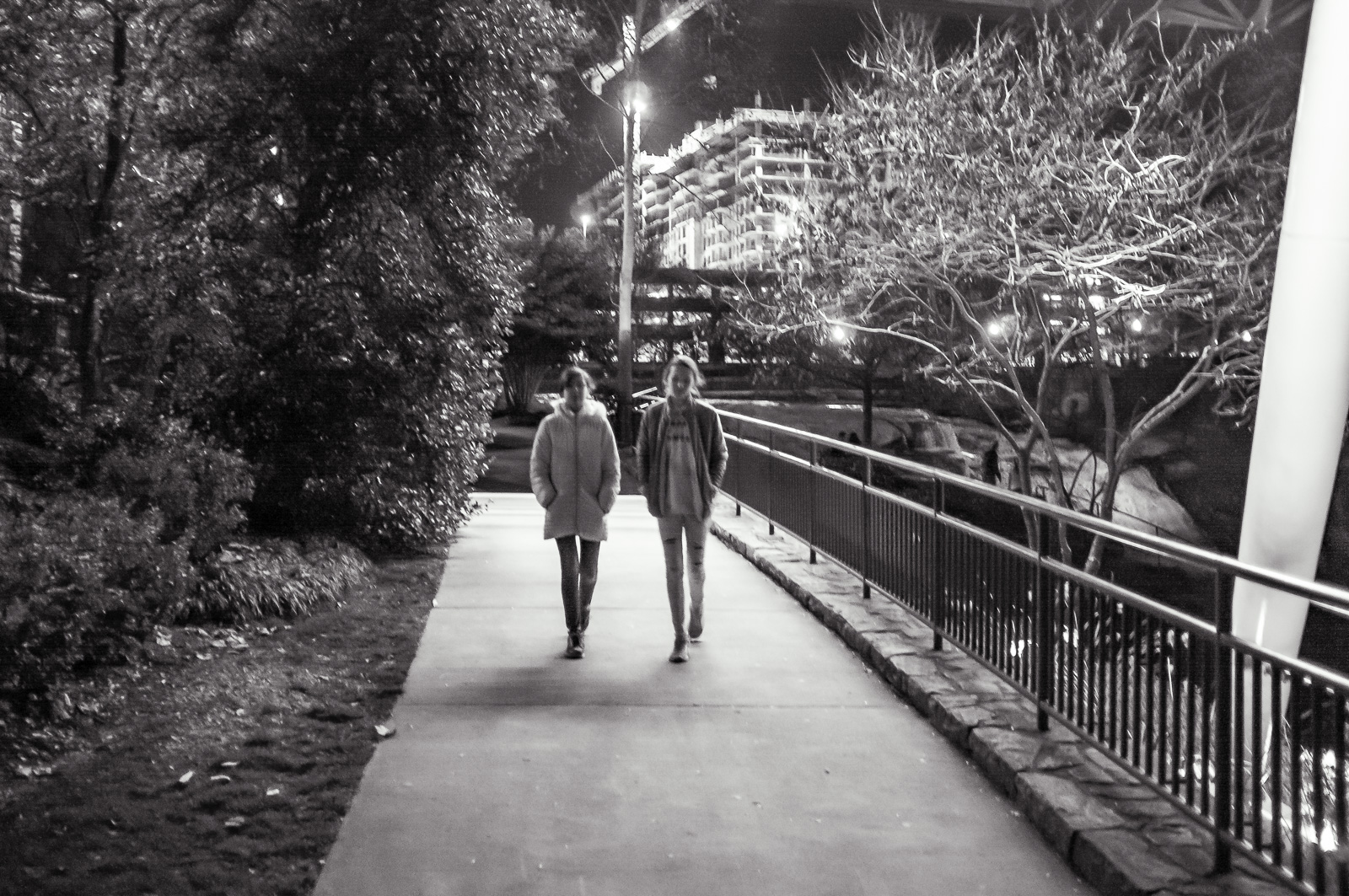
Tomorrow, K goes back to work, M and T return to Ashville, leaving C for a couple of more days. Life slowly transformed into the holiday season, and now — boom! — it’s back to normal. But that’s probably a good thing. Living this kind of life all the time would make it the new normal. We’d struggle to get through endless parties and celebrations just as we sometimes struggle to get through seemingly-endless weeks at work and school.
Some things never change on Christmas Eve. Some things simply can’t. There must always be barszcz z uszkami. Always. Other things can come and go — trout as the main course; scallops as a side; mushroom soup (though it pains me to say it) can fail to appear — but barszcz z uszkami. It would be sacrilegious not to have it. Some type of kompot as well. Must be on the menu. The rest? Well, in the end, all of those things are just food — nothing more. Yes, food is more than food. There’s a communal element to it, but any food that’s prepared with care will produce the same effect.
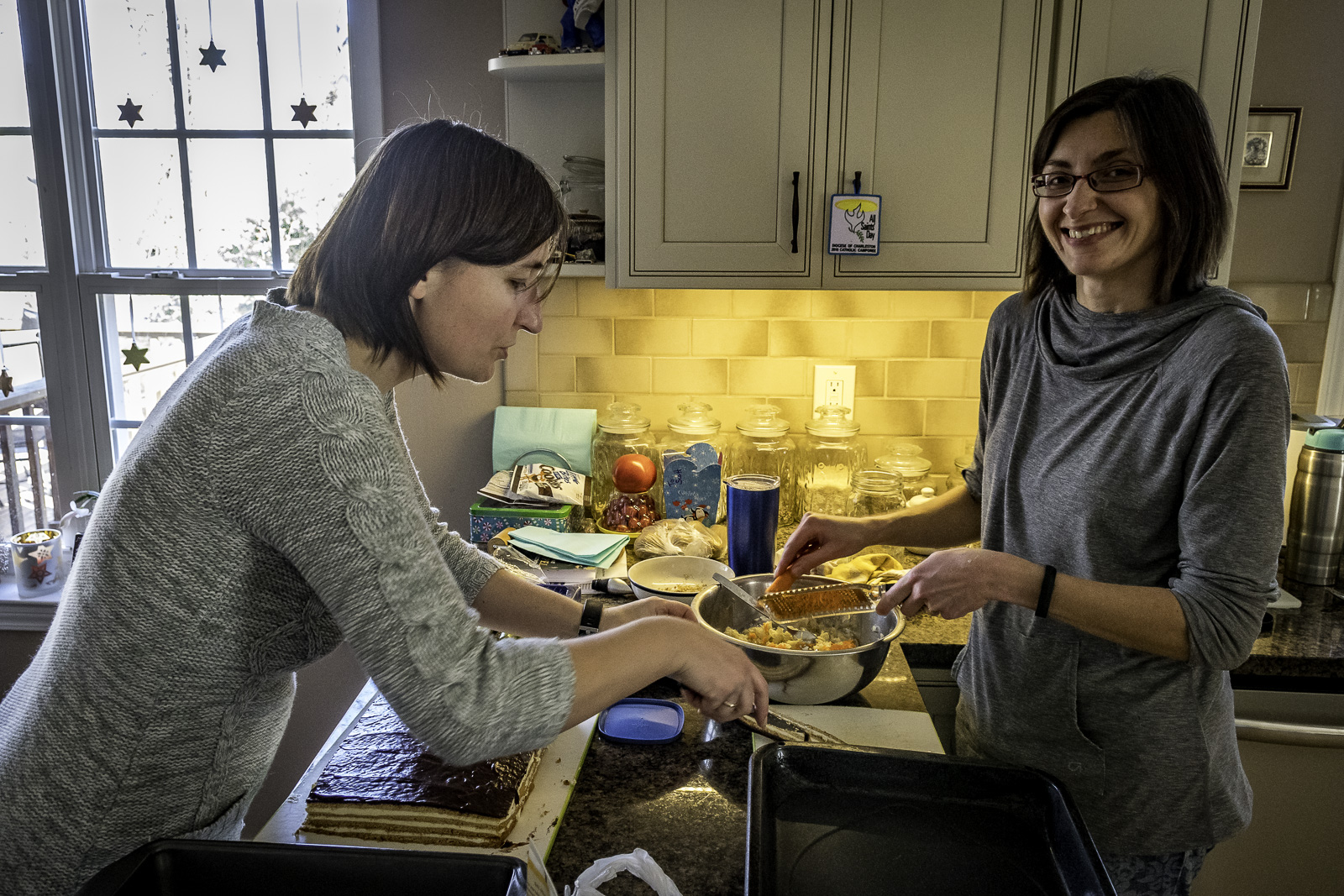
The most significant element that can never change is family. The Christmas season without family is unimaginable, yet it’s a reality for thousands upon thousands every year. Many people in the service spend Christmas with their brothers in arms rather than their brothers in blood. Some spend Christmas alone from choice due to family tension or a highly dysfunctional family that is a family in name only.
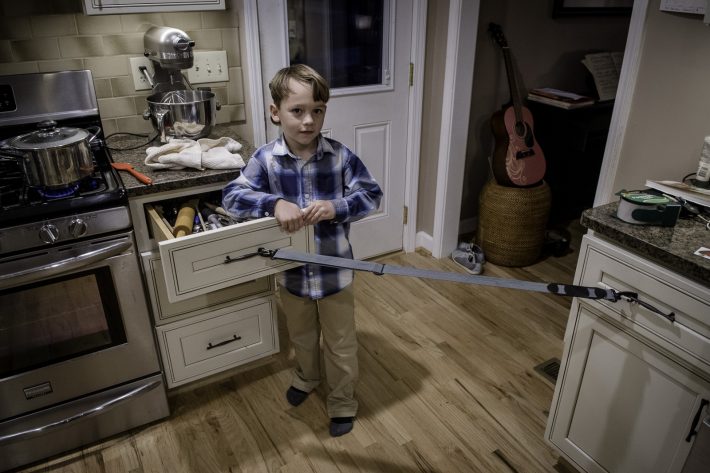
Such was our change this year: with Nana in rehab after an extended hospital stay, we tried to carry on as usual in as much as was possible, but it wasn’t the same. You can see it in the pictures — something’s just not quite right there.
Everything was a little off from the start. We all went to Mass before dinner rather than after. No one was sure they wanted to go to midnight Mass, and since L was singing with the girls’ choir for the 4pm Mass, we all took care of our Christmas duty before dinner was even on the table.
Before Mass, the girls gave a little concert. I dutifully recorded the audio on my phone, but when it was time for the Girl to sing her solo — a Polish-language introduction to a Polish carol, which was translated for the rest of the choir into English — I fumbled about trying to switch to video and got neither. What remains? A bit of my all-time favorite carol, “In the Bleak Midwinter.”
They sang another favorite — “Angels’ Carol” by John Rutter — and a couple of others.
They also during the Mass — another Gabriel Fauré piece.
Everything else was the same and yet different: the well-wishing had a bittersweetness to it this year that’s usually lacking.
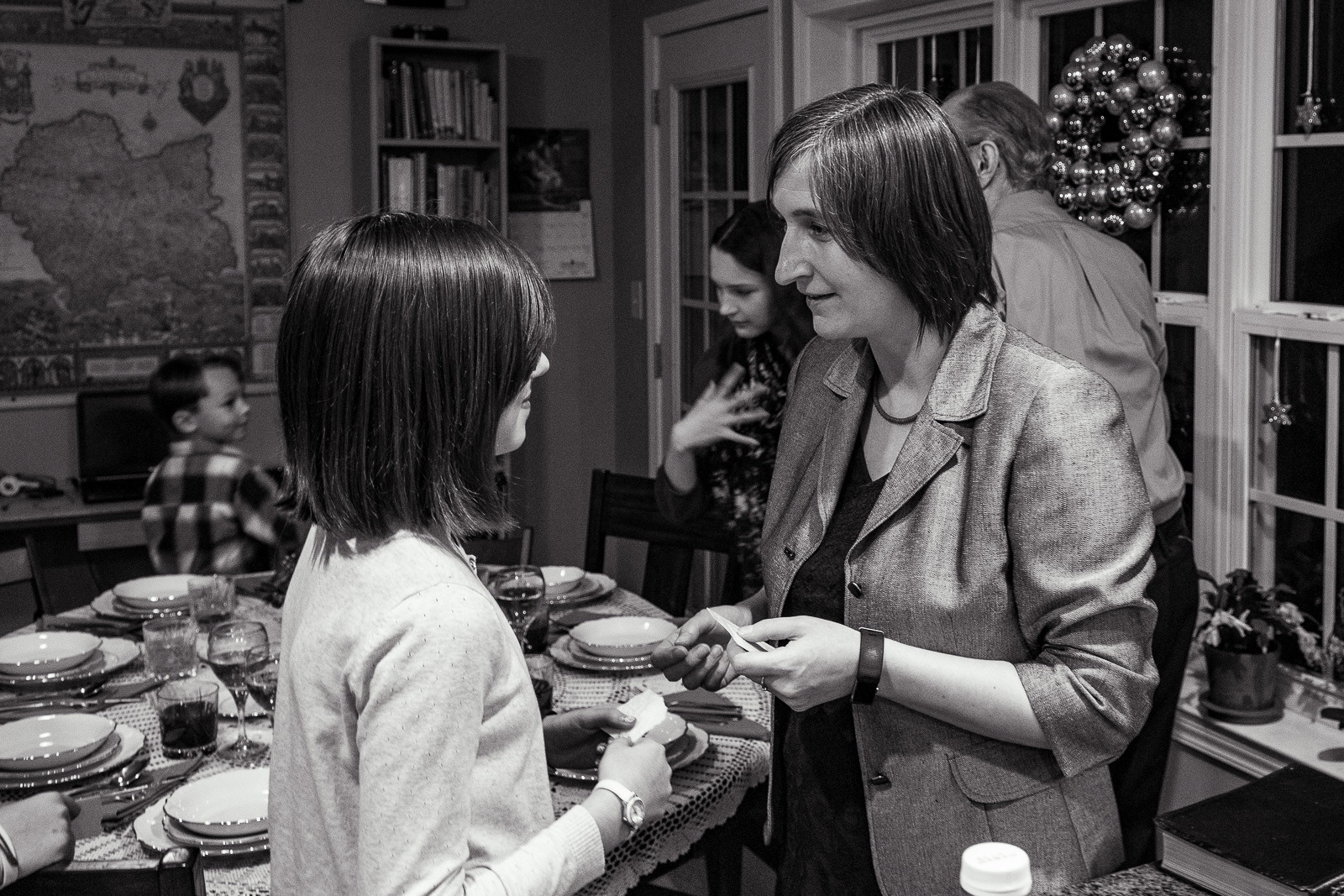
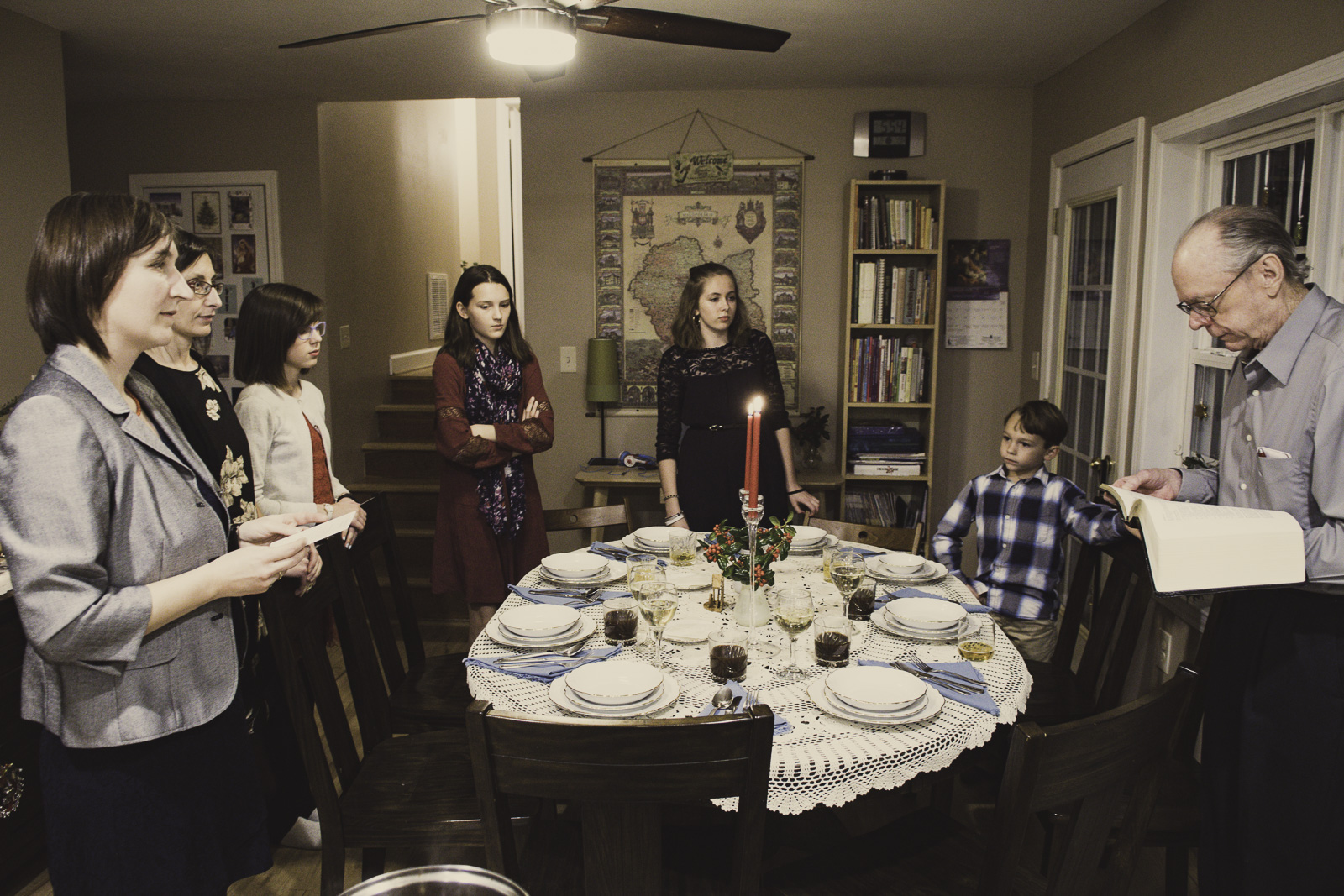
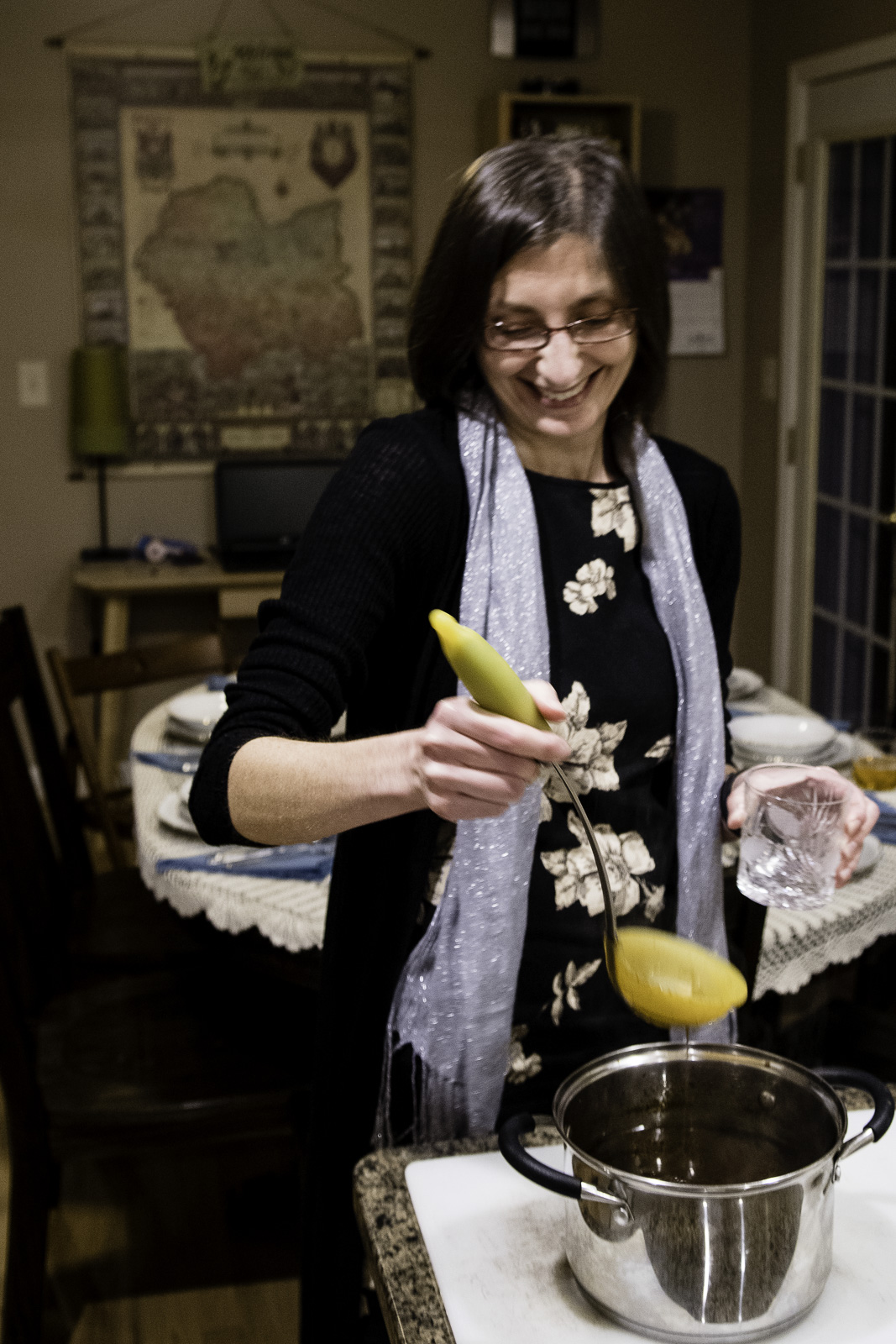
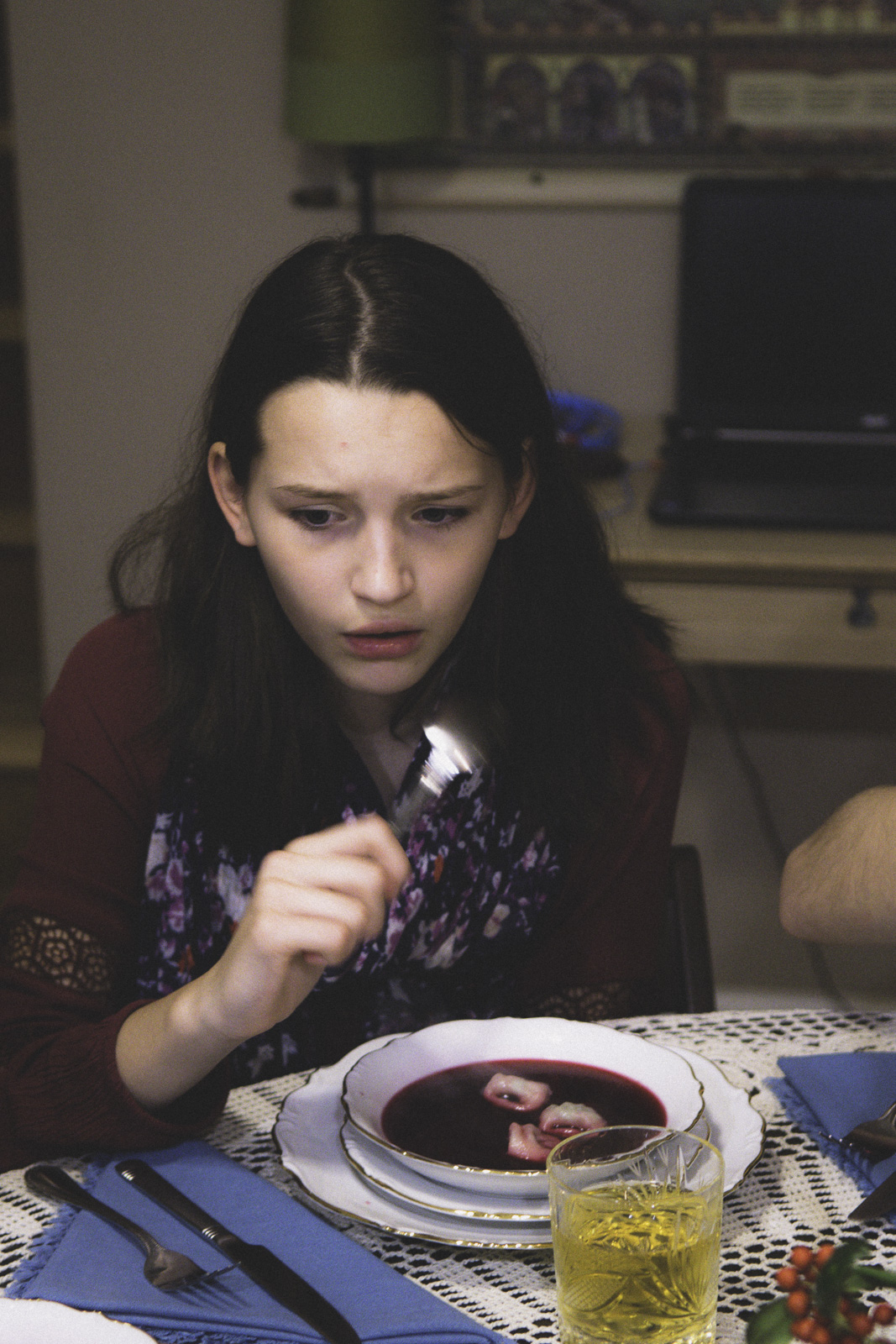
The gift sharing was lovely as usual, watching the excitement of the kids. But not seeing Nana and Papa “fight” over our family yearbook meant things were, once again, just a bit off.
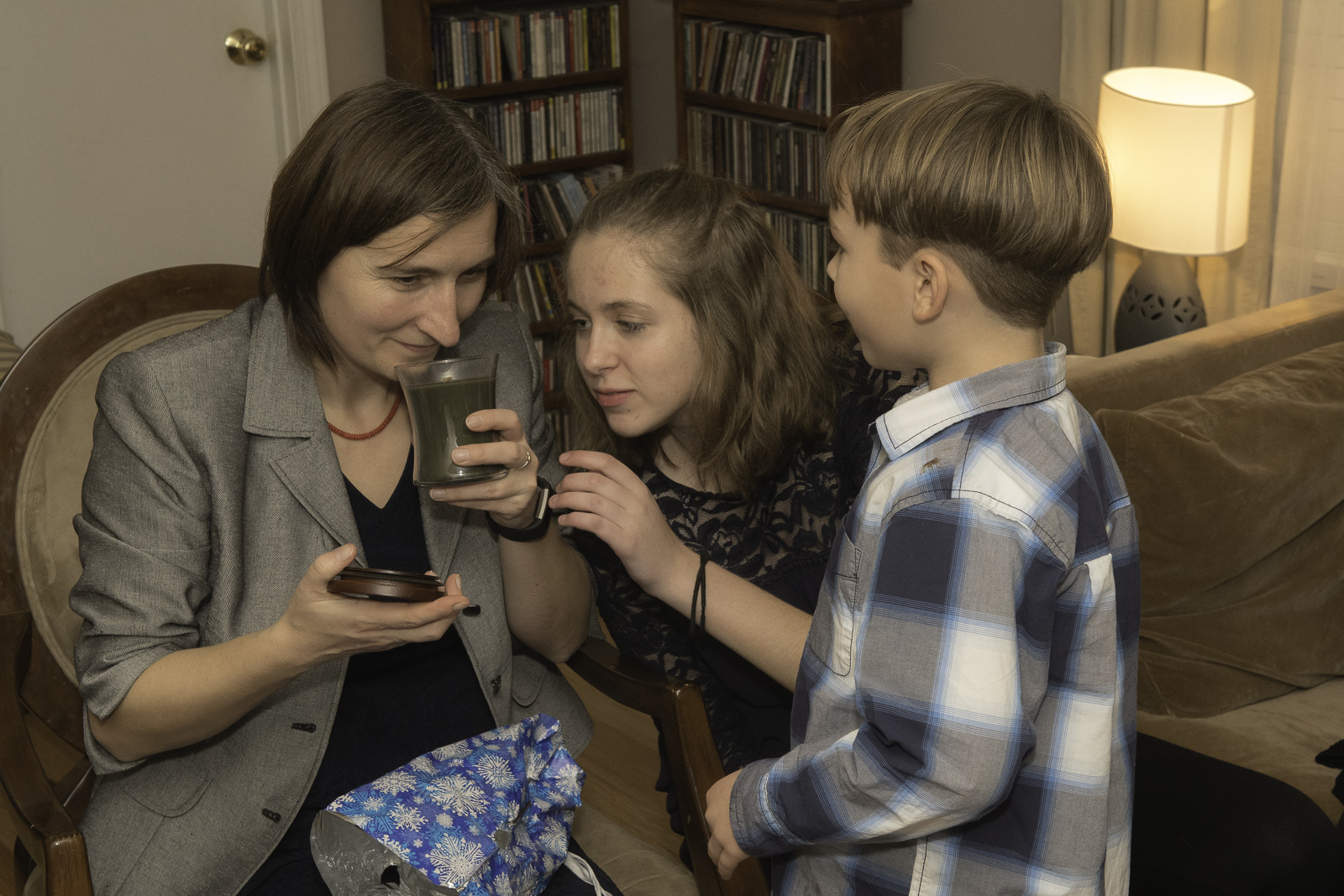
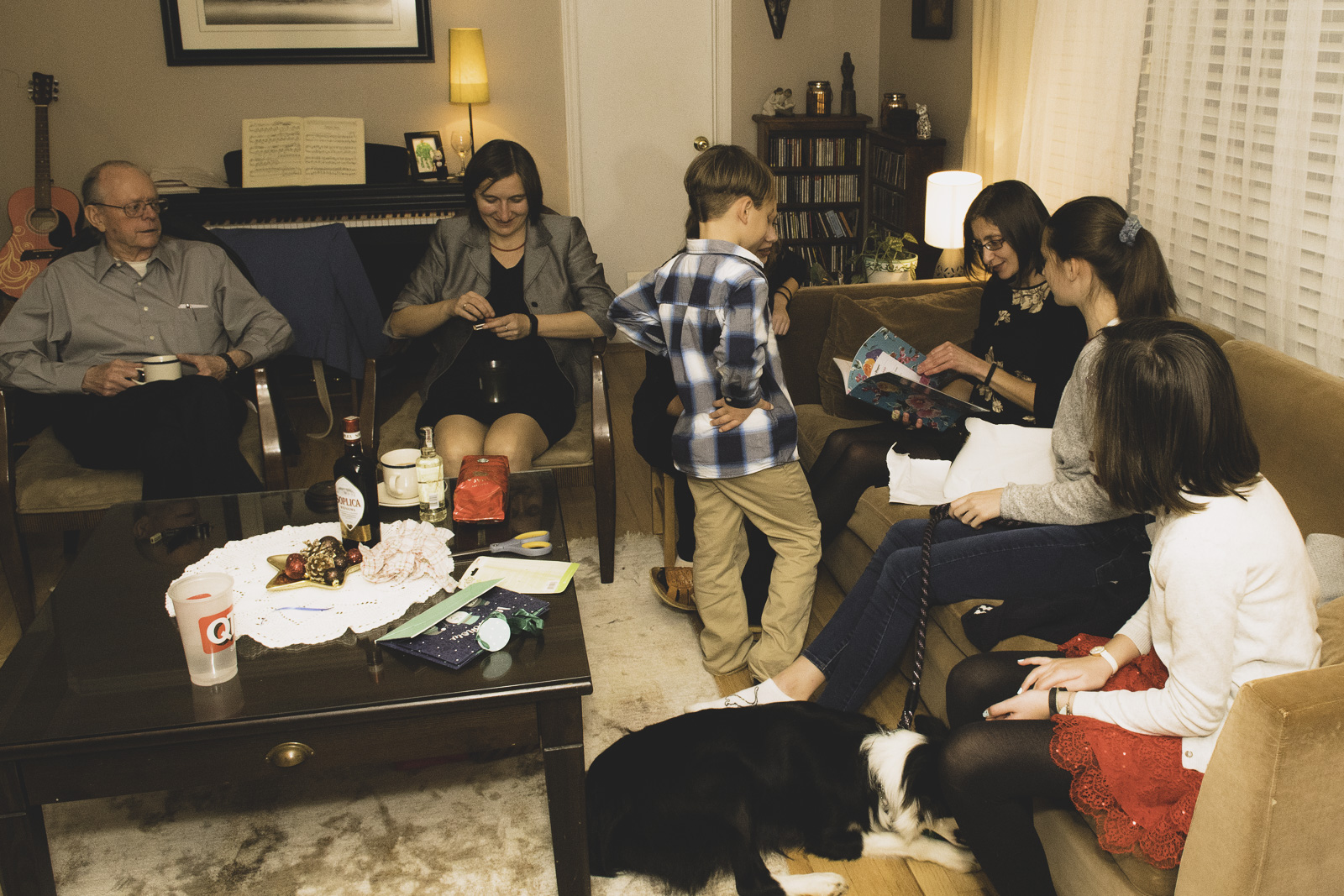
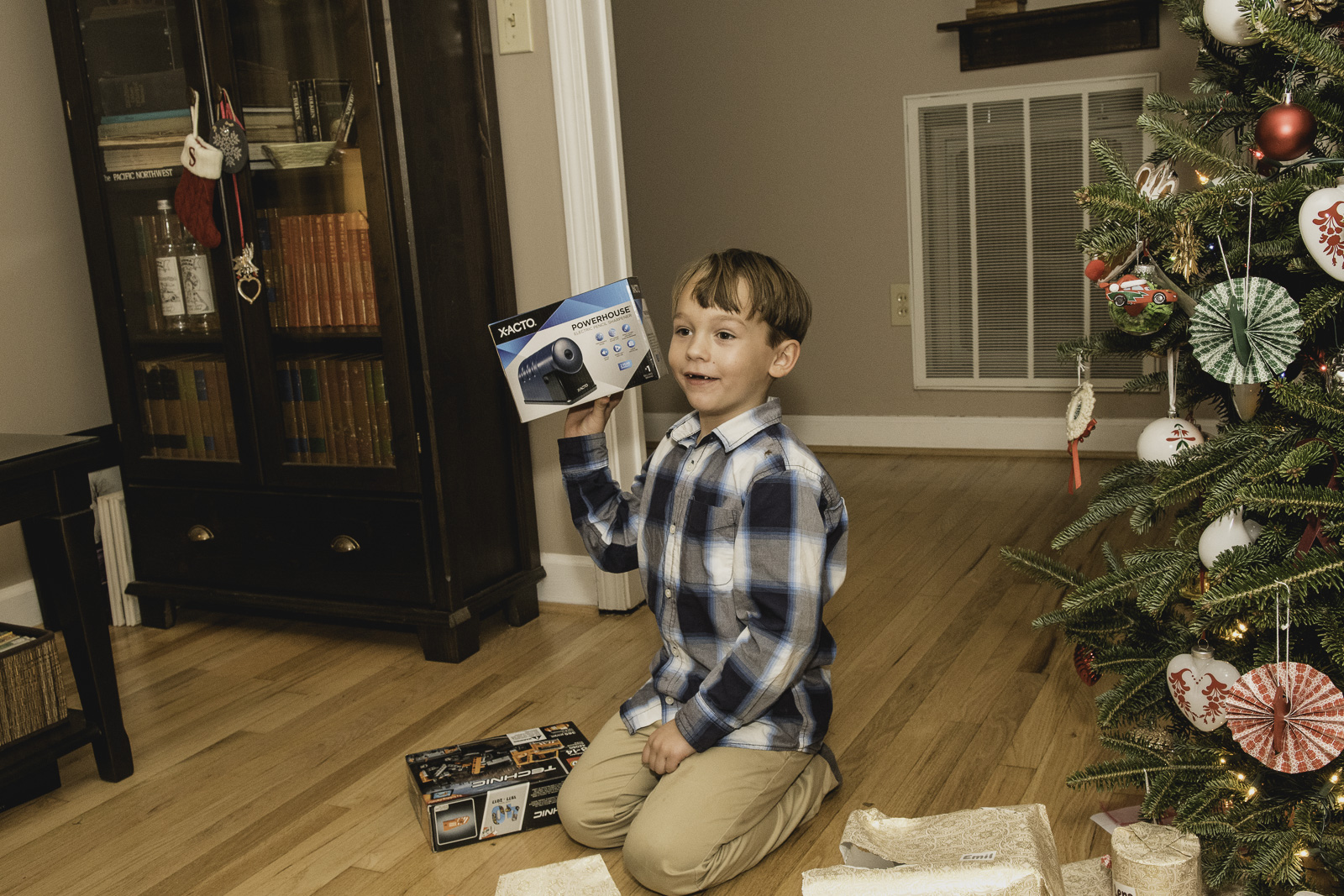
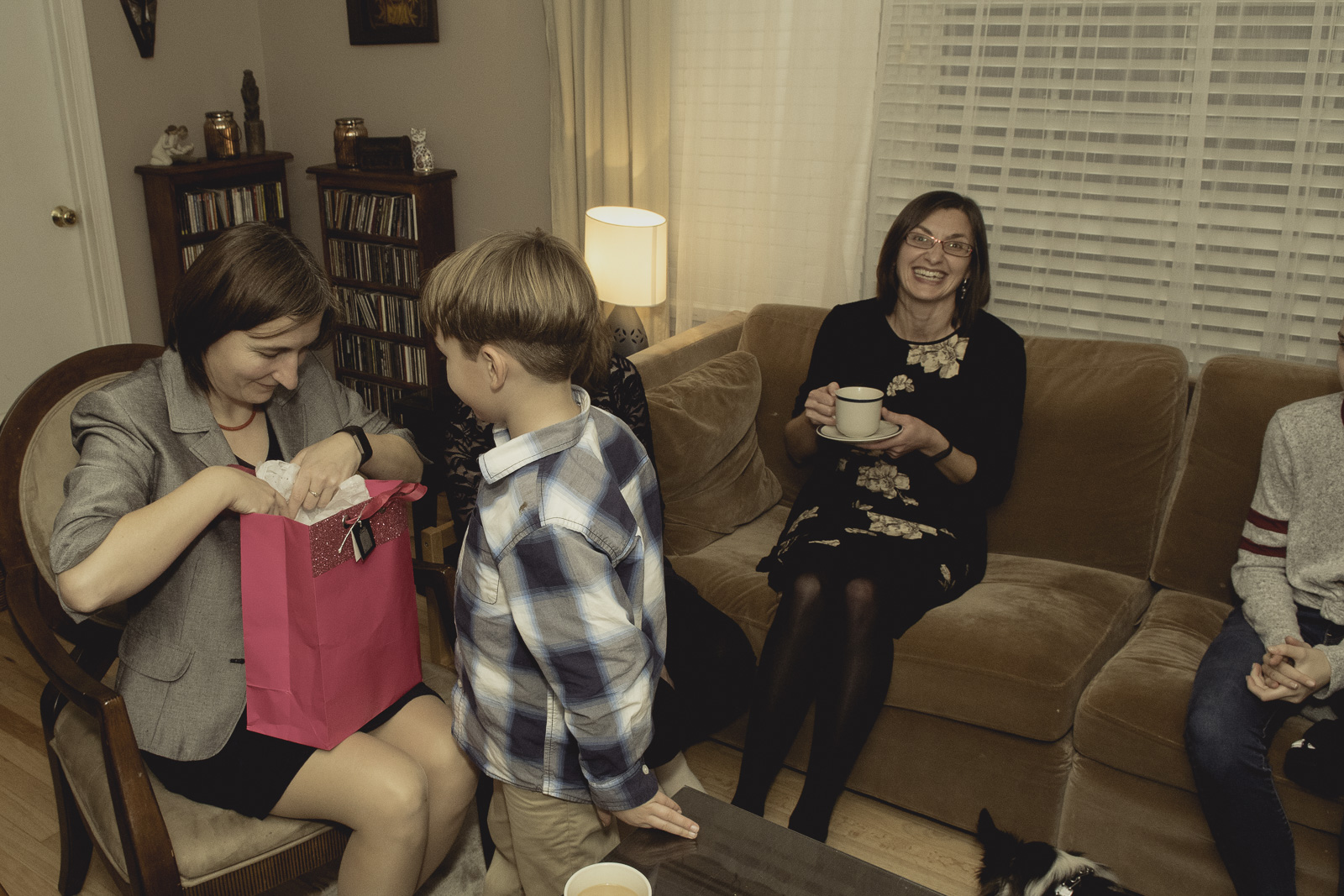
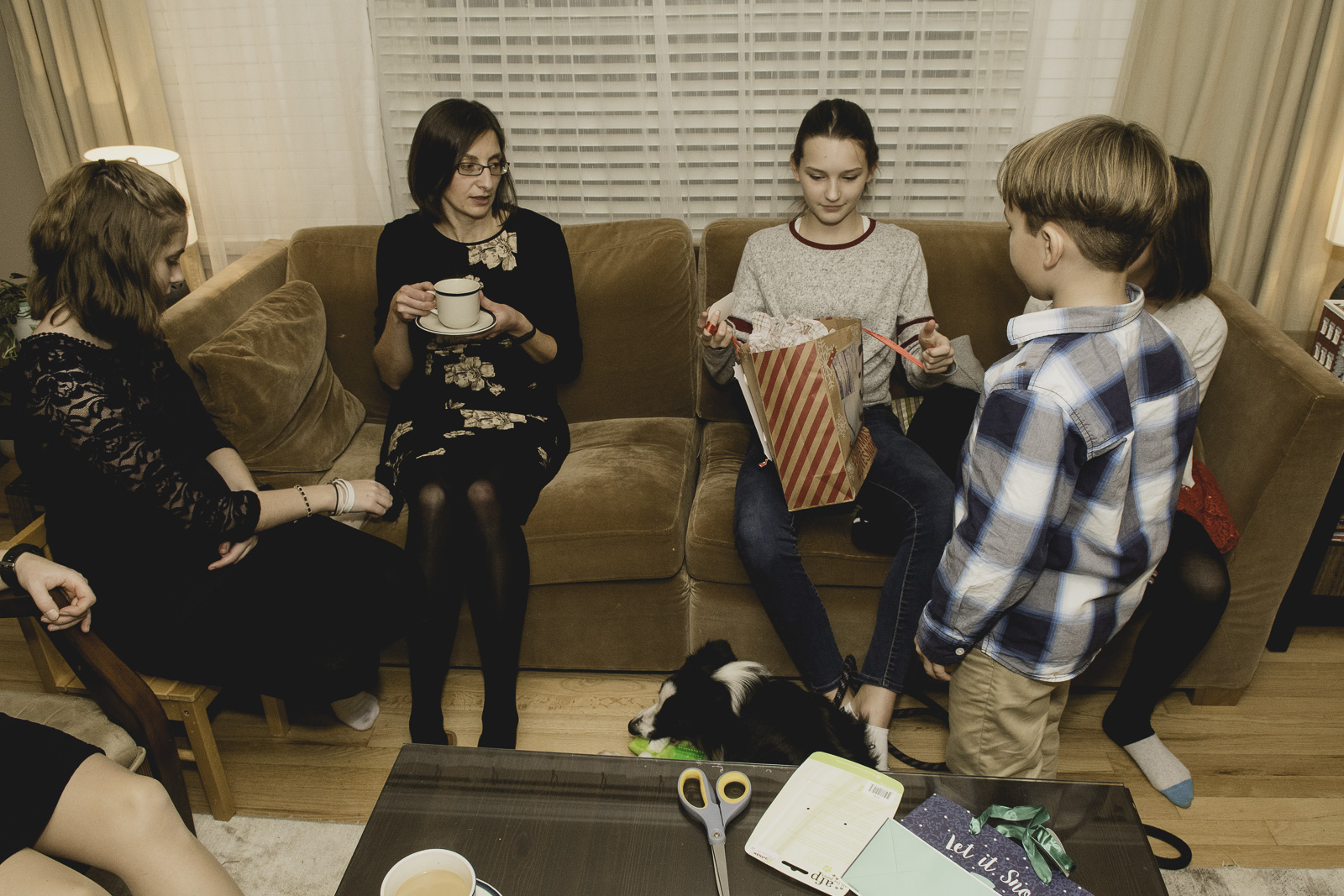
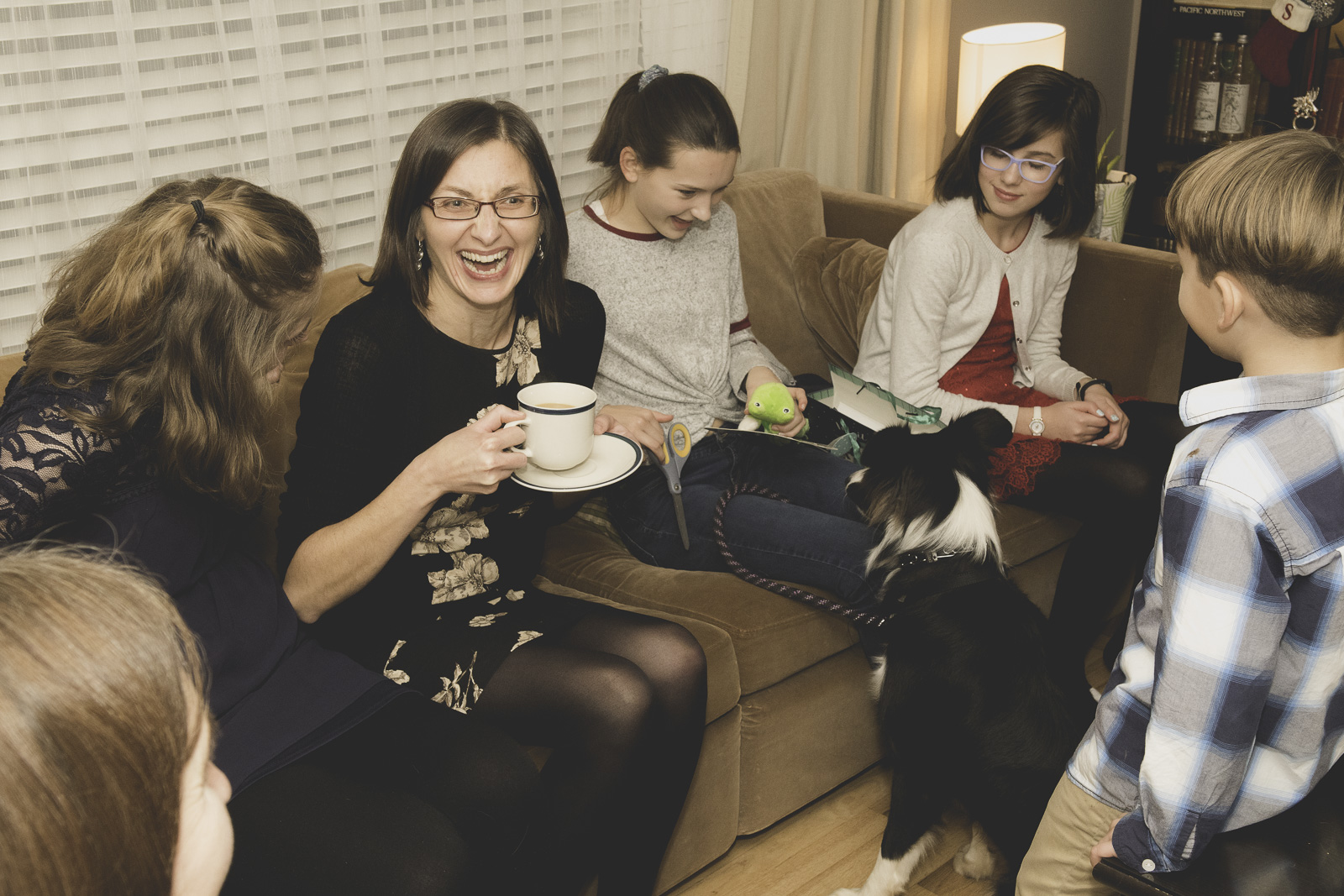
But even in such moments tinged with temporary loss, there was a bit of brightness — we’ll appreciate it all the more next near when Nana is back with us.
Wigilia 2003
Wigilia 2004
Wigilia 2005
Wigilia 2006
Wigilia 2007
Wigilia 2008
Wigilia 2009
https://matchingtracksuits.com/2010/12/25/wigilia-2010/
Wigilia 2011
Wigilia 2012
Wigilia 2013
Wigilia 2014
Wigilia 2015
Wigilia 2016
Wigilia 2017
While waiting for breakfast — a delicious quiche that a lovely student gave me as a Christmas gift — the Boy asked a simple question: “Daddy, does Santa even exist?” The question took me unawares.
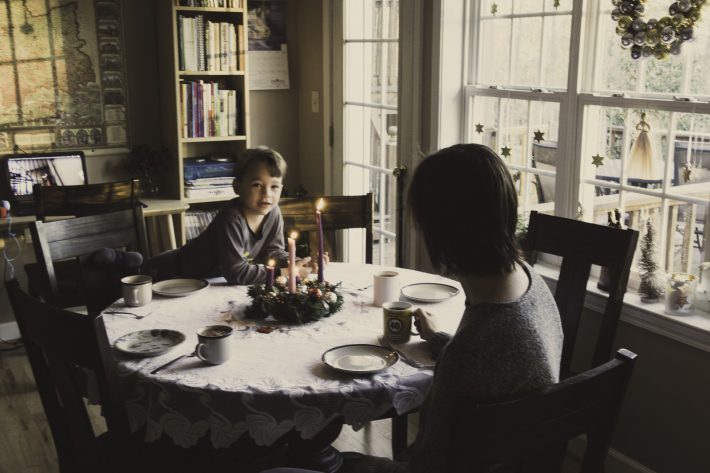
“Well, if he doesn’t, how do you think you get those presents?” I asked in response after a pause.
“You guys do it!” he shouted with a grin.
I’ve always been a little reluctant about the whole Santa thing. On the one hand, it’s harmless fun. On the other, it does necessitate misleading your child. I decided that this was the opportunity for which I’d been waiting to encourage critical thinking.
“Well, how could we figure it out? What kind of an experiment could we run to see?” I remembered Neil DeGrasse Tyson explaining the experiment his daughter ran with her friend to test the existence of the Tooth Fairy: they decided they simply would keep secret any lost teeth and see if the TF showed up. She didn’t. Simple.
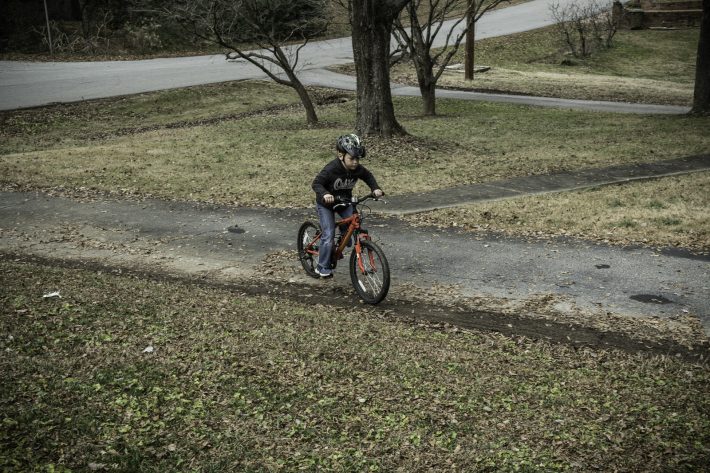
E couldn’t think of anything, but we went through the logic behind the Santa story — or rather, the lack thereof. Using a Socratic-type questioning method, reached the following conclusions:
When L joined us at the table, the Boy relayed the whole conversation to her, and she began apologetics for Santa.
I’m still not sure where the Girl stands on Santa. Surely she doesn’t believe anymore, but we’ve never had a conversation about it. And it’s just like the Girl to play devil’s advocate in such a situation.
In the end, the Boy stood more skeptical on the issue, and we decided that, even if Santa doesn’t exist, it’s fun to pretend he does. Perhaps that’s the best stance.
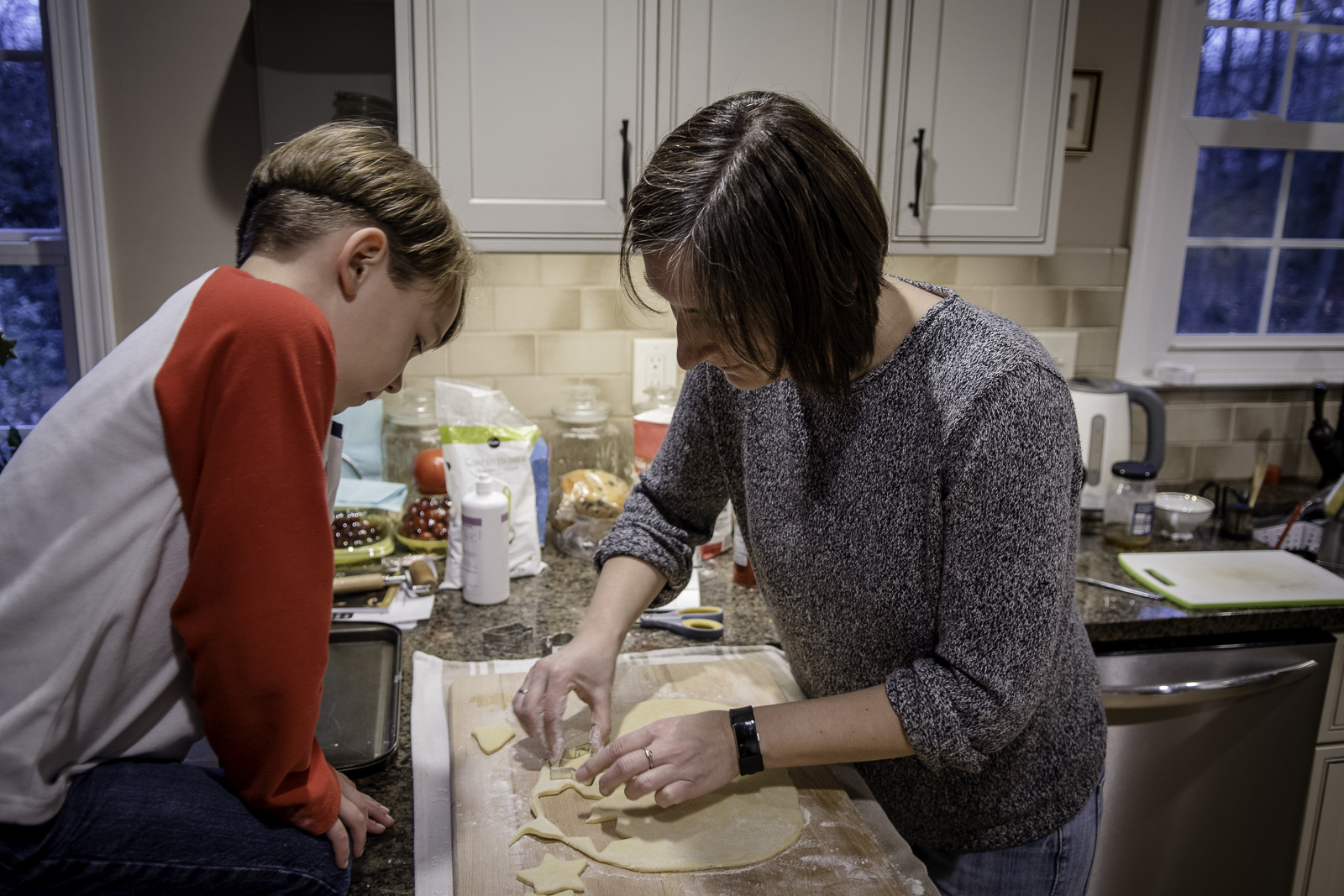
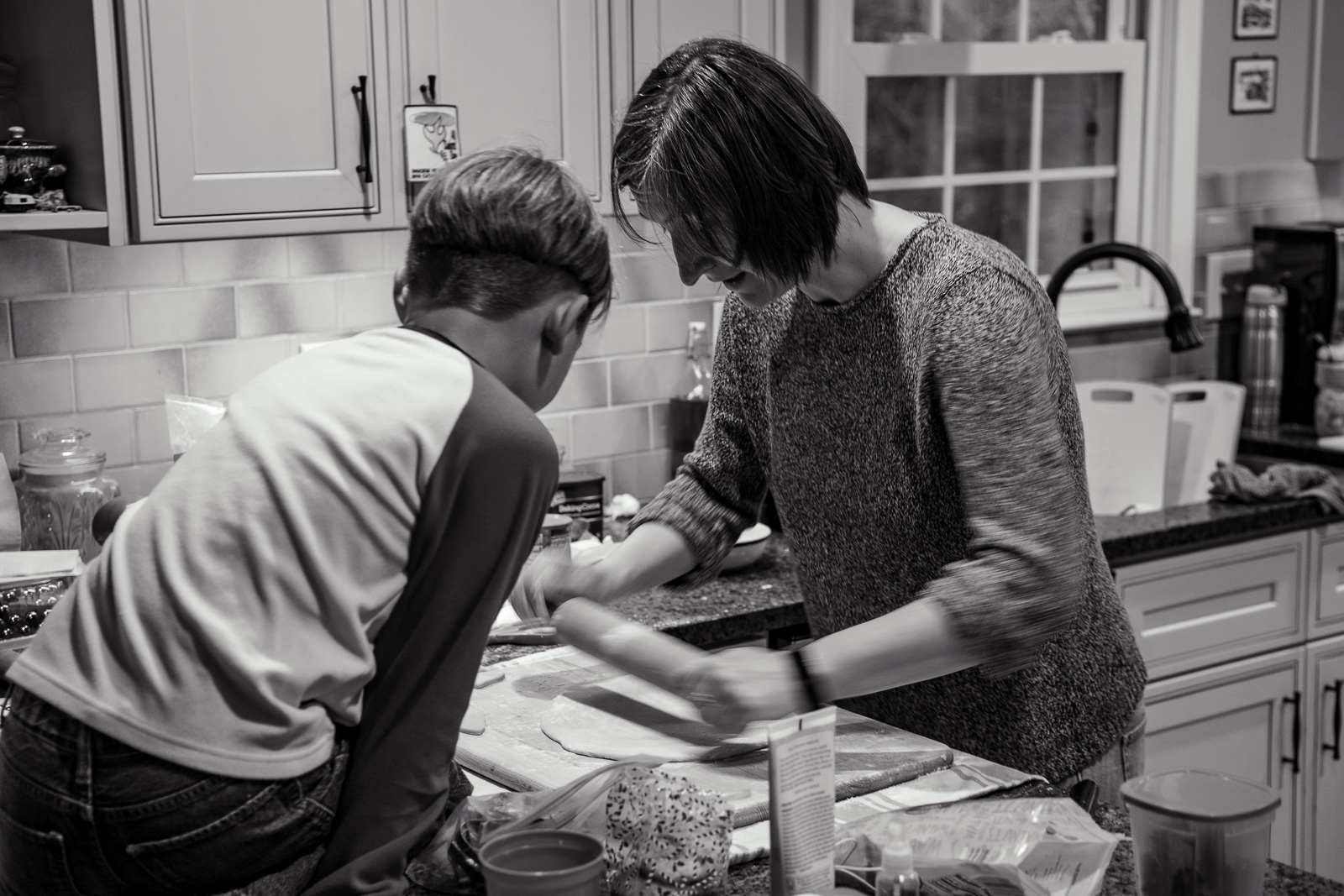
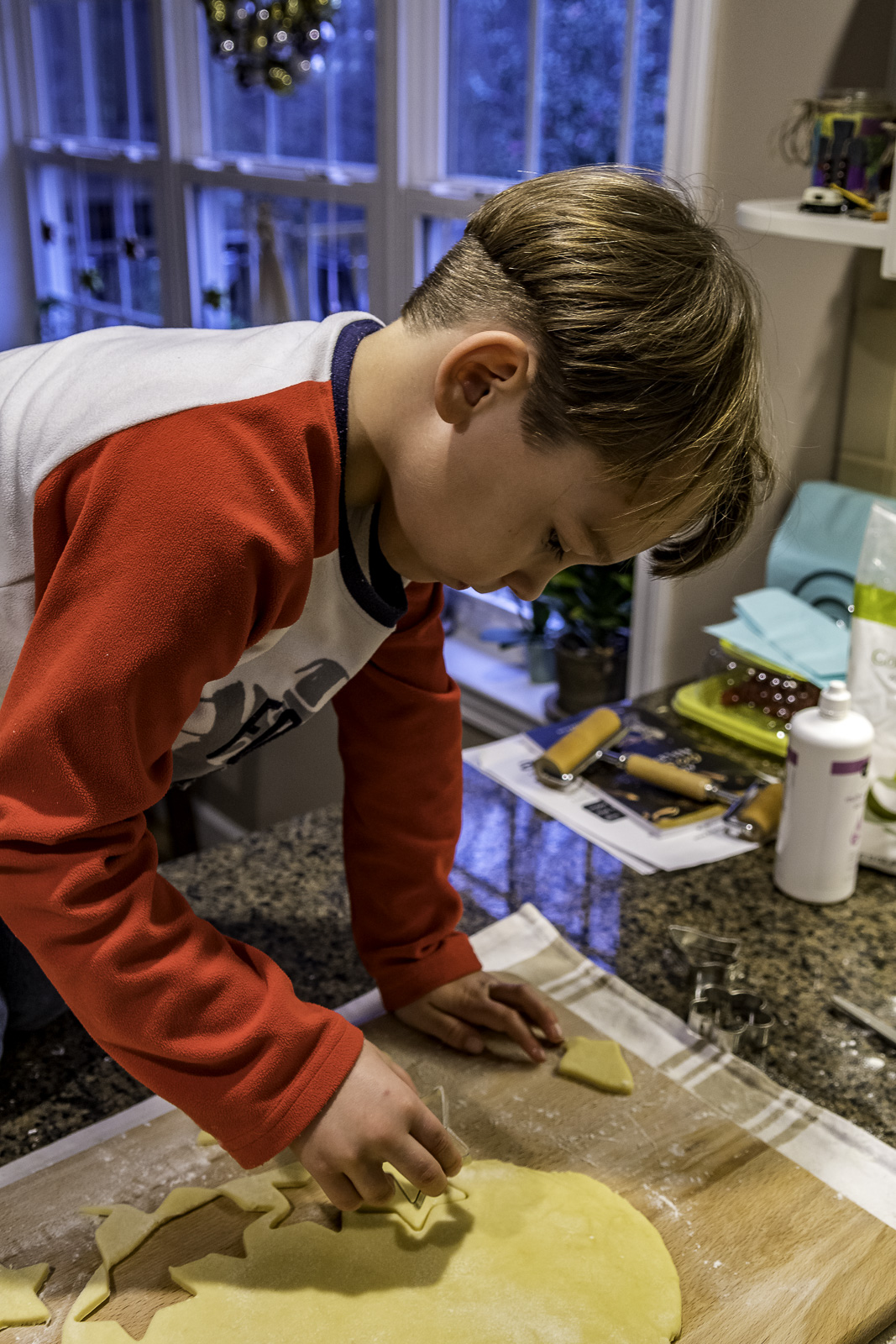
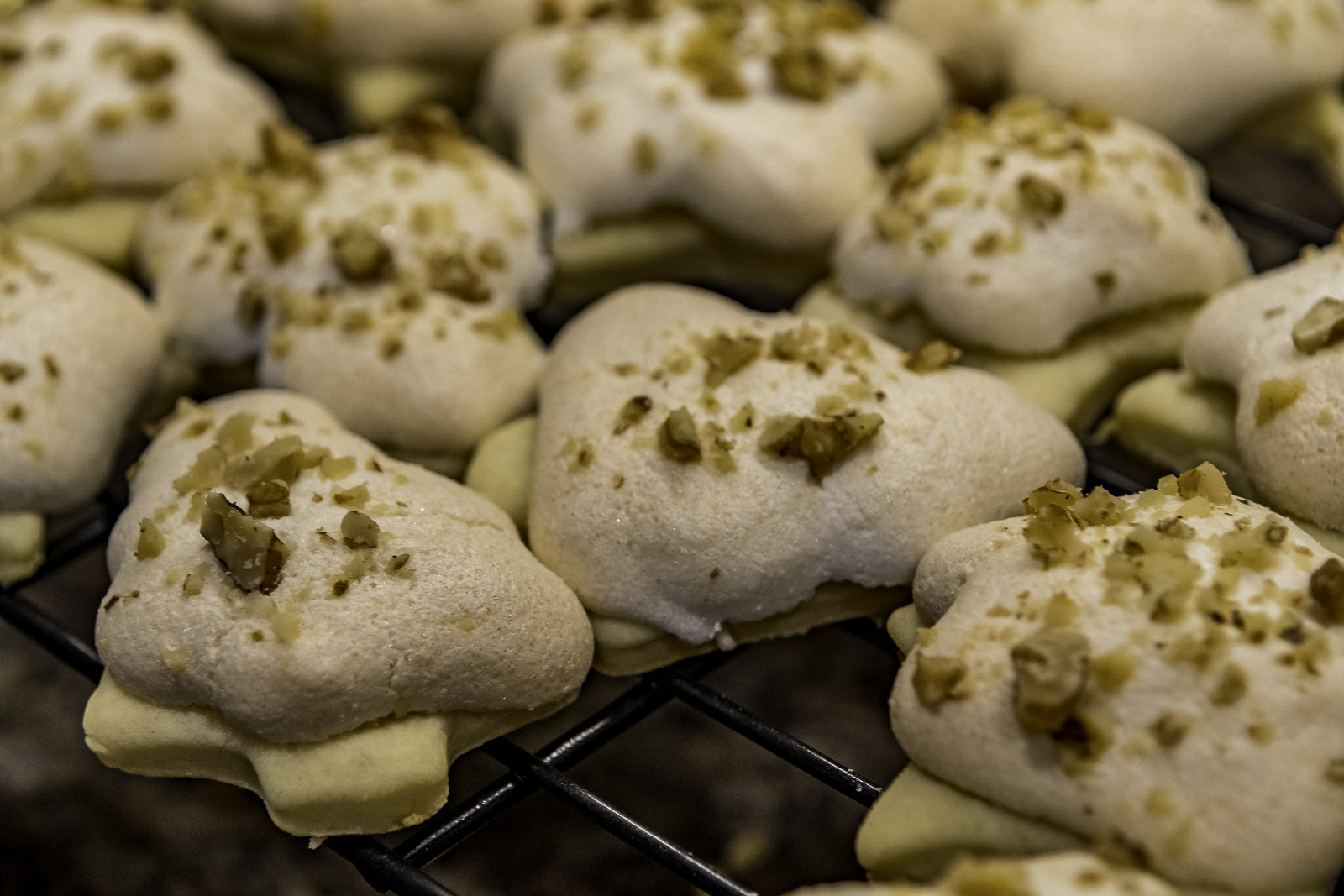
We’re on the brink. I know, I know — we’ve already into the teen years in a lot of ways. She has teen interests (some, not all), a nearly-teen body, a teen attitude at times. She has no more toys in her room. The birthday presents she wants to buy when she goes to parties come from Bed and Body Works and similar shops. She has a whole slew of favorite music, which I find myself thinking about in a way that my parents probably thought about my music. But her age is still not appended with “teen.”
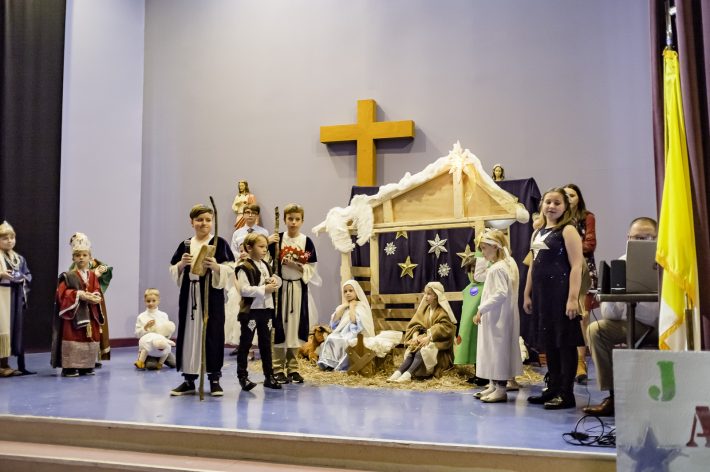
For one more year.
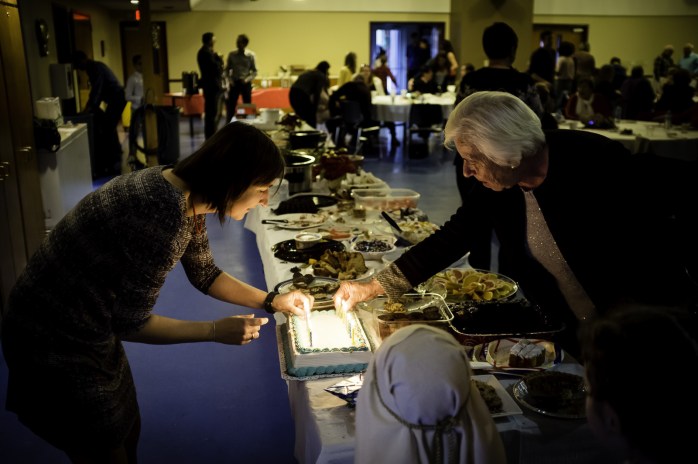
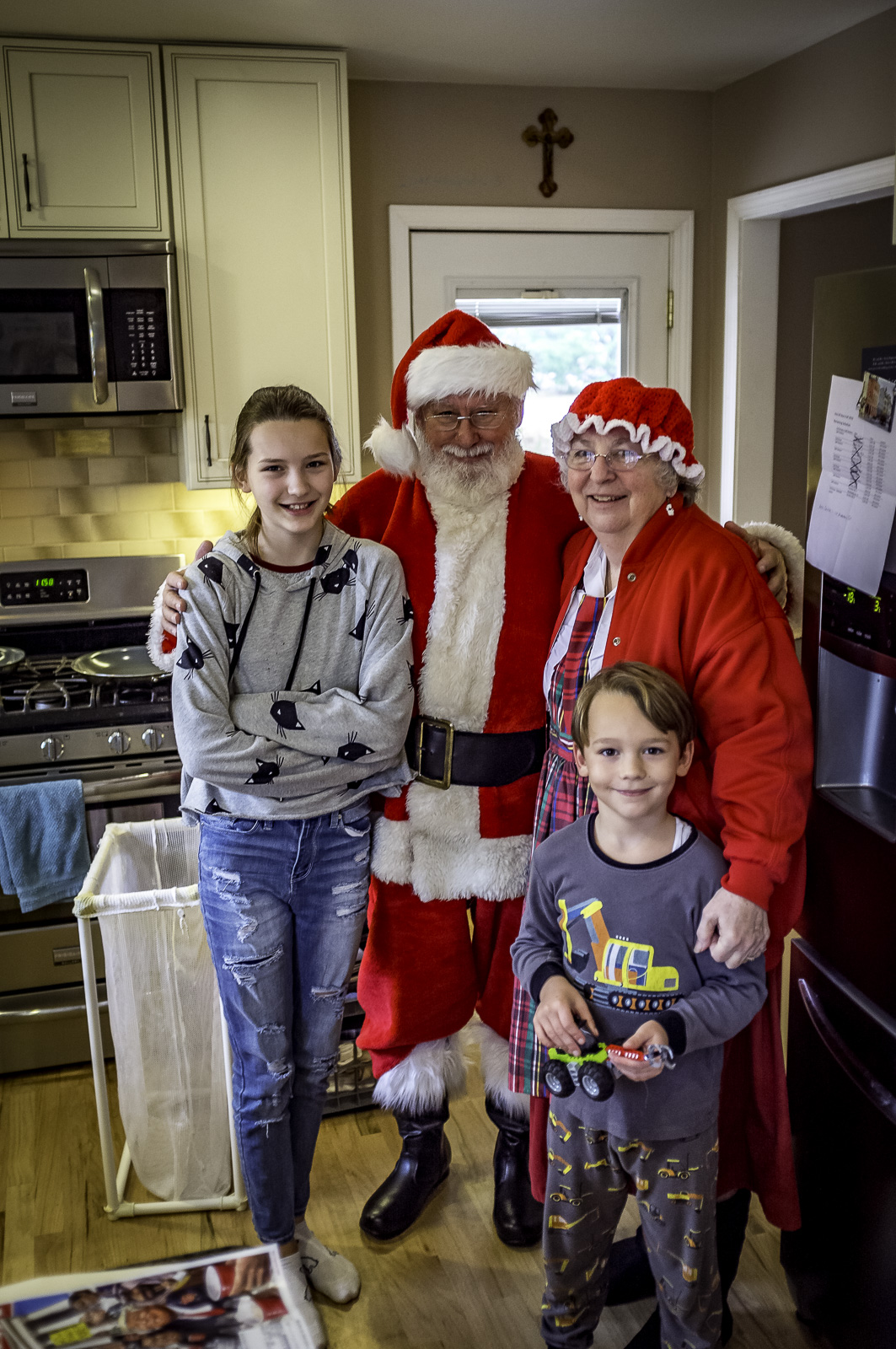
Today we had the annual pre-Christmas Polish gathering, which always includes a nativity play (jasełka) put on by the children of the Polish community. The Girl has been participating in this since she was four, making this the eighth year she’s done it.
Many of the children who used to participate are no longer children. They were young teens when they first did it, and now they’re in college, one in med school. They gather together during these performances and sit at a table, one of the islands of English in a largely Polish crowd. The other island — the young children who are today’s stars.
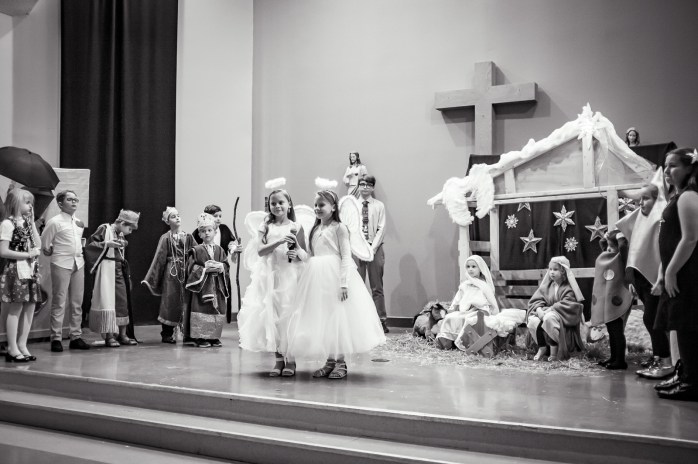
So to watch L perform on her birthday when sitting nearby are yesterday’s children who are now young adults is a jarring experience in some ways. “They grow up so quickly,” we all say, but we never really see it because their changes occur daily, and that daily exposure blurs the changes. But every now and then…
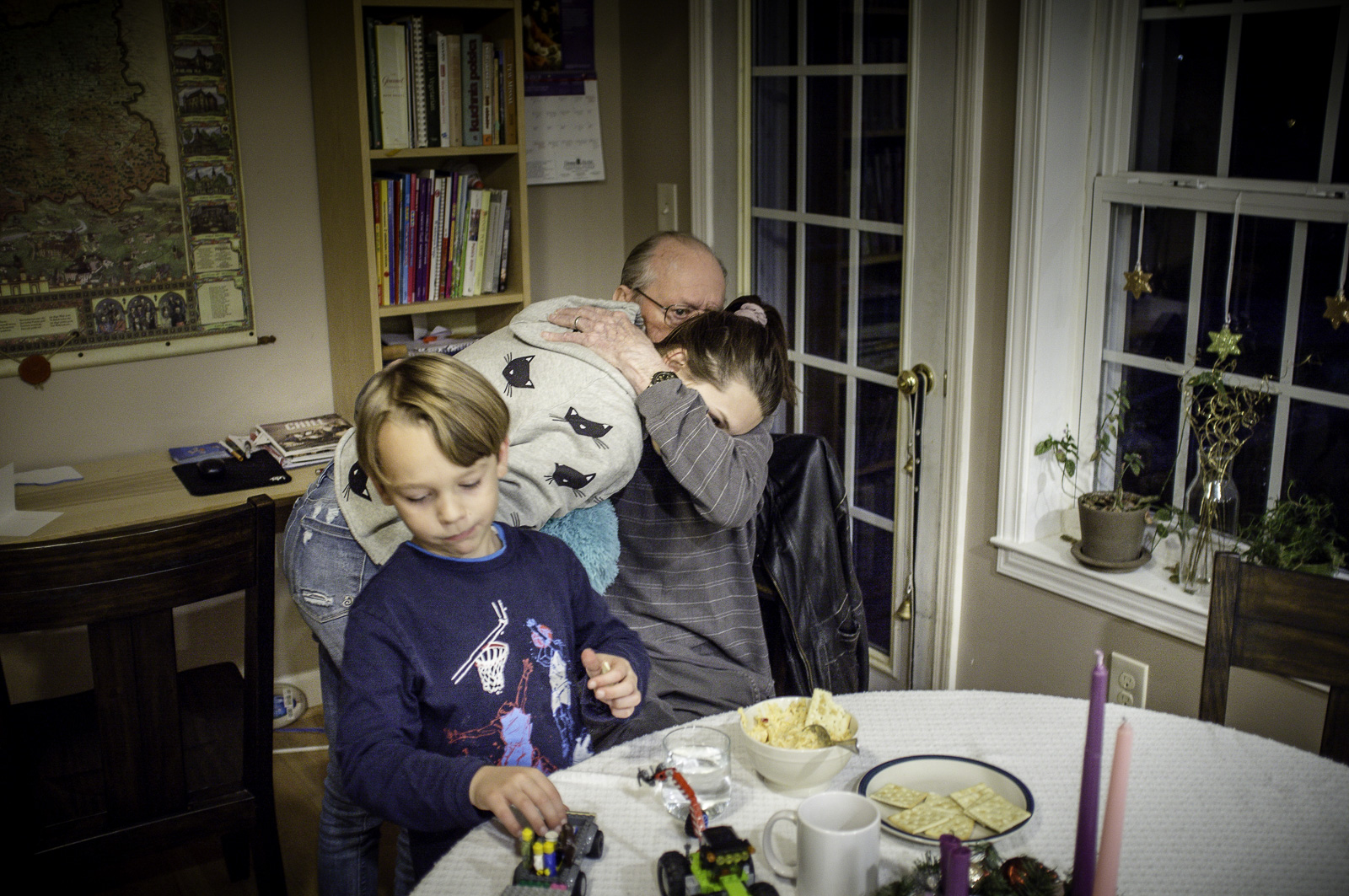
When I first arrived, I saw a young lady walking out of a door that I didn’t recognize immediately. Tall, graceful, with tastefully done makeup and a flawless face — it took me half a second to realize that it was my own daughter.
To see one’s own daughter, for the briefest of moments, as a stranger is to be, for the briefest of moments, a time traveler: I would not have immediately recognized twelve-year-old L were she to walk through the door eight years ago; were thirty-year-old L to walk through the door now, I might not realize it for a moment.
That is what we mean when we say “They grow up so fast.” They cease being the little girls and boys we’re comfortable with before we’re ready for it, before we even realize it’s happened.
2009: Three
2011: Big Sister’s Birthday
2012: Six and Jasielka
2013: Birthday Party
2014: 8
2015: Nine
2016: Ten
2017: Eleven
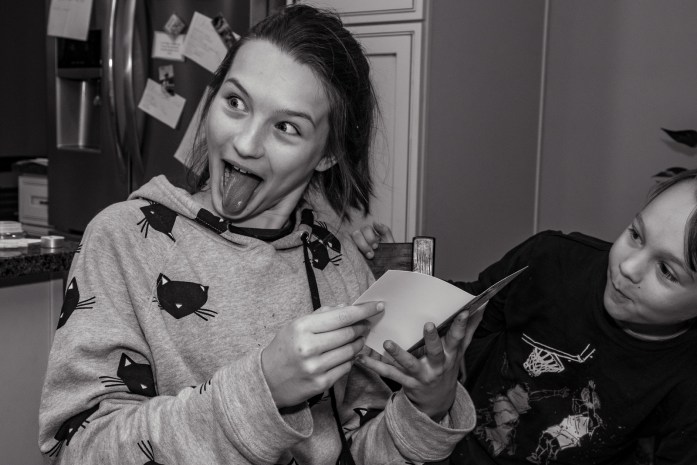
The Boy found an old SIM card the other day and was convinced it was some sort of memory device. I, of course, played along thinking it might be a good way to transition into an actual treasure hunt.
Last night, K told E it wasn’t a memory card. “It’s from T-Mobile,” she explained. I’d explained that the “T” was for technology, perhaps.
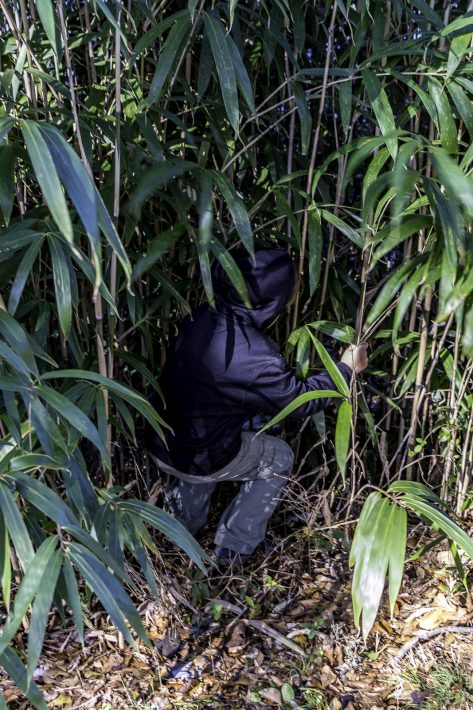
“Why’d you tell him?”
“One day, he might take it to school and tell everyone it’s a memory card and someone will laugh and him and say, ‘It’s just something from T-Mobile.'”
Still, I persisted. Today, I shared with him the message that was buried in the memory card.
I had in mind hiding something in his copy of Green Eggs and Ham with the final half of the clue, an allusion to the ending in which Sam-I-Am promises to leave the protagonist alone if he’ll just try the green eggs and ham.
I hoped the clue I had the Girl plant while we were walking in the park would help solidify the connection: “Agent Rex, are you Sam?”
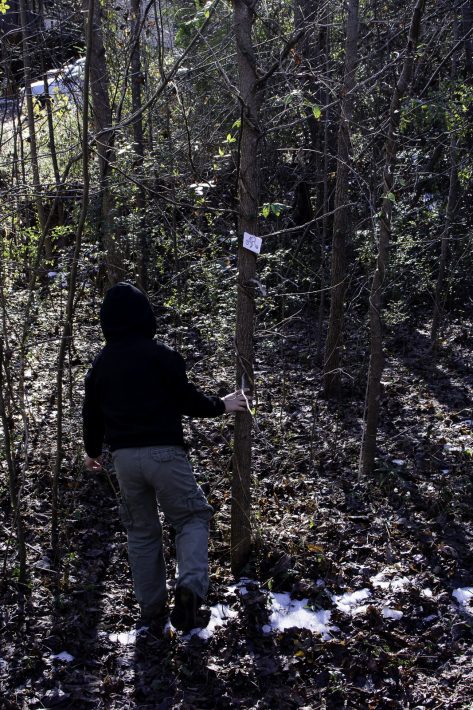
When we first arrived, E was terribly eager to look for clues; he looked in the unlikeliest of places, convinced that the Game Master would hide clues only in hard-to-find locations. I looked down at his shoes, though, and realized it woudn’t be the adventure I’d initially planned.
“Why did you put sandals on?”
“Because I couldn’t find my shoes.”
So I was constantly telling him to stay away from the remnants of snow, carrying him over spots where a puddle covered the entire path, and asking him, “Are your toes cold?”
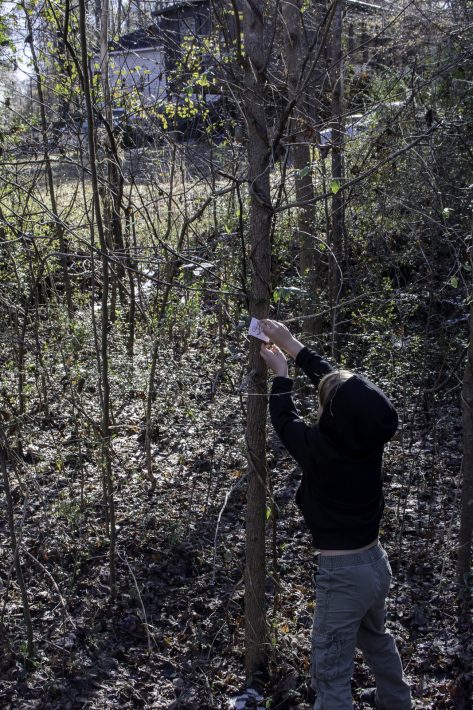
When he finally reached the tree to which L had pinned the clue, he completely missed it because it just above his eye level.
When he finally found it and read it, he was perplexed. I knew I’d have to guide him toward Green Eggs and Ham, and I thought he could figure it out if we steered him that way deliberately.
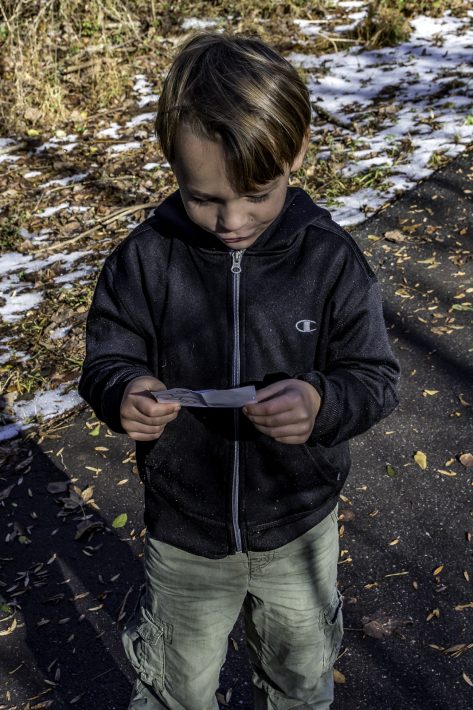
We didn’t succeed.
And then K came home and the Boy explained everything to her.
“Oh, like Sam-I-Am.”
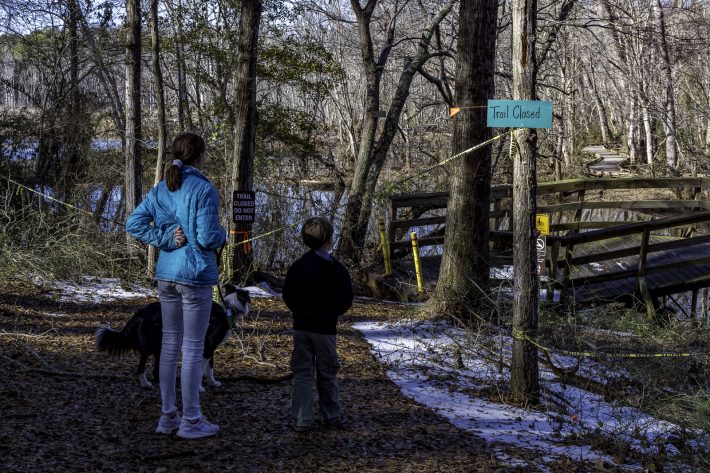
I’d considered texting her the details so she could respond just like that, but it was apparently not necessary.
Soon enough, the Boy was in possession of his third clue of the day:
Agent Rex, your mother doesn’t have an agent name. I can’t communicate with you until she has a name. When she does, send me a message in a manner I will explain at a later date. Until then, be brave, Agent Rex!
By now, though, the novelty of it was wearing off.
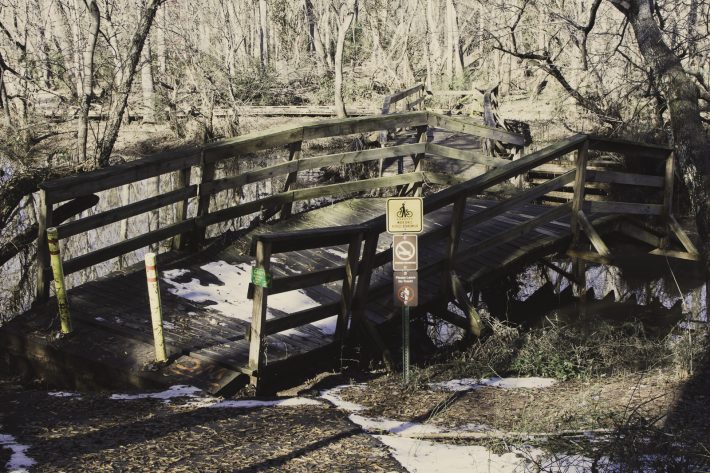
“This isn’t a treasure hunt,” he lamented. “It’s a clue hunt.”
True enough: Axel’s dad has set up all sorts of treasures along the way; I’m just winging it with clues I write in Evernote so I can keep track of everything I’ve said for the simple reason that I’m still not sure where we’re going.
“Maybe the Game Master will have us looking for stuff in Poland!” the Boy had said in anticipation of this summer’s trip.
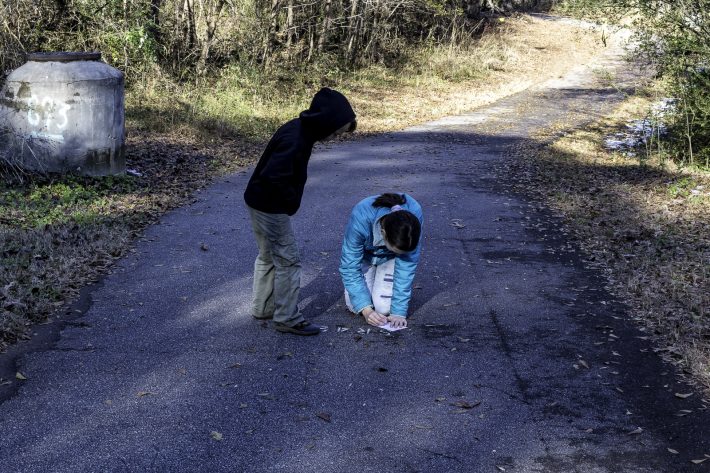
“Maybe!” I replied, wondering if I could string him along for that long. The answer came today: not with clues alone, silly amateur, not with clues alone.
Still, it was great fun, not only because the Boy had fun (at first) but because the Girl enjoyed being in on the secret.
The day began as yesterday began: outside.
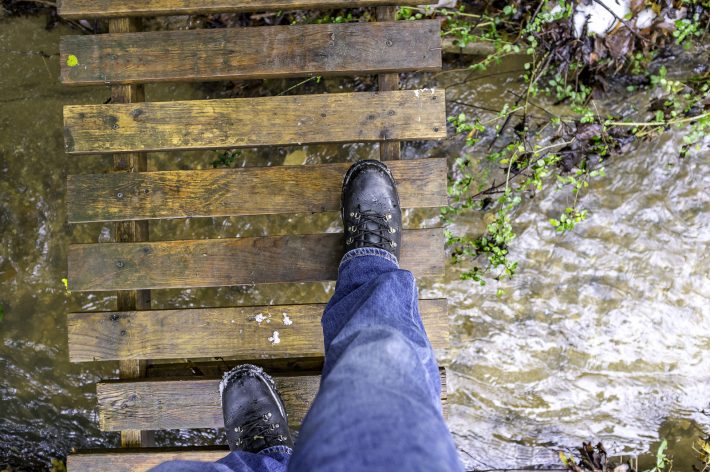
The Boy has for some months been obsessed with The Axel Show, and lately, they’ve been going on an extended treasure hunt, set up by the Game Master and continually disrupted by imposter Game Masters who steal clues and create chaos. E desperately wants to have his own treasure hunt adventure, so we set off today to have one. No one’s hidden any treasure anywhere, but as with many things in life, it’s the process — the journey, the adventure — that matters.
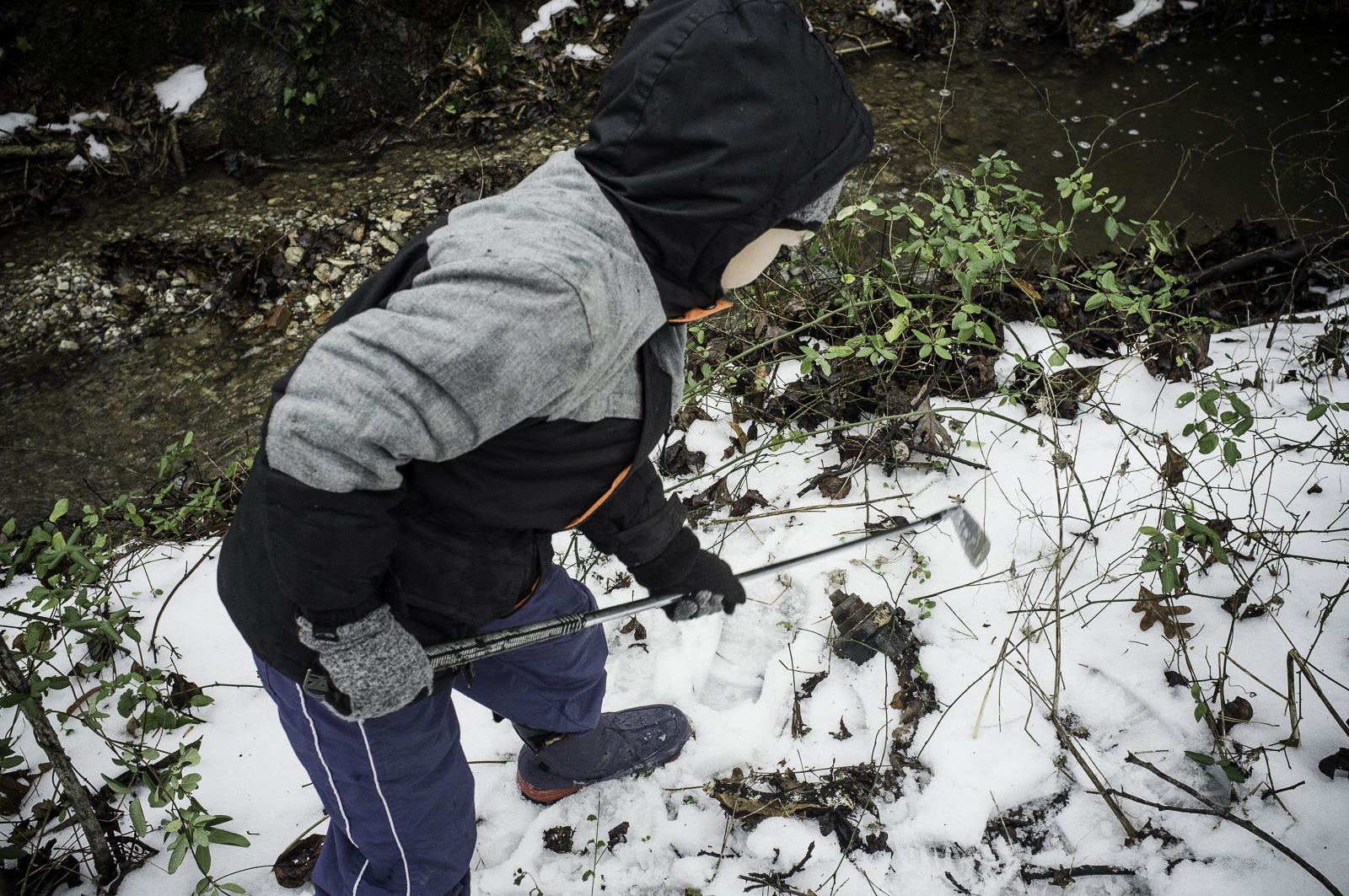
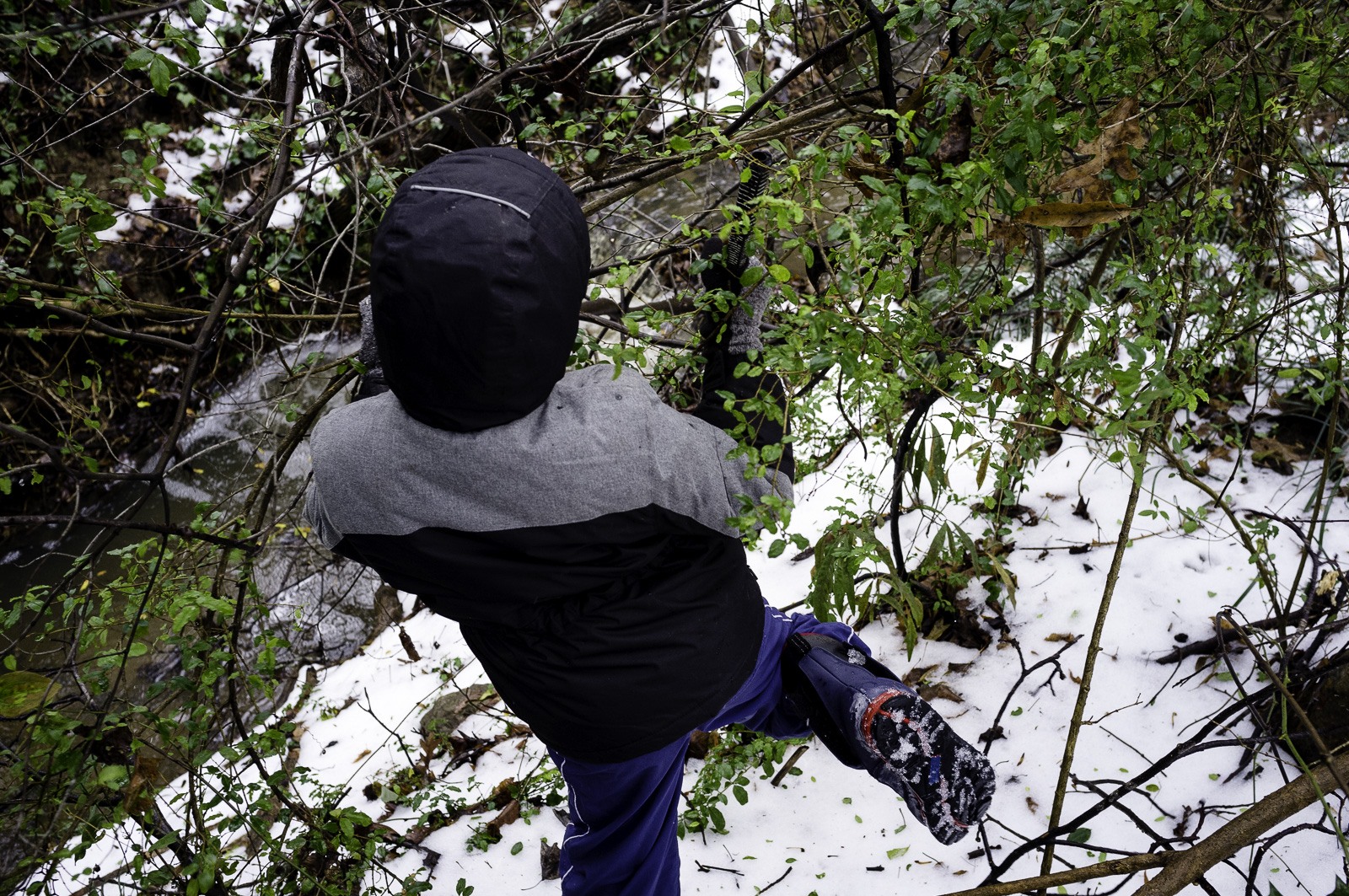
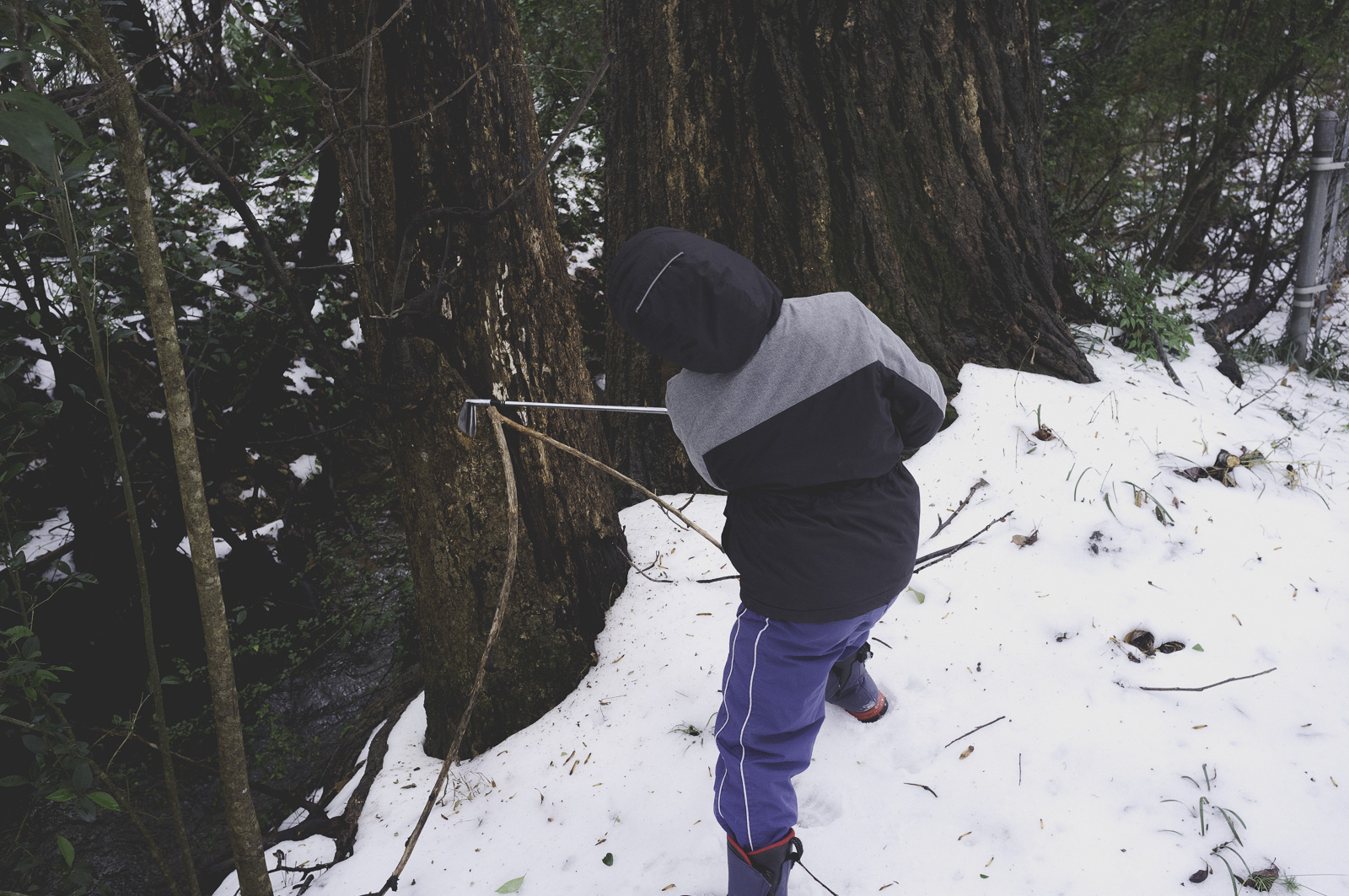
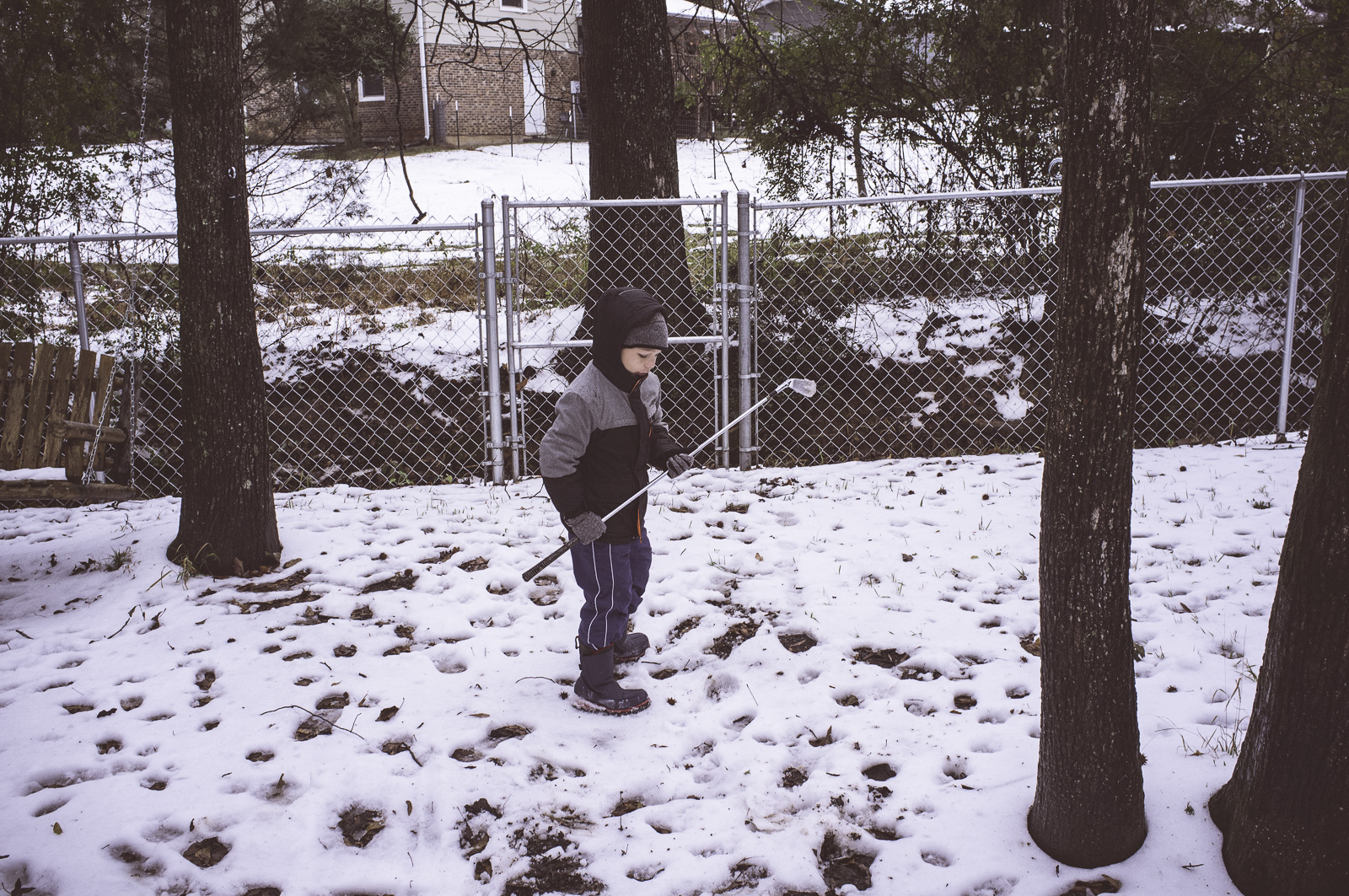
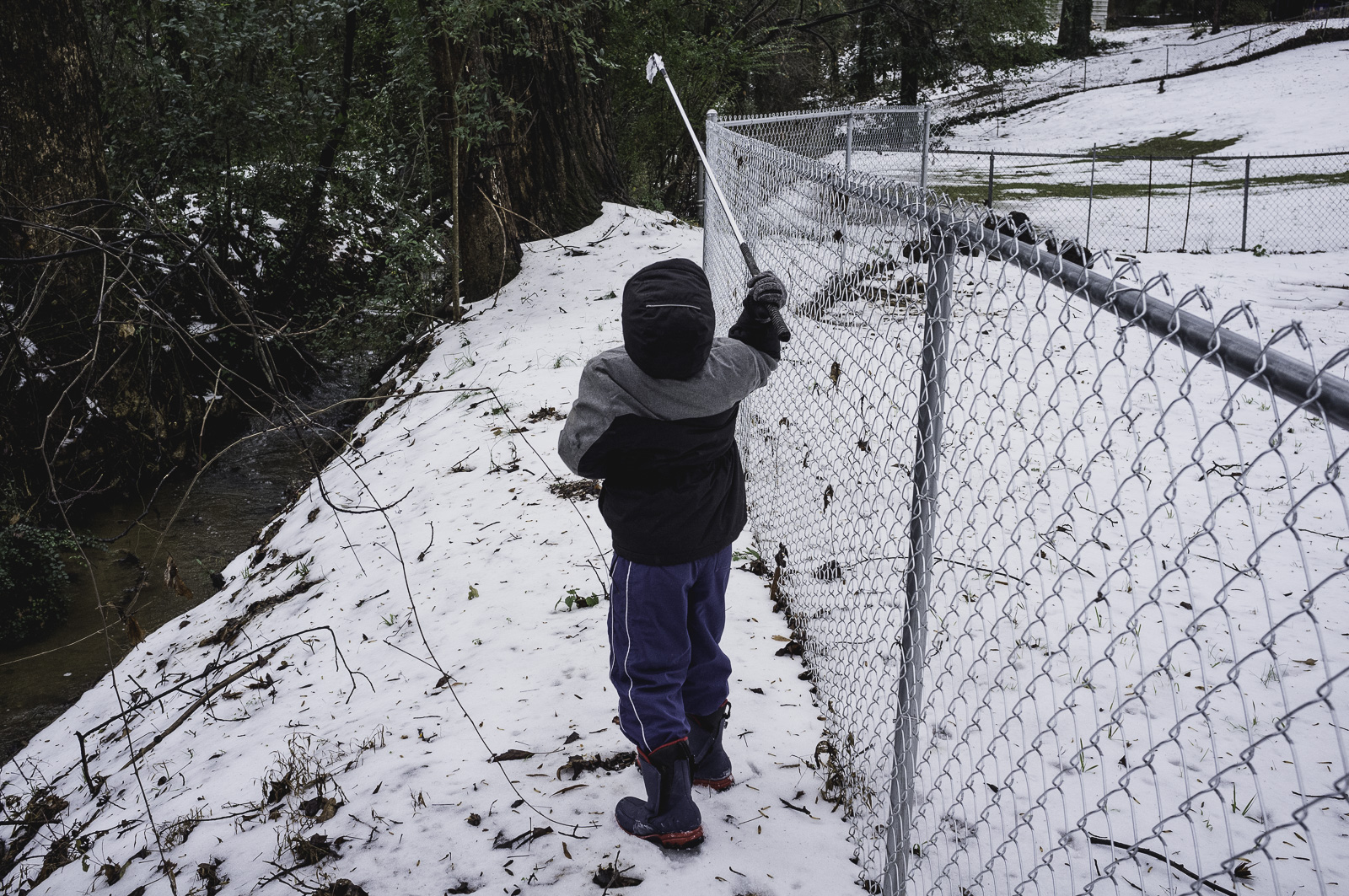
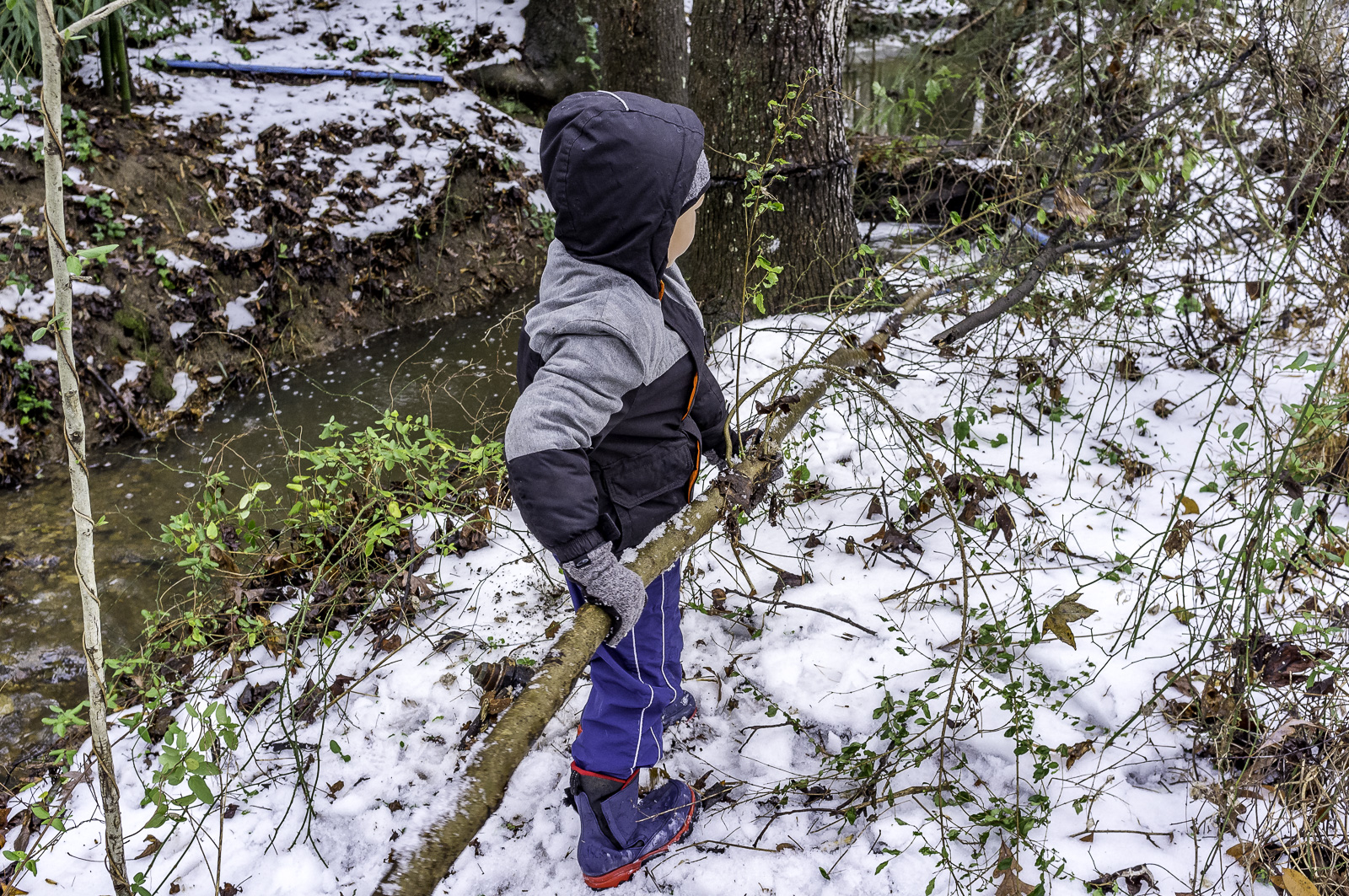
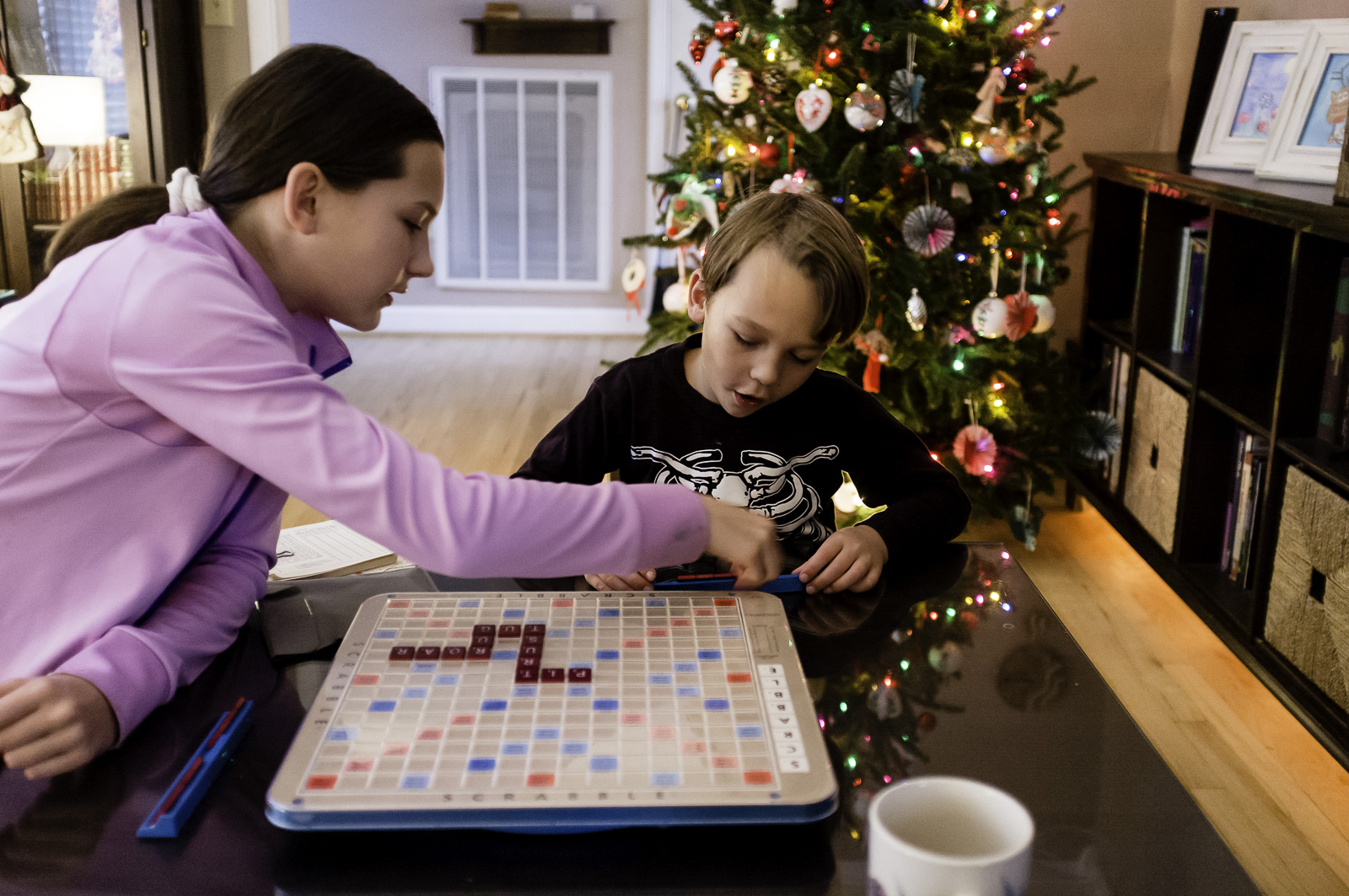
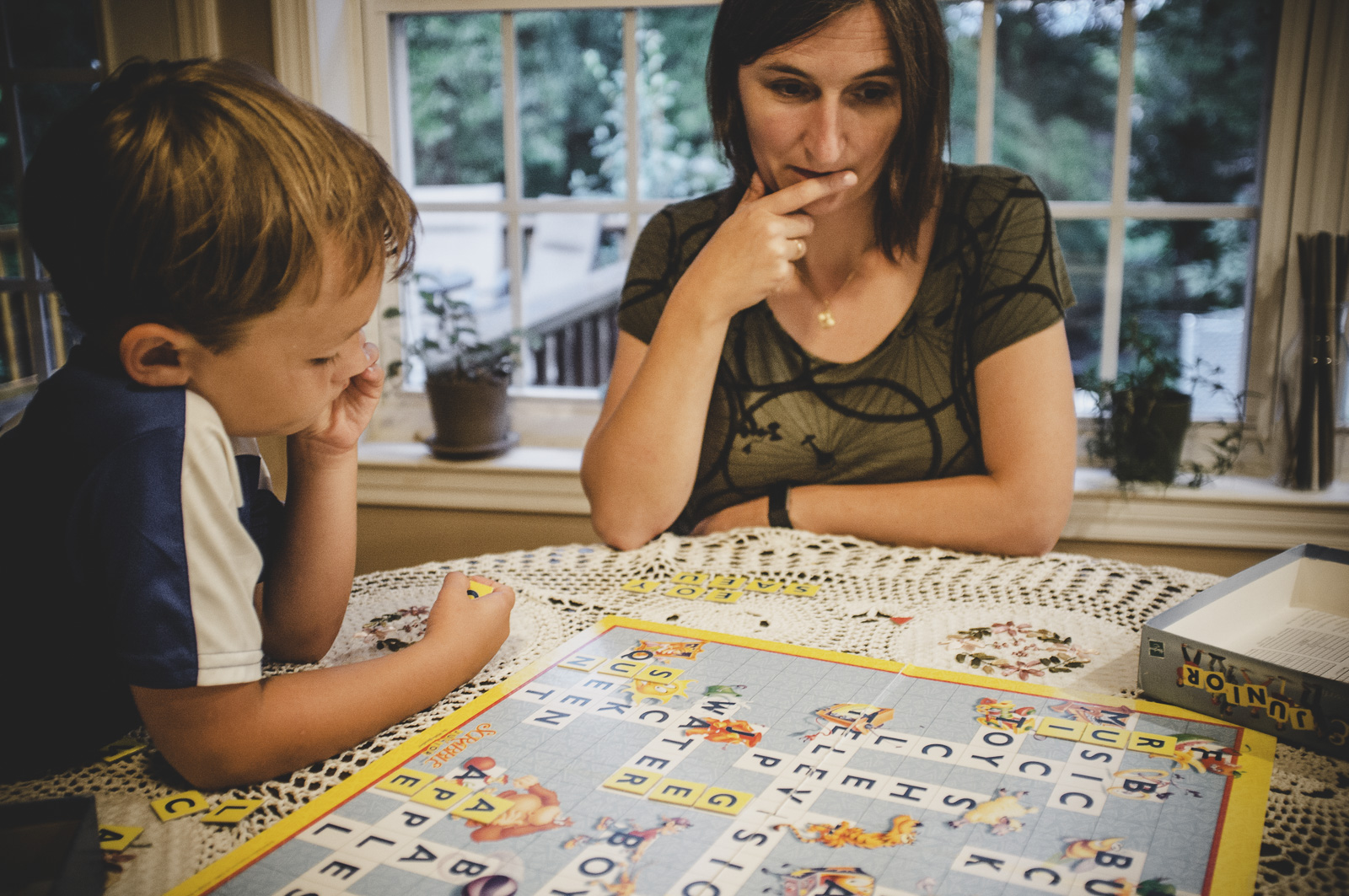
When we got back home, we did some cleaning, ran some errands, then played Scrabble with the Girl. We’ve played Scrabble Jr. together before, but as we were cleaning, L discovered real Scrabble and knew we had to play today.
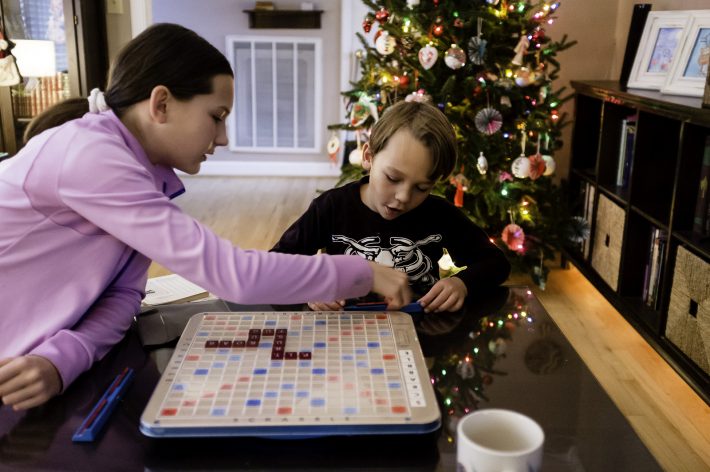
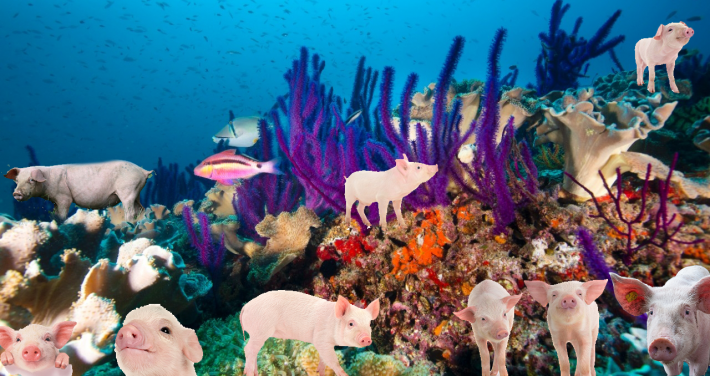
The Boy began and with some help from L, played “pit.” A simple start that didn’t offer a lot of options for continued play, but I had u, r, t, and s, so I played “trust,” which eventually led to “tug,” “rug,” “roar” and “diver,” but the Boy’s next play was to add “ig” to his first word and create “pig.” A few plays later, he took four letters from his holder and suggested adding them to “pig.” The letters: f, r and two e’s.
“You know, like a ‘pig reef,'” he explained.
The Girl and I decided it was the best play of the whole game.
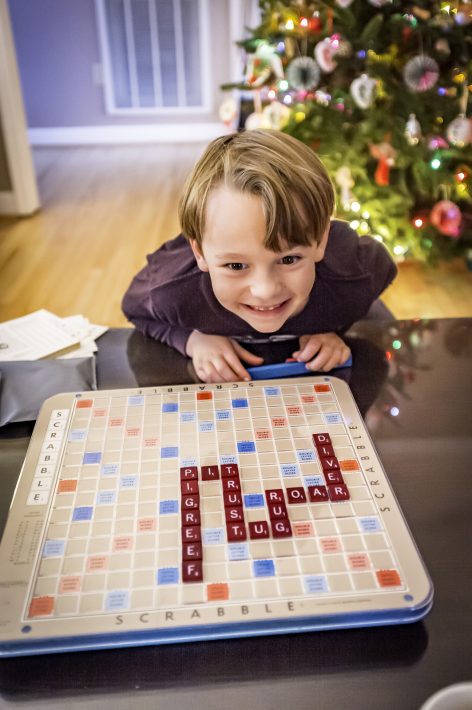
A quick search on the internet revealed, much to our surprise, that there really is such a thing as a pigreef.