
Bethel Bash 2022
The Boy and I went on a one-of-a-kind Scouting adventure this weekend: we spent the evening rambling around an enormous cave system, then spent the night in said cave.
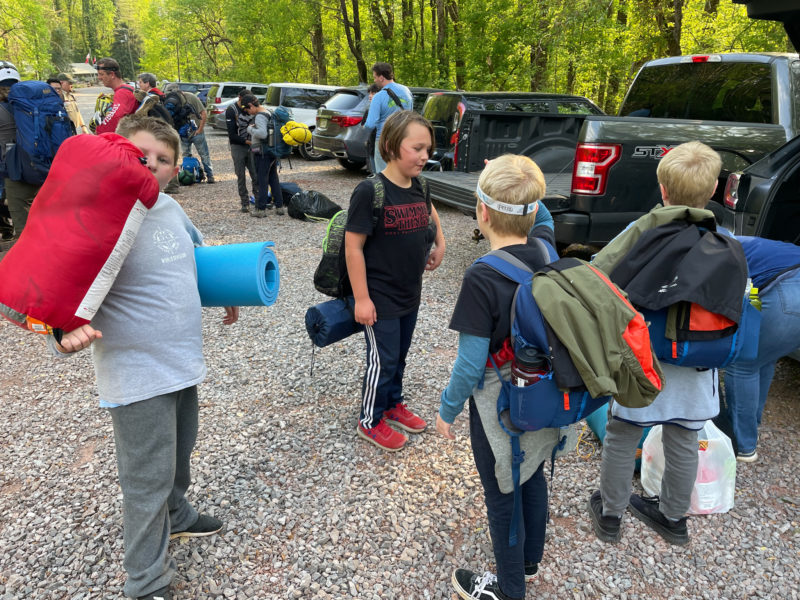
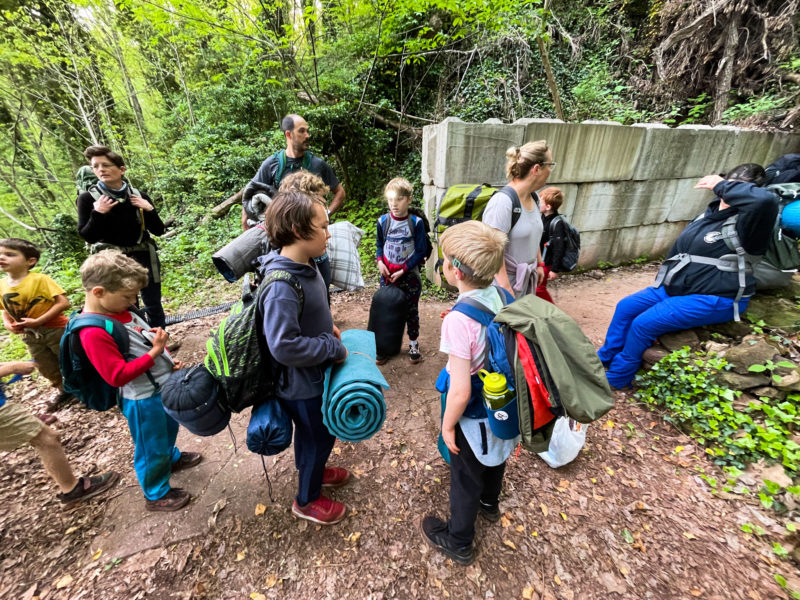
We all met in the parking lot around six, gear in hand, all excited, with the adults (well, speaking for myself anyway) a little anxious about how all the details might work out.
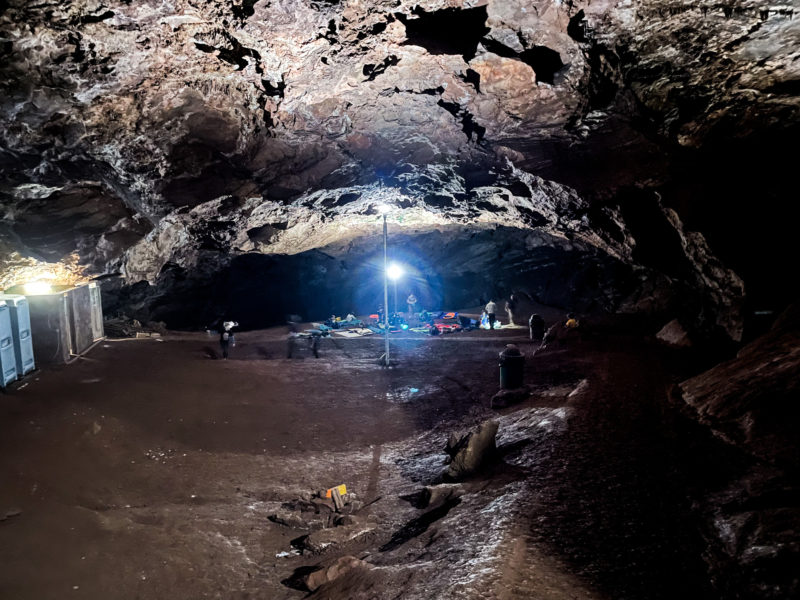
Our first stop — our camp location. It was an enormous room, with a relatively high ceiling and a length probably five times or more its width.
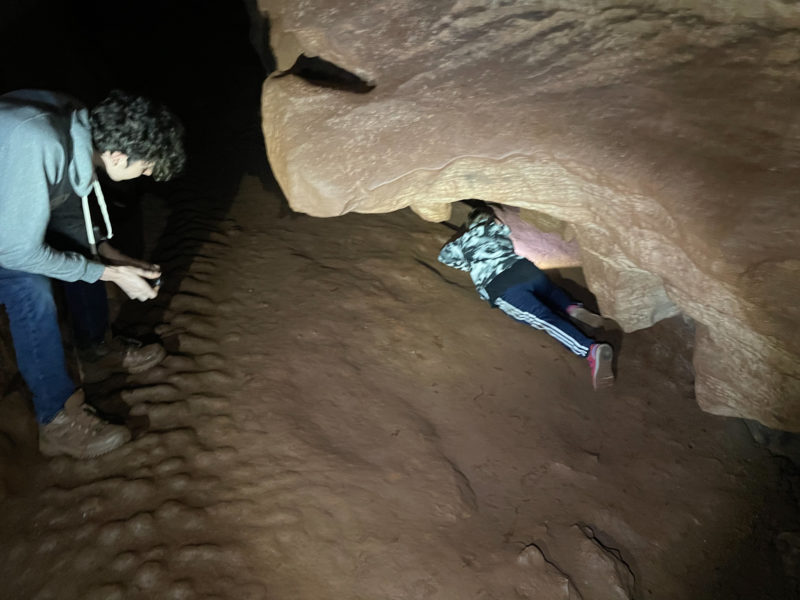
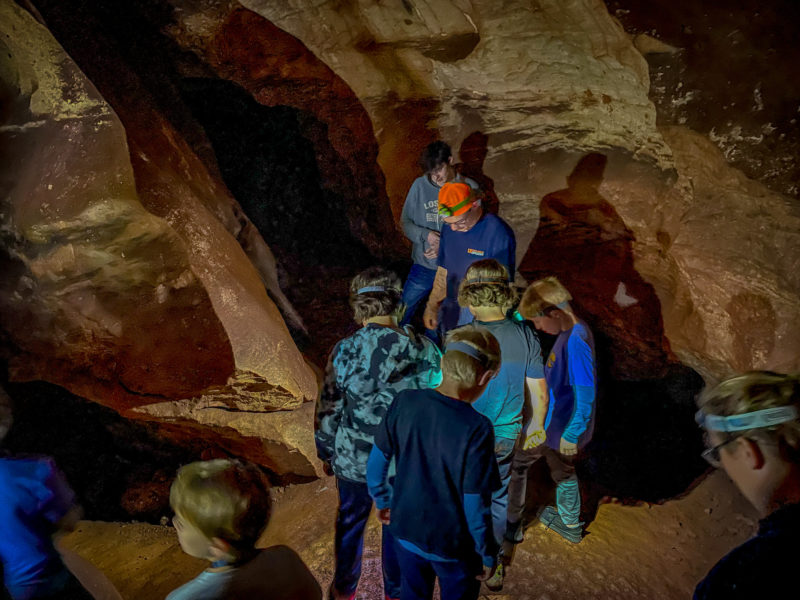


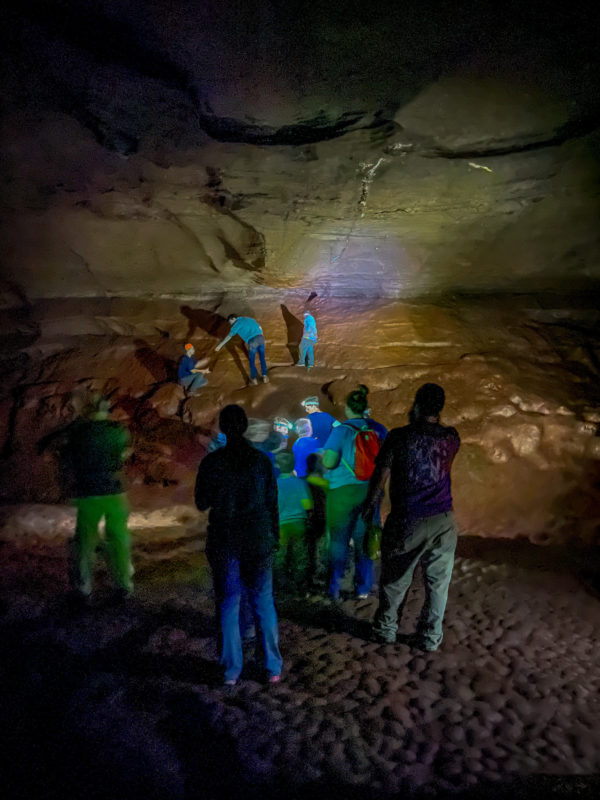
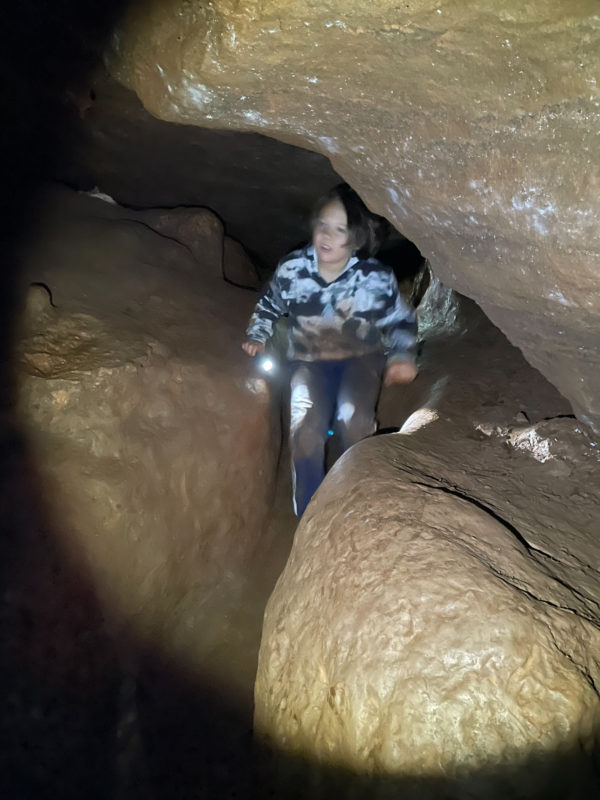





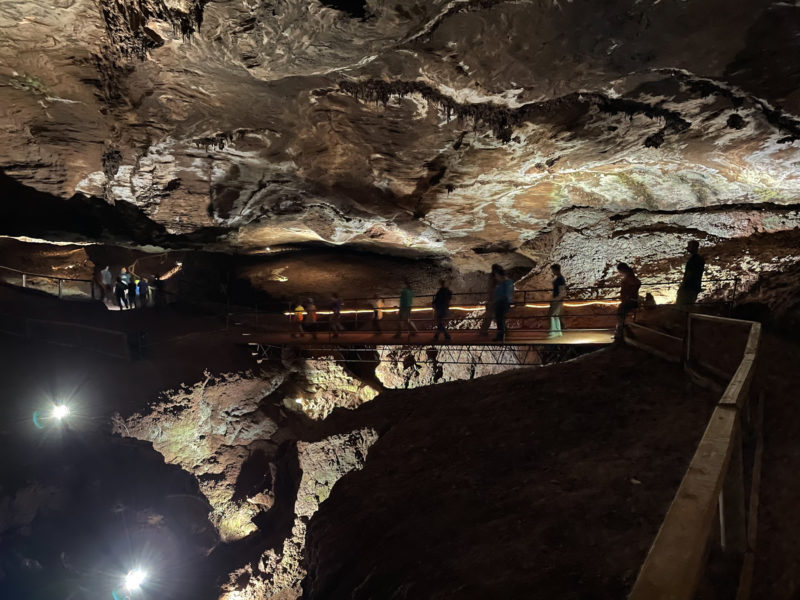
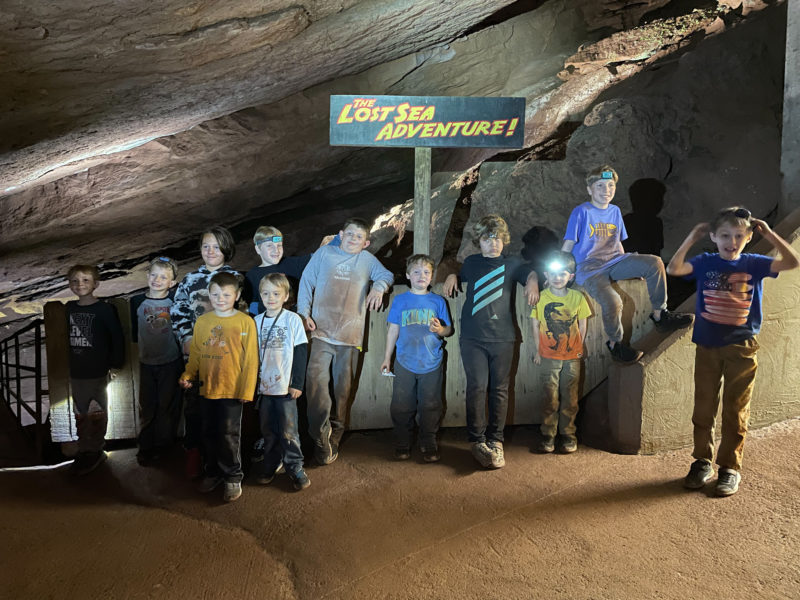
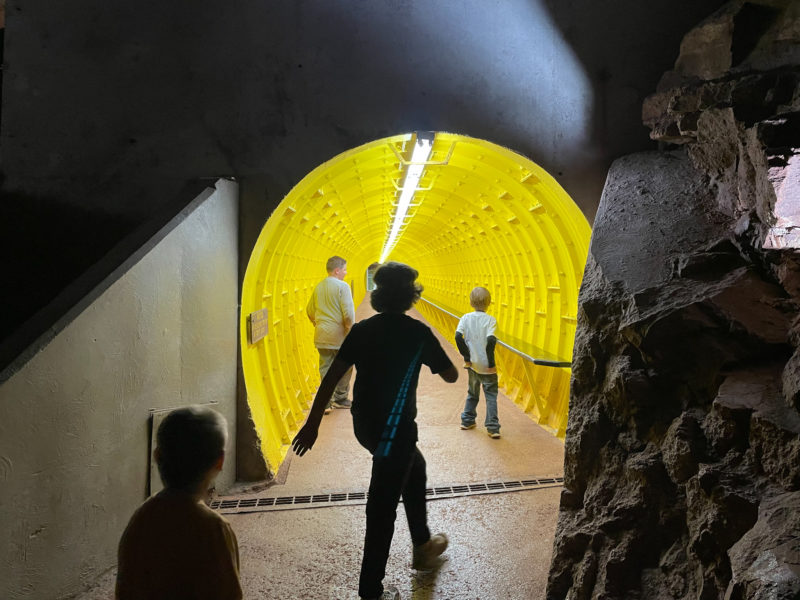
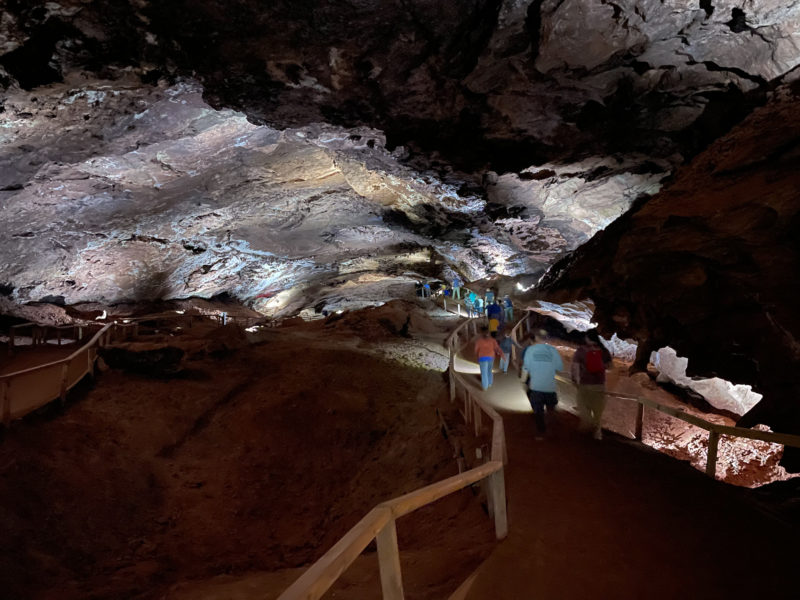
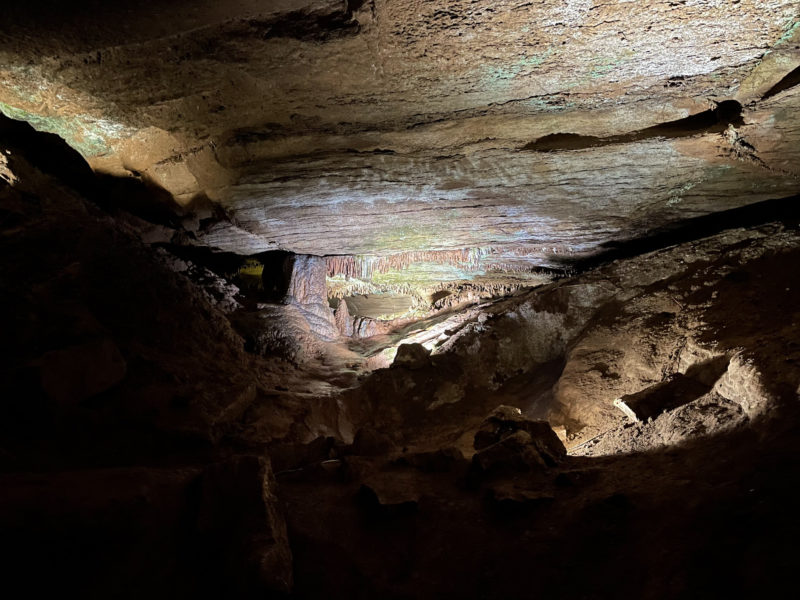
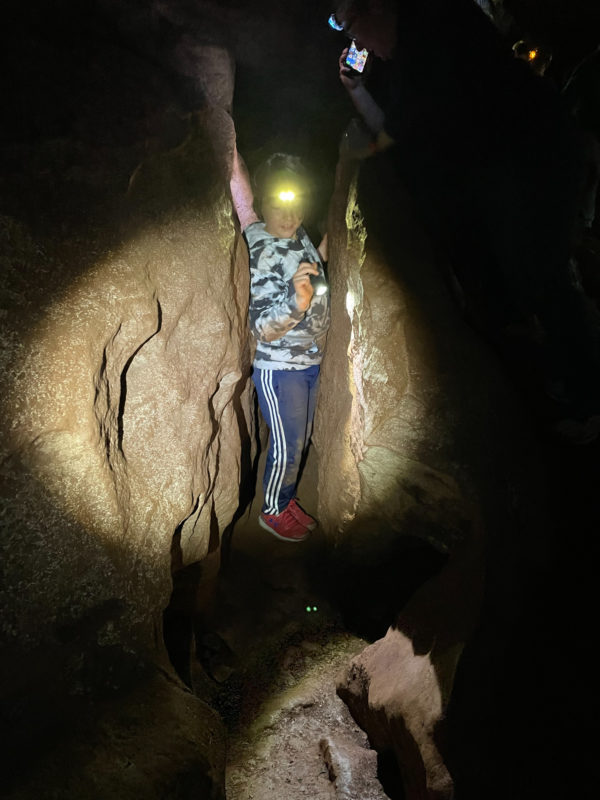
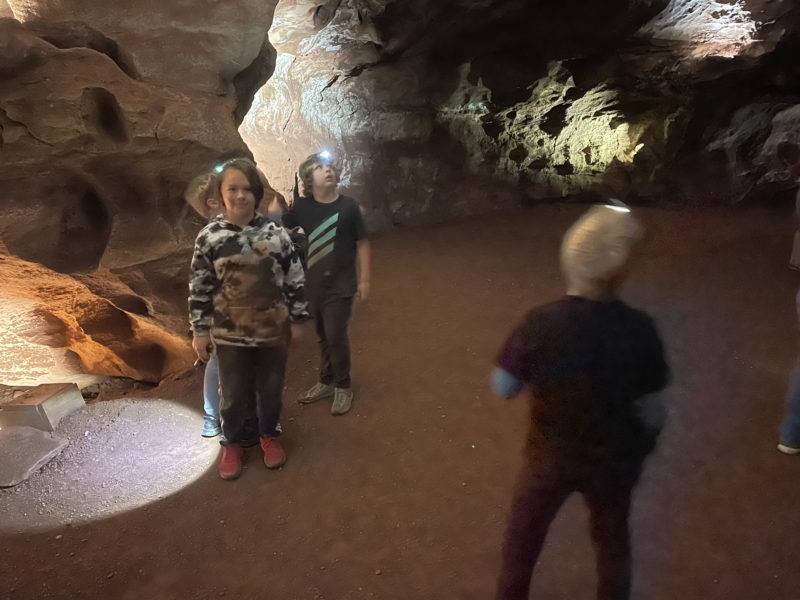
After we dropped off our belongings, it was time to explore. We had what’s called a wild tour, which mean we got to go to places most tourists don’t see and crawl through passages and openings that left us covered in clay and dirt.
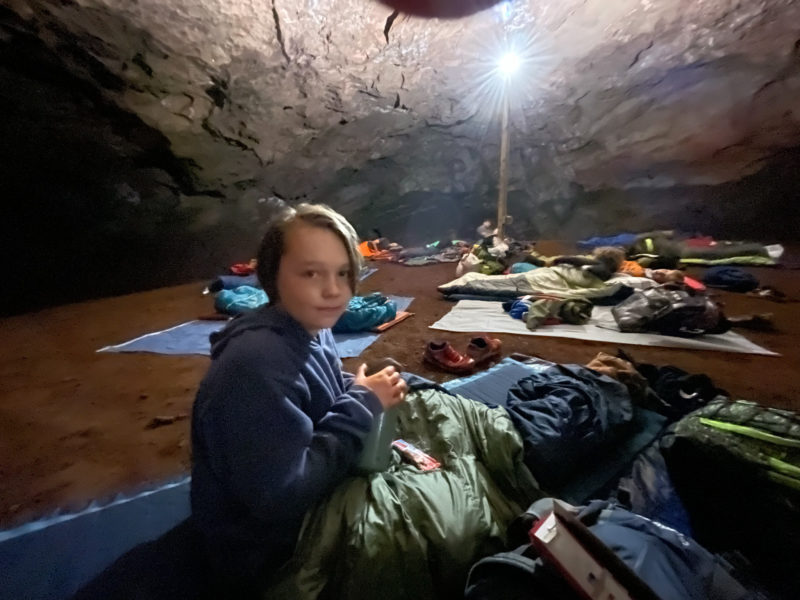
Finally, it was bedtime. It was then that the fun began: the echoing snores; the footfalls that reverberated throughout the cave as people plodded to the bathroom; and a whole host of mysterious noises.
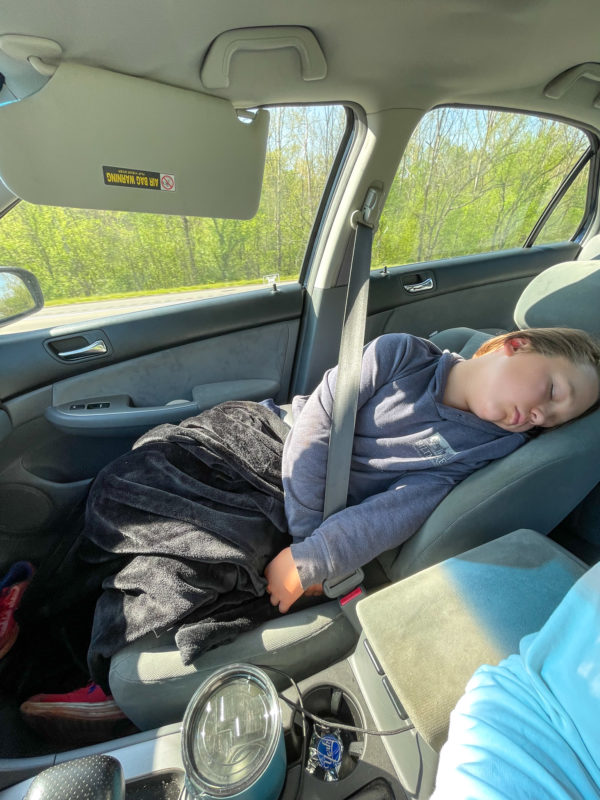
We made it out at a little past seven in the morning — as instructed — and after breakfast, headed home.
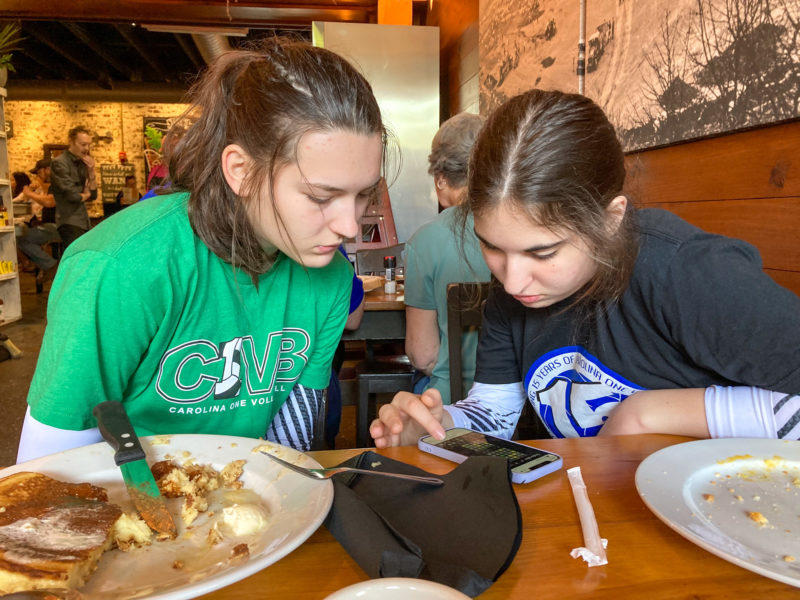
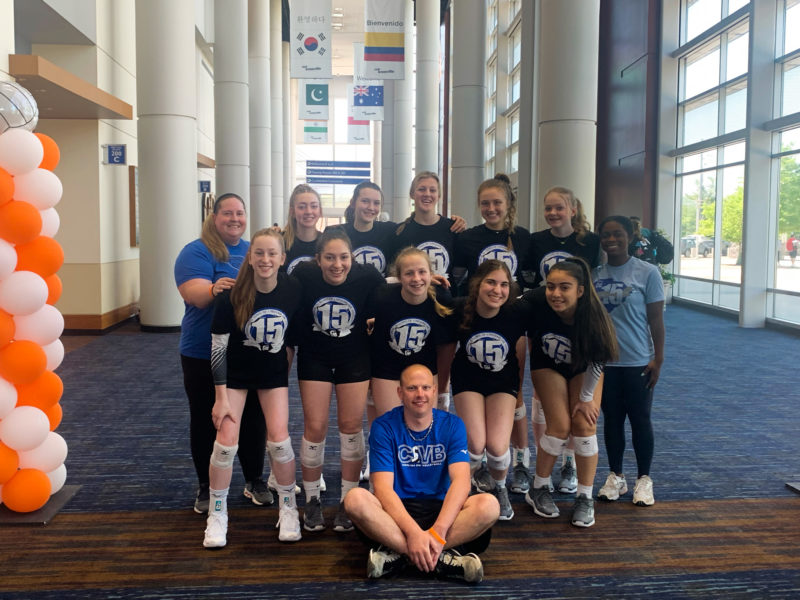
The Girl was in Knoxville, playing volleyball.

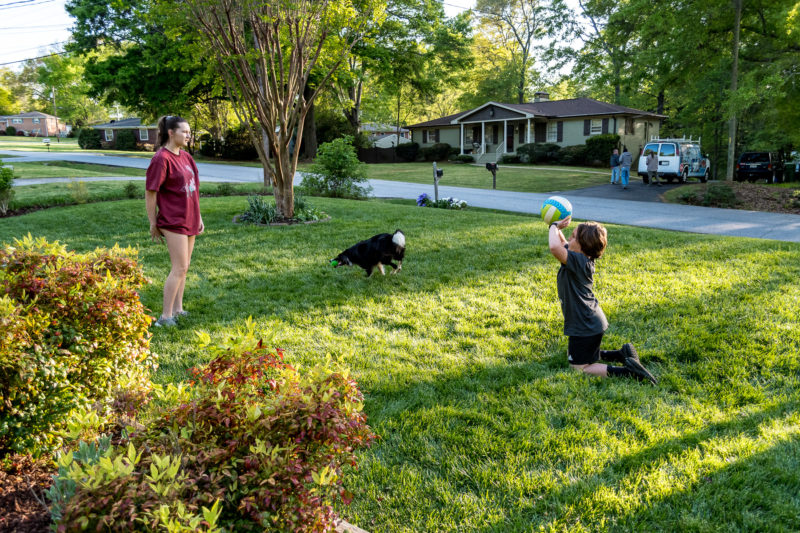
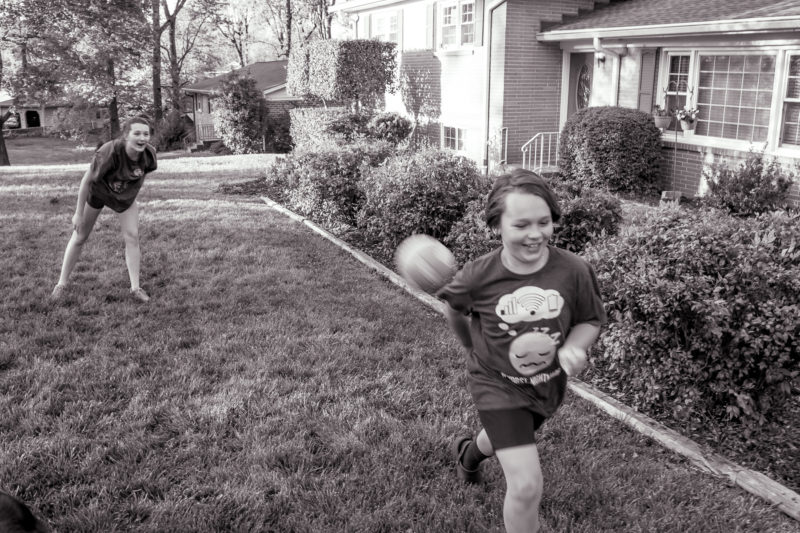
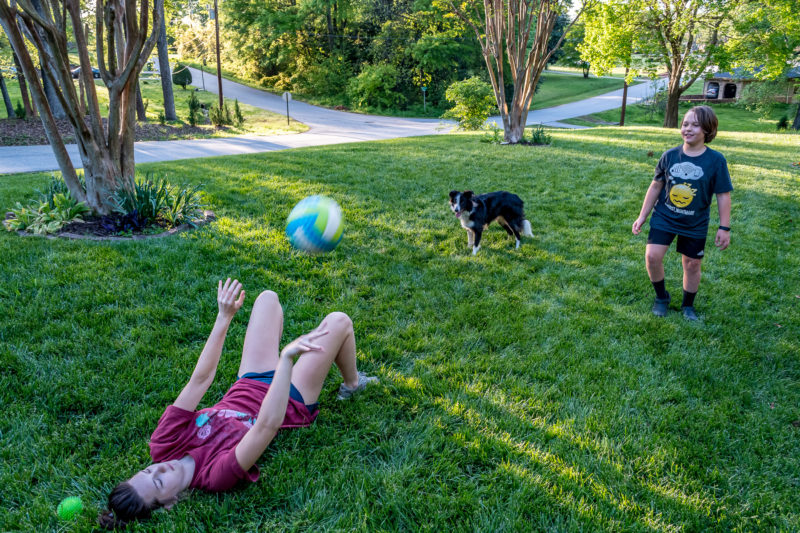
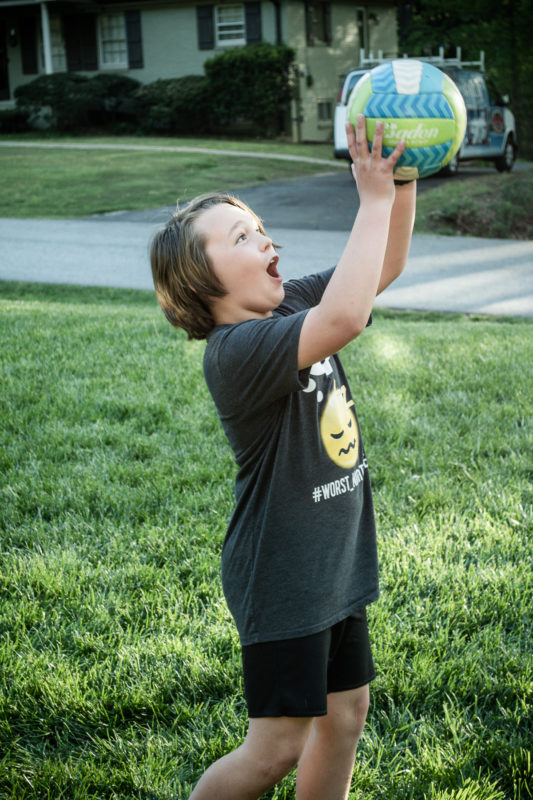
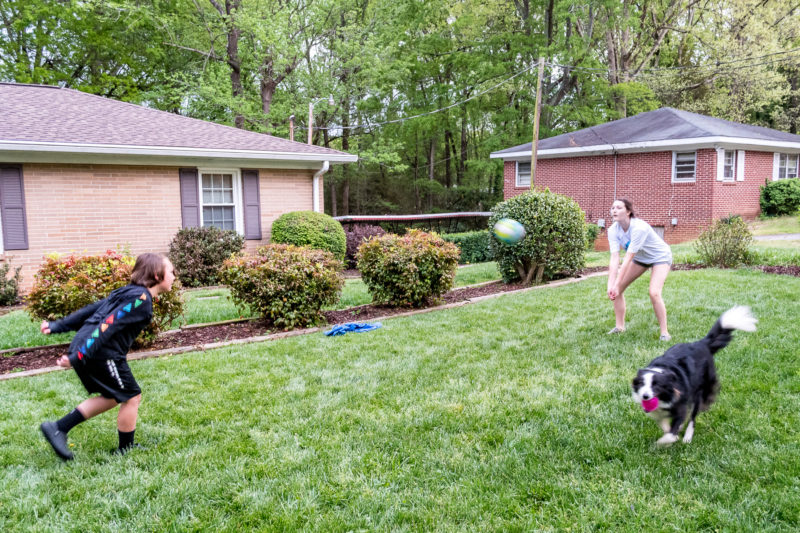
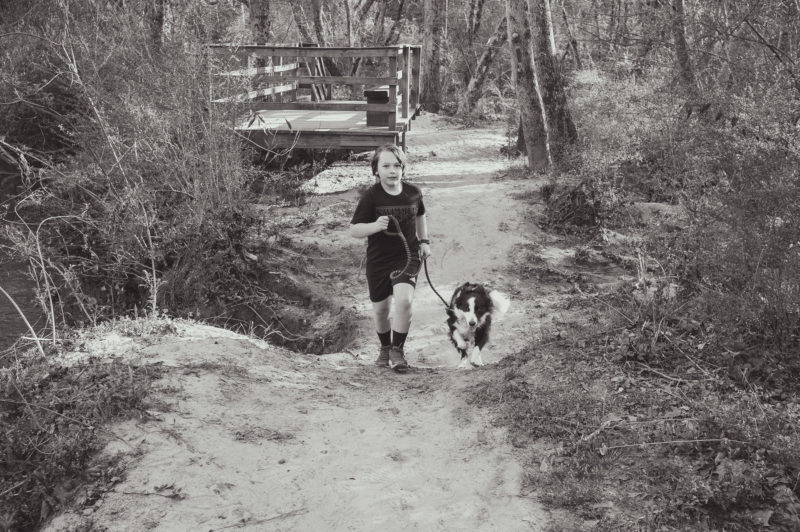
When your kids ask if we can do the same thing after dinner as we did yesterday, and it involves laughter and the dog, of course, you say yes!





What is it about the day after Easter or Christmas that makes us want to do nothing? We do what we have to do, but it’s just off. And even if the day after is a day free from the obligations of work, it still feels off.

I’m not talking about hangovers — those are easily avoidable. Just don’t drink to excess. It’s undoubted the feeling of deflation, of everything coming down after building up for so long.
The party is over; the friends are gone; the spell is broken.

I want to say it’s because we don’t have anything to look forward to, but that’s not true. We look with anticipation and excitement at many things coming in our family’s near future: a camping trip, several tournaments, a summer trip to Poland.

Perhaps it’s the bustle of getting so much ready so quickly for a party, and then the sudden release of all that?

Or maybe it’s nothing…
The Boy wanted to have a Nerf war. “But I only have 4 bullets,” he admitted as we were getting ready.
“Kind of hard to have a real war with only 4 bullets,” I suggested. “Perhaps a duel would be better?”
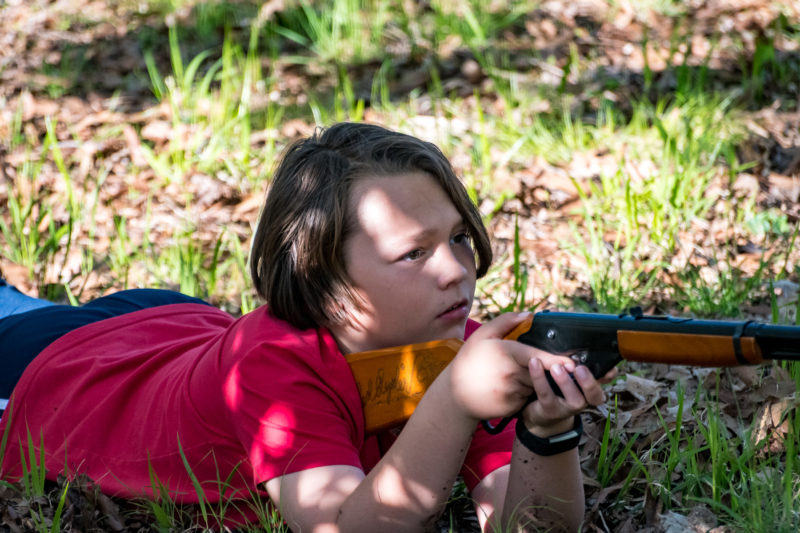
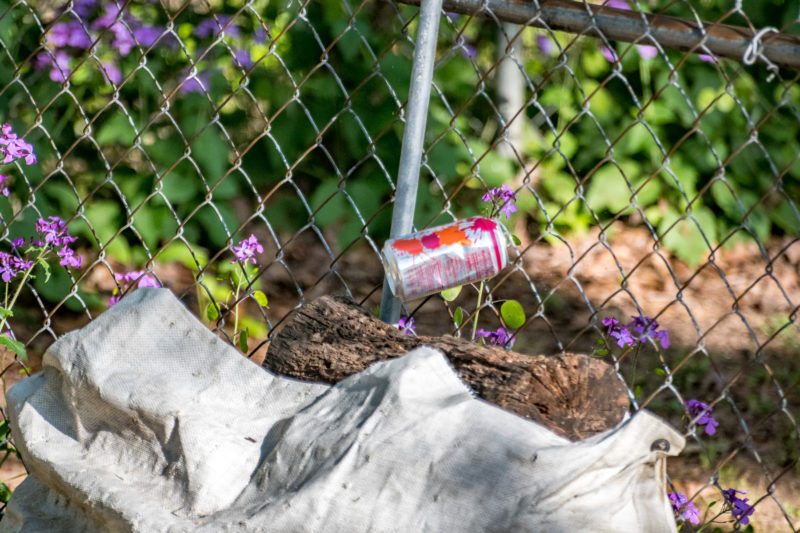
In the end, we just got the trusty bb gun out and shot at some cans in the backyard.
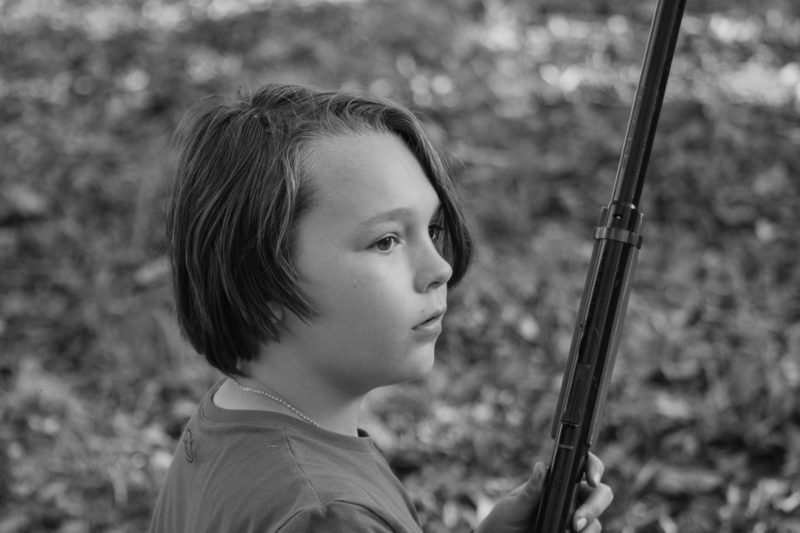
We tried to stay outside as much as possible today — it’s finally warm…

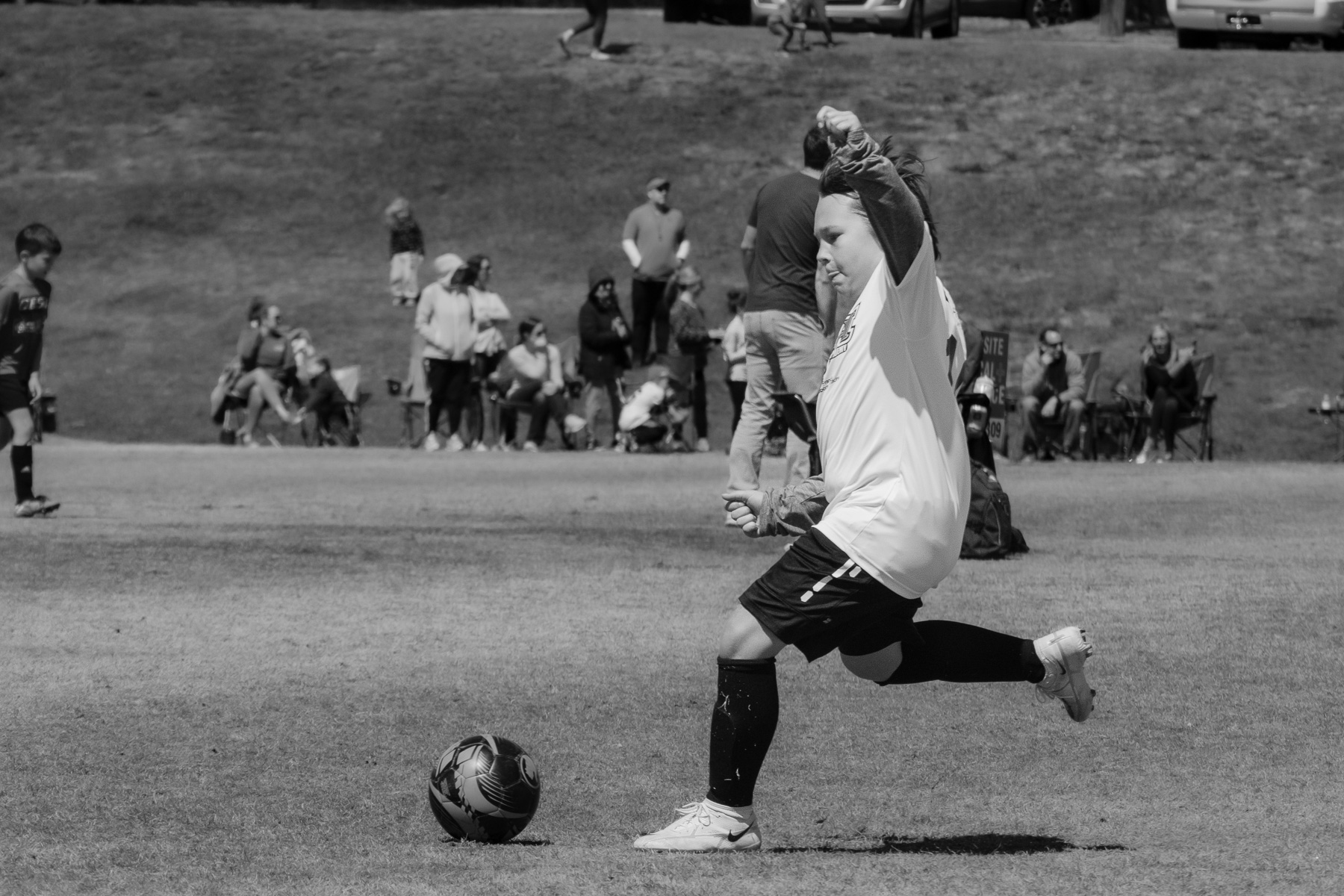
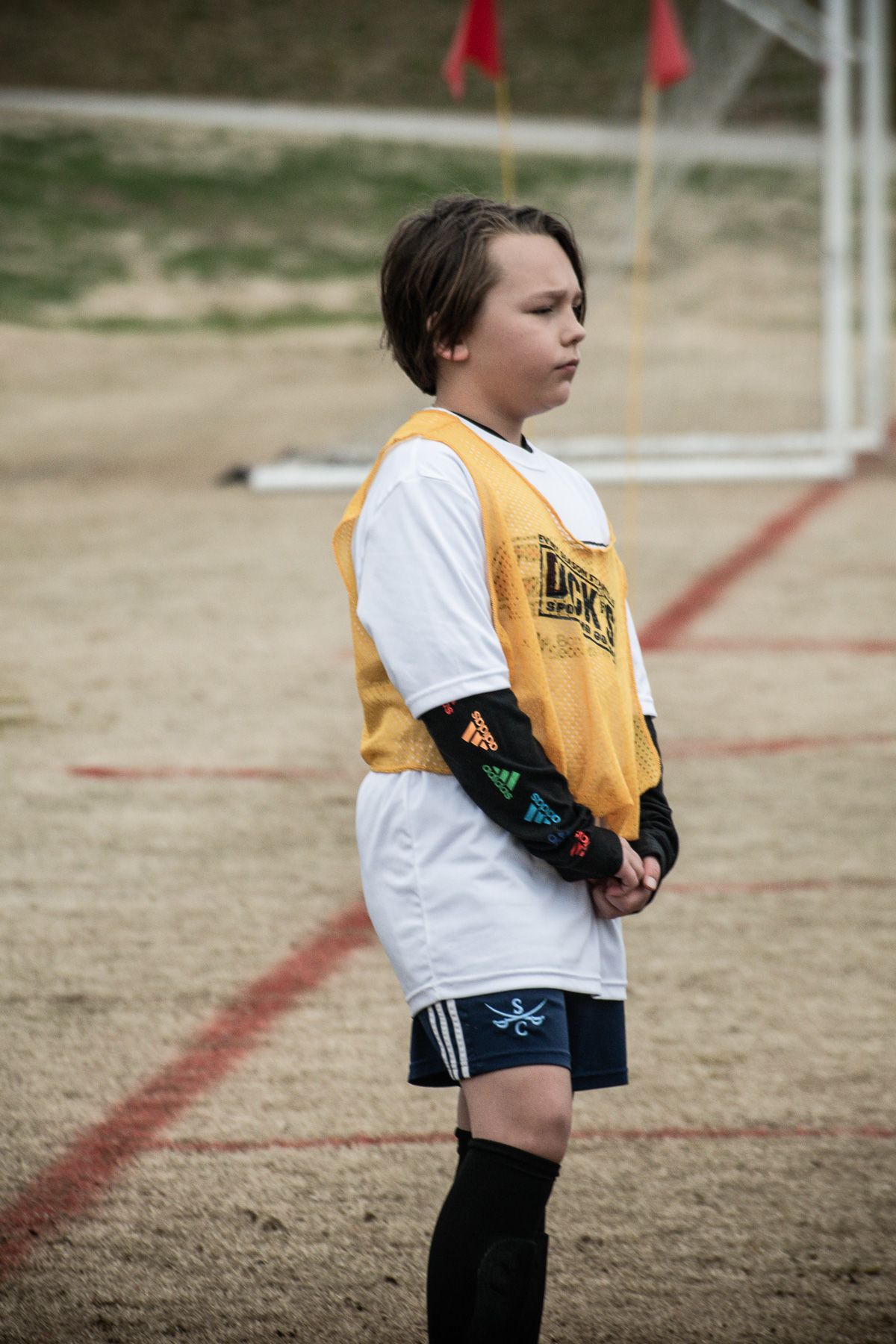
E had two games today to make up for the game that got rained out some time ago. They won the second game 3-1, but the first game was tough: a 1-4 loss.
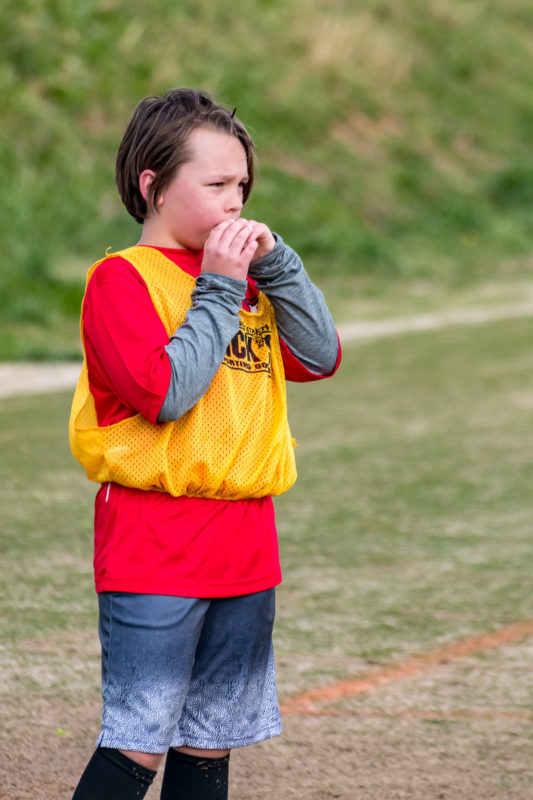
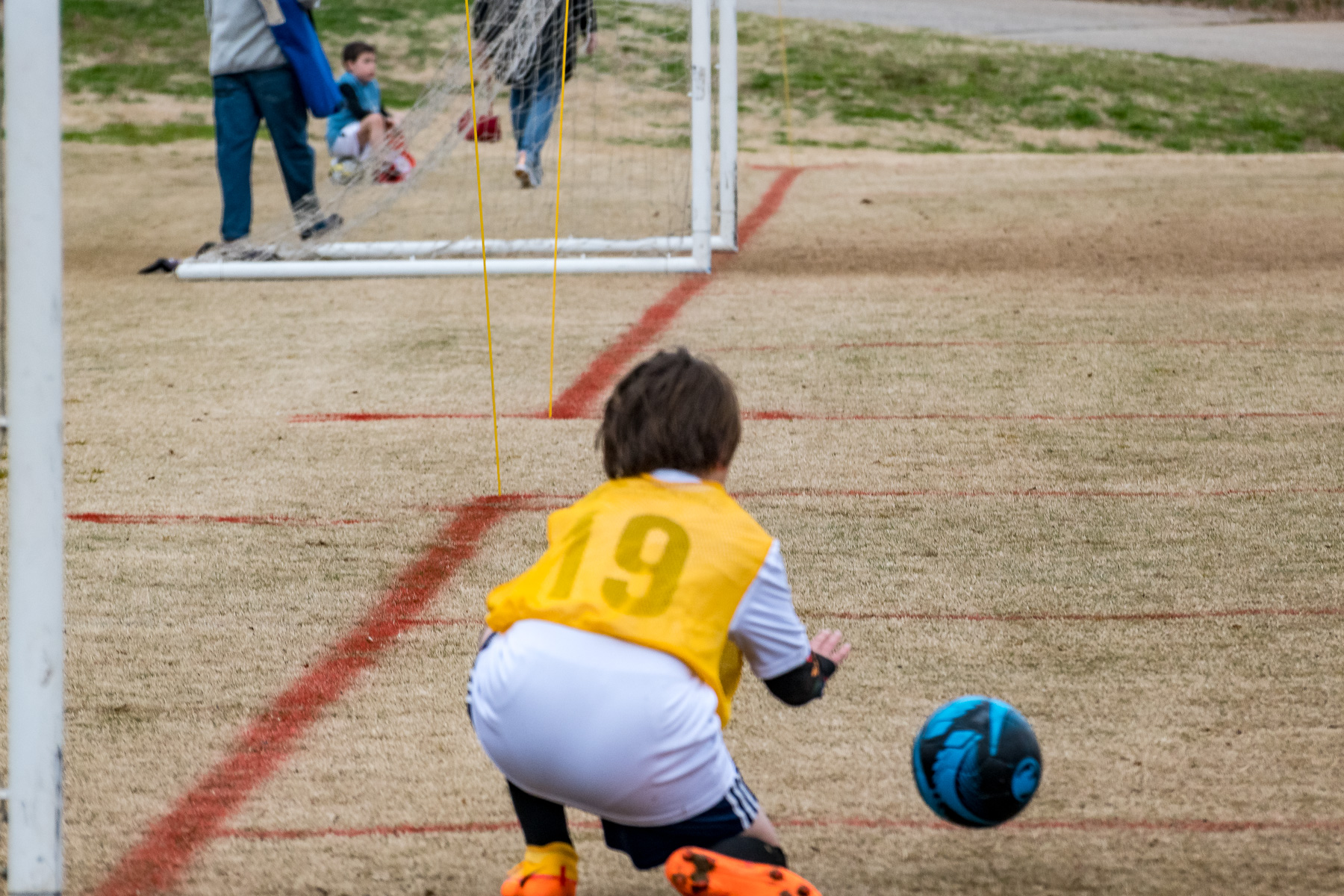
In the second half, E played goalie. It was 1-2 when the half started. On the opponents’ first possession, they scored.
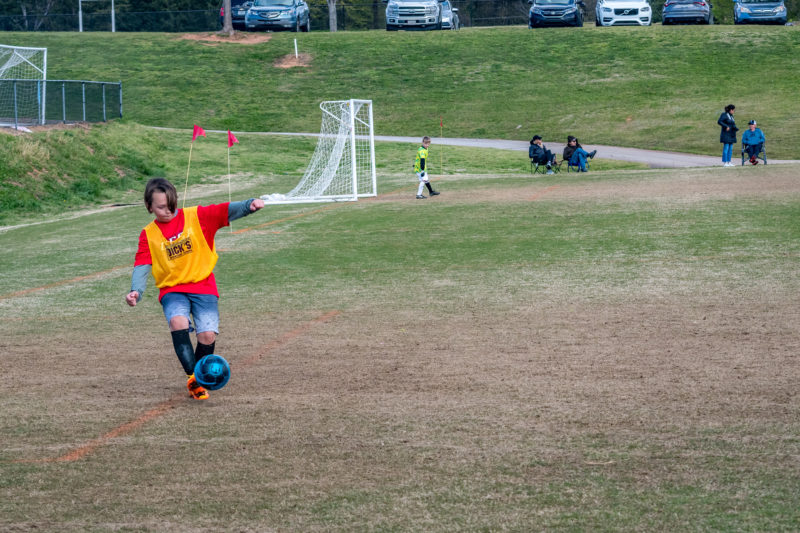
I knew it would be tough on the Boy — he doesn’t like letting people down, whether or not that’s what actually happened. They scored one more on the Boy. I had the camera up, hoping to get a good action shot of E stopping the ball.
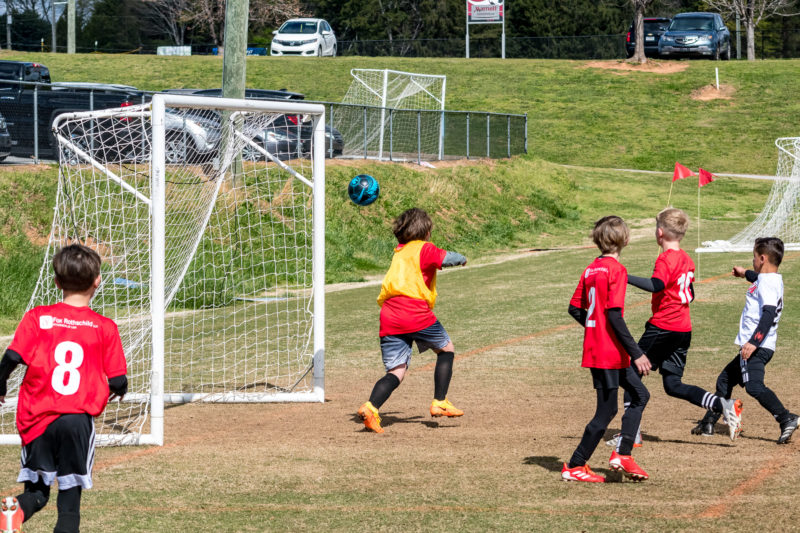
Not quite.
“I’m never playing goalie again,” he declared.


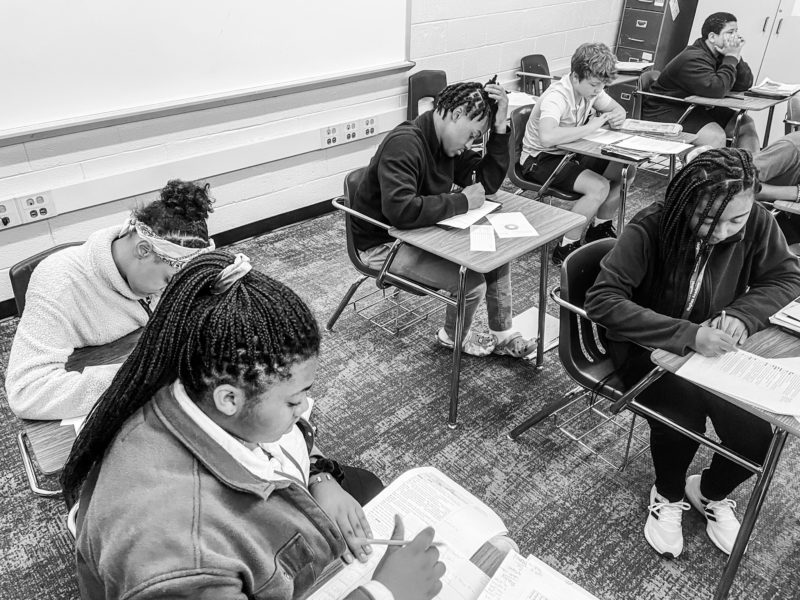
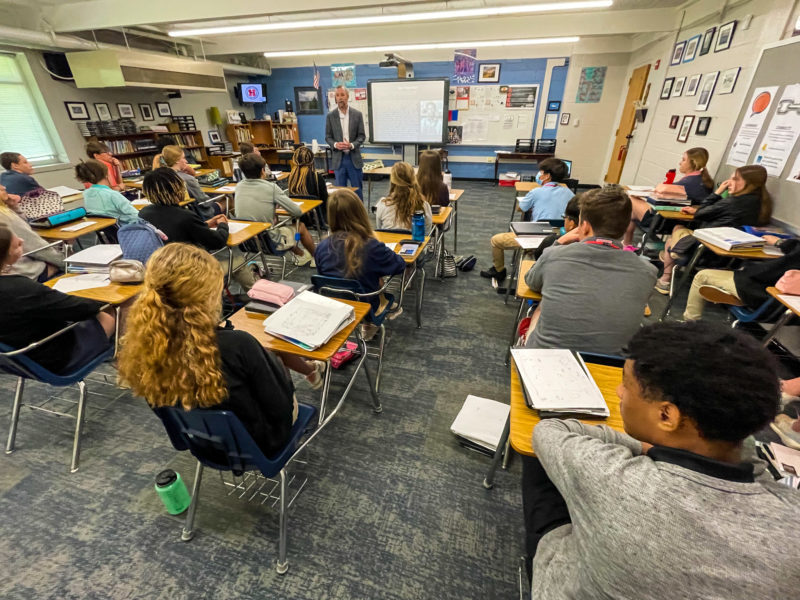

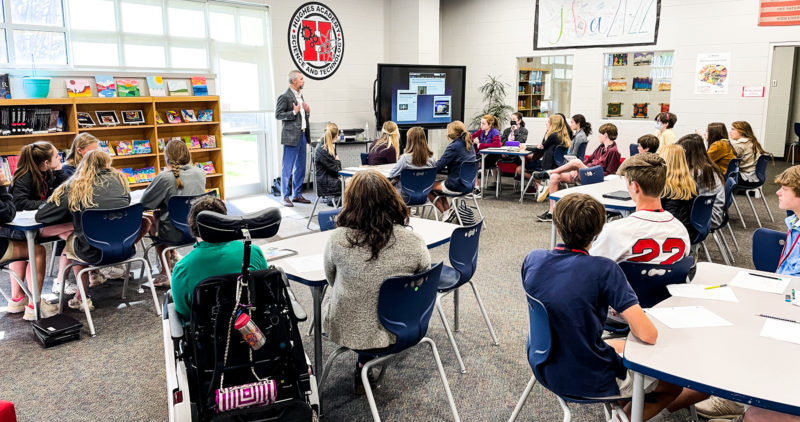
“Isn’t that test in a couple of weeks the state test?” Mrs. G asked this morning.
“No, no,” clarified Mrs. H. “In a couple of weeks it’s the state pilot TDA test. The actual state test won’t be until May.”
“Remember Mrs. J was telling us about the test the state is making our school take and how Mr. F[, the school principal,] was trying to convince the district to count the state test in lieu of the second [district-mandated] test?”
“Oh, yes, I remember that.” The discussion continued along the lines of how frustrating it is to be testing so much but how we can get our kids more prepared for these district- and state-mandated tests.
That three English teachers were having trouble figuring out just how many major, schedule-impacting writing tests there were to be this year says a lot about the testing load the district and state put on teachers and students.
Our district mandates quarterly benchmark tests in English and math through the third quarter, and each of these impact the schedule and learning environment in a major way. Plus, the district requires us to give two major writing tests in preparation for the state writing test. Each of these take half the school day. So that’s eight days of testing right there — testing days that affect all classes and shorten all periods by approximately half. Naturally, it’s hard to get kids to engage in meaningful learning when they’ve just spent two hours analyzing some awful short story that’s at least 70 years old because the testing companies want to save money (i.e., boost revenue) by using texts that are in the public domain and hence don’t require licensing fees. (We English teachers hear all the time about how important it is to choose texts about things young readers can relate to, and the the state farms out its test development to a company that completely disregards that.) So the day is in essence a wash. Eight days down the drain — almost two full school weeks.
And that’s just what the district mandates.
It’s bad enough that the district puts middle and high school students through this; it’s also rammed through the elementary schools. The Boy had his district-mandated third-quarter math benchmark test today. It was almost sixty questions. For a fourth grader.
I’ve been saying that eventually, the US has to realize this obsession with testing is doing nothing but harm to our students, and the powers that be eventually have to change this, but I’ve been saying it for nearly twenty years now, and instead of getting better, it’s getting worse.
What’s worse is, I don’t know of a single teacher that takes these benchmarks all that seriously. “They’re designed to show for which topics students need remediation,” the six-figure-salaried district big-shots explain to us. If as a teacher who’s now spent nearly 150 days working with these kids I can’t tell you off the top of my head who needs remediation with what topic, I probably am not putting enough thought into my teaching.
What’s frustrating is, I don’t know of a single classroom teacher that had any input into the discussion about whether these obsessive, intrusive tests would have any value to the teacher at all. These decisions were made by individuals making two to three times what teachers make while spending absolutely no time in the classroom. They haven’t been in a classroom for over a decade at best, I’d venture.
I sometimes wonder what would happen if a whole school — everyone from administrators on down — simply refused to spend the time administering these tests. Everyone. Simple refusal. “We’ve decided as a school that this is not the best way to spend our students’ time.” What if some schools did it? What if all schools did it? What if teachers were vocal about their opposition to all this testing (well, they are, to be honest)?
I imagine what I’d do if I were a student. All the students of course hate these tests. They’re completely meaningless to them. I think I’d be tempted just to choose random answers and apologize to my teacher if it ended up making him look bad in the eyes of the powers that be.


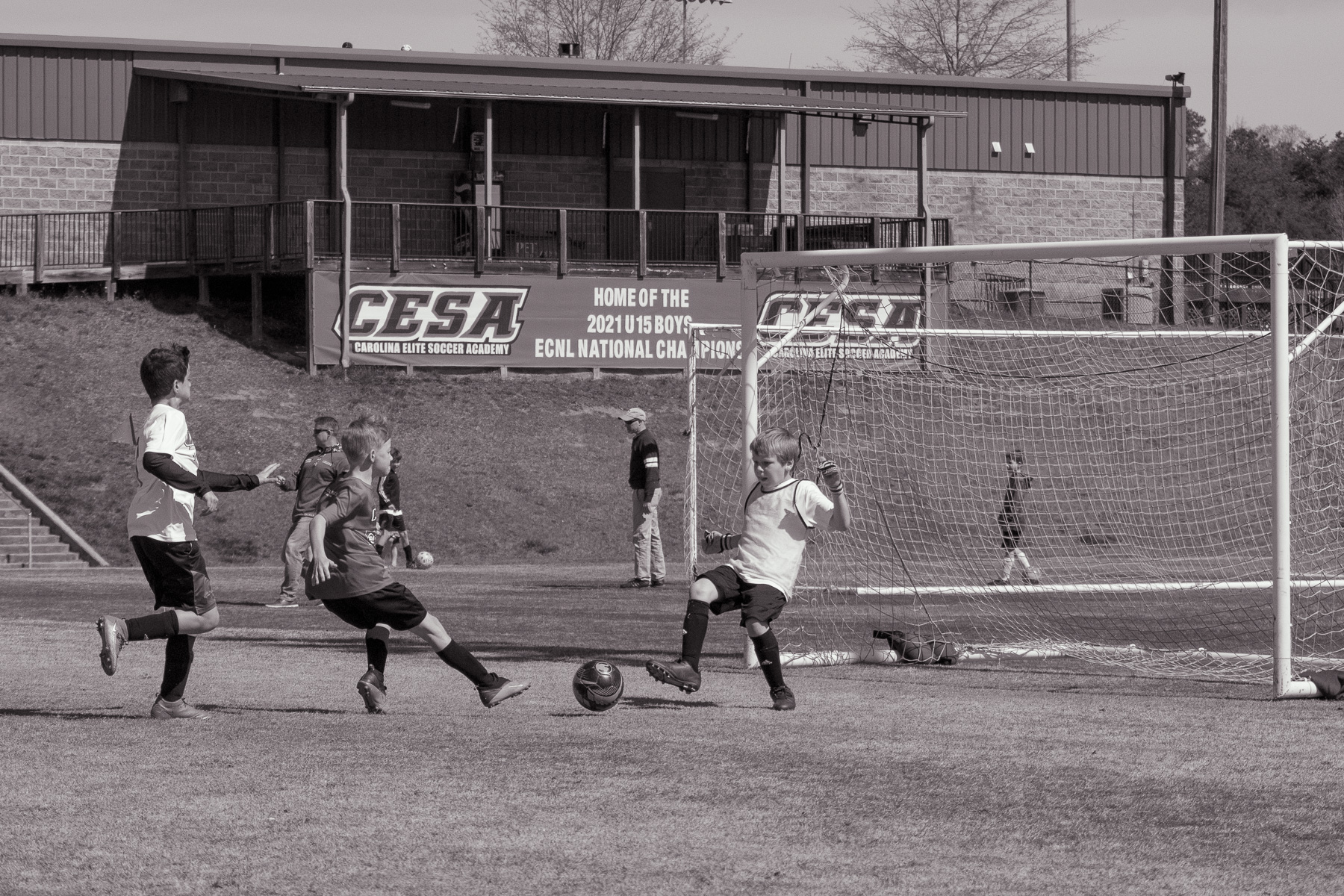
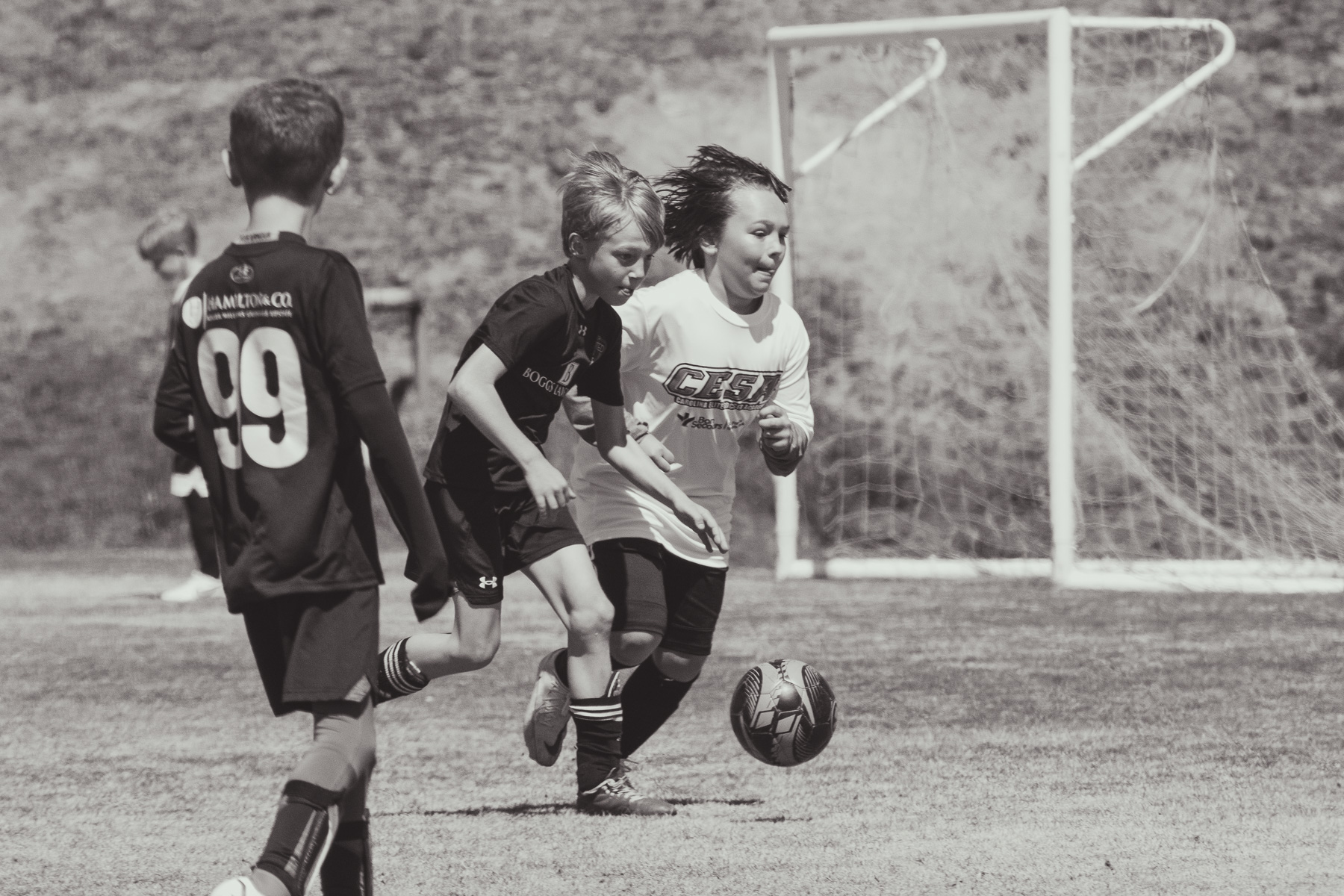
We started out with back-to-back games with the Boy. They won the first game 2-0 (I think — maybe it was only 1), but lost the second game 1-2. They scored first, but on the very next possession, the opposing team equalized. They scored one more in the second half to pull ahead. We had one shot that hit the goal uprights but didn’t go in, and we had about 4 more close shots on goal, but none of them went in.
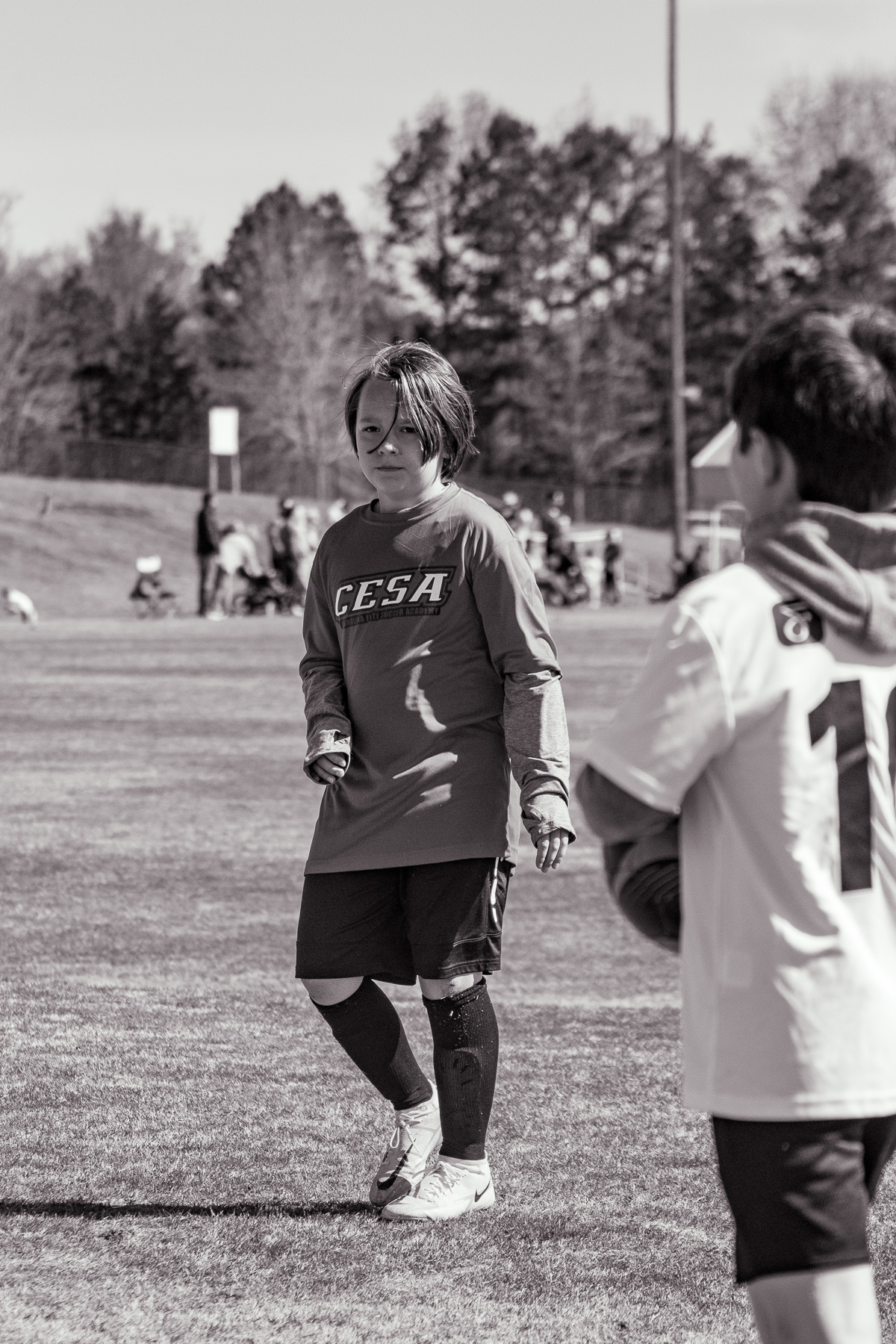
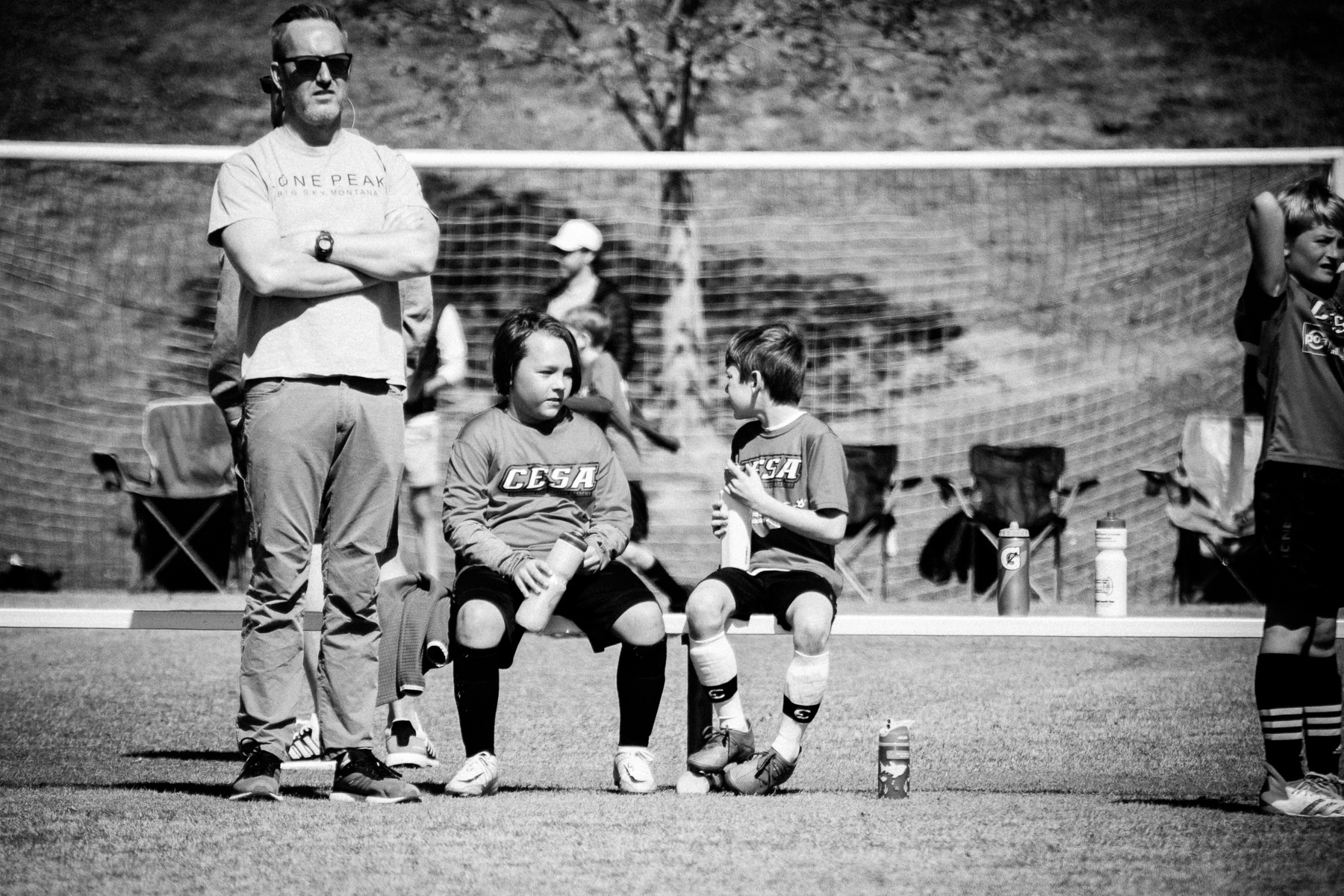
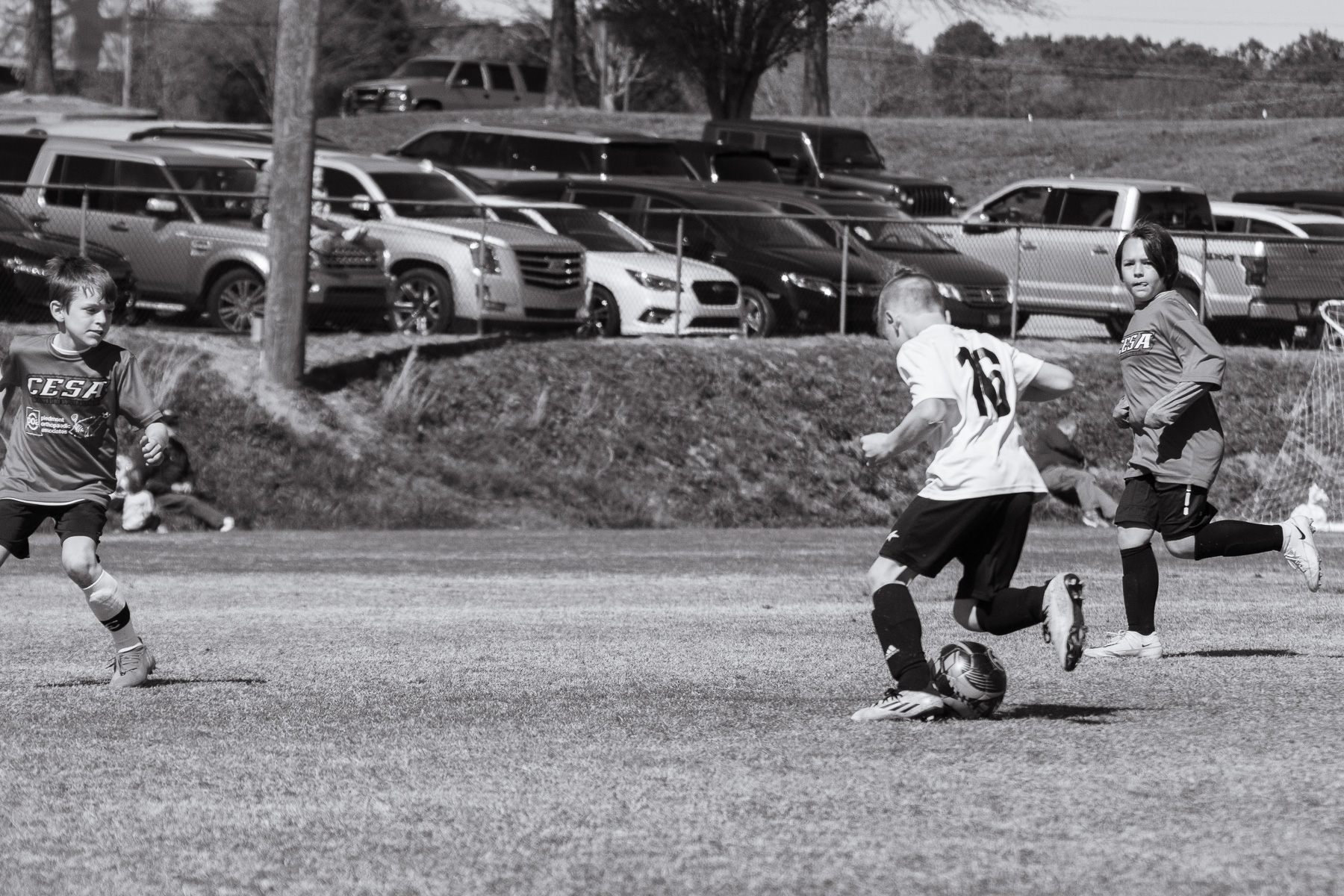
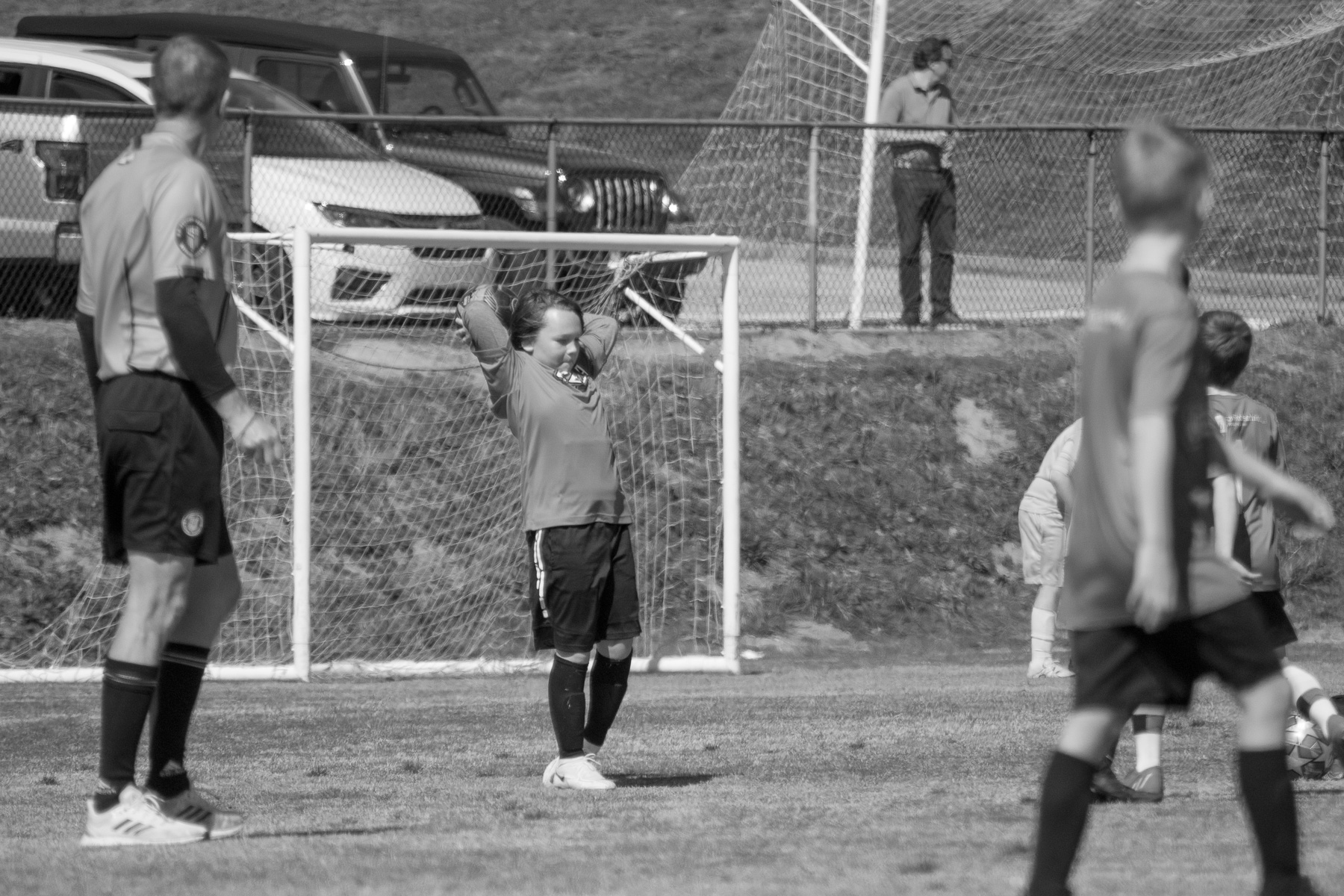
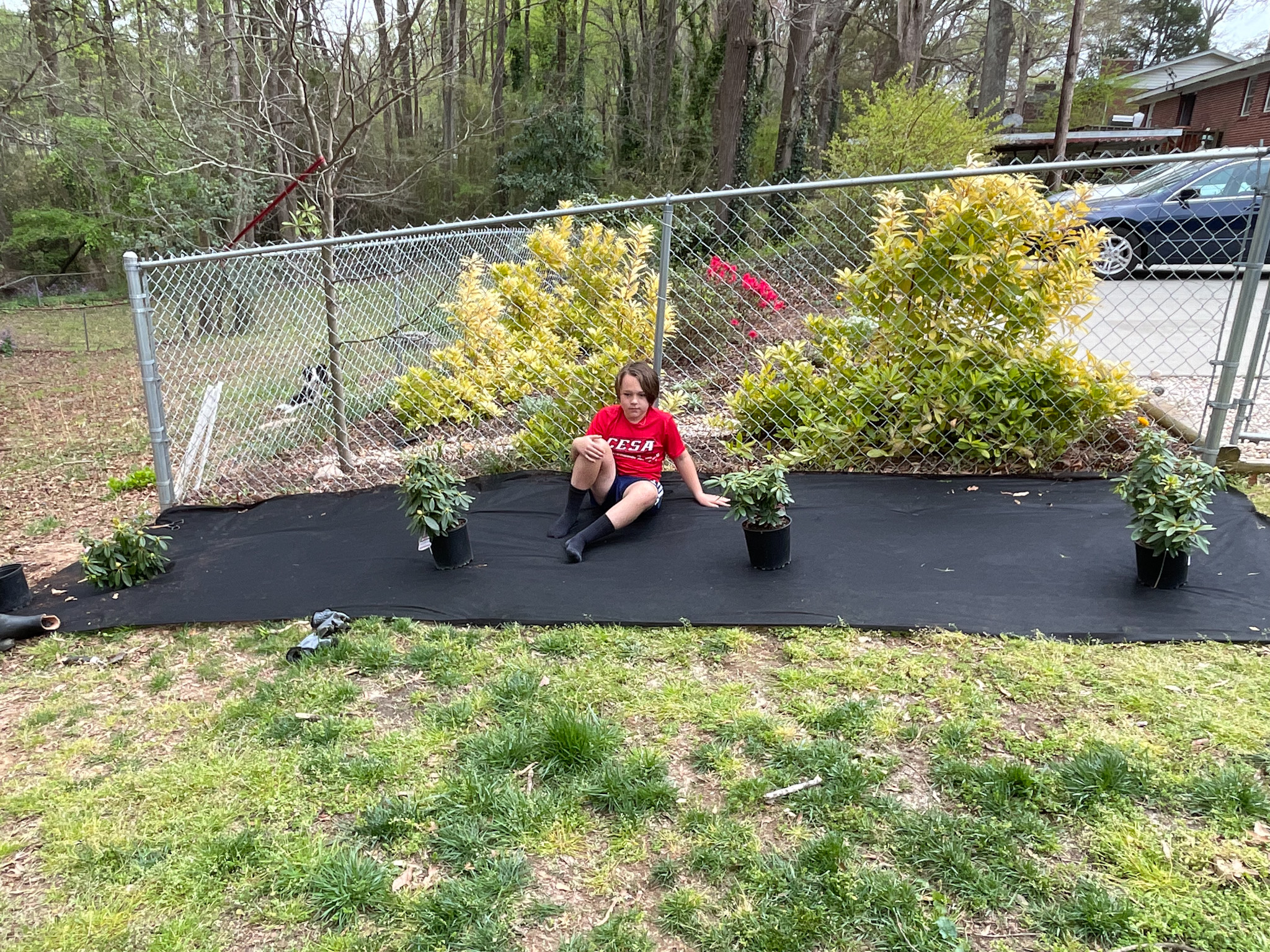
In the afternoon, it was yardwork.

“Will you come check on me?”
For a few years now, that’s been one of the last things E has said to me or K. We put him in bed; we snuggle with him; we grow sleepy; we realize we can’t fall asleep; we get up and leave. He hears us.
“Will you come check on me?”
Gradually, it’s become a little different: “Will someone come check on me?”
The answer has gradually changed, too.
“Sure.” And then we wait for a while, doing something in the kitchen or reading at the dining room table. “Will someone come and check on me?” comes a voice from upstairs.
Eventually, “sure” because “probably.” The response initially is, “No, I need you to check on me!”
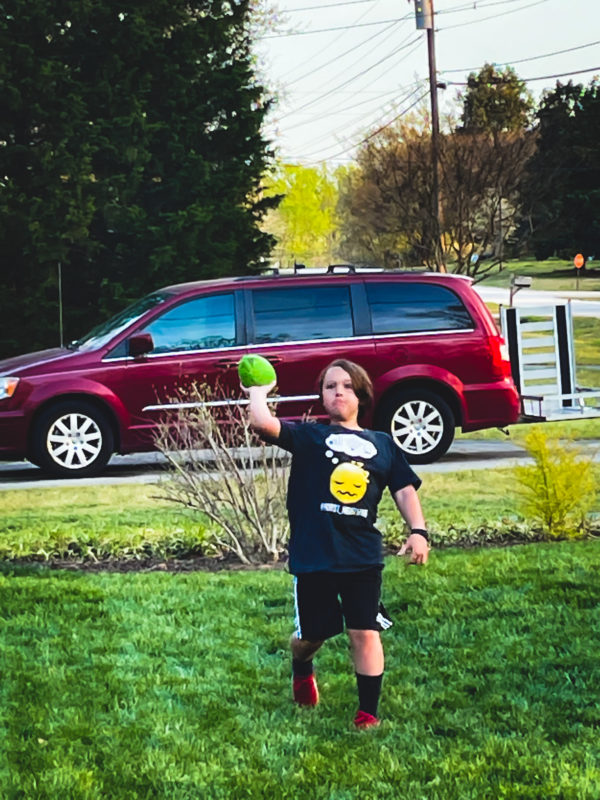
Eventually, he comes to accept that, and usually, someone goes to check on him. Usually. But not always.
“Probably” becomes “maybe.” “Maybe” eventually becomes “I hope so.” And “I hope so” remains for a while with an occasional, “No. I have too much to do tonight.”
This process has taken a couple of years. And now he’s nearly ten years old. And I come to realize that putting him to bed is almost done. For good. It was about this age that L began putting herself to bed, and the Boy already does it occasionally. So the end is near. And so the answers start backing up. “No” disappears, as does “I hope so.” “Probably” appears occasionally, but simple “yes” makes its return. For a while.
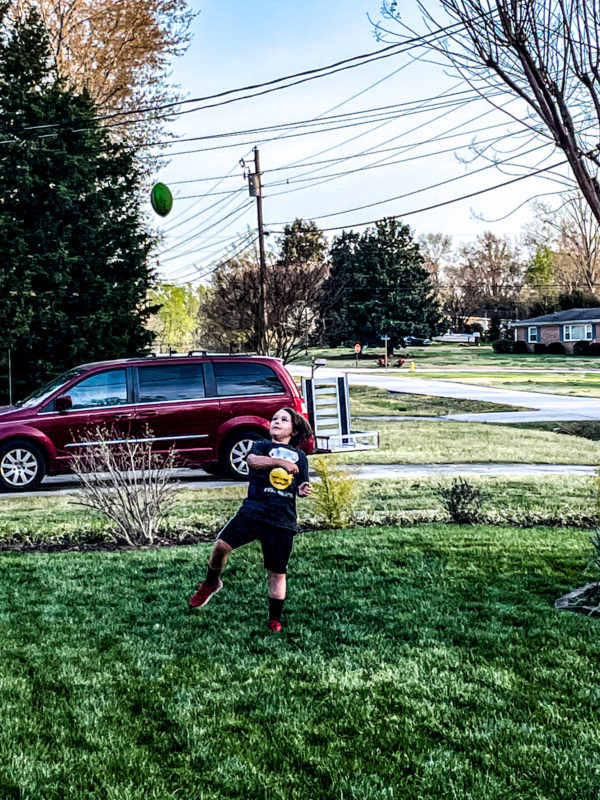
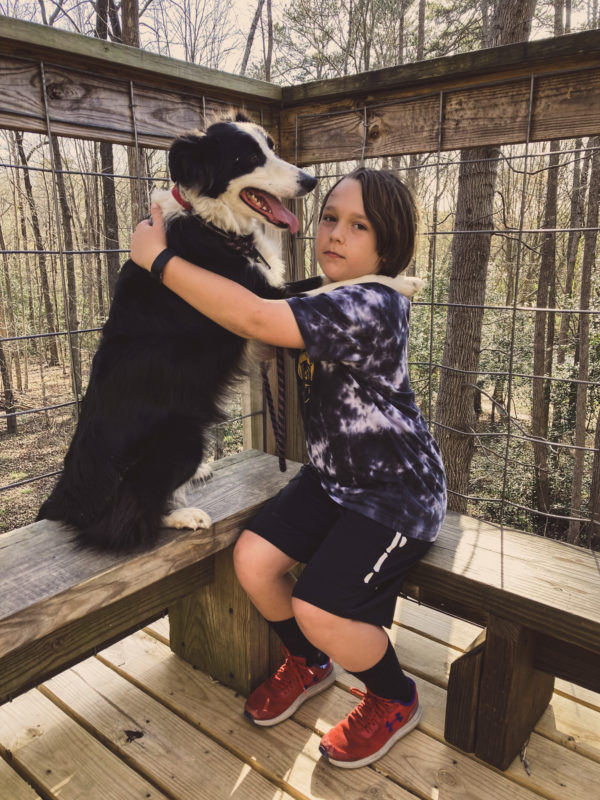


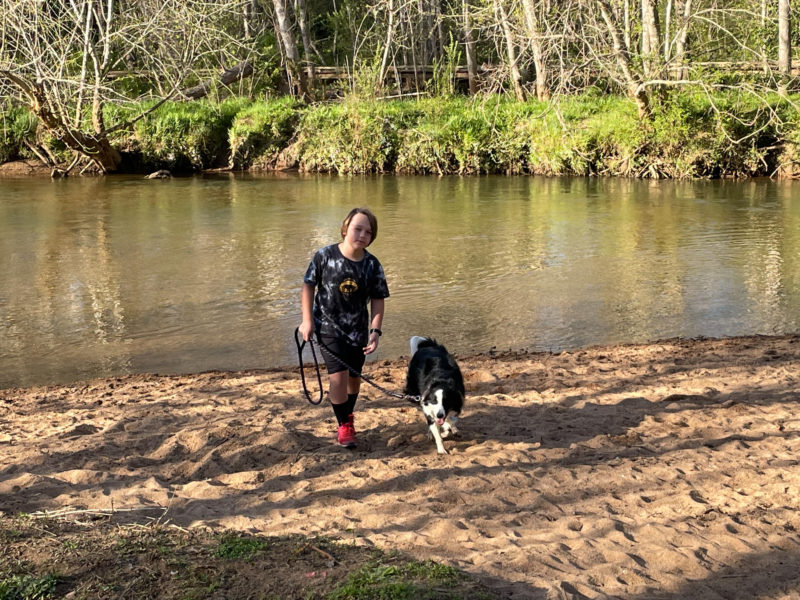

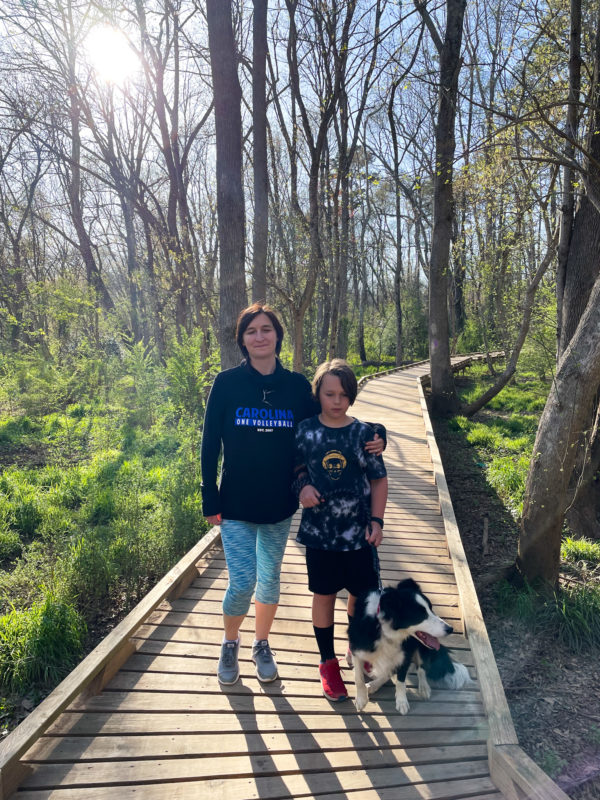

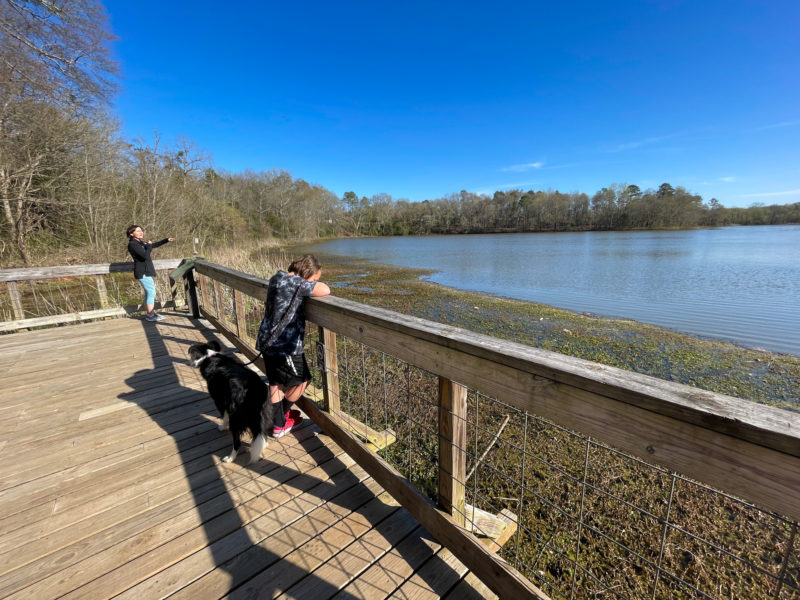

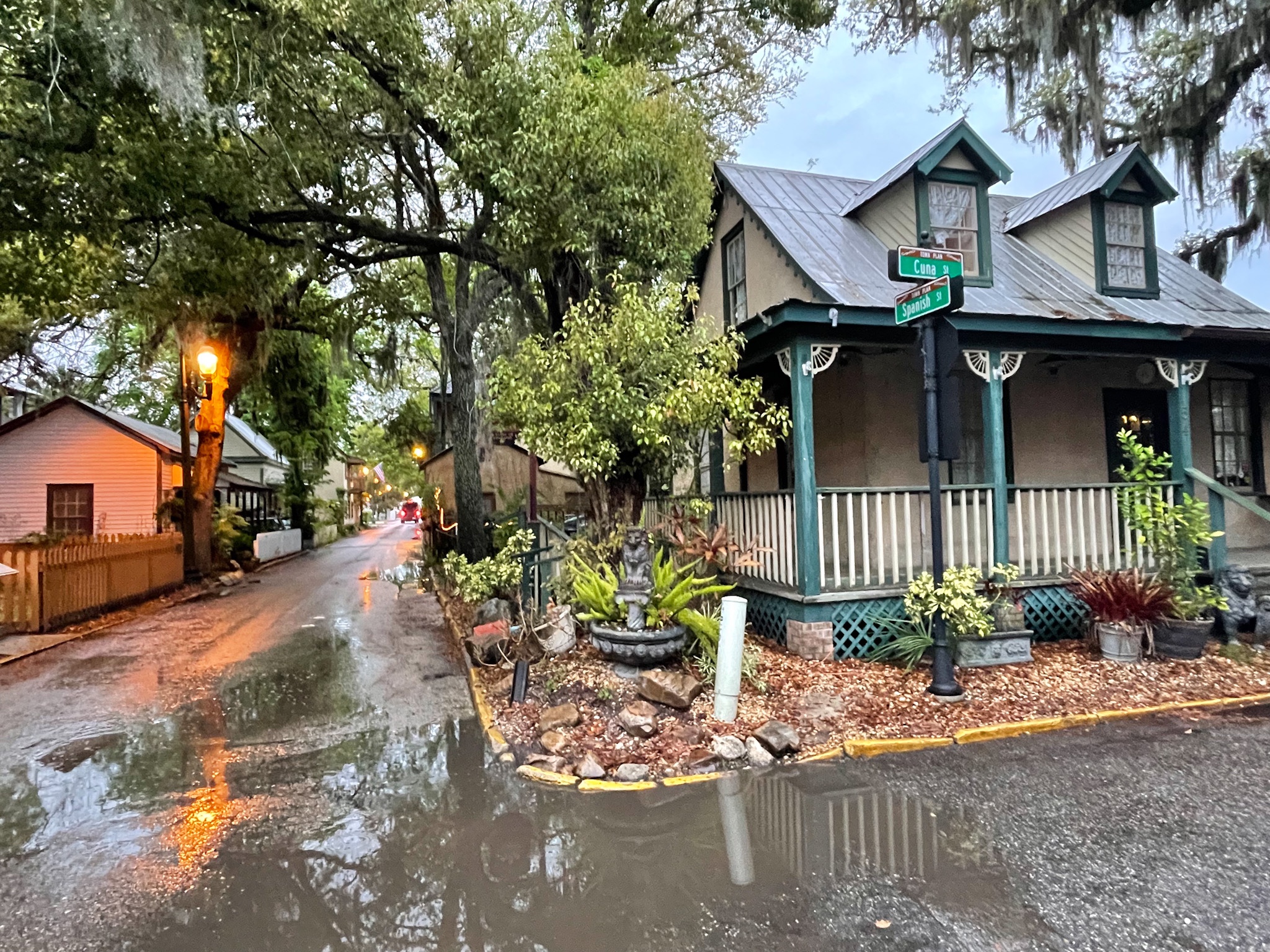
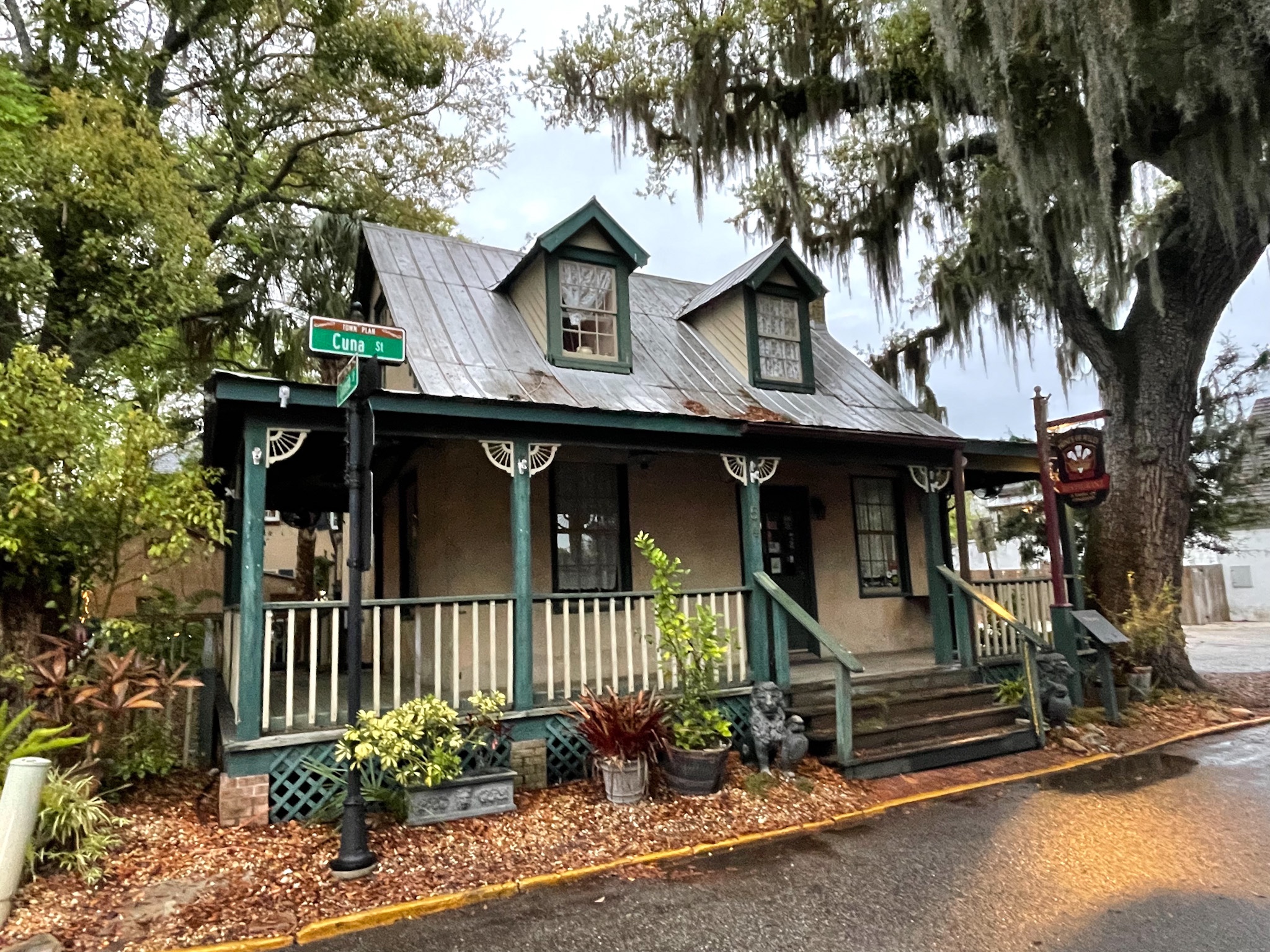
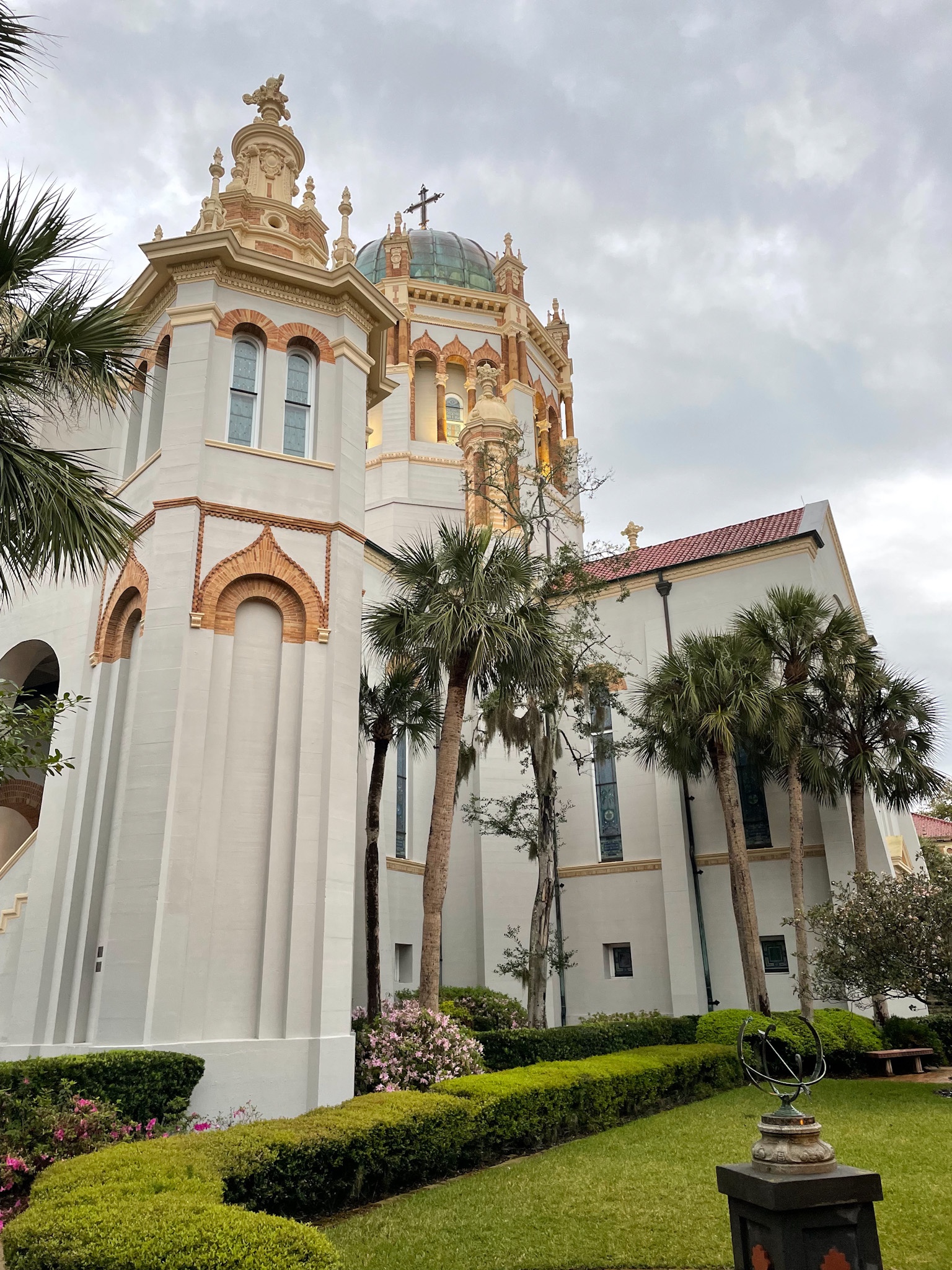

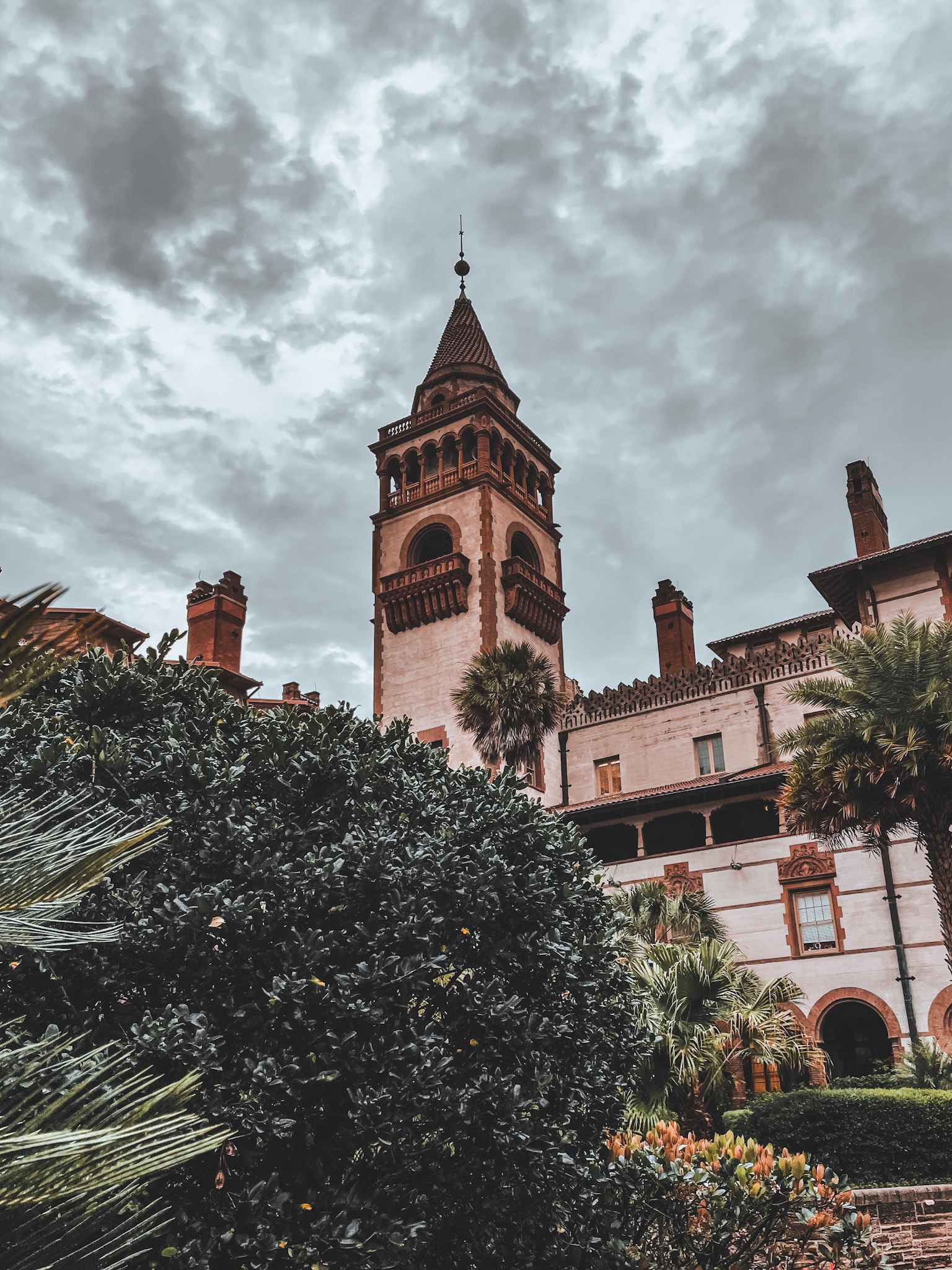
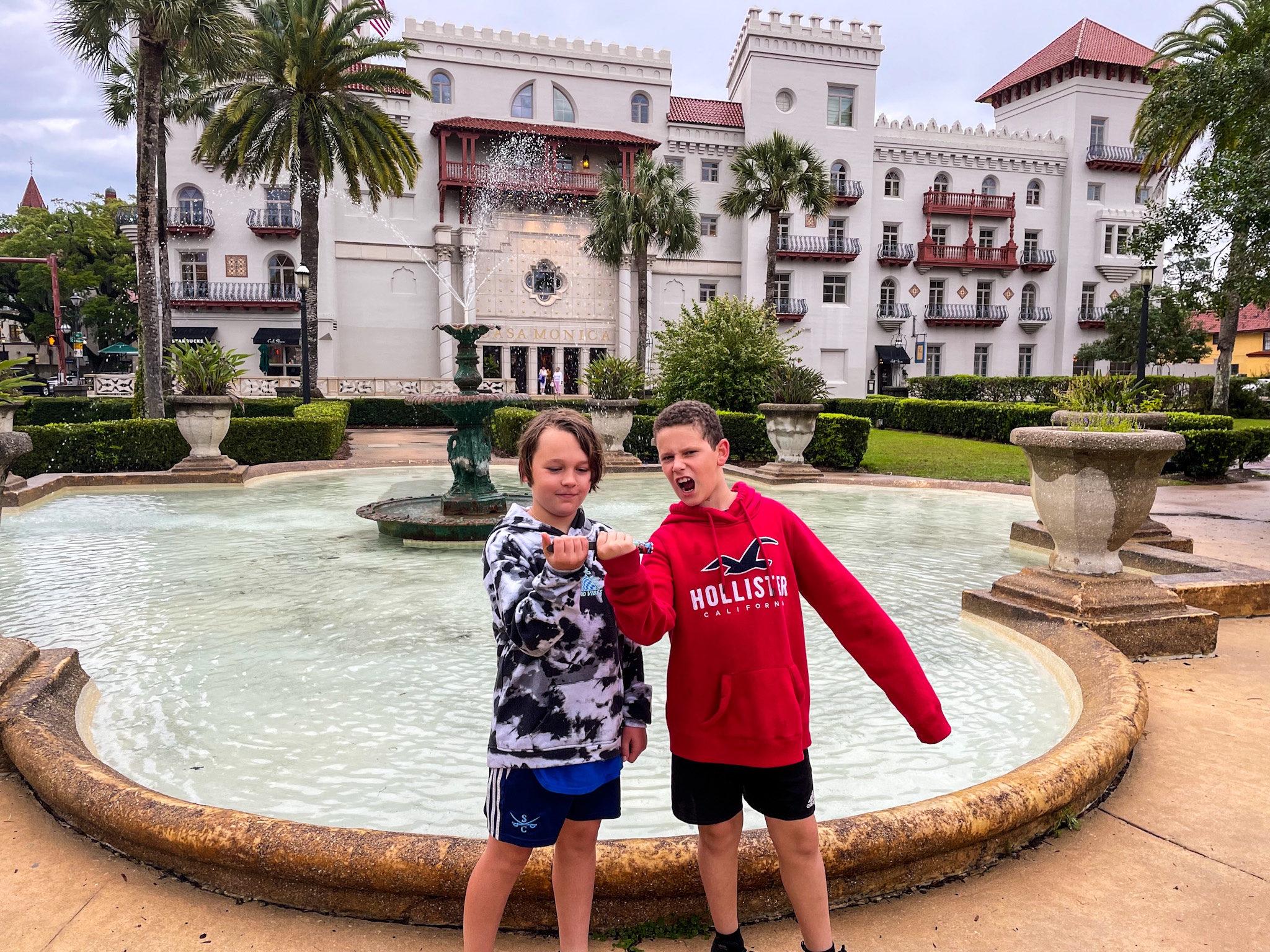




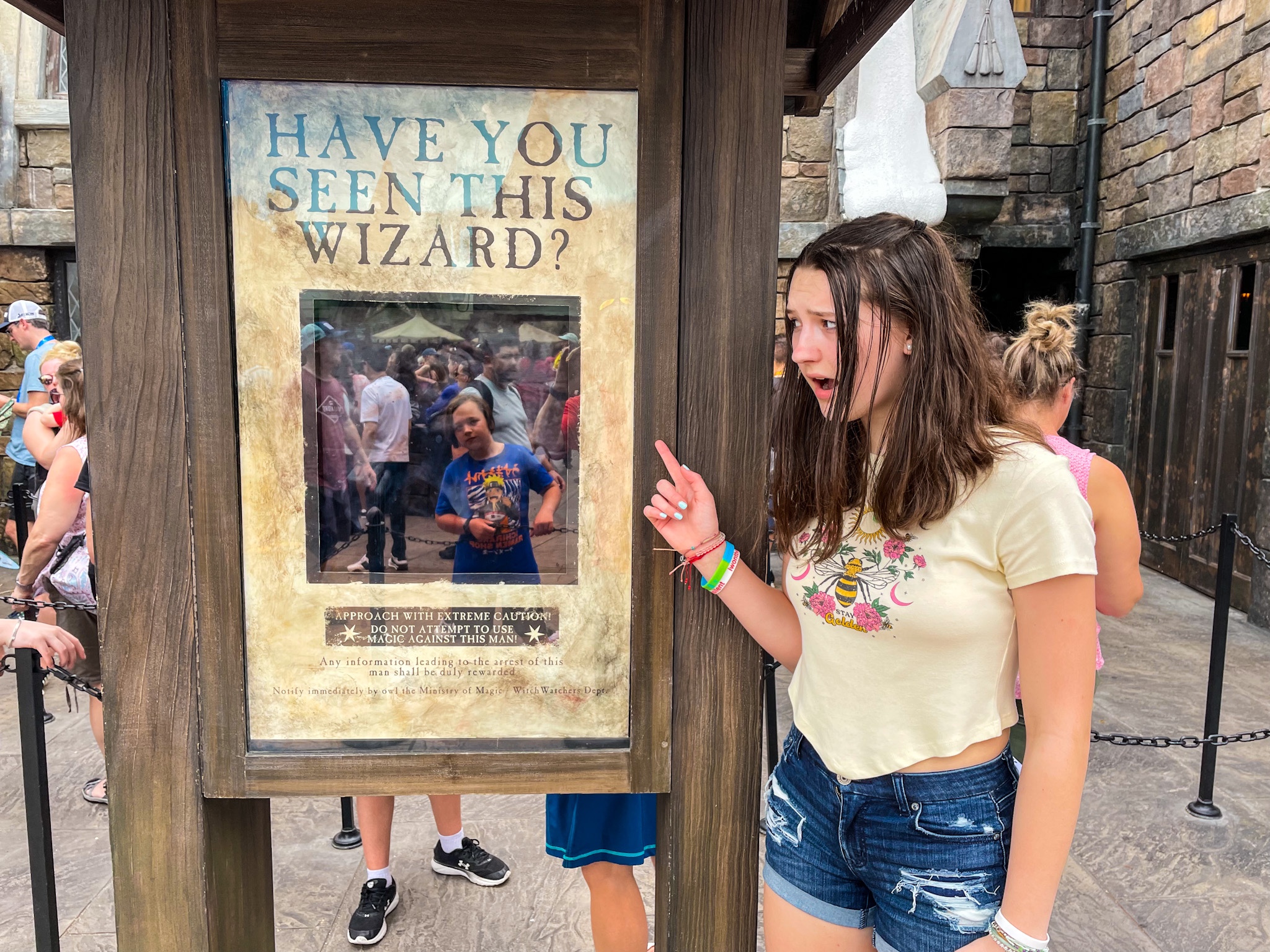
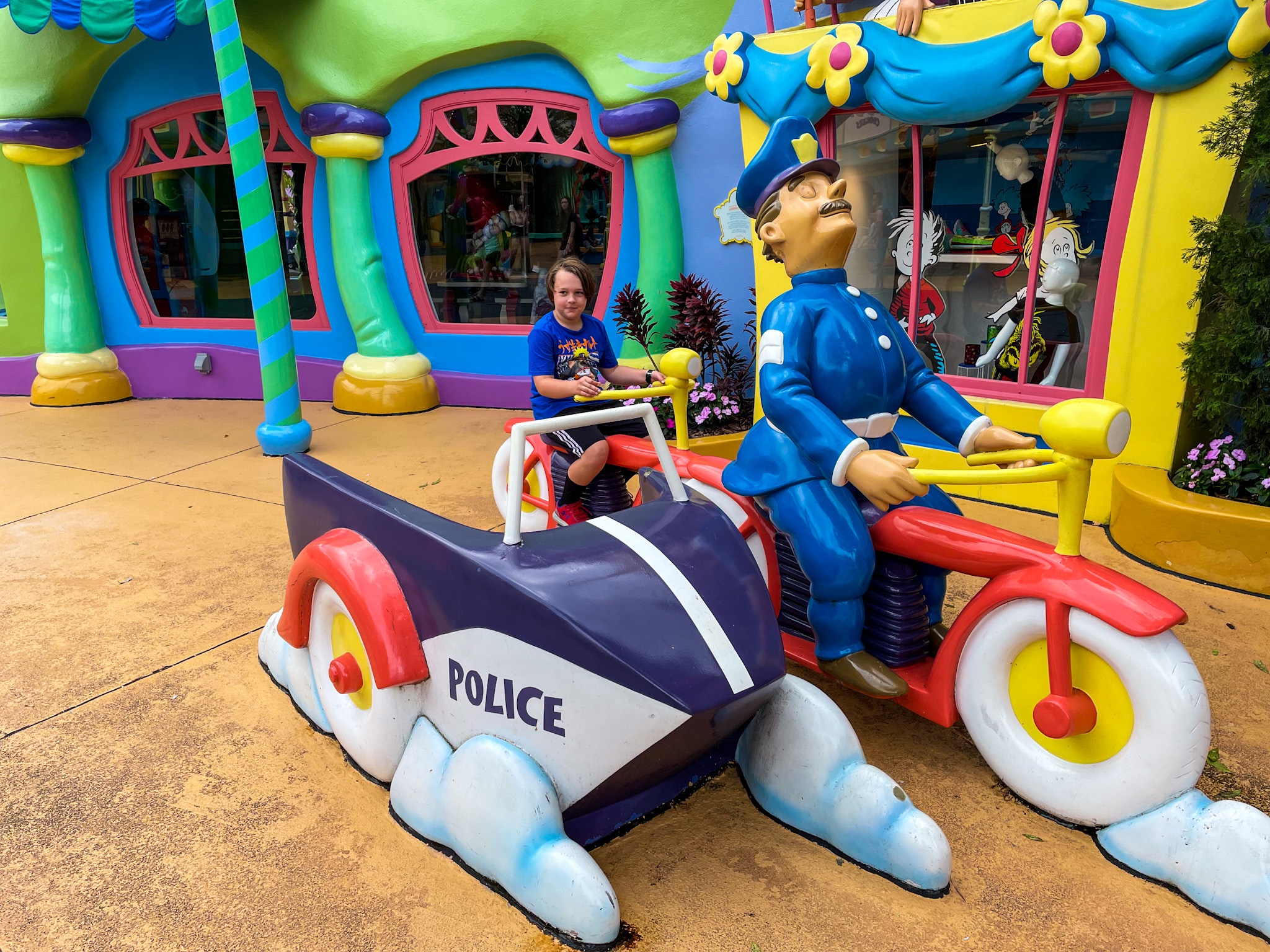





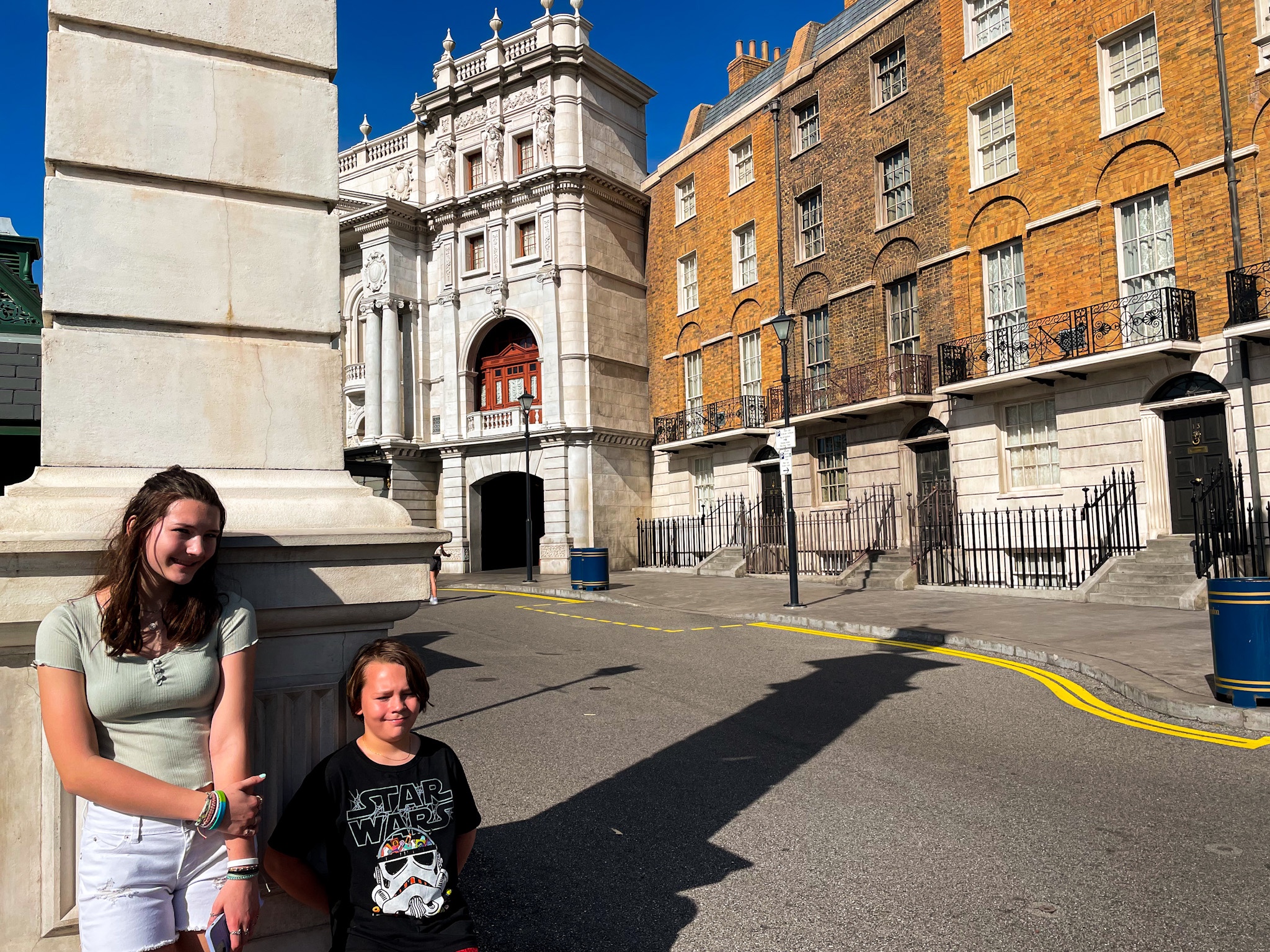


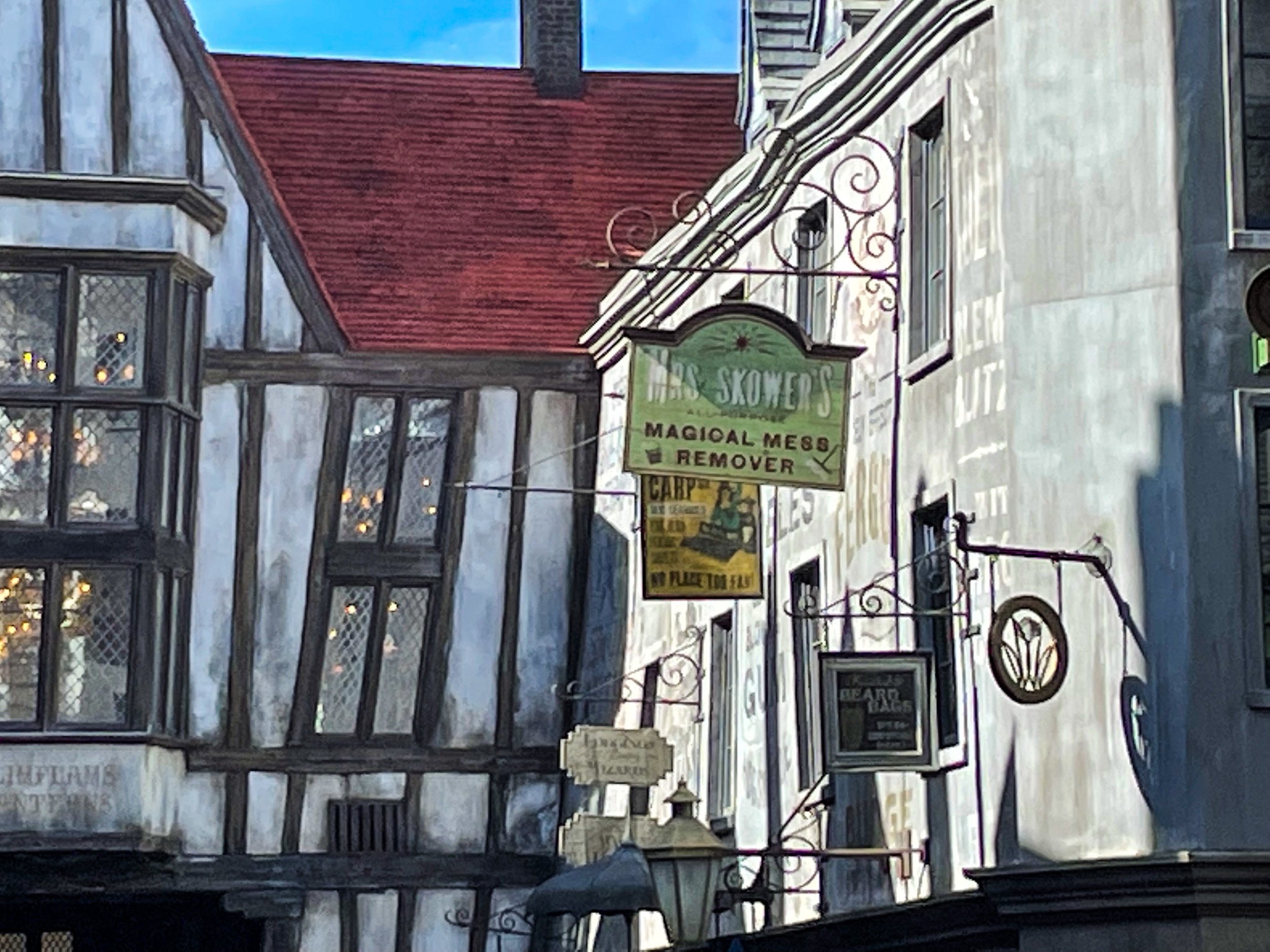
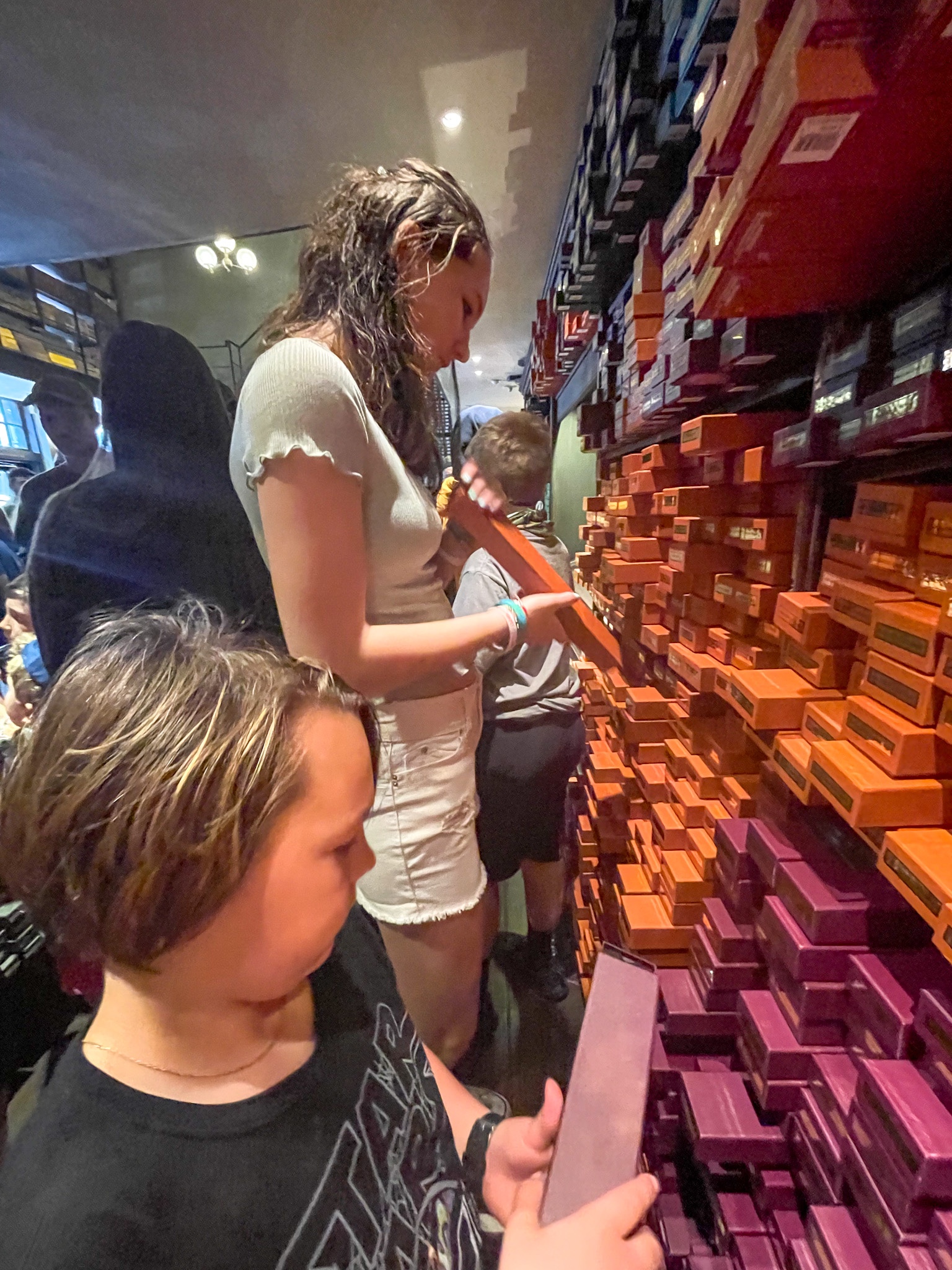





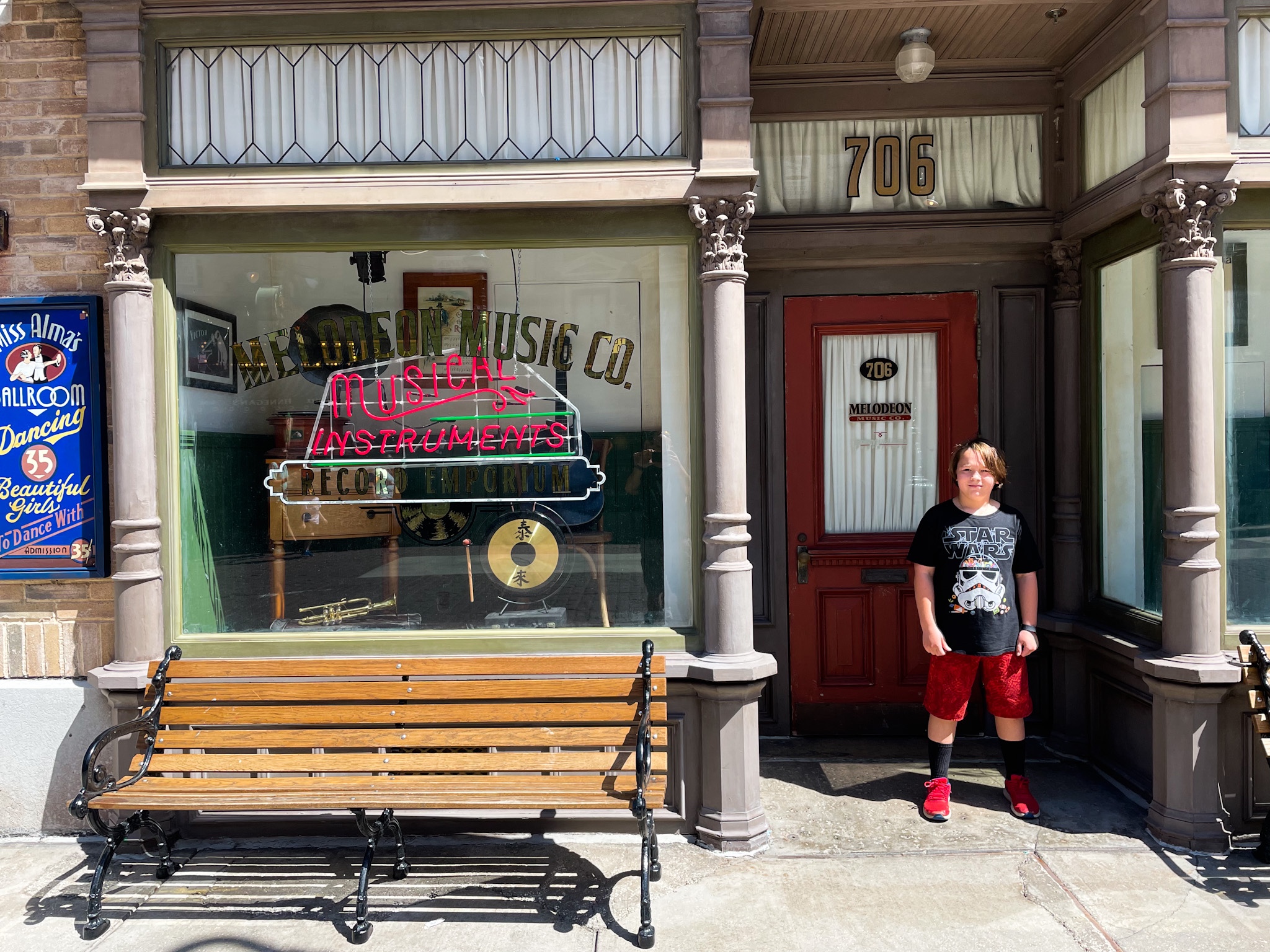







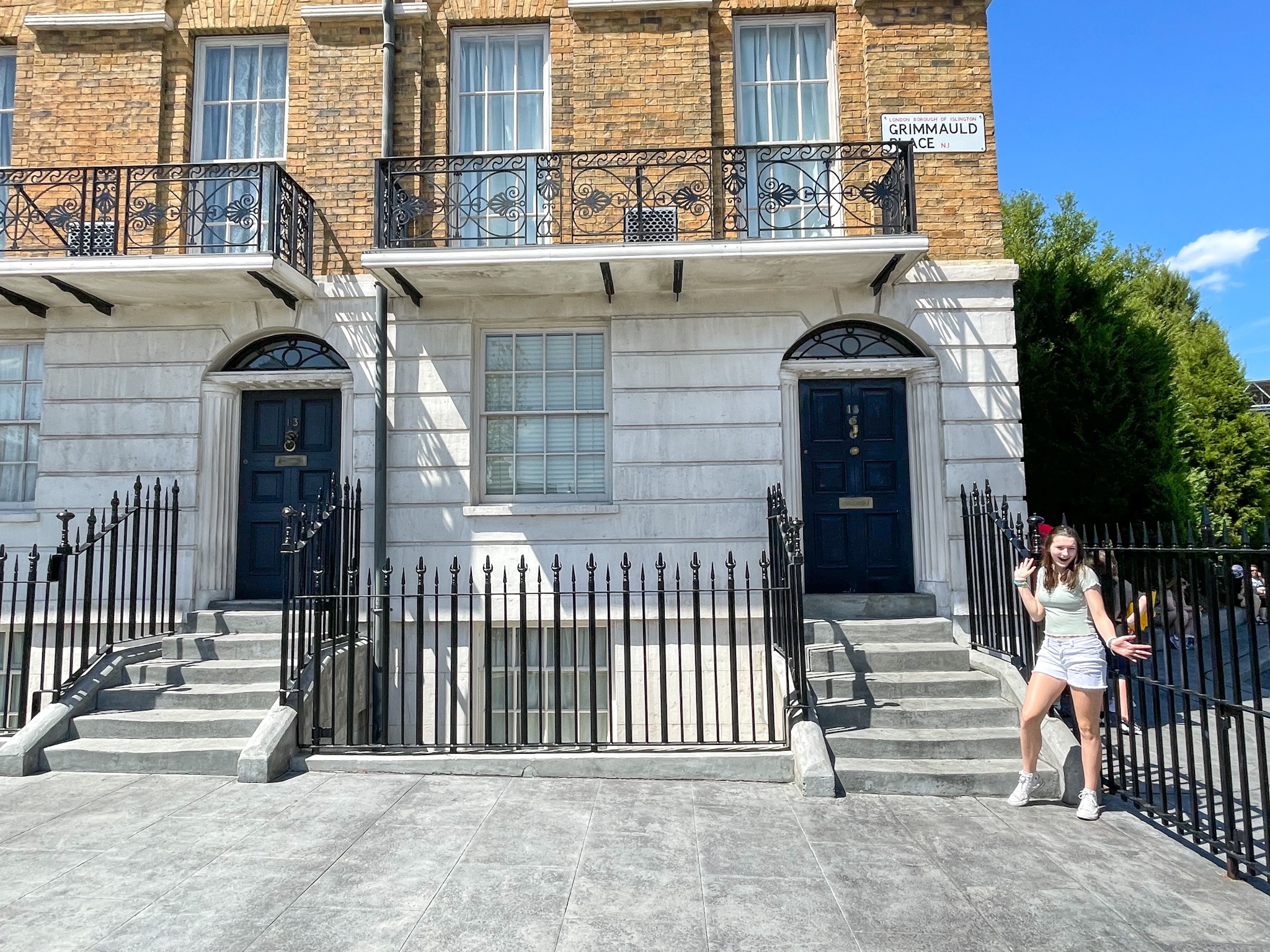



We made it to Orlando about nine hours after we left the house. With three breaks along the way, I consider that pretty good time to go a little over 500 miles.

When the kids saw the pool from our hotel room, they immediately decided that all else had to wait until they had time to swim. Only in Florida — swimming in an outdoor pool in March. When texting with K, she expressed some concern about the temperature, but we assured her that while it’s windy and thus cold out of the water, the pool itself is warm — a heated saltwater pool.

Then the Boy saw the arcade, and the next destination was set — no question about it.
“Daddy, can we please go to the arcade?” What was I to do?


A good way to start our short spring break vacation.









I’m still working my way through Trent Horn’s Hard Sayings: A Catholic Approach to Answering Bible Difficulties. I encountered two passages this evening that just left me shaking my head.
The first was about Lot’s behavior in Genesis 19:
The two angels arrived at Sodom in the evening, and Lot was sitting in the gateway of the city. When he saw them, he got up to meet them and bowed down with his face to the ground. 2 “My lords,” he said, “please turn aside to your servant’s house. You can wash your feet and spend the night and then go on your way early in the morning.”
“No,” they answered, “we will spend the night in the square.”
But he insisted so strongly that they did go with him and entered his house. He prepared a meal for them, baking bread without yeast, and they ate. 4 Before they had gone to bed, all the men from every part of the city of Sodom—both young and old—surrounded the house. They called to Lot, “Where are the men who came to you tonight? Bring them out to us so that we can have sex with them.”
Lot went outside to meet them and shut the door behind him and said, “No, my friends. Don’t do this wicked thing. Look, I have two daughters who have never slept with a man. Let me bring them out to you, and you can do what you like with them. But don’t do anything to these men, for they have come under the protection of my roof.”
“Get out of our way,” they replied. “This fellow came here as a foreigner, and now he wants to play the judge! We’ll treat you worse than them.” They kept bringing pressure on Lot and moved forward to break down the door.
But the men inside reached out and pulled Lot back into the house and shut the door. Then they struck the men who were at the door of the house, young and old, with blindness so that they could not find the door.
How can Lot be considered righteous when he offered his daughters up to be raped?
Trent explained it, in part, thusly:
Lot’s righteousness is also seen in his hospitality toward strangers, which was a sacred duty in ancient Mesopotamia. In a time when you couldn’t go to a department store for clothes or check in at a motel when you needed shelter, the kindness of strangers could mean the difference between life and death. Lot understood that anyone who slept outside in Sodom was in grave danger of being attacked. Therefore, he offered the city’s visitor’s shelter and wouldn’t take no for an answer.
That, I admit, is at least somewhat reasonable. It seems to be the bare minimum as far as morality goes, but it’s at least a step in a good direction.
But what about Lot’s offer to give the crowd his daughters to be raped? How can that be justified? Surely it can’t.

But that doesn’t stop Horn from trying. The very next sentence:
Even Lot’s misguided decision to offer his daughters to the mob can be seen as an act of hospitality meant to protect the guests dwelling under his roof.
Go back and reread that sentence.
It’s unlikely you’ve ever read apologetics so preposterous. It’s hard to take this book seriously after reading that.
Yet the second passage that floored me this evening makes it clear that the book is not even meant for me, however seriously (or not) I take it.
Horn closes one chapter with a quote from Karl Keating:
The Bible appears to be full of contradictions only if you approach it in the wrong way. If you think it is supposed to be a listing of theological propositions, you won’t make heads or tails of it. If you think it is written in literary forms you’re familiar with, you’ll go astray in interpreting it. Your only safe bet is to read it with the mind of the Church, which affirms the Bible’s inerrancy. If you do that, you’ll see that it contains no fundamental contradictions because, being God’s word inspired, it’s wholly true and can’t be anything else.
I have so many issues with this that I don’t know where to begin.
First, I take umbrage with the assertion that there are only three options to approaching the Bible:
None of these approaches accurately describe how I’m reading it. I’m reading it with the claim that it is the word of a god firmly in my mind and then seeing what kind of god appears in its pages.

What Keating (and by quoting him, Horn) is suggesting is that we first assume that the Bible is the word of the Christian god, read and interpret the Bible as the Catholic church instructs, and that will clear up all our difficulties. I’ve never seen such an obvious, almost-celebrated example of begging the question in my life.
And it’s that notion that makes it clear that I am not the intended audience of this book. This book is not intended to respond to skeptics’ concerns; this book is for Catholics who’ve discovered those skeptics and are starting to have doubts. Thus Horn is leaning heavily on his shared assumptions with his audience. He knows that they, at one point or another, at least gave lip service to the proposition that the Bible is inerrant. He’s just calling them back to that notion. He even once admitted that he’s not trying to answer these objections but simply to show that there are possible answers out there. Well, sure, there are possible answers out there, but they’re not terribly convincing — unless you’re a believer starting to feel pulled under by doubt, then they’re a lifeline.
Exploring Spotify’s “Indie Bluegrass” playlist last night, I discovered her — Sarah Jarosz, a young singer/songwriter whose music excites me more than any music I can remember from the last ten years or so. I began wandering through her catalog, continually impressed and pleased, and then I heard it. Her cover of Dylan’s “Simple Twist of Fate.” A voice; a pizzicato cello — nothing else. Perfection.
I played it for the Boy this evening and he was asking me about it. “Does it bring back memories?” he asked.
“None at all,” I smiled. I guess he’s used to me reveling in the memories particular songs bring to mind, but this song, this performance — no memories at all. And that’s what makes connecting to new music so magical. For me, the new music that hook me have a certain timeless sense to them. They feel like they should have memories dripping from them.
Over the course of the last twenty-four hours, I’ve managed to listen to about four of her albums, but the first one I listened to remains my favorite: World on the Ground. The whole thing is available as a playlist on YouTube.
She’s also released a video of completely-stripped-down versions of some of the album’s best songs (undoubtedly in their original composition state).
The Boy and I were alone for most of the day as the girls were in Rock Hill for the tournament — three tournaments in three weeks means we’re just about sick of them.
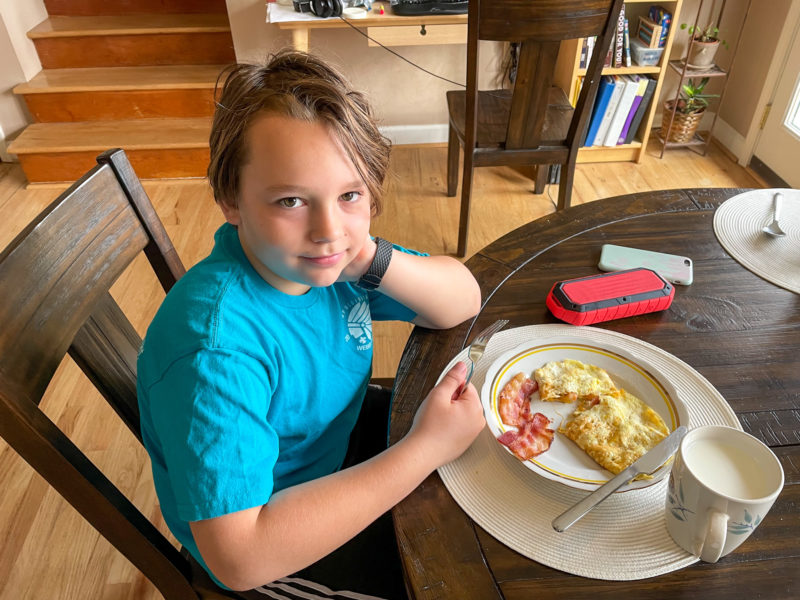
E and I had decided to go back to Southside Park to do some more riding. We first, though, had to perform a bit of maintenance. His bike developed a flat yesterday, so we had to get a new inner tube. That done, we headed out.
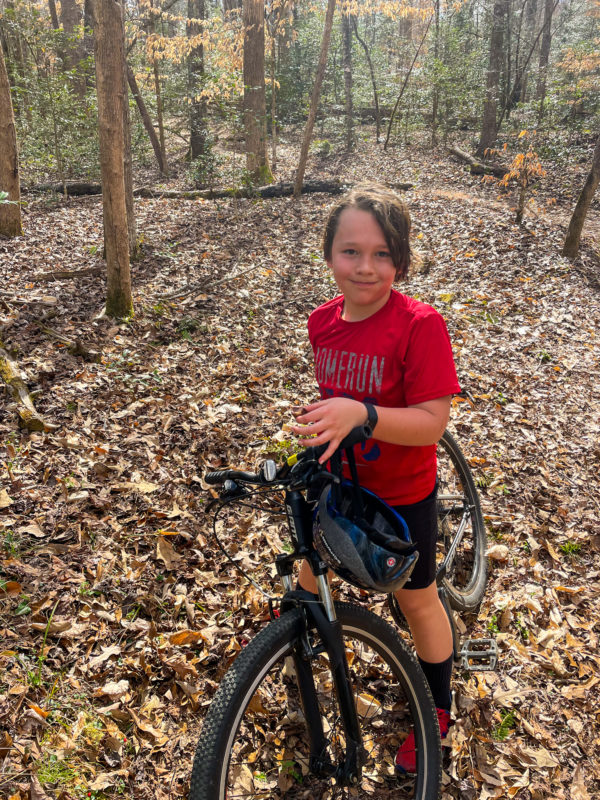
We went over to the improvised “Power Line” trail because that was what E had been dreaming of all week. At the start of it, I realized I’d lost my water bottle. We went back the way we came but to no avail, which meant a bit of judicious water bottle sharing: in short, I drank only when my throat was raging because the Boy always finishes his bottle and wants some of mine.

After 11 km of riding, we started back when suddenly, E got such a severe puncture that his rear tire — the one with the new inner tube — deflated almost instantaneously. Had to walk 2 km back to the car…
The Boy’s soccer team won 2-1 with a literal last-minute goal.

The Girl’s volleyball team won all three of their games in straight sets.
A good day in sports for our family.