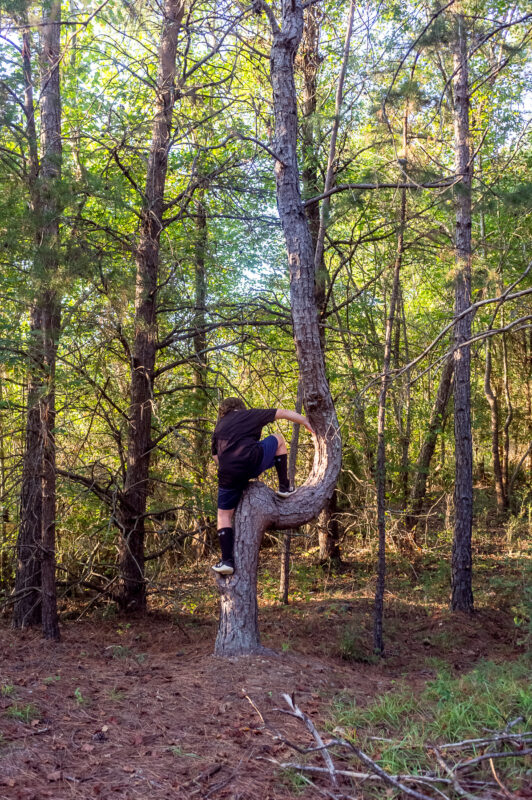
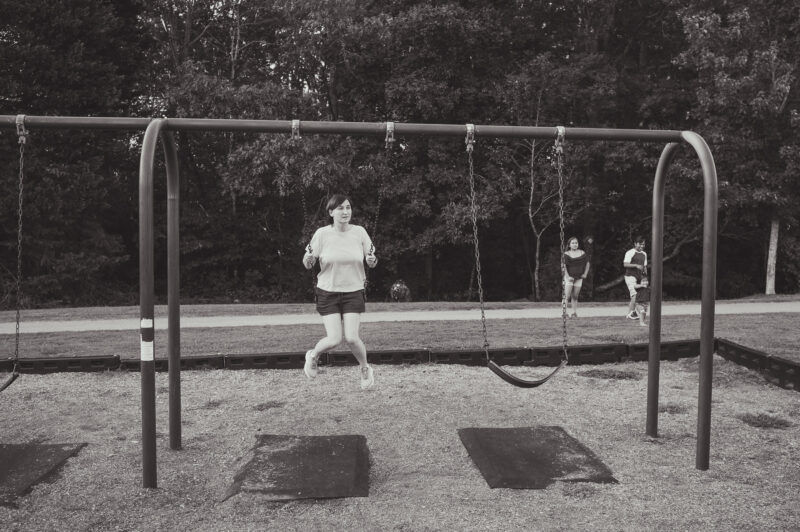
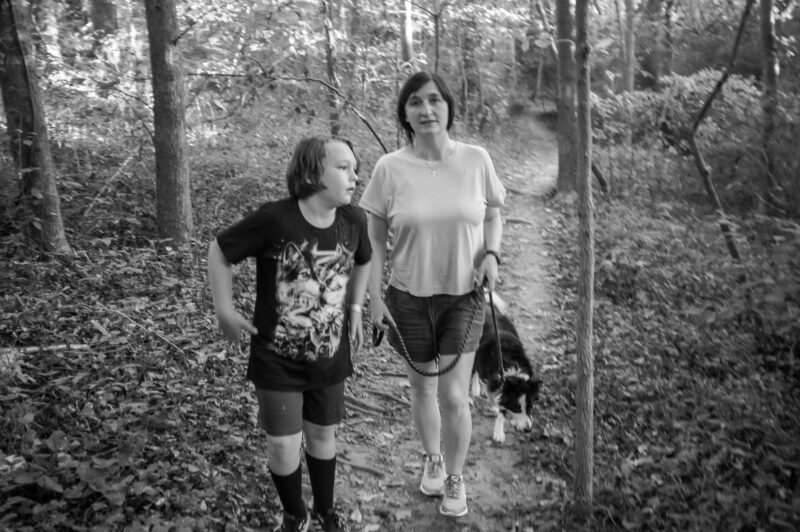
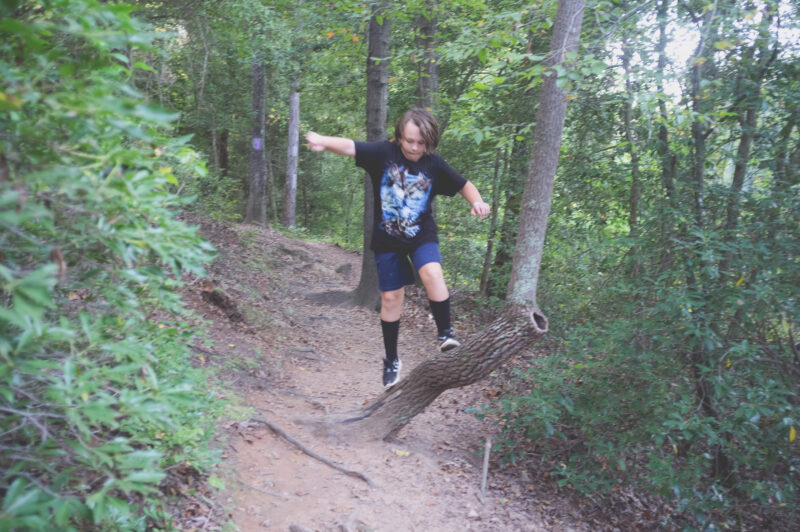
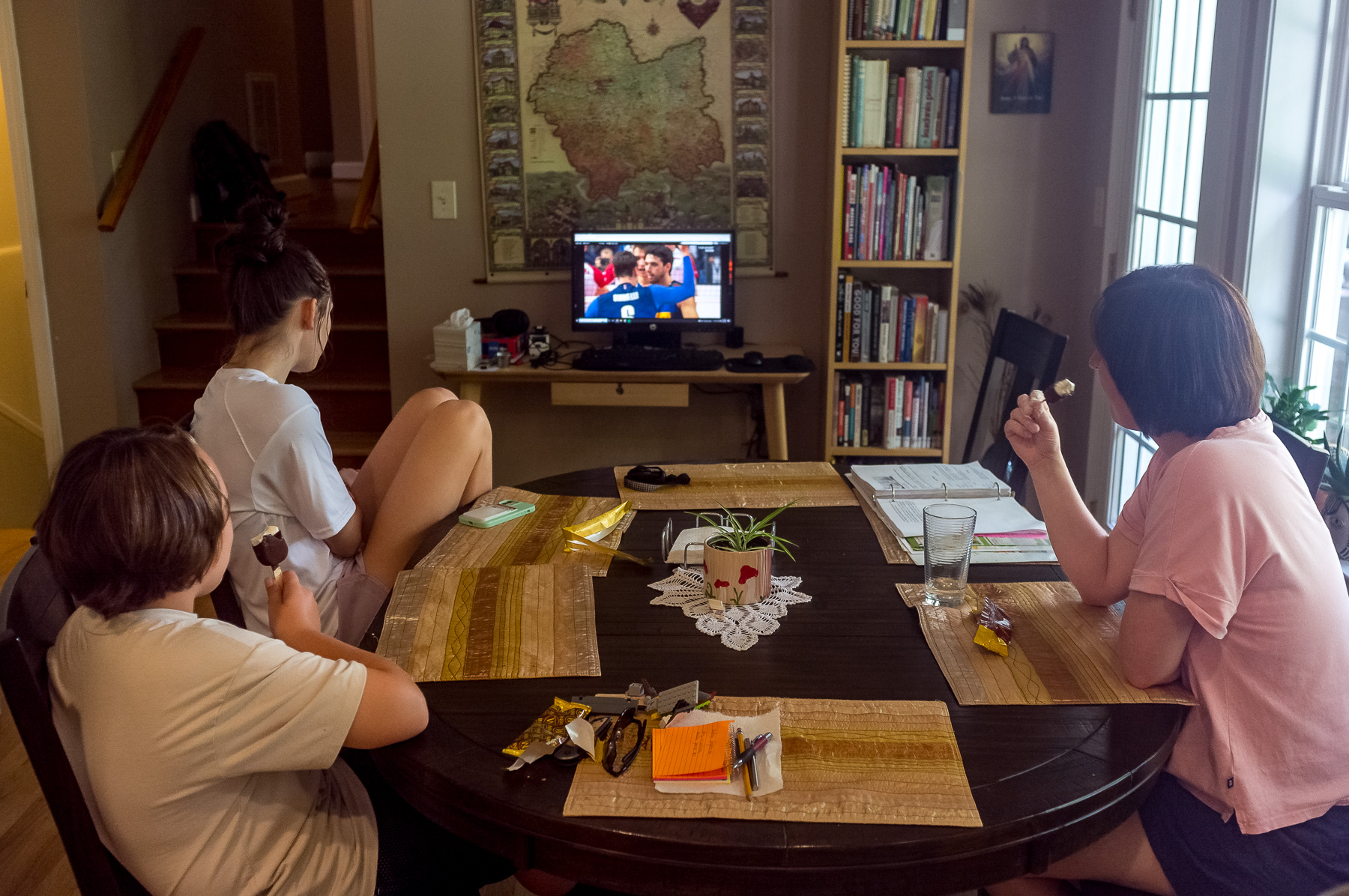
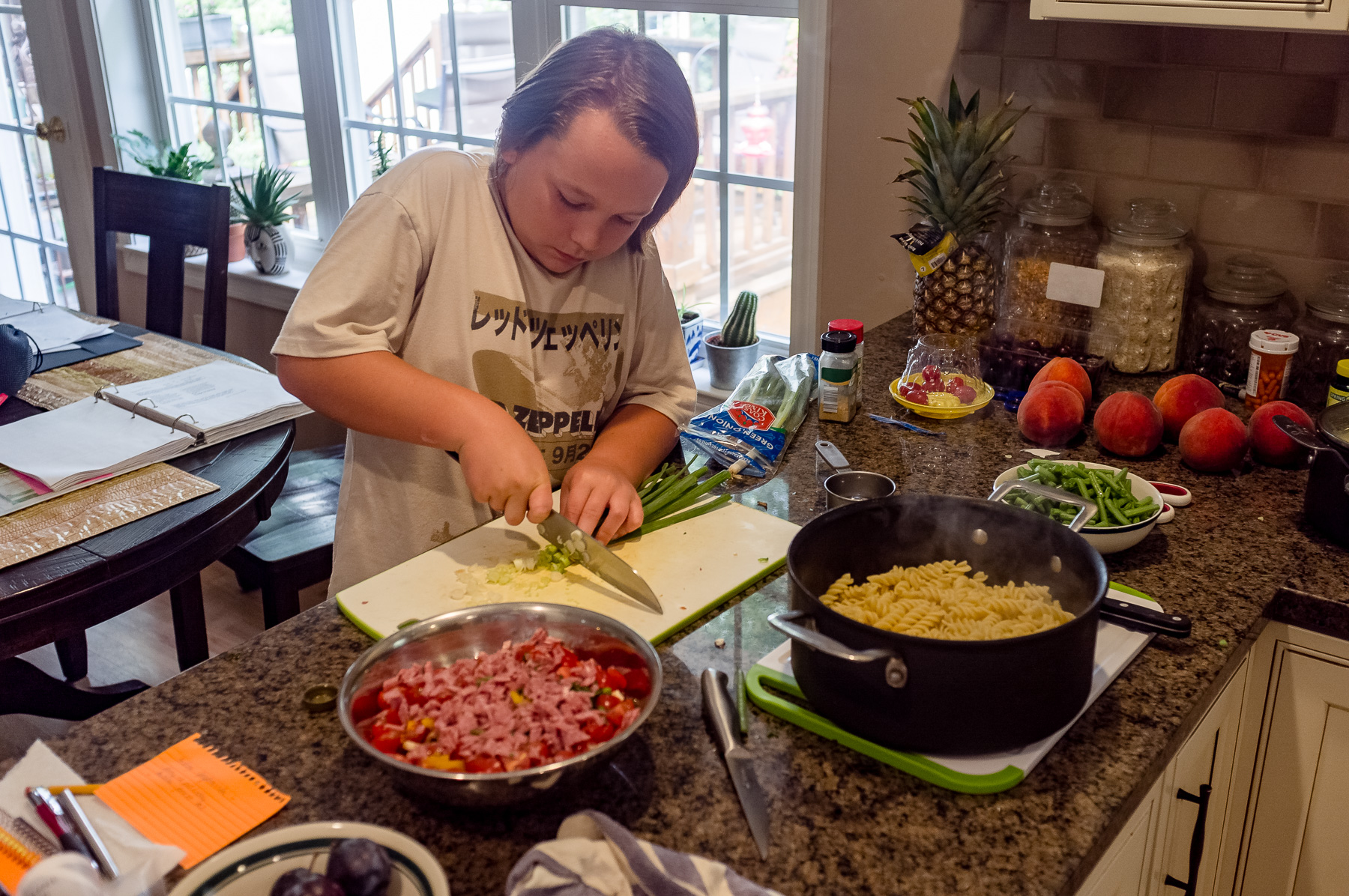
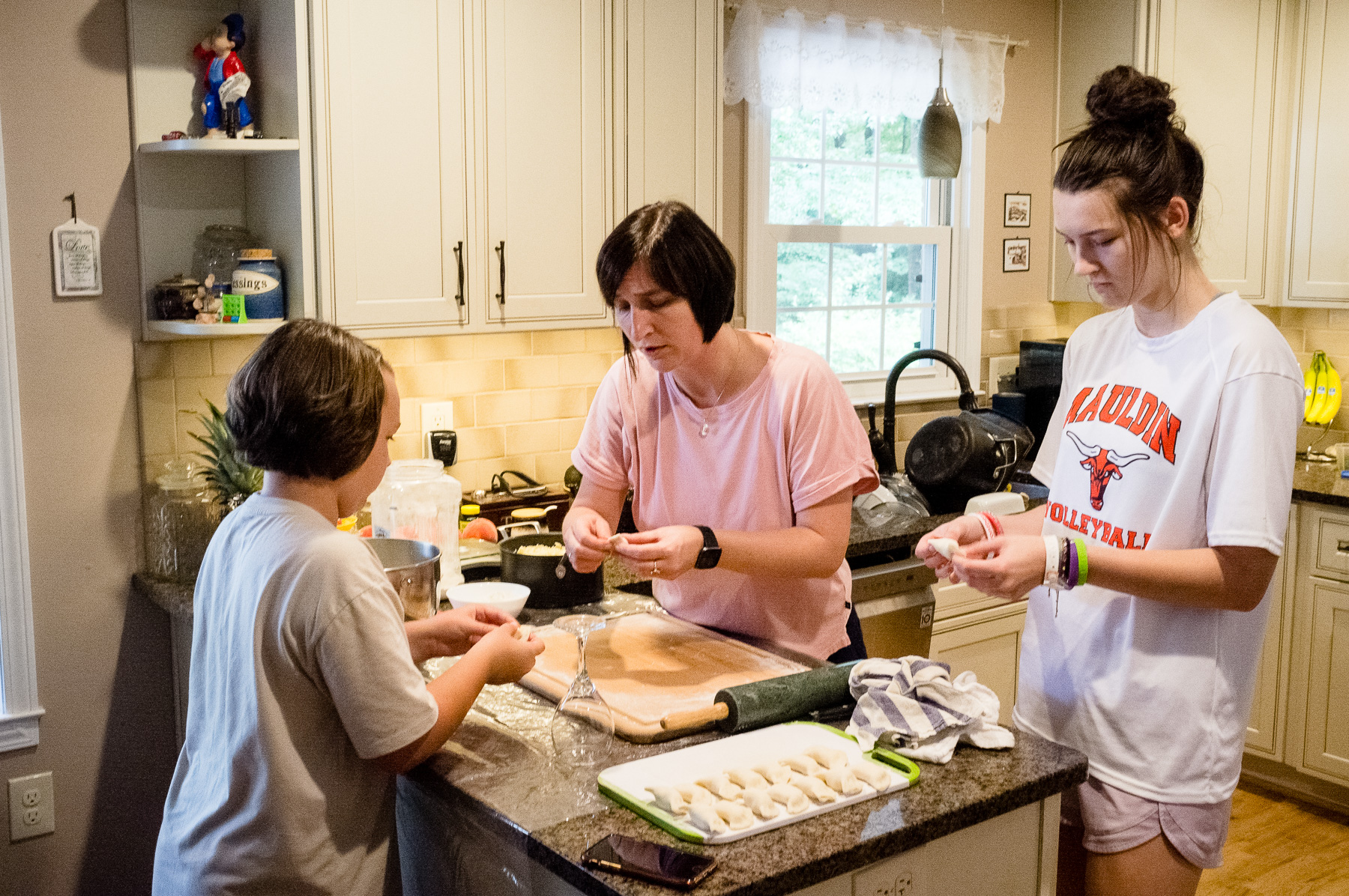
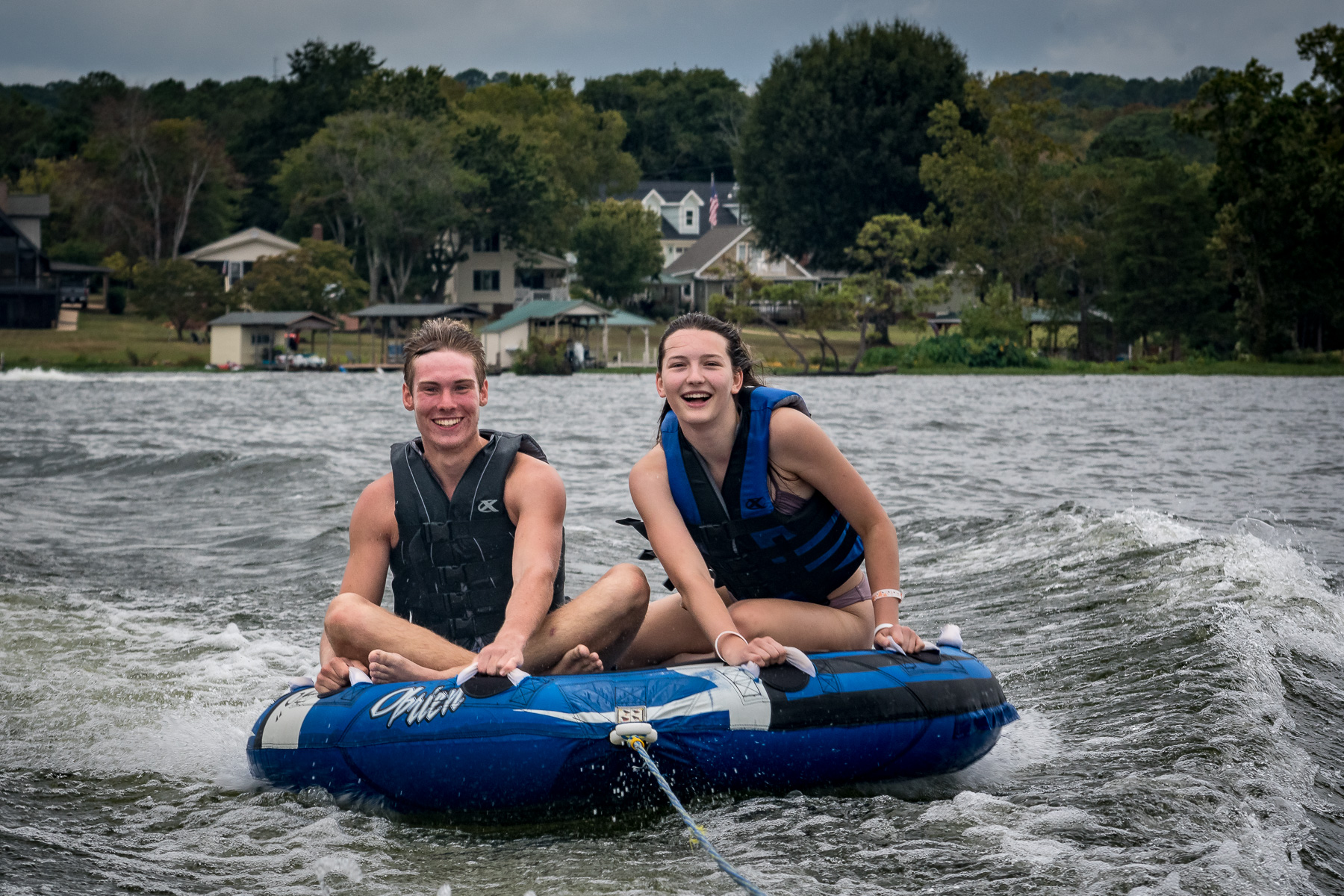
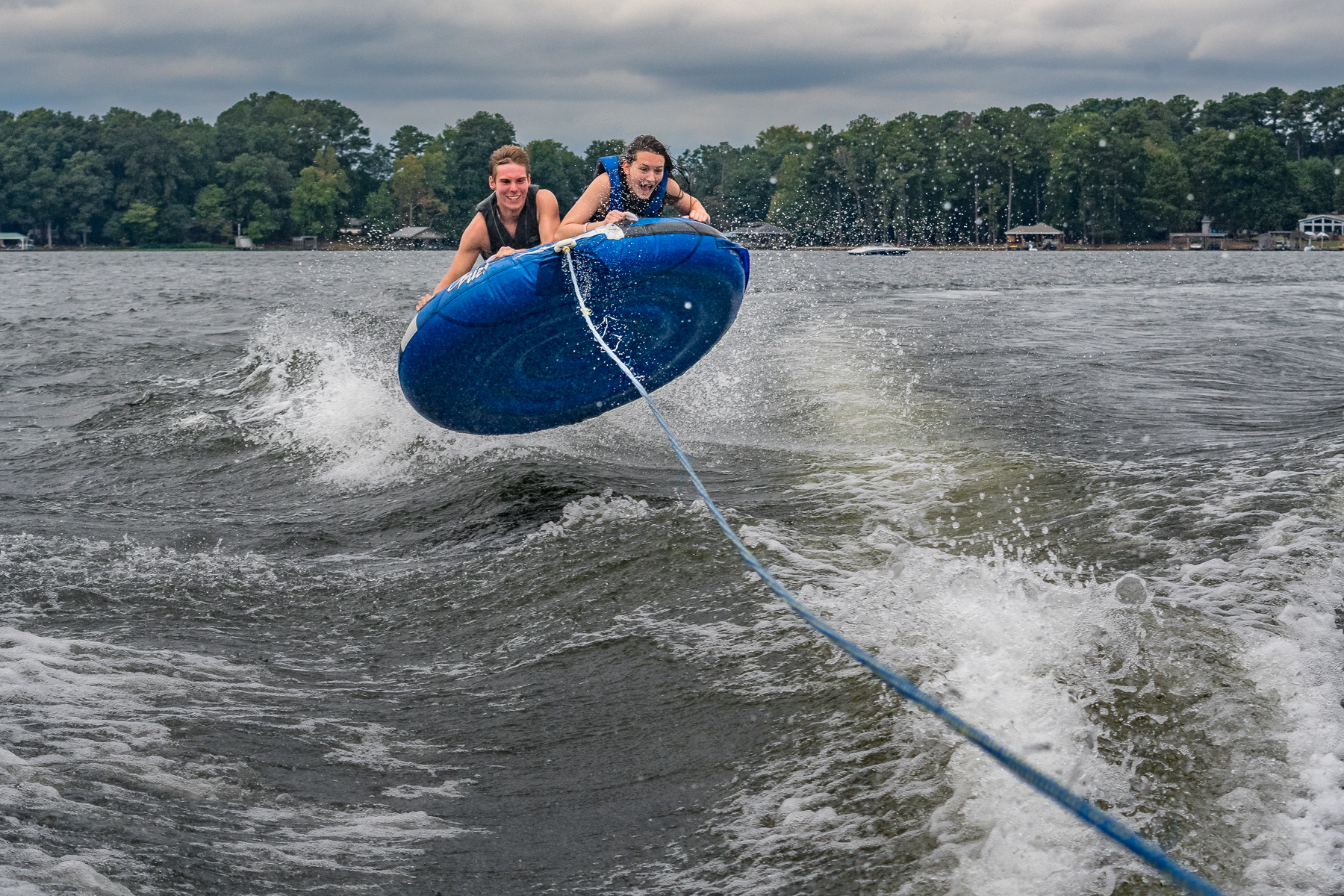
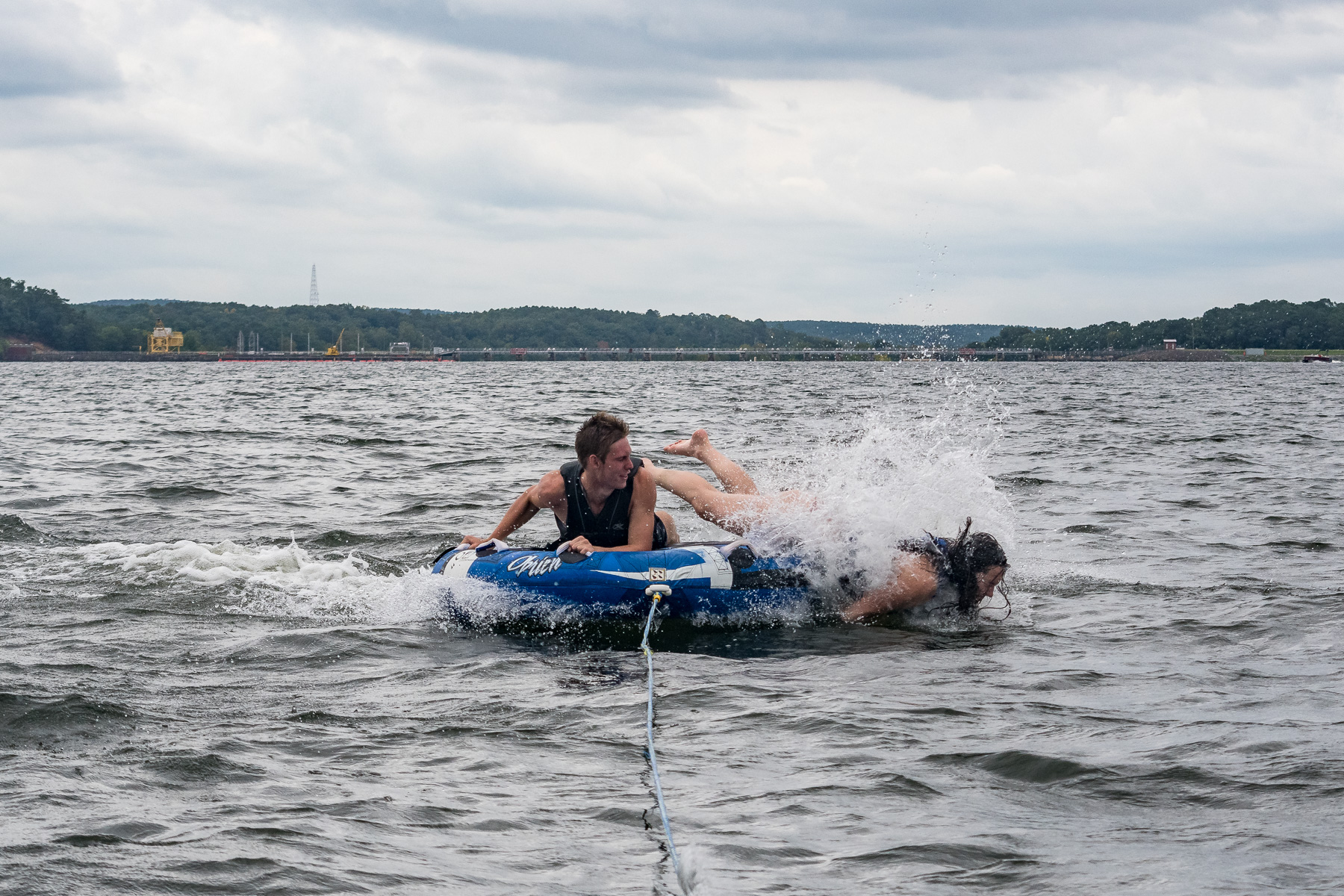
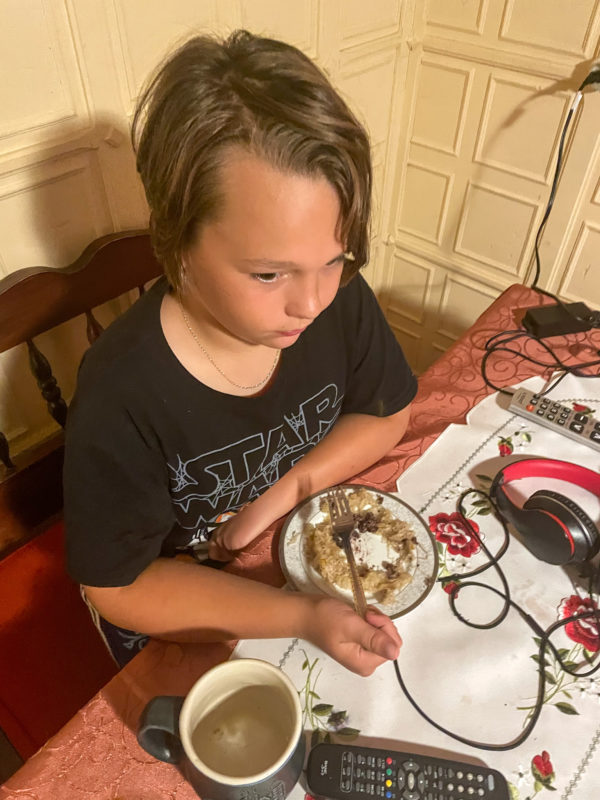
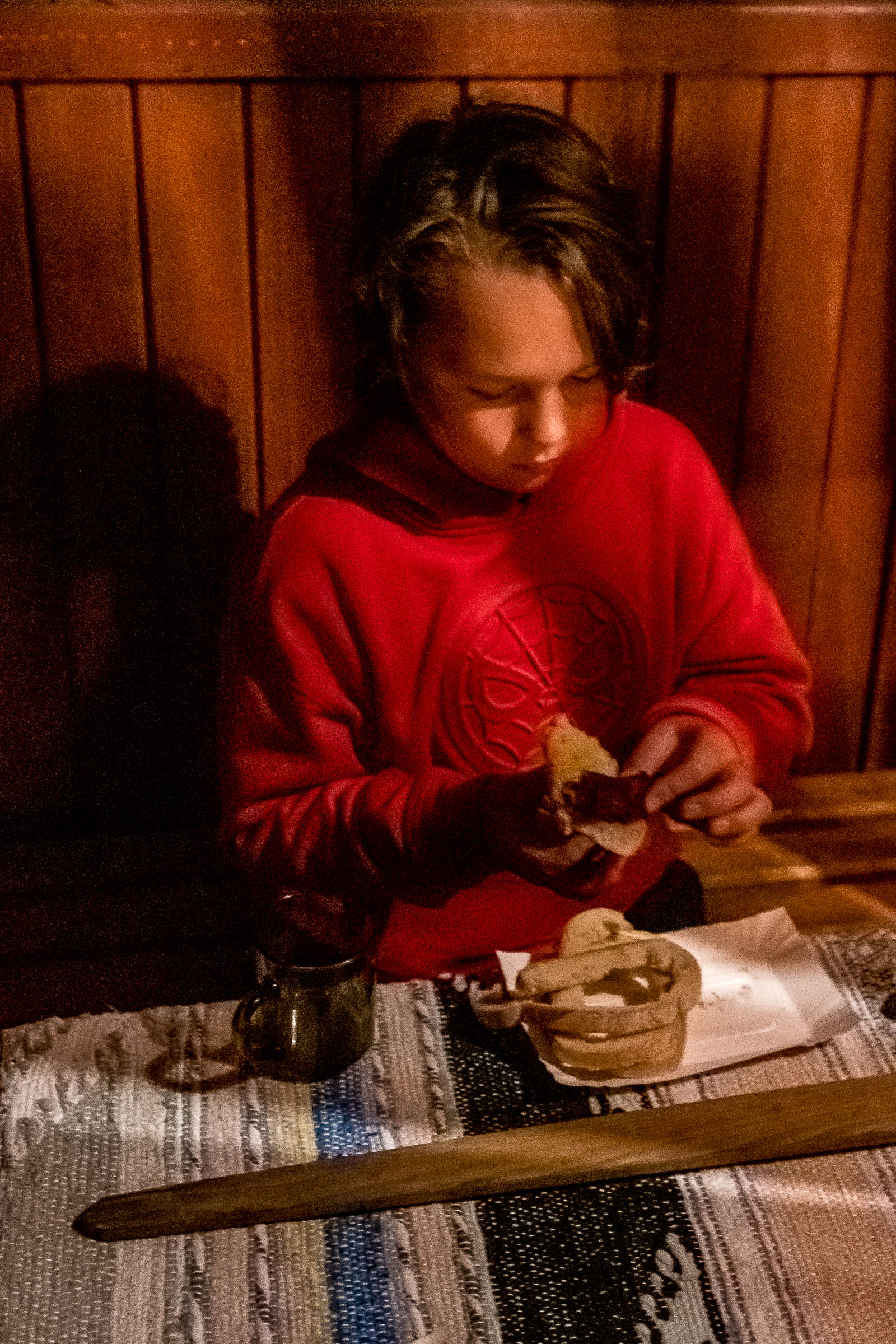
the boy

Evening Swim Plus

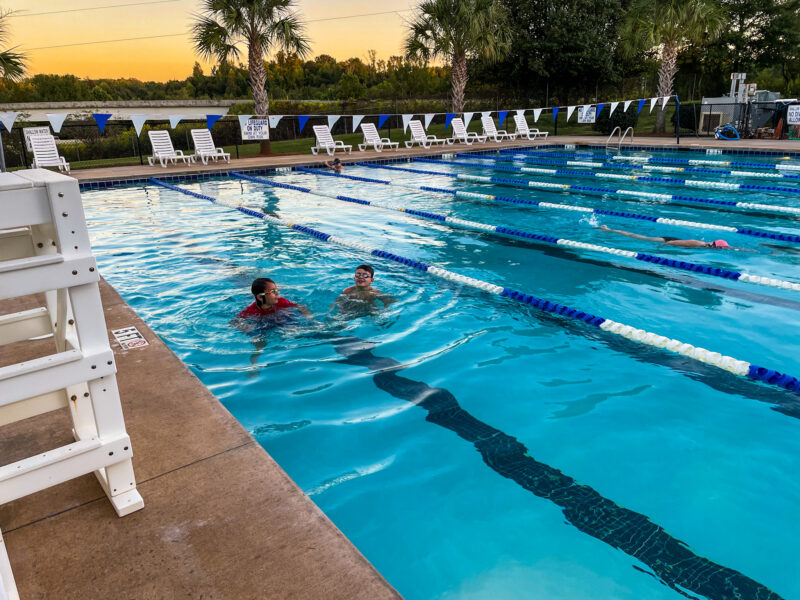
Monday for us is YMCA night — swimming. The outdoor pool is still open, and while the air is cool, the water is surprisingly warm. Sometimes we go as a family (minus the Girl, who’s always doing something else), and sometimes it’s just the boys, along with a friend from time to time.

I try to swim some laps, but I usually get to about 500 yards, and I’m exhausted. My arms burn; my pulse is racing; my legs hurt.
What gives me a sickening feeling is the thought that when I swam competitively in high school, we used to do 600-yard swim/kick/pull (200 yards of each) as the first part of our warm-up.

Still Off

My favorite cult leader predicted a specific date for Jesus’s return yet again. It was supposed to happen today. That’s at least 5 days I know of that David Pack has predicted Jesus will return. He’s batting a solid 000. Why anyone still supports the hack is a mystery to me.
Gaga Ball

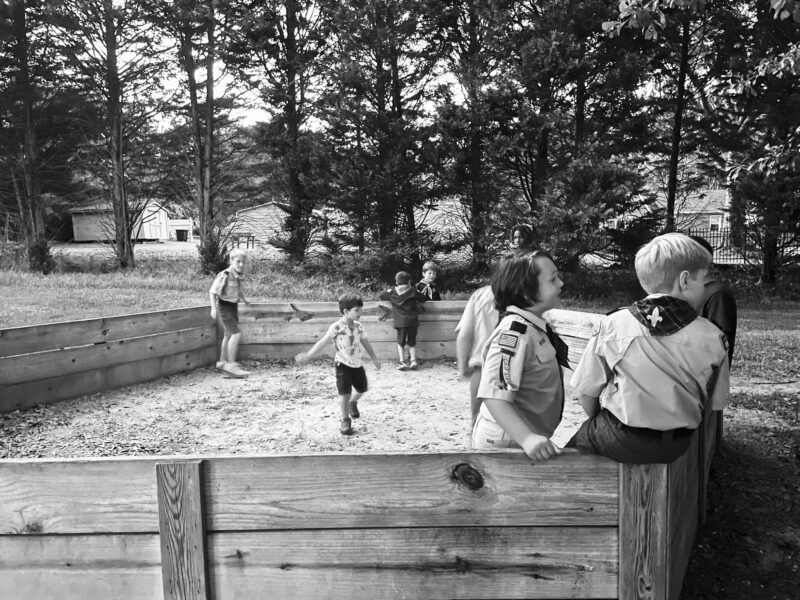
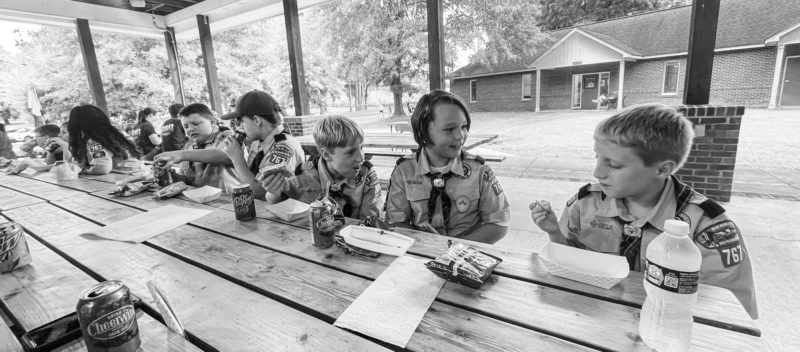
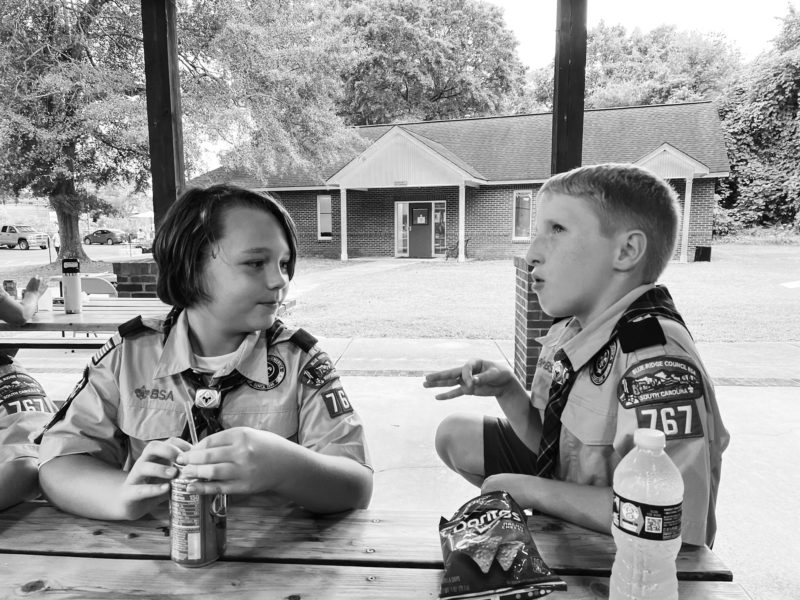
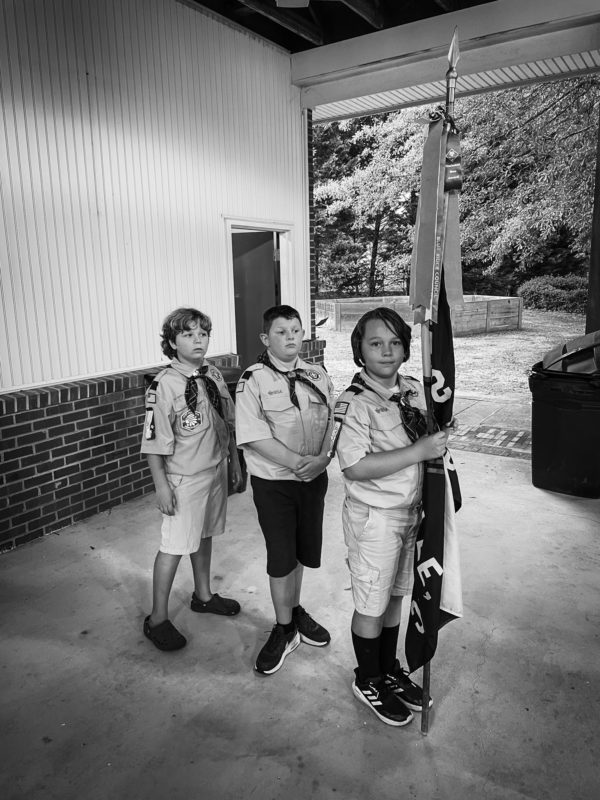
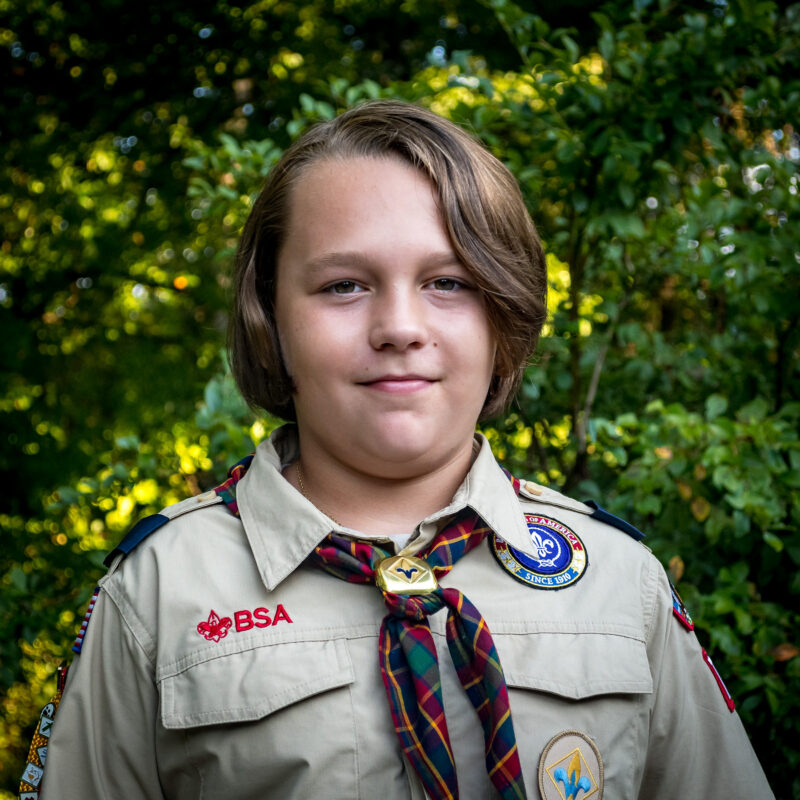
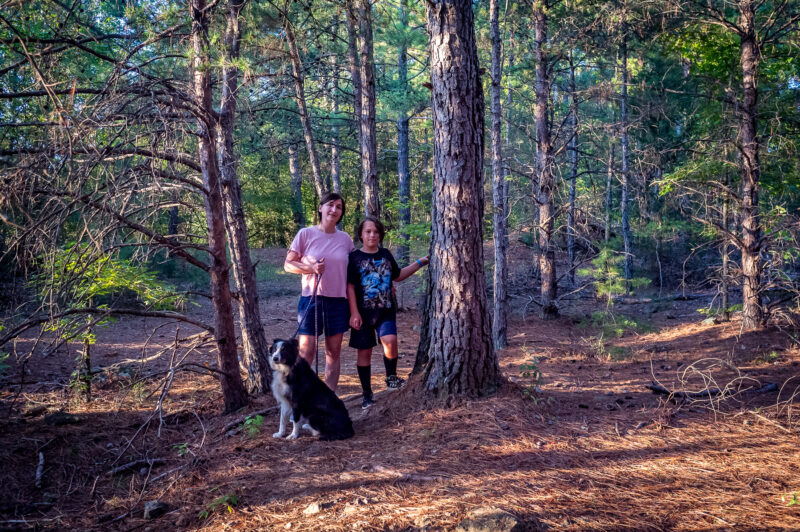
The first pack meeting today — the meeting two weeks ago was technically just a get-together, I suppose. The boys, as always, played Gaga ball afterward.

“This game hadn’t even been invented when we were kids,” one dad laughed as we watched them play.


Class today was excellent again. The main difference: like Tuesday, I tried a long, breathing-based mindfulness activity early in the lesson. Amazing how calm it made a bunch of otherwise-antsy kids.

Saturday, Late August

It’s late August — the time of year when cooler autumnal temperatures approach, but sometimes not quite fast enough. Daytime temperatures can still get up into the mid-90s, and summer’s humidity still lingers, making it feel even warmer.

That’s all fine and good if your HVAC system is working well. Sure, it might work a bit more than you would hope. The heavy heat of July is a thing of the past, and although it can be hot, late August usually brings a bit of a break for one’s HVAC system and one’s power bill compared to mid-July. Not much — just a bit.

Still, we have a relatively high-efficiency system, and the difference I guess is no big savings. Five or ten bucks perhaps.

But then the system starts stalling, starts leaking coolant, and the indoor temperature climbs despite the temperature outside. Specialists arrive, investigate, diagnose, and give a $2,200 quote for fixing the system or $800 for a temporary bandaid.

“How long will it last?”

“A few months to a few years.”

Cheap is expensive; lack of information leads to poor decisions. It lasts less than 24 hours. $800 for 20 hours of cooling.

More specialists arrive. They’ll do the fix for about 75% of the other company’s quote. We go for it. The system works for a couple of weeks, still showing some strain and problems but keeping the house comfortable.

And then the whole thing shuts down. Completely. When temperatures return to the mid-90s. And the company we’ve been working with doesn’t work on the weekend, so we’re stuck until Monday. And so you start researching things like this.

Our Games

The Boy’s first games with his new soccer team took place today. It was a tough start to the season: 0-4 and 0-5 losses. I was expecting him to be terribly disappointed about it, but he was surprisingly stoic: “We have some things we need to fix, but we could be good.”

The Girl’s high school varsity team, for which L plays middle, won their first tournament today.

A day of contrasts.

First Day 2022

The Boy had a rough day of it: he’s been in a multi-age classroom for four years, meaning he’s been with the same group of people (mostly) for those four years. Fifth grade, though, doesn’t have a multi-age program, so he’s back out in the general population — and none too thrilled about it. All his closest friends from the last four years — all of them — ended up in different classes. A few of them got grouped together, but none of them are in E’s class. Which makes him less than thrilled about school after this first day.

We tried to help the Boy see things from a different perspective, but for the longest time, he just wasn’t interested. It was going to be a disastrous year, he was sure of it. There was no way it could get better — he was convinced. He might as well just switch to homeschool.

After some time in the pool and a lot of reassurance, he informed us on the way home that “all of Mama’s speeches” had made him a little more excited about tomorrow.

As for the Girl, she sat down in the car after volleyball practice, looked at me, and said, “Guess what we have in English class?” I raised my eyebrows in anticipation. “Articles of the week!”

I’ve been giving my students an article of the week for almost ten years now. It’s one of the most effective tools I use.

“Do you know what this is?” one of the Girl’s friends asked her.

“Yes,” she whispered back. “I’ve been grading them for years.” Which is dramatic sounding, and it probably got a laugh, but it’s not quite true. I’ve had her checking multiple choice questions, adding up the points, and using my scale to determine and write the grade on the paper, but that’s not really grading them.

“Same difference!” L playfully huffed when I pointed this out.

Teachers’ First Day 2022

We had our first day back at school today — teachers have a week of preparation before the kids come back. To be honest, a lot of it is less preparation and more endless meetings: three hours this morning; meetings in both the morning and afternoon tomorrow.

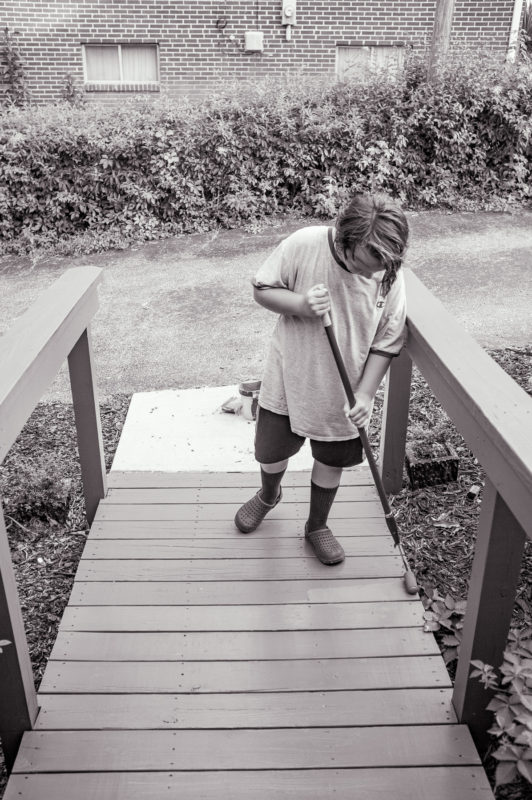
In the afternoon, returning home, I discovered that the Boy had painted the ramp into Papa’s room (always it will be Papa’s room) in the morning. After dinner, he applied a quick second coat and now we have a lovely, freshly-painted ramp.

Last Day in Jablonka 2022

Here in Jablonka, we began our last day with rain and temperature keeping us indoors. It never rose above the high-50s, and it rained all morning before taking a short lunch break to prepare for an afternoon and evening of rain. Depressing weather to go with a day of mixed feelings: ready to go home, we’re both a little sad to leave the adventure here.

In the meantime, K flew out of our local airport heading to Newark for a funeral. In New York, it was sunny and lovely, and K got to see a friend she hadn’t seen for years. Still, the motivation for the trip was a tragedy. A mixture as here.

With the weather as it was, we had few choices this last day in Jablonka. We watched some television, talked, packed — and repeated it all.

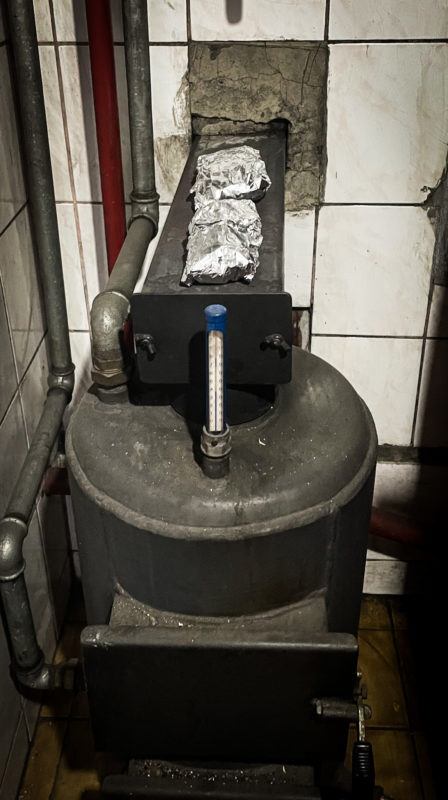
And for dinner: kiszka heated on the stove Babcia uses for hot water.

Random Bit for Future Smiles

A regular during our stay here was was the Magno-Z commercial: we got to see that a few times during our month here. The Boy groaned each time it came on, but he still sang along with it.

Commercials, it turns out, are a great source for learning a language.

Family Ognisko

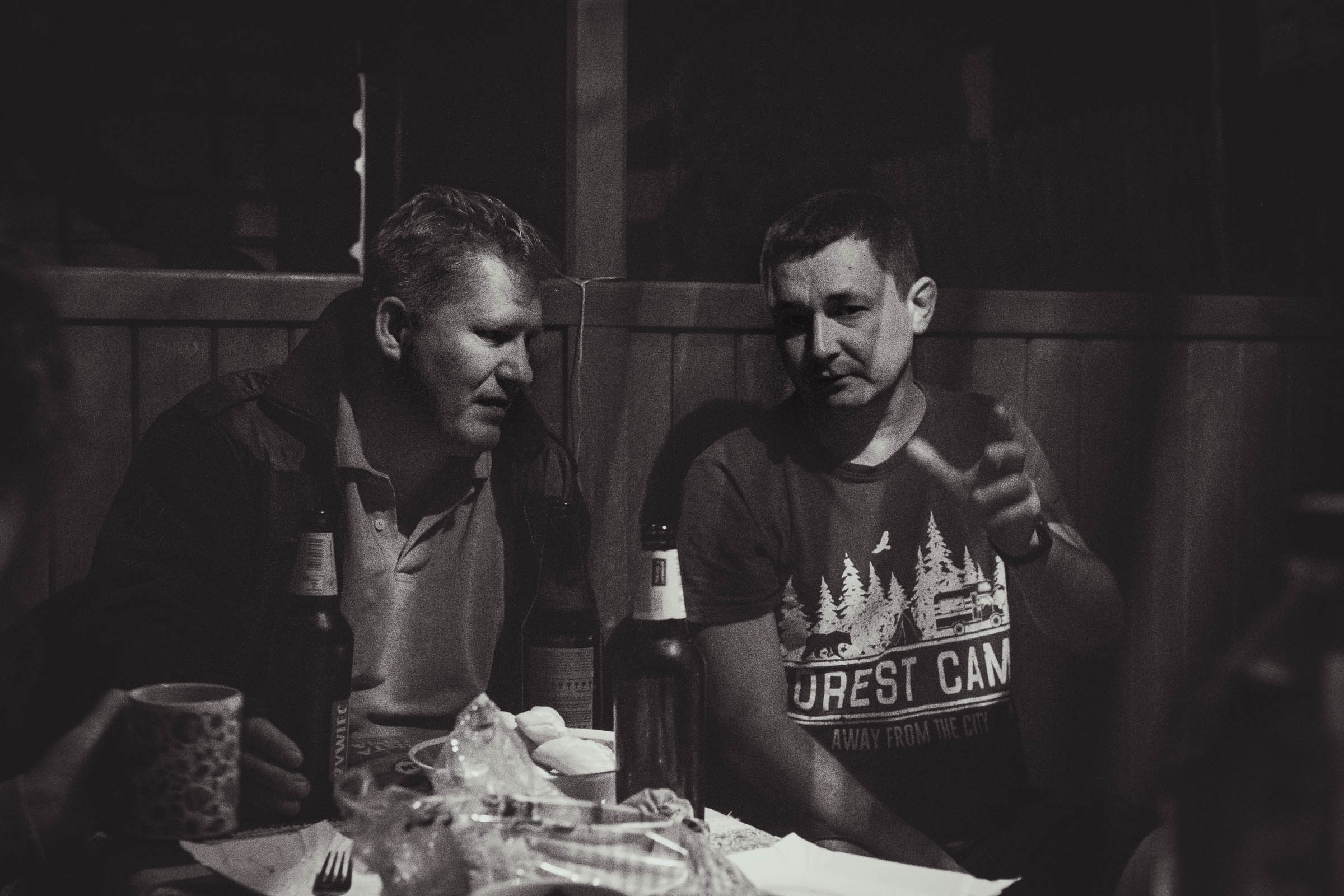
One of the things that must happen during a trip to Polska (from the point of view of our children anyway) is an ognisko in Spytkowice. We tried three times this visit — three weekends — and got rained out each time.
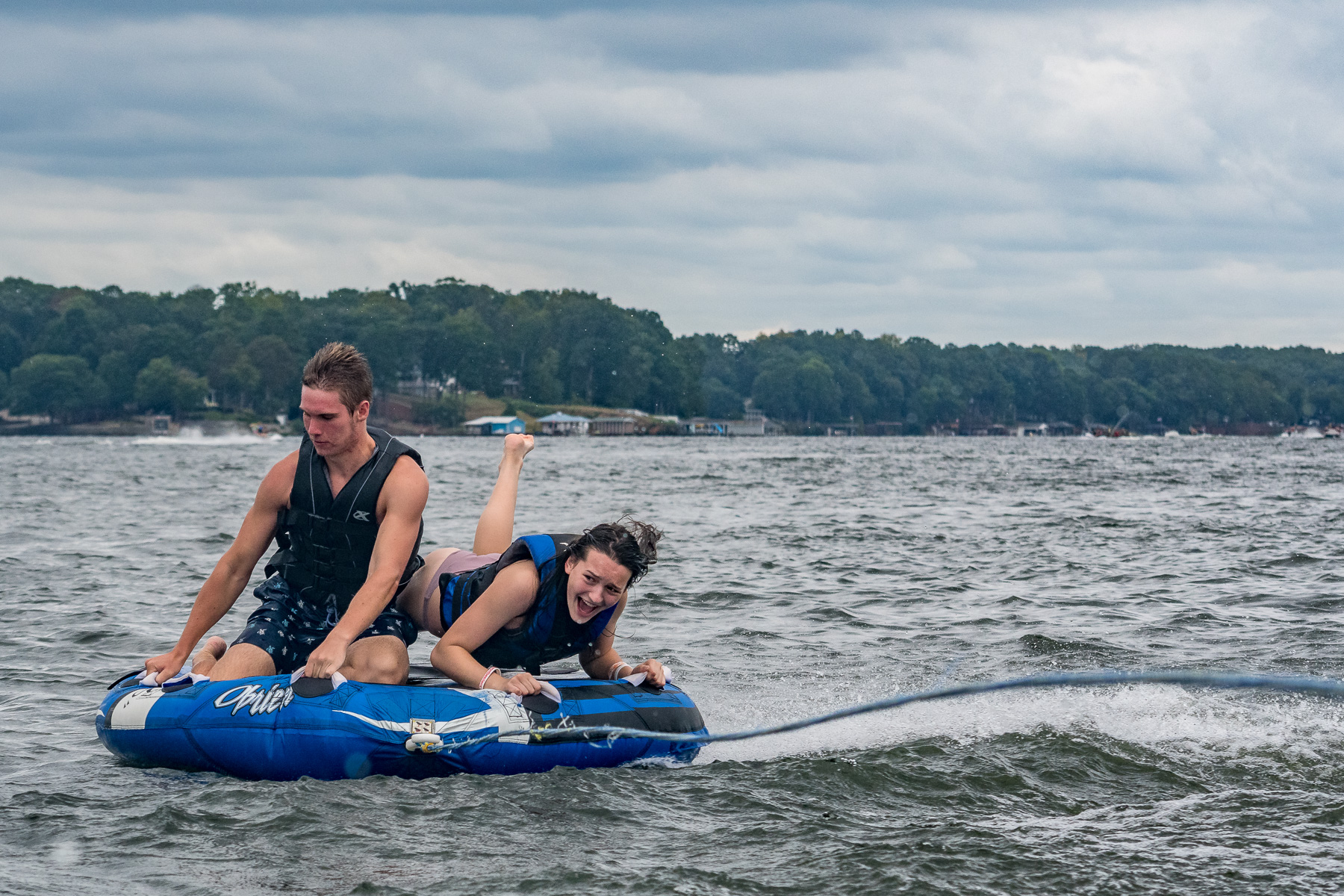
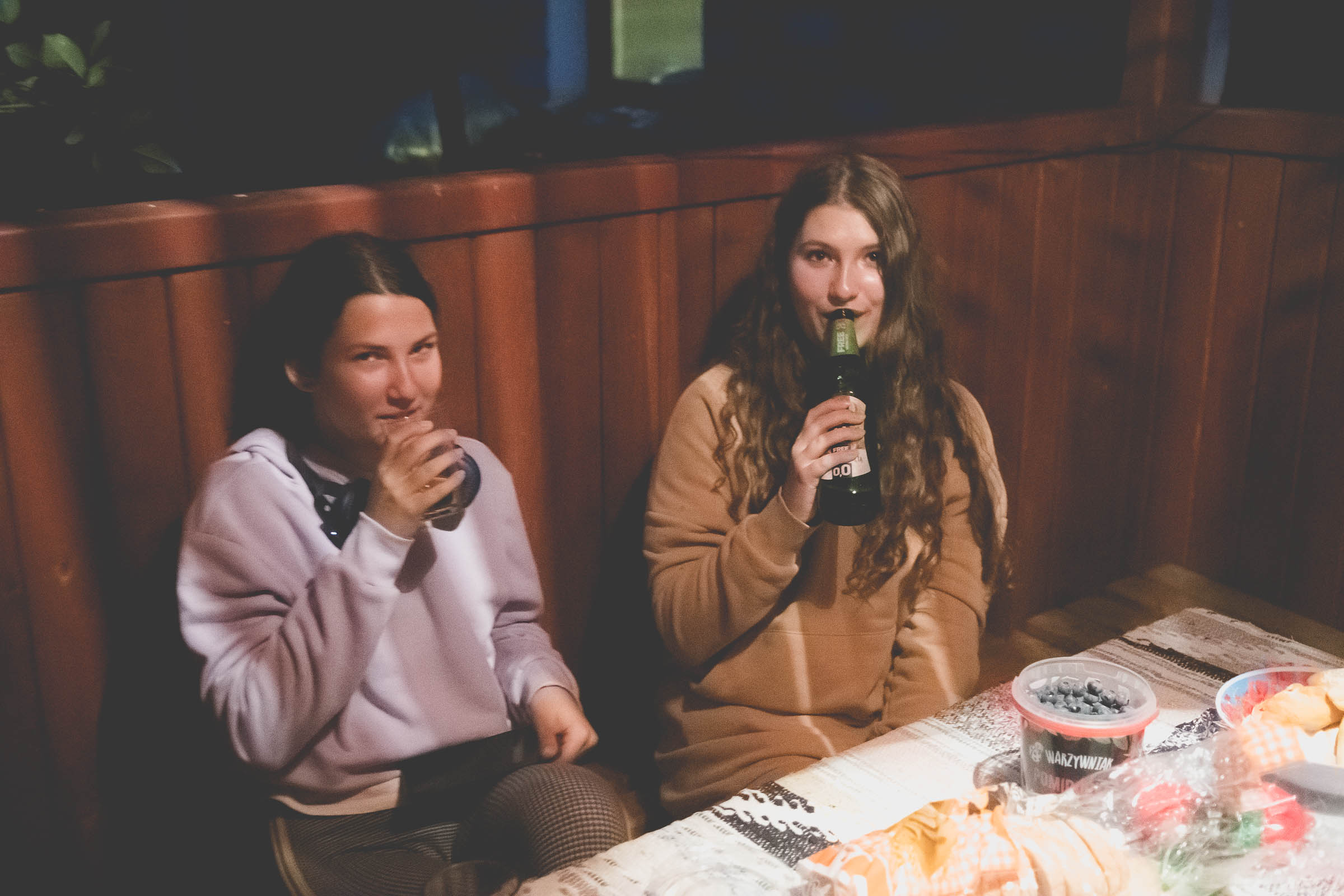
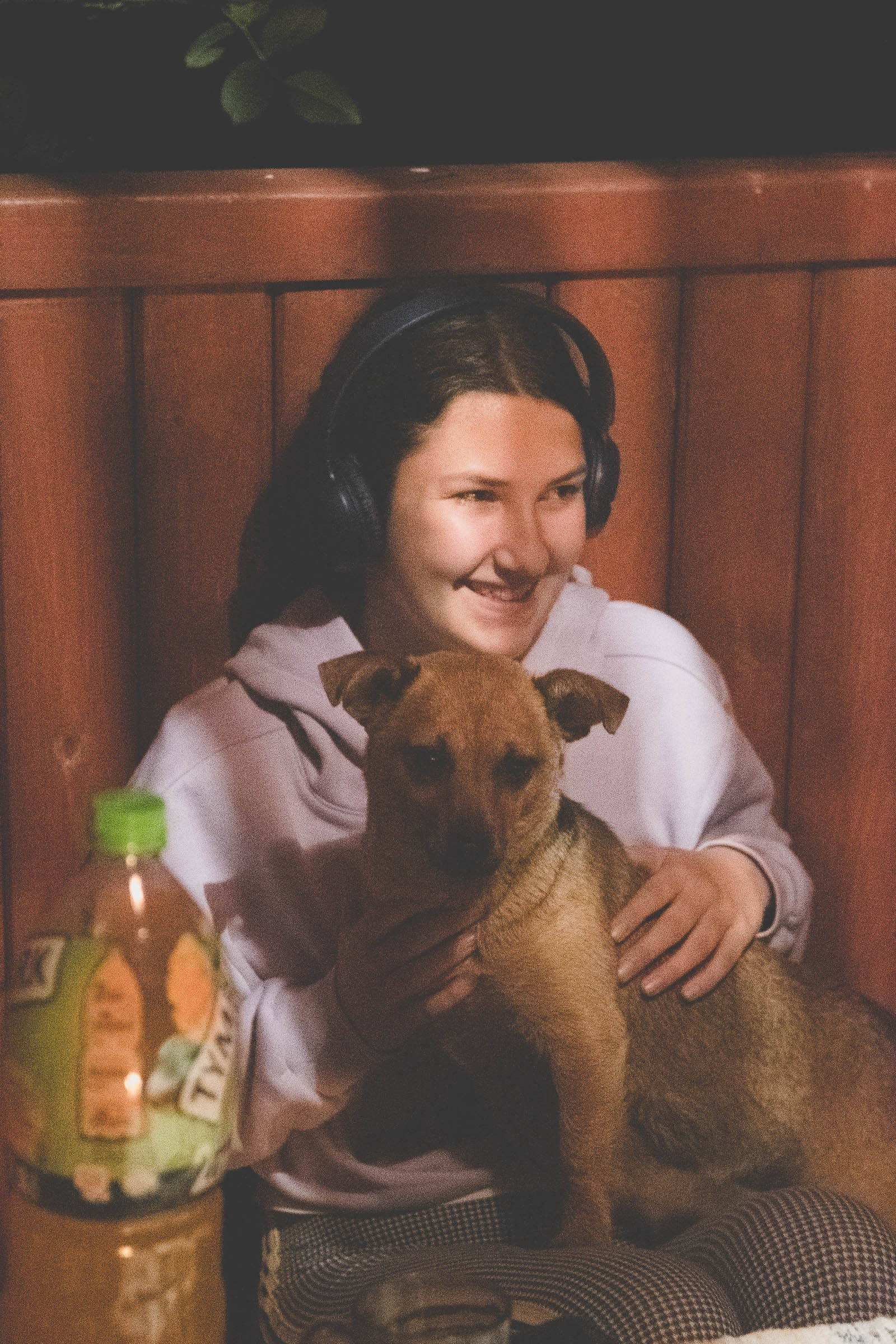
It looked like this time we’d get rained out as well, so we did the simple and obvious thing: moved the ognisko to Jablonka, where there’s a covered gazebo. Problem solved. Ognisko complete.
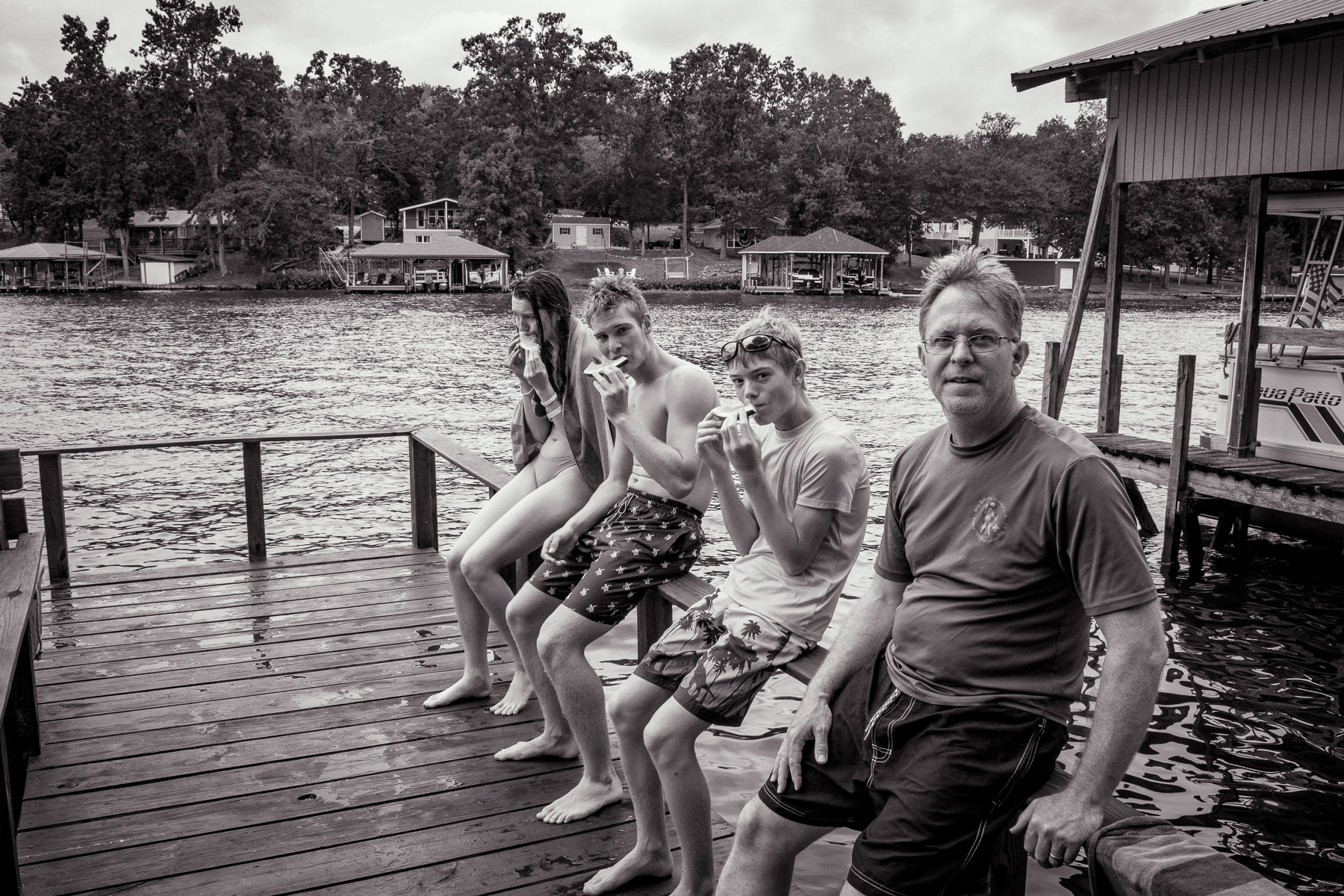
0% “beer” is all the rage now

Last Market Day

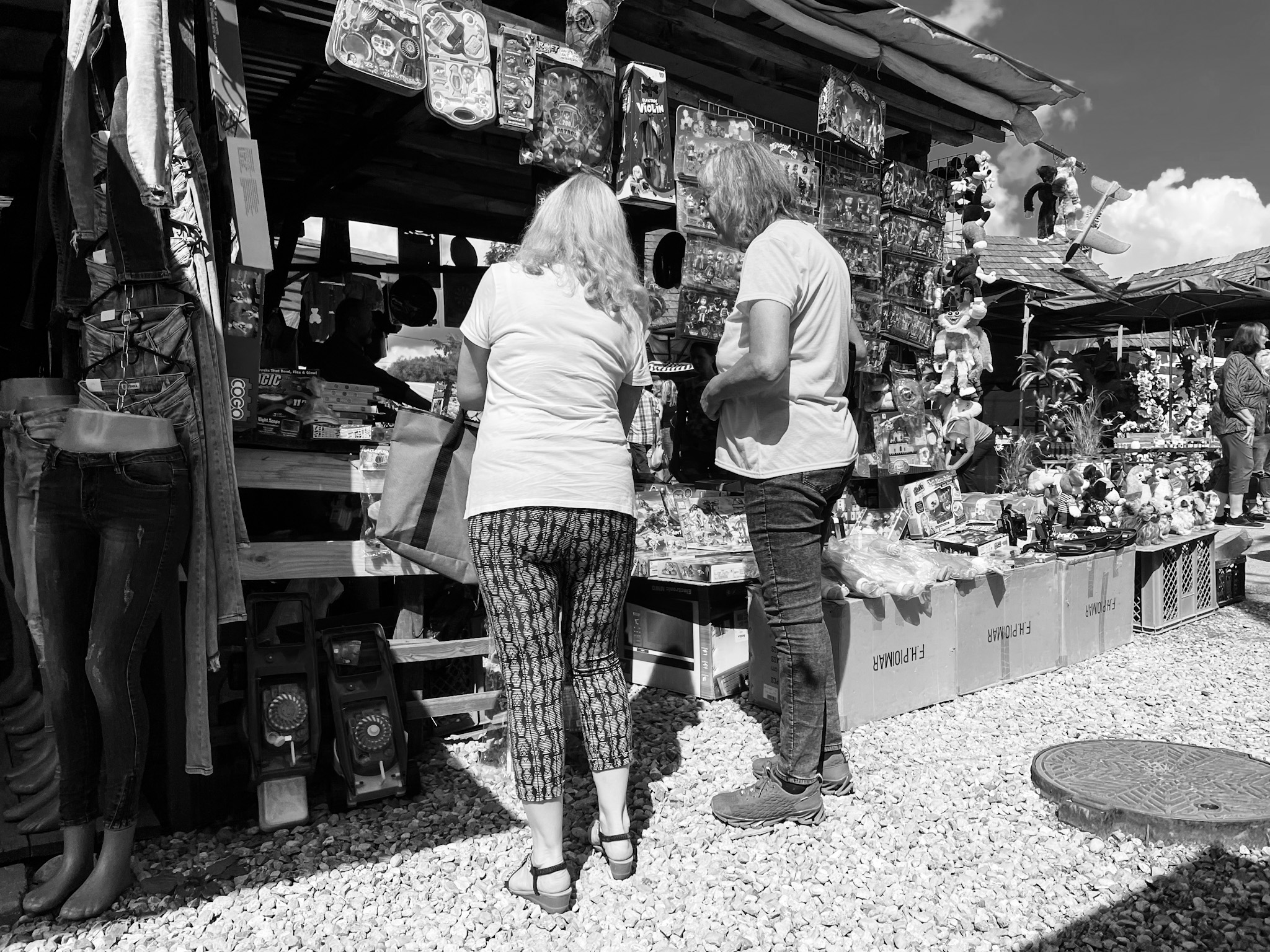
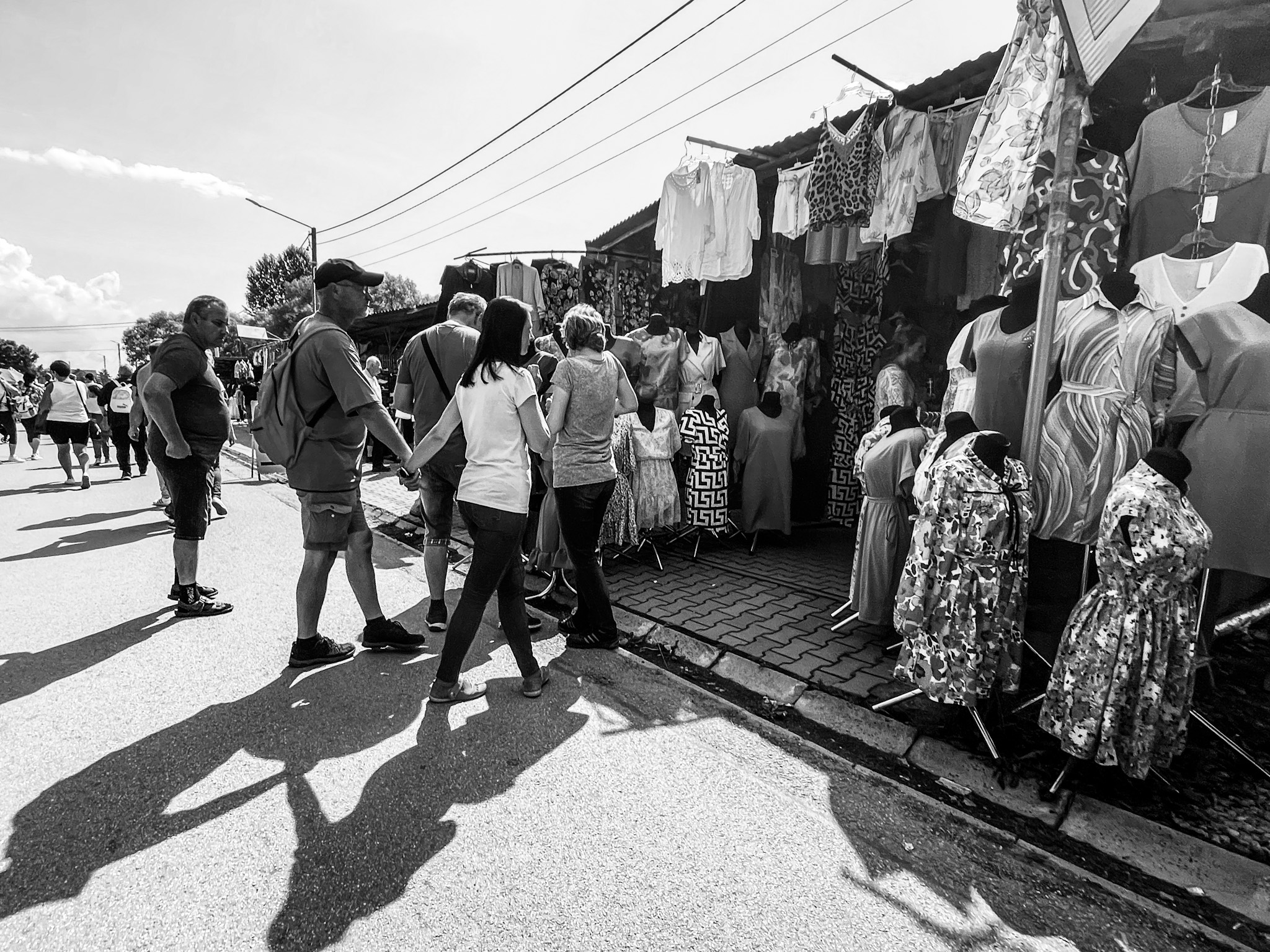
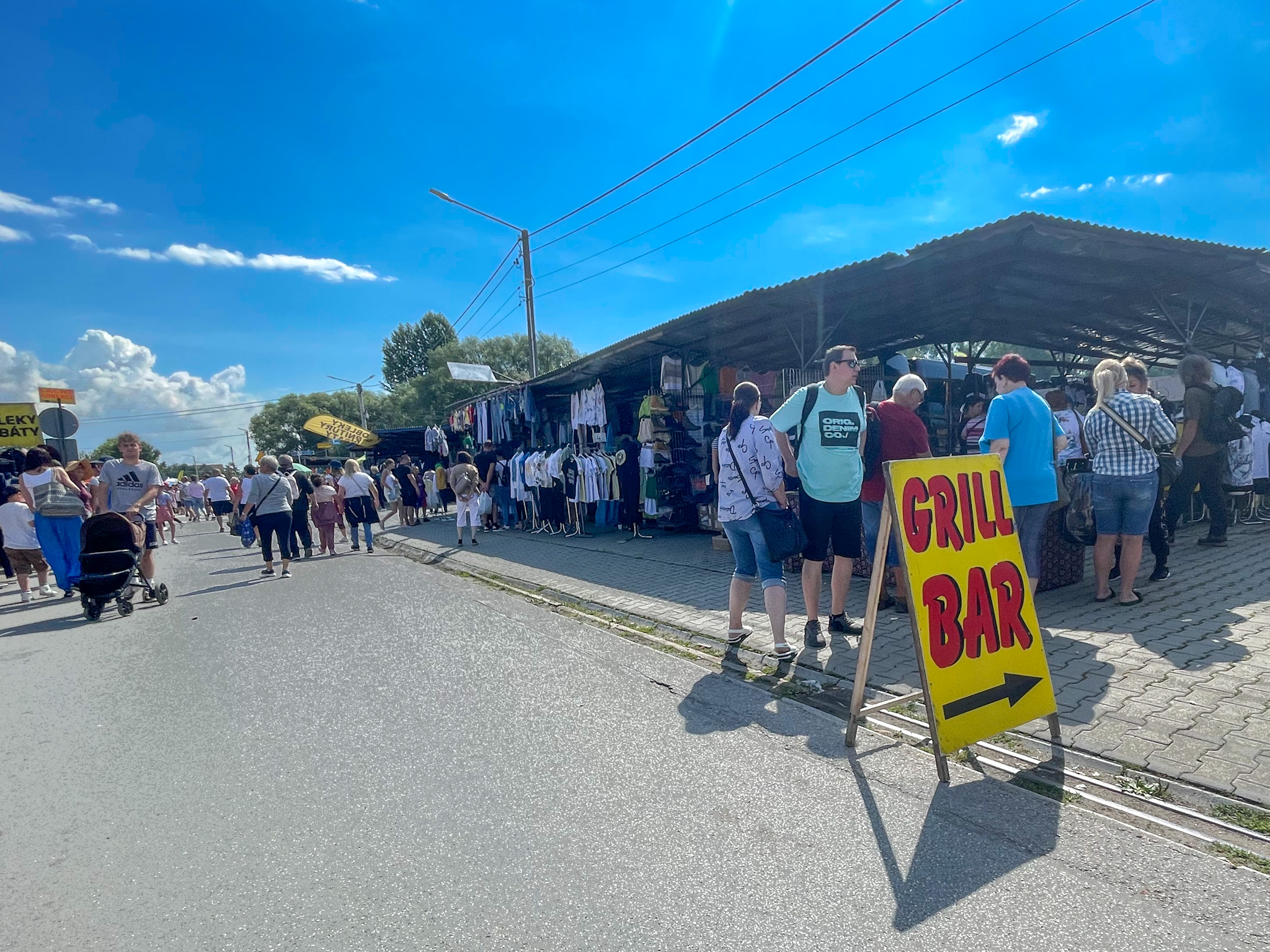
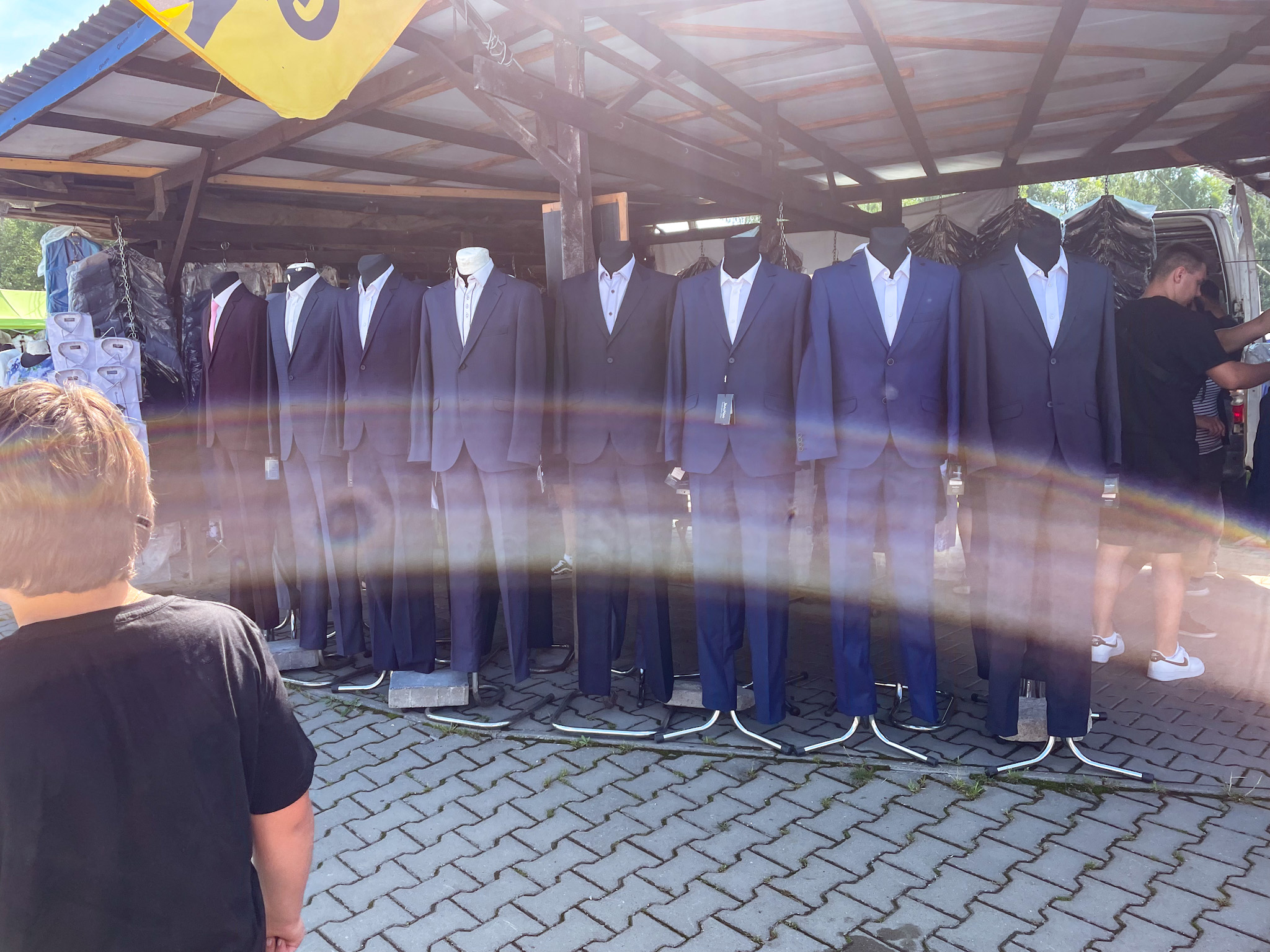
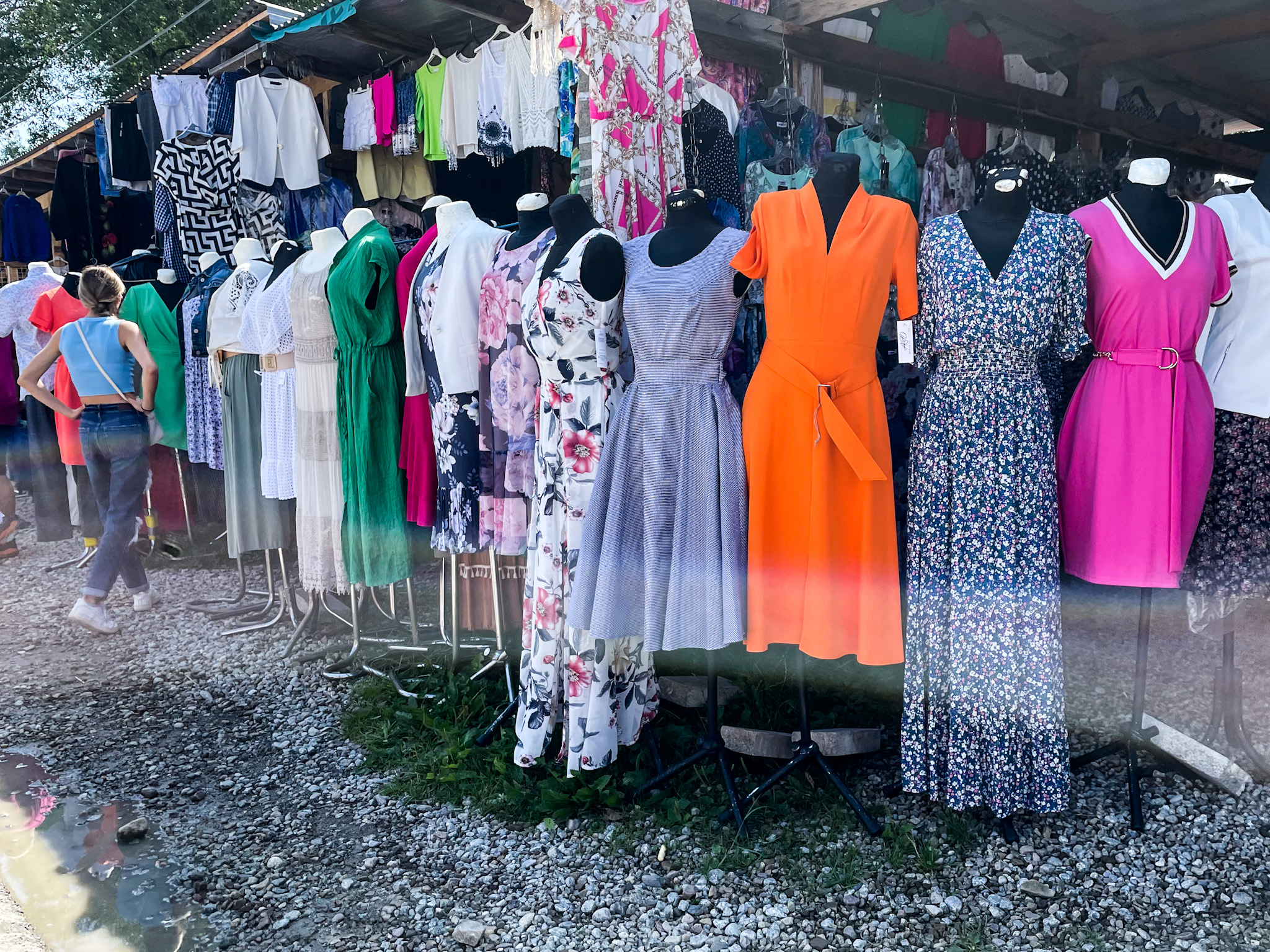
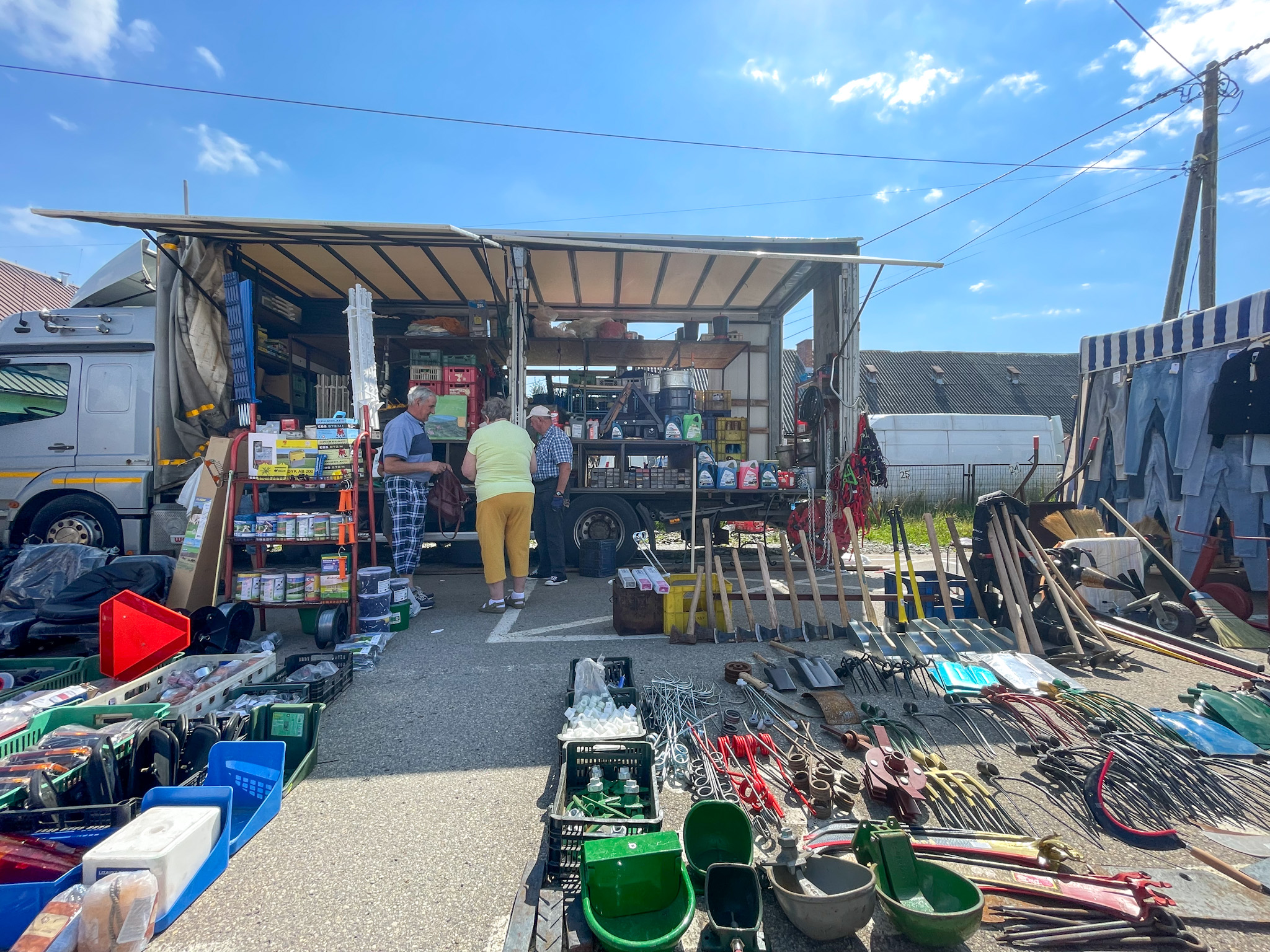
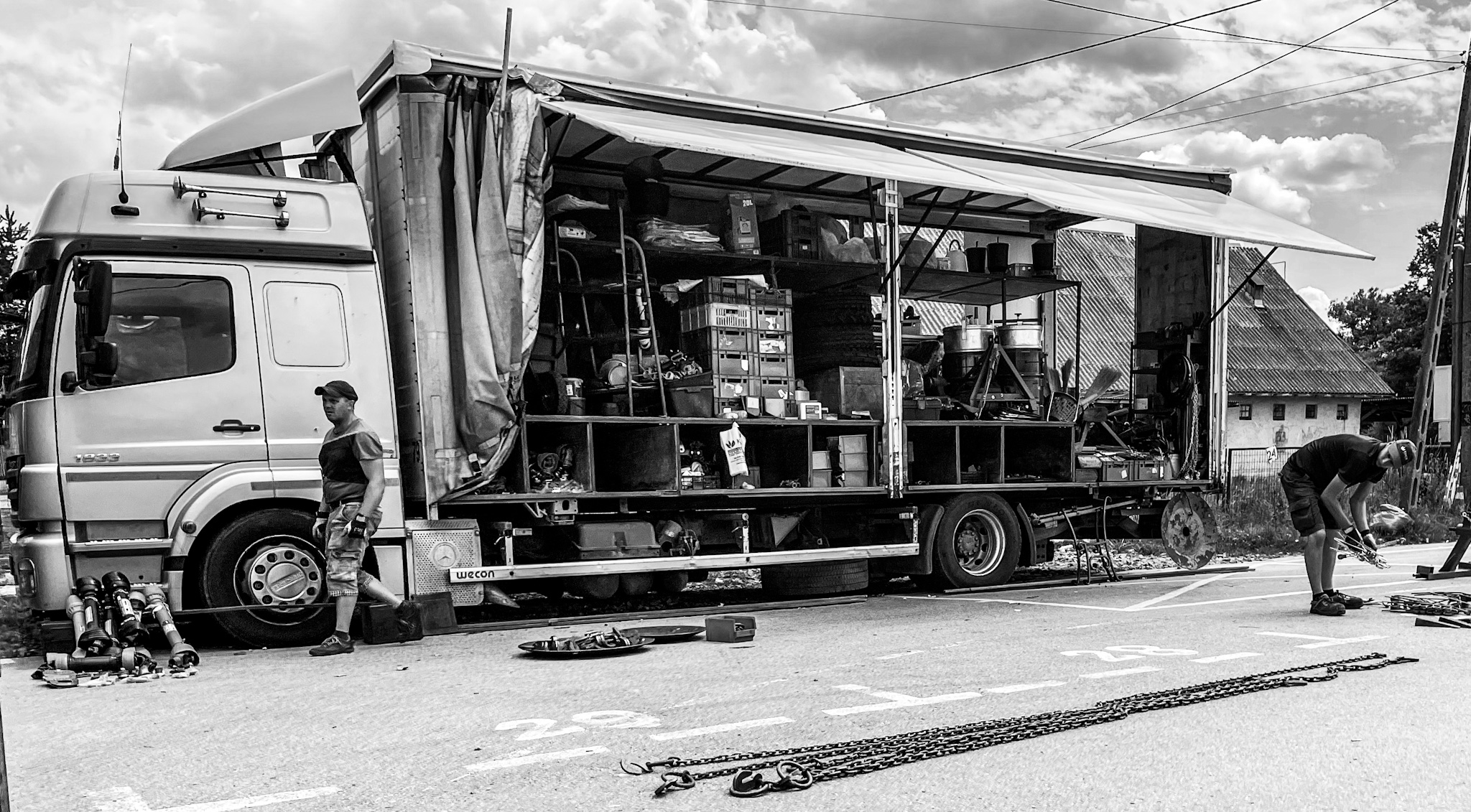
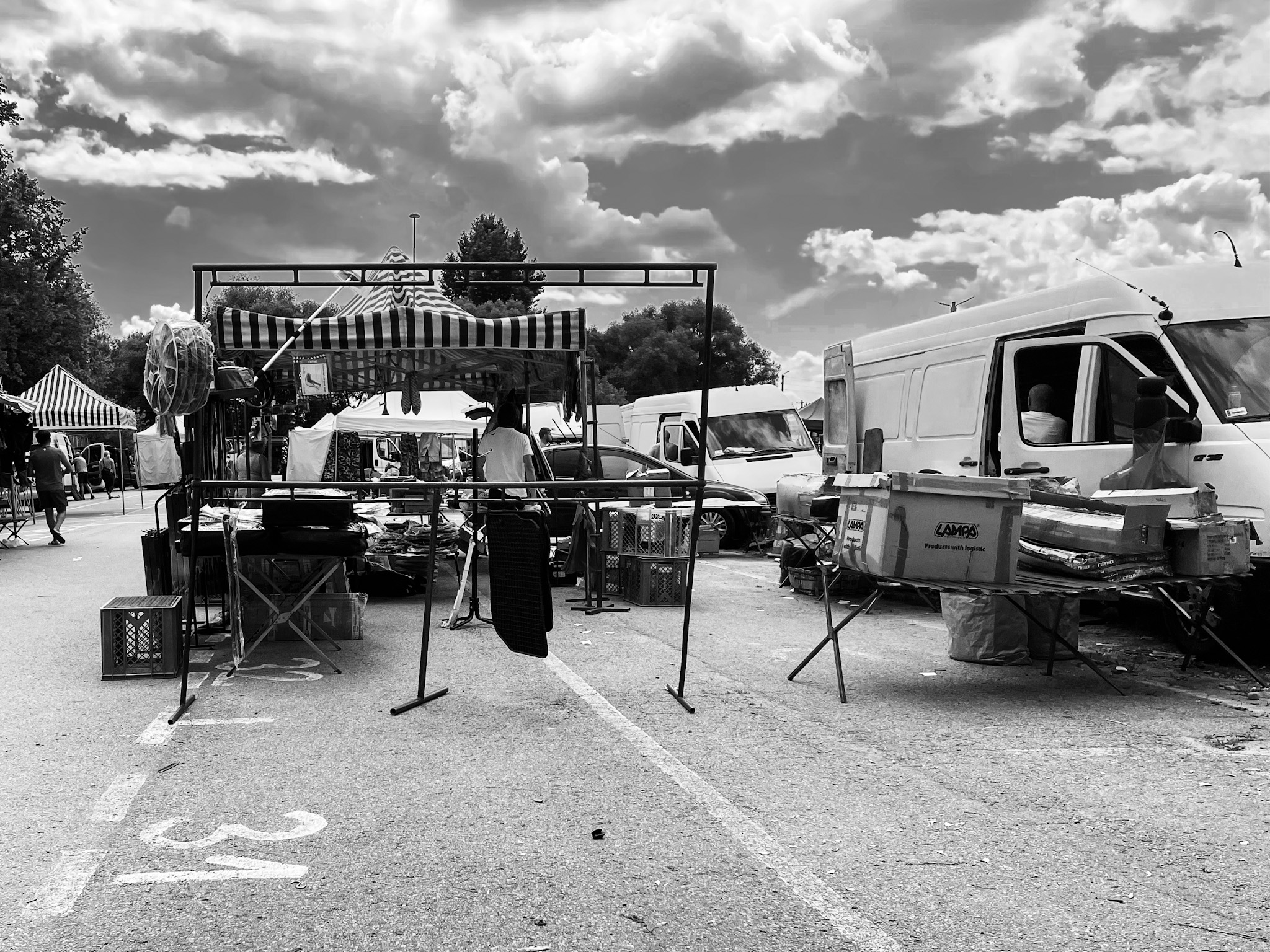
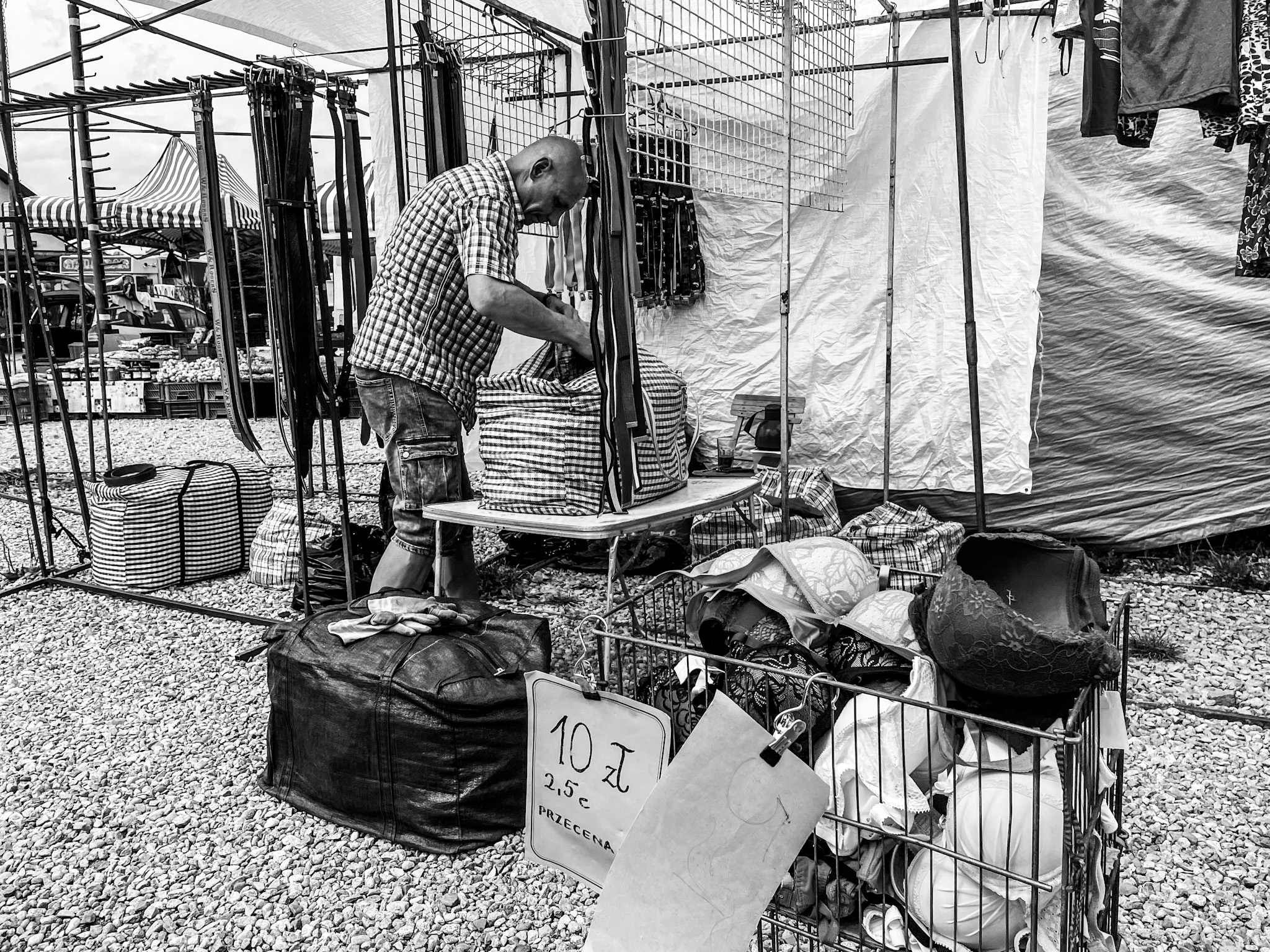
Today was the last day at the jarmark for us. To be honest, I could have done without: there’s very little I’m willing to buy there, but I’m always willing to snap a few pictures with my phone, which is so much less obtrusive than walking around with a camera.
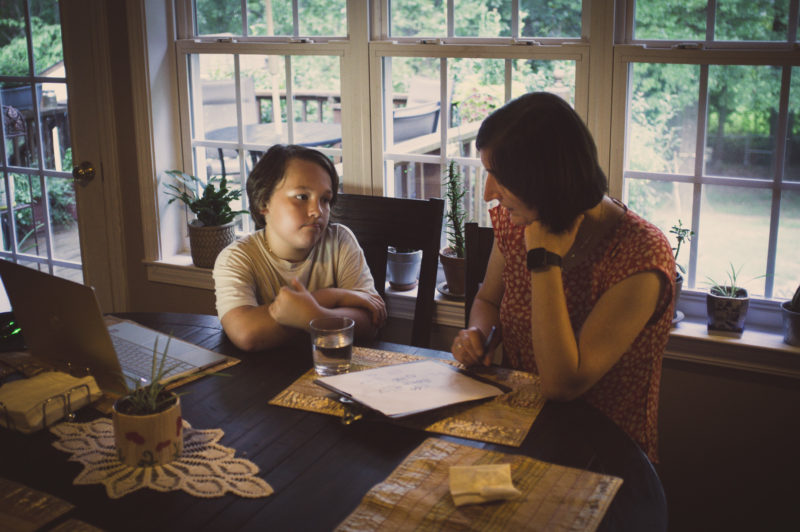
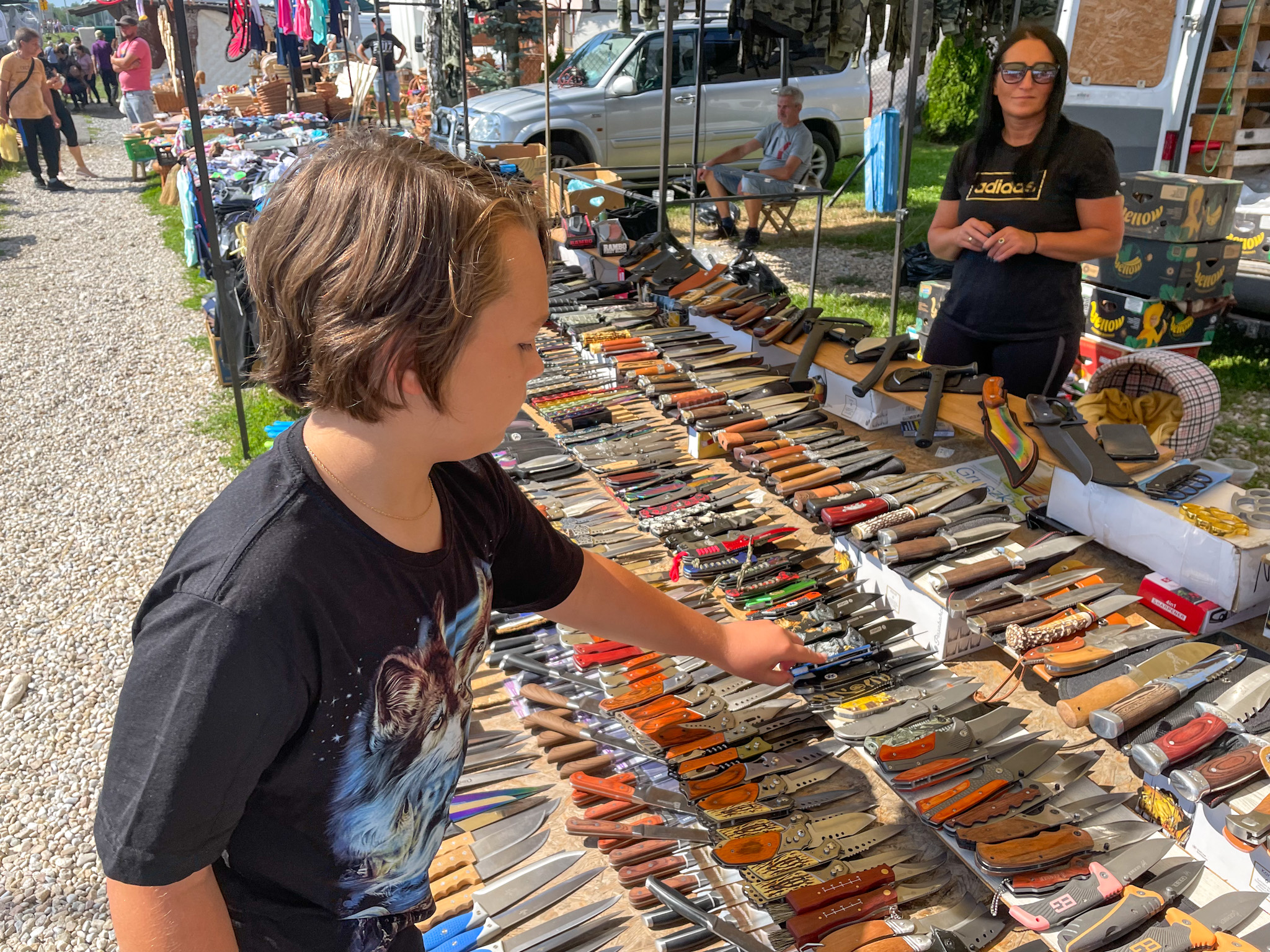
The Boy finally made a decision: he did indeed buy a knife. He’s been worried about whether or not it would make it on the plane, and my assurances that it would be fine as long as it was in our checked luggage finally convinced him. The actual selection process was typical: he handled this one, opened that one, examined a third, went back to the first when a fourth caught his eye.

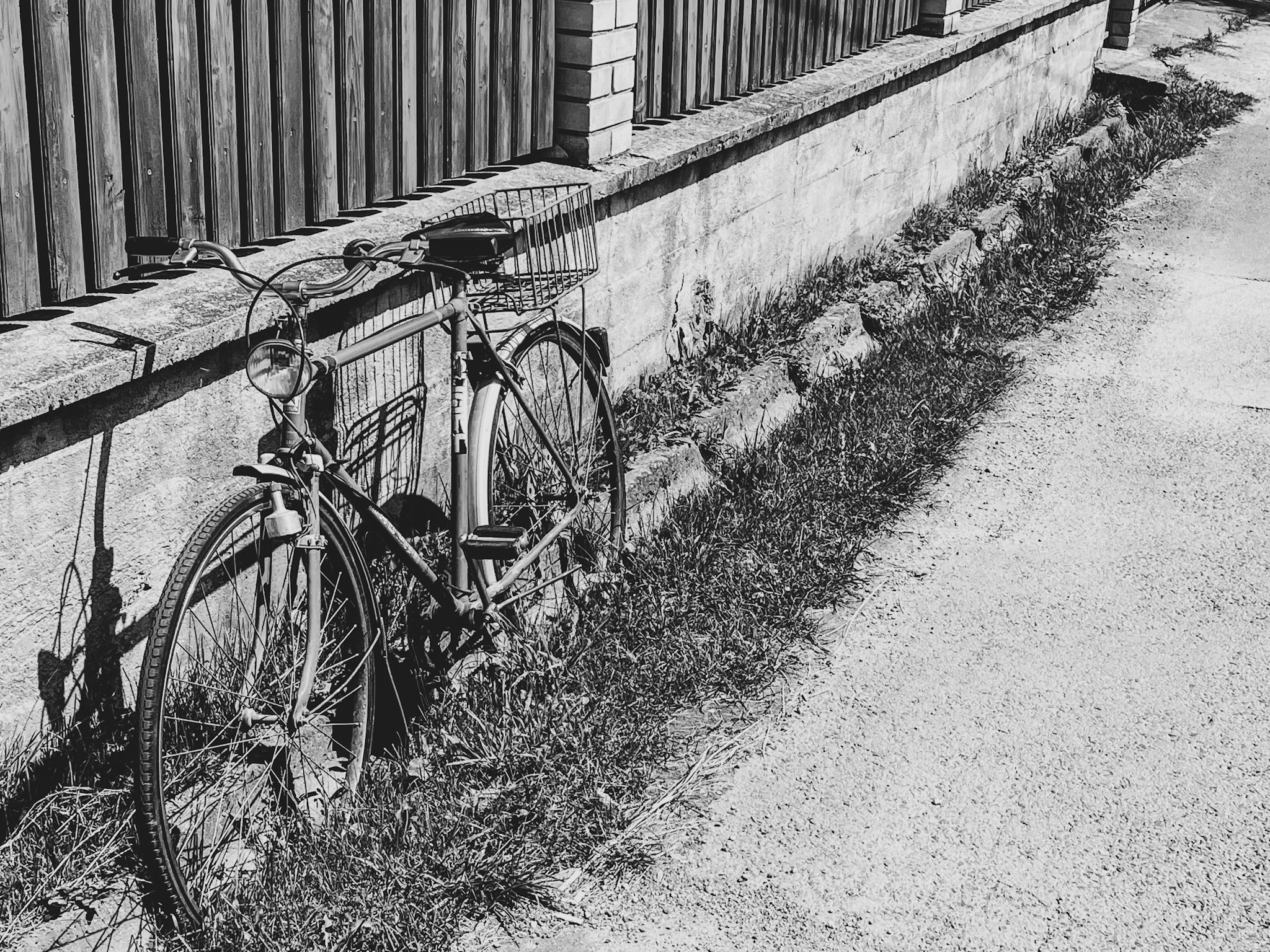
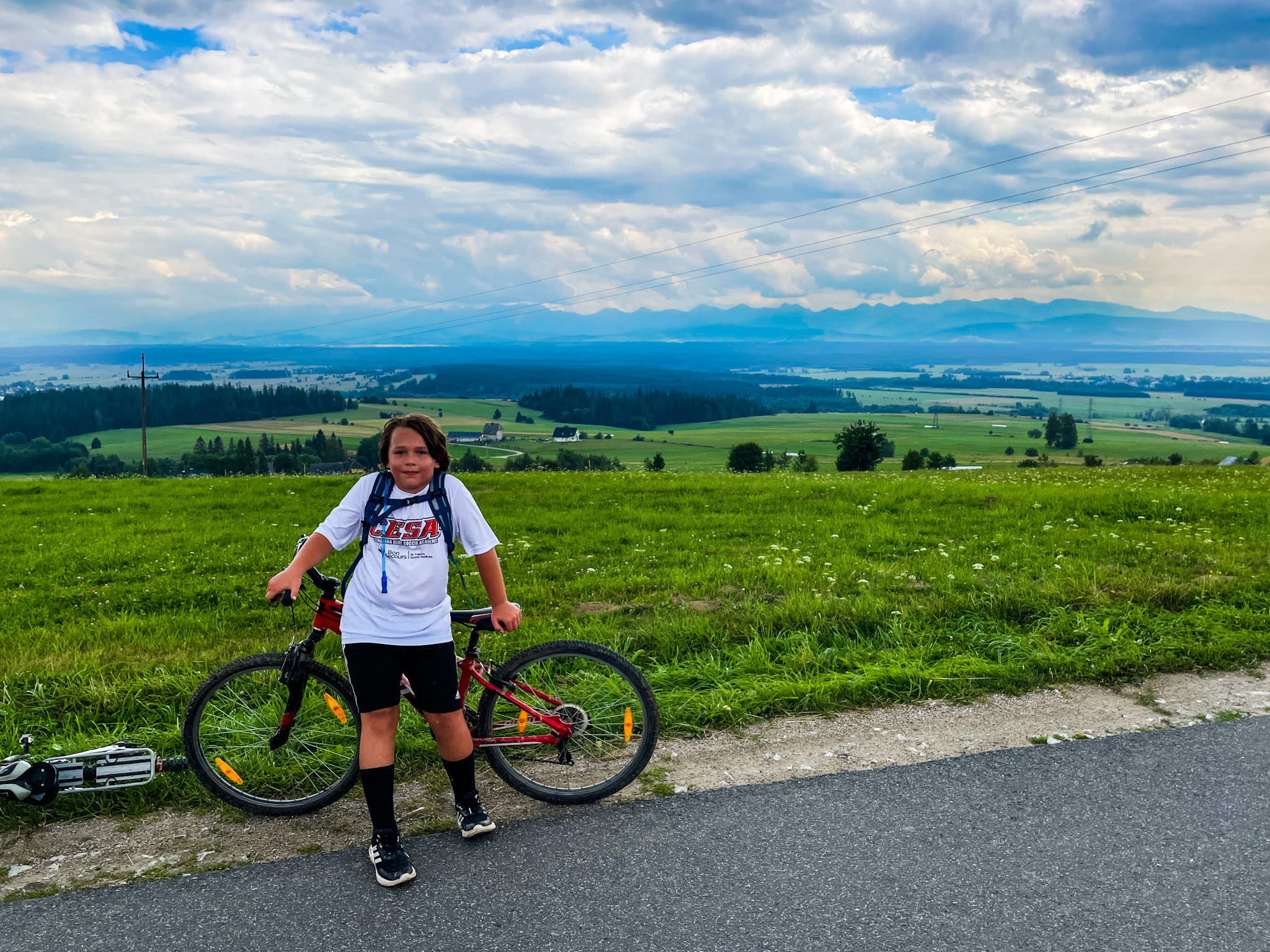
In the afternoon, we went another bike ride. This time I took him through the forest before heading up along, mixed-surface climb that he declared at the end to be the hardest climb he’s ever done.

Finally, in the evening, I headed back to Lipnica Wielka on a solo ride with the intention of riding to the base of Babia, then crossing over to Lipnica Mala to come back down. However, I made it halfway through LW before I realized it was foolishness to think I could make that ride: I know the climbs that awaited, and I knew my legs didn’t have it in them.

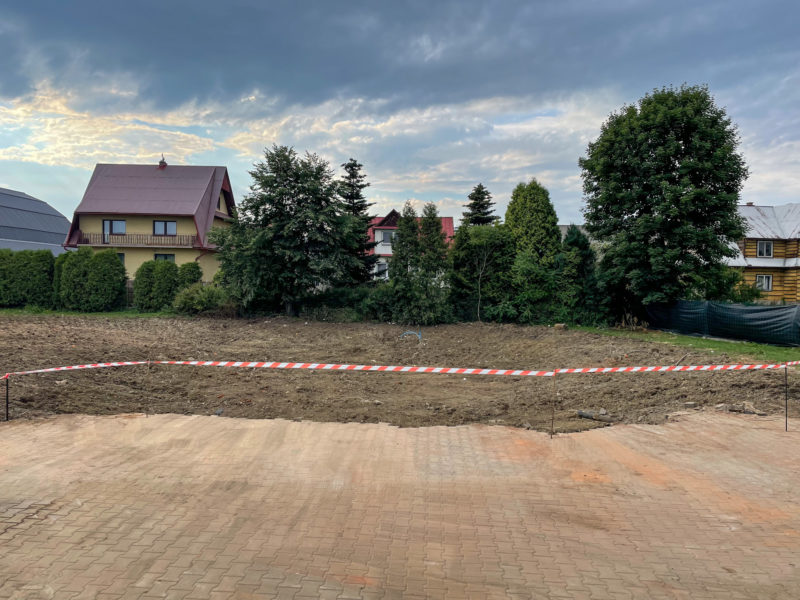
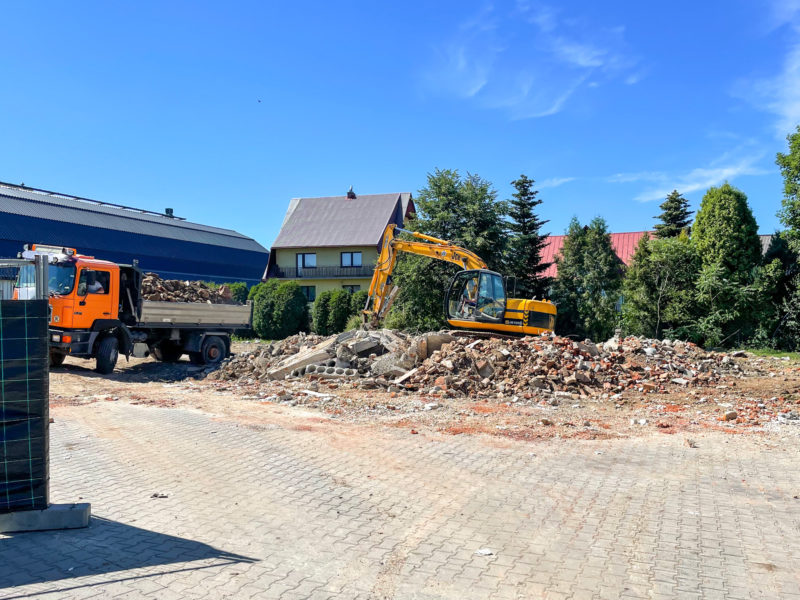
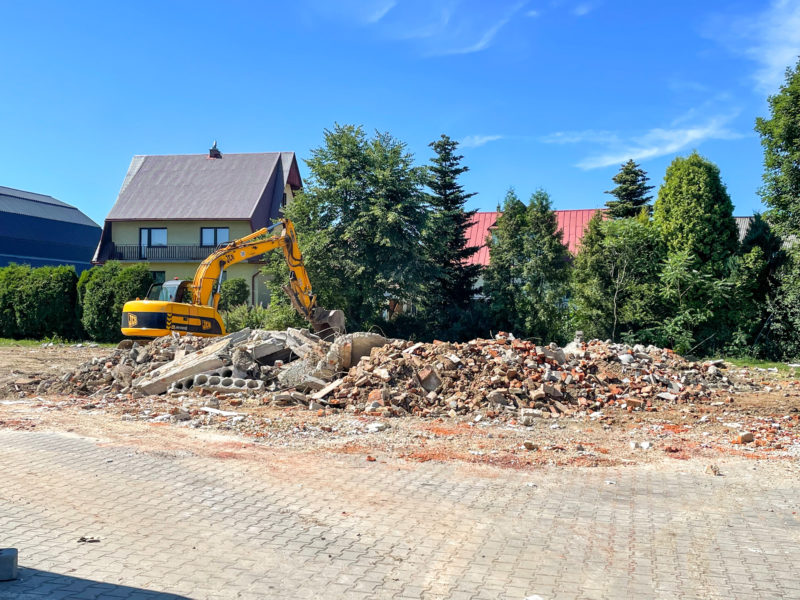
Of course, I stopped by one more time to see how dom nauczyciela was going: it is, in a word, gone. Nothing remains but a hole where the basement was.

Changes and Endings

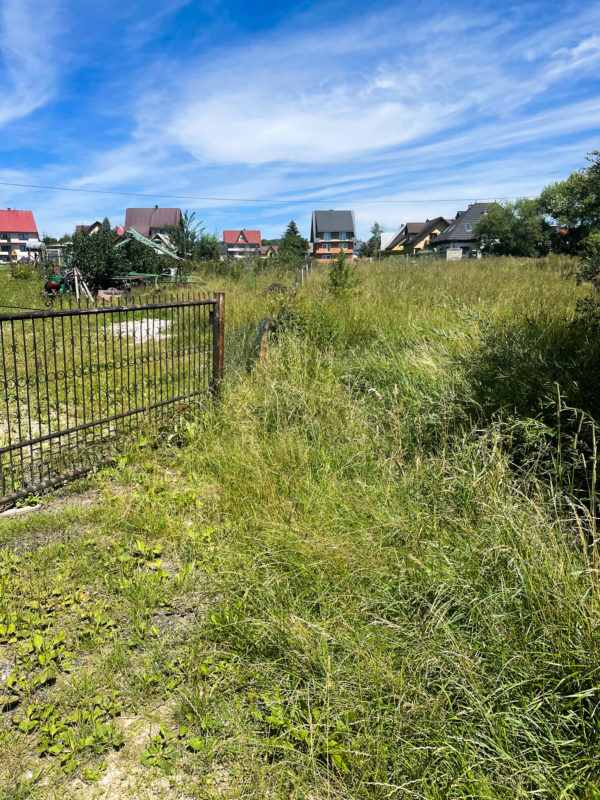
There was a shortcut through an empty field by a neighbor’s house that was worn down with years of use. The Girl used it heading to her first day at Polish school nine years ago.

One of the first changes we’d noticed was that the shortcut is no more.

The shortcut

More and more people drive more and more. Fewer people walk. Just like fewer and fewer people have anything resembling a farm.

“The Polish village is dying,” Babcia insists. “It survived the Partitions, the wars, Communism — but capitalism killed it.” When she says this, I want to argue that it’s more complicated than that, but I never do. What’s the point?


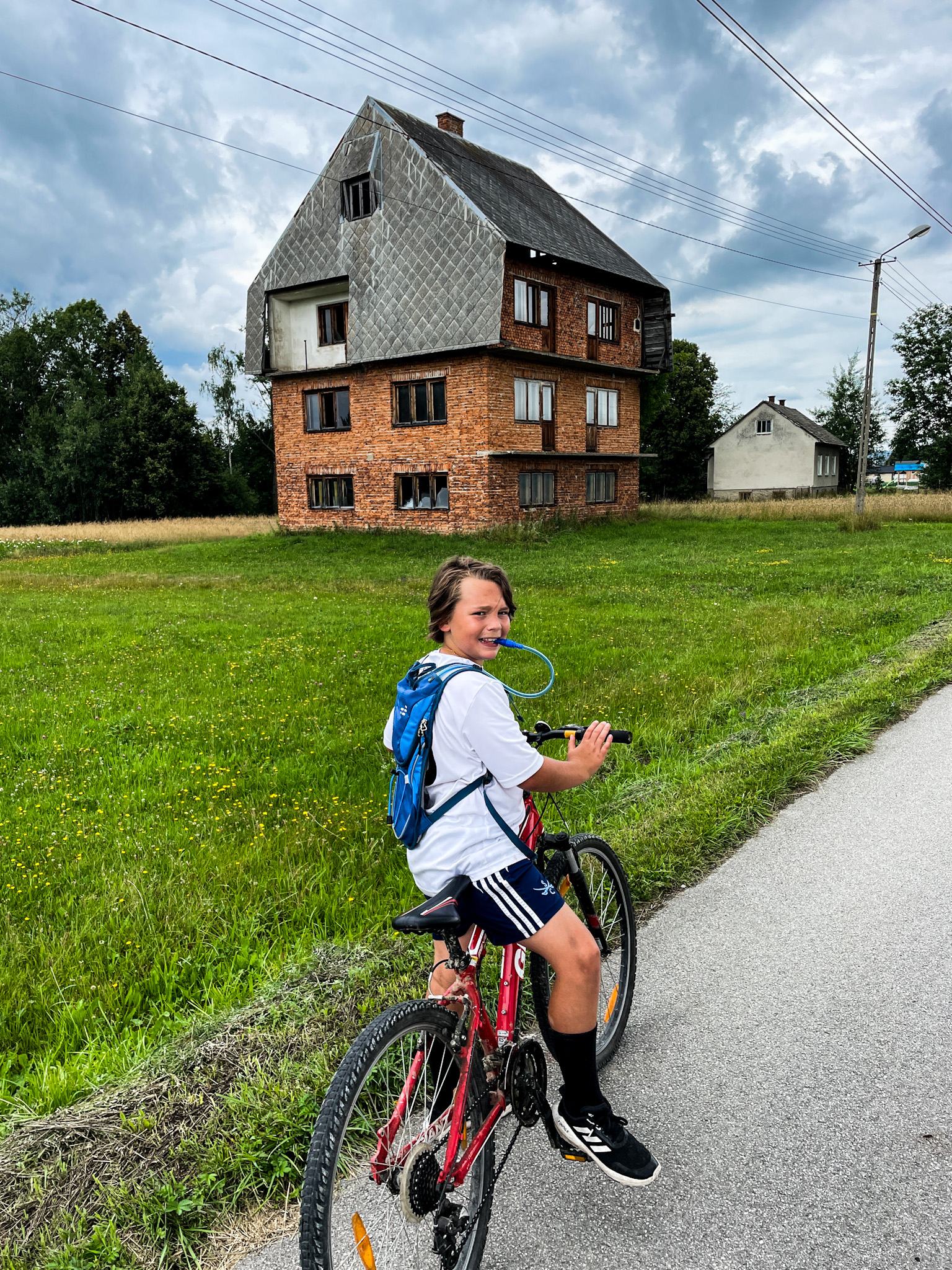
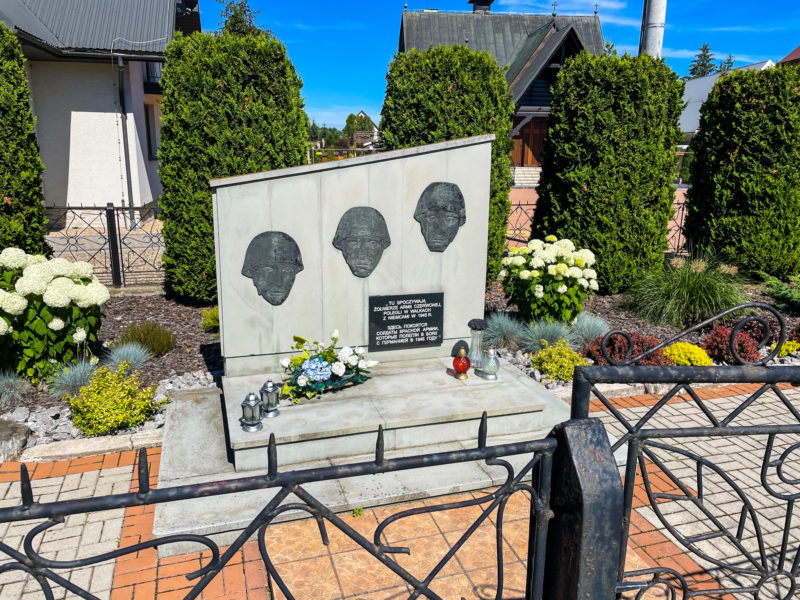
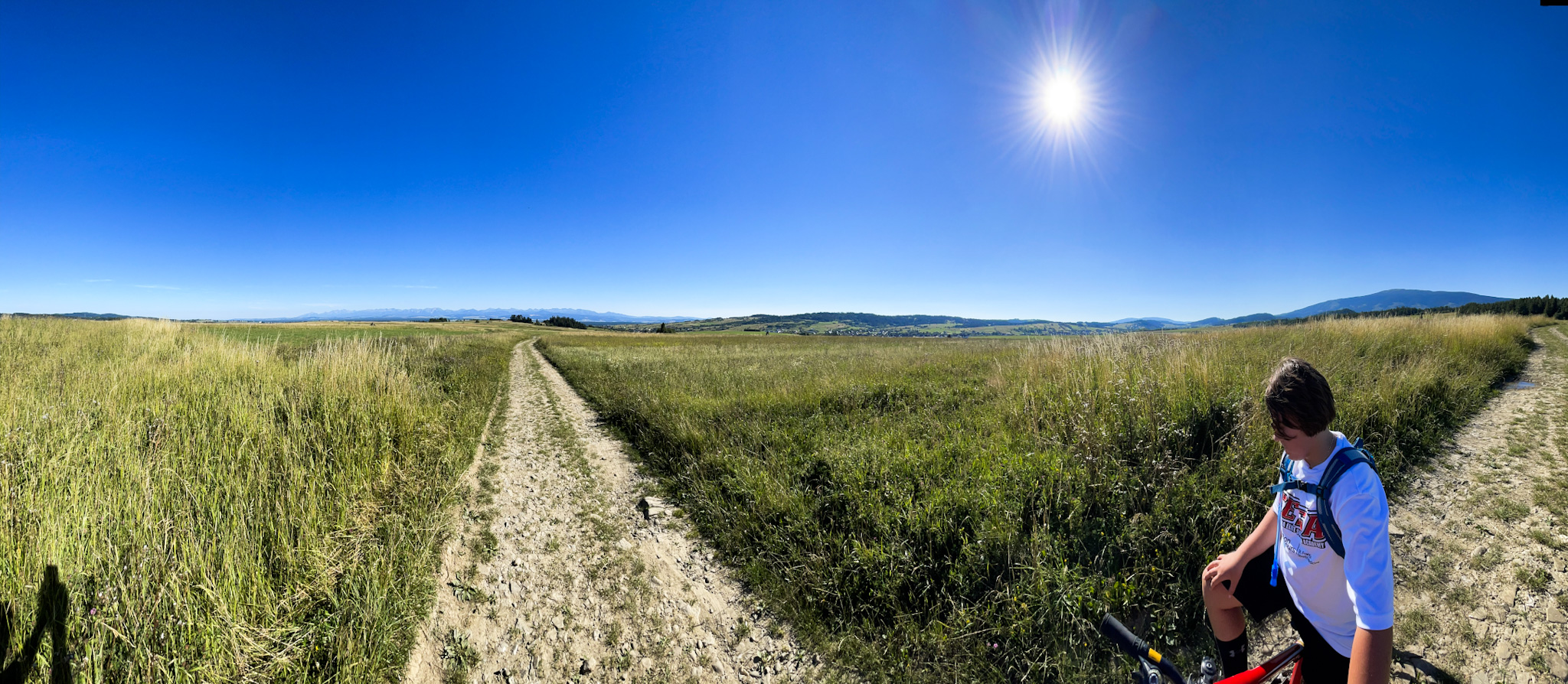
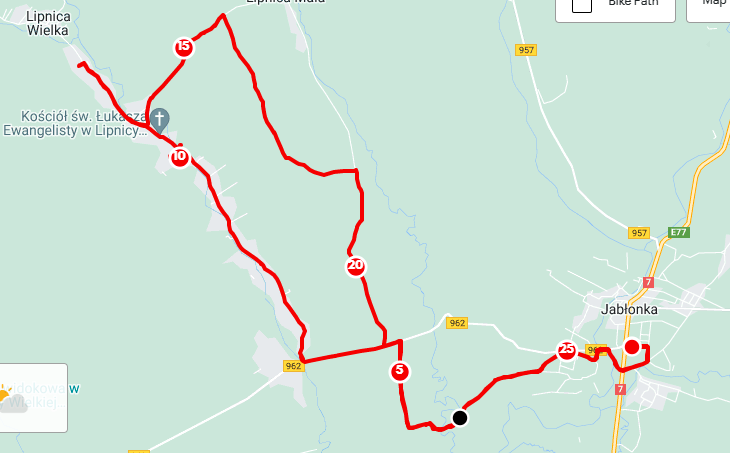
This afternoon, we decided to go for a bike ride to Lipnica Wielka, my home for seven years. Along the way, we passed a monument to slain Soviet soldiers who died fighting the Germans in 1945 as the Soviets pushed the Germans back. The front shifted, as it always does, but from Christmas 1944 to Easter 1945, it ran right through this area.

There’s a monument to the men who died here, presumably at a mass grave based on the inscription.

While the Russians were certainly not heroes in the strictest sense (they were raping in mass numbers as they went along, particularly when they crossed into Germany), they were freeing the Poles from a greater immediate threat. Or were they? Didn’t they just replace one type of totalitarian rule with another? Was it really that much of a change? The Germans had Auschwitz; the Soviets had the Gulag Archipelago.

Things changed, but they didn’t.


When we reached Centrum, I decided we should go look at dom nauczyciela one more time. I knew how it would look — just as it had always looked.
It was scheduled for demolition, but I knew that would take weeks. Months. Maybe even a year. When it comes to construction, nothing moves fast in Poland.

As we approached, though, I saw that the road to dom nauczyciela had been partially blocked off.

And soon, I heard the machinery. And I knew. I knew that although nothing in construction moves fast in Poland, destruction can come with unexpected rapidity.

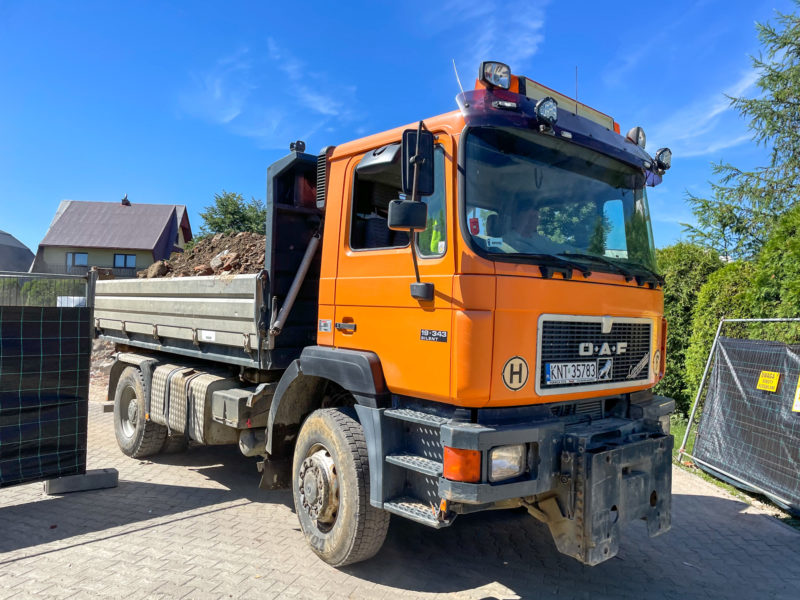
There it was, my home for three years, three of the most amazing years of my youth, being carted away, load by load, in a dump truck.

It’s silly to feel sentimental about a building, to exaggerate the importance of a relatively routine action. “Things move on,” K suggested in a text.

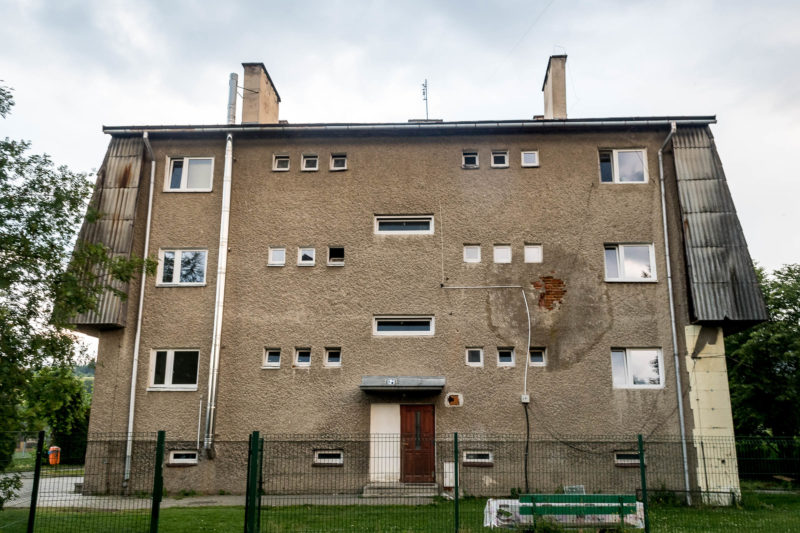
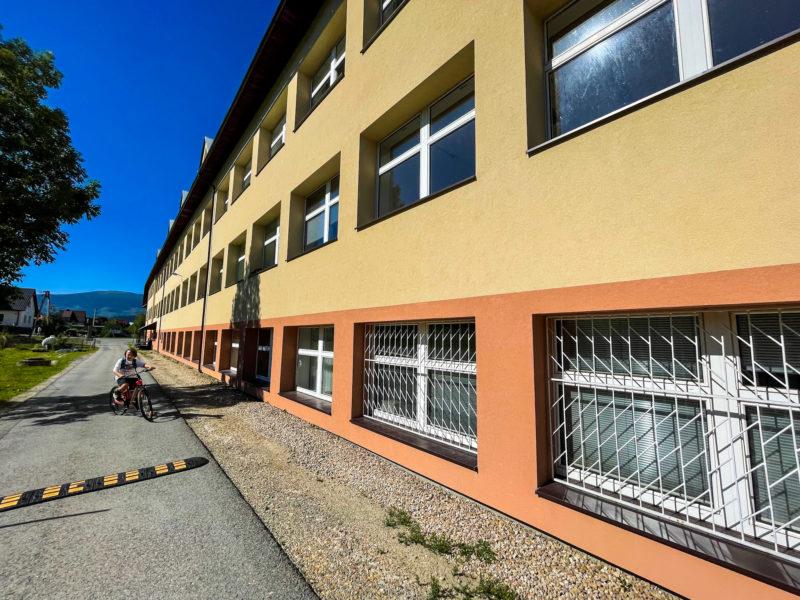
The building was ugly — there was no denying that. It’s not like it had all the charm of a solution to a problem in which only functionality played any role at all. The strange roof that cascaded and became part of the side of the building suggests at least a half-hearted attempt to make the building original, in some sense beautiful. But like so many things built when communism and socialist realism ruled behind the Iron Curtain, the attempt at some kind of architectural uniqueness only highlighted everything wrong with the ideas ruling the country. The building was, in a word, ugly.

In addition, it was likely horridly inefficient at keeping the heat in. When the mayor’s assistant (who later went on to become the mayor himself) moved into the apartment beside mine on the first floor, he added insulation to the outside of the building to help with the frigid winter nights. The water for the heaters circulated in a clockwise motion from the lower left corner where the boiler was located. I got the hot water first, and as a result, my apartment was almost always oppressively hot when it was in the minus twenties outside. But by the time the water got to the mayor’s assistant’s apartment, it had cooled considerably, hence the insulation.
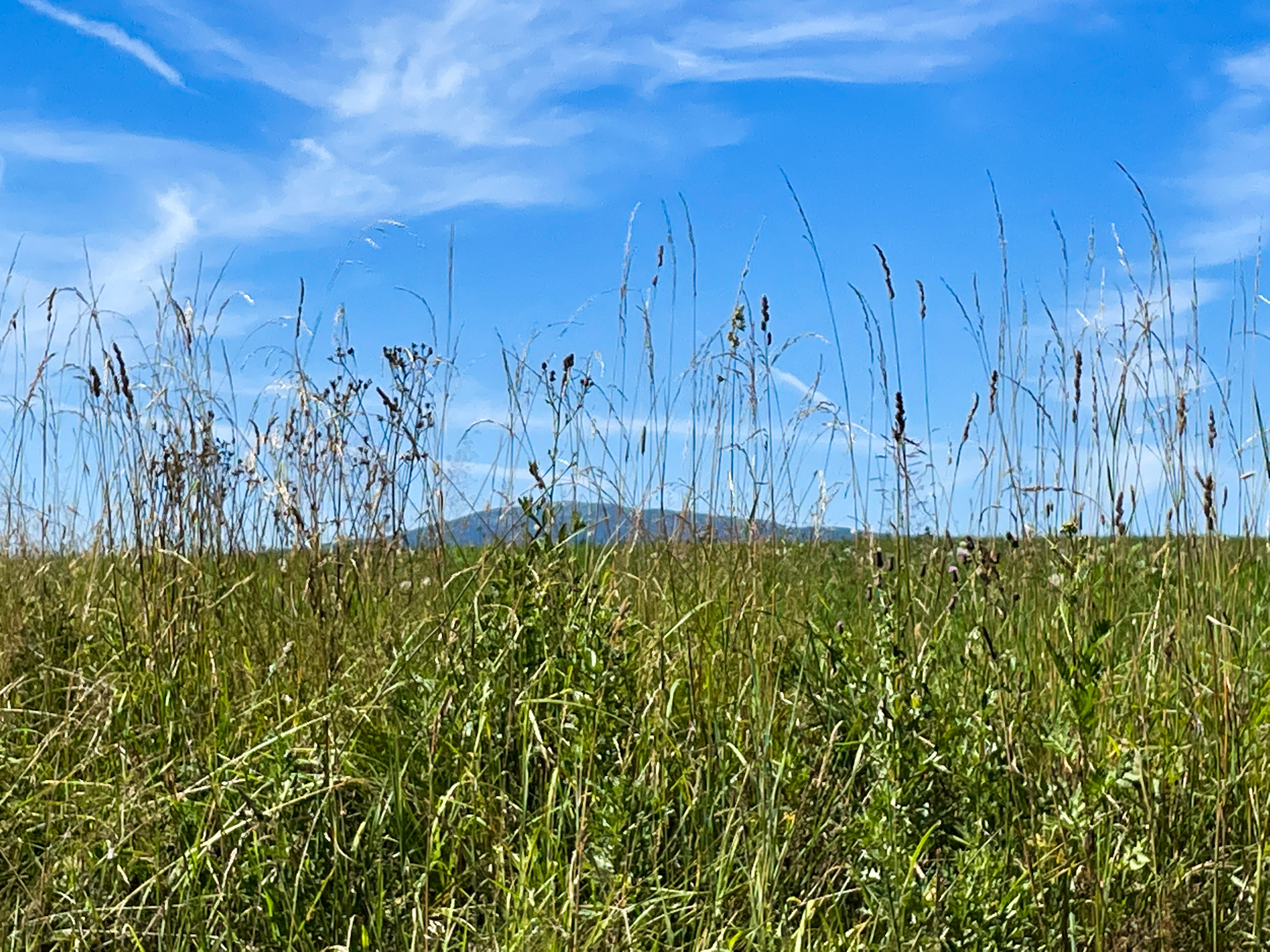
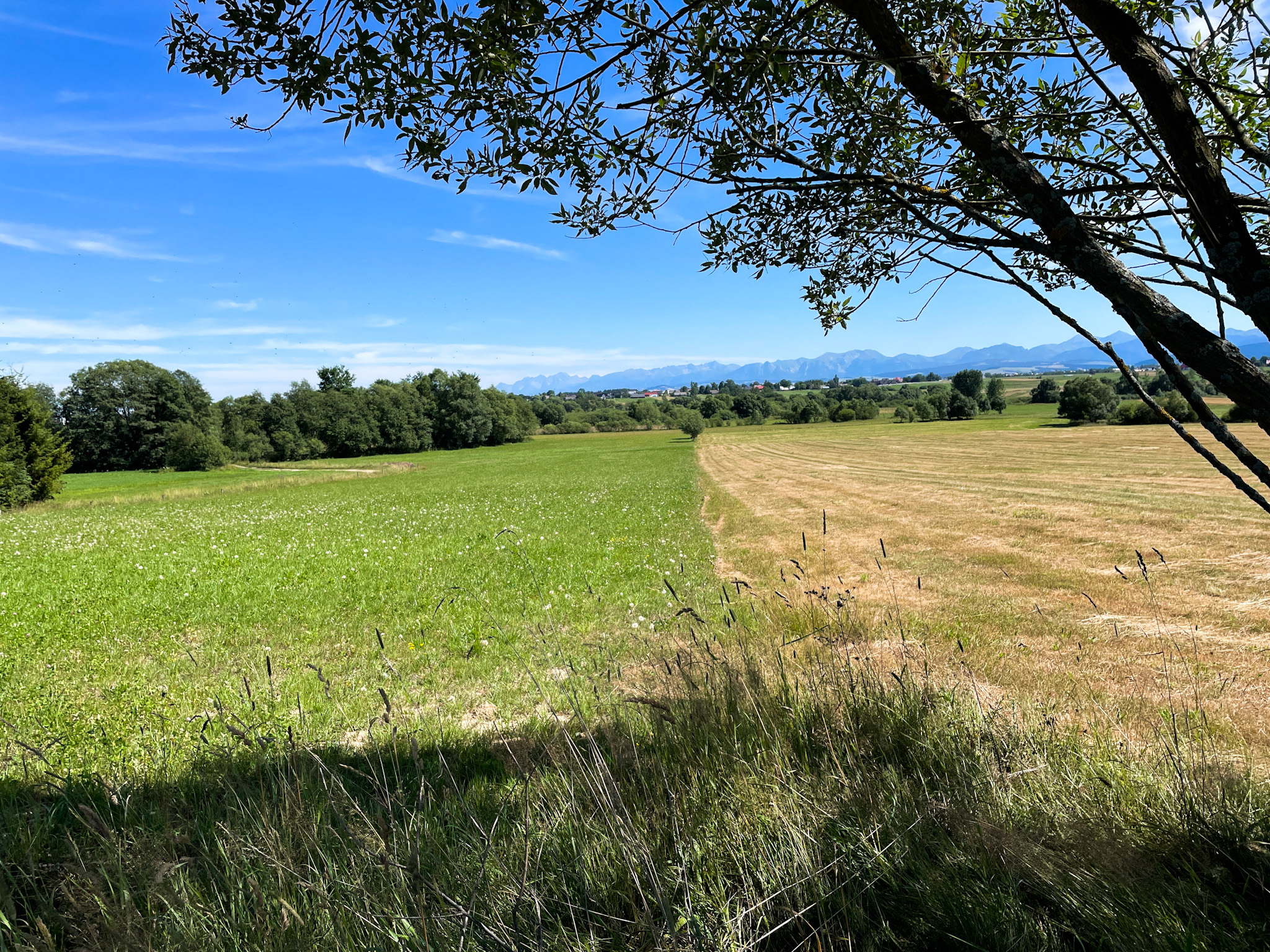
So K was right: it was time for the poorly insulated, ugly building to come down. But that reality doesn’t change the stab I felt as I watched workers clean up what was left of the building.

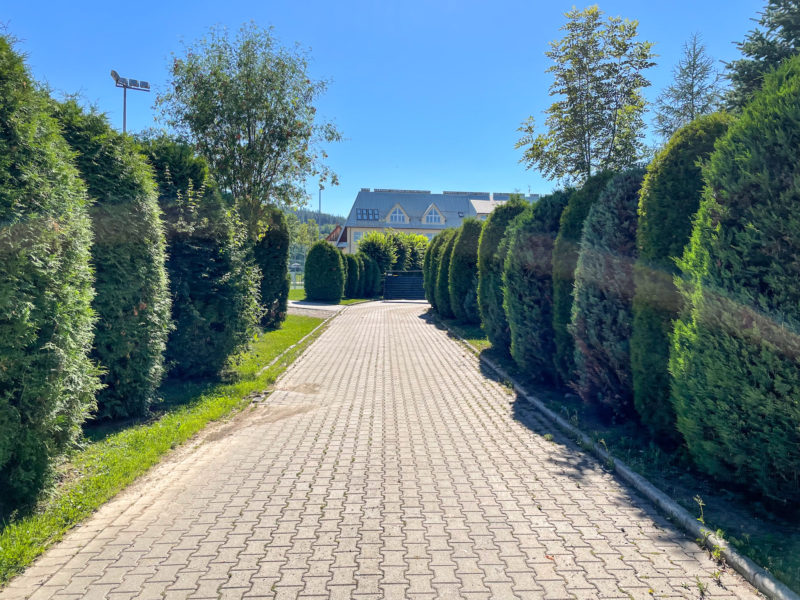
Oddly enough, just a few meters from my former home as one heads to the back of the school

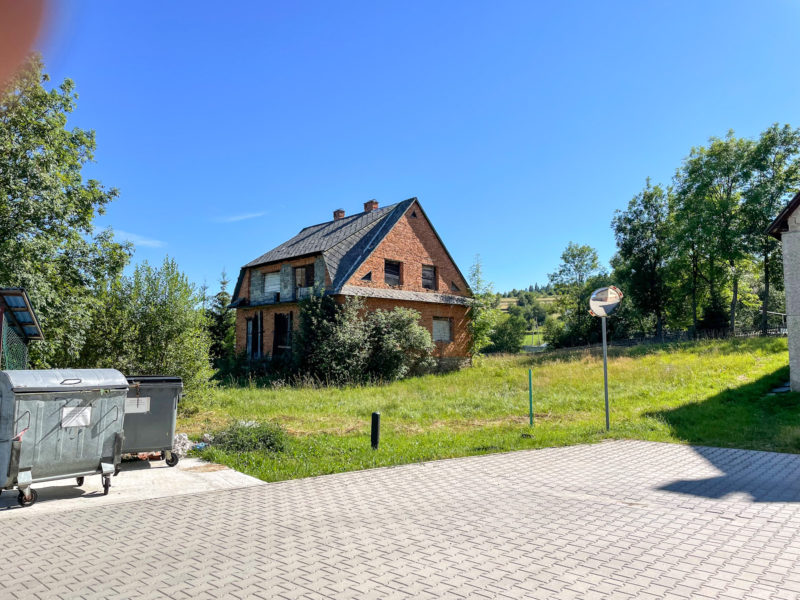
is a home that has never changed in appearance since I arrived in 1996, a home that has never been inhabited.

The owners moved to America and quite possibly have even passed away by now. Their children, fully integrated Americans with no desire to return to a small village in southern Poland, a village that one only drives to and never through, own property that they likely never see.


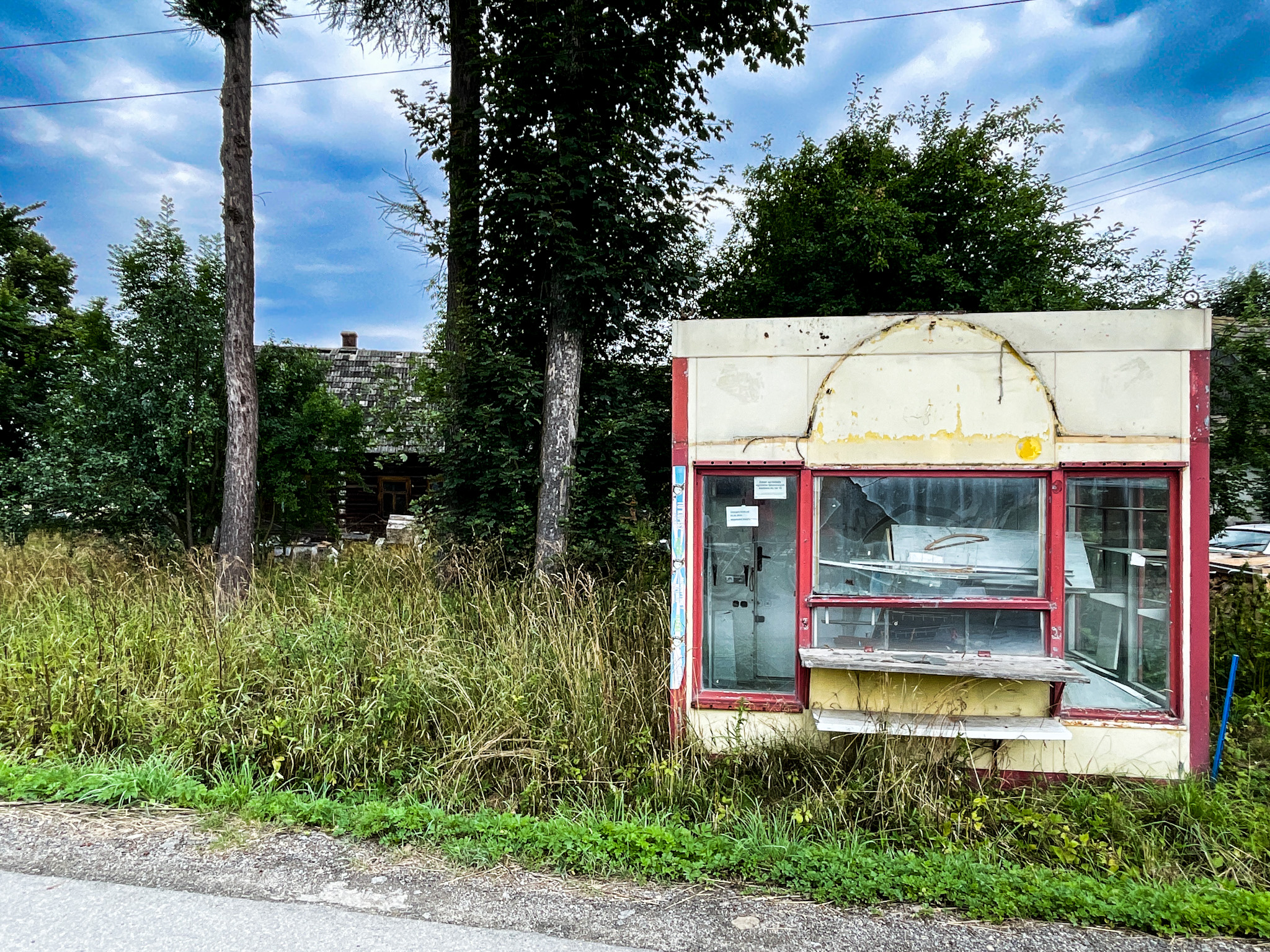
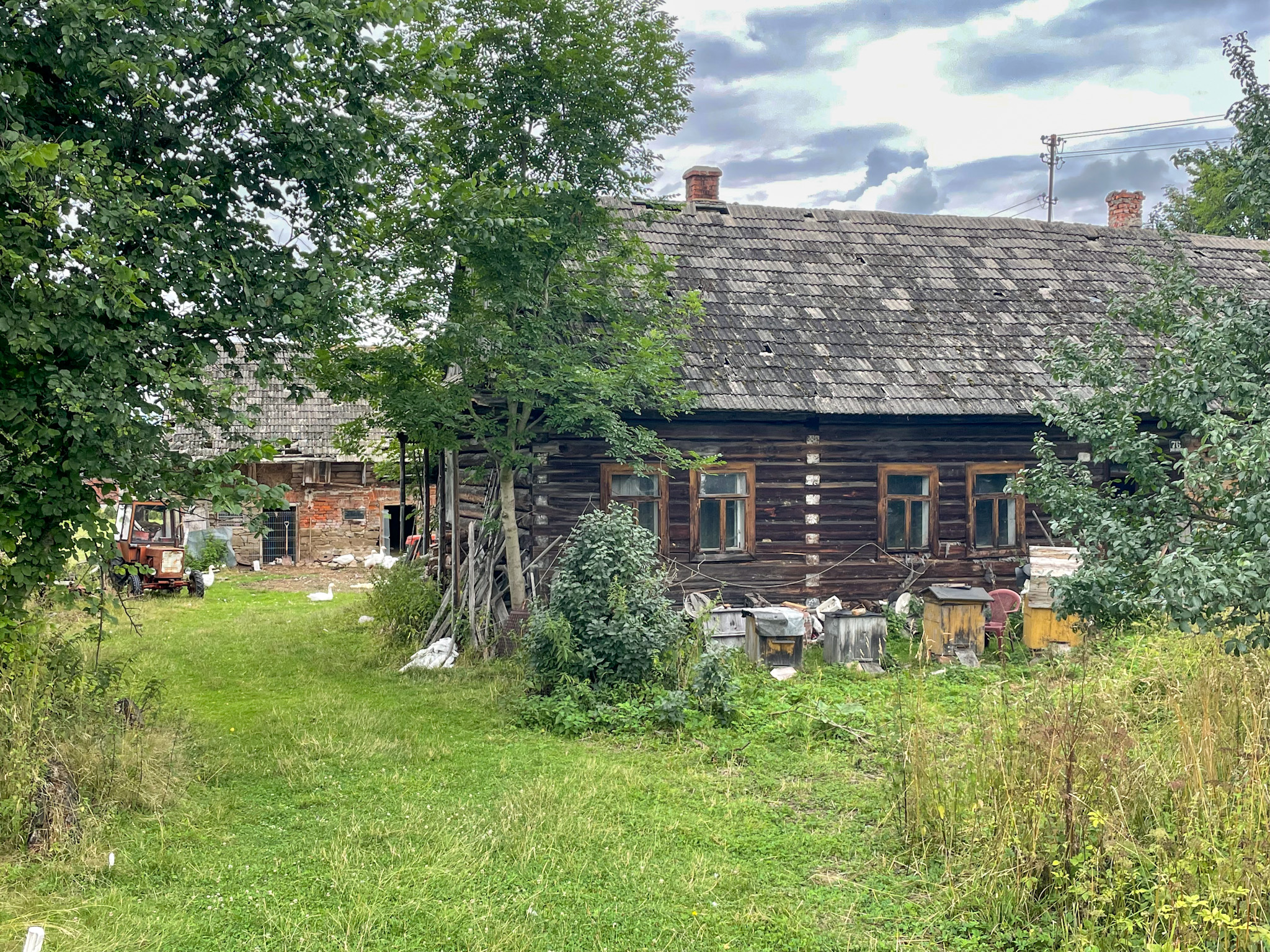
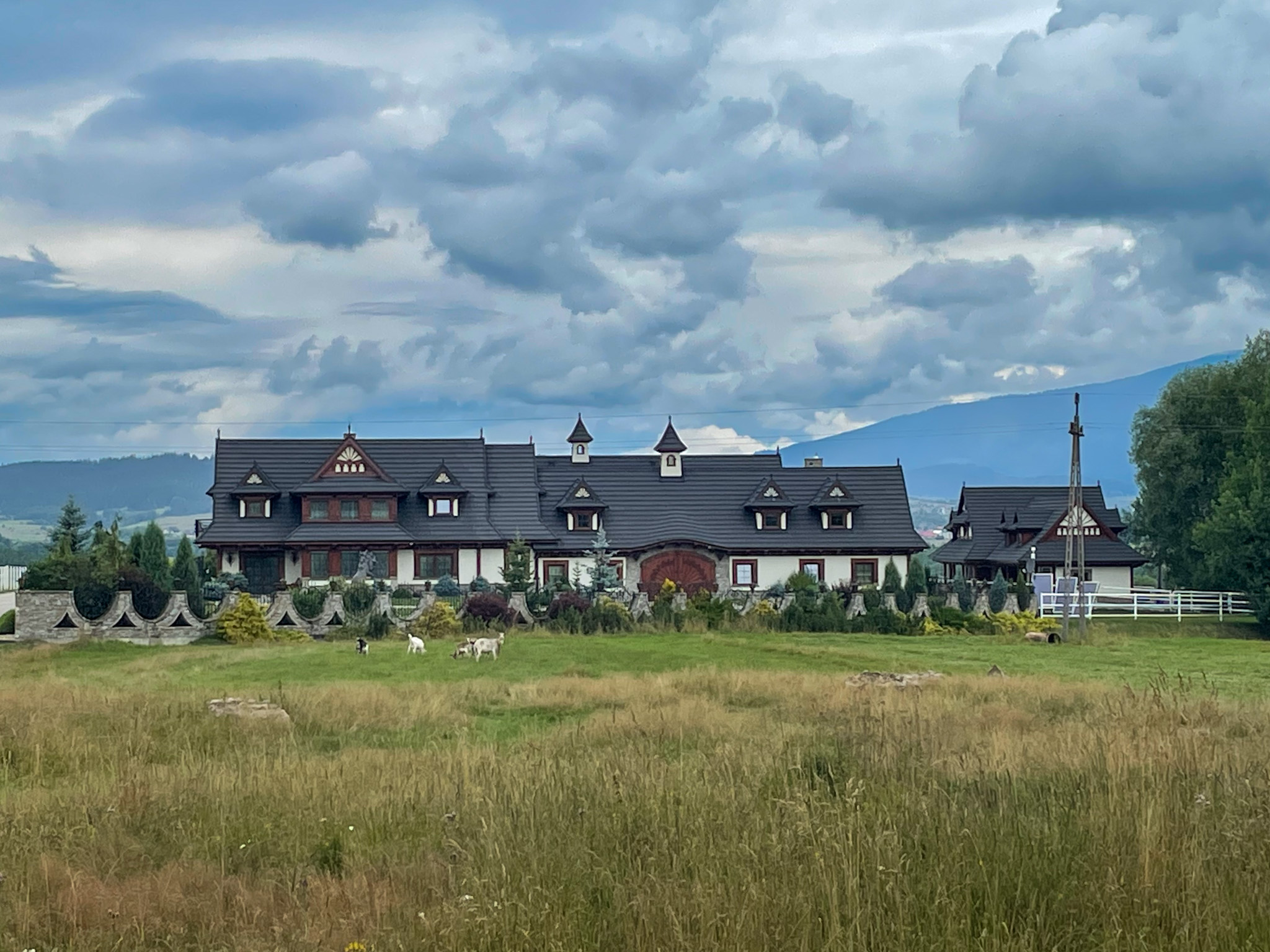
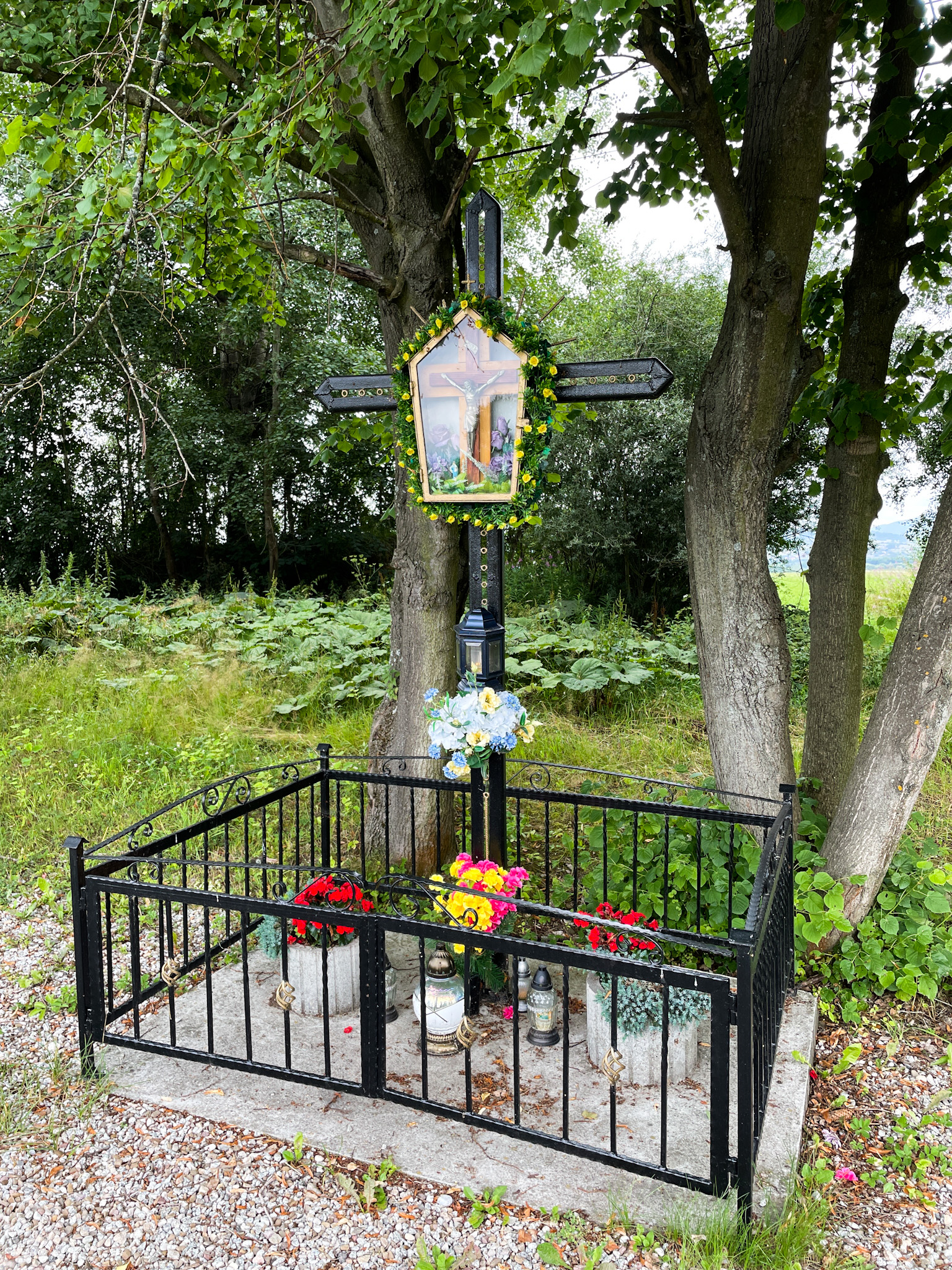
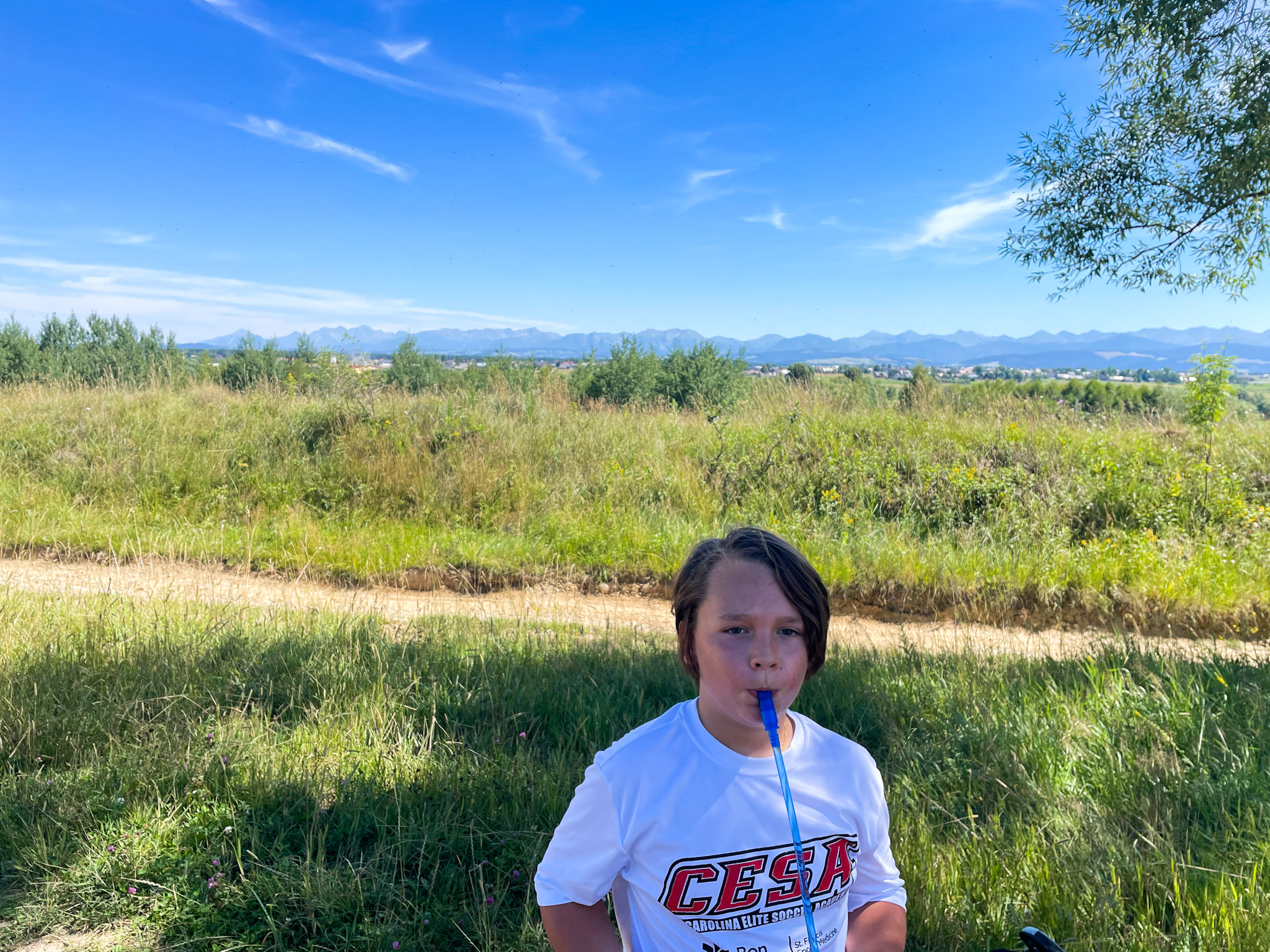
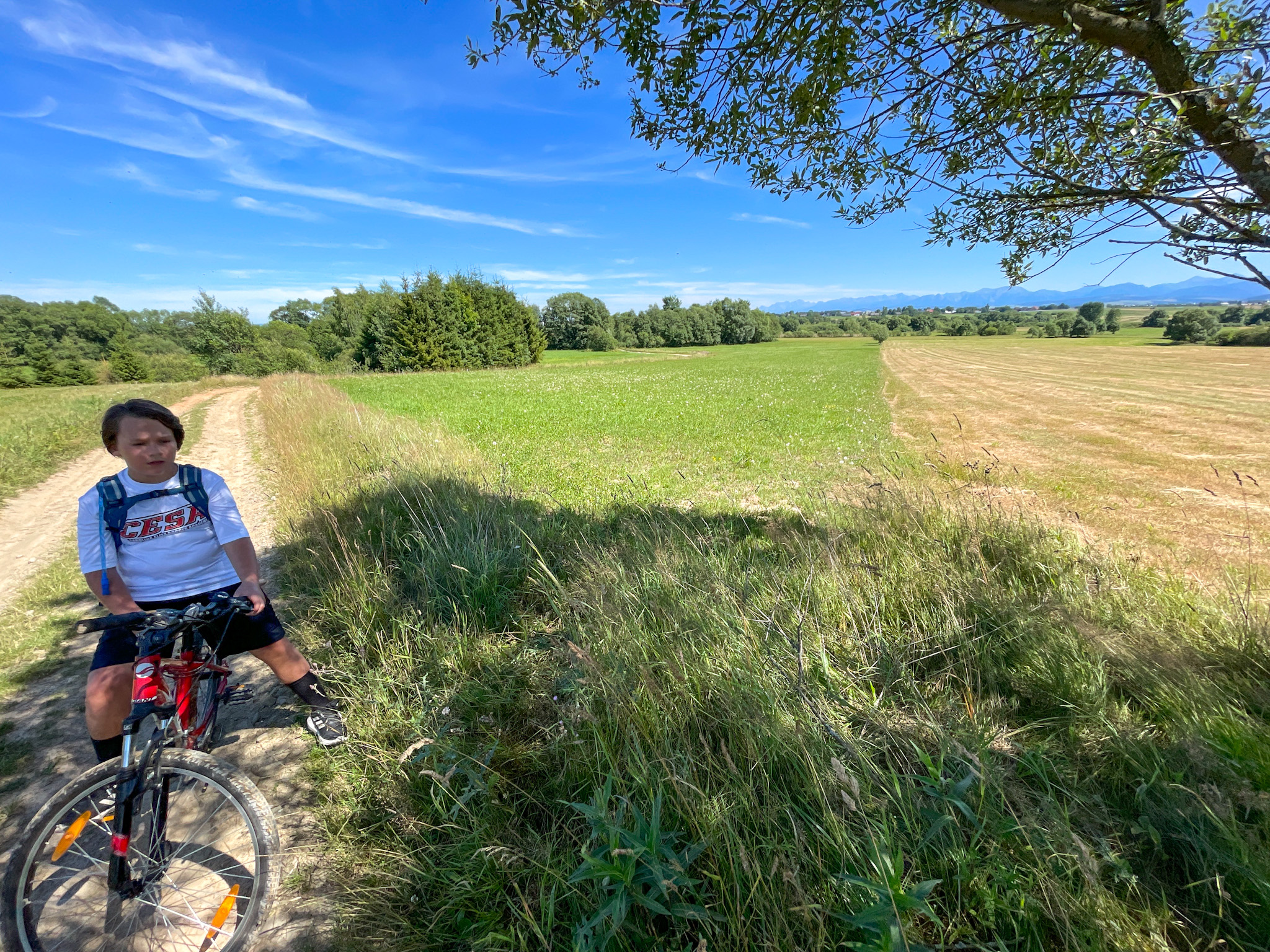
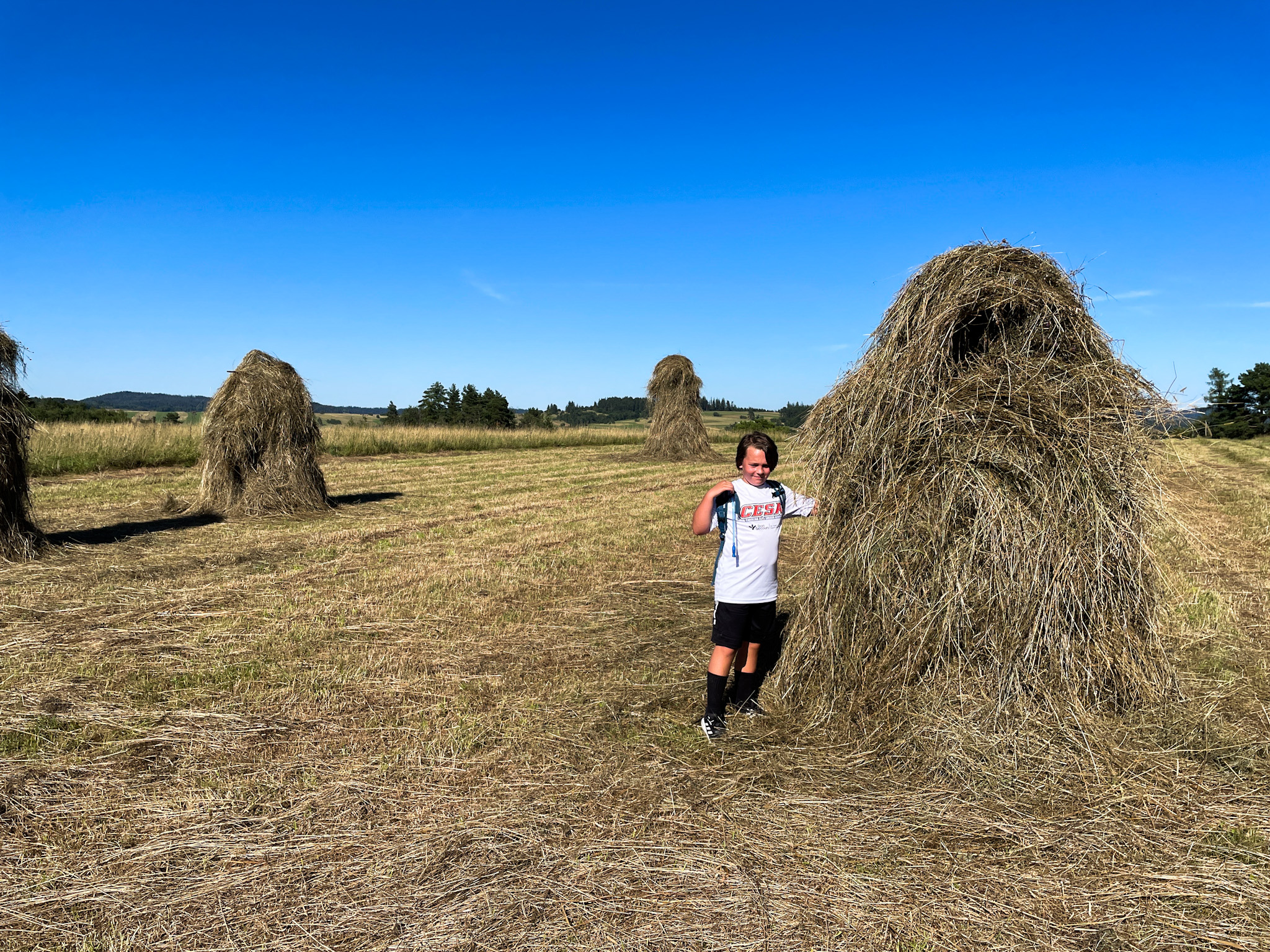
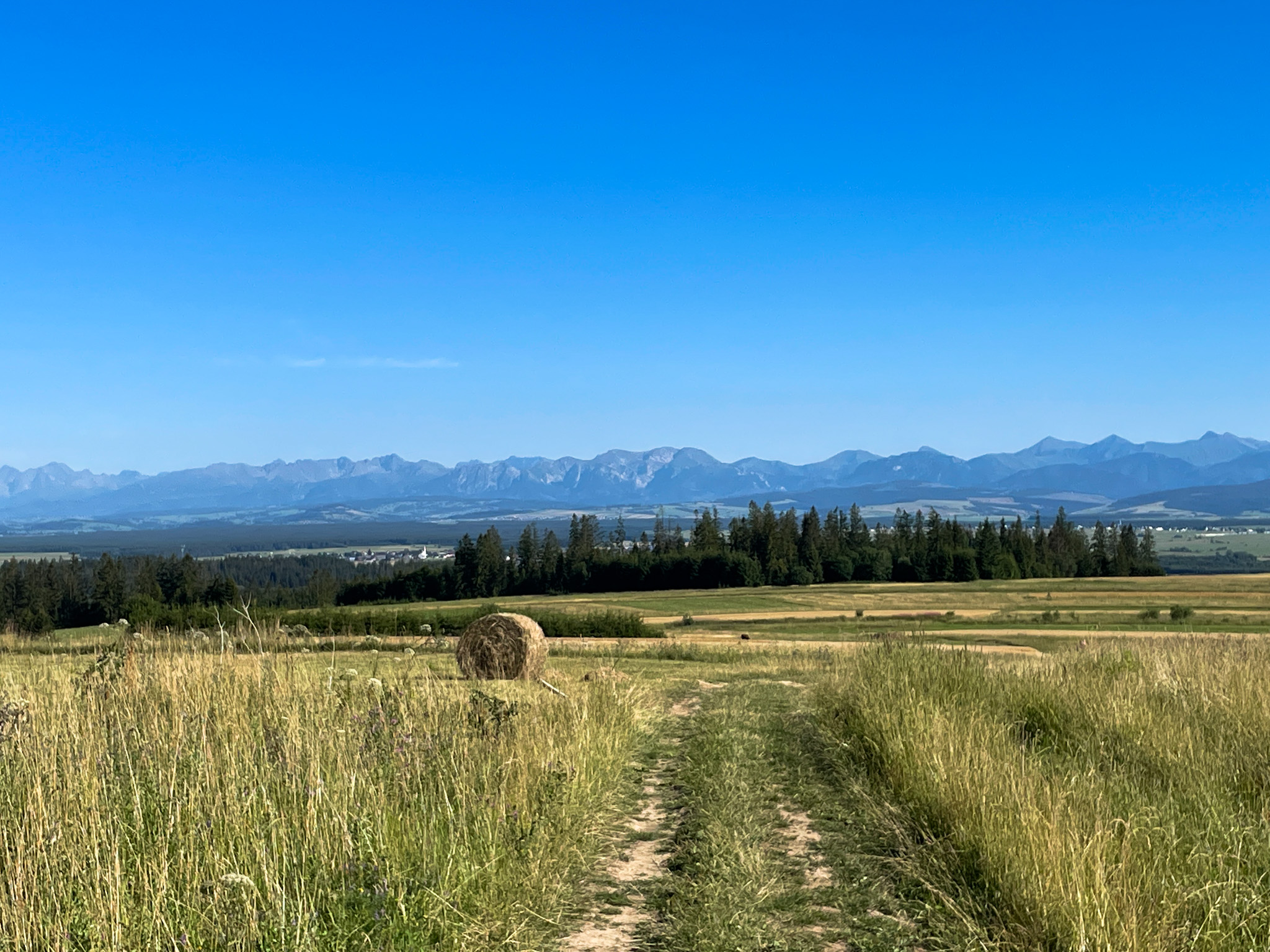
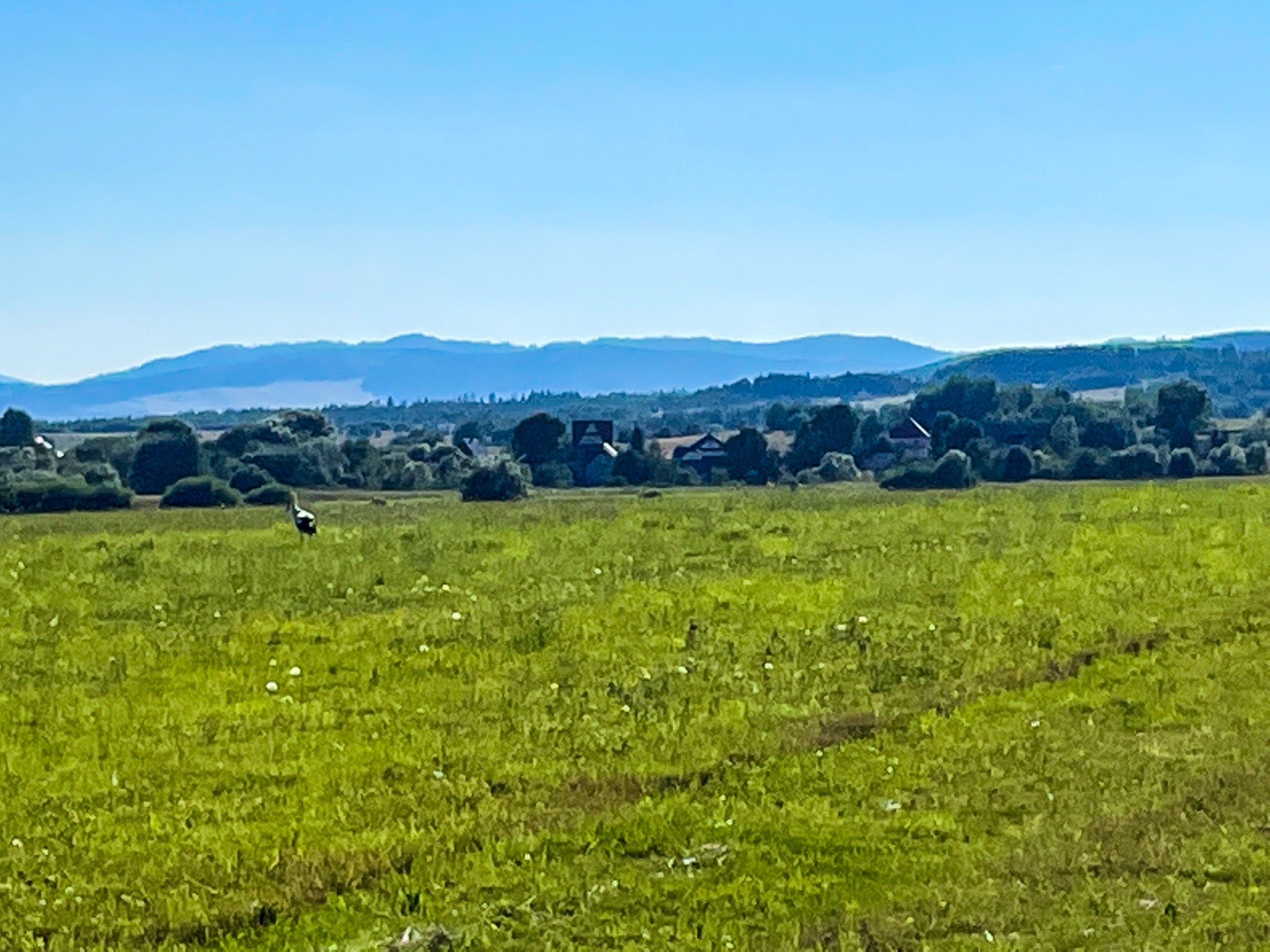
The ride itself — the before and after the discovery — was fantastic:

a 25 km ride that the Boy handled like a pro.