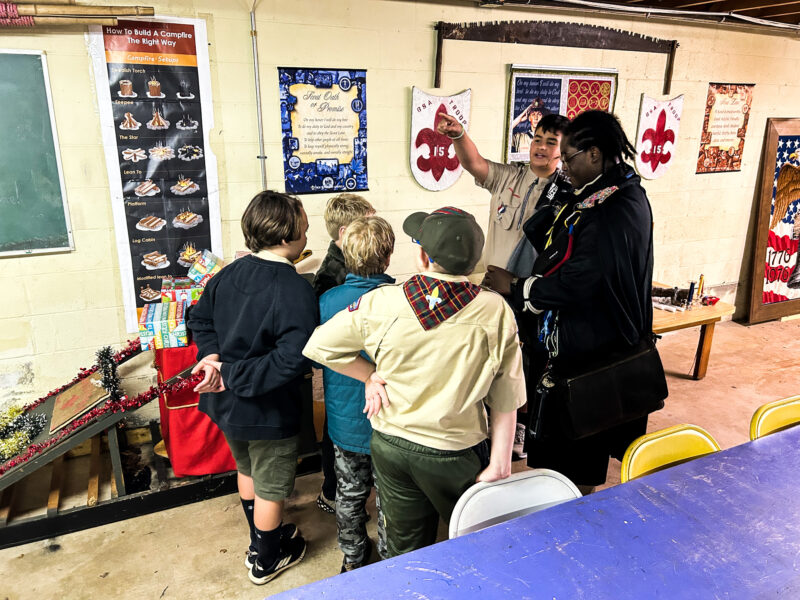
E’s Cub Scout adventure is nearing its end. He and the other boys in his pack who are interested in moving on to Boy Scouts are checking out various troops. Tonight, they visited one about a mile from our house.
It’s his top pick at the moment.
E’s Cub Scout adventure is nearing its end. He and the other boys in his pack who are interested in moving on to Boy Scouts are checking out various troops. Tonight, they visited one about a mile from our house.
It’s his top pick at the moment.



The Boy and I were experimenting with the new phones.

Mine was somewhat less flattering.

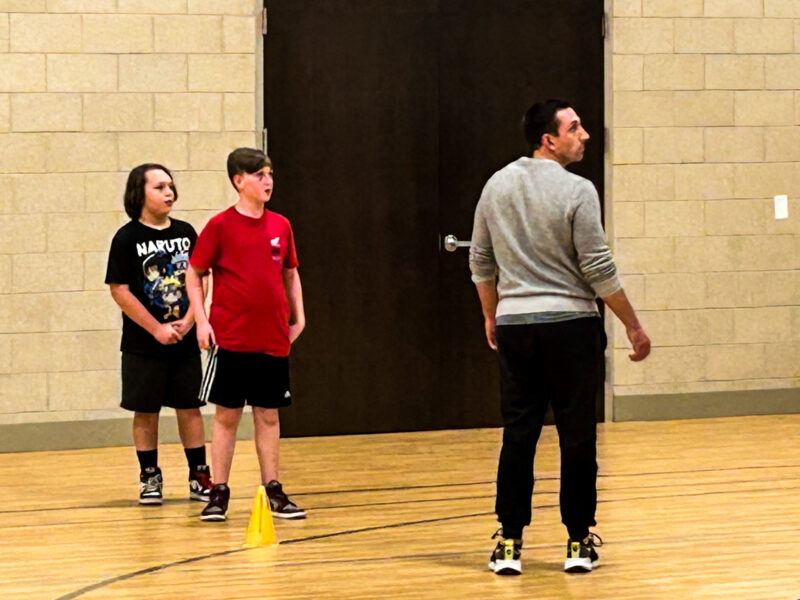
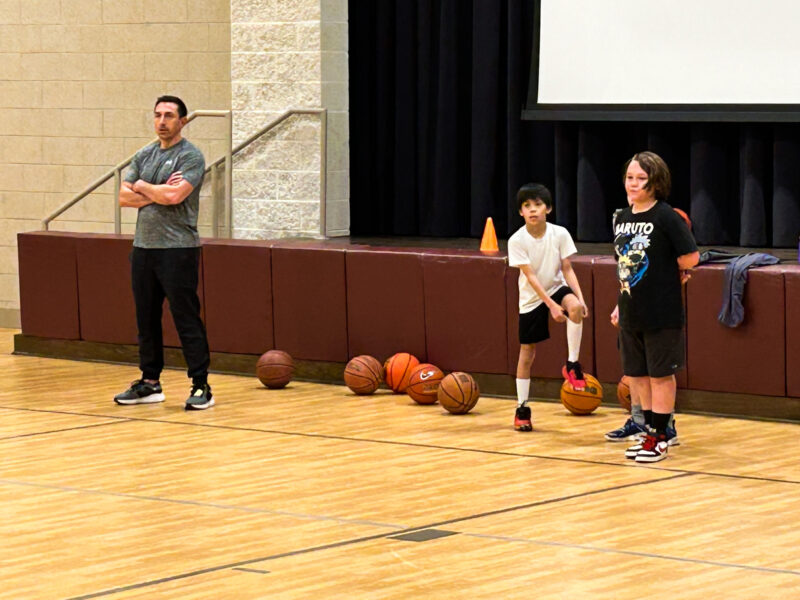
“I was just here a little while ago,” E lamented as we neared our parish church for basketball practice tonight.
“Why?” asked N, genuinely perplexed. N is a dear friend but not a member of the church.
“For religious education,” the Boy explained.
“What’s that?”
“It’s like school,” E said.
“What do you learn about?”
“Church.”
“That wasn’t a very informative answer,” N pressed.
“Well, we learn about,” the Boy pauesed for a moment before finishing, “well, it’s about everything church.”
“That still doesn’t tell me much,” N insisted.
“Well, today we learned about sacraments,” E clarified.
N thought for a moment before admitting, “I don’t know what that is at all.”
When I was N’s and E’s age, I, too, would have had no idea what a “sacrament” might be, and I certainly would have no idea what it’s supposed to do. According to the Catholic Church, sacraments are “outward signs of inward grace, instituted by Christ for our sanctification.” Even if someone told me that, I doubt I would have understood what any of that might mean.
Outward sign? Simple enough.
Inward grace? Not sure what “inward” means here, and even now as an adult, it’s not clear. I suppose it’s meant to be juxtaposed with “outward” to create an appealing bit of parallelism. But are we talking internal medicine “inward” or are we talking mental inward? Or are we talking spiritual? Of course, that doesn’t even exist, but if they meant “spiritual” why not say “spiritual” instead of “inward”?
I certainly wouldn’t know what “grace” means here. I would have known “grace” from a basic Christian idea of forgiveness, but beyond that, I’m lost. And what’s an “inward grace”? Are their other kinds of grace? What does the Catholic Encyclopedia say?
Grace (gratia, Charis), in general, a supernatural gift of God to intellectual creatures (men, angels) for their eternal salvation, whether the latter be furthered and attained through salutary acts or a state of holiness. Eternal salvation itself consists in heavenly bliss resulting from the intuitive knowledge of the Triune God, who to the one not endowed with grace “inhabiteth light inaccessible” (1 Timothy 6:16). Christian grace is a fundamental idea of the Christian religion, the pillar on which, by a special ordination of God, the majestic edifice of Christianity rests in its entirety. Among the three fundamental ideas — sin, redemption, and grace — grace plays the part of the means, indispensable and Divinely ordained, to effect the redemption from sin through Christ and to lead men to their eternal destiny in heaven.
Source
Look at all those links — they’re all articles to offer further explanation about the various ideas.
“Sanctification?” No idea then as now. The Catholic Encyclopedia lists “grace” as “sanctifying grace” and has an article on the related topic of justification but nothing on sanctification. It’s all just a confusing mess when you really look at it:
Since the end and aim of all efficacious grace is directed to the production of sanctifying grace where it does not already exist, or to retain and increase it where it is already present, its excellence, dignity, and importance become immediately apparent; for holiness and the sonship of God depend solely upon the possession of sanctifying grace, wherefore it is frequently called simply grace without any qualifying word to accompany it as, for instance, in the phrases “to live in grace” or “to fall from grace”.
I suspect most adult Catholics wouldn’t be able to explain it beyond the memorized explanations they might have learned in religious education. Push these ideas a little and they begin to slip and slide for the average believer; shove and heave on these ideas and they begin to crack for the average parishioner.
Apologists would explain that this is due to “insufficient catechesis.” But eventually, even the most expert catechist is going to run out of answers. Or they’re going to begin saying stuff like the quotes above, which sound elevated and sophisticated but which, when really examined, are empty and relatively meaningless — when someone pushes back hard enough.
N, however, was content to sit in ignorance.
Discovered a video from the local paper about L’s high school’s big state championship win. And there on the thumbnail is the Boy.



























The street in front of our yard was continually wet even days after rainfall. Turns out, our supply line was leaking, so the water company repaired it today.

Which means we went without water for about an hour. And our lovely grass got destroyed in part.
“No water! Thanks Greenville Water!” the Boy exclaimed. K and I reminded him of the millions in Ukraine (and all over the world, to be honest) who have no water. “Oh, yeah,” came his solemn reply.
First world problems.

Wasn’t really a jasełka but more a sing-along.
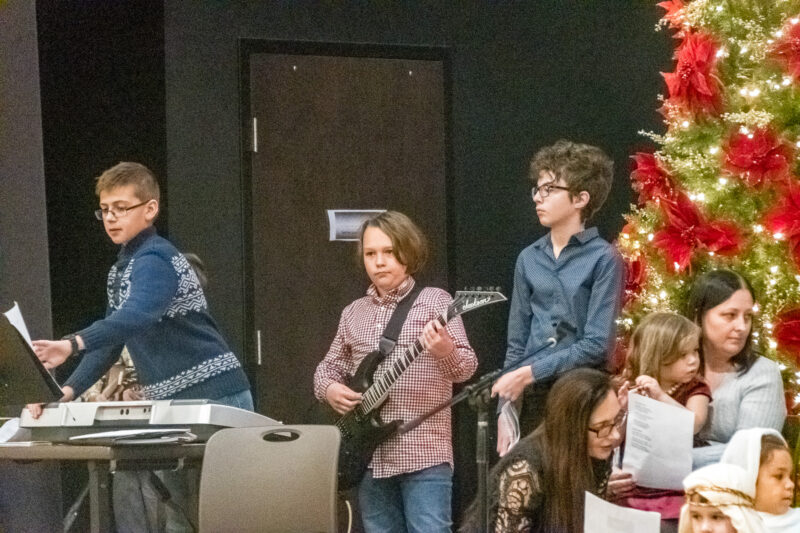
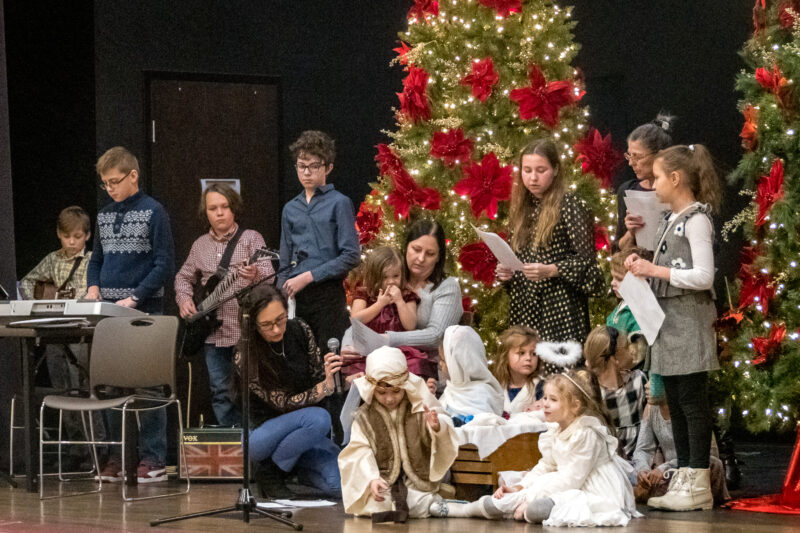

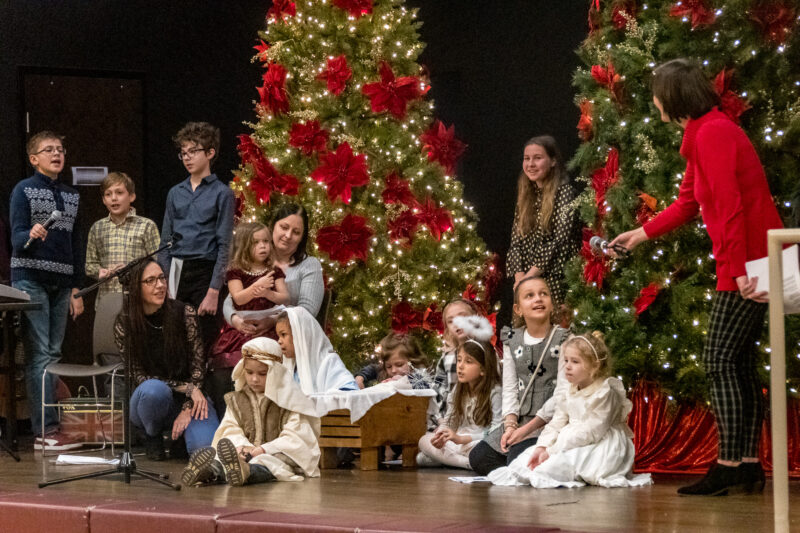



We’re looking into various middle schools for the Boy. Tonight, we went to listen to a band concert at a local middle school: the Boy is, after all, very interested in music.
His verdict: it was fun.






The mayor of Simpsonville invited the Boy’s scout pack to come and participate in the Christmas tree lighting. They got to do the countdown.
The Boy broke a string on his guitar, and since they were the original strings for the guitar, we decided we needed to change them all.

It was a frustrating experience.
During lunch today, one of the teachers arranged (i.e., asked the principal) to have the World Cup shown in the cafeteria while everyone ate.
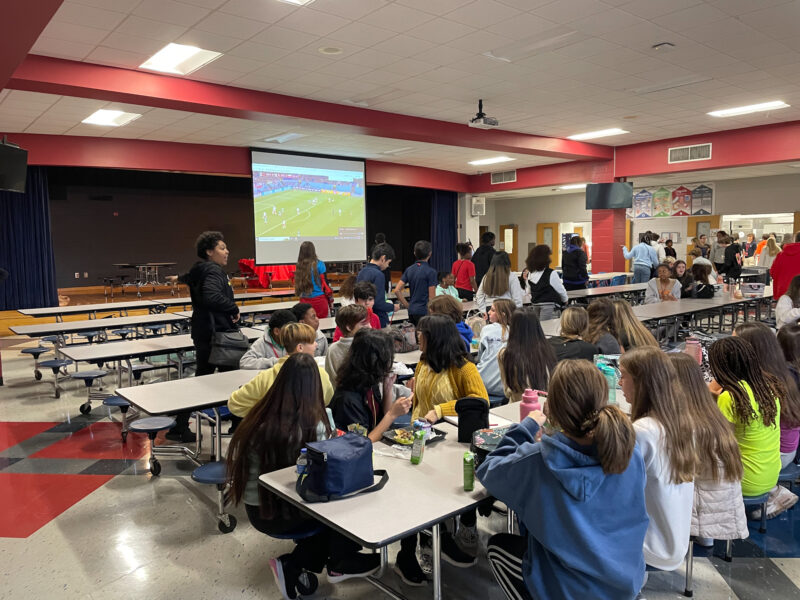
Poland versus Mexico. Everyone in the cafeteria was rooting for Mexico — except for one teacher.
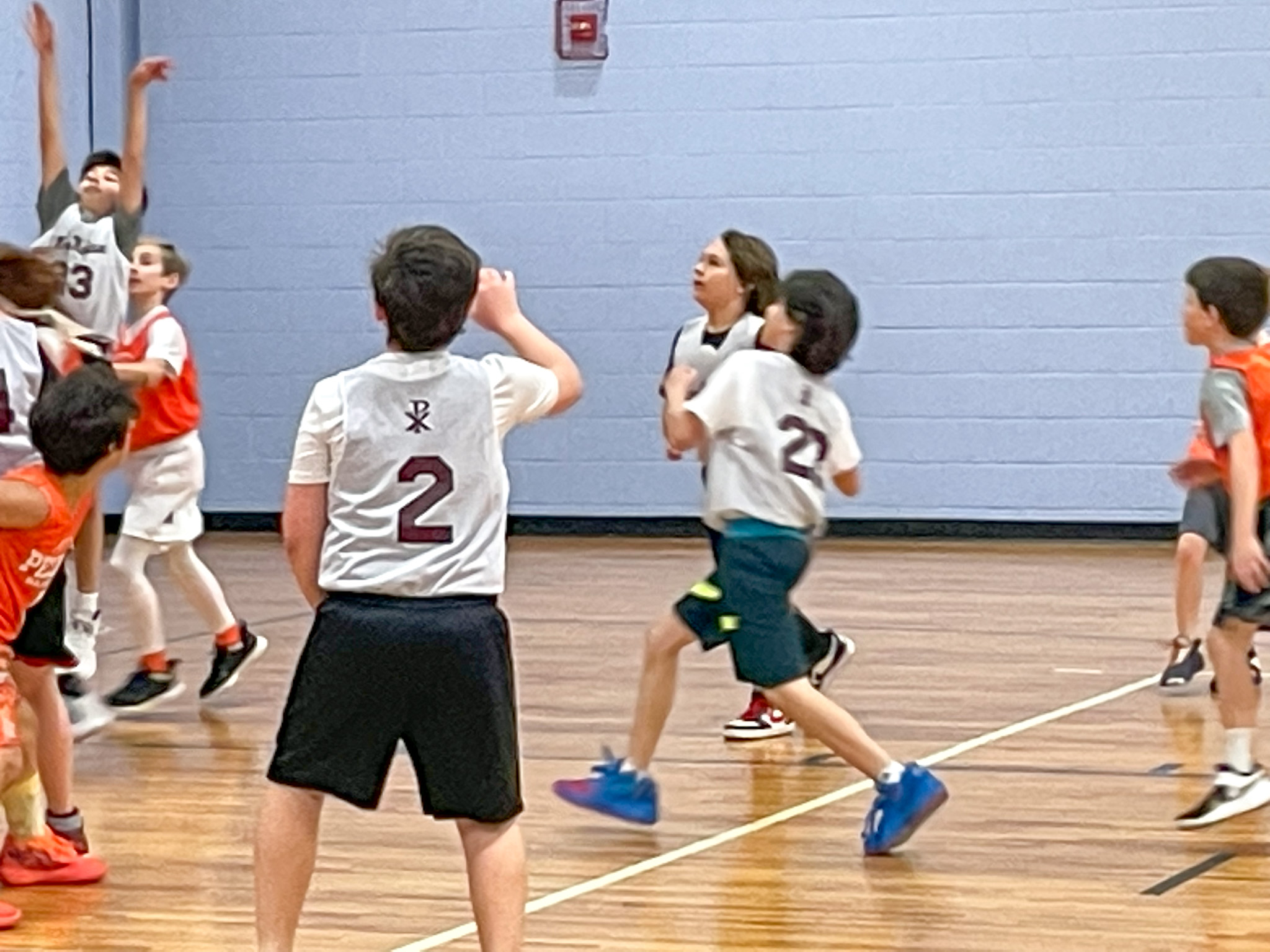
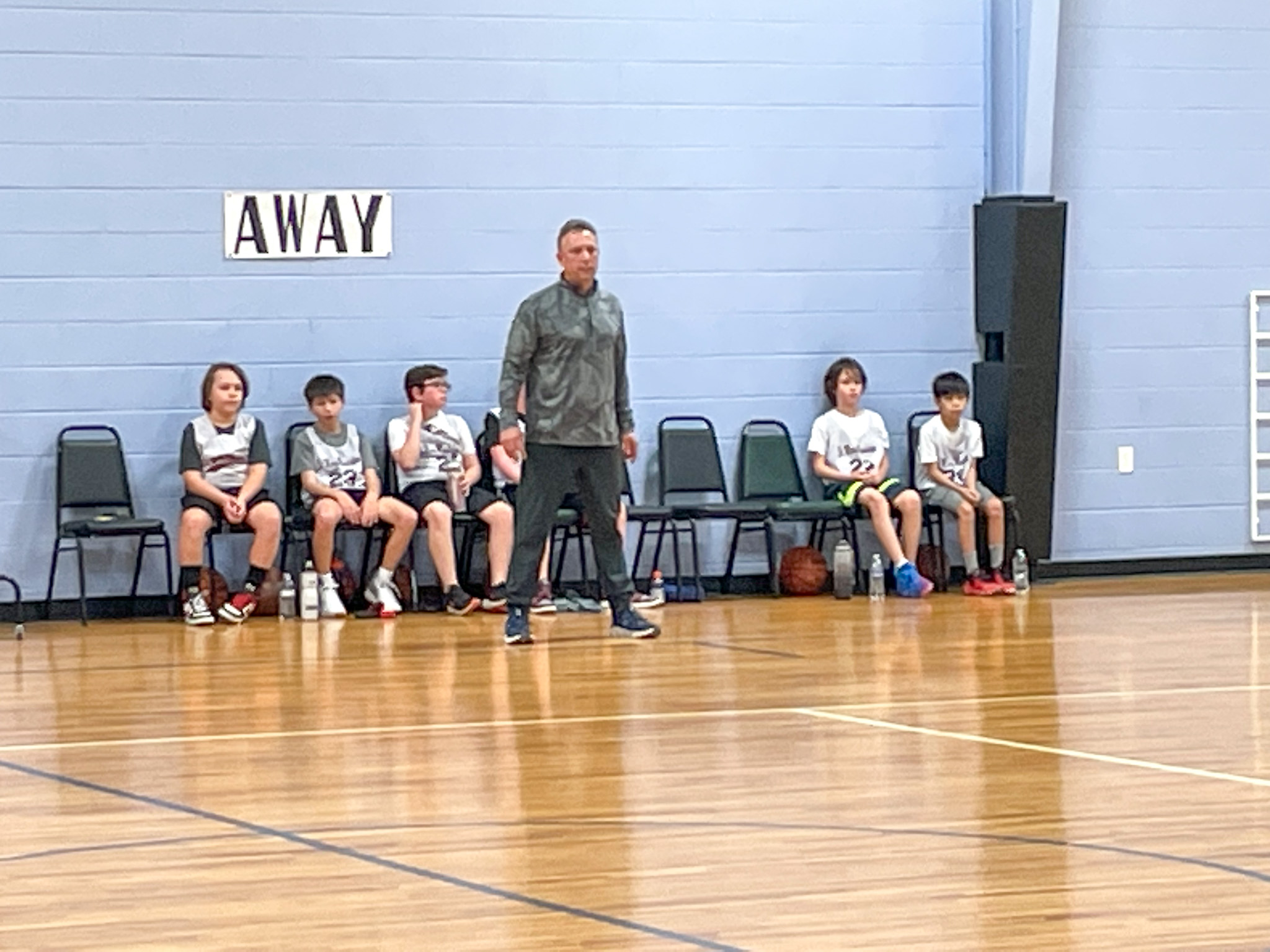
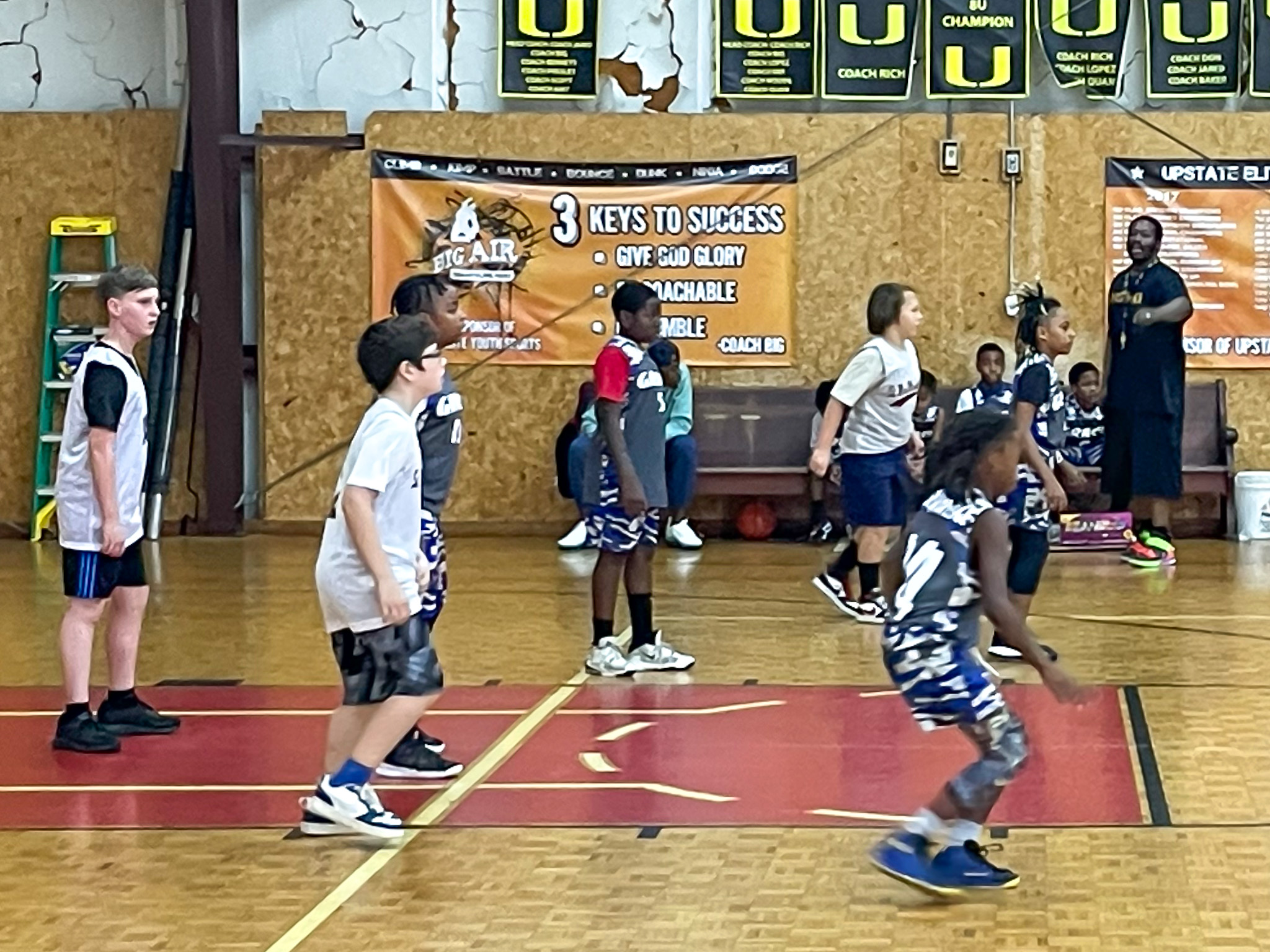
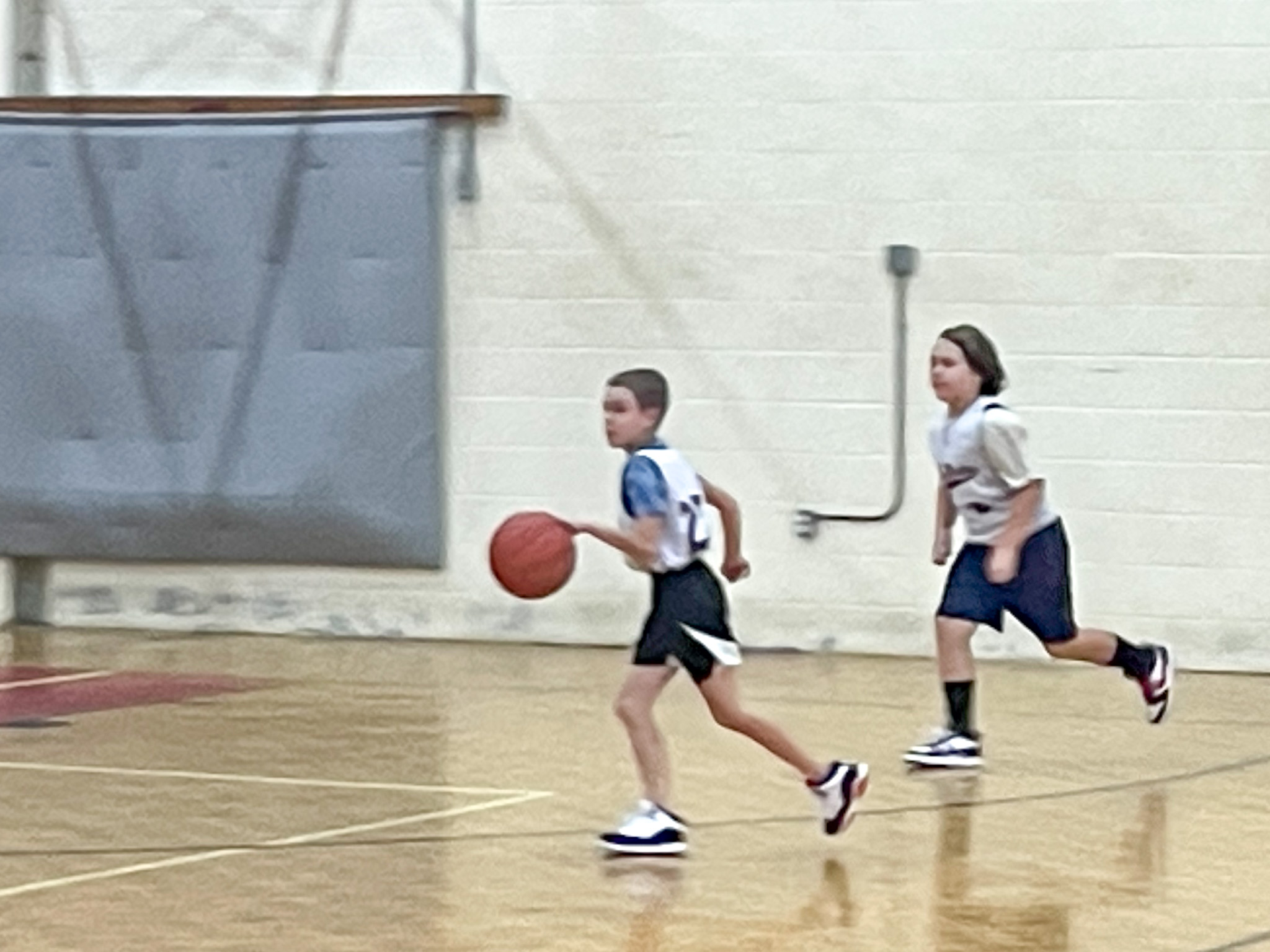
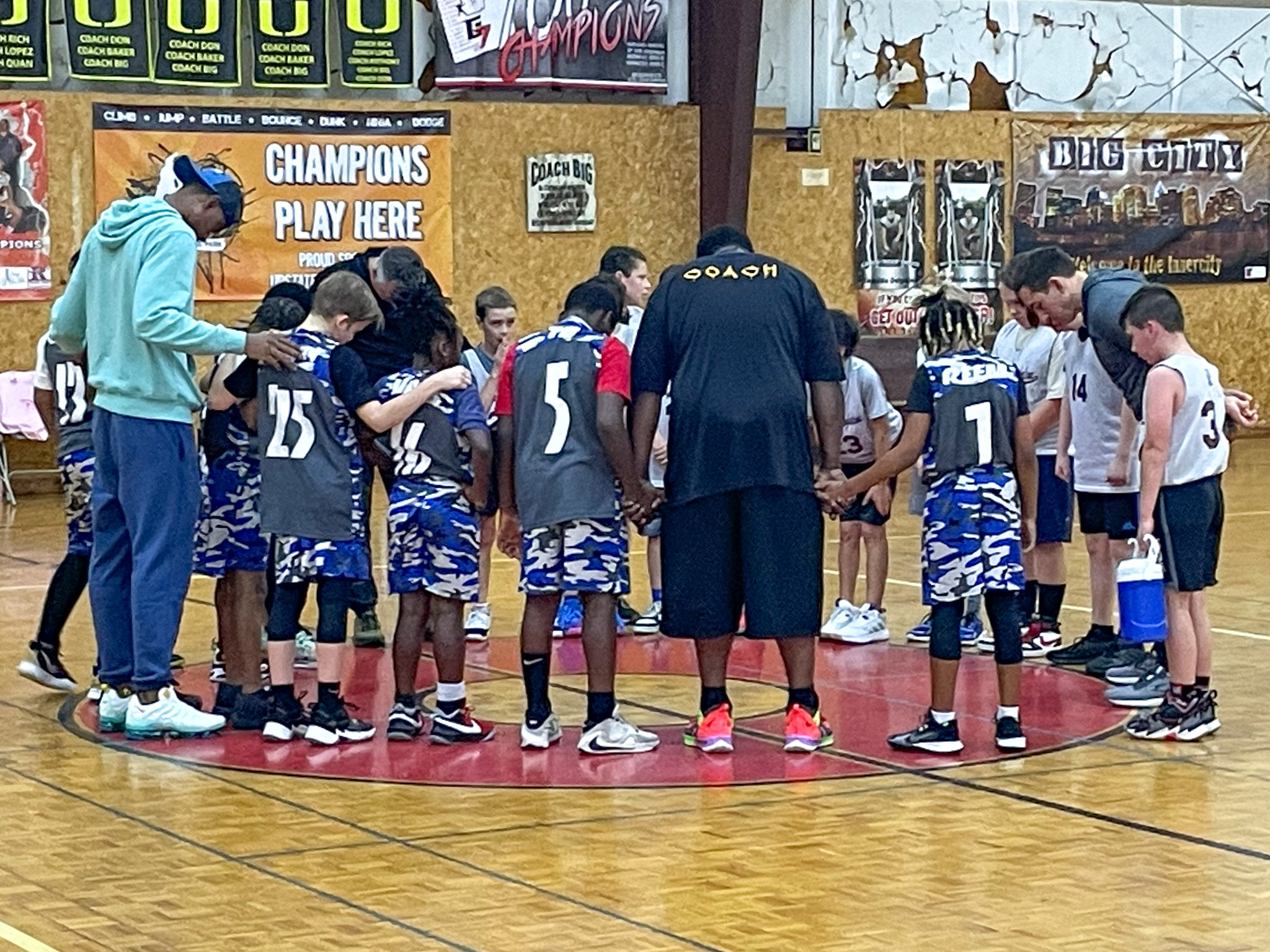
In the evening, the Boy’s basketball practice. He hasn’t played basketball in several years: in fact, when he last played, he was young enough that double-dribbling was not an issue, and the basket was much lower. Now, just like off-sides is a thing in soccer, double-dribbling is a threat in basketball.
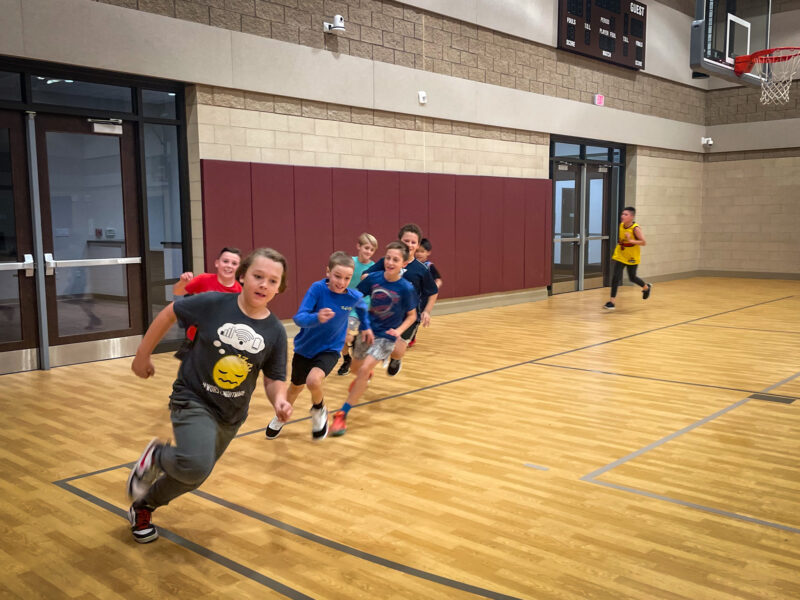
Having little experience puts him at a disadvantage with some of the boys who clearly have had much more time on the court. Still, his teammates are supportive as, naturally, is his coach.