polska

Steskal

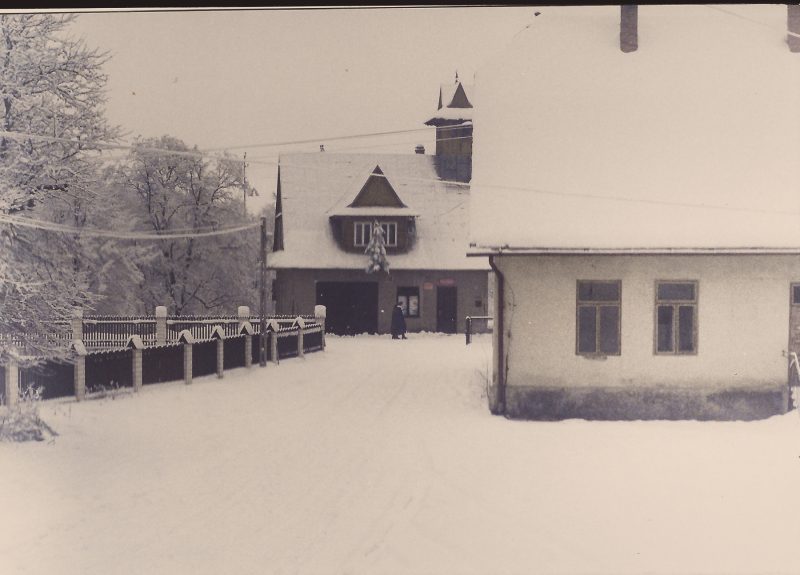
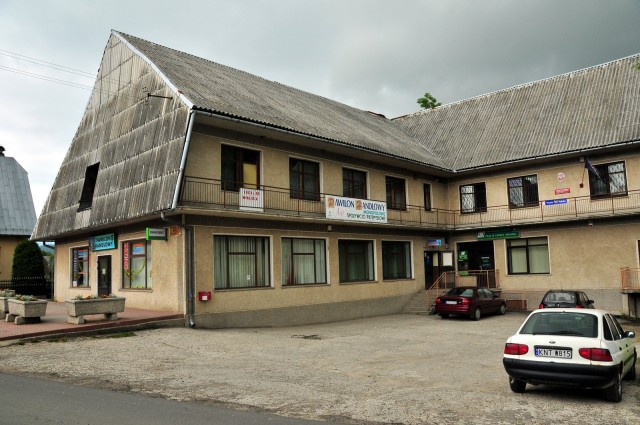
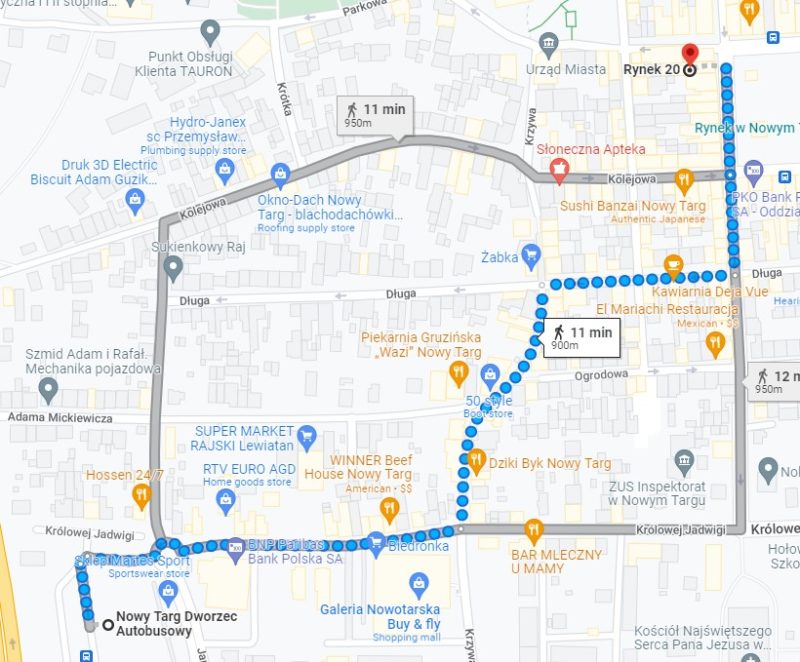
Steskal’s restaurant was on the corner of the rynek in Nowy Targ, at the intersection of Jan III Sobieskiego and Szkolna (School) streets. It was about a one-kilometer walk to the bus station (according to Google), but it was where I often spent the time waiting for the next bus back to Lipnica.
It was nothing fancy: they served the basics, and more often than not, when I ate there, I ordered fasolka po bretońsku. They made a good plate of beans.

When K and I began dating and started taking weekend trips together, we often ended up in Nowy Targ — waiting for a bus, of course. We sat drinking hot tea and talking about our next trip together, or about the coming holiday season, or about (eventually) our wedding.
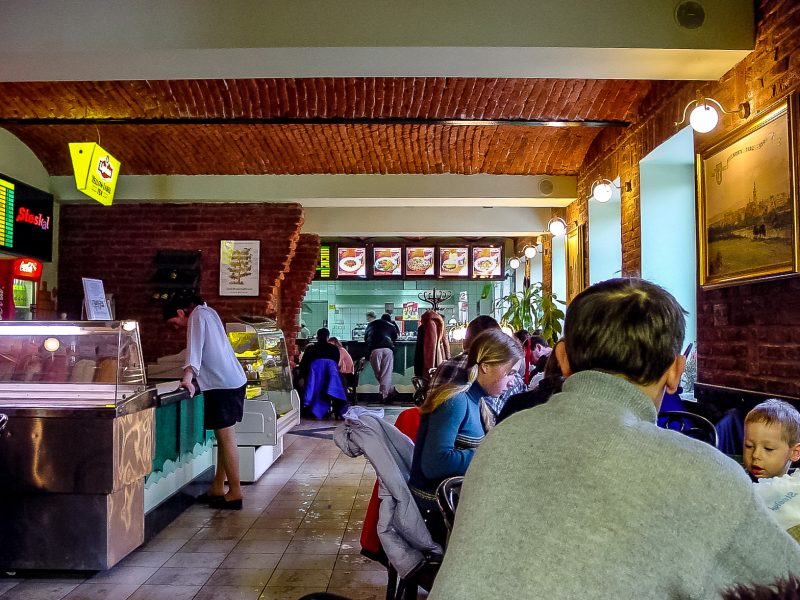
At some after we moved to America, it closed. K and I were going to pop in for old times’ sake only to find it was no more.

I hadn’t thought about it in years until I found a picture while going through old photos in Lightroom.
Monument

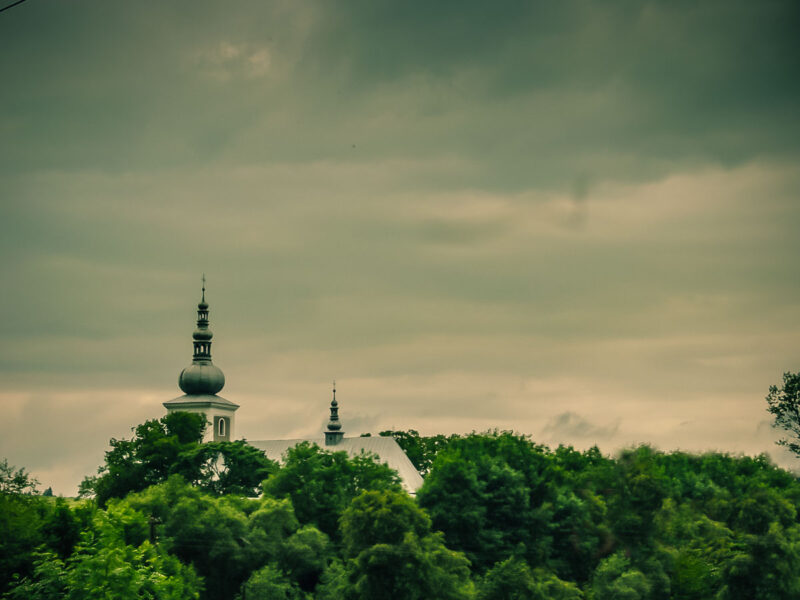
I passed this monument countless times while I lived in Lipnica never really knowing the full story behind it.

Hydropiekłowstąpienie

One of my favorite — if not favorite — Polish bands is Lao Che. Clever music, clever lyrics. Their masterpiece, in my opinion, is “Hydropiekłowstąpienie” from their album (titled in English) Gospel. From the title to the final line, that song is sharp.

It begins with what sounds like a squeaking door being closed as someone shrieks, “Jesteś wszechmogący więc jak mogłem / Obrazić Cię następującymi grzechami?” It’s a problem essential problem of Christianity: “You are all-powerful, so I could I offend you with the following sins?” Indeed, why would an almighty god be so upset with most of the silly things that Christianity calls sins? Upset enough to torture them for eternity as a result? It’s just silly.

The song itself begins with God addressing Noah:

Słuchaj, Noe
Chciałbym na słówko:
Wiesz, tak między nami,
To jestem człowiekiem zaniepokojonym.
By nie rzec: rozczarowanym.
Bo miałem ambicję stworzyć
Taką rezolutną rasę,
A wyście to tak po ludzku,
Po ludzku spartolili.
Jestem piekielnie sfrustrowany

“Listen, Noah,” he sings, “I’d like a word with you.” He explains that he’d had such high hopes for humanity but that humanity, in typical human fashion, screwed it all up. “I am damn frustrated,” he concludes, though the word he actually says (piekielnie) literally means “hellishly.”

Then comes what will develop later into the pre-chorus: “Płyń, płyń Noe płyń i żyj, a utop to kim byłeś. / Płyń, płyń Noe płyń i żyj, jak nawet nie śniłeś.” A simple command: “Swim, swim Noah swim and live, and drown who you used to. Swim, swim Noah swim and live, like you’ve never even dreamed.”

The second verse continues with the ironic commentary:

Wiesz sam, jak nie lubię radykałów.
Ale, na Boga, nie spałem całą noc
I podjąłem decyzję:
Zsyłam na Ziemię potop,
Mój mały Noe, mój Ptysiu Miętowy.
Zsyłam potop, potop!

“You know yourself how I don’t like radicals,” God explains just before declaring that after staying up all night, he’d made a decision to send a flood upon the earth.

Then the oh-so-clever wordplay begins: “Utopię waszą utopie,” he promises. “I’ll drown your uptopia,” punning on the fact that the first-person future of “drown” is only slightly different from the properly-declined “uptopia.” But the punning doesn’t stop there. Describing the flood, God declares “Zarządzam pełne zanurzenie” — “I’m appointing a full immersion,” a clever allusion to baptism. The masterpiece: God declares that his flood will be a “hydropiekłowstąpienie,” a smart play on the word “wniebowstąpienie“, which is the Polish term for Jesus’s assumption — The Assumption. Literally, it means “to heaven ascending.” “Hydropiekłowstąpienie” would then be translated “hydro-hell-ascension.”

Ths song continues with God promising to drown everything: roads and bridges, tax offices, households. Everything.

Clever, clever song.

A live version:

Model UN

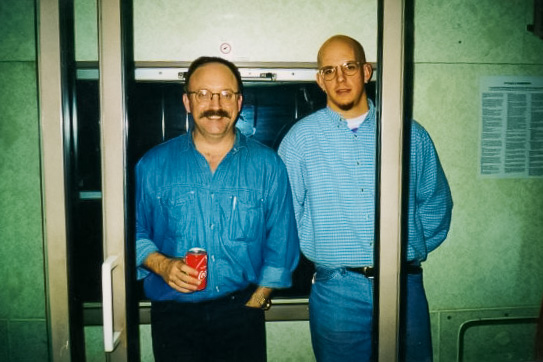
Every now and then, a friend from my first three years in Poland sends me a picture that I’d forgotten all about. This was with a friend C, who lived in Nowy Targ, the nearest town to my little village. We were returning from a trip to Gorzów Wielkopolski, where some of our students had participated in a Model UN session.

I can’t remember what the concerns were at that Model UN meeting, but any that are going on right now have only one concern: what to do about Russia’s criminal invasion of Ukraine.

Everything’s Gray

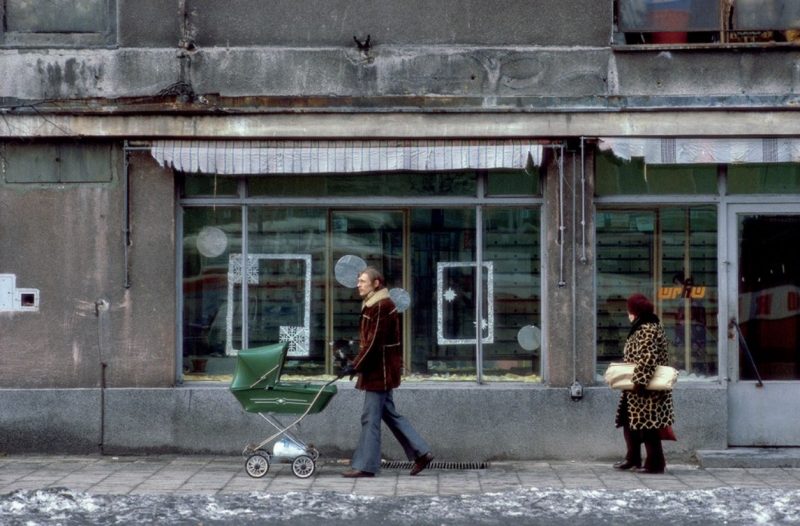
One of Chris Niedenthal’s images of Poland in the 1980s — he called it “Everything’s Gray.” I wish I’d taken more photos of the parts of Poland I knew that looked like this because they’re gone. That’s probably a good thing, but I wish I’d photographed those places myself.

There was a bar in my village that I almost never entered. It was the GS-owski bar and even in the mid-90s, it looked like one would always imagine a bar to look in a communist country.

Lighthouse

In a scene in After Life,  Ricky Gervais’s character Tony Johnson is in the car as his brother-in-law drives, and he’s looking for music to play. He pulls out a CD, identifies the artist, and starts mocking his brother-in-law.

“Lighthouse Family?!?” he asks incredulously. He’s tempted to throw the disc out the window as he does several others.

Immediately I think, “I’ve listened to them. Or at least I’ve heard of them.” I hit “Pause” and sit staring at the screen. “Who was that group? How do I know them?” I wonder. I pull out my phone, load Spotify, search “Lighthouse Family,” play the first song that appeared, and in an instant, I know something is about to change.

When you’re close to tears remember
Someday it’ll all be over
One day we’re gonna get so high

The singer begins, accompanied by some light strings, a piano, and an organ.

“I’ve heard this, I think.”

The second line begins and the bass and drums enter:

Though it’s darker than December
What’s ahead is a different color
One day we’re gonna get so high.

“I’ve heard this! I know I’ve heard this — countless times, it seems.” But I can’t place it. Then the pre-chorus begins:

And at
The end of the day remember the days
When we were close to the edge
And wonder how we made it through the night
The end of the day remember the way
We stayed so close till the end
We’ll remember it was me and you

“This seems so very familiar!” But I still can’t place where I’d heard it. It feels like hearing a line from a film, knowing I’ve seen the film, but not even being able to remember the scene, the title, the actor. I familiar void.

When the chorus enters, though, I know. I remember where I’ve heard this song. I remember why I’ve heard it so many times.

‘Cause we are gonna be
Forever you and me
You will
Always keep me flying high
In the sky of love

“My God! It’s that song!”

In 1997, just a year after I’d moved to Poland, this song had just been about everywhere. On the radio. Playing in passing cars. At bars. At discos (i.e., Polish discos — dance places). Everywhere. And I always hated that song — so saccharine. Admittedly, the guy’s voice is gold, but the song itself? So empty. So vapid.

Yet I sit here listening to it, suddenly transported by a song I haven’t heard in over twenty years, a song I have thankfully and mercifully forgotten in probably just as long, and I feel such a longing to go back to that time for just one evening, just one beer, just one song. This song. It’s a song I hate and now, thanks to Ricky Gervais’s After Life, I love in that syrupy way that only nostalgia can inspire.

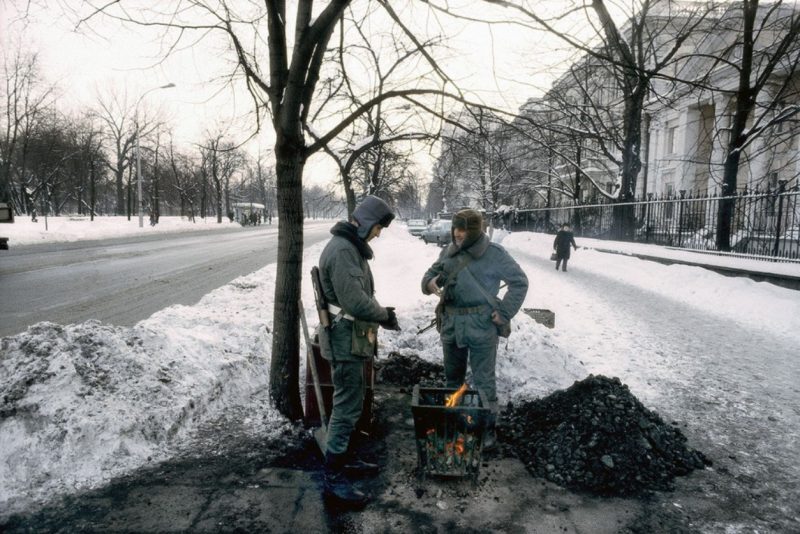
Martial Law

Forty years ago today.

Had martial law not been declared, what would have happened? Would the Soviets have intervened? If they’d intervened, would that have hastened or delayed the fall of the Warsaw Pact? Would I have met K?

Nordic Skiing

Looking through old pictures, I found this one — twenty years ago, when I tried my first (and only) cross-country skiing adventure. I didn’t get more than a few hundred meters before my feet — the muscles in my feet — were utterly cramped.

I must have done something wrong.

Dworzec

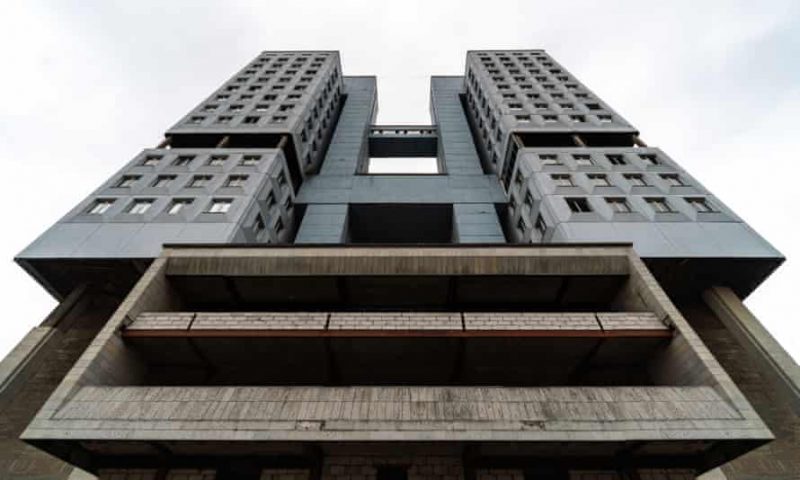
I gave my students an article of the week about the Kaliningrad House of the Soviets, an administrative building constructed during the Soviet era but never occupied because of structural issues.

The structure was redolent of all the communist-era buildings I’d grown so accustomed to in Poland, and like the Palace of Culture and Science in Warsaw, it has its detractors:

Even architects who admire the original, bold design in a mixture of the modernist and brutalist styles concede that the House of Soviets fell short of its promise as a symbol of the Soviet Union’s control over formerly German land captured during World War II.

Instead, the building became emblematic of flaws in the Soviet system, as shoddy construction and structural defects meant it could never be occupied.

As a result, it’s to be demolished in the spring of this year. As might be expected, this provokes mixed reactions:

“It’s like a monument to the Soviet Union we should keep,” said Yevgenia Kryazheva, a waitress at Tyotka Fischer, a German restaurant with windows overlooking the House of Soviets. “I don’t like how it looks,” she conceded. But “people like things with defects. It’s ugly, but it’s ours.”

I can understand that reluctance to let go of a socialist realist architectural past: I’ve experienced it myself.

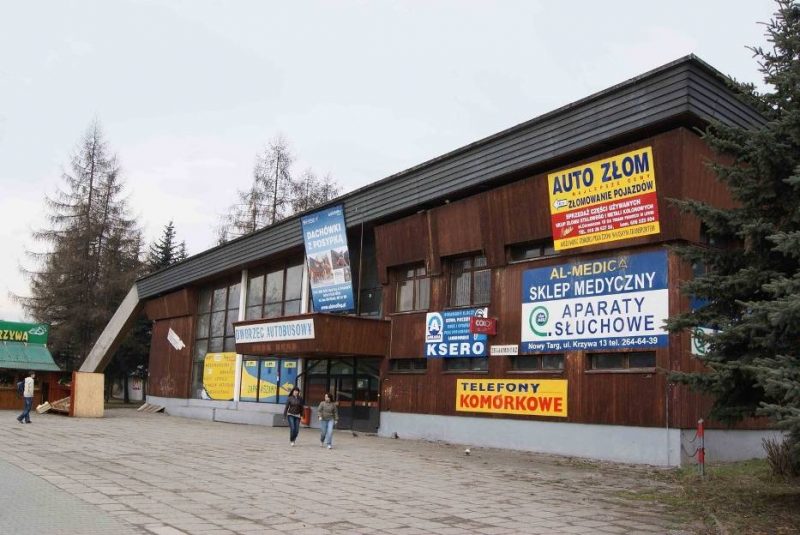
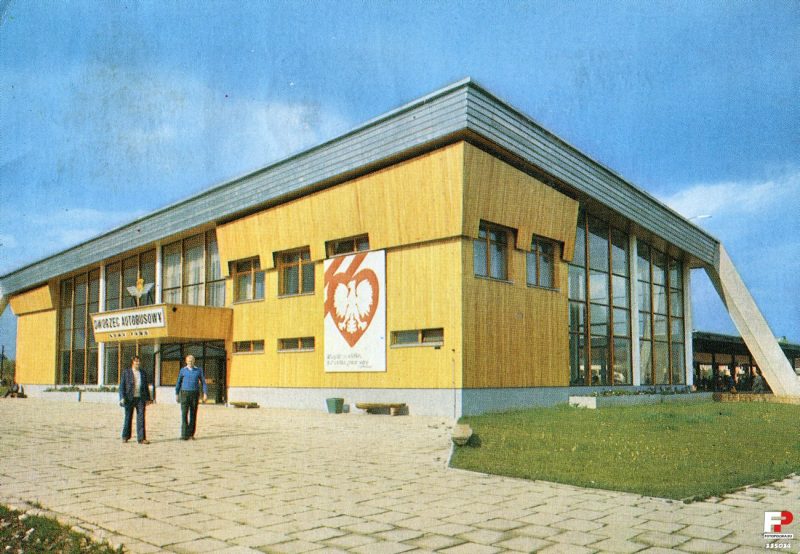
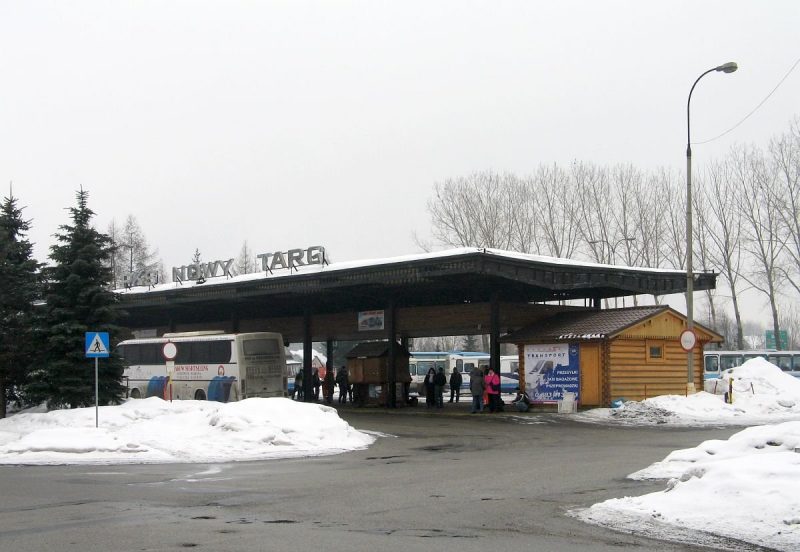
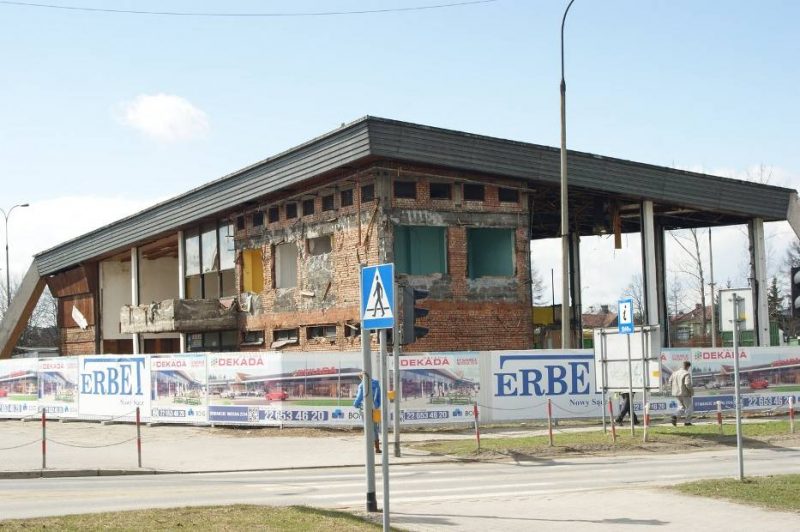
The bus station in Nowy Targ was an ugly structure, a mix of traditional wood building materials and the angular modernist look of the seventies. The roof angled upward to the front-right corner of the building, and off the back-right and front-left corners jutted buttress-like structures that likely served no functional purpose but were intended to give that exact impression as if the building were somehow cantilevered at odd angles and but for those buttresses would collapse. The back right corner of the building was the main waiting area, and it was enclosed in glass that rose two stories above the floor, giving the waiting area an open, light-filled feeling when first constructed.

The right-front corner of the building had a second story to serve as offices or shops. There might have been a small cafeteria on the second floor, but I can’t really recall. The ticket booths were on the left-front of the ground floor.

From the back jutted a covered area to wait for busses. Local-haul busses parked on the left; long-haul busses pulled up on the right.

November 3, 2001

When I first entered the building in 1996, it was a little more than twenty years old, but it already looked much older. The style dated it, but the grimy windows and weathered wooden exterior made it look at least a decade older. The originally-light-hued wood siding had turned dark brown from age and dirt. Spruce trees had grown up around the back-right corner, concealing almost entirely the two-story windows. A fast-food kiosk built behind the building concealed the rest of the windows. At the far end of the line of bus bays was another kiosk that sold CDs and cassette tapes of disco polo, essentially the country music of Poland.

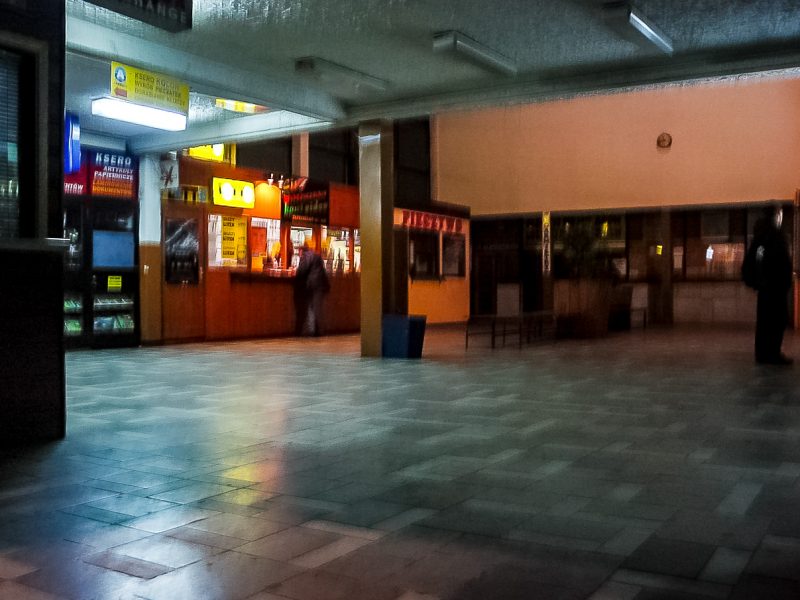
The spacious two-story waiting area, originally conceived to be filled with light, was dark and dirty. Kiosks along one side took up at least half of the waiting area’s original space, crowding passengers into a small dark corner The windows were always streaked with the running beads of condensation formed by the temperature difference in winter, and those streaks dried in the summer to form a dirty haze. There was always a Roma family or two in the waiting room: a mother and a couple of children, sometimes begging, sometimes just waiting.

Even on a bright summer morning as passengers sat watching cleaning ladies scrub down this or that, the Nowt Targ bus station felt grimy and tired, as if a film of dirt had bonded permanently to the surfaces of the building. The dated architecture did not help: with the Berlin Wall history and Communist rule nearly a decade in the past, the socialist realist angles and materials simply made the building feel like a relic of an oppressive past.

In winter, there were mountains of snow around the back of the terminal where the busses parked, mountains that steadily turned became covered with flecks of gray and then black as the coal smoke particles from the air and the particulate matter from the bus exhaust settled onto the snow. Puddles formed where the busses had crushed the slush and enough mid-day warmth had melted it further. Passengers performed the same operation as they walked here and there, forming a slush on the covered walkway that ran down the middle of the bus loading area. By December or January, all those puddles turned to dirty ice challenging all but the surest-footed passengers.

Waiting inside was always a risky decision. Most passengers stood around the bay from which their bus was to start, so waiting inside might ruin one’s chances of getting a seat once the driver pulled his bus into the slot, opened the doors, and began boarding. This is not to say one would not have a spot on the bus: there was standing room in the aisle, but it was never pleasant to be standing with one’s shopping spread out all around one.

In truth, it was never really even necessary to go into the bus station. Drivers sold tickets on boarding the bus, and there were far more pleasant places to wait for the bus. Within a couple of blocks, there were several restaurants with hot tea and cleaner surroundings.

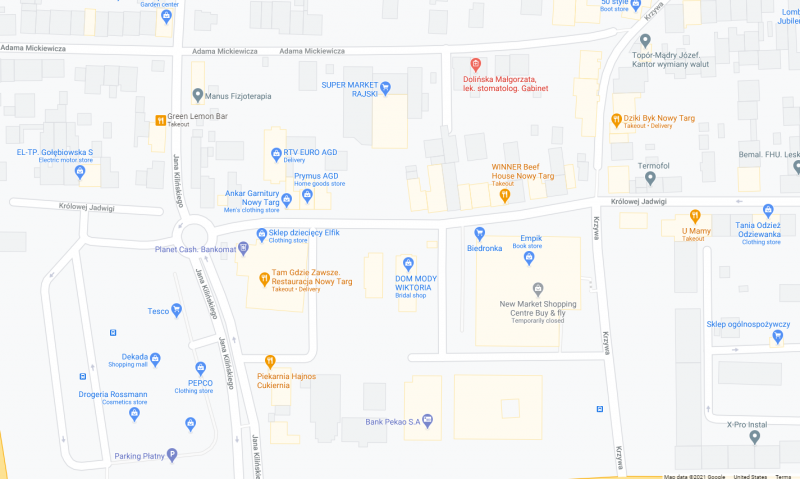
Yet it still served as a landmark for me. Heading home after a long day of shopping in Nowy Targ, trudging through snow and slush, I always felt a wave of relief when I turned left from Queen Jadwiga Street on to Jan Kilinski Street, approaching the bus station from the back. The lines of busses, the piles of dirty snow, the people milling about waiting all signaled that I was just about home.

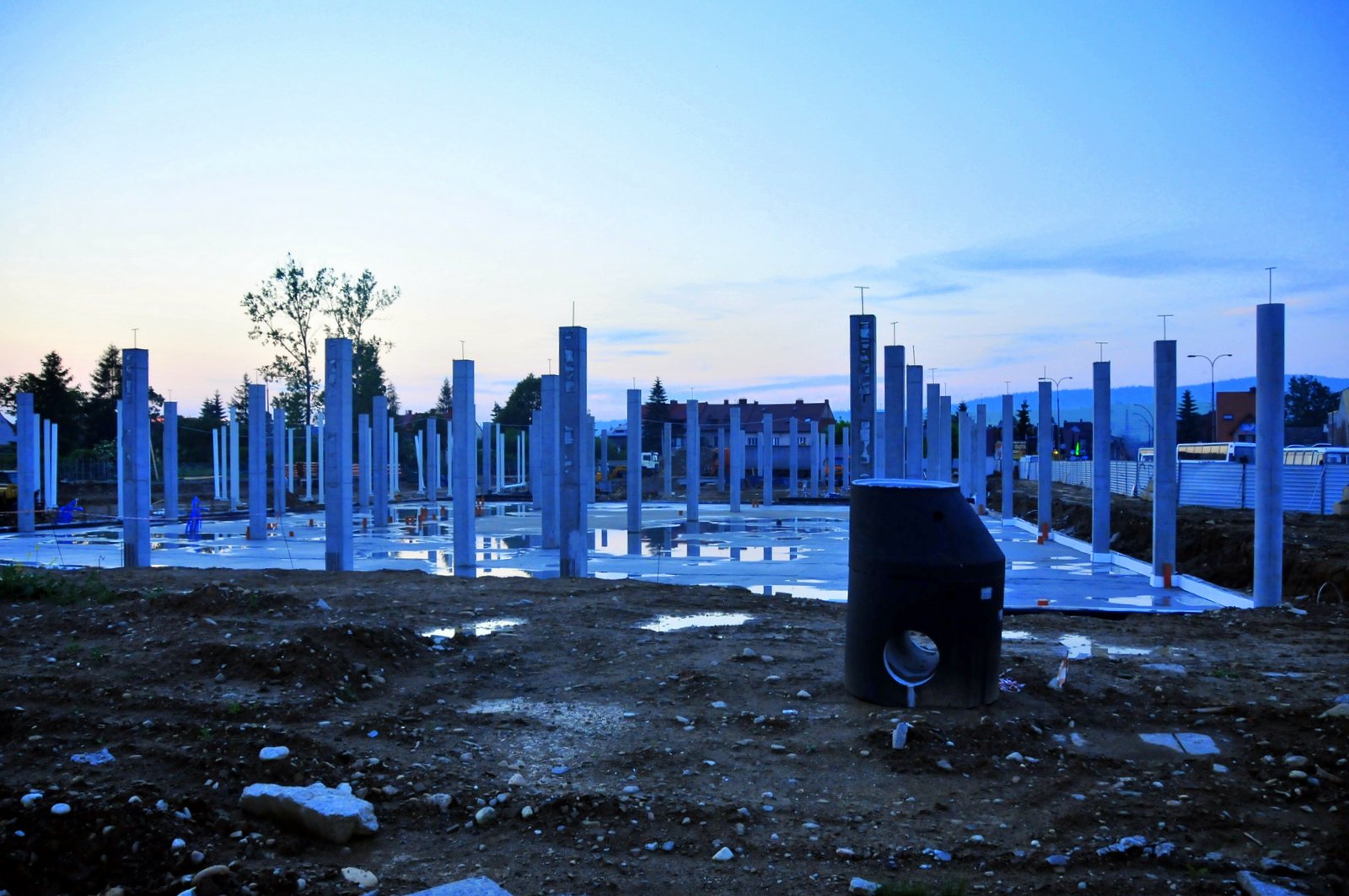
When I was back in Poland in 2013, it was all gone. I was hoping to take some pictures inside and out, to wallow in nostalgia, but it was not to be.

Martial Law

I have vague memories of this as a child — hearing about it on the news — but only vague. So strange to be able to watch this now, nearly forty years later.

“Great is the burden of responsibility that falls to me” — the question has always been just how great. Had Jaruzelski not imposed martial law, would the Soviets have intervened?

View from the Door

Already, the Poland I first knew and fell in love with (and groaned in frustration about) twenty-five years ago is gone. Long gone in some cases.

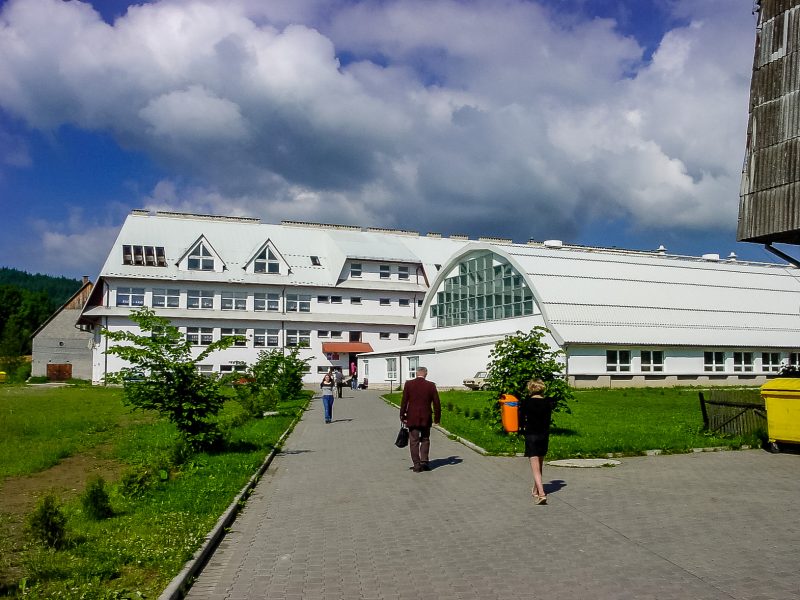
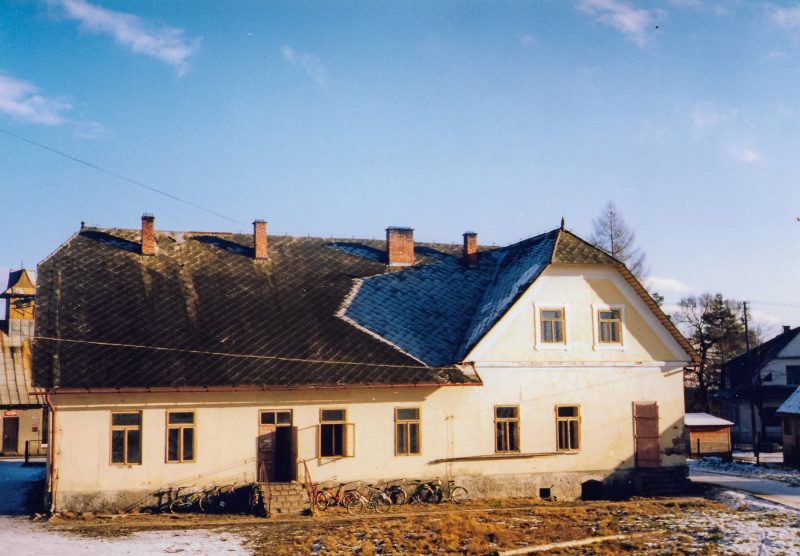
When I first arrived and moved into dom nauczyciela, this was the view from the door of the six-apartment building. It was the not-so-long abandoned elementary school, empty only for about a year. The high school in which I taught also housed the elementary school — it was an enormous building.

High school that originally housed the elementary school

The old building stood empty for the first year I was there, from 1996 to sometime in 1997, and its only use was as the rehearsal space for the volunteer firemen’s band.

They rehearsed in the upstairs room, and during the summer, when they left the windows open, the honking and wheezing sounds of amateur musicians filled with more enthusiasm than talent was the soundtrack of many evenings’ cooking.

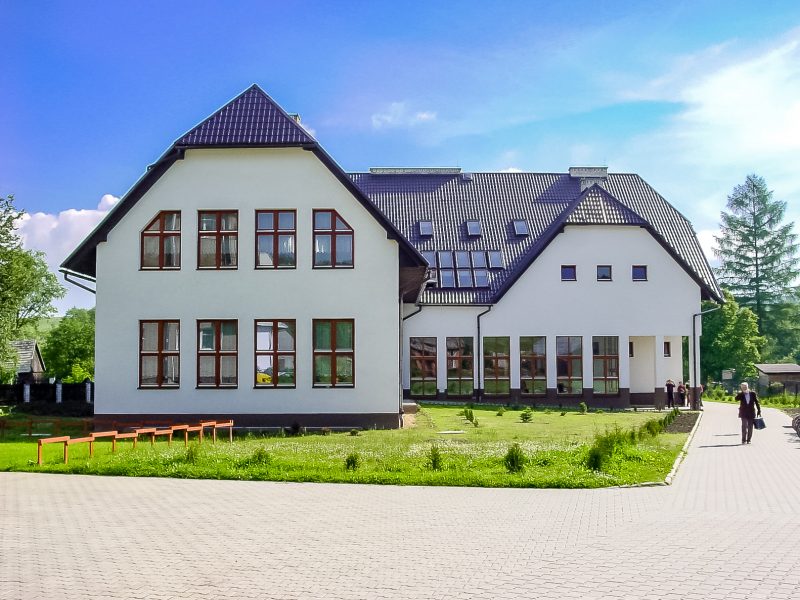
By the time I left in 1999, they’d begun the renovation process, bringing the ancient and abandoned schoolhouse to modern standards. When I returned in 2001, it was completed, looking slightly similar but much expanded.

Later I moved into one of the apartments that were on the third floor.

This transformation is fairly typical of many of the buildings that had an old world charm for me (read: they were just old) when I arrived in 1996. I certainly don’t begrudge the Poles the natural desire to update and renovate buildings. Still, when in Poland visiting family now, I find myself thinking that I should have taken more pictures of the old when it was old.

Reimagined

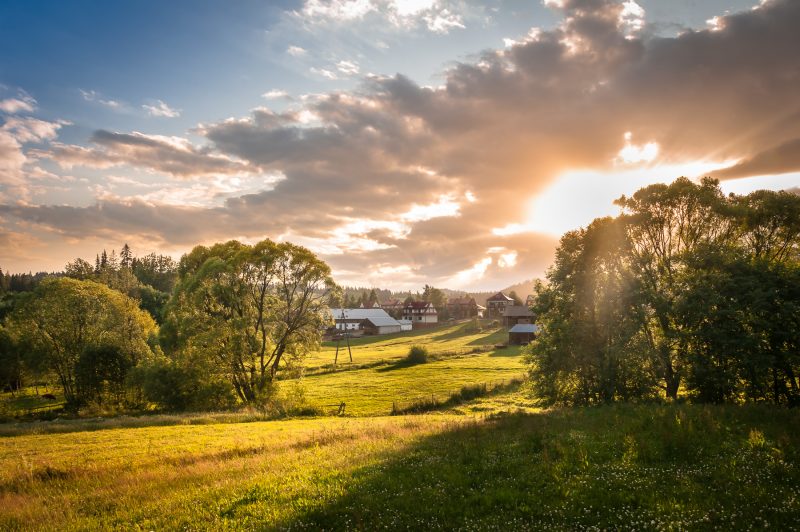
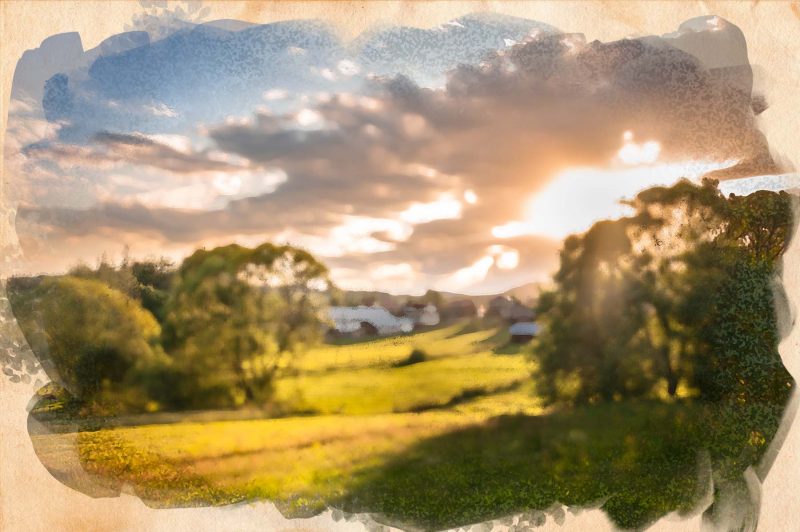
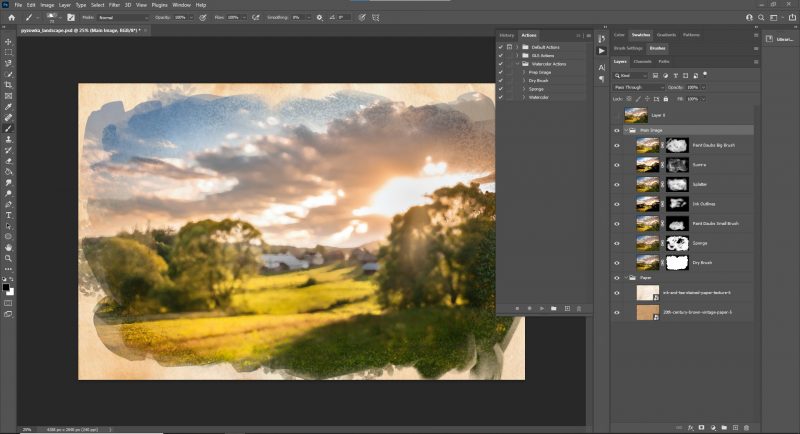
More playing in Photoshop. I turned this

into this

using only a few layers.

PKO Rotunda

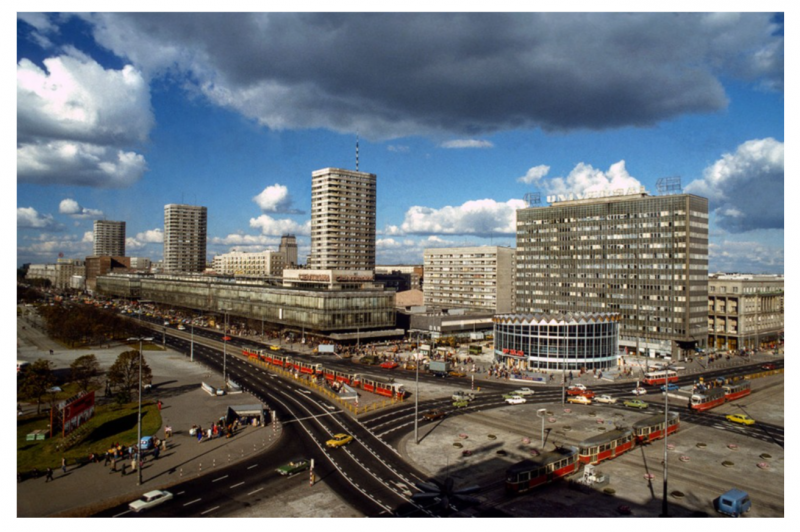
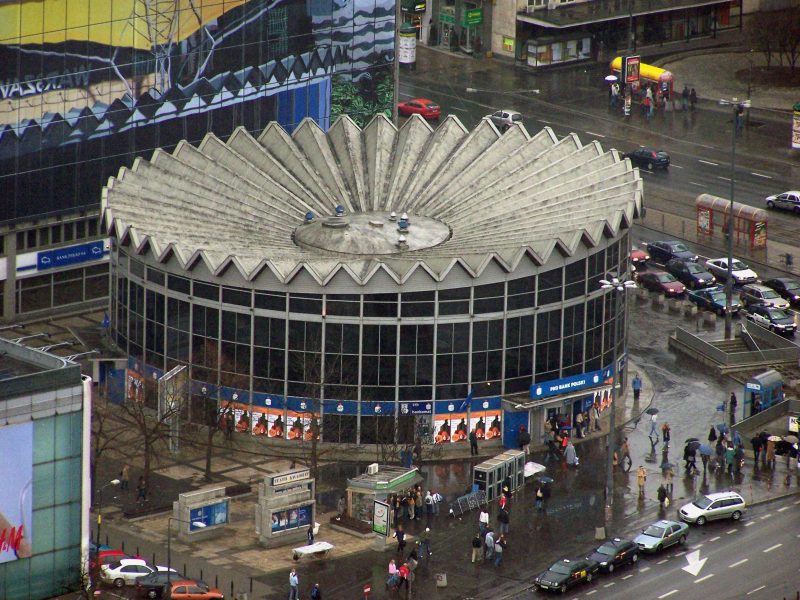
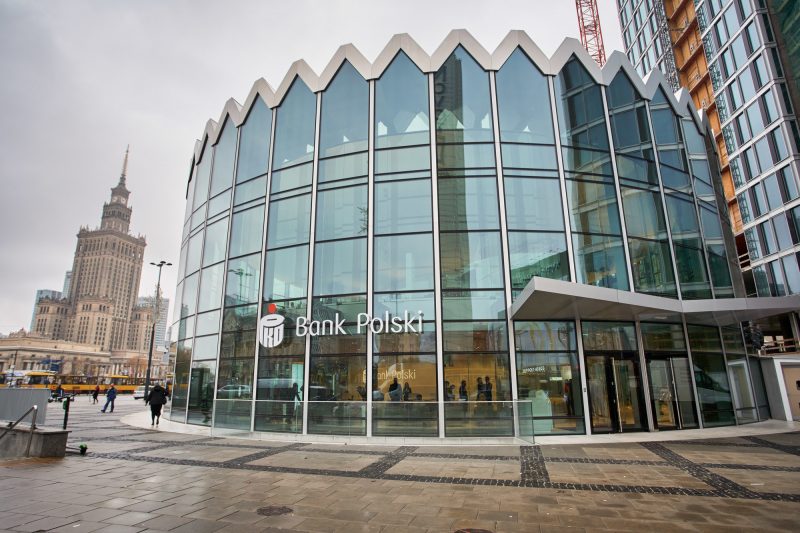
I was looking at the photographs of British/Polish photographer Chris Niedenthal when I saw an image of PKO Rotunda in Warsaw. Suddenly, I was back in Poland in 1996, experiencing the country for the first time, with a vivid memory of the first time I saw the building.

Warsaw 1970s Poland

A friend took several of us to see Warsaw for the first time, and as we walked out of Warszawa Centralna and long Jerusalem Avenue, the impressively Stalinist Palace of Culture and Science on our left, we approached a most peculiar building.

“That’s where we’re headed,” said A as we descended the stairs to pass under Marszałkowska. We weren’t headed to the round bank building itself, though. In fact, I’m fairly certain that I never even entered the building.

It was, in fact, the building just behind the PKO Rotunda that interested us: “There’s a Taco Bell there,” our guide explained. “It’s okay if you like cabbage on your tacos instead of lettuce.”

It was one of the signs of the growing Westernization of Poland that, in 1996, was still relatively new. We were all interested in the Taco Bell for that reason: not because we were necessarily craving substandard “Mexican” fast food but because we wanted to see what Polish Taco Bell looked like, tasted like — to get the local spin on one of the restaurants that provided us with cheap eats during college. With everything so new and unknown, it was fascinating to see things I’d always known in that setting.

Recently, developers demolished the original building and replaced it with a nearly-identical building.

The same spirit, but a different building.

So many of those old, communist-era buildings have been demolished or so completely remodeled as to be unrecognizable in the last twenty years. It’s understandable, I guess: only from a sentimental point of view are those buildings of any aesthetic value at all, and for many, there’s no question of sentimentality about the oppressive past they represent. For me, the sentimentality arises strictly from the novelty of such buildings when I first lived in Poland twenty-five years ago.

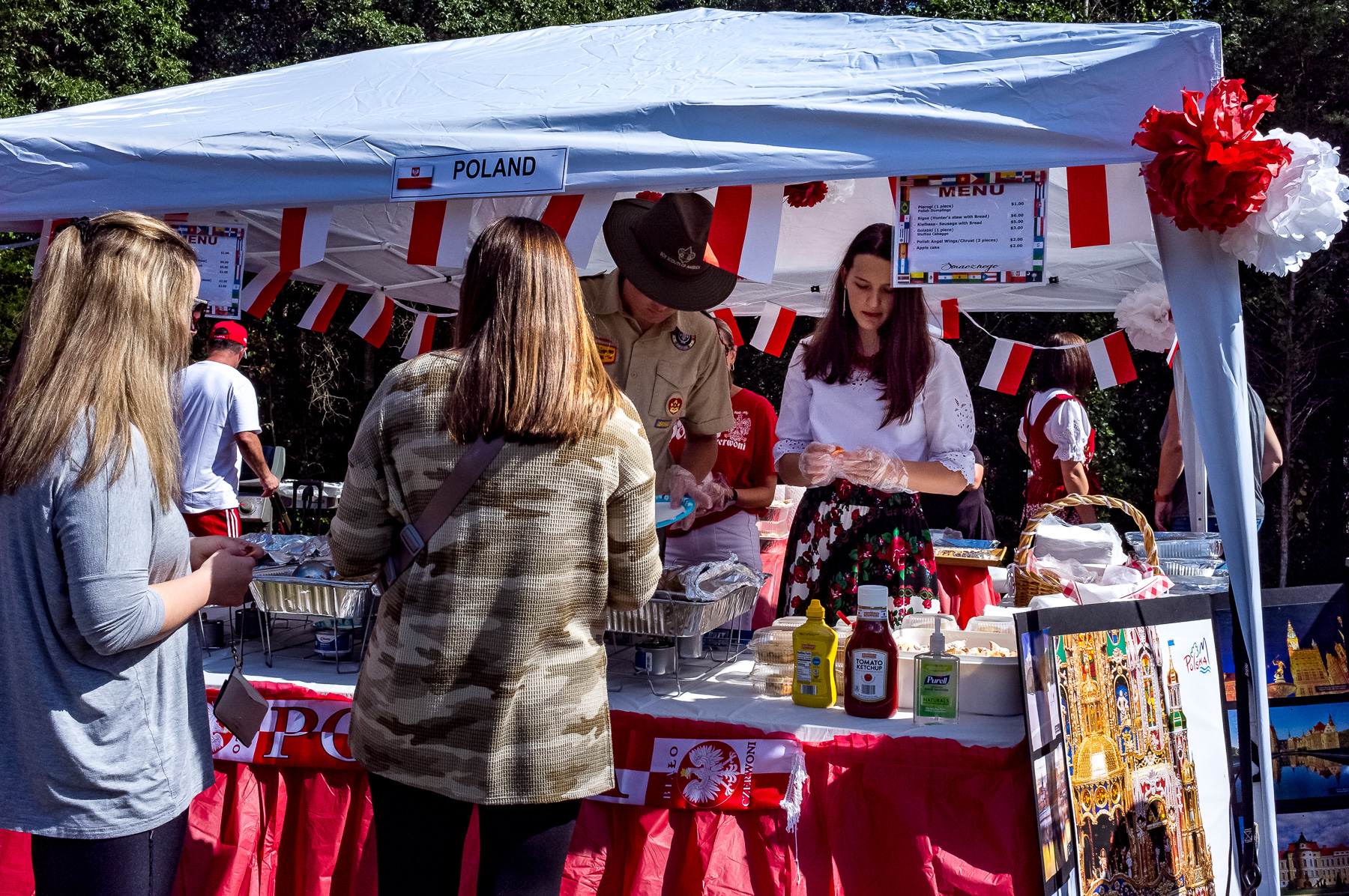
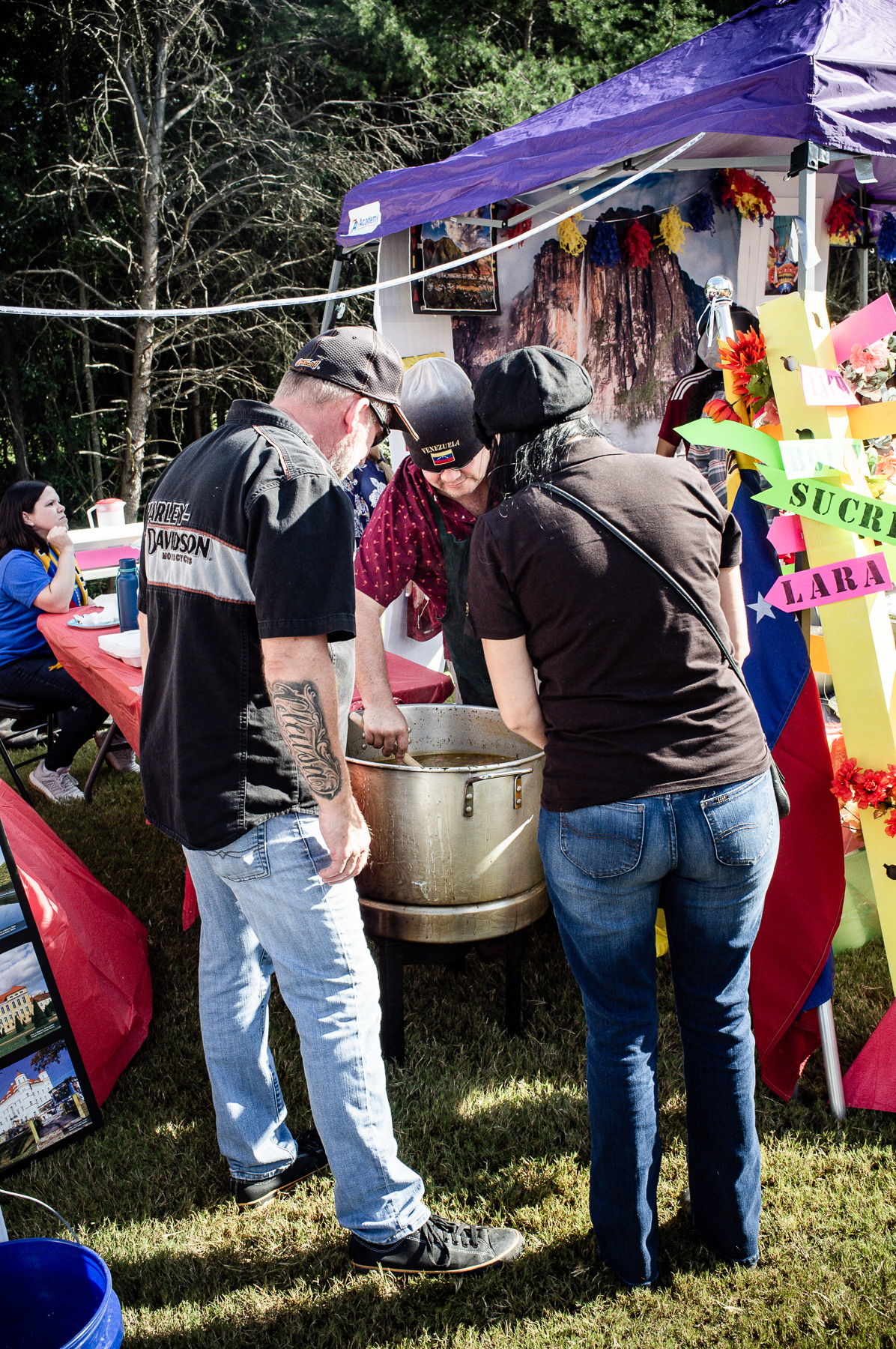
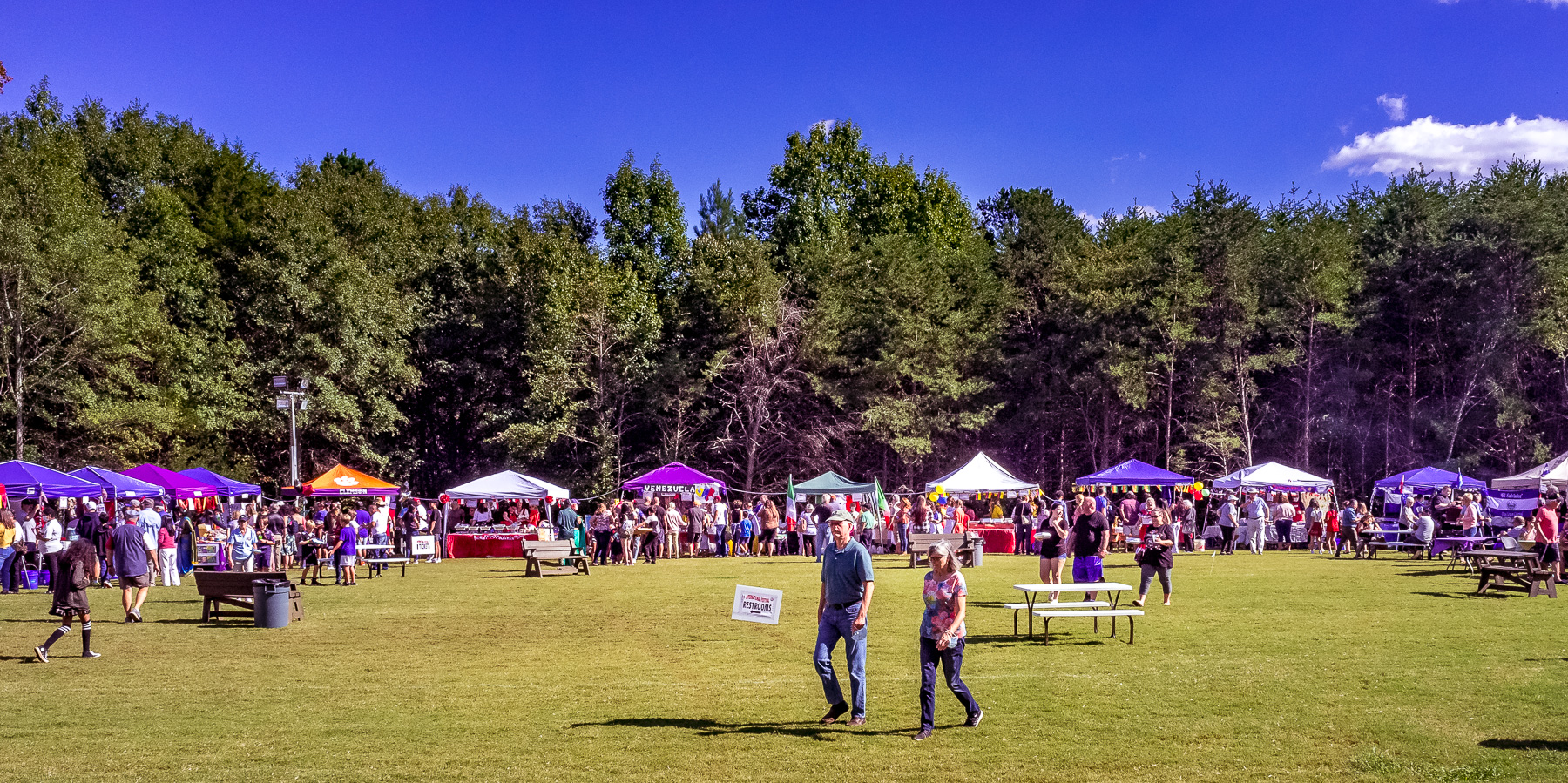
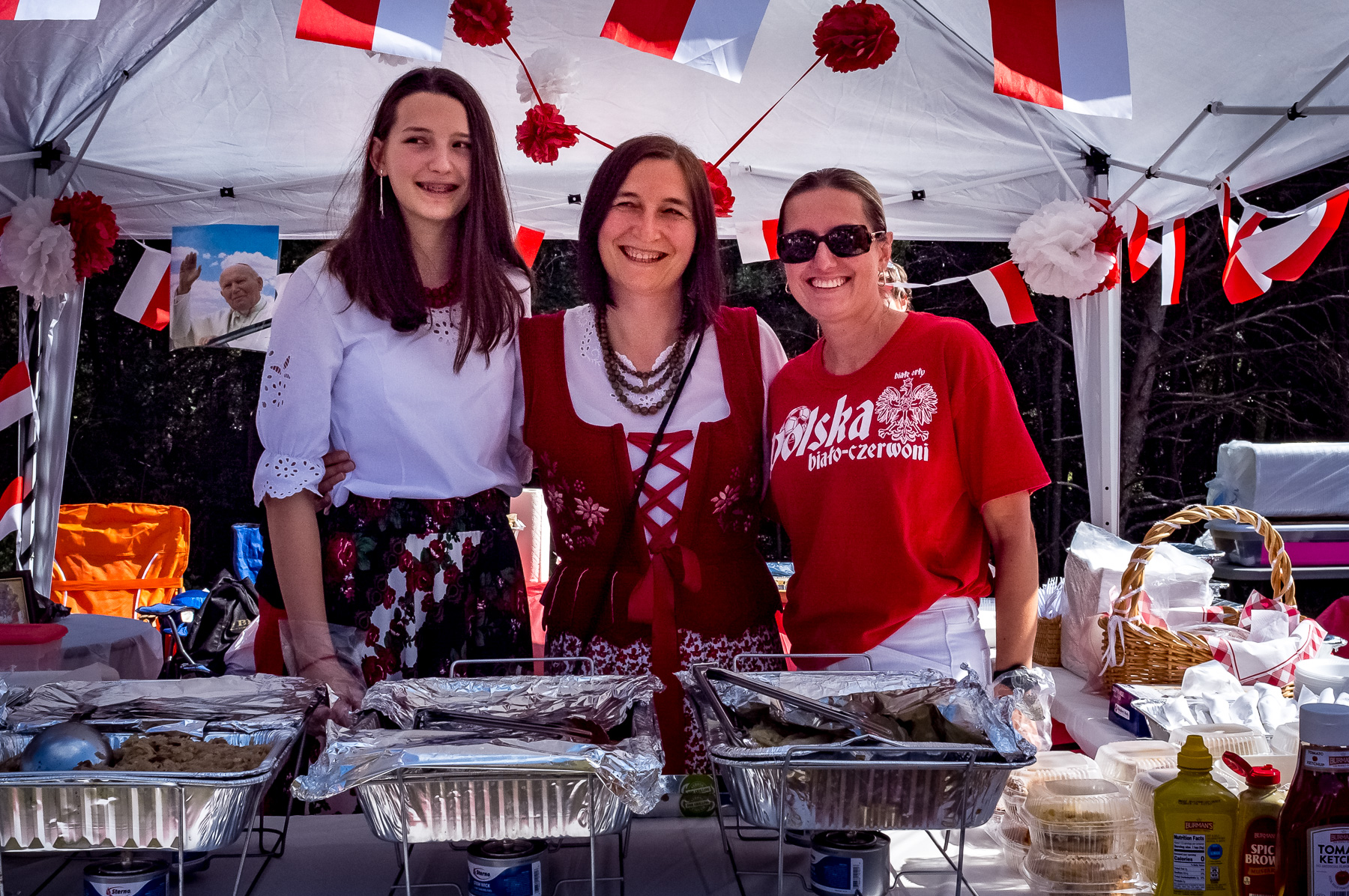
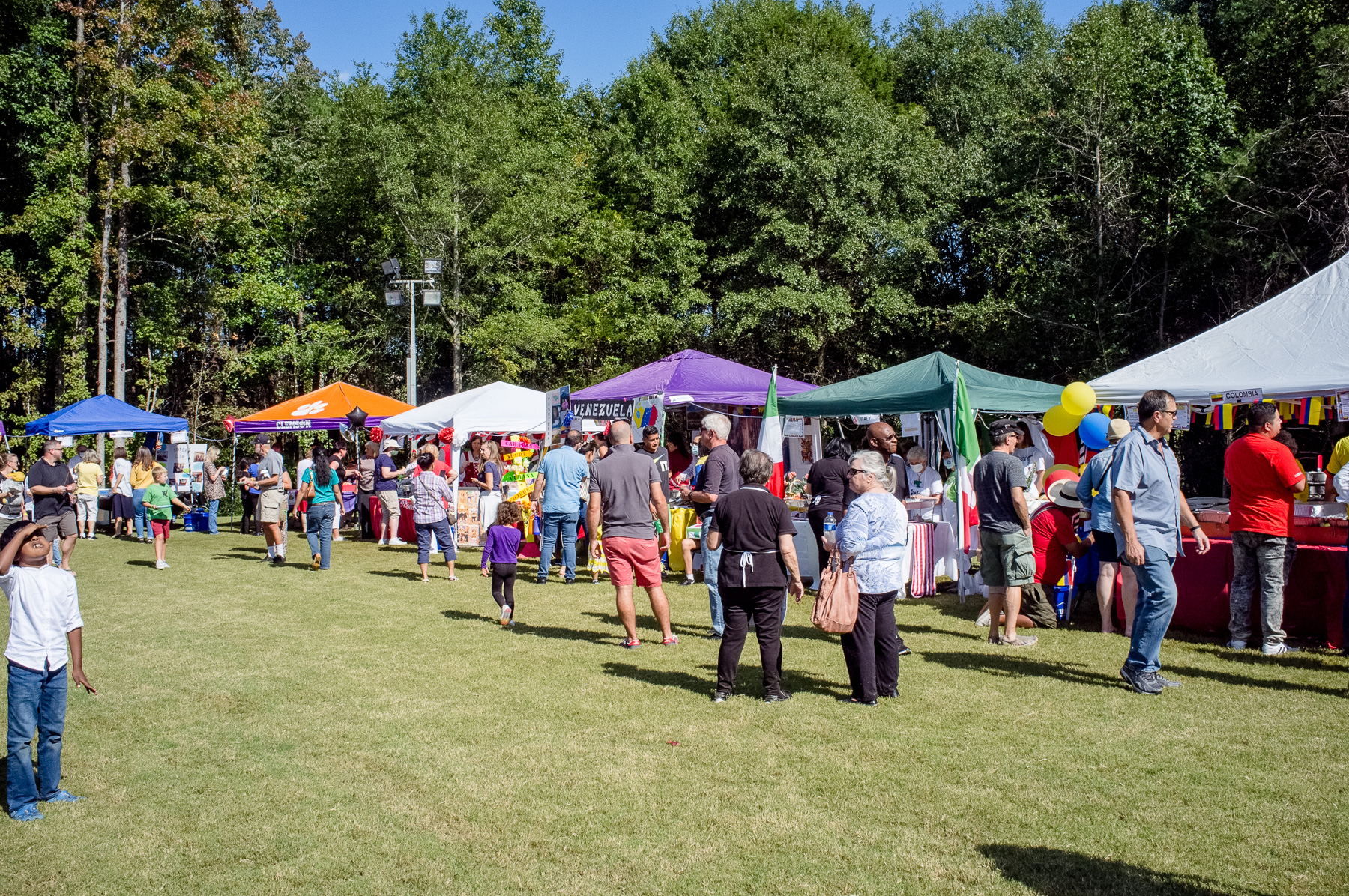
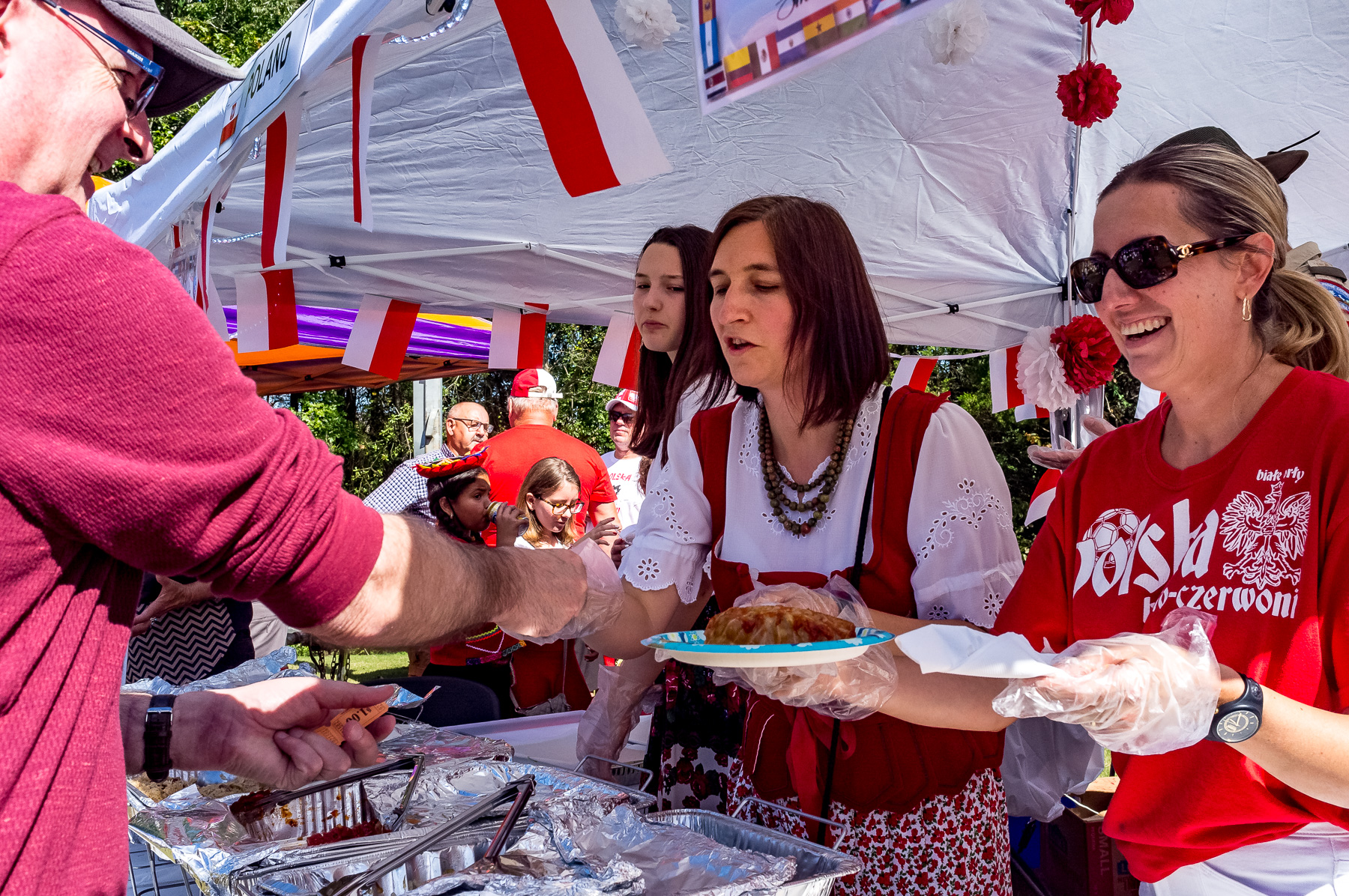
International Festival 2021

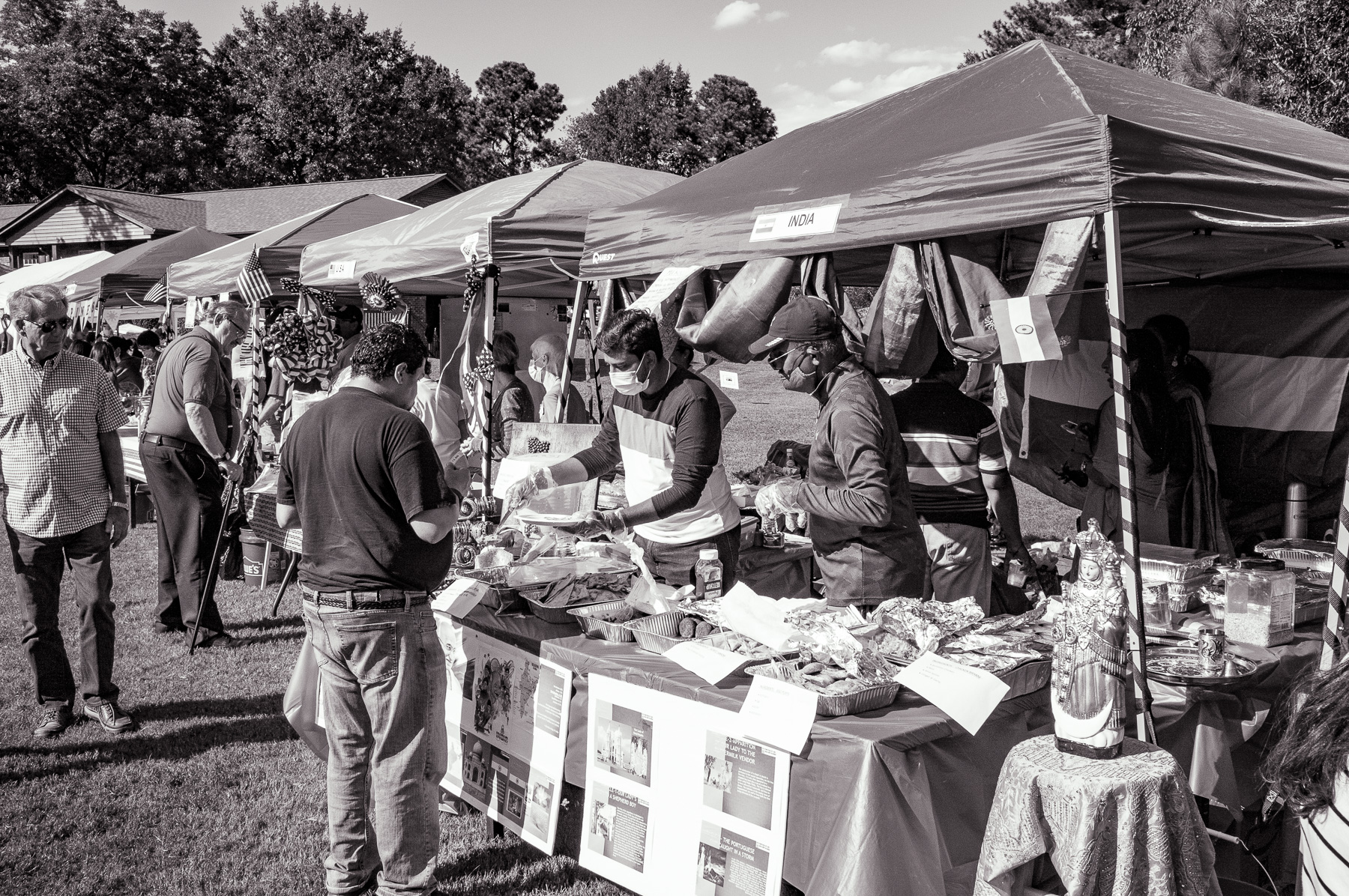
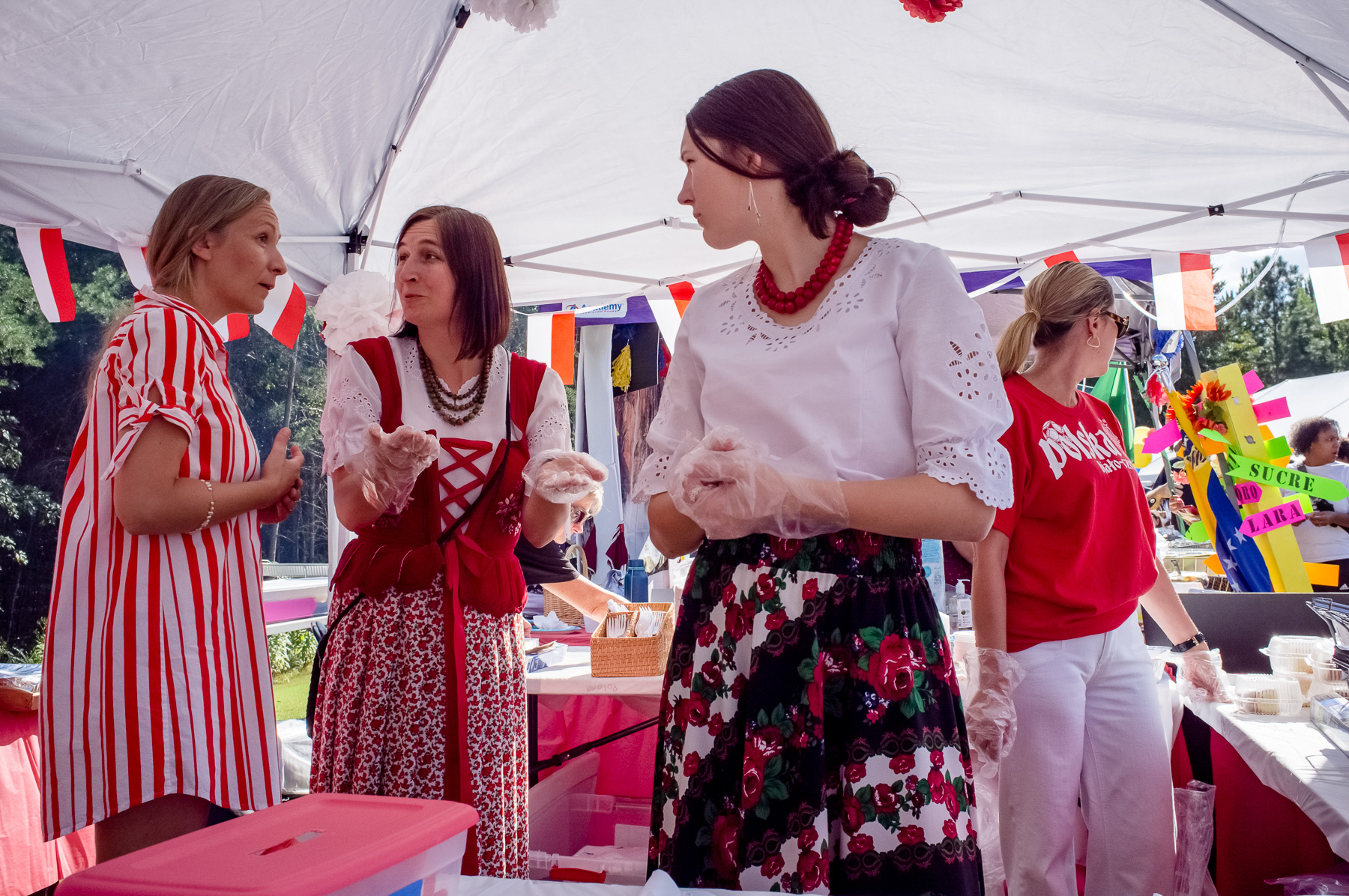
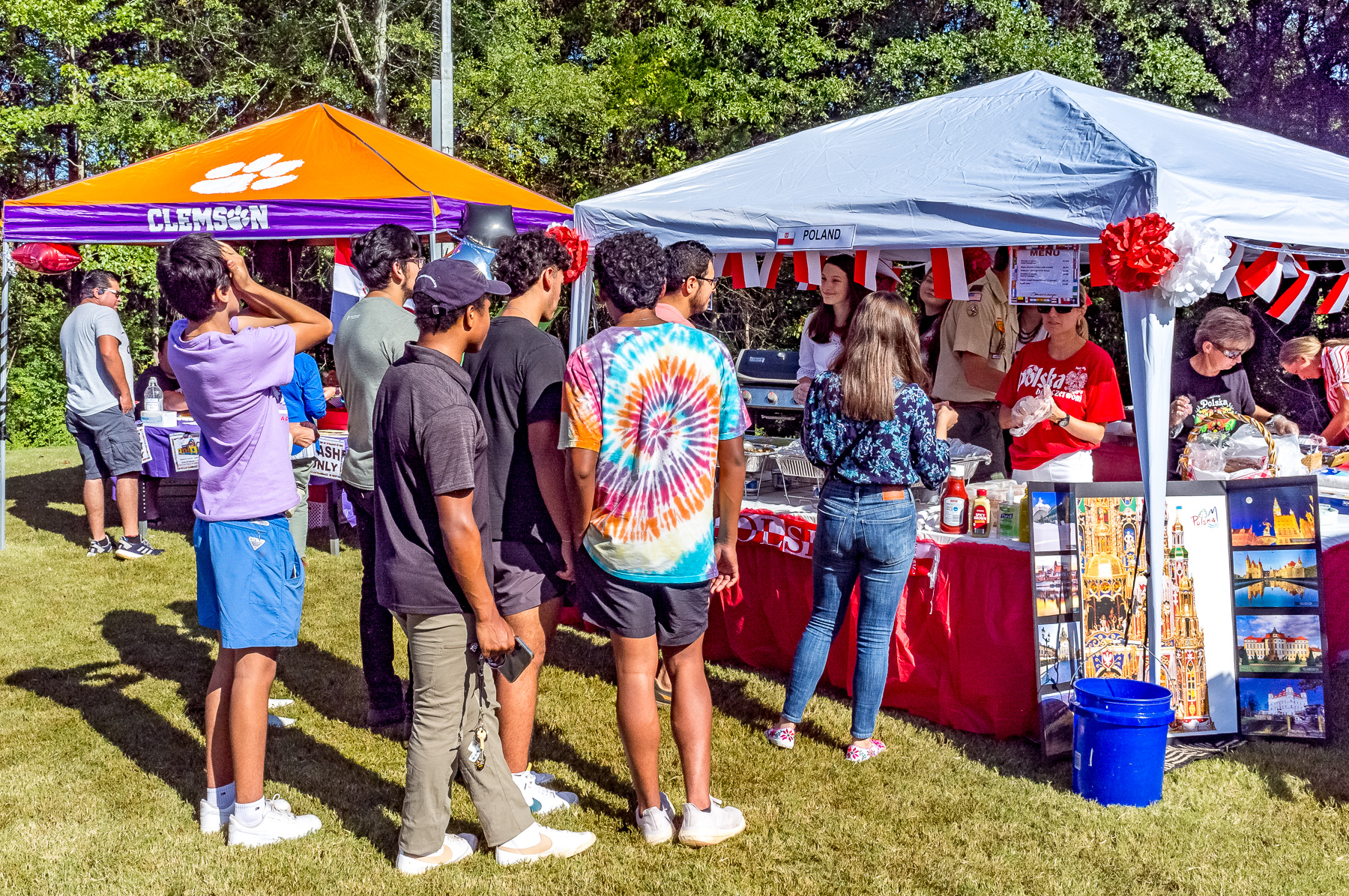
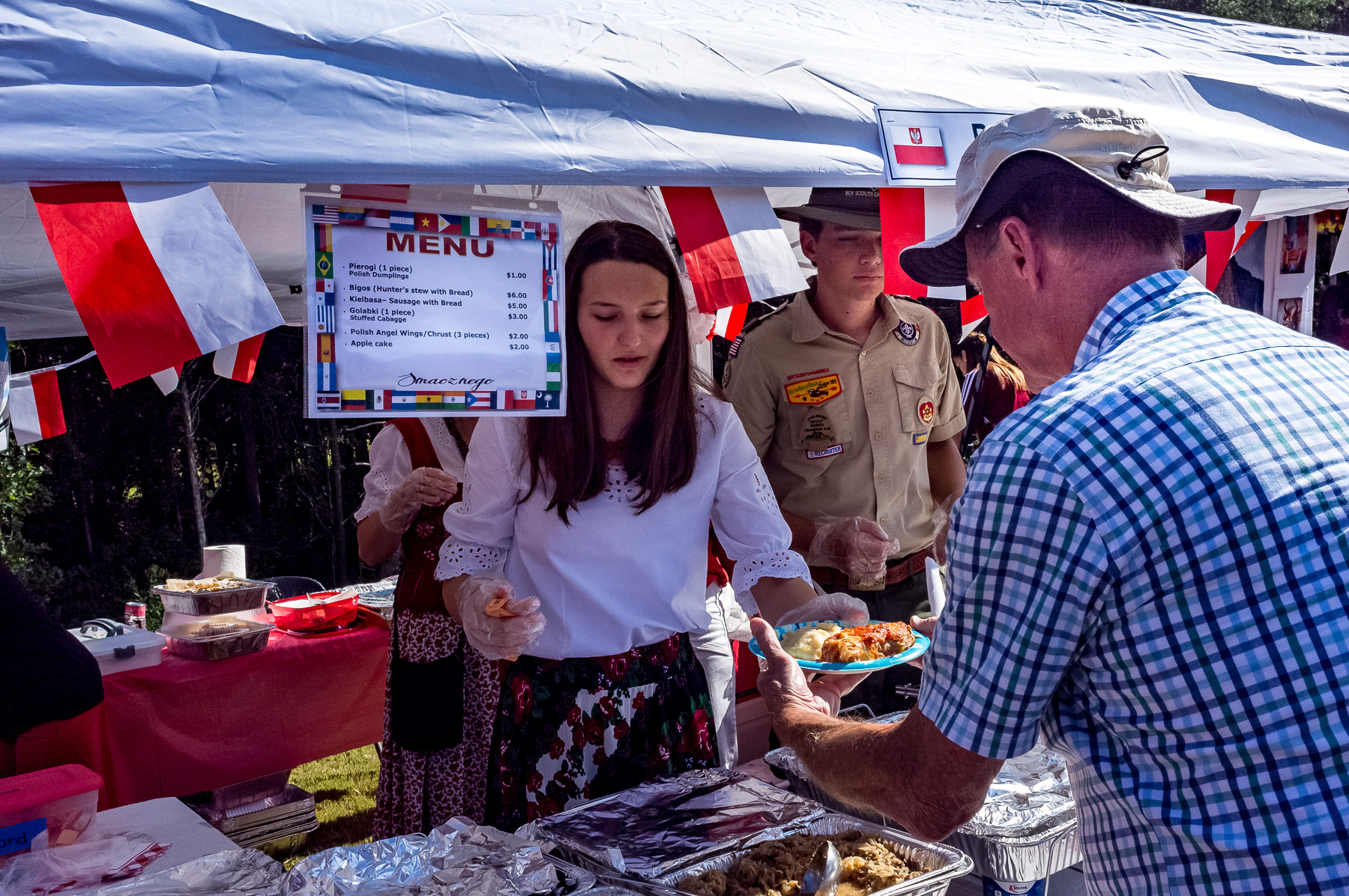
The Polish tent was a hit, selling out of almost everything and raising over $2,000.

Halina

February. There’s ice everywhere from snow packed on the road, snow compressed on the sidewalks, early melts in the fields that have refrozen. I am walking to the post office that’s in the serve-all commercial building in the village center of Lipnica Wielka.

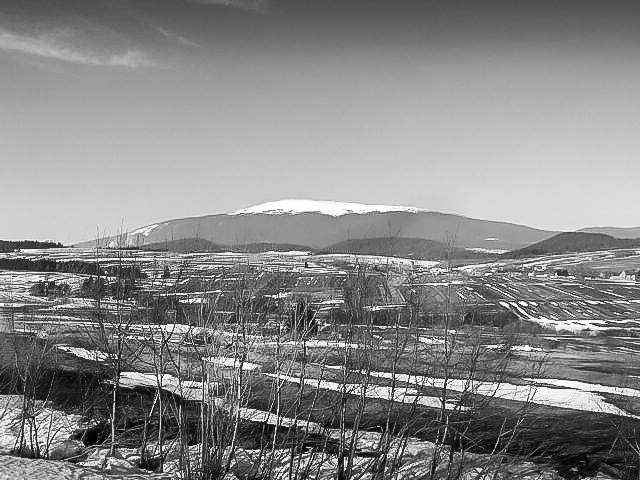
The building houses a large public (as in government-owned) store downstairs, a large hall for wedding celebrations upstairs, and the post office upstairs in the wing to the right. Below it — who knows? Like many public buildings in Poland in the 1990’s, there’s a lot of empty space. In my hand, a pile of letters to family and friends. As I begin up the outer steps, I meet the director the rehabilitation center at the top of the village, just under Babia Gora, the mountain that looks over the whole village.

It’s a center the Duchess of York has established for children recovering from the chemicals and radiation used to treat cancer. I’ve been going up to spend time with the kids from time to time since the first weeks of my arrival. I always leave feeling depressed and heartened. Children have always been a joy to me, but so many withered children, boys with no hair, girls covering their bald heads with kerchiefs leave me emotionally drained.

Halina is one of the residents, a girl of seventeen who is trying to complete her first year of high school in Lipnica. She’s tried twice before, but her cancer and its treatment have made it impossible. She sits in my first-year class, clearly older, clearly more mature than the other students, and she often looks at me with an expression that seems to say, “You have no idea what you’re doing, do you?” A first year teacher, I really don’t.

Just before Christmas break, Halina disappeared. When I meet the director of the center, we make small talk for a few moments before he abruptly tells me, “Halina died.”

I stand there for a moment, silent. What do I say? What can I say? Everything feels so trite, so silly, so empty.

North and South to Go South

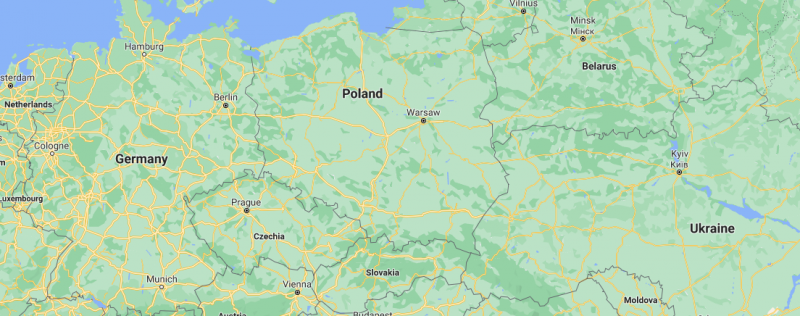
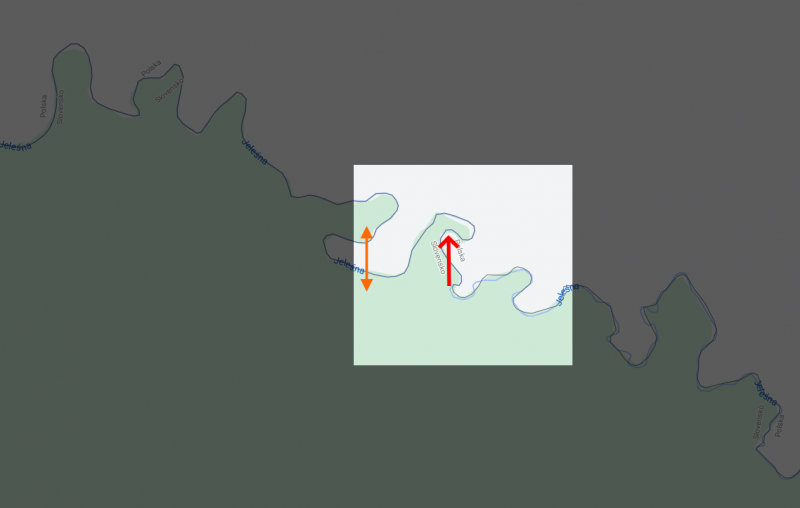
Borders are strange things — they can turn our perceptions on our heads. Take Poland and Slovakia, for example.

We generally think of Slovakia as south of Poland because, well, it is. But there are a few points of the border near where I lived and K grew up where the border follows a stream for a while. The result: you can travel north from Poland and arrive in Slovakia.

And there’s one spot where you can go either north or south to reach Slovakia.