
It’s four o’clock. My lessons are done, and because I’m repeating today’s lessons tomorrow with different sections of the junior and senior classes, I have no planning. I also have no sandwich meat — a staple in Polska — so I wrap up in my layers and head down the street to my friend’s shop.
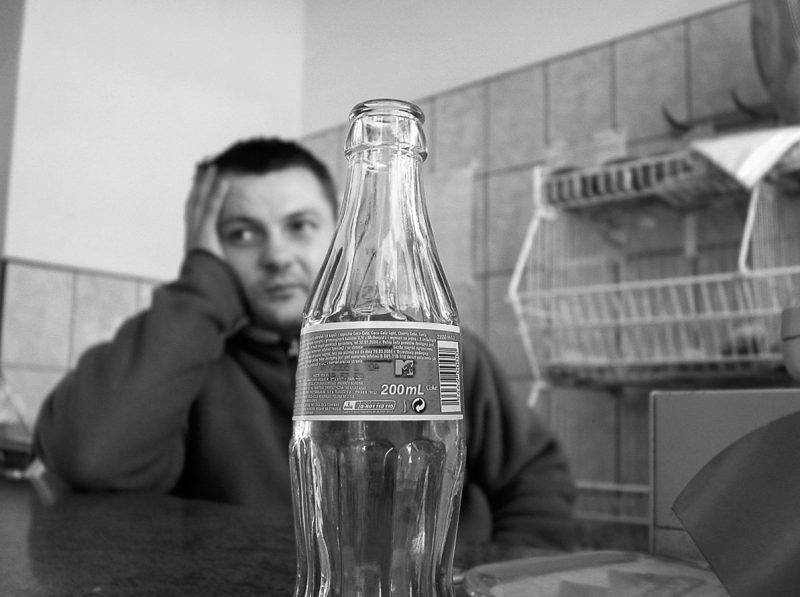
It’s a frigid day, and no one is out unless he has to be out. Stasiek sits behind the counter, head propped with one hand, bored and waiting for customers.
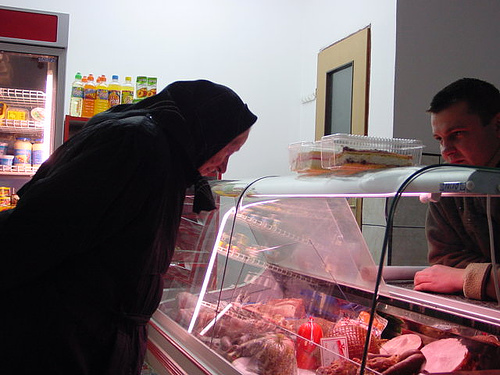
I buy a cola, and we chat while he slices some ham for me. We chat about mindless things, but we chat in Polish. Stasiek is one of my few friends with whom I have an entirely Polish relationship: only rarely does he try English with me, and usually only as a joke.
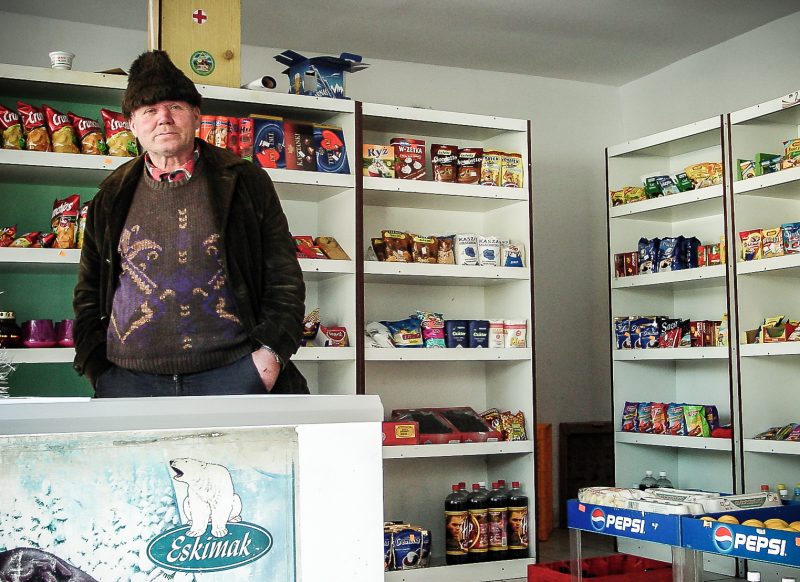
Soon, another customer staggers in and immediately begins telling slurred stories about the time he went to work in Iraq, back in the sixties. He tries to speak some Arabic for us, but to me it’s no more unintelligible than his slushy, thick Orawian dialect. I engage the defense mechanism I’ve honed to perfection in this small Polish village: I smile, mumble assenting phrases, and avoid further unnecessary eye contact.
Stasiek senses my unease and offers help: “Uncle, do you need anything else? You’d probably better start heading home.”
Soon, Michal, a former student and now mutual friend, comes in, grabs a bag of bacon-flavored chips, tosses a coin on the counter, and joins our conversation. As he talks, he looks about for some thing or other, muttering a greeting to the still-rambling, inebriated customer, asking occasional questions about the merchandise.
Michal and Zbyszek, former students, are there, and soon we’re playing a Polish card game called Tysiąc (Thousand). I’ve been playing it for several weeks now, but I still don’t fully understand what I’m doing.
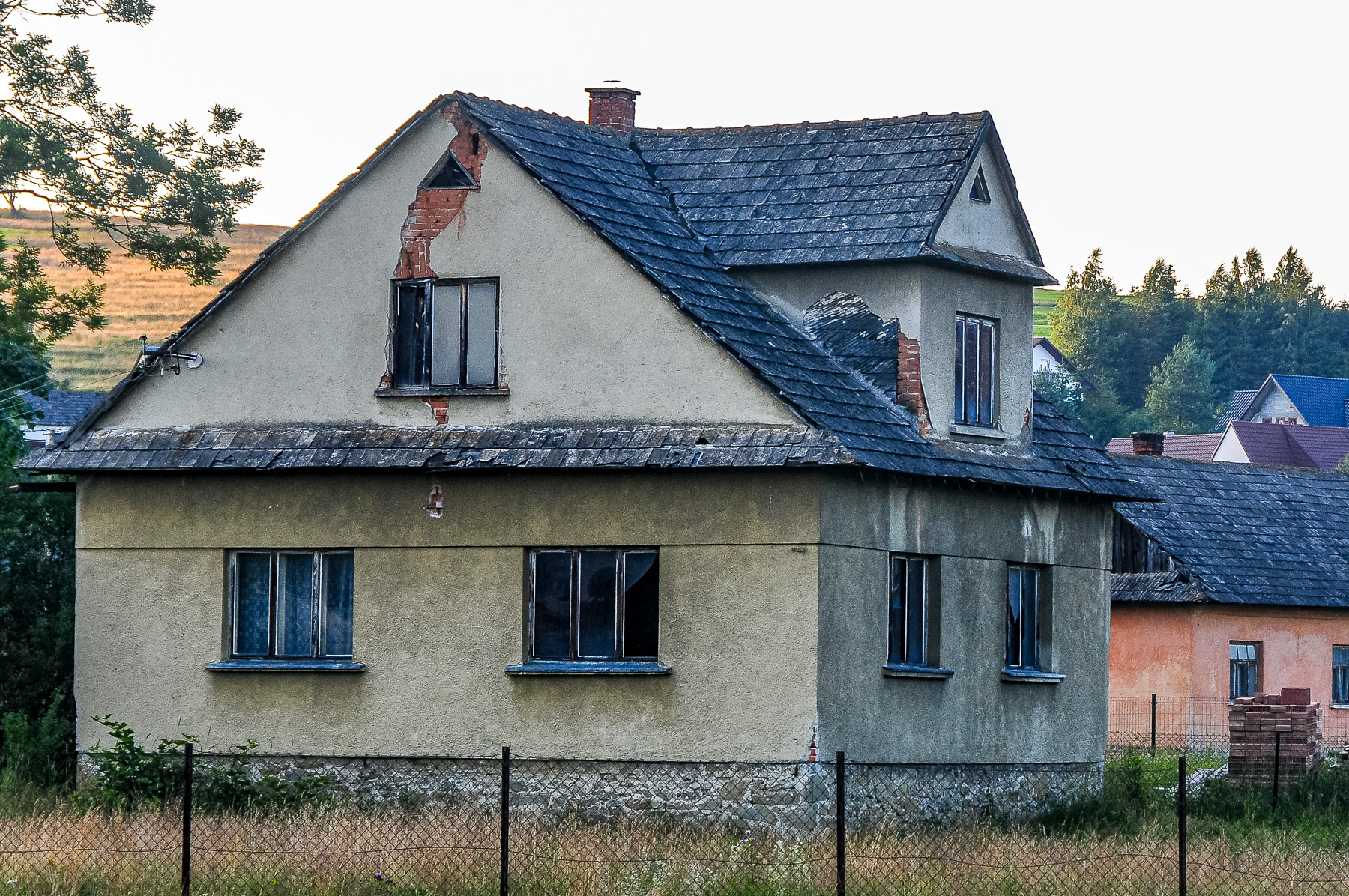
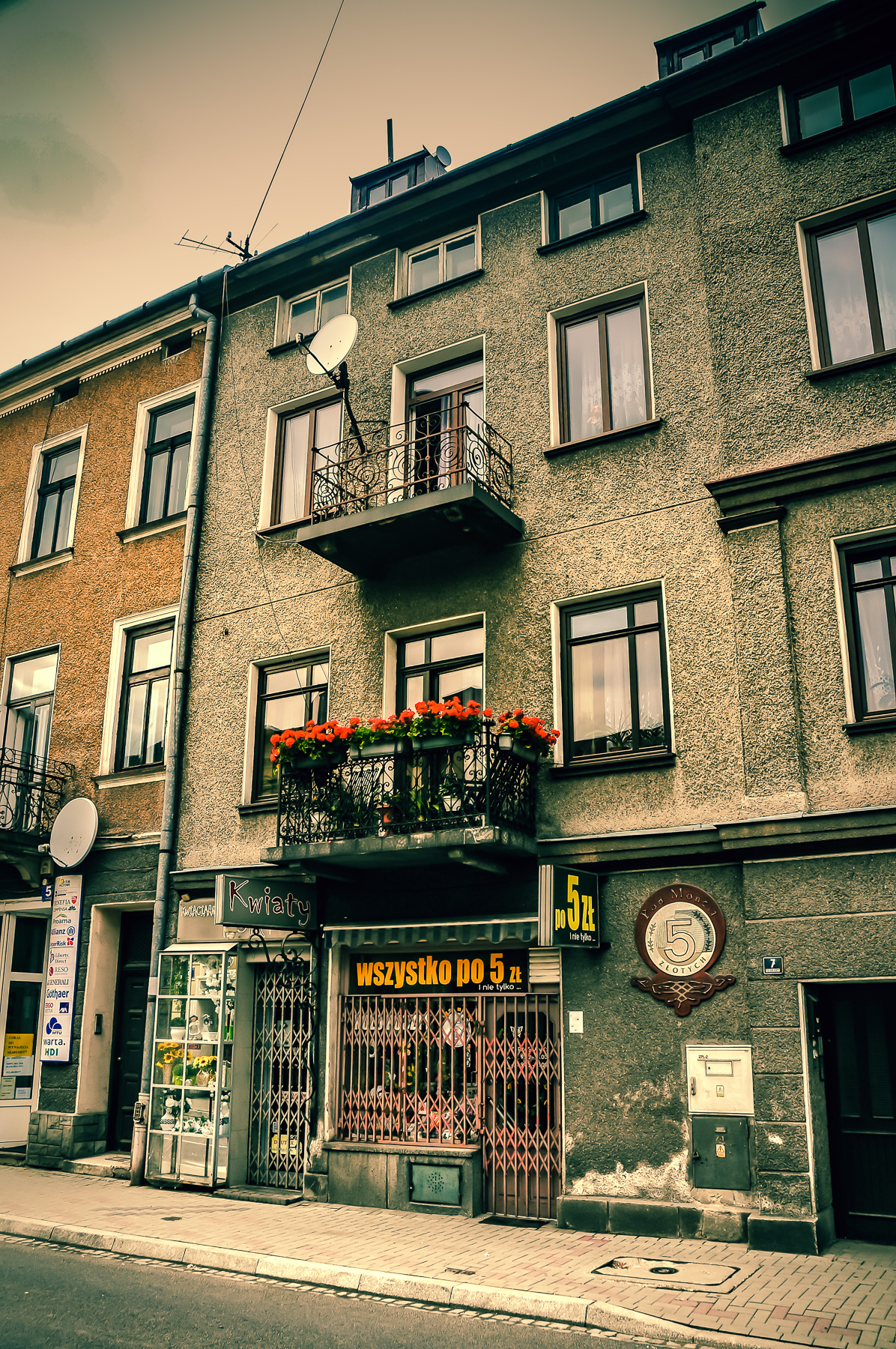
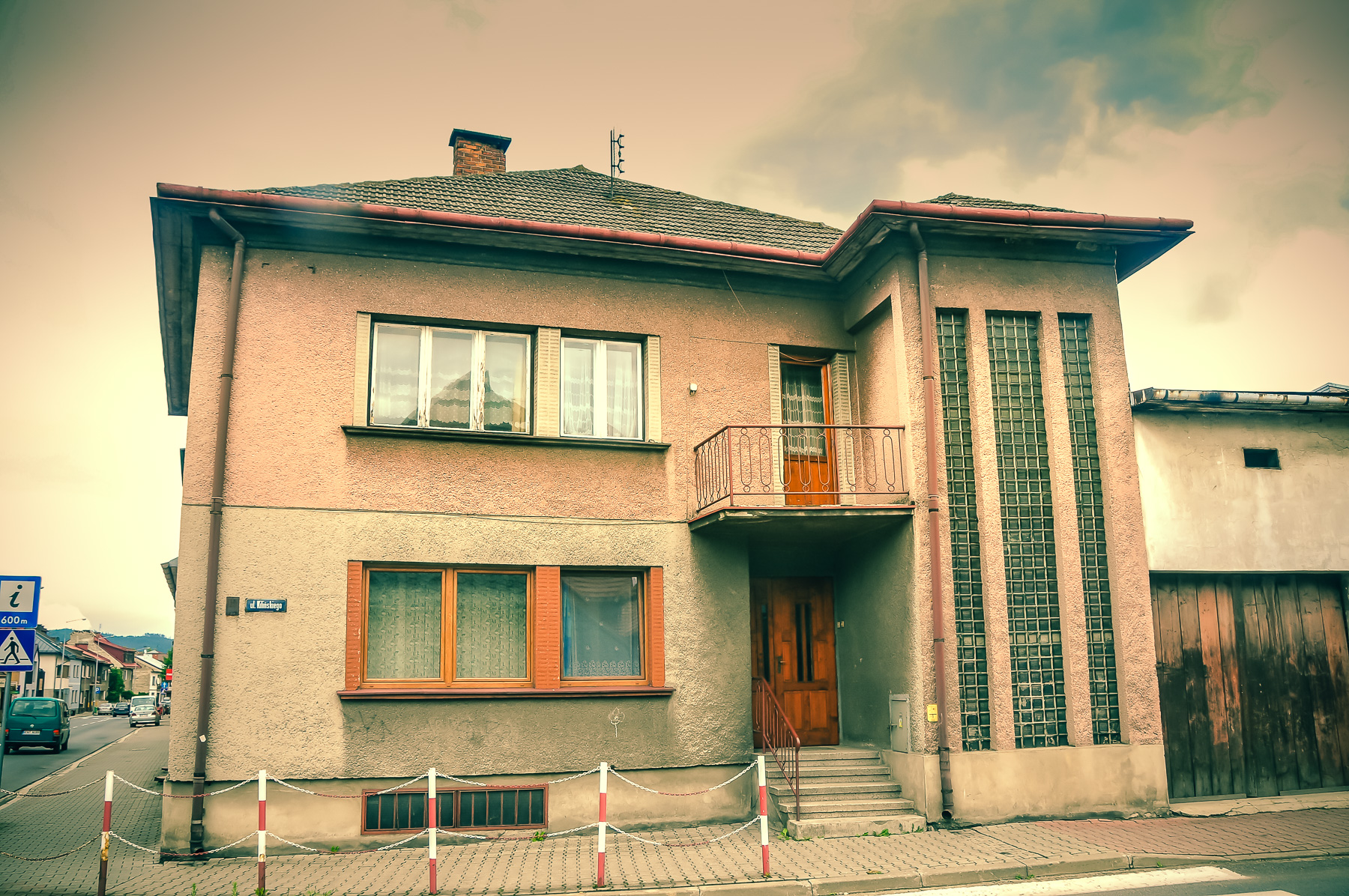
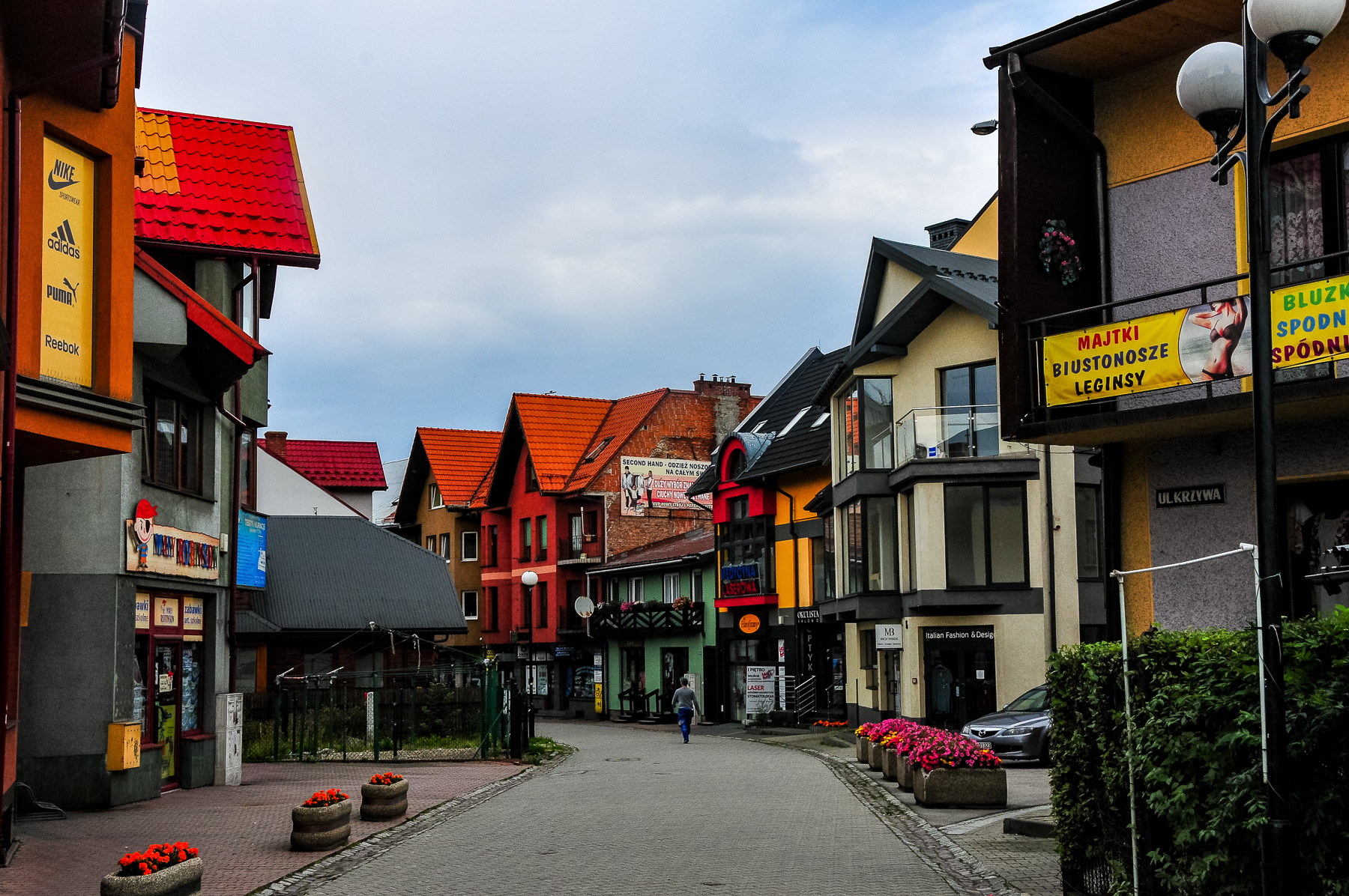
Through a social media account dedicated to publishing old photos of Orawa, the region of Poland where I lived for seven years, I’ve discovered photographs of Lipnica Wielka from a time long before I was born, not to mention before I came to know and love the place.
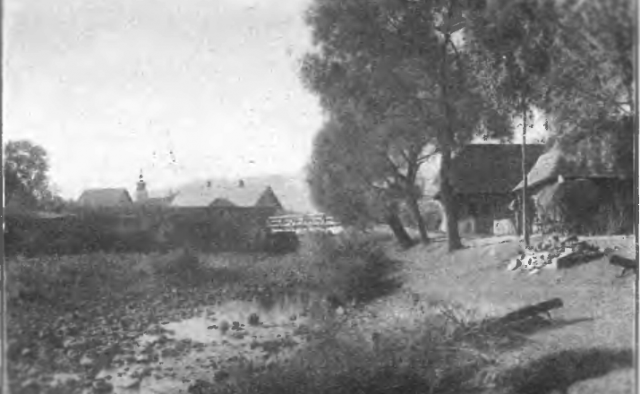
Most of the photos are of the centrum area, which makes sense: it is literally the center of the village. From centrum, the village now stretches about four kilometers toward Lake Orawa and six kilometers to the base of Babia Gora, giving the name centrum both a geographical and functional significance. During the time these pictures were taken, those distances might have been different, but I doubt it: instead, there was likely simply more room between homesteads.
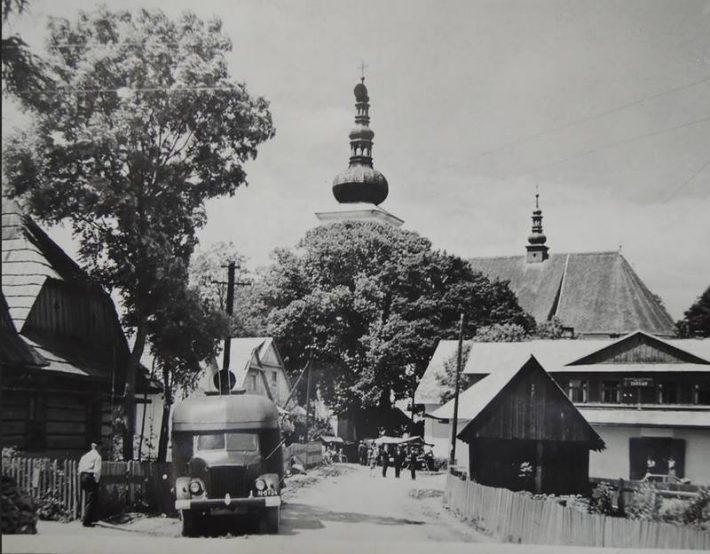
The shot from the sixties — the second and third houses on the left are still there. I’ve visited friends in both of them.
In one of them lived two of my students. I’d gotten to know their father, F, as he would come to a shop my friend S owned when I was there hanging out, drinking a beer, chatting with my friend. F was always insisting that I would have to come to visit him for a coffee; I was always putting it off.
I did visit him once. I was leaving S’s store when an eruption of yelling and what sounded like physical fighting spilled into the street, and F’s youngest son came running out, a look of panic and fear on his seven-year-old face. More yelling. I pushed through the gate and walked to the house. “Wujek!” I called out — I’d taken to calling him “Uncle” as my friend S did. “I came for that coffee you promised.” Just then, his son — whom I taught — came out of the house yelling back at him, his father in pursuit, his mother tugging at her husband. “Wujek, I came for that coffee,” I repeated, trying to sound as if I had no idea what was going on and just happened to choose that moment to take him up on the offer.
F saw me, stopped, and calmed immediately. “Get out of here,” I said in English to his son, “and take your little brother with you.”
Soon, we were sitting at a small table in their kitchen, his wife making coffee. When F left the room to retrieve something to show me — pictures? some kind of manual? — I said quickly to his wife, “Sorry to come in like this. I just thought I might be able to help.” The corners of her mouth arched upward slightly but said nothing.
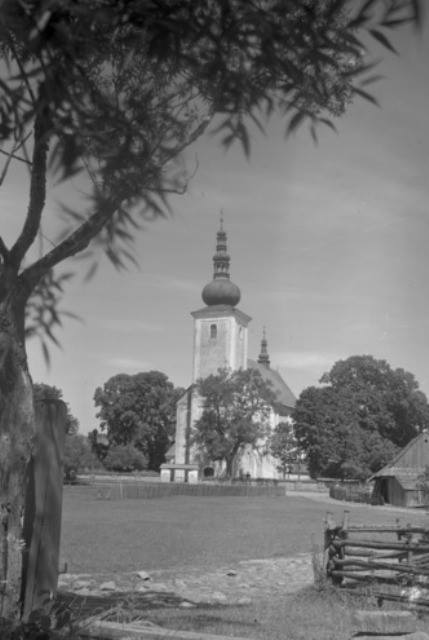
The church in the thirties: that view is impossible now. There are several houses there, many of which weren’t even there when I first arrived in 1996. The village is expanding, with houses being built off the main road, which necessitates new roads, new infrastructure, new, new new. Such a strange juxtaposition to the numerous half-completed homes that dot the village — all villages in southern Poland — that have stood as empty shells for years, decades even, after the family abruptly moved to America. That stone road, though, is still there albeit paved.
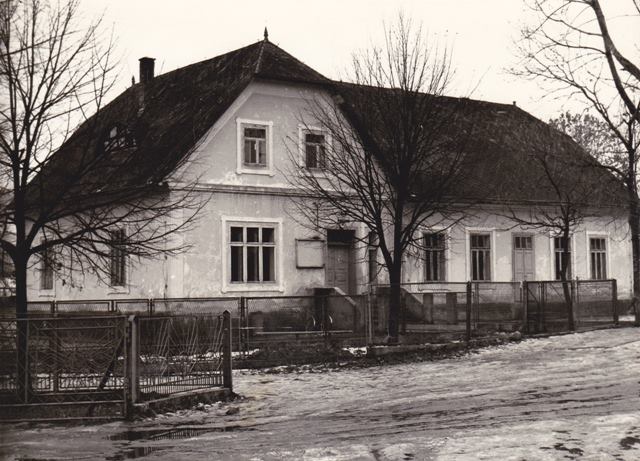
Two images look strikingly similar to my first encounters: the old school in Lipnica looked exactly the same when I arrived. It was no longer in use, with the elementary school it used to house in the lower floor of the large, then-new school complex where I taught high school students. The volunteer fire department band used upper room for rehearsals, though, and many a summer evening, when all the windows were open, I could easily hear them in my apartment in dom nauczyciela behind it. Sometimes heated discussions replaced the music, but by the time my Polish was good enough to scratch out some meaning from my eavesdropping, they’d stop rehearsing there.
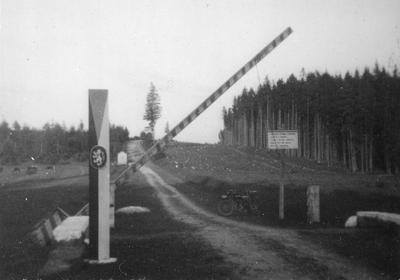
Except for the dirt road, the border looked almost identical as well. This was the small crossing that I never dared use because there was never any officers there to document my departure from Poland and my arrival to Slovakia. I was terrified at the thought of being caught in Slovakia without proper stamps in my passport or caught coming back into Poland without the appropriate stamps.
Once, I rode my bike there with K, and feeling mischevious, I stepped over the border briefly. If memory serves, K assured me that we could continue on the road without any worries, but in a way, that doesn’t sound like K.
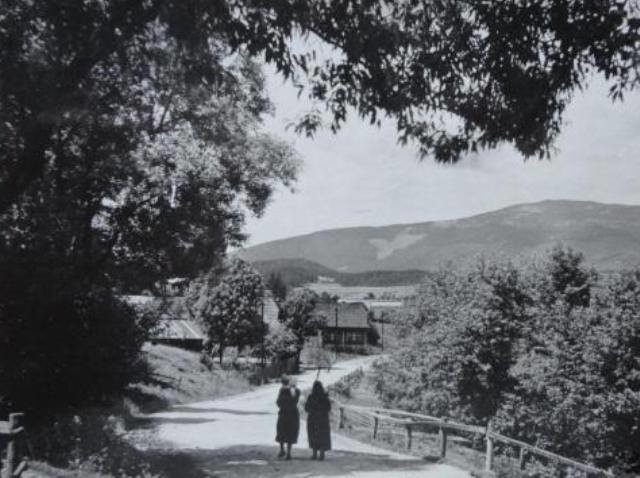
Finally, there is a portion of the road that I recognize not because of buildings or anything else; I simply recognize the curve and slope of the road, with Babia Gora just behind it. So odd that I can recognize a coupe-hundred-meter stretch of road in a small Polish village simply from that.
It was the route I walked countless Saturday nights with friends as we headed to a discoteque housed in the empty rooms above one of the bakeries in the village. There was always such a mix there:
I sat with my friends, drinking beer, talking to folks (occasionally students), watching people, making mental notes that eventually found their way into my journal.
All those memories embodied, strangely enough, in that little curve of road.
If it’s late June and we’re in Poland, we might be celebrating Babcia’s birthday in one form or another. Probably not a lot of celebrating happening the day of it (at least not until later in the day) as Babcia, lacking any social media whatsoever, spends the day talking to people who phone her with birthday wishes.
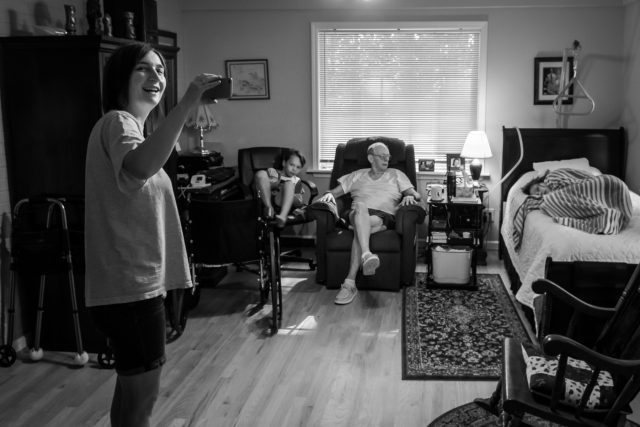
As it is, we simply got everyone up early and phoned ourselves. It was hard to get through, though. Everyone loves Babcia.
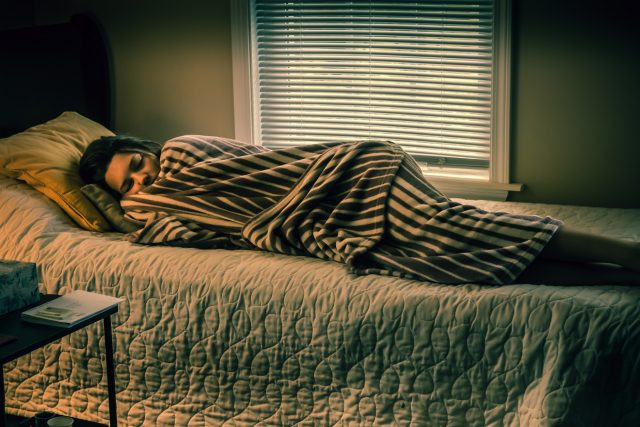
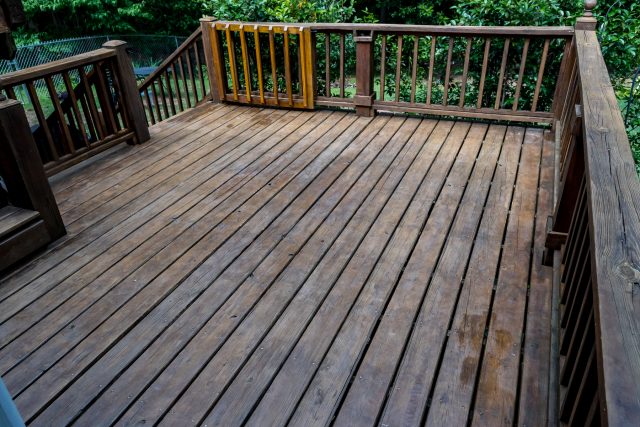
If it’s late June and we’re not in Poland, I’ll probably be on the back deck, applying water sealant.
And of course, there’s the evening game of hearts.
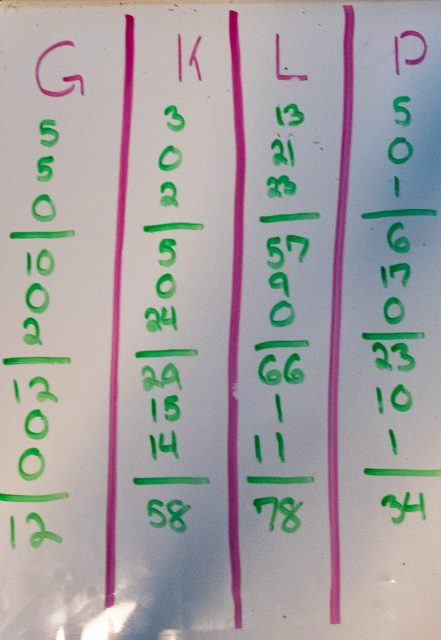
Two nights in a row — how do I do it?
Nature is teasing our family. Perhaps mocking. But I’ll be magnanimous and say “Teasing.” We were supposed to leave for Poland today.
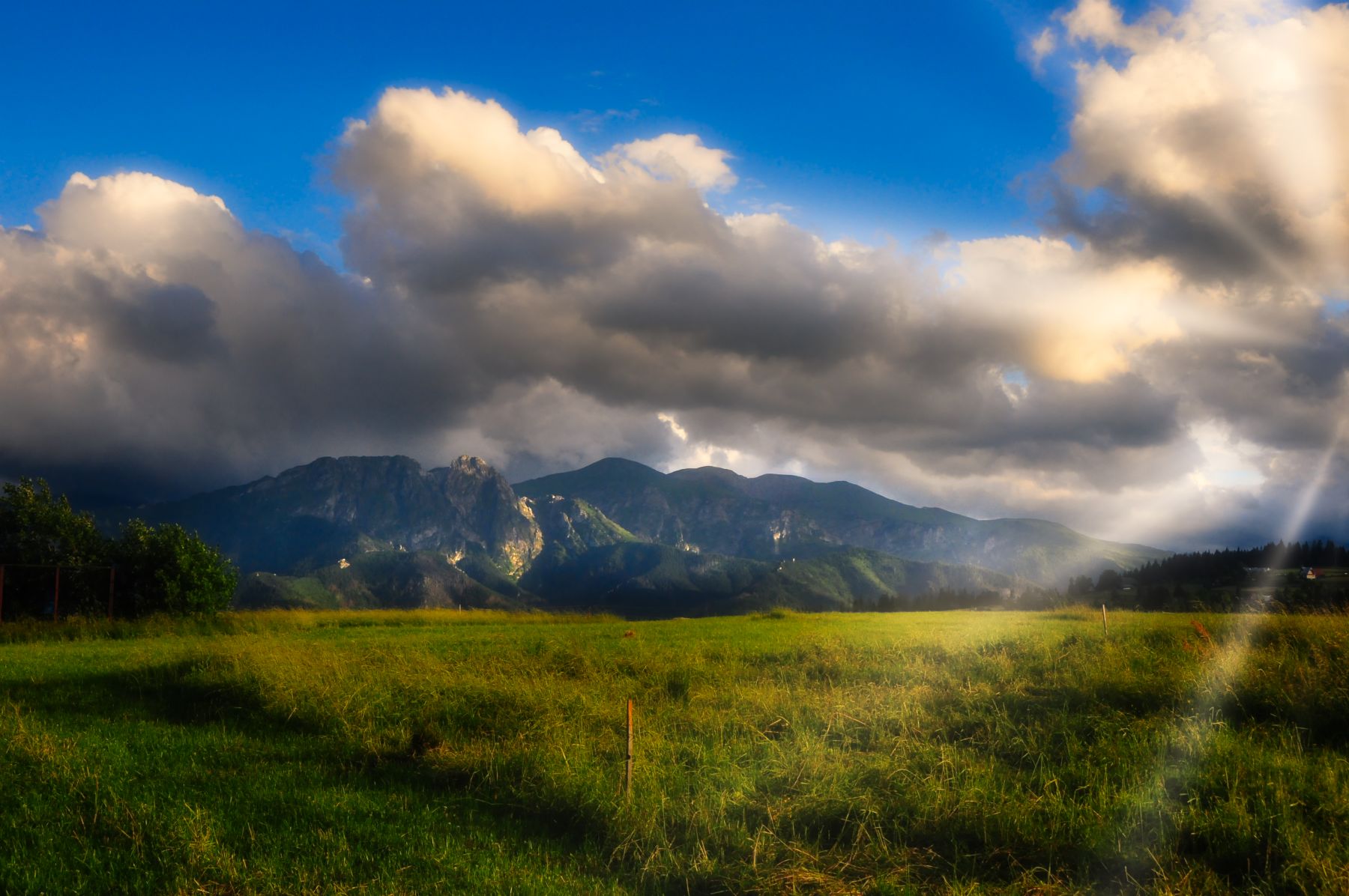
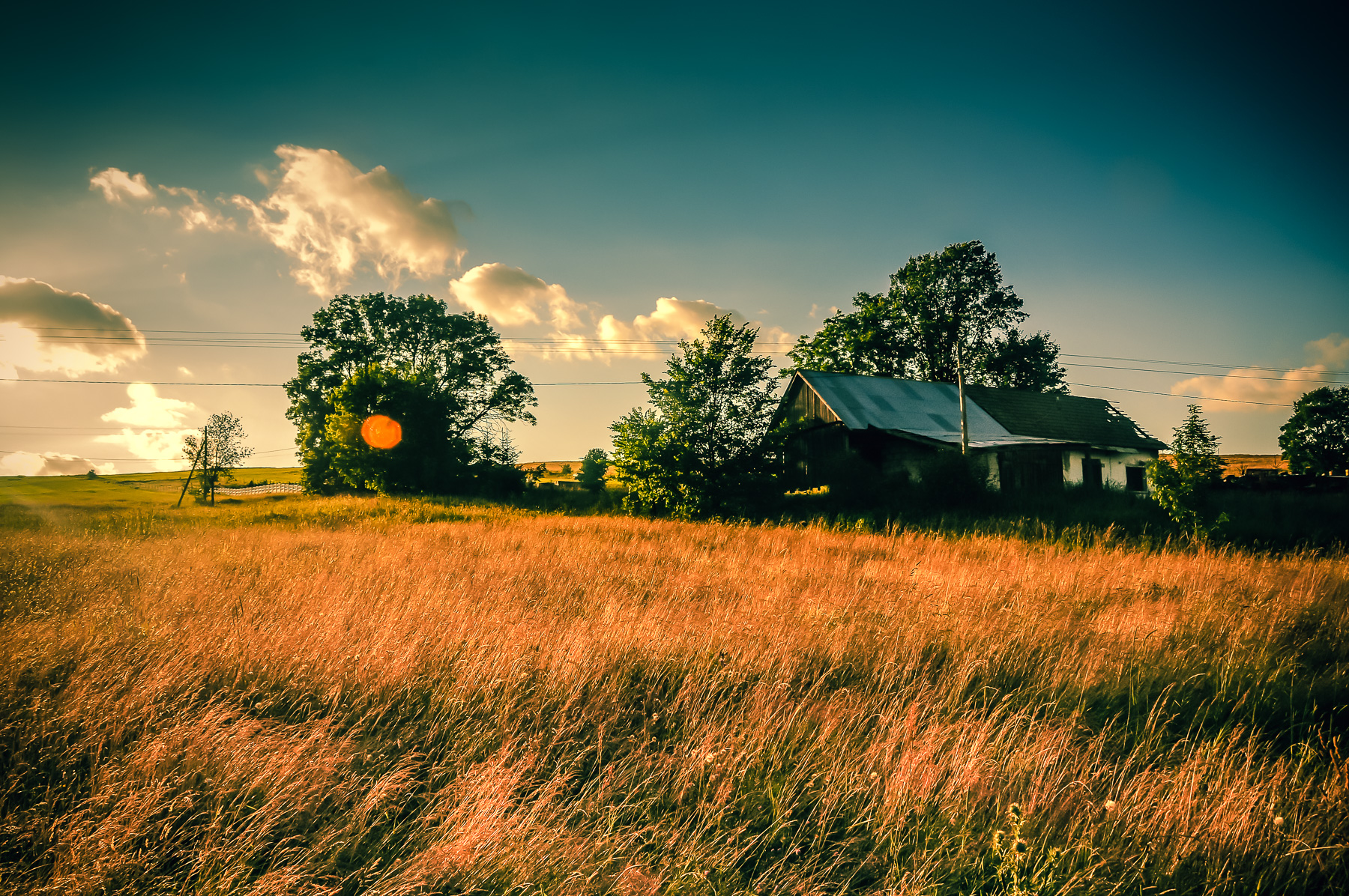
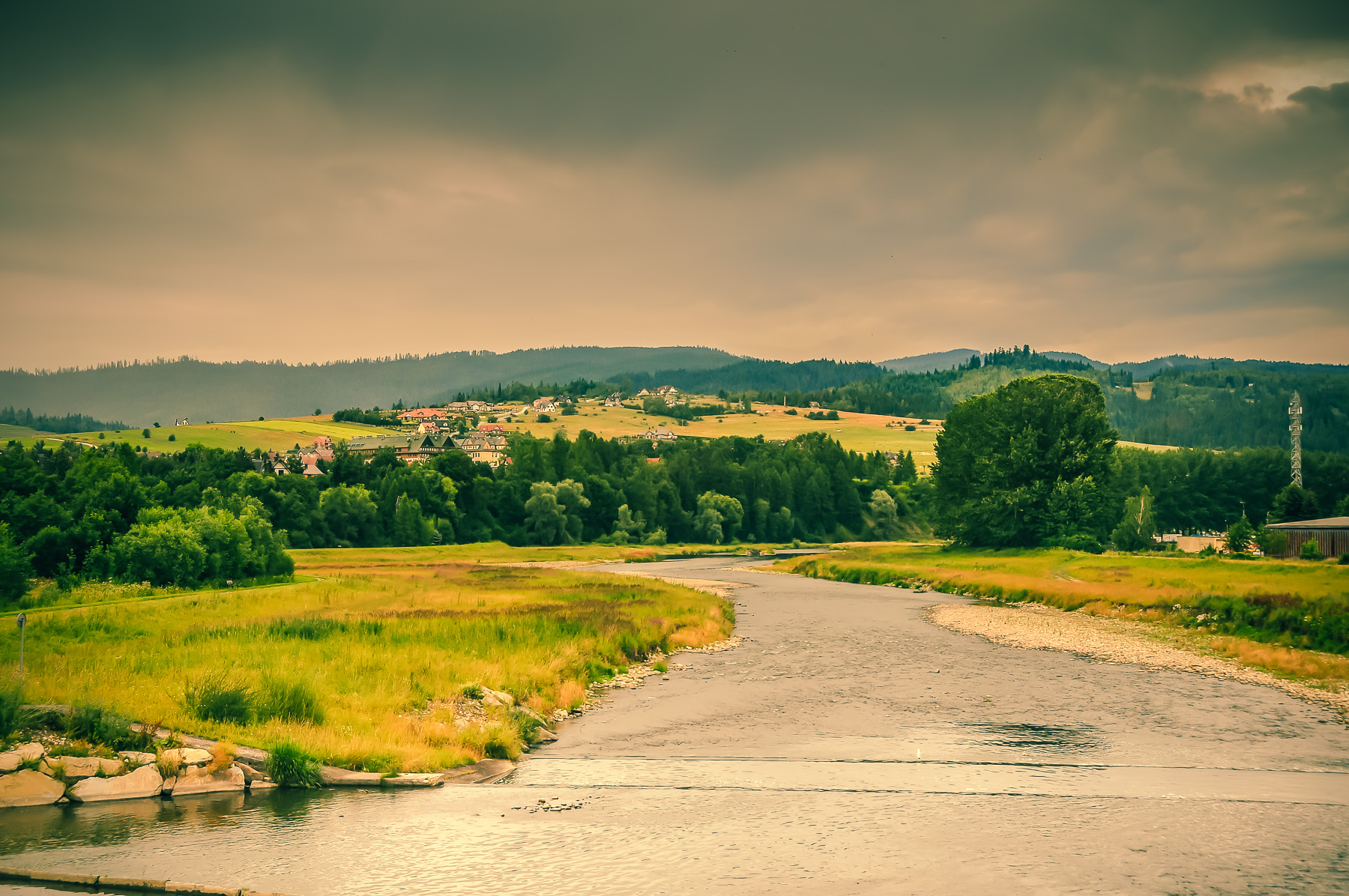
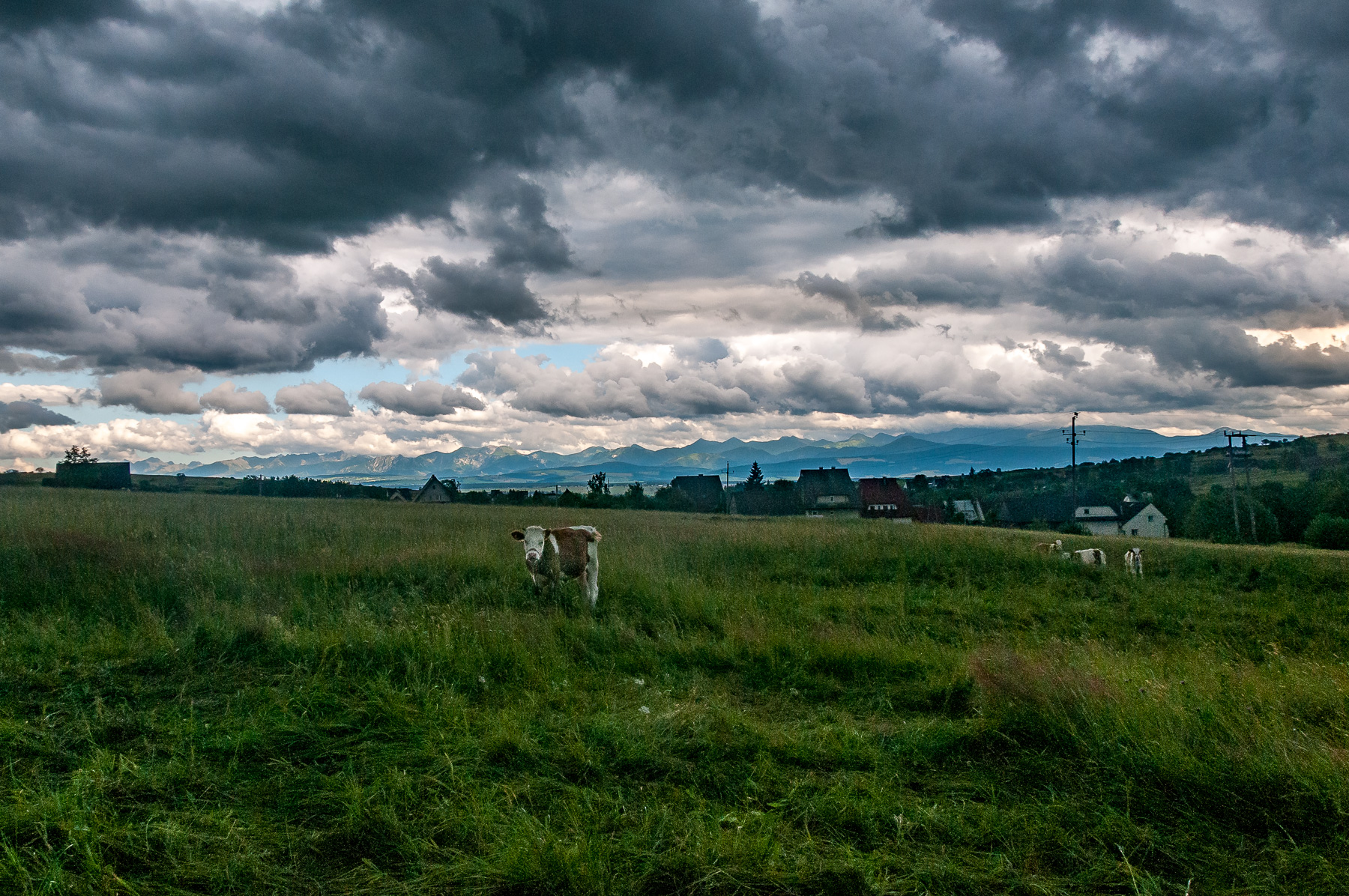
We should be on a journey that ends tomorrow with hugs, rosół, and views like this:
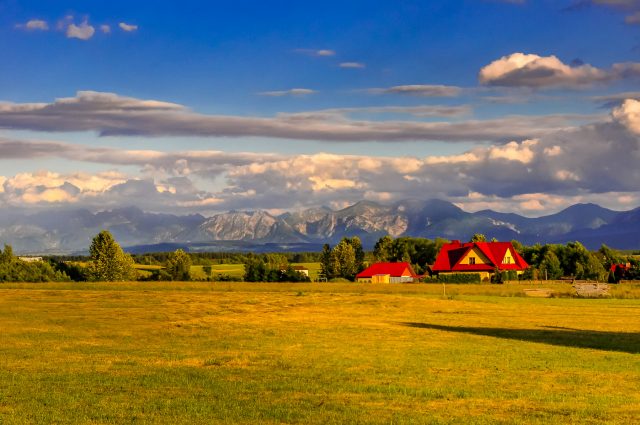
This post should not be possible. Yet nature made it possible by making the trip impossible.
And as if that were not enough, today was a perfect example of what polskie lato can be like: it never got above 60 degrees today.
The flight was canceled. One would think getting a refund in such a case would be a fairly simple process. After all, a service paid for was never delivered. Still, we’d booked the flight through a middleman, so to speak, and Lufthansa said we had to deal with this third party. So we dealt with the agency that booked our flights. They informed us that they could not refund all of the money we’d paid for the tickets. For each ticket, Lufthansa would impose a $185 fee and the agency would impose a $100 fee.
I remembered, though, an email I’d gotten from Lufthansa, which read, in part:
The expanded route network offers you, our valued customers, more options for rebooking existing or canceled tickets to a variety of travel destinations, in accordance with the applicable conditions. As I wrote in my last letter, any ticket booked until May 15, 2020, which was affected by a flight cancellation, can be rebooked one time free of charge. You can also apply the value of your booking to a new ticket at a later date. Additionally, your travel date and destination can be changed in our route network. In this case, the rebooking must be made by January 31, 2021 and your new trip must begin by December 31, 2021. For a new confirmed travel date up to December 31, 2020, we will give you an additional € 50 toward bookings changed by August 31, 2020. Should you prefer a refund, this option is also available. We are increasing the capacities in order to process refunds more quickly.
I called back and forwarded the email to the agency as we spoke.
“Well, sir, that was just an email Lufthansa sent out to all ticket holders. Your ticket was purchased with many restrictions.”
“I don’t recall being informed of any such restrictions. The email doesn’t indicate that tickets purchased with certain restrictions are not eligible,” I replied with surprising calm.
I’d done a little research about them before calling and found the following notes at a review site, all published within the last week:
One star is too much for this company. Sure, the agents that book your trip are friendly and the prices are cheap. HOWEVER, this company is dubious. They are now charging people to cancel flights, as necessary due to the pandemic. I had a trip booked to go to Greece, and the airline required me to cancel it through the travel agent —-. —- charged $150 to my credit card, without my consent, just to cancel my flight. I’m working with my credit card to stop the payment, but —- is fighting back, saying I agreed to this term. LIARS! Save yourself and NEVER use this company. It’s incomprehensible that they would attempt to profit from the pandemic. Shame on them.
Another also seemed to have issues with getting refunds: “Horrible horrible con-artist at best. you are taking a chance using this company, refuse to give back refunds approved by airlines.” And then there was this long story:
As many others said, i am also having issues receiving my refund! My flight to Europe was canceled, i was willing to change the flight, but they said the airline has no other flights this month. So i requested a refund. I purchased another flight with another agency, surprisingly they had flights with the same airline for dates i wanted. I called —- today for an update on my refund and Owen said that the airline put a hold on all refunds. That was odd to me. Right after, i called an airline directly, and they said they did not put a hold on any refunds and they are processing refunds, but they were unable to help me because the agency is the one that has to request a refund from them. I emailed —- rep who told me the airline put a stop to refunds and told him what i was told by the airline rep…no response… Im disappointed on how they are handling this.. They are very nice when purchasing the flights to get your business but this is unacceptable! I refuse to have almost 4k stolen!!
What I suspected was that they were planning on pocketing that money for themselves. I suggested that legal action might be required.
“I am just informing you of your options,” the man replied, completely non-plussed.
In the end, though, he told me he would do what he could and called back much later saying that he’d talked to the airline, and they’d agreed to waive the fee. “Bullshit,” I thought. “Your manager agreed to waive that fee.” However, they insisted on the $100/ticket service charge. Now, we’d been working on this all afternoon, and we’d called other friends who’d been in the same situation (one of whom was also flying Lufthansa), and they’d had no problems getting refunds and their cancelation fee was non-existent or only $50. At that point, though, I was just tired of the fight. We’d been working on the issue for five hours, and I just felt exhausted with the whole thing.
I think that’s what they were counting on.

Within a couple of days, we’ll have full resolution to the question: Are we going to Poland this year?
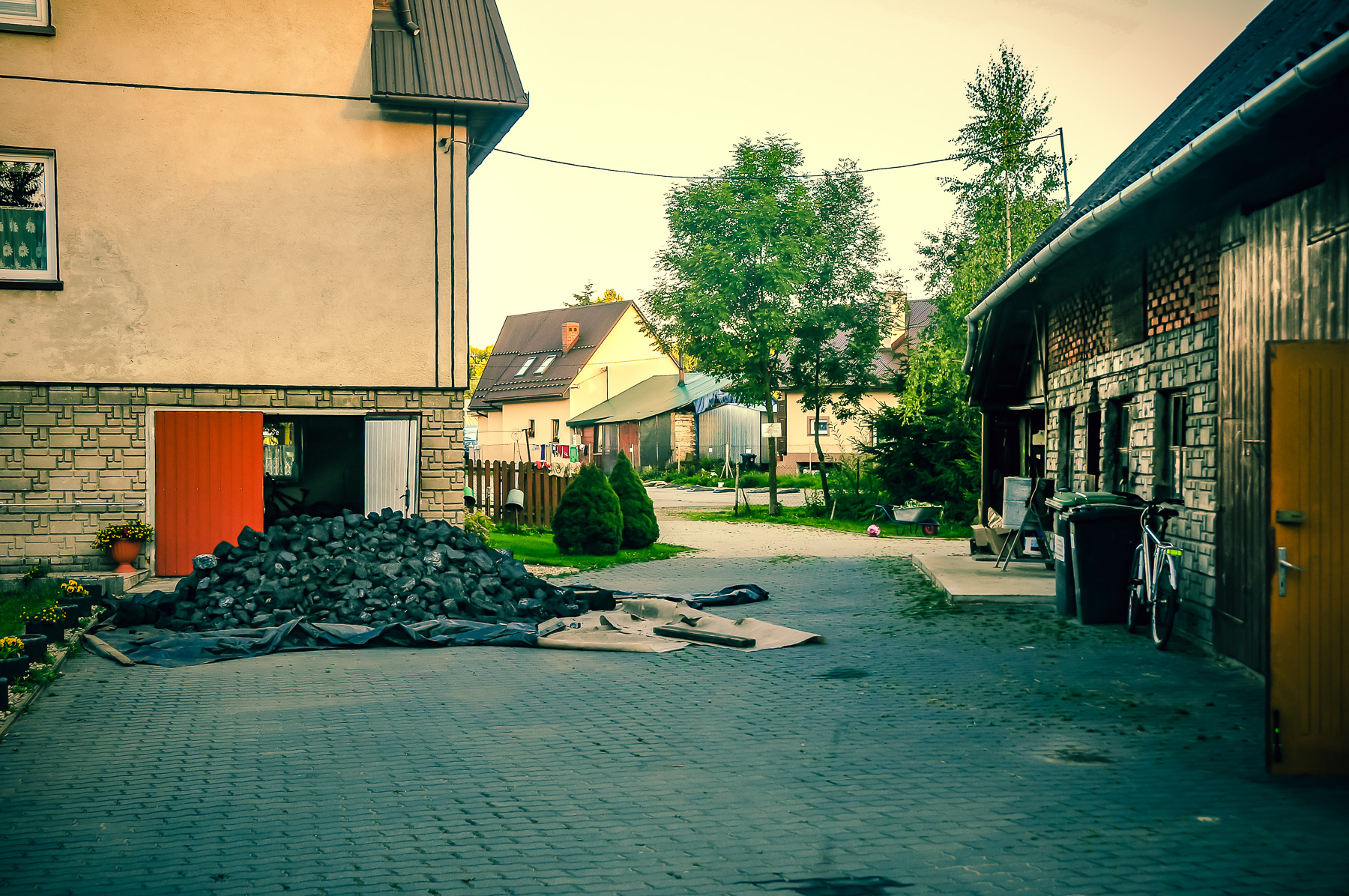
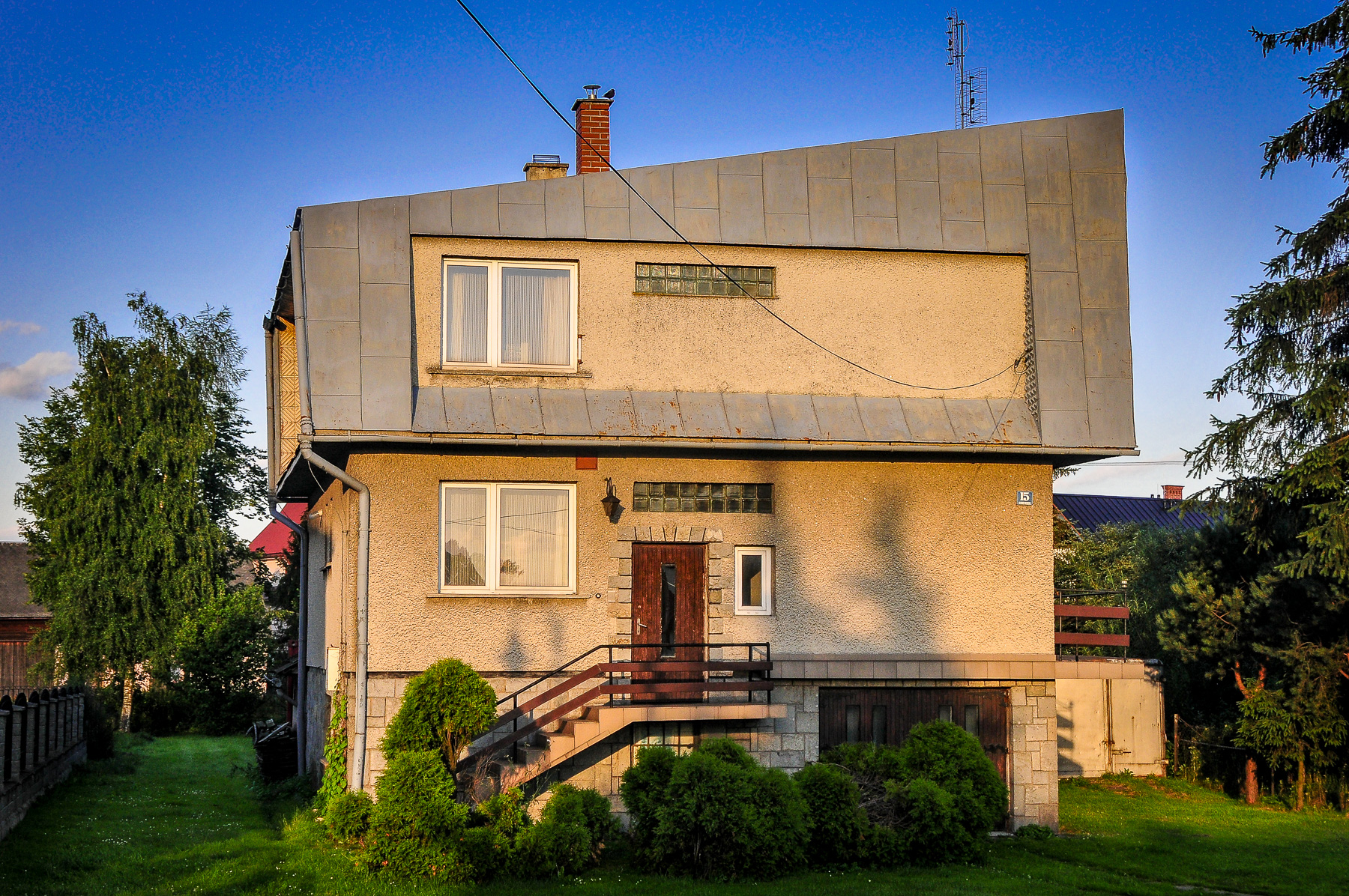
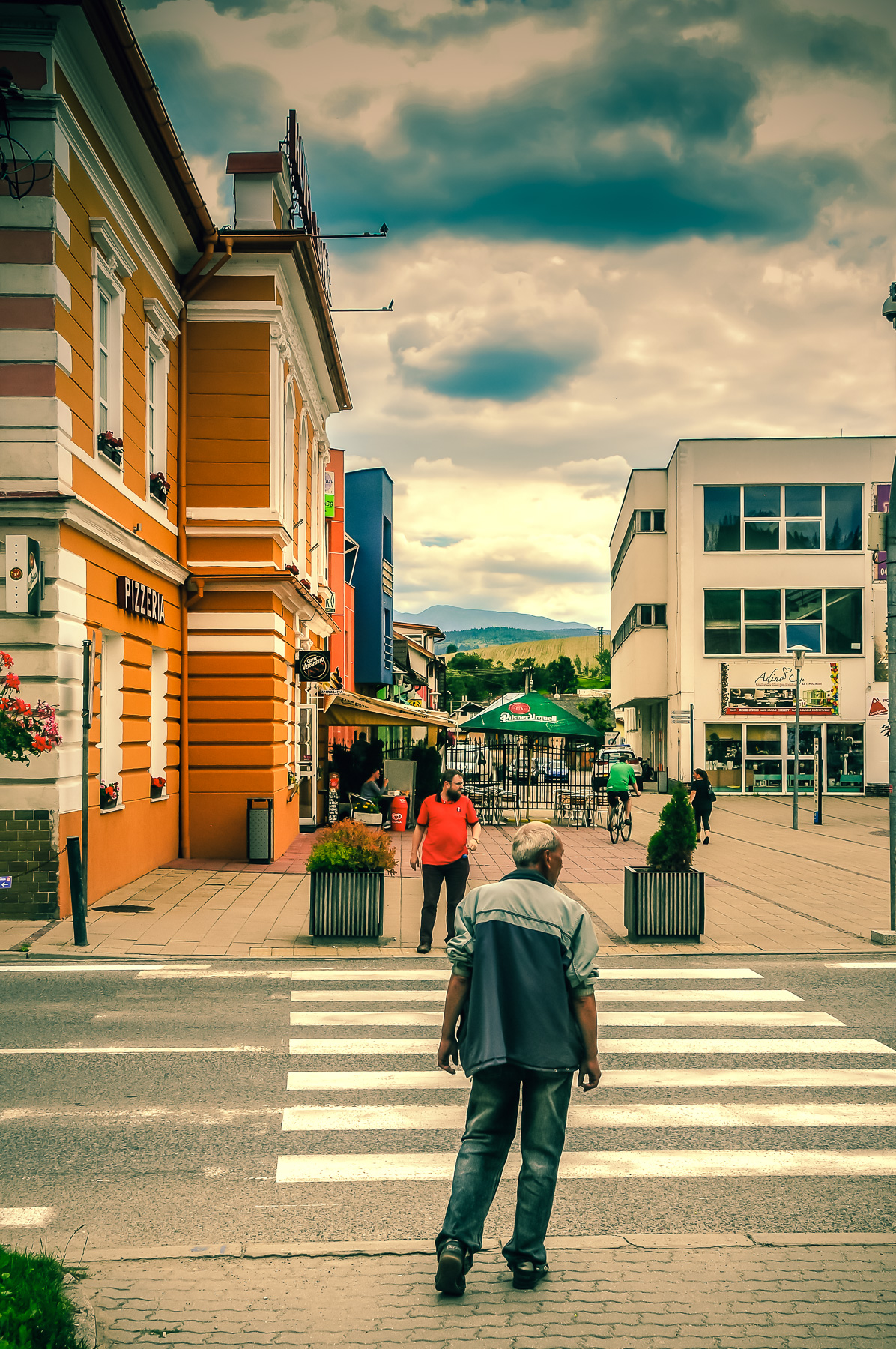
I figured out a work-around for the lack of storage that, upon talking to the local Lenovo service department, promises to be relatively easily mended.
So I spent a little time this afternoon seeing just how much faster the new computer is than the old. It’s fast. Blazing fast. The old computer was particularly sluggish in Lightroom when doing spot adjustments with the brush. Switching on the mask overlay could take a few seconds if there were enough adjustments on the photo. On the new computer, it’s instantaneous.
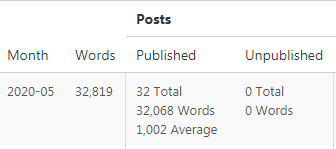
It’s June 1, which means that my mad experiment of maintaining a 1,000/word/day average for an entire month is at an end. Adding in the journal writings — thoughts I want to record but not necessarily share — brings me to 1,002 per day. At least according to the WP widget that measures that. Something about it seems a little off, but I don’t care — it’s all over now anyway.
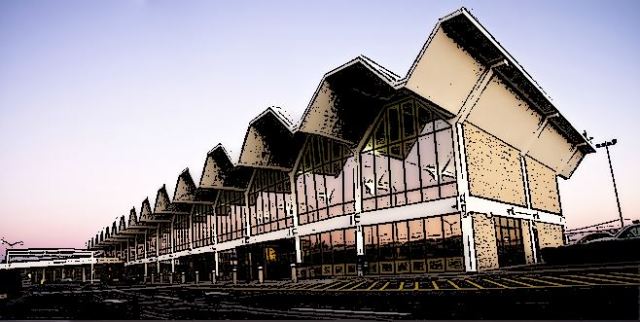
The more significant event of it being June 1 is that it’s the anniversary of my first departure for Poland in 1996:
I don’t know what to write — I don’t know what to feel. I’ve been shoved to this moment by a force more powerful than anything I’ve ever encountered. It seems time was jerked from me like a tablecloth yanked from a table. It’s been so sudden that I don’t believe I’ve even begun to deal with the emotions. What I’m about to do still feels as unreal to me as the landscape far beneath me.
Yet as I leave, as I finally get under way, a calm has settled in. The most difficult part is over. I cannot turn back now even if I wanted to. With that finality is an almost perverse security. Now that I can no longer cling, I no longer reach. Of course this is just the eye in the first of many emotional storms I’ll face. I suppose part of it is simply the beauty of flying — it’s difficult to be upset up here.
Saturday 1 June 1996
That was 24 years ago; I was 23 on that day — it was more years ago than I was alive when I was experiencing it. Put it another way: it was more than half my life ago. It’s a common sentiment here, I know. It’s just that I’m always looking around and noticing it again.
My time in Poland was one of my most prolific journaling periods: I averaged 25,000-30,000 words a month. There was so much to write about when everything was new and every day presented new challenges.
That number decreased when I moved back to America. But as I reread my journal from 1996 last night, I decided to do something I used to do fairly frequently but haven’t in a couple of years: go look at the day’s date twenty years earlier.
I’m back in America. I have been for almost a week now. And I feel awful. Just as I suspected/expected I would. Even “just as I feared I would.” “Tell me that it’s nobody’s fault, nobody’s fault but my own,” sings Beck now, and I guess that’s somewhat appropriate. I don’t know if “fault” is the best word choice, but all the same . . .
I feel like I have a huge choice to make in about six months or so: stay or go. The implications are huge. I want to go back to Lipnica so badly it’s killing me — paralyzing me with depression sometimes. Yesterday I just lay on the couch, thinking, “I have to go back, and yet I can’t go back.” […]
So what are my options? One option seems most promising: go back for one year to see. I don’t know that I can ever stop thinking, “I might have made a terrible mistake in leaving,” unless I go back for a while and test the hypothesis. At any rate, that’s what I want to do. The implications of that are fairly substantial, though. […]
And here’s the shock: four years ago I’d just finished my first day of training in Radom. It’s around 4:30 in Poland now — I’d be just about to finish the first day. Four years ago. Four years. That’s 1,460 days ago. A long damn time. No, quite the opposite. Four years is almost nothing. Two years is nothing. I guess it’s true what they say about time going faster the older you get.
What I don’t want is to realize that I’ve been back from Poland for four years and think, “I’ve done nothing important with my life in that time.” I don’t want to think at the age of sixty, “I wasted my life, by and large.” And that’s exactly what I’m afraid will happen — unless I go back. I keep treating that as if it’s my only option, and it really isn’t. But it’s the only one I’m aware of; it’s the one I feel is sure to bring me happiness and fulfillment.
Two quotes — from the same song — seem particularly relevant now:
The nearer your destination,
the more you’re slip slidin’ away. . . .
A bad day’s when I lie in bed
and think of things that might have been.What makes all this so difficult is that I could talk to someone in Lipnica about my dilemma — Teresa[, a former student], for example — and she would simply reply, “So come back.” How I wish it were that easy!
It turned out, it was that easy. And so almost nineteen years ago, I went back. It all seems so distant and so near at the same time.
The same thoughts plague us now. We bought airline tickets for Poland this summer well before the pandemic was even a blip on the radar. The tickets for the kids and me are dated June 16. From the beginning, we said, “Let’s wait and see.” Lufthansa informed us that, due to the pandemic, fees for rescheduling would be waived (I’m assuming for one rescheduling), so we’ve just sat on the tickets, waiting.
“We won’t be going,” I kept saying. “There’s no way.” Yet restrictions are lifting. Poland is opening its borders to international flights June 15; Lufthansa says the flights are still a “go.” All passengers have to wear masks the entire flight, and there will be fewer people on the plane, but it’s not canceled. But then there are the questions.
To be honest, we wouldn’t be considering it at all if we were on our normal two-year cycle. “We’ll skip a year because the situation demands it,” we would say. But the problem is, we already said that last year. K hasn’t seen her mother in three years now. Sure there are the Saturday-morning Skype chats that can go on for quite a long time, but that’s hardly a substitute.
We’ll make a decision next Monday, we decided. It will still be a week in advance, and it gives us one more week to sort things out.
K has moved into real estate, though she hasn’t quite working part-time at her old job. She likes the security it provides. I tell her that things are going fine with real estate: she’s just helped a client buy a house, she’s got two other clients she’s helping, and one of them might be completing two transactions using K’s services. “It’s all only potential earnings,” seems to be her mantra, and that’s why she’s reticent to quit her hold job completely.
It was a little ironic, then, that one of the memories that popped up in the Time Machine widget at the bottom of the page had to do with our first day out house hunting.
Criteria, Part II
I read through what I wrote then and realize that neither K nor I really knew what we were doing. That’s to be understood — it was the first time we’d bought a house. Still — were we really so green?
That’s one of the reasons I continue writing this thing — evidence of how much things have changed.
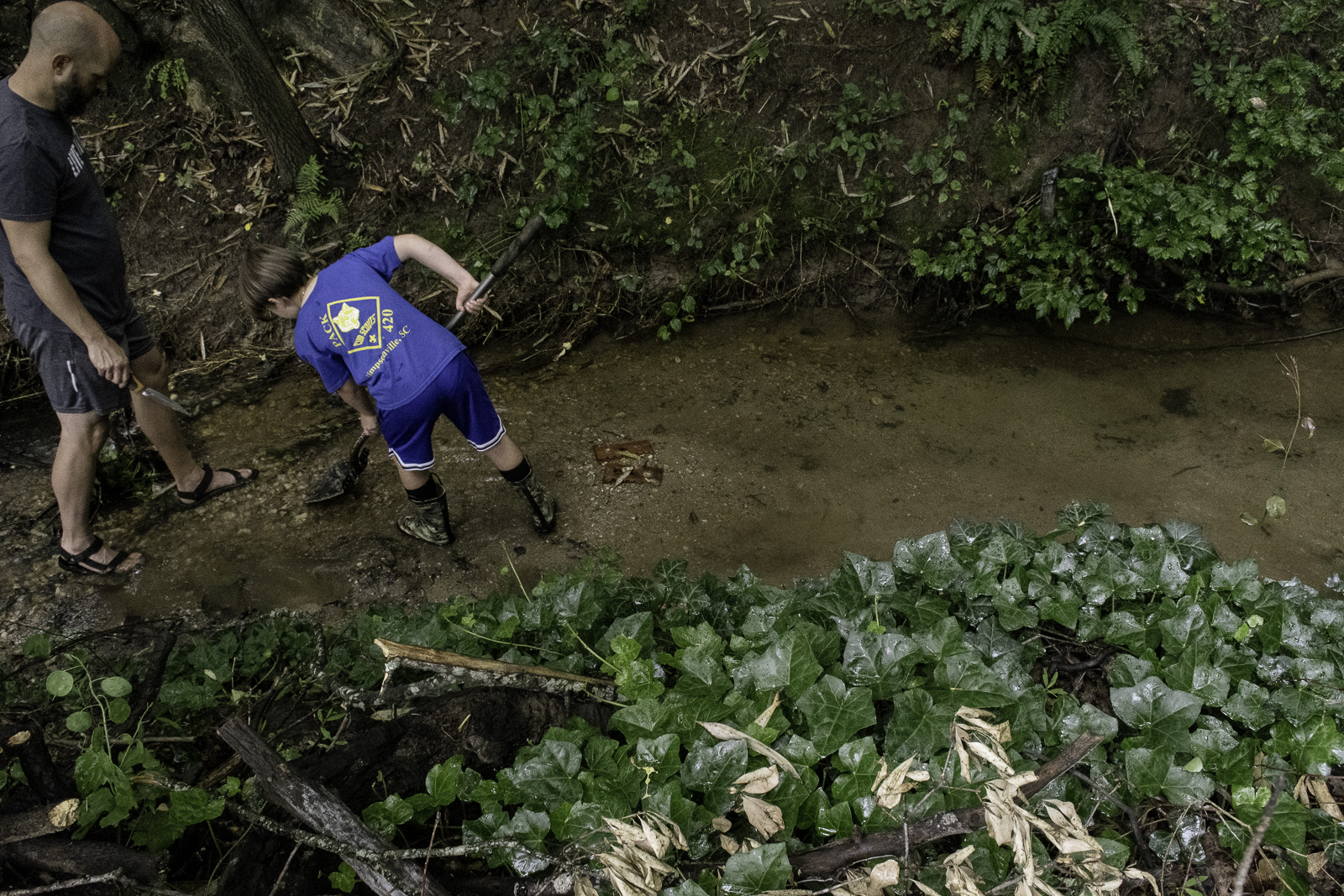
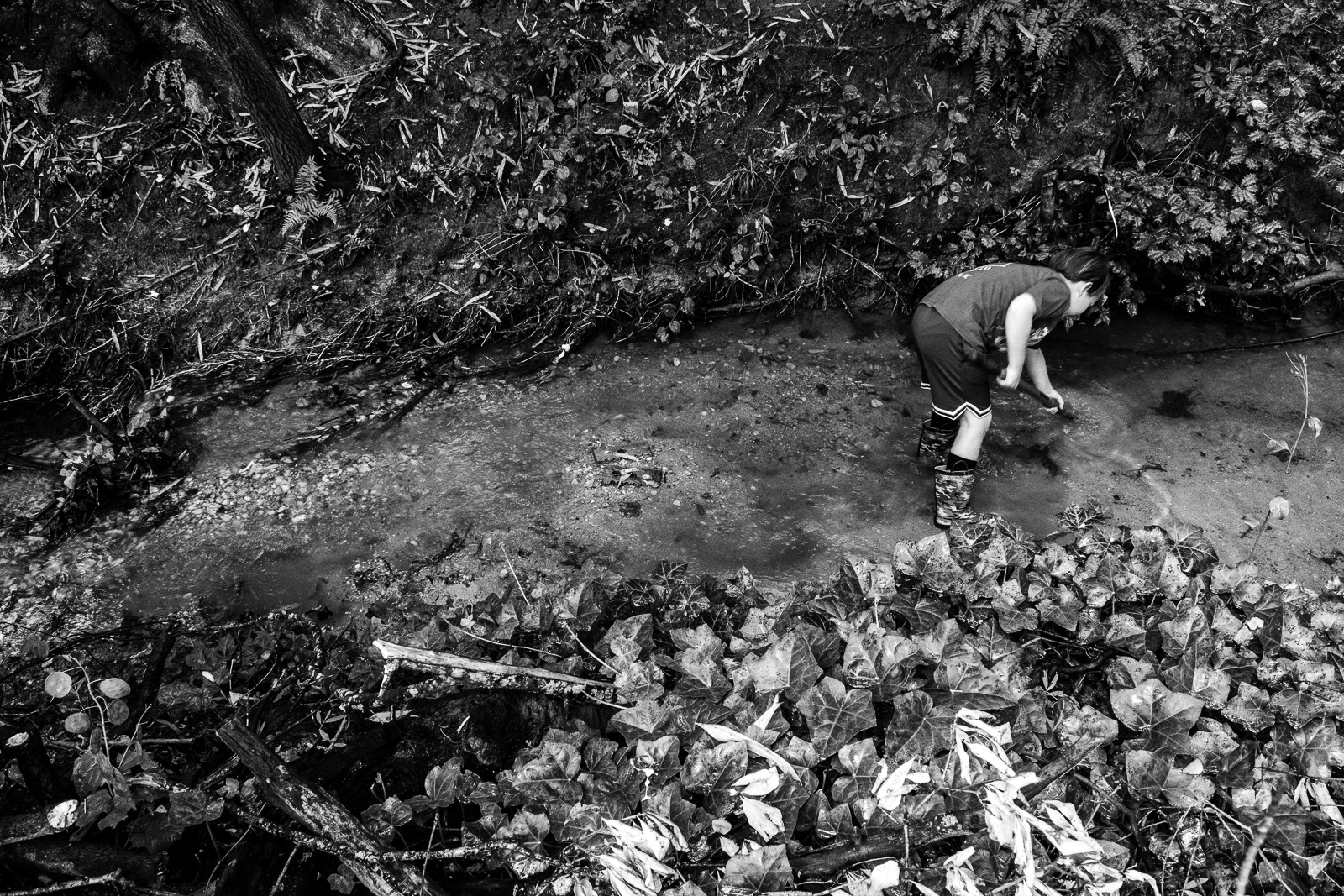
How E and I play-build has changed. It used to be something we did almost exclusively in his room, using blocks and Legos and Tinkertoys and whatever else we could find. It still is, to be sure.
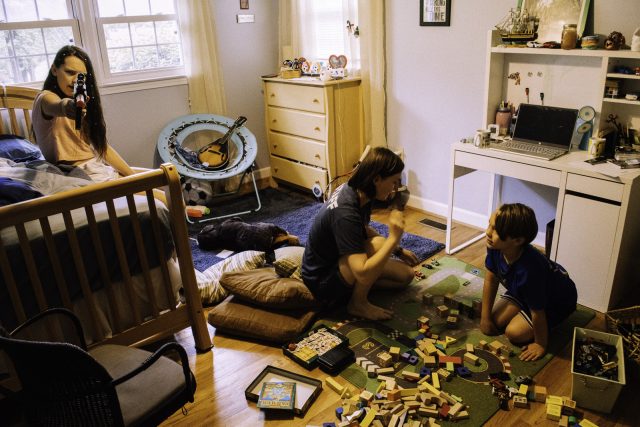
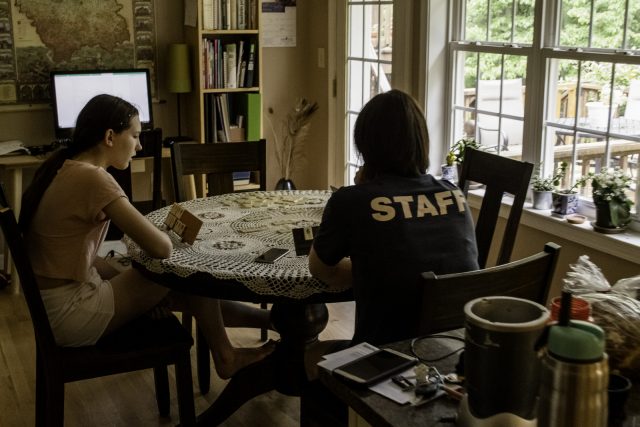
But we often find ourselves outside building something more substantial. Or at last more in the Boy’s mind’s eye, that’s what we’re doing. His plans are often overly-ambitious, as every eighth-year-old’s plans should be. But as we begin working, more realistic goals form.
One thing that will never change is the sadness we feel on May 27 from now on — the one year anniversary of Nana’s passing.
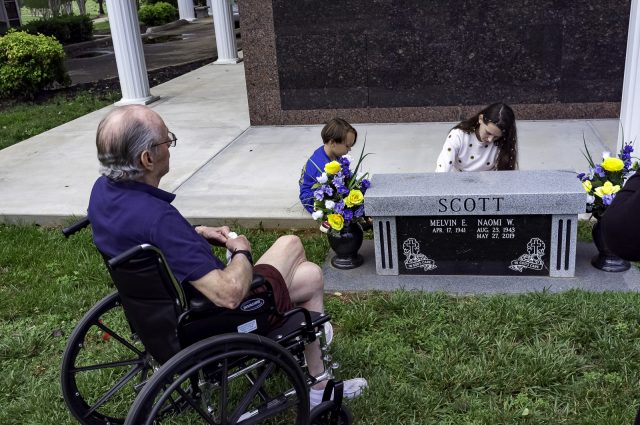
I look back on that day and remember very little about it. I know took the dog for a walk around lunchtime and listened to Mozart’s Requiem. I know Papa and I had a scotch on the back porch that evening. But it was Memorial Day — it slowed the pace significantly, which perhaps was a good thing.
And what of today? A year on? Papa still gets blindsided by it occasionally. That’s to be expected; that will never go away. I do, too. Also to be expected.
I was going through some pictures from 2003 around K’s family house at Easter. I hadn’t realized how much things had changed.
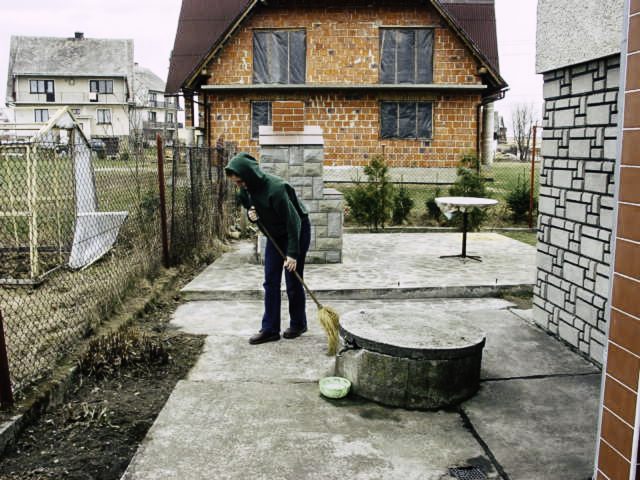
Those saplings in the neighboring lot — they completely hide the house now. That pad of concrete with an outdoor oven on it — enclosed and roofed. (That was done long before we left, though.) That fence to the left — hidden by a taller fence of wood to hide the field behind it. But the house itself, the one in the background still under construction — exactly the same.
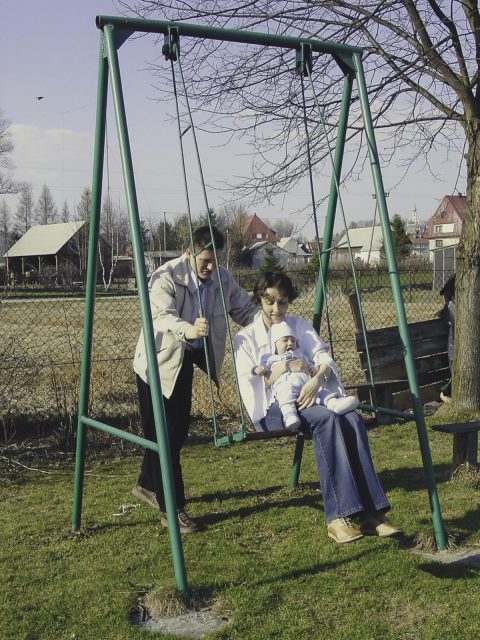
That little baby, K’s nephew — a seventeen-year-old high school student. The field behind the happy family — storage for a building materials company. But the swing — still there, still exactly the same. The wooden seat has possibly been replaced, but who knows. Maybe it’s still the same one.
One more change — the most significant:
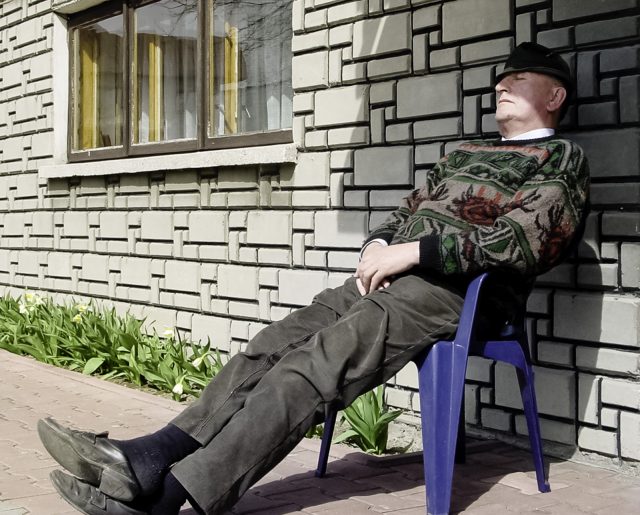
I passed that old house just about every day, especially when I first arrived in Lipnica and made daily trips to the post office to mail a letter. It had been abandoned long before I arrived. An ancient, traditional home, made entirely of wood, it was a jarring contrast to most of the other homes constructed of concrete block. I seldom passed it without wondering what it would take to restore it and if anyone would even be interested.
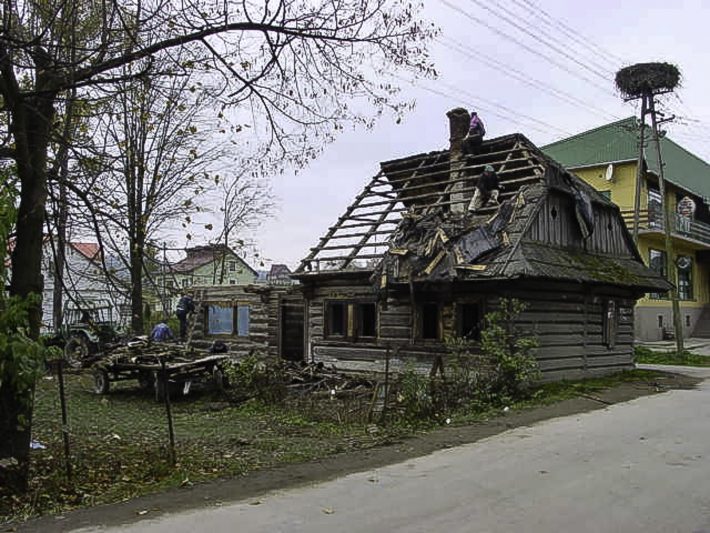
The location was less than ideal, though. Just beside it was the old communist-era bar with a large area above it that had been converted into a discotheque. Every Saturday night, there were dozens and dozens of people milling about with loud techno music that would have been impossible to shut out. Often one could see a couple just around the back corner locked in an embrace or a line of young men leaning against the long wall of the home facing the bar, smoking and laughing loudly.
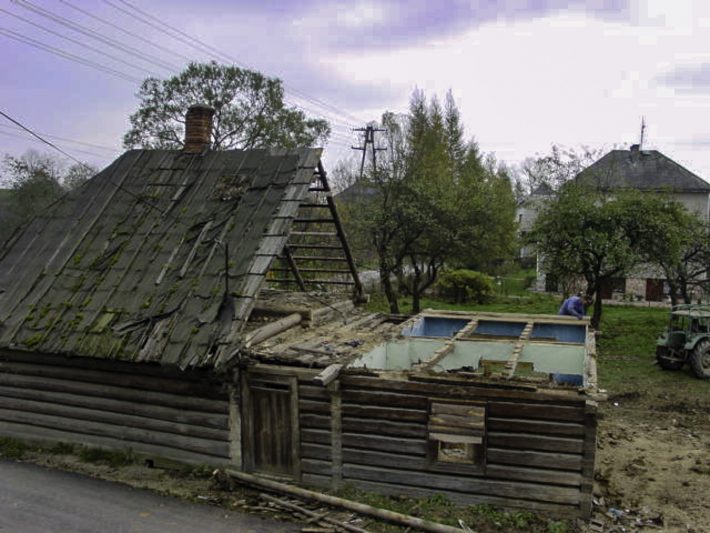
Still, growing up in suburbia, I found the old house utterly enchanting. Nothing in the neighborhood where I grew up was older than a couple of decades. The houses were cookie-cutter similar: directly across the street from our house was a house built from the identical plan, which had been flipped to create a mirror image of our home. To the left of our house was a home with an identical floor plan with minor exterior design changes. To the left of that house was still the same house a third time. That same house was scattered throughout the neighborhood — at least a dozen more times, I’m sure.
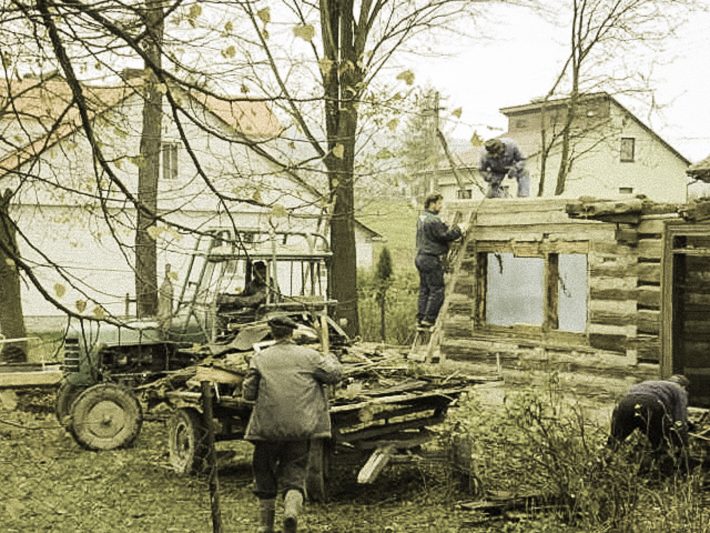
I doubt anyone would worry much about the loss of such a house from a historic point of view. Certainly, it would be a great tragedy for the house to be destroyed while it was still in use, but had it been sitting unoccupied for decades, most would probably consider its removal a positive development.
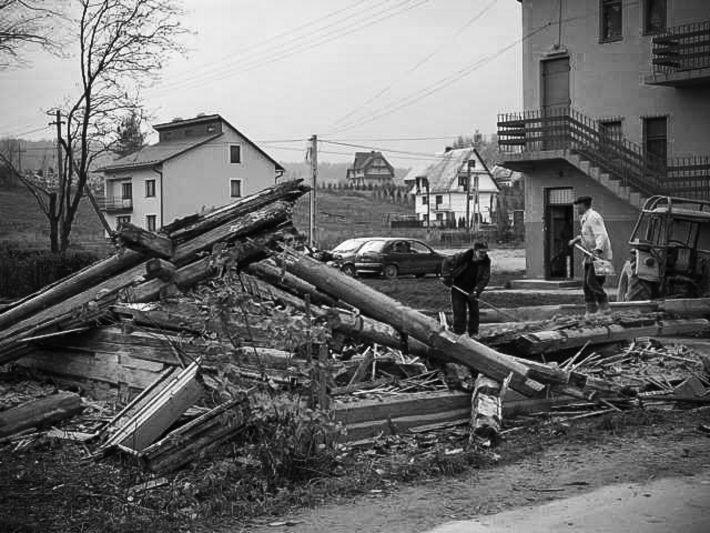
Taking down a house like this, though, and so very unceremoniously, seemed to me, an outsider, to be almost sacrilegious. We are such a young country, the United States, that something that’s a century-and-a-half old is of automatic interest and significance for anyone with a sense of history.
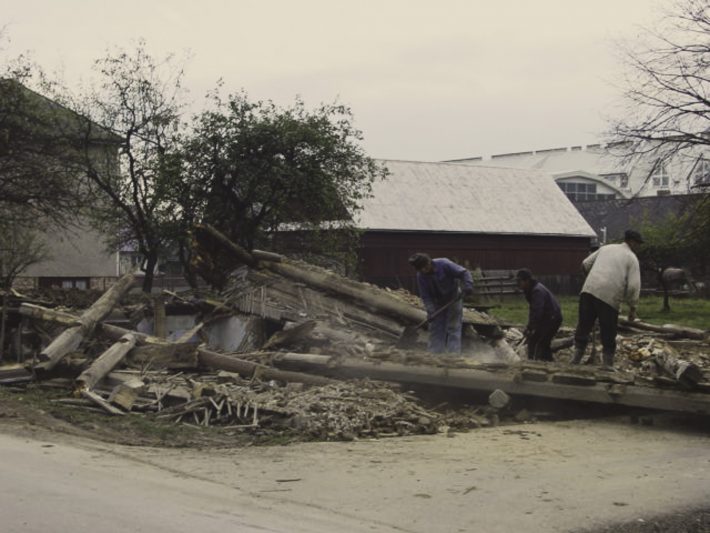
In the end, I never learned what became of all the timber from that house. It lay stacked in haphazard piles by the road for several months and then disappeared. I heard from someone that the owner of the old house had burned it for winter warmth.
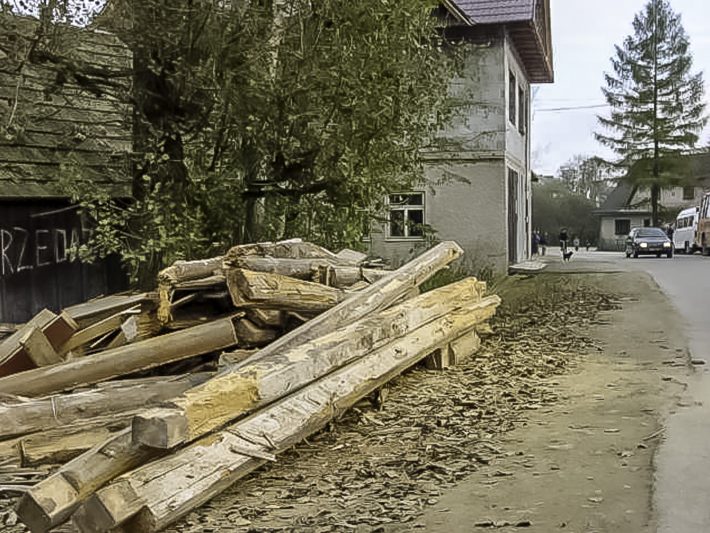
That somehow makes it both more and less tragic.
School in the morning.
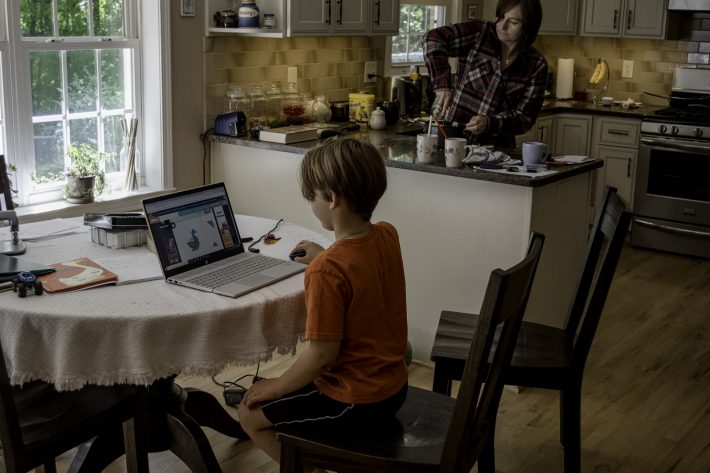
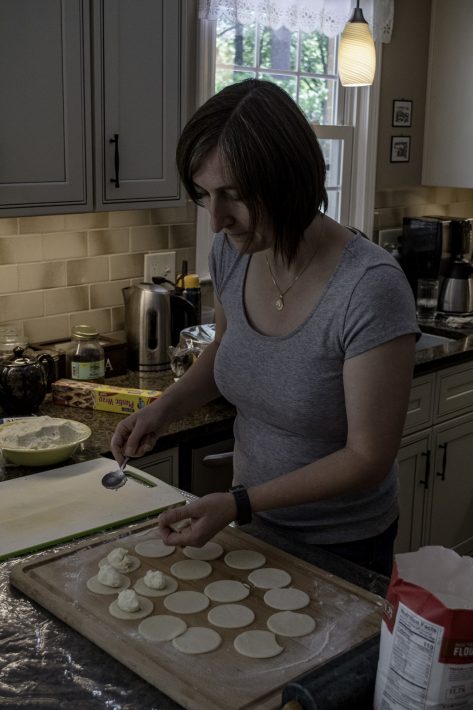
Pierogi in the afternoon.
Games in the evening.
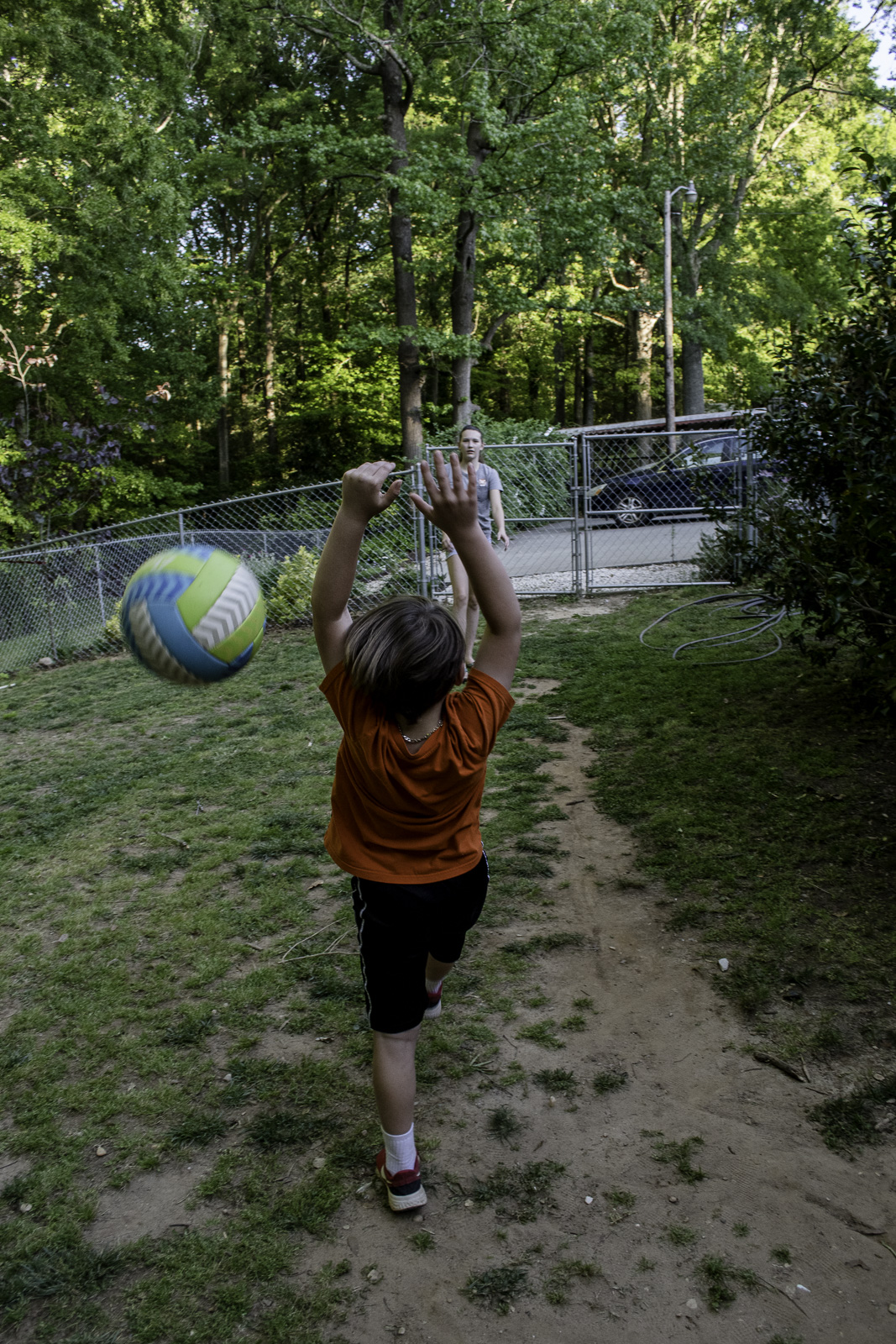
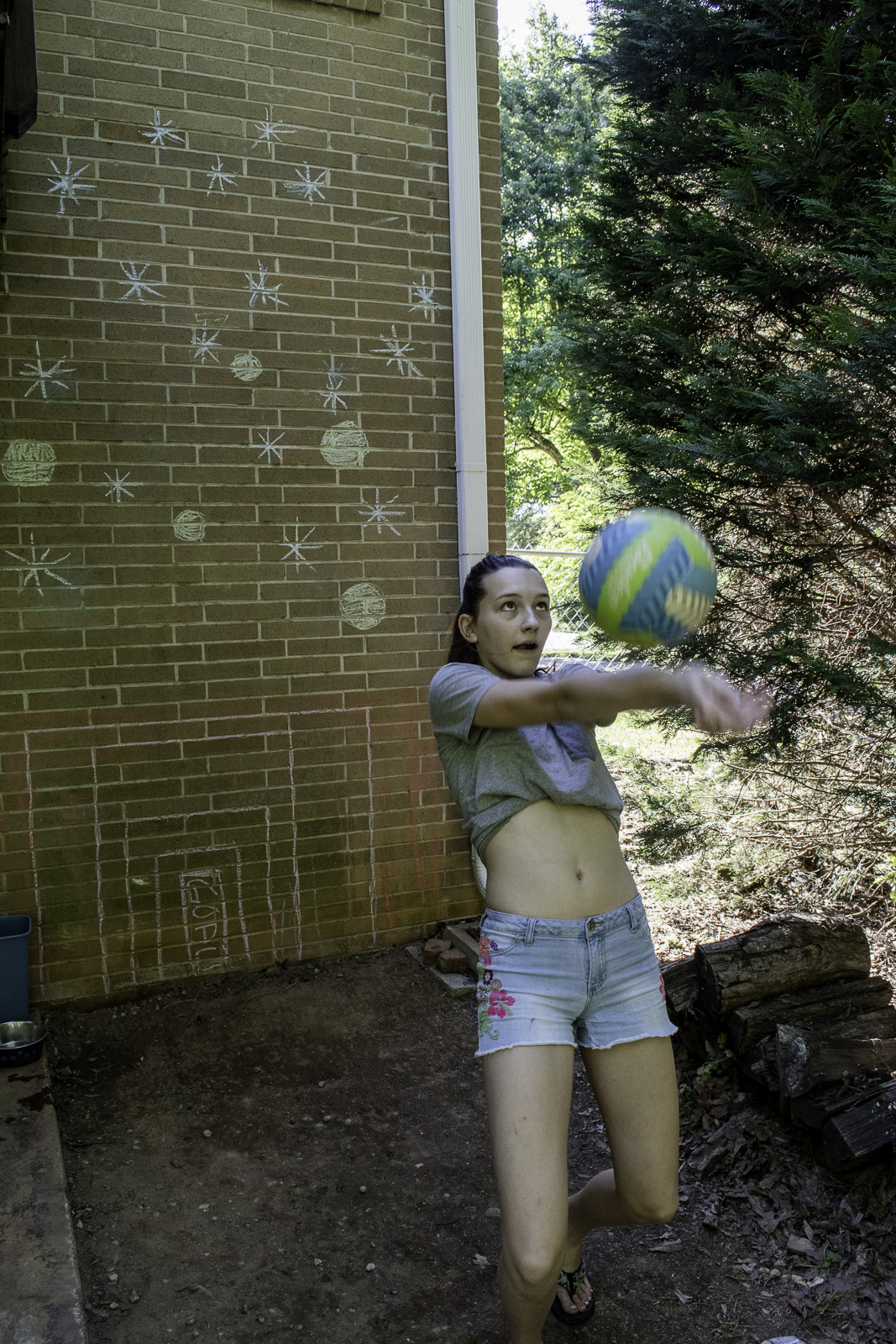
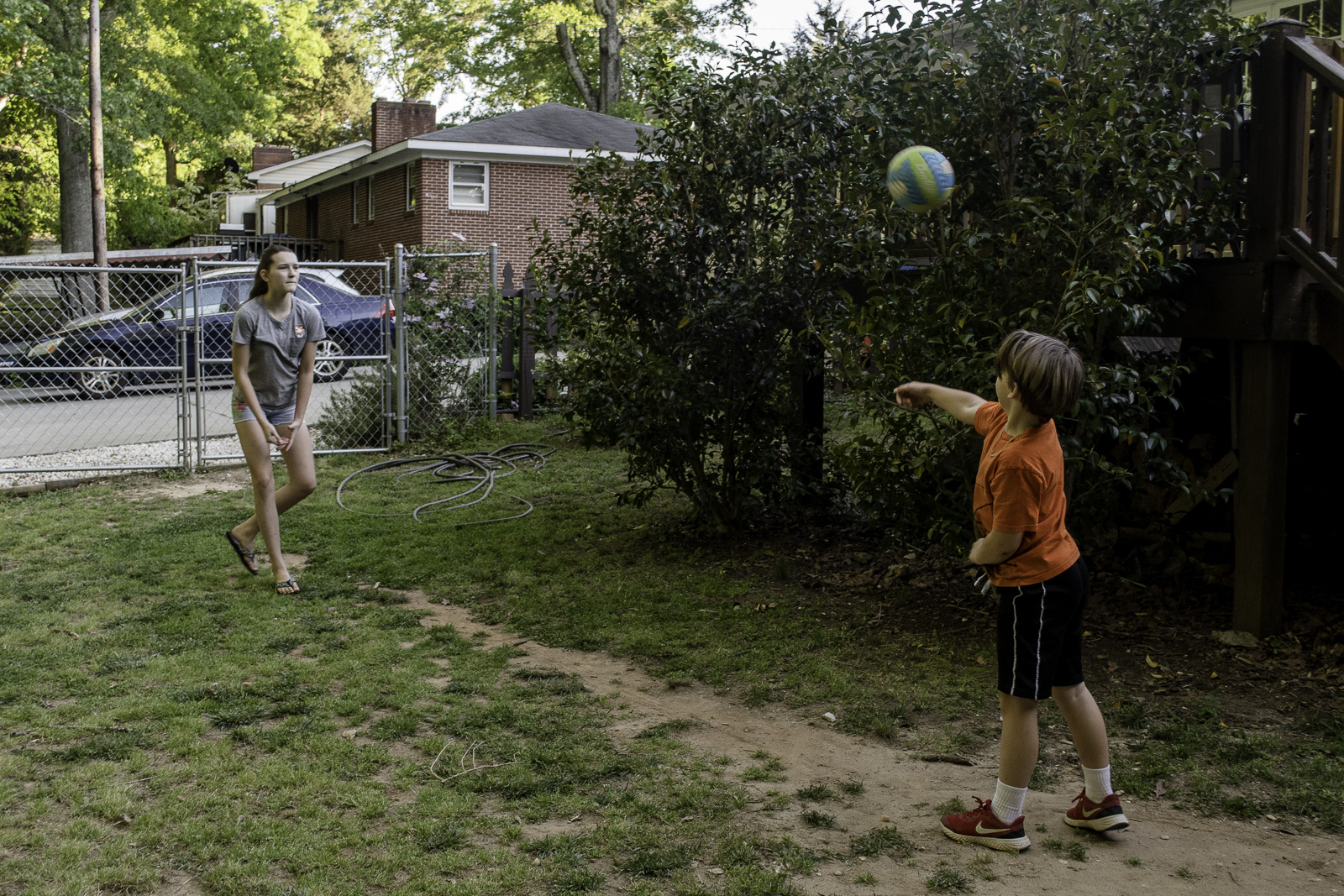
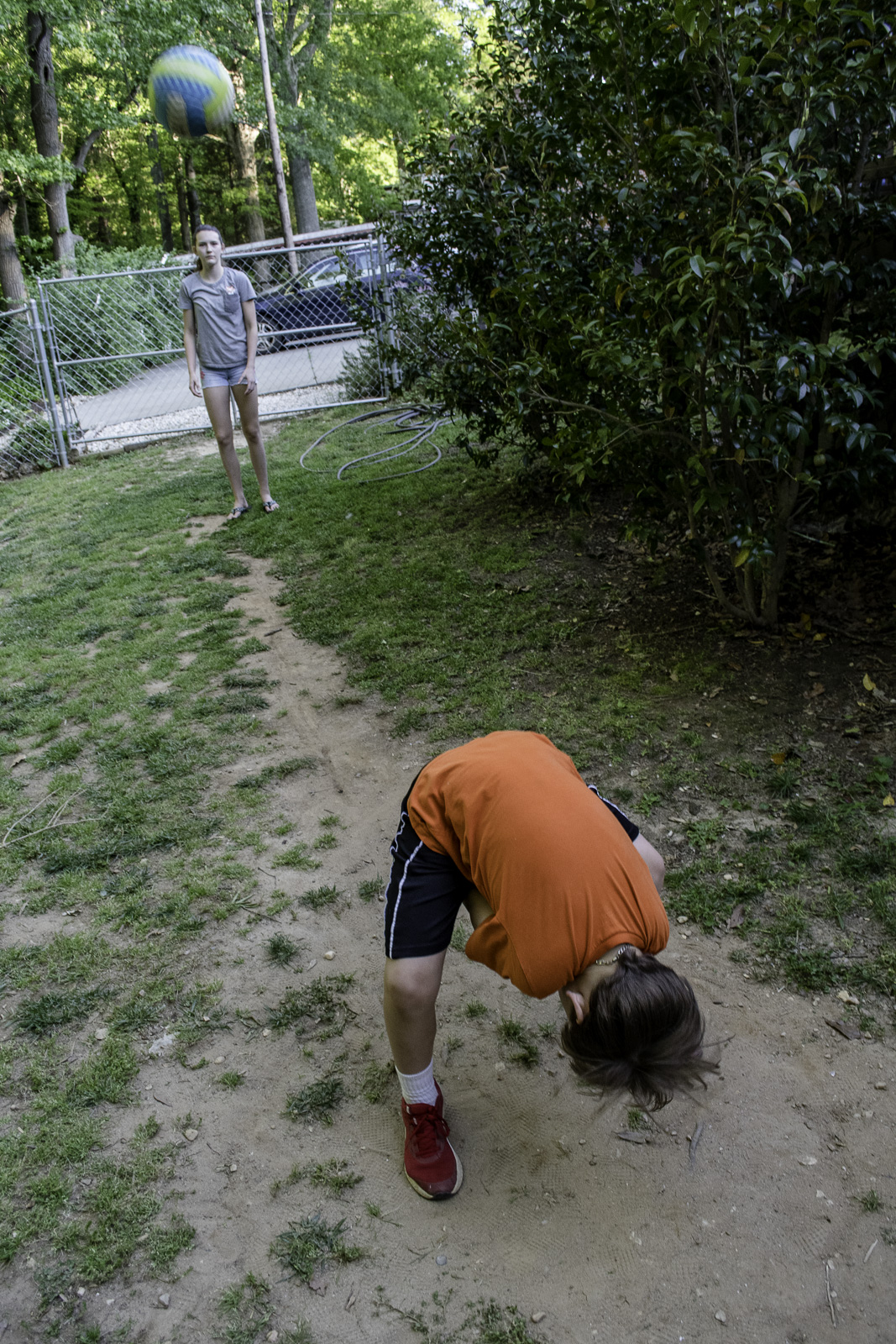
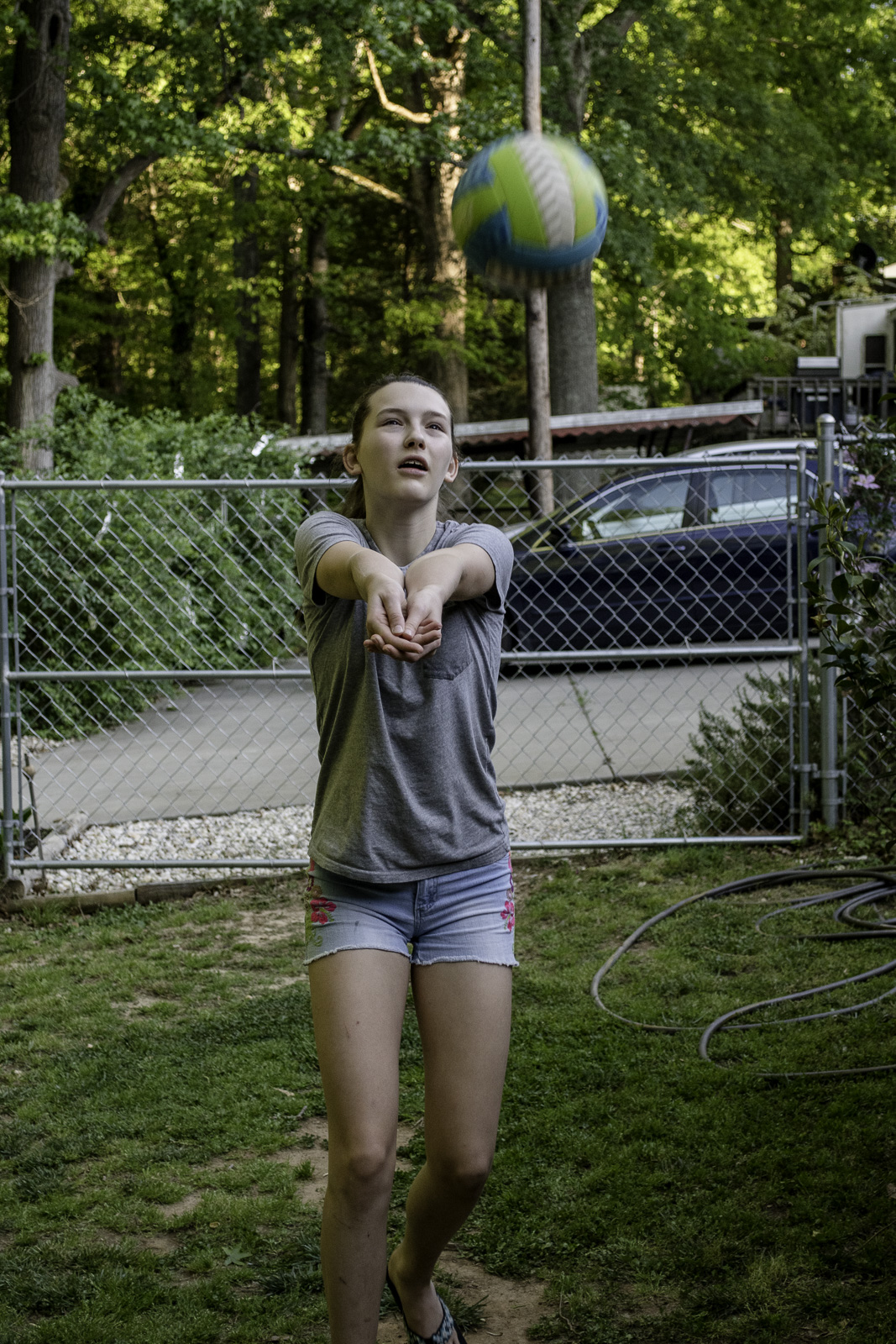
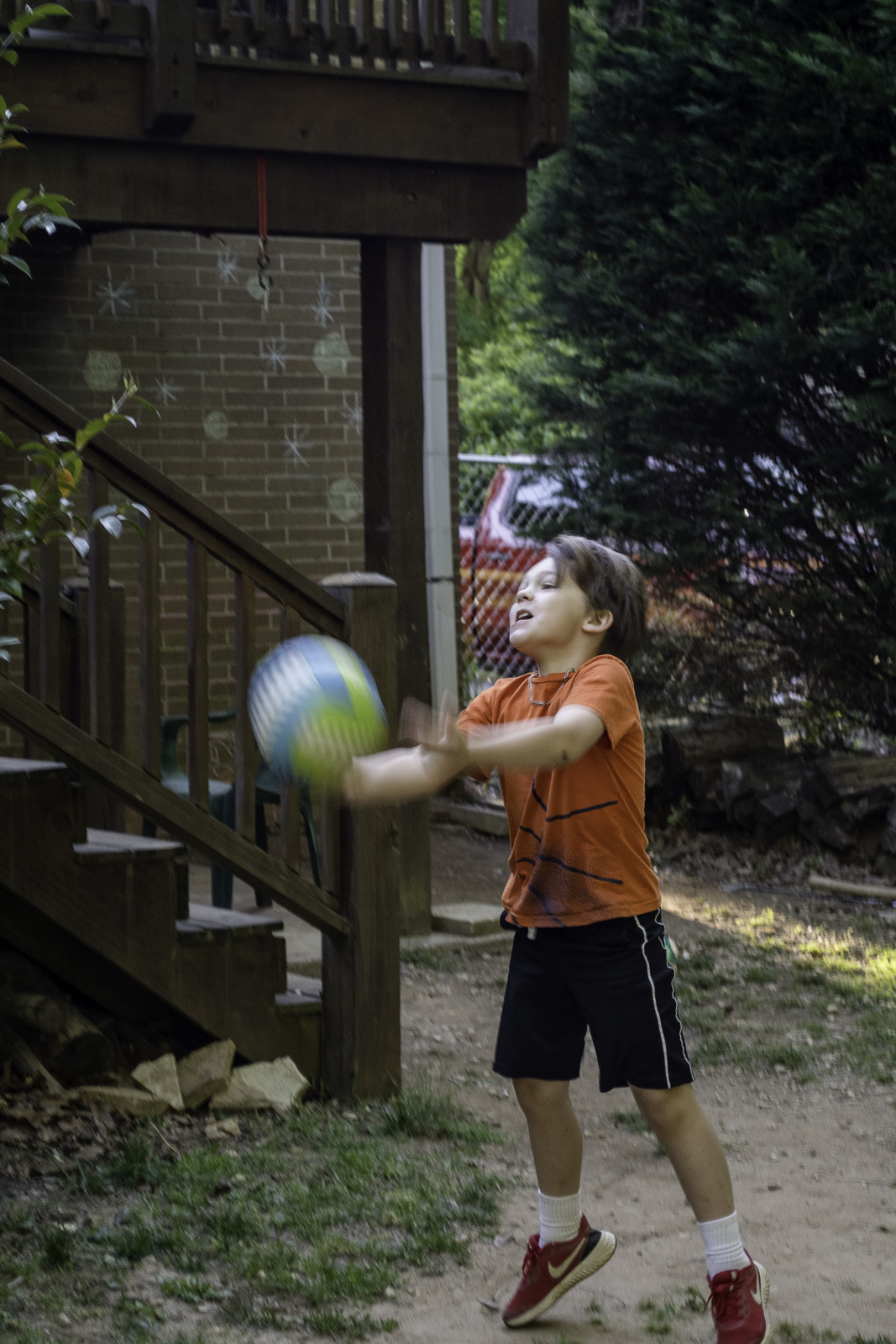
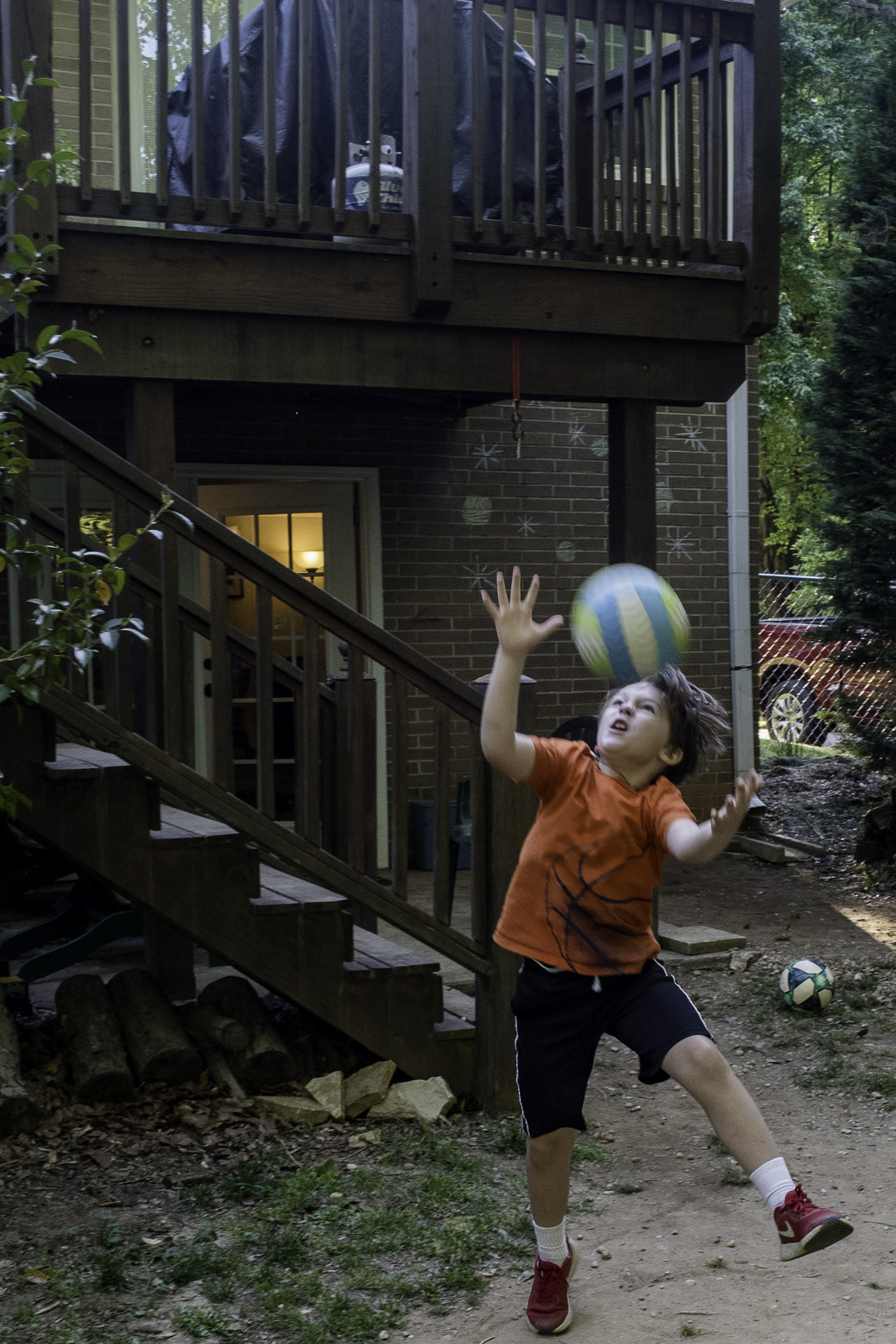
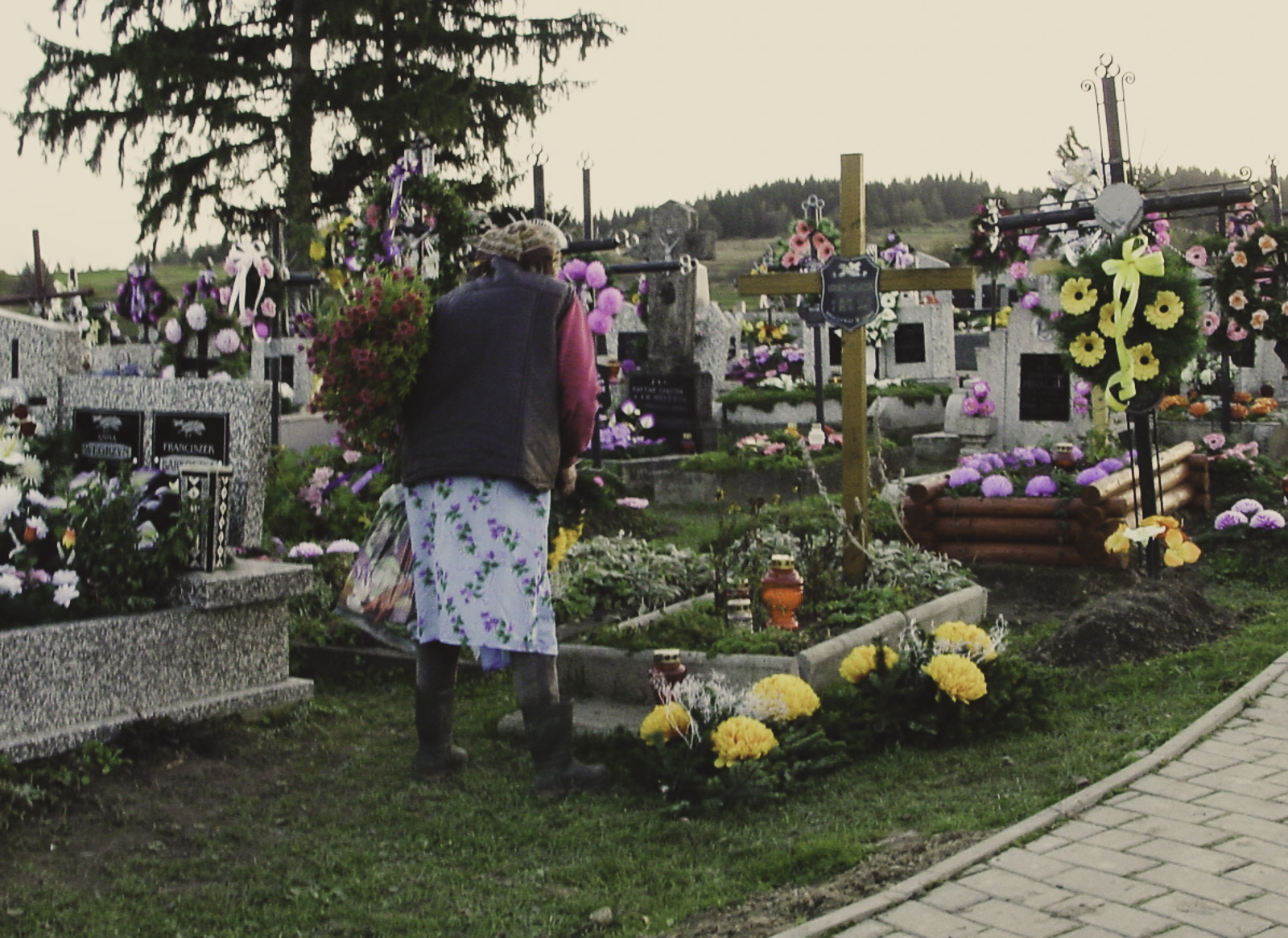
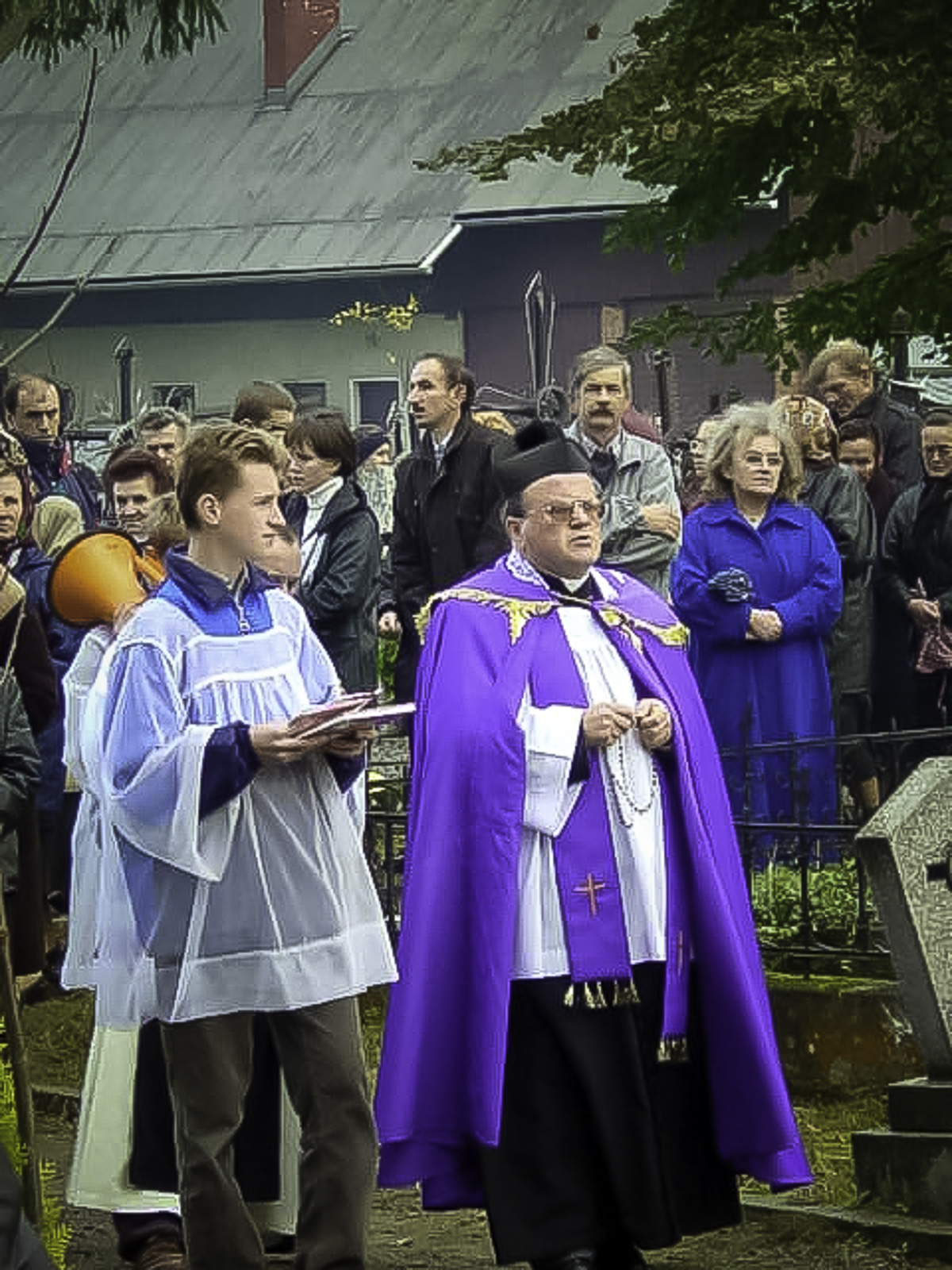
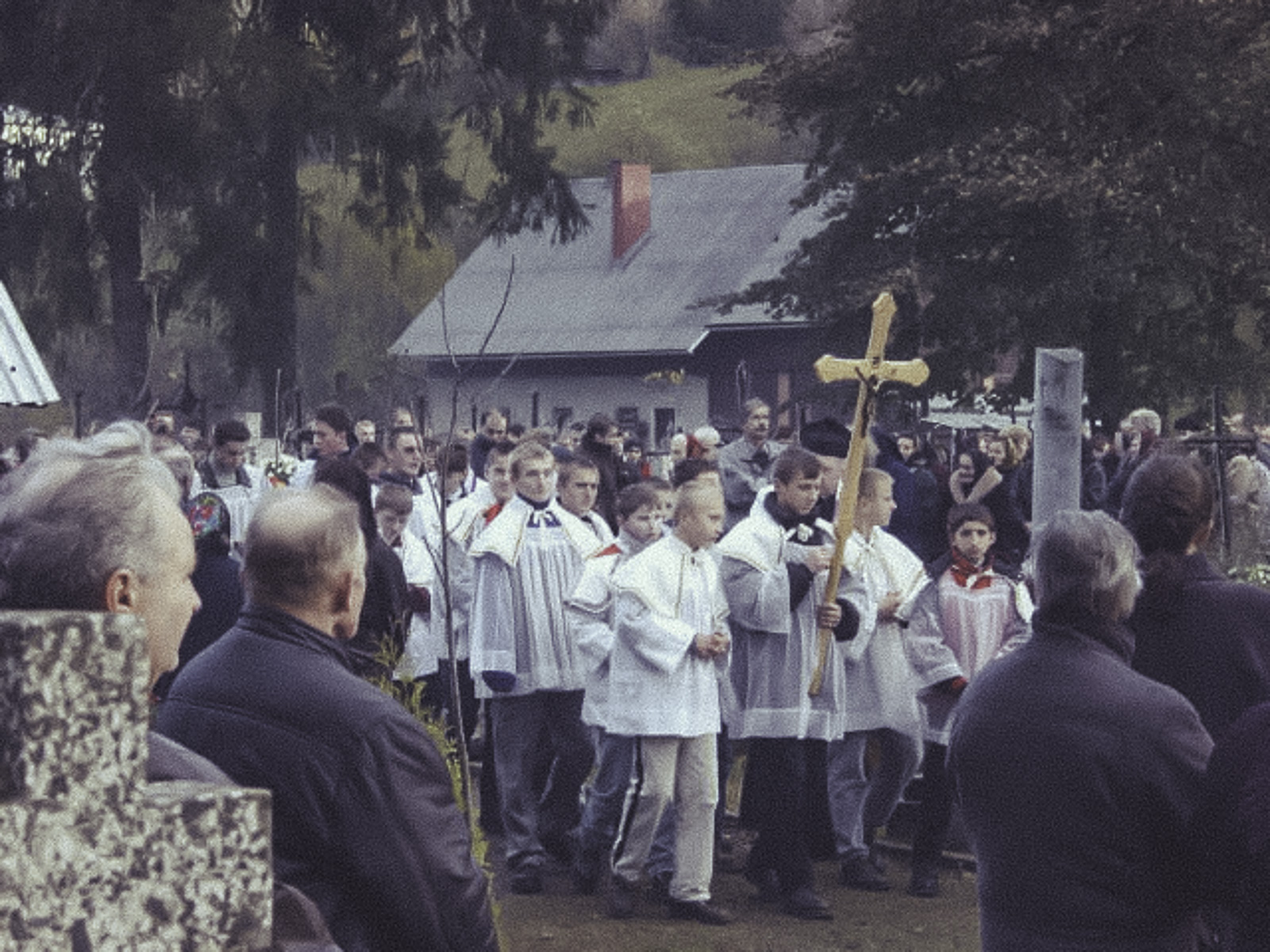
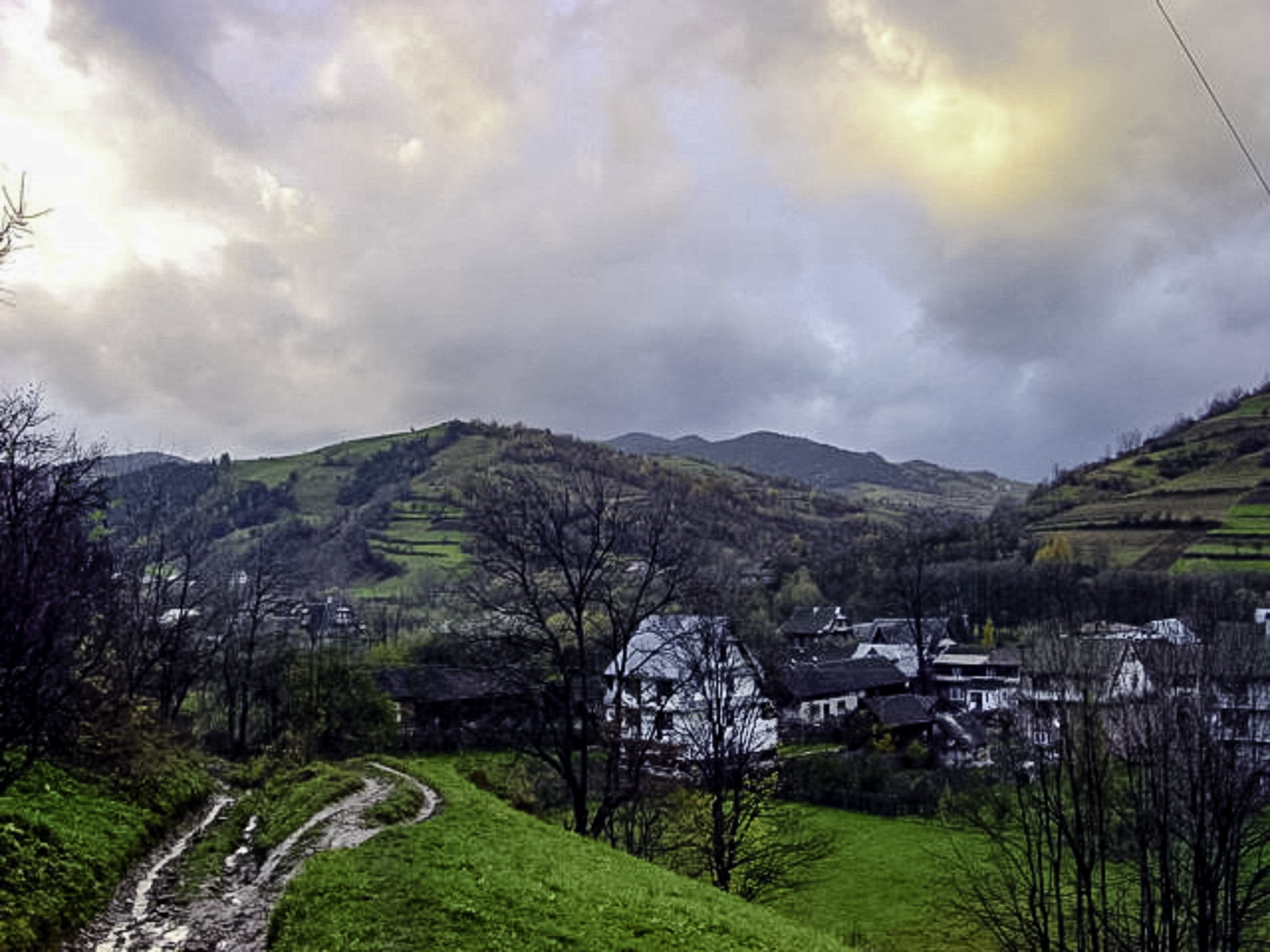
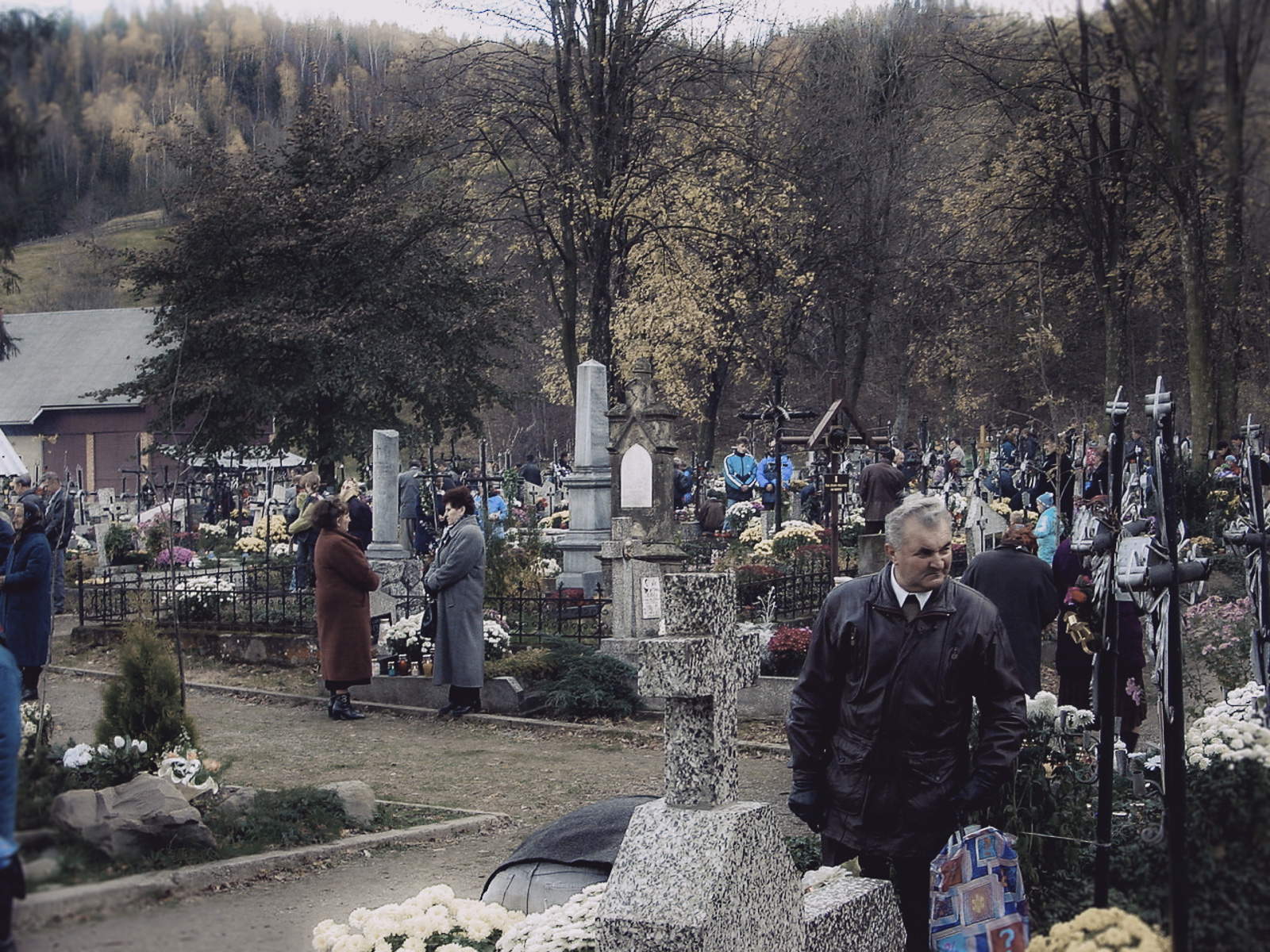
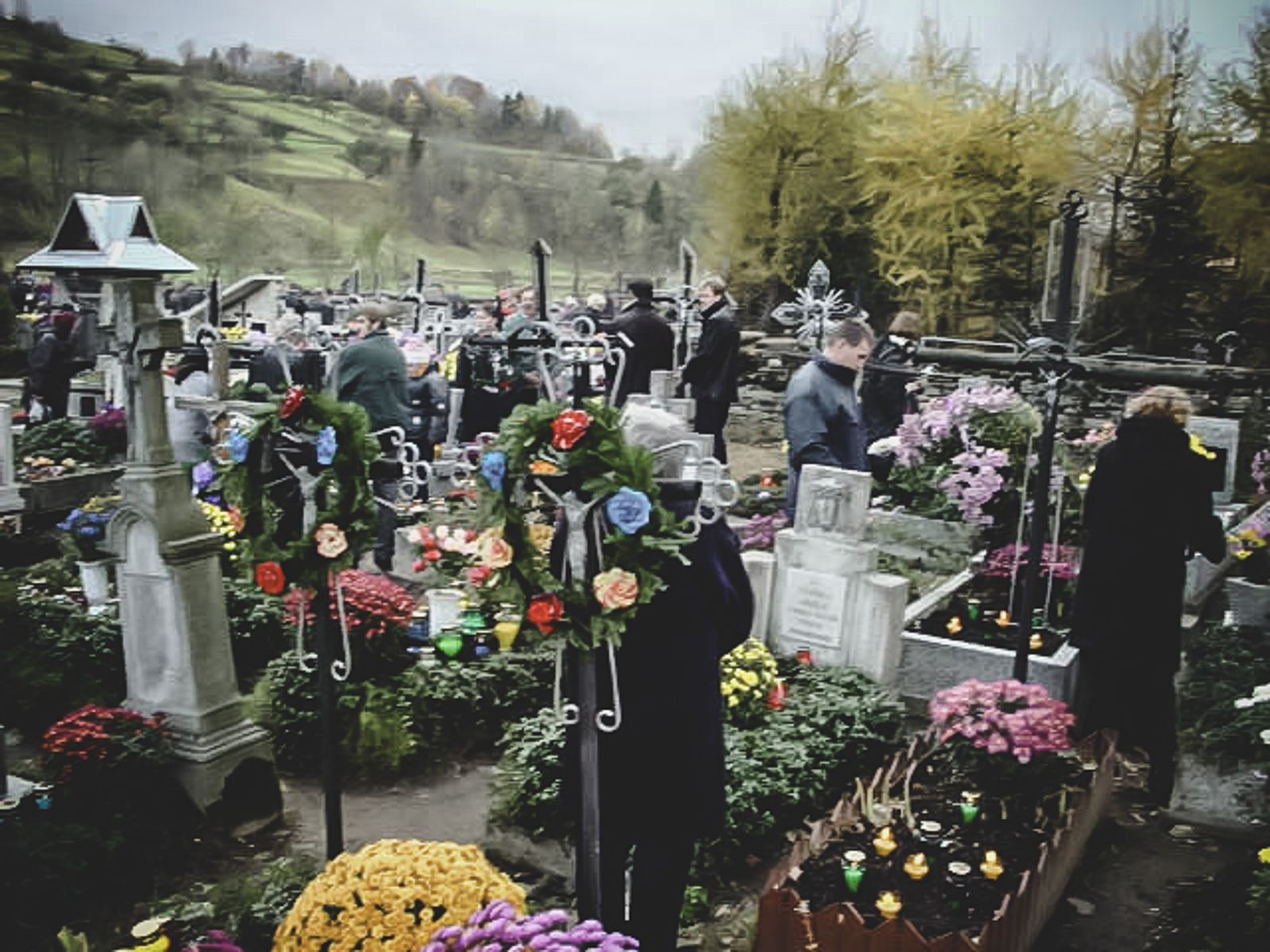
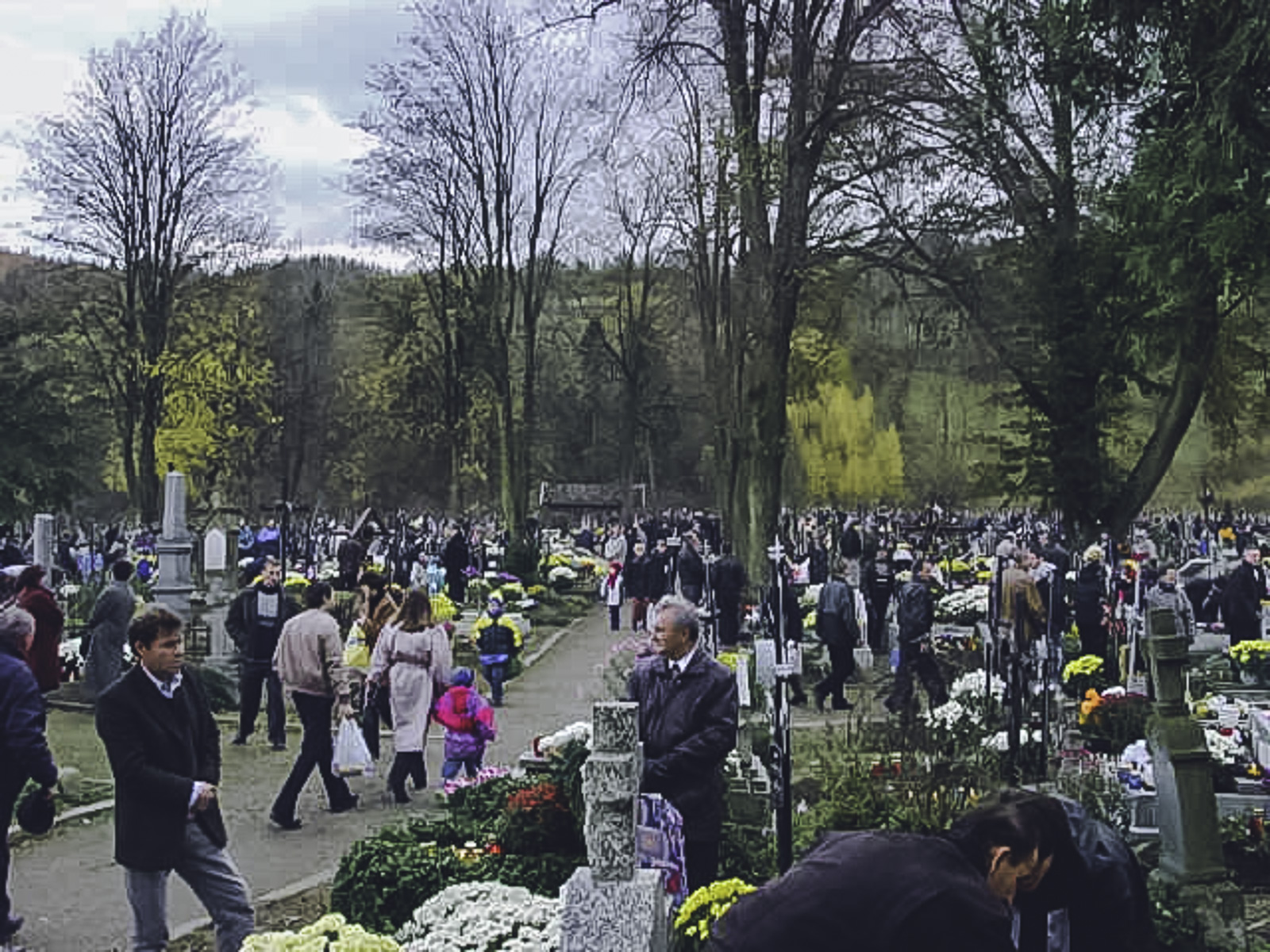
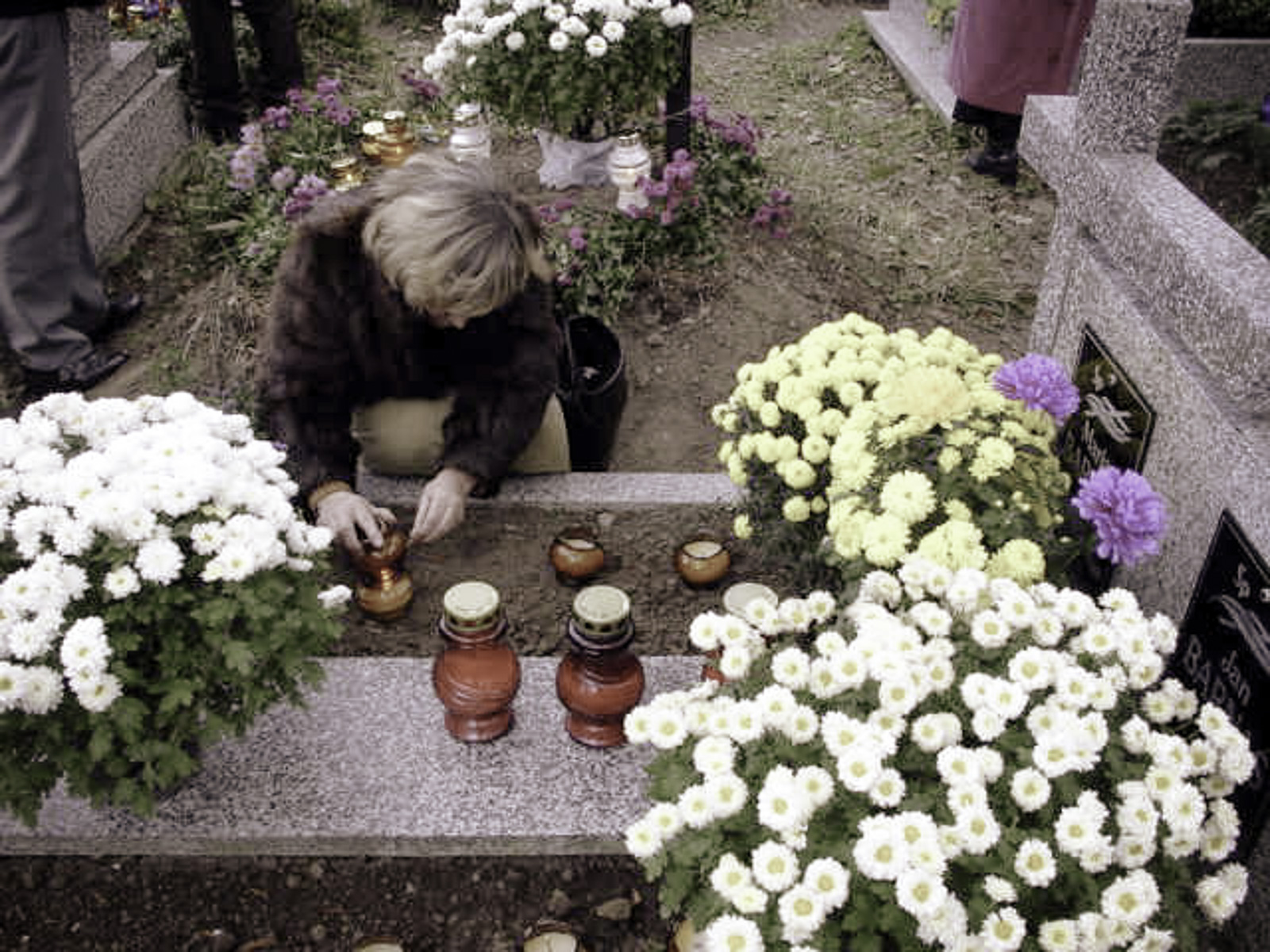
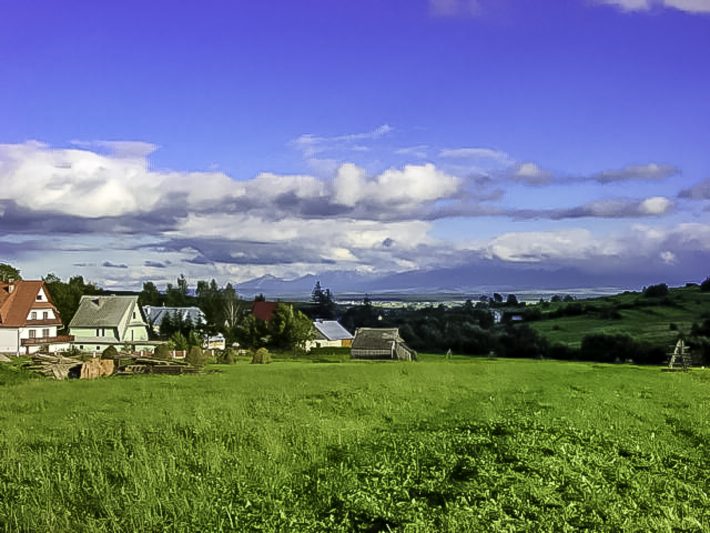
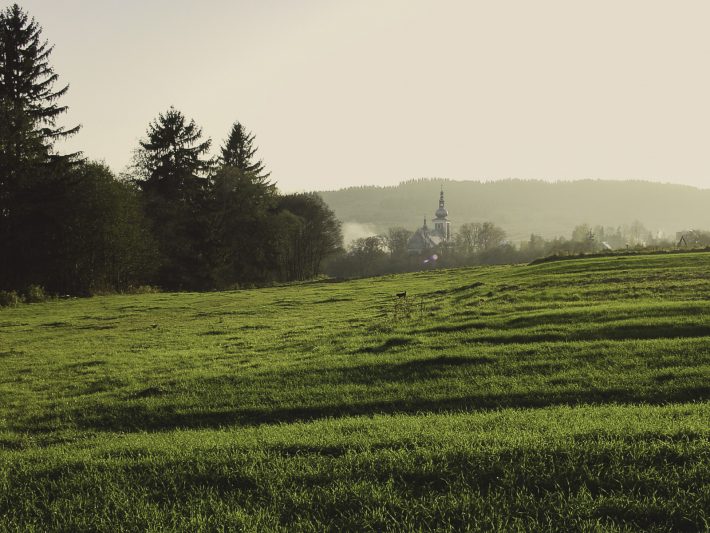
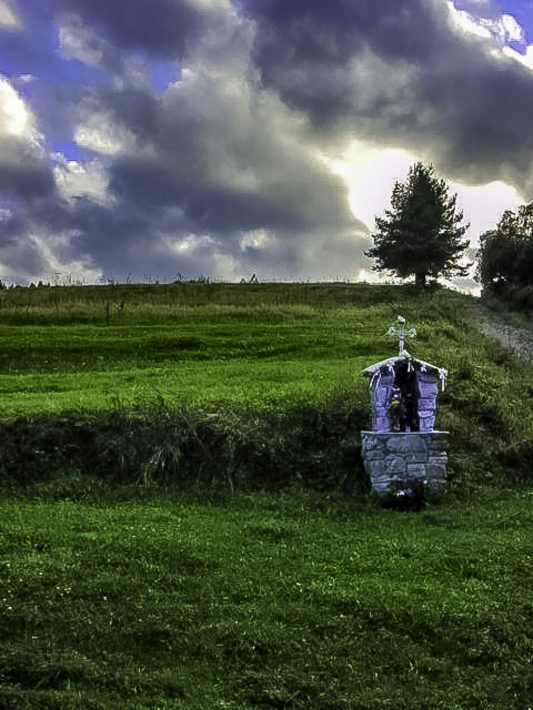
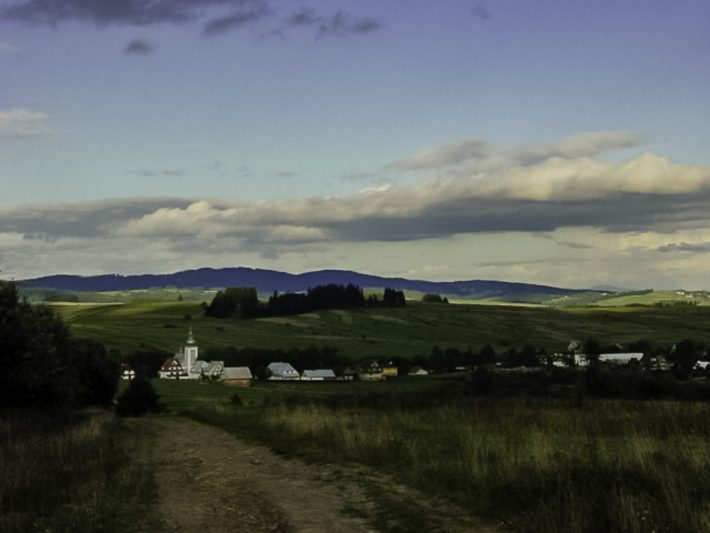
It was a lovely spring afternoon, and I was done with school early, so a bike ride was in order. I decided to go on one of my favorites: dip down into Slovakia that loops back to Lipnica, where I lived.

Crossing into Slovakia was no problem. I made my way around Orava Lake, through Trstena and to the border at Sucha Hora (“Dry Mountain”), where I duly handed over my passport to the border guards. The Slovak guards stamped it and gave it to the Polish guard.
“Gdzie pan mieszka?” he asked.
“I live in Lipnica,” I replied.
The guard thumbed through my passport like the bloke in Mis, and then he looked at me with a puzzled look. “But how?”
At the time, I didn’t have a valid work visa: I was in the process of renewing it, following all the protocols the fine folks in Krakow had laid out, and they had assured me I had nothing to worry about. And yet here I was, on the border, starting to worry.
I explained my situation to guard, but he insisted he couldn’t grant me entry. “You don’t have a valid visa,” he said.
“Yes,” I explained, “but you can’t keep me out for that reason. Perhaps you could suggest I can’t live and work here, but you have to let me in on at least a tourist visa, which means a stamp of the passport and off I go.” I didn’t say exactly that — I used much more diplomatic terms, but that was the general idea.
“But you don’t have a visa,” he insisted, waking into his little office and punching some things up on the computer.
I stood there, dressed in my Lycra shorts and top for cycling, having only a bit of cash in my jersey pocket, and wondering what I would do if this guy seriously didn’t let me in. A friend of mine was one of the head border guards at the Chyzne border crossing, so I thought I would just ride back there. But what if he wasn’t working? How could I pull this all off? I was tired; it was nearing sunset; I had very little money. Disaster seemed just over the next hill.
The guard came back and gave me my passport, waving me through with a smile. “We’ll let you through this time,” he said, “but it would have been a different story for me if I were flying to America without a visa, wouldn’t it?” His smile grew.
“That’s what this is about,” I thought. “Someone in your family — a sister, a brother-in-law — got turned away from the States on some technicality, and now you’re having a little fun.” Naturally, I said none of this. I simply thanked him, took my passport, and rode as fast as I could over the border, which was actually another half-kilometer or so from the crossing station.
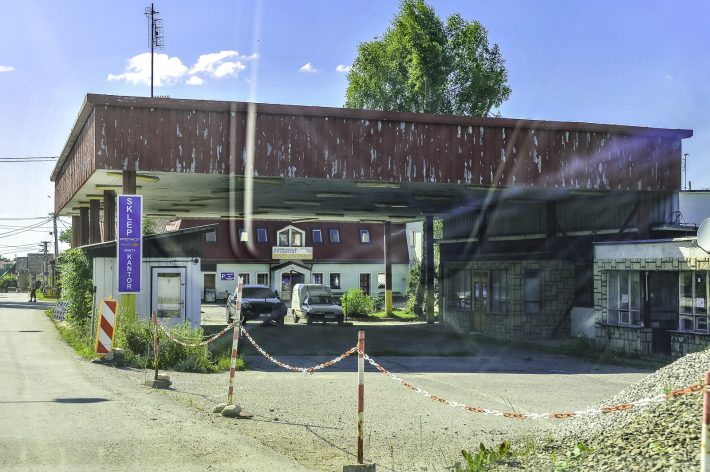
In 2013, we drove through that crossing, which was empty due to Poland’s and Slovakia’s mutual EU membership. It looked exactly as it had a decade earlier.
Living in South Carolina, the possibility of such snow is not even minimal: it’s non-existent.

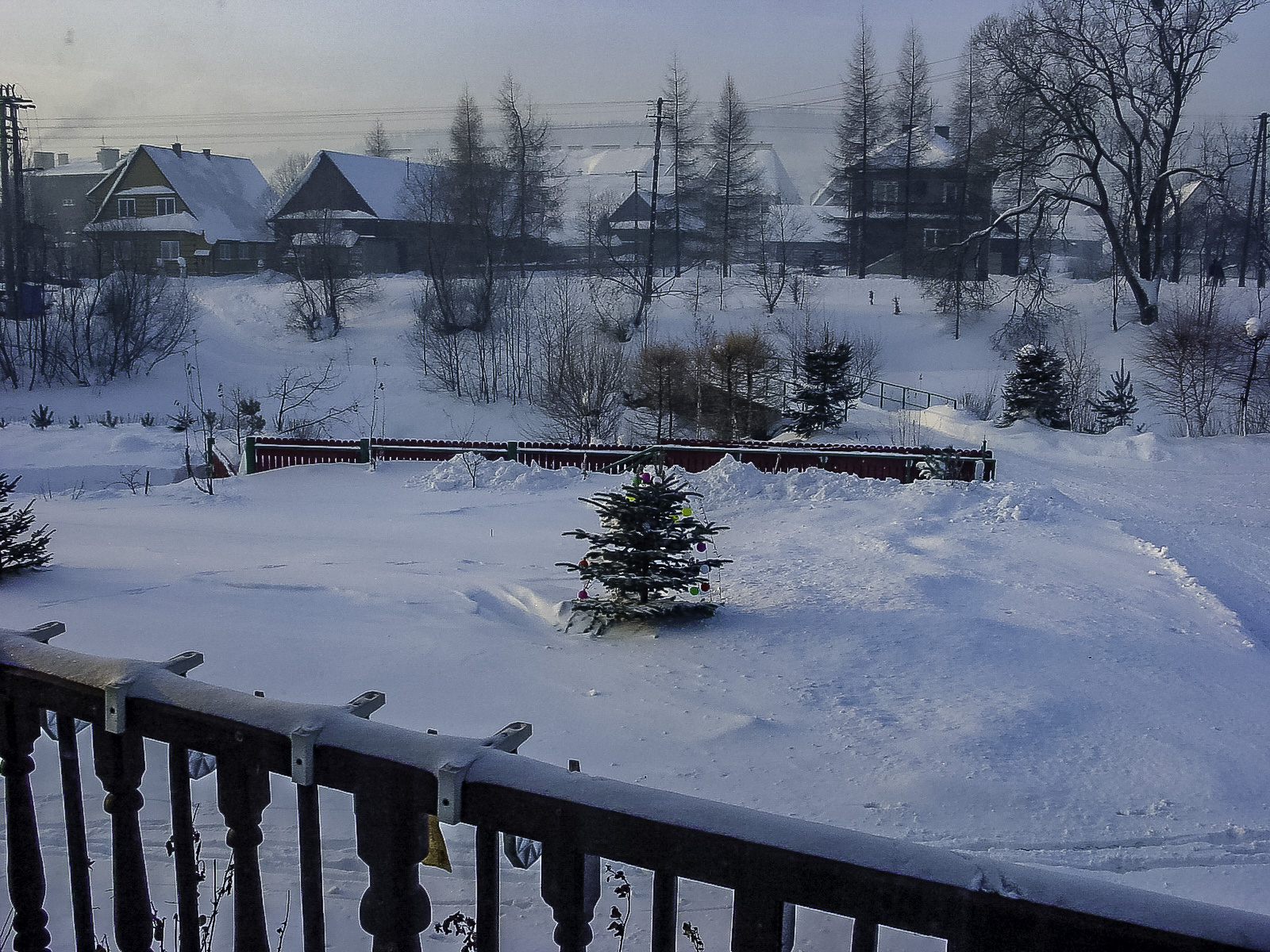

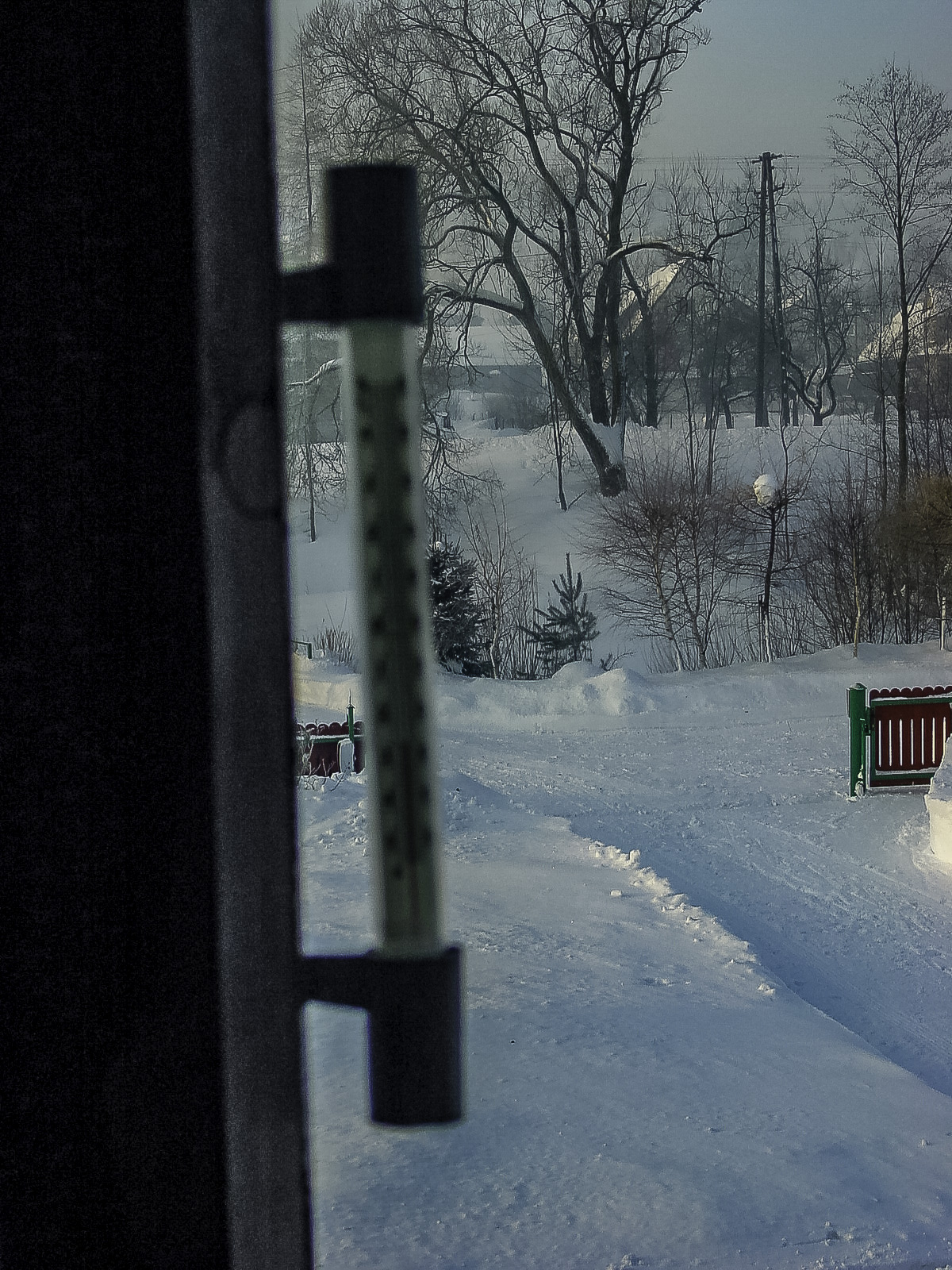
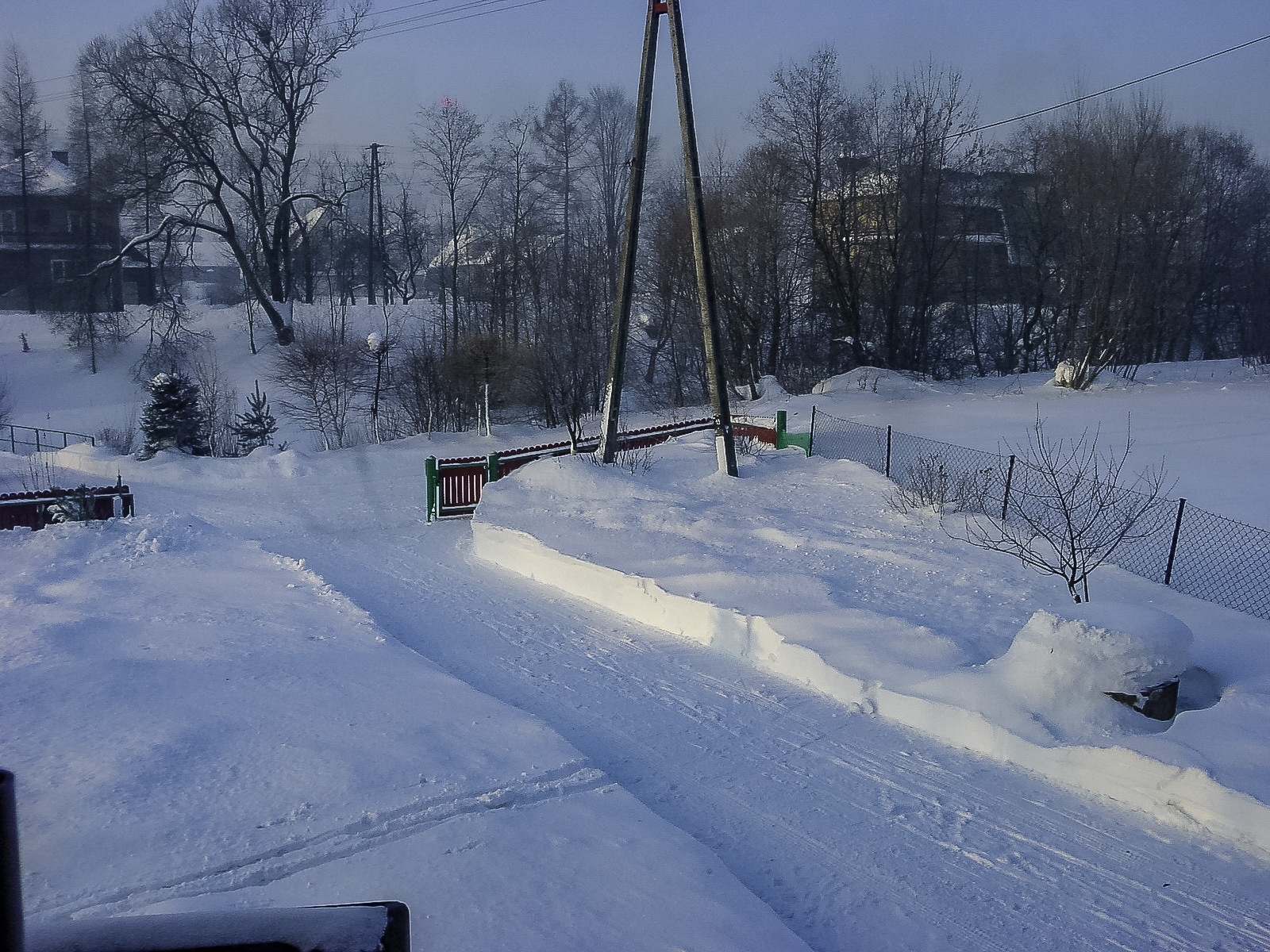
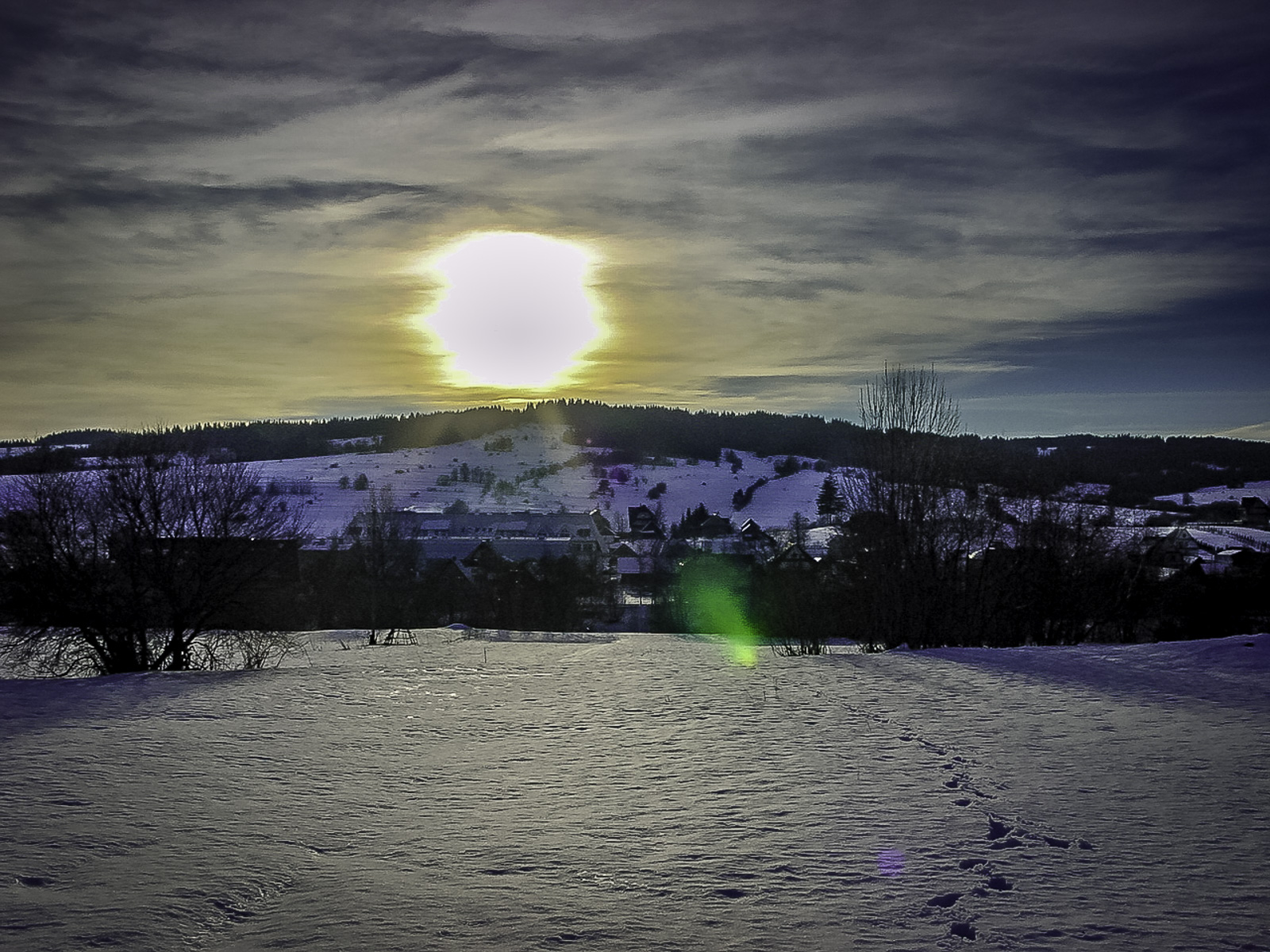
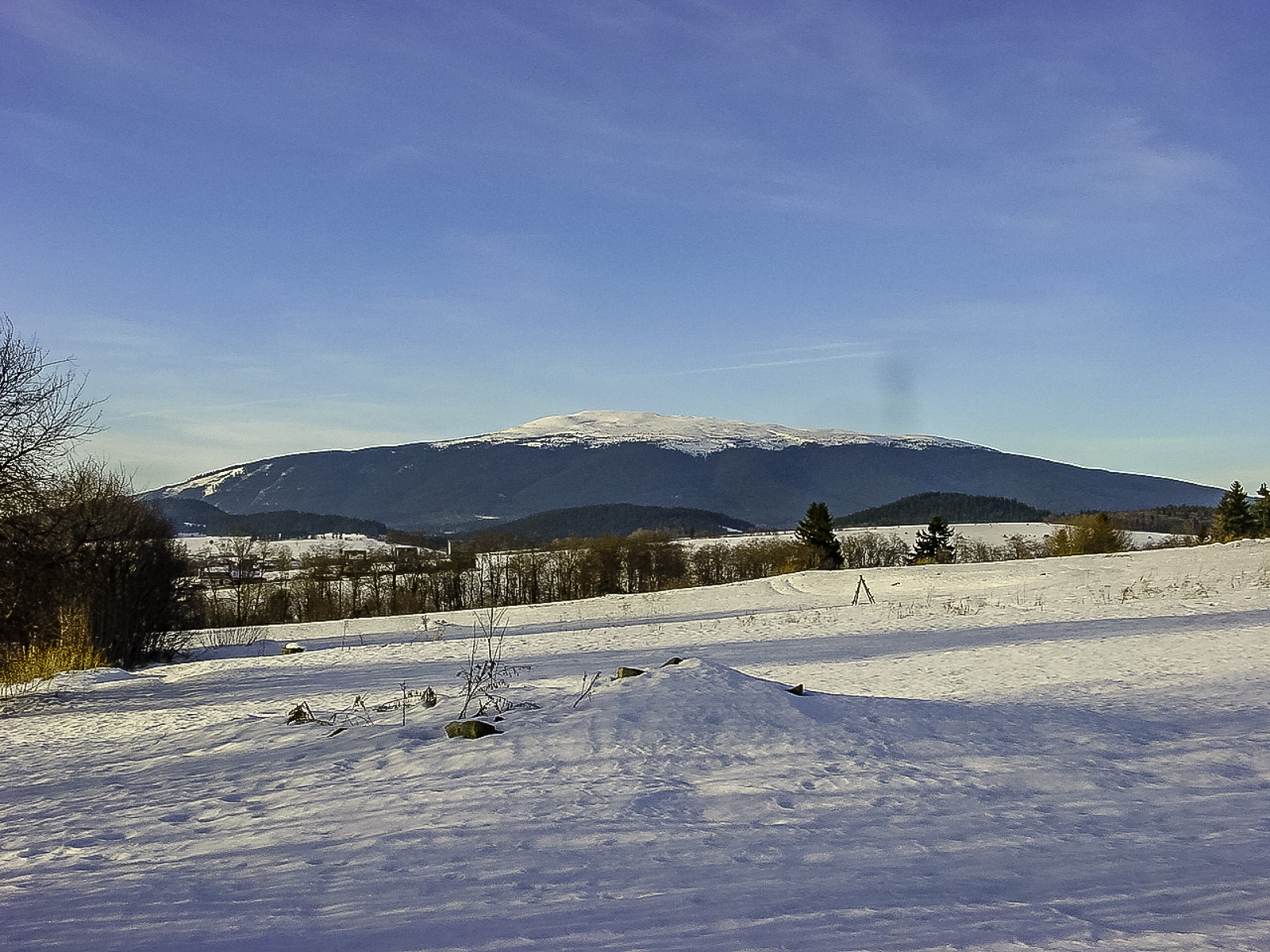
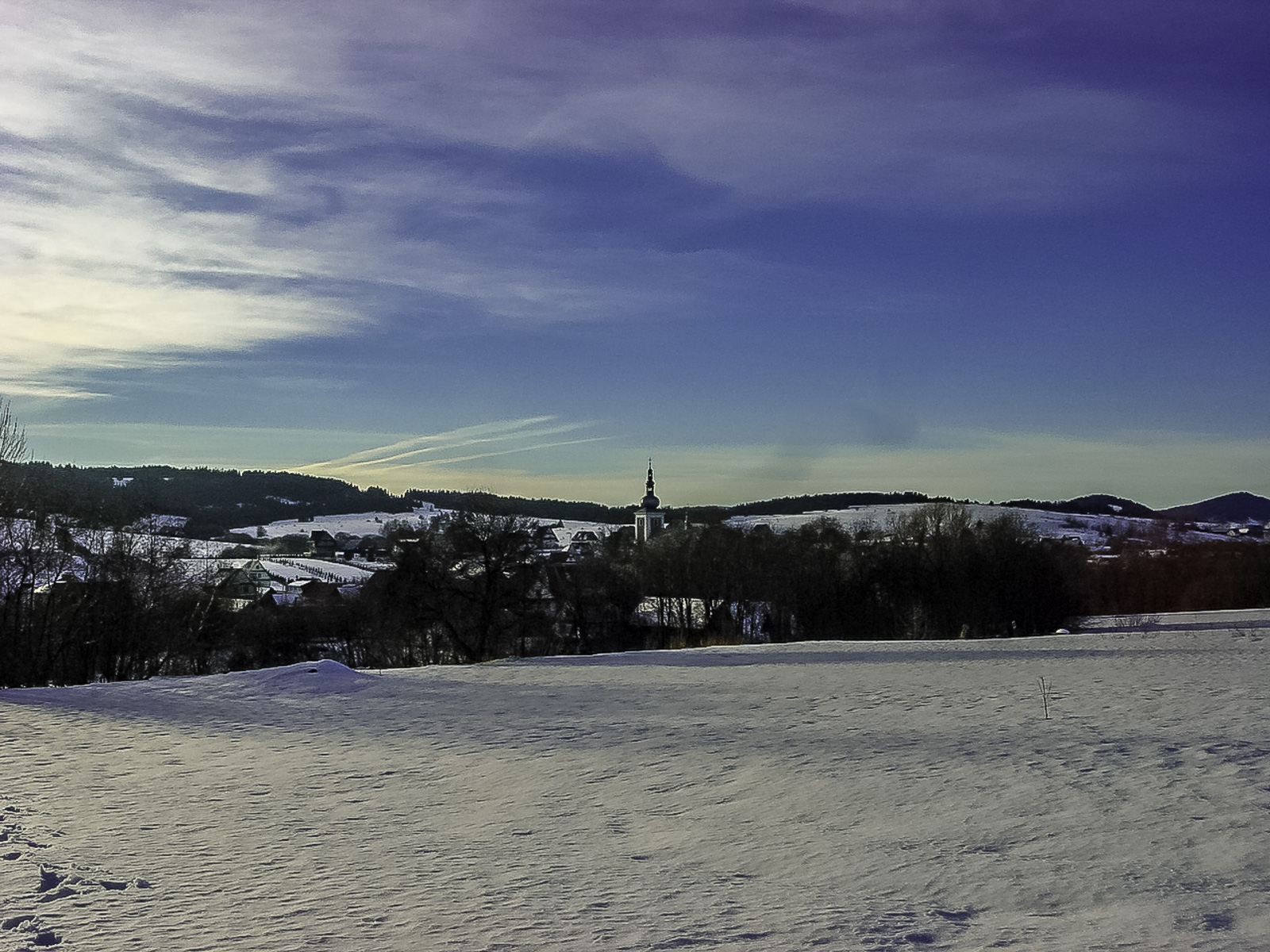
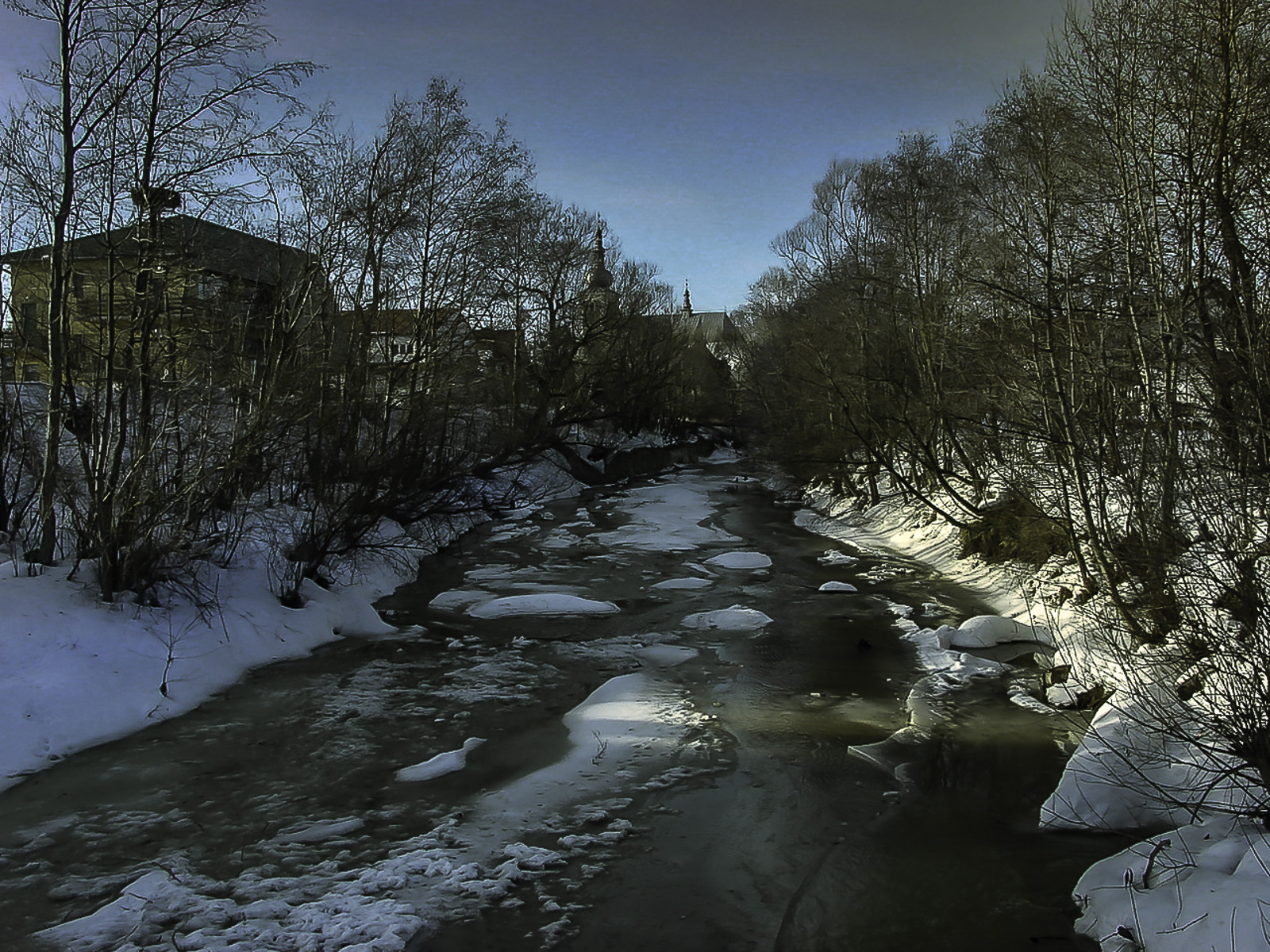

I do miss it.
It’s the fourth year I’ve shared the oplatek with students here in America, which means it’s the eleventh time I’ve shared it with students in my life. The first year we did it, I found it to be so magical that I was sure that it couldn’t ever be so perfect. The kids enjoyed it more than I remember seeing thirteen-year-olds enjoy something proposed by an adult: I expecting at least some reluctance, some groans, some pushback.
Every year since then, it’s been the same, though. I show them images of Wigilia in Poland, explain the sharing of the Christmas wafer, and suggest that it might be enjoyable to do it here. Some heads shake doubtfully. Most just look at me suspiciously, perhaps a little expectantly.
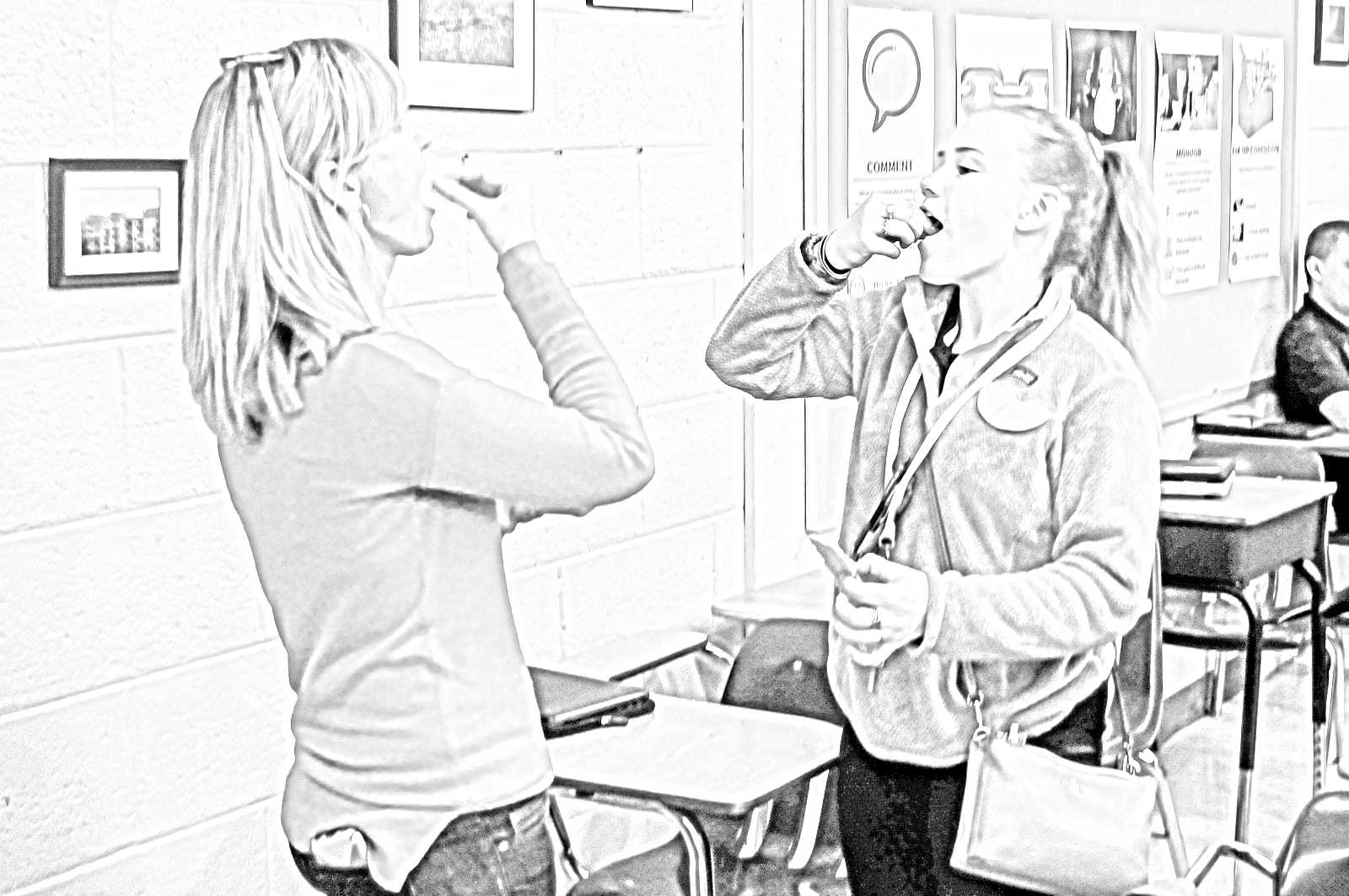
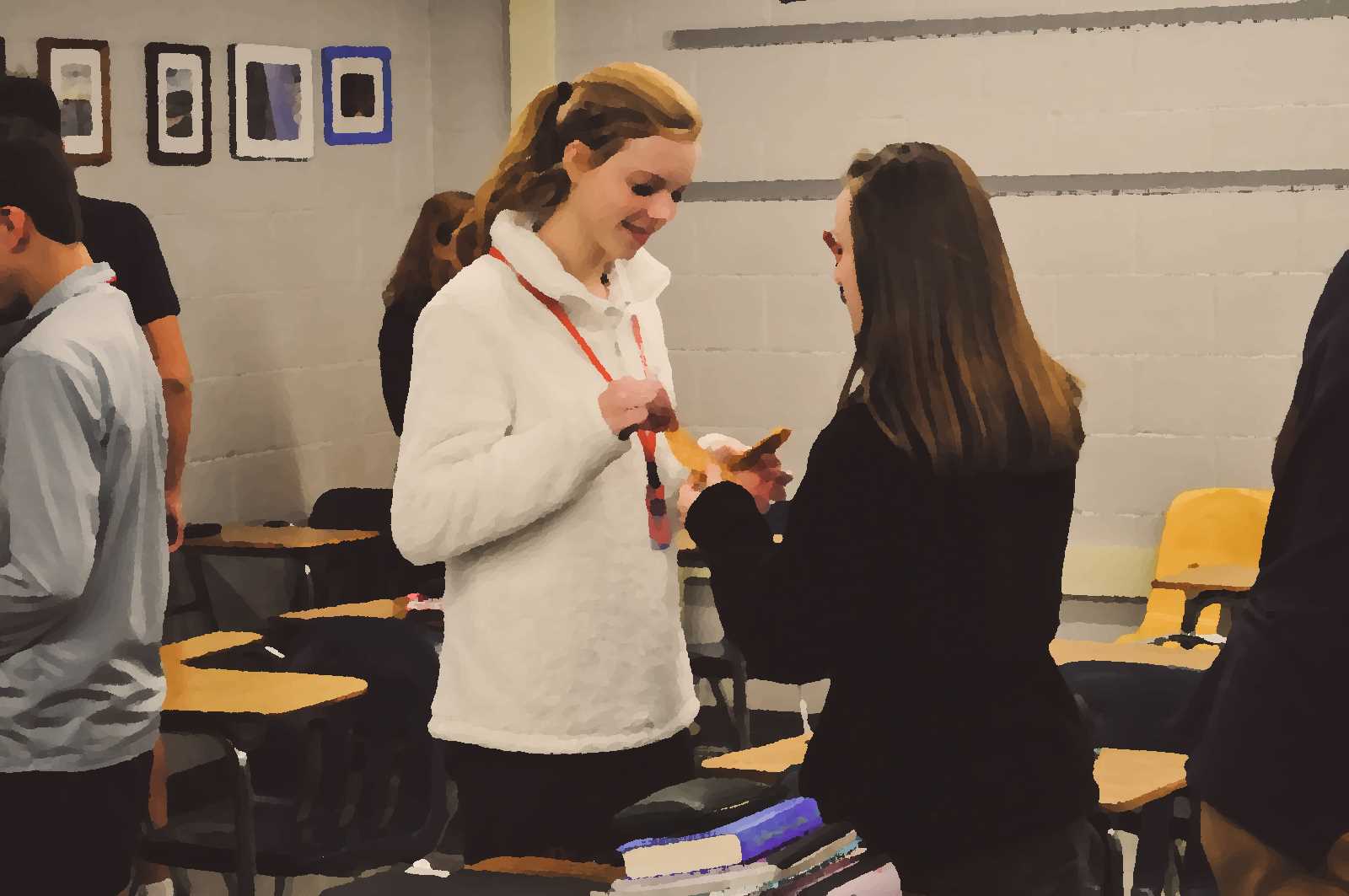
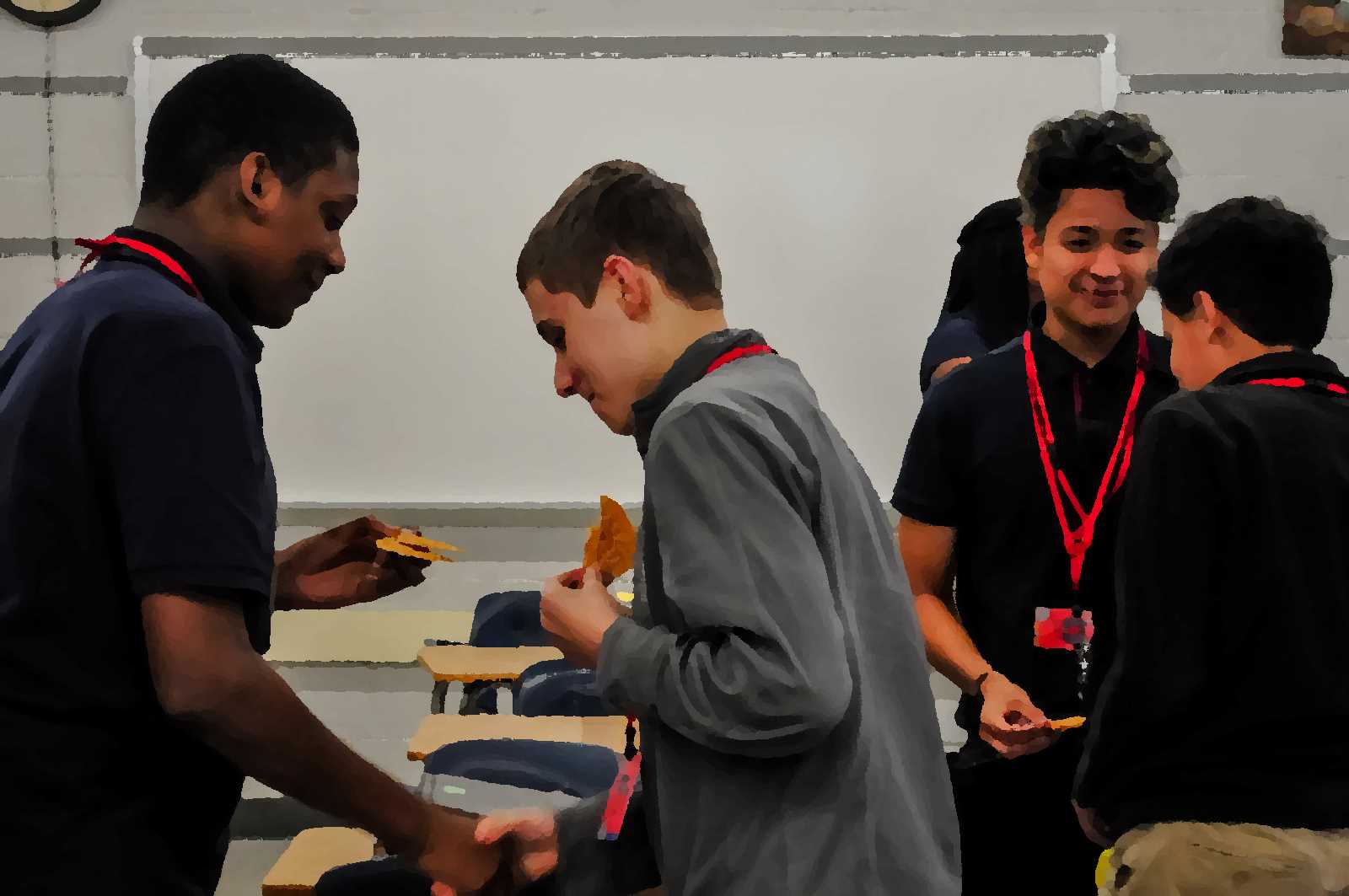
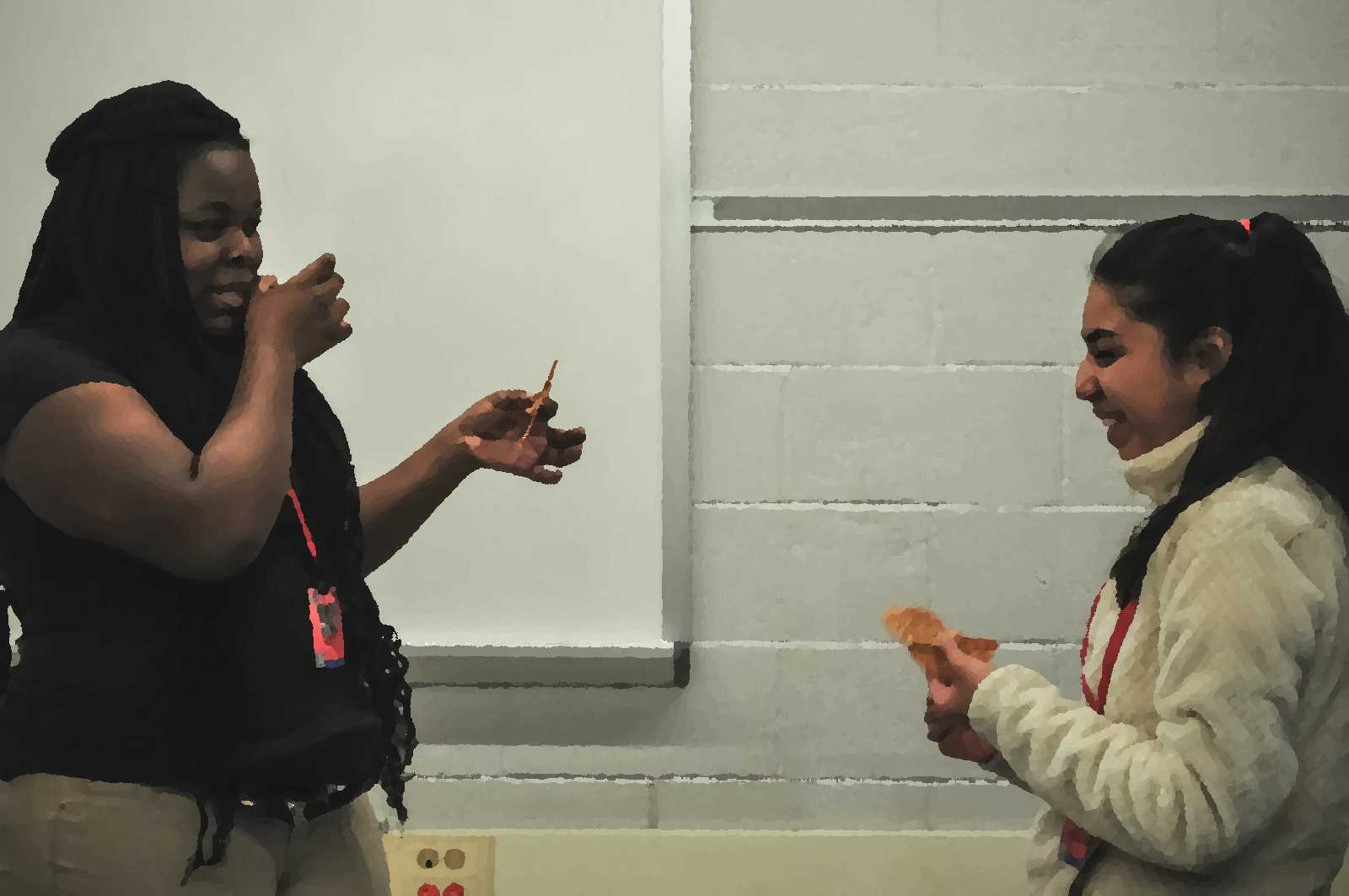
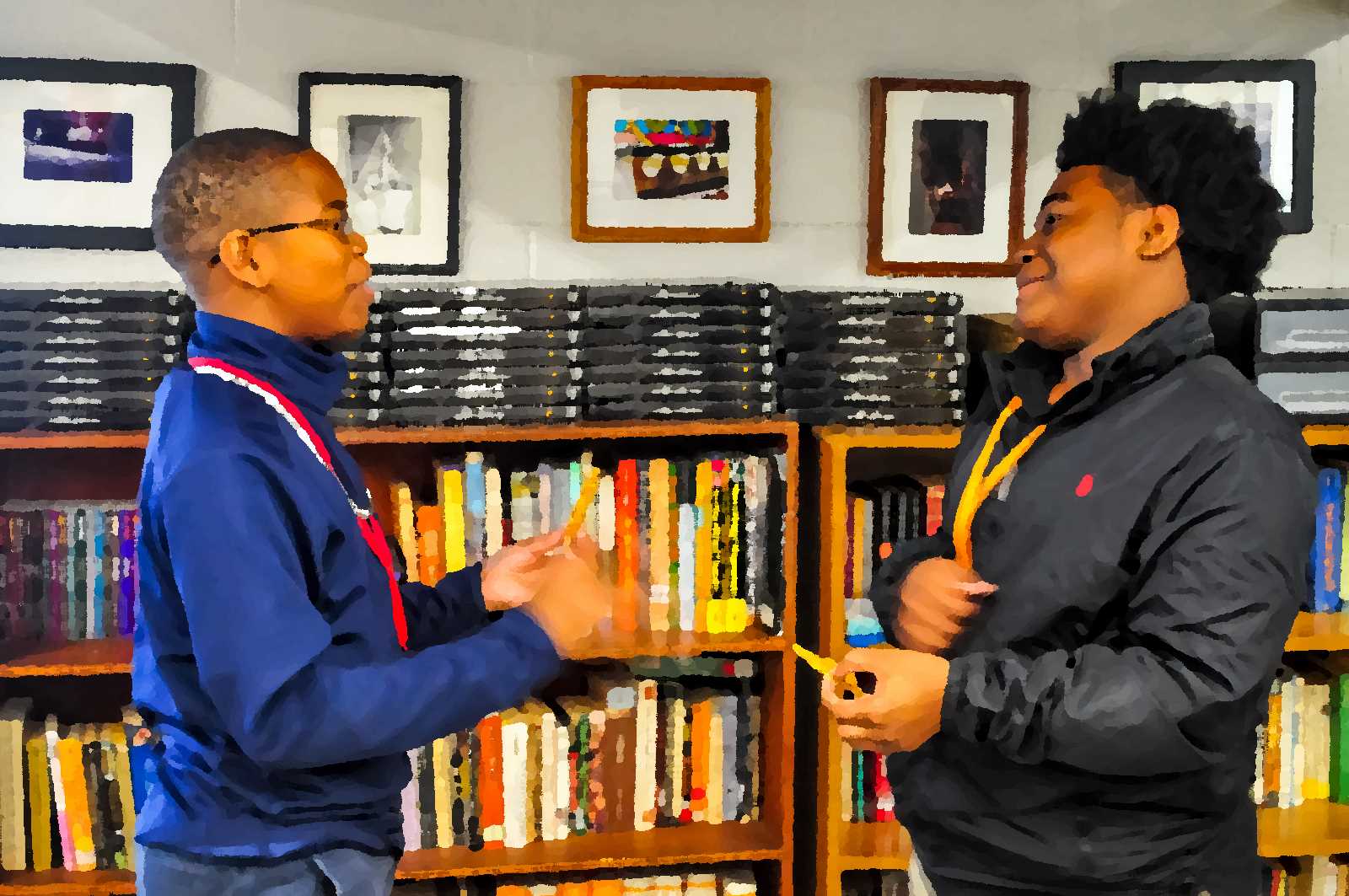
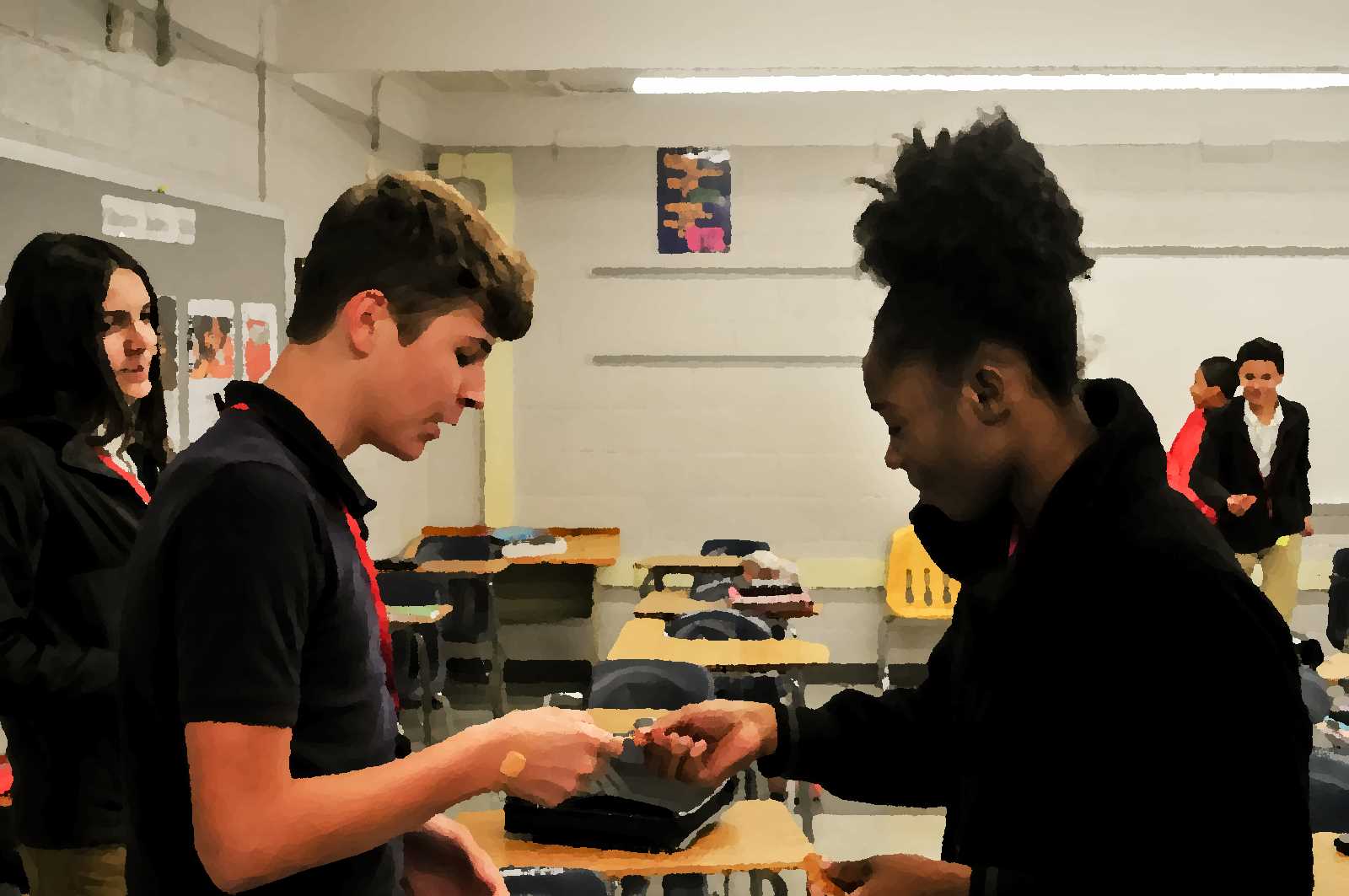
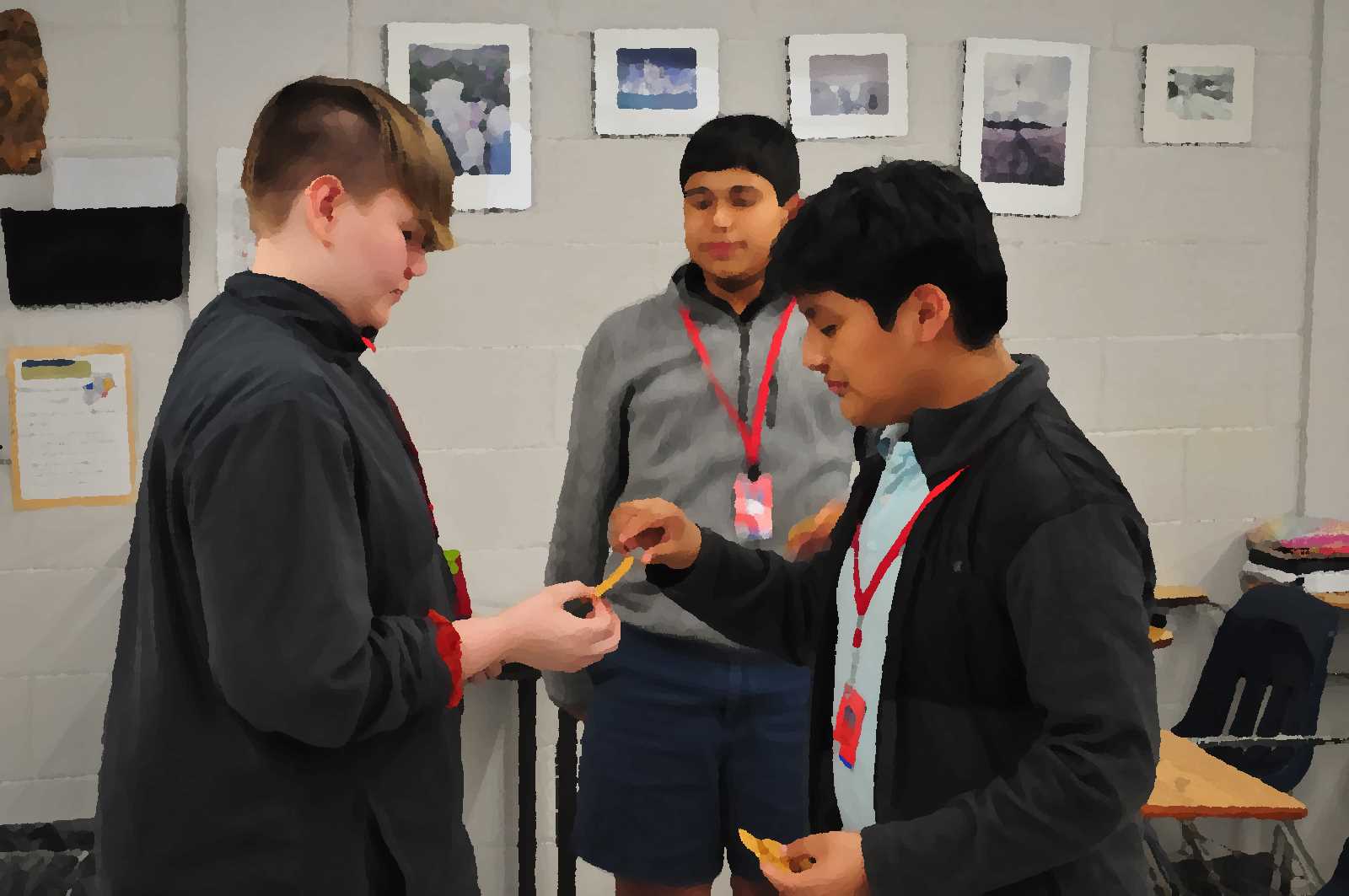
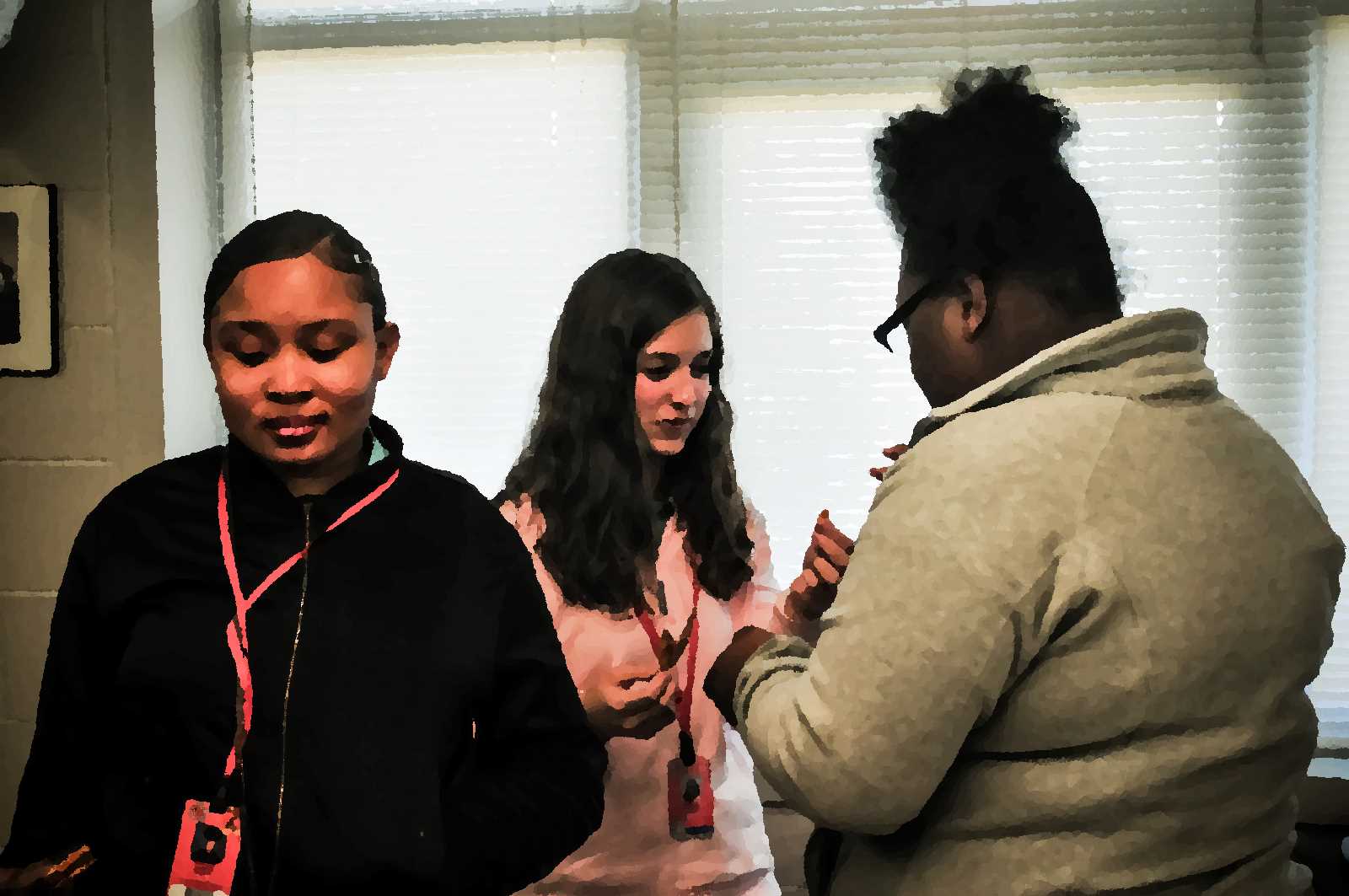
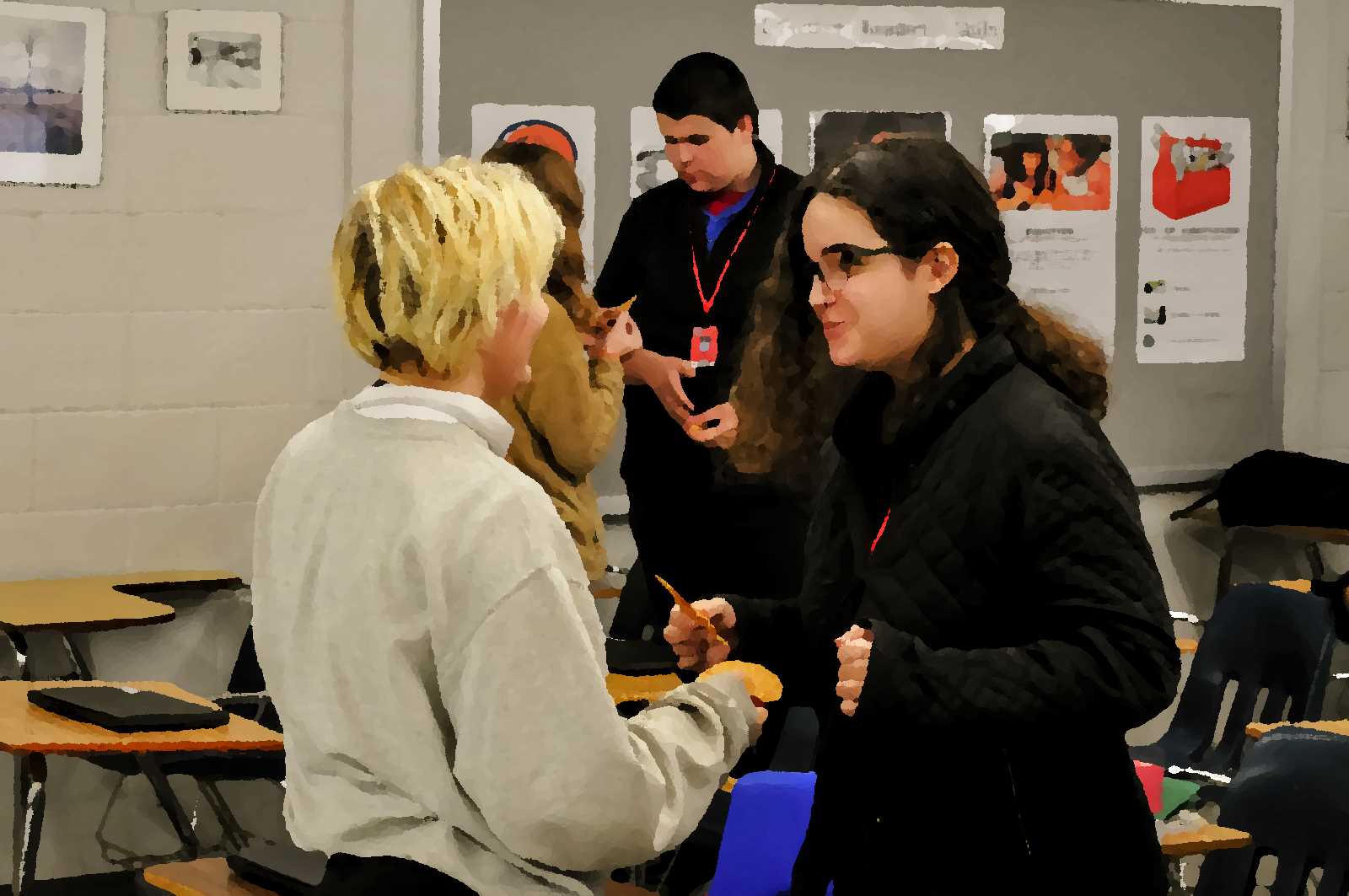
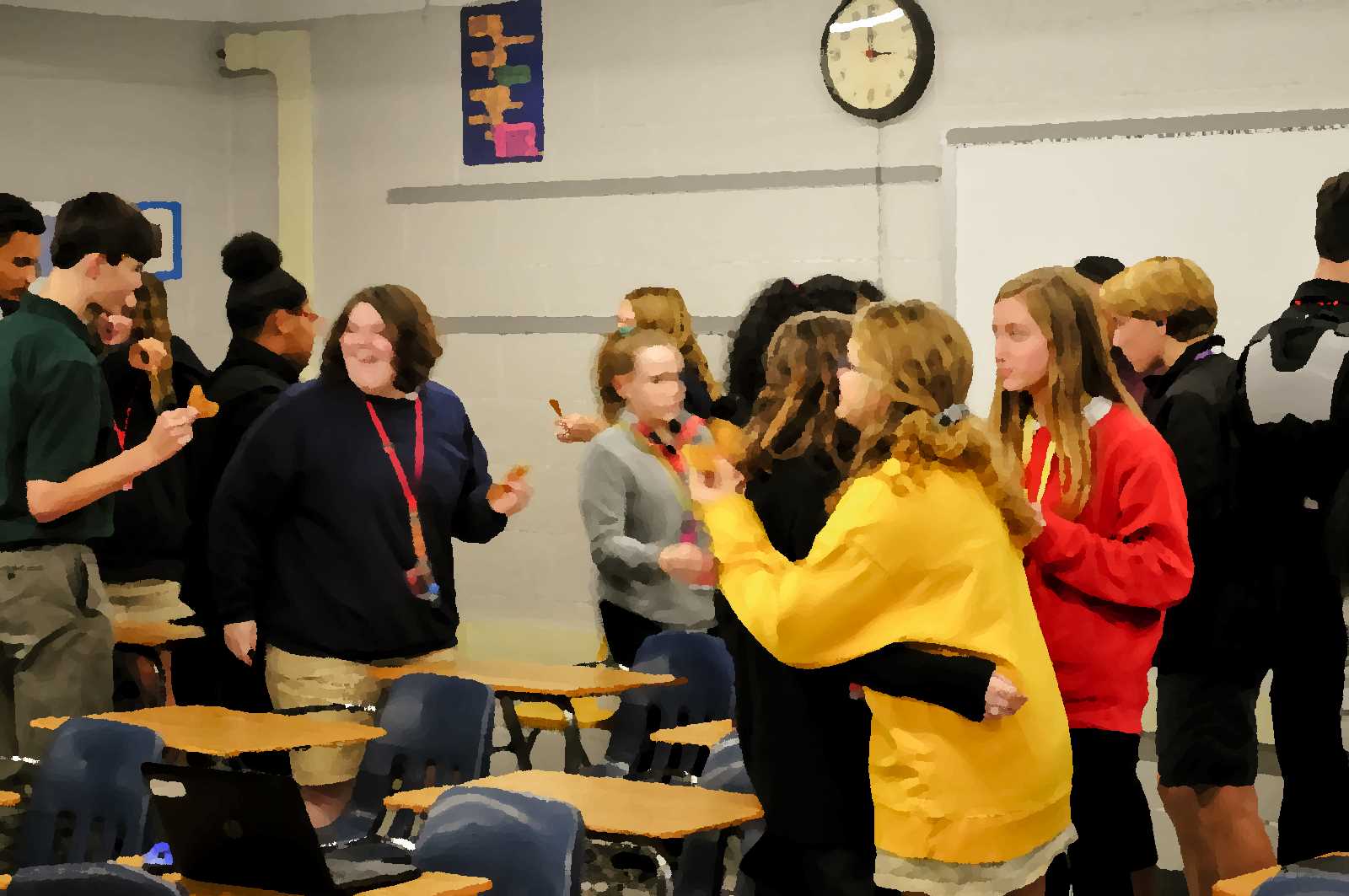
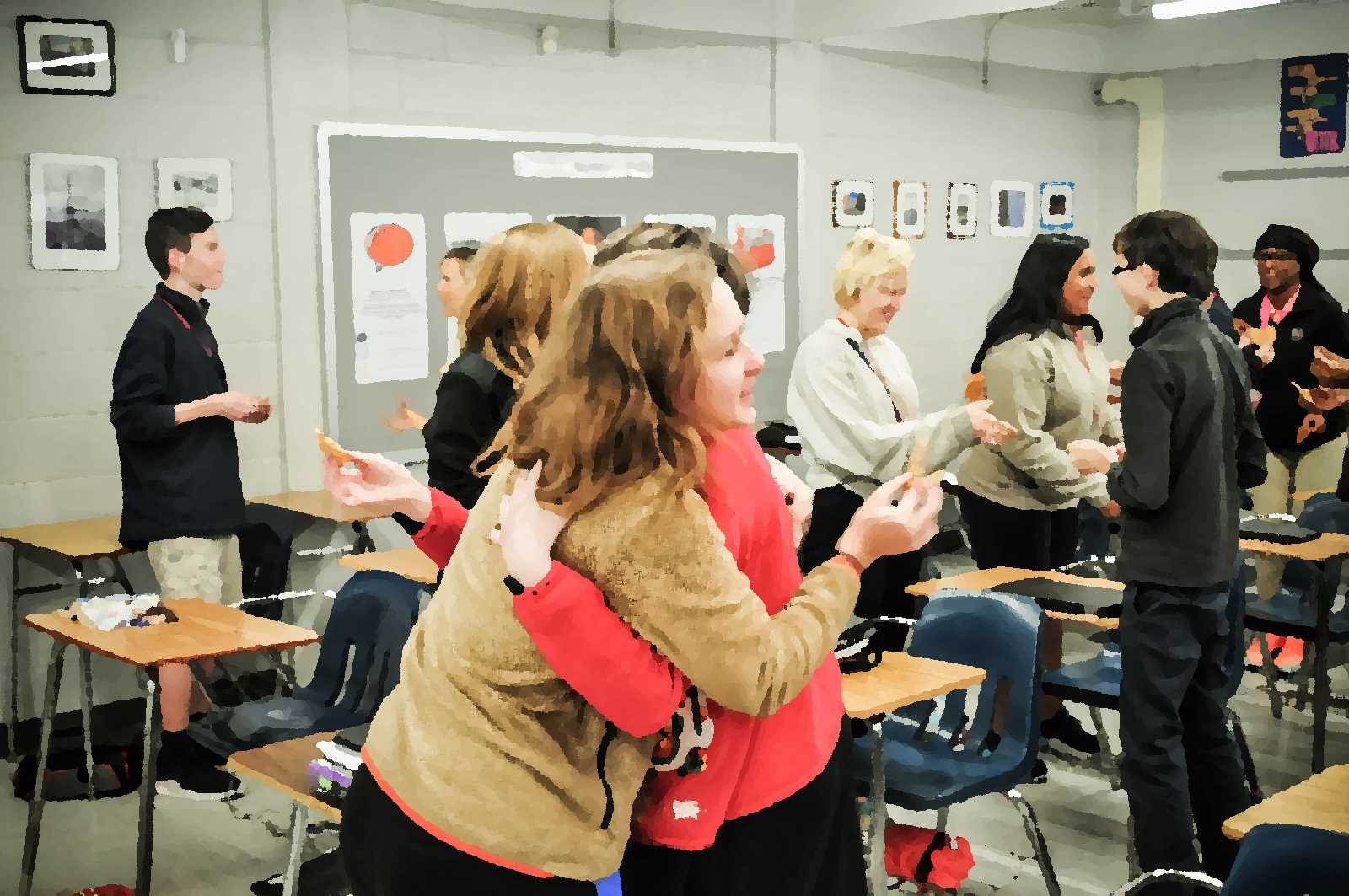
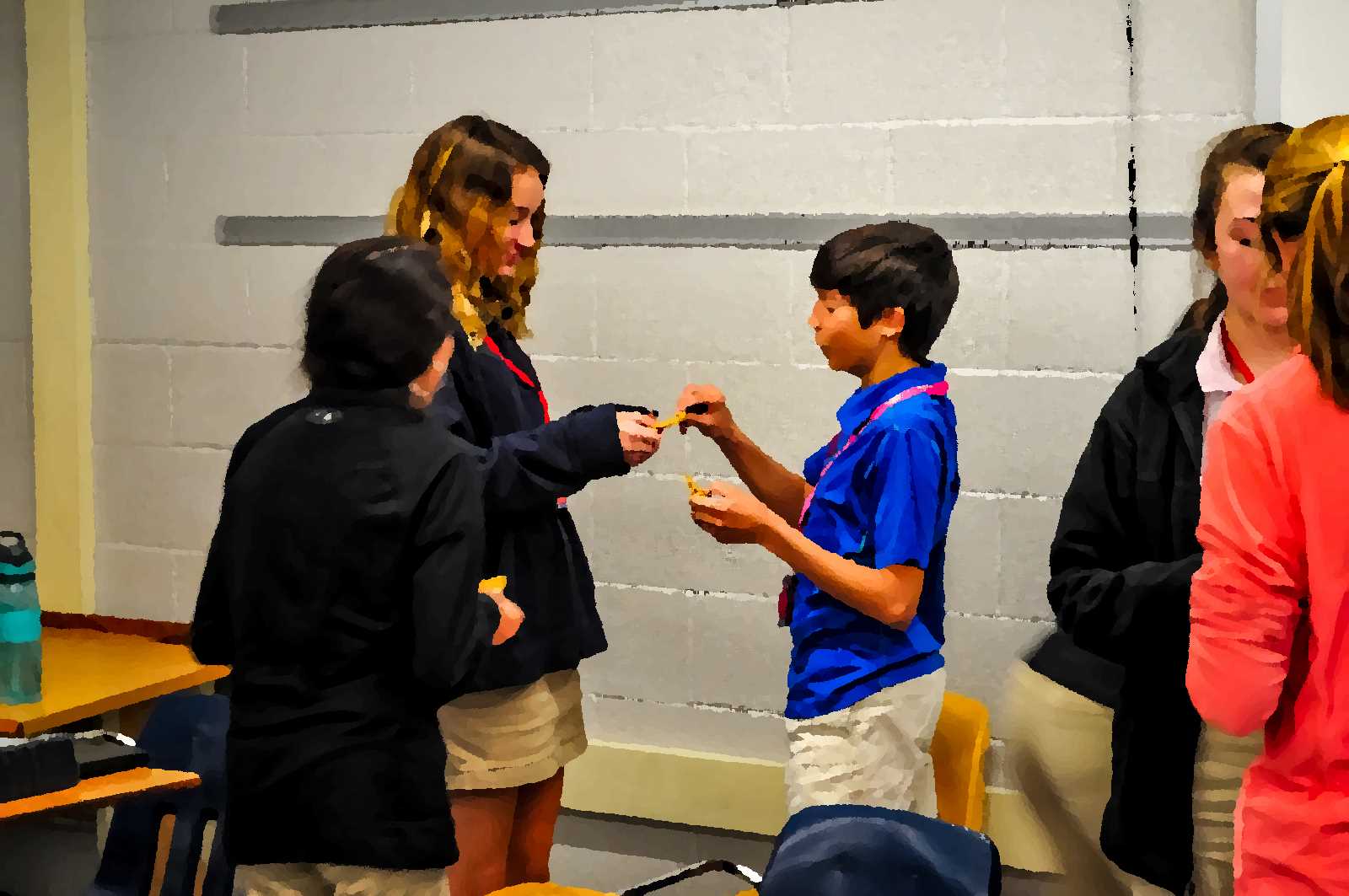
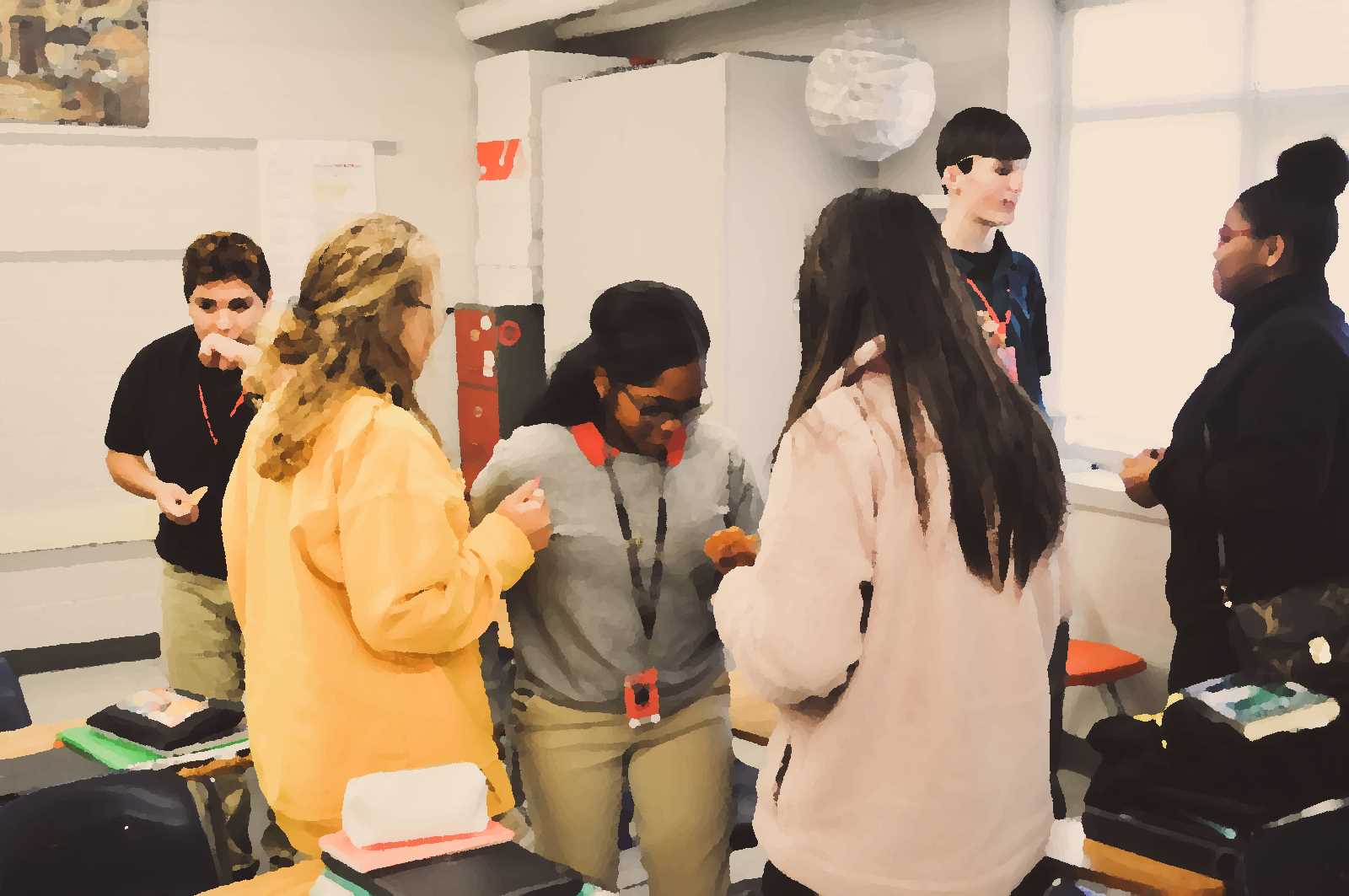
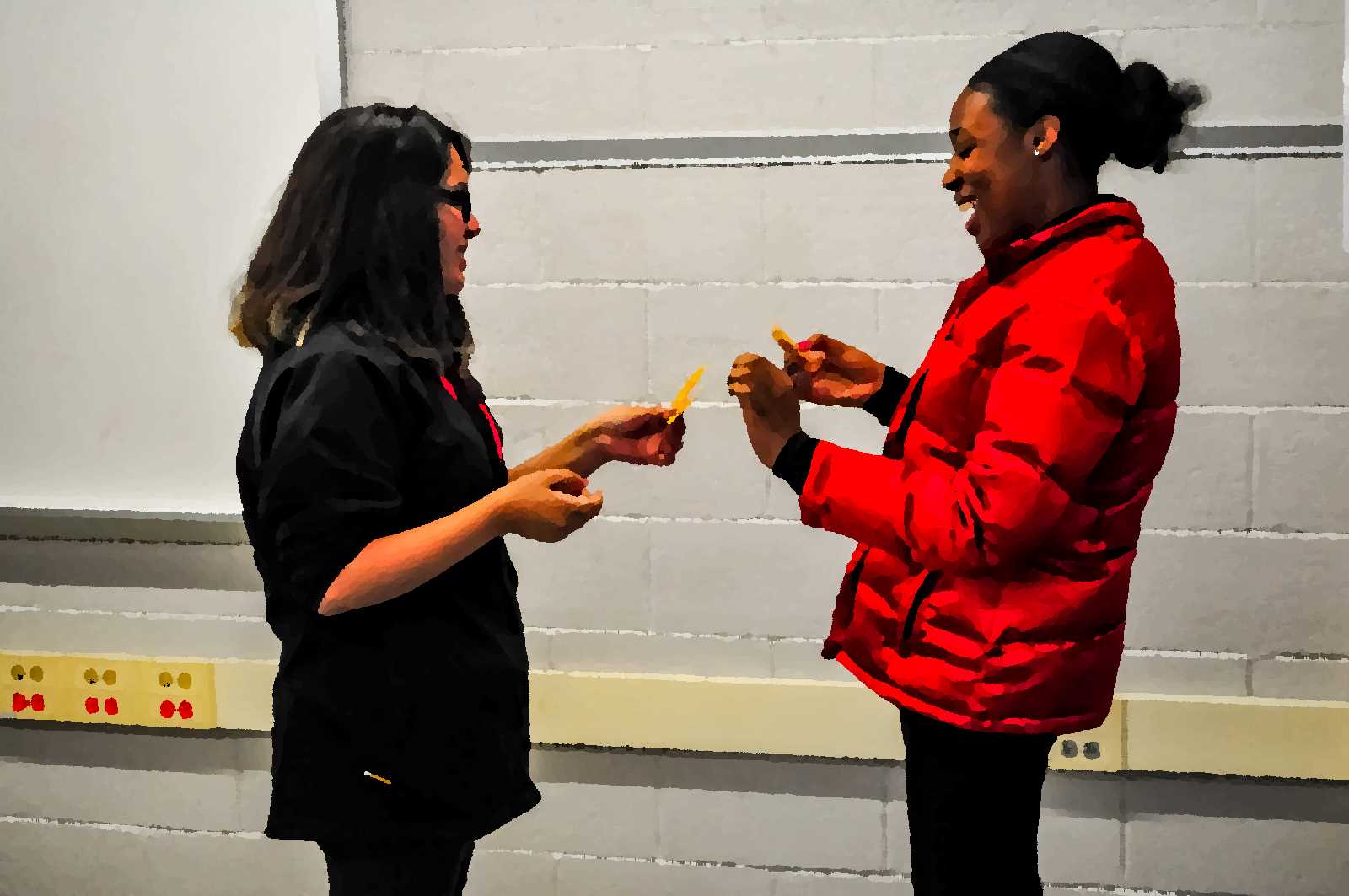
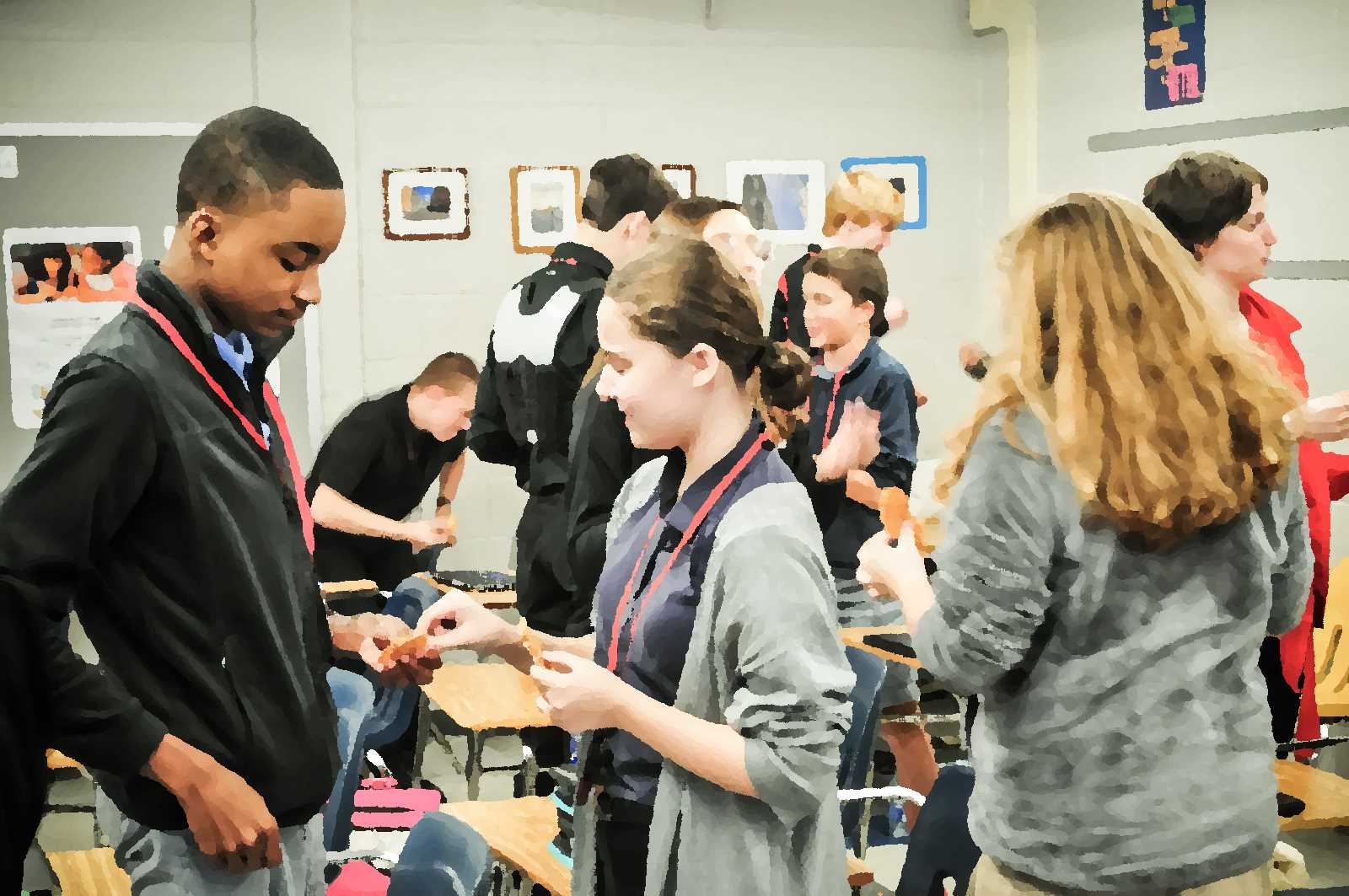
This year, though, I tried something new: I suggested to my journalism students, whom I teach in the final period and most of whom I’ve had earlier in the day for English I Honors, if they wanted to do it again. “After all,” I said, “there are several in the room here who didn’t do it earlier.” The enthusiasm was as clear as it had been earlier in the day.
A good day to be a teacher.
Opłatek
Oplatek
Wigilia 2015
The reality of life in Poland in the 80s was the line. The queue. People stood in line for everything. People stood in line not knowing why they were standing in line. A friend once told me, that she often ended up standing in the line just because there was a line. “If there was a line there must be something she reasoned and no matter what that something was it was something that her family could use or trade with someone else.”
Kinga told us of a story about waiting in line for shoes. “We didn’t even know what kind of shoes they were,” she said, “but they were shoes and we needed shoes.”
I had my own experiences waiting in lines in Poland in the mid-90s, but they were not due to the lack of goods. I mostly waited in line for bureaucratic reasons. When I would go to Krakow training my Visa, I would arrive at the office in question an hour or more before it opened to find the line already stretched halfway down the block.
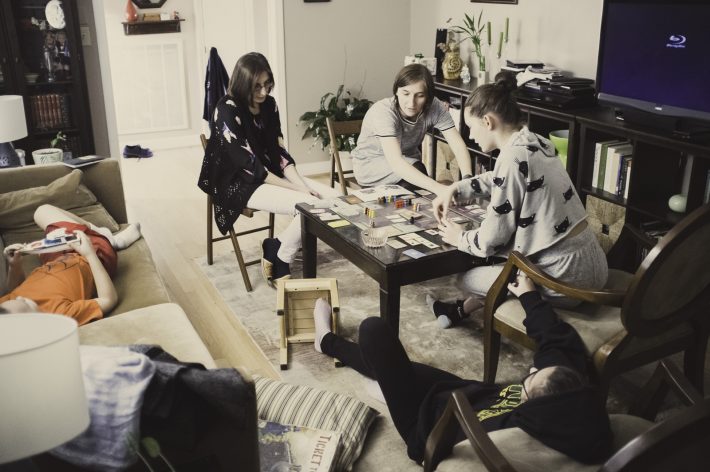
What better thing to do then some 30 years after communism ended in Poland than to play a game based on this reality. That’s exactly what the game Kolejka is all about: all the frustration of communist Poland in your living room.