Dress shoes, curtains, cosmetics, pig intestines, wrist watches, toys, paintings, binders, nails, cigarettes, t+shirts, pens, hatchets, bras, cookies, hammers, cloth, suits ducks, hand-carved decorations, wiring, pots, chairs, sandals, strawberries, hats, metal detectors, potatoes, toilet plungers,house shoes, sickles, blinds, perfumes, hiking boots, mufflers, pocket watches, panties, puzzles, pans, pipes, scopes, cherries, hedge trimmers, cutlery sets, skateboards, lawn mowers, porch swings, DVDs, planers, tables, knife sharpeners, spoons, screw drivers, CDs, hair brushes, power outlets, hair driers, chickens, Croc rip-offs, faucets, pencils, stomach lining, Teva rip-offs, rake handles, hiking poles, plums, Nike-rip-offs, wrench sets, geese, bikes, tobacco, ties, pencil bags, homemade cheese, levels, skis, pigeons, tank-tops, forks, nuts, tennis shoes, pigs, binoculars, hunting knives, socks, butter knives, rakes, carving knives, fillet knives, Russian cameras, notebooks, axes, inline skates, cats, insulation, pencils, e-cigarettes, tiles, bolts, dresses, light switches, high heels, instant coffee, dogs, shovel heads, baseball caps, chains and stakes for grazing cows, and countless other items, all available at your local jarmark.
polska 2013
Polish Ketchup
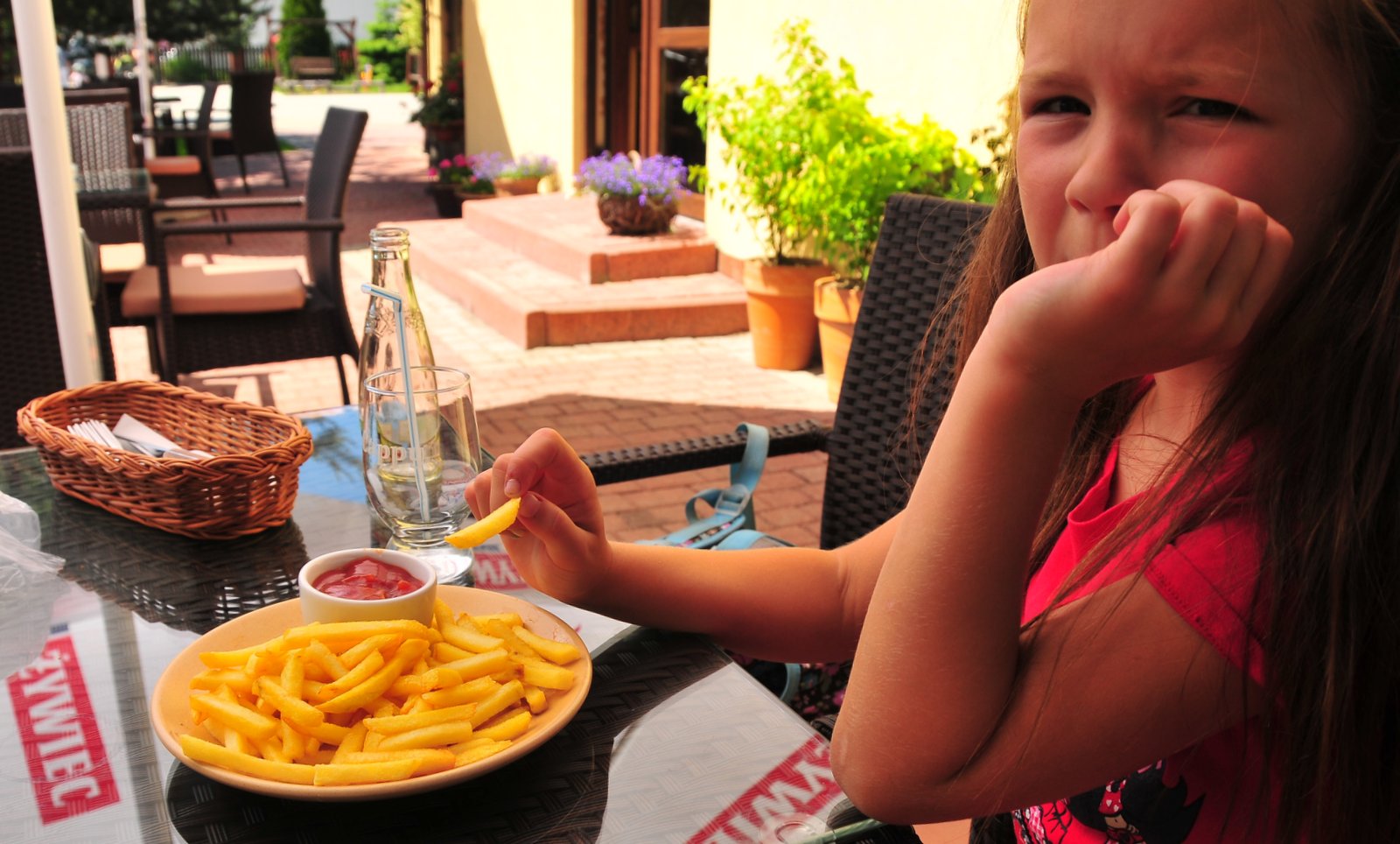
The Girl has decided that Polish ketchup, with its hint of pungency and its lack of sweetness of its American counterpart, is most decidedly not for her.
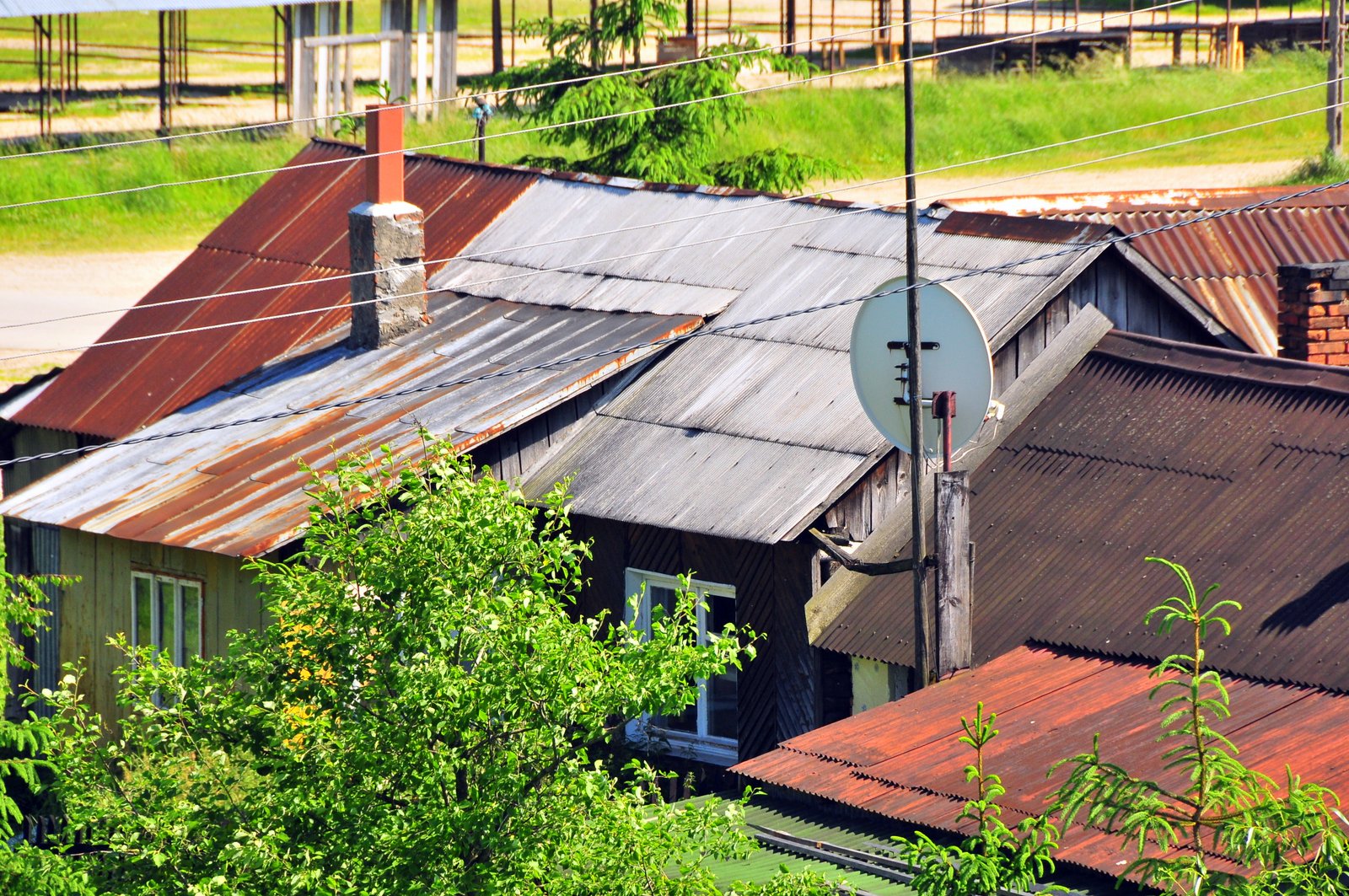
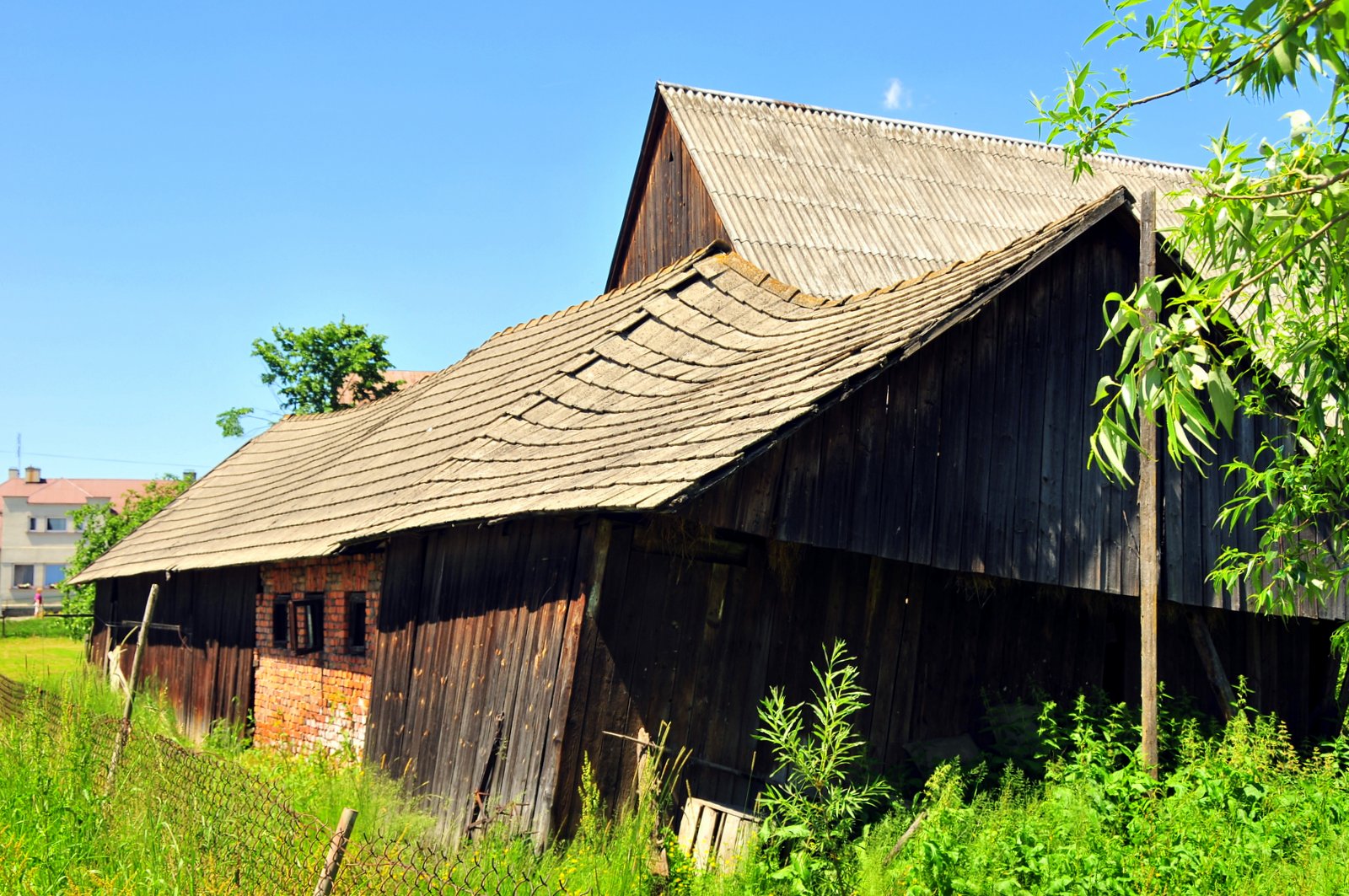
Disrepair
The signs of it are everywhere: houses with roofs that have long-since lost the luster of their newness.
Barns collapse on themselves.
Road repairs, melting in the heat of an unusually warm day, prove themselves to be only temporary.
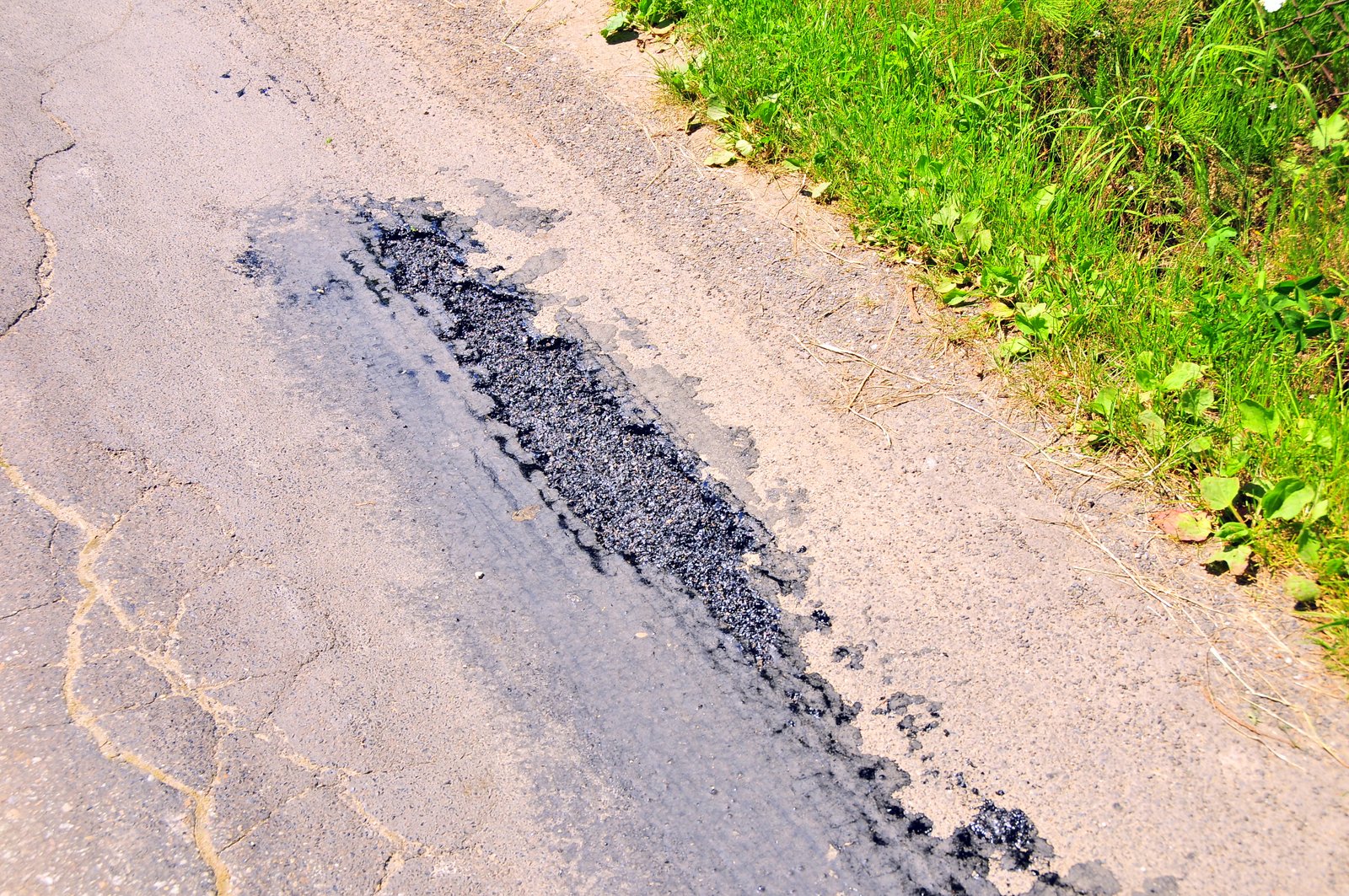
When I first arrived in Poland in 1996, sights like these were common everywhere, in the countryside and in the capital. In 2013, such scenes are less common.
The Visit
“J, are you here?” She somehow knocks at the door, opens the door, enters the house, and says this all at the same time. It took me a long time to grow accustomed to this style of entering a friend’s house, but she’s lived in Orawa all her life, and it comes naturally to her.
I walk to the door as she enters and she asks, “Is Pani J here?”
“No, she went to the store a few minutes ago,” I explain. “She should be back shortly.” I usher her into the kitchen, recommending that she wait here. Then again, Babcia has a gift for coming back home, sneaking into the house, and disappearing upstairs to iron this or to clean that, so I suggest that perhaps she’s upstairs. “I’ll just check.”
I head to the base of the stairs—those countless stairs that lead to a floor of rooms for guests of the bed and breakfast and then to the next floor where the family residences are and finally to more guest rooms on the floor above—and call, “Babcia!” The name echoes through the tiled stairway and dies without response.
“I guess she’s not here,” I explain heading back to the kitchen.
“J is too young to have a grandchild your age. You’re calling her ‘grandmother’ because…”
“Because my daughter calls her that,” I explain.
“Oh! You’re K’s husband! Oh, okay, okay. You know, I was K’s teacher.”
We chat for a little about K, about E and L, about roads in Poland (why does that topic always seem to come up? Every Pole summarizes the situation with the same words: “holes within holes.”) and suddenly, there’s Babcia.
“I hear voices!” she sings as she enters. She’s always glad to have visitors, and she’s particularly glad to see M, her close friend.
“What shall I make for you? Coffee? Tea?”
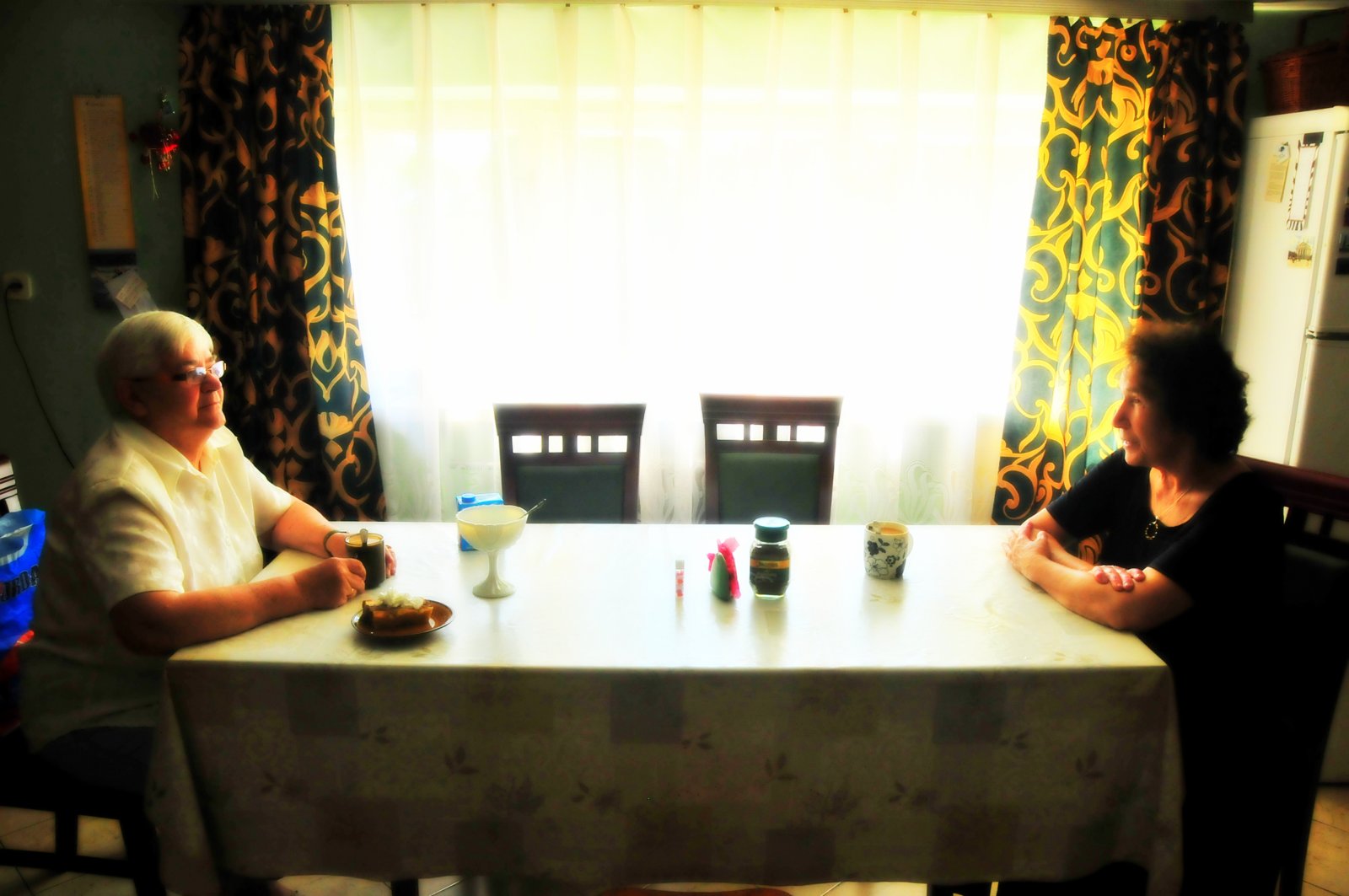
Before long, they’re drinking coffee and talking about who’s gotten married, how M’s mother, who just turned an incredible 99 years old in May, is doing, about their children, their grandchildren, the neighbors, politics, films.
Yet the conversation always seems to turn back to something we might call in English gossip but in Polish sounds somehow different. It’s not just that the word somehow is different. The word for “gossip” in Polish (plotkować) traces its etymology directly to the word for “fence” (płot), for that’s where it traditionally takes place. No, it’s not that the word sounds different–of course it would, as it’s a different language.
It’s the act itself that sounds different. All gossip here eventually turns back to a personal connection, and while malicious gossip certainly does take place, the vast majority of it sounds more like a cross between a local newscast and spoken memoirs. The gossip can reach back years and years, to people they knew decades ago, to events that have long passed from the common memory.
And so the two babcias sit at the kitchen table, swimming in the past, present, and future simultaneously.
Shop
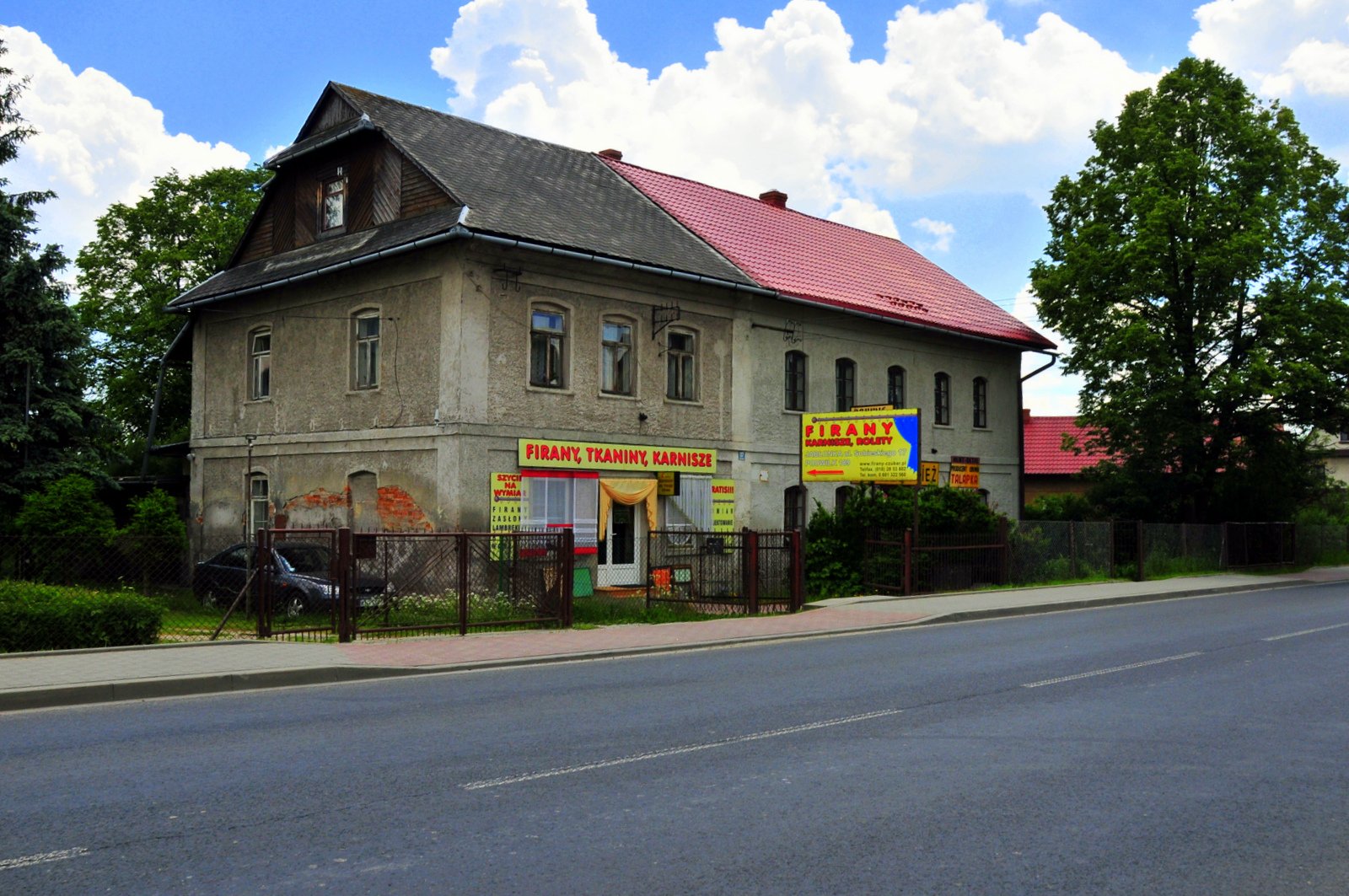
This is how I remember Jablonka, not the little miasteczko it’s become.
First Day at (Polish) School
It’s L’s first day at a Polish school, picking up with the kindergarten kids for their final two weeks of school. She was upset the night before: “I don’t want to go!” was a common tearful refrain. “I don’t want to go” are the first words out of her mouth this morning. But a little bribery works wonders: “After school, we’ll stop in at Steskal’s for an ice cream cone, and later today, we’ll go visit a toy store.”
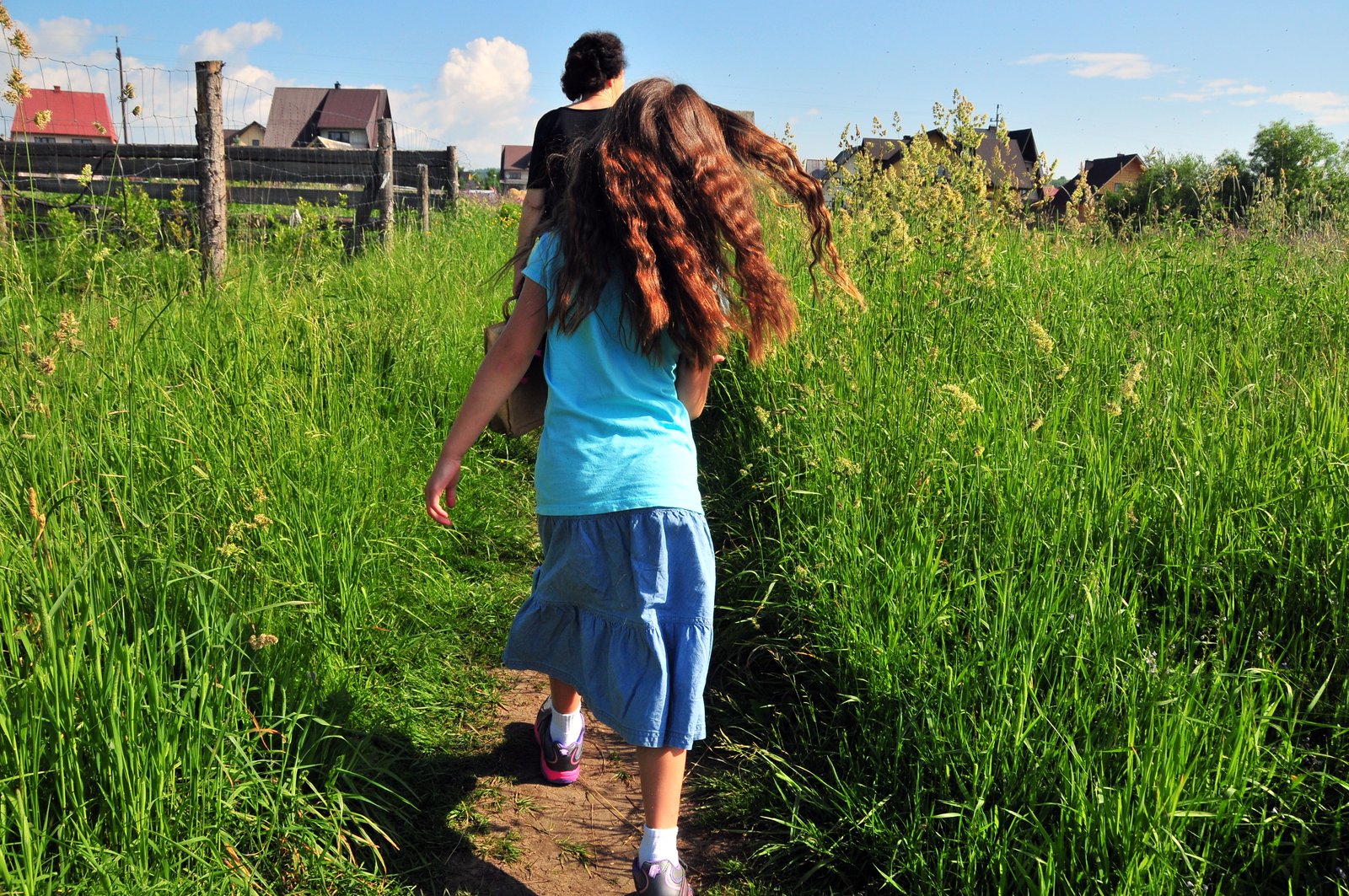
And so off we go, heading through the fields to school — another “only in rural Poland” moment.
We meet with the director (not, it turns out, my former student, which is odd: I had two students with the exact same name, and now this makes the third female in this small area with the same first and last name), and she leads us to L’s teacher. Each class is given a name like “Bumble Bees” and “Dragons” and this and that: a real mix of names. L has joined the “Forget-Me-Nots”.
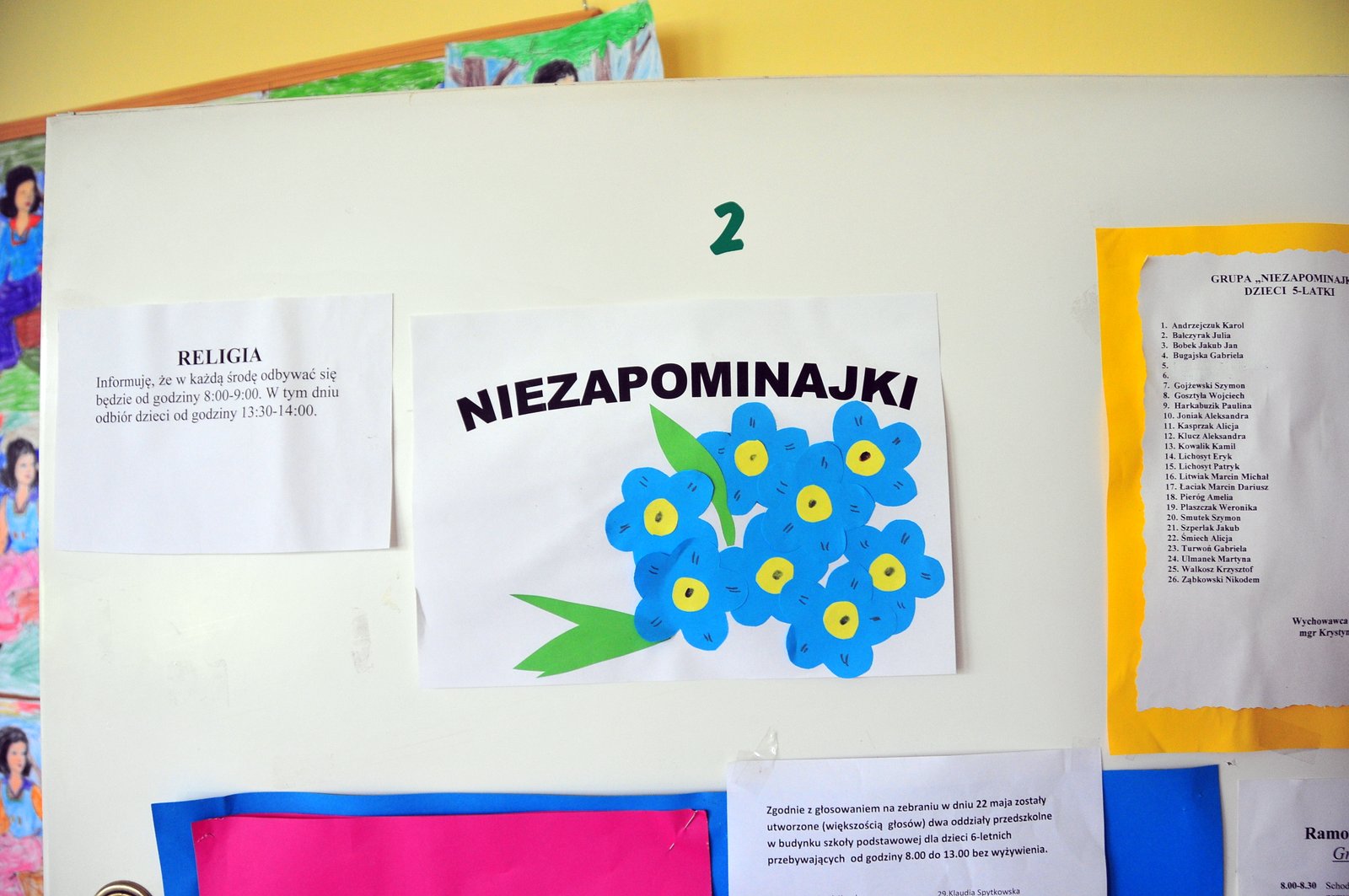
It’s a colorful room with an original bit of decoration in the middle.
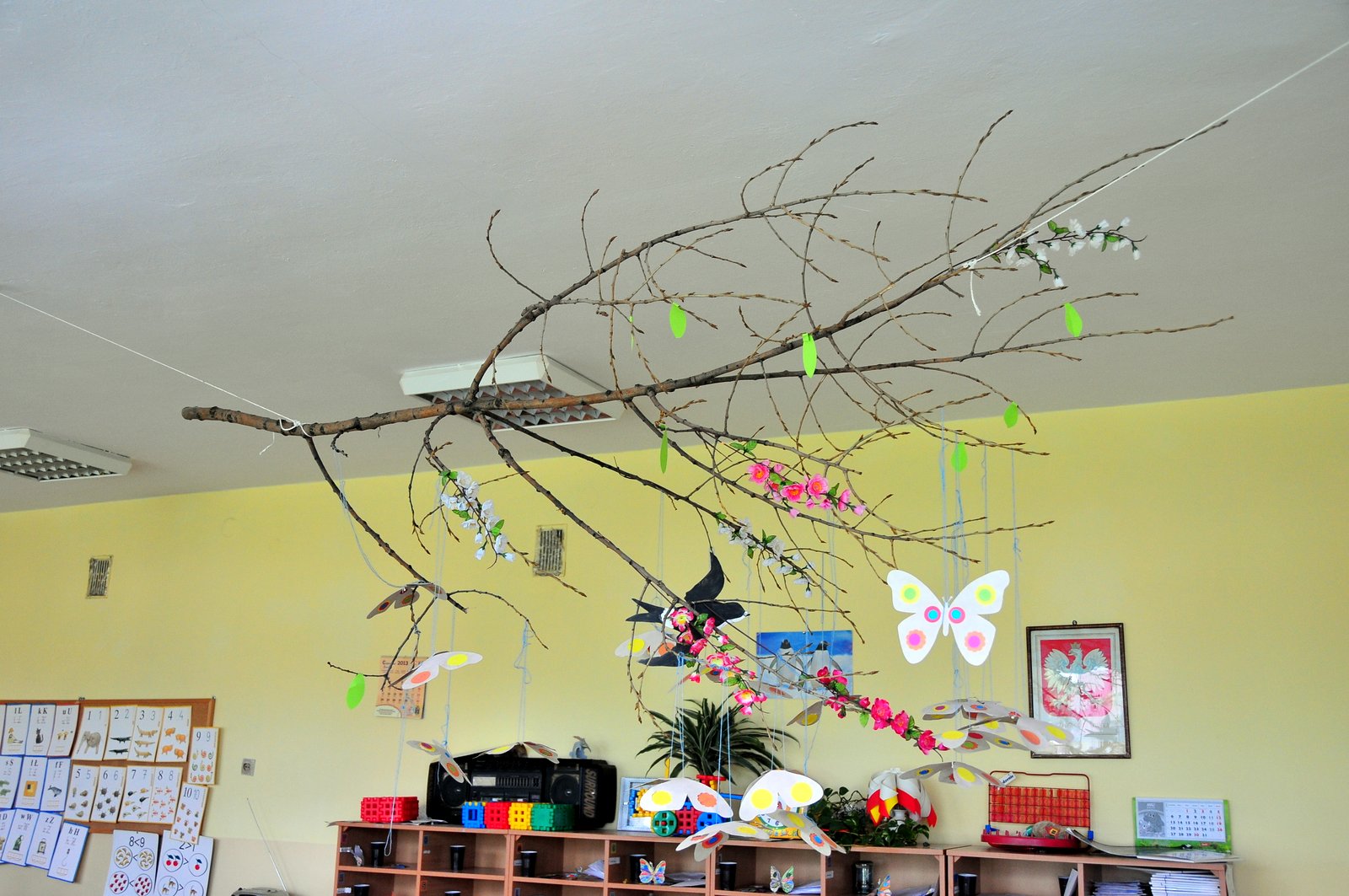
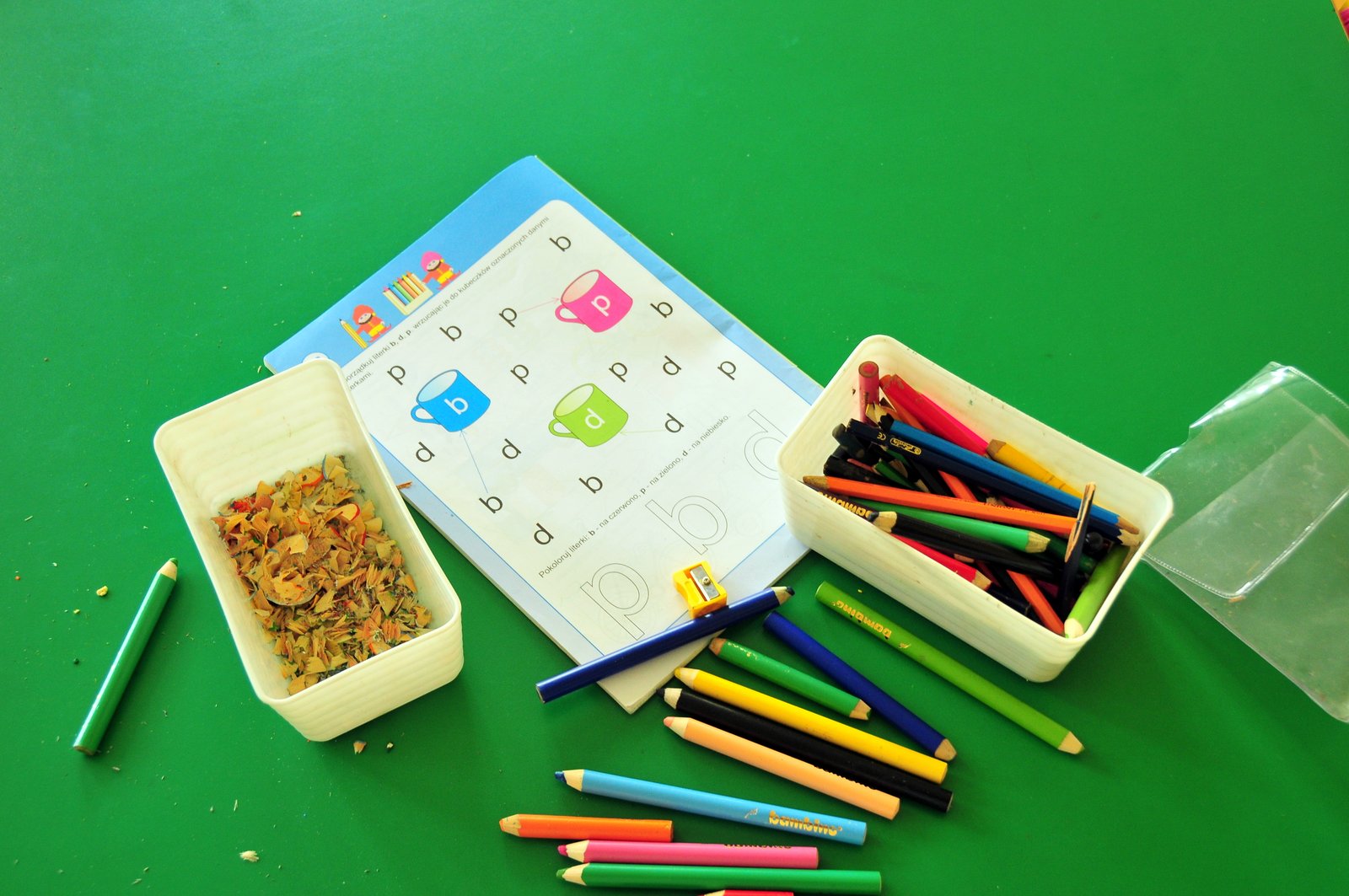
The first few minutes she’s very clingy. She doesn’t want to participate; she doesn’t want to speak; she doesn’t even want to show her face, literally. I coax her to a table of girls, and I begin chatting with them, hoping L will join in. They all introduce themselves, we talk a bit, and slowly L begins to come out of her shell. She eventually asks for a copy of the work the children are completing.
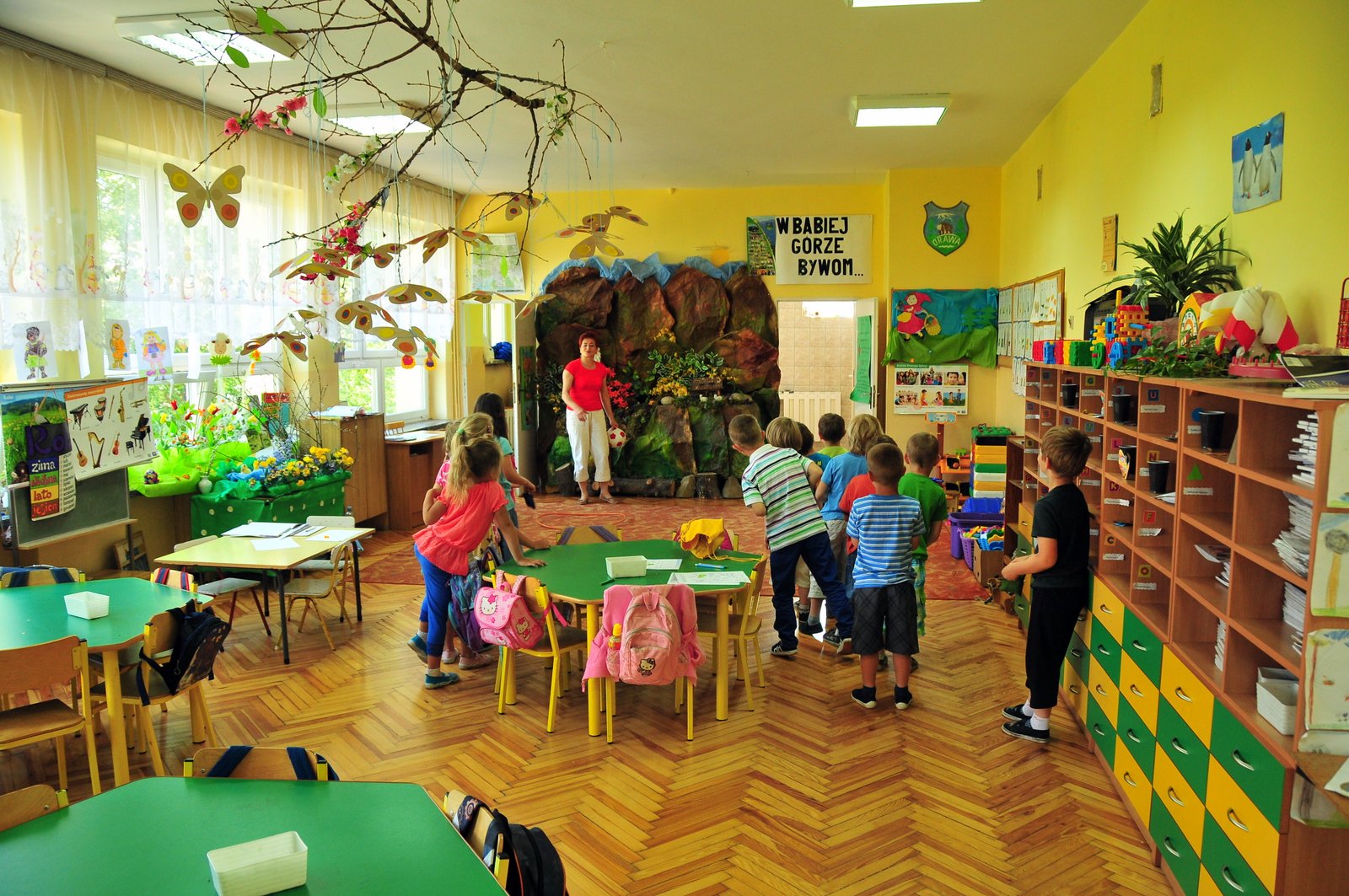
Before long, the kids circle up, sitting “Turkish style” (a direct translation of the Polish equivalent of criss-cross-applesauce). Then there are games, marching, chanting, singing, generally silliness. L takes part, somewhat reluctantly.
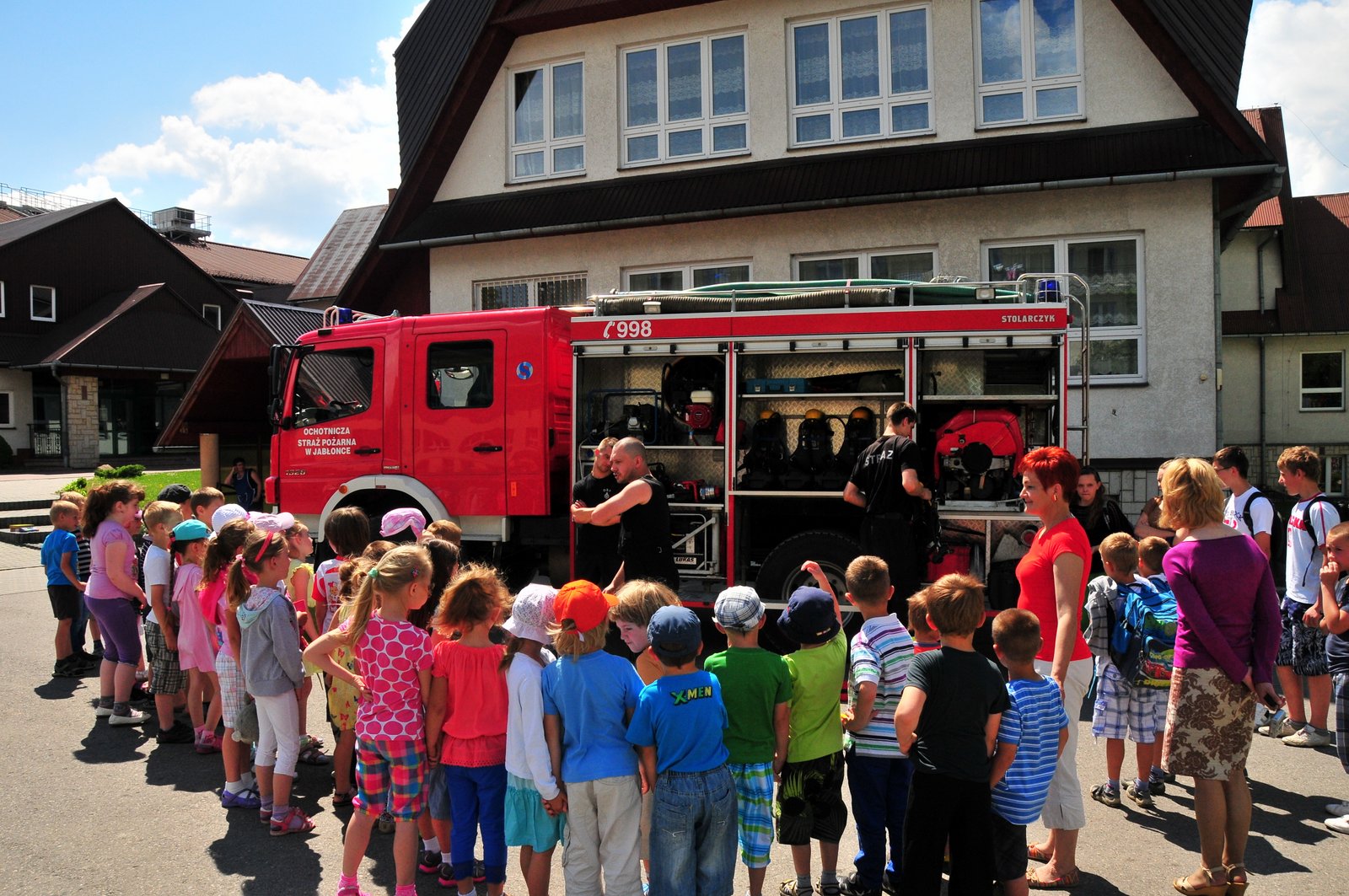
Soon it’s time for the “second breakfast” (i.e., snack), and as the children are washing up, the teacher tells me that after snack, they’re going to be the next in line to go out and look at the firetruck that has been sitting in front of the school most of the morning — sort of a guided tour of a firefighter’s world.
As we head out, another “rural Polska” moment, for we have to wait as an elderly dziadek drives his equally old tractor down the street, a tractor so old with such a weak engine that it has difficulty going over the speed bump. The driver has to throw it in reverse, getting up a little more momentum the second time, to roll over the bump.
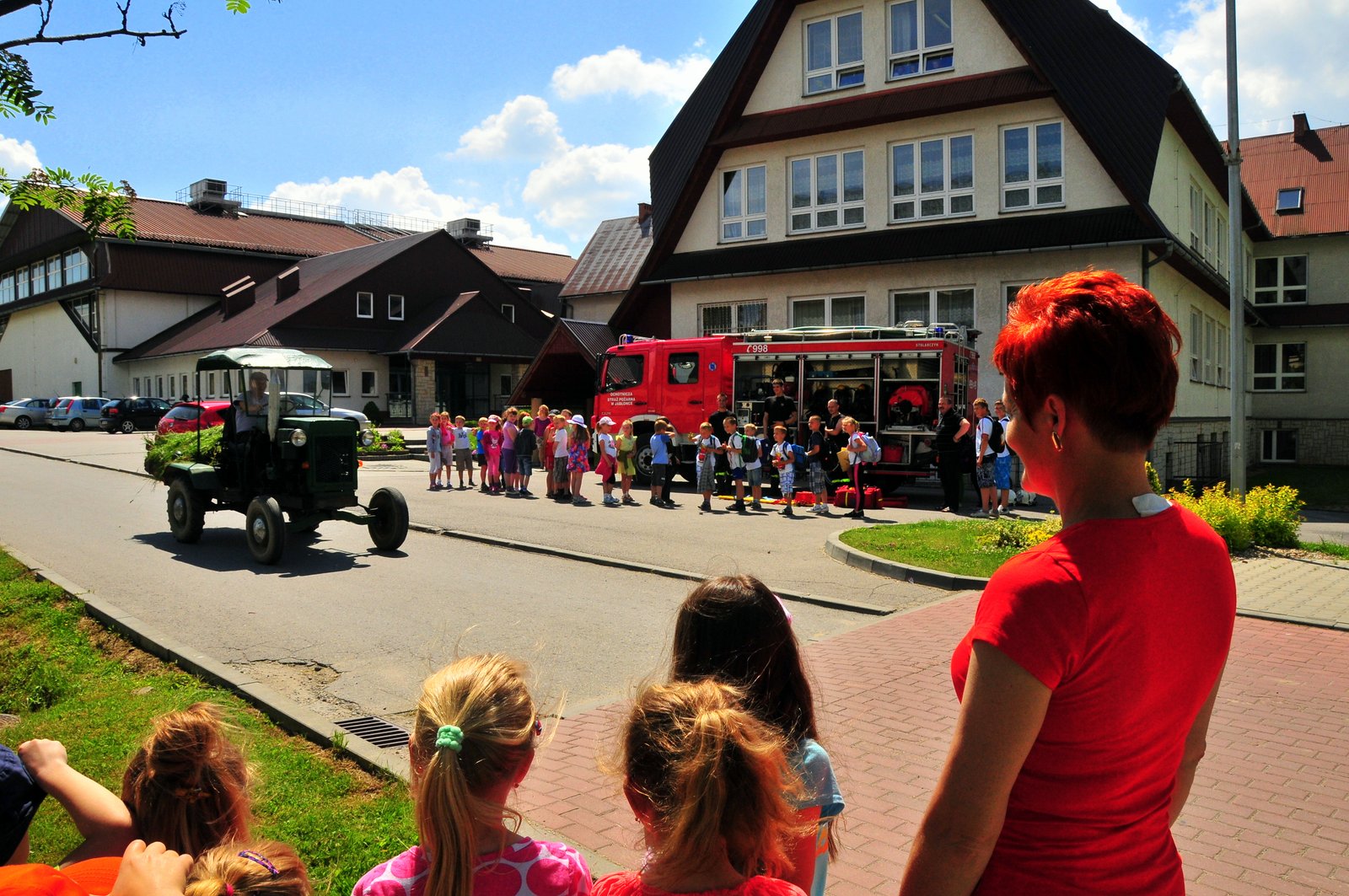
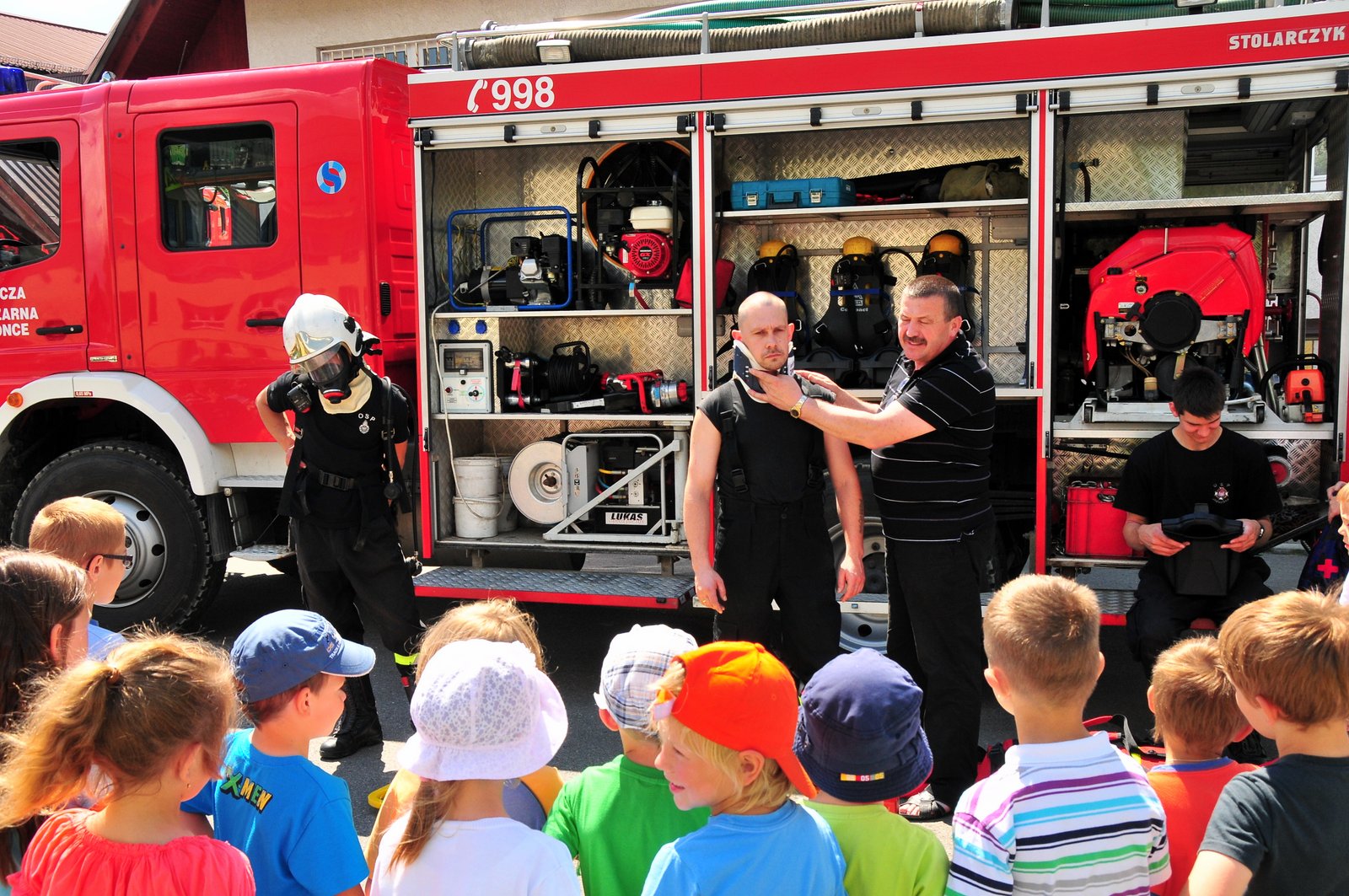
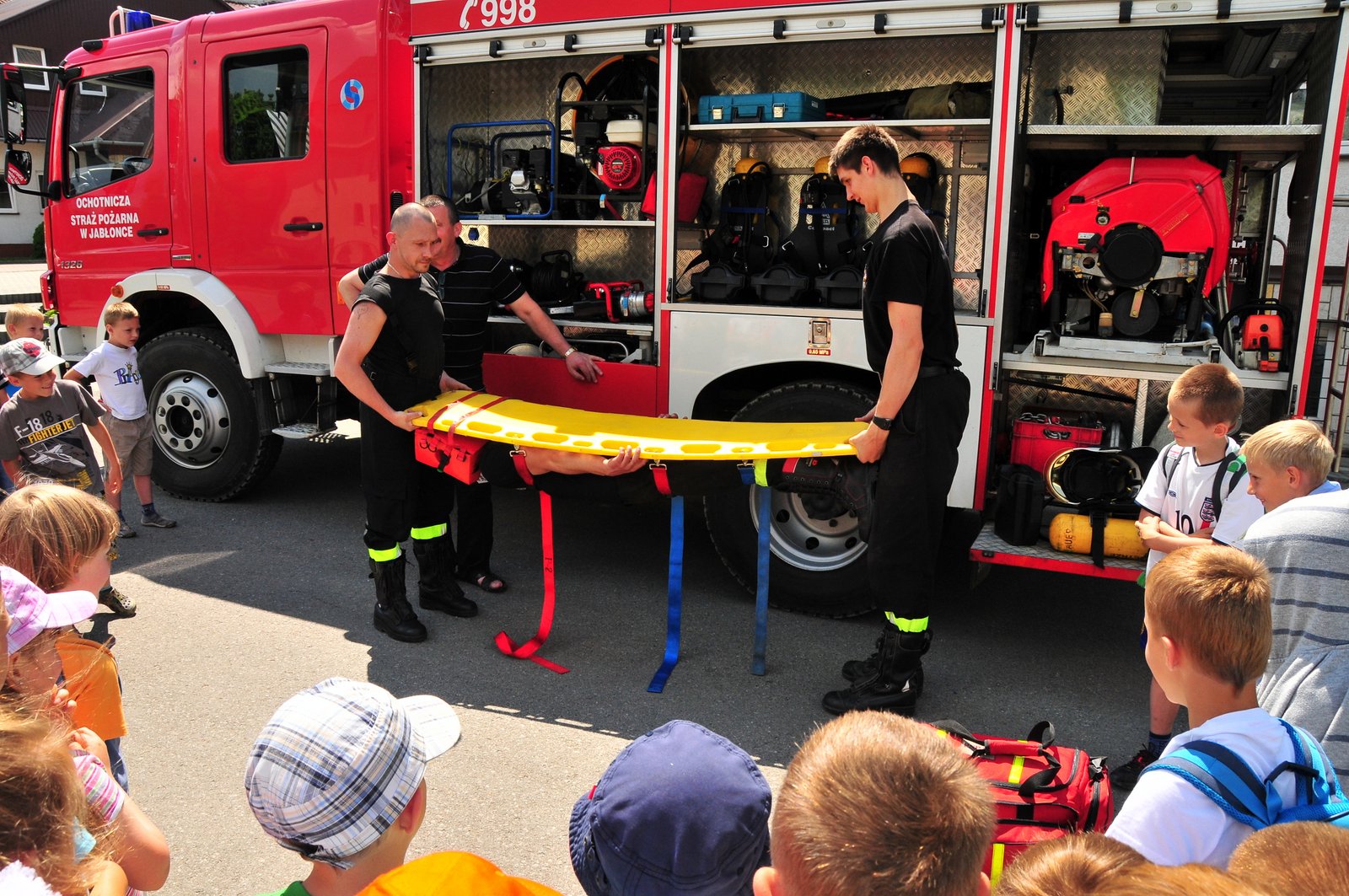
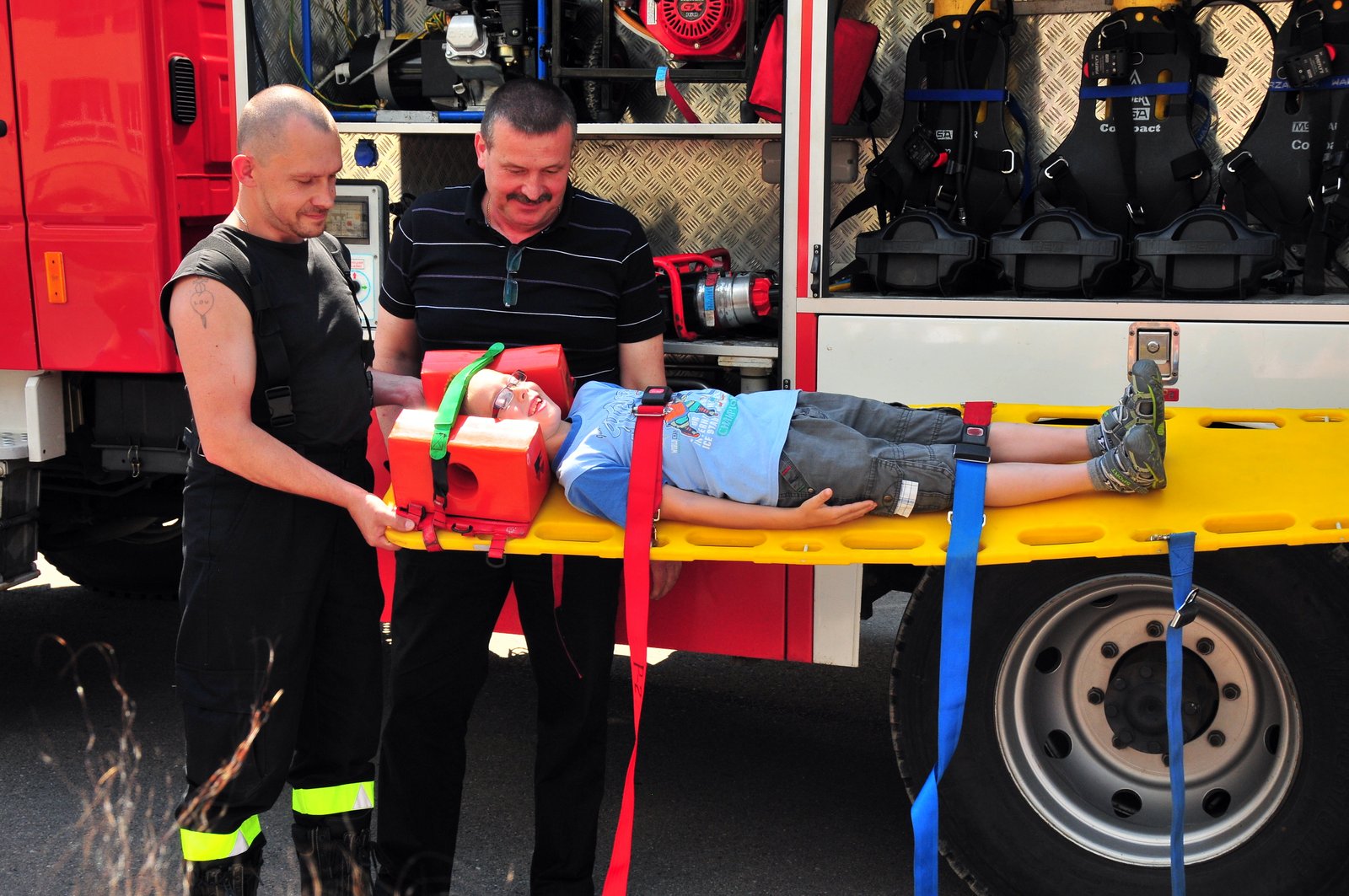
We cross the street and the presentation begins. The firefighters show the kids their oxygen masks, their aspirators, their hoses, their helmets — in a word, everything.
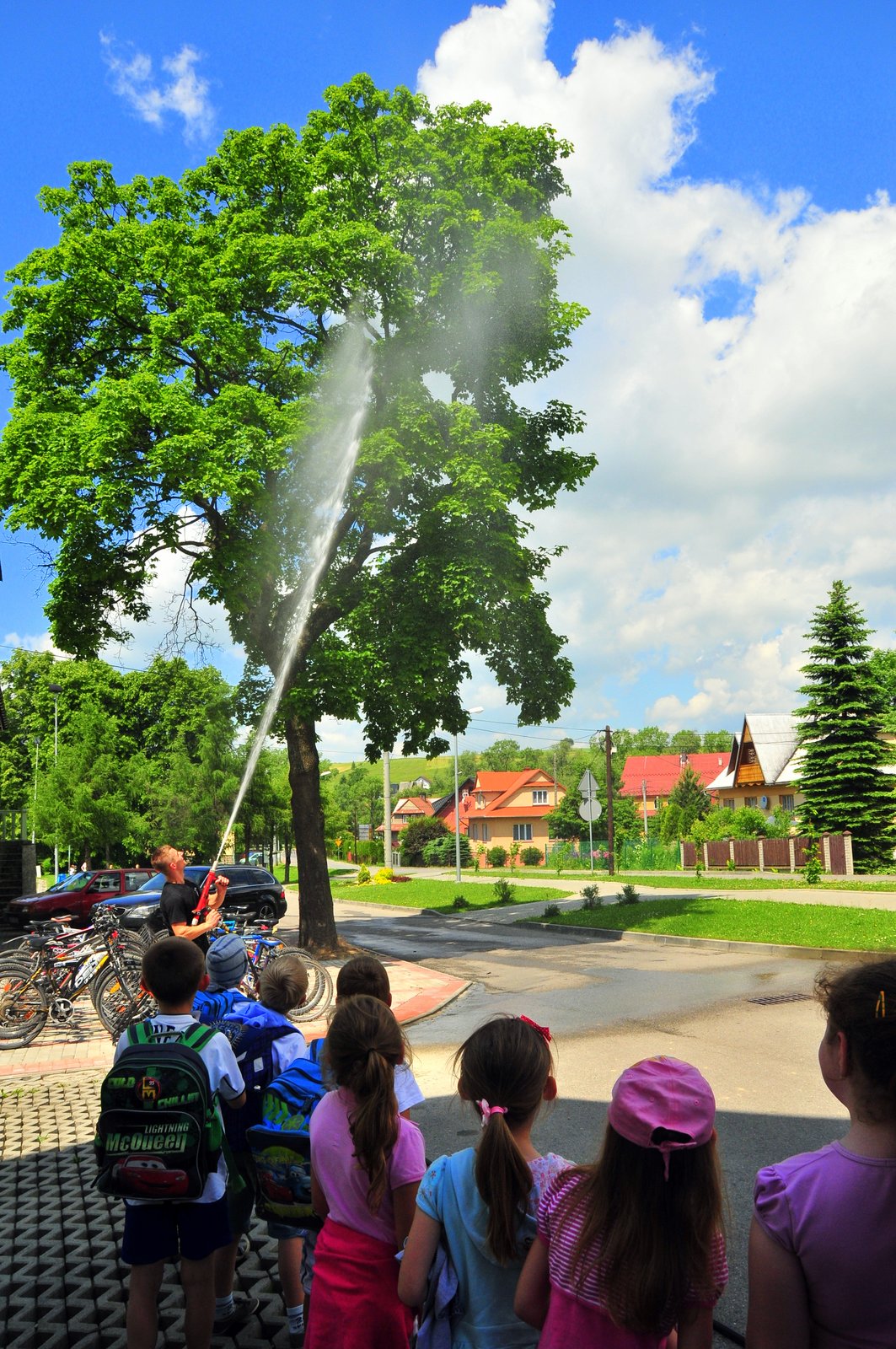
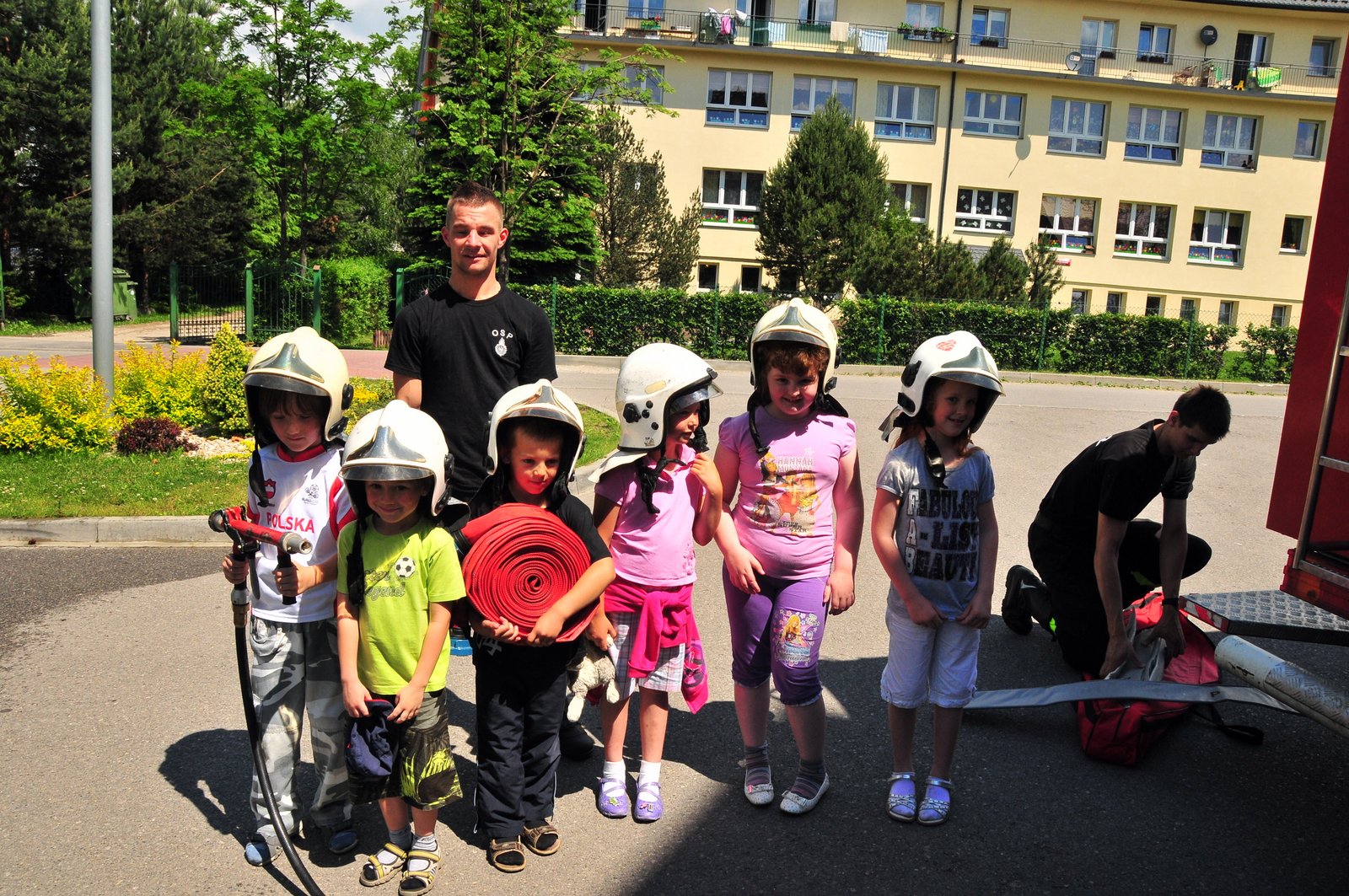
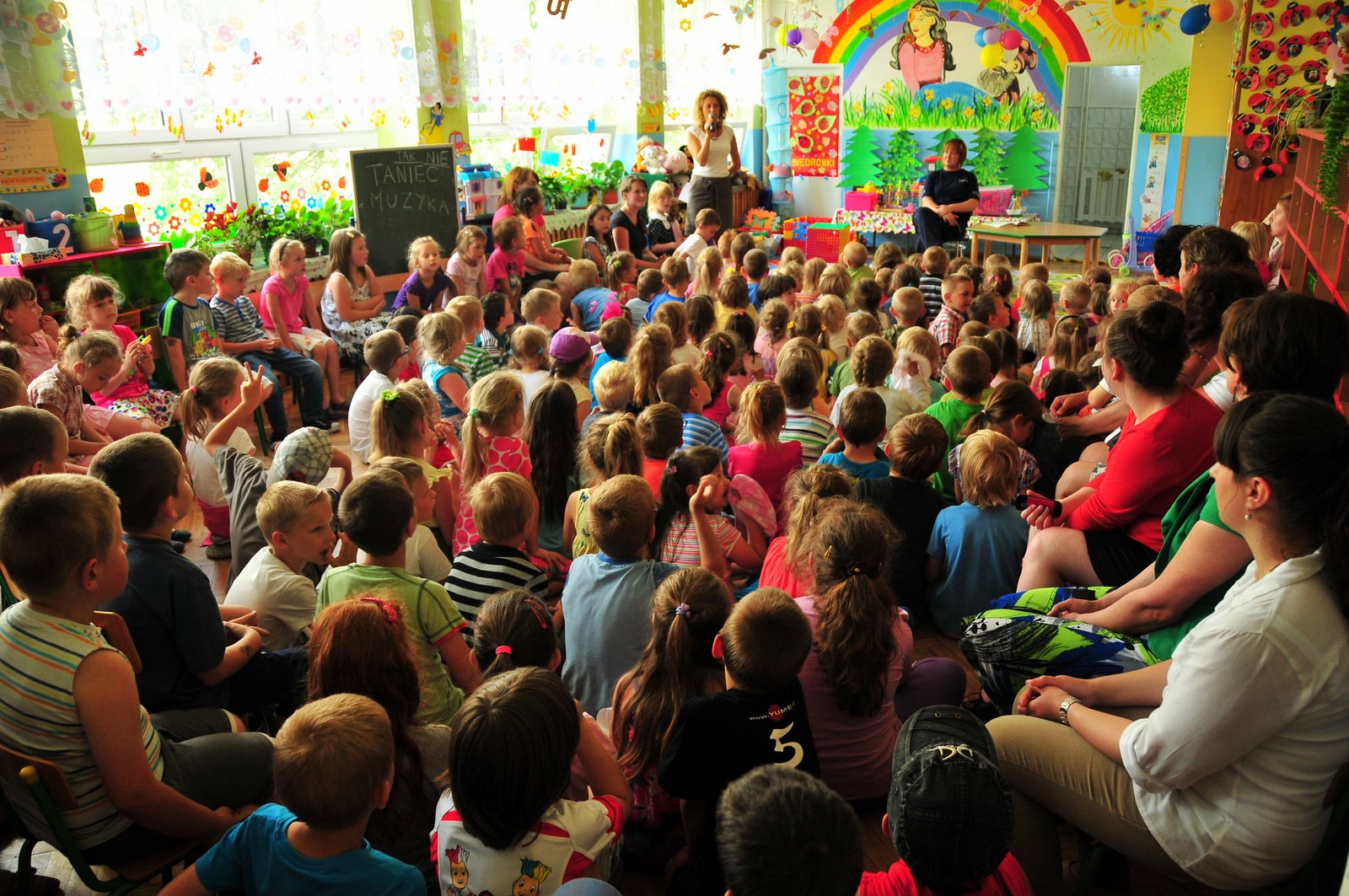
Afterward, we all head back inside for the latest installment of Cała Polska Czyta Dzieciom — All of Poland Reads to Its Children, roughly translated. Representatives of various professions have been coming to the school to read to the children, and today, it was a police officer’s turn.
Of course all the children are interested in one thing, and one thing only: the officer’s pistol. The officer take the clip from the gun, gives it a tug to release any shell that might already be chambered, then holds it up for everyone to see. Since Poland, like most of Europe, has very strict limits on citizens’ gun ownership rights (in short, there are none), most of these children have never seen a pistol in person (except on the belt of a police officer). It’s a nine millimeter with a six-bullet magazine, the officer explains, and there’s significant “Ooo’ing” and “Ahh’ing.” I find myself thinking that had this happened in the States, some kid in the group would have raised his hand to explain that someone in his family has a nine millimeter with a seventeen-bullet magazine.
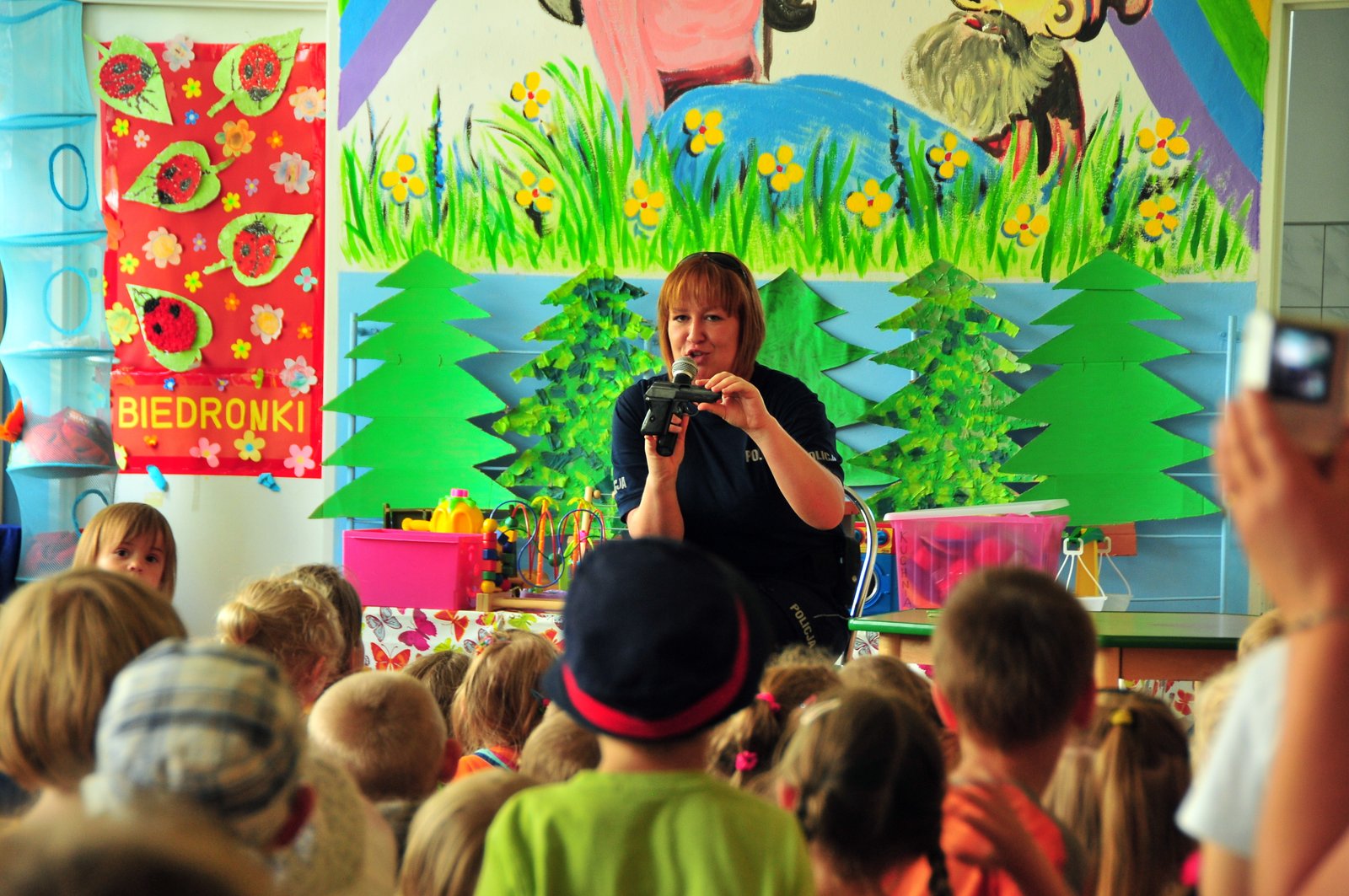
But we’re not in the States, and the gun produces the intended reaction, and as the children exit the room, the story has disappeared into a fog of chatting about the pistol, especially among the boys.
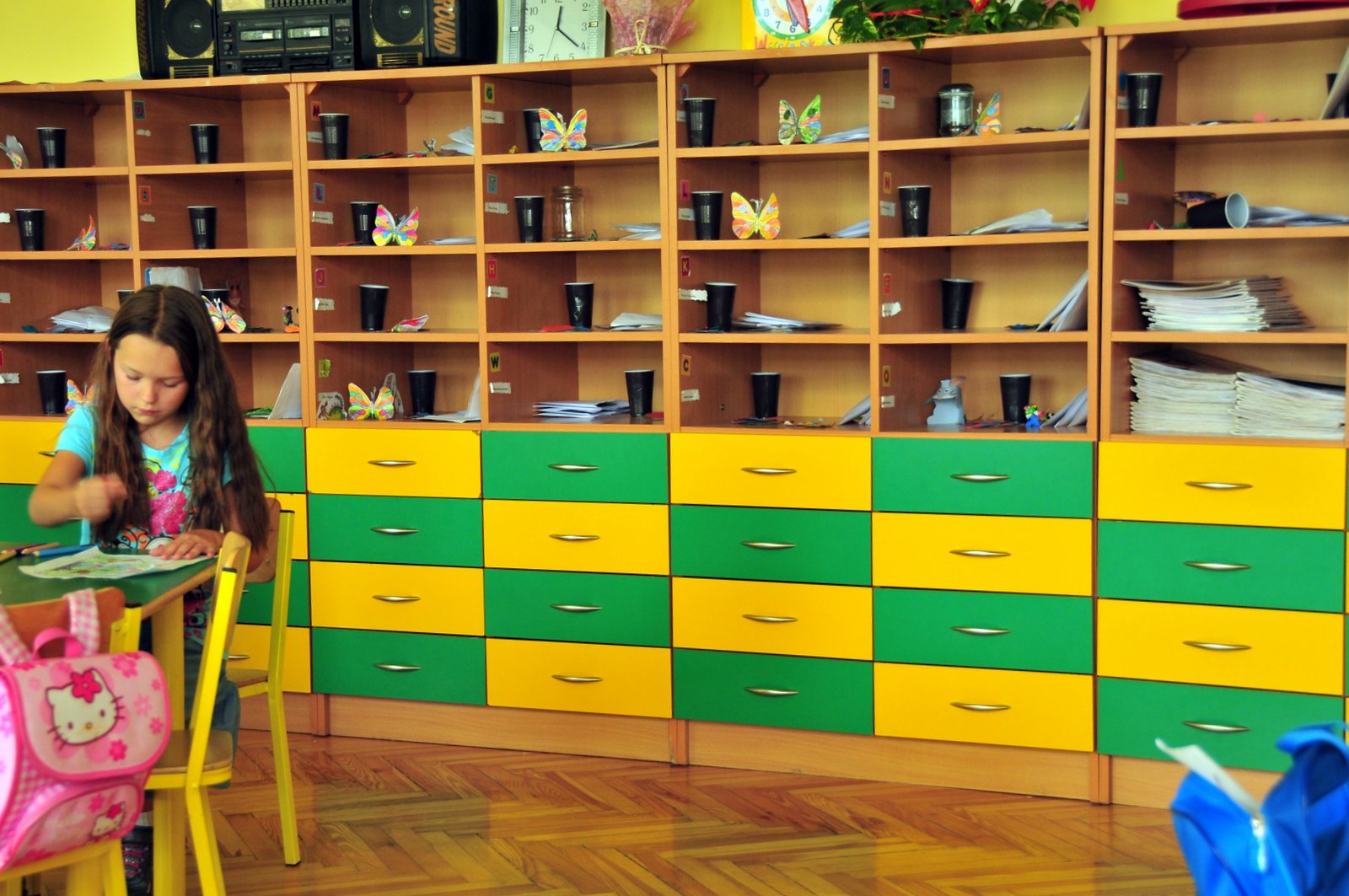
But L has other things on her mind: there’s a picture that’s still only partially colored.
After school, as we walk with ice cream cones to the roar of tractor trailer trucks heading to Slovakia (“This is an international throughway now,” Babcia has explained more than once), we talk about the day. L decides tomorrow she can stay a little longer, then Wednesday, the whole day. Provided we go to the flea market first.
She’s turning Polish faster than I thought possible.
Afternoon Walk 2
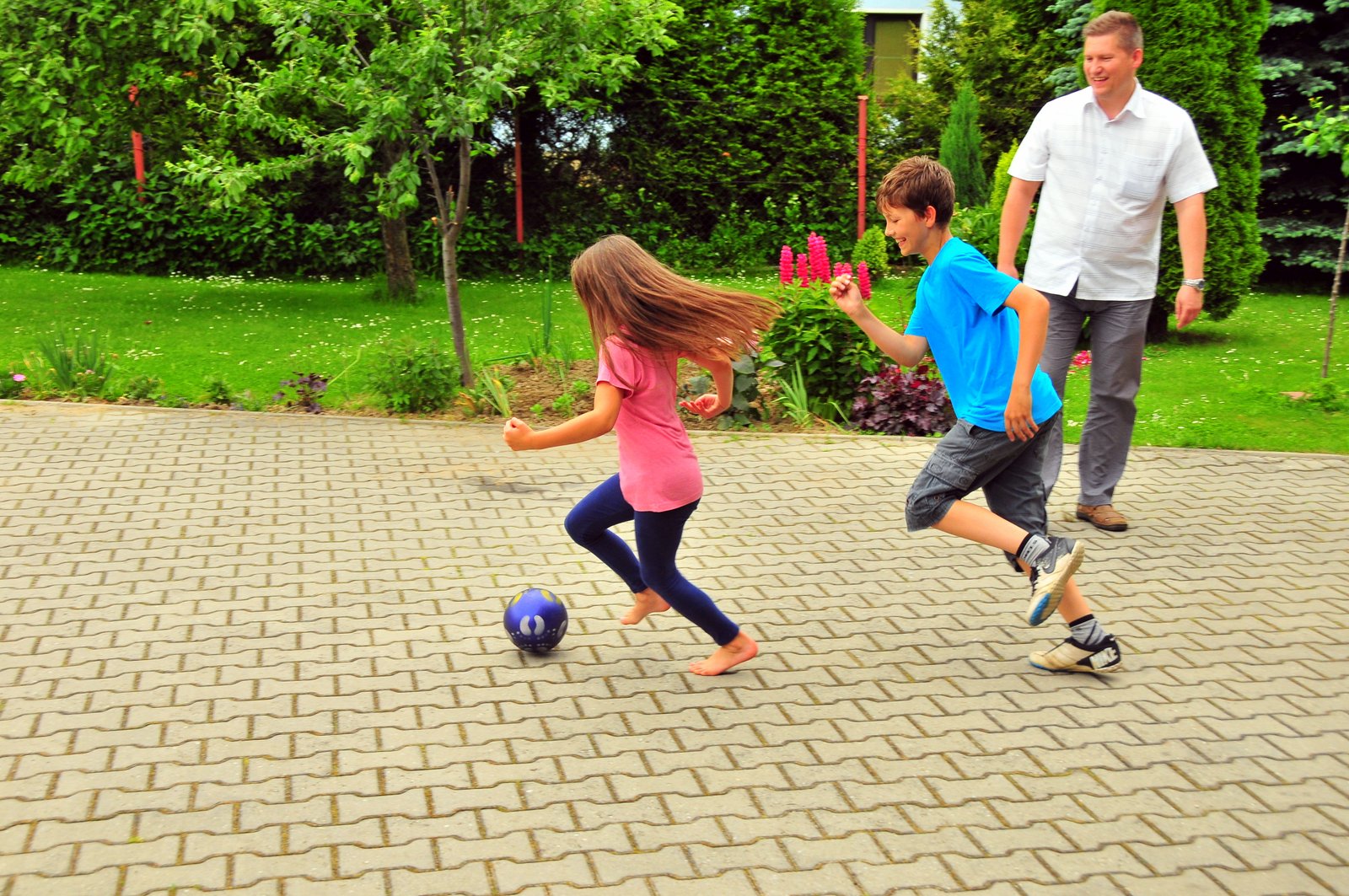
The weekend winds down. The cousins head back to the outskirts of Krakow after one quick game of intercontinental family soccer. It’s a version of the game that might not be immediately recognized: incredibly wide goals, lax rules, multi-positional players, and a total goal total that’s close to forty.
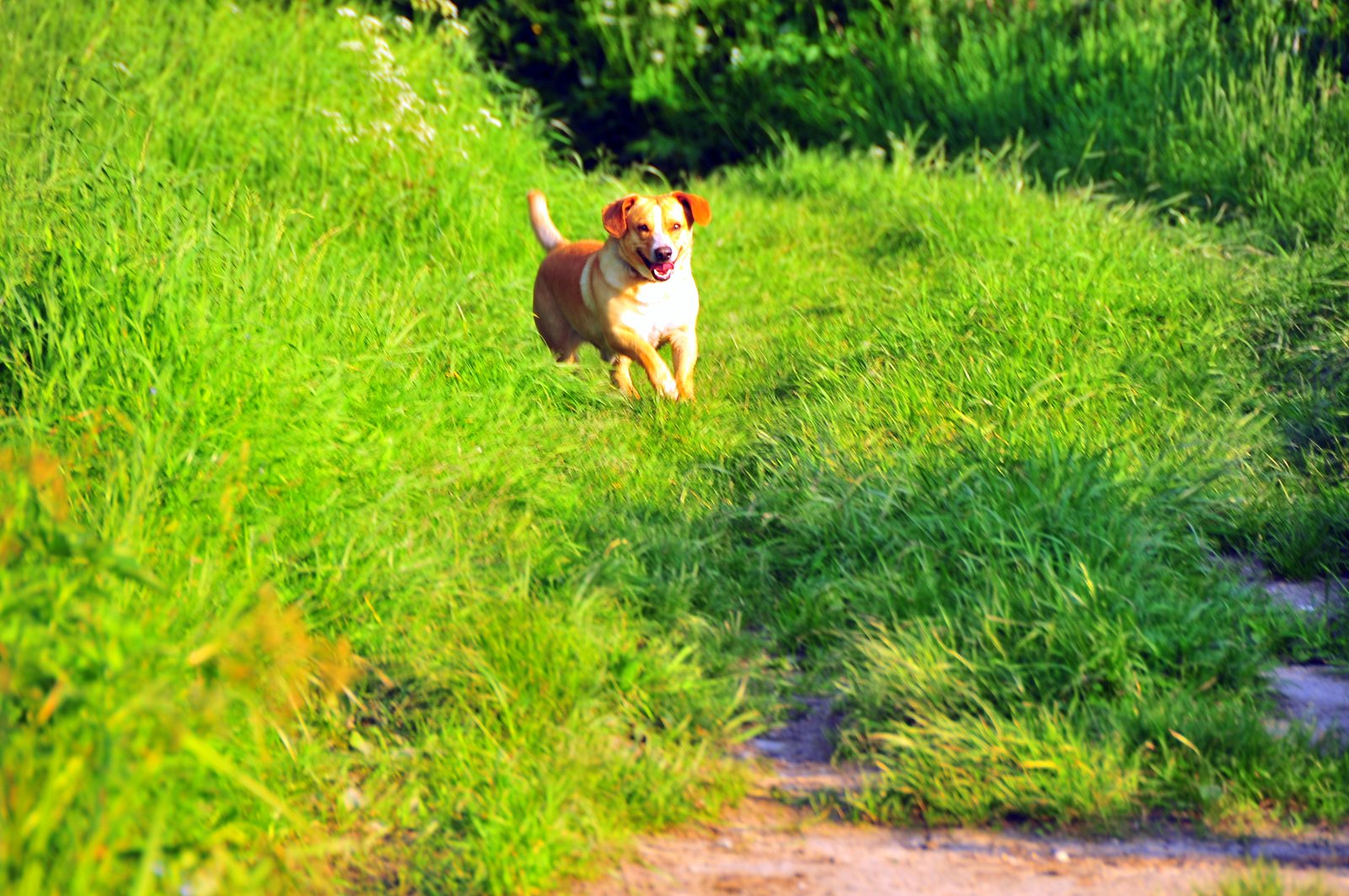
Once it’s just the three of us again — Babcia, L, and I — Babcia asks us to take the dog out for a walk. He’s a friendly fellow, fairly curious yet fairly obedient, so walks usually involve him running ahead, trailing behind darting off to the left or right only to come almost immediately when someone calls, “Kajtus!”
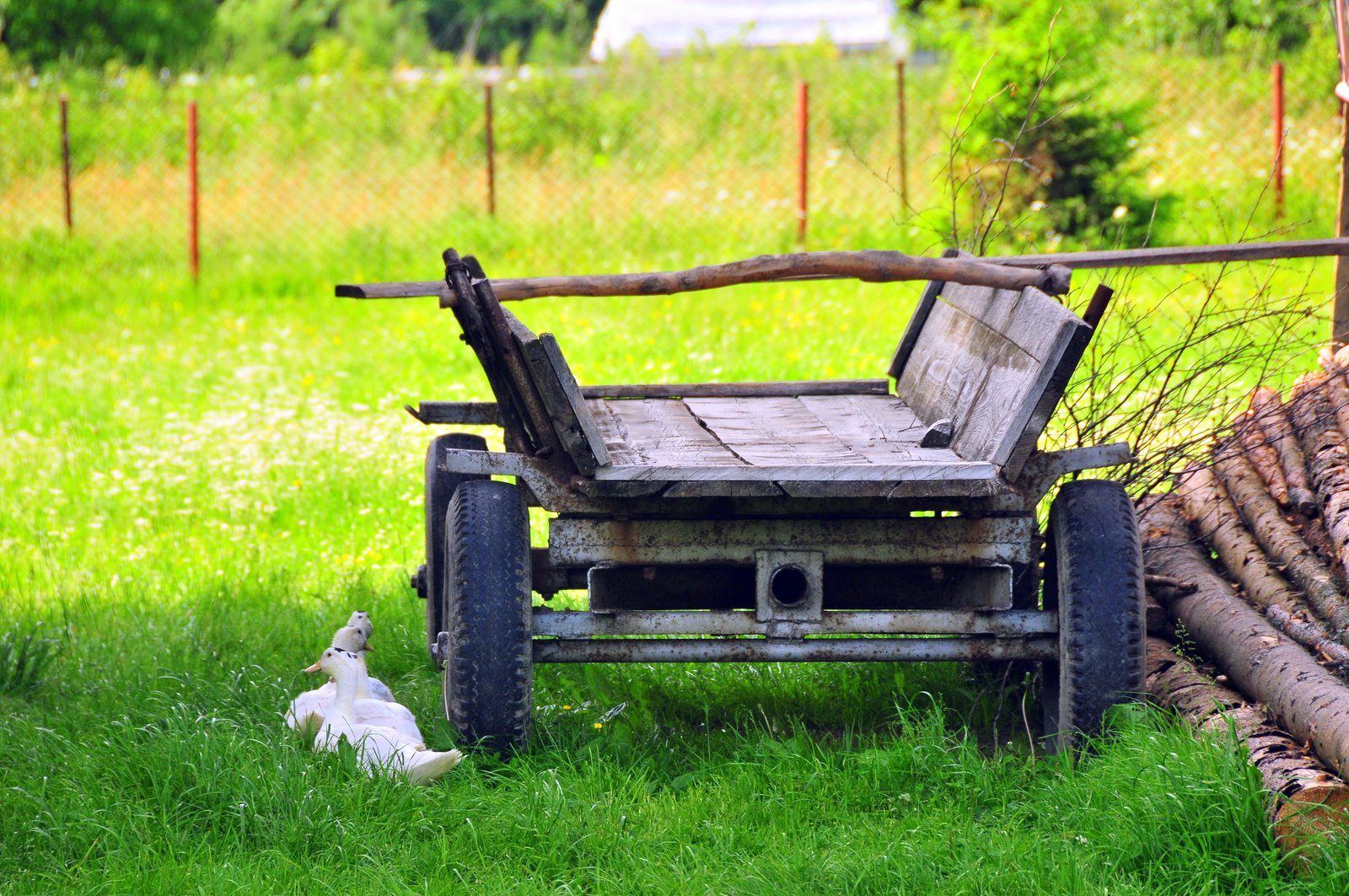
This afternoon, though we start of in the same direction, passing the same barn next to Babcia’s with the same ducks marching by the same trailer,
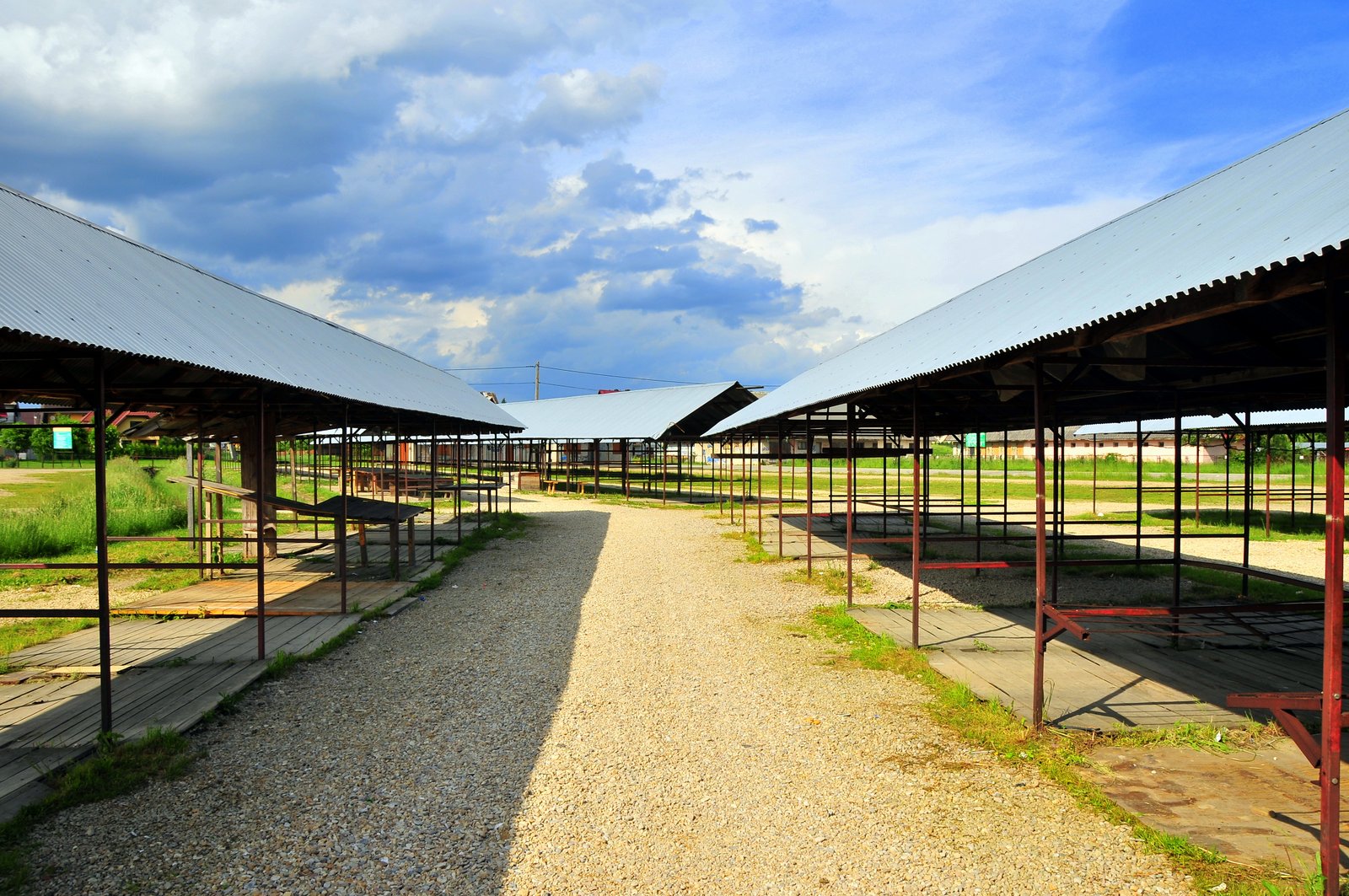
we take a right instead of a left, and soon we’re in the empty flea market. Stall after covered stall, one beside the next, all leading to the main market area where even more stand waiting. This market has been in this same location for only about twenty-five years, but the market itself dates to the time of the Austro-Hungarian Empire.
“What about during the Communist period?” I ask Babcia. Would such blatantly privatized ventures have been allowed?
“Of course! In many ways, it was more important then than now.”
The ironies of Poland: in many ways Communist for decades, in many other ways, breaking the mold of Communism — which in turn broke Communism. For instance, there were never the large collective farms in Poland that one saw in Stalinist Soviet Union. The State did not crack down on religious expression as it did in the Soviet Union. These two facts alone did more to undermine Communism and help with the post-Communist restructuring than almost anything else.
The ironies of Poland.
Our walk continues through the market to a point where we meet the ubiquitous river — even when we’re not walking to it, we’re walking to it. And so are many others.
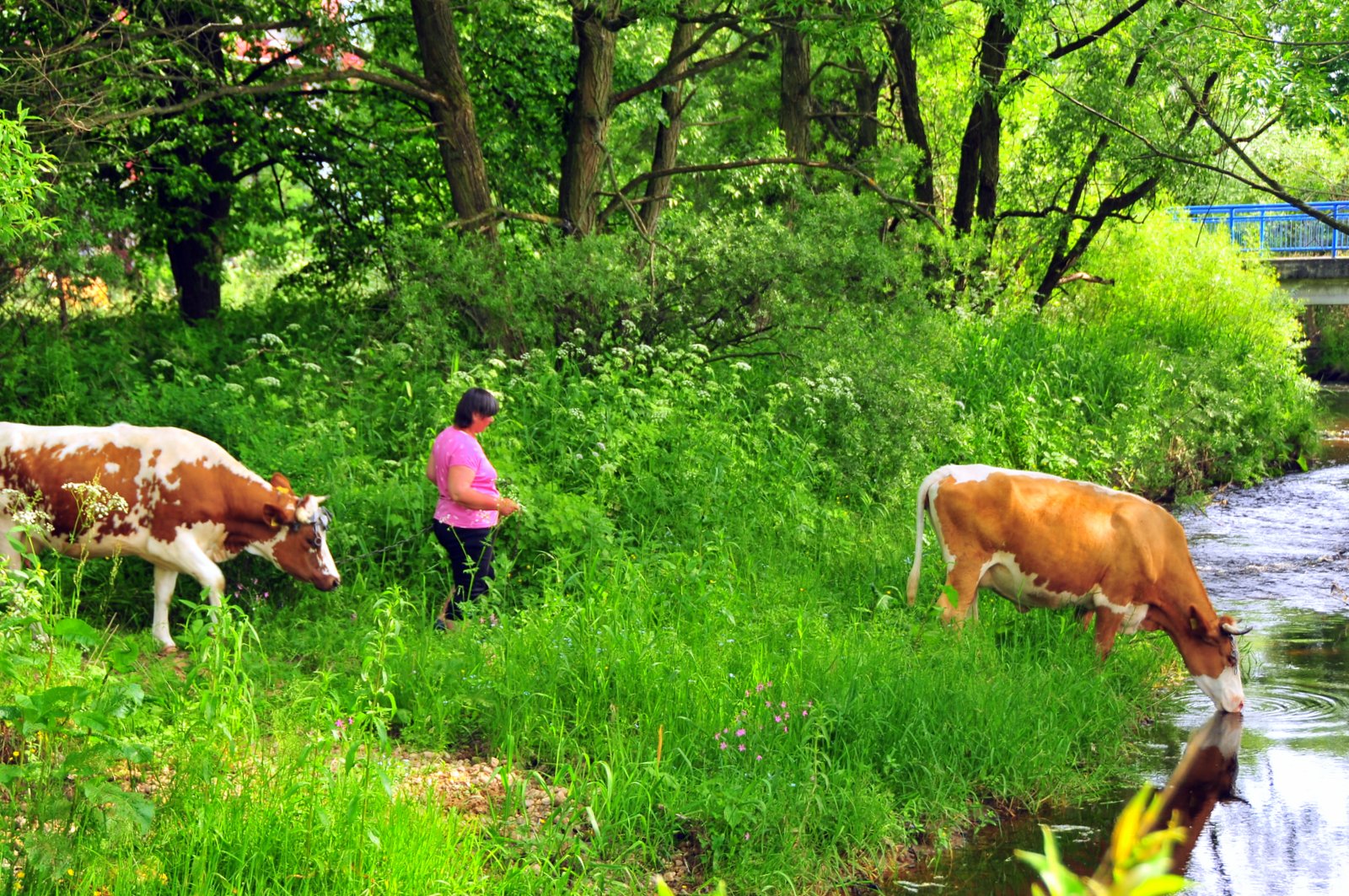
We turn and walk along the river, and the scene becomes almost fairy-tale-like. More ironies of Poland: within a mere few meters of the local bastion of commerce and capitalism, so to speak, one can find land that seems almost untouched by anyone.
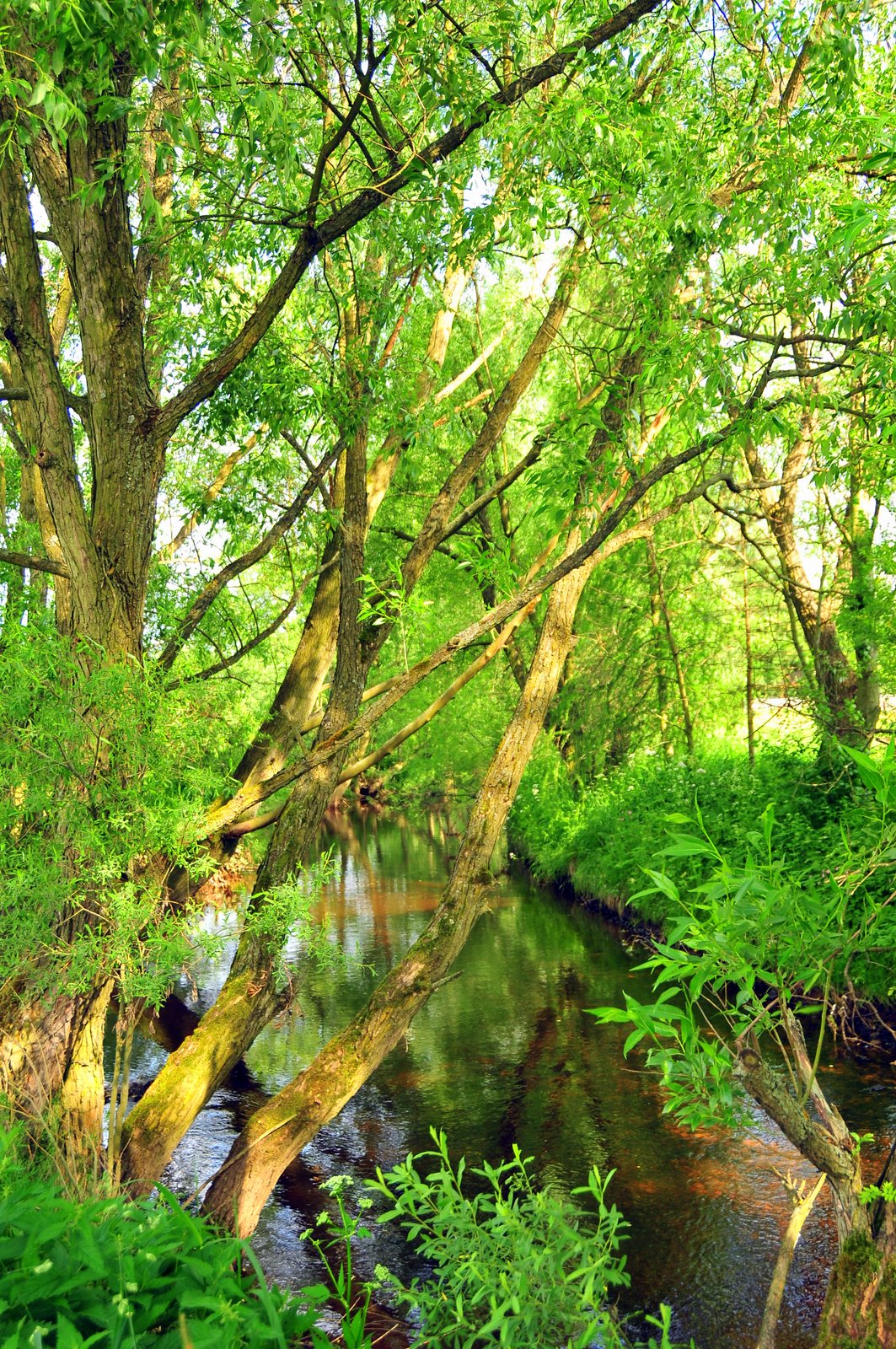
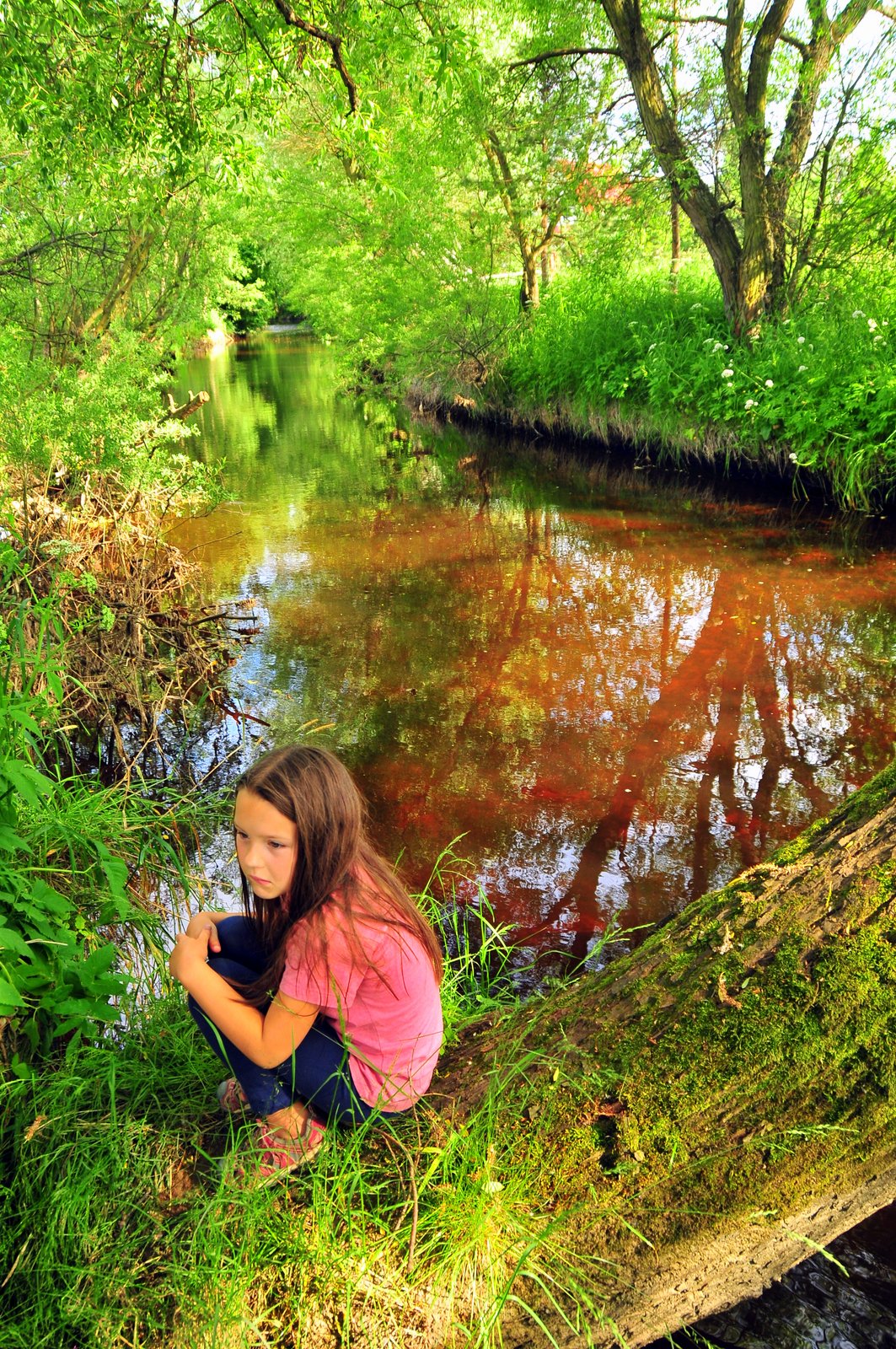
L perches herself on a tree, and for a few moments, we just look around. The light is golden now, filtering through the leaves and reflecting here and there on the water.
After dinner at a local restaurant — the first real restaurant in Jablonka — L and I head out for another walk. The air is cool, the Tatra Mountains are unusually clear, and the light is only getting richer and richer.
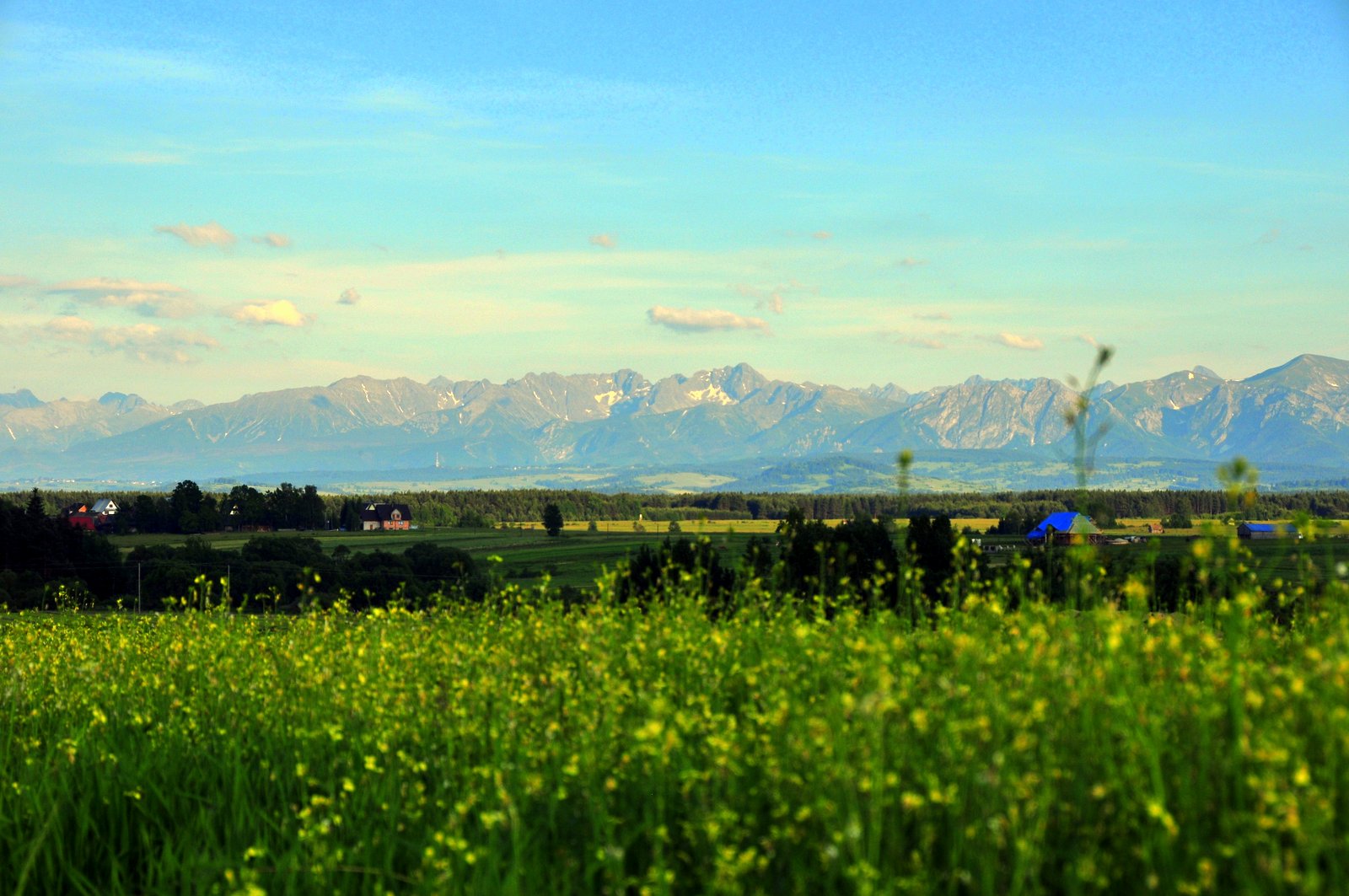
making everything positively glow.
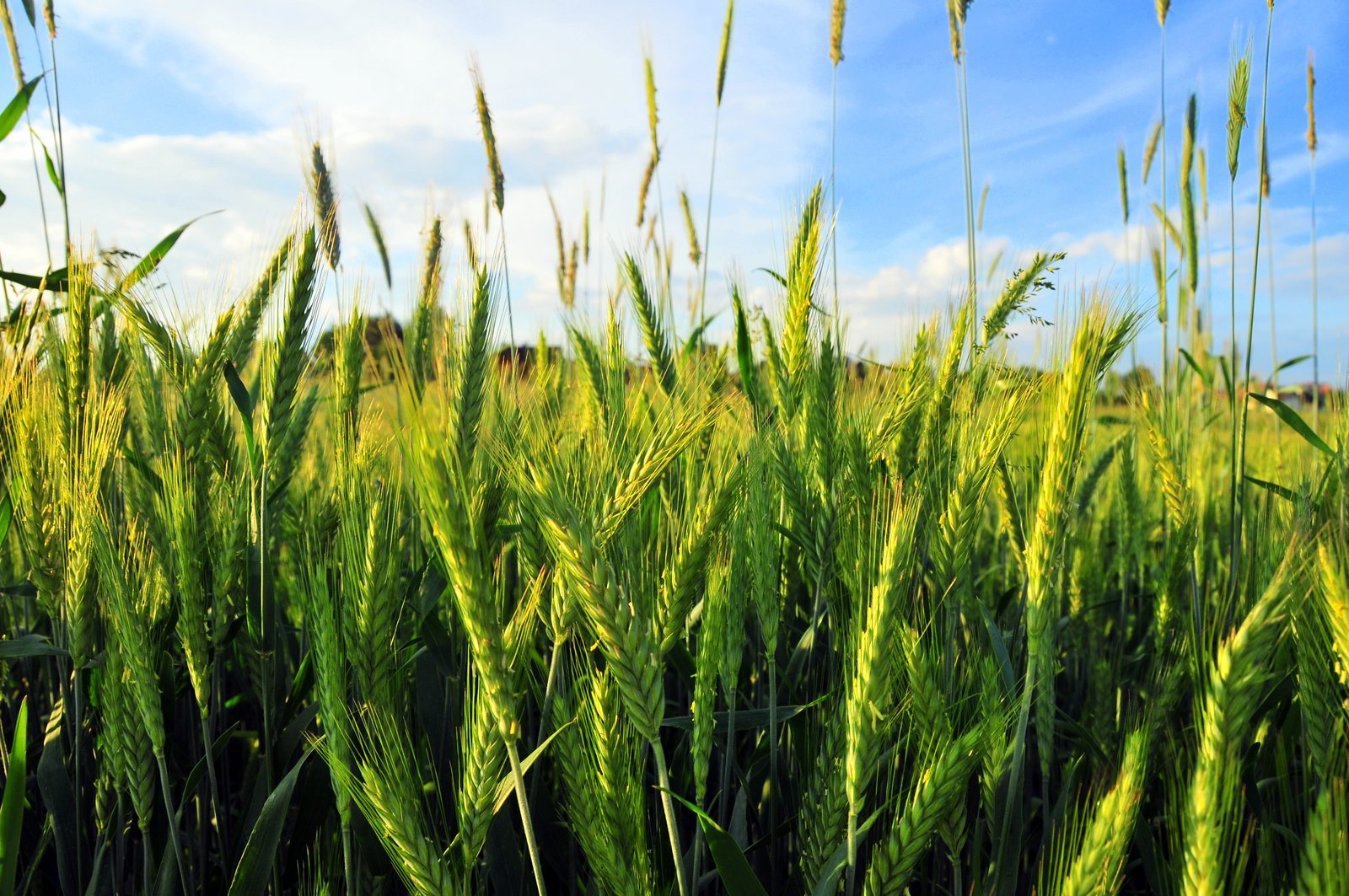
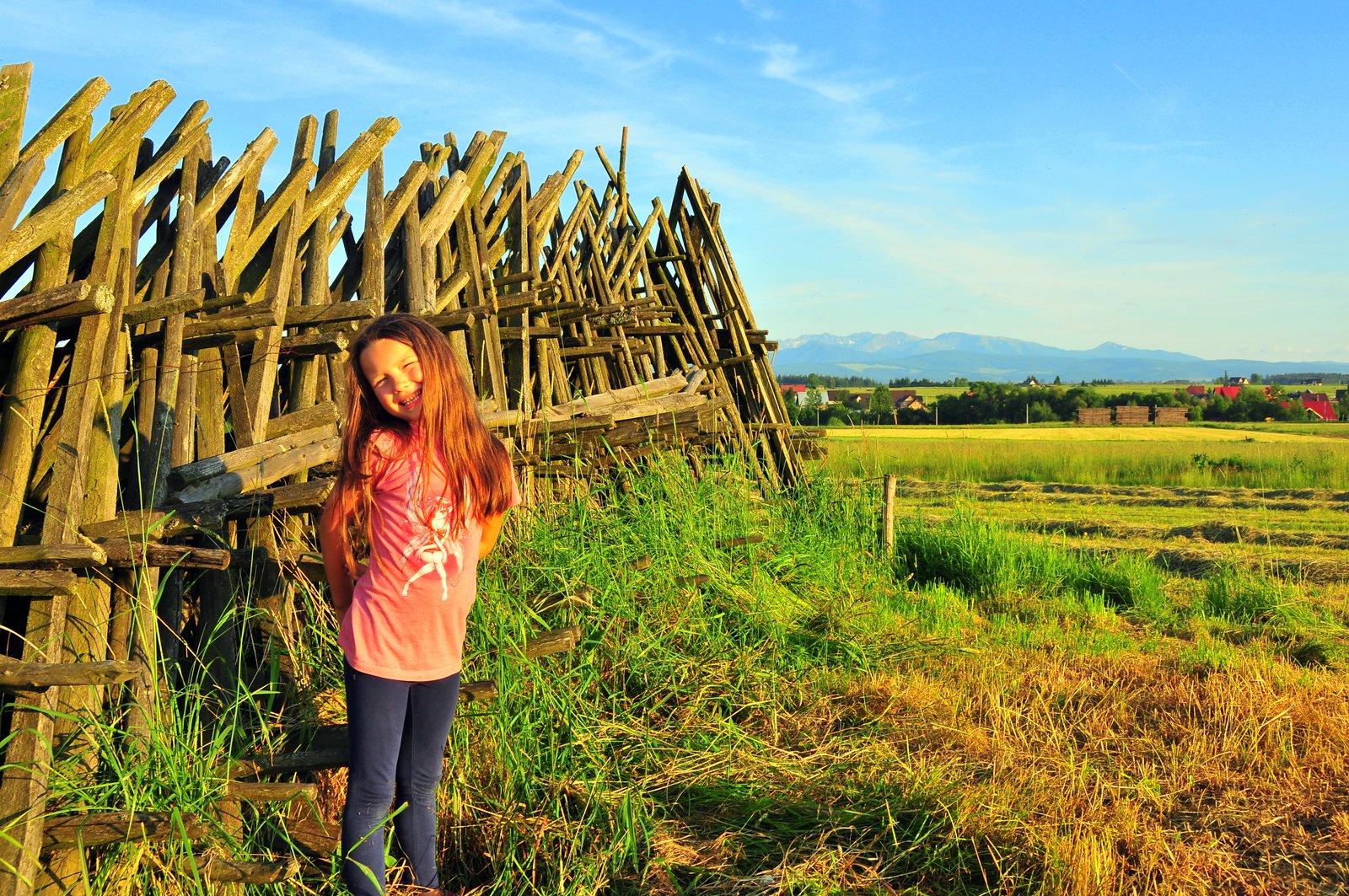
Eventually we make it back to our usual riverside retreat. A man is fishing there, a man who turns to look at me and smile his crooked smile and make himself immediately recognizable.
“Pawel!”
“Dobry wieczor, Pan.”
I haven’t taught him in probably a decade; we’re both adults now, and he’s likely in his thirties, but he still calls me “Pan,” the respectful third-person form children use with adults and strangers use with each other. K still talks to her teachers the same way when she meets them. In fact, everyone does. It’s just part of the culture. Still, it would be nice for him to see us now as equals. Then again, probably he does: linguistic formality doesn’t always mirror personal opinion.
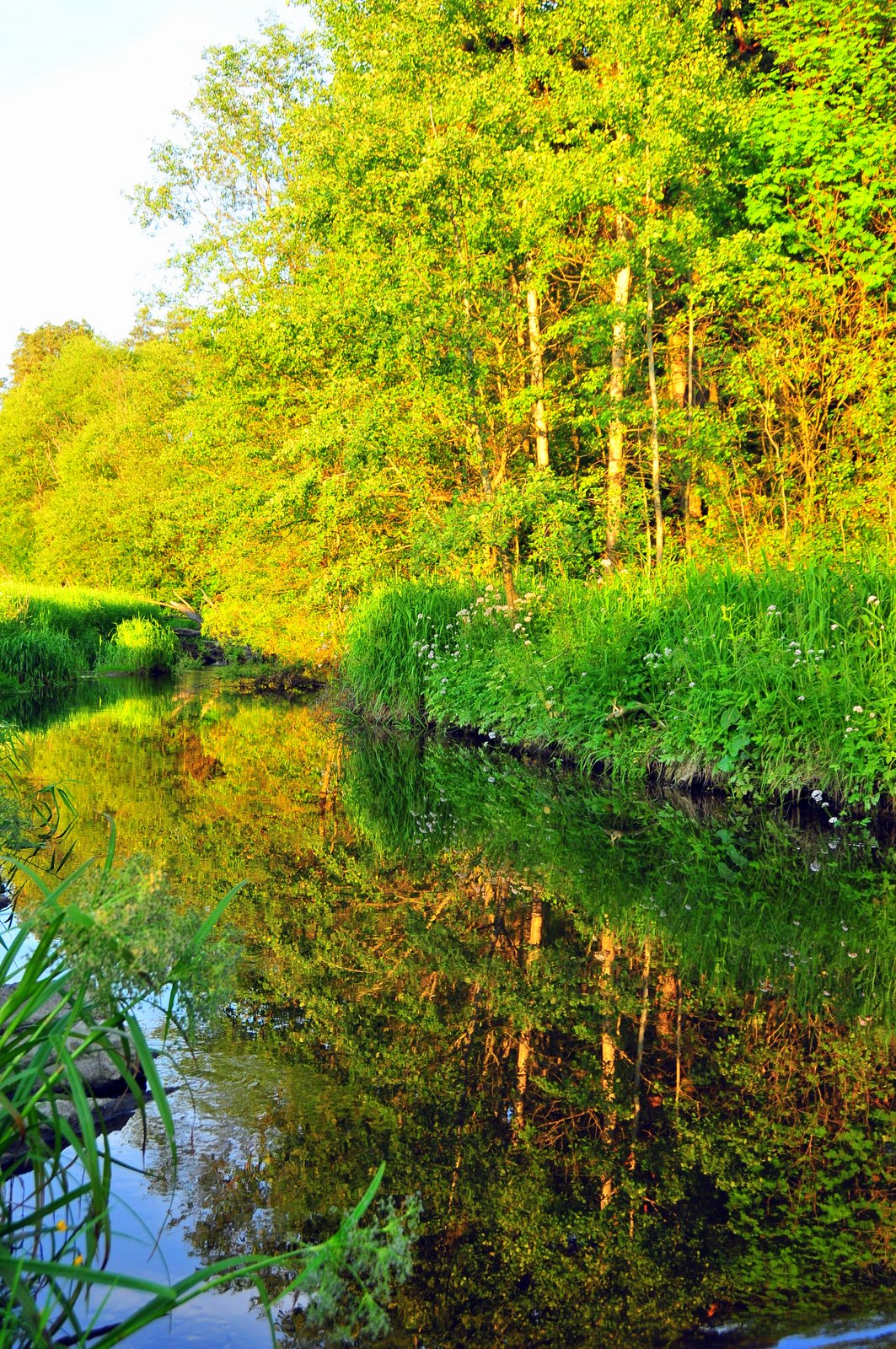
It’s something to accept and move on, like so many things in life. It’s a trifling matter after all. And views like this make sure we keep those trifles in perspective.
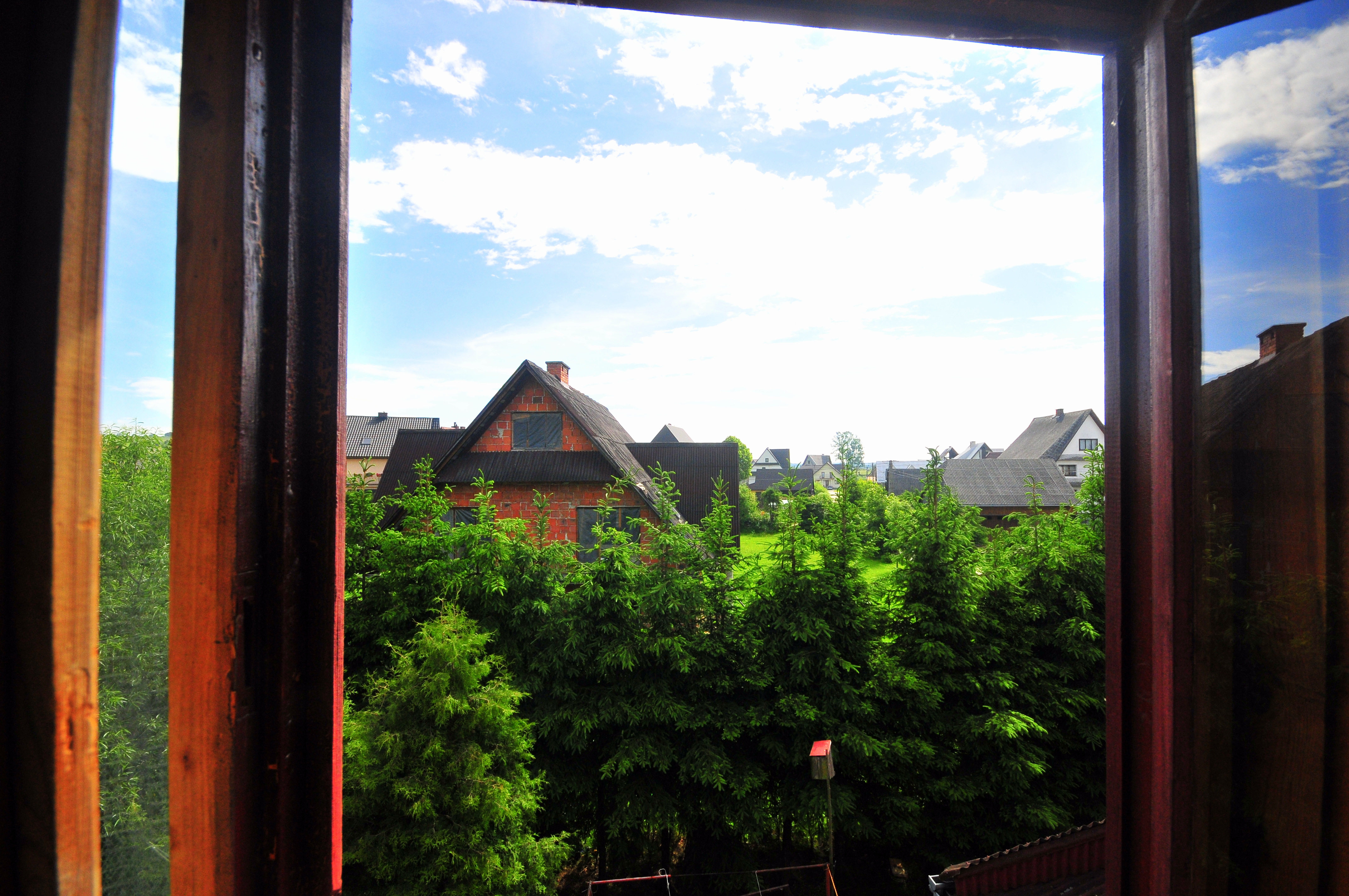
From a Window
Ognisko
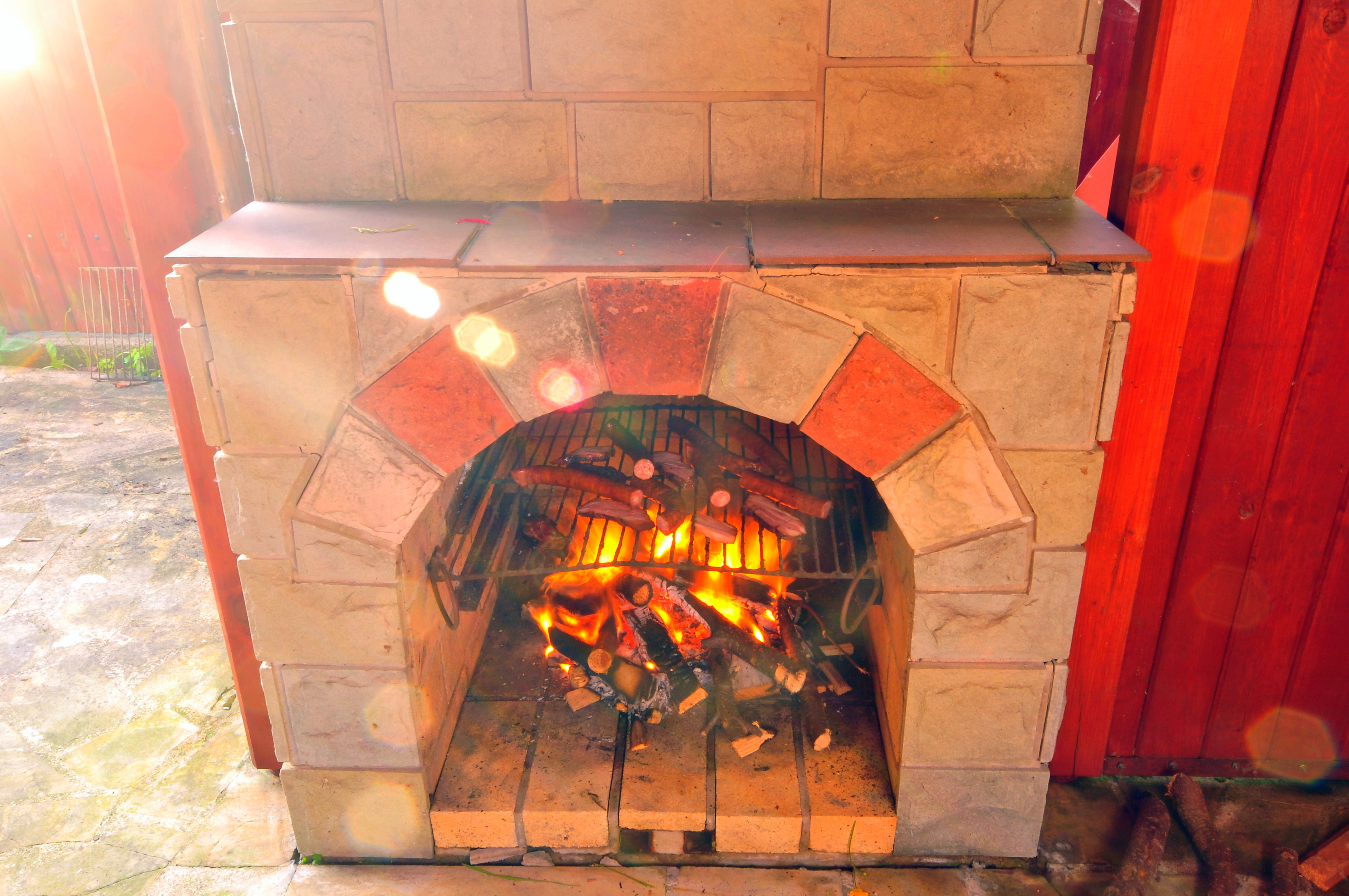
A simple concept: some wood, some sausage, a match or two, a loaf of bread, something to drink, someone to share it all with. Put it all together, though, and it somehow becomes more than the sum of its parts. Add the laughter of children and it becomes positively magical. The conversation winds through topic after topic as the sausage begins to sizzle, and as the sun sets and everyone pats their bellies, literally or figuratively, one gets an almost divine feeling.
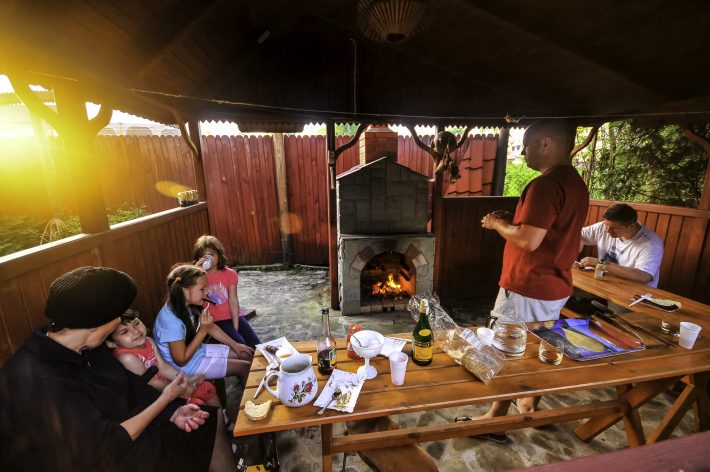
“And we looked out over the sausage and steaming tea, heard the laughter and watched the glowing embers and dimming sun, and lo, it was good.”
Busy Day
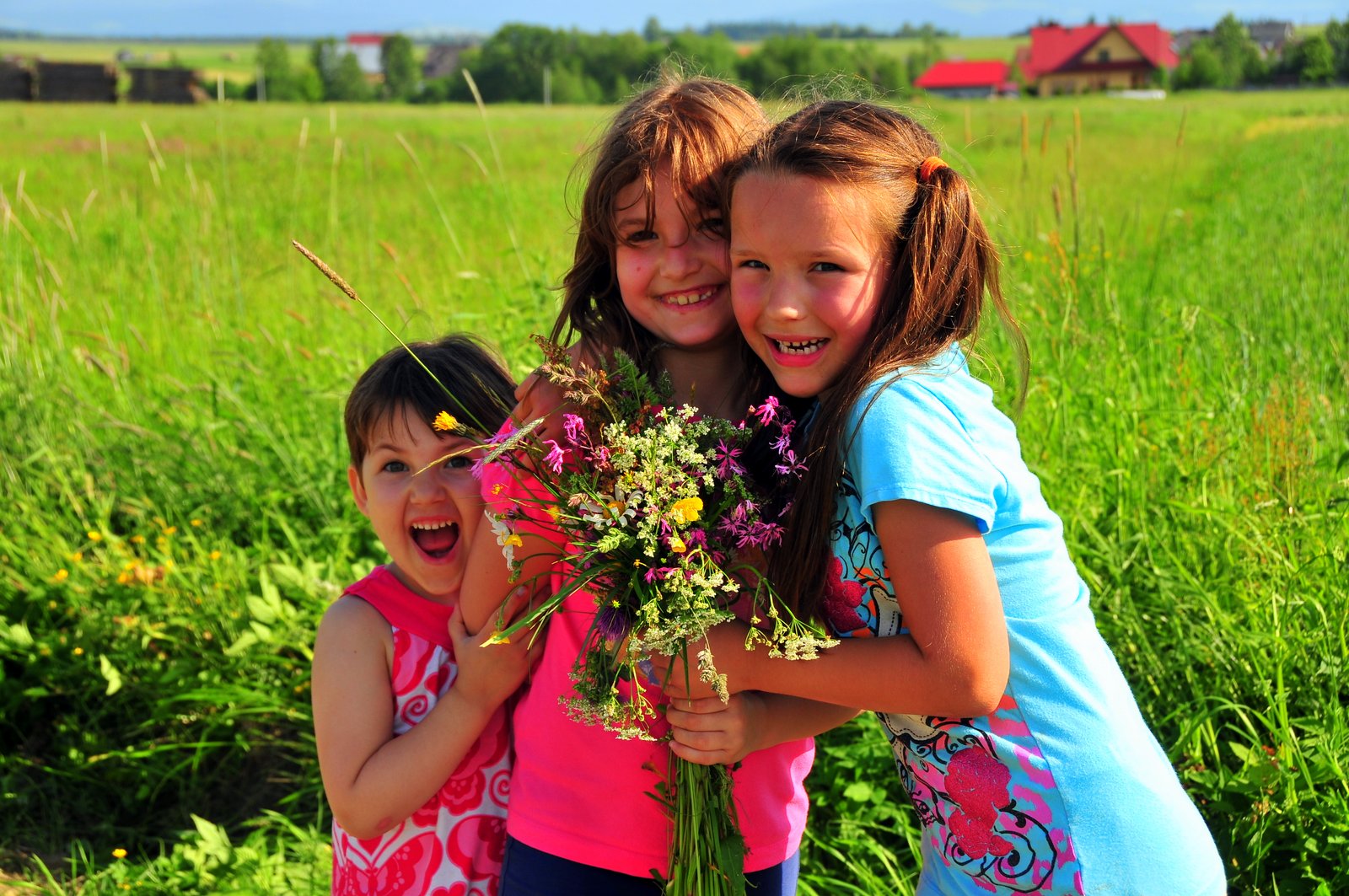
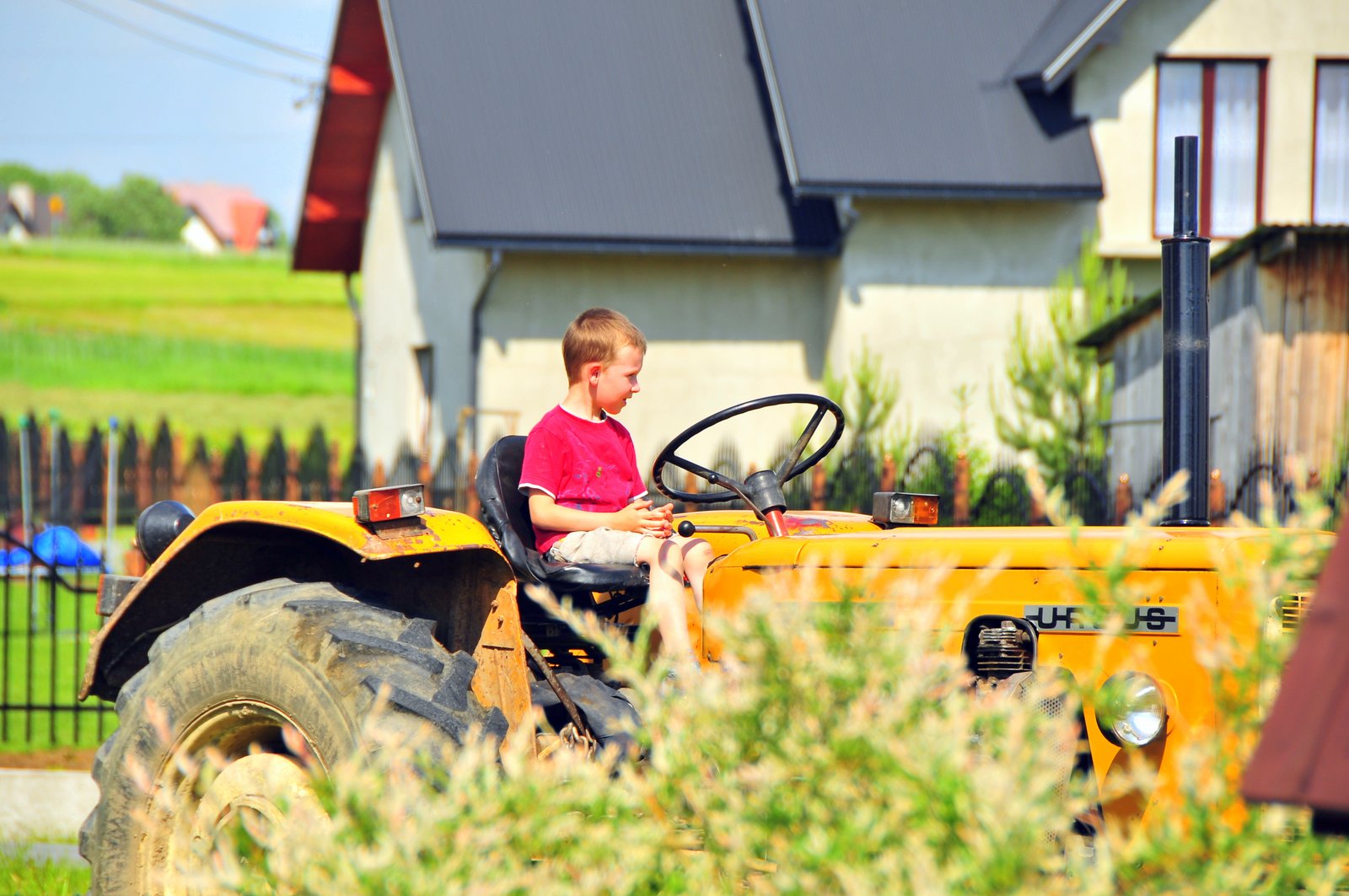
Busy, busy, busy day. And this is only about one-third of it.
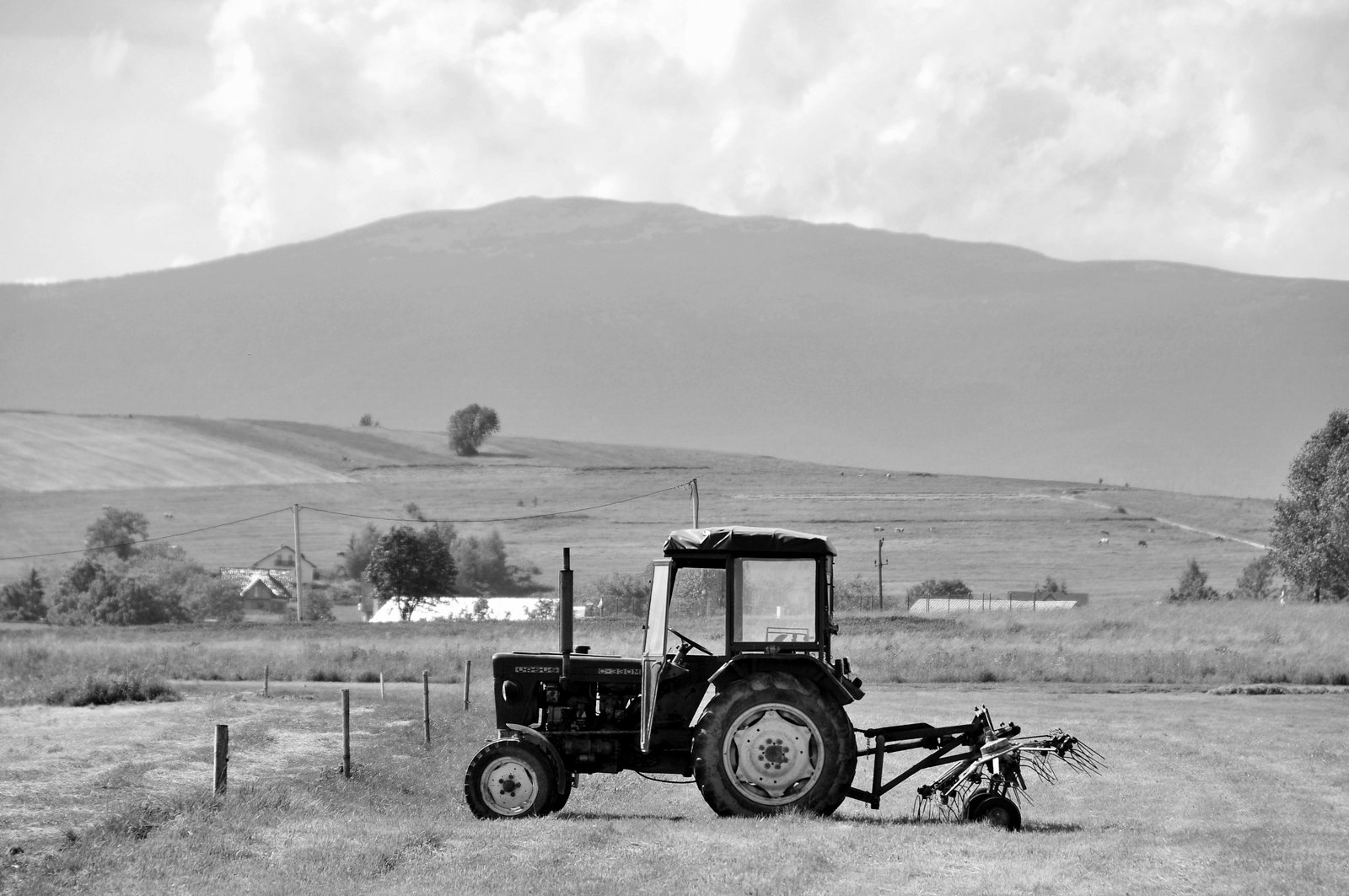
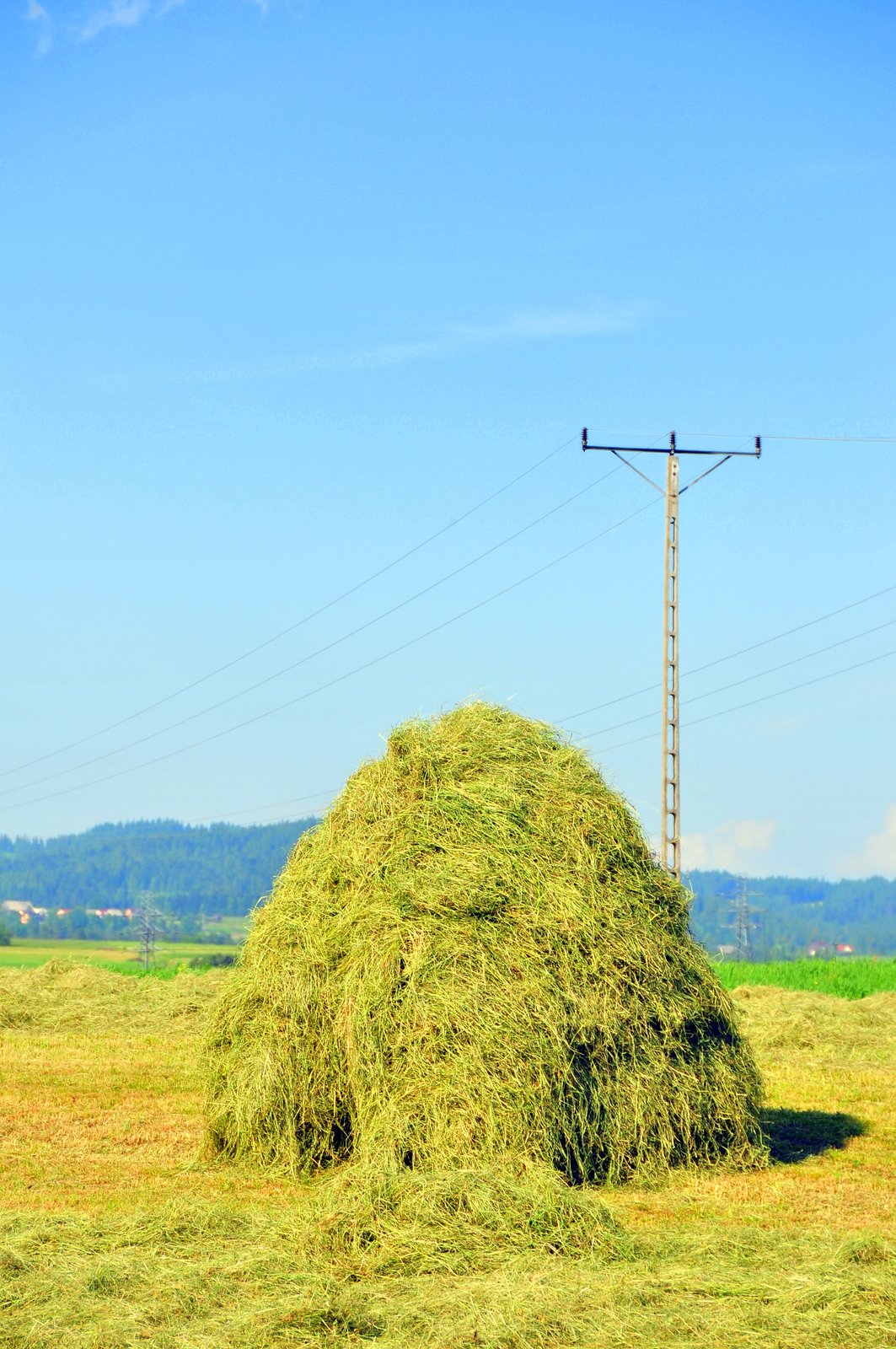
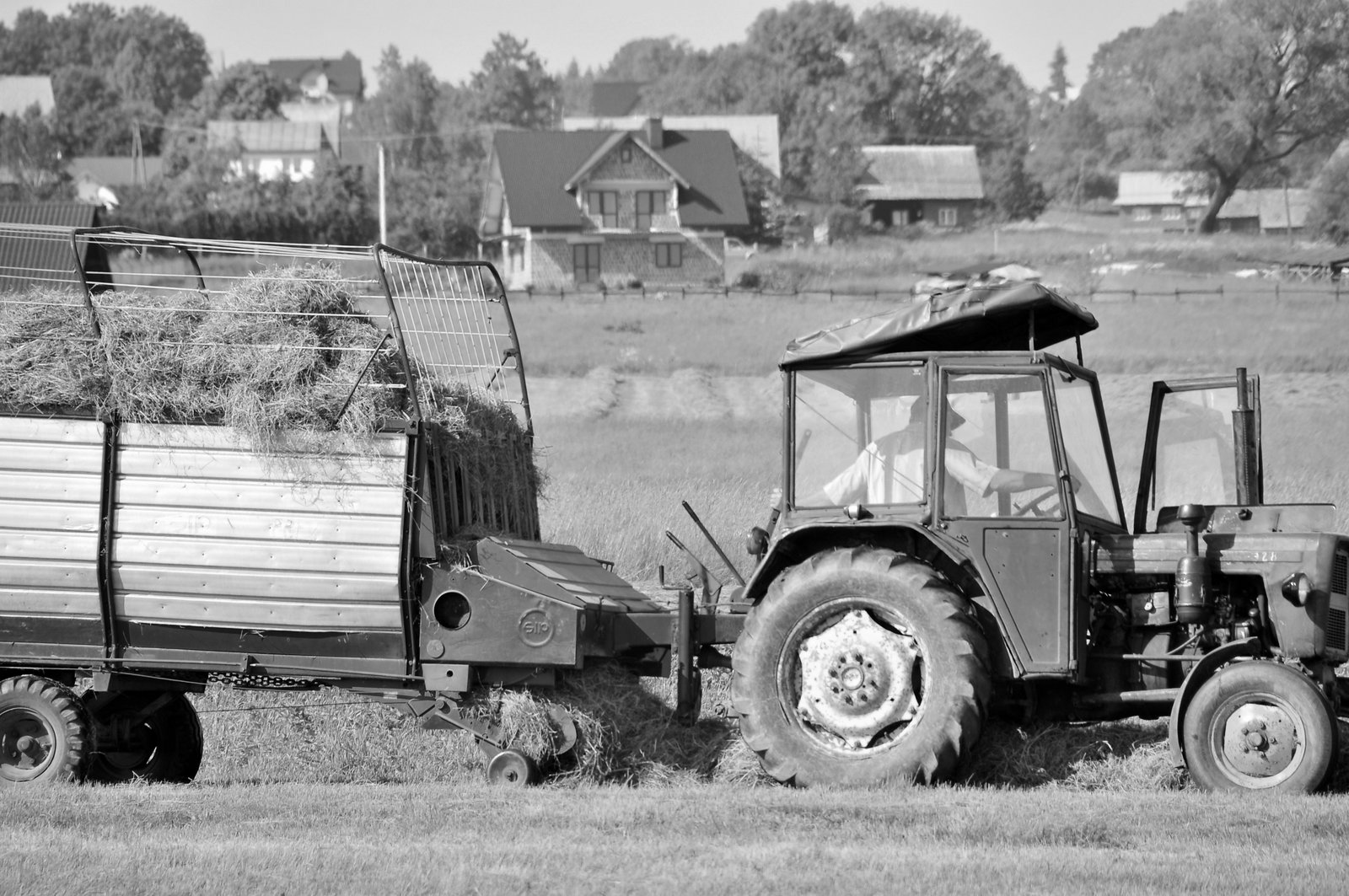
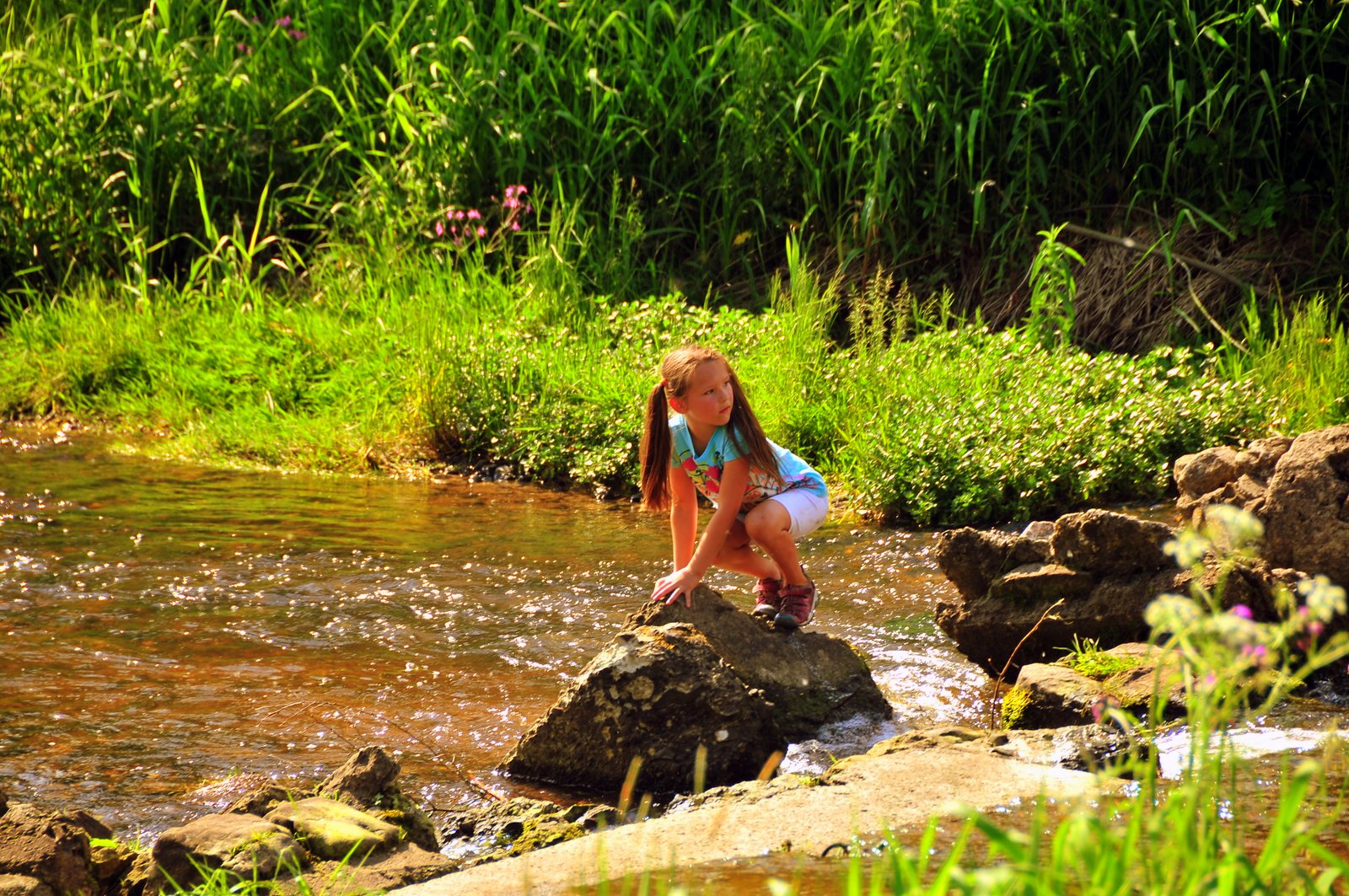
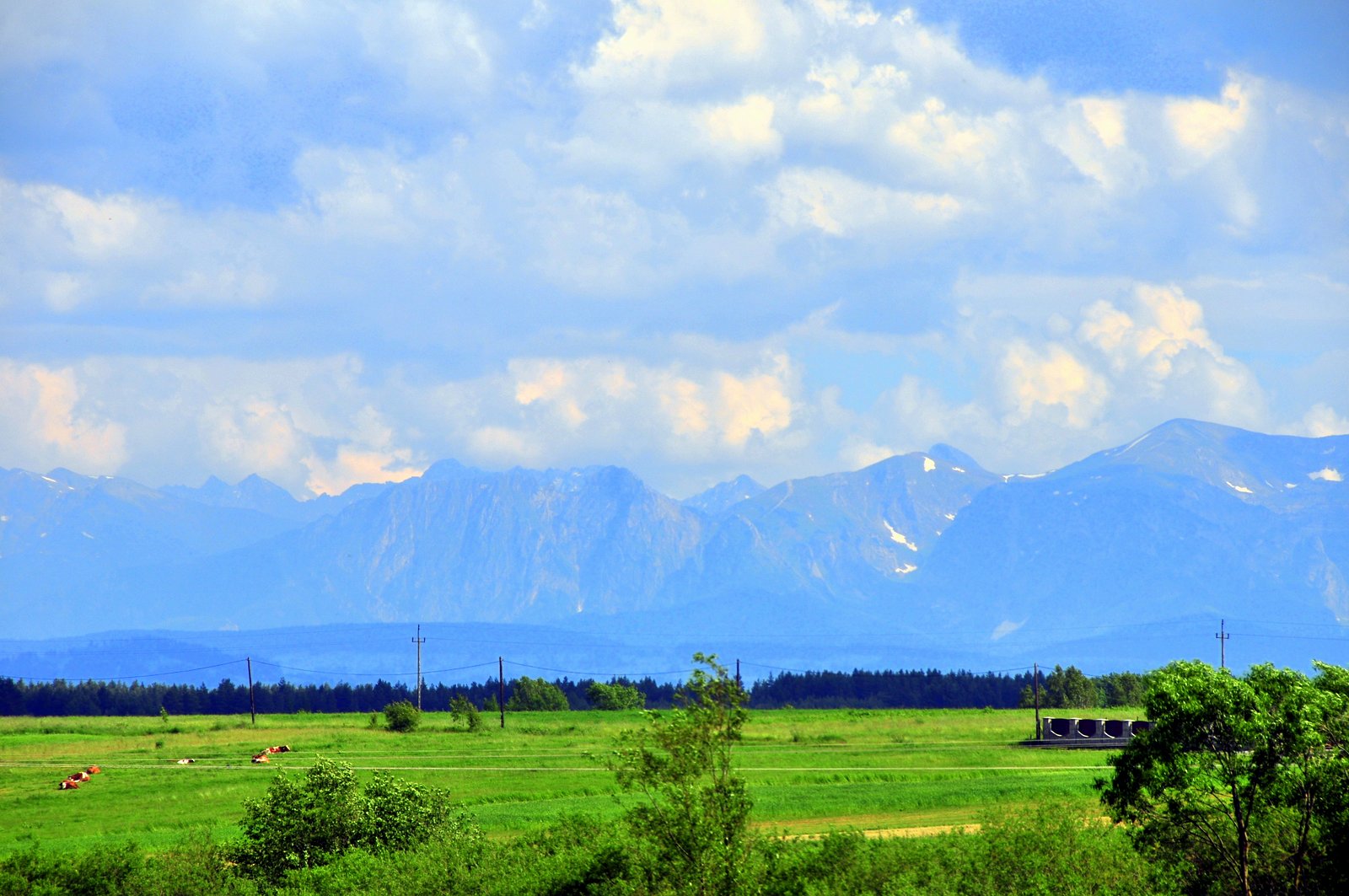
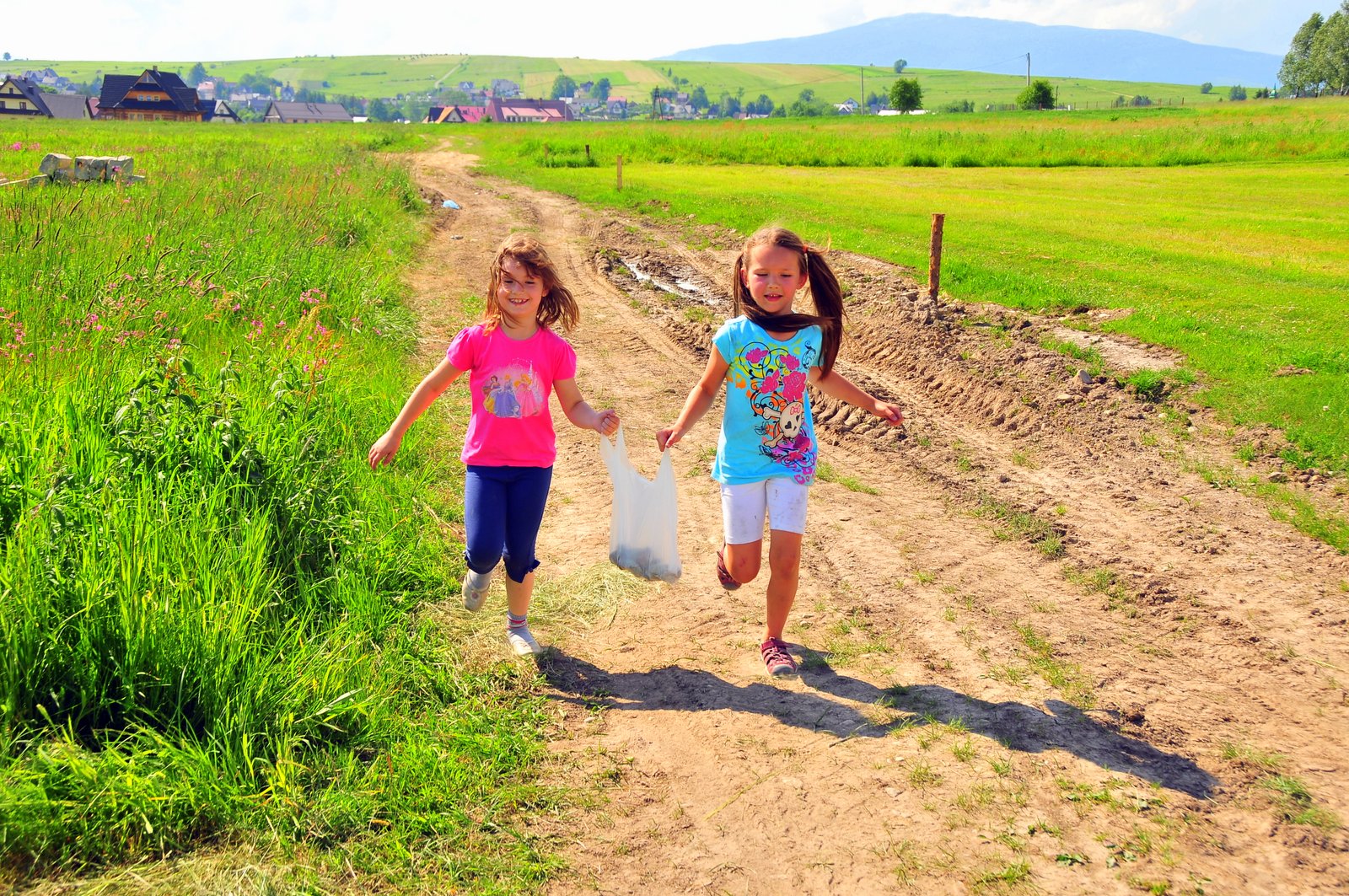
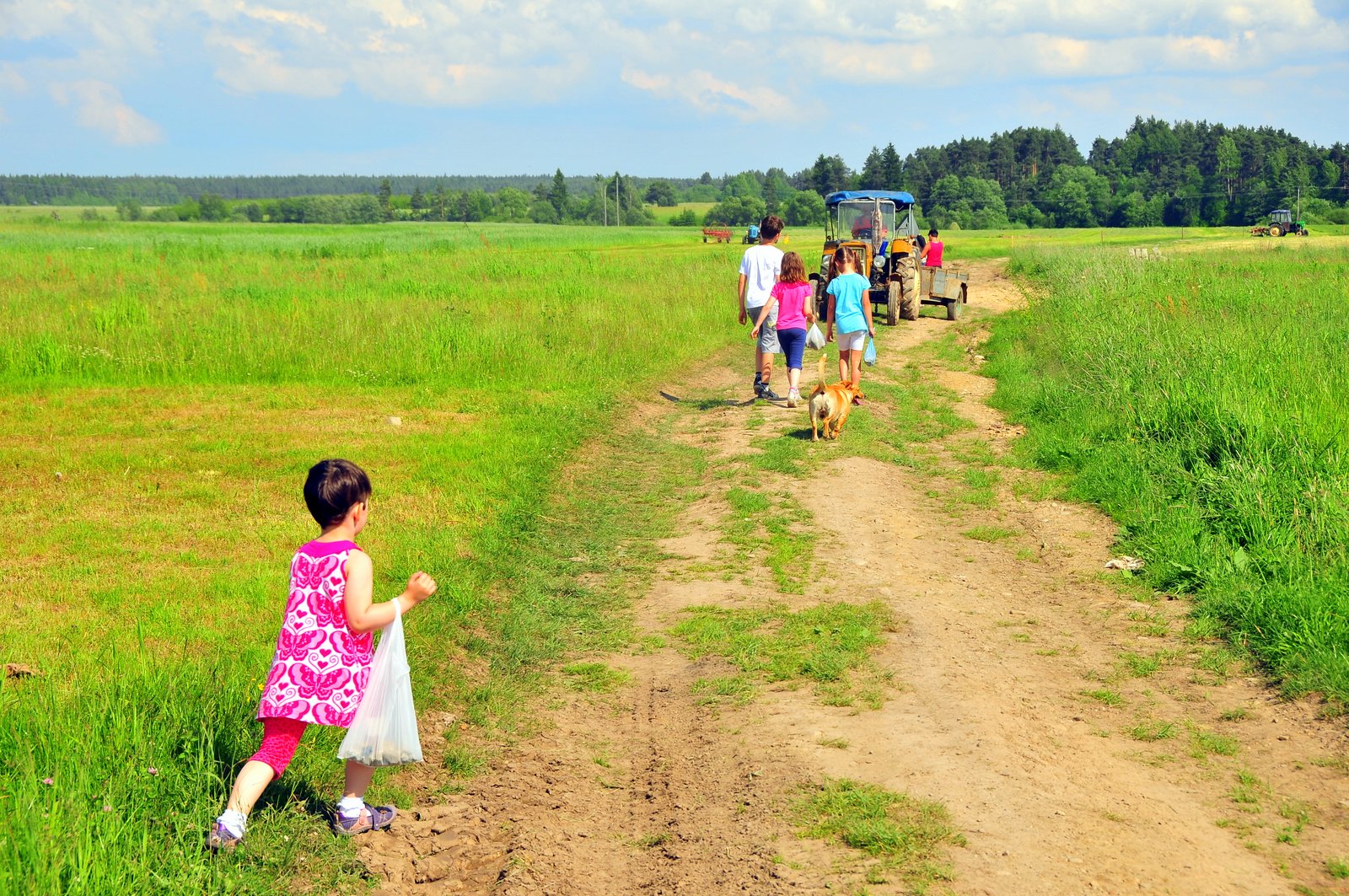
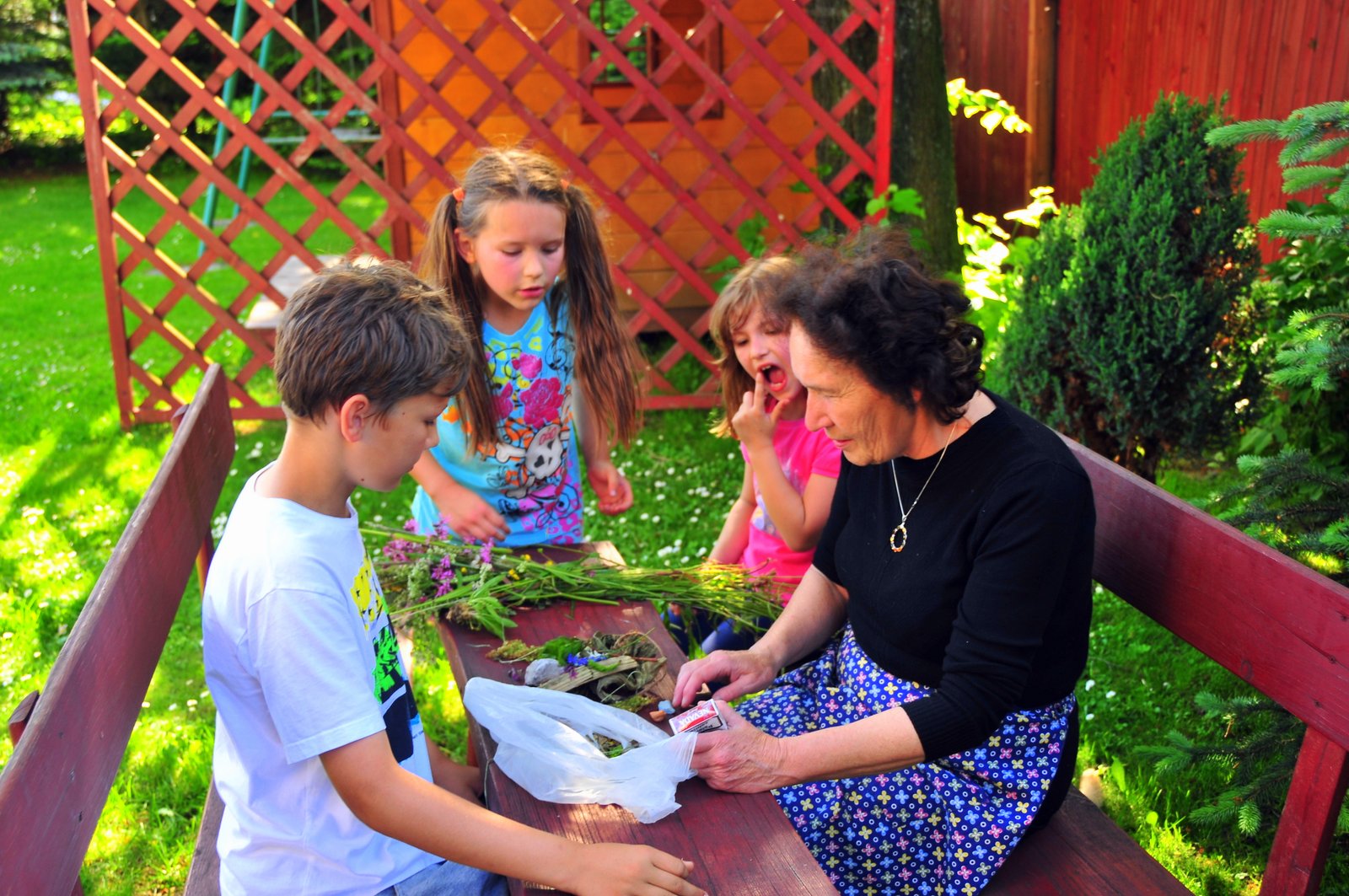
Paradise Unseen
They sit around the fire, complete darkness surrounding them, the only sounds the crackling fire and the occasional truck passing on the nearest road (still a mile away). They sit passing around a shot glass and bottle of vodka. The chaser, a can of beer for each, a cigarette in the other hand. Some talk of escape, of getting the hell out of this little f-ing village. They talk of going abroad, of returning with an Audi, of making it big. Some will escape, if “escape” is even the proper word. Some will return with with an Audi, though used.
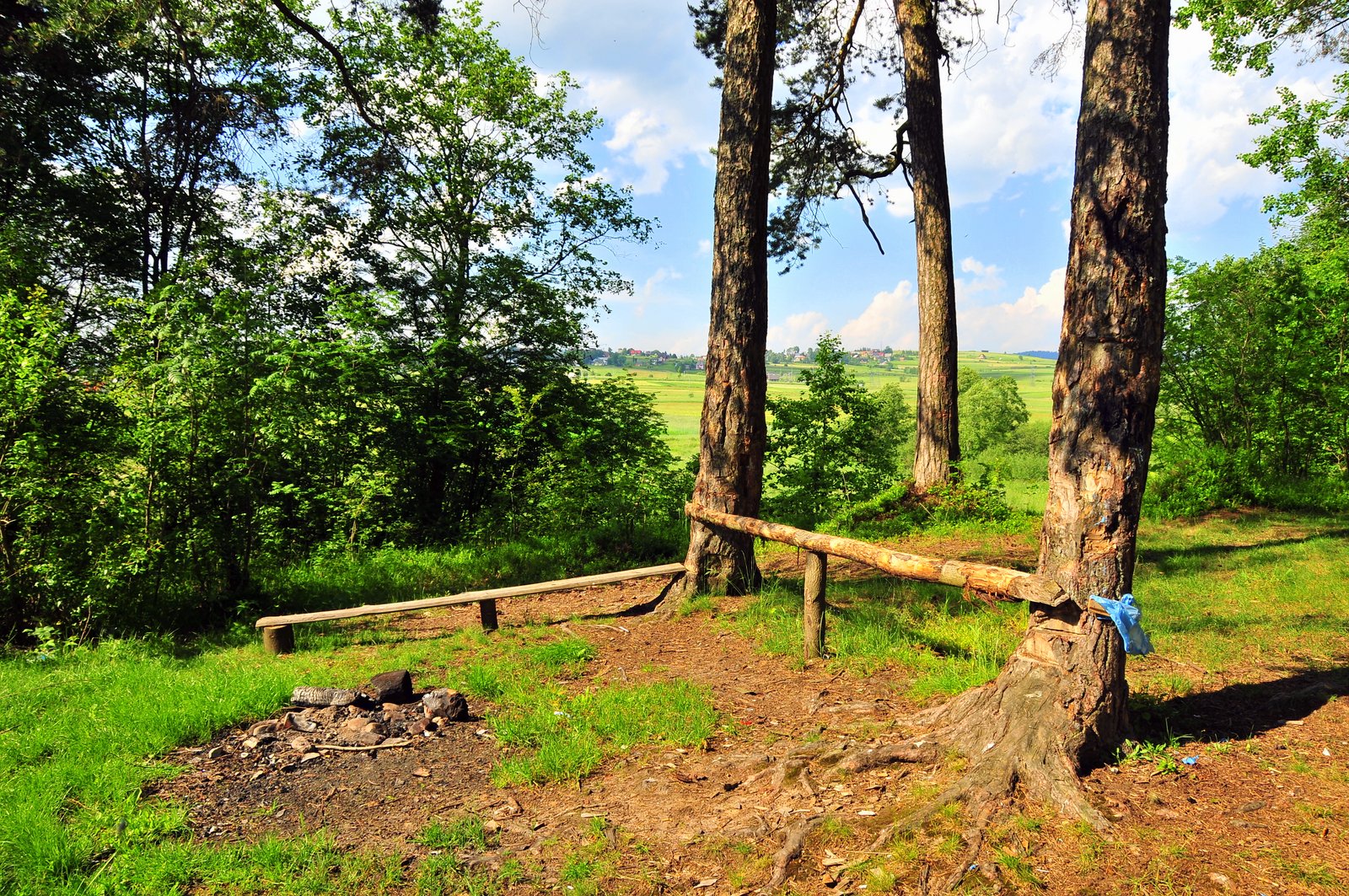
Who will look around them, at the bark of pines glowing in the firelight, at the embers and sparks as they pop and rise into the jet-black night, joining the stars and the mysteries around them, and realize that they already have all that they really need? Who will look into others’ faces, listen to their girlfriend’s laughter, smell the magic of smoke in a hay-flavored summer sky and realize that what they have, others would kill or die for–and in fact already have?
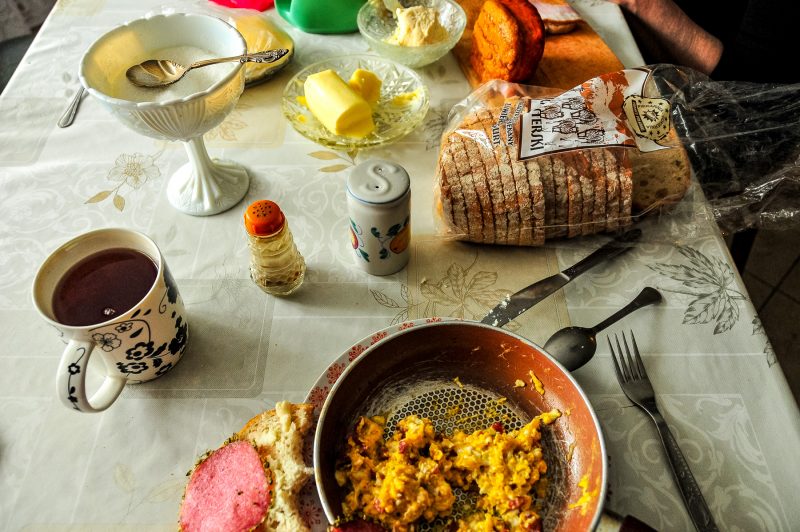
Breakfast
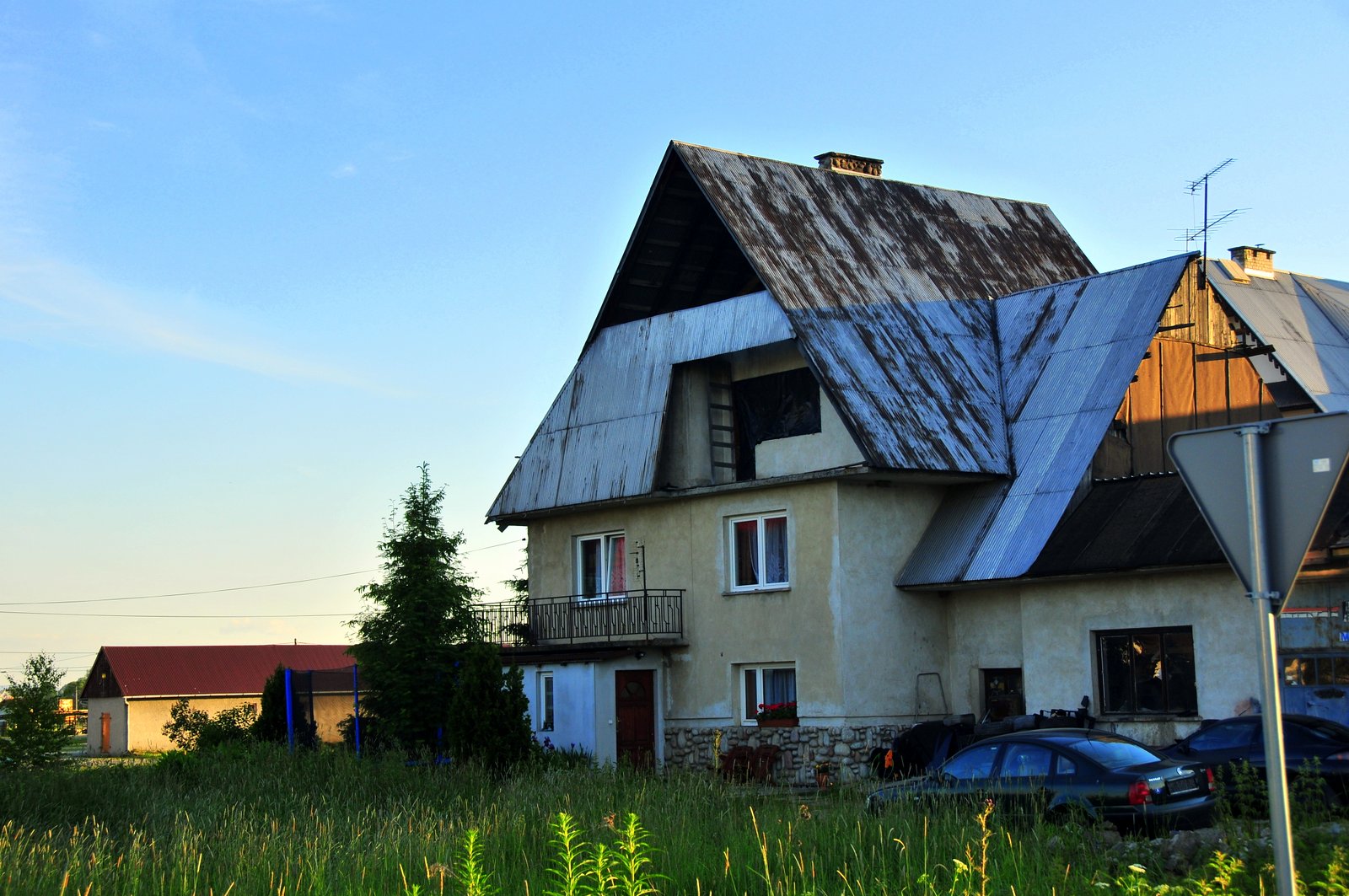
Unfinished
Certainly not a strictly-Polish phenomenon: the occupied yet unfinished home. (Not the best example, but this house has had an unfinished upstairs since at least 1996, when I first saw it.)
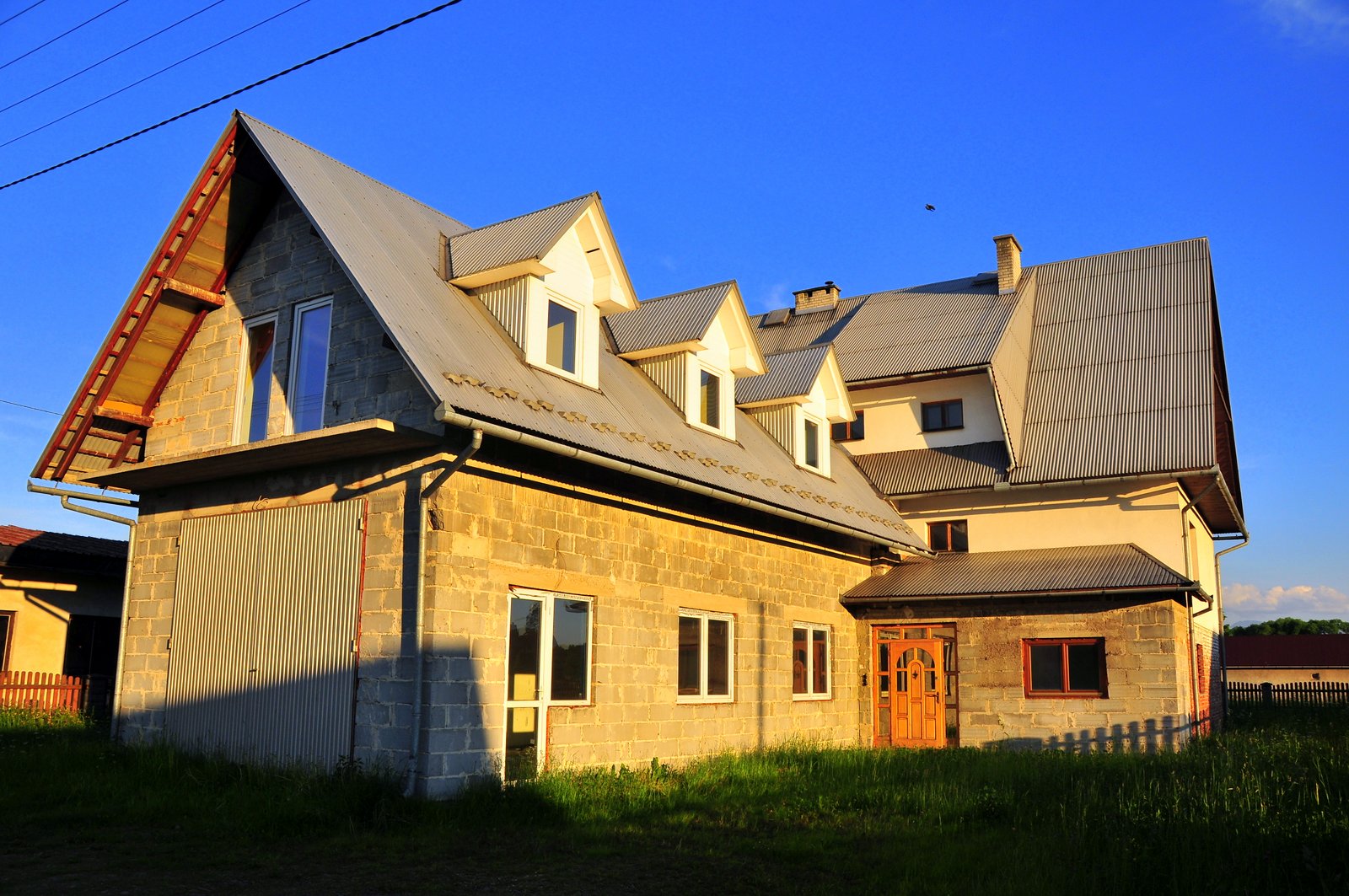
Likely a phenomenon most common in Poland: the finished yet unoccupied home.
Certainly a purely Polish phenomenon: the two houses side by side.
Evening Walk
The first of many. “Your job, your daily responsibility,” Babcia explains, “is to take the dog for a walk daily.”
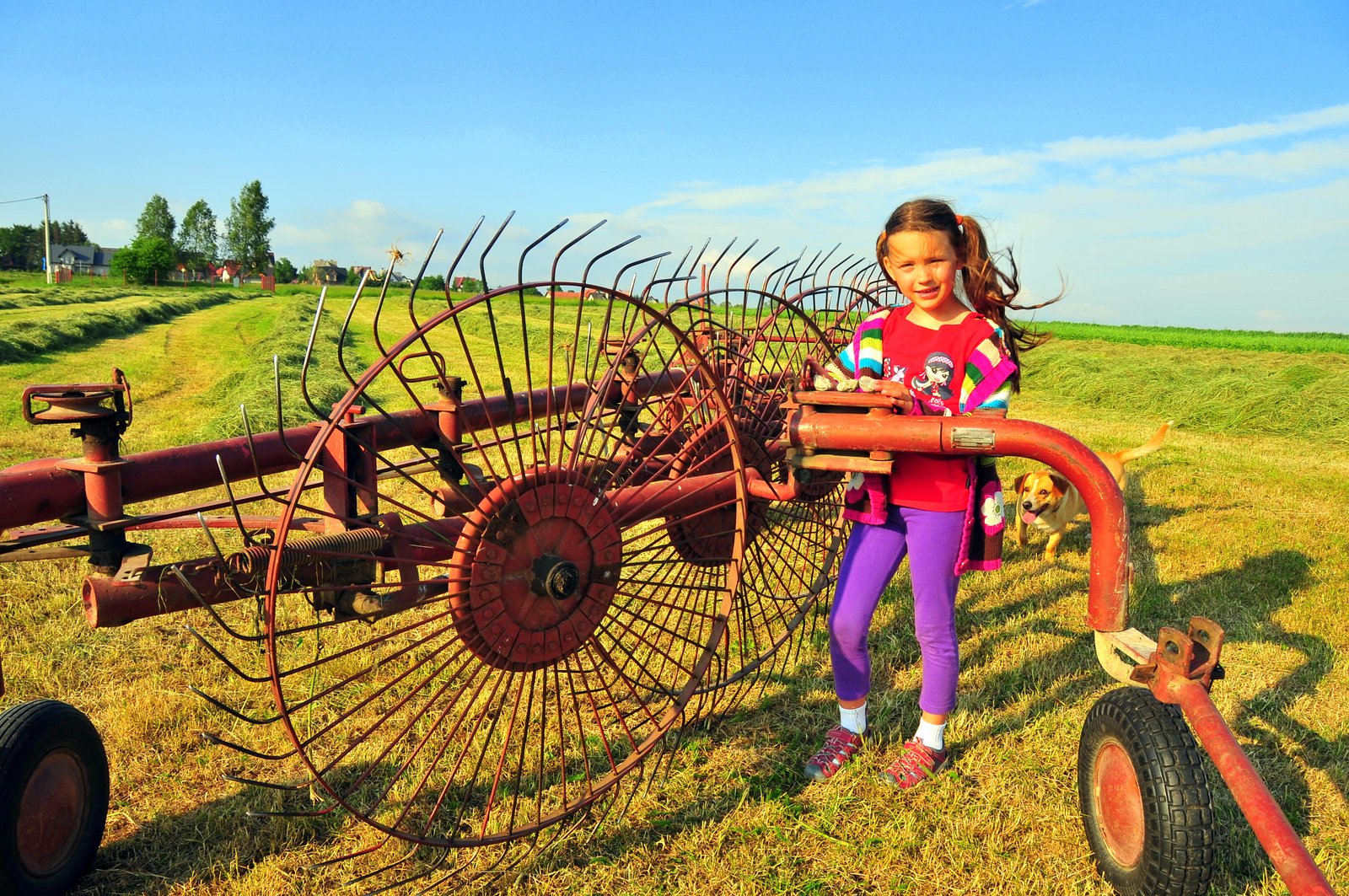
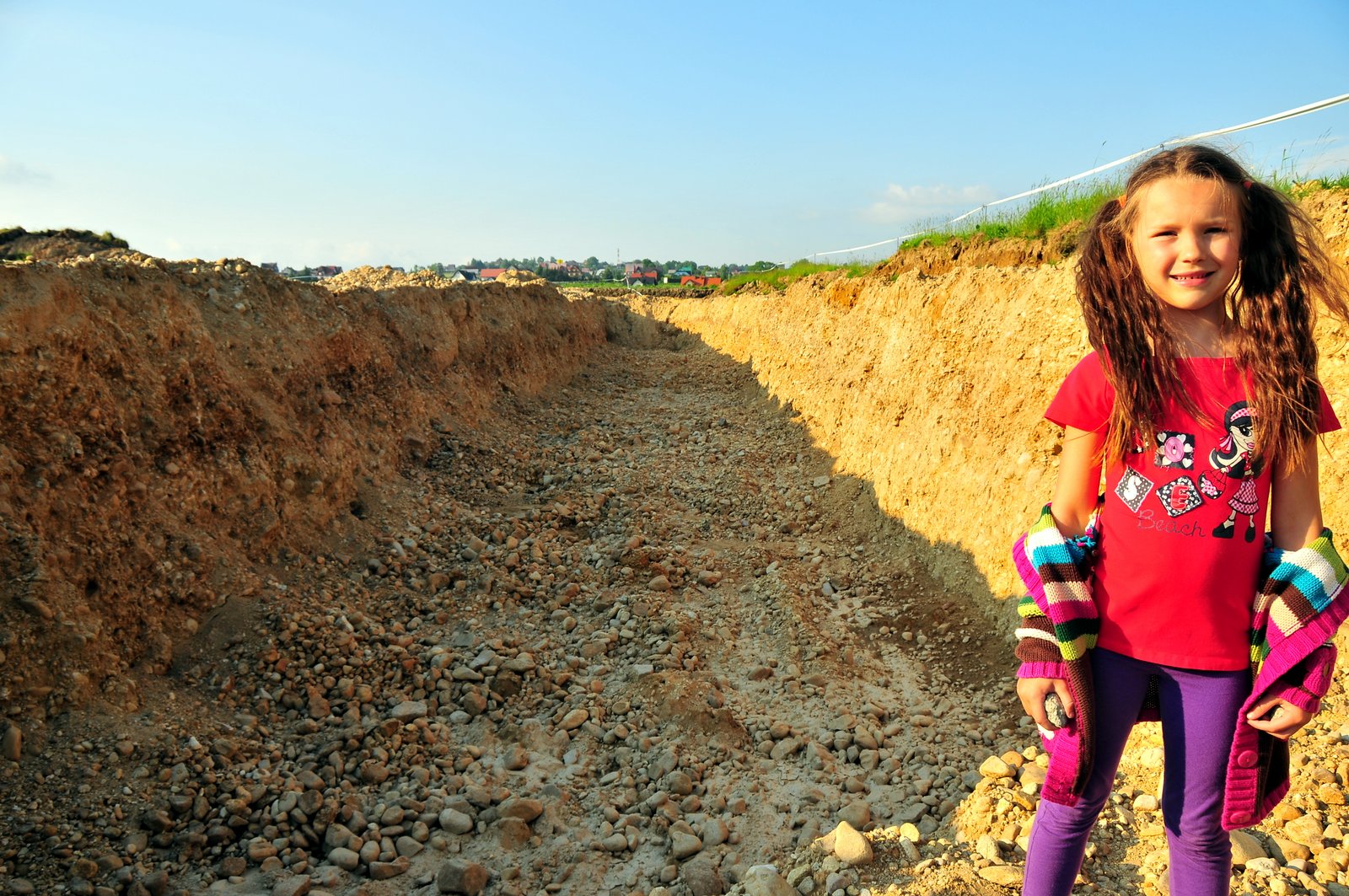
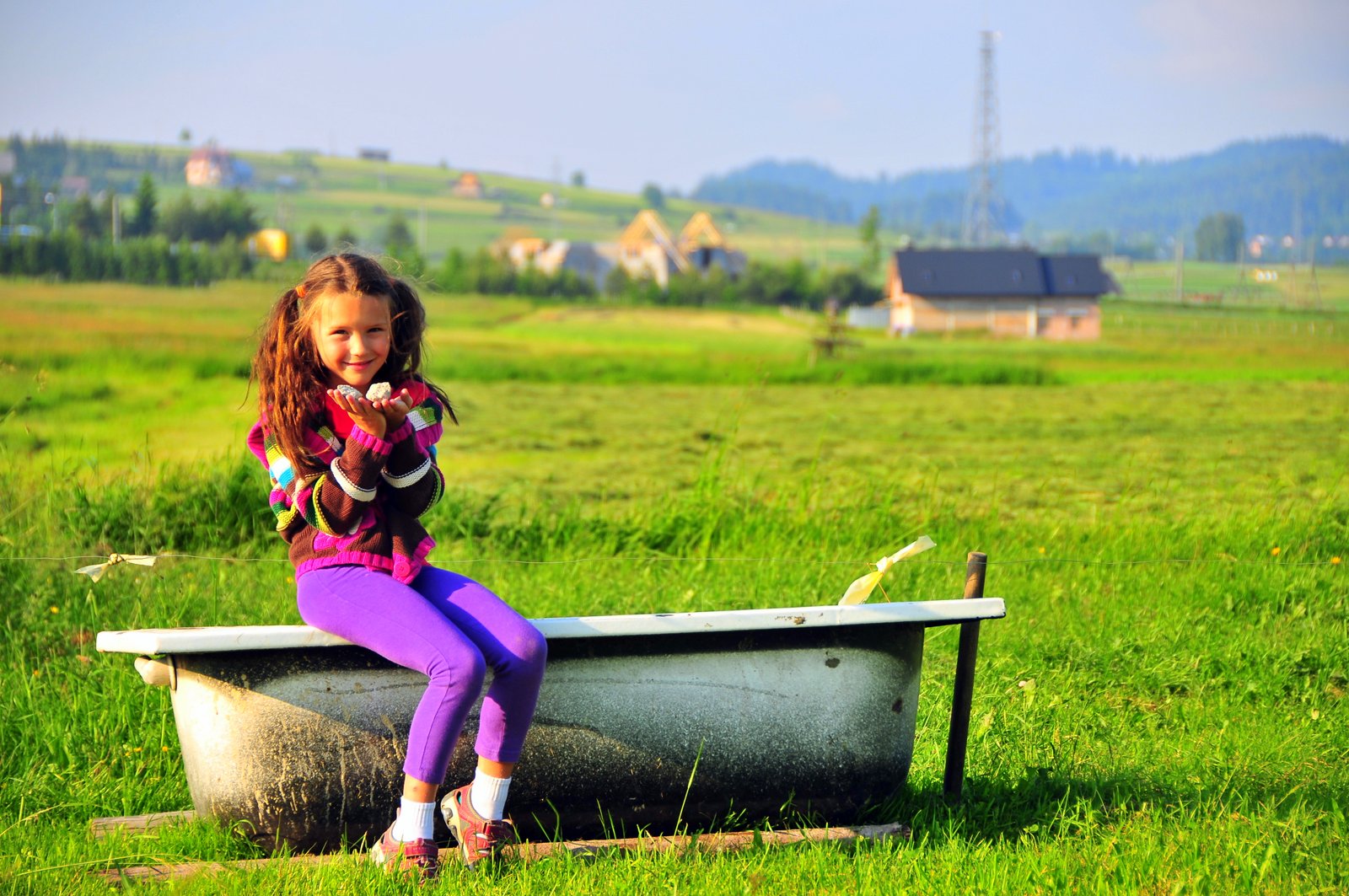
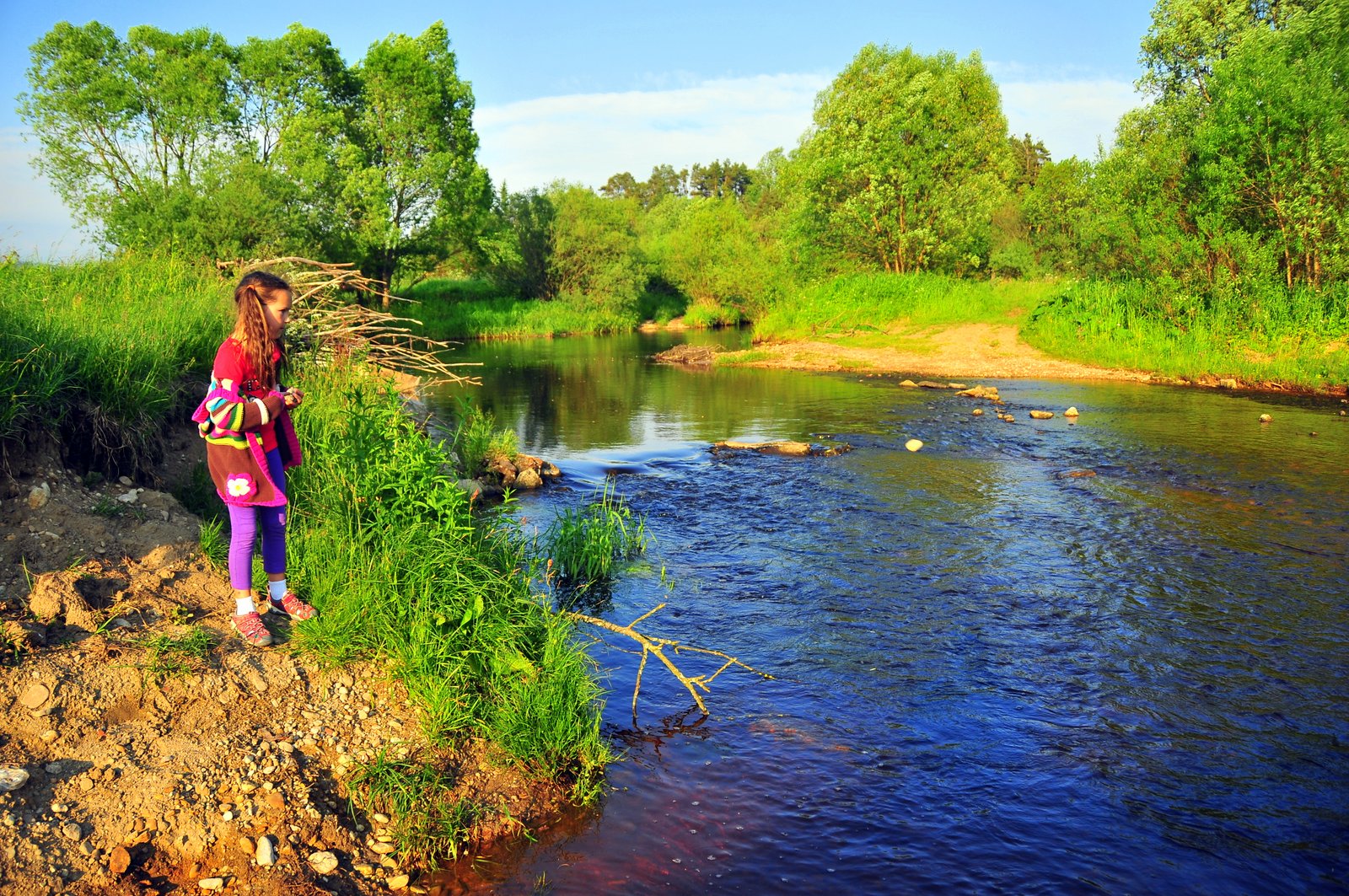
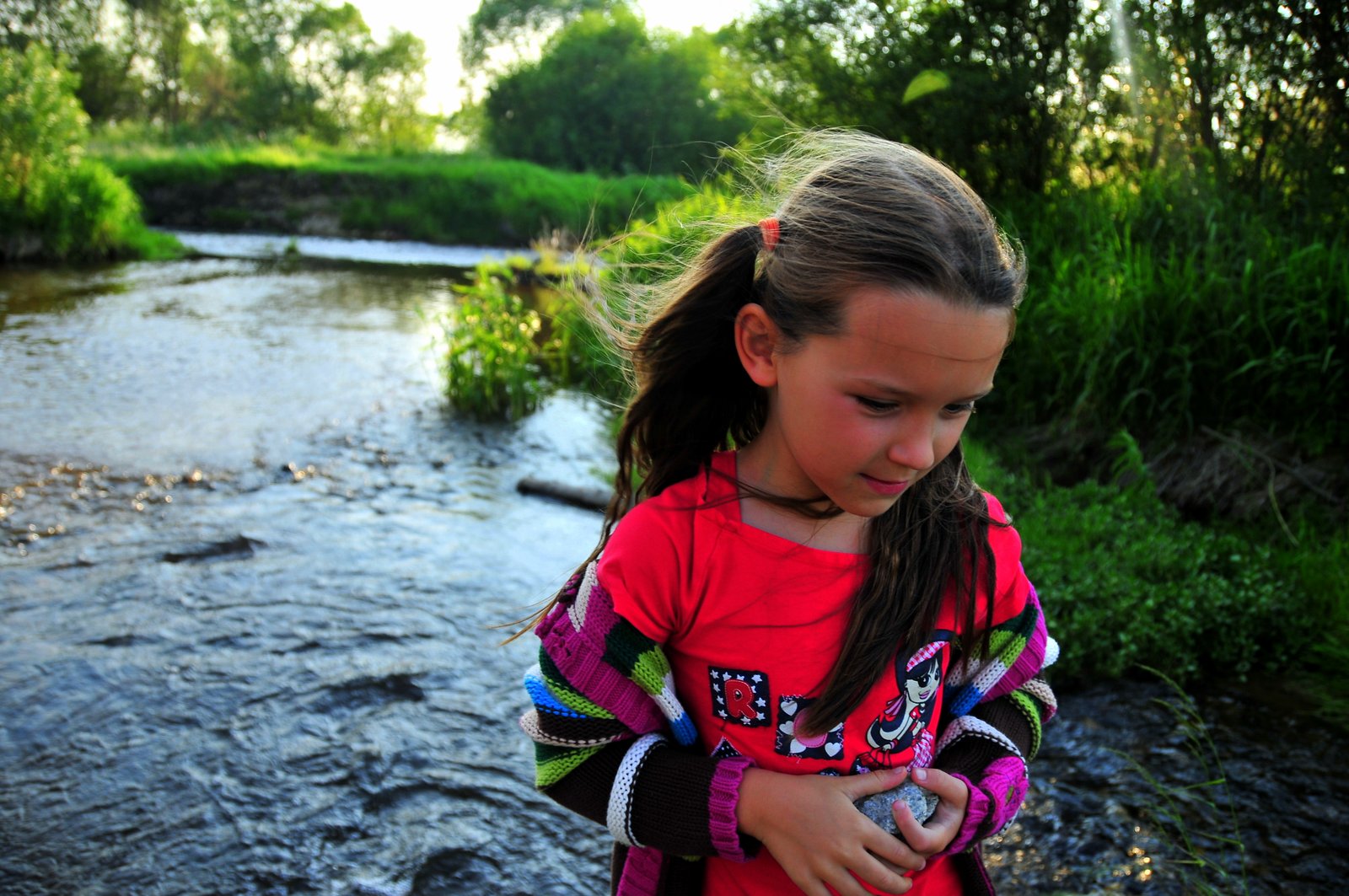
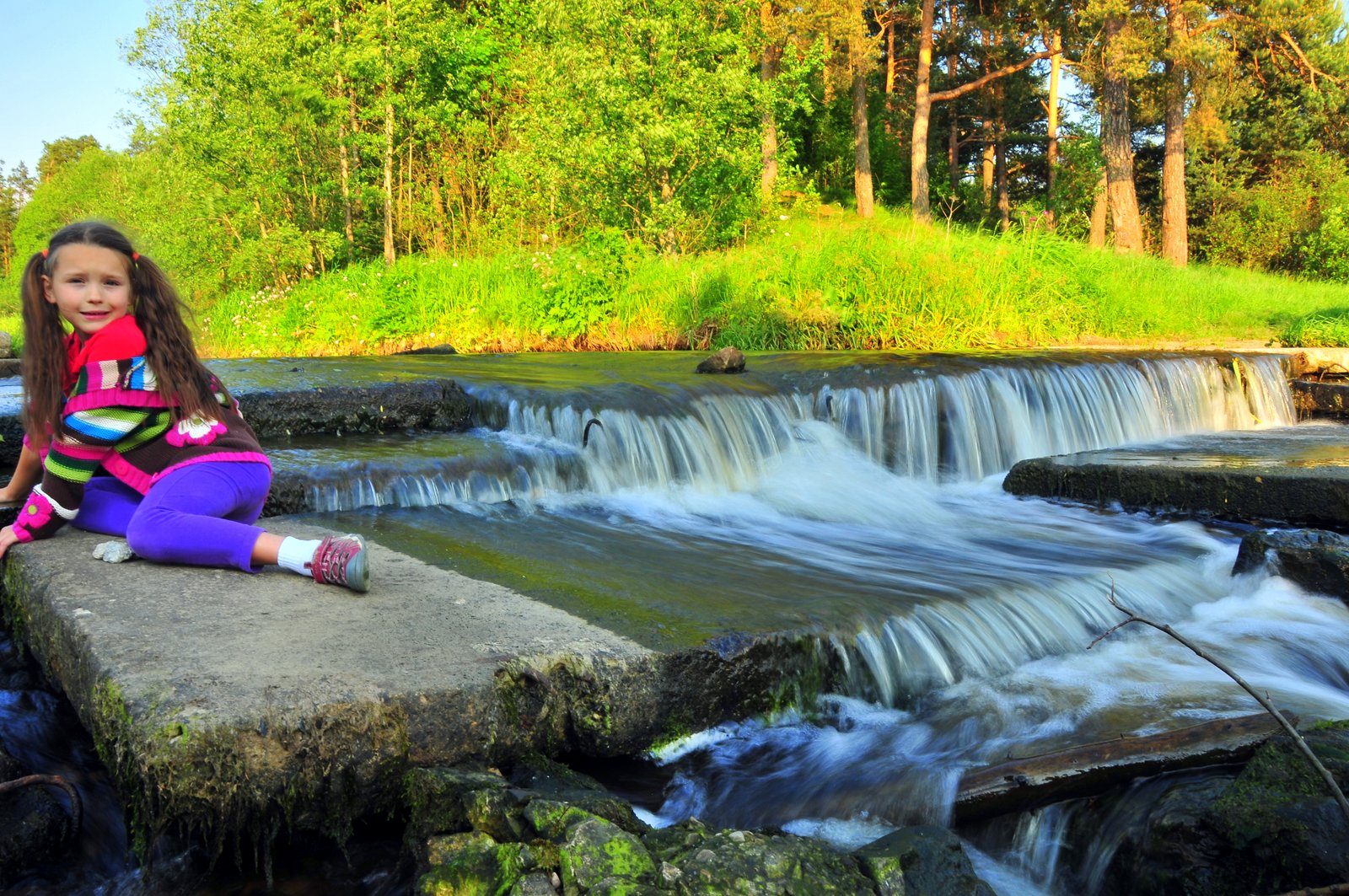
Wandering around Jablonka
We begin the day in bed: L and I are so exhausted that we sleep most of the morning away. When we finally get going, we take Babcia to the cemetery to tend Dziadek’s grave. We clean off the candle holders and light new candles, pull weeds, water the flowers.
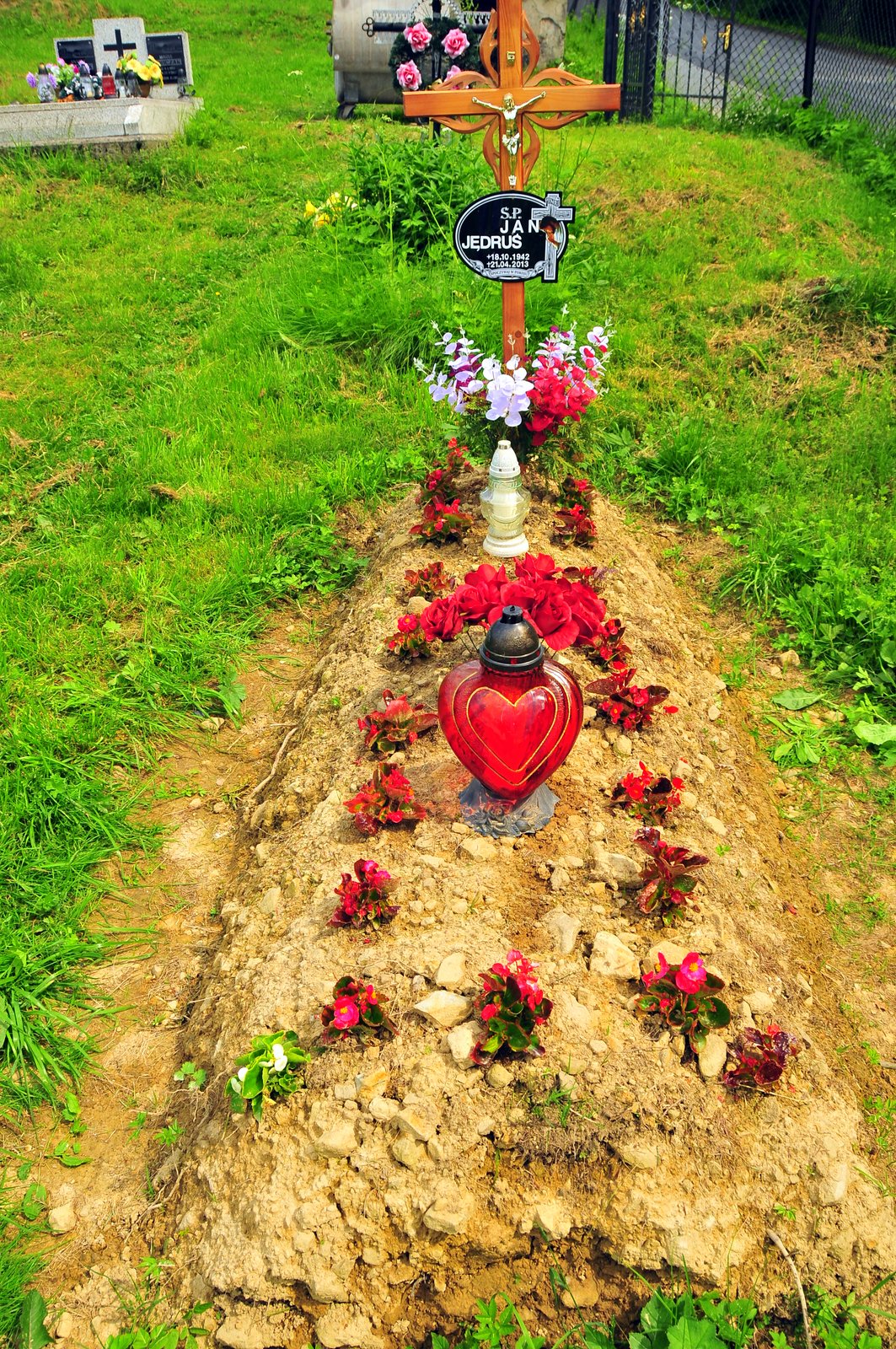
We walk around the cemetery afterward, looking at graves dating from the beginning of the last century, graves so old that the name has disappeared from the grave marker, whether iron or stone. Who cares for these graves?
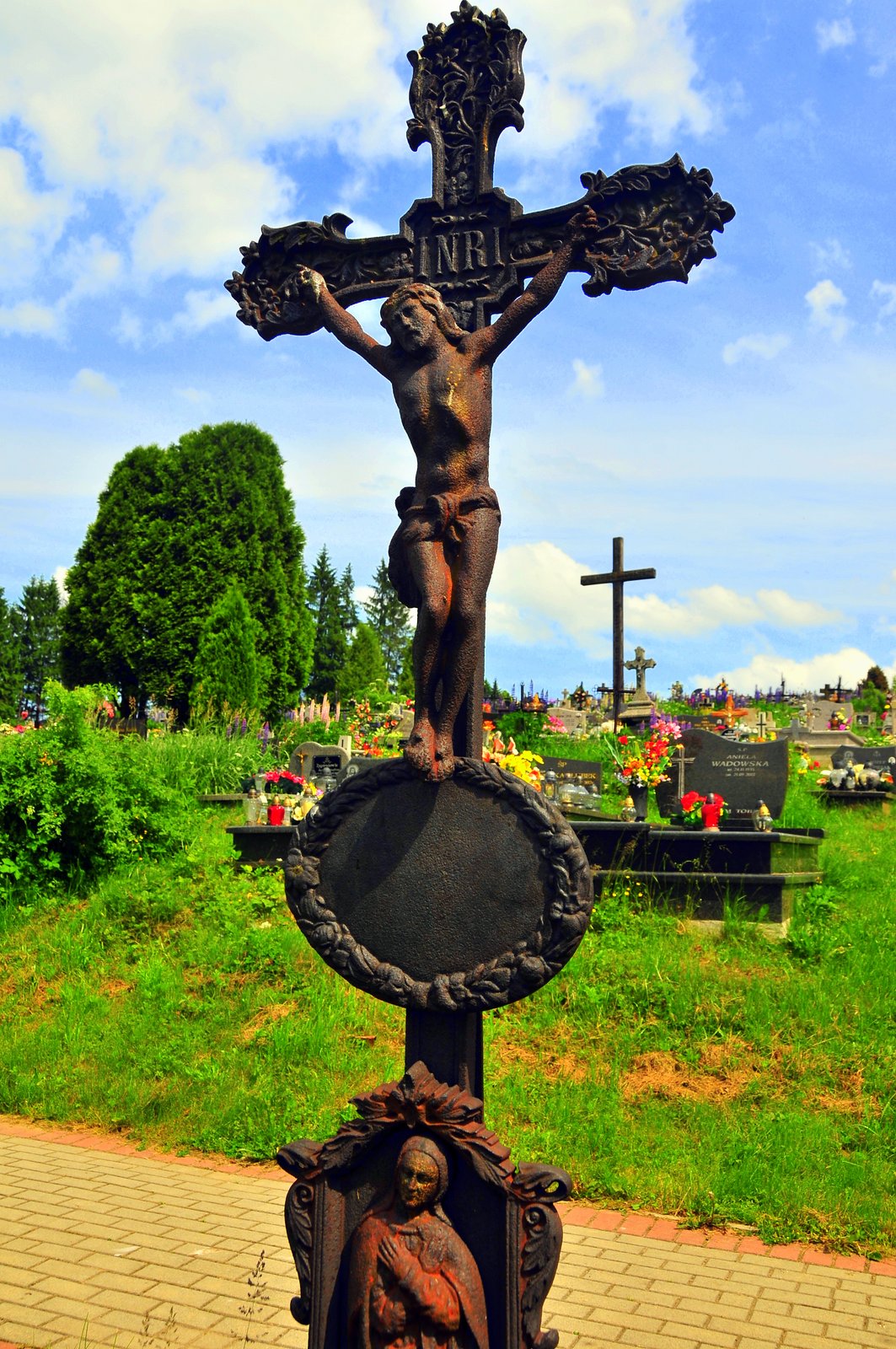
Do any family members still live in the area? Does anyone even remember?
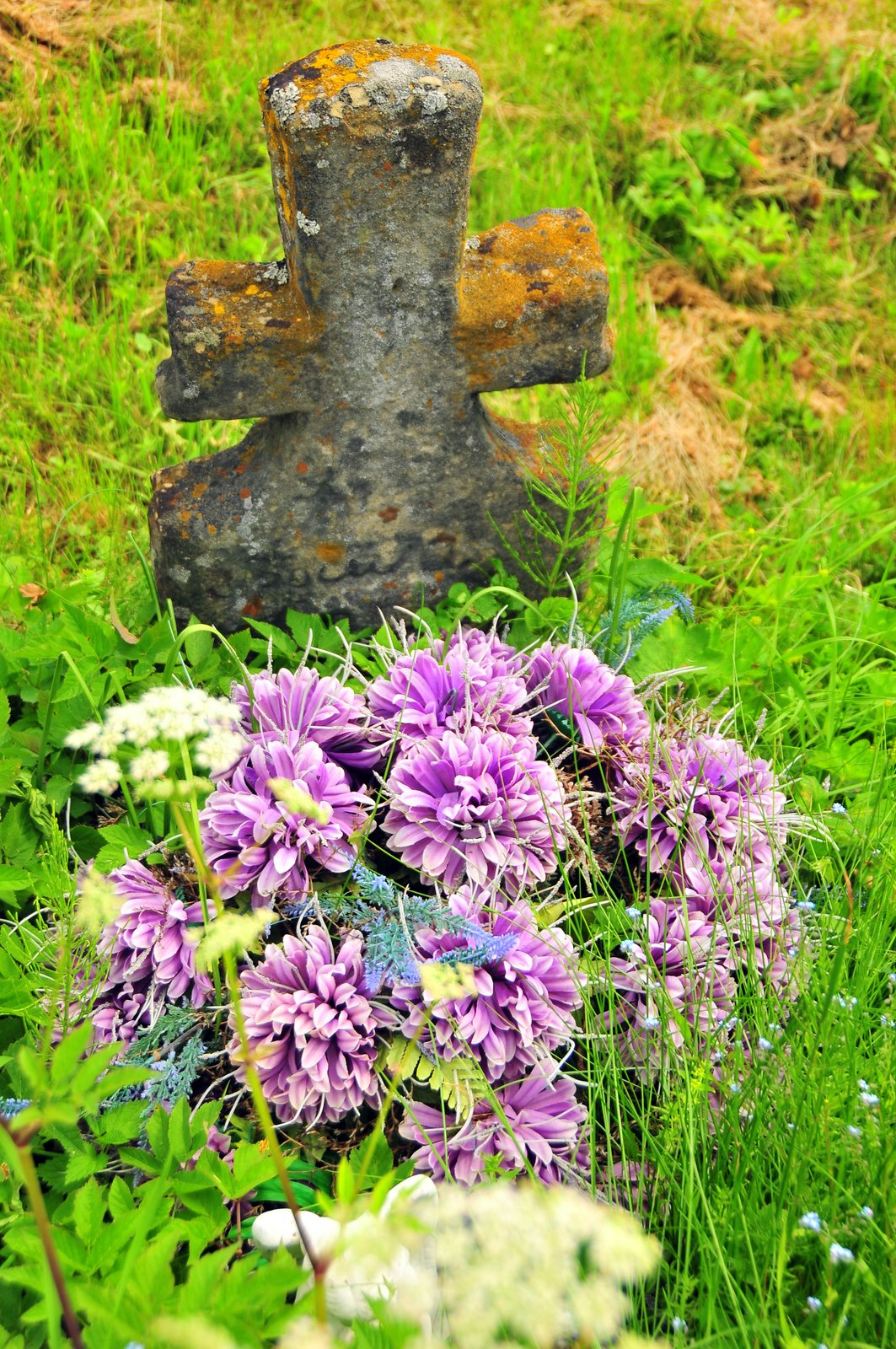
Clearly someone remembers: there are flowers on some of the seemingly-forgotten graves.
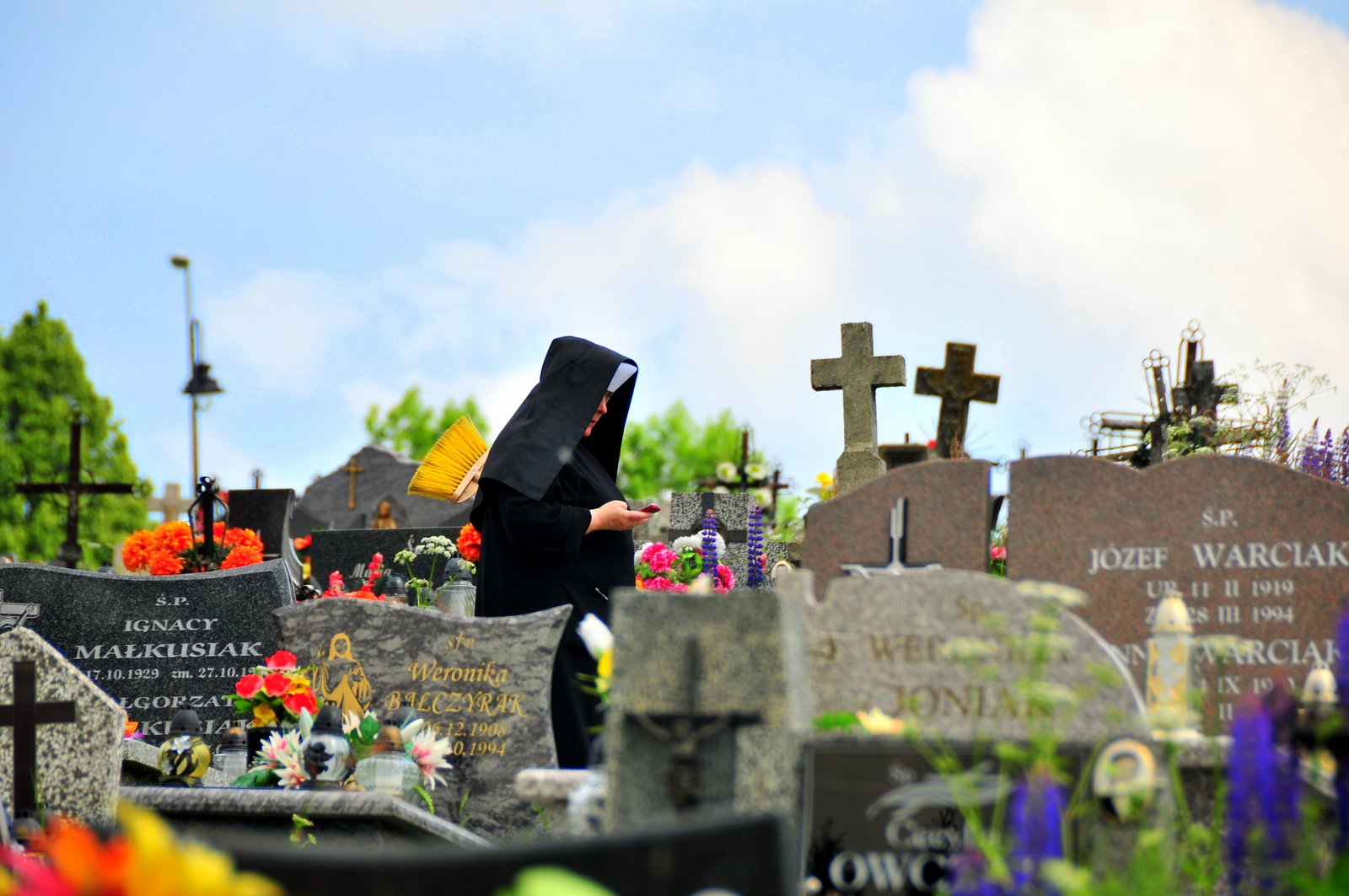
Maybe the nuns take care of these graves. There’s one walking through the cemetery, and from a distance, it looks like she’s walking among the graves praying a rosary. Perhaps she is — there are apps for everything, including prayers. Perhaps. Or maybe she’s checking her Facebook page.
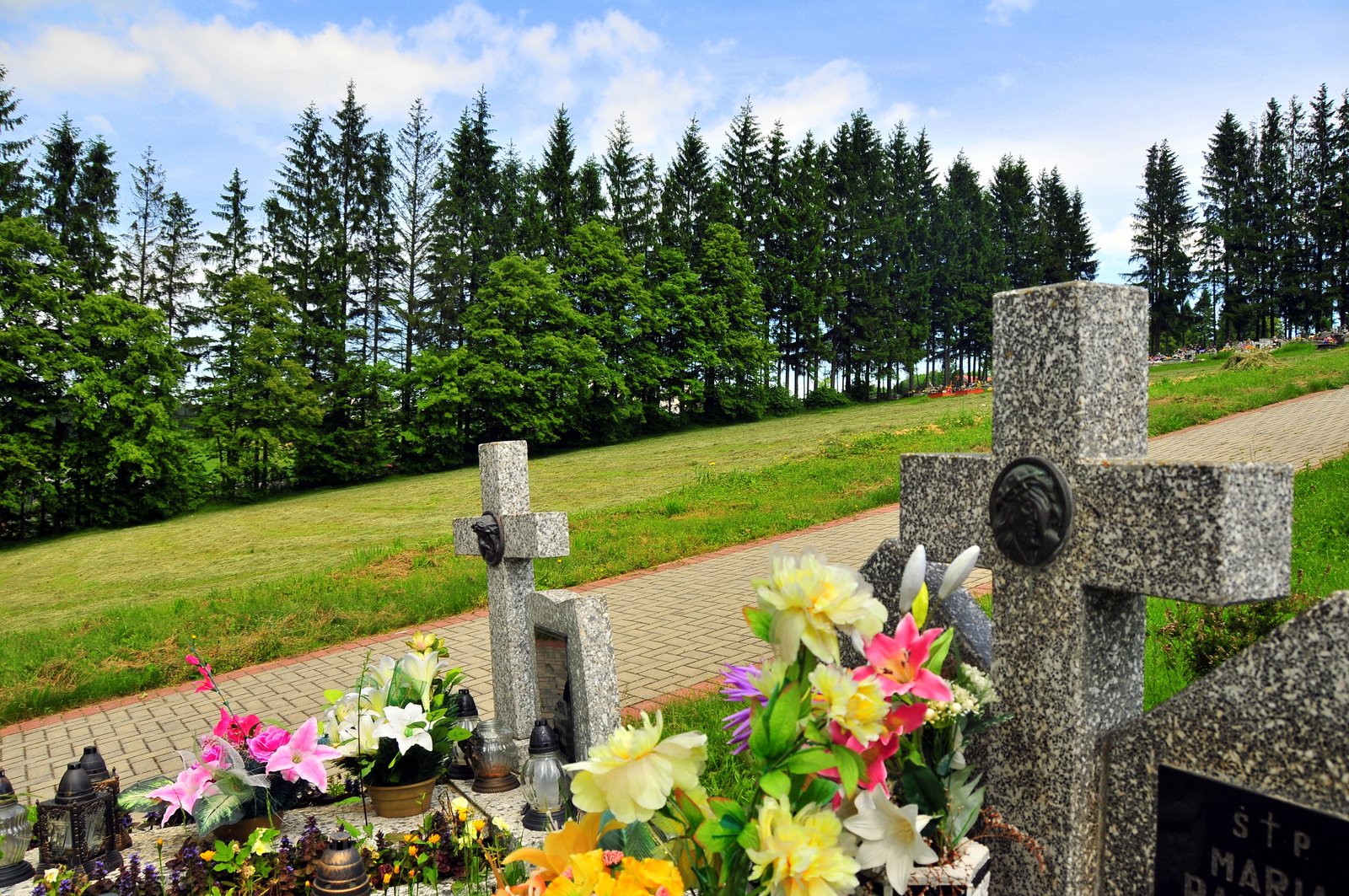
Everywhere we’ve gone in Poland thus far, we’ve seen the changes that accompany becoming a richer country. Instead of Polski Fiats and Trabants, there are more Volkswagens, a few Fords, significant numbers of BMW’s and even the random Porche or Maserati.
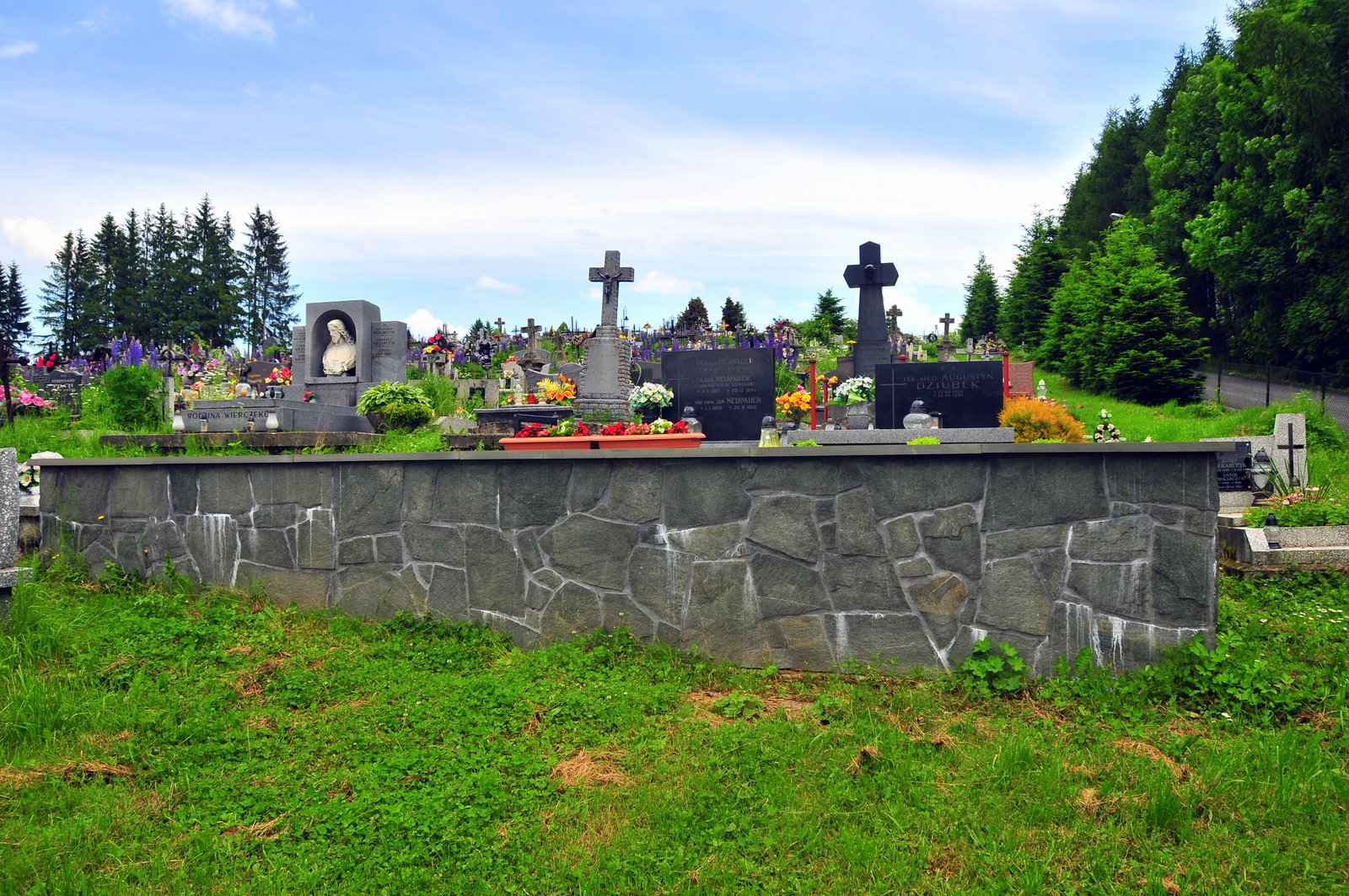
Cemeteries are no exceptions: they show the signs of increased affluence, including some family graves that would have cost likely tens of tens of thousands of zloty.
Yet Babcia has other concerns. Markers require work, upkeep, dedication. She doesn’t want to burden others with such responsibilities.
“After all, what is that? A pile of stone.”
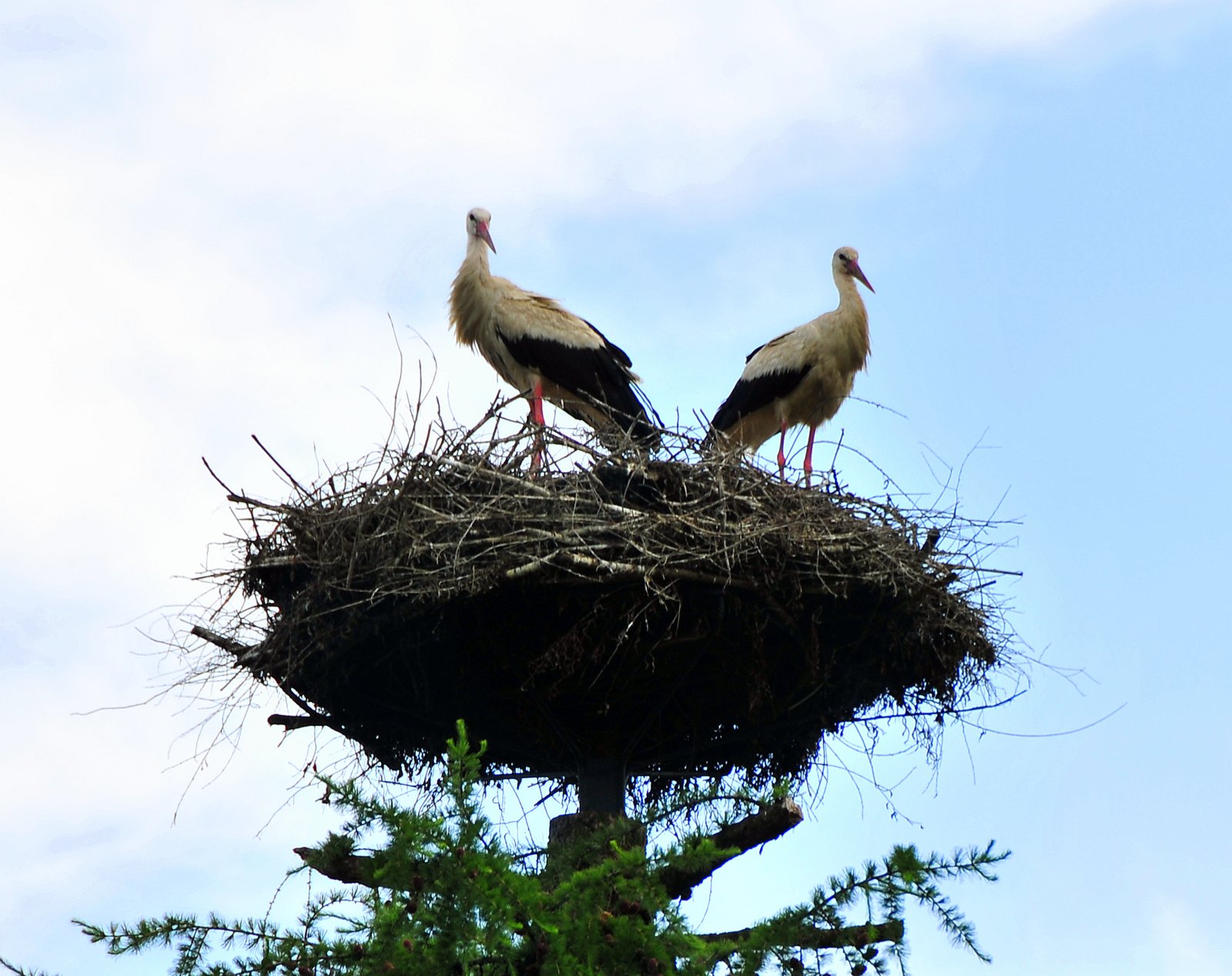
Afterward, we head to a local shop for ice cream, then wander over to the kindergarten where L will be spending her mornings these first two weeks. She’s a bit nervous about it, perhaps because she still doesn’t feel confident with her Polish.
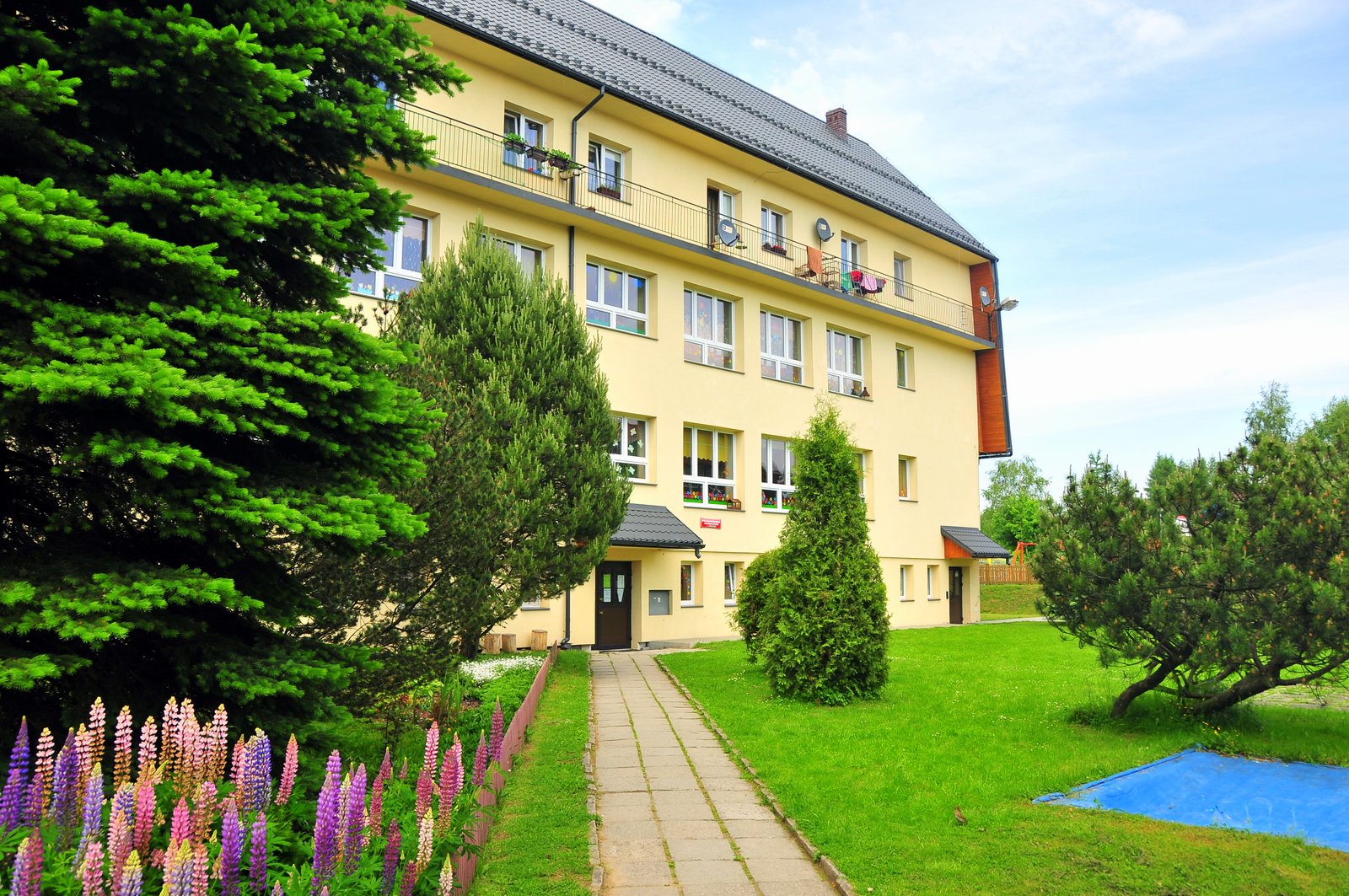
When we enter the foyer, though, I see that all her fears are for nothing.
“The principal of this preschool was a student of mine,” I explain to L. “She speaks English very well. In fact, she was an English teacher before she became principal here.”
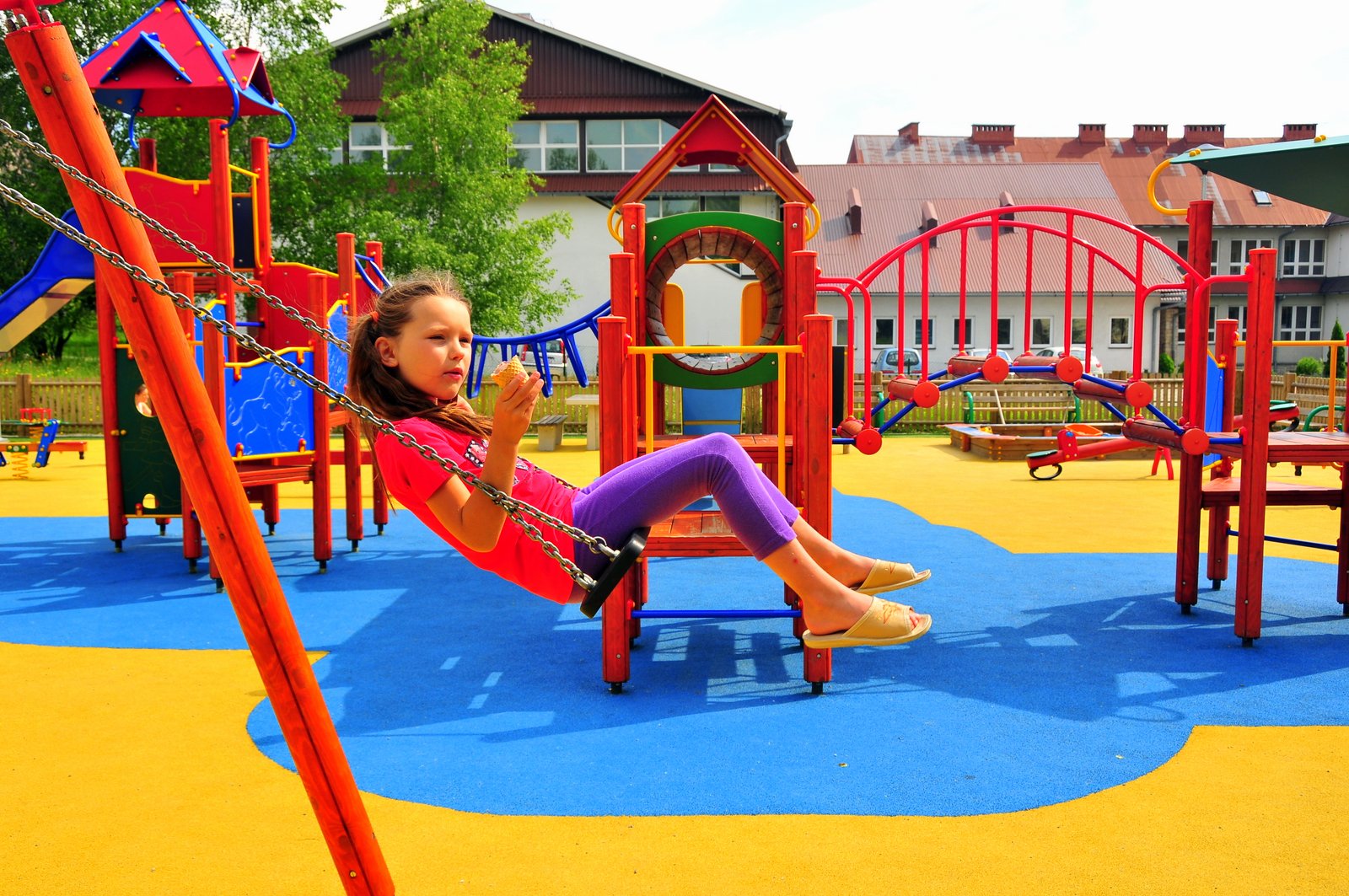
Fears partially assuaged, we spend a bit of time on the playground.
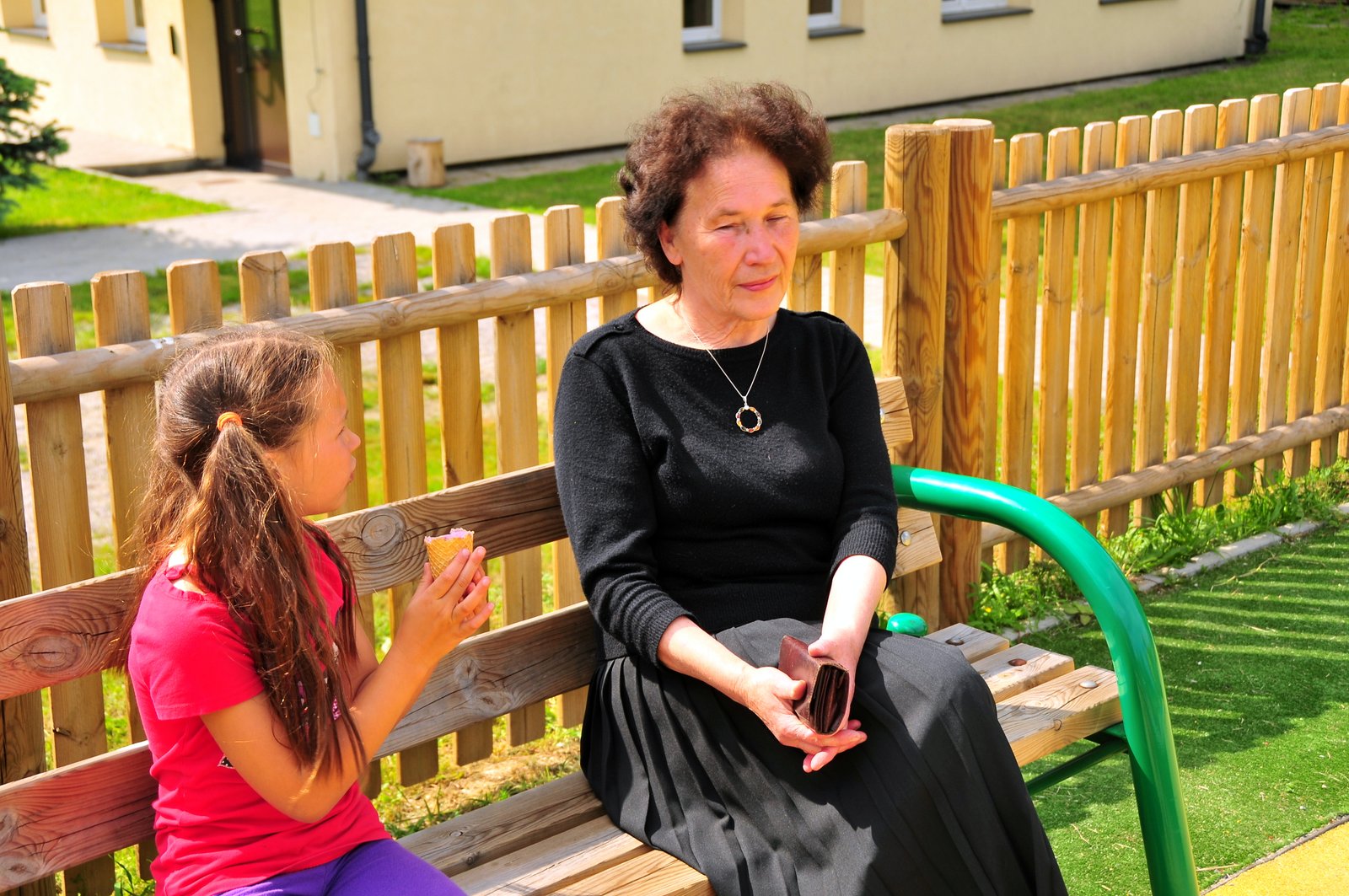
Arrival 2013
After two flights, a moderate layover, a couple of car rides — it all seems to have gone by in a flash when L showing her youngest cousin, D, the treasures she brought with her. Of course she kept calling her by her older sister’s name, but little D didn’t mind.
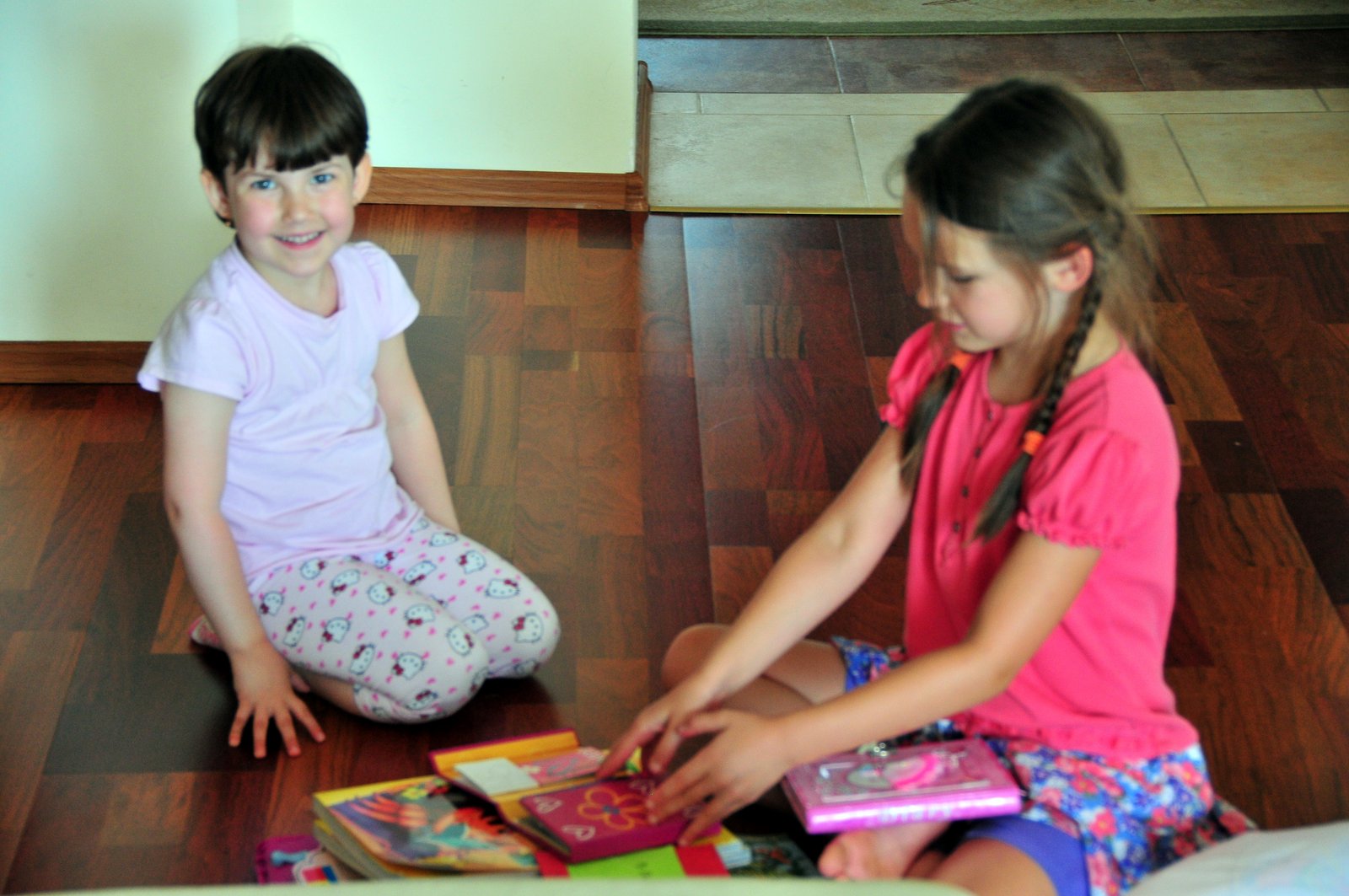
She had someone to swing with, to pick berries and snack on cherries with,
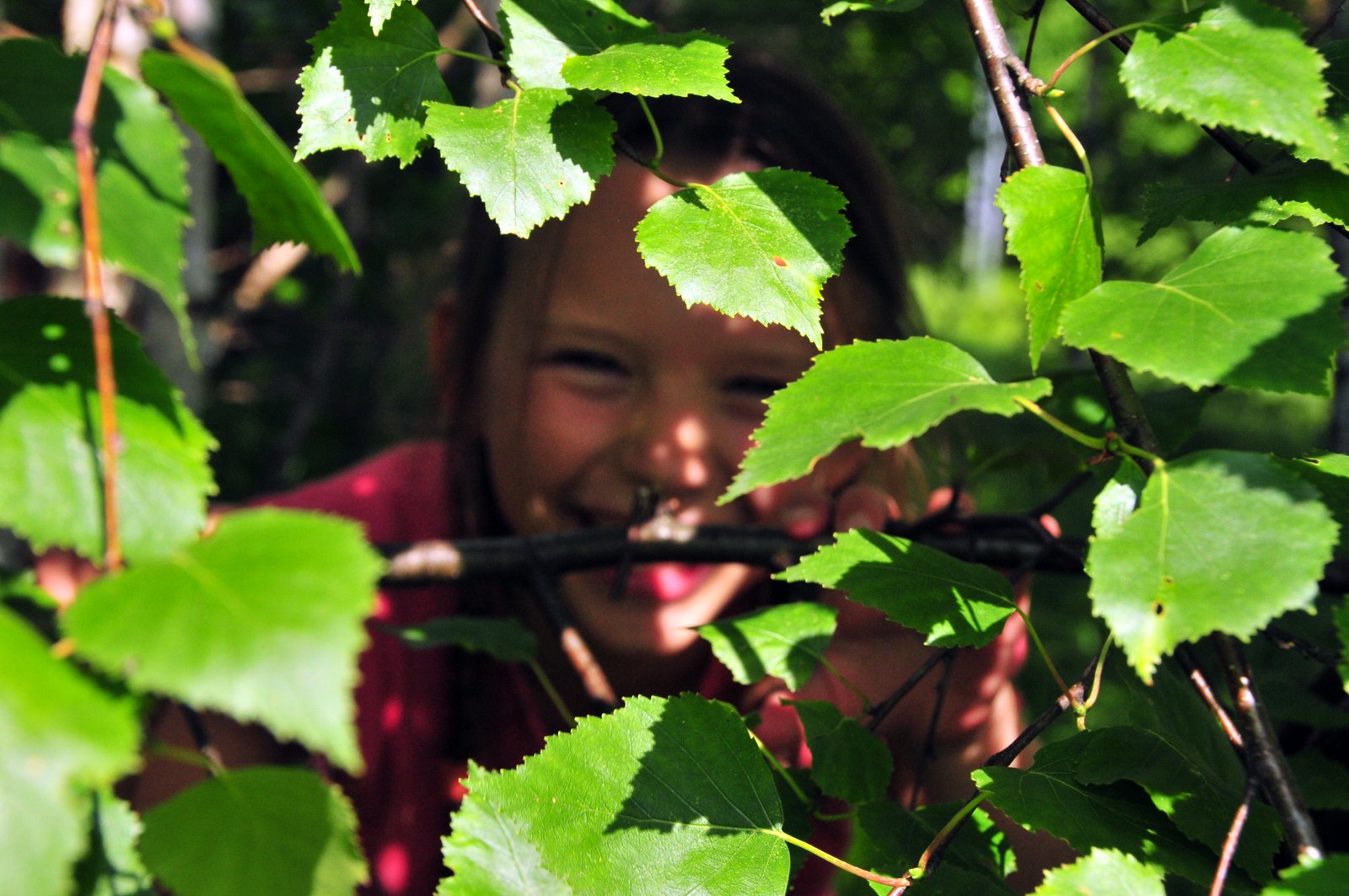
to play hide and seek with
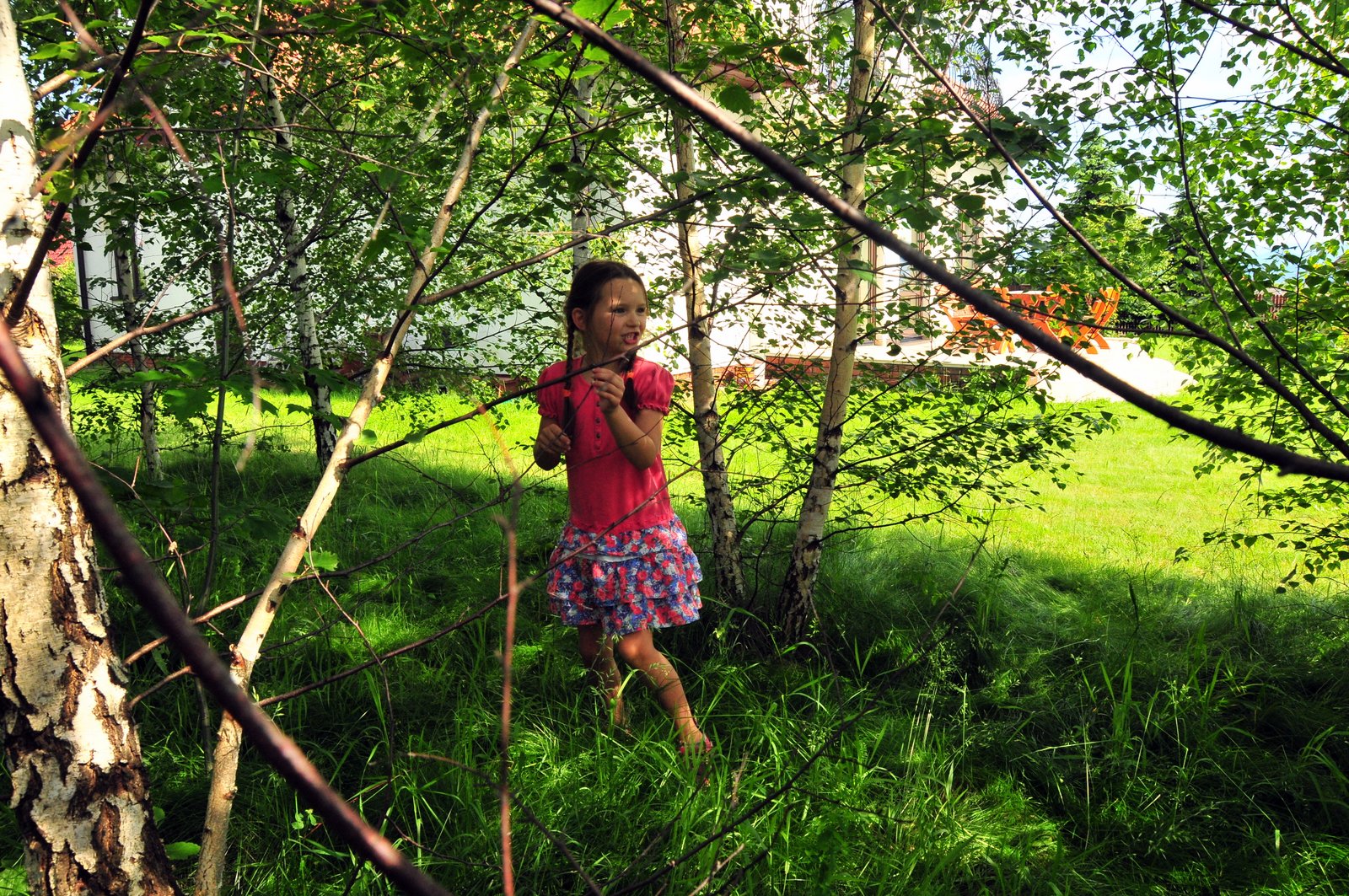
to hide obsessively in the same spot with.
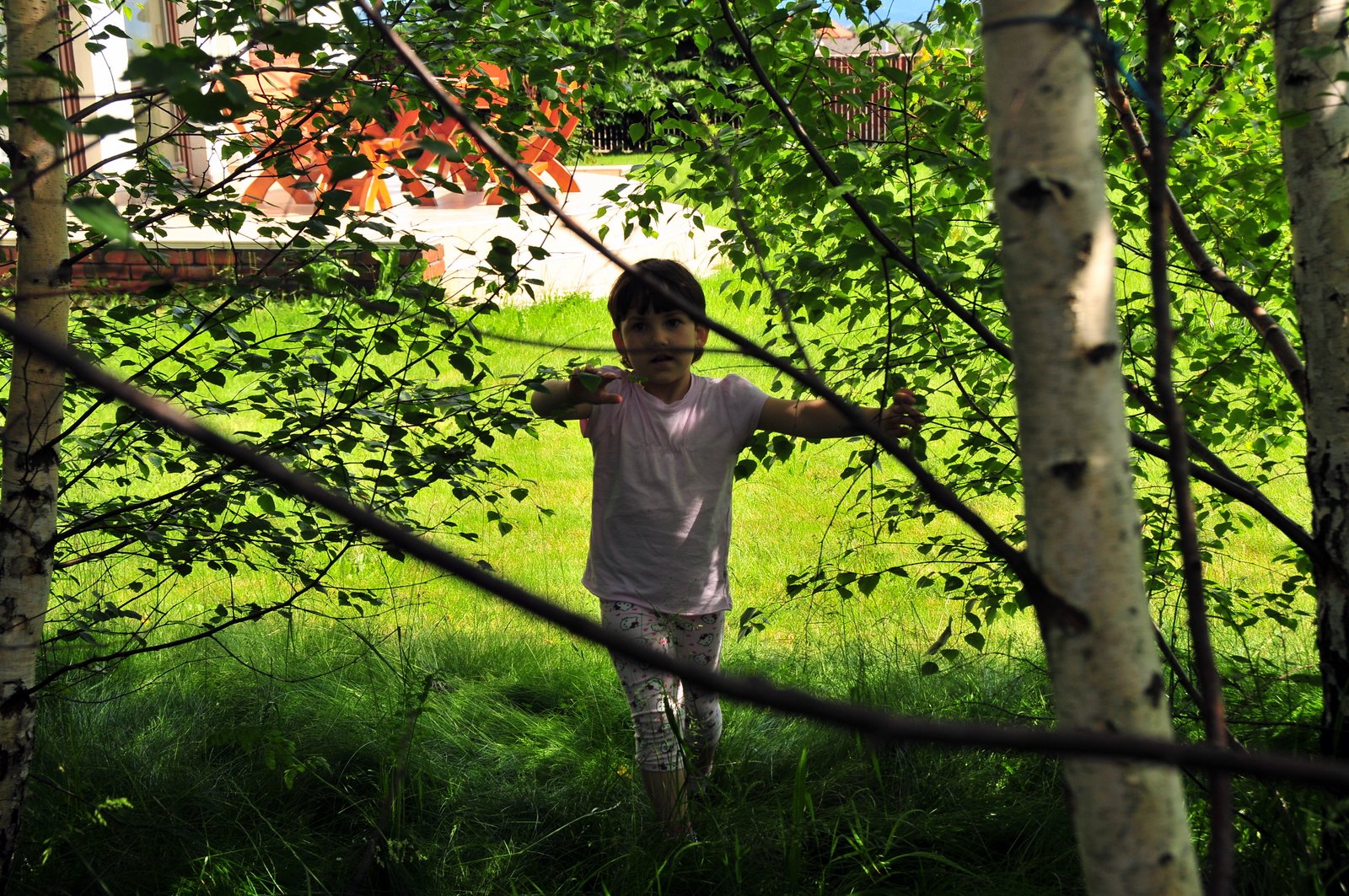
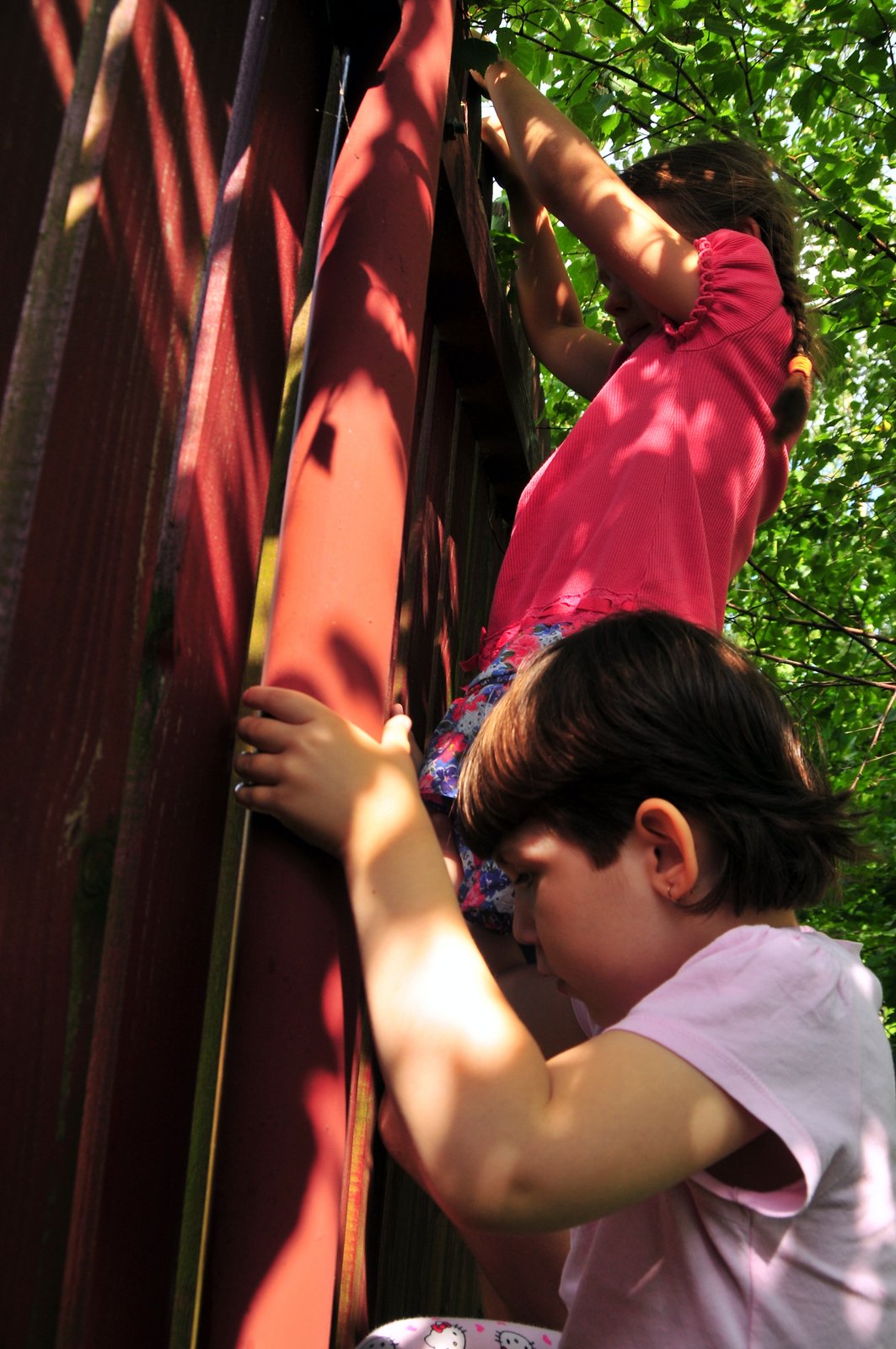
There was someone to climb the back fence with, or at least to try scaling with.
Each arrival has been somewhat different, and this time began with a visit to wojek D’s house. Met us at the airport, and after bit of time at his place, we took Dziadek’s car and headed south. So for the first time, we arrived with me at the wheel.
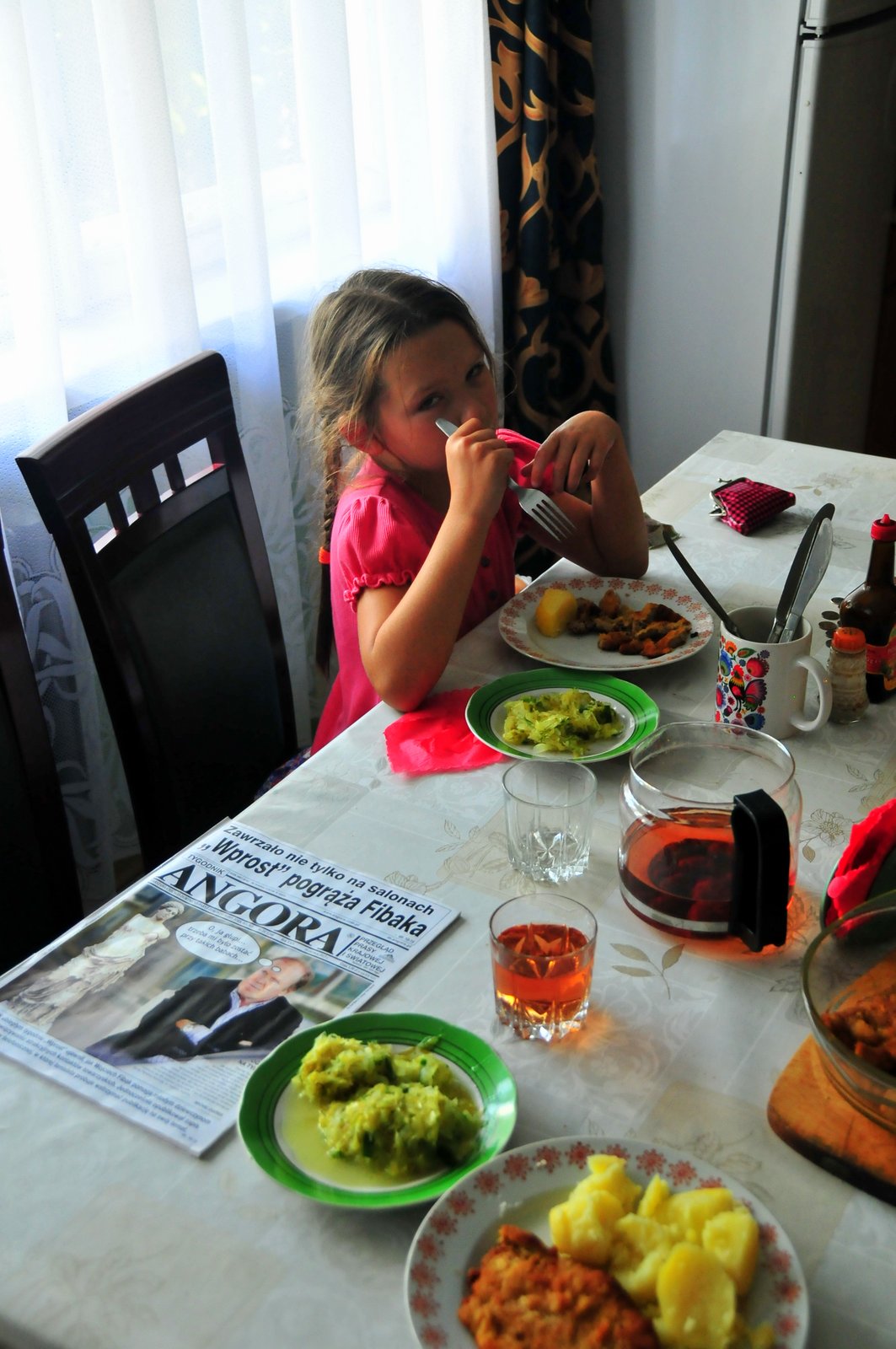
Babcia of course had treats and treasures for us: a big lunch, strawberry compote, and a dog who was so excited to see L that they both couldn’t contain the excitement.
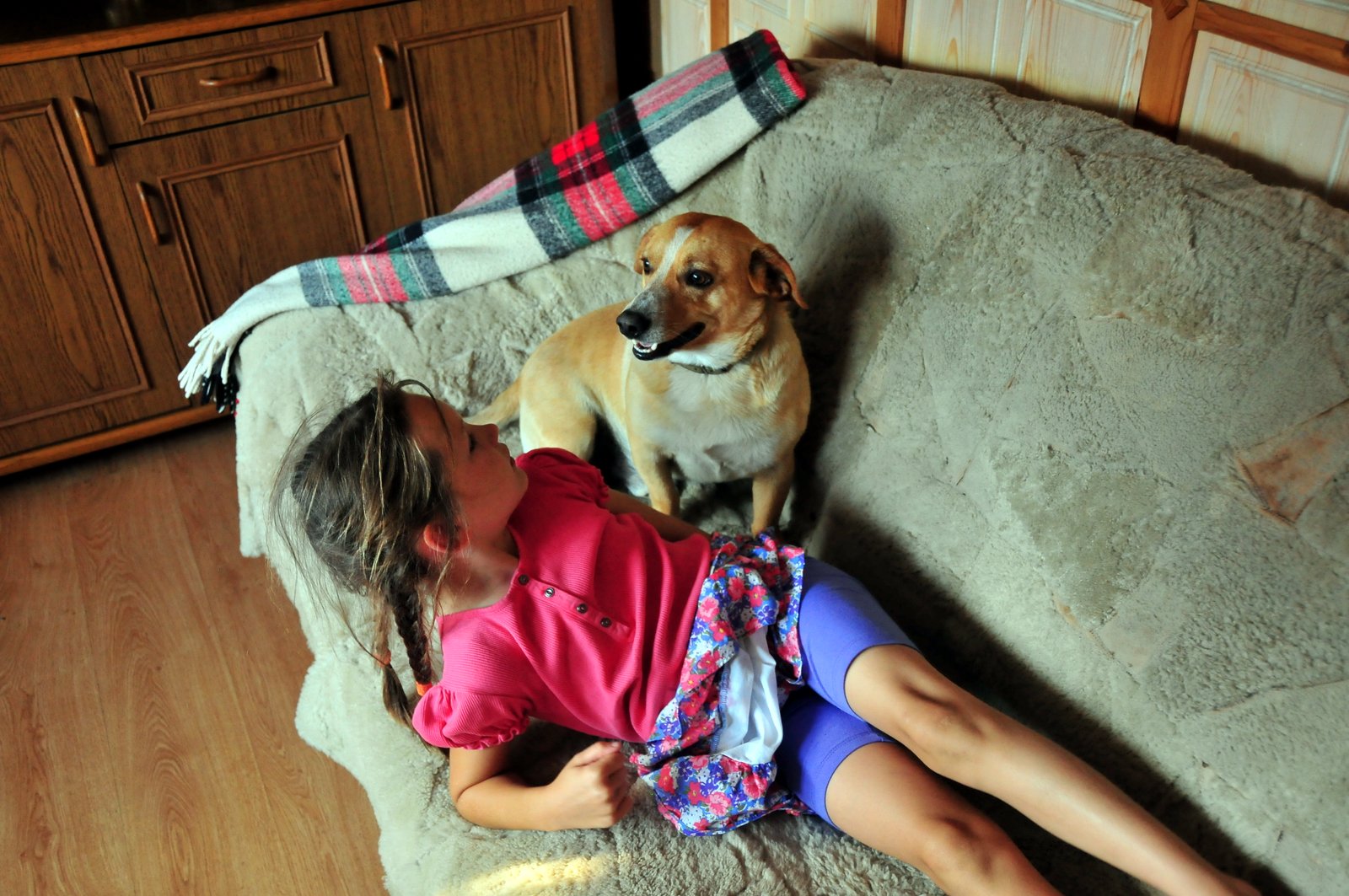
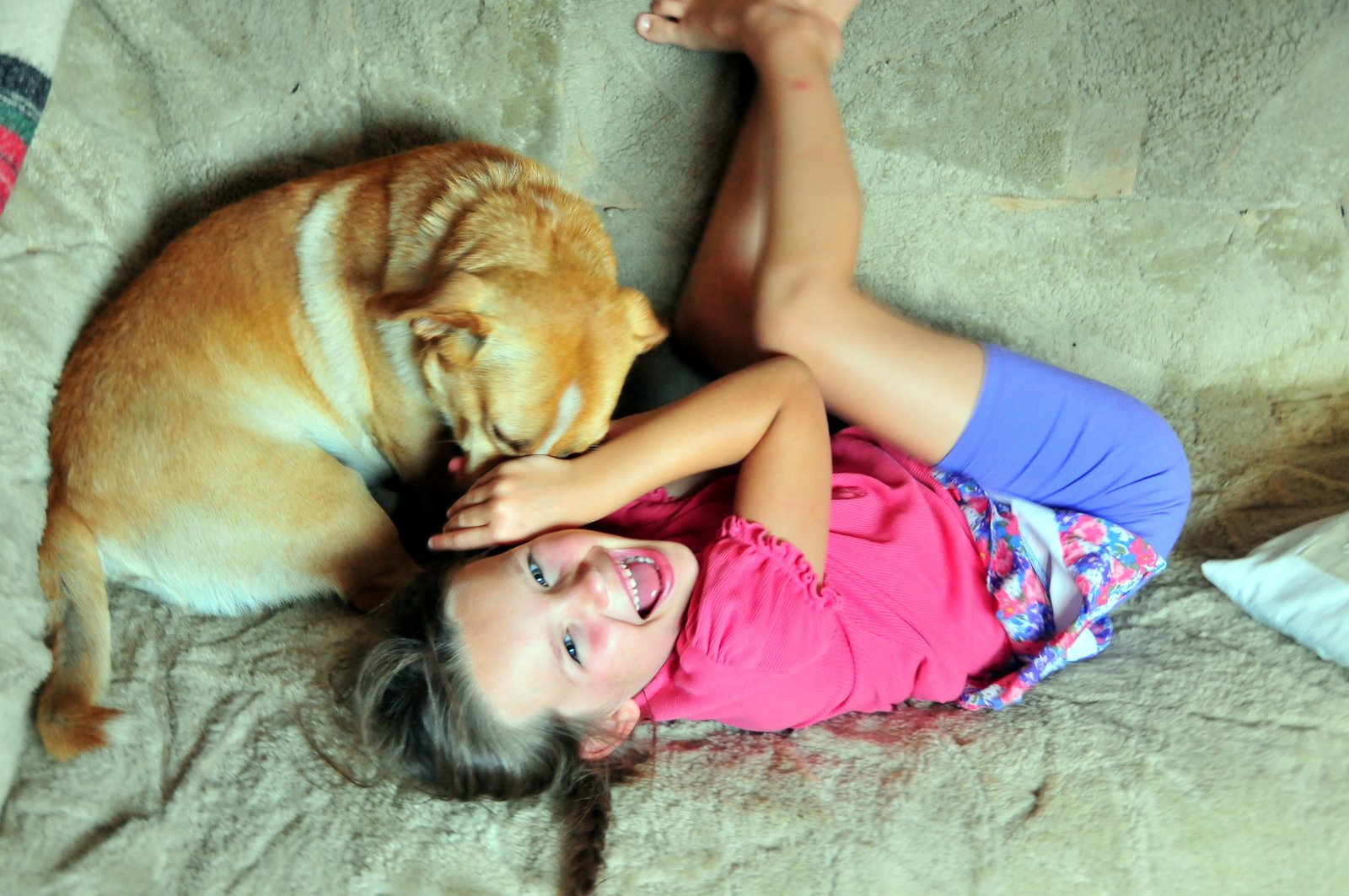
Yet after so long sitting — ten hours in the plane to Frankfurt including two hours on the runway in Charlotte, a two hour layover, an hour-and-a-half flight to Krakow, and a twenty-five minute drive to D’s house followed by another hour-and-a-half drive to babcia’s — there was only one thing to do: go for a walk.
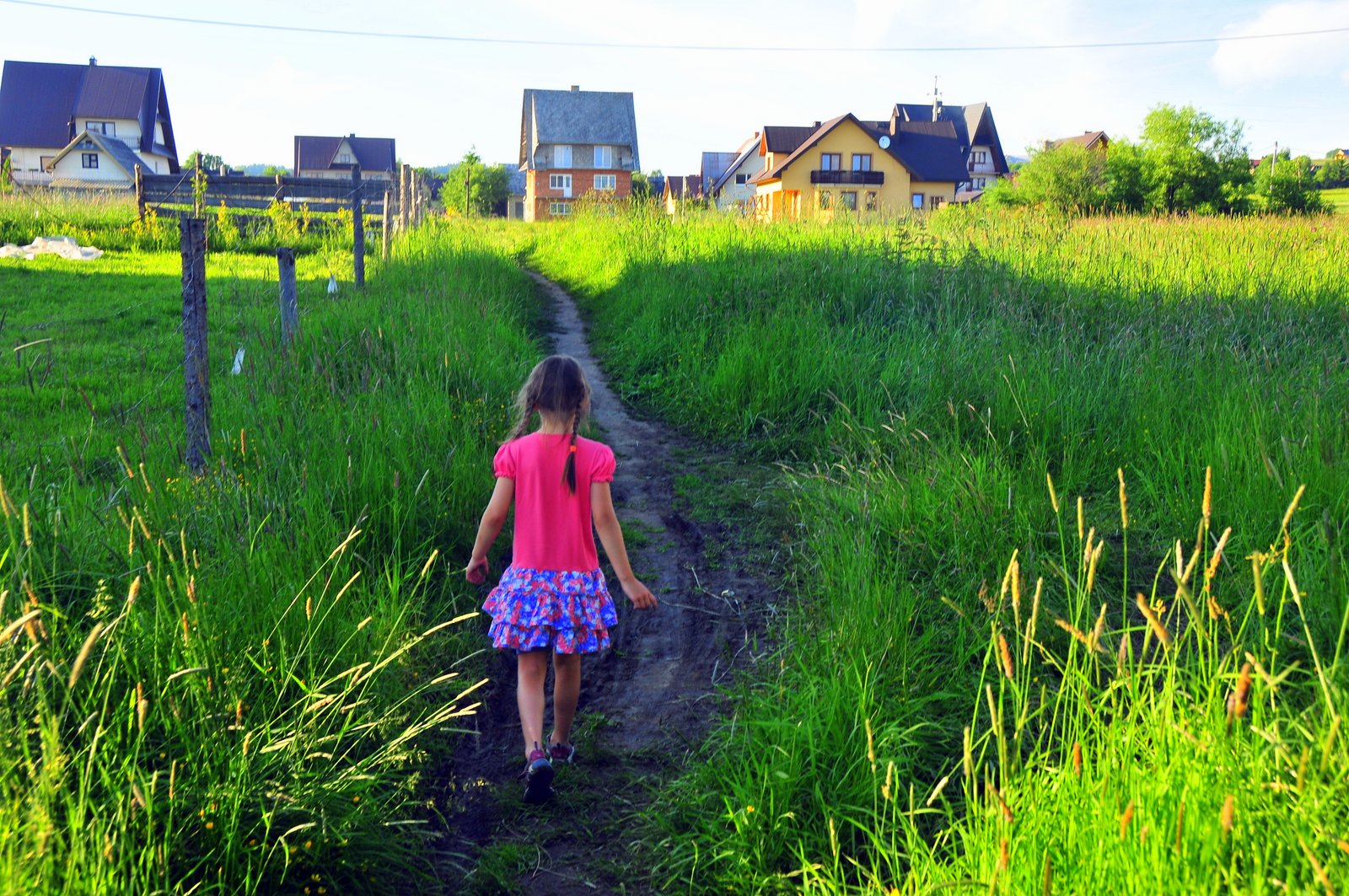
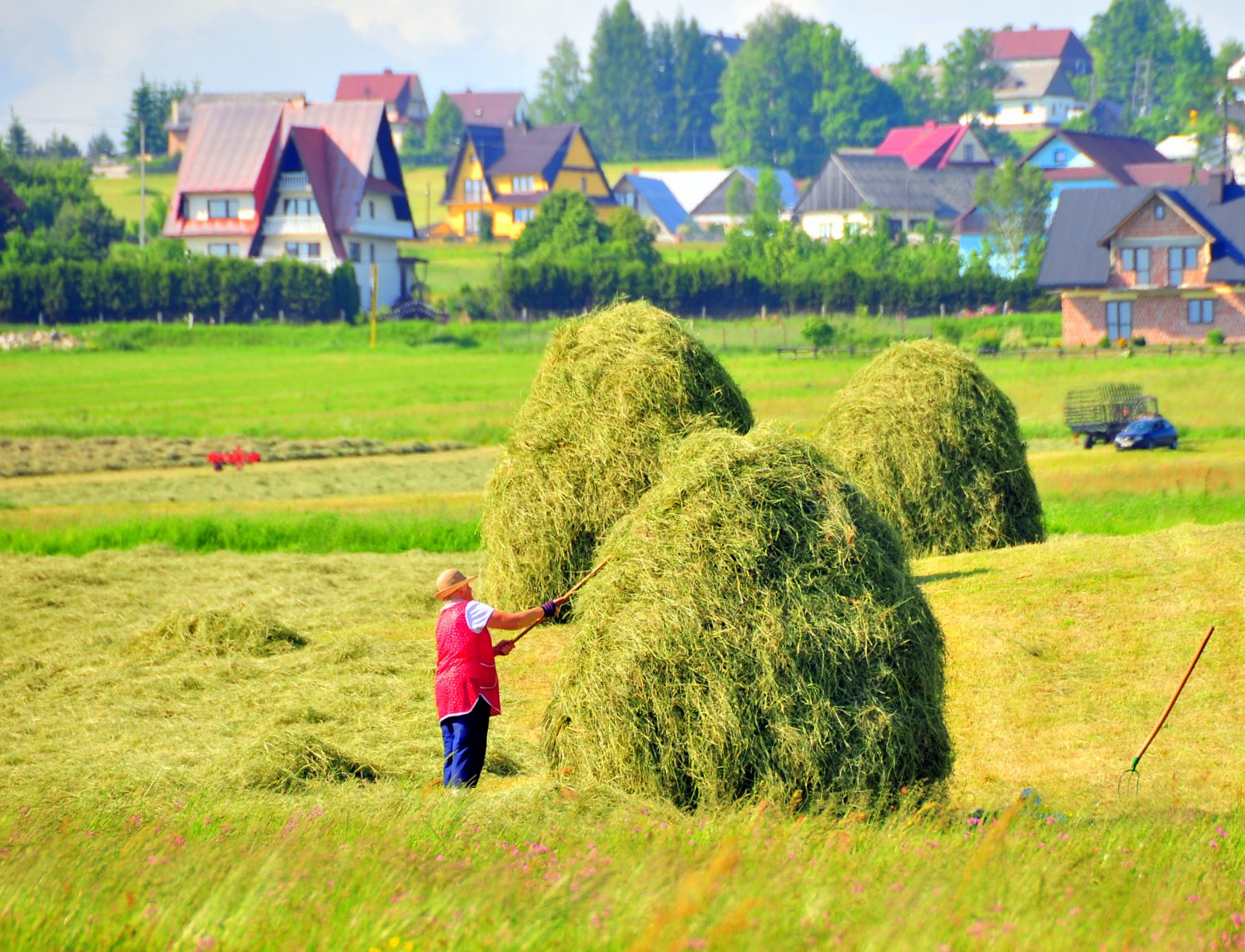
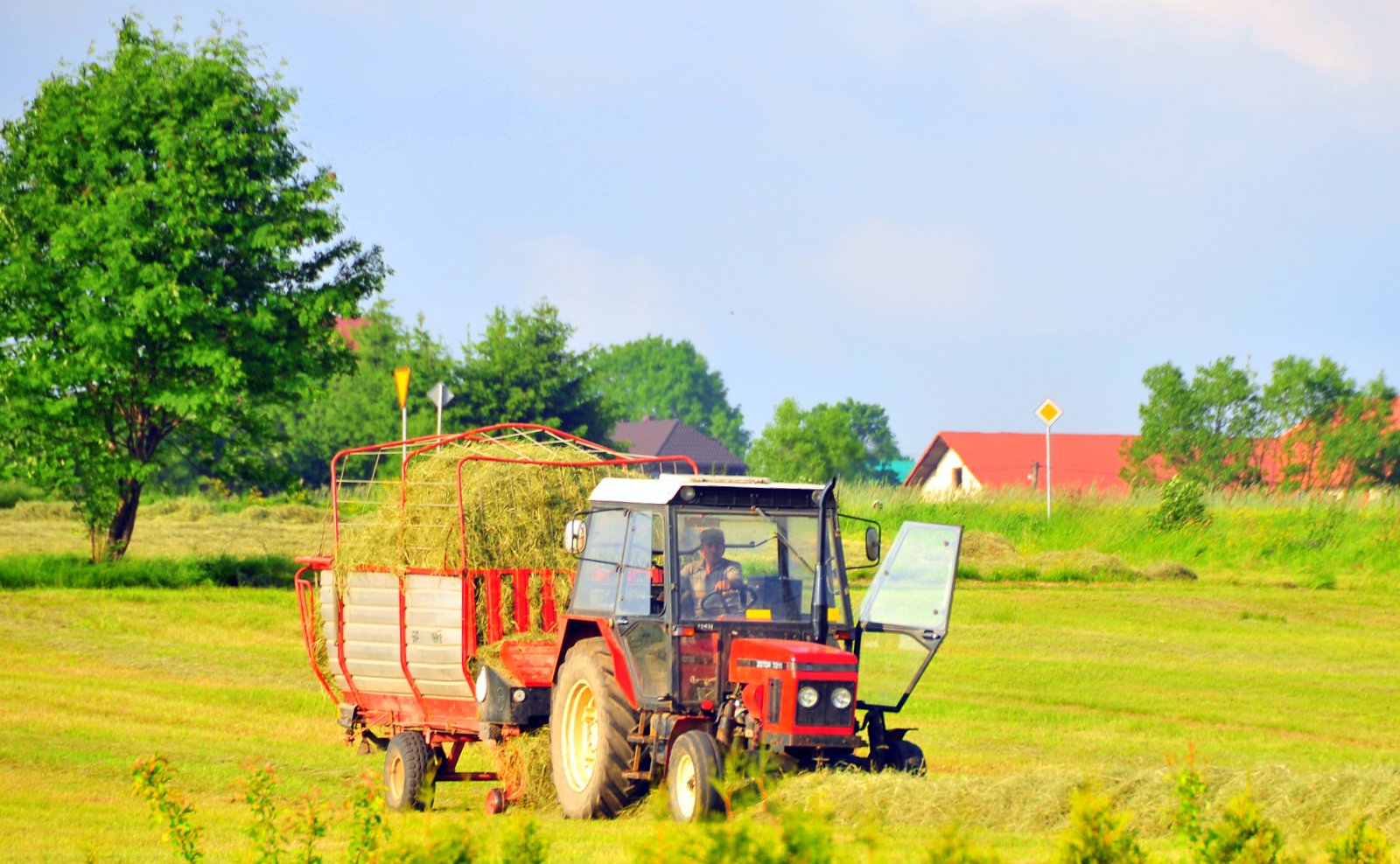
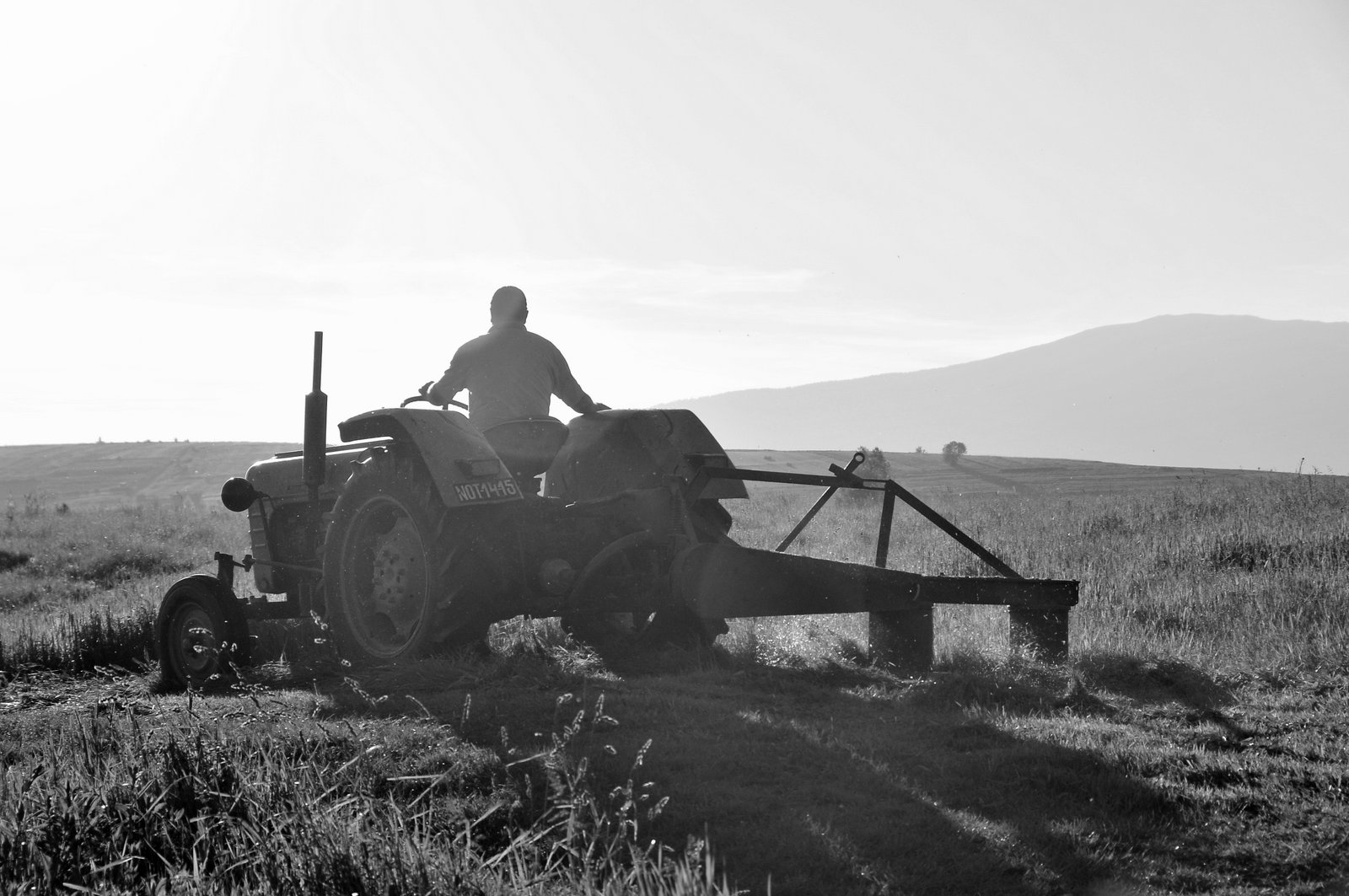
Everywhere there was someone working: kids who’d ridden their bikes out ot the fields to help with raking the hay.
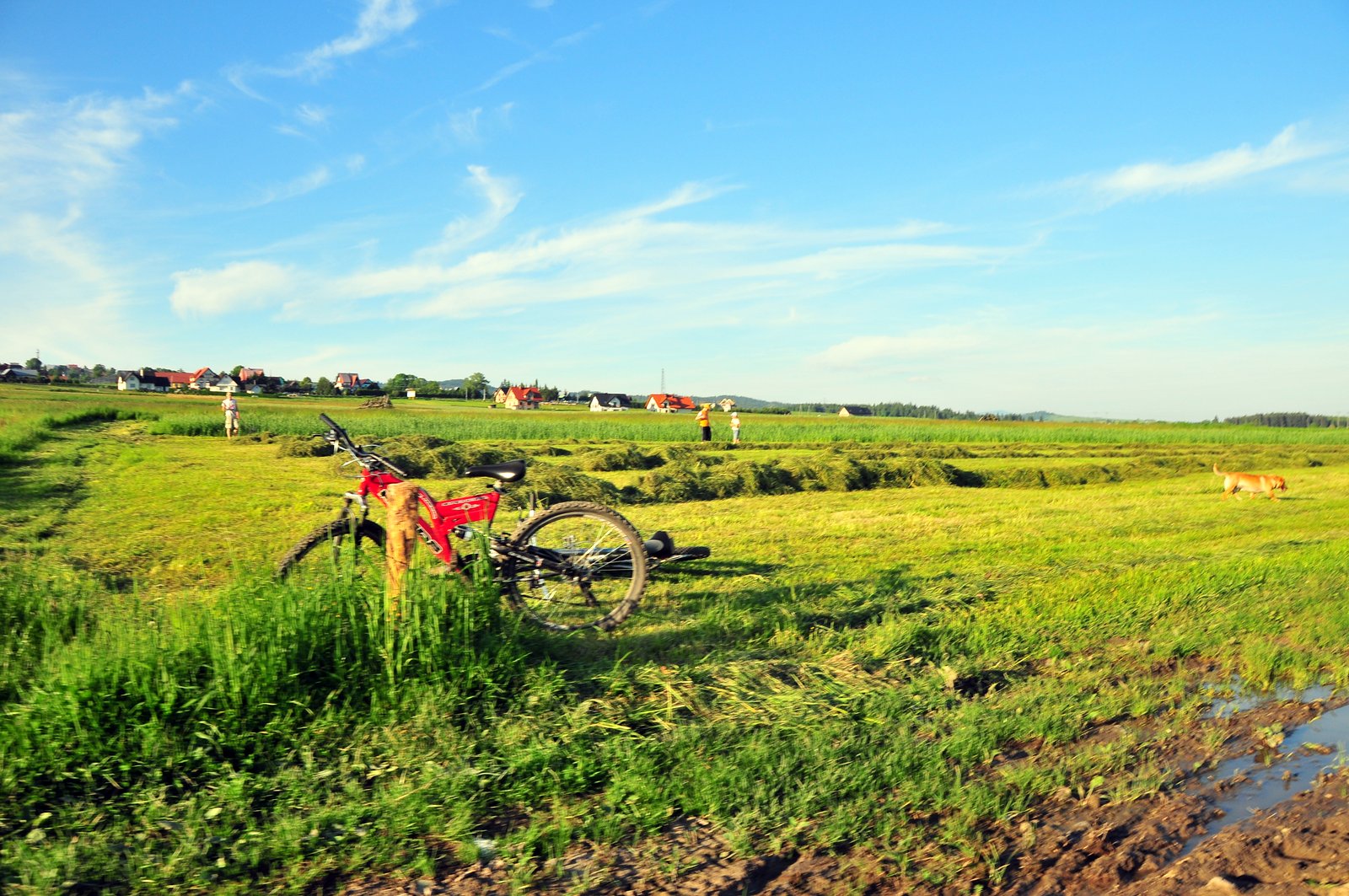
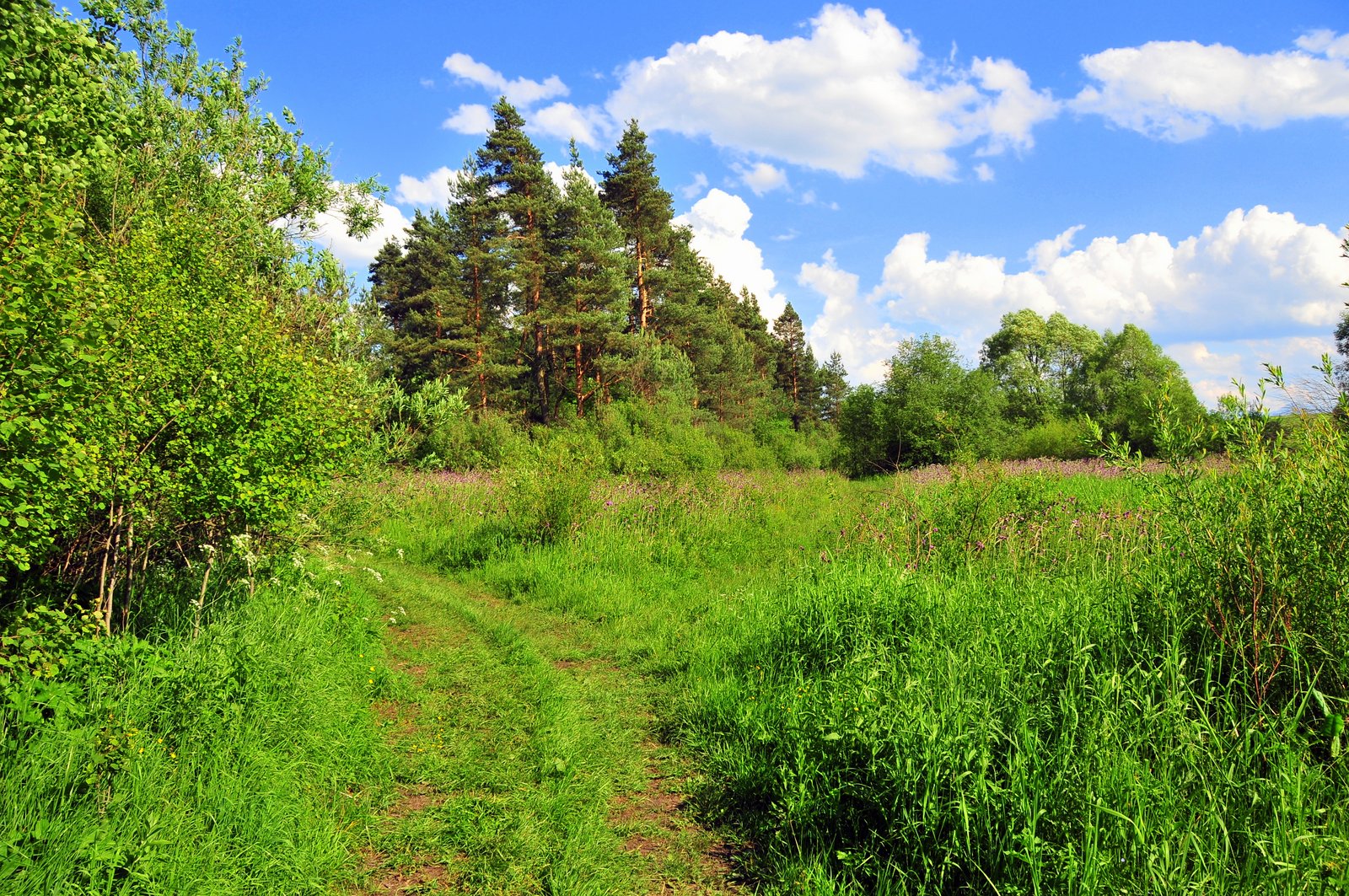
And there I was, camera in hand, tromping along the rutted road that generally leads people to the fields to work,
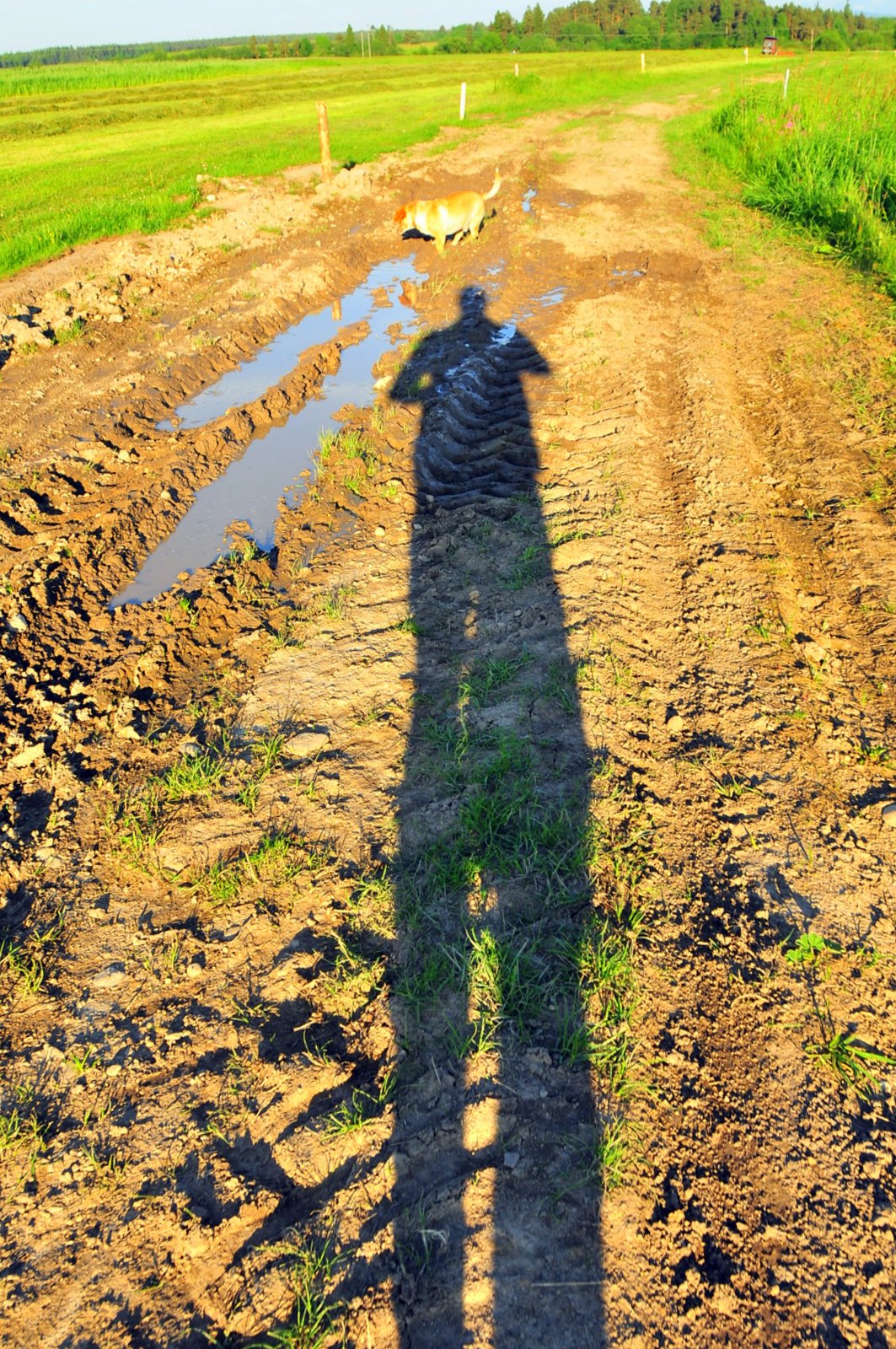
and I was just taking pictures of my shadow and worrying about taking pictures of strangers, wondering whether I should ask permission, wondering what that might look like,
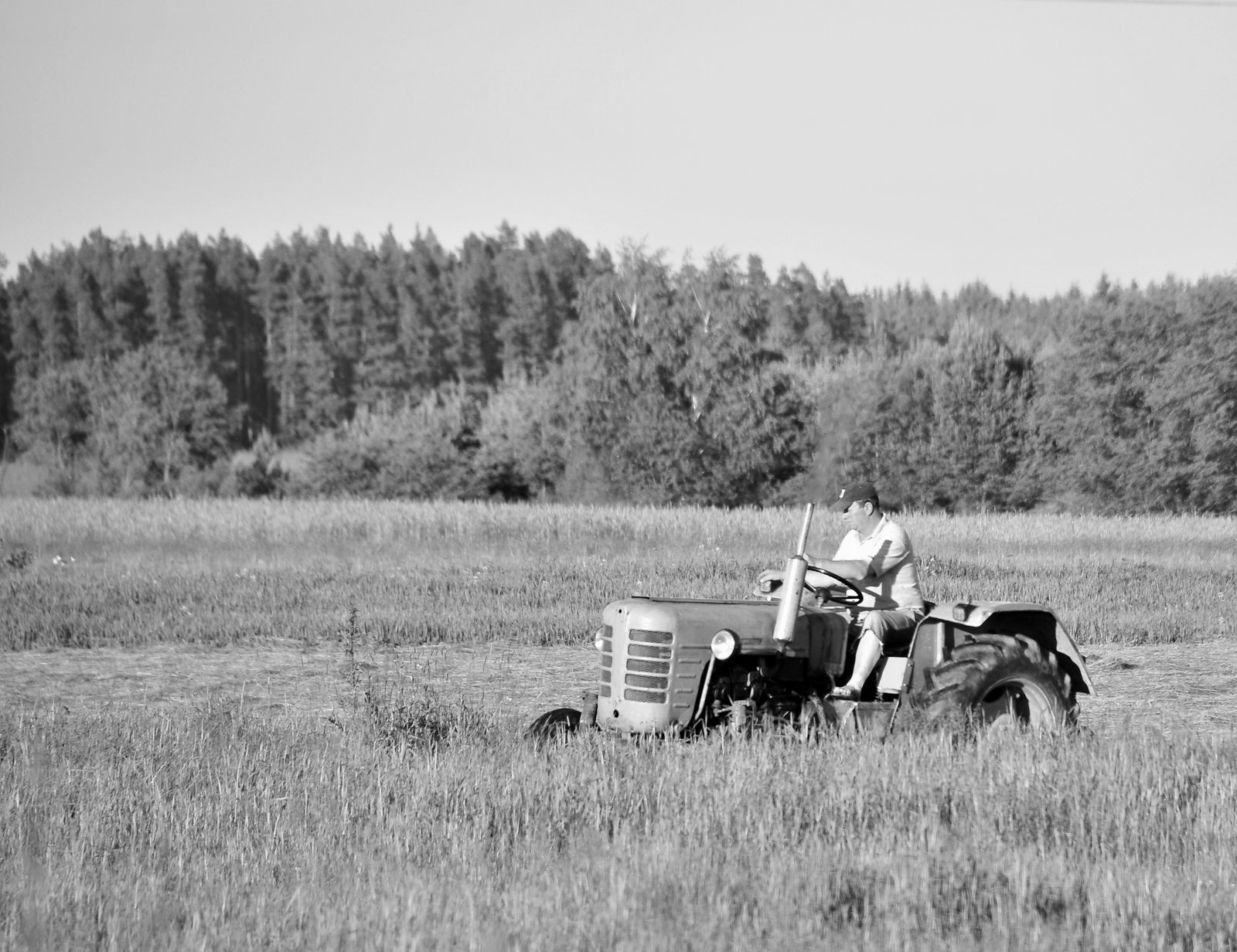
a grown man wandering around the fields he should be working in.
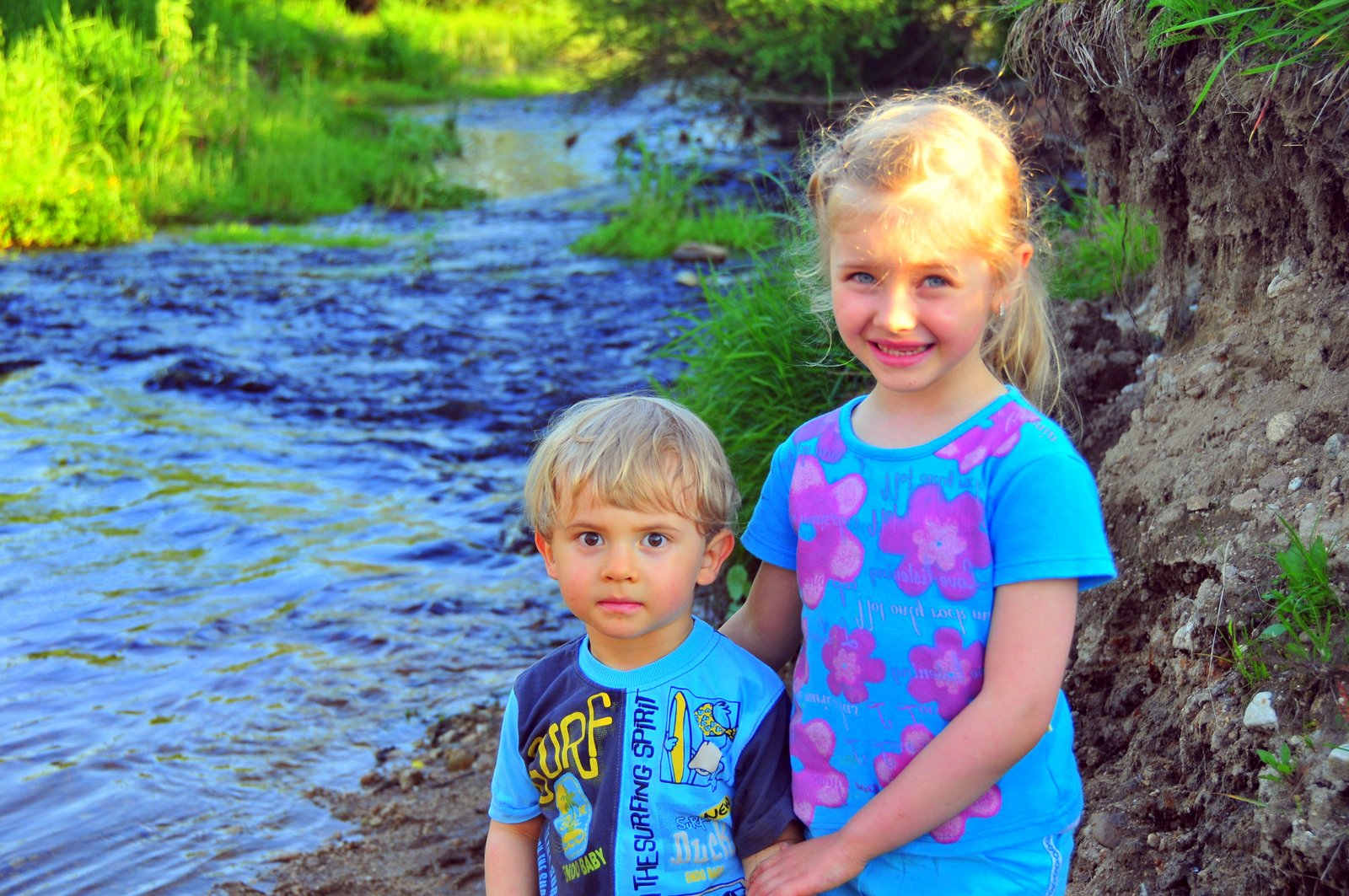
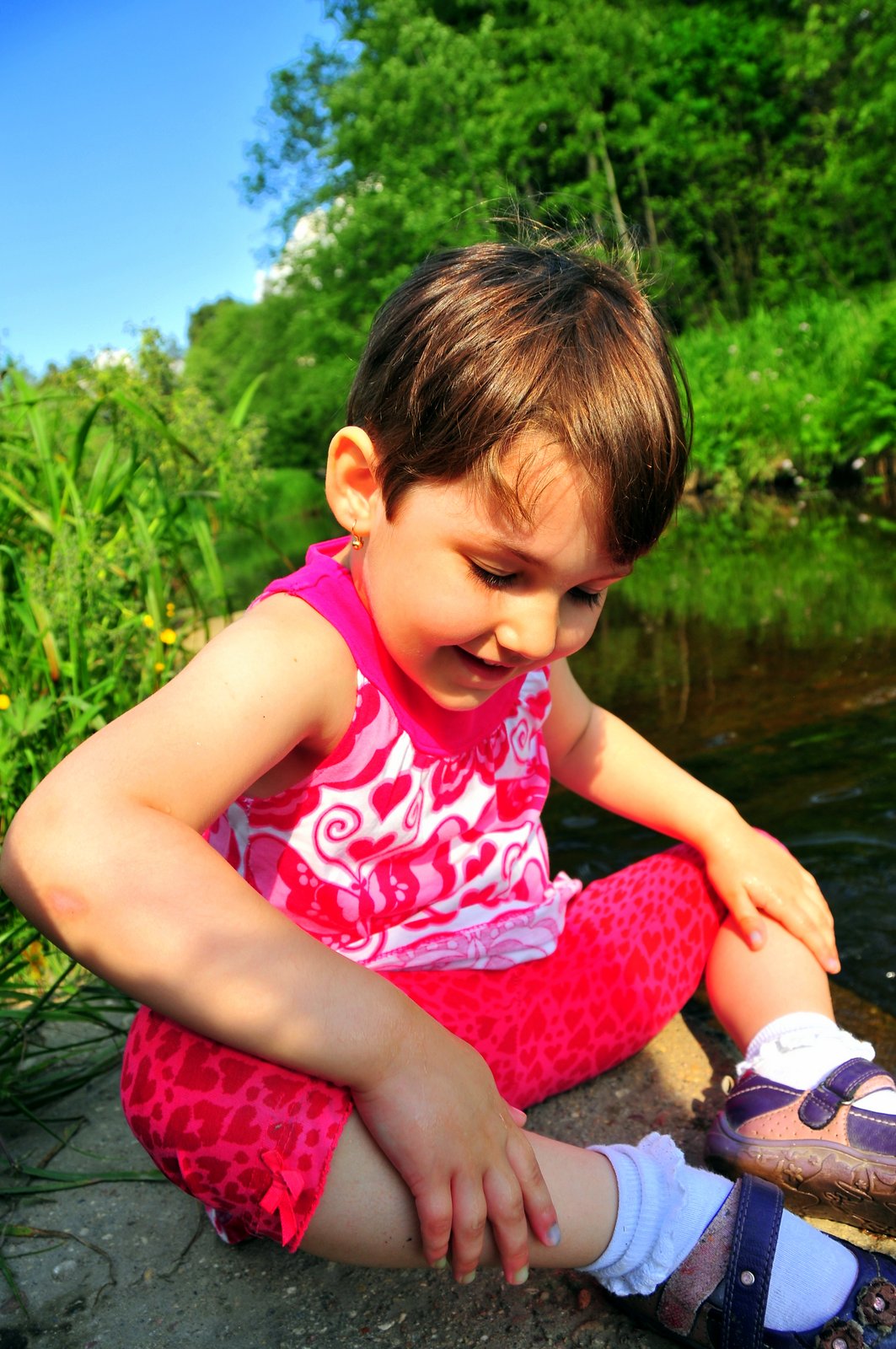
And at the end of the walk, the river, a babcia with her two grandchildren played at the water’s edge, with the boy begging over and over for a picture.
“Honey, I left my camera at home,” babcia answered.
“I’ve got a camera,” I offered, which led to a long conversation about the weather, about moving here and there, about vacation — a wandering conversation that seems like it could have only happened outside the States. But perhaps that’s just me projecting.
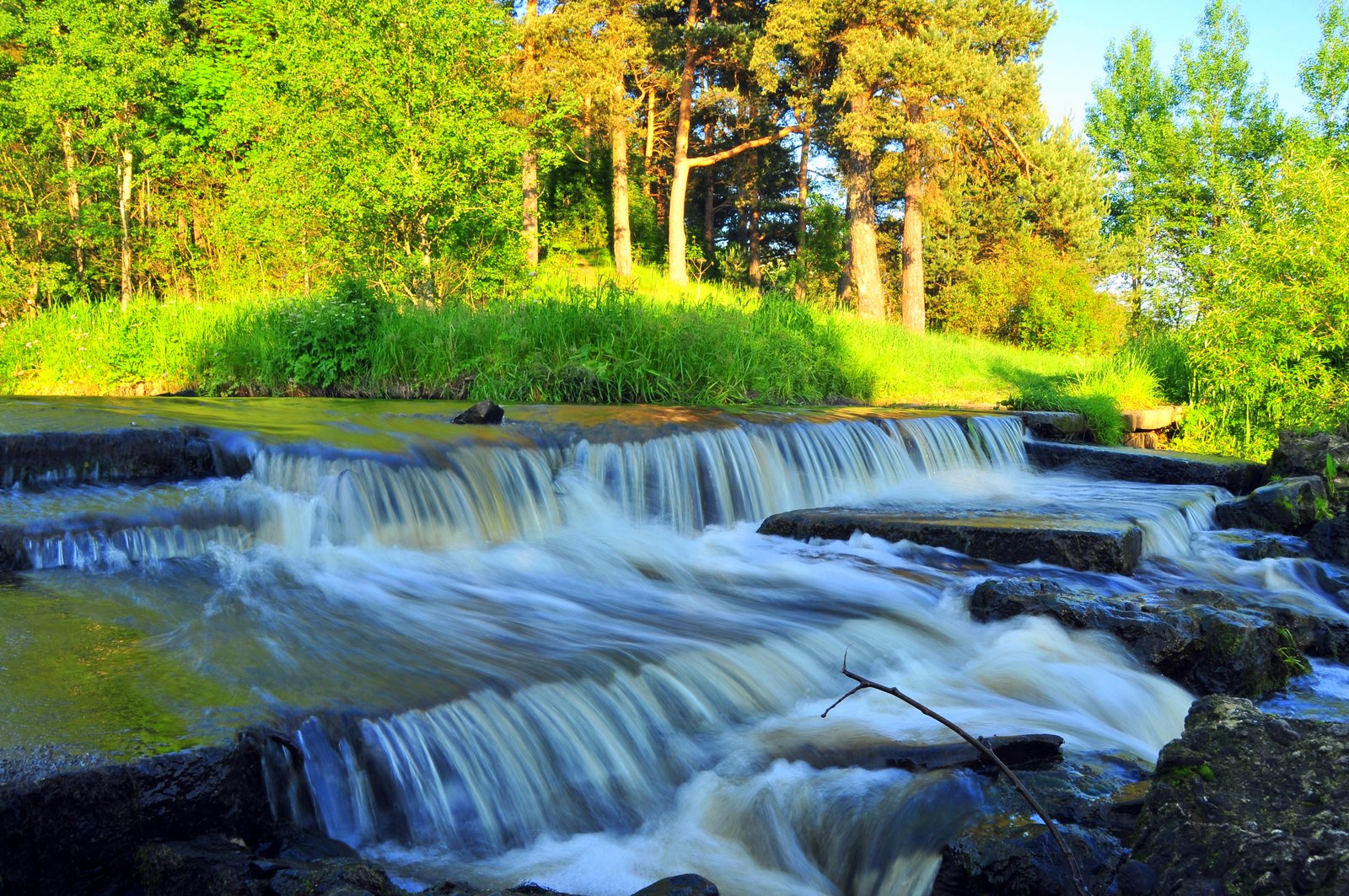
Once we’ve met our goal, though, we turned to return. Everyone else, though contiued working. As long as there’s sun to illuminate the task at hand, they continued working.
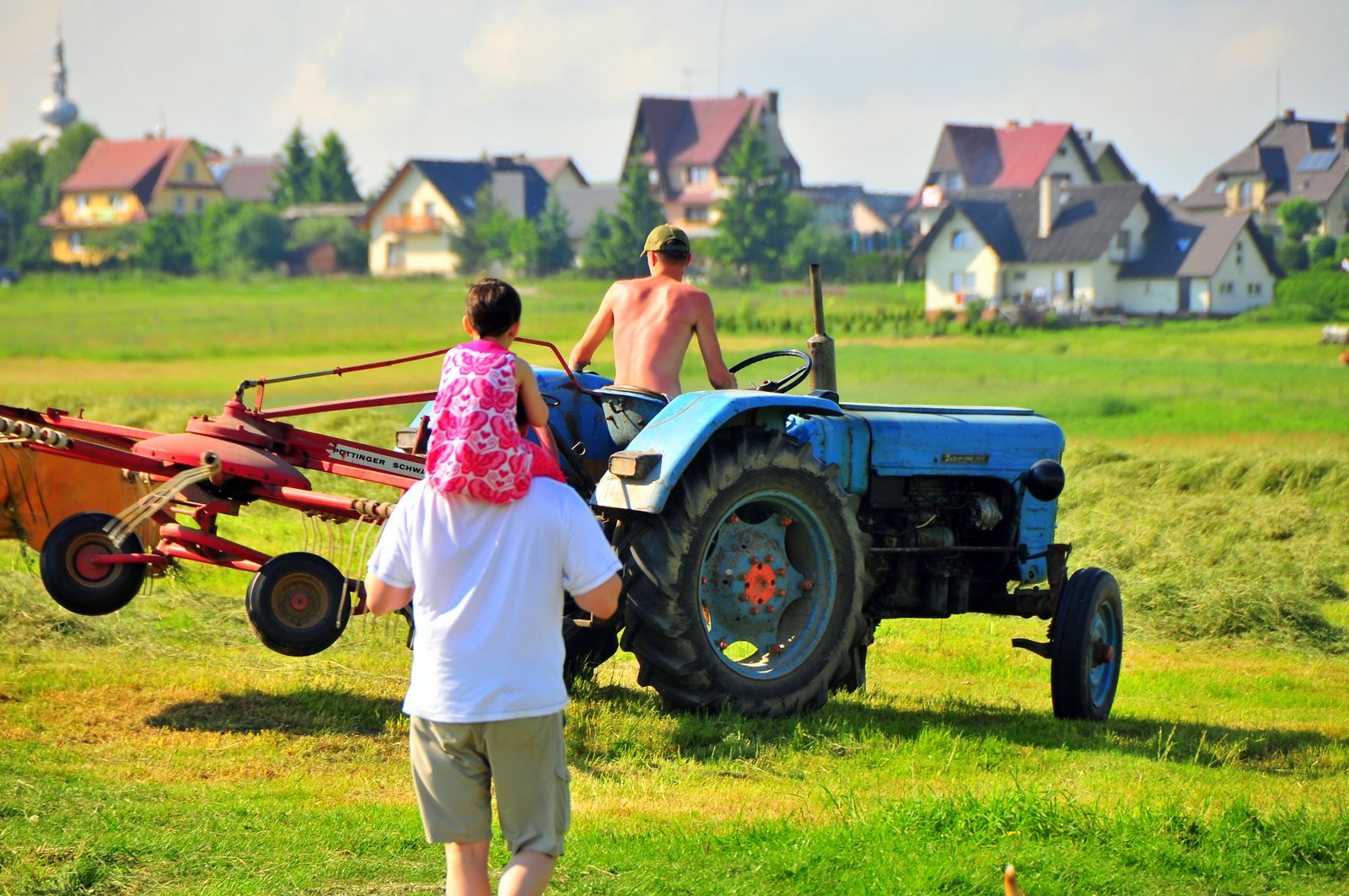
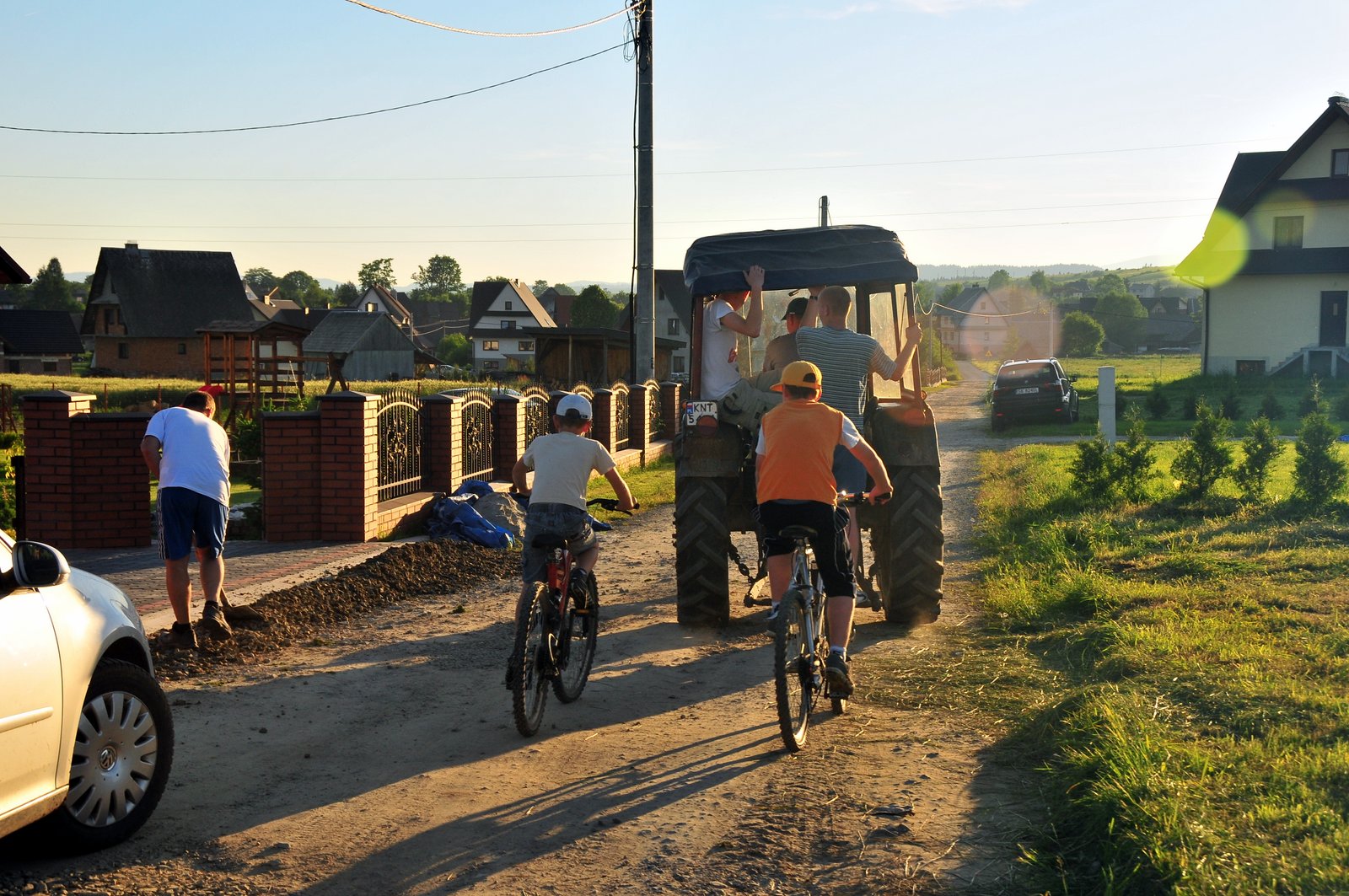
As I neared home, the tractor rattled up behind us, passangers hanging on the back, other helpers coasting along behind.
Perhaps though not in the same way, we might very well have been thinking, “A good day — a good day.”
Growing
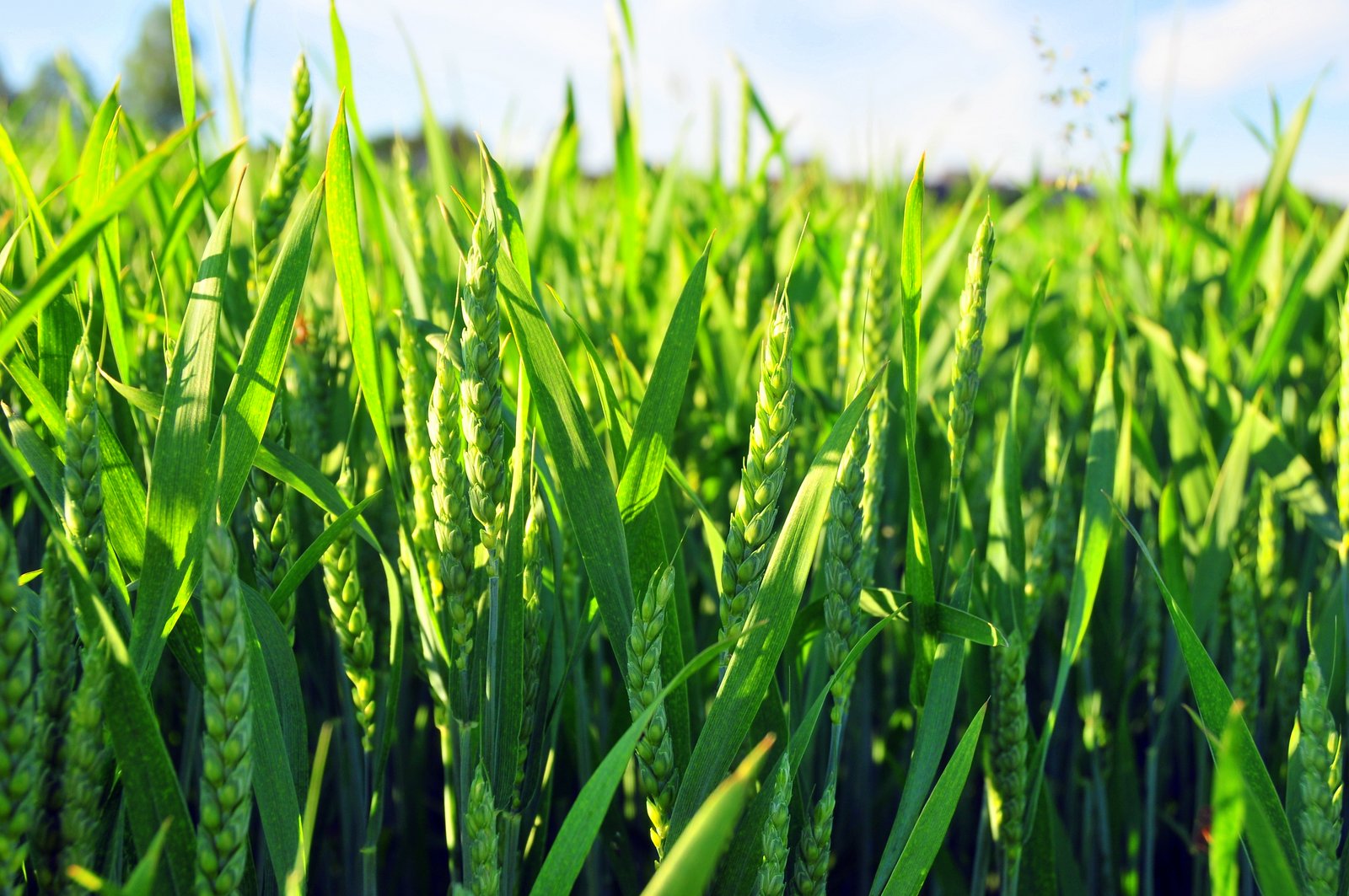
Arrival 2000
“So what’s new in Lipnica?” I asked as we bounced and bumped along the rough roads of southern Poland. It was June 2000, and I’d been gone from Poland for a year. A number of unexpected developments led me back much sooner than I expected, and I was in the car with two of the first guys I met in Lipnica, two guys I’d consider my best friends of my time in Poland, K and J.
What could have possibly changed in a year, I wondered. Lipnica is the end of the trail: it is on a road that literally led to the base of a mountain and nowhere else. No one passes through Lipnica; one can only go to Lipnica.
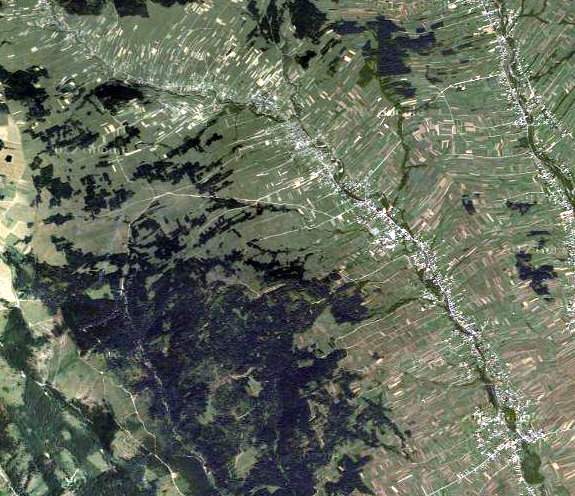
“So what’s new in Lipnica?” I’d only meant it metaphorically. What could be new in a village that sustains itself through a bit of logging and a lot of working abroad? One could pass by house after shuttered house in the village, its occupants in Germany, Austria, or even America, working to earn money to finish the house, to improve the house, perhaps even to forget about the house. Lipnica is not a village on the rise, I thought.
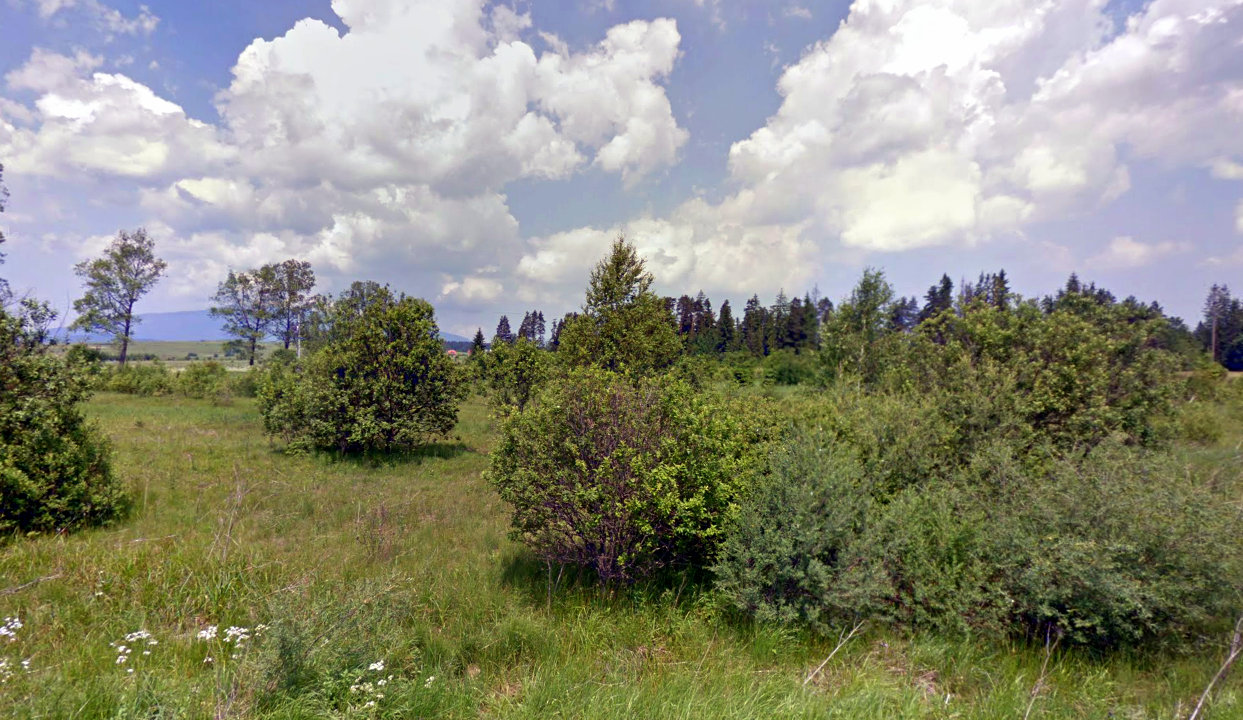
All images via Google Street View in anticipation.
“So what’s new in Lipnica?” Perhaps I was asking about gossip, for everything I saw out the car window as we neared the village looked essentially the same. Fields and forests, forests and fields. Probably the same view for generations.
“So what’s new in Lipnica?” I asked as we came out of the last forested area before the village.
“You’re about to see,” came the reply.
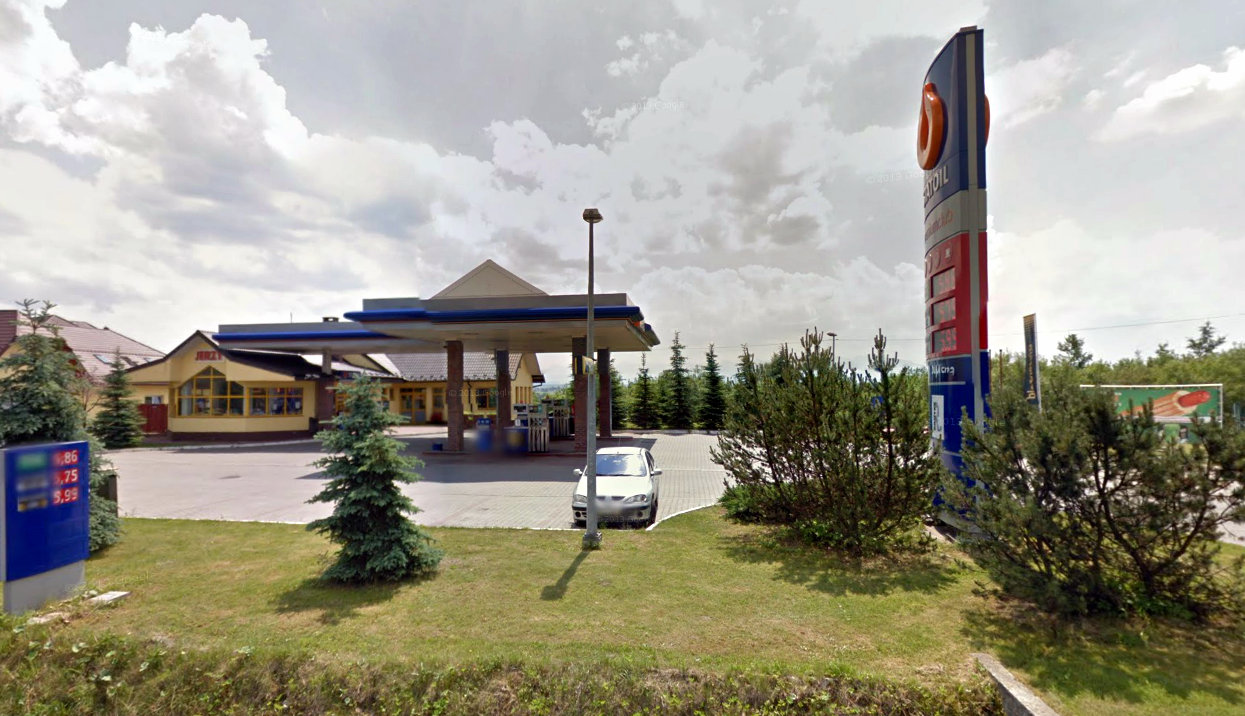
I probably cursed at the surprise of seeing a gas station in the pristine fields leading to the village of my dreams and often frustrating reality for three years. A travesty; a sacrilege; a profanation.
I’m told the changes in Jabłonka are even more shocking. “You won’t recognize it,” I’m told. “You won’t believe it,” I hear.
And Lipnica?
Charlotte to Frankfurt
The post I thought about writing: how was this a disaster? Let me count the ways. It began with the simple fact that the owners and operators of Charlotte airport thought it would be a good idea to renovate the parking, but this meant demolishing completely the existing parking facilities, putting everyone in long-term parking, and busing them to and from the facility itself. This means long lines to get to the terminals, long lines to get to the parking, long lines to get from the parking to the buses–long lines everywhere. The next disaster took a while to strike. We checked in without problems; we got through security with no issues whatsoever; we found our gate quickly.
And then the problems started again.
There appeared to be a line, so we stood in it. Only to find it wasn’t the line to check in. Check in? Who needs to check in again at the gate? Everyone.
“Are you in line?”
“Yes.”
Five minutes later, I ask again. “Are you in line to check in?”
“No.”
Where is the line for checking in? There is none. There’s a mass of people, a gaggle of travelers, bunched up around the check-in desk, but there’s no line. And once we wade through this mass, we learn that the gentleman whom we were waiting to speak with now has to do the boarding procedures, thank you, and we’ll have to wait for that gentleman, over there. We finally get to the gentleman in question, who makes two pink marks on our boarding passes and hands them back to us, sending us to another mass of people were we’ll wait to board the plane.
Once on the plane, the next adventure: a poor child who is in complete panic, screaming, screaming, screaming endlessly. As a parent, I completely understand, and more than anything, I feel sympathy for the child and the parents. But that sound does grate, even when it’s your own child. And then the second child, in a different part of the plane. And then the third, in yet another. What I’m really expecting at this point is to hear and endure the complaints of the passengers around me, but thankfully, either they all think the same thing that’s running through my head, or they’re just keeping their comments to themselves. It’s a nice unexpected development nonetheless.
We’re about to pull away from the gate when the next adventure strikes: a fault in the electronics of the plane is indicating that a door is open when it clearly isn’t.
“Ladies and gentlemen,” the captain begins. “We’ve got a little malfunction here that is going to require some time to fix. We’ll have to wait a few minutes as the maintenance crew performs some checks and diagnostics.” Fifteen minutes later, we receive the all-clear and begin taxiing out.
At which time the next adventure begins: the air conditioning ceases working. And in a plane of that size, it means instant heat, instant high humidity–instant everything unpleasant. A few minutes pass.
“Ladies and gentlemen, as you’ve probably noticed, we are experiencing some difficulties with the air conditioning. We’ll have to return to the gate to have the maintenance crew look at this new issue,” crackles the pilot over the PA system. The diagnostics are estimated to take half an hour; the fix ends up taking another hour or so. All told, by the time we are taxiing back to the runway, we’re two hours behind schedule.
The next challenge is only a mild inconvenience, but irritating nonetheless. The audio system for one of our seats doesn’t work, and so movies are out of the question one of us–there’s little doubt who that “one” is. And of course the airline-provided headphones won’t stay in L’s ears, so I give her the ones I brought and take hers. Which have terrible sound and are inaudible even at the highest volumes when I plug it into the iPod.
It’s easy to complain — too easy. There are other inconveniences, but there are blessings as well. The flight is without incident. L is able to curl up into her seat and fall asleep. The entertainment selections for L are suitable and enjoyable. I manage to get a touch of rest. Still, on the balance sheet, this airline comes out far behind Lufthansa. The moral: be more flexible with your dates and fly the airline you trust.
Now we sit in Frankfurt airport, waiting for our connecting flight. L plays Angry Birds on the Nexus and I sit wondering if I’ll be able to make the drive from Krakow to Jablonka or if we’ll end up staying at the brother’s-in-law place. The hardest part is behind us, I like to think; the most tiring anyway.
Arrival 1996
It’s been almost twenty years since I first went to Poland with seventy-some other Americans in an effort to save the world. We were young. We were idealistic. And truth be told, most of us we were probably a little naive. We were probably there less for altruistic reasons than we would have cared to admit.
We arrived five hours late, thanks to a mechanical issue with the plane and the necessity of flying a replacement part from Atlanta to Dulles, so when we pulled up to the ul. Bolesława Chrobrego 33, it was early evening as opposed to midday. The sun was setting, and all around the square, socialist-realist building where we volunteers would soon be spending so much time, dozens of Poles — our host families — milled about as kids were rollerblading on the sidewalk surrounding the building. We all stood around as the staff matched host families to volunteers, and I stood with my tired bags, wondering where I’d be spending that night. A young man, newly-graduated from liceum, approached me, led by a staff member and accompanied by a middle-aged mustachioed man.
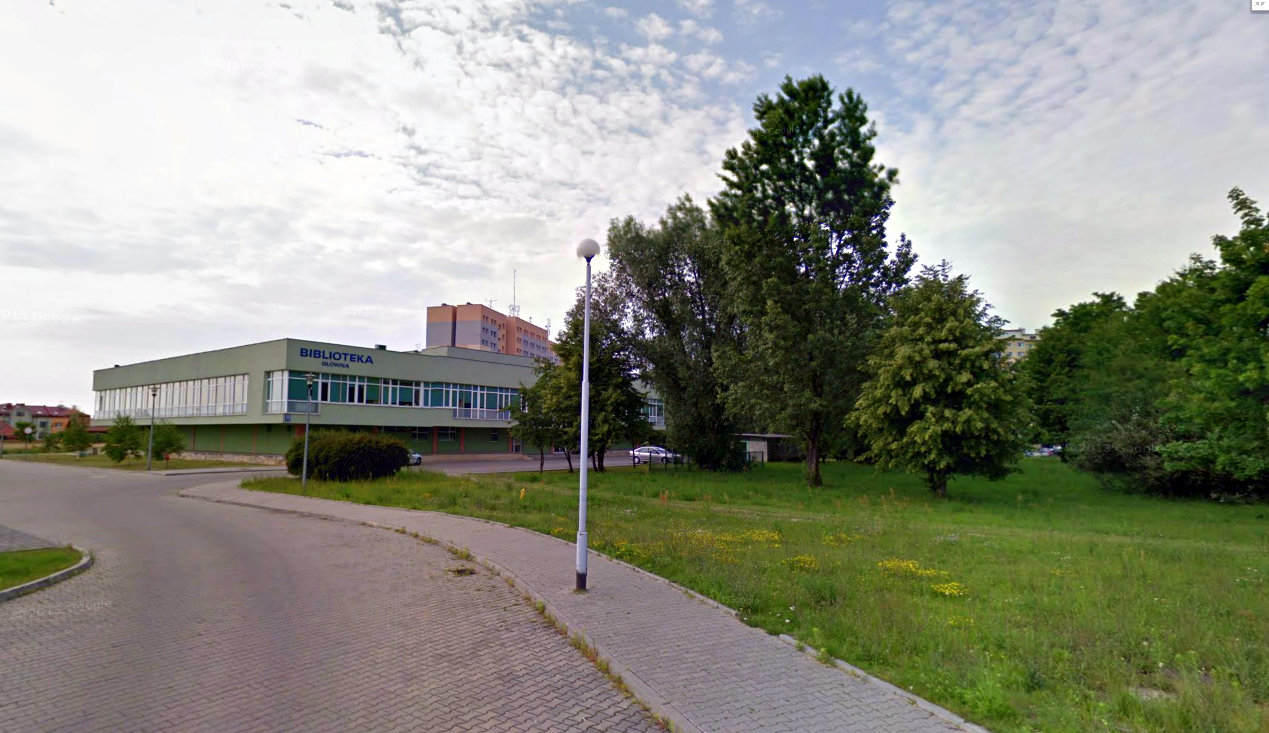
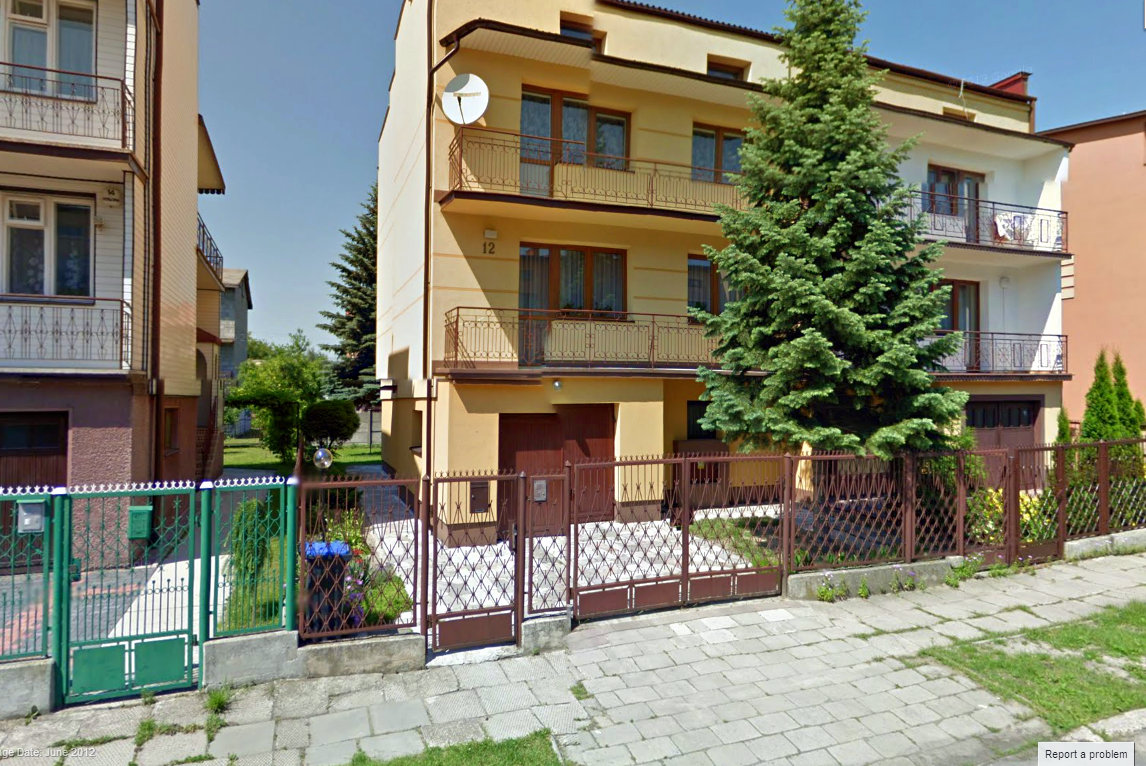
“This is Piotr, your host brother,” said the staff member, and soon, I, Piotr (who insisted I anglicize his name to “Peter”) and the man I assumed to be my host father were roaring through Radom’s streets in a Maluch — a Fiat 126p, a small, ubiquitous car with little leg room and a 24 horsepower engine — arriving at ul. Perłowa 12, where I stayed for twelve weeks.
I never saw the man again, but I saw the arrival grounds on a daily basis, taking a bus (the the number fifteen, was it? or twenty-something?) up ul. Słowackiego, eventually getting dumped an empty lot where the bus turned around and headed back the other direction. I and two other volunteers — a married couple — were the first to get on, and as the bus lumbered along its route, more and more volunteers boarded until there was a little knot of Americans at the back of the bus.
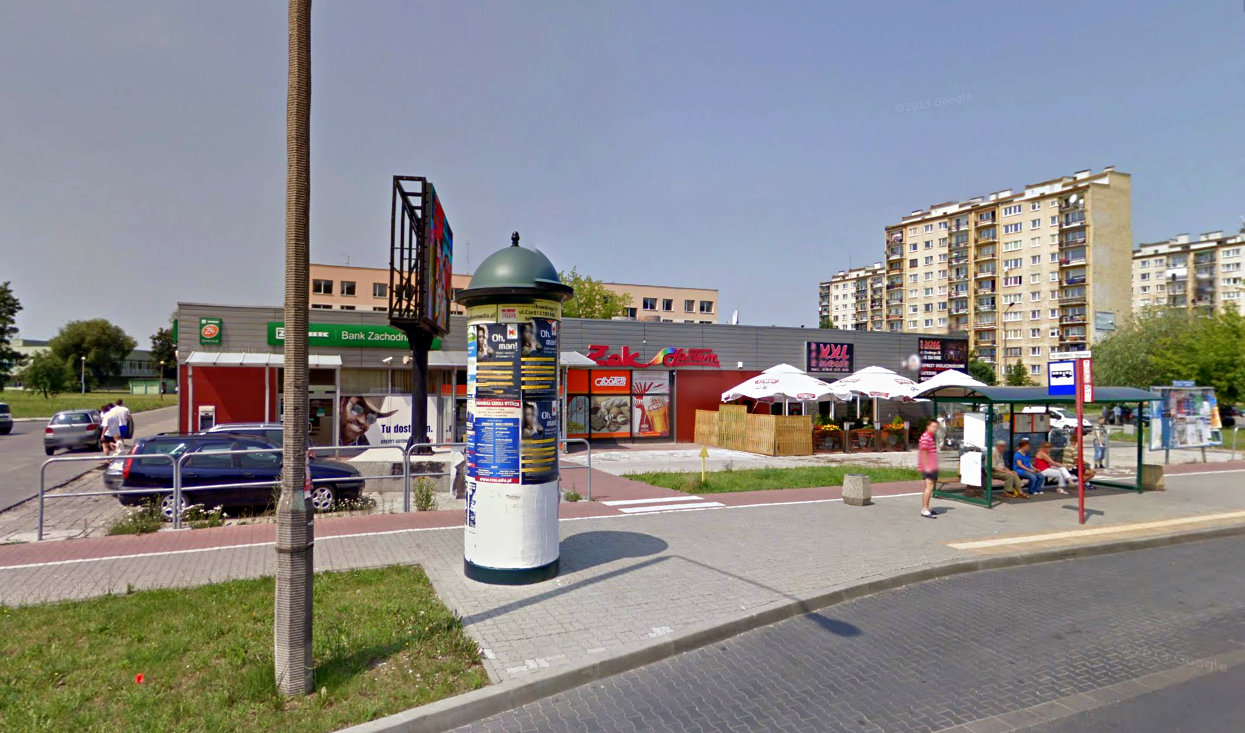
Our days usually started in a small shop next to the bus stop, just a bit in front and to the right of the training facility where we learned to teach English, to speak Polish, to protect the dziennik with our lives, and to do all the little things that were supposed to make our two years in Poland a success. We started at the store, though, because that’s where all good days in Poland start, and because we needed water for the day and perhaps a snack or two. The water was obligatory: with no air conditioning, the buildings that housed our classrooms grew almost unbearable by late morning. Learning to decline Polish adjectives with sweat rolling down your back at ten in the morning is unpleasant to say the least, and the water served to mitigate and to hydrate.
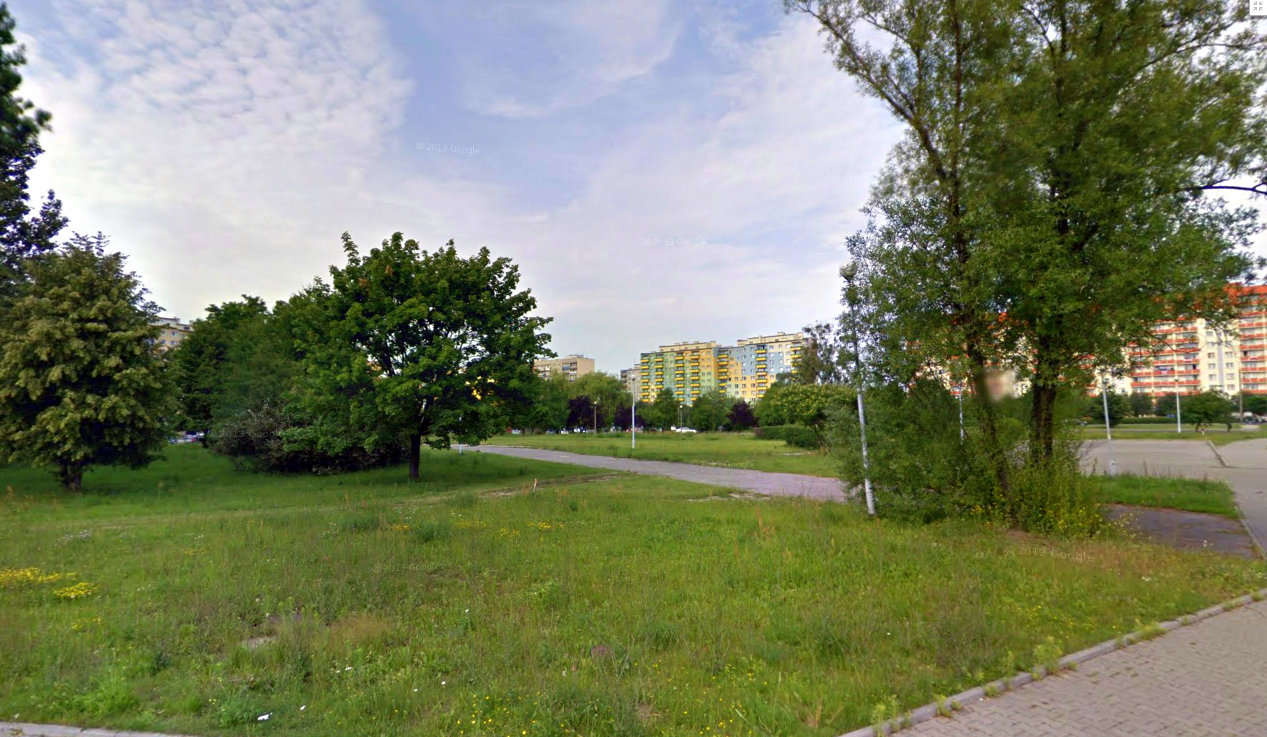
I’ve only been back to Radom a few times since training concluded, and I returned to the training center only once. Every time I’ve been in Poland since, I’ve wanted to return, to photograph the classrooms with the pealing linoleum and stained ceiling. The wonders of the Internet, though, show me that that’s now impossible: where the long buildings once stood there is only a grassy field. The socialist-realist building that housed the cafeteria that served potatoes with dill every single lunch and that held the large meeting room where we gathered as a group is now a library for the Uniwersytet Technologiczno-Humanistyczny im. Kazimierza Pułaskiego, a tech/art (what an odd combination) university.
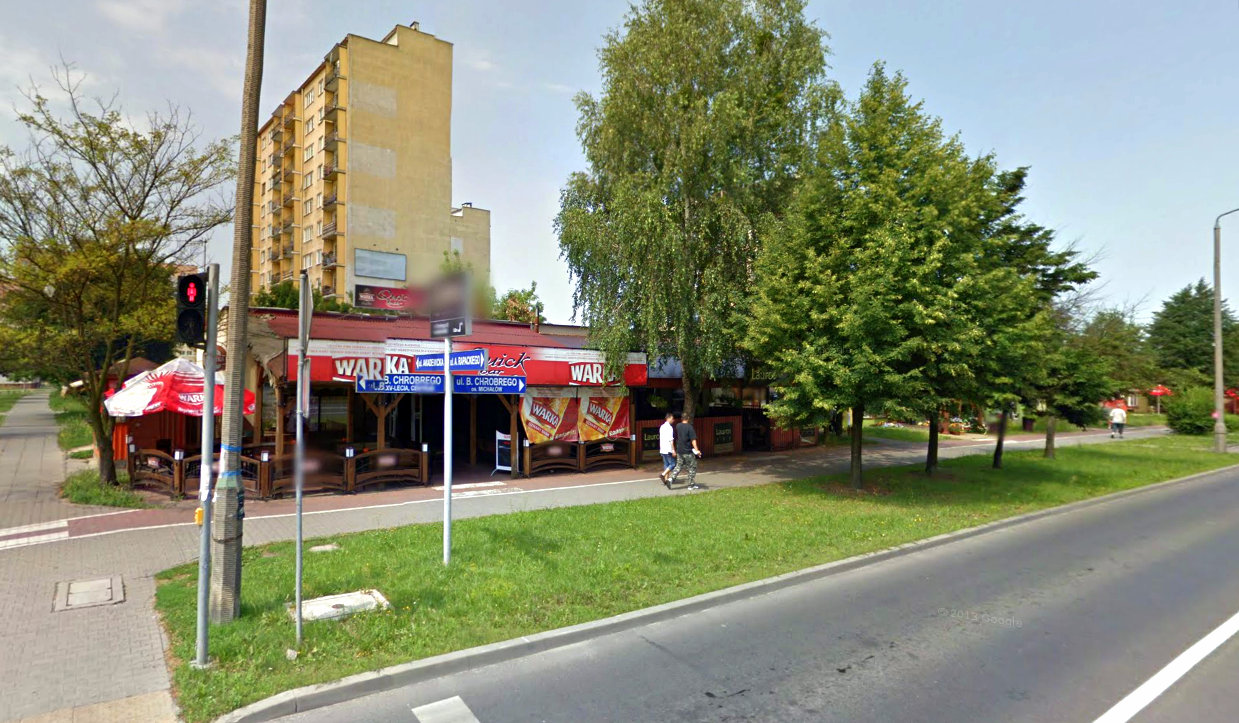
The one thing that really hasn’t changed: the clump of bars just across from the bus stop. A group of us almost always ended the day there, having something cool to drink before heading back to the rigors of host-family life.
Every time I arrive in Poland again, I think of these first weeks I spent in the summer of 1996. The frustration of learning a difficult language, the adventure of always being out of my element, the ironic simultaneous newness and oldness of everything around me new — all these things made each second seem more alive than anything I’d experienced before.
When I return now, nothing is new. Familiarity doesn’t necessarily lead to contempt, but it does threaten complacency. K and I always visit the same sites, spend time with the same people, drive the same roads — it’s only natural when you only make it back once every couple of years. This summer, though, I’m determined to see things anew again.