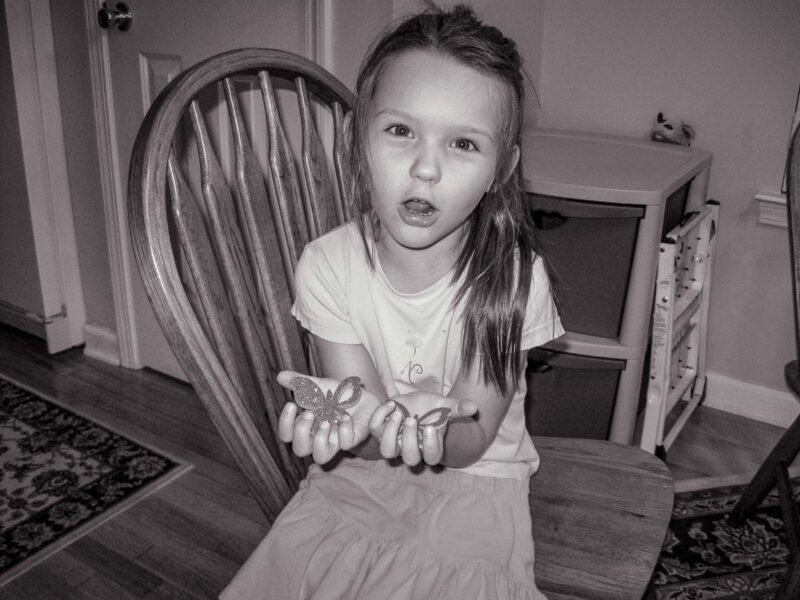
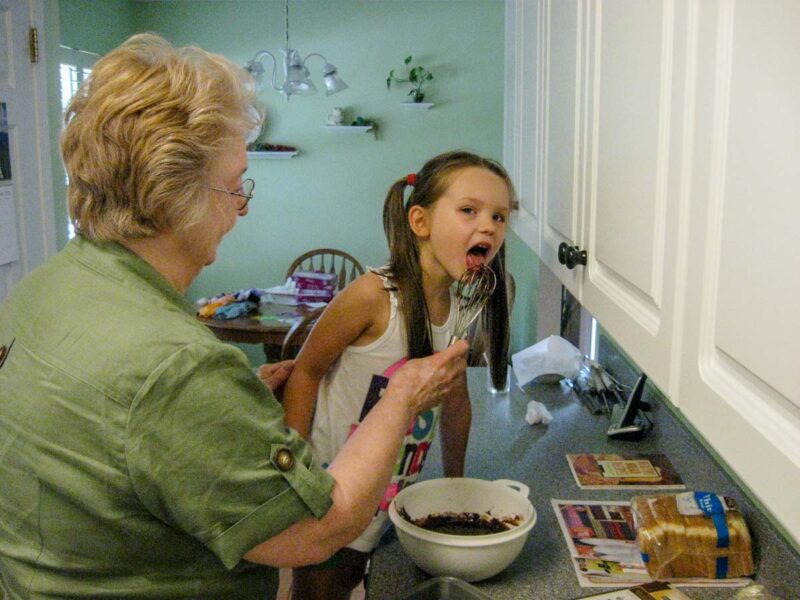
nana and papa

Burning the Past

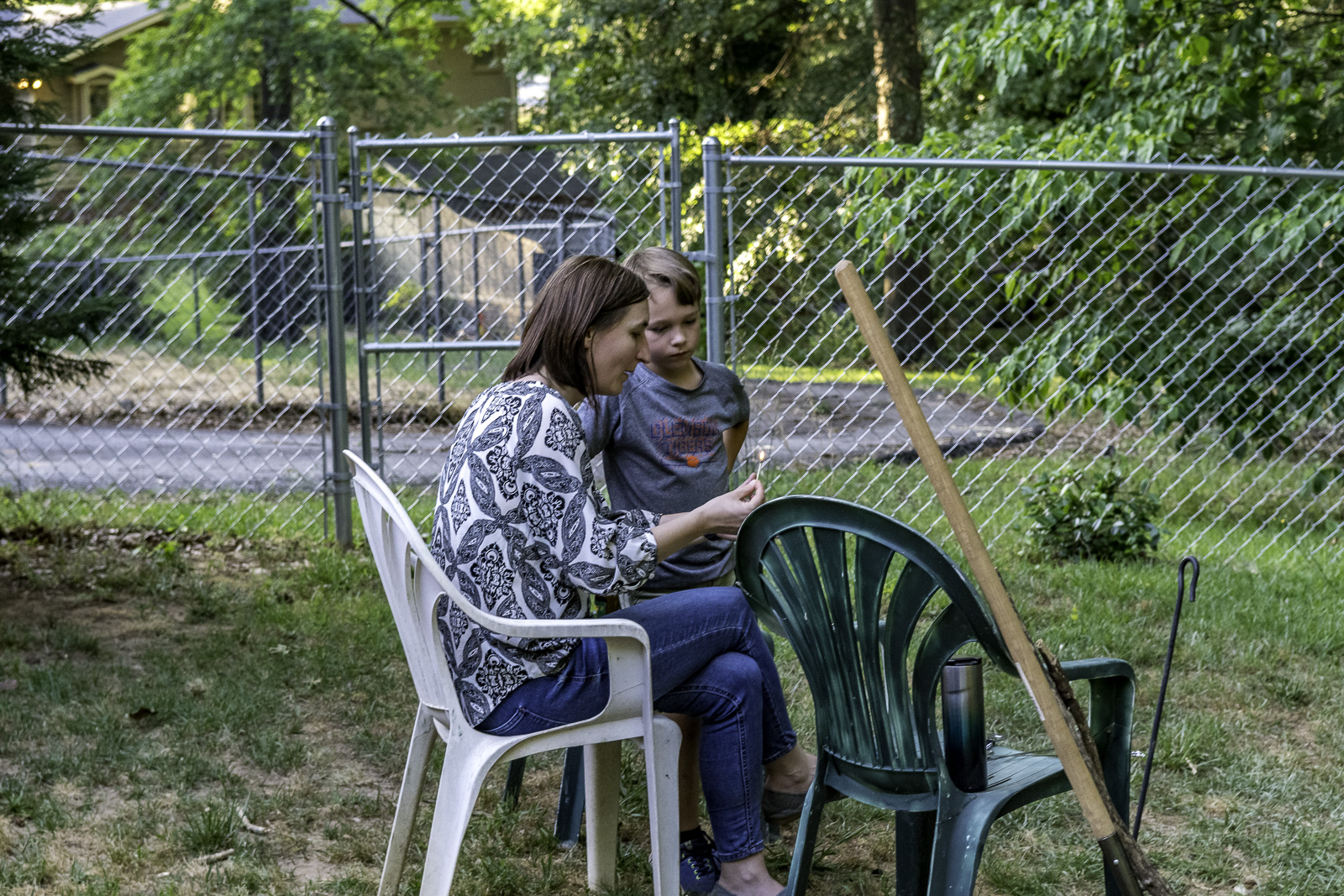
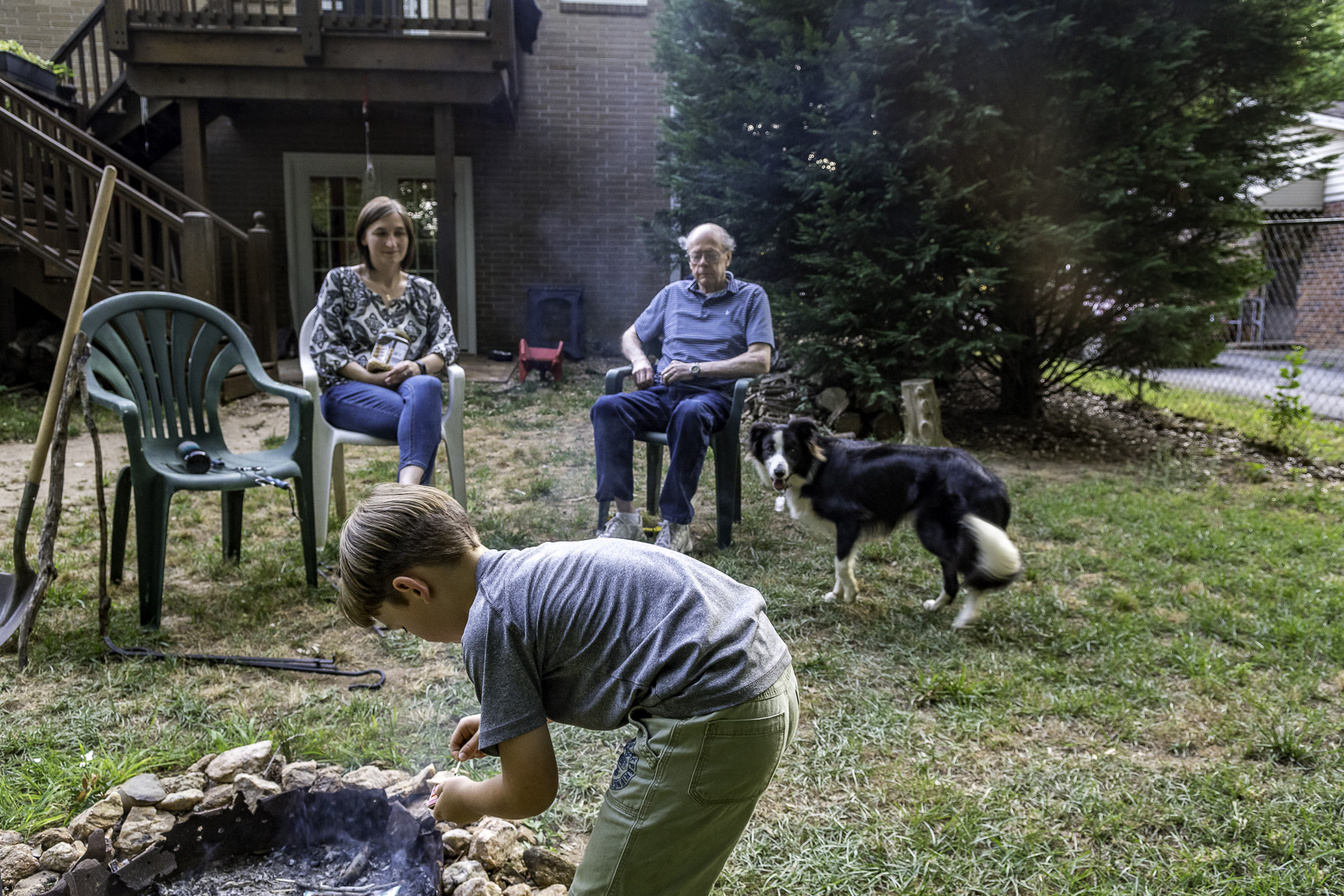
We sit around the small fire, burning Nana’s and Papa’s old documents. Nana hated — hated — clutter of every kind, but she was something of a hoarder in one sense: she kept all receipts and bills, neatly organized, filed away discretely. Had the IRS ever audited one of their returns, the auditor would have faced a mountain of evidence through which to sort. So as Papa downsizes, we have to get rid of stuff. And truth be told, there is no reason to keep tax returns and receipts from, say, 2006.

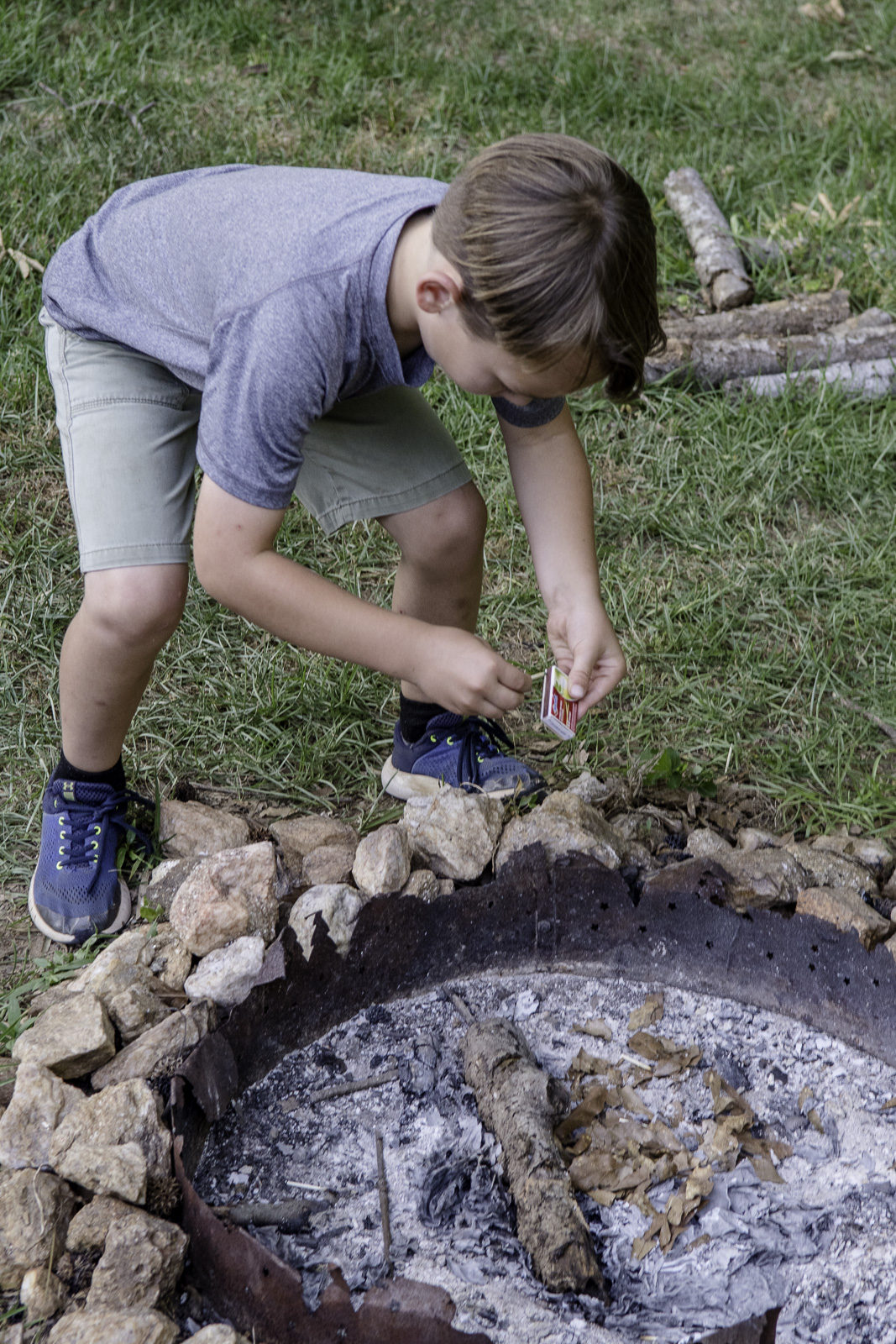
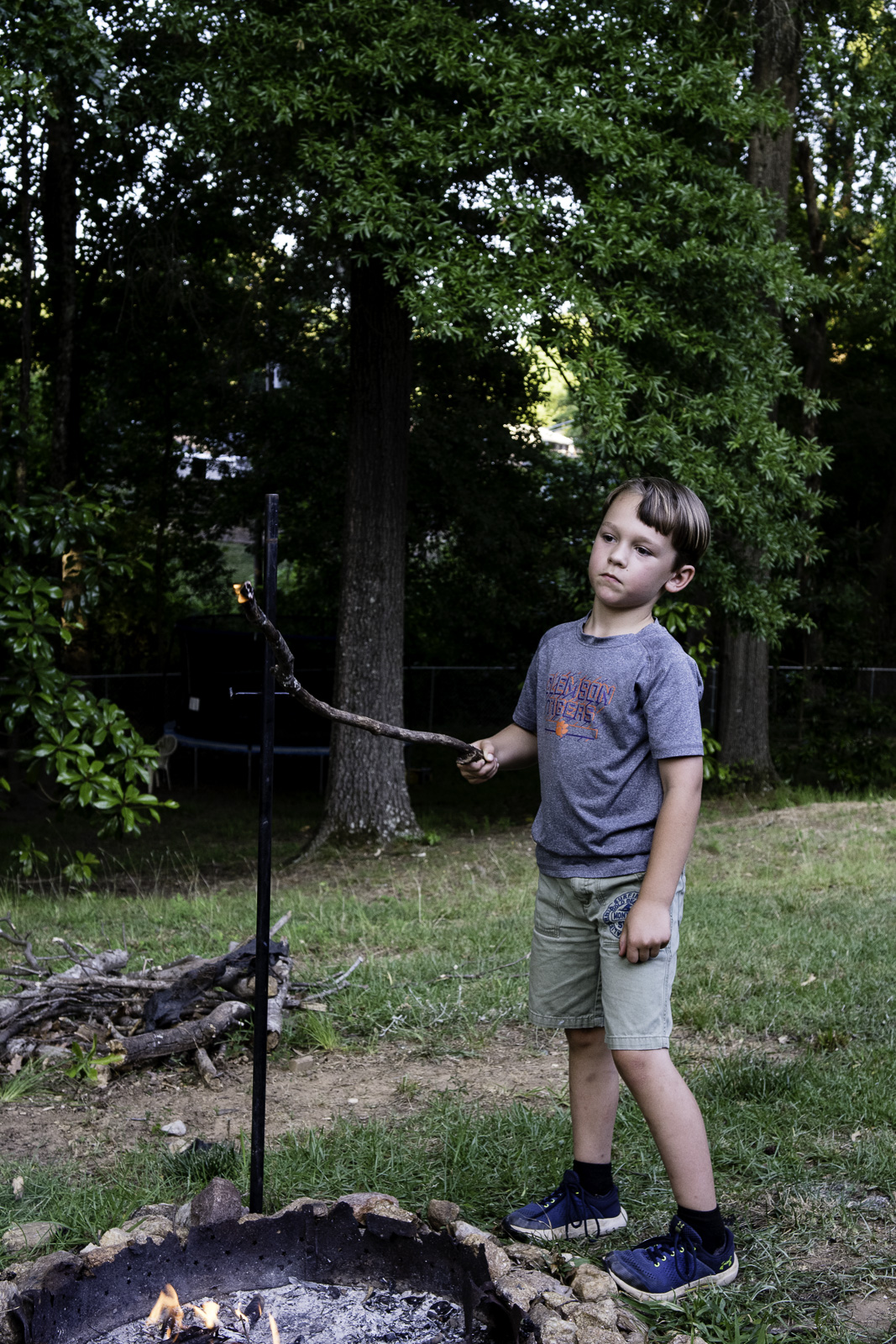
The Boy is eager to start the fire. He’s as fascinated with fire as anyone, I suppose, and the act of setting something ablaze, of doing something so otherwise forbidden, makes him almost literally shake with excitement. Once the fire gets going, we pile on some bigger pieces of wood. Tonight, we’re burning the remains of our broken swing as we talk about getting a new swing to replace it, all the time wadding paper and tossing it onto the fire.
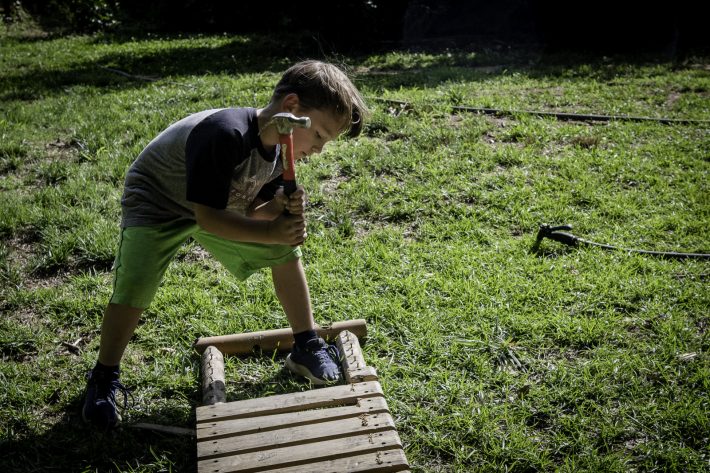
Occasionally, a bit of glowing paper lifts out of the fire pit and wanders around indecisively in the hot up-drafts from the flames. The Boy stands on guard, ready to hunt down and stomp out any glowing bits of almost-flaming paper. Truth be told, it rained so much last week and the week before, and it’s been so relatively cool that I doubt there’s much of a hazard at all, but the Boy enjoys the responsibility.

After the last of the fire dies down, Papa and I watch a movie as K gets the Boy in bed. Conspiracy is one of those movies that sounds like it shouldn’t be as moving as it is: it’s literally set for 95% of the film in a single room, with about sixteen men sitting around a table talking. But it’s what they’re discussing that makes the film so moving and horrific: it’s the Wannsee conference during which Reinhard Heydrich and Adolf Eichmann disclose and explain to those present the plan for the use of gas chambers to eradicate the Jews from Europe and eventually the planet. Kenneth Branagh plays Heydrich, and as always, he’s absolutely brilliant. He manages simultaneously to smile and seeth at the same moment.
Fifth Grade Questions

This week’s project: clean out the basement. Again. To be fair (to us), the last time I did this was in 2015 when I was alone as everyone else cavorted in Poland. It’s a bit more time-consuming this time around because everything has a layer of concrete dust on it from having our windows replaced. Why didn’t they clean it up? Why did I raise hell about them not cleaning it up?
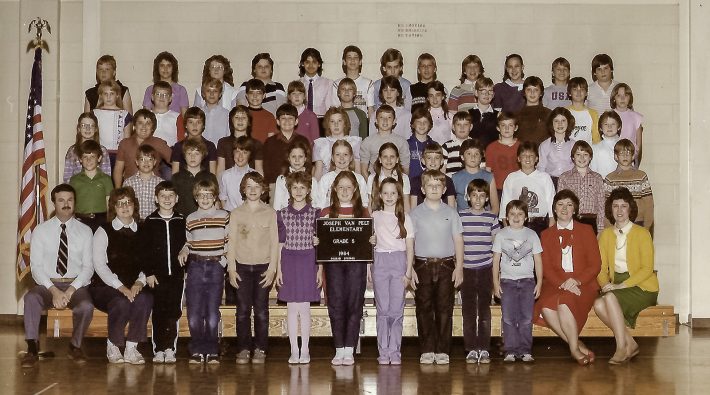
In today’s work, I made a few discoveries, including several pictures stuck in bins that had nothing to do with photography, memorabilia, or anything similar. One was my fifth-grade class picture.

I look at the faces of my classmates and realize I can remember more names than I would have expected. Granted, I went with most of these kids from first grade through high school graduation, but still, my last memory of them is of them seven years older.

In fifth grade I got in trouble for cheating. We traded test papers with a peer, marked it, then went back over it with our own tests to make sure there were no mistakes in the marking. Lo and behold, Brett, who’d graded mine, had made more mistakes than he’d gotten right — so naive was I that I didn’t think. So little experience did I have cheating that I didn’t even give such things as thought. How do you cheat without making it obvious? I had no idea. I still remember the conference with the teacher and both my parents. I don’t remember the punishment; I remember the tension of the meeting.

I look over the faces, remembering names of kids, then look at the teachers. There’s Dr. Hale on the far right. Beside her? I can’t remember. At the other end is Mr. Eades, the first male teacher I ever had. And beside him? My mother.

“How did Nana get in that picture?” I think she was a class mother or something like that. And then it happened — I realized that I couldn’t do what I wanted to do most: ask her about it.

How many times will this happen? Doubtlessly, countless.

What We All Would Want

I’ve always liked the idea of an Irish wake as a way to say goodbye to someone close. What better balm for sadness than the nearness of close friends and family with everyone talking, laughing, sharing memories. It makes sense on the one hand, if one is a believer in the afterlife: the departed have only moved to a more perfect plane of existence. That should take the tragic sting of death and turn it into a friendly caress, a pat on the shoulder, a bracing hug.

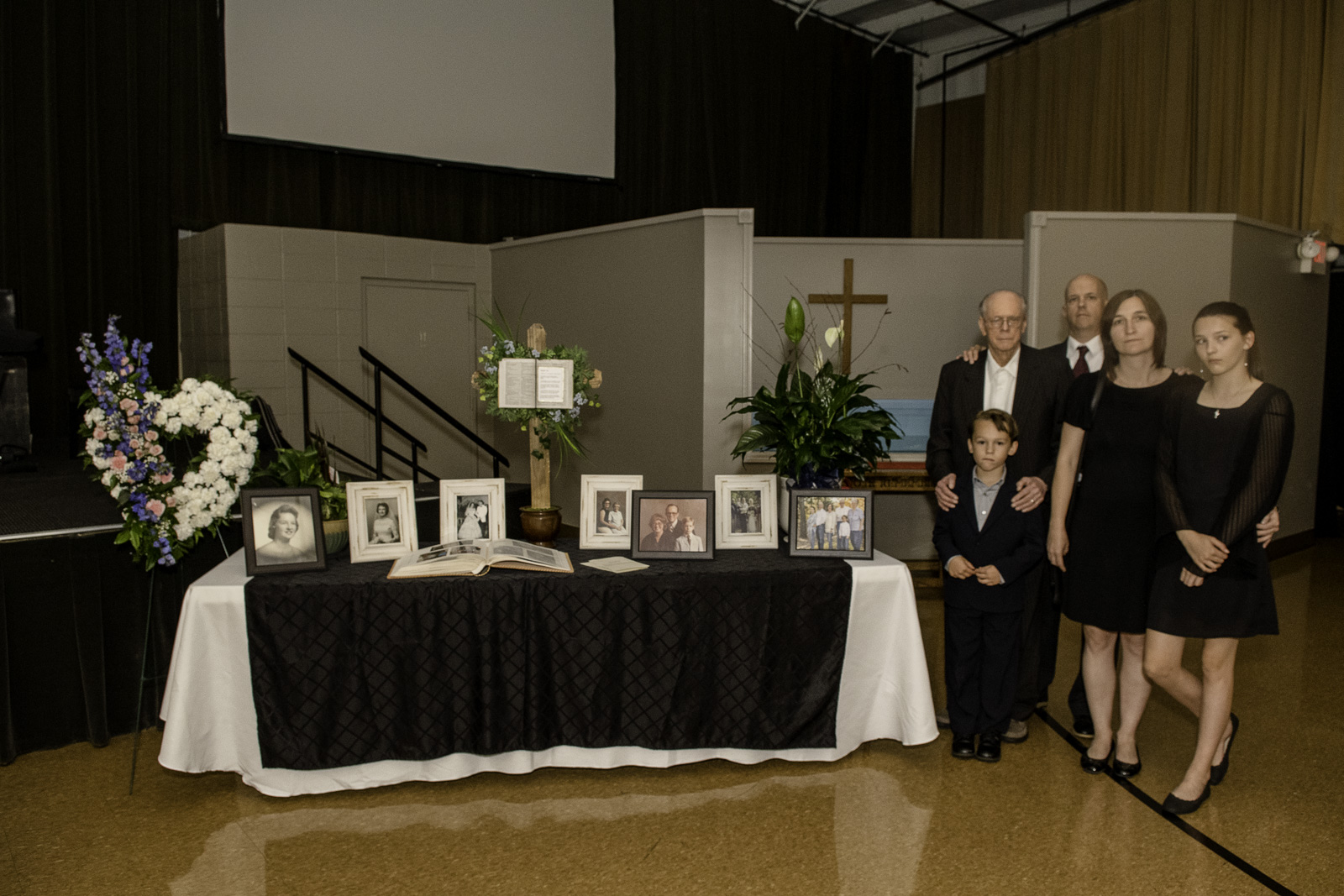
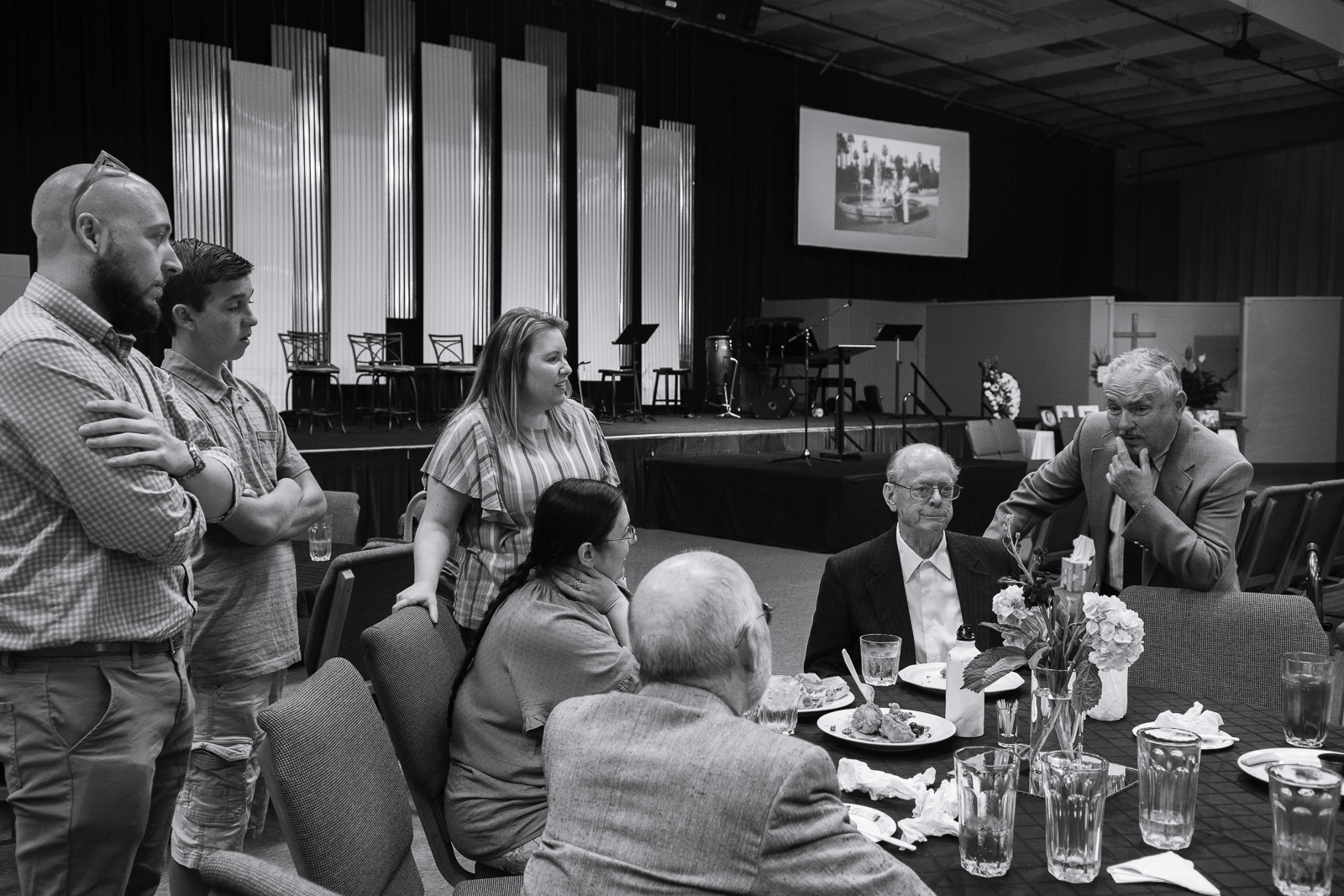
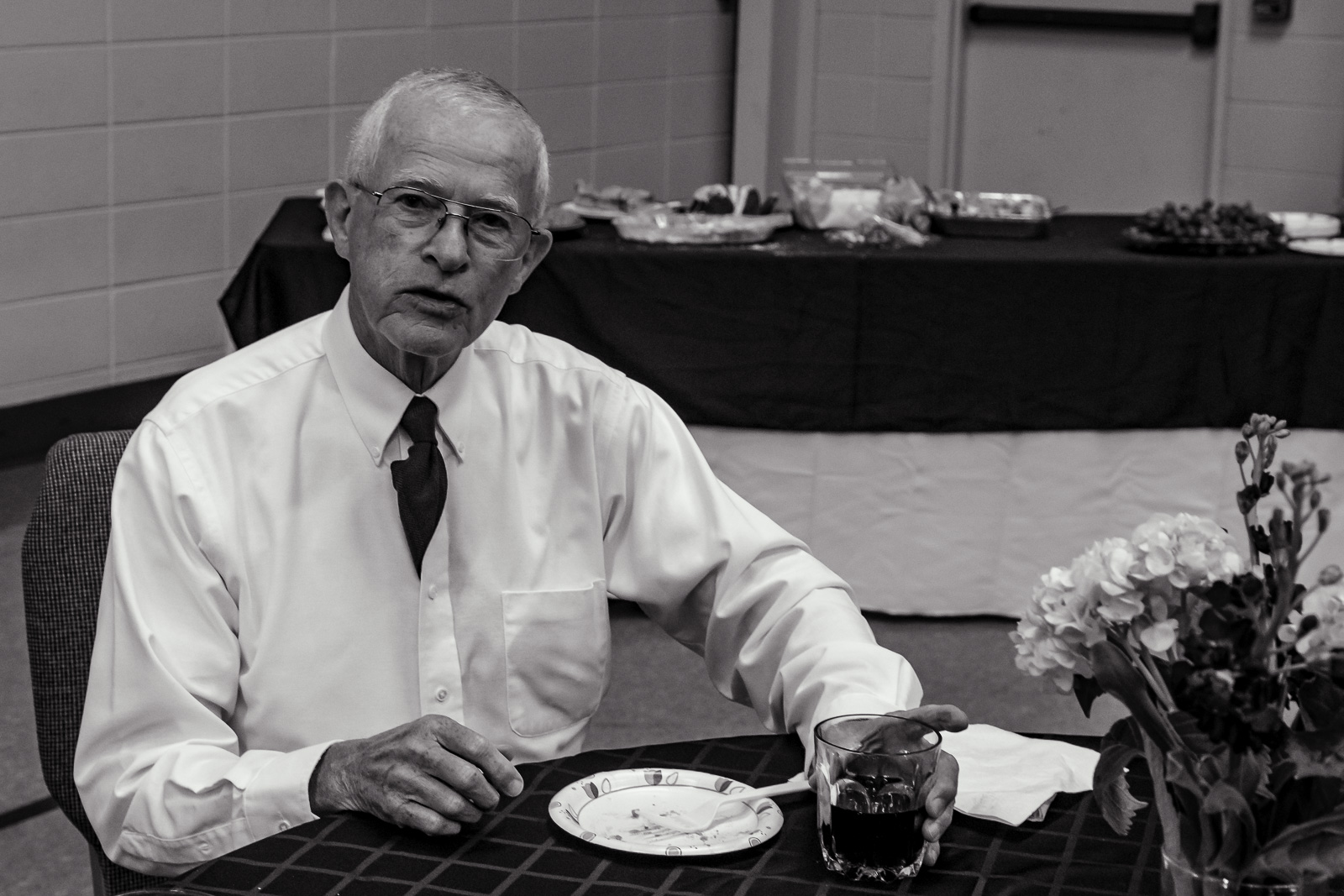
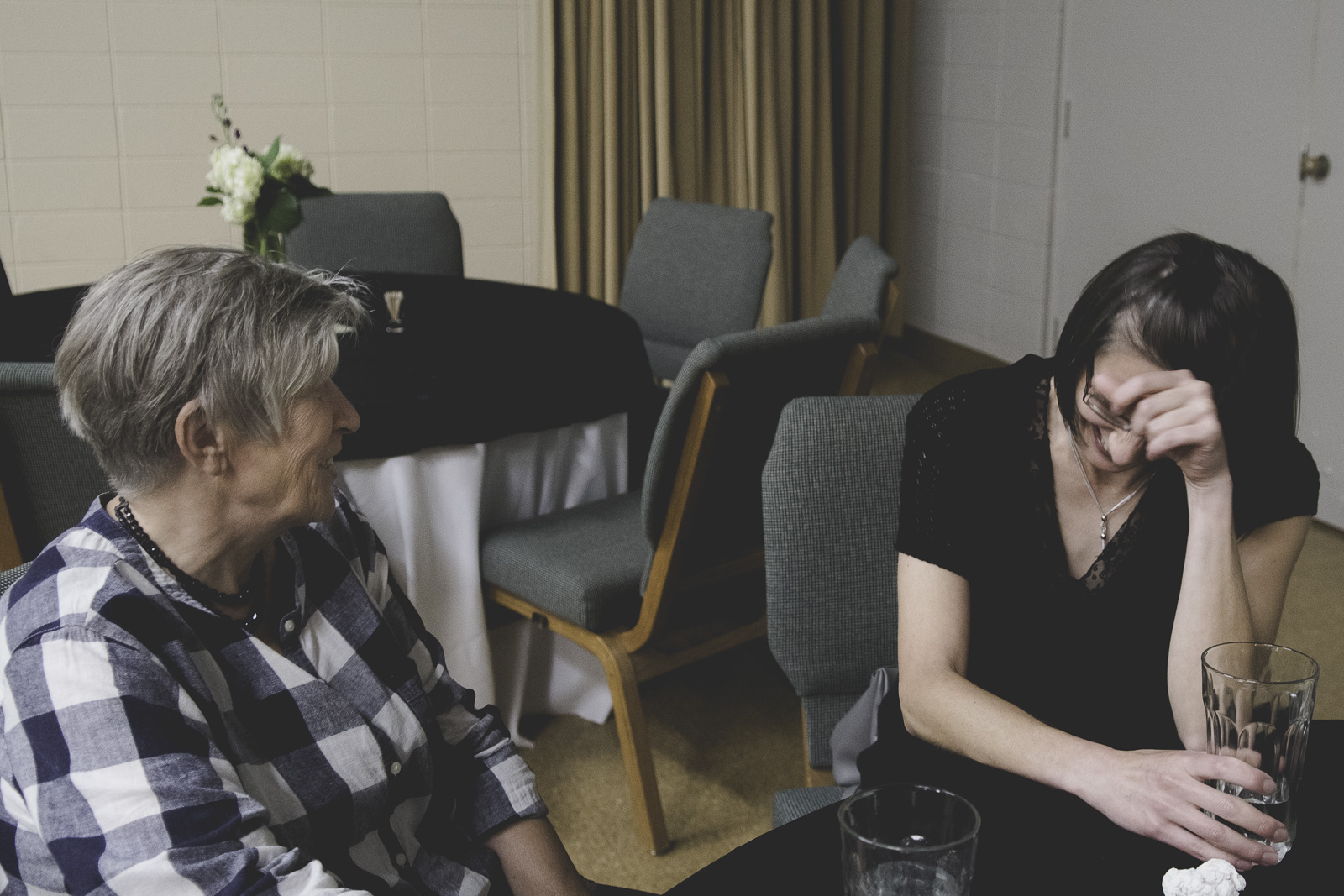
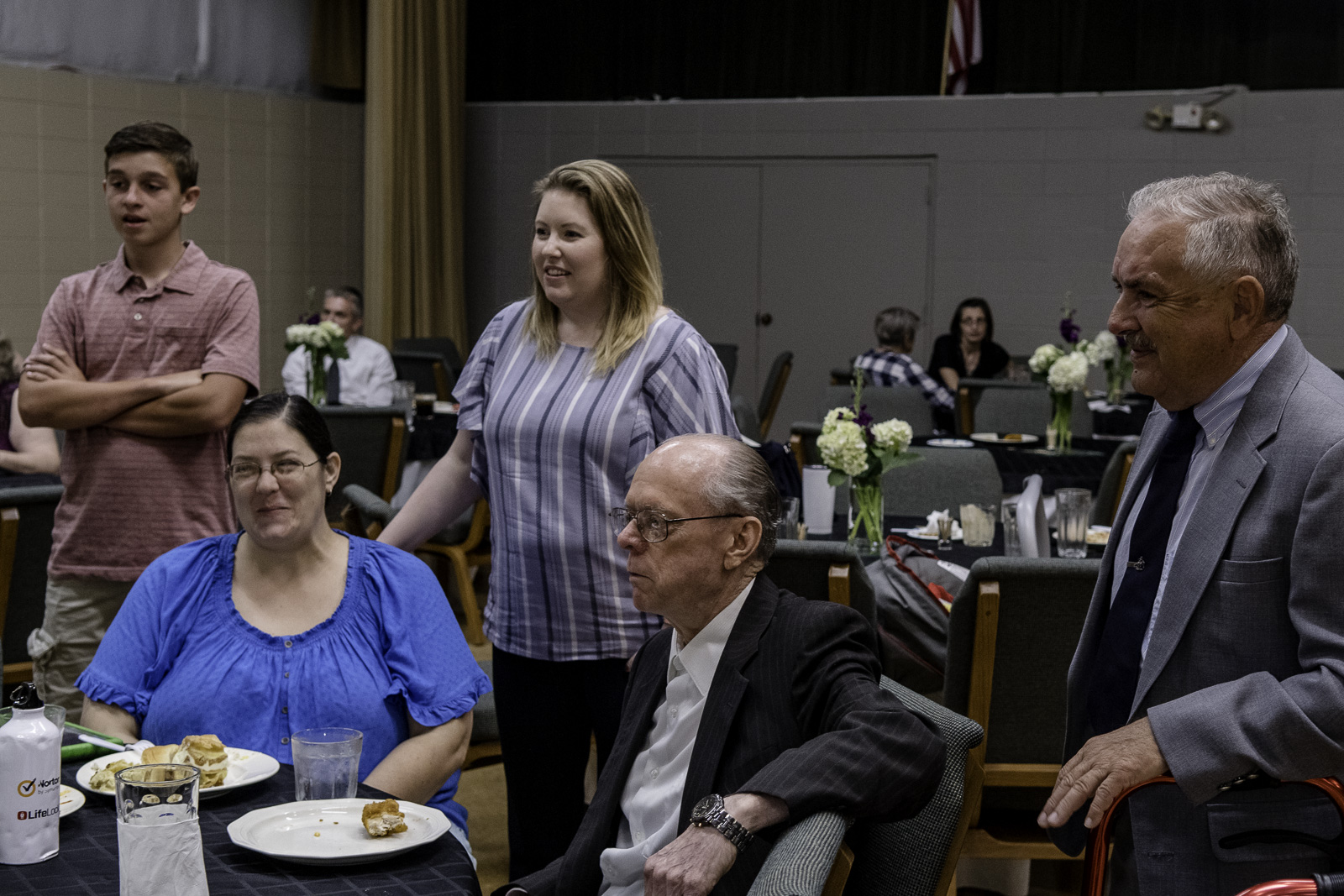
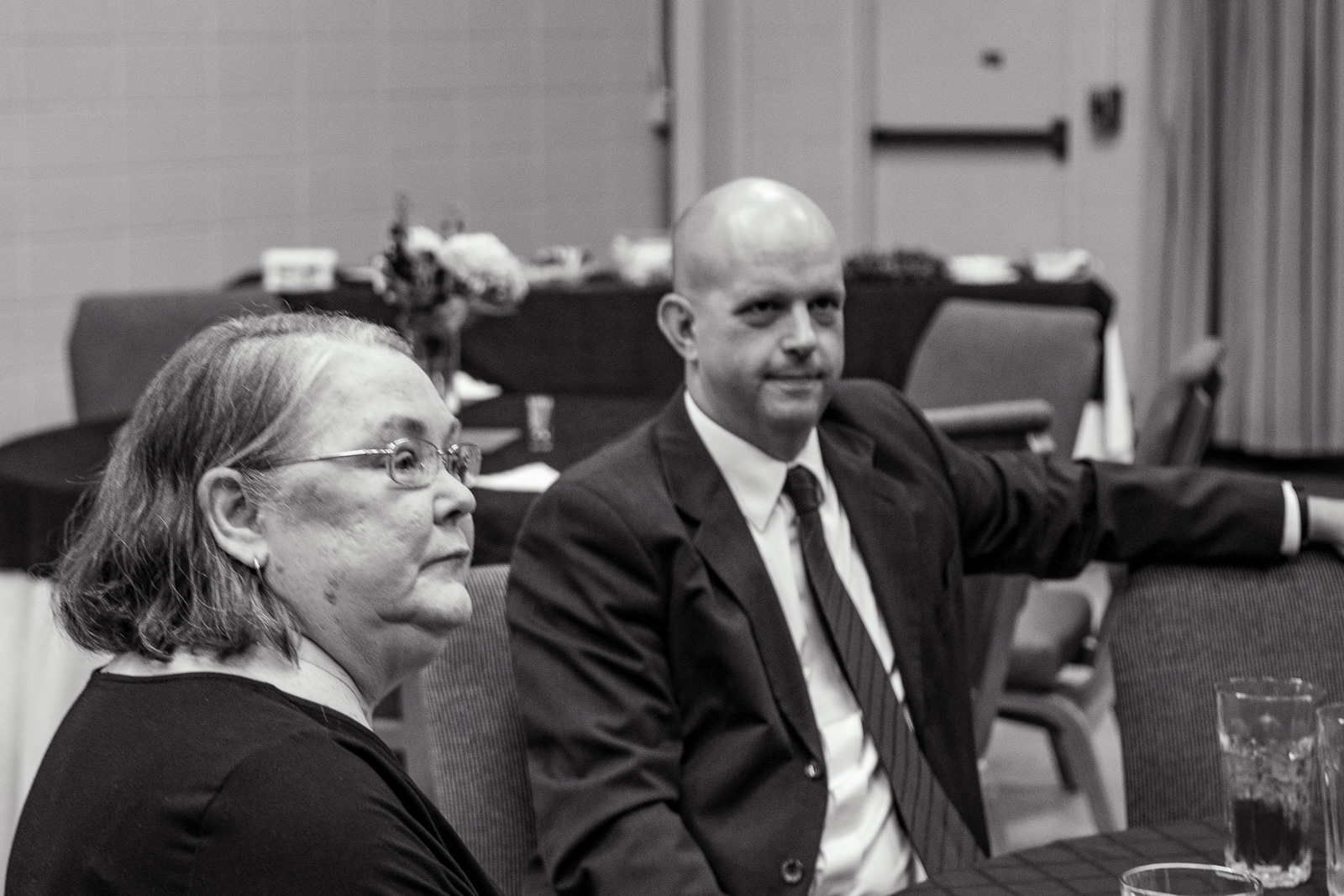
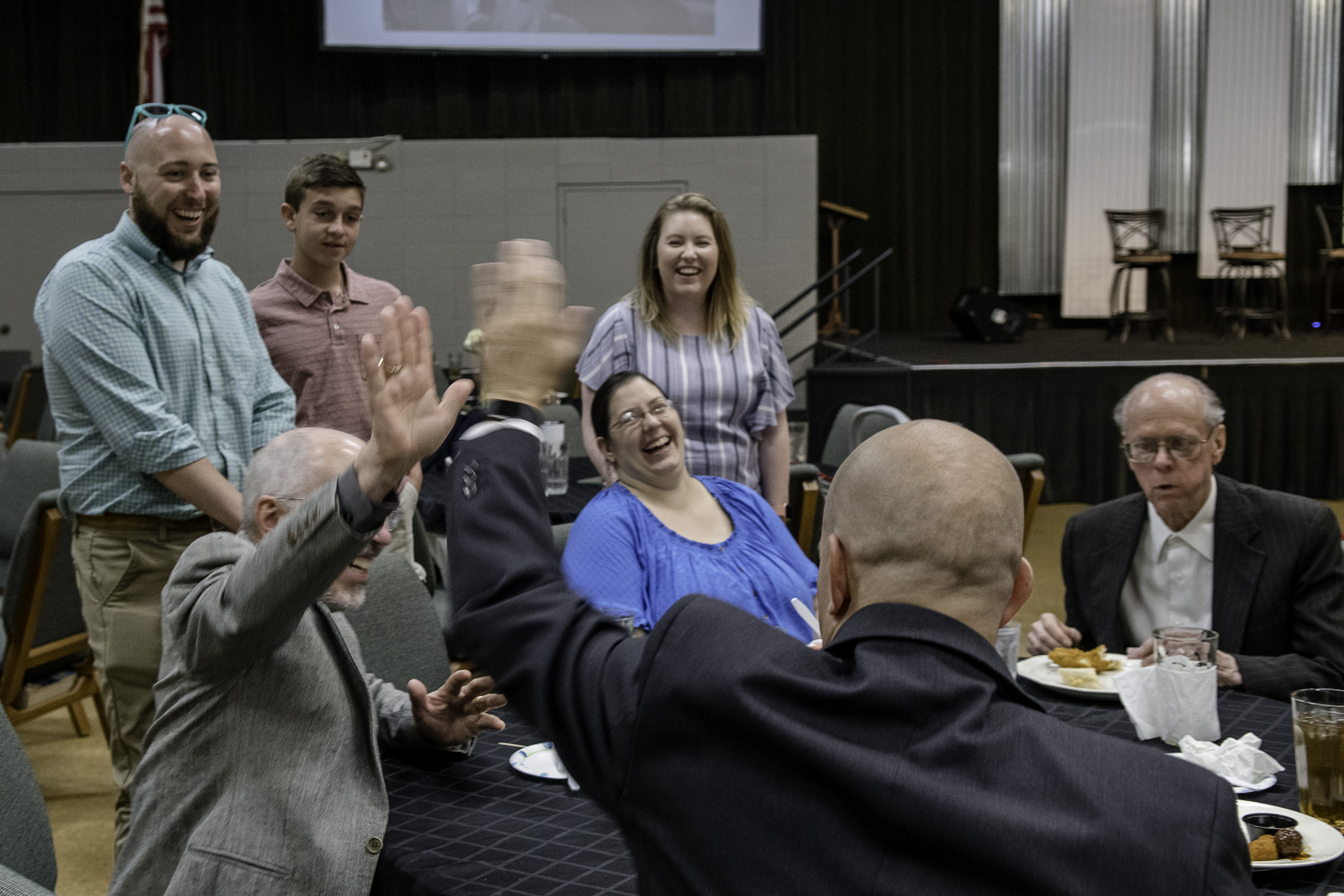
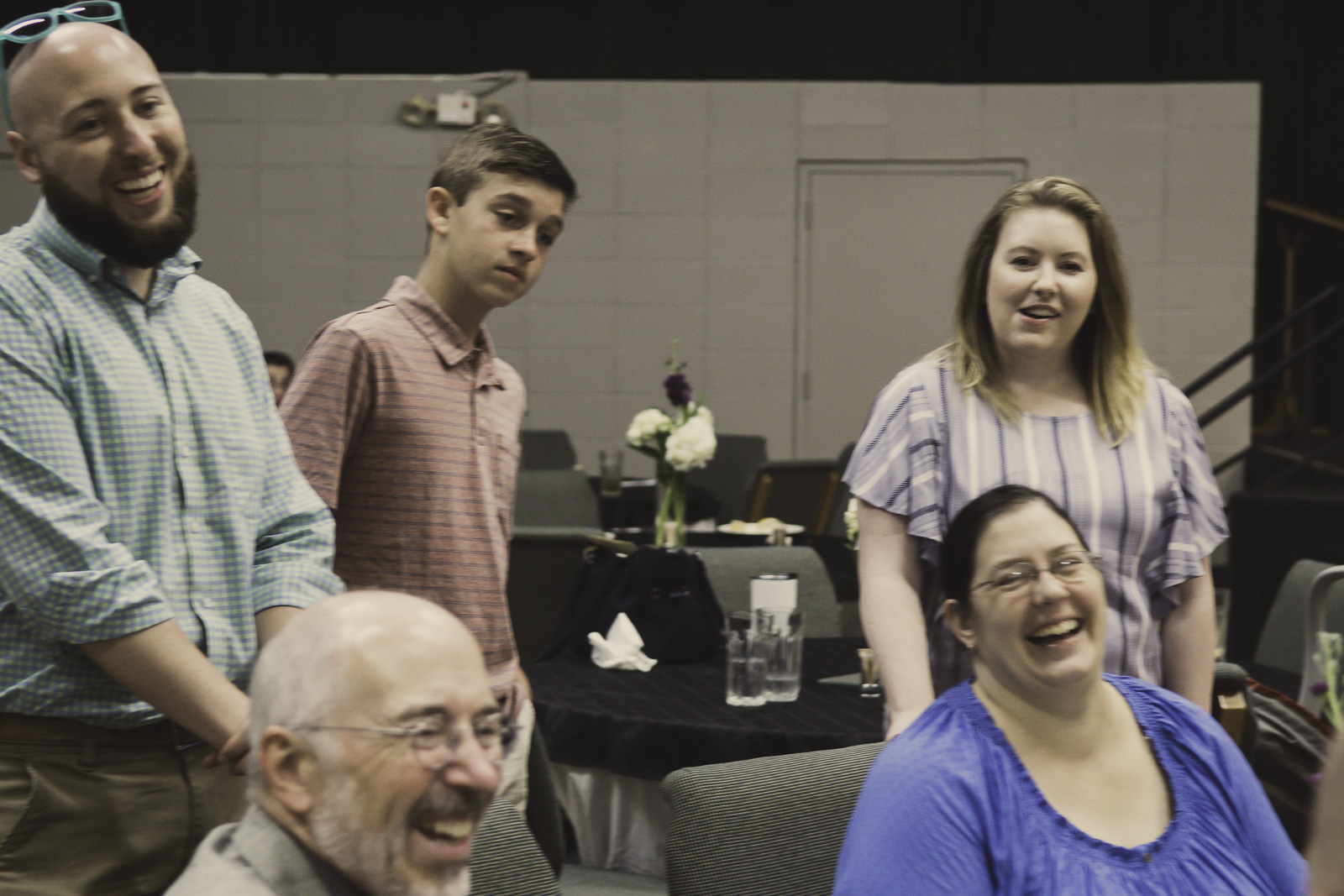
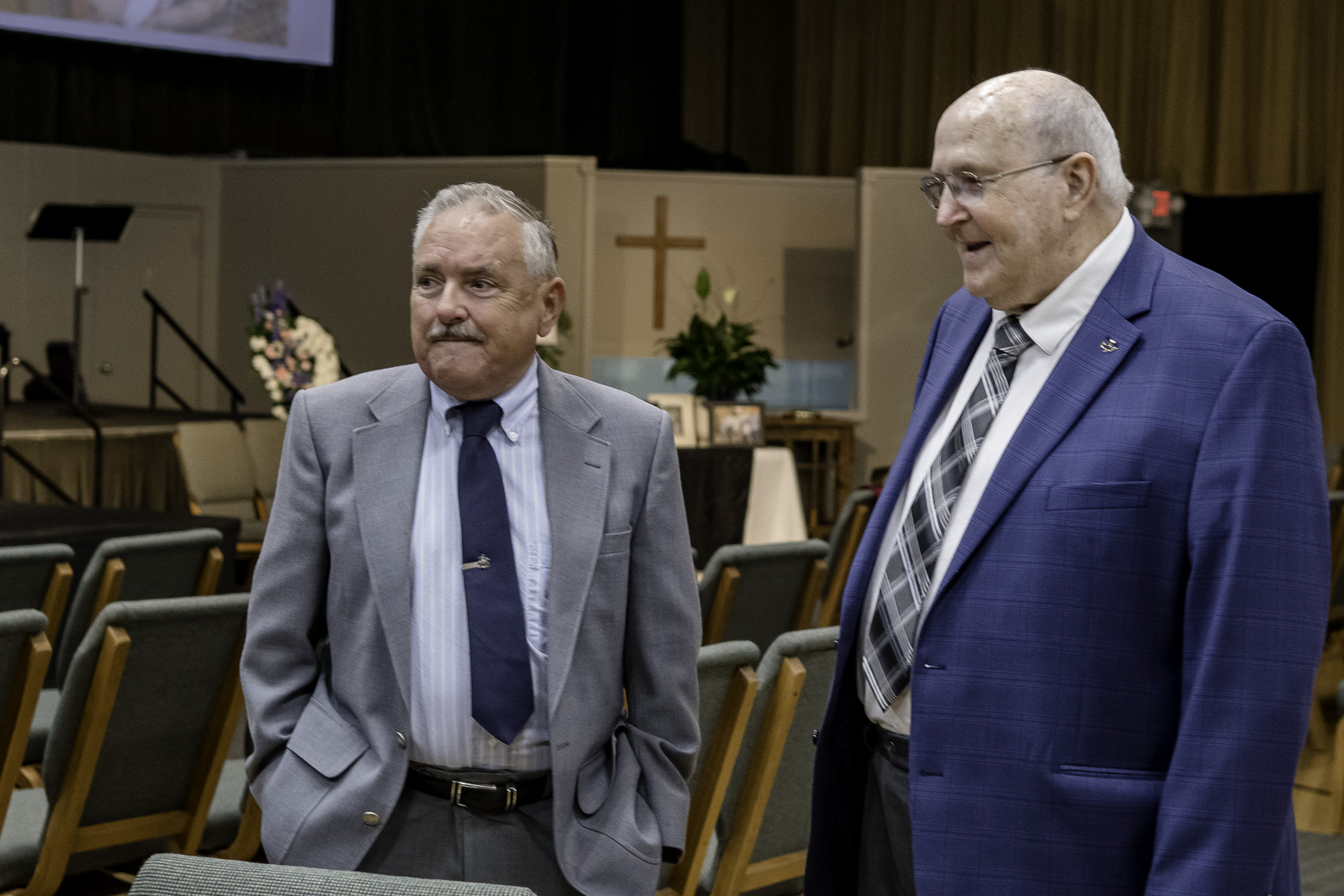
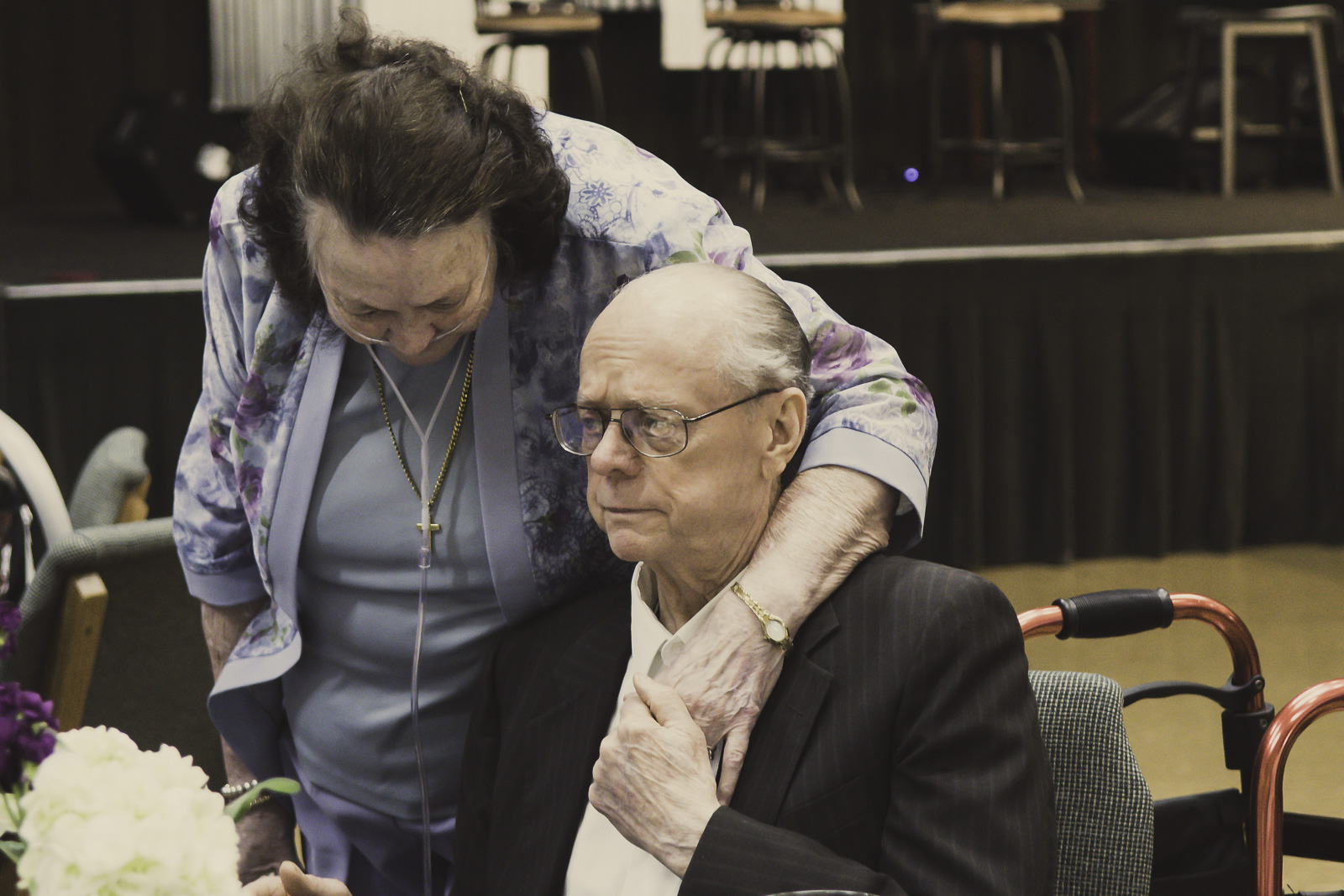
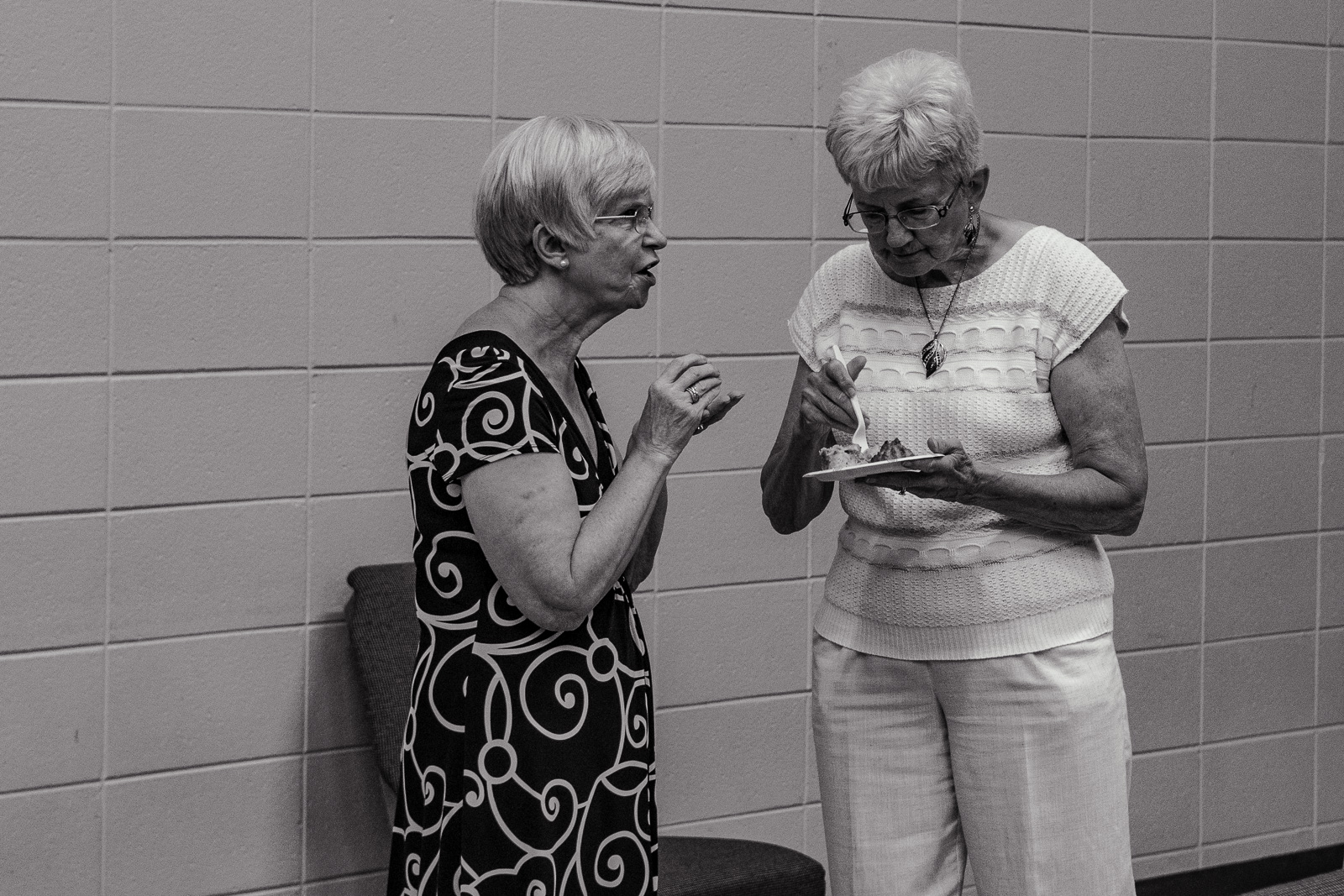
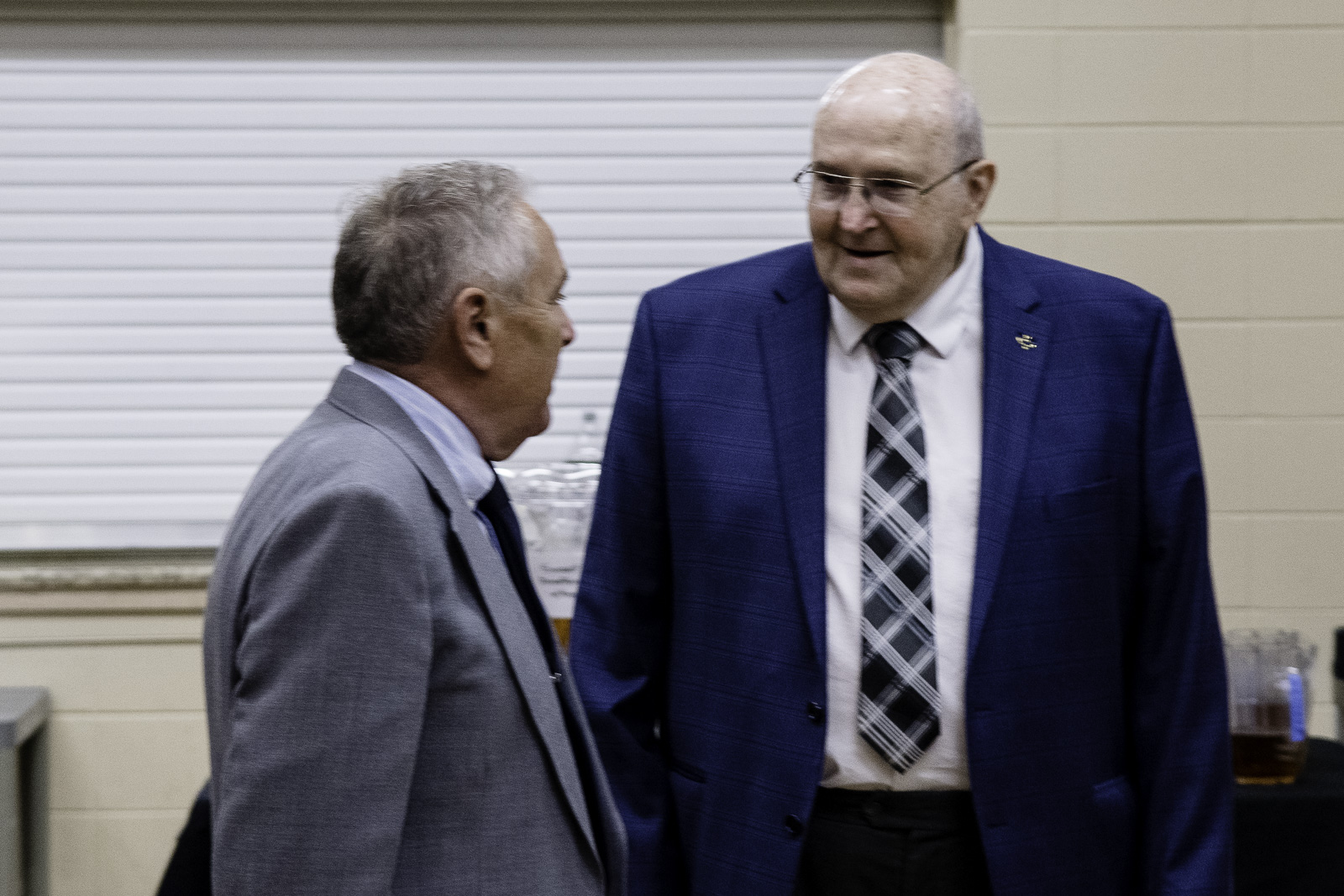
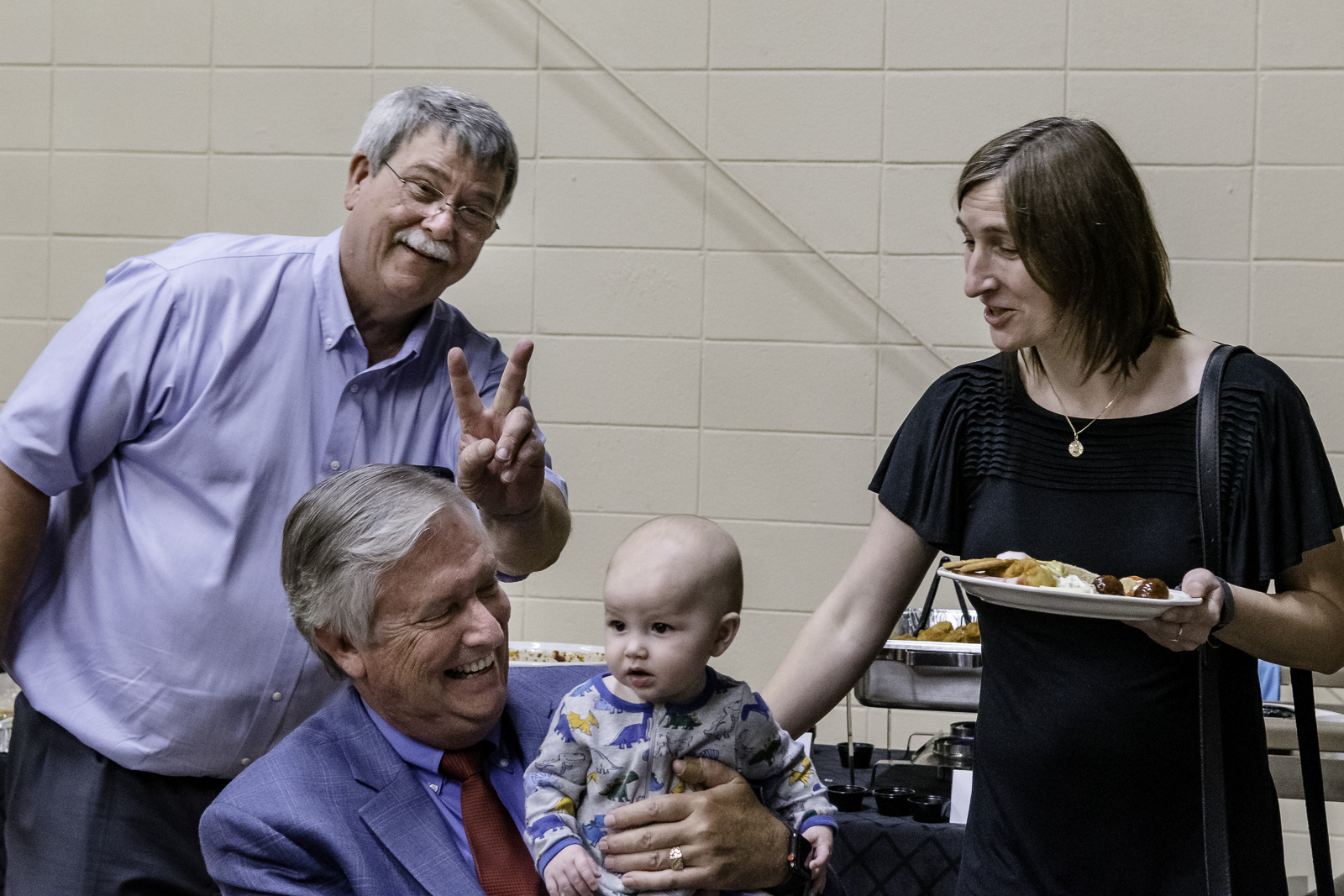
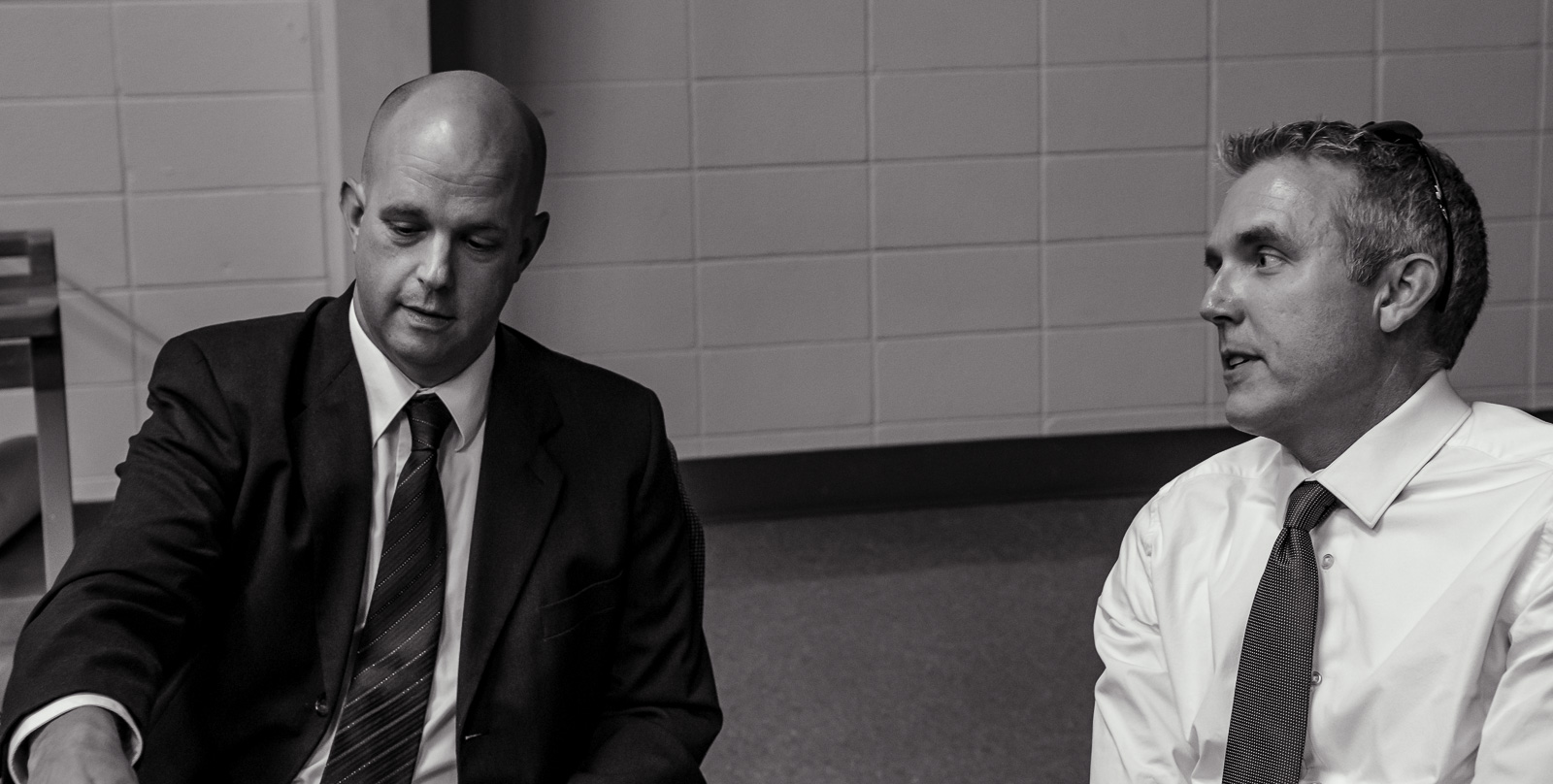
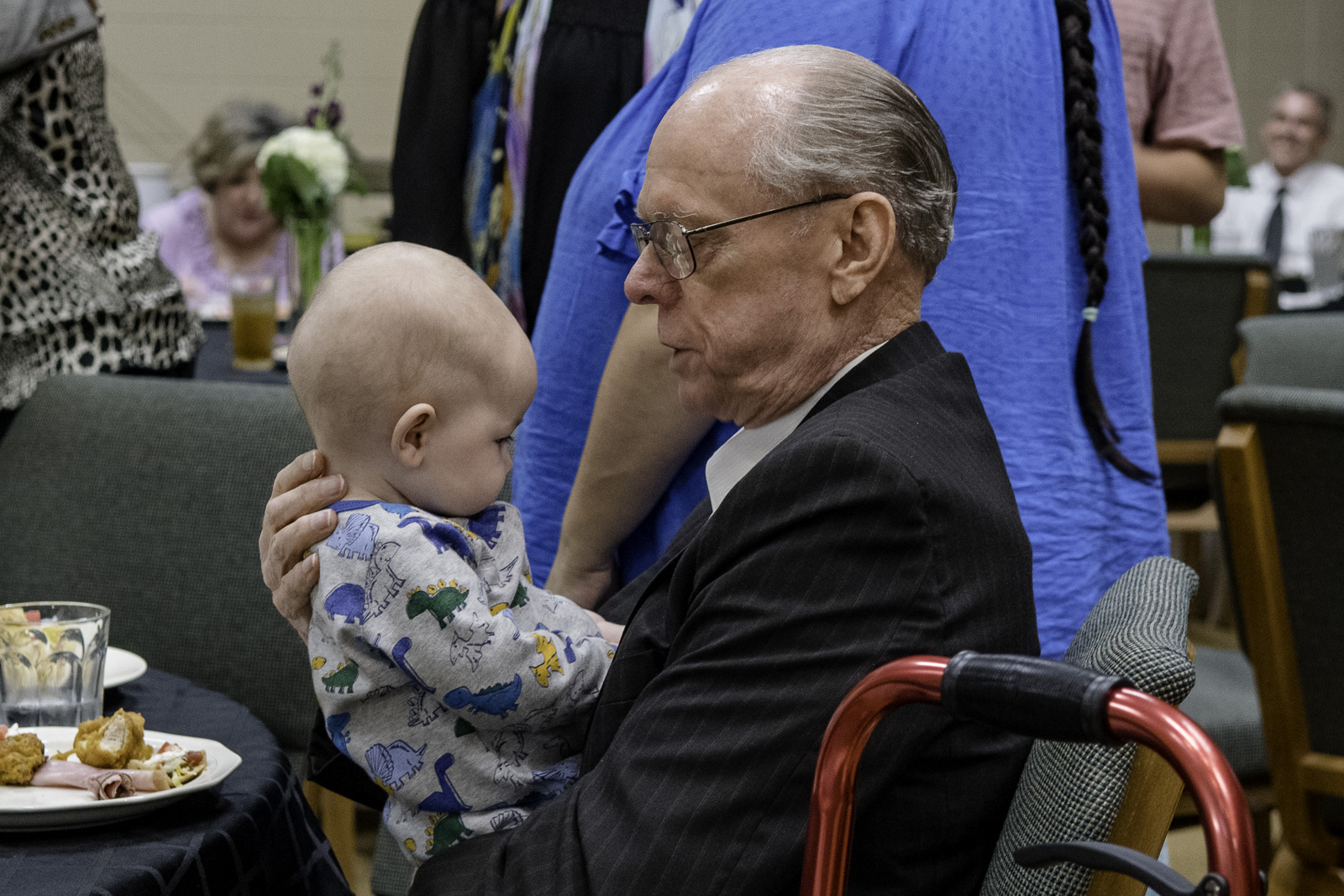
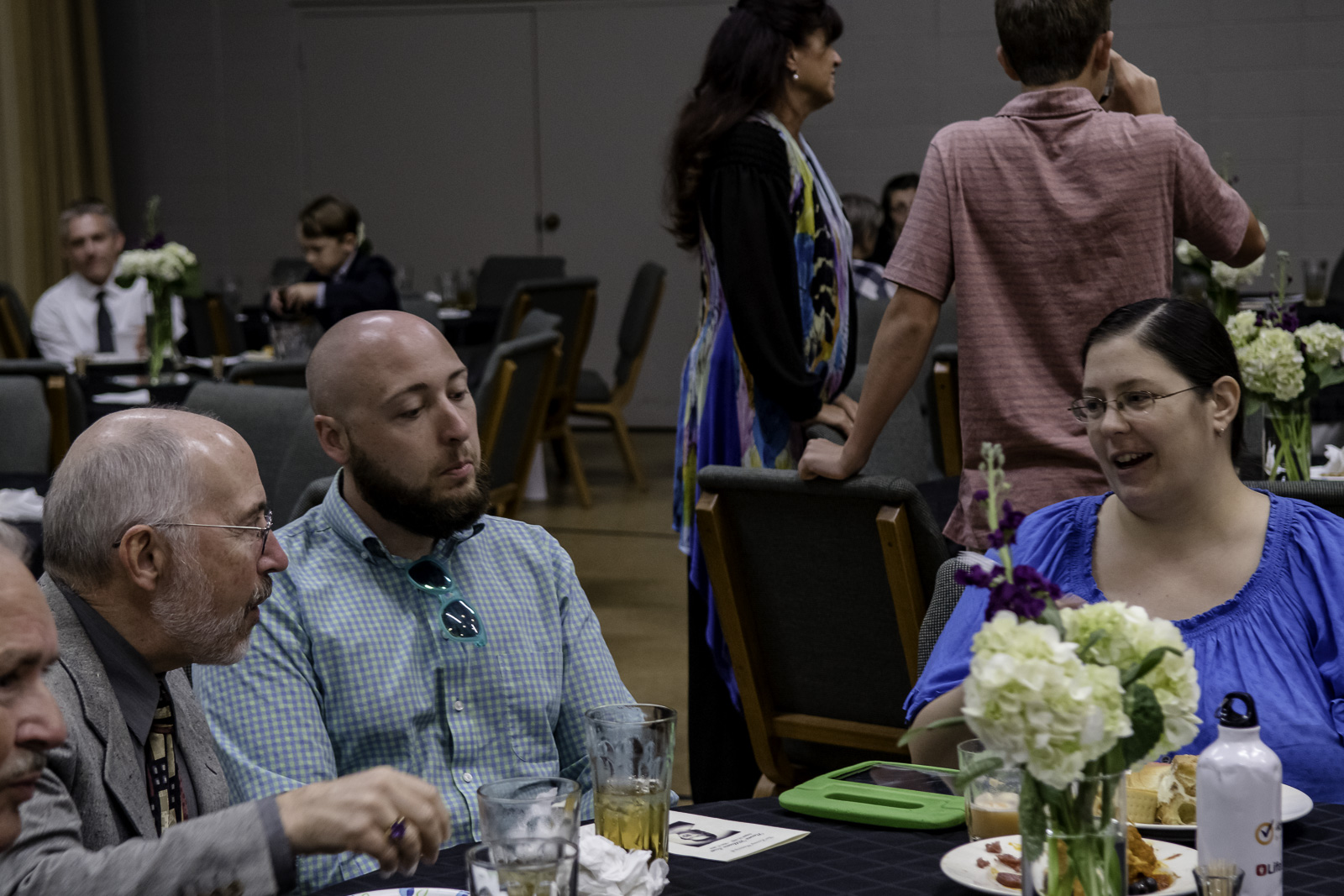
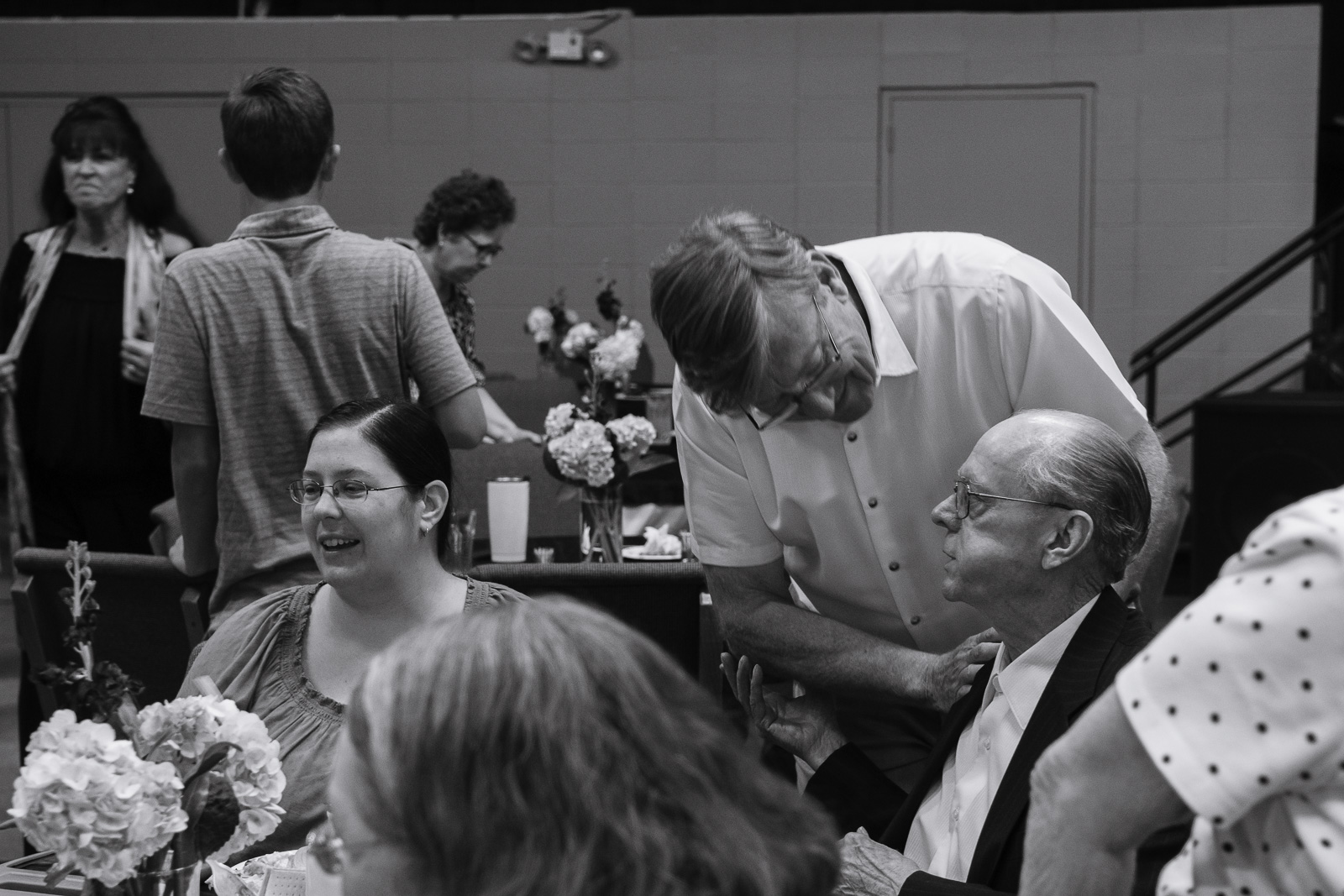
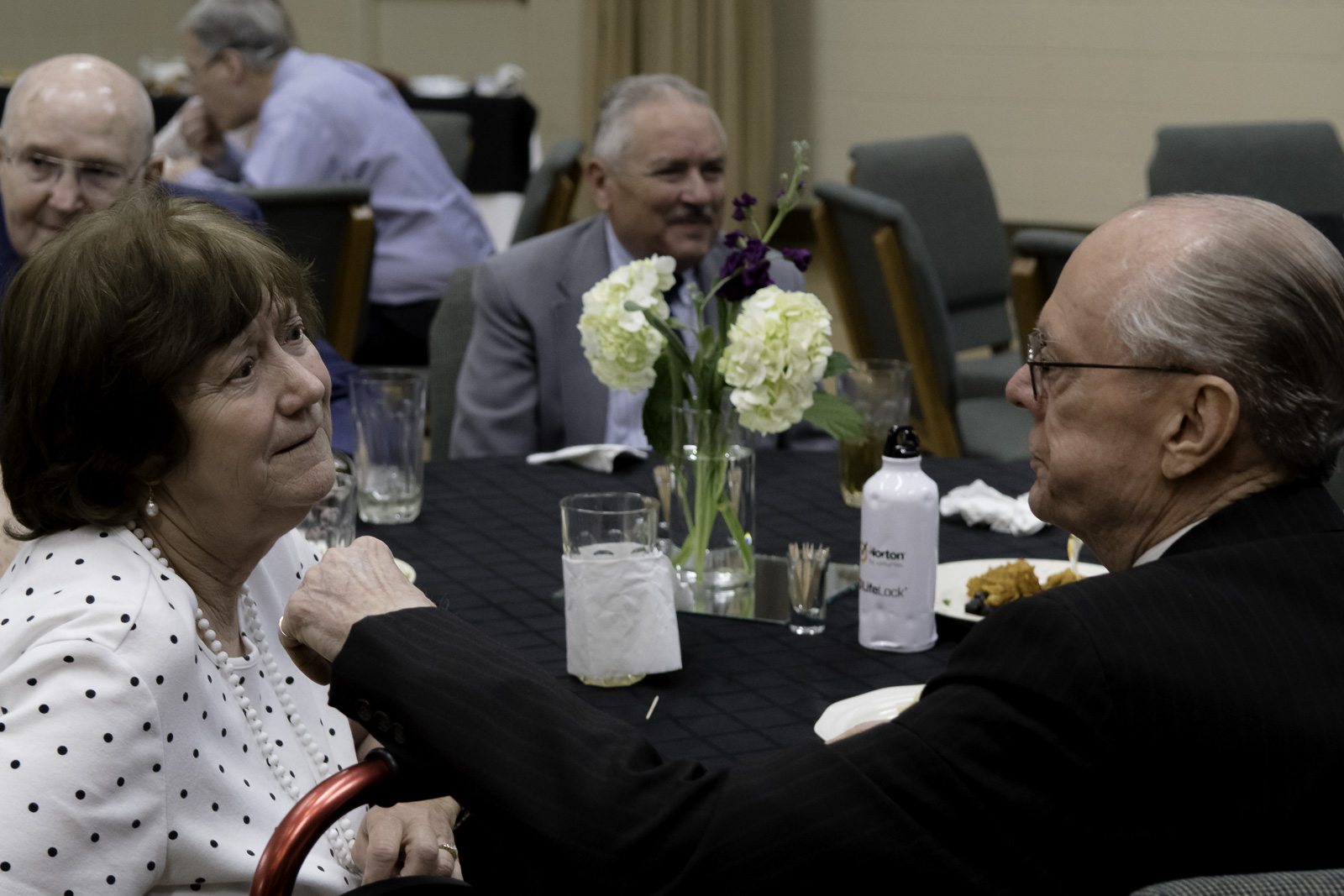
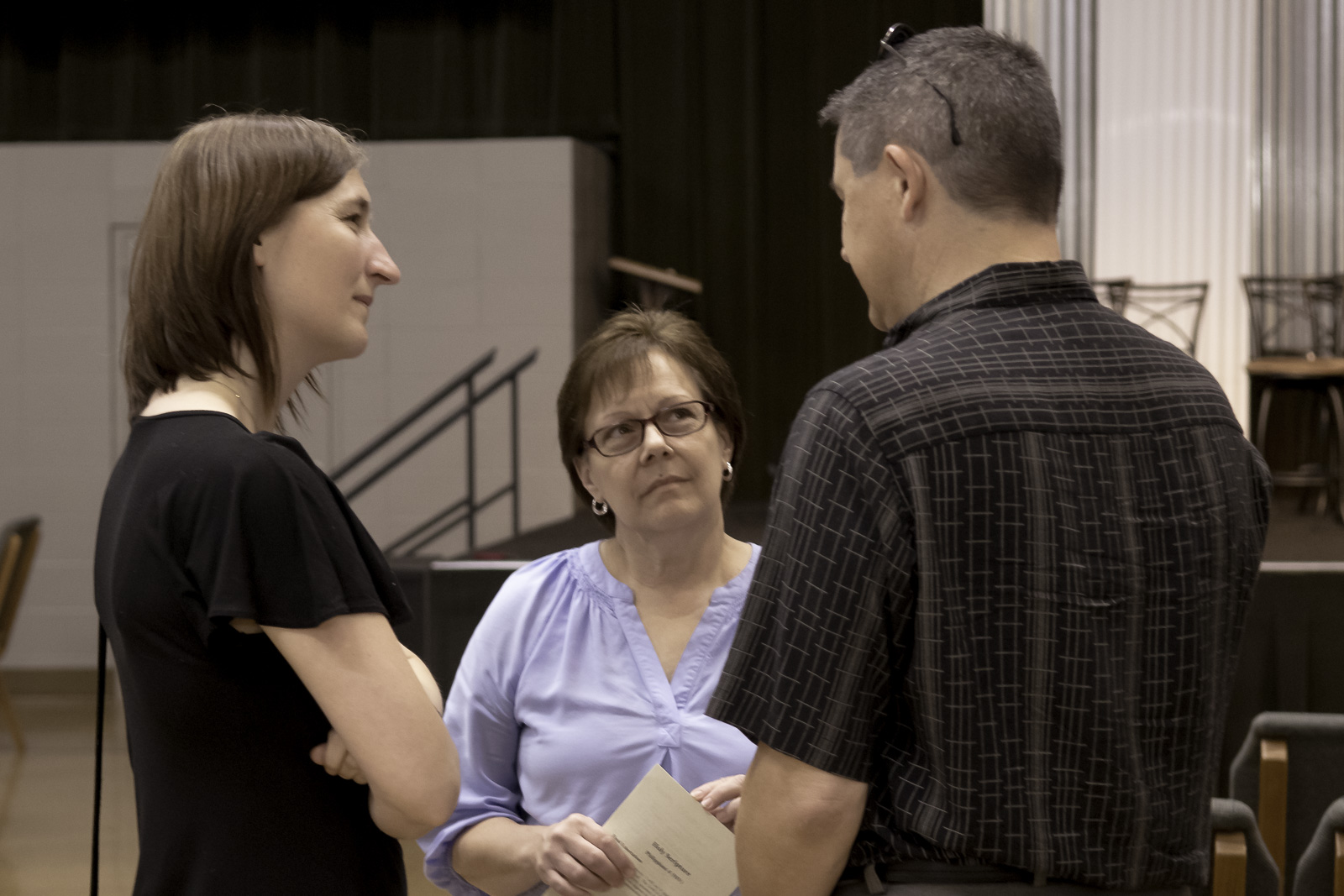
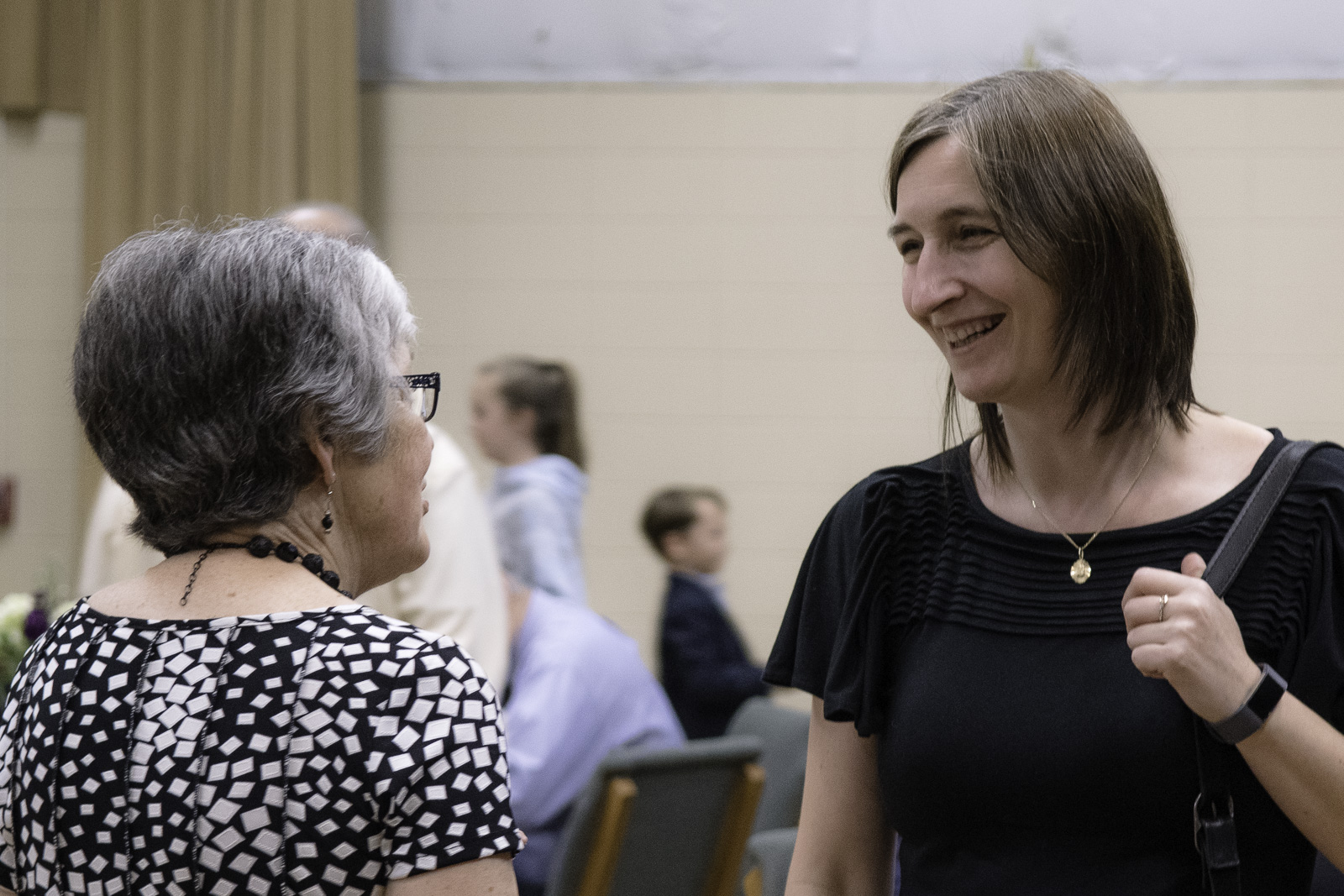
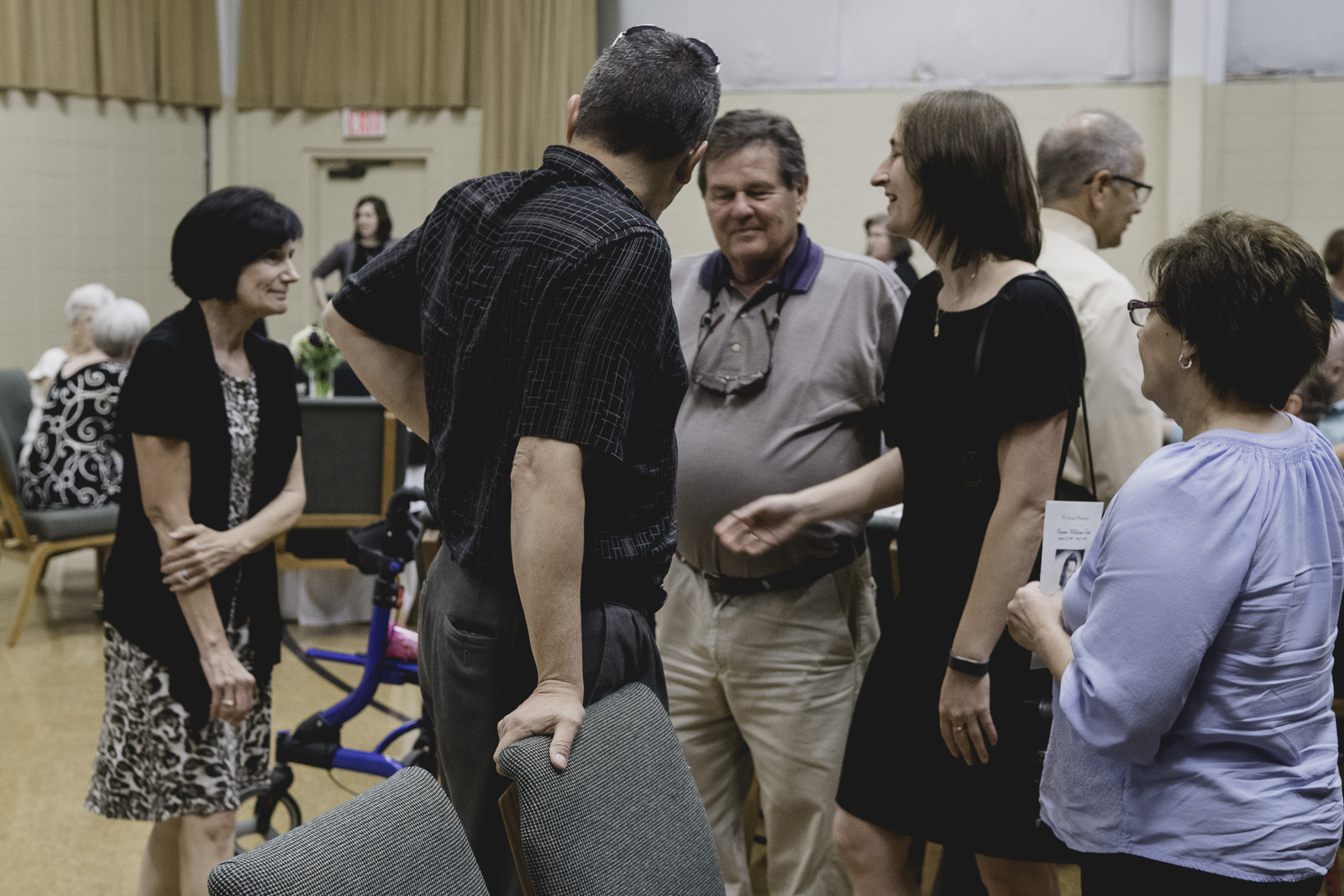
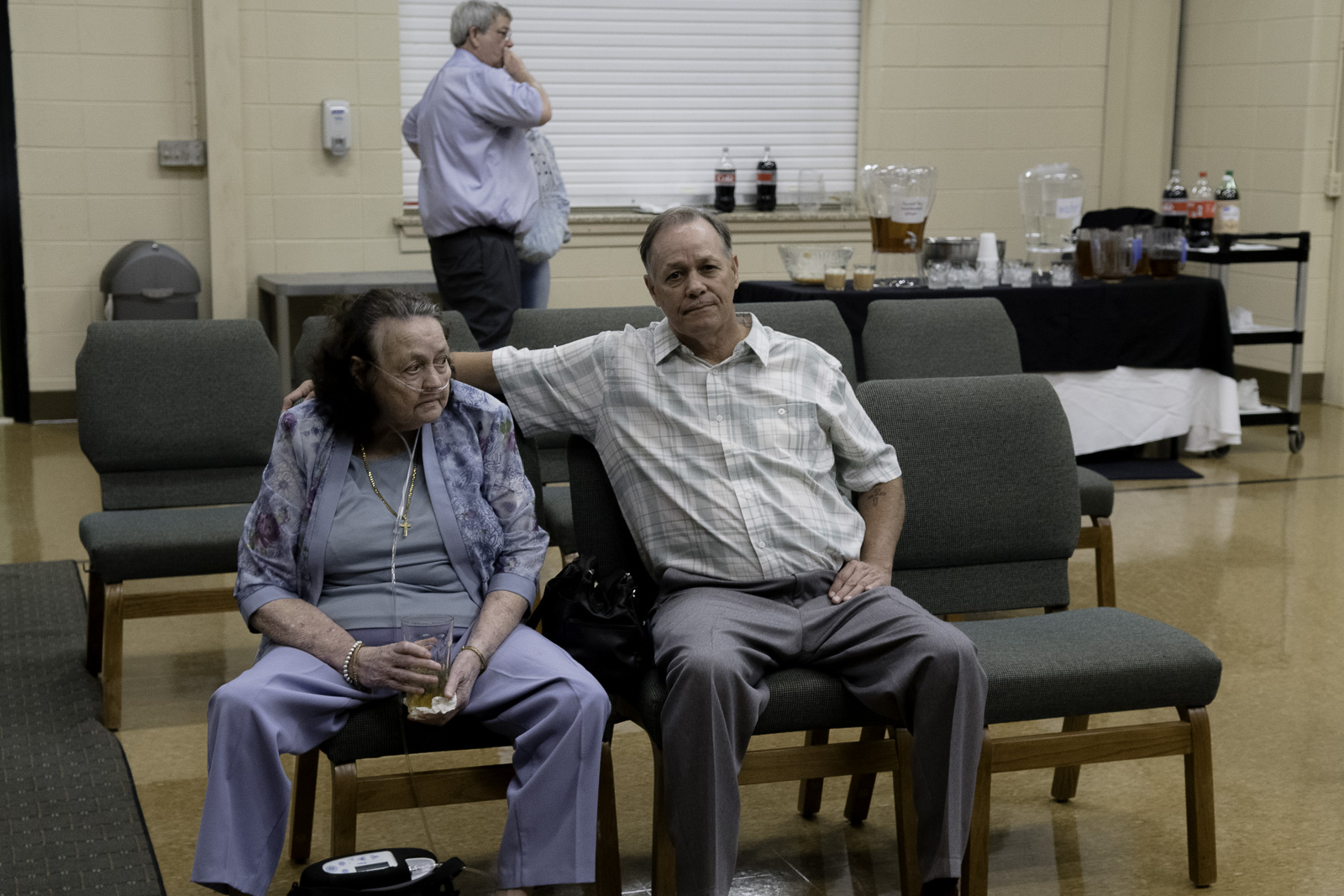
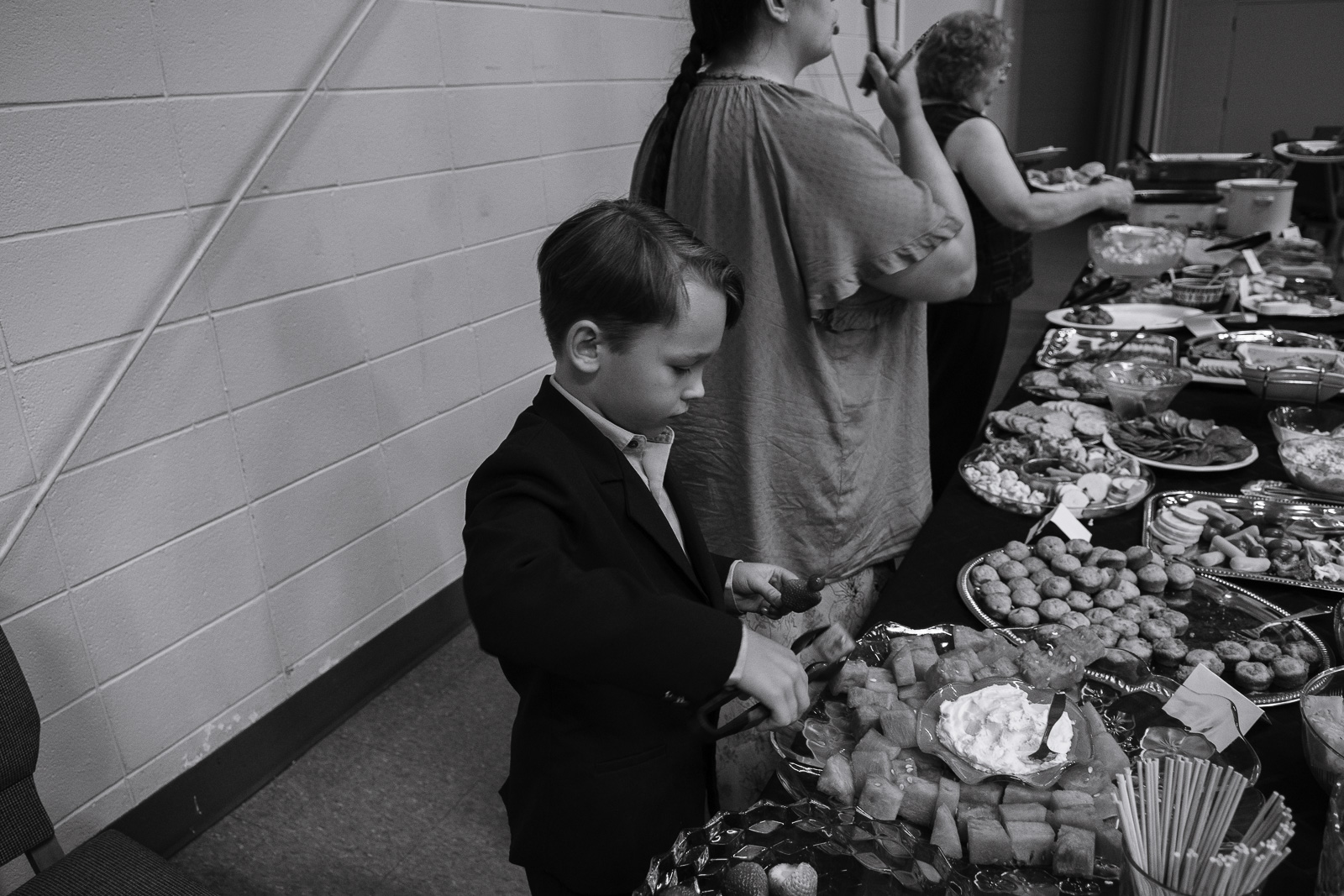
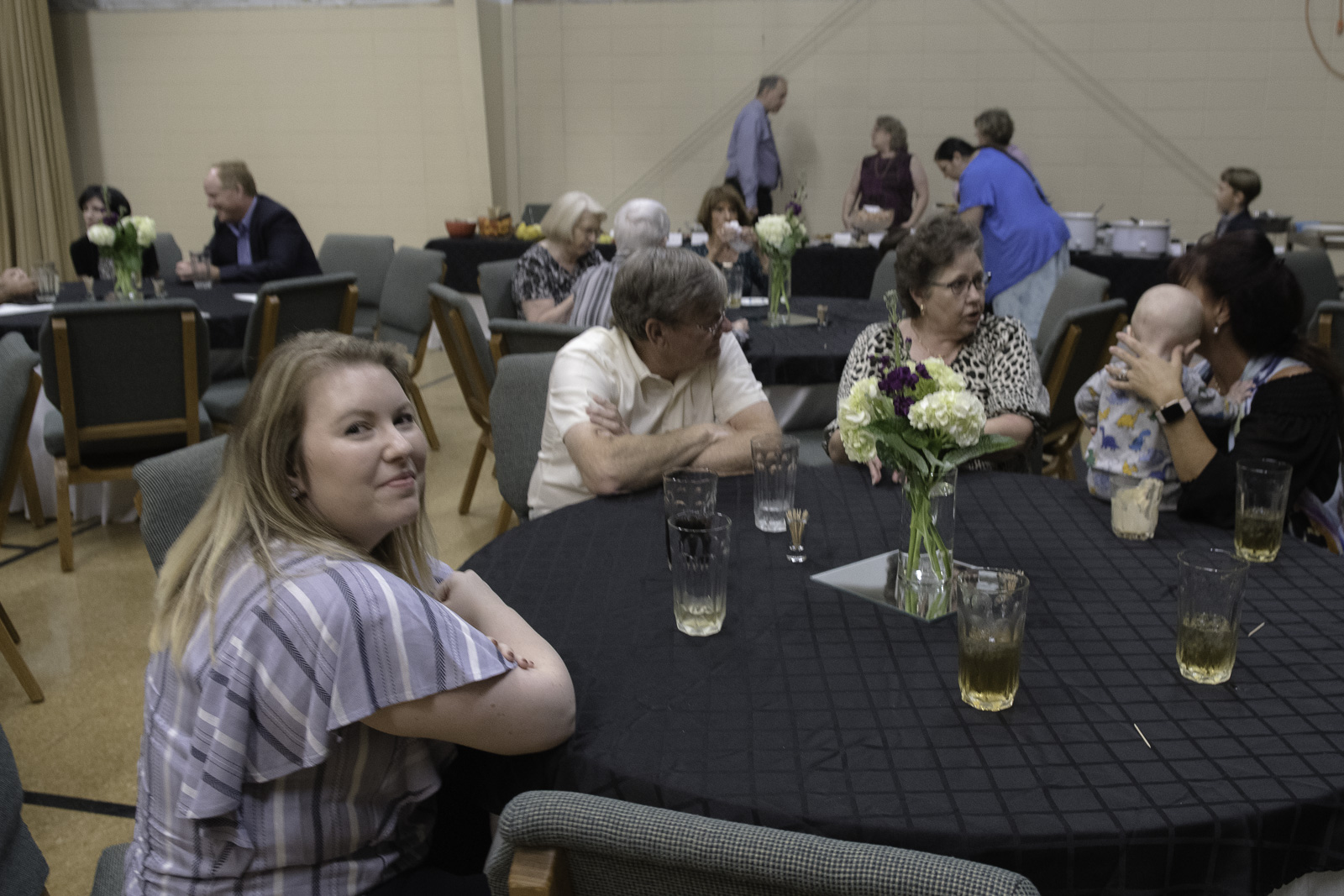
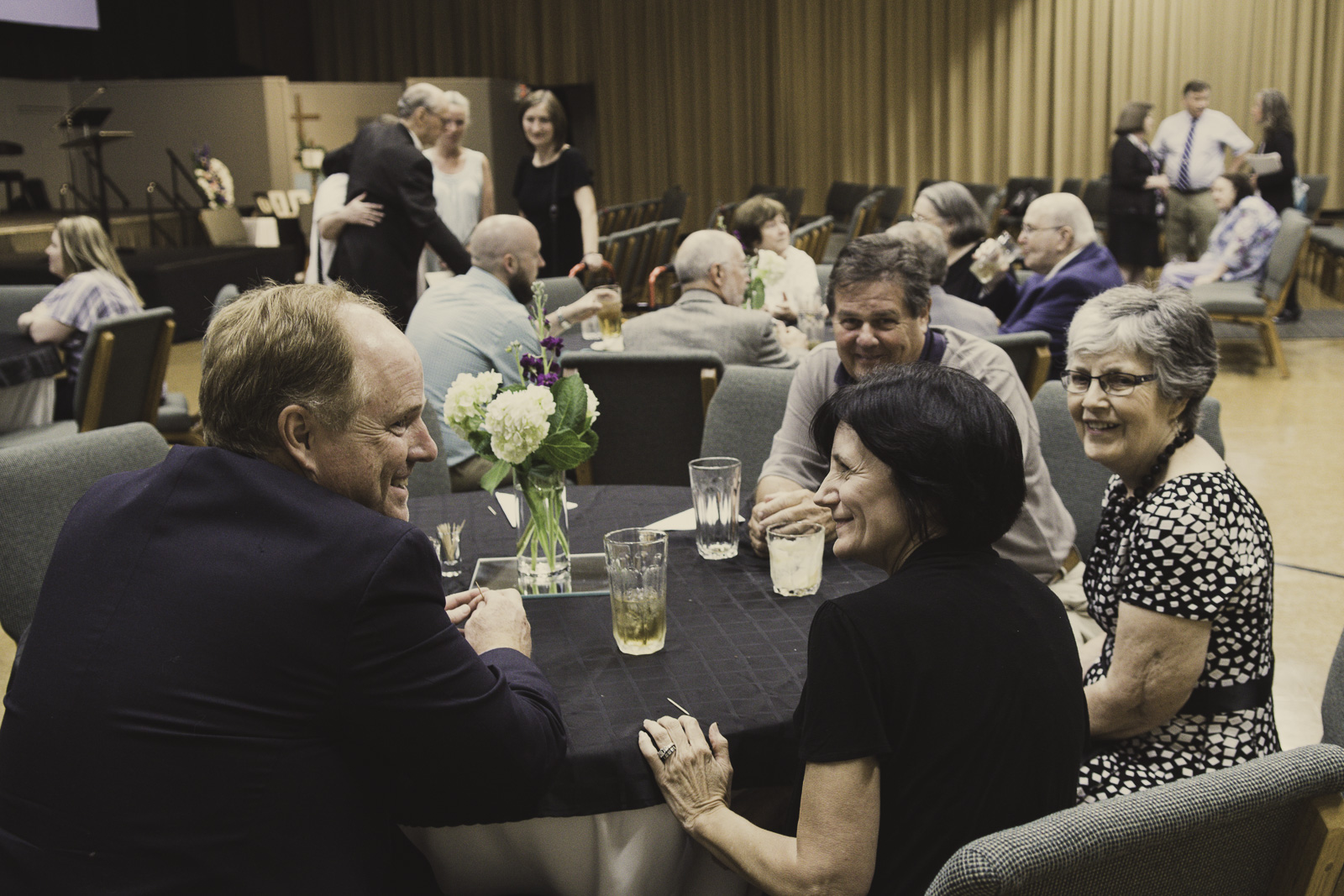
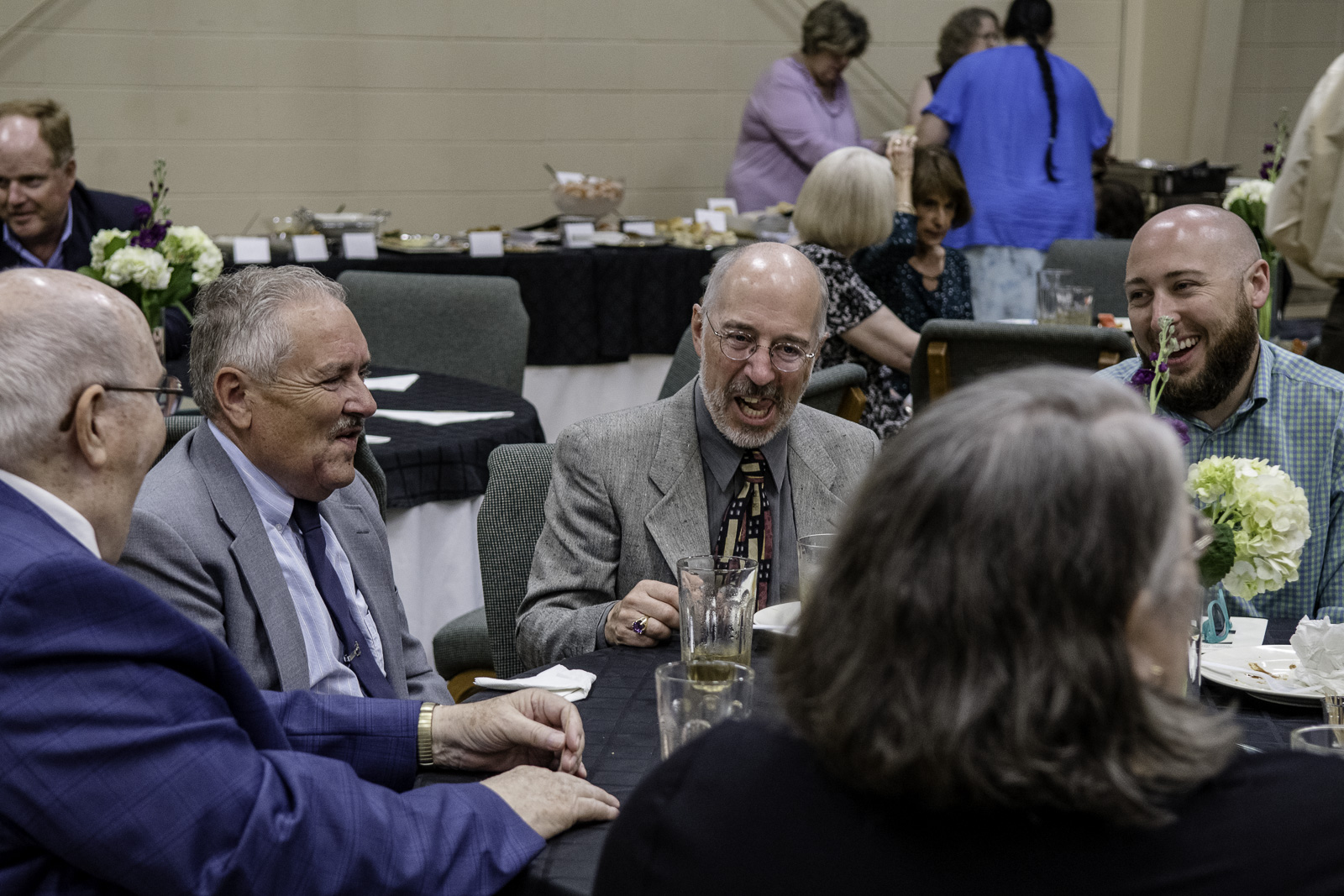
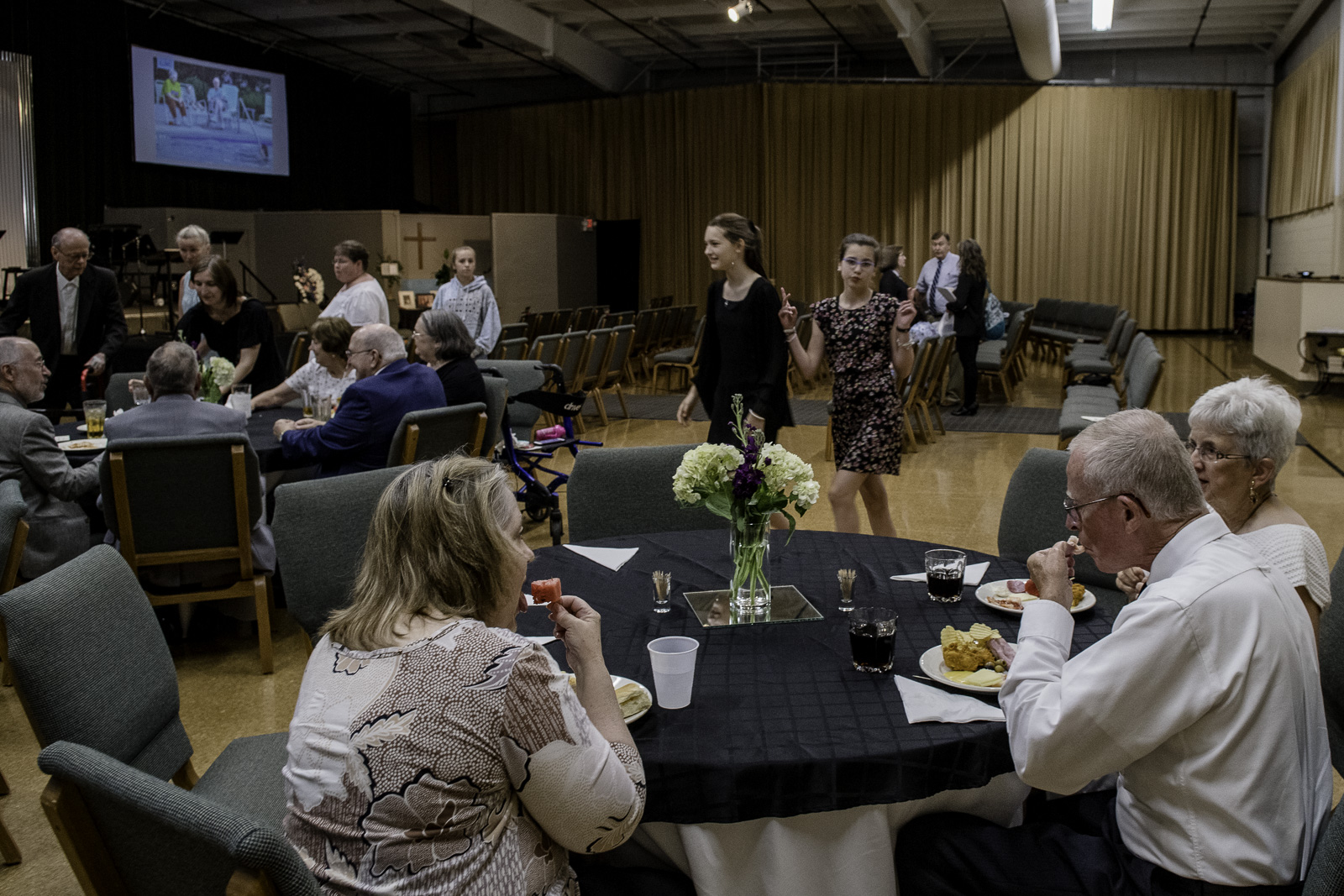
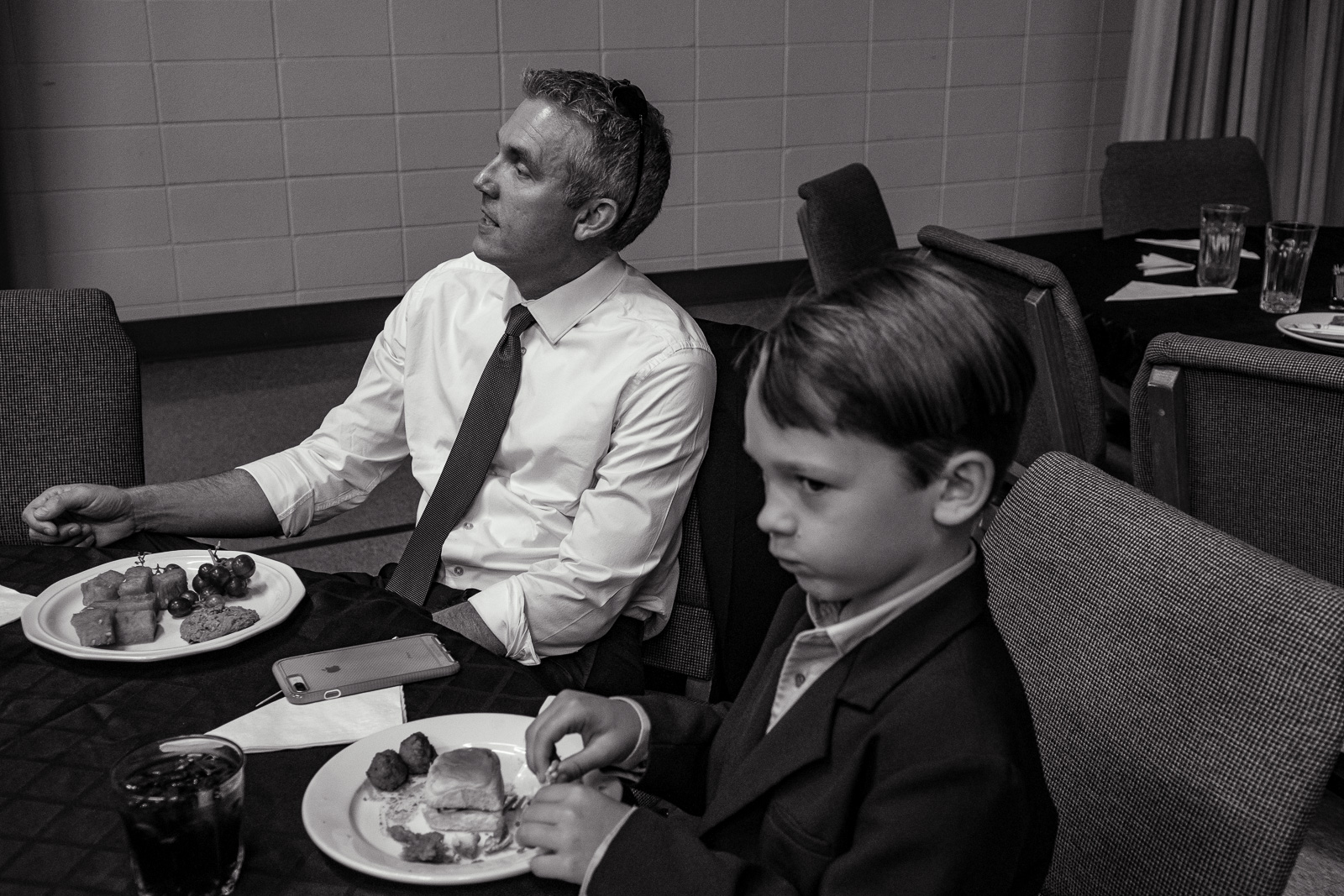
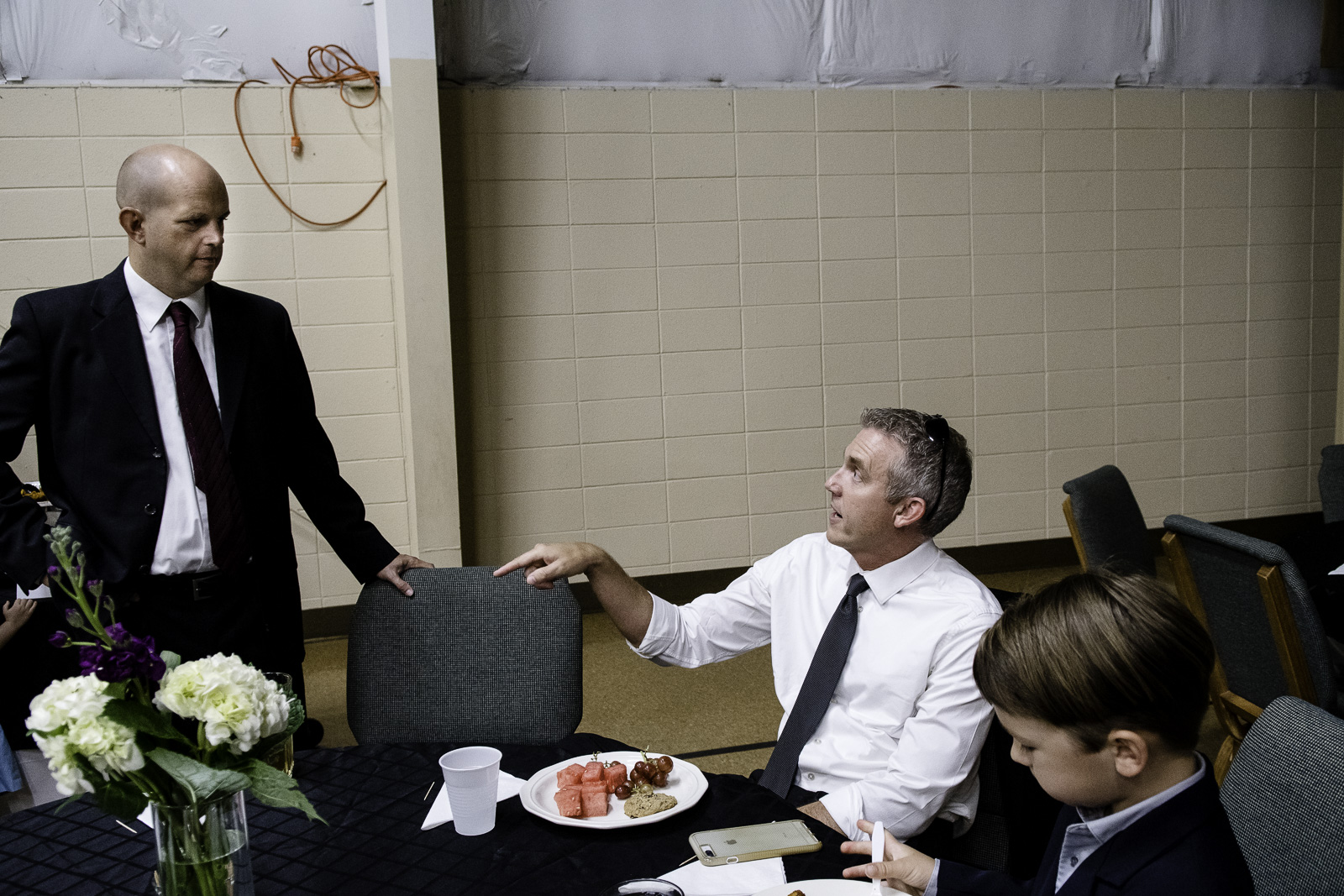
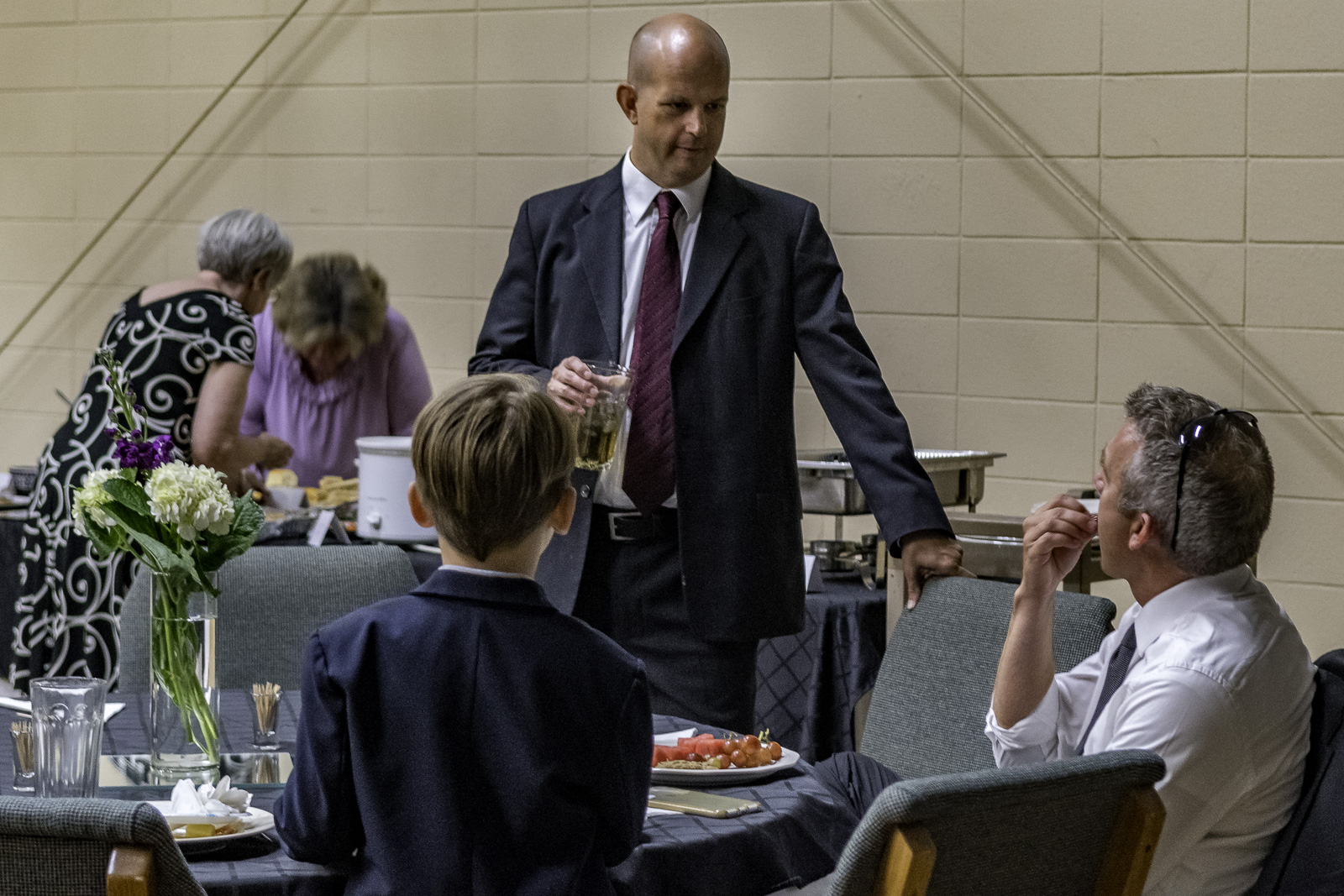
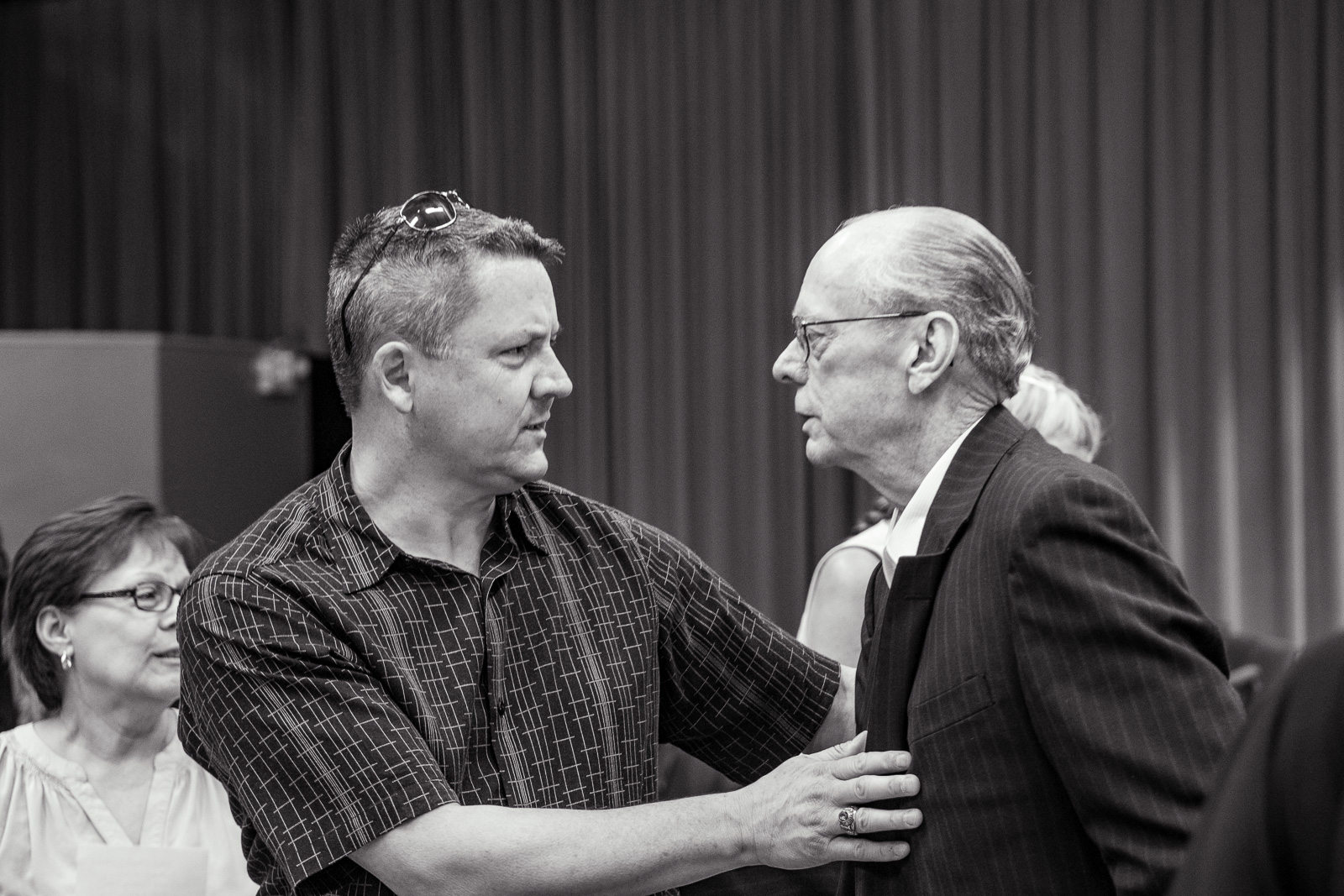
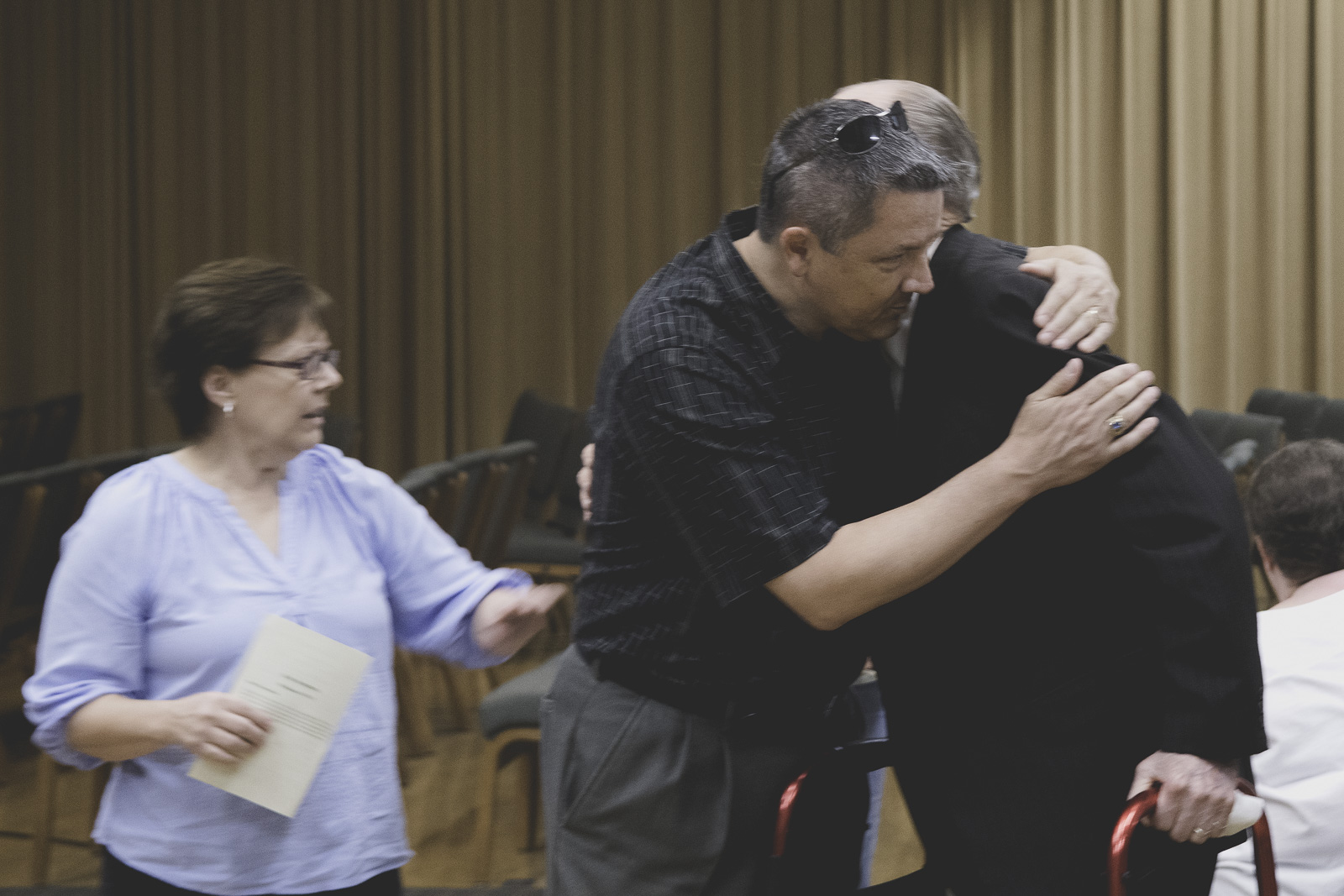
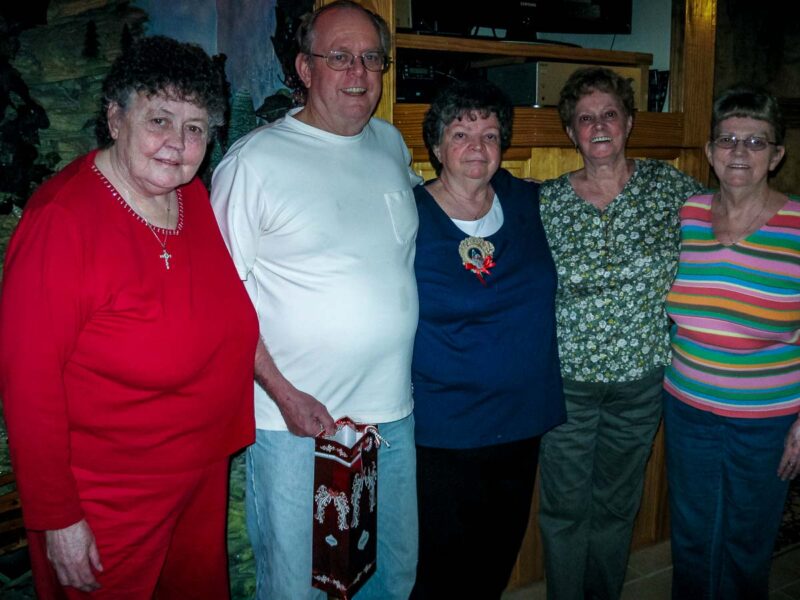
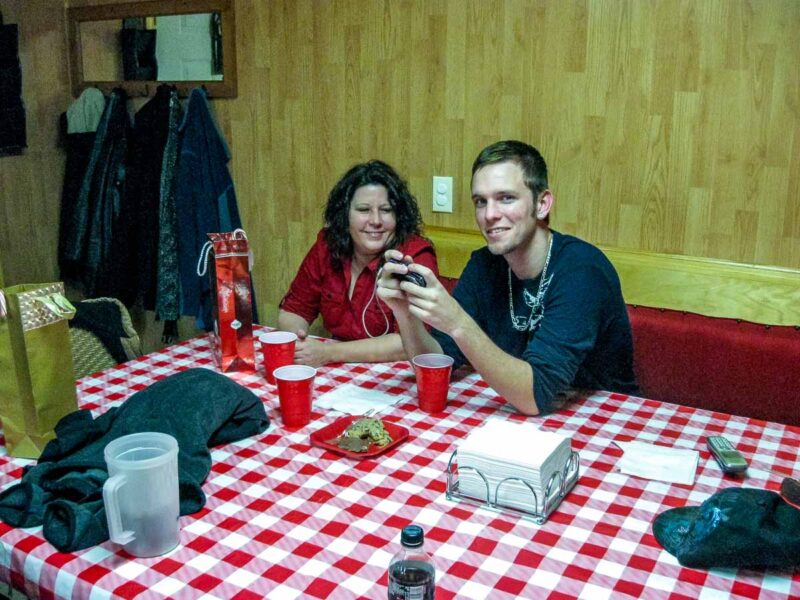
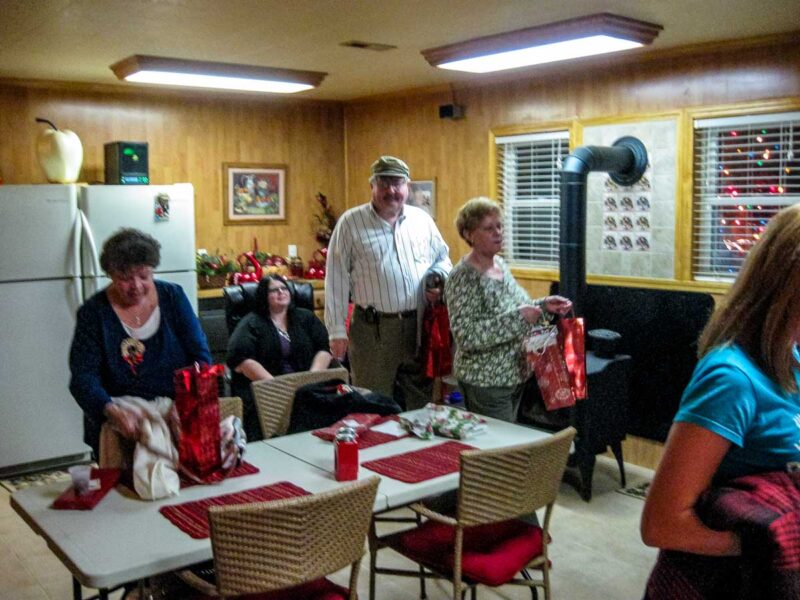
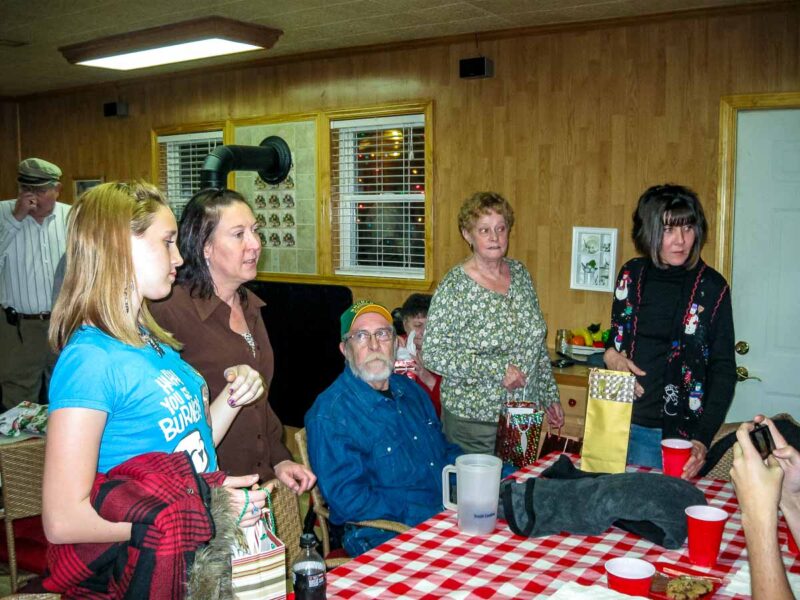
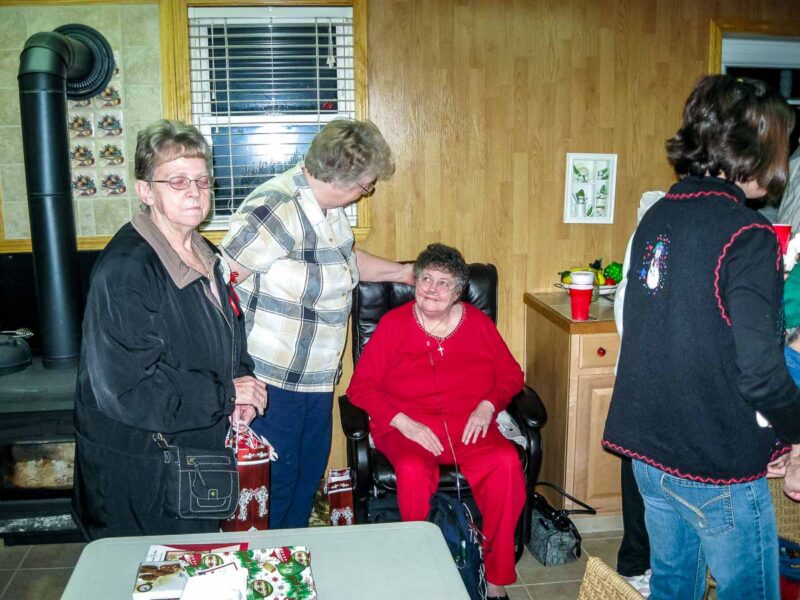
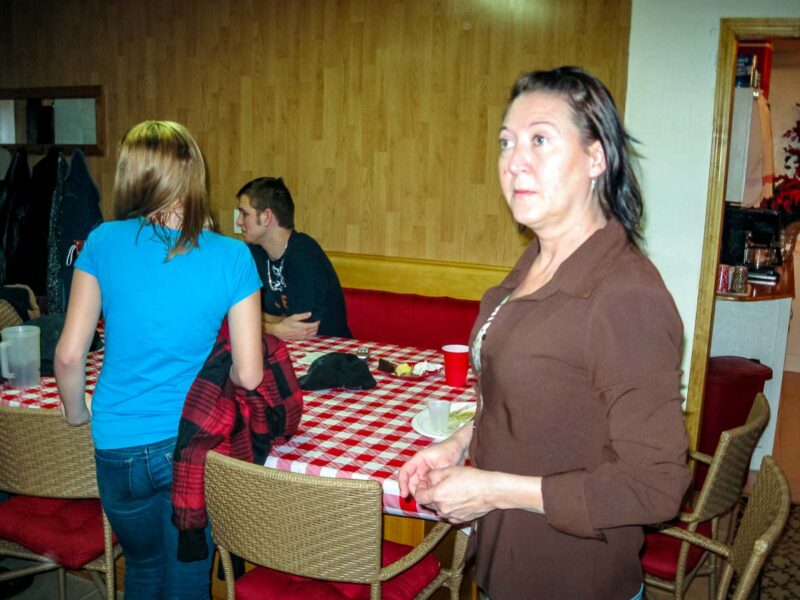
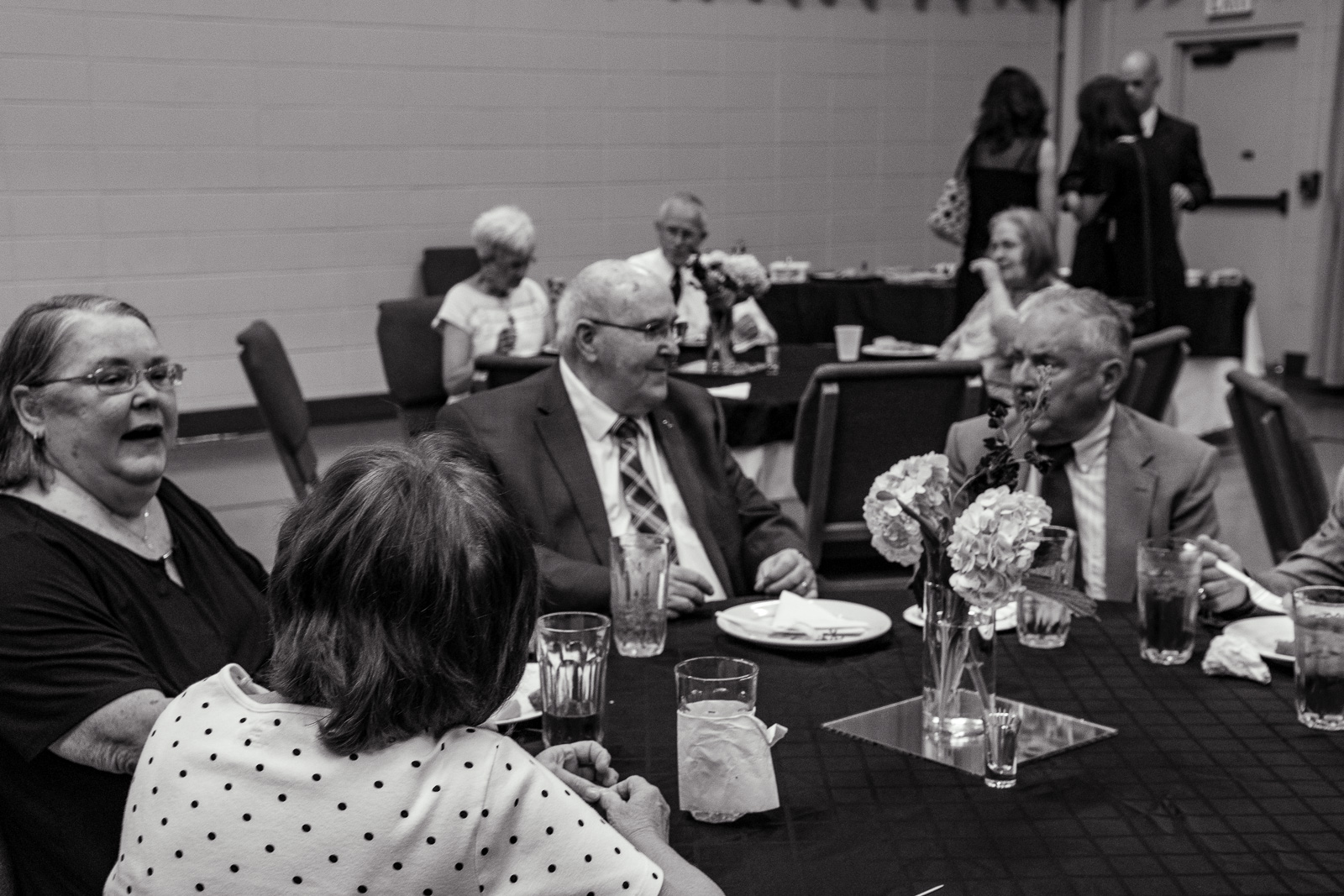
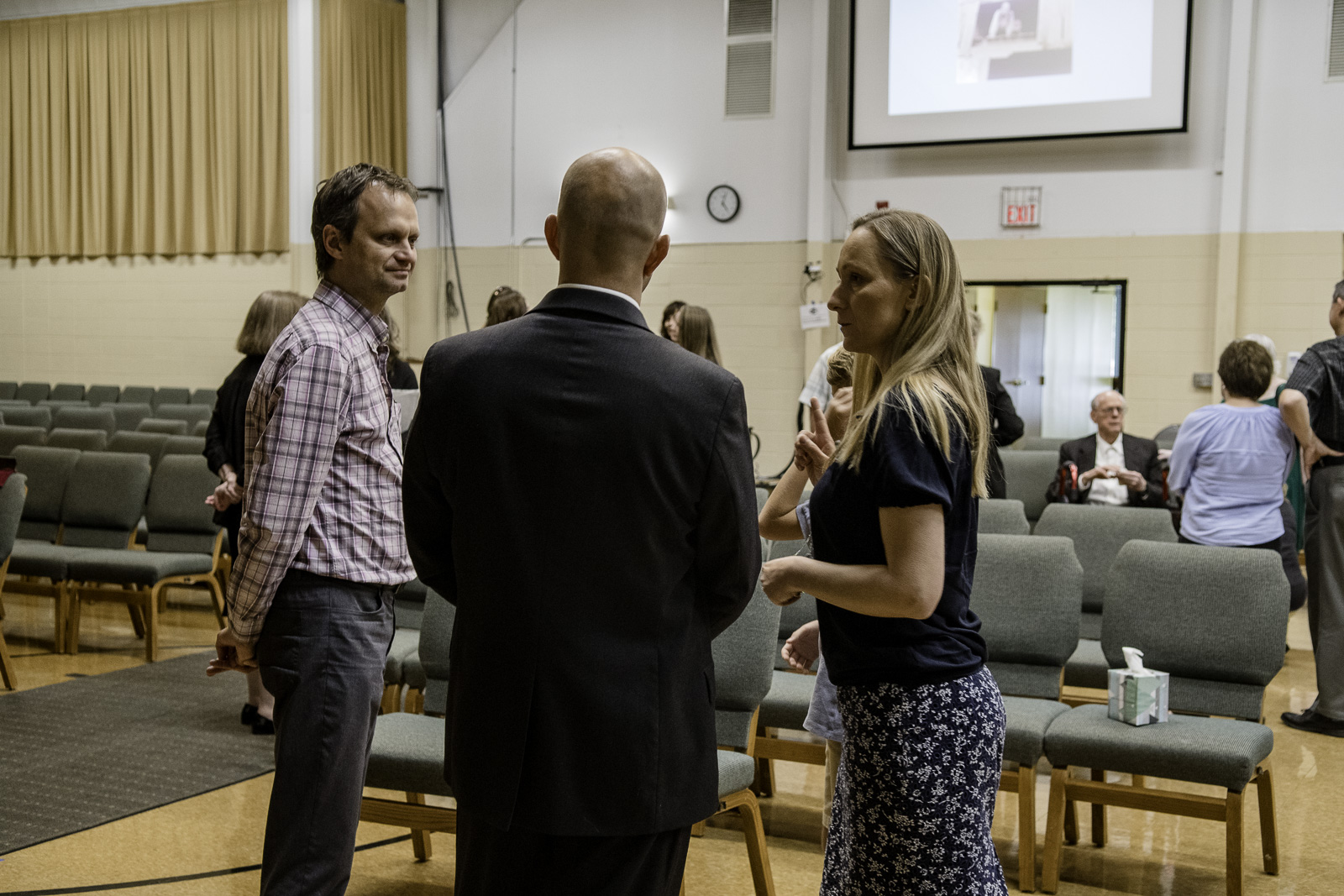
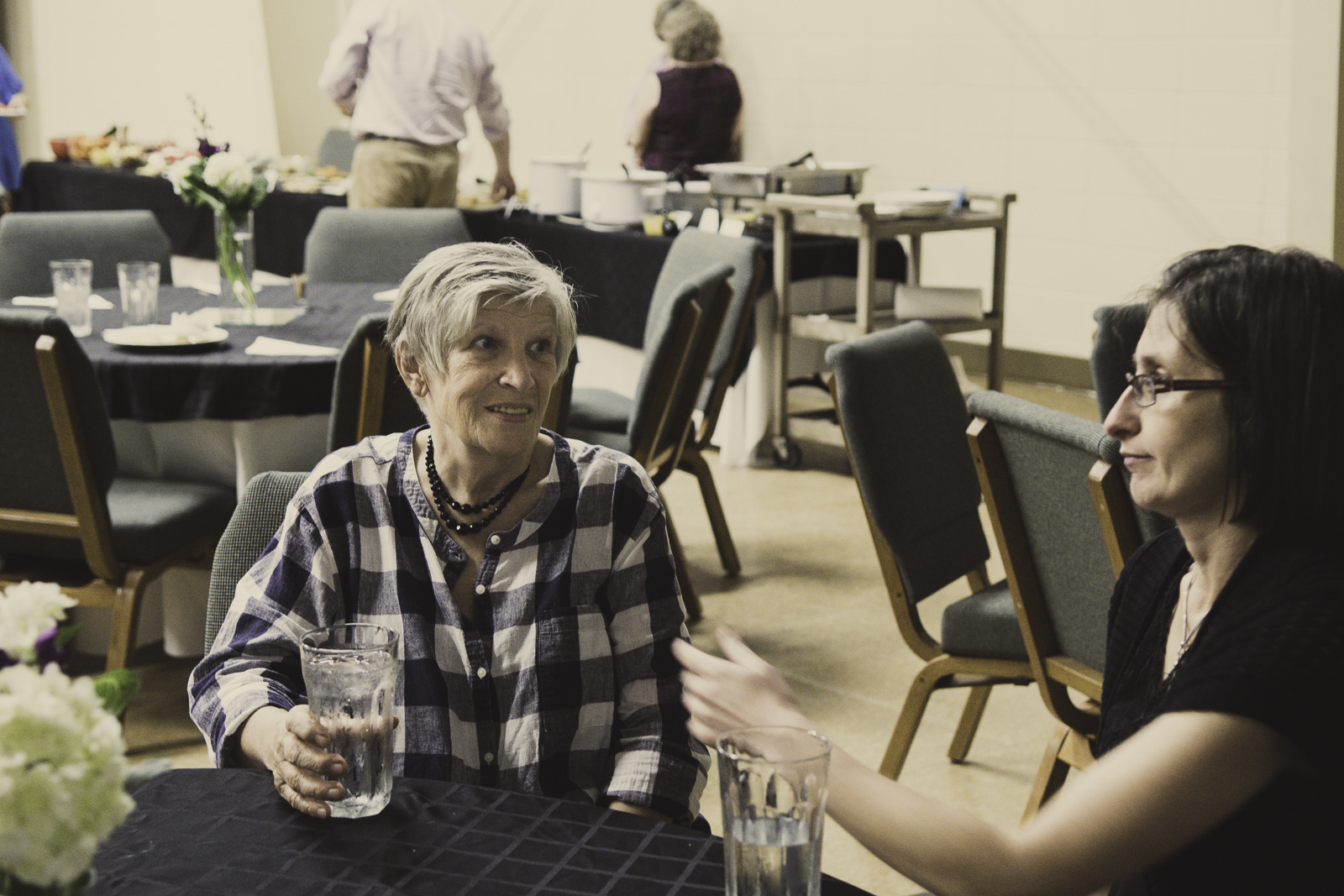
Today’s memorial for Nana, while not quite an Irish wake, was in the same spirit. (Pun not really intended.) Friends and family from Tennessee, Virginia, and both Carolinas gathered to honor Nana had lend the immediate family much-needed support.

The pictures, taken by the oldest daughter of E’s godmother M, tell the story better than I could.

Ending

I’ve never been good at endings. I’ve always grown sentimental, nostalgic.

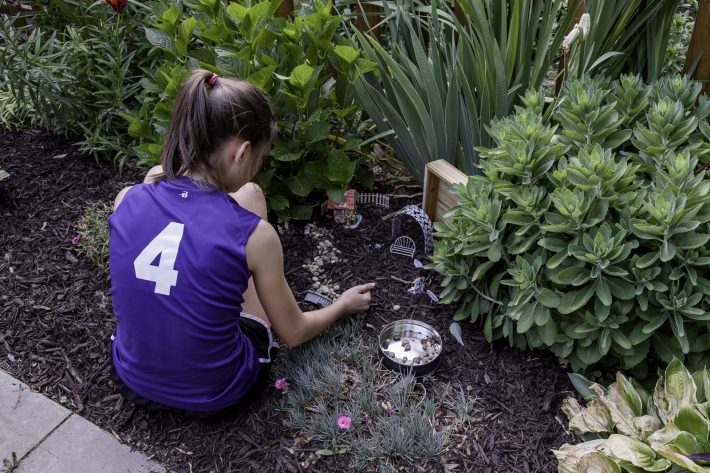
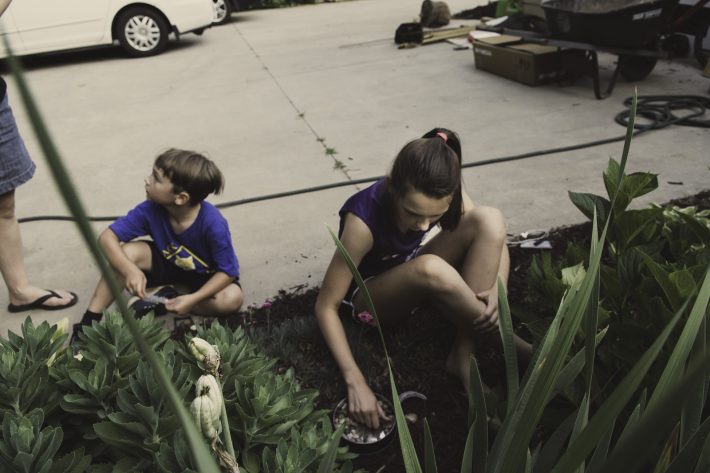
Creating the long-longed-for gnome garden

When I was young and our annual church festivals came to an end, I had a hard time letting go. Always a mix of vacation and something just a bit more meaningful, they were the highlight of the year for me, and when the final day came around, I often had difficulty enjoying it because it knew it was just that — the end. Still, there was the comfort that it would come again next year, and I could always look to that future with the hope that it would be even better than this year’s. It rarely was. It was different — not better, not worse, just different.
Fine tuning

When I returned from Poland in 1999, the nostalgia led me to return to Poland two years later, which eventually led to my marriage to the only woman so amazing that I feel I don’t deserve her in any sense of the word. Arriving again in the small village I’d called home for three years, though, I found that it was so much different than the first experience. Not better, not worse, just different.
When the school year ended when I was a beginning eighth-grade teacher in the States, I was always a little sad about the fact that I’d most likely never see those kids again. In Poland, I knew I’d see them all again — most likely, even the seniors. It was, after all, a small village. Experience has taught me, though, that I’ll fall in love with the next year’s class just as much as I did with this year’s class, that there will be kids who drive me nuts in that class, that there will be kids that break my heart in that class. The numbers will be different, the personalities will be different, but that’s not better or worse. Just different.
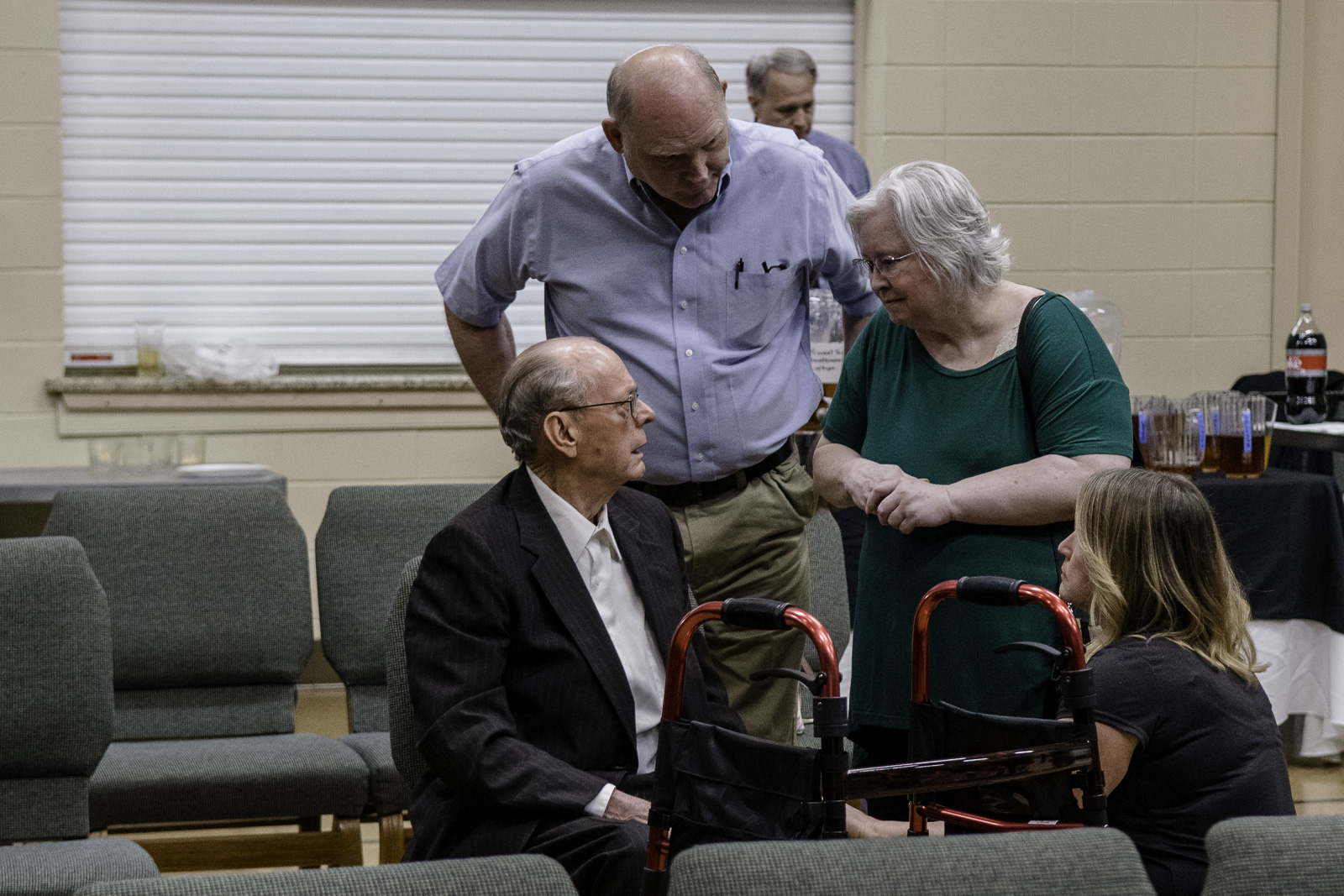
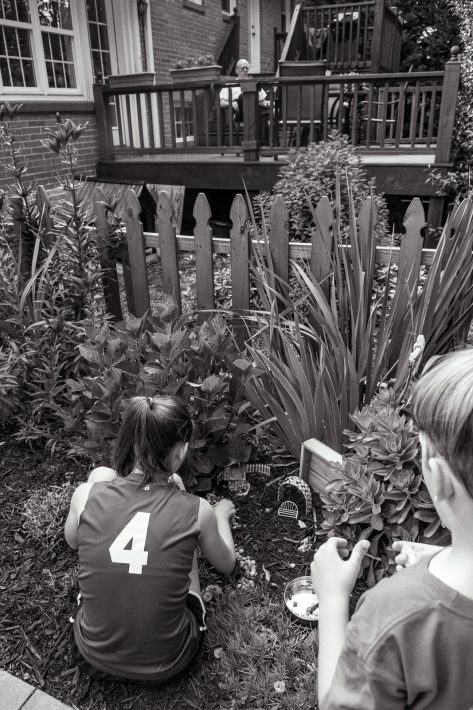
Papa looks on

Nana’s passing has haunted some corner of my imagination for the last few days — has it really only been three and a half days since she passed? it seems an eternity — in a way that I couldn’t explain until I was out for my walk with Clover this evening, listening to Sufjan Steven’s absolutely brilliant album Carrie & Lowell. This is not an ending that has any hope of return, any hope of a re-do, any hope of a change that is simply different. It’s not different; it’s not better; it’s just worse.
Sifting Through the Layers

I spent the better part of today going through pictures, digital and print, looking for images of Nana to use during Saturday’s memorial. I scanned about 30 images and found about 60 others in our digital collection, and I’m only through 2013. It was much like looking at old pictures of our children: we always feel like our children have always looked like they do today even though we know they haven’t. The changes are so gradual that it takes an image from the somewhat-distant past to jar us into understanding — realizing — anew that our children are on an ever sliding spectrum, that they in fact don’t look like this for very long at all.

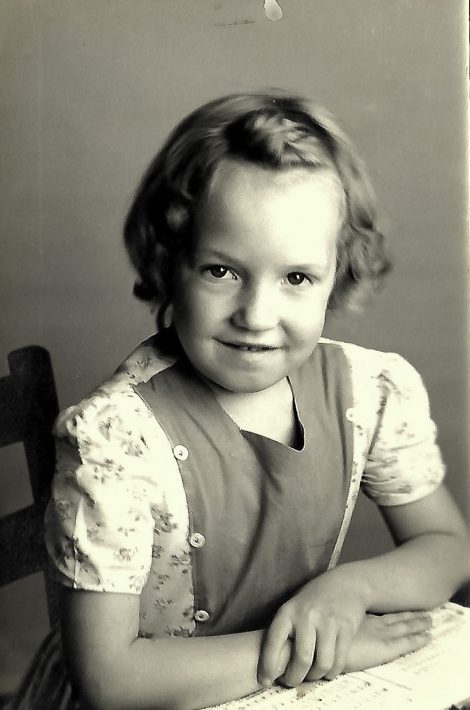
Nana in first grade

So it was with Nana. I got used to what she looked like now and forgot all about the Nana of my youth, when she was simply “Mom.” And then I began going through pictures and rediscovering images of Nana before I even existed, images of Nana when she was my age, images of Nana when she was the Boy’s age.

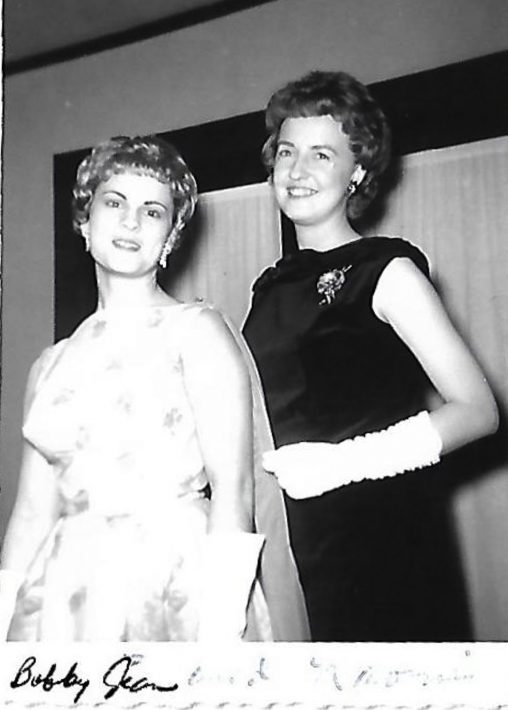
I saw Nanas I never knew. I saw Nana as a young lady, about to go out for a night on the town, looking every bit like someone off the Mad Men series.

Nana in 1963

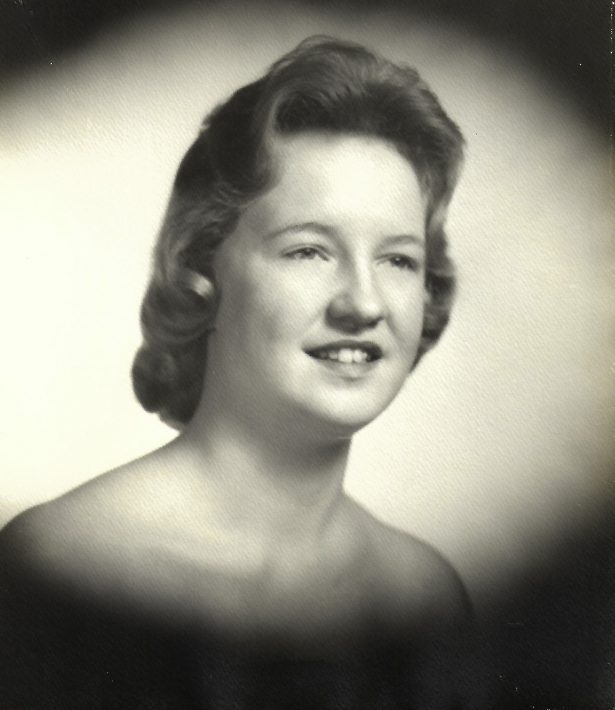
I saw Nana as a senior in high school, just a little older than most of my students, and wondered what she was like in class.

The graduate

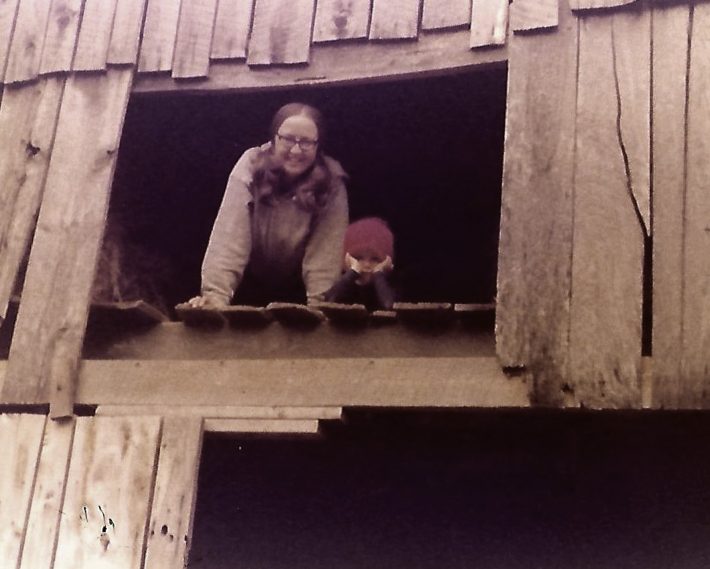
I saw Nana when she was a mother but younger than I am now, with a version of me that’s probably about E’s age. It’s as hard to imagine Nana climbing up into a barn as it is to imagine her bedridden and frustrated.

In the loft of her brother’s barn

And now that she’s passed, all these versions live on in various people’s memories. “That was about the time I met your mother,” Papa explained about the Mad Men photo. Her best friend since forever likely remembers first-grade Nana as they went to school together from kindergarten through graduation.

The rest of the day I spent working on Nana’s obituary. Ever the English teacher, I examined examples before starting to write hers and I noticed I finally have an answer to students’ common question when learning the difference between active and passive voice: “Mr. Scott, when do we use passive voice?”

“In obituaries, children, almost exclusively.”

On Monday, May 27, Naomi Ruth Williams Scott, wife, mother, sister, and grandmother, passed away peacefully at home surrounded by her family after a six-month struggle. Naomi will be lovingly remembered by her husband of nearly 55 years, Melvin; her son, Gary; her daughter-in-law, Kinga; her grandchildren, Lena and Emil; and sisters-in-law Laverne Williams, Diane Mathis, Yvonne Van Seeters, and Mary Barnes, as well as many nieces and nephews, and countless friends. She was preceded in death by her father, Lewis Williams; her mother, Ruby Gordon Williams; and her two brothers, Nelson and Wallace Williams.

A native of Indian Land, South Carolina, Naomi graduated from Indian Land High School and married Melvin Scott in 1964. They lived for several years in the Charlotte/Rock Hill area relocating to the southwest Virginia/northeast Tennessee area, where they lived for over thirty years.

Versatile and skilled, Naomi worked various jobs through her life, including jobs in a flower shop, a printing and finishing shop, a travel agency, later in life, her own business. She would have argued, however, that her most important job by far, her only truly important job, was being a mother. She was a dedicated and loving mother who provided all who knew her a clear example of what it really means to be a mother.

Naomi was a very active church member in all the congregations she attended. She served as a deaconess in the Worldwide Church of God, where she also sang in the choir and provided quiet leadership through example for members. A firm believer in Jesus, she never wavered in her faith and leaned heavily on His love and promises.

The memorial service for Naomi will be this Saturday, June 1 at 3 PM at Woodruff Road Christian Church, 20 Bell Road, Greenville, SC. Following the service, there be time for fellowship and visitation with light refreshments to give everyone an opportunity to share with each other their memories of Naomi.

As Naomi felt special tenderness to all children but especially her son and grandchildren, the family requests instead of flowers memorial donations to the Shriners Hospital for Children and St. Jude Children’s Research Hospital. Since her faith was so important to her and because the church has shown so much support in this time of need, the family would be honored with donations in Naomi’s memory to Woodruff Road Christian Church.

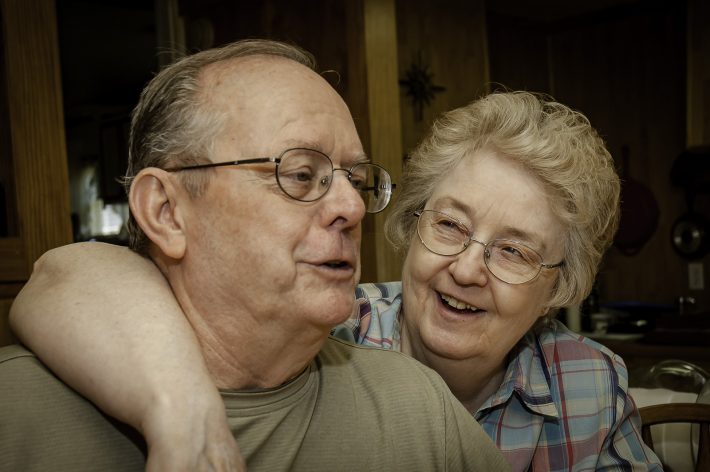
But bottom line, I look at these pictures, especially the most recent, of Nana and Papa, and it hits me again and again:

Probably my favorite picture of my parents

I simply can’t believe she’s gone. I imagine we’ll all be experiencing that for many months.

The Day After

Normal is a relative thing. We are constantly, it seems, redefining and adjusting our normal. Most of those adjustments are relatively small; throughout our lives, we, at least a handful of times, have to reorient our lives in ways that are inconceivable until we’re living through them.

We’re all going through the latter now, dealing with Nana’s passing and all the changes that come with that.

We go through things for the first time, like sitting in a mortuary discussing options, choosing things we’d never really considered, like which urn, how many death certificates, which guest book.

We write things we’d never written, which sometimes break rules we’d always followed — an obituary is absolutely filled with passive voice: “She is survived by…” “She was preceded by…” “She is remembered by…”

We have conversations we’d never had, like discussions about what songs we might like at a memorial, when to have a final moment with someone, when to have a memorial.

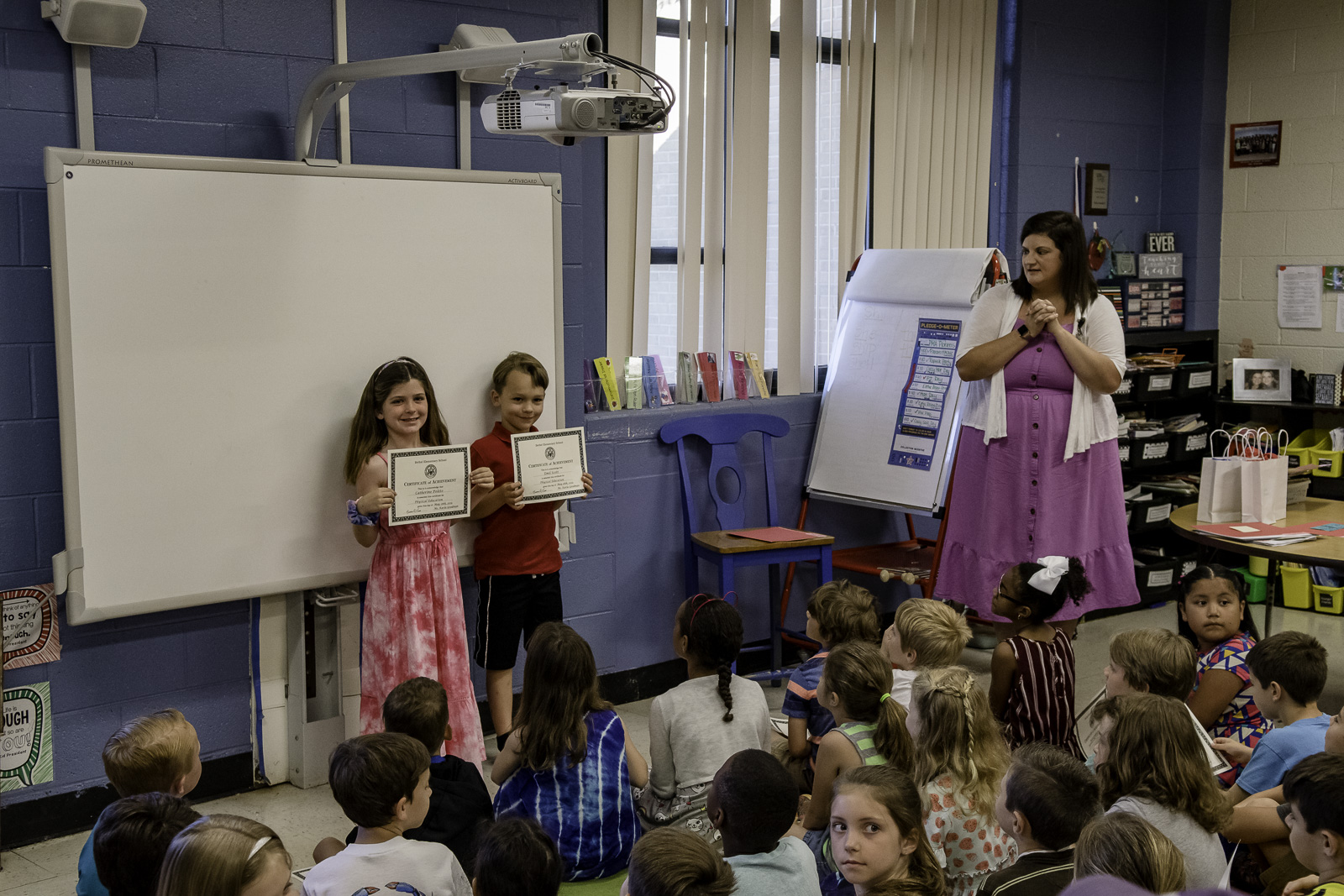
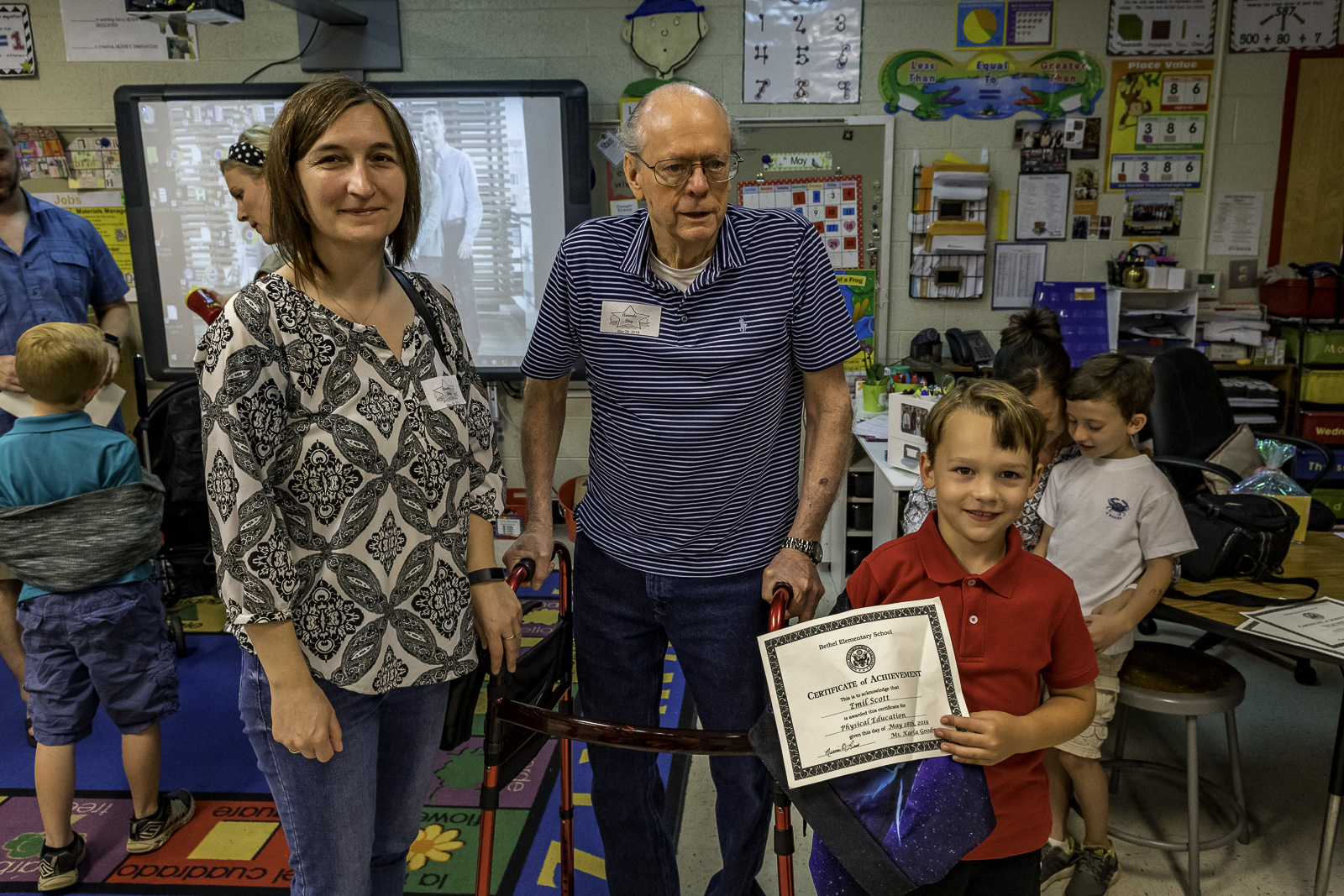
And yet in the midst of all these experiences we’d never want to have, little changes sparkle with joy. Papa steadfastly stayed by Nana’s side for the last several years as her condition worsened, giving up church, giving up concerts, soccer games, and other things because he refused to leave her side. Now, with the thought that Nana’s most basic wish would be that he get out and live, those things are happening. Sitting around the small fire as the Boy makes smores; going to a small, end-of-the-year award ceremony; sitting on the back deck with me, sipping some scotch and reveling in fond memories.

We begin to catch our breath and move on. It is, after all, what Nana would want.

First Week

The first week is over. Nana and Papa moved in last Saturday, and we began setting up a new normal. The morning ritual is different: in the past, K worked on everyone’s lunch as I worked on breakfast. Now, we both get up a bit earlier, and I work on lunches as K takes care of Nana’s early morning needs. The evening ritual is a bit different: I tend to put the Boy to bed more often as K takes care of Nana’s evening needs. Afternoons have been in flux as we still try to get everything in its new order. There are still things that linger, but the Boy positively loves having Nana and Papa to visit with after school. He’s parked his large box of Legos, with Nana’s and Papa’s blessing, in their room and plays there every day after school.

A gentle slide into our new reality.

Changes

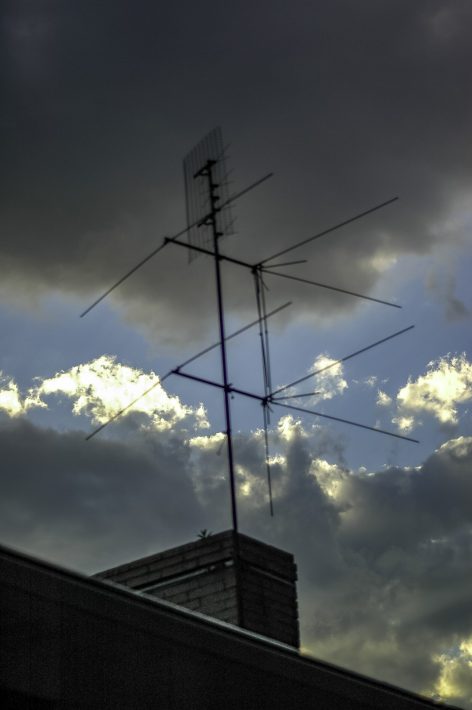
The other day, I was looking through old posts here and noticed this picture:

I had forgotten completely that when we bought this house, there was an enormous antenna on the chimney. I found the image in Lightroom’s catalog, played with it a bit, and then found this image:

This was from about 2008. The bushes in the foreground are long gone, as are the pine trees and dozens of sweet gum saplings, which I thought, at first, were some kind of maple. What an idiot.

That is all to say, things change around the house. Since we moved in twelve years ago, we’ve replaced the windows, replaced some doors, remodeled a bathroom, remodeled the kitchen, added insulation, replaced the outdoor sewer line twice, redid the landscaping in front of the house, replanted the front yard at least three times, repainted a few rooms a couple of times,  replaced the whole HVAC system, and dozens of other little things.

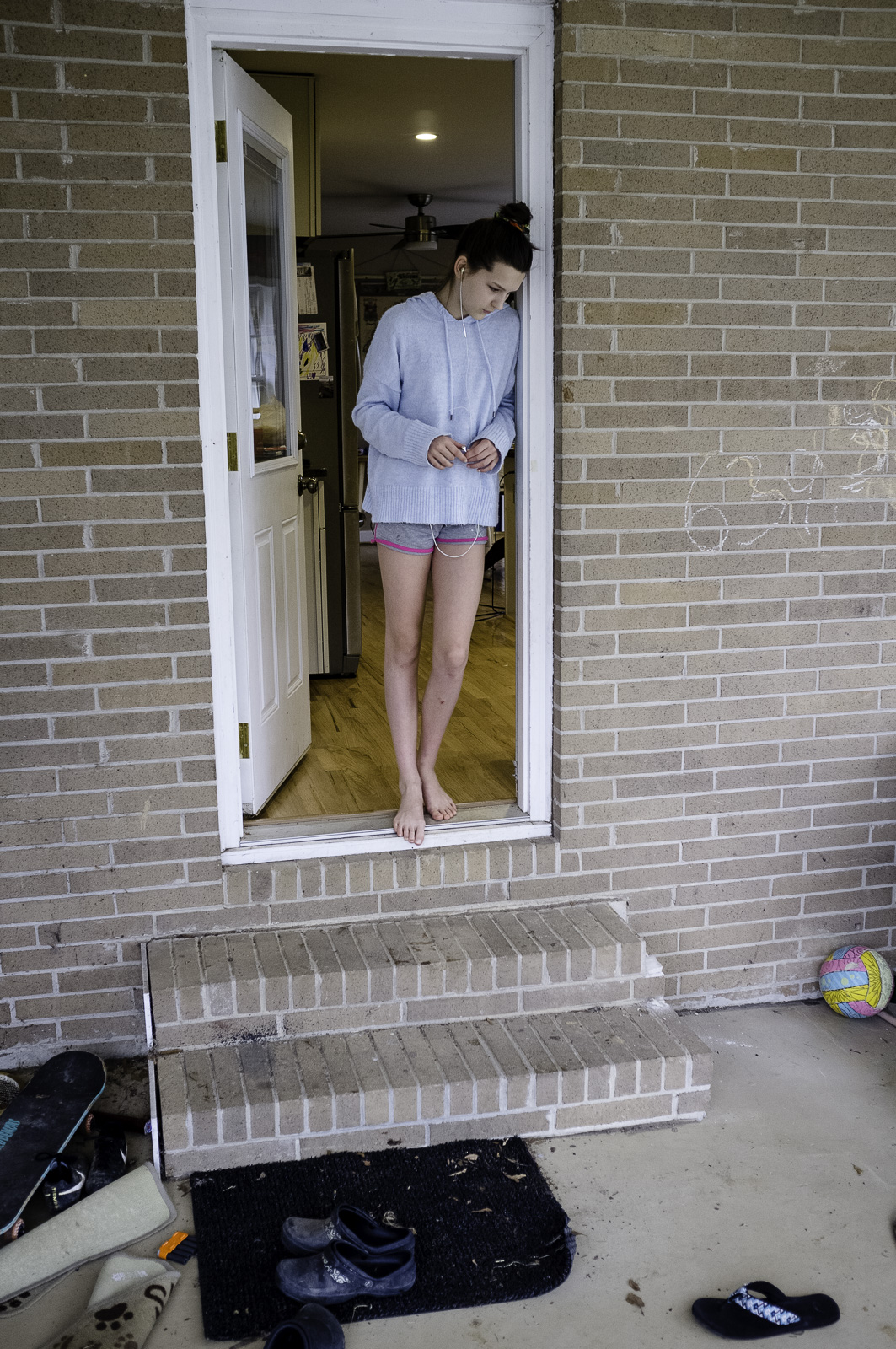
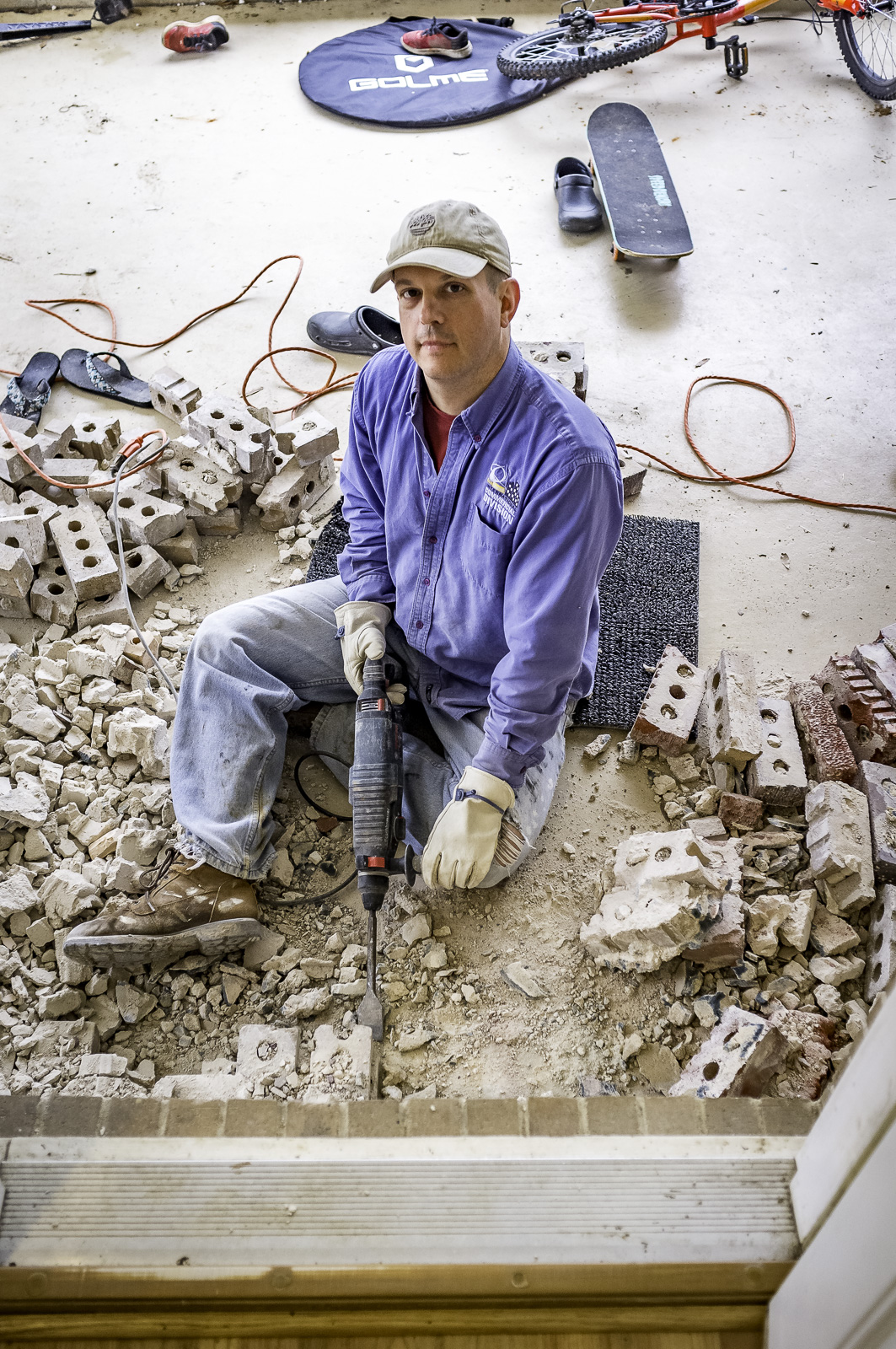
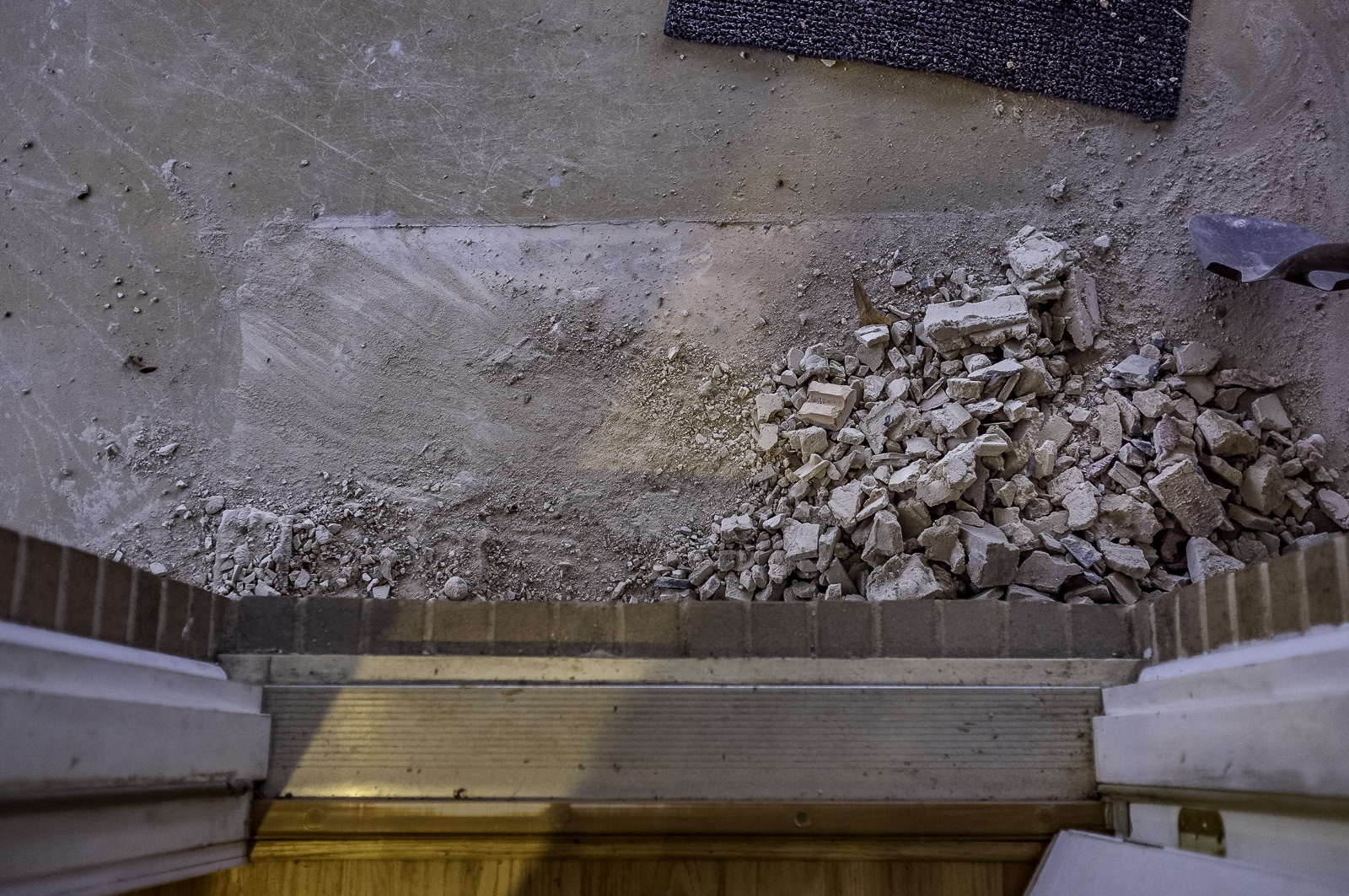
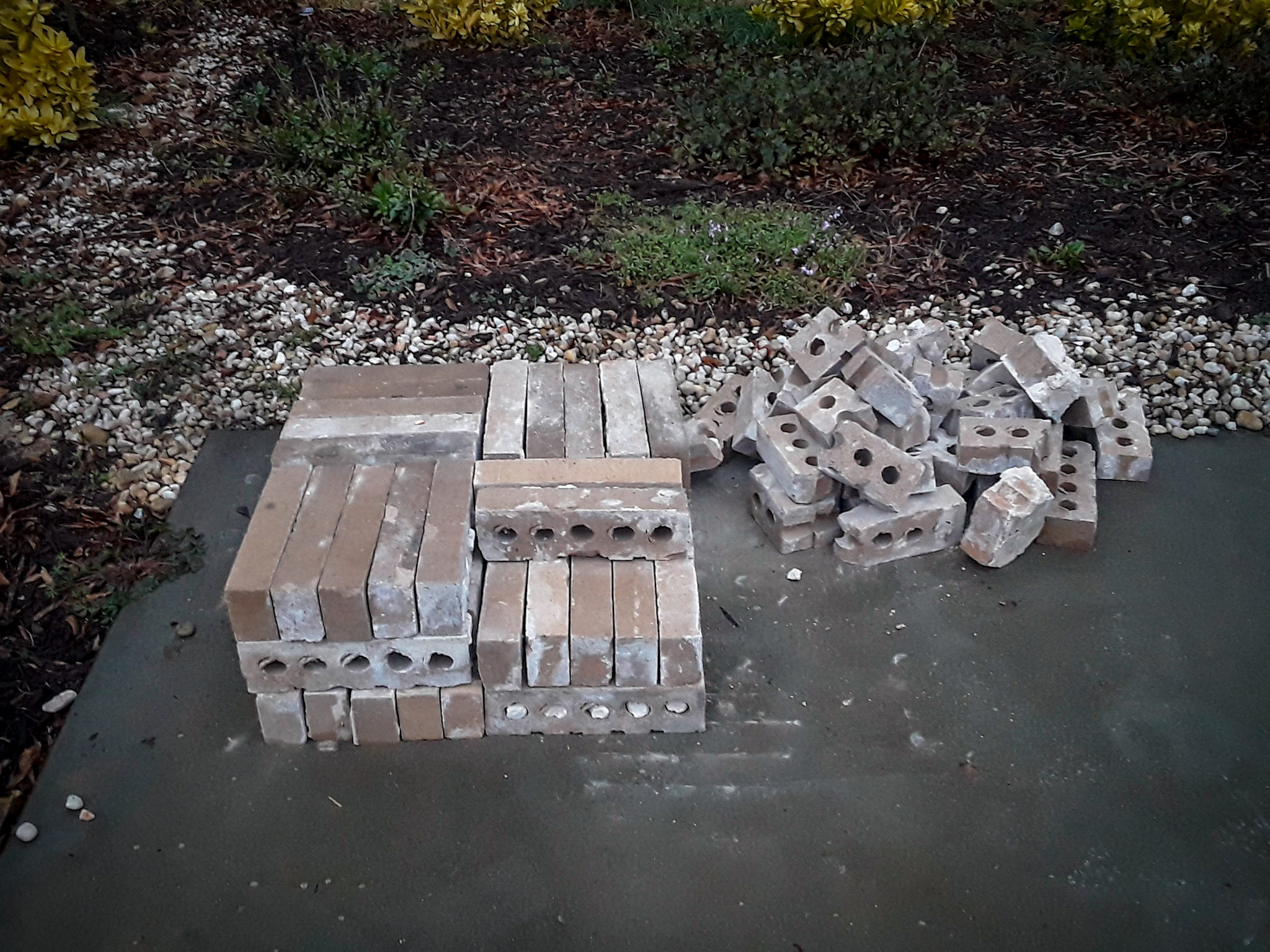
Today began the first of another change: remodeling the carport to make it an extra room and to convert the laundry room into a bathroom. Nana and Papa are moving in with us, and I began the transformation today by removing the brick steps up to the door. It wasn’t necessary, strictly speaking, but we’ll use those bricks to close up finally the gaping hole left when we removed the old heating system.

An odd feeling, realizing that our house is about to undergo its most radical change.

(Click on images for larger version.)

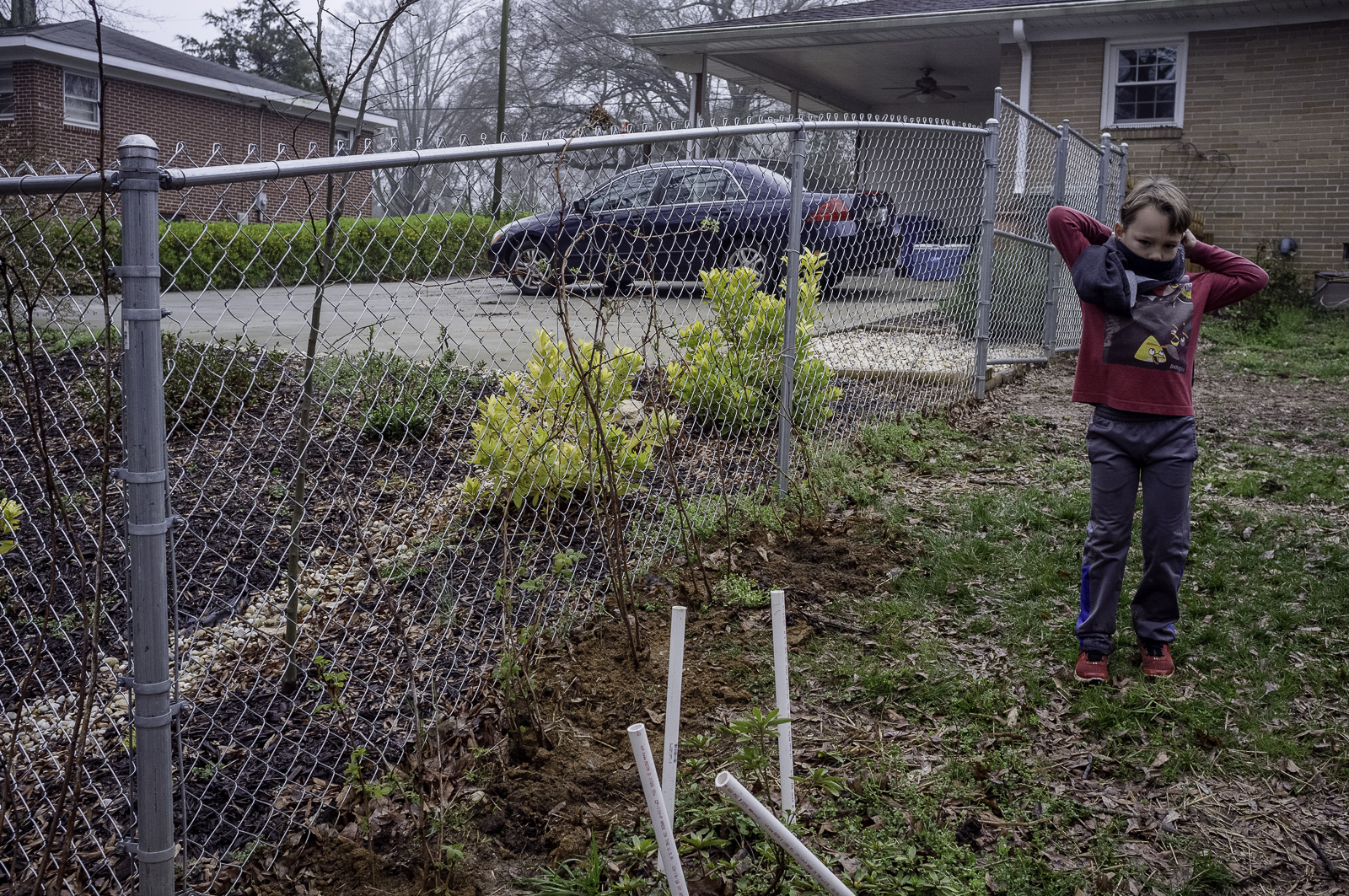
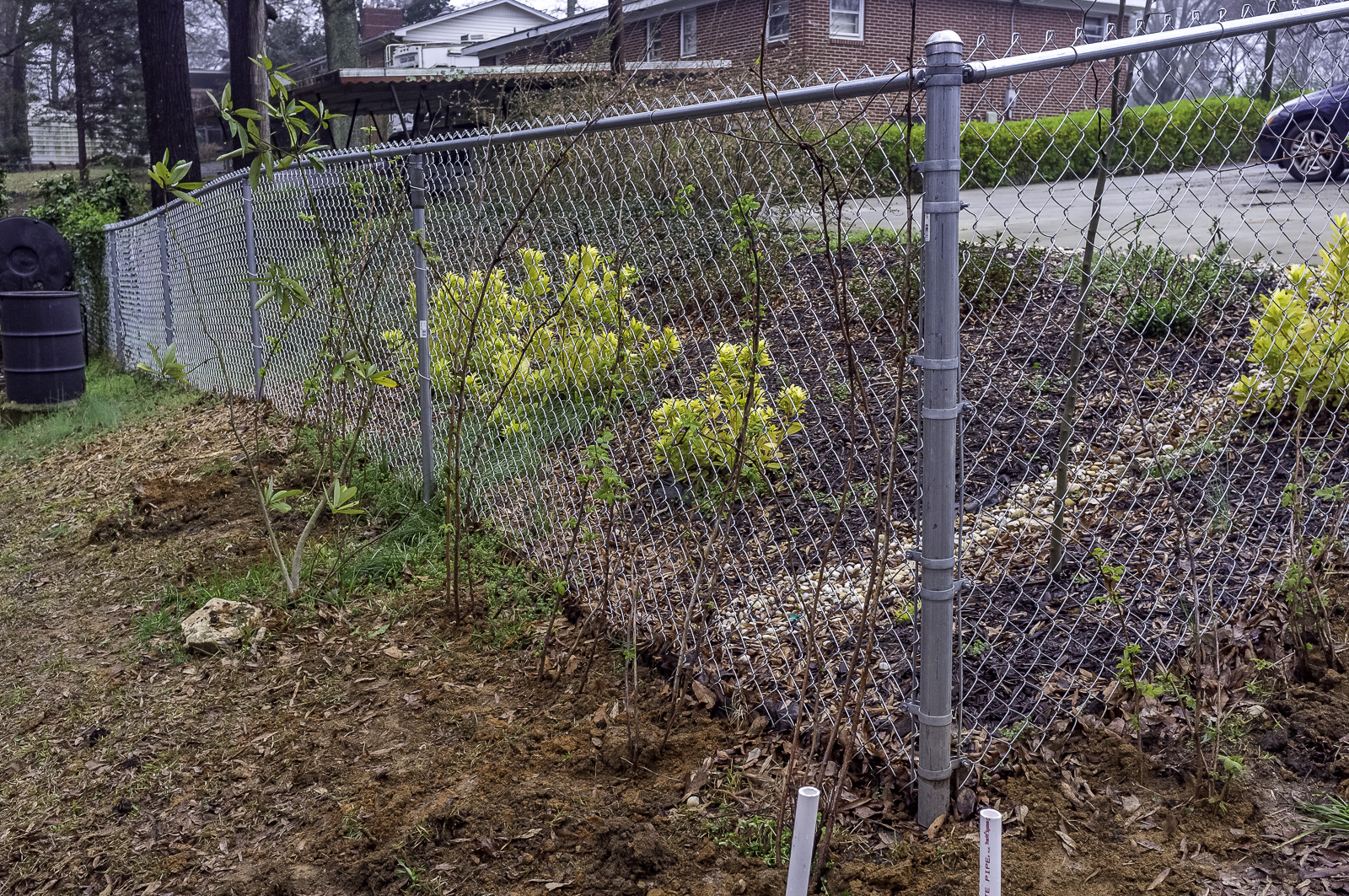
New raspberry location
Will they get enough sun? I doubt it.
Inspection
The mess
What remains
Pile

Wednesday Virus

The Boy wanted to go to school today. He really wanted to go. Mainly because they weren’t going to be in school — it was field trip day to the local science center where they have a Tesla coil, explode hydrogen balloons, and generally thrill kids of all ages. But the rash he’d gone to bed with, the little splotches on his cheeks, had spread all over his body.

“E, we have to go to the doctor,” K explained.

“But it’s nothing. Look — it will go away in no time.”

She tried to explain to him the risks of passing something on to other children.

“They won’t get it! I know they won’t!”

In the end, he lost. The doctor said it was a virus going around. “He’s through the worst of it, but you should keep him home today.”

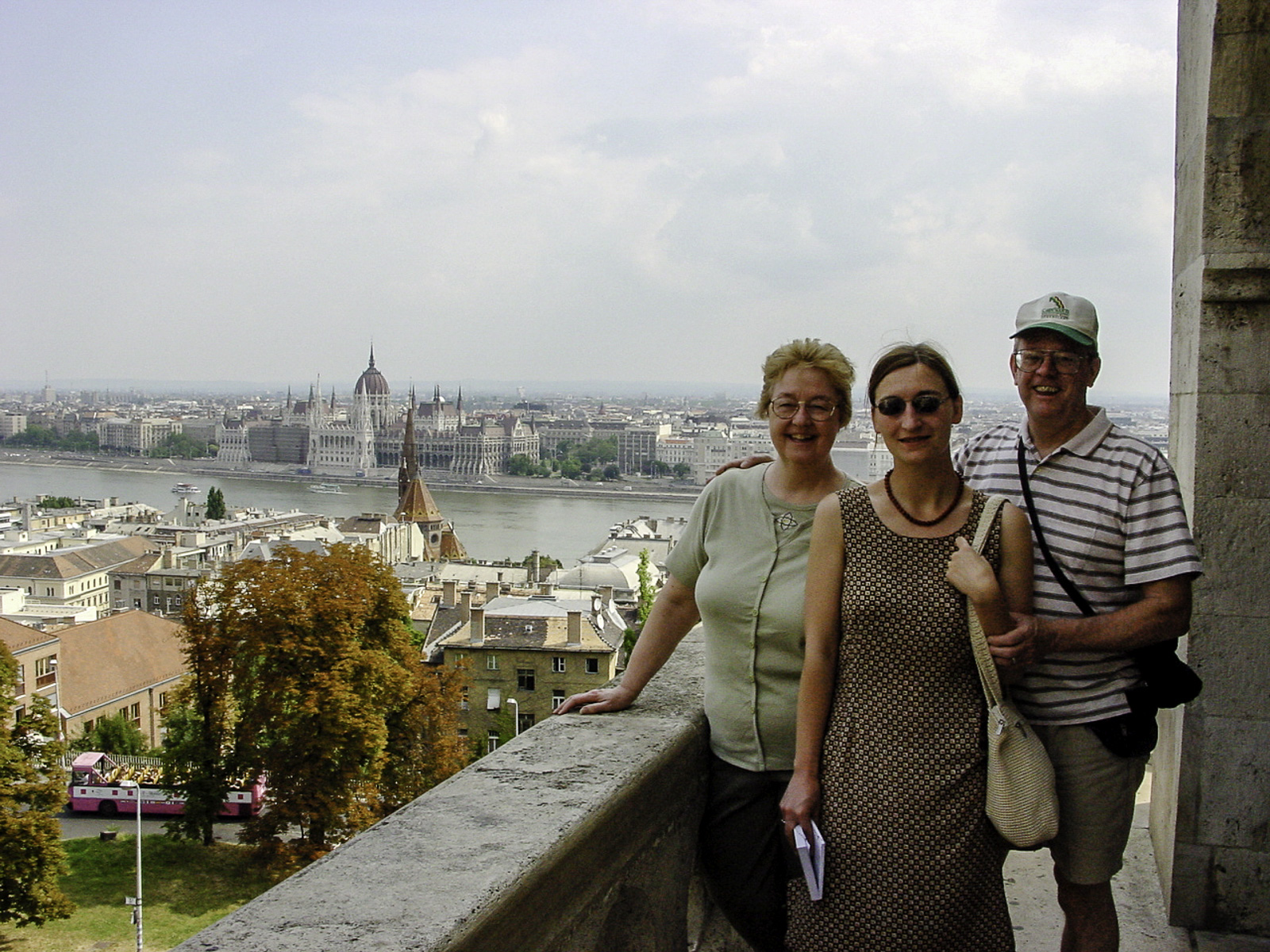
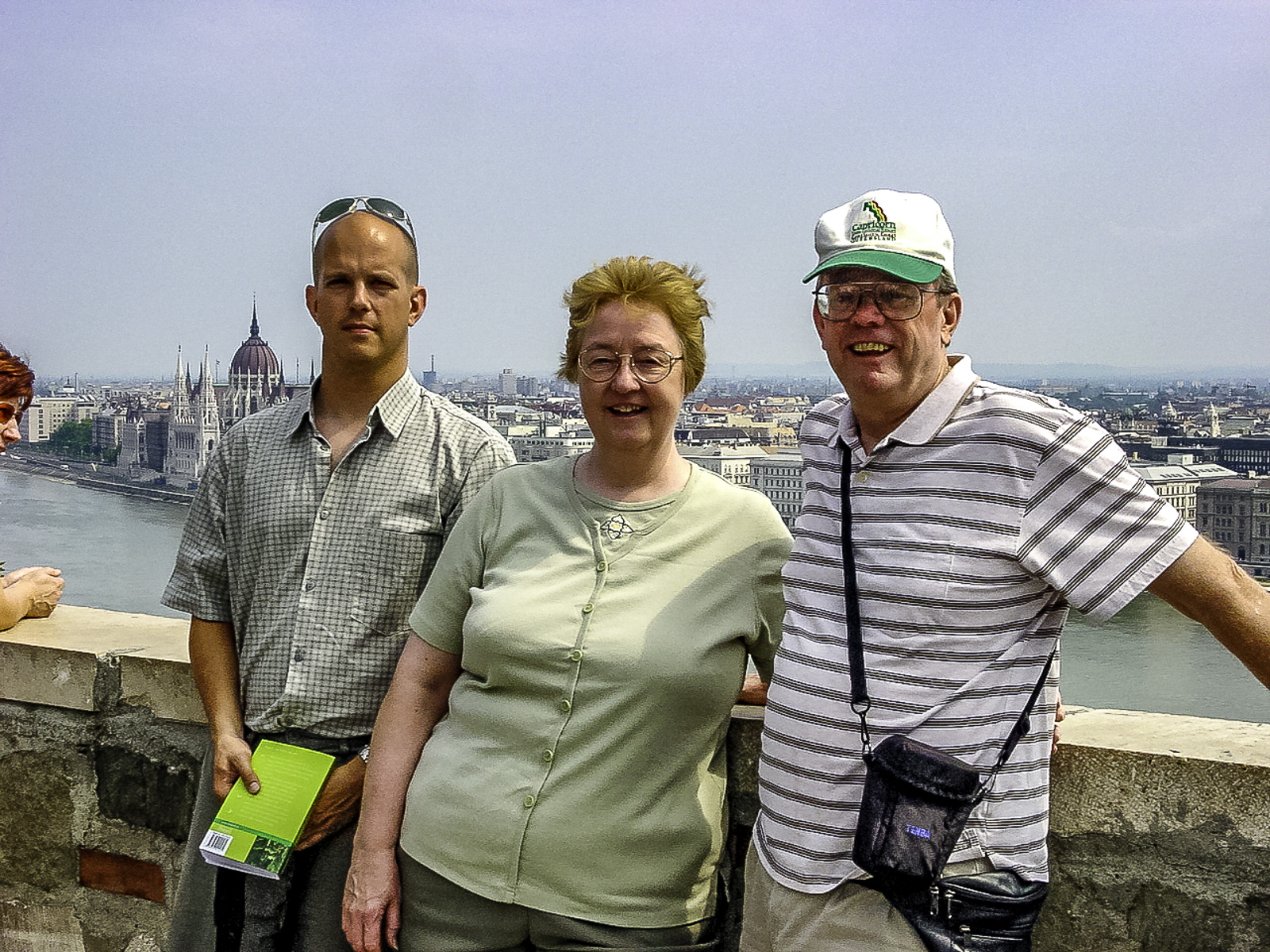
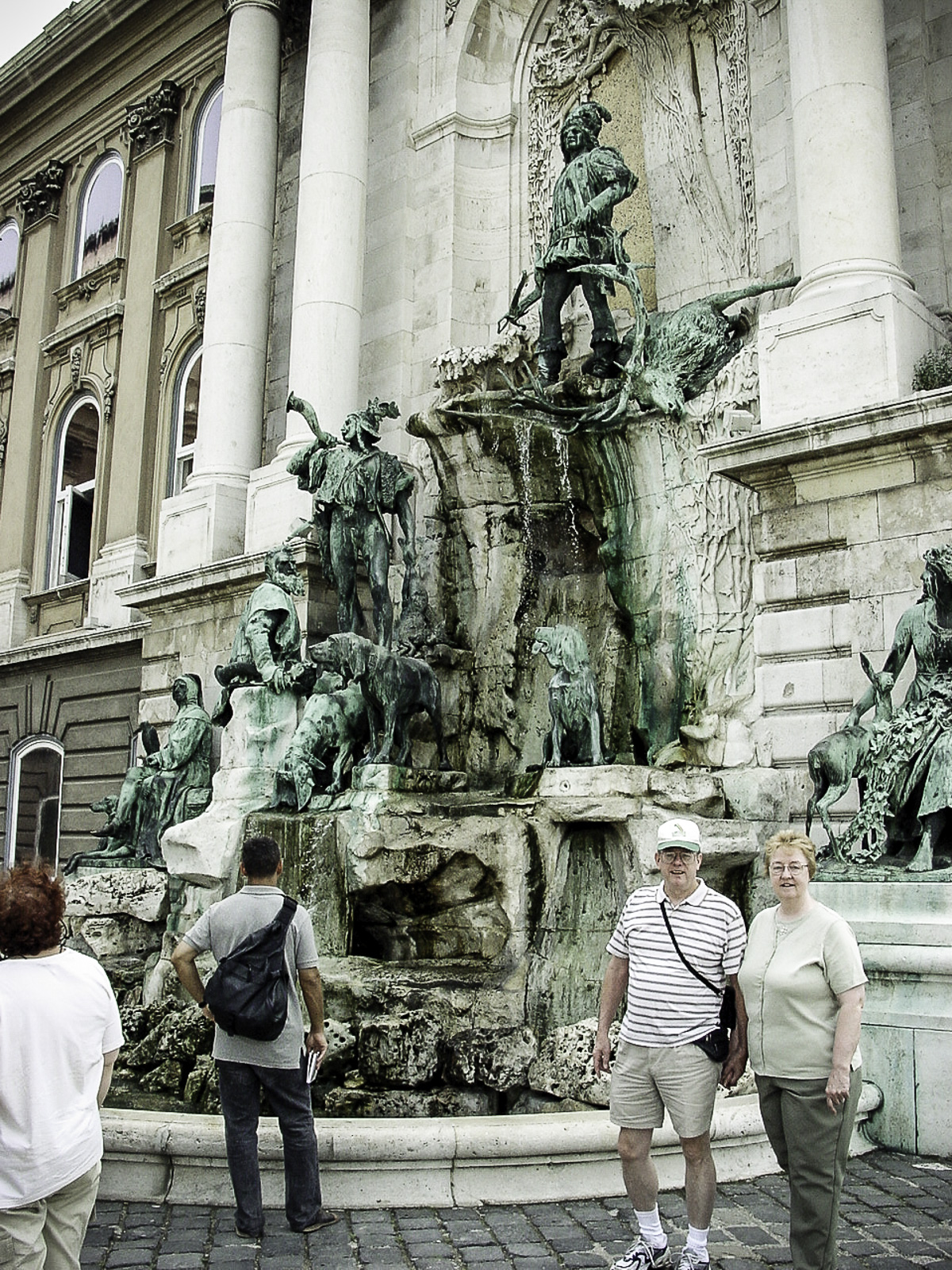
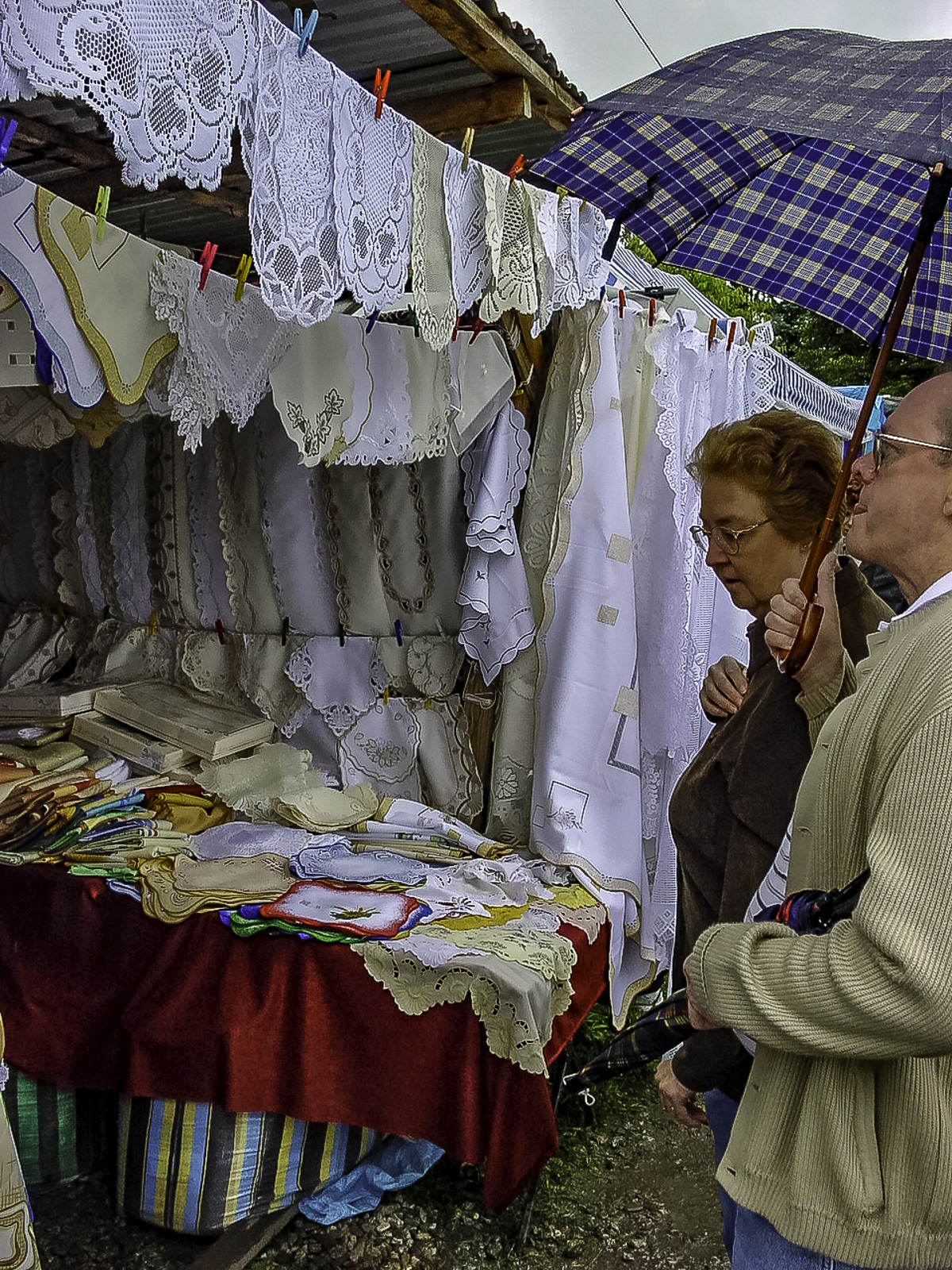
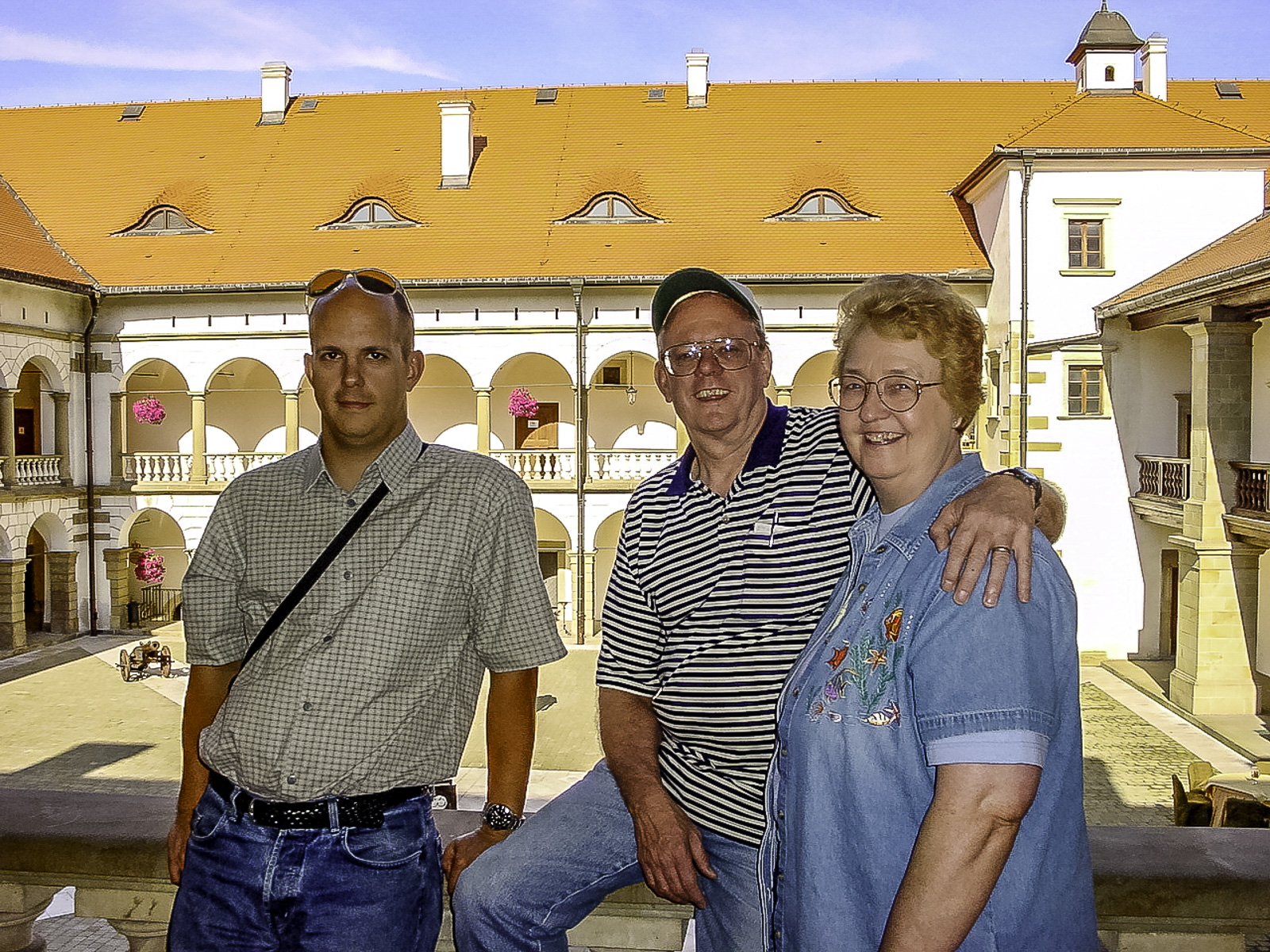
For today’s pictures — fifteen years ago in Budapest and Poland with Nana and Papa, when they came for our wedding. I was going through pictures this evening, revisited these, and did some editing.

Lunch with Nana, Dinner with Papa, and Work

With Nana still in rehab and Papa alone, we take care of them the best we can. Poor Nana has to put up with institutional food, which, she claims, is not terrible, but which I also know is not great. Poor Papa can cook eggs and warm things up in the microwave, but he’s never done much more than that.

This afternoon, since it was MLK Day and the kids and I had the day off, we took over a favorite chicken sandwich for Nana and cheered as we saw evidence of an ever-increasing appetite.

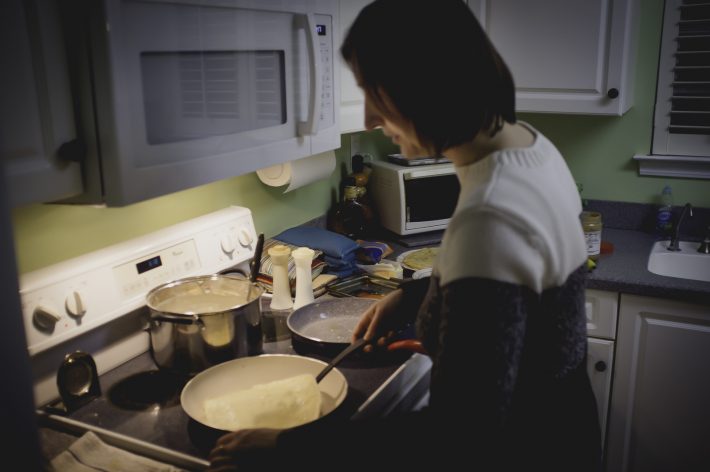
In the evening, we went to make dinner at Papa’s. We either cook something here and take it over every night or take everything there to cook.

Dinner a couple of nights ago

Other than that, an uneventful day. I spent an hour in the morning planning lessons for the next several days (this week and a little beyond) for one class and another hour in the afternoon planning for another class, plus half an hour in the evening grading papers.

This year, I’ve kept track of all my out-of-classroom hours — planning, grading, going to meetings, etc. For this first semester, I’ve spent 115 hours above the 40-hour work weeks. That’s just a little over half a day shy of three full work weeks. If I keep this pace up — and I see no reason why I wouldn’t — I’ll have spent close to six weeks’ worth of time outside the classroom doing work. Add to that the half-hour morning duty I have every third week, which makes 2.5 hours a week or 30 hours for the year, and I’ll have 260 hours of additional work on top of my normal work week. That’s six and a half weeks of work. I have about nine weeks off during summer break, but I probably spend an additional 40 or so hours over the summer planning for the coming year. (I’ll keep track this summer.) That’s seven and a half weeks of work, which means my summer “vacation” is really not much of vacation — I’ve just put in the hours in advance.

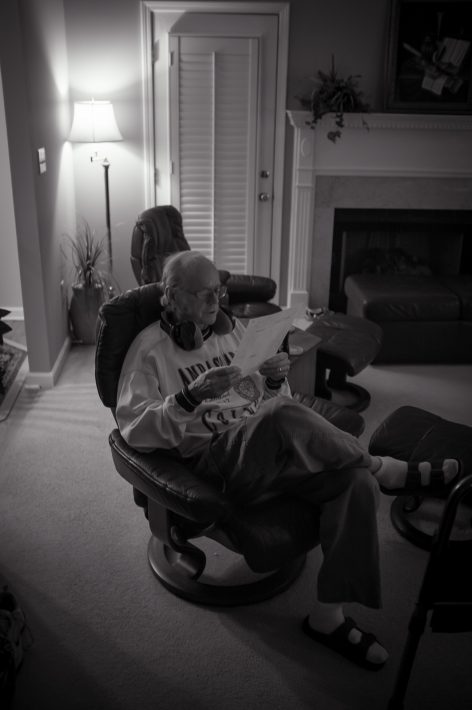
Papa looking at bills

I don’t say this to complain. Much of the time I spend grading is because I try to push my kids as hard as I can, which produces a lot of material for me to assess. I have a reputation to keep up, after all: students tell me that they’ve heard since they entered the school in sixth grade that I’m the most demanding teacher in the school. I don’t know about that, but it certainly doesn’t hurt one’s sense of self-worth to hear something like that. In other words, I could do less work and get by, but then it wouldn’t be the Dread Teacher Mr. Scott’s.

Finally, I must have been under a rock, but I just learned of Mary Oliver’s death tonight, listening to the news in the car. A poet of fairly simple verse, she’s always a great choice for thirteen-year-olds. In past years, when I had students put together annotated portfolios as their culminating poetry unit project (which is not to say I have my students read poems for one dedicated unit and then neglect poetry for the rest of the year, but I find it’s good to spend three or four weeks focusing on what makes poetry poetry to equip them for the rest of the year), almost every student included an Oliver poem, and they all said they liked her because she’s easy to understand. I personally have always liked poems that require a bit more digging, but that’s not to say I’m a big fan of someone like Louis Gluck, someone who writes poetry that is almost impenetrable. My favorites — Bishop, Heany, Levine, and the like — require some thought, require a bit of effort, but always reward with a moment of stunned epiphany.

And since I’ve been talking about work, why not include Levine’s poem on the same subject:

Nana Hospital Intake Two

  • In the centel 
  • Hitting heading then spelled it hitting
  • 408 mauldin road
  • 408 indistinct 
  • Why dont you go to bed
  • am I going to get in this bed any time soon
  • Twit it not twist it
  • Every three fowers
  • Who is president? Bush  for a big trump fan this is surprising. 
  • The rattling 
  • What time is it? 7 okay I don’t want mama to be upset
  • Looking for letter in folds of blanket

    Eyes

    They’re supposed to be the window to our souls, and I find that the more problems a kid in my school might have with social and basic academic skills, the less likely the kid is to look in a person the eyes when speaking to anyone, especially an authority figure. There must be some truth to it, then. Consider also how we often keep them shut to block a slice of reality that is just too difficult to accept.

    Sometimes, though, someone or something else closes our eyes. In that case, it can rarely be positive. But it can certainly be positive when these same eyes open, just a bit. Do a Google image search: “eyes slightly open” and you’ll find picture after picture of people lying in hospital beds, various tubes and apparatuses trailing away from the body.

    Fullscreen capture 1212013 104135 PM

    And it makes sense: those are the times when a slightly opened eye is the most beautiful thing one can imagine.

    Papa’s Boy

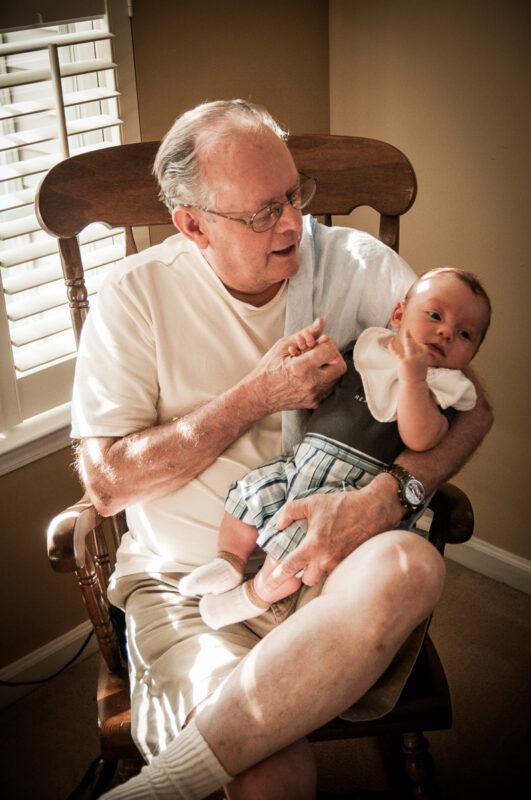
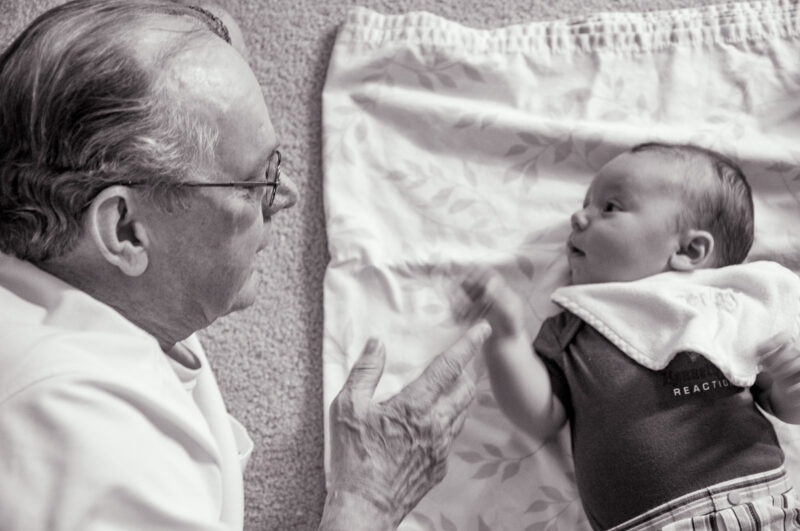
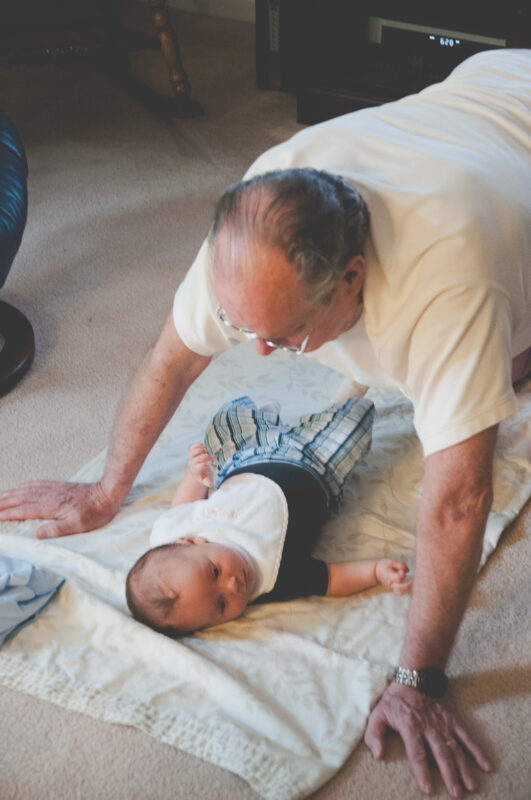
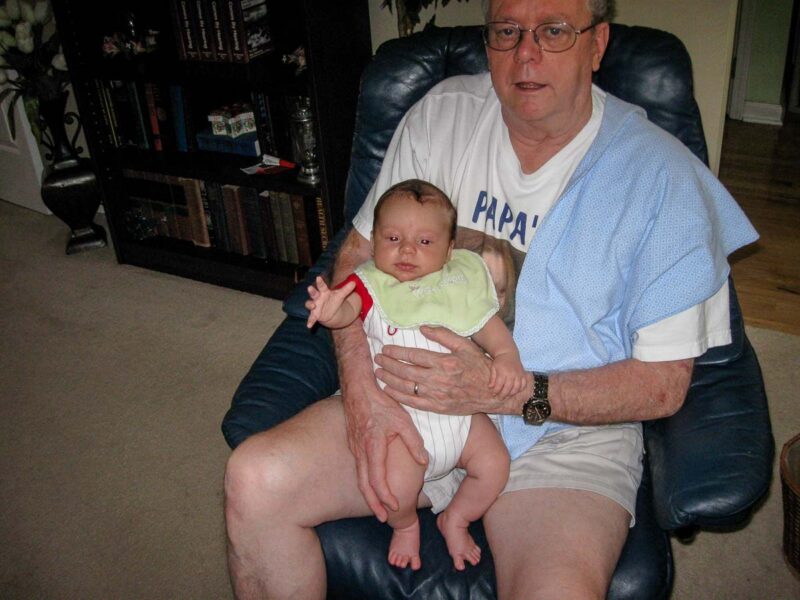
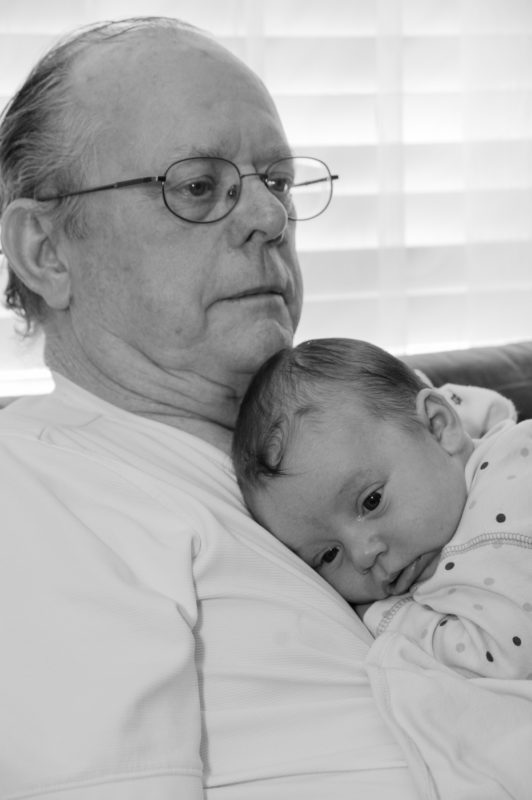
    When Papa is around and the topic is politics (or religion or history or sports or any number of things), it can be hard to get a word in. When Papa is around with the Boy, it’s easy to get a word in, but it’s hard to pry the Boy out of Papa’s arms.

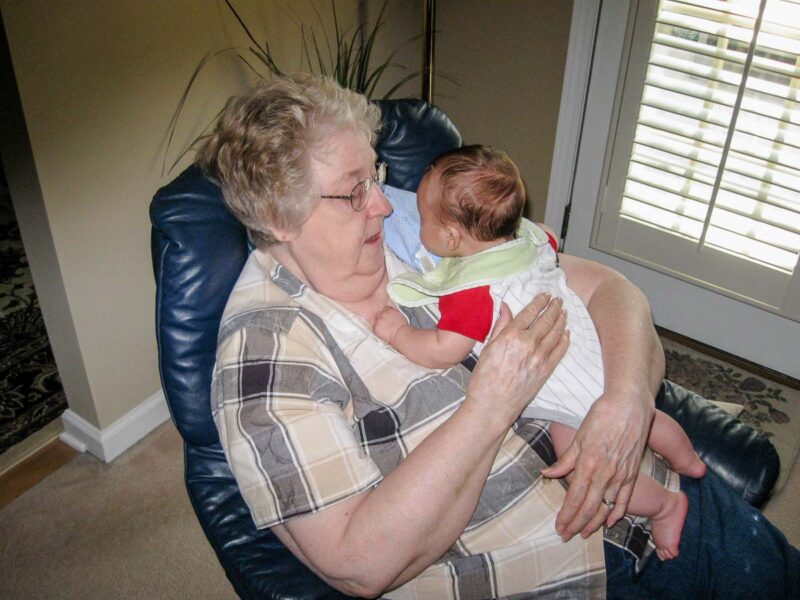
    From the beginning of any visit, Nana just waits patiently, often pretending to be content to look on as Papa burps, rocks, cuddles, and coos with the Boy. When Nana finally gets to hold him, Papa is eager to “help” by taking him back. Let Nana sit just so and pinch a nerve or find her leg slightly uncomfortable and make any kind of sound that even vaguely hints at discomfort, and Papa is ready.

    “You okay? You want me to take him?”

    He’s like a kid with a new toy. An expensive new toy. That cries. And passes gas. And gets fussy for no apparent reason. And then coos to sooth everyone’s nerves.

    “If I’d known being a grandfather was so much fun…” he often begins the now-familiar joke.

    Papa’s Heaven

    Some Father’s Day gifts are quite simple.