I was going through Lightroom folders when I found one called “100CANON_fromPapasCamera” from 2013. It was, as the name suggests, from Papa’s camera.
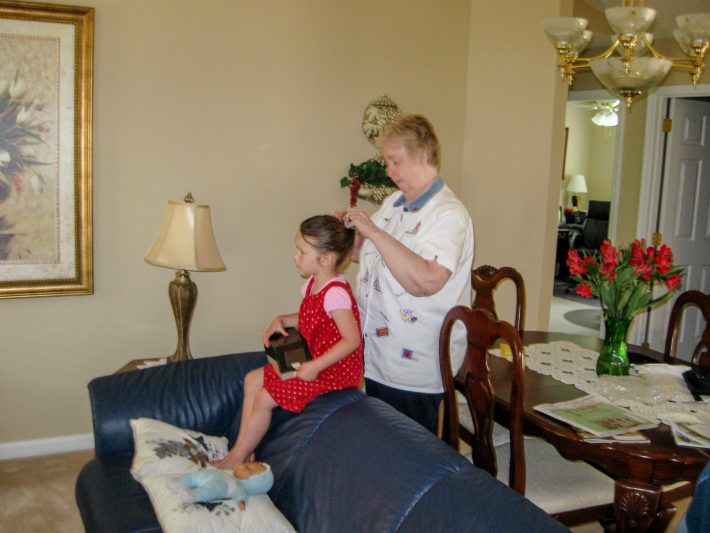
Lots of pictures I don’t remember seeing.
I was going through Lightroom folders when I found one called “100CANON_fromPapasCamera” from 2013. It was, as the name suggests, from Papa’s camera.
Lots of pictures I don’t remember seeing.

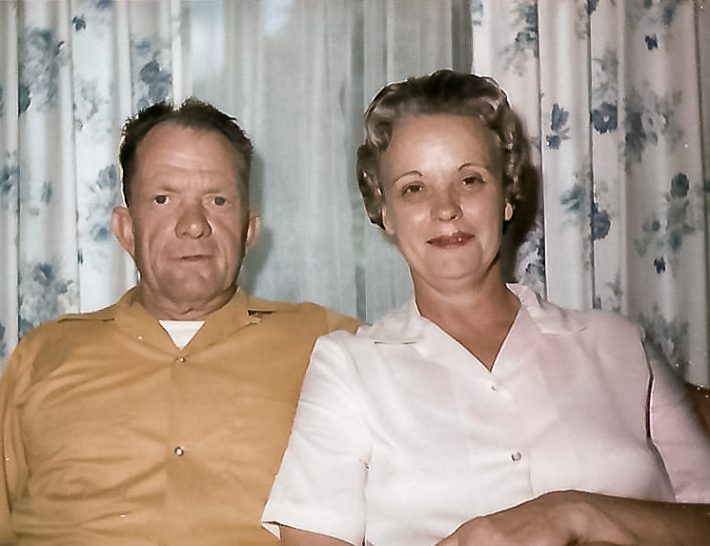
I found this scanned picture while going through copied files to make sure that I’d moved everything from the old to the new computer. They’re quite younger in this picture than I remember.
K has moved into real estate, though she hasn’t quite working part-time at her old job. She likes the security it provides. I tell her that things are going fine with real estate: she’s just helped a client buy a house, she’s got two other clients she’s helping, and one of them might be completing two transactions using K’s services. “It’s all only potential earnings,” seems to be her mantra, and that’s why she’s reticent to quit her hold job completely.
It was a little ironic, then, that one of the memories that popped up in the Time Machine widget at the bottom of the page had to do with our first day out house hunting.
Criteria, Part II
I read through what I wrote then and realize that neither K nor I really knew what we were doing. That’s to be understood — it was the first time we’d bought a house. Still — were we really so green?
That’s one of the reasons I continue writing this thing — evidence of how much things have changed.
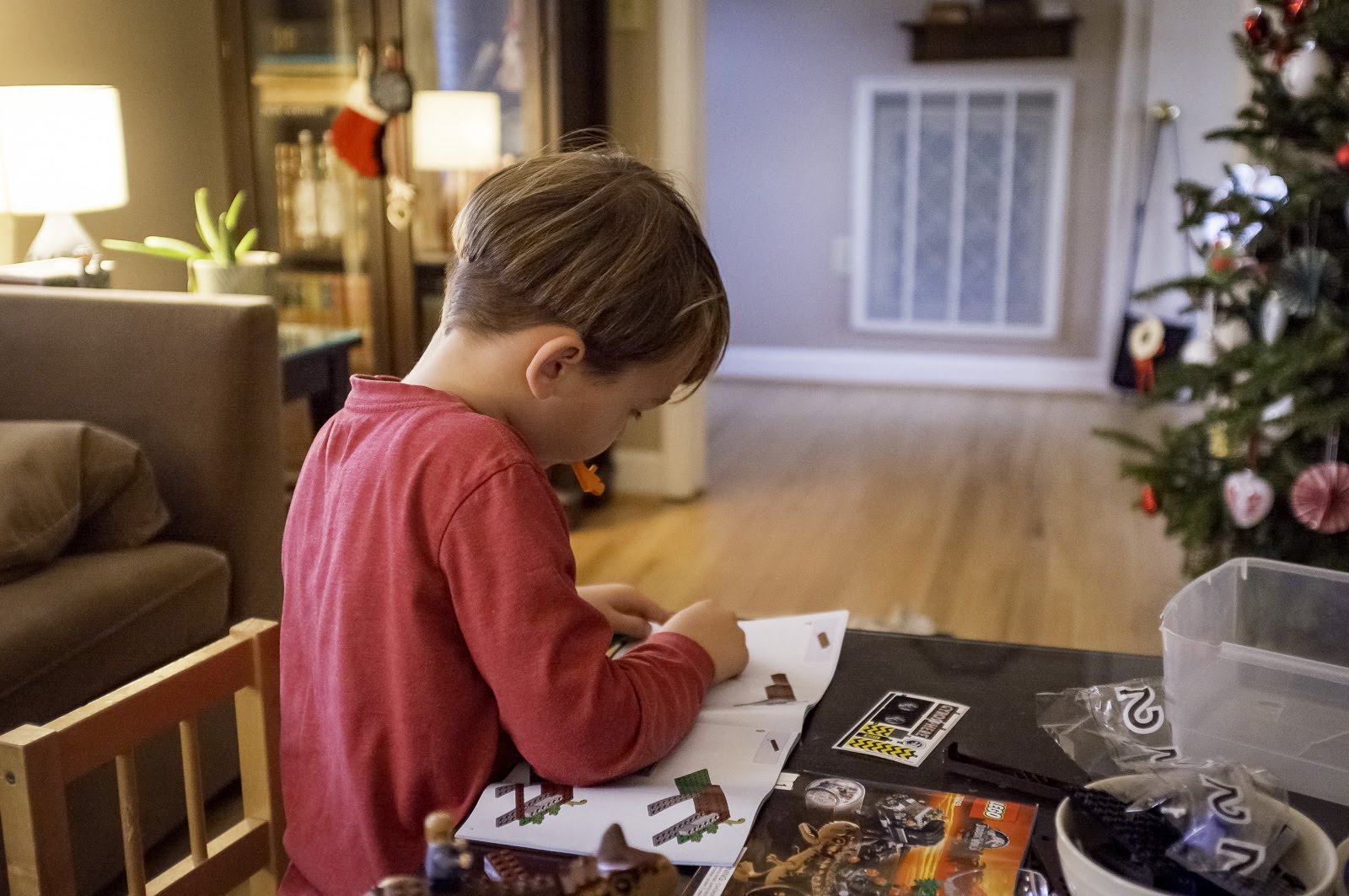
How E and I play-build has changed. It used to be something we did almost exclusively in his room, using blocks and Legos and Tinkertoys and whatever else we could find. It still is, to be sure.
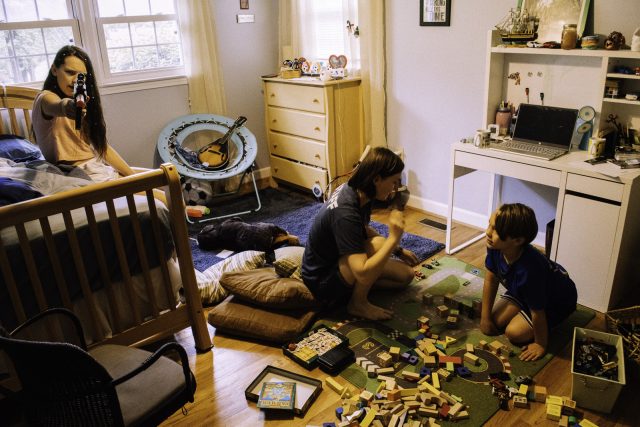
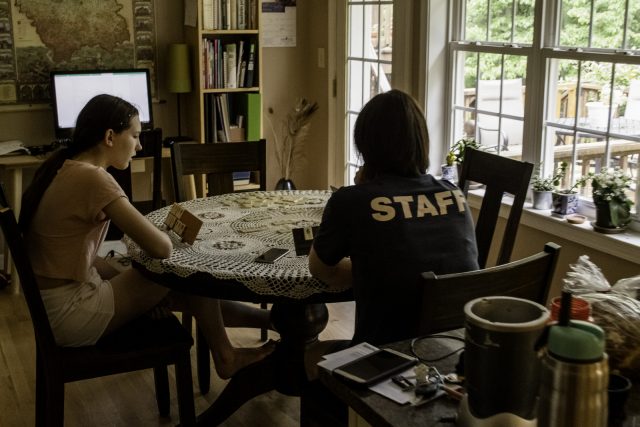
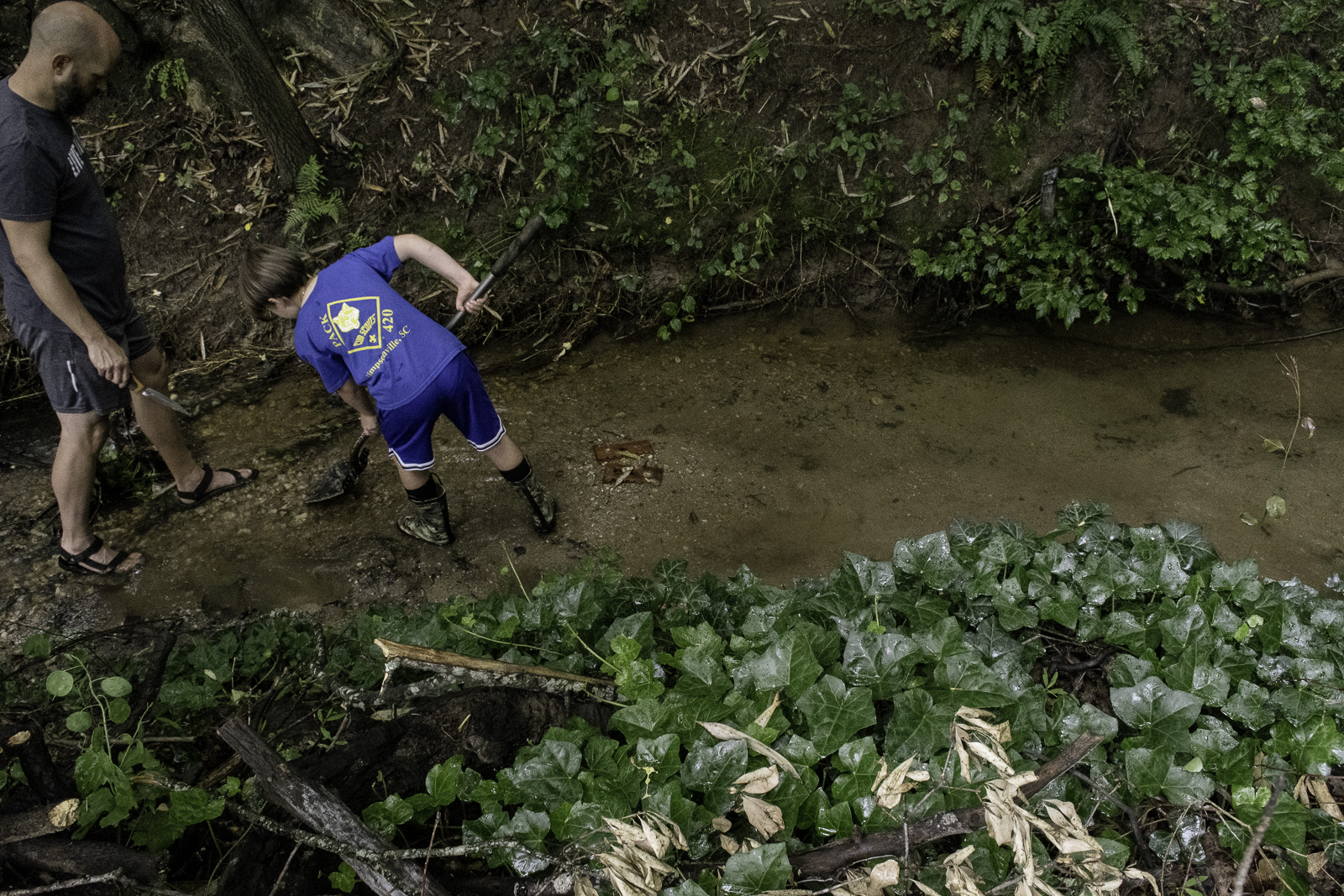
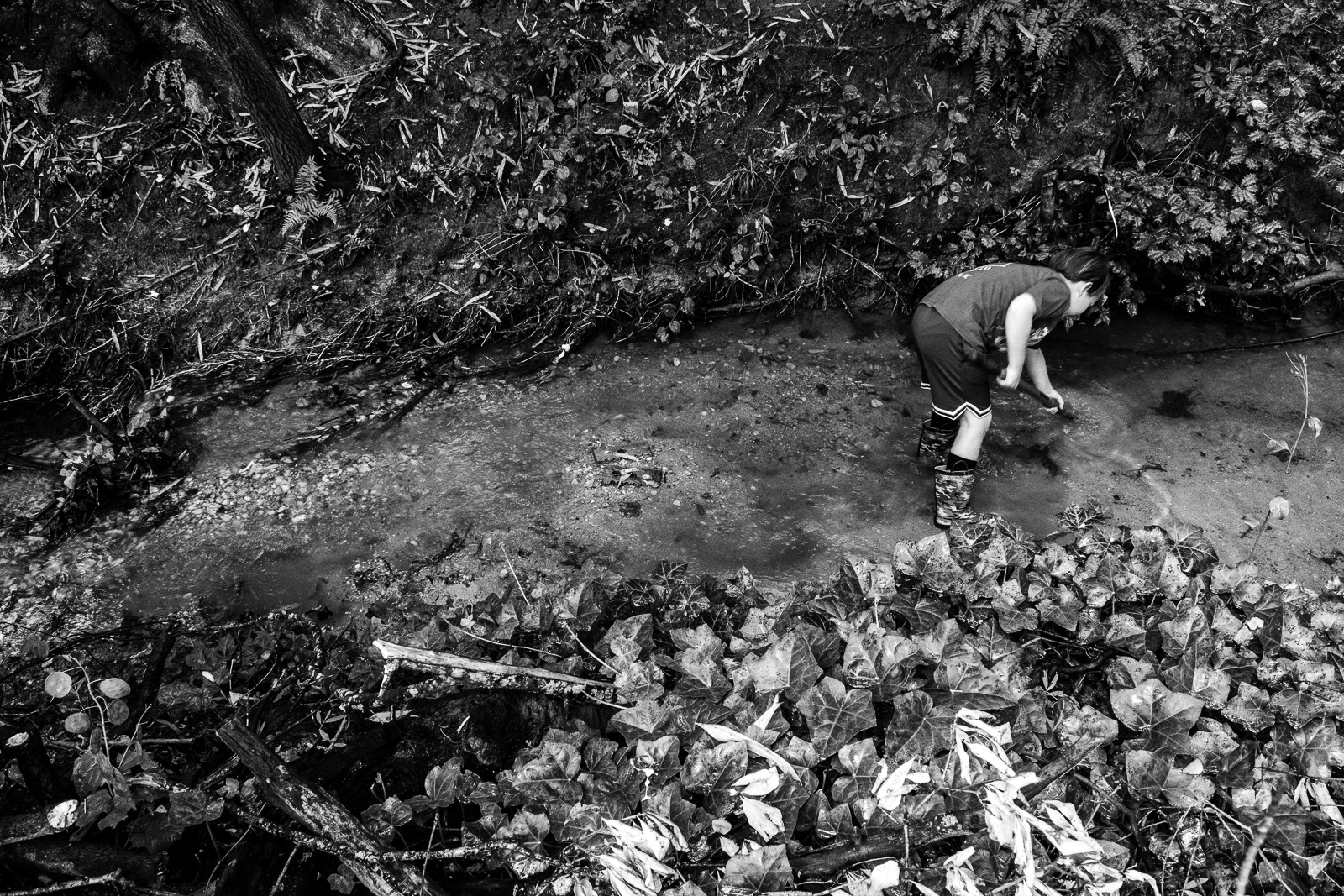
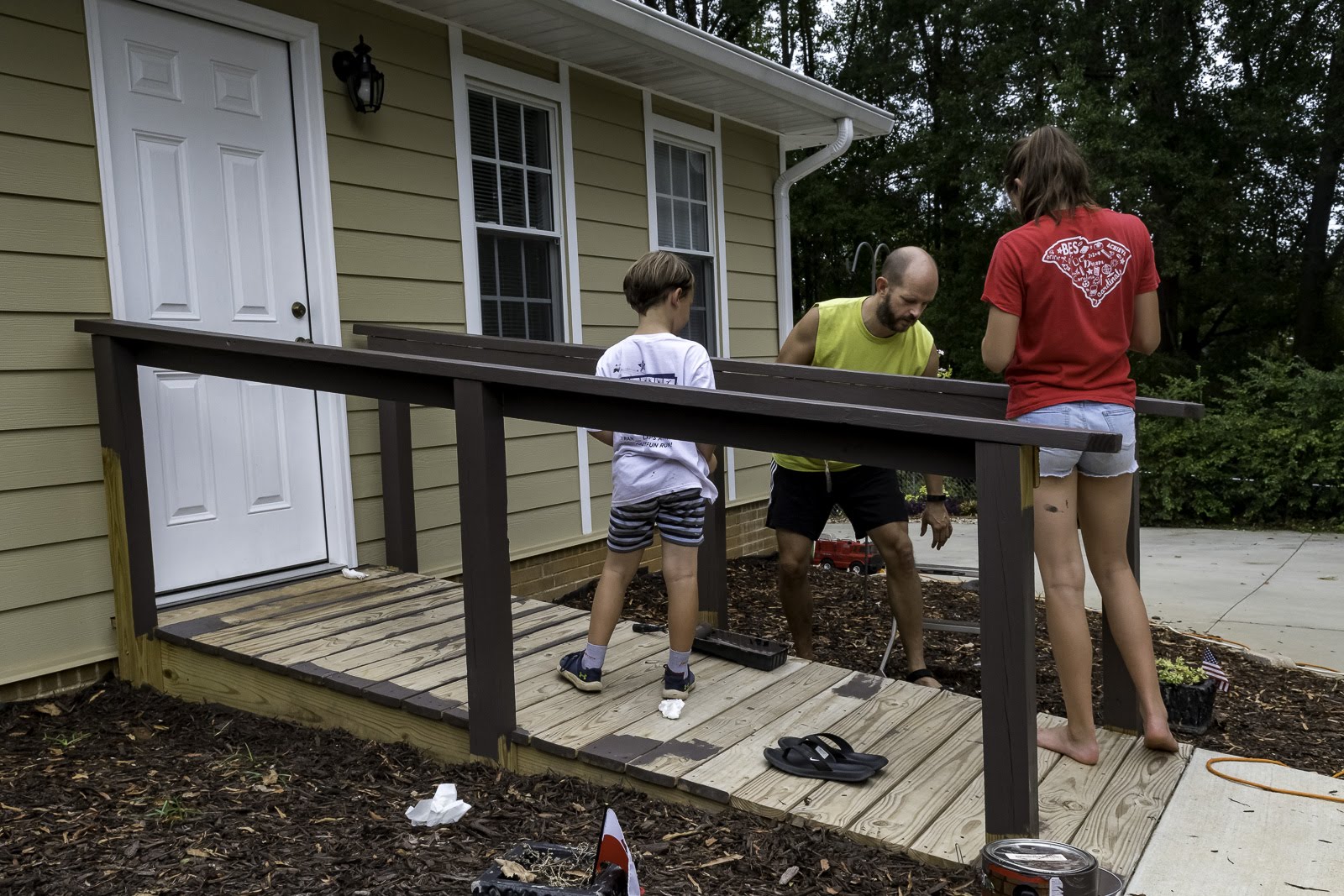
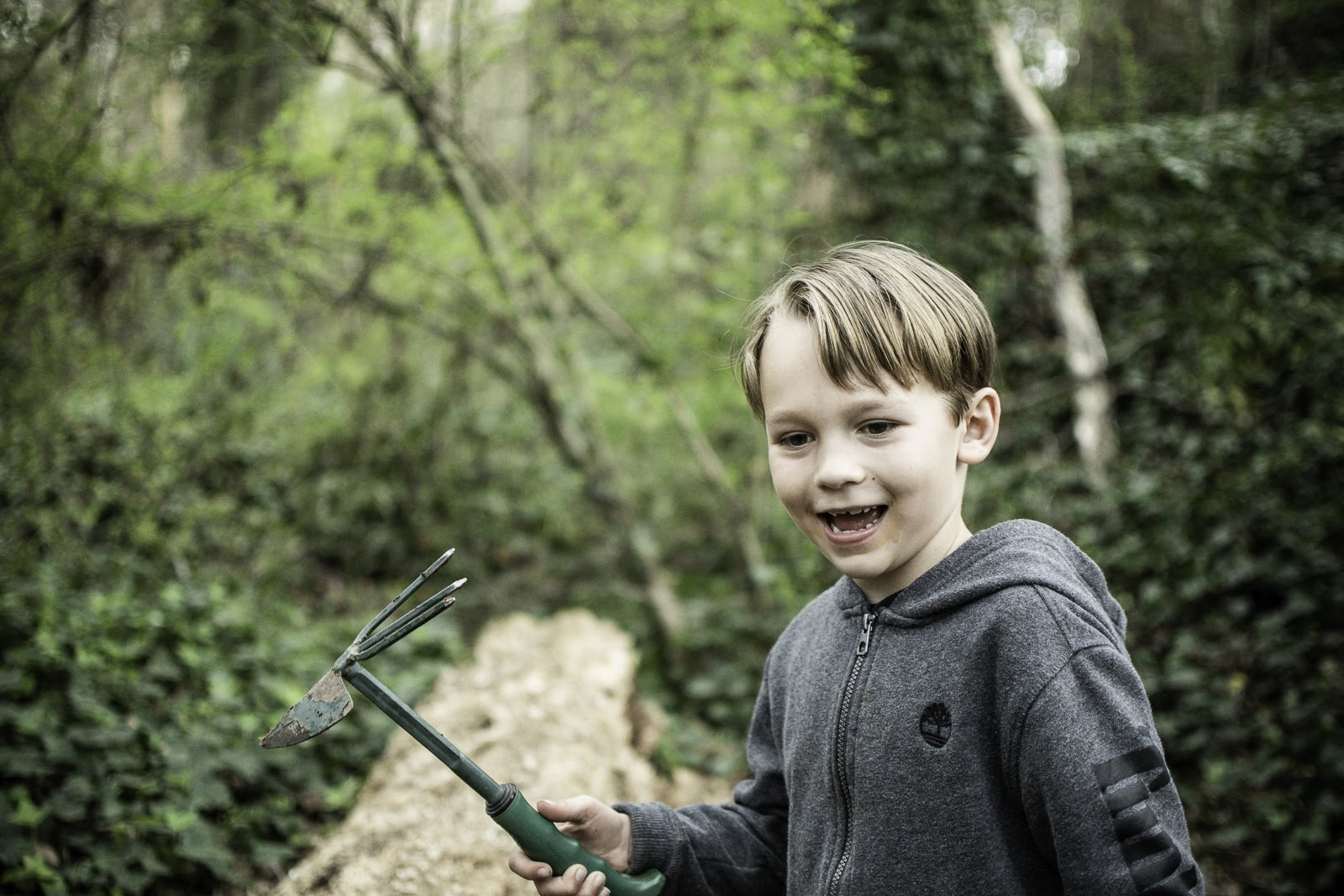
But we often find ourselves outside building something more substantial. Or at last more in the Boy’s mind’s eye, that’s what we’re doing. His plans are often overly-ambitious, as every eighth-year-old’s plans should be. But as we begin working, more realistic goals form.
One thing that will never change is the sadness we feel on May 27 from now on — the one year anniversary of Nana’s passing.
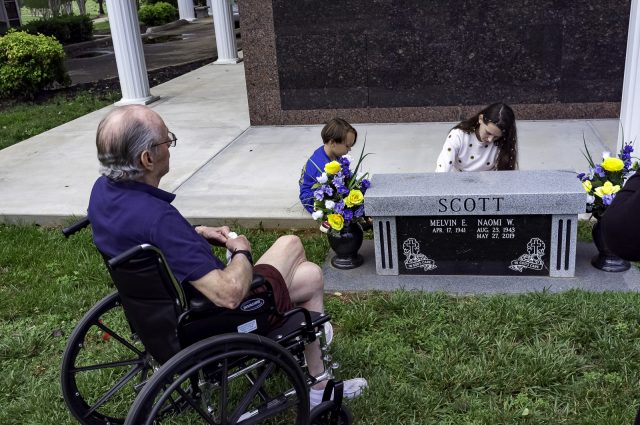
I look back on that day and remember very little about it. I know took the dog for a walk around lunchtime and listened to Mozart’s Requiem. I know Papa and I had a scotch on the back porch that evening. But it was Memorial Day — it slowed the pace significantly, which perhaps was a good thing.
And what of today? A year on? Papa still gets blindsided by it occasionally. That’s to be expected; that will never go away. I do, too. Also to be expected.
I was going through some pictures from 2003 around K’s family house at Easter. I hadn’t realized how much things had changed.
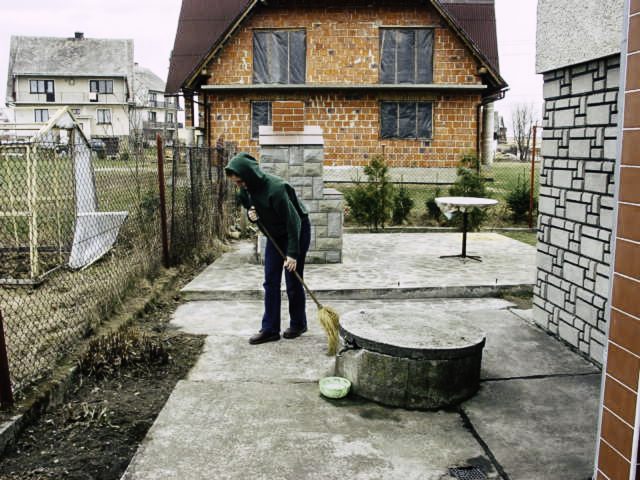
Those saplings in the neighboring lot — they completely hide the house now. That pad of concrete with an outdoor oven on it — enclosed and roofed. (That was done long before we left, though.) That fence to the left — hidden by a taller fence of wood to hide the field behind it. But the house itself, the one in the background still under construction — exactly the same.
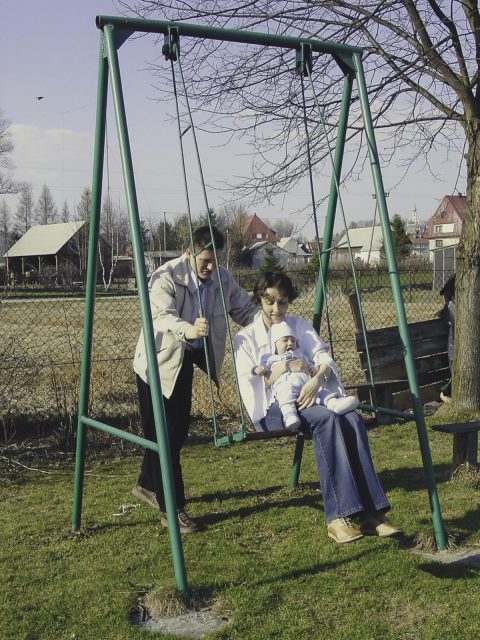
That little baby, K’s nephew — a seventeen-year-old high school student. The field behind the happy family — storage for a building materials company. But the swing — still there, still exactly the same. The wooden seat has possibly been replaced, but who knows. Maybe it’s still the same one.
One more change — the most significant:
I titled the post “Heading Out.” It comprised one single picture:
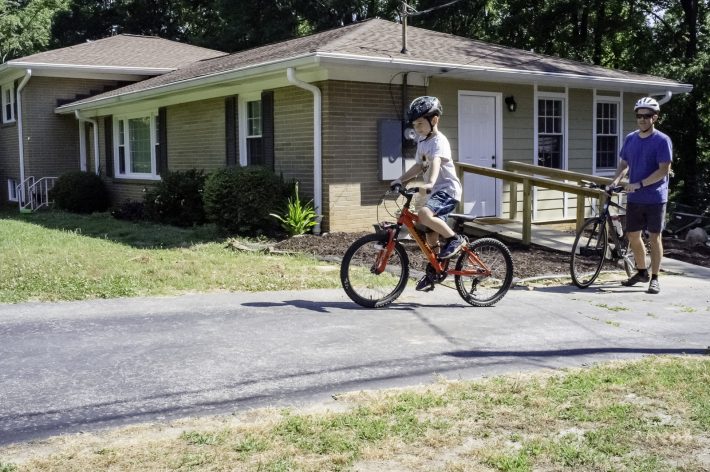
The Boy and I were going out for a Sunday-morning ride. We rode about our neighborhood, the neighboring neighborhood, up to his school, back — a typical ride for us. If there were any puddles I would have had to tell him not to ride through them.
We got back sweaty and satisfied, and after a shower, we had lunch with Nana and Papa and then I headed out to photograph a special ordination Mass for a deacon in our parish, Deacon Richard — now Father Richard.
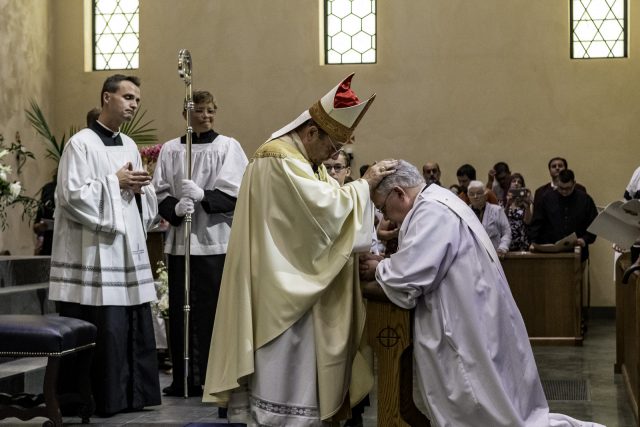
At some point during the afternoon — I don’t remember because I wasn’t there — Nana went to sleep. K must have texted me about it because I remember thinking, “Well, we gave her an opioid — she always goes to sleep after that.” The Mass ended and the reception began, and after an hour and a half of the reception, K texted me that I should probably come home. “It doesn’t look good,” she texted.
Still, I wasn’t worried. “She’s just asleep. The opioid’s effect will wear off and tomorrow morning she’ll be just as good as new.”
That was May 26, 2019. She passed away sometime in the early hours of May 27. We’re not exactly sure when even though the death certificate has the time the hospice nurse came and checked: 7:30.
“Tomorrow morning she’ll be as good as new.”
I’m not sure how I could have been so blind other than to suggest it was self-deception out of a sense of self-protection. A lot of “self” in that.
The Boy asks me every day, “Can we have some time together?” On the one hand, that makes it sound like I don’t spend a lot of time with him. “Poor kid — has to ask his father to spend time with him.” It sounds positively Dickensian. On the other hand, that shows how conscientious he is about spending time with me: he wants to make sure the day doesn’t slip by without us doing something together, and that has happened.
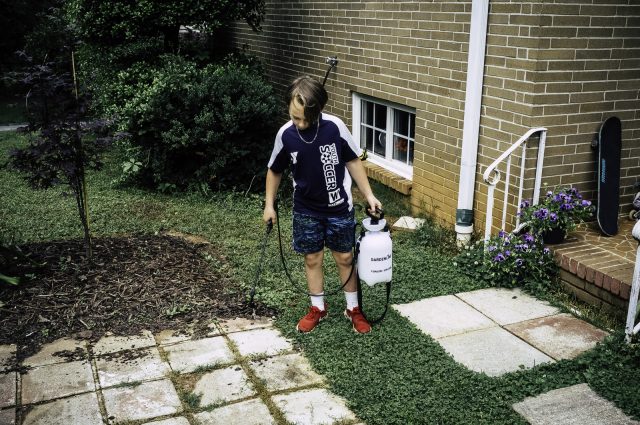
Today, I had some work to do, though, after I completed my school responsibilities (only three more days) and before I could play. The Boy is always eager to learn how to do something, so I invited him along.
Spraying for pests suits him, I think.But then again, you do have to be somewhat systematic — follow a pattern, a plan, a path. You can just spray here, spray there. You have to make sure you have even coverage over the whole area you’re hoping to affect. Much like with mowing, then, I let him work but often took back the equipment to hit a spot he’d missed.
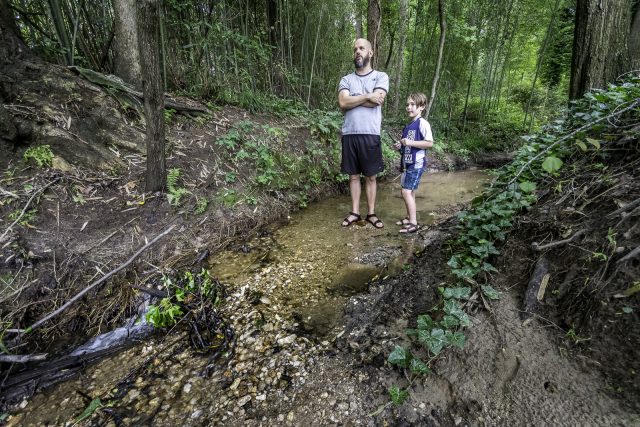
After the work (“Is this our time together?” the Boy asked, concerned), we went back to our favorite spot in the creek and discovered, much to our surprise, that the island we use to assist in crossing the creek was gone. The last flood must have washed it out completely.
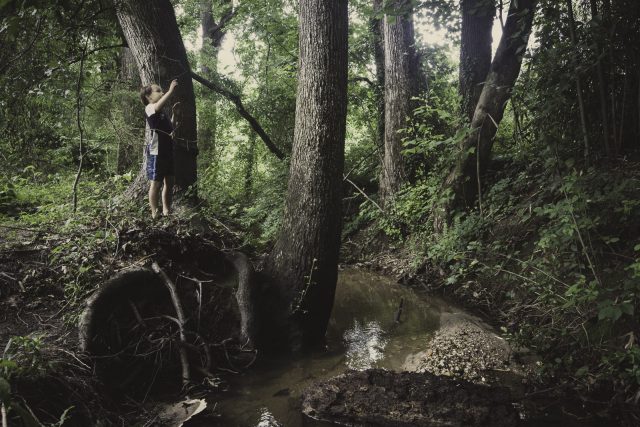
We also started planning our next fort. We might get a little less primitive this time. We might even use some 2x4s.
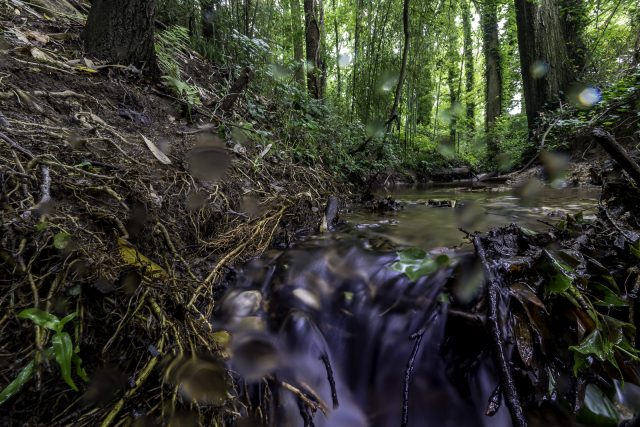
I took the camera and tripod out with us today and set the camera to take a picture every minute.
Why didn’t I do that before? I don’t have many pictures with the Boy when we go on these adventures. It’s a simple way to solve that problem.

One can also reverse-mount the tripod and take some pictures otherwise impossible: three-second exposures at water level. That type of thing.
Two radically different thoughts that rattled around my head today, completely unconnected other than the fact that I thought about them during the same 12-hour period…
It’s the first Mother’s Day without Nana. A year ago, we were just about ready to move Nana and Papa into the almost-completed living space, and we had a Mother’s Day dinner at Nana’s and Papa’s. We all sat around Nana’s bed as we ate, and L and I gave her a small succulent that was small enough to sit on her bedside table. I don’t remember what we ate; I don’t remember what we talked about. Had we known then that it was our last Mother’s Day with her, we probably would all remember those details, but that’s the problem with most lasts — we don’t know they’re the last this or last that.
It reminds me of how a priest once explained how he avoids becoming complacent and (did he say this? He might have used this word) even bored with the Mass, saying the same thing day in and day out, over and over again. “I try to treat every Mass as if it’s the first, last, and only Mass I’ll ever celebrate.” When we know it’s the last time we do something, we tend to slow down and savor it.
I used to get very upset at lasts. I wanted, as Counting Crows’ Adam Duritz sings, “to hold on to these moments as they last,” and when it’s the last one, it doesn’t last long. (That’s an odd little thing, isn’t it? “Last” as a verb and “last” as an adjective. “How long does the last one last?”) When I knew the last moments of some experience were approaching or the last time I would do something was nearing, I always grew just a touch melancholy.
The last day of school, for instance, used to be a little sad because I found myself thinking that I’d never see these kids in whom I’d invested so much. I’d forged relationships with them, some of which were hard-won and very frustrating as they developed. It had taken me a long time with some of them to convince them that I was, indeed, on their side, that even when I was giving them a hard time about their behavior, doling out consequences that they felt were unfair, I was still on their side.
But endings are often beginnings. I think of Eliot’s “East Coker,” which ends, “In my end is my beginning.” It is, of course, a reference to the afterlife, but all endings are also beginnings — an old, time-worn truth. The end of every school year promises the beginning of the next.
That is where I differ from the rest of the folks in our household: they all believe that Nana’s end was her beginning; sadly, I have my doubts. It’s a lovely thought, and one that of course I hope is true in a sense because Papa, for instance, has so much invested emotionally in that idea. But if I’m right, we’ll never know; we’ll only know if I’m wrong.
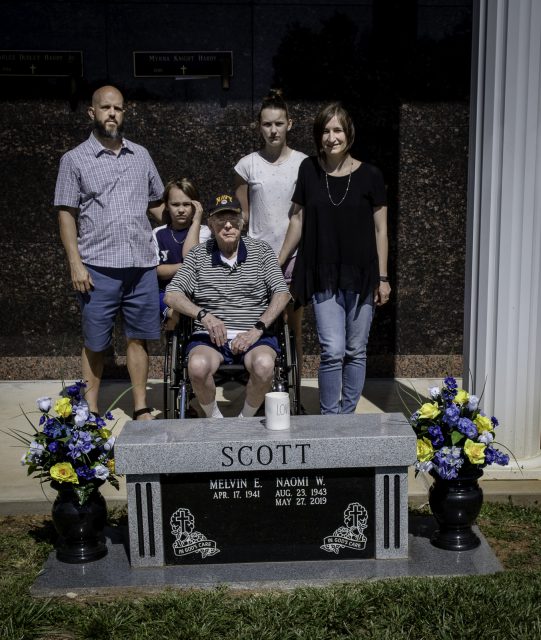
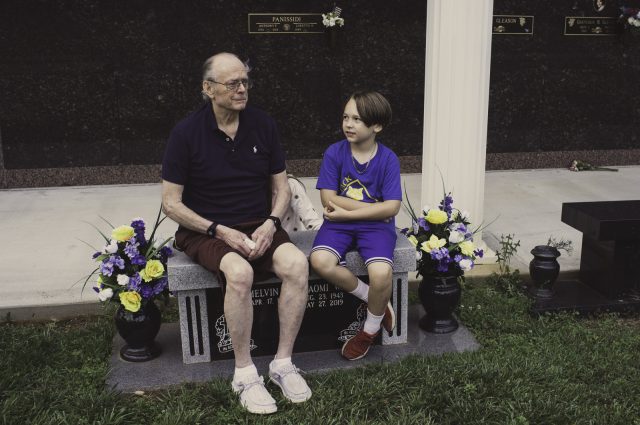
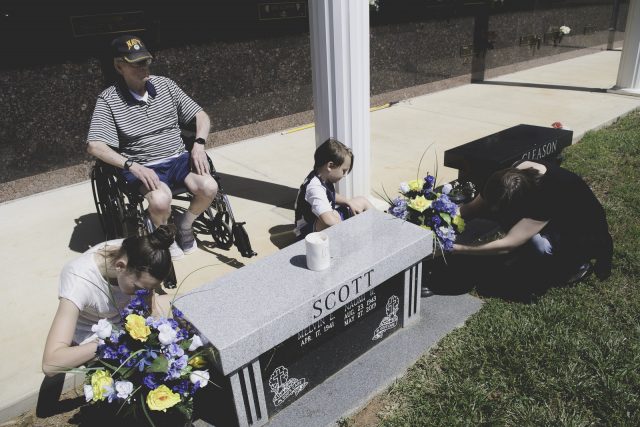
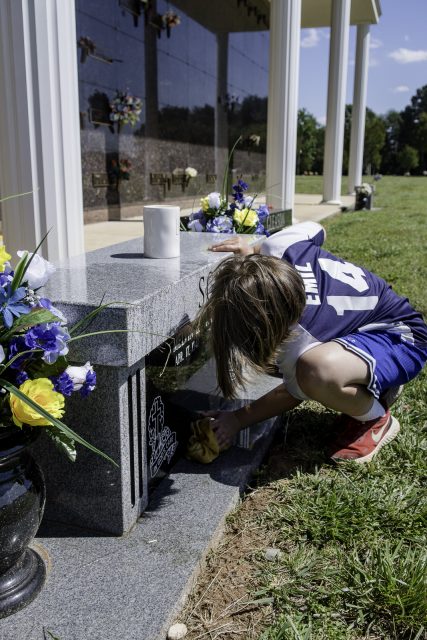
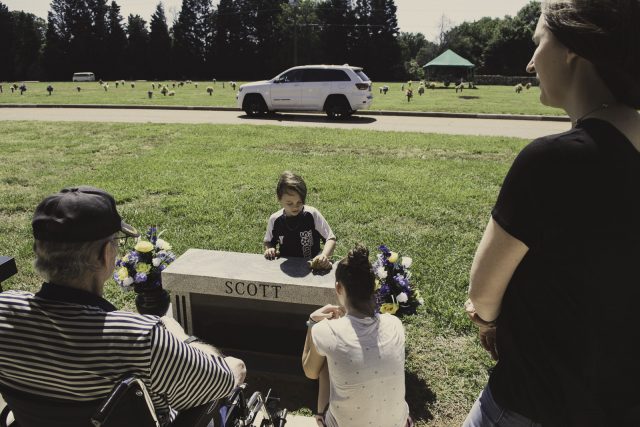
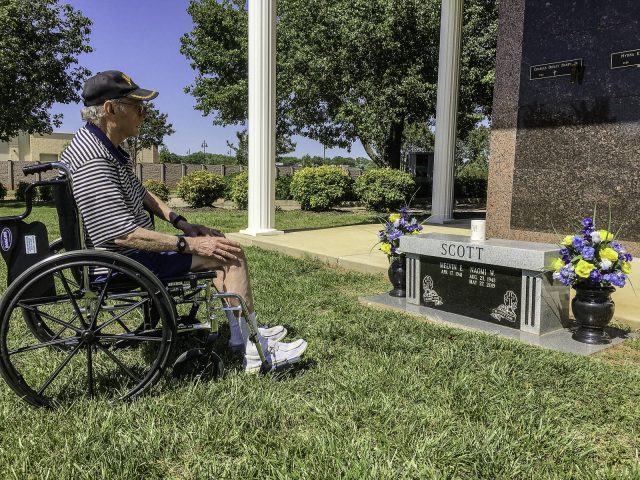
It was with all these thoughts in my head that I drove the family to visit Nana’s grave today for Mother’s Day. Papa bought a couple of new bouquets of artificial flowers — lovely ones of multiple shades of blue with yellow and white roses to off-set the sea of blue. Nana would approve, no doubt. Blue was her favorite color, and there are enough shades of blue in the bouquets to fill the sky.
I’m currently reading Stalin: In the Court of the Red Tsar by Simon Sebag Montefiore, a book about Stalin’s Great Terror ( I love the Russian name, Большой террор — makes me think of the ballet!). At its heart, the Great Terror was unimaginable without Stalin, but it was also impossible without others. Many others. How do you get so many people to go along with that? Simple: conspiracy theories.
Today it seems impossible that virtually every factory and railway line was being sabotaged by Trotskyite terrorists within their management, but Soviet industry was riddled with mistakes and cursed with thousands of accidents thanks to poor management and the breakneck speed of the Five-year Plans: for example, in 1934 alone, there were 62,000 accidents on the railways! How could this happen in a perfect country? “Enemies” among the corrupt elite had surely caused the failures. The arrest of saboteurs and wreckers in the industrial factories and railways spread.
By the time the Terror turned to the army and the Party itself, Stalin was most definitely in complete, unquestioned control. At his word, people lived and died, and very few people questioned his decisions.
Reading this got me thinking about the current situation in America and the conspiracy theories that seem to be popping up like mushrooms are growing positively dangerous.
Some people belittled her, others suggested she was a paid actor or was a healthcare professional who had no direct involvement with the treatment of Covid-19. Others accused her of being an abortion doctor.
“It was heated, people were very fired up about what they had to say,” she told CNN. “A lot of the top comments we got were about us being fake nurses, there was a huge majority of them that still believe this virus is fake, that it’s a hoax and not real at all. They were convinced that we’re fake nurses and that’s why we weren’t talking.”
Quite the opposite of a fake nurse, Ms Leander volunteered to work at her hospital’s Covid-19 unit full time, and has been on the front line working with infected patients for the past month.(Source)
I saw footage of this on Now This but can’t find it now. There is a definite political element to this: all the protestors were wearing “Trump 2020” paraphernalia, and I would bet that every single one of them believes the Deep State conspiracy nonsense. So I read the passage in Montefiore’s book and started wondering what it would take for something like that to happen in America.
Could these people support wholesale executions of people they see as participating in anti-state conspiracies? I don’t know.
We all want to say, “No, no — we’re better than that.” We think about our neighbors and even those nameless faces we see in our own towns and think it impossible. Would Vasili Blokhin’s neighbors or acquaintances have thought he was capable of the acts he committed? He was a prolific executioner who killed many during the Great Terror but most infamously executed over 7,000 Polish officers personally in 28 days in the forest of Katyn.
Just as we never know when an end of this or that is coming, we never know how current events are going to play out. COVID-19 was a problem in China, over there, far away until it wasn’t. With quarantines being lifted around the country before we even really have adequate testing capabilities in place, it’s not inconceivable that we might experience a sharp increase in the number of cases, forcing states to decide whether or not to reimpose restrictions. What will these protesters do then? We’ve already seen armed protesters storm the Michigan statehouse; what else are they capable of? If something happens that results in bloodshed, how will protesters (i.e., rabid Trump supporters) react in other states? We already see signs reading “Give me liberty or give me COVID.”

That’s not a far cry from the original formulation that encouraged revolution.
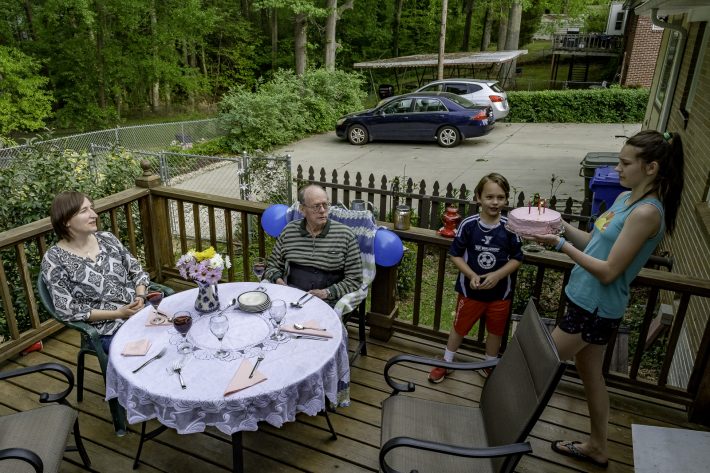
Today is Papa’s birthday. Seventy-nine. I remember when he turned forty. I was only eight then, and because of various religious interpretations, we didn’t actually celebrate birthdays, but I knew it was significant. He’s stayed forty or fifty in my mind’s eye ever since.
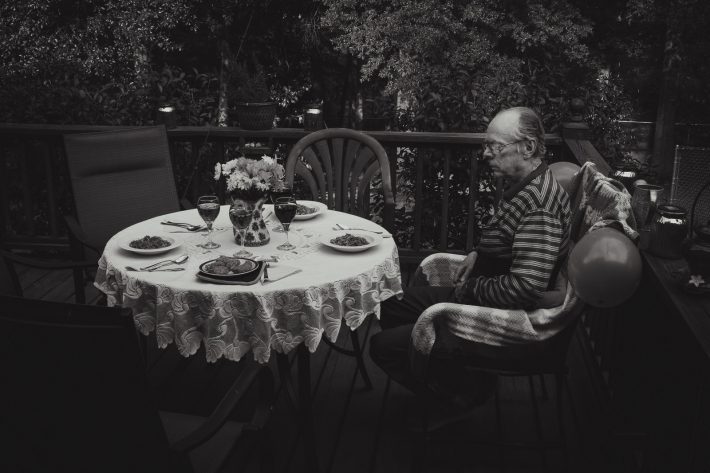
Sixty just seemed like an extension — a little older, maybe a little slower, but basically the same. Seventy? Now nearly eighty.
You know what’s coming — “Soon I’ll find myself almost eighty, wondering where the time went…”
This was a bitter-sweet birthday, though: the first one without Nana. A few days ago, K asked him what he’d like for his birthday dinner. He thought about it for quite a while and asked if we had Nana’s Chinese casserole recipe.
“Nope, but I’m sure we could find it.”
When was the last time we had that? It must have been twenty-five to thirty years since I’d had that. Still, I knew what the recipe must look like: I found something seemingly identical and K tried to fix it while I was pulling up the mass of briars that had grown where our composter used to be. Neither one of us are experienced casserole makers, so it turned out a little, well, moist. But it tasted just like Papa and I remembered.
“Brings back some memories, doesn’t it Pop?” I asked. (I don’t know why, but I’ve taken to calling him Pop again. I used to call him that when I was in high school, but since L was born, he’s just been Papa.)
“Sure does.”
I used to say I could play chess when I really couldn’t. I could move the pieces around, sure, but I really had no deeper understanding of the game, and I didn’t even really know some of the basics. Give me a rook and the king against the opponents lone king and I would have had no idea how to mate.
Even now, there’s one mate I can only barely understand and probably couldn’t pull off: mate with one knight, one bishop, and the king. Here’s a good intro:
Yet there’s one mate that’s in the realm of mortals. “Probably the most popular checkmate pattern, the Smothered Mate often fascinates new chess players and retains its popularity even after one becomes proficient.” So says Chess End Games, and that’s no exaggeration. Every time I’ve taught someone the smothered mate pattern, I’ve gotten looks of amazed awe. The knight pops into a square and mates the king from a distance — beautiful
But Chess End Games is selling it short. There are several ways to achieve a smothered mate in chess, but the most satisfying is with a queen sacrifice. Any win involving a queen sac (chess-speak there) is satisfying because, well, you’re sacrificing your queen, the most powerful piece on the board — until it isn’t. Queen sac smothered mates are rare, though, because most decent players see it coming and resign beforehand.
In fact, I’ve only done it once — last night.
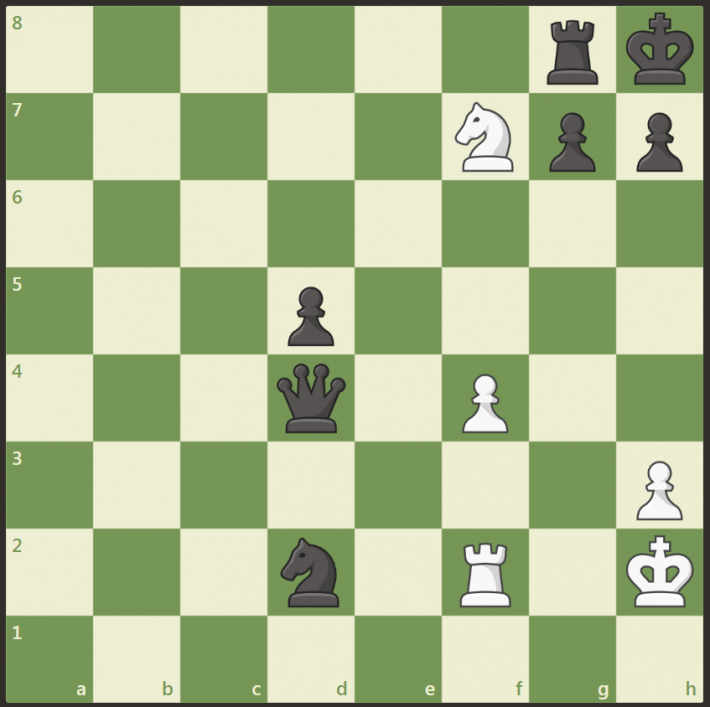
It was a wild game, and I had taken a gamble that wasn’t paying off. In fact, not just down an exchange but down an entire rook, I felt sure mate was coming. My opponent sacrificed the exchange, though, taking my knight on f4.
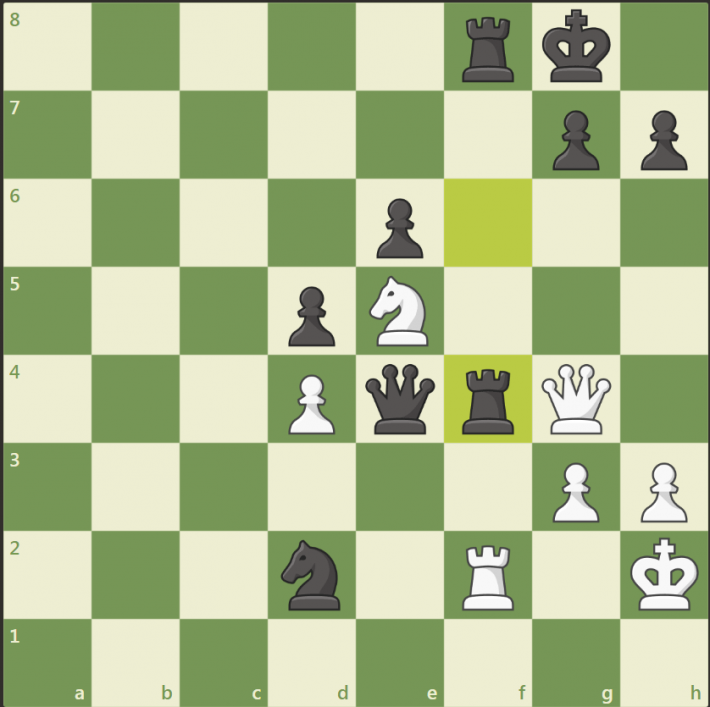
I took with the pawn thinking that I might be able to slide the rook over to g2 to put pressure on g7. It would have been easily mitigated with a pawn move g6, but it was the only thing I saw.
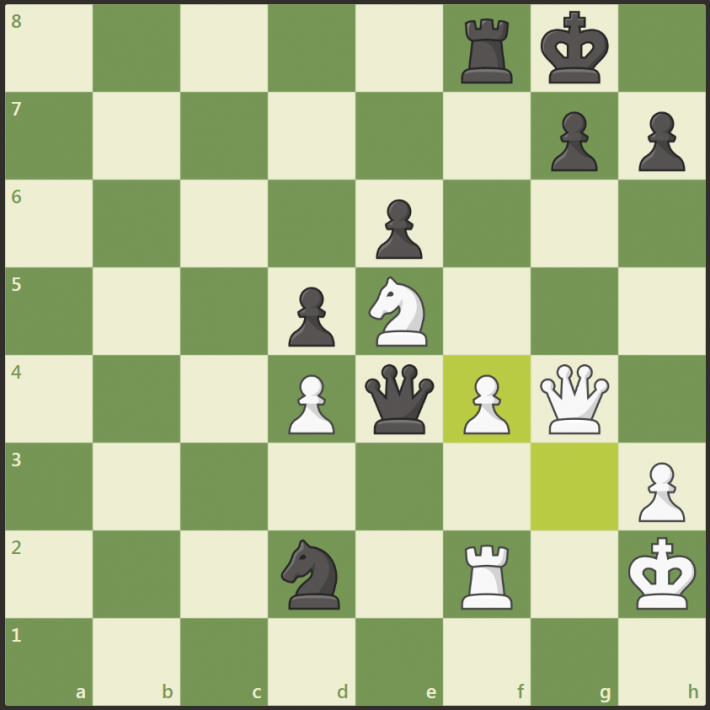
Black took my undefended d4 pawn, threatening my rook. My first instinct was to continue with my plan and move my rook to g2, but then I saw it: my queen and knight were perfectly placed, and with black’s rook pair gone, it looked perfect.
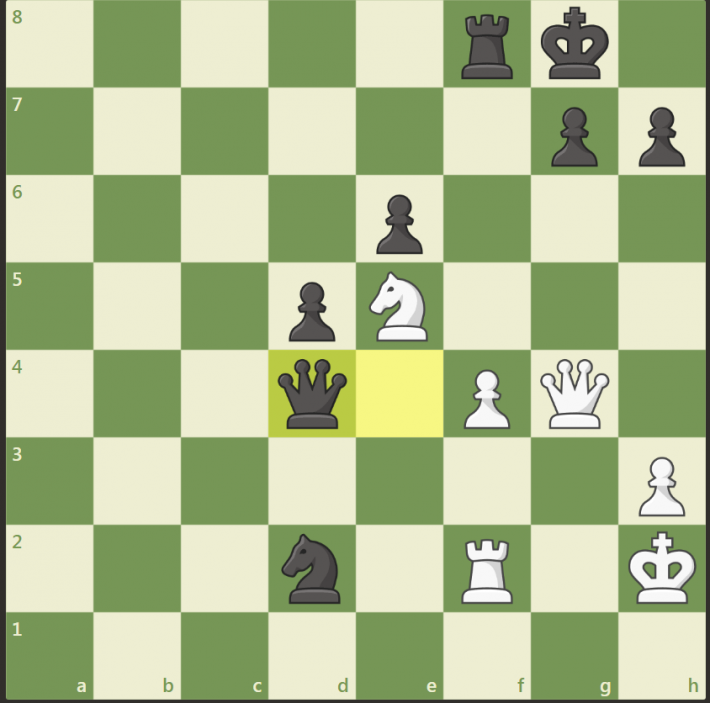
Queen took on e6 with check. From here, mate was almost inevitable. Almost. I thought black might resign or bock with his rook, which would have led to mate with black’s king on h8 and white’s queen on f8 or d8 after having taken the double-attacked rook.
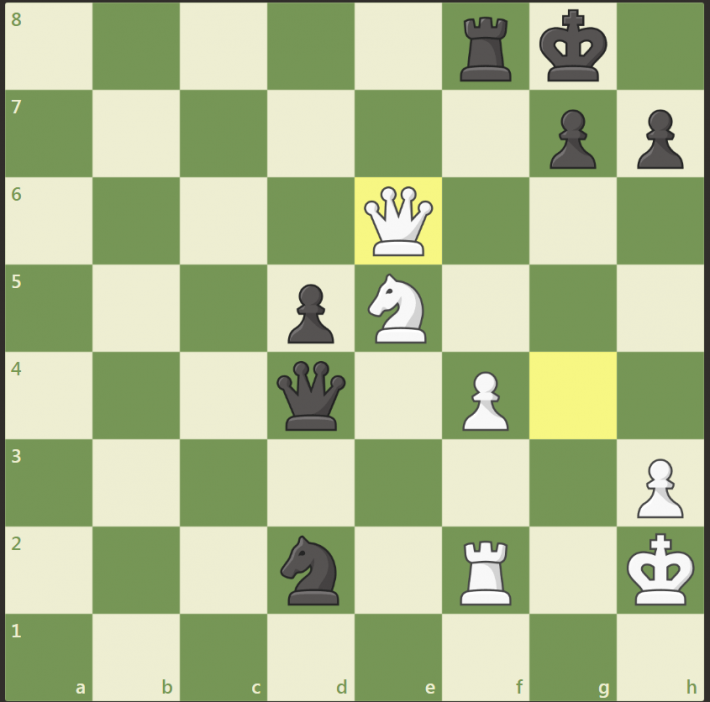
But black moved the king to h8 and my heart went pitter-patter. Could I get the smothered mate or would black resign?
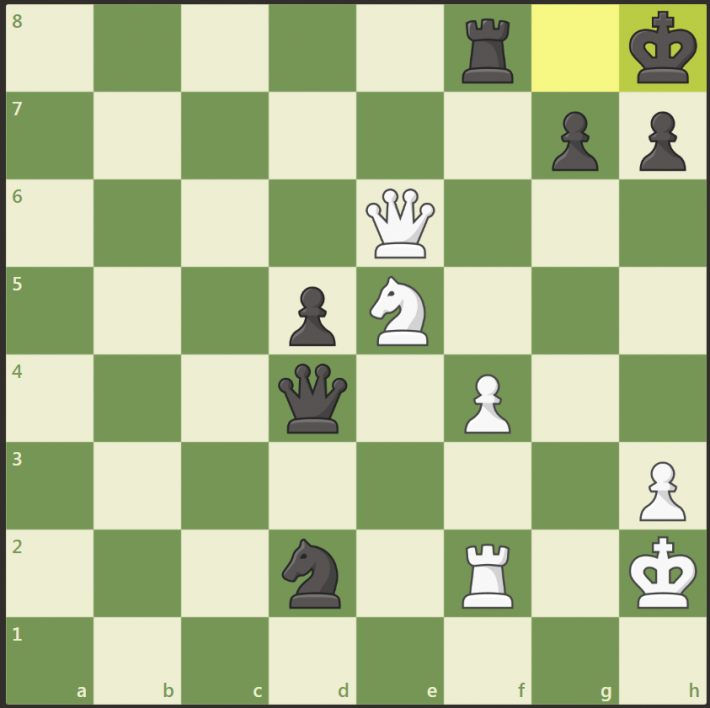
The first move was to pop the knight in for a check. If black took with the rook, I was in trouble: my next move would have been to take with the queen, then black’s queen would deliver a nearly-fatal check on f2 and mate would have been coming. But black didn’t see it.
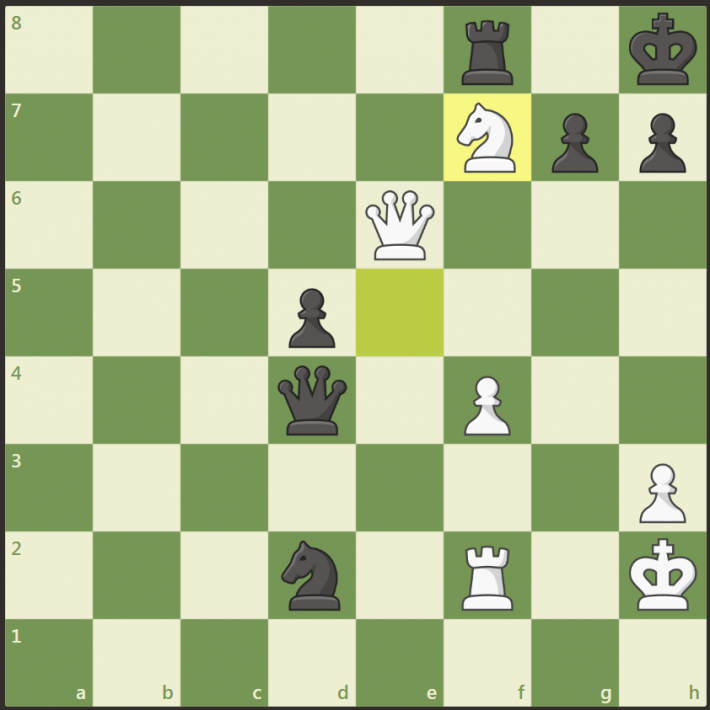
King to g8. “It’s going to happen!” I thought.
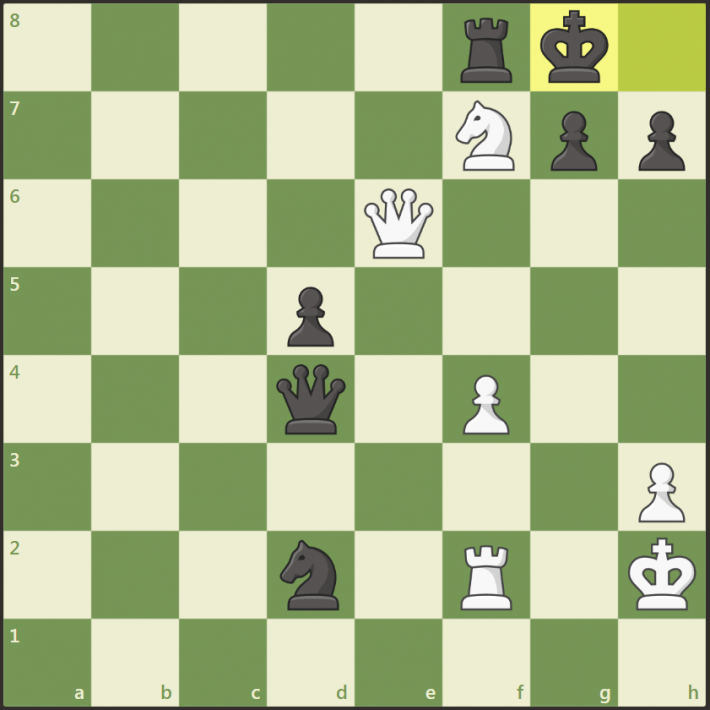
Knight to h6 gave a double check, so black cannot take the knight or simply block the queen,
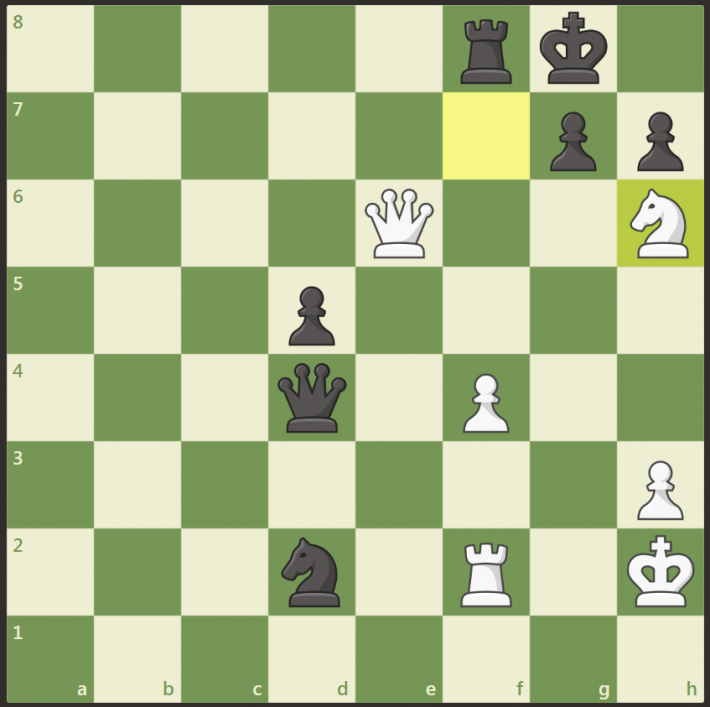
Black had to move back to h8 — or resign. “Oh, please don’t resign!
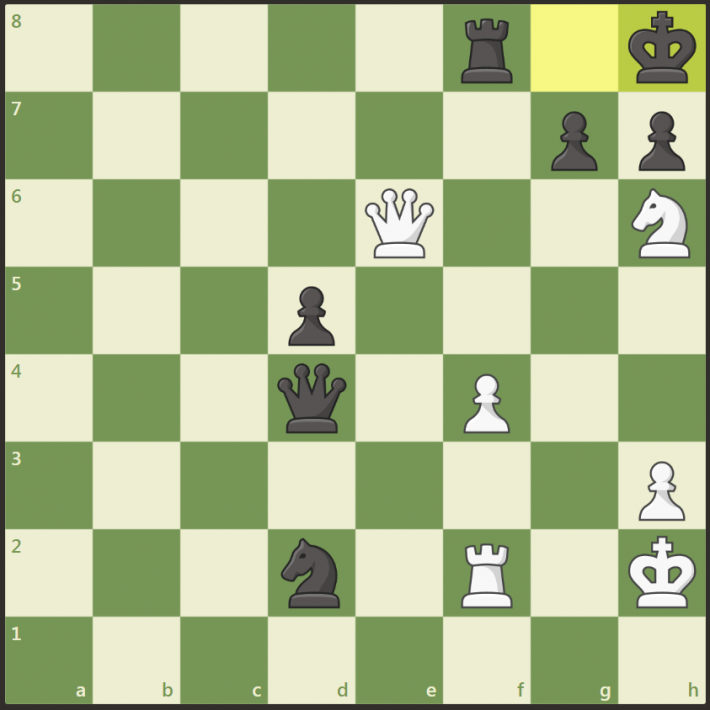
No resignation! Next came the most seemingly crazy move ever: the queen slid into g7 for check. Black could not take with the king because the knight defended the queen; black had to take with the rook.
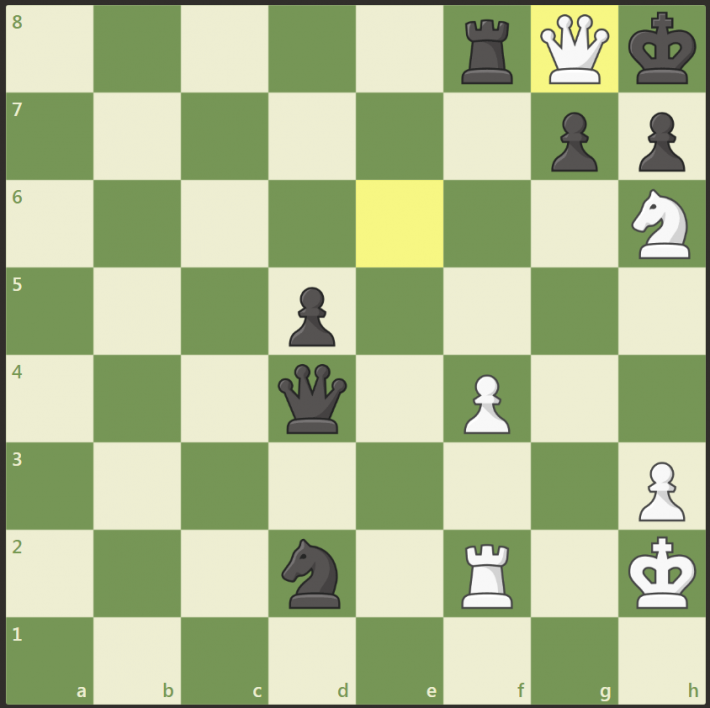
The only problem is, in doing so, black took away the king’s only remaining flight square. The king was boxed in completely.
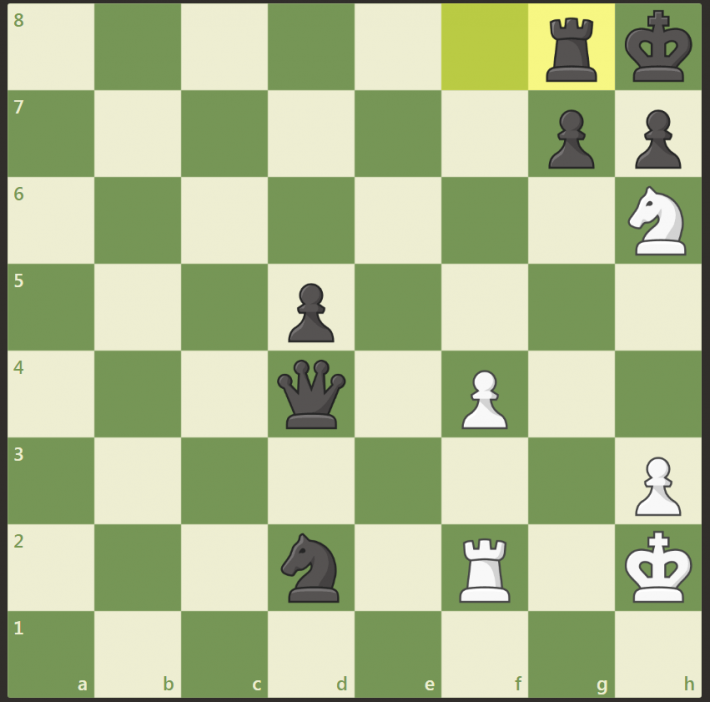
Knight to f7 for mate.
I can’t remember the last time I smiled so after a simple chess game.
We probably should have taken him seriously, but I think even he was joking. Papa’s handwriting has gotten more and more compressed over the last couple of years, becoming almost impossible to read.
“It’s probably a symptom of something,” he laughed. We laughed, too, because Papa likes to joke about growing old. We took it as a joke; he meant it was a joke. It wasn’t a joke — or it shouldn’t have been.
What would Papa have to write about now? Perhaps a description of the spider he was sure he saw in the corner of the room the other night. He called me in to take care of it.
“There, in the corner,” he said, pointing.
“What?”
“A spider.”
I looked closely — no spider. “It must have just been a shadow,” I said.
What is hallucinating spiders a symptom of? If you’d asked me before this afternoon, I would have suggested it was a symptom of listening to the Cure too much:
On candy stripe legs the Spiderman comes
Softly through the shadow of the evening sun
Stealing past the windows of the blissfully dead
Looking for the victim shivering in bed
Searching out fear in the gathering gloom and
Suddenly
A movement in the corner of the room
And there is nothing I can do
When I realize with fright
That the Spiderman is having me for dinner tonight
I listened to that song in high school more times than I care to mention — a favorite from a favorite album of 1989.
But that’s not what it was. Nothing so innocent.
Today, Papa went for a consultation with a neurologist. The unperceived symptoms combined with other issues (blood pressure jumps, moments of temporary near-paralysis as if someone hit a pause button, slight loss of balance, some tremors in the hands, memory issues — issues that have appeared in the last few weeks and sent us to the doctor for an answer) to give the doctor a diagnosis which, in his words, has a 95% probability of being accurate: Parkinson’s.
There is one other option, but we’re hoping for Parkinson’s, because option two has no treatment possibility at all. What an odd response: we’re crossing our fingers for Parkinson’s because Levodopa can make it manageable. The other possibility — well, I don’t even want to think about it. Luckily, the neurologist said most of the symptoms are more indicative of Parkinson’s. Especially the spiders. “The most common hallucination Parkinson’s patients have involve spiders,” he explained. Who knew? (Answer: a neurologist.)
Fortunately, we have caught it relatively early, and medications should be able to manage the symptoms and perhaps even slow things. Or not — PD is a different disease for every patient.
Papa is relieved to have a diagnosis. We all are. It’s no longer a mystery: these moments of paused movements, the balance difficulties, the memory issues are less depressing when they have a name and a treatment plan. We had a heartfelt “it could be worse” talk in the evening. It could be something truly devastating like Alzheimer’s (though I never feared it was). It could have all reached this point when Nana was still around, which would have absolutely broken her heart, filled her with guilt (“Why didn’t I see those things as symptoms?”), and wreaked her with anxiety and worry.
Not forever, though — when Papa was admitted for a surgery on his lung that ended up taking 2 lobes and leaving him in ICU for a week, she cried a lot at first but then went into full Nana mode and became a lioness protecting Papa, keeping track of treatments, medicines, shaving, and making sure the nurses were running a tight ship. That’s what Nana did: process her anxiety with tears and then become a fearless protector.
That’s our job now. I don’t know that we could do it as well as Nana, but we’ll do our best.
“Normal” is a relative thing. When Nana went down into a mass of struggling breath, wild eyes, and confusion in the bathroom doorway in December 2018, we thought it was just a brief interlude in “normal.”
“Things will get back to normal,” we all said. “She’ll spend some time in the hospital; we’ll work out a plan; things will get back to normal.”
She came back home largely bedbound but still able to get up and move about. “You’ll be out of this bed in no time,” we said. Physical therapists came daily, and she was standing and walking — until she wasn’t.
“We’re taking Nana back to the ER,” K texted. “She fell during her therapy.”
This was when the mini-stroke happened. She sat in the ER bed, mumbling incoherently, unable to name the year or the president. She said things like, “We have to get home soon because Mama will get mad.”
That stay was longer. More stressful.
But we still thought things will get back to normal.
Then came the shingles and the pain associated with them. In rehab she was unable and/or unwilling to do anything other than lie in the darkened room, the shingles hurt her so much.
By then, we were beginning to realizing that “normal” had shifted. That what we hoped would be our everyday reality was not what it had been in early December before everything started. “Normal” kept changing. And it kept changing until “normal” no longer included a living, breathing, laughing, fussing, loving Nana.
We knew the same process would happen with Papa. The only question was when.
Well, “when” seems to be now. This week, he’s taken such a turn that it’s difficult to imagine how he’ll ever get back to where he was.
The changes are staggering:
We keep saying that once Dr. McFarland figures out what’s causing all this, we’ll get the situation stabilized and things will go “back to ‘normal.'” But tonight, watching him feebly try to brush his teeth, I thought, “No, this is the new ‘normal.'”
When Nana first went to the hospital in December 2018, I was out walking the dog. K called: “Where are you? You have to get back quickly — Papa had to call 911. Nana’s going to the hospital.”
That was the start.
We go through life never knowing when one event — a conversation, an accident, a fender-bender — will be the start of something entirely new, something good, something bad, but new. Different.
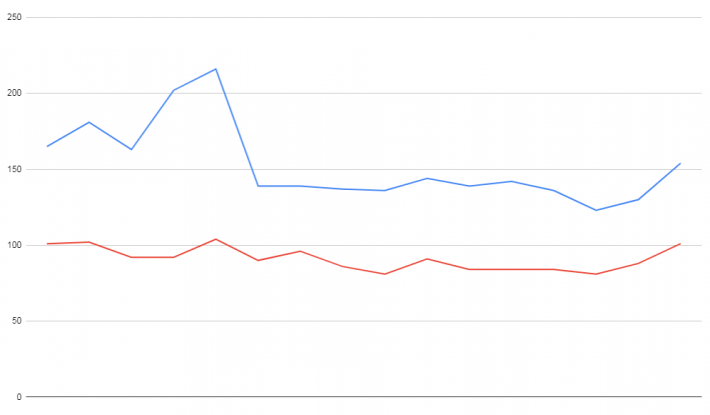
With Papa’s blood pressure now jumping all over the place — a high of 217/102 at the ER last night with a low while standing of 124/63 — and other challenges at home after discharge early this morning (around 2:30), I think it’s safe to say that Papa is worried that things have made a change. We’re concerned. E and L are worried.
But in the end, we all take a deep breath and adjust, relieved that tomorrow we have a follow-up appointment with his primary care physician. Lots of questions; lots to talk about; but she’s a fantastic doctor, so we go to bed with some hope.
“I for one will be glad to see 2019 behind us.” That seems like a common sentiment, and it’s one a number of people hold every year: I’m sure millions said a year ago, “I for one will be glad to see 2018 behind us.”
I don’t see the logic in that thinking. It’s not as if a given year has some kind of sentience and will, bestowing wonderful gifts on those it loves and extracting horrific costs from those it doesn’t. A year is a year — a completely arbitrary thing.
Still, 2019 was a tough year for our family in a lot of ways.


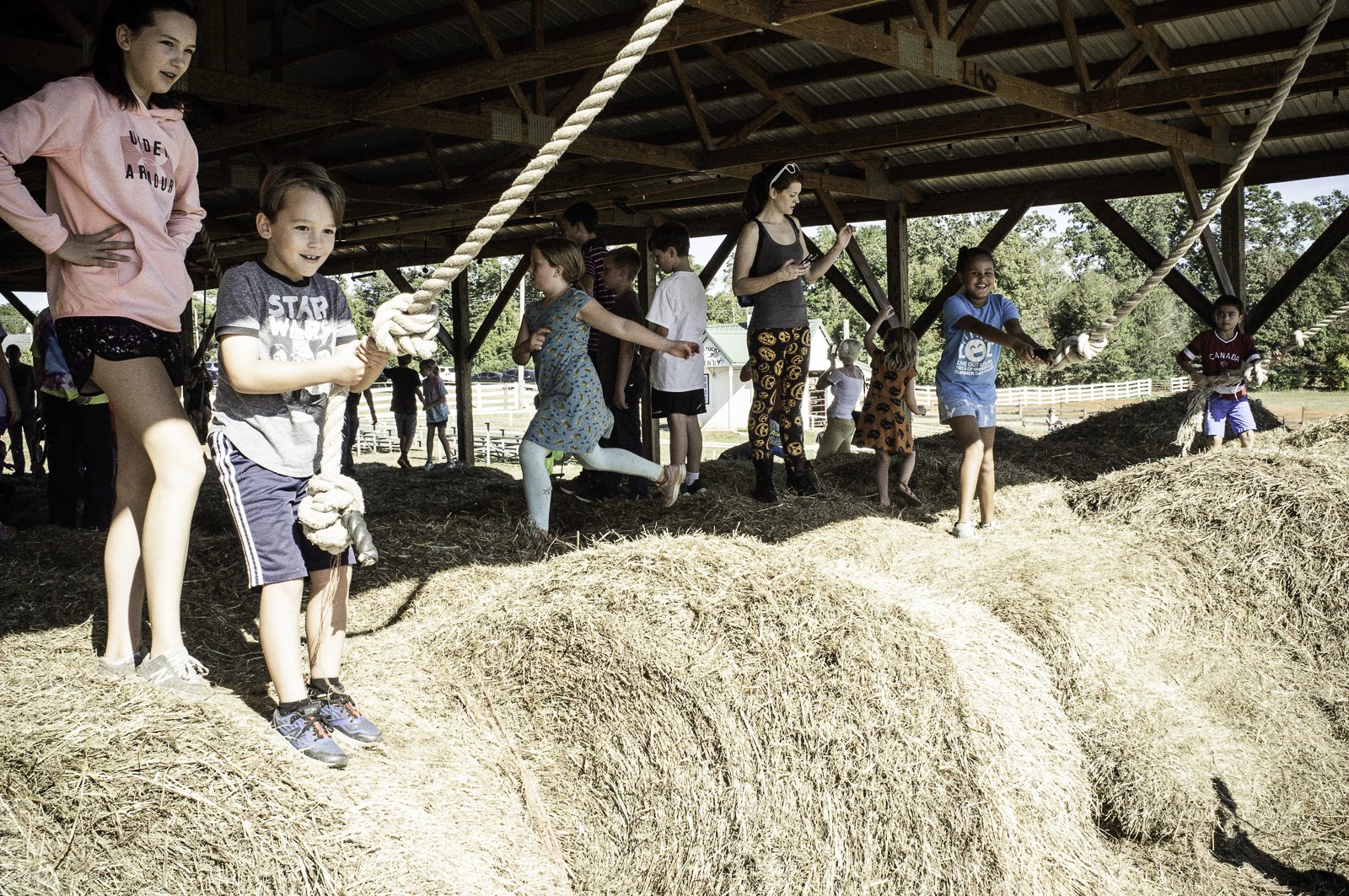
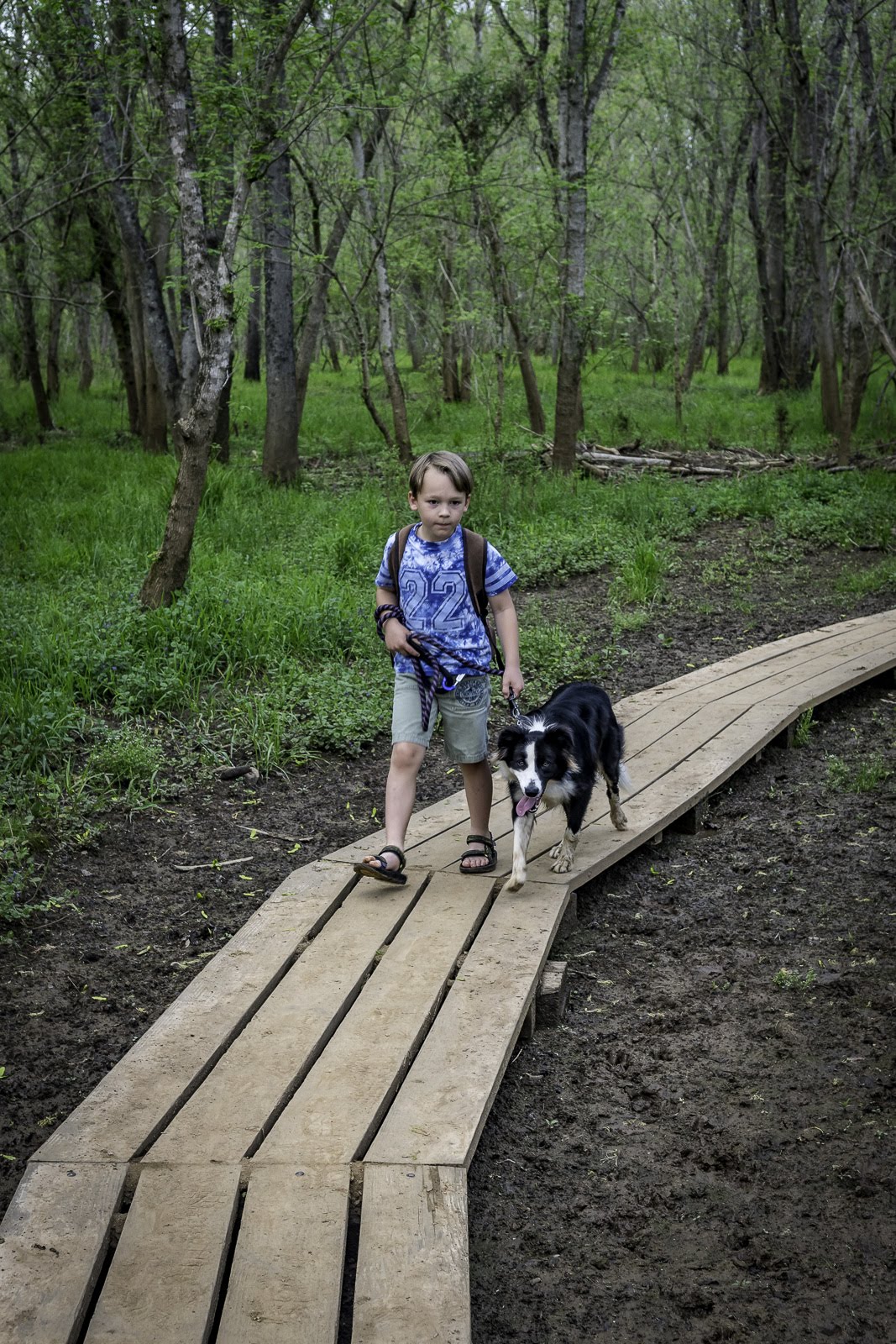
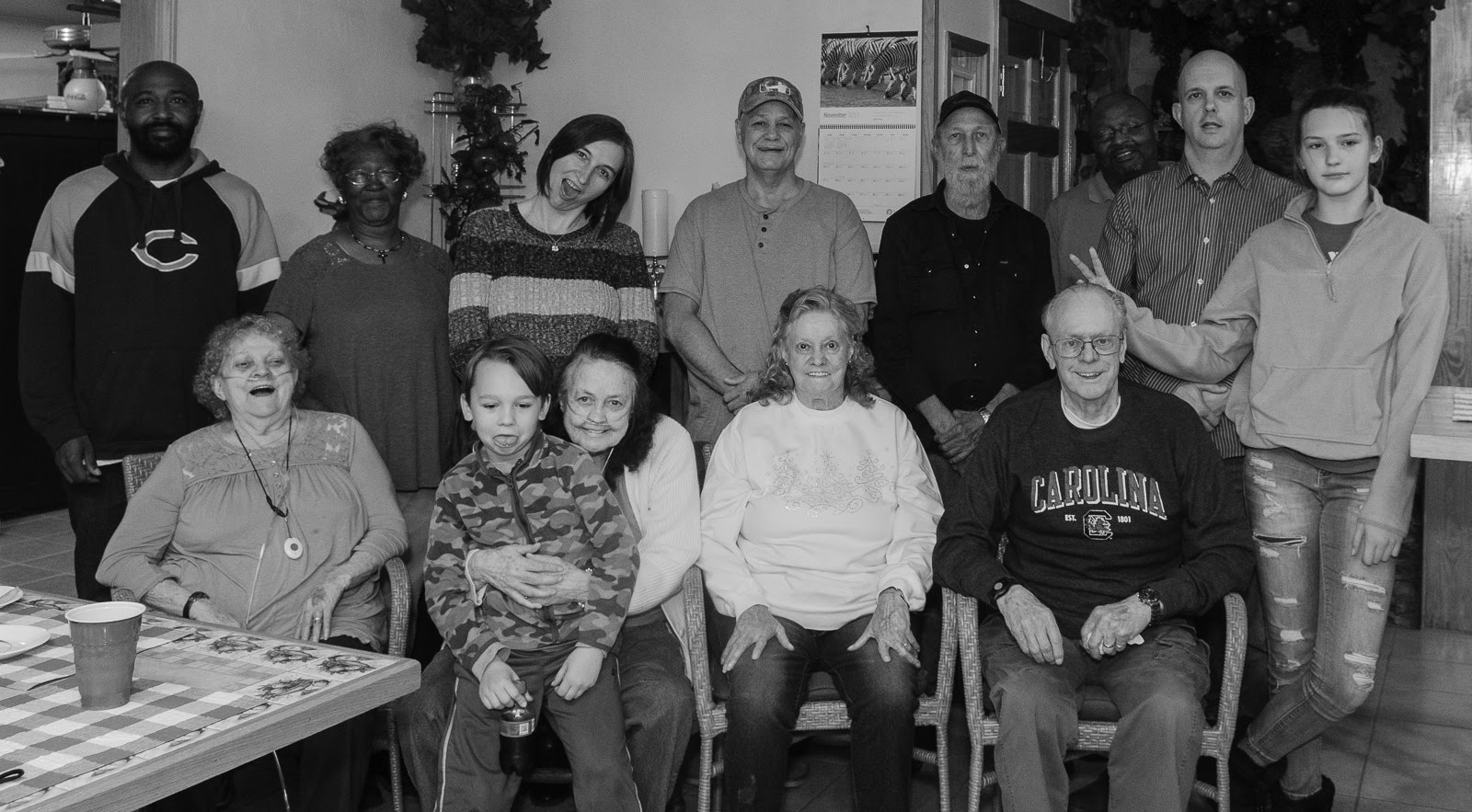
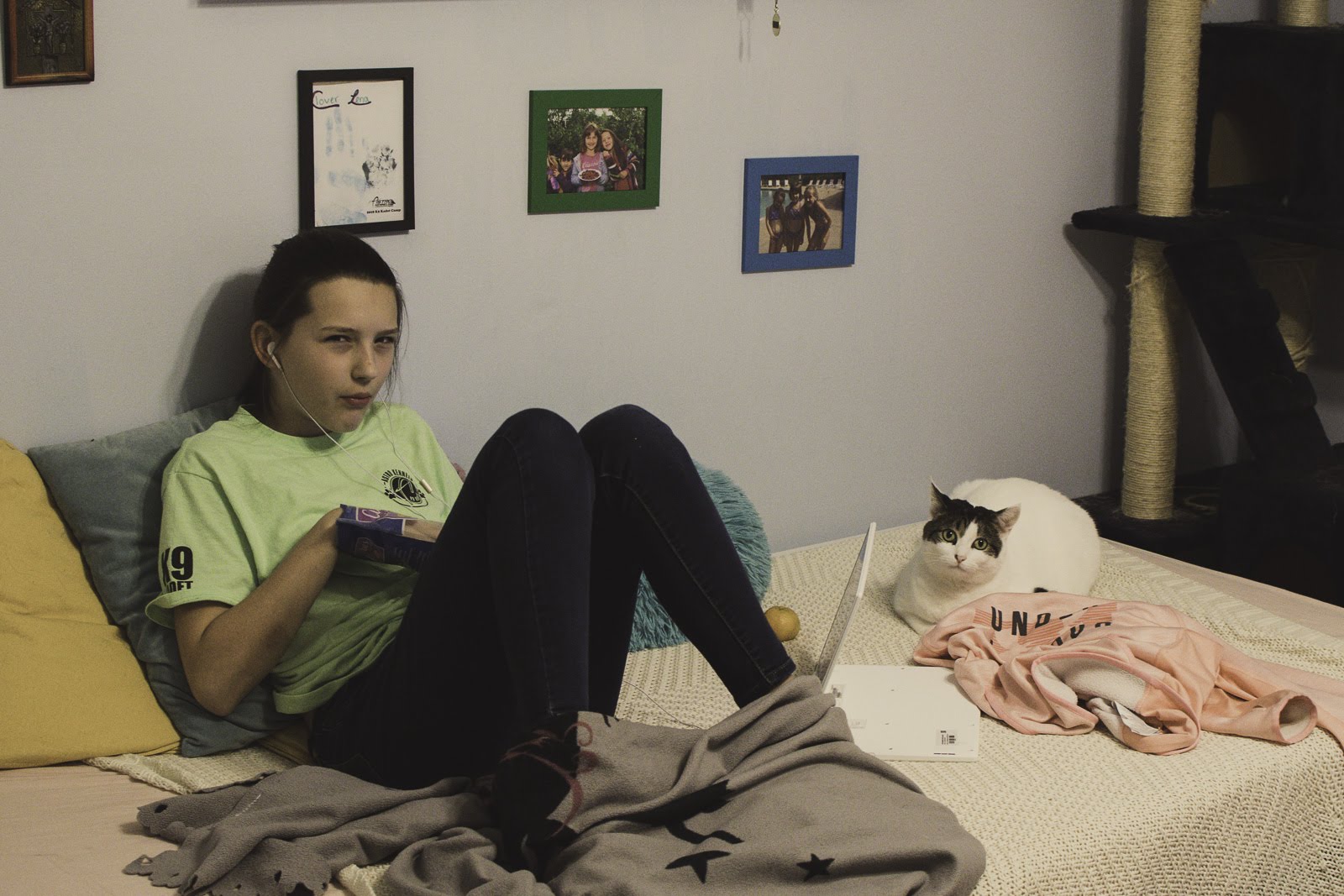
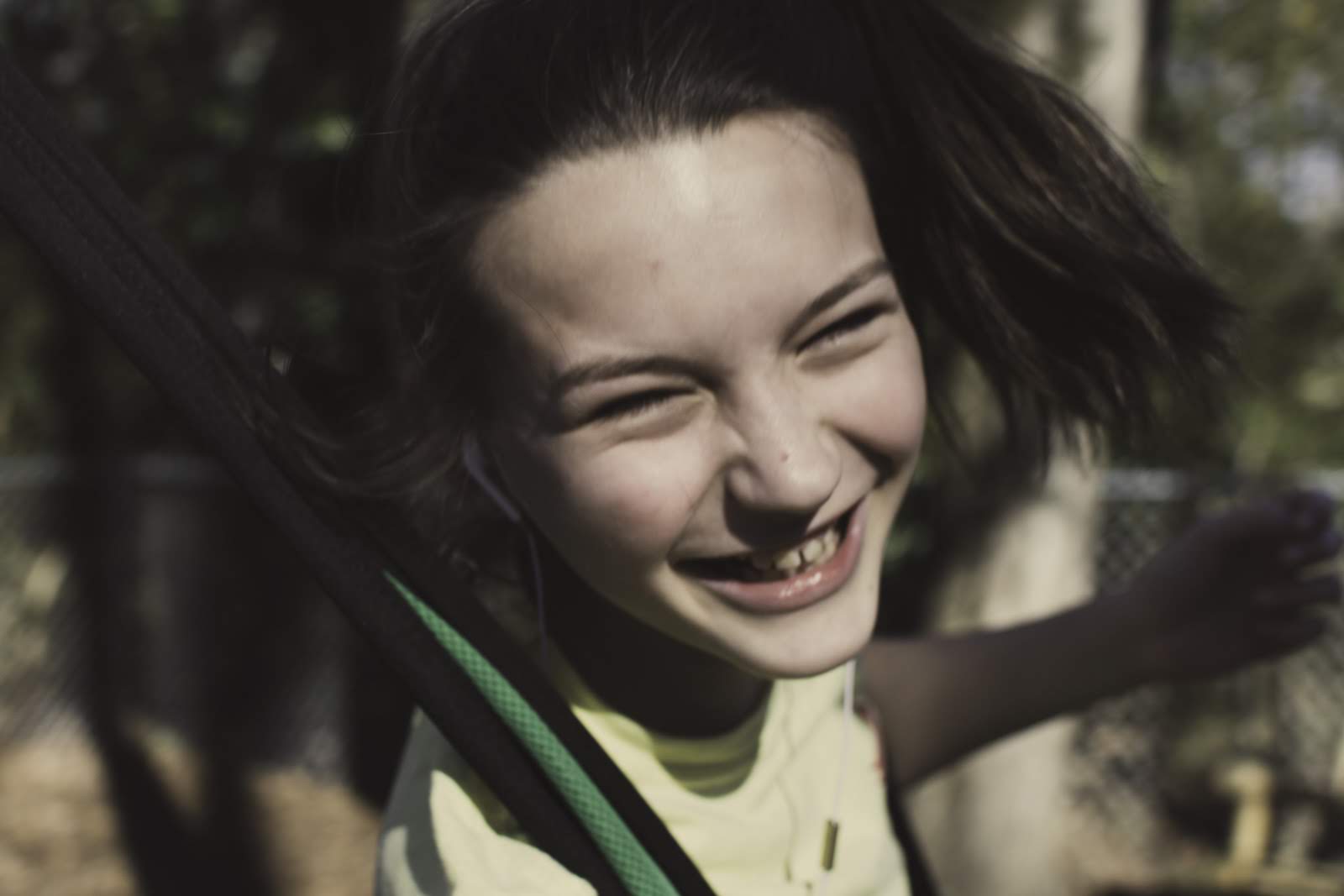
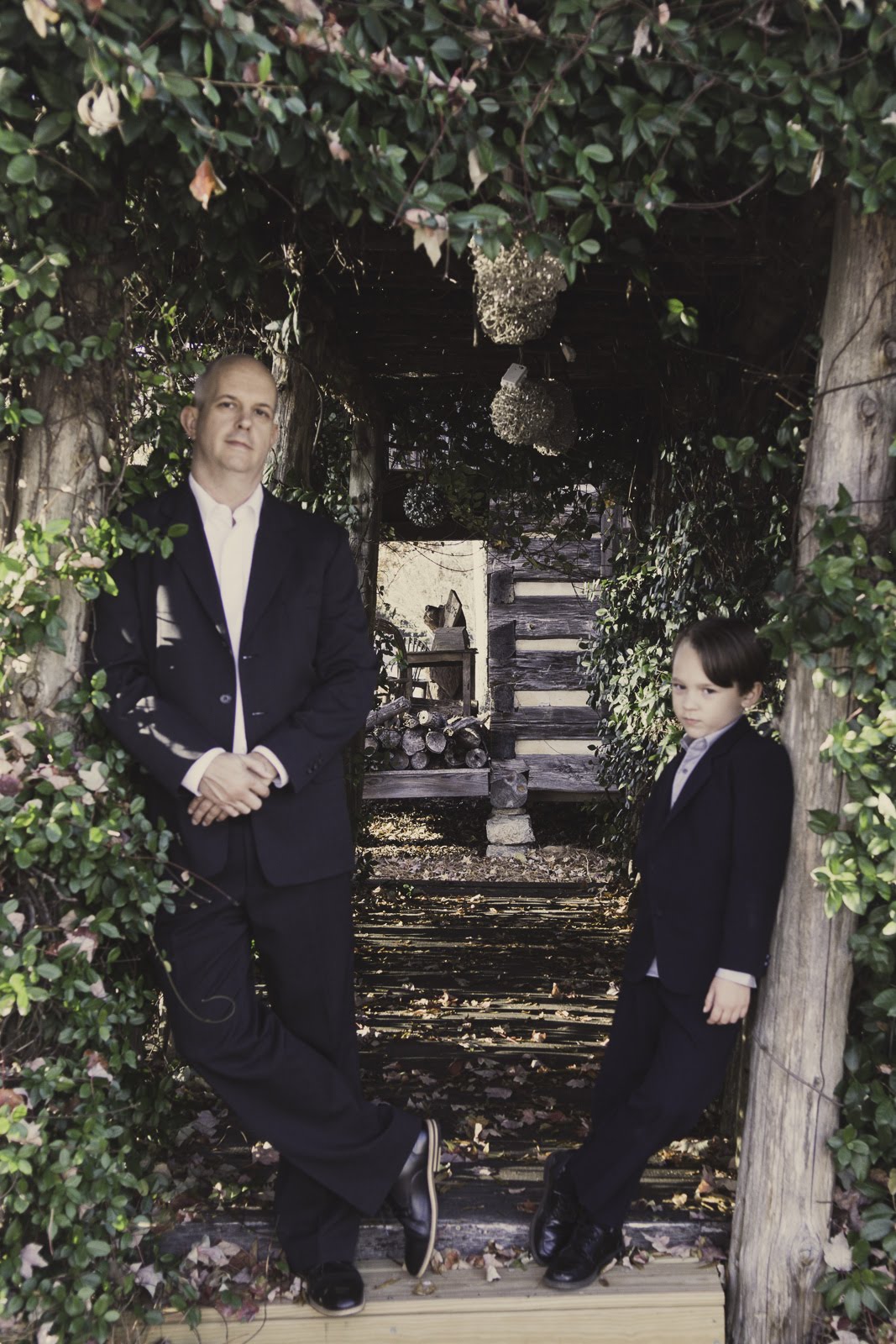
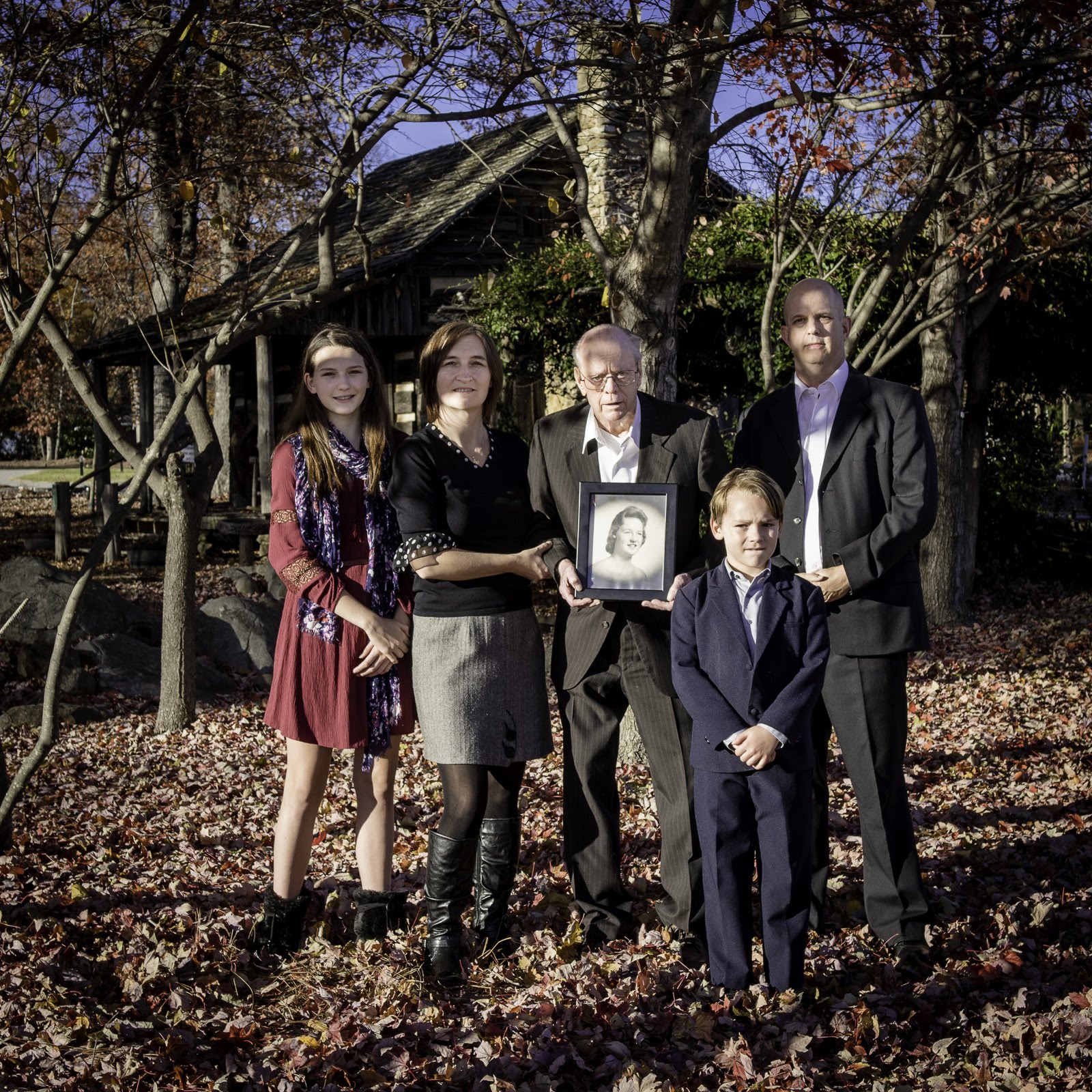
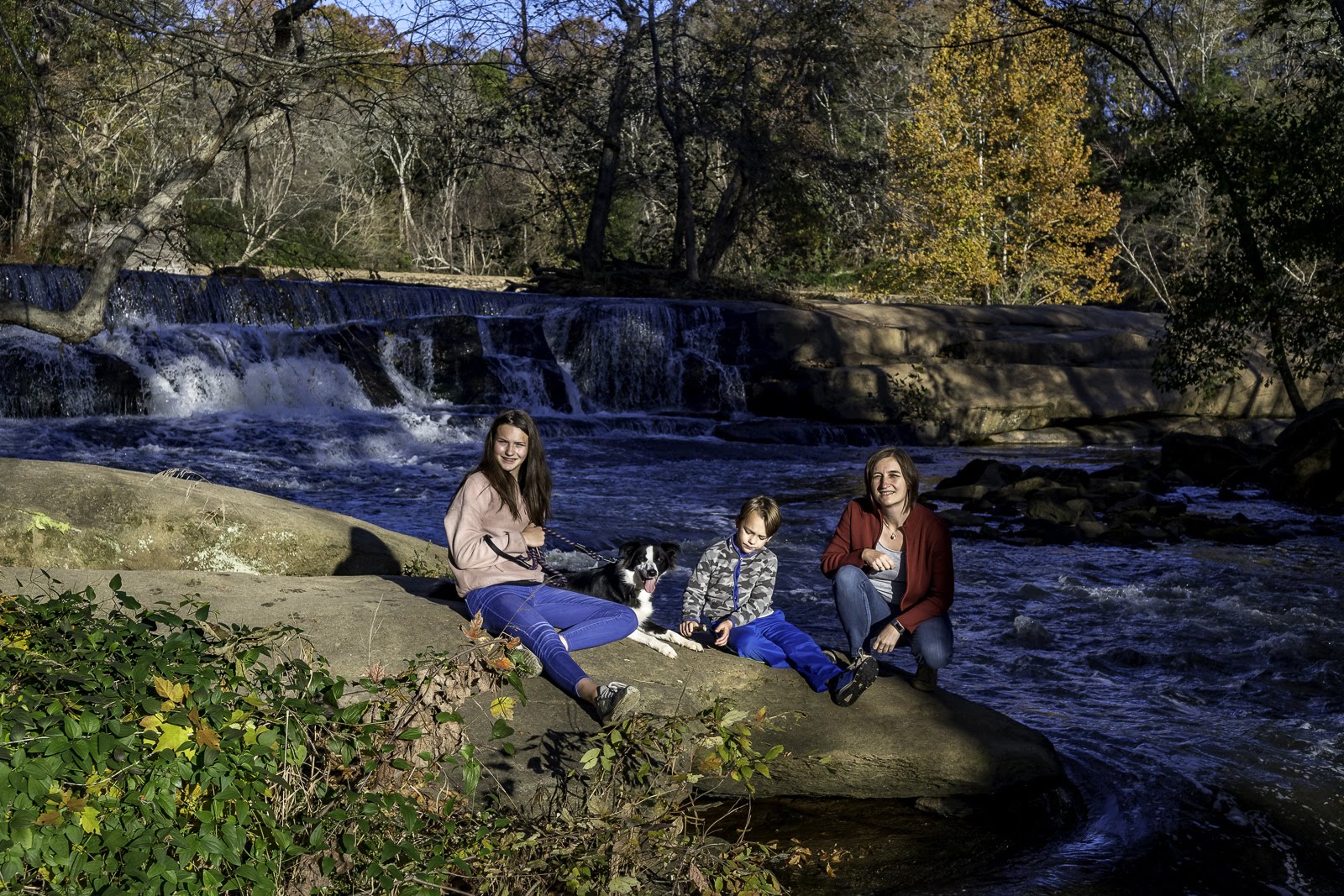

It began with the passing of our loved Bida — the old, ornery rescue cat that chose to stay with us for over a decade. She put up with two kids whose love, when they were little, was more like an assault than affection. She stood up to our silly dog and made Clover realize that among the pets, she was the boss. In the end, it was I, the one who said he hated her, to stayed with her to the end. It was late, and everyone else went to bed.
A couple of days later, a dear friend died from cancer. We were fortunate enough to be able to visit with him just about two or three days before he passed. “You’ve always been such a fighter,” K assured him. “Well, this fight’s over,” he said, and I could tell that his wife took that hard, though she knew it well enough herself and had probably heard it multiple times. He seemed to realize that his time was very near: he’d been calling old friends for what turned out to be one last conversation, and we were very touched that he specifically wanted us to come by for a visit.
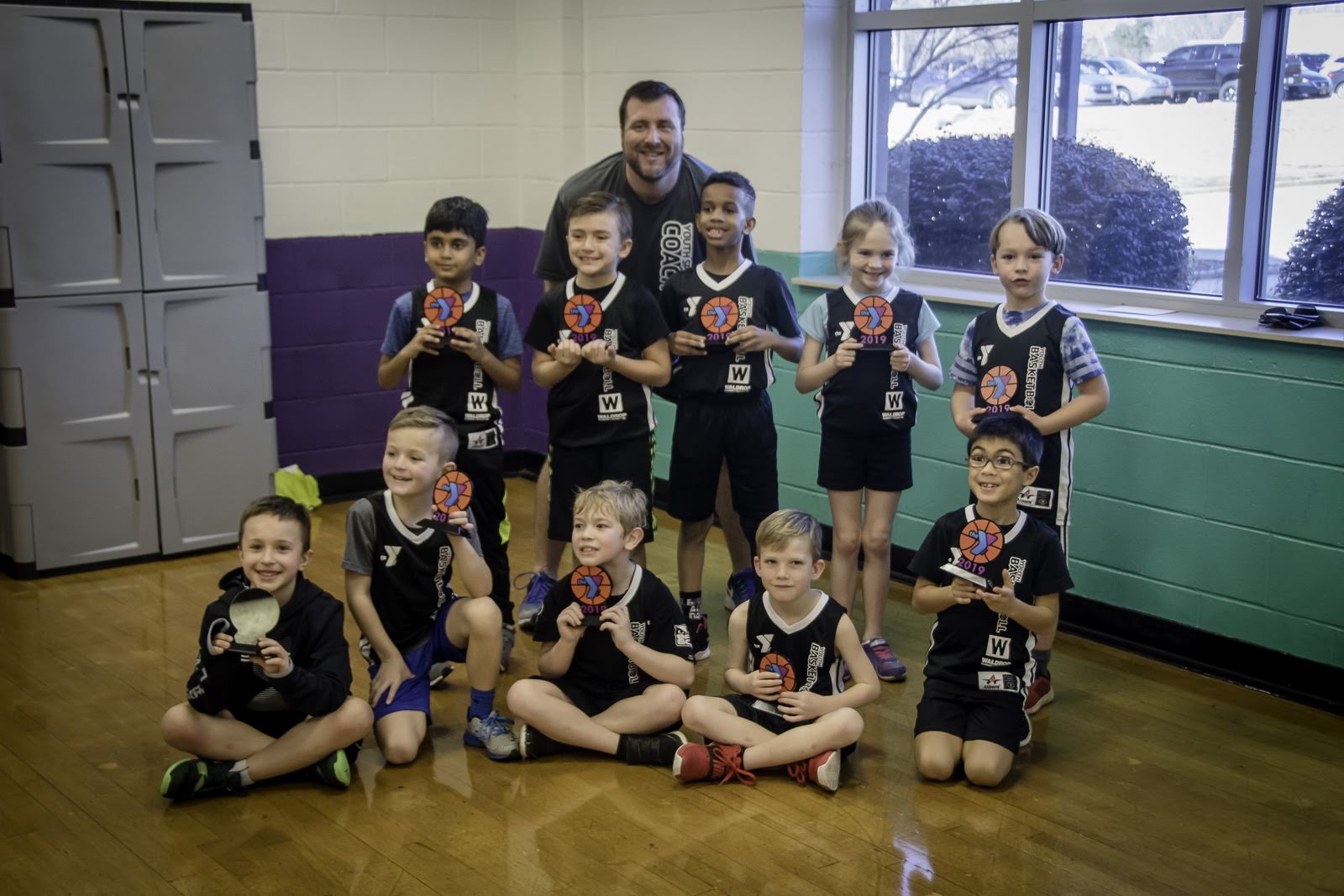
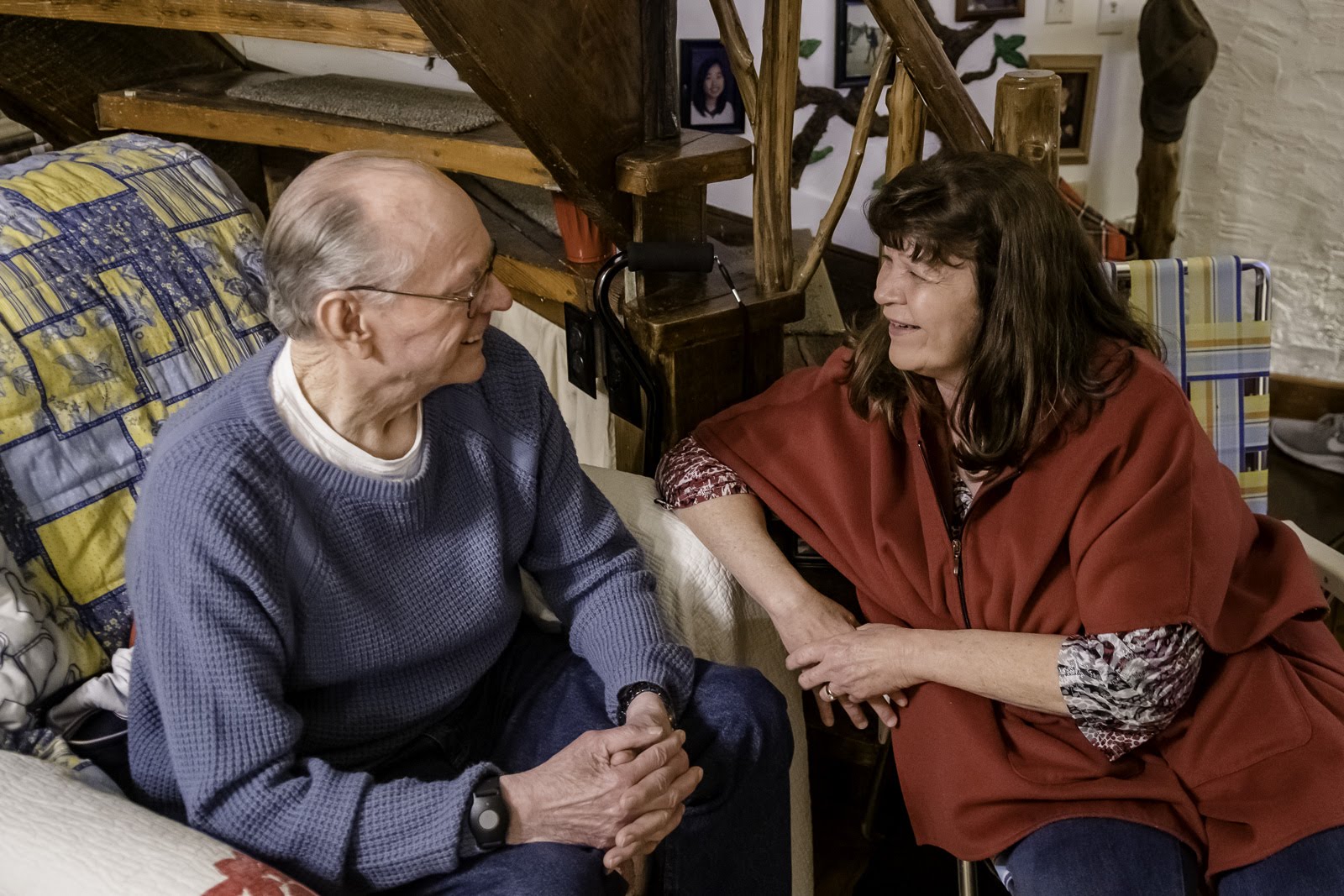
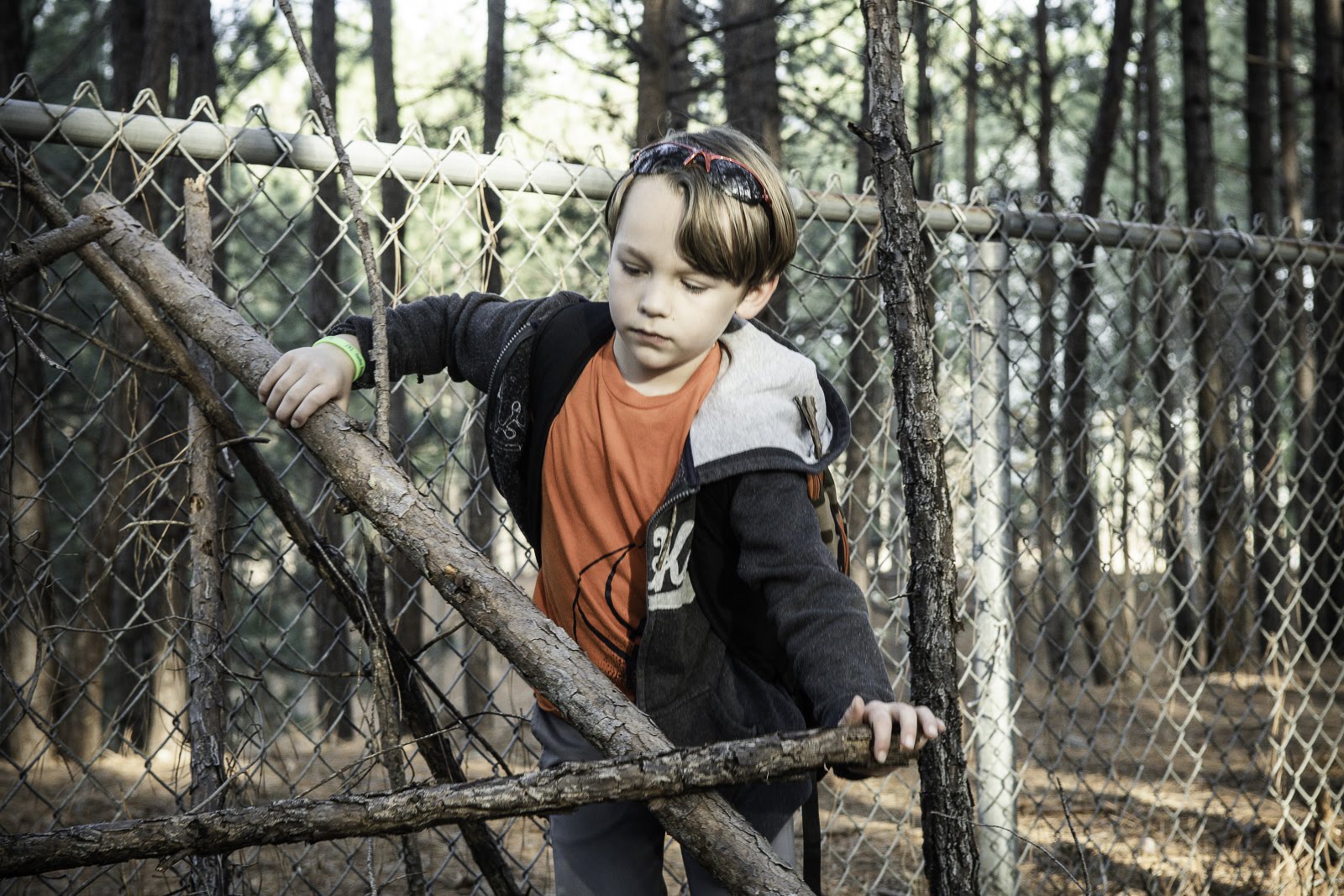
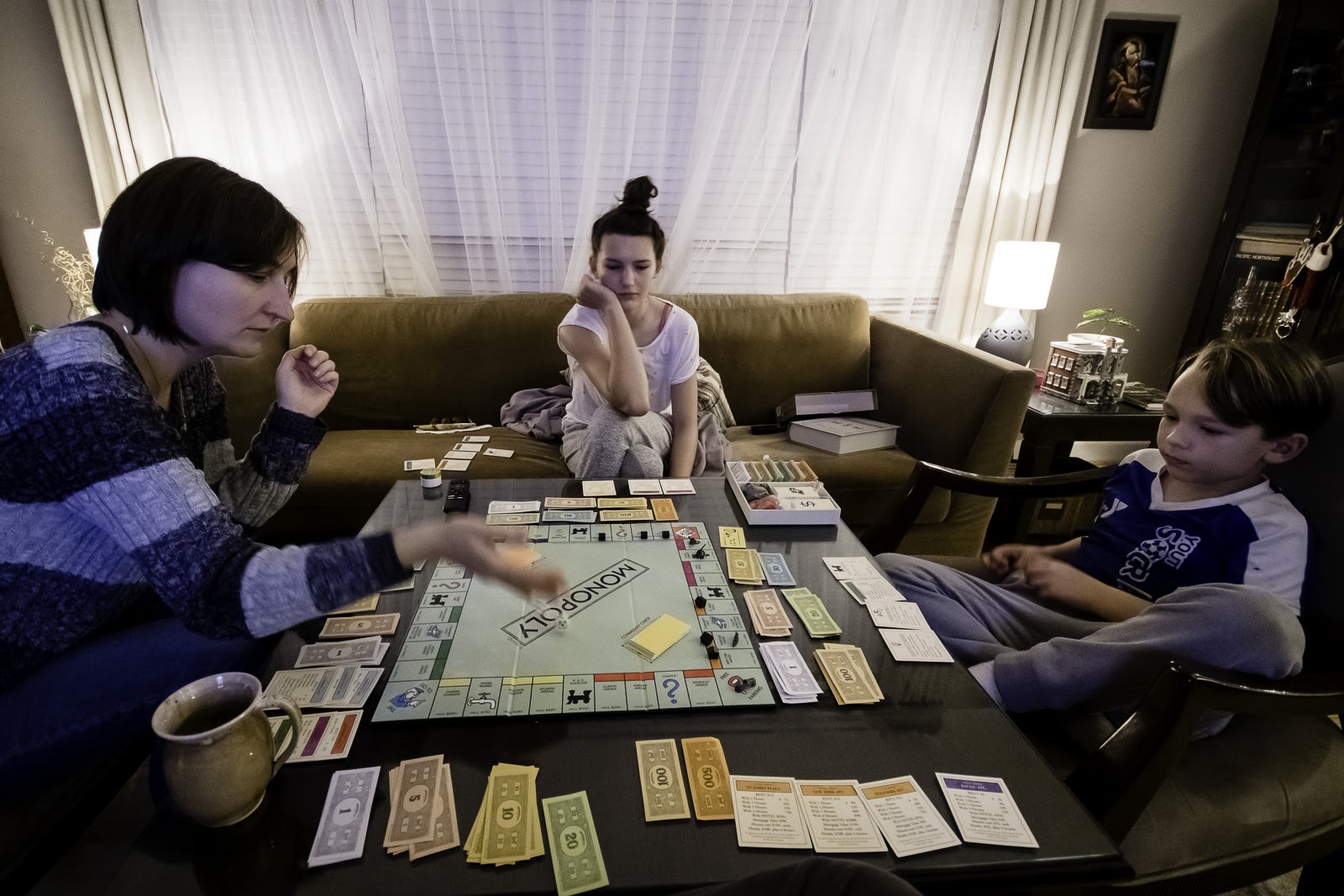
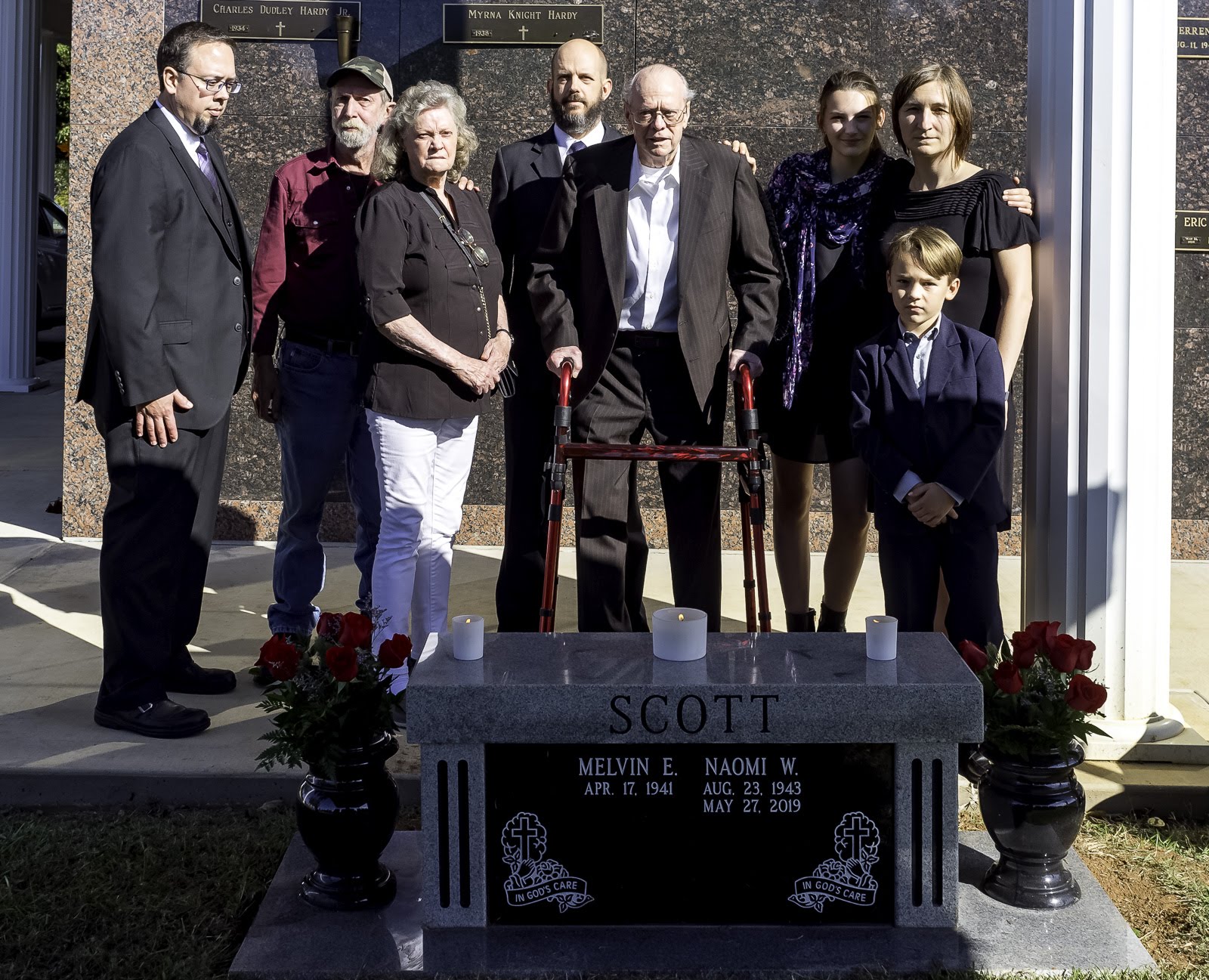
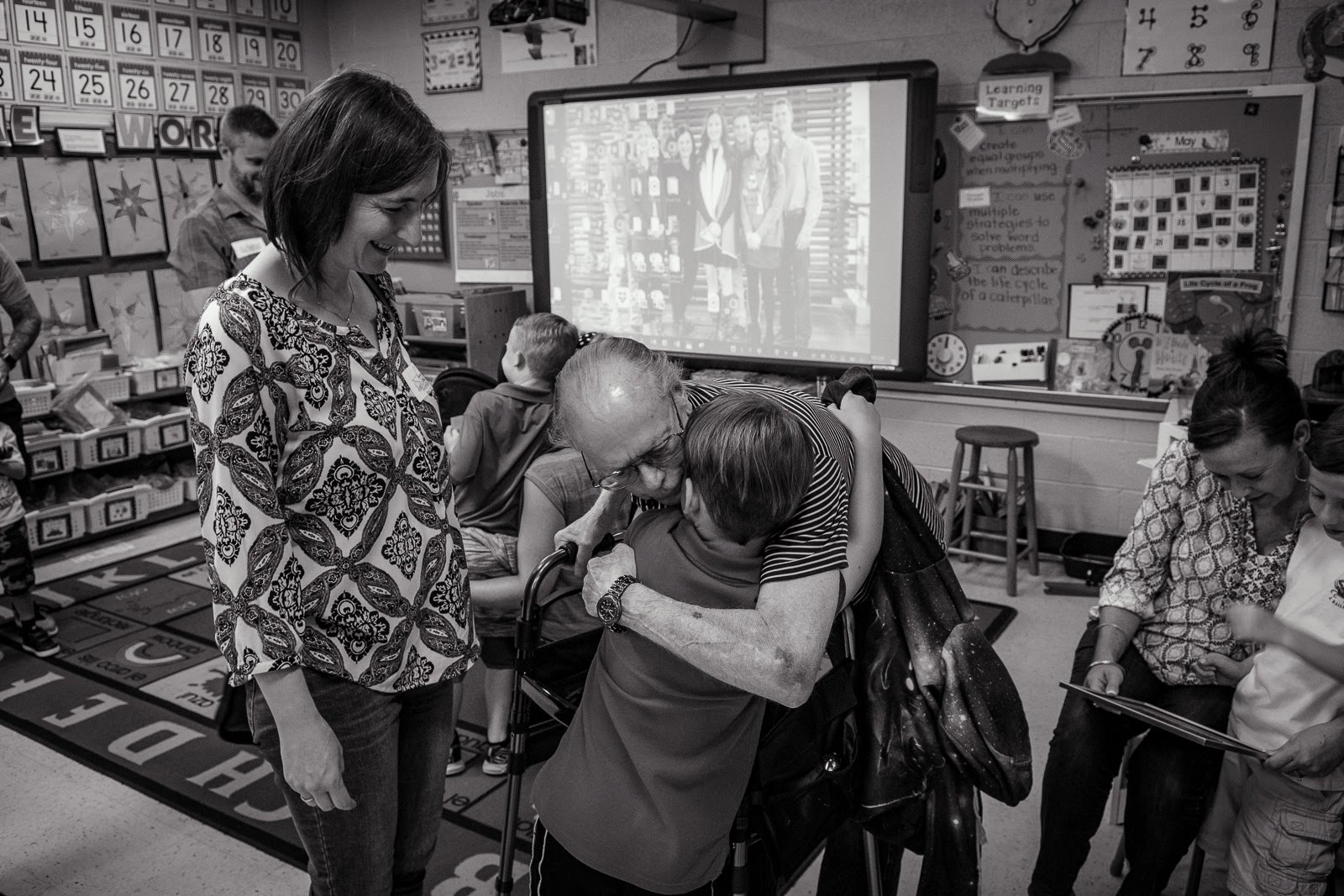
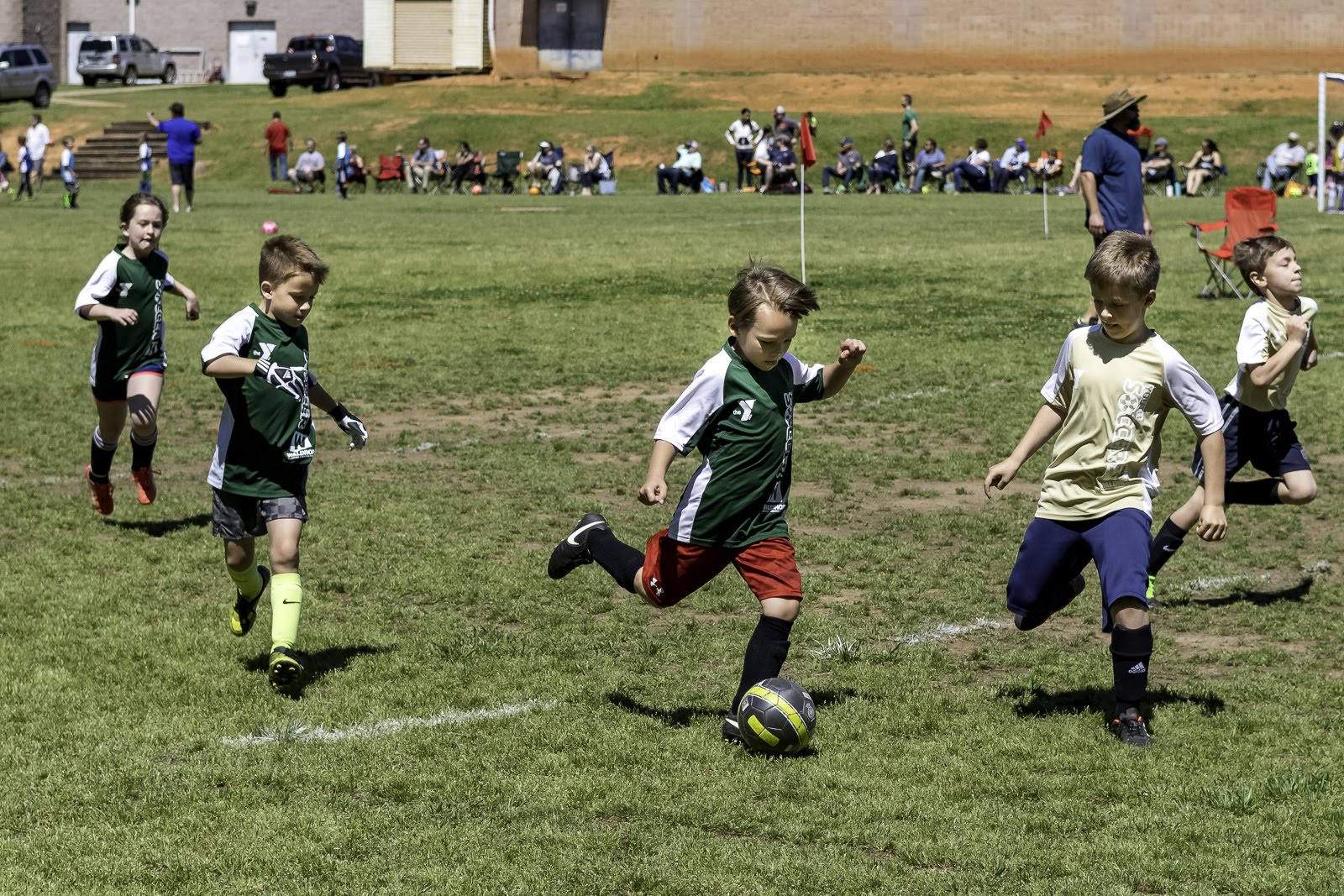

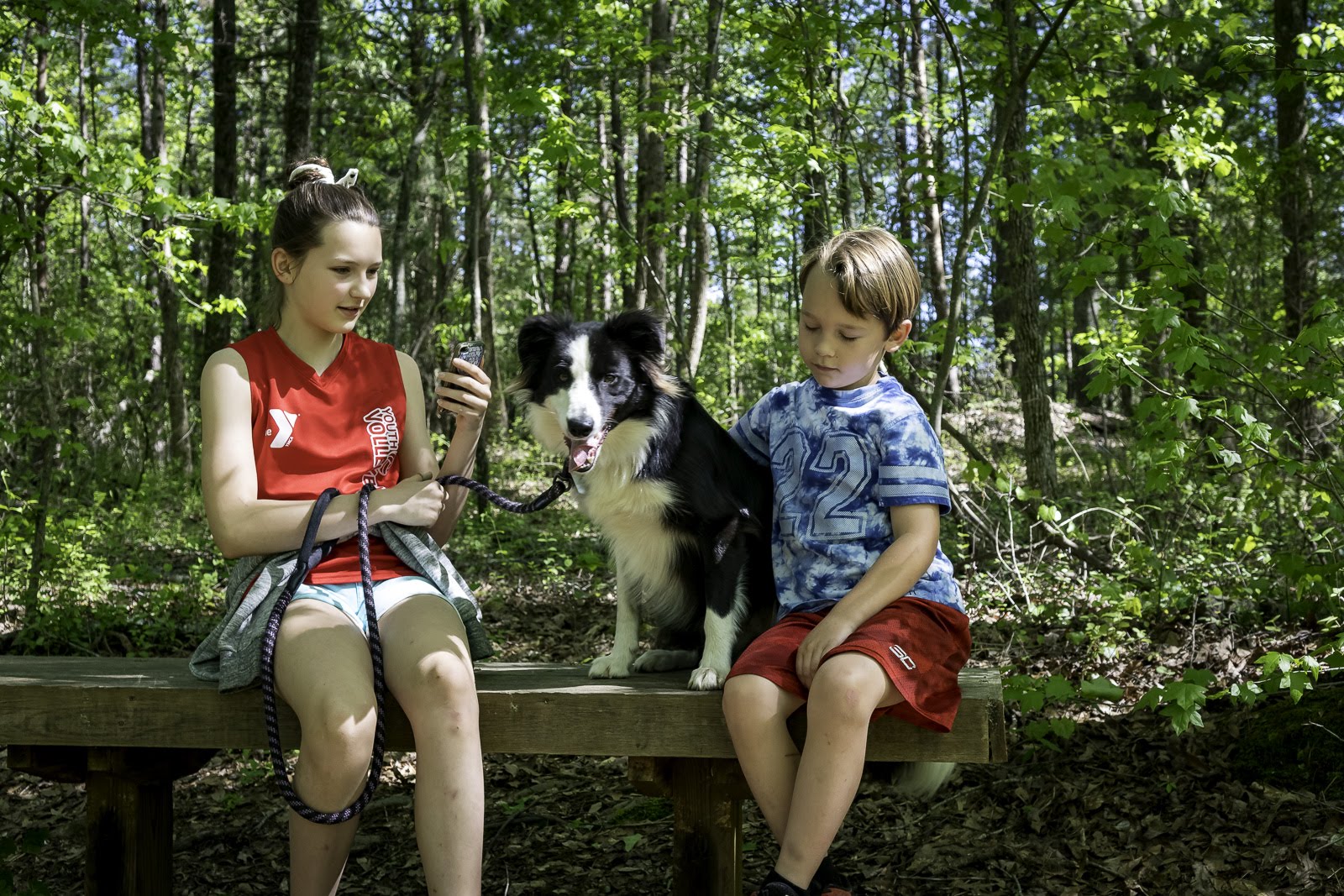
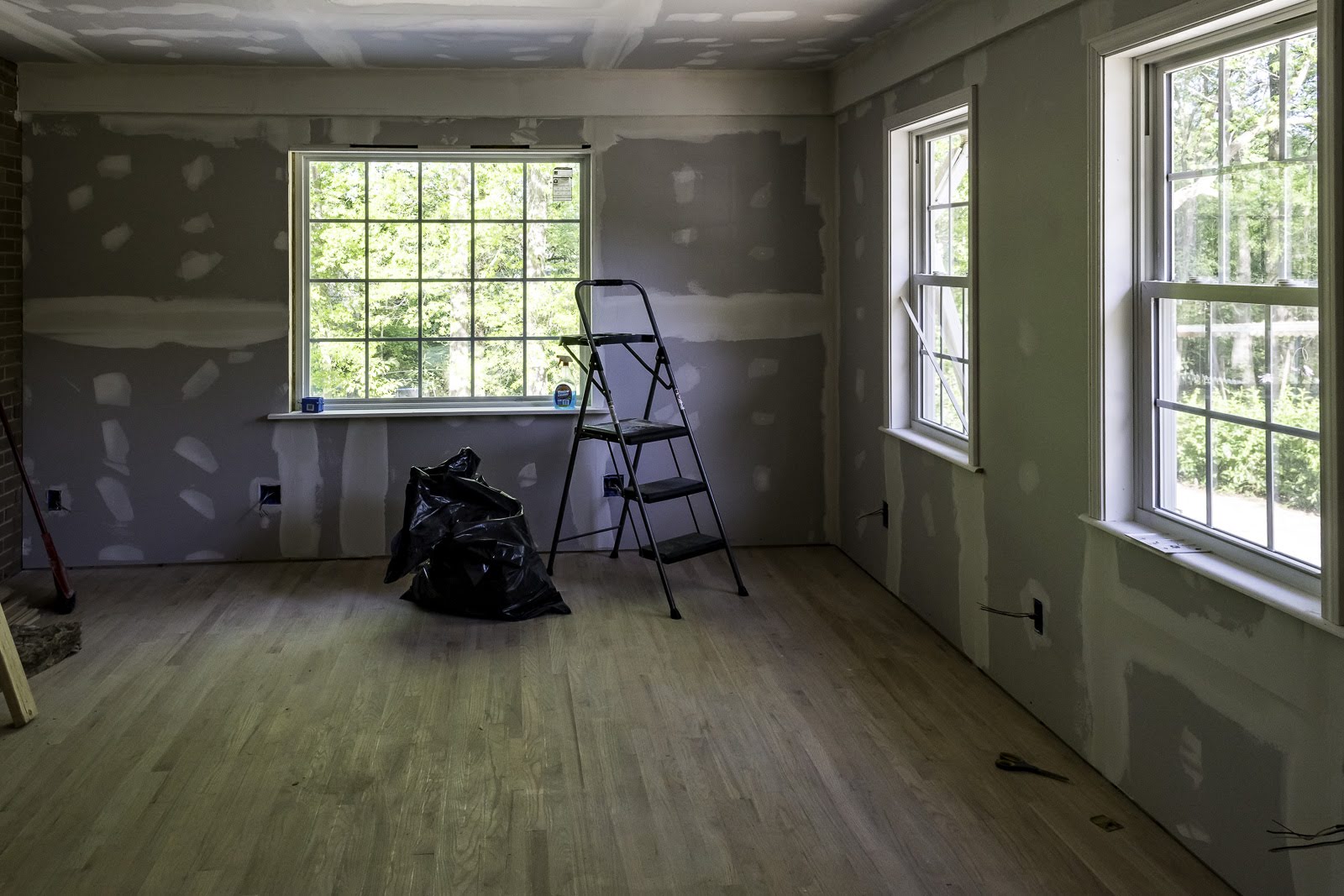
But these two events, tragic though they were, both occurred within the context of an even more personally brutal loss: the year began with Nana in rehab and ends with her out of our daily lives altogether. If someone asked me at the start of the year what I foresaw in 2019, I would have talked about the long process of rehabilitation that awaited Nana, about the stress all that would put on the family, about how it would undoubtedly bring us closer, about my hope for a return to some semblance of normalcy with perhaps Nana in a wheelchair or still largely confined to bed but still with us. I wouldn’t have thought we would leave the decade without her.
Yet there were bright moments throughout the year. The renovation of our carport completed, Nana and Papa moved in, and Papa remains here still. It’s good to know he’s in a safe place, that he’s near, that we can take care of him. Nana was here with us only a week: perhaps that assurance that Papa was safe was the last thing holding her back.
The Girl blossomed as a volleyball player. She was a starter on her school team, which went undefeated for the season and won the final championship tournament as well. It’s a passion that’s lasted several years now, longer than dance or gymnastics ever did.
A mixed year overall.
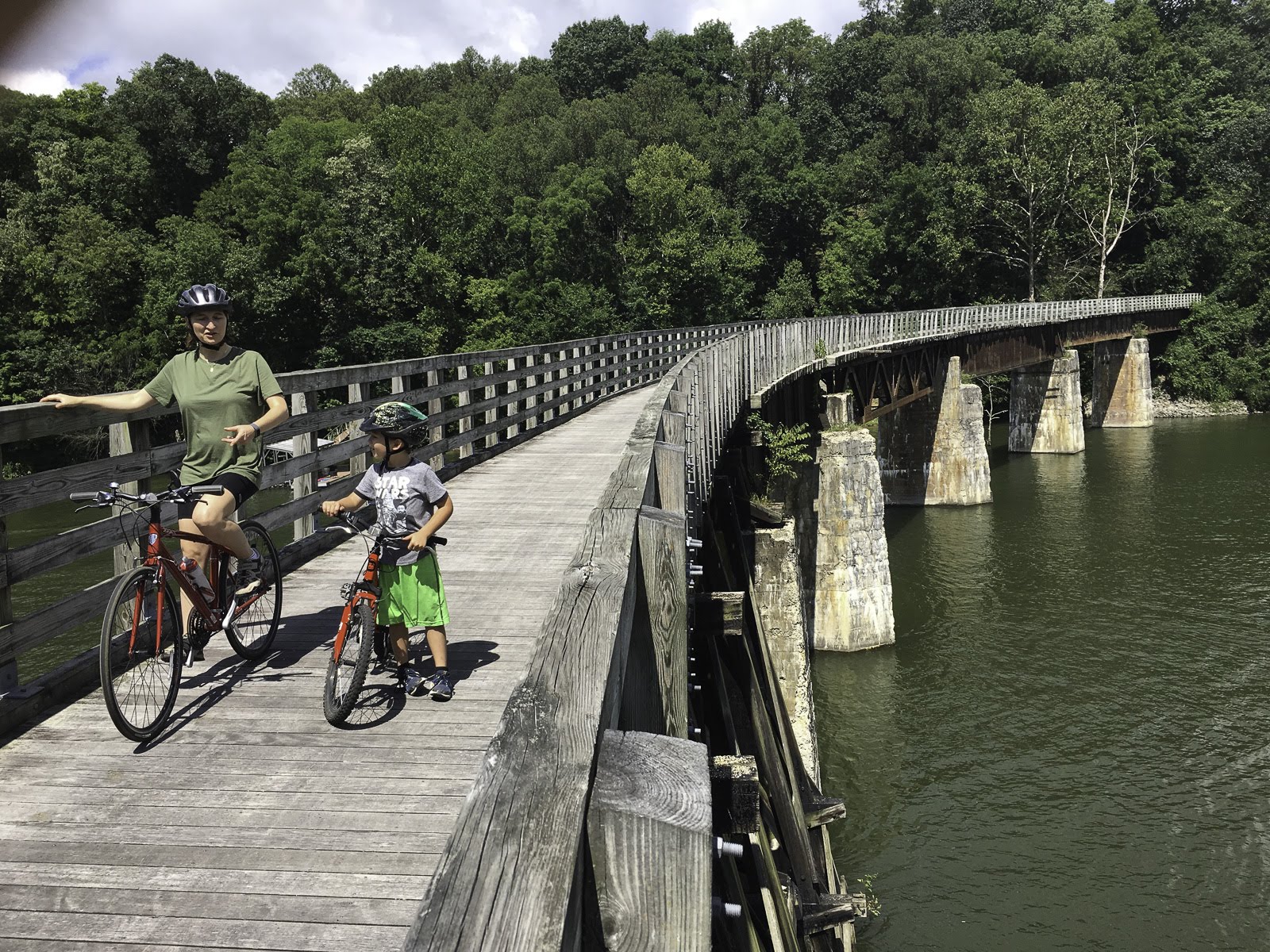
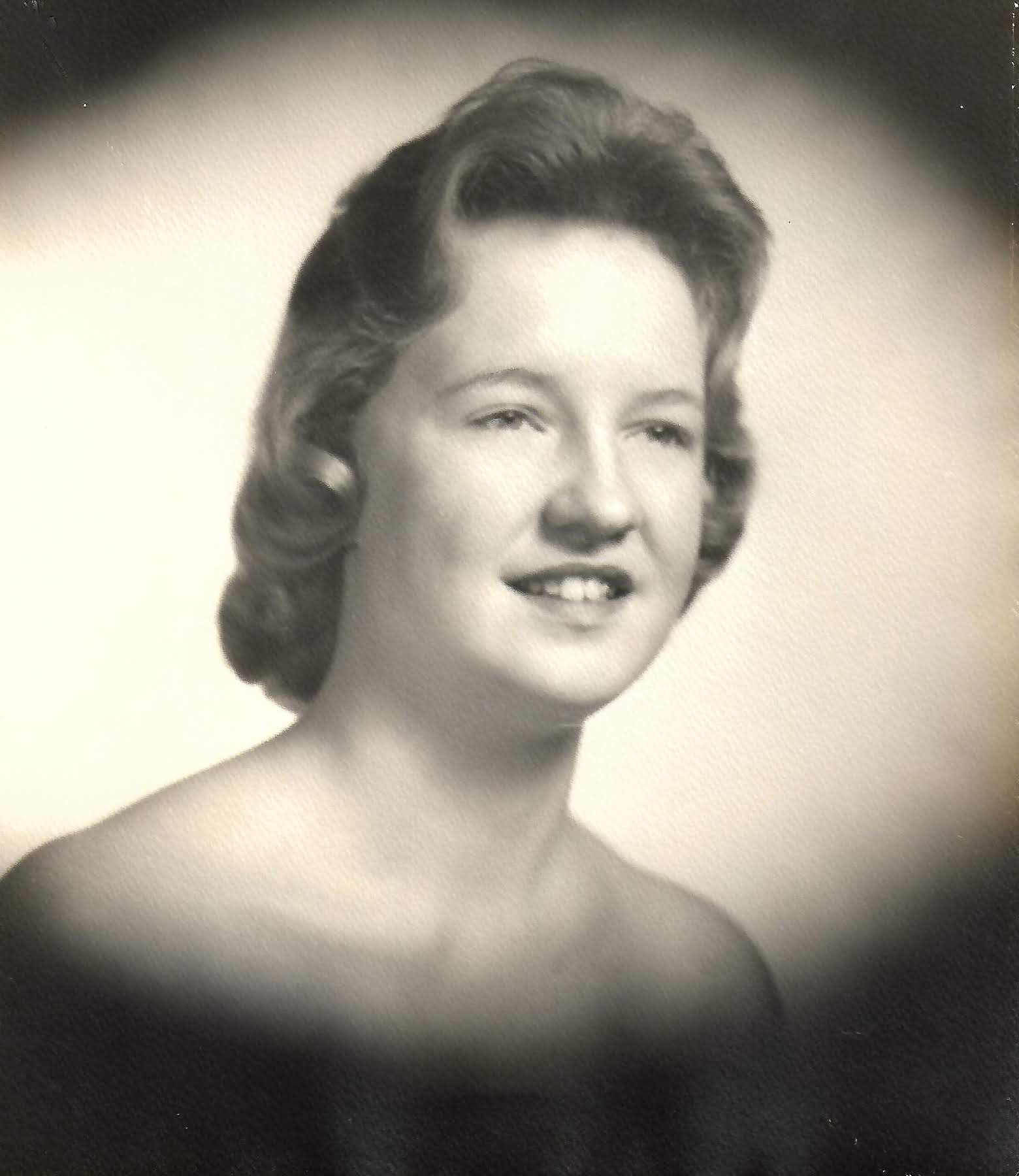
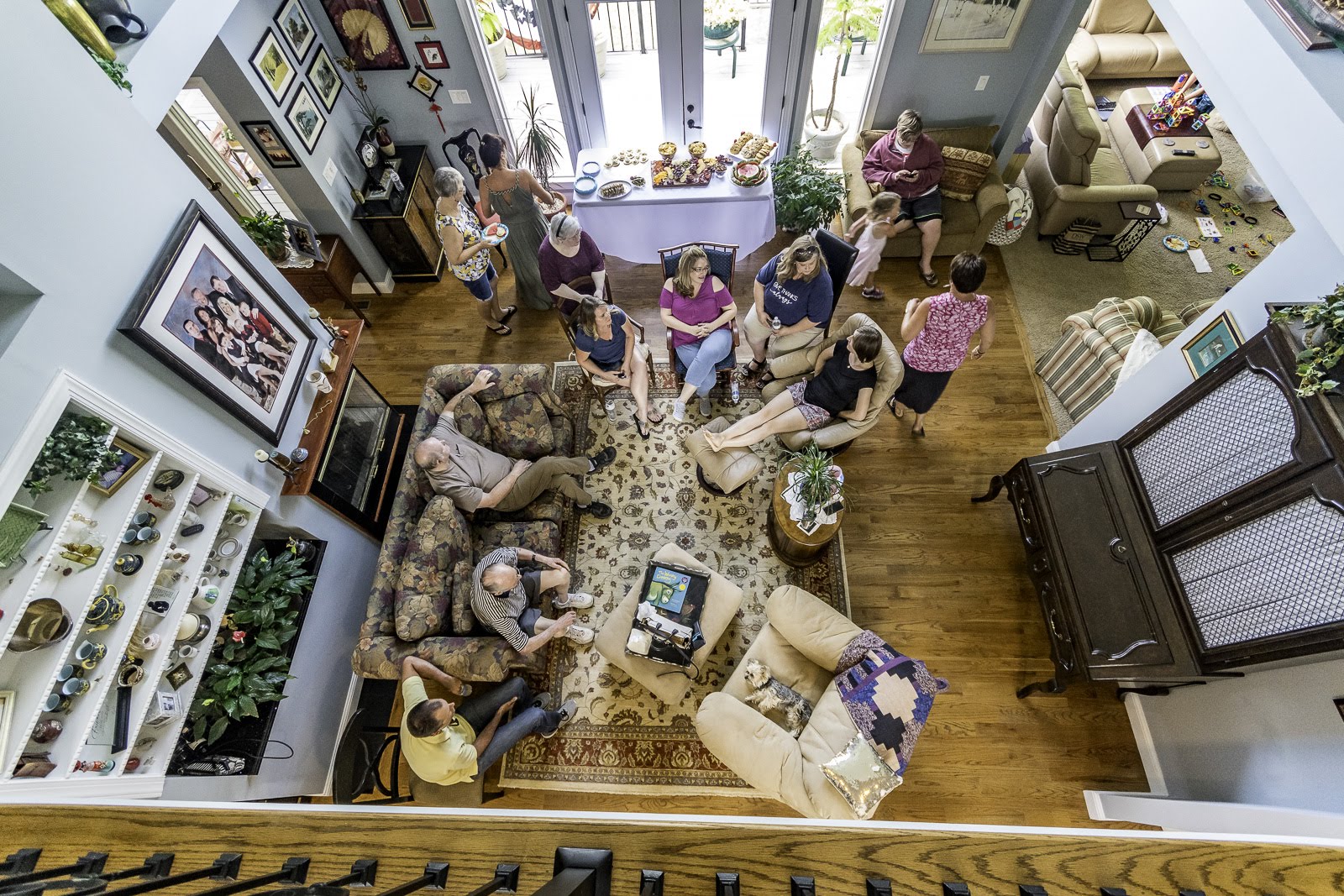
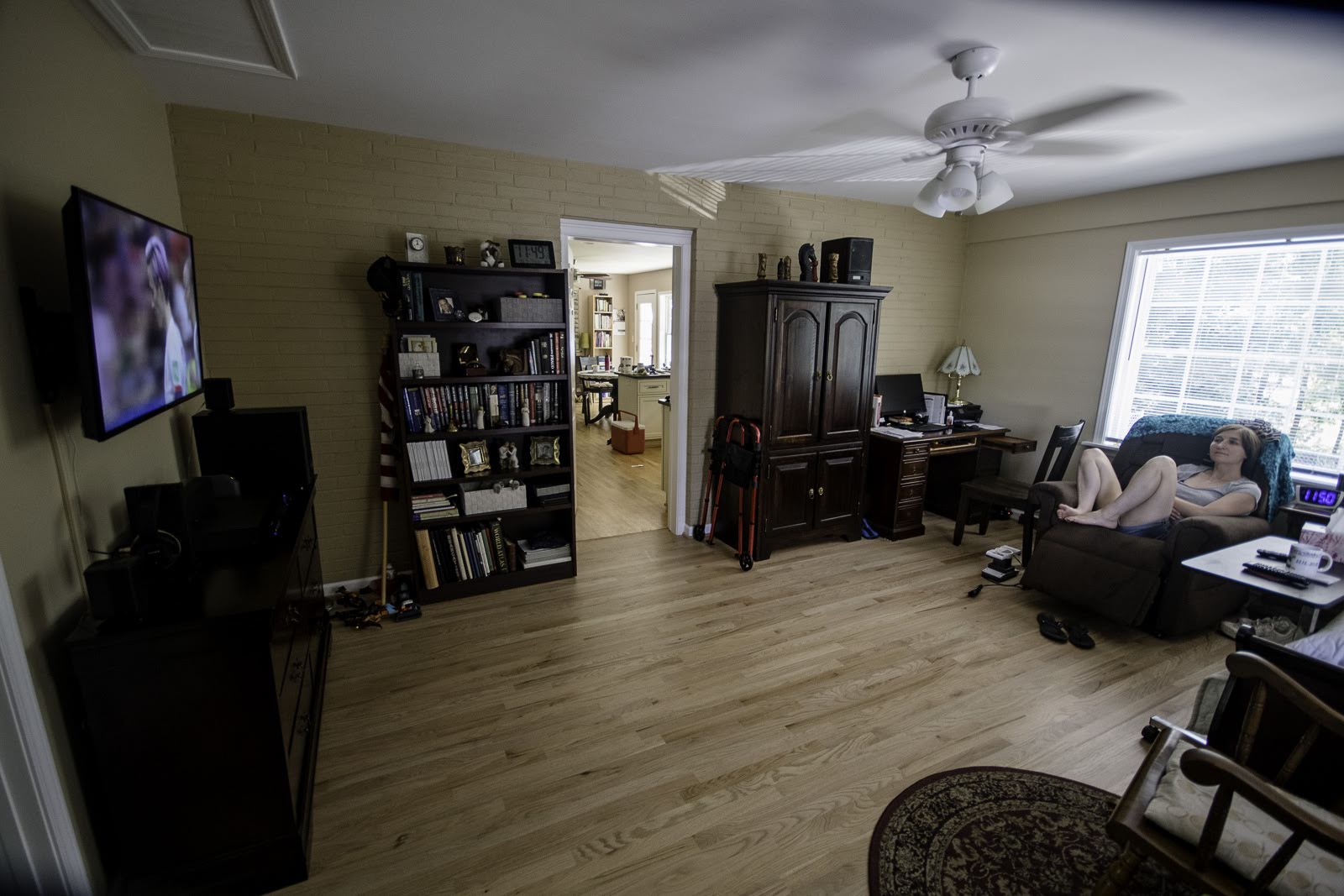
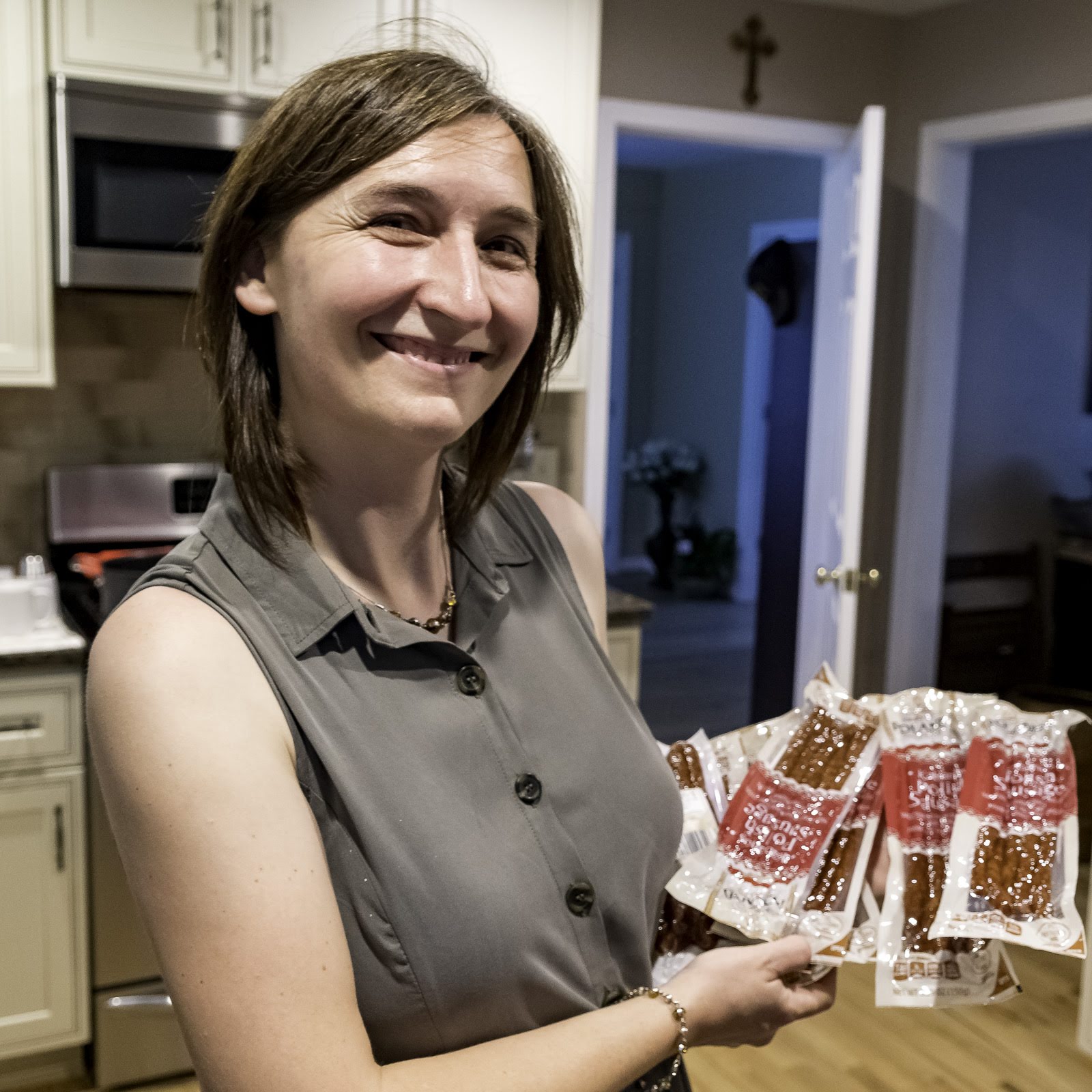
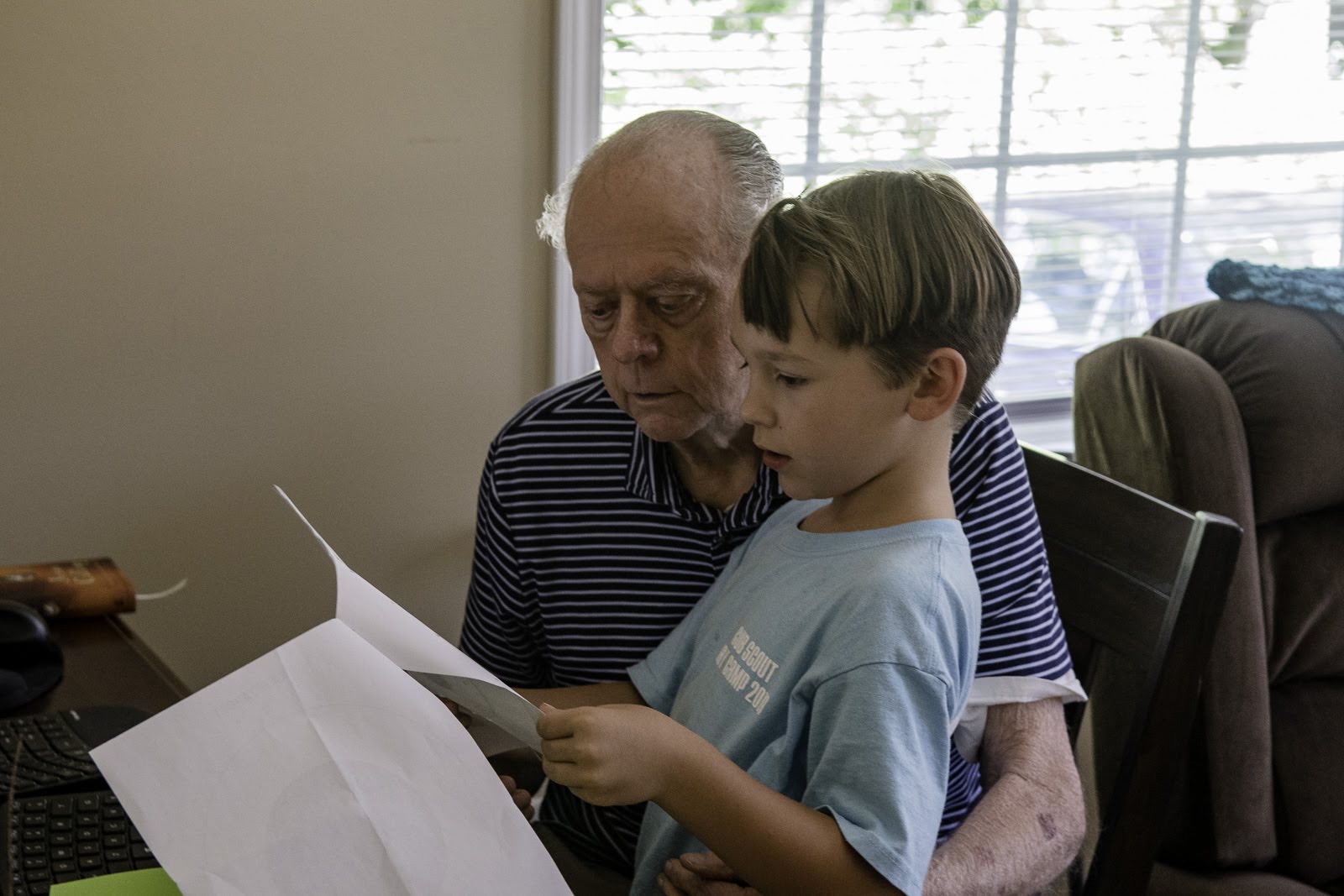
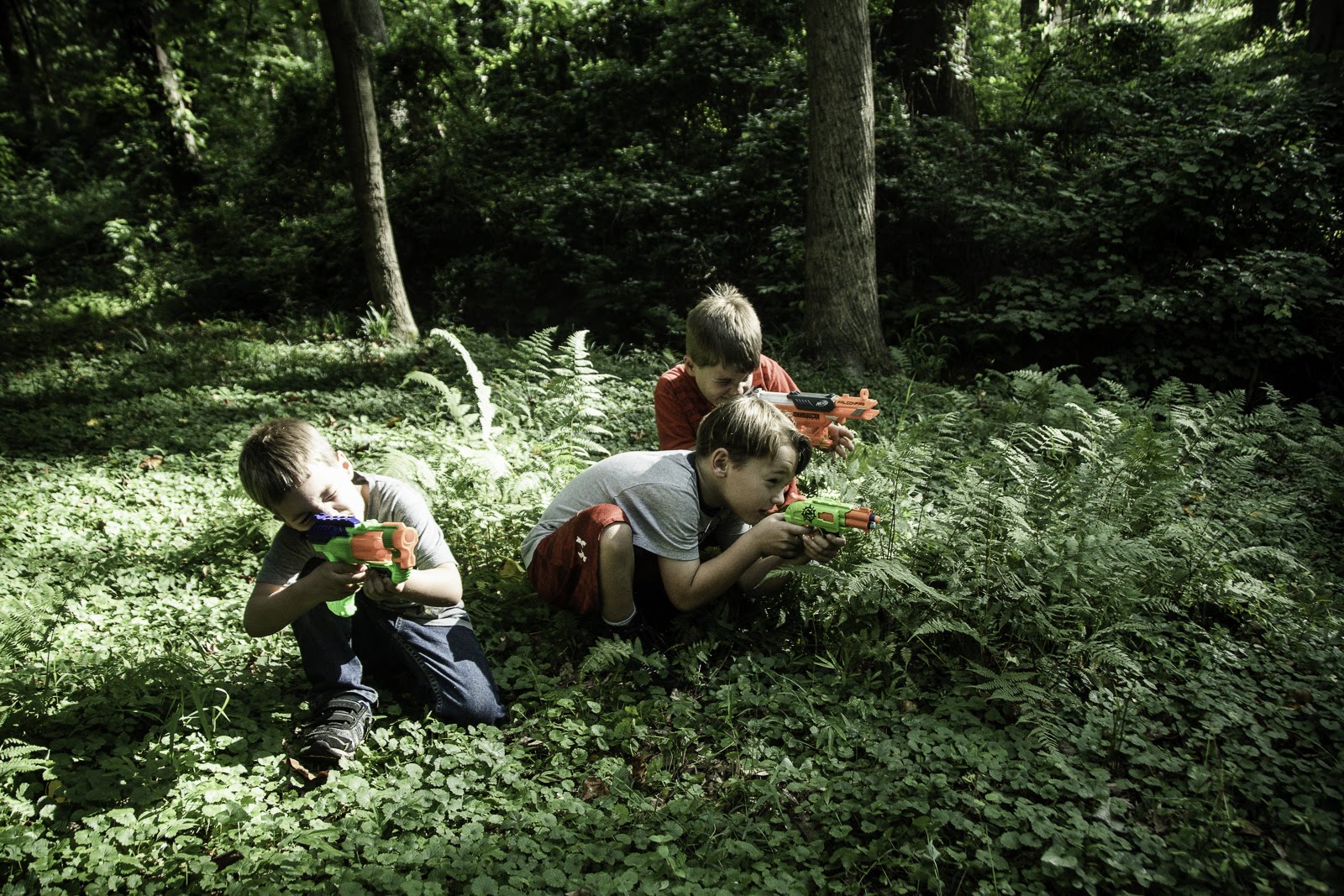
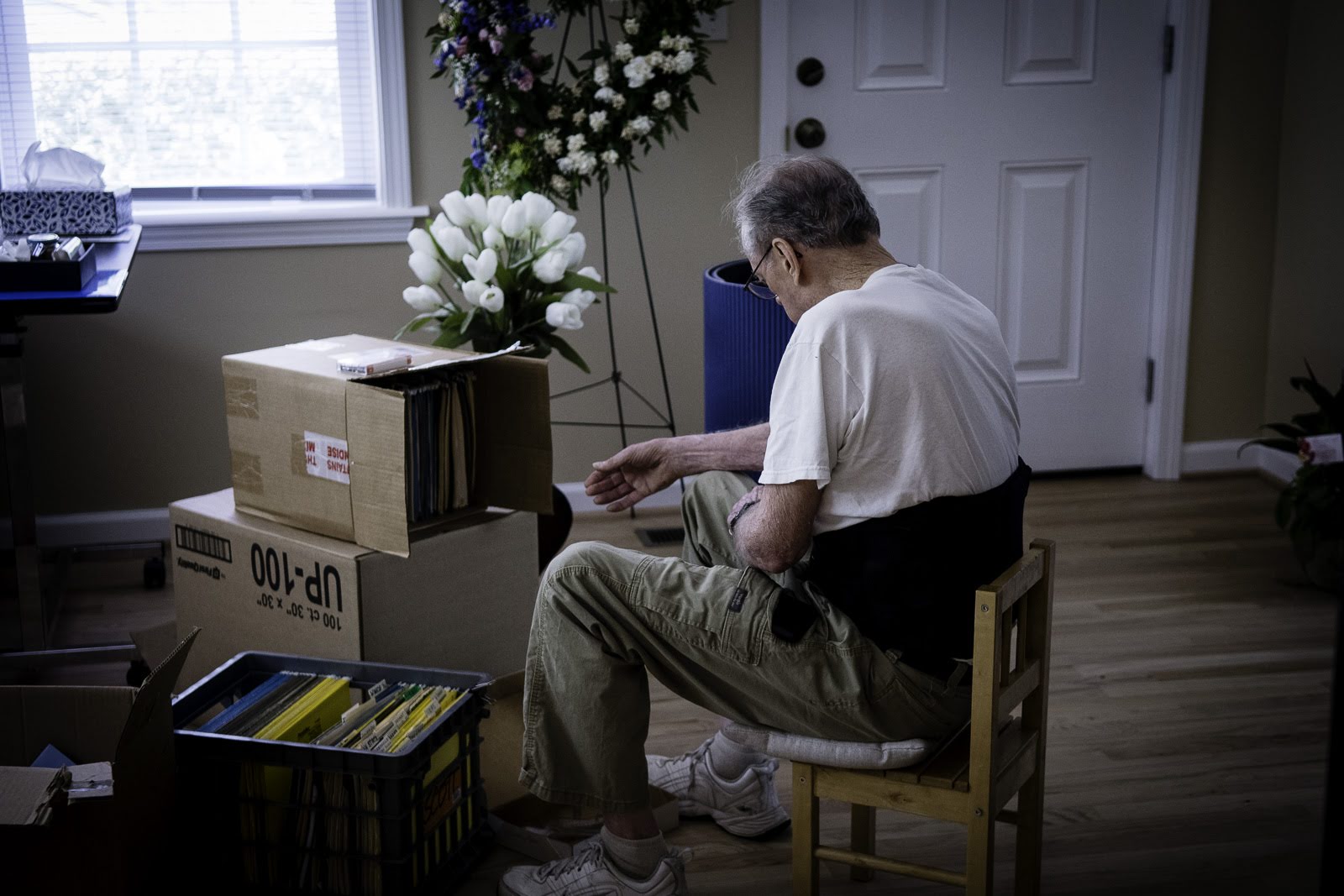
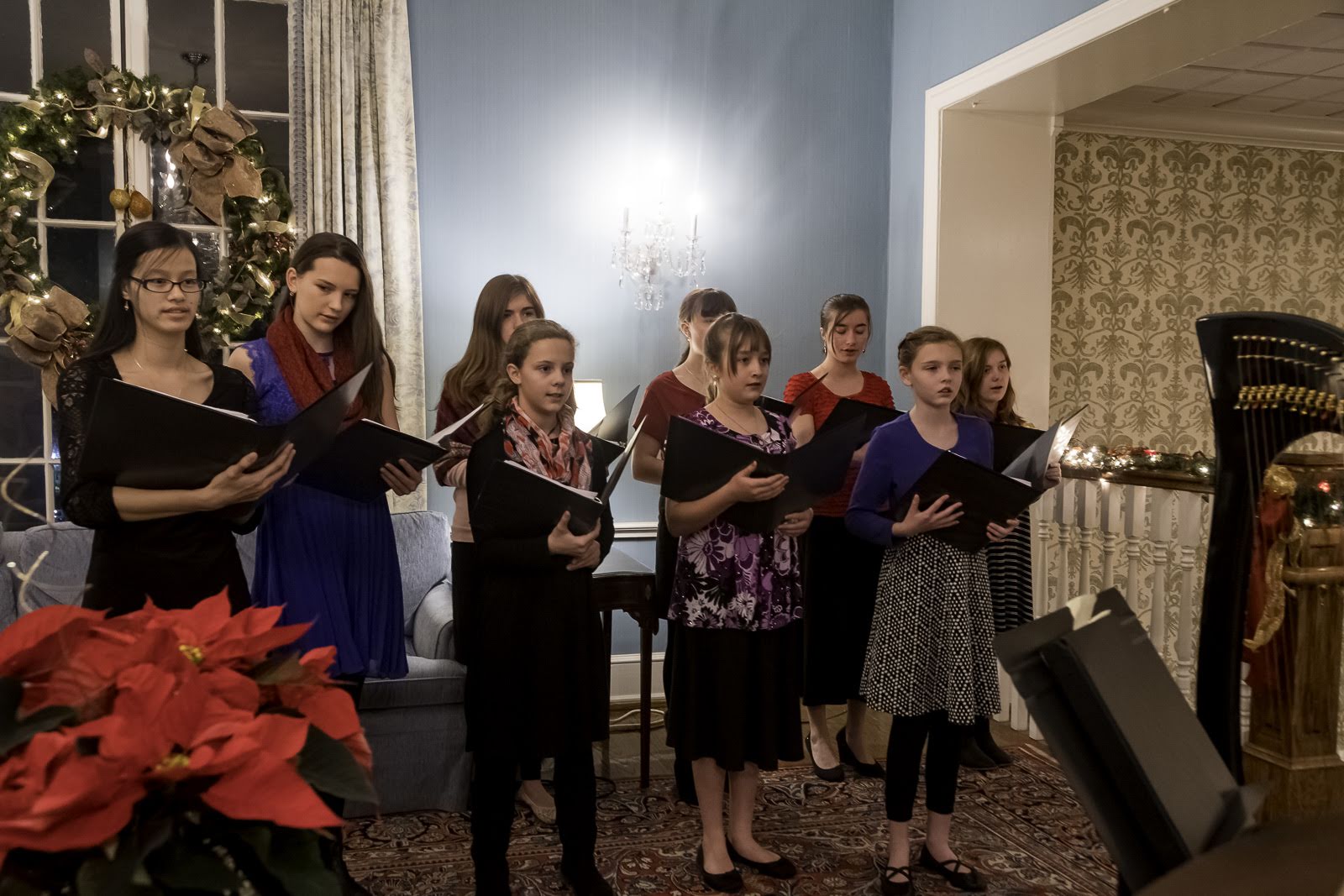
I sit in my parents’ apartment listening to Mozart’s Requiem looking around I completely empty room what was once so full life. The couch, the table, the chairs, the media equipment, the paintings, the photographs, the bookshelves and books, the kitchen utensils — everything is gone, sold for next to nothing or dumped in the trash.
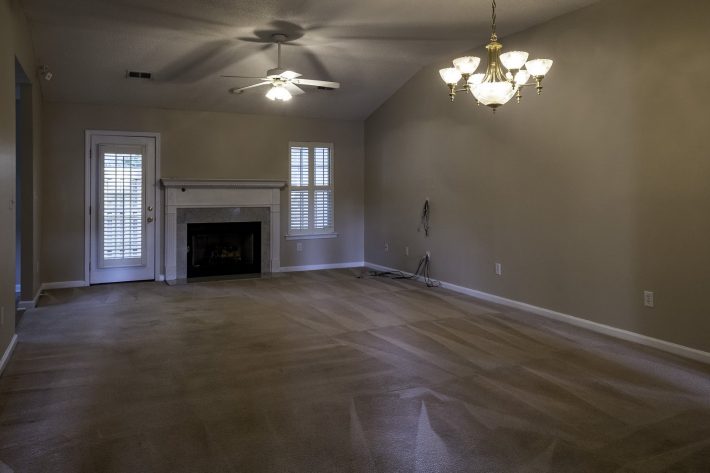
Sitting in this empty house is not the same as sitting in my own empty apartment just before moving out. There’s more of finality about this. When you’re leaving your own apartment, you know you’re going to a new one. This apartment, we’re just leaving. Someone else will own it, someone else will live in it, someone else will bring new memories into it, and someone else will make new memories out of it. We, on the other hand, consolidated two houses into one with Papa moving in with us, so this is a period for us — an end stop. So many of the memories associated with this home have to do with our children. L playing and the castle that Nana and Papa bought for her when she was around four or five years old. E rolling around on the floor with Papa, rolling around on the floor with Lena, rolling around the floor with whoever was willing.
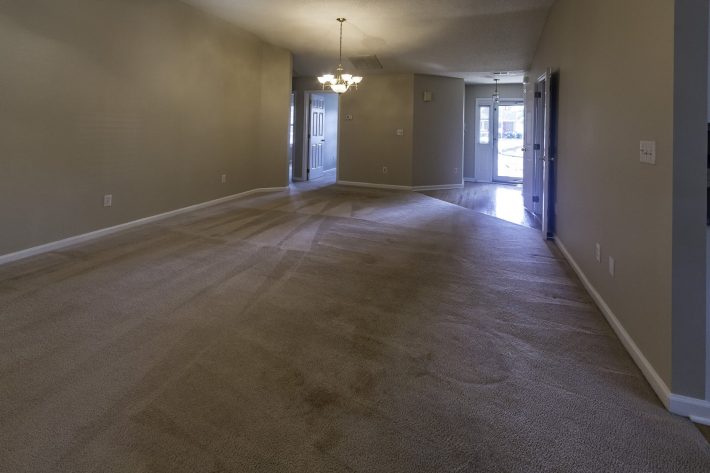
But some of the memories are more difficult. Every time I walk down the hall to get something out of the back bedroom or take something to the laundry room — a paintbrush to clean perhaps or a search for something absorbent — I pass by the guest bathroom from which Nana was emerging when it all started. I see her there again on the floor with paramedics around her, with Papa distraught, all knowing the situation but not realizing the gravity of it all.
That was now a year ago. Early December it all started. A trip to the hospital, a return trip home, some physical therapy, a collapse again, back to the hospital, back for physical therapy, to the rehab hospital, back to the hospital, all of it creating an enormous circle that seemed endless but most certainly was not.
When I was a kid, we went to one of two places for Thanksgiving: South Carolina to visit my father’s family or Tennessee to visit my mother’s. As a little kid, I preferred Tennessee. Not because of personalities or anything so silly — no, I preferred Tennessee because Uncle N and Aunt L had a farm, with a lot of land and a large barn.
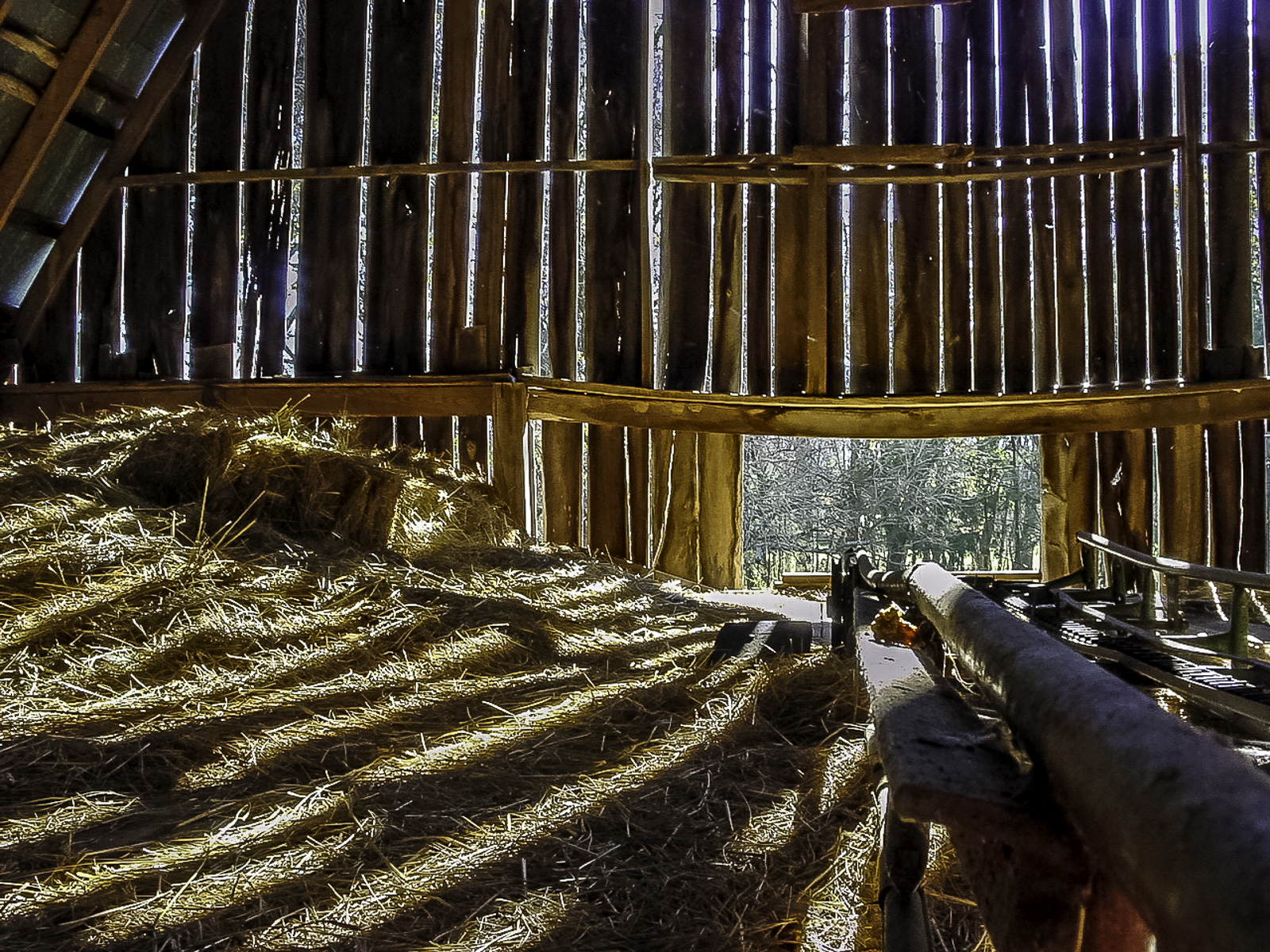
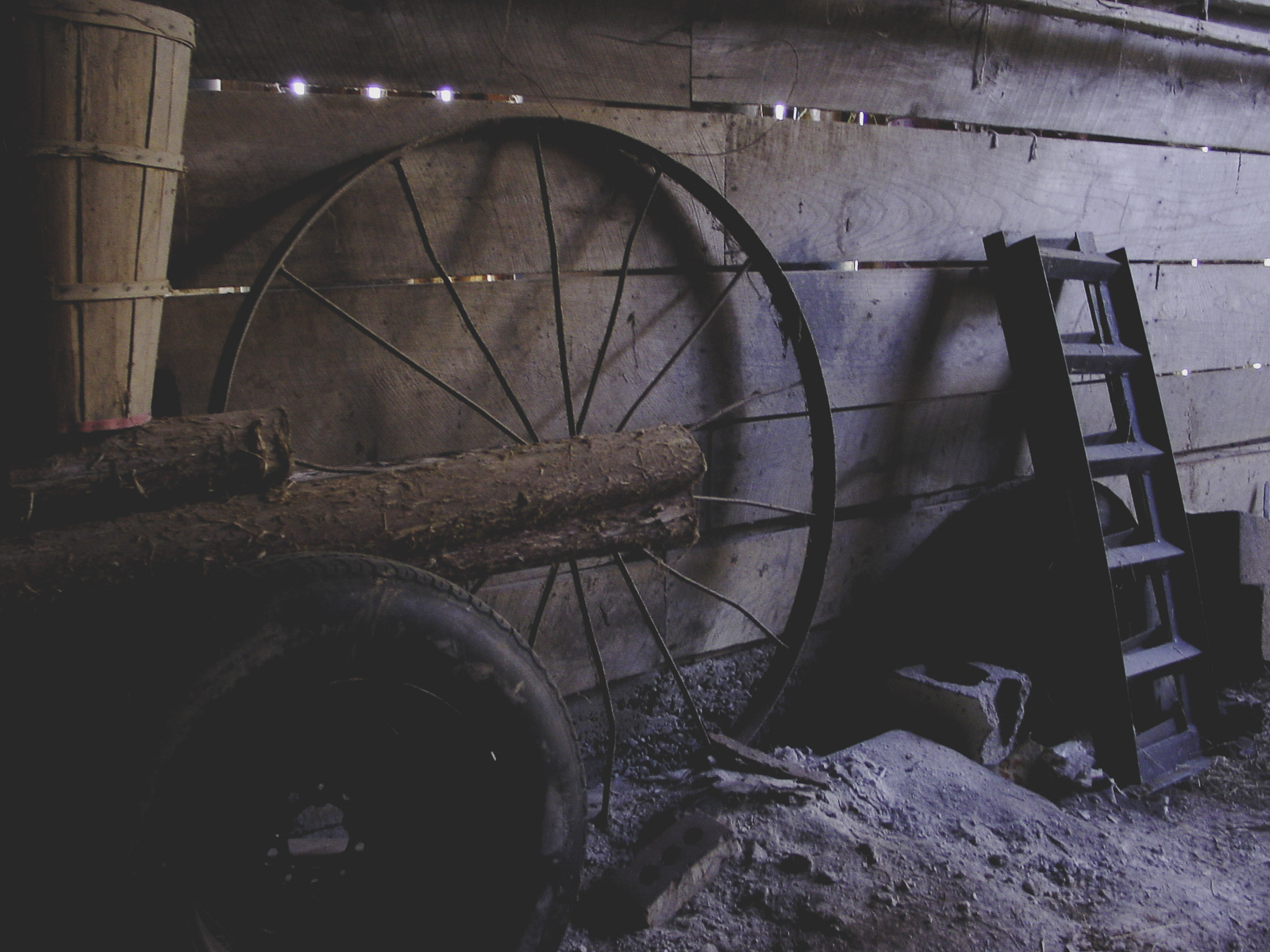
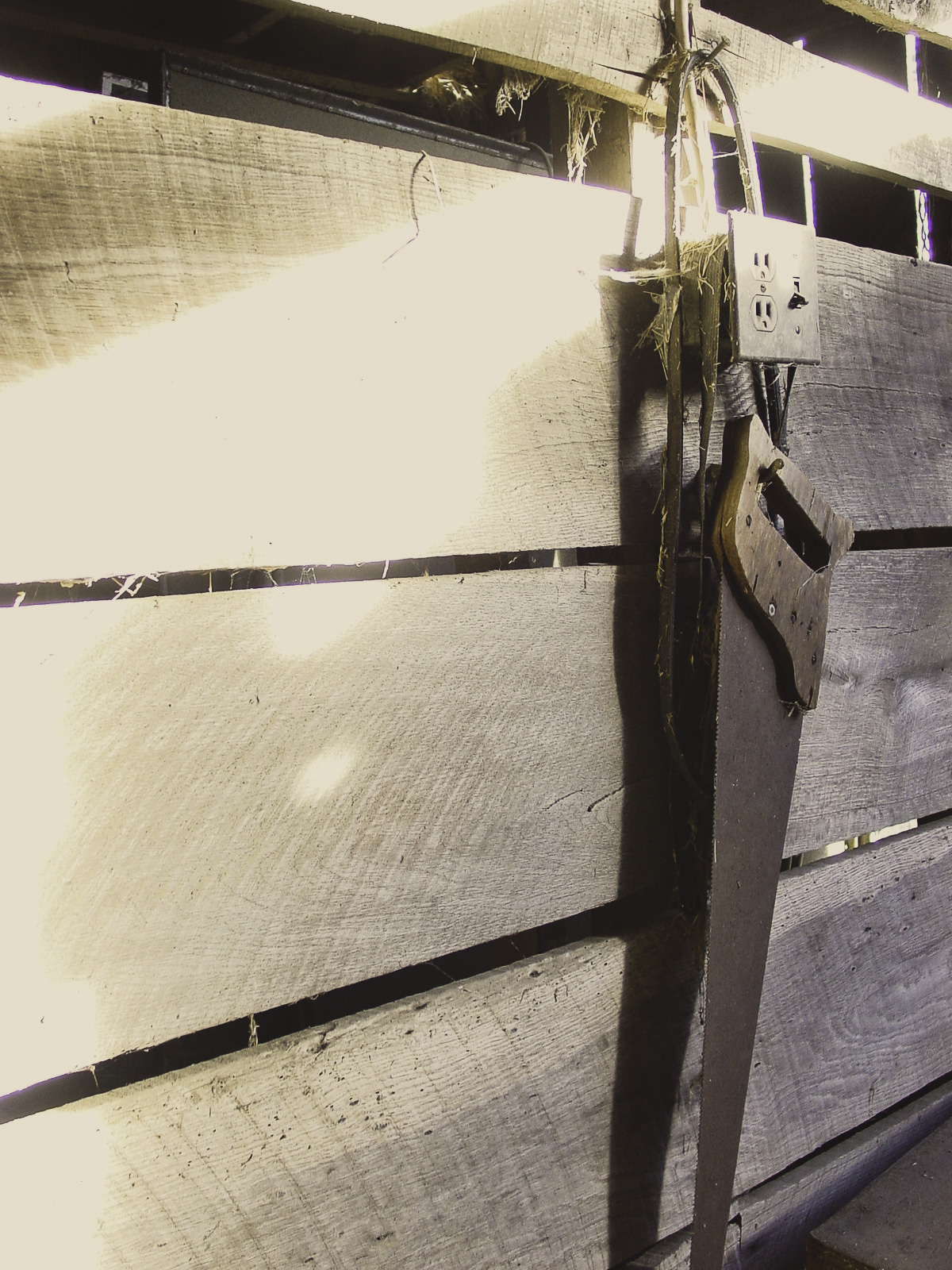
It was fifteen years ago today that we last visited that space. K and I had just moved to the States, and it was our first Thanksgiving in America.
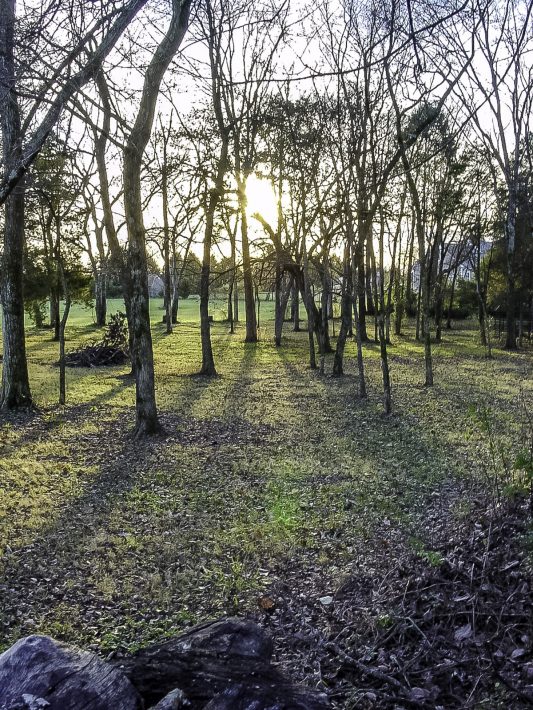
We’d already visited family in South Carolina in the summer, so we went to Tennessee to spend Thanksgiving.
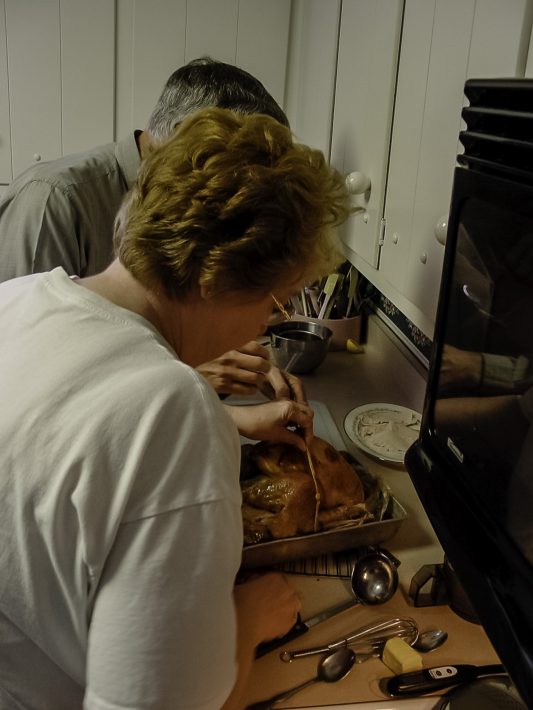
It was shortly after this — a year or two — that Uncle N passed away, and Aunt L, unable to take care of that much property herself and unwilling to figure out a way to do so, sold the farm and moved. So this was the first and last time we were all together like this for Thanksgiving at their house.
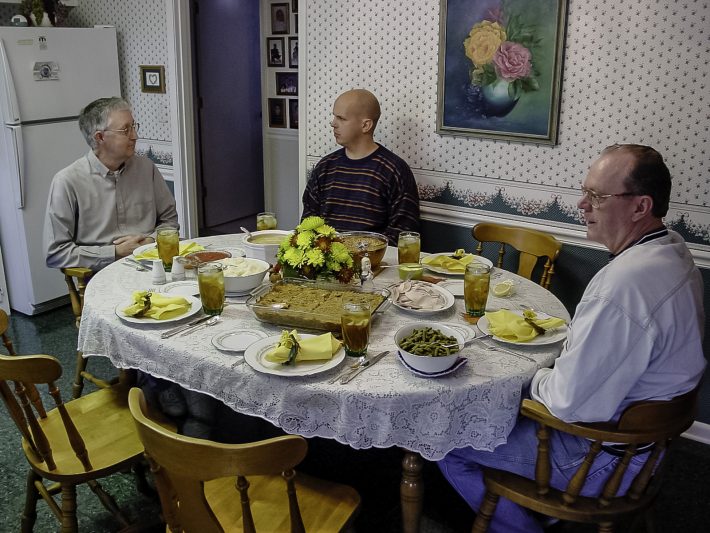
Fourteen years ago. Everyone looks so young, so not-tired.
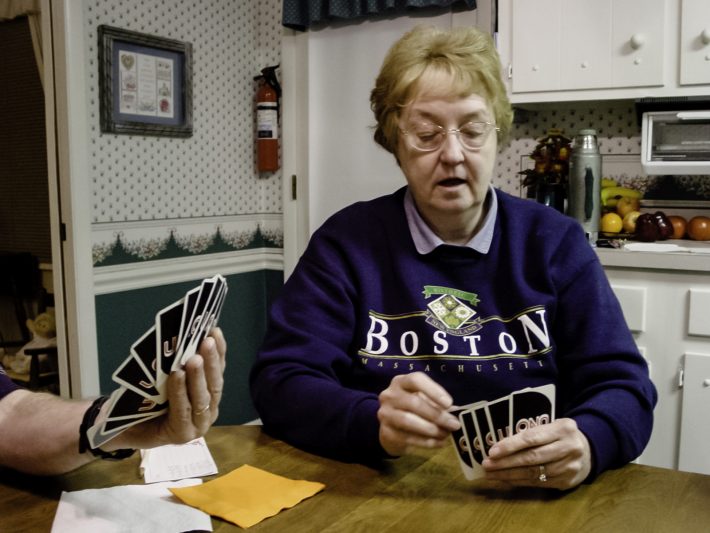
The Girl was over a year away. We were talking about starting a family, waiting for jobs and such to settle down. The Boy — not even an idea.
Fourteen years later and they’re here while Nana and Uncle N are not. It’s inevitable and unstoppable, this passage of time, but every now and then, I bump into something that reminds me just how much has changed in how little time.
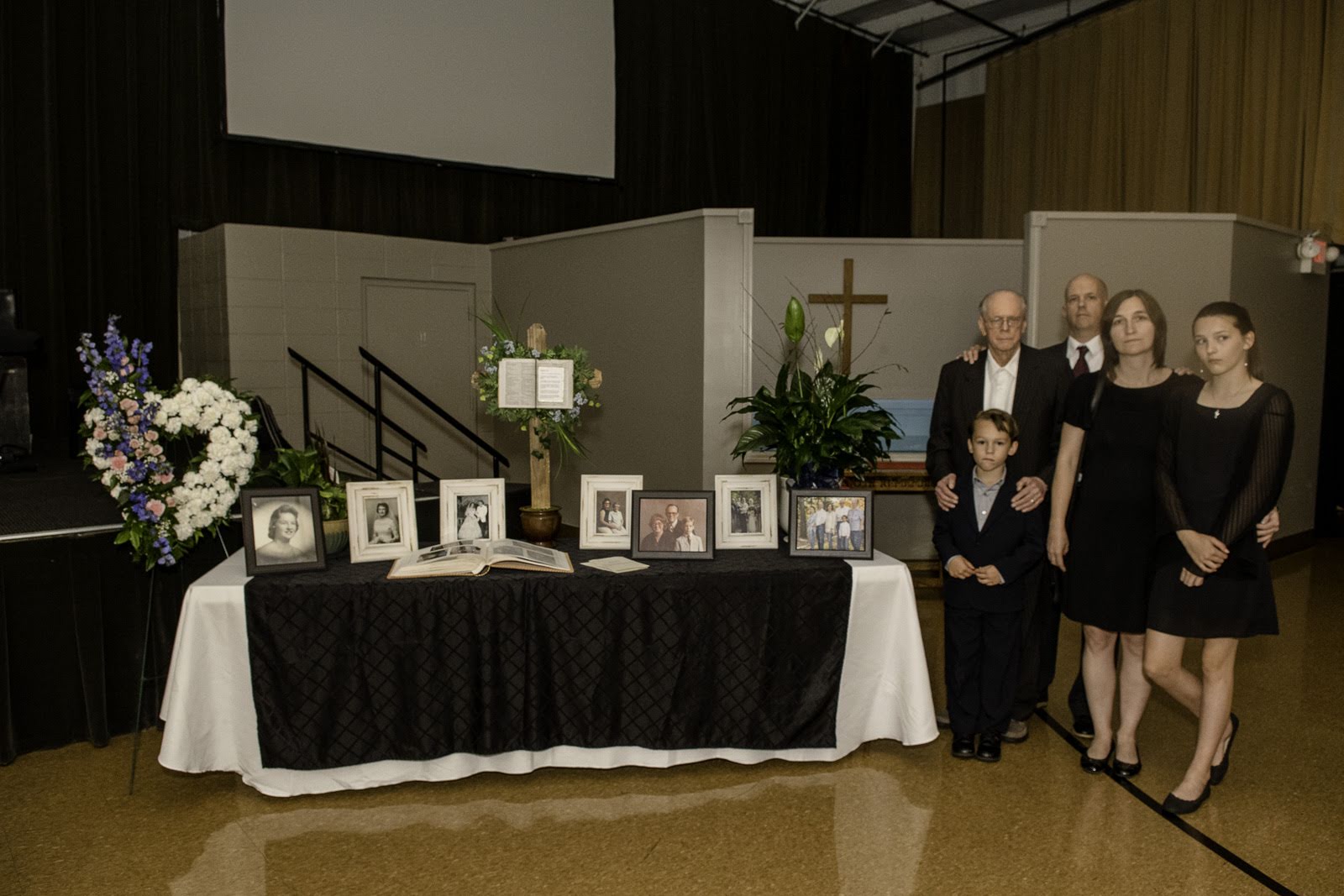
It took weeks, no months, longer than we expected, perhaps we could say longer than it should have taken. Miscommunication, delays, mistakes. More delays. More mistakes. It’s odd: had it been any other business, I would have reacted differently, we all would have most likely, but for some reason, we found we had more patience with a mortuary. Why is that? I don’t know.
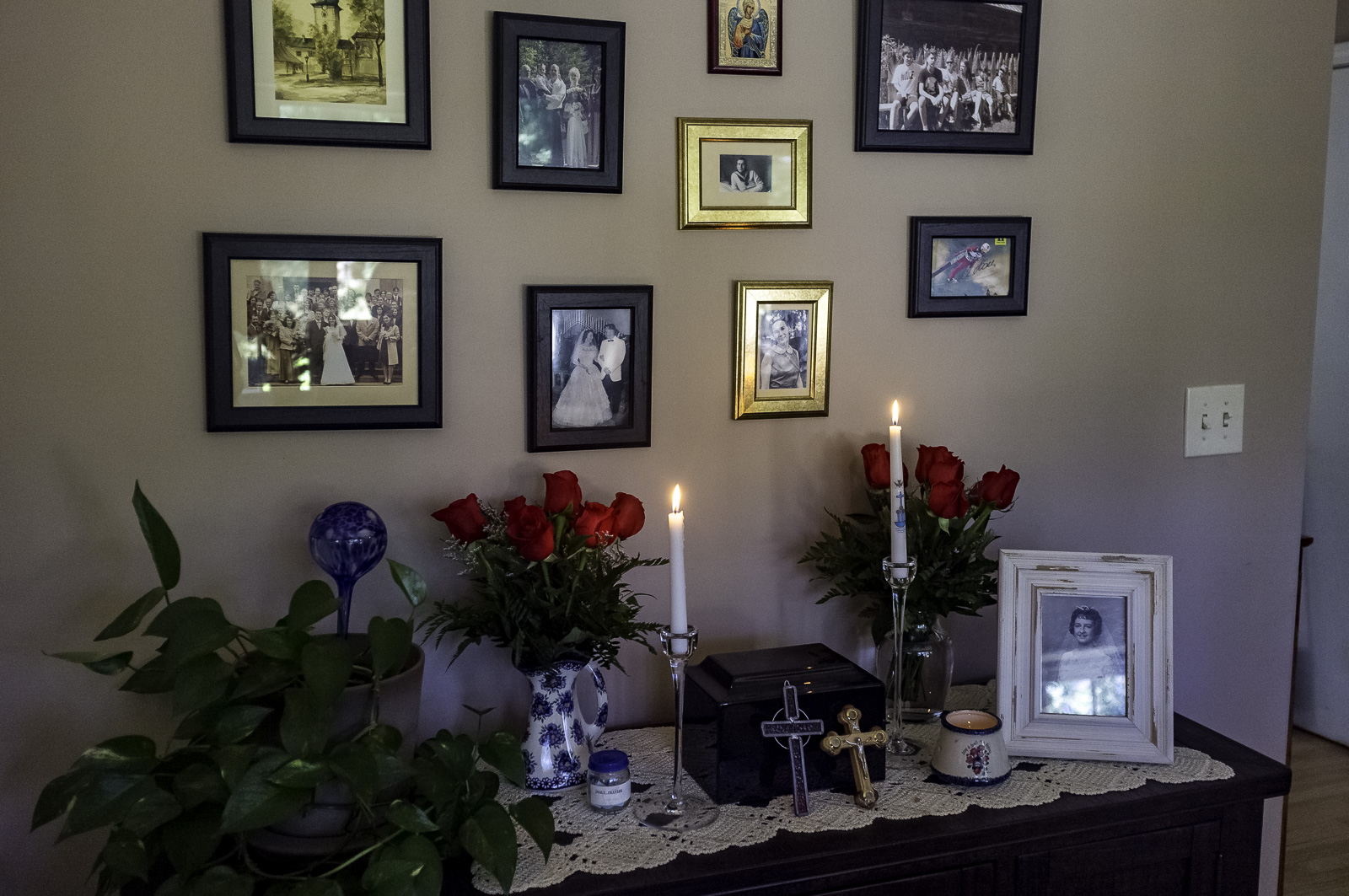
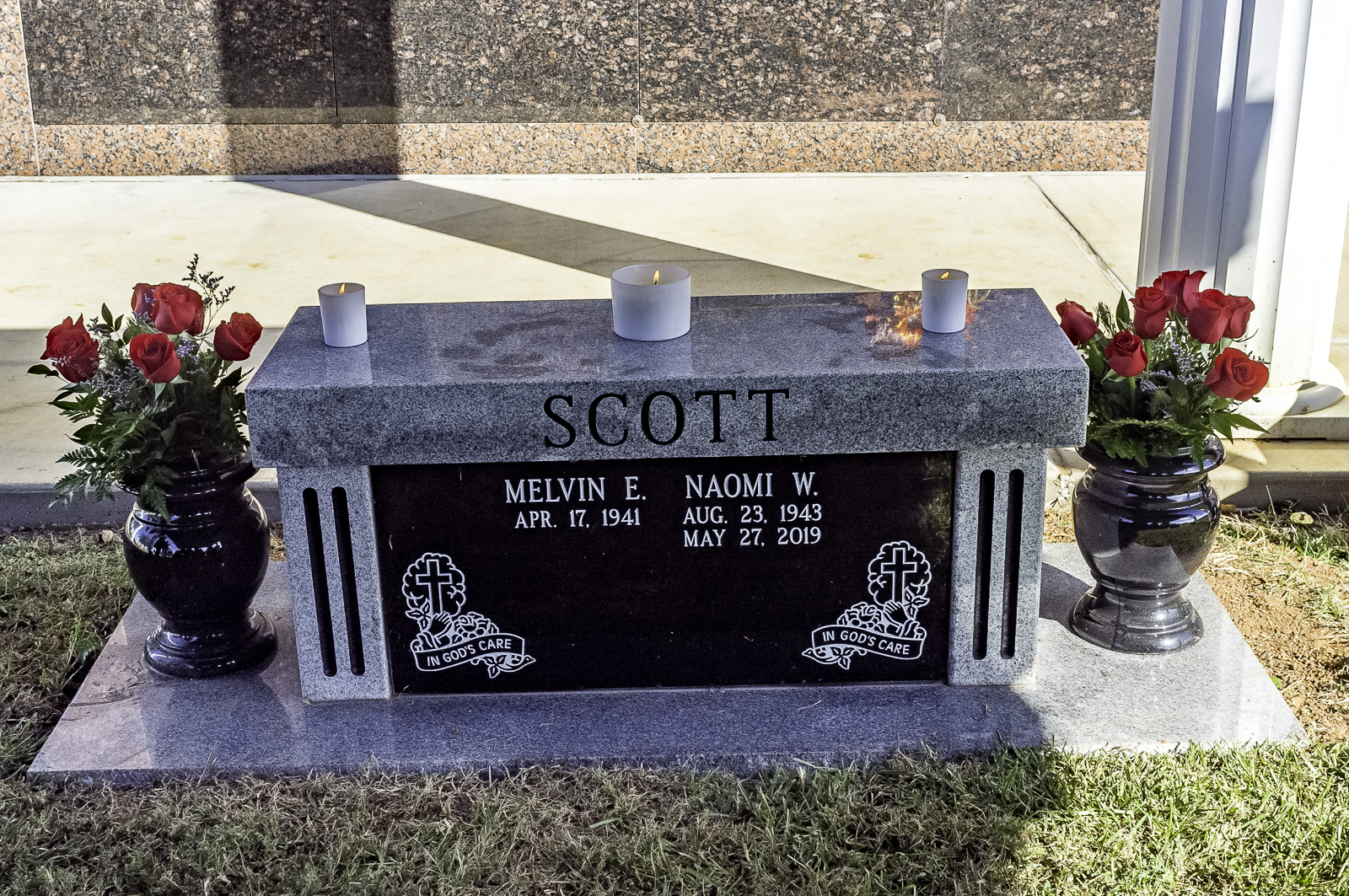
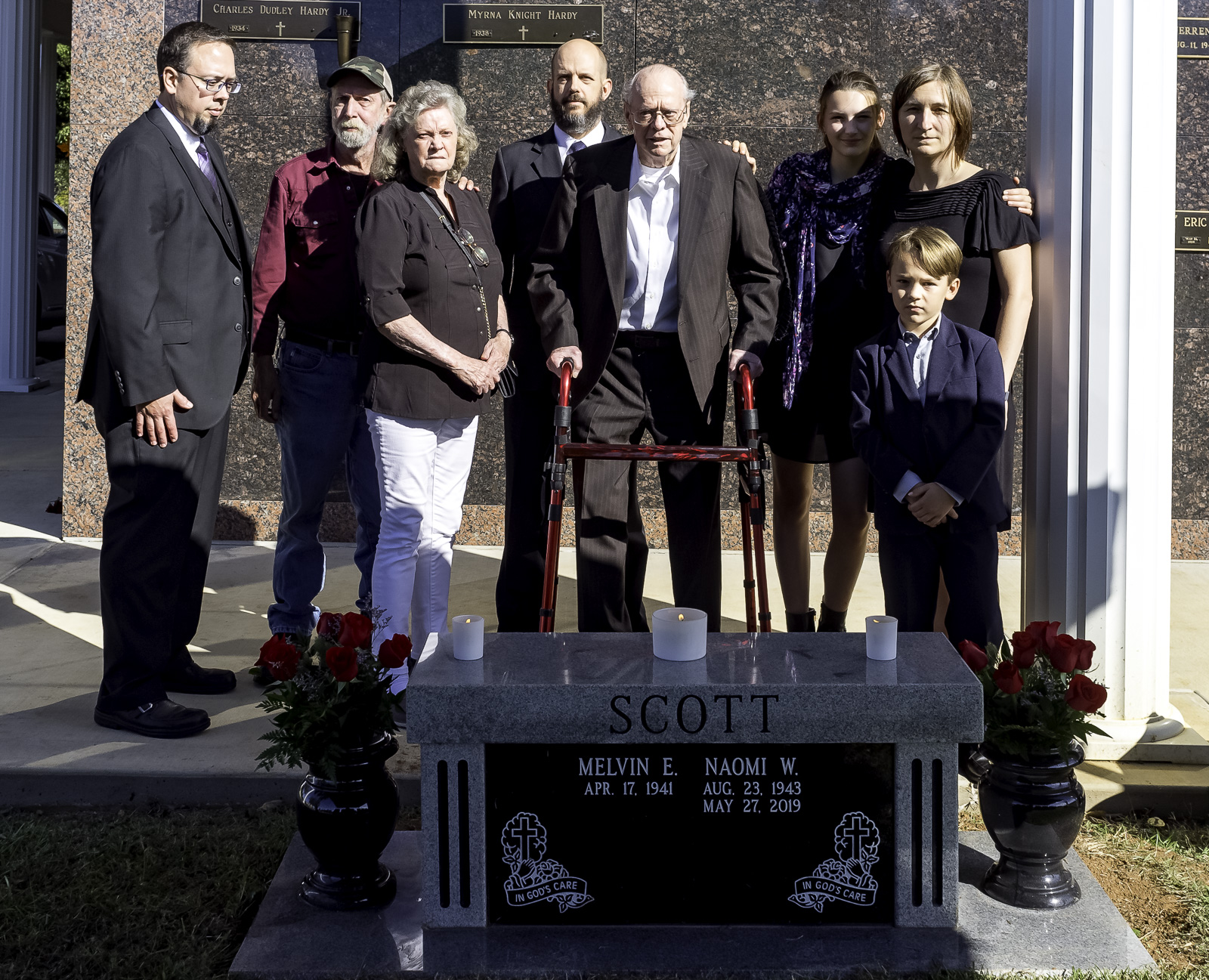
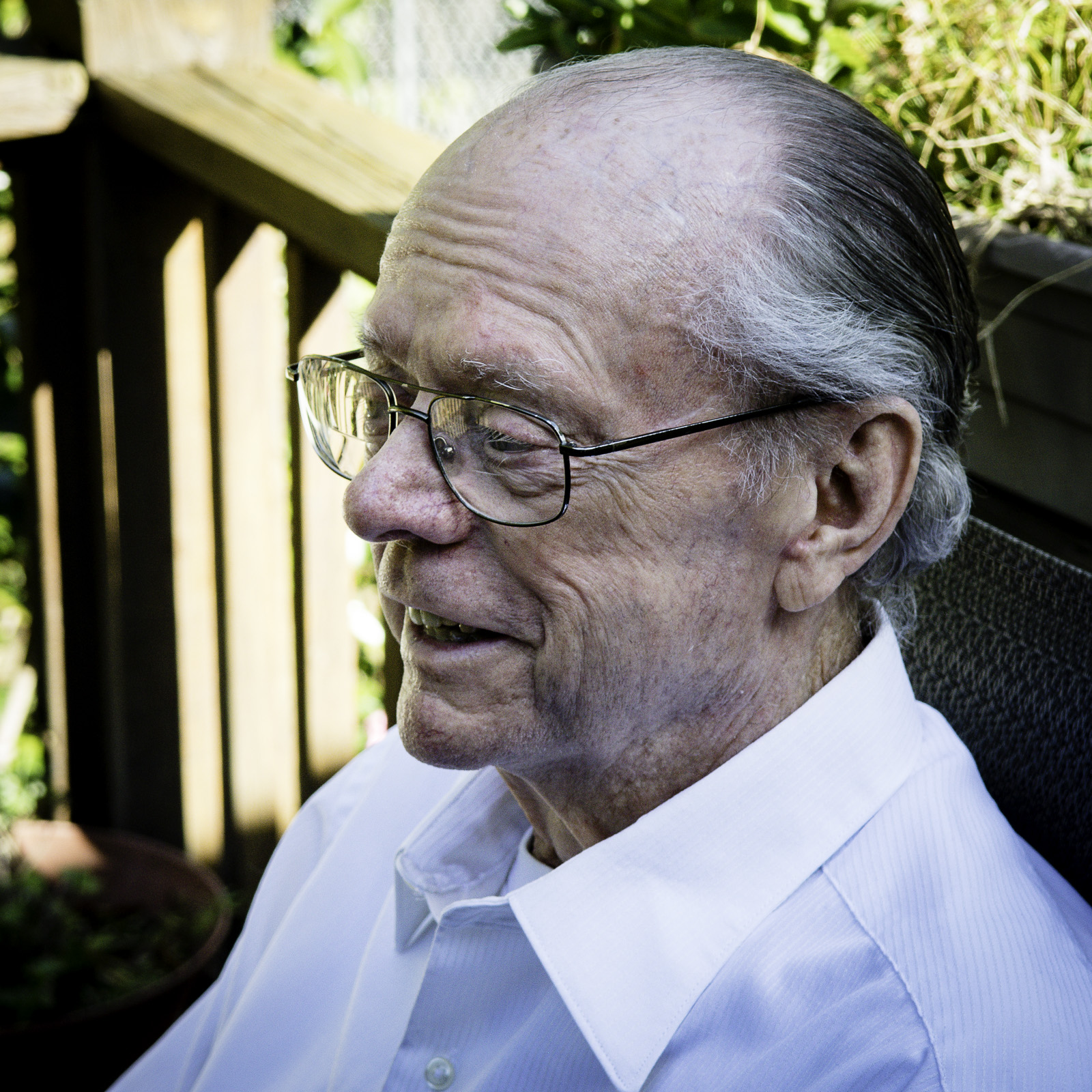
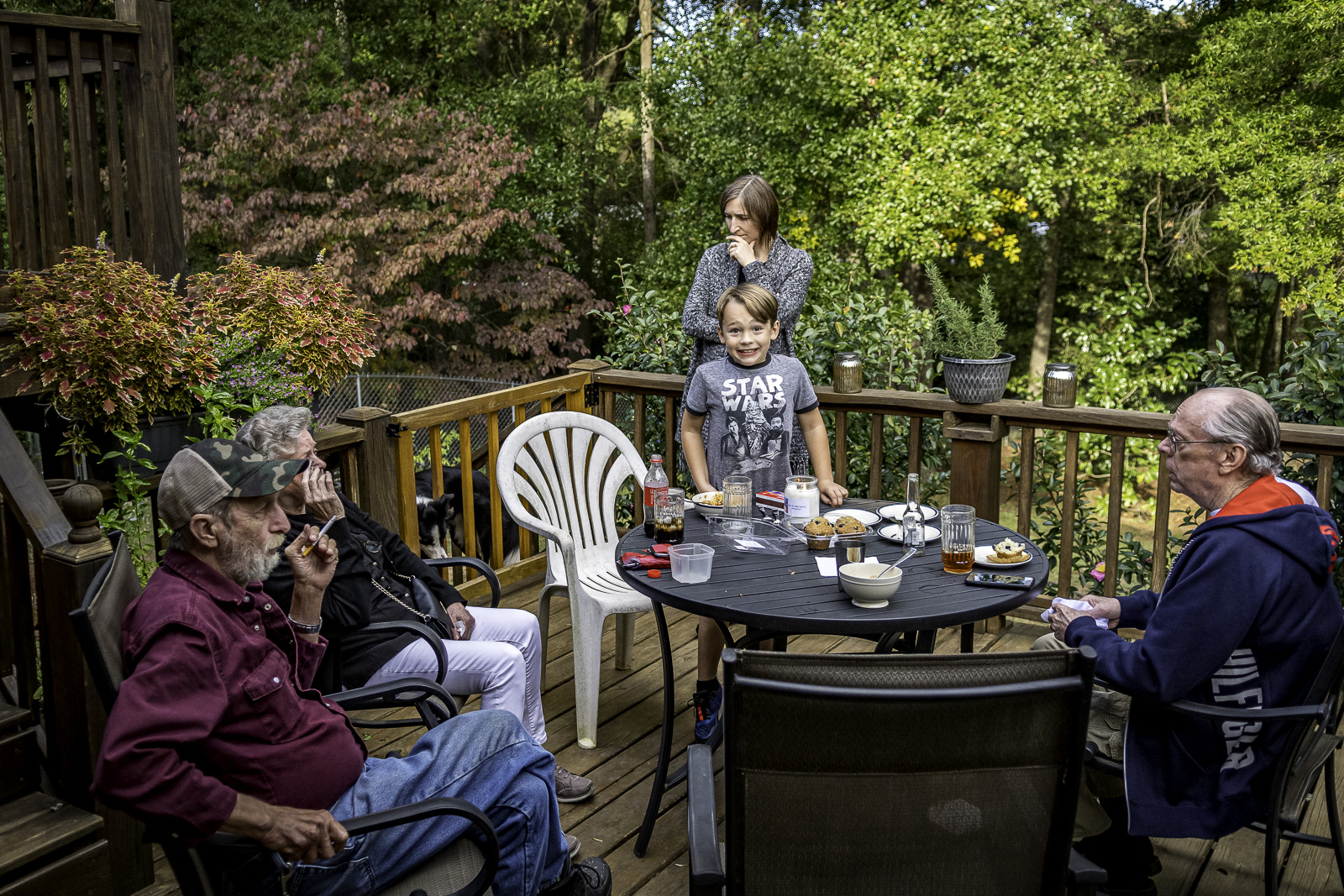
I do know that Papa finally feels some closure, he said.
“We don’t say that to anyone, though, because we don’t want them to laugh at us.” The Boy was describing to me, as we drove home from his school, a new game he and some of his friends had invented. Apparently, they have a graphic design company (of course, he didn’t use that particular term) because they all love drawing, and this weekend, they all have “a lot of work” to get done for the firm. However, they’ve kept it a secret from their non-drawing peers to avoid mockery.
How much of this potential mockery would become actual mocker, I do not know. E is sensitive, and simple, one-time, childish comment from a peer might feel like persistent, tormenting mockery to him. Still, I found his words both encouraging and discouraging. On the one hand, they suggest a certain awareness of what’s out there, an understanding that the world can be a nasty place that doesn’t smile on things that appear out of place. That’s much better than a simplistic naivety. On the other hand, he deals with that by hiding that part of himself from others to avoid it all. Of course, he’s just a second-grade boy: I don’t expect the kind of emotional fortitude that would lead someone to say, “Look, we enjoy it, and that’s all that matters,” to potential tormentors.
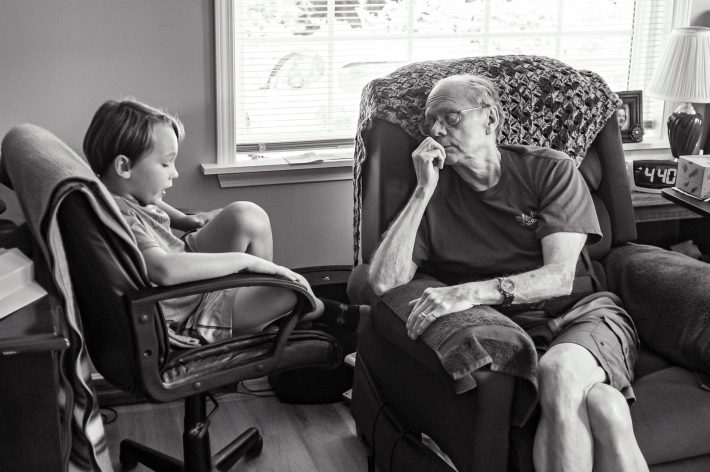
When he got home, he talked to Papa about it and a few other things. He always has a captive discussion partner when talking to Papa: it’s the number one duty of grandparents, I suppose. Parents can say, “Not now, sweetie — I have to X” but not grandparents.
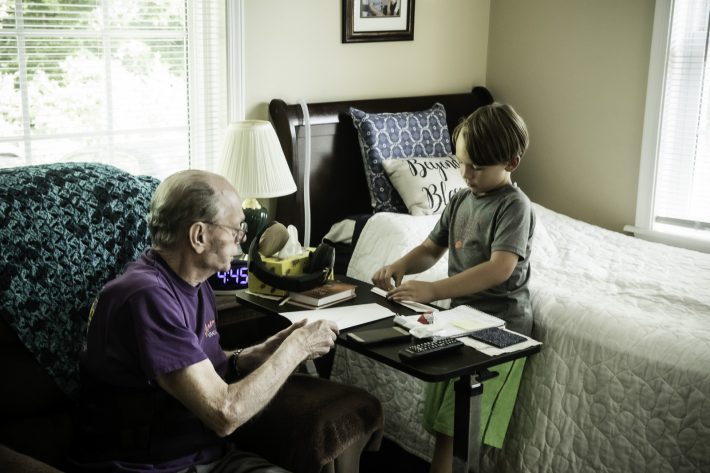
Afterward, they built a few paper airplanes together.
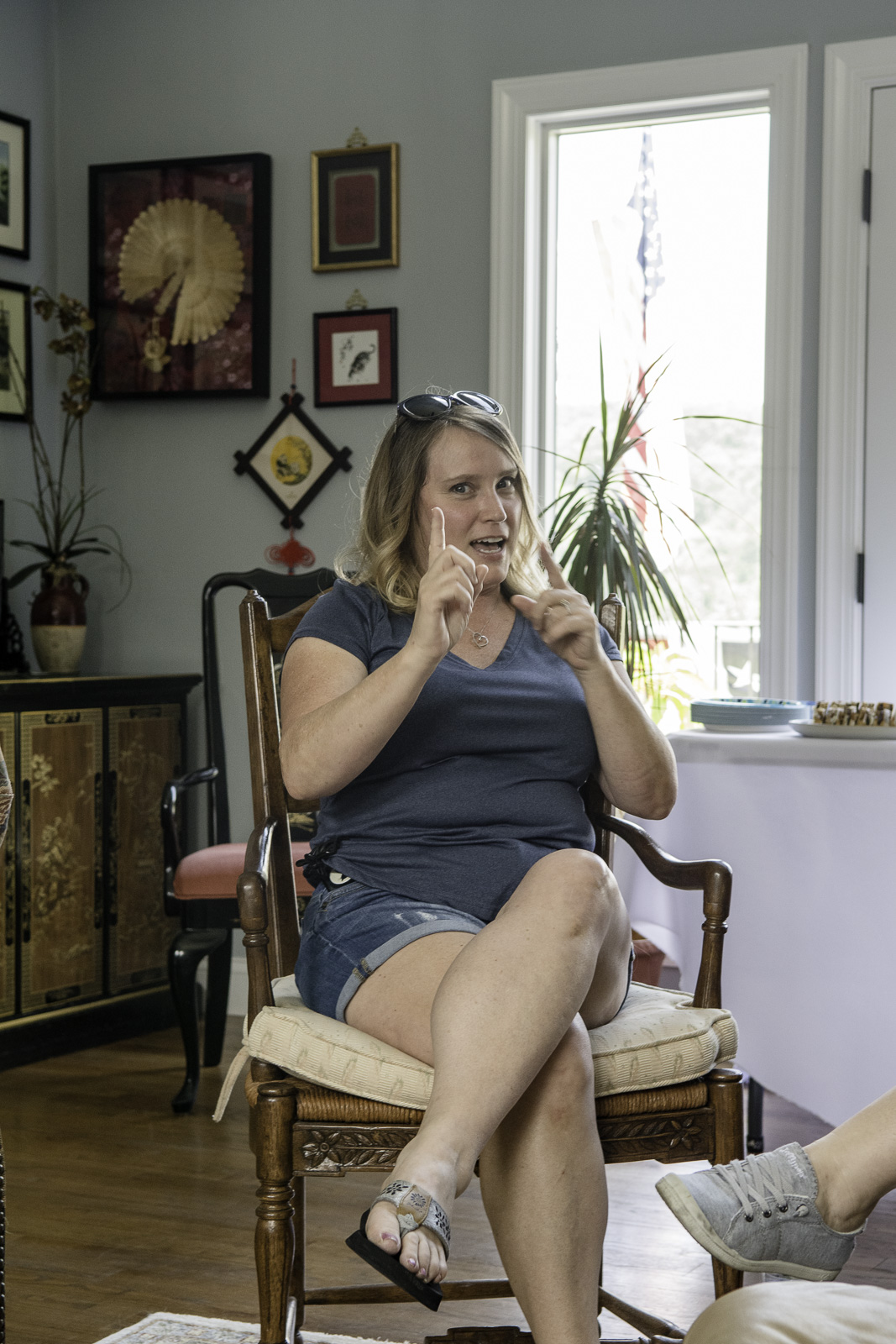
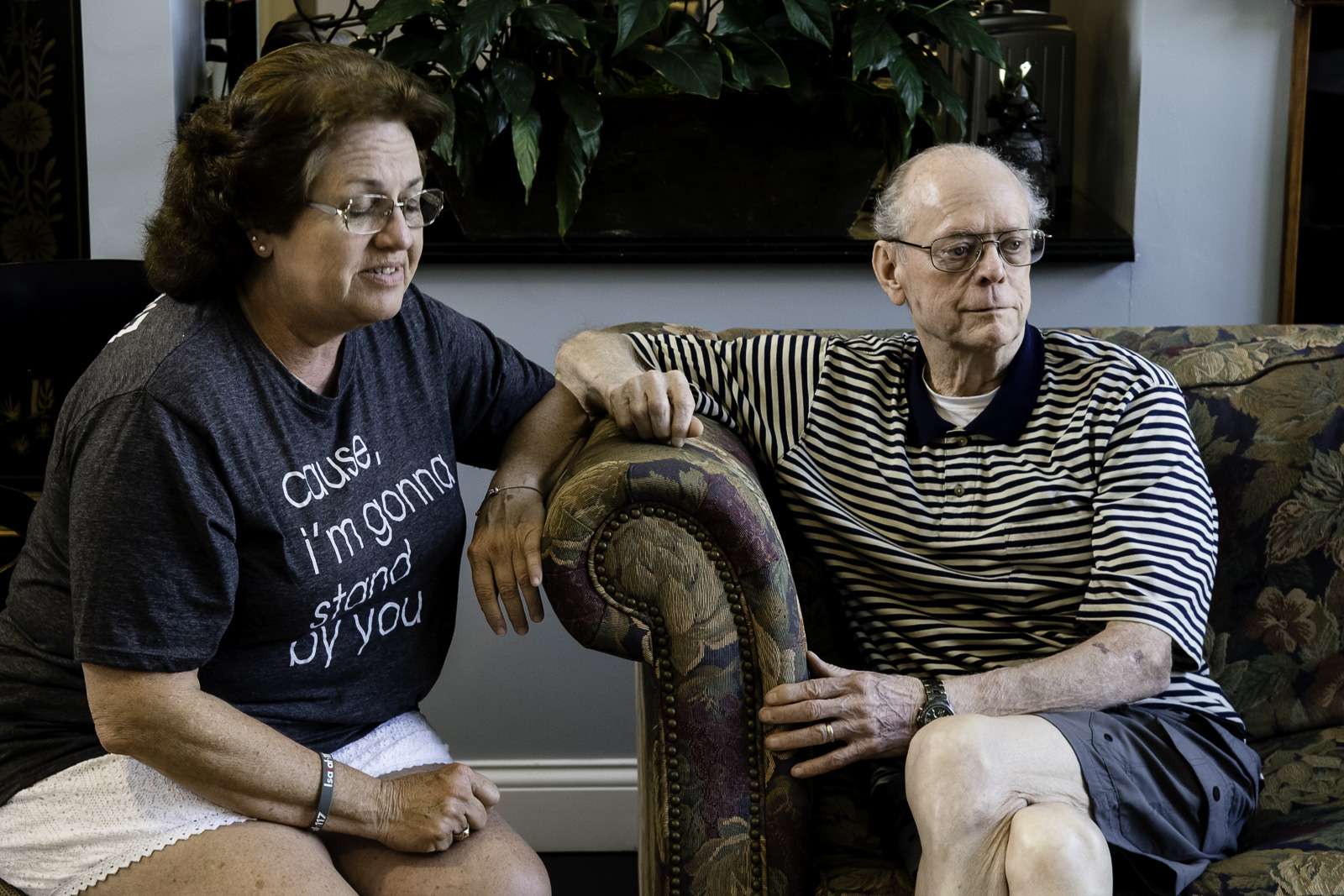
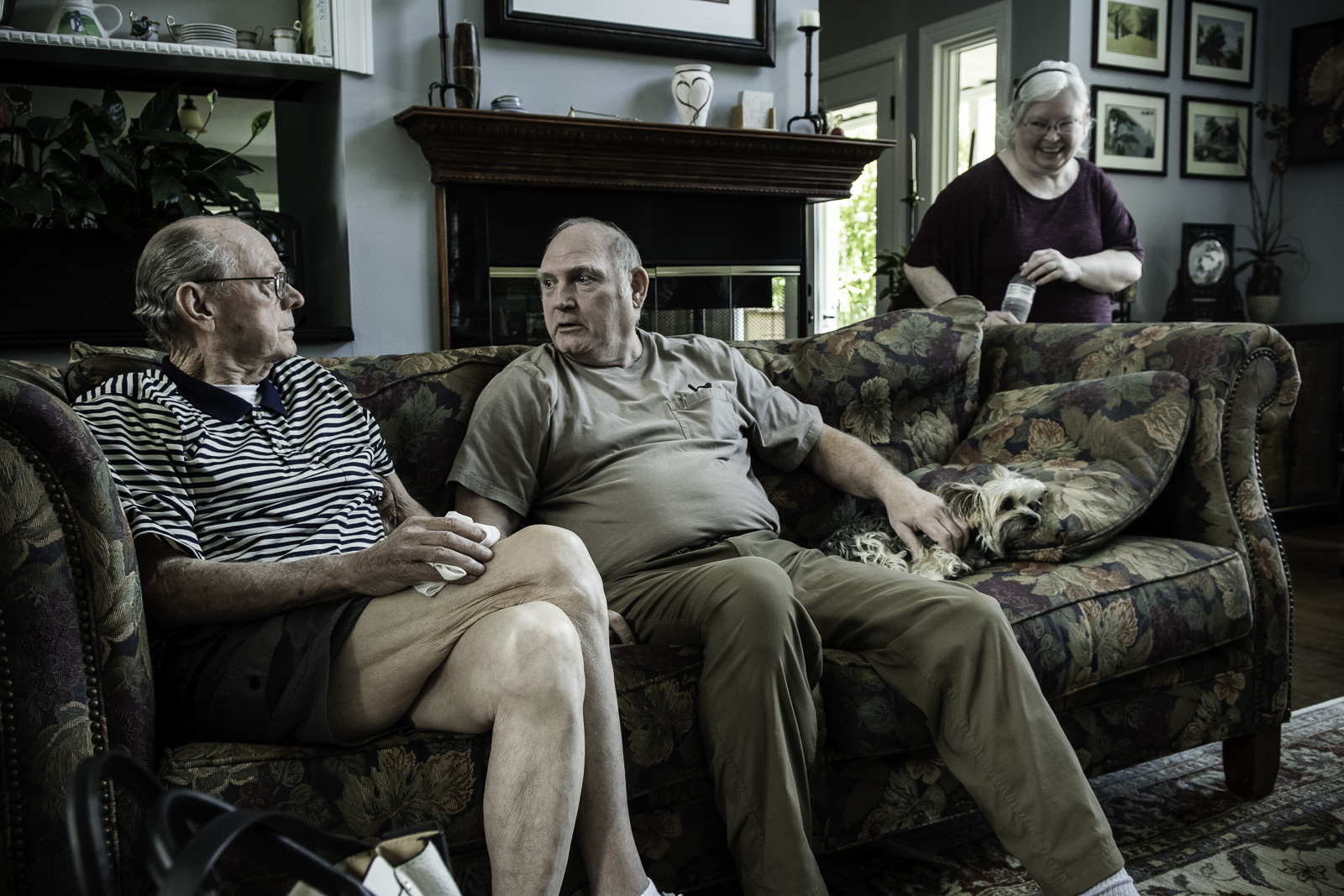
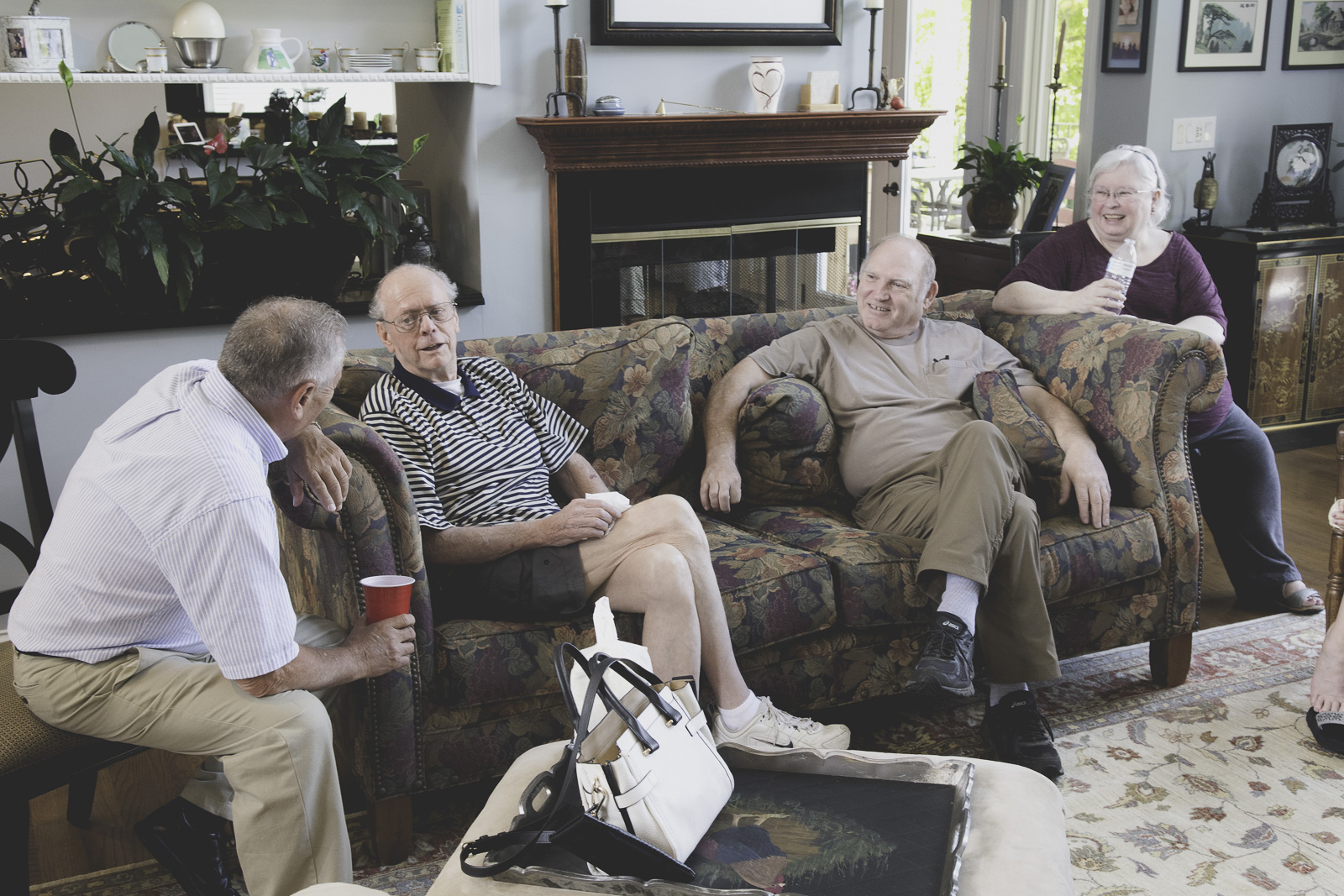
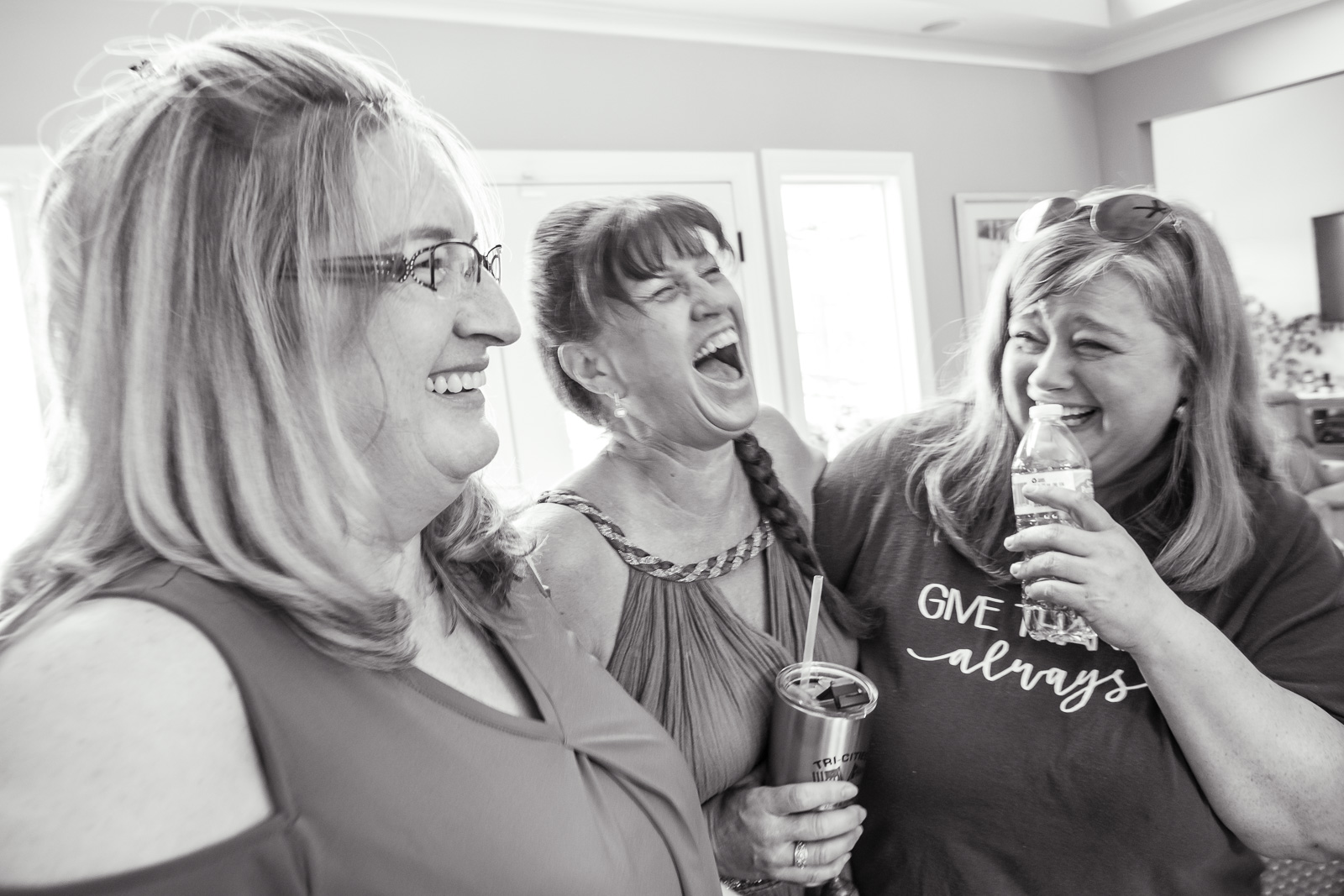
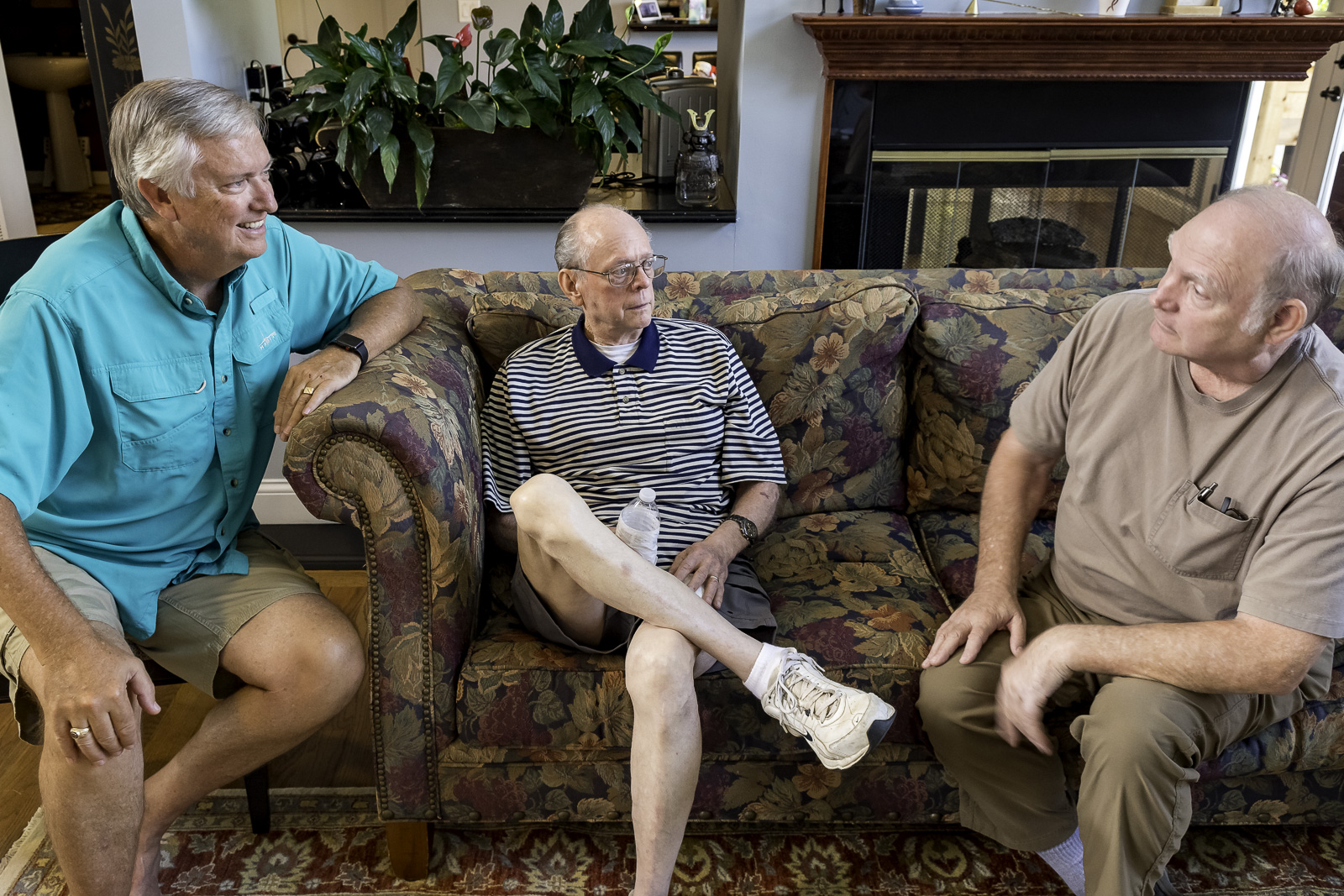
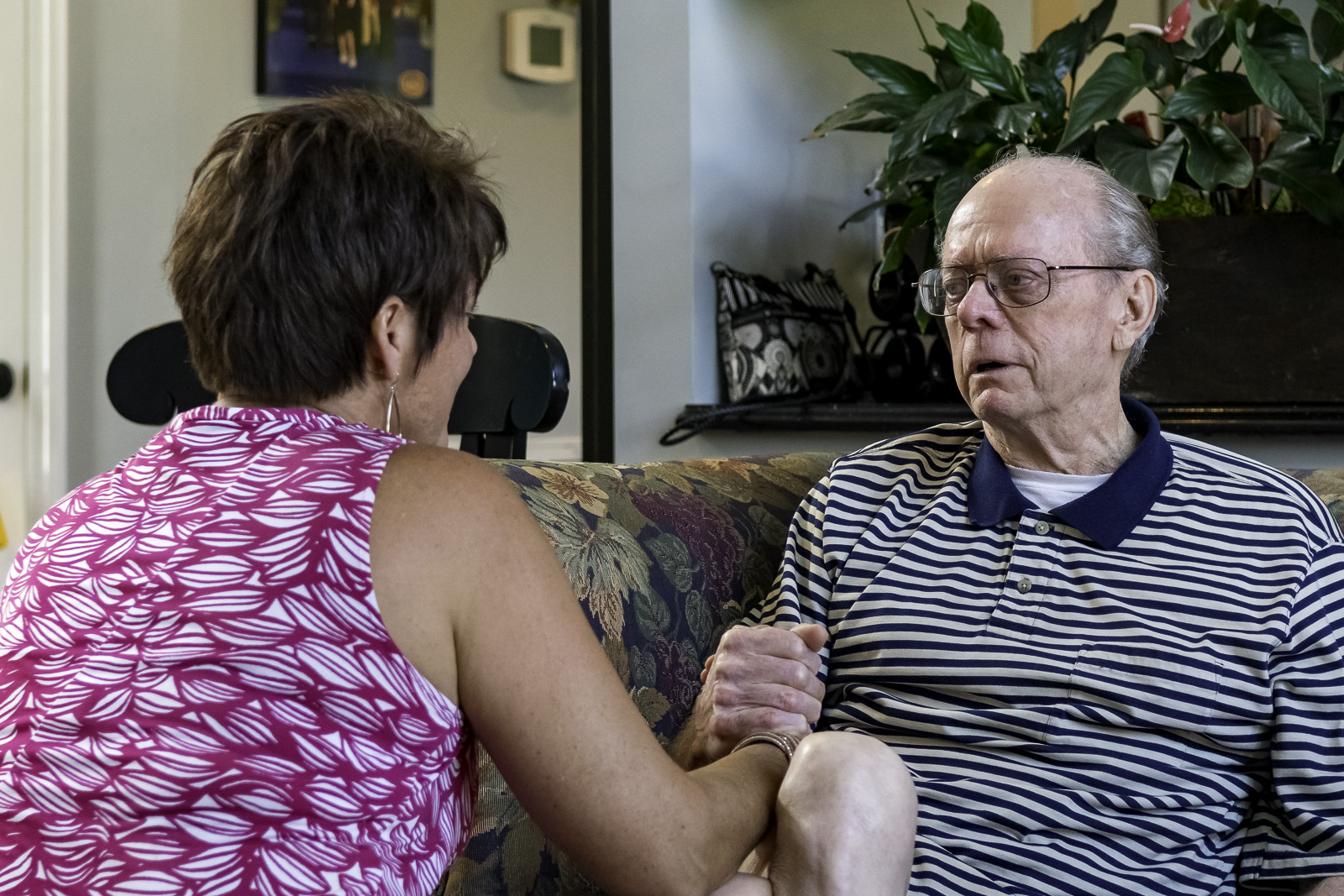
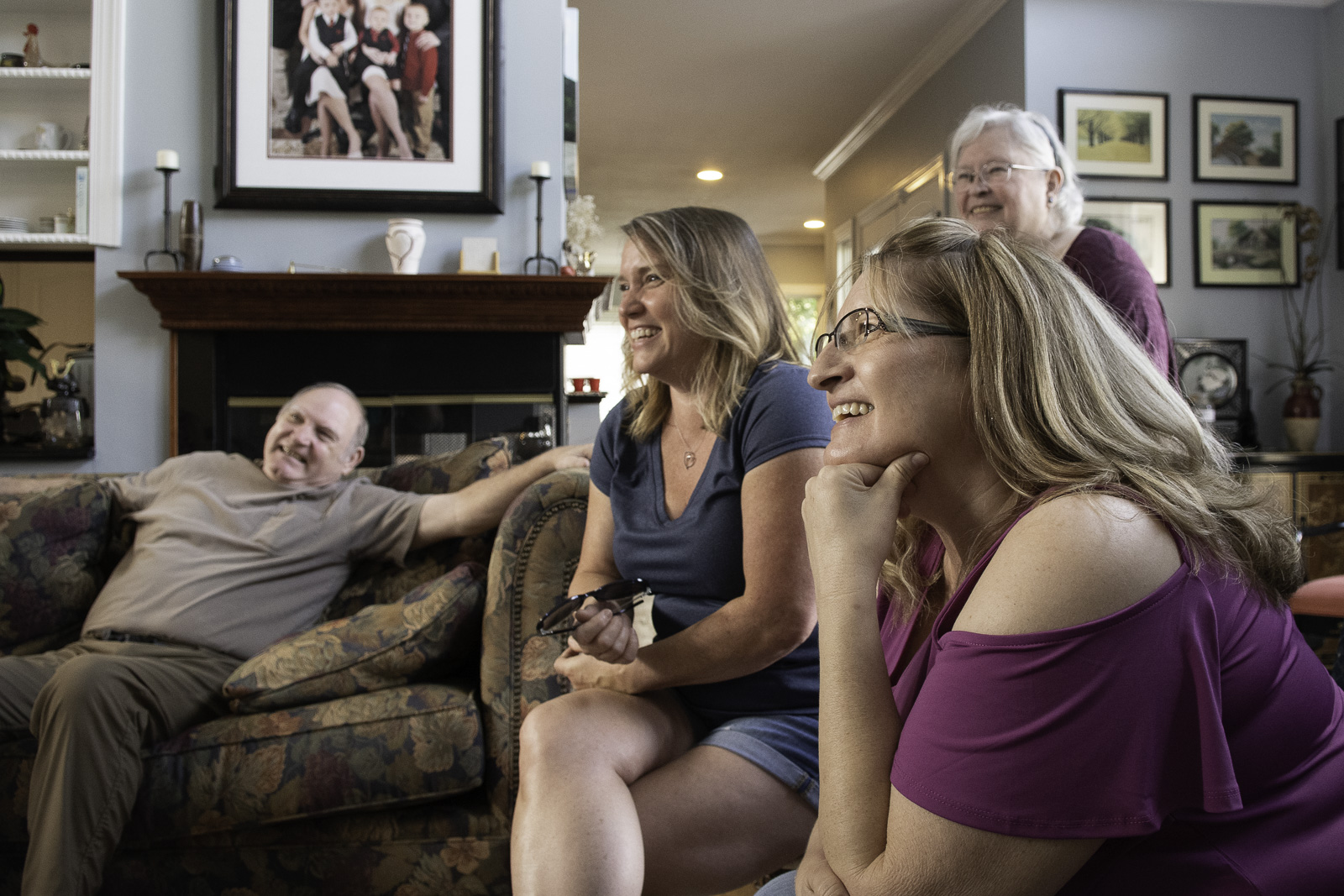
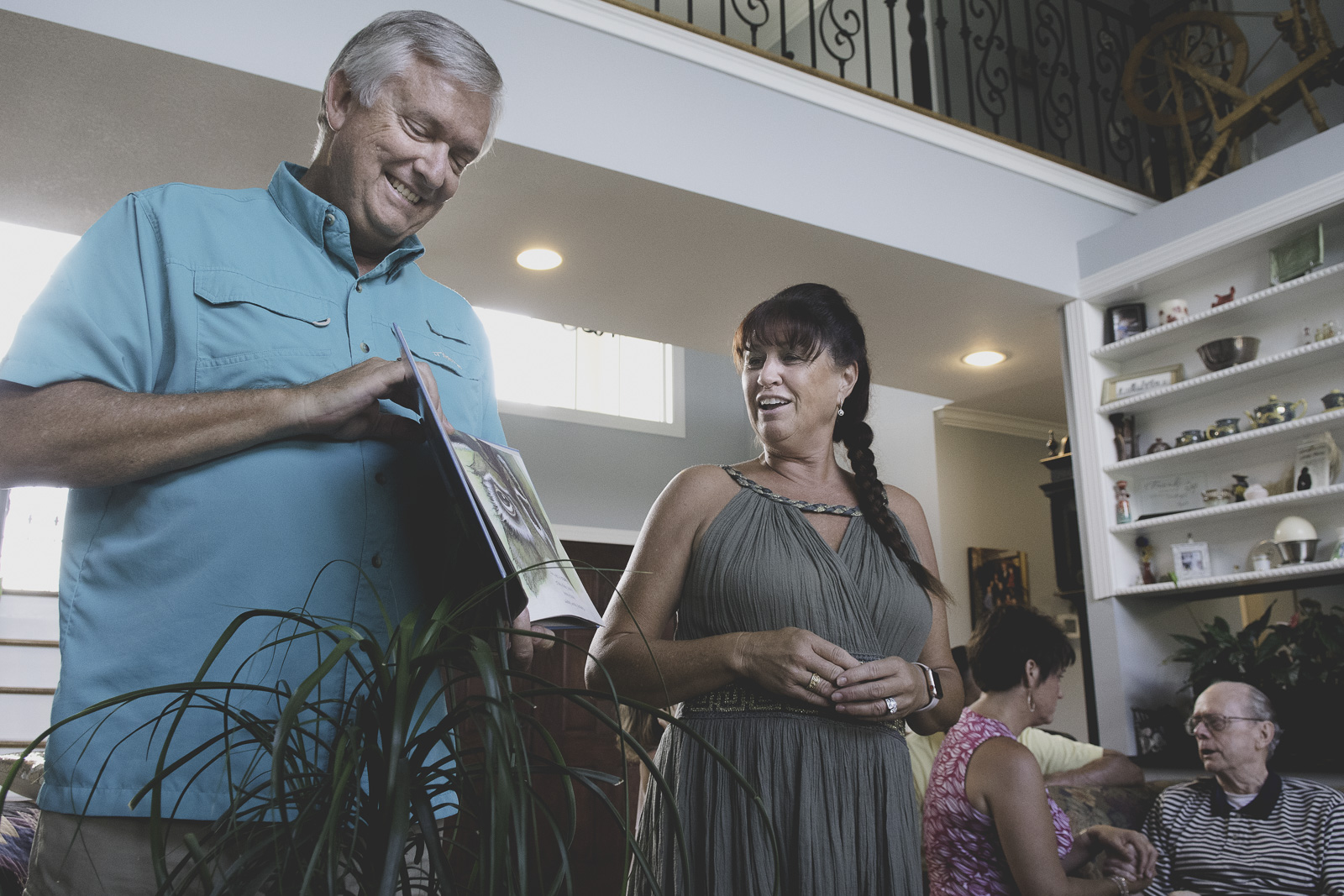
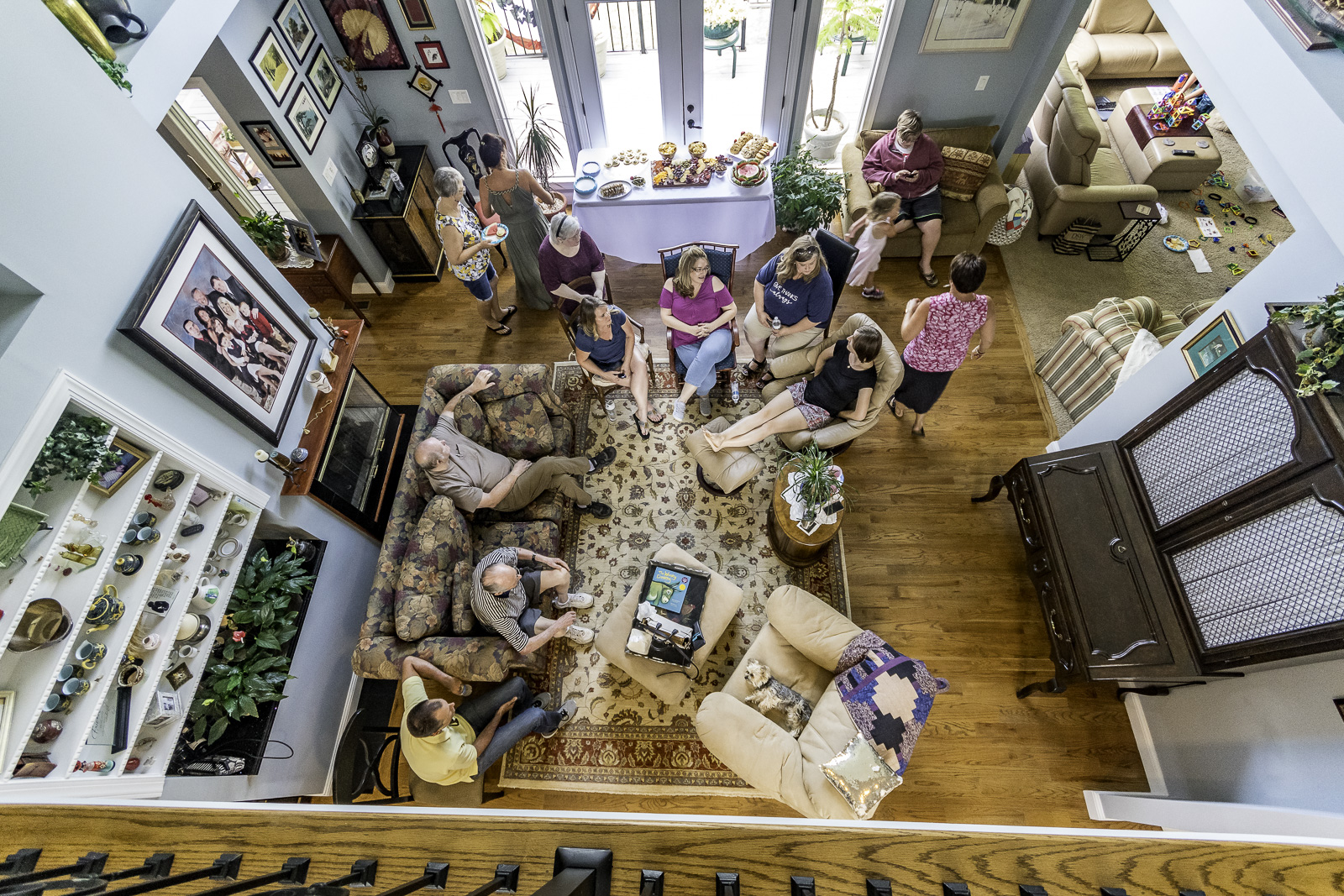
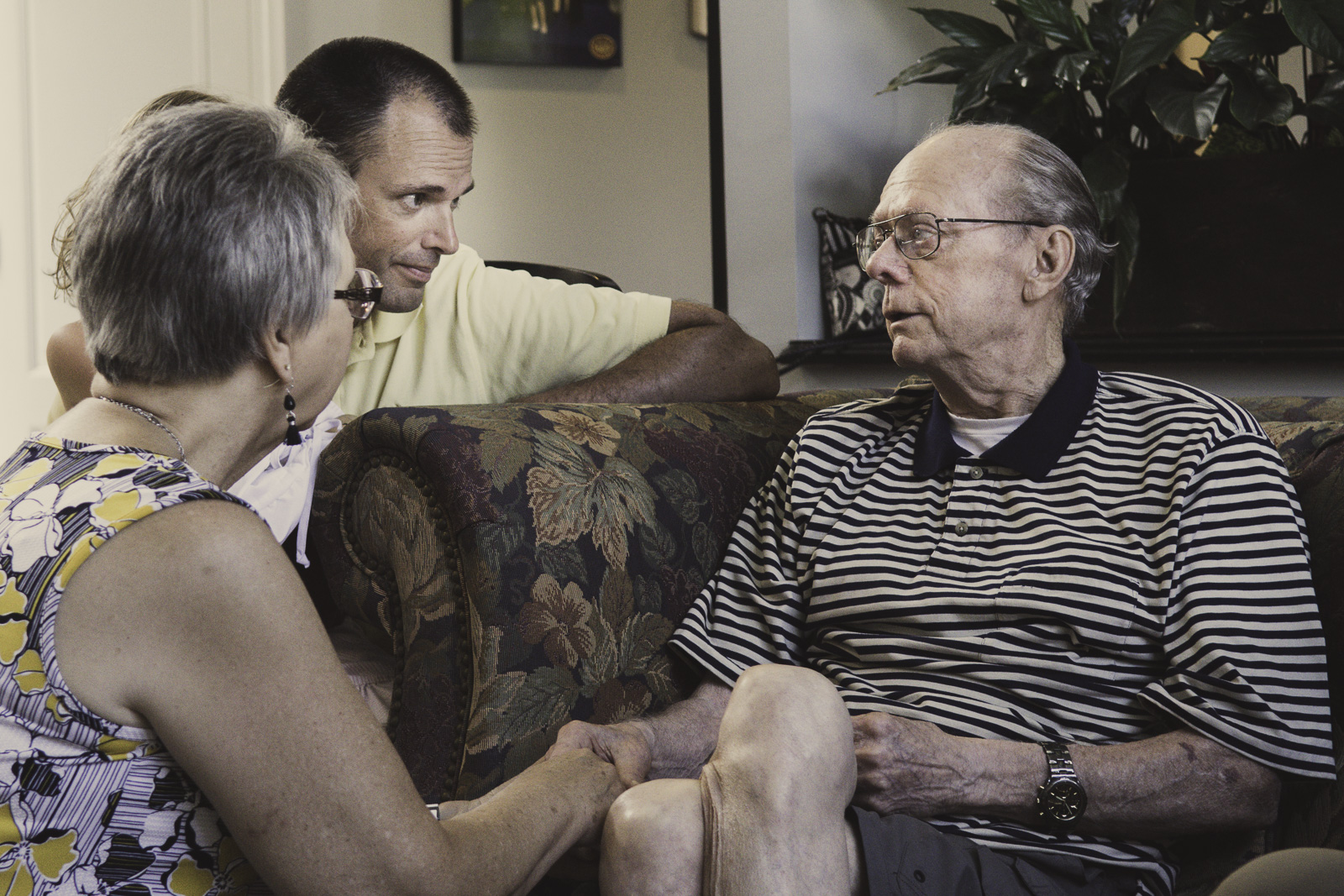
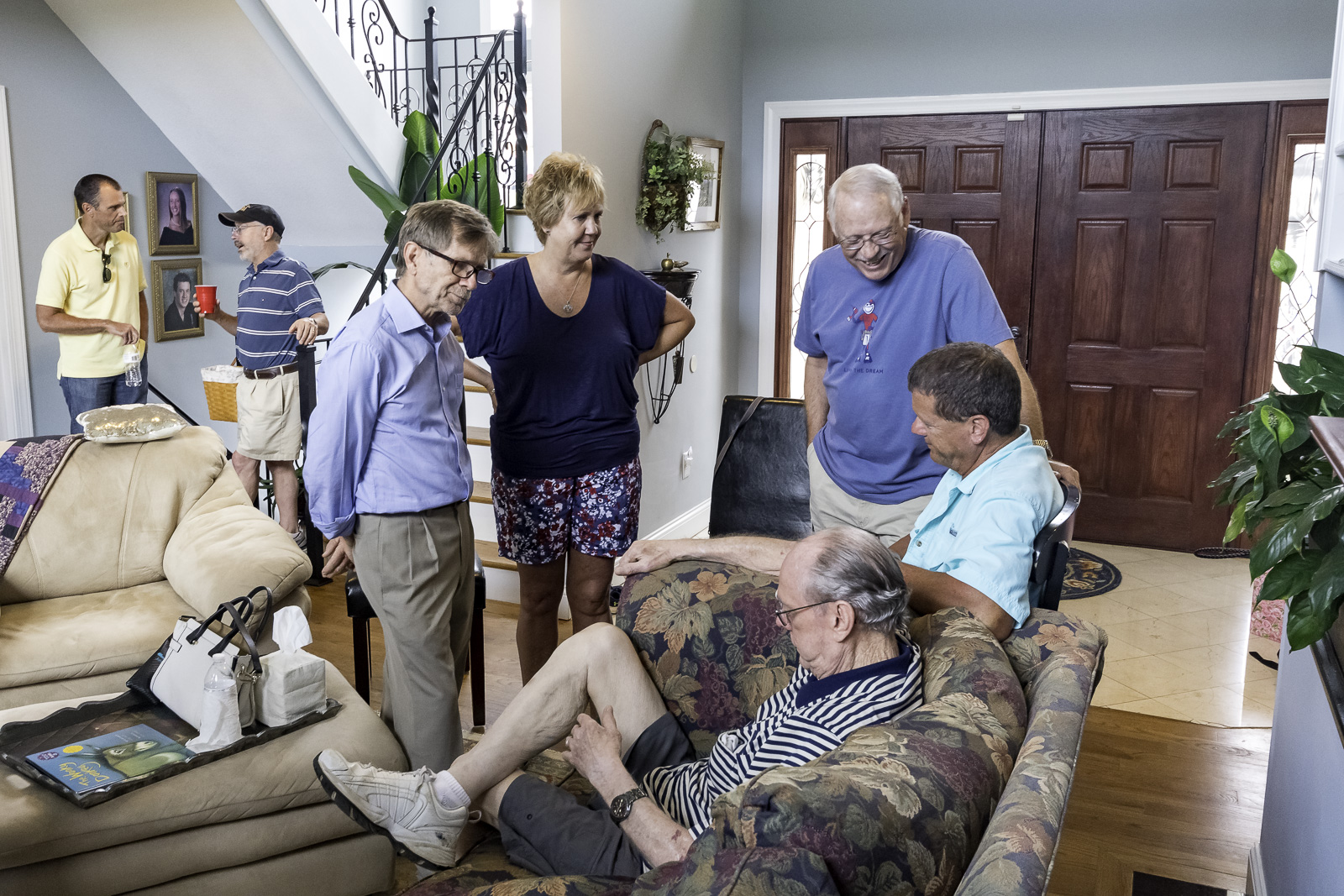
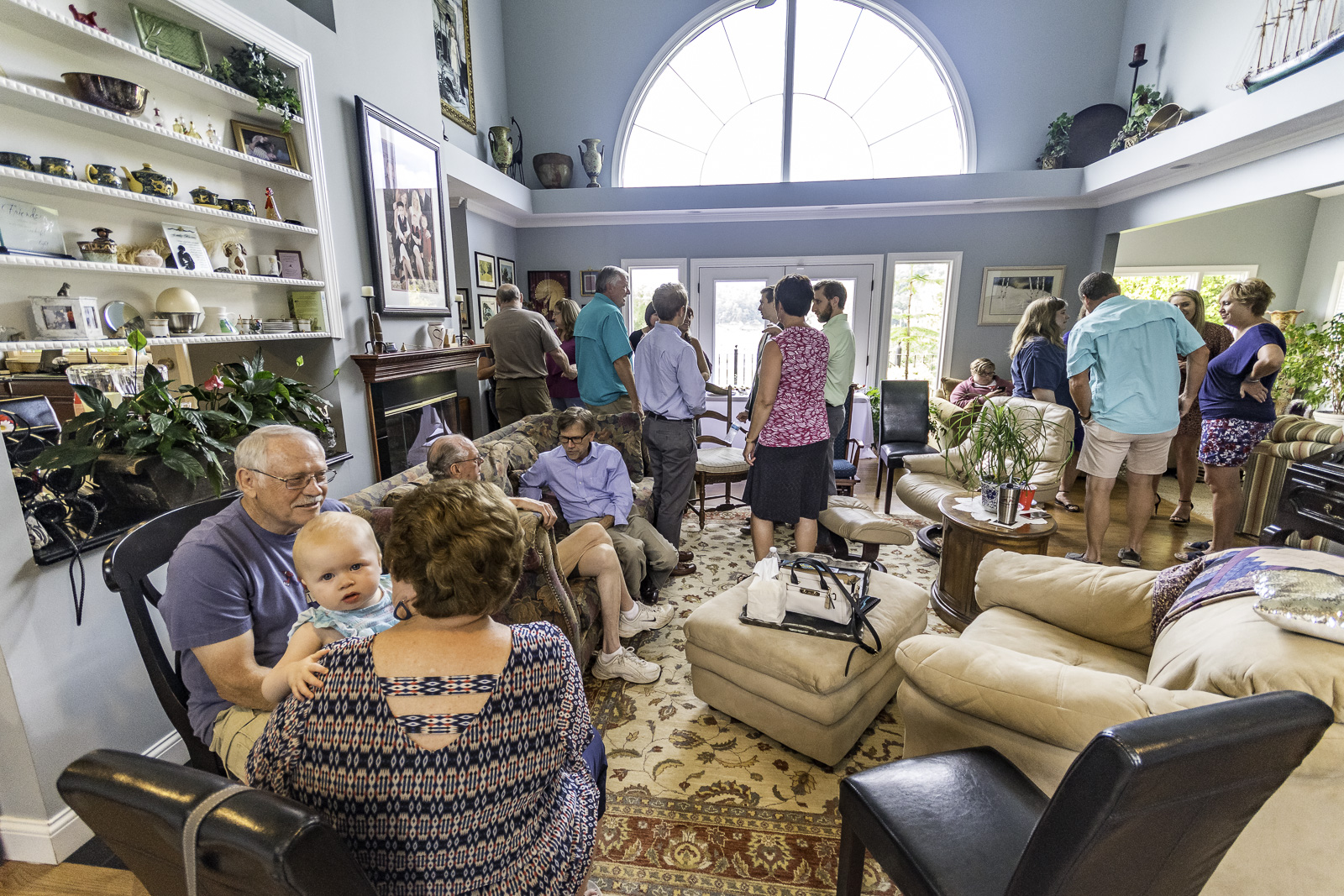
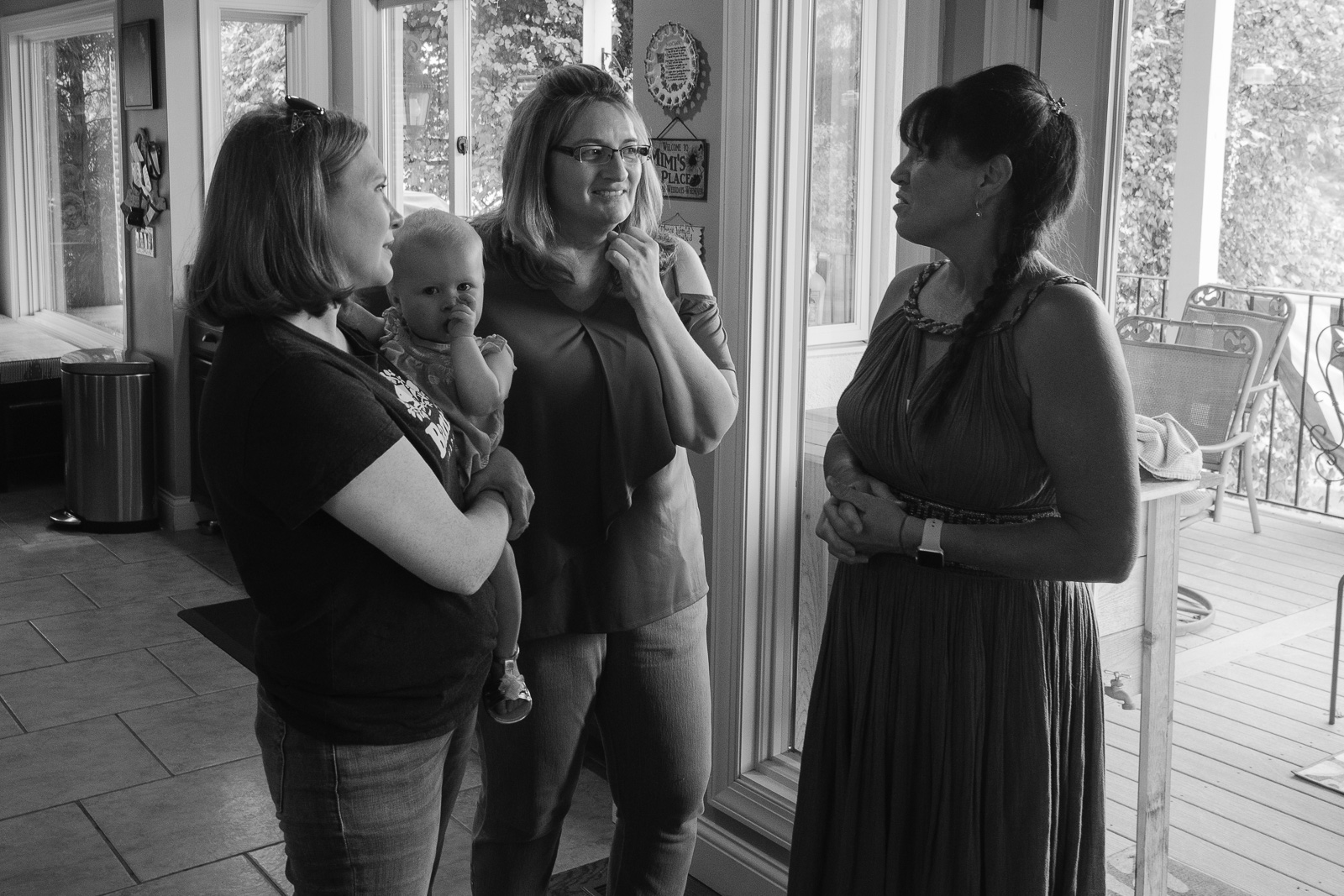
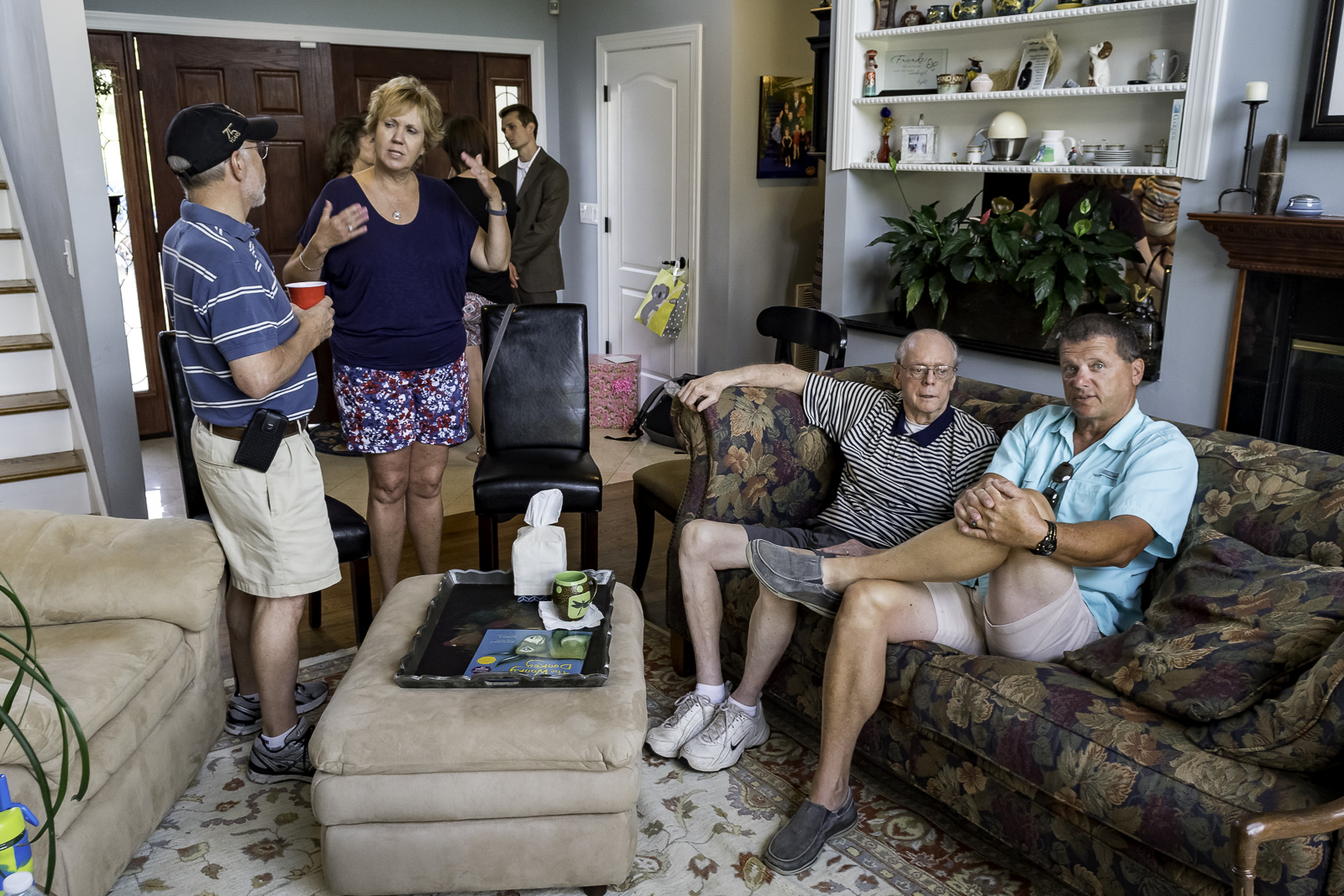
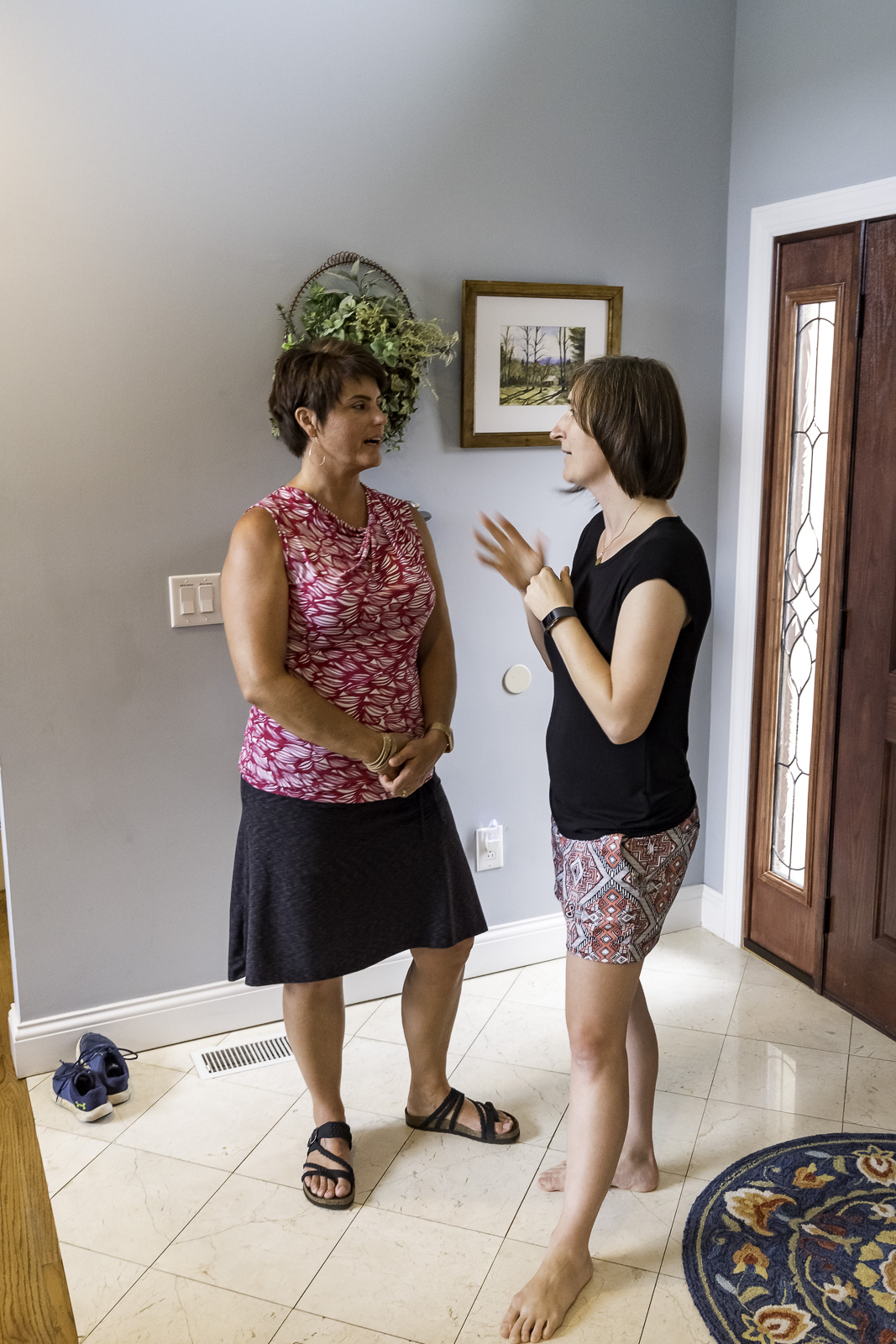
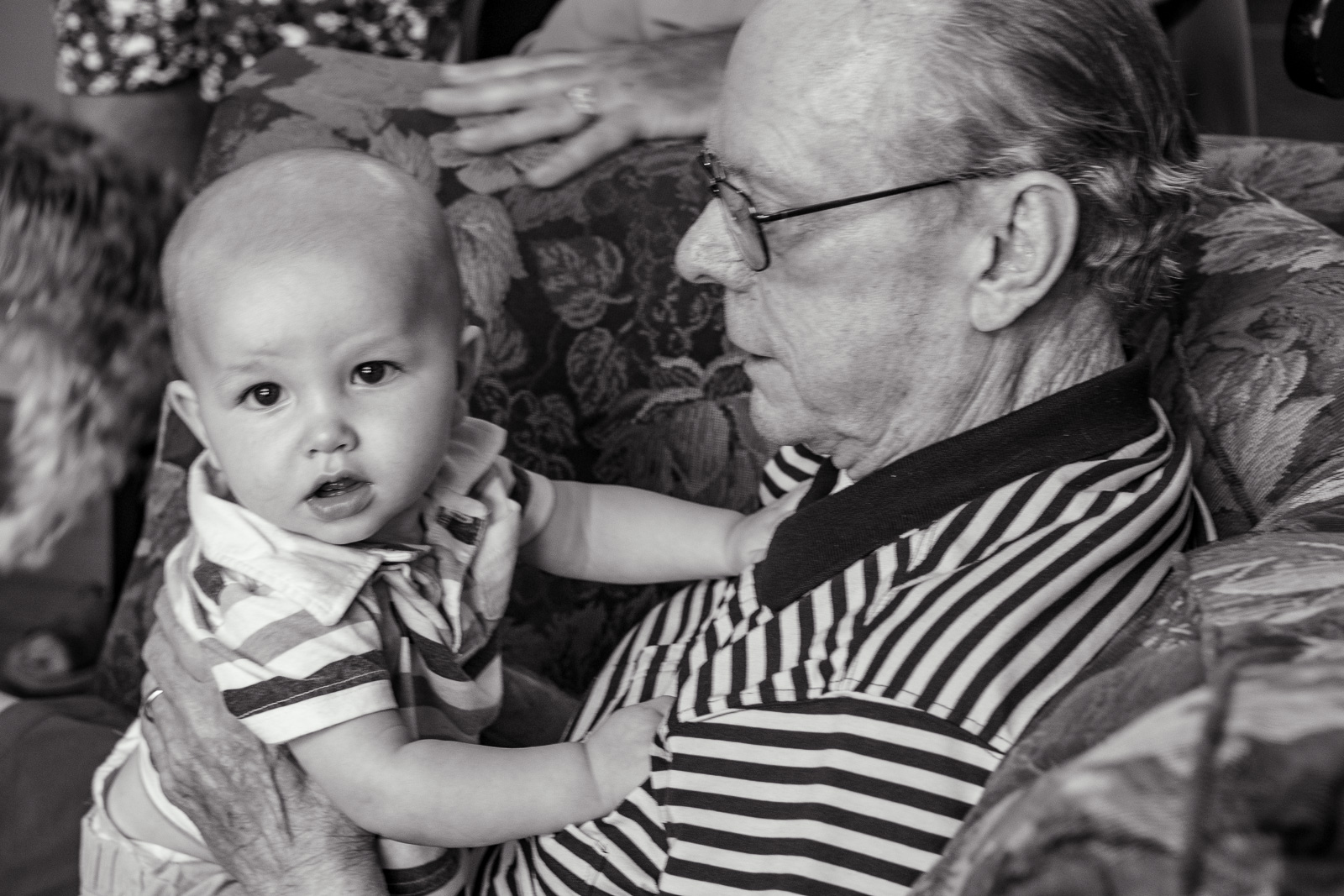
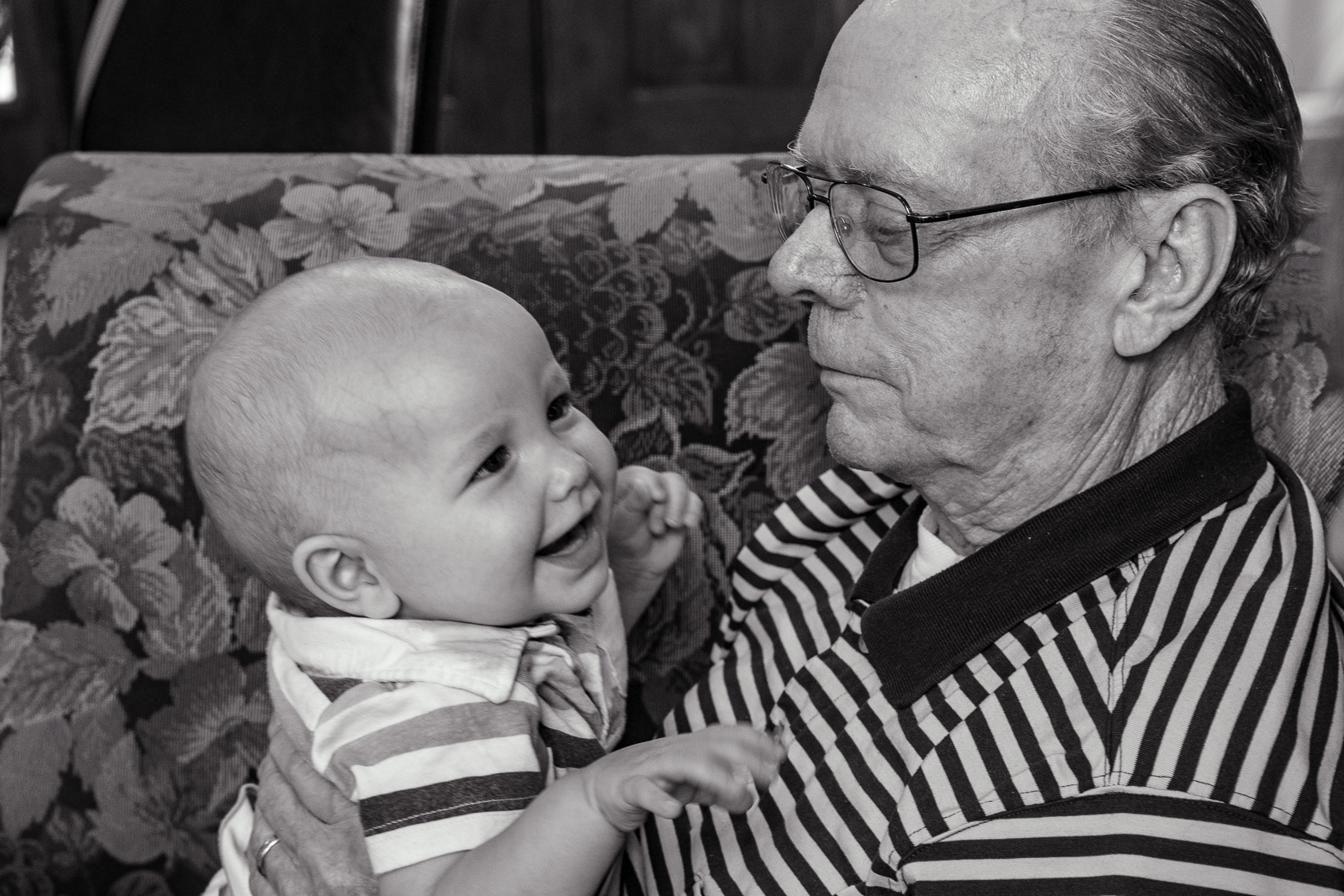
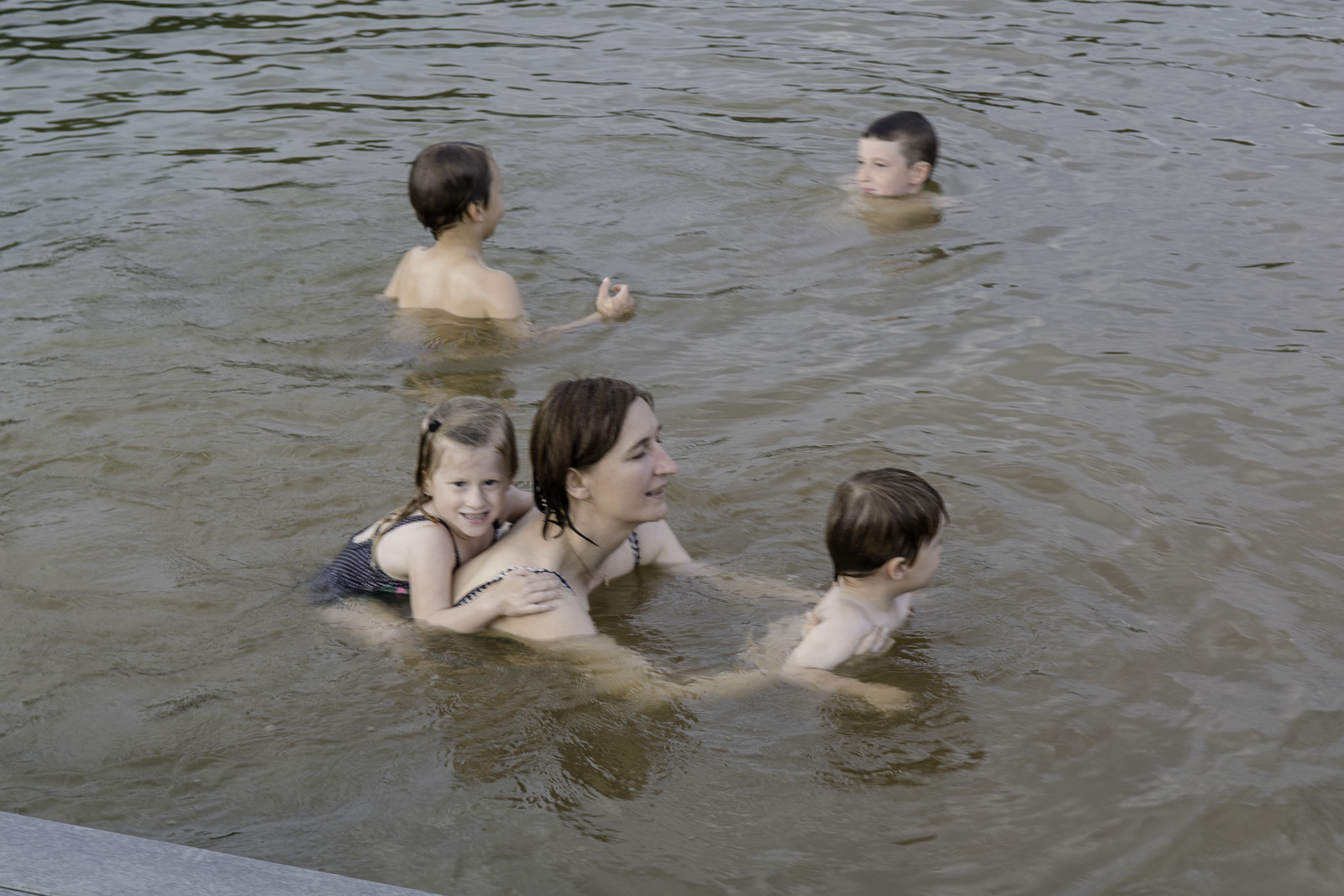
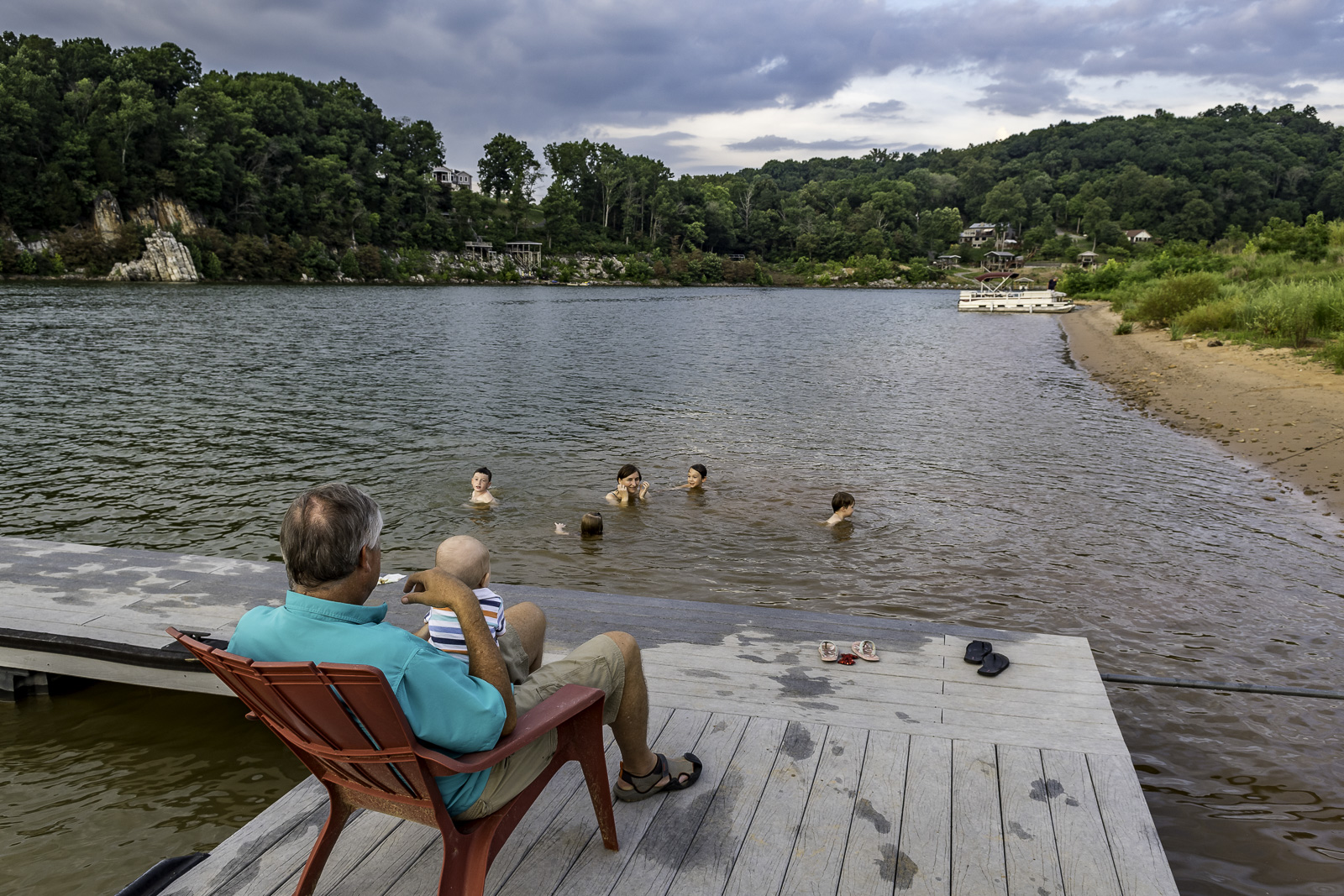
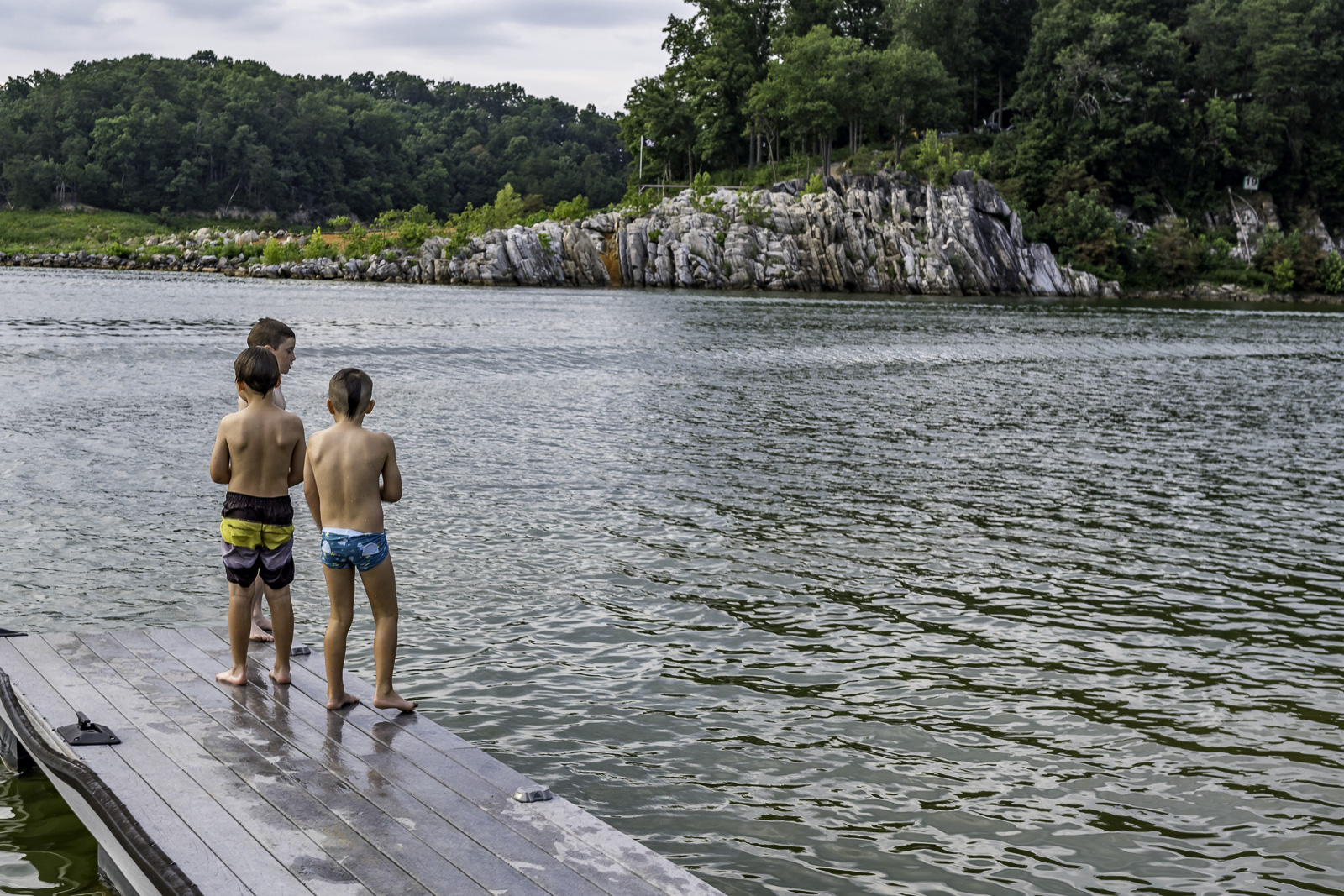
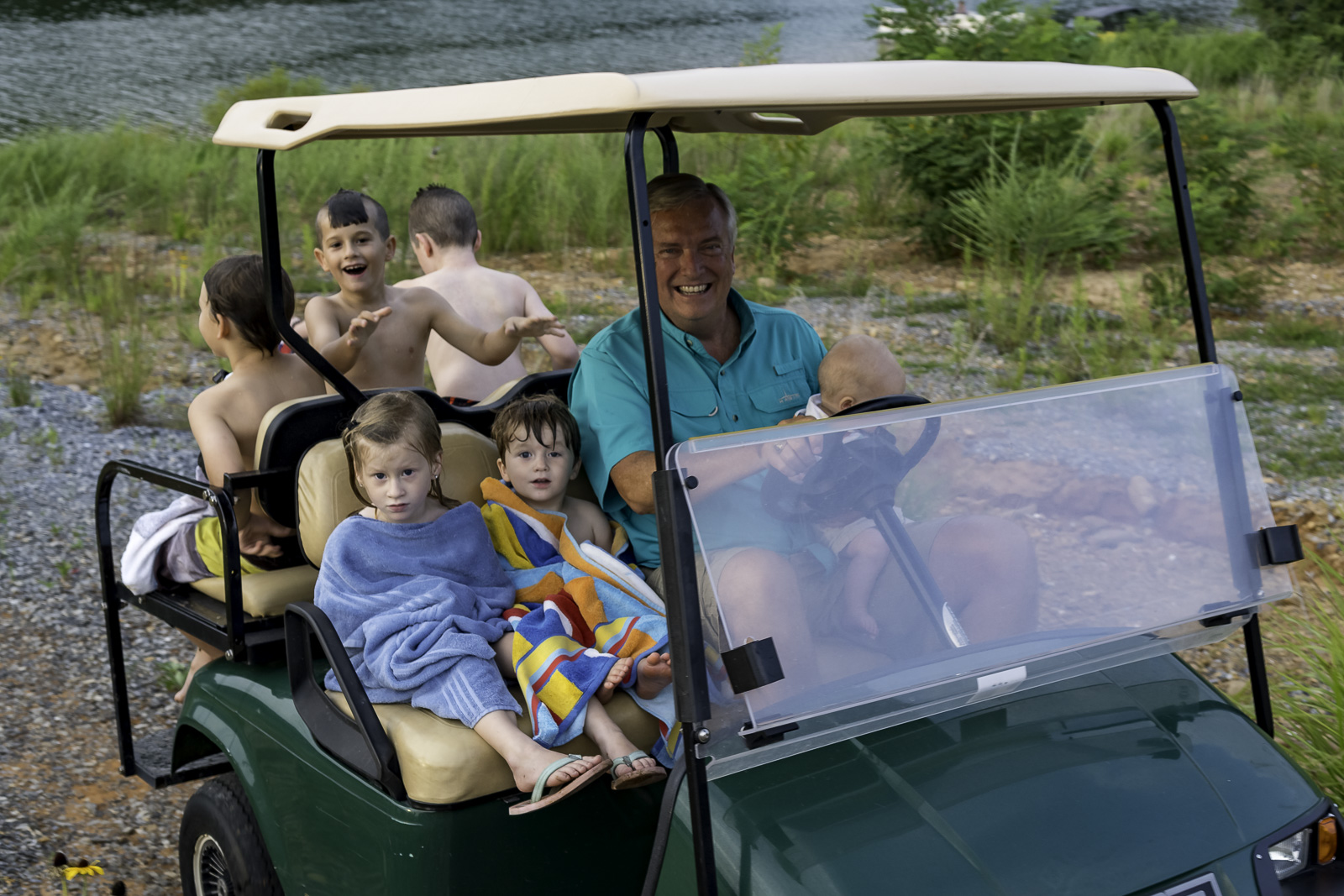
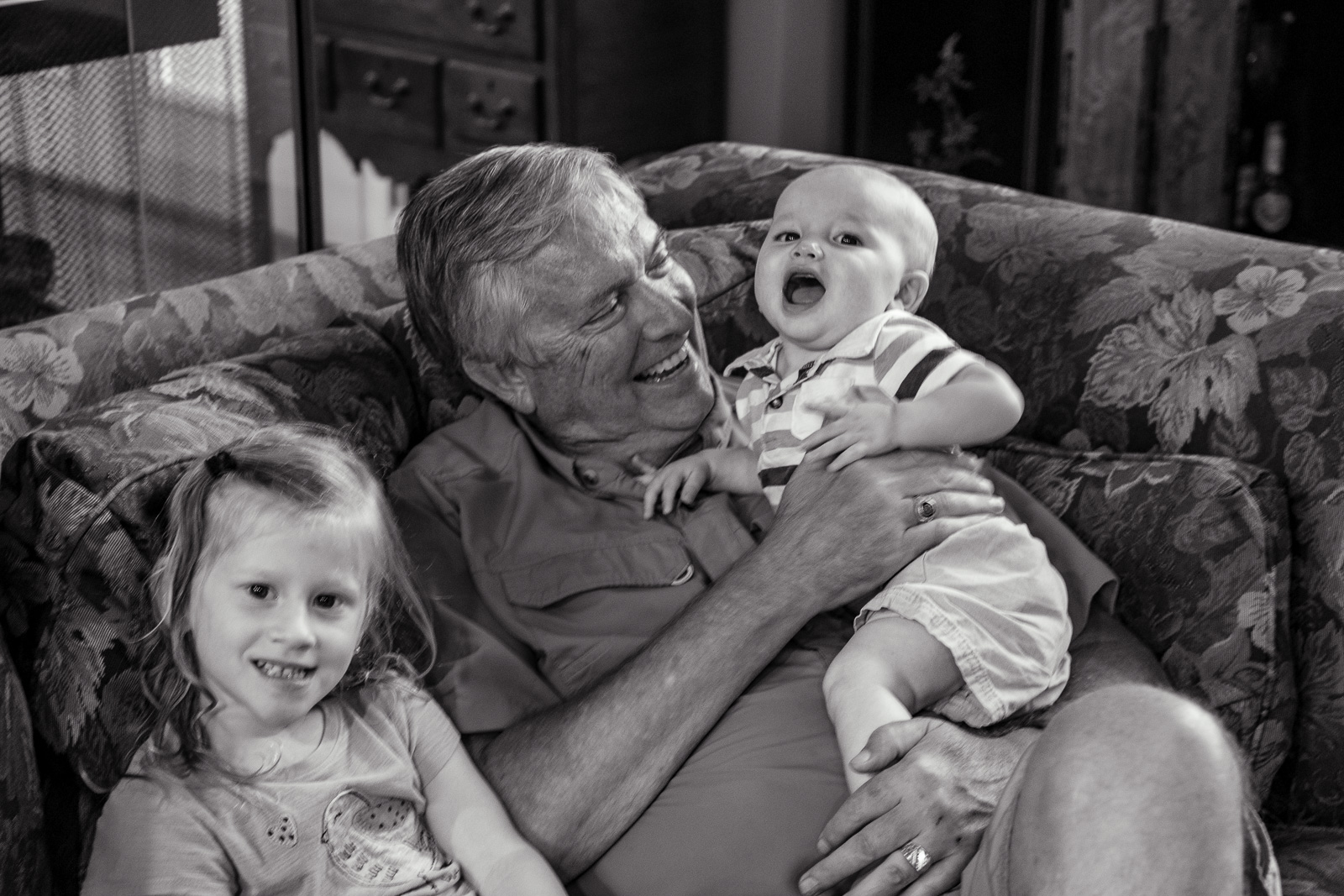
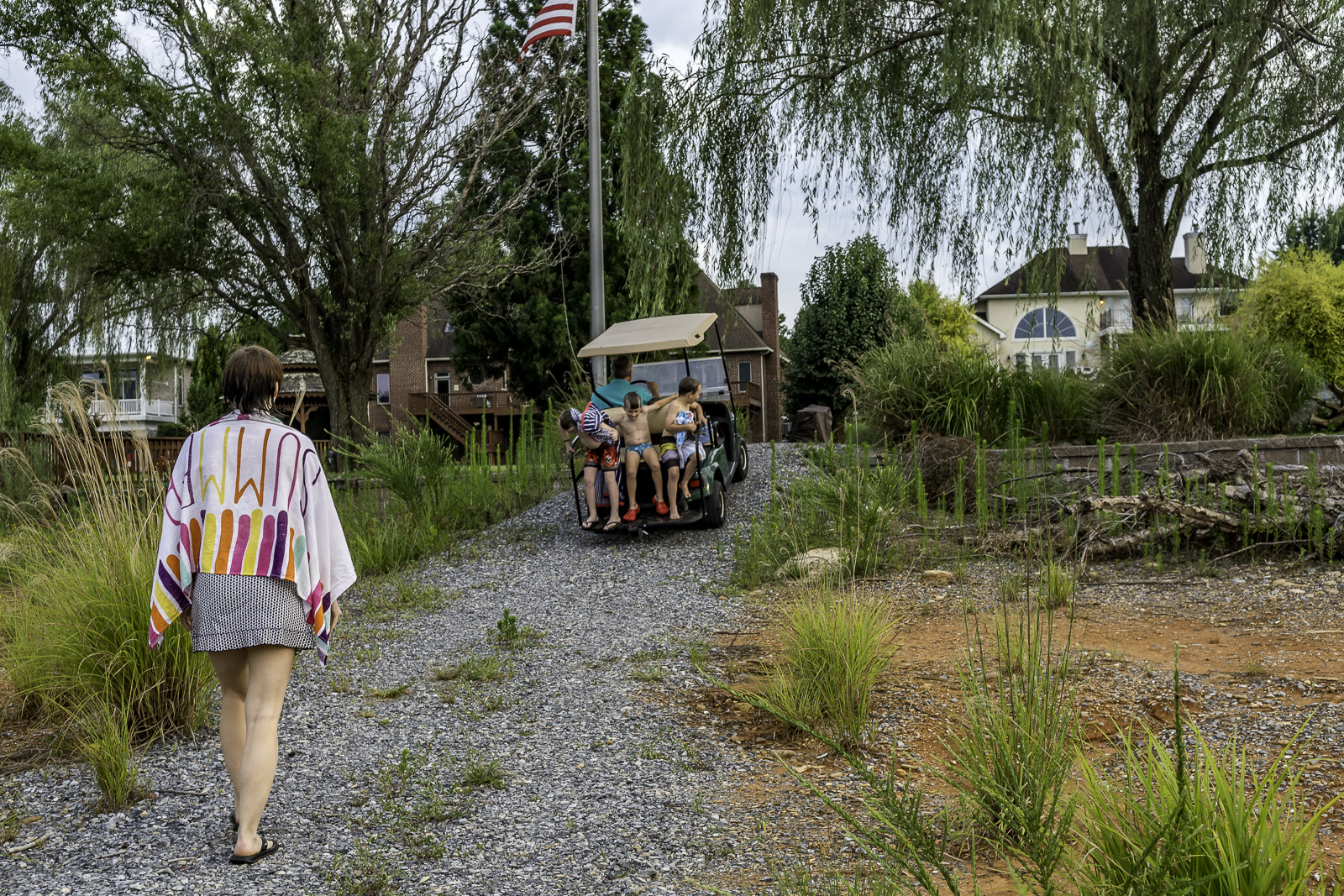
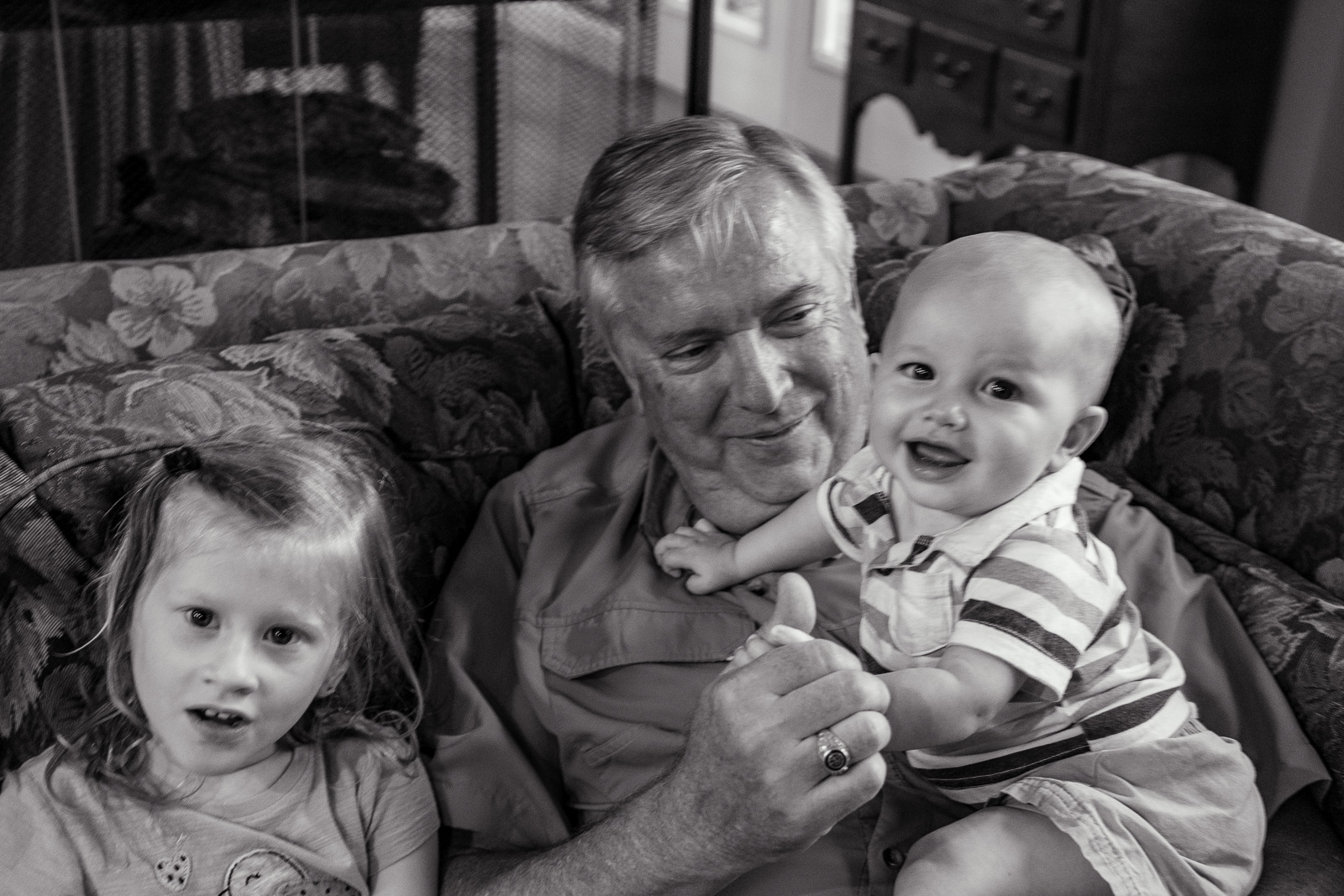
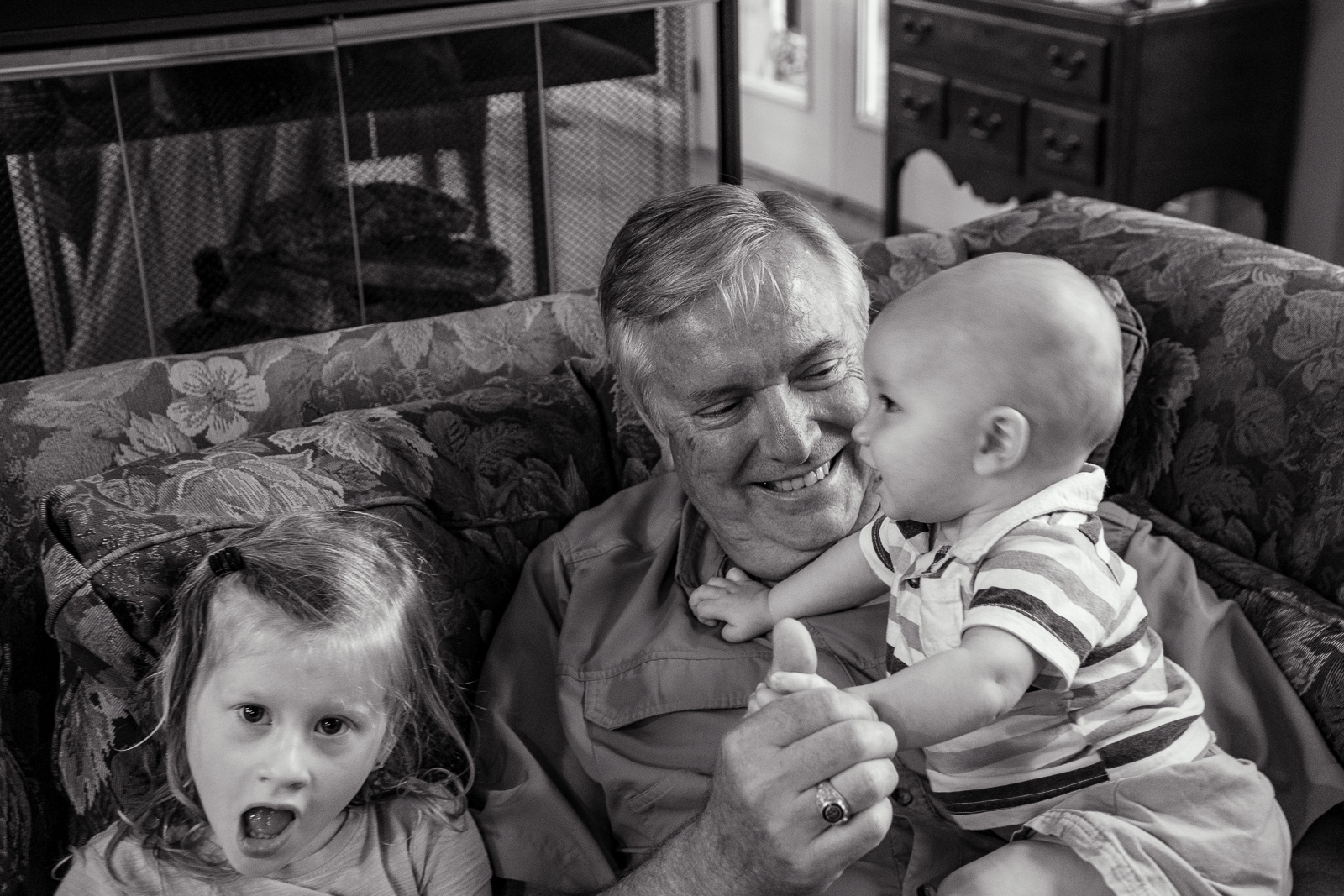
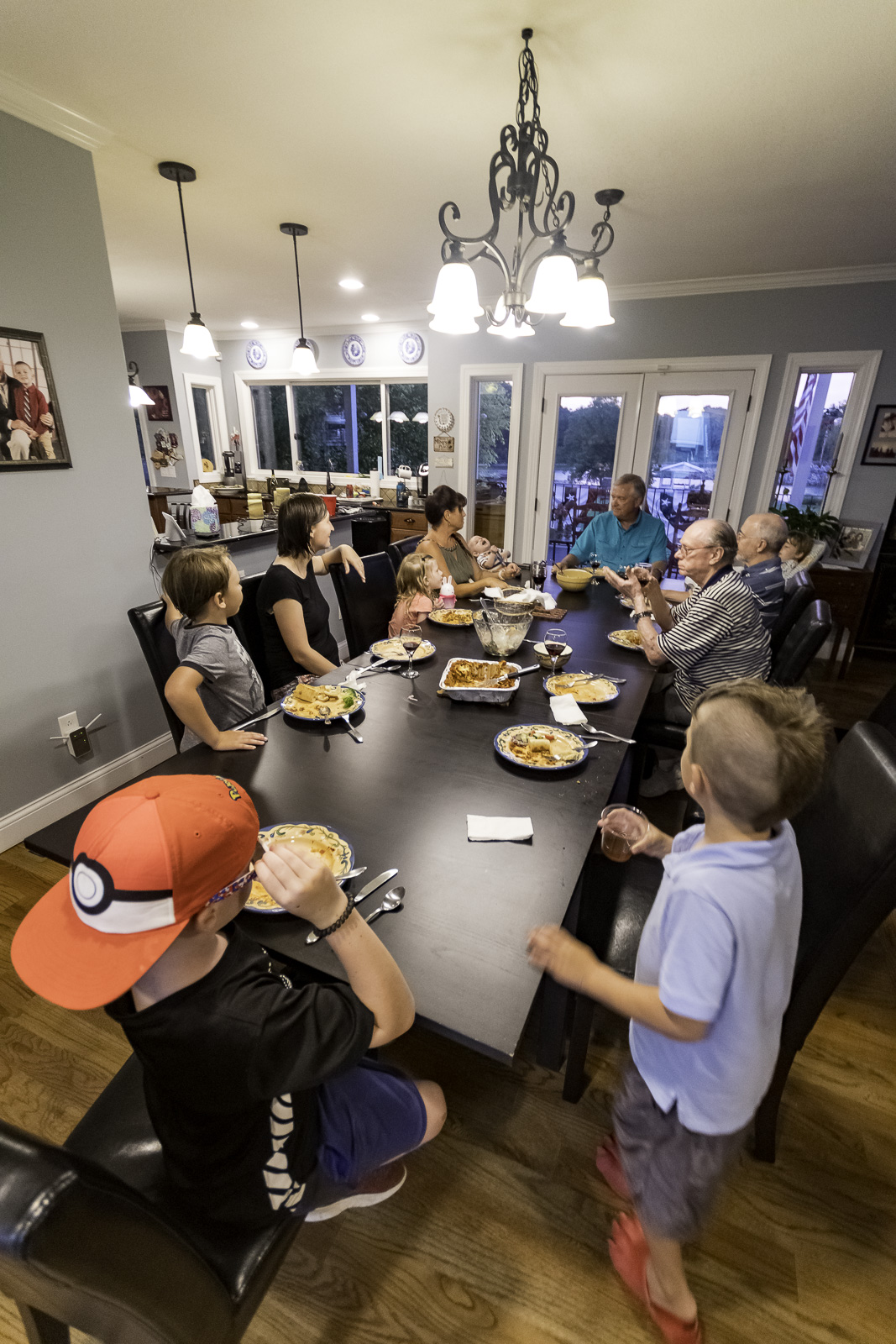

This morning, the Boy was showing Papa his newest truck design as I made breakfast for everyone.
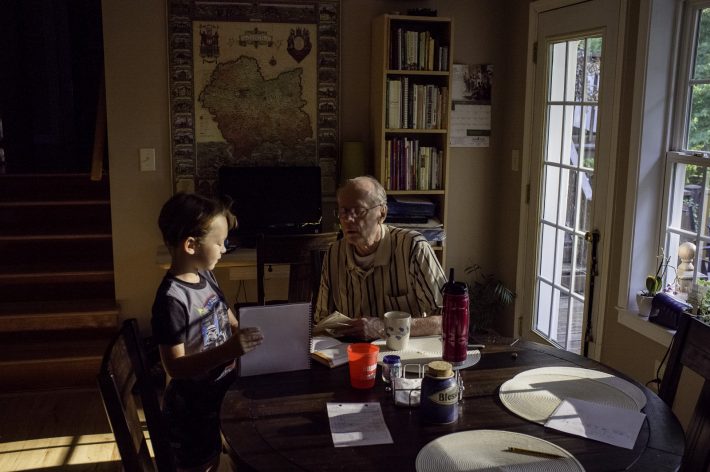
A few minutes earlier, he was explaining how his friend N has designed his dream truck, and it, the Boy explained, would be completely illegal. “He had spikes on his tires! Big spikes! That would destroy the road!” he explained incredulously.
When the Boy was walking Papa through his design, I smiled: it had a wrecking ball, several guns, and various other accessories that would make it rather difficult to drive on public roads without drawing unwanted police attention.
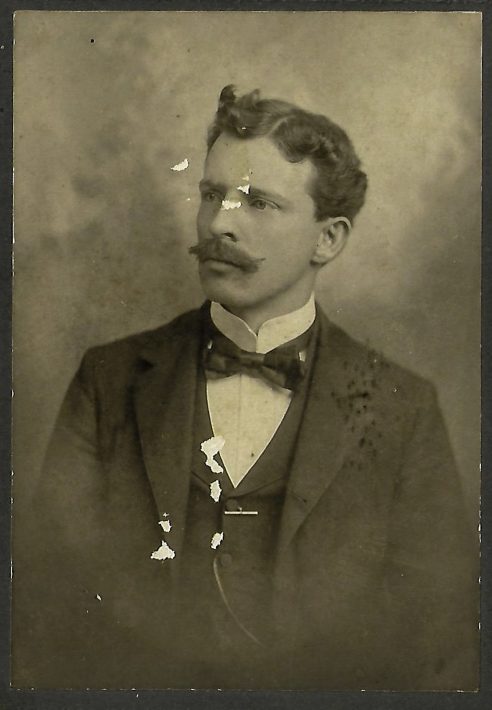
More discoveries from the past. Haven’t seen myself in baby pictures in years.

My father, when he was about 15 years younger than I am now.
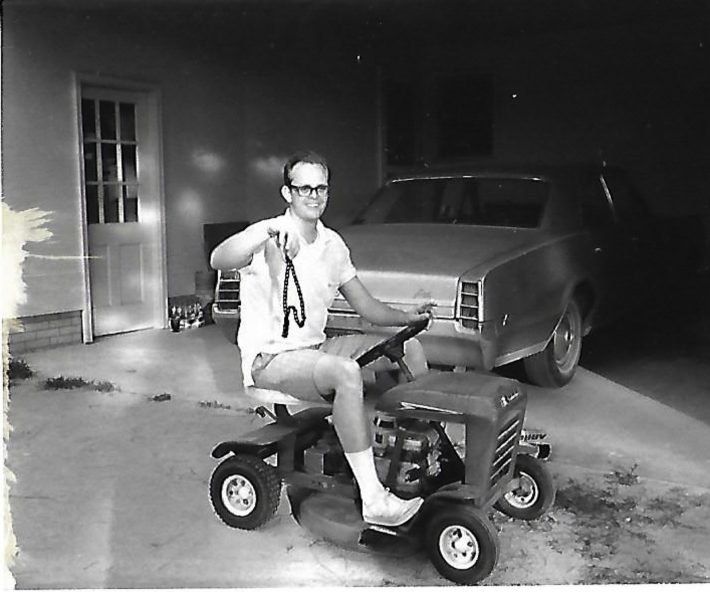
A few years after this photo, taken in 1973, he was mowing with this mower and it rolled over on top of him. Today, it might kill him; then, he got up, probably cussed a bit, and rolled it back over and continued.
I have been going through my mother’s things, and it never occurred to me that she would have done the same thing with her own mother almost twenty years ago when my grandmother passed. She would have discovered pictures, looked at them, puzzled over them, organized them. They, too, would have been snapshots and portraits, but from a different time, from a different reality.
Today, I found those images.
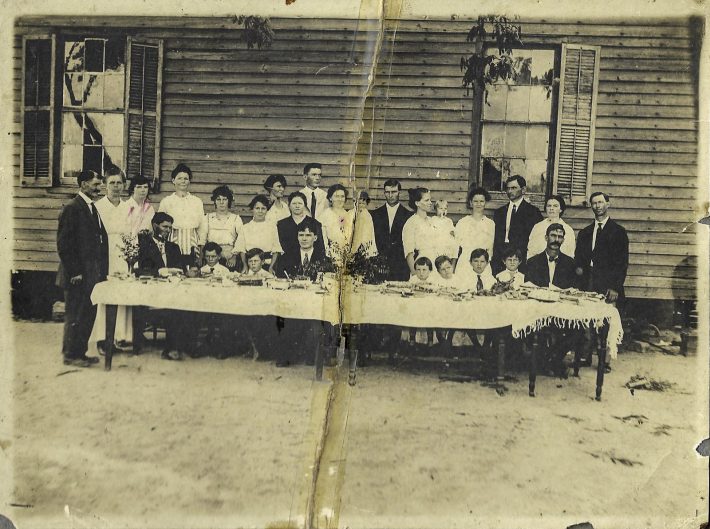
Images that look as if they came from a Ken Burns documentary. Images of my family that are completely foreign to me. I can’t look at these and think, “Isn’t that Aunt L in the sixties?” I don’t recognize the places, the faces, the adults, the children — I don’t recognize anything.
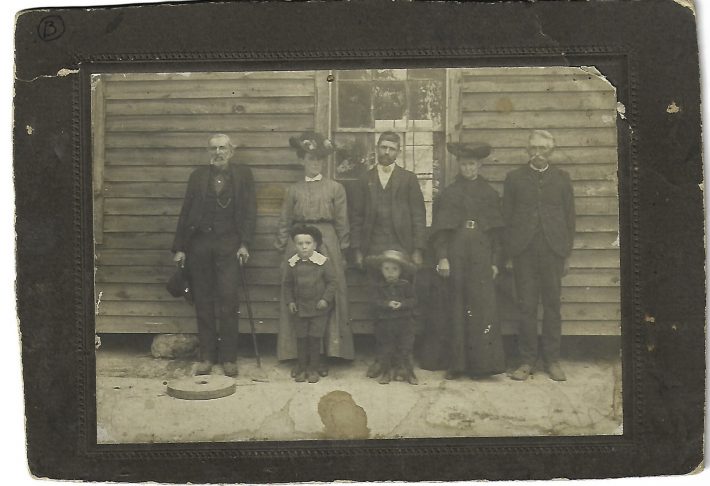
Were they not in my mother’s belongings, tucked away in a Rubber Maid storage bin, could I not recognize one single last name and think, “I believe that was my grandmother’s mother’s family,” had I not known that they were my family, I would never know it.
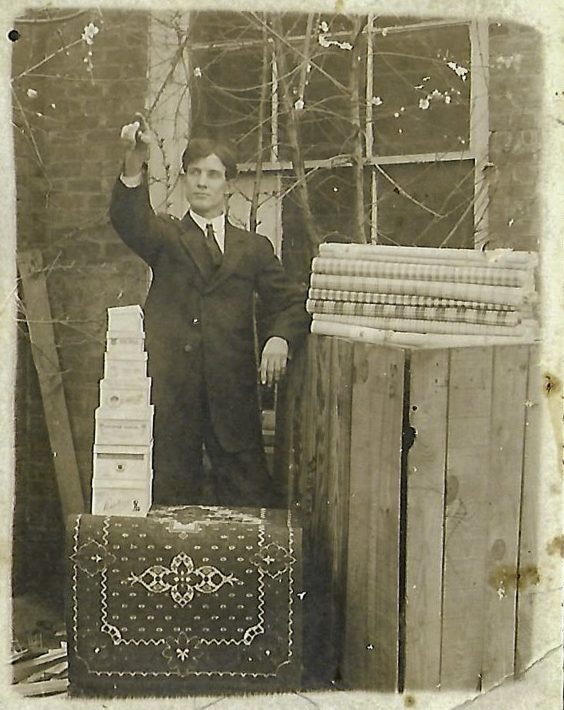
And now I am so full of questions, so curious, so wanting to know everything about these people — and so frustrated that I didn’t find these years ago, when I could ask Mom about them, when I could take notes, when I could maybe even hear stories.
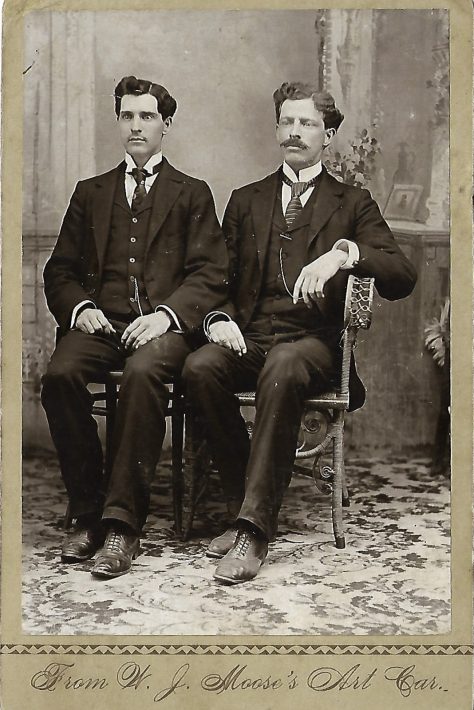
I have one cousin I can ask, and will do so shortly…