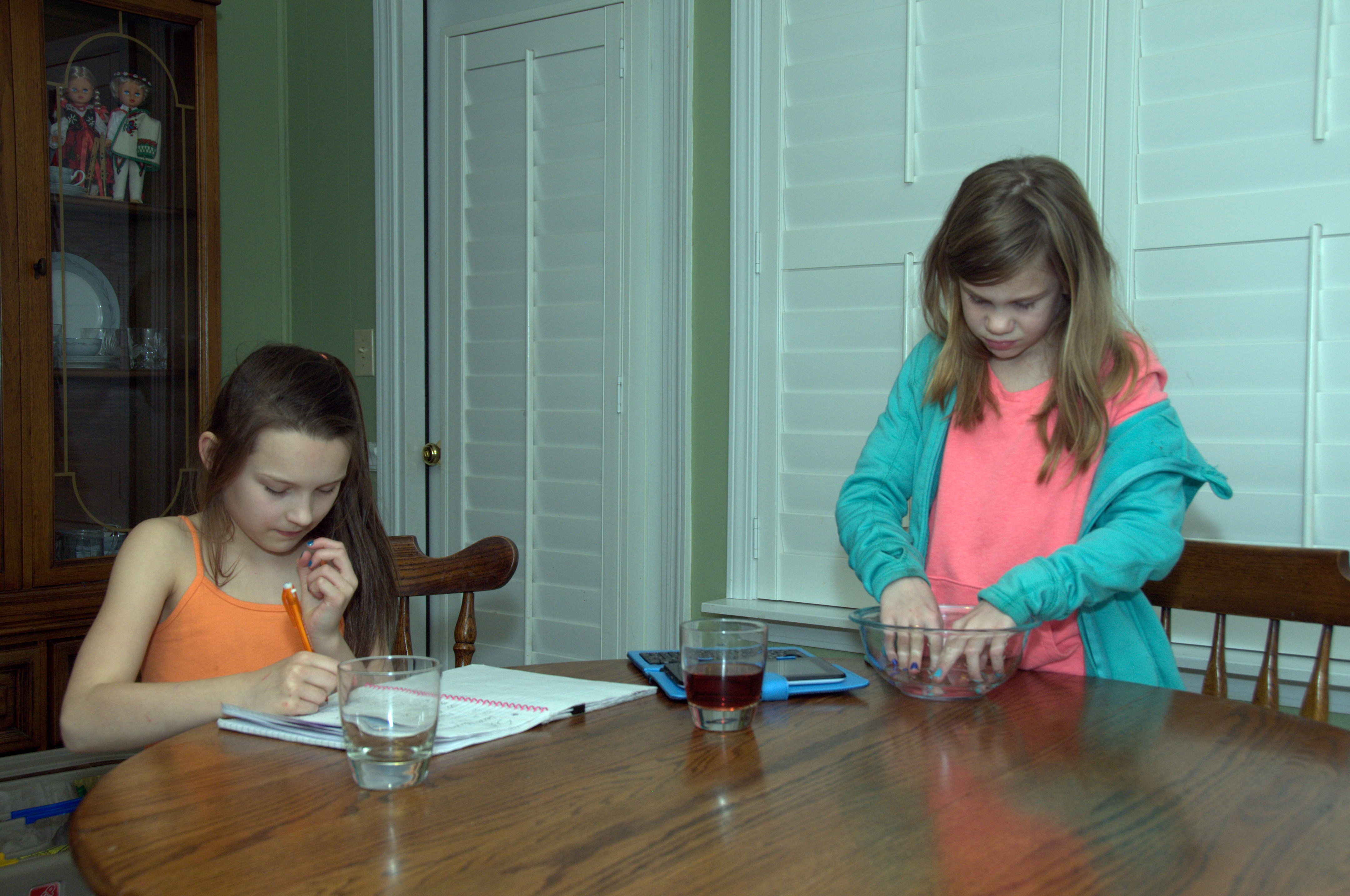
My job is about learning. It’s about teaching, too, but the more I stand on this side of the desk, the more I realize that teaching is learning. It’s not just the simple process — as if it were so simple in truth — of learning how to teach. There’s that, certainly. I’m better this year than I was last year, I hope. I’m better this year than I was five years ago, I’m sure. I’m better this year than I was fifteen years ago, I know.
It’s not pedagogy and method that I have in mind, though. I’ve learned that learning is so much more than simply figuring out how to write a good paragraph, understanding how to do geometric proofs, seeing the logic of the scientific method. These things are all well and good — and important. But they all serve as simple means to ends. We learn to write a good paragraph to be able to communicate better. We work on proofs to be able to construct a scaffold of surety around our knowledge — to prove to ourselves what is is. (And to move on to higher and more challenging math.) We study the scientific method because it’s the best way to find out things about the physical world.
All this knowledge helps us in our day to day functioning, but it does very little to help with our living. I’m not more at peace with myself because I can write a paragraph. I can’t show compassion better because I can manage geometric proofs. I’m not more mature because I know the scientific process. My life can bump along just fine without this knowledge, and having this understanding is in now way insulation or protection against anything. I’m not a better person for this.
I’m a better person when I connect with other people. I’m a better person when I understand that the most precious and instructive moments in life are those flashes when a couple of people connect in a real and meaningful way.
I teach my students how to make sense of Shakespeare (and, by proxy, many other challenging texts), and I show them how to organize a paragraph coherently, then how to string several paragraphs together in a logical order. Useful skills, but not life changing. Yet sometimes I get so wrapped up in the importance of those minutia (relatively speaking) that I miss the real teaching and learning opportunities. I forget that just because they’re not learning just what I want in just the way I planned it than my students aren’t learning. I forget that just because what they’re doing for a particular session has nothing to do with English than they’re not become better people. I forget that, at it’s base, that’s what all good teaching is about. There’s the subject matter, true, but all the teachers we really remember taught us more than just their subject matter. In some rare cases, we can sometimes barely even remember what exactly they taught us about English or math or Spanish, but we remember what they taught us about life.
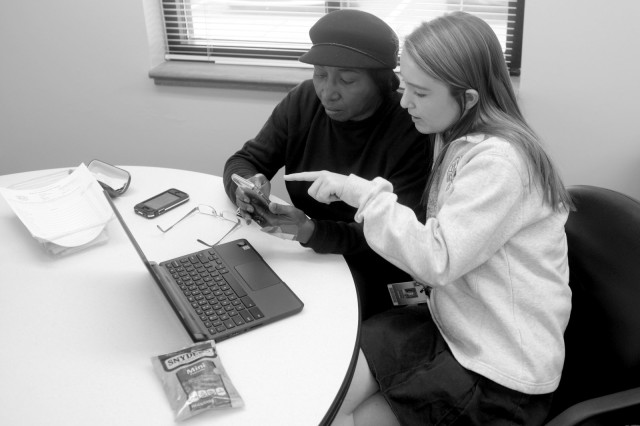
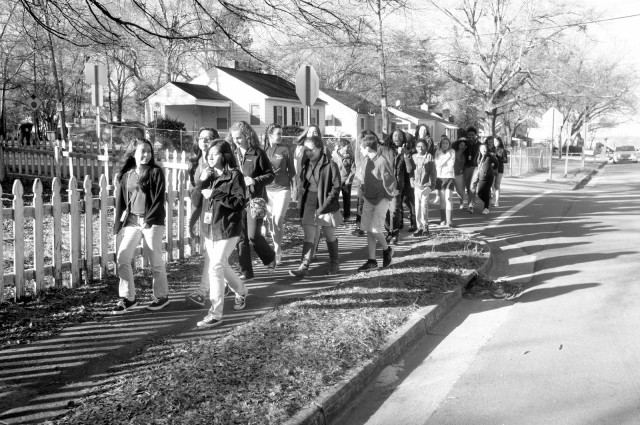
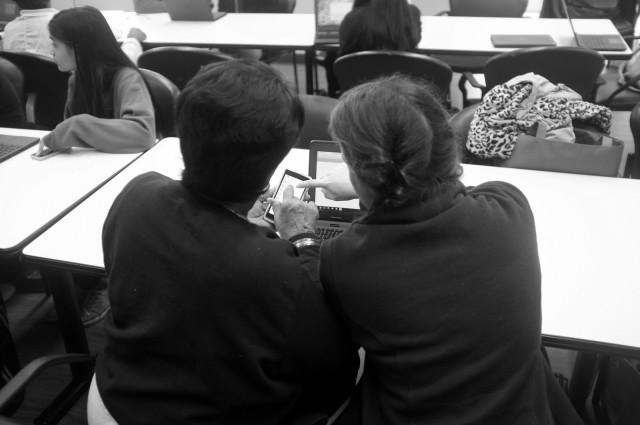
Today, I had the privilege of taking about twenty of my students down the street to a community center than has a trice-weekly seniors program. The plan was simple. The plan didn’t work as planned due to technical issues. And so from a certain point of view, it was a complete waste of time. It didn’t do what I wanted it to do. The plan didn’t behave properly. And in that mini-disaster, I learned once again — my students taught me once again — that there’s more to teaching and learning than nouns and rays and Erlenmeyer flasks.
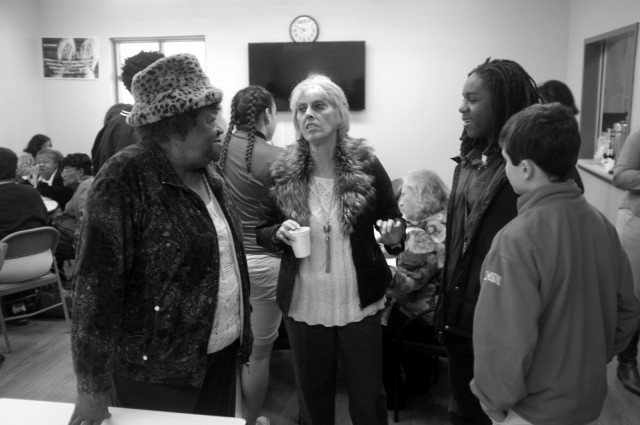
Sometimes lessons just come along than can’t be planned because the lessons themselves come simply from the messiness and unpredictability of life. Sometimes a room full of teens and seniors offers such individualized lessons that could never be planned, never be executed because life can often never really be planned. And that in itself is part of the lesson.
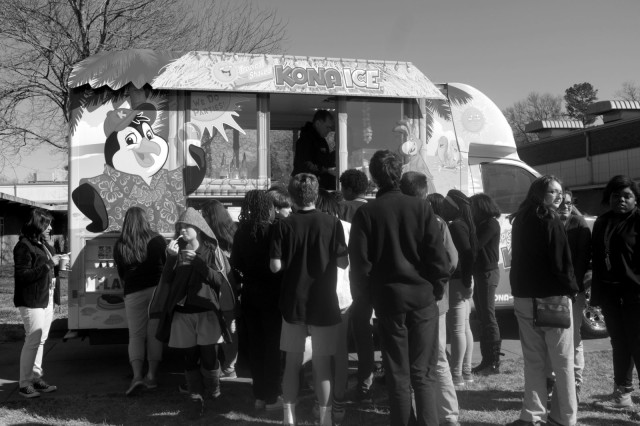
In the afternoon, another lesson about learning: not all learning has any adults at all involved. The kids headed out for their quarterly (or is it more often? I can never remember) reward day, which consists basically of forty-five minutes of freedom outside. Some kids play basketball; some kids play soccer. Some kids walk around and gossip orally; some kids walk around and gossip electronically.
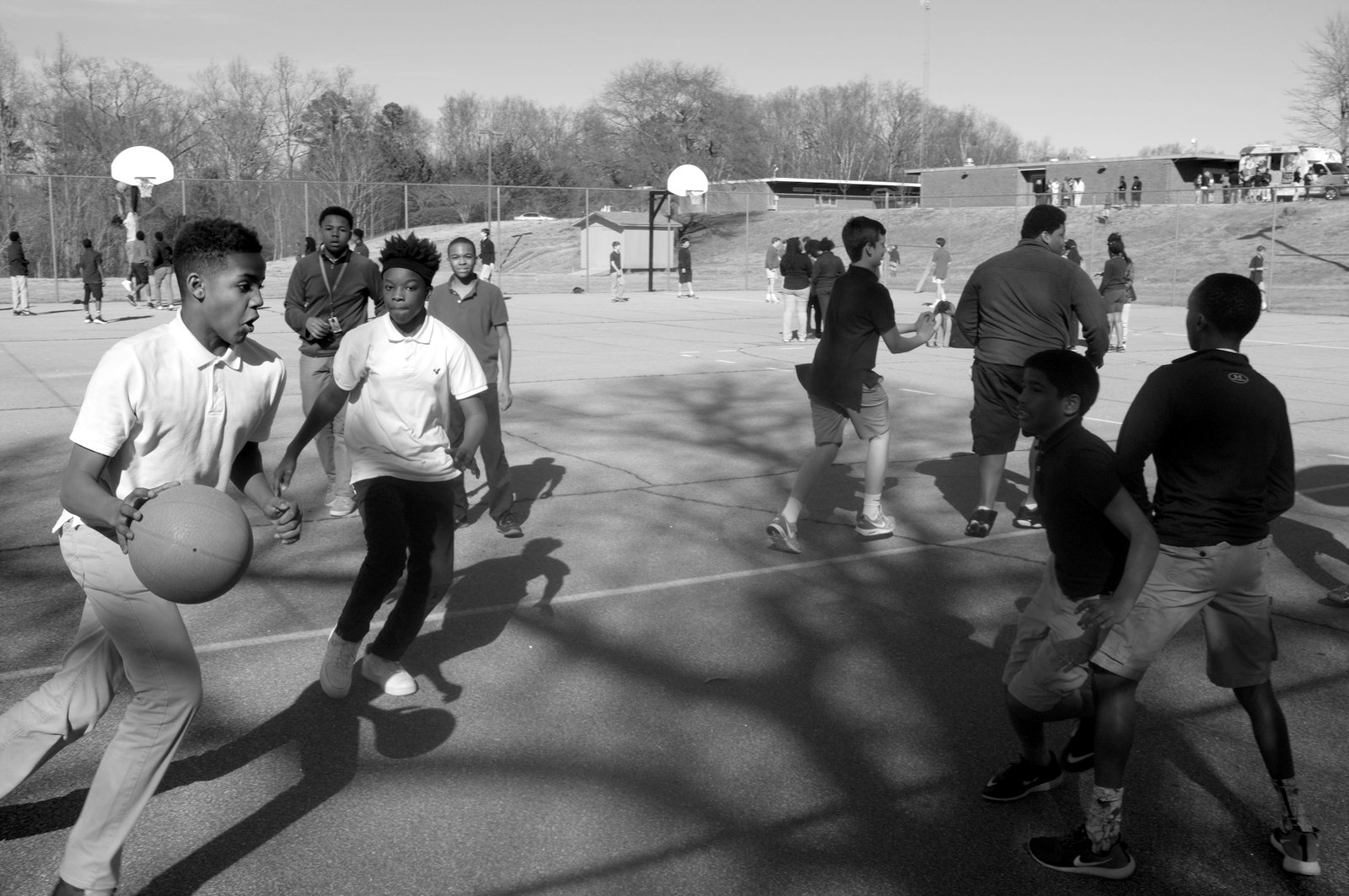
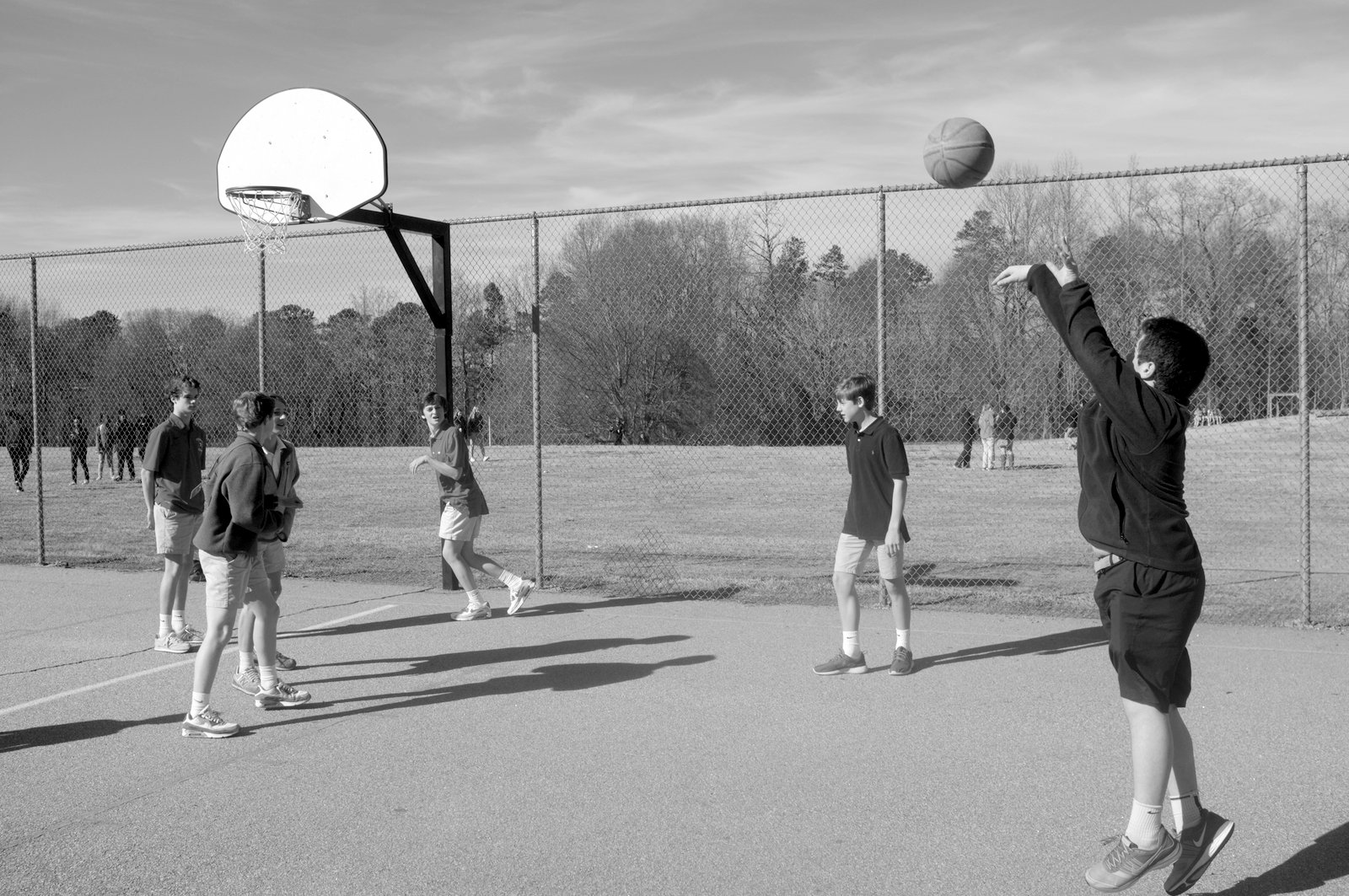
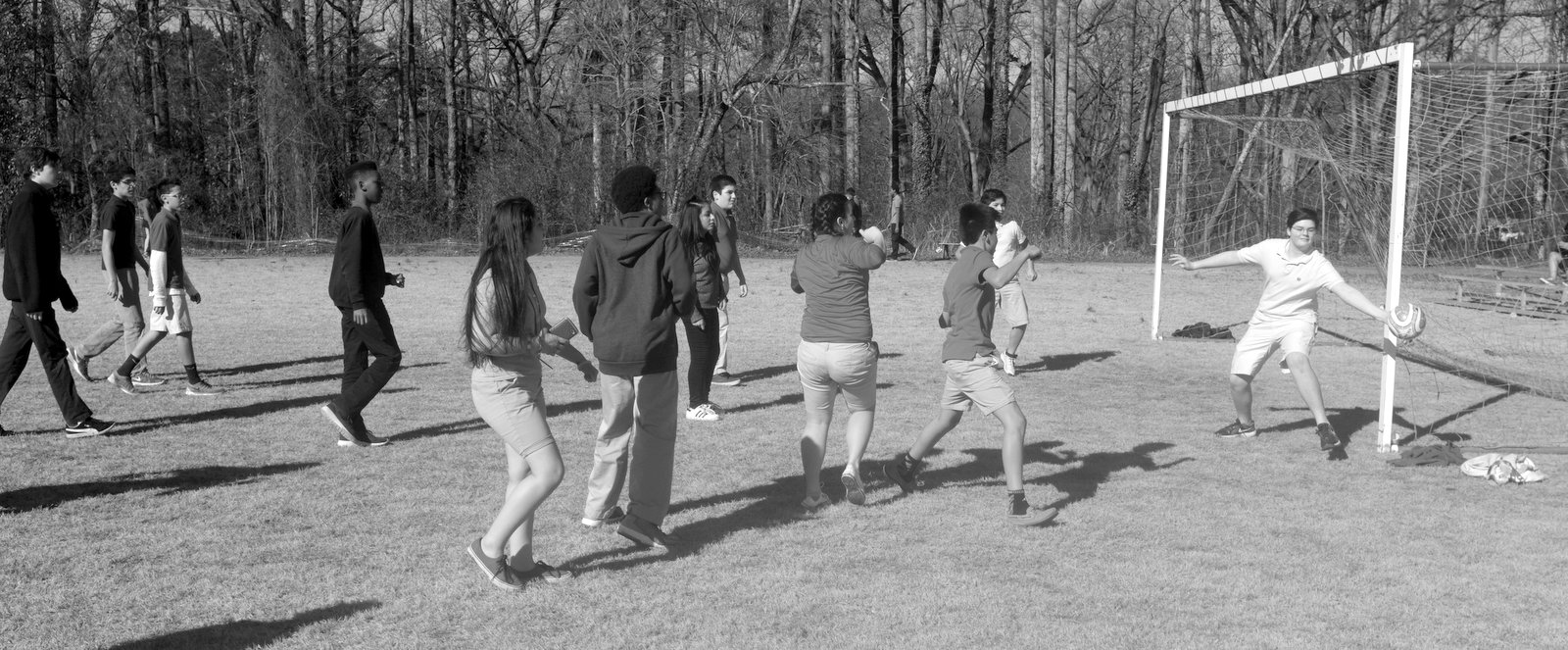
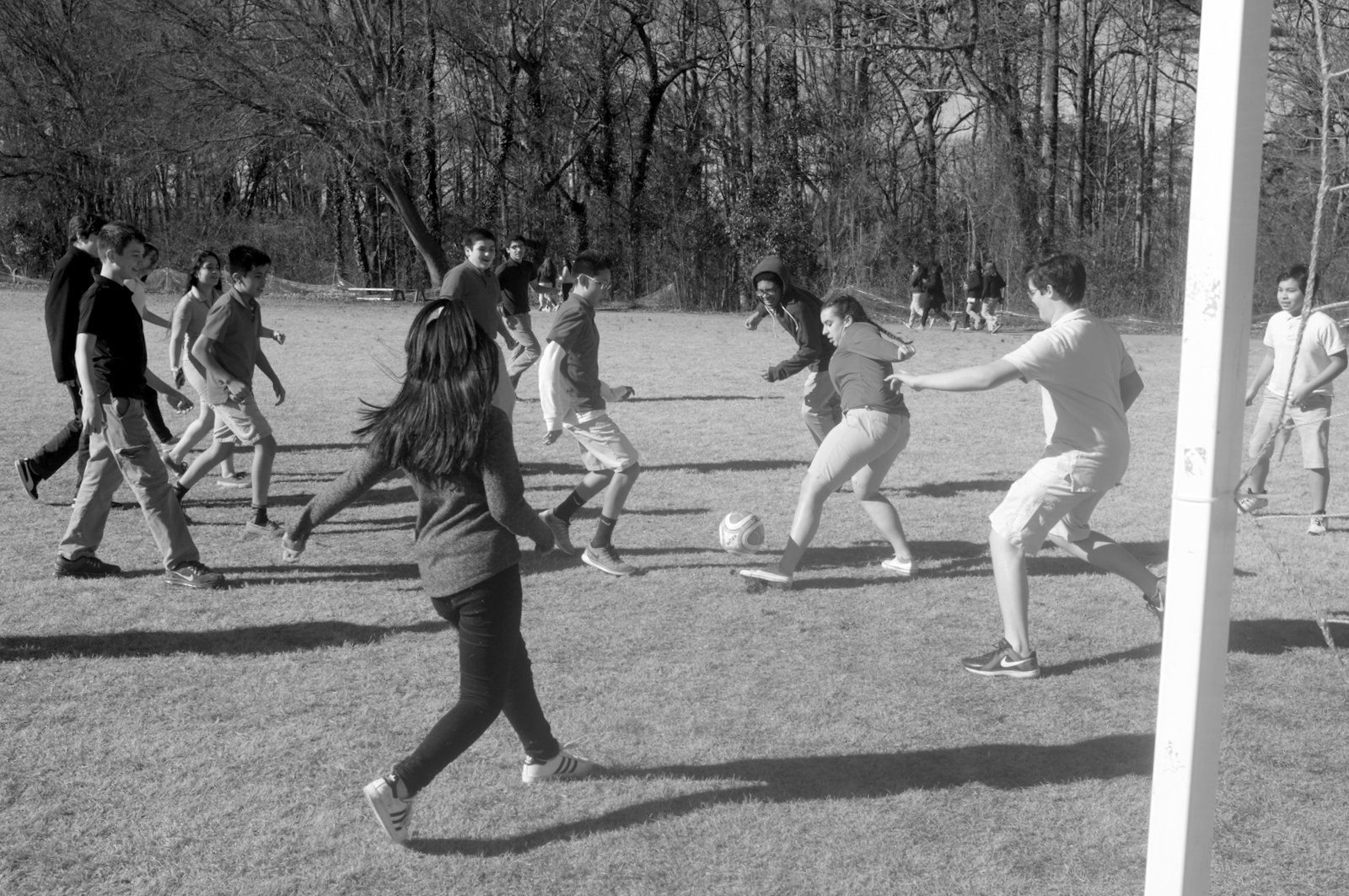
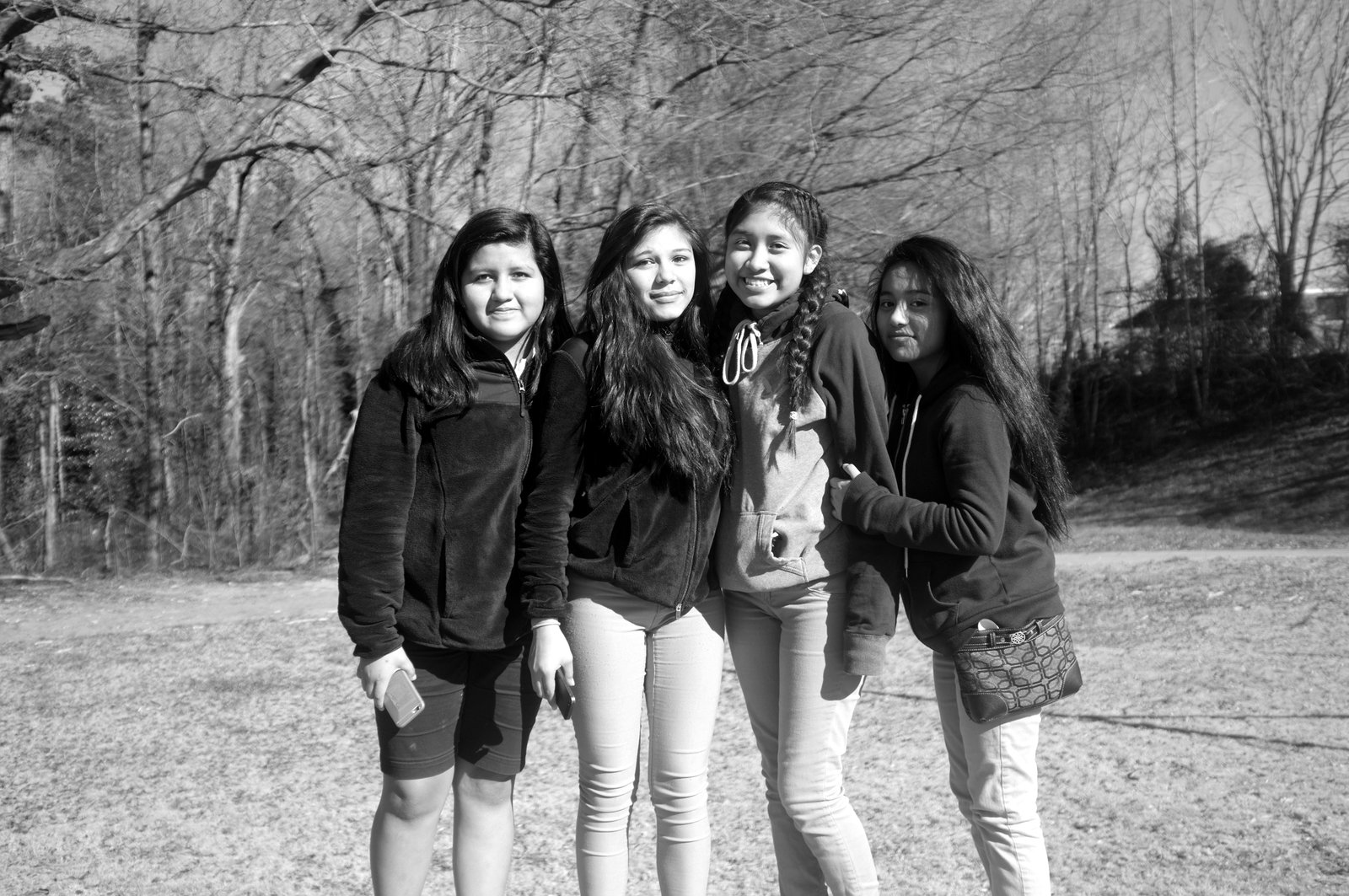
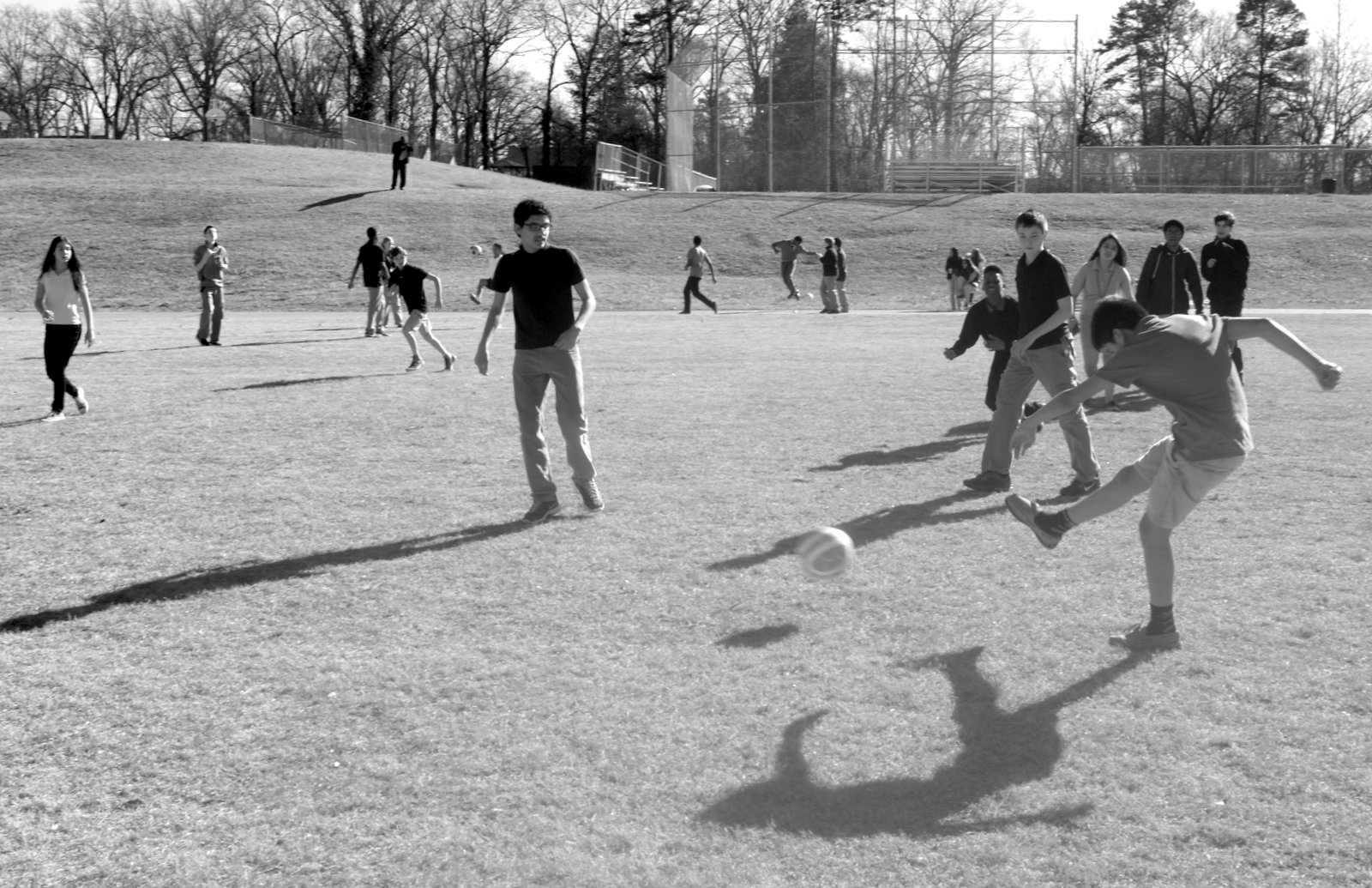
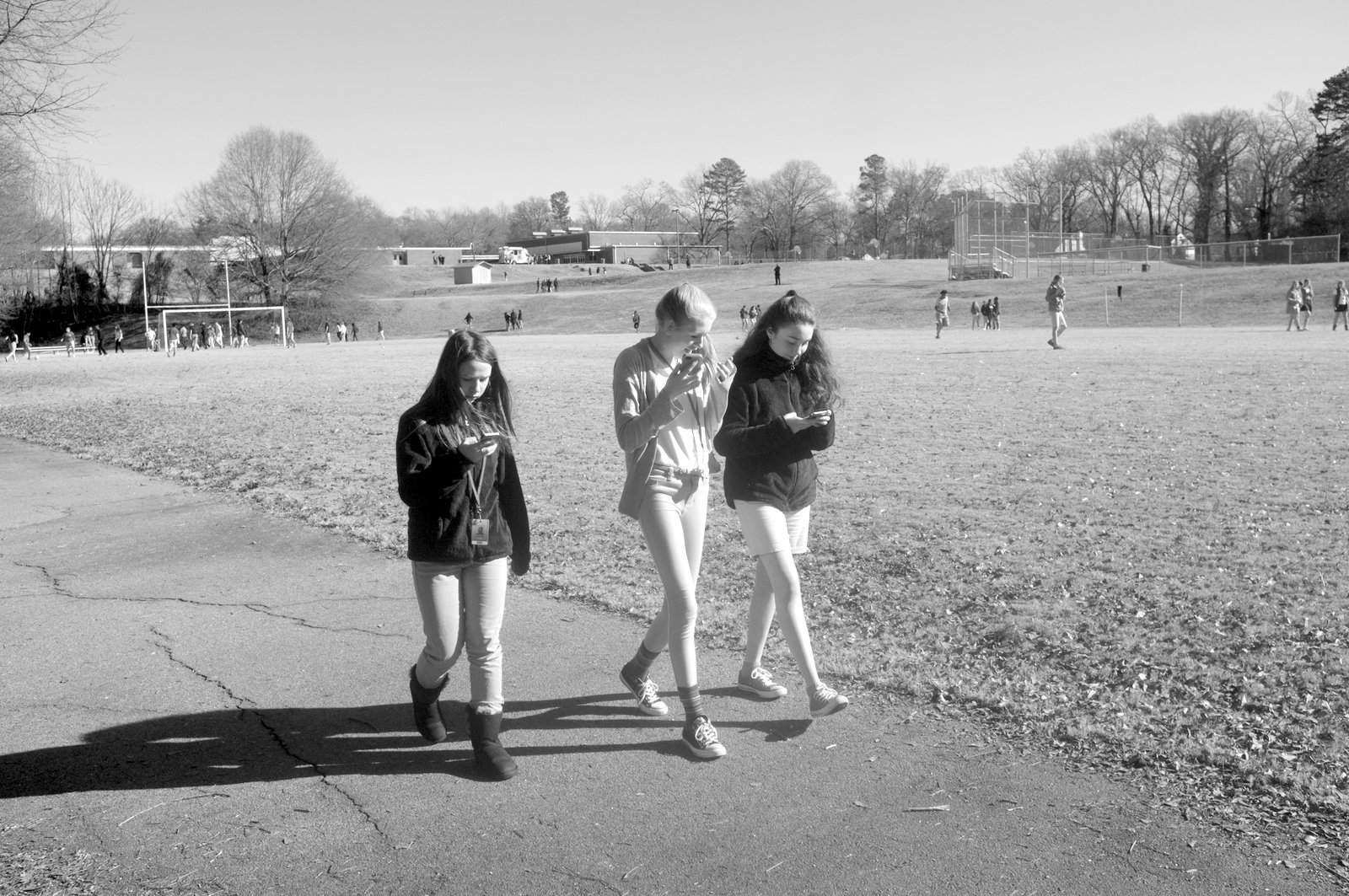
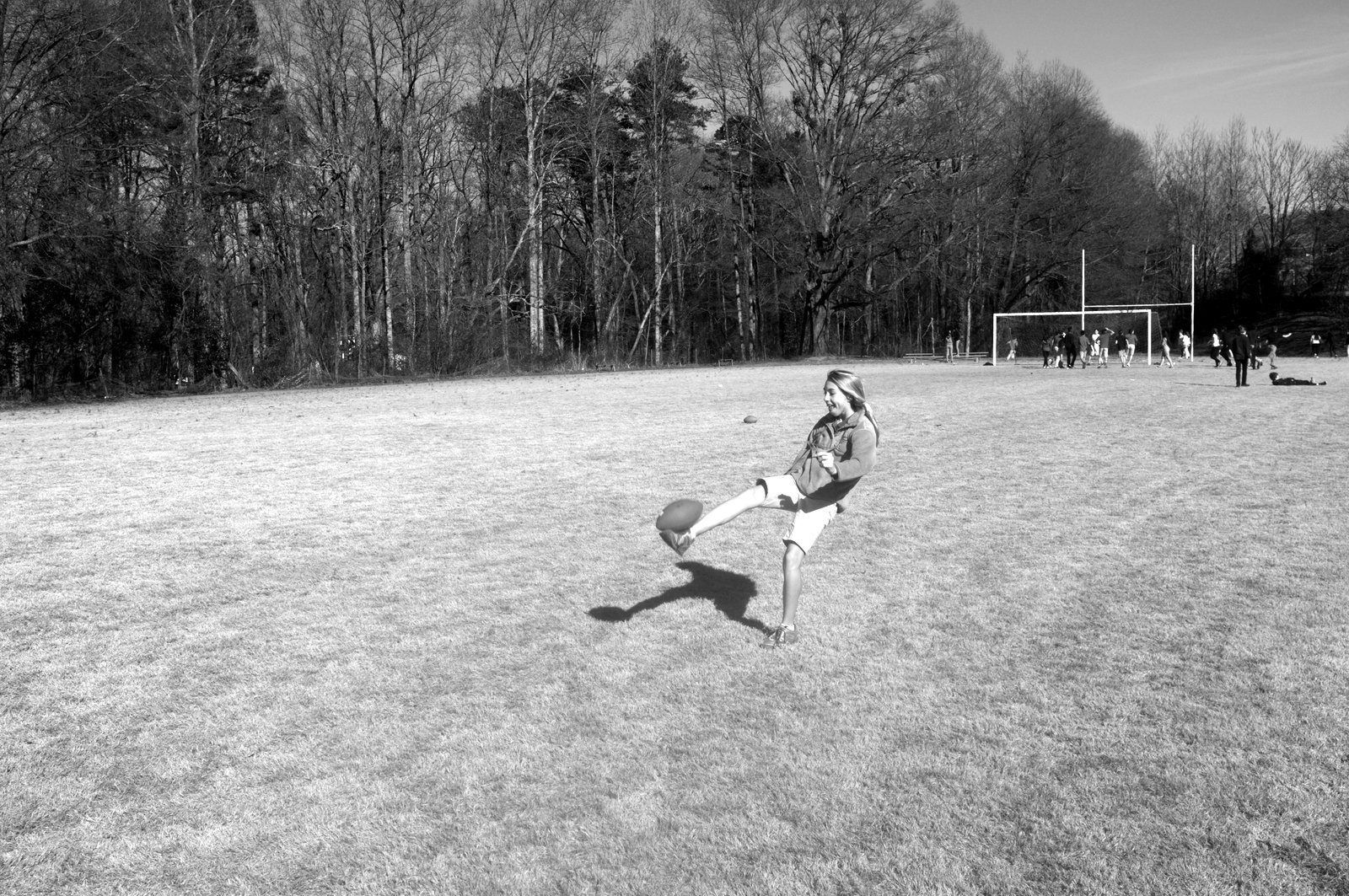
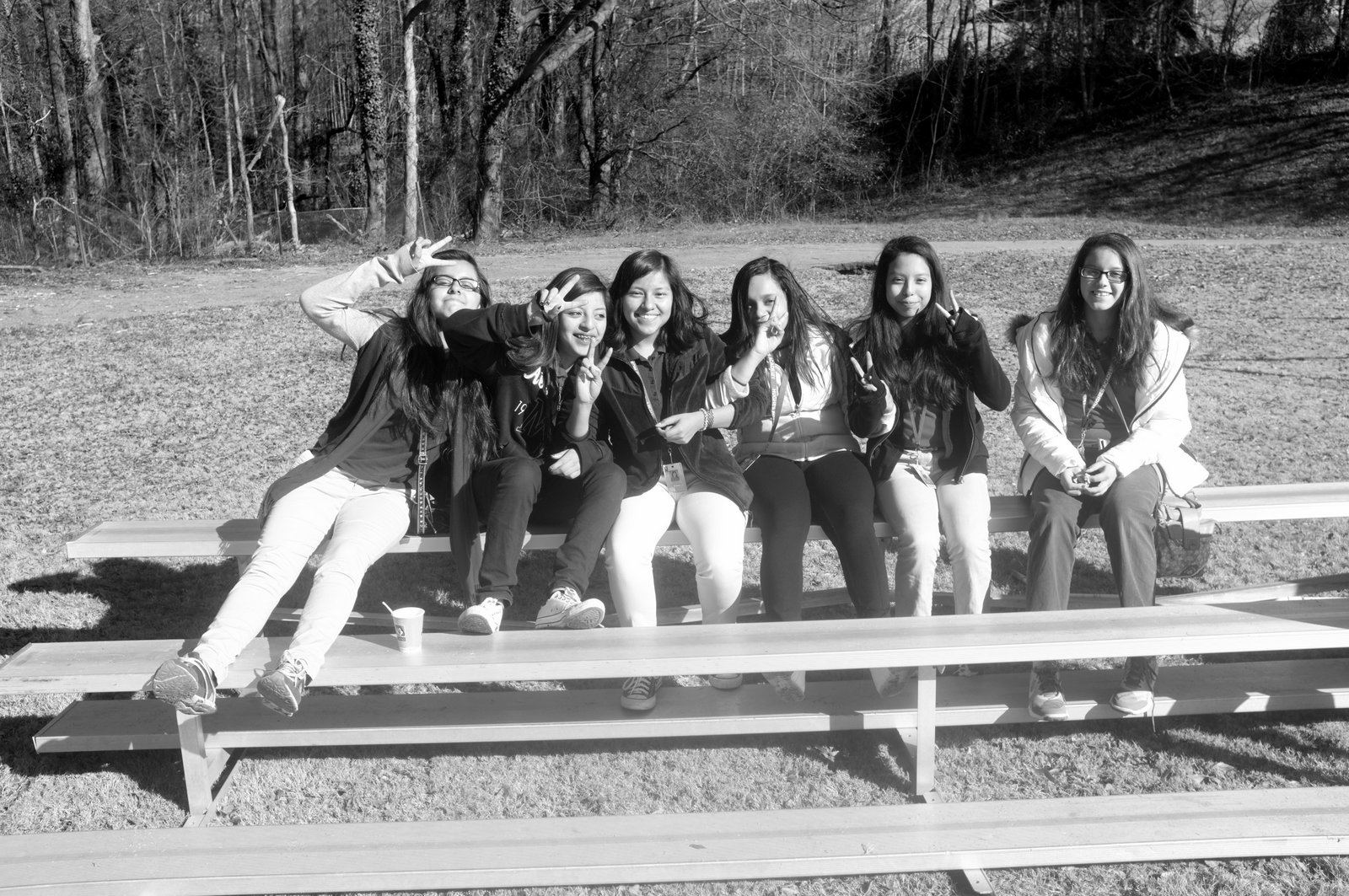
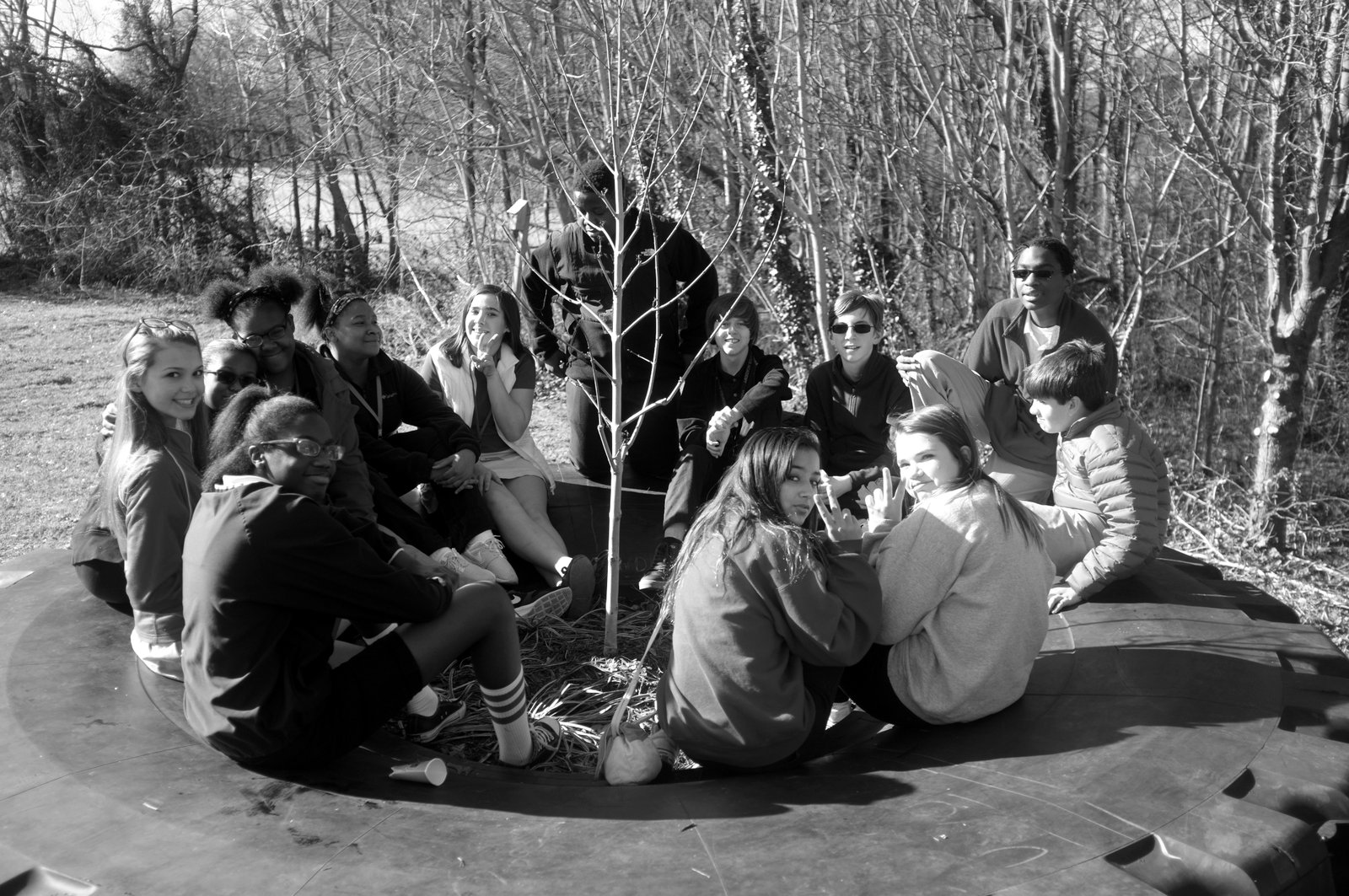
And some kids just do a little bit of everything. The lessons there? Countless, and completely unplanned.
Back at home, L asked K to help her with a traditional Polish dance that she’d like to use to try out for the school talent show later this year. Tryouts are coming soon, and the Girl is not quite sure what she’s going to do. This is the first year she’s eligible, so she’s feeling a bit stressed about making a good impression. She’d noticed that all the Indian students in the past who’d done traditional dances made it to the show itself, so she reasoned that a Polish Highlander dance might stand a good chance.
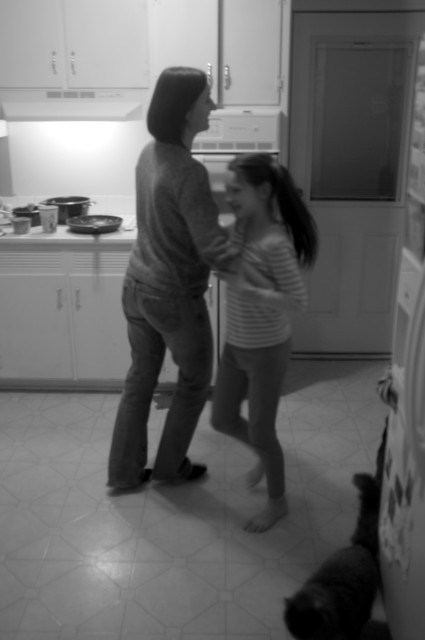
So K began working on it with her. I’m not quite sure how this is supposed to work because Polish Highlander dances are really not solos — unless you’re dancing a male part. This bit of information prompted a bit of begging from the Girl, so K showed a few male moves. And E decided he wanted to learn them all, male moves and female moves.
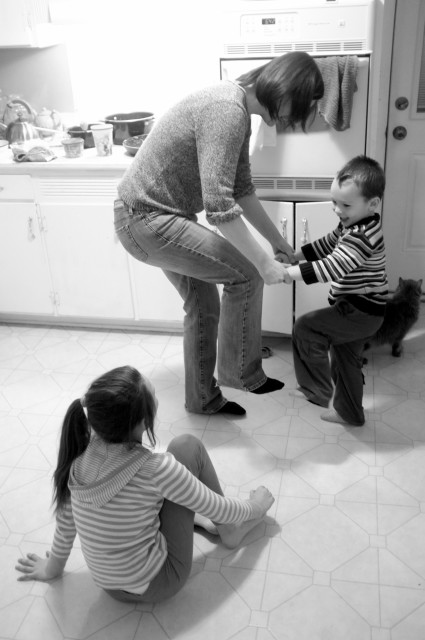
Another unplanned lesson.
They’re really all around us. The opportunities are endless. And the miracle of it all is that we really don’t even have to be aware of it.
The Boy woke up this morning already discussing the obstacle course we could create that day. “First I’ll go to school. Then I’ll come home. And when you come home from school, we’ll build the obstacle course!” It was the highlight of his morning, this little future utopia that was only hours away.
When I arrived home, though, he was asleep. It happens some times — he’s about to outgrow that nap, but every now and then, he falls asleep. Perhaps it’s when he and K are in the car line to pick up L. Maybe it’s watching a little TV with L after she’s done her homework. Perhaps it just a random “Mommy, I’m tired” situation. Whatever the cause today, he was asleep.
“Good,” I thought. “Just enough time to have a bit of coffee and relax for a few moments.” Just as the Boy looked forward to his afternoon obstacle course, I always look forward to that afternoon coffee. I put some water on and chatted with K about the day when suddenly from upstairs came an excited call: “Daddy!” That in itself was surprising: it’s always K whom he calls for. Not today. “Daddy, we can build the obstacle course!”
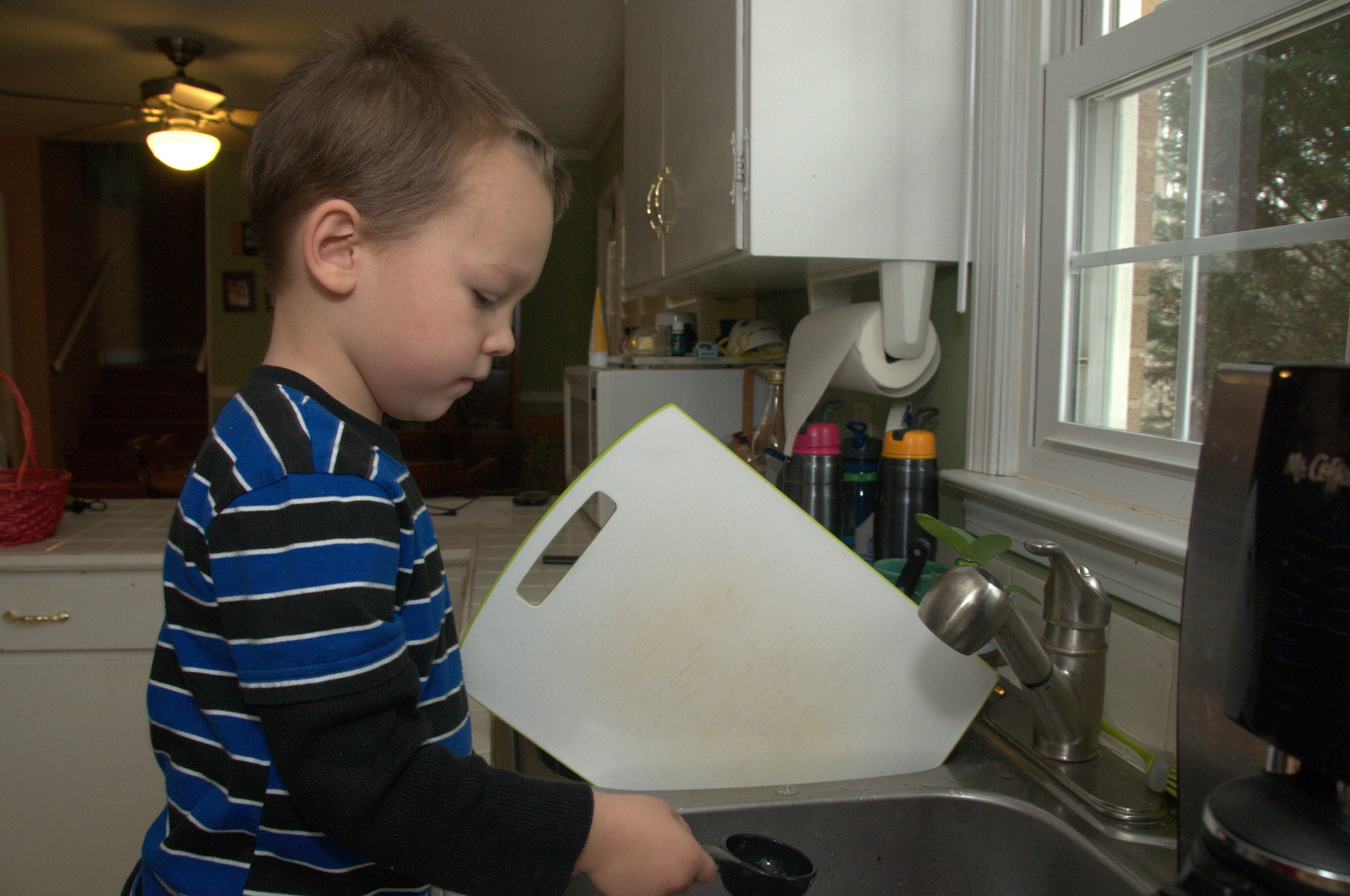
I went up to his room and started negotiating. “Well, first we have to do a little cooking.”
“Yeah, sure, sure!” he said. The Boy loves cooking, and I knew this wouldn’t be a problem. The next item, though, might be a little troublesome.
“Also, I have a little school work to do. How about you watch a Might Machines episode while I drink my coffee and finish up my work?” I suggested.
“Okay. I love Might Machines.” And who wouldn’t?
After coffee and Machines, it was time for kiełbasa. We had to cut up a link of sausage (read: I had to cut it up) and fry it. The Boy helped with the latter. He’s our professional stirrer. If anything needs stirring, providing it’s not spitting and bubbling too violently, he’s the man for the job.
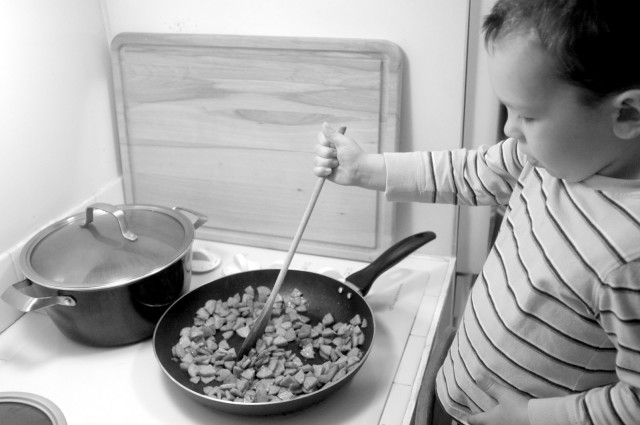
It’s sometimes more trouble than help: he hasn’t mastered the gentle stir, and he tends to get a little excited and send various foods flying onto the cook top. Such was the case tonight.
“Daddy, some fell out.” I’d pick up the sausage piece, toss it back in, and wait for the next one. “Daddy, some more fell out.” One piece, two pieces. He tried putting it back in himself, but by the time he got the nerve up to try it, the sausage was quite hot.
Finally, we were all done.
“Obstacle course?!”
“Obstacle course.”
“Hurrah!”
Up the stairs we went, discussing our options.
“I want one just like the one yesterday.”
“I’m not sure I can make it like that again.” I didn’t mention the picture I had taken of it, nor the fact that I could in theory use the picture to recreate it almost perfectly. I wanted to try something else.
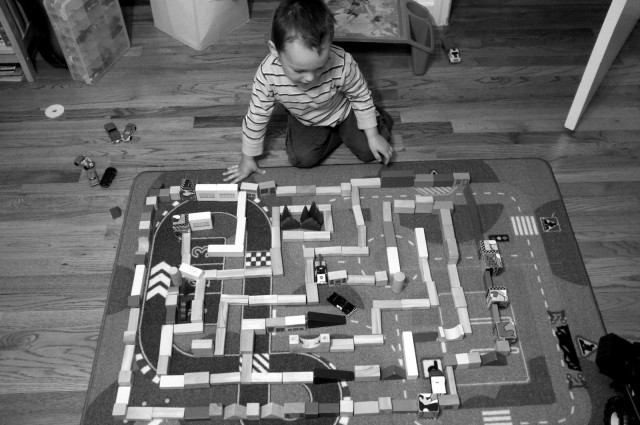
“It’s more of a maze than an obstacle course,” L observed when she got home from dance classes.
It got me to thinking about two different metaphors for life: mazes and obstacle courses. Which would be a more optimistic view? And how much more optimistic? A maze seems almost hopelessly impossible when it’s life-size and you’re stuck in it, I would imagine. At least with an obstacle course, one can theoretically see the end. But in the end, they both seem just a touch too negative. For most of us, life isn’t a game. Indeed, games and play in general, most child psychologists would argue, I think, are really only dress rehearsals for “real” life. Life is like a maze — at times. It’s like an obstacle course — at times. And sometimes it’s a couple of pieces of sausage tumbling from the frying pan.
“Daddy, let’s play!” chirps the Boy with such excitement, such genuine joy and anticipation, that it’s difficult to say “No.” Sadly, I do have to say just that occasionally.
“I’m working in the yard,” I explain, and then he responds, “Oh, I’ll come help you.”
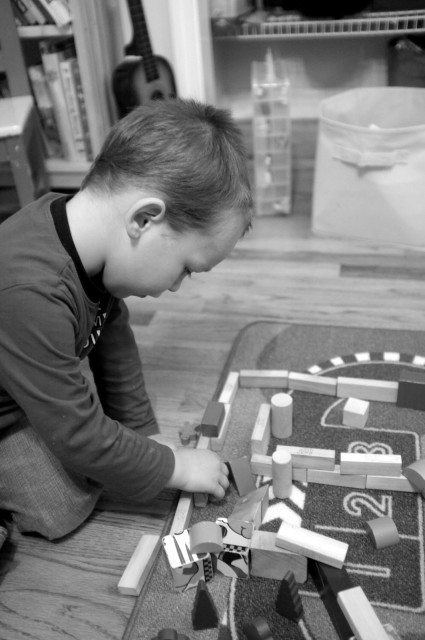
Another time: “I have to grade papers.” That’s really a misnomer because most of my students’ work is now online, which means I’m sitting at a computer when “grading papers.” And so comes the obvious: “Oh, I’ll just sit on your lap while you work.”
Every now and then, though, I’m able to beat him to the idea. Such was the case tonight. “E, let’s play.”
“Let’s play!” came the response.
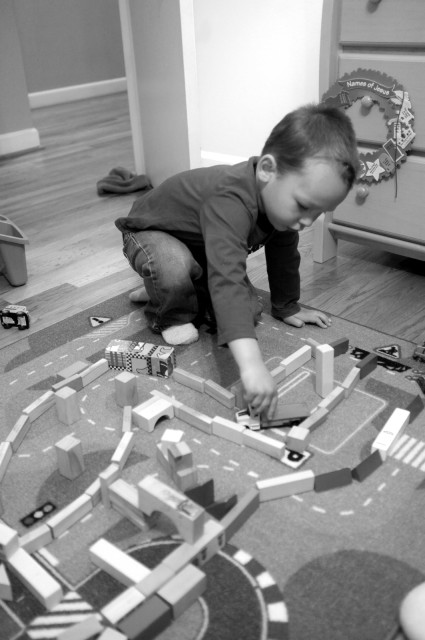
So we headed up to his room, discussing our options as we went. Whatever else might be involved, cars are a prerequisite. Want to build something with Legos? Fine, as long as it’s a device to work on cars. Want to create something with wooden blocks? Great, as long as it’s a miasto — a city for his cars to drive around.
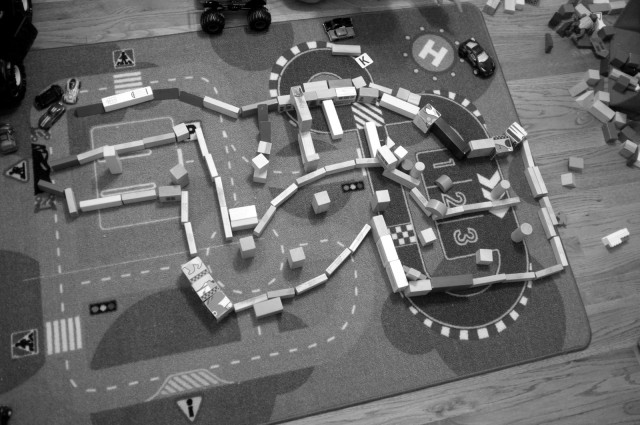
Today, though, I thought we might try something new: an obstacle course.
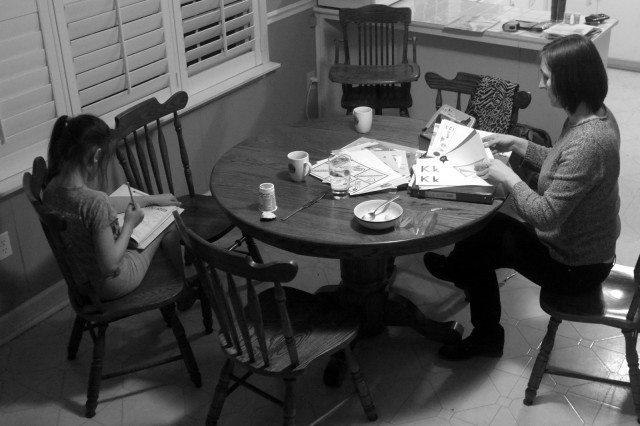
The ladies, in the meantime, were downstairs, struggling through Polish lessons. It can be a challenge. Part of it is the simple fact that it’s more schooling after a day of school. But more challenging, I think, is the Girl’s reluctance to make mistakes. She flies through work at school, catching on quickly and mastering skills without much effort, it seems. “Math is boring now,” she says. But Polish? It’s not so easy. It’s not mistake-free. And even though she has a linguistic master in the house, she hesitates.
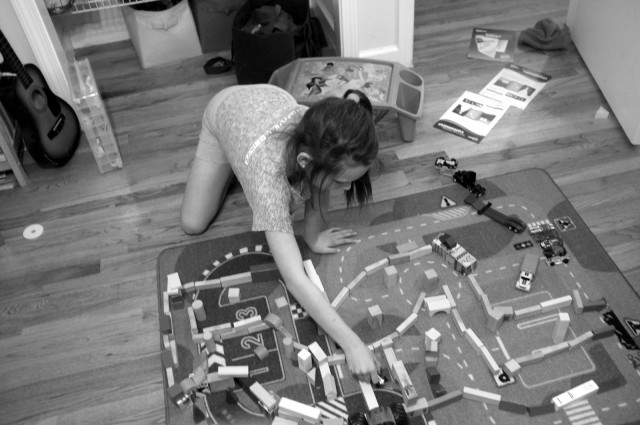
Once she got the work done, though, she came up to join us.
And then disaster struck: “E, it’s time for a bath. Let’s clean up.” The fact that we could rebuild did nothing to comfort him. The fact that I promised we could rebuild tomorrow did nothing to soothe him. Now is now; tomorrow is unimaginable. “But Daddy,” he sobbed, “I have to get up, and go to school, and then we can build it.” I can understand that frustration. I experience it. I see it in my students. And I see how some of them deal with it. So when the Boy and I finished with the clean up, and he was still sniffing, I took him in my arms and said, “That was a very difficult thing to do. No one likes to do something they don’t really want to do.” Perhaps in destroying, we were able to build some character.
“Okay,” he said. And by bath time, five minutes later, it was completely forgotten.
Mama, why does Daddy have bronchitis?
I don’t know.
Is he going to die?
No, honey.
Daddy, hear that? (Slightly congested cough.)
Yes. Are you okay?
We were out for that spacer [walk] yesterday, and there was cold air, and I had it in my mouth, and I swallowed it.
Did you get some medicine?
Yes, Mama posmarować-ed [smeared] me with special olej [oil]. I’ll be okay in a few minutes.
Since we’ve added a trampoline (free from friends in our Polish community whose boys, now in high school and college, have no interest in it) to our entertainment possibilities, I’ve come to see the whole potentially injurious toy in a whole new way. Sure, there’s the possibility broken bones, I guess, snapped spines, but in truth, I don’t think there’s the kind of jumping going on down there that could lead to such tragedies. And the advantages are overwhelming at times. There is of course the simple fact that it’s an enclosed space that allows the adults to relax while the kids go crazy.
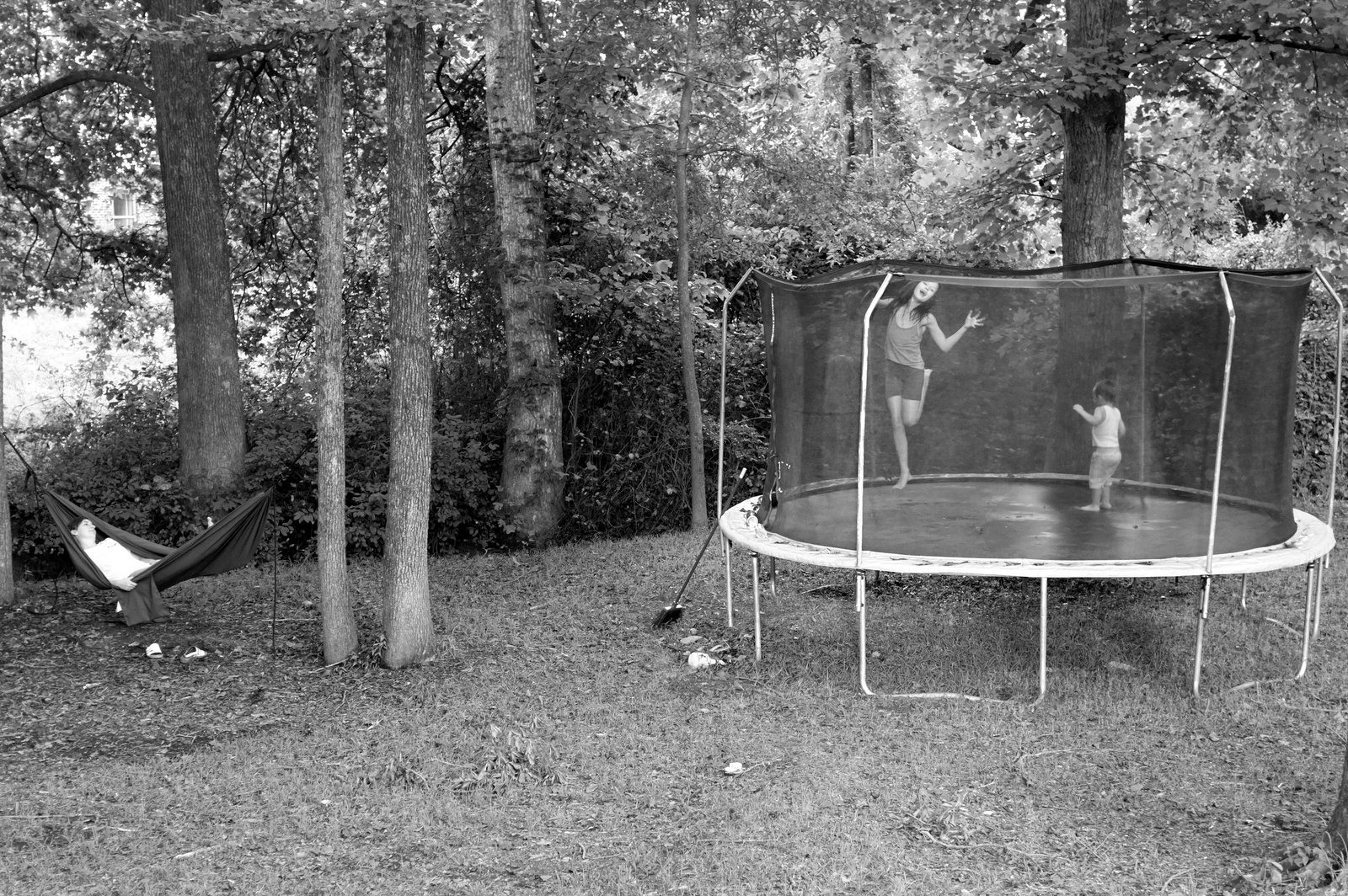
But what I’ve noticed most is the incredible improvement in both the kids’ balance and, to borrow an eduspeak term, their kinesthetic intelligence. When we first began the jumping and bouncing, the Boy fell quite frequently. All you had to do is jump somewhat near him and the jolt of the trampoline below him would be enough to send him tumbling — laughing often but frustrated just as often. Now, we hop all around him, and he seems simply to absorb it all with a bit of knee action. He’s gone from little timid hops to being able to bound across the whole trampoline with only four or so jumps.
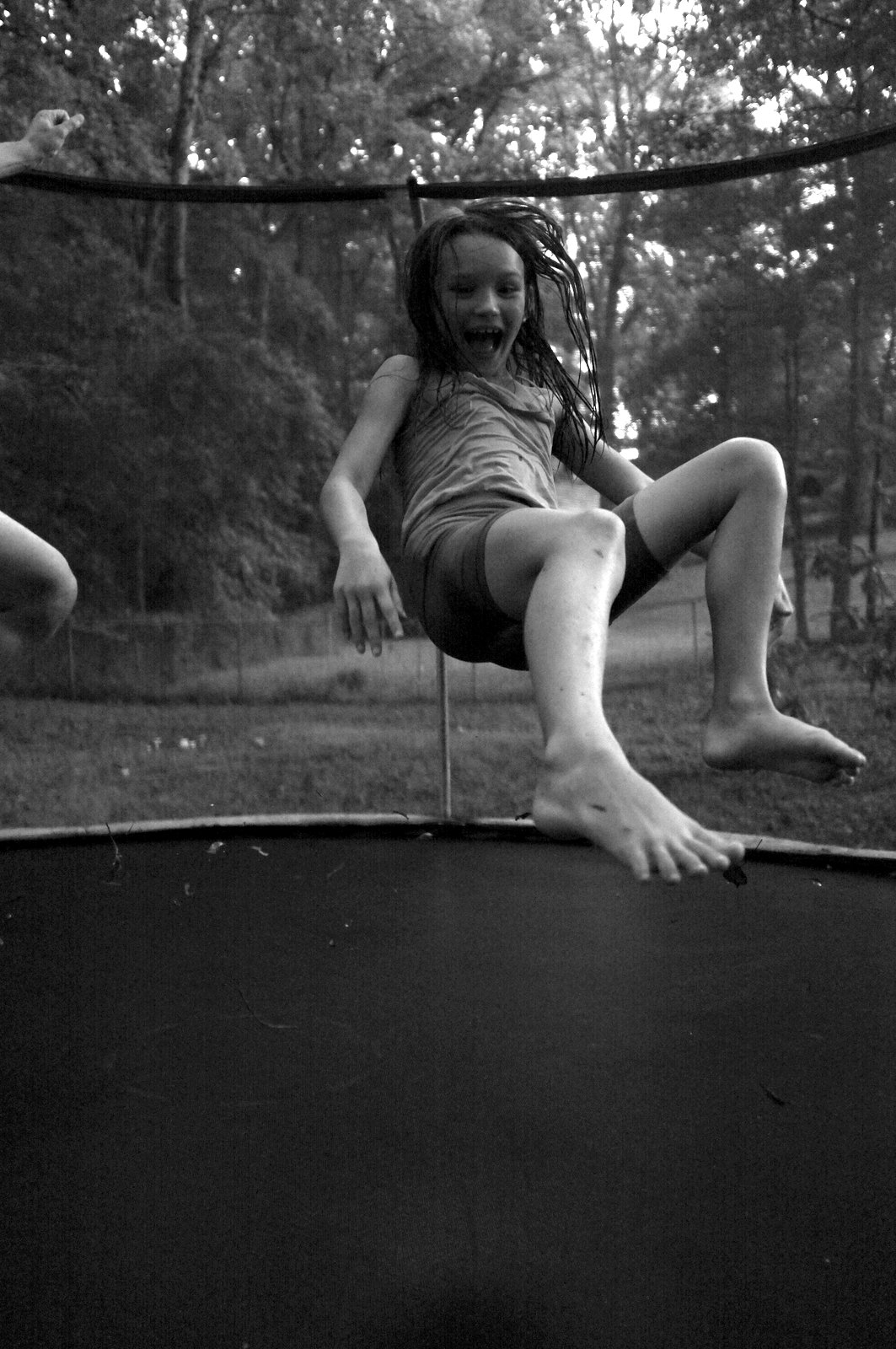
The Girl seems to enjoy it the most, though. We’ve lately been taking the whole popcorn idea to an absurd — and dangerous, K insists — level. Basically I launch her: she sits near the middle, I take a giant leap and land right beside her, and Newton’s third takes care of the rest — she pops up three, four feet into the air and lands on her feet. And if I get the timing just right, I launch her again at that moment, sending her flying yet again, making her laugh even harder. Which gets me to laughing. Which amuses the Boy. Which is why I ultimately have come to love our trampoline.
“Goodnight, couch potato!”
I stopped on my way out the door just long enough to turn and give a smirk smeared with a grin. “Couch potato indeed,” I thought. Just because I’d almost fallen asleep while playing cars with the kids earlier this evening doesn’t make me a couch potato. I biked to work, wrestled with all the first-day problems that consume a teacher’s initial planning periods, taught five lessons straight, and biked home in a fairly substantial rain — couch potato indeed. Still, I just gave L a smile mixed with a slight smirk, wished her goodnight again, and headed out.
L had a rough first day in a lot of ways. Now in third grade, she heads upstairs to the classrooms that house the third, fourth, and fifth grades. Assigned a teacher known for being strict, she fretted throughout the evening about the news that they will have assigned lunch seats starting tomorrow. “Last year, we only got assigned seats when we were bad!” she sniffled, and I think I know at least part of what’s going on: L tries very hard to be a good student, and when she hears that they’re getting assigned seats, which she usually associates with misbehavior, she begins doubting her own goodness in class. It’s a fairly natural reaction, I would think, but L chews and chews on things like this until she wears it down or it wears her down.
We talked about it a bit tonight, and in the course of that conversation, one of the real concerns became evident, a concern that I myself remember having when I was in elementary school. “We don’t have a bathroom in the class.” Instead, they must share the facilities with fourth and fifth graders. Who knows what that might lead to, she reasons. And while I certainly think there’s little to worry about, I do recall how we’re seeing more and more news reports that show children younger and younger growing more and more brutal. It’s unlikely, though, that anything worse than a sideways glance from a fifth grader might happen. But I too remember that fear that comes with being thrown in among older kids who are completely unknown.
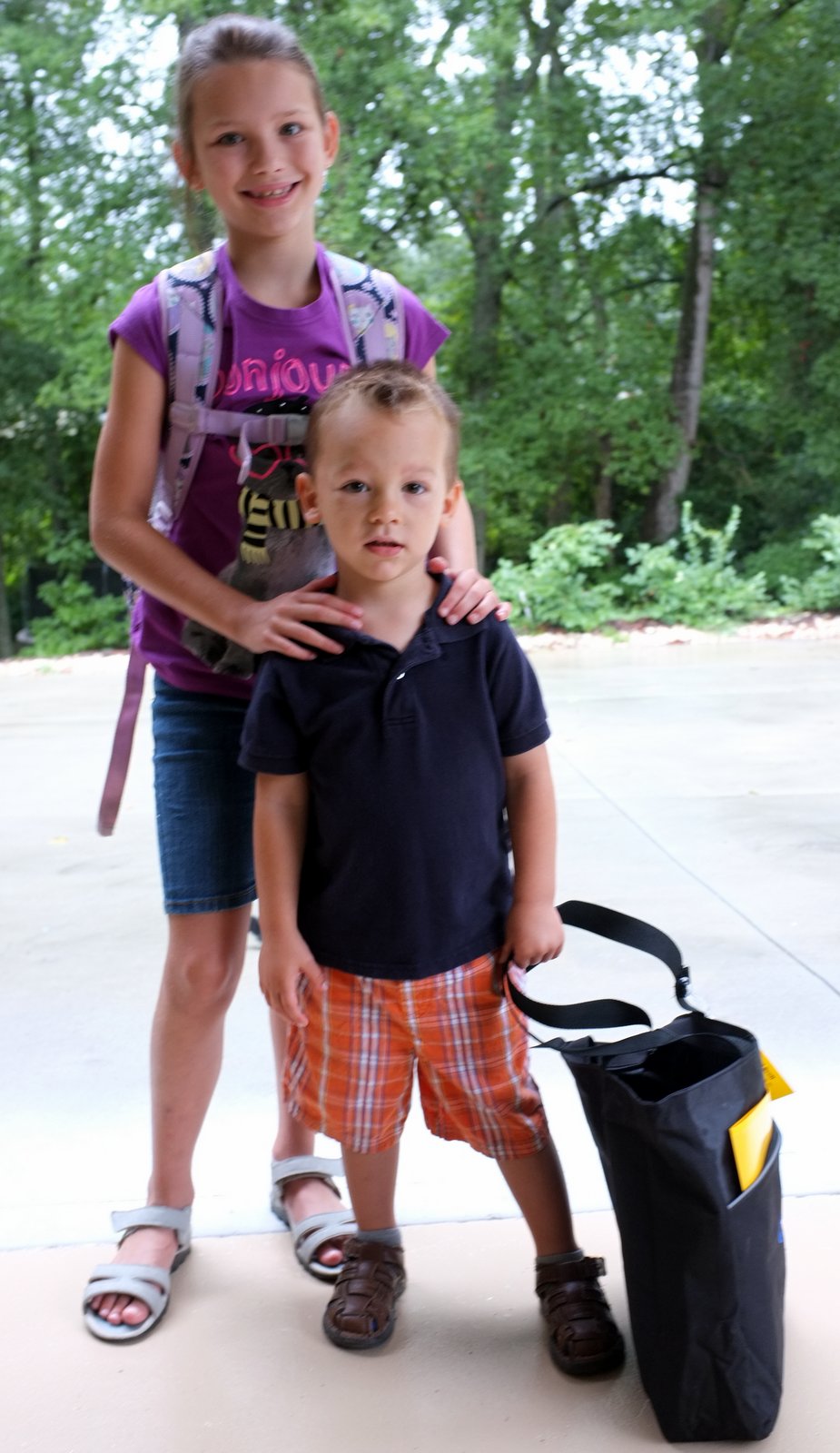
The Boy, on the other hand, had a completely different experience. “But Mommy, I’m not ready to go,” he told K when she picked him up from his part-time K-3 (K-3? Is there any limit to this?!) program. The teacher commented on his manners, which consistently imzpress me, and he likely commented continually about the enormous Thomas the Train play station in his room.
And my day? First day back as an eighth-grade teacher is always a bit stressful. I’d already had my visit with the seventh-grade assistant principal to find out which students could be most challenging and therefore which students I need to focus on as I developed relationships with 100+ new thirteen-year-olds. But despite the schedule I feared would be brutal, I mounted my bike feeling I might not have had a better first day in my entire teaching career.
It’s surprising that the bird actually survived until I found it. While our older gray cat is not much of a hunter, our young kitten — she’s just a little over a year old, so still a kitten for all intents and purposes — is a killing machine. A bird with its leg caught in the plastic netting we put over our berries would have been almost anticlimactic for such a hunter as Elsa, but somehow, despite all the bird’s desperate flapping and flopping about, it escaped the cat’s notice. I noticed the bird when I went out to the street to take the trash out in the morning.
Birds often get caught in our netting, but it’s usually because they’ve found a small opening, hopped in, eaten their fill of berries, and then can’t find their way back out. Usually, such birds are easily assisted: just pull up the corner of the net and out they go. If we don’t cover the berries, though, we’ll never have any. The birds don’t wait until the berries are ripe, so it’s not even a contest. And I’m just a suburban “farmer” — it’s just enough for decoration, just enough to give the kids a snack sometimes and to get a bit of sweet when I’m mowing.
As I approached the bird this morning, though, I realized that the bird was outside the net. Nearing, I saw my suspicions were correct: the net had gotten wrapped around the bird’s leg. No doubt it had gotten hung up in the net, and the resulting struggle had only made the situation worse. The bird stilled for a moment as I stood over it; it was worse than I suspected. The netting was wrapped several times around the bird’s right leg, and it clearly required more intervention than merely taking the bird gently in my hand and unwrapping the netting with a couple of twists. I knew I’d need to cut the net, but with what?
From my initial glance, it seemed to be twisted around the bird’s leg tightly, perhaps even tight enough to be digging into the leg’s scaly skin. The question was not what would cut the net, of course, but what could I use to cut it without cutting the bird? Compounding the problem was the fact that I would not have both hands free. I looked in a drawer in the kitchen, but nothing seemed appropriate.
Heading downstairs to the basement, I began wondering what I might do if I couldn’t actually cut the part of the netting that was wrapped around the bird’s leg. One option would be to cut the net around the area, leaving a bit of net still attached the bird’s claw. This wouldn’t do, though, because it would only get tighter, maybe cutting off blood and doing serious damage, or perhaps the net would get caught in something else, trapping the bird once again. The extreme option was to amputate the leg just above the point where the net was wrapped.
Thinking about that option, though, I realized it would likely be more humane to just put the bird down if it came to that. I’m no vet, but I don’t think taking wire snipers and cutting part of a bird’s leg of does much more than hobble the bird. Could it survive if it came to that? I don’t know. And what would be more merciful? Giving it the chance to survive, painful though that chance would be, or just putting it out of its potential misery? It wouldn’t be the first time I’ve done it. A couple of birds have damaged their wing while fluttering about in the net, and in such a case, there’s only one thing to do.
As I wandered about the house, wondering about the dilemma, I realized the simplest solution was not in the kitchen, not in the workshop, but in the bathroom: fingernail clippers. “Just slide the corner of the blades under the net,” I mumbled as I went back outside, “just slip the corner under and pop. No problem.”
Returning to the front yard, I took the bird in my left hand, turned it over, and with my middle finger and thumb, held the bird’s injured leg as best as I could. The bird fell still, though its heart was racing. Finally getting a closer look, I saw that it was worse than I’d been expecting. It wasn’t just tight; the net was cutting in the bird’s leg, to the point that I wasn’t sure I could get any bit of the metal even close to touching the net, let alone slide it under the strand of plastic. I slide my thumb along the scaly leg, wondering just how delicate it was. It looked no bigger than the smallest twig that the lightest wind might blow from a tree, but I suspected it might be tougher than I thought, especially the scaly covering that, when seen up close, is so incongruous with the rest of a bird.
With a little hesitation, I pressed down, digging slightly into the scaly leg,wiggled the tip of the blades a bit, and caught the line of plastic. Snip! And in an instant, the bird was active, struggling, wiggling, fighting. I gave it a gentle toss, and it fluttered across the street to our neighbor’s yard. Yet it’s right leg hung limp, not tucked up under it naturally but sort of tugged along behind it. And so I was able to minimize the impact my little garden has on a single creature, but of course not everyone is so concerned, and I’m not even so concerned all the time. After all, I continued buying tuna despite the potential impact on dolphins, and I keep eating pork in spite of the environmental effects large hog “ranches.” And I’m still willing to spread put fertilizers on my lawn and weed killer on the tufts of weeds that sprout in the cracks of our driveway.
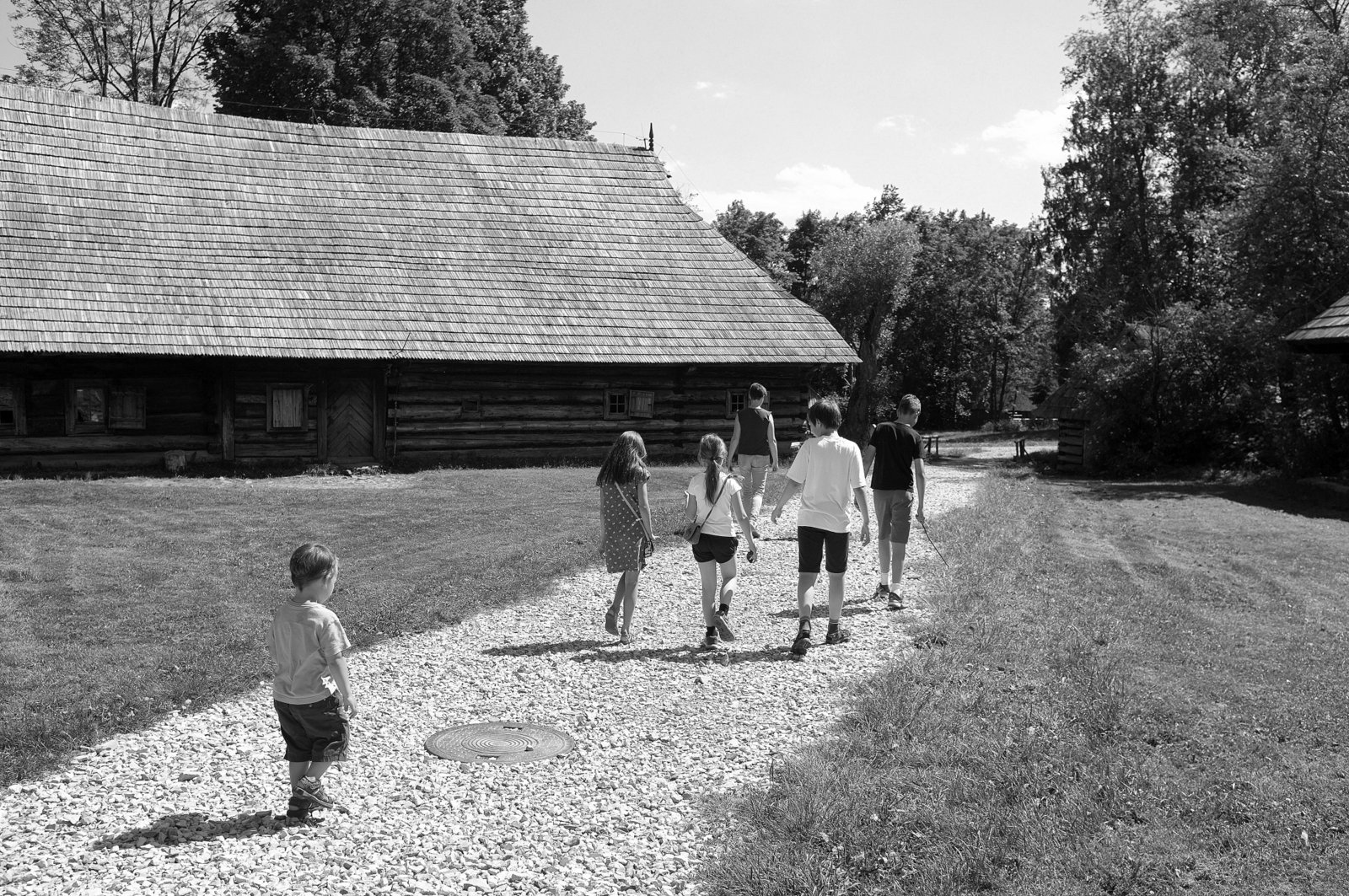
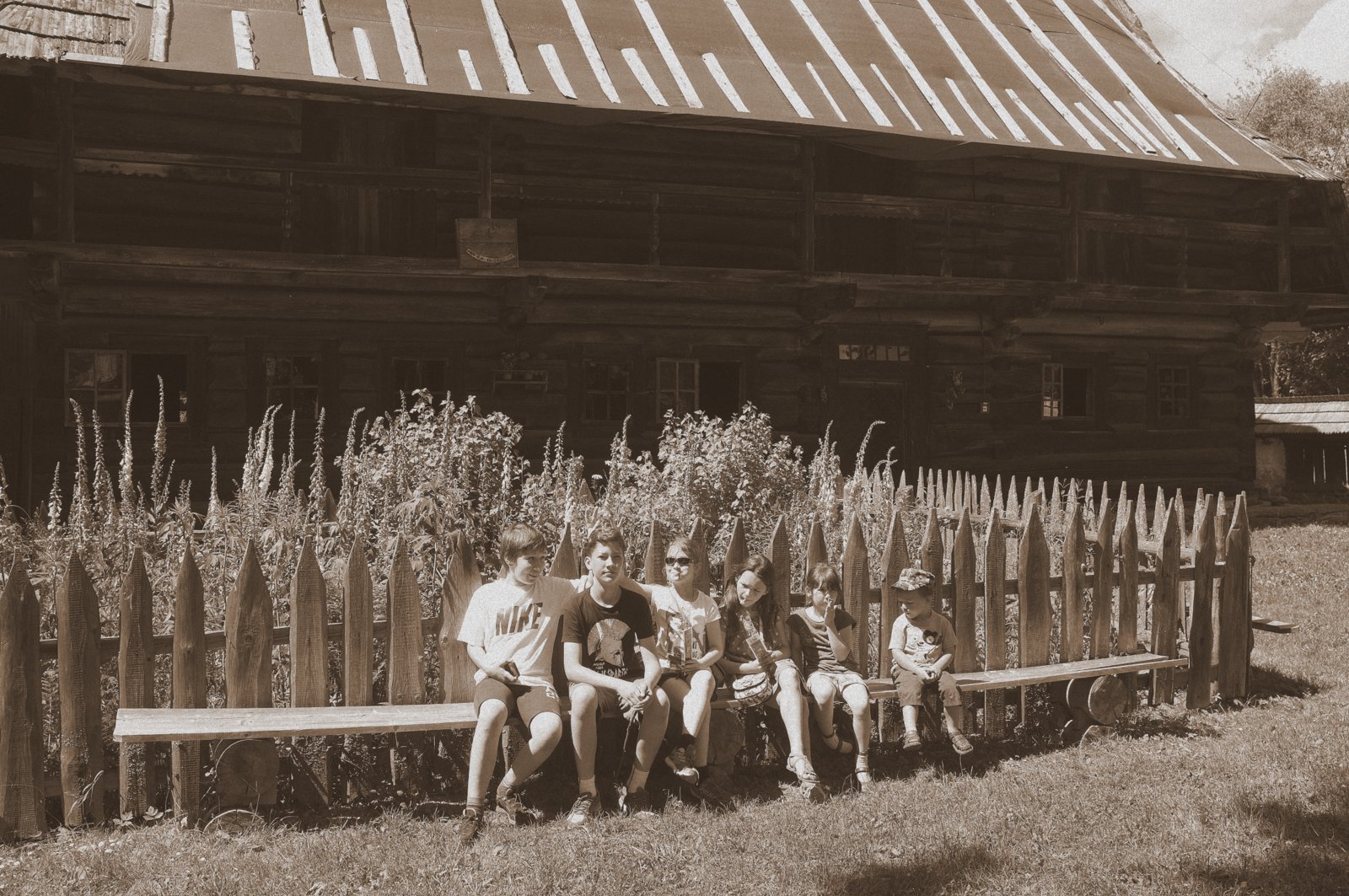
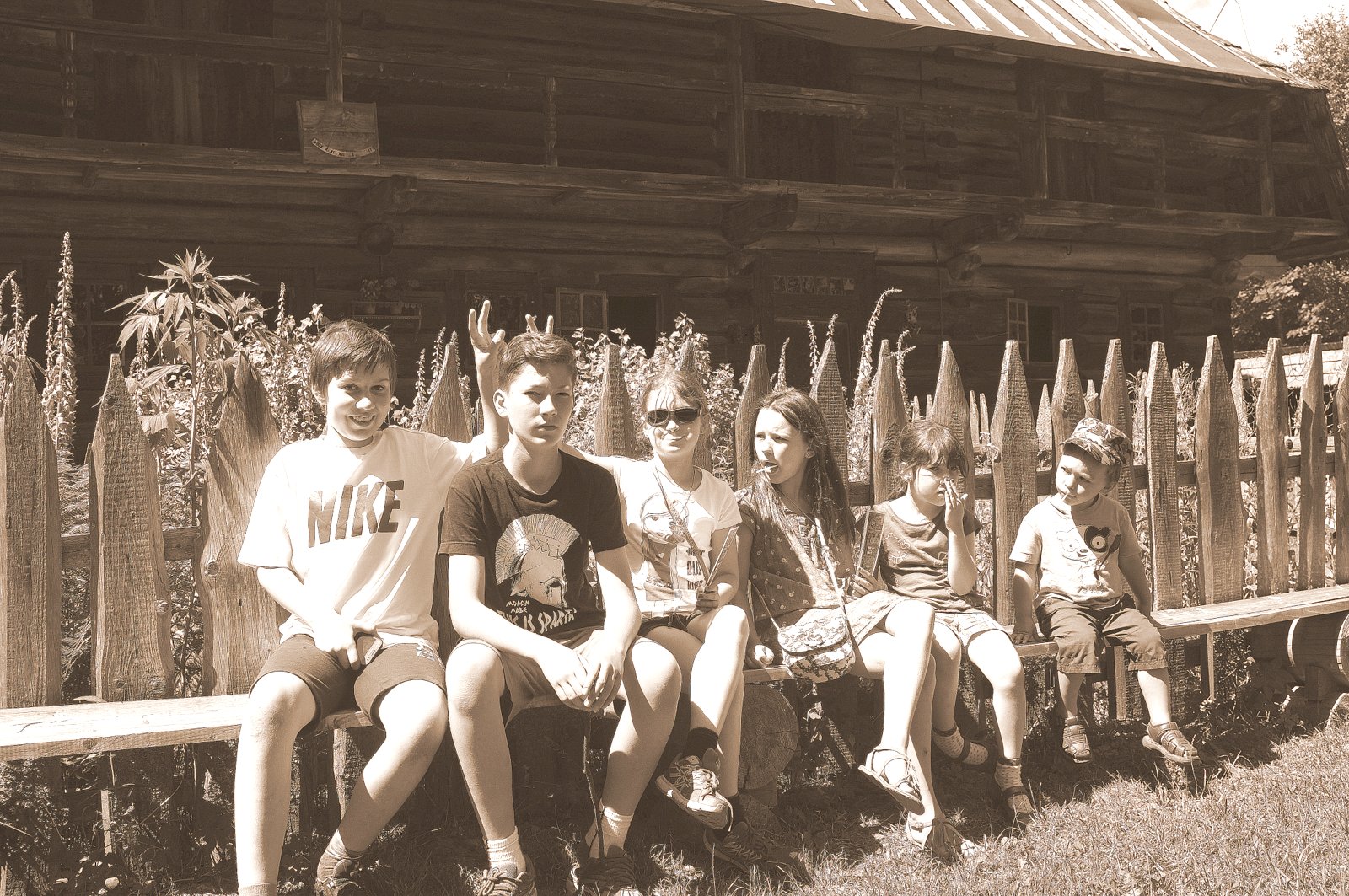
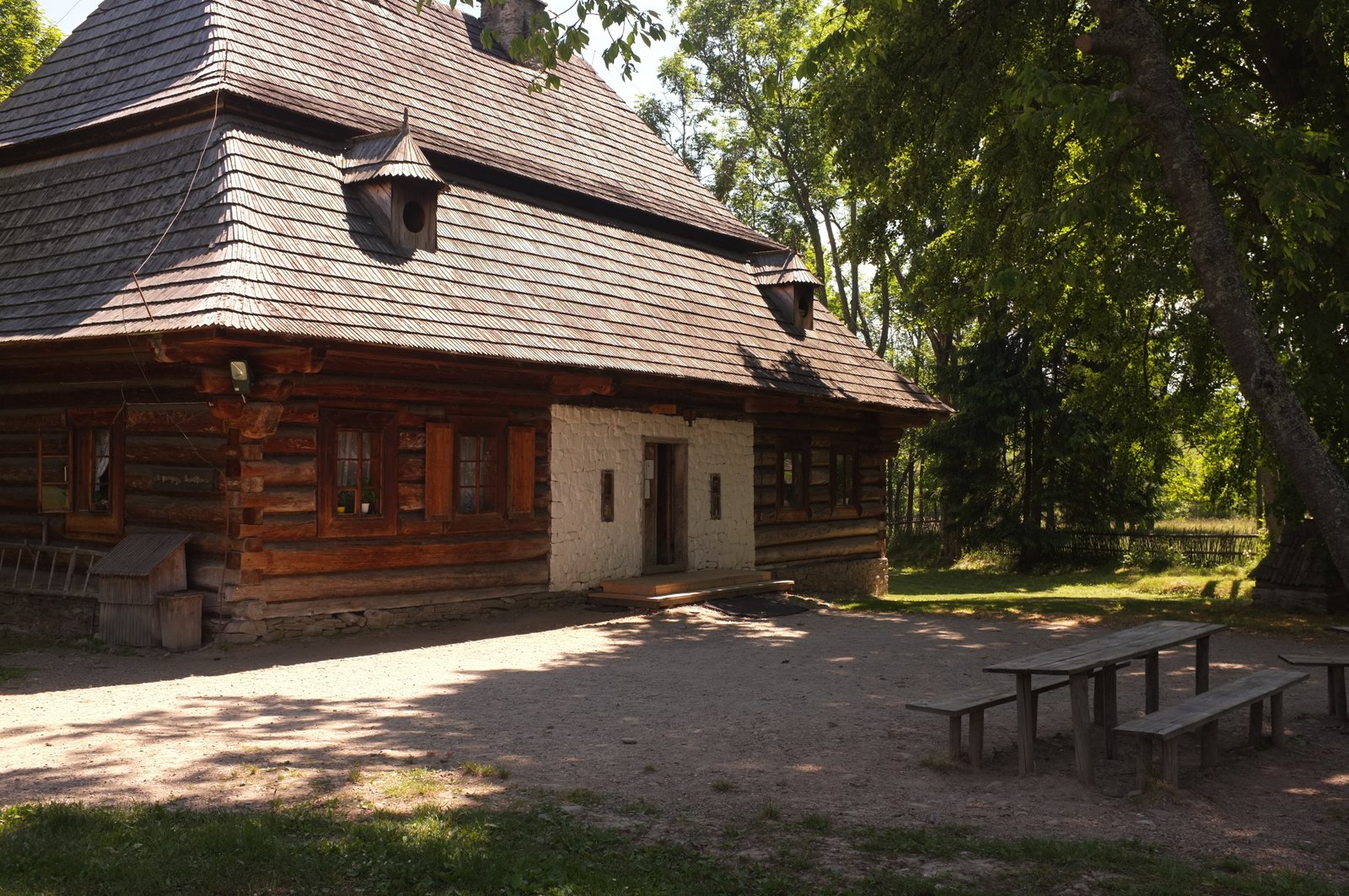
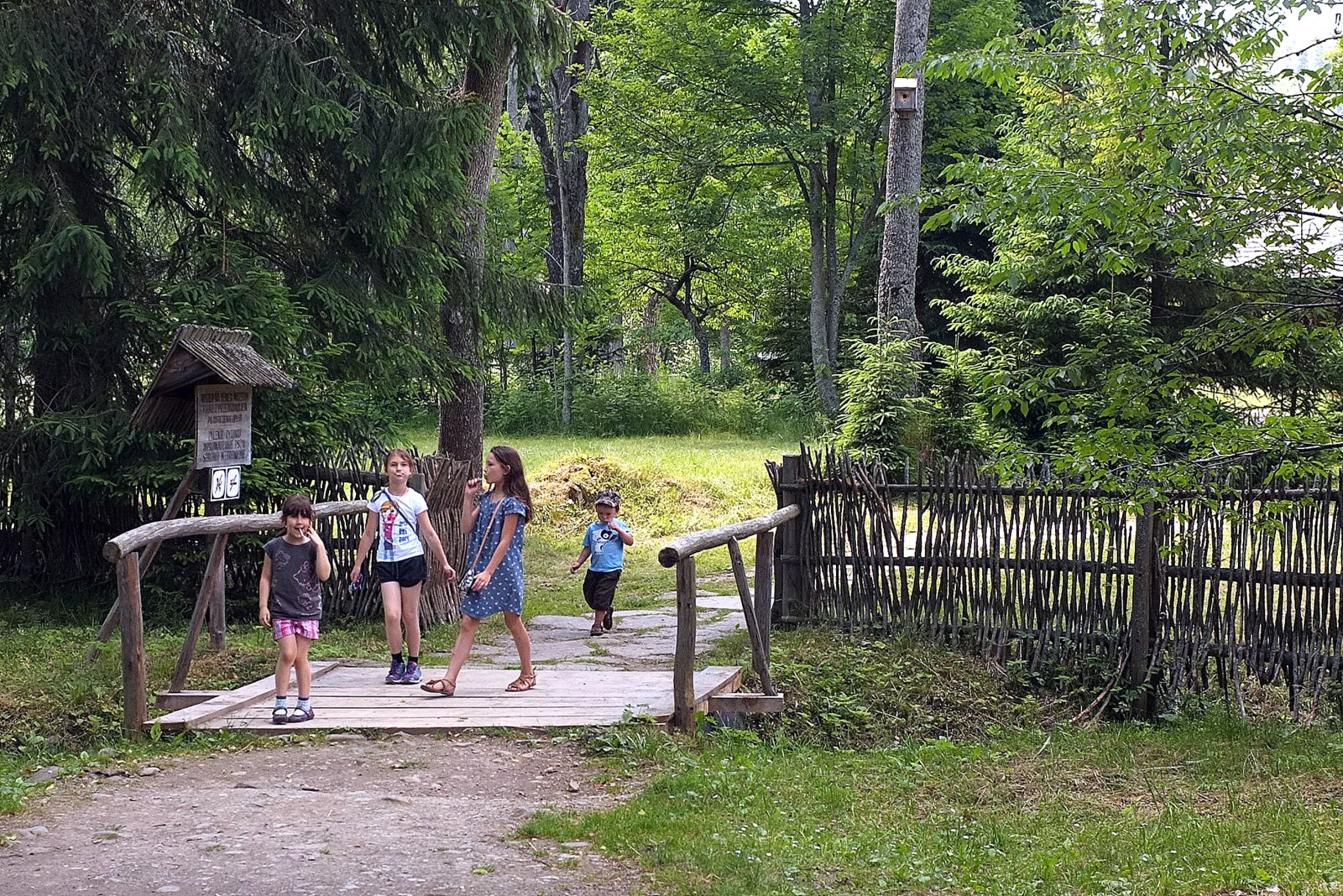
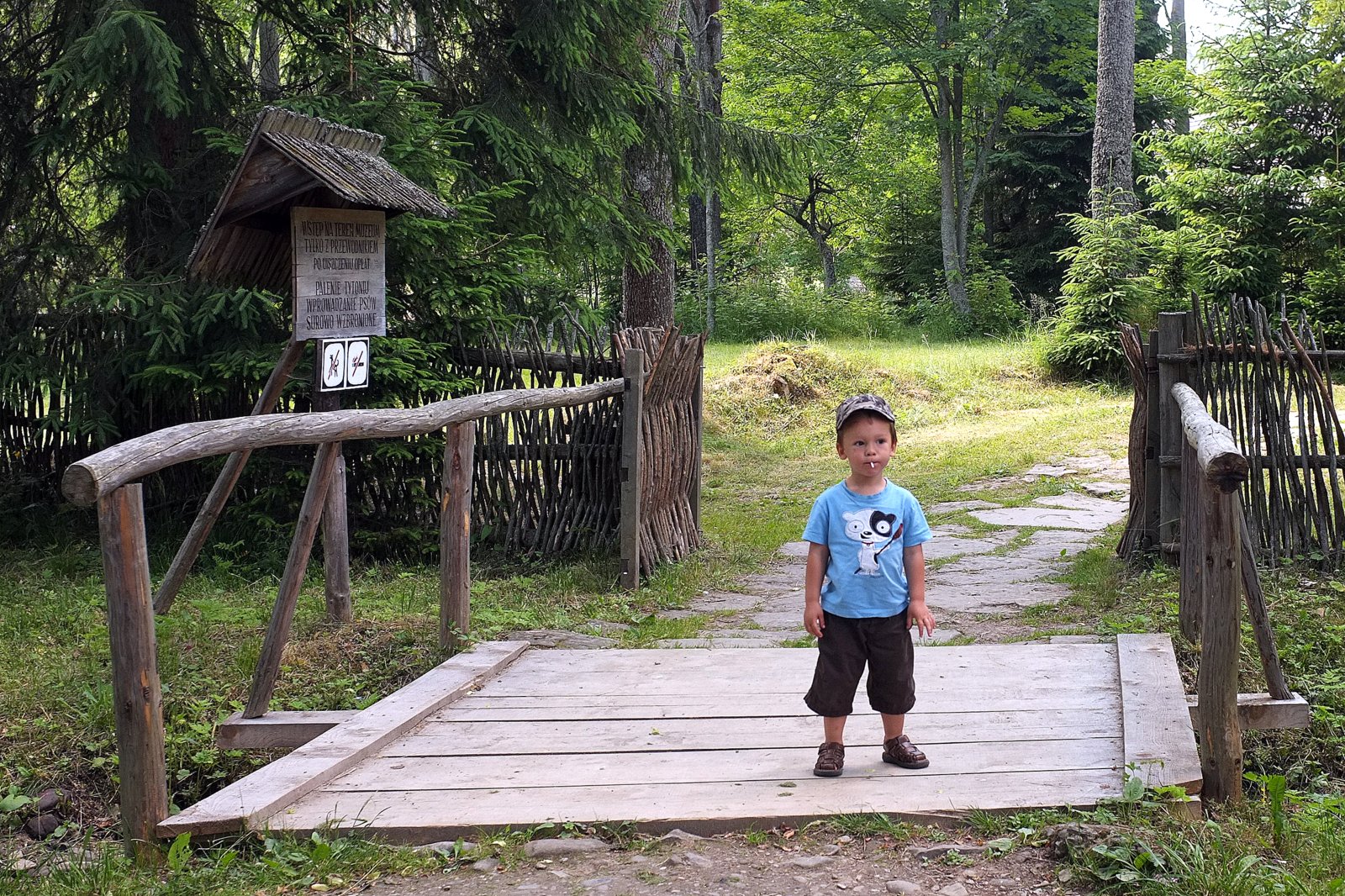
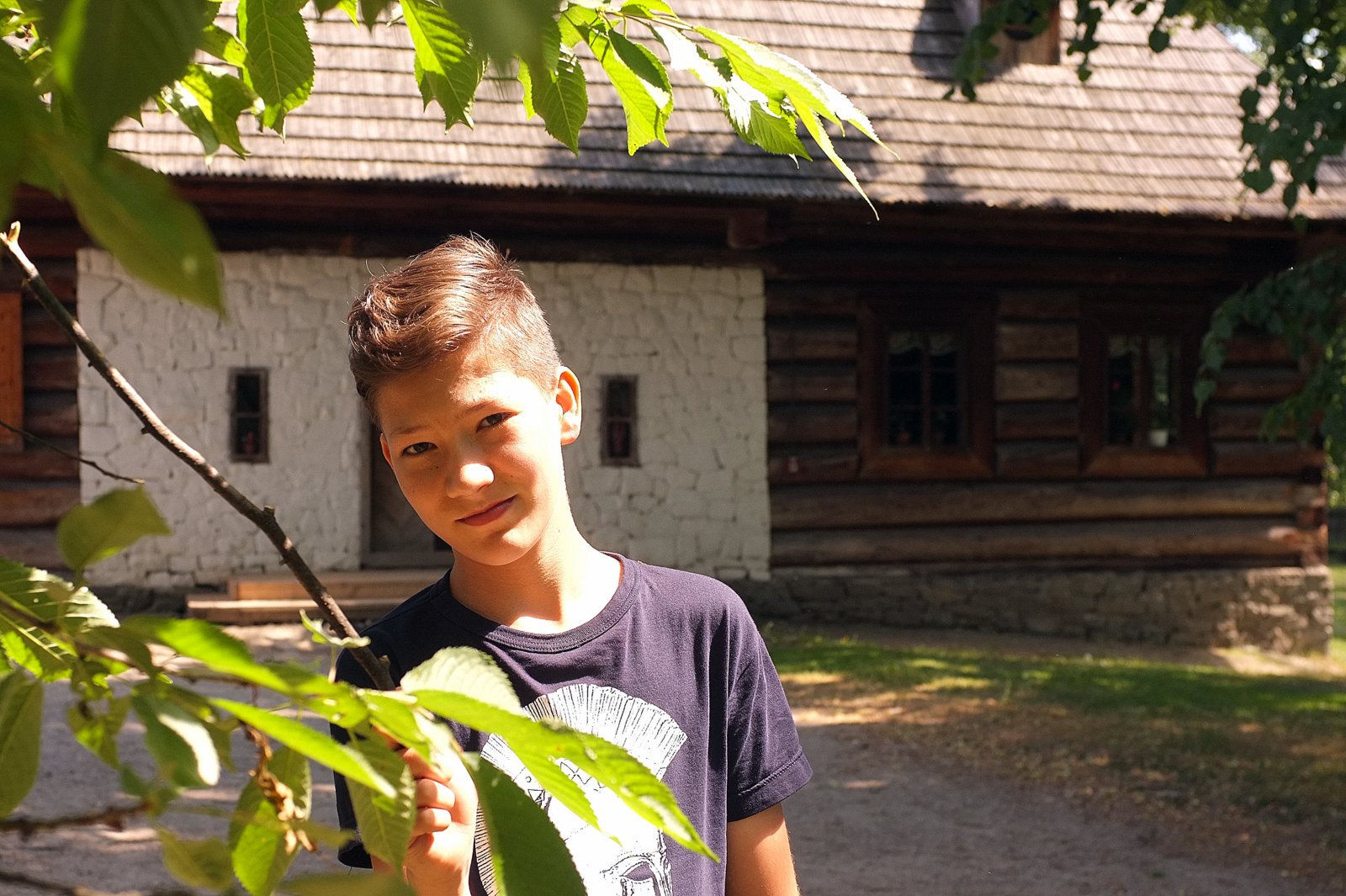
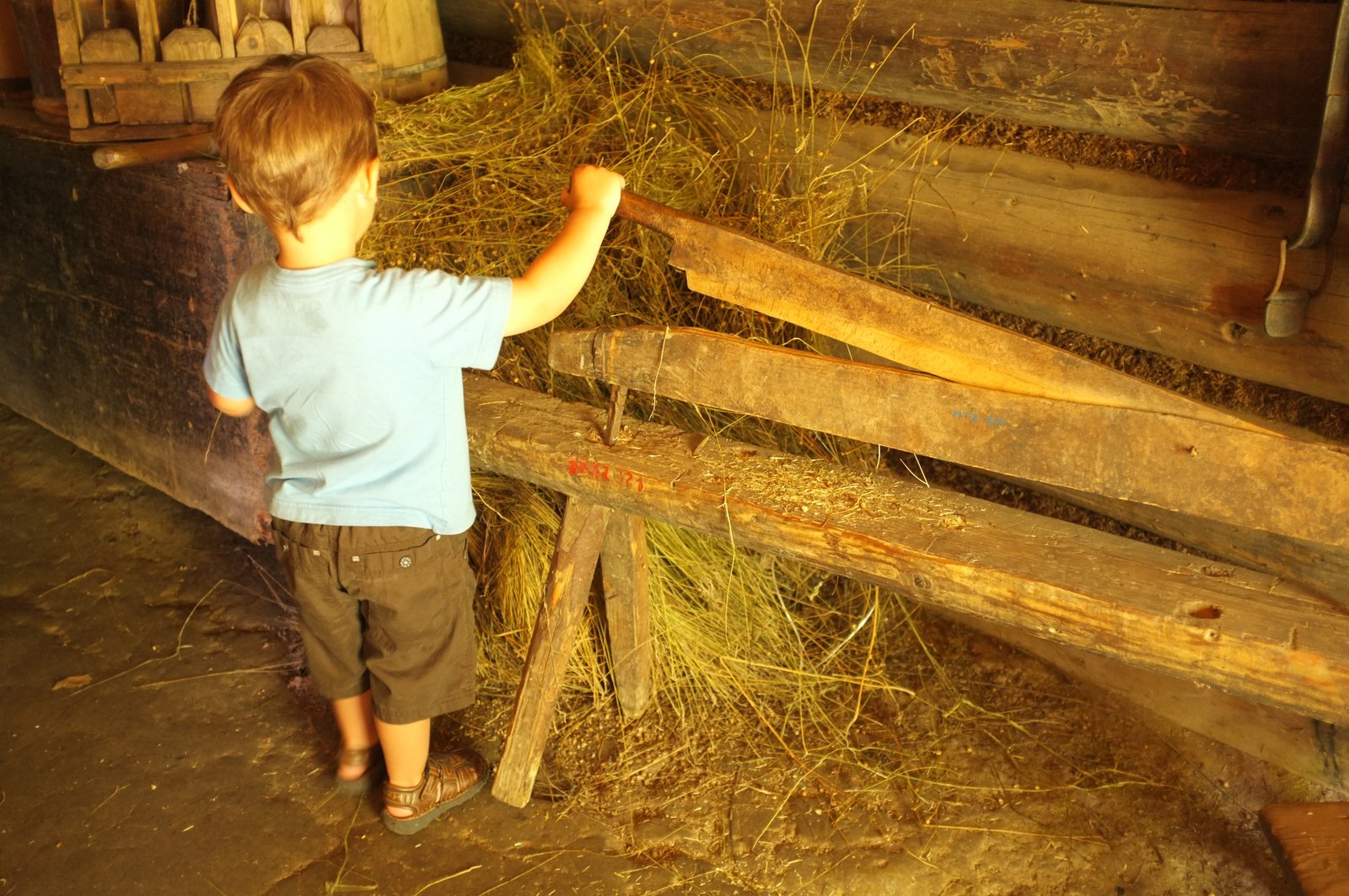
There was a time when none of this had any real bearing on anything, a time when no one gave a real thought to the effects humans might have on the environment because, other than clearing some land, there were very few. Just outside of Jabłonka, there is an outdoor museum that takes visitors back to that very time. And each and every time we go back to Poland, we visit. In in 2008, 2010, and 2013. Apparently I didn’t write about it in 2013 — it was part of a field trip L went on with her newly-adopted Polish kindergarten class. And of course K and the kids went again today.
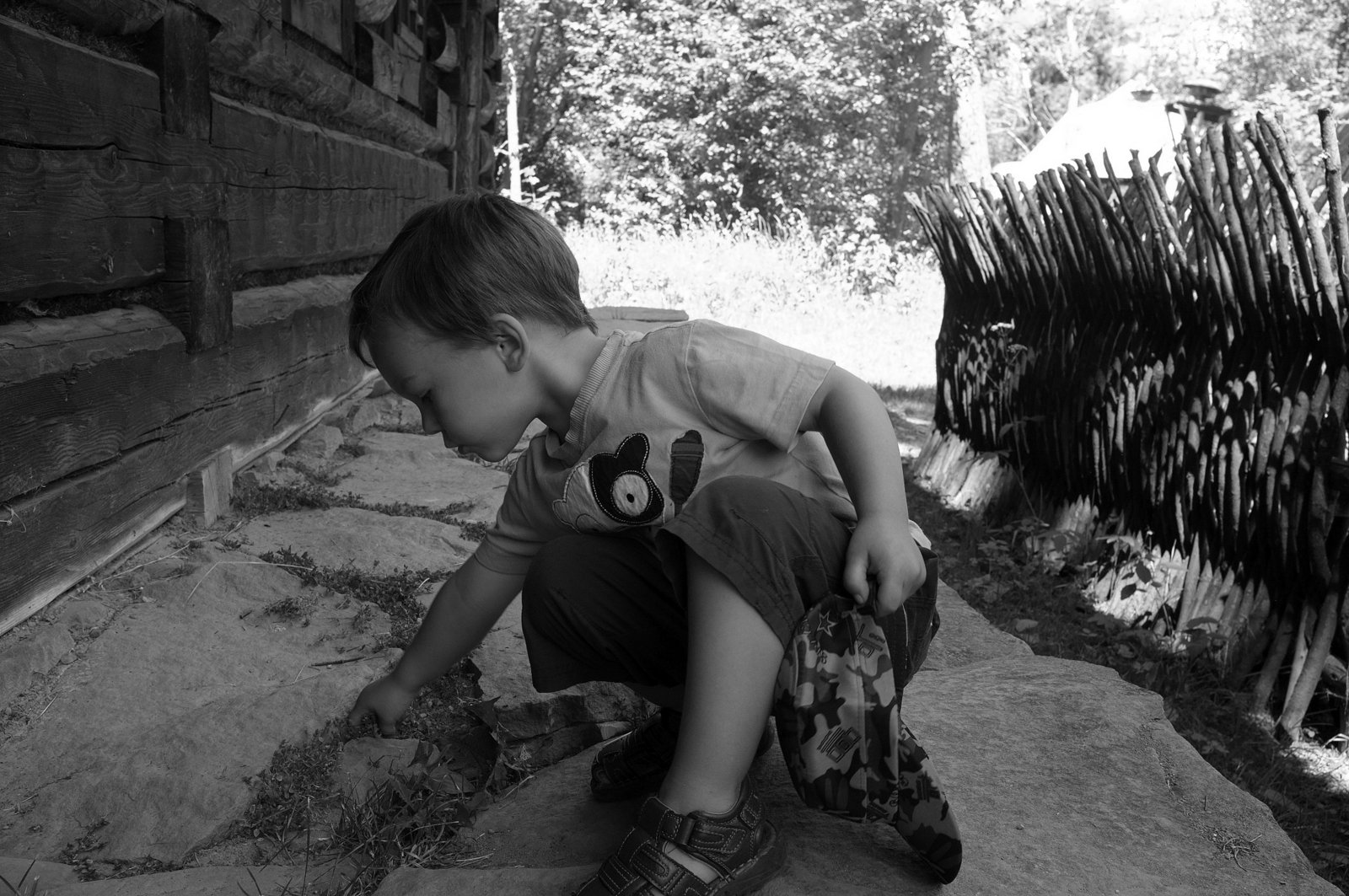
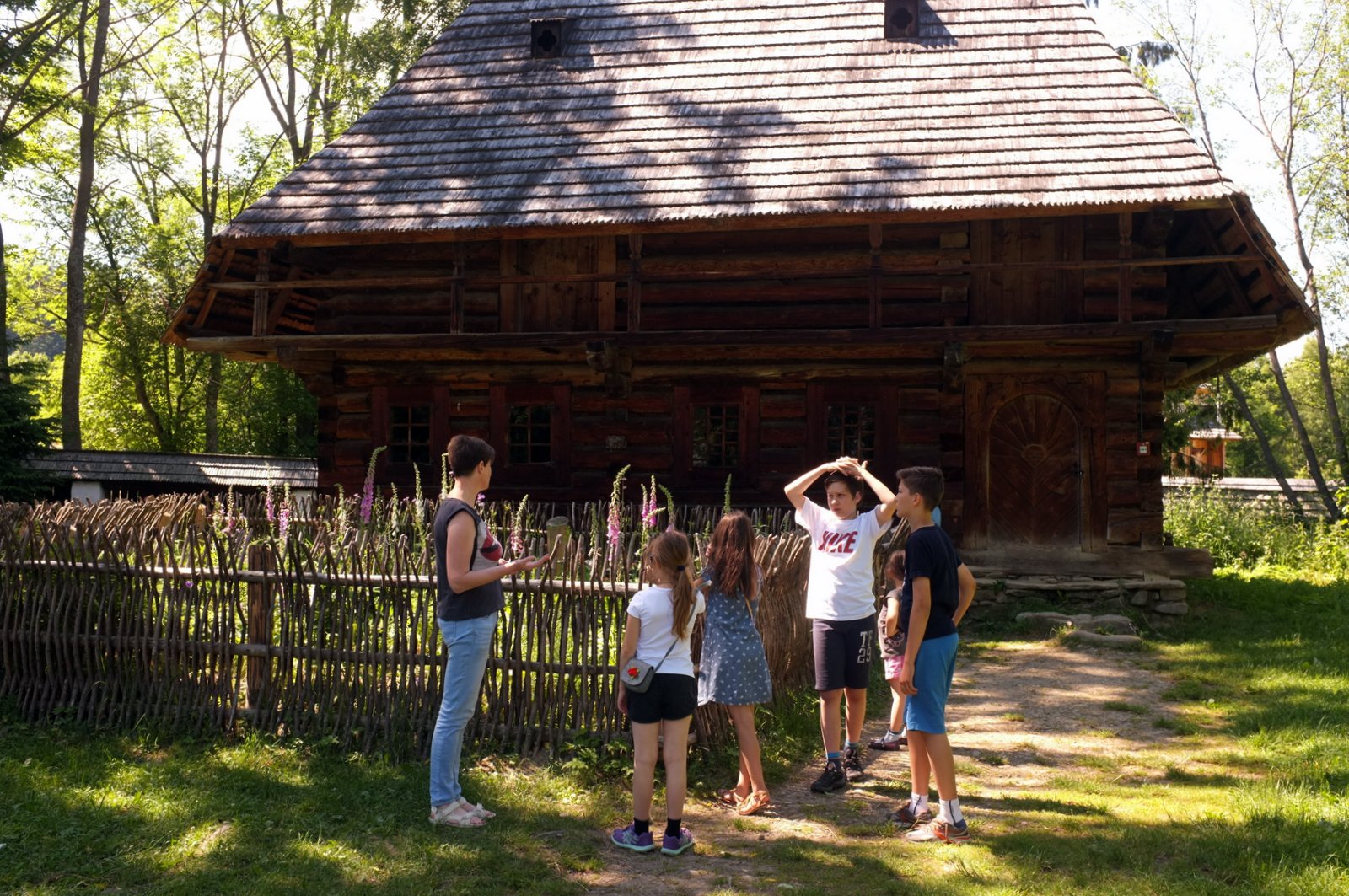
In those days, though, not only did people not really worry about birds getting caught up in their plastic netting, they were growing food for diametrically opposite reasons we grow it. They had no choice. We do. In fact, when it comes down to it, growing your own food can be more expensive than just going to the supermarket for it. It’s a hobby, then, and little more, which is probably why we do it so very poorly.
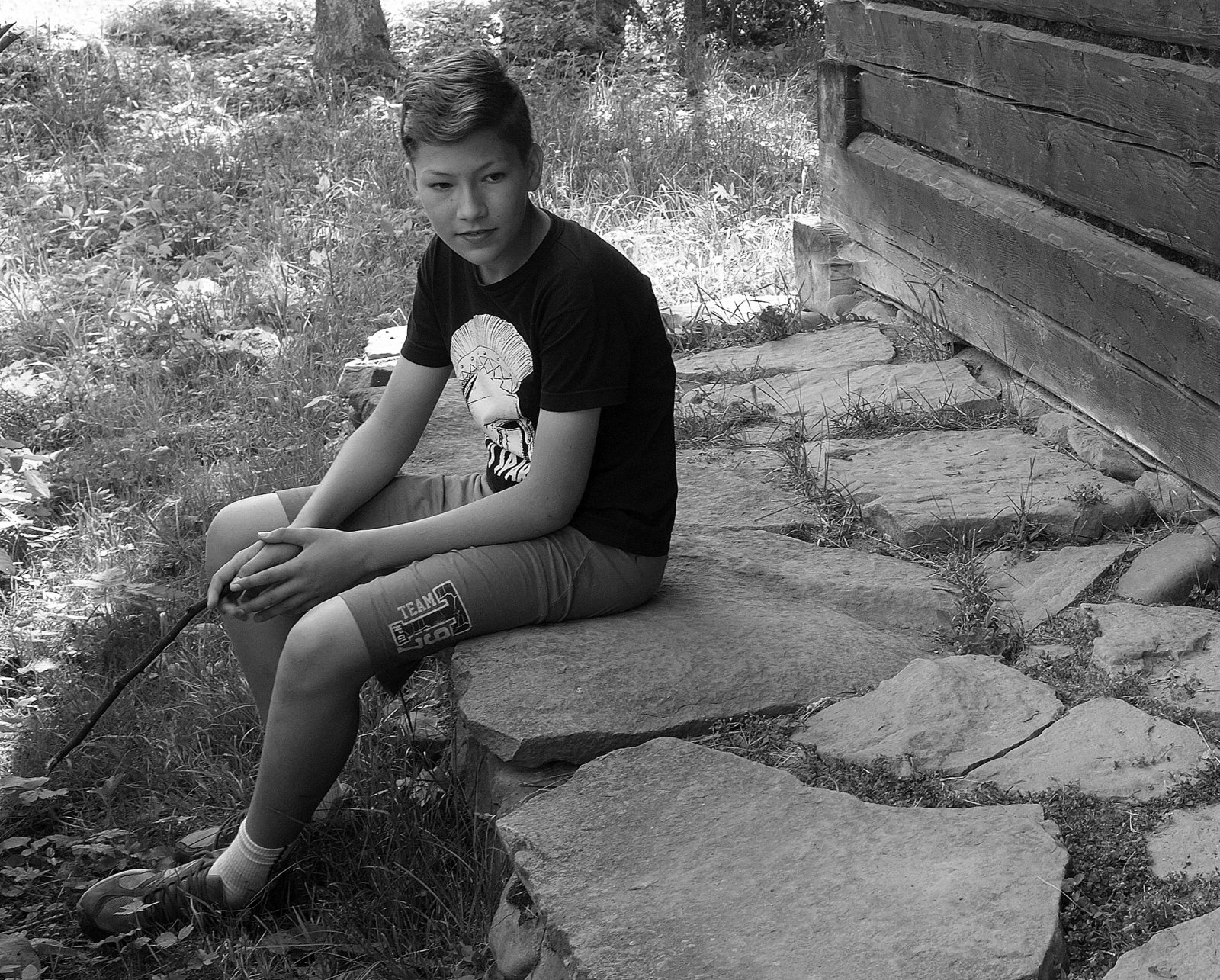
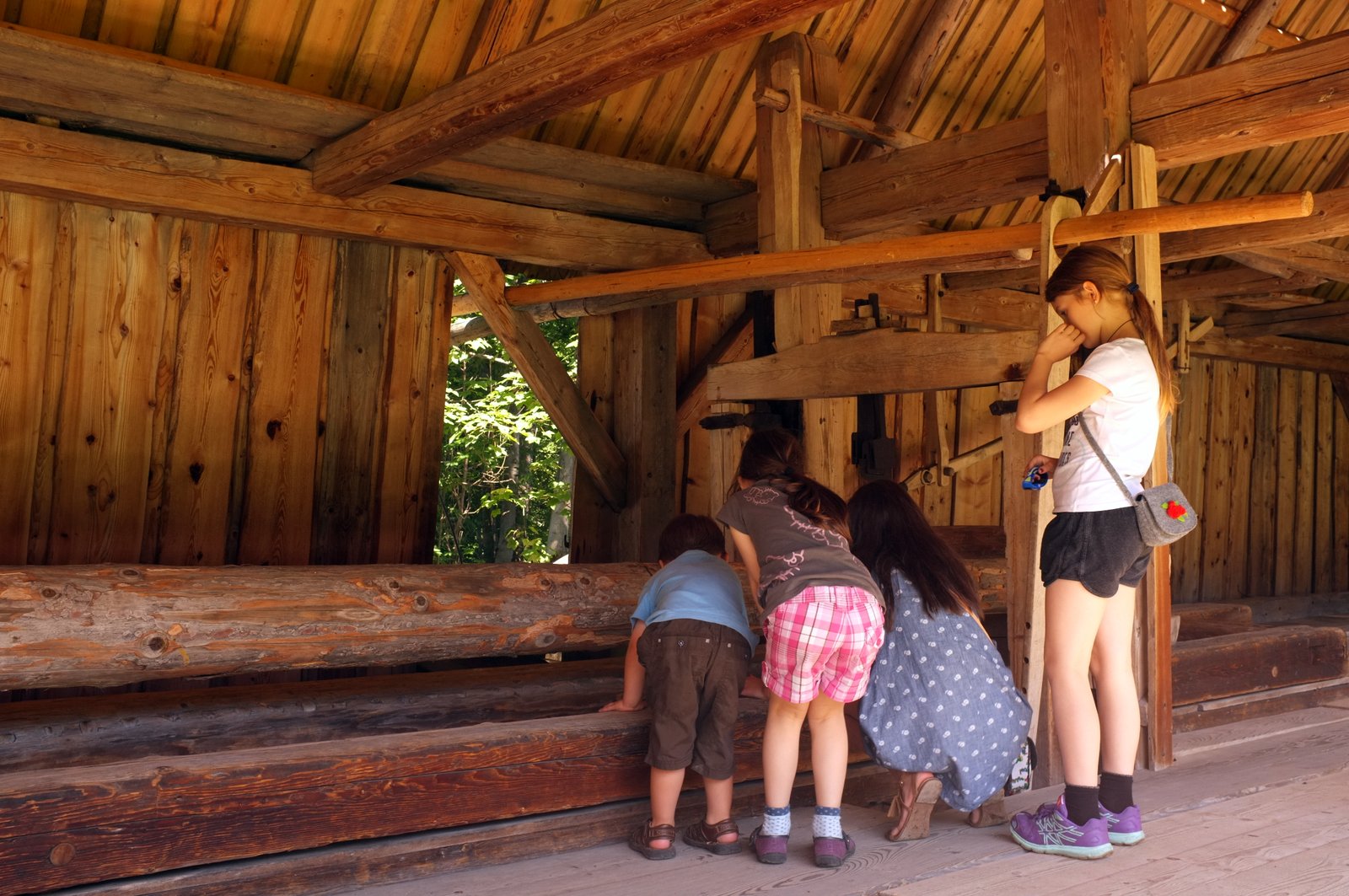
I would hope that such a visit would make L, in particular, more appreciative of the things she has, more thankful for the ease of her life. If our crops don’t do well, we just shrug it off and move on. If these folks’ crops didn’t do well, they didn’t have as much to eat in the winter. They were hungry — something almost unthinkable for L and most children in the Western world of her generation, or mine. Or maybe her taking everything for granted is just a function of age.
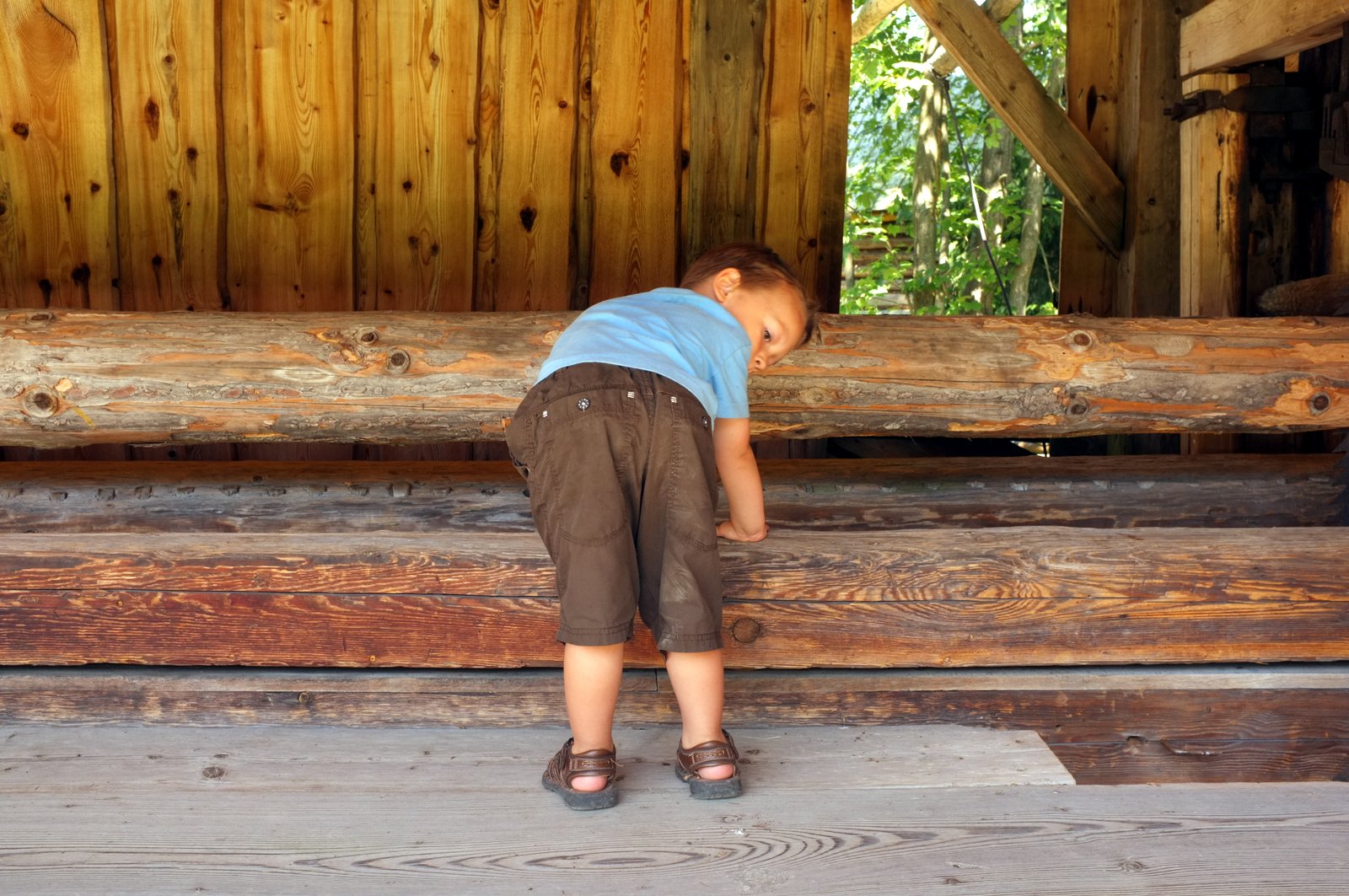
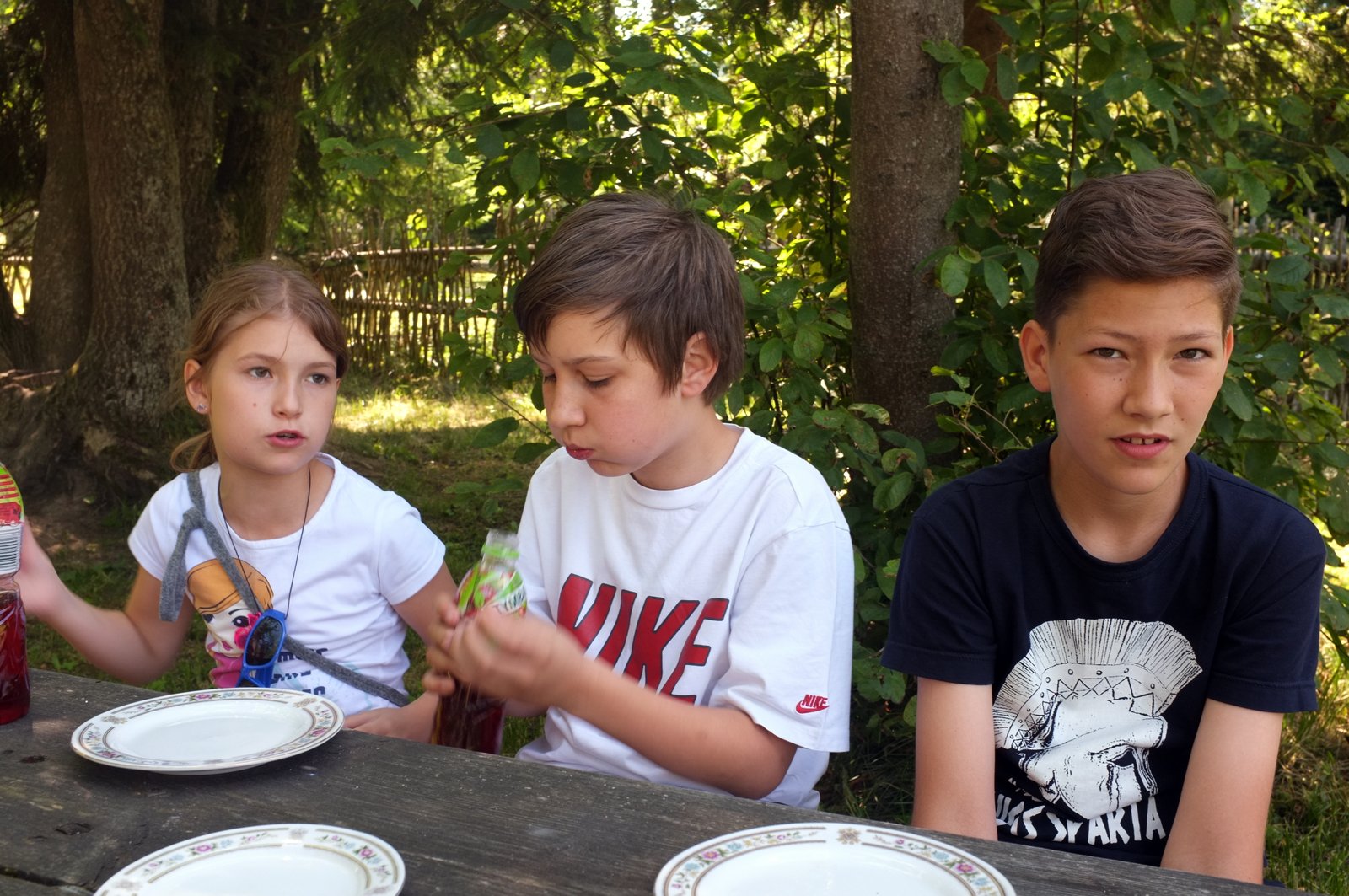
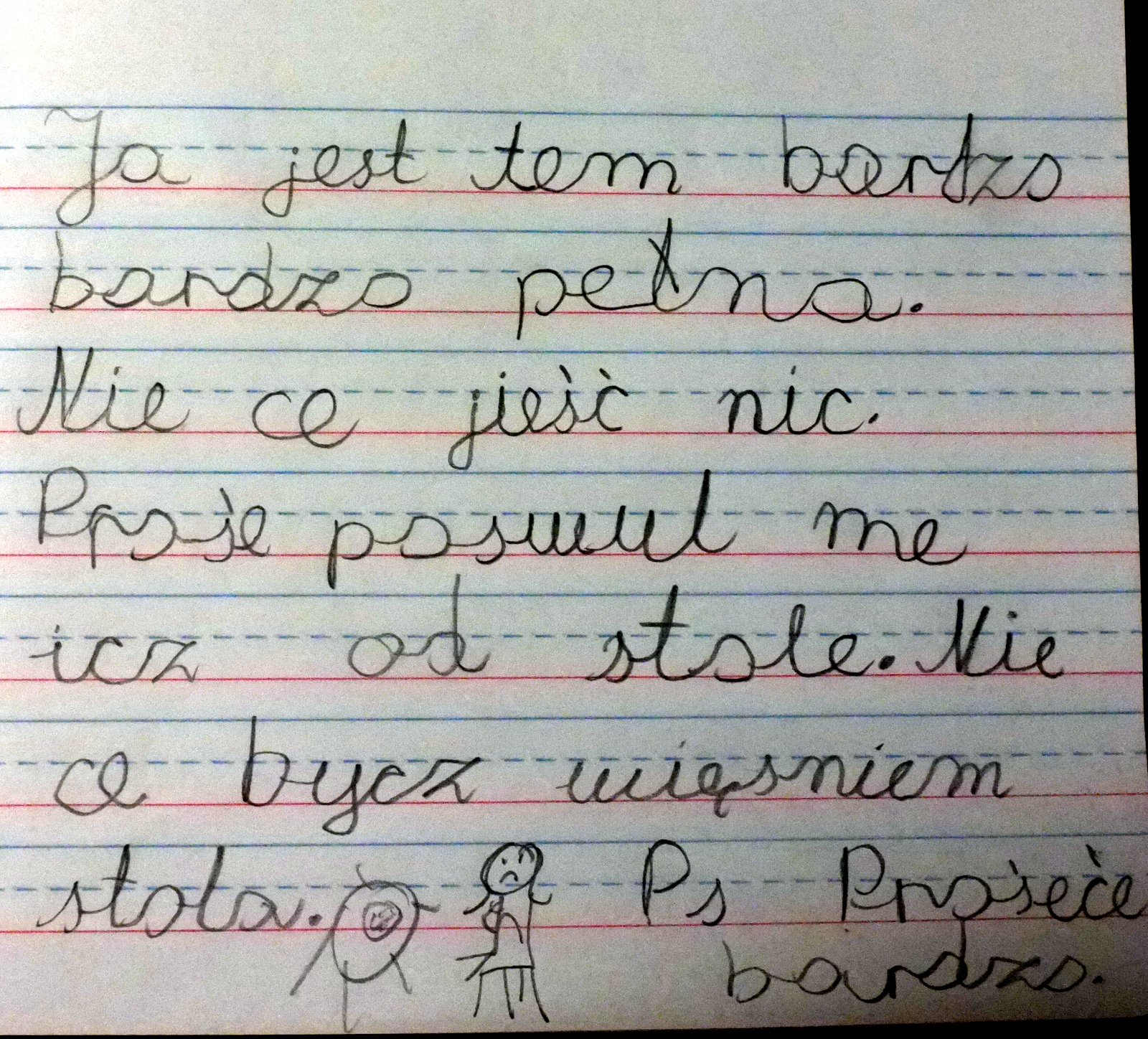
Tonight, the Boy and the Girl both showed just how well they can adapt to new situations and learn from them. The Boy wanted marshmallows. He knew where they were, but at not even three years old, he was knew he was far too little to reach them. Without assistance. He also knew that he would never get us to help him — he knows when sweets are allowed and when they’re not an option — and so he figured, “Who needs help for any of it?”

The Girl, on the other hand, has been complaining that school is boring because it’s too easy. “All we do is go over stuff I already know.” Perhaps that’s why her teacher gave her her new assignment, or perhaps it was just coincidence. At any rate, this evening she was complaining that the new work was way too hard. “It’s third-grade work, at least!” I took a look at it and realized the work would require a rudimentary understanding of long division. And so I sat down with her and showed her how to do it. With the help of several examples, a multiplication table, and consistent help (“No, now you have to subtract.”), she got it.

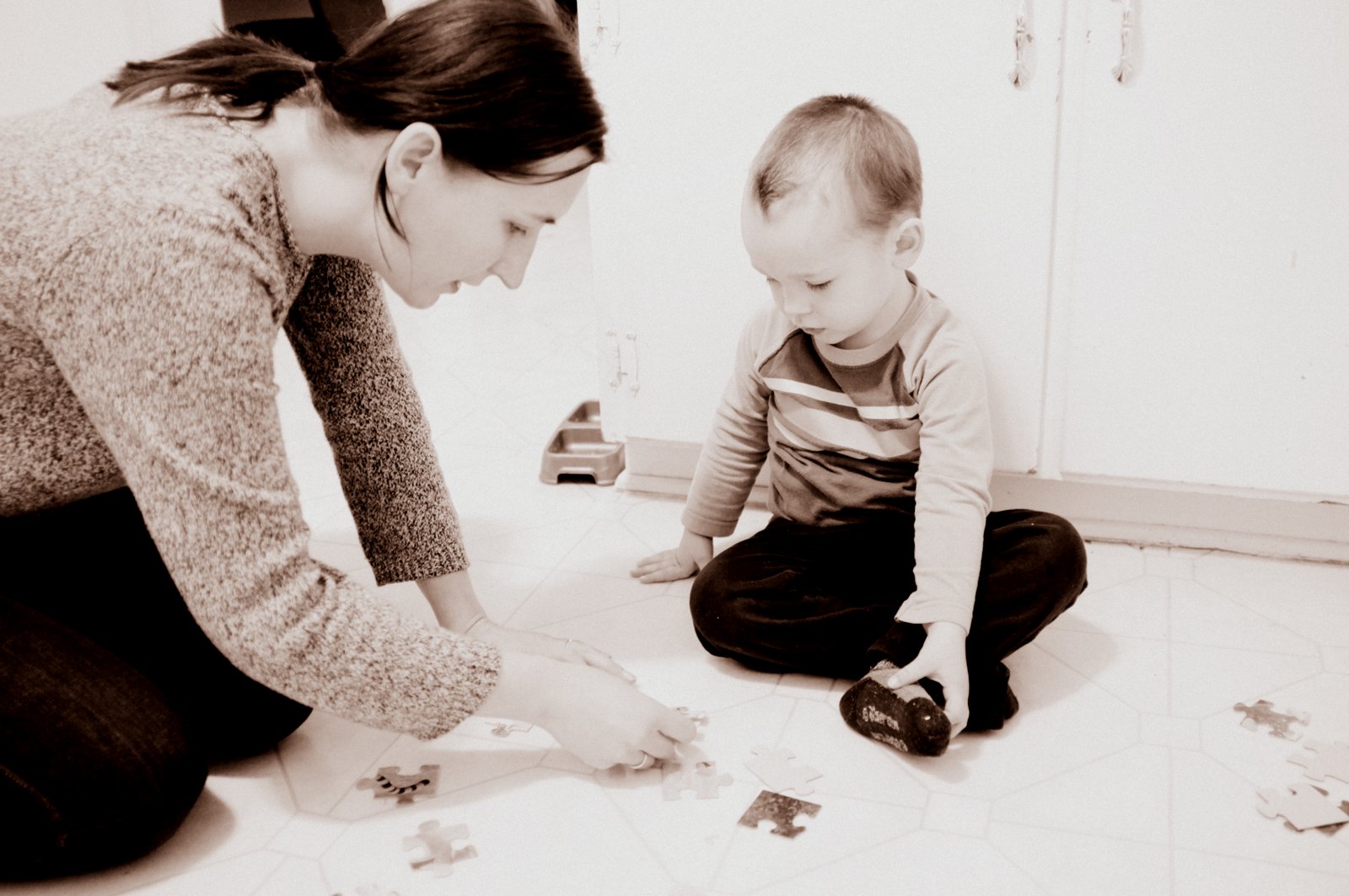
Before dinner, K and E sit in the middle of the kitchen floor, working a puzzle. It was the Boy’s idea, his initiative.
After dinner (more or less), K and L sit at the dinner table, doing Polish lessons. It was K’s idea, her initiative.
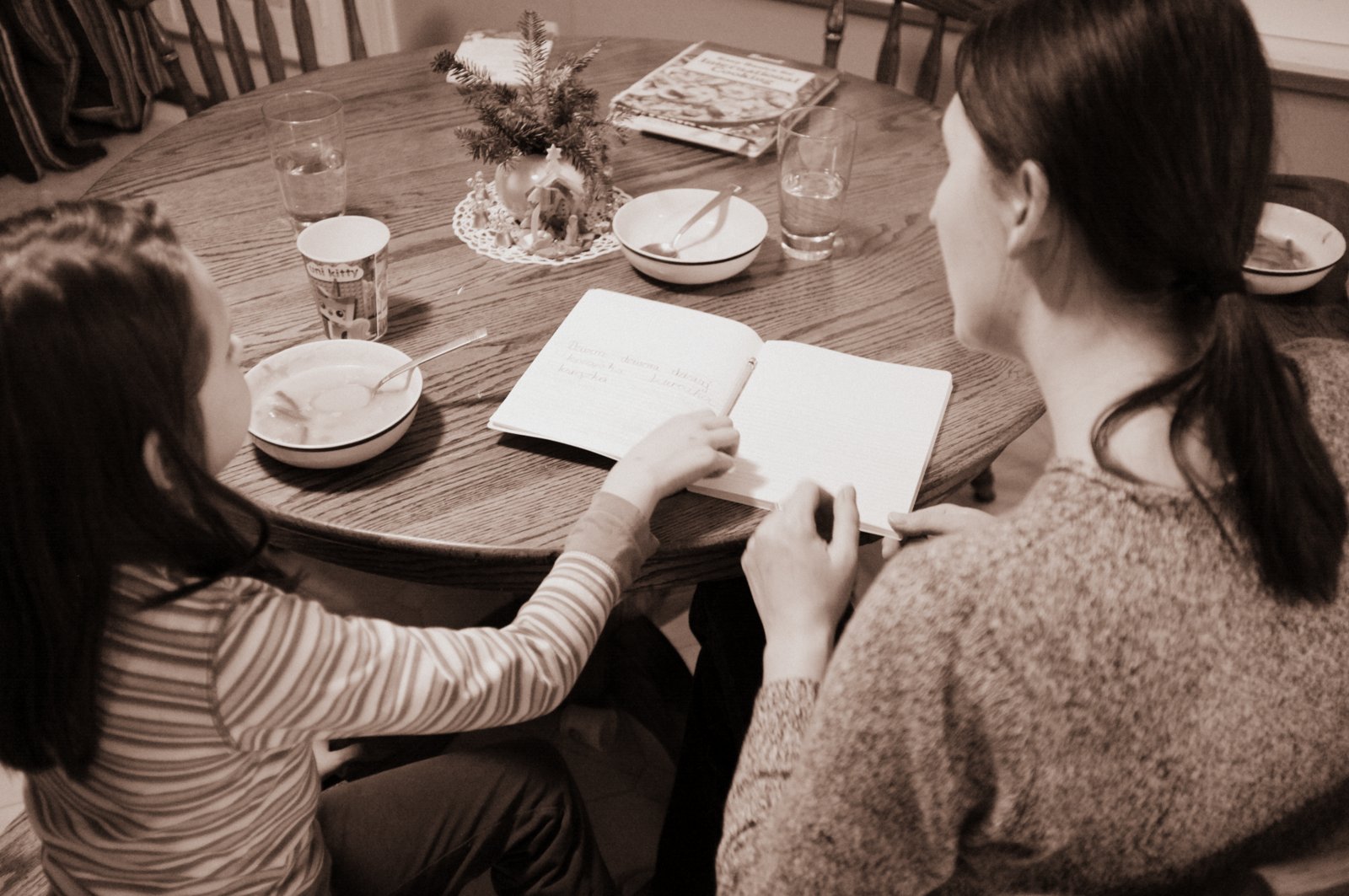
Perhaps if we could figure out some way to make Polish lessons as fun for L as puzzles are for E, we might have more success. And so that’s what I tried, putting on my jester’s hat and giving ridiculously wrong answers to L’s work, getting a giggle and correction.
First there was the tea party. The prototypical cliche little girl game, the tea party has never really been a frequent occurrence in our house. I’m not sure why it made an appearance today. But there they were, all sipping tea.

Then there was the homework. Reading comprehension. “Go back to the text,” I reminded L time and time again. “Go back to the text. Don’t try to answer the question from memory.” And so as the Girl progresses through school, the things I say in the classroom start popping up during the homework sessions.

Finally, the kids in bed, K and I turn to cooking. “We haven’t had rosół in a while,” K said some time ago, and so tonight we cook that Polish favorite that’s really an international soup. After all, what is pho in essence but chicken noodle soup, which is exactly what rosół is. Sort of.

We’re creatures of habit, the Boy and I. After dinner, there’s really only one place to go. I could say it’s an effort to get exercise, but I’m the only one really moving: the Boy, he’s just laughing, chatting, fussing — being a typical two-year-old.

We move in shapes — triangles maybe — from the driveway to the swing to the sandbox, back to the driveway.

There are always interruptions. A siren sounds in the distance, draws closer. The Boy stops and watches.

After a bit more digging, he declares it’s time to go in. But on his way, it’s time for a little work, and I get a glimpse into his bilingual reality. In typical E fashion, he begins raking and explaining what he’s doing.
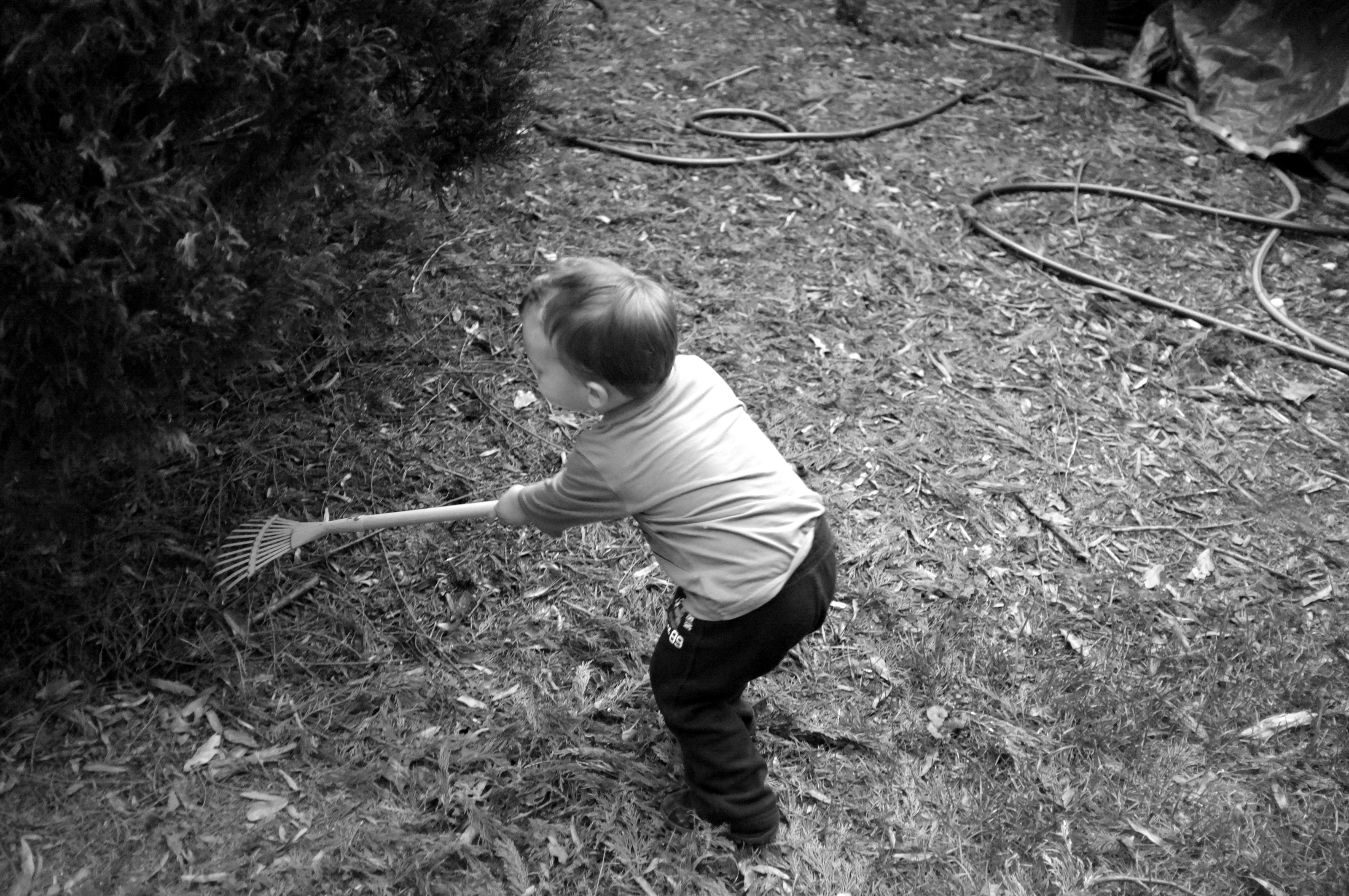
“To rake” in Polish is grabić. Before we head inside, he declares, “I’m grabing!”
Sometimes it seems life with the Boy and the Girl is on fast forward. This is especially true of the Boy, now that he’s talking and giving us more than the mere glimpses we used to get into his developing intelligence and personality. This morning, as I was preparing coffee to take to work, I hear,
“Daddy, can I try it?”
It’s a common refrain: the Boy wants to try everything. In that sense, he’s the polar opposite of L, who hates to try anything new.
“No, little man, this is coffee. It’s hot, and it’s got caffeine. You’re too young to drink it.”
He thought for a little while, then asked hesitatingly, as he often does when he’s turning something over in his thoughts as he speak, “But when I’m bigger?”
Fast forward to the post-dinner cleanup. K was talking to the Boy and for some reason — some of those little conversations start so harmlessly insignificantly that it’s difficult to recreate them in the evening — said something like “B, as in bottle, as in big, as in…” At which point the Boy took over, with boy, baby, and a few others.
We’re starting simple, with the most basic prayer there is: the Sign of the Cross.
The Boy’s getting it. Sort of.
Sometimes, the Boy tries to be cute. He sees the camera out and decides to scrunch up his face into a silly expression. But sometimes, it seems to come more naturally. And sometimes, it’s positively eerie — in a positive way, of course.

Today, while sitting on the bed waiting for the girls to get ready so the three of them could head to a friend’s for a birthday party, E and I decided to read a book. And he selected his new favorite, a book on colors from the library. He knows red. He wants to know them all. But he knows red.
We began.

Pointing to the strawberry, he said, “Red!” No hesitation. We turned to the next page.

E was a bit hesitant, but wanted to do well.
“Um, red?”
“No, purple.”
“Urple?”
“Yes. Purple.” And we turned the page.

“Um, red?”
“No, buddy, it’s green.”
“Green?” And we turned the page.

“Um, red?”
I started wondering at this point if it was a game. He does like to be silly. Still, I played along, game or no.
“No, little man, it’s yellow.”
Next page.

“Um, red?”
I realized at this point that perhaps he doesn’t know red. Perhaps it’s the only color name he knows.

He knows blue. He’s used the word before, and correctly. I was expecting “Um, blue?”
“Um, red?”
No, he doesn’t know red. Or blue. Or yellow. Or green. He doesn’t know his colors.
We turned the page.

“Um, red?”
We turned the page.

“Um, red?”
“It’s not funny anymore,” I wanted to say, even though it was.

Yep — red.
We turned to the final page. Pink. Close to red. “Red” would be a close enough answer, especially to a colorblind daddy like me.

“Um, yummy!”
No, it wasn’t a game, but it sure seemed like a set-up.
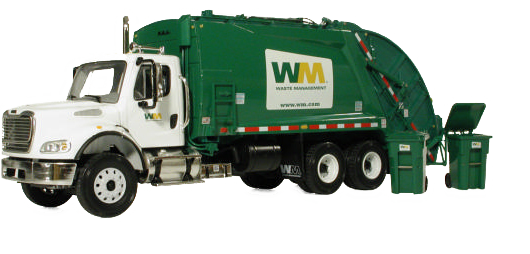 The Boy loves cars. I mean loves cars. He has a sizable collection of matchbox cars (yes, that is a brand name but like Kleenex, it’s come to represent the object in general), mostly thanks to Nana and Papa, and among these cars is a garbage truck. A favorite. And that explains his interest in the following exchange.
In the car, I tell K about this conversation.
“Really? Where did he learn that?” she wonders aloud in Polish, turning to E in the back seat and asking, “E, who taught you this?”
“E!” he squeals.
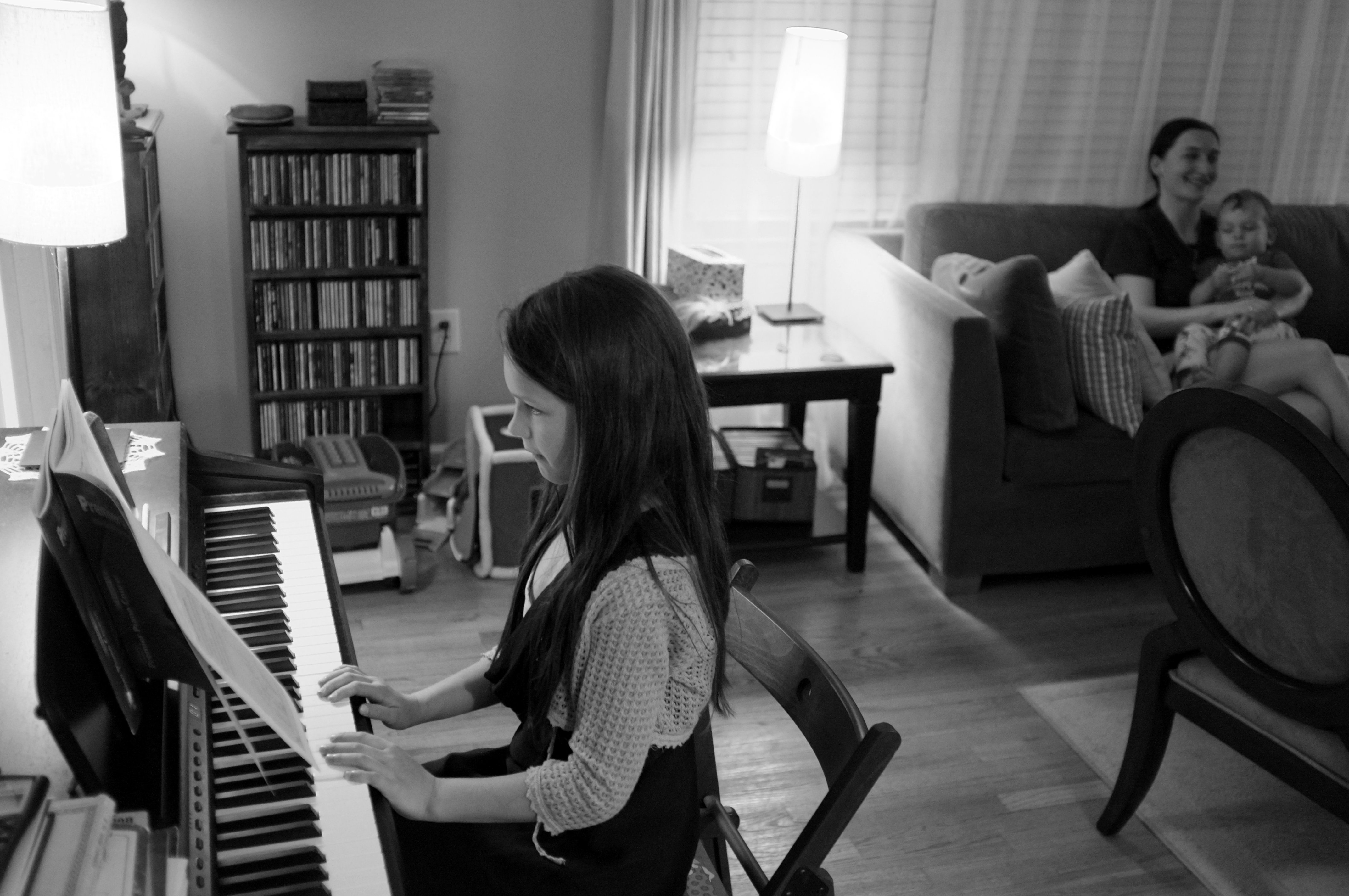
First, piano lessons — first time I’ve taught someone piano. Should be fun.
Next, swim lessons — we’re paying someone to do this, but I could probably teach her as well.
Next, ice skating lessons — no way I could teach her how to do this.
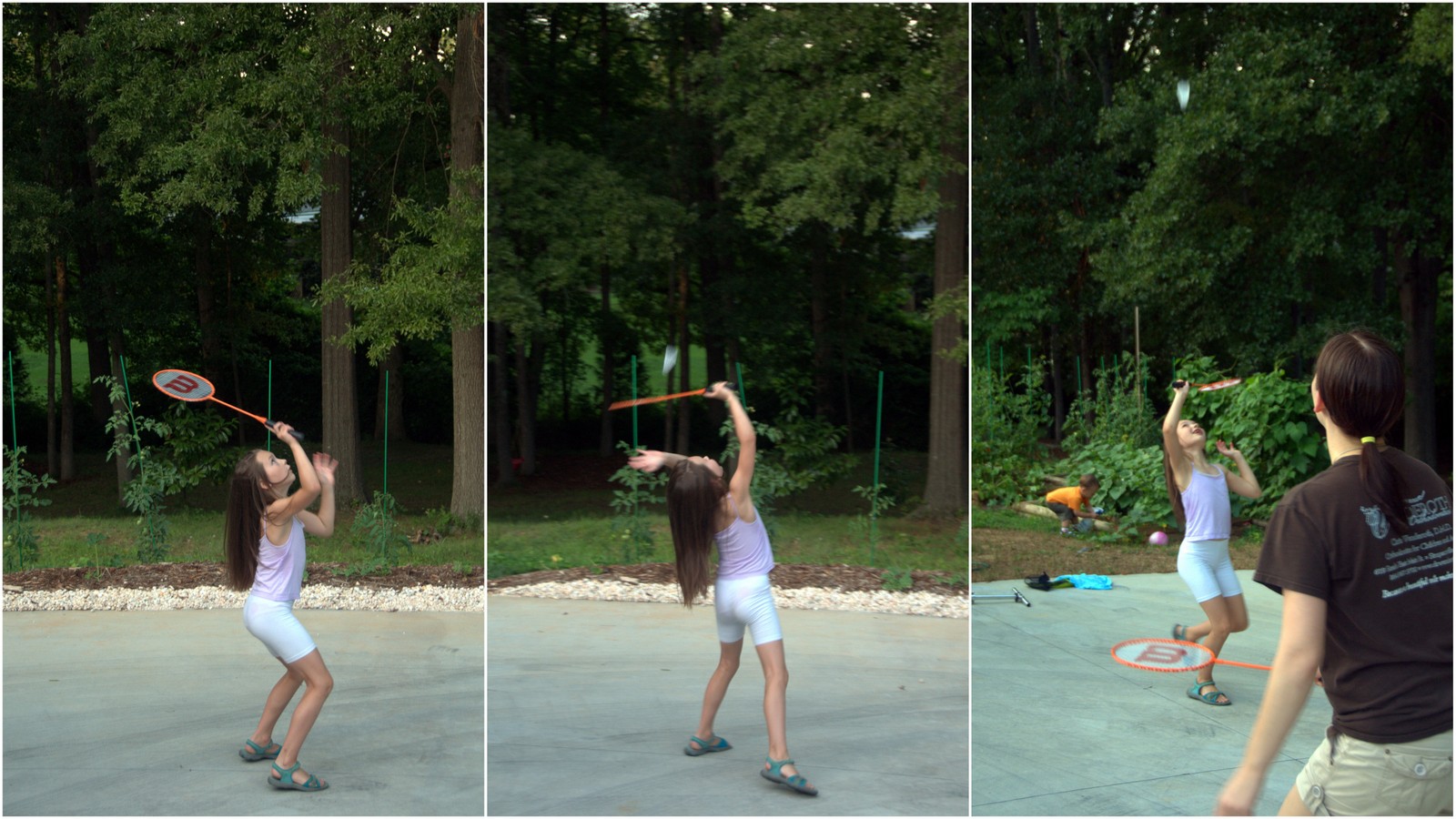
Finally, some badminton practice.