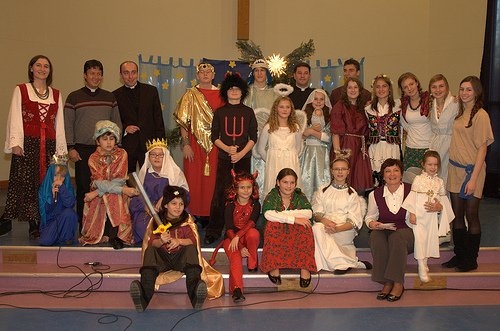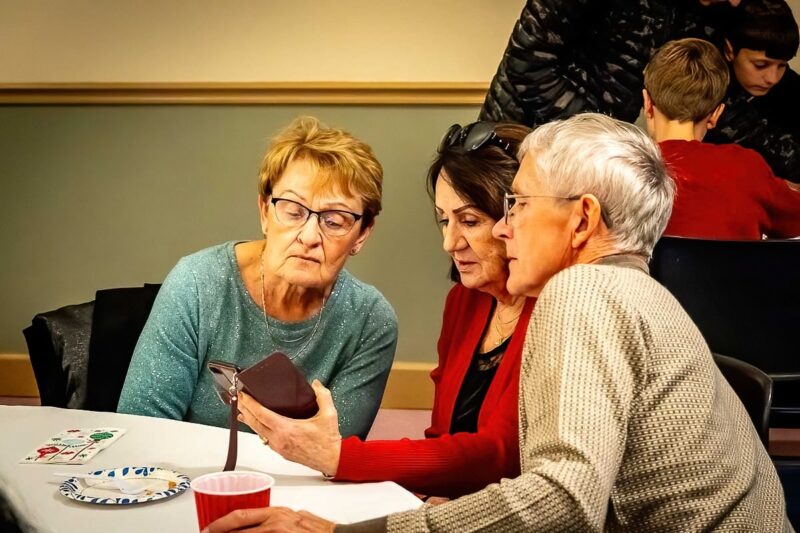
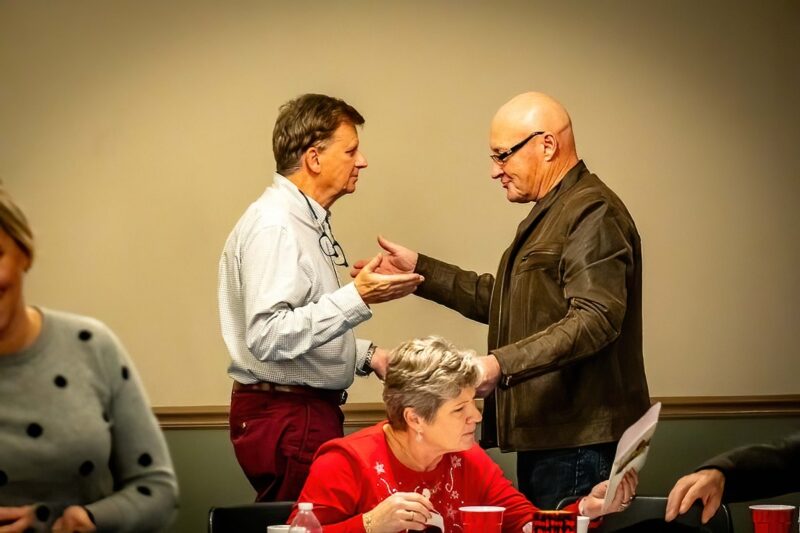
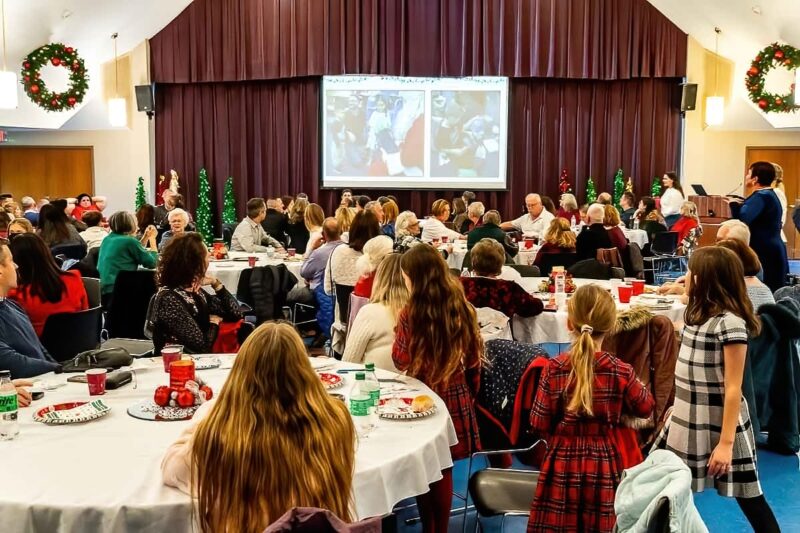
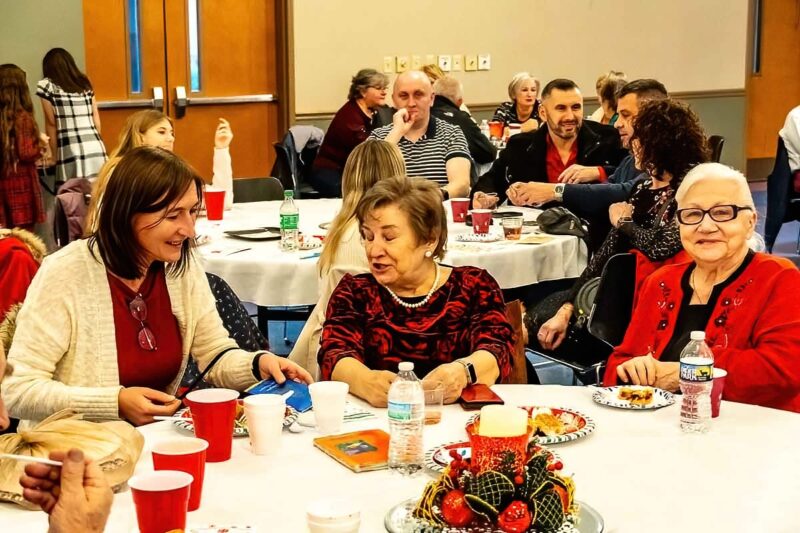
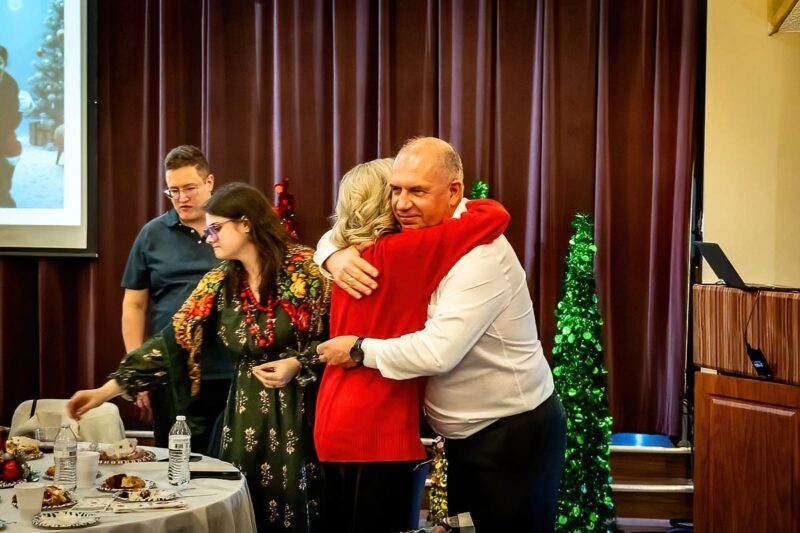
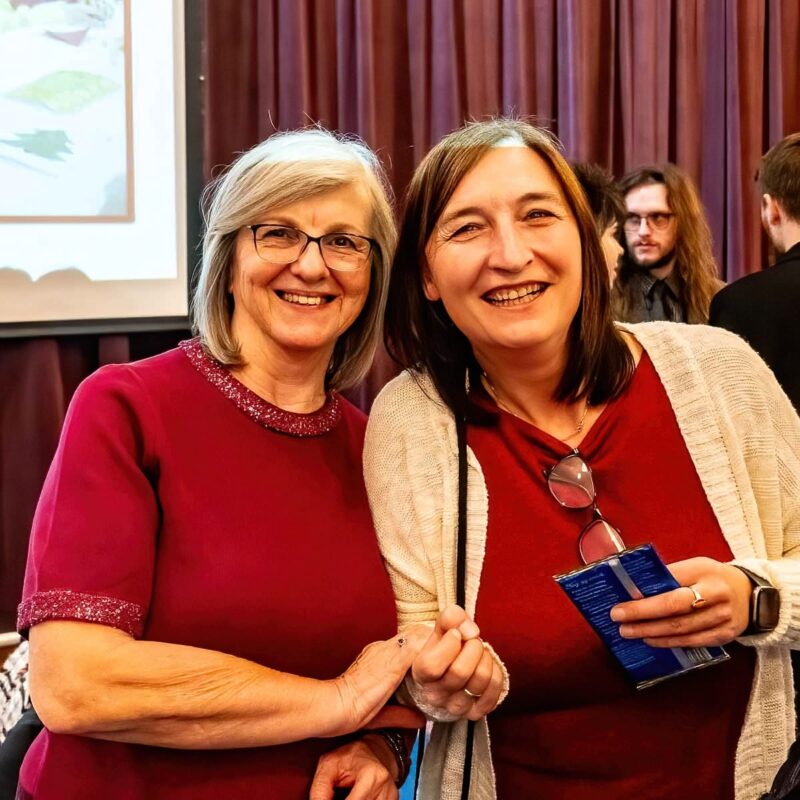
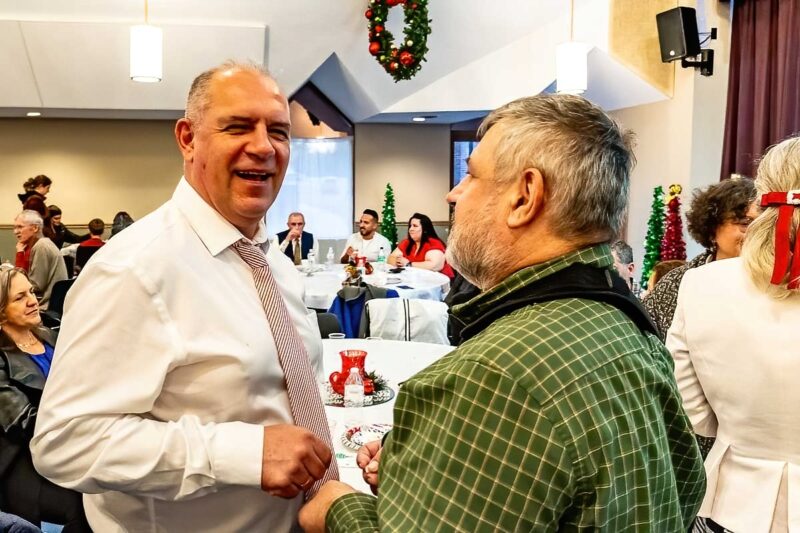
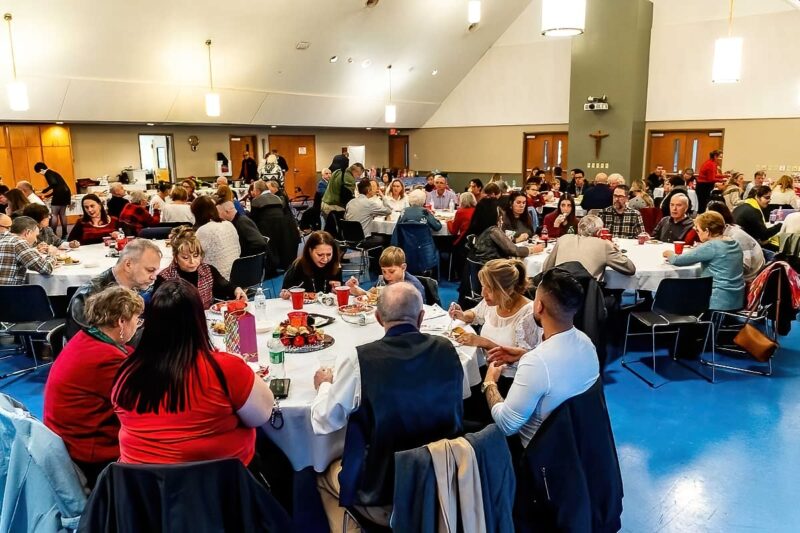
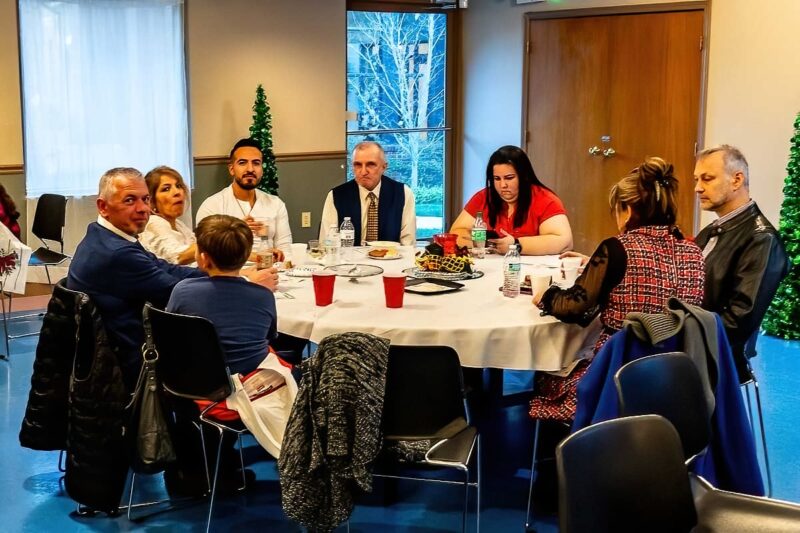
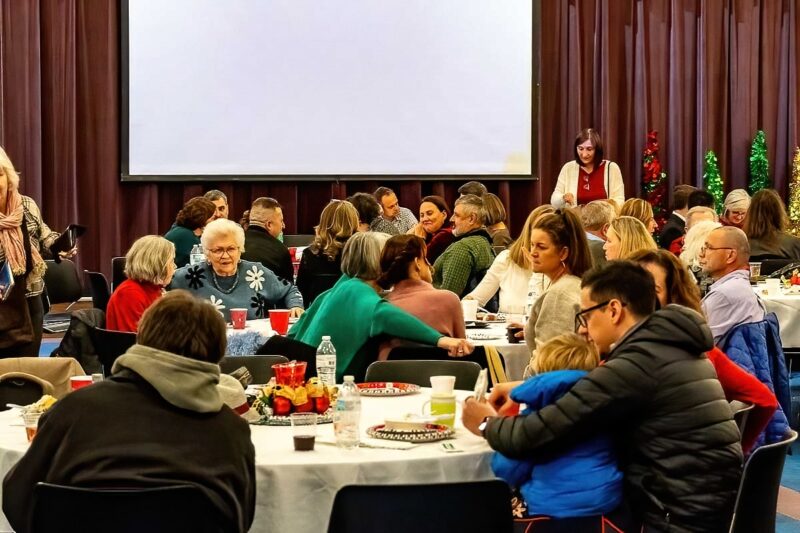
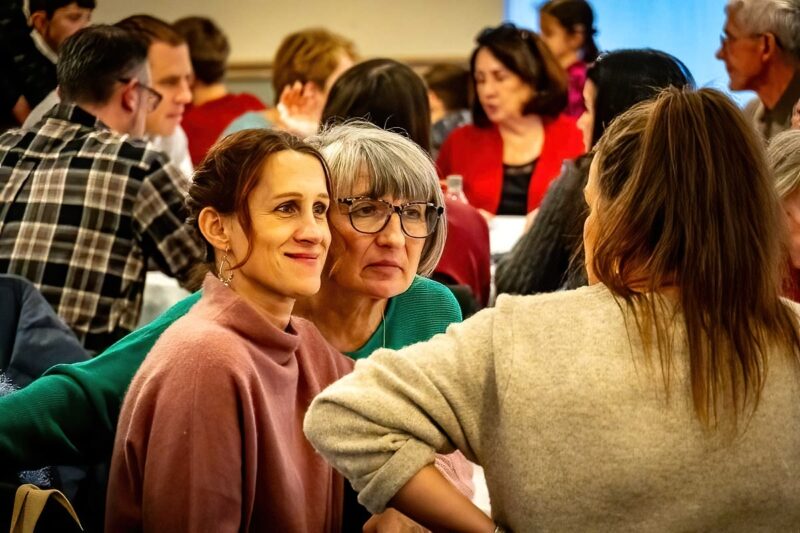
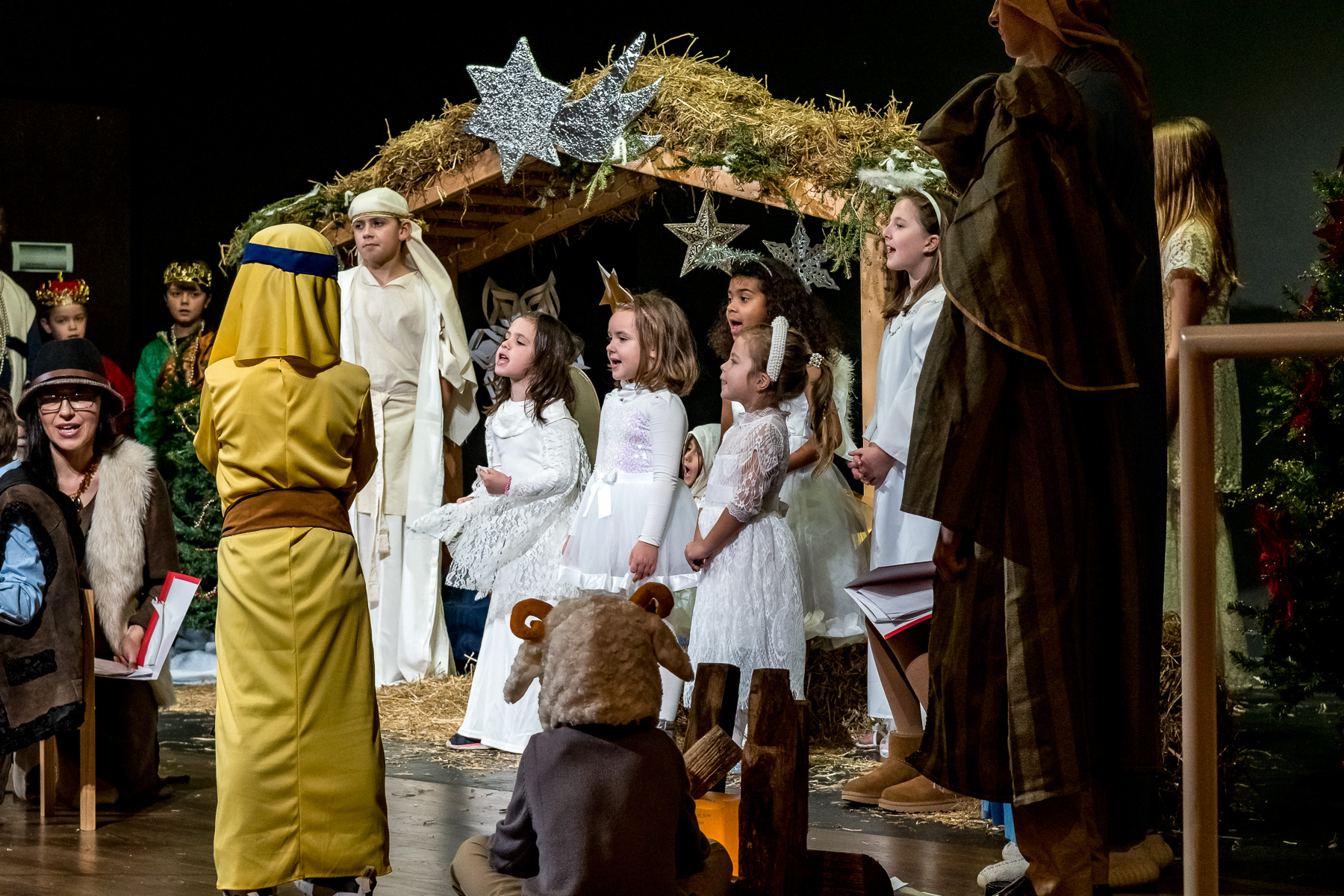
Every year for as long as I can remember there being an active Polish community in a local parish, the Poles have gathered for a Christmas potluck. Everyone shares the opłatek tradition, sings carols, and simply spends time together. Before all this, though, is the jasełka performance.
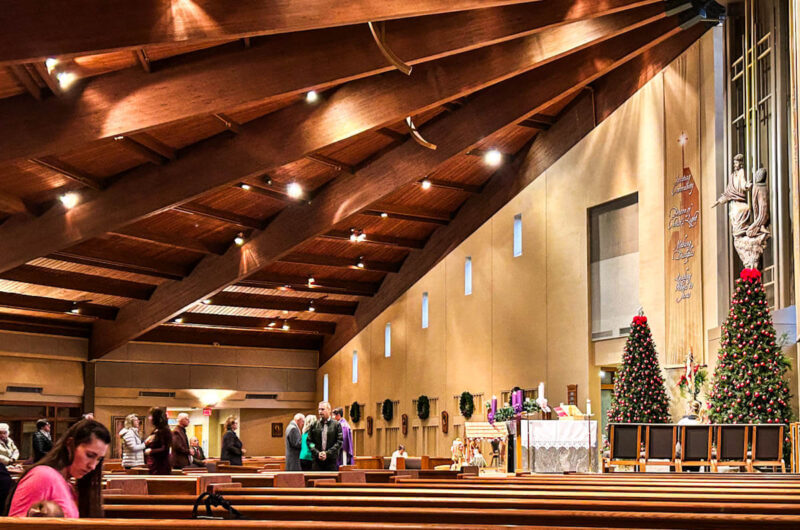
We’ve been doing it for so long that the kids who participated in it when we first began fifteen years ago are now done with college. Every year, though, a group of kids would put on the Christmas play. Every new a few faces disappeared and a couple of new faces made appearances.
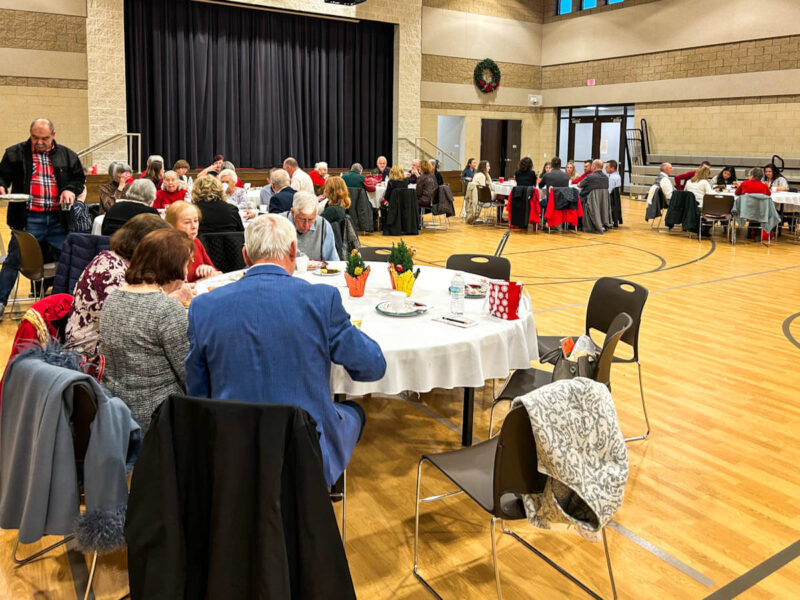
It was truly a labor of love, cliche though that might be. Parents brought their kids for rehearsals, helped the kids learn their lines, created costumes and a set. Someone would have to find a script online. Someone would have to arrange for space for rehearsal. It took weeks to get everything together.
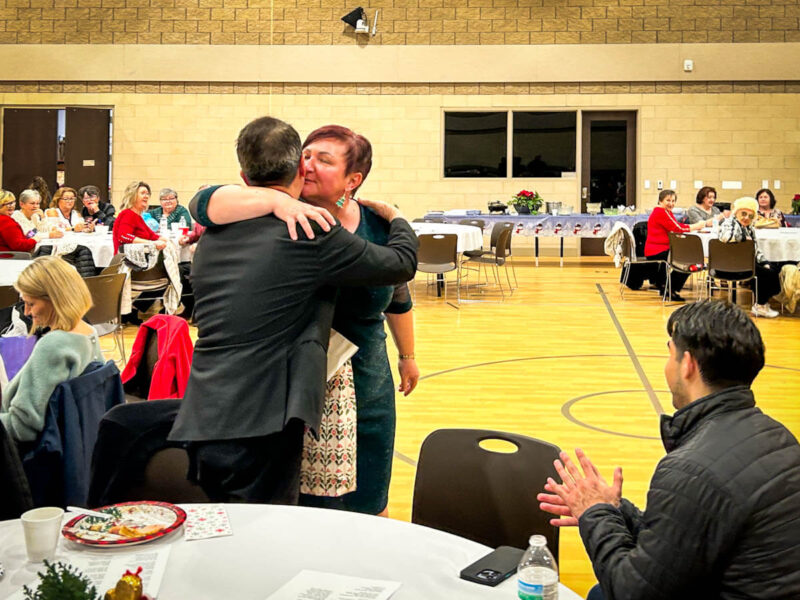
One year L was Mary. Another year the Boy was the baby Jesus. And once, in a pinch, L was Mary. That might have been the year E was Jesus. Or maybe not. Fifteen years of performances have all run together into a blur.
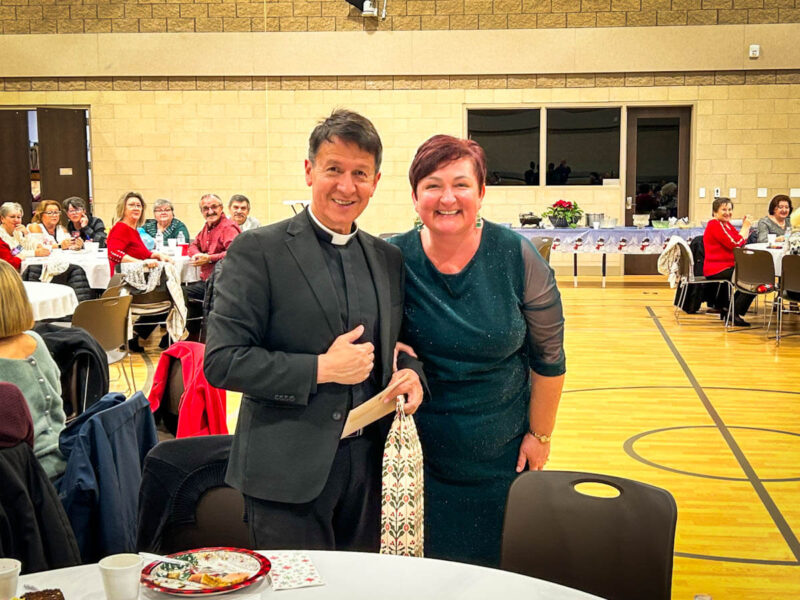
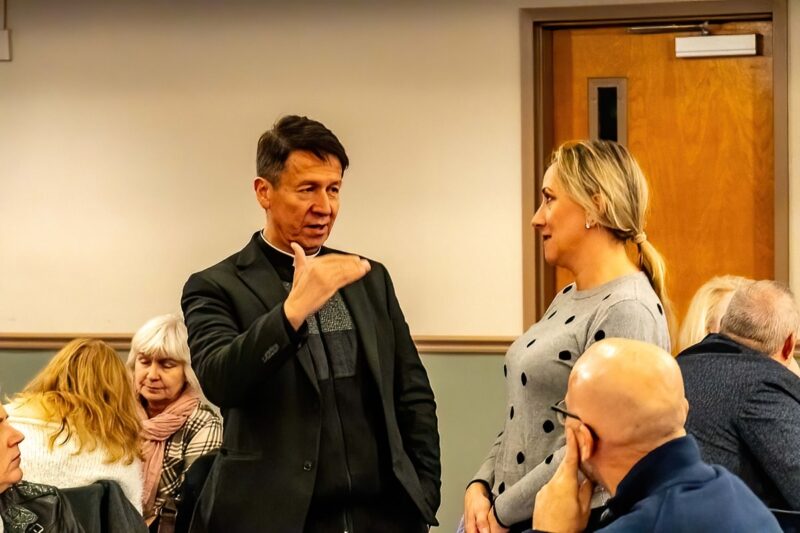
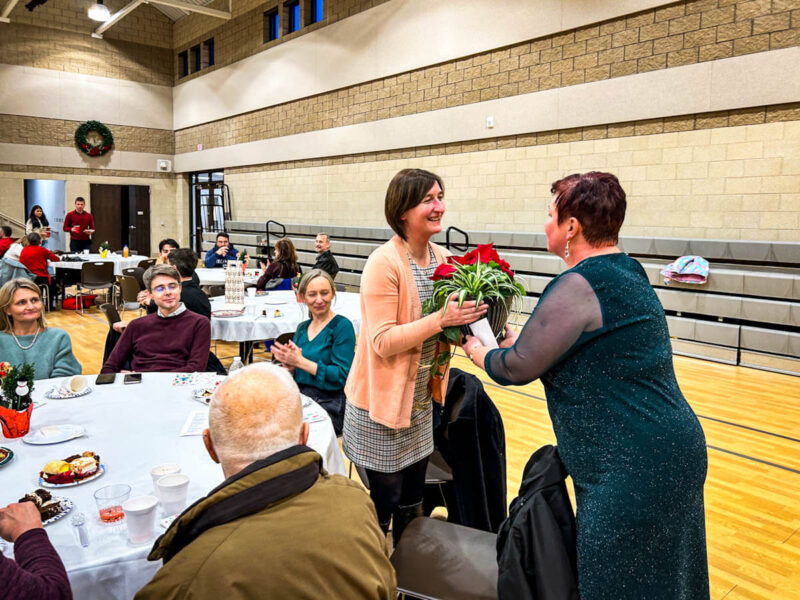
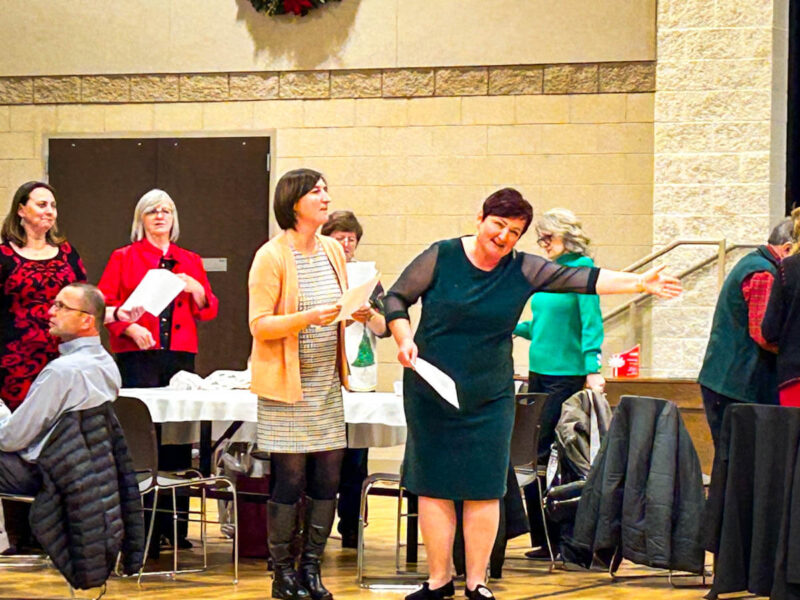
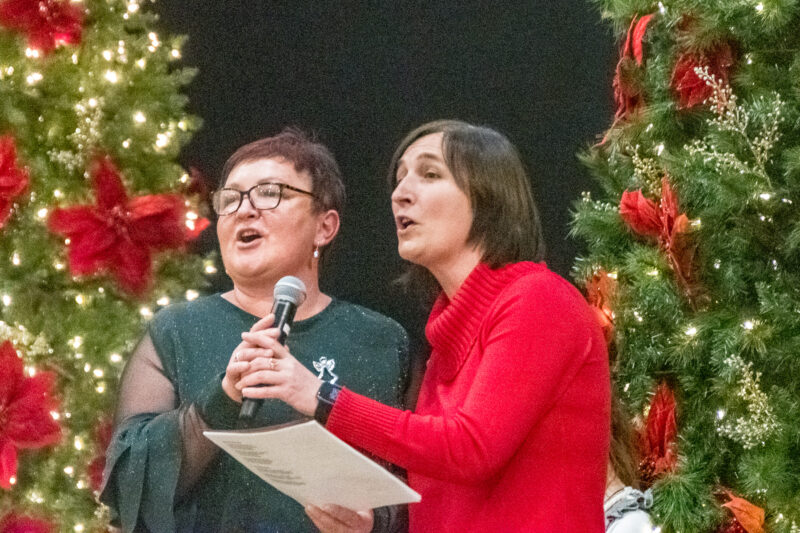
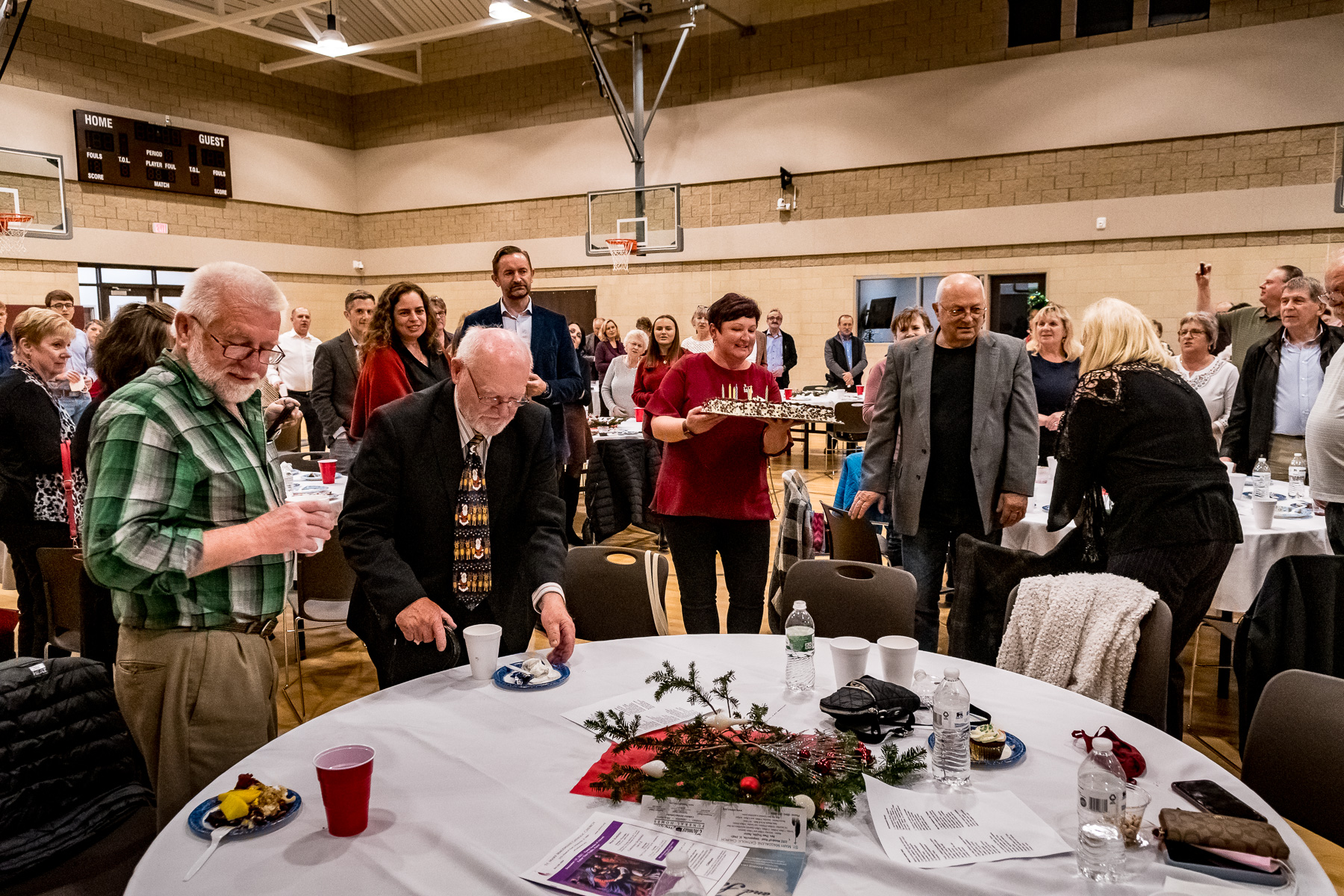
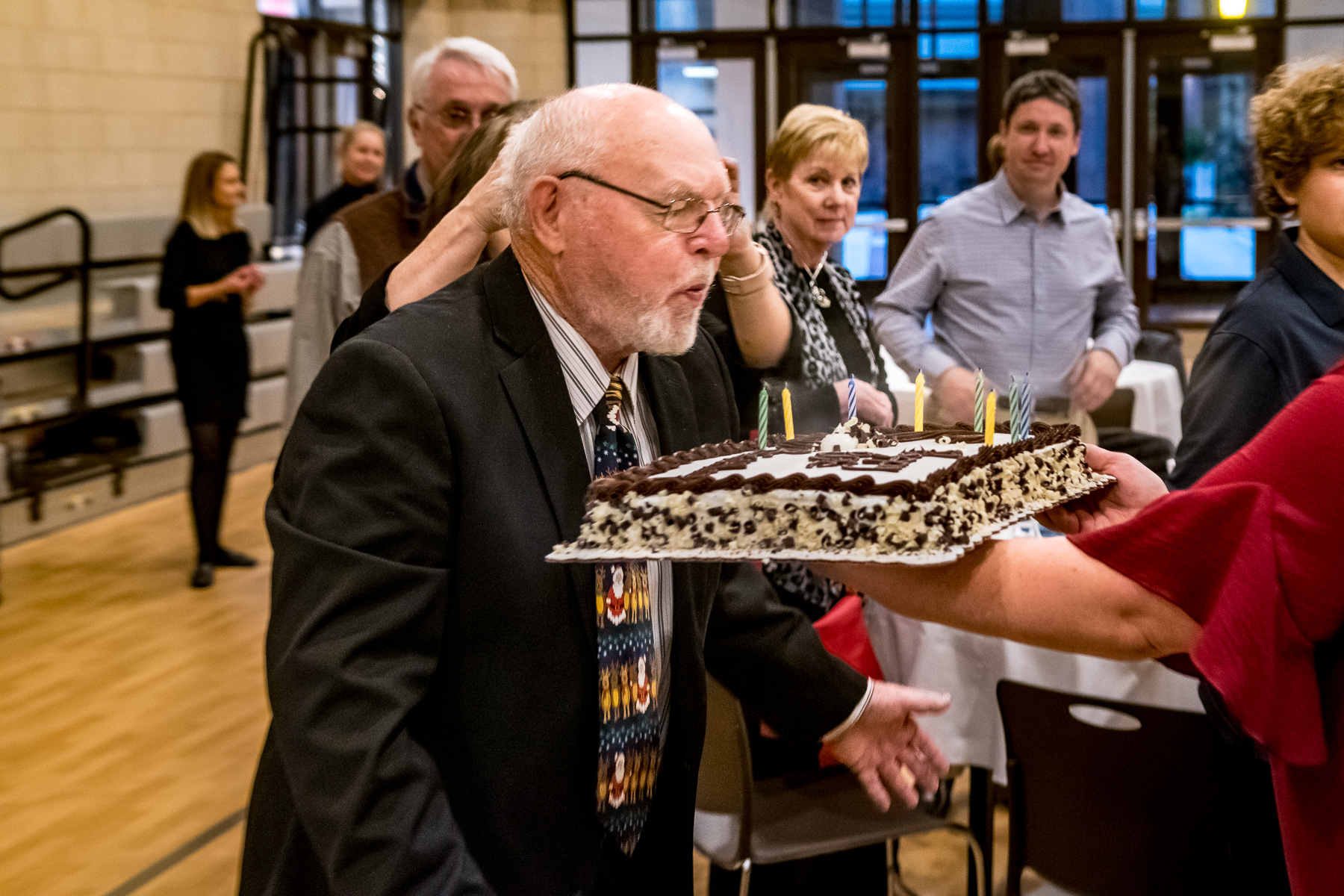
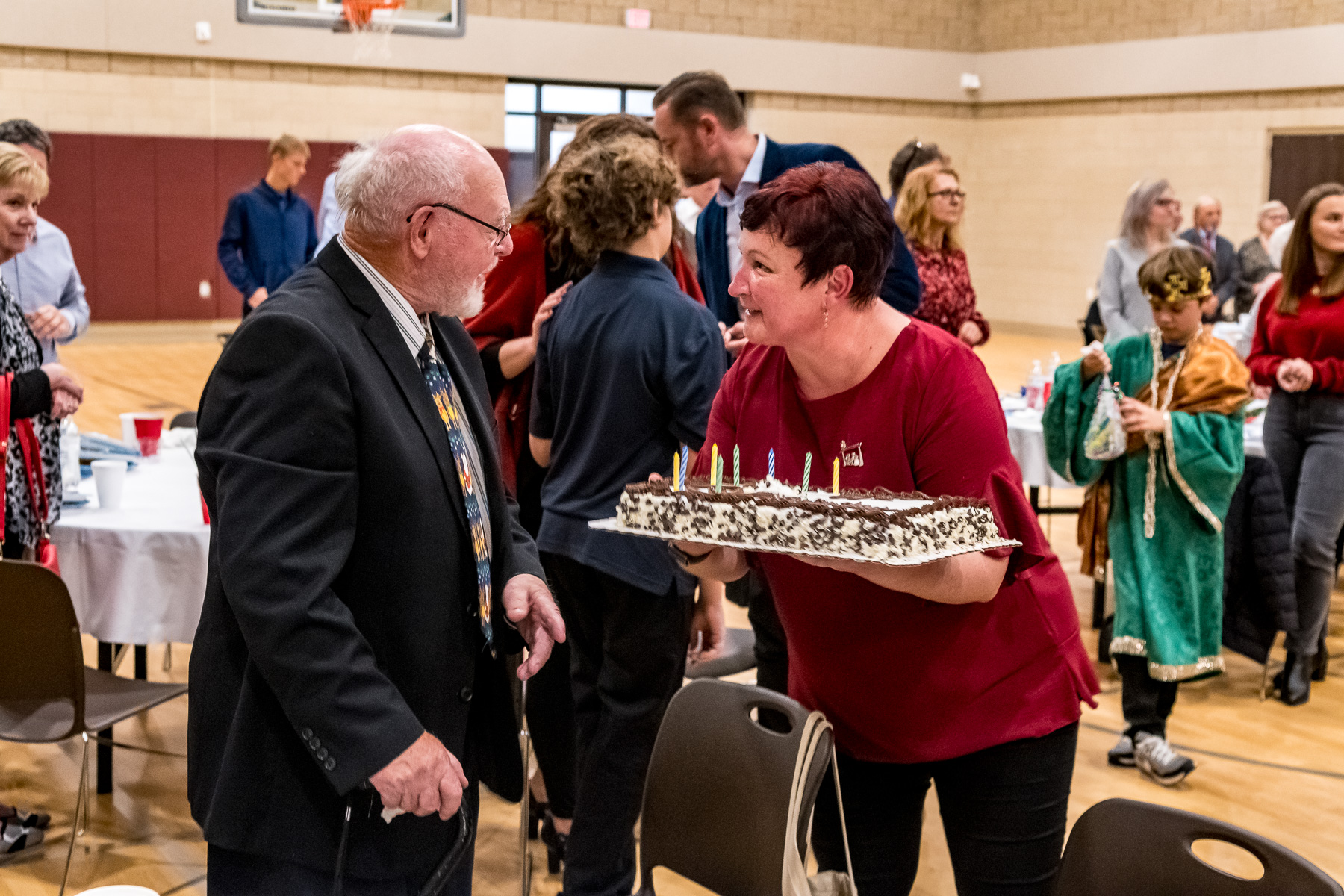
This year was the first year there was no jasełka. At all. But there were carols. There was a meal. There were opłateki. And there was, as always, a special moment for everyone to thank Father Theo, the parish’s head priest. He’s a gentle man from Columbia who took over celebrating the Polish Mass when no Polish priests could. He’s gradually added to the portion of the ceremony more and more Polish, and now, he celebrates almost the entire Mass in Polish.
“I love Polish!” he said this evening. “All that sh sh ch sh sh sh!”
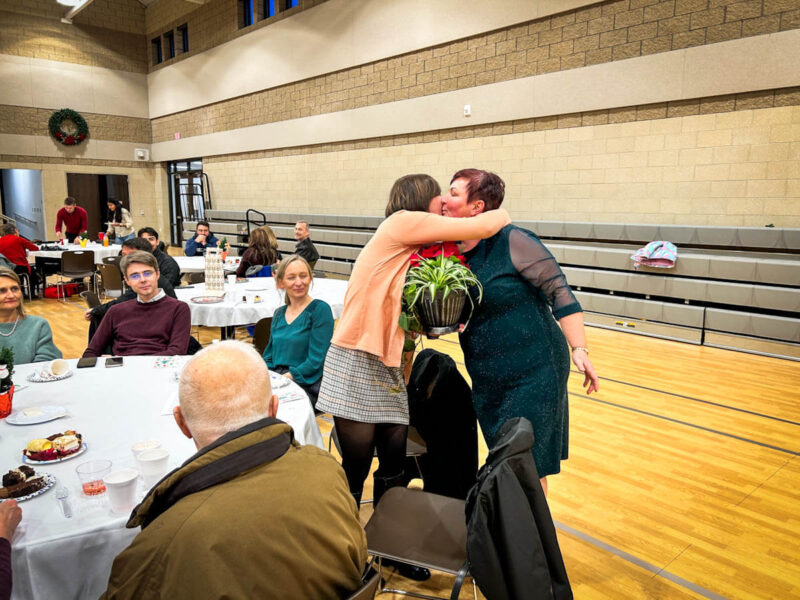
The whole afternoon/early evening is a microcosm of all my little obsessions: the passage of time, the loveliness of tradition, the importance of family, the importance of culture, the love of good food.
Things change; time passes; people grow up; people grow old; it all stays the same; it all passes in the blink of an eye.
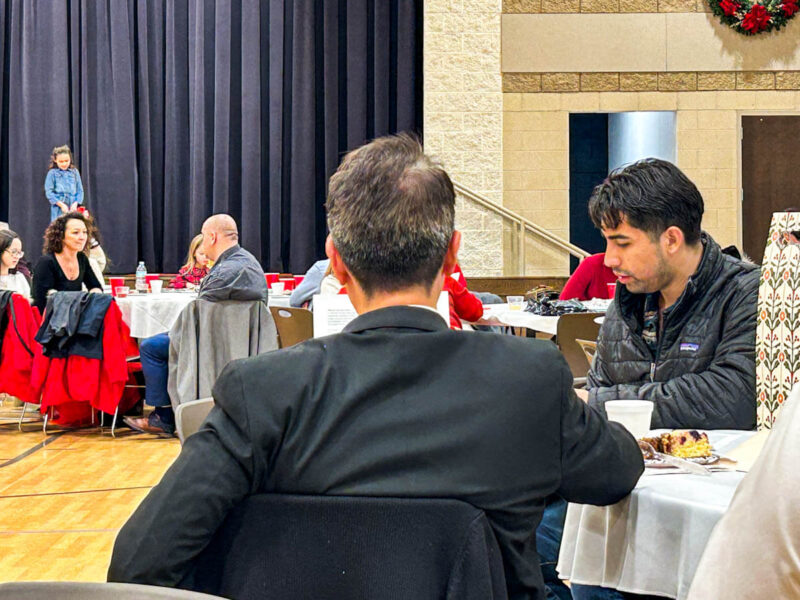
Everything I write about here almost incessantly.
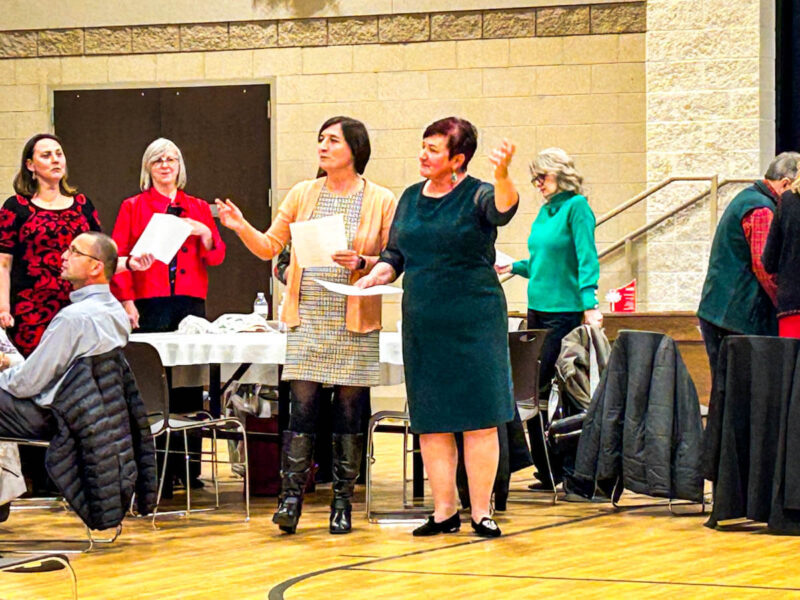
Wasn’t really a jasełka but more a sing-along.
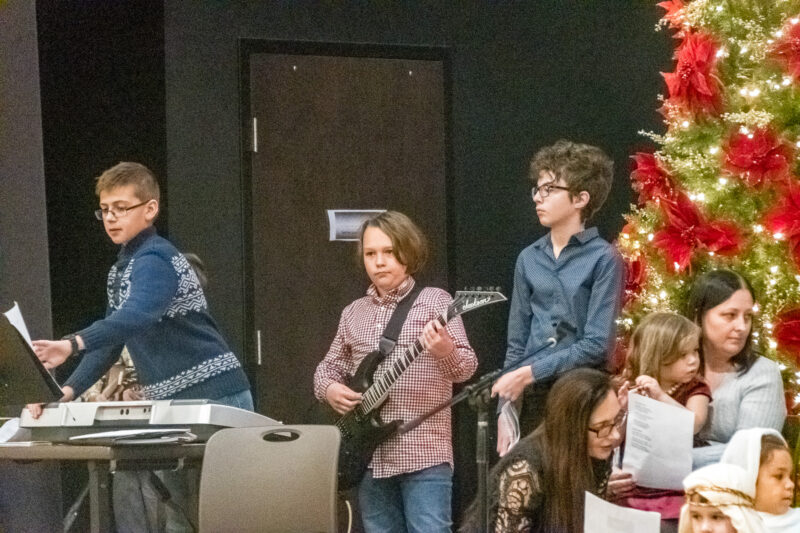
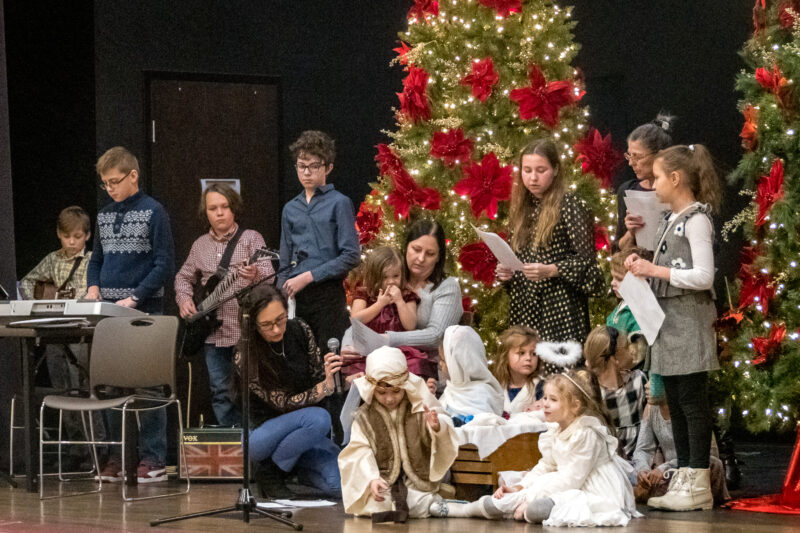
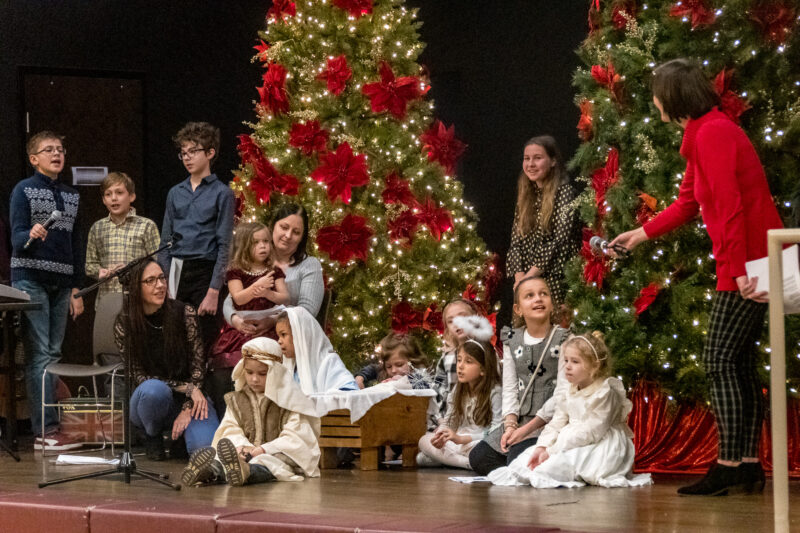
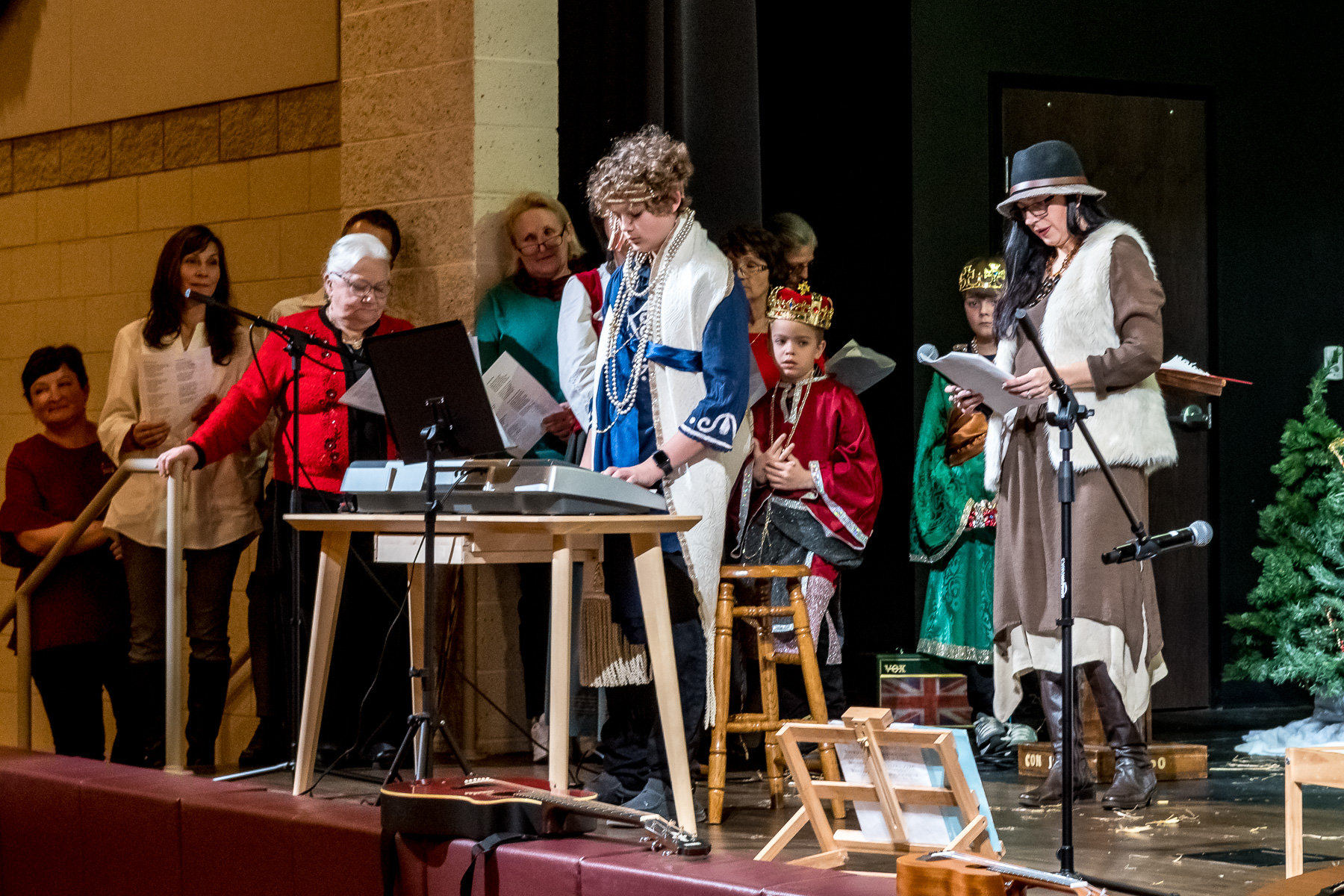
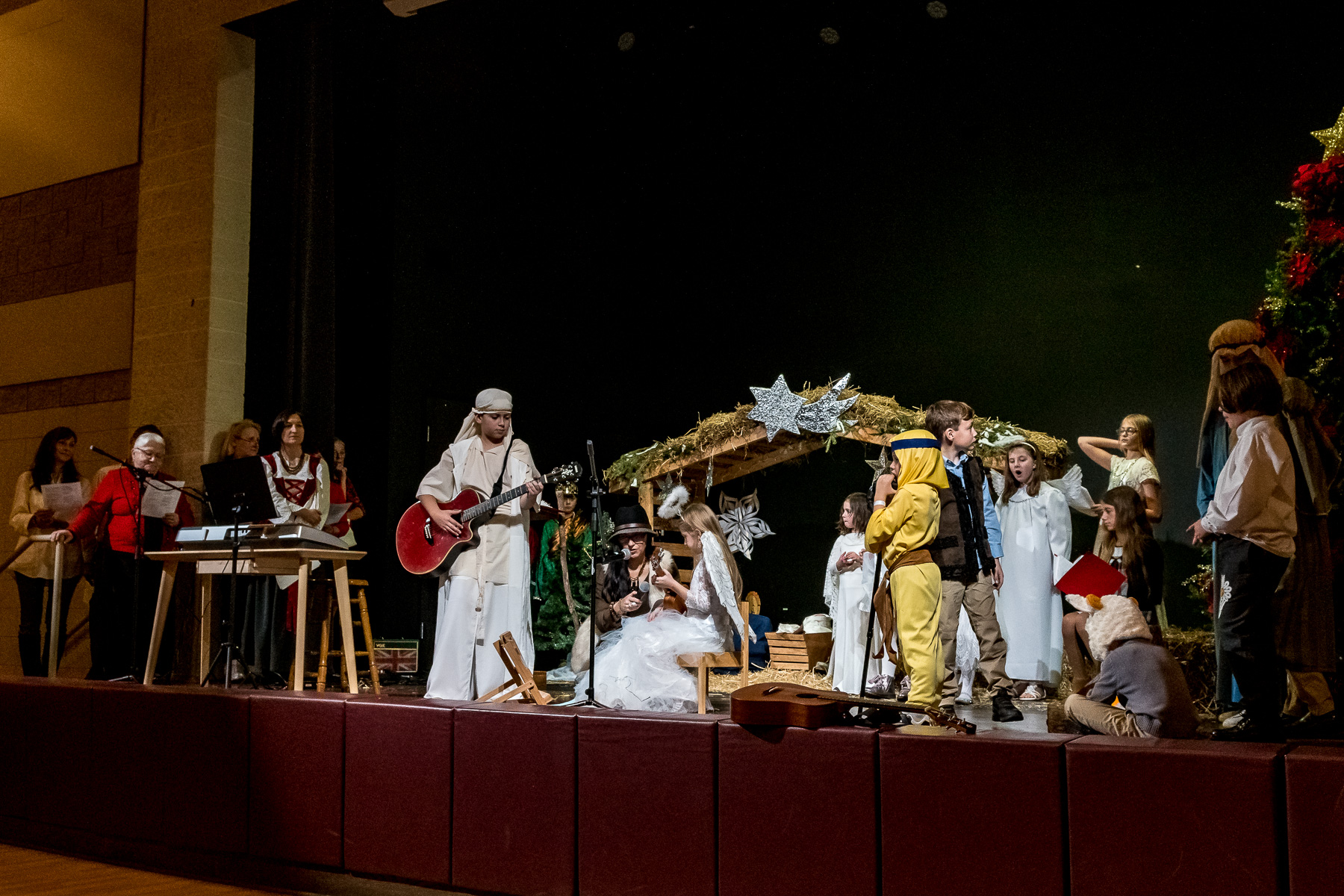
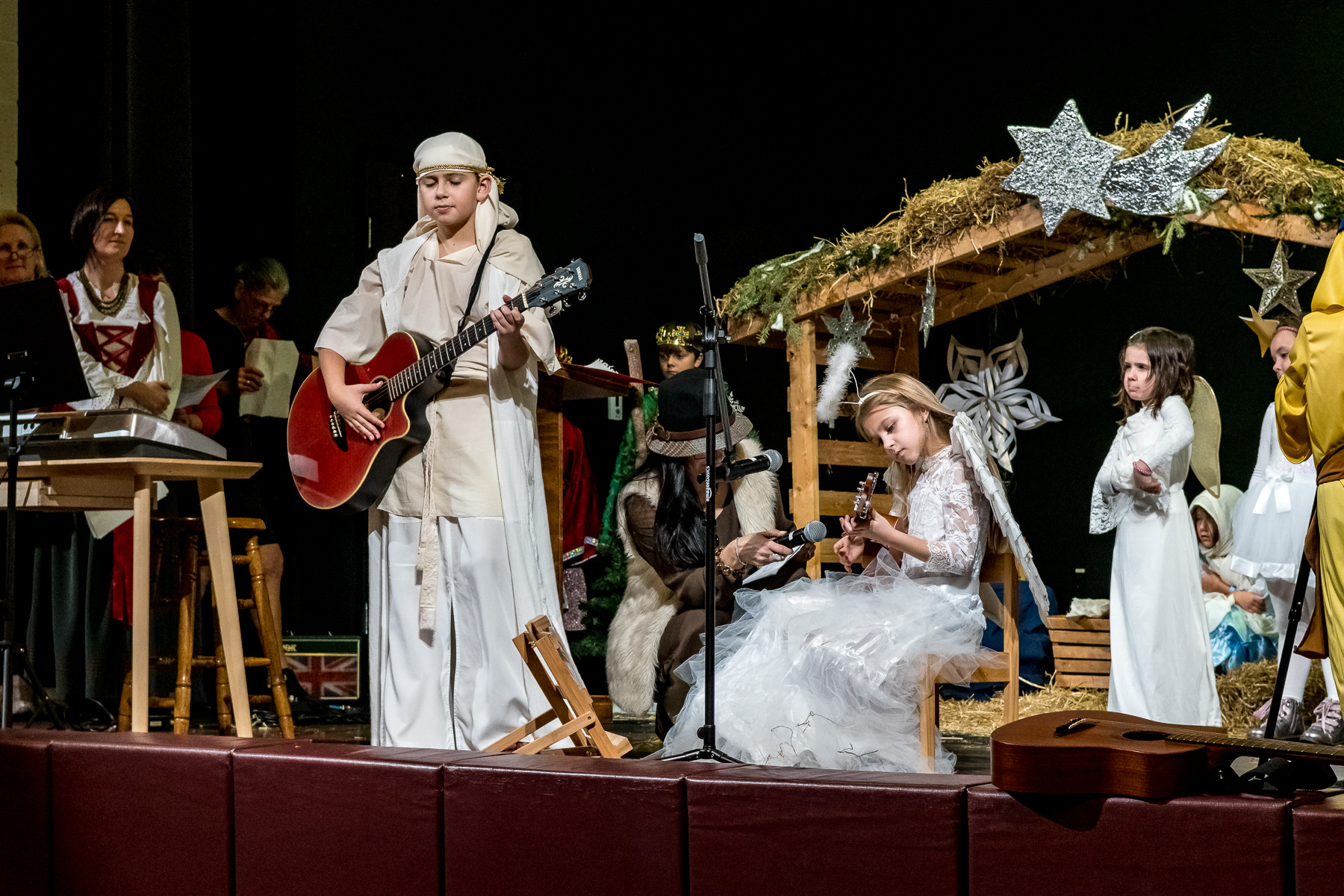
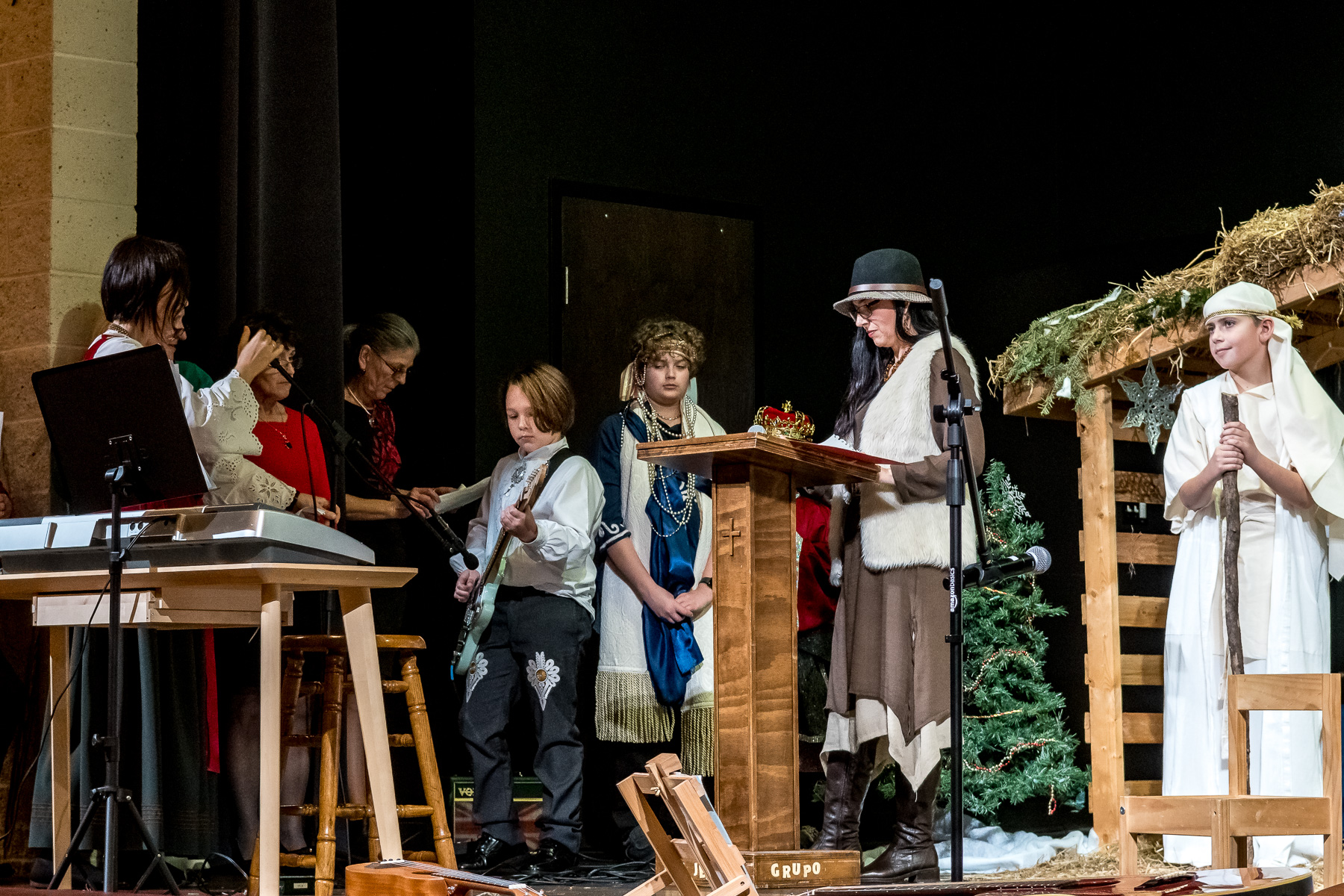
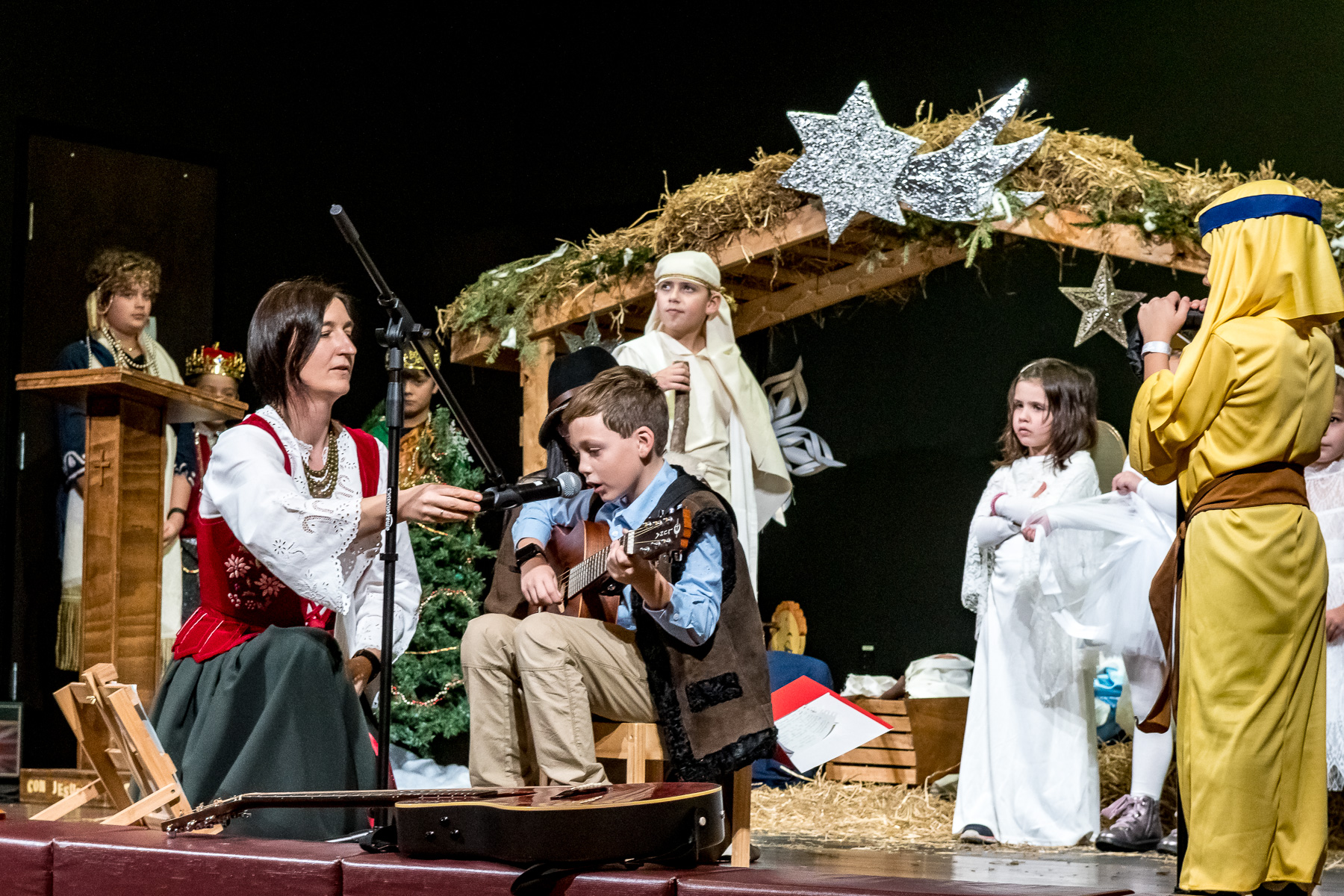
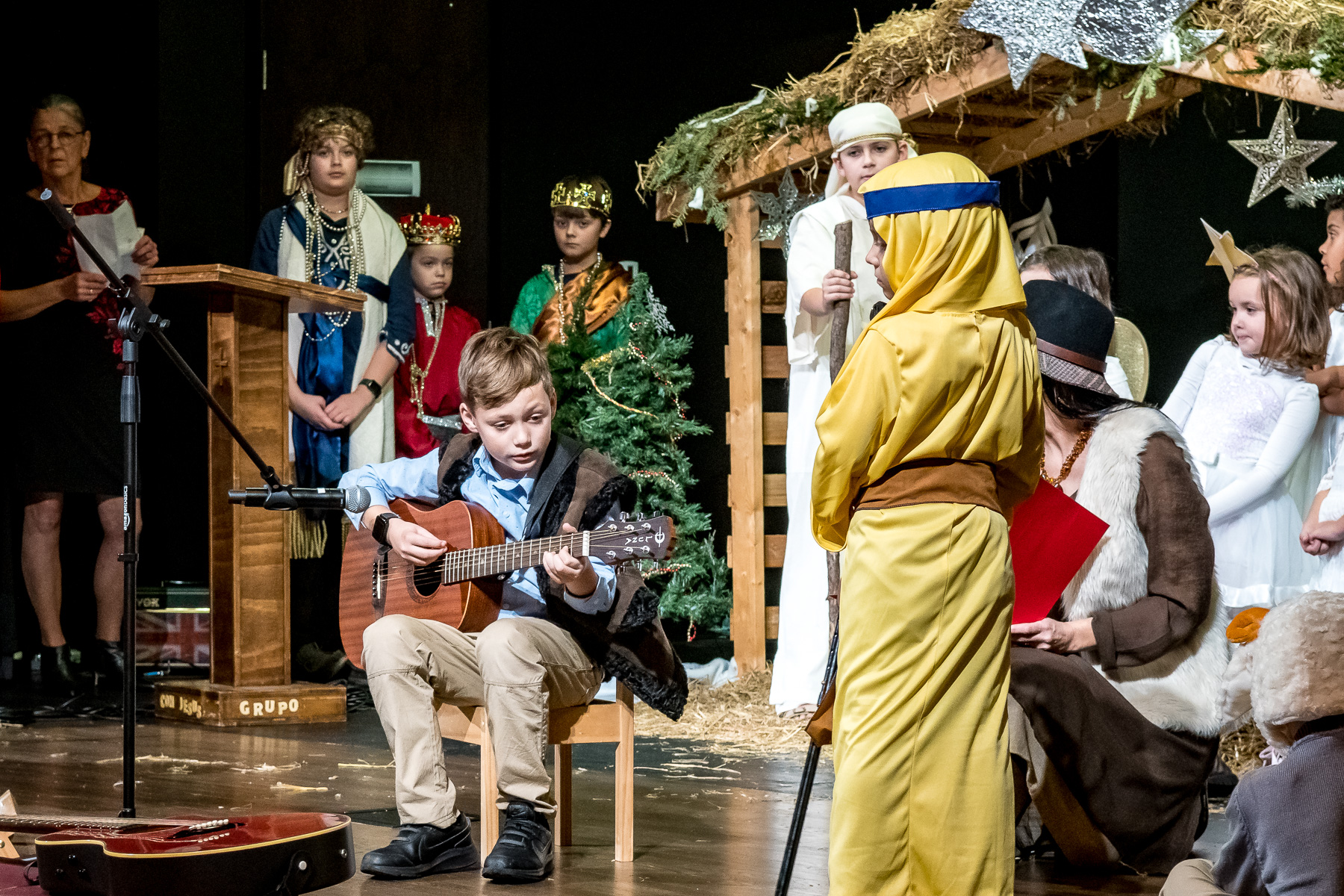
It was to be his biggest performance yet: the Boy was set to play “Przybieżeli do Betlejem” on his guitar for this year’s jasełka performance.
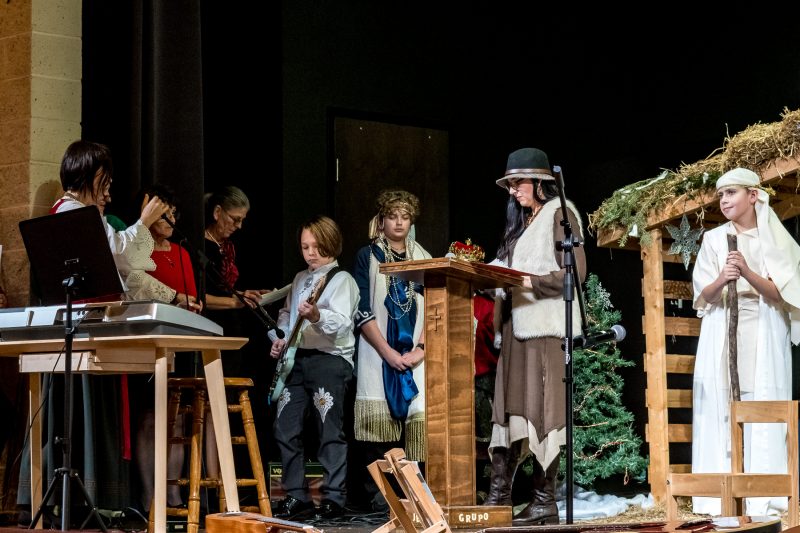
His guitar teacher had been working with him on the piece; he’d been practicing it at home (with some encouragement, it must be admitted); he was ready.
And then the amp would not cooperate. No sound. At all. The adults thought fast, put a mic in front of the guitar, and the Boy was off. He was disappointed, but pleased with not giving up.
“It’s what Tommy would have done,” I reminded him, referring to our hero Tommy Emmanuel, who plays no matter what. Technical difficulties? Guitar issues? Venue problems? Nothing stops Tommy.
“Yeah, I guess.”
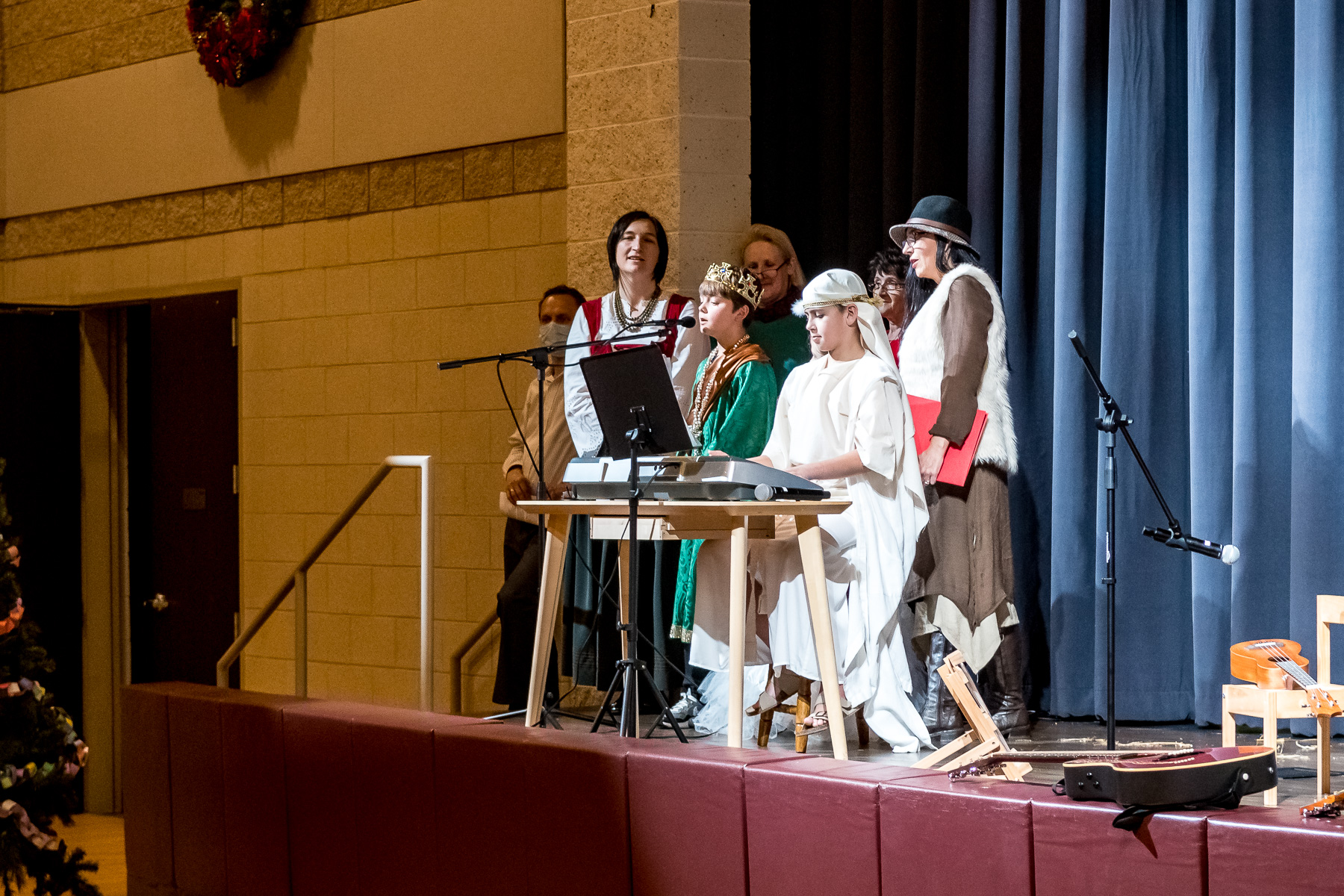
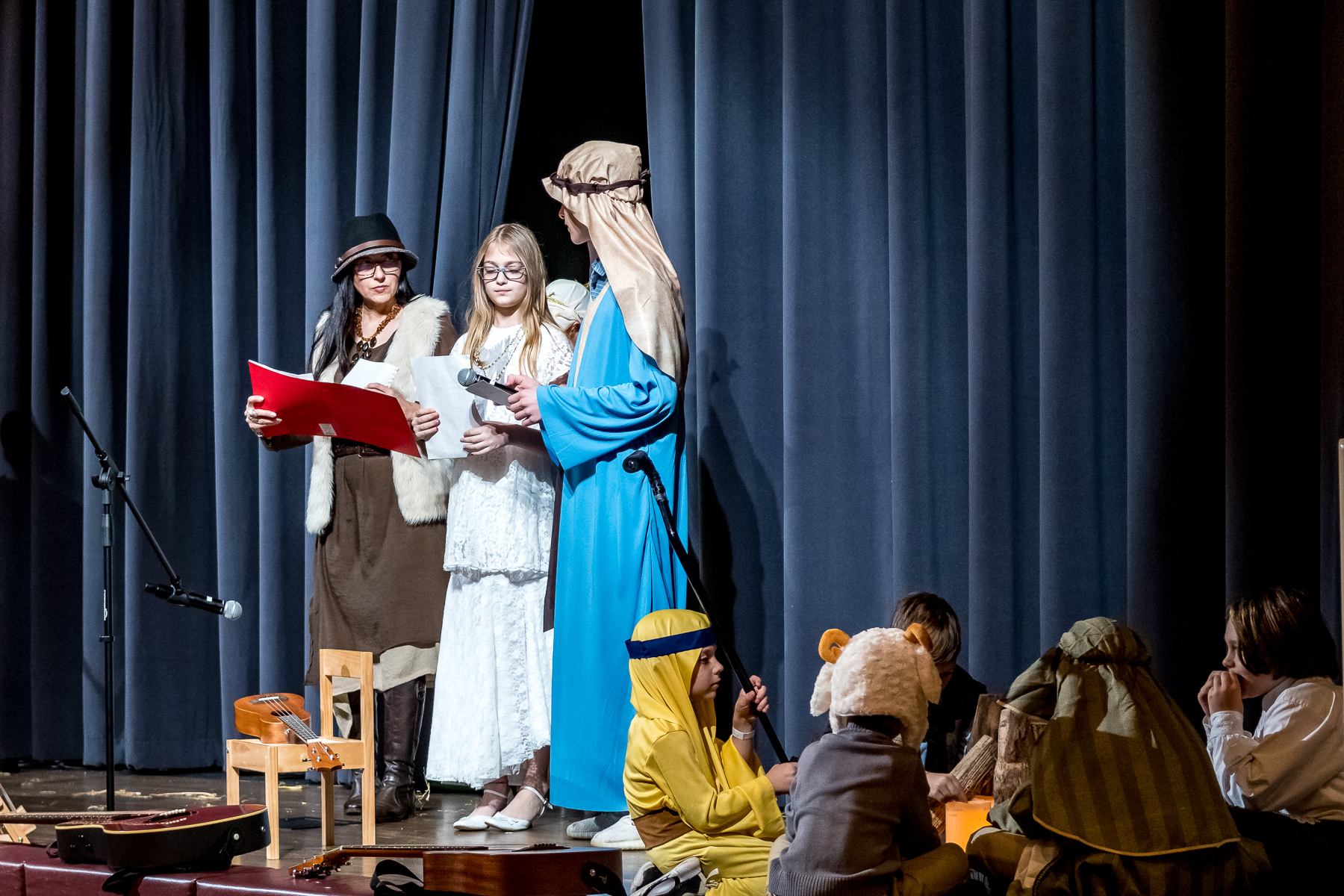
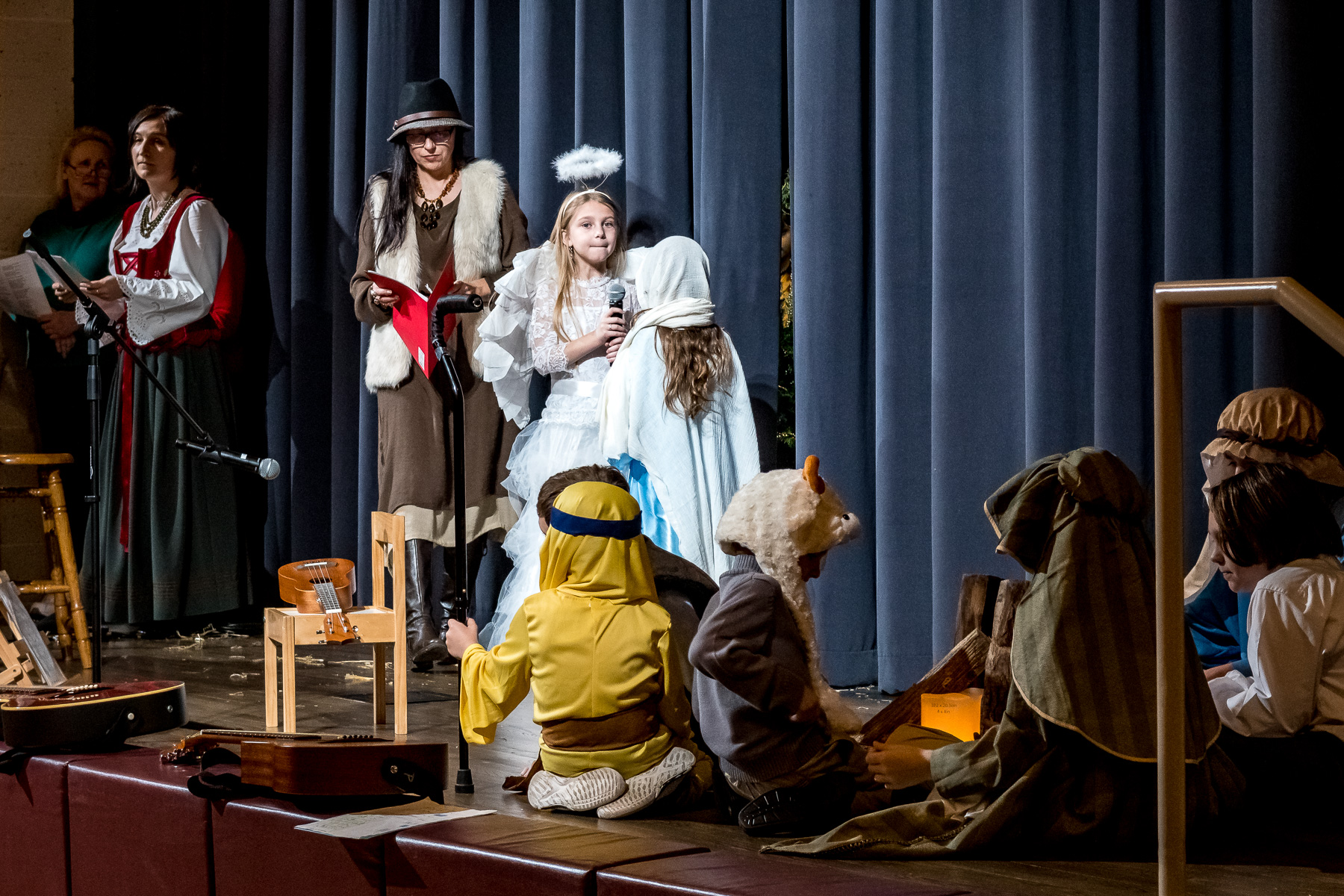
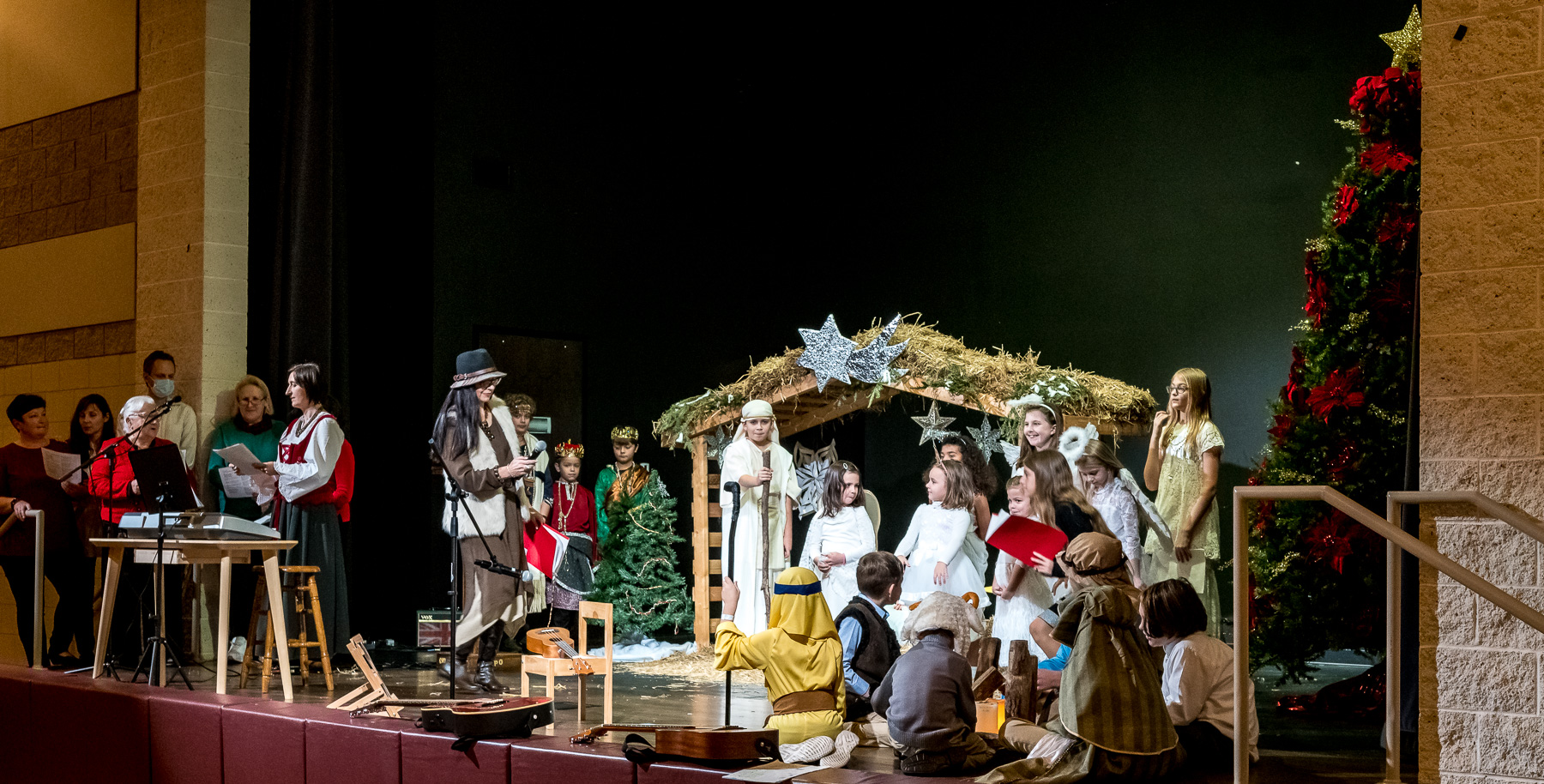
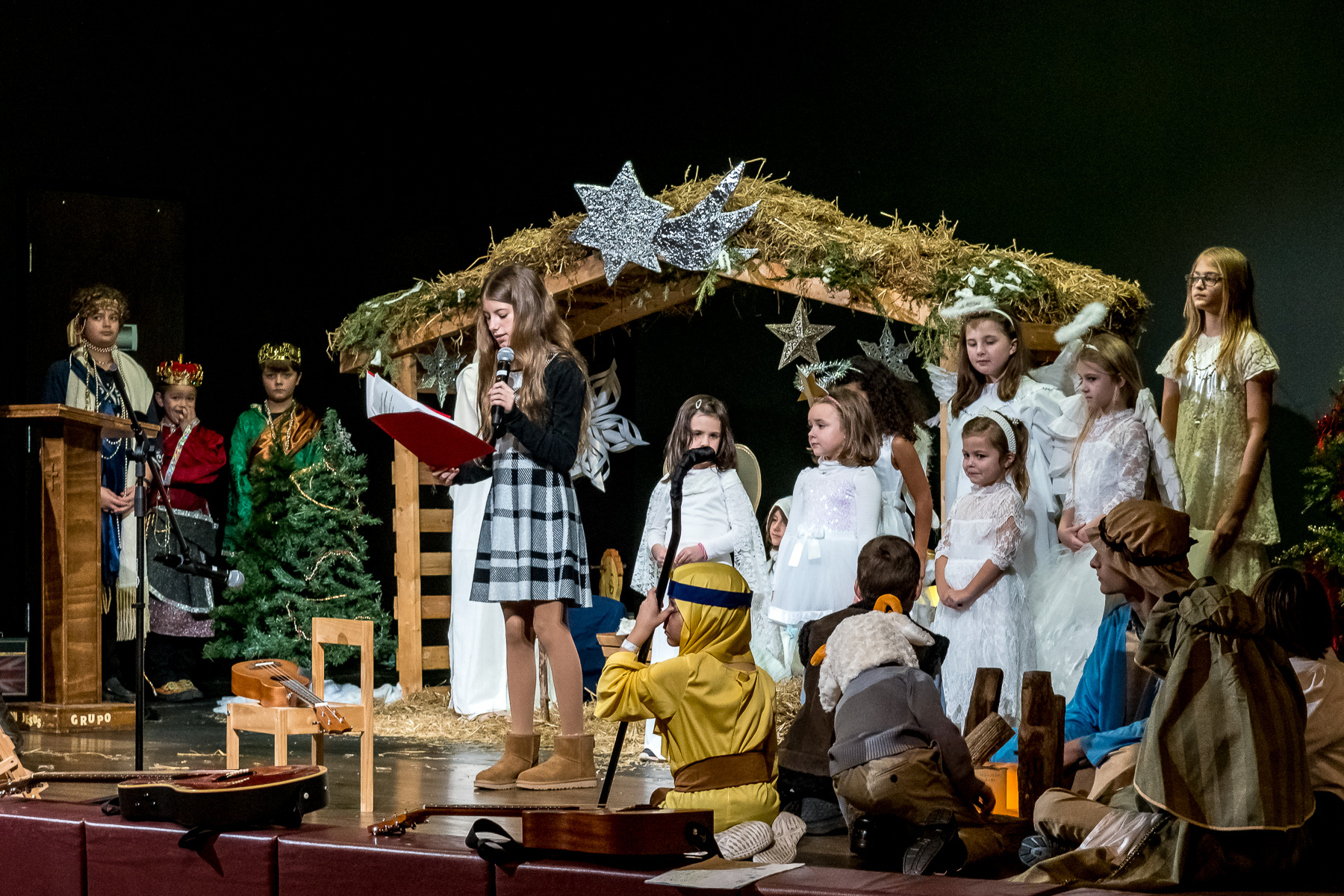
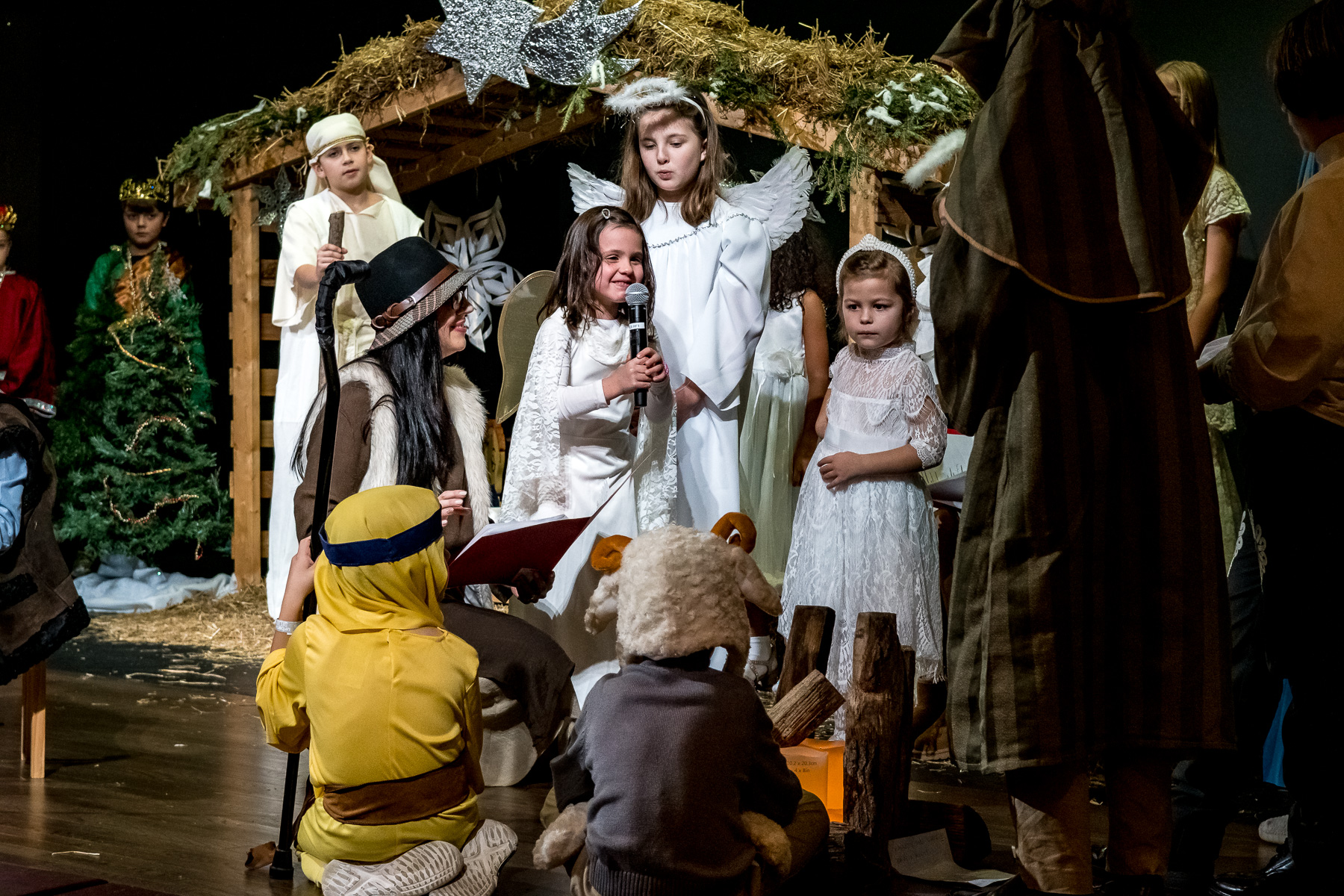
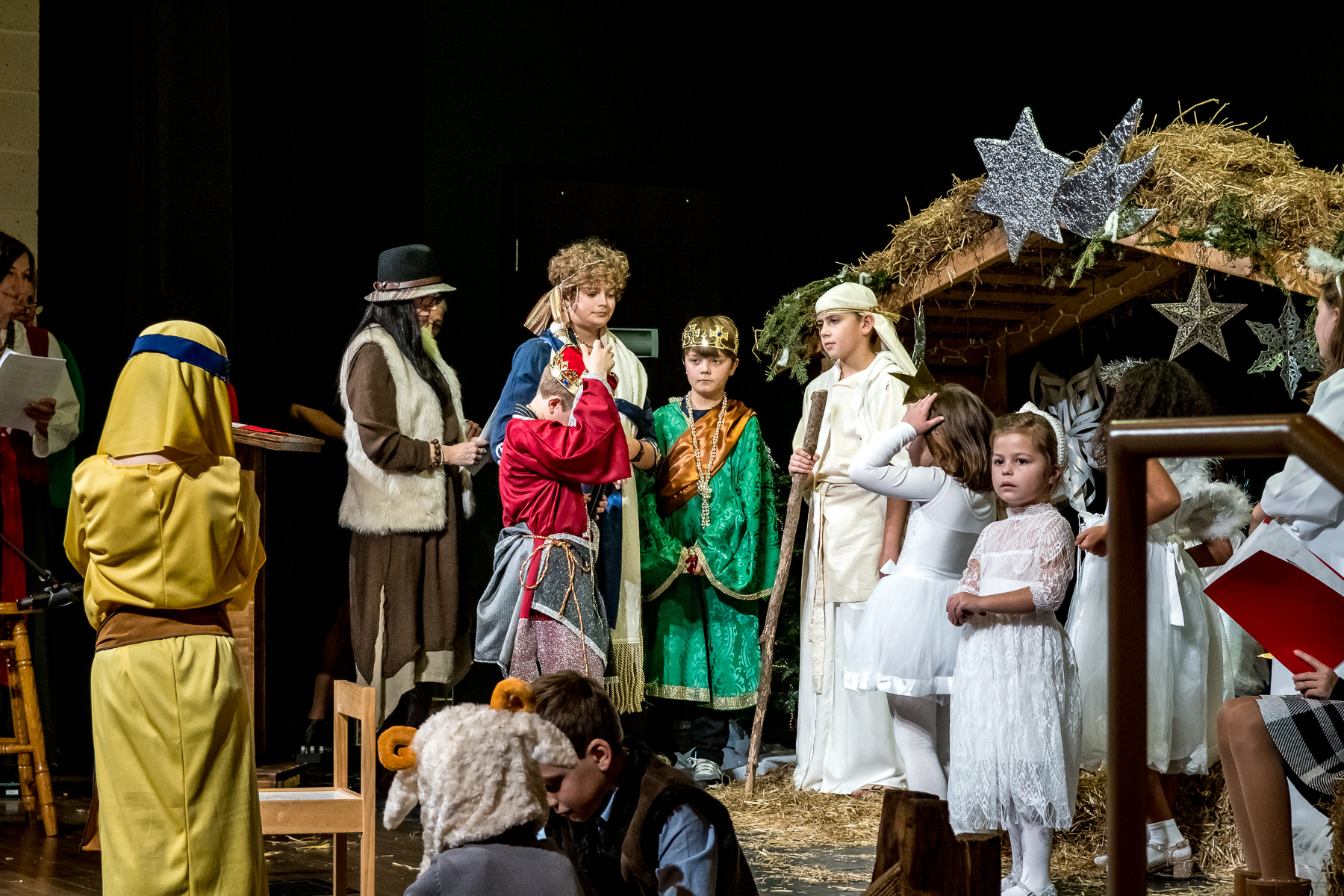
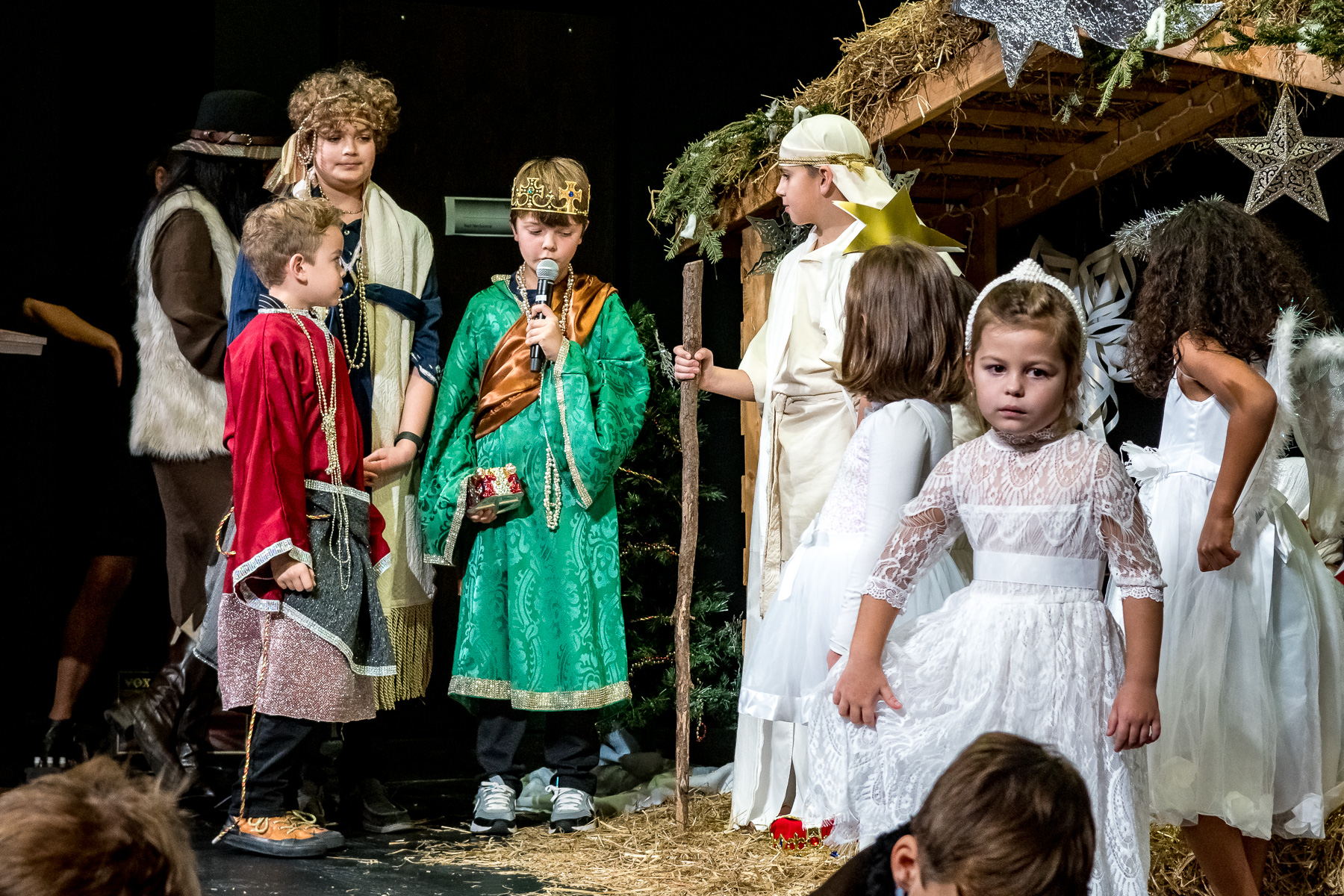
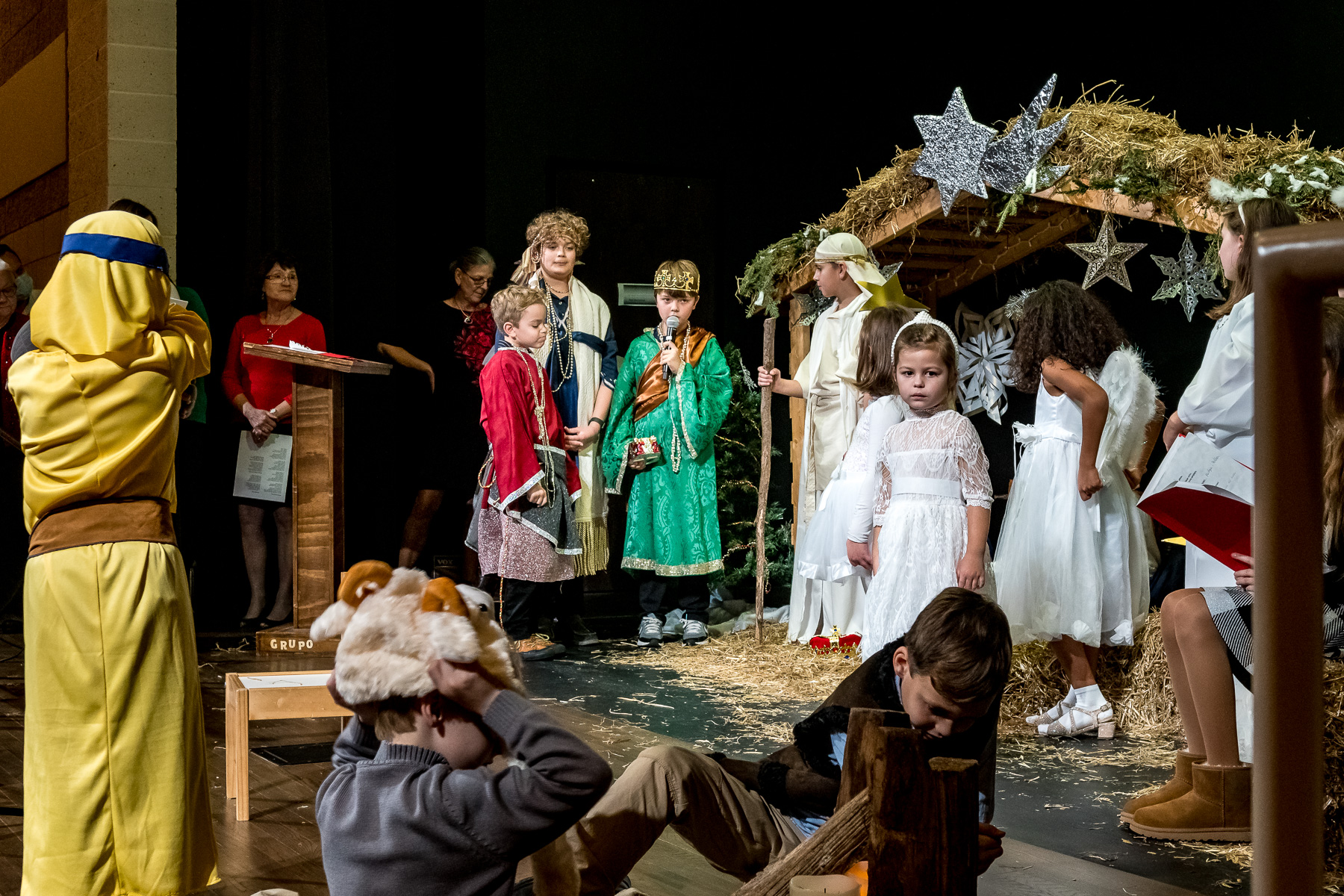
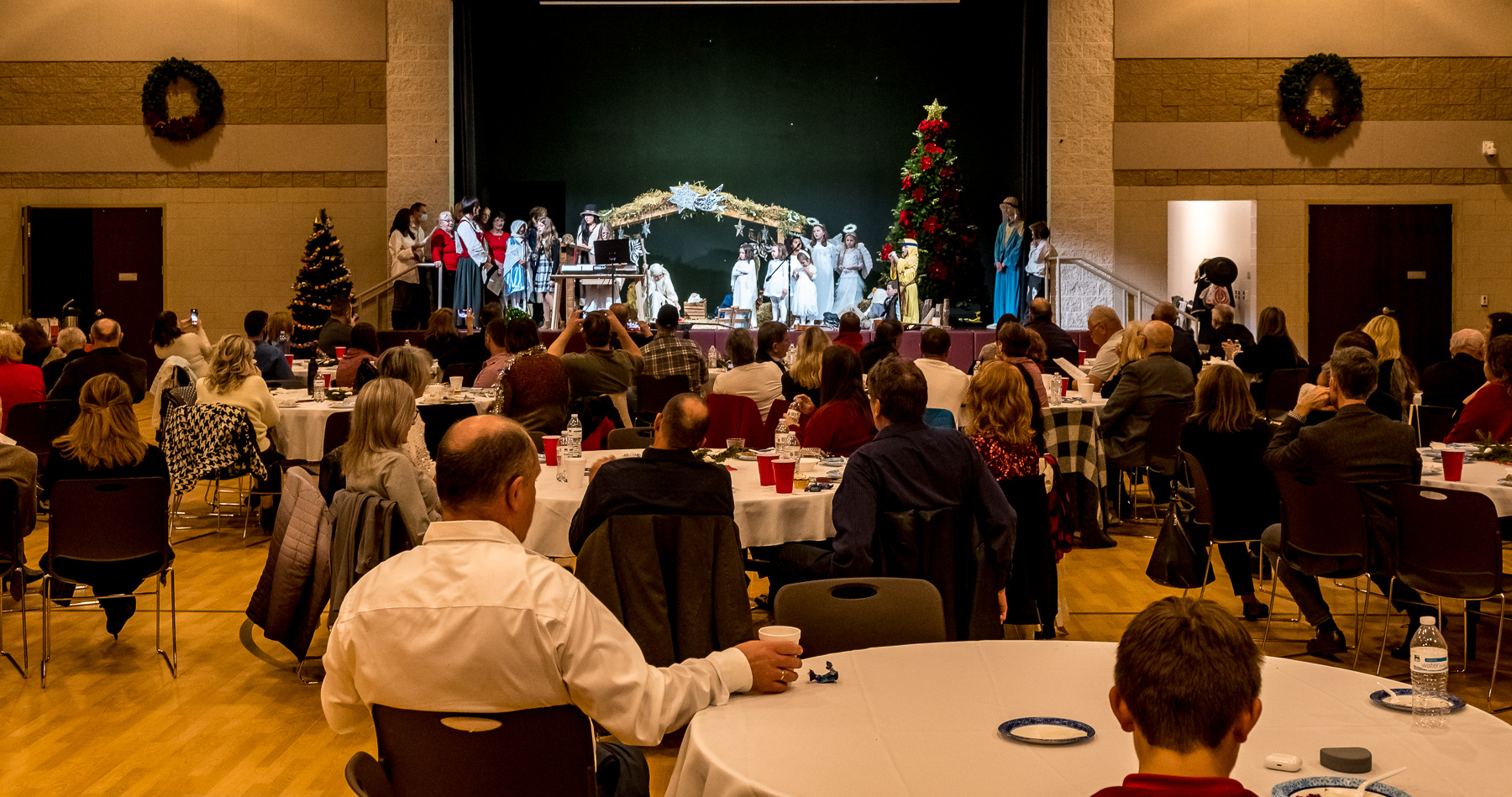
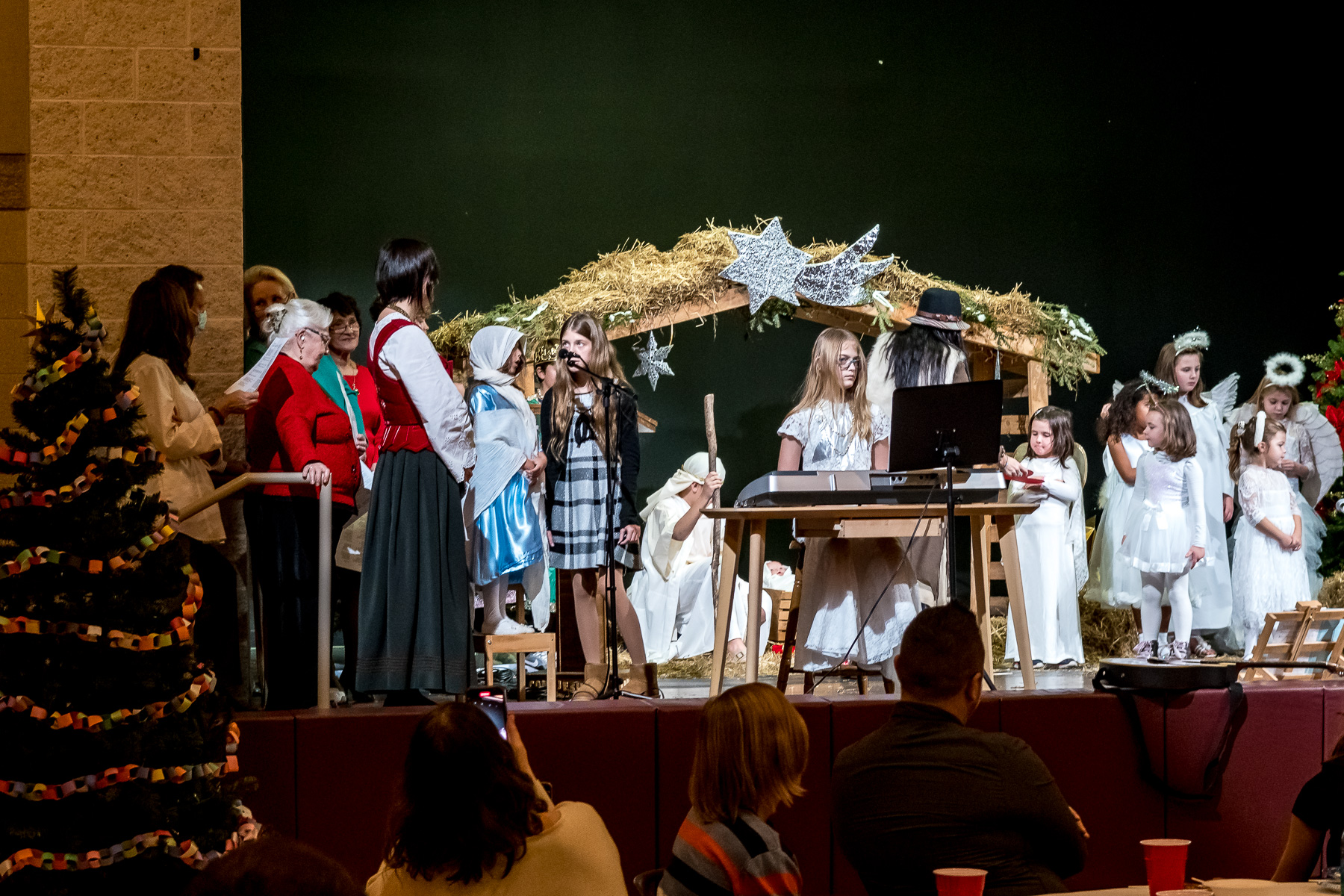
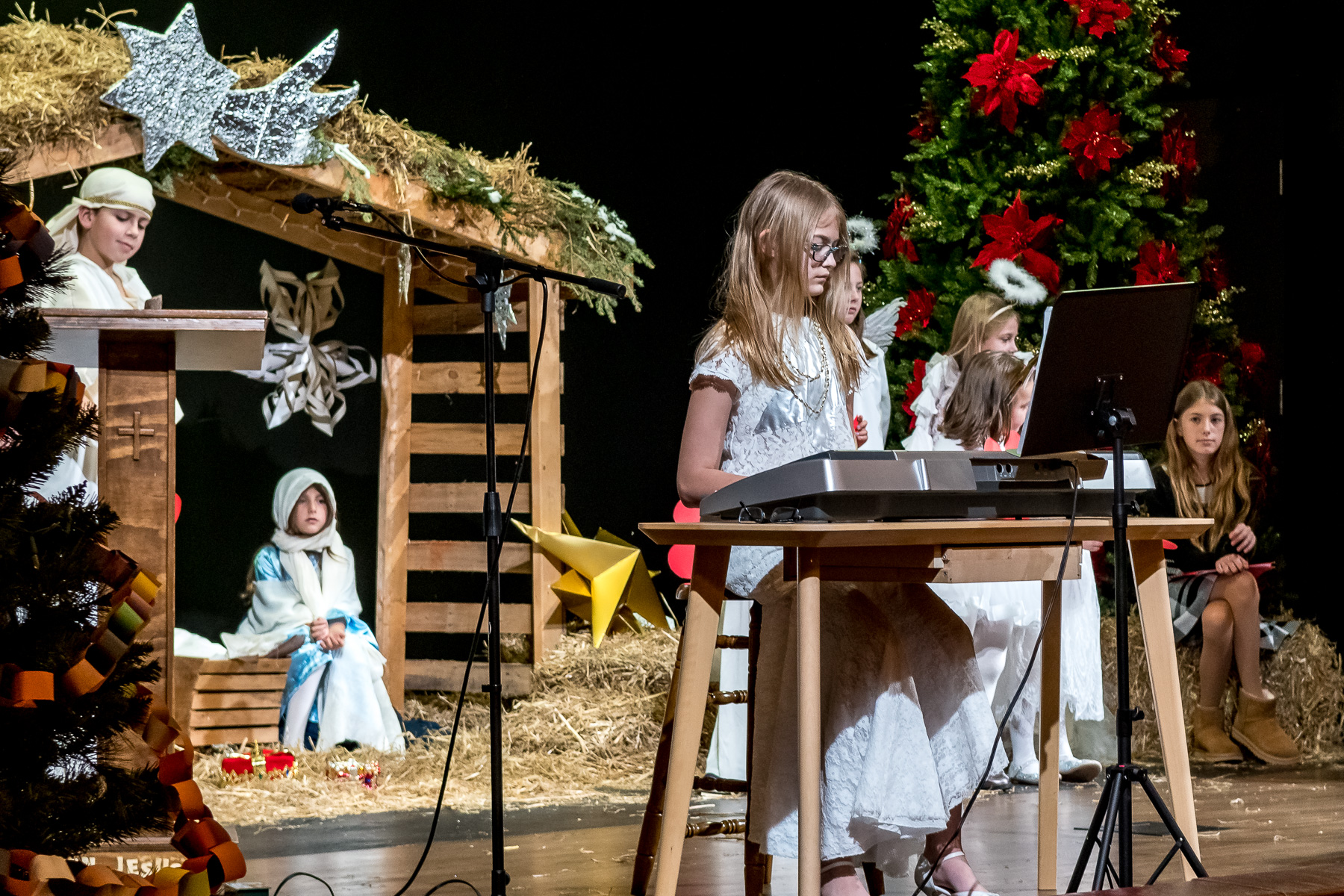
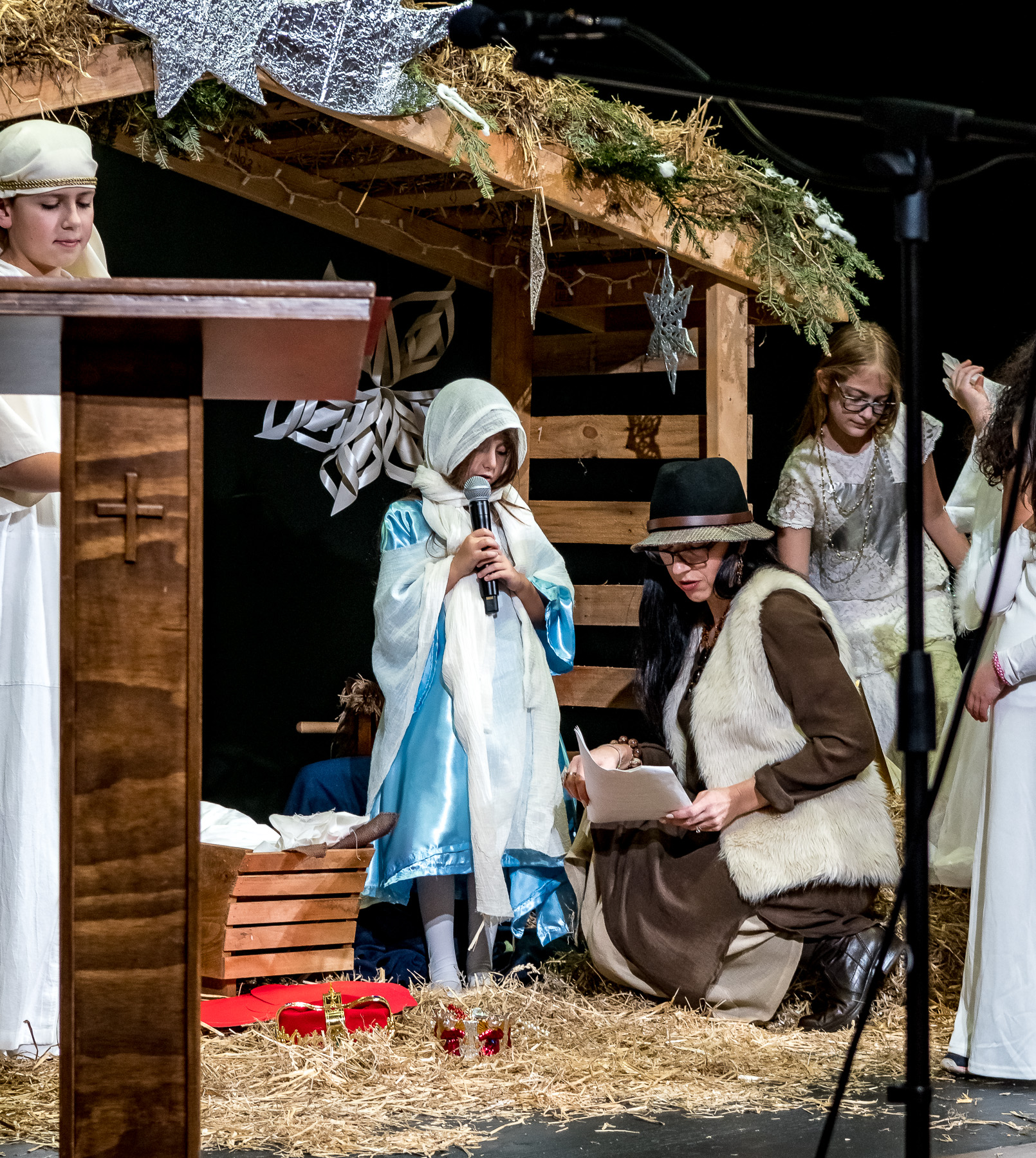
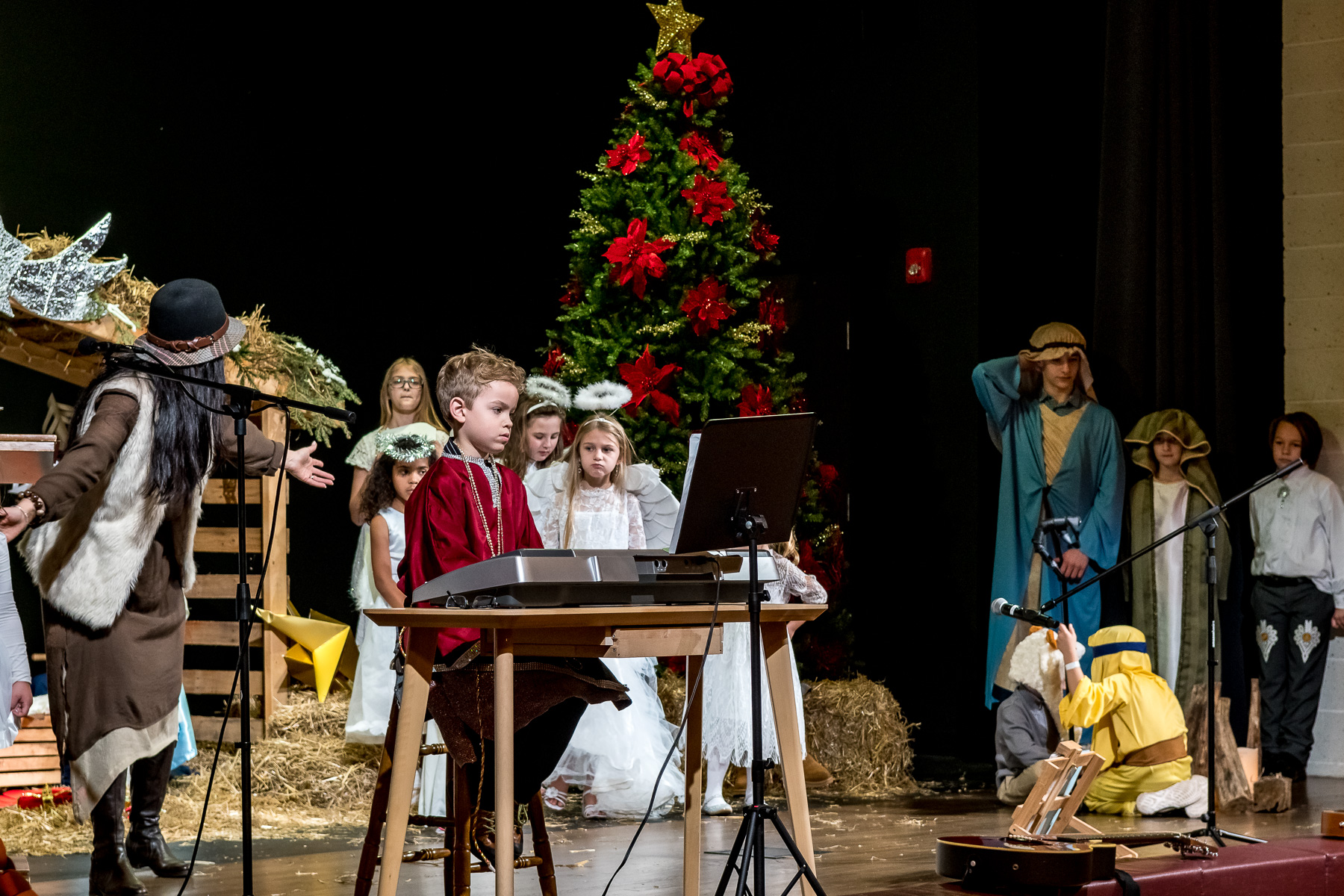
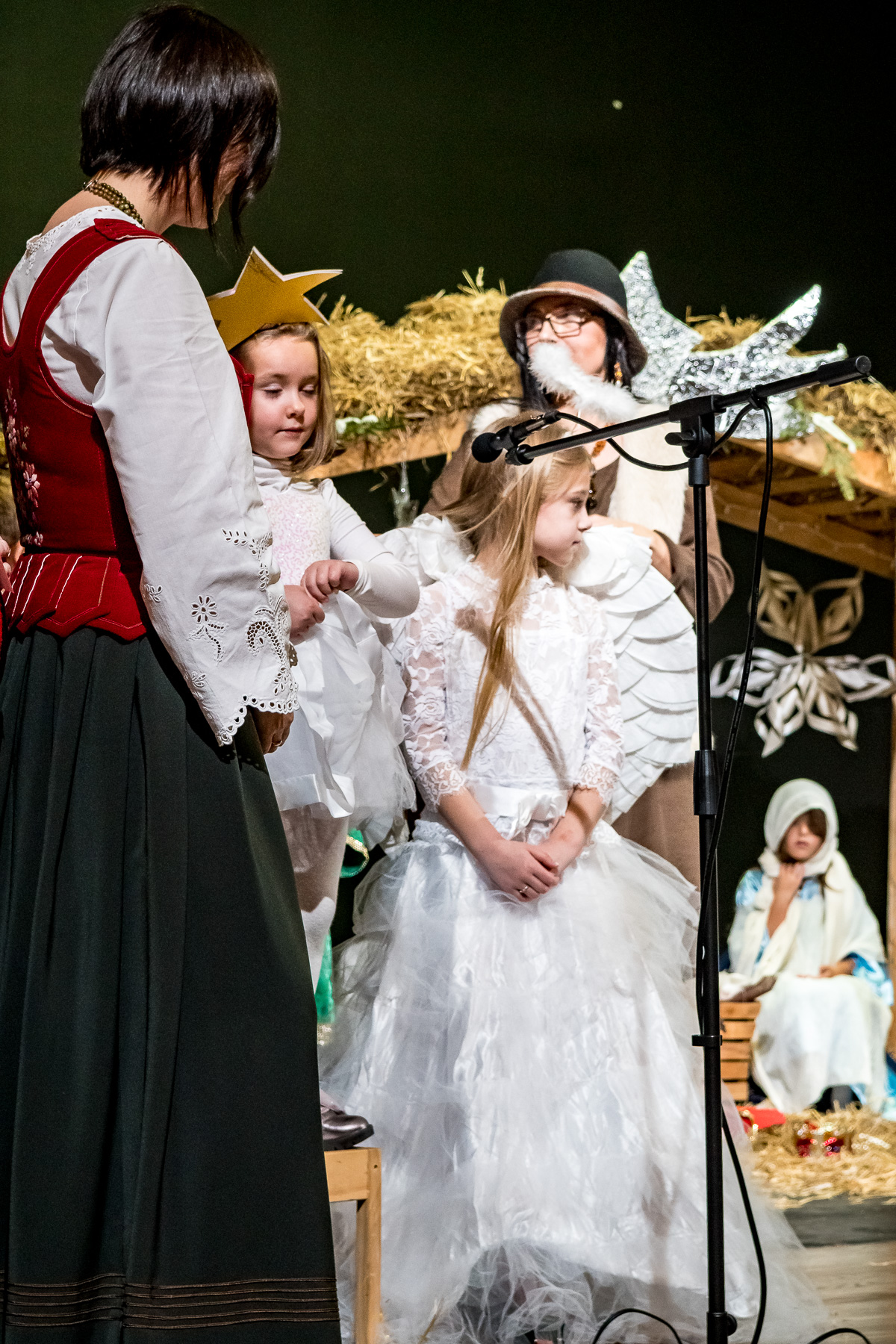
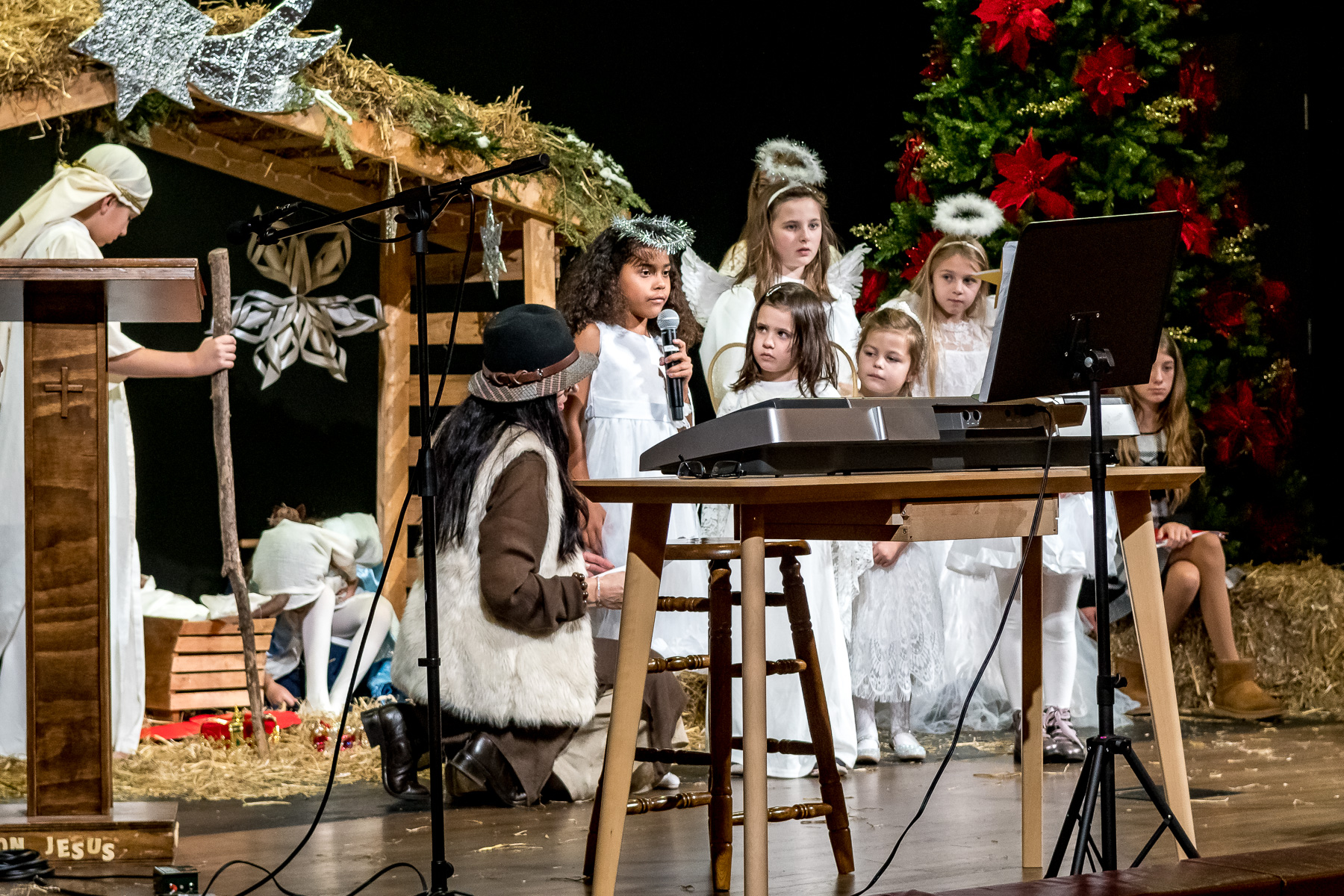
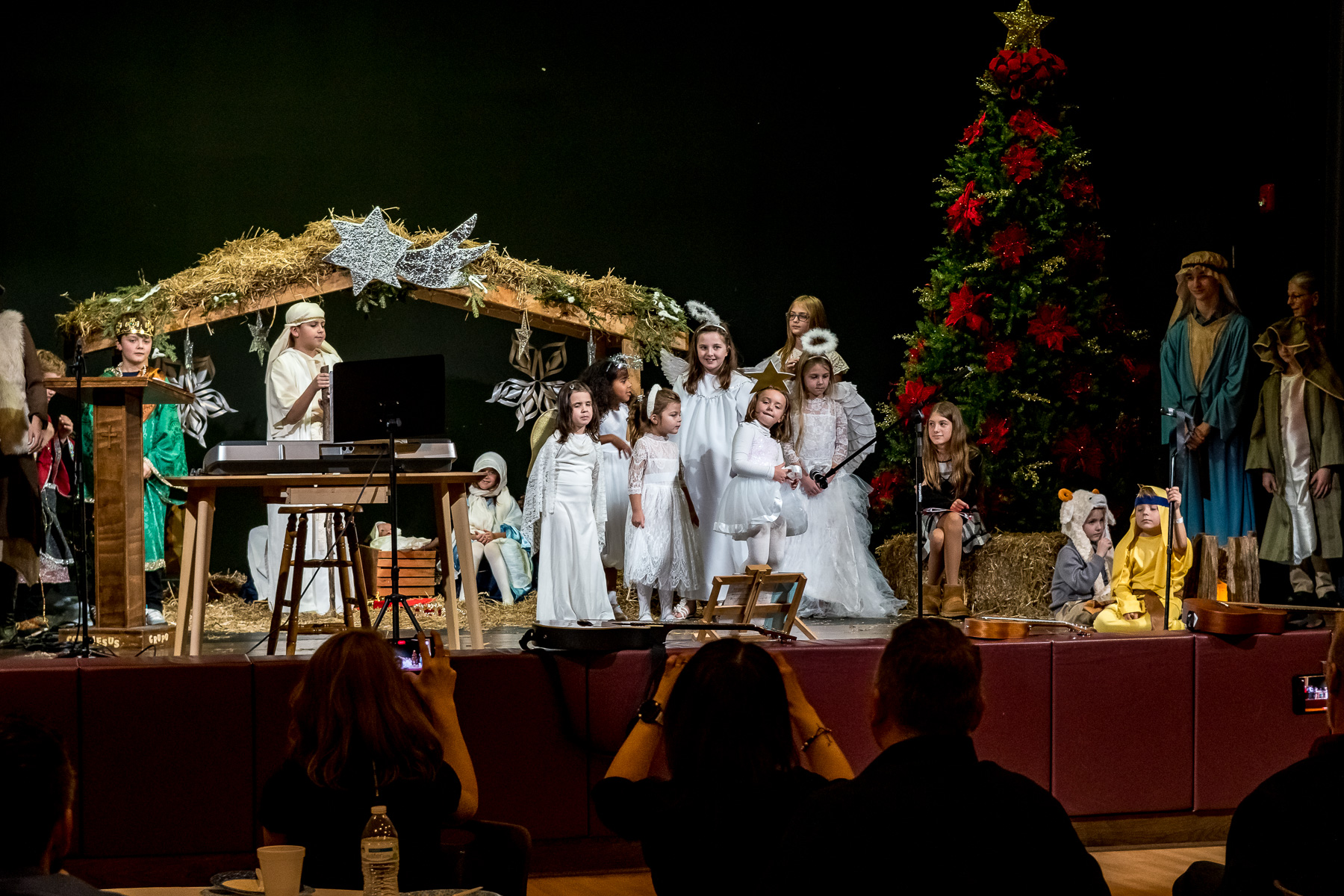
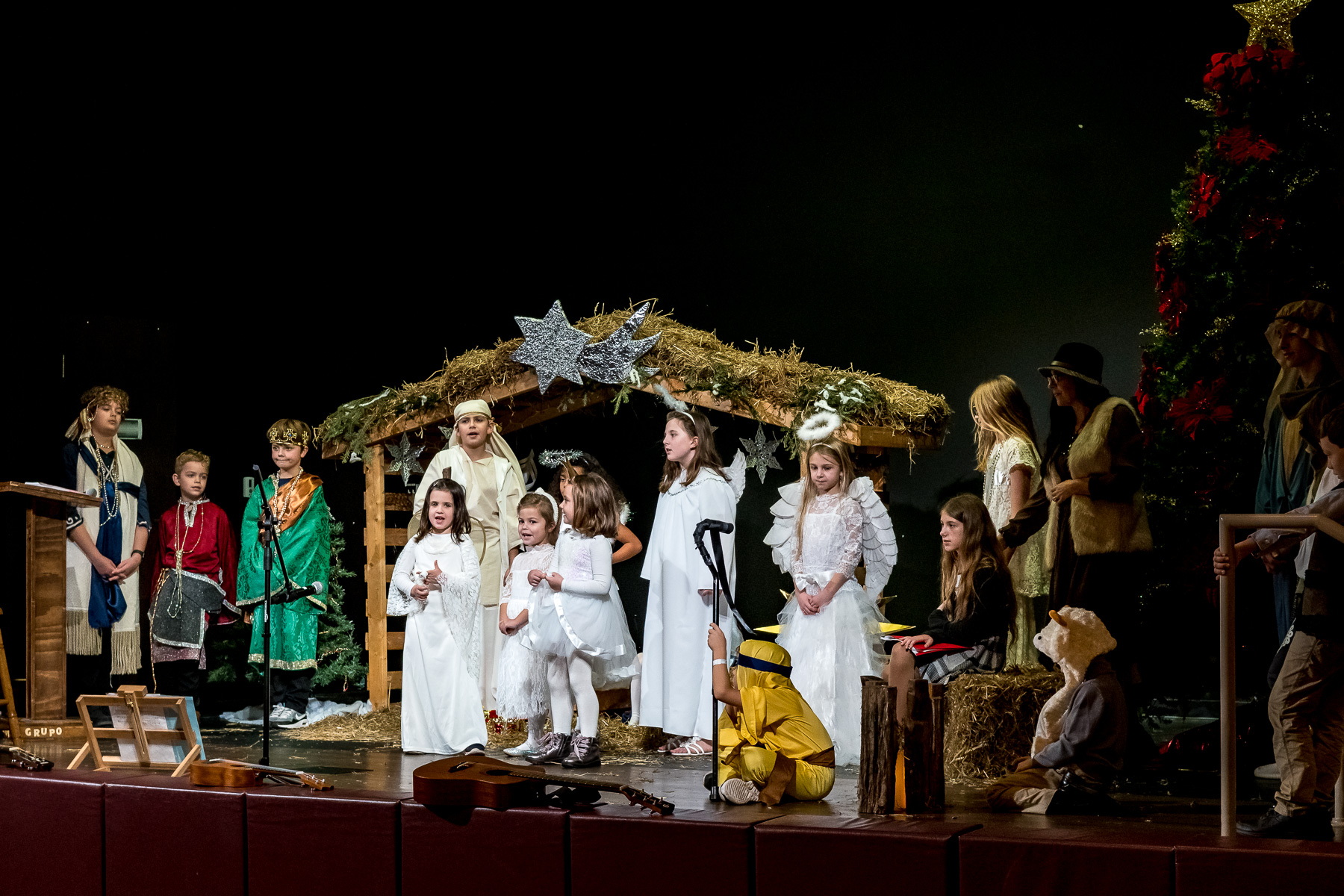
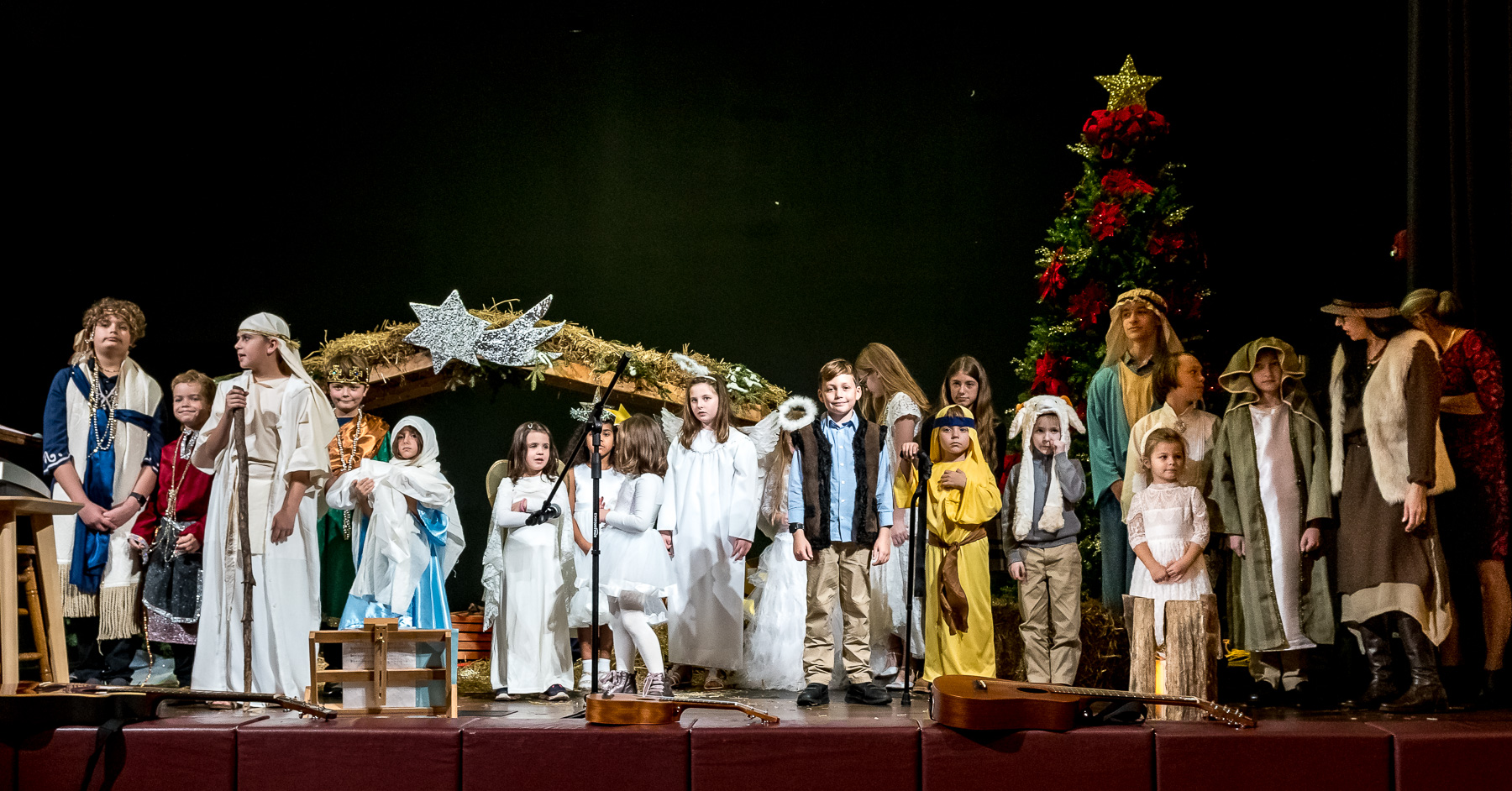
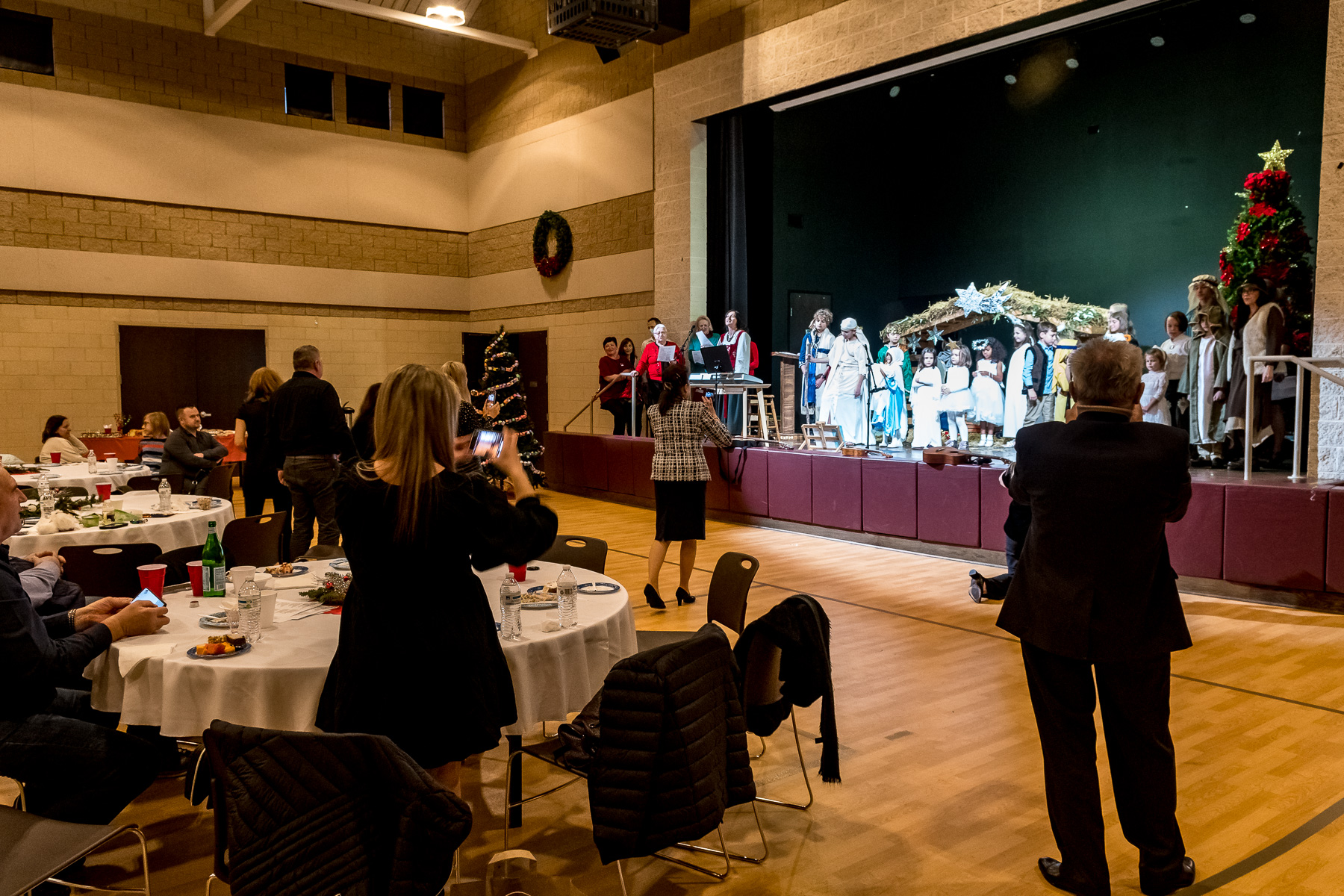
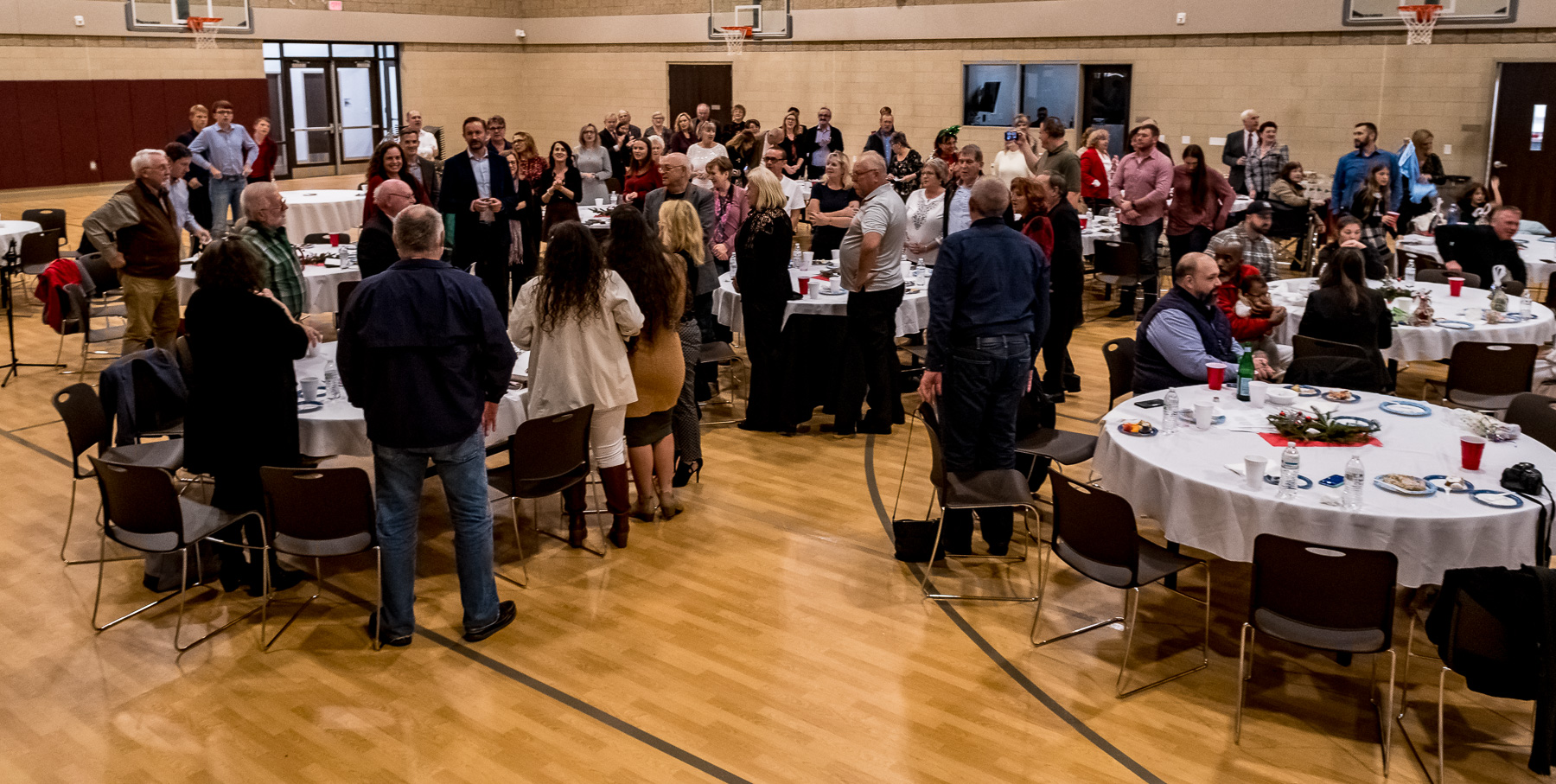
Jaselka 2019
Jasełka 2017
Jasełka 2016
Jasełka 2015
Six and Jaselka
Jasełka 2013
Jasełka
Performance
Jasełka
The Polish community in the area has a mass on the last Sunday of every month, but just before Christmas, there’s a special mass. We’ve done it every year for ten years now.
So much has changed.
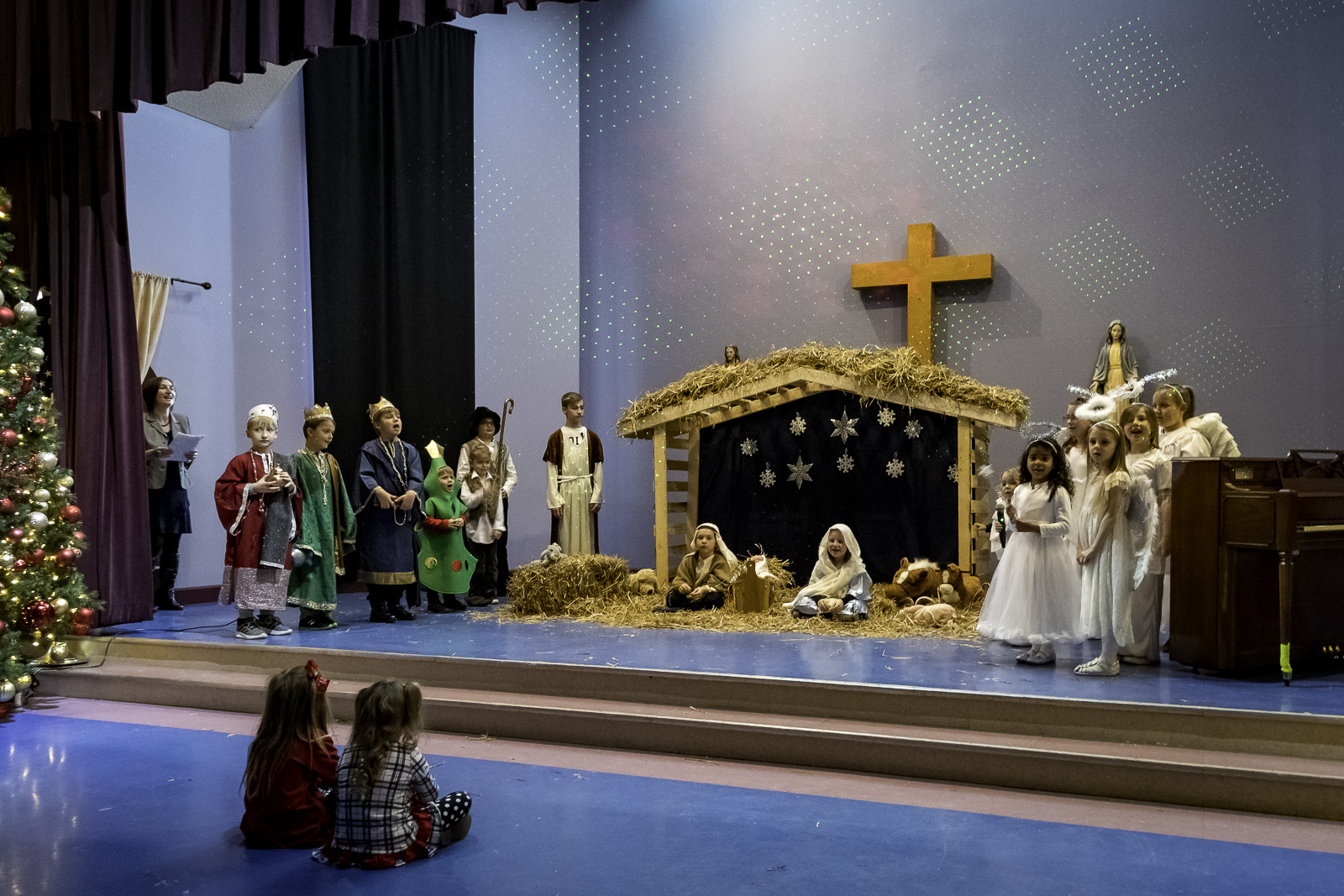
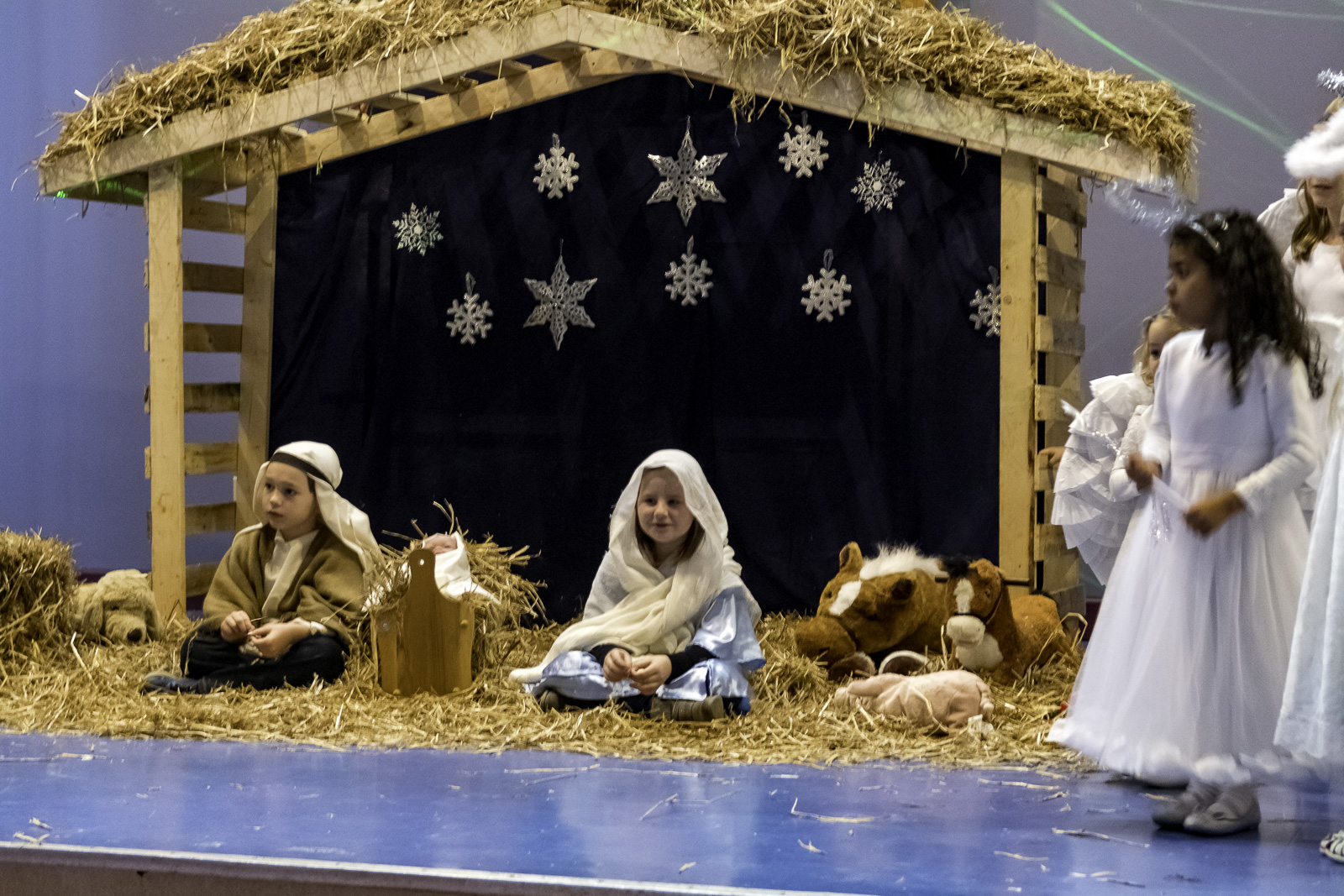
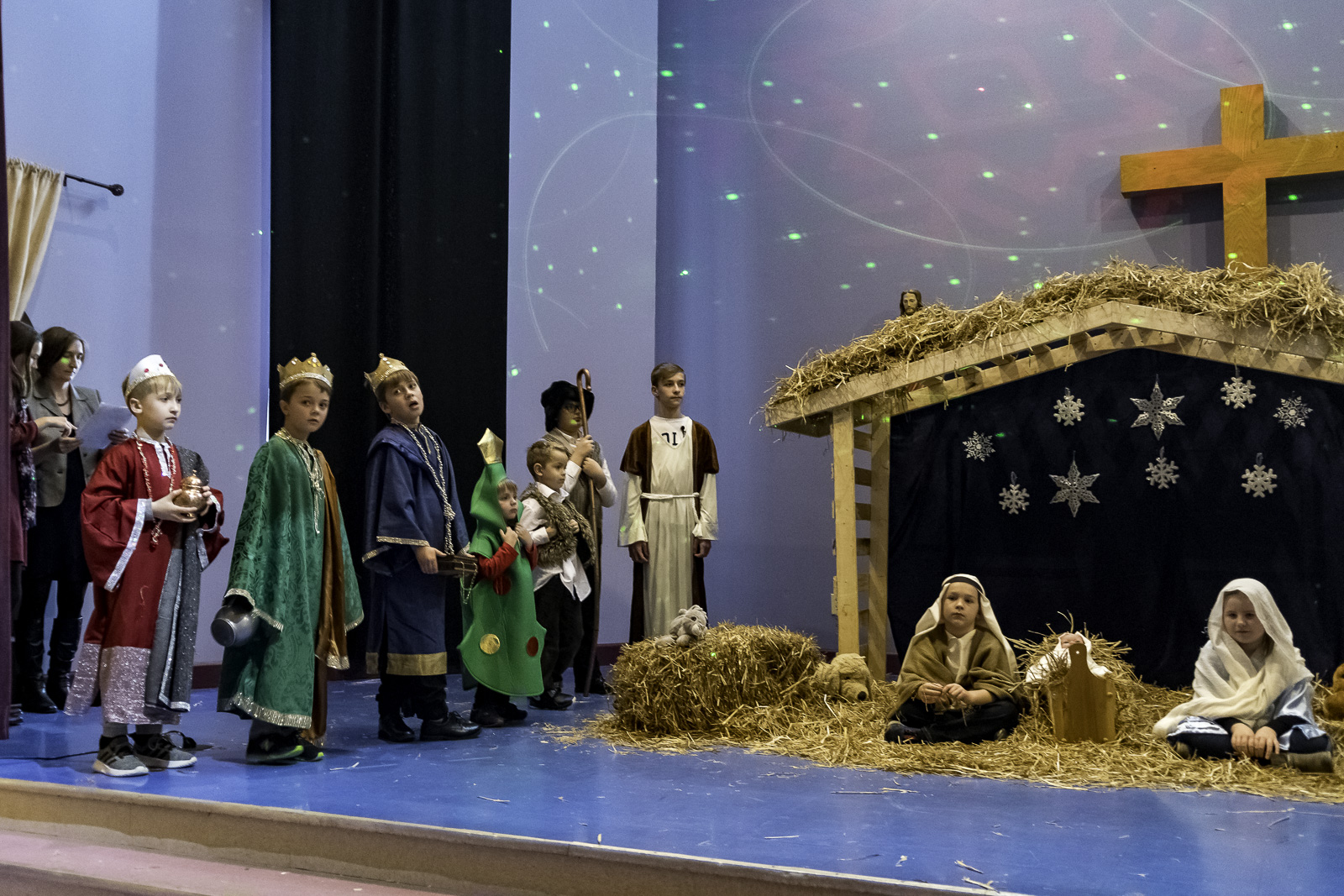
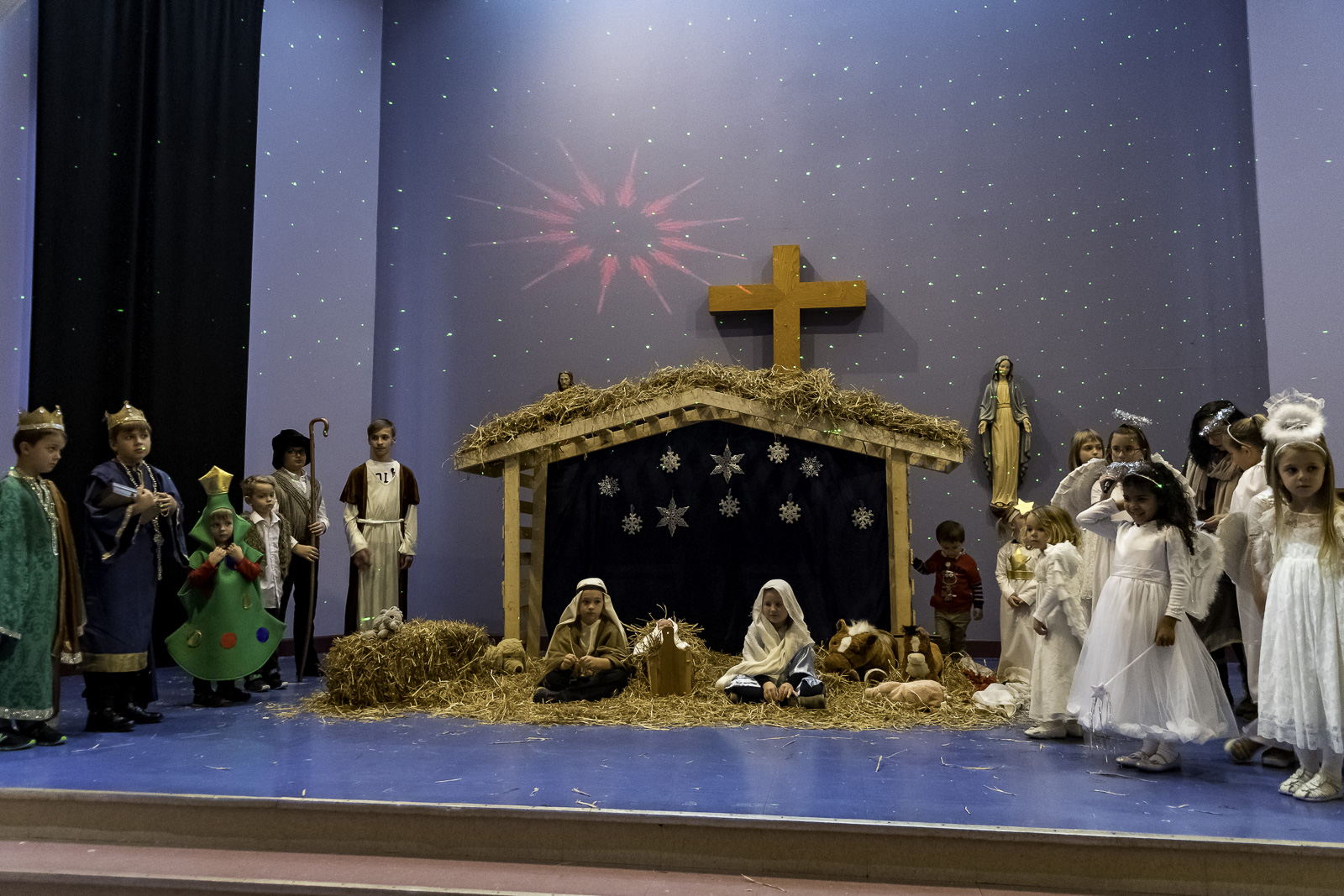
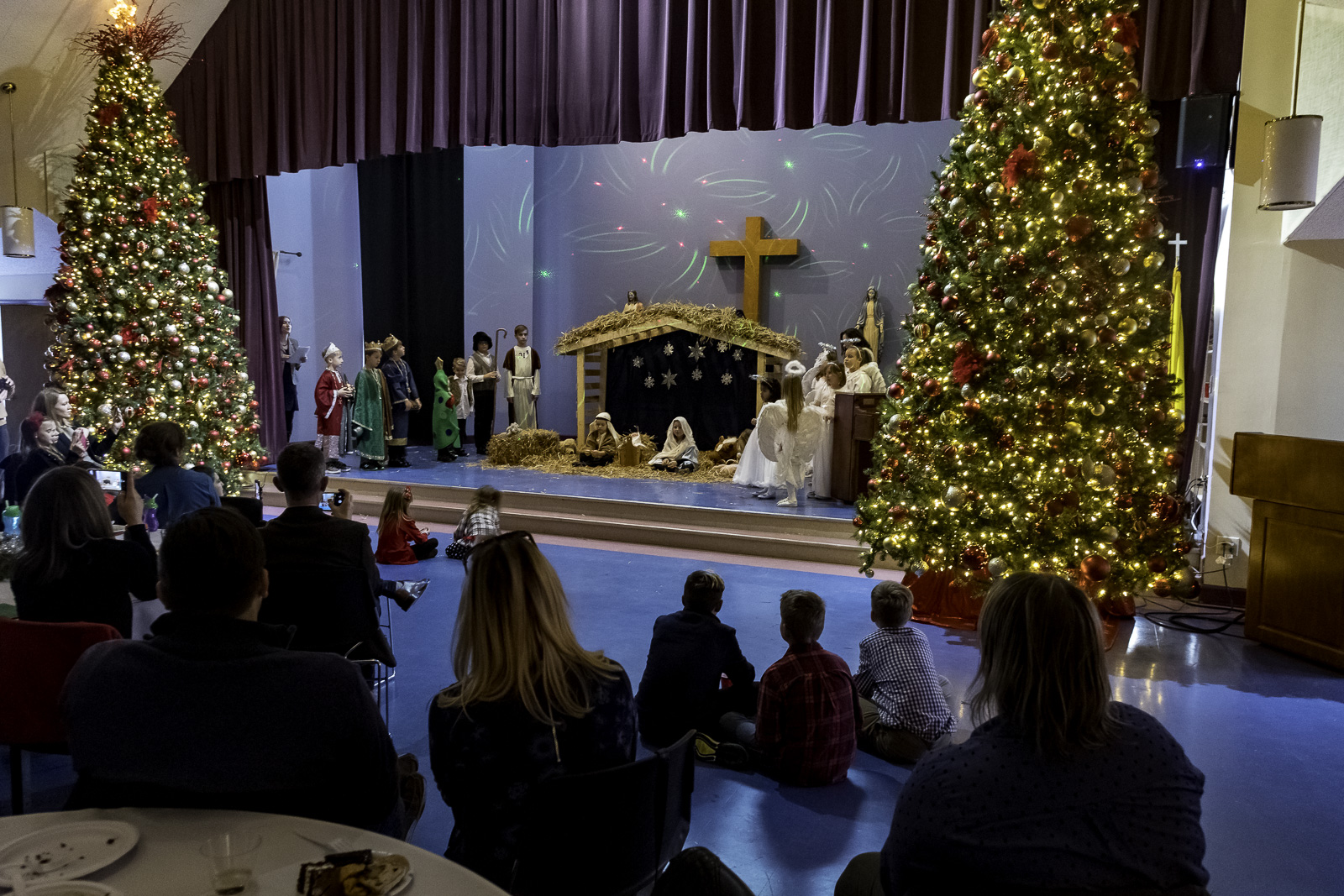
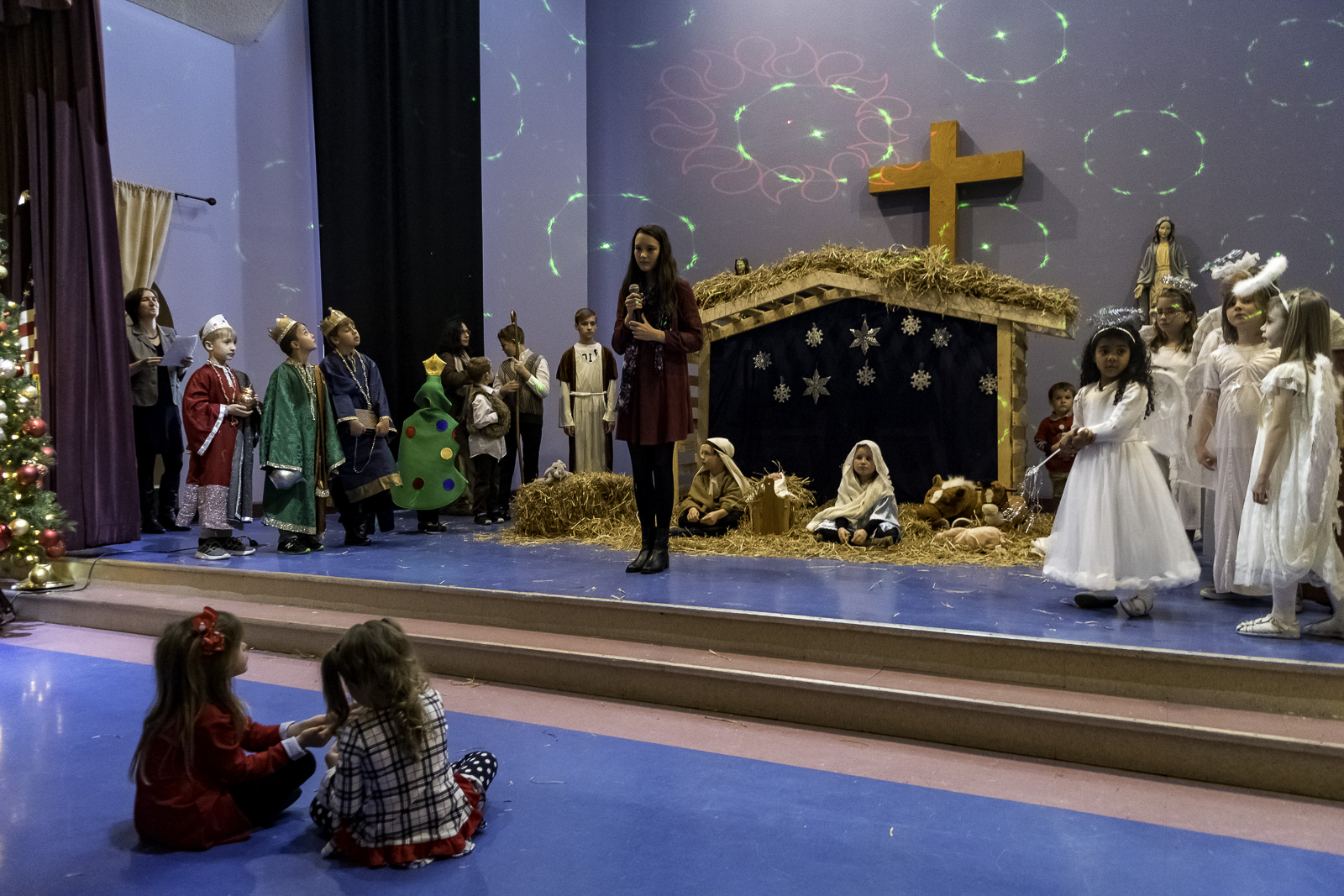
Families have moved into the area and out. New families have moved from Poland; old families (at least one — perhaps more that I don’t know of, but the plural sounds better) have returned to Poland. The kids to put on the Christmas pageant in those early years are now in college; many of the kids performing now weren’t even born then. We parents are all a little older, slower, wiser (?); some more cynical, some more devout; some rounder, some not. The world is a different place; our city is a different place.
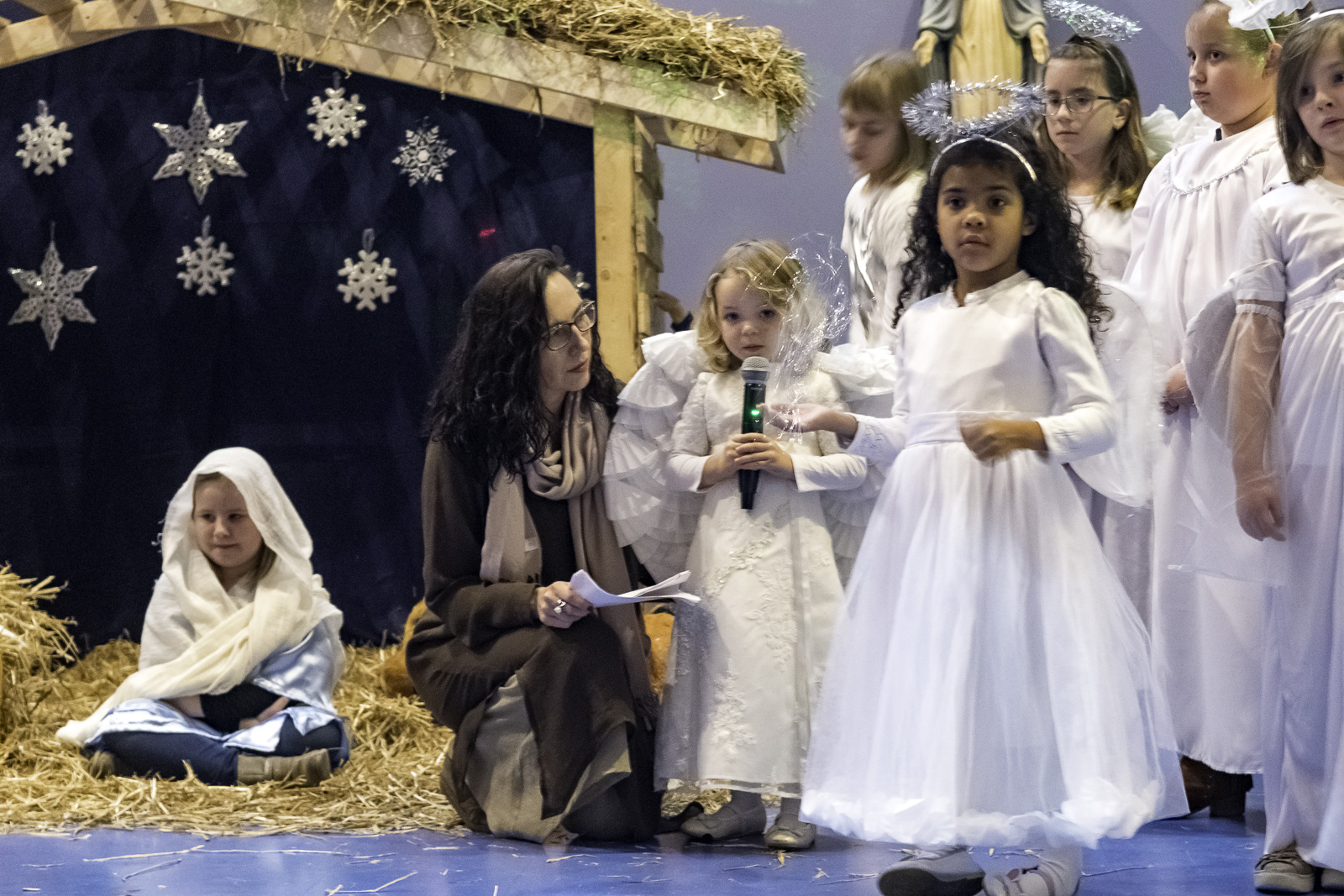
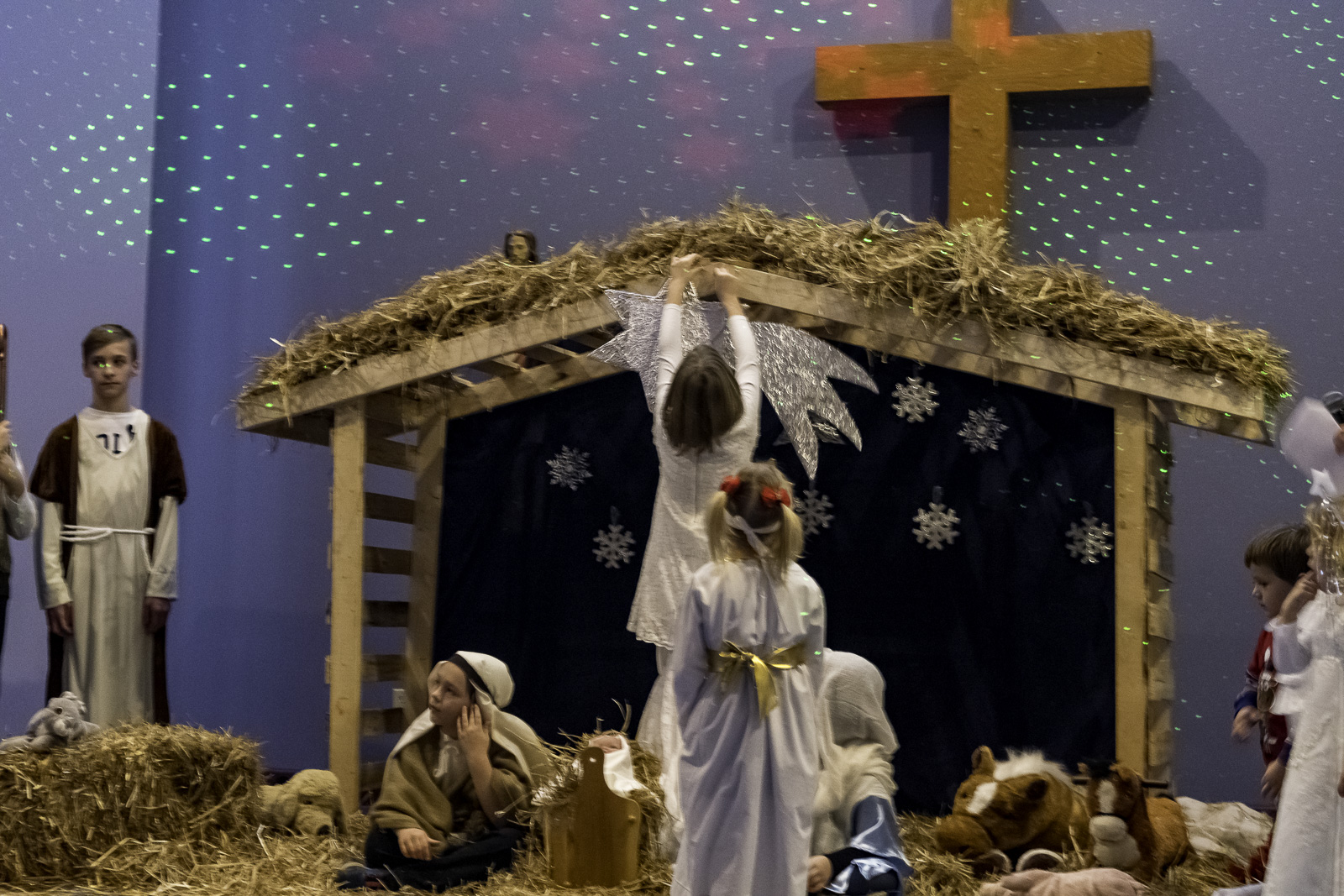
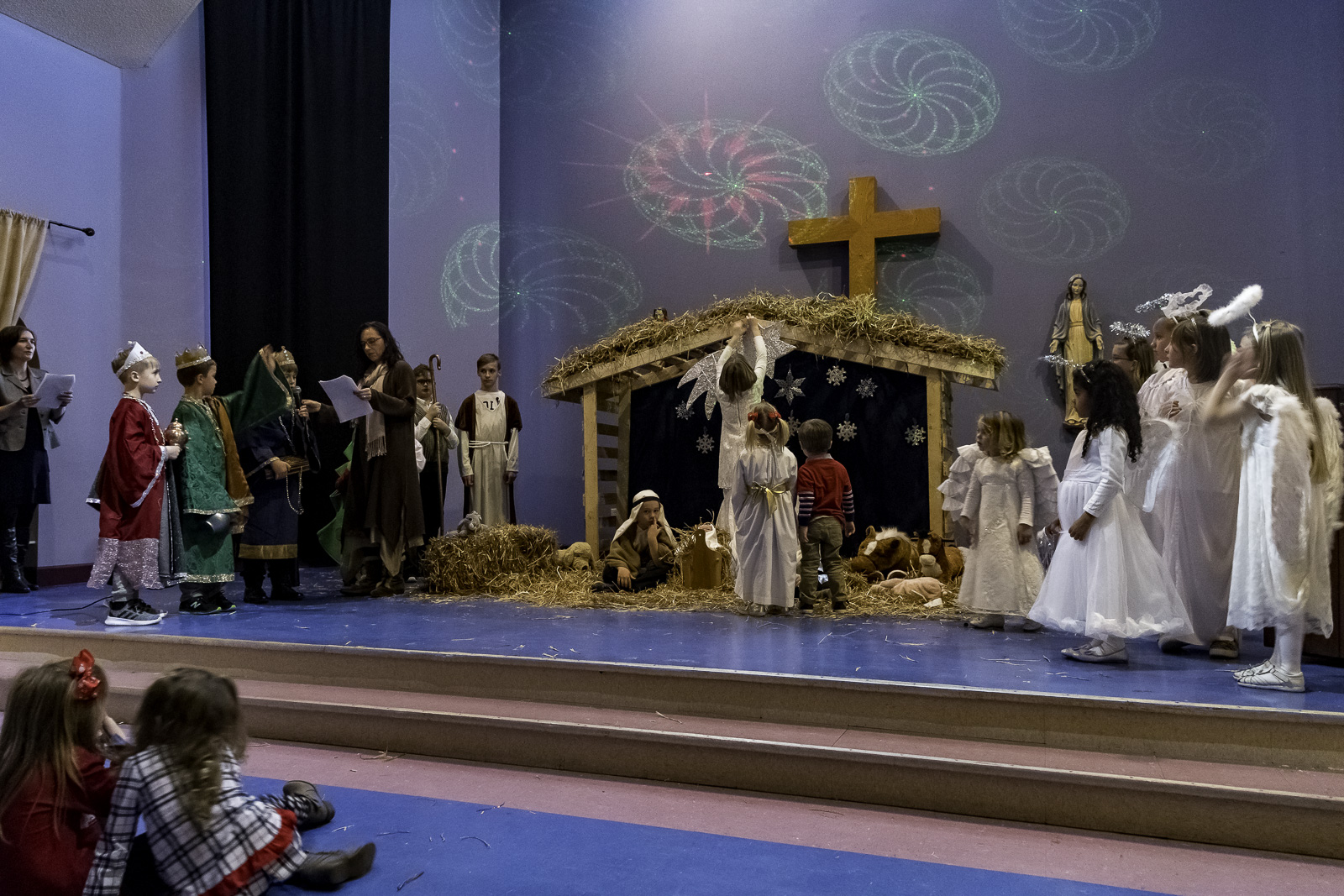
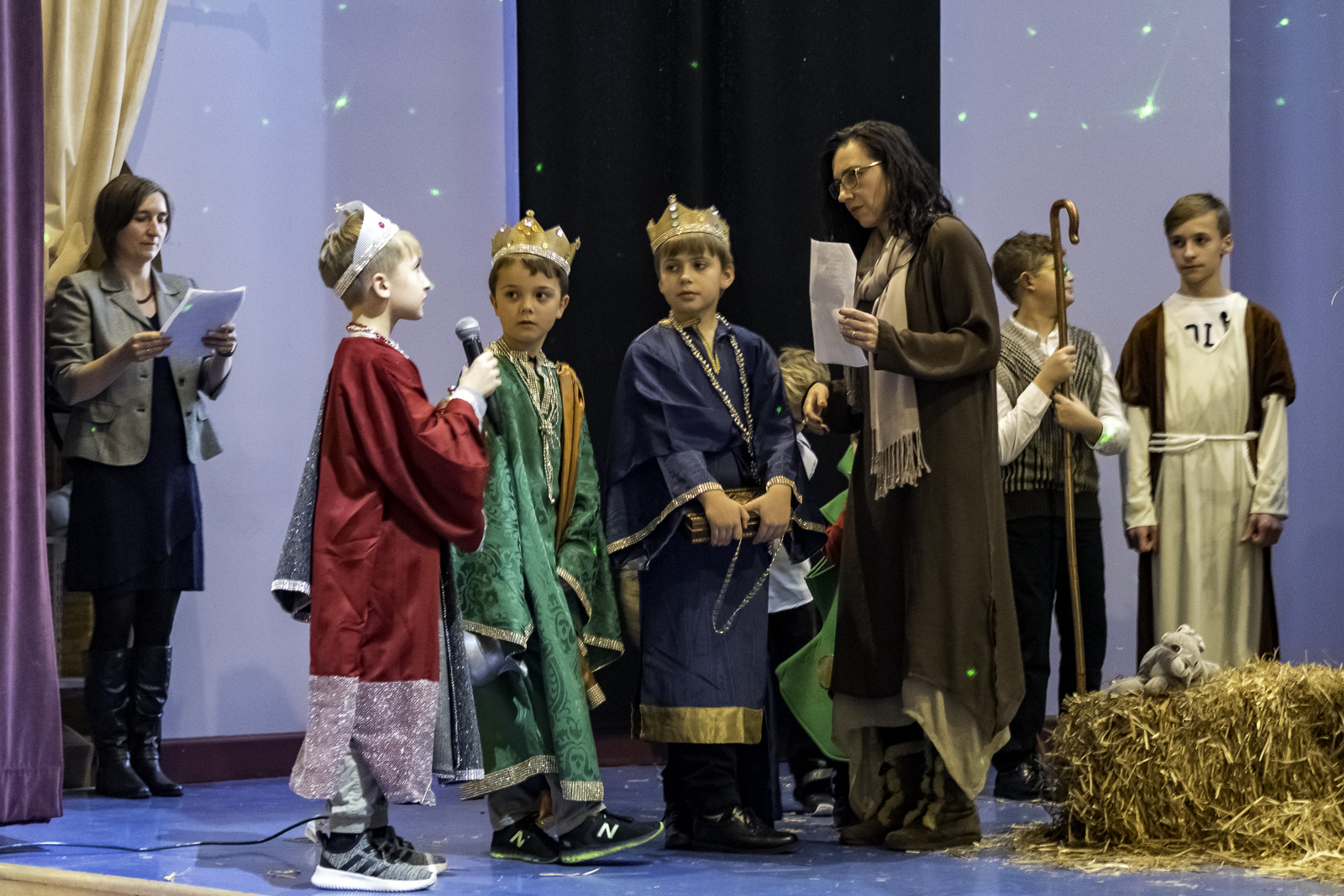
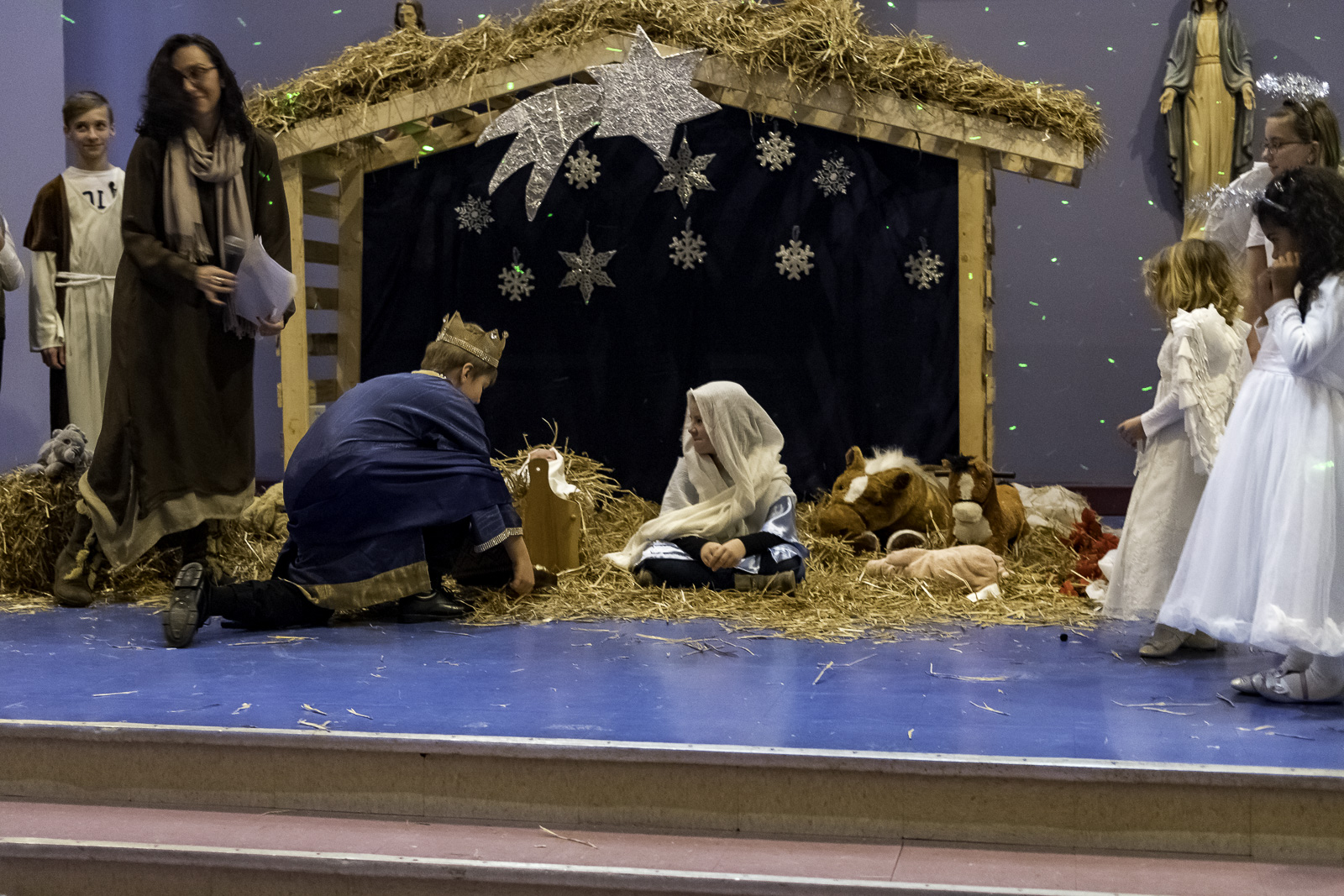
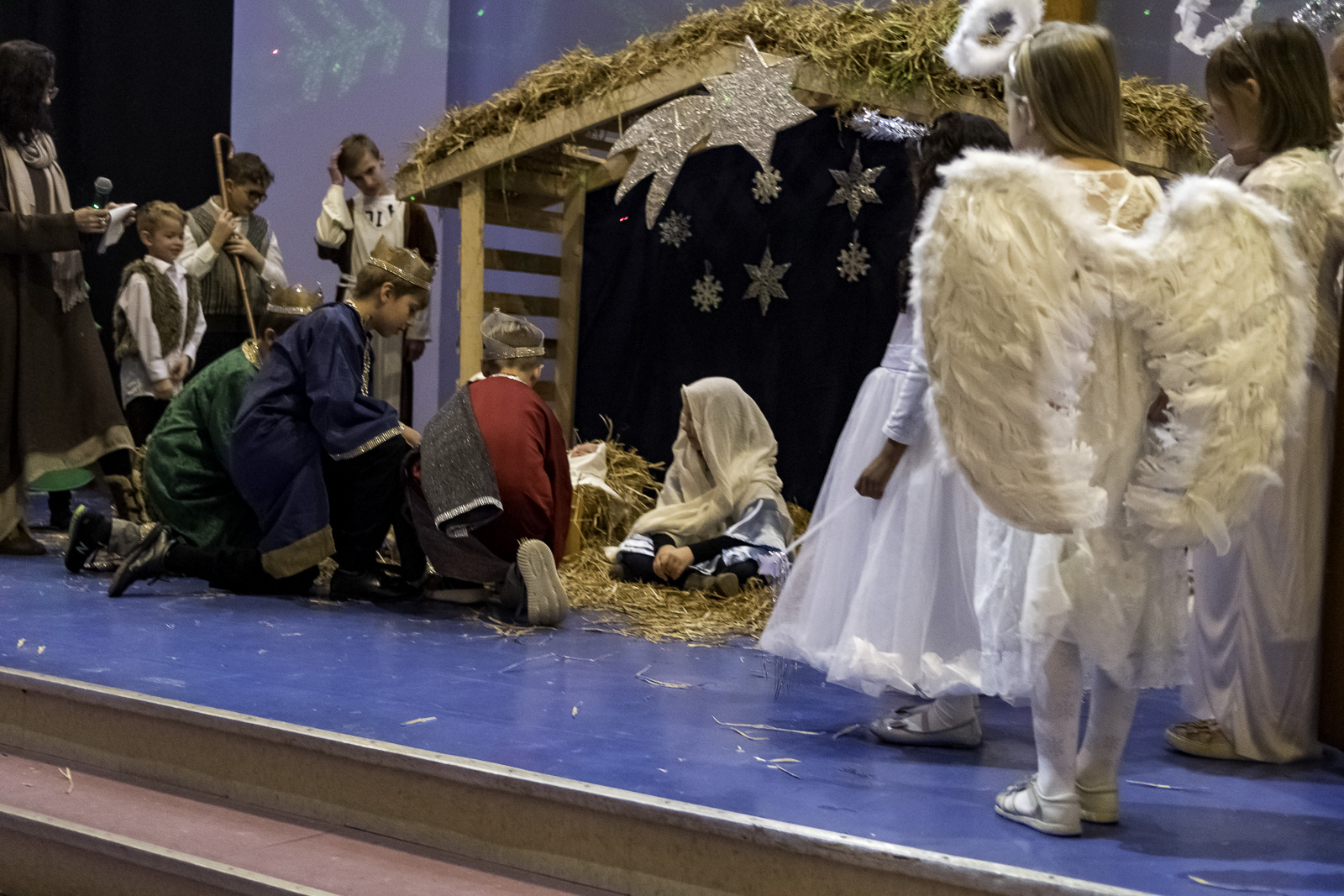
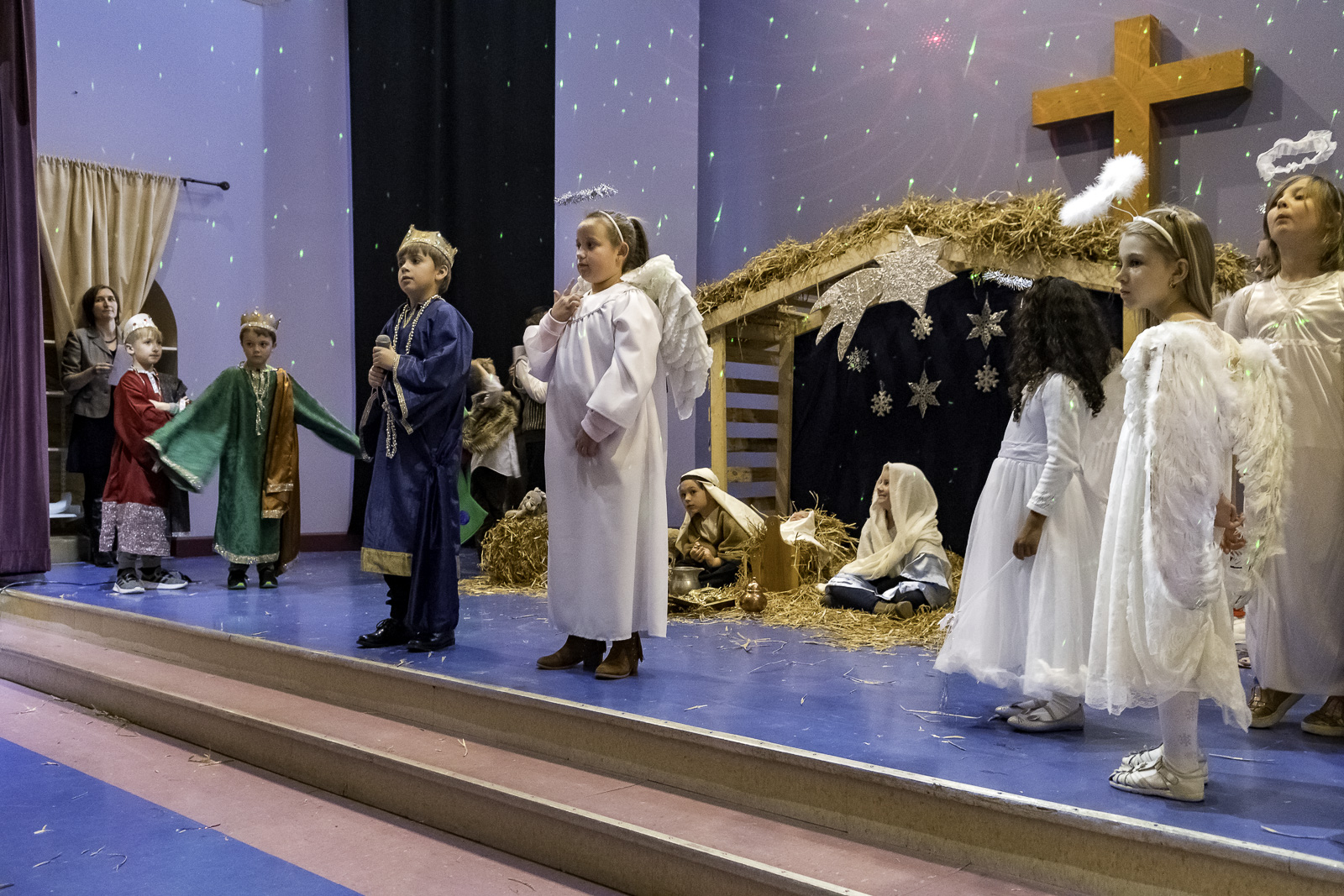
Yet the pre-Christmas jasełka-centered Sunday has held steady through it all.
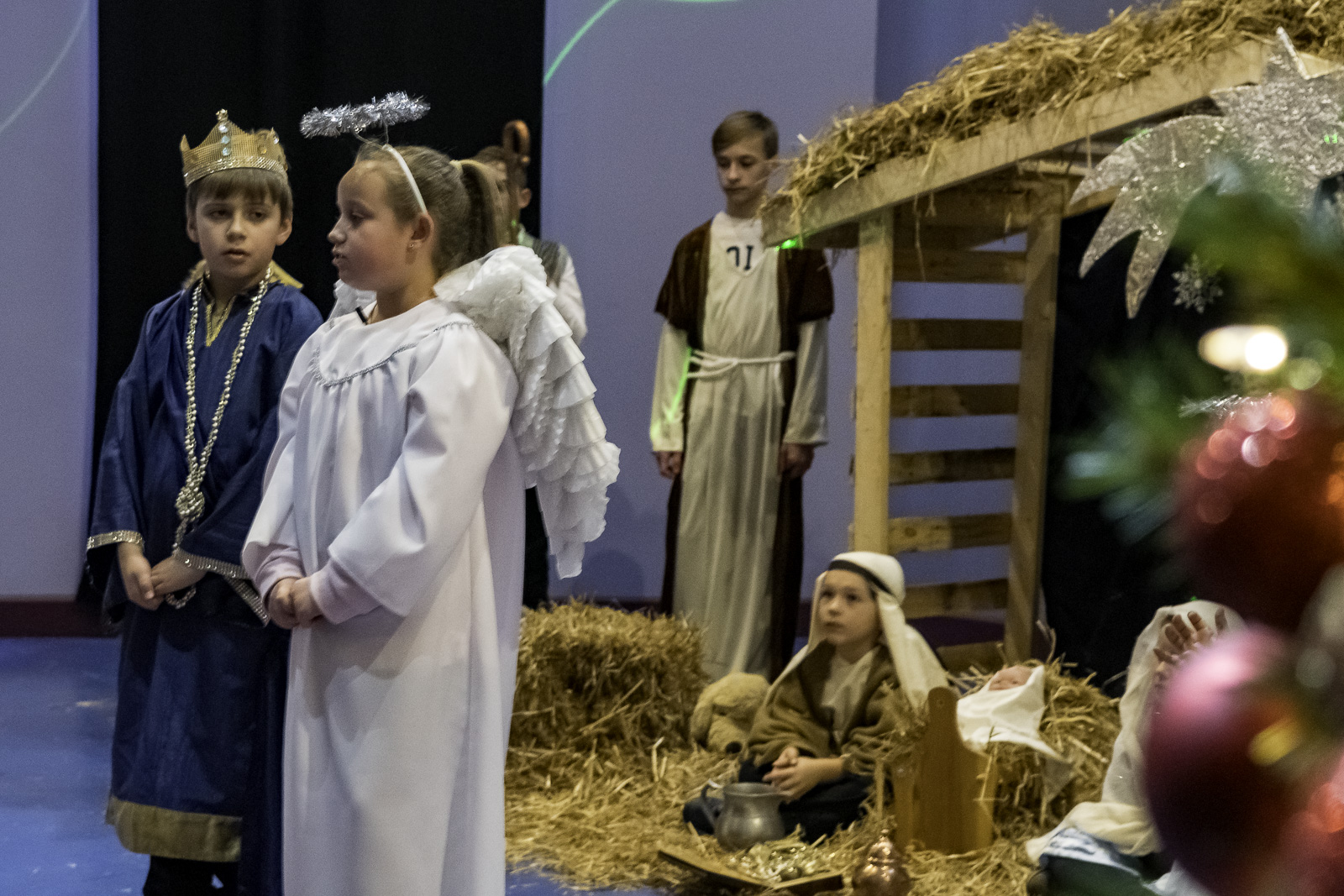
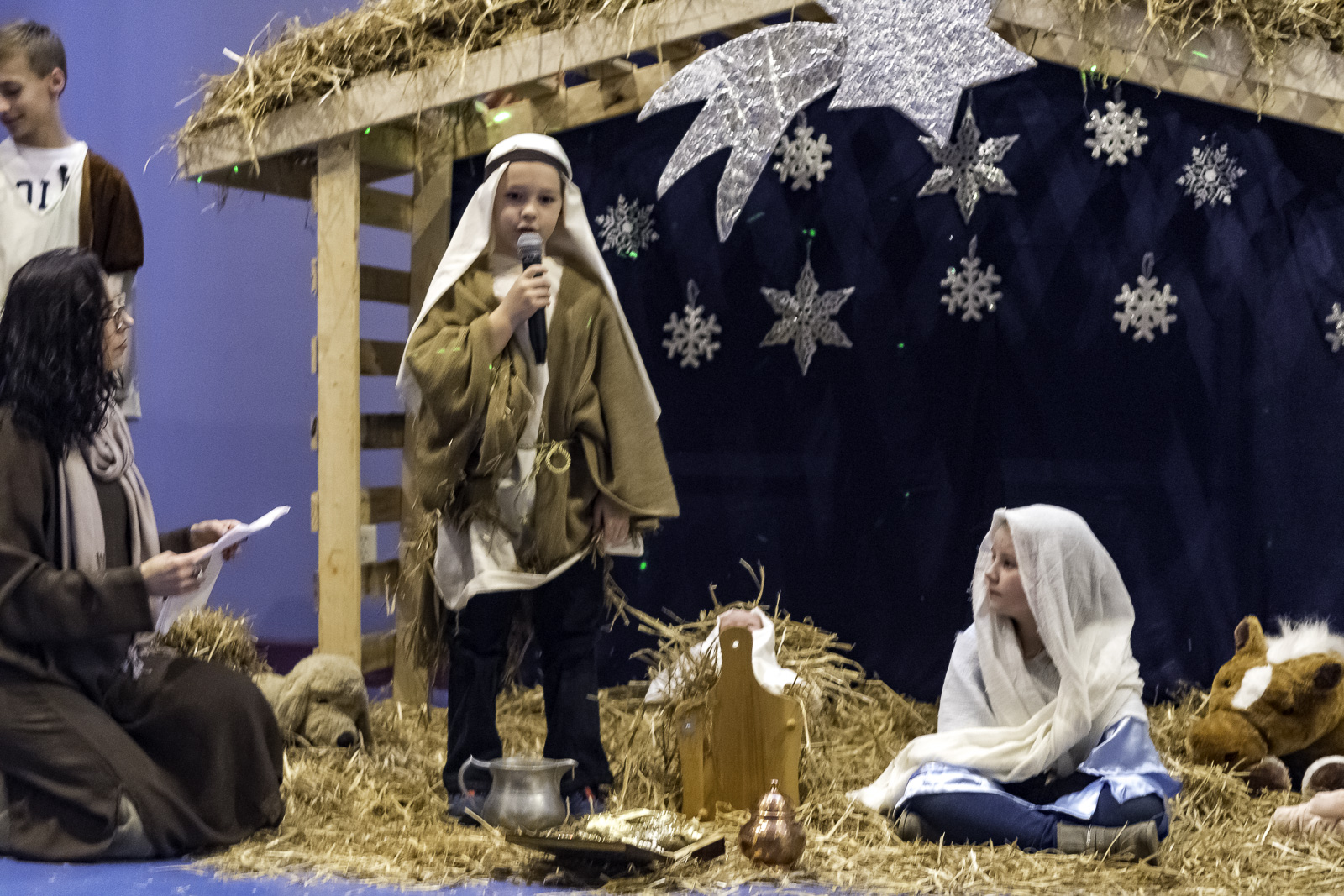
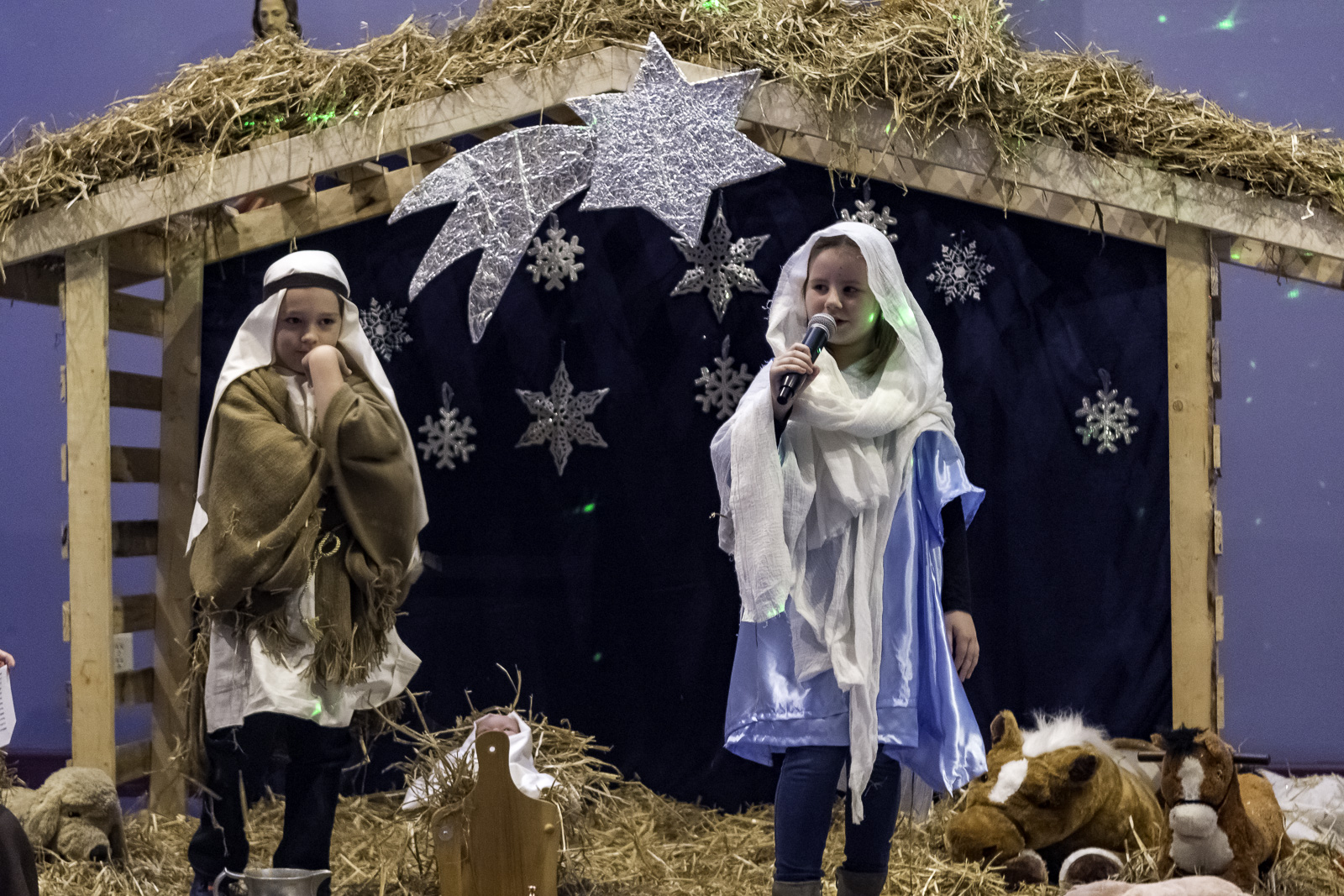
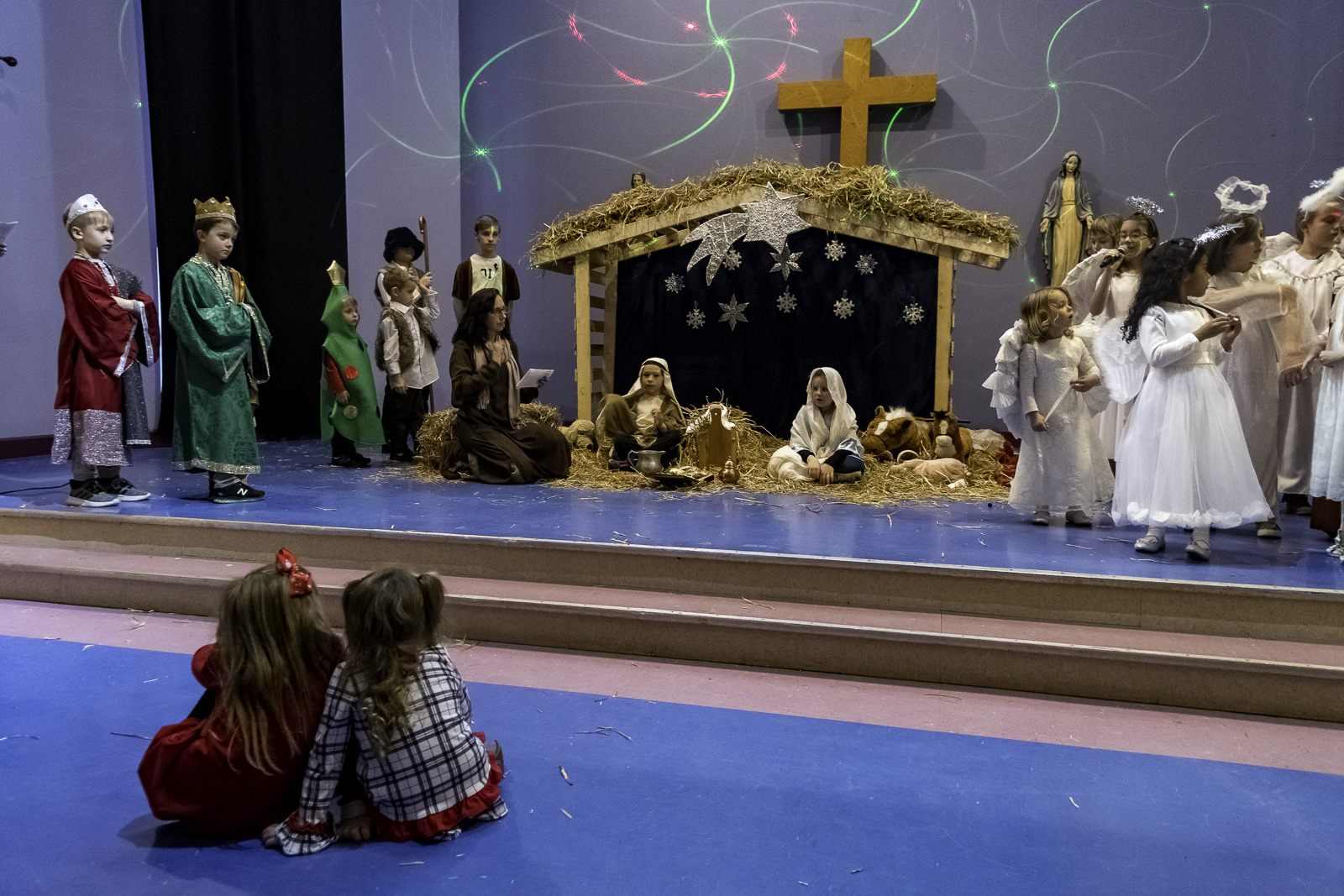
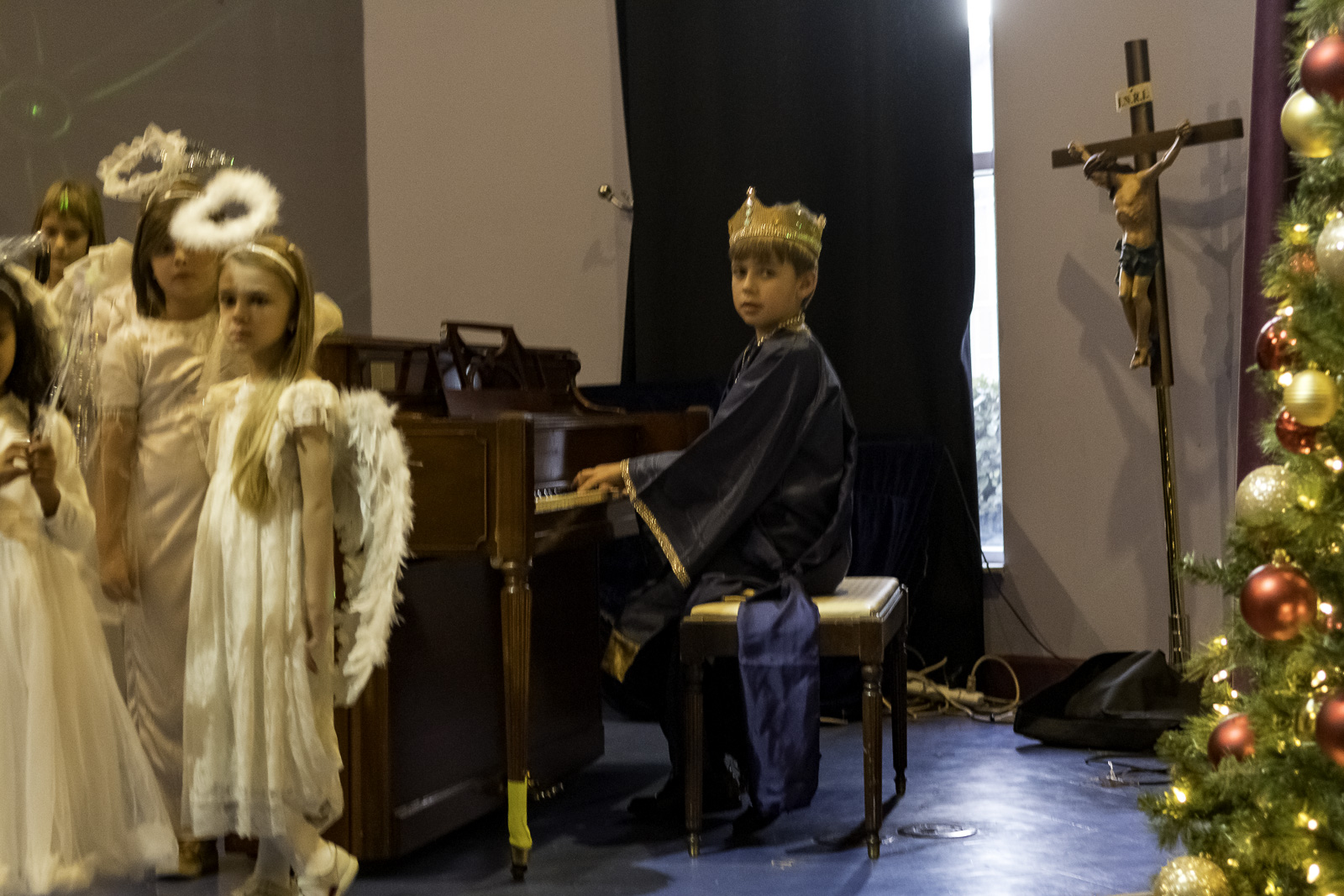
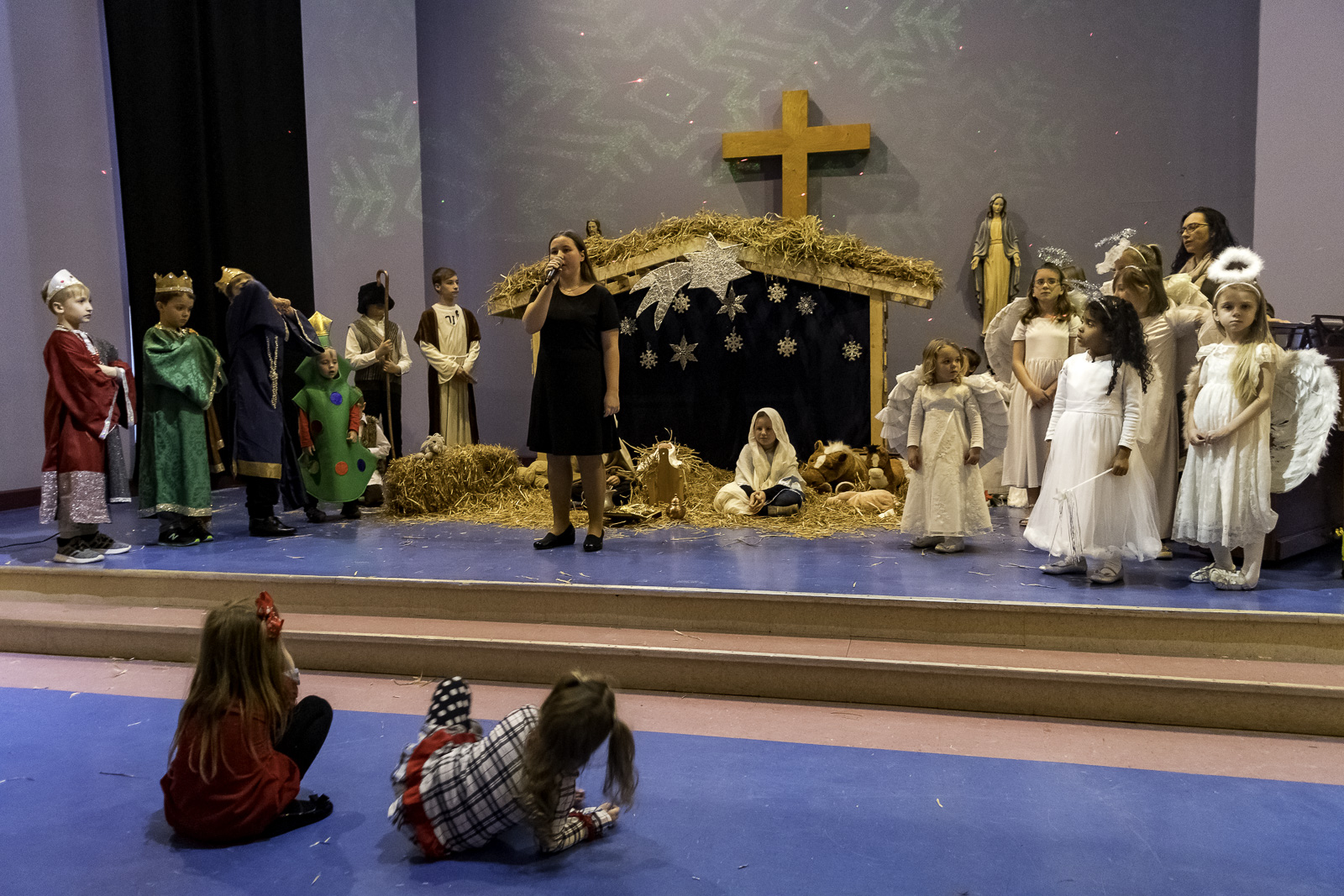
I count myself among those in the “more cynical” list, at least about the whole Catholic/theistic enterprise. I find myself moving more and more back to my old skeptical position, the animosity I felt toward religion returning.
Yet at its best, this is what religion provides: markers by which we can measure our lives, strengthen our communities, and share with friends.
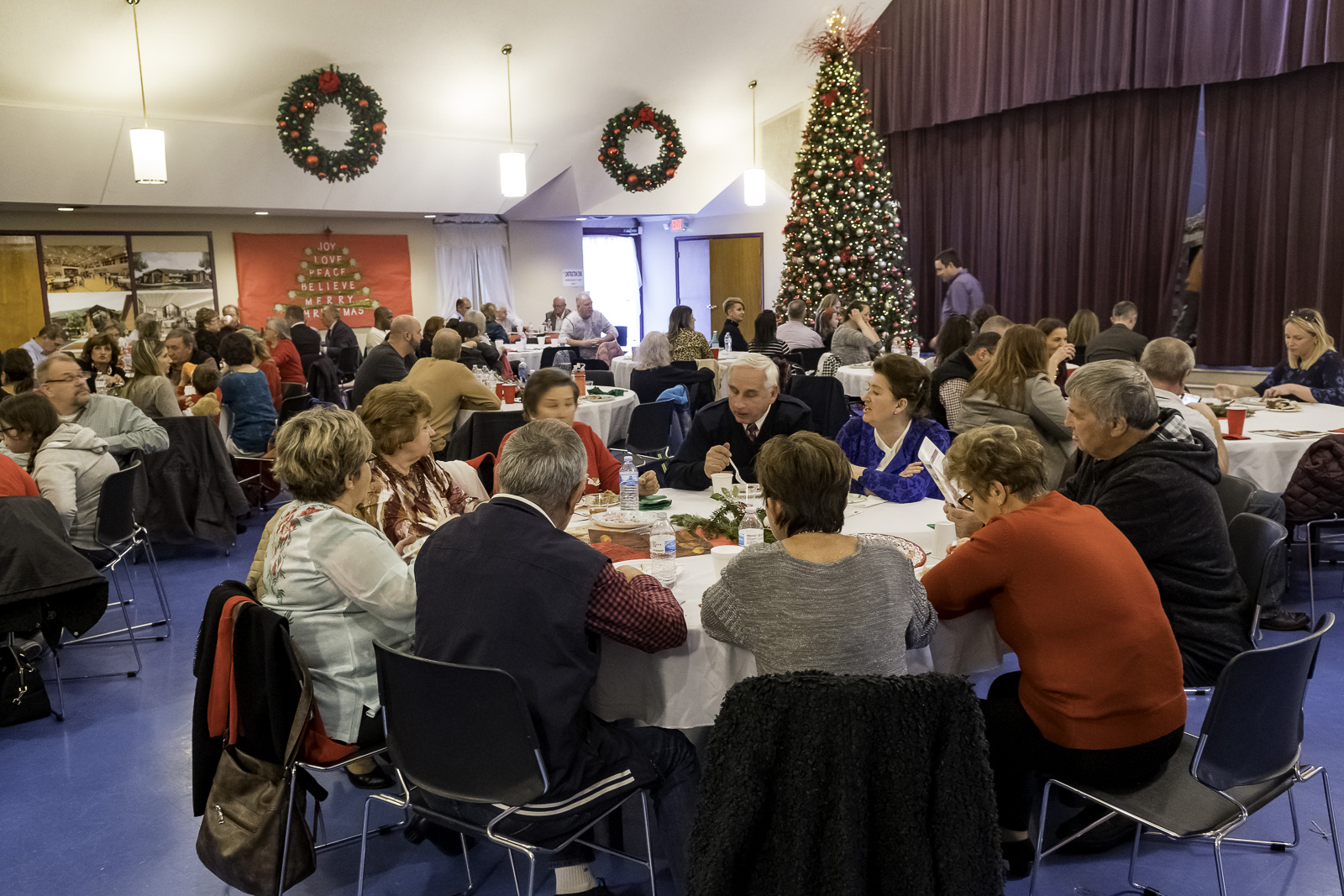
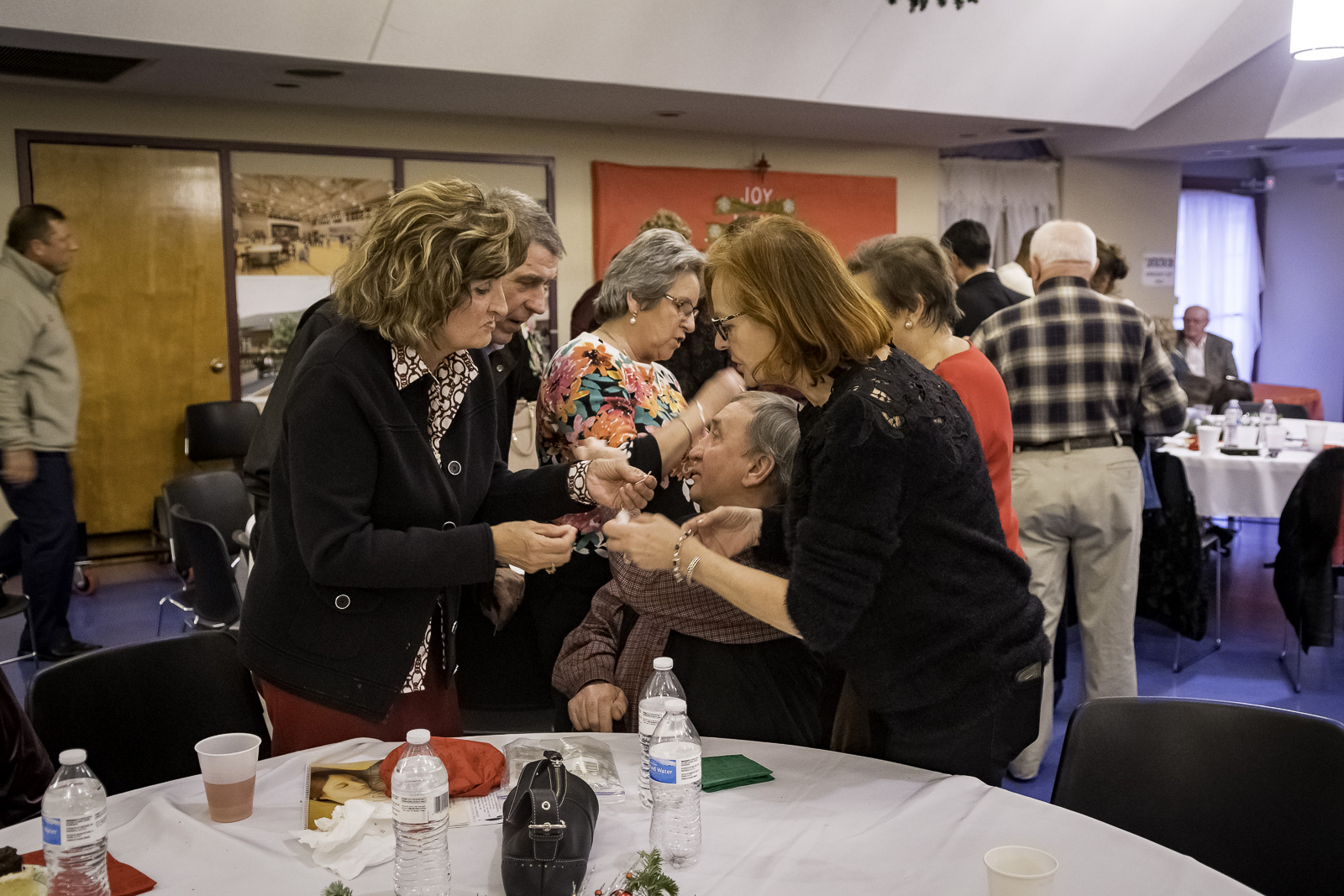
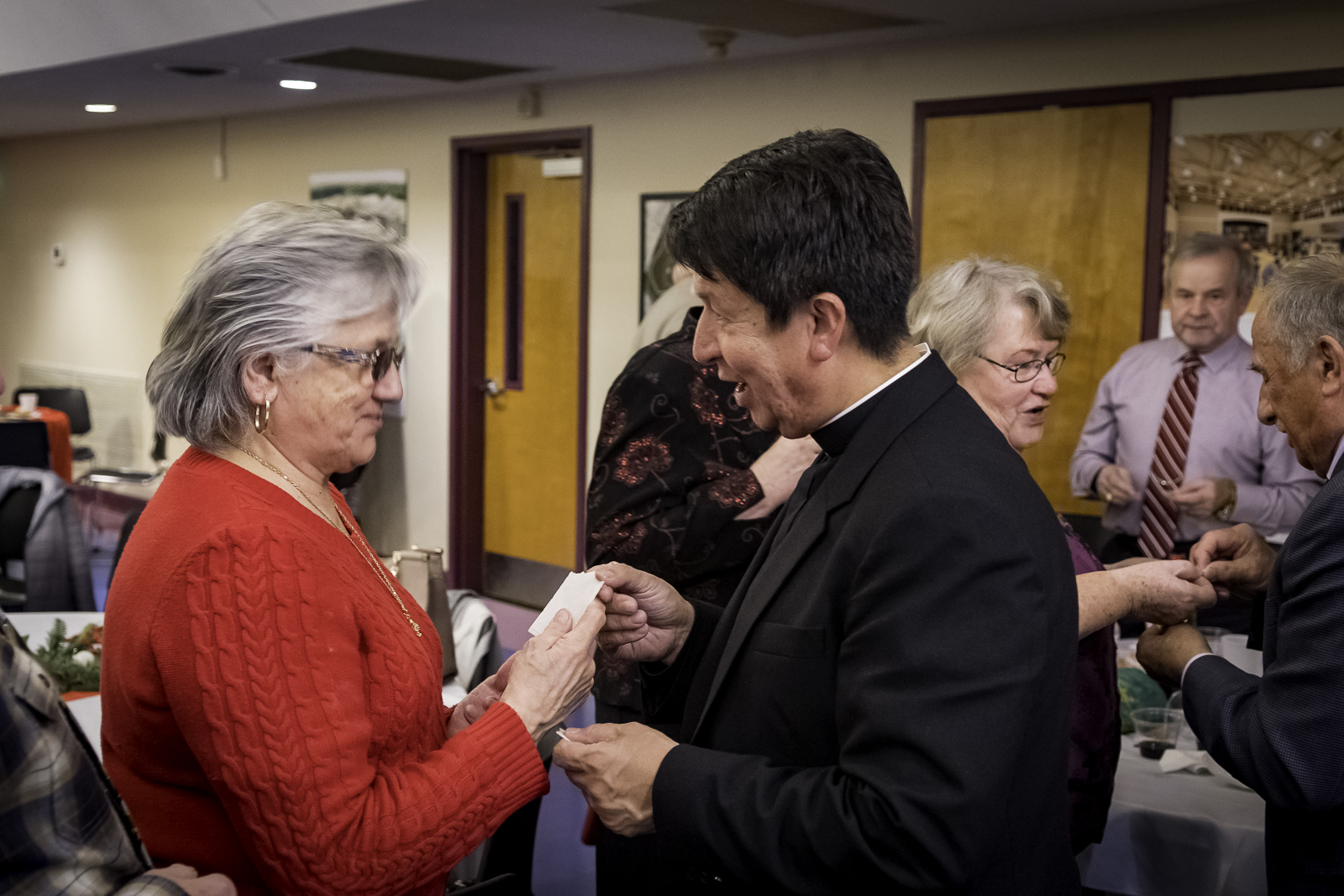
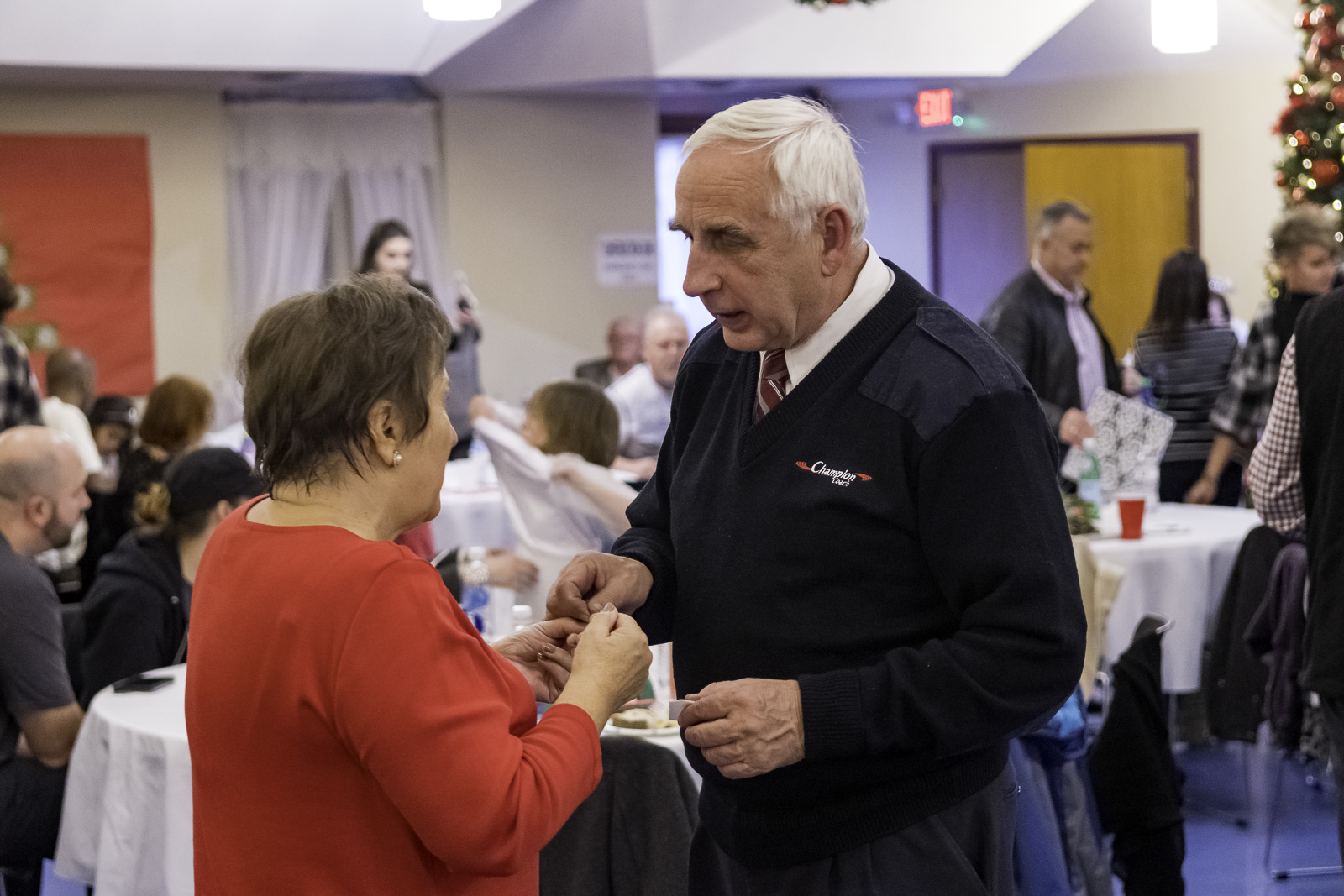
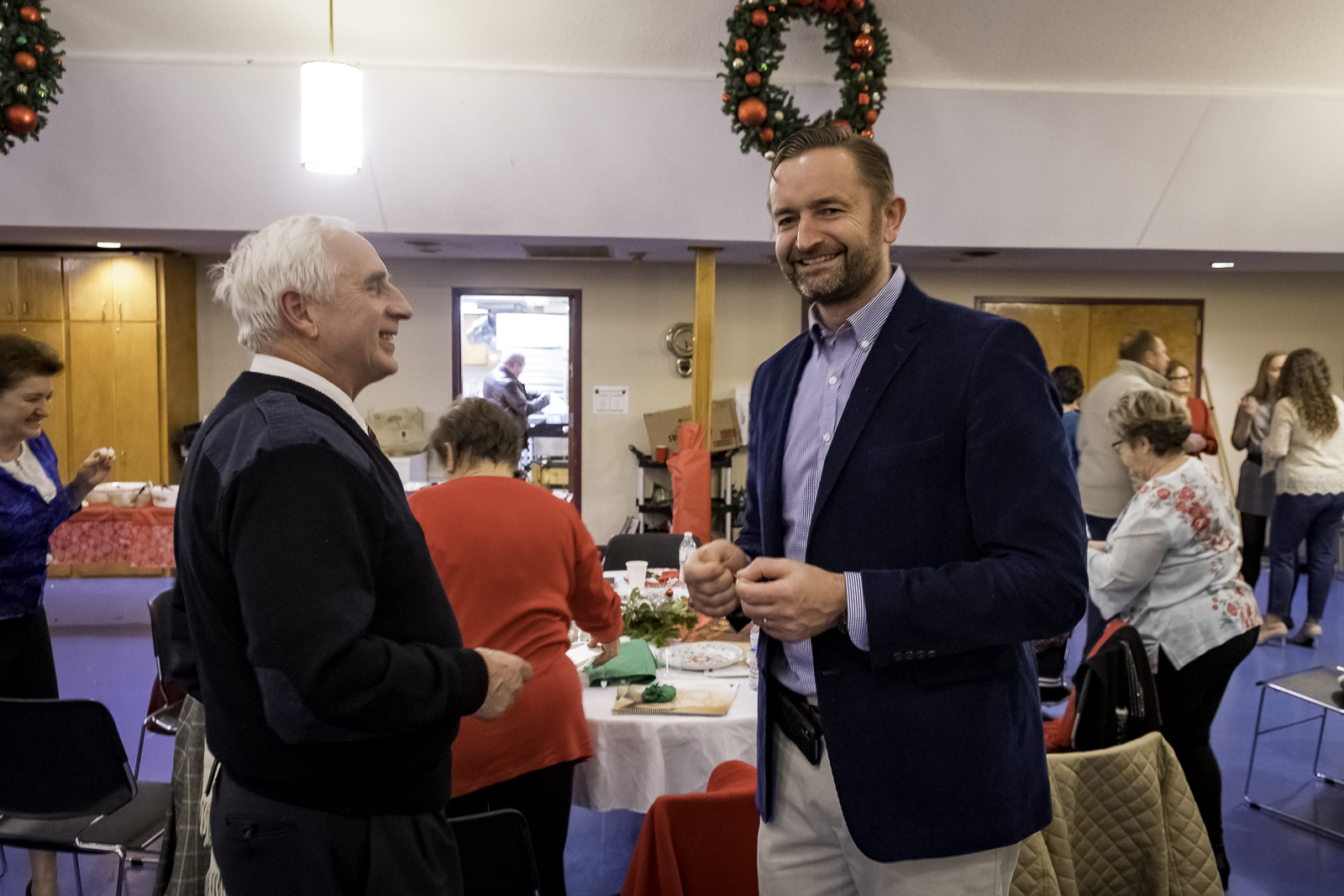
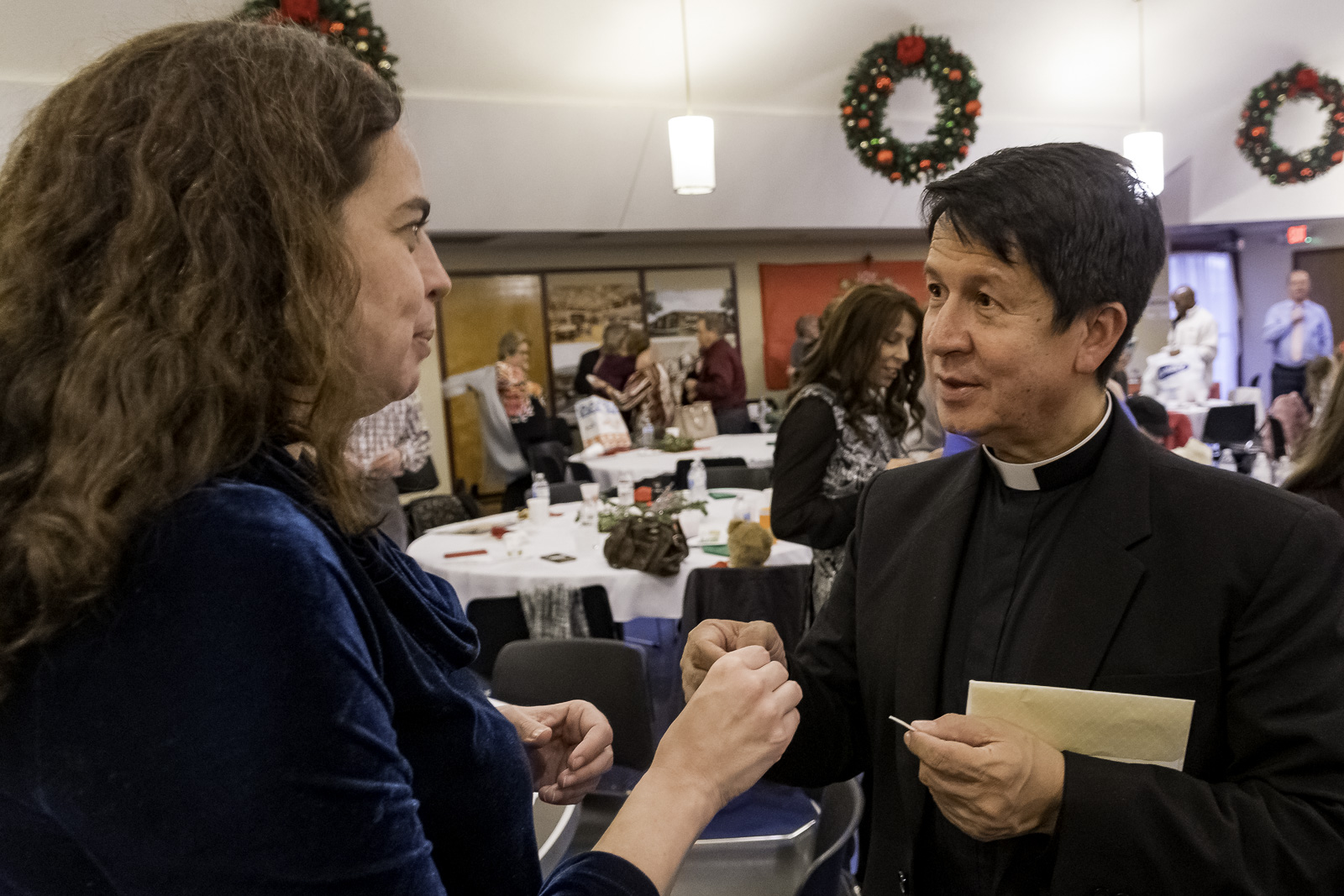
And who could deny the beauty of the opłatek tradition?
Jasełka 2017
Jasełka 2016
Jasełka 2015
Six and Jaselka
Jasełka 2013
Jasełka
Performance
Jasełka
We’re on the brink. I know, I know — we’ve already into the teen years in a lot of ways. She has teen interests (some, not all), a nearly-teen body, a teen attitude at times. She has no more toys in her room. The birthday presents she wants to buy when she goes to parties come from Bed and Body Works and similar shops. She has a whole slew of favorite music, which I find myself thinking about in a way that my parents probably thought about my music. But her age is still not appended with “teen.”
For one more year.
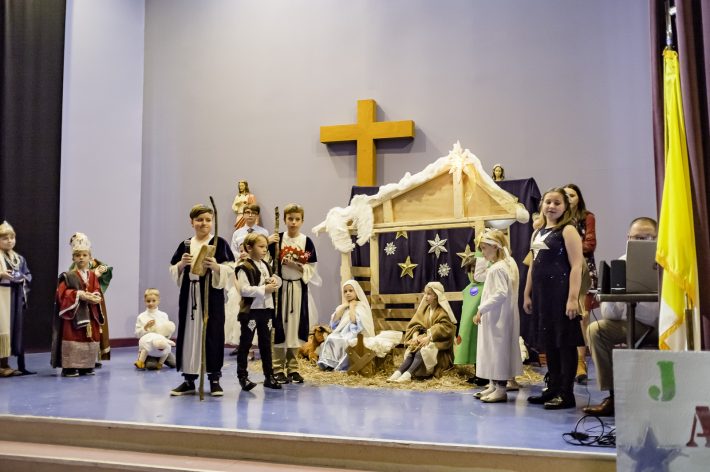
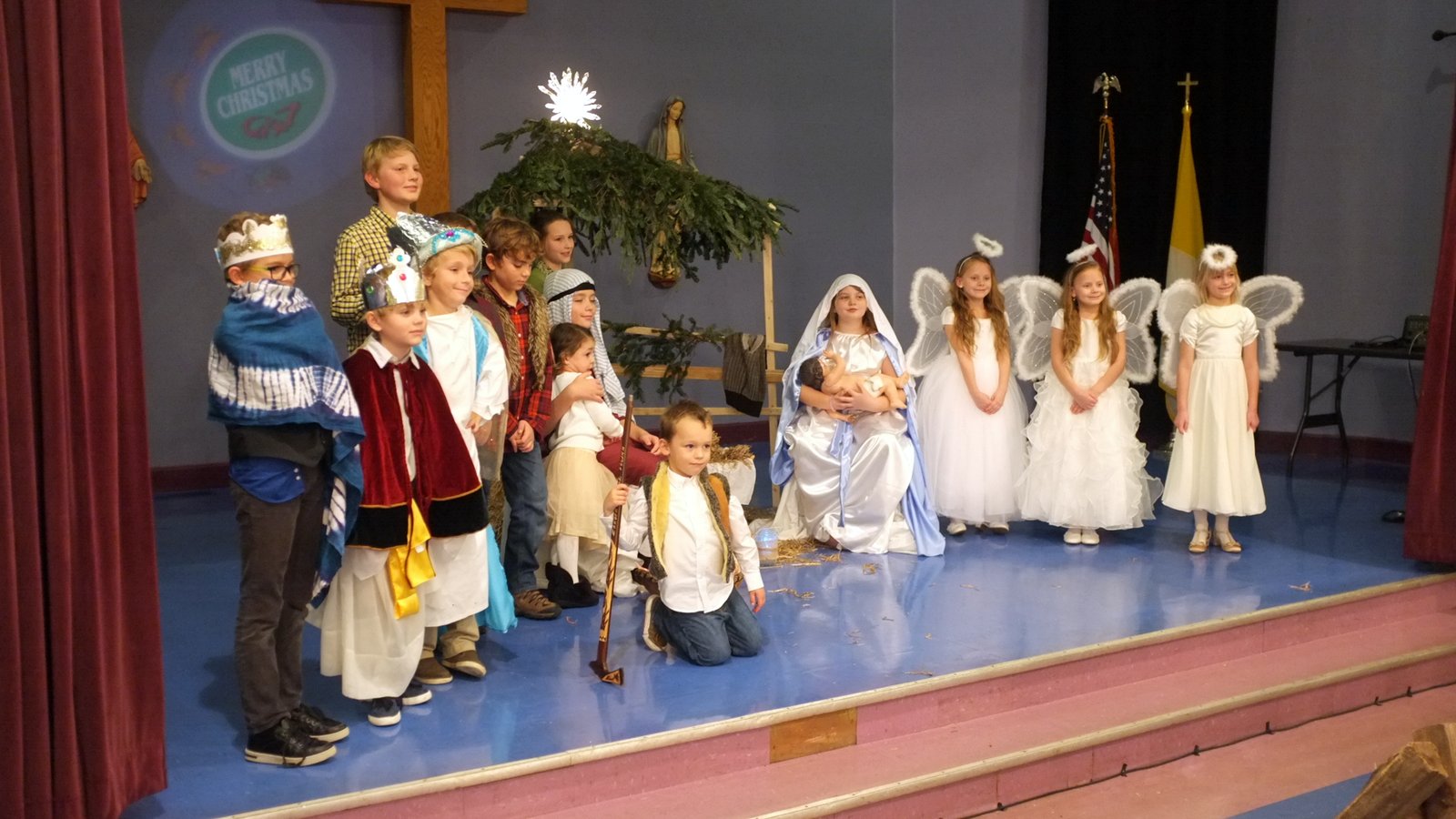
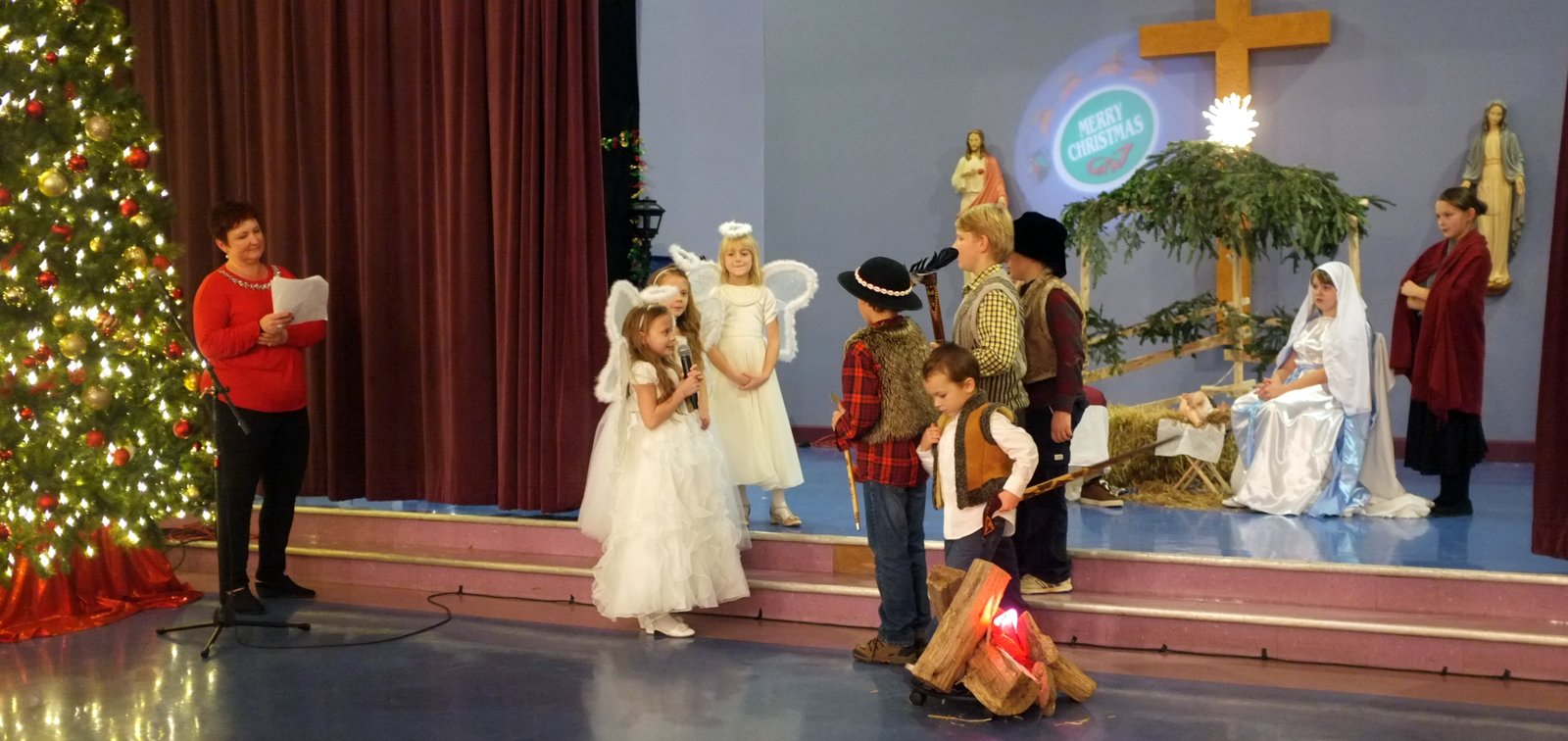
Today we had the annual pre-Christmas Polish gathering, which always includes a nativity play (jasełka) put on by the children of the Polish community. The Girl has been participating in this since she was four, making this the eighth year she’s done it.
Many of the children who used to participate are no longer children. They were young teens when they first did it, and now they’re in college, one in med school. They gather together during these performances and sit at a table, one of the islands of English in a largely Polish crowd. The other island — the young children who are today’s stars.
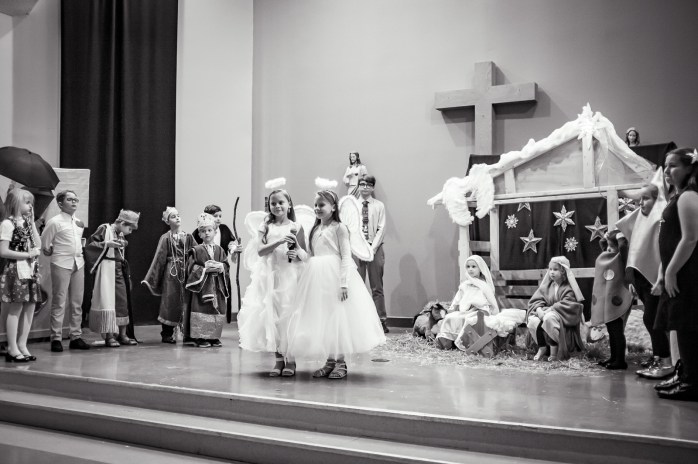
So to watch L perform on her birthday when sitting nearby are yesterday’s children who are now young adults is a jarring experience in some ways. “They grow up so quickly,” we all say, but we never really see it because their changes occur daily, and that daily exposure blurs the changes. But every now and then…
When I first arrived, I saw a young lady walking out of a door that I didn’t recognize immediately. Tall, graceful, with tastefully done makeup and a flawless face — it took me half a second to realize that it was my own daughter.
To see one’s own daughter, for the briefest of moments, as a stranger is to be, for the briefest of moments, a time traveler: I would not have immediately recognized twelve-year-old L were she to walk through the door eight years ago; were thirty-year-old L to walk through the door now, I might not realize it for a moment.
That is what we mean when we say “They grow up so fast.” They cease being the little girls and boys we’re comfortable with before we’re ready for it, before we even realize it’s happened.
2009: Three
2011: Big Sister’s Birthday
2012: Six and Jasielka
2013: Birthday Party
2014: 8
2015: Nine
2016: Ten
2017: Eleven
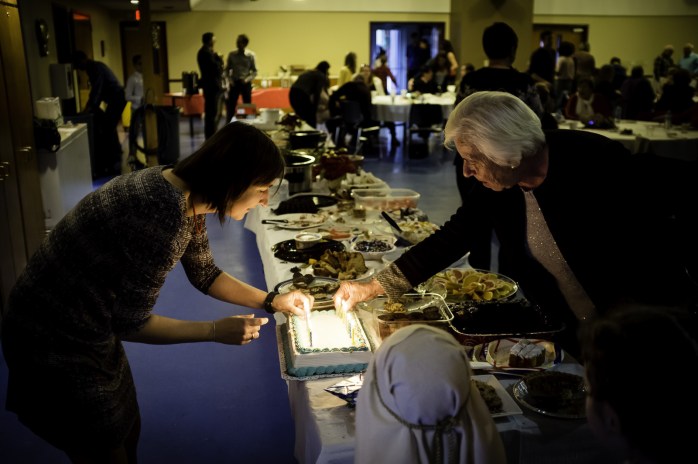
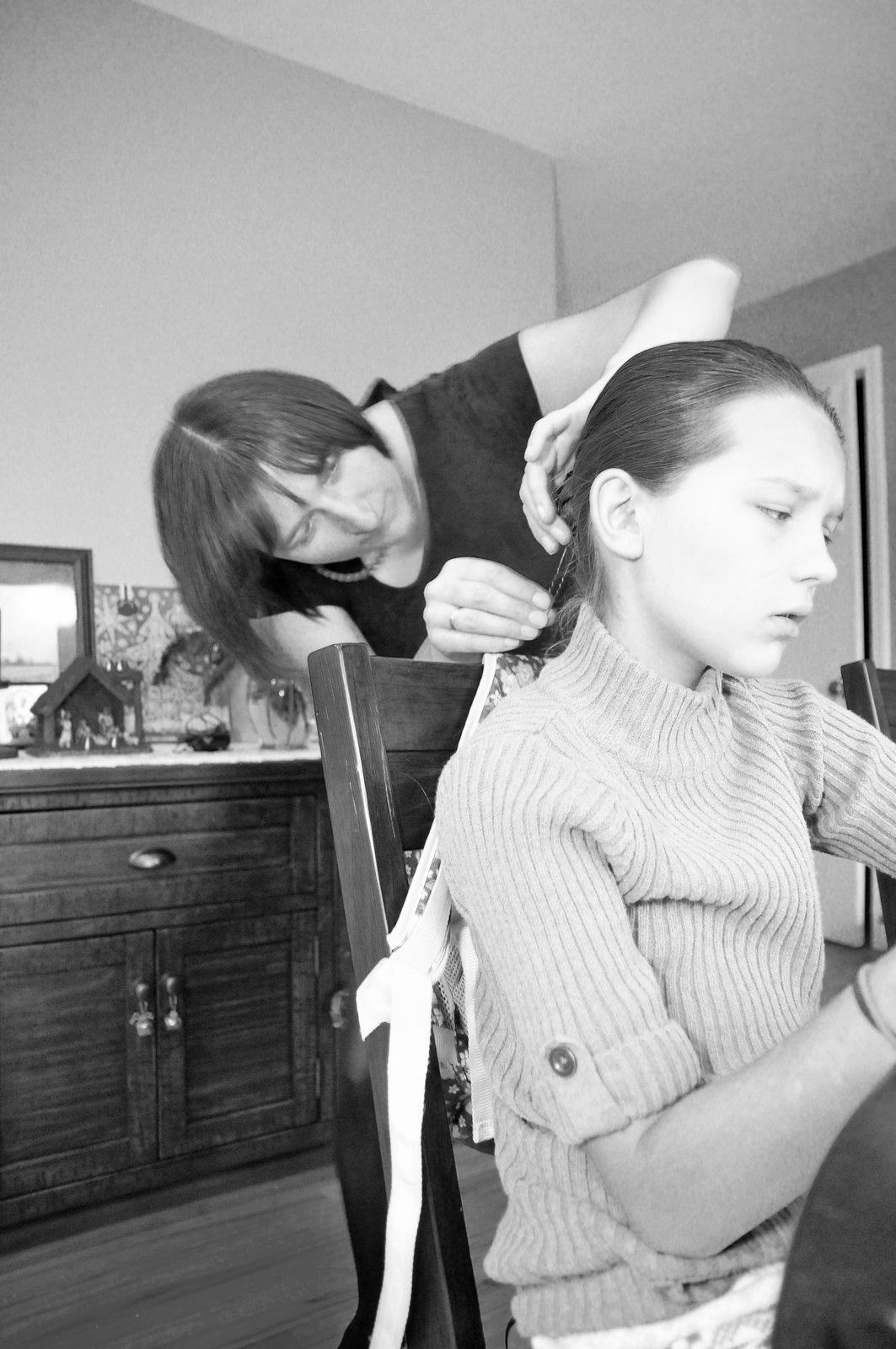
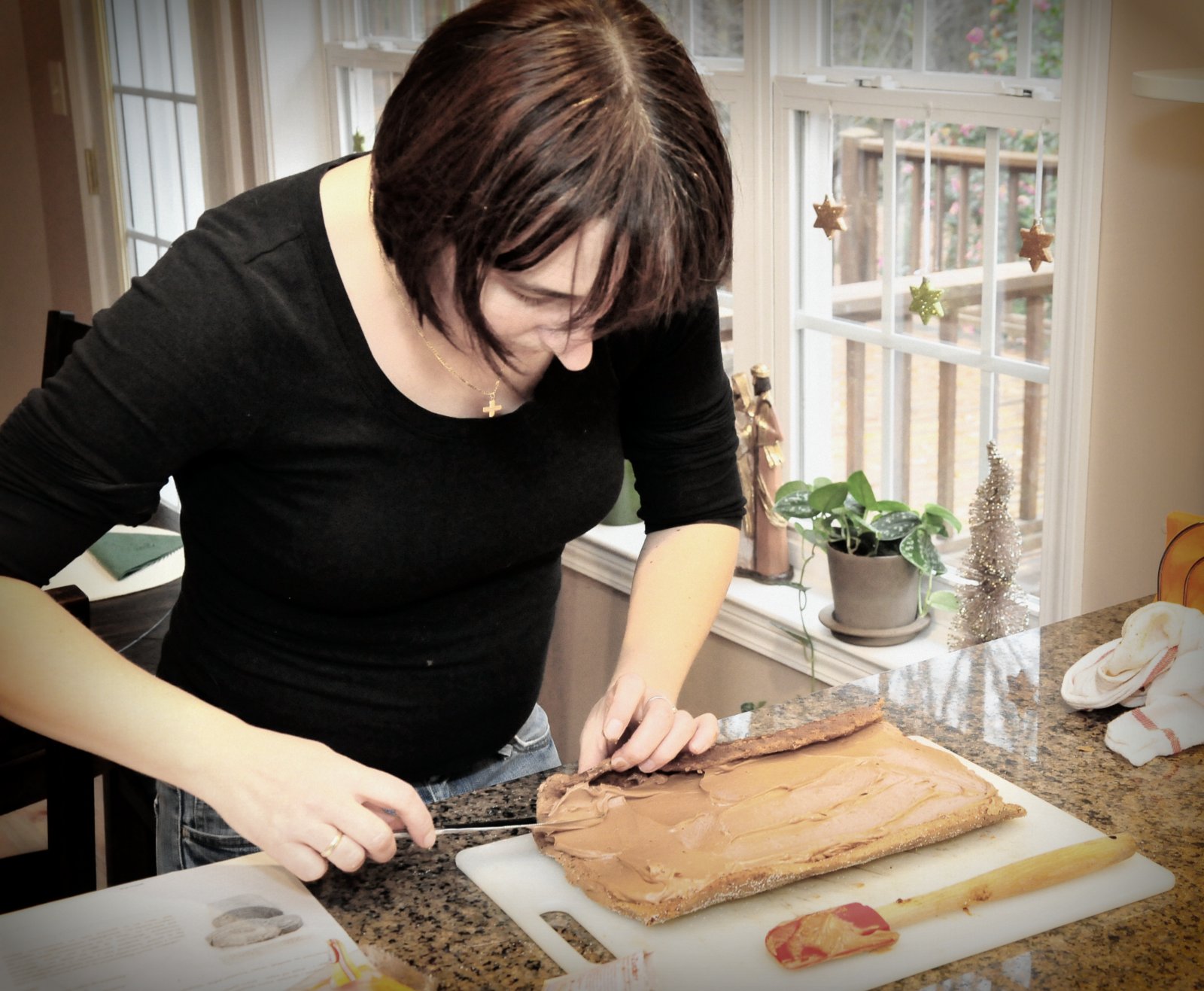
K baked.
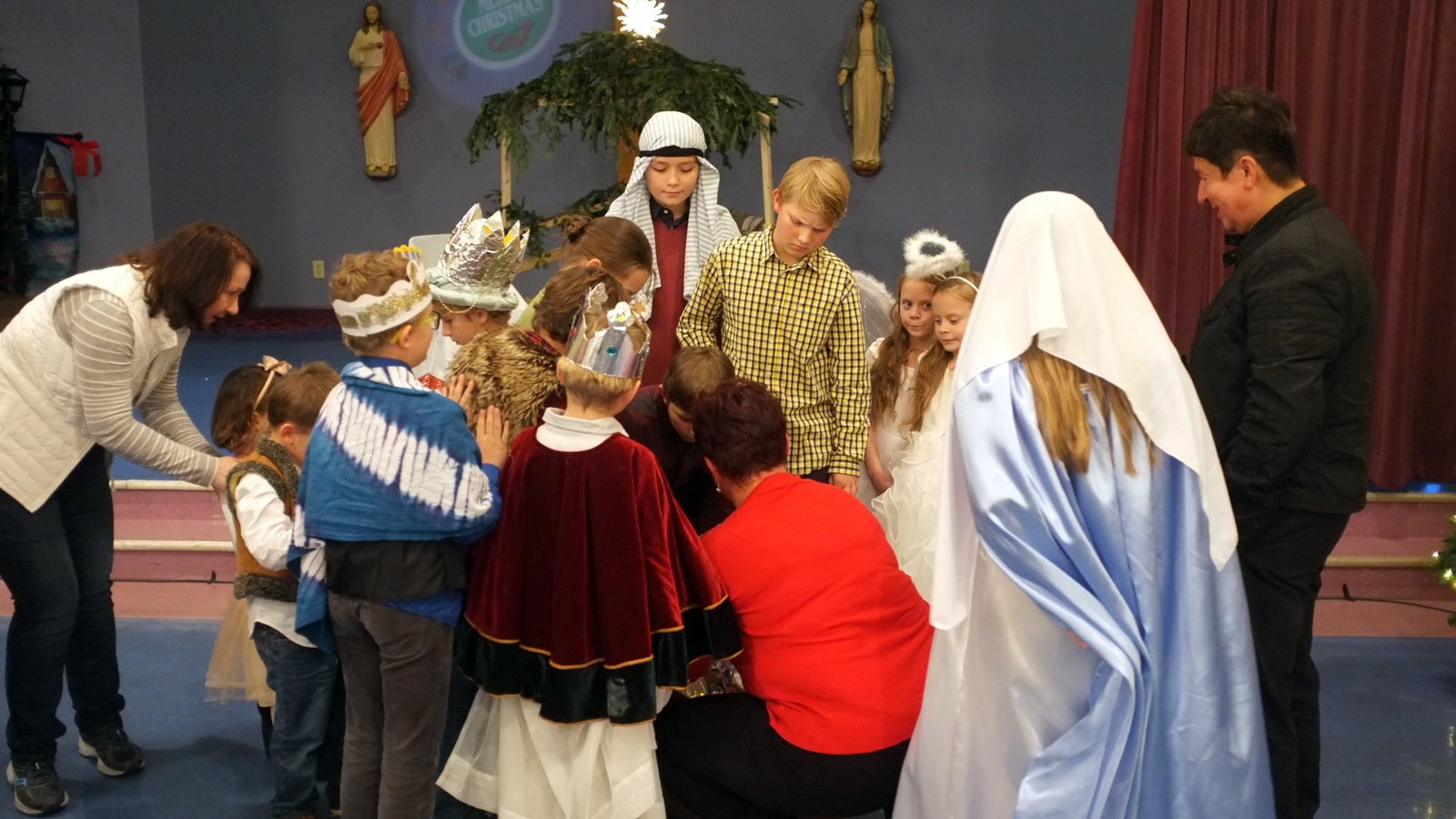
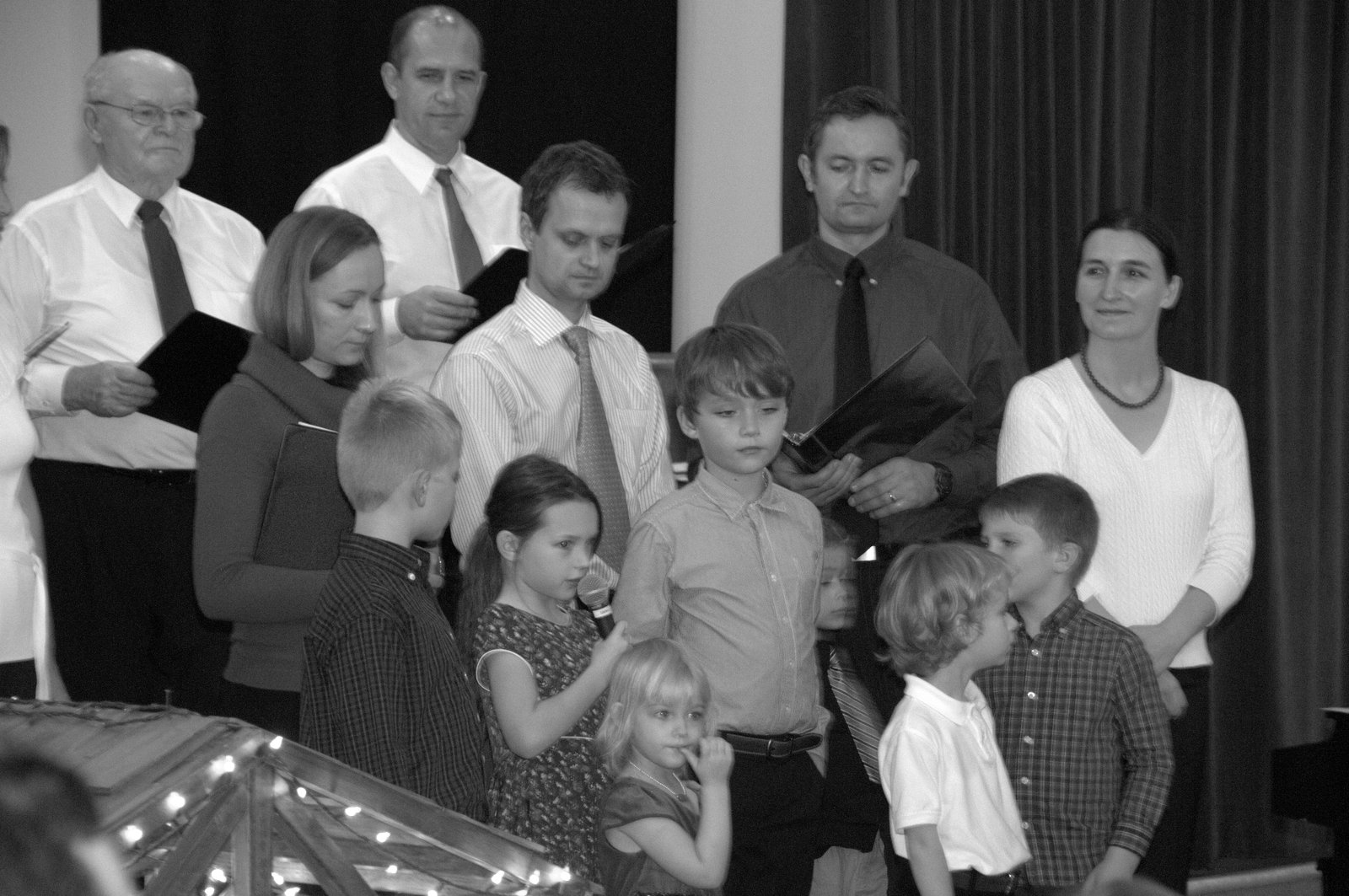
The Girl sang.
The Boy wrapped it all up.
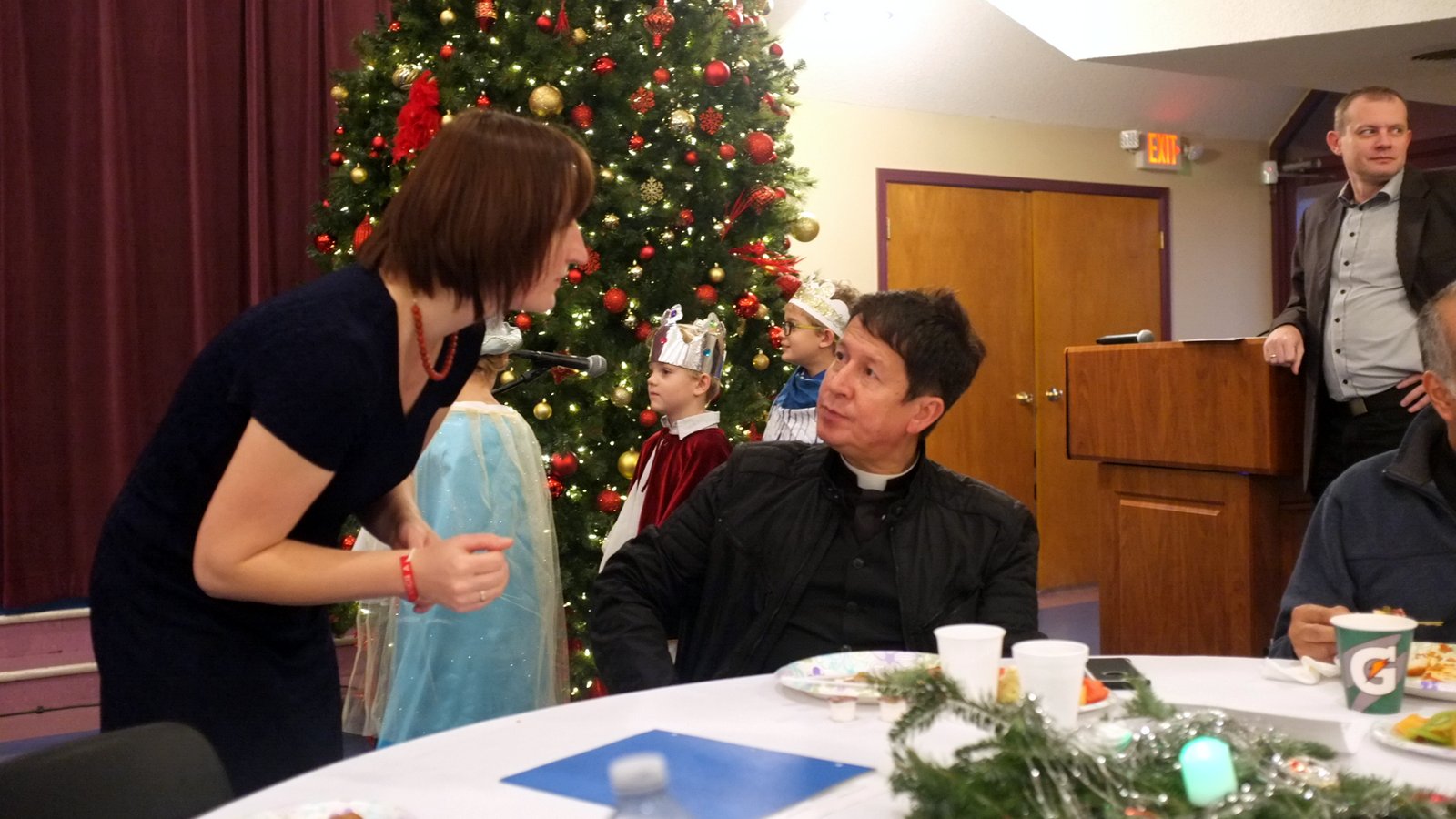
He’s always there, year in, year out. There’s always a special seat for him set out in the front middle, and while he’s likely to sit in the chair for some time, he’ll often move over to the side and watch the parish Polish group put on their Christmas program.
He’s a polyglot, but he has only very limited Polish in his linguistic arsenal. He can greet people, say the Hail Mary, and thank people.
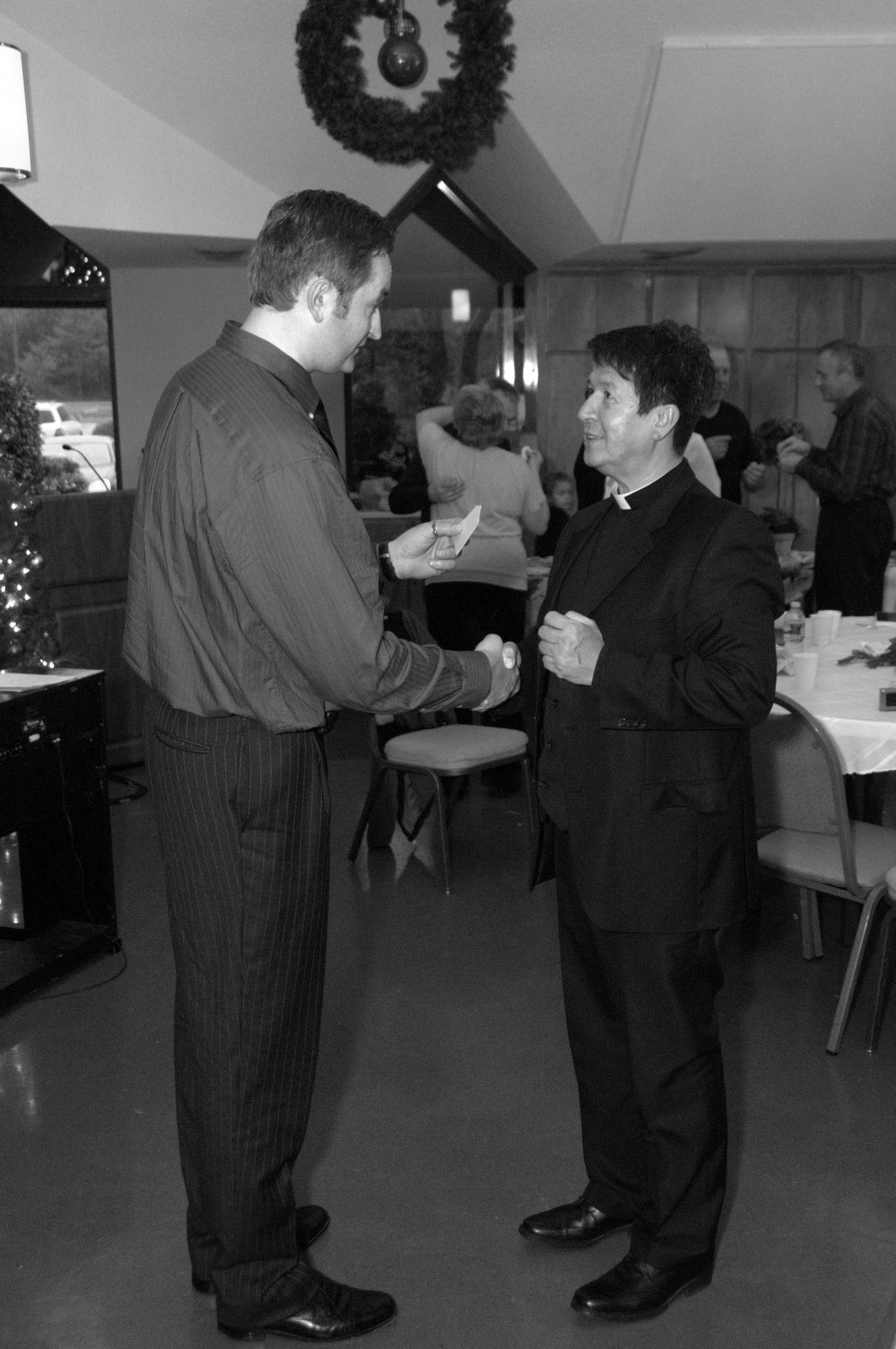
Yet his passion for Poland and all things Polish is never wavering. Among the gathered Poles, with his small stature and dark complexion, he stands out. As Polish parishioners offer each other they opłatek in the Polish wafer tradition, he stands smiling and watching until someone realizes he’s been left out and brings him over a square of the wheat-and-water wafers, explains the tradition, then offers the square of bread. They break off a piece of each others’ bread, wish each other well, and Fr. Theo’s smile grows even bigger.
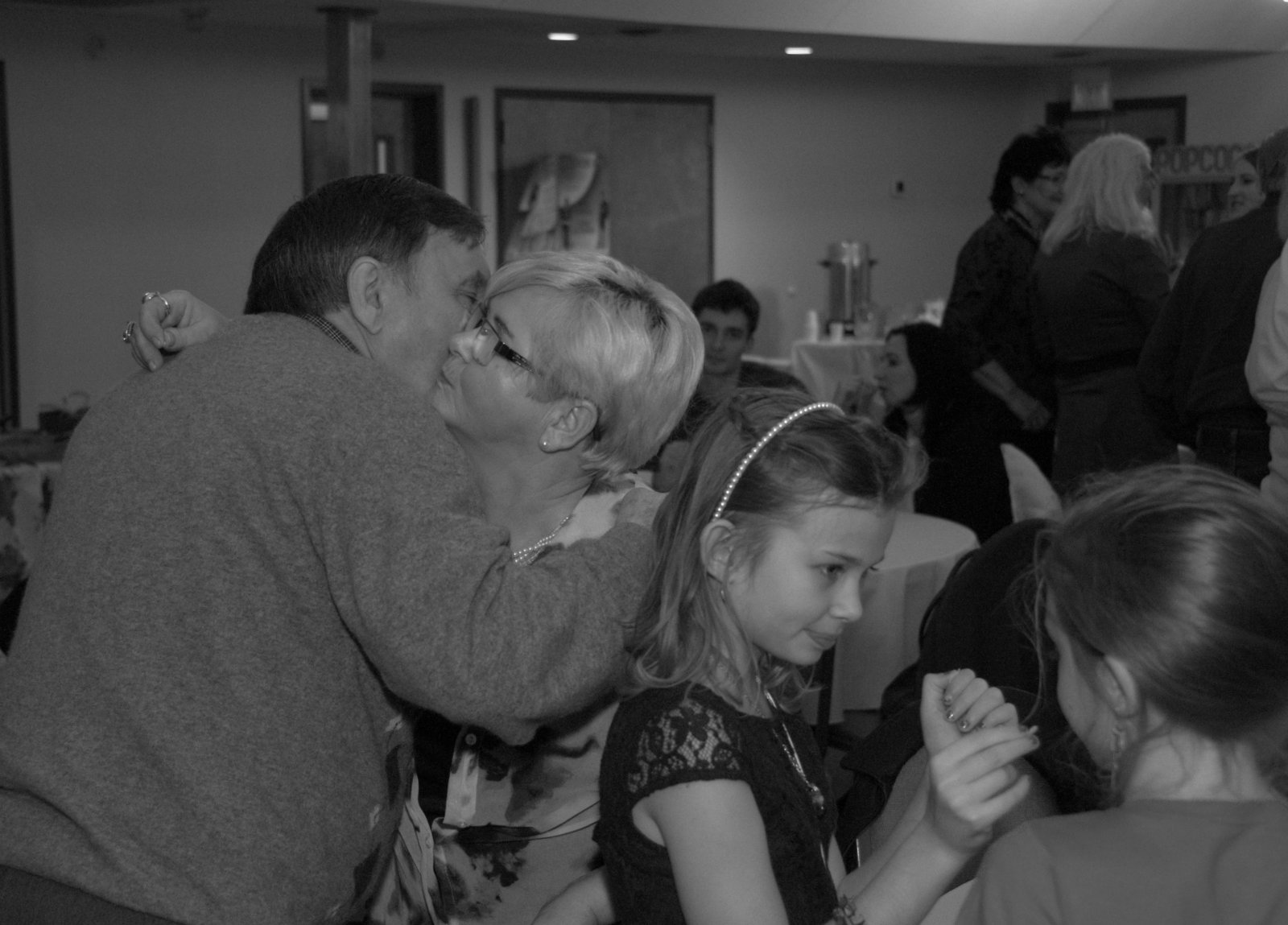
He turns to watch everyone around him, shuffling among friends, opłatek extended, smiling, hugging, kissing.
In her NPR piece, Sarah Zielinski explains what Fr. Theo, an immigrant himself from Columbia, initially was missing:
Nothing says “I love you,” at least in my Polish-American family, quite like the sharing of a thin, flat, tasteless wafer called an oplatek at Christmas. […]
“For us, Polish Americans, the opłatek, that wafer, is Christmas Eve,” says Sophie Hodorowicz Knab, author of the book Polish Customs, Traditions and Folklore. “It defines people’s heritage.”
It’s a cultural thing, to be sure, but it somehow goes beyond that. That simple sharing of bread makes a family of just about any group of gathered Poles.
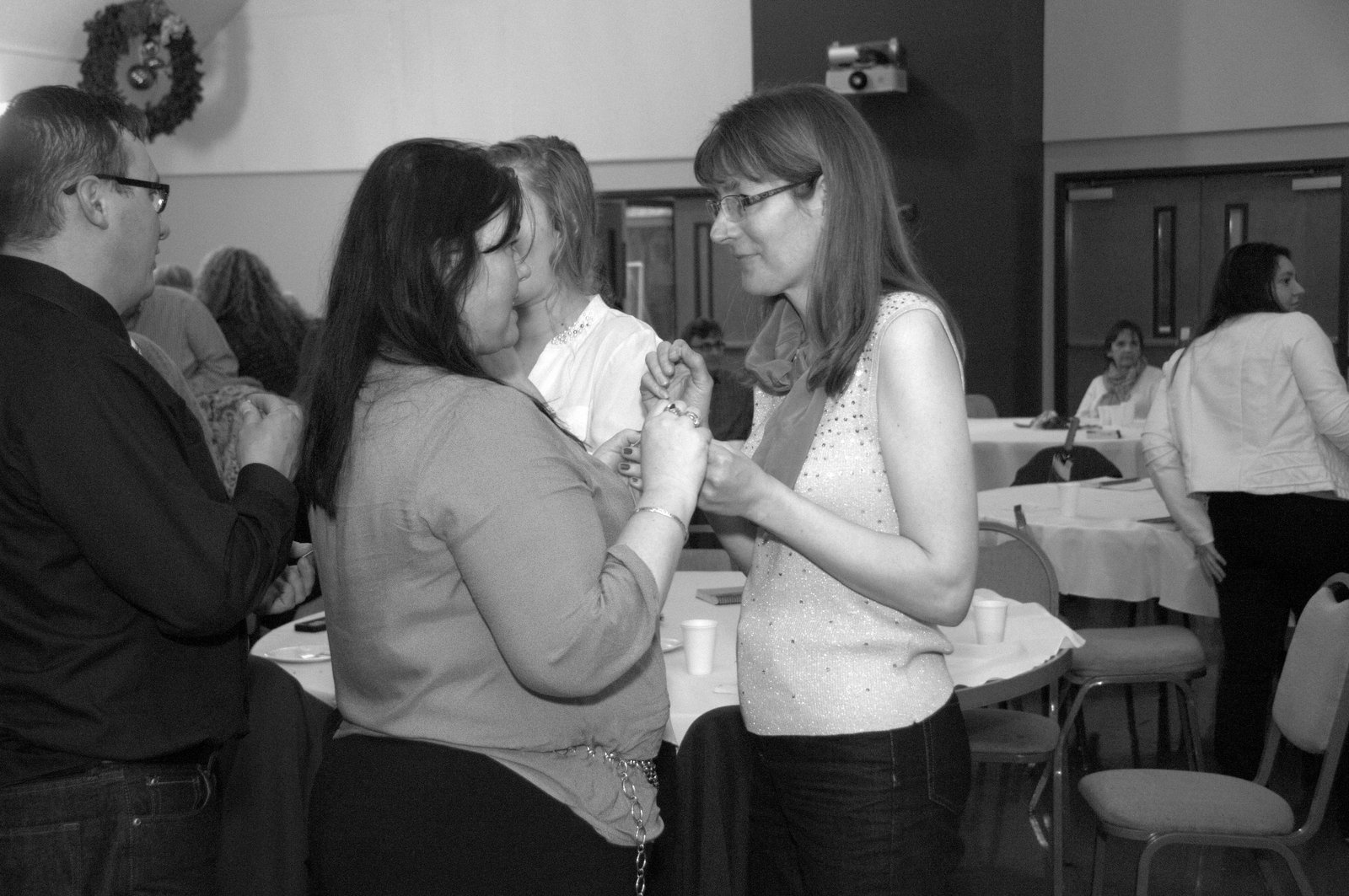
It’s a phenomenon I’ve witnessed myself many times in Poland. Even students who didn’t particularly like each other shared with a smile their little squares of dry bread without a hint of animosity or hesitation. Of course our pastor hasn’t see all those experiences: this is his first experience, to my knowledge, with the tradition, with us, this Sunday.
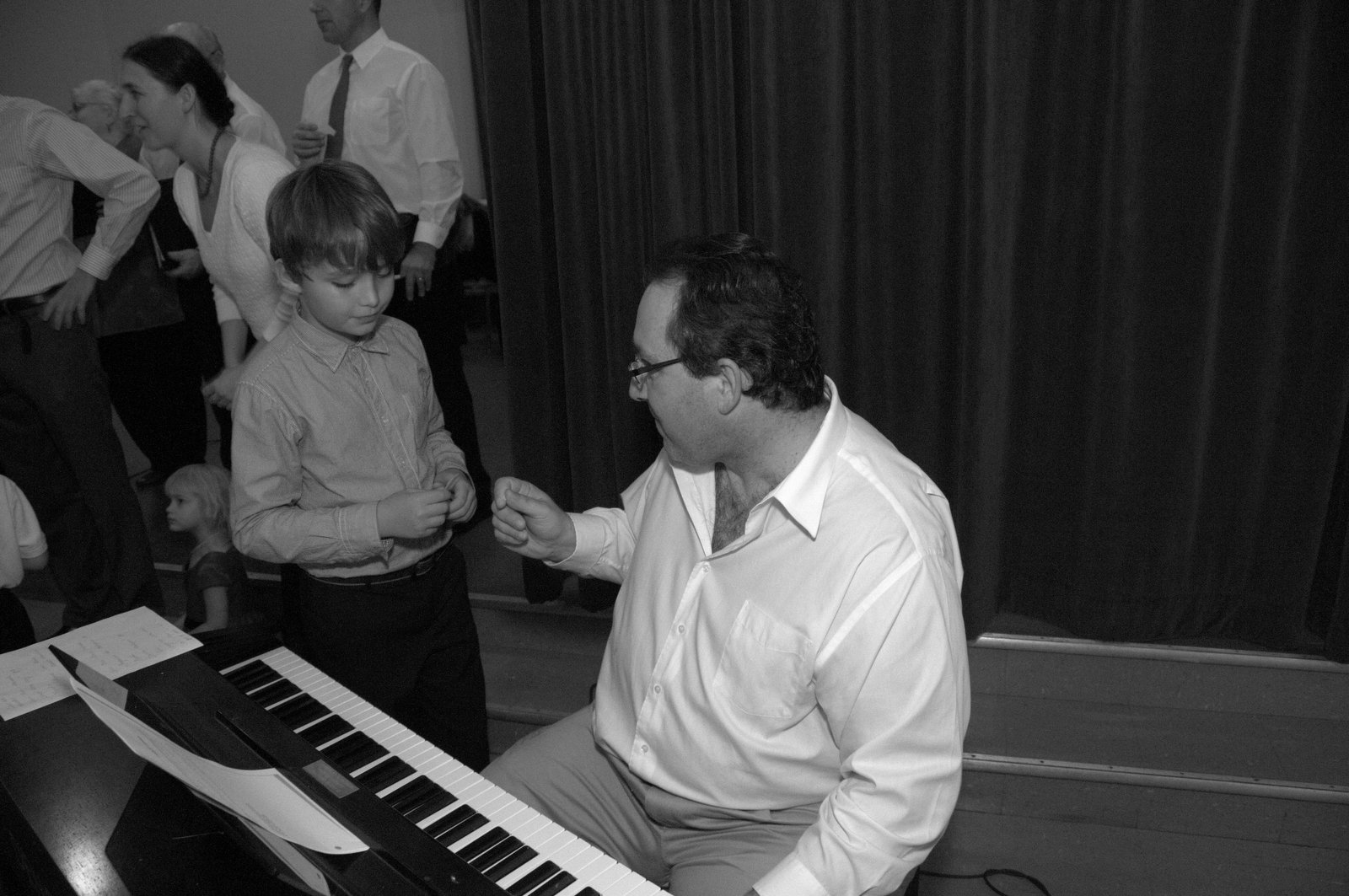
Everyone seems eager to share with Fr. Theo, and he seems equally pleased to share with everyone else. In a sense, many are strangers, but that’s the beauty of the opłatek tradition: no one stays a stranger for long.
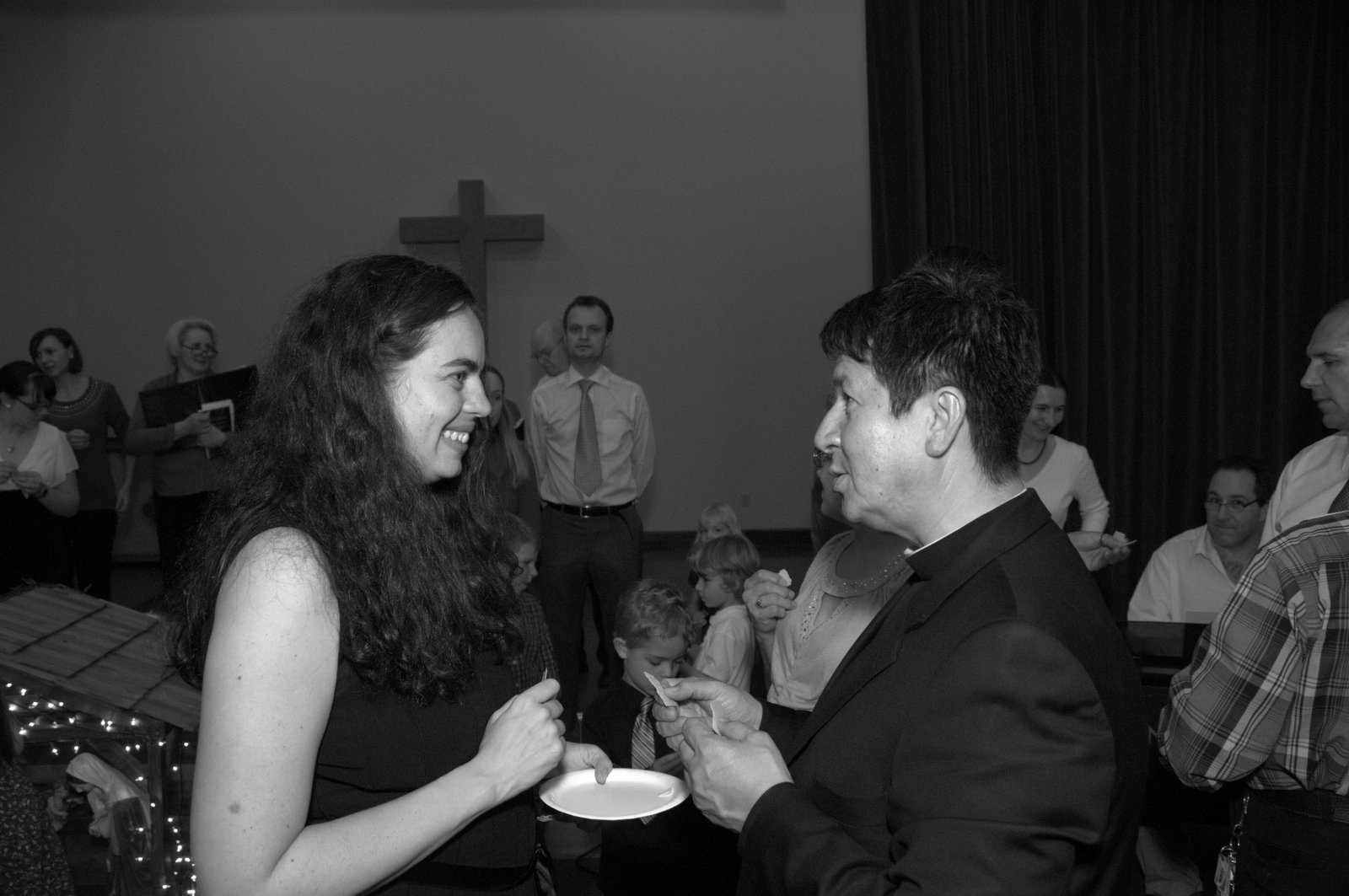
Afterward, I ask him what he thinks of the tradition. “Beautiful. Absolutely beautiful.”
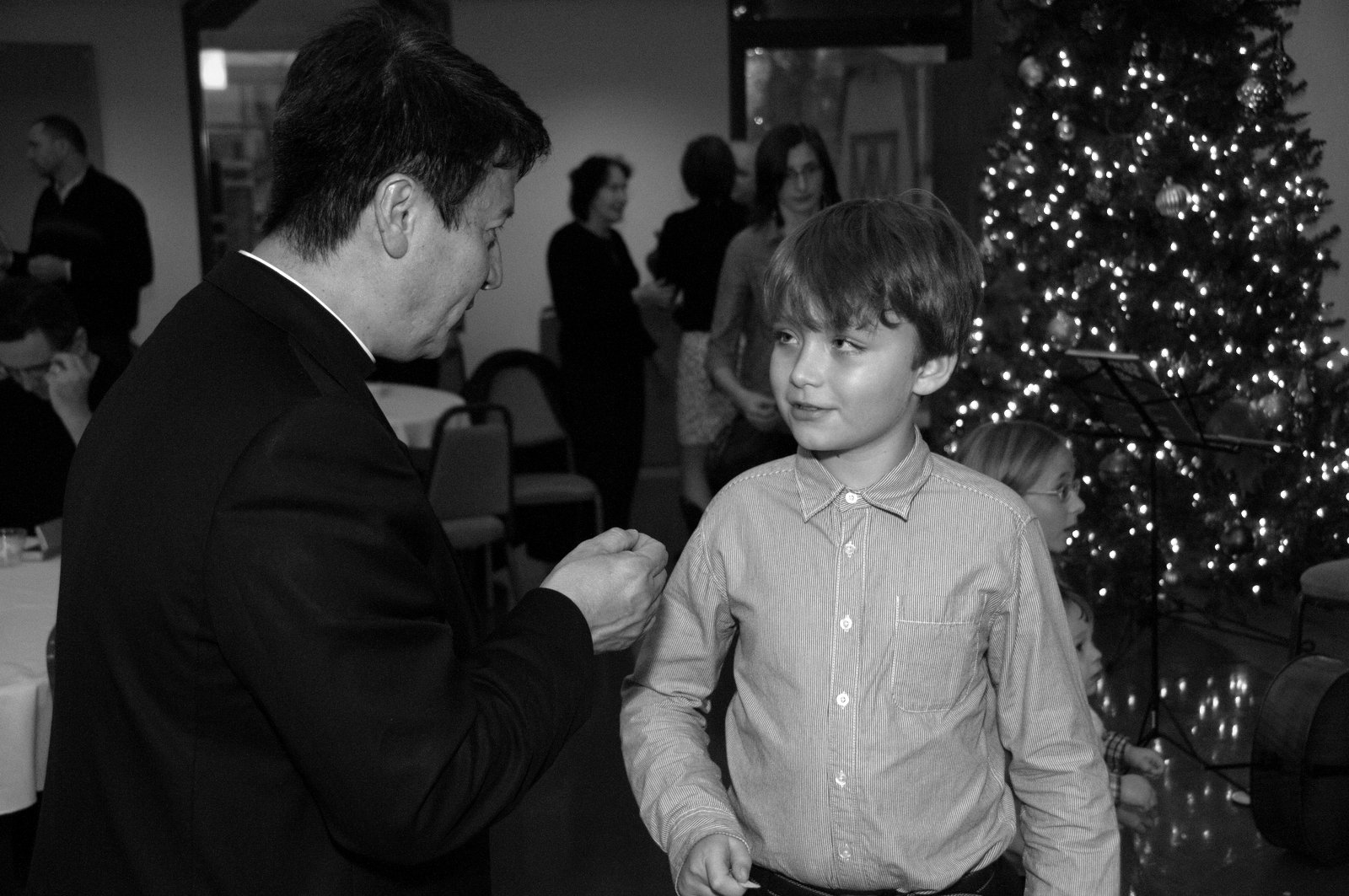
The choir begins singing again, though, and I leave Fr. Theo to shoot a few more pictures and let him enjoy the music in peace.
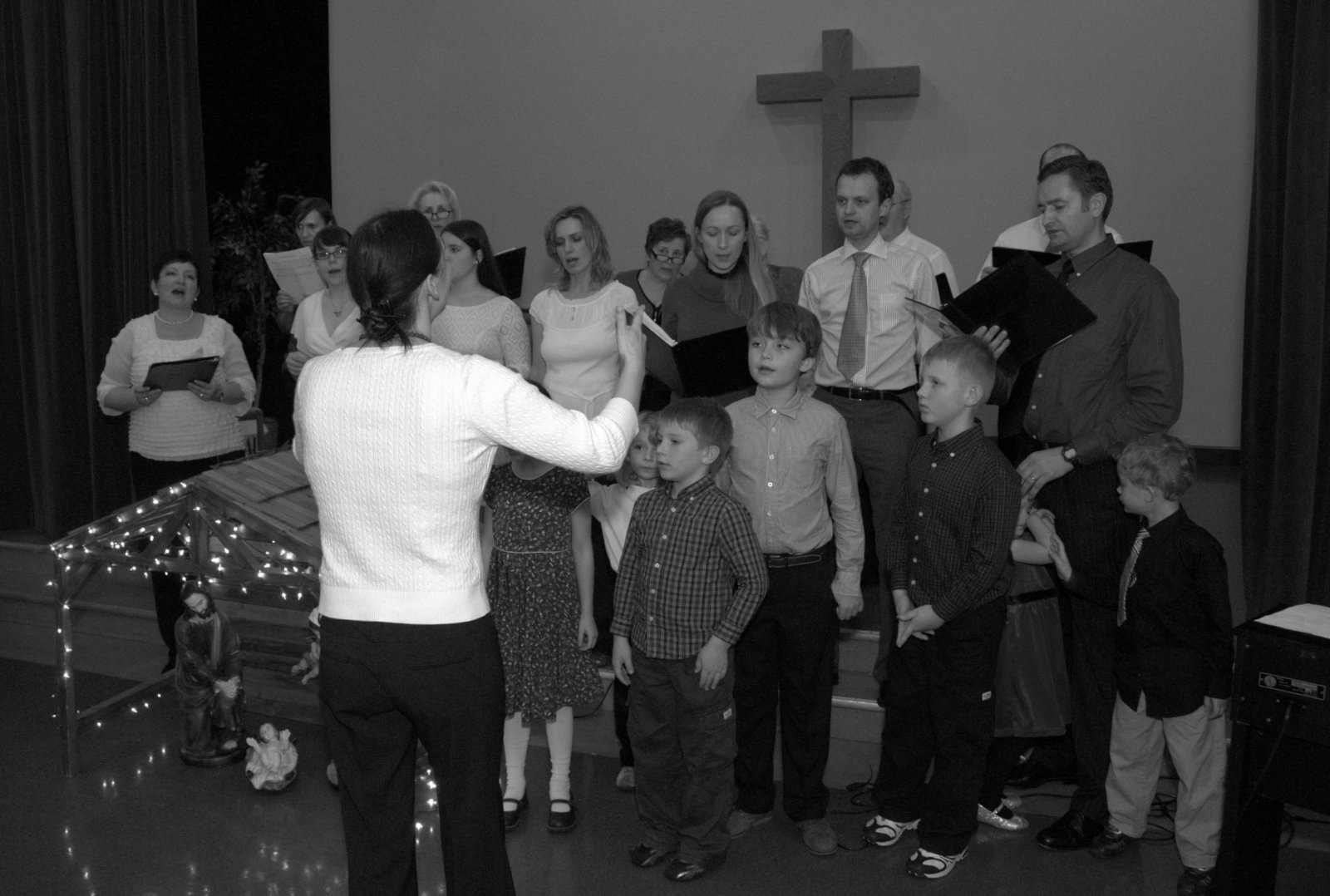
This is the fourth, the fifth time the local Polish community has held its jasełka at St. Mary Magdalene Catholic Church, and it’s the fourth (or fifth?) time that Fr. Theo, the pastor, has been there.
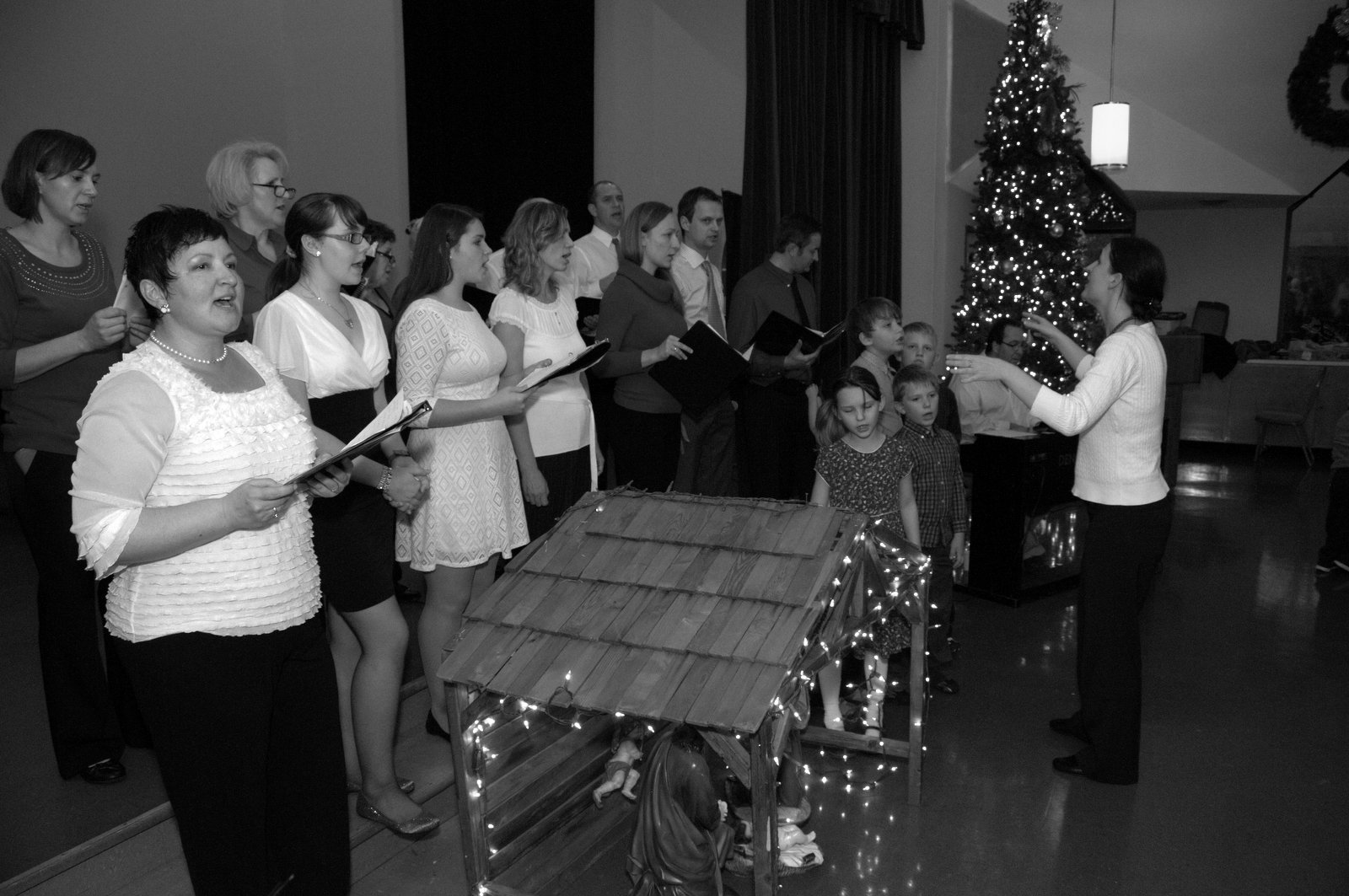
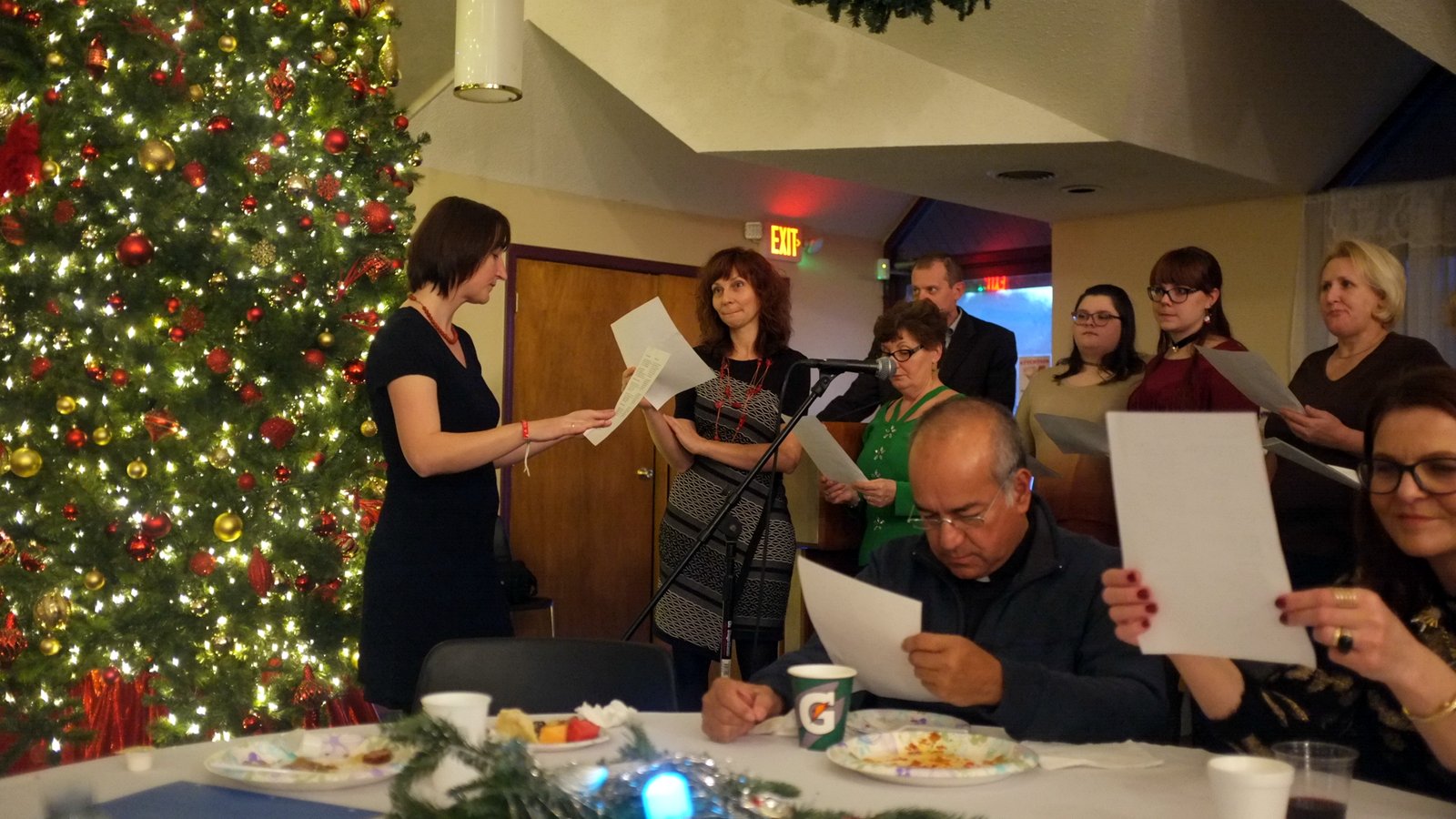
As K, the informal Polish choir director (or probably more likely, formal at this point) leads the choir through its final carol, Fr. Theo takes the mic to address everyone.
“You thank us,” he smiles, “for having this here, but we are the ones who are blessed.”
Nativity plays date at least from the time of St. Francis of Assissi, eight hundred years ago. This weekend, the concept was, once again, Polish-ized.
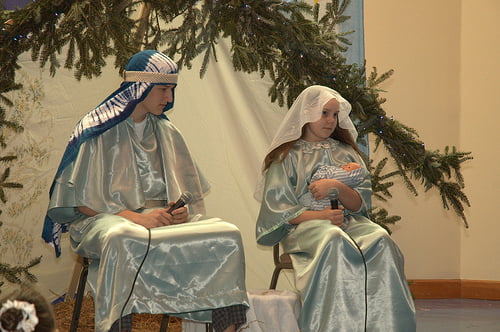
To be fair, it was not a one-off occurrence. Nativity plays, called jasełka (ya-sewl-ka) in Polish, are as customary during the Christmas as wreaths and carols.
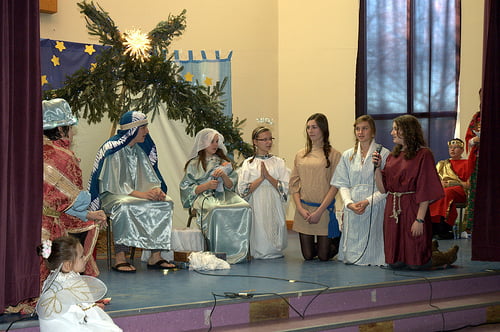
Unlike the modern American nativity play, which is often relatively high tech and performed by adults, Polish nativity plays are almost always entirely a production of children and adolescents — under the direction of adults.
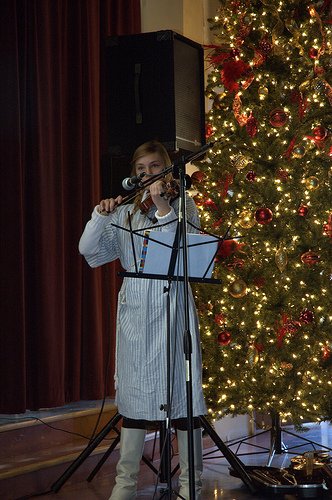
So in schools and churches throughout the Polish community worldwide, children are have been putting on nativity plays much like the one the small Polish community here watched this afternoon.
Yet this play was somehow different — incredibly different — than all the plays I watched while teaching in Poland. During the final days before Christmas break, students and faculty gathered to watch the year’s play: it was often, it seemed to me, an attempt by the directing teacher simply to impress the other teachers.
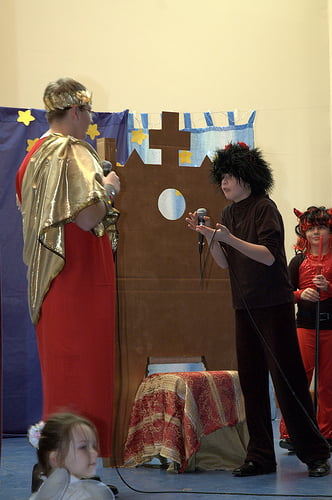
These actors were American children of Polish heritage, children who speak English naturally and Polish only when spoken to by an adult. Their Polish has the traces of limited exposure: accents, weak grammar, lower-level vocabulary: they speak Polish like I do, in other words. For all intents and purposes, Polish is a virtually-foreign language to them.
For them, it’s the language of parents and parents’ friends, a language to be spoken only when spoken to. When they sit around, waiting for their scene during rehearsal, they lapse to the more comfortable English, the language they speak without thinking.
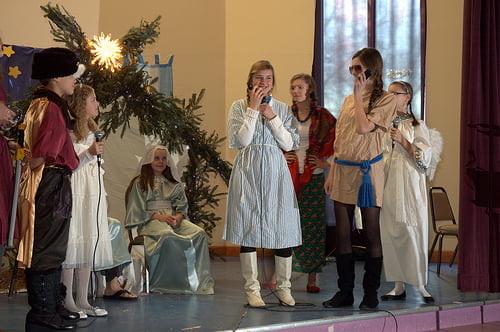
And yet they memorized line after line, exchange after exchange, and performed it with few cues.
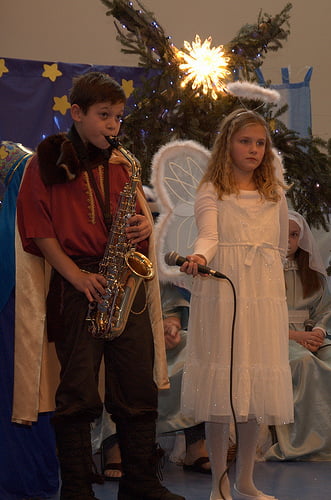
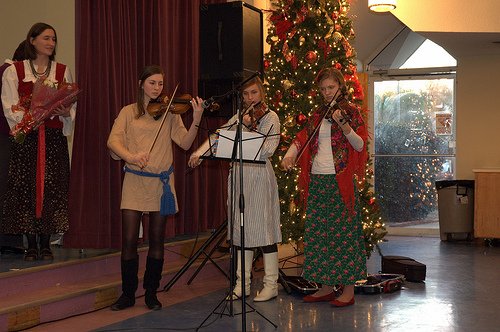
It was a showcase, a moment for kids to show their musical, acting, and linguistic talent. It was a celebration of one of the pivotal events in history — the pivotal event in the West.
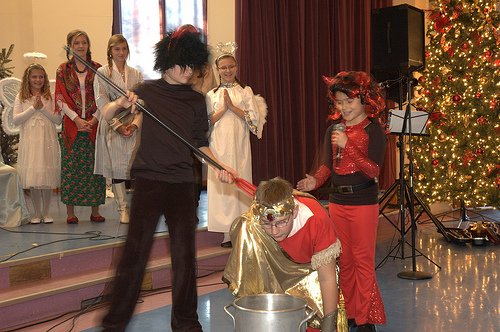
At the heart of the afternoon was the sense of community, the sense of belonging. In between scenes, the audience joined the kids in various renditions of the most popular Polish carols. Put ten Poles in a room together and they’ll end up singing: yet somehow, in suburban America, it had a special glow.
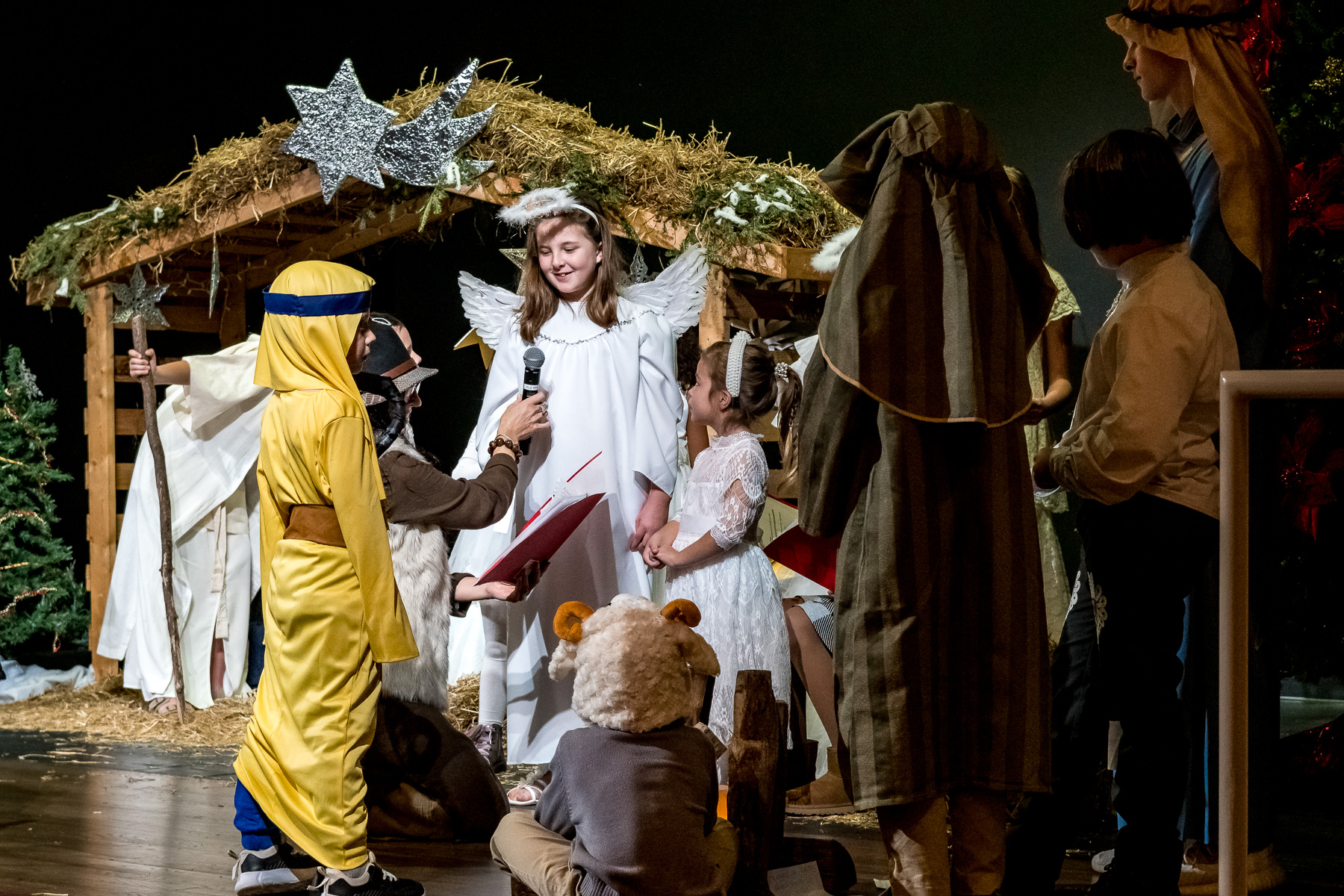
For K and me, there was a first — a first of many, I’m sure. As part of the finale, L sang a solo.
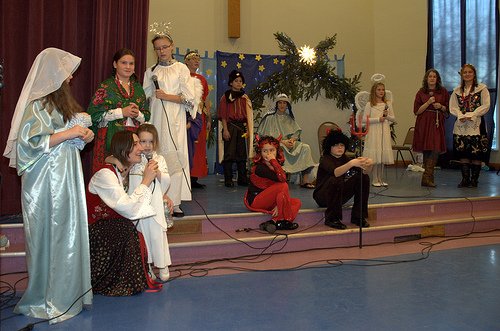
She was was off pitch and out of tune, but it was the sweetest moment I’ve ever experienced as a father.