growing

Perfection

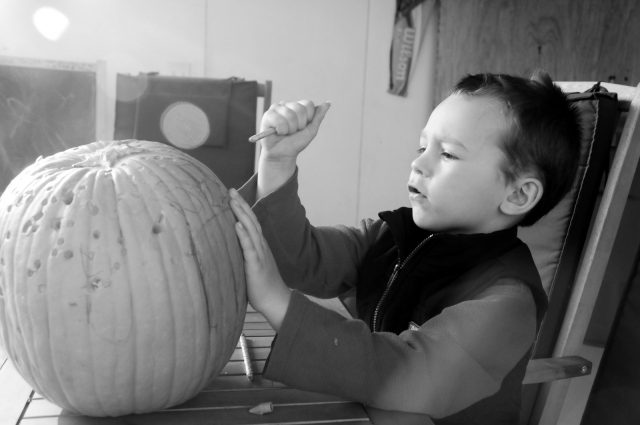
“I’ll never be an expert drawer!” E and I were sitting at the kitchen table after K and L had left for L’s pre-Mass choir practice, and E was trying to draw a sports car. He scratched out a basic wedge shaped attempt at a sports car, adding a deep arc for a driver’s seat, then put the pencil down and dropped his head into his hands. “I’m just not good at drawing!”

It’s tough reasoning with a four-year-old, and though I feared it feel ineffective in the moment, I thought perhaps he needed some perspective nonetheless.
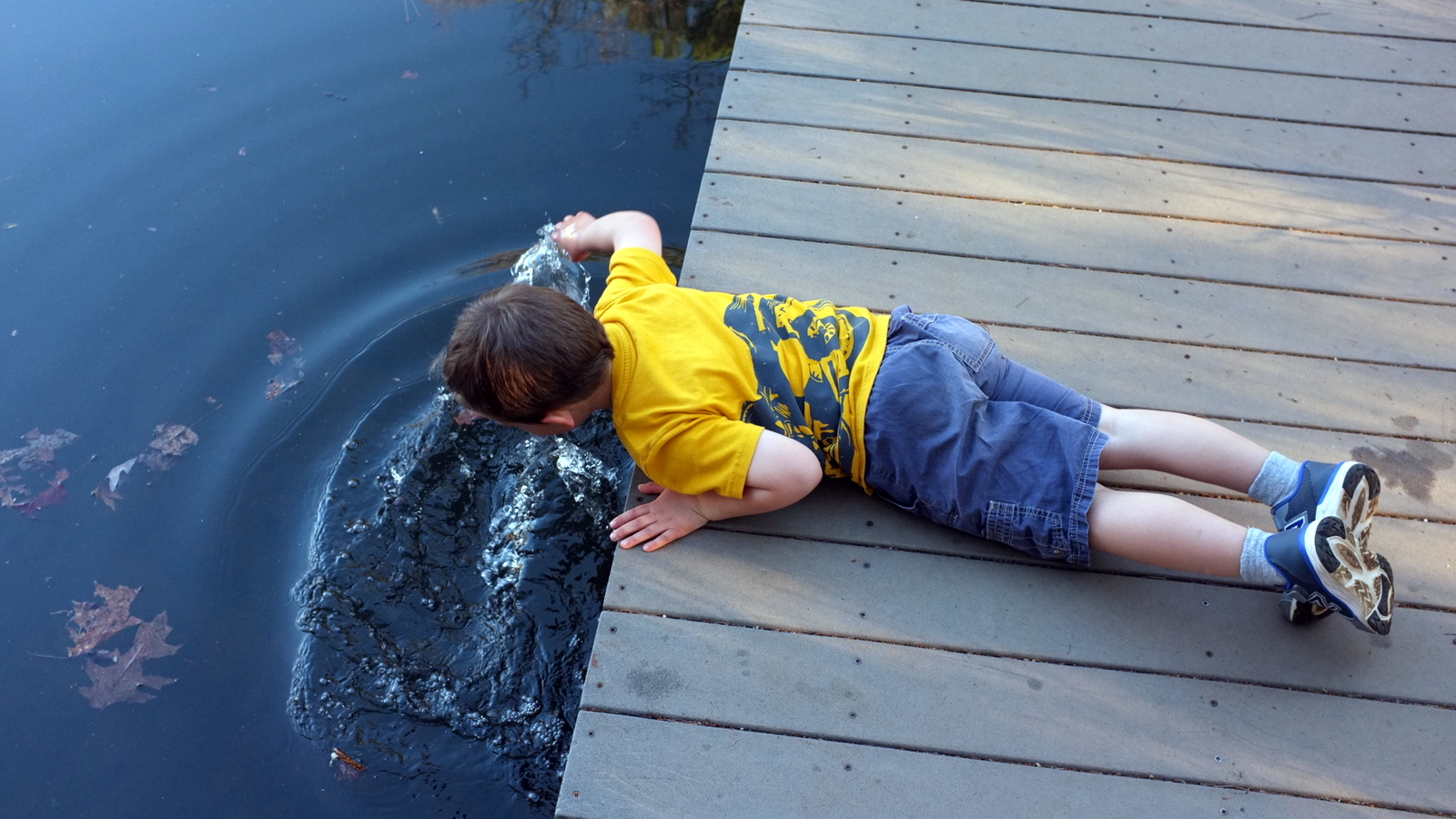
“Son, it takes time,” I began. A thousand and one cliches seemed ready to rush from my mouth, but they were only cliches to me. “Everyone struggles at first when learning a new skill. No one is an expert immediately. It takes time.”
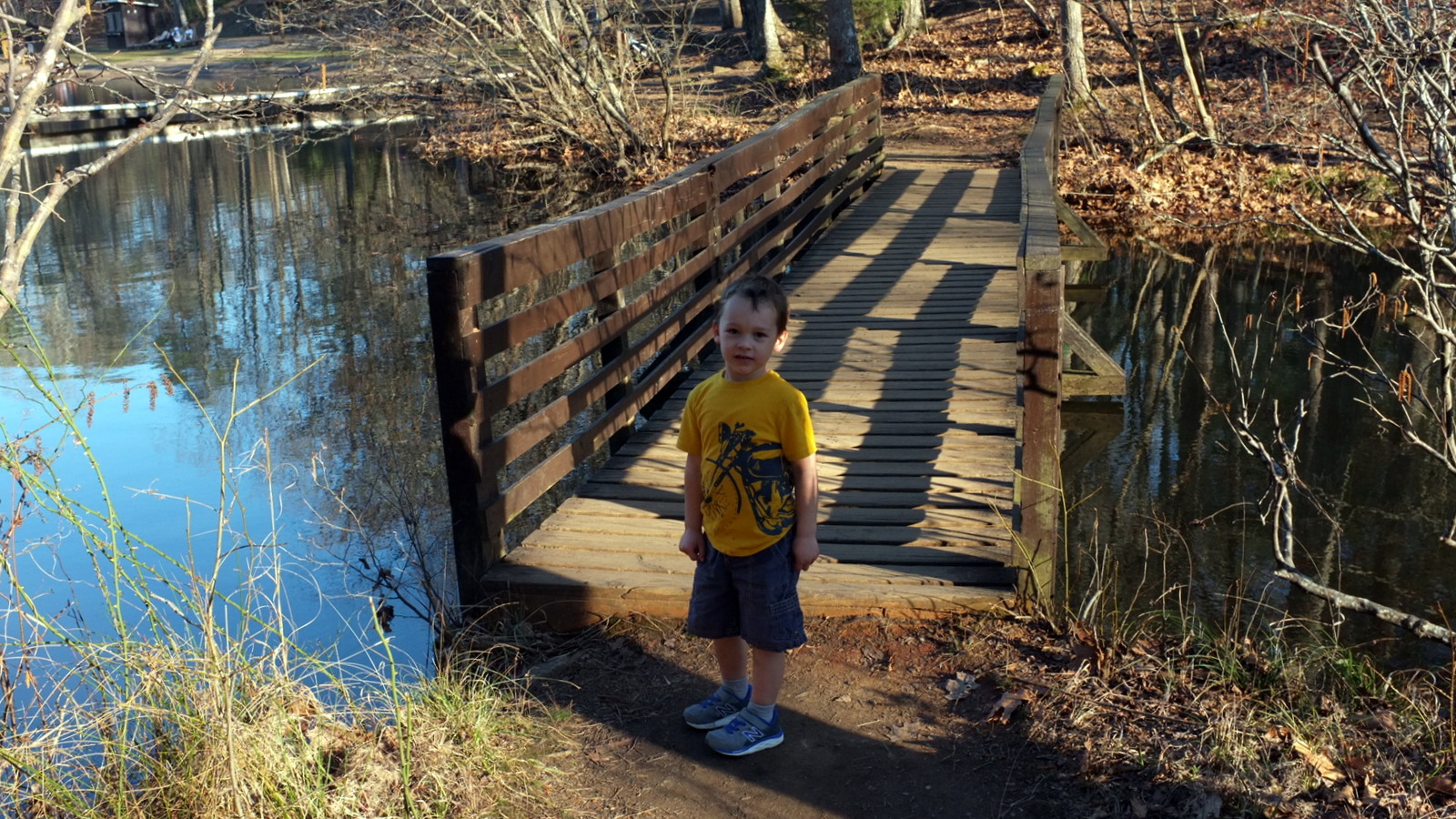
Yet his four-year-old horizon is not very distant at all. Later in the day, as we’re heading to a state park for a family bike ride, he will respond to his mother’s calming, “Only eight more minutes,” by counting to eight and demanding to know why we’re not there yet. At the sun-soaked kitchen table, though, his horizon was even closer. He flipped his sketch pad to a new sheet and tried again, with the same result. He crossed it out and again proclaimed, “I’ll never be an expert.”
I saw in this coming heartache, approaching frustration, a nearing narrowing of the Boy’s horizon. “What if he goes through life like this, thinking always that if it’s not perfect the first time, there’s no point in trying again?” I see it in my some of my at-risk students every day. They lack what, in edu-speak jargon, we’ve come to call “grit.” One girl experiences these frustrations on a daily basis: she wants to give up immediately if I offer any sort of helpful feedback that indicates the slightest flaw in her analysis. Unable to gain any perspective, she struggles with a stress she imposes on herself.
In the end, a lack of time saved the situation. Or at least put it off for a while. We got dressed and met K and L at Mass. As the homily began, it was as if the parish priest and the curria in Rome itself had seen our morning struggles and wove them into the day’s readings and homily. Father Longenecker was sketching the picture presented in the day’s readings. First, from Leviticus: Be holy, for I, the LORD, your God, am holy. A command from perfection for perfection. The second reading was from the first letter to the Corinthians: Do you not know that you are the temple of God, and that the Spirit of God dwells in you? If anyone destroys God’s temple, God will destroy that person; for the temple of God, which you are, is holy. The Gospel reading from Matthew followed in the same theme: So be perfect, just as your heavenly Father is perfect.
The notion that we’re called to be perfect, aside from proving that Christianity is not a good choice for anyone looking for an easy religion, put the morning sketch session into a new perspective for me. In his own way, the Boy was living out the callings from the readings. He must have looked to me as we look to God, frustrated at our apparent lack of progress. Our perspective on a human life must appear to him like E’s immediate frustration when he was unable to achieve instantaneous perfection.

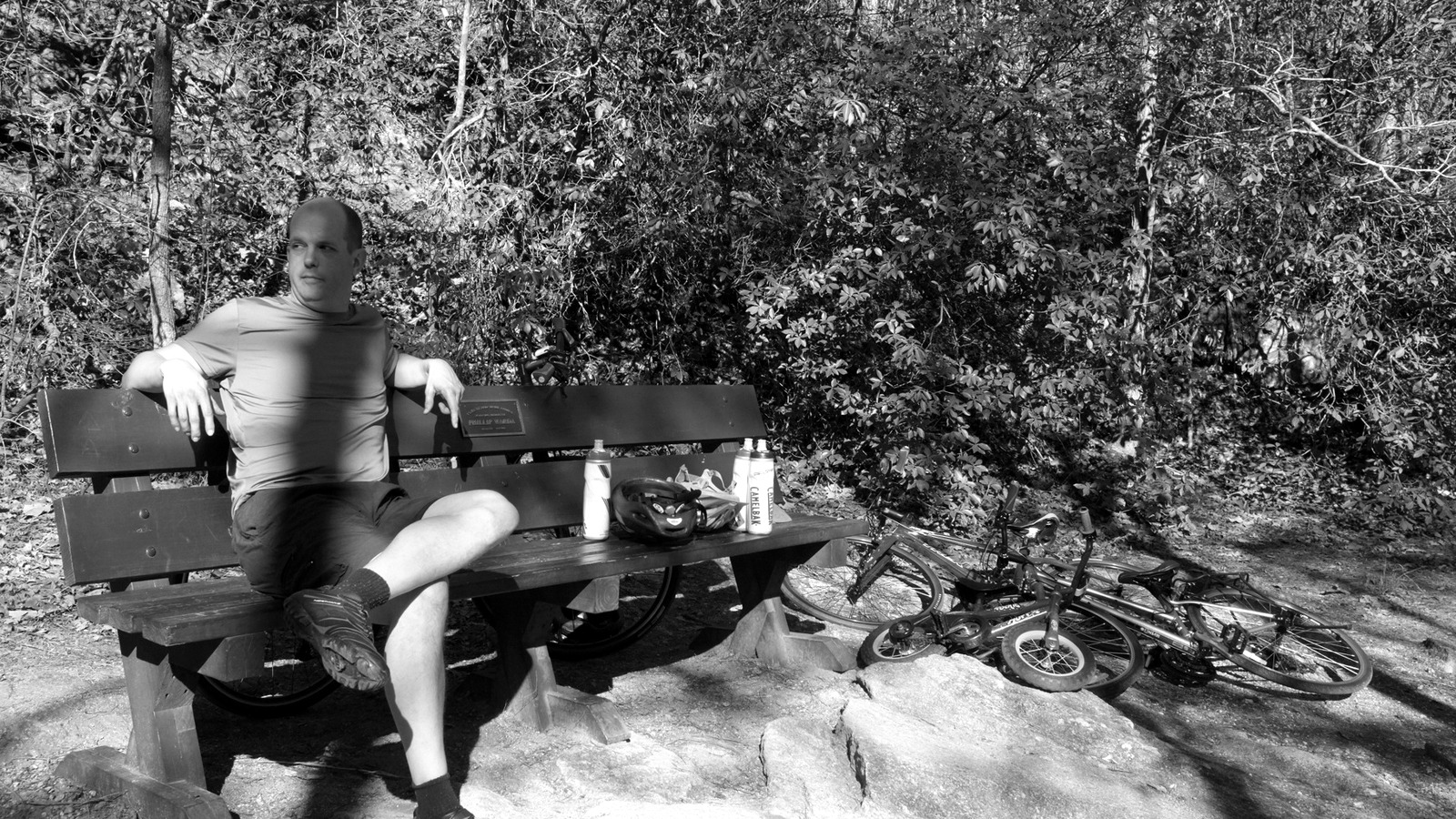
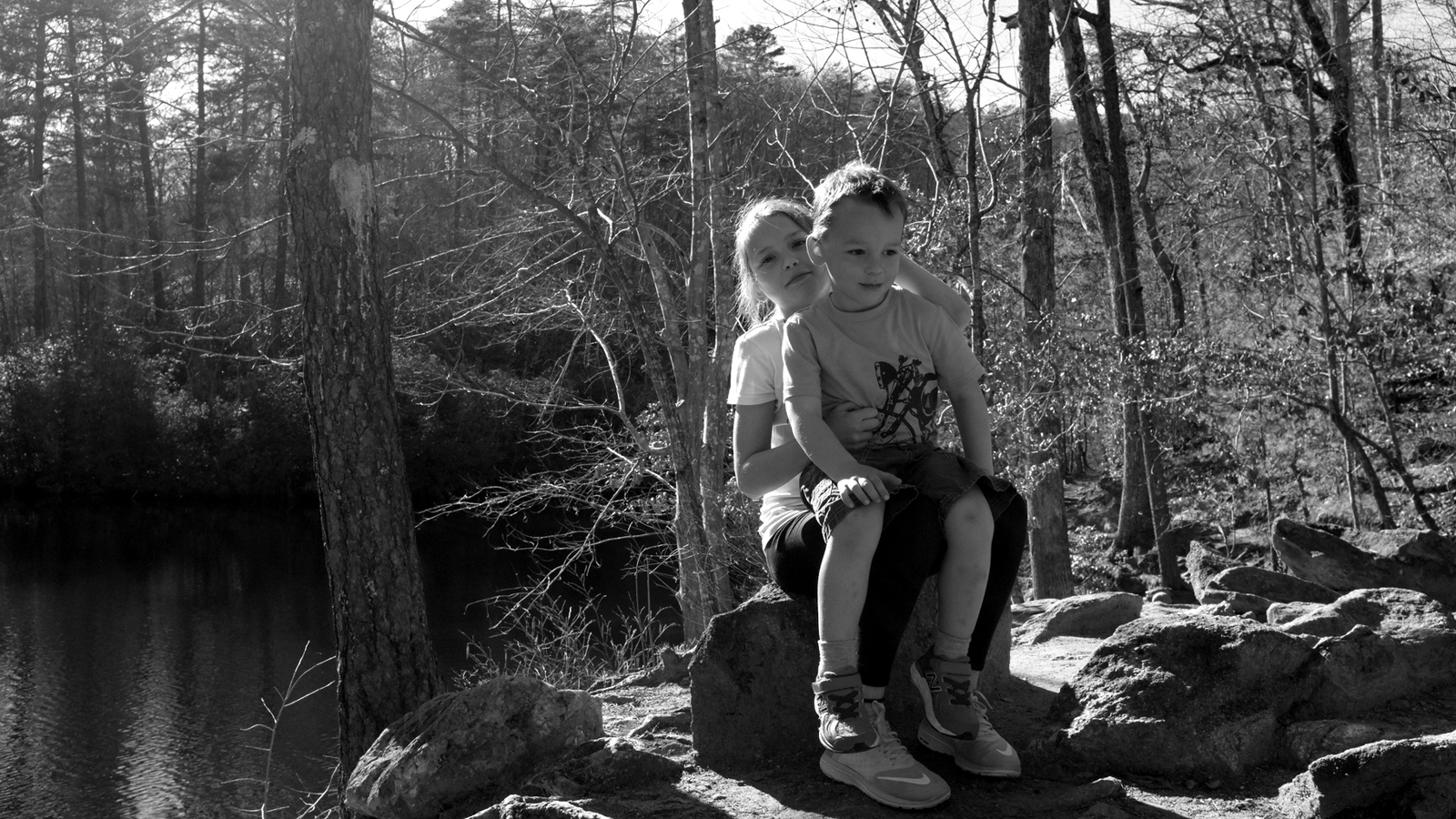
After Mass and lunch, we headed to a lovely local state park to enjoy the unseasonably perfect cycling weather. We rode 6.6 kilometers (4.1 miles) and climbed a total of 86 meters (282.1 feet). A fair amount for a four-year-old.

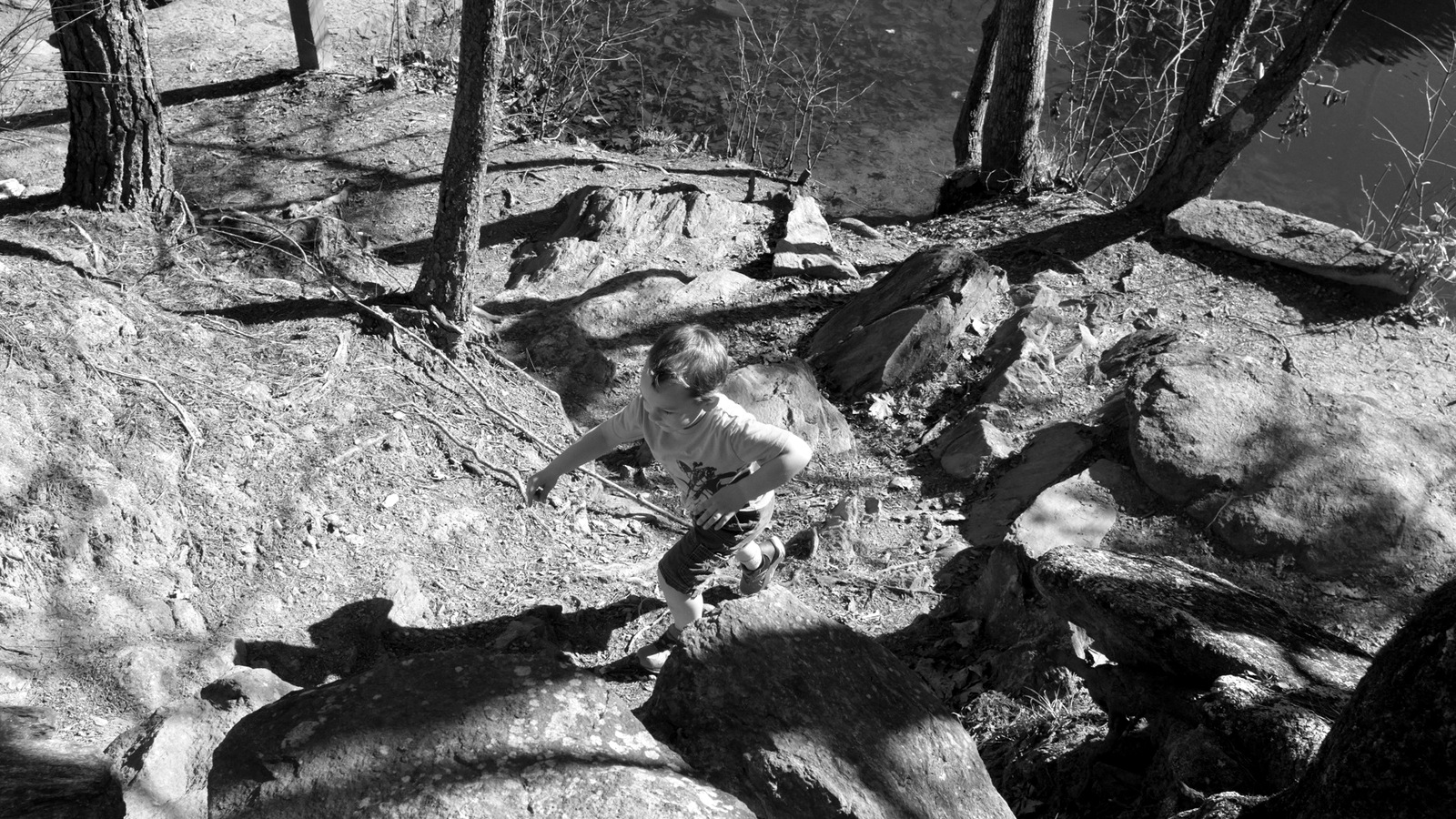
He had to get off and push a few times, but his tenacity at some of the steeper portions of the short incline was impressive. It was a mirror image of the morning, for it was only toward the end of the ride that he really started suggesting, in words and actions, that he might not make it back to our starting point.
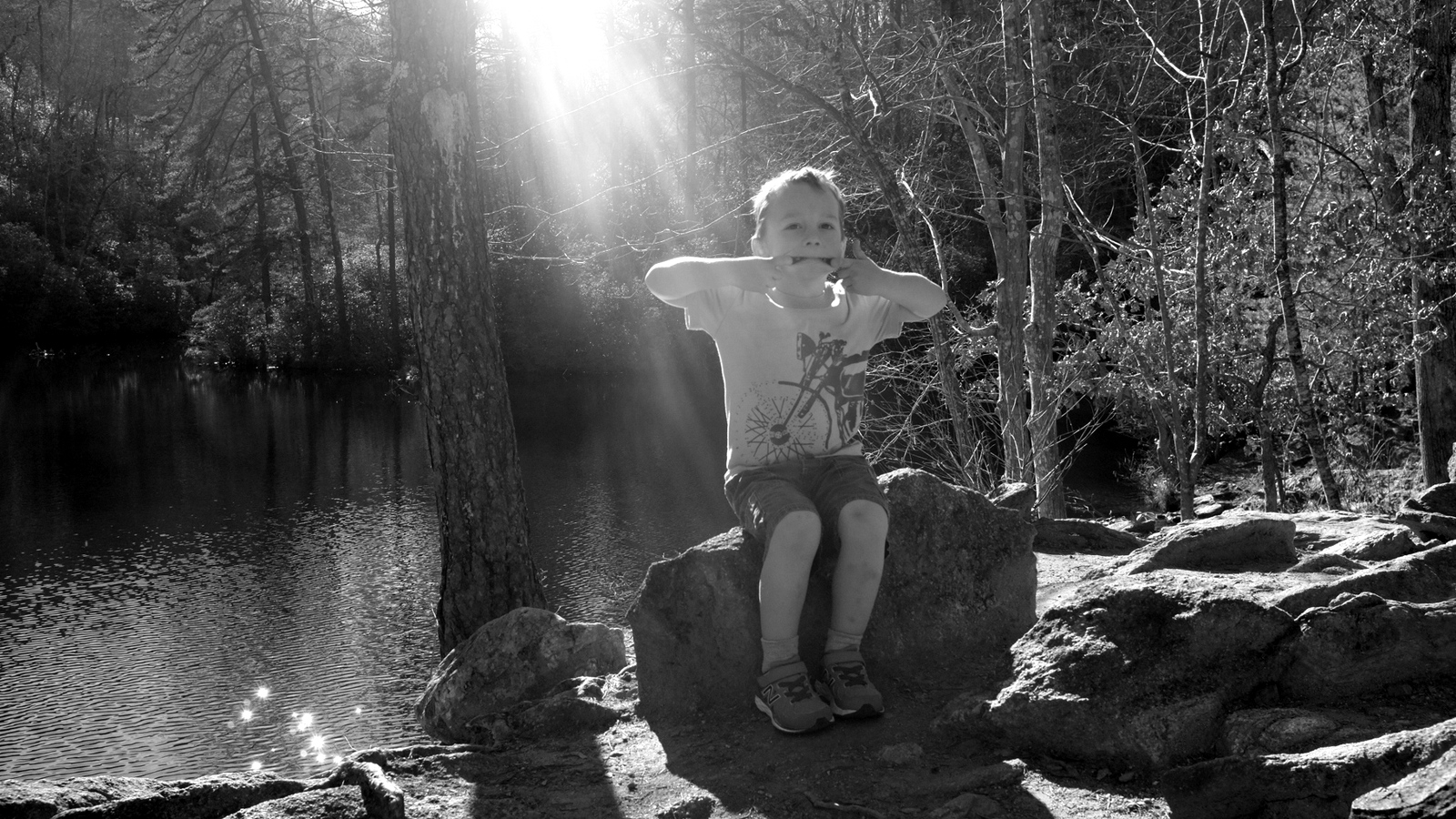
What made the difference? Why did he exhibit tenacity in one endeavor and not the other? Was it merely the physicality of the cycling, a tangible activity with a clear end? Was it the fact that a flawed sketch sits on the page and reminds him of his seeming failure whereas the road’s inclines simply disappear behind him? I sit here at the end of the day thinking that perhaps I should have the answers to those questions, and I realize that if I’m not careful, I’ll start doing the same thing he did with his drawing: why am I not the perfect parent? By now, such thoughts leave as soon as they enter my conscience, right? Hardly.
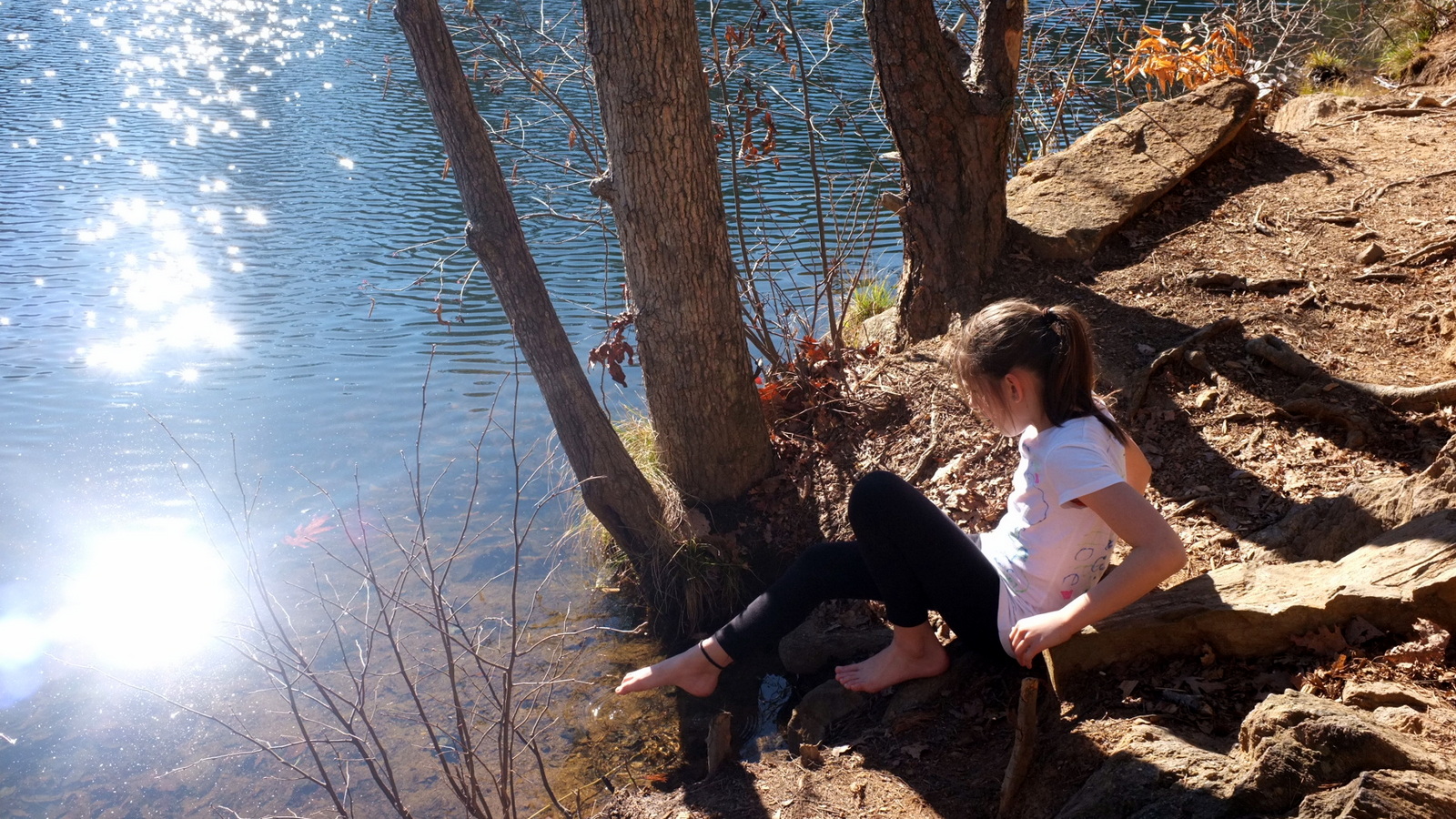
In the end, it was a reminder paradox that perfect days are perfect because aren’t.

Resisting

Part of parenting is resisting. Resisting the urge to give in to tantrums because, let’s face it, it would be easier in the short run. Resisting the urge to say something sarcastic when it’s really not going to do anything but make the situation worse. Resisting the urge to change your kid’s personality because some little quirk here or there is mildly annoying. Resisting the urge to compare your kids to others’ children. Resisting the urge to use one sibling as a model for the other: “Why can’t you be more like your brother?” Resisting the urge to let television be the babysitter when you’re tired. Resisting the urge to say “No” when “Yes” won’t hurt anything other than your schedule. Resisting the urge to say “Yes” when it’s so much easier. Resisting the urge disengage when tired. Resisting the urge to stop resisting the urges…

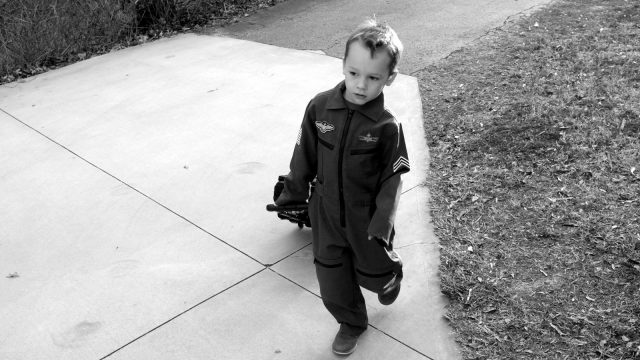
Practicing with the small suitcase we’ll be using this weekend, which he will use as his carry-on going to Poland this summer.

And part of parenting is embracing urges.

Chasing the Unseen

I know we’re entering a new phase in the Girl’s life: chasing. It’s not just that now, with her birthday last month, she’s in the double digits. There’s more to it than that. She’s not a tween, is she? Isn’t that eleven? Twelve? Yet there she was this afternoon, down on the hammock, talking to her male friend as he sat on the other hammock.

It’s not that I’m suggesting that they were discussing anything more mature than a ten- and eleven-year-old should discuss. She still says that boys are icky. (Hopefully that will last for another couple of years, when they can comfortably become iffy at best. Maybe a blossoming interest when she starts high school?) No, it’s not what topic they were chasing down; it’s that they were talking. They weren’t playing; they weren’t running; they weren’t being silly. They were sitting and talking.

The Boy doesn’t talk with his friends. They play. They play with an intensity that makes me envious, with an energy that makes me wonder if I ever had even a small portion of it. They’re talking consists only of what they’re playing.

“Pretend I’m a policeman…”

“Let’s go to the trampoline!”

If I had to bet what L and W were discussing, I’d say it’s probably Pokemon-related. That’s what they talk about most of the time. That’s their common interest. But still — talking, not playing.

We’ve started chasing her. She’s still a little girl, but that’s ending in the next couple of years. Given my shock when I look past entries from the “Time Machine” widget here on this silly site and think, “Dang, that was three years ago?!” I know that those two years will pass so quickly that I won’t even notice if I’m not careful. And then we will be chasing her. Chasing her growth. Chasing the unseen.

Later in the day, the Boy gives chase in a different way. Playing on the driveway, he crashes to the concrete as he’s chasing a ball. His palms hit with an audible slap, and I could feel the burn in my own palms.

But not a peep, only a little cry of panic as he saw the ball heading to the edge of the driveway, threatening to roll down the hill and into the creek that serves as the boundary between our backyard and that of our neighbors’ yards. He popped back up, scurried to the end of the drive only half a blink too late. Down the hill rolled the ball.

There was a time when he wouldn’t head down that far into the yard without an adult, just as L was at that early age. But today, he didn’t even hesitate, didn’t even look to see if an adult was anywhere around. He just slowed a bit to make it down the tricky part, chasing the ball with the certainty that he could catch it that only a four-year-old could hold.

Gone

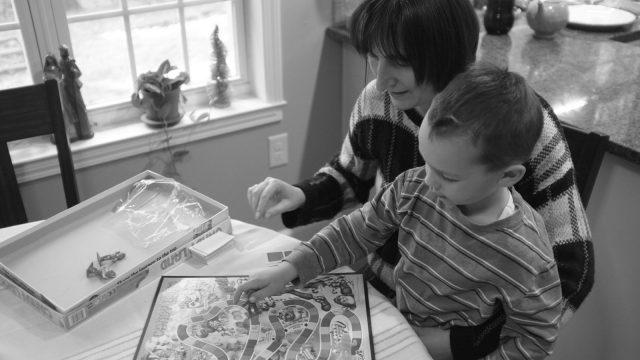
The Boy was playing CandyLand with K, and after he’d won the first game, he was eager to play another.

“I’m going to win again!” he proclaimed, and for a moment, it looked as if he were going to do just that. He shot ahead with double color after double color. Then K drew the gum drop and zoomed ahead.

“Oh, I’ll never win!” he proclaimed, frustrated.

“Yes, but you might draw another candy piece and move ahead, or Mama might draw the candy cane when you’re way past it and have to go back many, many spaces,” I reasoned. But as I often remind The Girl, there’s no reasoning with a four-year-old. He continued playing a bit halfheartedly. He drew a candy piece eventually, but K had shot so far ahead by then that his chances of winning really and truly were gone.

And with that loss, his desire to play was gone as well.

I remembered the whole time they played the new buzzword in education: grit. It’s really nothing more than perseverance in the face of difficulty and setback, but educators and researchers in education like new jargon. (I suspect it’s mainly from the latter.) And so “grit” is thrown around in education blogs and educator gatherings quite often these days. It was rewarding to see The Boy showing some of this perseverance. It took a good bit of encouragement, but he finished the game, learned the lesson (?), and we had a nice close to the afternoon.

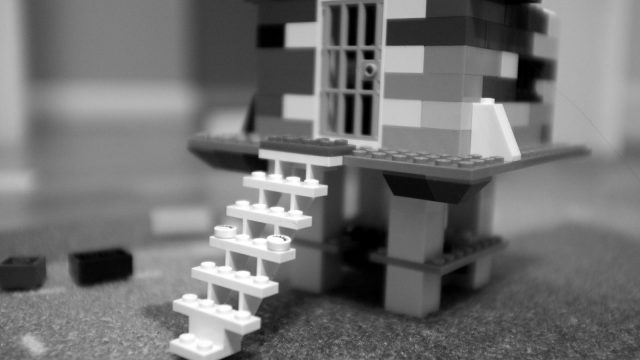
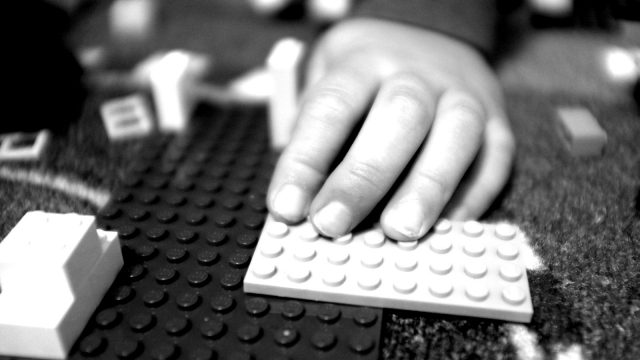
The next night, The Boy and I are working with Legos. I was building a jail for him, and he was building a mystery. Not having a plan, he found the process a little slow-going and frustrating.

“I just can’t get it,” he fussed as he couldn’t get two pieces joined. He threw them down, and for just a moment, I thought the chances of a relaxing evening of Lego-ing were gone. But just for a moment. Seeing everything as a teaching opportunity — or at least trying to — I showed him how to get the pieces together, then pulled them apart and had him try again.

“I got it!”

Two opportunities to teach that could have disappeared but didn’t. The trick for me, though, is to transfer that to my students. Everything can be a moment to teach, a learning opportunity, for the at-risk kids in my charge. They lack social skills, patience, anger management methods, volume control, grit (there it is again), a growth mindset (another edu-speak jargon term that’s hot now). Every teaching moment can’t bloom — I’d never get to the curriculum some days. The balance must be there, but there’s so much they need before they’re gone off to high school…
Inspired by the Daily Post’s prompt of the day: Gone.

Mope

We might be behind the times, so to speak, but K and I have been watching The Crown this week, and it seems there’s quite a bit of moping in that film. Most obviously, there’s Edward VIII, who gave up the crown in order to marry an American divorcee. The Duke of Windsor spends most of his screen time moping about this or that. He mopes about his allowance not being sufficient to entertain as he wishes. He mopes about how his family treats him — they’re all mad at him for the crisis he plunged the country into when he abdicated, but also they’re probably a little angry about him being a fairly open Nazi sympathizer who even went to German in ’37 and met Hitler. He mopes about how his wife won’t be allowed to come to the coronation of Elizabeth. He mopes about the pageantry of the coronation as he mocks with with his friends while watching it on television. And he seems to mope about not being king as well.

Yet in all that moping about, there are some problems of lesser, moral men that he doesn’t have to deal with. We don’t see him moping about his sibling drawing a mustache on him as he slept. The Girl has taken to “mustaching” him at night, and while he thought it was funny at first, he no longer does.

“I hate mustaches!” he declared this morning.

I do, too. They always make a man seem a little creepy to me, a little less trustworthy. I wonder if the Duke of Windsor ever wore a mustache — it might suit his personality. It certainly did Hitler’s.

He probably never moped about having to clean up his room after a play date. The man probably never cleaned up anything in his entire life.

To E’s credit, though, he didn’t mope today about having to clean up his mess.

“But I didn’t make it all!” he began, and I thought it was coming. The fuss. The mope. The crisis.

“Well, you should have asked your friends to help you clean up before they left.”

“I did. And they didn’t help.”

“I’m sorry.”

And that was about all there was to it. He cleaned up half the mess in the late afternoon and the other half just before bedtime, and he was calm the entire time. He might mope later in life about his allowance, but that’s still a ways off.

The Duke of Windsor also never had to mope about a repetitive task like opening seemingly endless bags of chess pieces and putting them into draw-string bags. Since I have waited for that moment for ages — getting chess sets for the chess club I sponsor at school, thanks to the generosity of the PTSA — I didn’t mope about it either.

I guess about the only thing I moped about today was all of the Duke of Windsor’s moping…

Inspired by the Daily Post’s prompt of the day: Mope.

Chores and Jobs

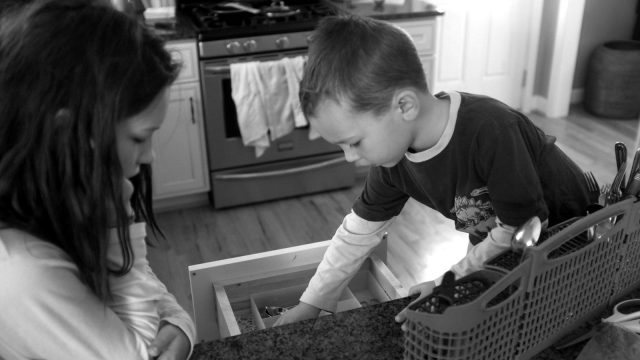
Chores — the Girl unloads the dishwasher, the Boy sorts the silverware. Today, though, the Girl was in a hurry for him to finish so they could watch a little after-breakfast TV, so she was insistent on helping him. He, however, would have none of it.

“L, that’s my job!”

The more restless she grew, the more insistent he became. I stood there watching, intervening as little as possible, a few disparate thoughts running about in my mind.

  1. The Boy is clearly proud of what he’s doing and that it’s his established job. He doesn’t have a lot of responsibilities yet, and often his help, as cute as it is, is more trouble than help. This is one of the things he can do that actually is very helpful. I think he senses that and is proud of contributing to the family.
  2. He has a totally different outlook on work than the Girl. For her, chores are just that: something that must be done, something that is as inescapable as unenjoyable. The Boy, though, loves helping, loves working, loves getting involved. He plays at work: he digs in the backyard, pretends to mow, conducts culinary experiments on the small countertop beside the stove as we cook (which usually involves mixing random things from the fridge).
  3. Sometimes help comes from less-than-perfectly-altruistic motives. Sure, the end result was fine: the Girl wanted to help the Boy. But why? Still, that she finished her job and then wanted to help with his — that’s something.
  4. The thought of having my job (singular) is enviable for a lot of adults, I think — and I’m including myself in that “a lot of”. So there’s an irony: kids look forward to being adults, and adults often look back wistfully at childhood. The truly happy individual is the one always happy where she is.

Looking Forward

The Girl has a way of getting into something and being very passionate about something but then letting the fires die a little.

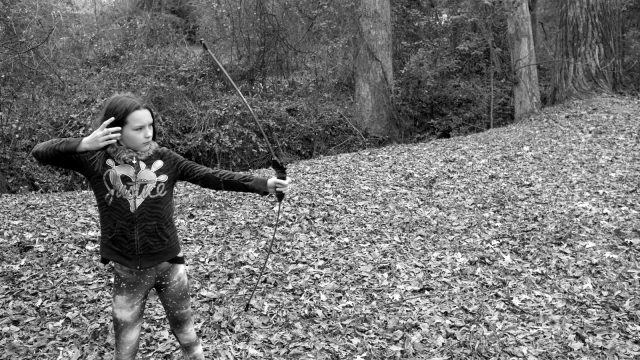
Will archery be the same? Is it important? We’re having fun now, spending time together, just enjoying it all.

Character and Characters

It’s not just that I’m a parent — that’s not the only reason I’m always thinking about it, though it is the primary and most obvious reason. It’s also because I deal with kids all day every day — I see the results of others’ efforts.

Taiashia is a girl whose attitude on most days goes from bad to worse. She arrives at school mad, and she is often furious before the beginning of the first class. She is obstinate and often belligerent. She can be incredibly incorrigible with some teachers all the time and with me some of the time. She often refuses any redirection from a teacher and responds to explanations of the coming consequences with, “I don’t care.” She is generally regarded by most teachers not to be the most trustworthy pupil. She is, in short, difficult to deal with. But she is smart. Incredibly smart. Despite all her behaviors and issues, she maintains A’s and B’s in most classes.

Inventing another recipe

Earlier in the year, when I first realized how bright she was, how much faster she was on the uptake than a lot of the students in her class, I offered her a temporary spot in one of my advanced classes. “It’s the level class I’d like to place you in next year, and I think it might be a good experience for you this year.”

“I don’t want to,” was her reply.

“Think about it first. Then give me an answer.”

Helping with dinner

“I don’t want to,” she said the next day.

I had to call her guardian recently about her behavior, and I knew what I’d hear. Anyone could guess what I’d hear. Tough life. Not the best home influences. So on. A common story with such kids.

Cut to this evening. I’m scrounging the bookshelves for a book I haven’t already read and am willing to read because I am not willing to pay the overdue fine I still owe at the library. (The Girl had a bunch of books checked out on my account and, well, time got away from us…) I found a book about child rearing that had the word “character” in the title. Probably not a surprise in a Catholic home. It proposed eight elements of personality that show a person has character — things like integrity, self-discipline, joy. All elements that Taiashia lacks. Completely, it seems some days. At the same time, all things K and I are trying to instill in our own children.

Polish lessons

And the opportunities to do so abound. The Girl will face one tomorrow. Her class has earned Electronics Day, which means students can bring electronics for twenty minutes of free time at some point in the day. L’s tablet is busted; our tablet is busted; the tablet I use for school is at school; laptops are not allowed. And so our daughter was worried about what would happen if she came to Electronics Day without any electronics.

“They’ll laugh at me!” she sniffled.

How do you explain to an almost-ten-year-old that what others think doesn’t matter? How do you provide the kind of perspective that makes that possible? You can’t. It only comes with time, with experiencing it for yourself and noticing that you survived it, noticing that not everyone joined in the laughter, realizing that those people are your true friends. A tough thing for not even ten years’ experience.
K and I did the expected thing; we said what any parent would say. And when she brought it up again as I was tucking her in, I thought of Taiashia.

“What do I do?” I asked.

“Maybe pray for them?”

“Why?” she asked.

Evening fort building

“If they’re in a place in their life where it makes them feel good to make someone else feel bad, they must have a pretty bad life.” Now, I don’t think that’s entirely what’s going on with fourth graders, but by the time they become eighth graders like Taiashia, it is what’s going on. “And then remember it: remember what it feels like and be the one that stands up for others when they’re getting laughed it.”

She thought about it for a moment.
“Yeah, I guess.”

She didn’t sound so convinced, but perhaps there’s just enough seed, water, and care for something to grow there. And if not, K and I will plant again.
The Real L

Monday evenings, we get that rare chance to see the Girl in her element, to see her without her being aware that we see her, that we’re watching. I say “we” but it’s really only one or the other of us: one stays with the Boy, the other takes L to gymnastics, then does a bit of shopping while she bounces about.

I arrived back to pick her up tonight about ten minutes early, so I sneaked to a spot I could watch without her being aware. They were doing something on a bar roughly the width of one of the uneven bars but only about two feet off the ground, placing their hands on the bars and jumping on the bar before extending both arms upward. The Girl completed the exercise, got a high five from her teacher, then went to an aerobic ball and began bouncing up and down on it. The other girls were sitting still, waiting their turn and watching the other girls go, and L was bouncing, bouncing, bouncing, looking here and there, in her own world. They got up to do something else, and when done, L returned to the ball. Bounce bounce bounce. Up down up down up down up down bounce bounce bounce up down up down up down up down up down up down up down up down up down up down up down up down up down up down up down up bounce bounce bounce bounce bounce down up down up down up down up down up down up down up down up down up down up bounce bounce bounce bounce down up down up down up down up down with such abandon and joy that I realized that she could probably just do that during the entire hour and be satisfied with time spent. I thought what a perfect metaphor this simple action, that in some ways I found annoying because I sensed that the other girls around L found it annoying, could cause her so much happiness. It was another of those “just let her be — don’t worry about what other kids think about her” moments. So they might have been annoyed — so what? So they might in some way reject her because they might think that’s childish in some sense — so what?

“You seemed to have a lot of fun bouncing on that ball tonight,” I suggested in the car on the way home.

“Yeah!” she said with her typical excitement.

“Don’t the other girls want to do that?”

“We take turns every week,” she said, looking out the window.

“And tonight was your turn?”

“Yeah — not everyone wants to do it. Some of the girls think the mats are more comfortable.”

I wondered at that. Perhaps some of the other girls just don’t care enough to put up a fight, because I can see L running for the ball to claim the first turn. That’s how she is with us, and with people she feels comfortable with. But these girls? Virtual strangers? I worry at times that she might not have the best social radar, that she might think she’s closer to some people than they themselves think they are to her. I’ve noticed little gestures from others at times, things I wonder if I should point out to L or just let her learn. Reading body language. It’s a skill that sometimes has to be taught, doesn’t it? And then there are those autistic souls who can’t pick up on those things to save their lives.

So no big epiphanies tonight. No big revelations. Just more wondering.

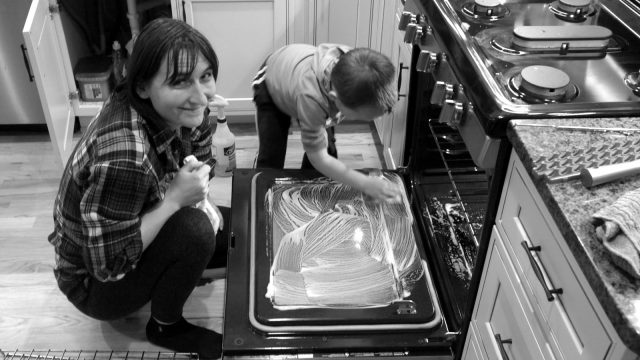
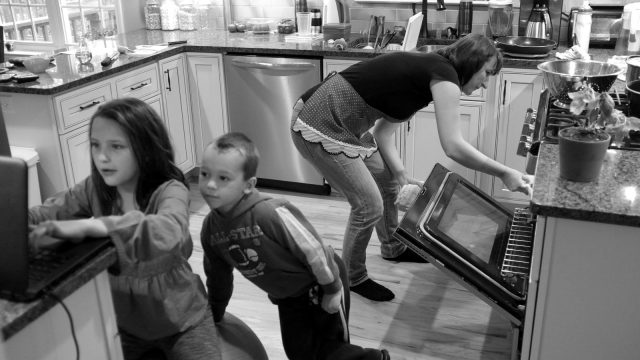
But not about the Boy: he was in perfect E-form when K started cleaning the oven tonight.

1-dscf2356

Imitation

The Boy sees me do something, and he starts doing it. He sees K do it, and he starts doing it. He sees L doing it, and he starts doing it.

1-dscf2168

L has always enjoyed playing store, though in recent years, she really hasn’t taken the initiative to play it. When her Polish near-cousins come from the Asheville area, they might play school, and they might, just might, play store, but the oldest is now in middle school and such games seem pointless with just two.

1-dscf2172

She saw the Boy setting up his store after dinner and desert — a treat from the Halloween bucket — and she just had to play. And take over. And start directing the Boy. Playing with her can be so exhausting when she’s like that, and I often worry that she might be that way at school as well. She might not have the most friends possible as a result. And part of me wants to do something about that, to guide her a bit. And I have. But nothing has changed, so I’ve decided to take K’s advice and just let it be. It’s a lesson she’ll have to learn for herself.

1-dscf2174

Risks

Part of growing up is learning to take risks and learning not to take them. It all depends on the child, I guess. For us, it’s both: the Girl dives into almost everything without much thought of the consequences sometimes, and it’s something that’s always worried us; the Boy on the other hand watches, thinks, calculates, and sometimes — often — walks away from a given situation that he evaluates to be too risky. Between the two of them, the perfect mean.

Parenting is about risk as well. At the most basic level, there’s the risk of some kind of congenital defect in our children that provides them with challenges that might seem or simply be unfair, overwhelming, disheartening. Some folks are reluctant to have children for that reason. “What if our kid is born without certain wiring working and grows to be a sociopath?” is the extreme of this worrying. It’s never really been a worry of mine, though. It’s out of my control, so why worry about it.

That fear aside, we all want our kids to grow into these super-beings that fear nothing that needs not be feared, that boldly takes risks that matter, that stand up to bullies and make perfect grades. Of course all those things have differing priorities and can all be subsumed under the general idea of “well-rounded person” in the risk department. To that end, we teach, train, and so on. But there’s only so much as parents we can do about our kids’ personalities and outlooks on life. Nurture takes you only so far; nature gives some pretty strong dispositions.

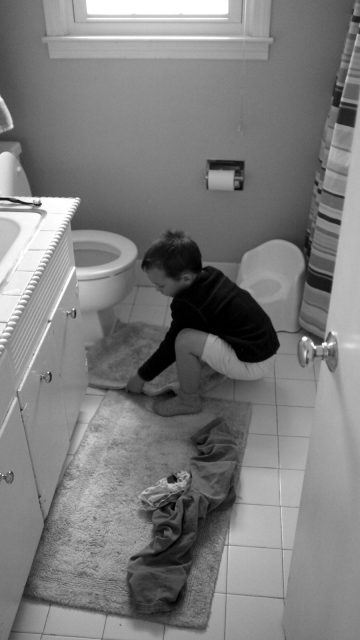
The Boy, as a four-year-old, has certain risks that he decides to take that are appropriately sized. He’s begun to turn his back on his little Baby Bjorn potty and head straight for the toilet. He’s begun standing instead of always sitting. And that involves risks. Today he went upstairs to go to the restroom wearing one pair of pants and came back down wearing shorts. “I siu-siu‘ed on my pants,” he explained, using his typical Polish-English combination: a Polish base with the English past-tense inflection.

1-dscf2151

A few minutes later, he trotted back upstairs to clean up the mess, illustrating another parenting risk: lack of proper instruction on how to clean up potty messes leads to testing the absorbency of the bathroom rug.

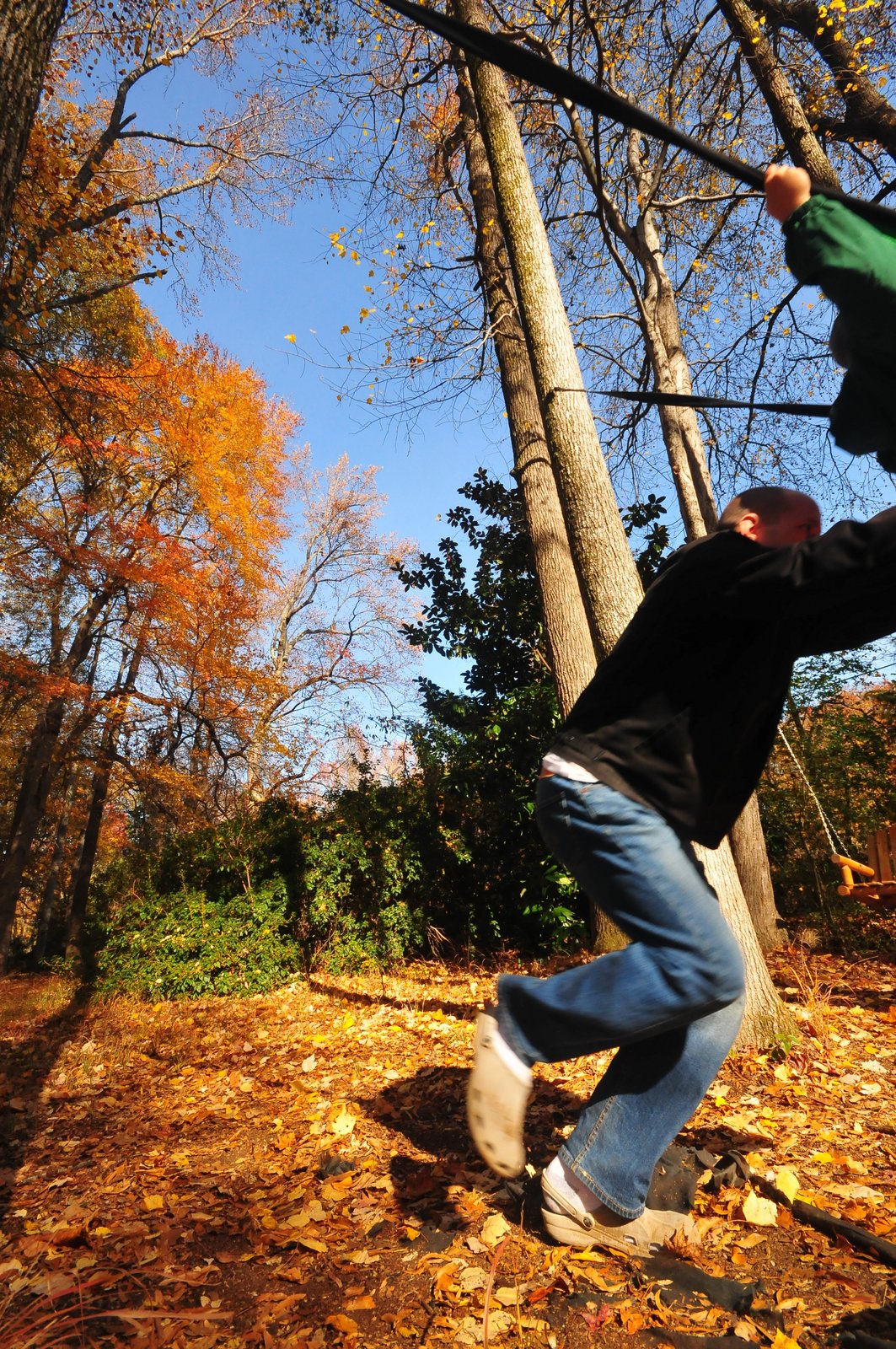
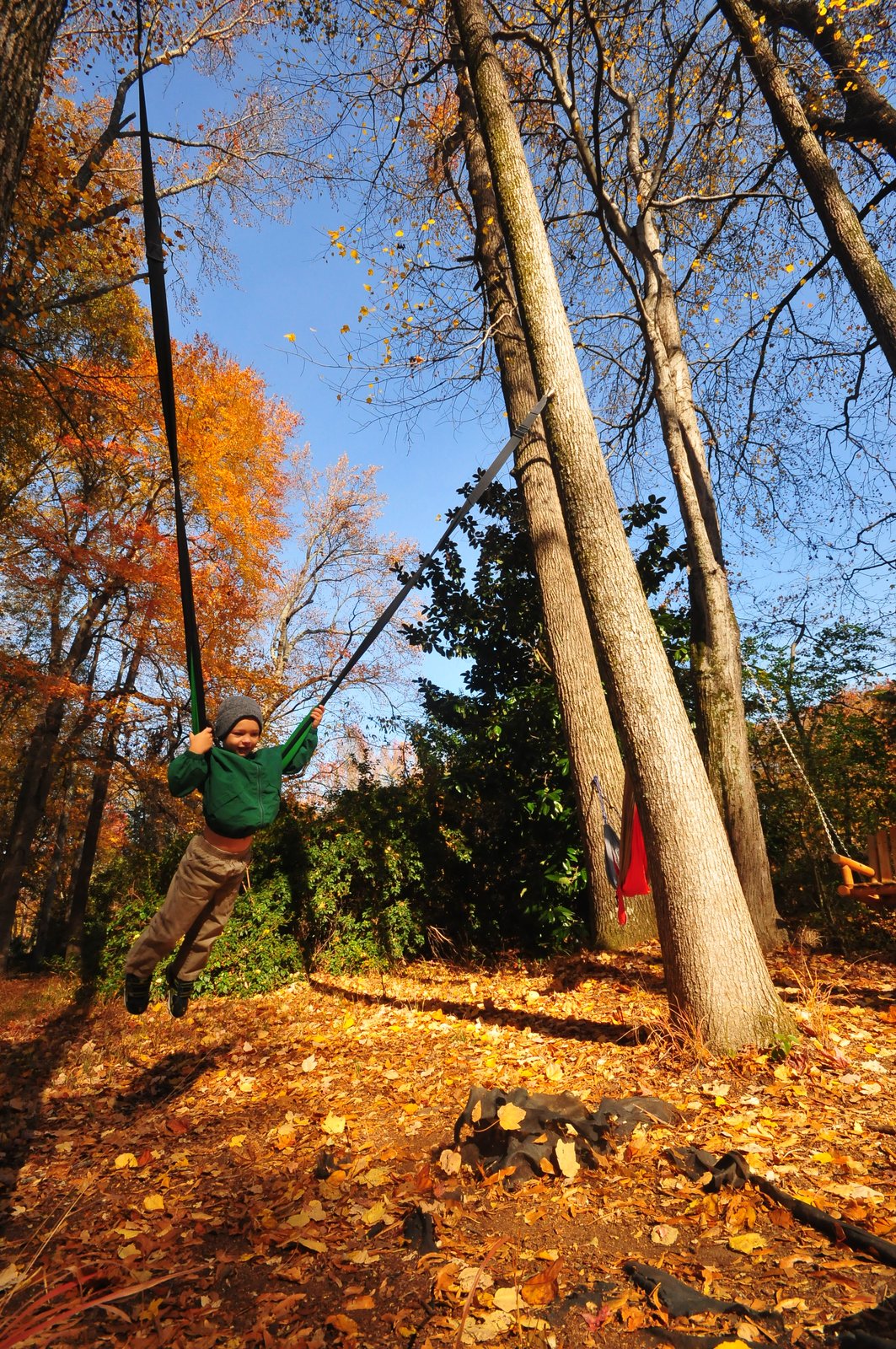
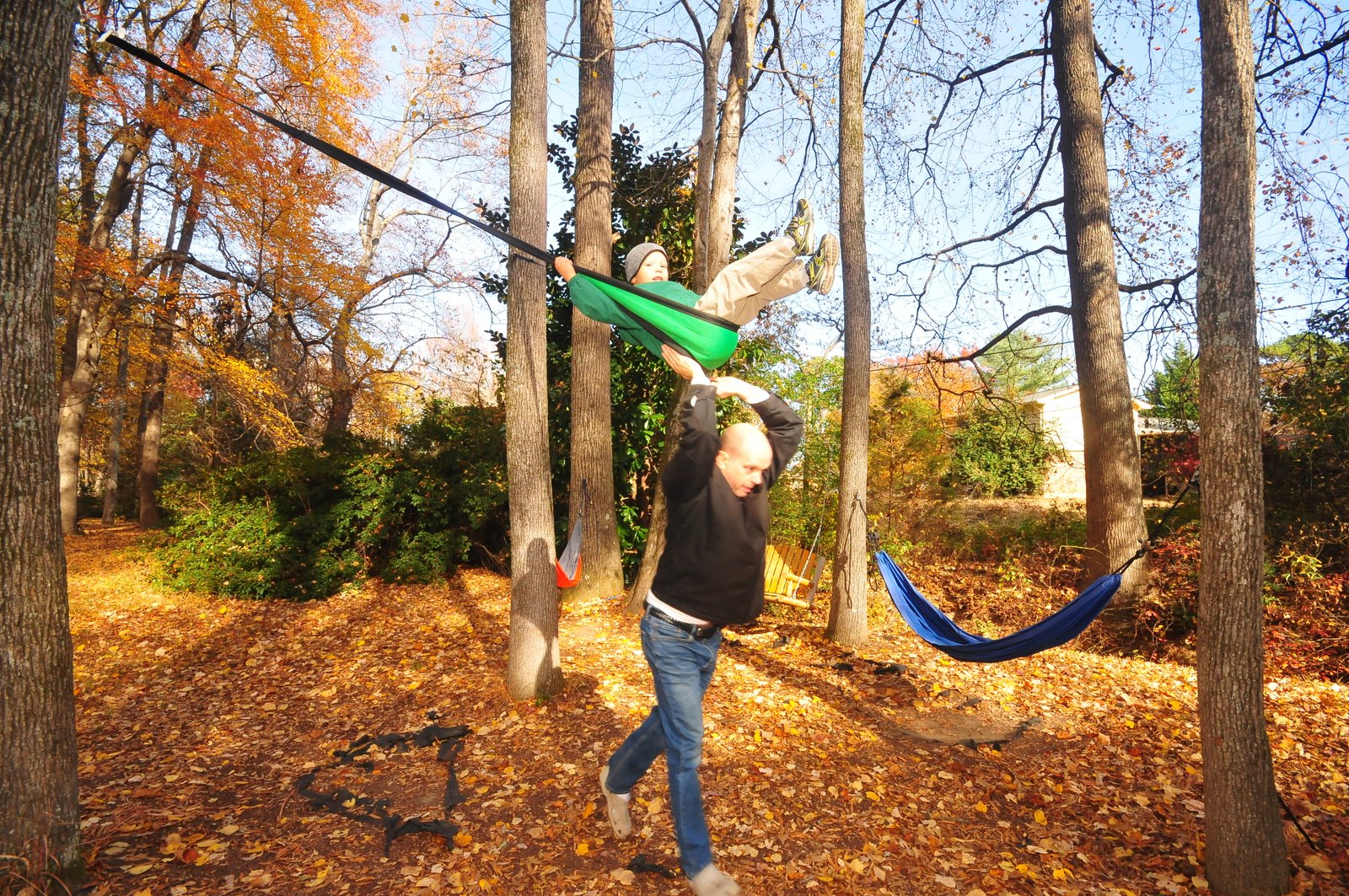
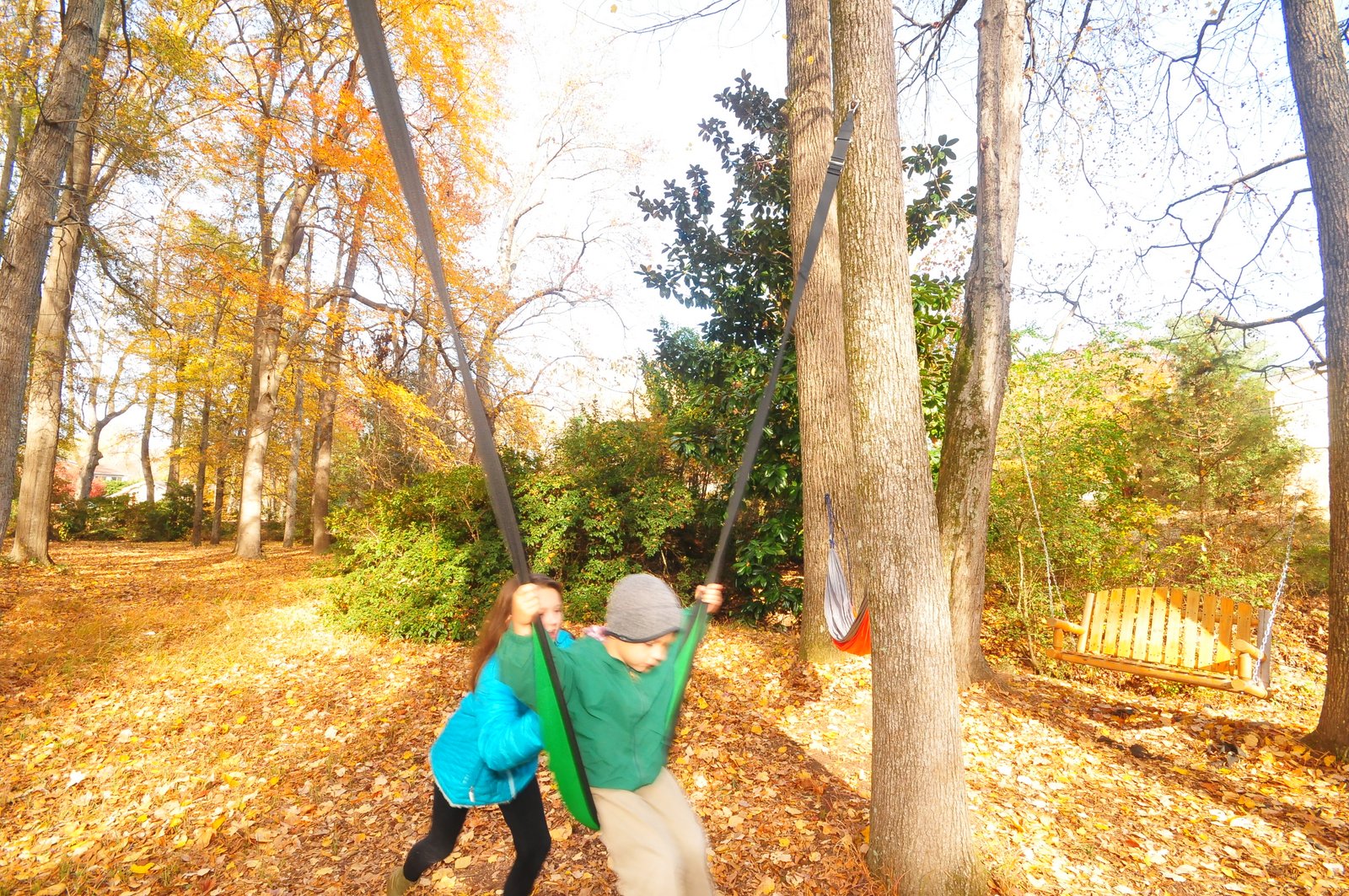
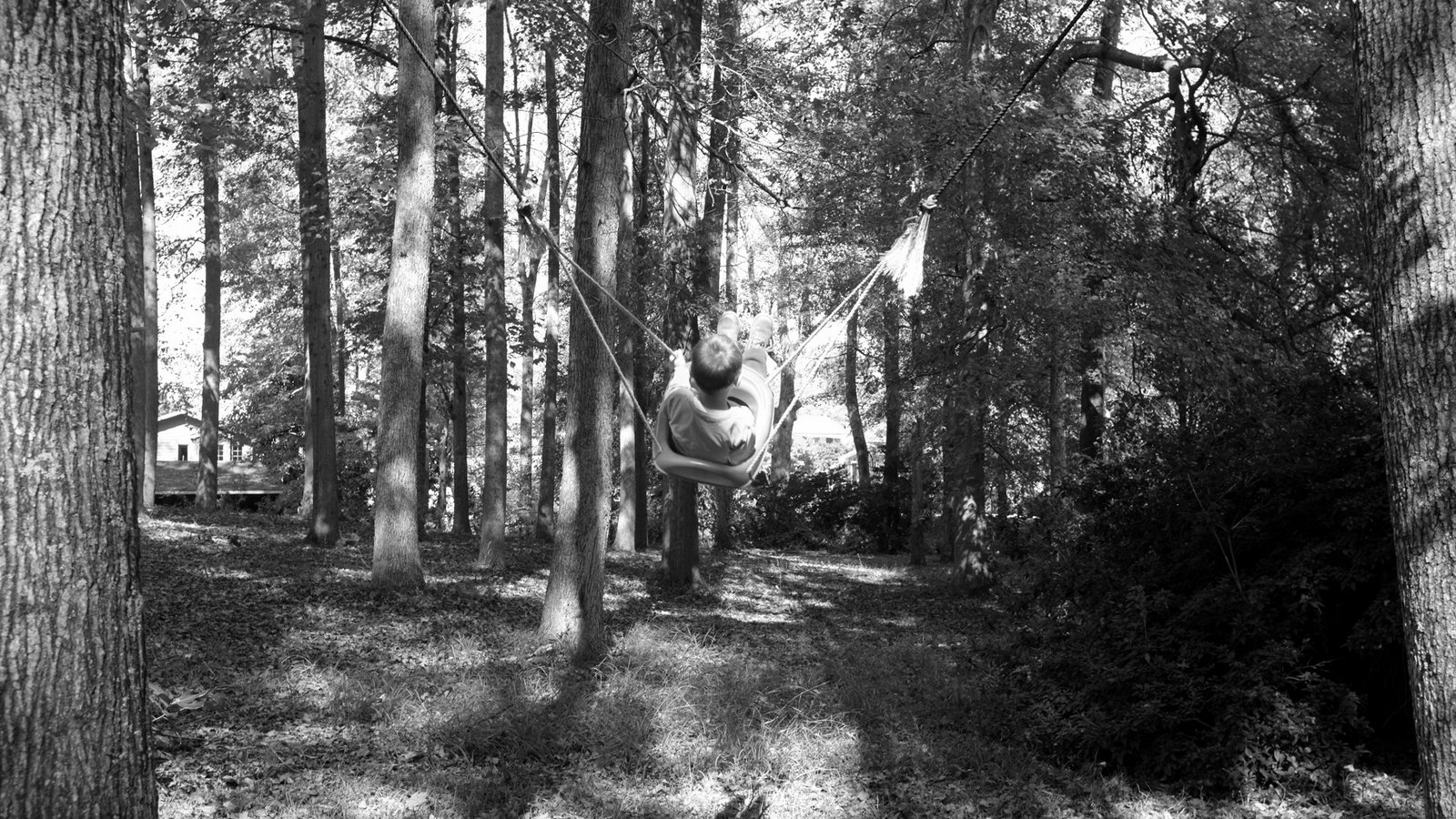
The Girl’s risk-taking is appropriately sized as well. She’ll swing like a maniac, but today she realized she was going a little too high and decided to stop pumping her legs. That kind of self-awareness has been a long time coming.

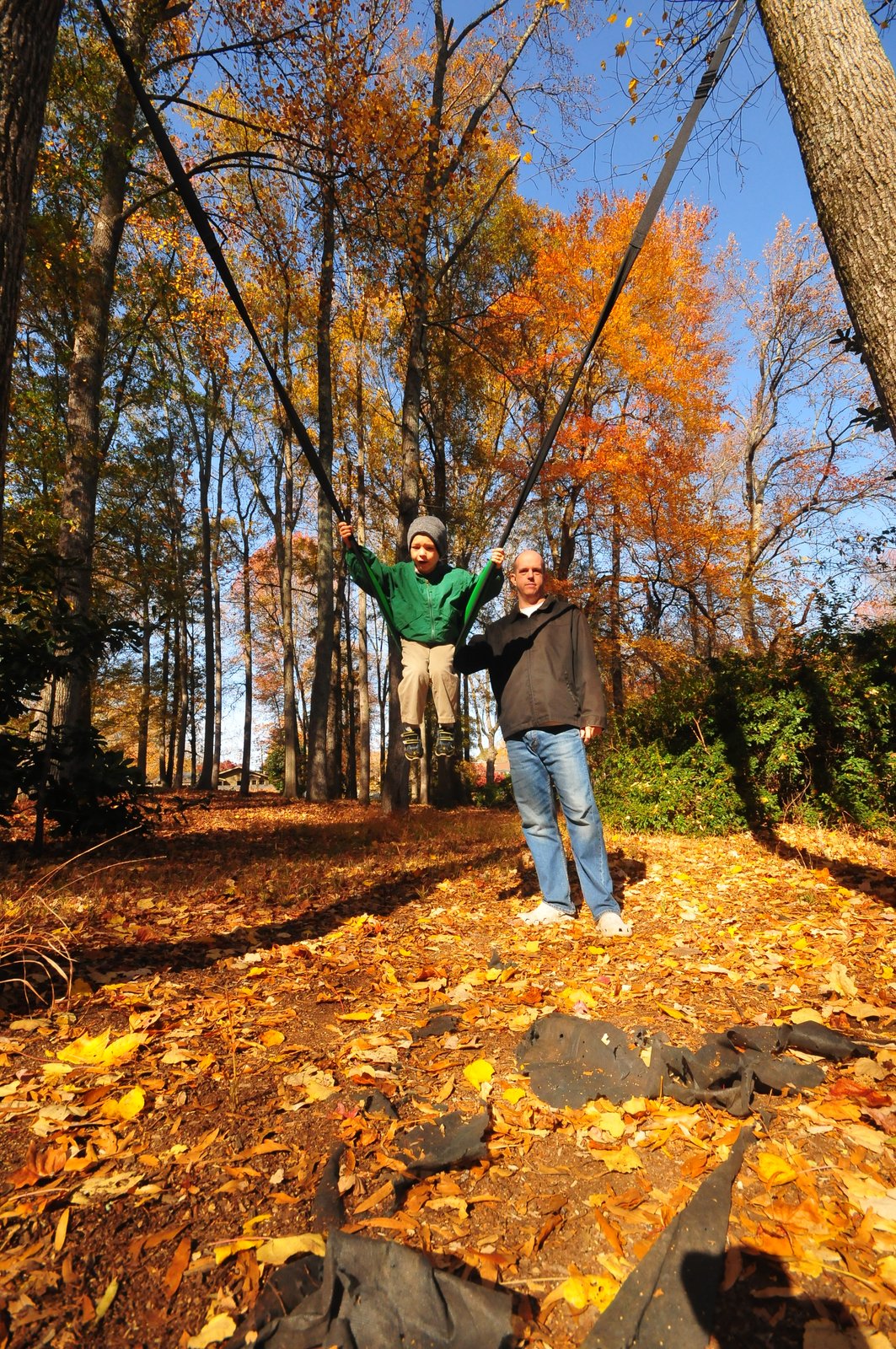
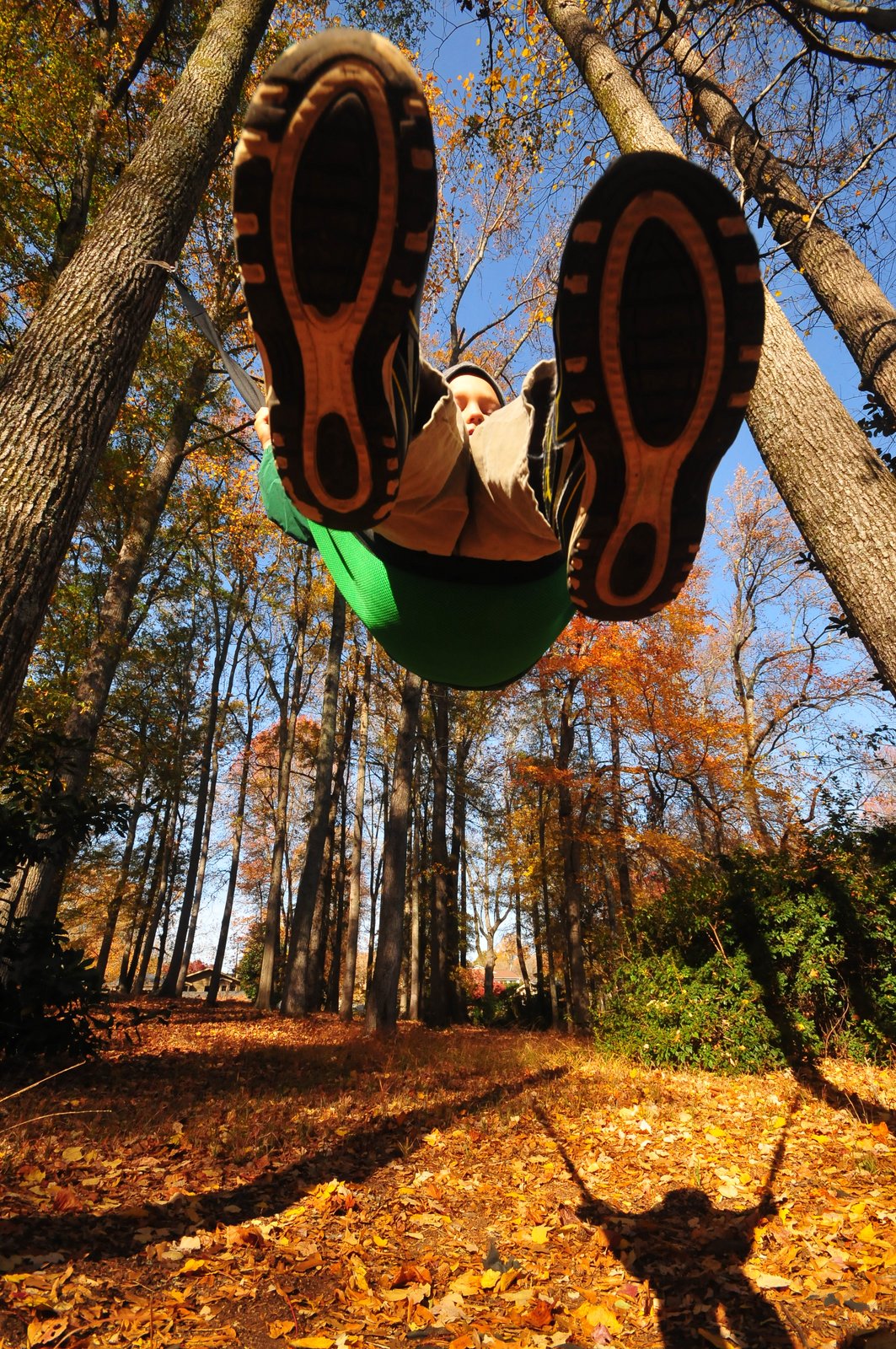
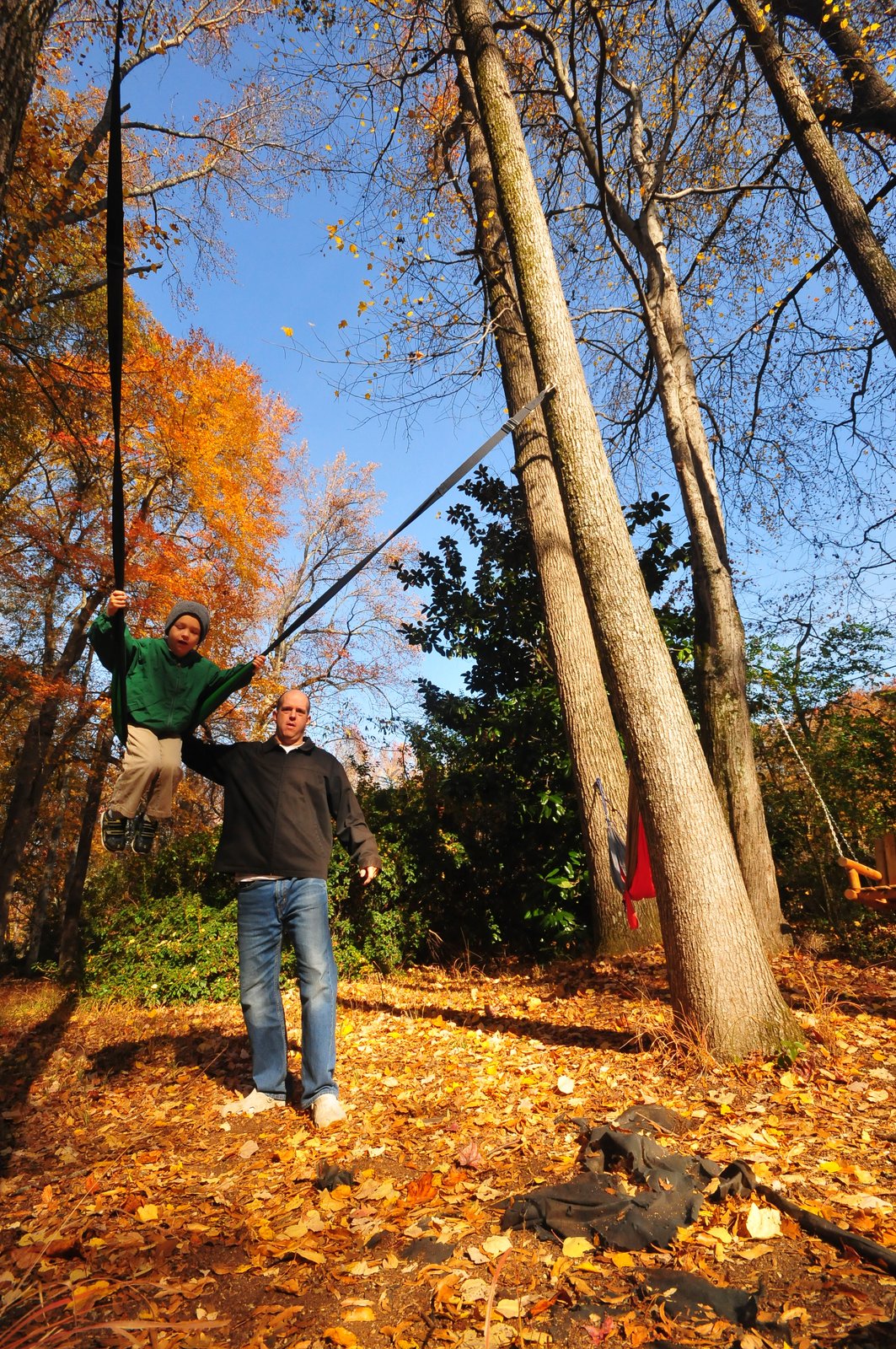
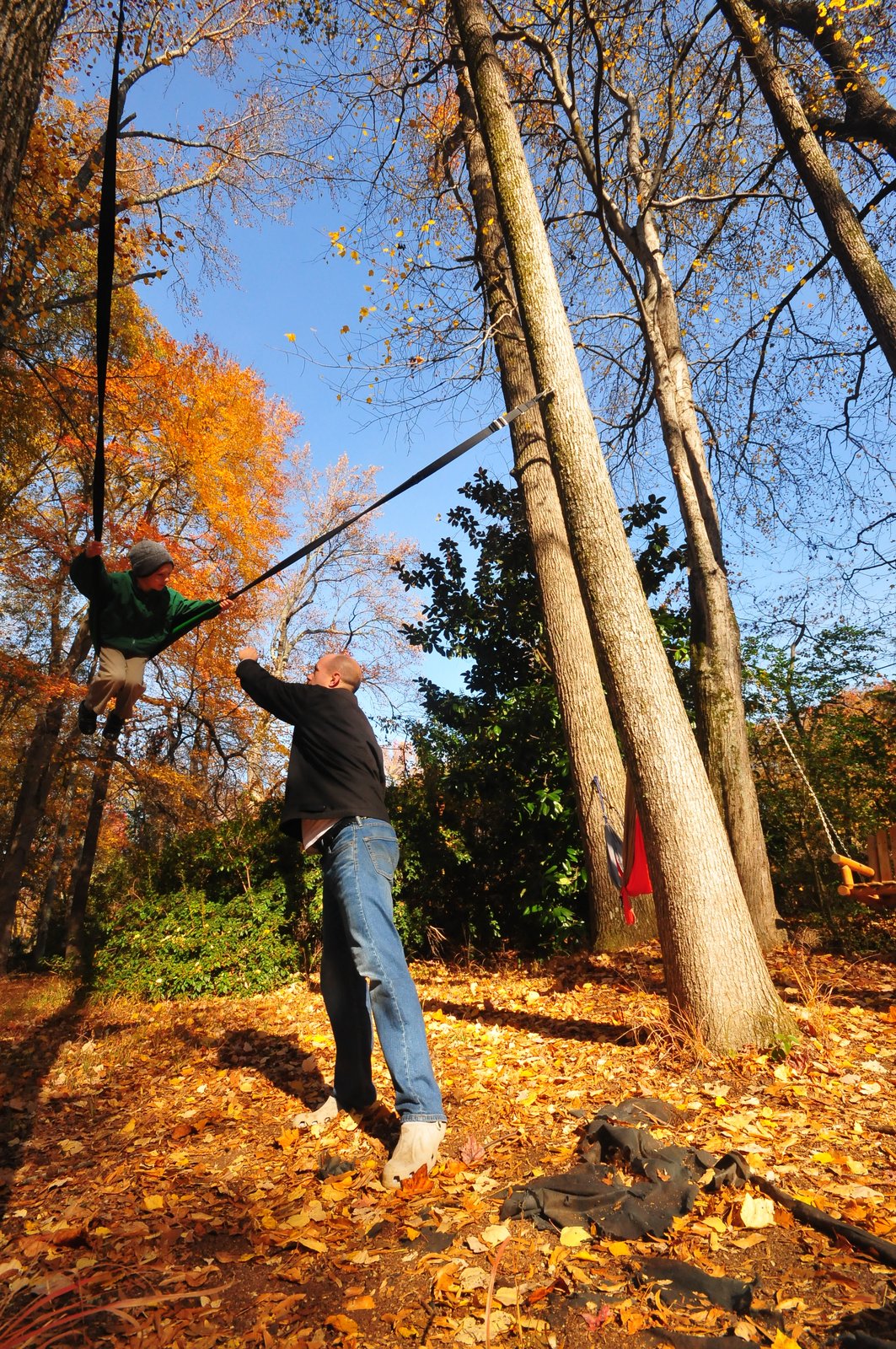
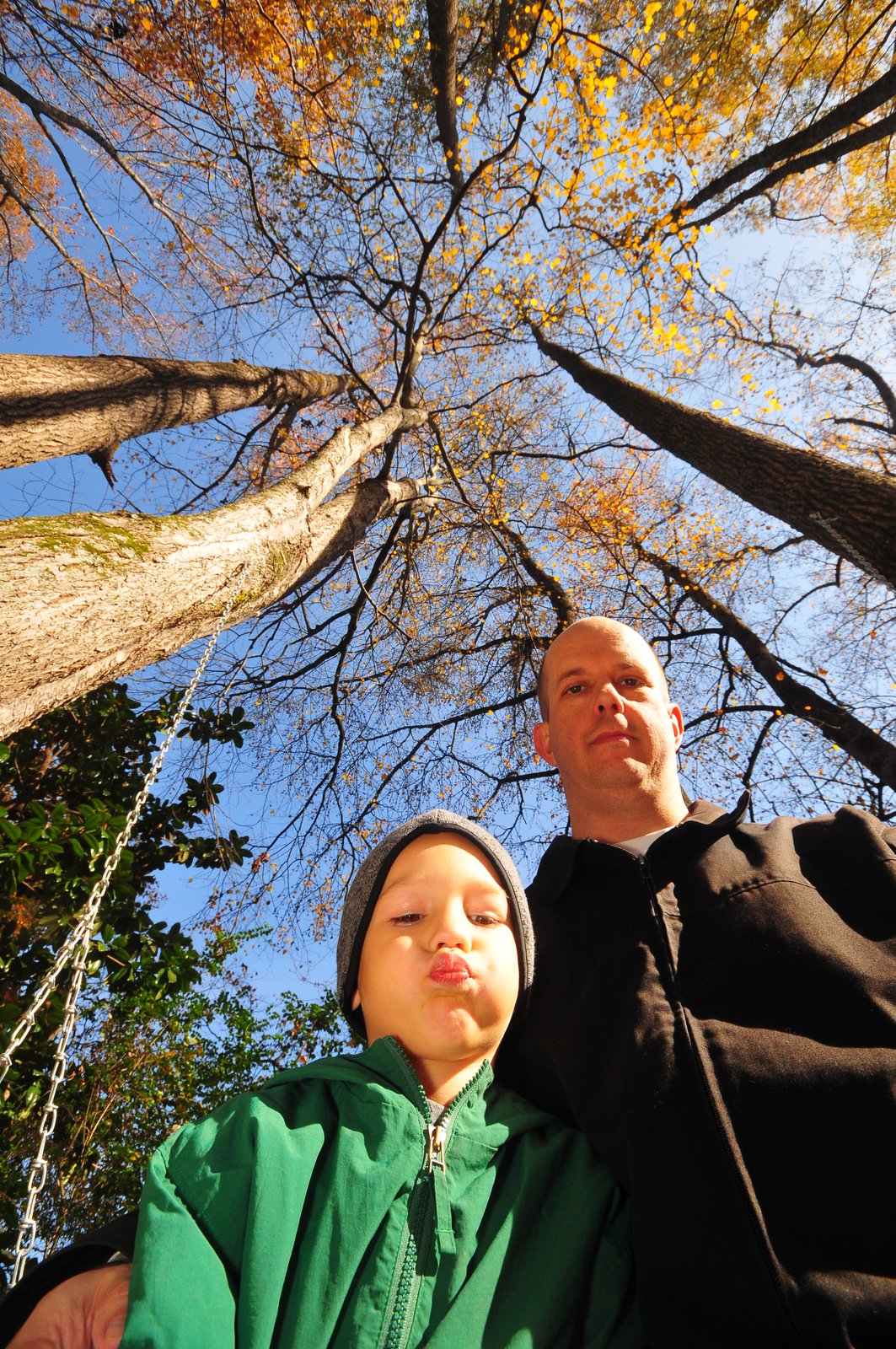
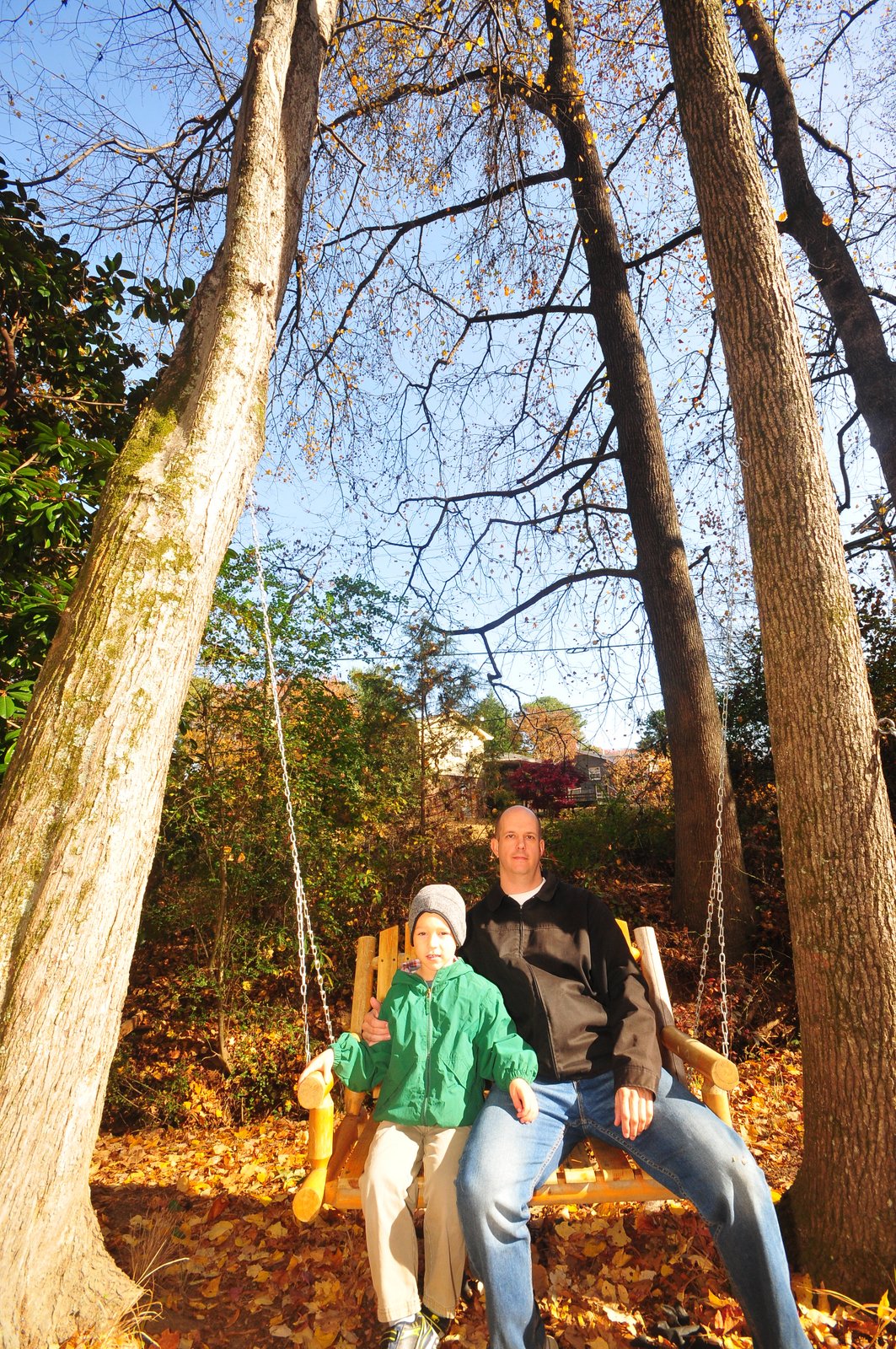
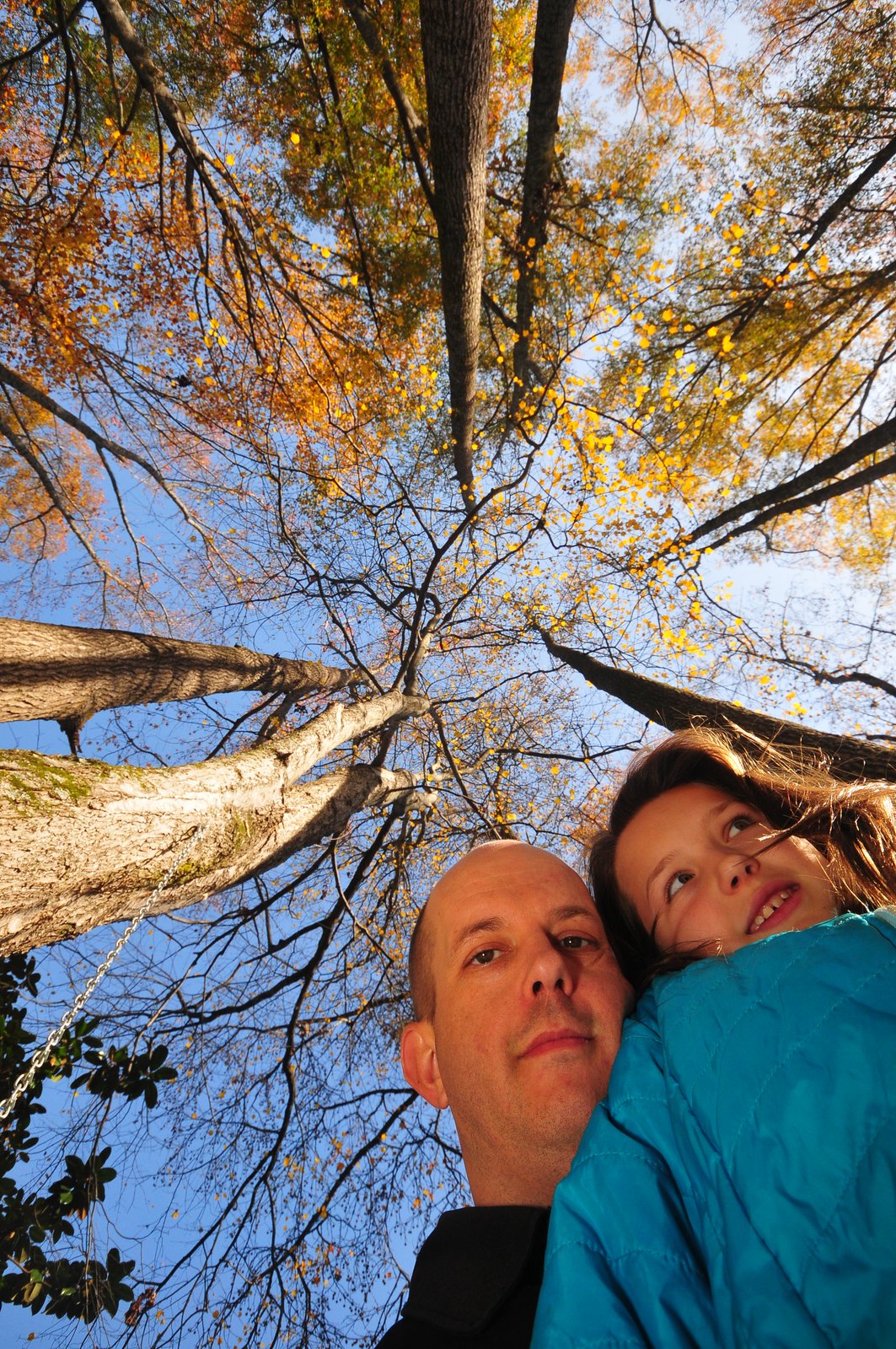
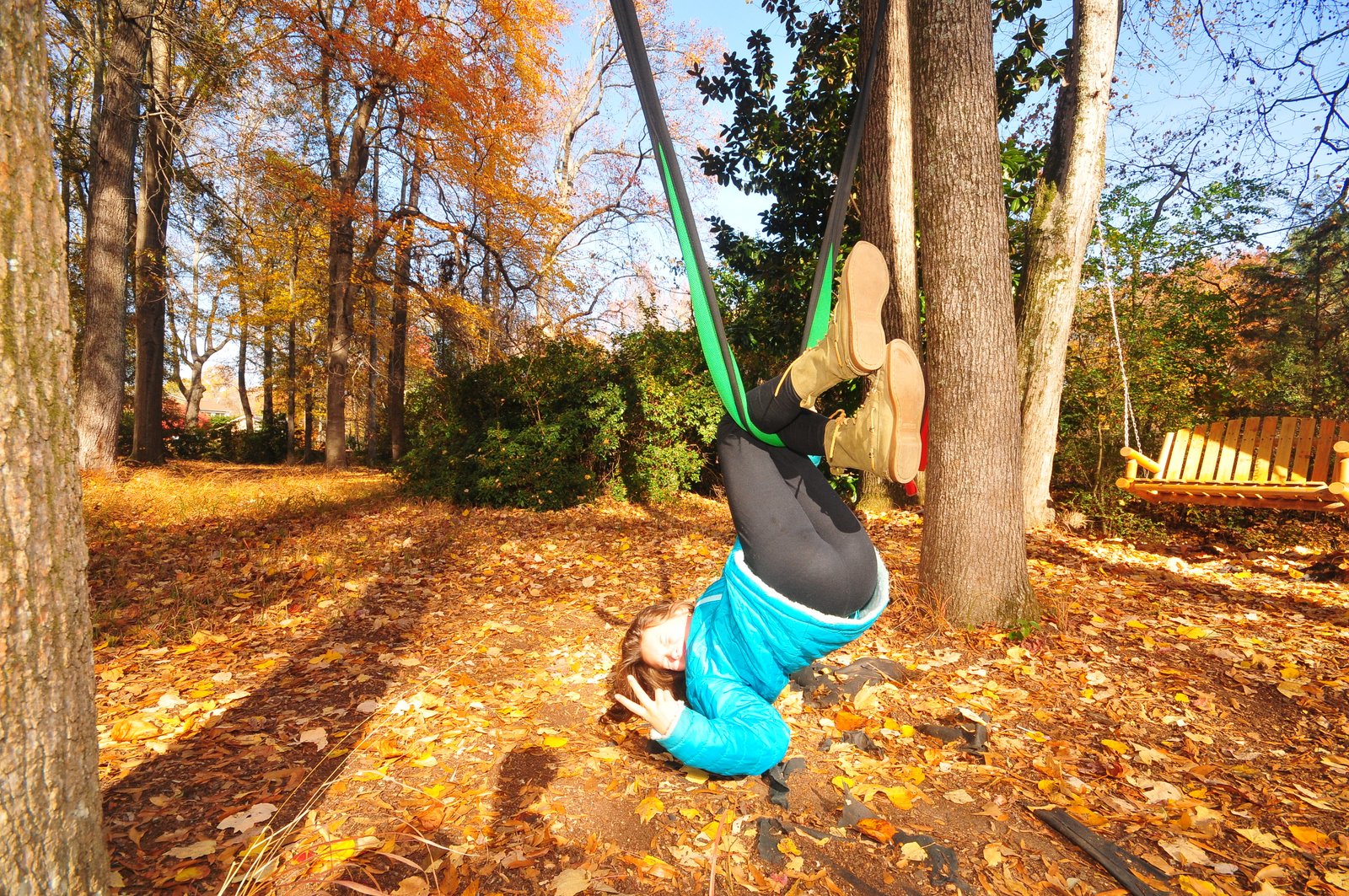
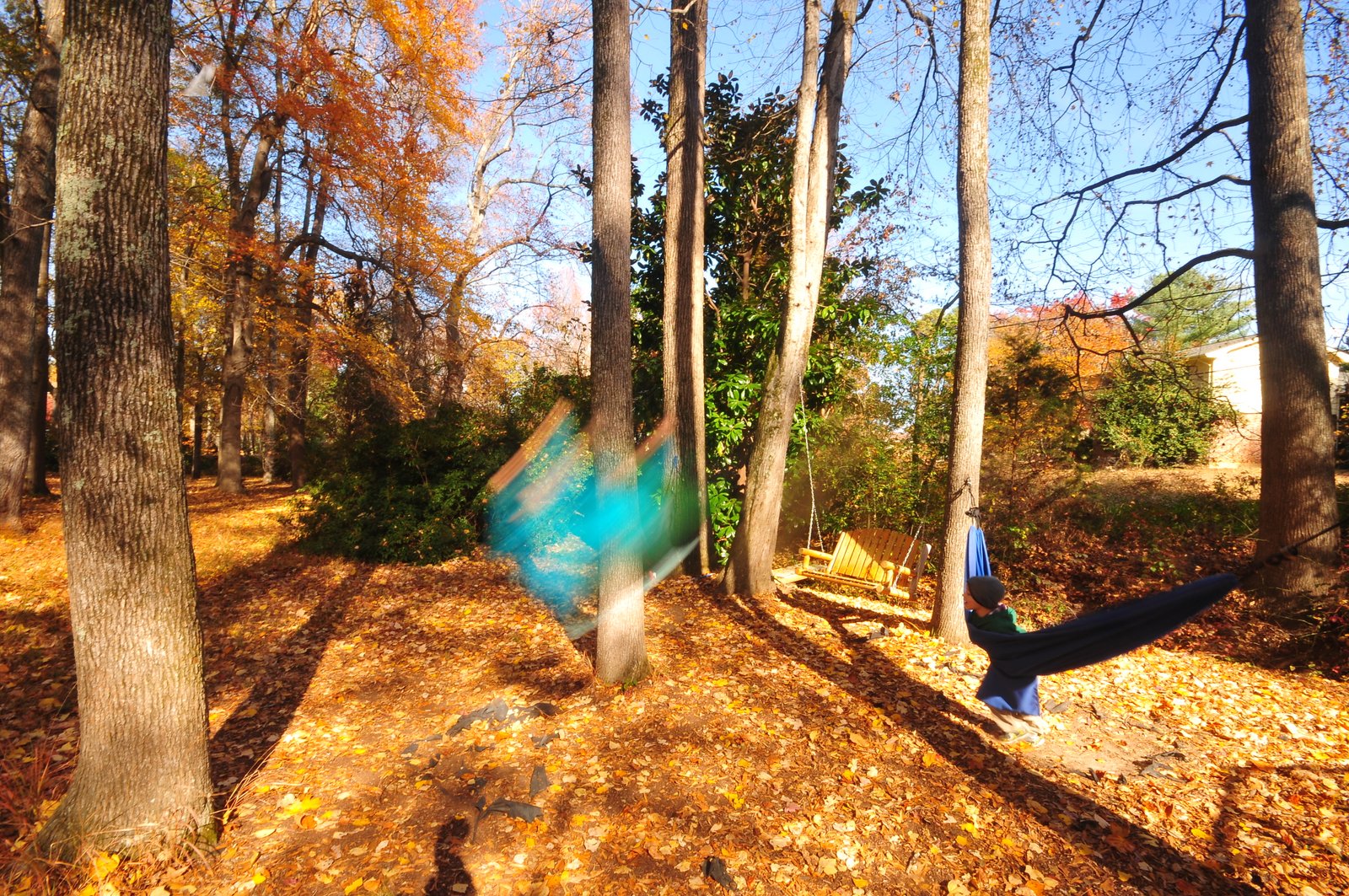
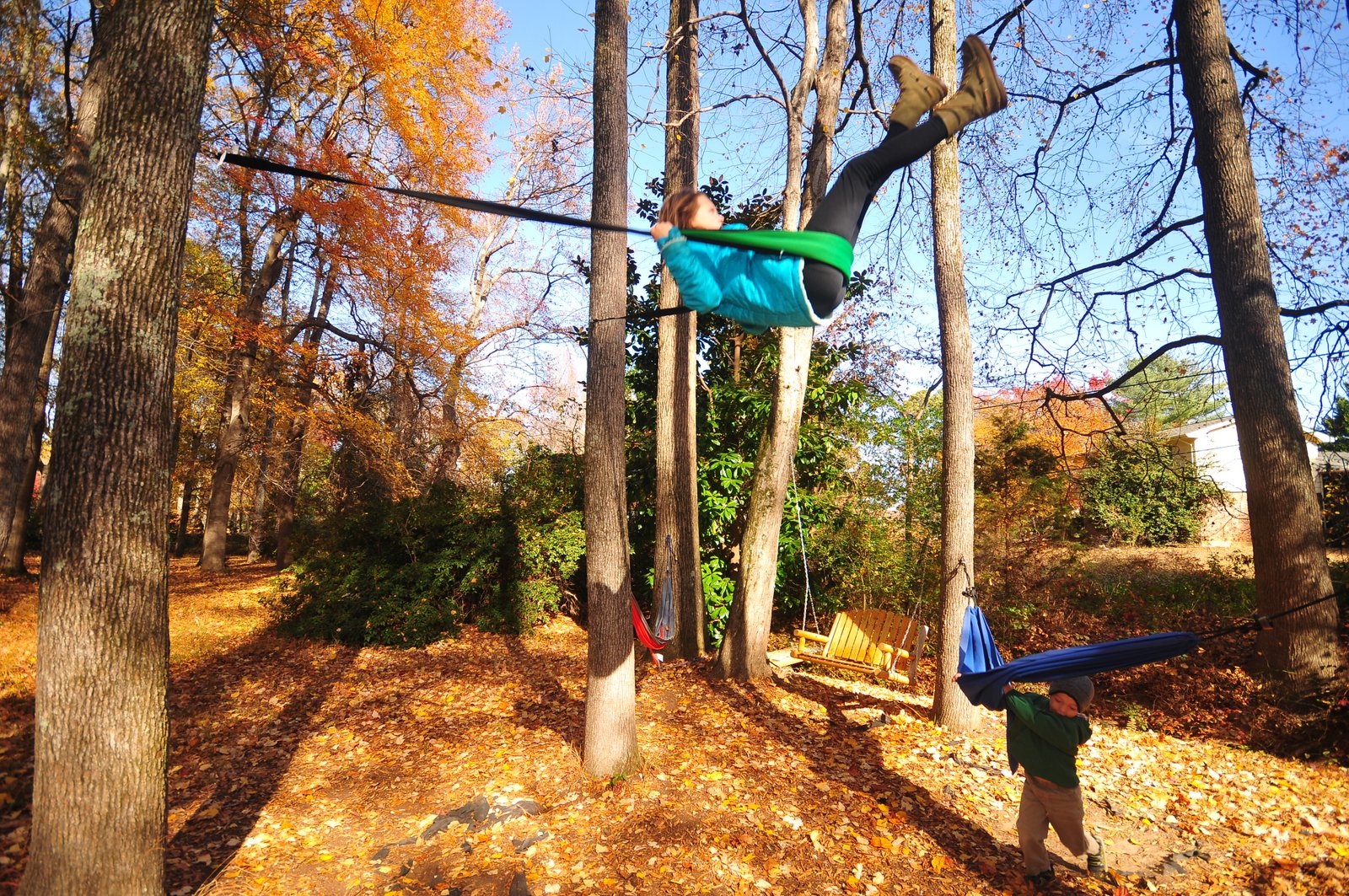
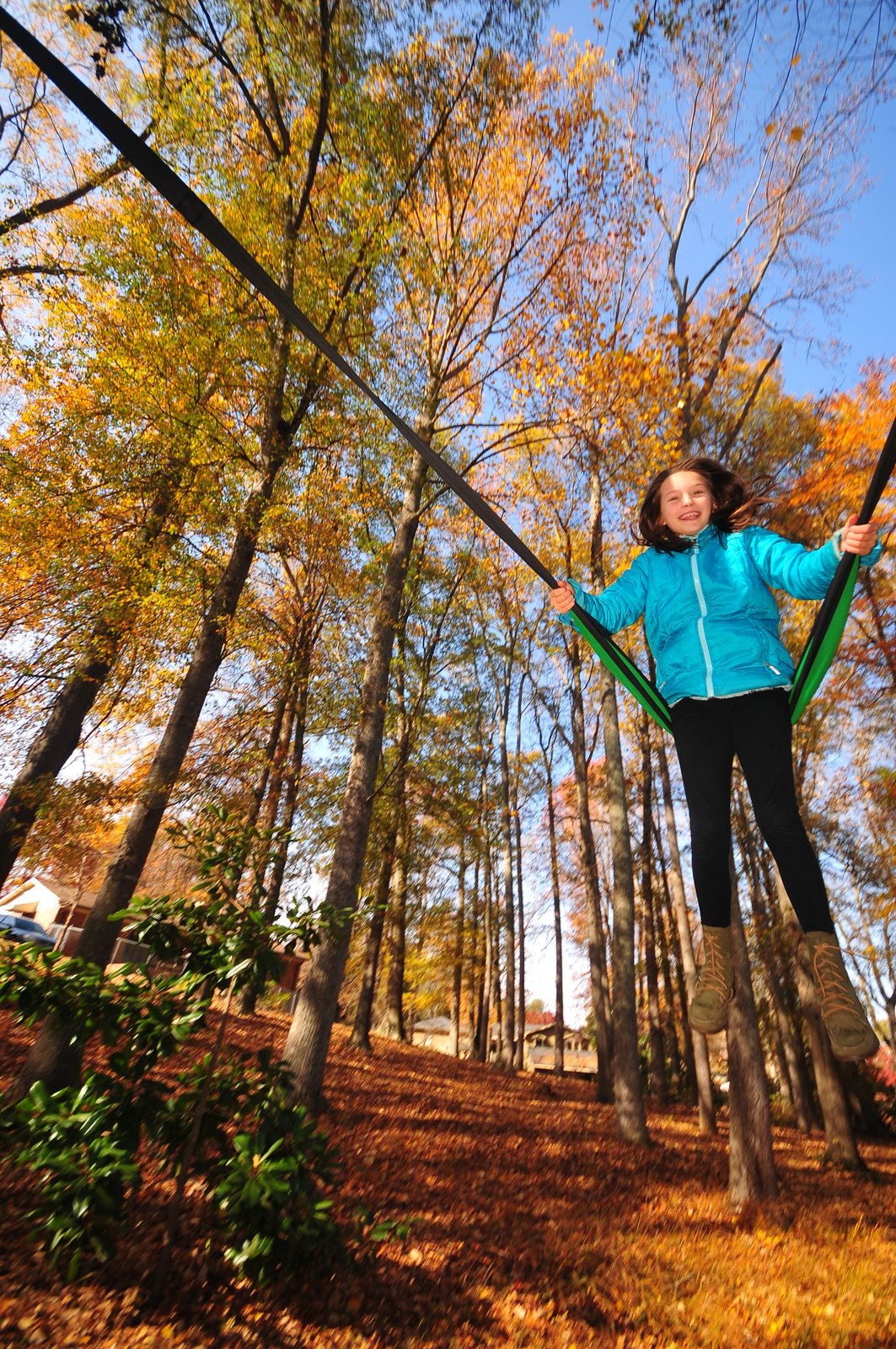
Still, she does things on our newest tree swing that make me just cringe. She likes to drop back and hang from her knees as she swings. She never does it when she’s swinging high, and she always holds on with both hands (unlike the picture below, taken before she actually started swinging). At some point, she’s going to decide that her gymnastics training, meager as it is, is sufficient to begin turning backflips out of the swing like the girl in elementary school who could do that, stopping students’ and teachers’ hearts alike. That will be a risk I don’t want her to take, but it’s a risk I’m also not sure she would take. As we approach her birthday — a little over two weeks to go — I know we’re edging ever closer to the risk-taking that makes all fathers nervous: love. Sure, it’s still a long way off, I tell myself, but those first stirrings will begin in the next couple of years or so, and she’ll begin offering her heart to boys. And we all know what that means.

Their risks are my risks, so for now I’m happy to face the little risks with the Boy and smile as the Girl pulls back a little from her ridiculously high arc.

Fresh Starts

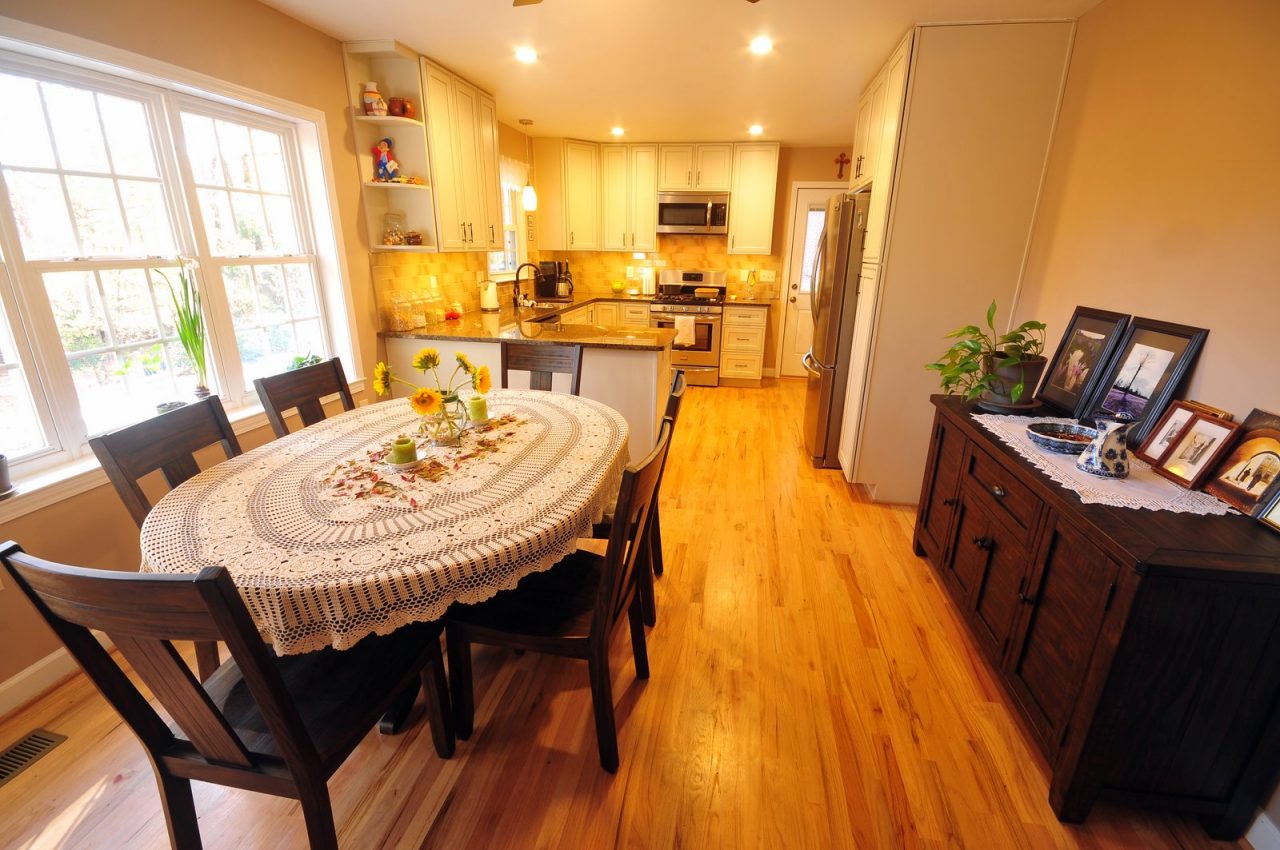
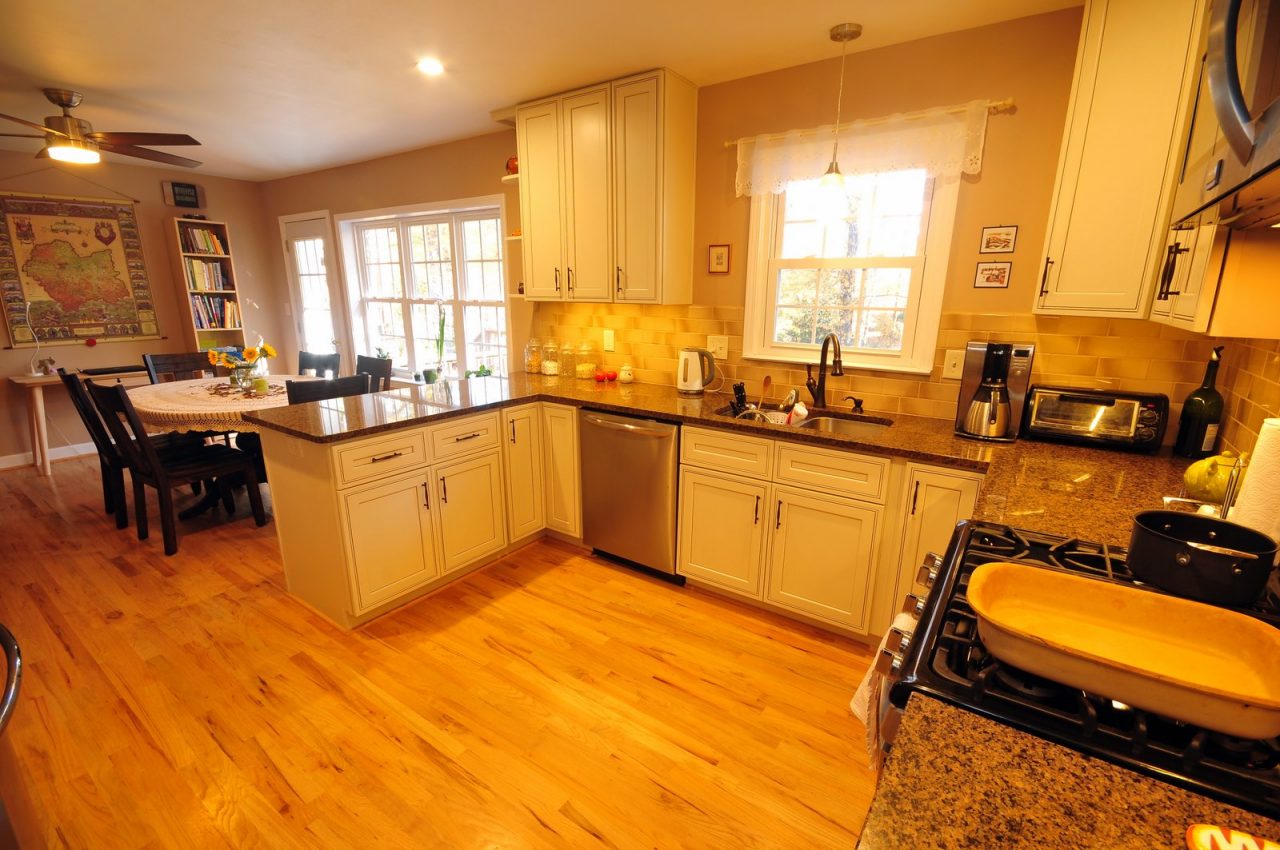
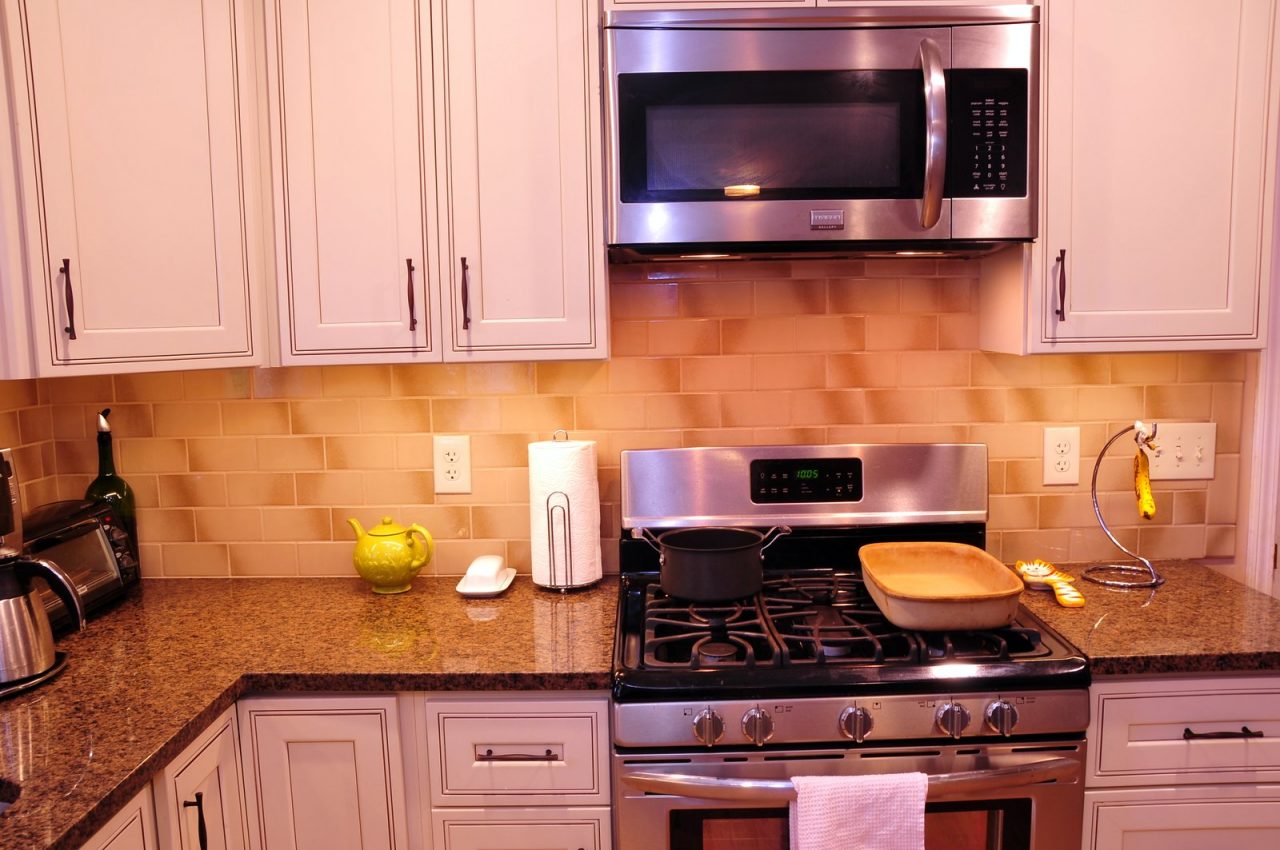
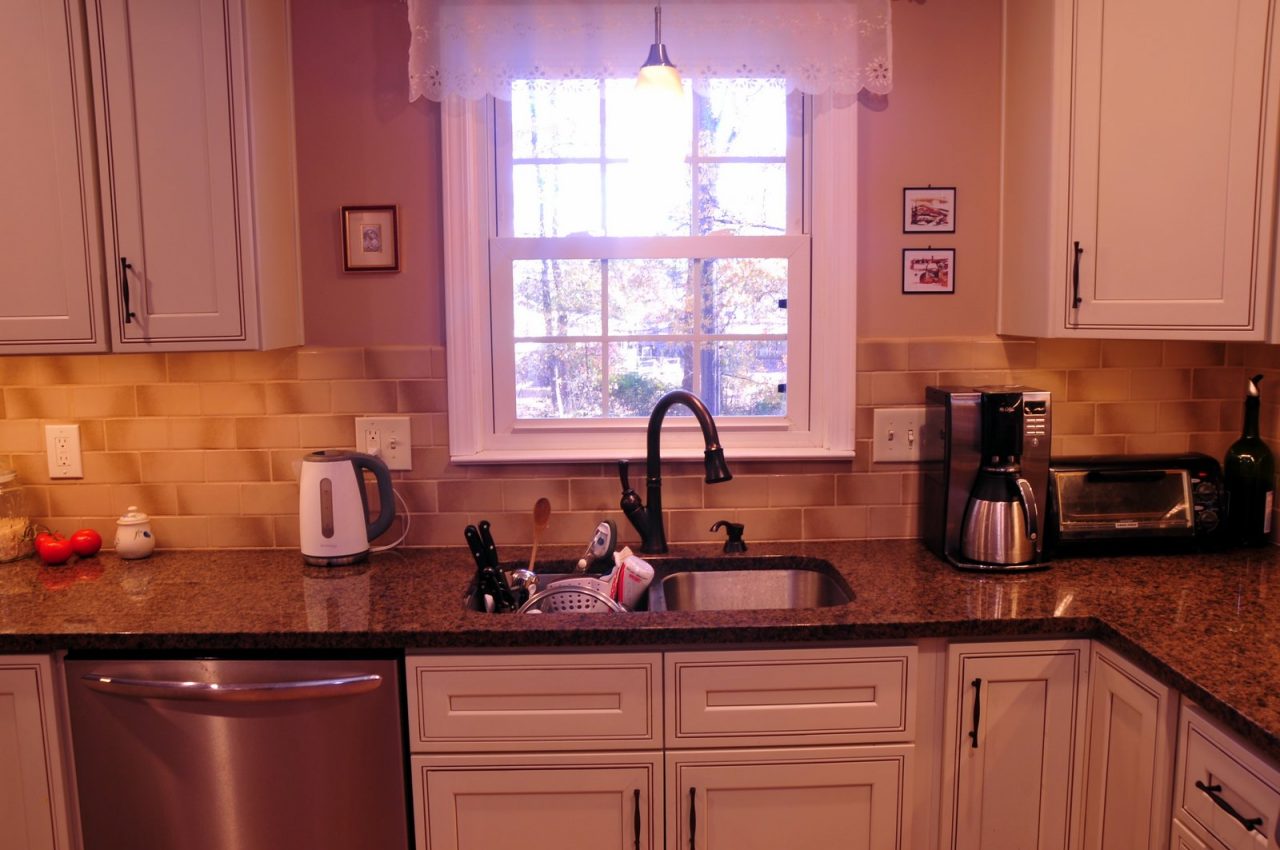
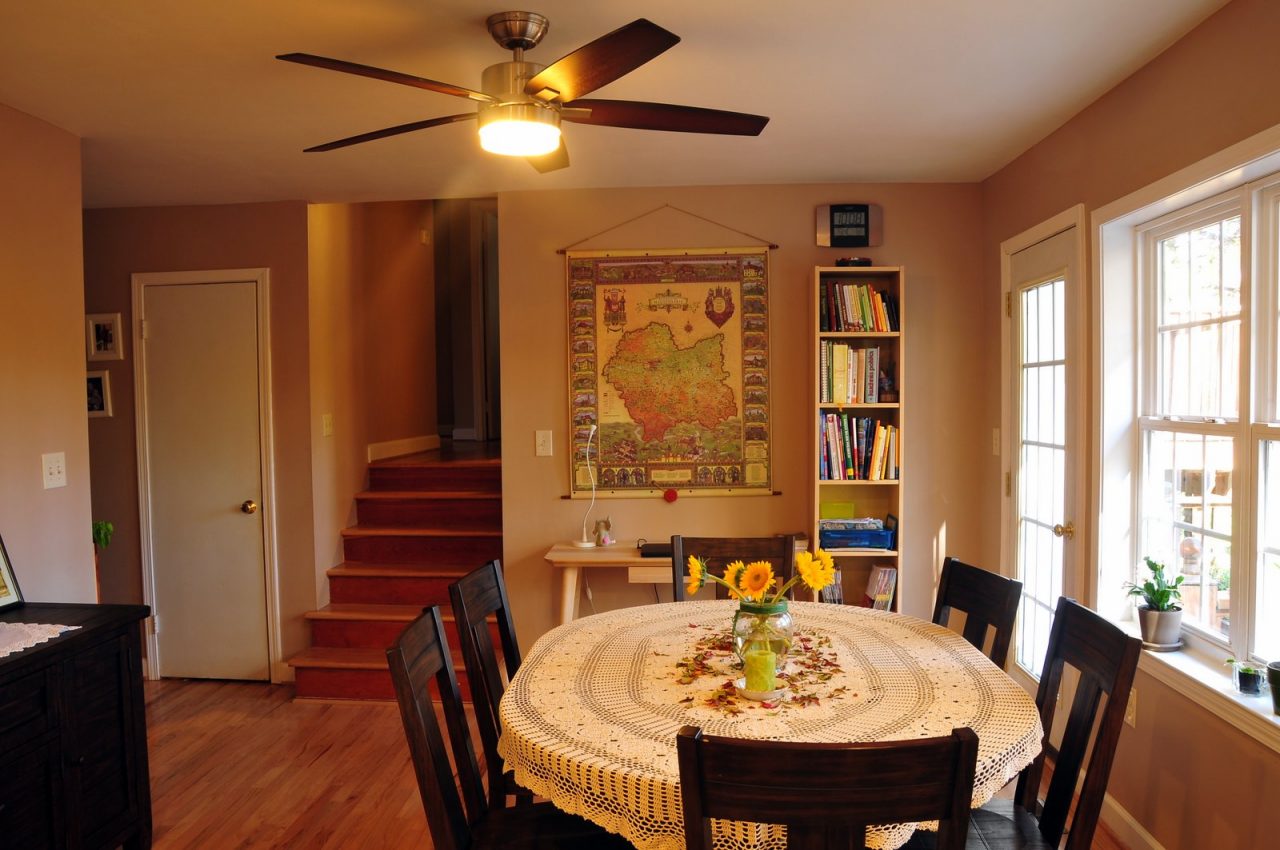
All things come to an end, and more often than not, that end is itself a beginning. Our summer’s adventures in remodeling have finally come to a complete and total end. Well, almost — there are still pictures to hang on the walls, but we’re 99.97% finished now. And so as we prepared our yearbook, we finally took the time to unclutter the kitchen and take some “After” shots to complete our “Before” shots.

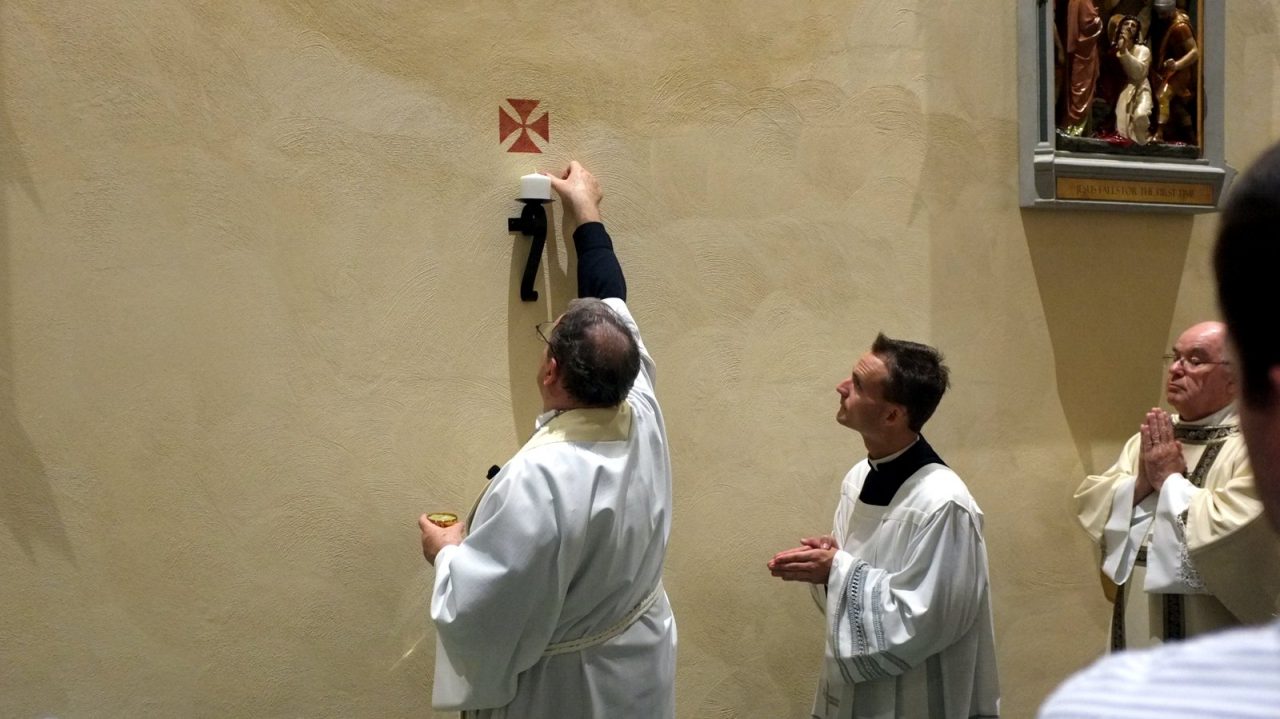
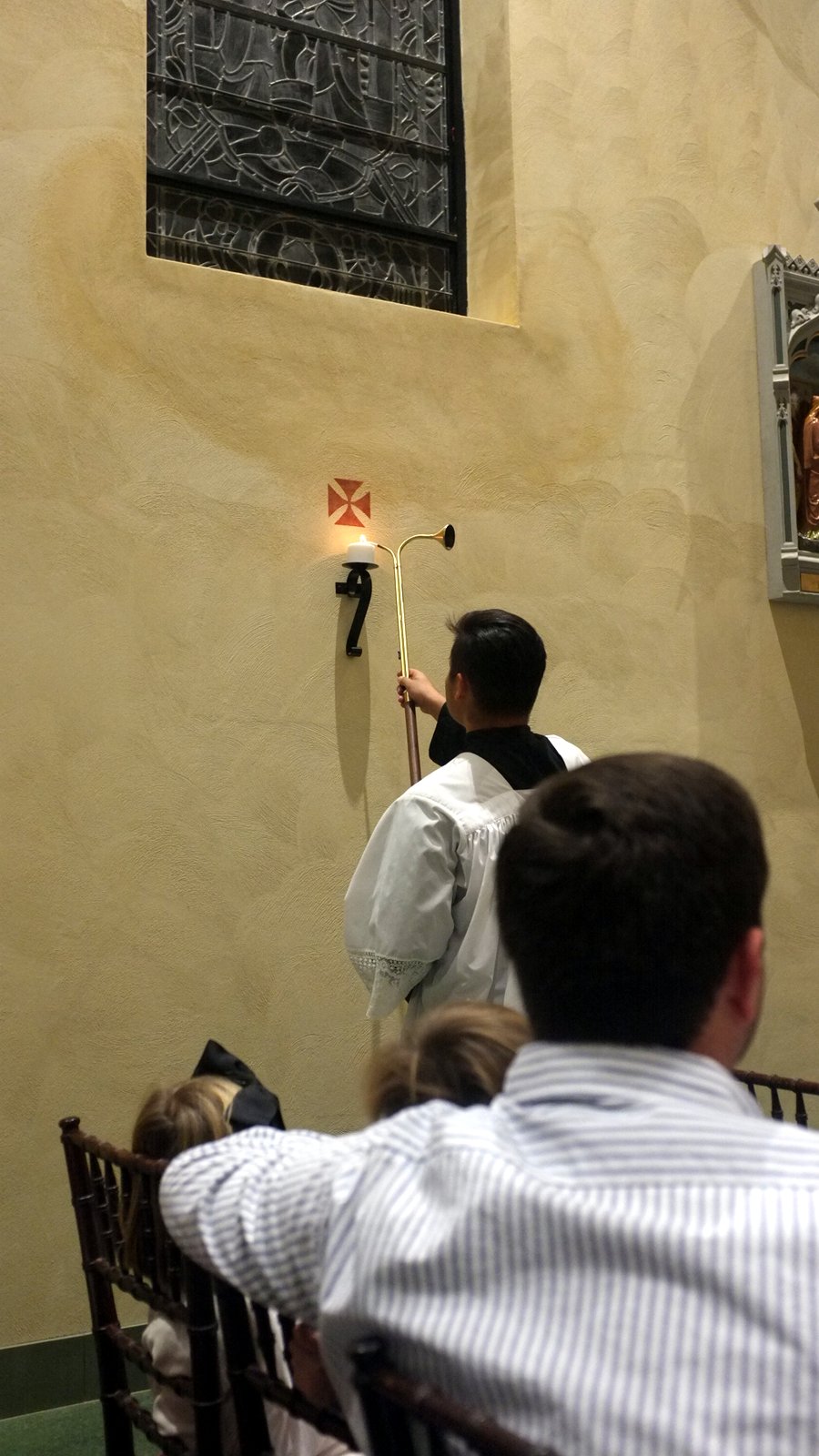
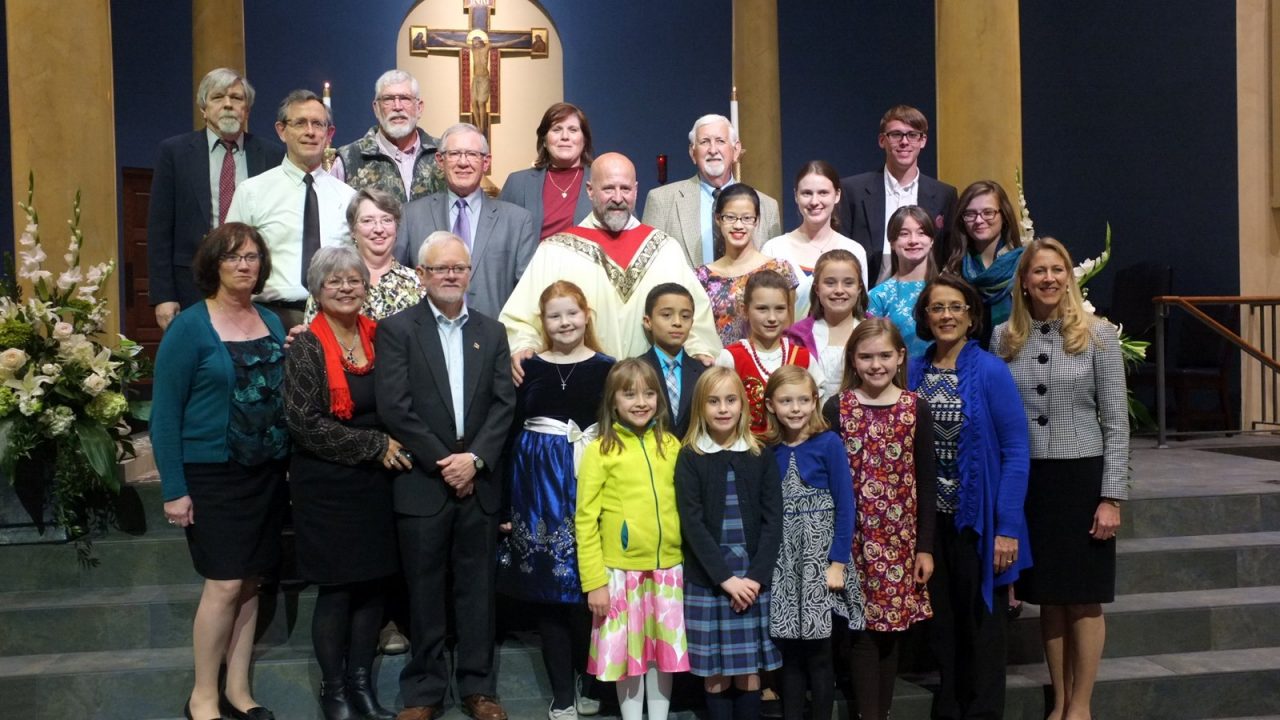
Our parish is in a similar situation: a two-year building project came to completion tonight with the dedication of our new Our Lady of the Rosary church. Like with our kitchen, there are still a few things the Father Dwight said we need to do, like completing an enclosure around the whole campus to ensure safety for the parish school — can never be too careful these days.

Father Dwight warned, so to speak, the parish that the liturgy for the dedication of a new church is long. “Really long,” he stressed. We dropped the Boy off at Nana’s and Papa’s as a result, because we really didn’t know what “really long” might mean. K comes from a country where most churches’ age is measured in centuries, and so the idea of attending a Mass to dedicate a new church was completely new to her. But Father did say “really long,” so we decided not to take a chance — the Boy can handle only so much sitting still.

Really long” turned out to be just shy of three hours. Having grown up in a church were every week’s service was at least two hours long, I would say two hours and forty-five minutes make a long service, but not a really long service.

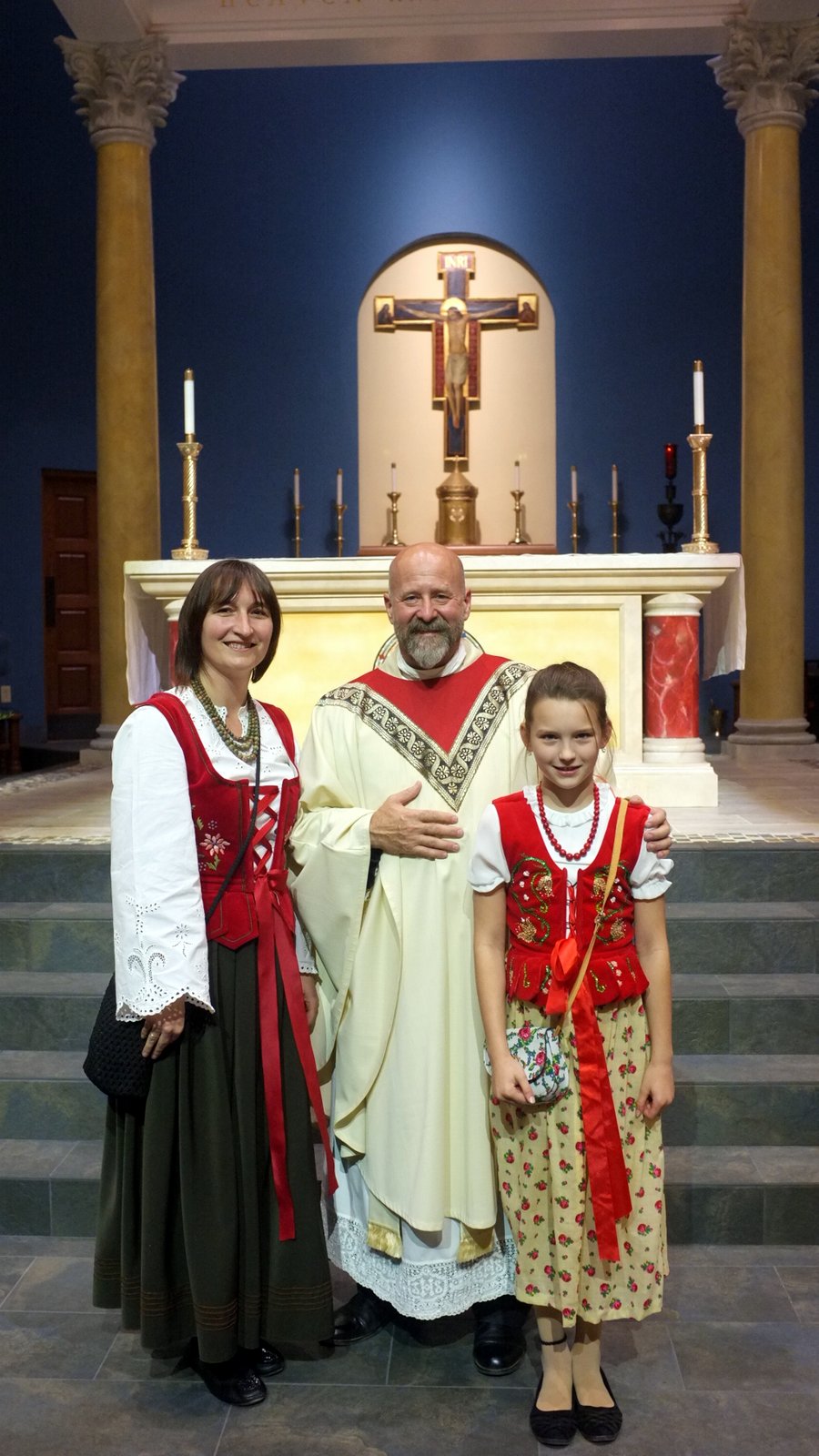
The liturgy was lovely, and it’s fitting that Fr. Dwight be the pastor of the parish: it’s a uniquely Catholic-looking structure, and Fr. Dwight is a uniquely un-common Catholic priest. Raised a Protestant, he converted to Anglicanism and moved to England where he married, started a family, and had a lovely parish. Then trouble struck, so to speak, and he and his family converted to Catholicism, which meant the loss of his vocation. Or so it would seem. It turns out, several dozen married Anglican priests have converted to Catholicism and then been re-ordained as Catholic priests with the discipline of celibacy being waived for them. So he posed with the bishop and his wife and four children after Mass, making it an odd sight in an oddly traditional church.

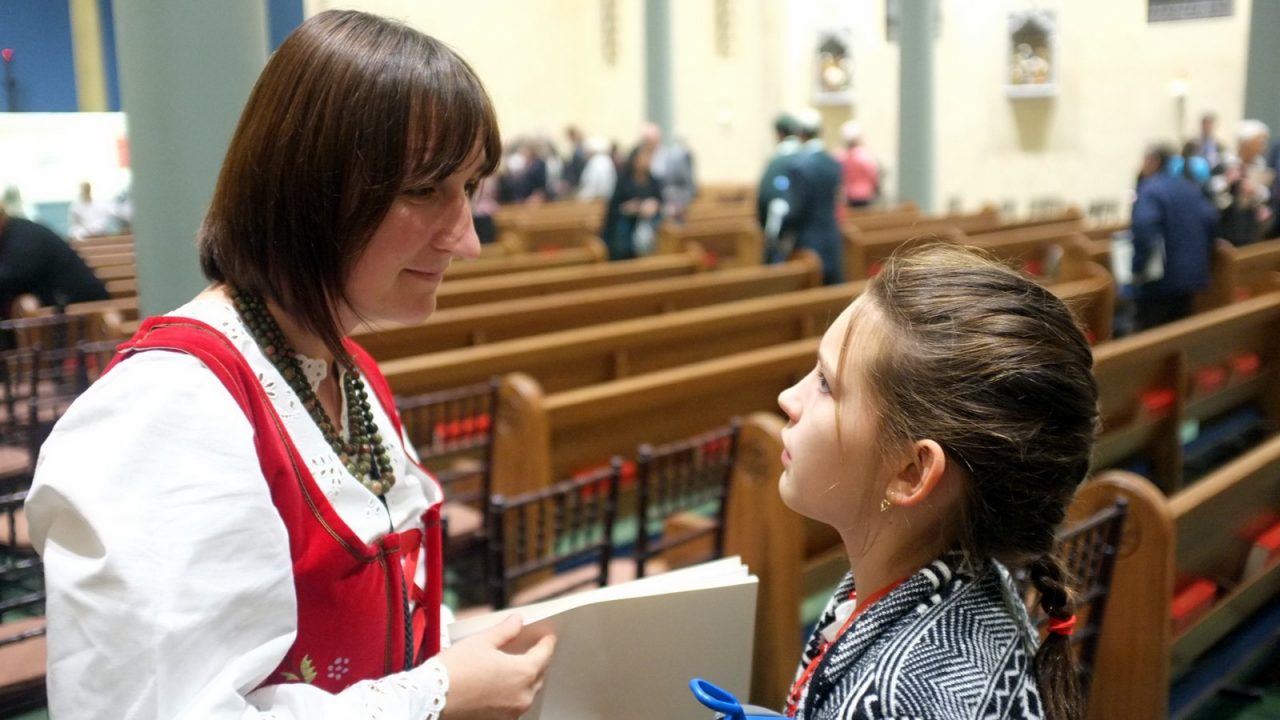
The real stars of the evening, though, were the members of the choir, including L. She’s been singing in the children’s choir for several months now, and she spent more time in the church today than she’d spent in a month of Masses — over five hours.

The results, though, were stunning. A Catholic church that looked, smelled, and sounded like a Catholic church.

During the entire liturgy, I smiled occasionally as I thought, “This is not just some lovely church we’re visiting while passing through here or there. This is where we will go to Mass every Sunday now.”

Four Changes

1-bw0_7437

One

“You always use that one.” The Girl was downstairs as K worked on our yearly photo calendar and putting finishing touches on the yearbook I create and she polishes (which is not to say she was Polishing it — it remains untranslated this year). Since I was upstairs, I really don’t know what the conversation concerned other than the selection of this or that picture. It occurred to me that she is becoming a vocal and thoughtful member of our family cognitively. Her tastes and her views are no longer merely childish, and entertaining them is no longer simply a matter of being a good and patient parent that encourages a child by simply listening to her. We’ve been through that; we’re going through that with E. Now, she has her own opinions that are not based entirely on childhood fancy.

For instance, she selected the granite that completes our kitchen. It wasn’t just a matter of, “Ooh, this is pink and pretty!” like she might have as a younger child. (The granite is not pink of course.) It was a thoughtful choice that, as I recall, she made with K as they held the sample of the cabinets we’d chosen.

Two

This afternoon I caught a glimpse of another kind of change. We took the kids to see Disney on Ice after lunch, and it was the second time for L. The first time, she was so into Disney and princesses and pink and blue. She sat in rapt attention, almost in awe. There was Peter Pan and the Simba and everyone else she’d watched at Nana’s and Papa’s. Today, the show ended with the inevitable: a long-ish re-telling of Frozen. A couple of years ago, she was obsessed with that, with that music. She marched around Fort Pulaski singing that song, performing it for any passers-by who took the time to stand and watch — and a few did. As the song approached, I was curious what she might do. “Here it comes!” I whispered as Elsa retreated to her winter hideaway. “Here it comes!” And she smiled at me. A polite smile. The song began. I looked over at her again. “Aren’t you going to sing along?” The same polite smile, head cocked a little bit, as if to say, “Daddy, do you think I’m so childish or something?” The thing is, she can still be surprisingly childish, but at that moment, she was fourteen or more.

The Boy’s take on Disney this afternoon can be summed up in three things he said:

  1. “I just don’t like pretty things.”
  2. “I like vehicles. There were no vehicles.”
  3. [Spreading his arms out as far as they could go] “Disney on ice was this long.”

Three

As I’ve spent the last several evenings putting together our annual yearbook, pulling pictures from our photo collection and occasionally taking a bit of text from here — every year, it’s the same: I swear I’m going to make it as the year goes along and then never even begin re-gathering the pictures (and I say re-gathering because I reuse many from here) until late October — I had a conversation with K in whispers as the kids were up having their baths.

“Do you realize that almost all the pictures from this year seem to be of E?”

She nodded in sympathetic agreement. “Well, he is the youngest.” But it just seemed like some kind of favoritism. We agreed that she’d actually been kind of avoiding pictures, not showing the least bit of excitement when the camera came out, even frowning at it occasionally. Foreshadowing the soon-coming day that she actually chides me for putting pictures on the internet. “My friends might find that picture!”

Four

Before the show, we made the requisite restroom stops, and I stood outside the ladies’ room to the side waiting for them. (The Boy still occasionally chooses to go with K — only a little longer before that’s really no longer appropriate. But that’s a different story.) L was the first to emerge, and for a moment, she didn’t see me and merely walked toward my general location. There was a little bounce in her step that made her gait appear a little older, and her hair was lying on her shoulders in that casual way that older girls probably only dream of getting their hair to do — slightly unplanned, slightly messy (perhaps pouting might be the better term), yet certainly not unkempt, just casual — I could see her at fourteen, at fifteen, at twenty.

Comfort

The Boy and I were playing just before bedtime. The miasteczko that T and he made during their visit this weekend is still up, so we decided to make use of it. As often happens when playing, the Boy decided to pontificate a bit. Picking up a convertible, he began explaining, “This is a big car. It can hold a lot. I think maybe 38 gallons.” He handed me the car upside down and asked me to read what kind of car it was.

1-dscf1852

“It’s a 38 Gallon Cruiser,” I said. He beamed.

“I said that!”

1-dscf1853

I was expecting such a response, hoping for it at the very least. I like when something I say, something K does, something L makes him, gives him a certain kind of comfortable joy. It was the same with L when she was his age, still working out how everything worked, still not quite sure she had a handle on some of the basics. Of course, I look at her now and think, “You still don’t have a handle on some of the basics,” and I look in the mirror shaving and think, “You still don’t have a handle on some of the basics.”

1-dscf1859

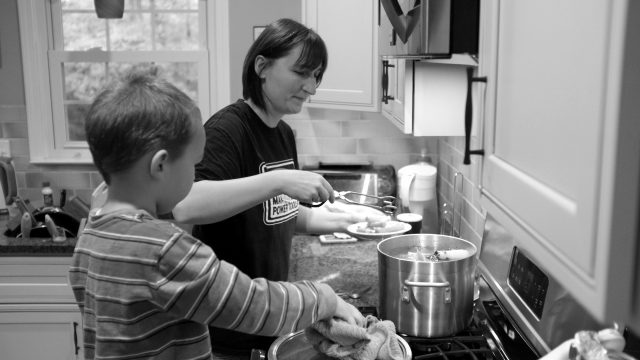
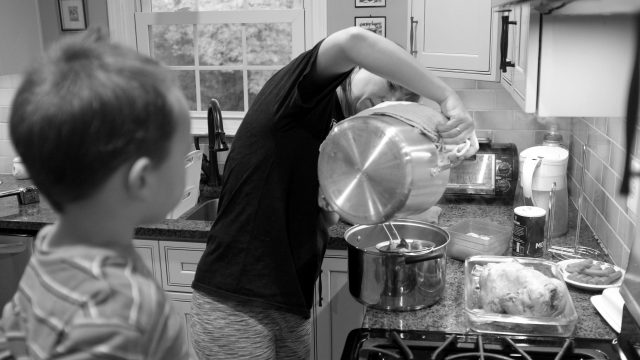
K has a handle on the basics though. She knows what brings a smile to everyone’s face: homemade rosół. The Boy leaves his bowl empty; the Girl goes back for seconds; even the older cat is happy to get the dregs in E’s bowl.

The basics.

Monday Chills

When I got home today, everyone was in the back yard. The Boy was swinging, the Girl, wrestling with Polish lessons.

Rainy Sunday

“We can’t stay for choir practice because we have family visiting,” K explained to the choir director this morning after Mass. As the dedication of the new church is only weeks away now, after-Mass choir practice has really ramped up. But today, we decided L could miss it. Because of family.

1-dscf1790

Of course, M and her daughters are not related to us in any other sense beyond her being E’s godmother and sharing the same adventure as K of being a Pole in America. But they’re still family. We spend holidays together; we know (or rather, K and M know) rather intimate details about each others’ lives; we’ve shared the same struggles at times.

2-dscf1799

You choose your friends; you don’t choose your family. It’s a truism that gets both sides of the equation right and wrong: because you don’t choose your family, it can be more difficult to love them and more important. (Note: such is not the case here.) Because you choose your friends, the relationships are more valuable and more fragile. That’s why close friends and family blurry the lines: these relationships have both elements.

3-dscf1807

So time with this kind of family is precious: E gains two more sisters for a weekend, and L gains siblings more her age. And because they’re more like family than friends, there’s no compunction in telling L that she’s being a pain in the back side (which she can be) or telling E that he’s got to share his new siblings (which is is reluctant to do).

4-dscf1814

Late October Sunday

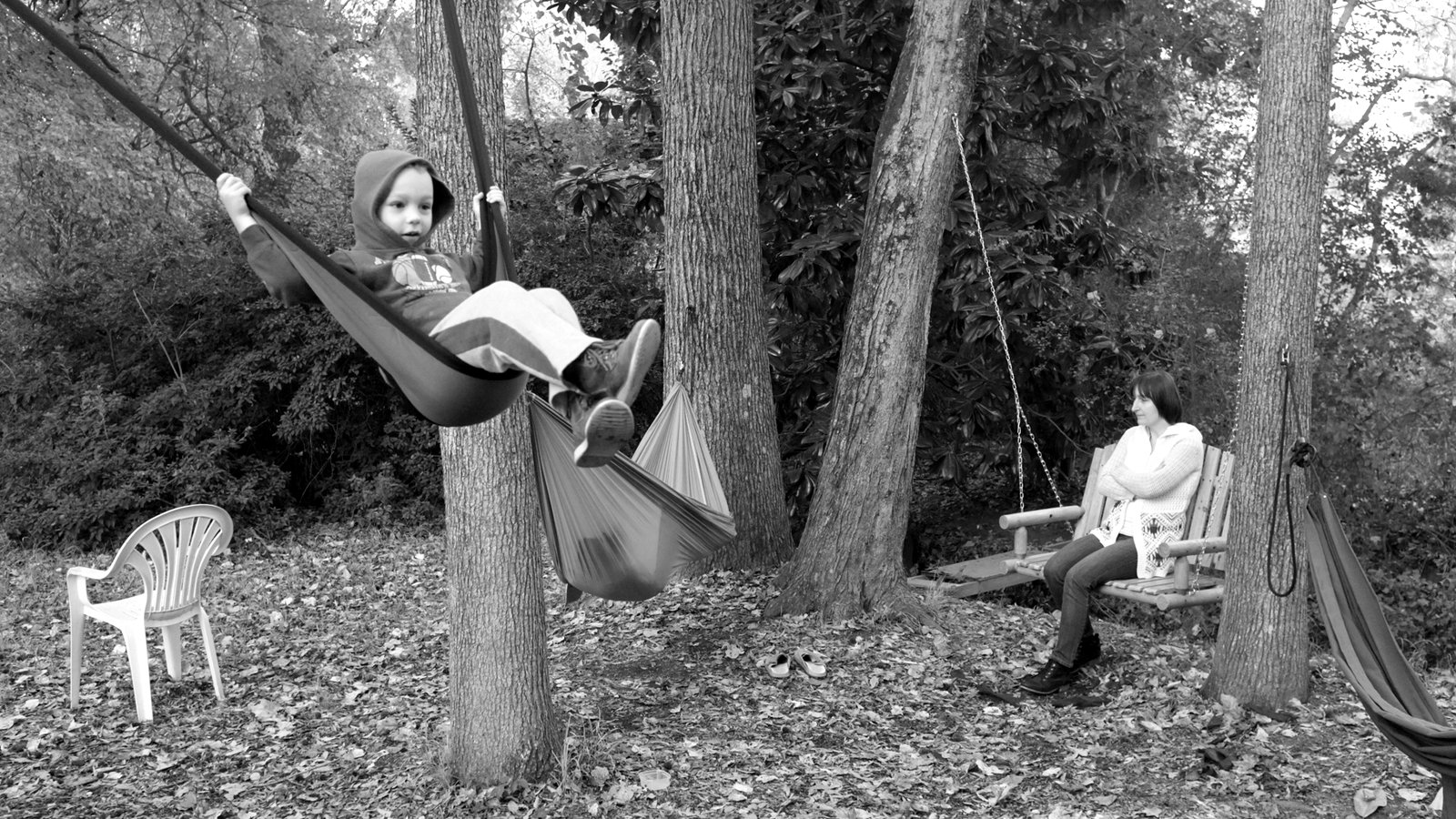
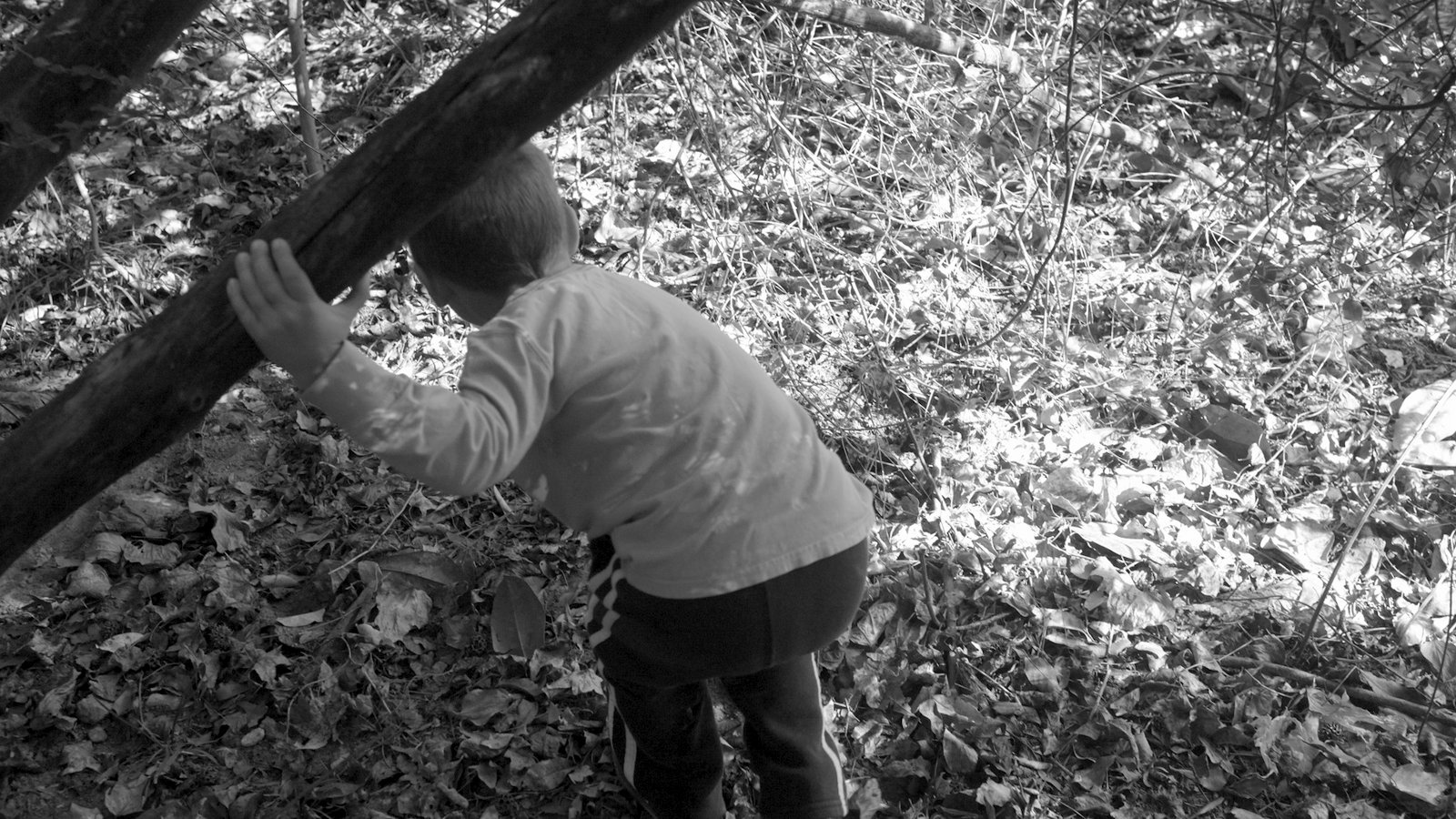
With it being the last Sunday of the month, our family had a lazy morning that included a bit of television, a bit of computer, a bit of baklava, and a bit of exploring, all before lunch. The Boy and I went to our normal haunts, though we decided this time to go a bit deeper into the “woods” that consist of vines and bushes on the property behind ours, the house abandoned now for several years. We went deep enough that I had to crawl for a moment. Afterward, there was the usual: swinging, exploring the creek (where we found our lost ball behind our neighbors’ house), and lounging in the hammock. We were there when K came out onto the back deck to call us in for lunch.

“We’re being lazy on the hammock,” the Boy responded.

In the evening, Nana and Papa came by for dinner — another adventure in “we’re no longer worrying about whether our kids will eat what we cook because they can survive skipping one meal from hunger.” Of course that won’t really happen with the Boy: first, he’s too adventurous with his eating for that to happen, and second, when push comes to plate, he quickly reaches a point at which the stubbornness gives way to the hunger.

The Girl, of course, is an entirely different story, and I still wonder whether or not we’re doing the right thing by her. That’s the eternal worry of parenting, I guess, but I try to keep things in a more global perspective: hungry kids in Africa and all of that. Tonight was not all that much of a battle because it was tortellini: she likes pasta, though she predictably didn’t like the fact that it was pasta stuffed with something. Despite the fact that she likes pierogi, which are essentially the same thing.

Sometime later this week, we’re planning Indian — dal with palak paneer. That should be a really interesting night…

Forbidden Fruit

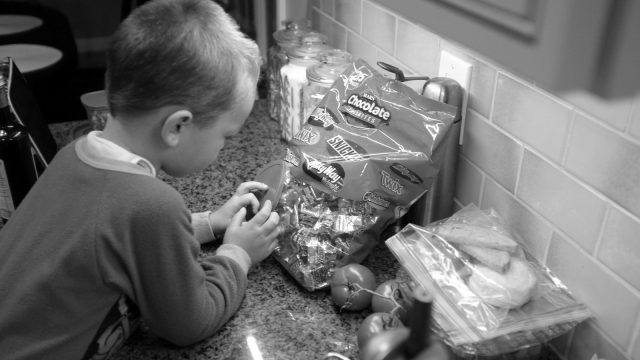
K bought a bag of treats for trick-or-treaters next week. It was sitting on the counter when E came down this morning.

He’s always the first of the two to come downstairs. We hear his little voice as we’re getting our breakfast ready: “Mama!” He needs his “stinky diaper” taken off, and he needs to get downstairs as fast as possible. Nevermind that often makes it downstairs half asleep and then plops down on the sofa in the livingroom for another half hour of sleep. He has to get downstairs.

So when he came down this morning, he noticed the candy.

“Why is there a bag of treats on the counter?” he asked.

“It’s for Halloween,” K explained.

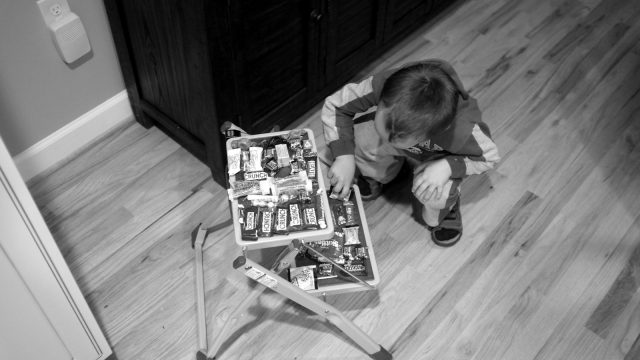
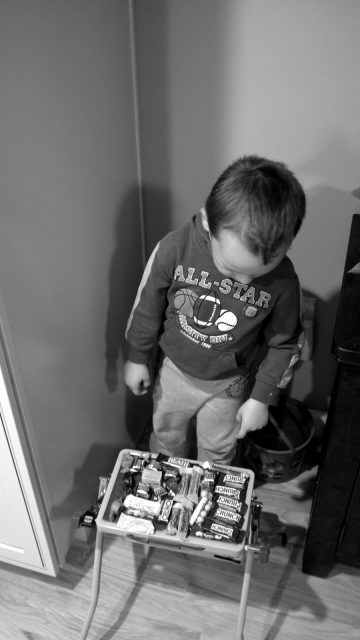
She went back upstairs to do her hair and I peeked down to find he had taken the step ladder out and set it up to get a closer look. Elbows on the counter, chin in his hands, he just stood and stared.

dscf1190

It would take no cajoling at all to get him to eat the whole bag. Perhaps not all in one sitting, but then again, he might be able to pull that off. Then how he would complain about how his stomach hurts.

“My belly hurts” is his common excuse to get out of finishing dinner. Even when he says he likes it. Even when it’s potato pancakes.

dscf1196

In the evening, the Girl brought up a new concern. I actually brought it up; she worked it to a frenzy. Thursday is a special day for whatever reason, and the kids can take a stuffed animal to school.

“Daddy, I can’t decide which animal to take,” she explained.

Knowing the stinkers she has in her class, I reminded her that they might do something mischievous and to take that into account when deciding. A few minutes after going to bed, she came down to get some advice from K. She explained her concern: “When the teacher is not looking or when I go to the bathroom, one of them might grab the stuffed animal and do something to it, like cut it up.”

K gave the opposite advice: “Don’t worry about it. That probably won’t happen.”

But L was already worked up about it. She probably won’t get to sleep until late, and then we’ll have a rough morning, trying to convince her to pull herself out of bed.

Perhaps I should have thought things through a little more carefully.

Saturday

What did I love about today? That E got his shoes on all by himself without much prompting and without help getting the correct shoe on the correct foot. It’s a sign of his growing independence that the little things he takes on himself.

01-dscf1036

That L helped him put on a hoodie that he was dying to wear without me even knowing she’d done it. It must have been a frustrating task, because the neck of that garment does not slip easily over his head. But instead of hearing any fussing, I heard nothing at all.

03-dscf1050

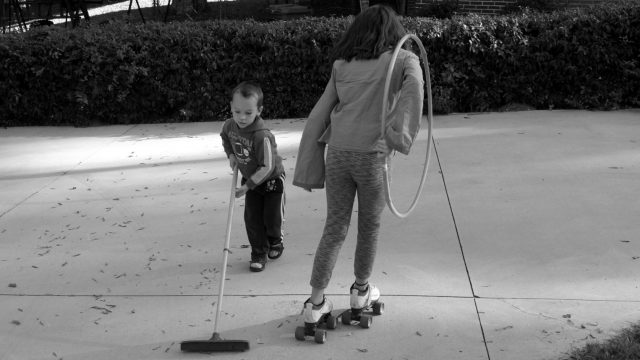
That they both found a way to entertain themselves. That E did so by working — his favorite type of play — and that L still is in love with skating.

05-dscf1061

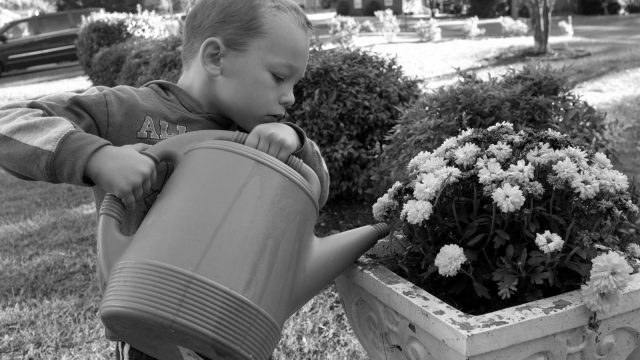
That I discovered K is right: watering the flowers can be a delightful job. The Boy was eager to turn play work into real work. And I love that he’s always willing to lend a hand.

“Sure,” he always says.

08-dscf1076

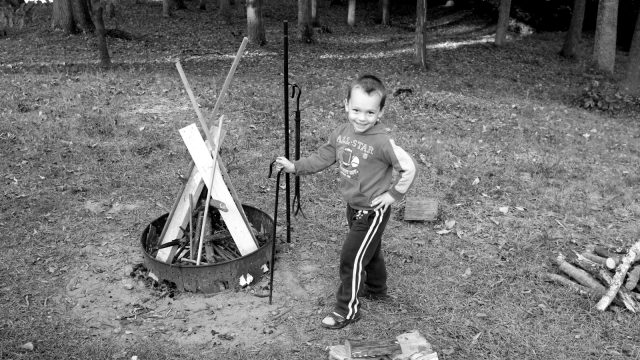
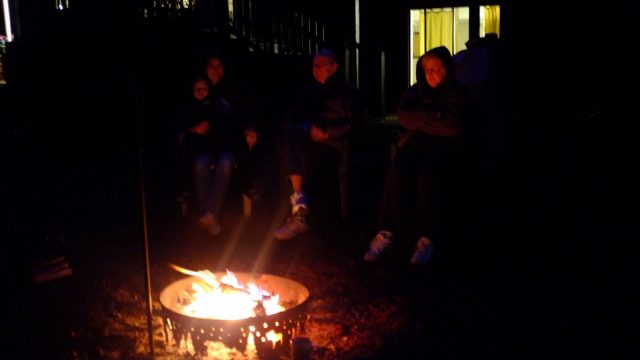
That we have a small fire pit in the backyard. With it being so dry, it’s always a bit of a risk to have a bonfire, but we keep it small (despite the appearance of this — it was built up for the picture and for E to help) and have a hose at hand.

12-dscf1089

That life in our family can be so hectic and yet peaceful at the same moment. That our kitchen is done. That I managed to eat Brussels sprouts tonight.

14-dscf1106

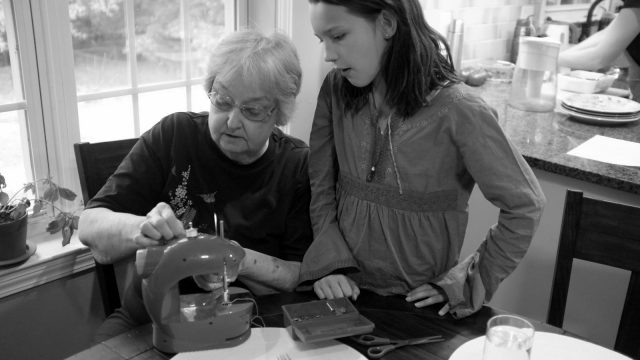
That the Girl is so interested in crafts. Nana and Papa bought her a small sewing machine for Christmas some time ago (last year? year before?) and perhaps she was too young, because she’s just now getting interested in it.

15-dscf1110

That my family is my family.

16-dscf1123