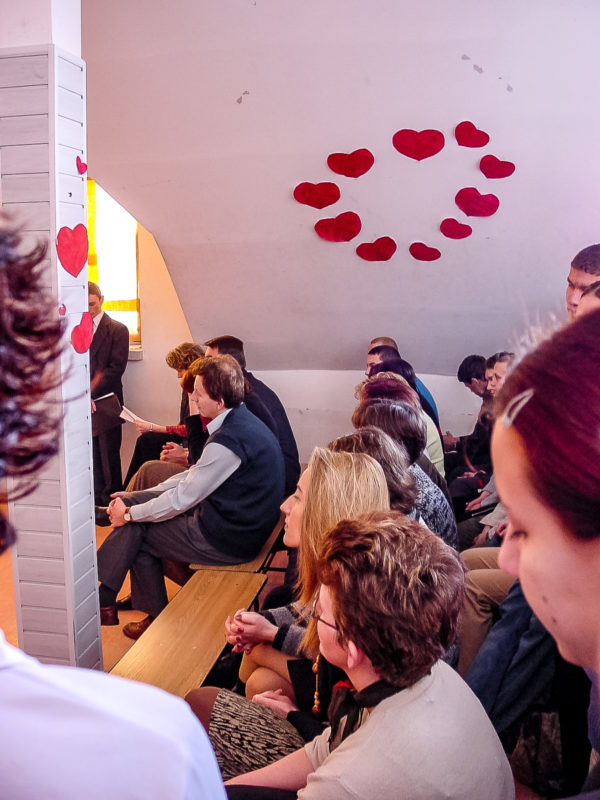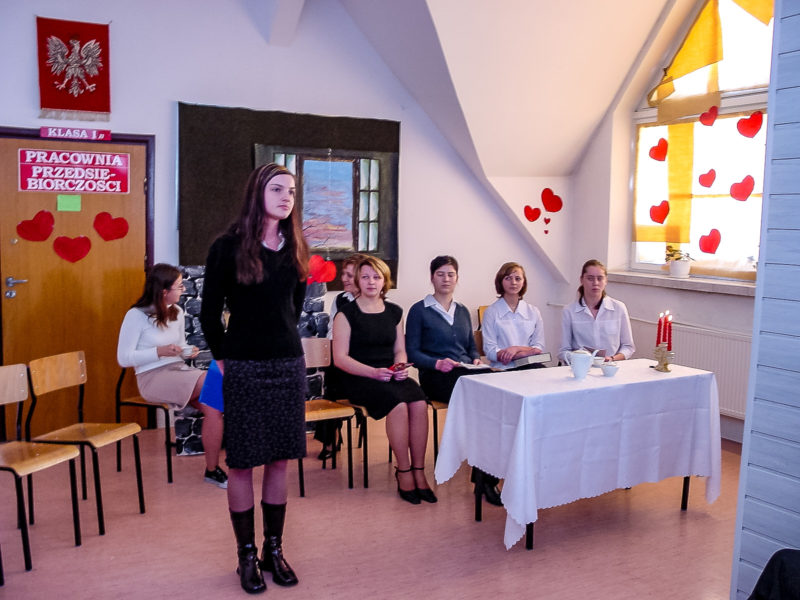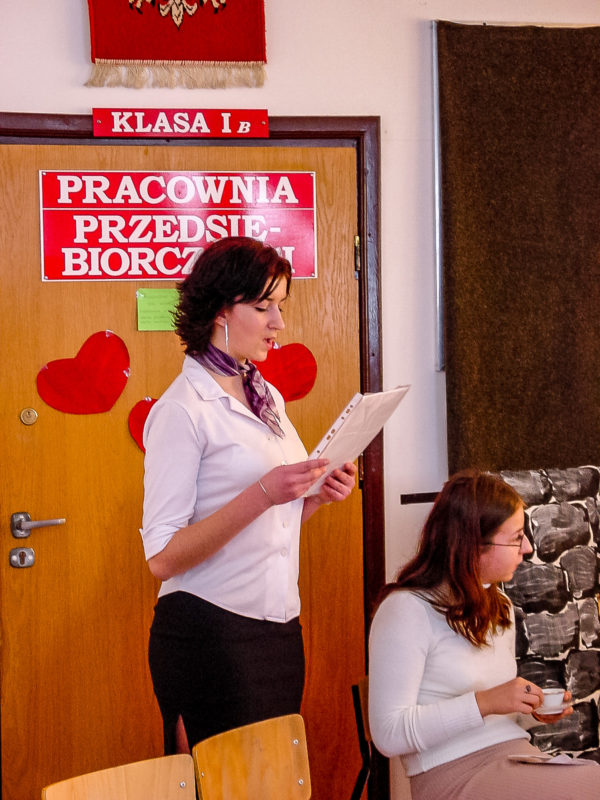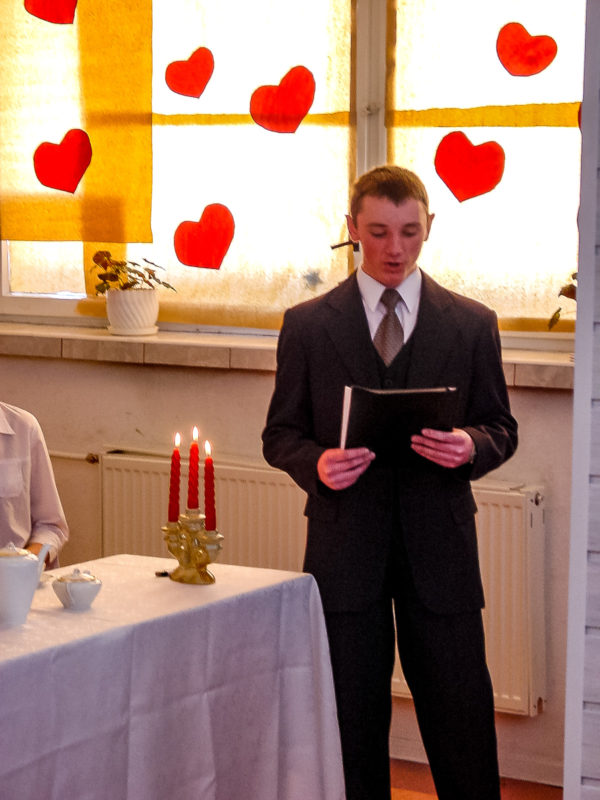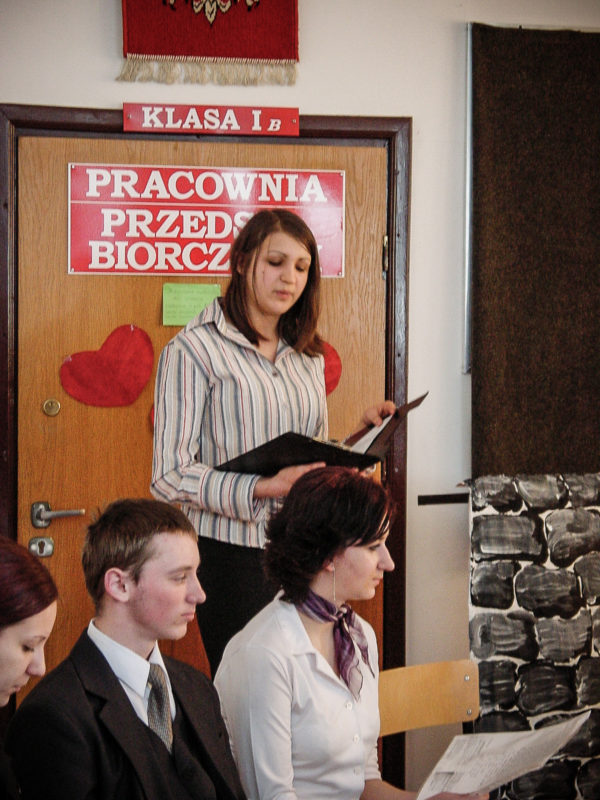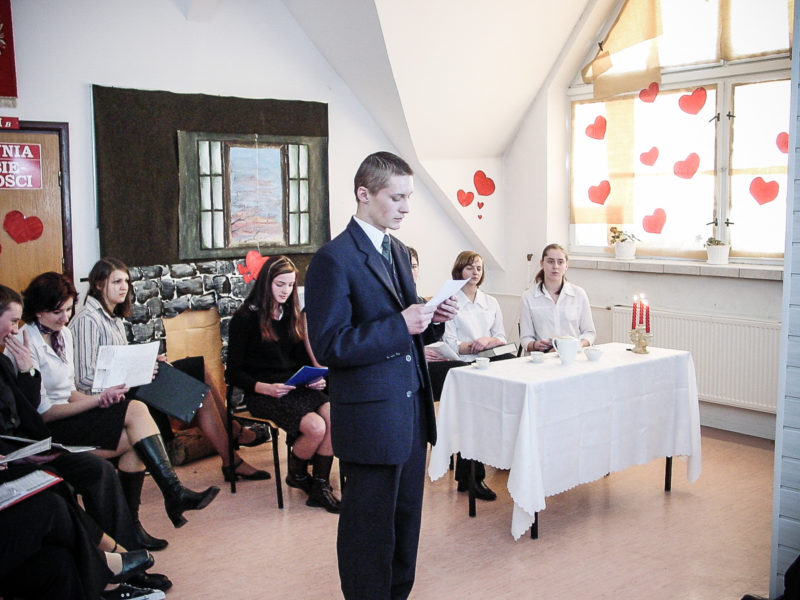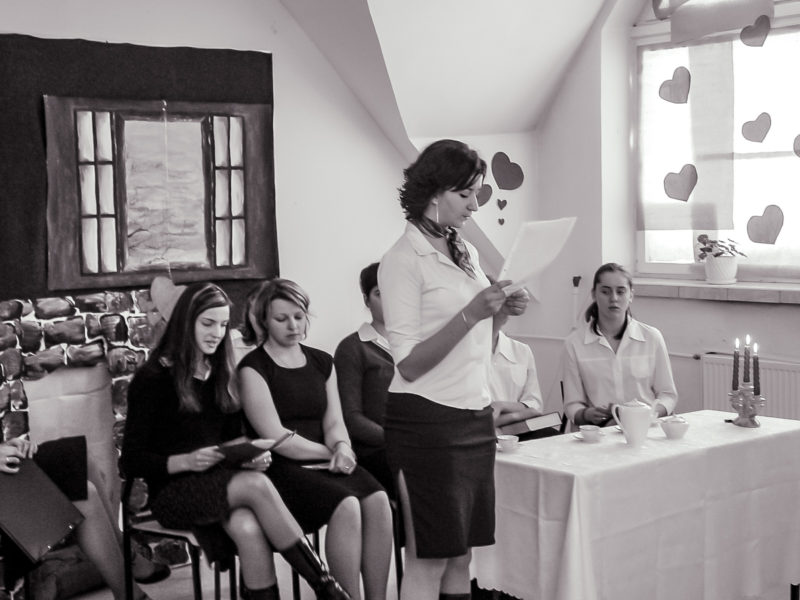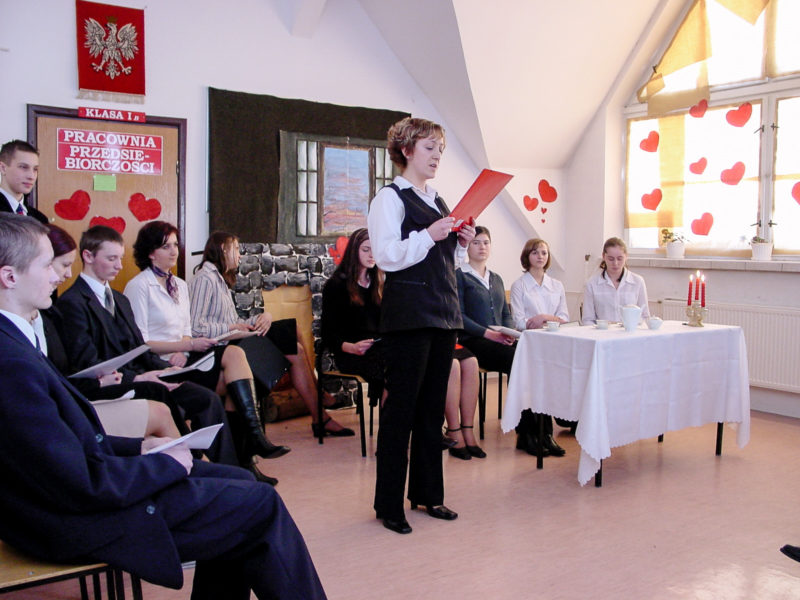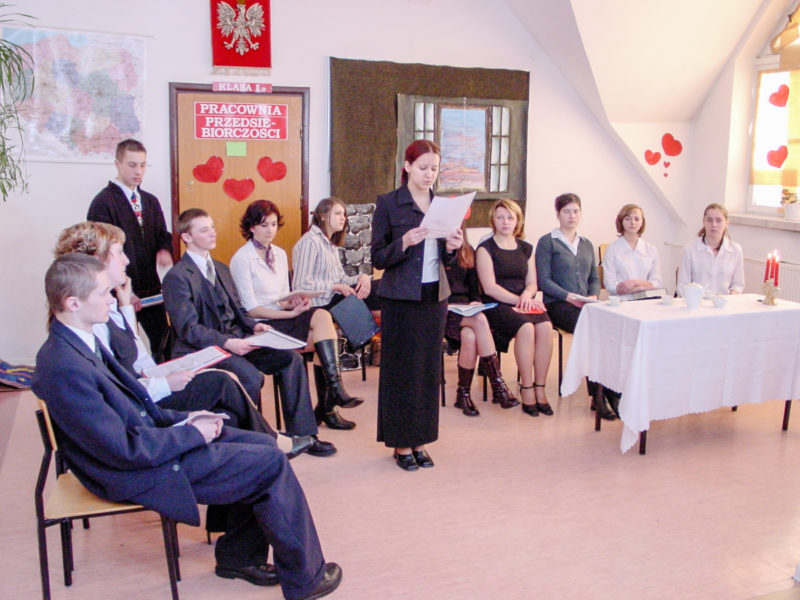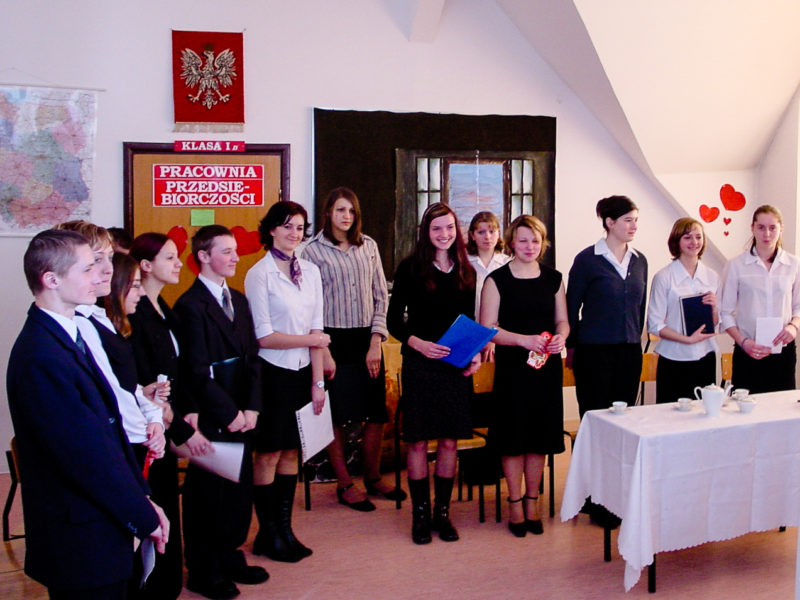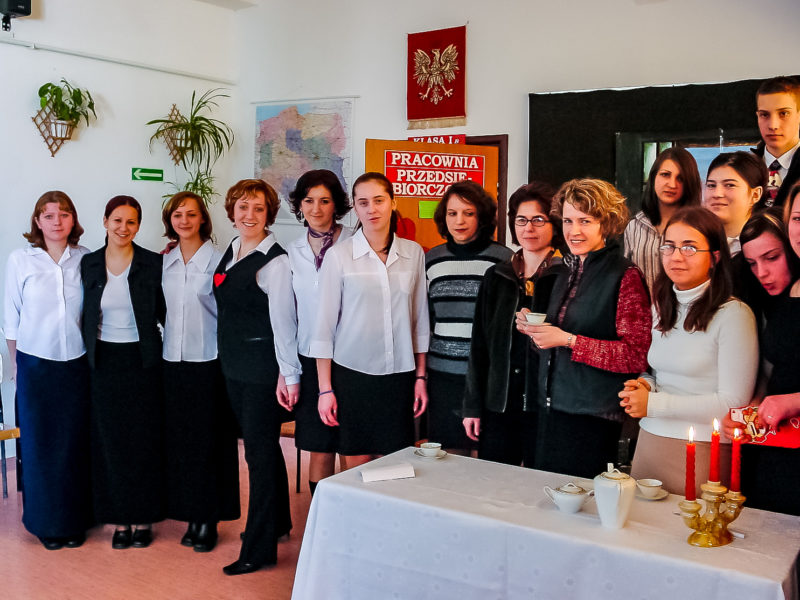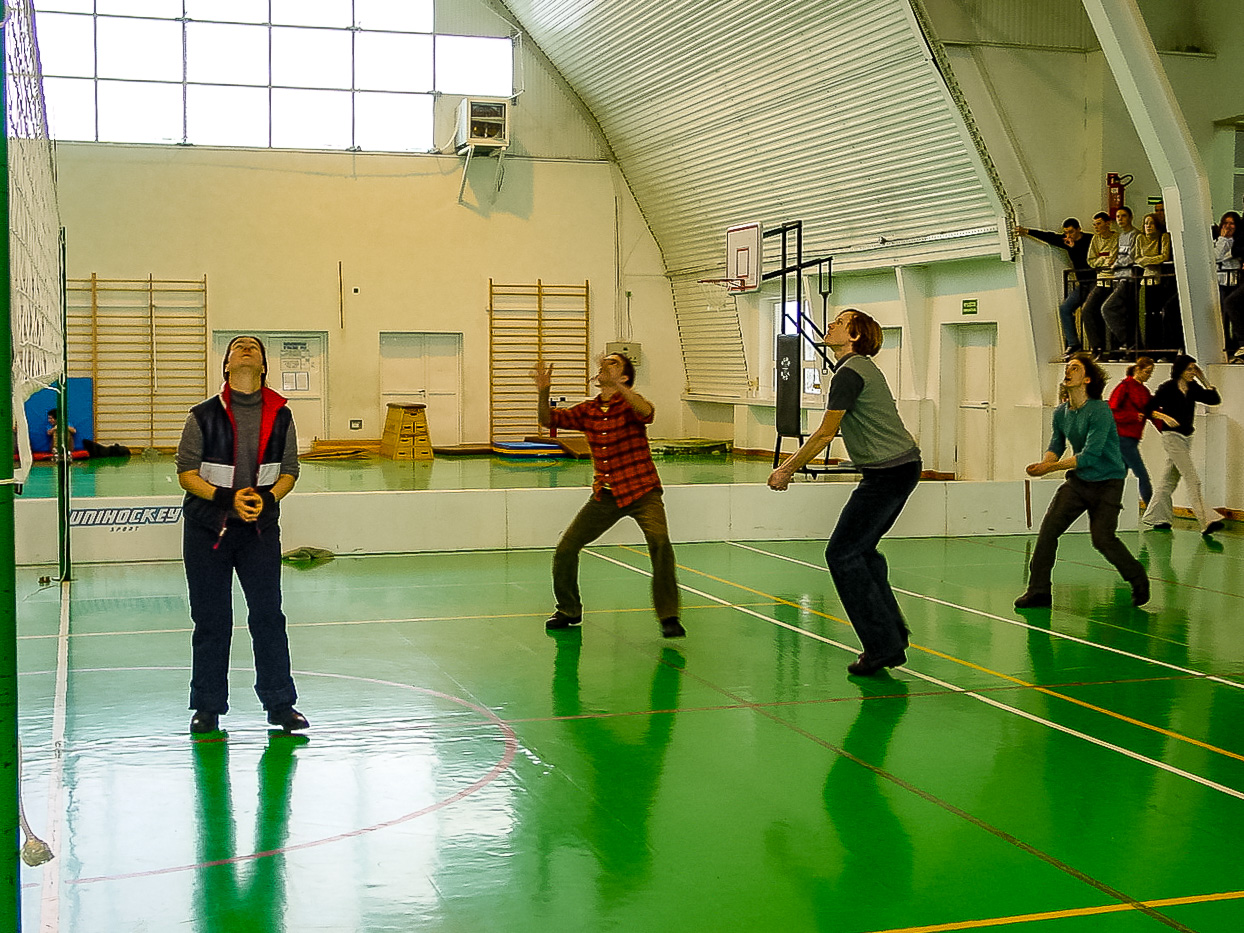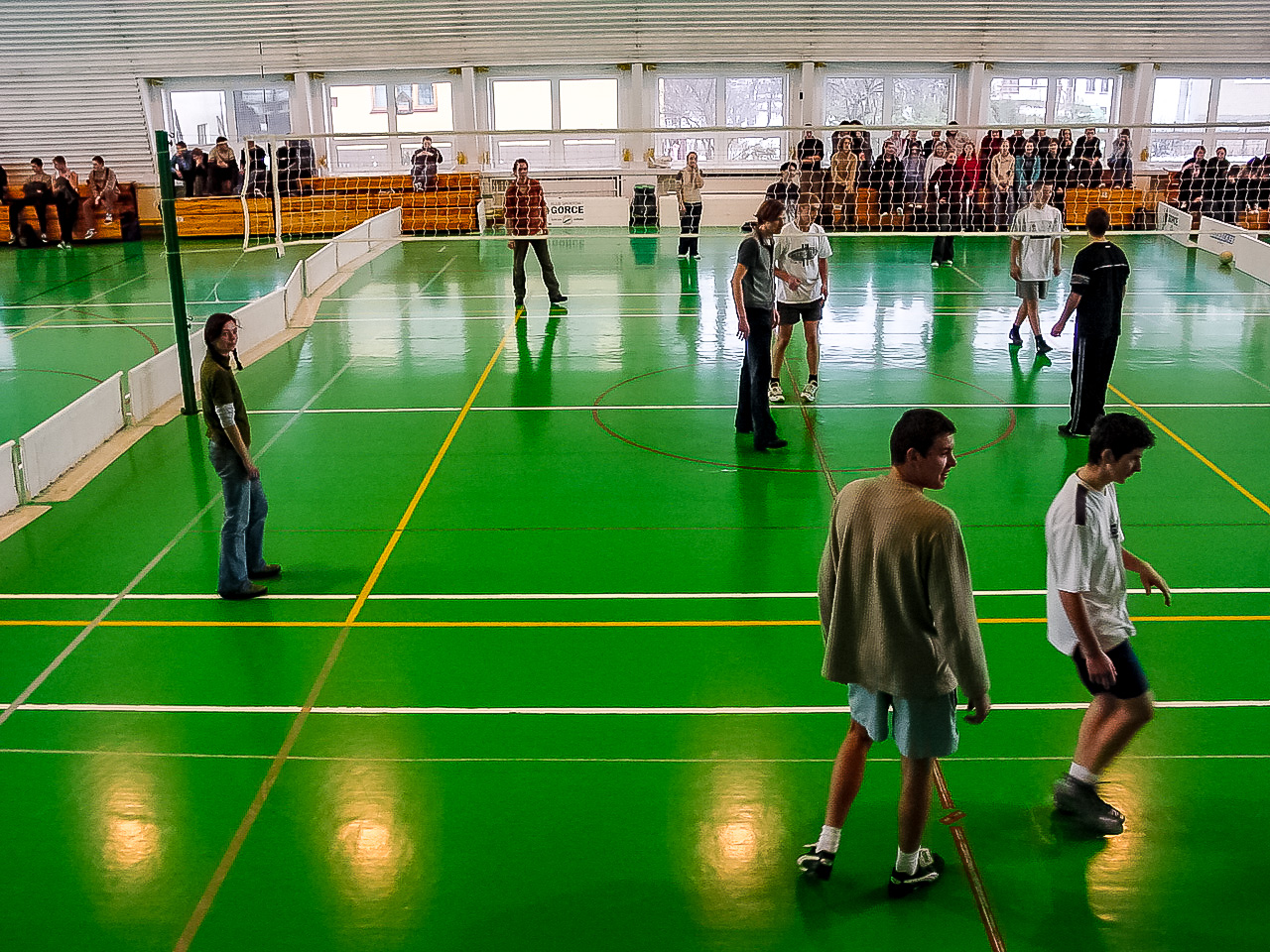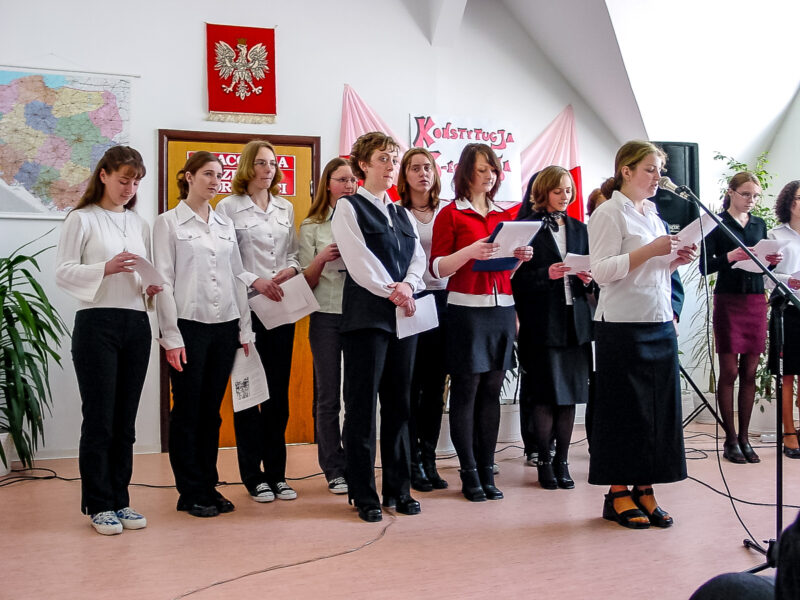

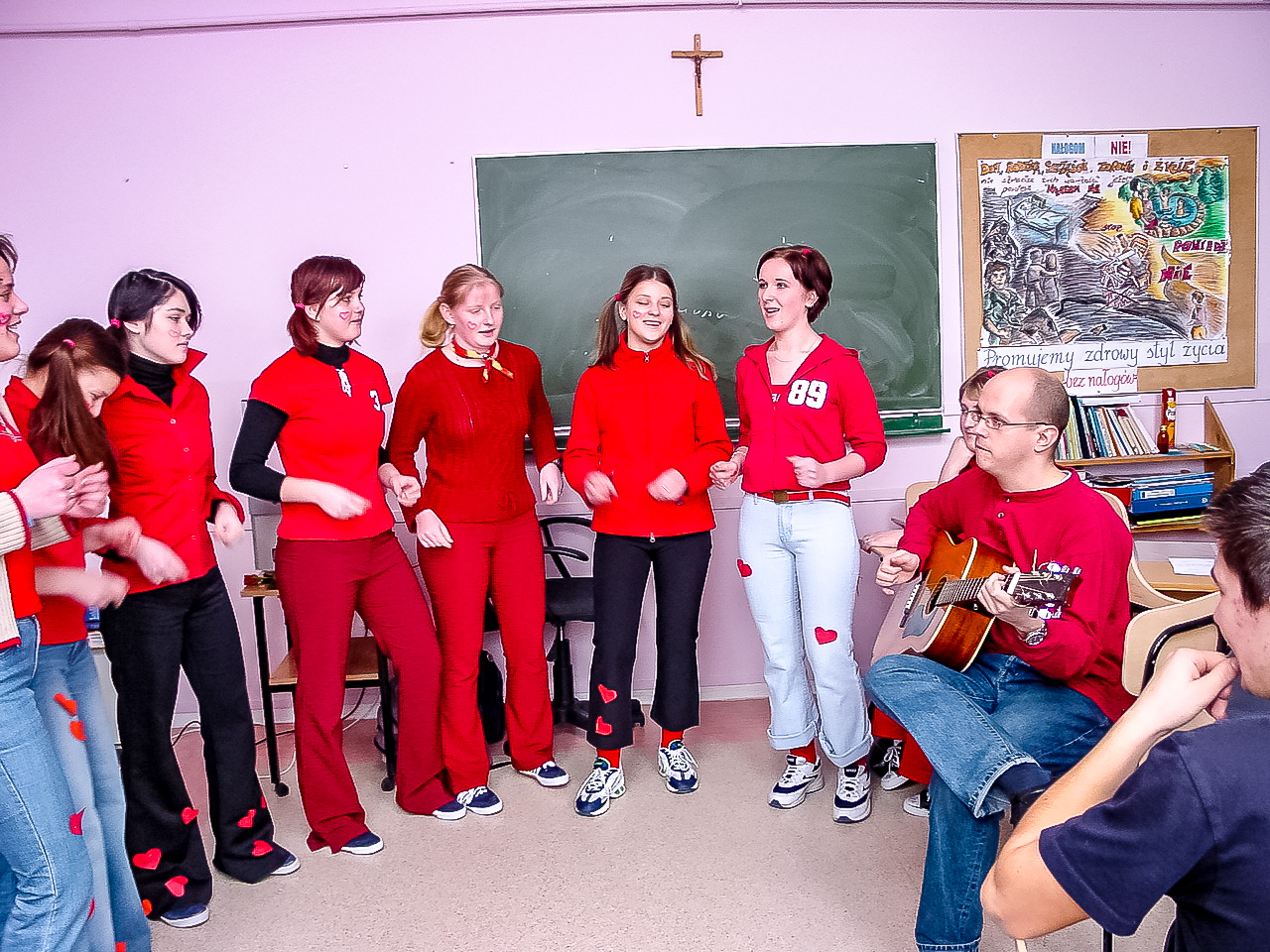
Poetry and songs in Polish, German, and English.
Peter Kreeft was talking at KC about the logical impossibility of religious pluralism, that all religions are true. “Either Mohammed was a prophet of God or he wasn’t,” he reasoned. I find it increasingly difficult to believe that he said that. As a Catholic, he believes, for example, that even though the host looks like bread, tastes like bread, feels like bread, and would be shown under scientific tests still to be bread, that it’s actually the body and blood of Jesus. That Jesus can be completely two different things.
It’s a question of faith, and I read an article on a Catholic web site that took this even one step further. The author argued that only Jesus’ disciples — those who believed — could have seen him after his resurrection. In other words, if Jesus had appeared before Pilate, Pilate wouldn’t have seen him because he didn’t believe. That sounds suspiciously like willful self-deception.
Recall that Pieper writes that the chief obstacle to belief is the question, “Why should man be dependent upon information which he himself could never find and which, even if found, is not susceptible to rational examination?” The exposure to religion is a cultural experience, and it’s not something various individuals have independently worked out as they tried to figure out what this weird Unknown is that they’ve been experiencing. In other words, the seed is sown by cultural exposure to the idea of a crucified and risen god.
I wonder why that Franciscan bloke never wrote back. Perhaps he didn’t receive the email? Perhaps he thinks there’s no point? Perhaps he realizes that there’s no hope for me?
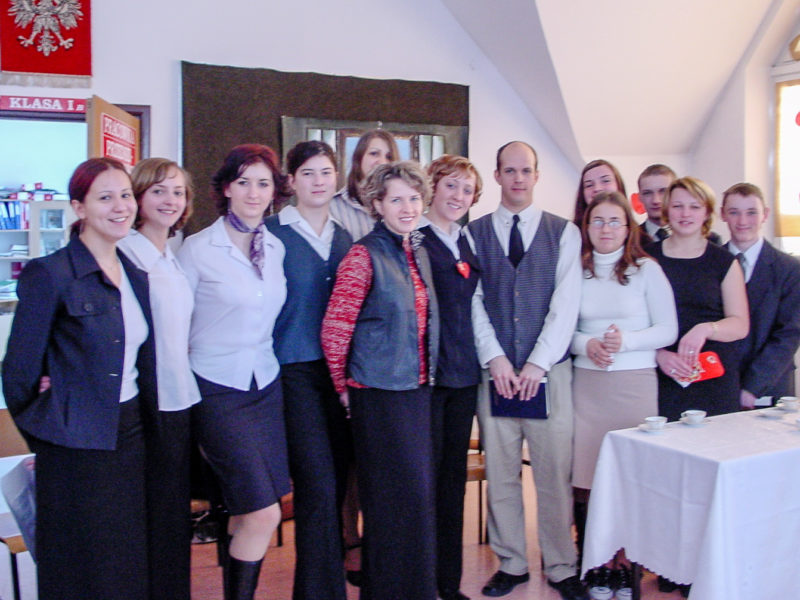
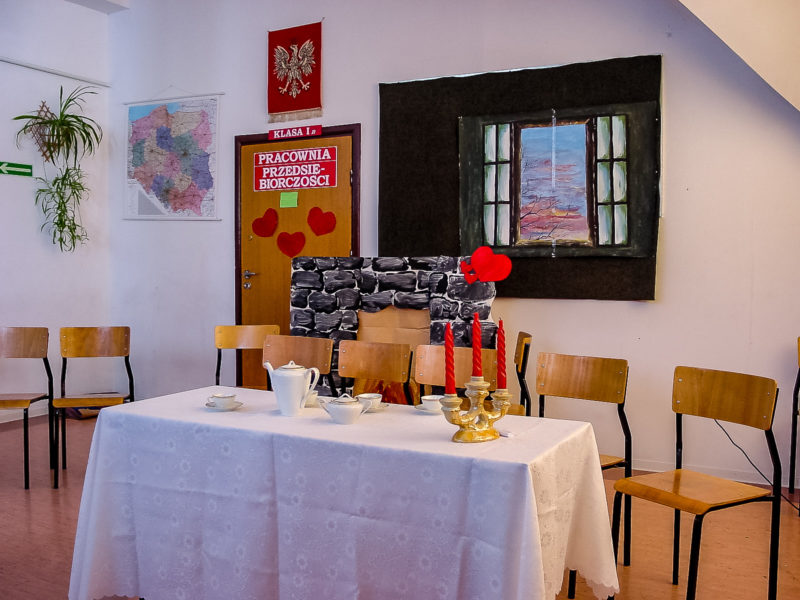
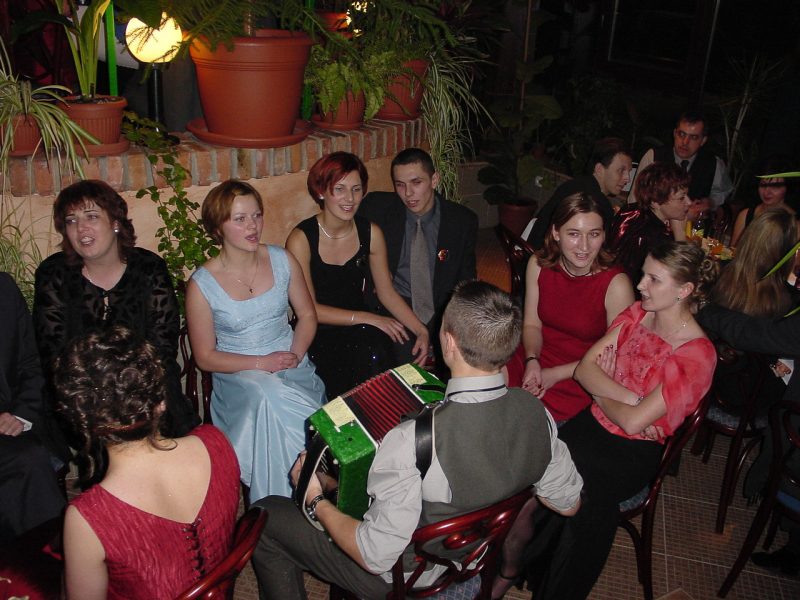
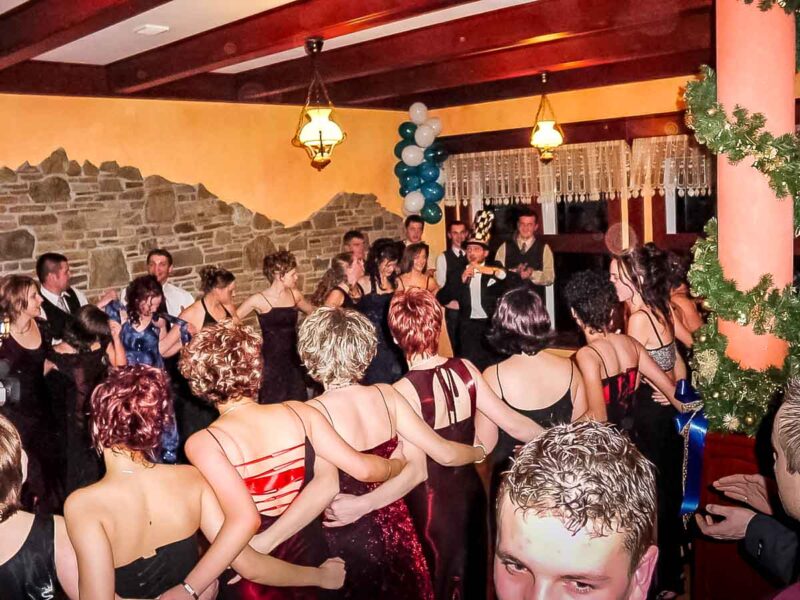
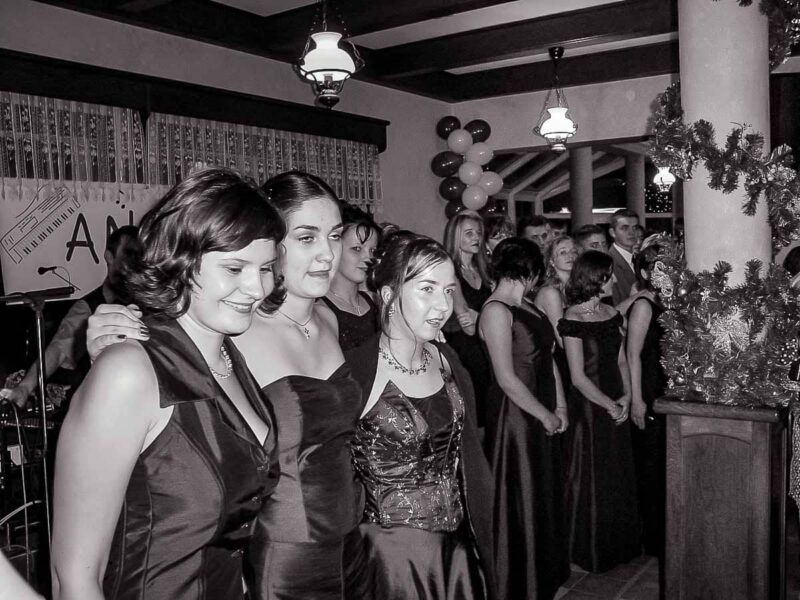
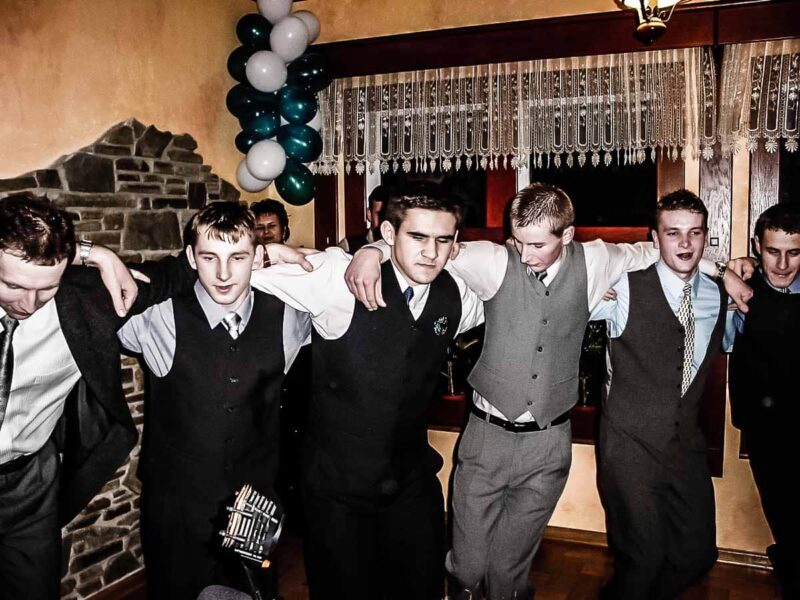
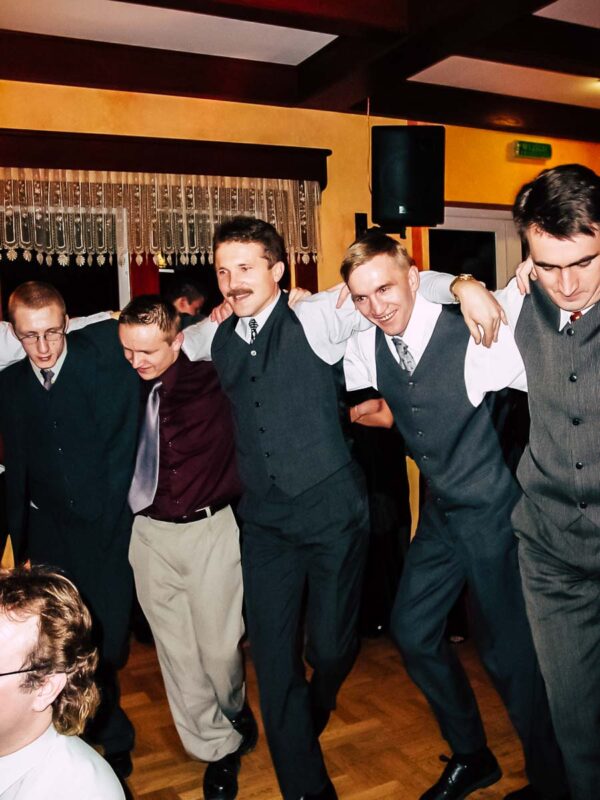
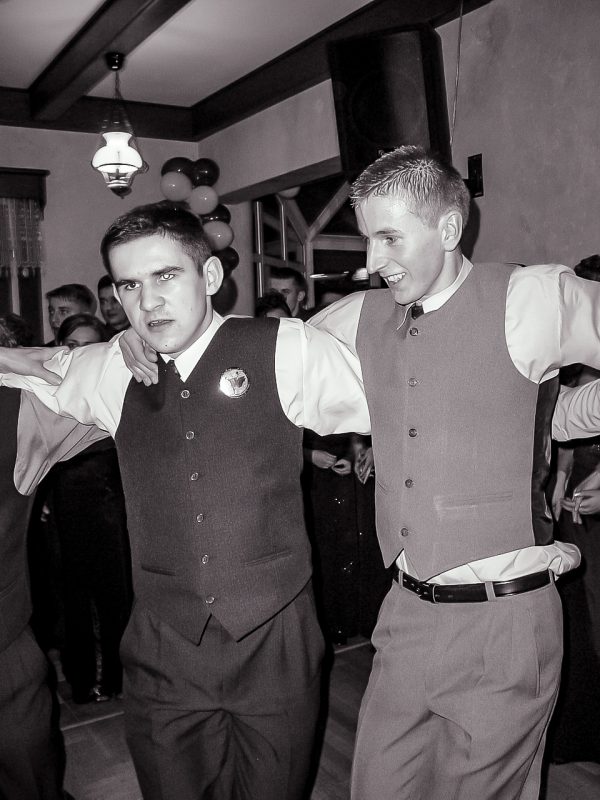
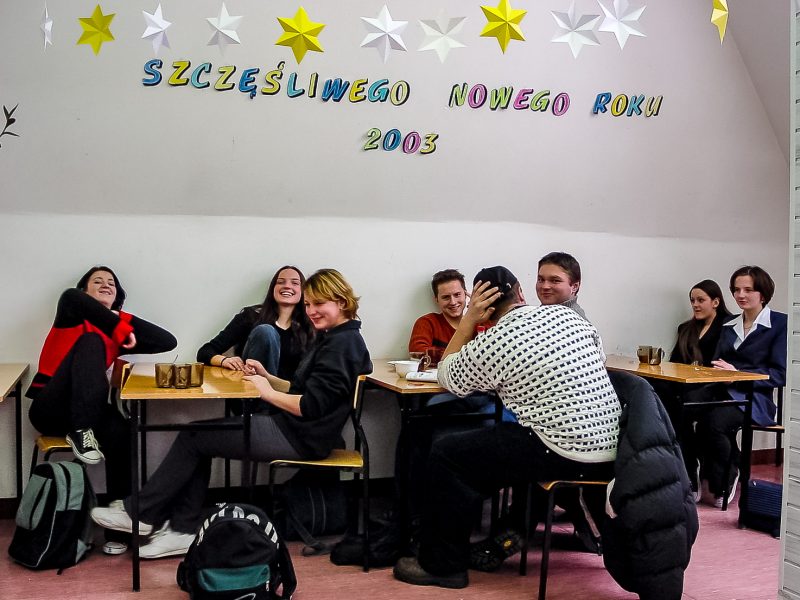
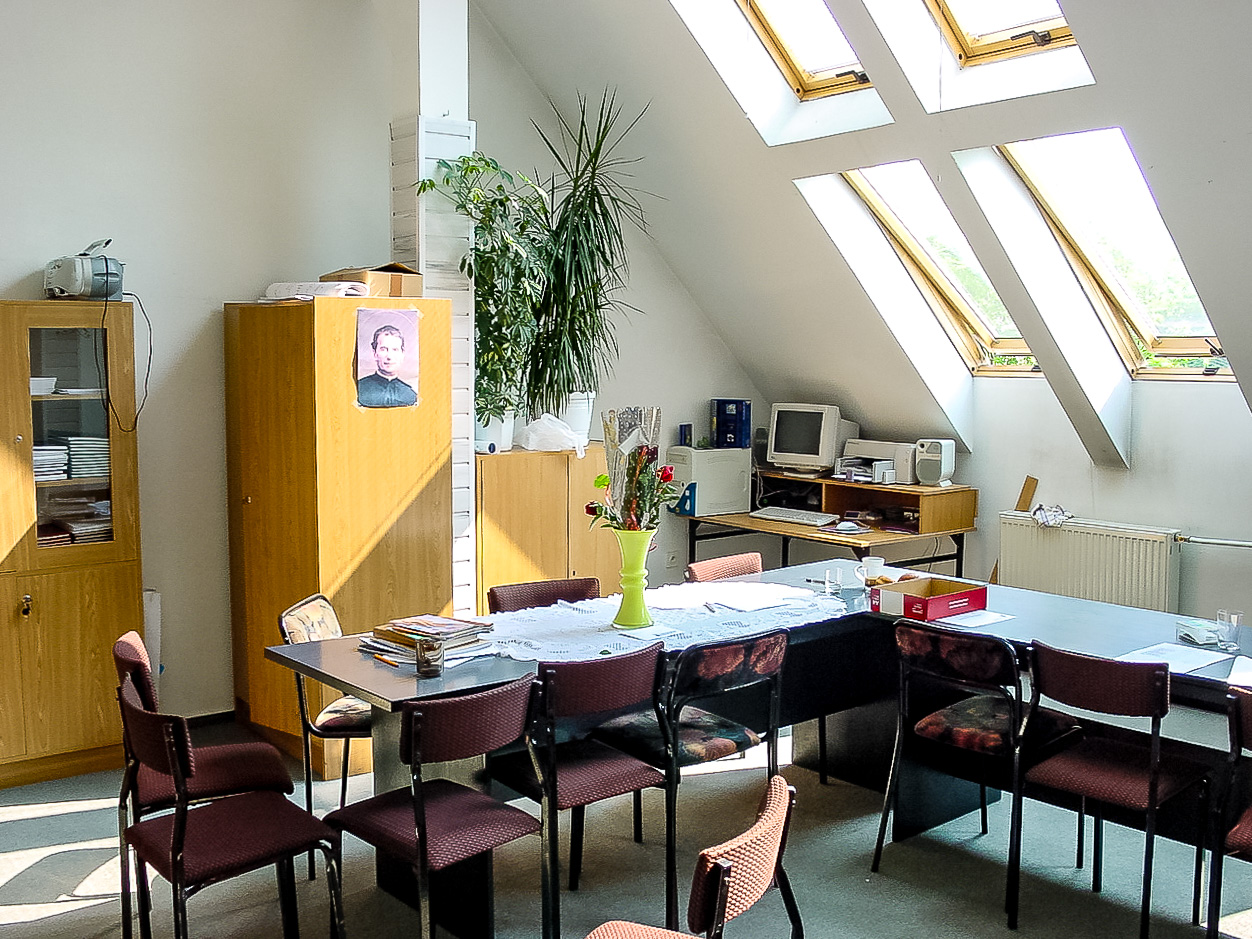
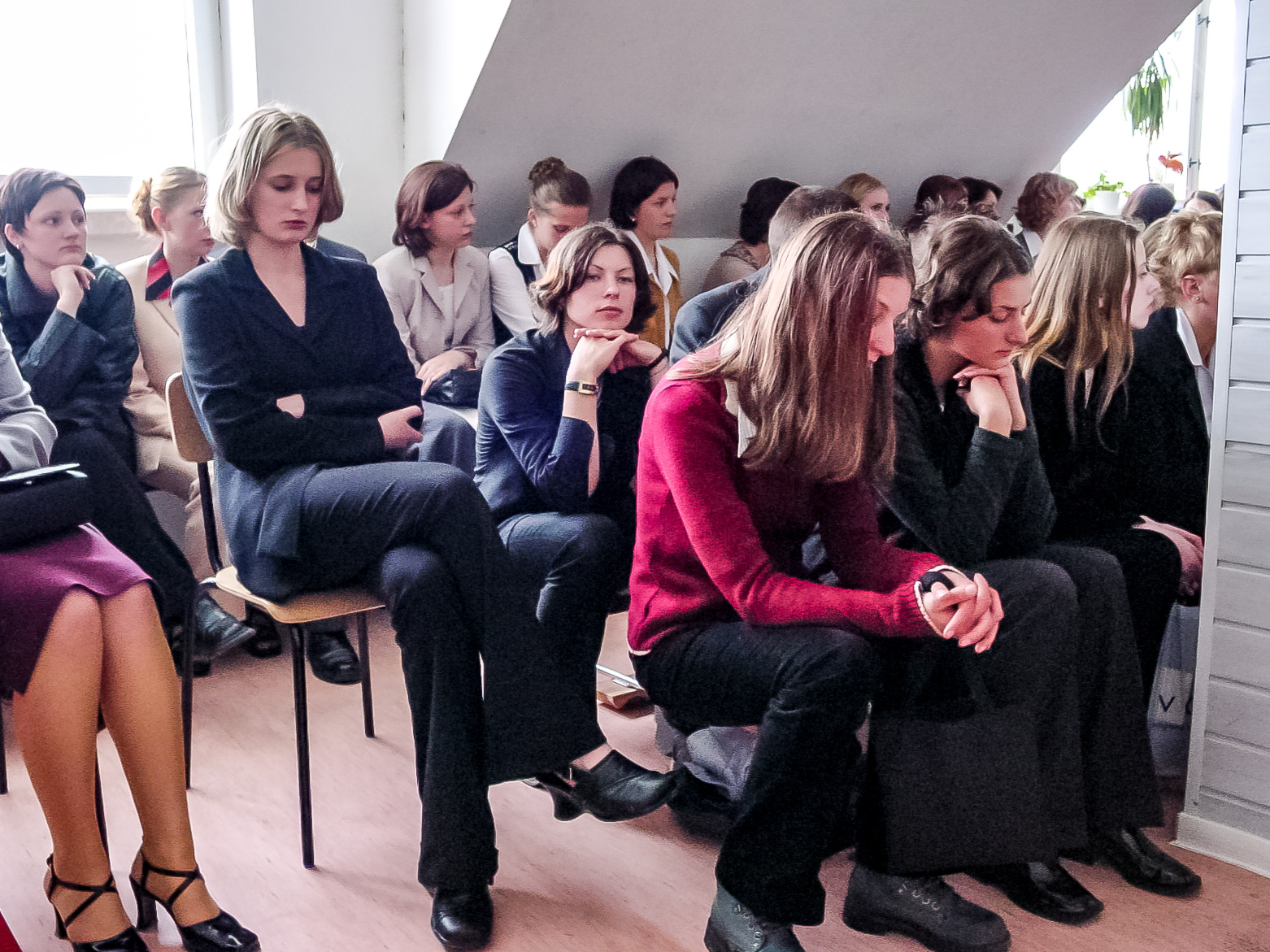
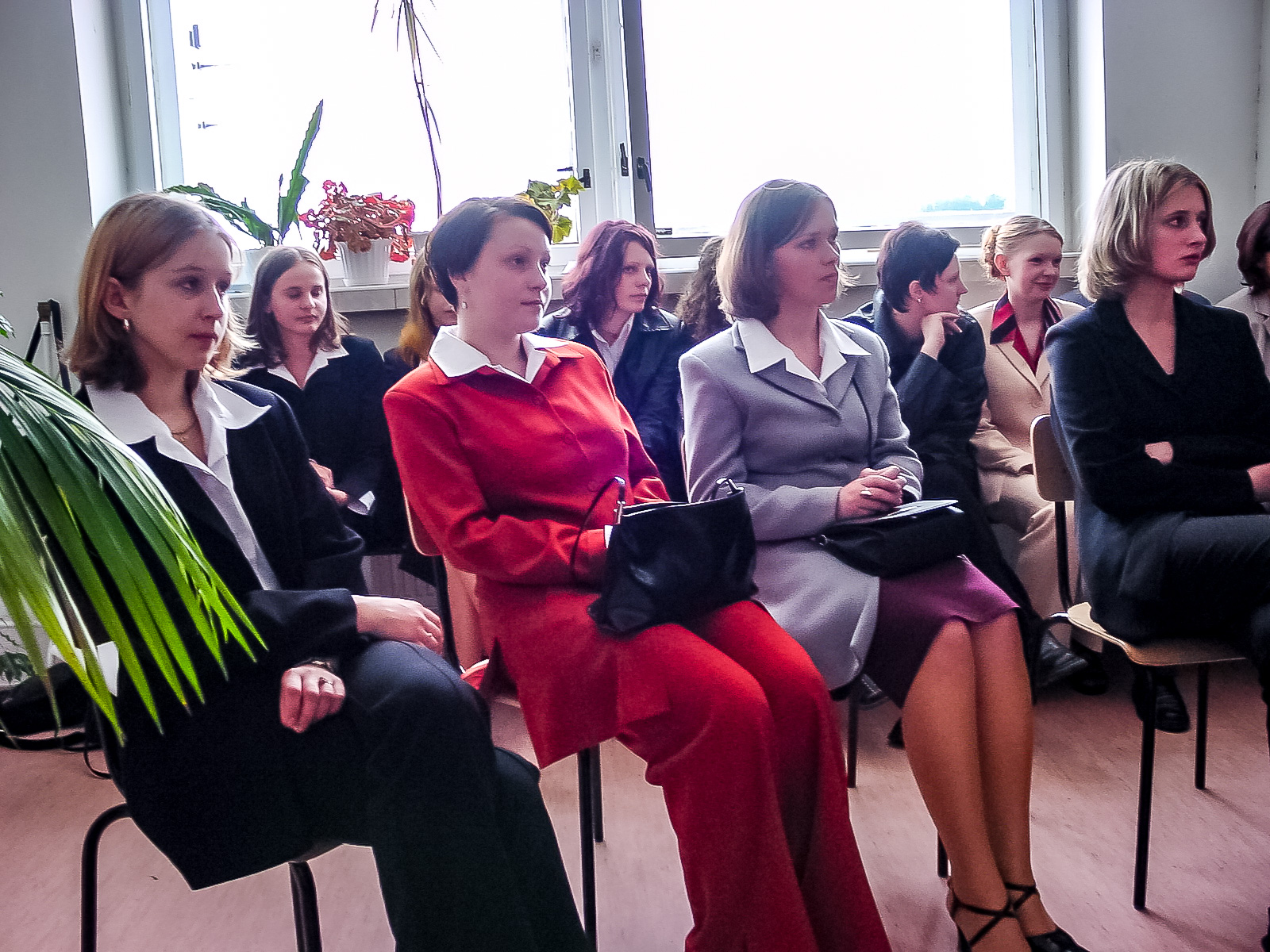
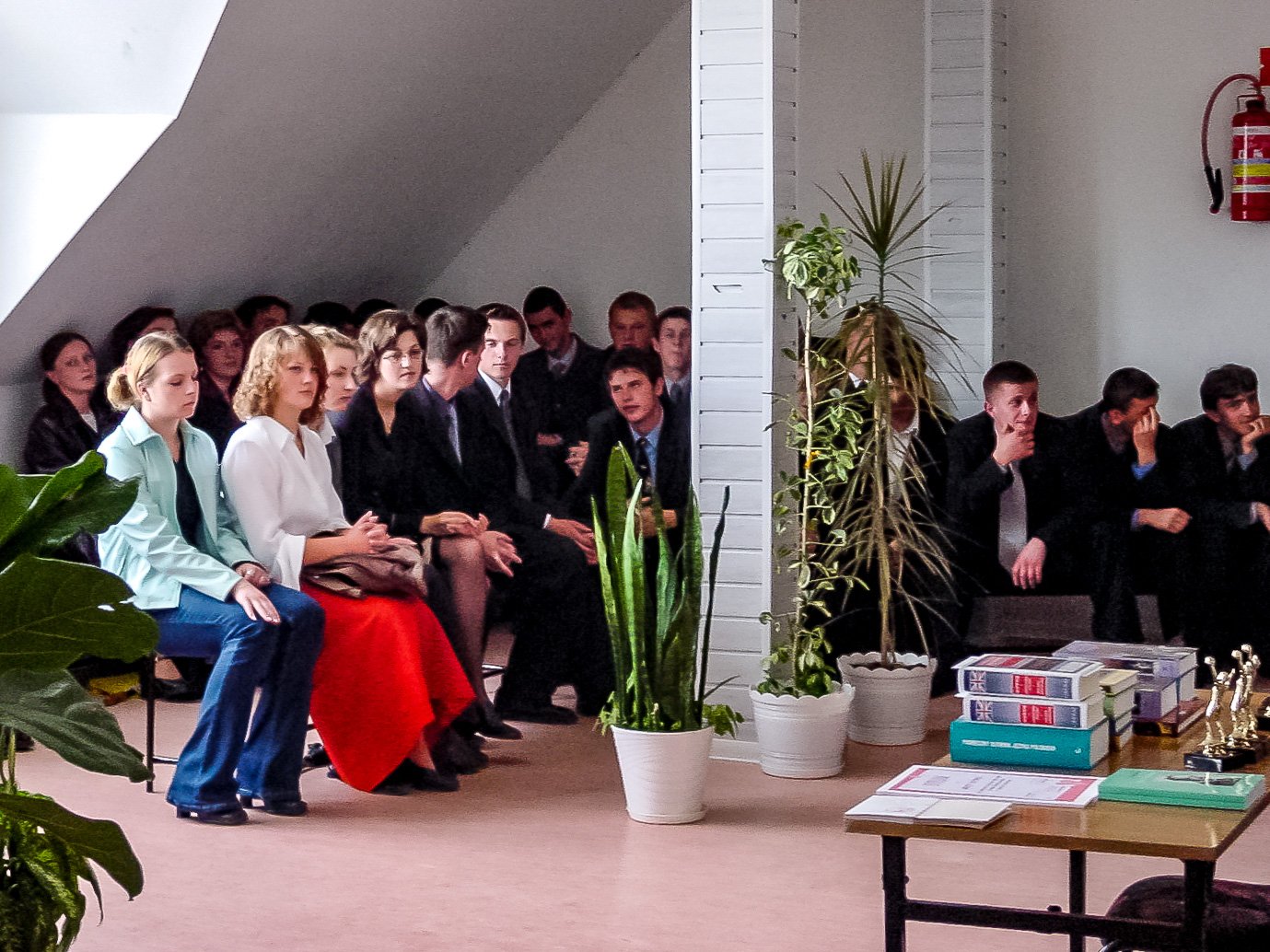
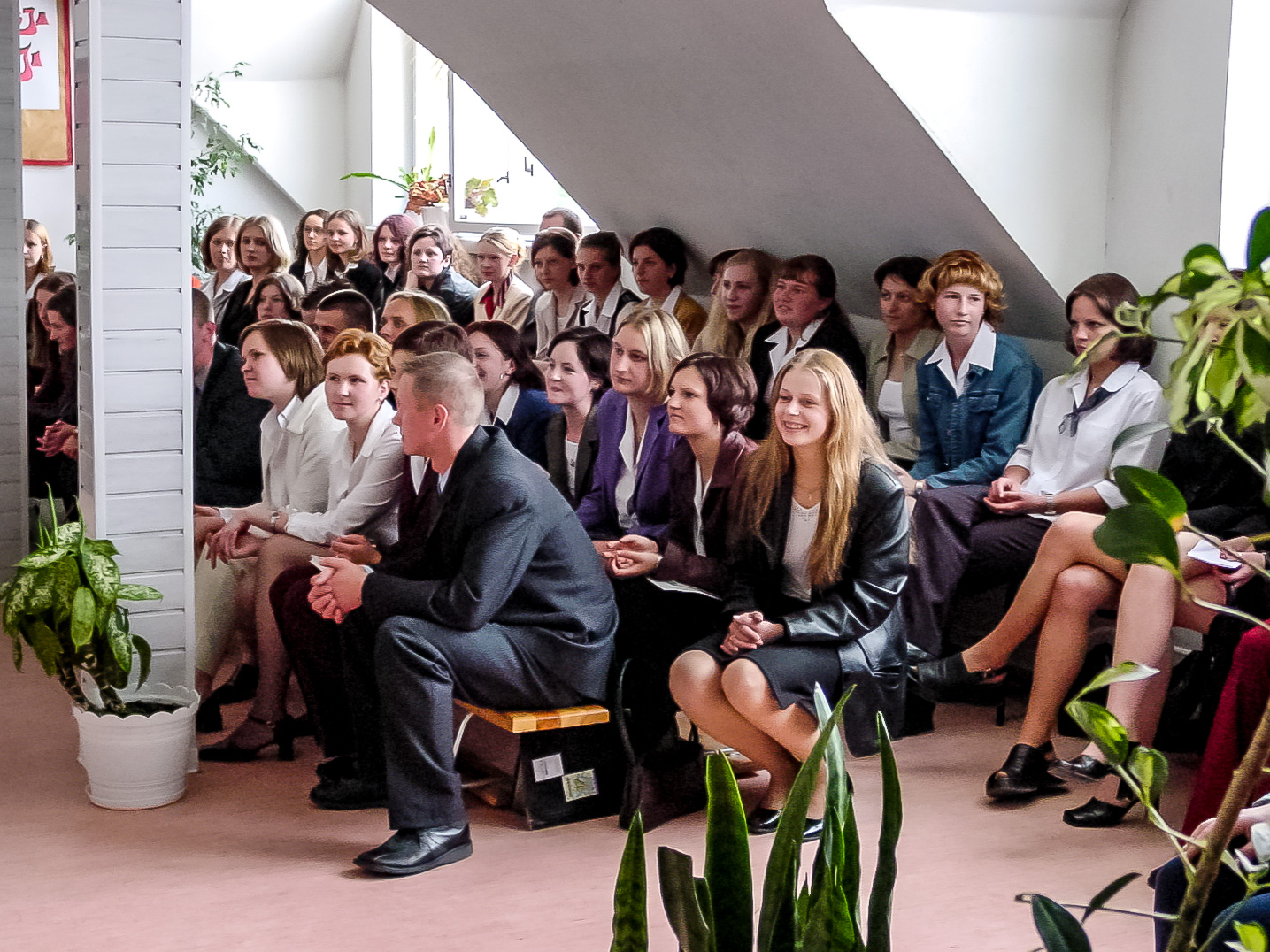
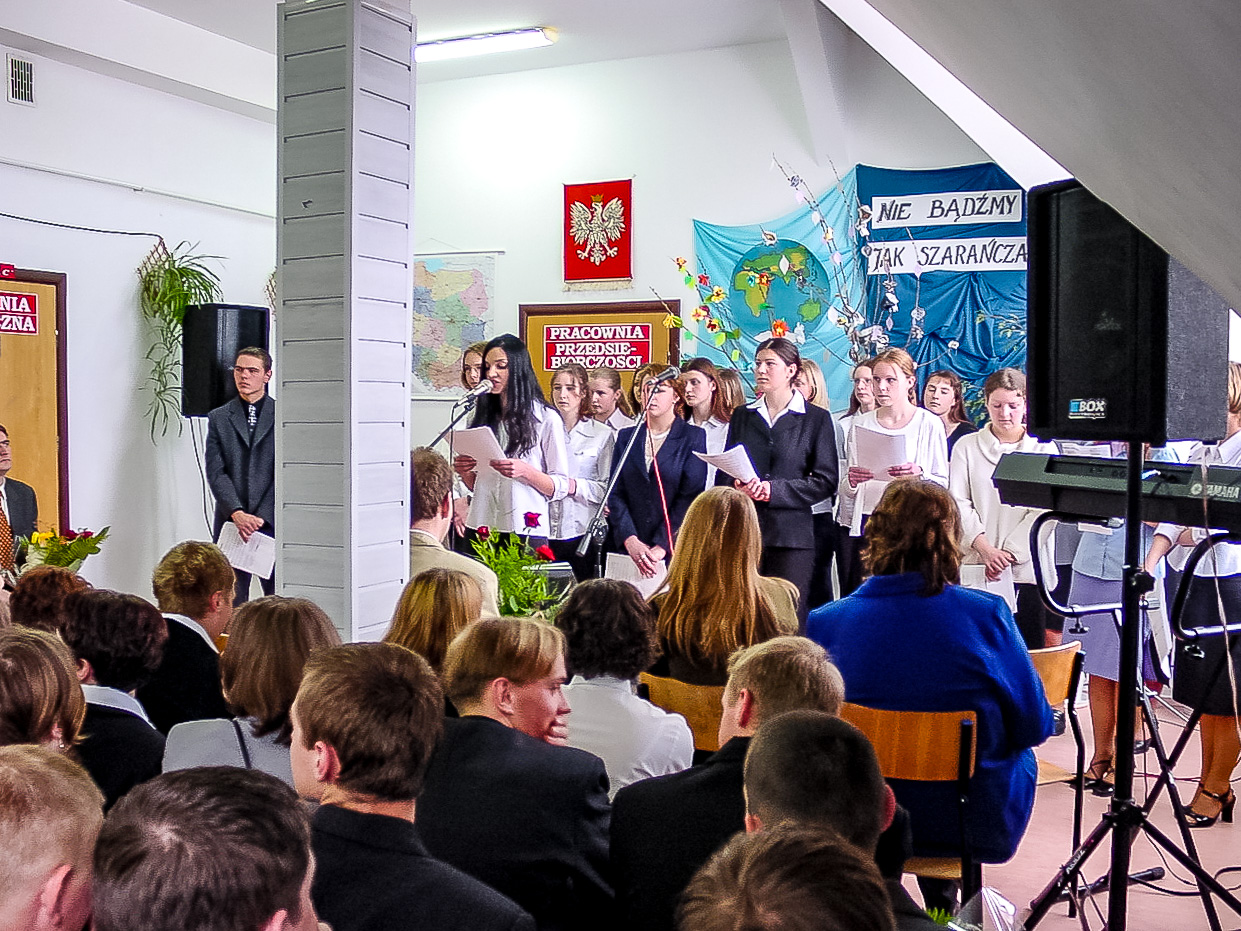
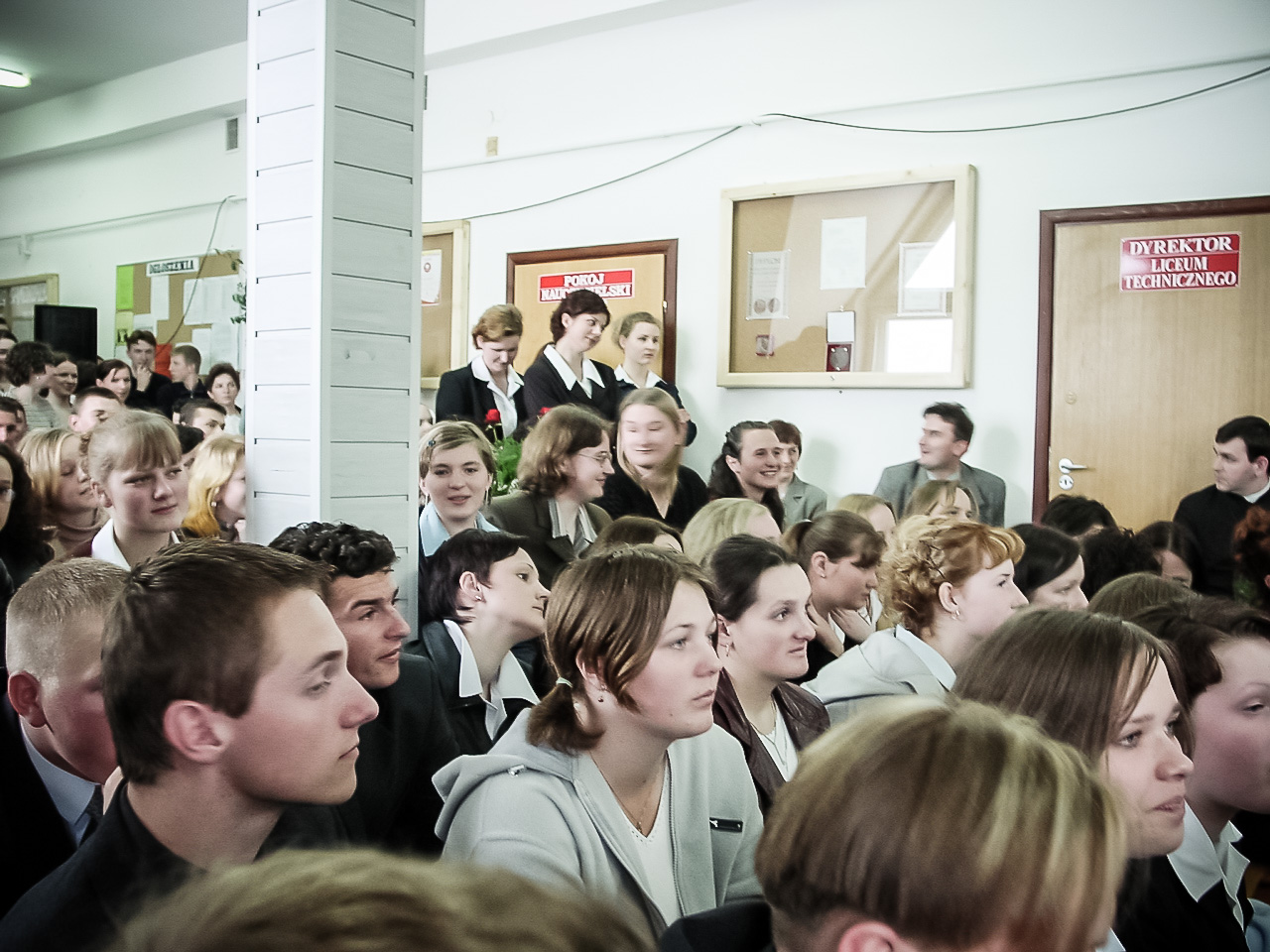
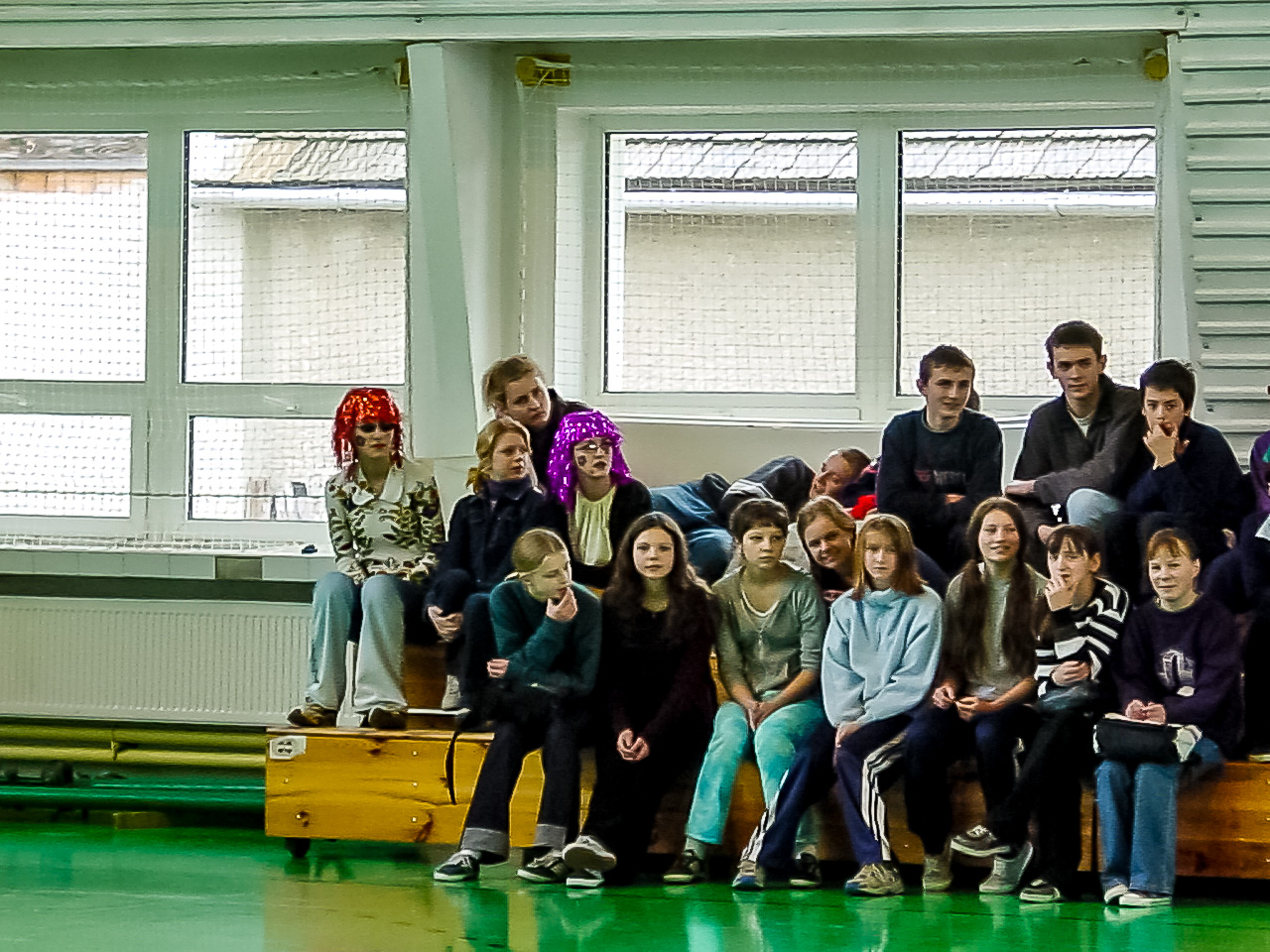
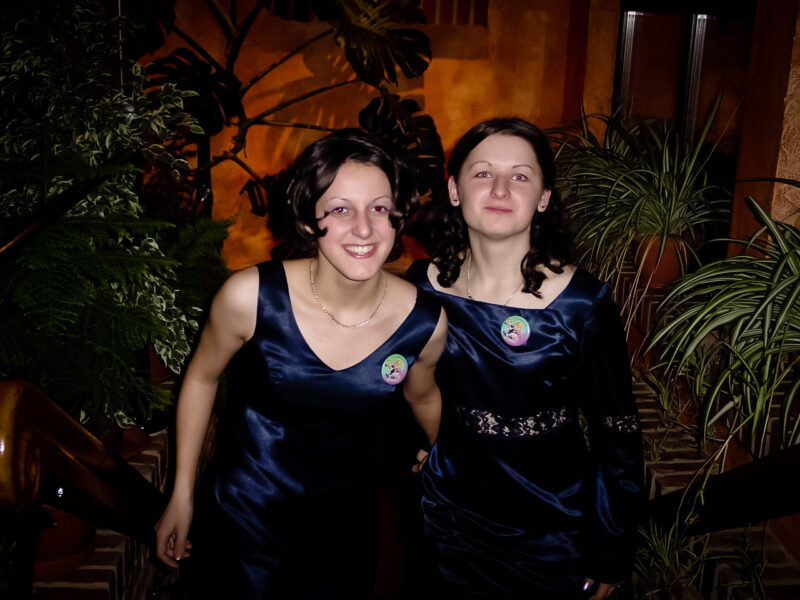
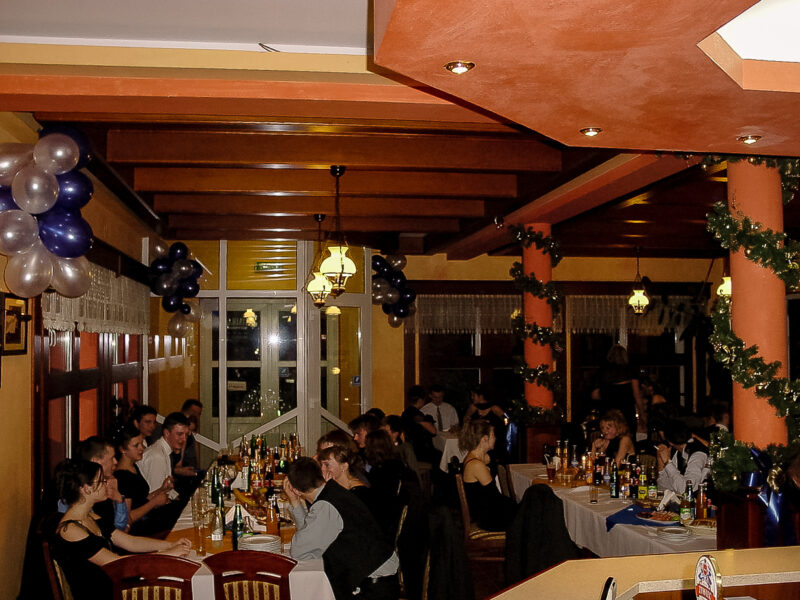
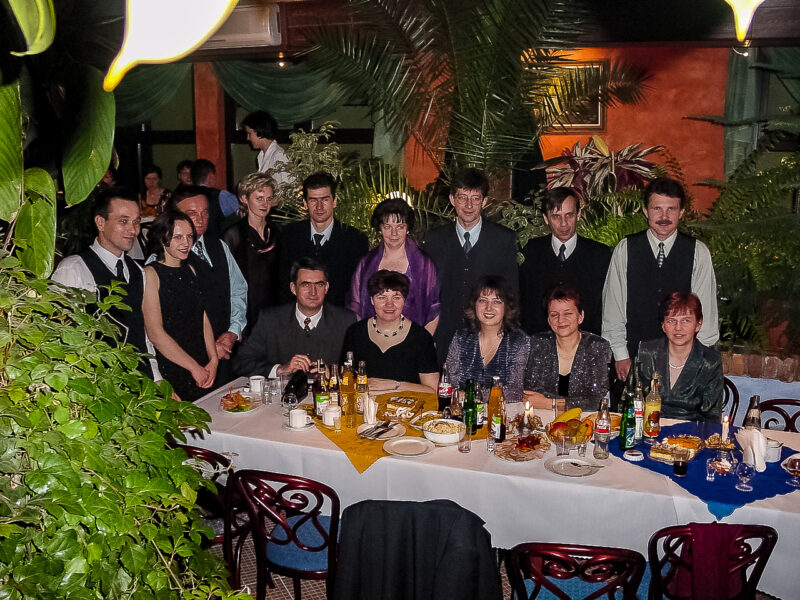
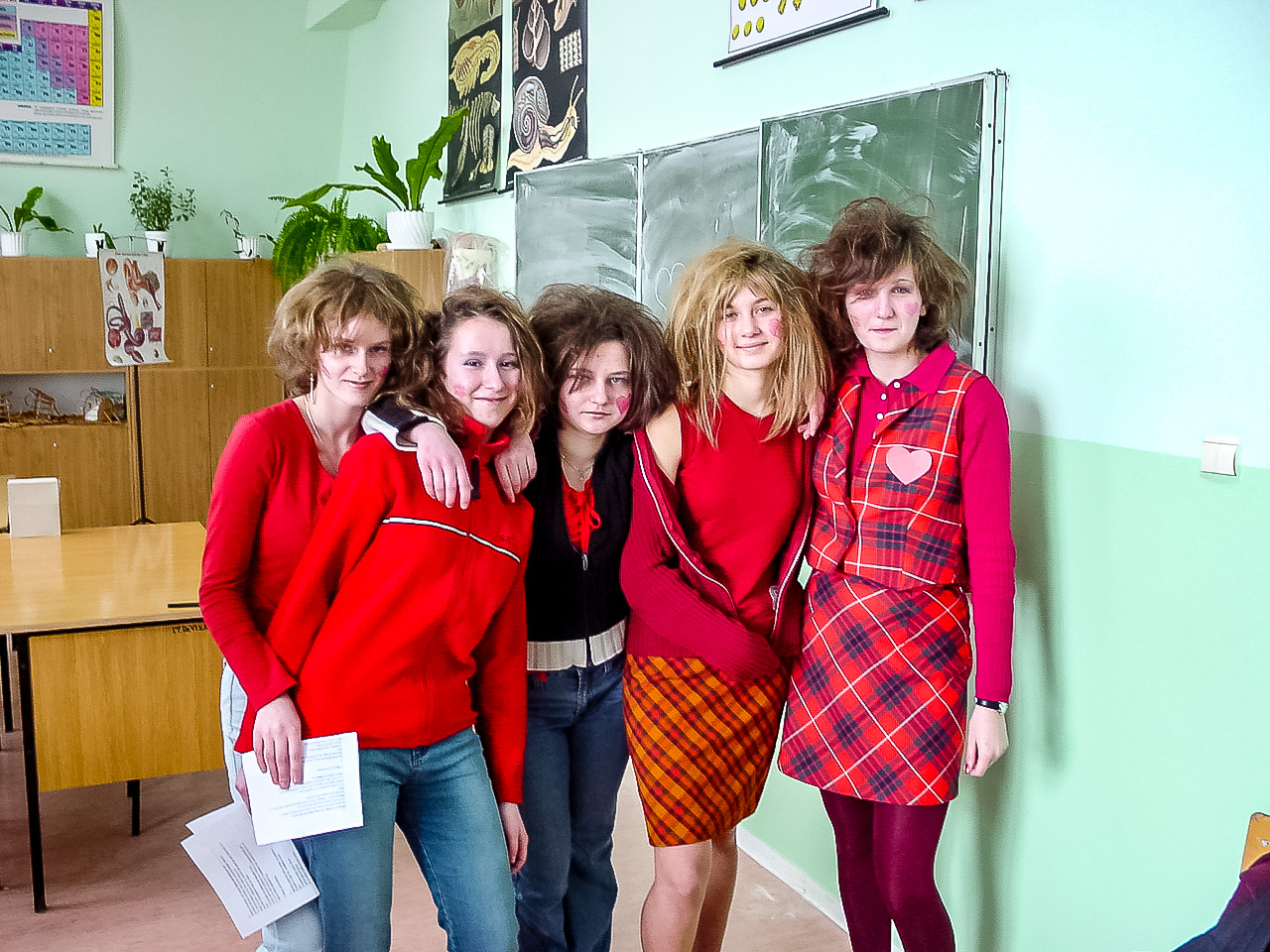
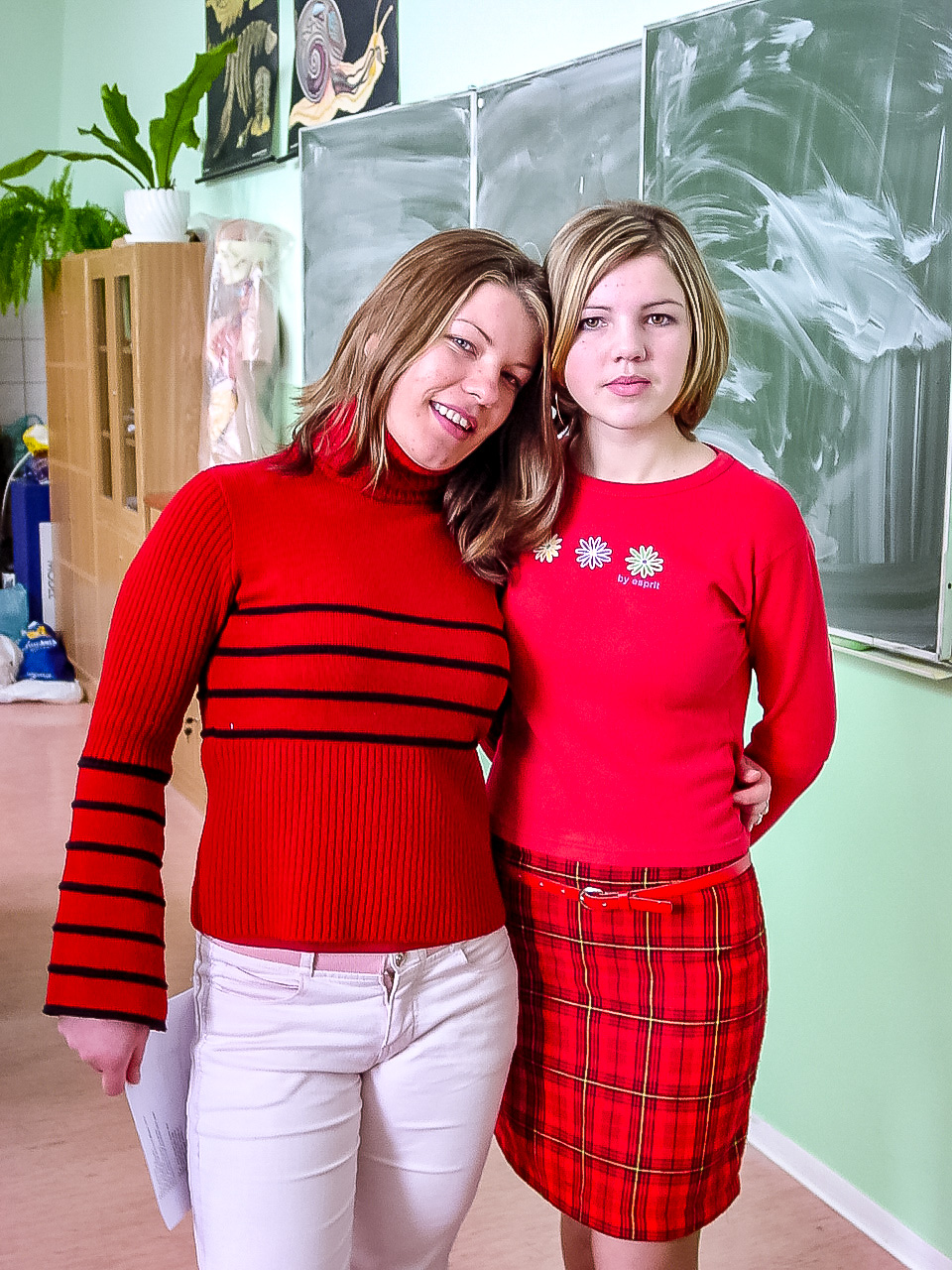
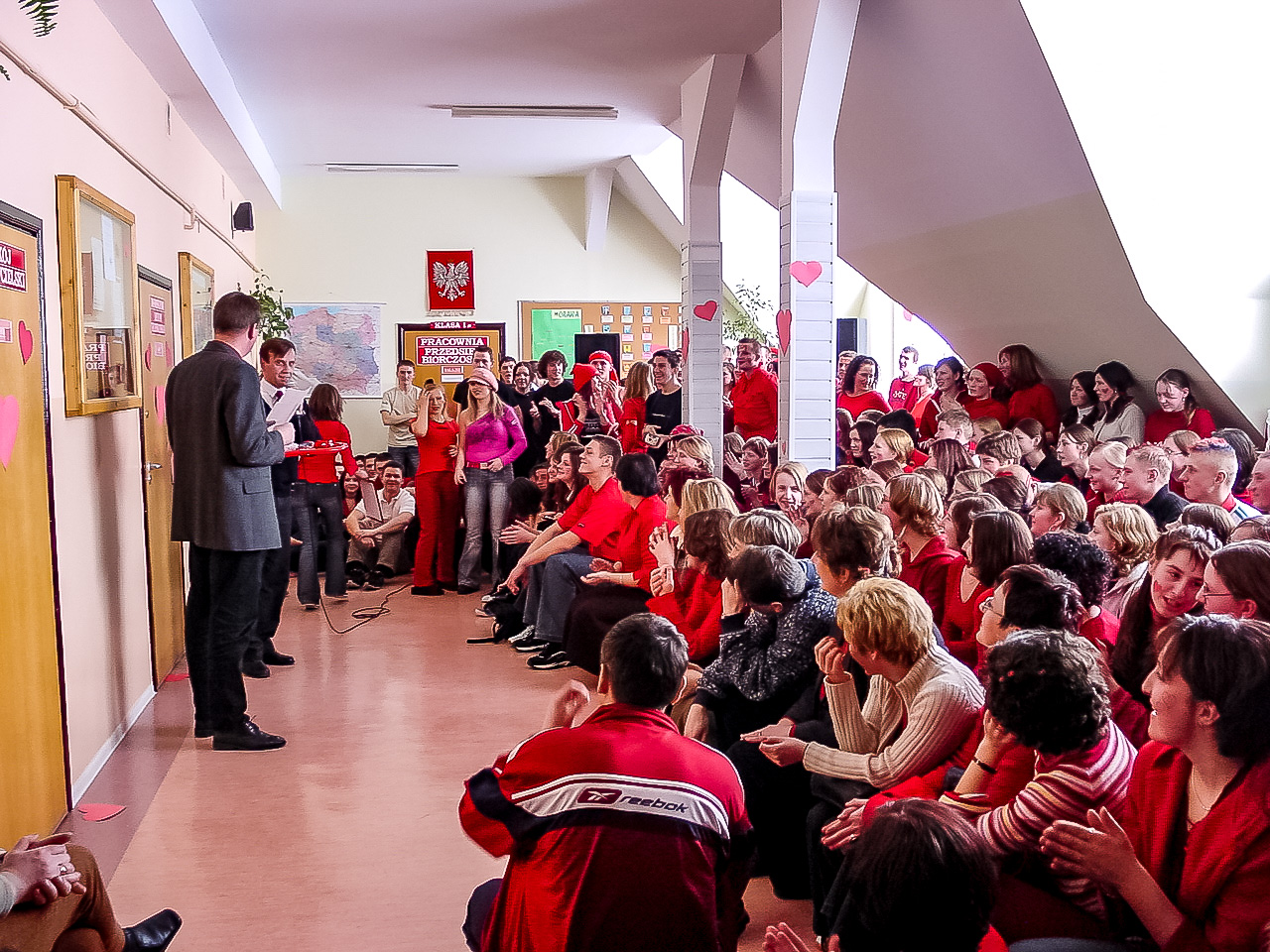
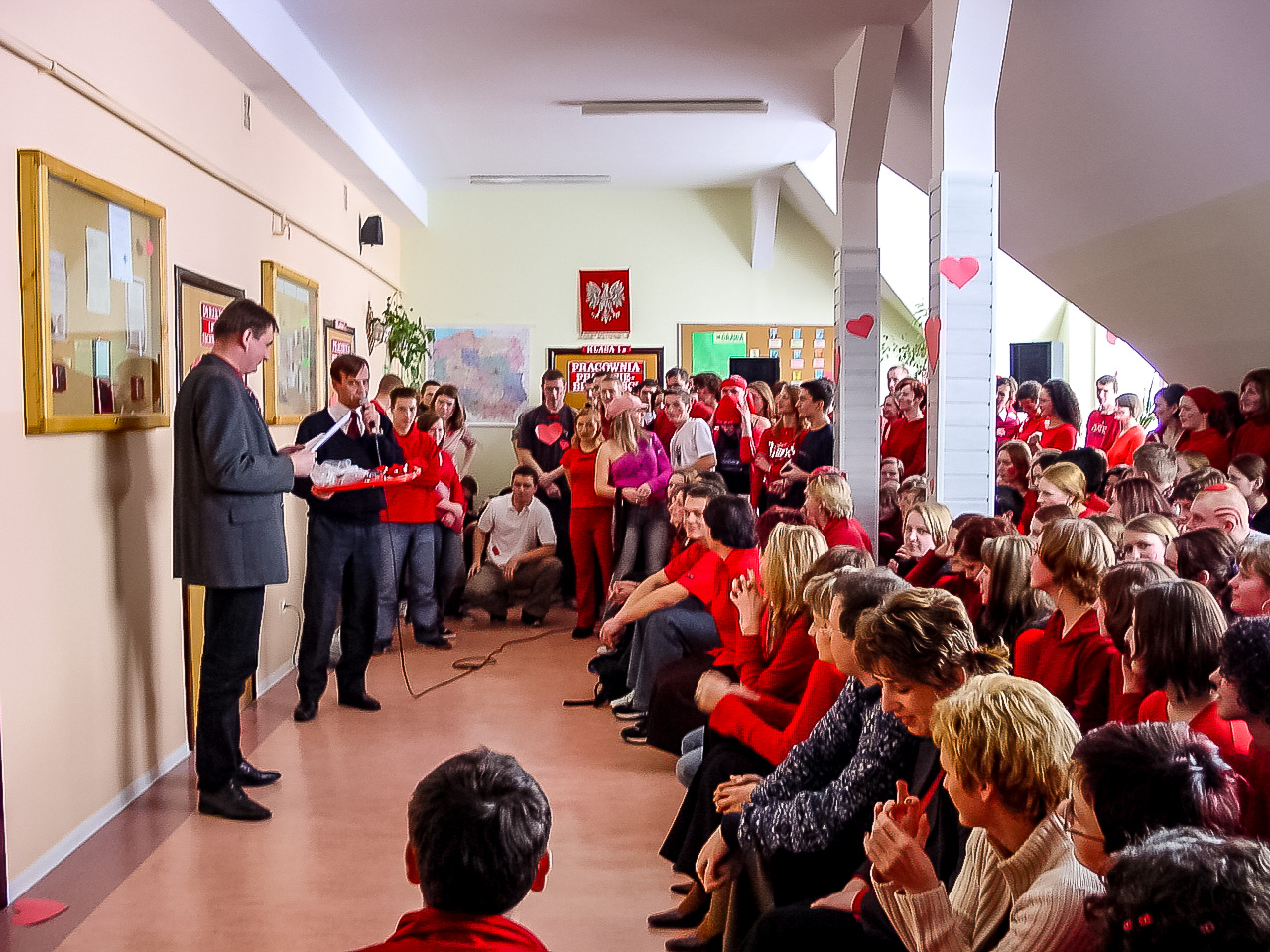
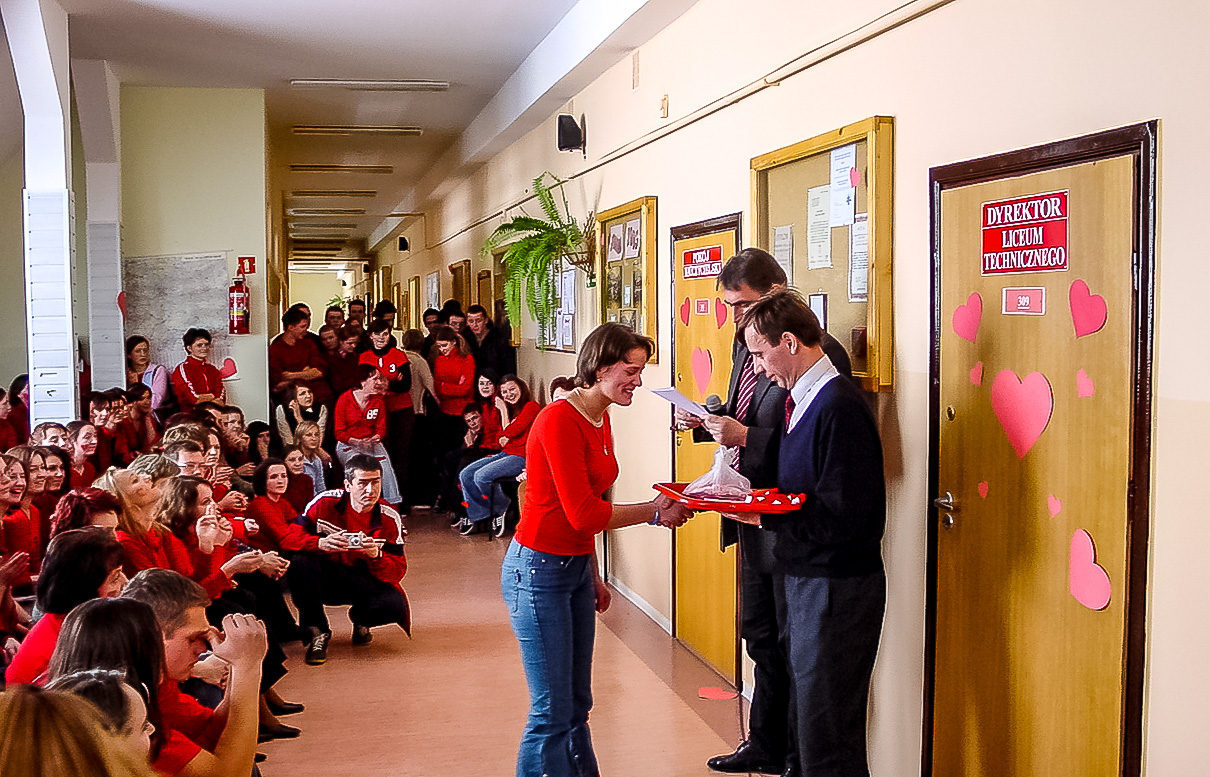
After studniówka — I survived. It was actually pretty good. I had a decent time despite a somewhat troubled stomach.
I’m more and more distant from the kids each studniówka because I’m older and older. The age difference is now thirteen years. I was a little insecure junior high student when they were born.
In some ways I think next year would be better in that regard because I teach them all so much — four hours a week this year, and hopefully the same next. I know them better. And to be honest, I like them more. Or rather, I like more of them. There are fewer Magdas, Izas, big Pawełs (from 4b — don’t teach him anymore, thankfully, but it doesn’t change the fact that I don’t like him). But part of me thinks it’s just wishful thinking. And not even terribly “wishful.”
Kinga and I sat with Ramzes, Agata, Wiola, and Adam, and I really didn’t even talk to any of the other teachers. We sat at that secluded, elevated table and so I guess by that action, showed that we weren’t interested in talking to anyone else. Or at least that might have been how it was interpreted. Such is life. They’re more pleasant to talk to than most of the other teachers. Dorota and her husband weren’t there, so that lessened the number of teachers I would have even be interested in talking to significantly.
Though I was previously warned about it in Peace Corps teacher training sessions (and it was probably even mentioned in “cross cultural” sessions), I was shocked at the level of cheating among students in Polish schools. Simply put, ninety-nine percent of students here will cheat in any and all perceived opportunities. They will whisper to each other; they will attempt to peak in their books; they will write on desks before a test; they will hide cheat-sheets in more places than you can possibly imagine; they will write on their hands, arms, and legs; they will copy their homework from each other — and that’s just the stuff I’ve caught them doing.
It is, though, a cultural difference. They don’t even see it as cheating, but more as “helping.” Intellectual honesty is, in my experience here, hard to come by. Cheating begins in elementary school and continues through university and into the workplace.
Two examples show the tolerance Poles seem to have for cheating:
It’s no wonder, then, that students cheat. It seems to be in the blood.But how do they do it?
To begin with, they talk. Literally, if I turn my back for one moment a murmur spreads across the classroom. But I usually watch them like a cliche hawk (no reading books whihle they’re taking a test here . . .), so they have to resort to written methods.
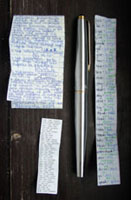
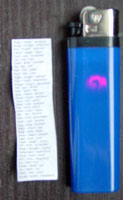
| The most common method (aside from writing on hands) is to make cheat sheets what are then hidden in shirt sleeves, taped to the knee (if it’s a girl wearing a skirt), taped to the inside of clothing, or numerous other places. | |
 |
 |
Another place students like to use these little “aids” is in conjunction with a pen. A little unbelievable, but here’s the proof: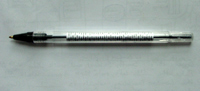 |
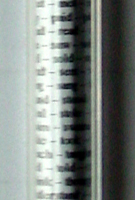
There’s two methods: the cruder form is simply to take the small, virtually illegible sheet on the outside of a pen. The more sophisticated way is to put it inside a pen with a clear casing.
Whenever I happen to find these, I keep them — so there’s at least a minimal consequence to cheating: loss of a z?oty.
Despite my best efforts, I can’t seem to stop this. I might have better luck trying to get my friends to give up smoking and drinking. It doesn’t matter than I have a zero-toleration policy, that I remind students of beforeevery test or quiz. Students know that there’s no questions asked, no arguing tolerated, and begging is ignored — they cheat in any form and I fail them for the assignment.
And still they cheat.
Usually I’m remorseless about failing them. After all, I’ve warned them repeatedly. But sometimes a usually hard-working, generally honest student (in other words, someone I really like) cheats. And that’s when it’s difficult to fail them. But I do, explaining my desire not to show favoritism and be fair at all costs.
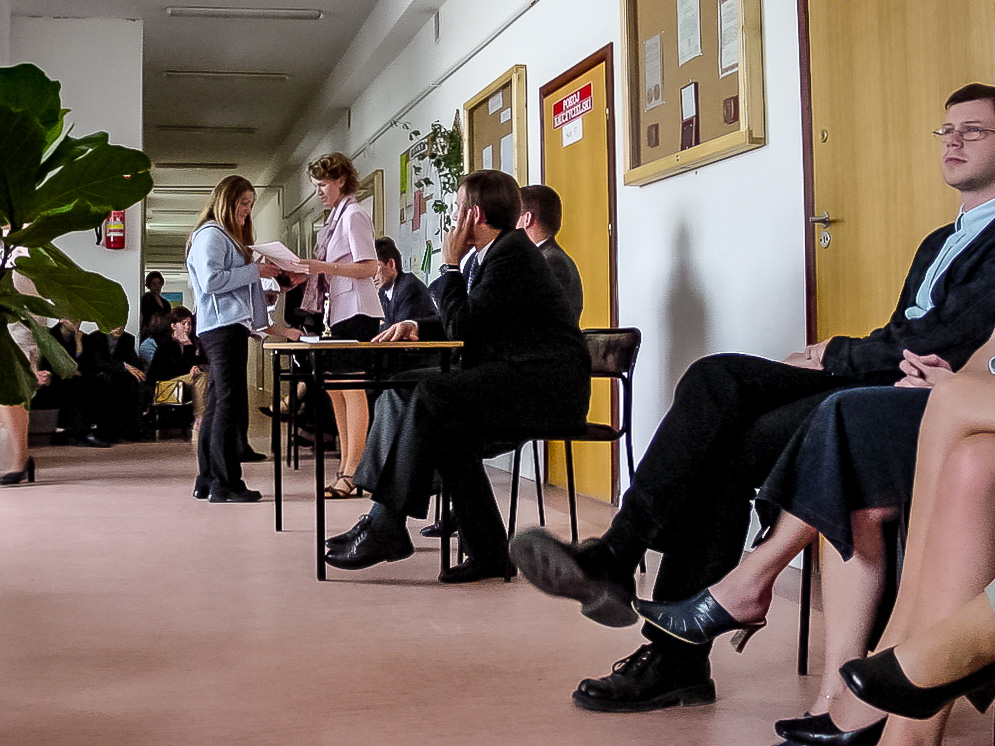
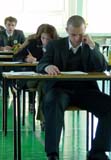 Few things seem to cause as much angst in a Polish teenager’s life like the matura: a series of compulsory written and oral exit exams. Required of all students are two exams from Polish: a written and a spoken test. Students must pass the written before they are allowed to take the oral exam.The written matura consists of four essay questions read aloud at precisely 9:00 a.m. on the same day in high schools throughout Poland.
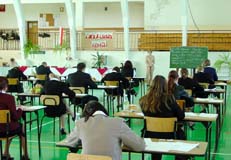 This year the questions included the interpretation of a Wis?awa Szymborska poem, and a question, “Od Adam i Ewy…” (From Adam and Eve), about the loss of one’s home and one’s place in society as illustrated through literature. Another question began, “If you want to know a person, look at his shadow…”
The second day brings the chosen exams, with most people picking history, with math coming a close second. (Ironically enough, most of the students who chose math were girls — probably something like 80%.) This year there were about six people taking the matura in geography and one girl chose biology. No one chose English, and for good reason: it’s adifficult exam, concentrating mainly on the irregularities and exceptions of English grammar.
Once the students’ pain is over, it’s time for the teachers to get their dose: grading all those exams according to strict criteria.
Then comes the spoken exams — when my pain begins.
The spoken English matura consists of three parts.
Students are given the situations and text beforehand; the grammar they see for the first time when they sit down for the exam, though they know possible topics.
Grammar |
||
| ‘Samuel didn’t come here last night’. She said __________. | Reported speech — gossiping, in other words. The key is in changing tenses and selected words. The correct answer: She said that Samuel hadn’t come/gone there the night before. | |
| If I were the President of the country, I __________ . | Conditional, namely the second conditional. Impossible condition (If + past simple), imaginary result (would + verb). If I were president of the country, I would give all teachers a substantial raise. | |
| They enjoy (go) __________ on exotic holiday, but they wouldn’t like (live) __________ outside the USA. | Verb patters — or when to use “to” and when to use “-ing.” It’s basically a question of memorization. They enjoy going on holiday, but wouldn’t like to live outside the USA. | |
| Robert (read) __________ a book about English grammar when David (leave) __________ last night. | Verb tenses. Since Polish has three verb tenses and English, twelve, it makes senses that students have a bit of trouble keeping all of them straight. Robert was reading a book about English grammar when David left last night. | |
Situations |
||
| Buy a one-way train ticket from Warsaw to Pairs. How would you ask about a return ticket? | The situations are fairly straightforward, and even a little boring. Usually one of them is fairly involved, requiring interaction with one of the examiners, but the rest are often a matter of one or two sentences. | |
| You returned very late from a friend’s house. Apologize to your parents and explain that the bus driver had to repair the bus. | ||