education and teaching

Taking a Chance

I took the kiddos to the library today to get their first independent reading selections for the second quarter. The librarians came up with a clever game for the kids to play: they chose cards at random that “dared” them to get particular books.

“Get a book with a red cover.”

“Get a book by a female author.”

“Get a book from a friend’s recommendation.”

“Get a book with a one-word title.”
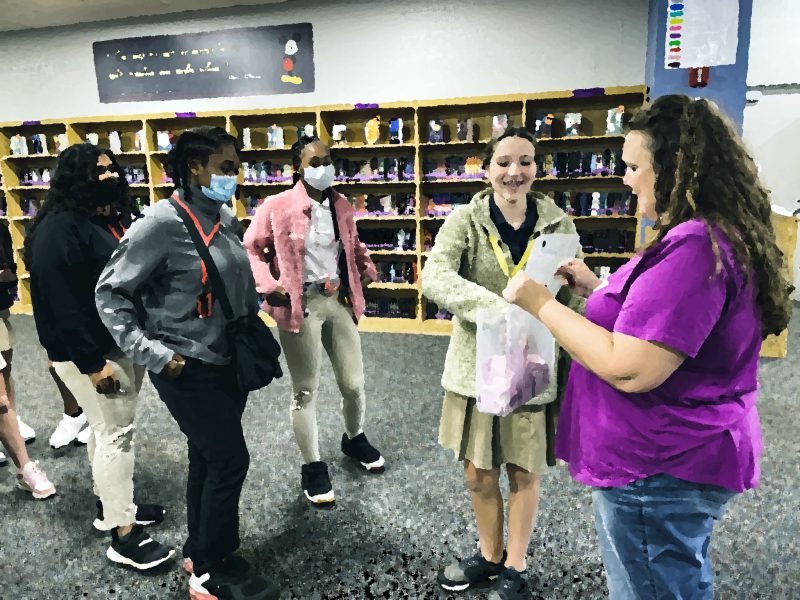
I talked the librarians into adding a new one: “Get a book Mr. Scott selects for you.”

For two girls I selected Ender’s Game — a science fiction masterpiece. I first read it when I was their age, and it thrilled me. What a shocking ending! I chose it for the two girls because they had never really read science fiction. “I’m more a dystopian fiction girl,” one of them said, “But I’ll give it a shot.”
Reading

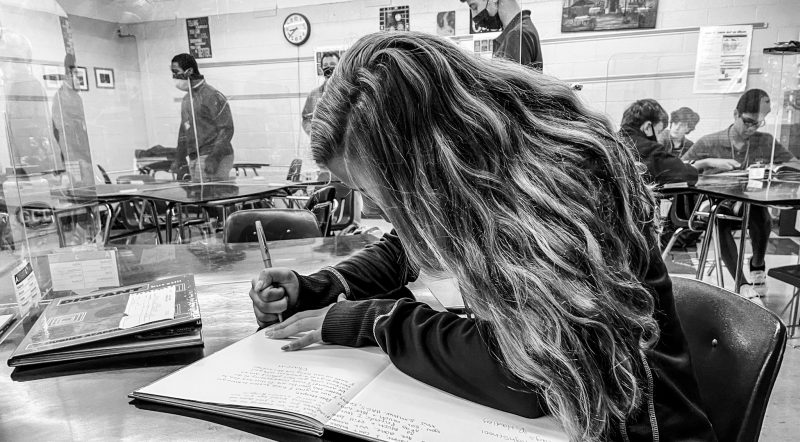
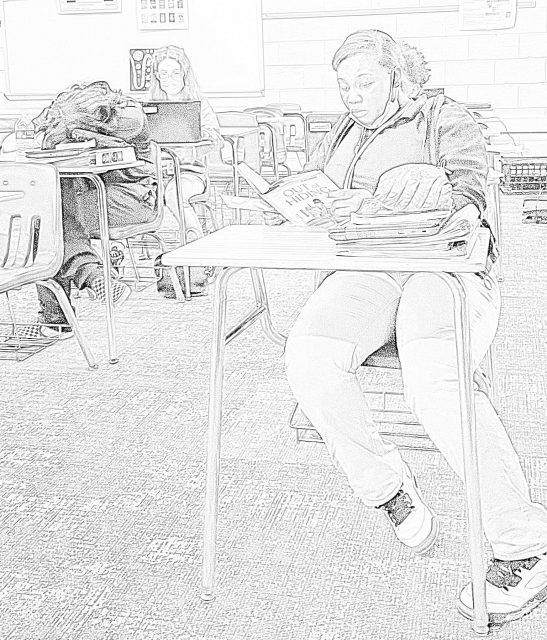
I knew taking the picture might break the spell: an at-risk student who, of her own accord without any prompting or suggestion, chose to read a book during free time after lunch might not be thrilled about having her picture taken. But on the other hand, it’s a picture of success, and when it’s a kid you’ve already grown to love in a way, a kid you’re already pulling your hair out over and cheering on and fussing at with a smile — you go ahead and take that chance.

Sure enough — “Mr. S! Don’t!” And the spell was broken. But unlike many magical moments, this one has evidence to back it.

Discovery

We started working on poetry this week. I always begin with the same poem:

Because You Asked about the Line Between Prose and Poetry

Sparrows were feeding in a freezing drizzle
That while you watched turned to pieces of snow
Riding a gradient invisible
From silver aslant to random, white, and slow.

There came a moment that you couldn’t tell.
And then they clearly flew instead of fell.

It’s a perfect start-of-the-poetry-unit poem because it has so much in it that makes poetry great. There’s enough ambiguity to necessitate a little digging. There’s a title doing all the work a good poem title should do — integral to the poem yet still standing a little aloof. There’s parallelism and patterns. There’s such an economy of language.

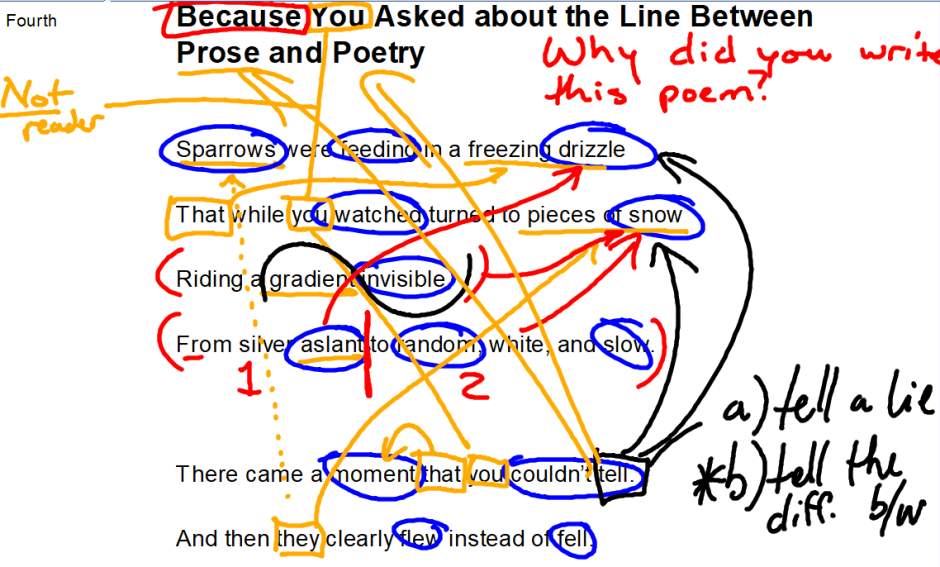
We work through it slowly. First, we find some of the ambiguities: who is the “you”? It’s not the reader. What is that “they” in the final line? They flew, so we think at first it might be the sparrows, but they also seem to have fallen at some point — birds don’t usually fall. “It’s the snow!” someone realizes.

We tackle the ambiguity of the word “tell.” “It’s not ‘tell’ like ‘to tell a lie’, is it?” I ask. We determine that “discern” might be a synonym. Or just “tell the difference between.” “Between what?” I probe a little further. They realize that it’s telling the difference between snow and rain, and that that is what’s going on in that final stanza: whoever is watching the birds is experiencing a moment when the rain is turning to snow and more specifically, experiencing that liminal moment when we can’t quite tell what it is.

We work on the title a bit. “It begins with ‘Because,'” I point out. “What does that signify?” They soon realize that before that must have been a “Why” question. “So talk to your seat partner — what is the understood question?” Eventually, we get it: “Why did you write this poem and give it to me?” Finally, we unpack the whole title: at some point, someone asked the poet, “What is the line between prose and poetry?” He left the question unanswered and returned at some point with a poem, which he gave to the interrogator. Confused, she asks, “Why did you give me this?” And the class says in unison: “Because you asked about the line between prose and poetry!”

“So he gives her a poem about birds and rain and snow?!?” I ask. “What kind of crazy answer is that?” They talk a little. I give them a hint: “Look for patterns. Look for repetitions.” Then they see it. Two things in the poem: rain and snow; two things in the title: prose and poetry. It’s time to put the bow on it.

I write on the board.

__________ : rain :: __________ : snow

“Let’s finish the syllogism,” I invite, and together they say, “Prose is to rain as poetry is to snow.” Or we could have done it differently: “Rain is to snow as prose is to poetry.” We get the same results. Snow and rain are made of water; poetry and prose are made of words.

“So what’s the poem’s answer to the question? What’s the line between prose and poetry?”

“Not much.”

Not much, indeed, and yet so much. So much difference and so many glowing faces as the poem that just a while ago made no sense to them at all suddenly is this beautiful and pithy exploration of the nature of written language.

School Volleyball 2021

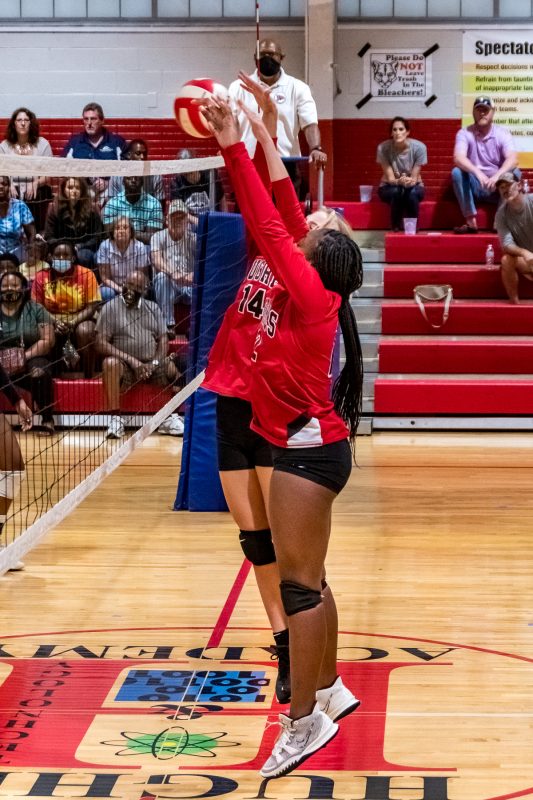
I went to a volleyball game for our school team tonight — in part to take pictures, in part because I have to attend a given number of school events, but mainly because several of my sweet new students play on the volleyball team. It was a tough match against Mauldin, the middle school L would have attended if she hadn’t gone to a charter school. Our girls were out in front at the beginning, but soon fell behind. And then fell further behind. And then lost 10-25. The second set looked better, but they still went down 19-25. The third set was much like the first: 11-25.

I still haven’t attended one of L’s high school games, so all my associations with school volleyball are with last year’s perfect season: not a single set lost. I sat watching and thinking: L’s team from last year would beat Mauldin like Mauldin beat Hughes tonight. And versus Hughes? It would be brutal.

It was a good reminder of how much our L has improved.

Football Glory and Critical Thinking

When we lived in Asheville, I worked for one year at a day treatment facility for kids who’d been expelled from alternative school. It was a tough bunch of mainly fourteen- and fifteen-year-olds. At one point, though, two boys who’d known each other “on the outside” (as they’d referred to it) were in the program at the same time. At lunch they’d revel in their former football glory, recalling magnificent plays they’d been a part of and sharing in the sorrow of those losses that had stung so badly. At one point, one of the boys mentioned having a recording of one of those games.

“Really!?” The program director was incredulous, but he managed to talk the boy into bringing in the video.

A couple of days later, during afternoon free time, the kid put the video cassette into the VHS player and pressed play. Soon, the director was howling in laughter as he watched a little league game in full chaotic, cute glory.

“Man, I thought you were talking about games you’d played in middle school or something,” he laughed. “I didn’t realize you were talking about second grade!” He was just good-naturedly ribbing the kids, and they took it fairly well.

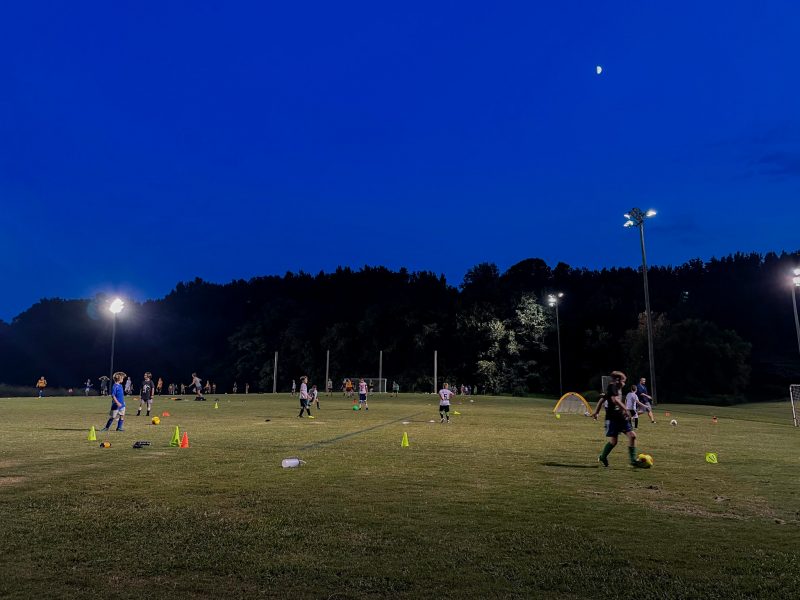
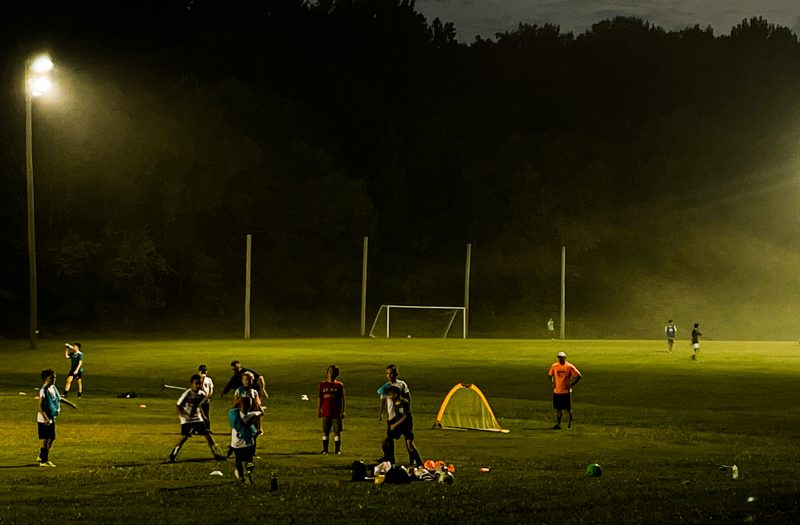
Soccer practice under a half-moon

Looking back on it this evening as I jogged laps in a parking lot while the Boy had soccer practice, it suddenly took on a newly instructive dimension for me. Had any of us really thought about it, we would have known it could not have been middle school football the boys were talking about. They’d experienced little success in middle school, showing out enough to be removed from the setting altogether. Even the most gifted player is going to have to meet certain standards — administrators might bend some requirements for such a boy, but there are at least some requirements. These boys couldn’t even make it through alternative school let alone the less structured setting of a typical middle school classroom, so there was no way we adults should have assumed they were talking about playing organized football in the last several years.

We made those assumptions, though, because they neatly and immediately fit our assumptions. When a fourteen-year-old boy is reveling in past glory, we don’t expect it to be from early elementary school but from the recent past. It’s an immediate and logical assumption that we make without even being aware that we’ve made such an assumption. The thing is, we make these kinds of assumptions constantly throughout the day. We couldn’t function, I’d argue, if we were to give extended critical thought to each and every decision we make and every thought that flits through our mind. The trick is being aware enough of our thoughts to have as a conscious option the ability to switch on our critical thinking and go, “Now, hold on there.”

It’s one of the reasons I enjoy teaching literature to middle schoolers. It’s just those “Now, hold on there” moments that critical reading encourages.

Halina

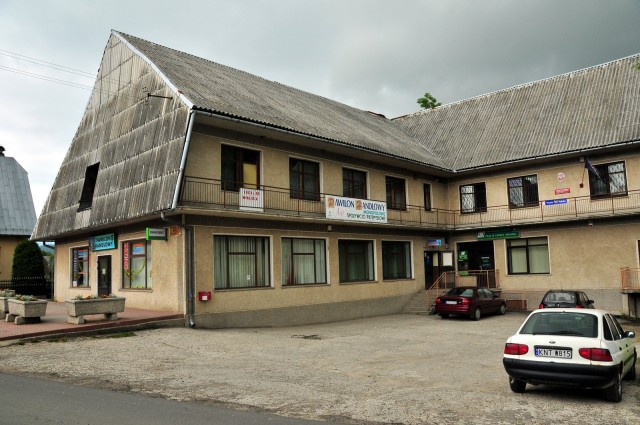
February. There’s ice everywhere from snow packed on the road, snow compressed on the sidewalks, early melts in the fields that have refrozen. I am walking to the post office that’s in the serve-all commercial building in the village center of Lipnica Wielka.

The building houses a large public (as in government-owned) store downstairs, a large hall for wedding celebrations upstairs, and the post office upstairs in the wing to the right. Below it — who knows? Like many public buildings in Poland in the 1990’s, there’s a lot of empty space. In my hand, a pile of letters to family and friends. As I begin up the outer steps, I meet the director the rehabilitation center at the top of the village, just under Babia Gora, the mountain that looks over the whole village.

It’s a center the Duchess of York has established for children recovering from the chemicals and radiation used to treat cancer. I’ve been going up to spend time with the kids from time to time since the first weeks of my arrival. I always leave feeling depressed and heartened. Children have always been a joy to me, but so many withered children, boys with no hair, girls covering their bald heads with kerchiefs leave me emotionally drained.

Halina is one of the residents, a girl of seventeen who is trying to complete her first year of high school in Lipnica. She’s tried twice before, but her cancer and its treatment have made it impossible. She sits in my first-year class, clearly older, clearly more mature than the other students, and she often looks at me with an expression that seems to say, “You have no idea what you’re doing, do you?” A first year teacher, I really don’t.

Just before Christmas break, Halina disappeared. When I meet the director of the center, we make small talk for a few moments before he abruptly tells me, “Halina died.”

I stand there for a moment, silent. What do I say? What can I say? Everything feels so trite, so silly, so empty.

Goodbye, Kiddos

I lost four of my students today. They’re not gone from school or even off our particular team grouping. I’m just no longer their English teacher. The reason is the irony of bureaucracy: the law that’s meant to protect in this case hurts.

They’re special education students with IEPs that require a special ed facilitator in the room with them for English class. This special ed teach has been reassigned to another class, so those four students have to go to another teacher’s inclusion classroom. It’s the law. The problem is, there are already too many special ed kids in the classroom my students got moved to, and since there are only four of them, it’s not much of a challenge for me to meet their needs without assistance. But the law is the law. It’s there to protect them, even when it doesn’t.

I spoke to administrators, special ed coordinators, guidance counselors about these kids. “Please, leave these kids in my class! They’re doing great! The classroom atmosphere is very supportive. It’s a smaller class than the one you’re moving them to. I really like them; they like me. They’ve settled into the routines of the class. They know how things work. It’s a good fit. It’s working,” I begged. But it’s the law, and it’s there to help these kids.

I’ve known this was coming for a week. I’ve been fighting it for a week. Today was the first without the kids in class. Three of them came to my door later in the day asking why they can’t be back in my class.

“Trust me, kiddos — I want you in my class,” was all I could say.

Unrelated Picture

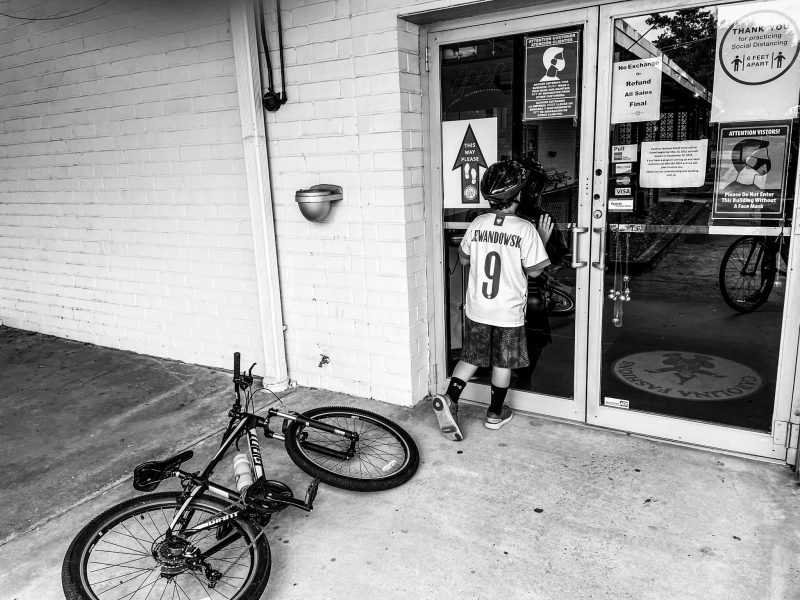
We went for a bike ride this evening. The Boy wanted to visit the old garment factory that’ now houses only a costume shop.

It doesn’t open until later in the month…

Return from the Long Weekend

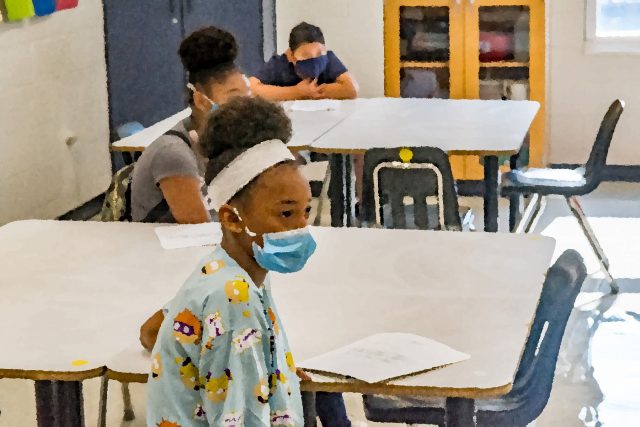
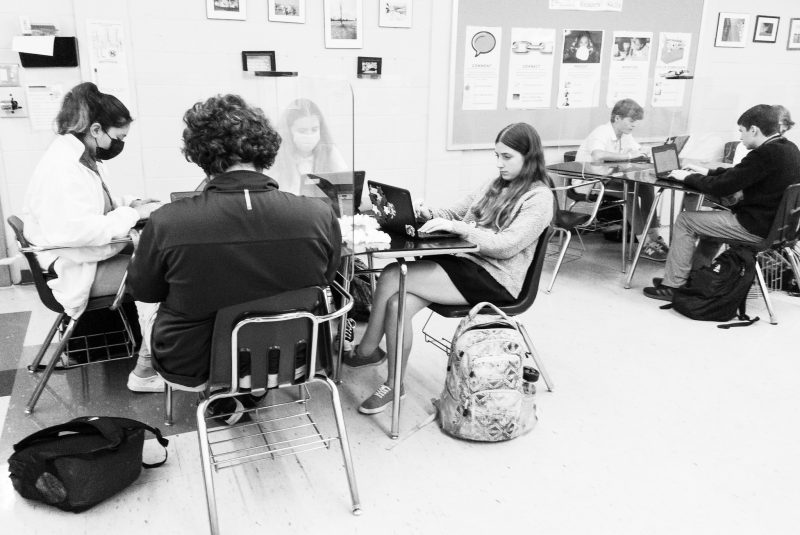
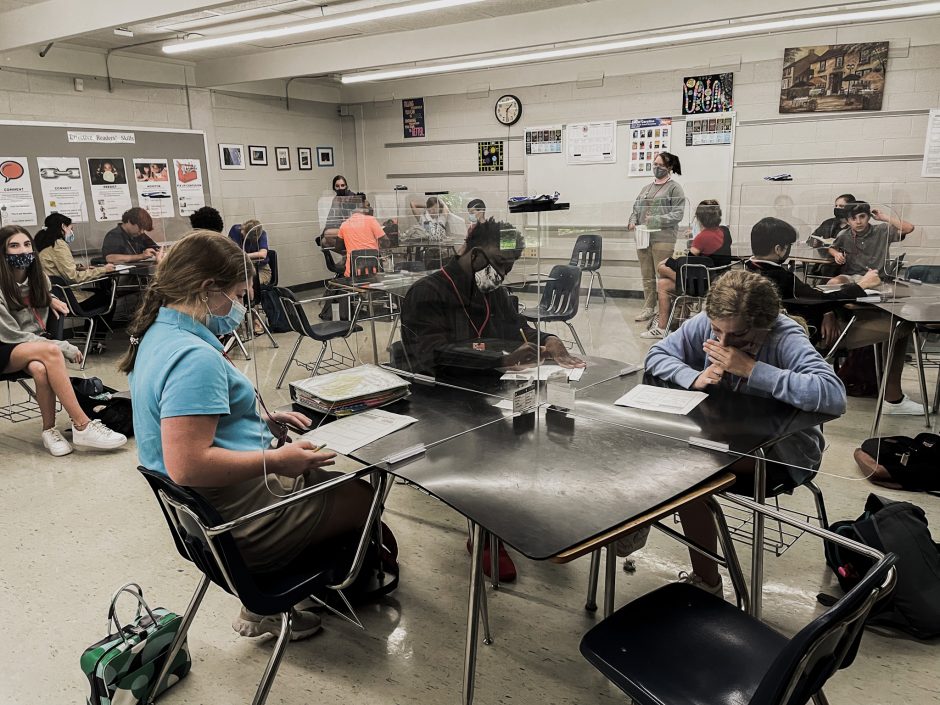
We returned to school to find 18 teachers out today due to covid. That’s not 18 positive cases — just 18 teachers affected in one way or another. Quarantined due to exposure. Staying home because of a child being quarantined due to exposure. Staying home because a child’s daycare has closed due to excessive covid cases.

“Why don’t we call the governor to see if he would like to come and cover some of these teachers who are out,” I suggested to another teacher as we stood, sensibly distanced and masked, making copies and preparing materials in the teacher workroom.

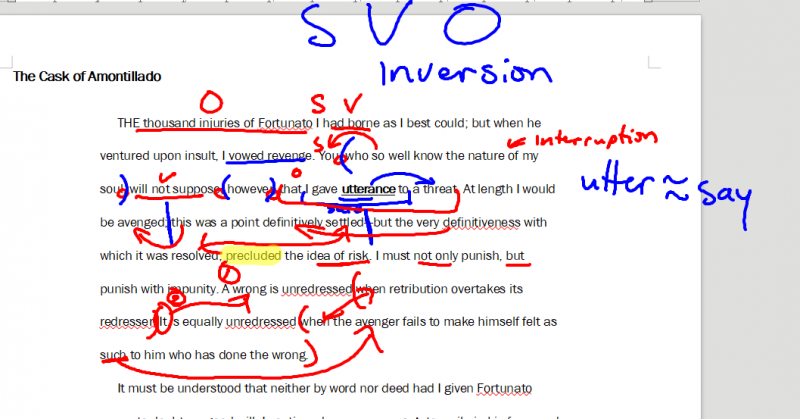
Meanwhile, the kids came and went in a variety of styles: no masks, masks worn down on the chin, masks worn properly, and various transitional states between the three. I carried on, masked all day, conscientiously distanced from everyone, teaching English I Honors kids how to parse some crazy Poe sentences.

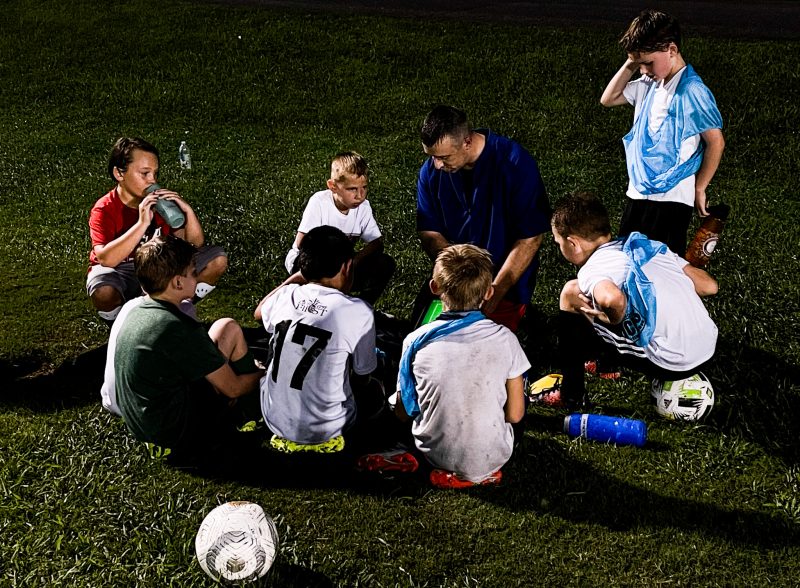
After school and dinner, the Boy and I headed across town for soccer practice.

At last — a fairly safe activity in these uncertain times. And after practice, I was pleased to see the Boy making a conscious effort to distance himself.

How long will these habits last? Will E still be pulling back from huddled groups ten years from now? Will it become a reflex? Some on the right would bemoan how this somehow scars them. Maybe, but I can think of worse scarring.

A Way Out

You shouldn’t use a student’s behavior as a good example of bad behavior, but I did just that today. We’d finished early, and I was talking to the kids about three questions we should all ask ourselves before speaking:

  1. Does it need to be said?
  2. Does it need to be said by me?
  3. Does it need to be said by me now?

The motivation for this gem of advice was from a young lady who speaks her mind — literally. If it comes into her head, it soon comes out of her mouth.

It can be disruptive, to say the least.

As I was talking about the first question, another student made an unrelated comment to our talker.

“See?” I said to the girl J and class, “that was a time when the answer to the question ‘Does it need to be said?’ was probably ‘No.'” I said that and thought, “Perhaps I shouldn’t have said that.”
And on cue, the girl starts up with the disrespectful arguing: “I was talkin’ quietly. I wasn’t botherin’ you or interrupting anything.”
“Perhaps, but you certainly are now,” I smiled. I glanced over at one of the most studious kids in the class, a girl I already think I’ll remember for the rest of my teaching career, such is the positive impression she’s made with her work ethic and charming personality. She was aghast.

“Make the tension go away!” her face begged.

So I attempted to do that: “It’s okay,” I laughed to the class. “J and I had this all planned as a good bad example.” And I thought, “Please, girl, for the love of all that’s possessing common sense, realize the out I’ve given you, fake a smile, and say, ‘That’s right, Mr. S.’ We’ll drop it. You’ll save face. I will have deflected a challenge to my authority. Everyone else will take a breath and think, ‘God, I’m glad that’s over.’ We’ll all win.”

“No, we didn’t!” she blurted out loudly.

It was really difficult restraining that laughter bubbling up inside me…

Old Friend

M and I were the most unlikely of friends. In many ways, we were as opposite as anyone could imagine. He was raised by his grandparents in the country, and throughout his schooling, I’m sure he was considered “at-risk.” He smoked (cigarettes and more), drank, and was, by his own admission, a hellion. When, at a church youth function, the minister gathered all the boys together and asked who’d brought the flask, it was M. If anyone ever got in trouble for making a smartass remark in youth group, it was always M. He was rebellious and sometimes disrespectful, and academic concerns were of little importance in his thinking. He finished high school, but just barely.

Yet on a church youth trip to Disneyworld, he and I ended up spending an afternoon together. We’d been in separate groups during the morning, but the kids in my group had wanted to break up into small groups. “Mr. K said not to do that,” I protested. But they did it anyway, and the result was the Mr. K, the minister, followed through with his threat: they had to spend the rest of the day with him and his group of adults. I protested my innocence, and the kids in my group admitted that I’d tried to keep the group together, so I was pardoned. M and I ended up spending the rest of the day together. It was the first time we’d really spent any time together, and from that afternoon, we became close friends.

While we had little in common, what we did have in common was enough, I guess. We both loved hot food, for example, and we’d often get the spiciest salsa we could find with a bag of chips to see if we could handle it, washing it all down with Mountain Dew. We loved music, and we spent a lot of time with his grandparents playing bluegrass, Paw (as I came to call his grandfather just as he did) and I on guitar, M on banjo, and Maw singing. We both enjoyed shooting .22s at anything that would sit still long enough, and though we shot at a lot of squirrels and birds, we never hit them. Old cans and cola bottles filled with water were our favored targets. How many times can you hit that two-liter bottle before all the water drains out? The strategy is, of course, simple: start aiming at the top and work your way down. During the summer, if we needed money, we’d spend an afternoon helping this neighbor or that put up hay, and we’d earn enough for dinner, gas, and a couple of movies.

When he graduated high school the year before me, my parents asked him about his plans. “I’ll just get a job in construction, I guess.” They encouraged him to at least take a few courses at the local community college. “Then, you could start your own construction firm and you’d have the paperwork skills to run it,” my mom explained. “Nah,” he laughed, “school’s not for me.”

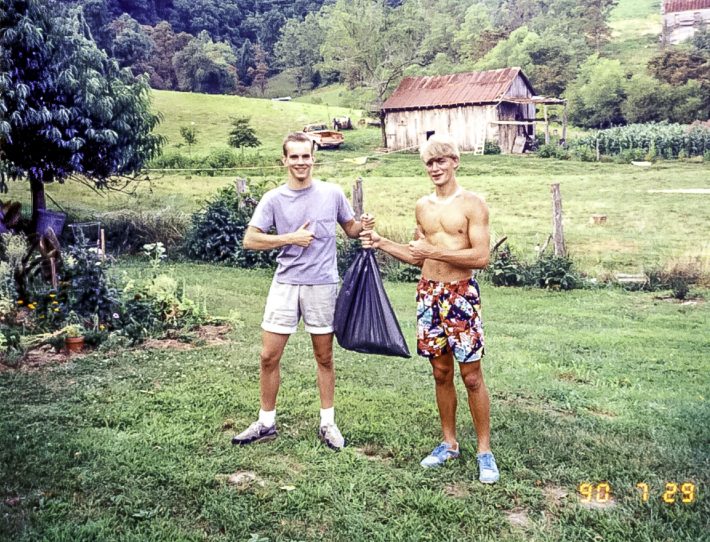
One July day that summer, Paw gave us a job: “There’s some raccoons that are just giving our garden hell,” he said. “I’d appreciate it if you boys’d take care of it.” We sat at the edge of a small clump of trees that summer evening, a two-liter bottle of Mountain Dew sitting between us, .22s by our sides waiting. Soon enough, three raccoons trundled into the garden. We waited until the were situated so that we could shoot away from any houses then let loose.

Maw and Paw’s farm was in a valley that seemed to echo with the sounds of neighbors’ activities, and as we fired away, we heard their nearest neighbors, who were sitting on their front porch, cheer us on: “Somebody’s gettin’ some coons!” they whooped.

Afterward, we put them in a trash bag and Maw took a commemorative picture.

Eight years after his picture, I came home for the summer after spending two years in Poland and having already committed to a third year. I went to track down M, heading to his grandparents’ farm. I didn’t know if M was still living with them or if he’d moved out. In point of fact, he’d been moved out.

“He’s locked up in the Washington County jail,” his grandmother explained. “Breaking and entering.”

I went to visit him that same afternoon. After the deputy filled out all the paperwork, I waited in the visiting room. It wasn’t a room with a row of chairs and little telephones like you see in the movies. This was no prison, just a county facility: there was a chair on the other side of the bars and the rest of the office with a single chair next to the bars on the visitors’ side. Glancing around, I saw a sign that visitors were not allowed to bring anything to inmates. I looked down at the two packs of cigarettes I’d bought him, wondering what I’d do with them, when I heard the deputy call his name: “You’ve got a visitor.” M’s face was a mixture of pleased shock and utter embarrassment. We talked for a while — I’m not sure because we never really talked about anything important. I had friends that I could sit around and talk about the existence of gods, the current political situation, the ironies of life, but with M, it was seldom more than friendly banter.

As the visit ended, I turned to the deputy. “Here’s some cigarettes. I guess you can give them to any officers who smoke since I can’t give them to my friend.” The deputy smiled: “Go ahead. It’s no big deal.”

When I returned a year later, he was incarcerated again, this time in prison; I was in Boston, starting what I thought would be a long slog to a Ph.D. in the philosophy of religion. We corresponded for about nine months, and then it just stopped just about the time I dropped out of grad school with the realization that while the philosophy of religion is an utterly fascinating topic, it has little practical value. I can’t remember who sent the last letter.

Shortly after K and I moved to America in 2005, I got word that M’s younger brother, who was in his mid-thirties like I was, had died from an aneurysm in his brain. Paw had died just a few years before that, and I hadn’t gone to the funeral because I was still living in Poland, but I was determined to go to C’s funeral.

The day before the funeral, though, a horrible storm swept through Ashville, covering the mountain I’d have to drive over with icy snow. K asked me not to take the chance; Nana begged me not to take the chance. I didn’t go.

A few years after that, Maw passed away. She’d moved in with her older daughter, and we’d moved to Greenville. For whatever reason, I didn’t go.

Some years ago, Nana got a contact number for M from his aunt, who was more like a sister — or was it the opposite, an sister so much older that she was more like an aunt? I can’t remember. I sent a text to that number, but I never got a response.

I find myself sometimes thinking about people from the past, wondering where they ended up. Social media has answered that question for so many of the people I grew up with. Others disappear. But it occurred to me that I might simply Google him.

I did, and I wish I didn’t: I find an article from the local paper where we grew up — “Bristol, Va. man arrested after agents find meth lab.” The link is to a Facebook post, so I click through, but the link to the article itself is broken. I go directly to the site and search. I find two hits.

“Please let this be a different man.”

It’s not.

A Bristol, Virginia man is charged after a tip given to police leads to the discovery of a methamphetamine lab.

Washington County, Virginia Sheriff Fred Newman said a search warrant was secured to examine a home located in the 22000 block of Benhams Road on Monday.

Deputies then arrested Michael Lee Braswell, 44, who is charged with possession with intent to manufacture 28 grams or more of methamphetamine, possess precursors to manufacture methamphetamine, allow a minor under the age of 15 to be present while manufacturing methamphetamine, and possession of meth.

Newman said Braswell is being held without bond in the Southwest Virginia Regional Jail in Abingdon. (Source 1 || Source 2)

The article is from Tuesday, September 20, 2016. I guess had I been in the area then, I could have visited him in the same jail in which I’d visited him almost twenty years earlier.

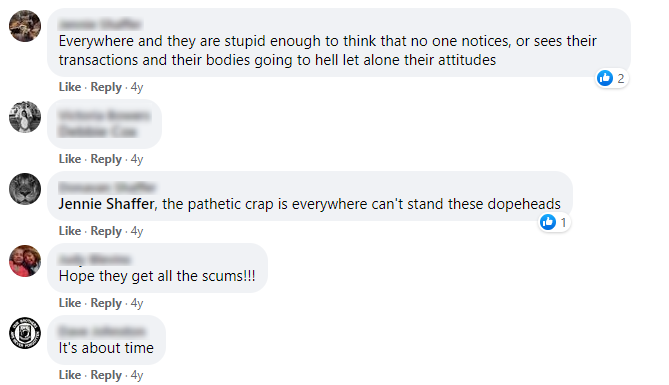
I head back to the Facebook source and read the comments:

A dear friend from my youth is being called a dopehead (I guess that’s true) and scum.

I guess I could have seen it coming when we were kids. I did see it coming. I was with him on two occasions when he bought pot. He didn’t admit. He didn’t show it to me. He certainly didn’t offer it to me, but there was no doubt. When you pull into a convenience store parking lot, and your friend gets out, goes over to another car, and sits in that car for a few minutes, coming back stuffing something in his pocket, it’s obvious. When you and your friend pull into a driveway, and a scruffy young man walks out to the car, makes small talk, then asks, “How much of that stuff did you want,” it’s obvious.

I clean up his photo in Lightroom to make him look a little less — what?

It doesn’t work. He still looks too much like a — what? A thug? An exhausted and frustrated man? I try again, trying to soften the hardness of his skin.

A little better, but there’s nothing I can do with those eyes, those forlorn eyes that seem completely lacking in surprise, completely resigned to his reality, completely fatalistic.

Every year, there’s a kid or two on the hall that I find myself wondering about, thinking that he or she might end up like this. There’s the same resignation about them, the same air of fatalism. Every year I try to help them, to show them that they do have some control over their fate, to show them that more is in their hands than they probably realize (though the cards are often stacked against them). To try to prevent them from being a photo someone looks at thirty years later, wonders whatever happens to them, then loads a search engine and beings looking…

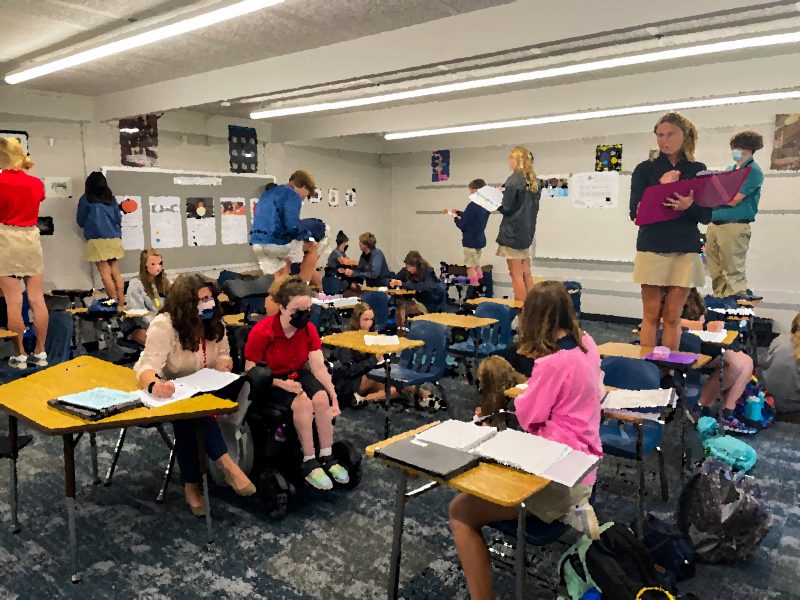
A Class

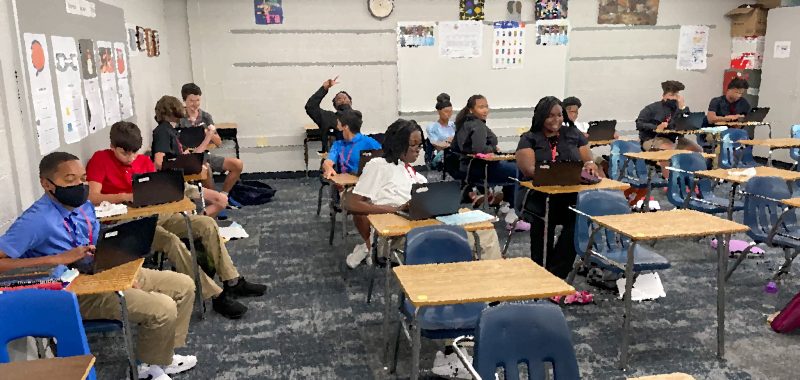
This is my fifth-period class. They can be a challenge. They can be a true joy. The way to make sure they stay the latter and don’t drift into being the former is fairly simple. Positivity.

Whoever said the way to handle such a class is “not to smile before Christmas” didn’t want growing thinkers but obedient robots.

End of the Honeymoon

Dear Terrence,

It’s been a while since I’ve written to you — well over a year, I’d say. Last year I taught only honors classes, and you don’t often end up in those classes. This year, though, with two on-level classes in addition to two honors classes, I thought there was a greater chance of meeting you.

I had my eye on you from the first day. I thought, “That kid might be my Terrence this year.” You were a bit loud, a bit talkative, a bit theatrical, but once we started working, you generally calmed down and did the work.

Today, though, you showed me that you are indeed one of my Terrences this year.

The funny thing is, I warned you all about this at the beginning of the year. I pointed out that people who work hard and are respectful of everyone around them generally get cut a little slack when they do show some attitude — we all do it from time to time, let’s face it. But the people who consistently do the little things that chip away at one’s reputation — well, we come to expect that of them. And so within a few days, you’ve shown that that talkativeness, that machismo, that bravado was a harbinger of things to come.

And just as I told you at the beginning of the year, it wasn’t what you were doing so much as how you reacted when I called you out on it.

“Terrence, stop talking please.”

“Oh, oh, okay. So you’re going to ignore them talking and call me out?! Okay — I see how it is,” you snapped back.

No, Terrence, I’m not ignoring them. I just have one mouth and usually address one student at a time. You’ve shown yourself to be the biggest disrupter in the class, so of course, I zeroed in on you. Was that fair? How was it unfair? If you don’t speed, you don’t get pulled over for speeding. It doesn’t matter if everyone else is speeding. If you’re not speeding, you won’t get pulled over for speeding.

If you don’t disrupt class, you never get called out for being disruptive. It doesn’t matter if other people are being disruptive. If you’re not disruptive, you won’t get called out for being disruptive.

It’s not rocket science, buddy. It’s not translating Sanskrit. If you don’t want to get in trouble for doing X, don’t do X. Simple.

Your teacher for 175 more days,
Mr. S

Welcoming the New Sixth Graders

Who knows what this year holds — we all begin the year with a sense of anticipation and dread.

One of My Madeleines

The older I get, the more madeleines I discover, most of them are musical, and at least one is tragic: Billy Joel’s song, “Goodnight, My Angel.”

I’d listened to this song just a few minutes earlier when, in 1999, I received the tragic news that two of my former students in Poland, Marcela and Natalia, had drowned a few days earlier while on an outing to the Baltic Sea. I was staying with my parents because I didn’t yet have my own place, and when I got the call, I was sitting on the floor by the bed in the guest room that I’d taken over. It’s a song to one’s daughter, but the passage “the water’s so dark and deep” — so tragically ironic.

A beach on the Baltic Sea

The news was a kick in the gut.

Marcela had just finished her freshman year, and I really didn’t know her that well. But I’d been Natalia’s English teacher for three years, and I’d watched her go from a hesitant beginner to a confident speaker who absolutely demolished the required oral exam in English just a few months earlier. She was wise and mature for her age, a real leader in the class, and from the beginning, she always intimidated me a bit. A first-year teacher just out of college, I felt like I didn’t know what I was doing, and Natalia always sat in the back of the room seeming to say with a slight smile on her countenance, “You don’t have the slightest clue what you’re doing, do you?” Later, I realized what she was probably saying was, “Whoa! Slow down! Slow down!” She smiled a lot, even when nervous — we all do that, I think.

Natalia’s class — she is the girl in the very center

Every time I hear that song, I think of Natalia. I try not to imagine what her parents went through, learning their intelligent, beautiful daughter was gone because I’d start imagining what I’d do if some similar tragedy befell my own daughter. That’s when the “my angel” hits me. I try not to imagine what kind of woman she’d be now, likely a mother in her late thirties, old enough to have a child that could be sitting in my own classroom now. I don’t have, in fact, any really specific memory of her other than of her sitting in the back of the class, smiling slightly, making me feel I’d just done something incomprehensibly stupid, some rookie teacher mistake that even a kid could see.

On a field trip to Torbacz

I can rarely listen to the whole song…

Yearbooks

Today, we handed out yearbooks, and as we had an extended homeroom period, I let all the kids sign each others’ yearbooks.

This was always a fun but stressful time when I was a kid: you want to ask people to sign your yearbook and you don’t — what are they going to write? You want to sign other people’s yearbooks and you don’t — what are you going to write?

Letters

At the end of every school year, I have students write letters to the rising eighth graders who will have me in English.

“Don’t lie, and don’t exaggerate too much,” I tell them, “but I want you to give them advice and scare them. Just a bit.”

I also use excerpts from these letters on my class website, Our English Class.

Some of the excerpts I selected:

  • The Dreaded Mr. Scott is an extraordinary teacher and will become one of your favorite teachers this year but his work is no easy walk through the park. It will be difficult and really make you think. This class is not like any class you’ve ever had before. But at the end you will feel ready and prepared for what comes next, high school.
  • Mr. Scott’s class is made for those who like and can put up with everyday disasters.
  • Mr. Scott has impossibly hard standards, but he is there to help you meet those high expectations. This will probably be one of the most difficult classes that you will take throughout your education, but Mr. Scott is there to assist you along the way. He is one of the best teachers that you will ever have, and his class will thoroughly prepare you for high school.
  • Mr. Scott is arguably one of the most difficult teachers you will have, partly because of his high expectations and teaching style. Mr. Scott will always expect the best from you, and will accept nothing less.
  • This class that you have joined, can and most likely will be the toughest class you will ever take in middle school, but, it will teach you some of the most valuable lessons in writing and literature you will ever encounter.

To read these things makes me feel that I finally have reached the goal as a teacher I have always sought: to be demanding but fair; to be challenging but just.

Awards Night 2021

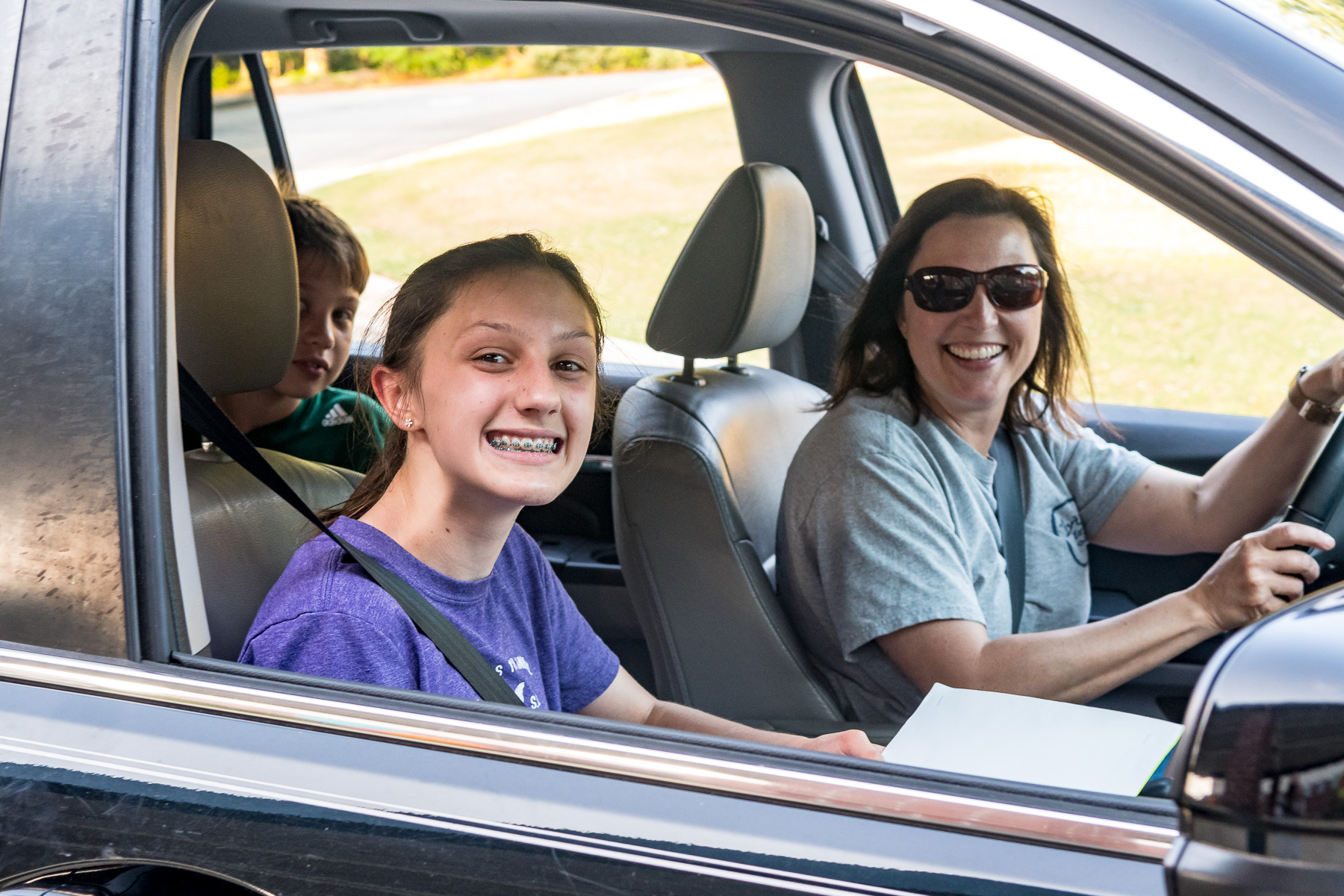
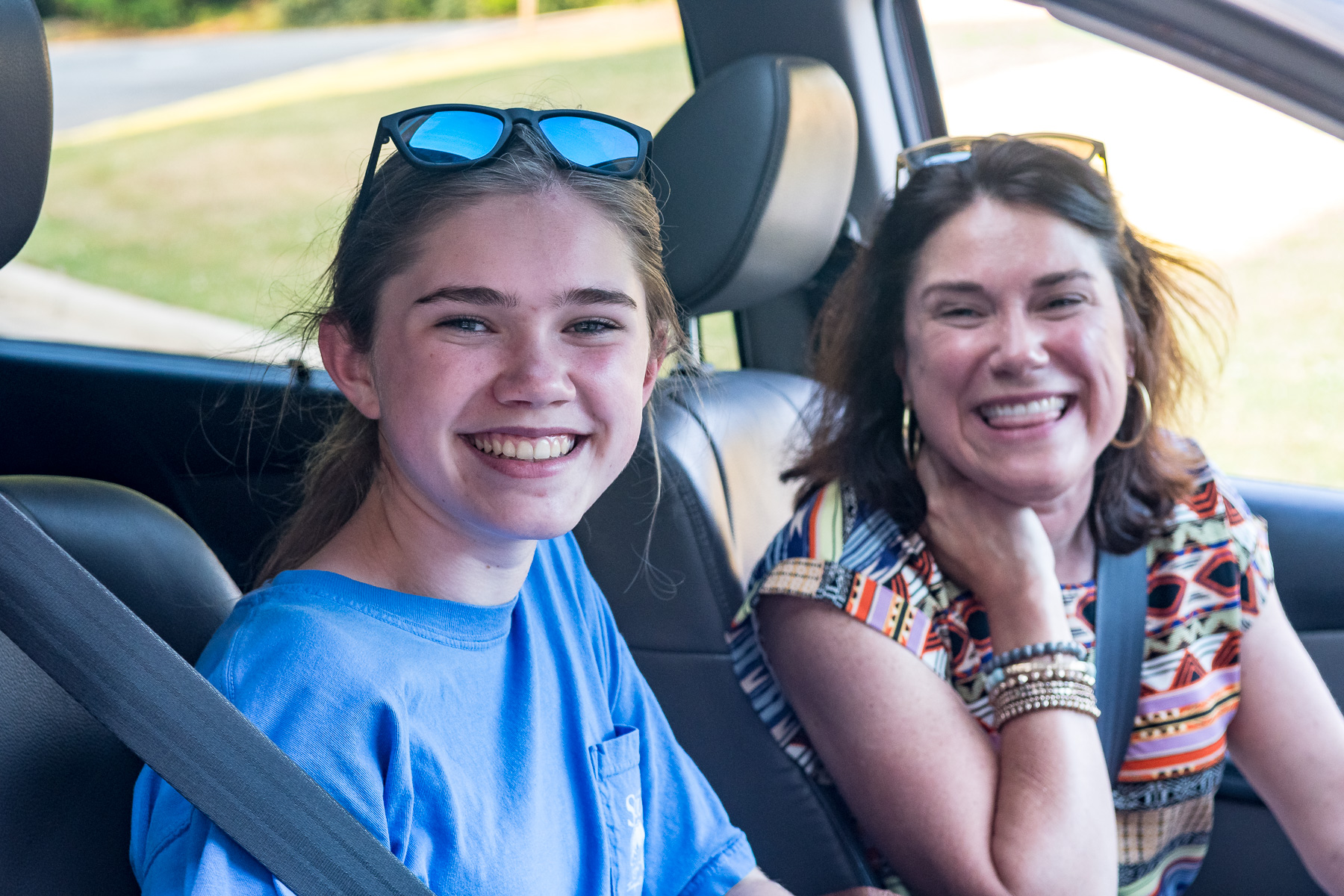
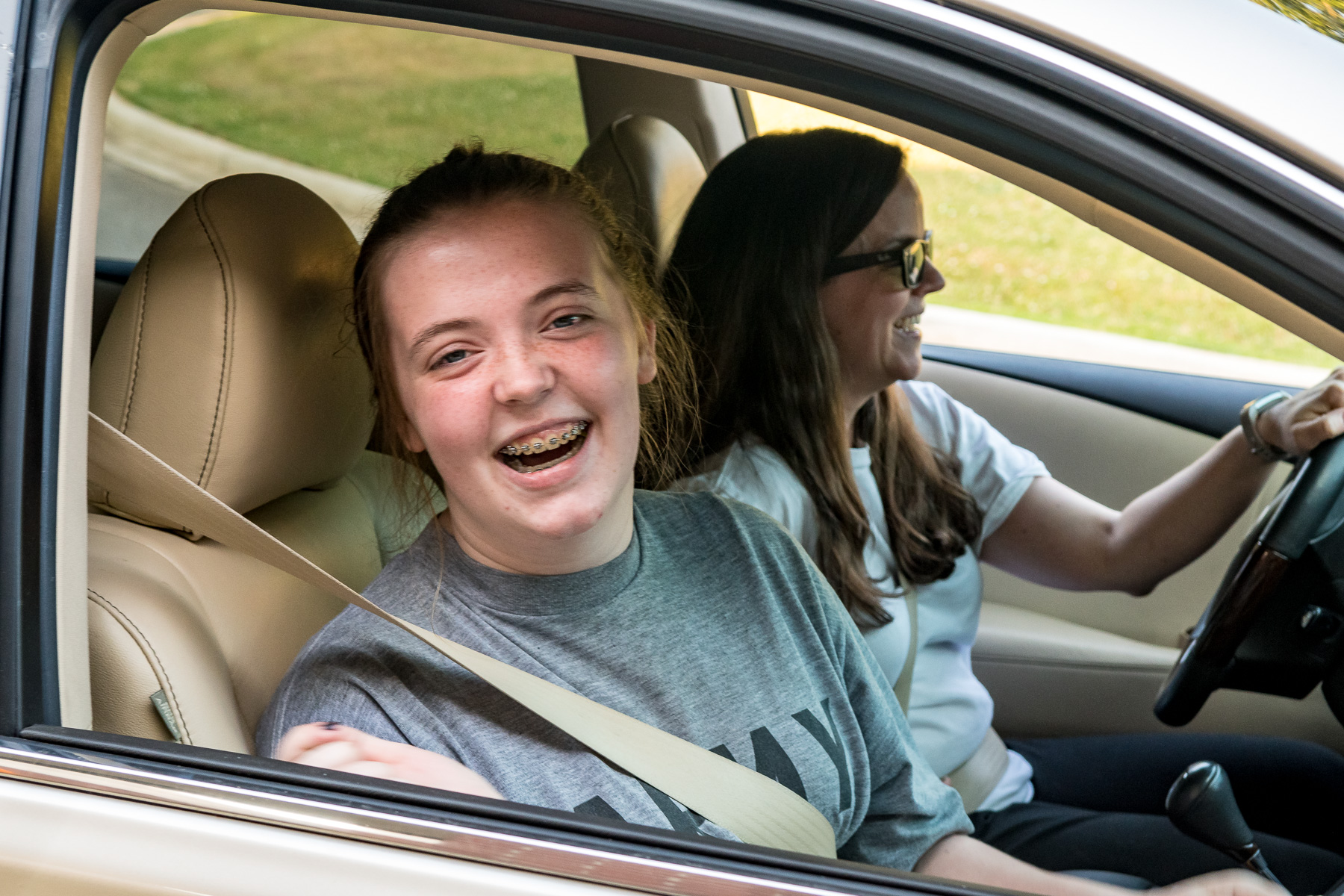
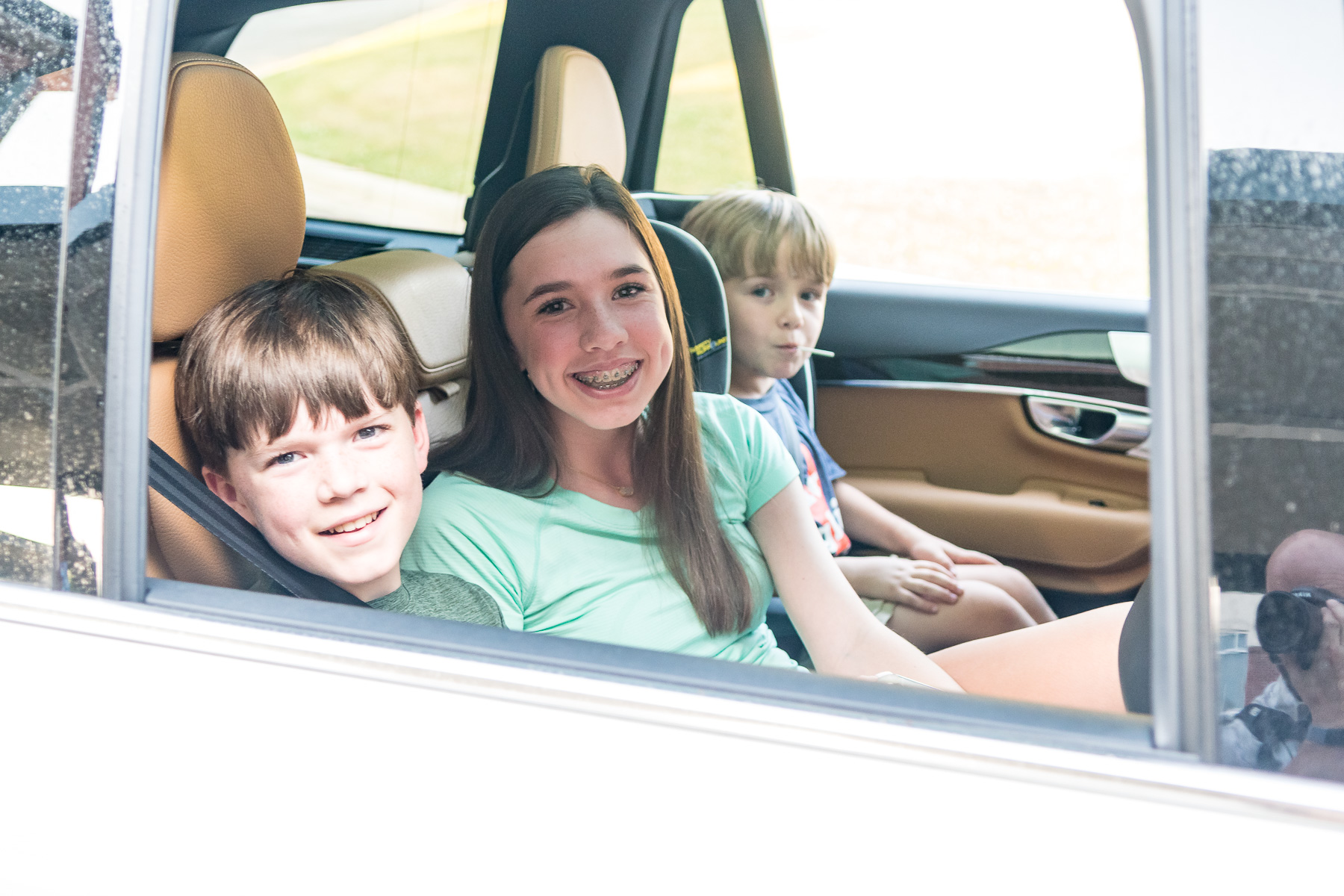
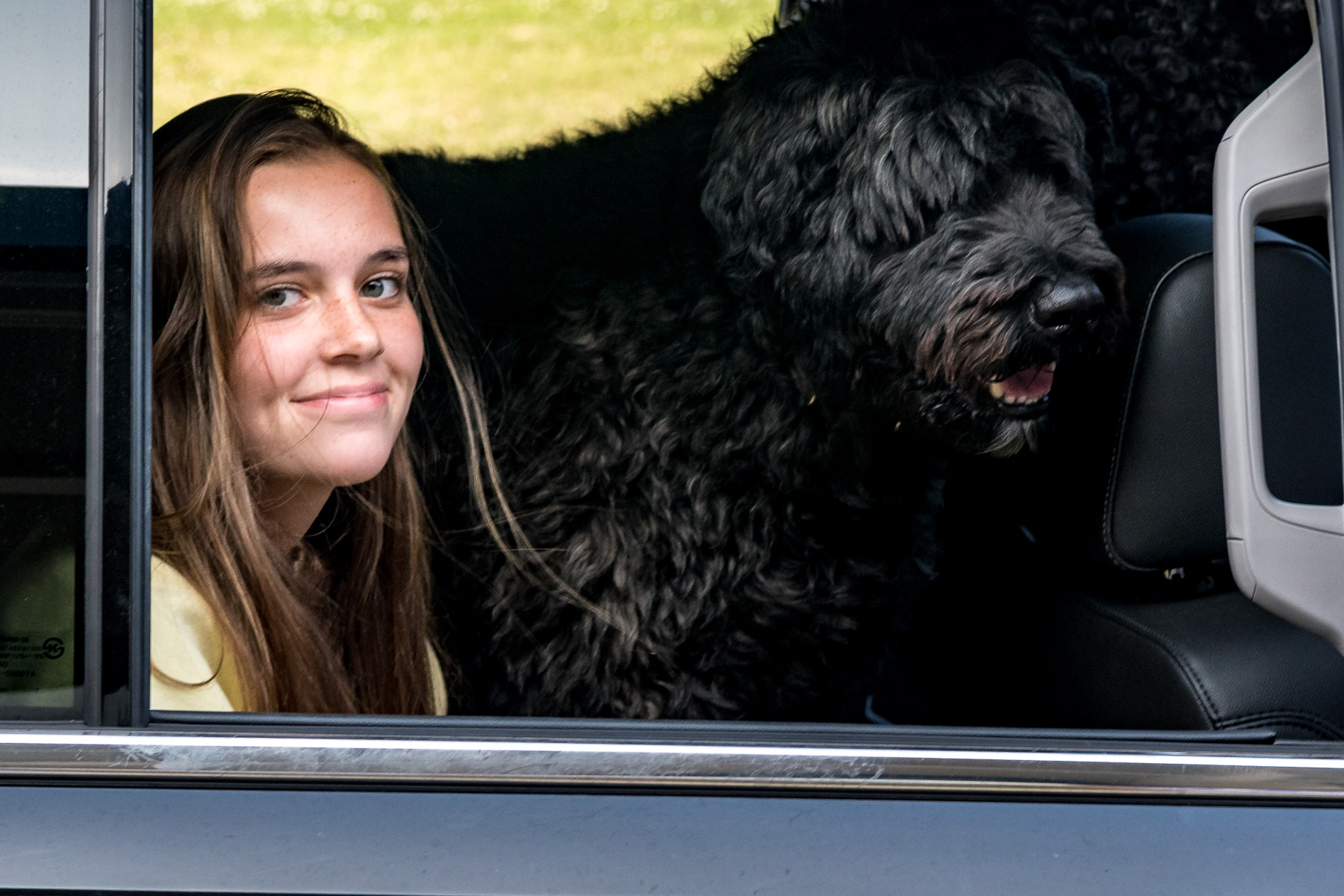
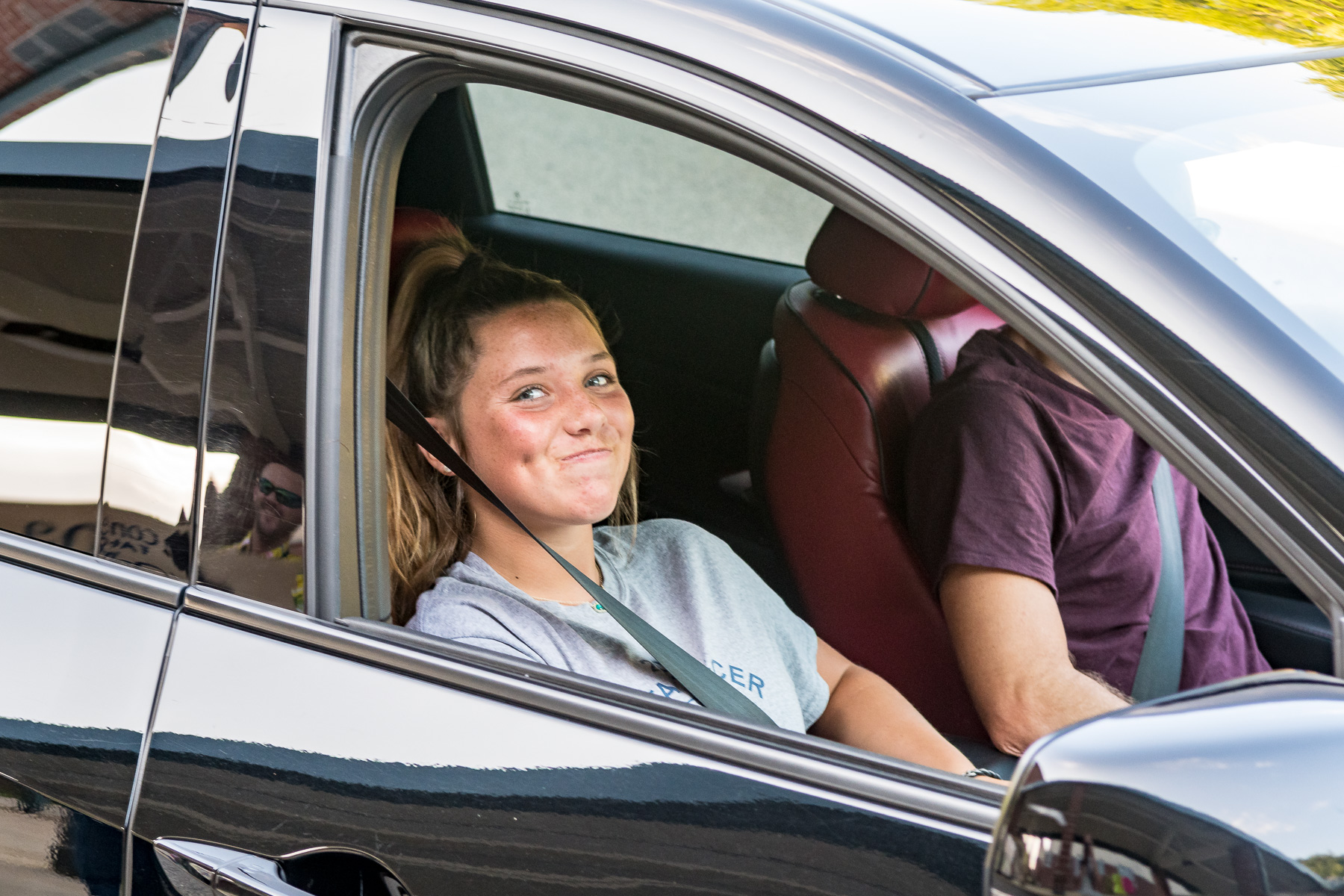
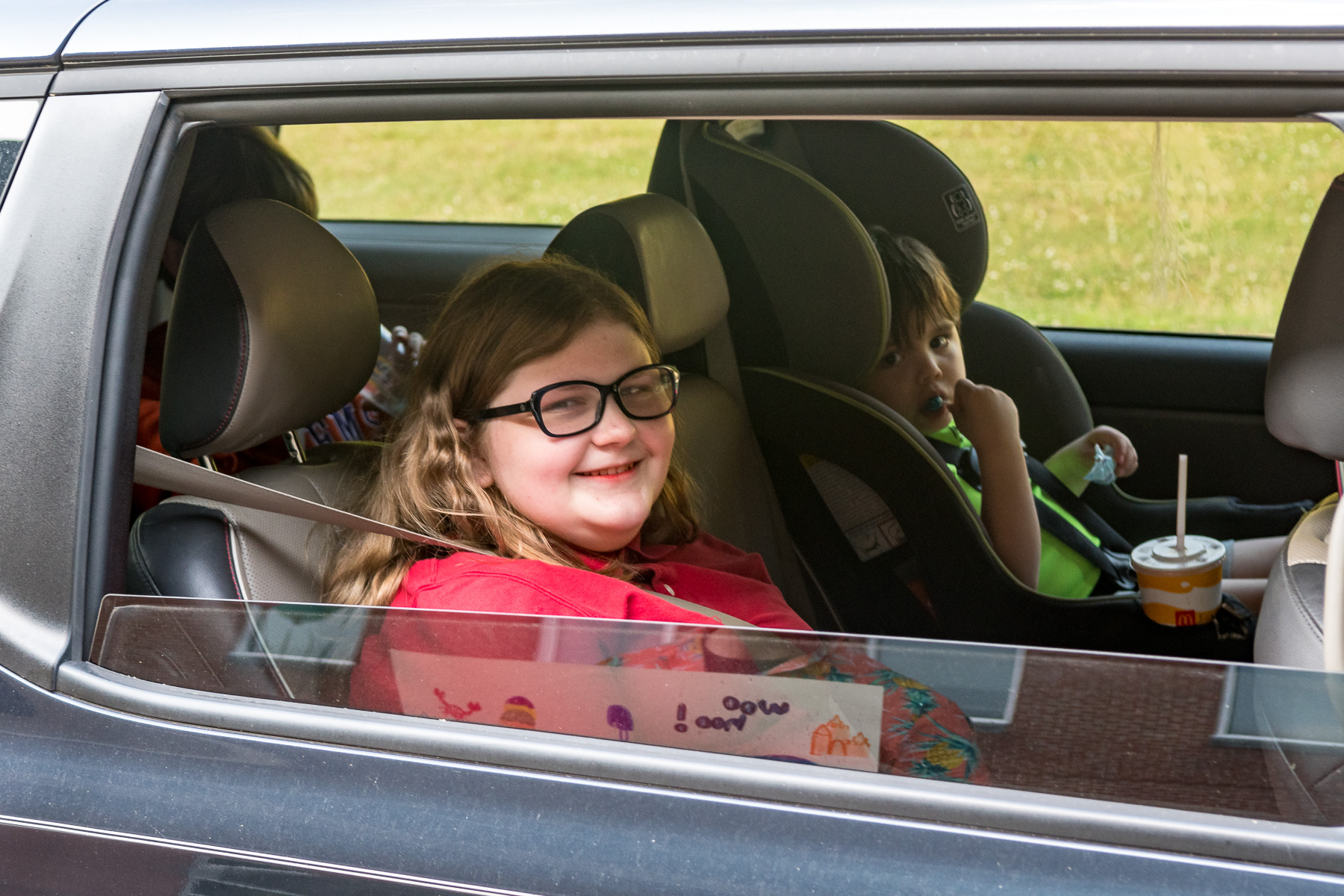
It’s been two years since our school held an awards night. This year we held a drive-by awards night.

Diagramming

As our last group of starters, we began some sentence diagramming today. Most classes spent about 15 minutes on it before moving to Great Expectations character presentations.

In school, I always felt a little like a freak because while everyone else was complaining about diagramming sentences in school, I enjoyed it. Taking a jumble of words and placing each one in its own slot to indicate its precise function in the sentence felt like drawing meaning and order out of what would otherwise be near chaos. Sentences are a jumble of words that we comprehend without giving it much thought (if we’re fluent), yet within that apparent jumble is a simplicity that we can demonstrate graphically, even if it is a bit tricky to find that order for some sentences. Other kids groaned and complained about it, but for me, each sentence I had to diagram was a little puzzle I could crawl inside with a tool belt and take the whole thing apart as if it were a toy the inner workings of which had entranced me for ages. I knew, though, that I could put the sentence all back together, and I didn’t have that kind of assurance when pulling apart toys.

Yet even today, there are a number of sentences that flummox my diagramming ability. Look at that last sentence, for example. Had I not originally written “when I was pulling apart toys” I wouldn’t have seen the subtle, almost-hidden clause in the revised “when pulling apart toys.”

It’s these little idiosyncrasies of language that I hope to help students discover by going over sentence diagramming with them as a starter these final days.