christmas

Opล‚atek

As a teacher, I often don’t always say the things I want to say. Most would interpret that negatively: “He doesn’t call kids jerks when he thinks they are.” That’s certainly the case, but for not so obvious reasons. Most obvious is the lack of professionalism such a pronouncement would exhibit, not to mention cruelty. More to the point, though, I don’t really experience that because I rarely — not never, but very, very rarely — hold such an opinion of a kid. They are, after all, kids. They’re still learning, still growing, and their impulse control and social skills are often simply not up to par because of a lack of maturity or a lack of consistent examples. I could count on one hand all the kids, over twenty years of teaching, that I just didn’t like as people. I haven’t met such a kid in several years now.

What I had in mind is the flip side of that — as a teacher, I don’t always tell a kid when I’m absolutely in love with some part of his journey, some portion of her personality, some facet of his persistence, some element of her youthful excitement.
I certainly tell a lot of kids a lot of positive things. But those moments seem relatively few and far between.

Why don’t I say those things? Probably because of a sense of vulnerability that seems to include for myself. Possibly because of a worry of how it might be taken. Perhaps because of a lack of time.
“Wouldn’t it be nice to have some sort of occasion, some sort of event, that seemed actually to encourage such things?” I thought. And thinking back to my seven years of teaching in Poland, I realized such an occasion exists, just not in American culture.
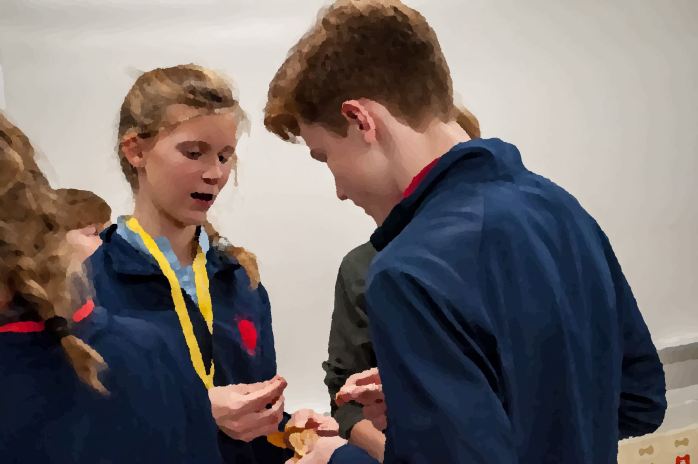
In Poland, though, a tradition that invites such honesty has existed for centuries: sharing the opล‚atek.

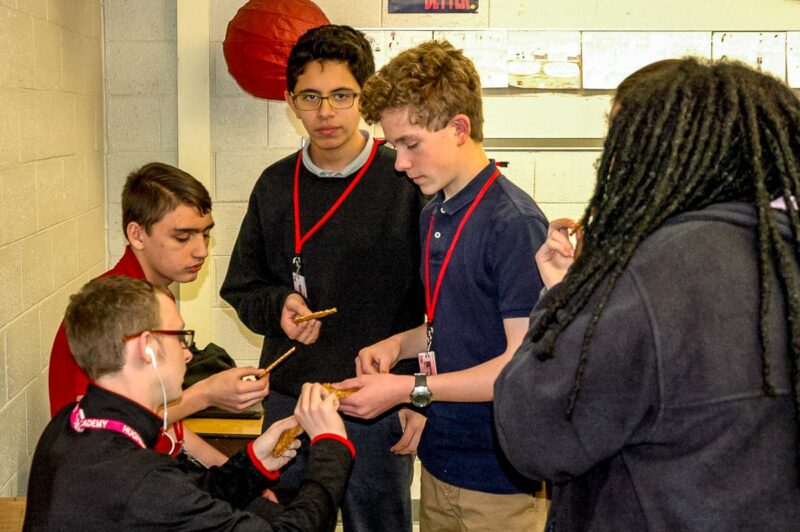
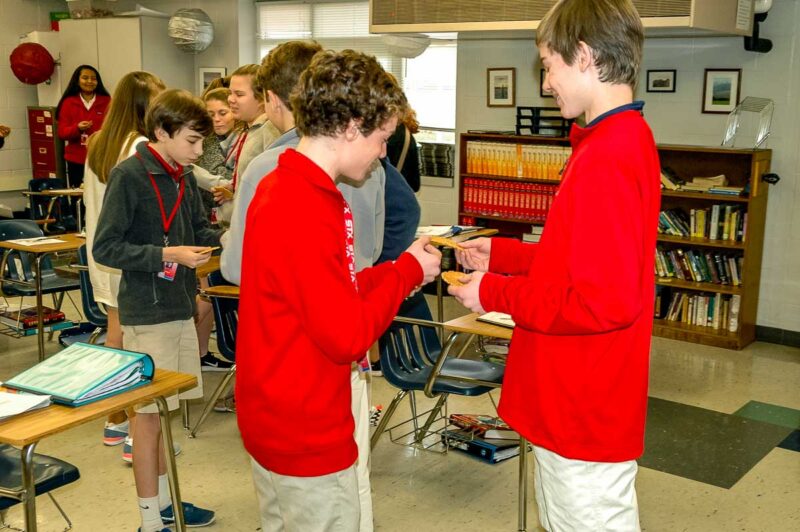
I’ve done it for several years now, explaining it to the kids with a slide show and a bit of explanation about Christmas in Poland and substituting pizzelle from Aldi for the actual wafer.
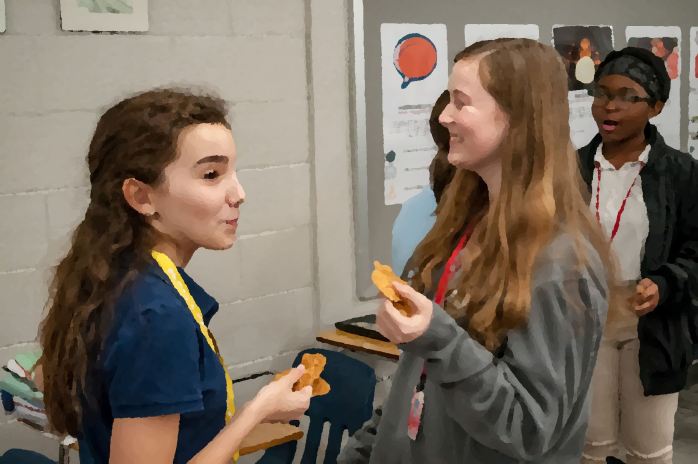
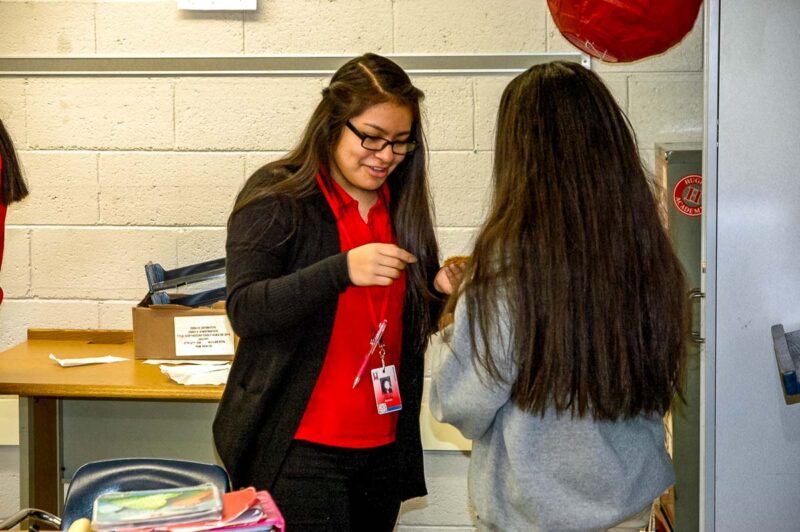
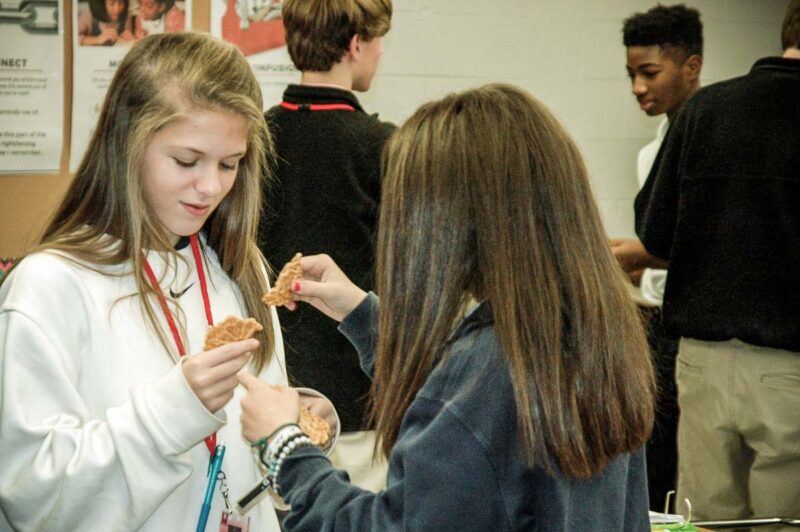
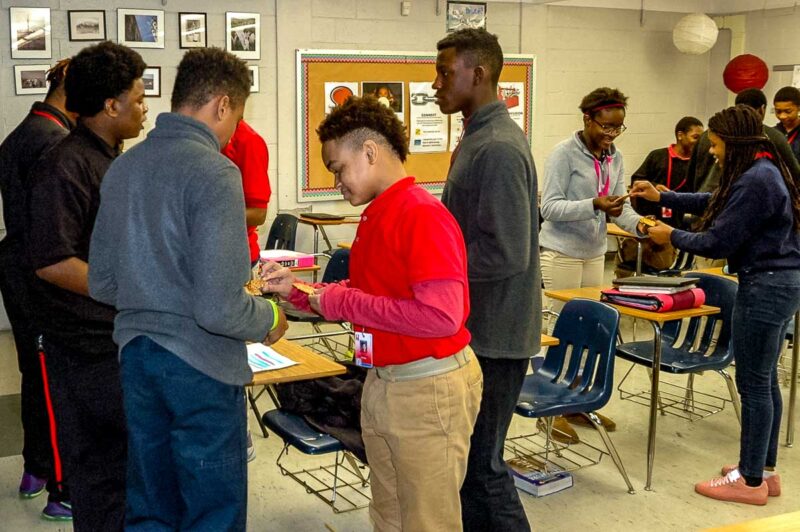
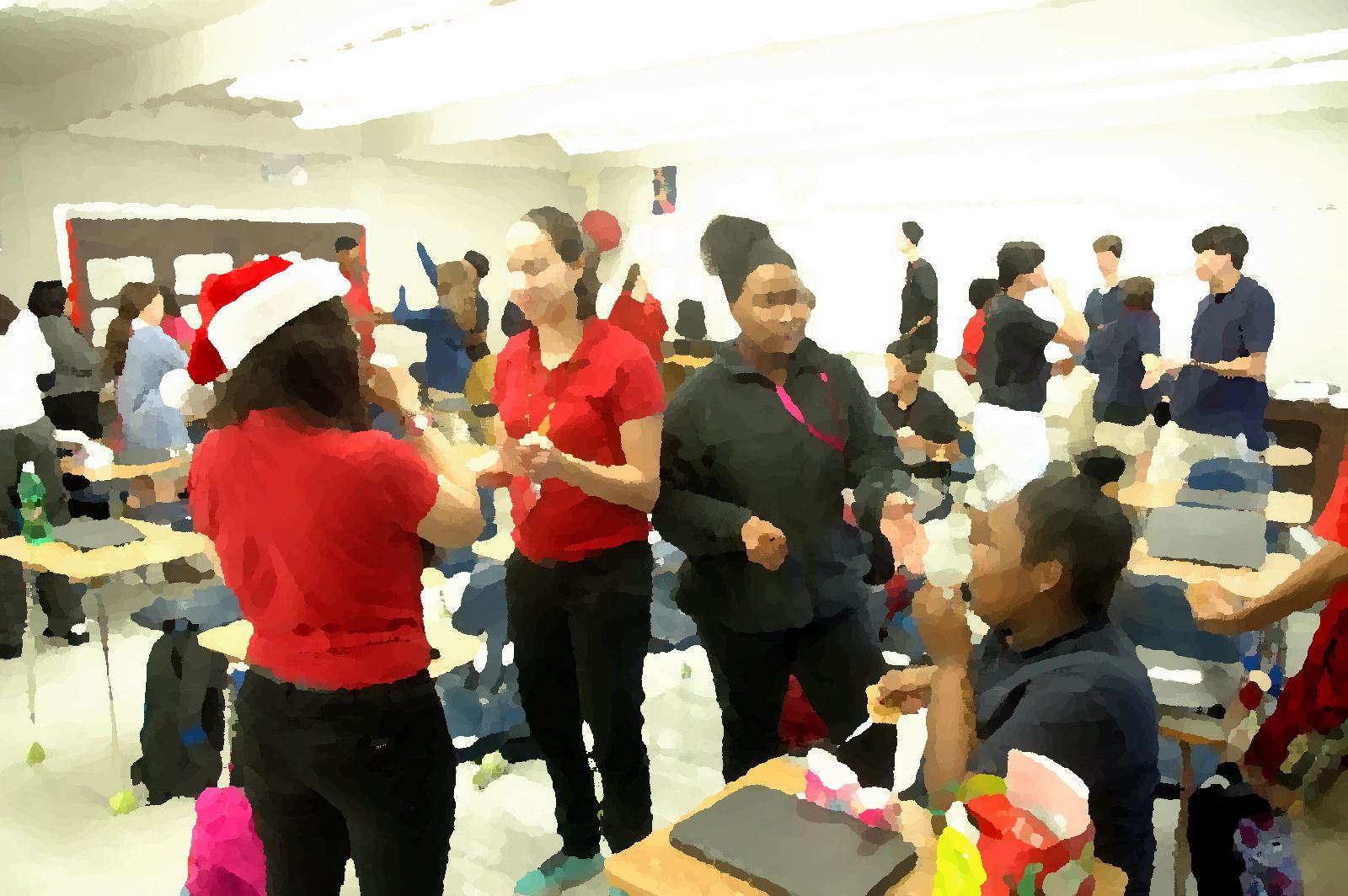
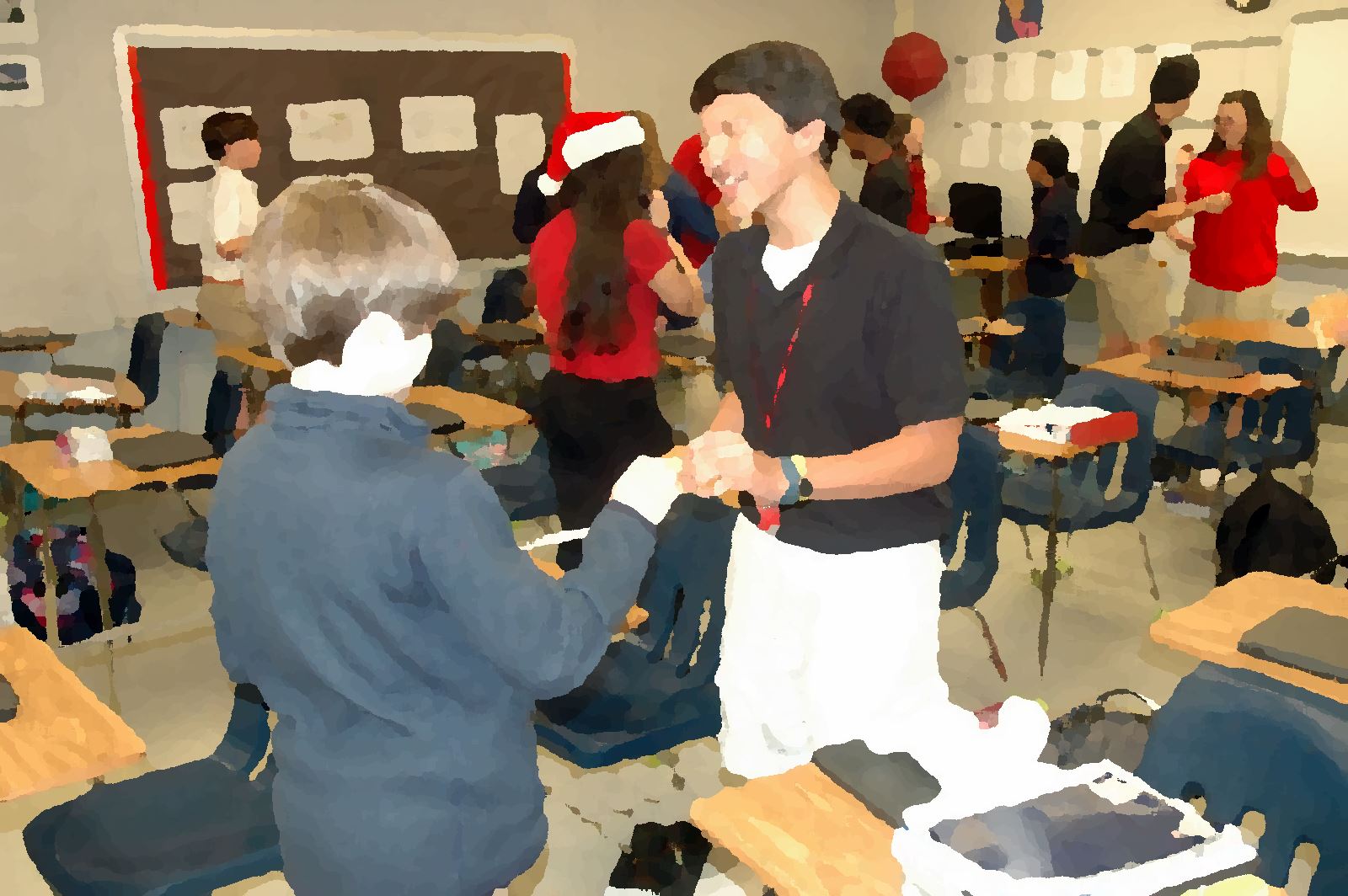
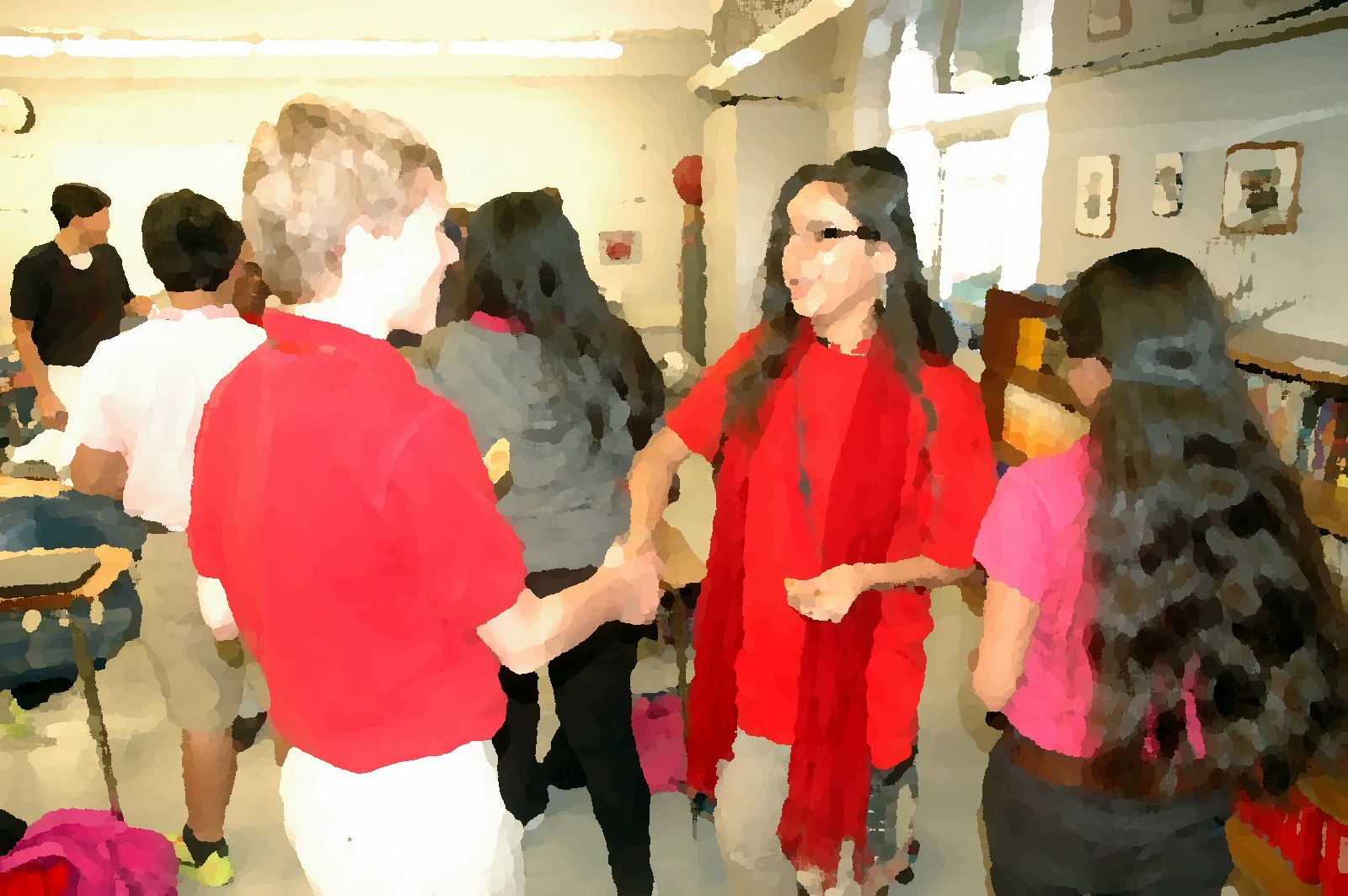
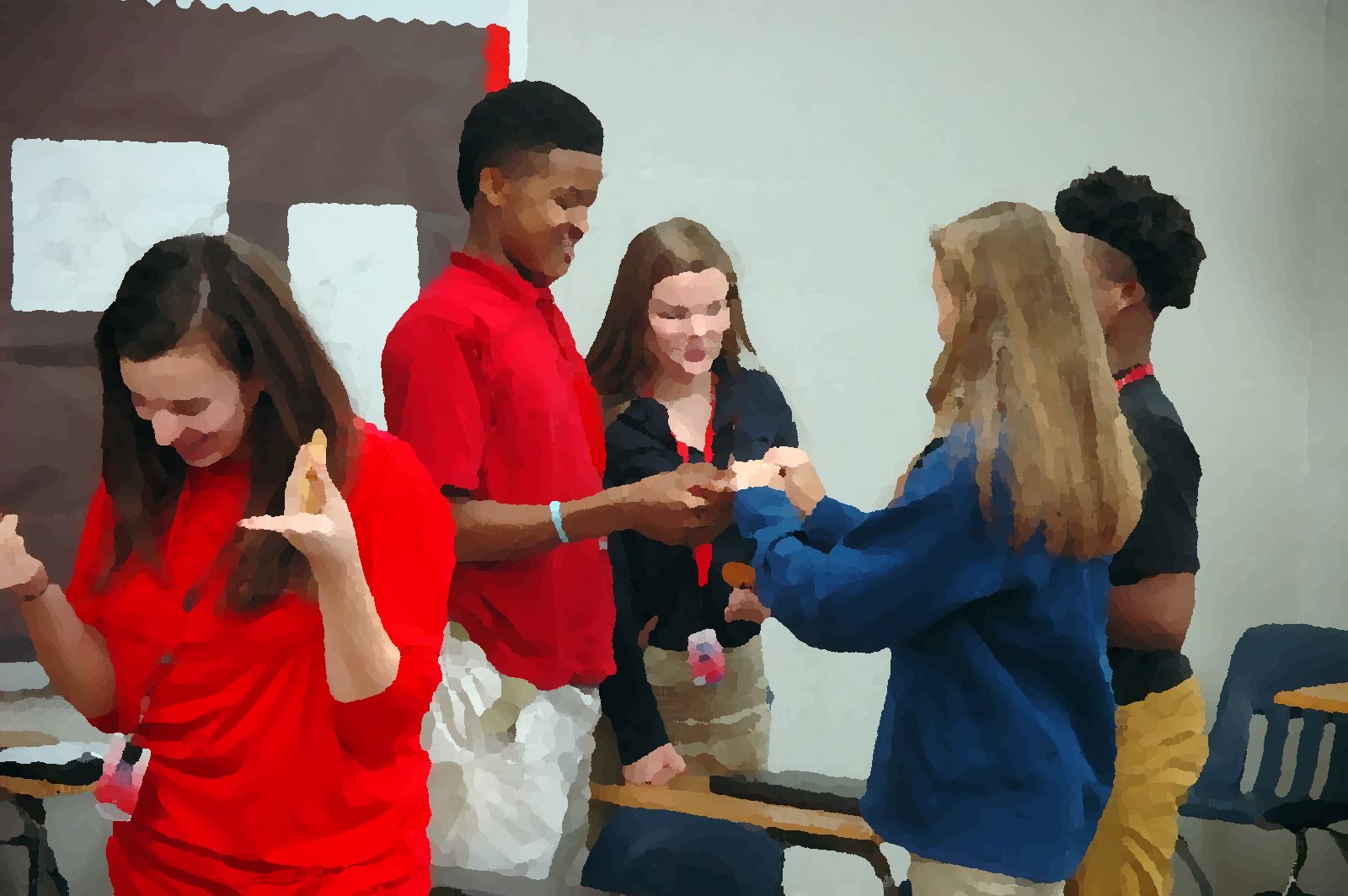
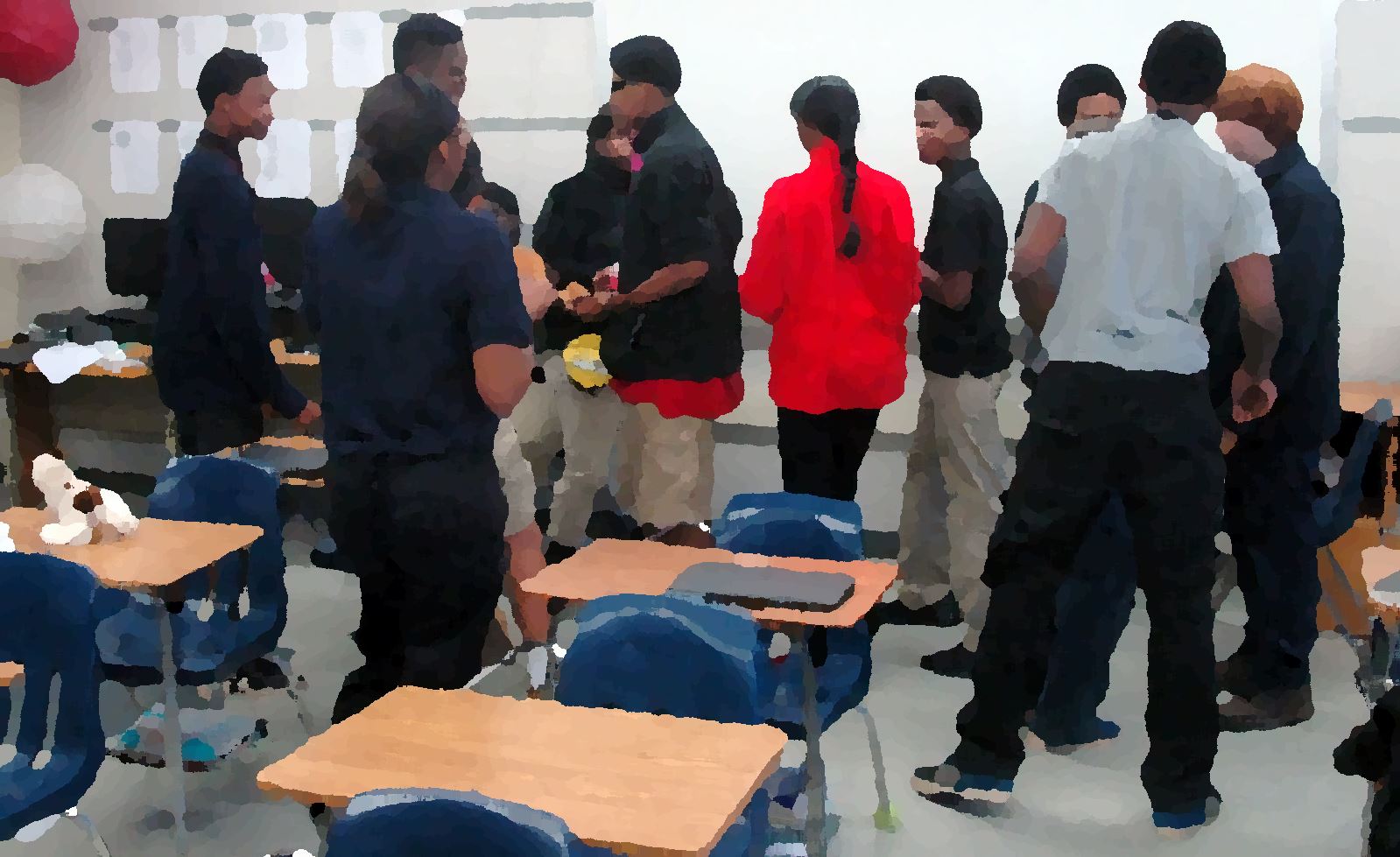
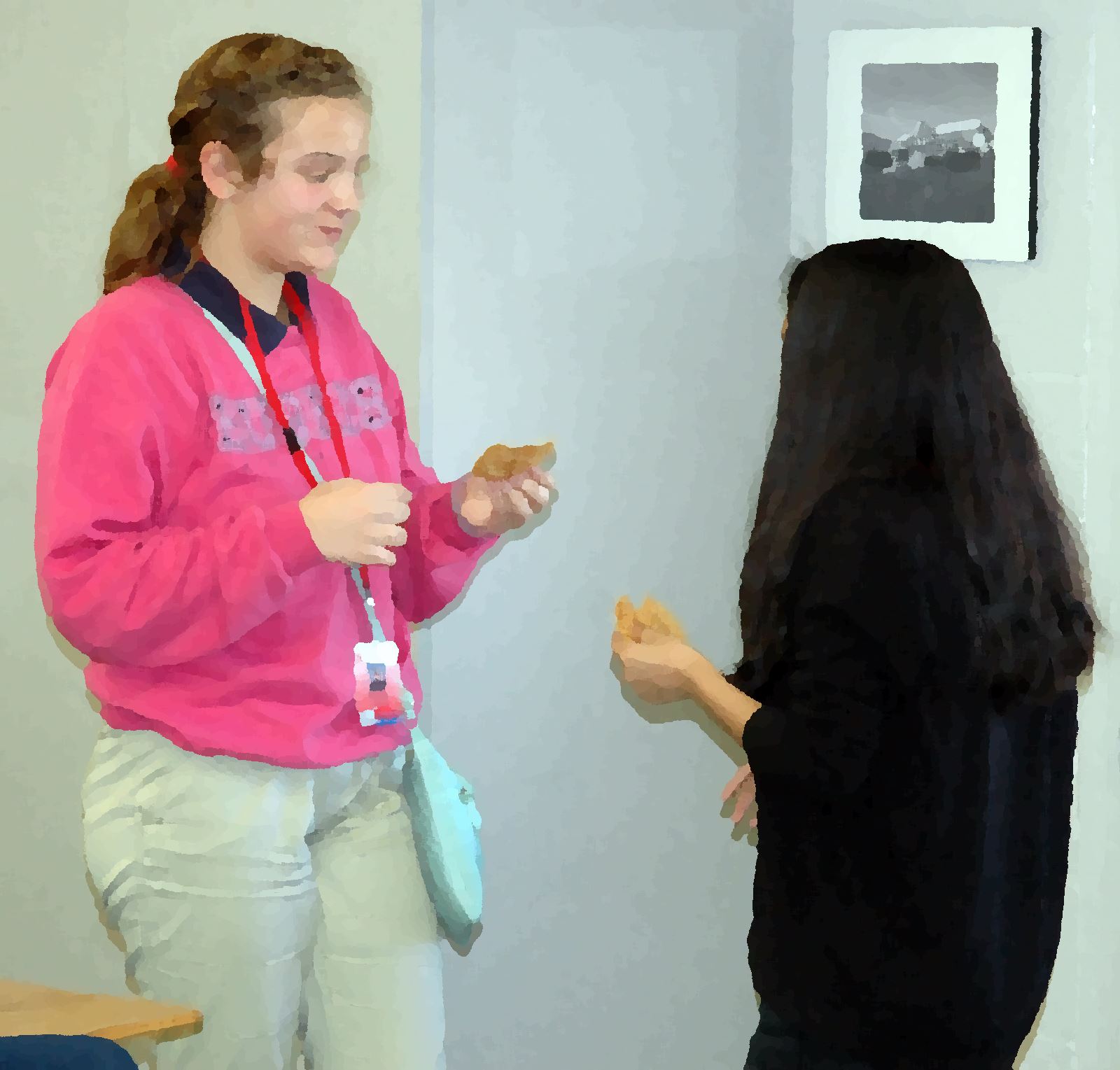
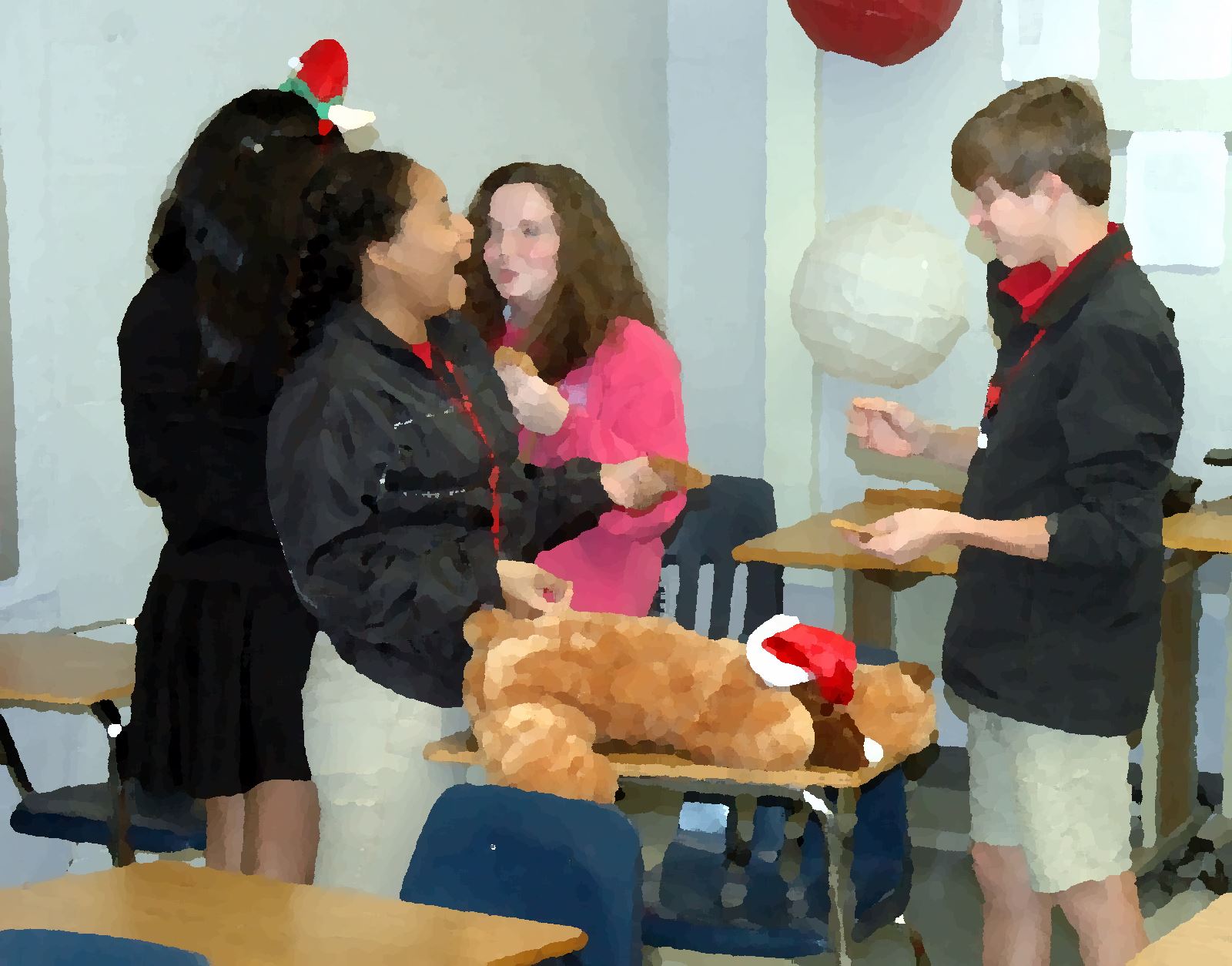
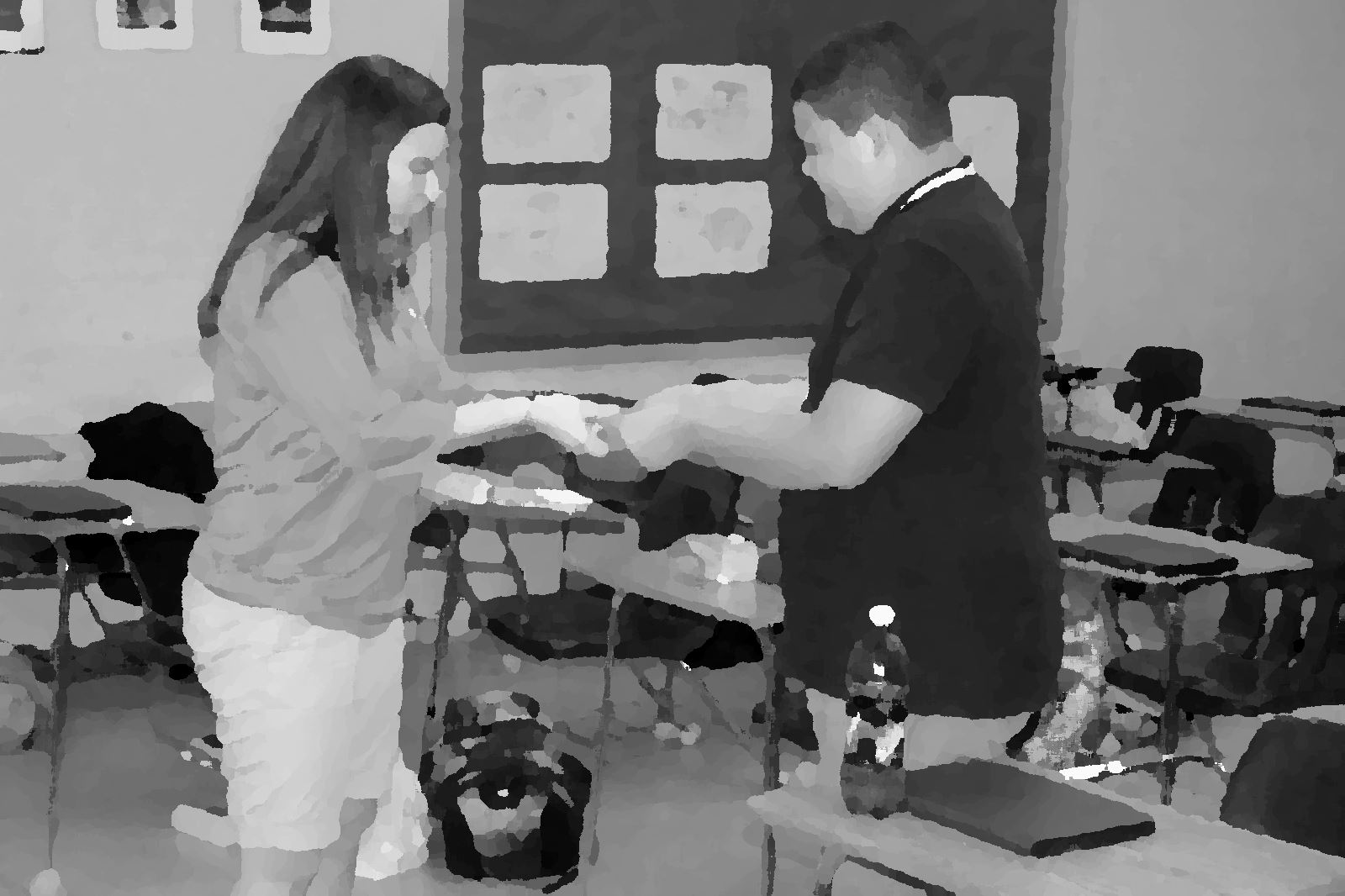
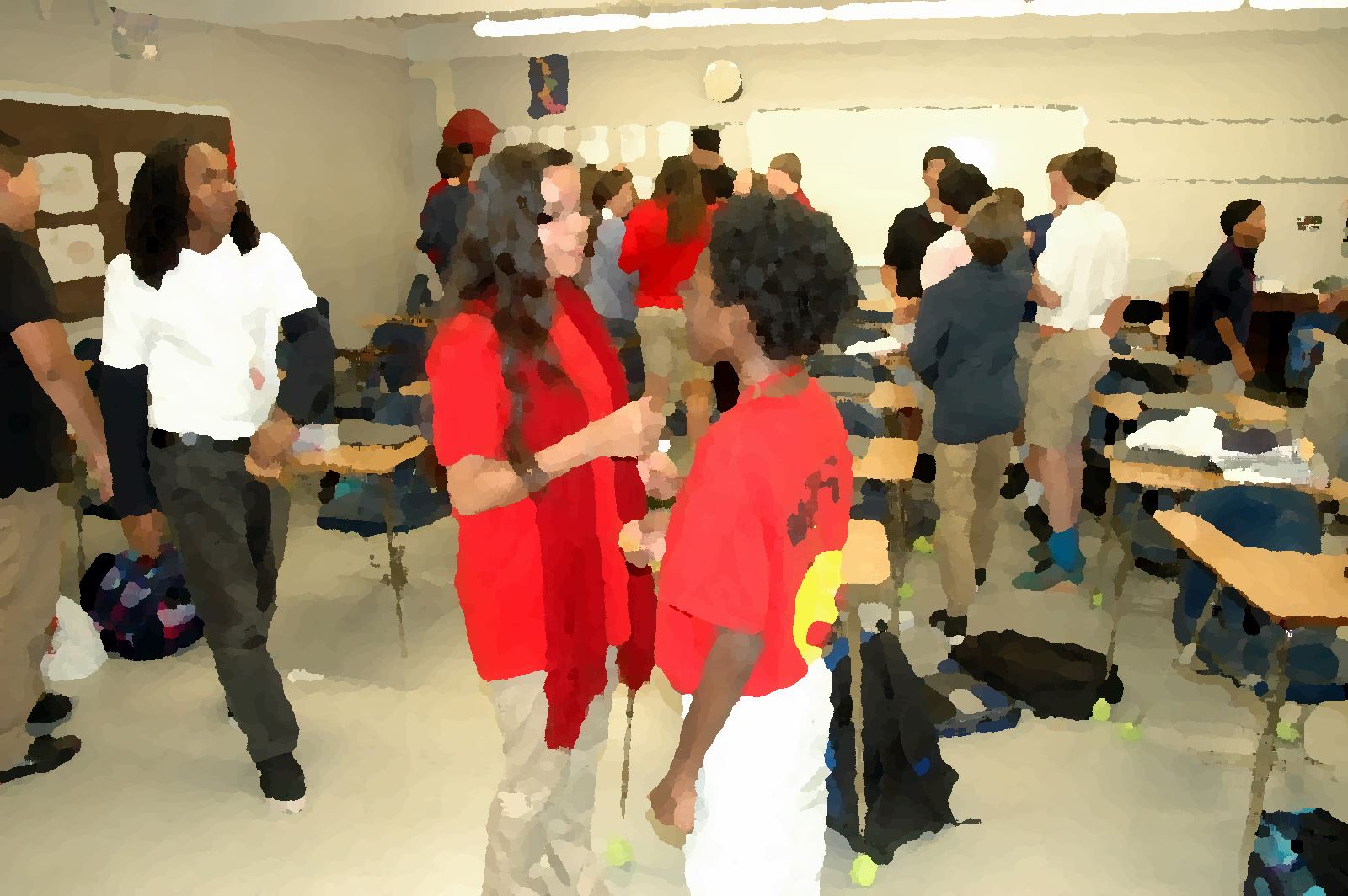
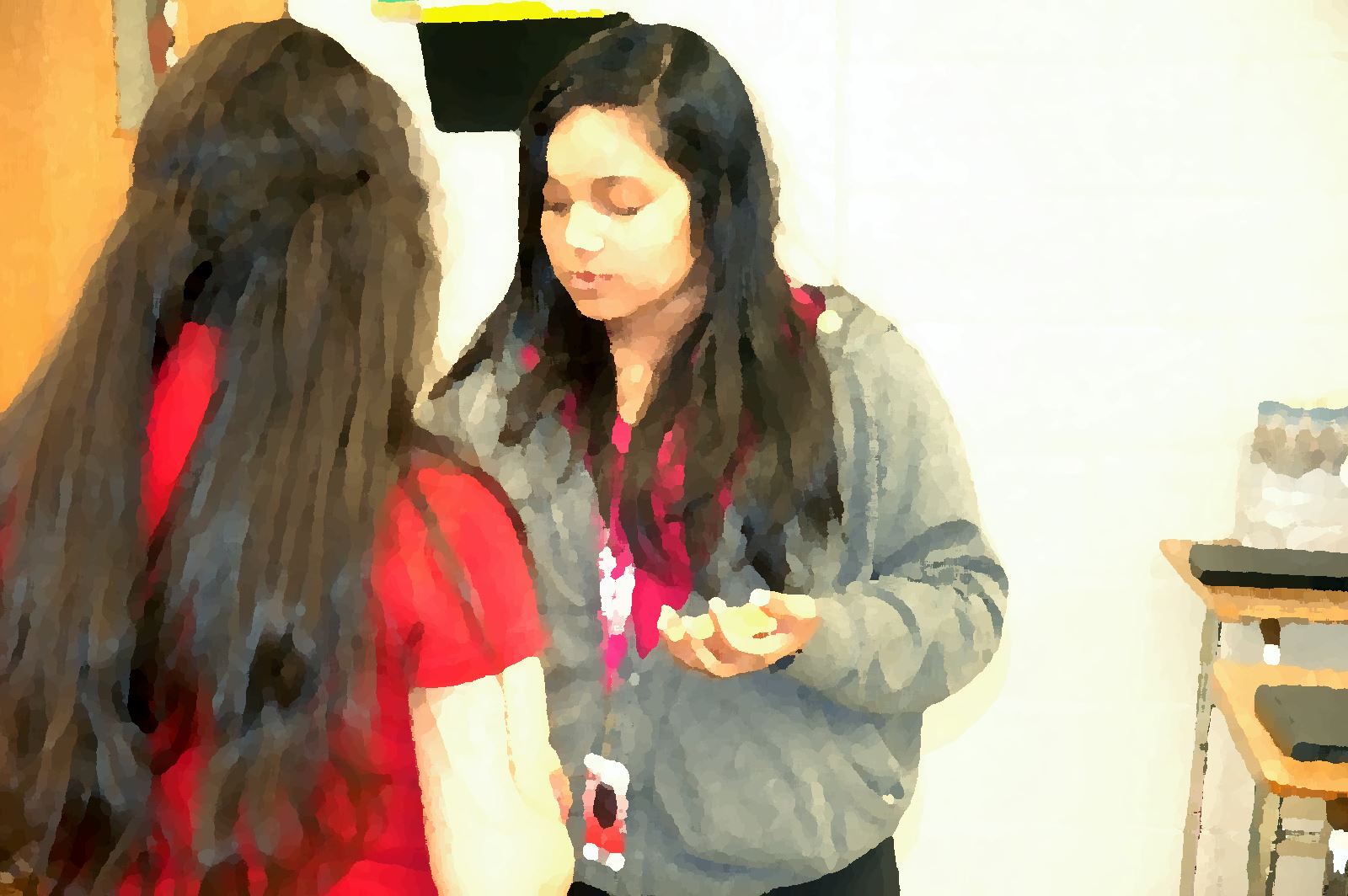
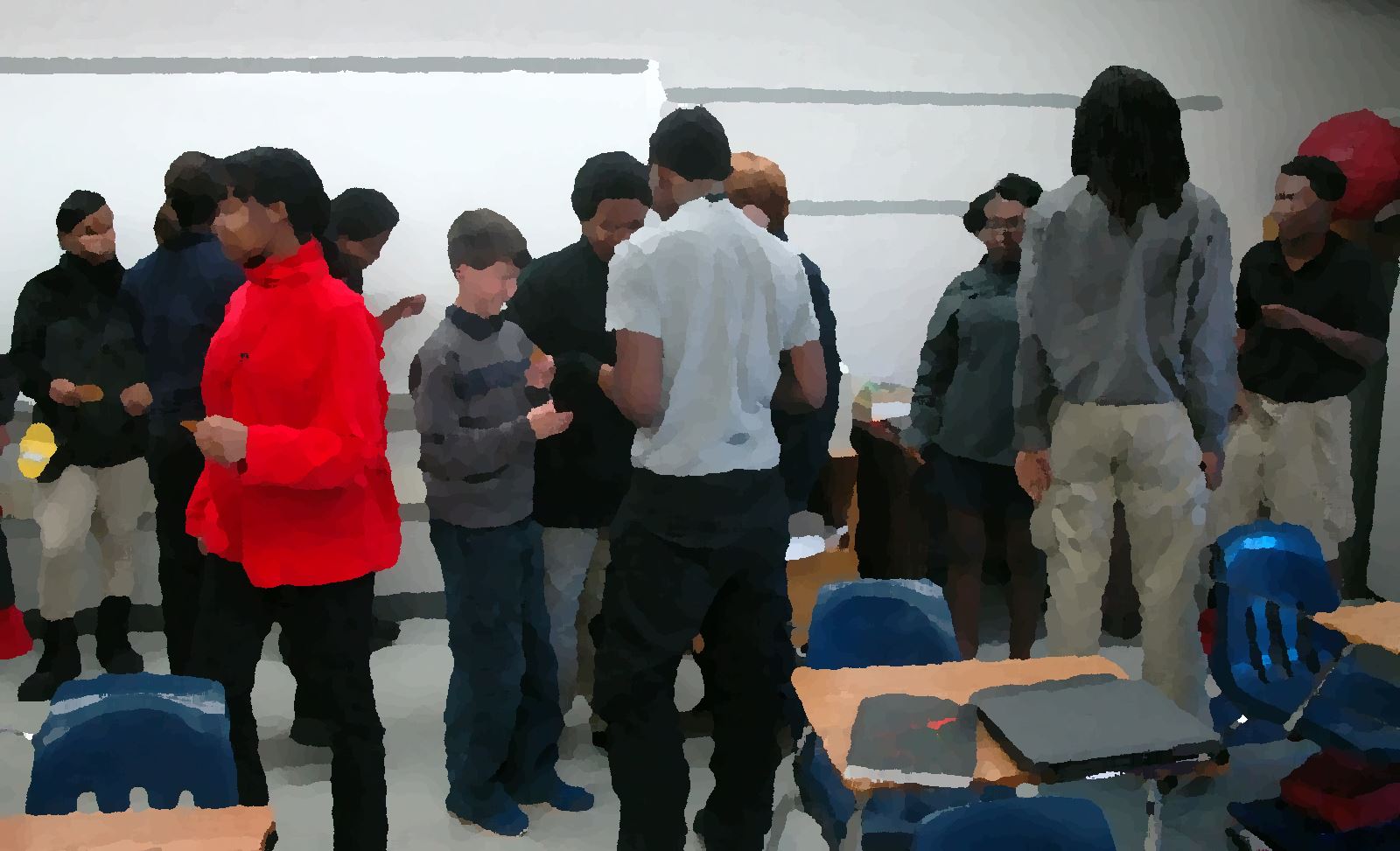
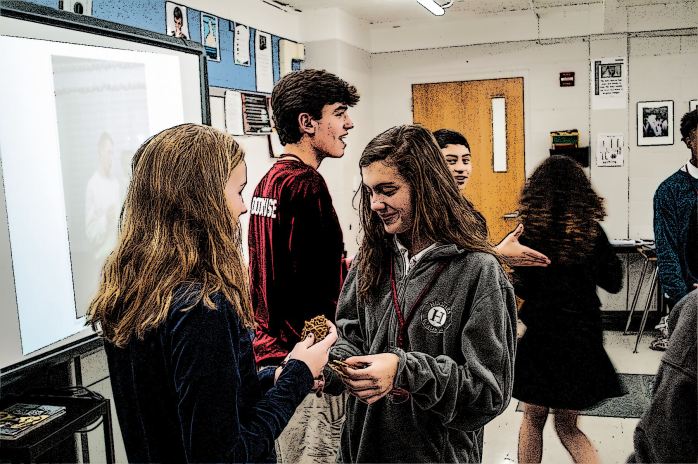
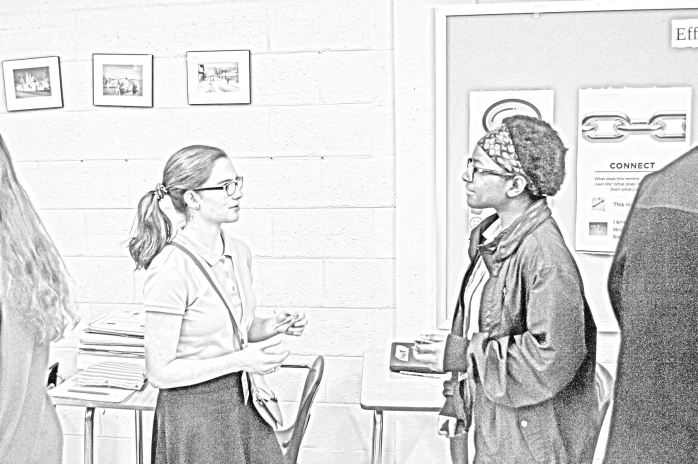
This year, instead of just taking pictures, I participated. I always had a pizzelle in hand, but I waited for students to come to me; this year, I went to them. And told the shy kids who were coming out of their shell how exciting it was to watch them, to hear them assert themselves, to see the faces of other students as they share their often-striking ideas. I told the troubled students how much growth I’d already seen, how much I was rooting for them, how much it irritated me when I had to ask them to leave the classroom because their disruptive decisions were robbing others of opportunities. I told the kids who had started doing their work after a quarter, perhaps a quarter and a half of apathy, how proud I was of them.
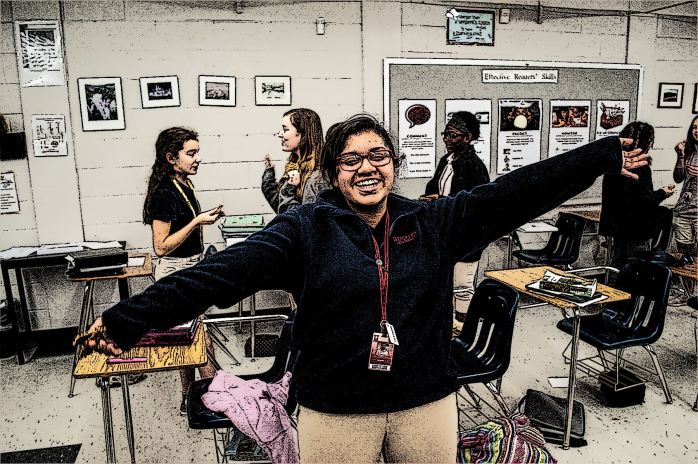
And in return today, I got the loveliest Christmas card I have ever received from a student, thanking me for my words, thanking me for my encouragement and motivation, and assuring me that she was my favorite student.

Perhaps, but she’s tied with 120 others this year.

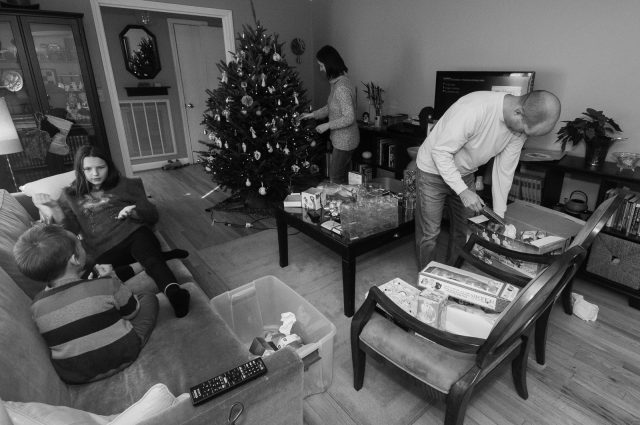
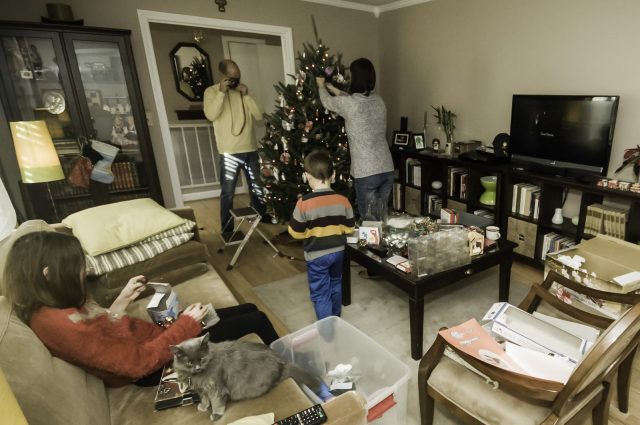
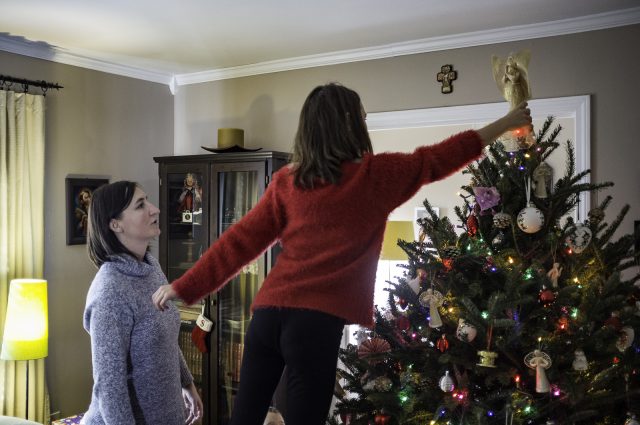
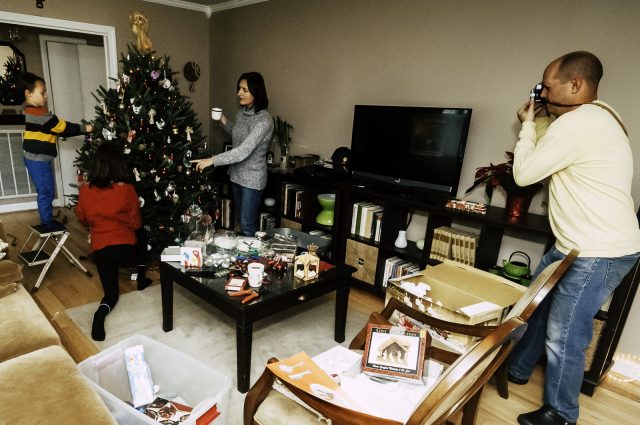
Christmas 2017

So often in life, things come to an end and we don’t even realize that we’re living through last moments of this or that. Someone might lose a job and the whole family leaves, and you never see them again. More tragically, someone might pass away unexpectedly, and we regret deeply that we didn’t know that the last time we were with that person.

When an end comes and we know it’s the end, then we tend to savor it all the more.

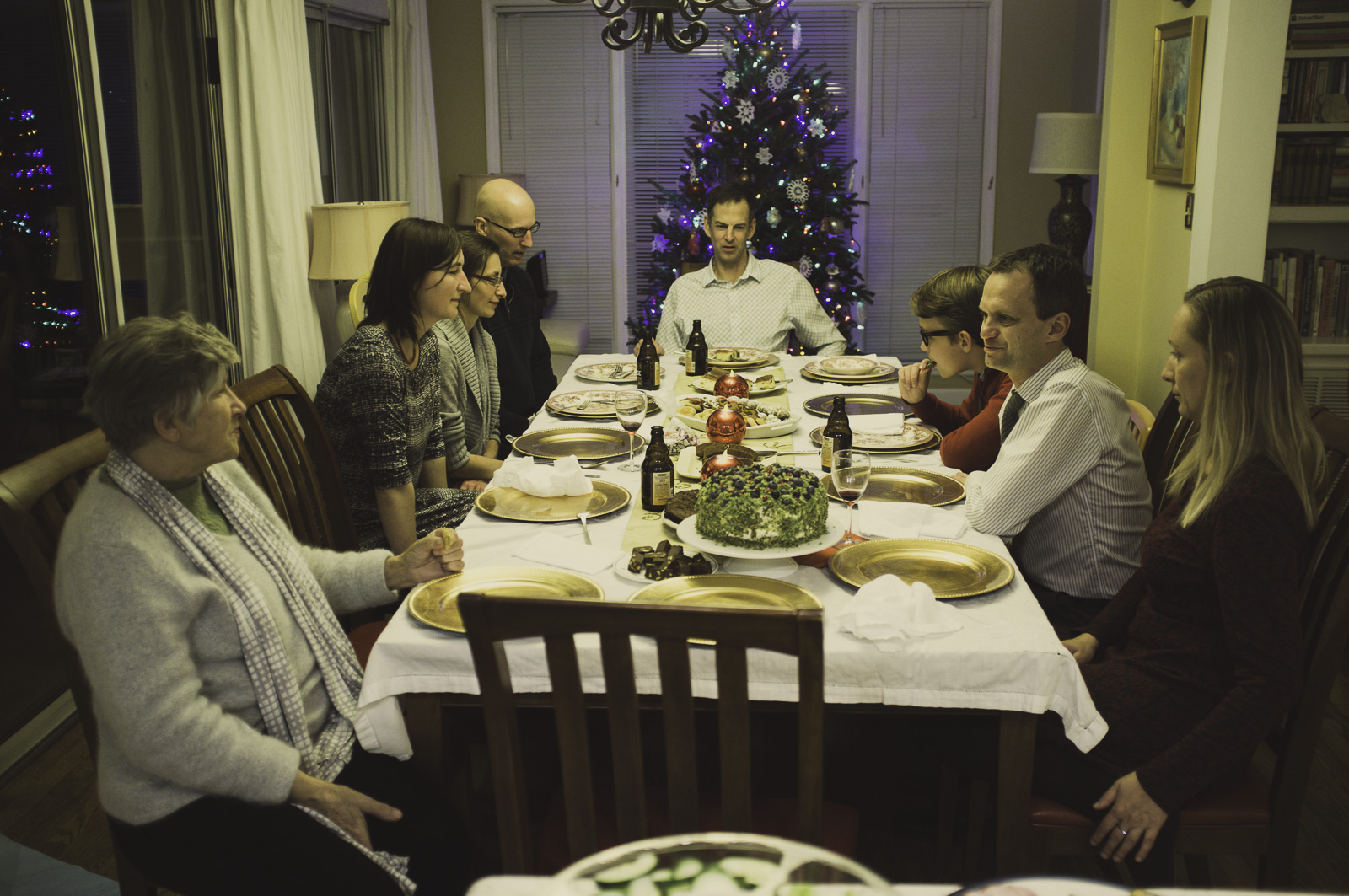
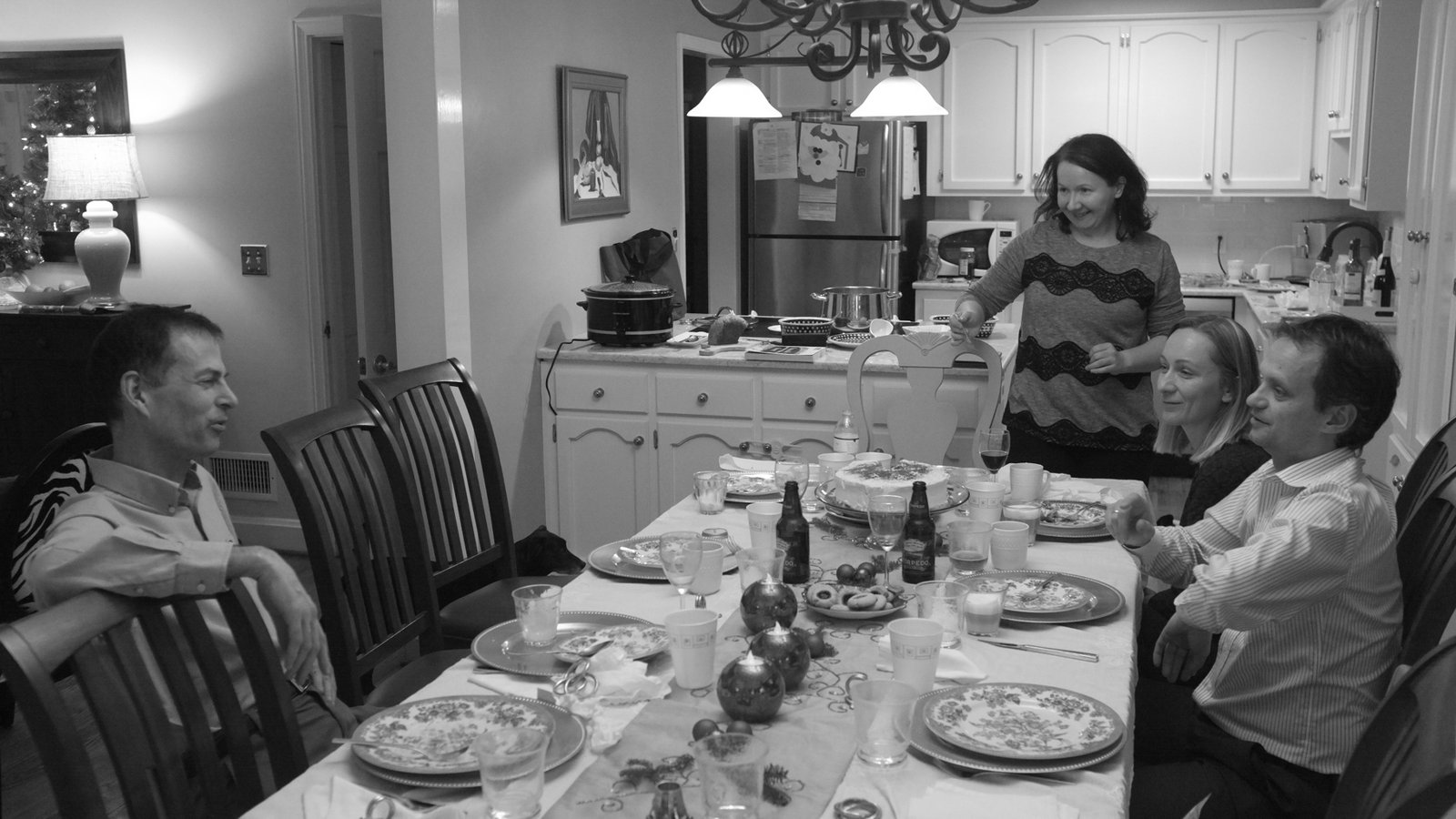
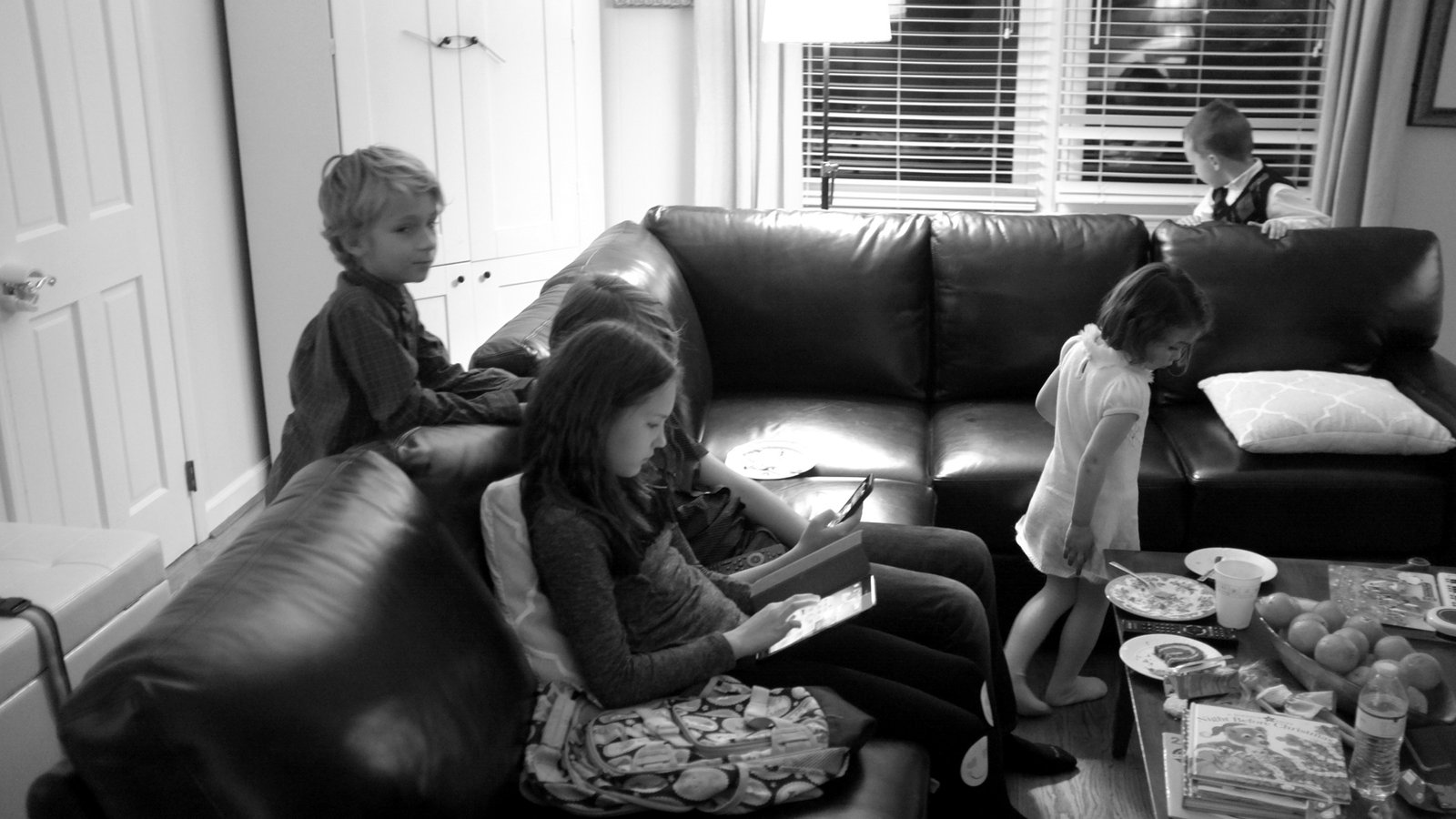
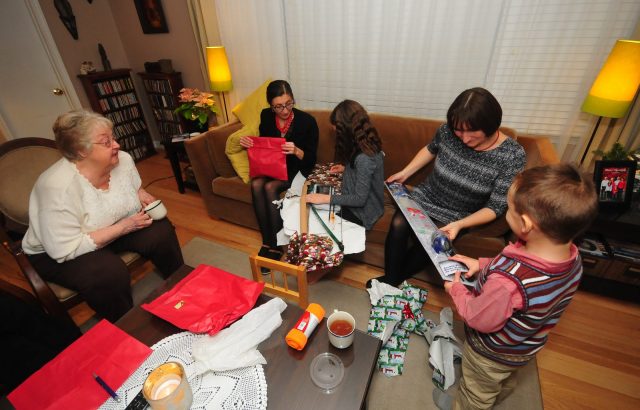
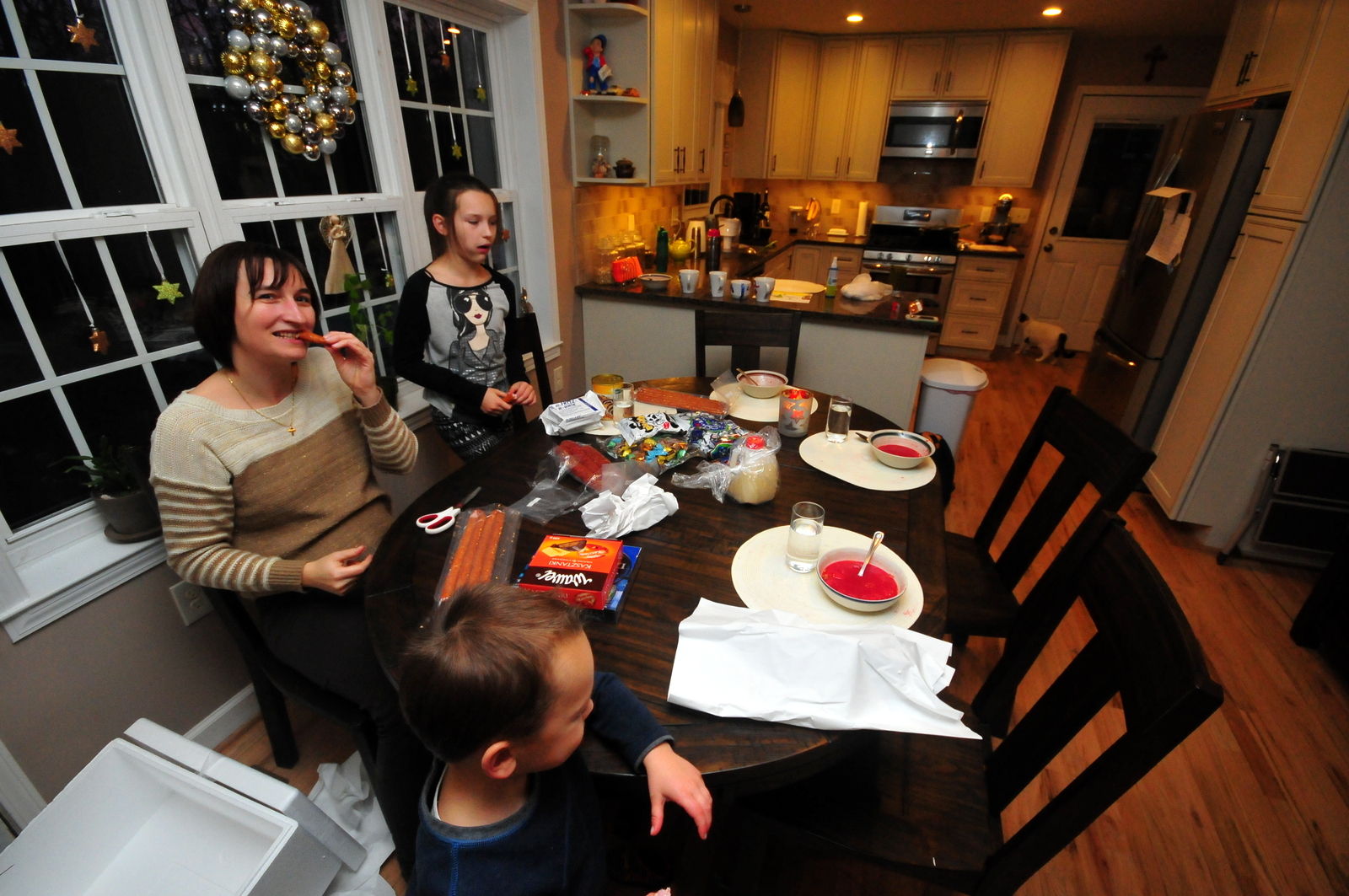
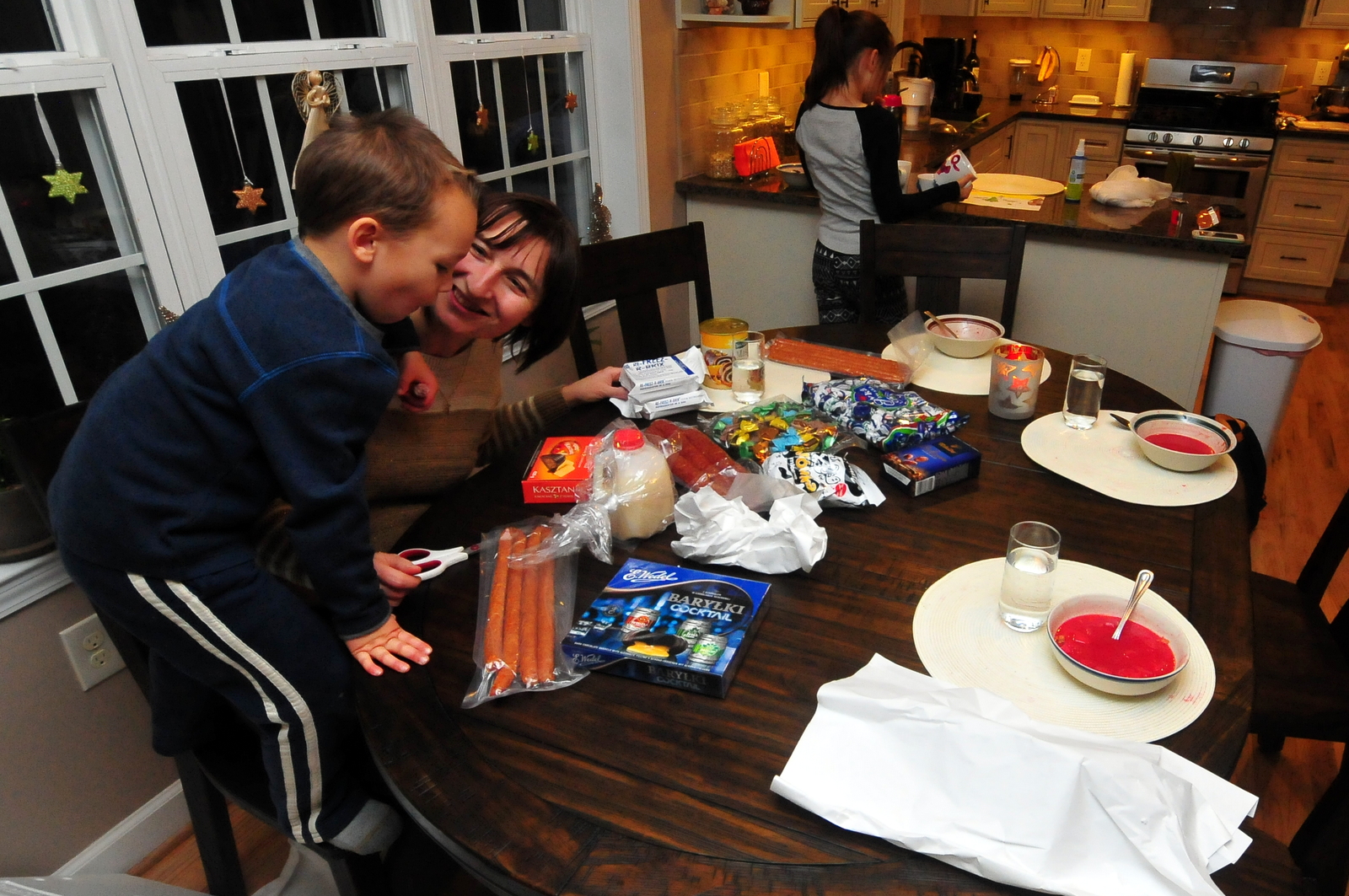
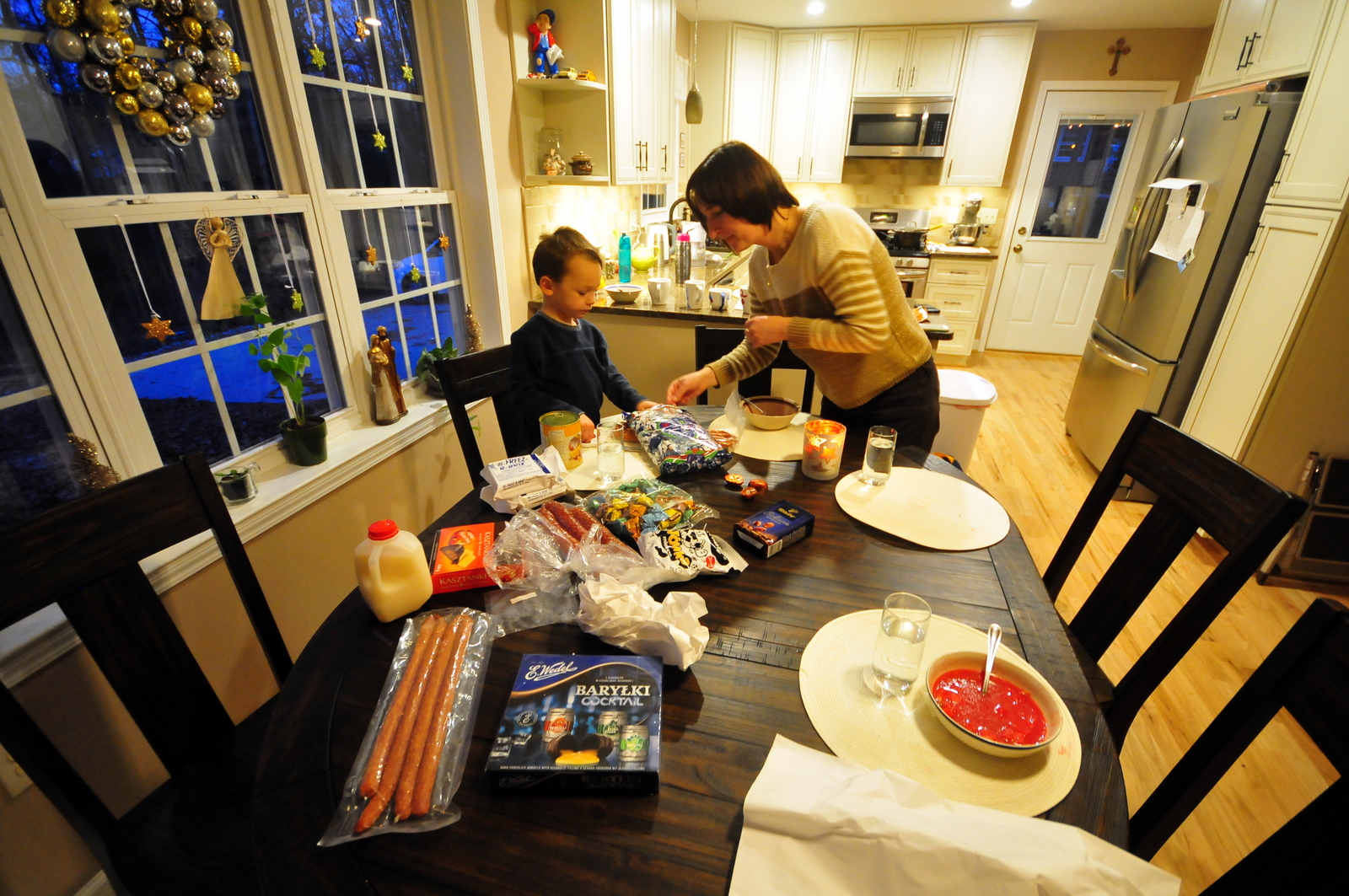
Friends are moving to Connecticut. Good friends, for the last several years. Christmas, Easter, and Halloween we have always been together for the last several years. And tonight was the last time we’ll all be together for Christmas, perhaps for good. Sure, we talked about going up to Connecticut for a visit, but the chances of that happening, of us all being together like that, are quite honestly very slim.

It added a gray lining to the rest of the evening.

Wigilia 2017

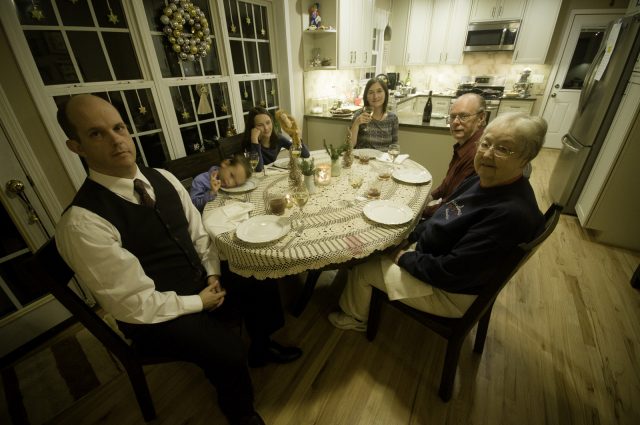
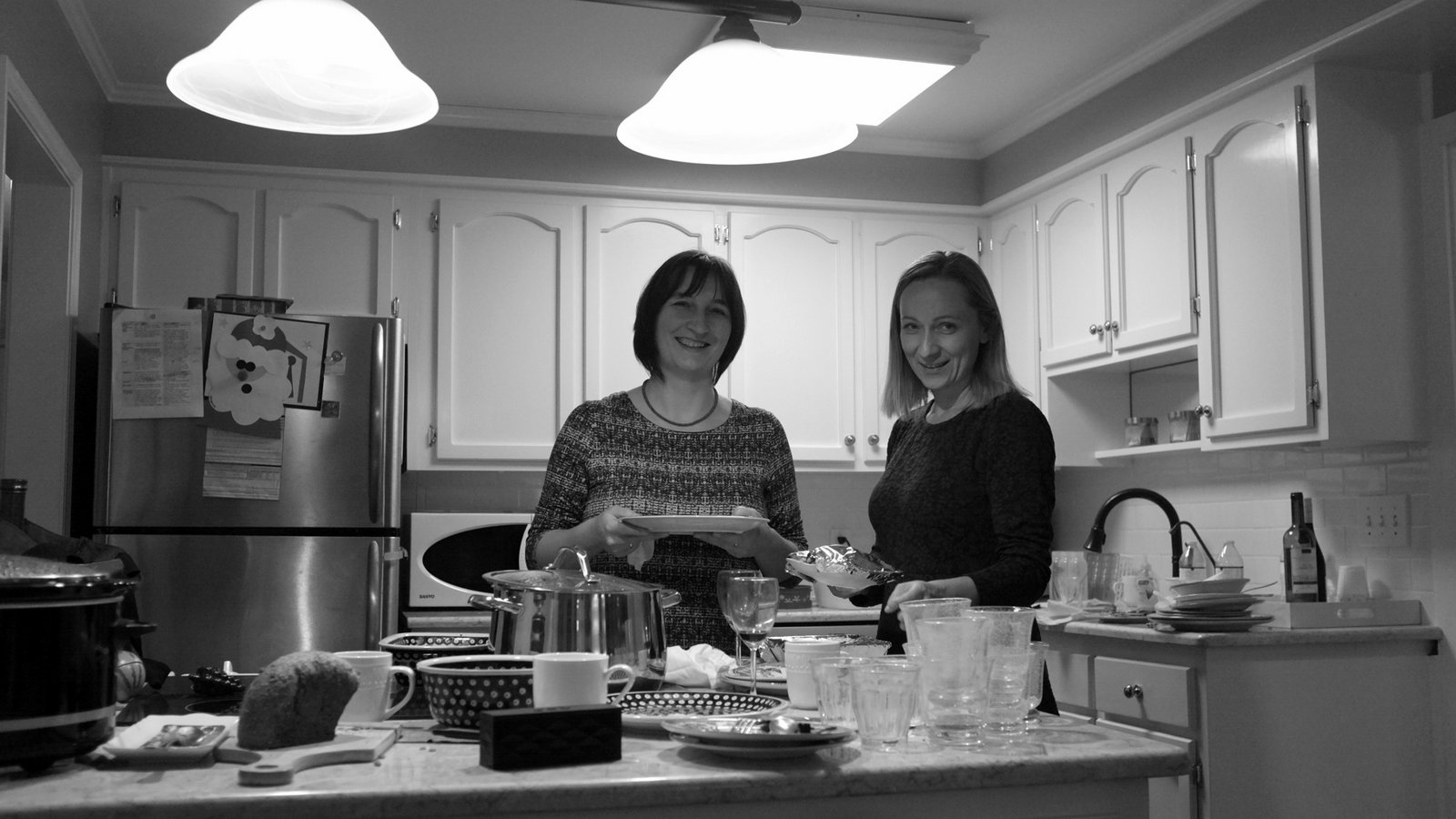
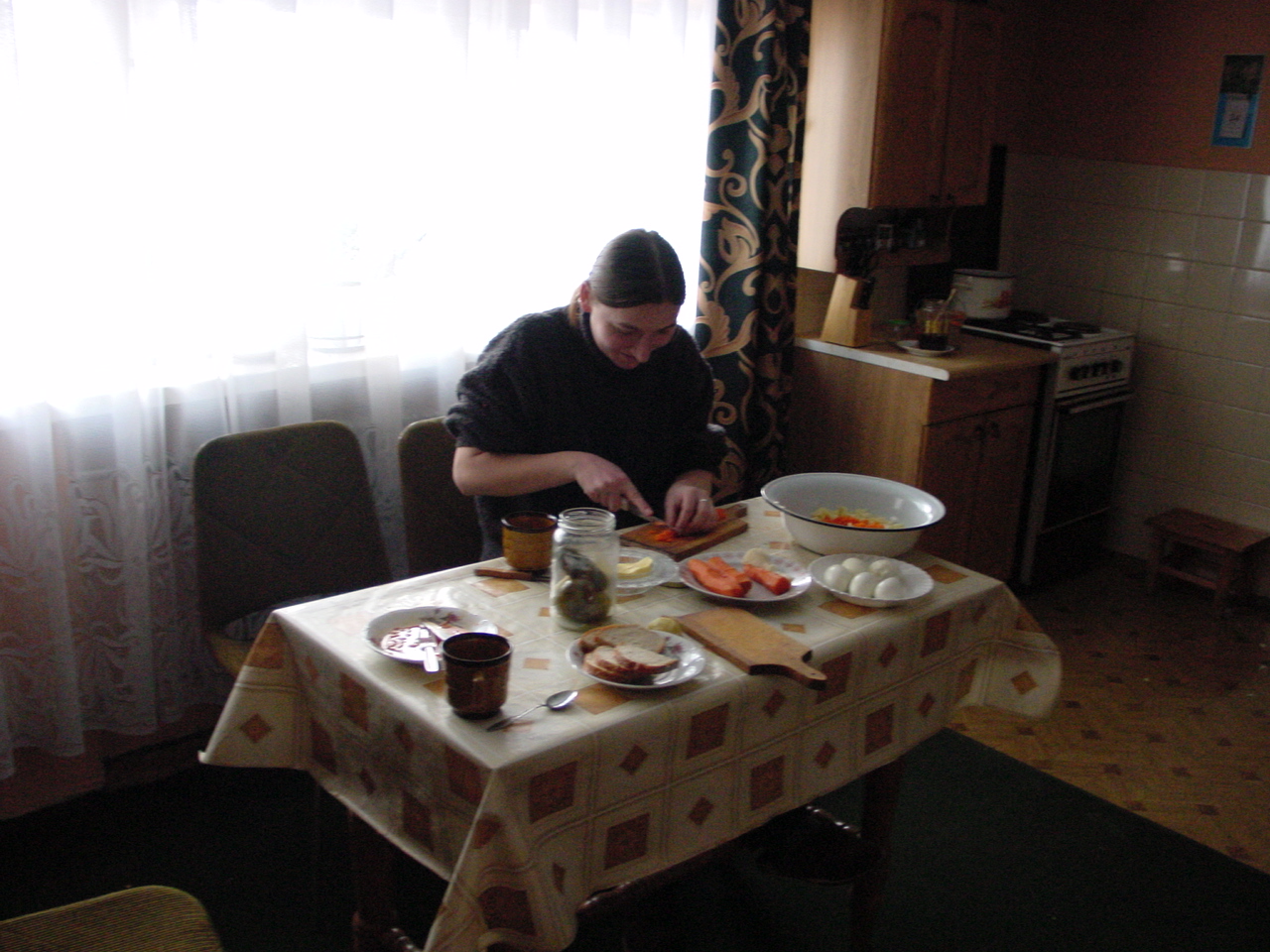
Down at the bottom of the page, there are posts about the last several wigilias. How many? K and I were counting this evening after the food had been put away, the dishes washed, the presents opened. Thirteen together with Nana and Papa, which would make fifteen together as a couple. I stop and think about it: that would make the first in 2002. Surely that’s not right. We got married in 2004, and we were engaged in 2003. I check my photos from that period and sure enough, there are the pictures of K preparing food at the table where this summer she sat with Babcia in the morning chatting over tea.

Fifteen years. Fifteen times we’ve put up a Christmas tree together, cooked and cleaned for wigilia together (though K has done the vast majority of the cooking), bought gifts together.
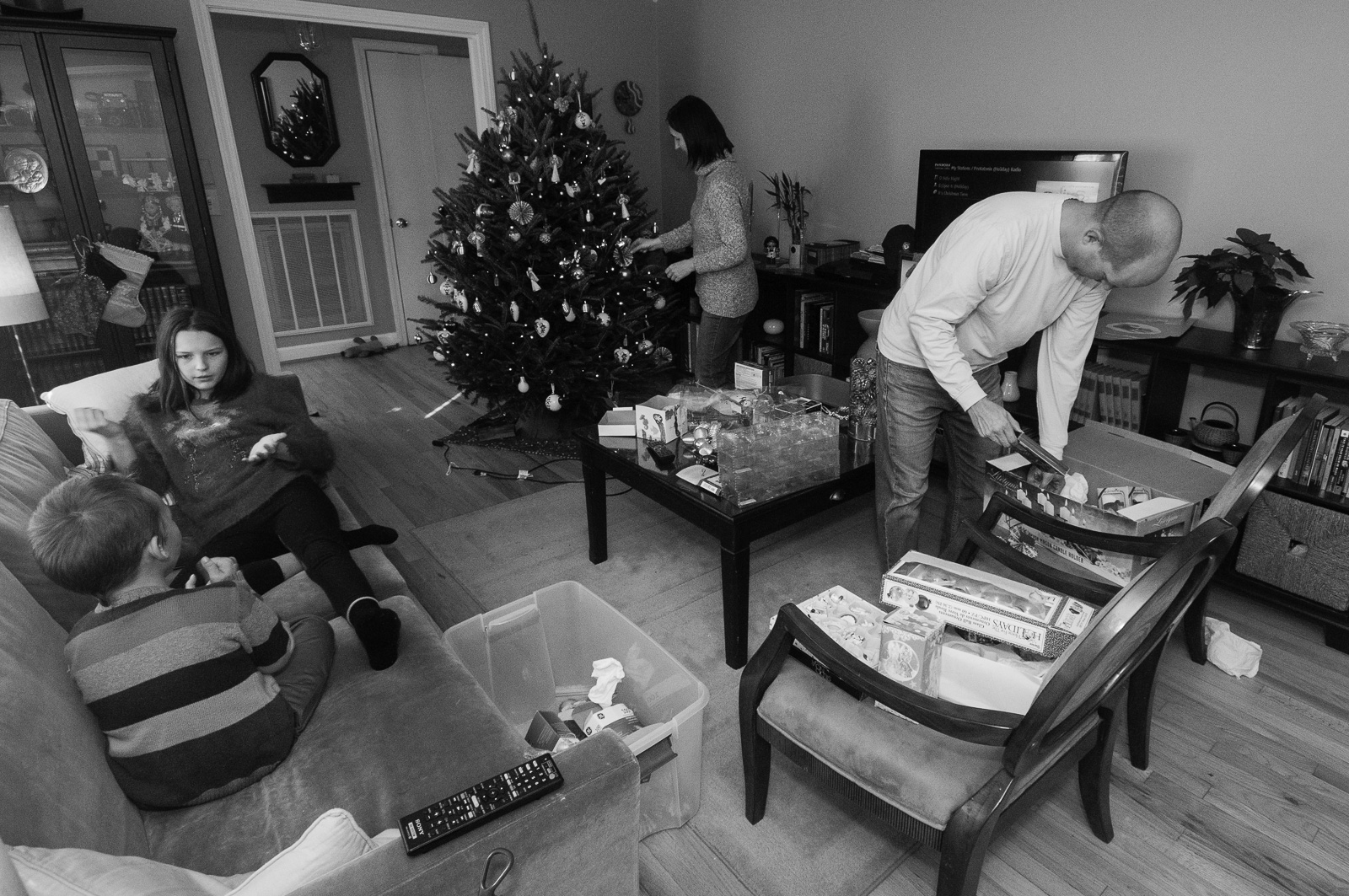
We began all this a couple of years before the students I currently teach were born.
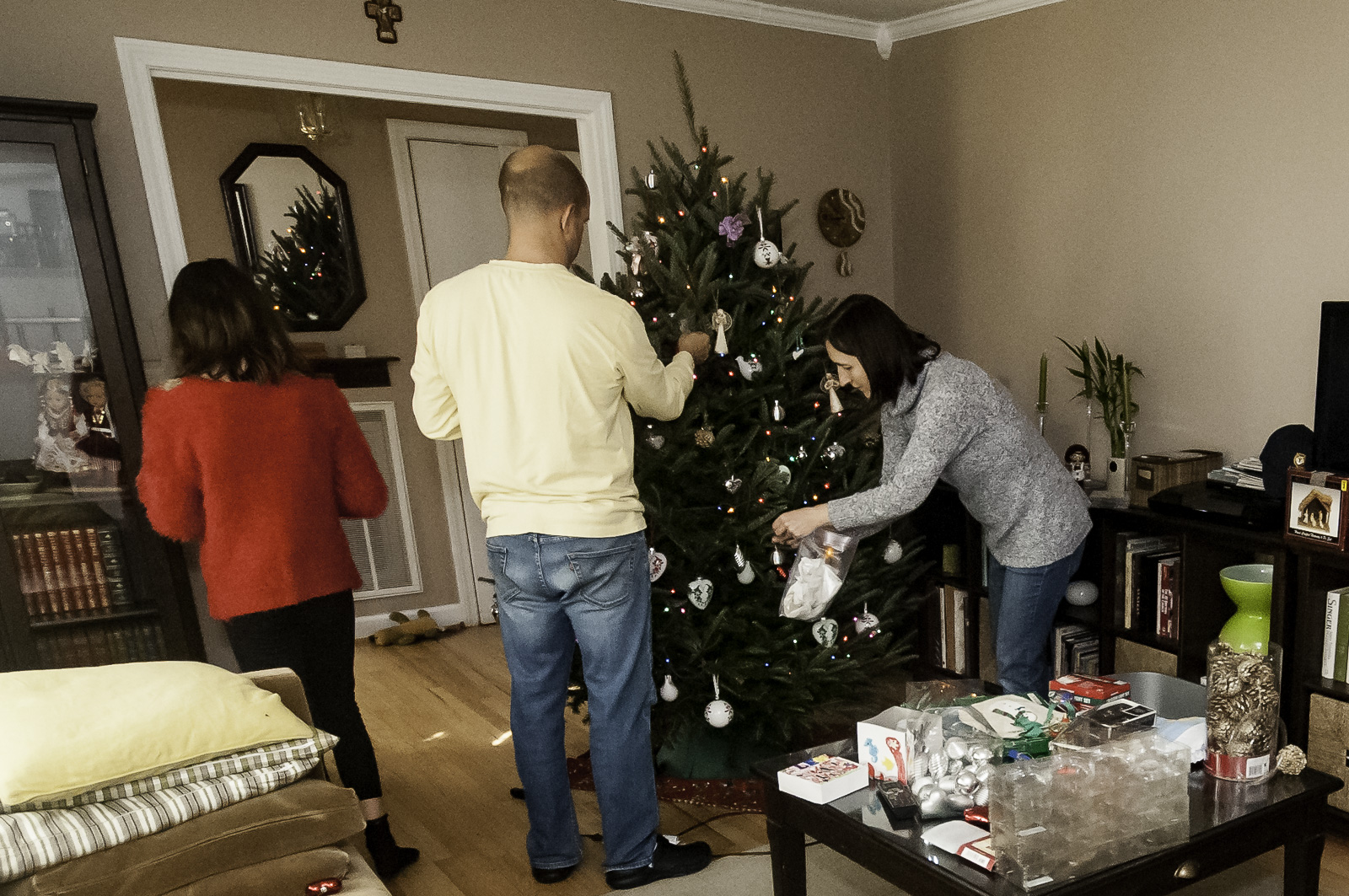
It’s not that I’m obsessed with how much time has passed. I used to be that way, but I think it was youthful sentimentality that I eventually outgrew. It’s not that the time has passed but that I no longer really notice it. Not like I did when I was so eager to be somewhere I wasn’t at that moment, when I looked ahead instead of looked around, so eager to be older, beyond where I was, not who I was. Grown. And truth be told, I never really felt that way — grown — until things became serious with K, when the future began to take definitive form. But since then, with our move to the States, the birth of our children, the purchase and eternal remodeling of our house, the pressures of our jobs, and all the other things that pack our days and nights, I don’t often give it much thought.

That’s the greatest gift of wigilia: a pause, a step out of time with the rest of our lives, a ritual that calls us to reflect and remember the past and appreciate the present.

Nothing ever changes in wigilia. Nothing. We have the same preparation rituals, the same cleaning. The one change: the involvement of the kids increases. The Boy eagerly helps with anything; the Girl, not so much, but that is changing as she matures. She’s eleven now, nearing what promises to be one of the most challenging and rewarding period, her teens. Wigilia always provides a metric for growth, both in the amount of help she provides and the willingness with which she eats some of the things she’s not really crazy about.

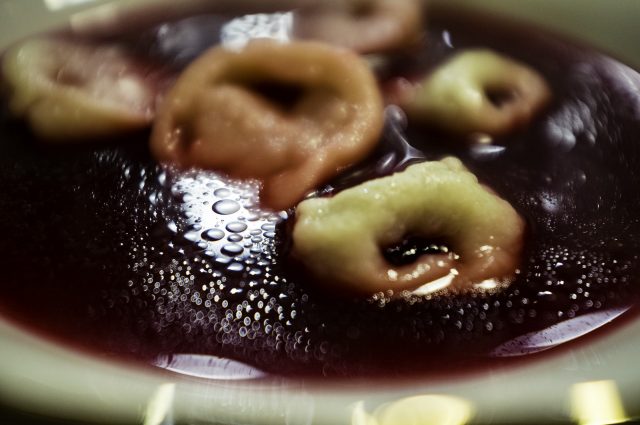
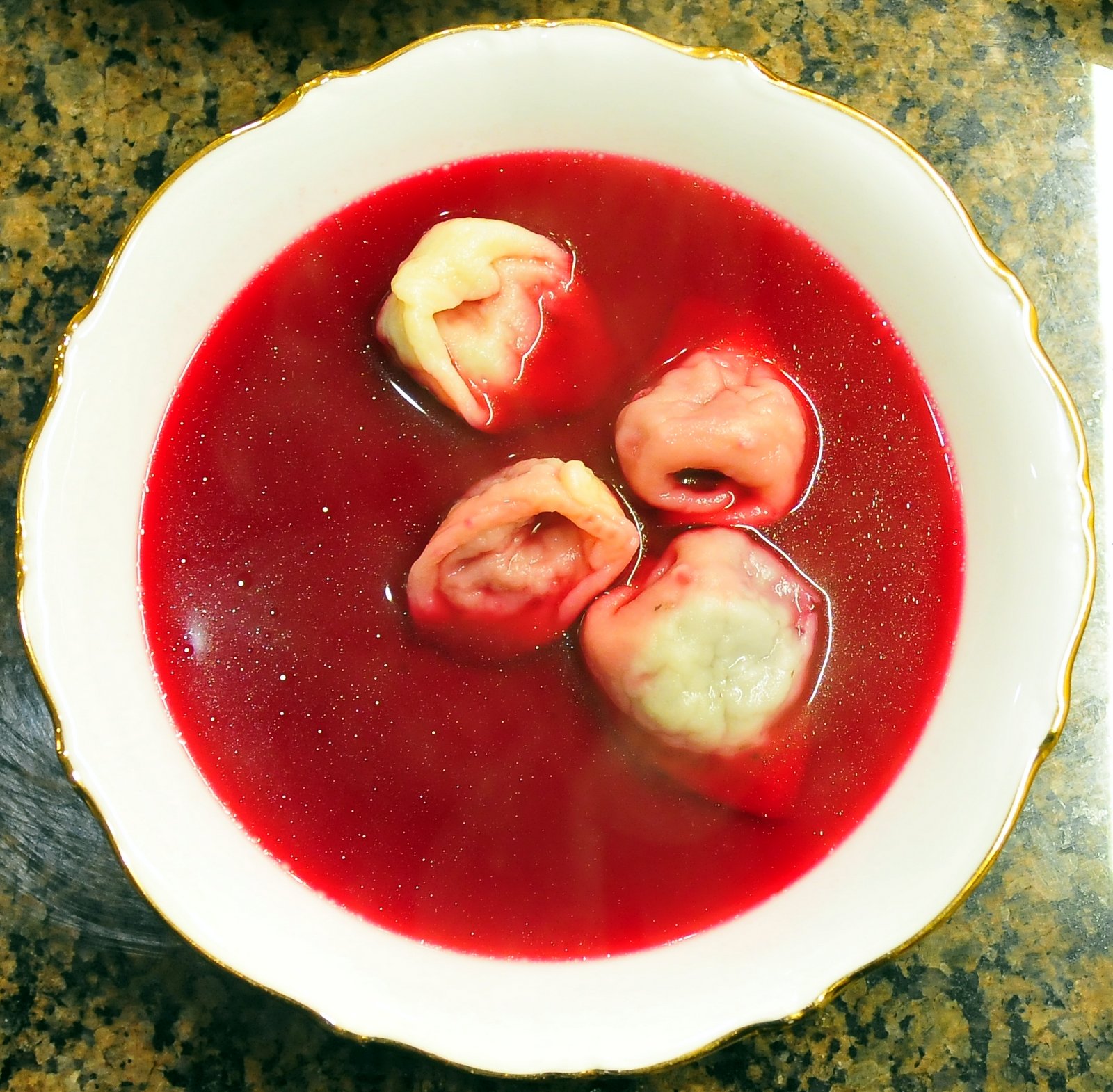
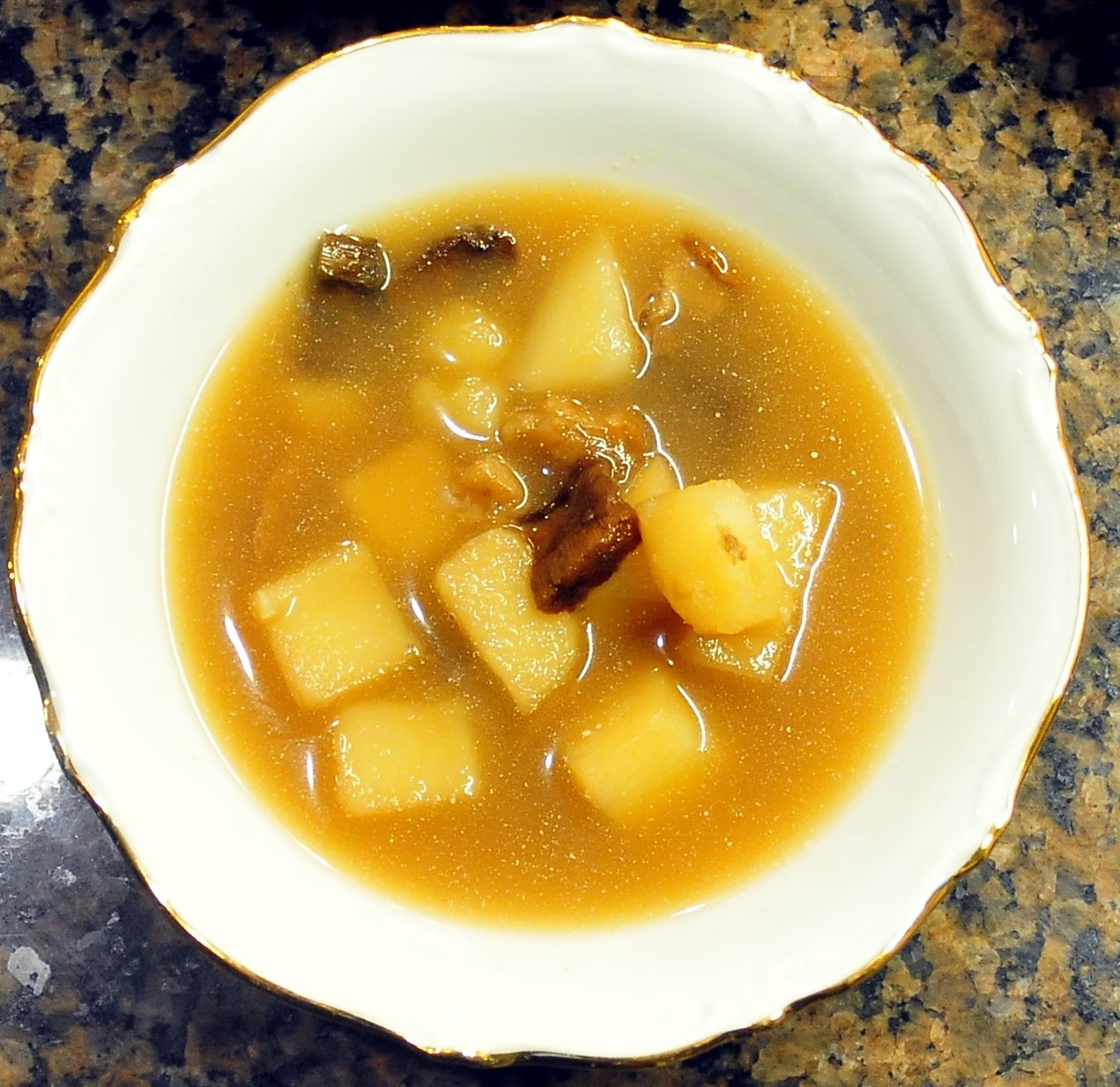
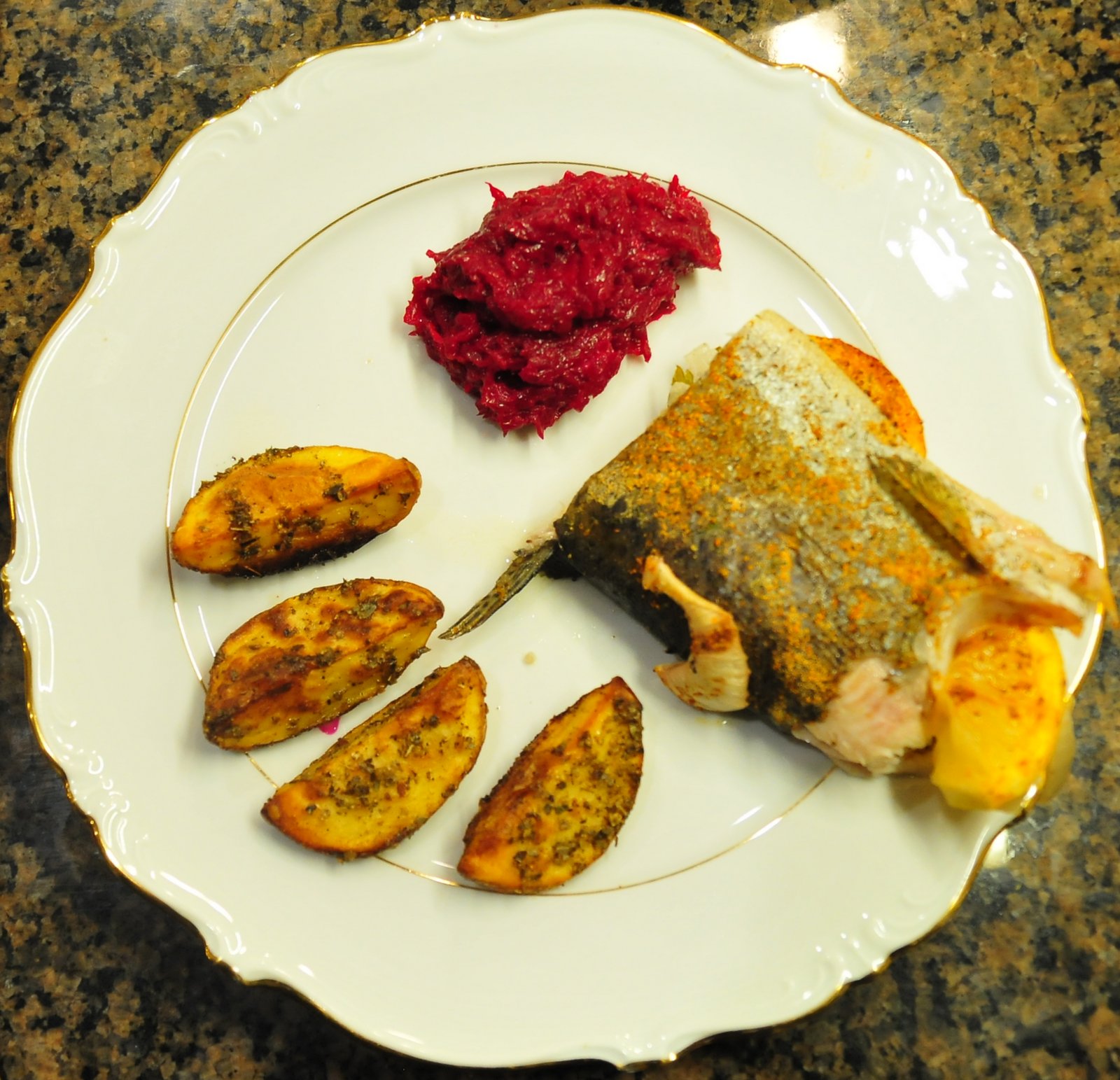
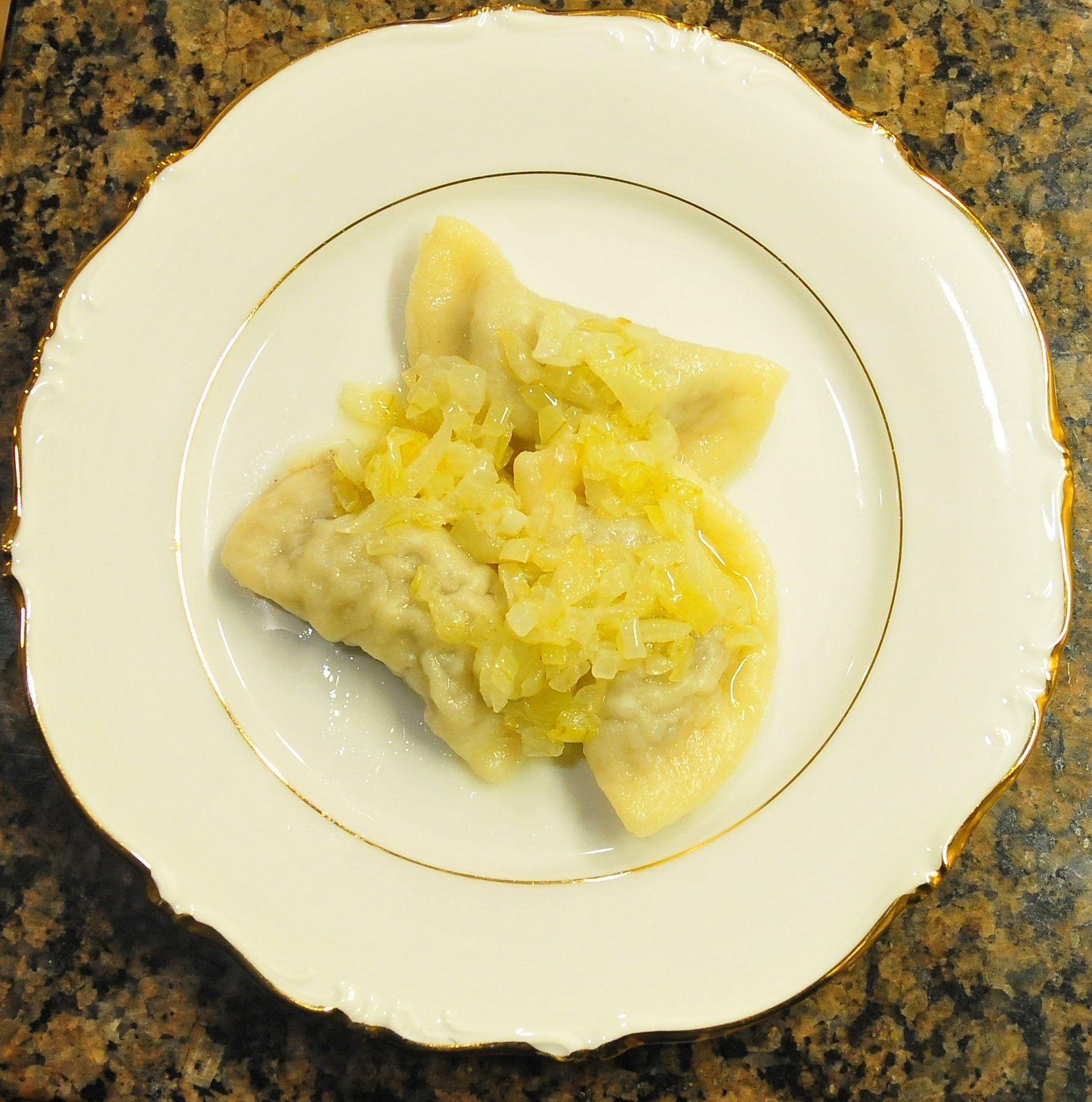
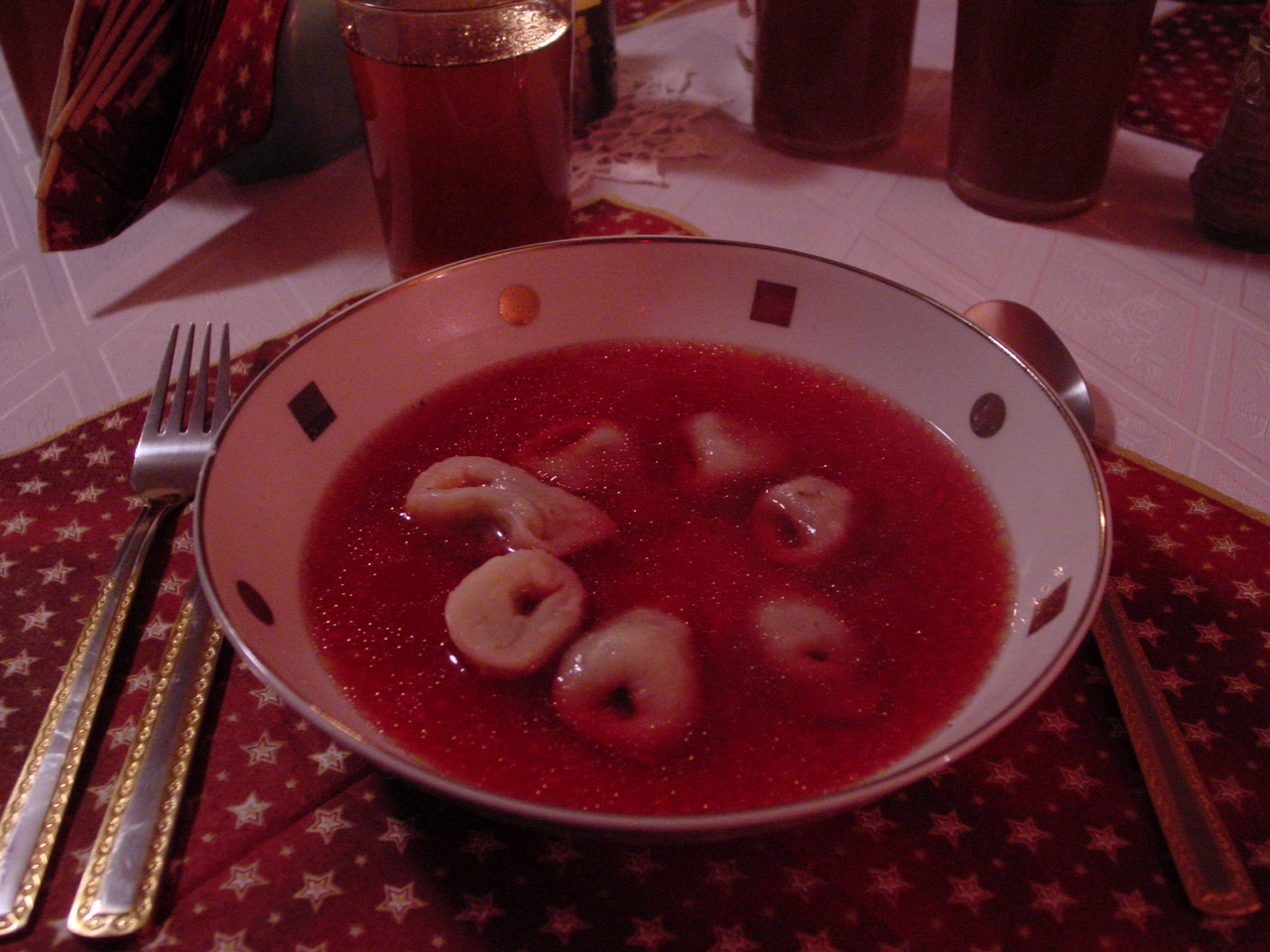
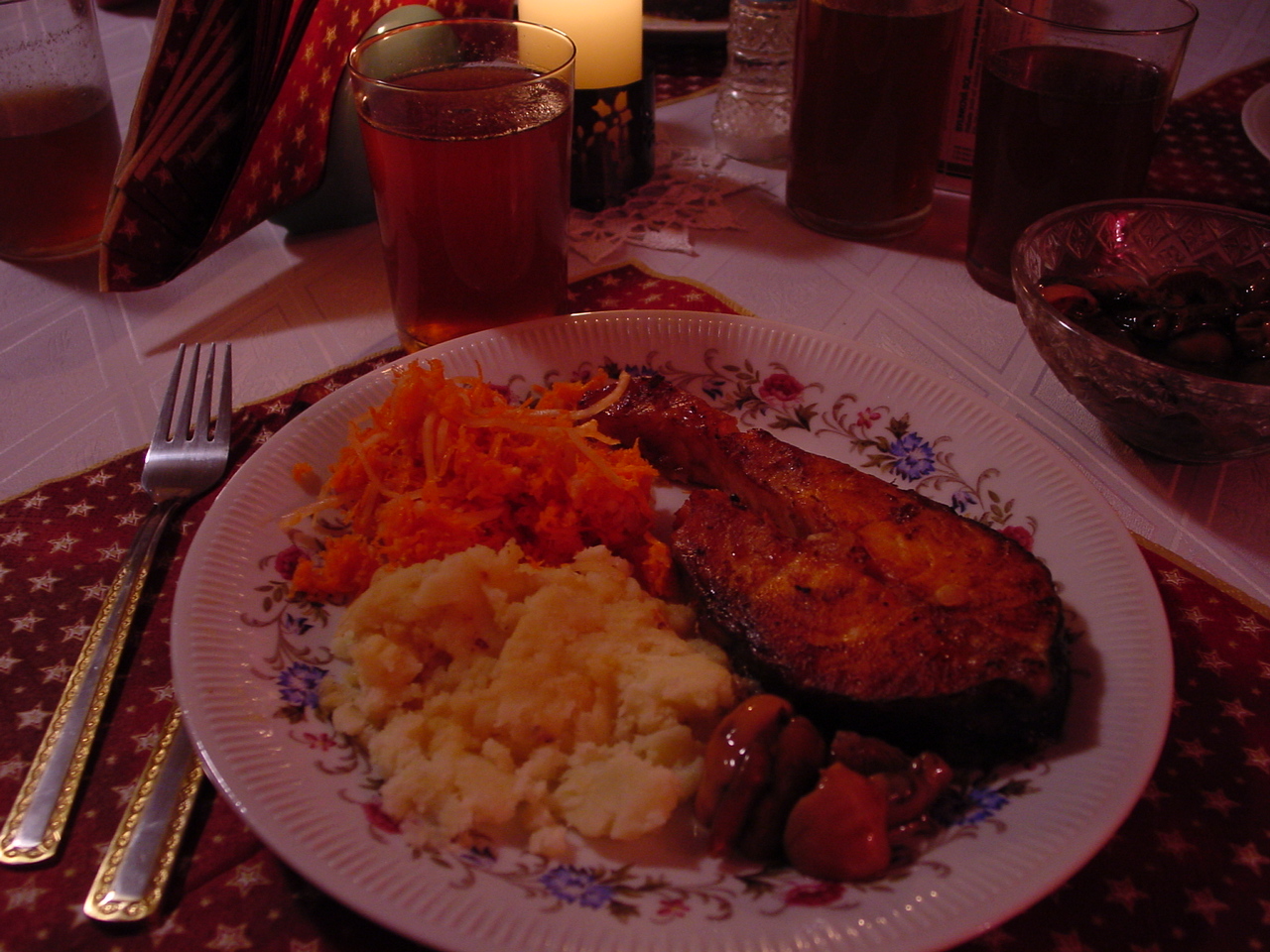
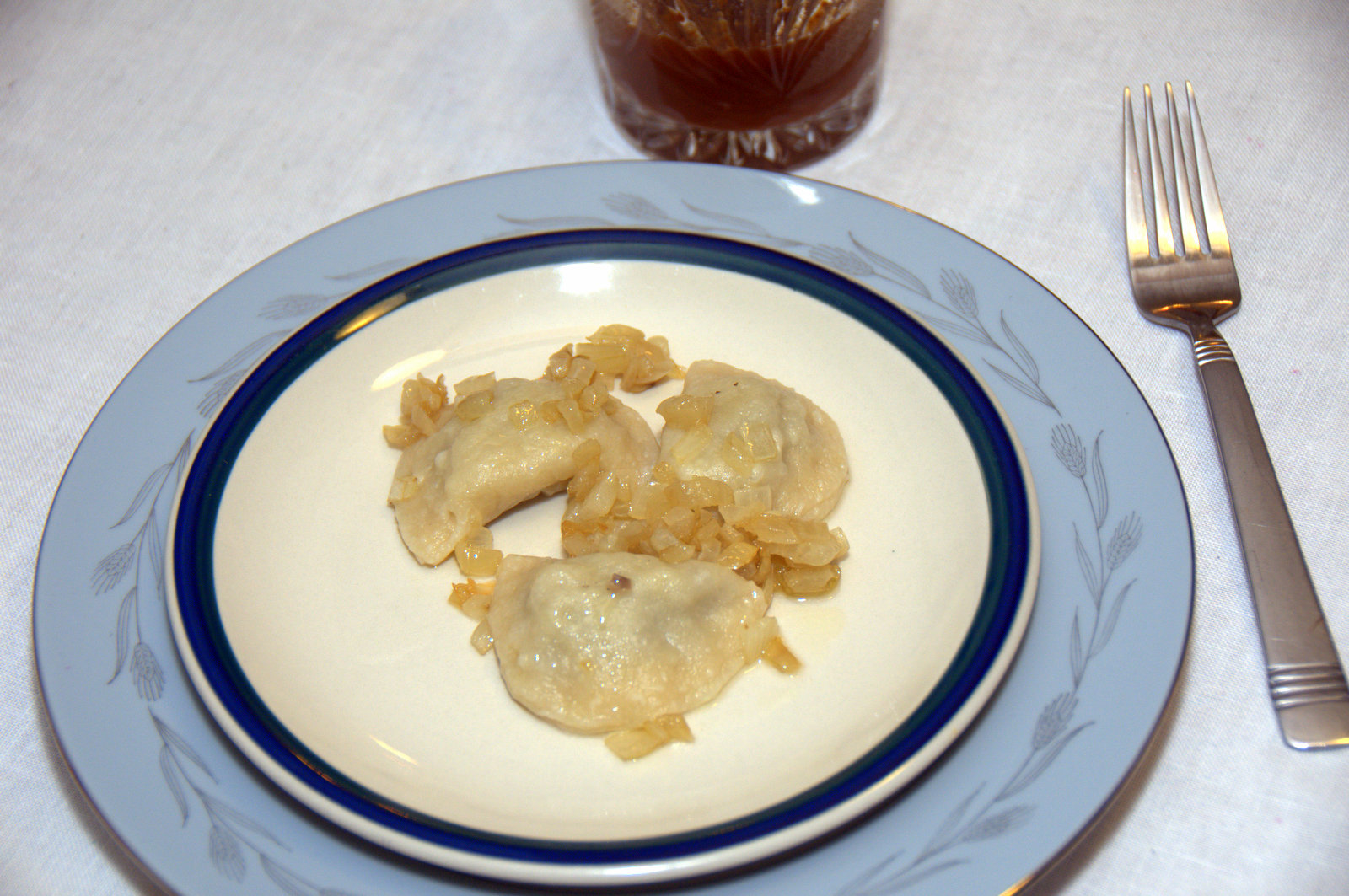
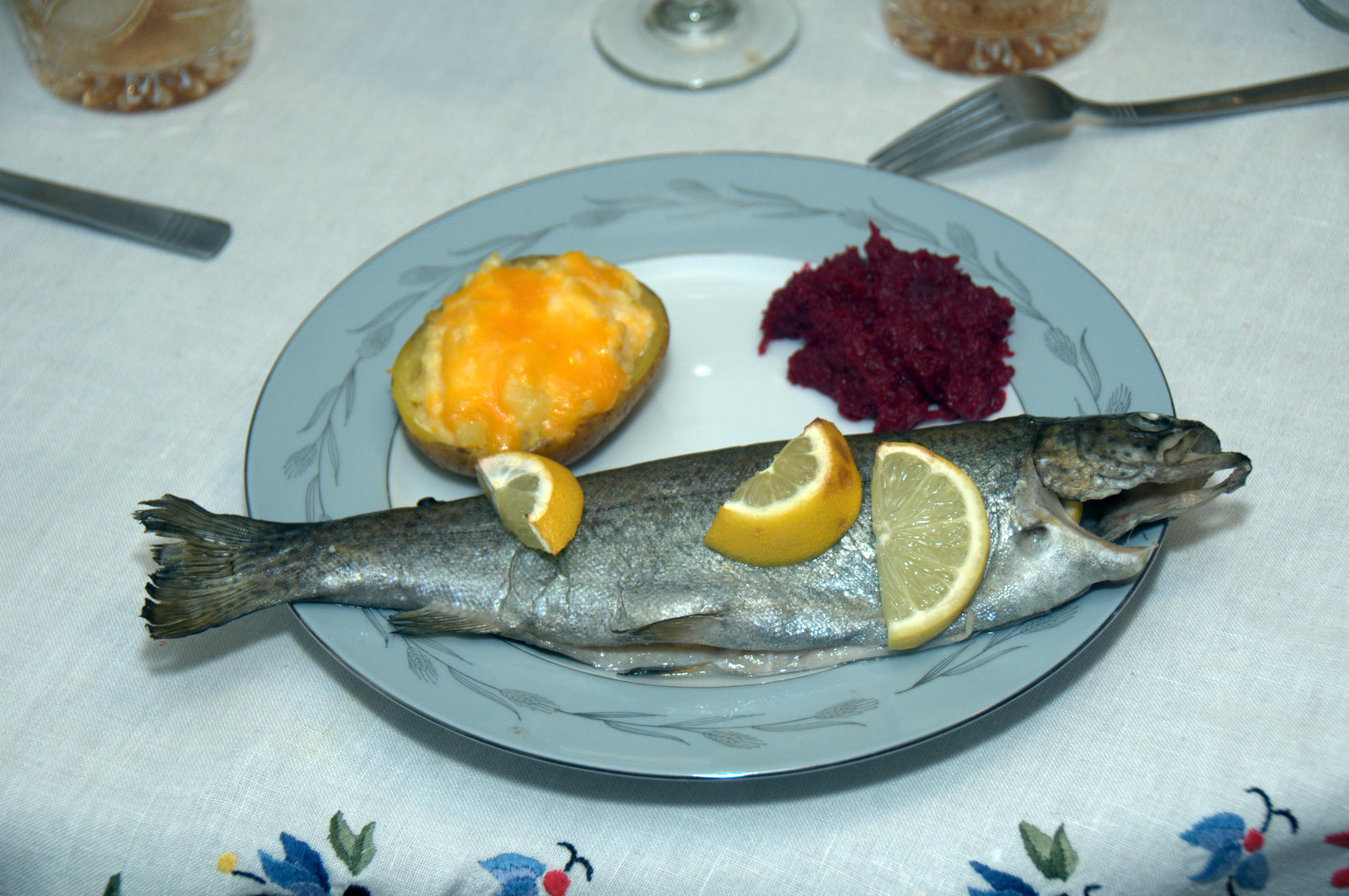
Nothing ever changes in wigilia. Ever. We eat the same foods with little repetition. Barszcz z uszkami, pierogi z kapustฤ… iย grzybami, jakaล›ย ryba. Zawsze tak samo. It’s the ultimate comfort food, recipes that have passed through generations with little change. I sometimes wonder what L and E might do with their families after we’re gone. Will they take these recipes with them? Will they find themselves reminiscing on Christmas Eve about how different their Christmas Eves were as children?
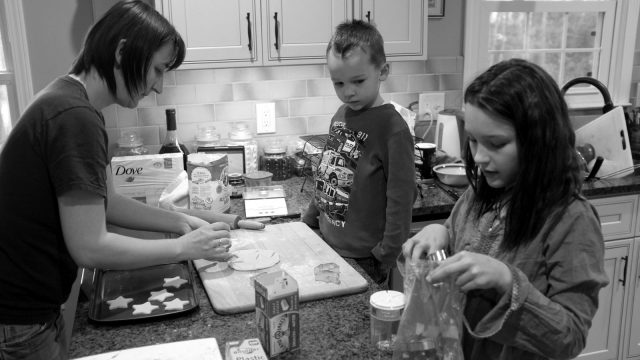
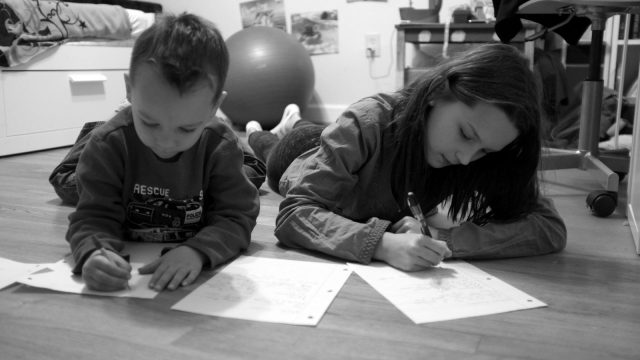
Nothing ever changes in wigilia. Nothing.We follow the same script with little repetition. A nativity story, usually from Matthew. We sing a Christmas carol, usually “Silent Night.”ย We share the opล‚atek. And our wishes for each other never change, always involving health in one form or other. Is there anything else we need to worry about? Is there a greater or more important wish we could have for others?

Nothing ever changes in wigilia. Ever. We even give the same gifts (a photo yearbook of the previous year’s adventures). It’s not the most fiscally generous gift, but it’s what everyone really wants. “We always look forward to getting it,” K’s sister-in-law once told us, and in truth, K and I truly enjoy making it. It’s a challenge to narrow a year’s worth of pictures (approximately 12,000 in 2017) to a selection to fit into roughly 150 pages. And for me, it’s always the same: a bottle or two of some libation. We’re all so easily pleased.

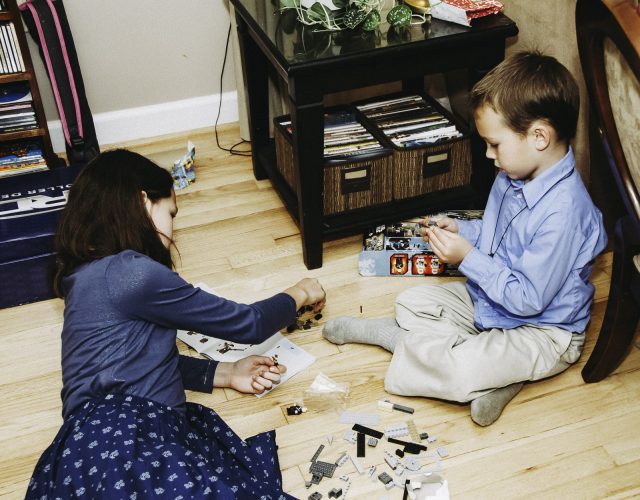
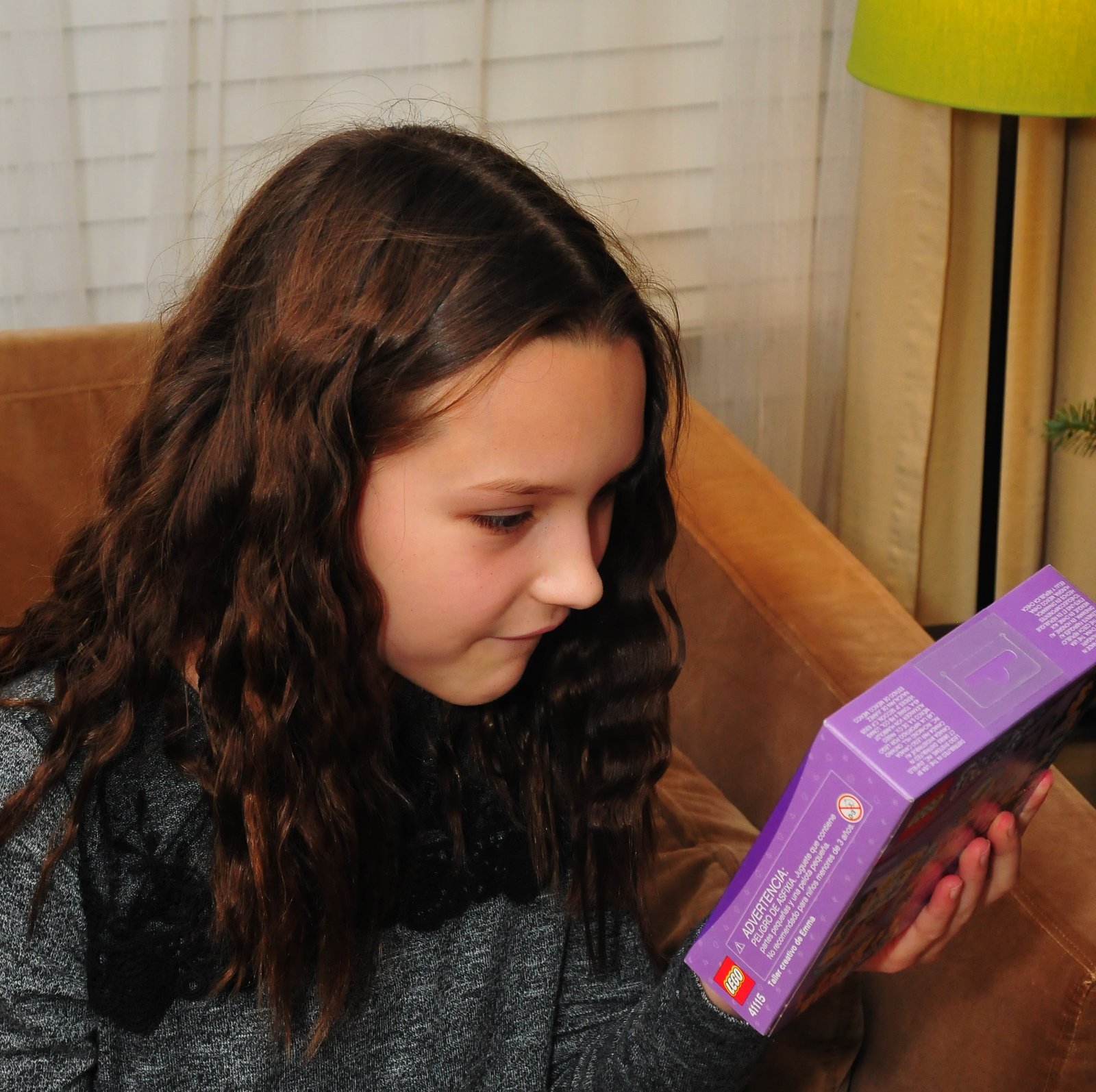
Nothing ever changes in wigilia. Nothing. We end the same way, sitting around drinking coffee, listening to carols, watching the kids play with their toys. This is something that will eventually change. L no longer gets toys, not in the sense of something she can play with. E will reach that point too. In ten years, L will be in college, E in high school, and what gifts will we be giving then? Lego won’t be so very special, but we’ll figure that out. Hopefully, the gift of just being home — the Girl coming home from her junior year of college in ten years — will be enough.

Nothing ever changes in wigilia. Ever. I end the evening alone, drink at hand, chewing on a cigar (and it’s even been the same cigar for the last few years, I would bet: aย Partagas Black Label — a dark, earthy, rich, strong nicotine kick in the pants to end the evening), with Christmas music playing (this year, Chanticleer’sย Psallite! A Renaissance Christmas), working on pictures taken throughout the day, then writing about it all — writing the same thoughts.

Nothing ever changes in wigilia. Nothing.

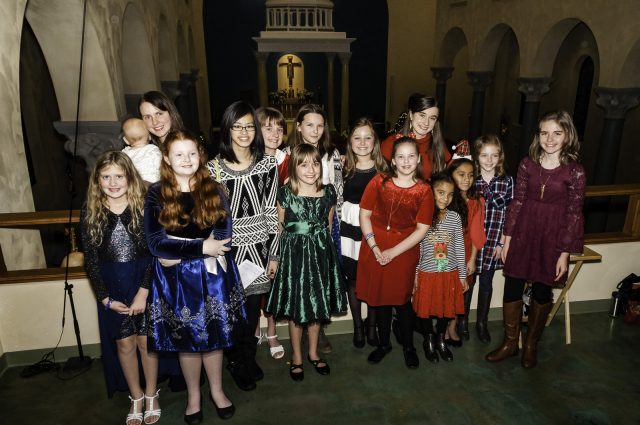
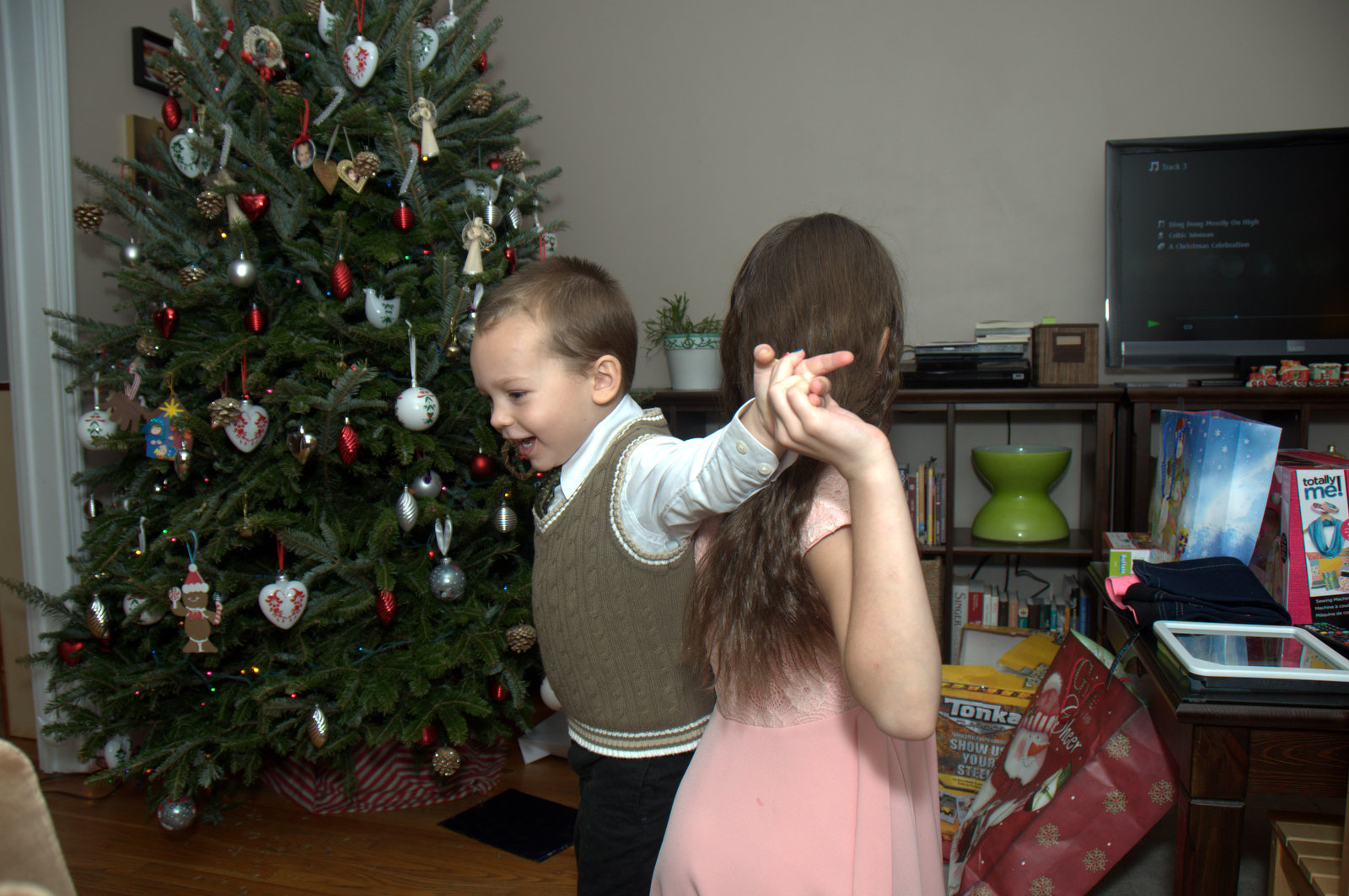
And yet there are all the little changes, little jewels of growth and change that make this year different from last. The Girl, singing soprano in the children’s choir under the direction of a new choirmaster who, looking for a change, has come through a miraculous chain of events from the Vatican where he was assistant music director at the Sistine Chapel to our little church in Greenville and has made the music of Mass positively angelic. The Boy, trying so hard to be a man, agreeing to change into more formal clothes because K explained that I would be doing the same. K, realizing she doesn’t have to do everything every year — notice: no kapusta z grzybami or zupa grzybowa on the menu, and only two deserts — and having a much more relaxed day as a result.

We’re all growing.

The truth is, everything changes every wigilia.

Everything.

Previous Years

Wigilia 2003

Wigilia 2004

Wigilia 2005

Wigilia 2006

Wigilia 2007

Wigilia 2008

Wigilia 2009

https://matchingtracksuits.com/2010/12/25/wigilia-2010/

Wigilia 2011

Wigilia 2012

Wigilia 2013

Wigilia 2014

Wigilia 2015

Wigilia Eve 2017

It should really have been a different few days. These last few days before Wigilia have always been filled with baking, decorating, cooking, cleaning, and anticipation.

There has been some preparation, to be sure. We’ve done the usual cleaning. But somehow, it just doesn’t seem possible that tomorrow is Wigilia. The build-up is somehow just not there.

Given the stress that it can cause K, perhaps that’s a good thing. Definitely.

Christmas Tree

It’s really such a silly idea, positively kitsch in a lot of ways: we cut down trees, bring them into our home, and hang silly baubles on it. For many, it’s more than that: it’s positively evil. Some Christians look at Jeremiah 10:2-5 as something of a condemnation of the Christmas tree. One religious group explains it thusly:

This passage states, โ€œThus says the LORD, Learn not the way of the heathen, and be not dismayed at the signs of heaven; for the heathen are dismayed at them. For the customs of the people are vain: for one cuts a tree out of the forest, the work of the hands of the workman, with the axe. They deck it with silver and with gold; they fasten it with nails and with hammers, that it move not. They are upright as the palm tree, but speak not: they must needs be borne, because they cannot go. Be not afraid of them; for they cannot do evil, neither is it in them to do good.โ€

These verses illustrate an idol made out of wood. However, idols were also made out of other materials, such as stone, marble, etc. So this is not a comprehensive description of idol-making. More specifically, it speaks of Christmas tree-making, even as it is still done today.

A reference to the signs of heaven in verse 2 is better translated today as the winter solstice. Most people are unaware of the connection between Christmas and the winter solstice, and that the origin of the holiday is pagan. They observe it because of the customs in our society. We need to be aware of what some of the customs signify. In fact, we read in verse 2 above, โ€œlearn not the way of the heathen.โ€ God commands us not to follow that way.

Although the scripture above undoubtedly reflects the ancient practices during Jeremiahโ€™s time, we know that the book is also prophetic. Therefore, we ought to take it as an instruction for our day and age as well.

The use of such a tree amounts to idolatry. This is a transgression of Godโ€™s law, stated in Exodus 20:4-6. To learn more, you may wish to request our free booklet The True Origin of Christmas.

So it’s far from a harmless bit of cheesiness for some.

In The True Origin of Christmas, the author, David Pack, explains it thus:

No booklet about Christmas is complete without some explanation of the โ€œChristmas tree.โ€ We have touched on it without directly focusing on it. The modern Christmas tree originated in Germany. But the Germans got it from the Romans, who got it from the Babylonians and the Egyptians.

Like many articles from Pack, he fails to provide any documentation for the assertion that the Romans got it from the even more ancient sources. To be fair, there is something to Pack’s assertion:

The ancient Egyptians worshipped a god called Ra, who had the head of a hawk and wore the sun as a blazing disk in his crown. At the solstice, when Ra began to recover from the illness, the Egyptians filled their homes with green palm rushes which symbolized for them the triumph of life over death.

Early Romans marked the solstice with a feast called the Saturnalia in honor of Saturn, the god of agriculture. The Romans knew that the solstice meant that soon farms and orchards would be green and fruitful. To mark the occasion, they decorated their homes and temples with evergreen boughs. In Northern Europe the mysterious Druids, the priests of the ancient Celts, also decorated their temples with evergreen boughs as a symbol of everlasting life. The fierce Vikings in Scandinavia thought that evergreens were the special plant of the sun god, Balder. (The History Channel)

But Pack believes we’re just supposed to take his word for it. He is the authority.

By and large, it seems to be a tempest in a cliche. So it has pagan origins. So Christmas is a Christianization of solstace celebrations. So what? I find it hard to believe that an omnipotent being would care much about such relatively petty matters when I take into consideration all the other things he should be worried about.

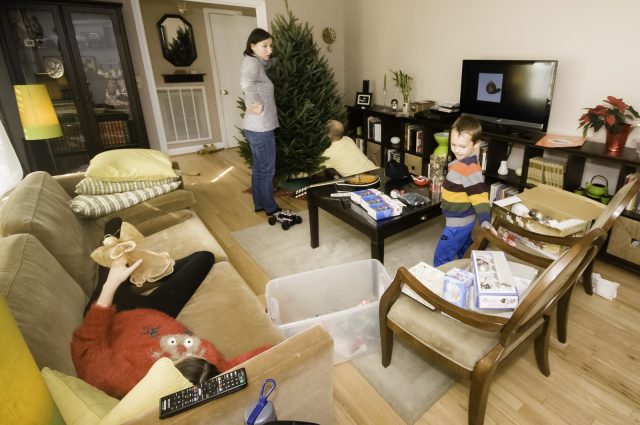
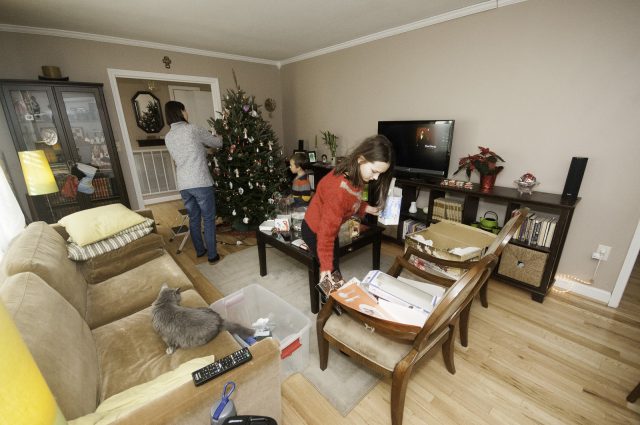
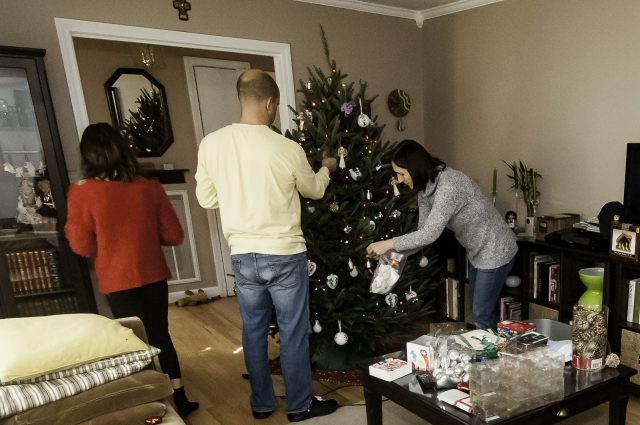
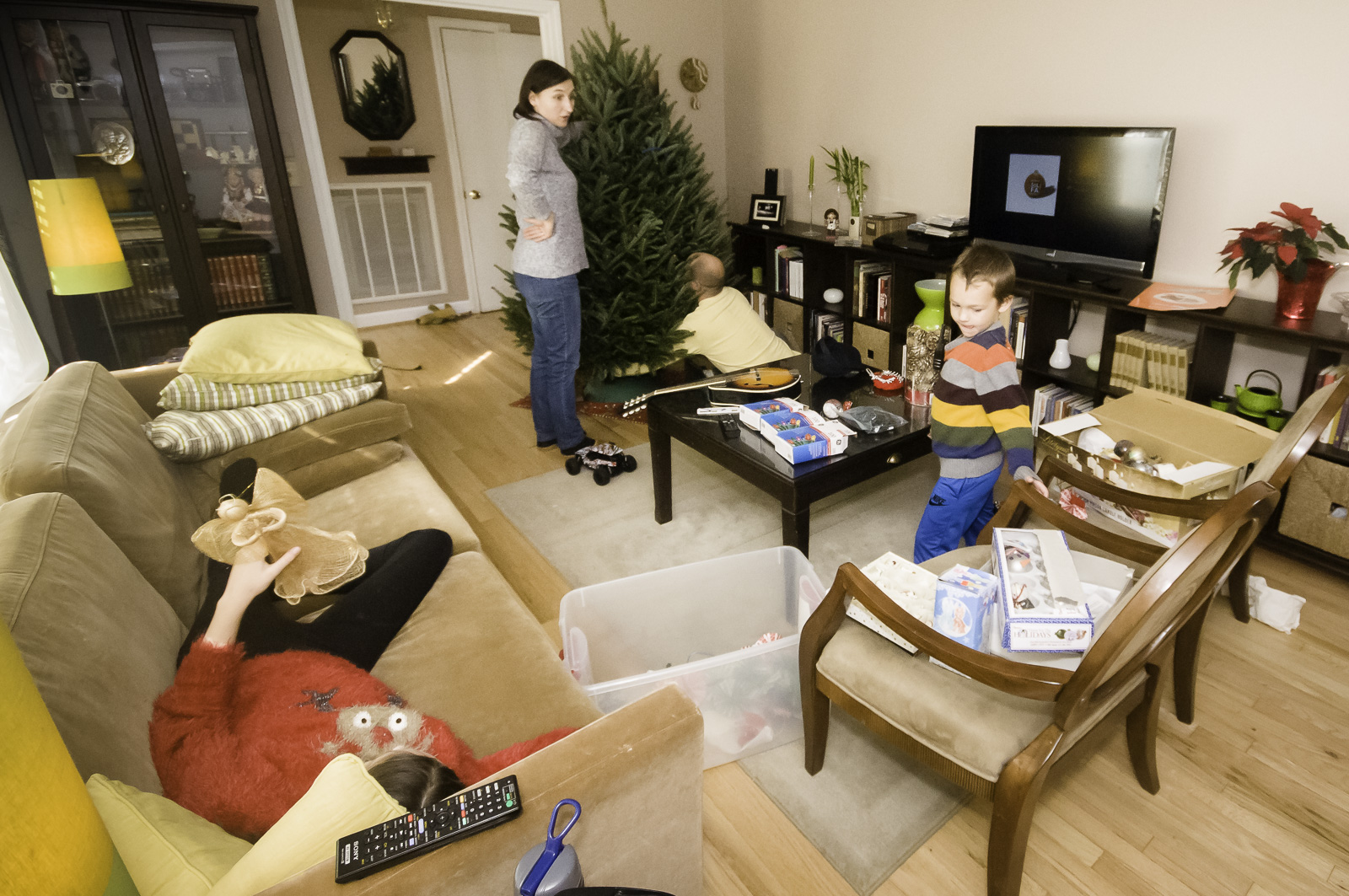
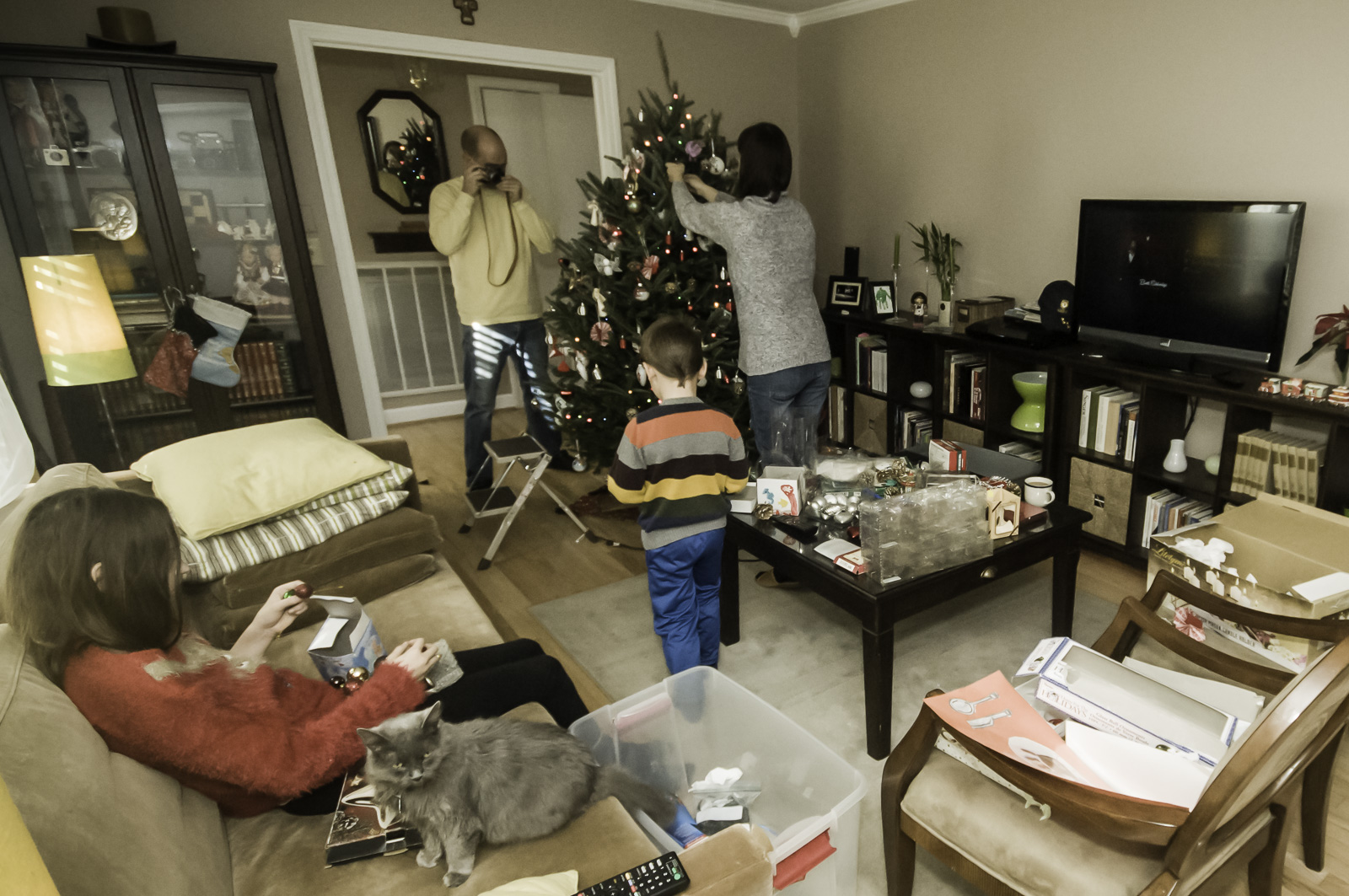
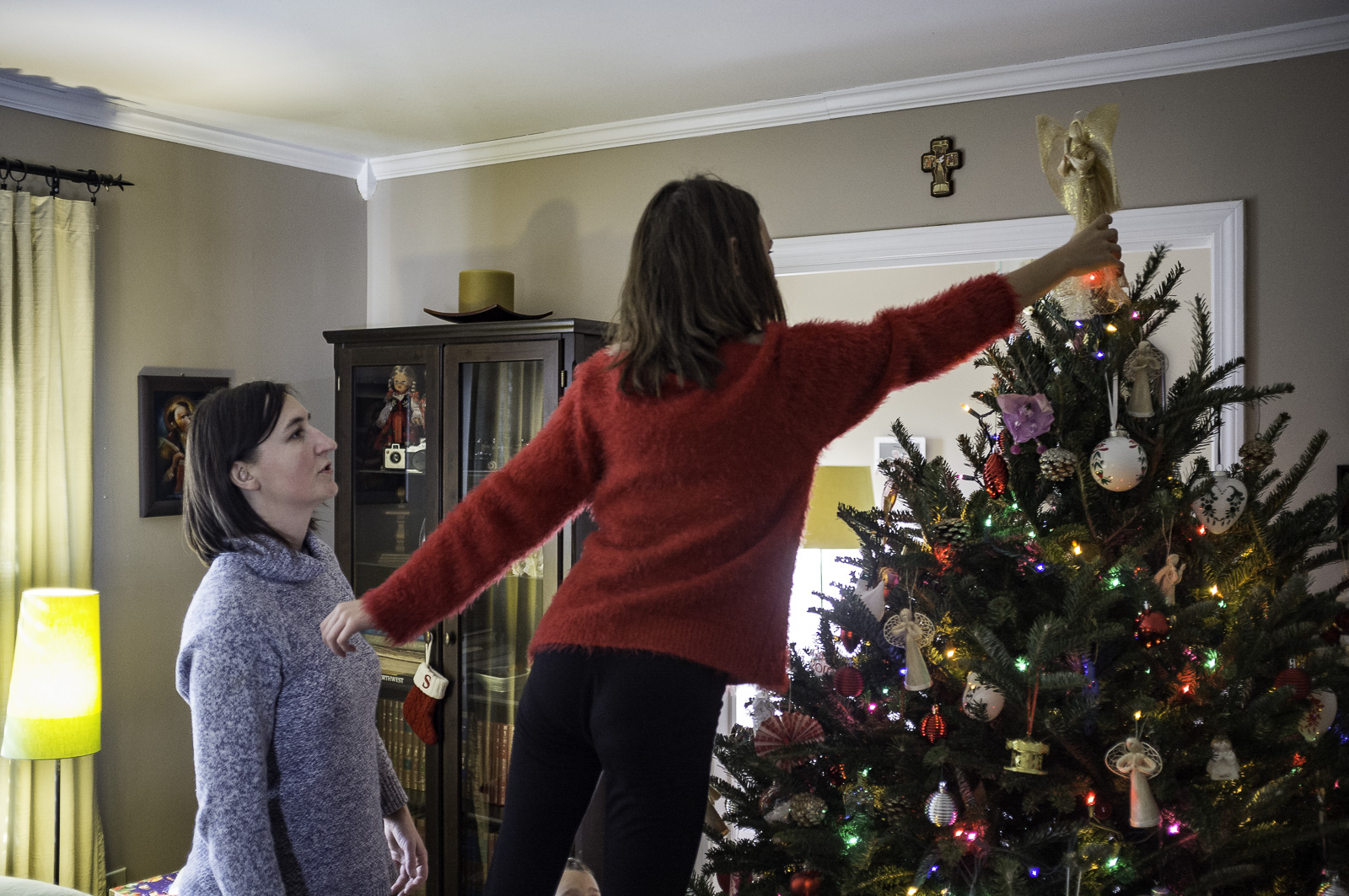
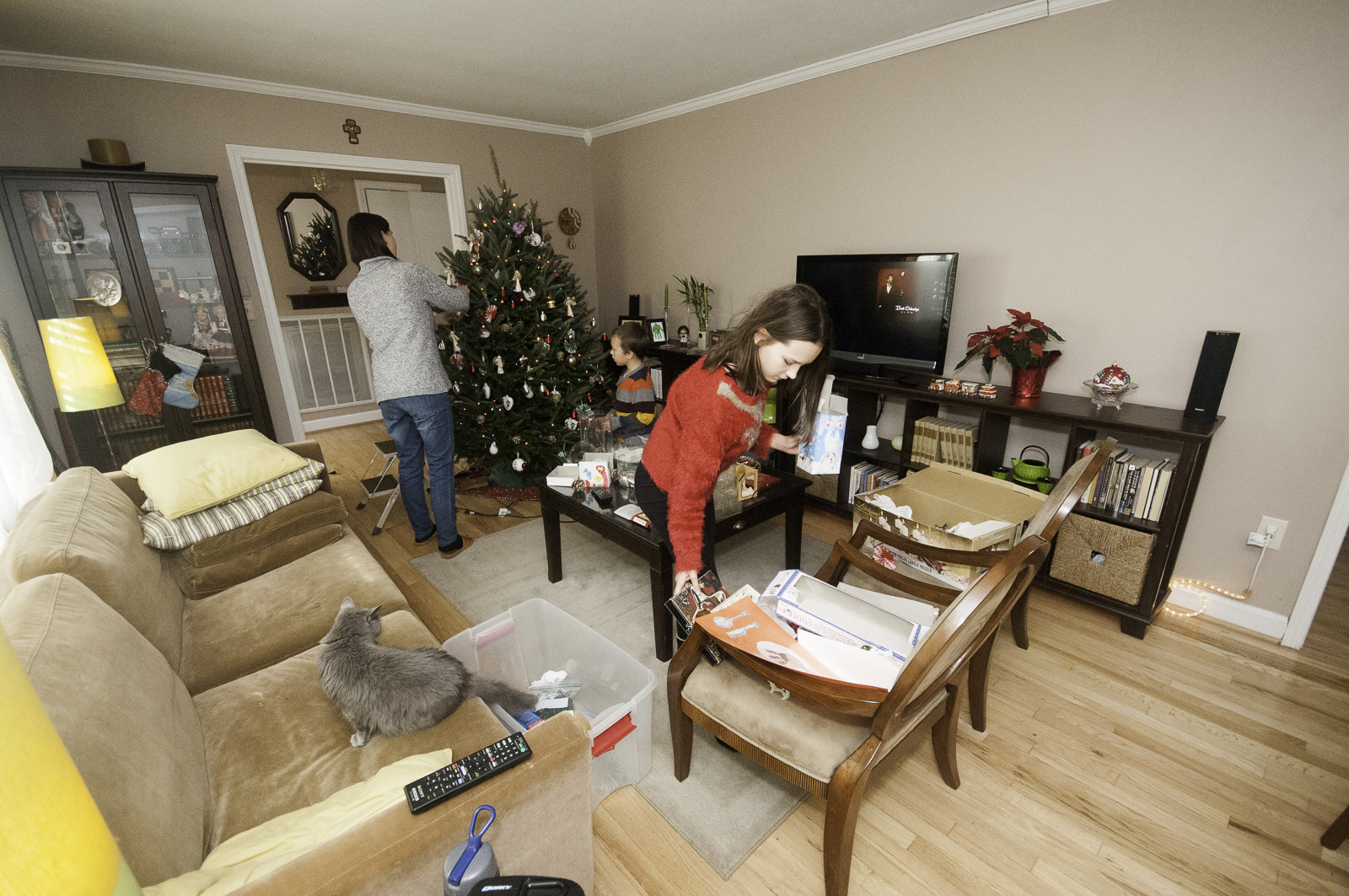
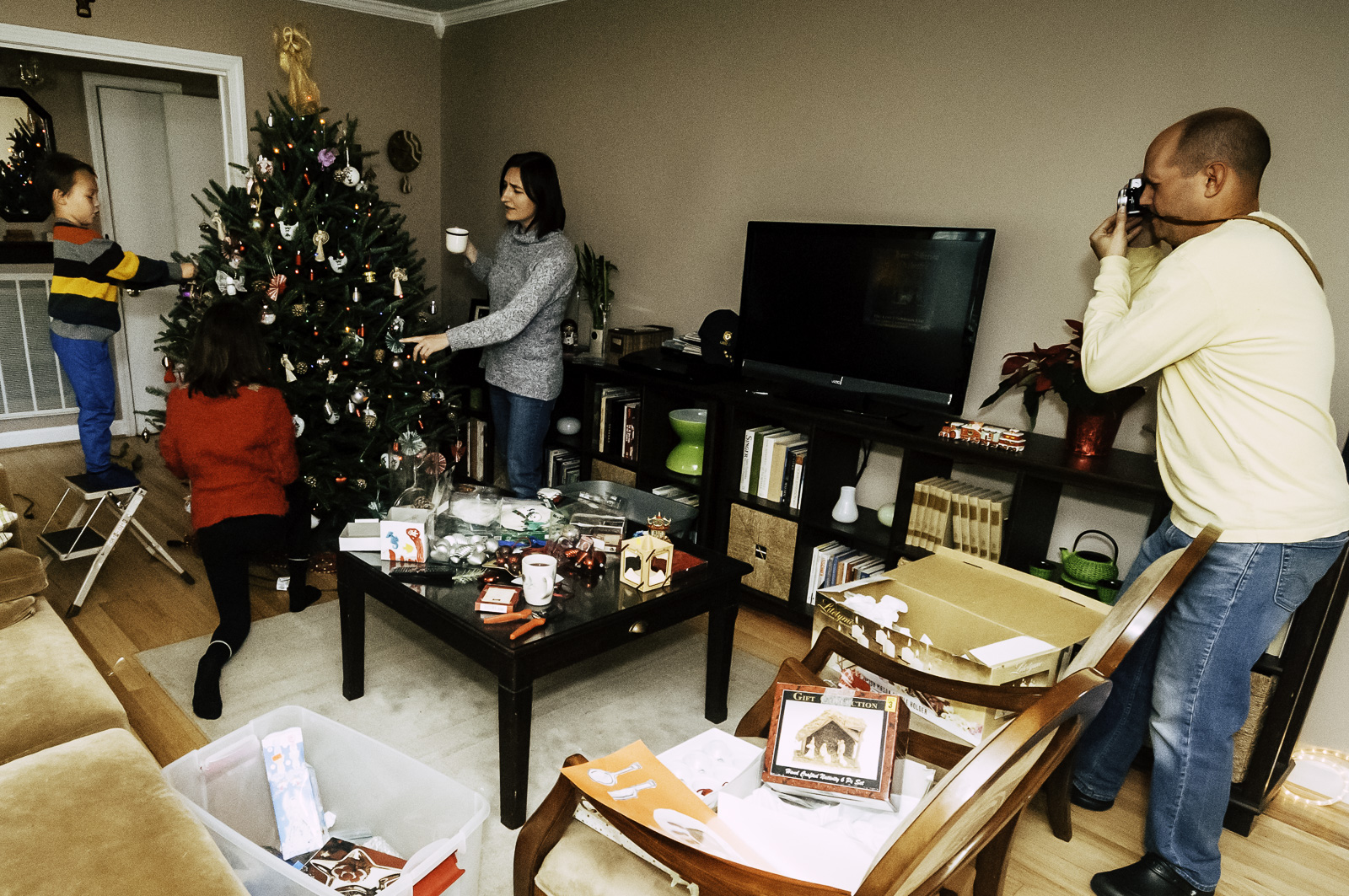
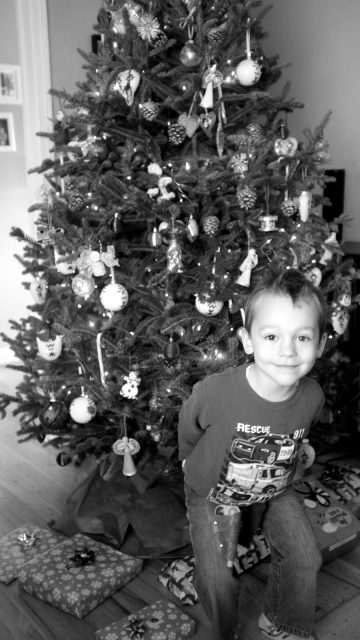
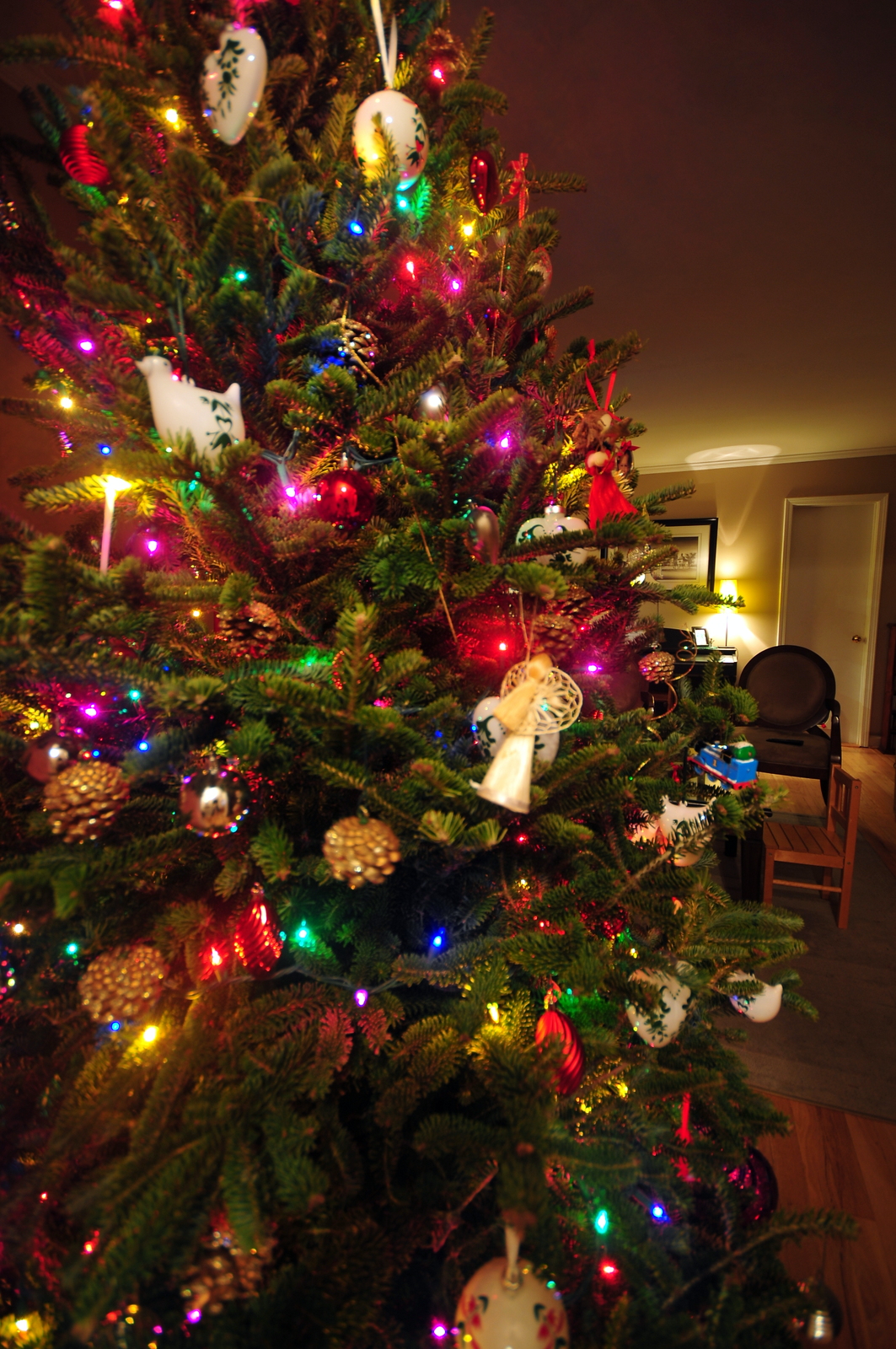
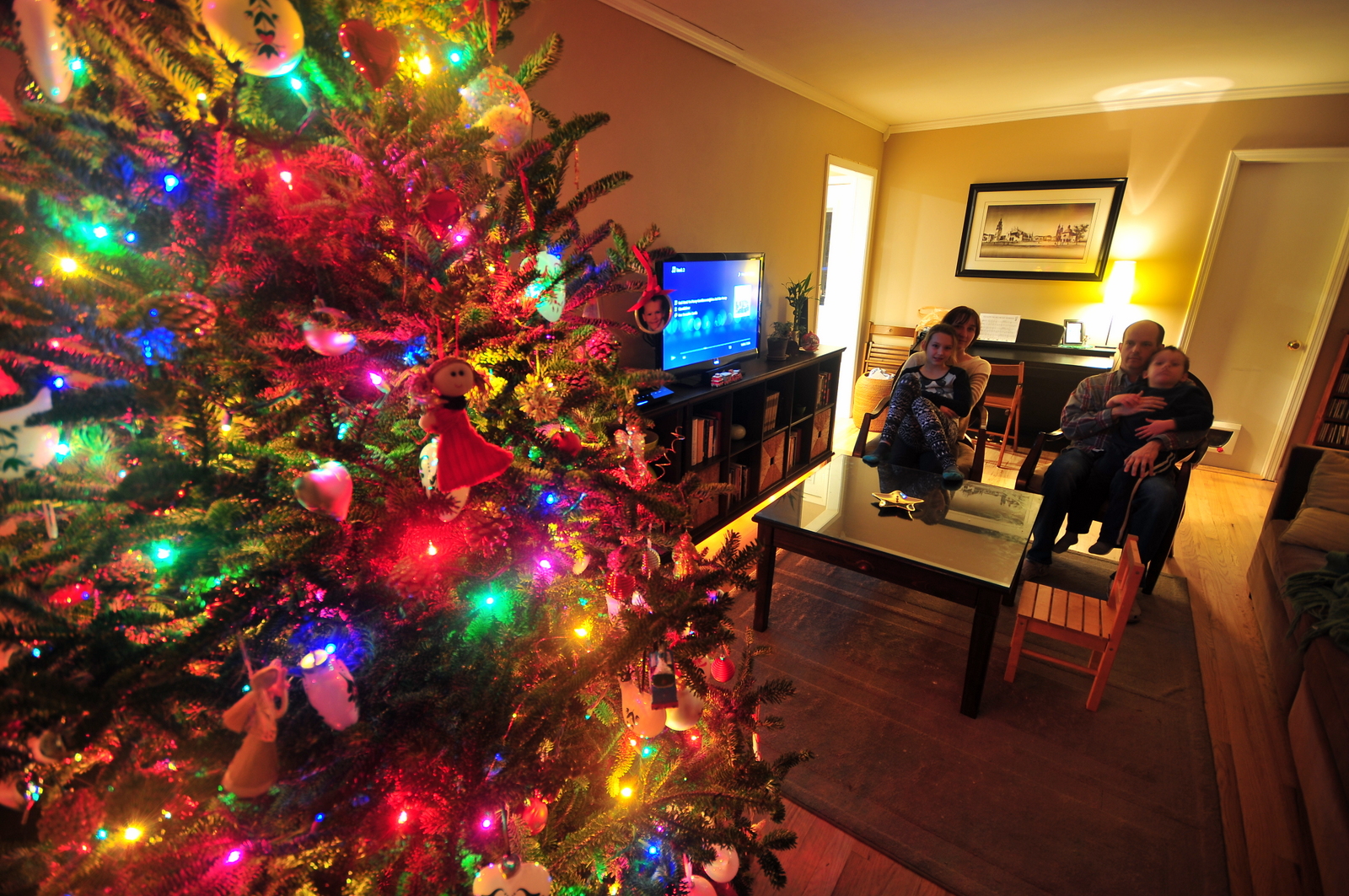
Such considerations fail to take into account all the good that comes from it, the joy my family experiences sharing those couple of hours as we set up the tree, haul out the decorations, and get busy with hot cocoa and ornaments.

Christmas 2016: Nostalgia

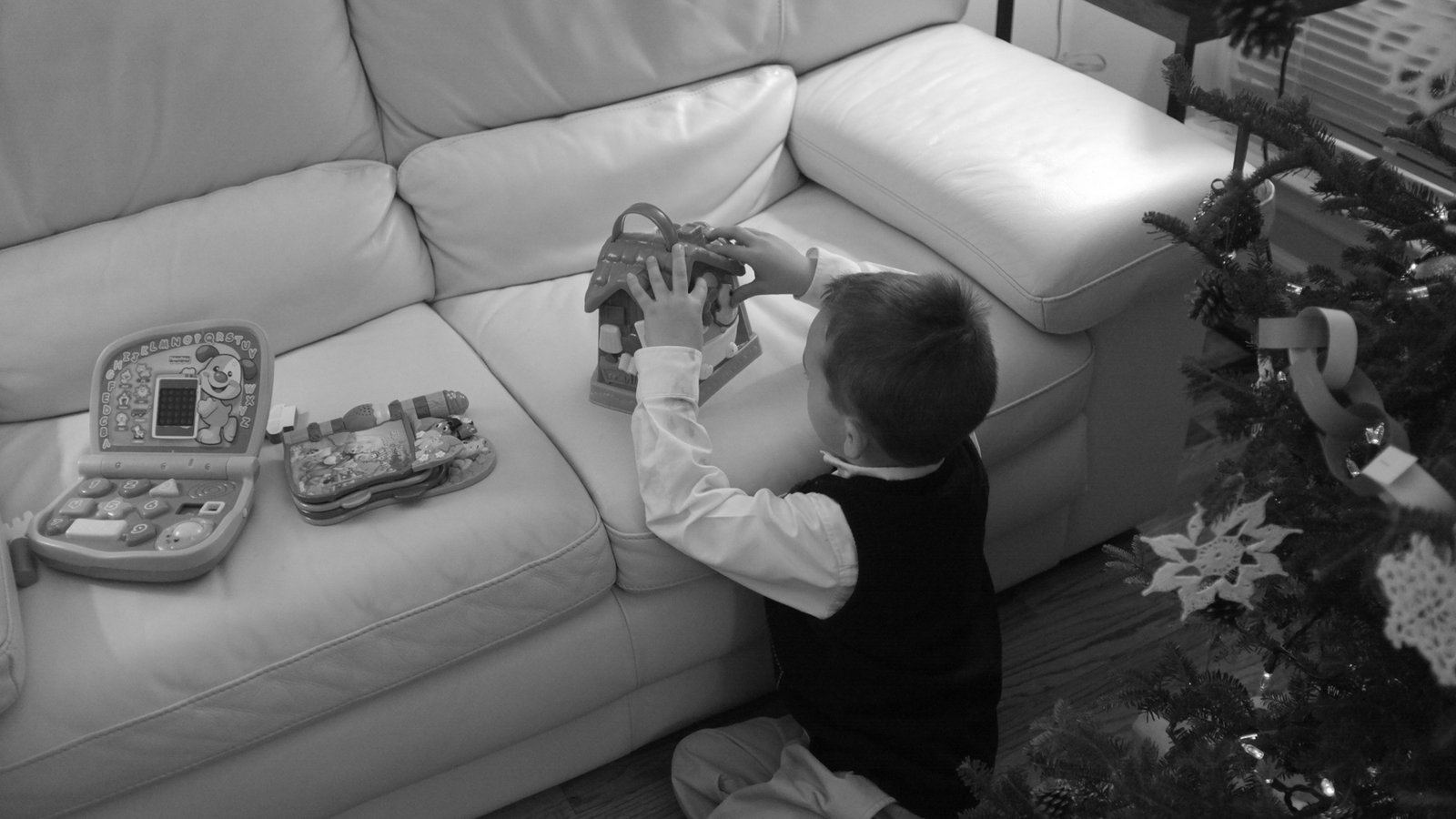
I’m not quite sure where they got it — maybe we gave it to them, or perhaps they just bought it themselves. In a way it doesn’t matter. What matters is that when E found the little Leap Frog play house that was just like the one he played with as a little toddler (“Daddy, I’m not a toddler any more. I’m a little boy.”), he was utterly enchanted. He took the little house over to the small couch in the sitting area just off of the dining room in our friends’ house (they do Christmas; we do Easter; another family has taken Halloween, even though it’s not a traditional Polish holiday) and just played with it as if it were the greatest thing. I wondered for a moment if perhaps he was experiencing his first little bout of nostalgia.

I always wonder about that: what will set my kids off when they’re adults, what will send them back into the past with a certainty that times were somehow better then and a strange emptiness with the realization that those times will never return. Or maybe that’s just the stuff of romantics, and perhaps my kids won’t grow up to be nostalgic romantics.

But there are worse things than being nostalgic romantics. Nostalgic romantics get to sing Christmas carols with an abandon that others lack. The act is a time machine.

It’s what makes movies like White Christmas so charming almost seventy years later.

And that’s all I’ve got for this Christmas…

Wigilia 2016

What makes this Saturday different from any other Saturday? If I look back at Saturdays over the course of my life, what a change I see. How I spent my Saturdays when I was my children’s age is so very different from how they spend they theirs. Better? In a way. Worse? Also true, in a way.

The Boy started the day with a speech for us all.

If K were to take the time to look back over the Saturdays of her life and compare them to what her children do, how they spend Saturday, there too would be enormous change. Better? In a way. Worse? Also true, in a way.

The point is, K and I are both in a place in our life that we probably never would have imagined when we were our children’s age. Both of our lives at their age were about waiting, in a sense. K and her family were often waiting in lines in still-Communist Poland; I was waiting for the end and a new beginning.

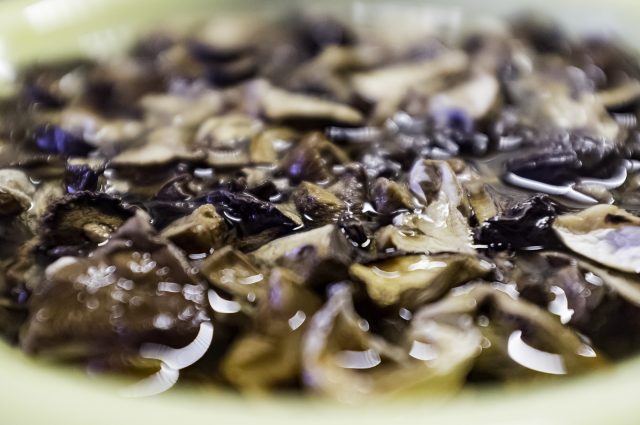
Finished zakwas and mushrooms

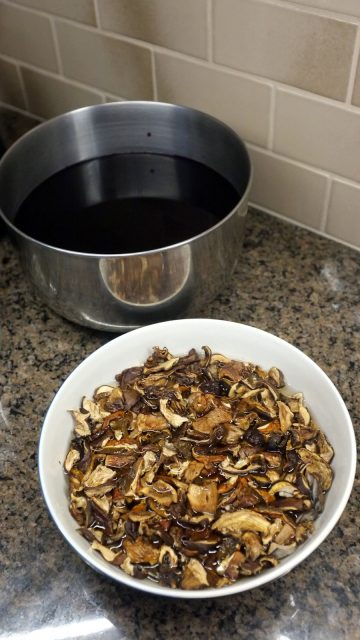
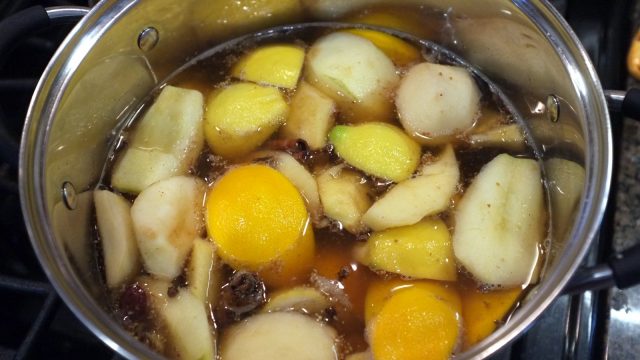
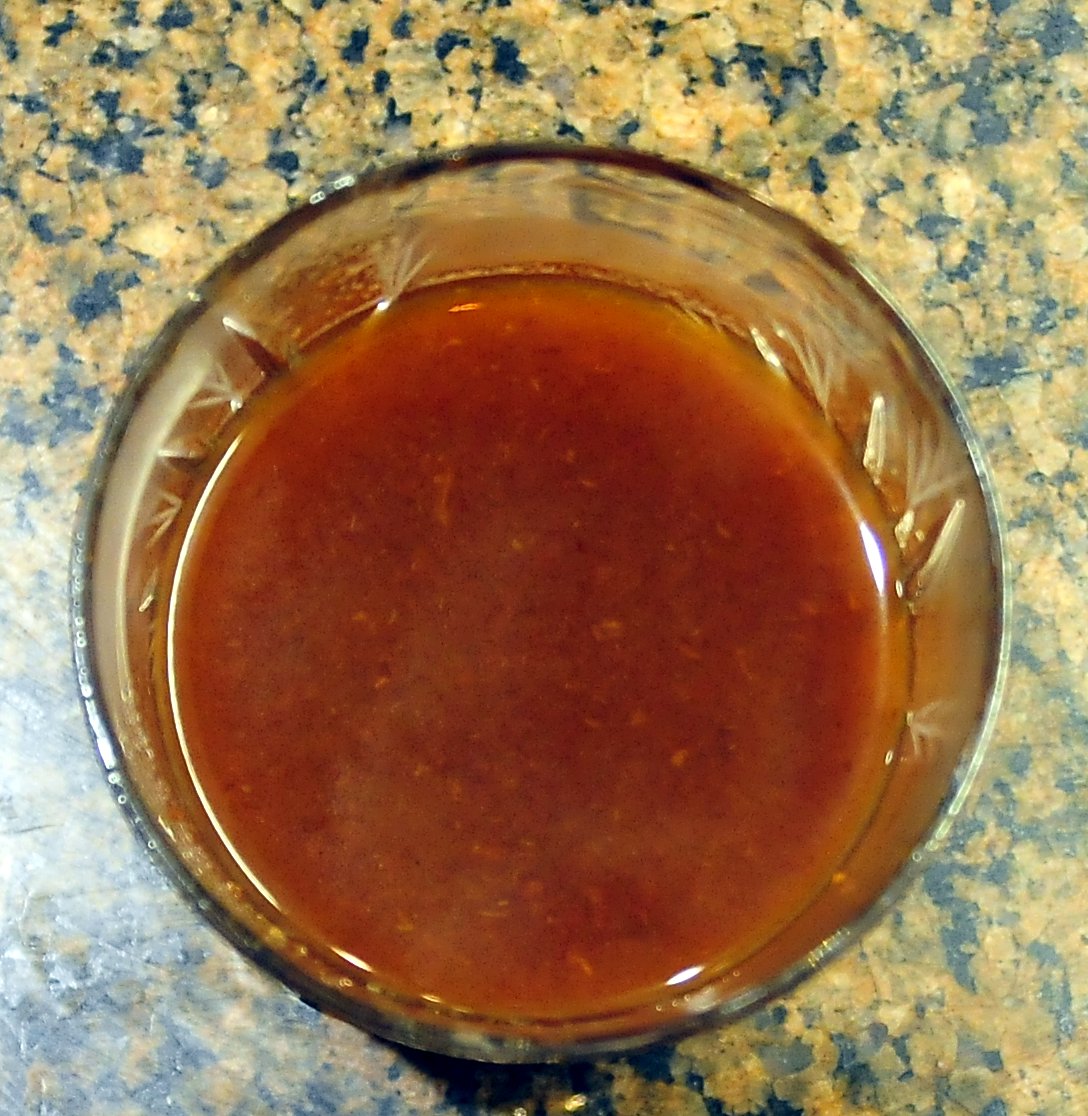
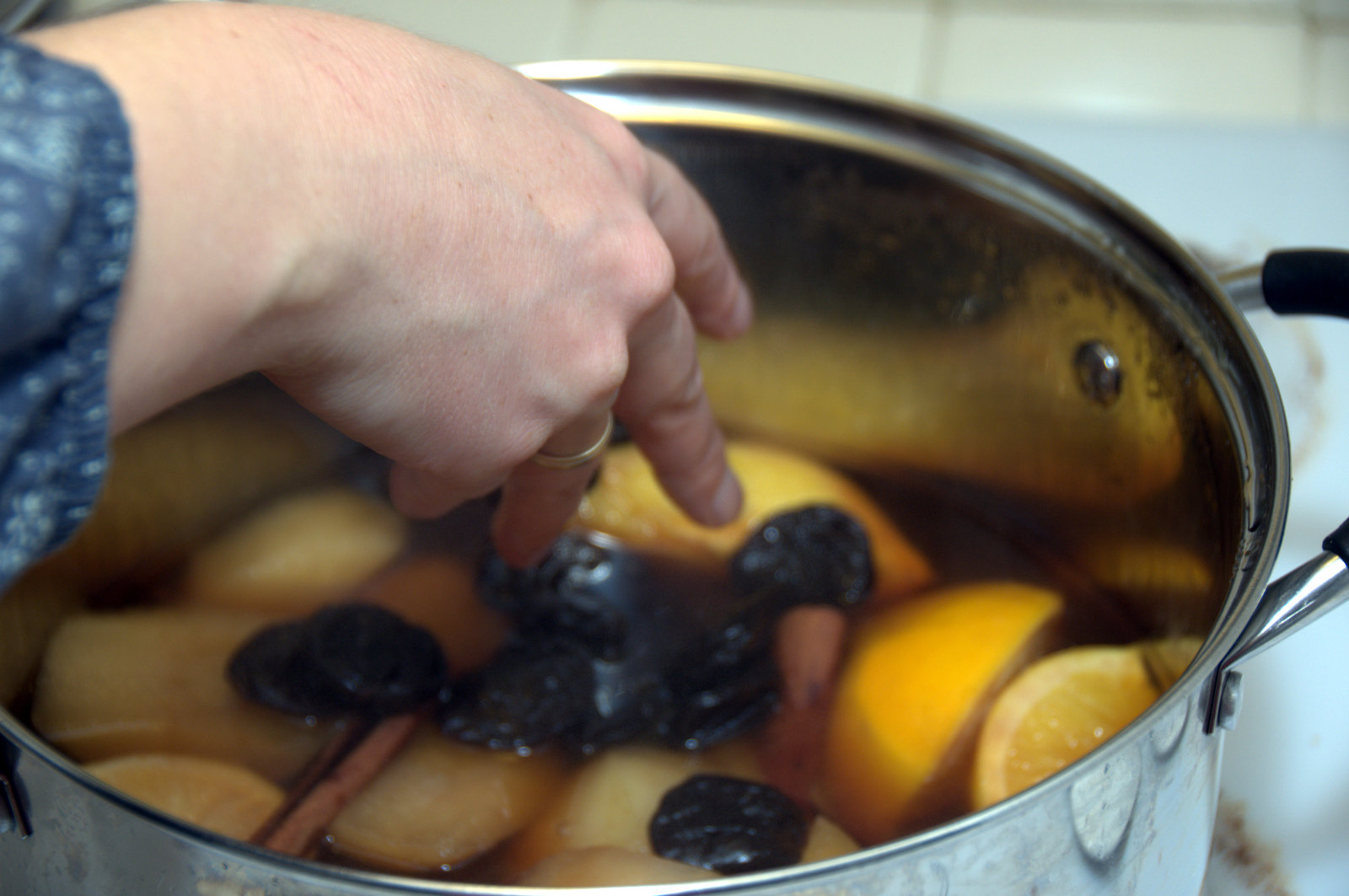
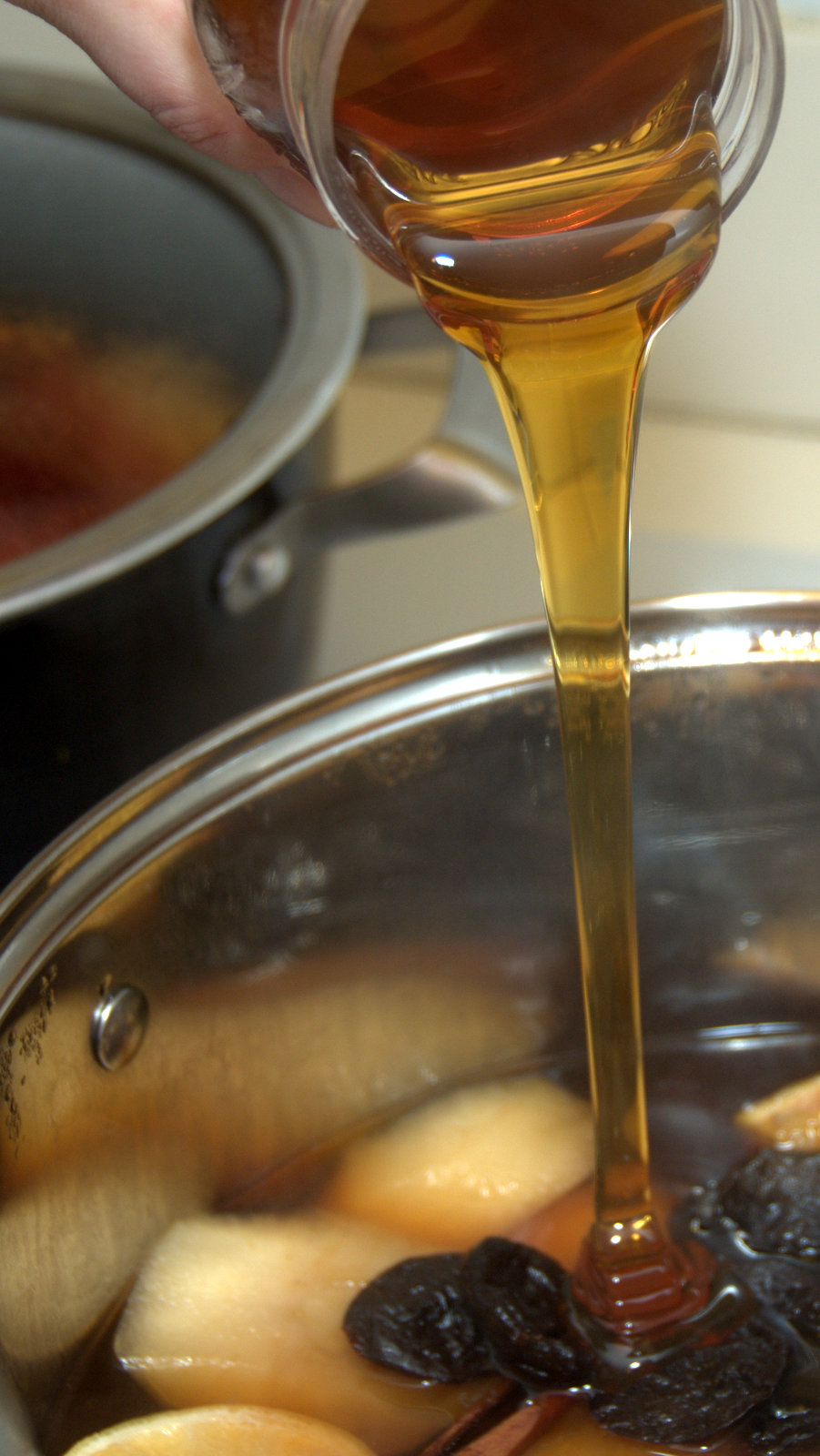
And yet, there’s still the waiting today. It’s part of life. Waiting for the wild mushrooms (picked in Poland, dried in Babcia’s kitchen, smuggled in our checked luggage, and waiting for months in the freezer) thaw then re-hydrate. Waiting for the zakwas to finish its fermenting so we can have the properly sour barszcz for dinner. Waiting for the prunes, apples, oranges, cloves, cardamom pods, cinnamon sticks, ginger cubes, and brandy to release their magic to make the Christmas kompot.

Magic in a pot

The preparation, the waiting, is itself magical. K keeps everything moving, and I am constantly asking, “What now?” I dice the potatoes for the mushroom soup. “Not too big, not too small.” I hold one cube up.

“They could be a little bigger.” I try again and hold up a cube for inspection.

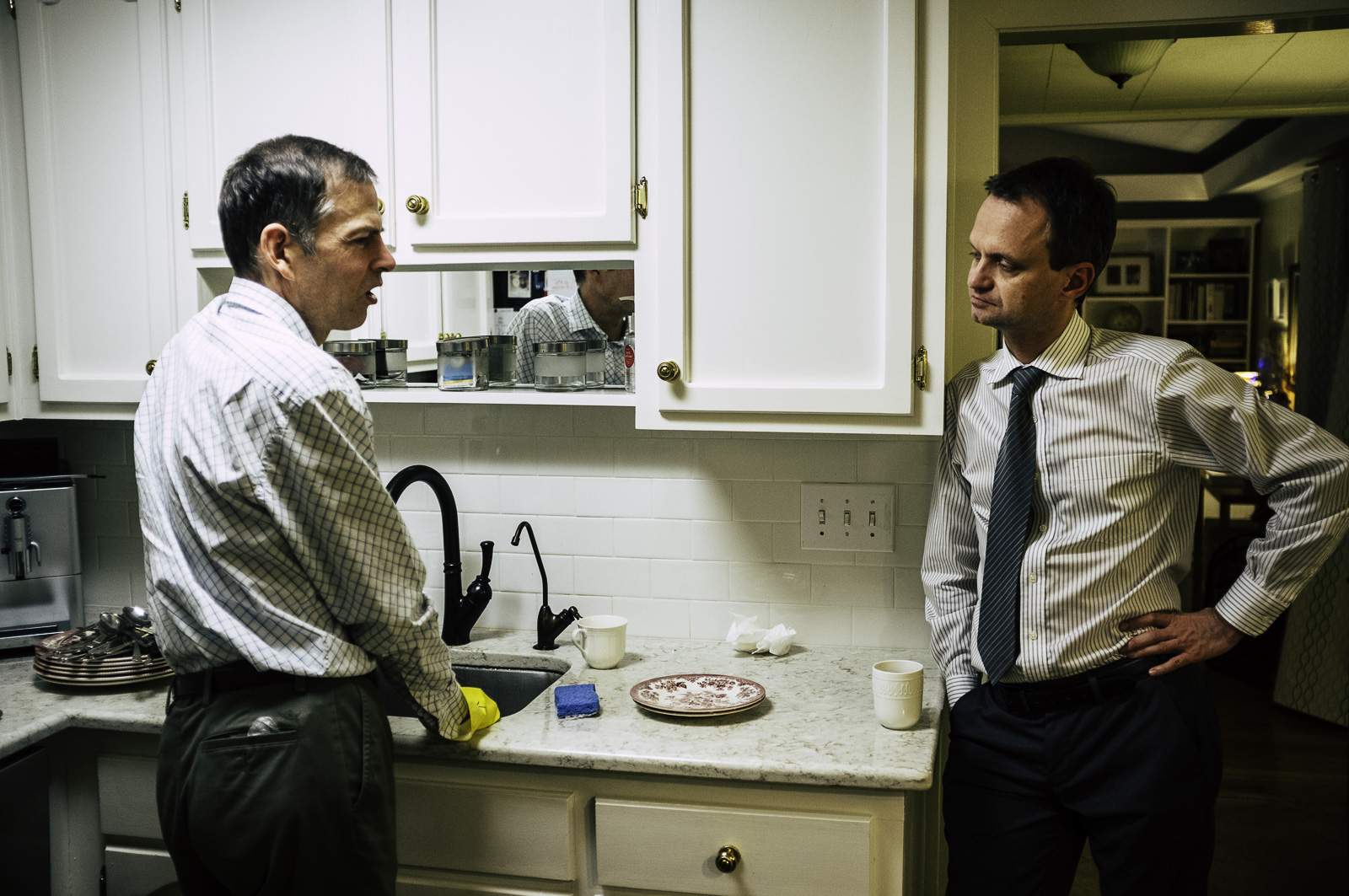
“That’s a bit too big.” But I don’t mind. I’m just glad that I’ve found a place to help other than taking out the compost again and again — peelings from all the fruits and veggies, then the cooked veggies from the stock, those that won’t go into the salad that is — and cleaning up the house.

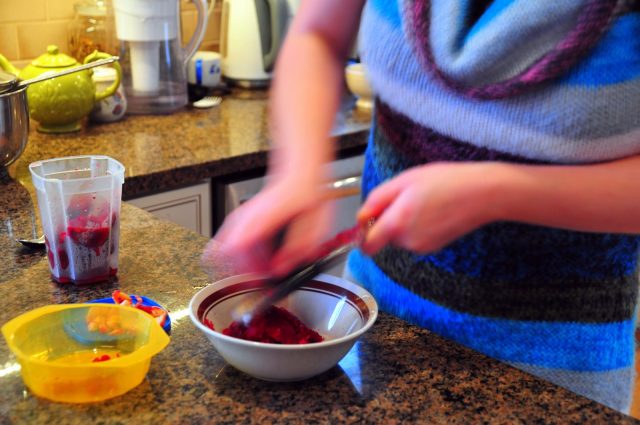
Grating beets at a one-second exposure

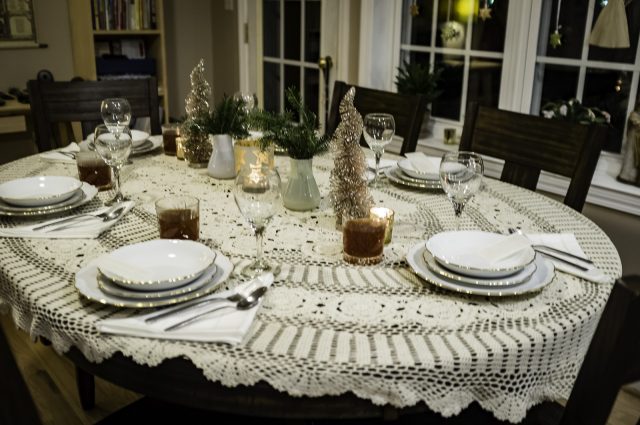
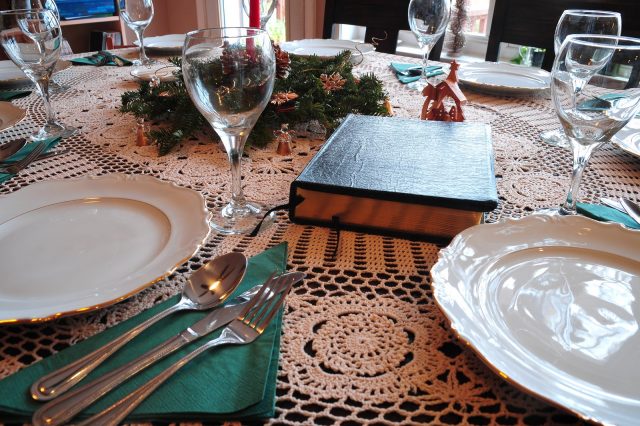
While all this waiting is going on, there are things to do, of course. The table needs to be set. This is one of the things I leave to K. It’s not that I wouldn’t know how to do it — I’m not that bad. But it’s something K enjoys doing, a creative endeavor as I enjoy creating this site.

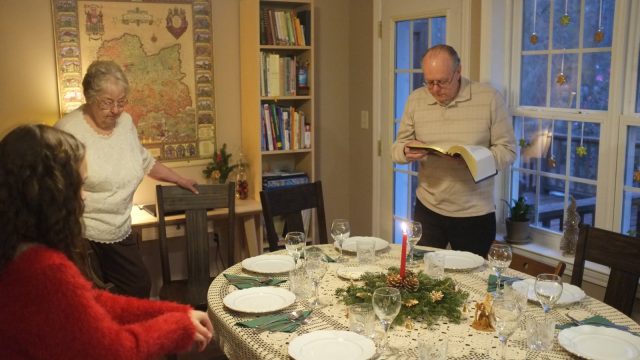
Gospel reading for the evening already prepared

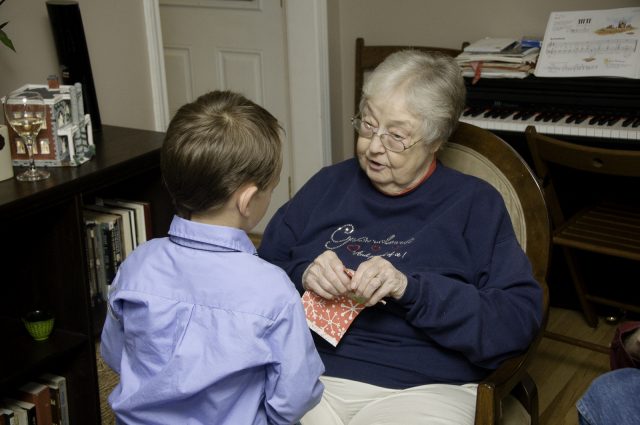
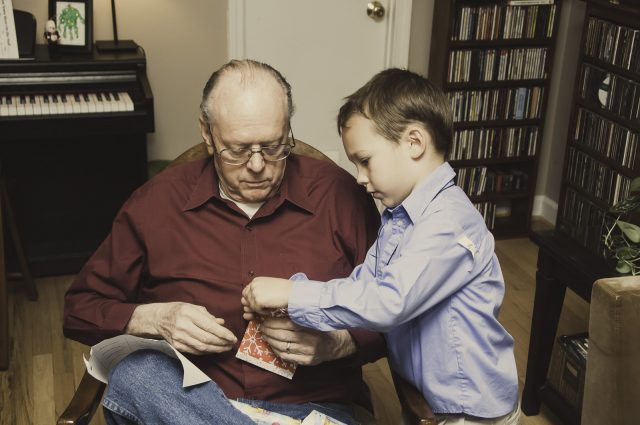
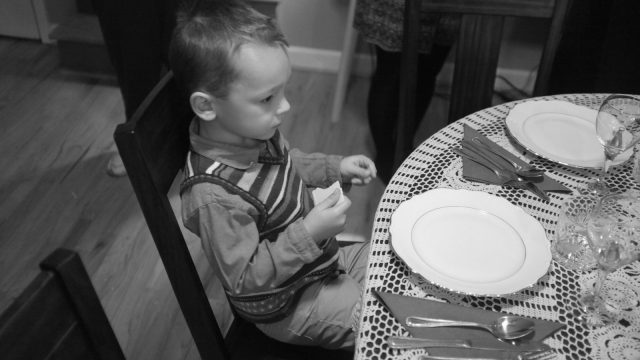
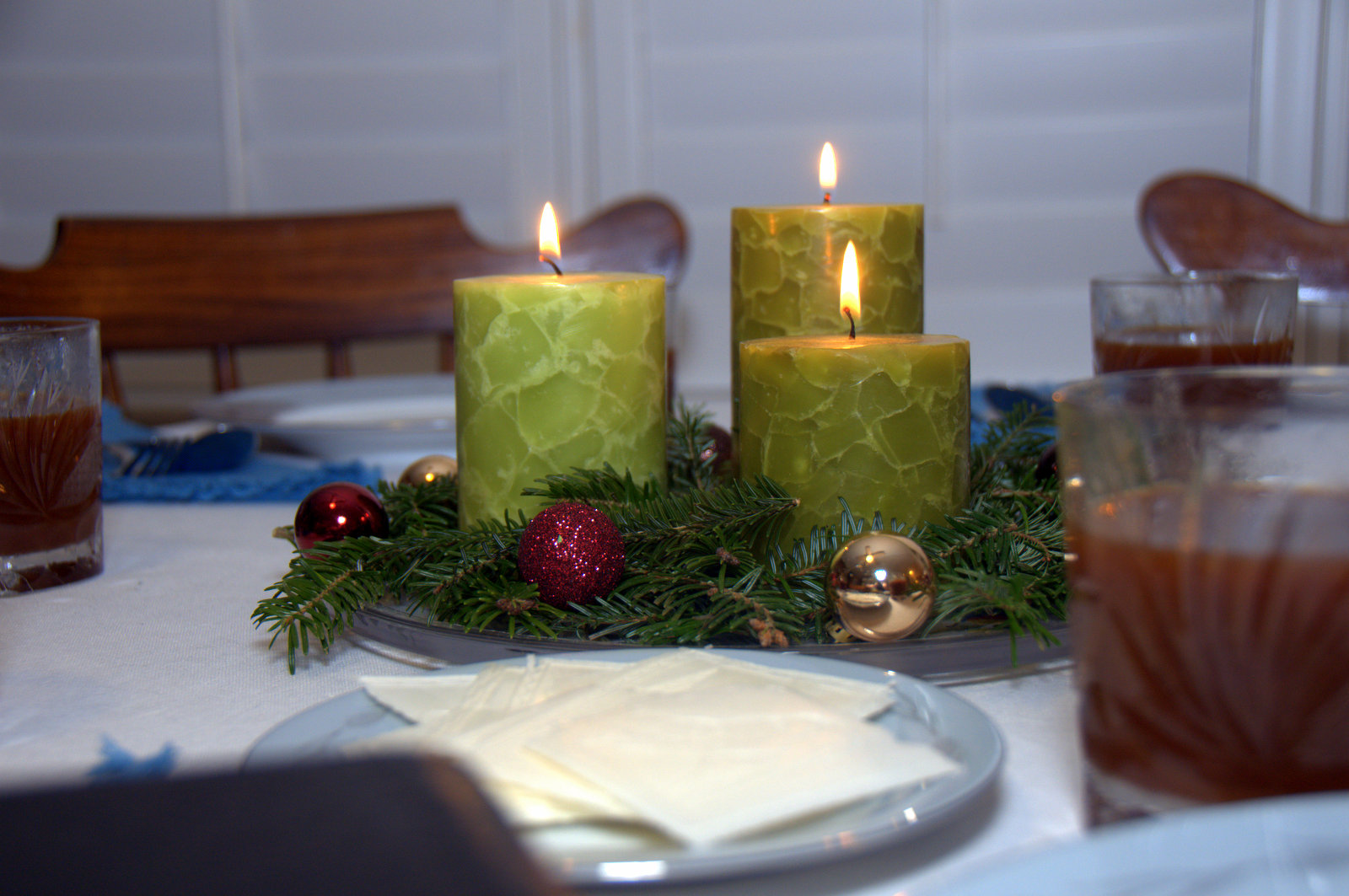
We begin with a Gospel reading and sharing the opล‚atek. The Boy likes the wafer enough that he just sits and eats it as if it were a snack.

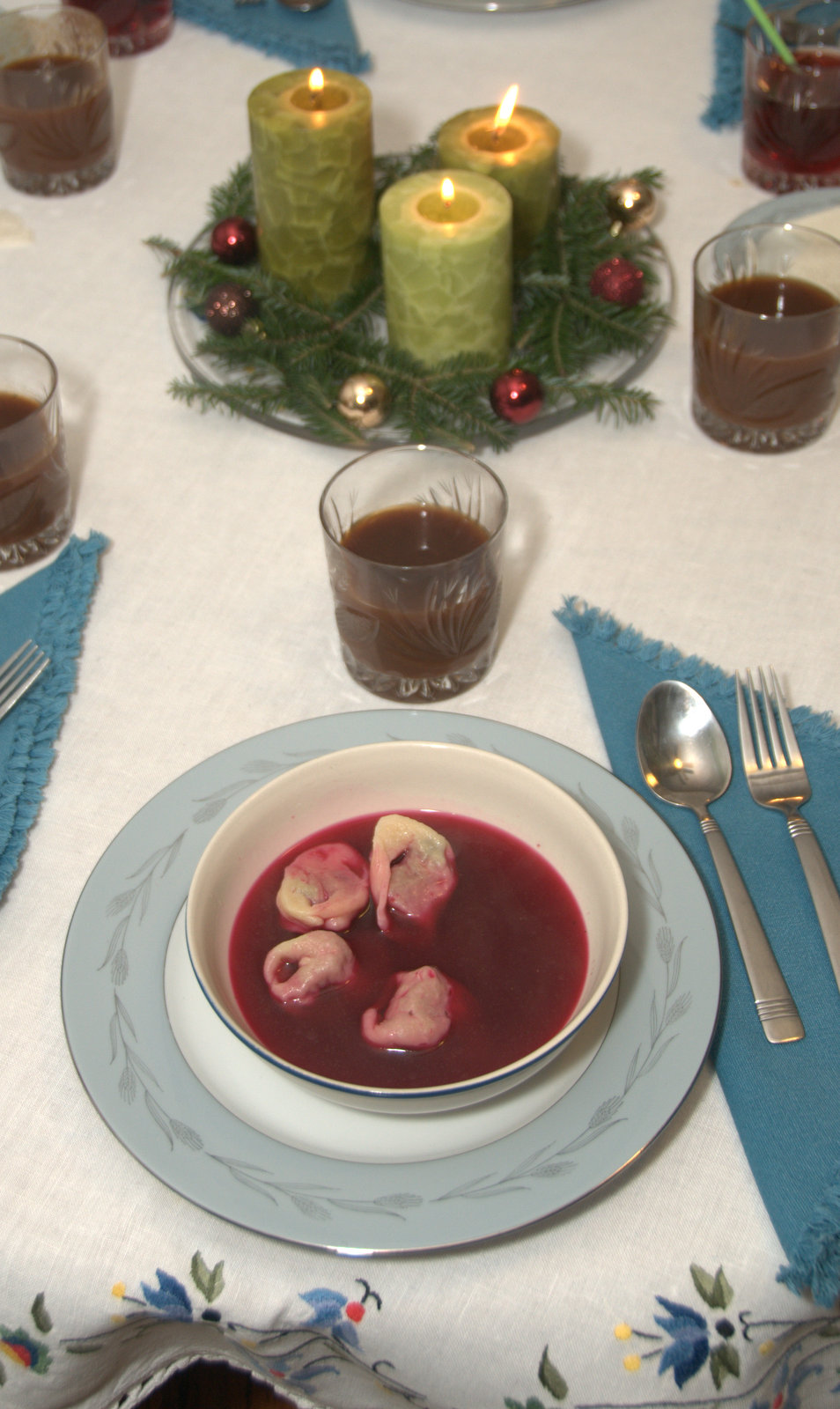
The dinner itself goes by in a flash. No matter how we try to slow things down (which we actually did this year), it still seems to go by entirely too quickly. We putting the barszcz on the table, and suddenly it’s desert time. For the kids, that’s a good thing: they can’t wait to tear into their presents. For K, I guess it’s a little bittersweet.

The menu is a traditional one (mouse-over to see details).

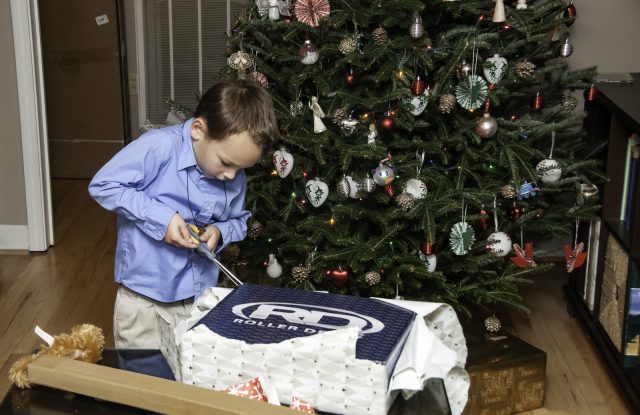
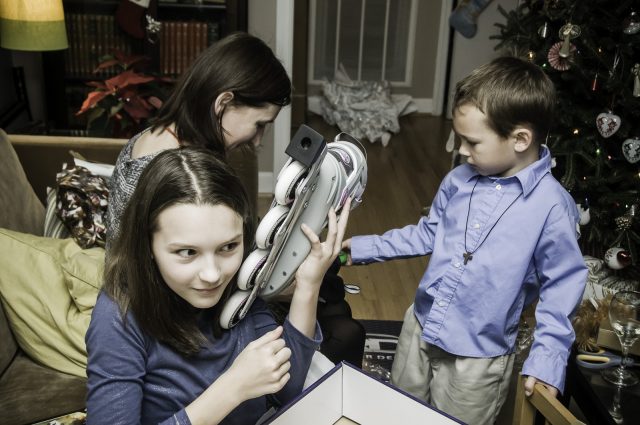
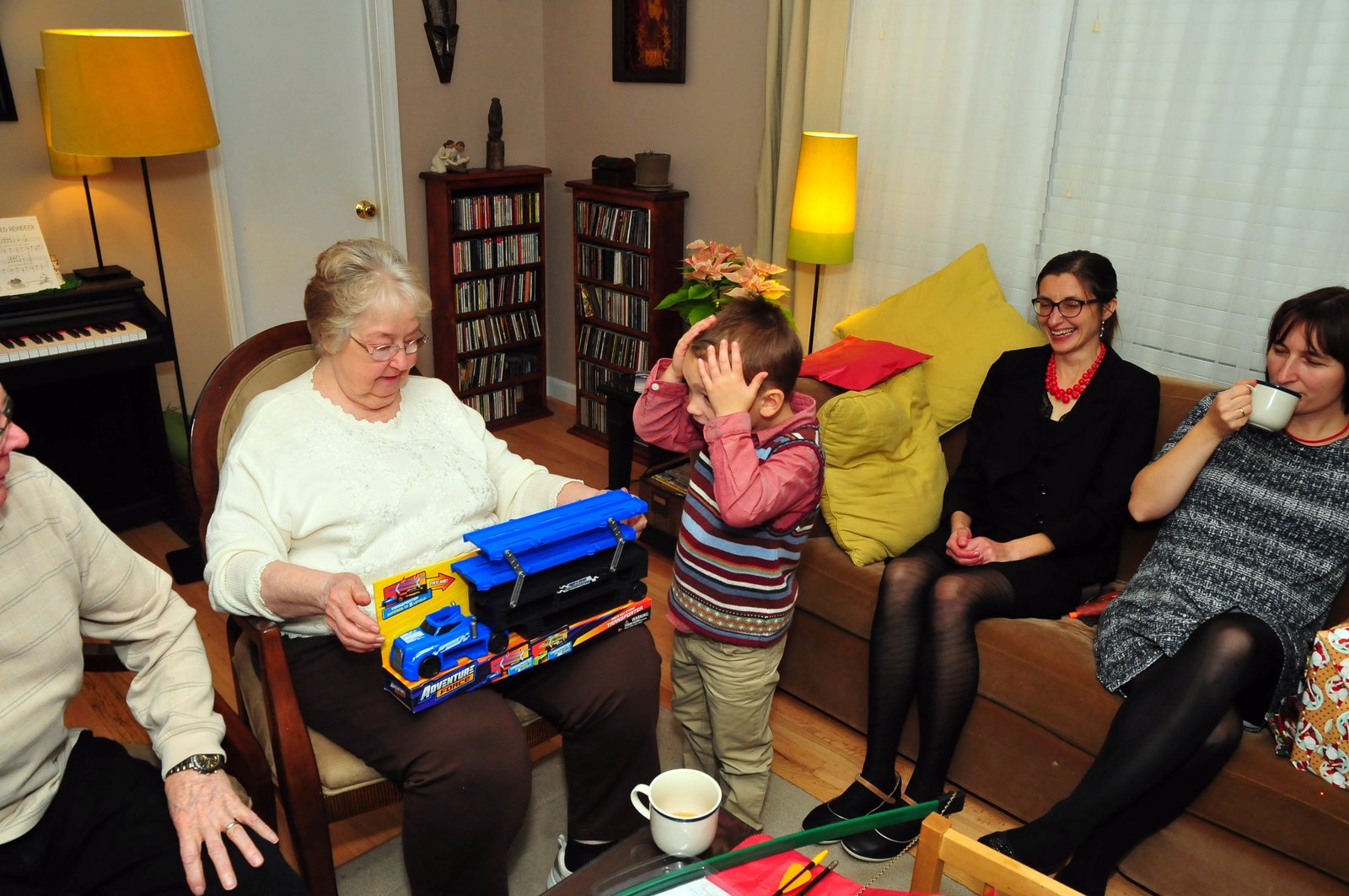
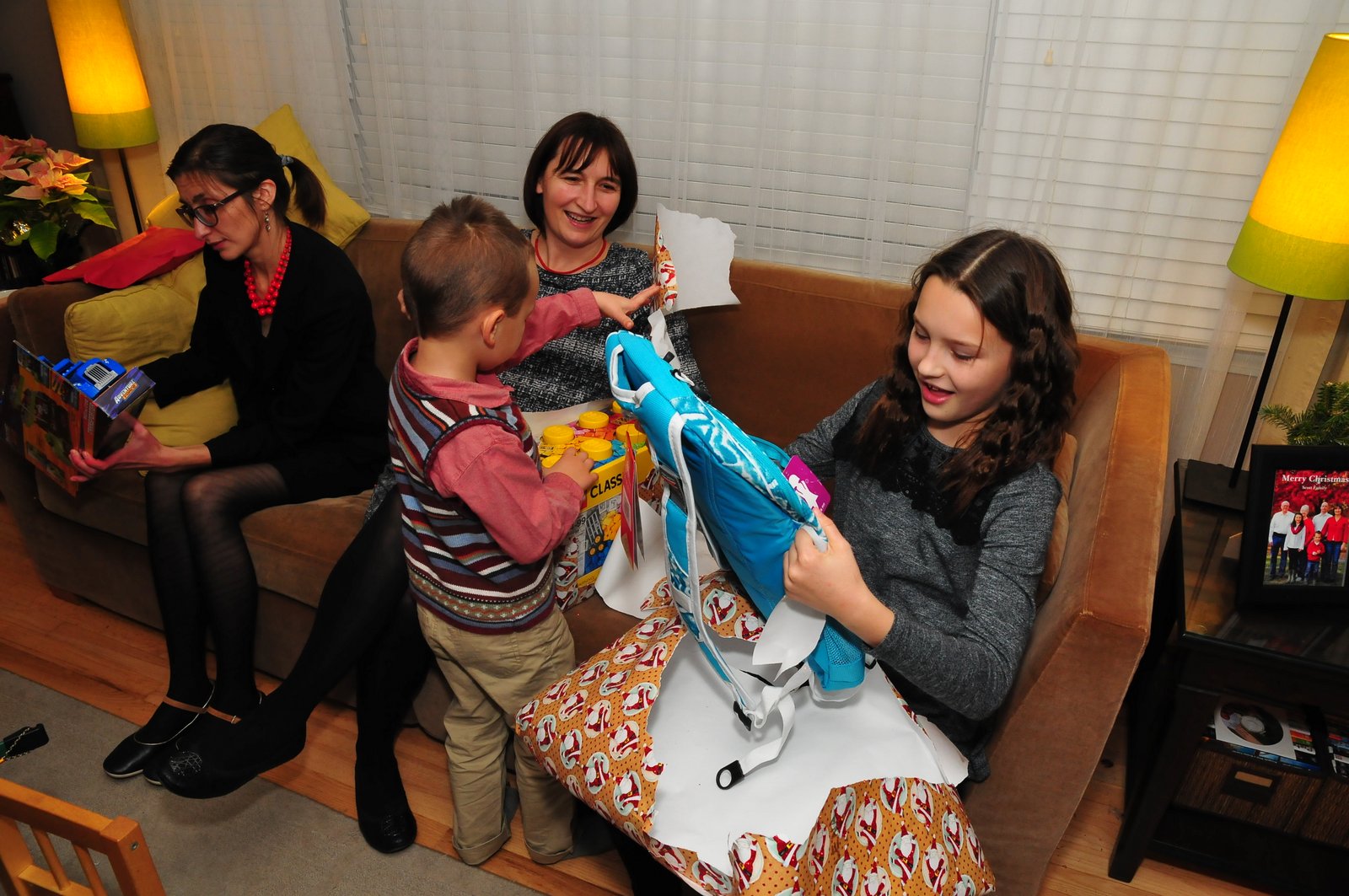
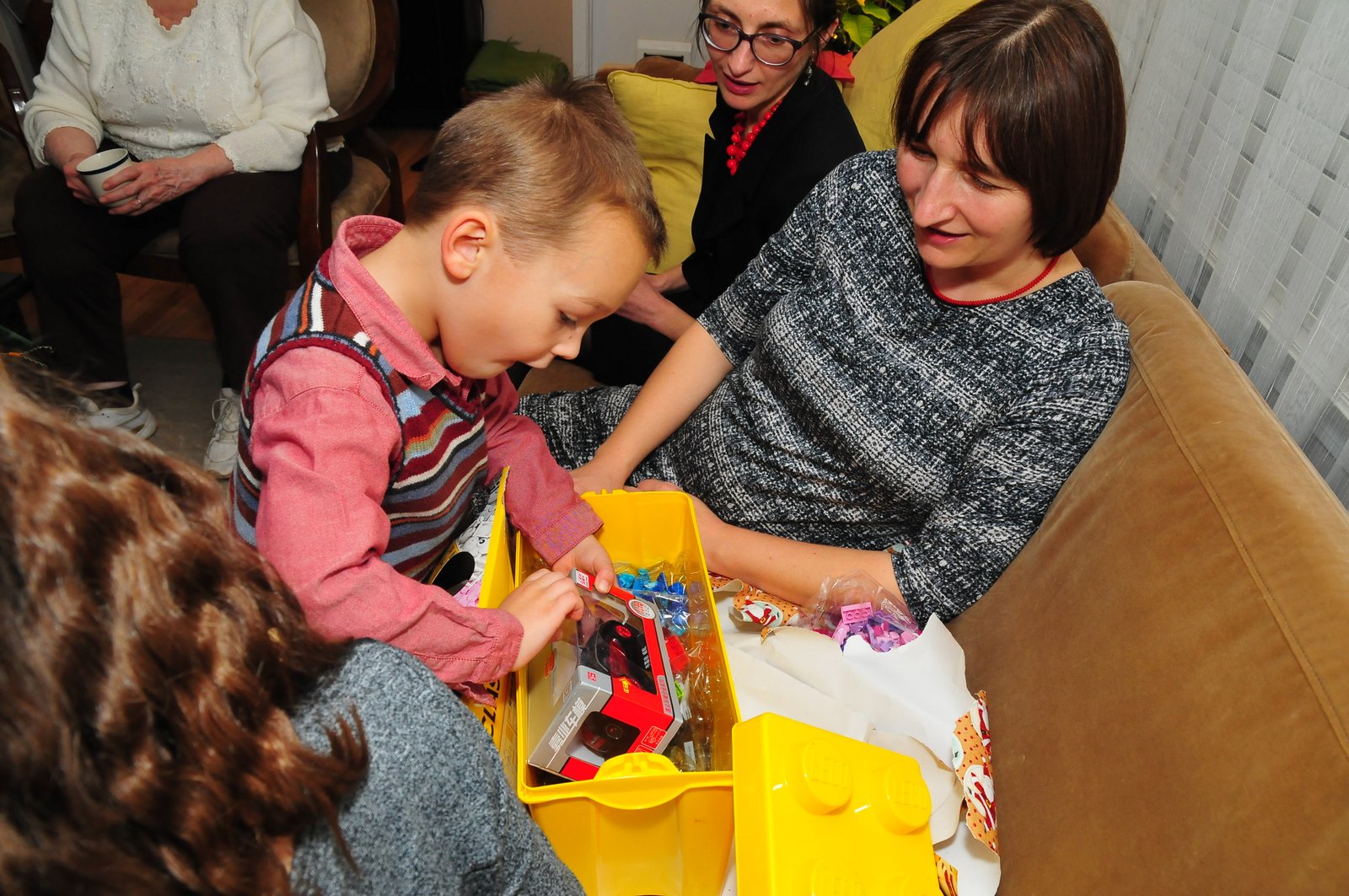
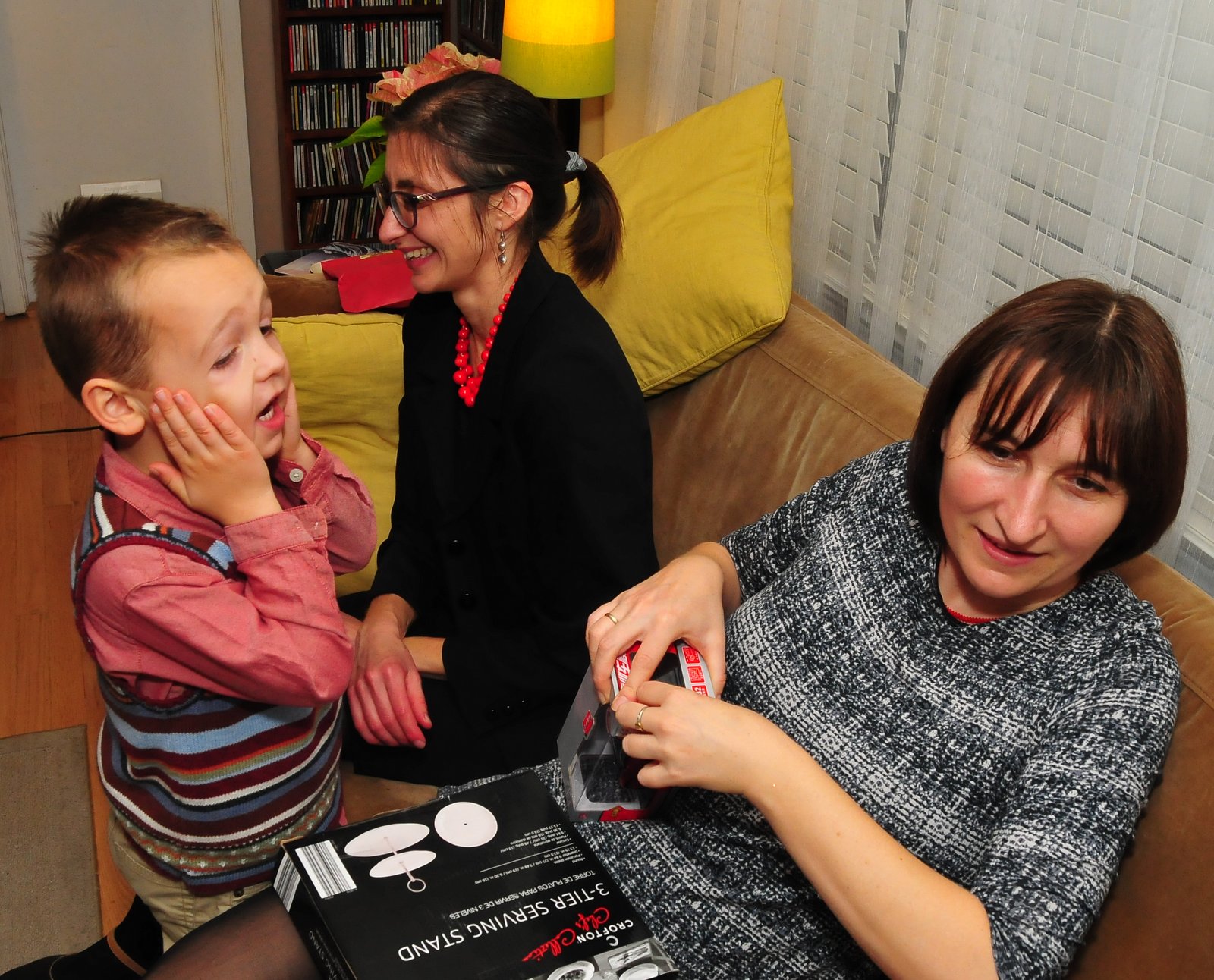
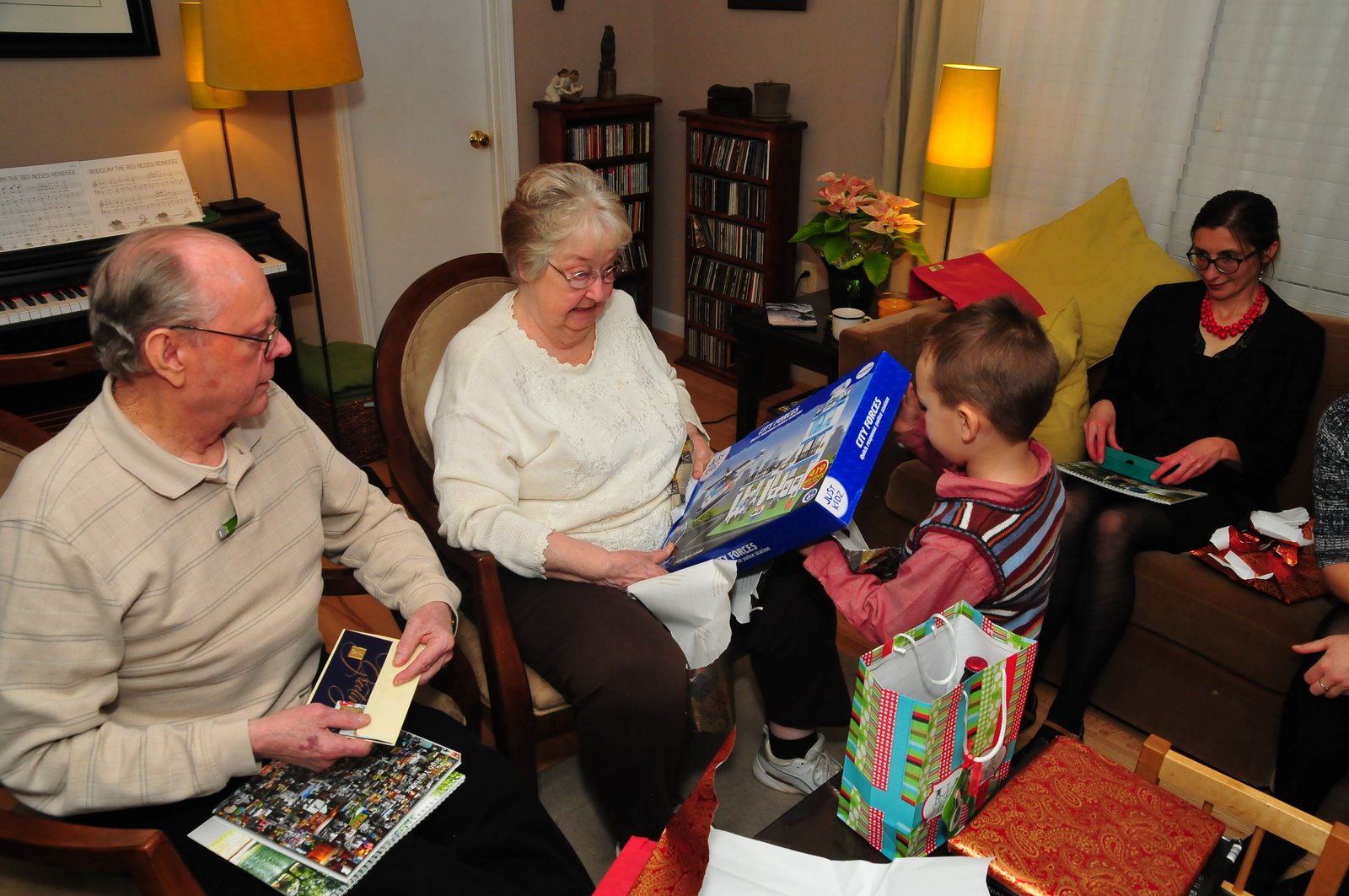
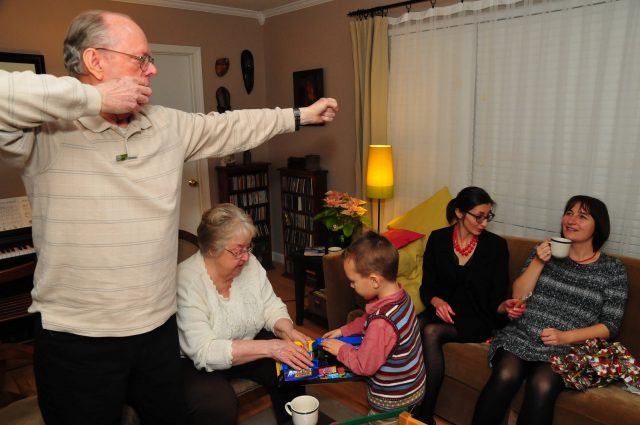
Dinner over, we head to the living room for presents. Probably this is the best part of the day for the kids: they can’t imagine what it’s like to go to bed Christmas Eve without the presents as we do it Polish style — everything opened tonight.

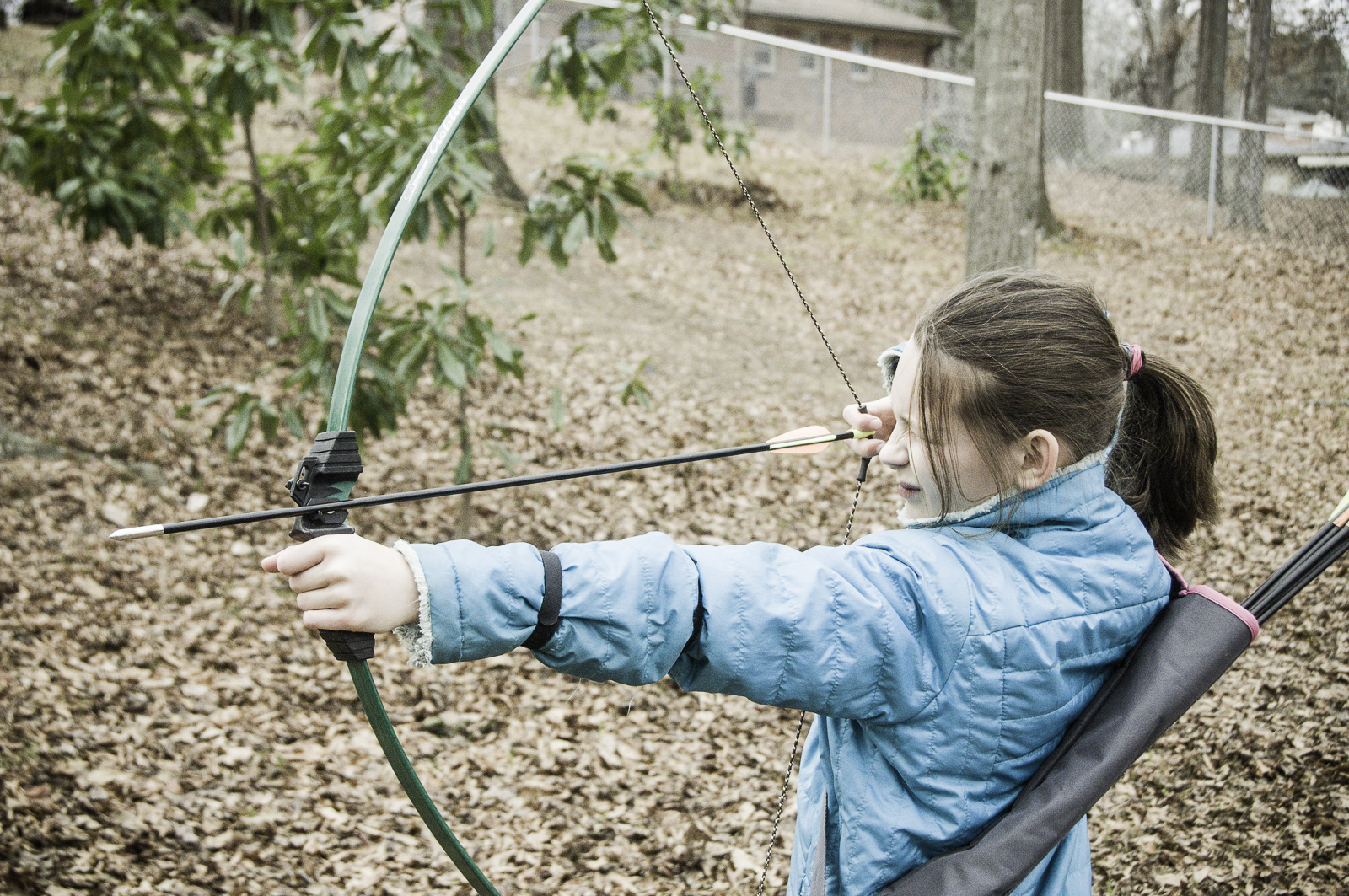
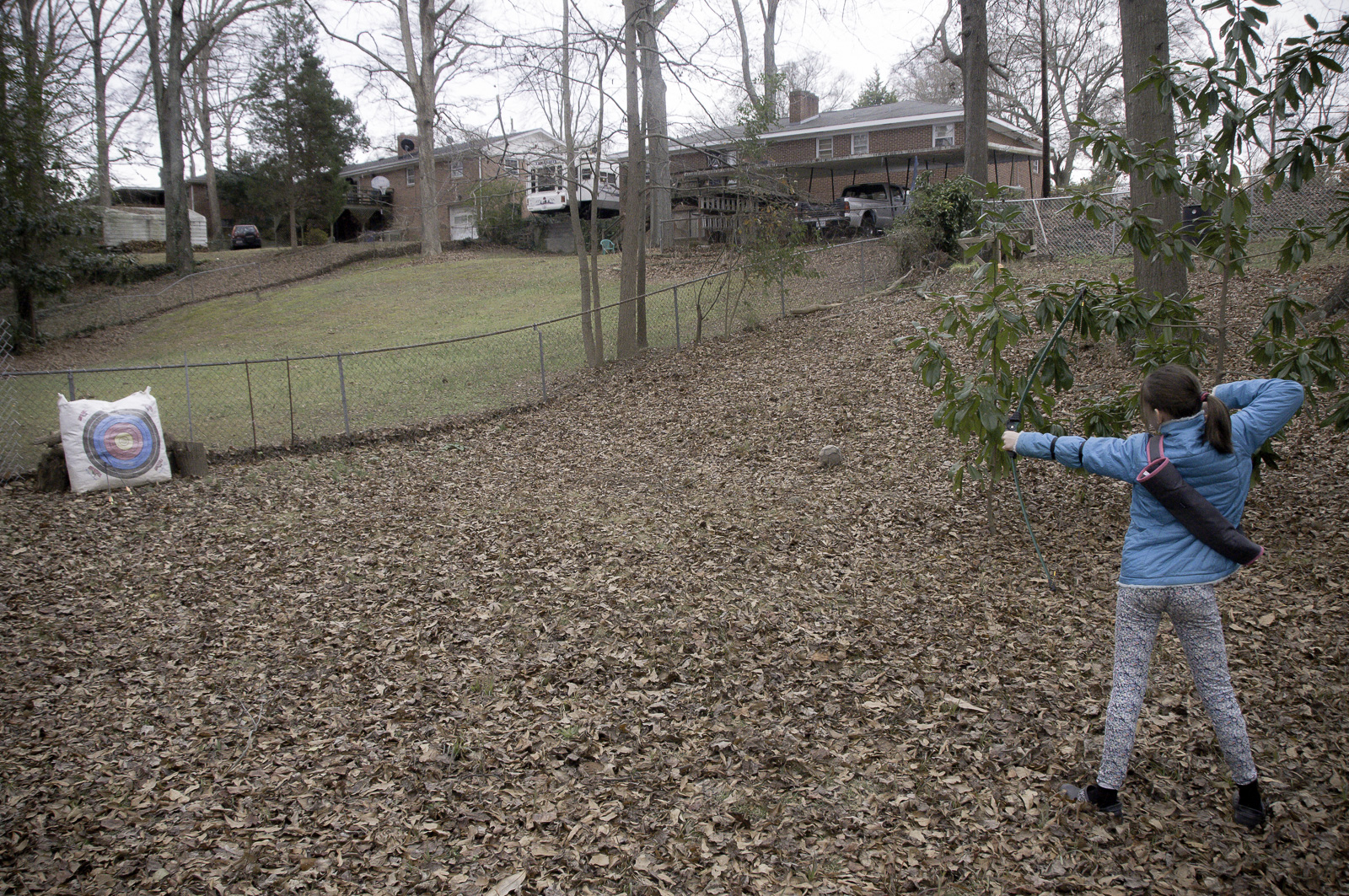
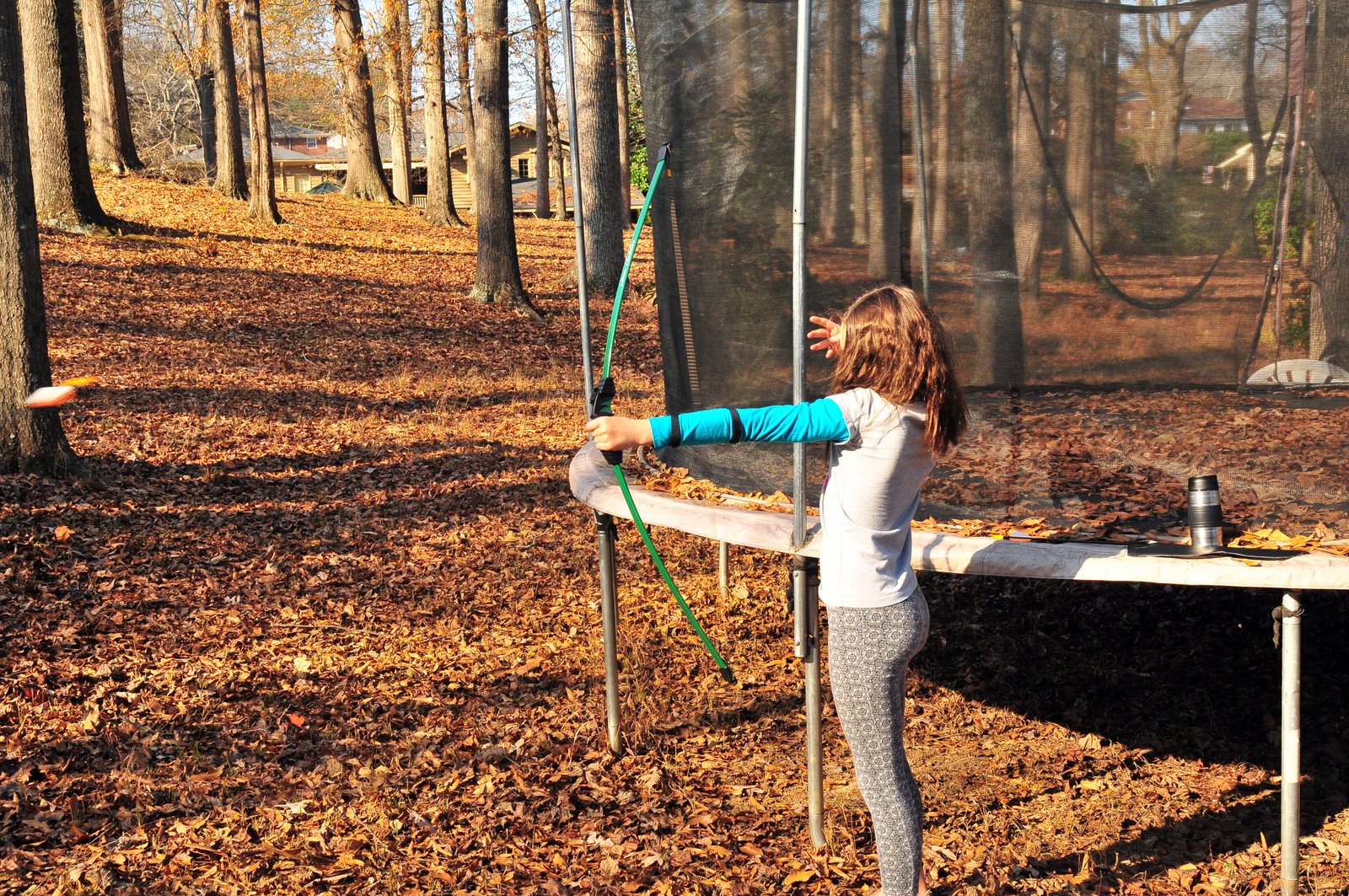
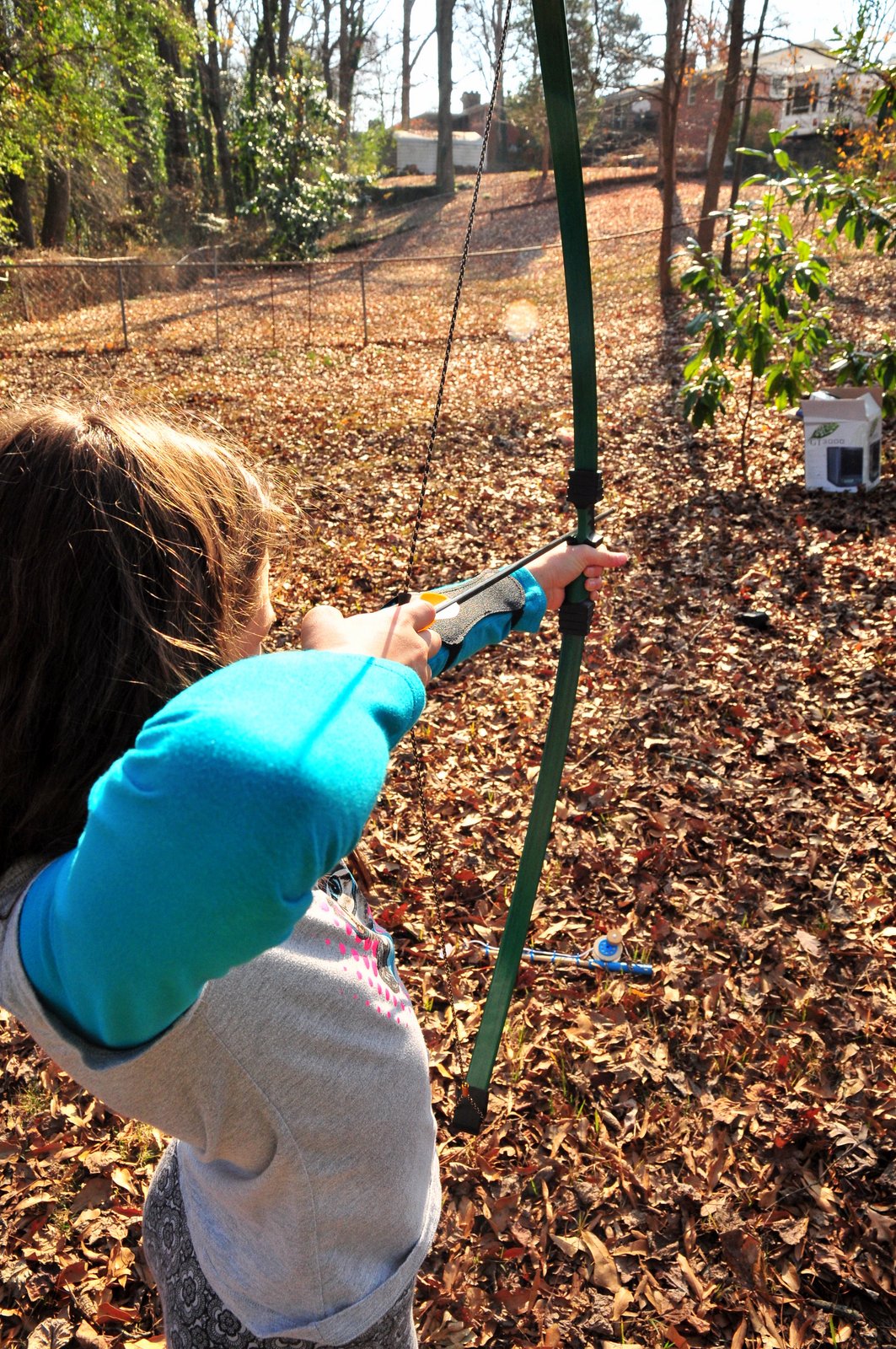
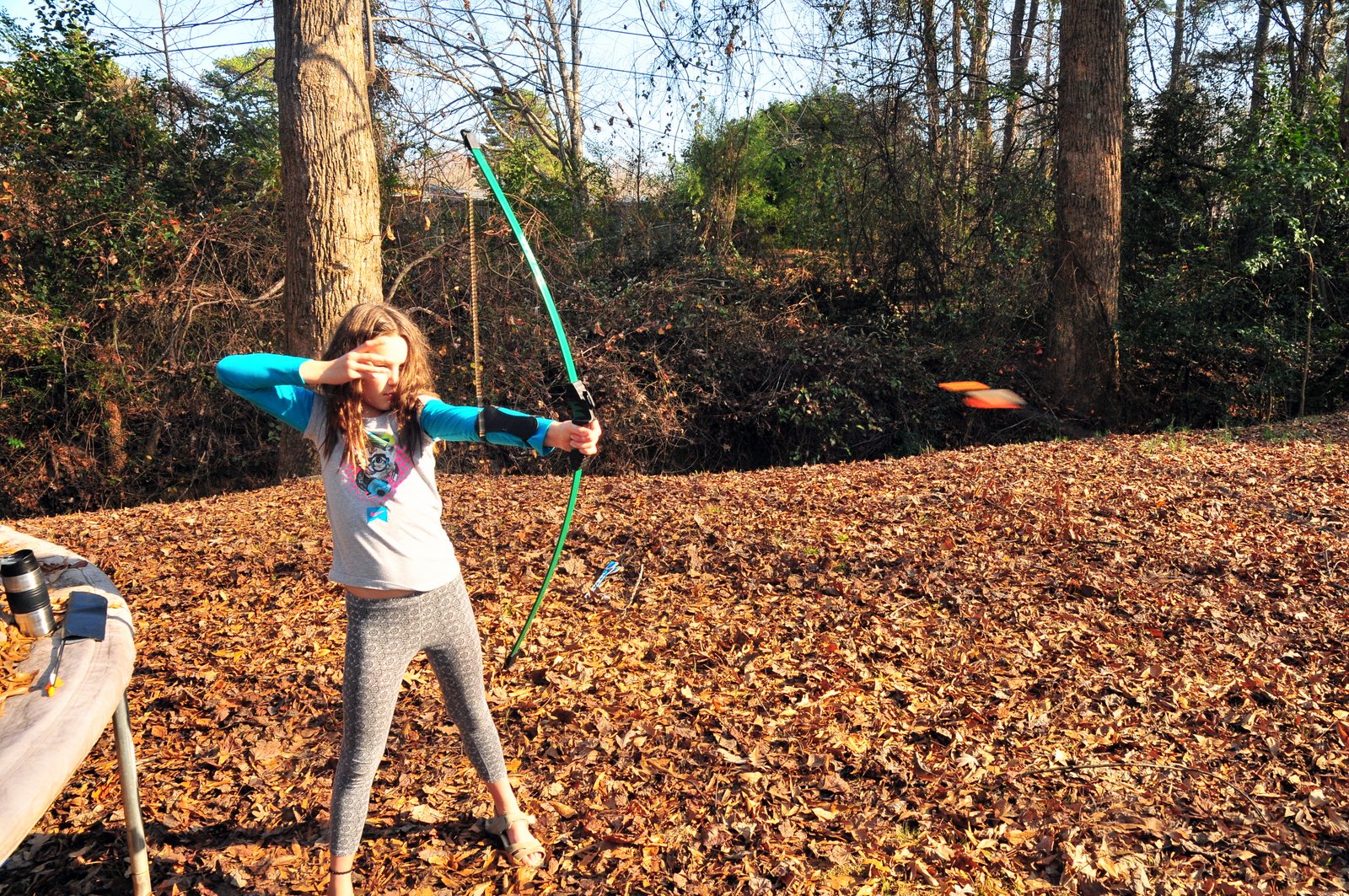
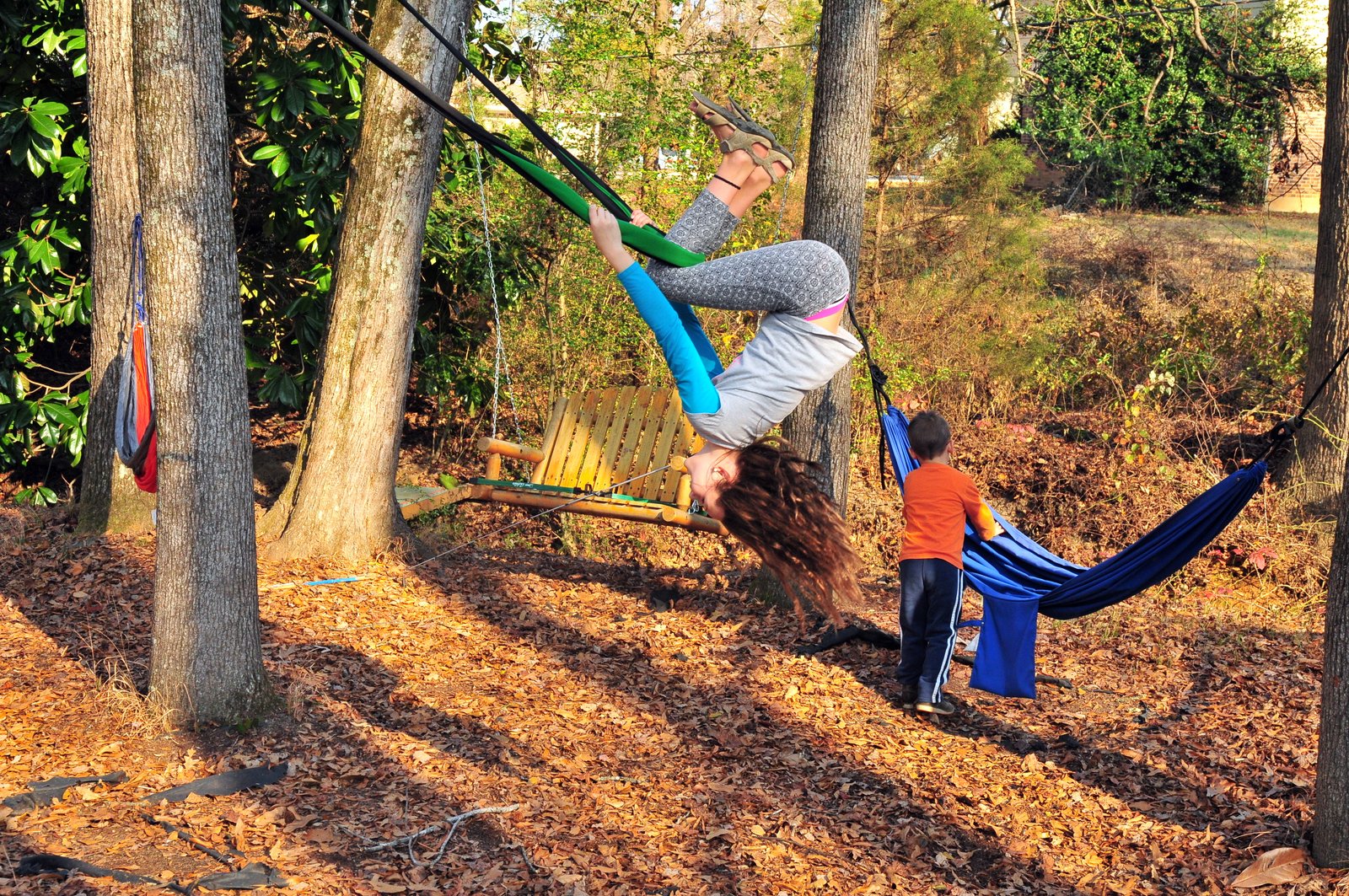
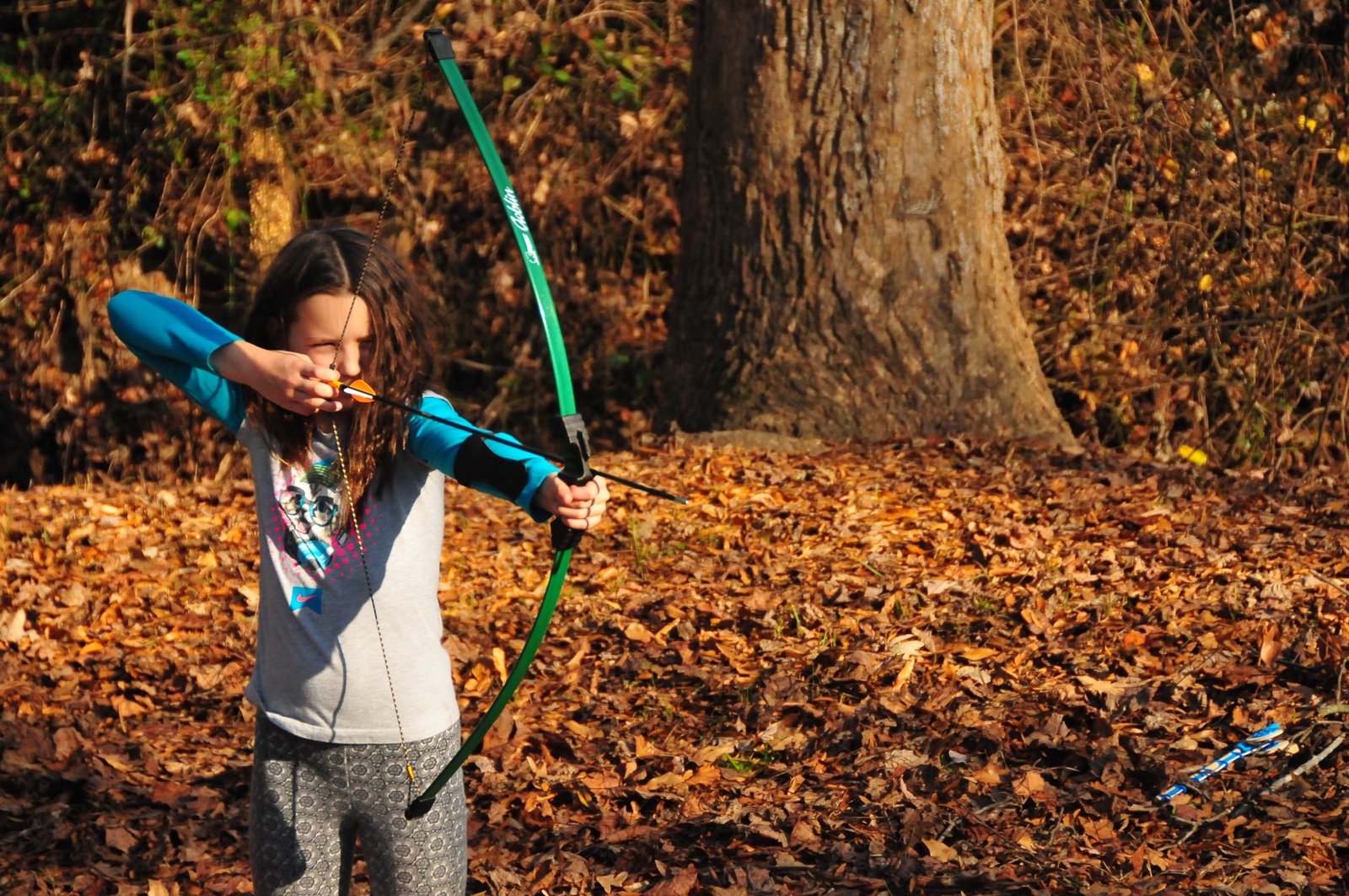
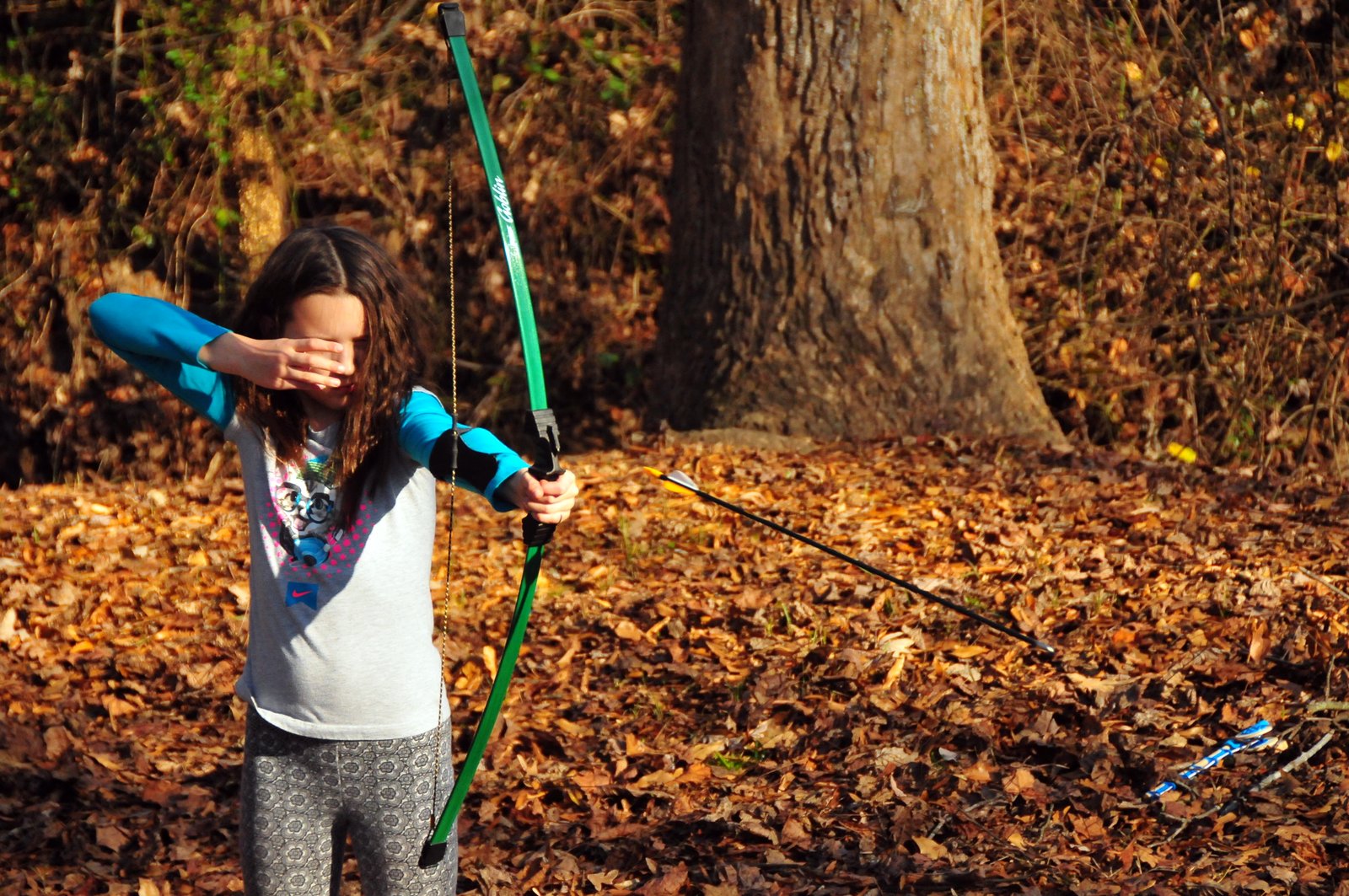
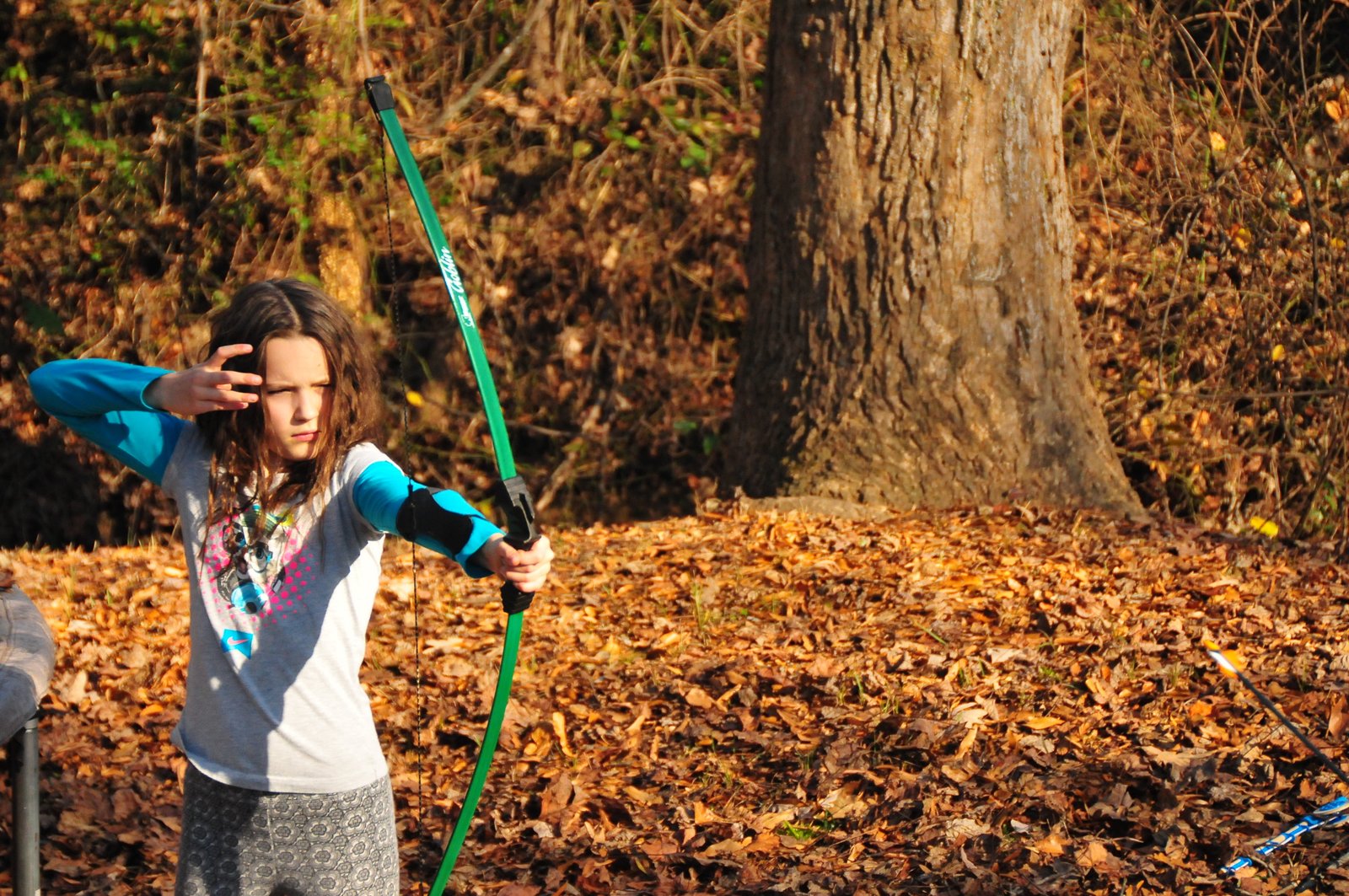
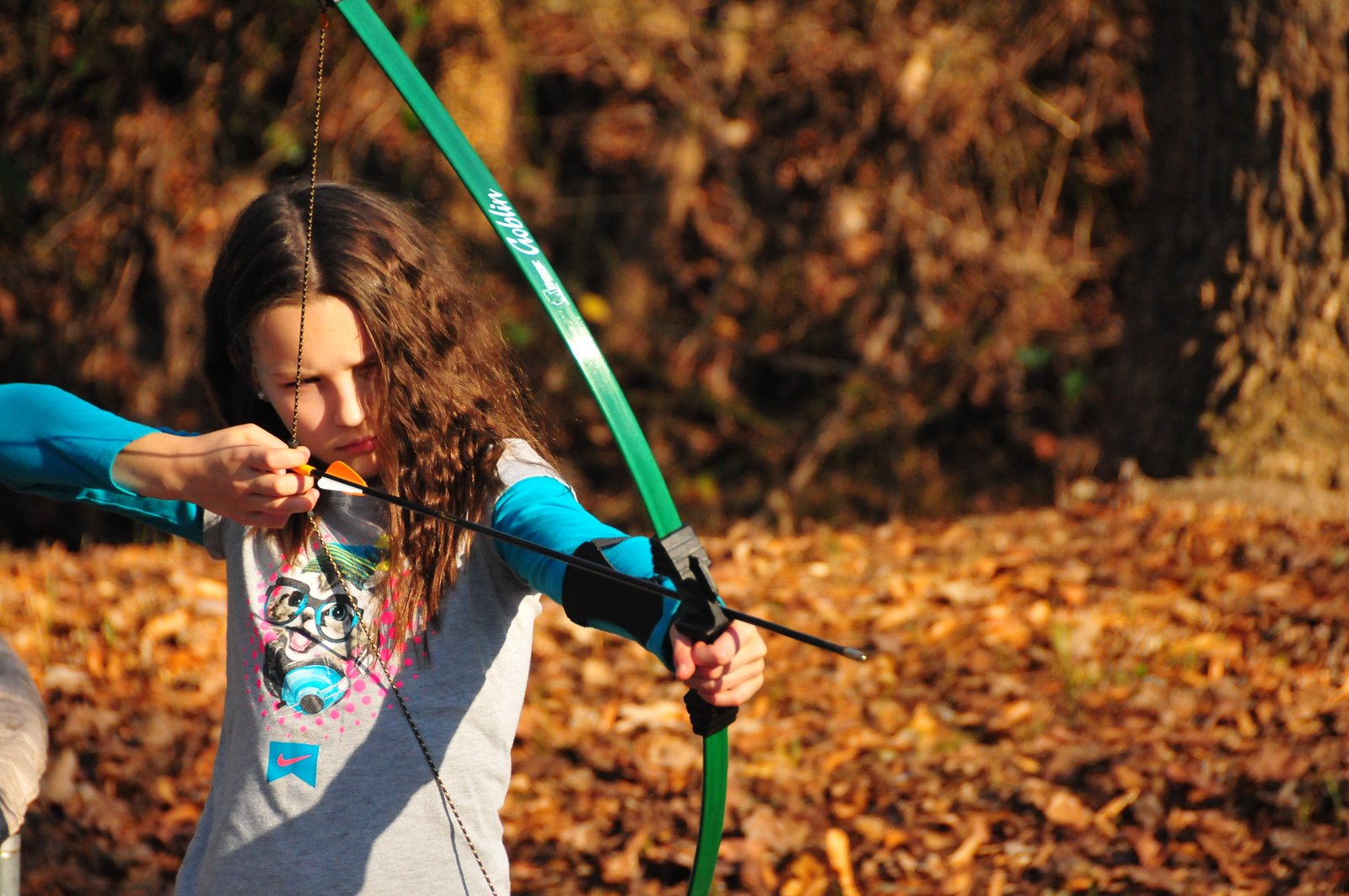
And I guess, truth be told, it’s everyone else’s favorite as well. The gifts we get? Who cares, really, except for one gift: the kids’ joy. The Girl got what she’s been talking about for ages: a bow and arrow set. When she saw one in Kmart the other day (when we went to find something or other for decorating), she was insistent that we buy it. That she buy it.

“Please Daddy, I have enough money!”

Papa demonstrates proper drawing technique.

But I already knew Nana and Papa had bought a set for her, so I held my ground and played the mean Daddy. “Can we get it after Christmas?” became the mantra, to which I answered, “Nope, probably not.” Now she understands; then, she was just frustrated. Yet another thing Daddy says “No” about.

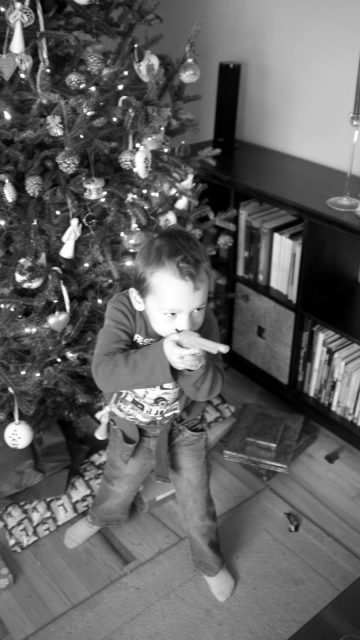
The four-year-old’s heart’s deepest longing

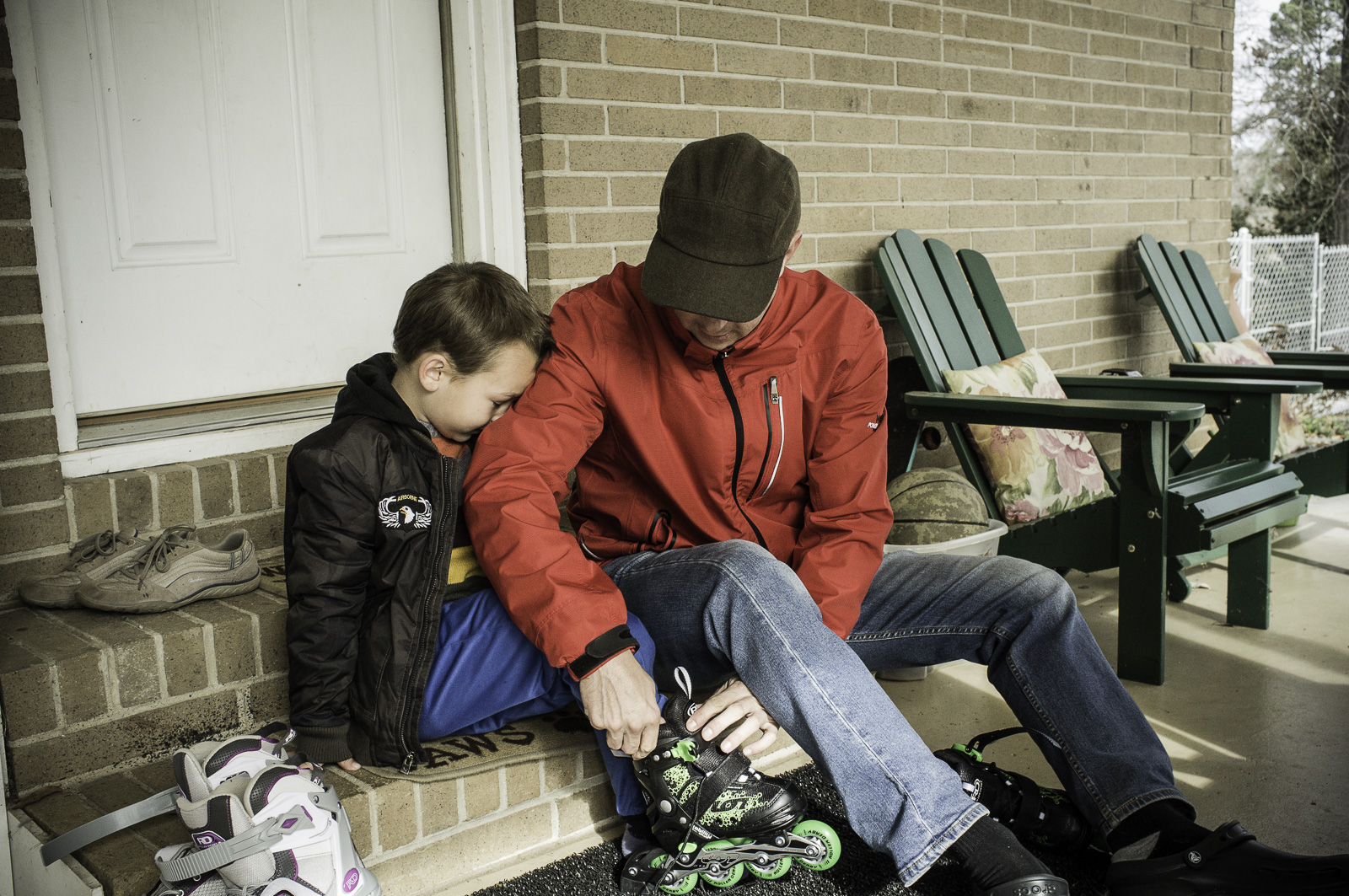
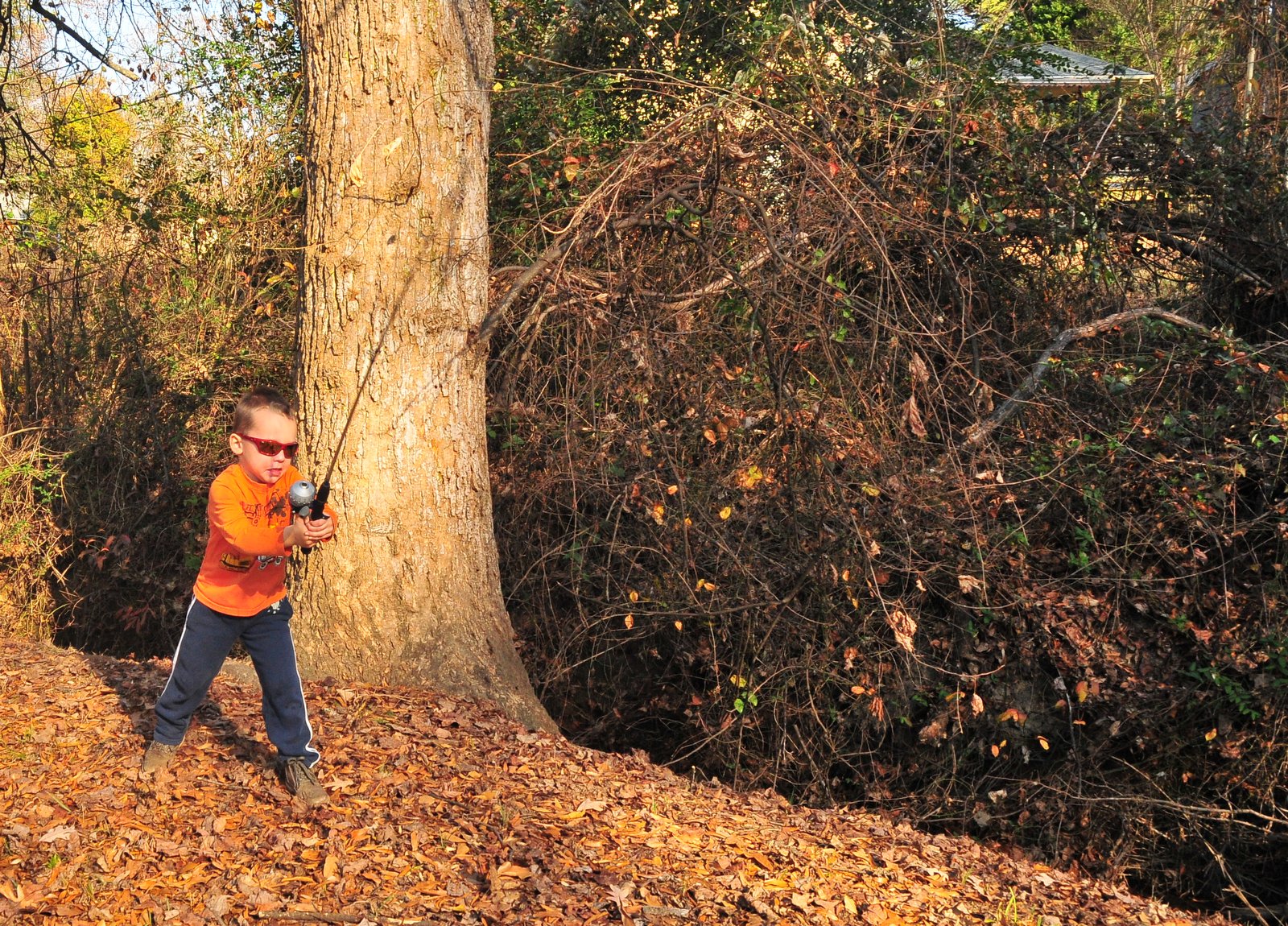
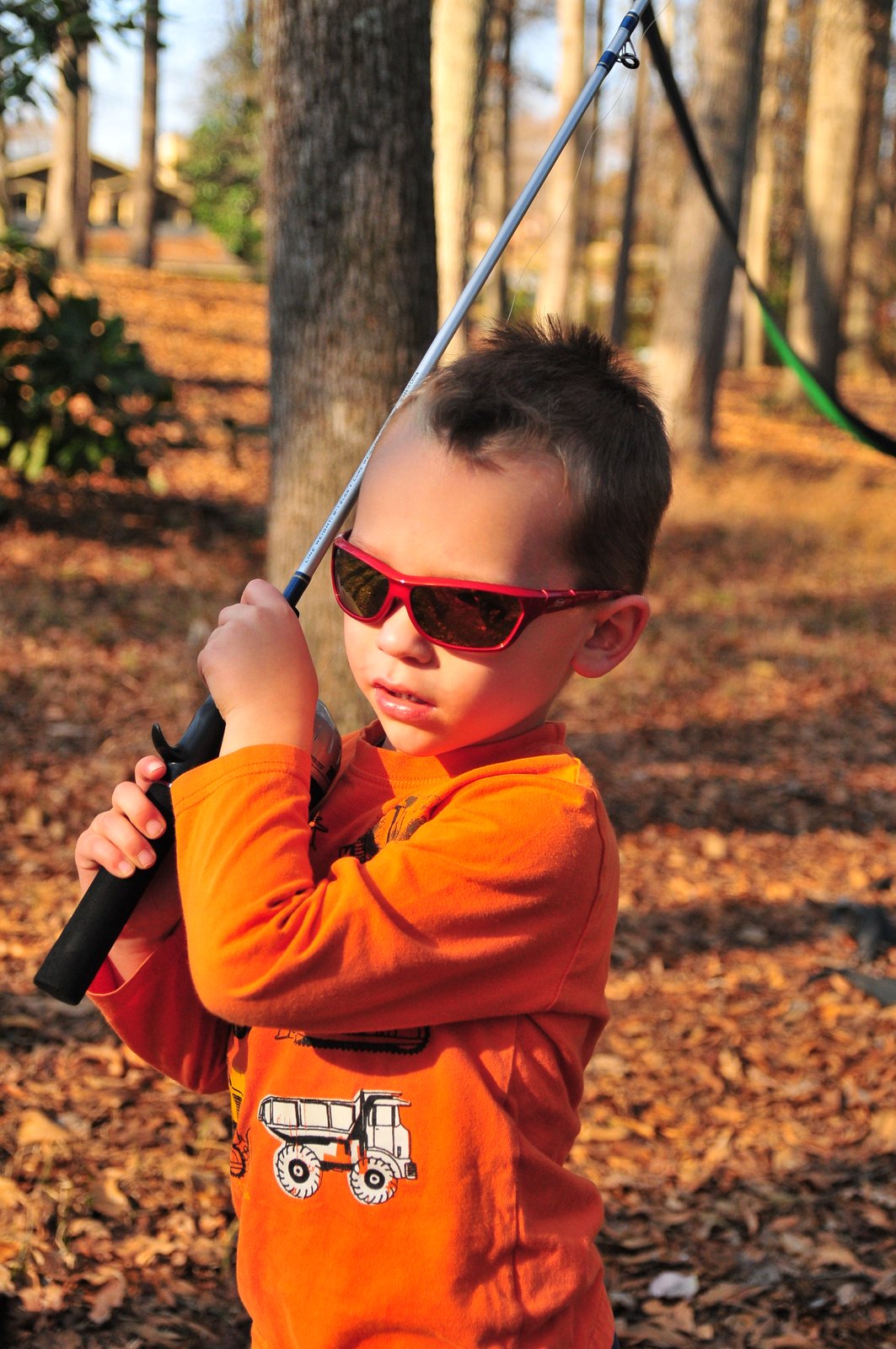
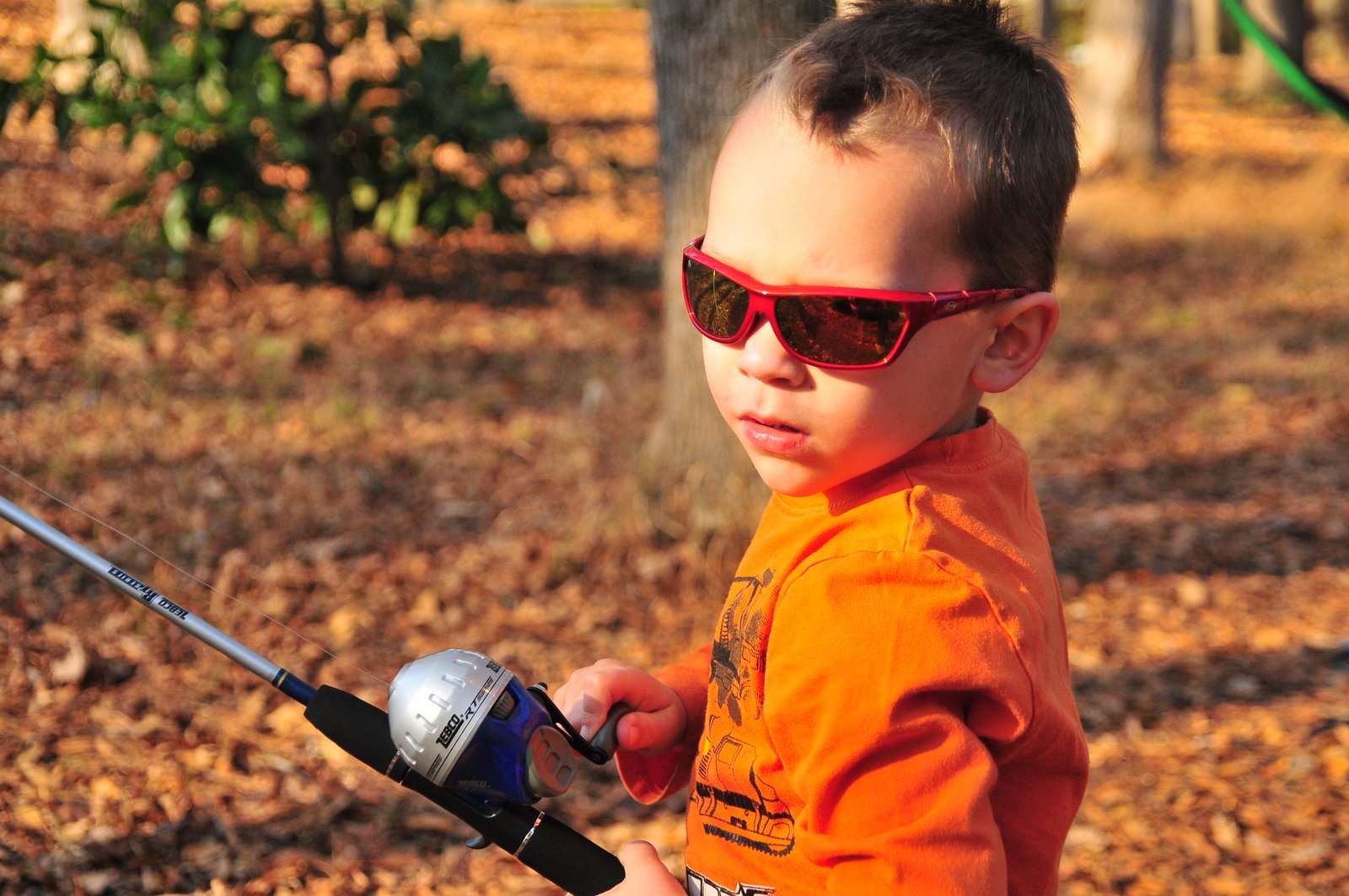
The Boy’s big prize: a fishing rod from our fishing neighbor. “Oh, I’ve been wanting one of these for years!” he exclaimed.

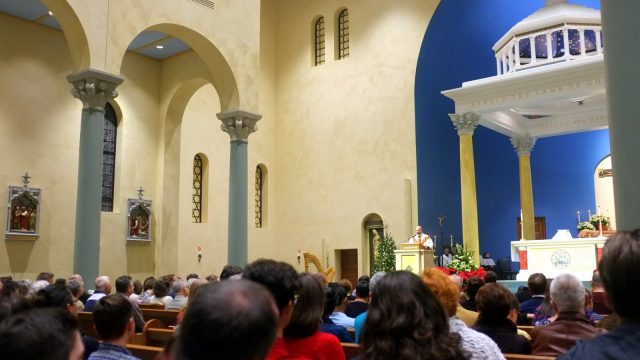
We talk and laugh, and before anyone knows it, it’s almost time for Christmas vigil Mass. Nana and Papa head home, and we pile into the car and head to our new parish.

Father Longenecker’s homily focuses on the three animals that are traditionally thought to have been in the barn with Mary, Joseph, and the newborn Jesus. There’s the donkey, which seems to symbolize how we’re all so stubborn in a way. Yet it was a donkey that Christ rides into Jerusalem on Palm Sunday. There’s a continuity there.

Next, there’s the ox, which usually labors under a yoke. Three decades later, Jesus to his disciples says that “my yoke is sweet and my burden light” and invites the disciples to take up his yoke. But the early Church Fathers saw in this a parallel with taking up the cross of Christ. Just as the older ox in a pair takes the heavier load, so Christ.

Finally, there’s the sheep. This reminds us of the fact that Jesus is both the Good Shepherd and the Agnus Dei. (Below: Penderecki’s Agnus Dei — not from tonight’s Mass.)

In closing, Father speaks of the simple crib the infant Jesus had, a manger. It’s close to “eat” in French, and therefore etymologically related to the Latin, the original language of the Church. The Church Fathers saw this as symbolic too, with the manger foreshadowing an altar and Jesus as the Eucharist.

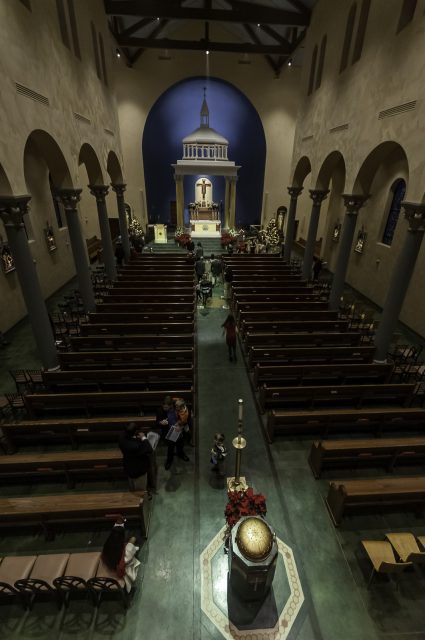
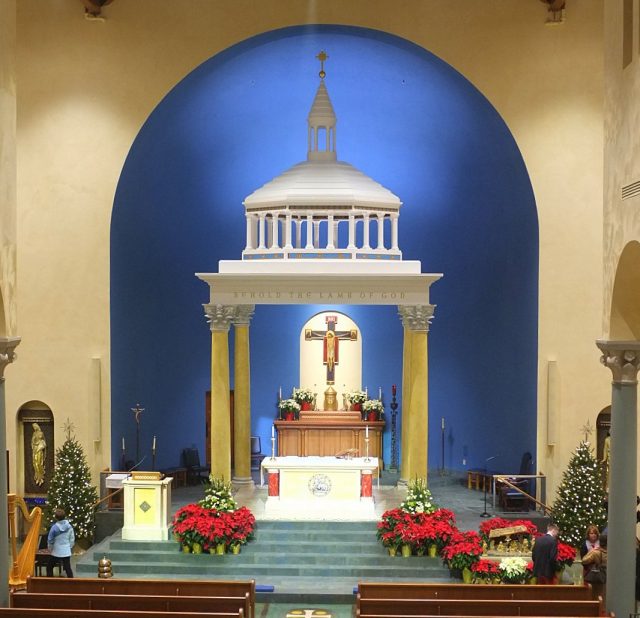
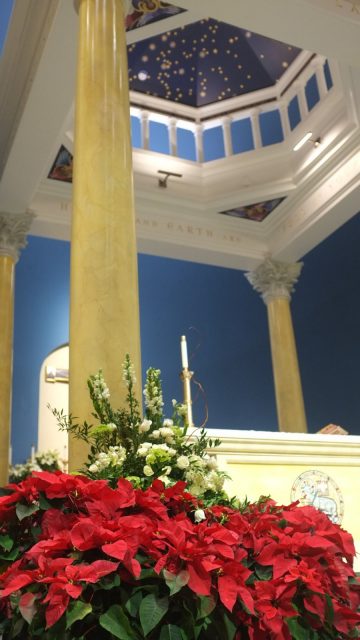
It’s a blessing to end the evening in such a beautiful space; it’s a blessing to have a priest who gives you something to think about; it’s a blessing to have a choir that sounds like this.

I kneel on the concrete floor, careful to put my left knee down since we don’t have a kneeler as we’re sitting in the overflow seating and I know what will happen if I put any weight on my right knee, and I think back to the beginning of the day, to my thoughts that have been bouncing around all day: what makes this Saturday any different from any other Saturday? We do. Our decision to make it different makes it different. We could abandon all tradition, we could order pizza and watch silly movies, or just go about our day as if it were any other Saturday, but we don’t. And that’s what makes it different.

I look to my fellow parishioners and familiar thoughts swirl about: even if all of this is human-made, even if the wafer the priest holds aloft as the altar server clangs the altar bell remains just a wafer, there is value in all of this, in the singing, in the humbling (after all, isn’t that Christmas is about, the ultimate humbling?) of ourselves, the stopping one day a year and looking about us and seeing all that’s beautiful in the little spheres we orbit.

Previous Years

Wigilia 2003

Wigilia 2004

Wigilia 2005

Wigilia 2006

Wigilia 2007

Wigilia 2008

Wigilia 2009

https://matchingtracksuits.com/2010/12/25/wigilia-2010/

Wigilia 2011

Wigilia 2012

Wigilia 2013

Wigilia 2014

Wigilia 2015

Baking 2016

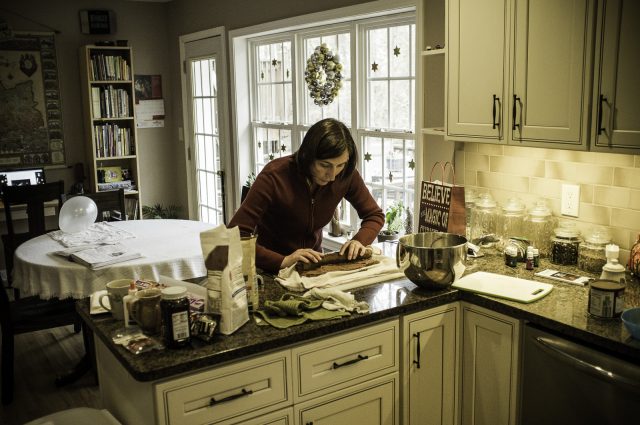
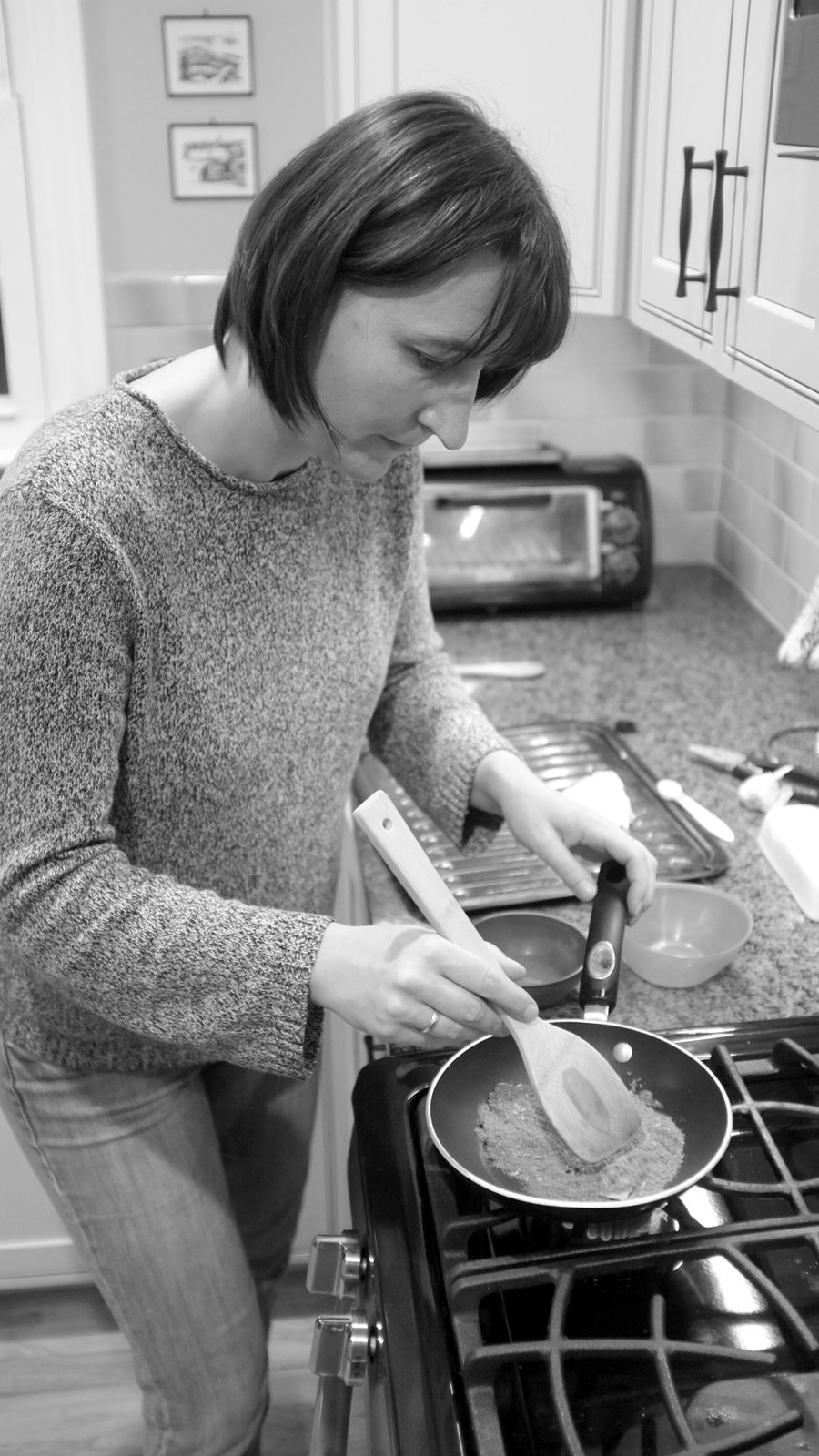
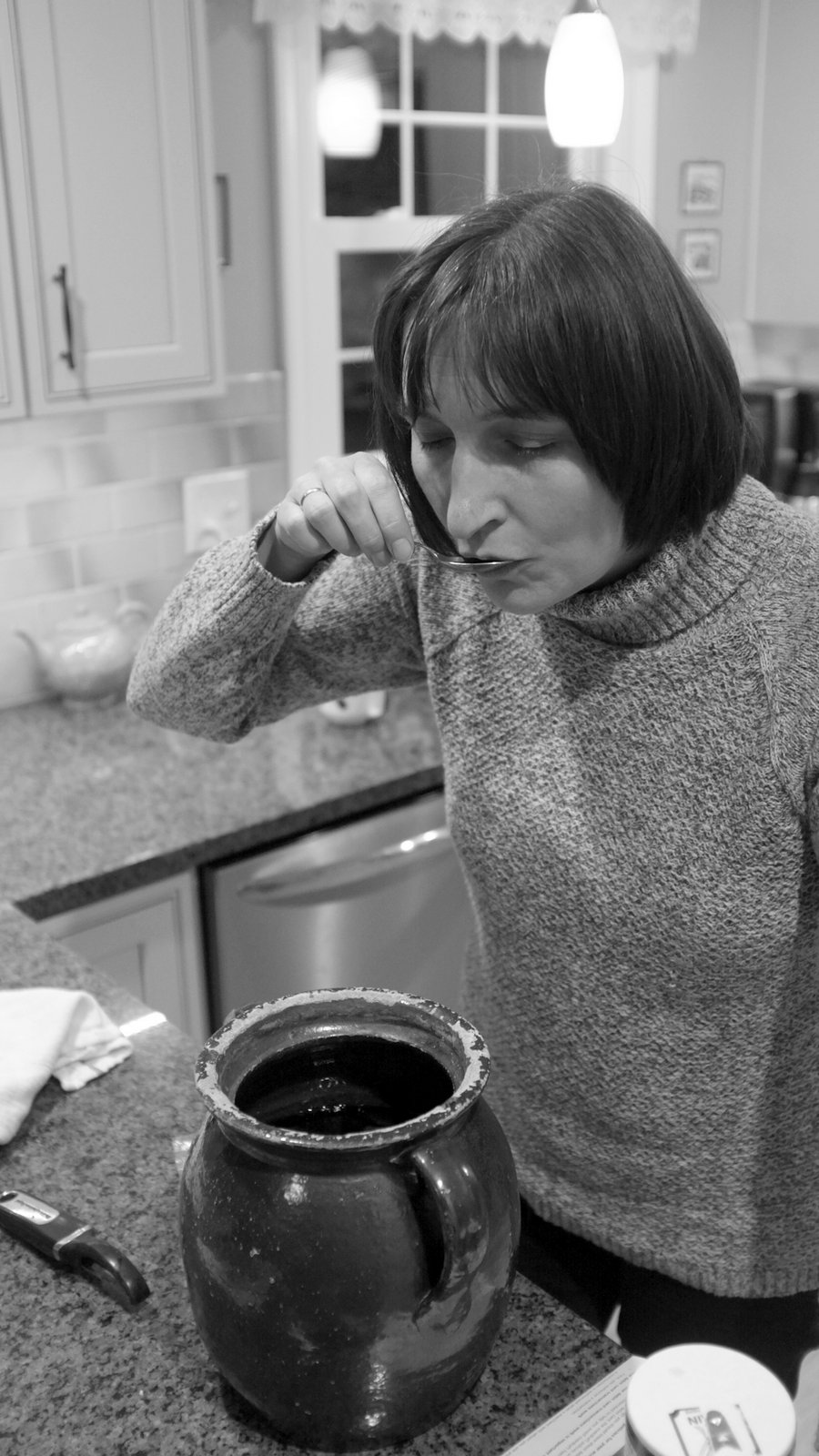
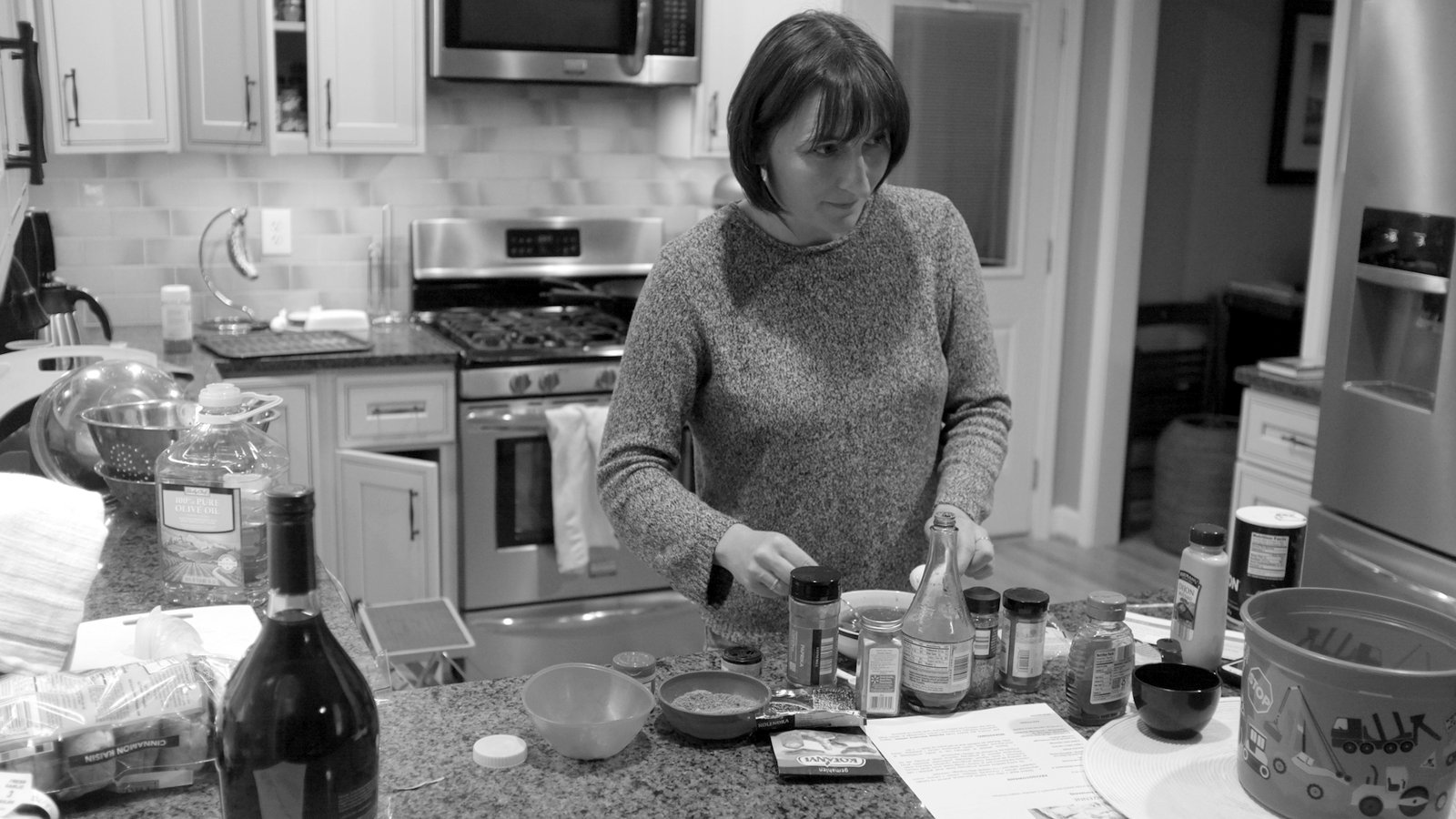
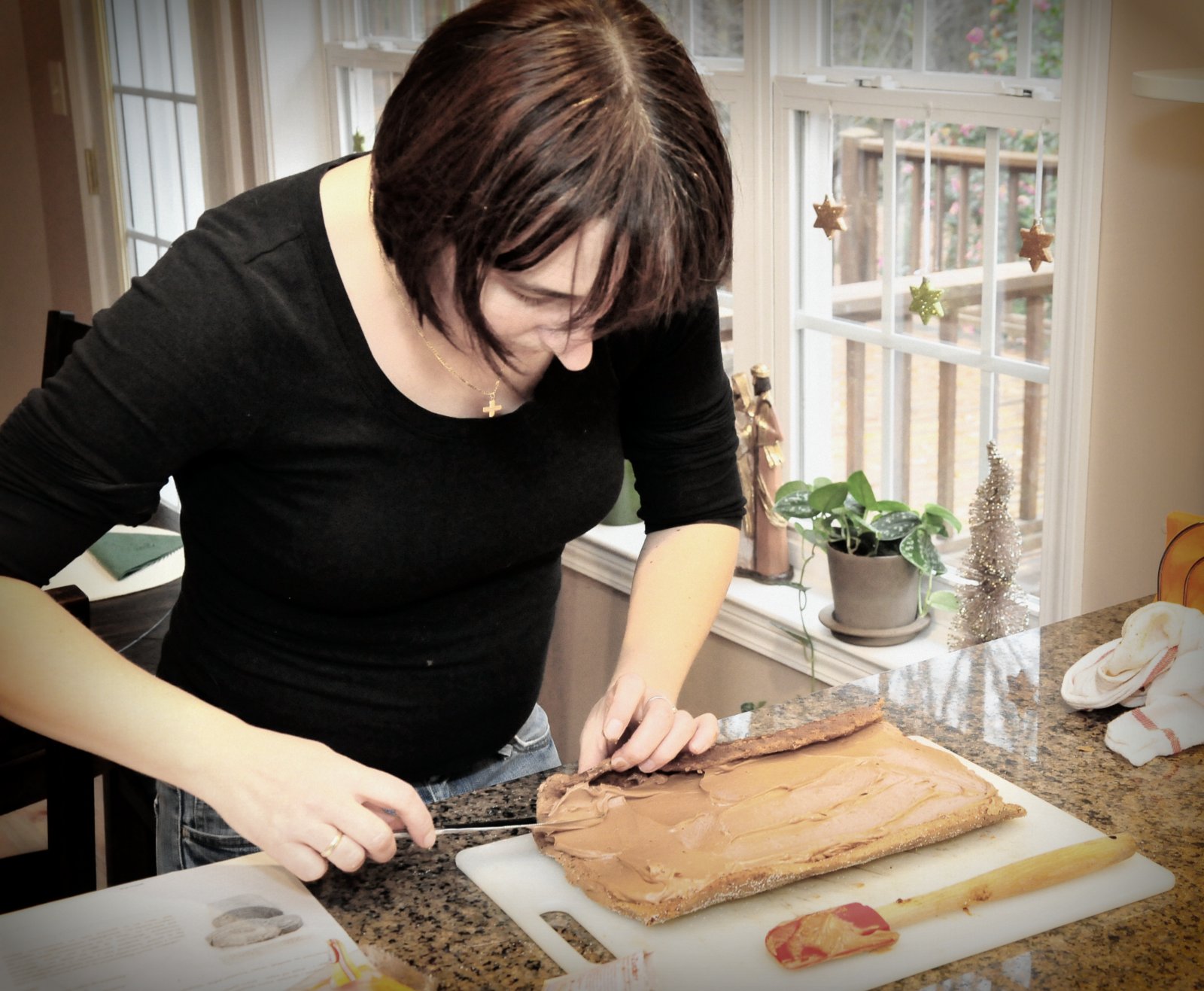
It’s been a tradition in our house and on this site for years now — a record of all the chaos that’s been going on the last day or so getting ready for Wigilia tomorrow night. Almost ten years’ worth, starting in 2007.

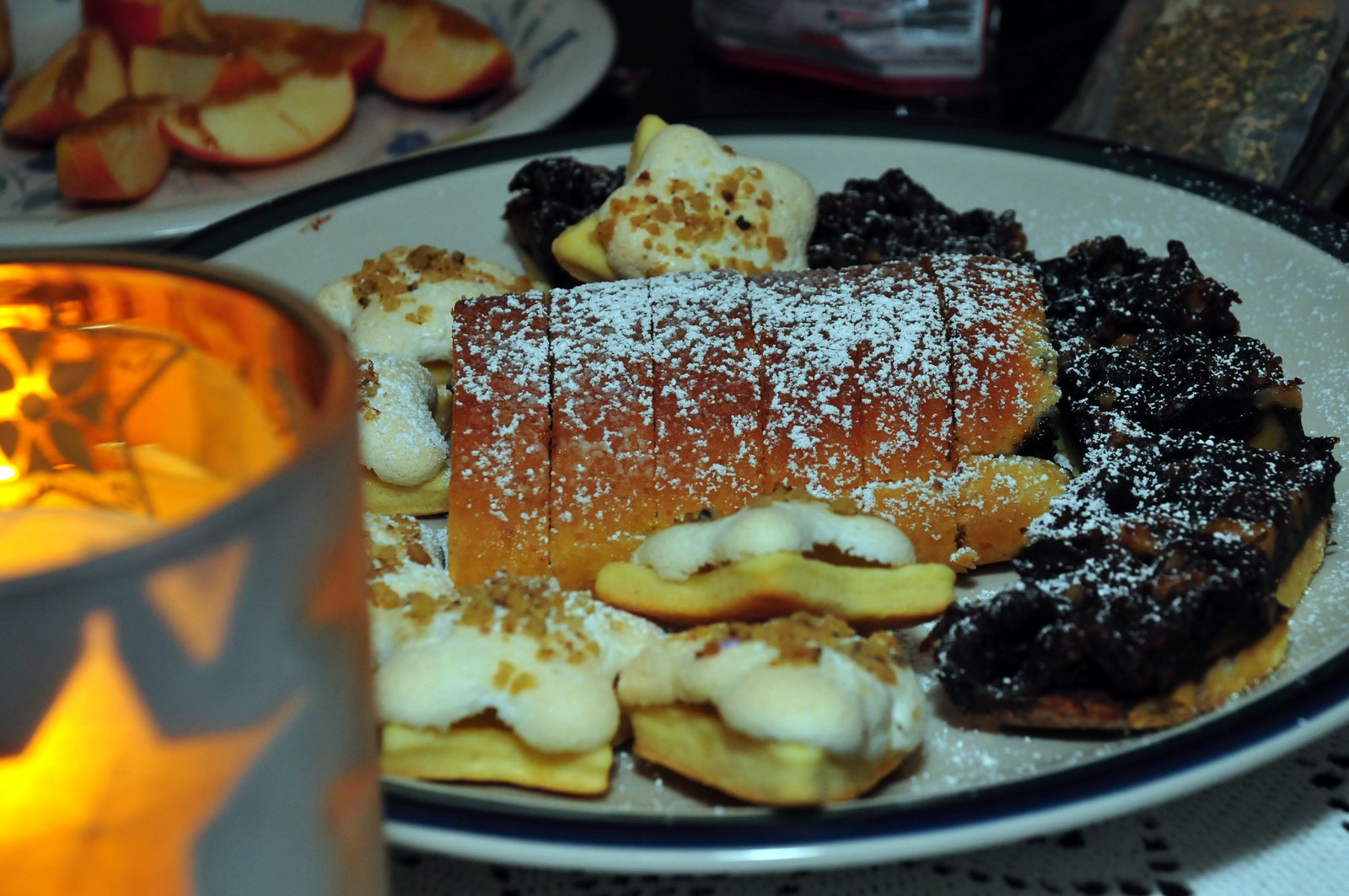
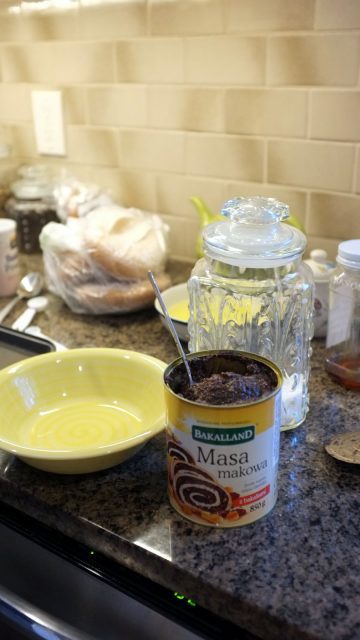
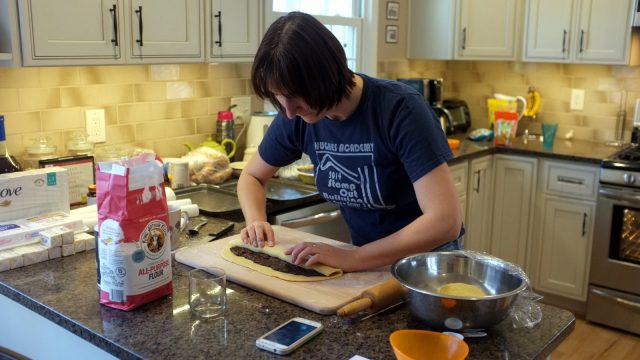
It’s always the same — sometimes even the same menu. Sometimes, like this year, we try something new, but not too new. Makowiec — a traditional dessert for Wigilia, but one we’ve never made. And even if it were the identical menu year after year, there’s more: there’s the act of baking, the act of cleaning, the fussing, the worrying.

There are the disasters and near-disasters: cakes that didn’t turn out like they were supposed to; mixers that cease mixing; real and imagined worries and stress.

Some years K is always trying to bake while I try to clean up the mess behind her, which usually ends up cleaning up beside her, which ends up making more mess than if I’d just leave it all alone.

Some years I turn my attention outdoors, smoking meats or mowing the lawn one last time to get up the leaves that have accumulated and occasionally because the grass actually needs it, even in December.

But those are just repetitions that have longer cycles. I don’t mow every year around this time, but the mowing falls on the baking day every now and then. I don’t force my way into the kitchen every year, but every three or four years, I fancy myself helpful.

Today, though, I managed to do a little of everything. Perhaps that’s because, despite the repetition, we have one new element in this yearly ritual: it’s all happening in a new kitchen.

Steps

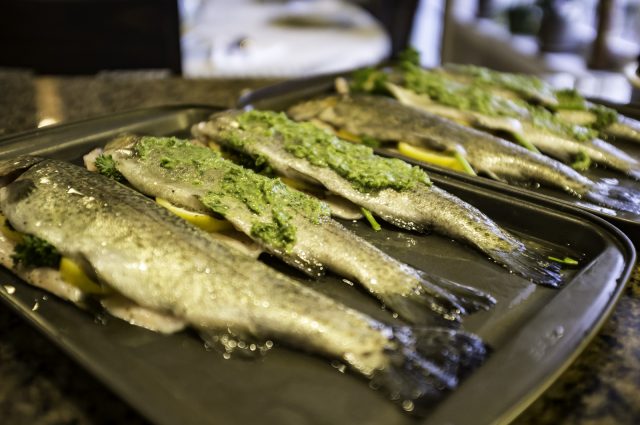
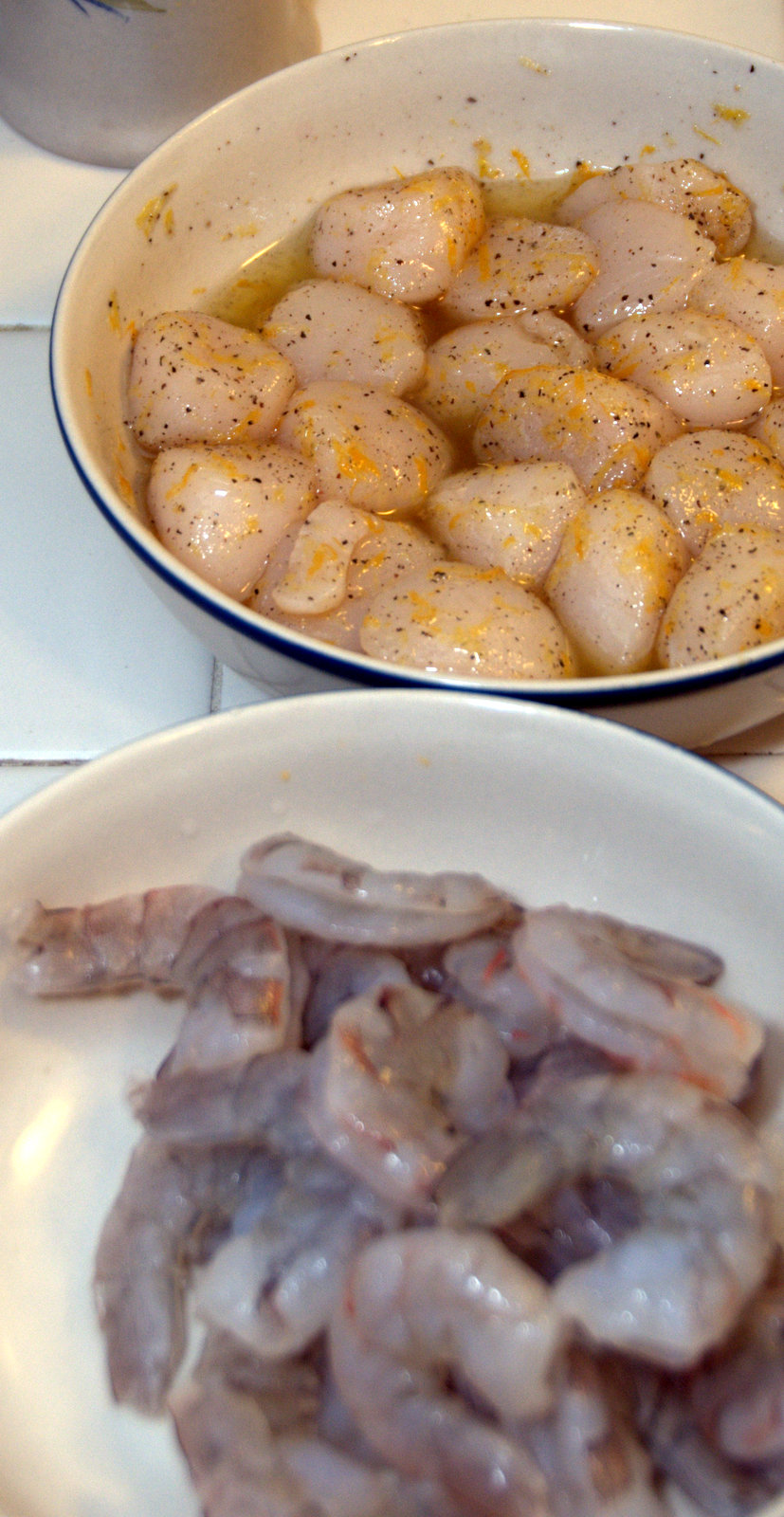
The barszcz takes several days to prepare because you have to ferment the beet juice first, and that takes a while. The herring salad takes a couple of days to make because it has to marinate. Or rather, re-marinate. The fish course — trout this year — is unpredictable, so we ordered it a week ago, for pick up on Saturday morning.

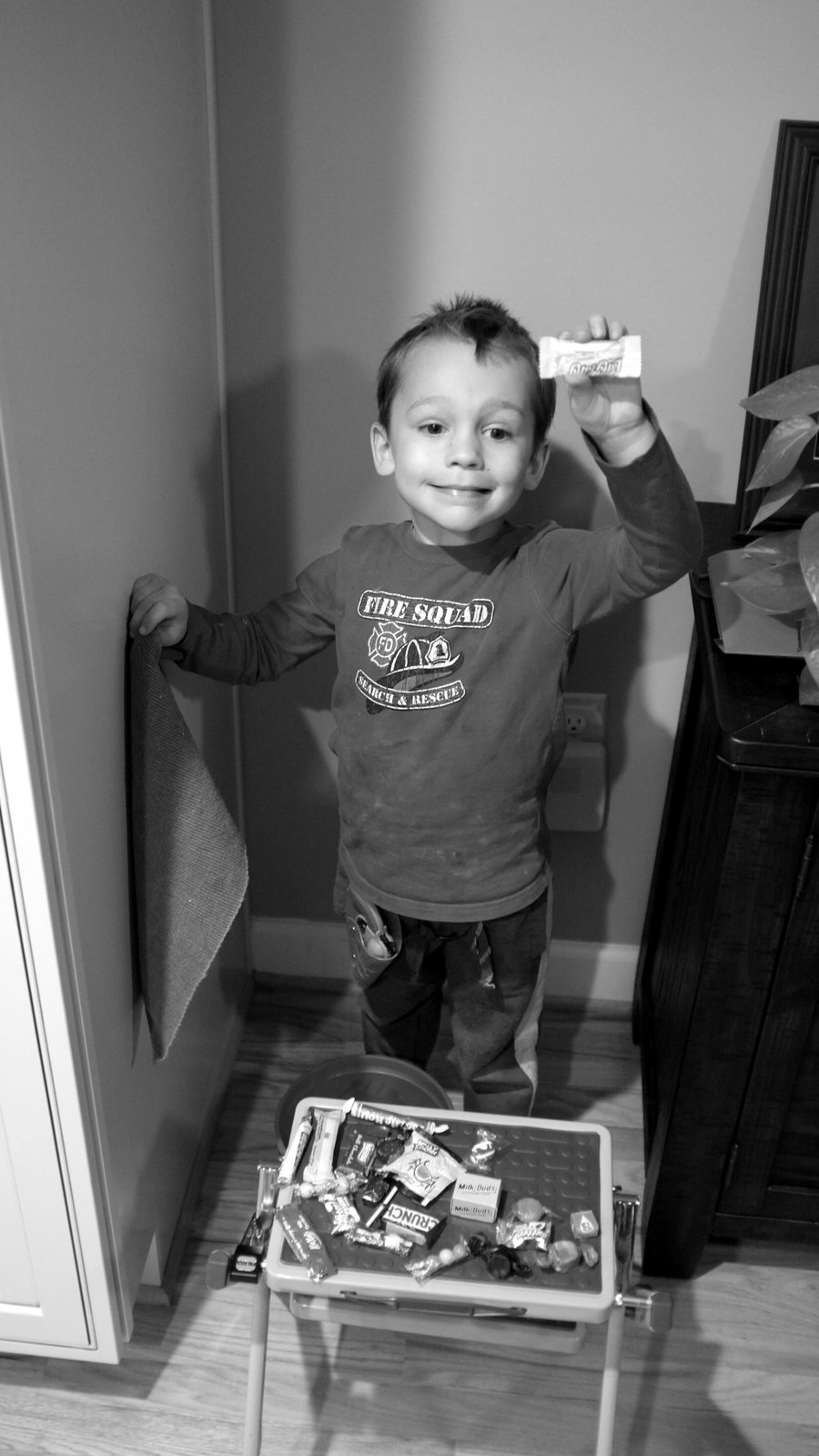
And of course for the kids, it’s been a year in the waiting.

Making the List

Making the list for tomorrow’s shopping is a process that takes as much planning as the cooking itself. I guess that goes without saying: you want to make sure your list has everything you need so that you don’t have to go back out. There’s no way I want to have to go out on Saturday to get anything — anything — we’ve forgotten, so making this list now reduces the chances of that happening. It began last night, sitting at the kitchen table, cookbooks everywhere, and it continued in the afternoon and evening tonight.

Taking a short dance break requires less planning. When you’re listening to highlander Christmas carols and you grew up dancing, it comes naturally. And that’s to say nothing of K.

Jaseล‚ka 2016

K baked.

The Girl sang.

The Boy wrapped it all up.

Early Christmas

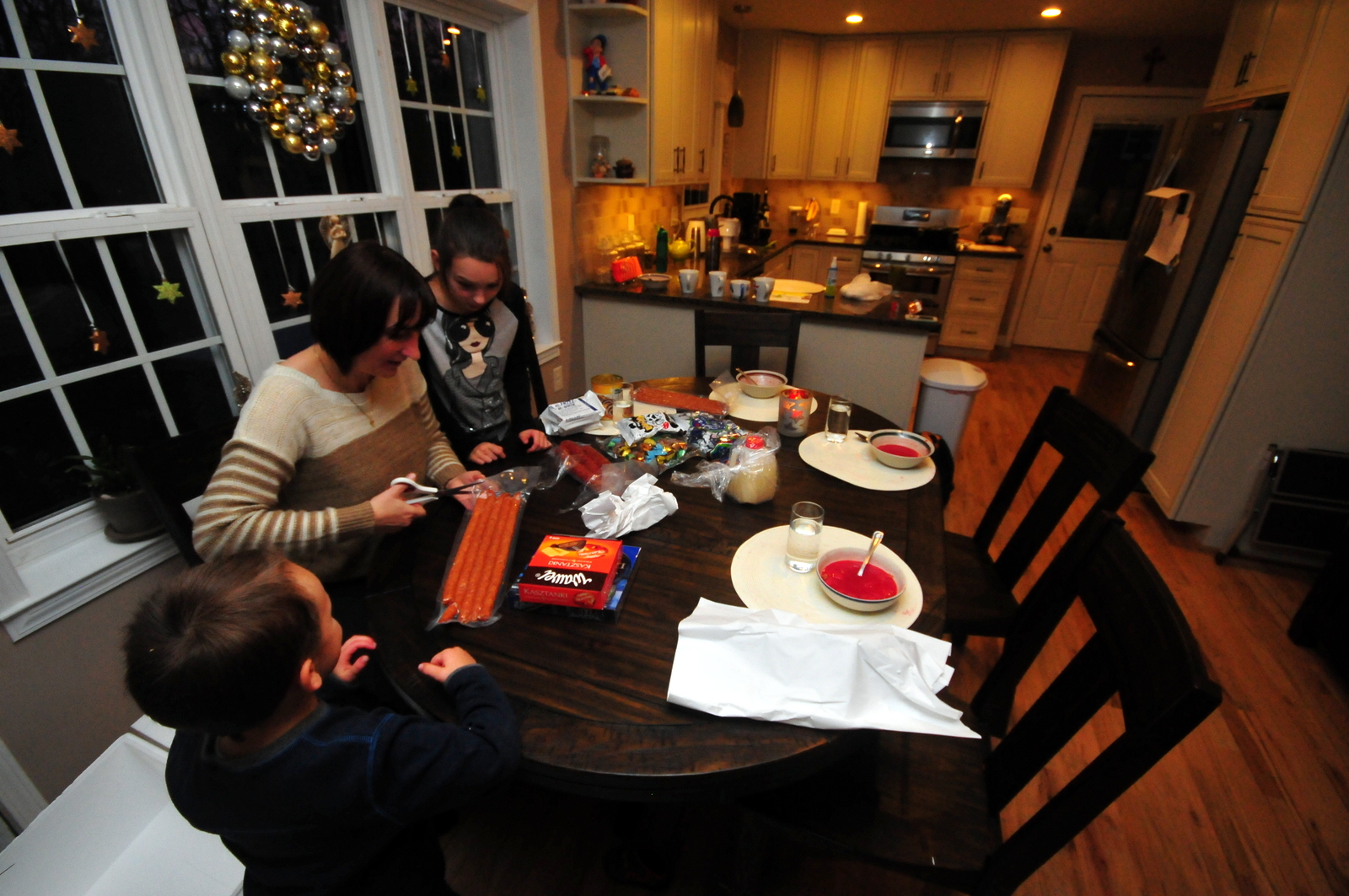
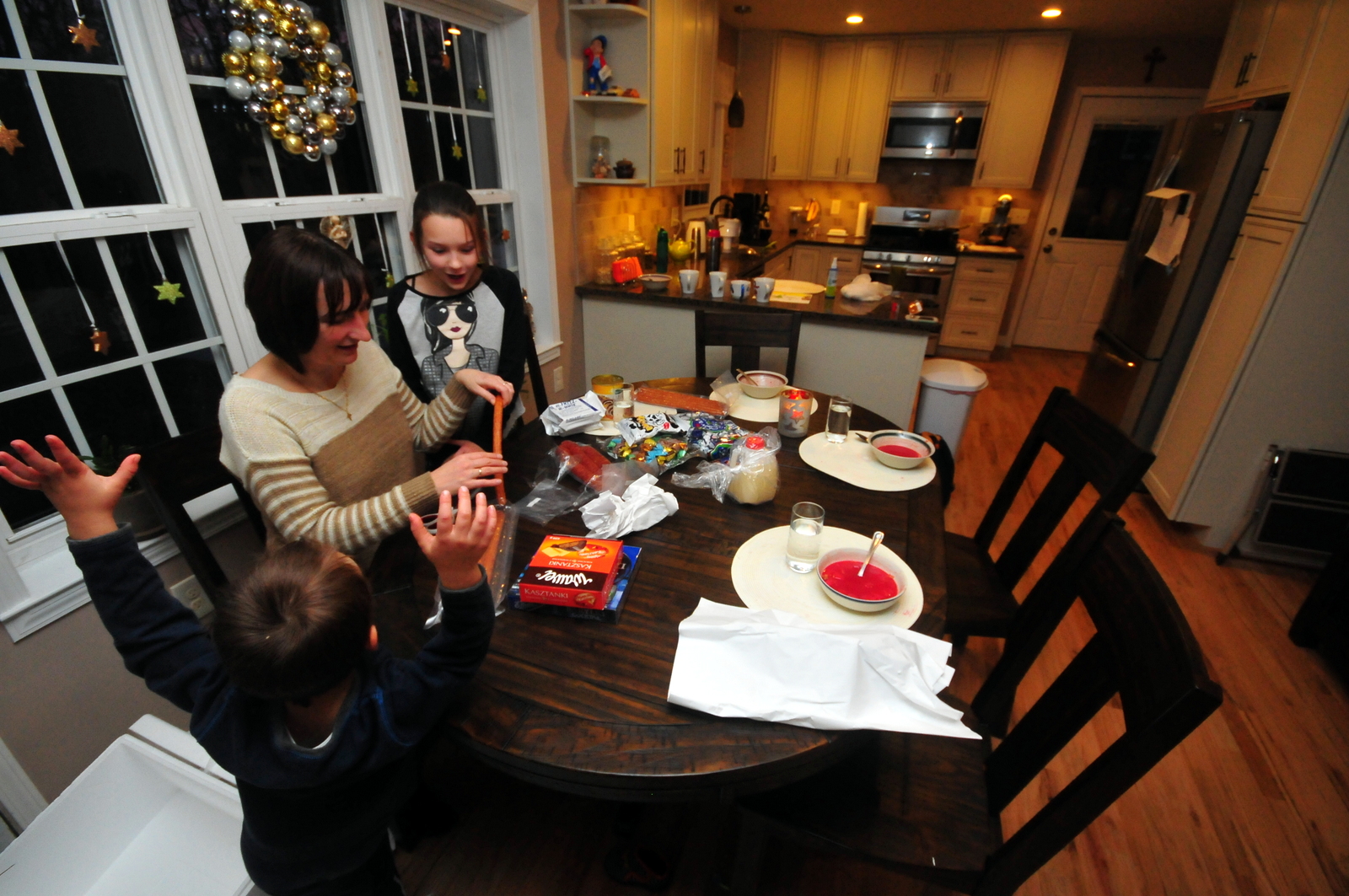
A package for Christmas from the Polish shop.

Plums in chocolate, finger-sized sausages (“You can eat as many of those as you want this summer in Poland,” I told E when he fussed about not being able to eat yet another bit), fermented rye flour for soup (L requested it for her birthday meal — that’s my Polish girl!), fat links of sausage, German coffee (the type I always bought in Poland — Tchibo Exclusive, which you can get from Amazon, but it’s not the same, is it?), and other goodies.

When I got home, K excitedly led me to the front door to show me a box sitting by the door. “How wonderful,” I thought, not realizing what was in it.

How wonderful, indeed.

Christmas 2015

It’s a good sign that there are so few pictures to choose from: more time talking and singing and laughing and less time documenting others doing it.

Christmas 2015 Playlist

Wigilia 2015

“I can’t believe how mean they are this year,” one teacher said to me just the other day. Sadly, I’m not sure it’s just a “this year” issue. I think it’s a “this culture” issue. So many kids tend to dwell so deeply in the negative in their relations to each other that it’s stunning some of them have friends at all. There are always comments, put-downs, insults. When called on it, they often suggest they’re just playing, but often enough, they don’t hide the fact that they’re not playing: they’re just hurling insults at each other. Social media only worsens the situation because it gives them the possibility of extending such behavior beyond the walls of the school. And so some students, it seems, live day and night, at school and at home, in a fog of insults and bullying.

This is not to say such is the case for all of my students. It seems to fall along the socio-economic divide that splits our school so visibly. The students who tend to be academically behind tend to be most likely to exhibit such behavior and mean it, and they tend to be poorer than their peer who are academically ahead and only engage in joking (though still biting) insults.

On the internet, though, it seems to cut through all socioeconomic divisions, all political divisions, all divisions. Just take a look at the comments at the bottom of any article on any web site. Liberals call conservatives idiots; conservatives call liberals idiots. Fans of Star Wars call non-fans idiots; non-fans call fans idiots. Using the single word “idiot” glosses over much of the ugly reality of the words they use. We use — for I’ve gotten carried away online and done the same. Perhaps not call someone an idiot, but suggest that anyone who holds such and such a view is mentally defective somehow. With the suggested anonymity, it’s easy to get carried away, I suppose.

Today’s students have grown up in such a world, and it’s second nature for them. But what about the opposite movement? What about the desire to say kind things? The urge to brighten someone’s day with the power of the spoken word? It’s not something that comes naturally to most of us. Kathryn Frattarola summarizes it succinctly:

If we like something, we keep our mouth shut about it, or we discuss it as minimally as possible. If we donโ€™t, weโ€™re extremely vocal about it. We are more drawn to the negative than to the positive. We are choosing to be miserable and make others miserable as well. (Source)

So many of us tend to shy away from that because it seems to open a vulnerability in ourselves. We wear so many masks, play so many roles, that sometimes an act of genuine sincerity seems the hardest thing to do. We’re letting down all our masks and speaking not as a teacher, a peer, a cool kid, a nerd, but simply as a human being when we say something kind to someone else. Insults and jokes are easy because they keep the mask up. Complements and words of appreciation let that all down. It’s a difficult thing to do.

But what if we all did it at once, all at the same time? Might it not be easier then?

In our culture we don’t have many opportunities where everyone takes a moment and utters kind words to each other. Sure, if we’re Catholic, there’s the point in the Mass where we “offer one another a sign of peace.” But, except for our family and friends we might be sitting with, that’s just a perfunctory handshake with or nod to the strangers who happen to be sitting around us. “Peace be with you,” we all mutter, and that’s that.

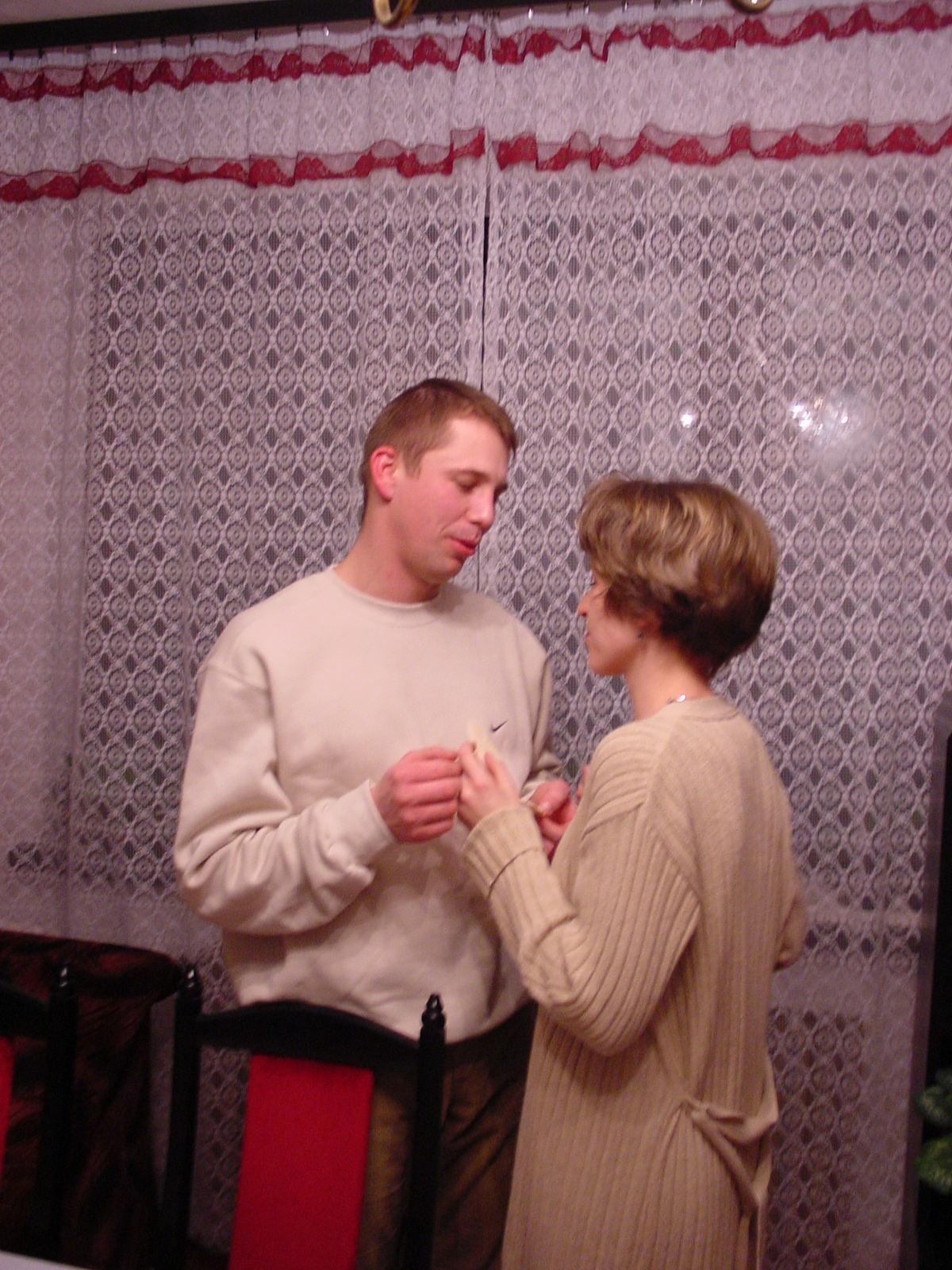
From  my time in Poland, though, I knew of a tradition that accomplishes just that, at least in theory: the sharing of the the opล‚atek, the Christmas wafer. Breaking the small wafer and offering well wishes wasn’t something we just did in the family; in school, every class had its own opล‚atek day, and students wished each other well, hugged, shook hands, perhaps cried a bit. Even students who didn’t get along terribly well put aside their differences for the time being and played along. Was it farce? Perhaps a little, with some. But there was too much genuine joy in the room for there to be too many people faking it.

For a long time, I thought it might be a worthwhile activity to try in class the last week of school. There were always barriers, though. The first was finding the wafers. While they’re readily available in any corner food market in Poland this time of year, they’re impossible to find here. Certainly one could ask in-laws to send them, but enough for 100+ students? That might be asking a bit much. And then there was the year I had the Jehovah’s Witness twins, and any reference to anything religious at all got a call from mom and an explanation that “we don’t celebrate X.” (I got such a call from her when I showed students my All Saints’ Day pictures at the end of October. “Ma’am, I wasn’t ask them to celebrate anything. I was just showing them what a different culture looks like.” “Yes, but we don’t celebrate Halloween…”) This year, though, it struck me that perhaps I could substitute something for the Christmas wafers. And I knew if I explained it correctly, there would be no religious overtones at all — and besides, I have no one in class this year whose parents have the same kinds of concerns as the twins’ mother several years back.

I built it up for an entire week, including in my lesson plans for Friday merely the word “surprise.” How many students download lesson plans is likely negligible, but I also mentioned it in class.

“Are we having a Christmas party Friday, Mr. Scott?” students asked.

“Not really, but I do have a surprise for you.”

“What!?!” Just like our three-year-old in so many ways.

“Well, if I told you, it wouldn’t be a surprise anymore.”

From the beginning, though, I was wondering how well it would go. In the worst case scenario, I thought they might share with one or two, then begin sitting down, having their own little typical conversations. I thought it was possible that a few might even refuse to participate at all. Of course I won’t make anyone do anything, I thought, for that would ruin the whole spirit of the opล‚atek tradition. Still, one or two refusing — might be trouble, I worried. As with all activities, I also expected different responses from different classes. I anticipated the student who are least engaged in school to be least engaged in the activity, and I anticipated those most engaged in school to find it most interesting. I expected classes with the most behavior problems to exhibit the most reluctance. Basically, I expected the worst, hoped for the best.

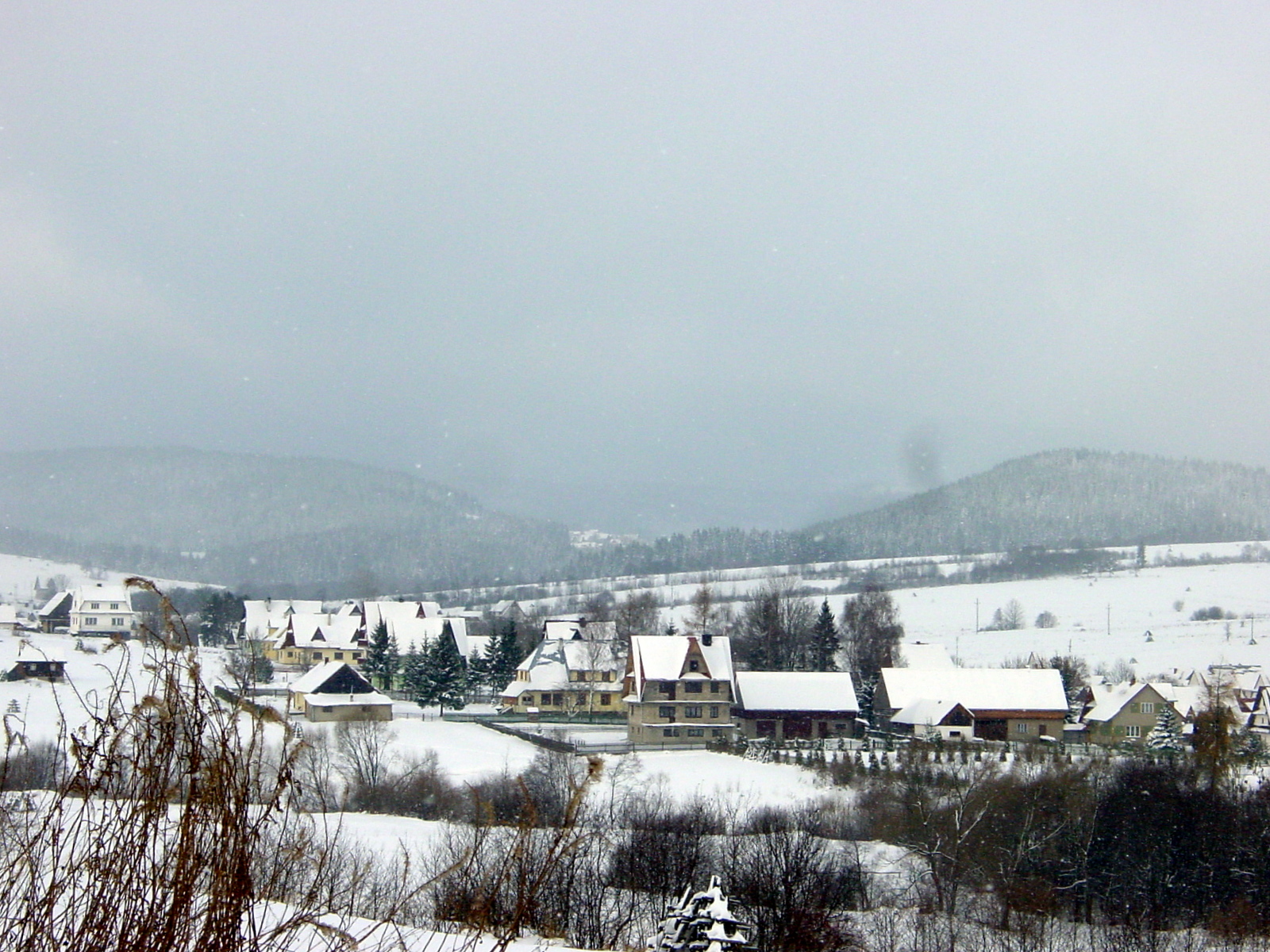
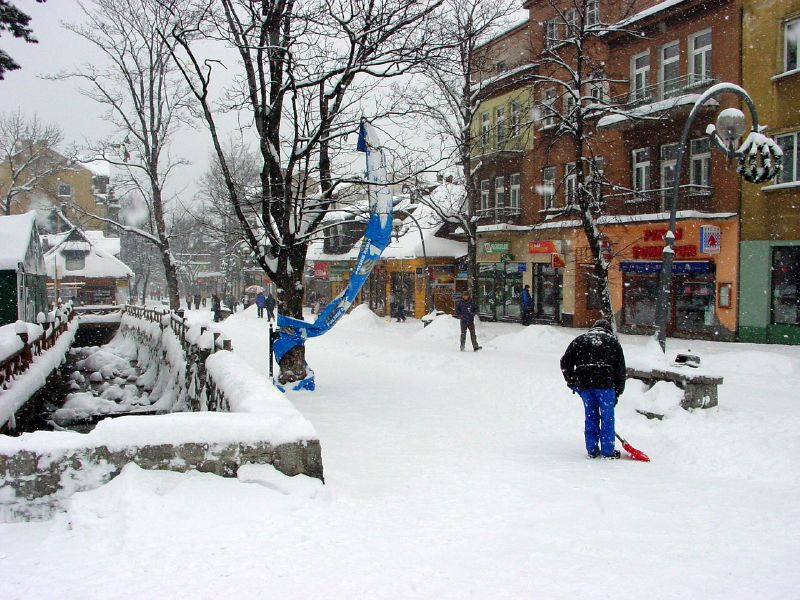
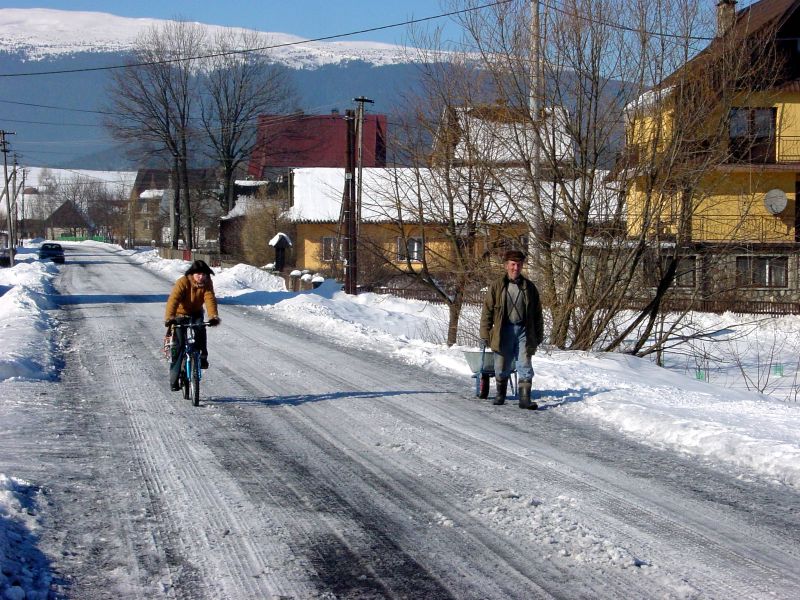
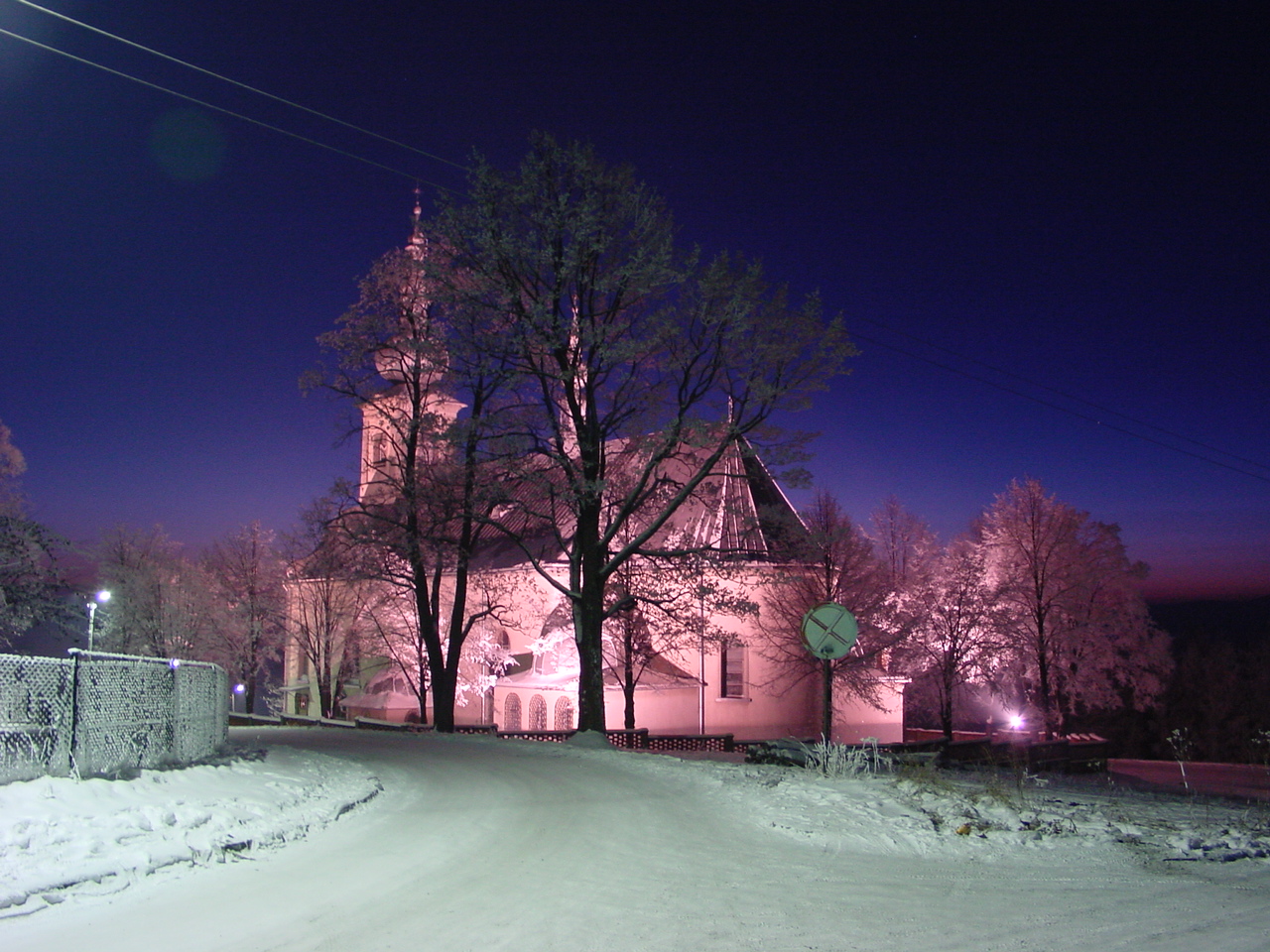
It began with a short slide show about Christmas in Poland. I explained that almost every Christmas in southern Poland is a white Christmas.

I skipped over the one picture I could find of friends breaking the opล‚atek, explaining that we’d come back to it, suggesting in my tone that it was a bit of a mistake to include it at all. Finishing up the presentation, I went back to the image of my friends sharing the Christmas wafer and explained the tradition to the students. “And it’s not just in people’s homes that Poles do this,” I concluded, “but also in school. I’ve always thought it might be interesting to share the opล‚atek tradition with students here in the States, but I could never find the wafers.” And I still have never found them here, in this part of the States. Yet it occurred to me this year that it’s not the actual wafer that matters; it’s the act itself, the tradition. So when K found pizzelle at Aldi, I knew I’d found my replacement.

“Hold it in your left hand,” I explained as I passed out the pizzelle, “and then break off a small bit from your friend’s.” I demonstrated, then smiled and wished them all a merry Christmas. What came next was the last thing I was expecting and the greatest gift students have ever given me.

They picked up their wafers and acted as if they had been doing this all their lives. Kids who normally don’t get along were making an effort to search each other out and wish each other well. Kids whose behavior causes problems more often than not sought me out for special wishes. “I hope all your classes are better next near.” “I hope all the students behave next year.” There was such a level of warmth and joy in the classroom that I’ve truly never experience before. The way they embraced the whole act of offering each other wishes for the new year — it was as if they were drinking water after crossing a desert, as if they had been craving this so deeply and for so long. And once again, there was a noticeable difference in the classes: the groups that encountered less success in school were much more enthusiastic about it. And what I most feared, that some would break bread with a couple of friends and then sit down, never happened. The pizzelle finished, they continued talking, wishing each other well, hugging and shaking hands.

It was the most beautiful thing I’ve ever seen in a classroom.


As for our Wigilia, it was a low-key, quiet affair. Everything just a little less than the years before, and by choice. One soup instead of two; a couple of cakes instead of a pantry-full.

Fewer gifts, fewer guests — smaller, smaller, smaller. A good change.

Previous Years

Wigilia 2003

Wigilia 2004

Wigilia 2005

Wigilia 2006

Wigilia 2007

Wigilia 2008

Wigilia 2009

https://matchingtracksuits.com/2010/12/25/wigilia-2010/

Wigilia 2011

Wigilia 2012

Wigilia 2013

Wigilia 2014