g

Holy Saturday 2022

Today is the day in the Catholic liturgical year when Jesus is supposed to be in the tomb. Crucified yesterday afternoon, he was laid to rest according to the gospels in a tomb provided by Joseph of Arimathea. It is this tomb that various people will find empty tomorrow morning according to tradition in the gospels.
Who exactly find the tomb empty depends on which gospel you read. Critics point this out as one of many discrepancies which undermines the supposed factual accuracy of the gospels. Believers have various apologetics to explain away these differences. That’s a different issue for a different post. Besides that’s not until tomorrow. Today is Holy Saturday: I’m more interested in what’s going on today according to the gospels.
One piece of “evidence” that apologists like to put forth is the empty tomb, but first, we have to get Jesus in the tomb. What is the evidence we have that he was even buried? Only the Bible biblical narrative.
We do know from other contemporary sources, however, that most victims of crucifixion were not given a proper burial. This was part of the punishment. Your rotting corpse served as a deterrent for others. Furthermore, once burial took place, it was most often accomplish by tossing the remains not eaten by the birds into mass common graves. So we have two major problems with the account in the gospels: first, criminals’ bodies are traditionally left on the crucifixion steak to serve as a deterrent; second, once the remains were buried, they were placed in a common grave. The only evidence that we have Jesus was buried, comes from gospels written 50 to 70 years after he died. That’s not terribly convincing evidence, and I would bet that most Christians if this claim were made by another religion where is similar objections.
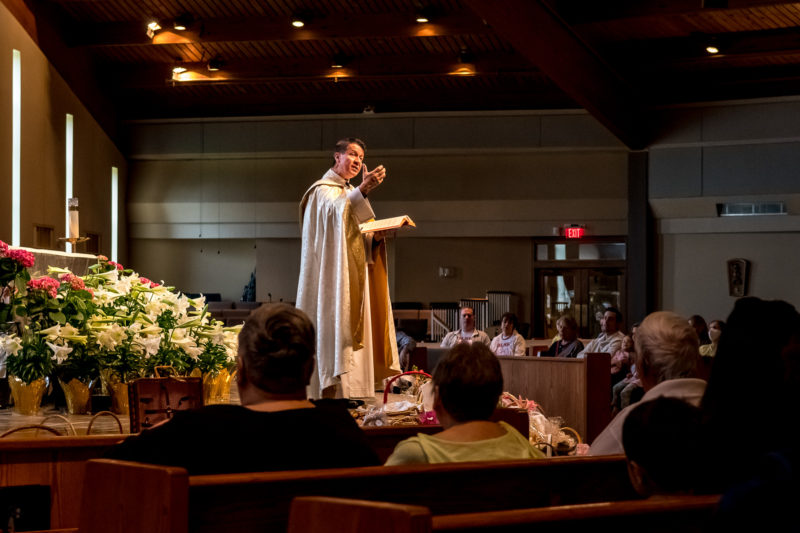
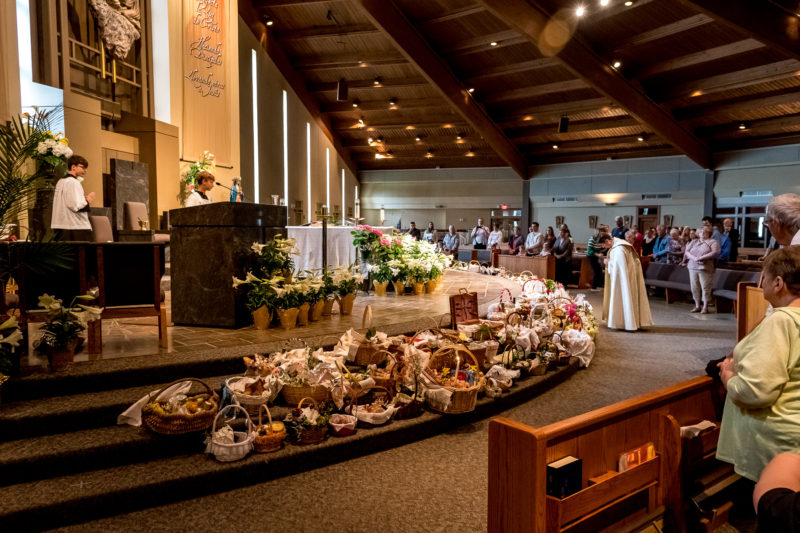
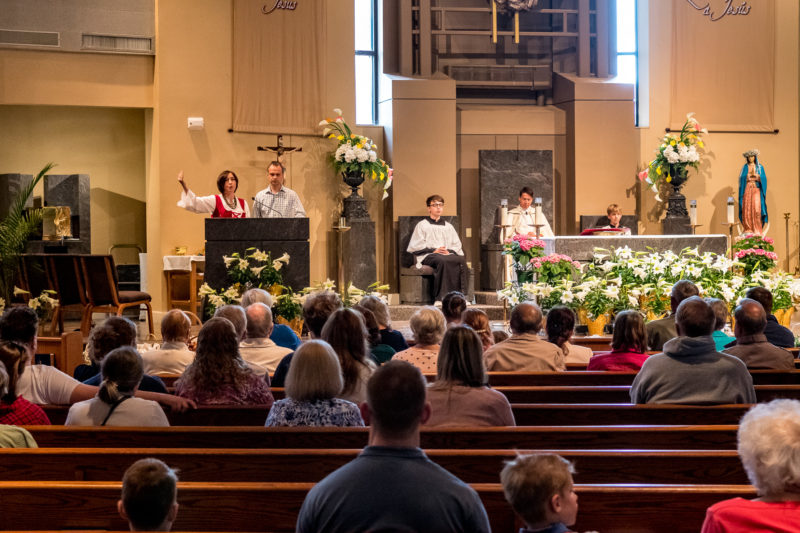
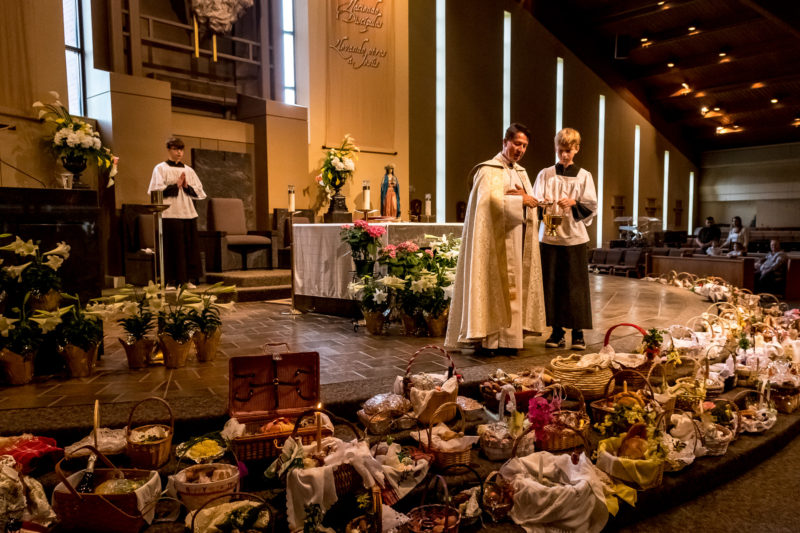
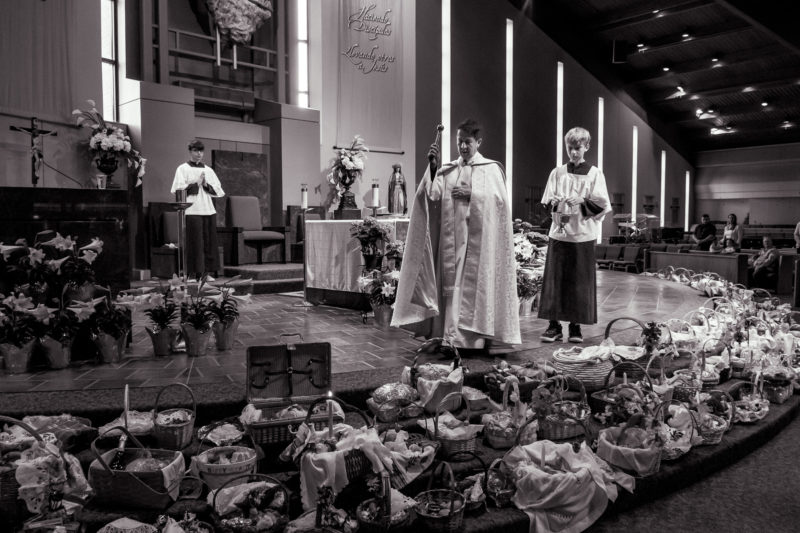
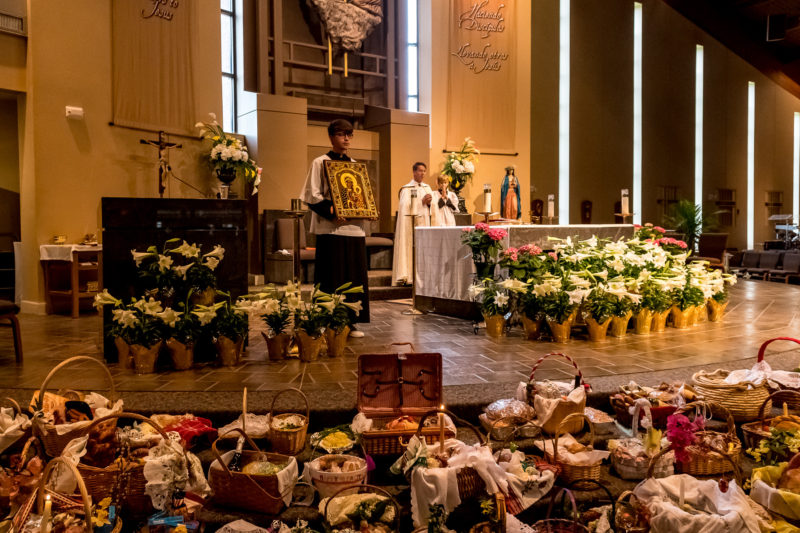
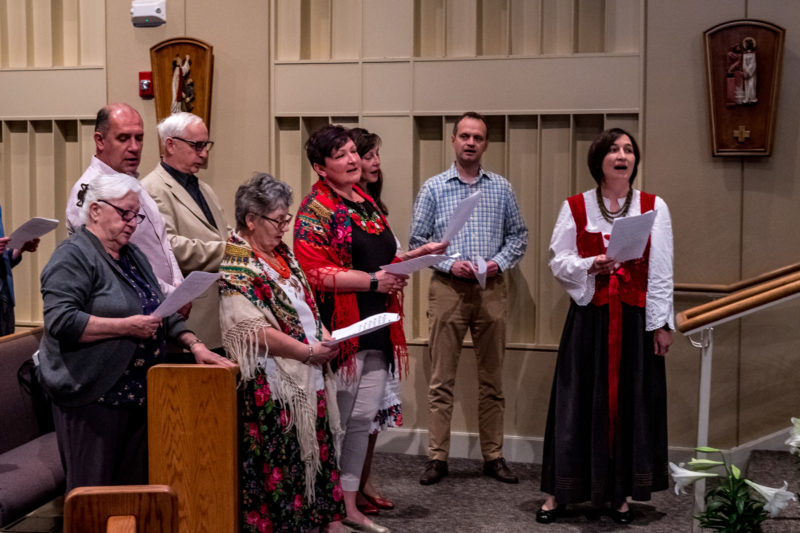
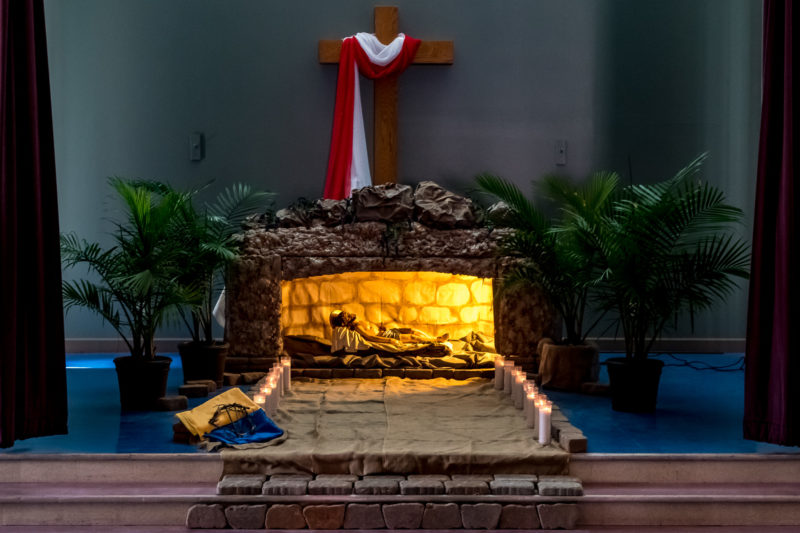
However, most Christians accept this as a simple fact it is beyond dispute, and from this narrative, Catholic secondary traditions have sprung up. Polish Catholics traditionally build a grave in their church and some sort of Jesus figure is placed in it, symbolizing Jesus and Joseph of Arimathea‘s grave tomb. Local Poles brought that tradition to our area, and the parish pastor has fallen in love with the tradition. So every year, the Polish community creates a tomb for Jesus just like they would do in Poland, and the faithful come and keep vigil with him throughout Friday night and Saturday. Of course, everyone knows that this is simply symbolic representation of Jesus in the tomb, but the fervor with which some people sit and pray in front of this tomb suggests that somehow that symbol has become for them very real. It is as if they are sitting by the actual tomb, which of course likely didn’t even exist. How is this possible?
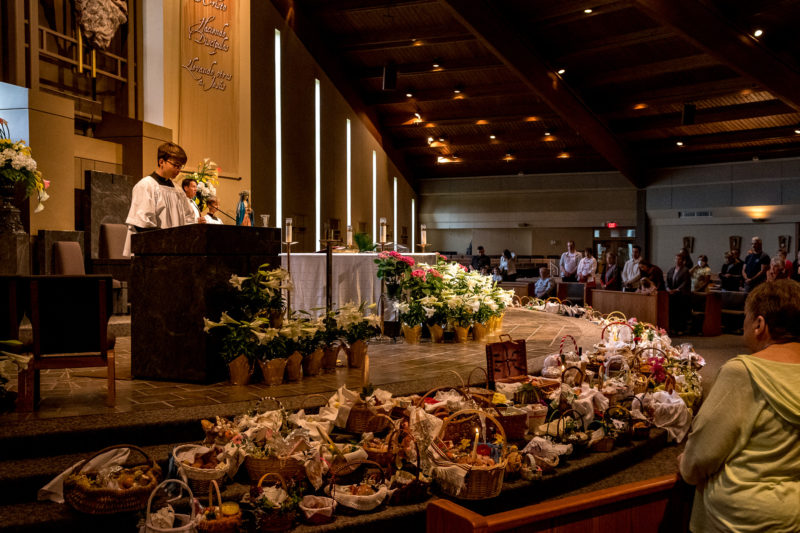
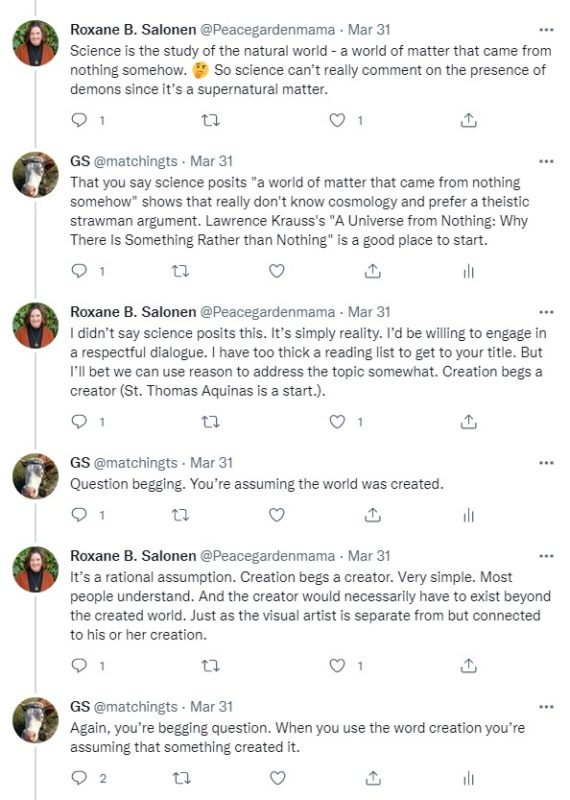
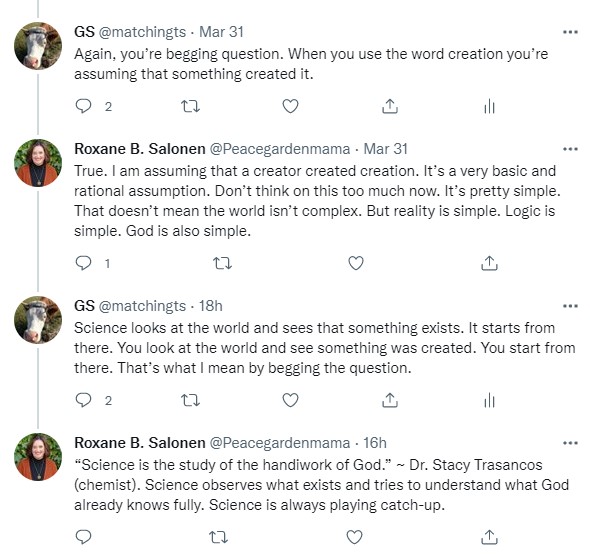
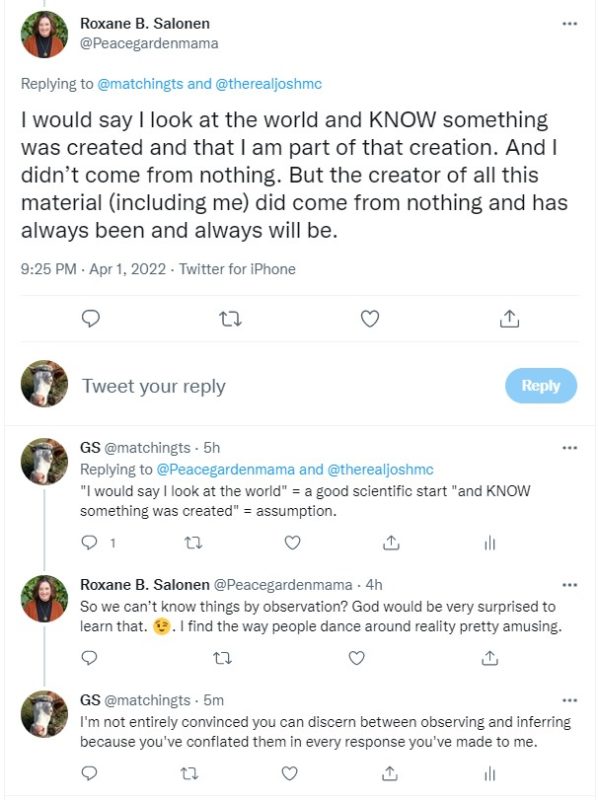
I think there’s a certain predisposition among Catholics to turn the symbolic into the real, to suggest with a line between the symbol and the thing somehow blurs, somehow disappears completely. They do this every week with the bread and the wine. Catholic teaching is that this bread and this wine, after some words uttered by the priest, are no longer bread and no longer wine. It looks like bread and wine; it taste like bread and wine; scientific analysis would show that on a molecular level, it’s still bread and wine. None of these things matter. What matters is that the church has taught for ages that somehow despite all appearances to the contrary, this is now the physical body and blood of Jesus. When someone can make that kind of Leap, all other boundaries between symbol and symbolized unnecessarily begin to slip.
All of this is undergirded by the nearly universal notion that our world is it duality. There is a physical; there is a spiritual. Things can exist that don’t seem to exist, that leave no physical trace, they have no physical characteristics, they have nothing. Humans, according to Catholic teaching, are not just physical beings: at our core, we are a soul. This duality then spills into other things, so that we can suggest it bread and wine have a physical existence, but they have some other kind of existence. This is what changes Catholic say.
Of course, this other “existence,” which they call substance, cannot be shown to exist in any scientific manner. It is a philosophical construct. Once a group of people starts to imbue philosophical constructs with actual existence, then literally things that exist only in the head can be said to exist in reality, and in a certain sense, they do exist in reality, for our conscious experience of the world is the only experience of it we have. But they don’t have an external reality, they don’t have a reality that is not dependent on our contemplation of said philosophical construct.
Freedom doesn’t exist outside our notion of what freedom is. Justice does not exist outside of our notion of what justice is. And our notions of freedom and justice and every other philosophical construct vary widely from cultural culture, from time to time, from person to person. And so their existence is completely relative and completely dependent on human thought.

Once someone is comfortable with a squishy boundary between these two things, though, all sorts of ideas that they might otherwise think are silly can become the most profound, the holiest ideas that they hold. And so we end up with over one billion people in the world kneeling before a piece of bread and a bit of wine with the same reverence as if they were kneeling actually before the most powerful being in the universe. We have people shedding tears in front of a tomb that they themselves made that the houses a carving of a crucified man whose existence or might not be questionable but his characteristics, actions, words, and deeds have scant if any real likelihood of being accurately recorded in the one historical record we have of them. Which is to say, because we don’t actually have Jesus here physically with us it’s all in our heads.

Good Friday 2022

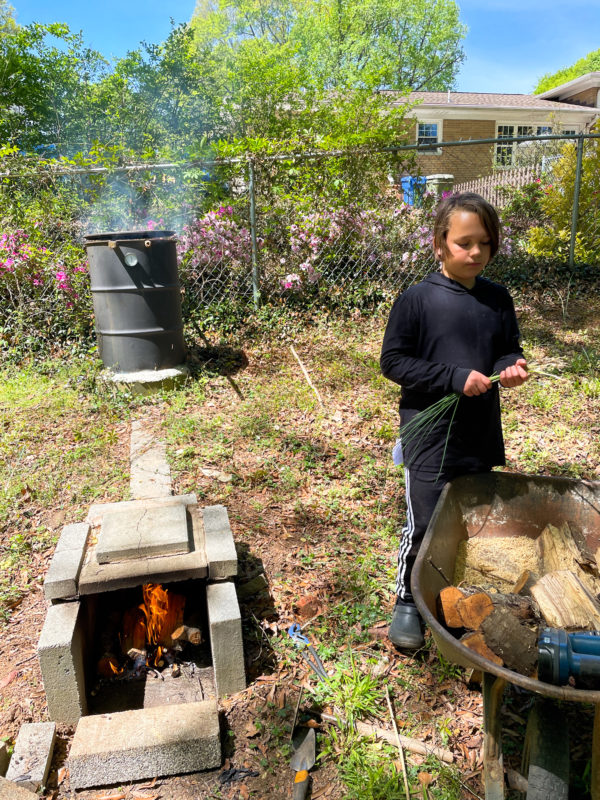
A busy day of smoking meat (ribs, loins, and chicken) and completing outstanding yard work (hedge-trimming, mowing) leaves me tired — too tired to do more than this…

Missed

They missed it, that little detail, but we had fun acting out their interpretations.

That One Detail

They always miss it — that one detail that changes everything about the ending of To Kill a Mockingbird. It’s so small, yet it tells us so much, and it’s a sign of how good an author Harper Lee was. She sets up the situation with a misdirection:

“Mr. Finch.” Mr. Tate was still planted to the floorboards. “Bob Ewell fell on his knife. I can prove it.”

Atticus wheeled around. His hands dug into his pockets. “Heck, can’t you even try to see it my way? You’ve got children of your own, but I’m older than you. When mine are grown I’ll be an old man if I’m still around, but right now I’m—if they don’t trust me they won’t trust anybody. Jem and Scout know what happened. If they hear of me saying downtown something different happened—Heck, I won’t have them any more. I can’t live one way in town and another way in my home.”


Mr. Tate rocked on his heels and said patiently, “He’d flung Jem down, he stumbled over a root under that tree and—look, I can show you.”

Mr. Tate reached in his side pocket and withdrew a long switchblade knife.

We assume that Tate is going to show Atticus how Bob Ewell fell on his knife, and he does just that.

Mr. Tate flicked open the knife. “It was like this,” he said. He held the knife and pretended to stumble; as he leaned forward his left arm went down in front of him. “See there? Stabbed himself through that soft stuff between his ribs. His whole weight drove it in.”

Mr. Tate closed the knife and jammed it back in his pocket. “Scout is eight years old,” he said. “She was too scared to know exactly what went on.”

But that’s not the reason Lee includes that detail. The real reason comes into focus a few paragraphs later:

“Heck,” said Atticus abruptly, “that was a switchblade you were waving. Where’d you get it?”

“Took it off a drunk man,” Mr. Tate answered coolly.

I was trying to remember. Mr. Ewell was on me… then he went down… Jem must have gotten up. At least I thought…

“Heck?”

“I said I took it off a drunk man downtown tonight. Ewell probably found that kitchen knife in the dump somewhere. Honed it down and bided his time… just bided his time.”

The kids were working on it today, and I pointed out that there’s a detail that makes everything different, changes the whole story. “No one has ever managed to see it,” I challenged them, and it’s true: most kids read right over that detail:

“Heck,” said Atticus abruptly, “that was a switchblade you were waving. Where’d you get it?”

“Took it off a drunk man,” Mr. Tate answered coolly.

The drunk man he took it off was Bob Ewell. When Tate arrives to investigate the body, he finds Bob Ewell lying on the ground, a knife in his craw, as he puts it, and a switchblade in his hand. In order to cover up Boo Radley’s involvement, he has to take the switchblade. He tampers with evidence to protect Boo Radley.

Today, though, one girl almost got it. “Mr. Scott, I think it’s something to do with this knife,” she said. She’d read the passage and knew something felt off. What felt off? It’s a detail that doesn’t seem to be connected to anything, and Lee brings it up twice, which means it must be important. I just smiled in response. “Could be something important.”

Later in the day, a couple of hours after class in fact, she emailed me:

I think that the switchblade was Bob Ewells and Heck heard the kids getting attacked and came to the scene and took the switchblade from Bob then Boo Radley, who can see very well in the dark, used a kitchen knife to kill Bob Ewell, making it look like Bob tripped and his death was an accident.

I’m not completely sure if this is right but I have a feeling it is.

“So close,” I replied.

We’ll see tomorrow if she got it.

Passover

The story of Passover always confused me. The Israelite god is going to destroy all the firstborn of Egypt in order to convince Pharaoh to let the slaves go (after, according to the passage, this same god “hardened Pharaoh’s heart” against the idea of releasing his slaves). He commands the Israelites to smear blood above their door in order to receive protection and save their own firstborn. Why in the world did an all-powerful, all-knowing god need the Israelites to smear blood on their door lintel in order to indicate to this god that the occupants were, in fact, Israelites? This so anthropomorphizes this god as to make it laughable. It leaves readers imagining this god moving physically from house to house, door to door, checking to see if there’s blood, then acting accordingly. Now, granted, I believe the text refers to an angel doing the actual killing, but spirit is spirit, right (in whatever sense “disembodied mind that has the ability to affect the physical world” might mean)?

Yet there’s a more brutal way of expressing this confusion:


Image

Shooting in the Backyard

The Boy wanted to have a Nerf war. “But I only have 4 bullets,” he admitted as we were getting ready.

“Kind of hard to have a real war with only 4 bullets,” I suggested. “Perhaps a duel would be better?”

In the end, we just got the trusty bb gun out and shot at some cans in the backyard.

We tried to stay outside as much as possible today — it’s finally warm…

Soccer and the Yard

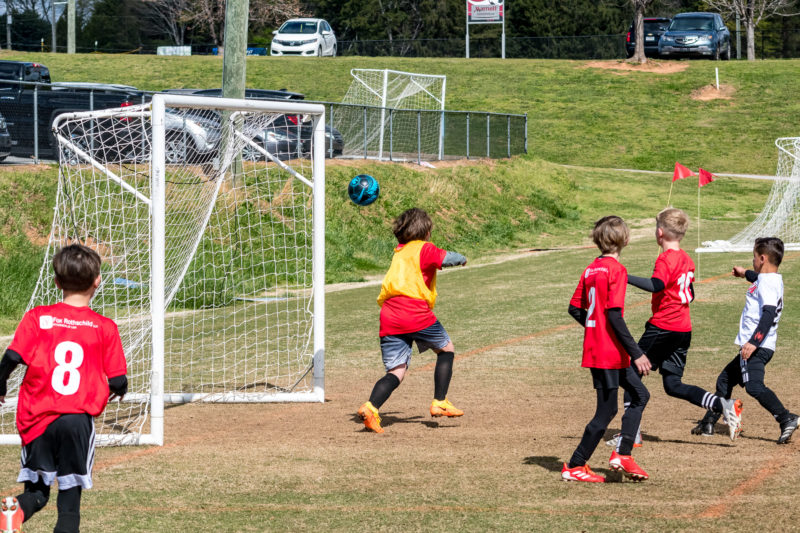
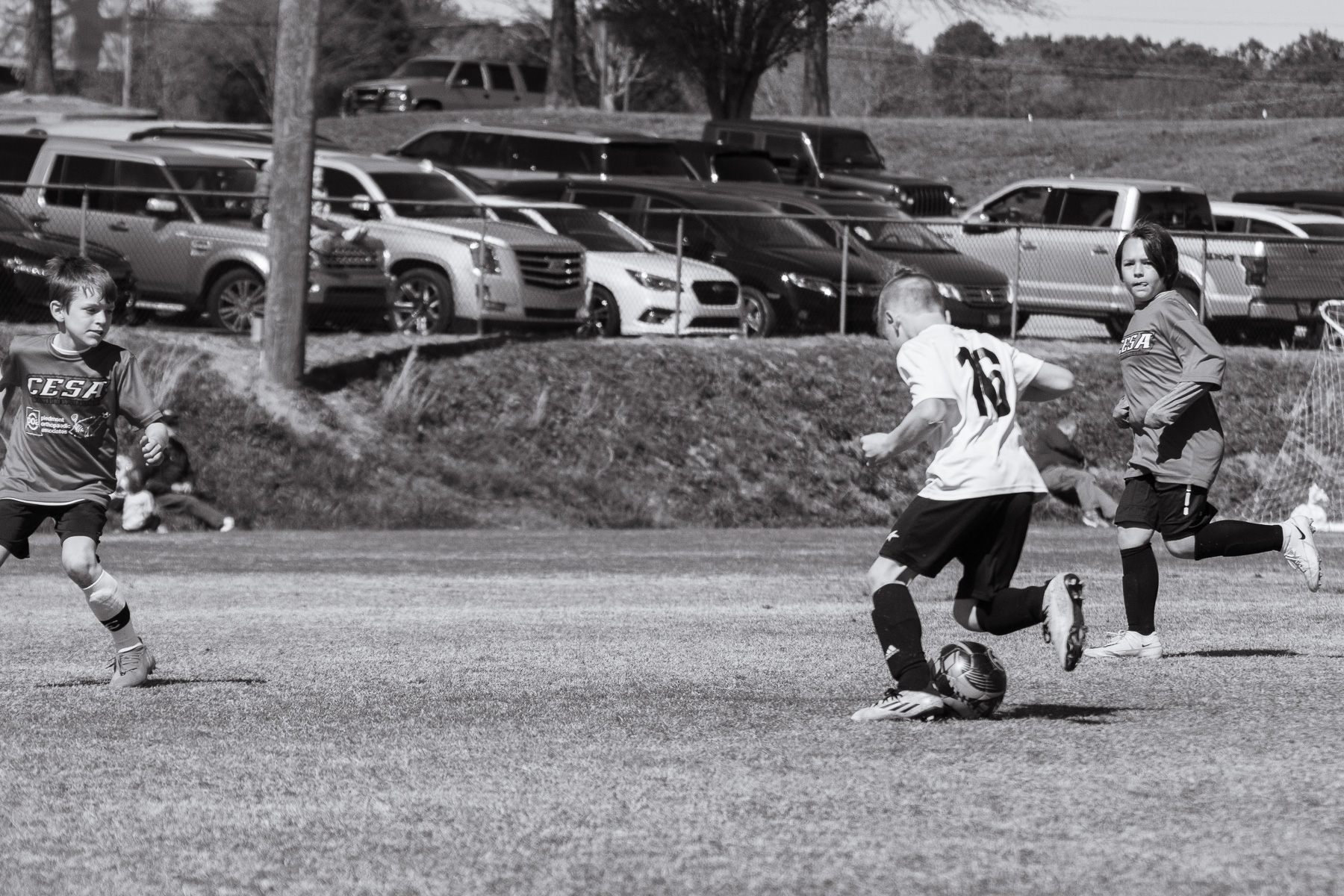
E had two games today to make up for the game that got rained out some time ago. They won the second game 3-1, but the first game was tough: a 1-4 loss.

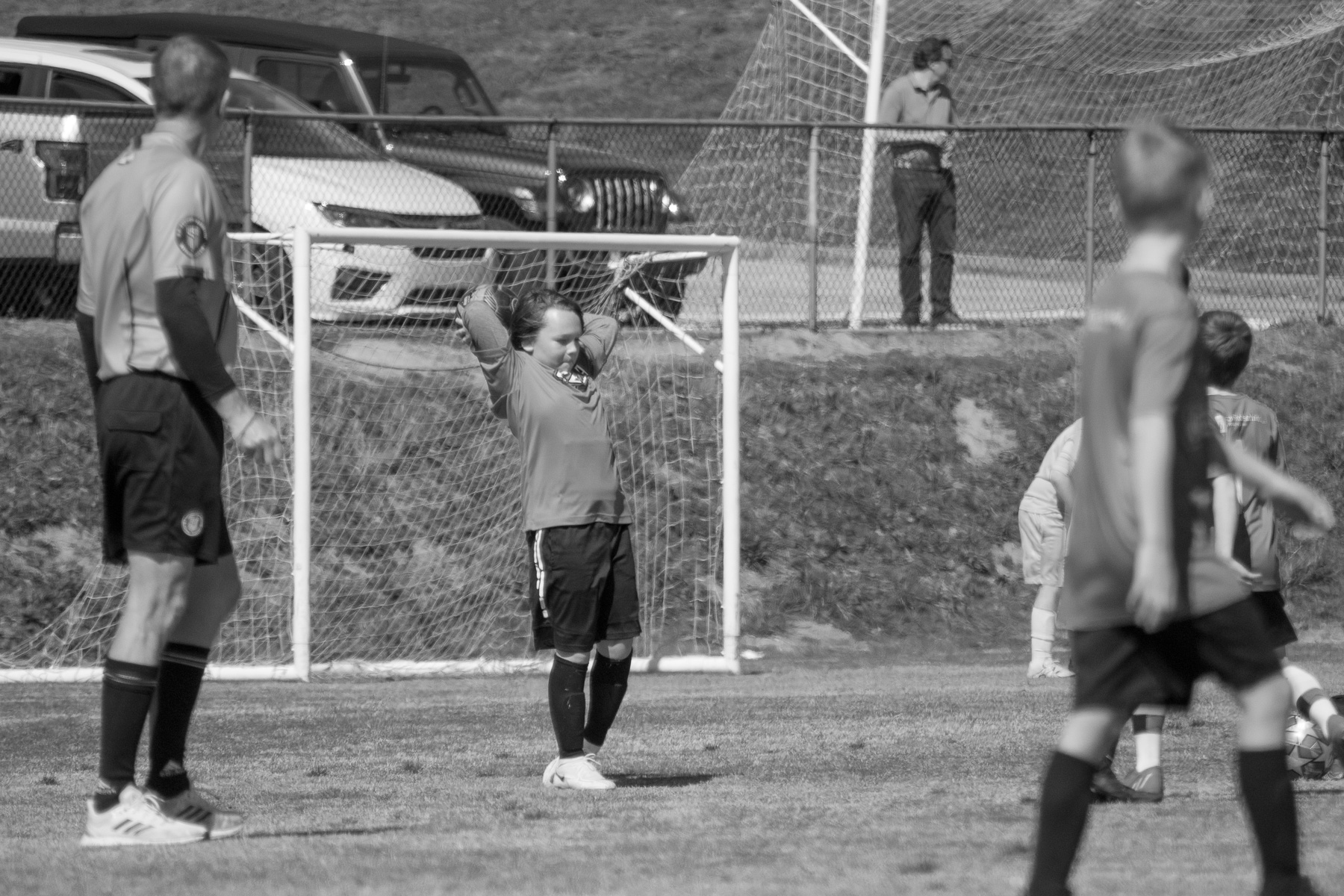
In the second half, E played goalie. It was 1-2 when the half started. On the opponents’ first possession, they scored.

I knew it would be tough on the Boy — he doesn’t like letting people down, whether or not that’s what actually happened. They scored one more on the Boy. I had the camera up, hoping to get a good action shot of E stopping the ball.

Not quite.

“I’m never playing goalie again,” he declared.

Reading Selections

What in the middle-school canon might be the perfectly apt reading selections in April 2022? We’re about to begin Diary of Anne Frank in one class and Lord of the Flies in another.

Who would have thought that the barbarity of World War Two would return? Didn’t we all think we, as cultures, as a species, had finally outgrown this? But we haven’t. Why? Because we all have the beast in us?

More Testing

“Isn’t that test in a couple of weeks the state test?” Mrs. G asked this morning.

“No, no,” clarified Mrs. H. “In a couple of weeks it’s the state pilot TDA test. The actual state test won’t be until May.”

“Remember Mrs. J was telling us about the test the state is making our school take and how Mr. F[, the school principal,] was trying to convince the district to count the state test in lieu of the second [district-mandated] test?”

“Oh, yes, I remember that.” The discussion continued along the lines of how frustrating it is to be testing so much but how we can get our kids more prepared for these district- and state-mandated tests.

That three English teachers were having trouble figuring out just how many major, schedule-impacting writing tests there were to be this year says a lot about the testing load the district and state put on teachers and students.

Our district mandates quarterly benchmark tests in English and math through the third quarter, and each of these impact the schedule and learning environment in a major way. Plus, the district requires us to give two major writing tests in preparation for the state writing test. Each of these take half the school day.  So that’s eight days of testing right there — testing days that affect all classes and shorten all periods by approximately half. Naturally, it’s hard to get kids to engage in meaningful learning when they’ve just spent two hours analyzing some awful short story that’s at least 70 years old because the testing companies want to save money (i.e., boost revenue) by using texts that are in the public domain and hence don’t require licensing fees. (We English teachers hear all the time about how important it is to choose texts about things young readers can relate to, and the the  state farms out its test development to a company that completely disregards that.) So the day is in essence a wash. Eight days down the drain — almost two full school weeks.

And that’s just what the district mandates.

It’s bad enough that the district puts middle and high school students through this; it’s also rammed through the elementary schools. The Boy had his district-mandated third-quarter math benchmark test today. It was almost sixty questions. For a fourth grader.

I’ve been saying that eventually, the US has to realize this obsession with testing is doing nothing but harm to our students, and the powers that be eventually have to change this, but I’ve been saying it for nearly twenty years now, and instead of getting better, it’s getting worse.

What’s worse is, I don’t know of a single teacher that takes these benchmarks all that seriously. “They’re designed to show for which topics students need remediation,” the six-figure-salaried district big-shots explain to us. If as a teacher who’s now spent nearly 150 days working with these kids I can’t tell you off the top of my head who needs remediation with what topic, I probably am not putting enough thought into my teaching.

What’s frustrating is, I don’t know of a single classroom teacher that had any input into the discussion about whether these obsessive, intrusive tests would have any value to the teacher at all.  These decisions were made by individuals making two to three times what teachers make while spending absolutely no time in the classroom. They haven’t been in a classroom for over a decade at best, I’d venture.

I sometimes wonder what would happen if a whole school — everyone from administrators on down — simply refused to spend the time administering these tests. Everyone. Simple refusal. “We’ve decided as a school that this is not the best way to spend our students’ time.” What if some schools did it? What if all schools did it? What if teachers were vocal about their opposition to all this testing (well, they are, to be honest)?

I imagine what I’d do if I were a student. All the students of course hate these tests. They’re completely meaningless to them. I think I’d be tempted just to choose random answers and apologize to my teacher if it ended up making him look bad in the eyes of the powers that be.

Random Pictures from the Walk I Took during the Boy’s Soccer Practice

The Veil Removed

There was a short film about Mass that a lot of people shared on the Catholic social media streams I was following last year as I went through the Bible in a Year podcast. It’s called “The Veil Removed,” and it offers a fascinating idea of what Catholics could argue is, in some sense, going on during the Mass.

In it, angels crowd around the altar, and the priest transforms into Jesus at the moment of consecration while also appearing crucified on a cross above the altar. A drop of blood falls from Jesus’s crucified body into the chalice of wine that Jesus is also holding as he stands behind the altar, I guess symbolizing the so-called Real Presence of Jesus in the communion wafers and wine. The fact that Jesus appears literally twice, as a crucified man and as the priest actually celebrating the Mass would not be logically problematic to the average Catholic, I’m assuming, because the average Catholic already believes that God the Father, Jesus, and the Holy Spirit are somehow three but also the same.

In the course of the video, obviously-skeptical congregants miraculously see all the angels and such and lose all sense of doubt.

Yet this whole film, far from assuaging any doubts I have, only creates more: why doesn’t this actually happen in Mass? What better proof of the claims of Christianity could there be then for this to be happening in all Masses, worldwide, often simultaneously? This is even echoed in the title: The Veil Removed. Why would a god put the veil there in the first place if this god wants what the Christian god supposedly wants (i.e., the salvation of all)?

The Actor

Our family began watching this series on Netflix. Servant of the People (Слуга народу in Ukrainian) stars Volodymyr Zelenskyy who plays Vasily Petrovych Goloborodko, a high school history teacher who gets somewhat-unexpectedly elected as president of Ukraine. This scene, though — who could have known? Well, the series came out in 2015 and ran until 2019 — Crimea had already been annexed and Russia was already in the Donbas region, so probably the answer to “Who could have known?” is “Well, anyone with common sense…”

Early Spring Saturday

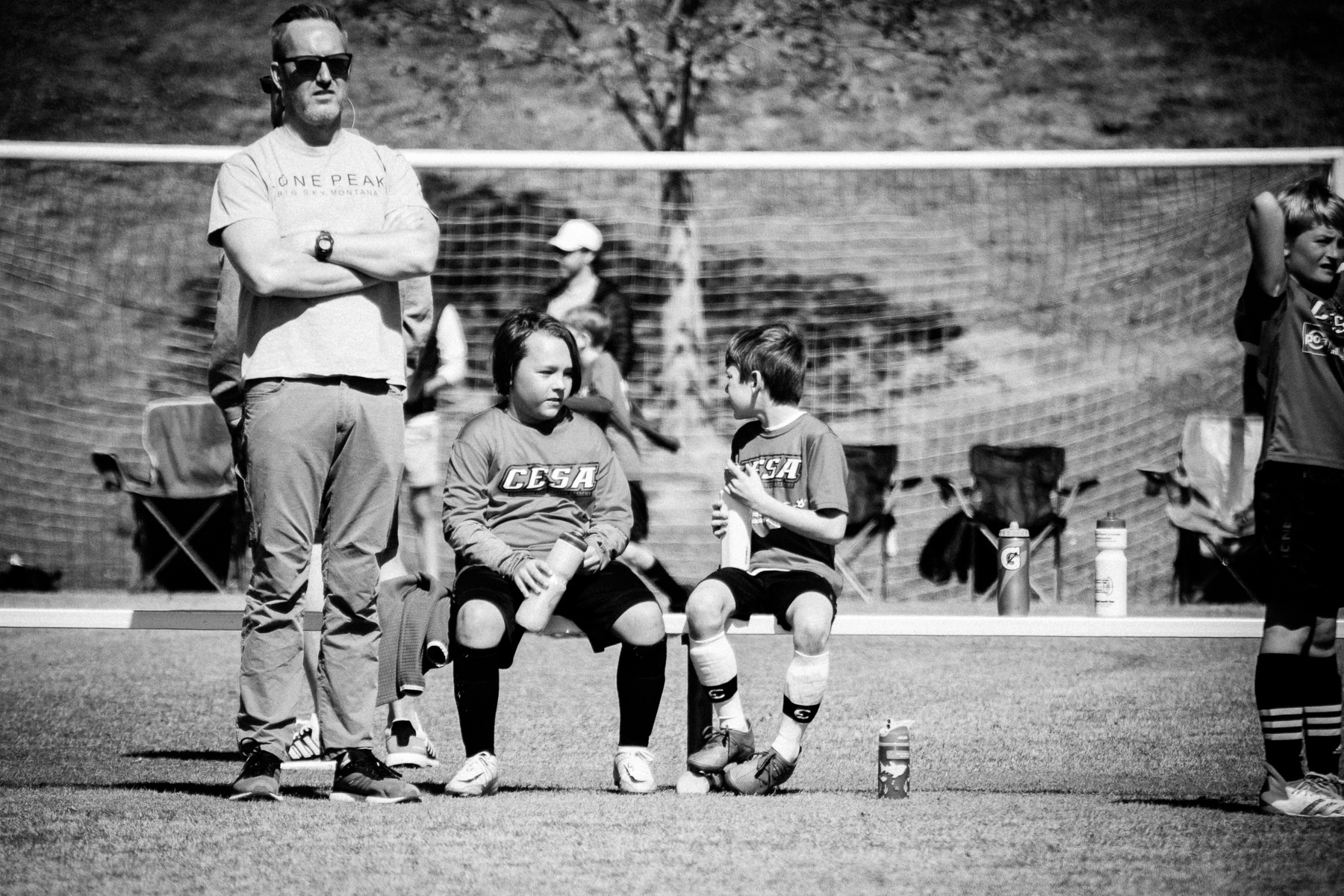
We started out with back-to-back games with the Boy. They won the first game 2-0 (I think — maybe it was only 1), but lost the second game 1-2. They scored first, but on the very next possession, the opposing team equalized. They scored one more in the second half to pull ahead. We had one shot that hit the goal uprights but didn’t go in, and we had about 4 more close shots on goal, but none of them went in.

In the afternoon, it was yardwork.

Shooting

In a tragic first since I’ve been teaching in the Greenville County school district, a young man was shot and killed in a middle school less than five miles from the school where I teach. A twelve-year-old named Jamari Jackson was shot in the hallway during class change, from what I’ve pieced together from various news outlets. The suspect is also twelve years old, and he is now charged with “murder, possession of a weapon during a violent crime, possession of a firearm on school property and unlawful possession of a weapon by a person under the age of 18.”

There’s nothing more I can say than that. Twelve-year-olds killing twelve-year-olds. America 2022.

Testing

We had today our third benchmark test, this time for ELA. Tomorrow we’ll have the math benchmark. Science will be Friday. Three days of testing. And this is not testing for the whole year — this is just testing to cover the third quarter. For English and math benchmarks, we run a special testing schedule. Students test with their first academic period, and that testing session runs from 8:30 to 10:30, though it usually goes in fact to 11:00. That’s over two hours of the day dedicated to testing. THe rest of the day follows a normal sequence of classes, but each class period is reduced to 30 minutes. Thirty minutes with tired kids (those tests are awful — 50-70 questions that, in the case of English, cover 5-10 texts of varying interest and complexity) is hardly conducive effective learning. The day is not quite a wash, but it’s close. The thing is, though, we did this at the end of first quarter, at the end of second quarter, and now again at the end of third quarter. At the end of the fourth quarter we do it a final time, but it’s not district-mandated tests like the benchmarks but rather state-mandated tests. It amounts to the same: three days of testing four times. That’s twelve days of testing. That’s almost thee full school weeks. That’s not all the testing, though: we also have two TDA (text-dependent analysis) tests that the district mandates, running the same extended testing schedule.

And this year, the state requires us to do another, third TDA before the fourth and final TDA which actually counts. Those three TDAs plus the final actual state TDA means we’re up to 16 days of testing. That’s 8.8% of the year doing testing. Nearly ten percent of the year we’re doing testing.

Putting Him to Bed

“Will you come check on me?”

For a few years now, that’s been one of the last things E has said to me or K. We put him in bed; we snuggle with him; we grow sleepy; we realize we can’t fall asleep; we get up and leave. He hears us.

“Will you come check on me?”

Gradually, it’s become a little different: “Will someone come check on me?”

The answer has gradually changed, too.

“Sure.” And then we wait for a while, doing something in the kitchen or reading at the dining room table. “Will someone come and check on me?” comes a voice from upstairs.

Eventually, “sure” because “probably.” The response initially is, “No, I need you to check on me!”

Eventually, he comes to accept that, and usually, someone goes to check on him. Usually. But not always.

“Probably” becomes “maybe.” “Maybe” eventually becomes “I hope so.” And “I hope so” remains for a while with an occasional, “No. I have too much to do tonight.”

This process has taken a couple of years. And now he’s nearly ten years old. And I come to realize that putting him to bed is almost done. For good. It was about this age that L began putting herself to bed, and the Boy already does it occasionally. So the end is near. And so the answers start backing up. “No” disappears, as does “I hope so.” “Probably” appears occasionally, but simple “yes” makes its return. For a while.

First Day Back

English 8 students began a new unit today on the Diary of Anne Frank, our final major reading selection for the year. We began with an anticipation lesson designed to get students empathetic to Anne Frank’s situation and the dangers she faced as the Nazis took over Europe and began their unimaginable efforts to commit genocide.

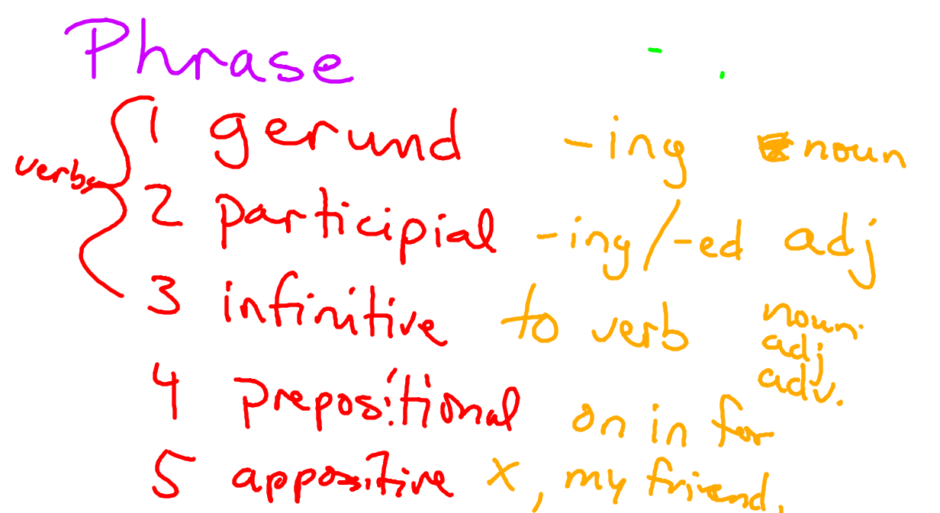
English I Honors students worked on a brief review of phrases (see notes above) before heading out into the wild world of clauses. We looked at the definition of independent clauses and examined several examples, touching additionally (and briefly) on subordinate clauses.

A good start to the final quarter.