One of the real joys of the year is the eighth-grade formal dance. To see these kids out of uniform, being silly, having fun — without a care in the world. It’s a beautiful thing.

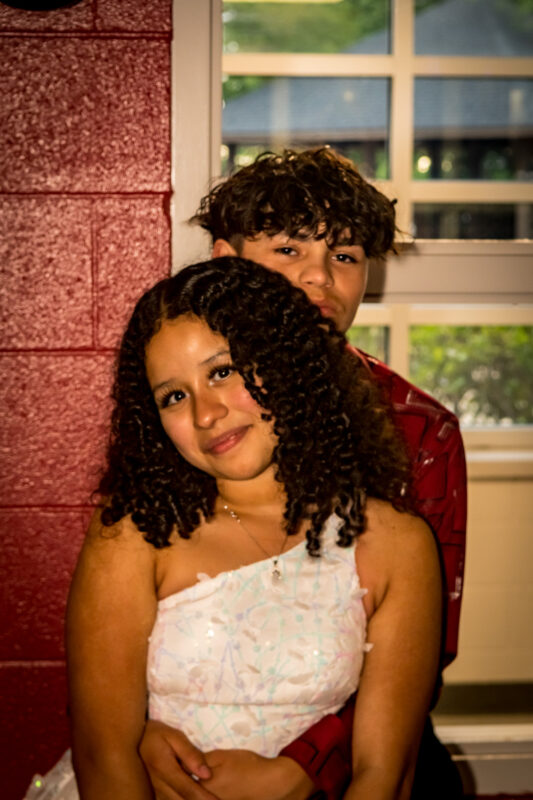
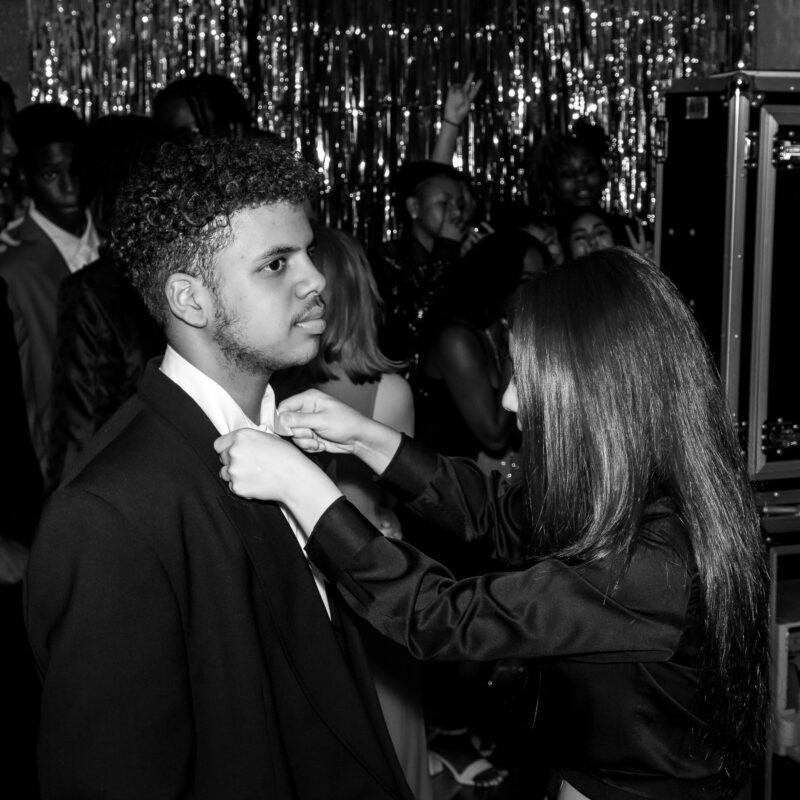
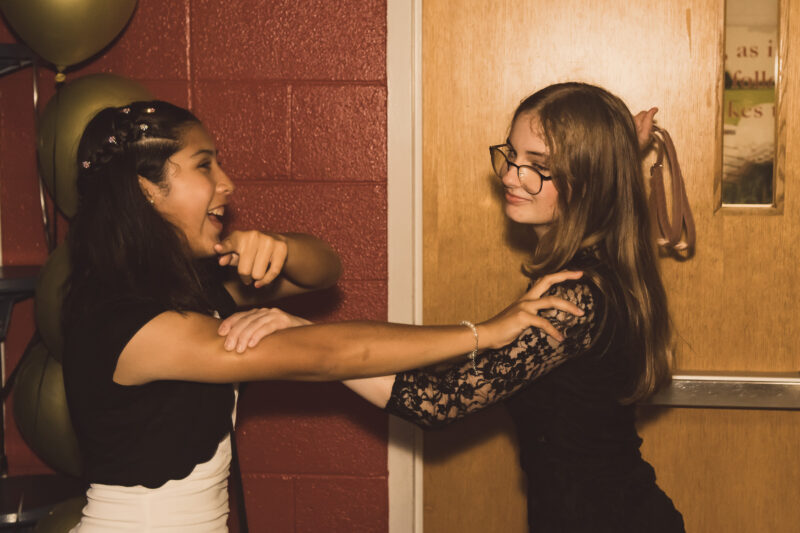
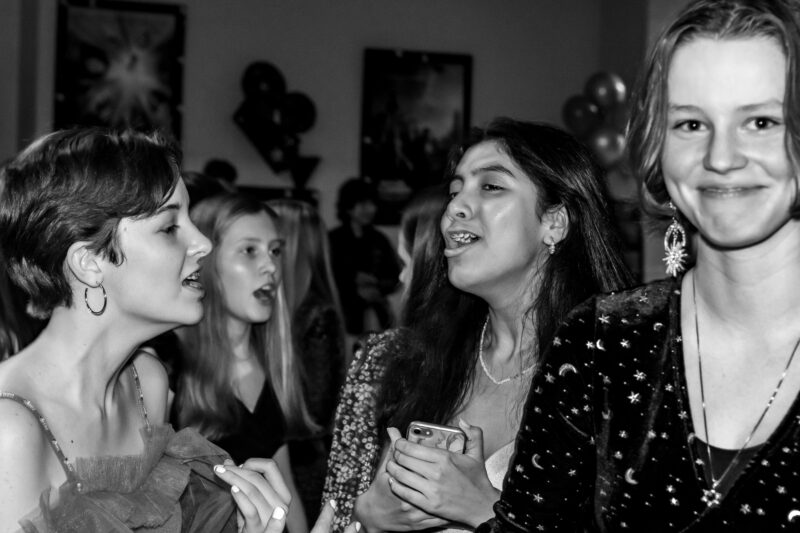
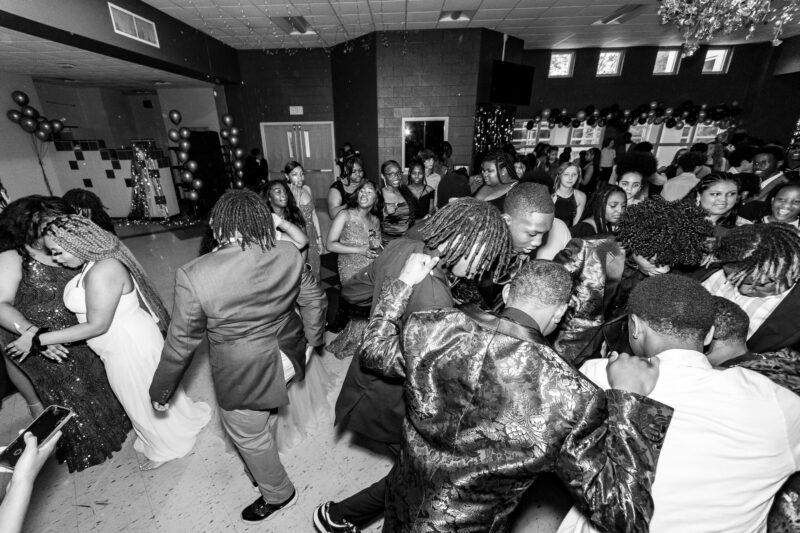

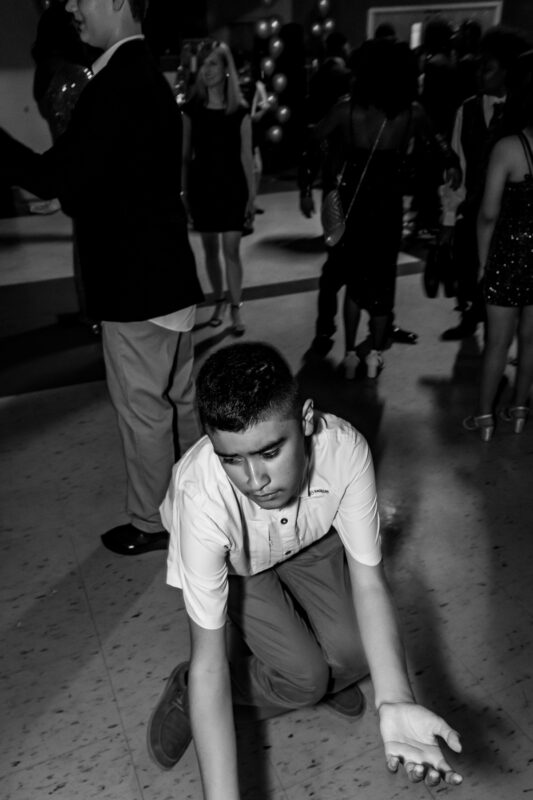
One of the real joys of the year is the eighth-grade formal dance. To see these kids out of uniform, being silly, having fun — without a care in the world. It’s a beautiful thing.
We have a lot of big trees in our backyard — trees that if they fell the wrong way would cause a lot of damage. I tell myself that the root system for such a tree must be massive and must be deep.
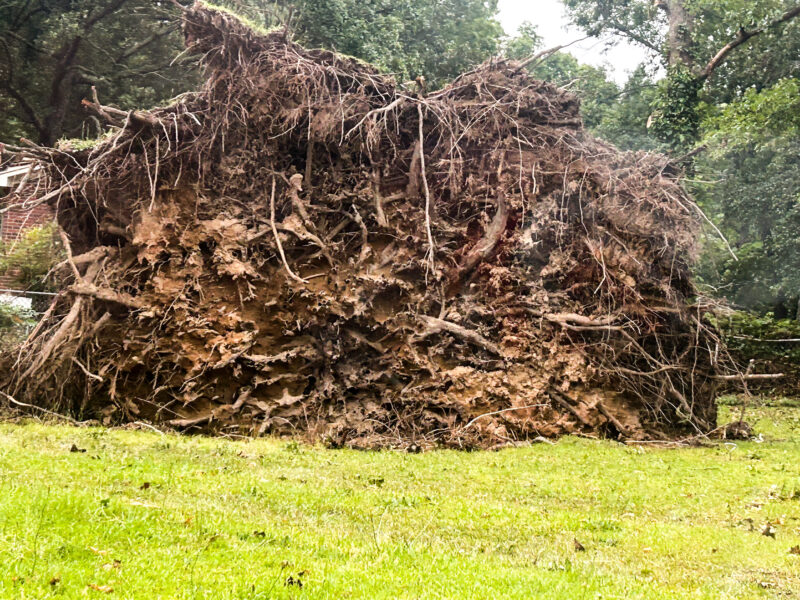
Not like this — a large area but not much depth.
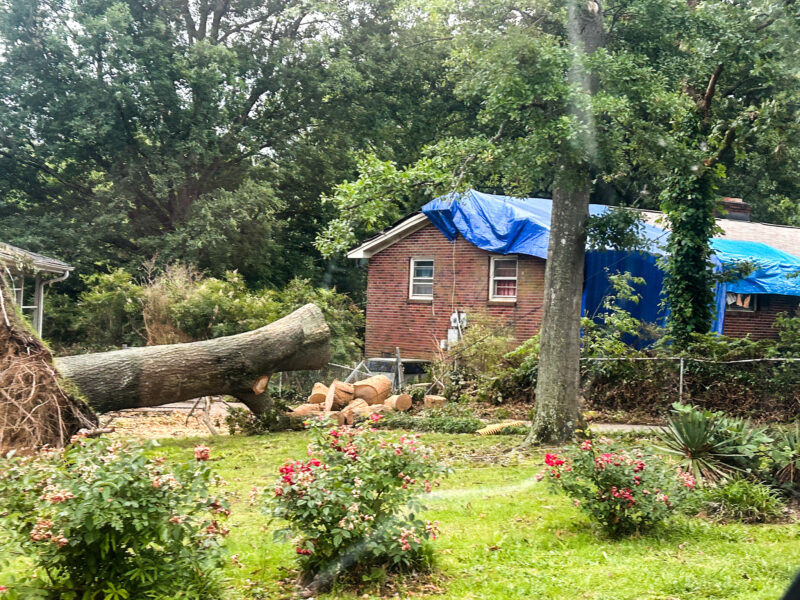
A house I saw on the way home from work experienced one of my greatest nightmares as a homeowner with children…
Hopefully no one got hurt.
We found a little injured friend on the road this evening. He’s not much bigger than a bottle cap, and when we first brought him in, placing him in a small basket with a cap of water, he was barely moving, breathing heavily, and keeping his eyes closed.
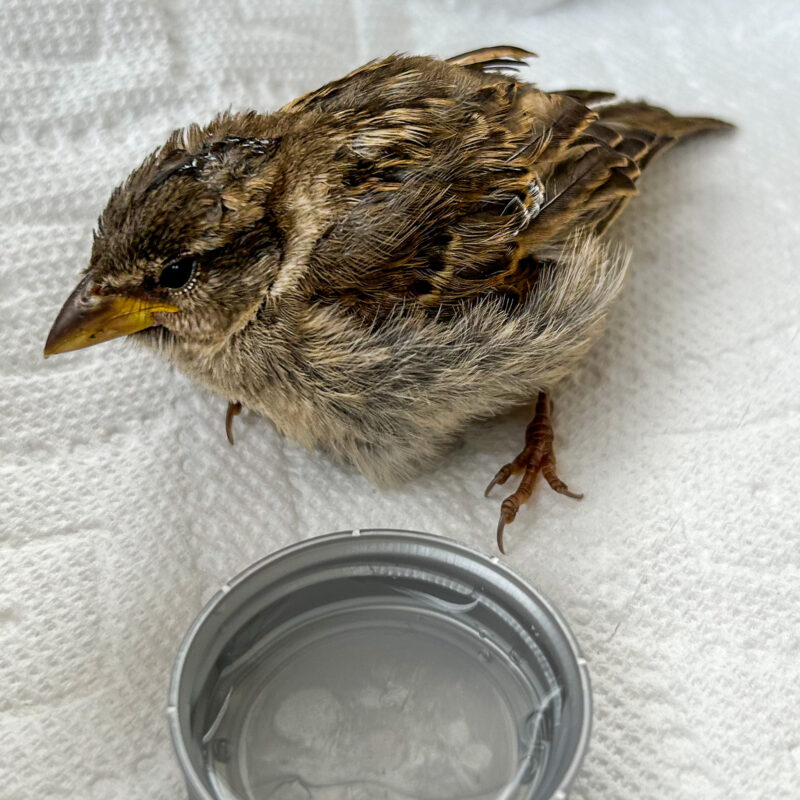
“It would probably be the merciful thing to just euthanize the poor guy,” I said, “rather than let him suffer through the night only to die a painful death.”
“No, animals have a way,” K assured me.
We will see tomorrow, I suppose.
When students don’t hand in work for an assignment, we enter a special code into the grade book to indicate that: NHI. “Not Handed In.” Some students have not a single NHI in the whole grade book; others have a few more than zero.
That’s how it always is; the breakdown is always according to class. It’s always predictable:
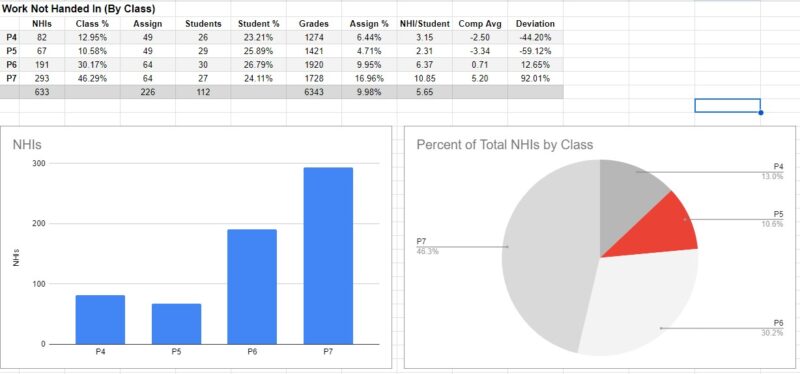
The on-level classes are a different story. And the inclusion class, which includes a lot of special education students, is a category all by itself. That class alone, which has 27 students who represent 24% of all my students, has 46.29% of all the NHIs. Their NHI/student ratio is almost double the average for the whole group of 112 students whom I teach. One student alone, I calculated, is responsible for almost 5% of the NHIs herself.
P4 and P5 are honors classes. They have relatively few NHIs. Out of about 1300 grades (assignments times students for a given class), they each have in the 70-80 range. That’s about 5% of all assignments not turned in. That’s relatively high, I think, but they are middle schoolers. The bulk of the NHIs in those classes are from boys who don’t really want to be in the class to begin with.
How many of these students will fail the class? None. Not a single one. Even the student who had 40+ NHIs out of 64 assignments. She will pass the class by about one point.
Why?
Because in the district’s wisdom, NHIs don’t count as 0; they count as 50. In other words, students do nothing and get 50% of the credit. What do they need to pass? 60%. So students can literally do three or four assignments per quarter and pass by the skin of their cliches.
“That’s all fine and good,” outside critics might say, “but what about when they get a job? What is that teaching them for a work ethic?” Forget about when they get a job; the 50 floor ends when they enter high school. So we’ve taught them that it’s possible to skip most assignments and still pass, and then they’ll get to high school and find their 60 in middle school translates to a 32 or so in high school.
Who thought this was a good idea?
We teachers like to joke that we should stop doing any work and demand 50% of our salary. “If the students can do it, we should be able to as well.”
The truth of the matter is, though, that even if we didn’t have this floor and gave students the grades they really earned, we wouldn’t hold them back. Kids get socially promoted all the time, and they know that it’s a district (or is it state?) policy that students can only fail once before eighth grade.
“You can’t fail me. I’ve already been held back. You can’t do anything to me,” I’ve heard from students.
What about high school? If you fail a class once, will they be reluctant to fail you again? Do they socially promote students? I really don’t know. I tell students they don’t, but for all I know, they might.
And this is yet another reason the education system in our state is broken almost beyond repair…




Written as we finished up our 2022 trip to Poland last summer.
Happiness is the longing for repetition writes Milan Kudera in The Unbearable Lightness of Being.
The Sunday sky is an almost-uniform gray with only a few spots where the cloud cover is even heavier, making patches of darker gray. Gray on gray on gray. The location of the sun is a mystery: so thick is the cloud cover that the sky’s luminance is completely uniform. Temperatures hover in the mid- to high-50s, and rain comes and goes throughout the day. There is nothing to do but sit in the house and read or watch television. Perhaps a game of cards to break the monotony.
Happiness is the longing for repetition writes Milan Kundera in The Unbearable Lightness of Being, and even this gray, cold Sunday afternoon, our last day in Jablonka during this trip to Poland, has echoes of the joy of repetition. How many Sundays when I lived here passed just like this? Looking at the sky, looking at the puddles to see if it’s still raining, not entirely sure what I’ll do if it does stop raining. The pacing from the chair to the window. The thought that even if I were in a more urban area that I might not go out anyway. So the day has a certain melancholy satisfaction in the repetition of routines I haven’t followed in years in the land so owns my heart yet is not my own.
Our trips back to Poland are all about finding that joy in repetition. How many times do we try, in some little way, to relive those years of our life in Poland while visiting here? This visit was somewhat different — a trip to the Three Crowns Mountains, a hike up Babia, bowling in Zubrzyca — but it still had the same general shape. We visit the same people (that of course is to be expected), but we also do so many of the same things. Part of it is an effort to show our kids what we love about this part of the world; part of it, I think, is a little grasp at that joyful repetition Kundera speaks of.
And so as the day turns into night and the Boy crawls into bed here one last time during this trip, I find myself both relieved and melancholy as does he. “My last night in this bed,” he says with mixture of relief and sadness. As always happens during extended stays from home, we’re both ready to head back and return to our normal routines. But endings are always hard, always a bit gray like today’s sky. We know how incredible a given experience was; we know how much we’d like to repeat it (or at least the joy); we’re not sure when or even if we’ll repeat it. I think that’s the heart of the gray shade of endings: it’s that uncertainty about the Kunderan joy.
I know well the emotions the Boy is going through: I felt them myself whenever something wonderful ended. The most wonderful thing for me then was the Feast of Tabernacles, an annual conference our sect held every fall as commanded by various passages in the Old Testament. It was not very much like the Biblical version: ours was more like a wonderful week-long vacation with seemingly endless money (the sect required a second 10% tithe of its members to pay for this week). Every year on that last night, I would lie in bed wondering if anything could be as wonderful as the week we just finished. Without even knowing it, I was searching for my own Kunderan joy of repetition and was haunted with the fear that it might never repeat – not in the same way, at least.
This is also why, I think, I’m so enamored with nostalgia: the song that brings back memories of throwing a frisbee in the heat of summer, or the bit of perfume that recalls of a long-forgotten adolescent love, or the taste of potatoes with dill that takes one back to summers in Poland. Those moments will never repeat, and in that melancholy is a certain joy, I think. It’s the longing for repetition that brings joy, after all. If the repetition comes, that’s wonderful, but it rarely does, even when coming back to Poland regularly to visit old friends and walk old paths.
The trick then, I guess, is to treat even days like today with that same approach: reliving the past, entering a kind of Kunderan happiness even in the gray reality of a cold, rainy Sunday afternoon. To relive that melancholy in a strange kind of joy, the happiness of repetition.
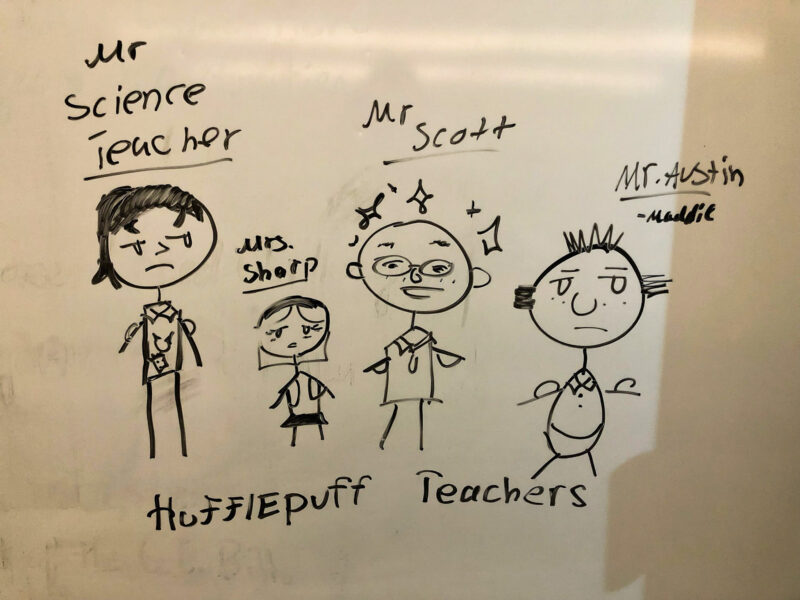
One of the sweetest girls on our team drew a dry-erase marker portrait of the four of us.
It’s that time of year when I’m of two minds: on the one hand, I’m tired of these kids. I’m ready for new, fresh blood. I know the ins and outs of each kid (sort of); I know what makes them tick; I know how they’re going to react to this or that. And I’m ready for a new batch.
On the other hand, I love most of these kids. Every year, I think, “This is the greatest group of kids I’ve ever worked with. There’s no way next year can be better.” And it usually is. And so I’ll miss them, and a part of me doesn’t want to see them go.
But just a slightly bigger part does…
Time to move on, kiddos.

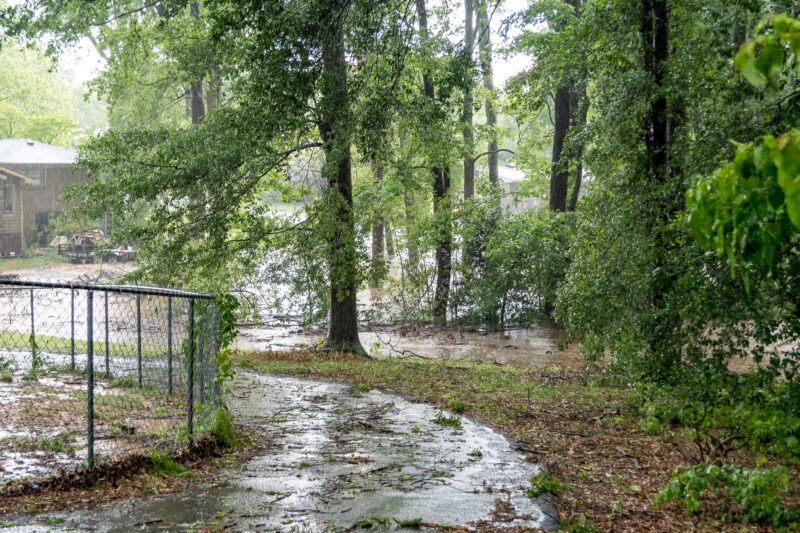
We had a tremendous hail and rain storm today — about the worst we’ve ever had.
Congratulations to our girls’ soccer team, who won the district championship tonight.
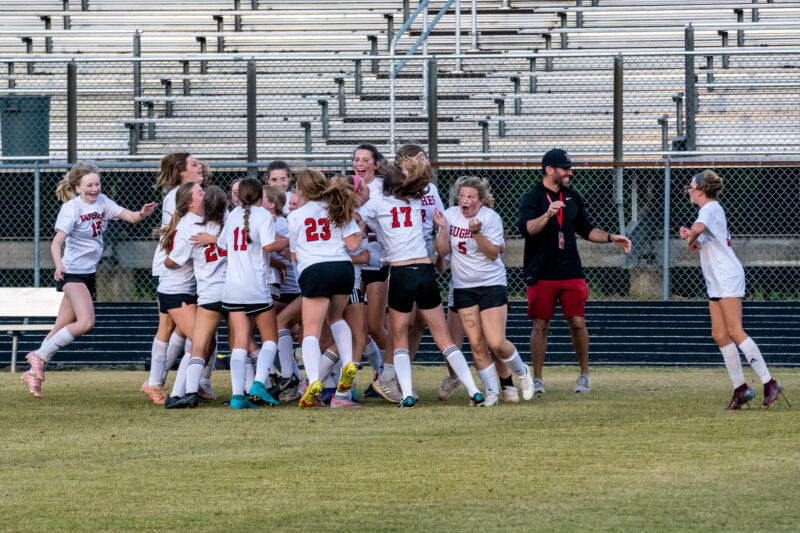
Several of my students are on the team, so I had to go watch this — not just our school to cheer but individual students I’ll see in class tomorrow and give high fives.
They went to extra time, scored at 0-0, and they won in the final minute of extra time. In a way, though, I feel awful about it: they didn’t win on a big strike to the corner of the goal. It was a goalie mistake, pure and simple. Almost a beginner’s mistake, I would say. The goal slumped down and began weeping. I felt awful for her: she’s going to feel the whole team did their part, and then she let them down. She’s going to relive the moment endlessly. She’s going to beat herself up over that for weeks. And the team will (and already did) huddle around her and cheer her up, tell her everything is fine — “We did the best we could!” But that won’t help. At least not for a while.
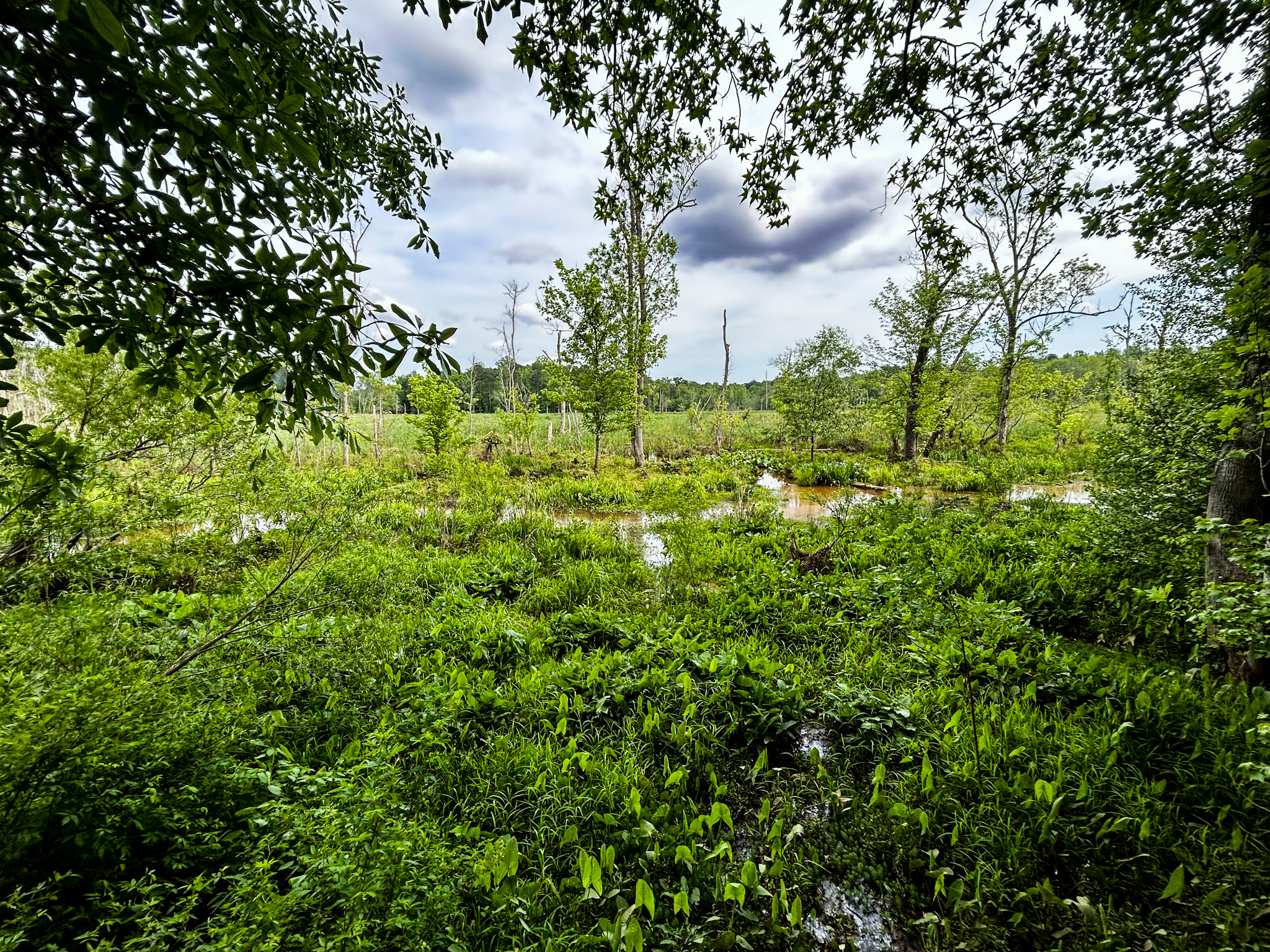
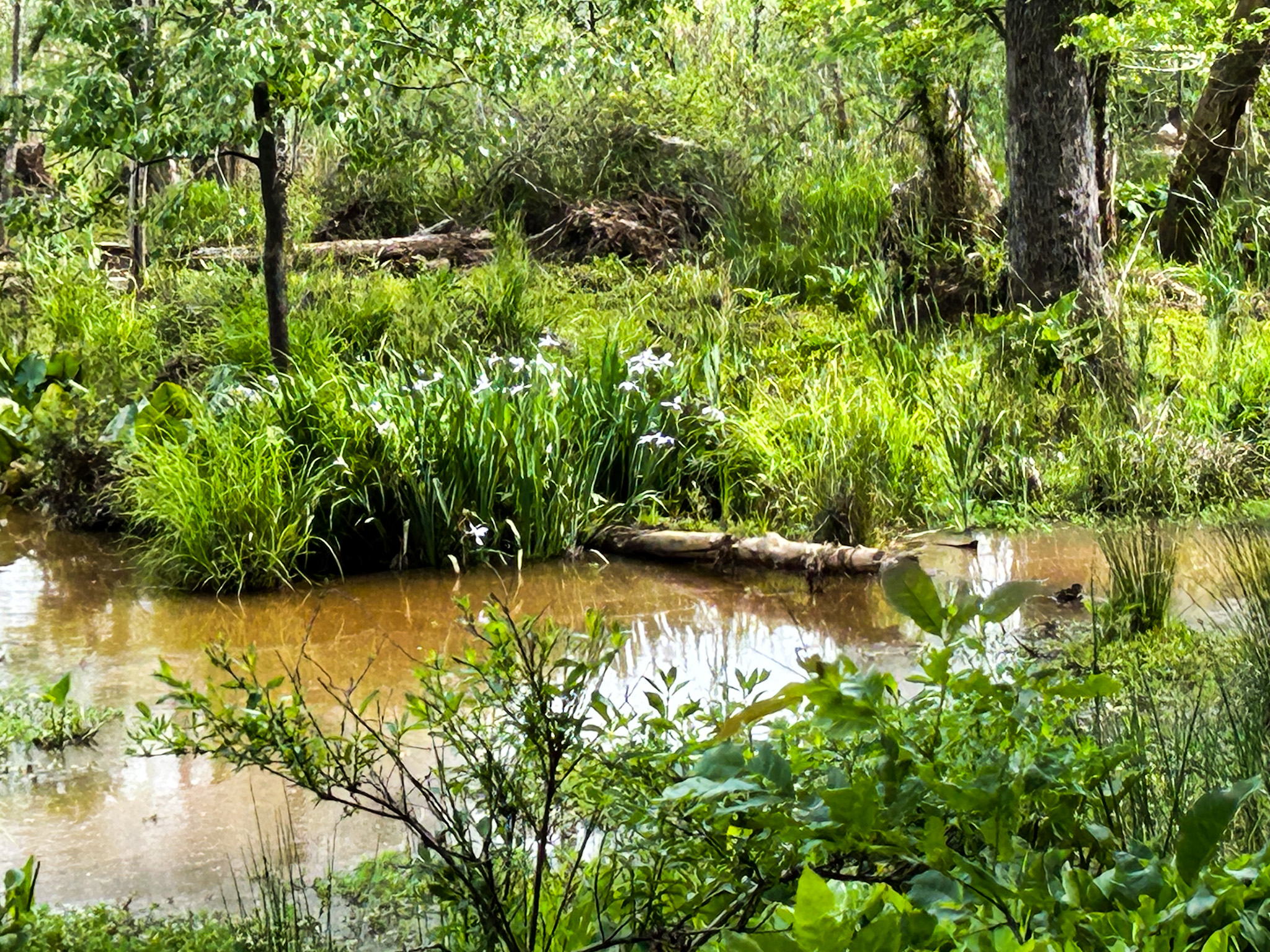
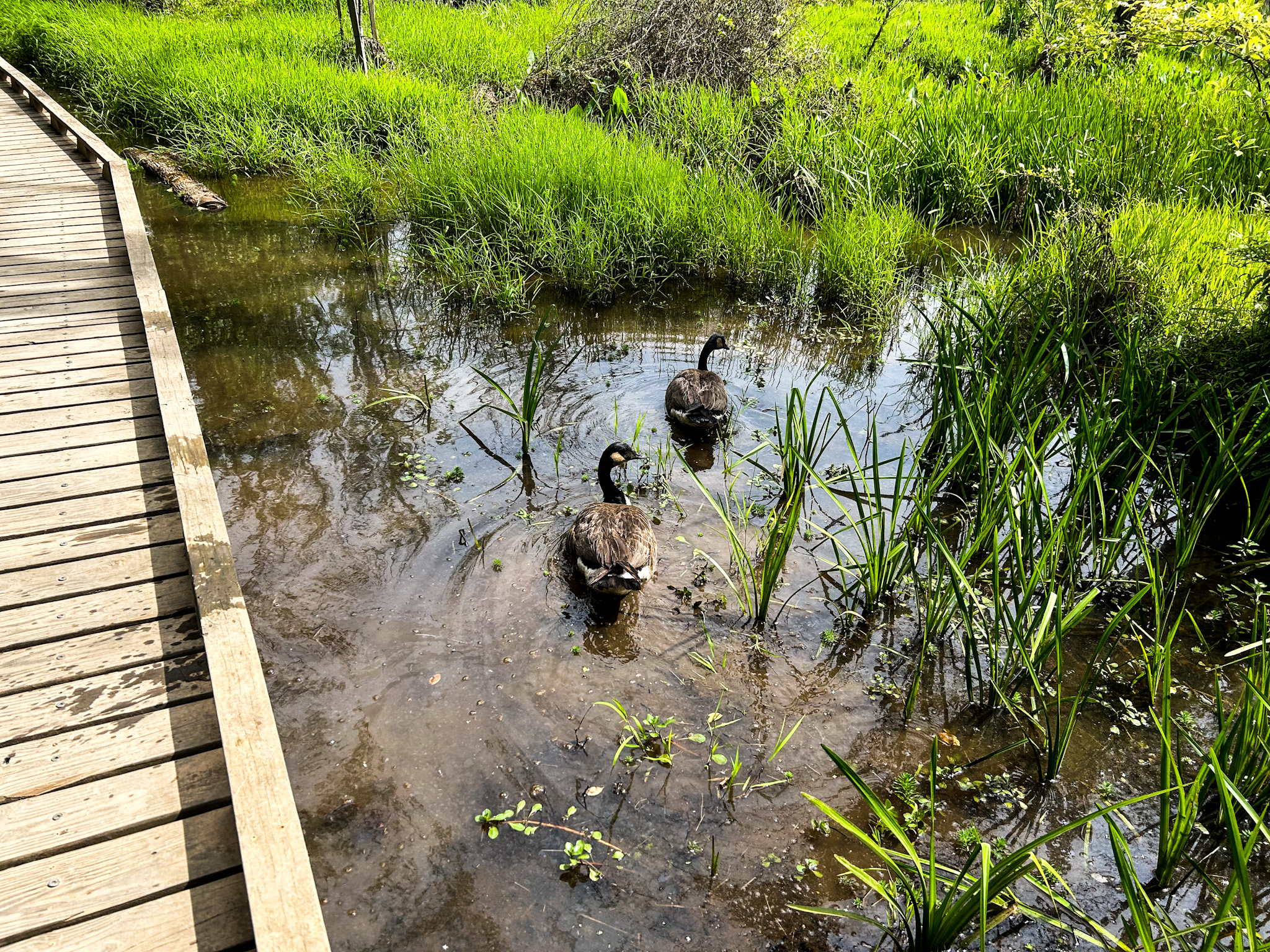
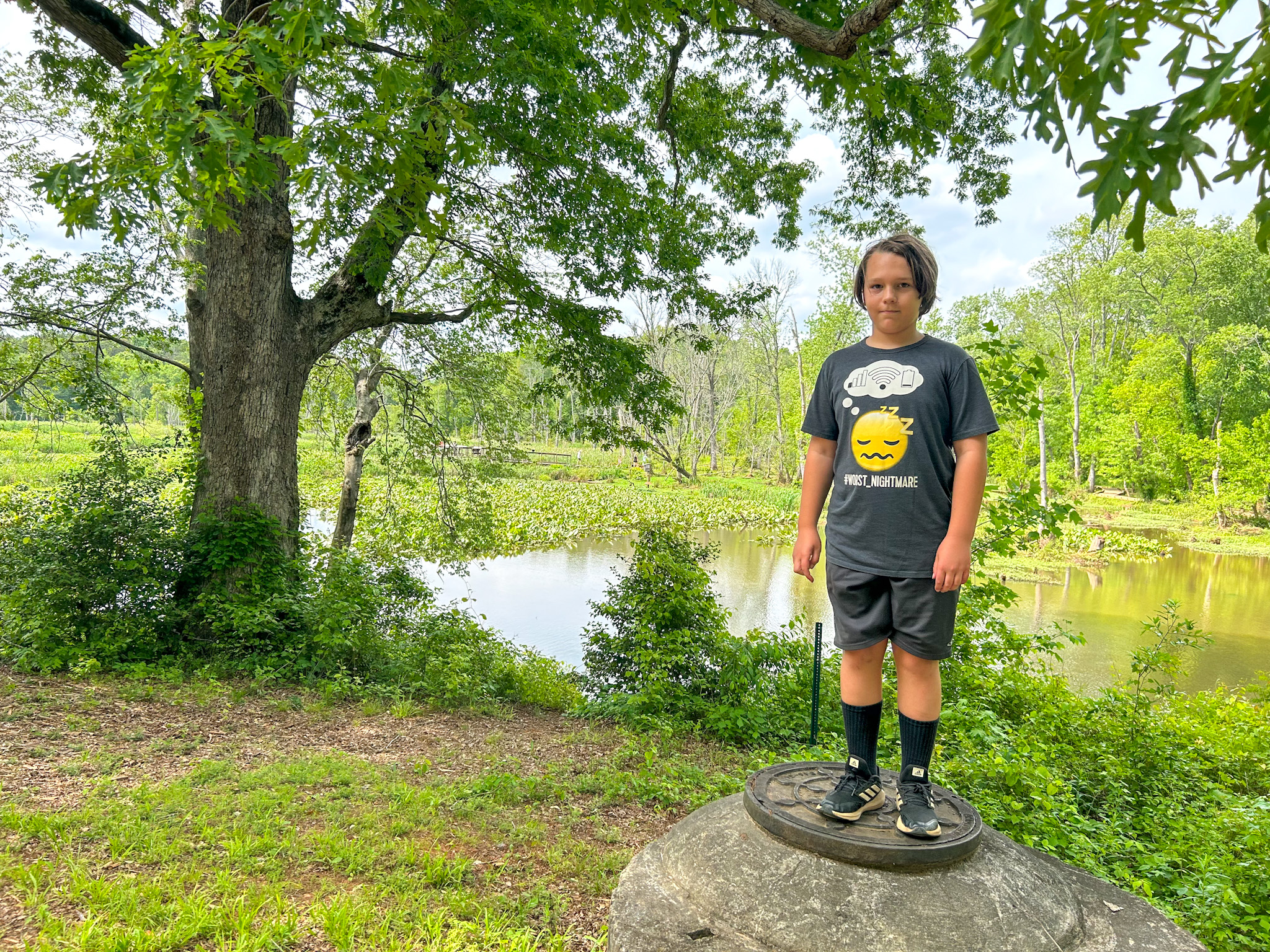
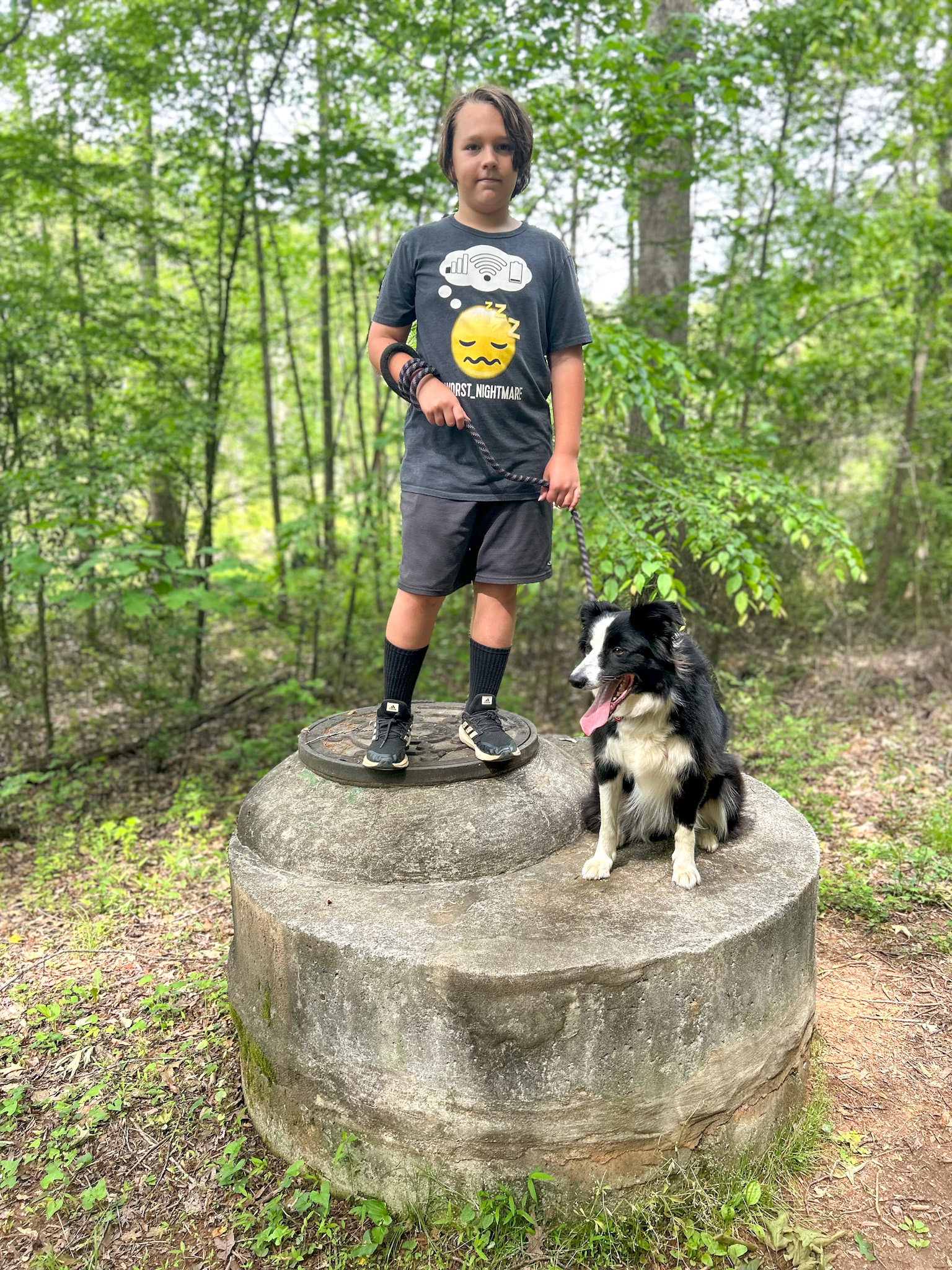

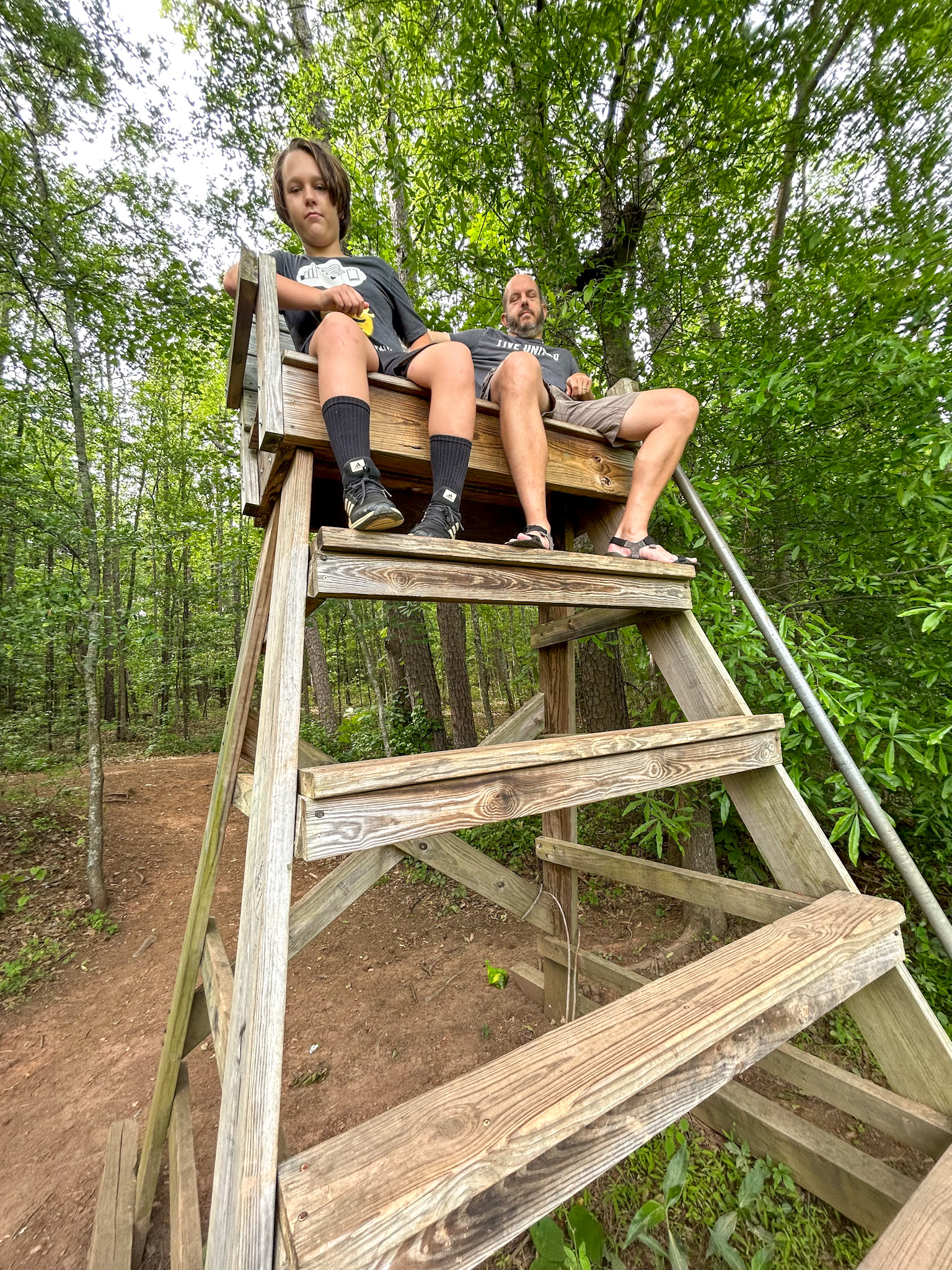
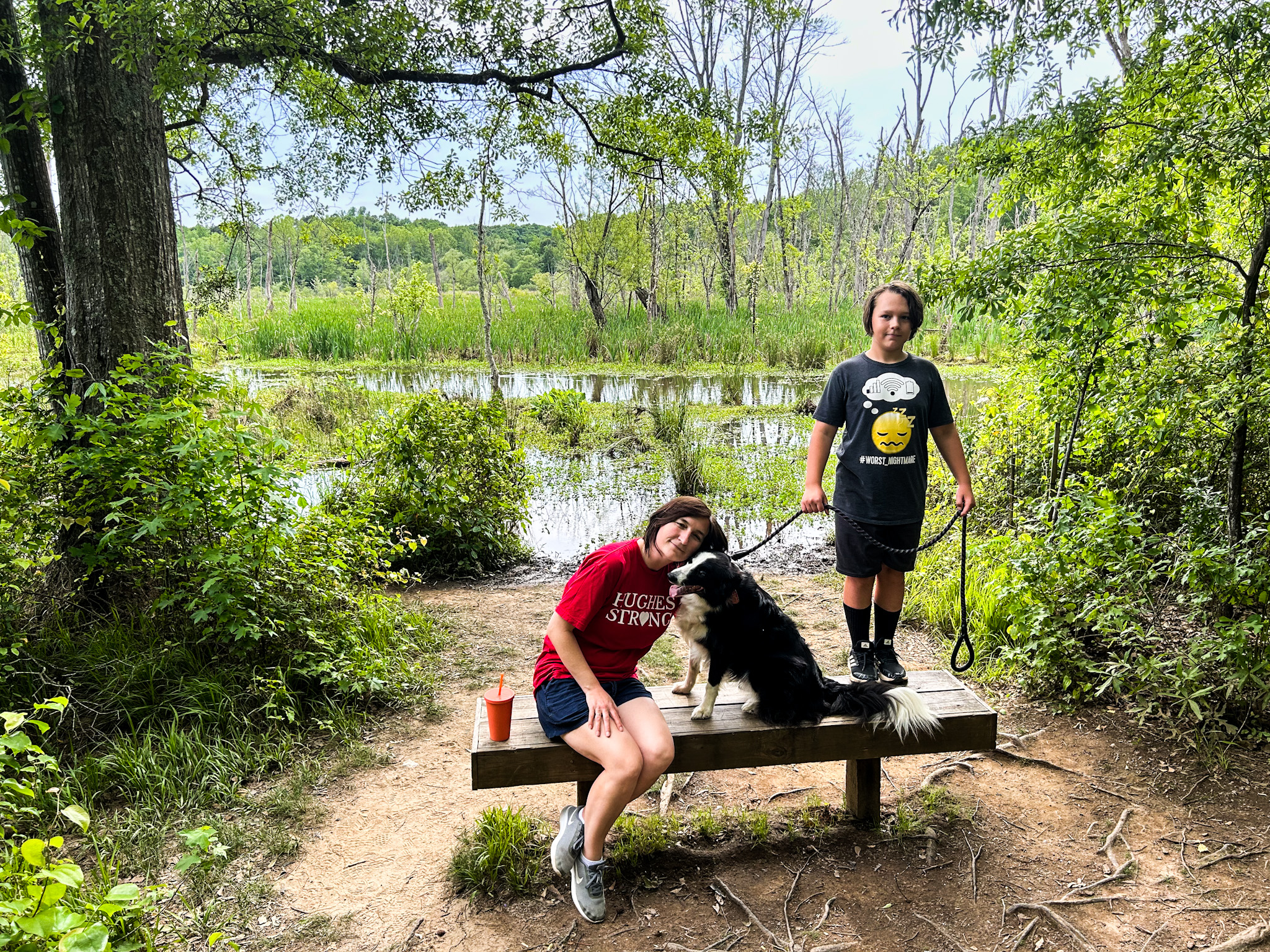
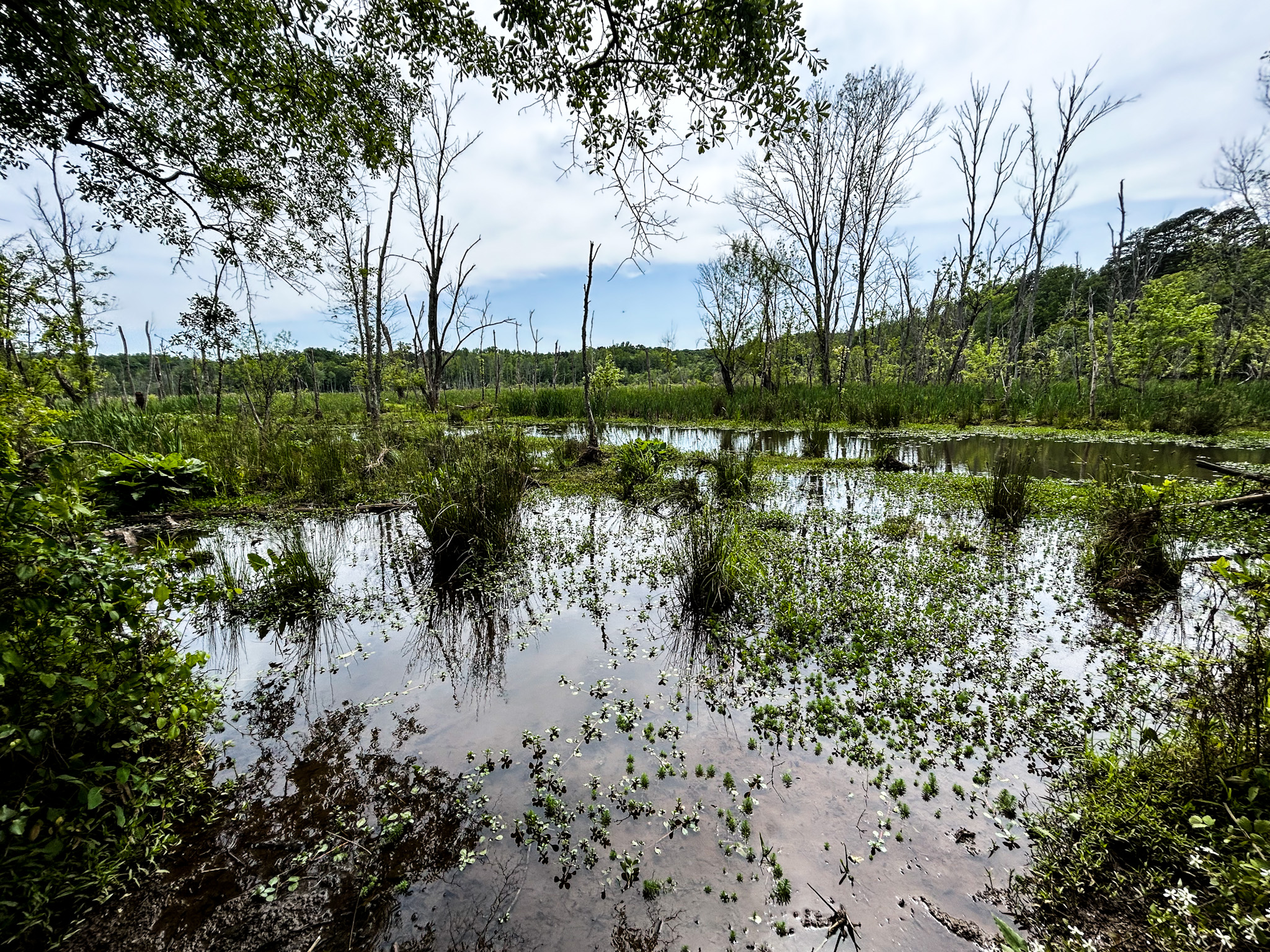
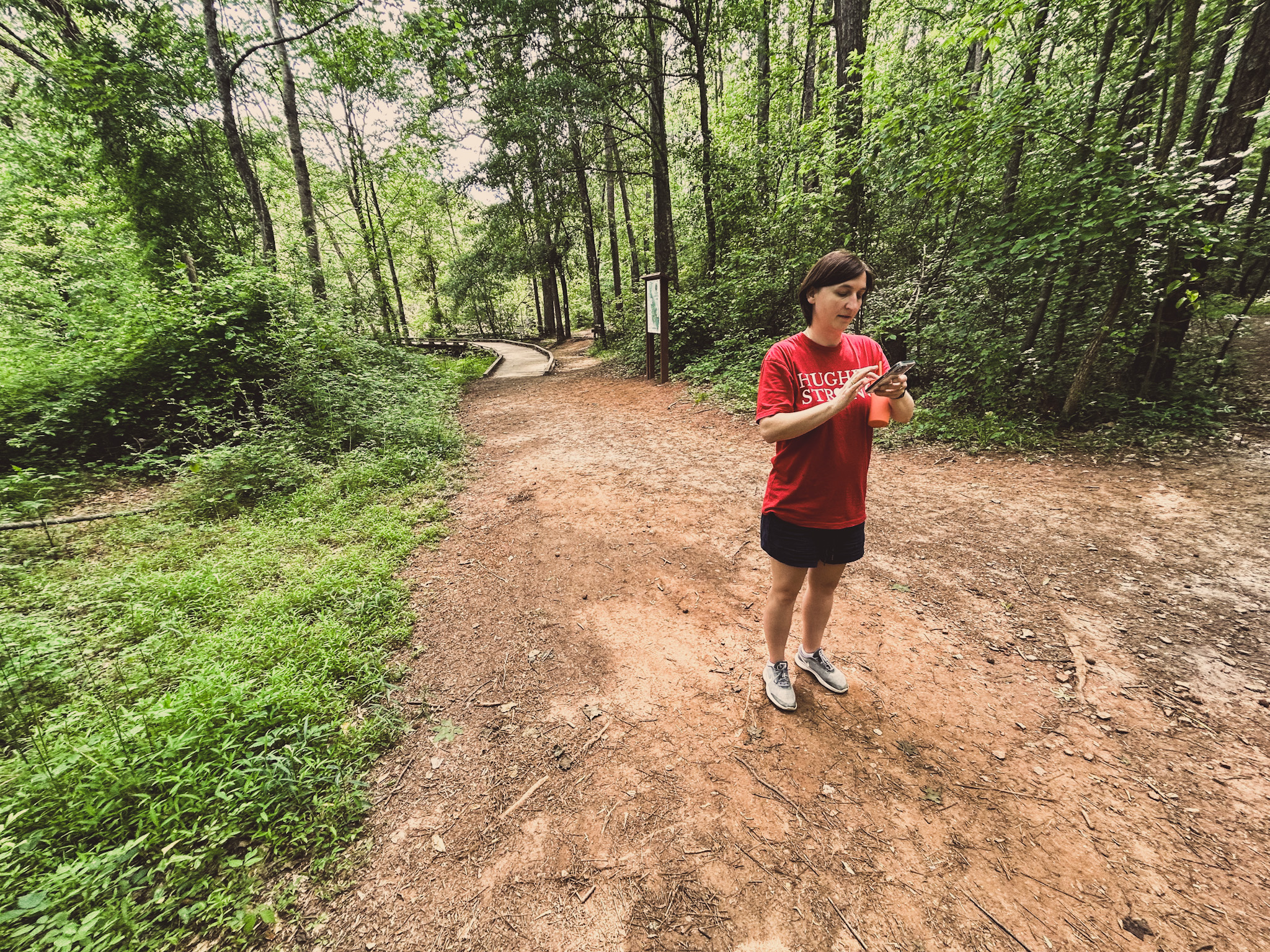

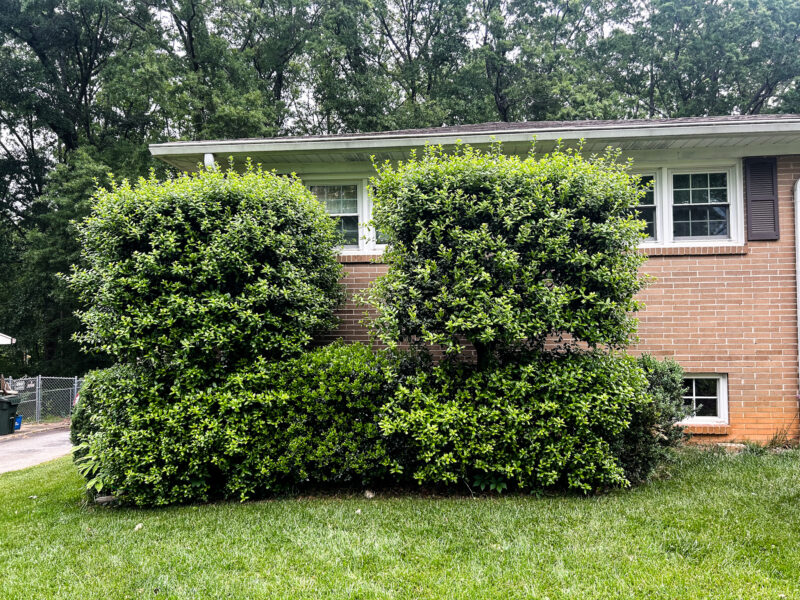
Today was so busy that I forgot all about the after picture.
L won the javelin competition at the regional meet!
Some days, out of seemingly nowhere, every single class clicks. Every period, kids are focused, doing what they need to do, and doing it well. Doing it thoroughly. And appearing even to enjoy what they’re doing.
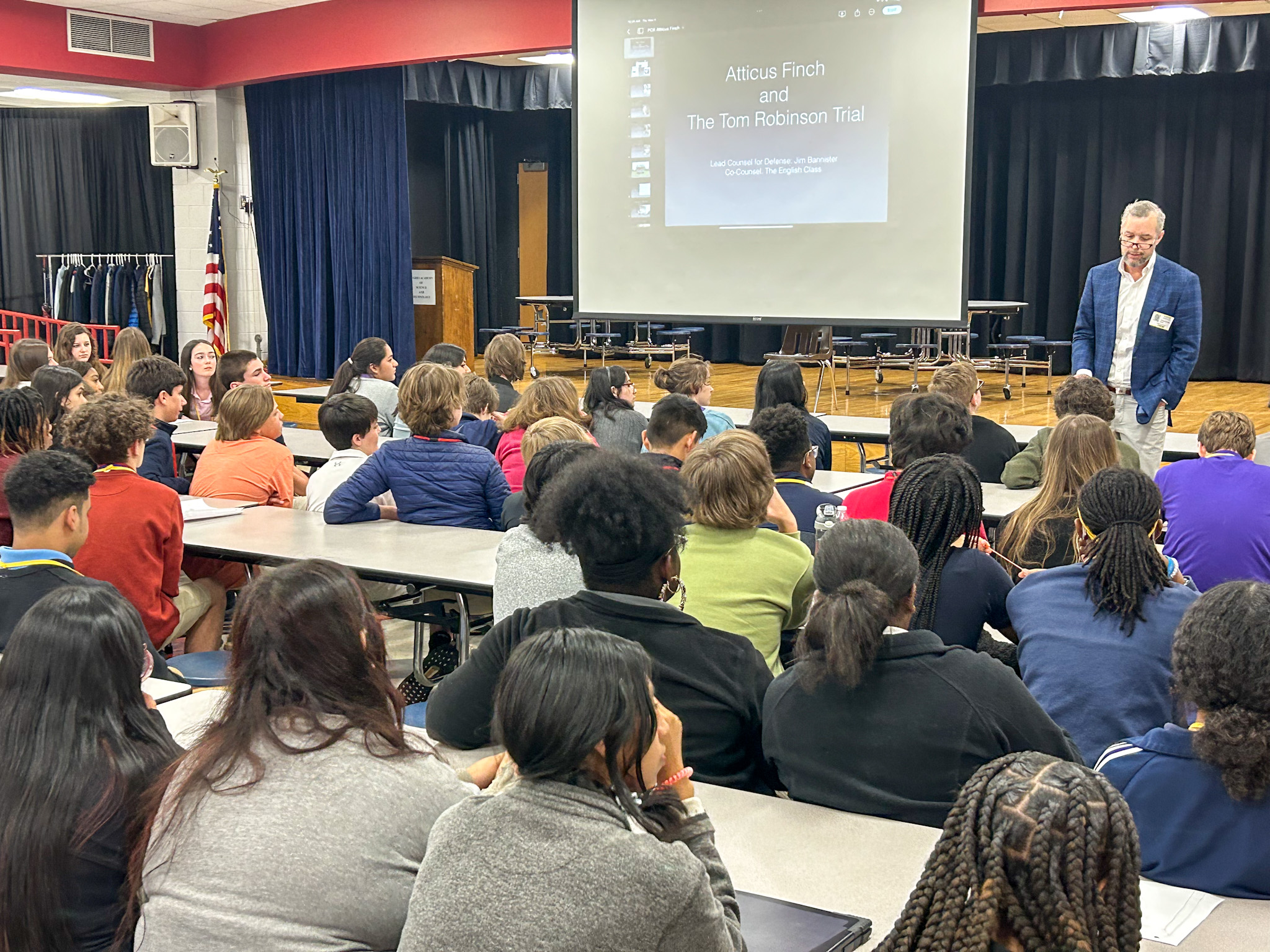
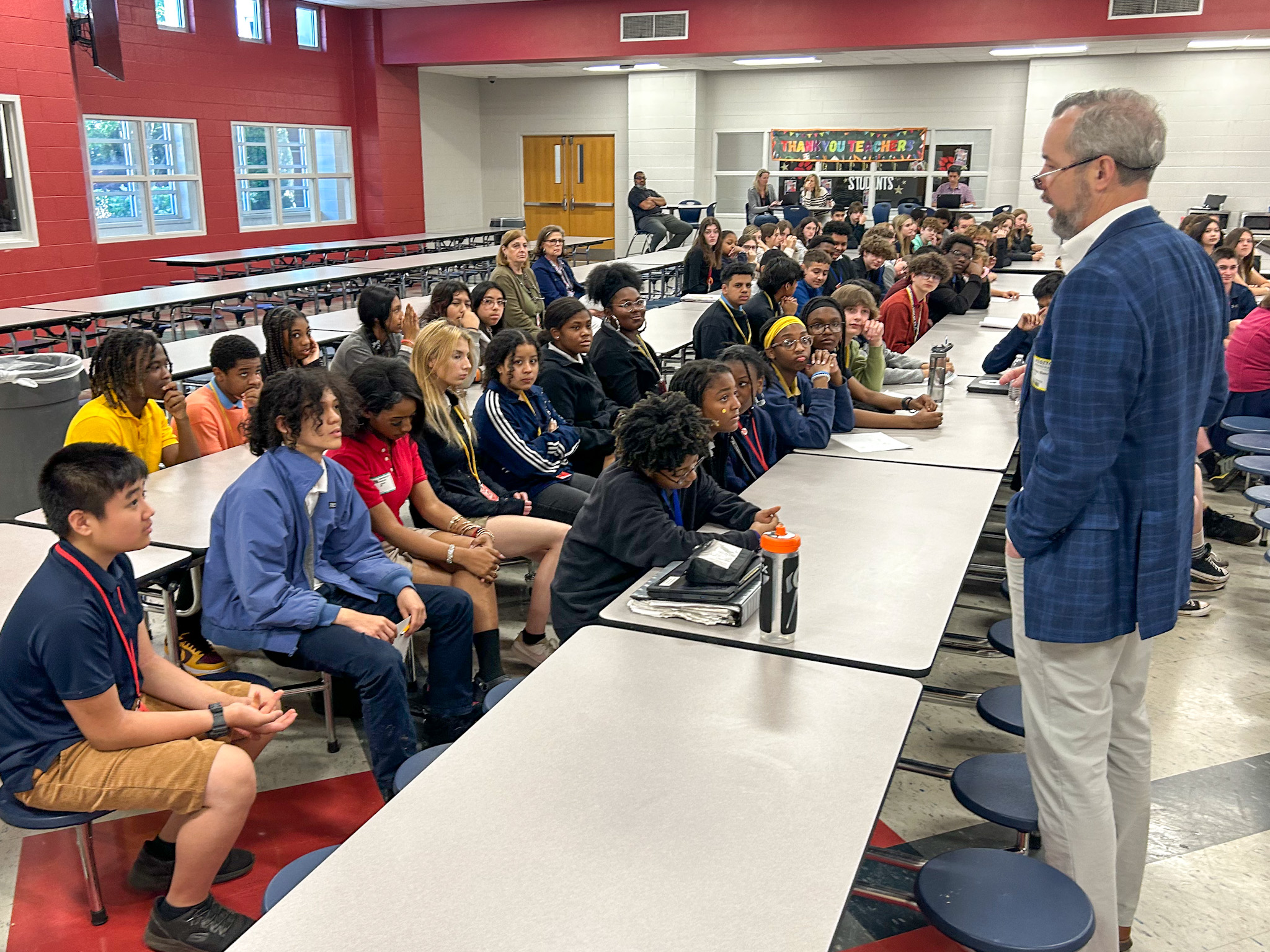

Where do these days come from? How is it that we’re doing almost exactly the same thing we did yesterday and yet everything is different? How is it that the same students are here, even the students who can exhibit problematic behavior at times, and yet we have a totally different result?
The frustrating thing about it is the timing: we have 20 days of school left…
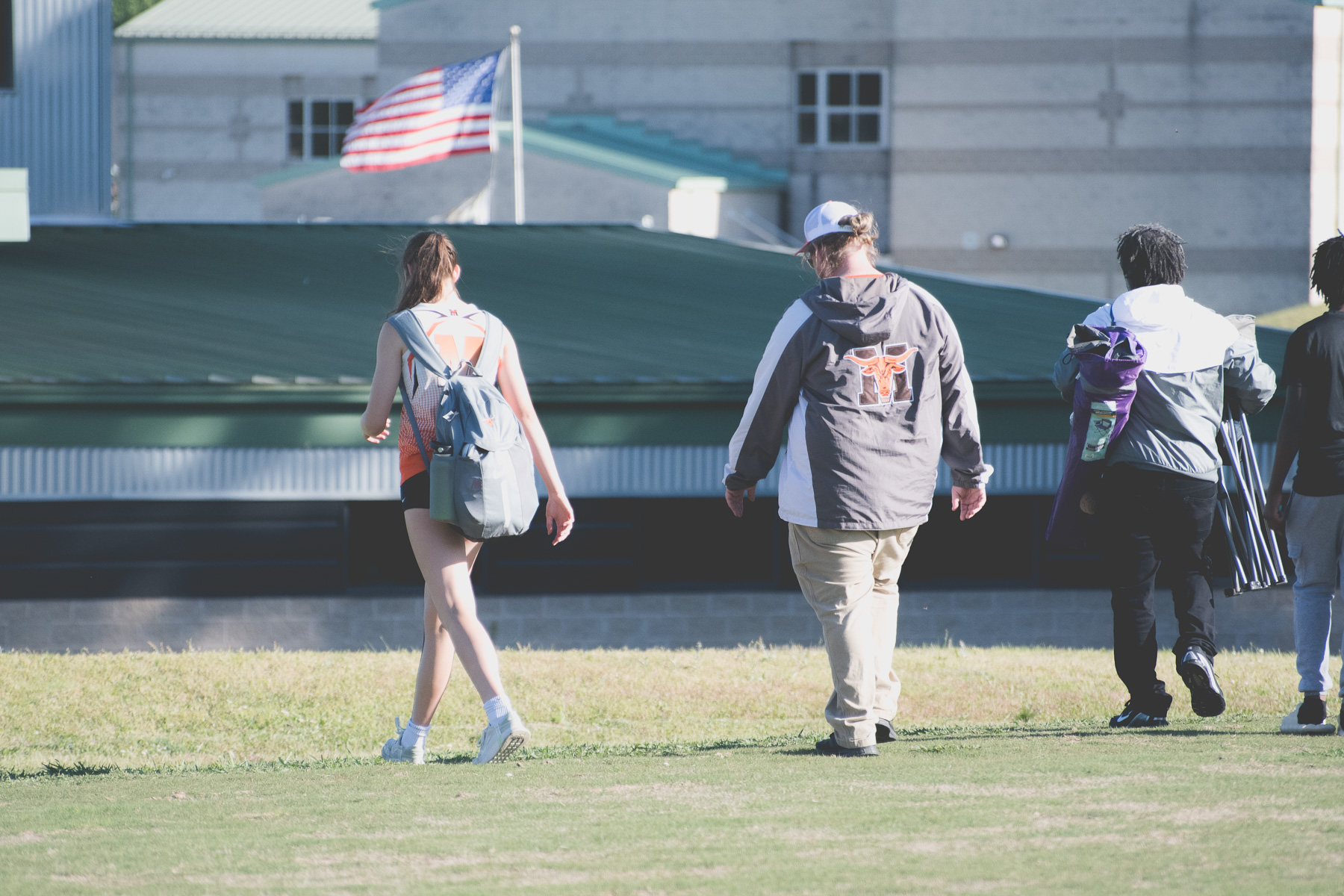






Tonight was the ACE Awards, a local award program that recognizes the kids who might not be in the spotlight all the time but are making a difference. The “unsung heroes,” as they’re called.
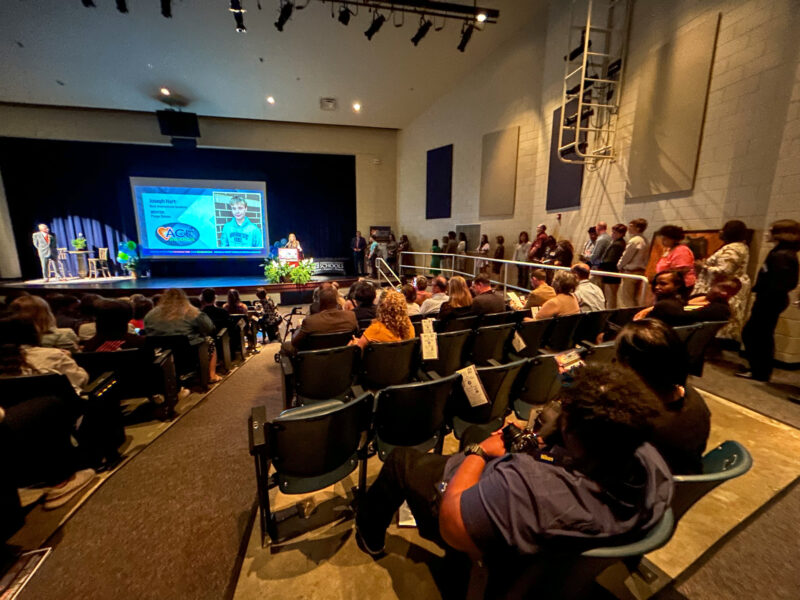
One of the two winners from our school, a sweet young lady named A, is in my English class. You’ve never met a sweeter, kinder human being. It’s an honor to get to work with such kids.
Sometimes, the regularity of my teaching surprises and almost depresses me: am I so predictable? Four years ago today, I wrote about beginning Lord of the Flies with my honors kids.
And what did I do today? I began Lord of the Flies. We always begin with Plato’s “Allegory of the Cave” for a couple of reasons:
It’s a challenge for the kids, though:
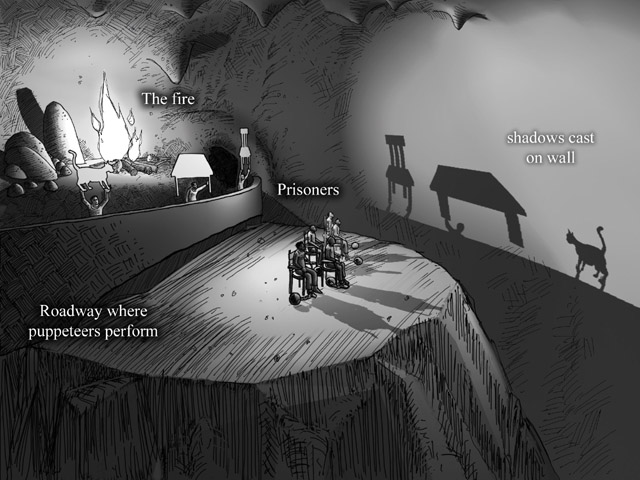
And now, I said, let me show in a figure how far our nature is enlightened or unenlightened: –Behold! human beings living in a underground den, which has a mouth open towards the light and reaching all along the den; here they have been from their childhood, and have their legs and necks chained so that they cannot move, and can only see before them, being prevented by the chains from turning round their heads. Above and behind them a fire is blazing at a distance, and between the fire and the prisoners there is a raised way; and you will see, if you look, a low wall built along the way, like the screen which marionette1 players have in front of them, over which they show the puppets.
I see.
And do you see, I said, men passing along the wall carrying all sorts of vessels, and statues and figures of animals made of wood and stone and various materials, which appear over the wall? Some of them are talking, others silent.
You have shown me a strange image, and they are strange prisoners.
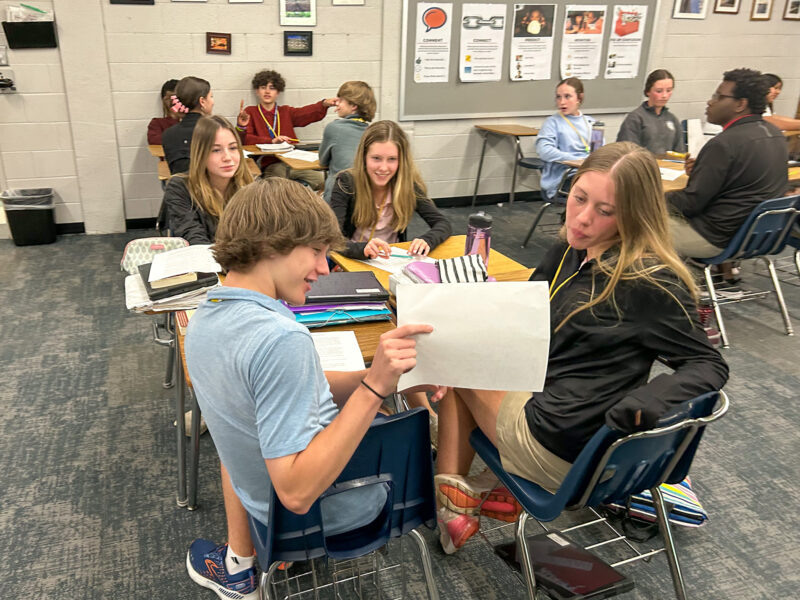
I have them draw the image presented in the text, then go around sharing with other groups what their group determined:
Few get an accurate image like this:
Of course, they’re only given a few minutes for the whole task…
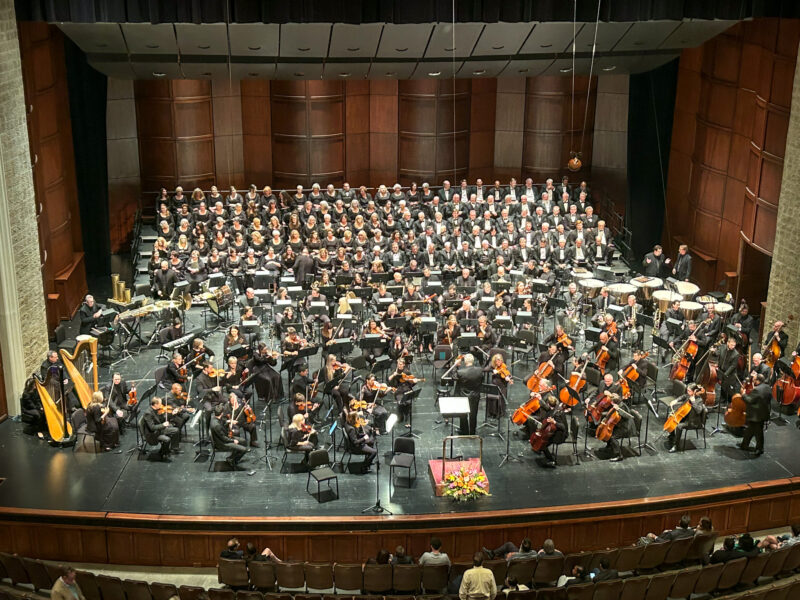
Took the Boy to see a performance of Mahler’s Second Symphony last night. He was impressed, but not overly so…