g

Two Departures

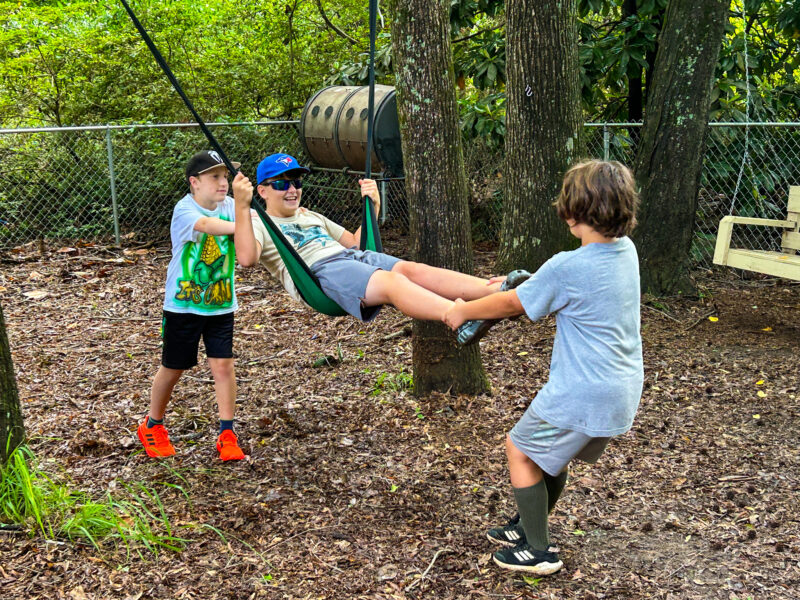
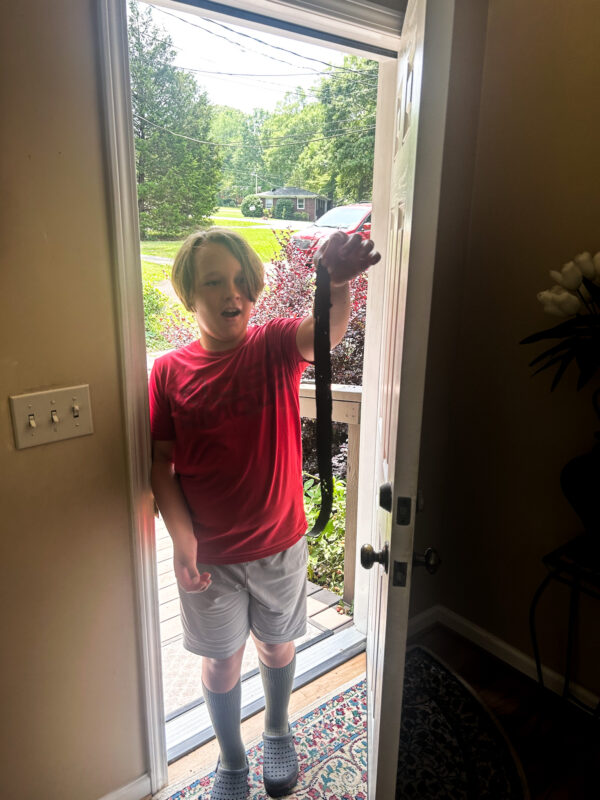
The Boy left for Scout camp today:
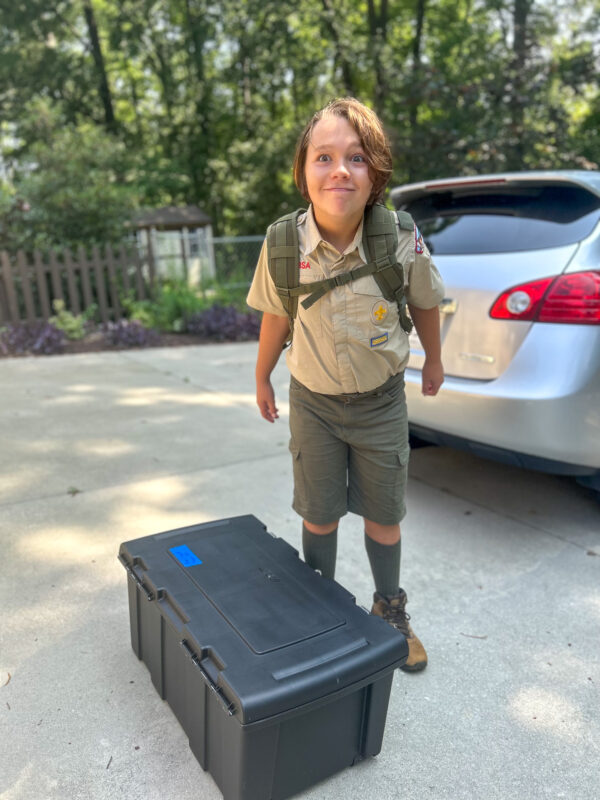
I’ve been a little curious and worried about how he might take it: he’s not actually going with his own troop because his uncle is coming from Poland with his family that week. “There’s no way you’re going to camp while Wojek D is here!” K exclaimed, so the Boy is going with a different troop. He knows a few people in that troop, but it’s not his troop. He chose the troop he did because he wants to be with his friends, the friends who are going to Scout camp a couple of weeks from now.

The Girl and I, on the other hand, headed off to Orlando today for Nationals. How will her team do? I don’t know. Is that so important? Yes, and no.

What is important? Our TV greeted us when we first entered the room…


Legos

Where did this come from? The last time I remember doing this with him — I can’t even recall. Two years ago? More? Less?

Play Date

L insists that the boys are too old now to have play dates.

“They just hangout!” she explains with exasperation.

“What about you? Do you have play dates?”

[L rolls her eyes…]

Another Day in the Basement and a Scout

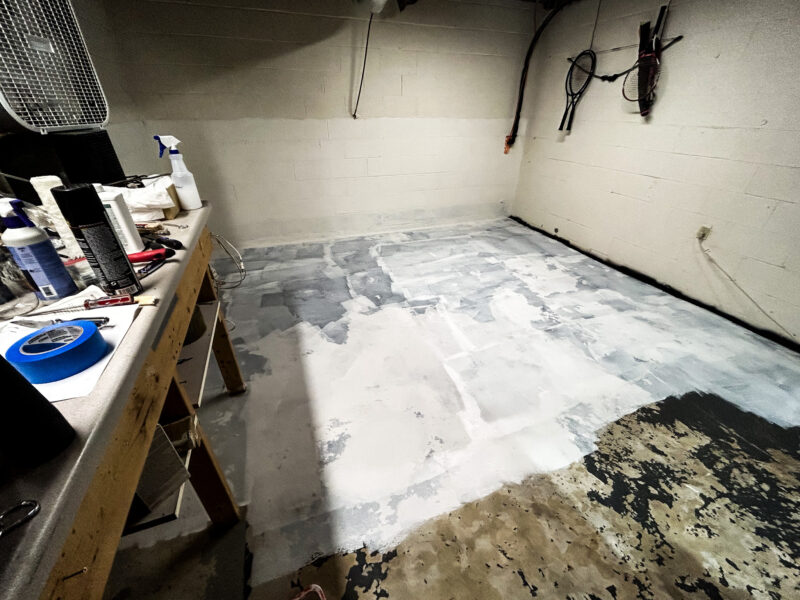
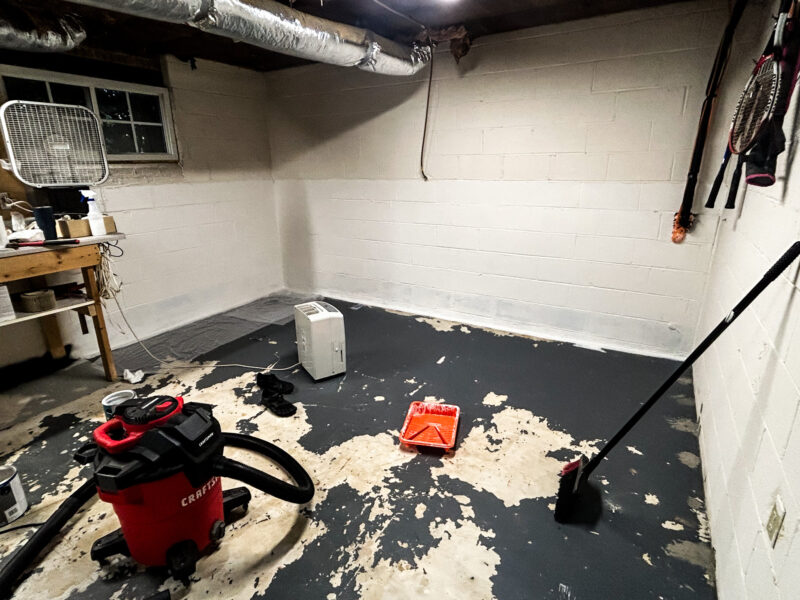
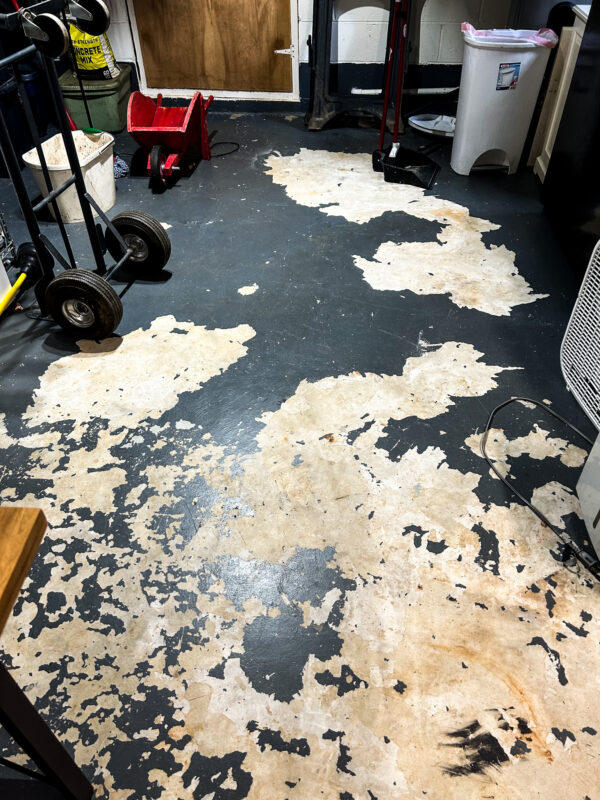
Today I put the first coats of paint on the basement walls — at least half of the wall space. Perhaps a little more than that.

Will it work? Well, it worked today.

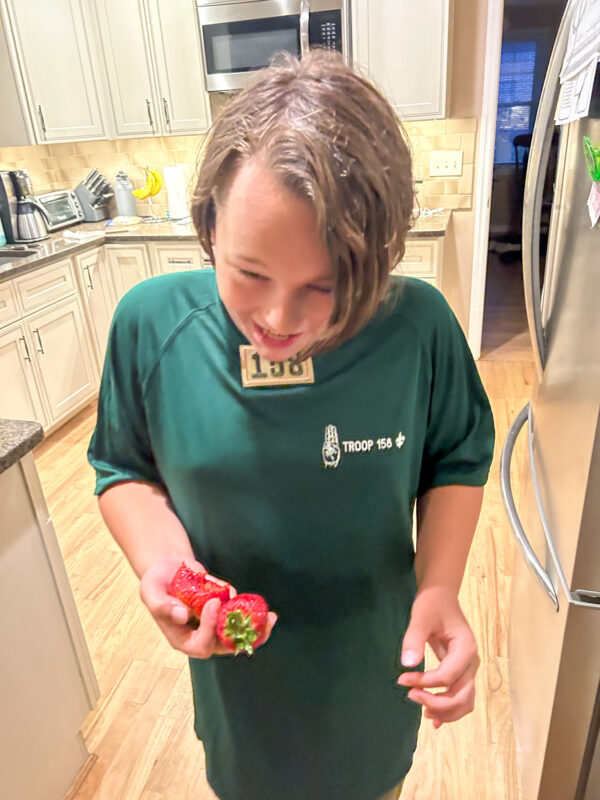
More importantly, the Boy made his first BSA rank: scout.

And the Girl? She drove to Asheville to spend the day with her best friend. Yet another sign that she’s growing up — not quite as fast as she thinks she is, but still…
Basement Again

For the second time now, I’m working to stop water from coming into our basement. I know the real solution to the problem:

I don’t have the time to do that now, and we certainly don’t have the money. So for now, some bandaids with the hope that they will mitigate the problem to some degree.

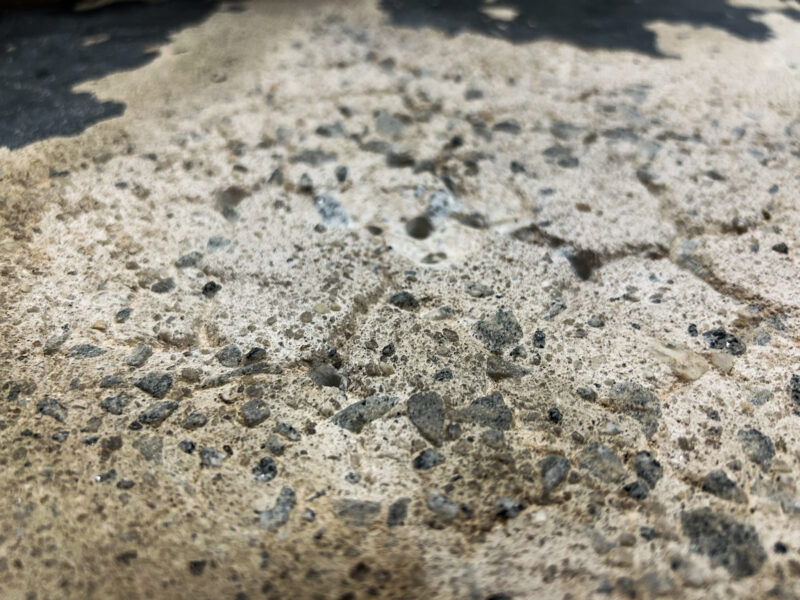
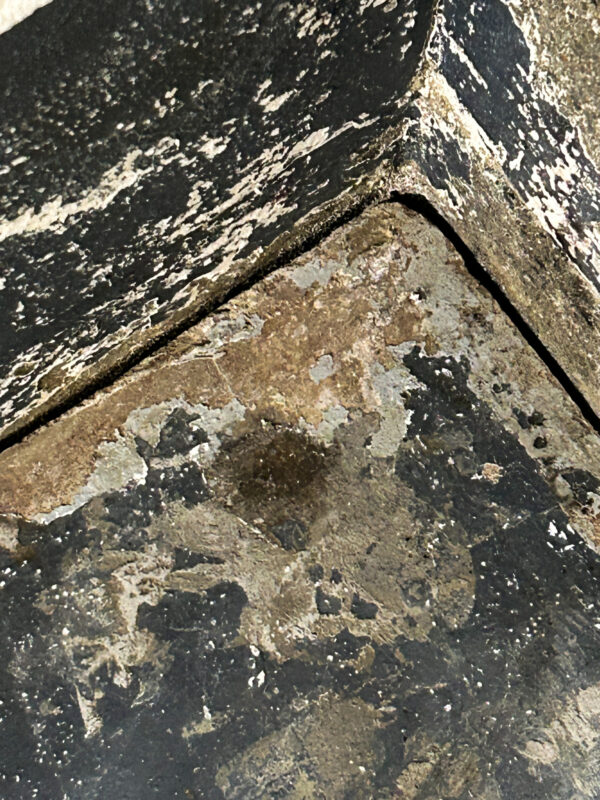
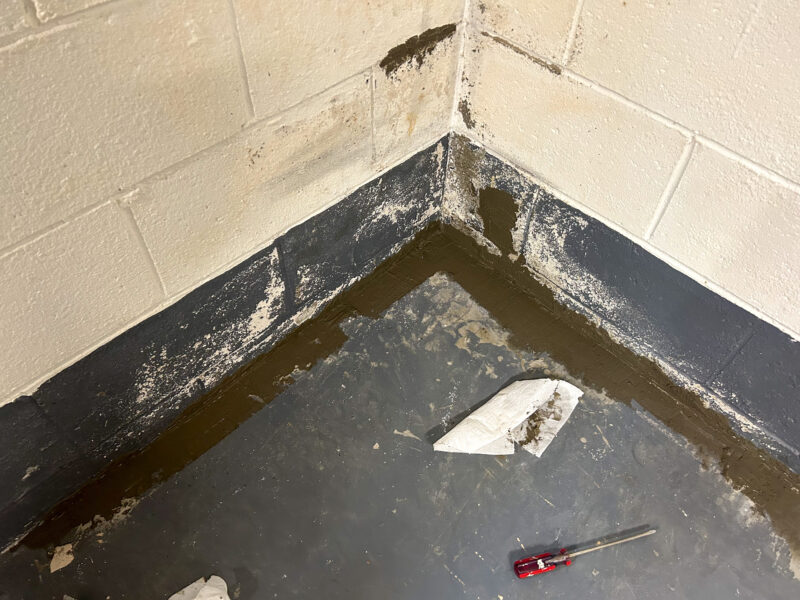
One problem: a huge crack in the corner of the basement floor. The fact that there is significant concrete efflorescence tells me that the water on the other side of the wall is significant.

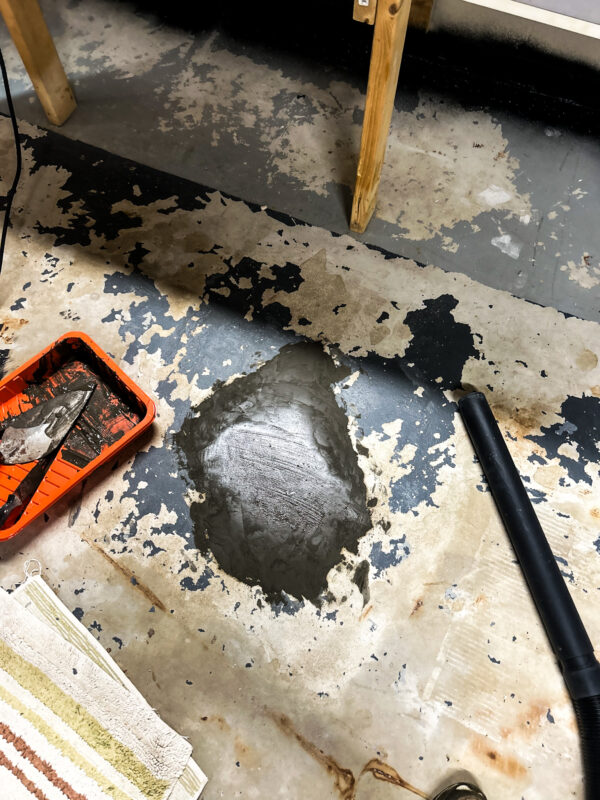
The bandaid? Some hydraulic cement. Will it keep the water out of the basement? I don’t know. Will it keep the water out of the concrete? No. To do that, see the video above.

There was one thing I fixed outside the house that might have a more significant impact:

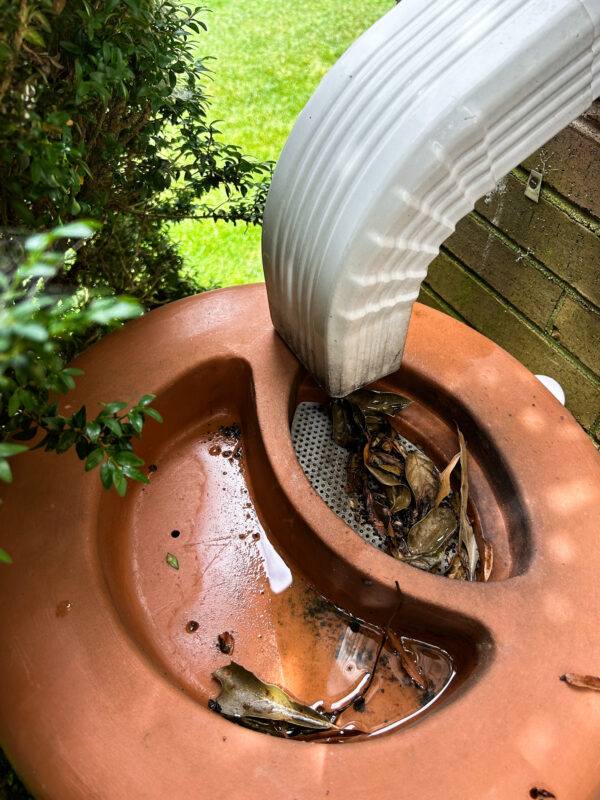
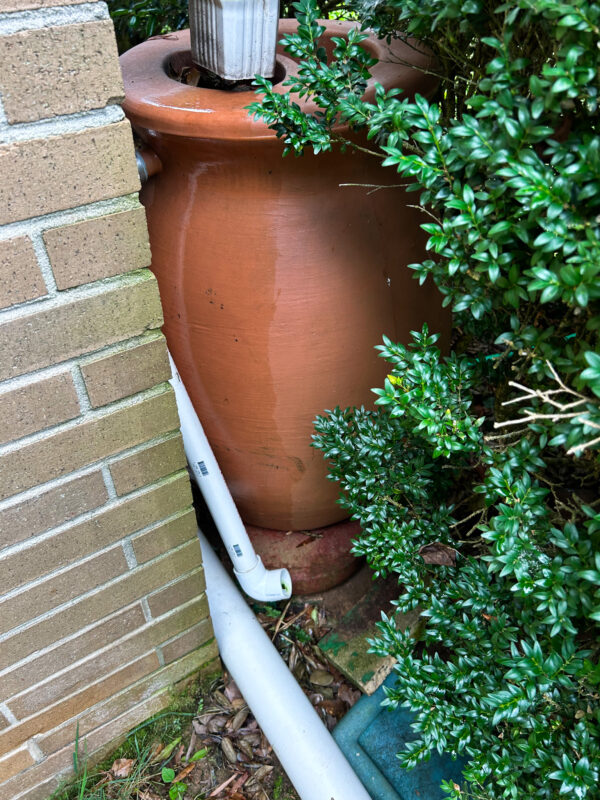
The downspout into our water-collection bin was no longer centered over the opening, meaning that during heavy rain, much of the water just spilled down the side of the house — the same corner where I discovered the efflorescence.

I corrected that problem, but I’m no longer convinced that it’s even worth it to keep the barrel. I also replaced the overflow outlet with a longer piece of PVC so that it wouldn’t just dump it into the downspout diverter/channel/plastic-thingy-whatever-the-hell-you-call-it.

It’s probably none-too-soon, either: we’re expecting up to seven inches of rain this week, which would convert to 9,520 gallons of water coming off our roof.

SWAC

Going through some boxes we’d brought from Nana’s and Papa’s four years ago, I found this. Freshman year. Academic team.

Smoking

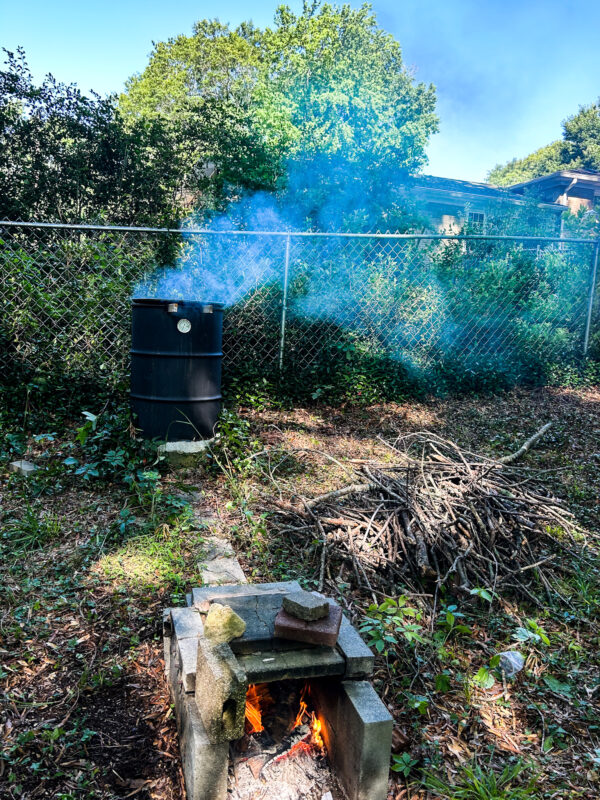
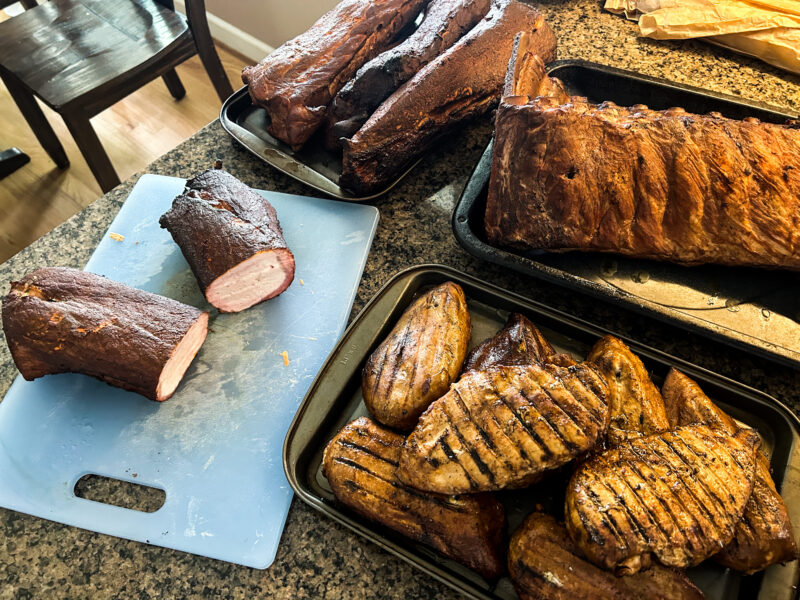
Yesterday I smoked meat all day. I forgot to put up any pictures of it.

It was a lot of meat: ribs, loins, chicken.

“We have enough sandwich meat to last us to Christmas!” K proclaimed.

Review: Is God a Vindictive Bully?

As with many apologetics books, the intended audience of this seems like it might be the skeptic community when in fact it is clearly written for Christians. In other words, this is not a book that will convince skeptics but is intended to ease the worries Christians have about the God of the Old Testament.

The first clue for this comes from the title: the average skeptic will not simply call the Old Testament god a bully. This being is a moral monster — which is actually the title of another book by Copan. The subtitle gives a clearer indication of the intended audience: “Reconciling Portrayals of God in the Old and New Testaments.” This book is written for people who love the god of the New Testament (i.e., Jesus) but finds the Old Testament god a bit off-putting. This is important because Christianity declares that, appearances to the contrary, these are the same being, albeit in different “persons,” which makes no logical sense, but that’s an argument for a different review. So this is an effort to reconcile kind Jesus with the evil god of the Old Testament by trying to remove the “appearances to the contrary” part of the argument altogether.

How do I as a skeptic read it, then? I tried to give it the benefit of the doubt, I tried to “treat another’s writing as you yourself would want your own writing to be treated” (6) as Copan suggested we do with the OT text, but in the end, I was just disappointed. There were no apologetic tactics in this book I had not encountered (and dismissed) before. The primary problem with this book from a skeptical point of view is that all the moves the author makes to square the two gods of the Bible simply belie the underlying Christian contention about Biblical authorship. In other words, he relies primarily on that old tired tactic “context.” Indeed, he has an entire chapter called “A Bit of Near Eastern Context.” For example, in justifying the harsh punishments proscribed in the Old Testament, Copan brings up the exaggerations of the Code of Hammurabi and then suggests that these are merely exaggerations as well and that “it is likely that the death penalty was rarely utilized” (85). This suggests that the authors of the Old Testament merely used the same tactics as the authors of Hammurabi’s Code. Yet how could that be? Didn’t the Christian god inspire the Bible? This apologetic tactic undercuts the claims of divine authorship, but Copan has a solution, explaining that the “Mosaic law didn’t start from scratch or reinvent the wheel” and suggests that it “appropriated sources apart from any direct divine revelation to Moses, who selected and adapted material resulting in a ‘special synthesis'” (37). Just Copan never explains just what this “special synthesis” might be and how we might discern Moses’s borrowing from surrounding cultures and divine intervention.

The other primary tactic Copan uses is qualification. This might be, or that could be, or this is a logical inference, or that is implied. This is probably an exaggeration and that is probably not carried out. In other words, it’s all conjecture.

This is a book that will not convince anyone who genuinely questions the text. This is a book for Christians looking to feel better about the god of the Old Testament.

Unfortunately Predictable

I’m reading Is God a Vindictive Bully? by Paul Copan, which purports to square the “genocide, racism, ethnic cleansing, and violence” in the Old Testament with the seemingly different deity presented in the New Testament in the form of Jesus. I’ve tried to go into this with an open mind; I’ve tried to avoid presumptions and judgments before I read. But by page six, he’s already making moves that put the argument exactly where I anticipated:

Consider a “golden rule” of interpretation: treat another’s writing as you yourself would want your own writing to be treated. This doesn’t mean being naive or uncritical; it does mean being charitable and fair as we honestly examine challenges in the text.

Is God a Vindictive Bully, 6.

Why would I treat the Bible the same as other documents? Christians claim it is the word of God: they claim that it’s not like other ancient documents, and if it’s written by a deity, it isn’t like other documents. Why treat a supposed god’s words with kid gloves? Why do I need to be “charitable and fair”? Wouldn’t a god do a better job writing a document?

This hints at a problem I know will appear in this book: how does the tension between “God composed this book” and “humans physically wrote it down” resolve? No Christian would deny that humans wrote the actual physical Bible: it didn’t just float down from heaven. However, they also claim that it is of divine origin. Humans, they insist, were just the instrument. The actual composition is God’s. However, when apologists start using historical context to explain something, they have immediately removed the composition from God’s purview and made the Bible a strictly-human document. It’s coming–I know it is.

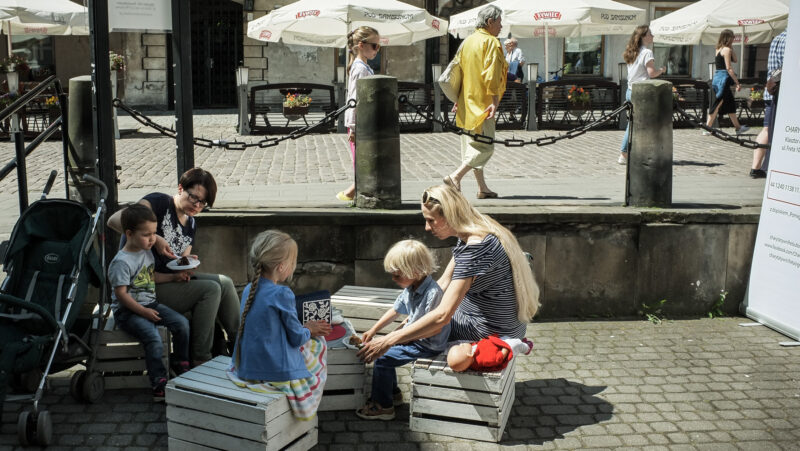
Random Picture for Today

Image from 2017 trip to Warsaw

Family Ride

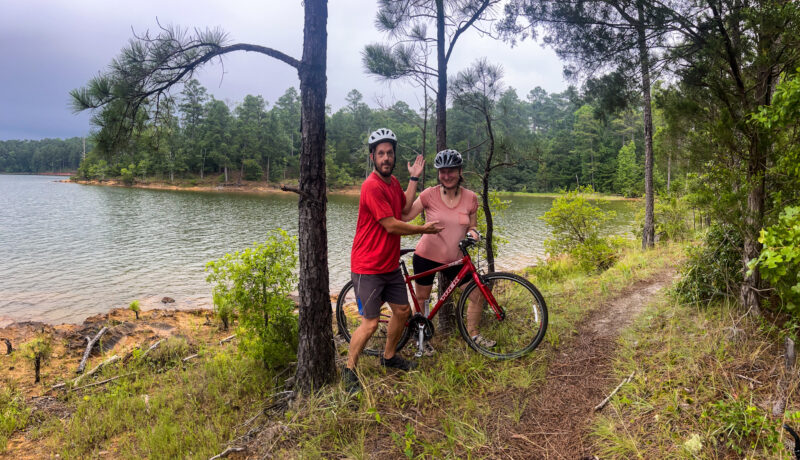
It’s been a while since K joined E and me on a bike ride. (What about L? When it comes to cycling, forget about L: biking is not her thing anymore, and we’re not going to try to force that on her. )

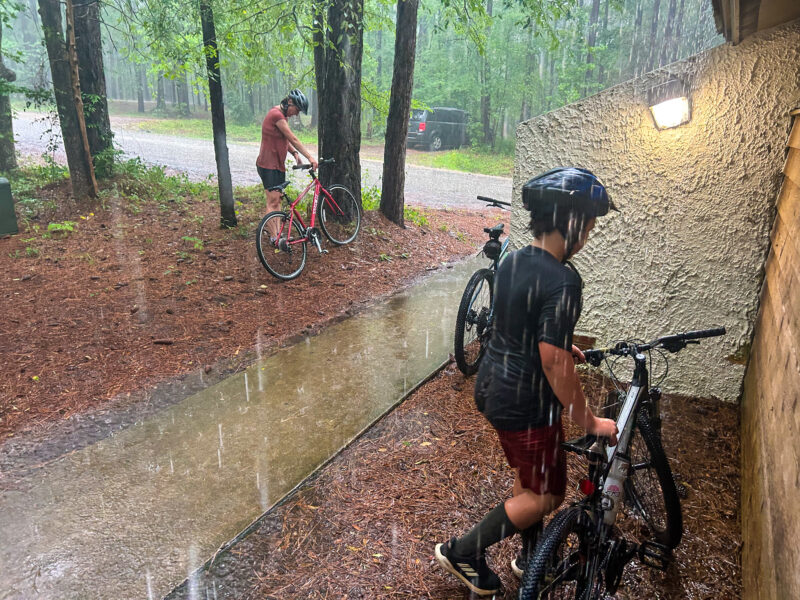
We headed south to Hickory Knob State Park, which has a six-mile bike trail that winds along beside a lake. Only 300 feet of climbing, so it seemed like something K would be comfortable with. After all, she’s on a suspension-less hybrid bike with 32mm tires: it’s not going to do well at a lot of the places E and I like.

We got started, took a few pictures along the way, found a turtle in the middle of the trail (rescued it), rounded a bend in the trail to discover huge, dark clouds just a few hundred feet from us.

We knew it might start raining: it was in the forecast. But we hoped it might hold out, that we might survive with a few sprinkles.

Within a few minutes, it wasn’t sprinkling; it wasn’t raining; it was a monsoon.

What else could we do except continue pedaling?

One-Picture Day

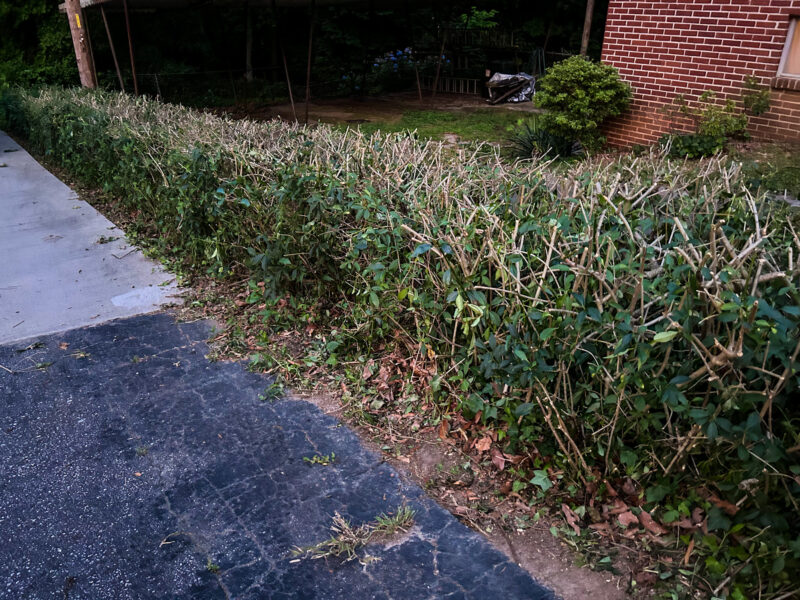
With all the mowing, trimming, cutting, hauling, collecting, sorting — this is all I’ve got for the day: the bushes I assaulted with a trimmer.

Pride

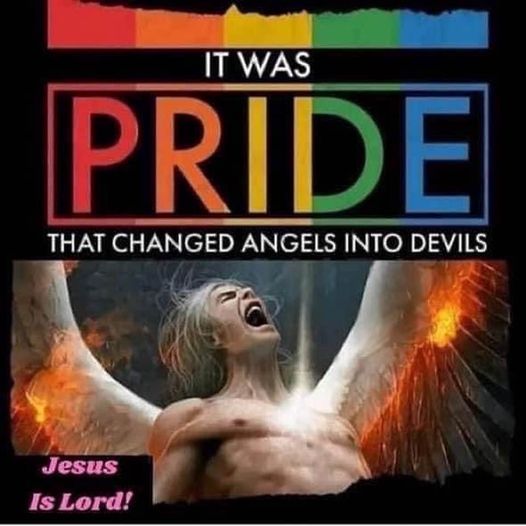
Conservative Christians on social media are having fits about Pride Month. They like to point out that pride was, in their view, the original sin of the angels. Never mind that this notion owes more to Milton and Paradise Lost than to anything in the Bible — once something gets in the conservative Christian psyche, it’s hard to shake it out.

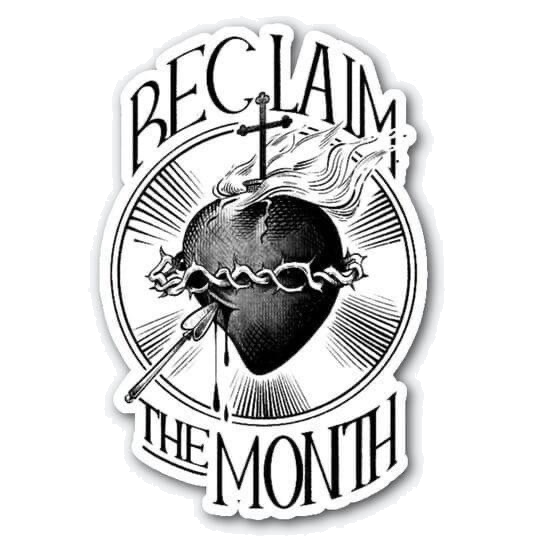
But no conservative Christian is as upset about Pride Month as Catholics, because June is dedicated to the “Sacred Heart of Jesus.” Conservative Catholics are upset about this, suggesting Catholics need to “reclaim the month.”

I’m curious how they see this working exactly. Do they expect that in “reclaiming the month,” they can convince masses of people to abandon Pride Month and embrace this idea? Most non-Catholic Christians have never heard of this notion of the “Scared Heart of Jesus.” They might ask, “What about his other internal organs? Is there a month of the Sacred Spleen of Jesus, too?”

The Catholic Culture website explains it thusly:

Understood in the light of the Scriptures, the term “Sacred Heart of Jesus” denotes the entire mystery of Christ, the totality of his being, and his person considered in its most intimate essential: Son of God, uncreated wisdom; infinite charity, principal of the salvation and sanctification of mankind. The “Sacred Heart” is Christ, the Word Incarnate, Saviour, intrinsically containing, in the Spirit, an infinite divine-human love for the Father and for his brothers.

Month of the Sacred Heart

I don’t think it will sell in 2023…

Pressuring Washing Monopoly Blueberries

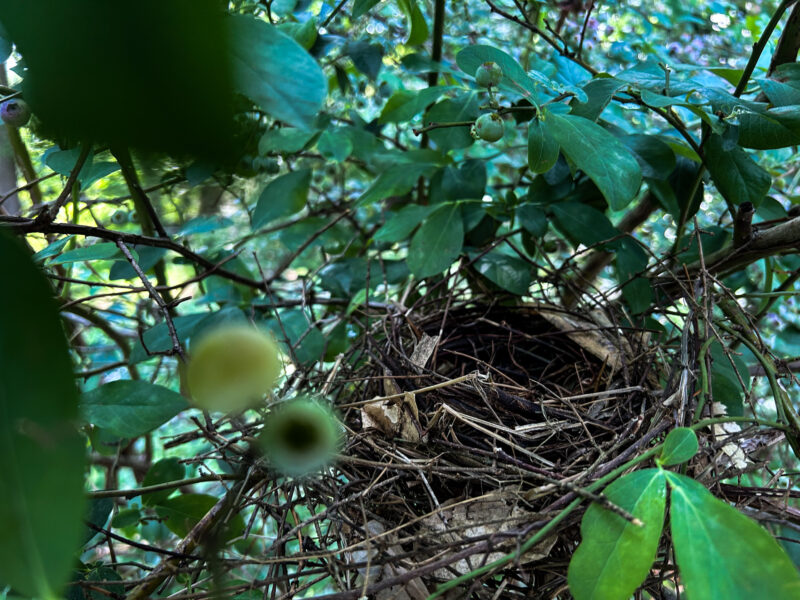
There is a tsunami approaching: we got the first hints today. Hidden here and there among the pale blue berries are a few dark, ripe ones. There were not many this morning, but there were enough to fill a small cup. What awaits us, though, is overwhelming — in the most positive way, to be sure, but overwhelming nonetheless.

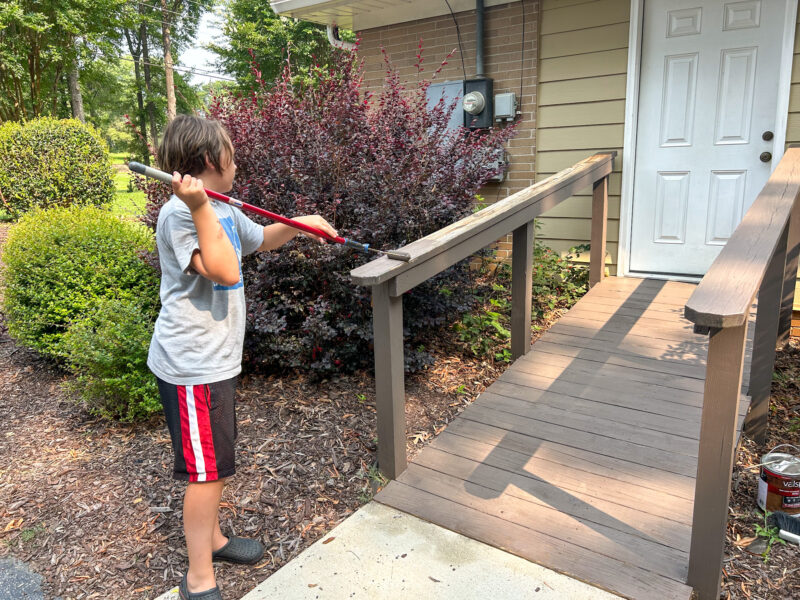
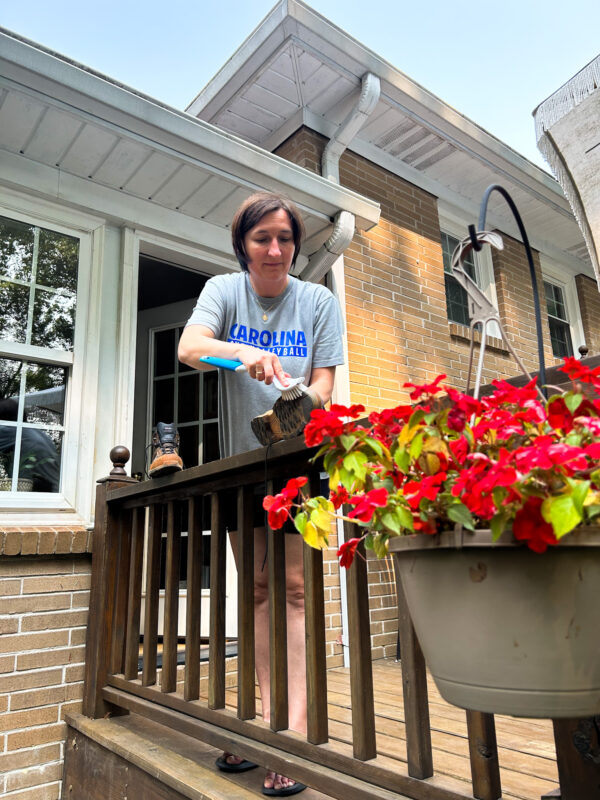
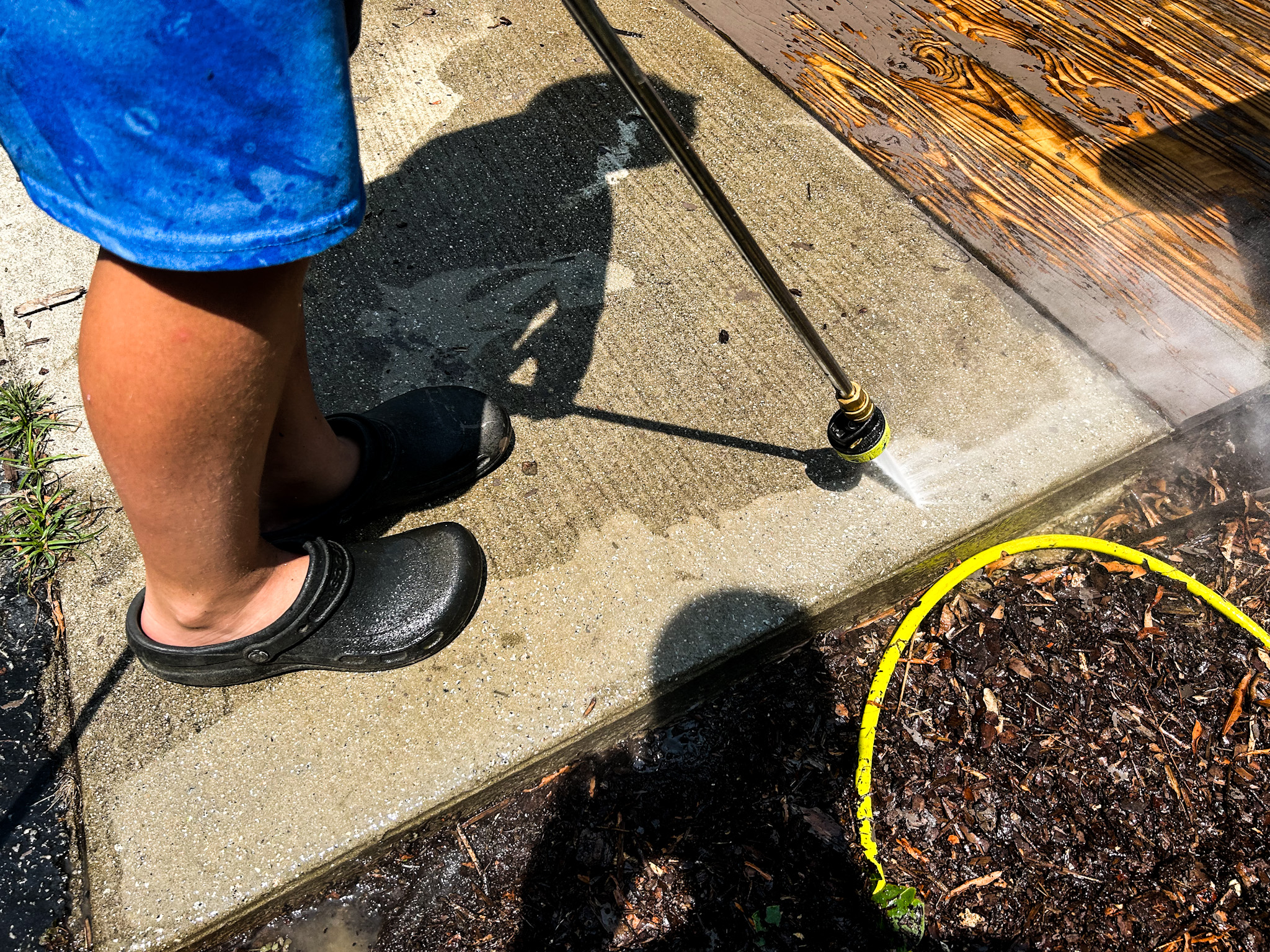
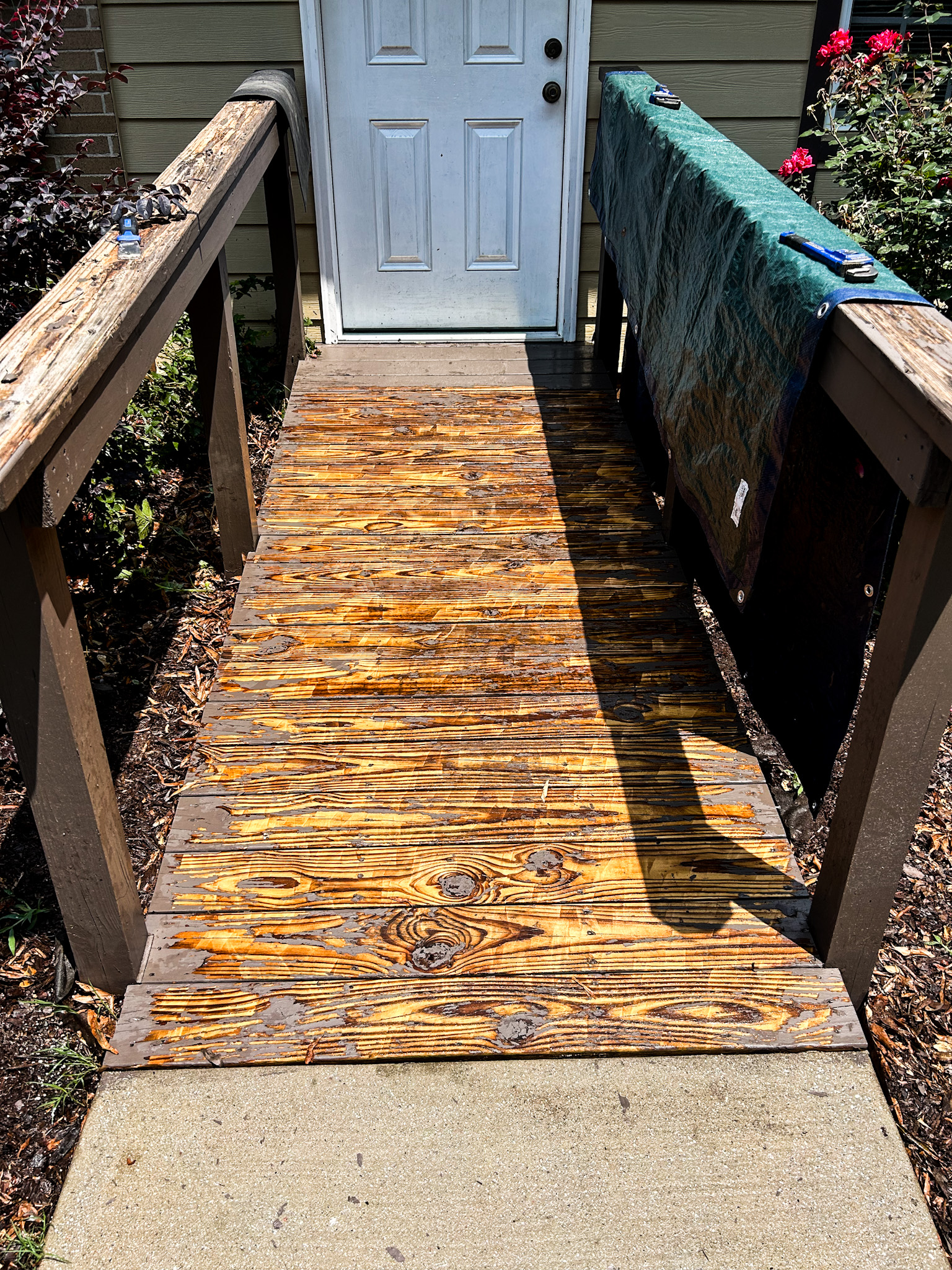
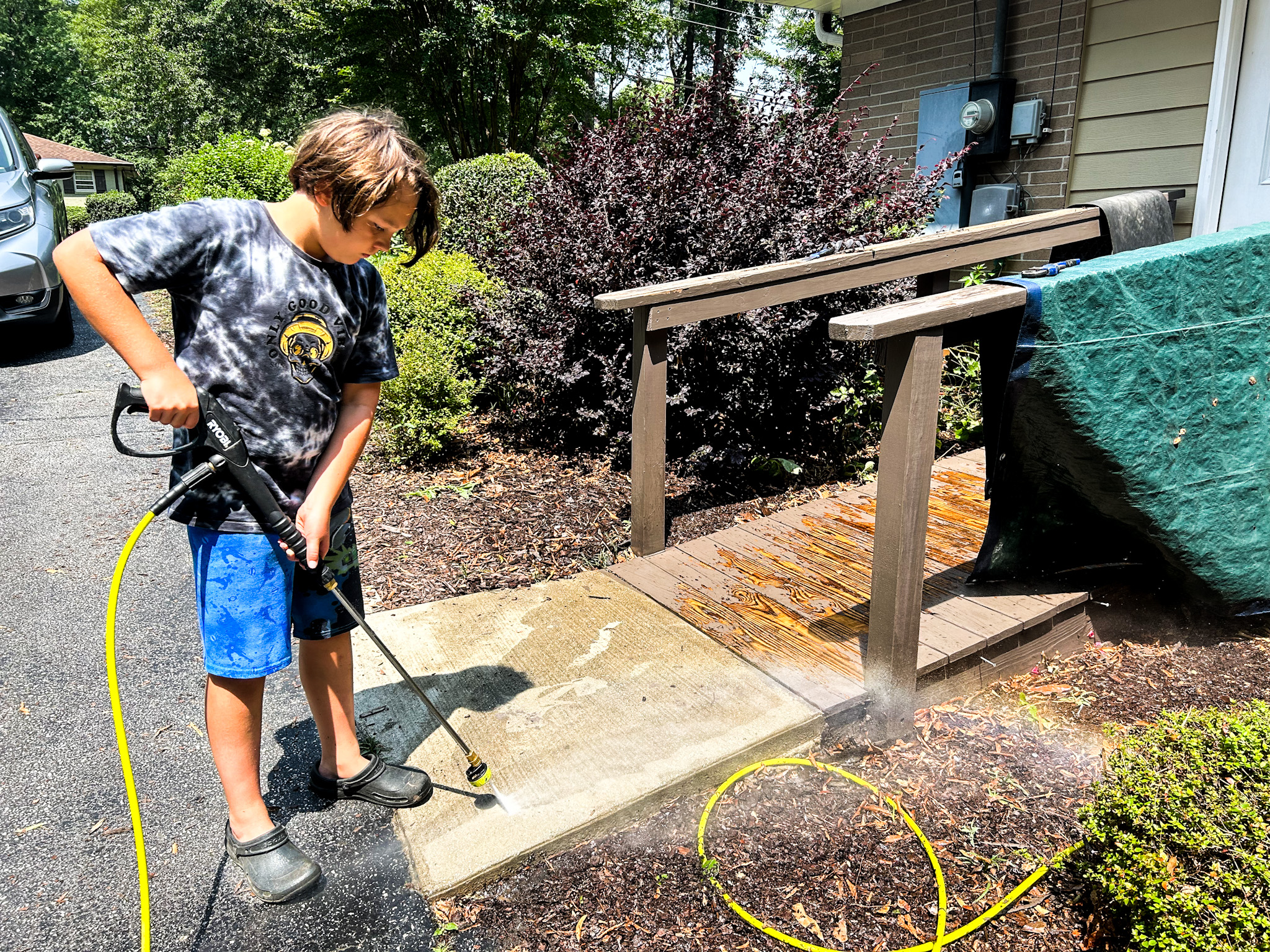
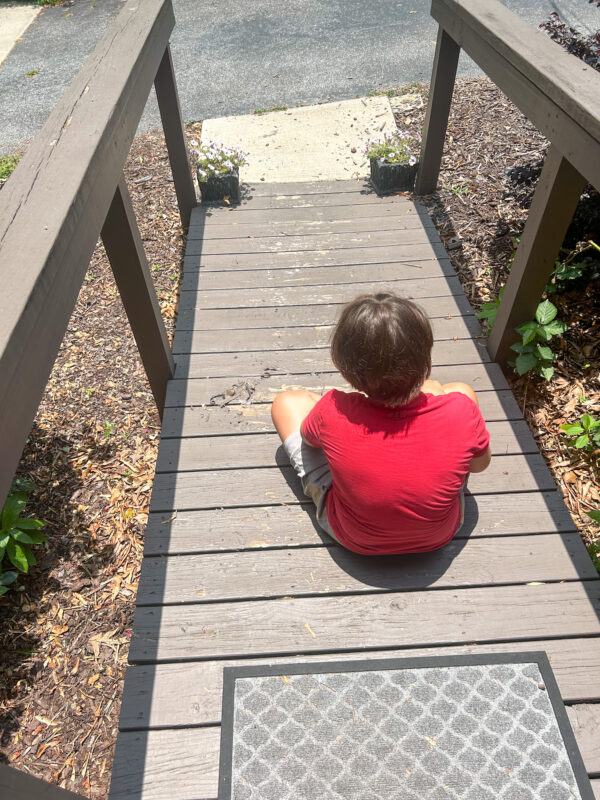
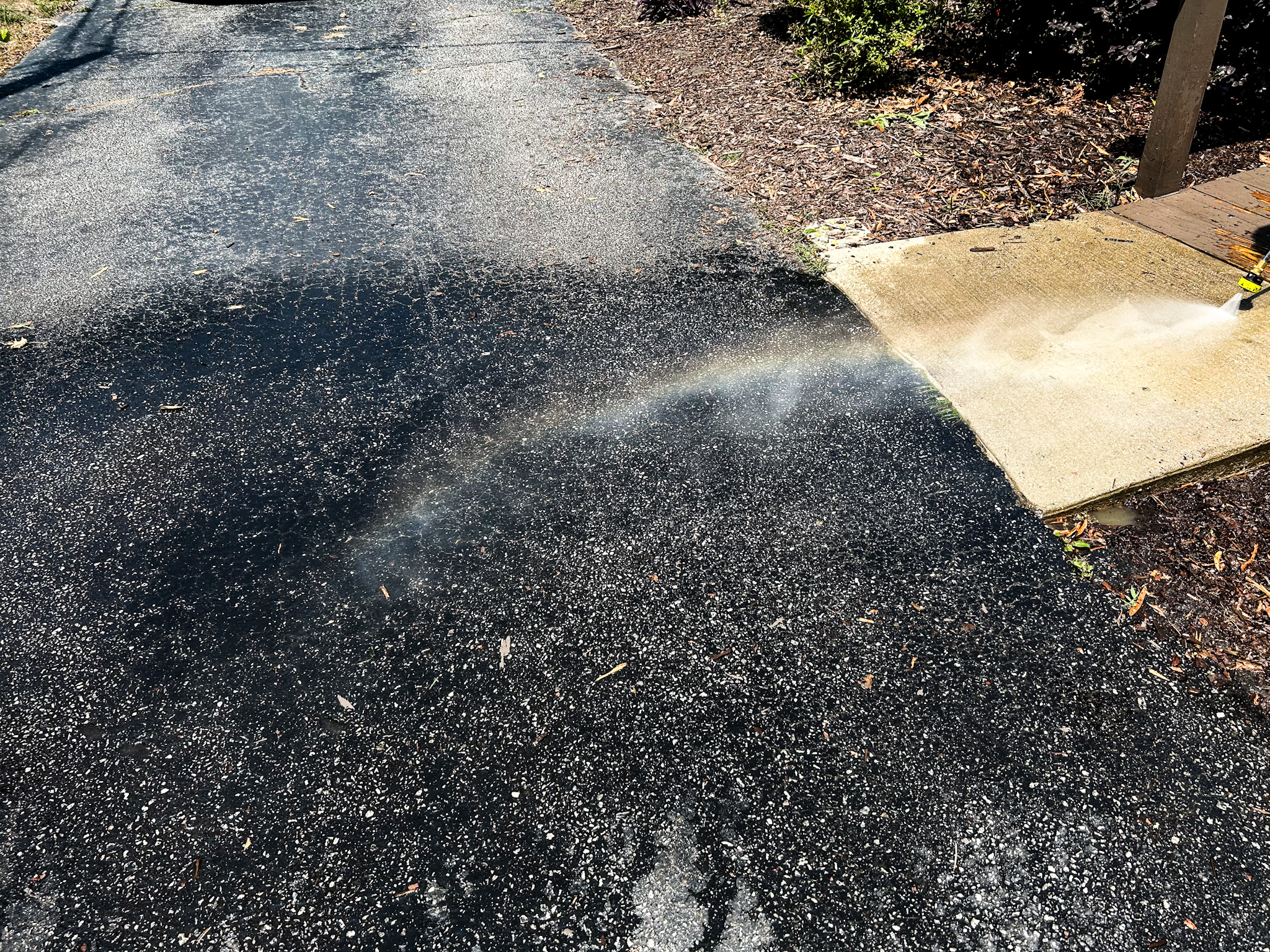
We picked them after we spent a bit of time blasting off the last bit of paint on the ramp that leads to our side entrance.

It was the ramp we built to help us get Nana and Papa into their new quarters a little over four years ago. We don’t have much need for it now — we could survive with a simple path and a couple of steps, but of course, we would never go through the time and expense of taking out the ramp and putting in a walkway in. As with the walk-in shower, it’s a reminder of a time now gone, of family now gone, of times never to return.

And so, as if almost in an unconscious effort to make the most of the times we have together, we did something we haven’t done as a family in a while: play a board game. L, of course, won — she almost always wins. The Boy came in last, as he frequently and sadly does. K and I, not worrying about who’s winning or losing as the game progresses, end up in the middle.

A perfect evening in the middle of the week. We need more of them.

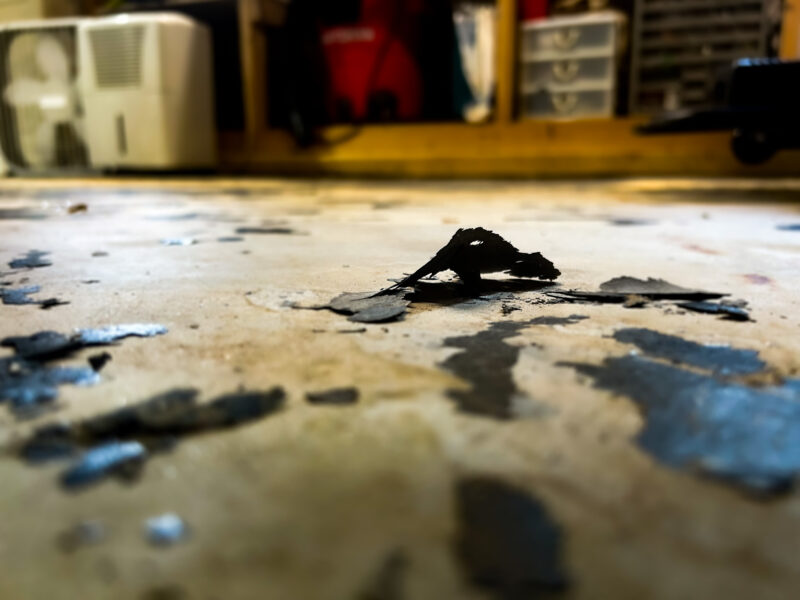
Paint Peeling

We’ll definitely be doing some repainting this summer…