g

Afternoon at Conestee

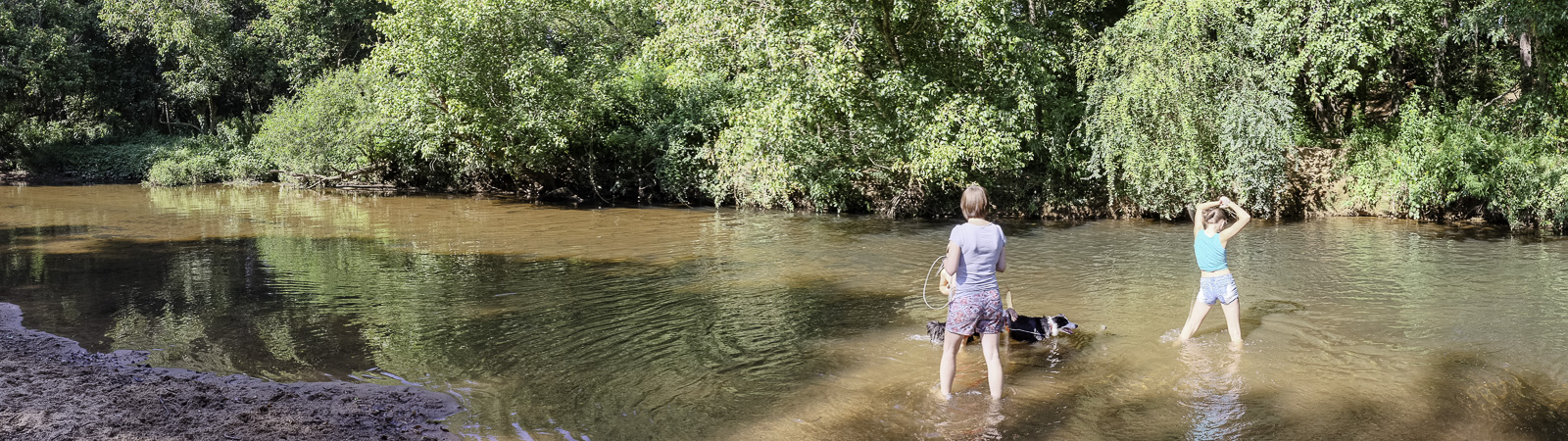
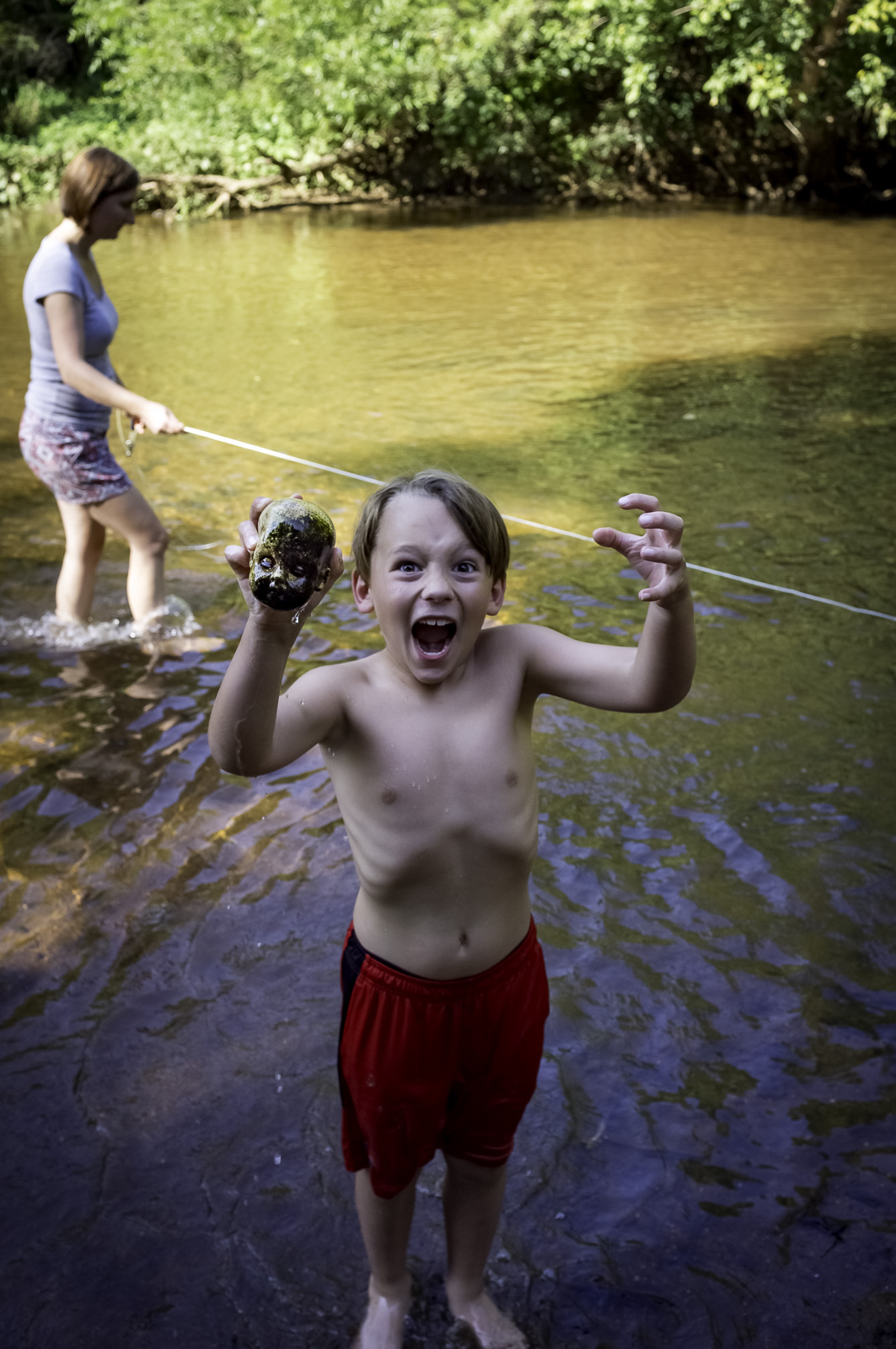
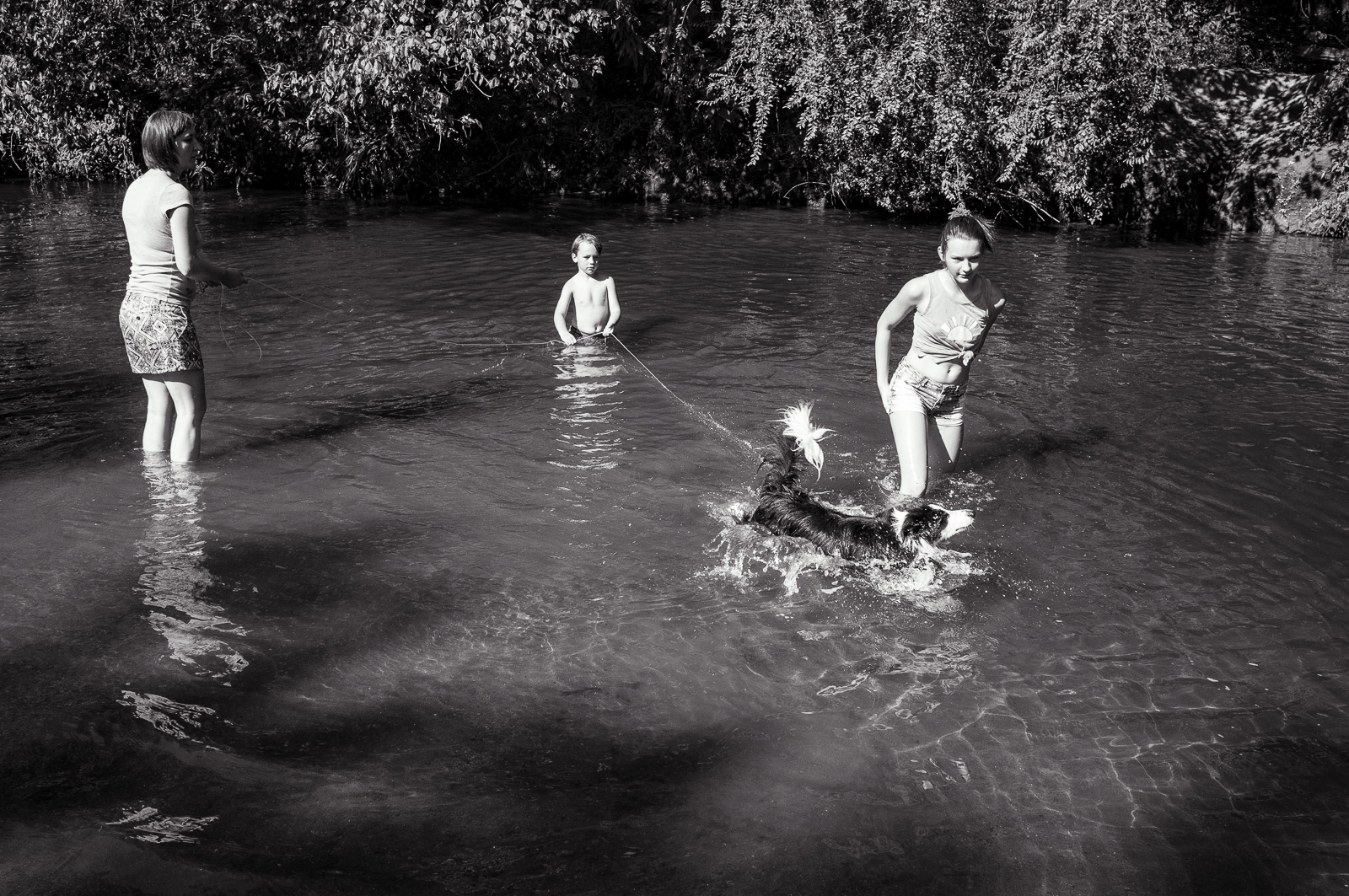
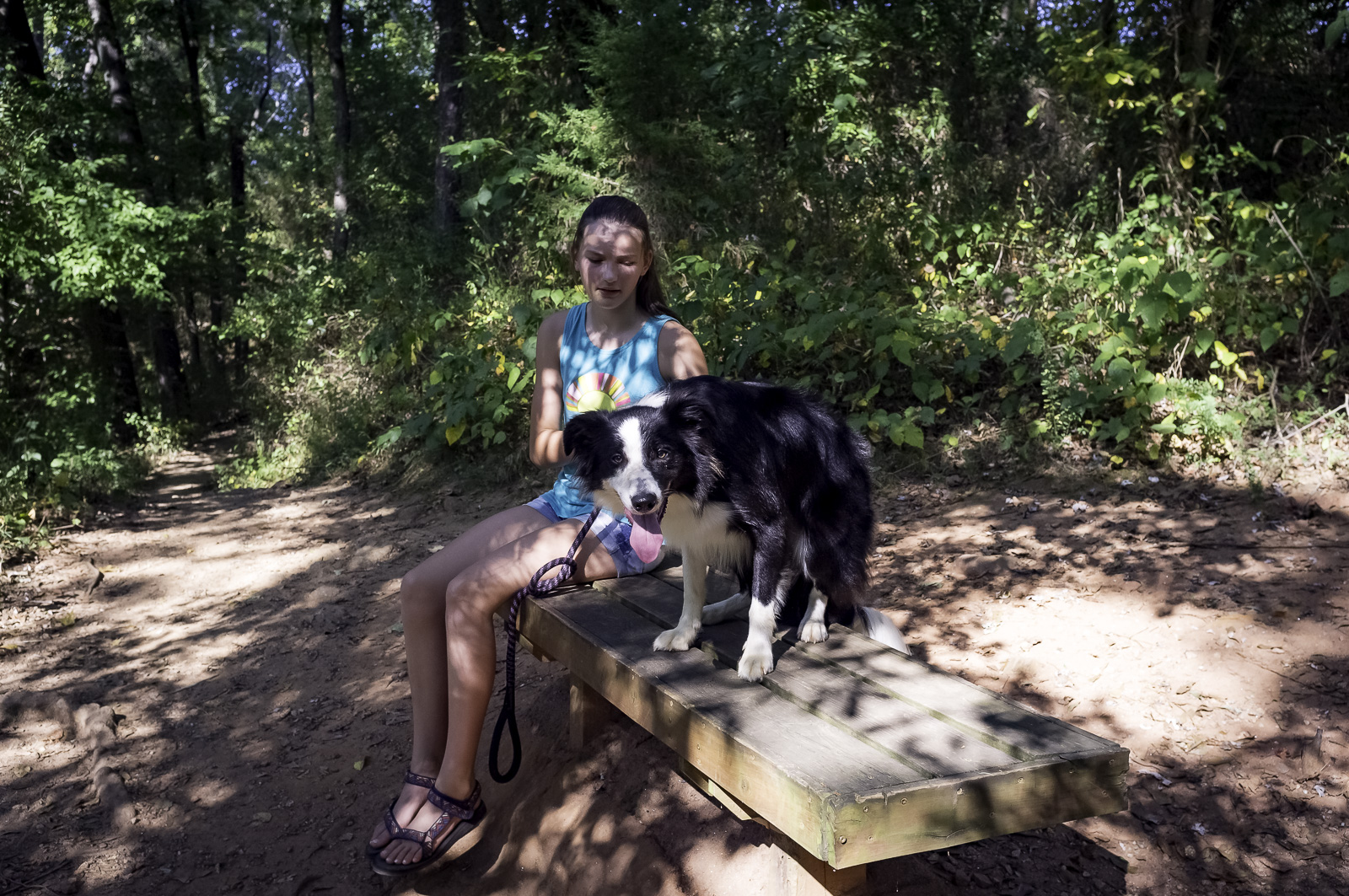
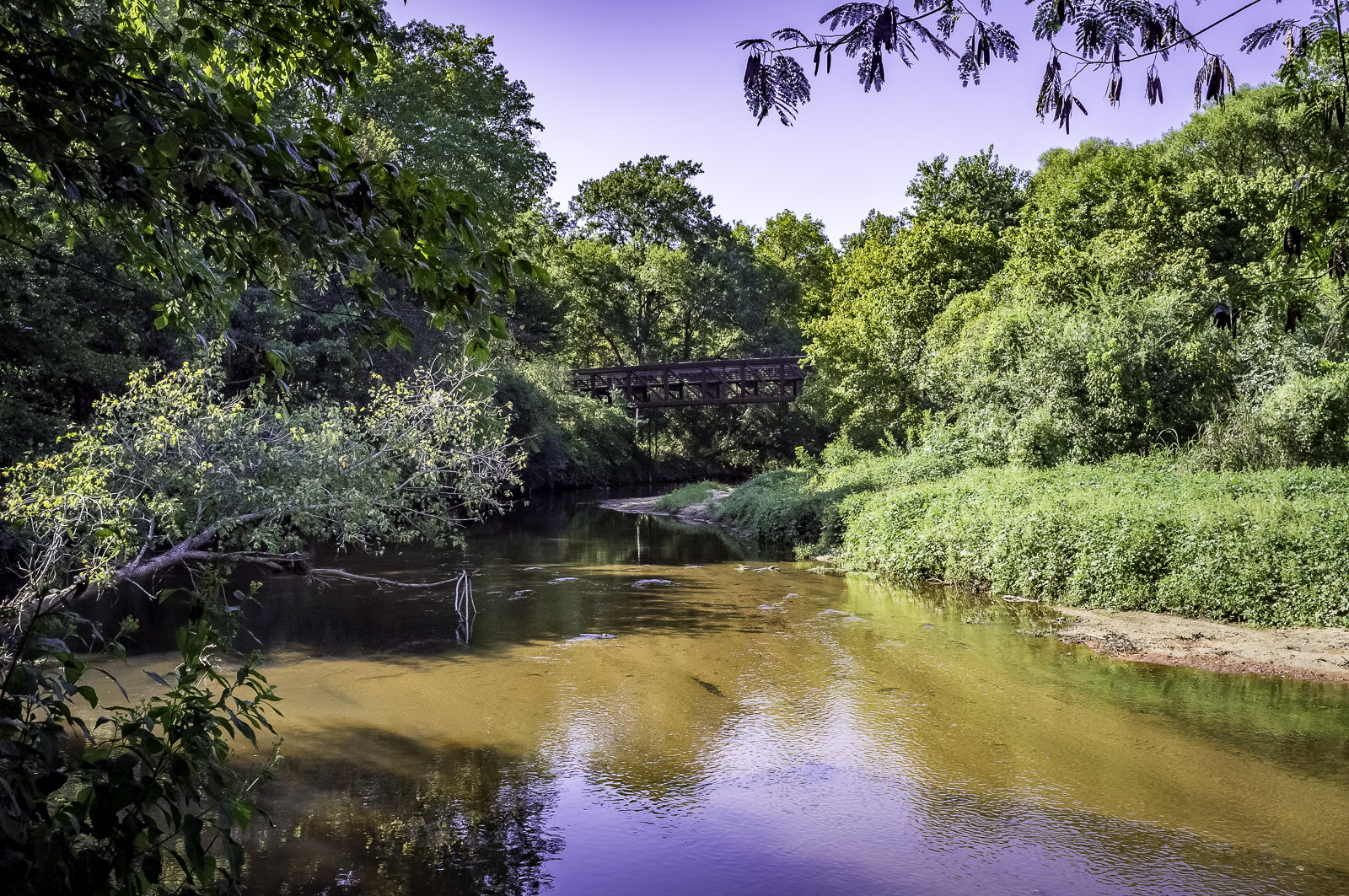
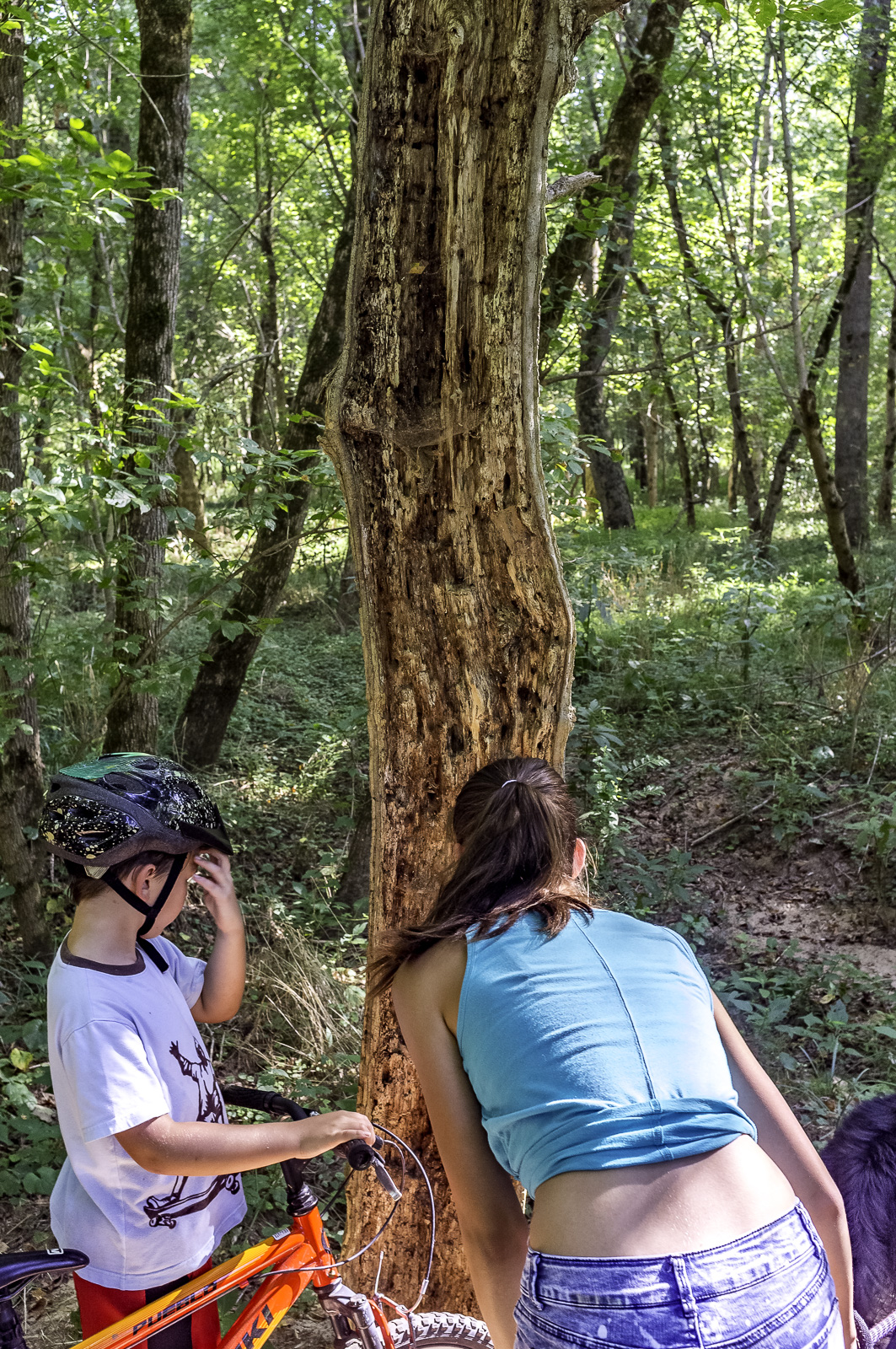
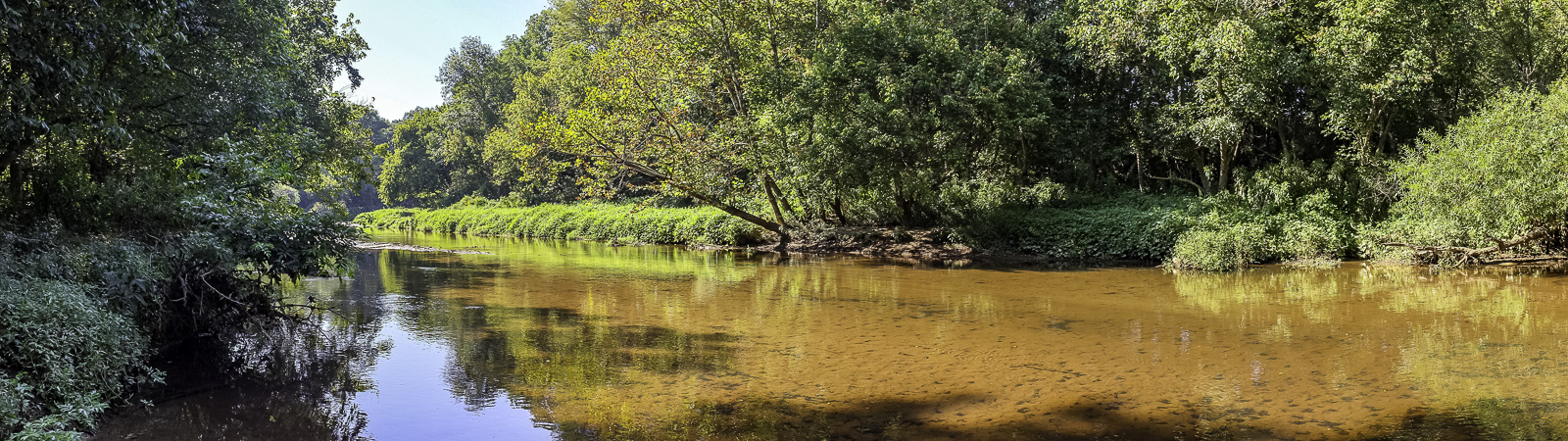
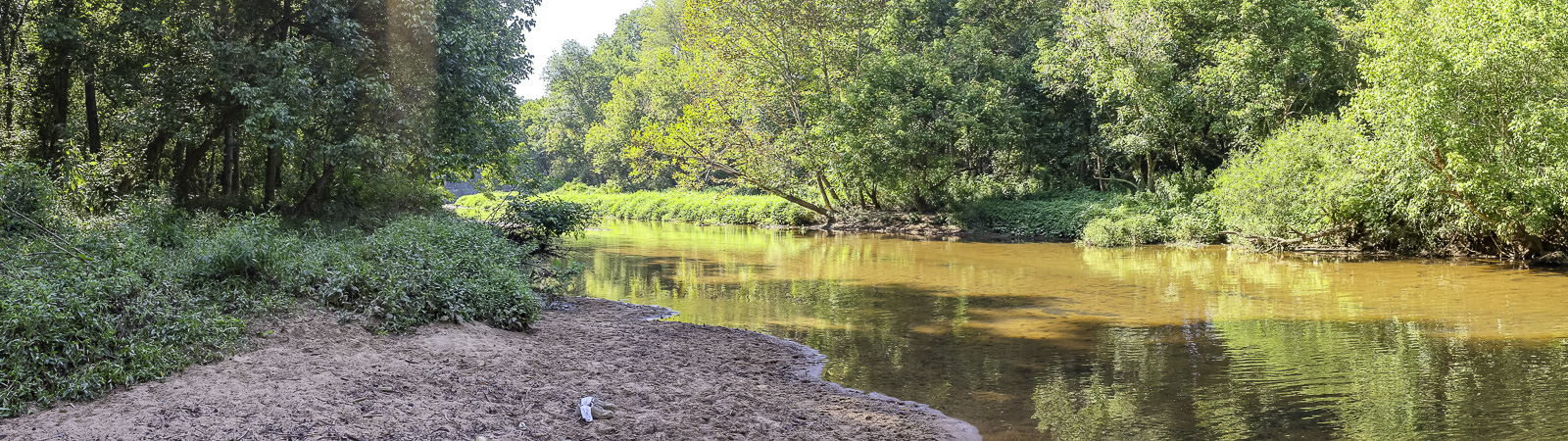
The Boy has been begging us for family time. I must admit: he’s sometimes the driving force that finally pushes K and me to plan some time for the four of us together. He really wants us to take a bike ride together, but right now, my back wheel has a broken spoke, and the Girl is not the easiest person in the world to convince to go on a ride. So we settled for a walk in our favorite local park.

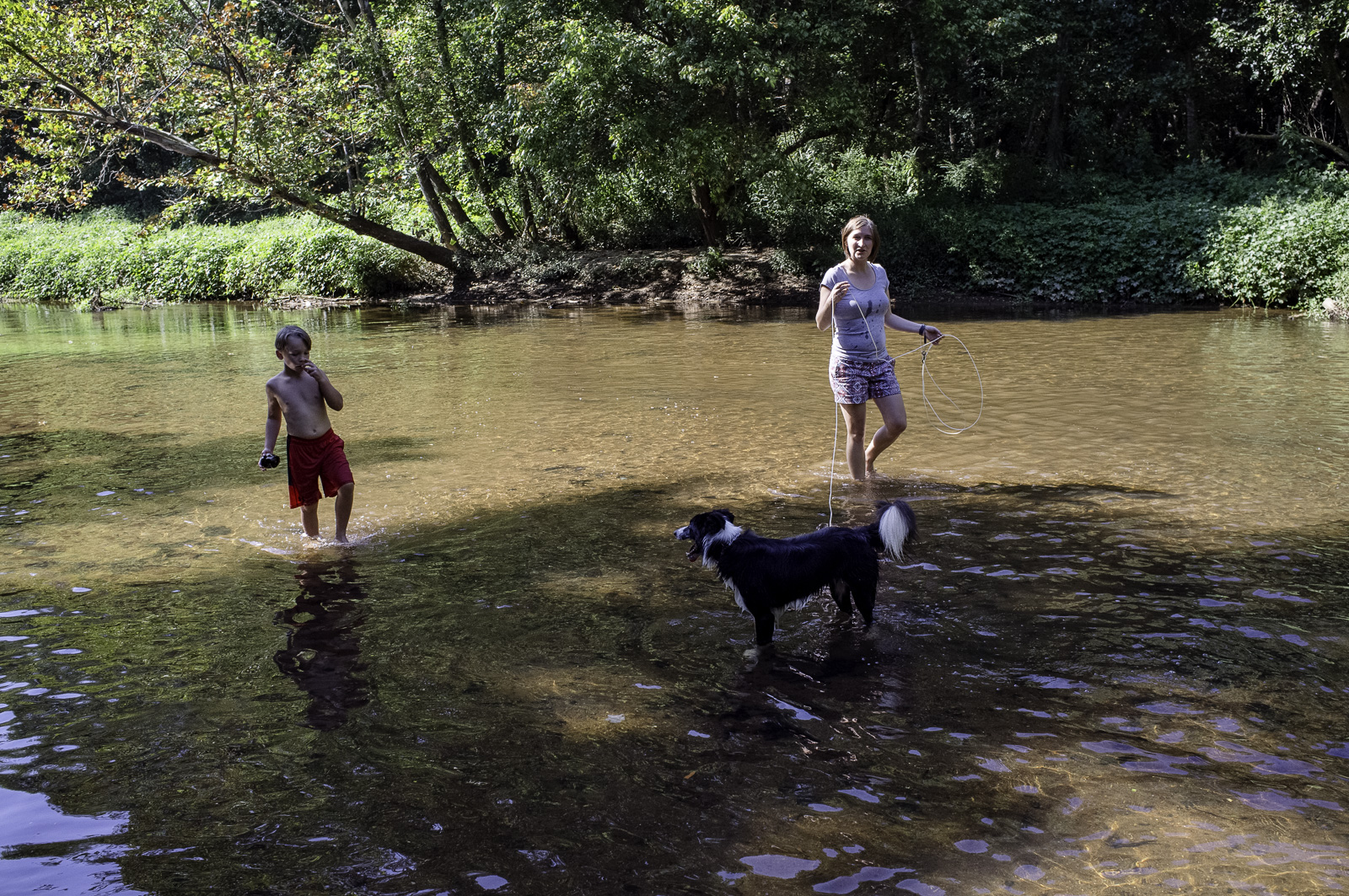
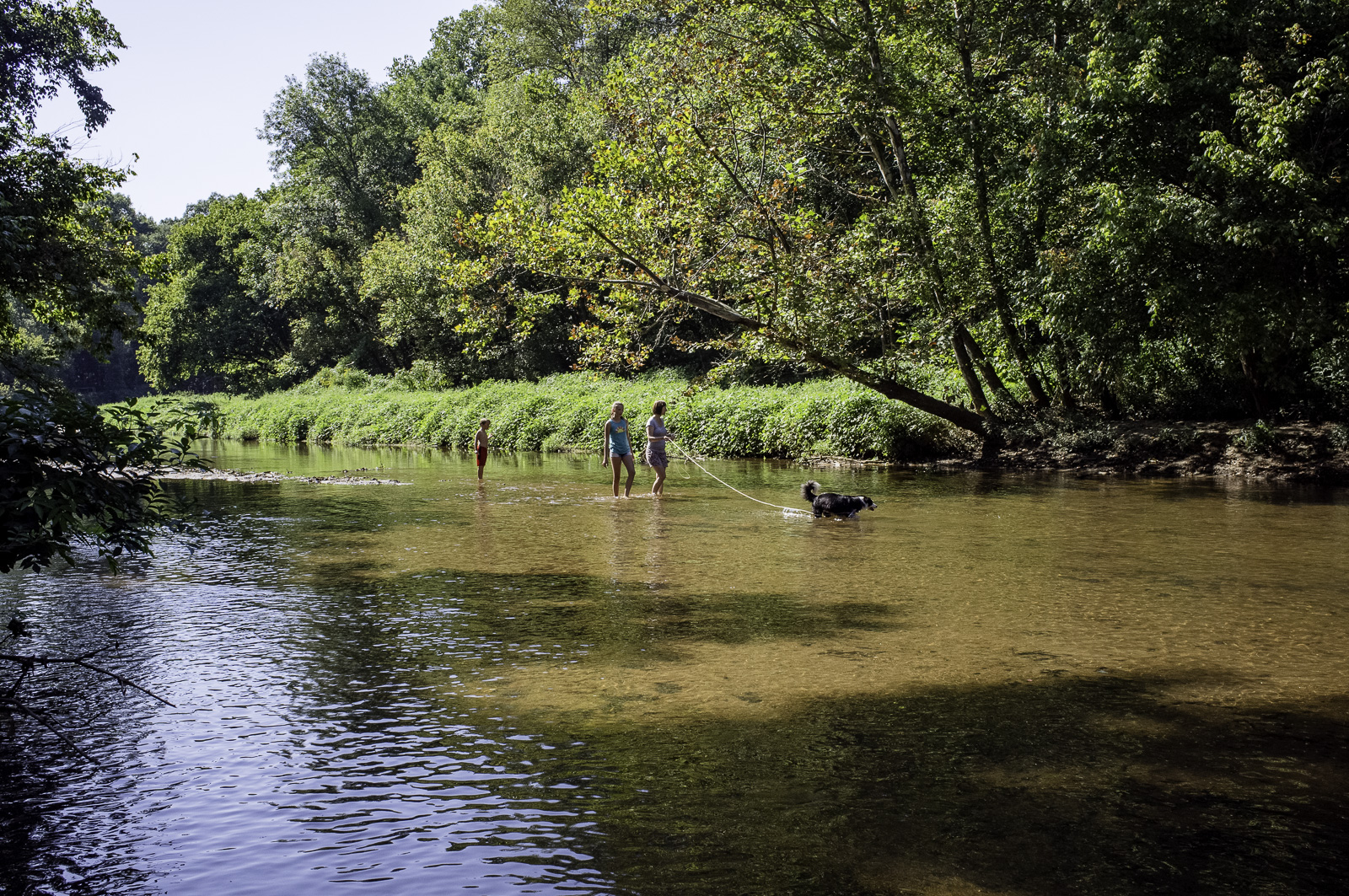
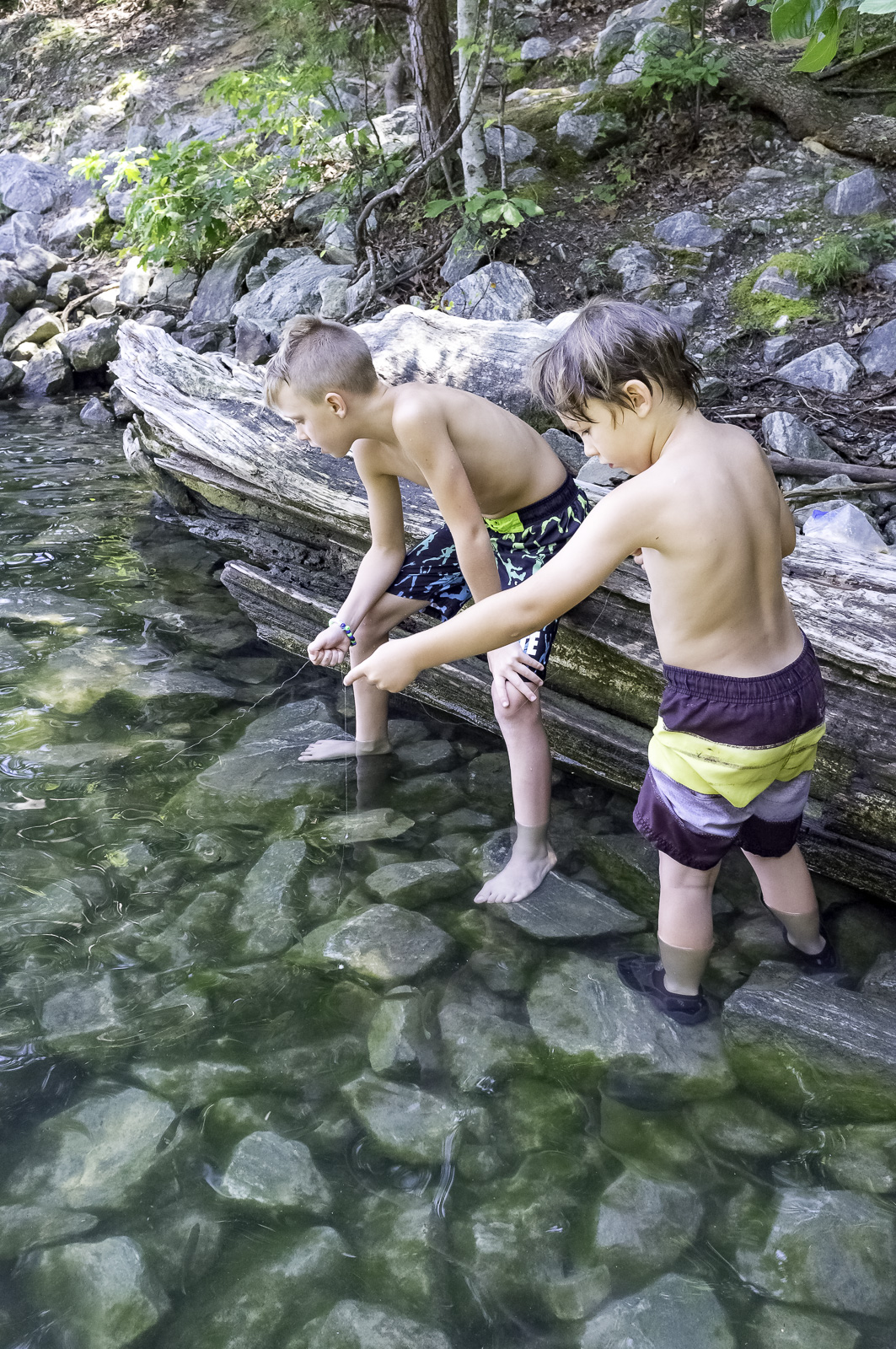
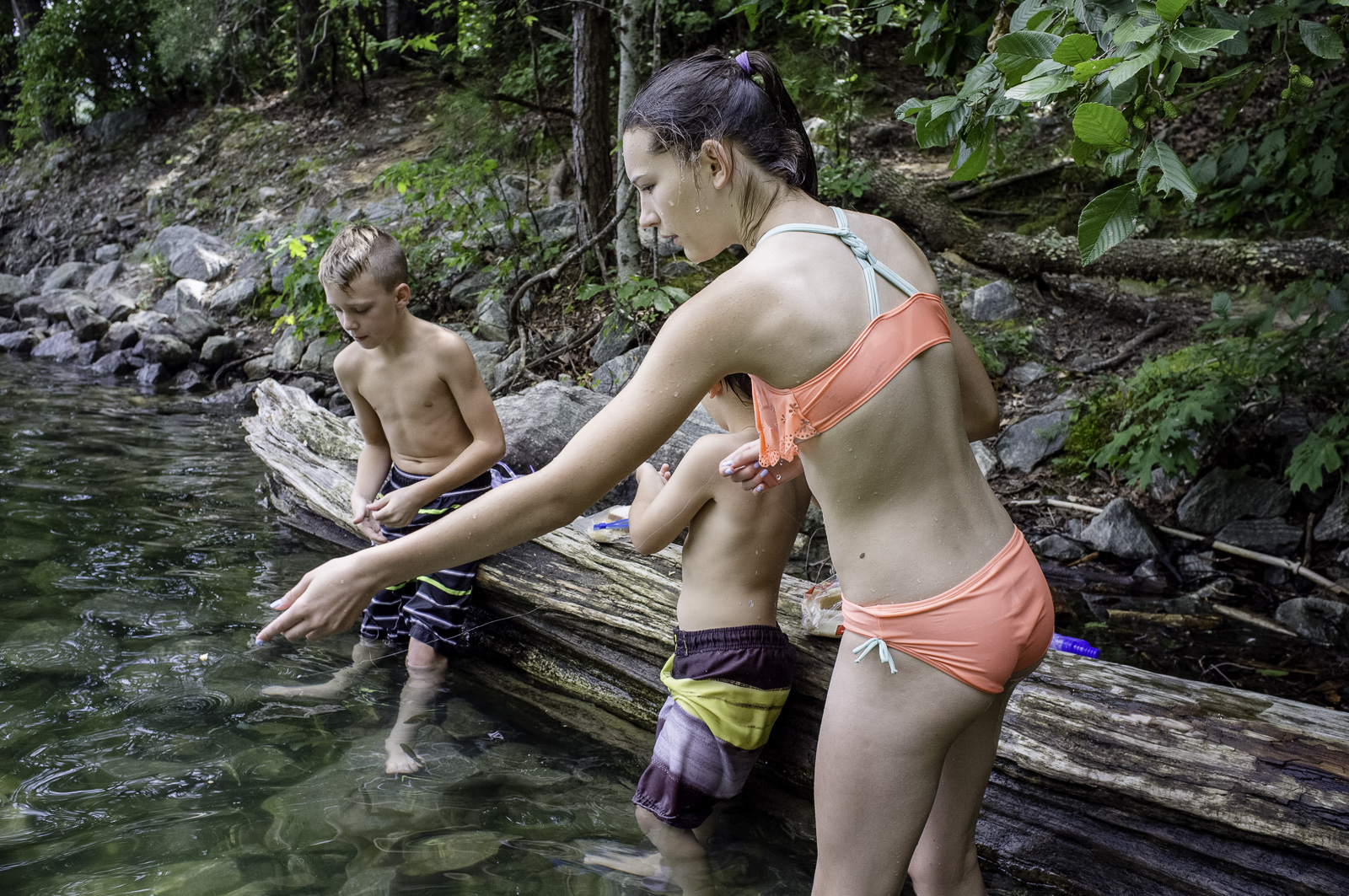
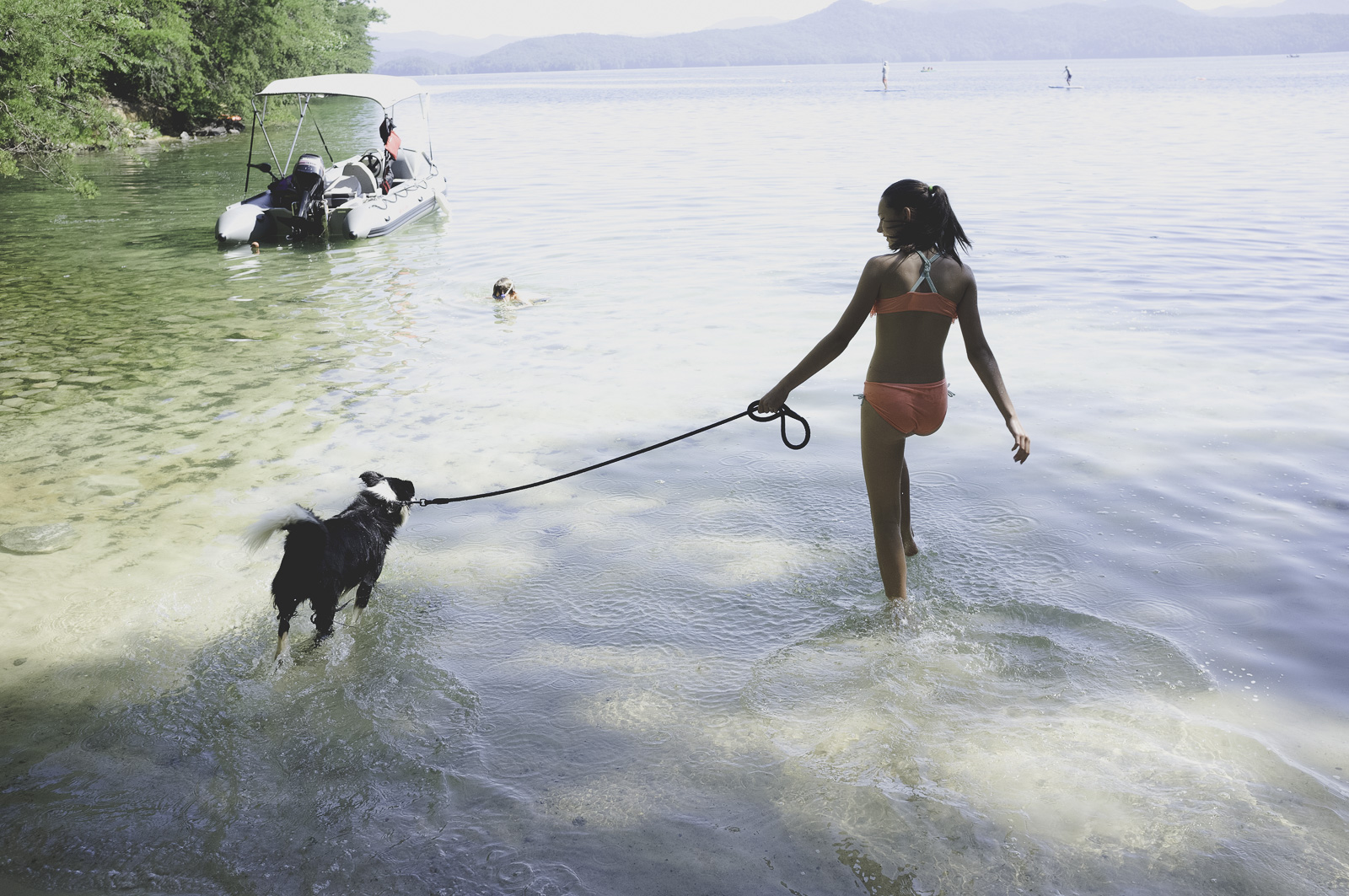
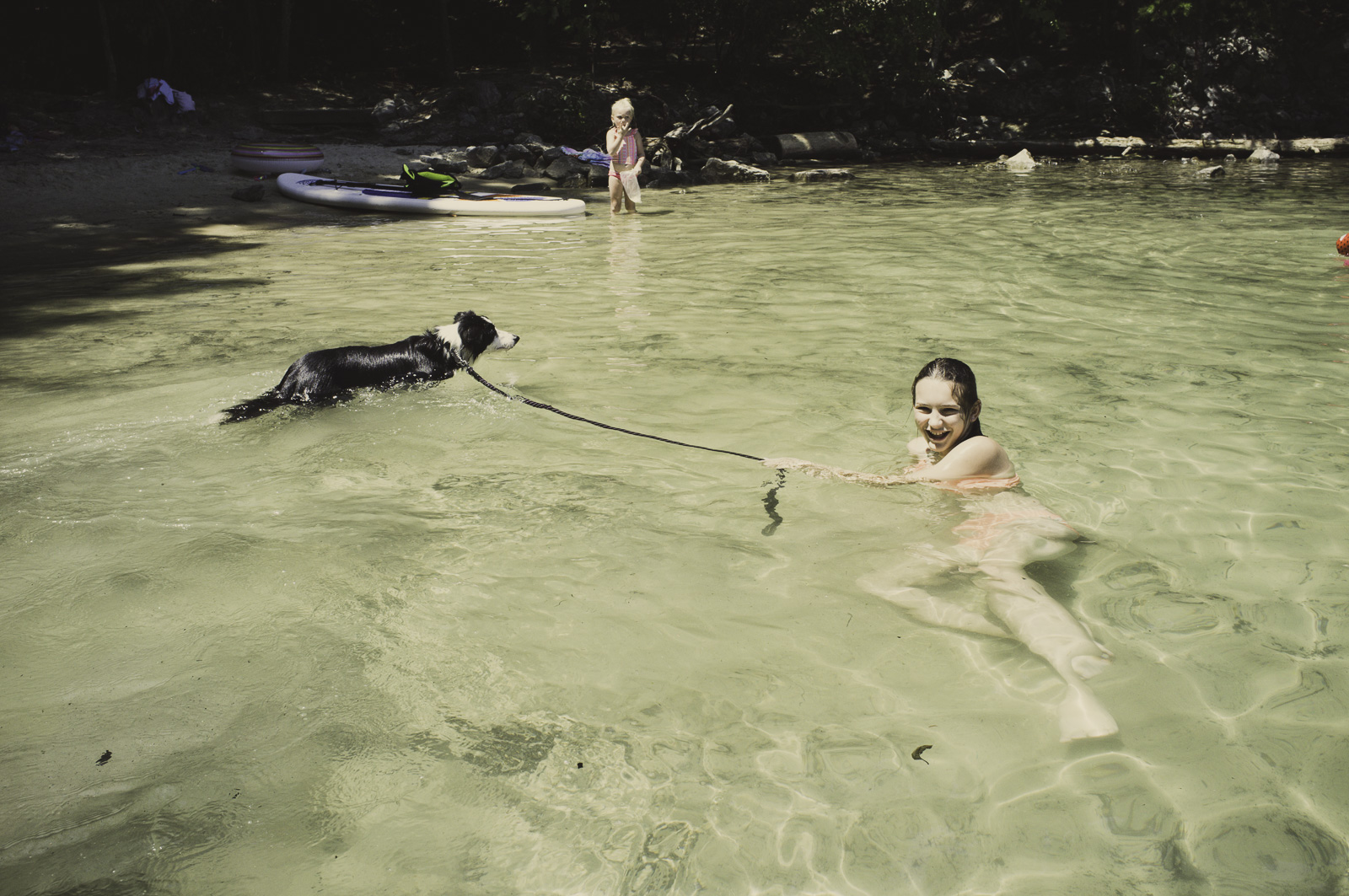
We took a long line for the dog and let her play in the river. She’s gone from being terrified by the water to loving it. Well, maybe not quite loving it: She doesn’t really like actually swimming, but she does enjoy splashing about.

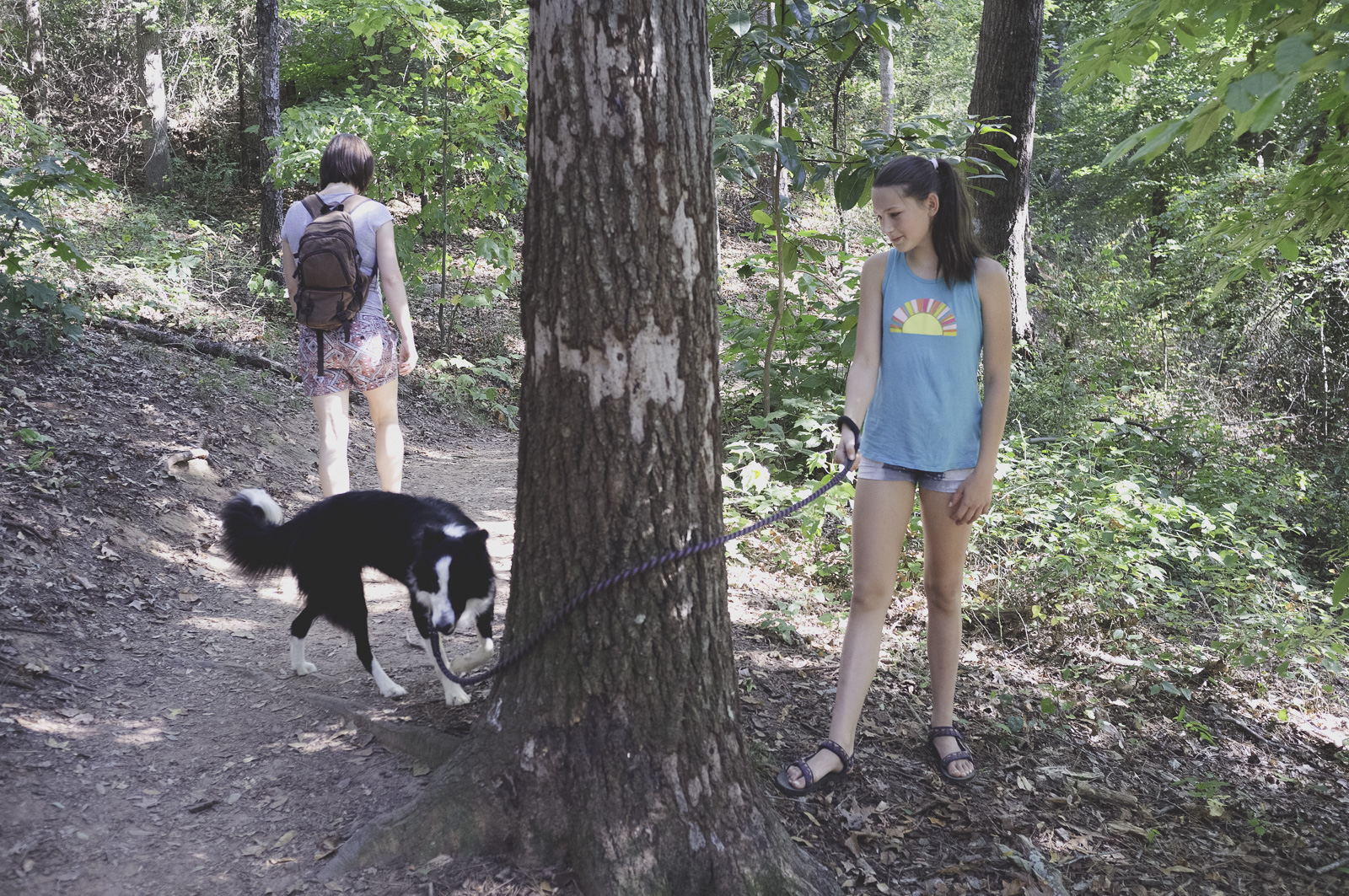
The Girl managed to get Clover to realize, at least for today, that when she tangles her leash around a tree, she just has to go the opposite way to unwrap the leash. A simple thing, and yet not so simple.
Fear

Dear Teresa,

There are some students that I would believe could be afraid of me. I do try to seem sterner in the opening days of the school year than I actually am — it’s not an accident. It’s an act, but not an accident.

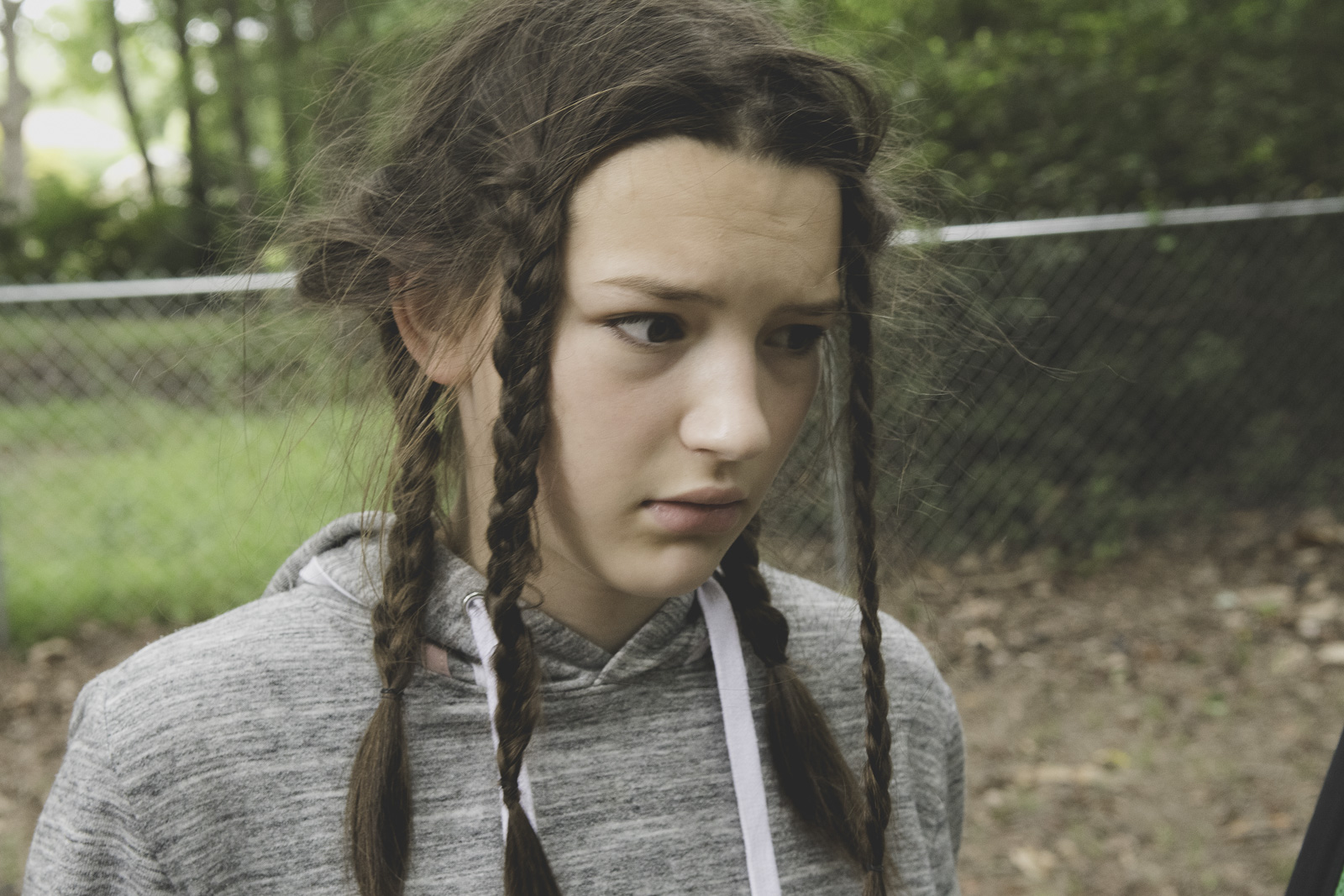
You, though, try to come off tough as iron, as if nothing moves you, frightens you, or disturbs you. That was certainly the impression I got when I met you, and it was certainly the image previous teachers painted. Or at least, that that was the impression you wanted everyone to have of you.

So when Mr. Smith told me that you absolutely refused to come to my room during advisory period to get help with your work on account of being afraid of me, I had to smile a bit.

Don’t get me wrong: I don’t really want you to be afraid of me. But a little fear does go a long way: It has shades of humility that you try so hard not to exhibit. It has shadows of understanding one’s place and accepting it, which you try so hard to suggest you don’t do, won’t do, for anyone. Those attributes are essential for being able to accept help. And we all need a little help.

With hope for a fear-free, help-filled year,
Your Teacher

The Year So Far

During homeroom, students had a simple task:

Go to the Hughes Website and select two teachers/administrators/counselors and send an email to them telling them how your year has been so far.

A few minutes after everyone had left for first period, I had a chance to check my email. I wasn’t really expecting anything other than the torrent of emails from parents, administrators, spammers, salespersons, teachers, students, and sundry interested parties about the usual things: Try this new product! My child is worried about your class! Here’s more paperwork for you! Instead, there was an email from a young lady in one of my classes with the subject, “Hello, Mr. Scott!”

During homeroom, I got to thinking about how my year had been going so far. I’ve one student whose behavior already worries me, and another student whose behavior today took a slight turn that was both unexpected and sadly anticipated. Other than that, no issues. Everyone has been respectful and engaged, perhaps because I try my best to model that respect and engagement. I like to think so, anyway.

I’m behind already in all my classes, but that’s just because I’ve slowed down to accomodate the needs of students. In past years, I’d be worrying about when I might make up the time; this year, I’m just thinking, “It’ll play out as student needs dictate.”

I’m lucky to have that kind of freedom. I have a district pacing guide that indicates where I should be, but it’s general enough that fudging here and there is not problematic. Plus, I work with administrators who would wholeheartedly support my decision to slow down as needed: student achievement and learning trumps all.

All in all, I’m pleased — very pleased — with how the year is turning out, all the more so because students seem to feel the same way. The letter?

[Sentence of embarrassing accolade.] Yes, your class is challenging, and yes, you hand out a lot of work. However, where would society be today if nobody worked? I enjoy your class–both of them. Your sense of humor makes me laugh everyday, and I learn something valuable and new in each of your classes. I am so excited to see where you take me, and I know that I will be prepared for high school and beyond. Thank you!

The initial accolades embarrass me a little, hence the redaction, but the rest of it confirms that everything I’ve been trying to do has, at least for one student, been working.

We should probably be sending these types of letters to students every week…


Random memory from the time machine:

Winning, Losing, and Soccer Practice

The Boy headed over to his young soccer team with a nonchalant gait that suggested ambivalence.

“Run, E,” I said. “Show some enthusiasm.”

He broke into his power stride: he slams his feet down in short strides and rocks his whole upper body back and forth. It’s not a particularly efficient gait, and I’ve tried several times to help him improve it.

“Slamming your feet down quickly doesn’t help you run faster,” I once explained. “In fact, it really has the opposite effect.” We practied a better step together, but anytime he wants really to run, he reverts back to his jerky, stomping gait.

I suppose his thinking is logical in a way: to run full speed, you have to put all your energy into your run. What more obvious way is there of accomplishing this than expending massive amounts of energy in slamming your feet down?

So he was running across the field toward the circle of players while I retrieved my folding chair from the trunk. I closed it, looked up, and saw E sprawled on the ground, his arms out at his side, his feet still traveling upward as he rocked ever so slightly onto his upper body from the momentum of the running and falling.

I sighed.

The Boy has such a time with his self-confidence. He’s keenly aware that he’s slower than a lot of his peers; he’s quite cogniscient of the fact that he’s far from the most aggressive player on the soccer field; he knows he doesn’t play any number of sports as well as his friends. The only thing he feels truly comfortable and confident doing is riding his bike with me.

I couldn’t tell what happened in the end. He just got up and continued over to the group, but I don’t know if anyone said anything, but I don’t think that’s even necessary: we’re perfectly capable of feeling we’ve made a fool of ourselves without anyone saying a word.

The question was, should I say something?

There was a part of me that wanted to talk to him, wanted to reassure him, wanted to make sure he was okay, that his ego hadn’t taken too big of a hit. Yet there was another part that felt I should just let it go. Bringing it up later might not do anything positive, I thought.

In the end, I just let it go. He never said anything about it, and it seemed like the coach was giving him a little extra dose of praise later — perhaps thinking the same thing I was and trying to give that confidence a little boost? I don’t know. I didn’t talk to him about it either.

It’s that fine line — when to step in and when to back off — that I suppose every parent tries to find in every situation.

When we got back home, the Girl was asleep: she’d just finished a volleyball game and had been fighting a sniffle for most of the day. “Just let her sleep a while,” K said, and so we did.

“How was the game?” I asked.

It turned out that L’s team didn’t just beat the other team; they completely demolished them. “I’m not sure the other team had a total of 25 points in both sets combined,” K said sympathetically.

The coach of the other team had come out and told the audience that they were a young and inexperienced team. “Please give them all the support you can,” she said.

I’m not sure how I feel about that. In a way, that’s like saying, “We know we’re about to get our asses handed to us, but cheer for them anyway.” It’s a tacit admission of what’s about to happen. And yet what’s wrong with that? Isn’t that really just knowing one’s own limitations?

In my own brief coaching career, I got reprimanded by a parent when, after a player on our team, watching the other team warm-up, declared, “We’re going to lose! There’s no doubt,” I replied with, “Yes, you certainly are.” Dramatic pause. “If that’s how you see it, that’s exactly what’s going to happen.” I continued by pointing out that they’d given up before they even started, and nothing good ever comes of that.

“Well, I think you could have been more encouraging,” the mother said.

Perhaps. By that time, the girls had lost not only every single match but every single set. We won one set the entire year and lost every single match. I’d been trying to encourage them, but I suppose it wasn’t enough — not for the girls, not for this particular mother, not for any of them.

It was my one and only season of volleyball coaching. Fortunately, I have a lot more seasons of parenting to get it right.

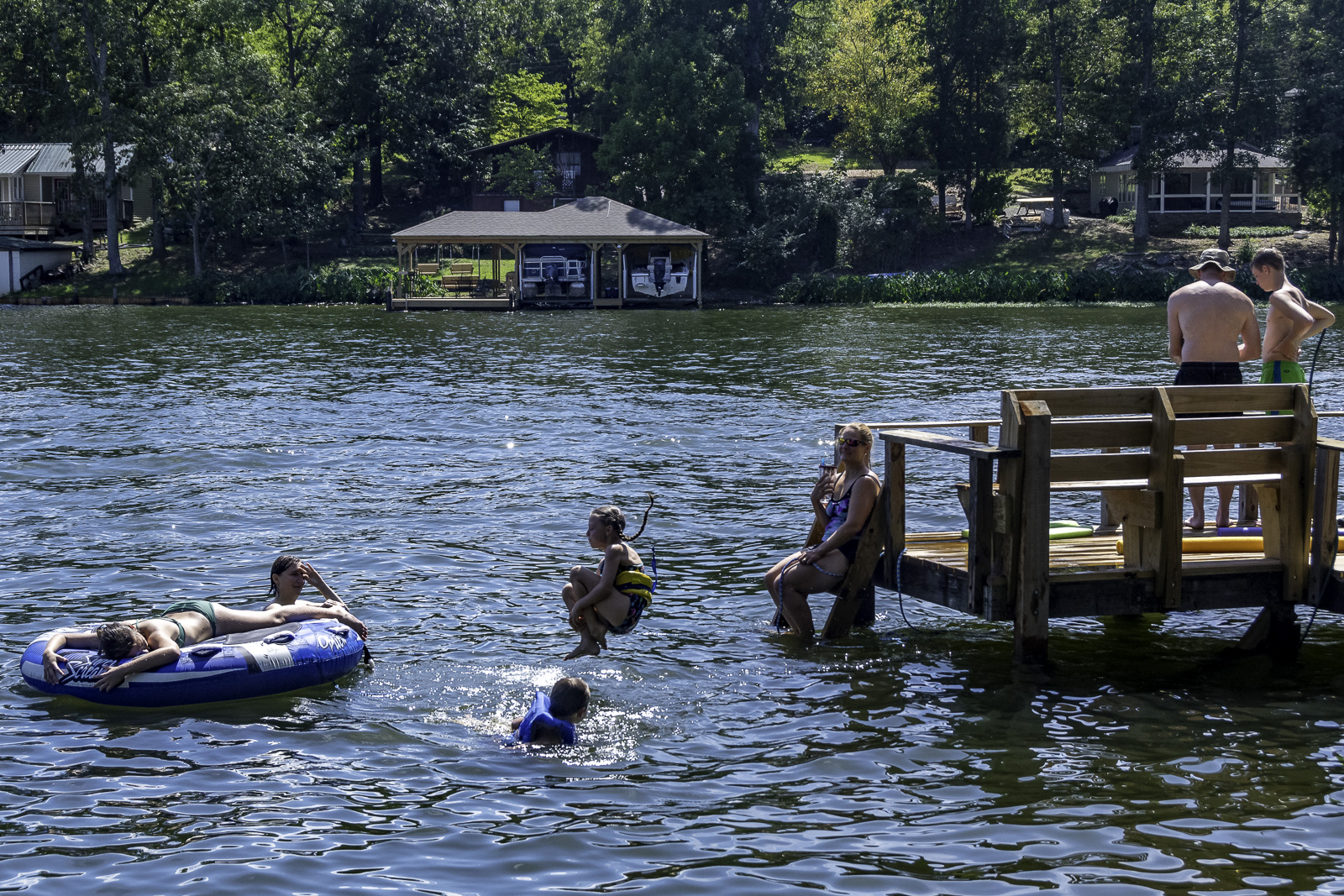
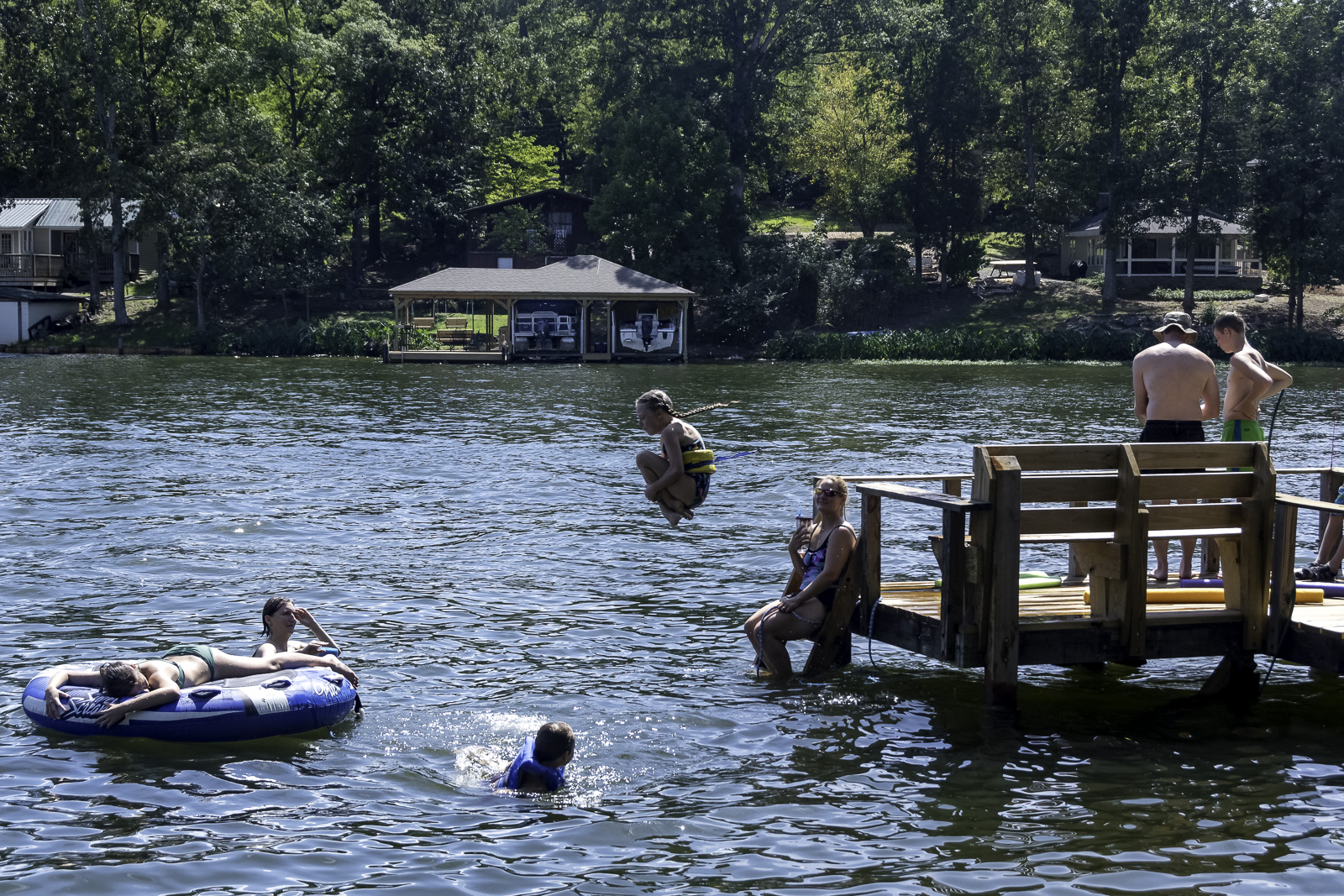
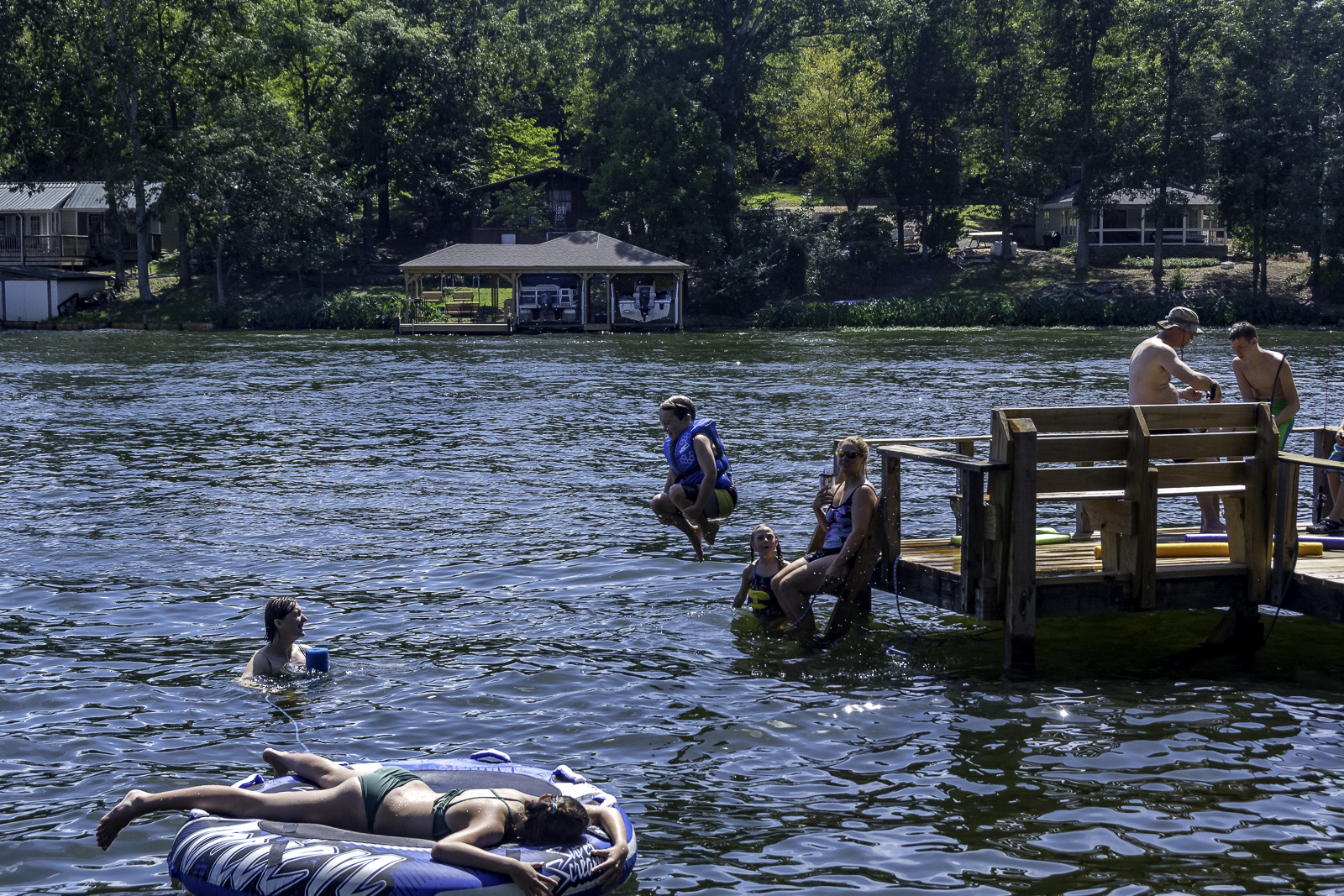
At the Lake

Sometimes, we just don’t think things through and come to regret the results. Some mini-disasters would be so easily avoidable if we simply stopped for a moment, looked at what we were about to do, and asked, “Is this really a great idea? What’s the worst that could happen if I do this? What’s the best?”

Twelve-year-olds who are sure they’re about to turn twenty are particularly suspectible to this. I know I was at that age. At that age, we have an excuse: our brains simply haven’t finished forming despite all outward appearances to the contrary. After all, our bodies are soon reaching their fullest potential, and our learning curve has not been anywhere near as steep as it was when we were first wandering about the world. Surely the brains are done at that age. But they’re not, and this is especially true of the area of the brain that controls impulses. So we do things at that age without thinking about it because the portion of our brain that does that thinking isn’t fully developed yet.

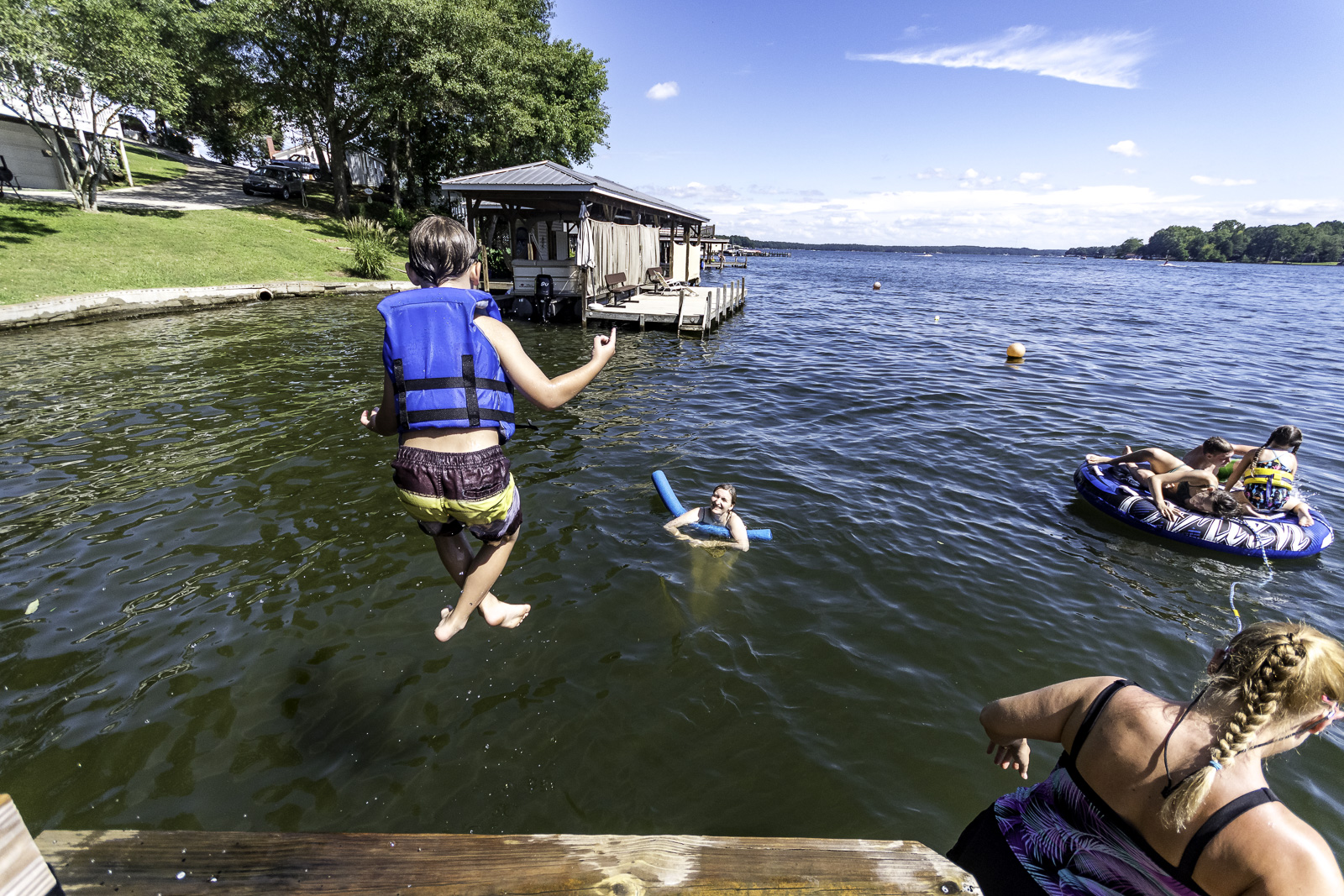
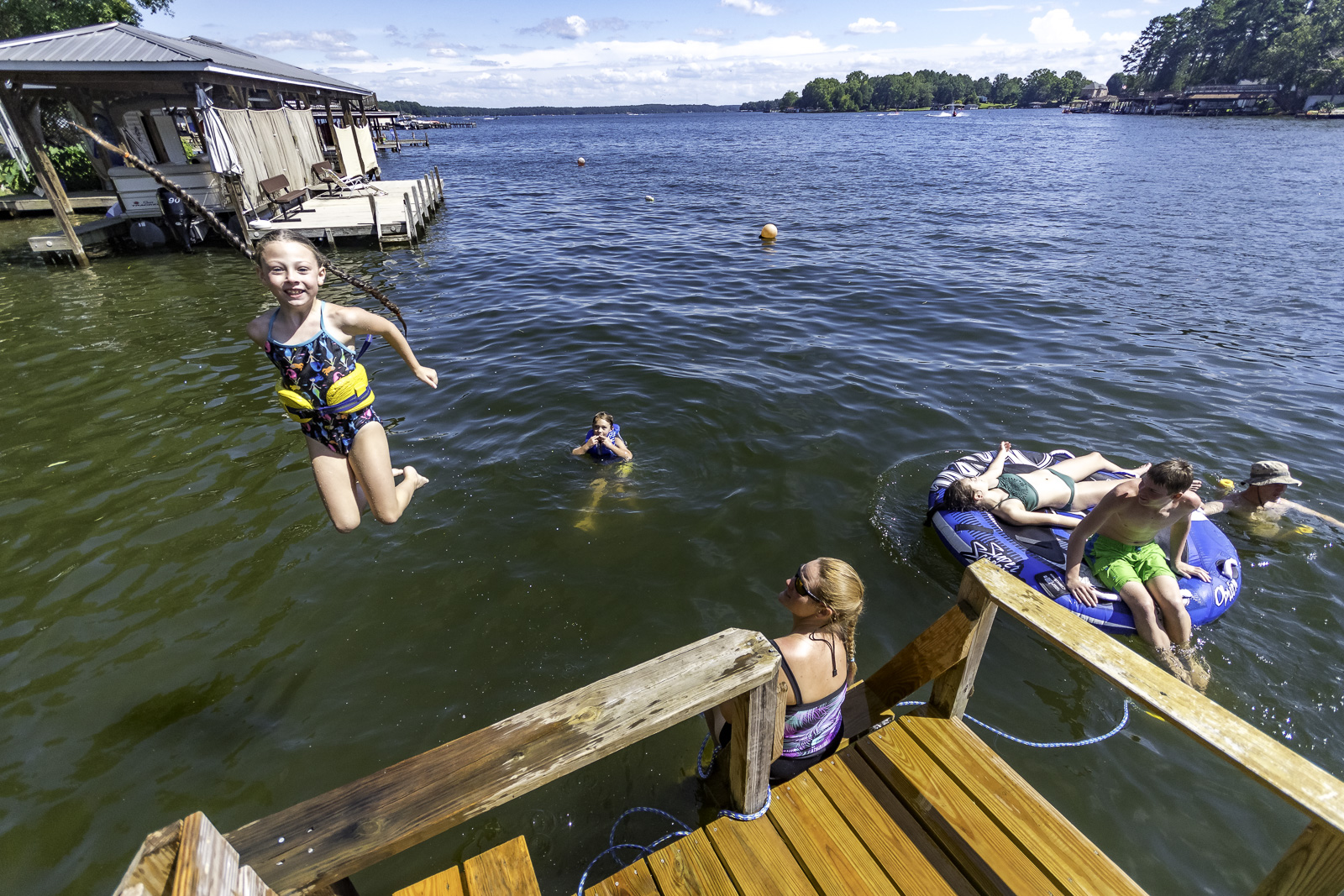
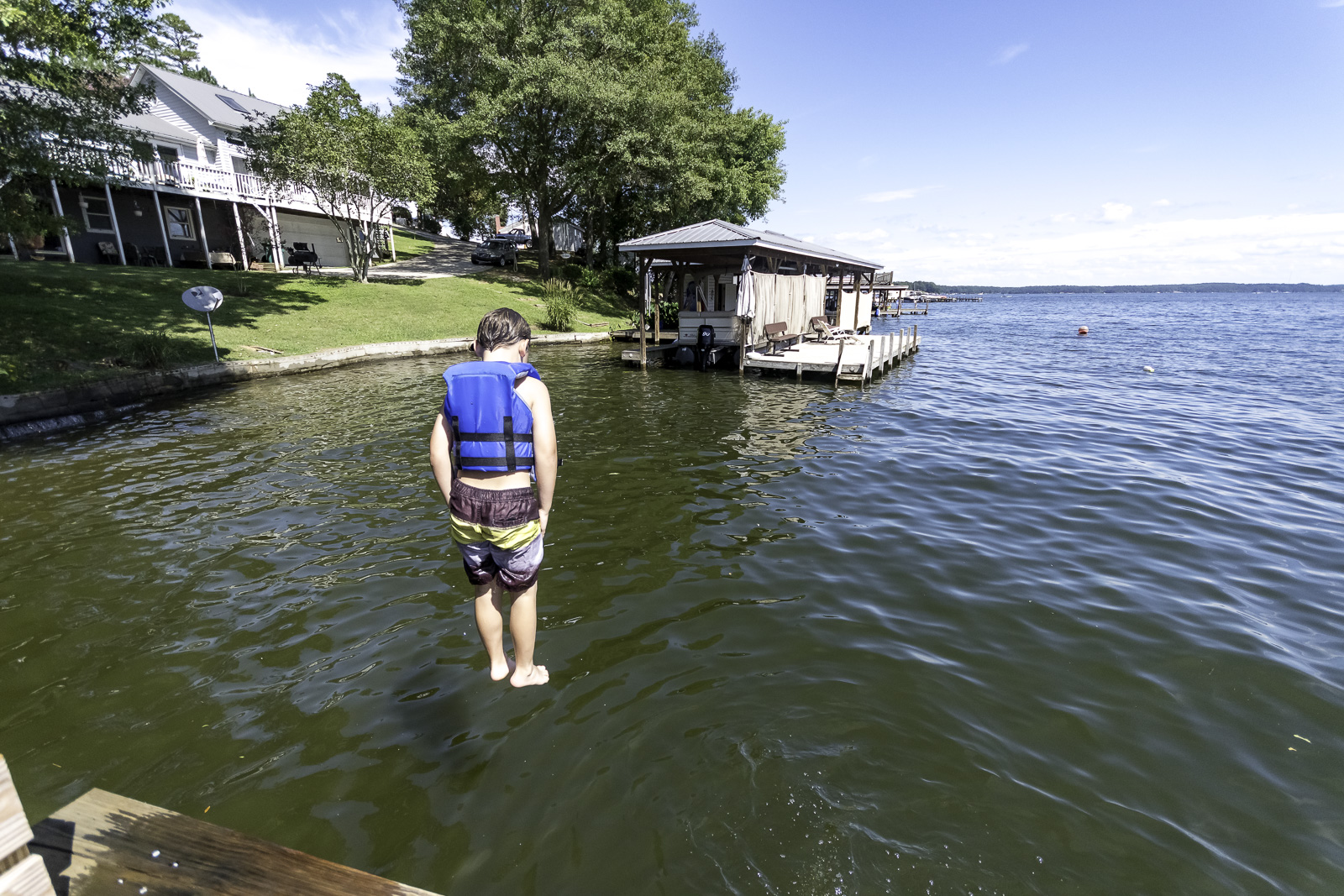
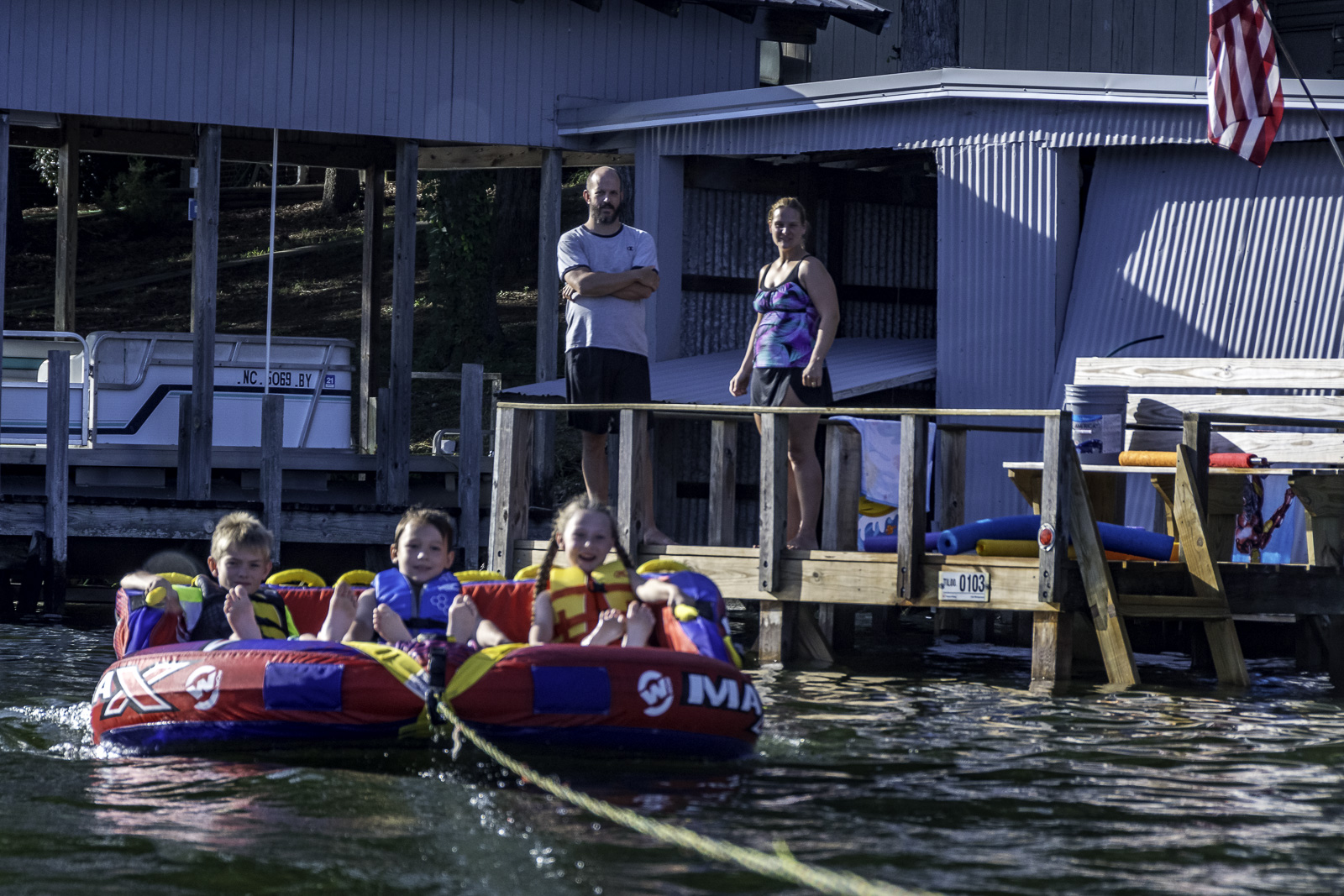
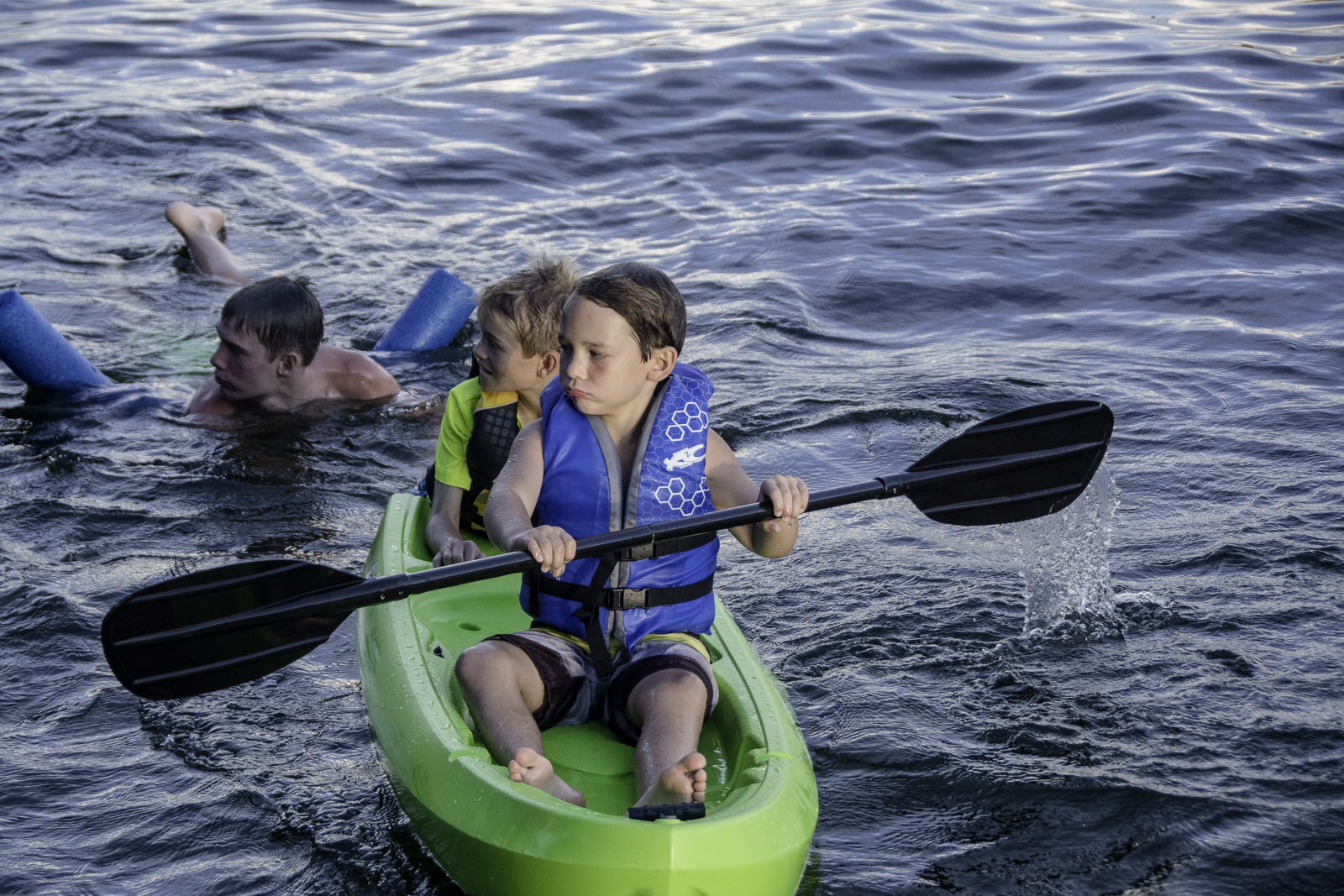
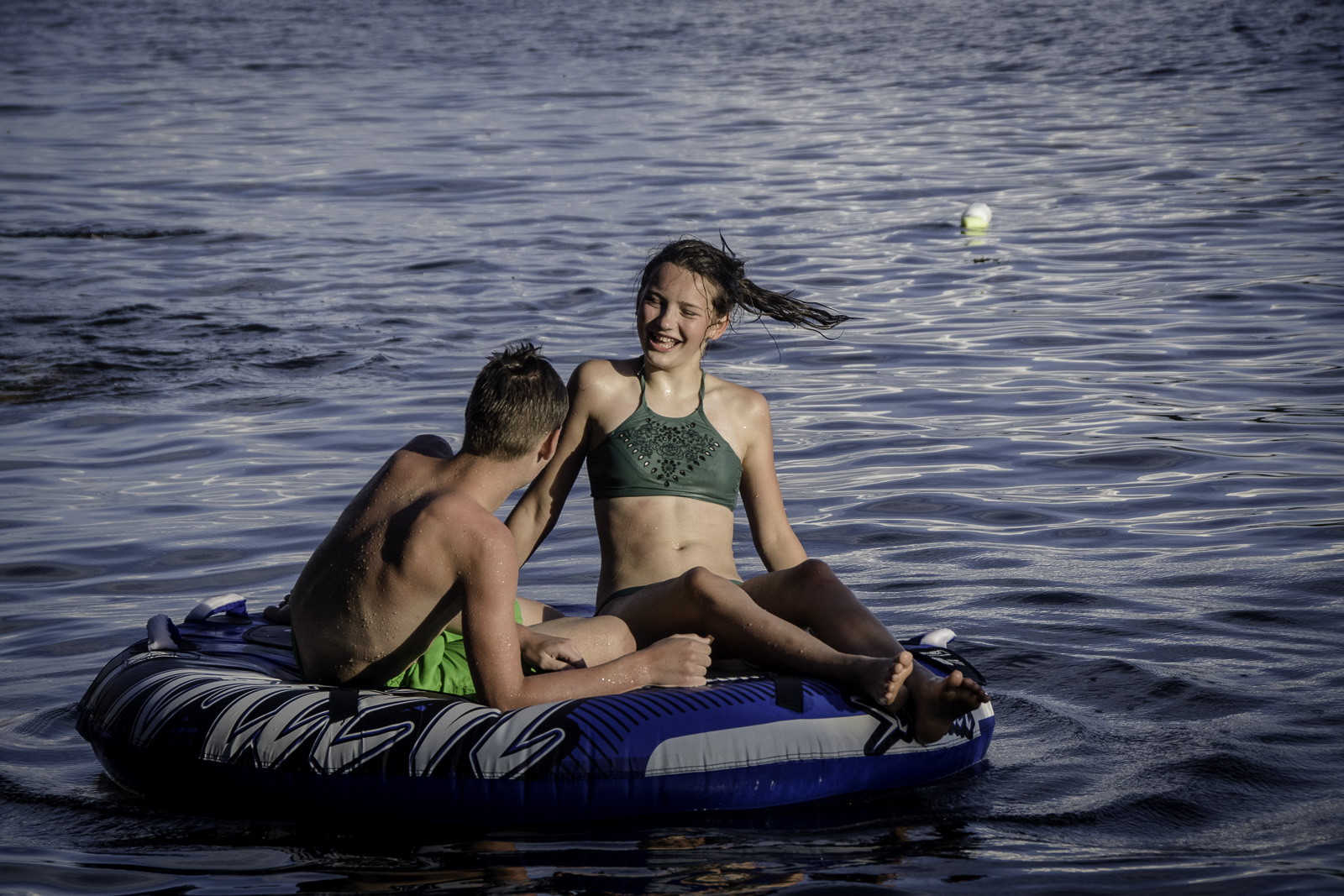
This weekend at the lake with friends, L did something that could have foreseeably mini-disastrous (super-duper-mini-disastrous, micro-disastrous, even, but disaster was still the little nugget at the center of it all) consequences and resulted in the unintended destruction of someone else’s property.

The Girl, though, was calmly willing to go to the owner and discuss with him what happened. It helped that he was on his back porch and that she didn’t have to knock on the door. Still — a proud little moment for us.

First Game

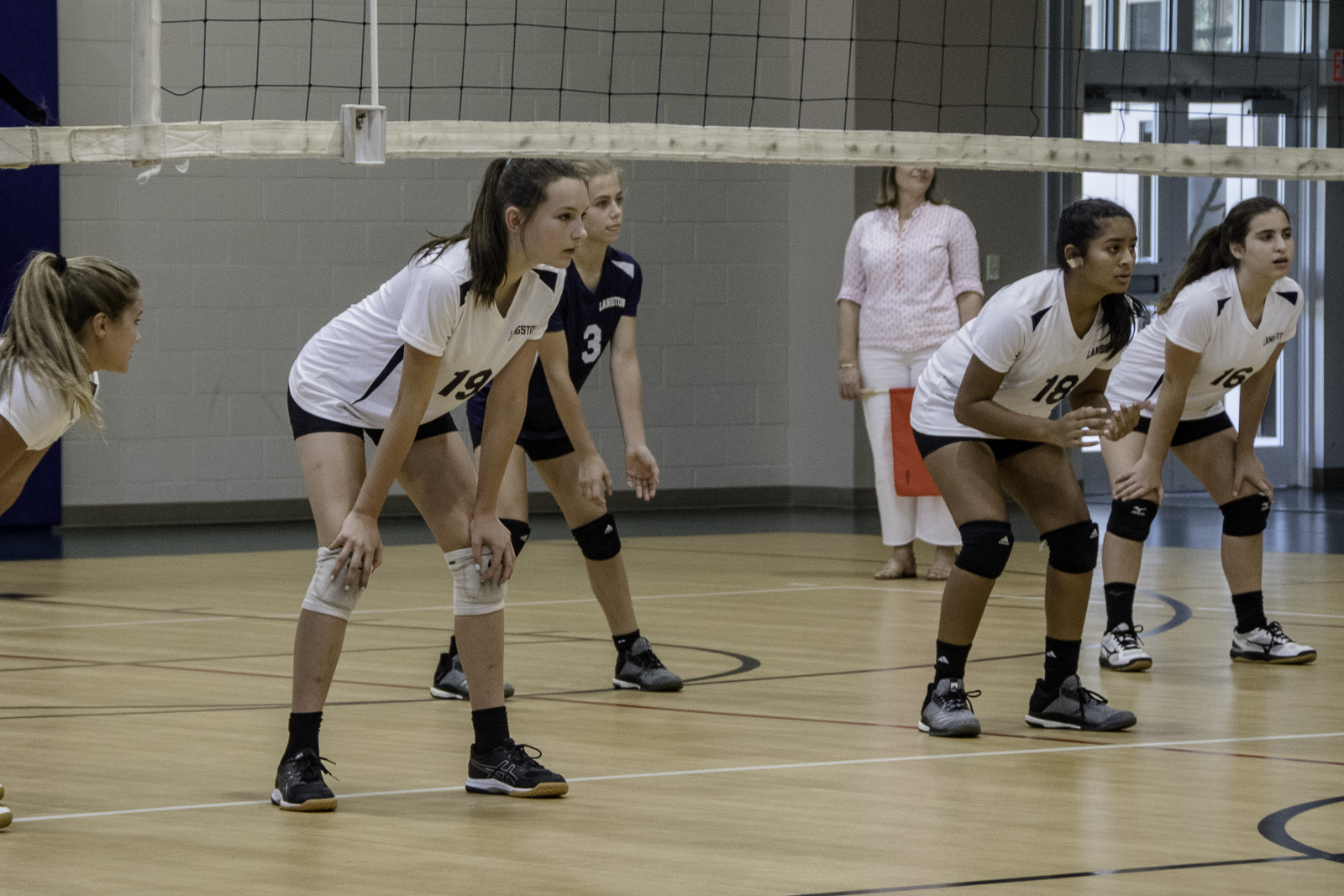
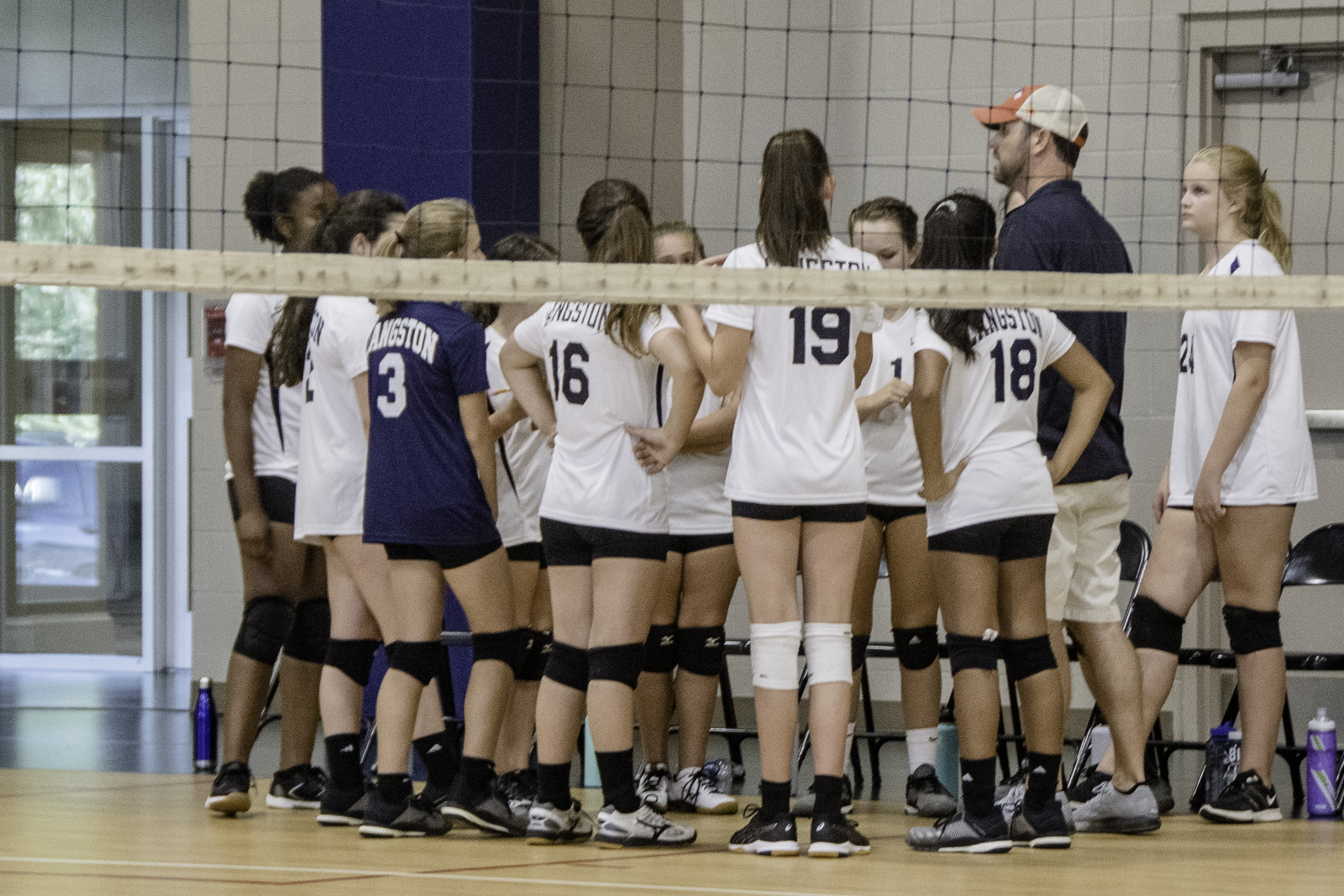
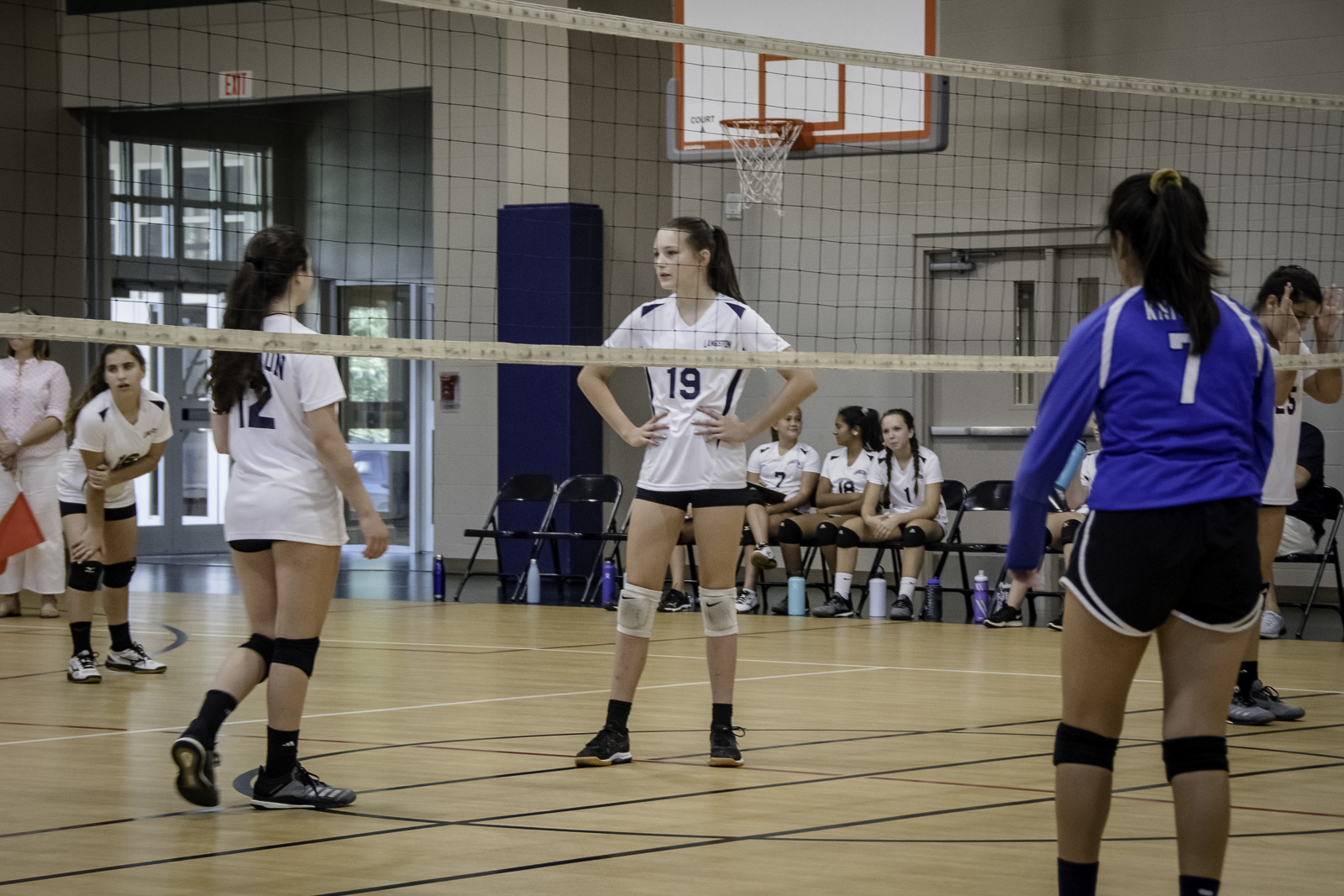
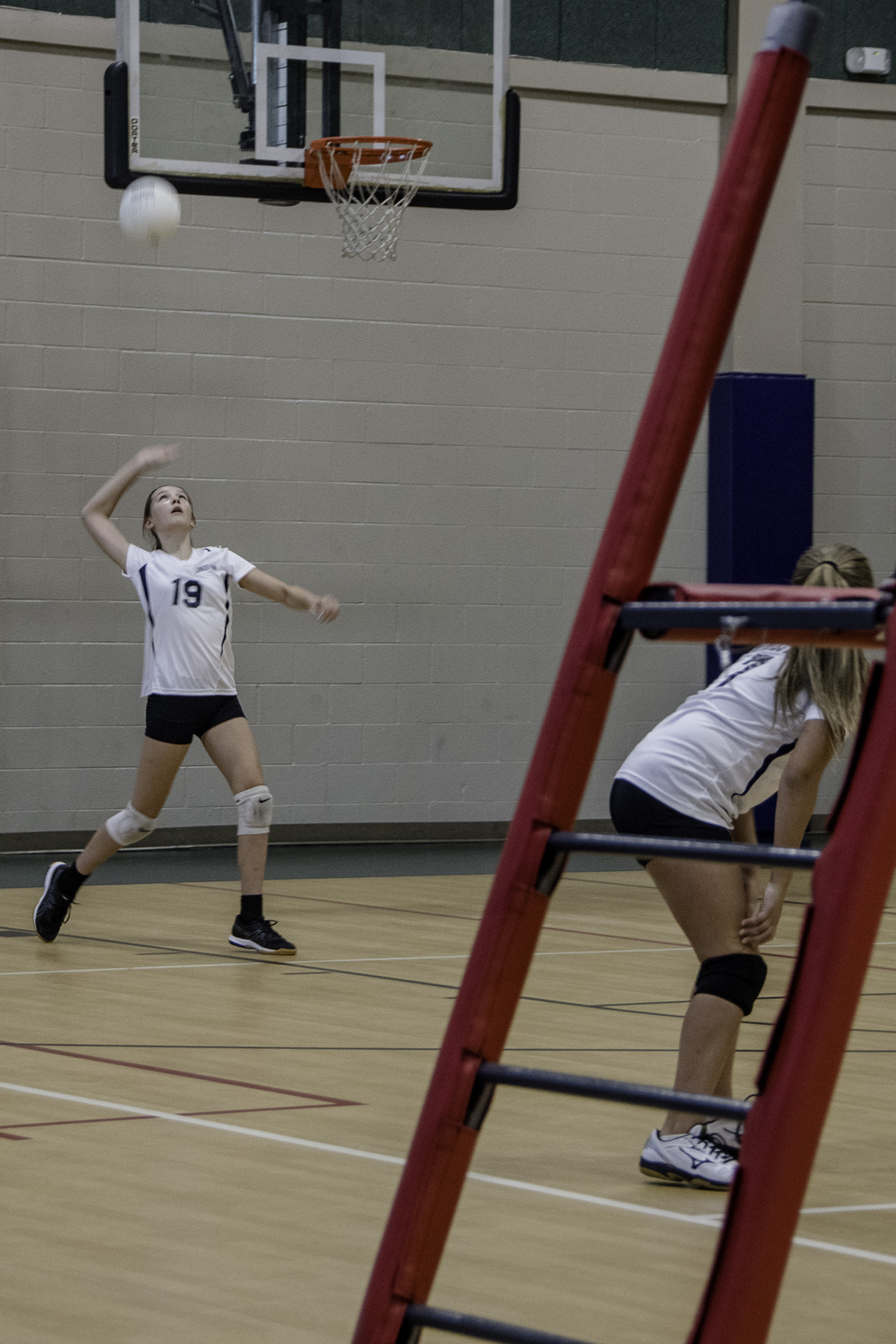
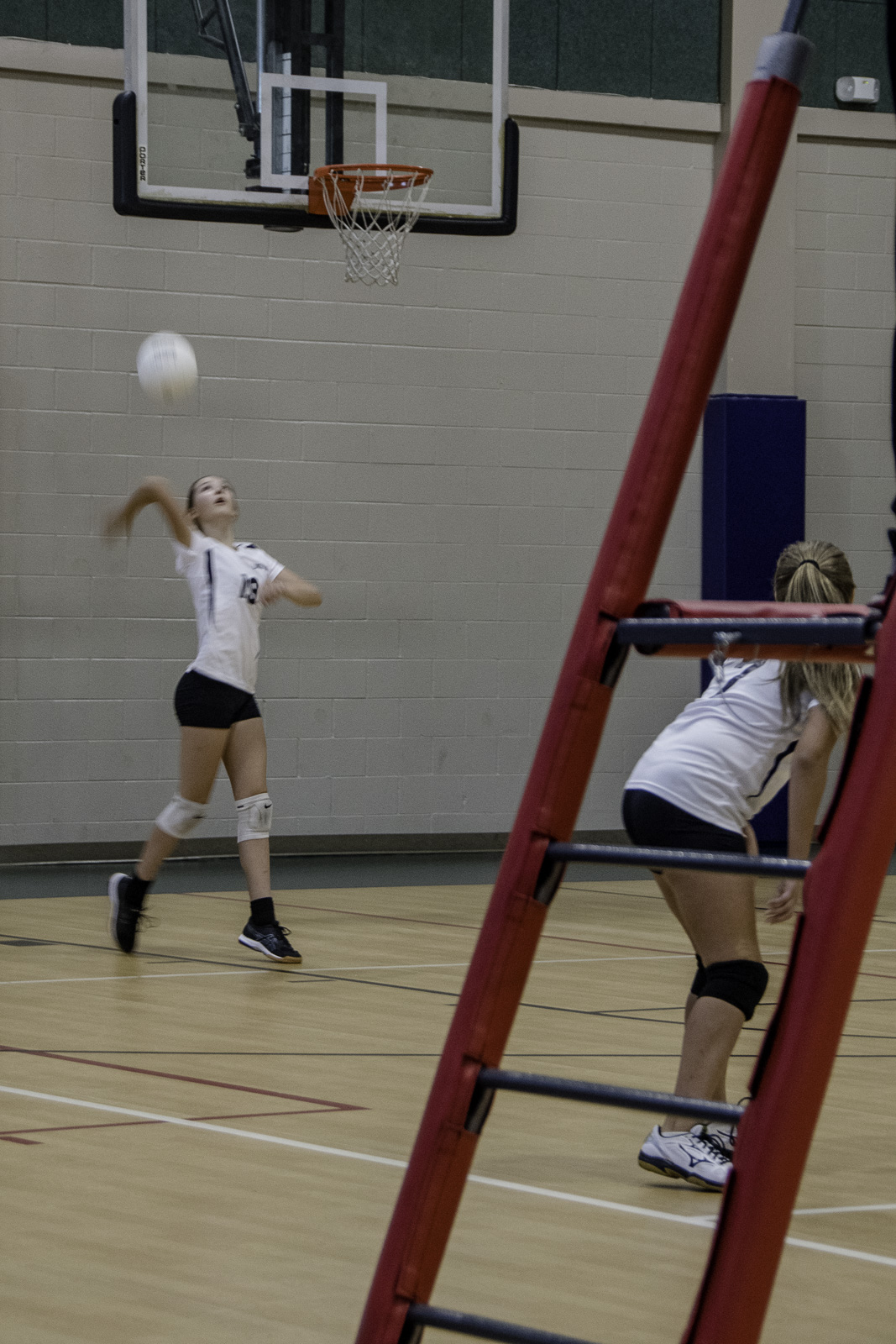
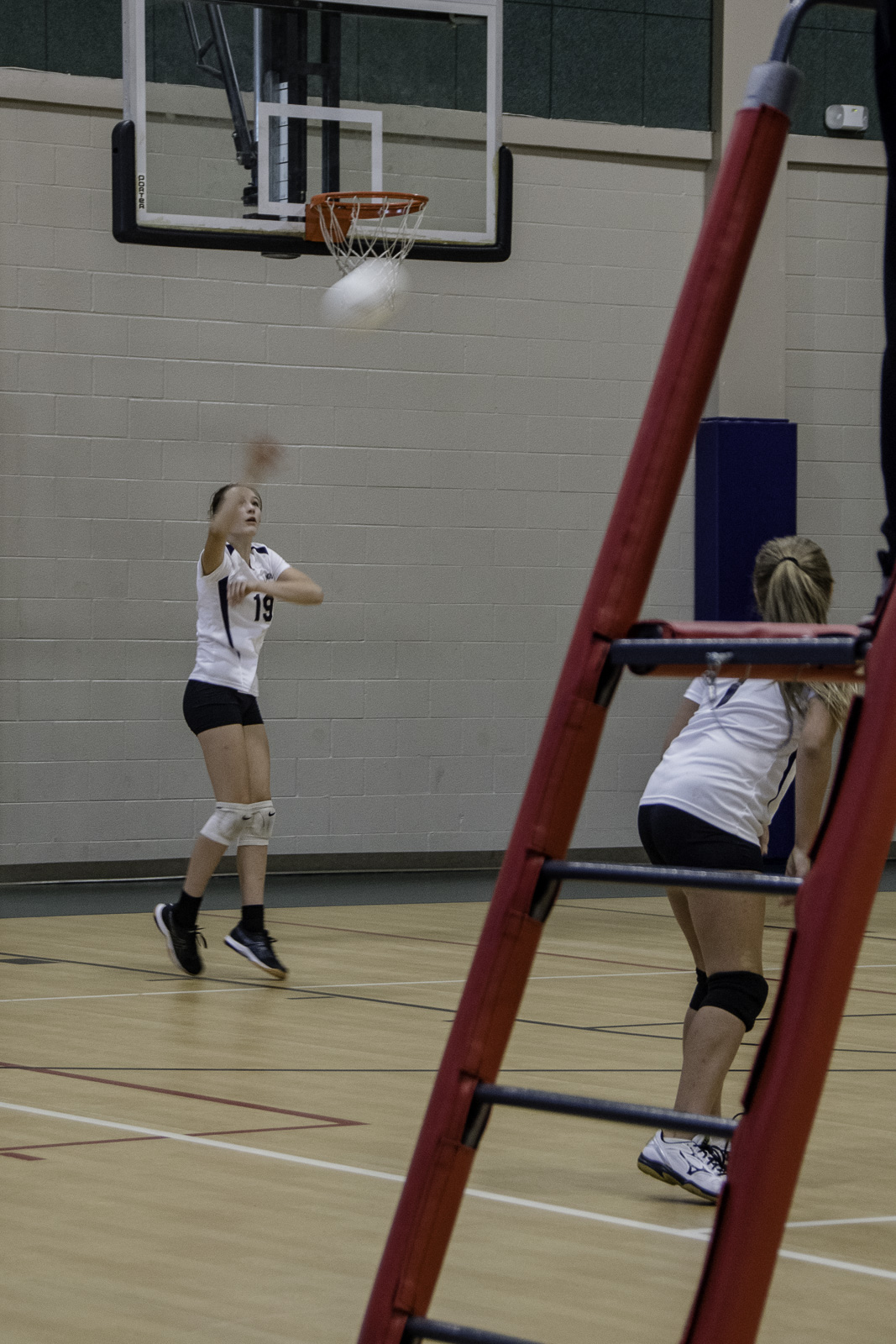
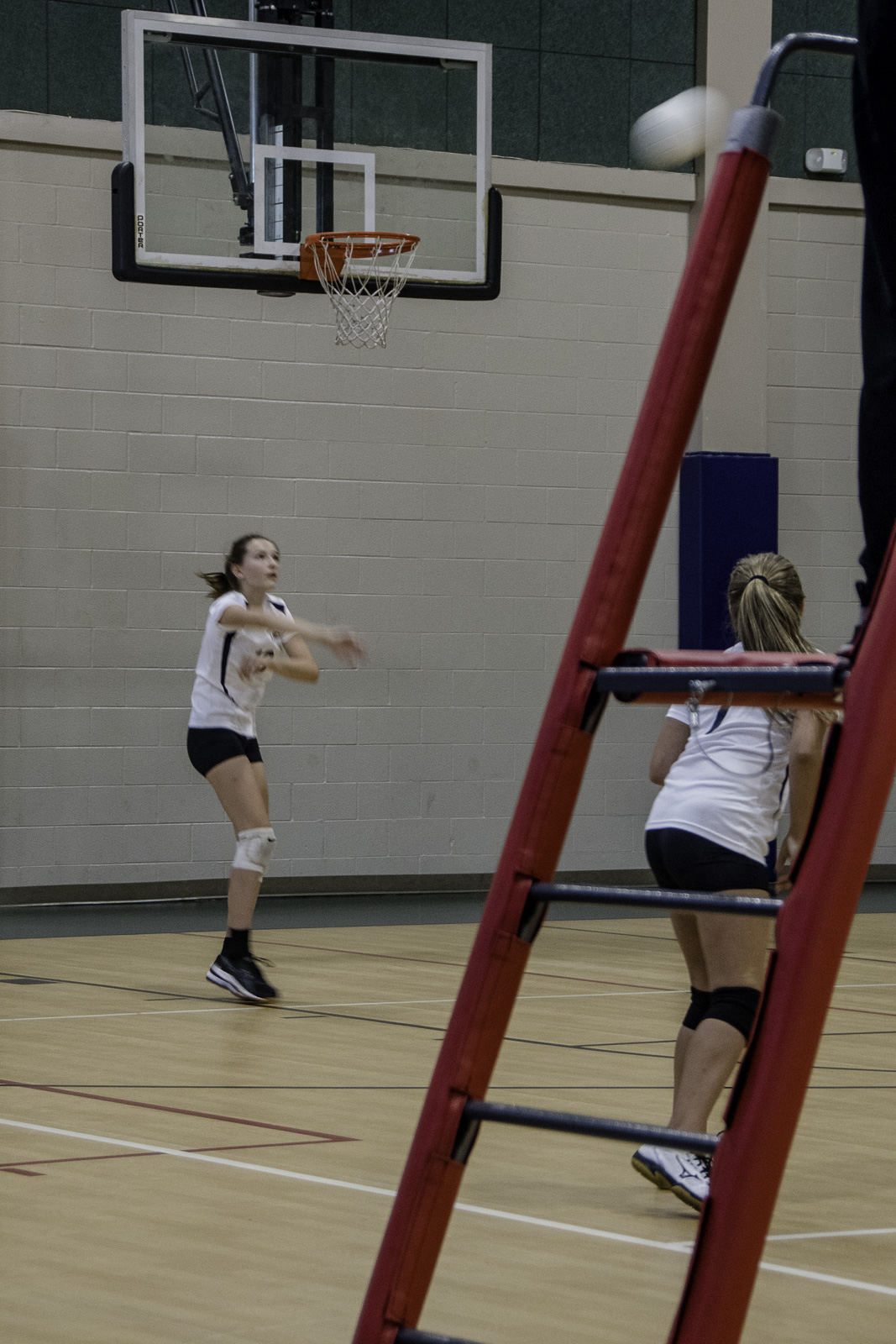
Tonight, the Girl had her first game as a member of her middle school volleyball team. She tried out last year, but she didn’t make the cut. That was not going to cut it. She worked and practiced for the last year and this year, her first year, she’s actually a starter.

How did she do? She showed an awareness of the game that was impressive; she was a good sport and supportive team member; she cheered her team enthusiastically when she was on the bench; she smiled a lot.

I sat with K and the Boy and cheered. And felt a fair amount of frustration about the fact that I’d forgotten to take a camera with me to school…

Sunday Afternoon

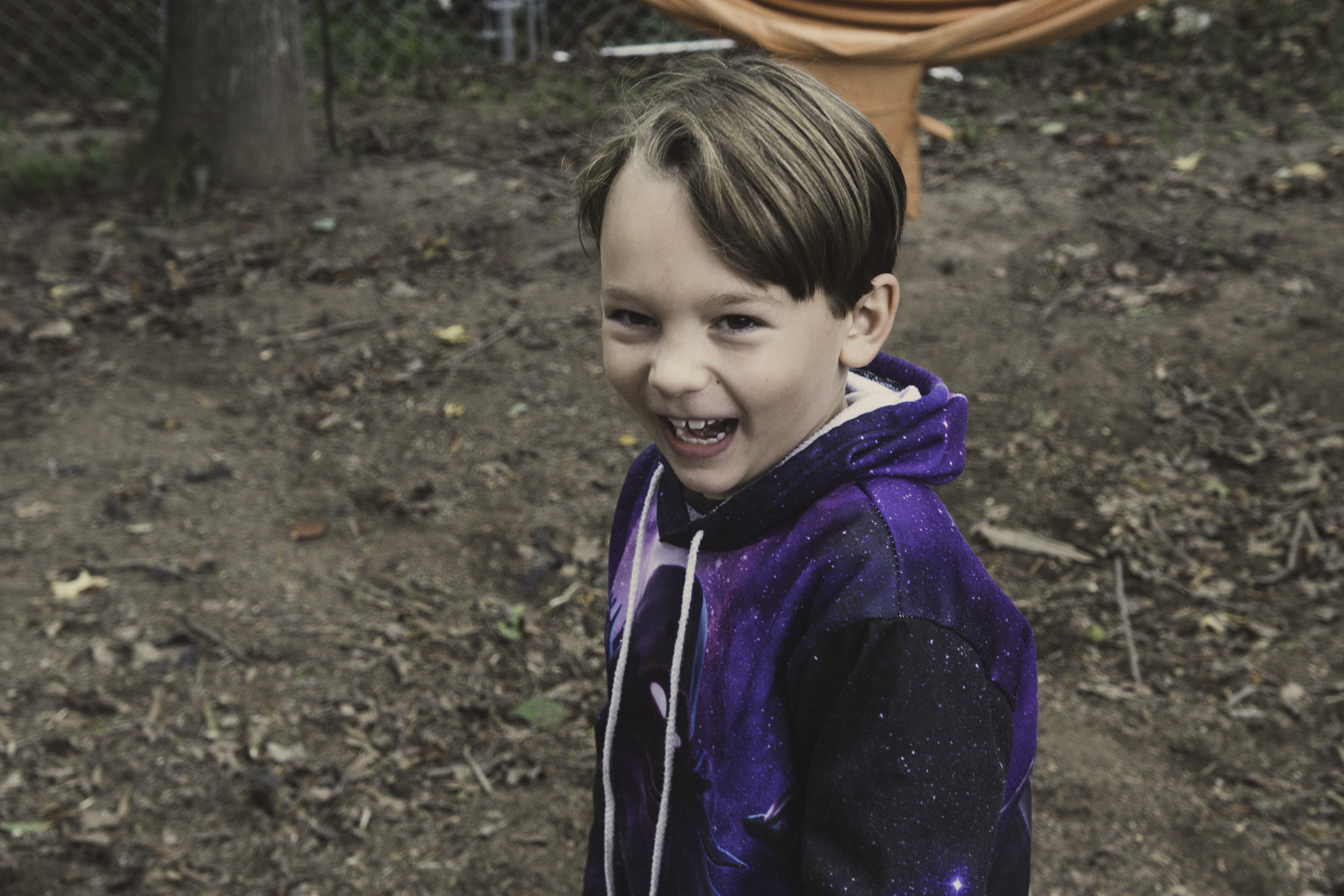
Sometimes, all the kids really need is a little attention. L won’t often admit it, but of course, she does — we all need it. The Boy, though, will just ask for it.

“Daddy, can we have some E-Daddy time this afternoon?”

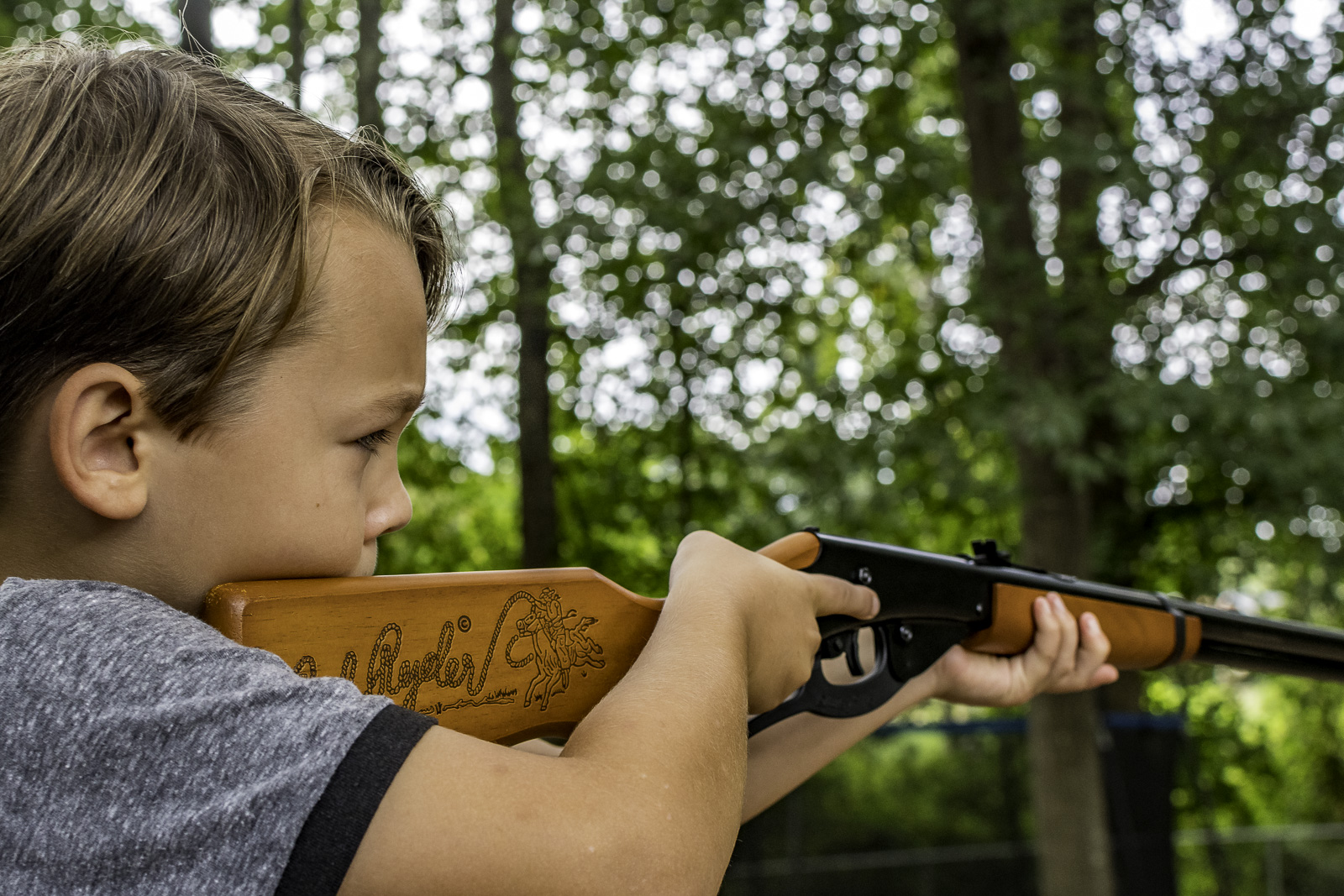
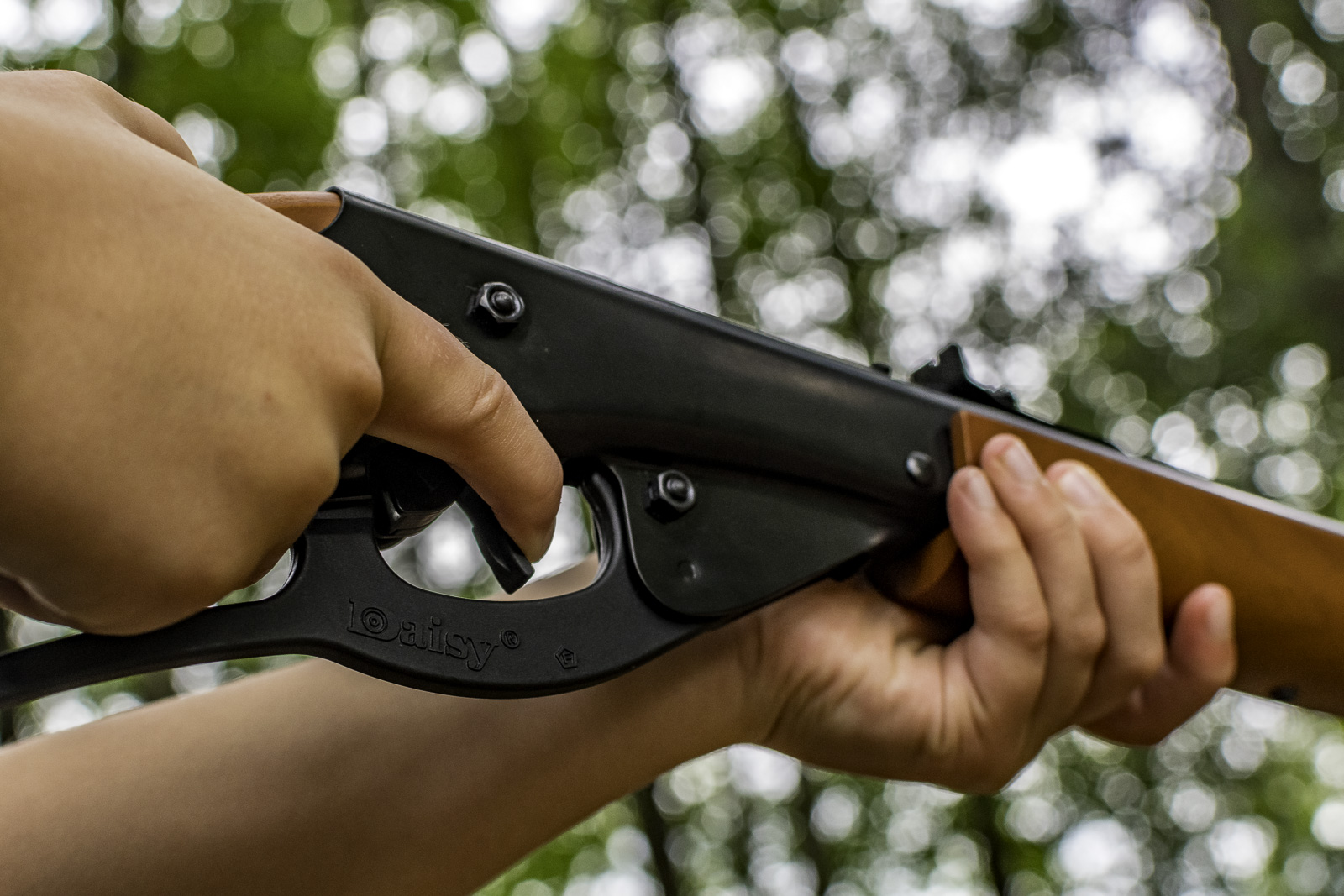
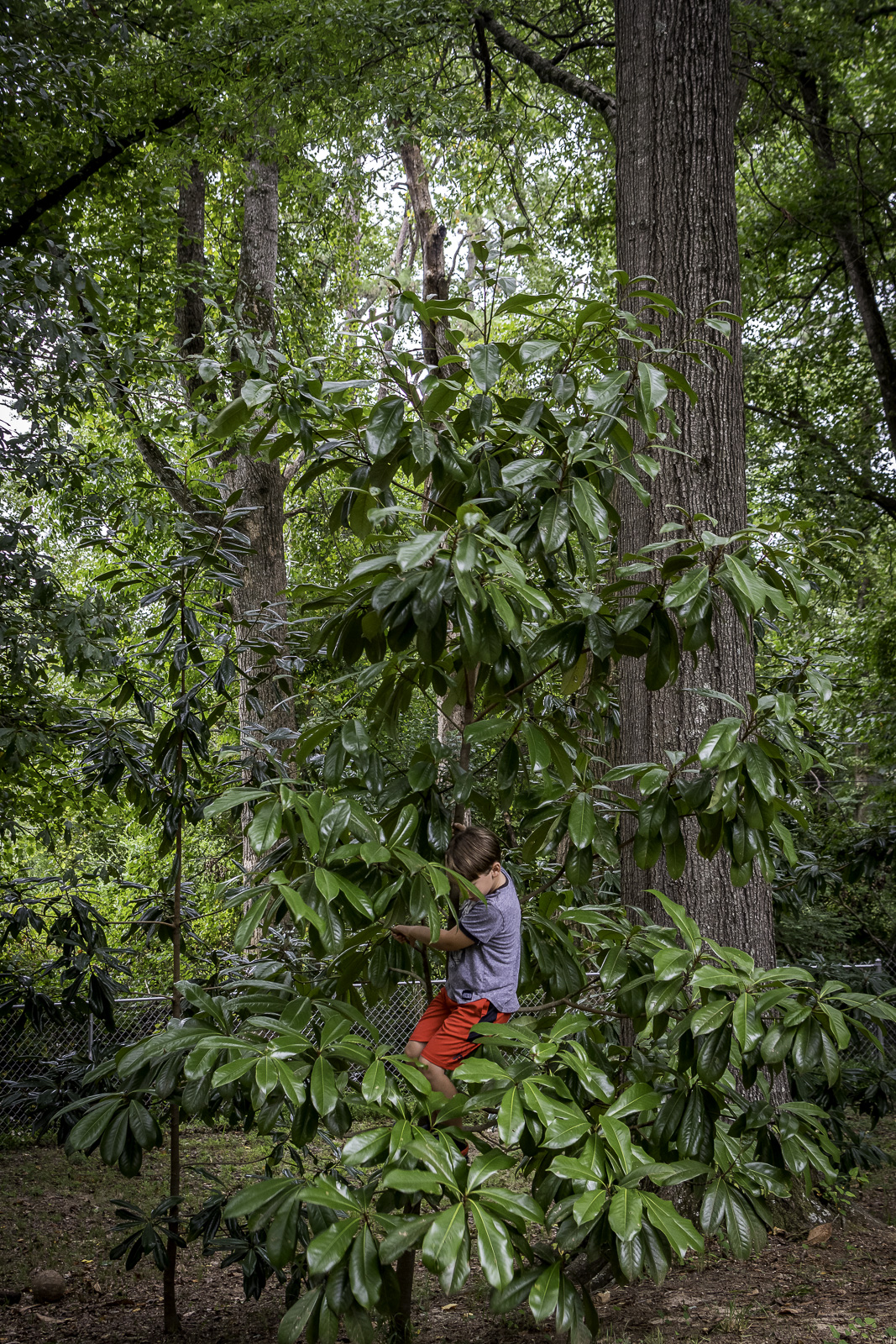
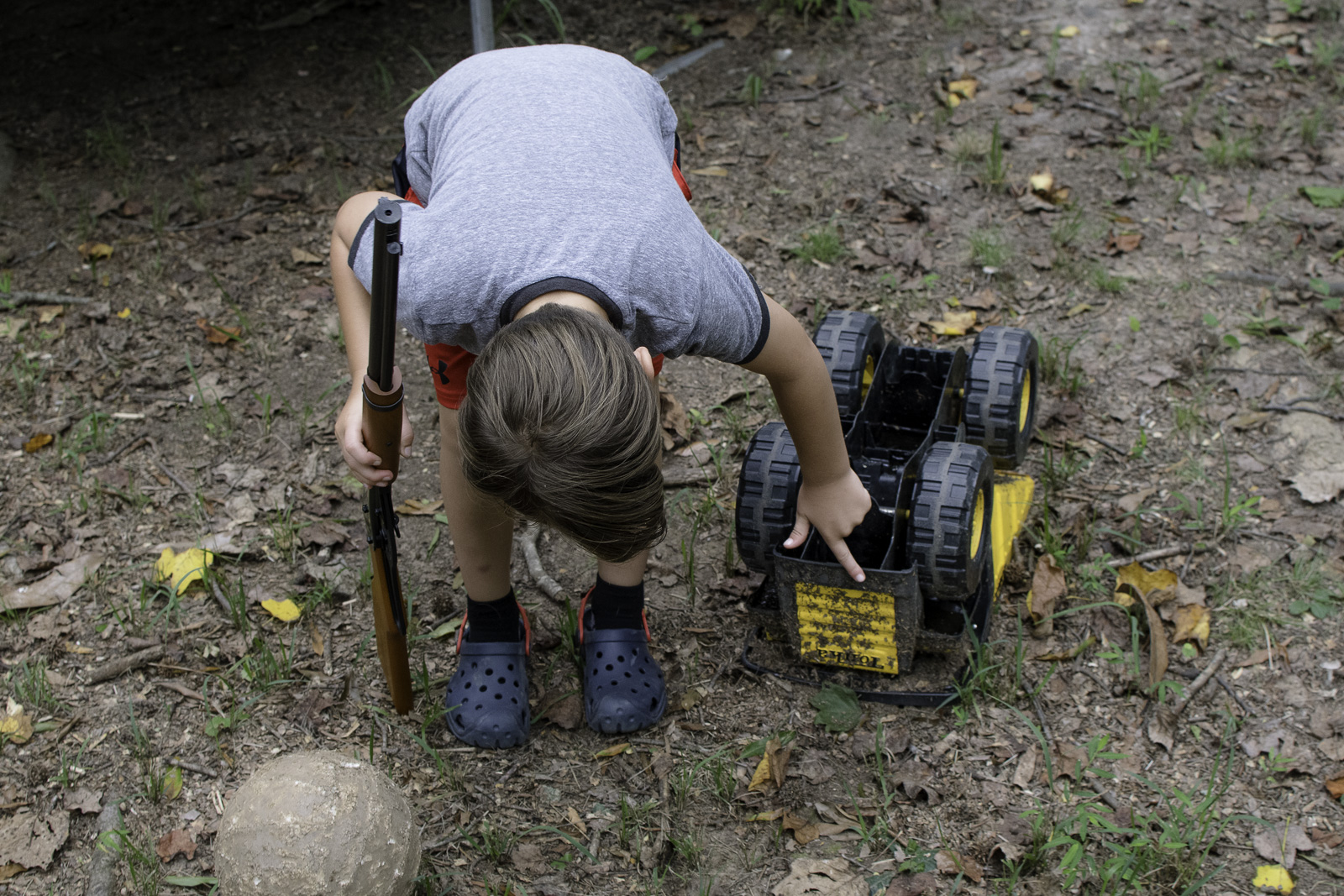
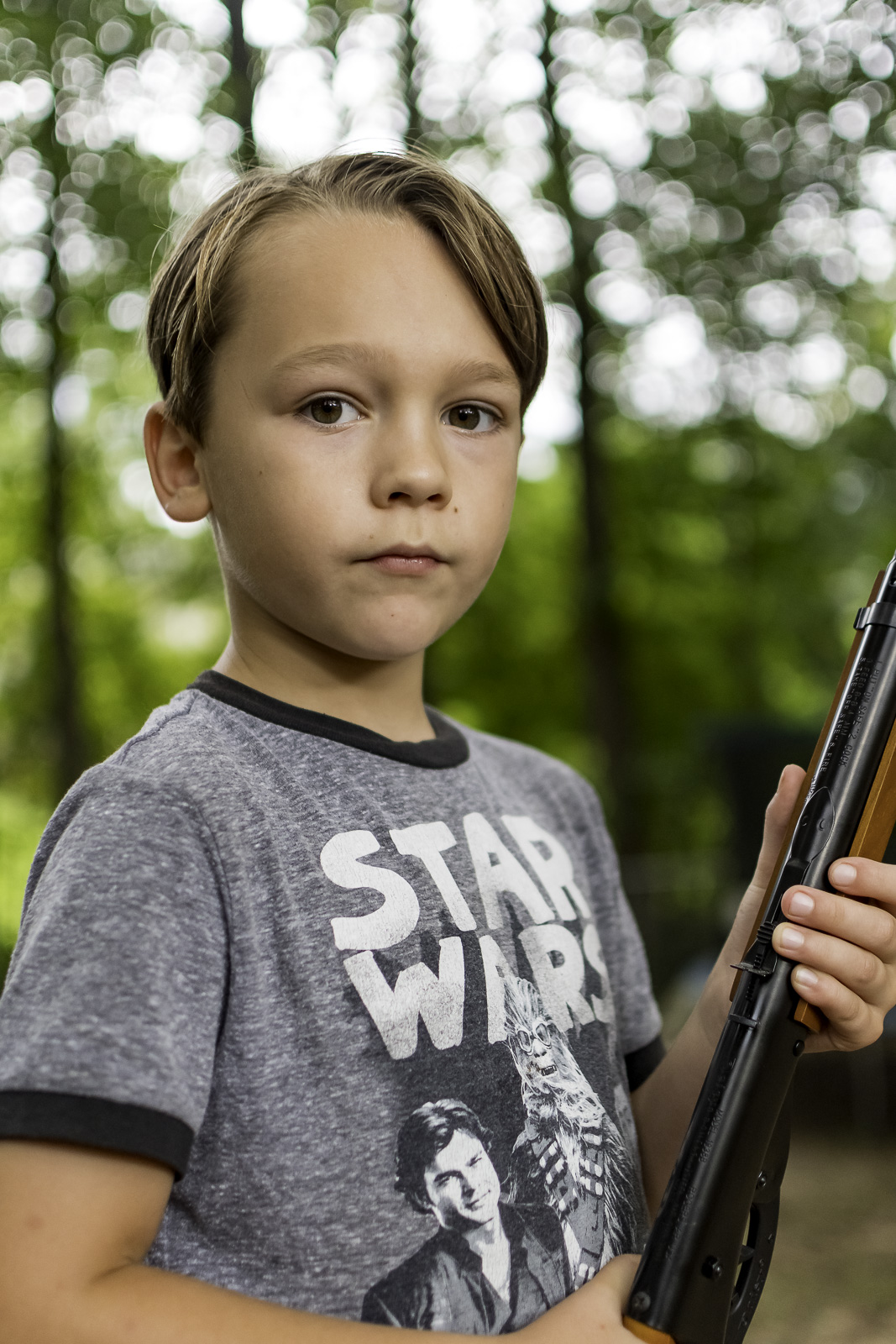
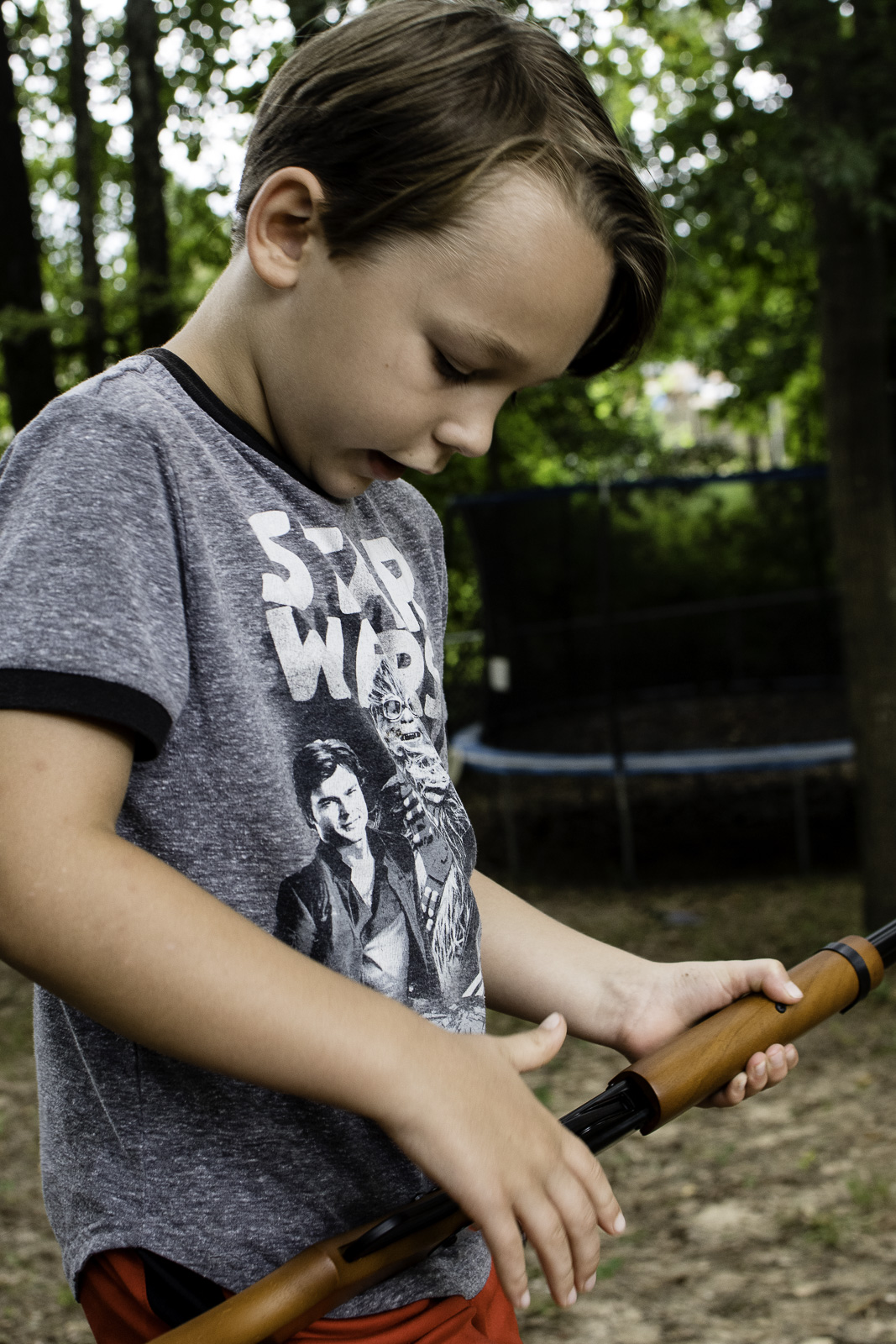
Today, we got out the birthday bb gun and began shooting at our normal target: a magnolia tree in the middle of our yard with a lot of trees and undergrowth in the area across the creek to stop any stray rounds and the nearest house a few hundred feet away. Today, though, we began shooting at other things: Clover’s ball (an old volleyball that she’s stripped bare), which moved a little every time we hit it; the Boy’s old dump truck, which, made of metal, returned a satisfying ping every time we hit it.

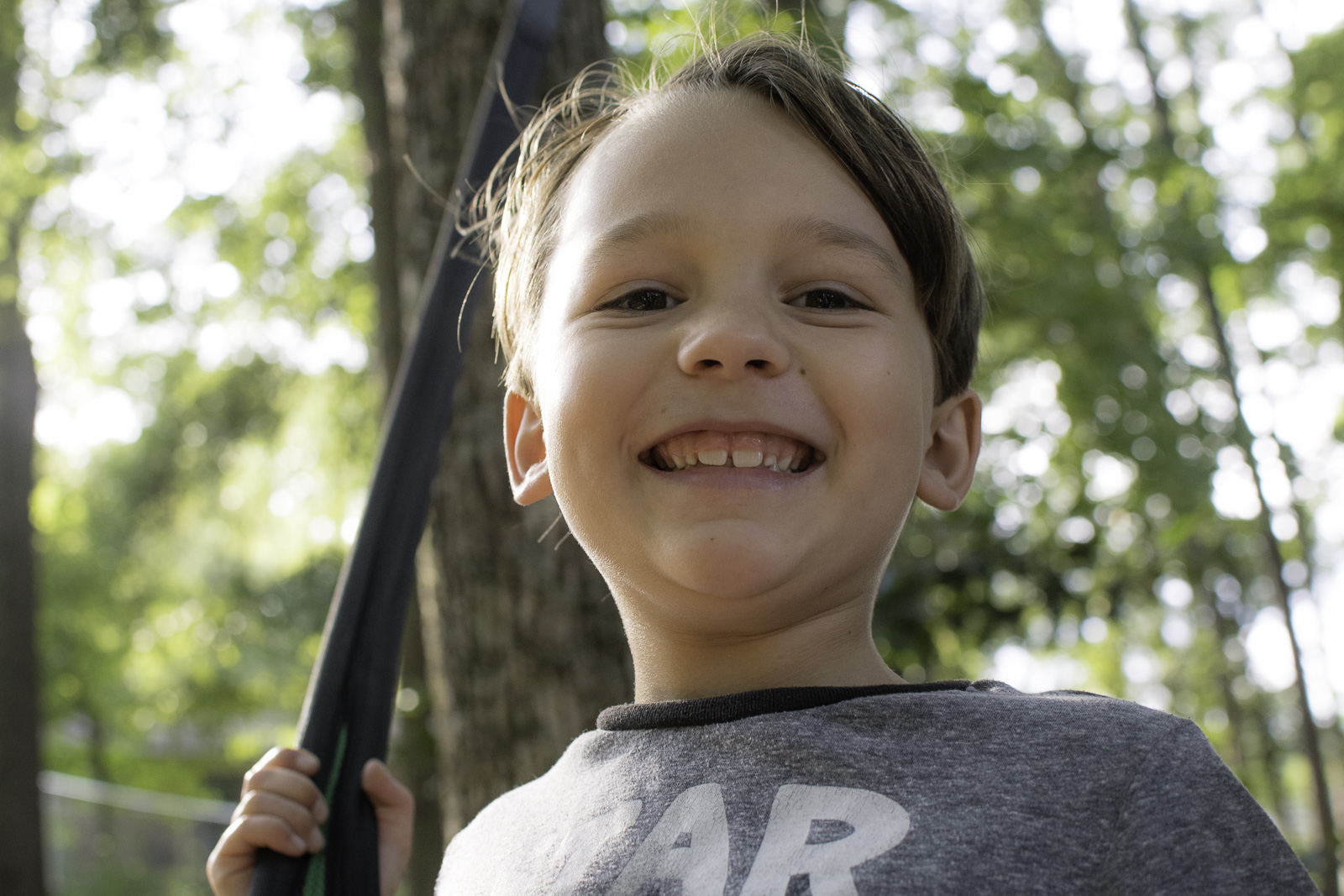
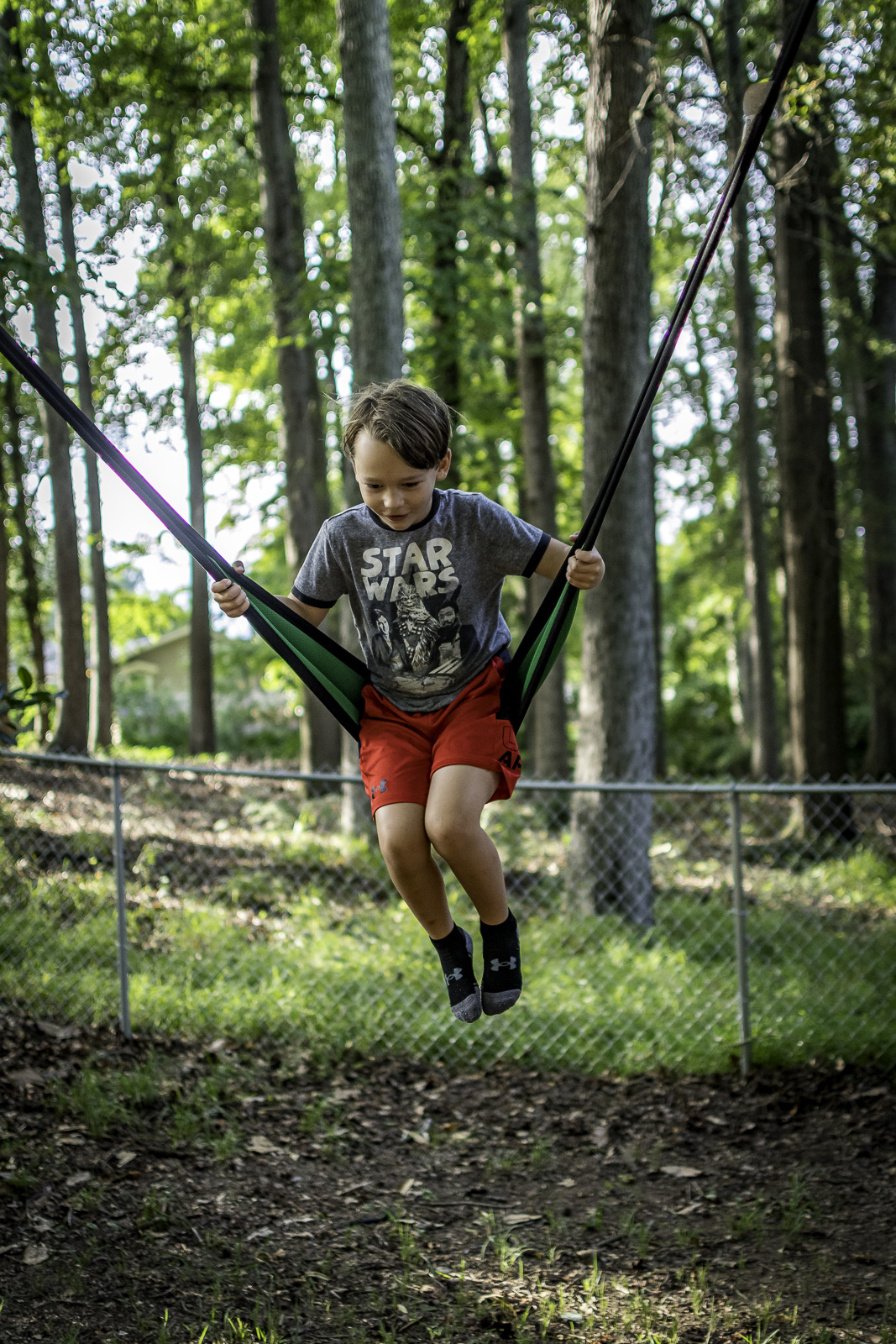
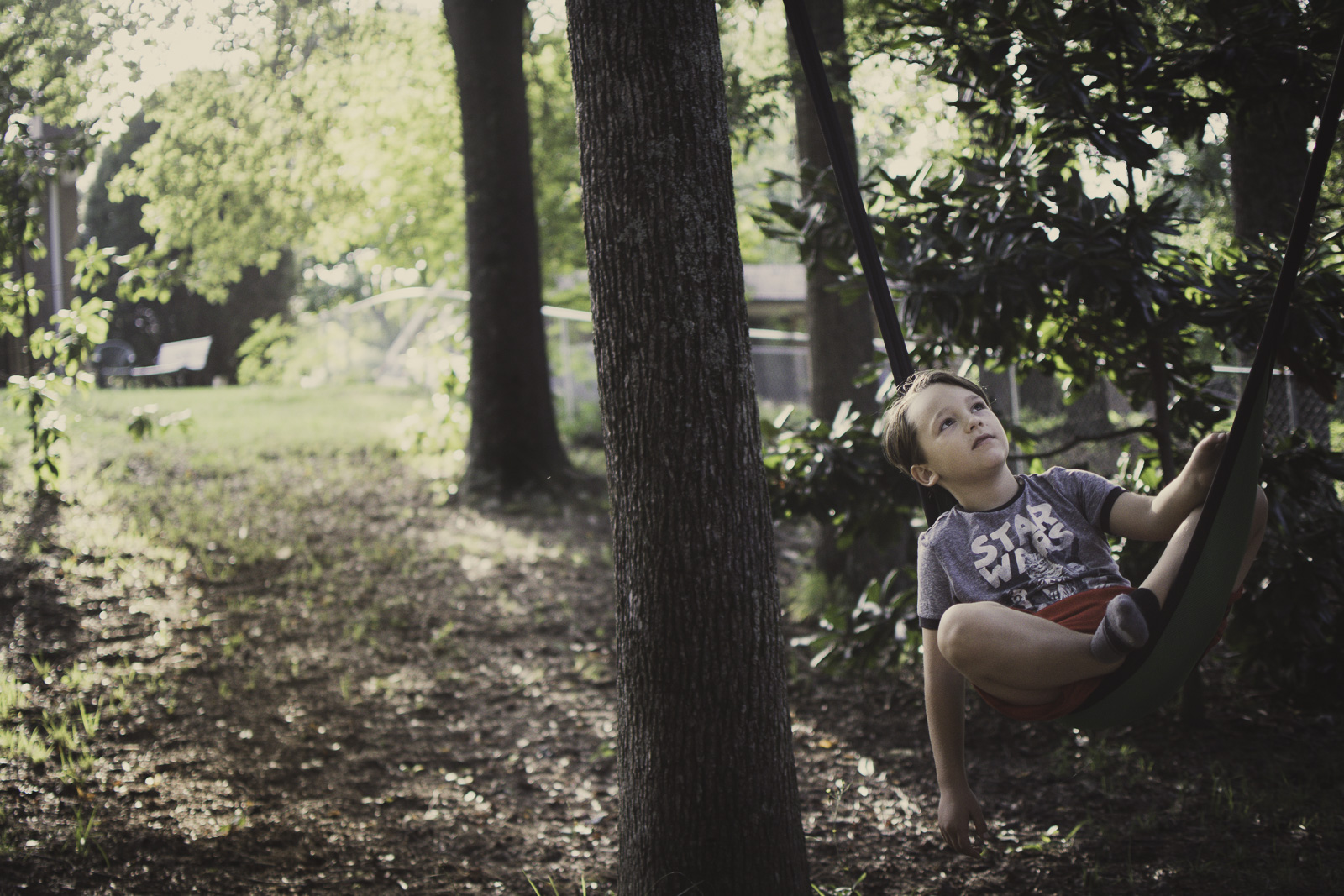
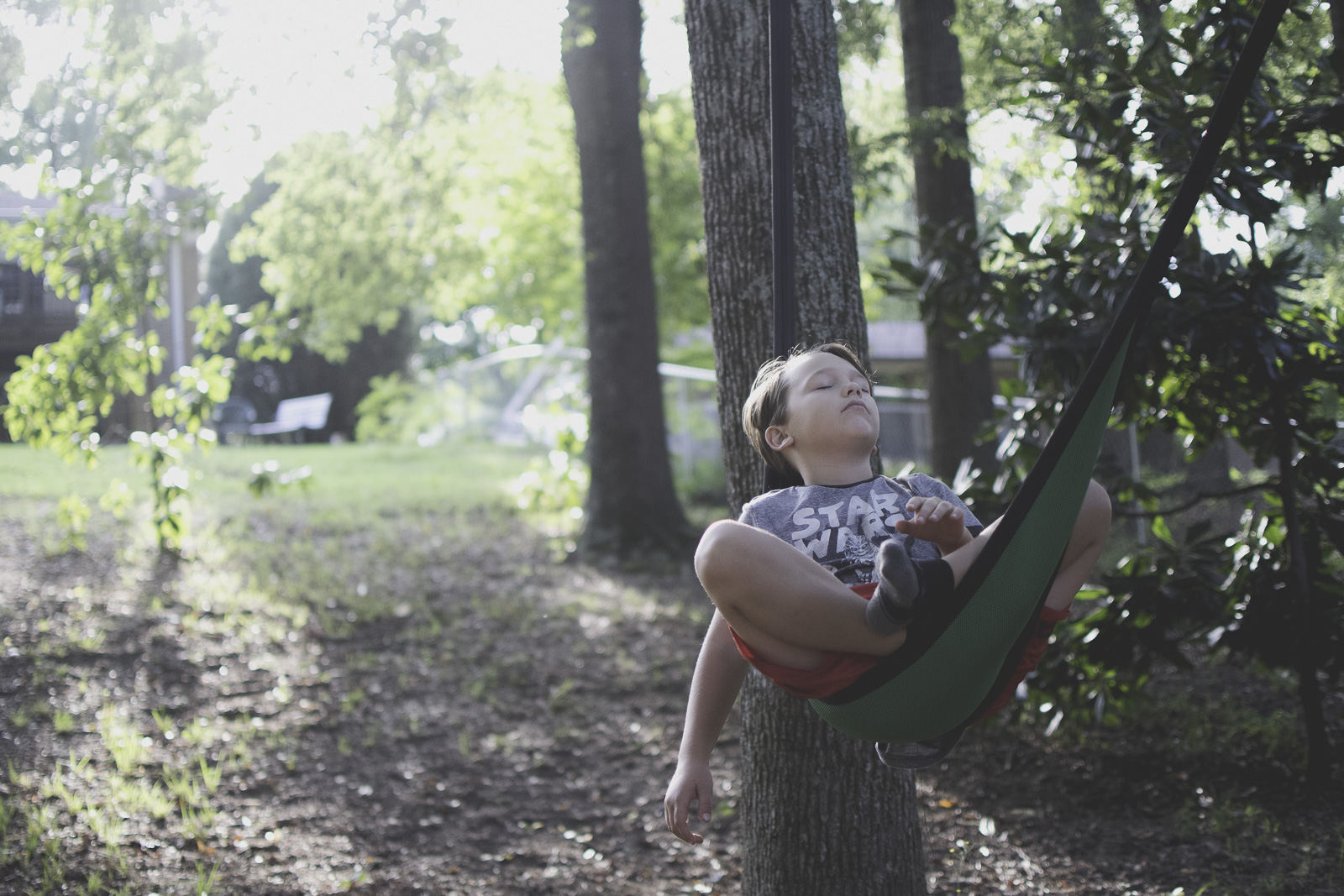
Afterward, a bit of swinging while I snapped pictures and kicked the ball for the dog.

Another perfect Sunday afternoon.

First Day 2019

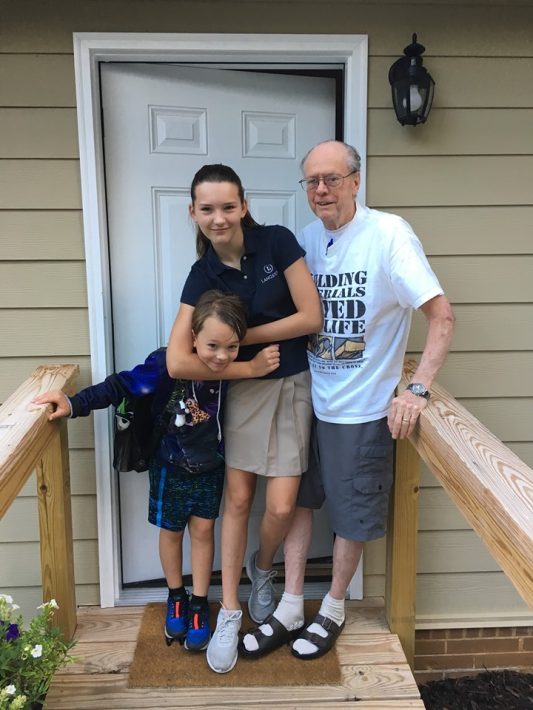
The Girl started seventh grade today, the Boy began second grade. The Boy, in his multi-age classroom, is now an “older friend” as opposed to a “younger friend.” “I know my teachers,” he explained when I asked why he was so confident about going to second grade. There’s a lot to be said for the continuity of having the same teachers for a couple of years.

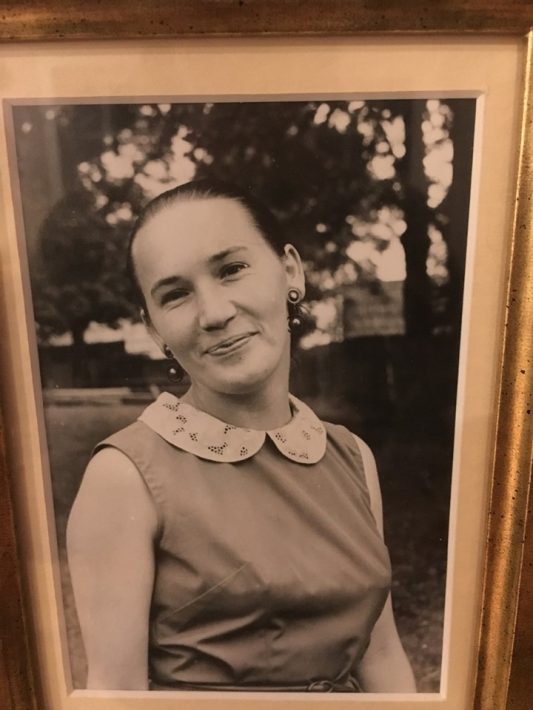
The Girl starts algebra this year, and she’s on the school volleyball team, and she makes her own breakfast and packs her own lunch. Our little girl is no more; she’s a young lady, looking more and more like her maternal grandmother every day.

I began, I believe, my 20th or 21st year of teaching. I could count it up, I suppose, but what’s the point? More or less is more or less enough. Taking all I’ve learned from teaching, I began all classes with very little worry, very little concern: I know what works for an opening day; I know what doesn’t work. I filled the day with the former and successfully avoided even a hint of the latter. The kids are sufficiently assured that I can be as tough as I need to be and adequately convinced that my class can even be — dare I say it — amusing and fun at times.

Final Sunday

The last Sunday before I head back to school; the kids have one more week.

Thus ends summer 2019.

Lake Jocassee 2019

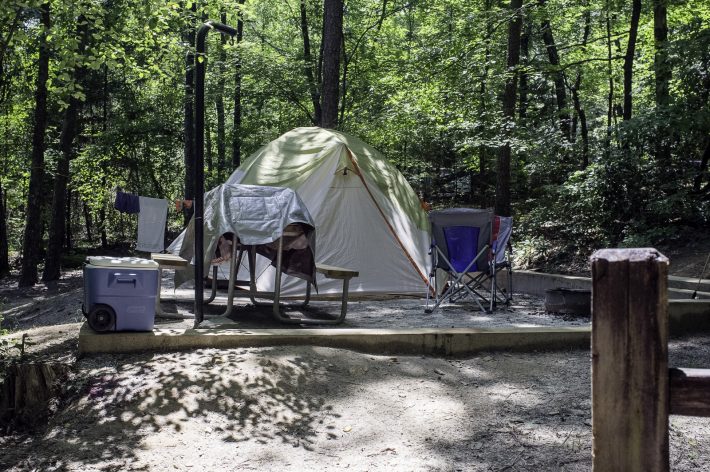
Just a little over a year ago, we went camping for the first time at Lake Jocassee — not our first visit, but our first time camping there — and we knew that we would have to go back. Again. And again. This year, we returned, taking our same camp site — our beloved Site 20 — and going to the same places, doing the same things. With one difference: K, finishing up a course, stayed home.

“I can study better for the final without you all anyway,” she rationalized, but of course we all wanted her to go with us as much as she wanted to be there.

Still, it created a new dynamic as I explored an adventure with the Boy and the Girl. There’s a difference in fun in threes that makes us rely on each other a little more and realize — for the millionth time — just how much K brings to our family.

For one thing, we’re much more relaxed about getting started in the morning. If it were not for K, I don’t think we’d get half the things done we usually get done. K is the early riser in the family, and even when we’re on vacation, she makes sure we’re up and eating at a decent out, out for our first adventure, ready for our second well before lunch. Without her, we managed breakfast by 9:00, usually making it to the water an hour later as we went to get ice for the cooler, to drop off the trash, and to accomplish various meaningless tasks.

Part of that might have been the inability to split tasks due to having only one adult present, but honestly, we just got up a lot later than we would have earlier.

It’s tempting to say that everything else was the same, but how could it be? Everyone’s a year older, a year wiser. The Boy made a friend and spend a good bit of time on his own with his friend J, in sight but most decidedly independent. The Girl floated out to an isolated area and lived in her own world at times. The Dog wanted — actually begged — to get in the water.

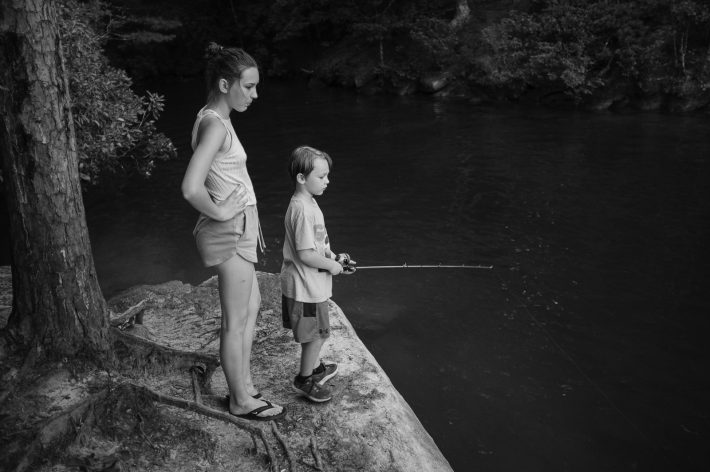
The next day was more of the same, but with a major change: the rock we discovered last year that was simply a lovely spot to go and watch the sunrise and do some fishing, became a jumping platform. The Girl, seeing me and others do it, leapt into the water without much hesitation at all. The Boy? Well, J his new friend was there, jumping off with abandon. The Boy didn’t wait: off he went after a quick check to make sure I was in the water to help him if needed.

L’s Return

E and I had a chat about L’s return. He was so very excited — and not even once in those conversations did he ever talk about what she was bringing him. “I hope we don’t start fussing again,” he said.

“Well, that really depends on you,” I explained.

When we got home, the Girl went pretty much straight to bed. Played with Clover, played with Elsa, then went to bed.

Climbing

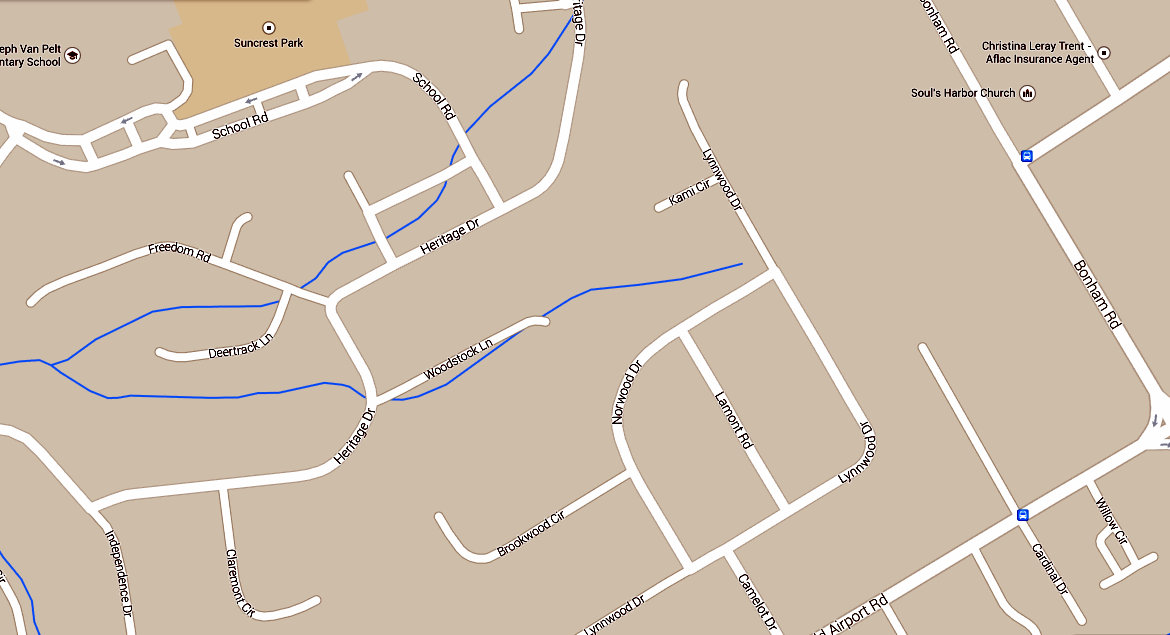
Growing up, I did a lot of bike riding. It was very safe in our neighborhood, for there was only one way in and out — no thru-traffic. There were a couple of hills in our neighborhood that were awfully fun to ride down but not terribly fun to ride up.

5-Fullscreen capture 8102014 113843 AM

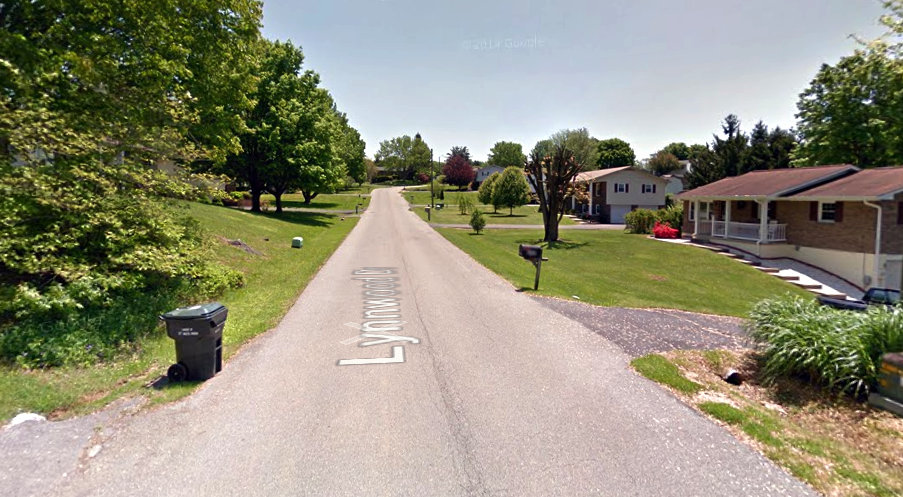
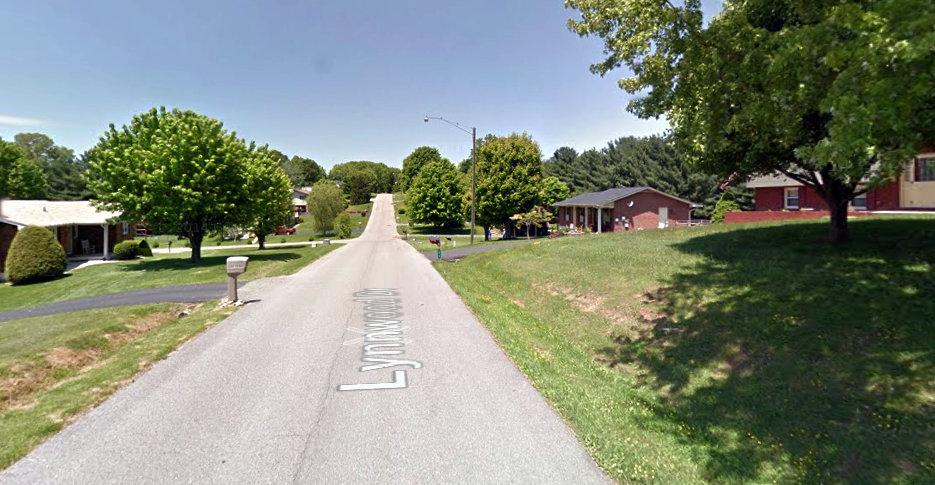
Of these two, Lynnwood Drive was the most easily conquered. There was nothing too terribly steep, and with some patience and determination, I could make it up the street.

2-Fullscreen capture 8102014 113325 AM

Going one way. Going the other was more challenging. The hill was shorter but steeper. Having a single-gear bike, I found my legs burning and barely moving by the time I made it to the top.

1-Fullscreen capture 8102014 113315 AM

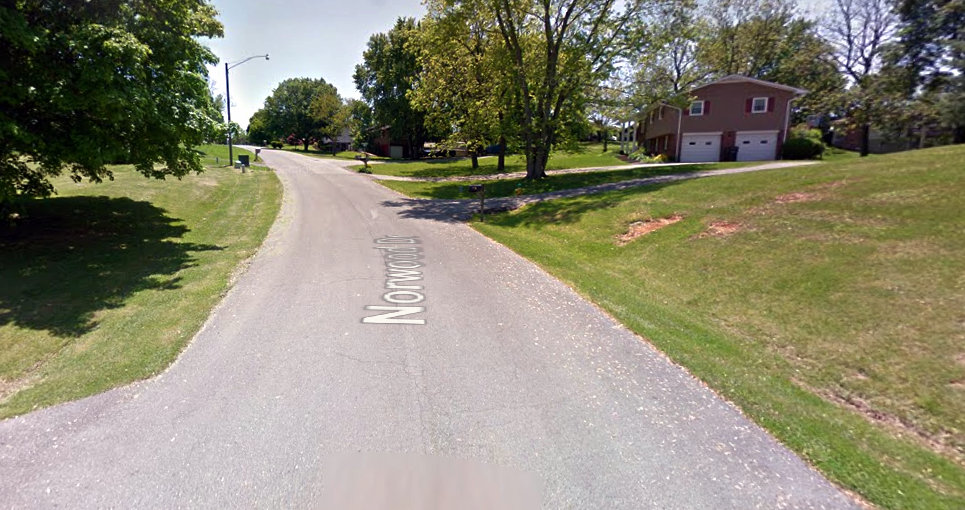
But Norwood — Norwood was unthinkable. It was unimaginable to ride up Norwood; one had to stop push. To a kid of seven or eight with a single-speed bike, it looked like the Alpe d’Huez without the switch-backs: just one, steep climb that felt like at least a 37% slope.
3-Fullscreen capture 8102014 113402 AM

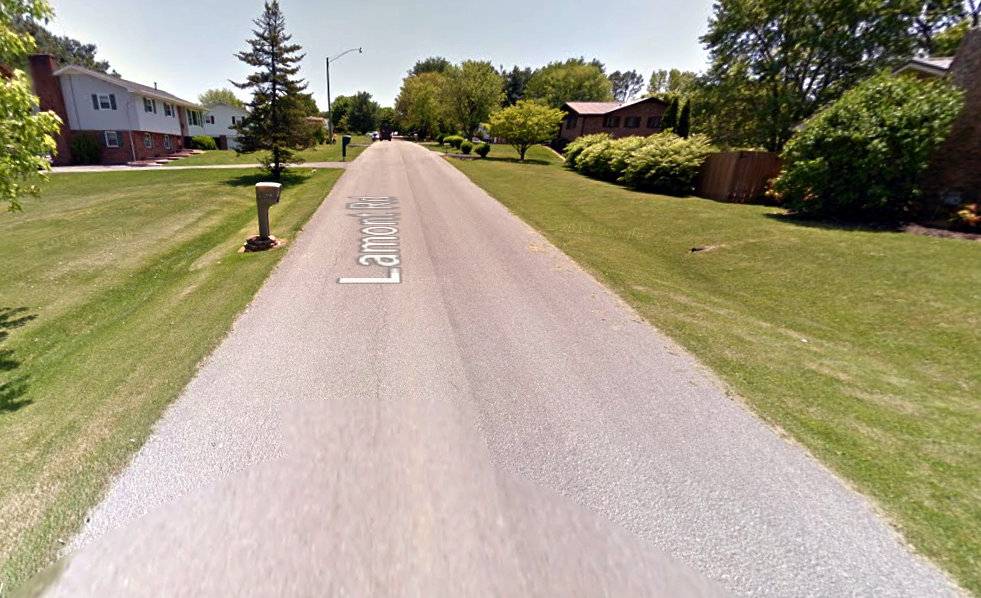
Our own street, Lamont, was the easiest of the three — just a stead, upward grind

4-Fullscreen capture 8102014 113745 AM

I imagine this is much the same way E views some of the short climbs in our neighborhood. After all, all the above thoughts were based on my perception as a kid of about E’s age.
E could take all these hills without a problem. So far this summer, he’s ridden 180 miles with me…

Interruption

One of the things I miss about living in Boston is walking down a street or emerging from a subway car to hear someone busking. Granted, there were enough buskers with little enough talent to make them a nuisance more than anything else, but every now and then, someone would make me stop, take a little time out of my day, and immerse myself in their world.

These guys, who sadly play in NYC and never ventured into Boston’s subway system (and probably didn’t even exist when I lived there — the sax player would probably have been a toddler then), have perfected busking: ten-minute sets filled with energy, dynamism, and a touch of humor.

It makes me wish that our family lived in a place with more of this type of thing going on.

Back into the Photos

I’ve been spending a little time in the evening delving back into the photos I’ve scanned. It’s frustrating: I have small images, and they don’t create a lot of data for Lightroom to manipulate. Still, I’ve got a workflow for them now, and I’m more and more pleased with the results.

Some fixes are easy; some are tedious.

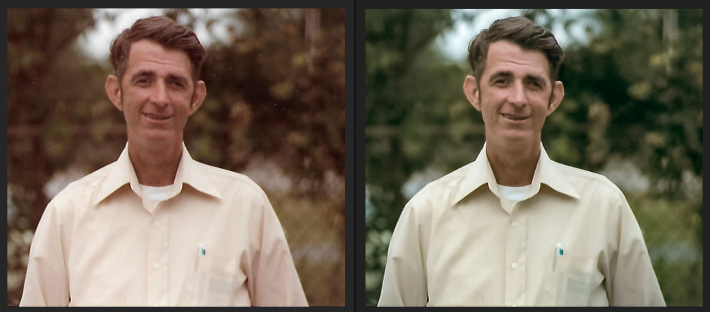
Uncle Dinky (never once did I call him by anything other than the nickname he’d had for most of his life) looks a lot better with a little work. Had to correct some colors a bit, but not much. I focused on getting his face bright and clear.

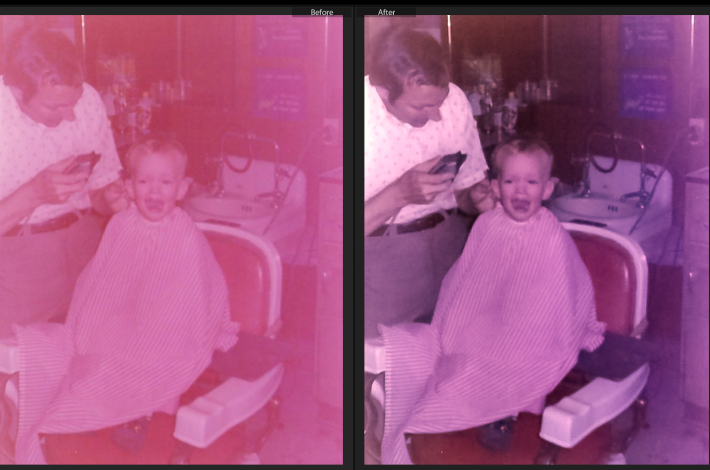
Apparently, I didn’t like getting a haircut as a child.

I’m most pleased with the tricks I’ve learned for the old red photographs that are so ubiquitous.

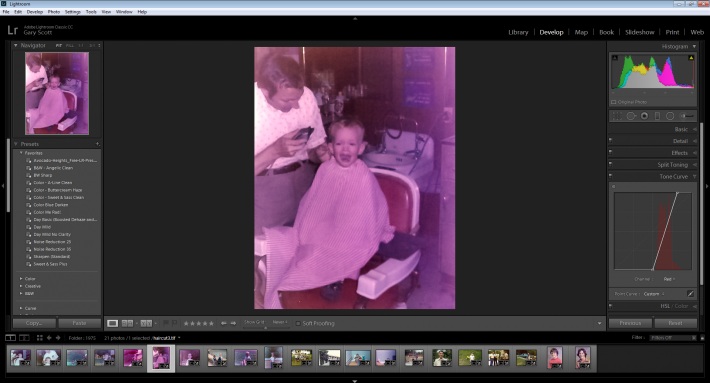
Look at that tone curve for reds: everything is in the mid-ranges. No red in the shadows; no red in the highlights. The same is always true for blue and green. I’m not sure how that all combines to give a red tint to everything, but I’ve found a solution: recalibrate the tone curve for each color and voila! It’s a semi-decent picture. Unfortunately, though, each picture’s tone curve skew is different, so creating a preset to do the work with the click of a button isn’t an option. I have to correct each color of each photograph manually.

Big Monday

The first order of the day: get the front end alignment done on the Paddy Wagon (or minivan as others might call it). The Boy, learning that I was going to take the car and ride my bike back, insisted on going with me.

Second, later in the day, a playdate with D, his best friend in kindergarten who changed schools for first grade. D’s mother, R, was a Spanish teacher at my school, and it just so happened that our boys were in the same class, and it just so happened that they became great friends, independent of any intervention from parents. The playdate included almost everything the Boy loves, namely Legos and swimming.

Later, eat an enormous dinner: salmon, potatoes, and one of his absolute favorites, asparagus. (How many seven-year-olds love asparagus, mushrooms, and blood sausage?)

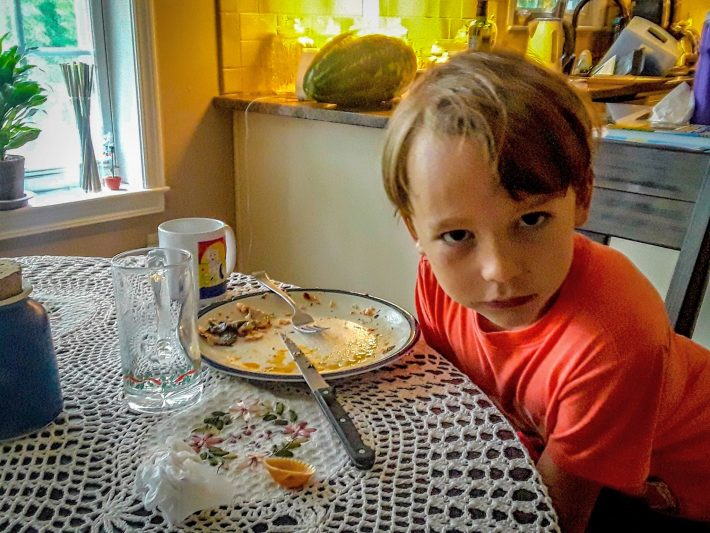
Clean Plate

Finally, after a little rest to let the food settle, go on a seven-mile bike ride.

Any wonder he went to sleep almost immediately?