g

Outside Lighting

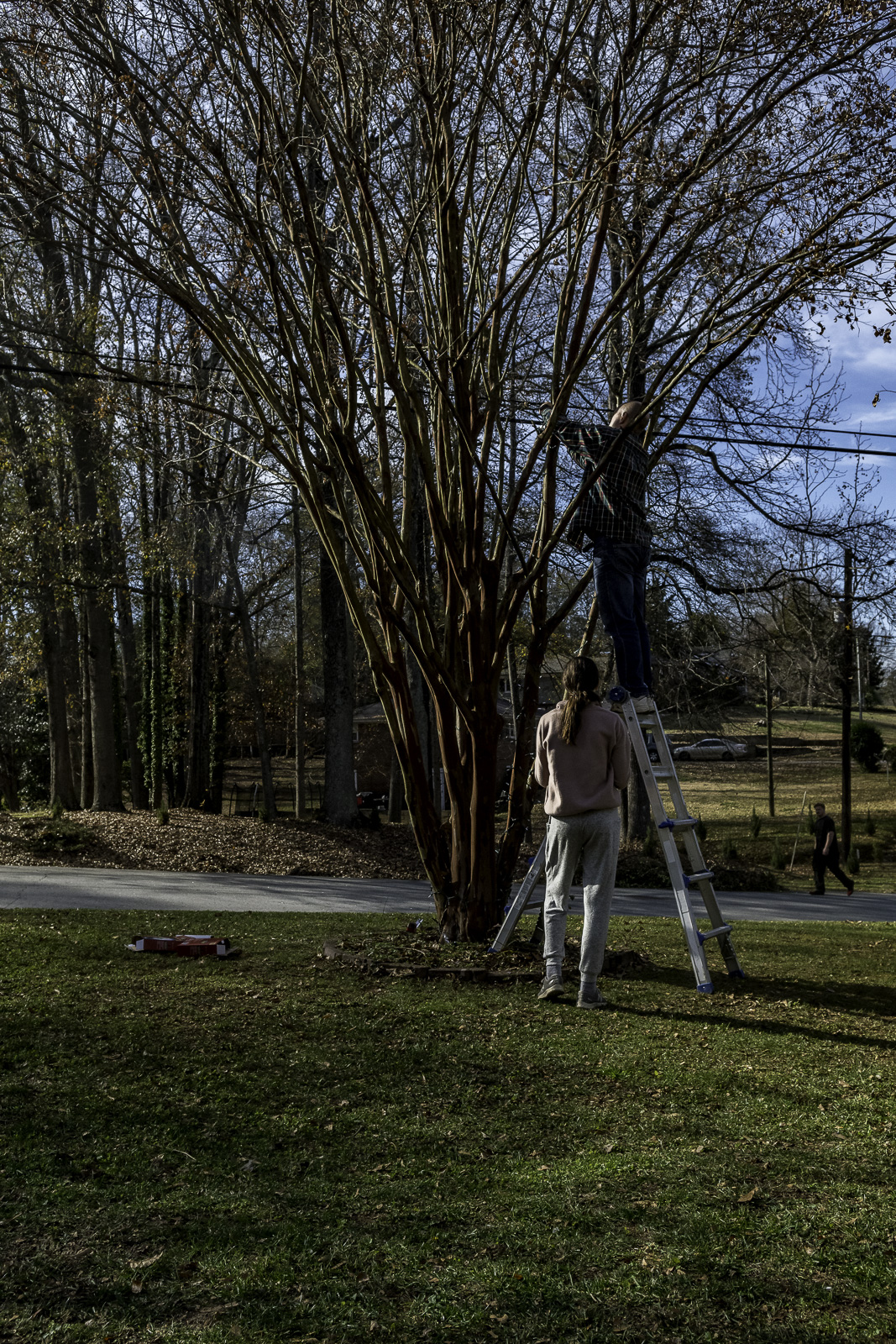
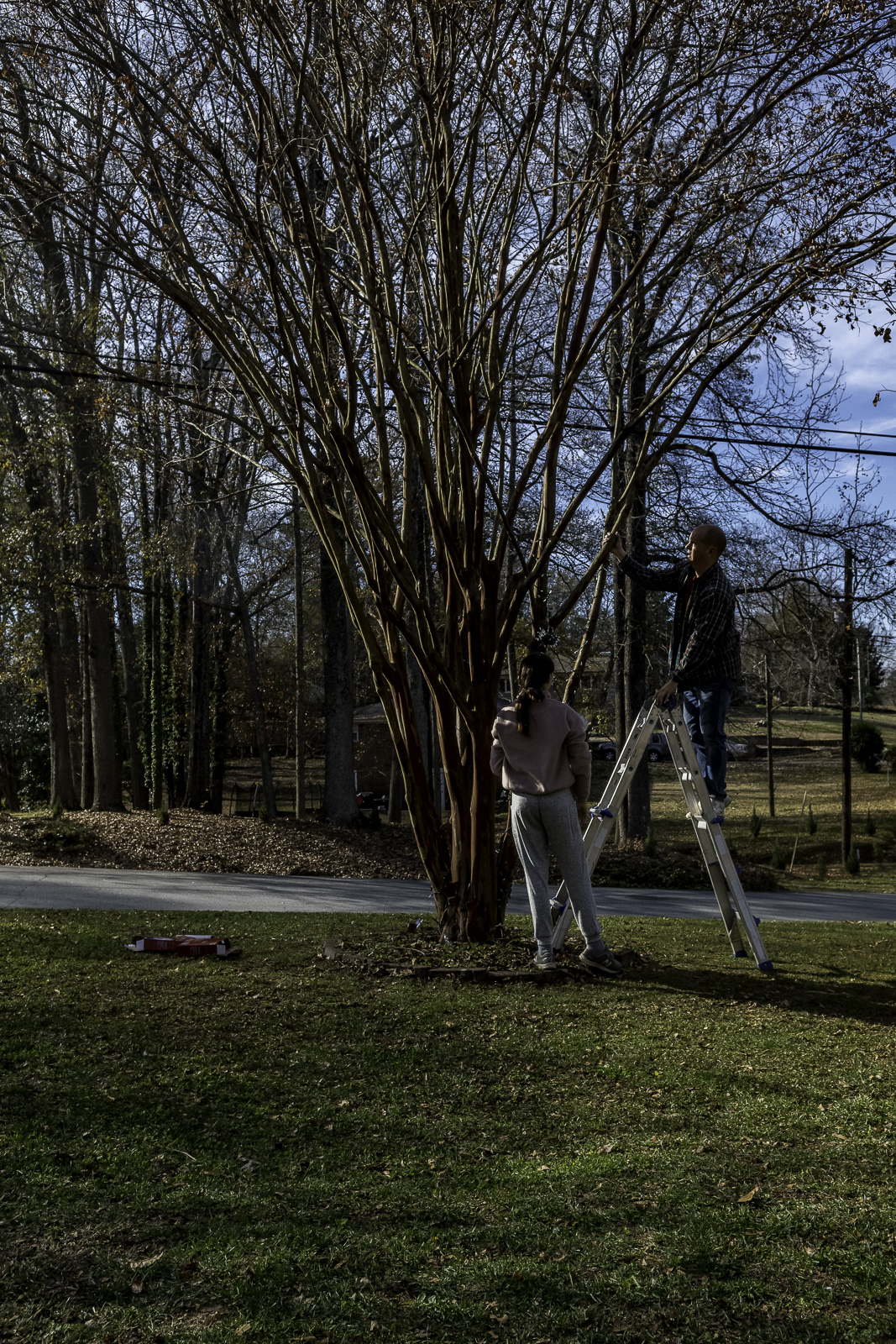
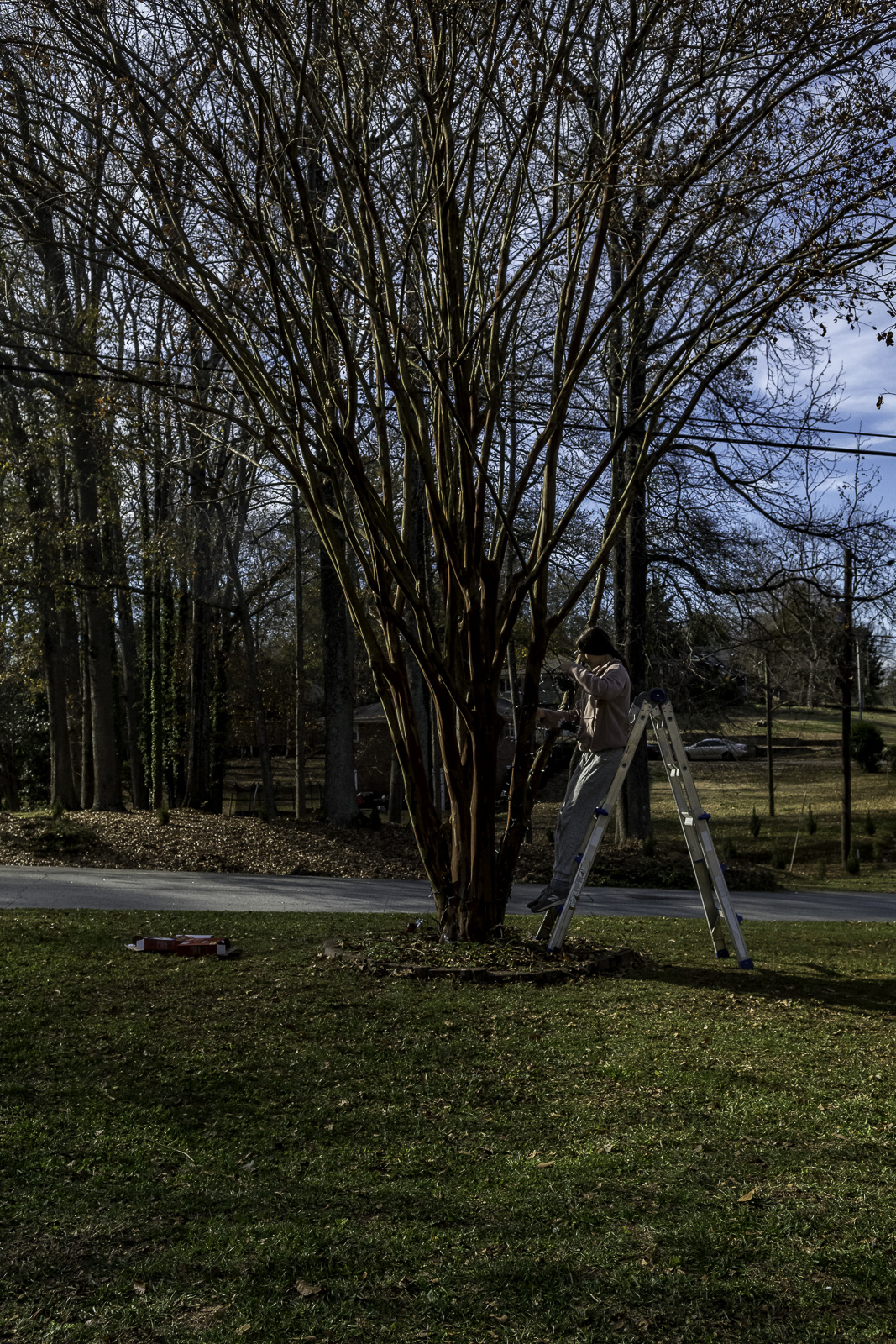
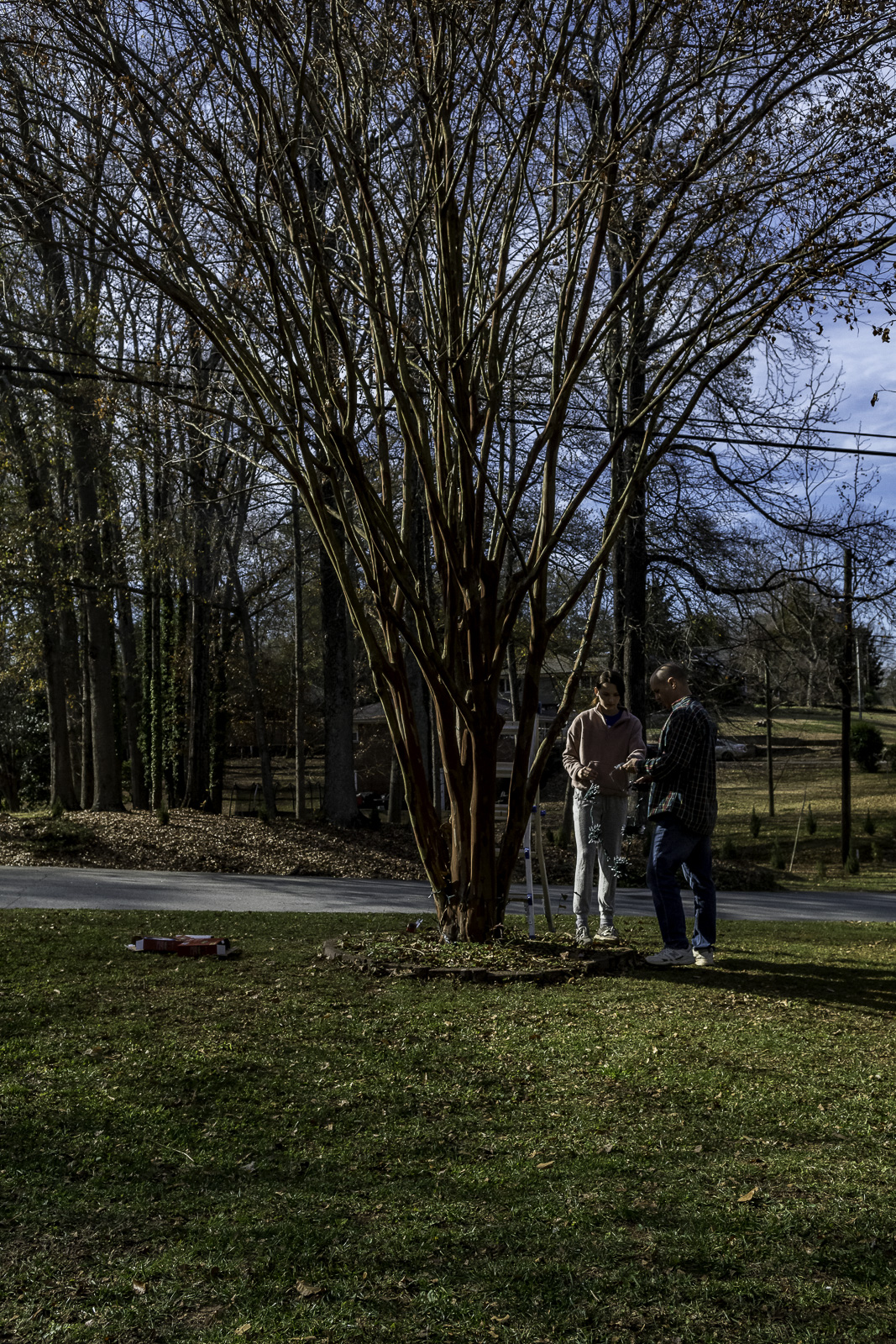
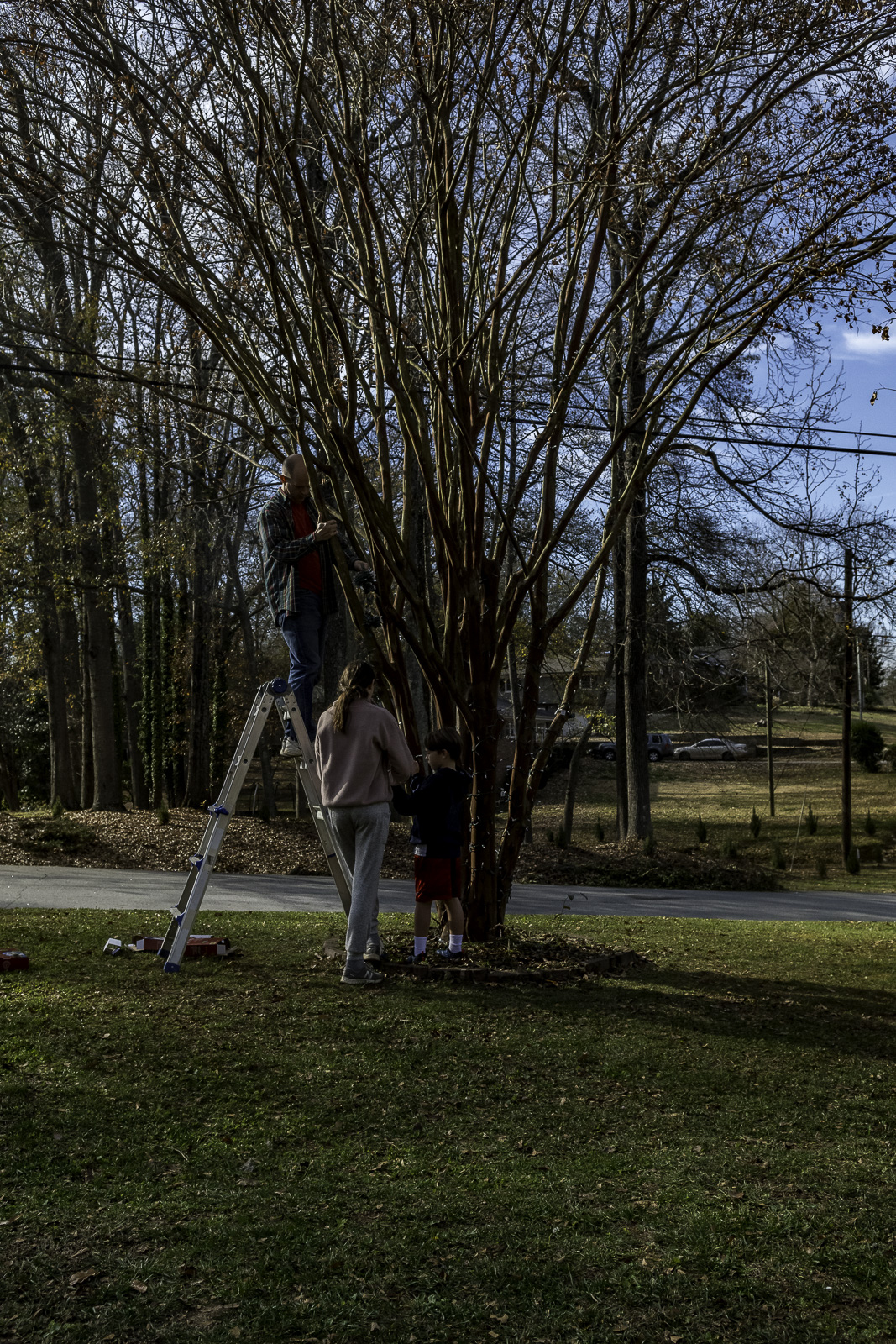
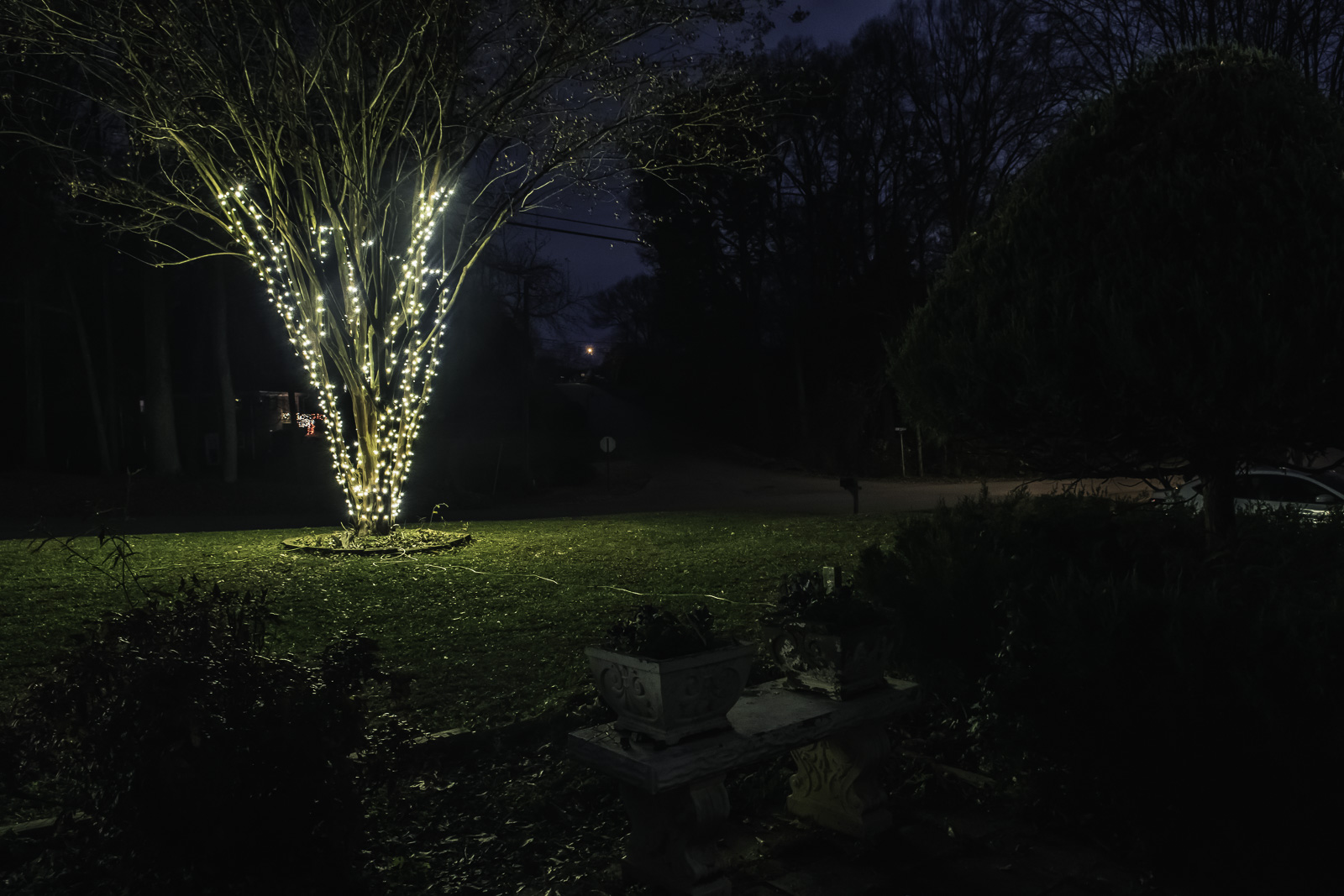
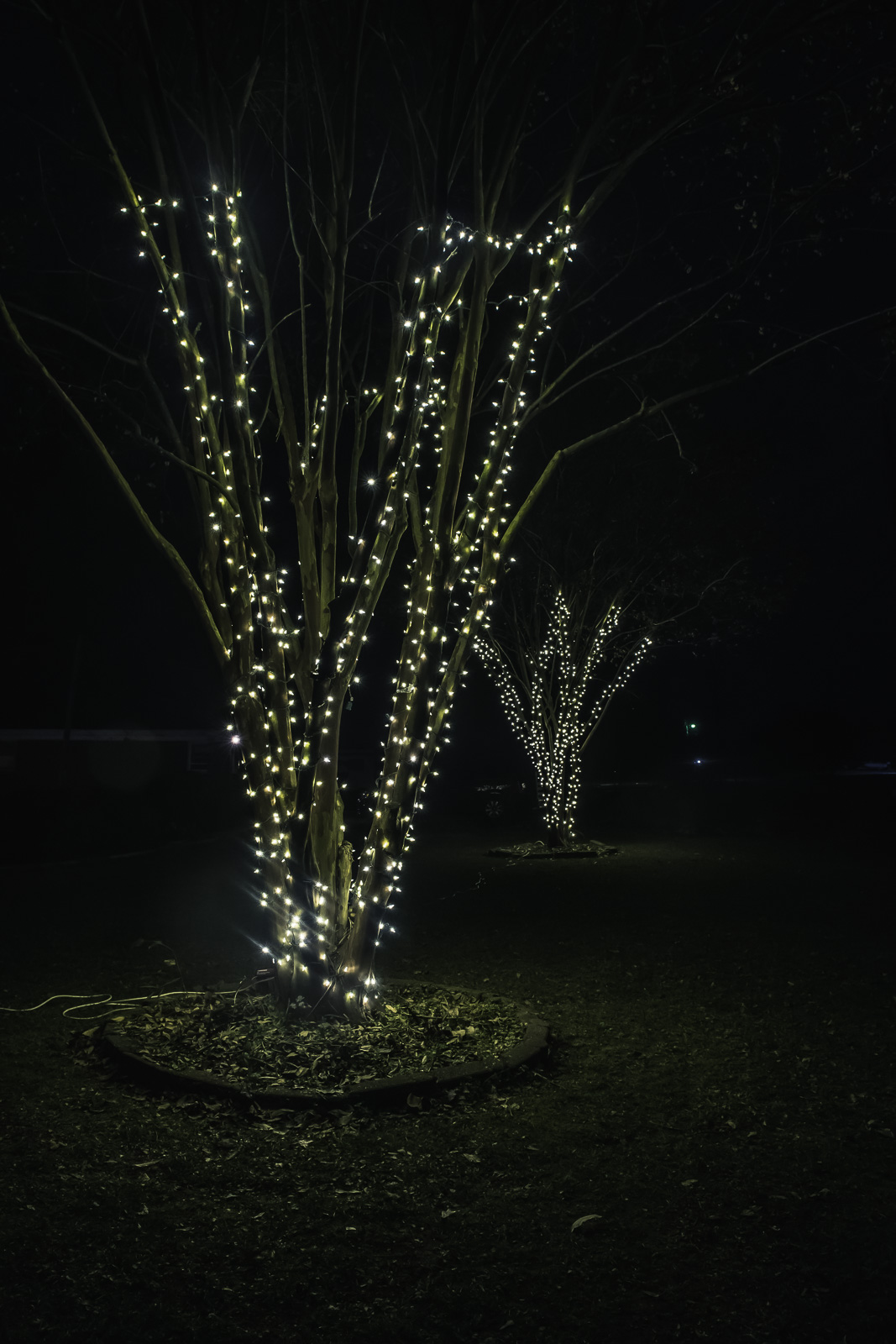
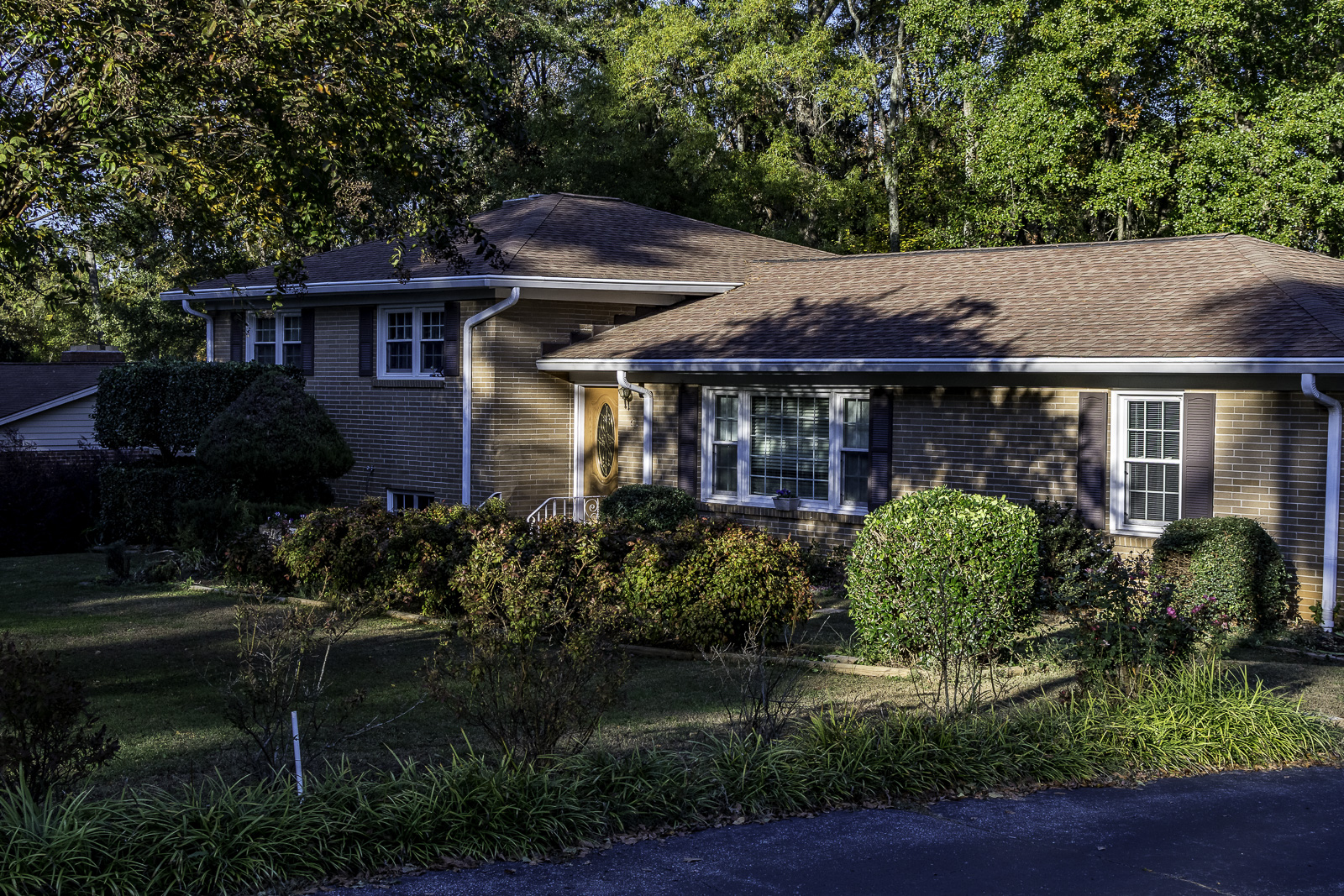
K and I decided we were going to forego the usual outside decorations this year and try something new. With two trees in the front yard, there seemed to be only one thing to do: transform them into Christmas trees.

“It should be faster than putting up the icicle lighting,” K said.

“Should be,” I agreed.

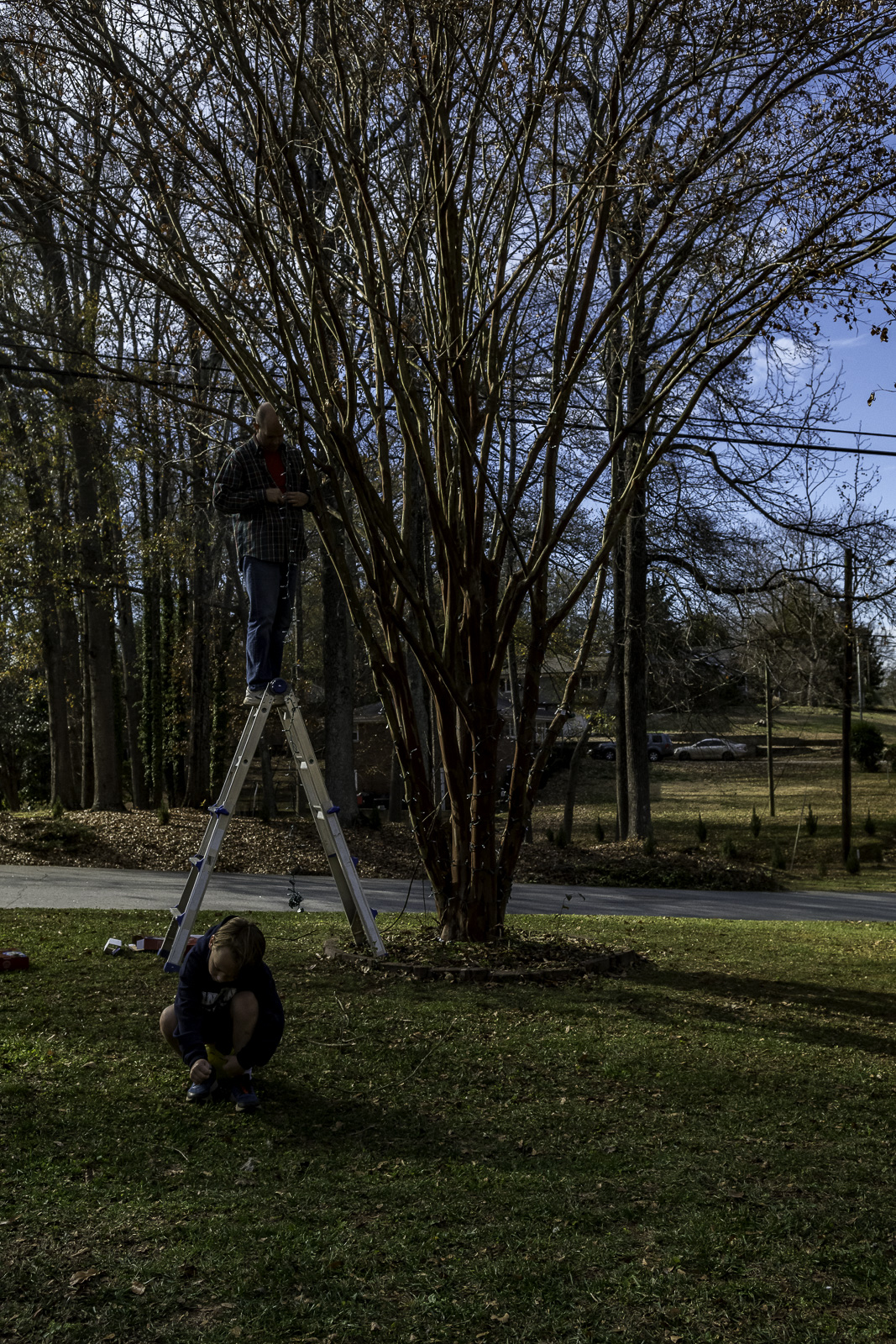
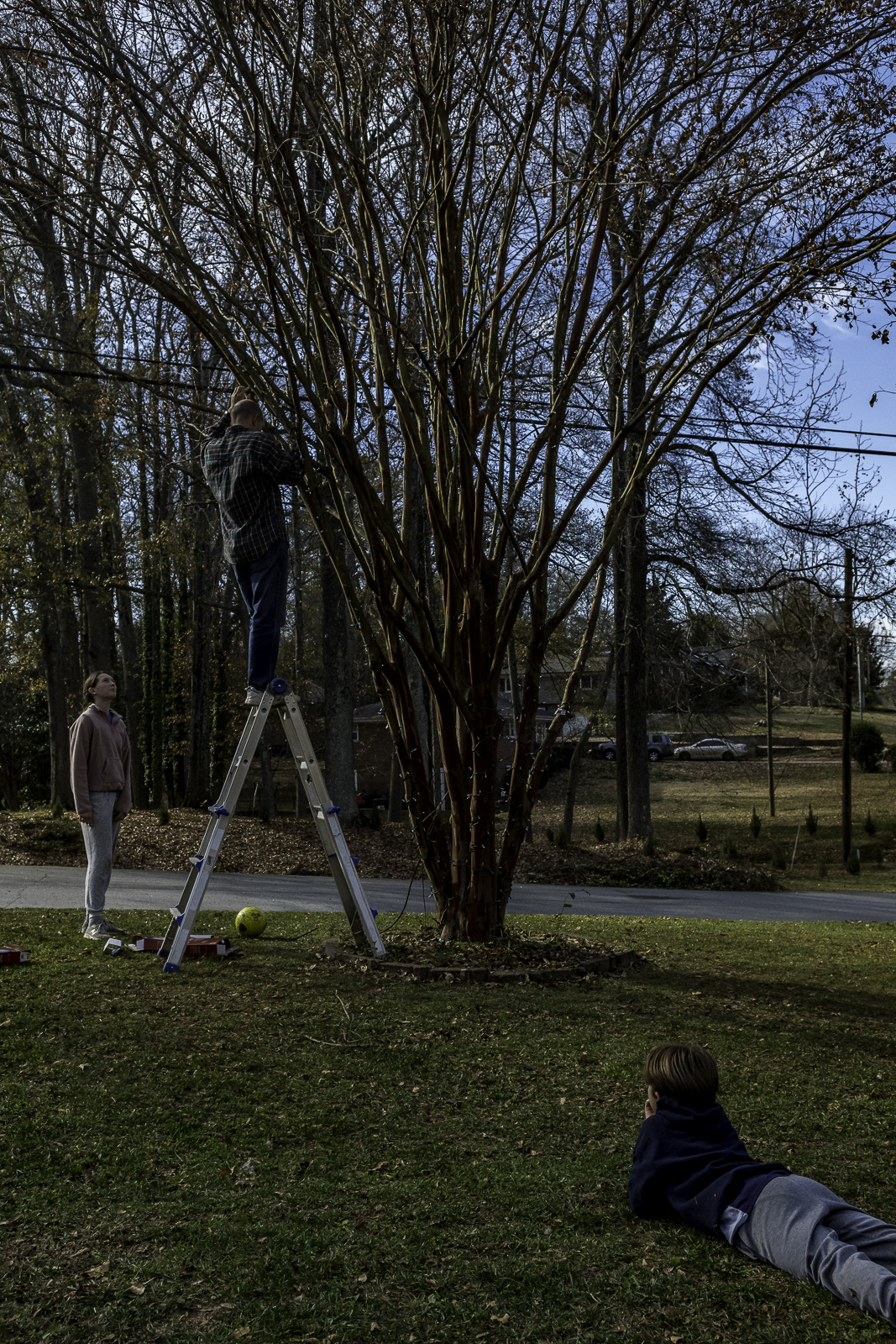
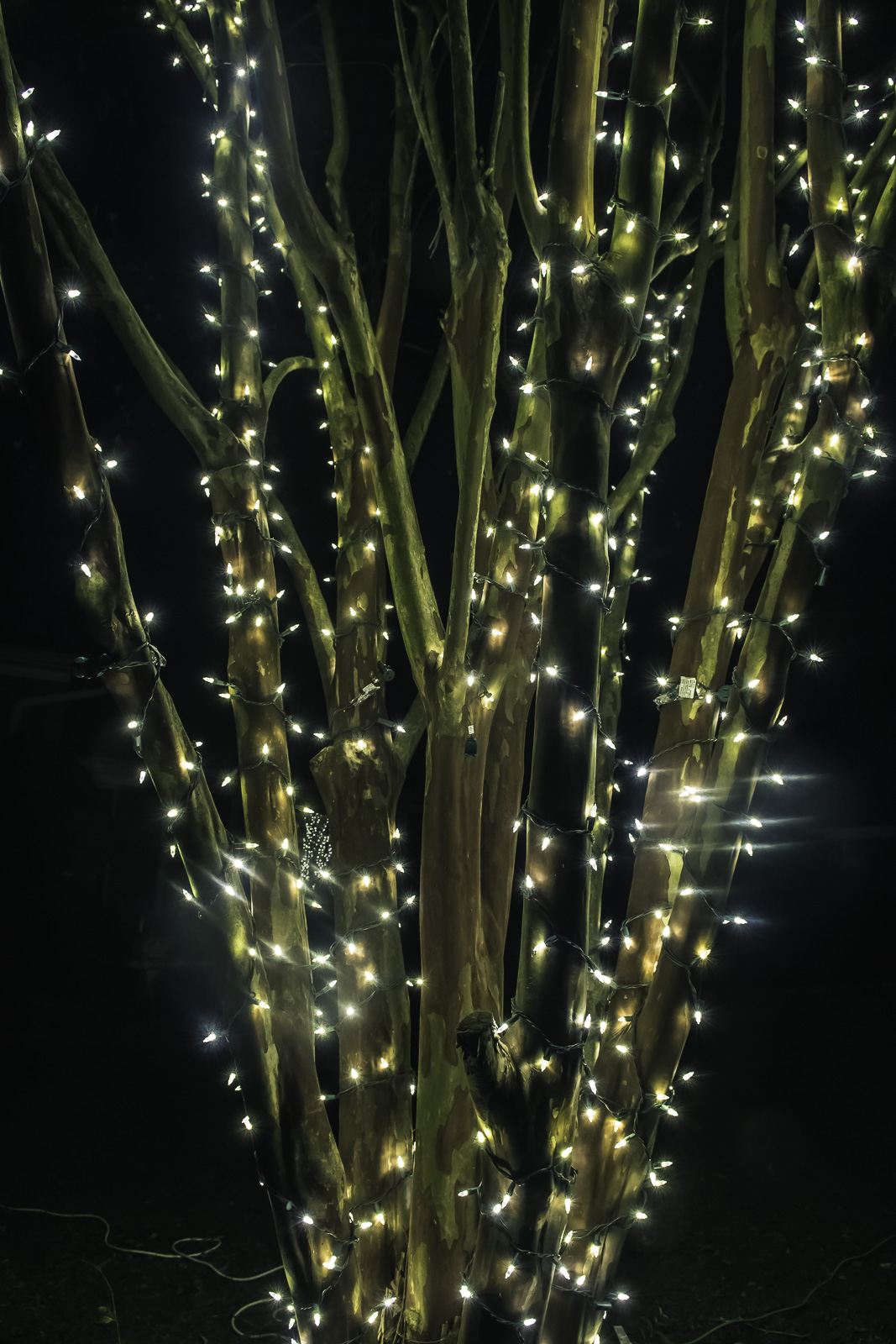
So while K was running her first open house as a real estate agent, the kids and I set about wrapping some 344 feet of lights (8 lines of 43 feet each) around our crape myrtles.
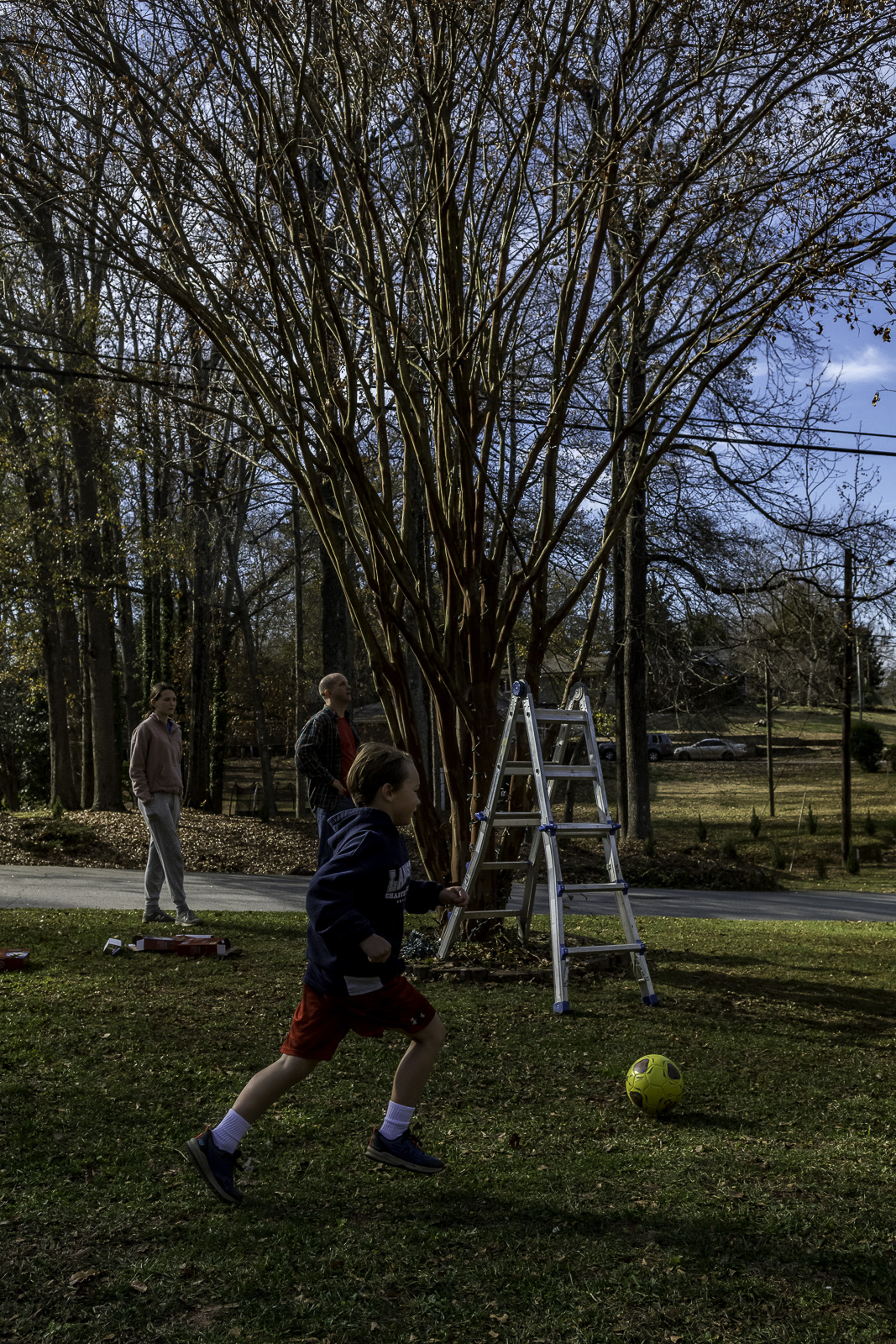
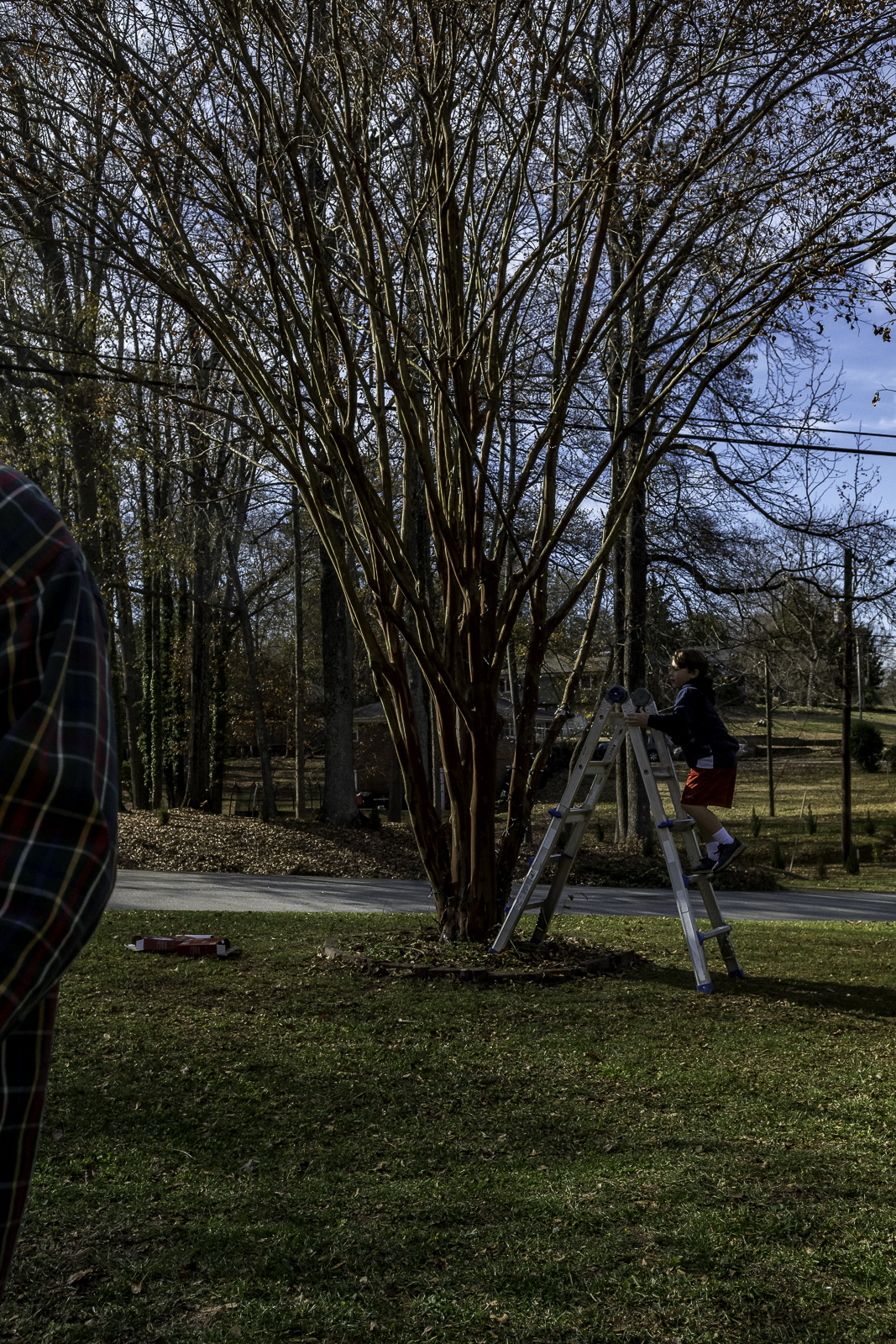
I wasn’t sure how it would turn out because of the random places we had to string a line from one branch to another, creating a strange horizontal bit in an otherwise verticle orientation.
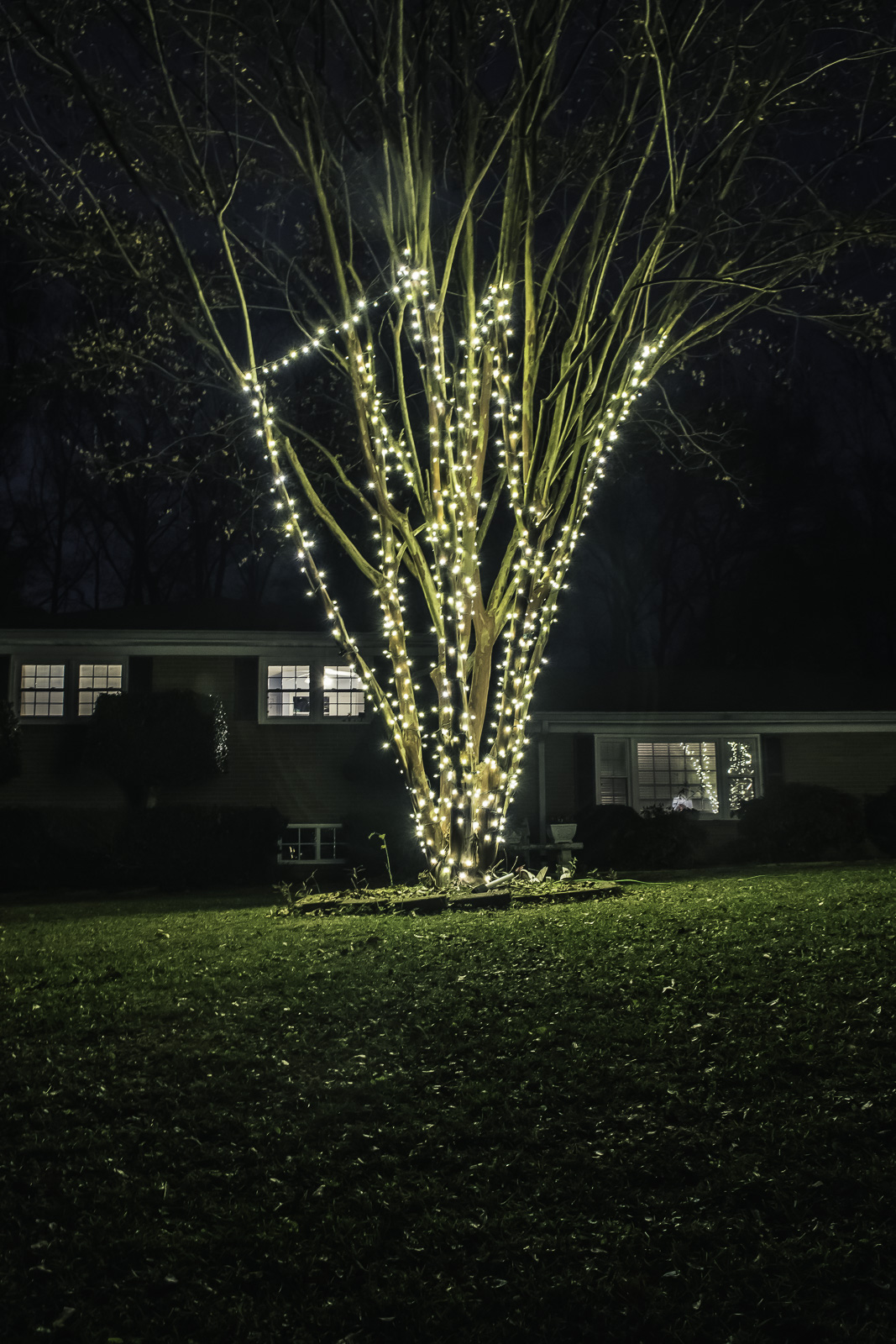
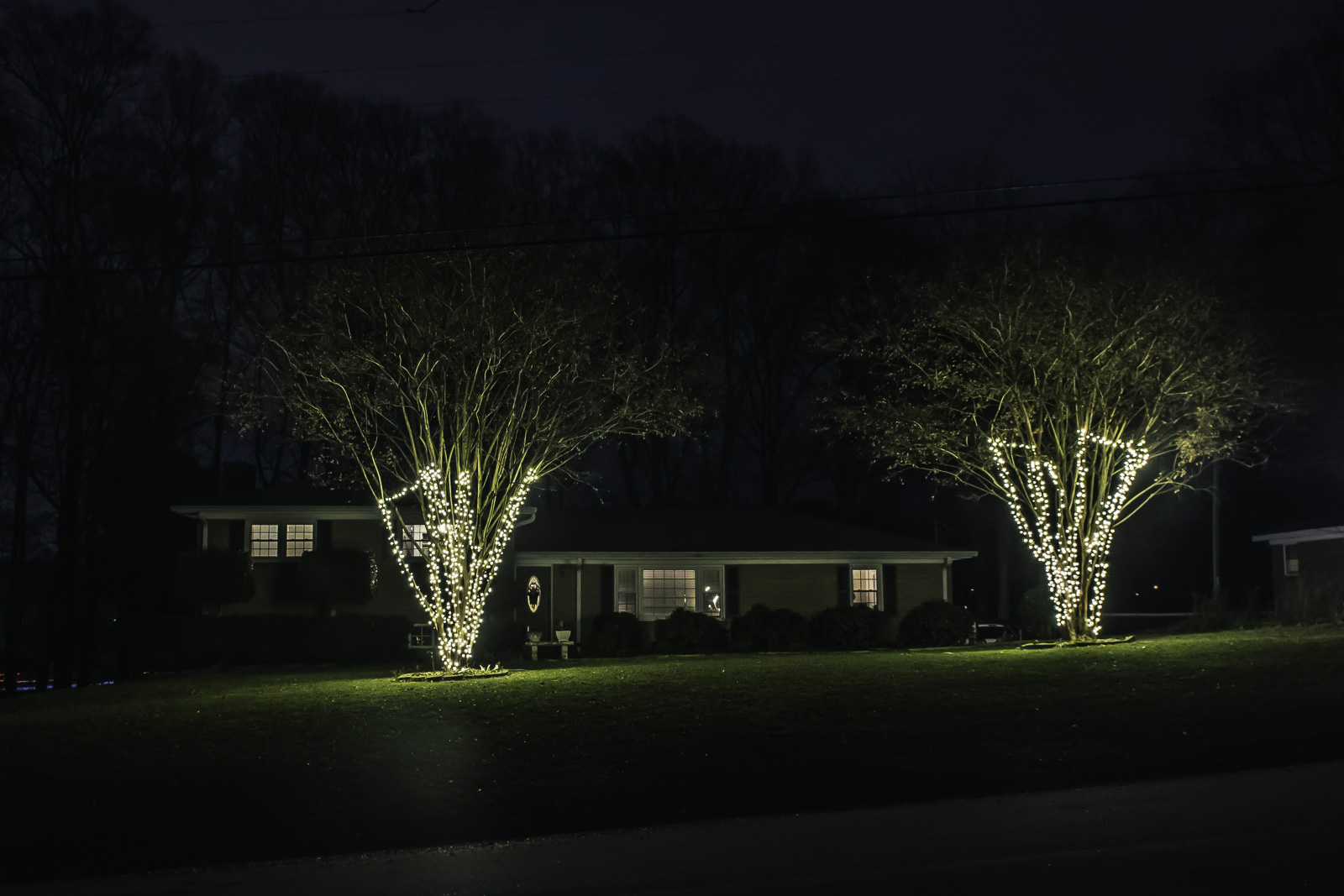
In the end, I think it turned out fairly well.

“How long did it take?” asked K earlier this evening.

“About as long as the icicle lighting.”

Maybe next year we’ll do both…or neither.
Apartment

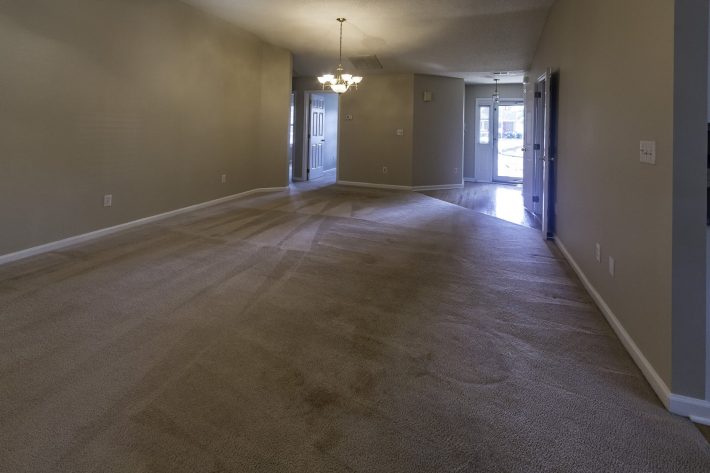
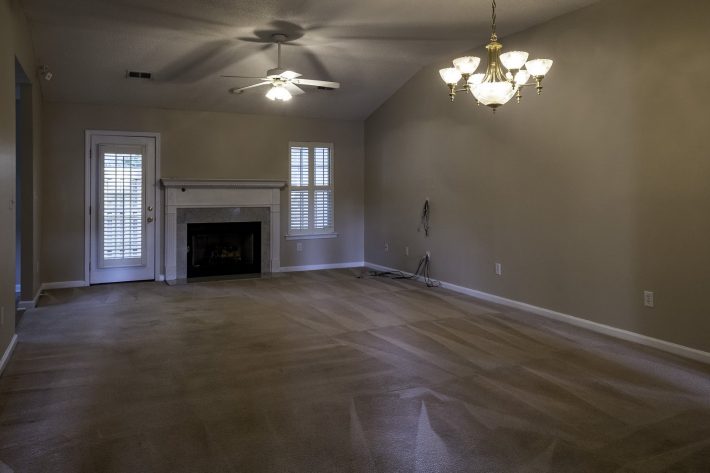
I sit in my parents’ apartment listening to Mozart’s Requiem looking around I completely empty room what was once so full life. The couch, the table, the chairs, the media equipment, the paintings, the photographs, the bookshelves and books, the kitchen utensils — everything is gone, sold for next to nothing or dumped in the trash.

Sitting in this empty house is not the same as sitting in my own empty apartment just before moving out.  There’s more of finality about this. When you’re leaving your own apartment, you know you’re going to a new one. This apartment, we’re just leaving. Someone else will own it, someone else will live in it, someone else will bring new memories into it, and someone else will make new memories out of it. We, on the other hand, consolidated two houses into one with Papa moving in with us, so this is a period for us — an end stop. So many of the memories associated with this home have to do with our children. L playing and the castle that Nana and Papa bought for her when she was around four or five years old. E rolling around on the floor with Papa, rolling around on the floor with Lena, rolling around the floor with whoever was willing.

But some of the memories are more difficult. Every time I walk down the hall to get something out of the back bedroom or take something to the laundry room — a paintbrush to clean perhaps or a search for something absorbent — I pass by the guest bathroom from which Nana was emerging when it all started. I see her there again on the floor with paramedics around her, with Papa distraught, all knowing the situation but not realizing the gravity of it all.

That was now a year ago. Early December it all started. A trip to the hospital, a return trip home, some physical therapy, a collapse again, back to the hospital, back for physical therapy, to the rehab hospital, back to the hospital, all of it creating an enormous circle that seemed endless but most certainly was not.

Christmas Tree

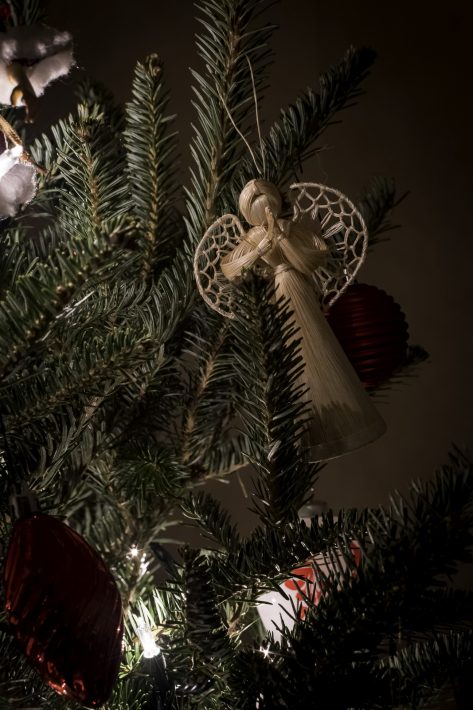
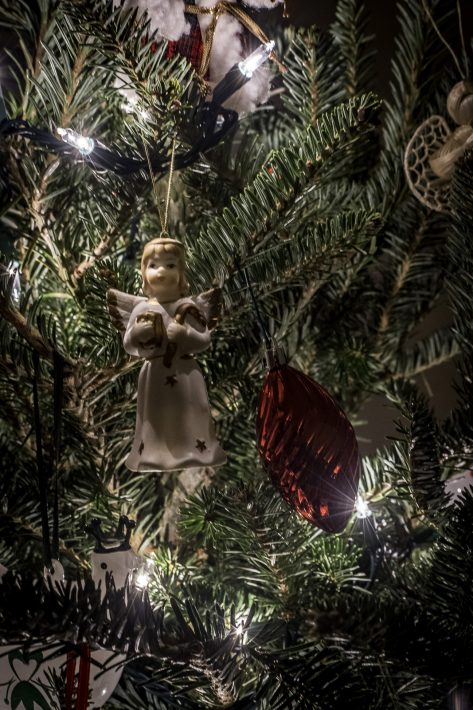
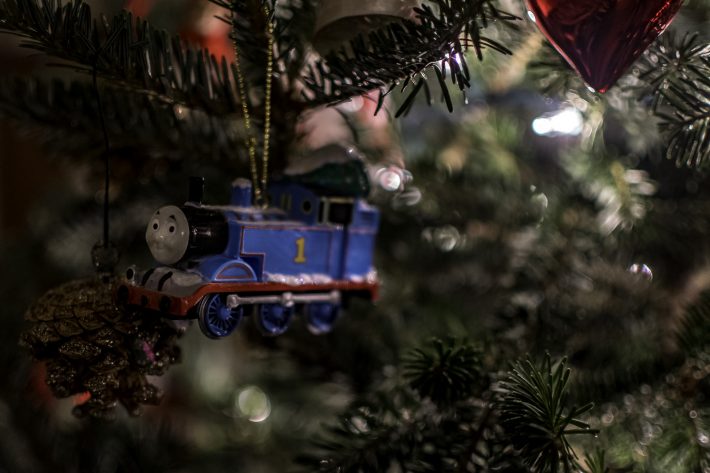
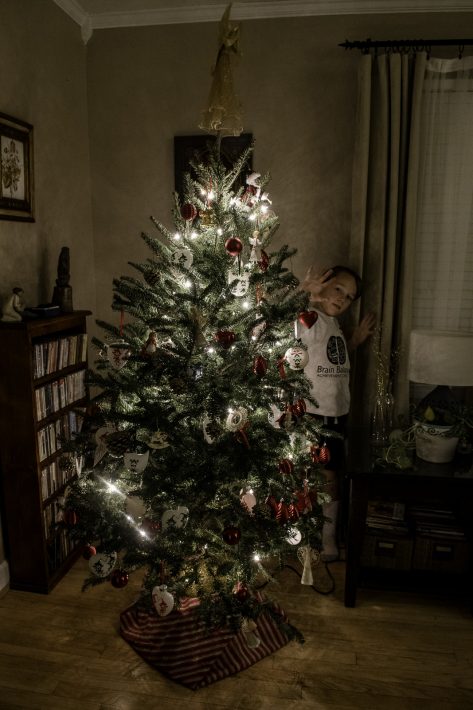
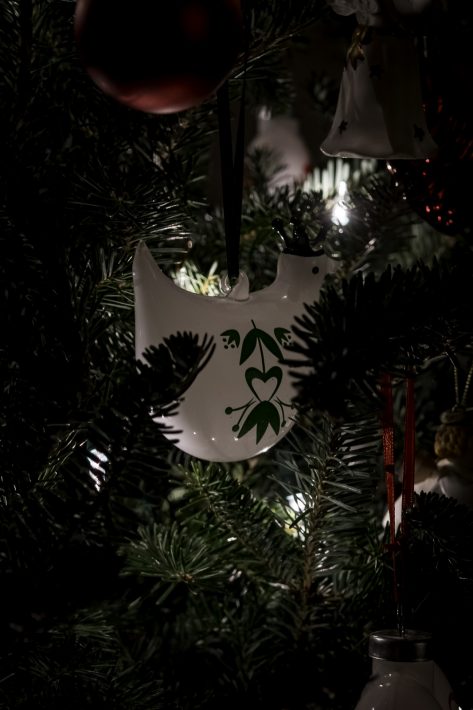
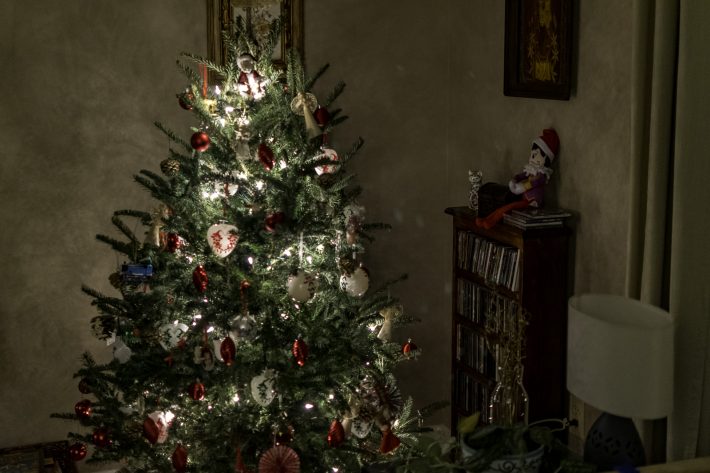
Six years ago, on December 7, we put up our Christmas tree. It’s a fairly early time for us to put up a tree, I think. I haven’t gone back to check (i.e., look for posts here), but knowing my Polish wife and her desire to keep with the traditions of her youth as much as possible, it’s probably always been later than sooner.
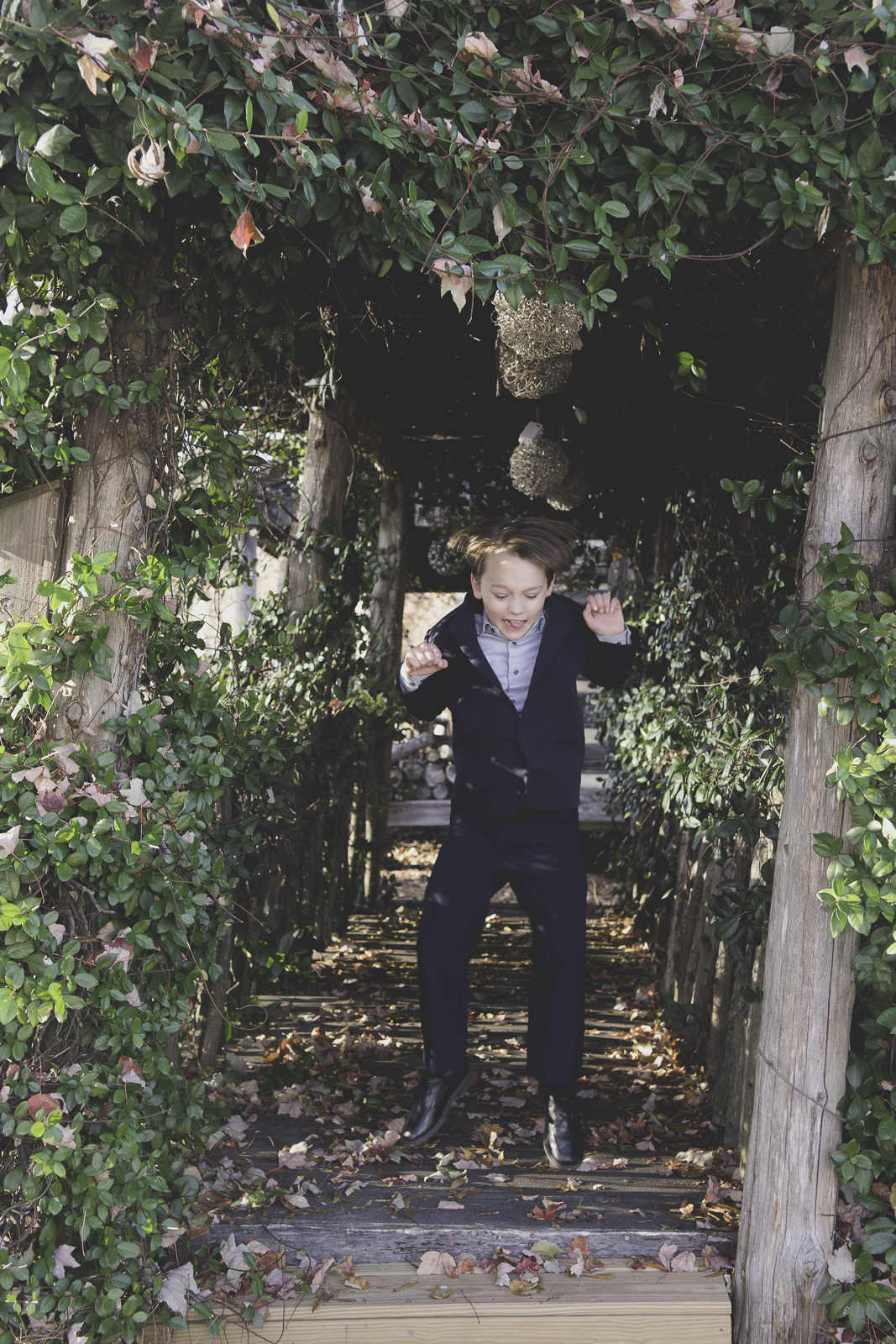
Of course, an odd highlight of the night was liberating the Elf from E’s sleeping hold and deciding where to put him tonight…

The Elf

E’s class has an Elf on the Shelf. You know the gag: every morning, when the kids come in, the elf is sitting somewhere else. The kids all have a good time looking for him.

Of course, the Boy then wanted one for our house. Fortunately for him, K is Polish, which means we celebrate St. Nicholas’s Day, which is today, which meant lots of excitement in the morning when we left the elf behind, wondering when he’d start migrating through the house.

K texted Papa in the morning. “Please put Emil’s elf in a different location, maybe somewhere in your room. He is supposed to migrate through the house magically. That will make him very happy.” And it did.

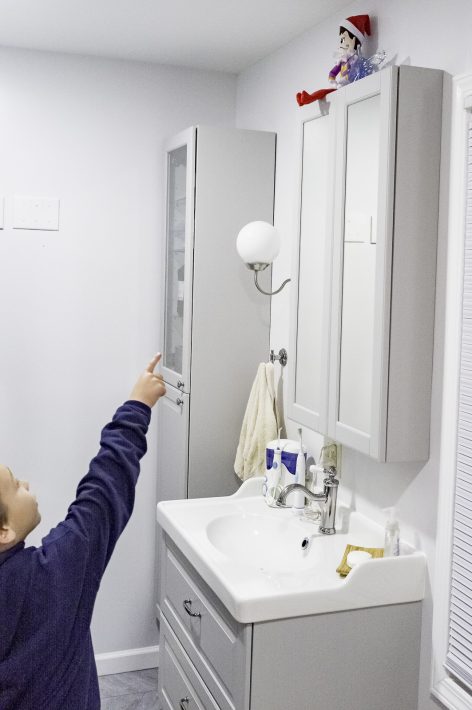
When the Boy went with K for tennis lessons this evening, the elf took off again. This time, he headed to Papa’s bathroom and perched himself high on the medicine cabinet.

“We have to be systematic in our search,” I explained as we ate.

“What does that mean?”

I explained; he agreed.

“I have to go to the bathroom,” he declared a few minutes later.
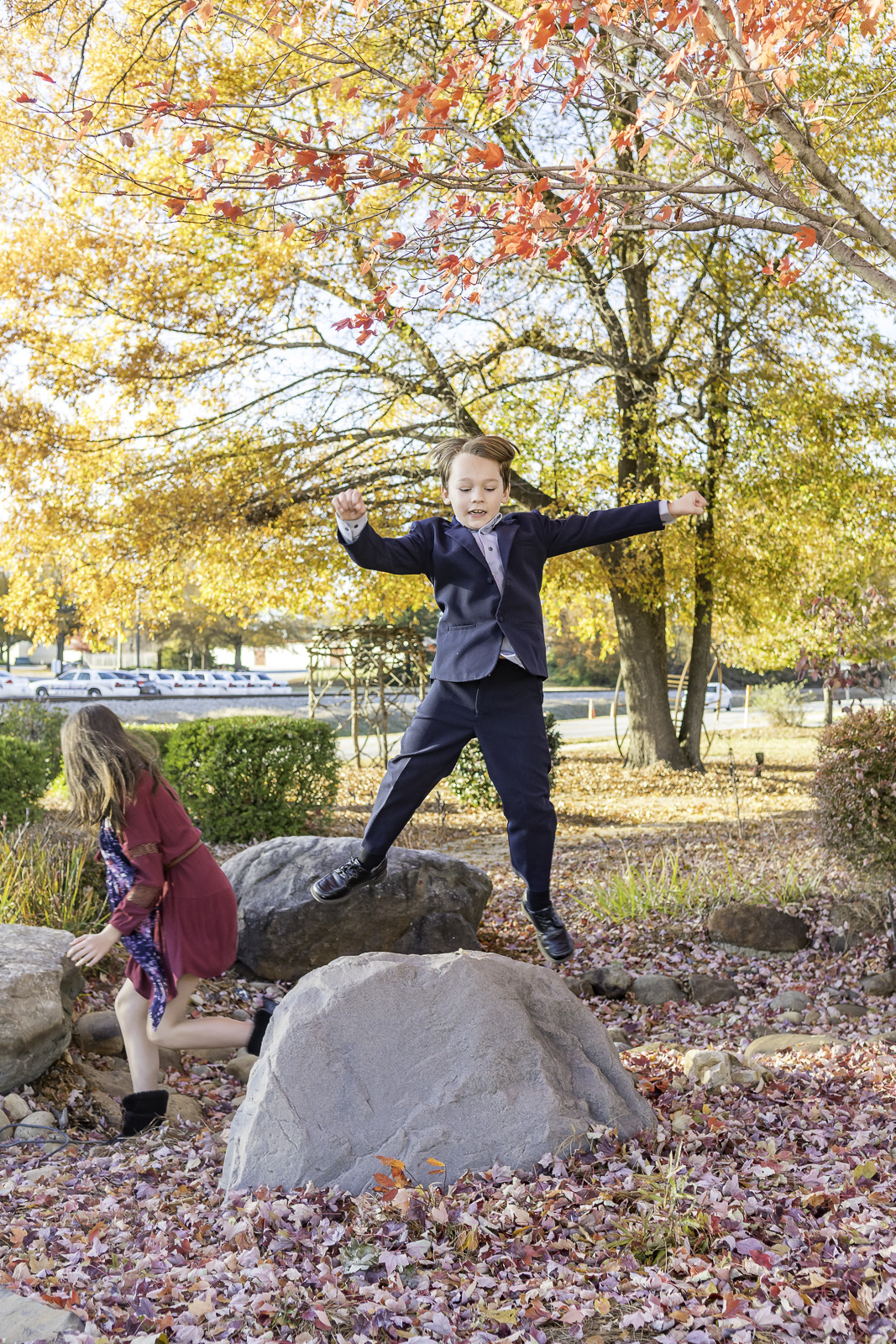
“Just go to Papa’s,” I suggested. “It’s closer.”
In he went; out he went — didn’t notice at all.

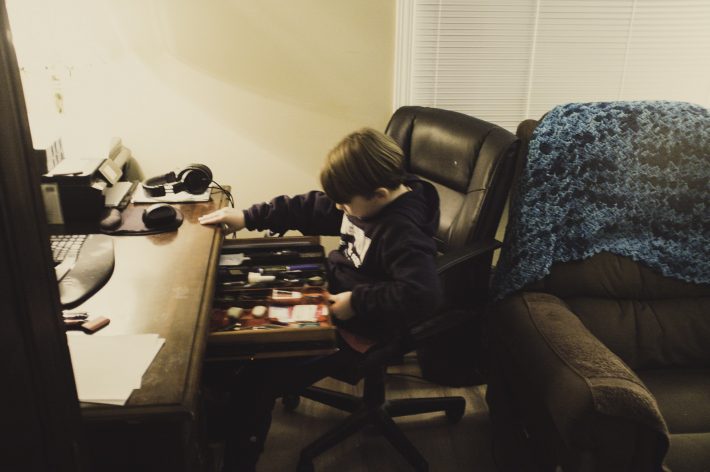
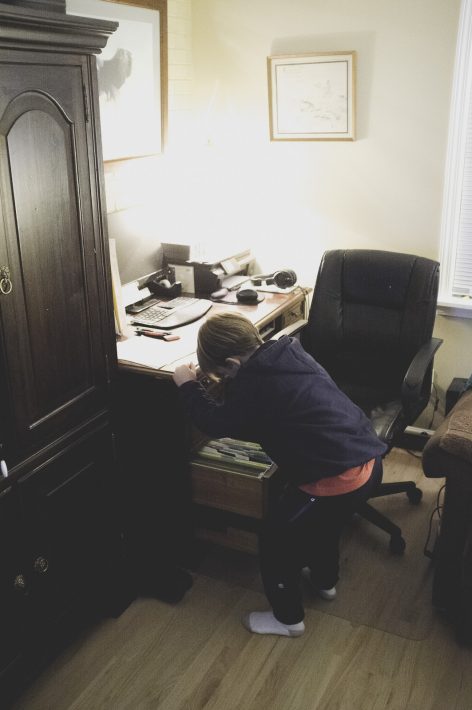
In our systematic search, he began going through all of Papa’s drawers.

“He’s an elf on a shelf, buddy, not an elf in a drawer,” I reminded, but he continued. Systematically.

We moved to the bathroom and he looked about, suggesting that perhaps the elf might have sought refuge in the washer or dryer. Nope.
He’d started moving to the living room when I pointed out that he’d forgotten one item with a shelf.

Our small X100 in hand, I jumped back as quickly as I could to frame the shot and managed to catch him just at the moment of discovery.

Kolejka

The reality of life in Poland in the 80s was the line. The queue. People stood in line for everything. People stood in line not knowing why they were standing in line. A friend once told me, that she often ended up standing in the line just because there was a line. “If there was a line there must be something she reasoned and no matter what that something was it was something that her family could use or trade with someone else.”

Kinga told us of a story about waiting in line for shoes. “We didn’t even know what kind of shoes they were,” she said, “but they were shoes and we needed shoes.”

I had my own experiences waiting in lines in Poland in the mid-90s, but they were not due to the lack of goods. I mostly waited in line for bureaucratic reasons. When I would go to Krakow training my Visa, I would arrive at the office in question an hour or more before it opened to find the line already stretched halfway down the block.

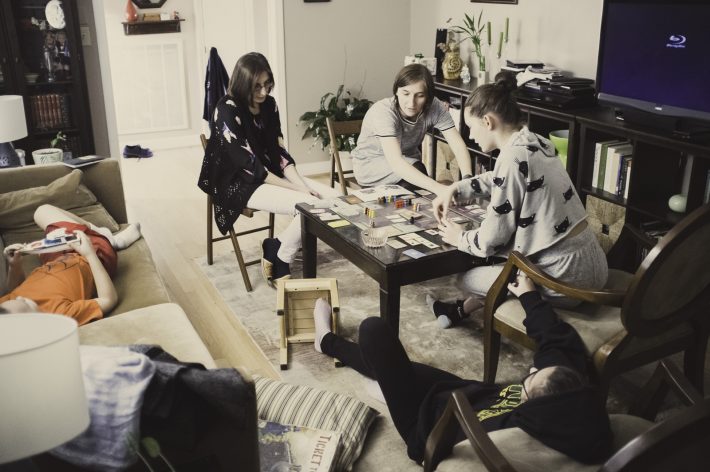
What better thing to do then some 30 years after communism ended in Poland than to play a game based on this reality. That’s exactly what the game Kolejka is all about: all the frustration of communist Poland in your living room.

Family Reunion

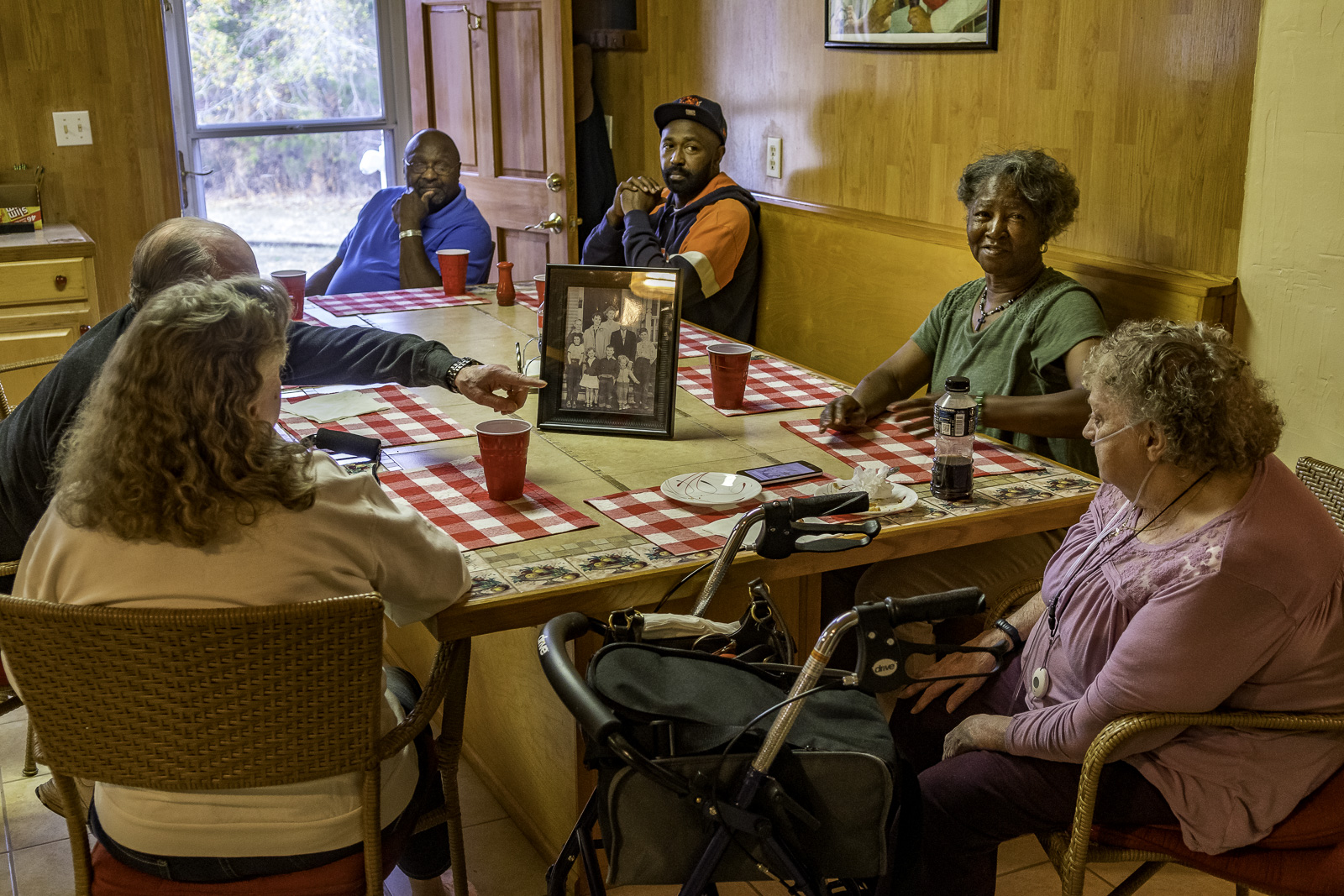
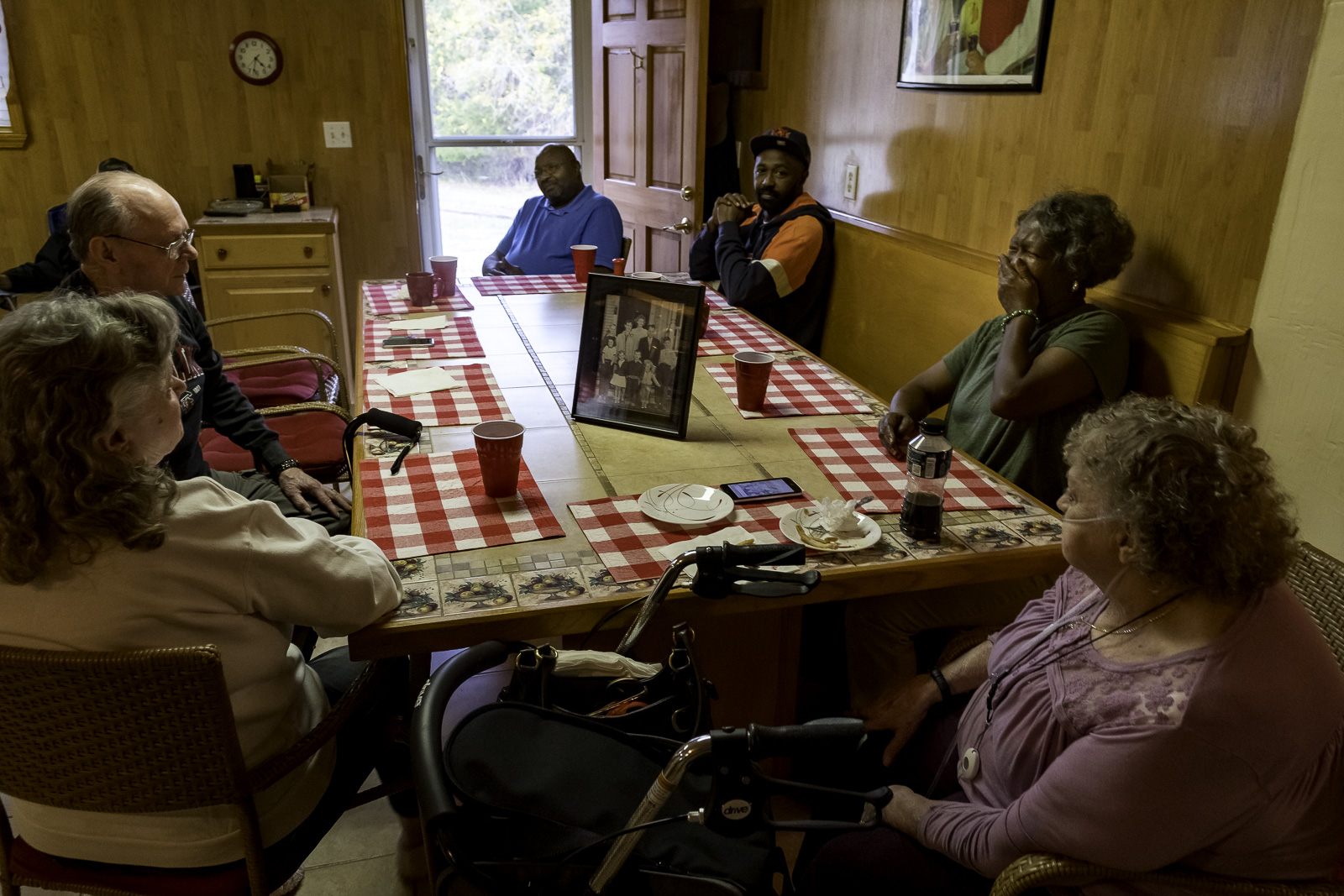
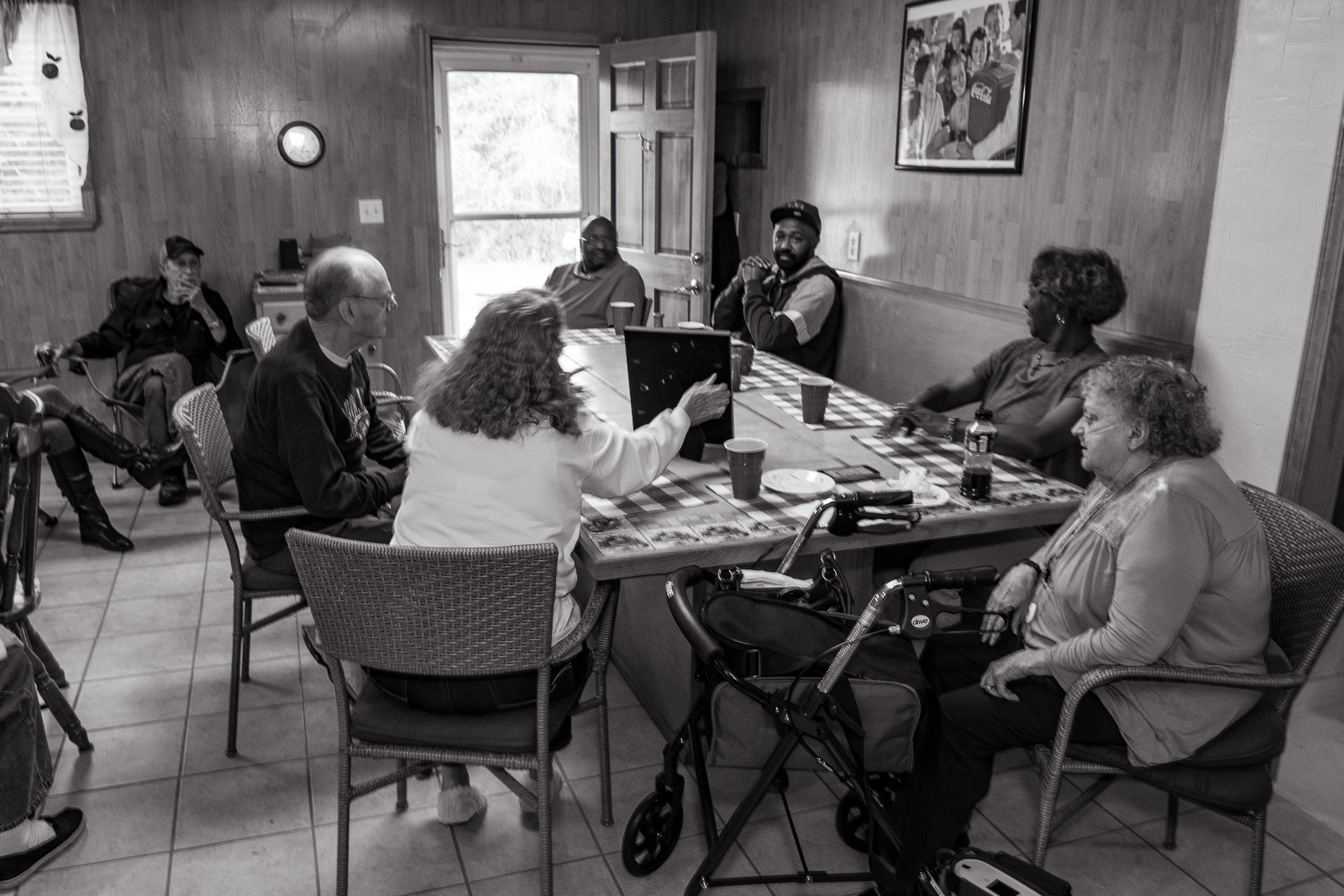
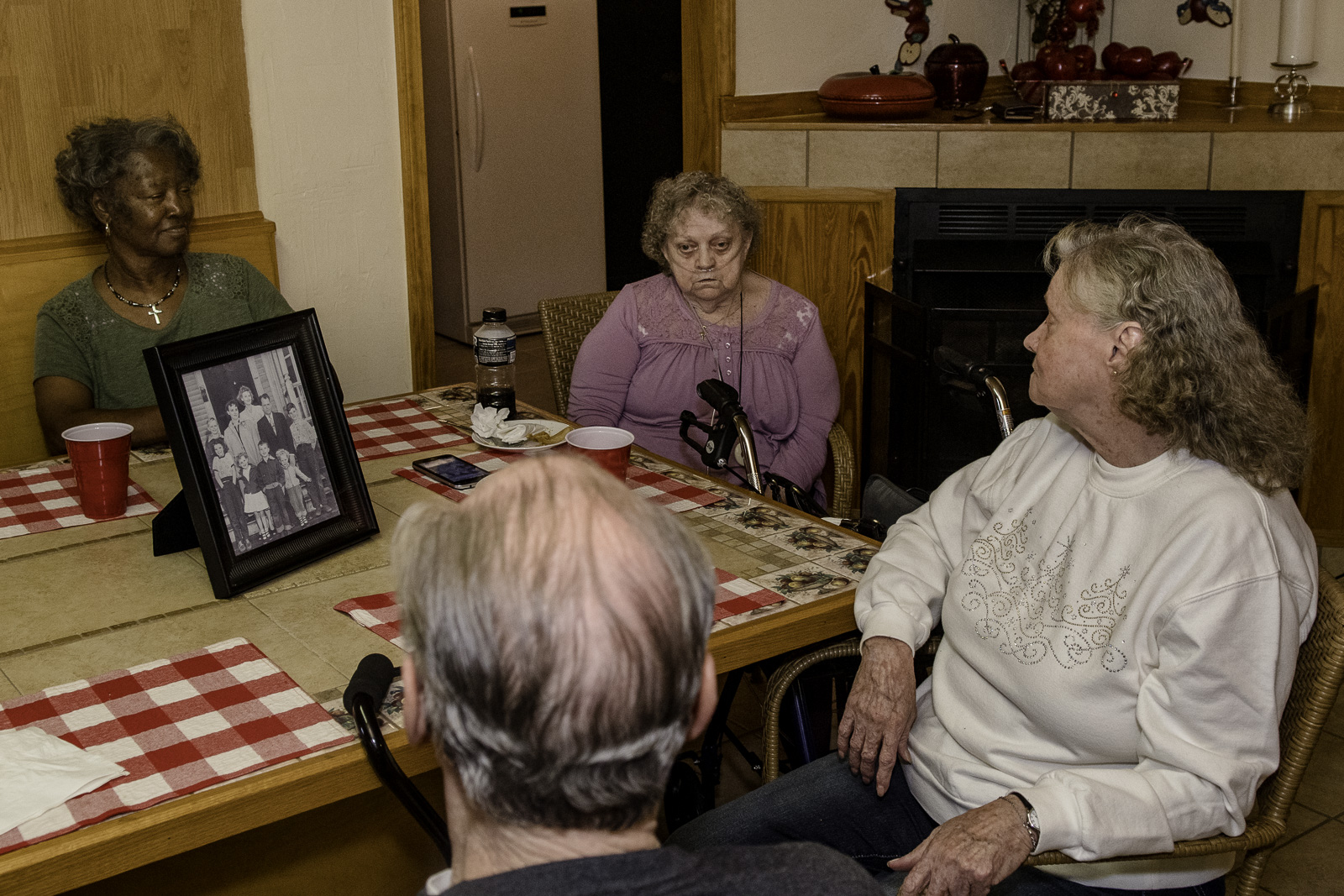
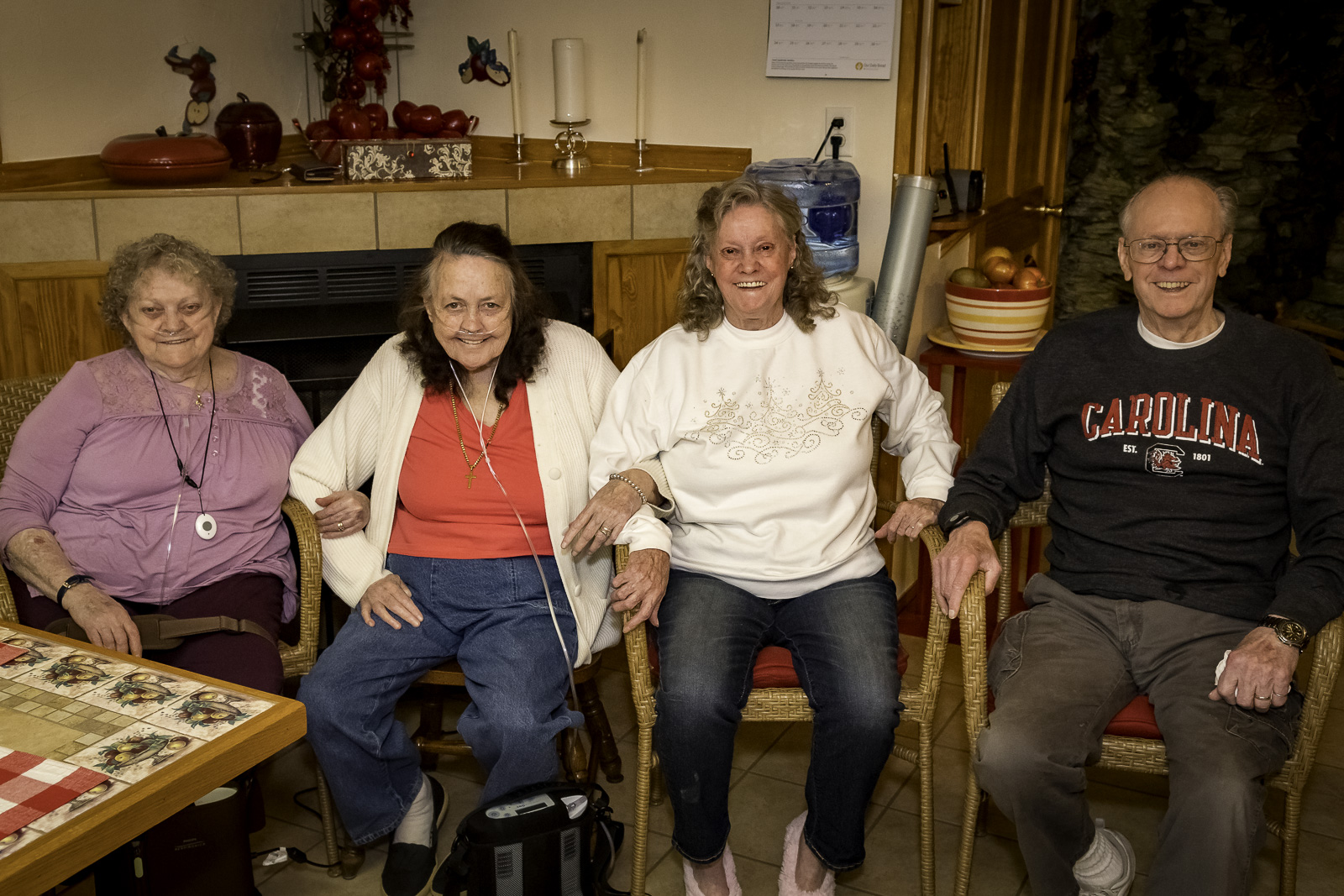
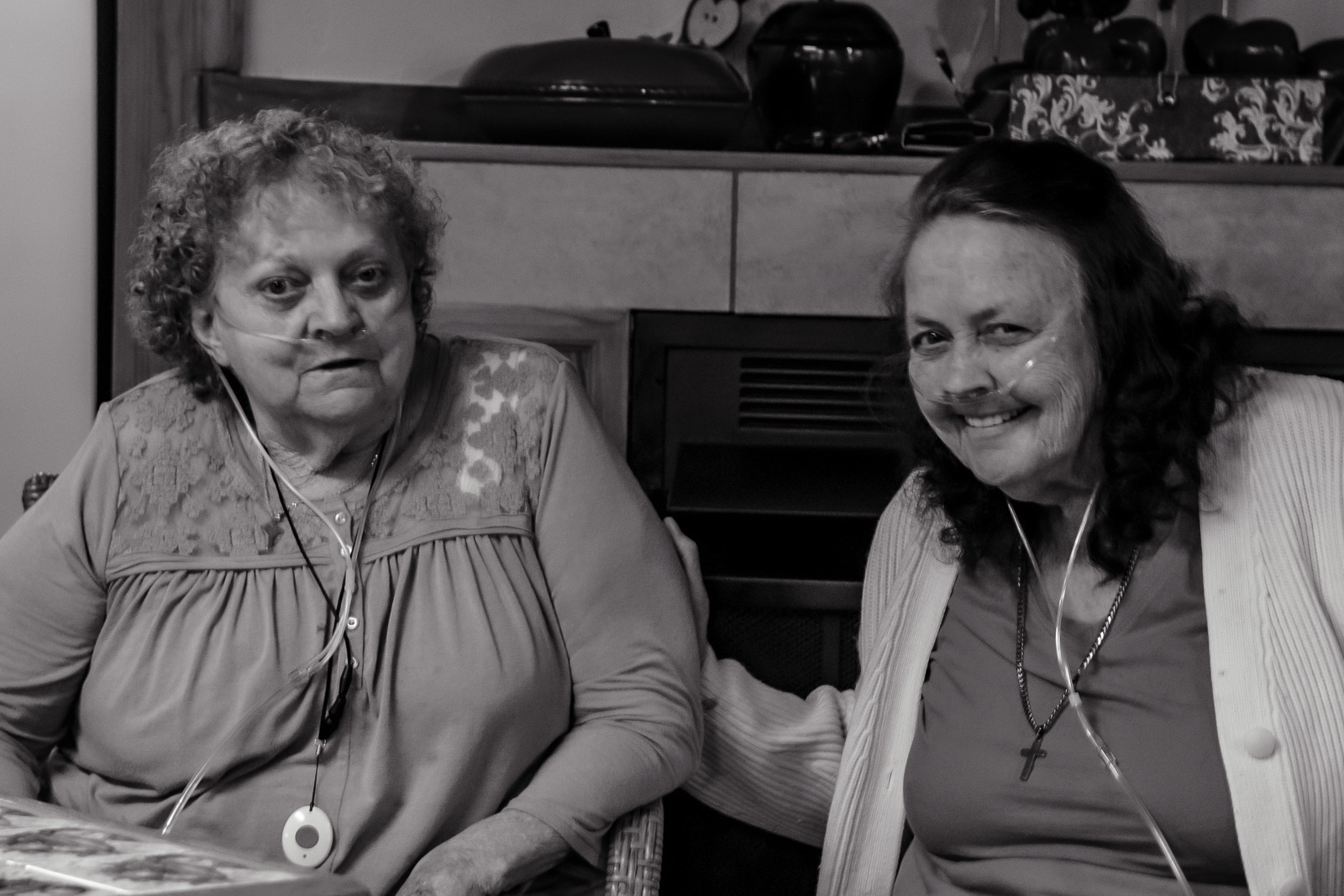
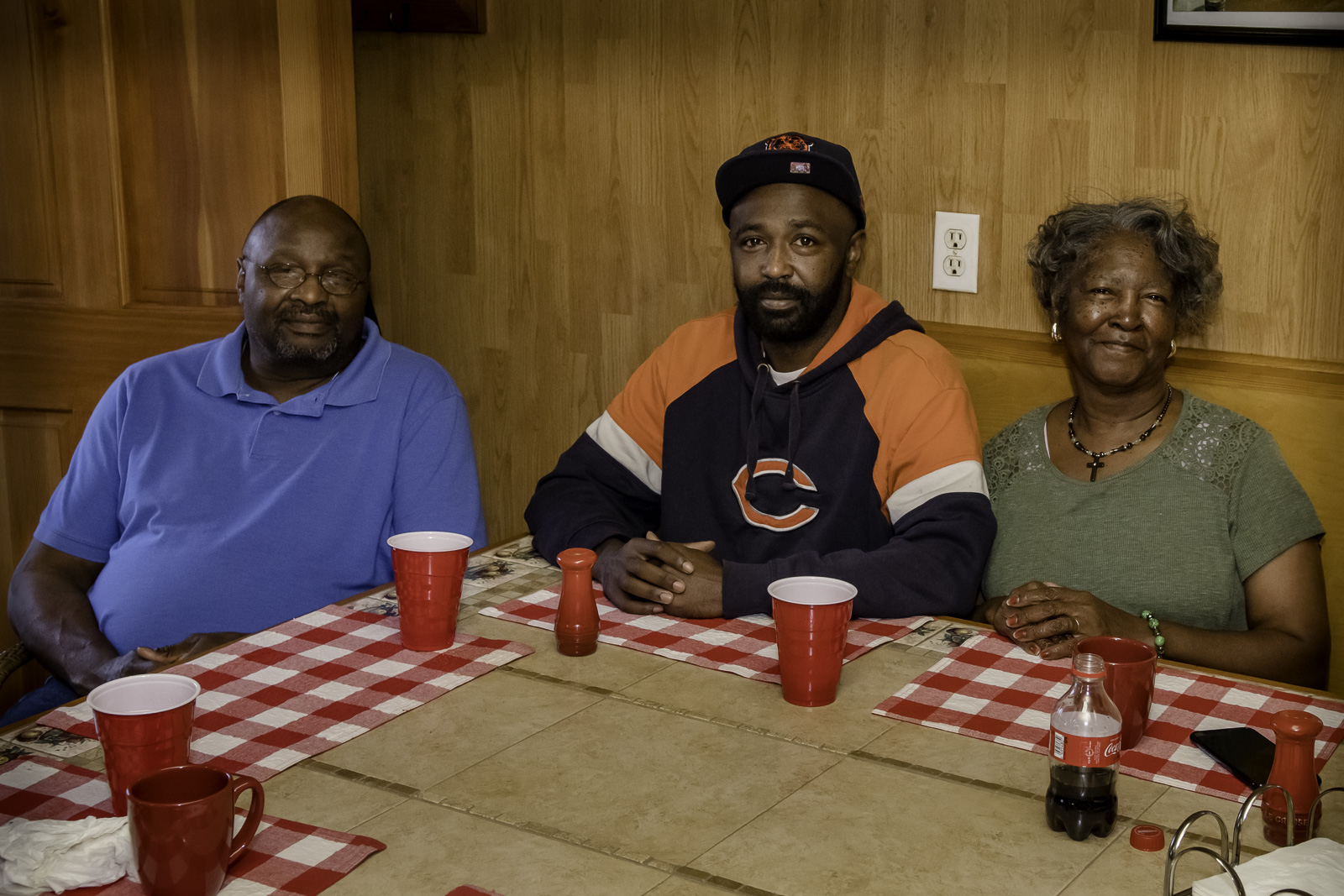
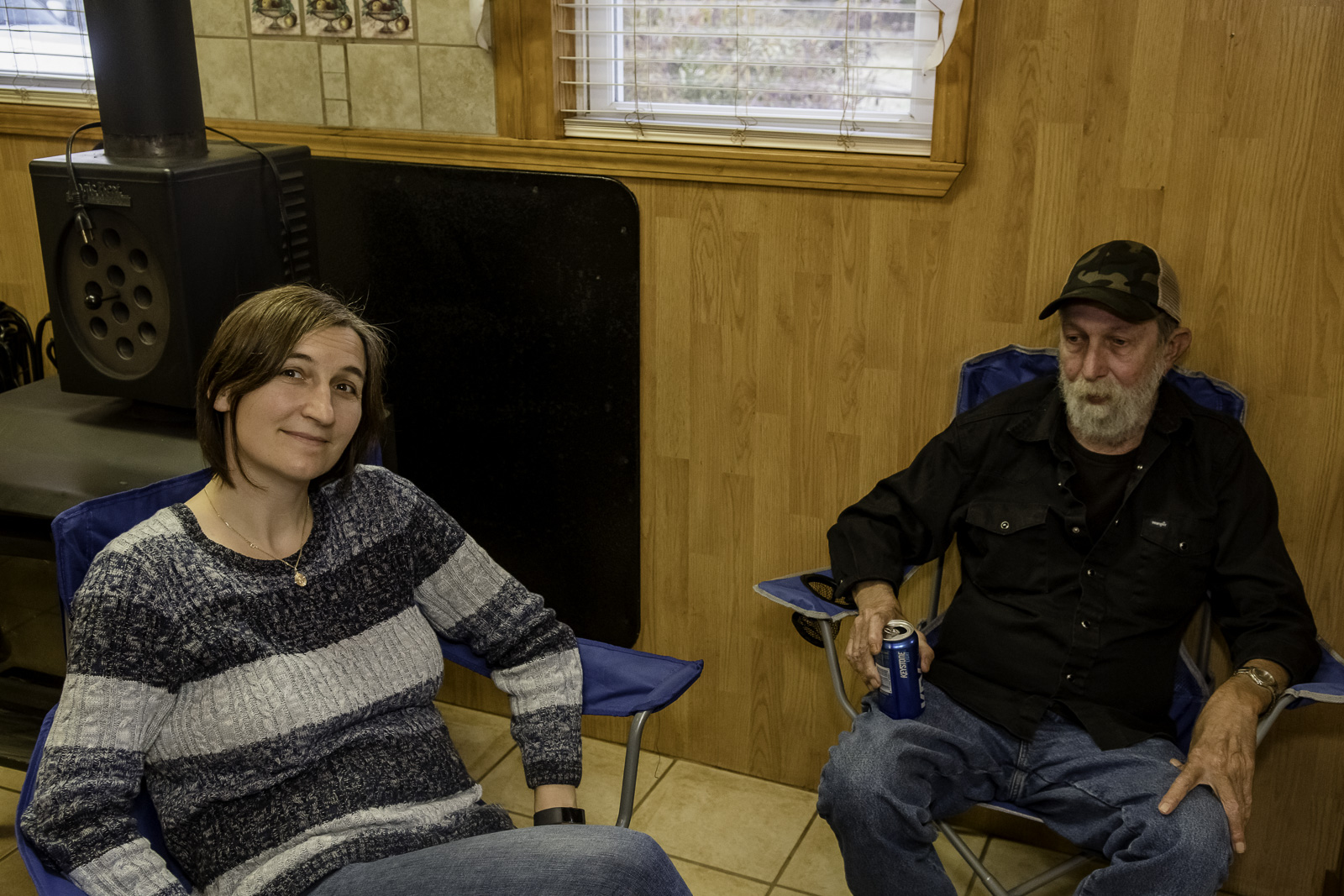
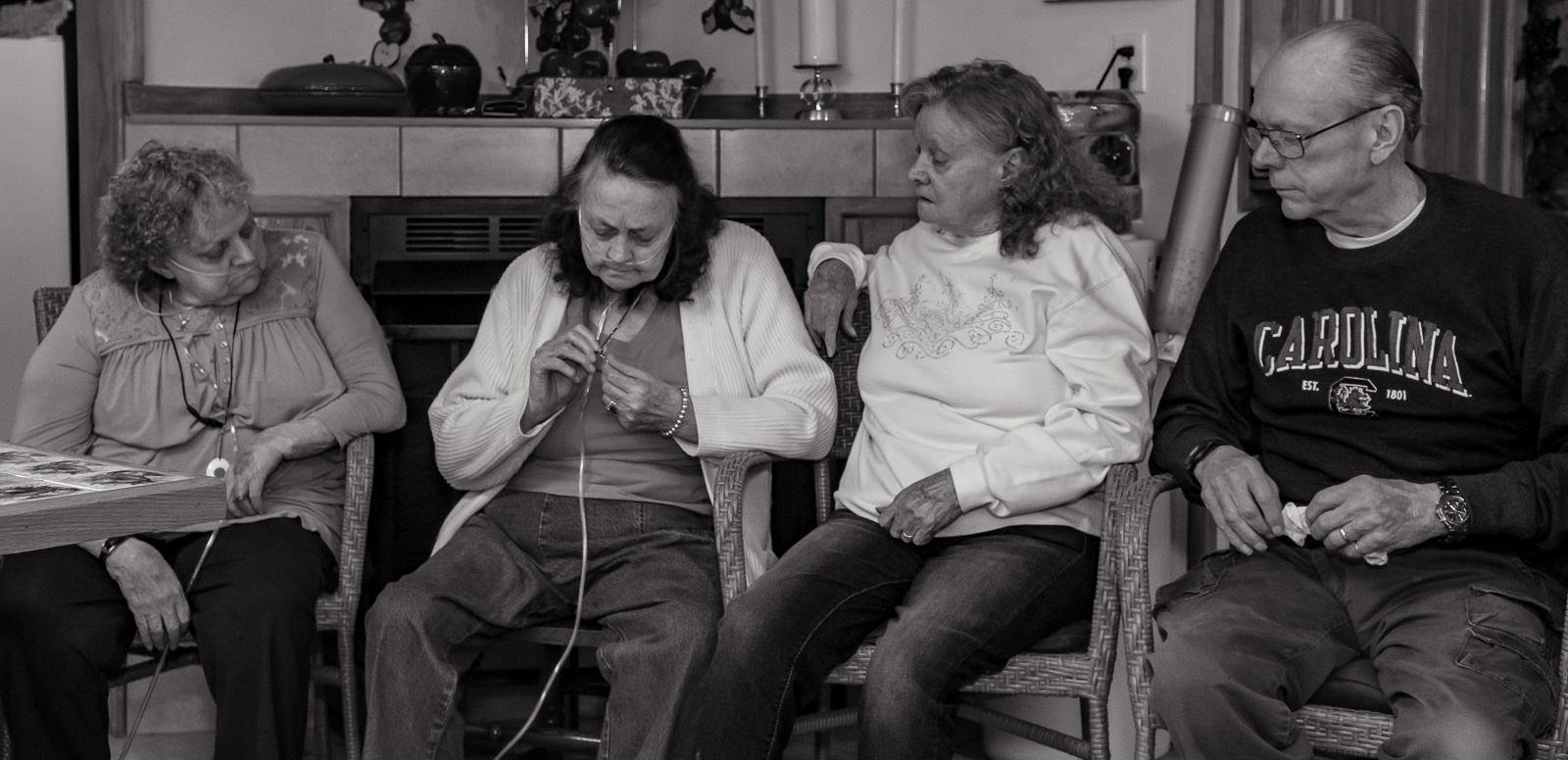
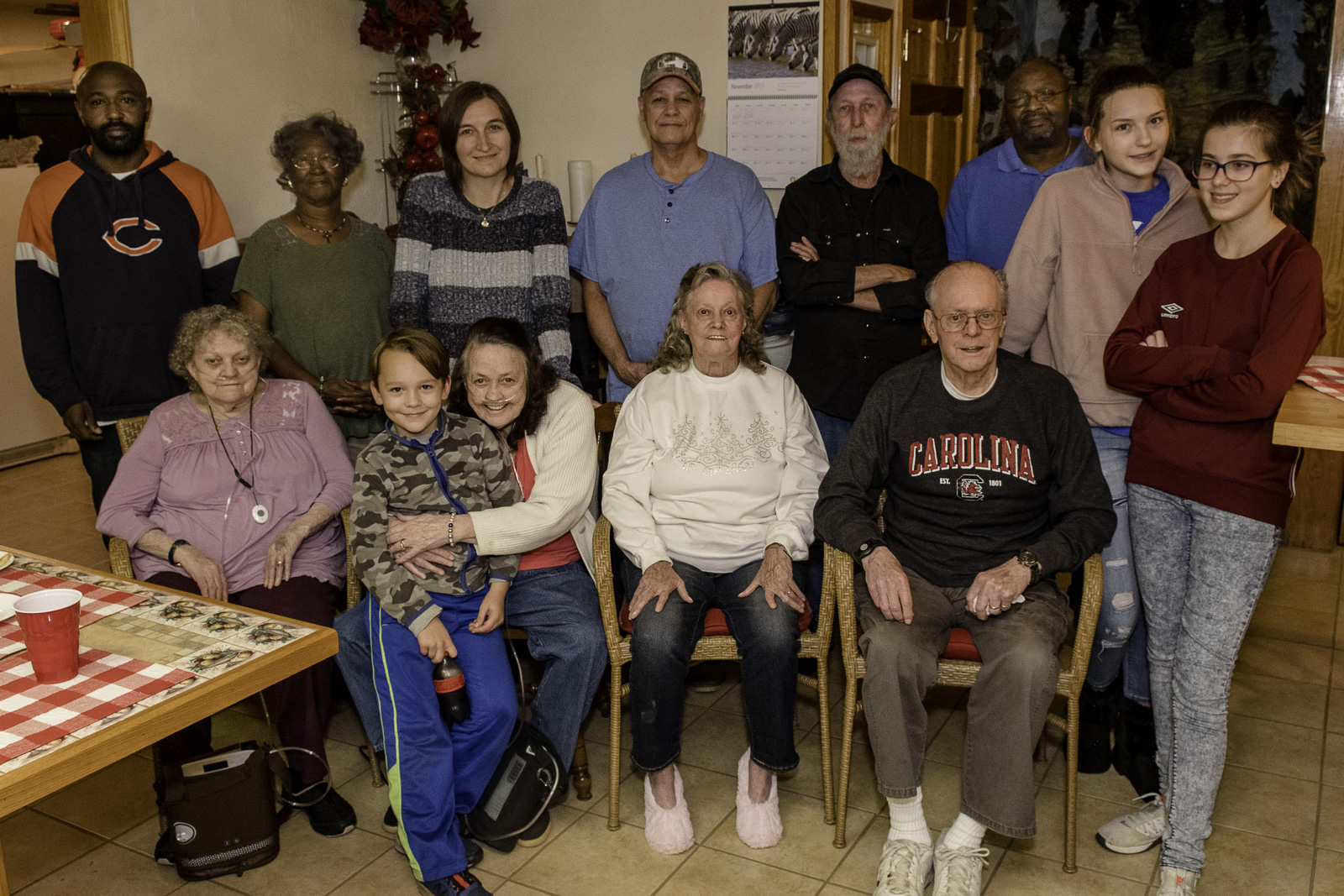
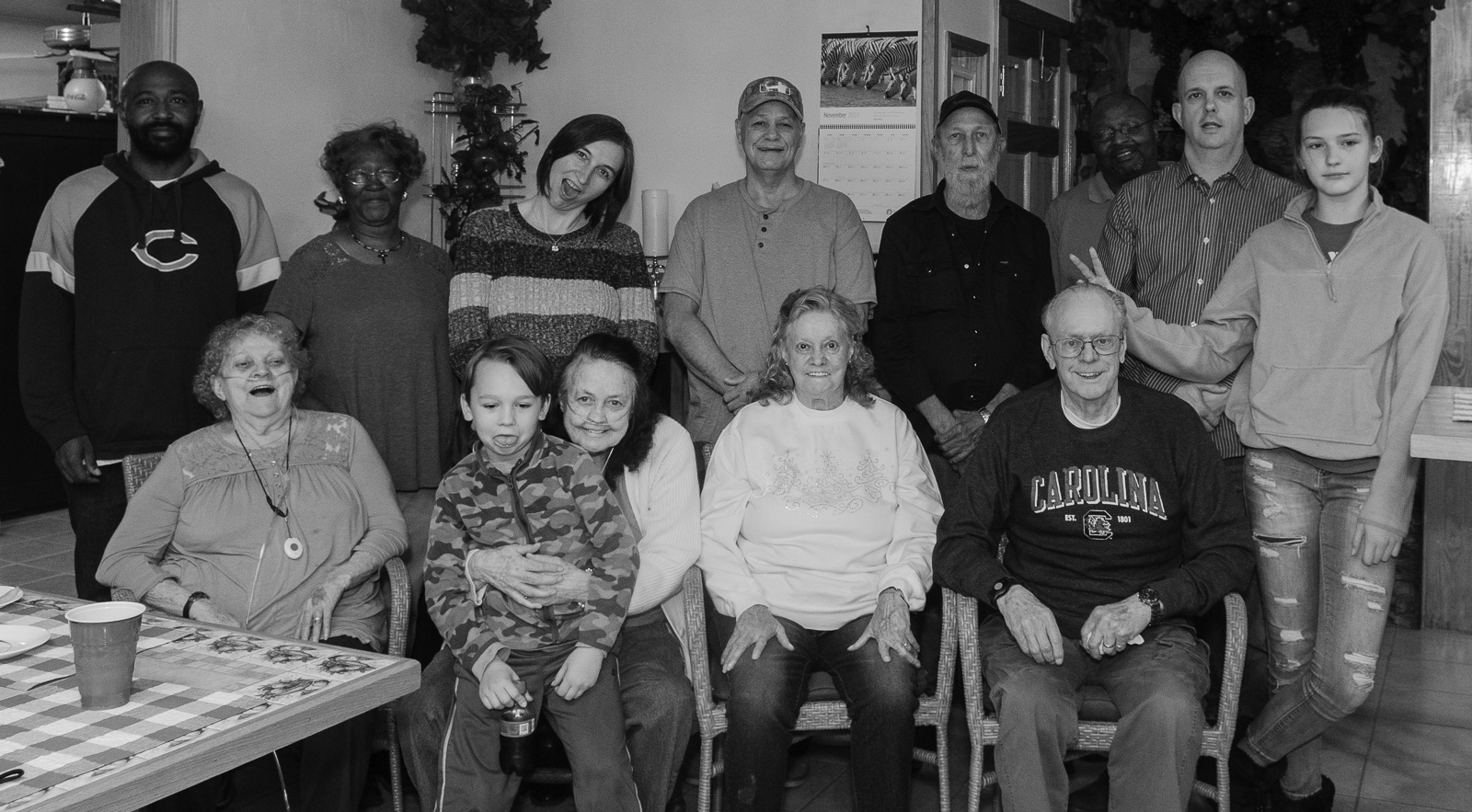
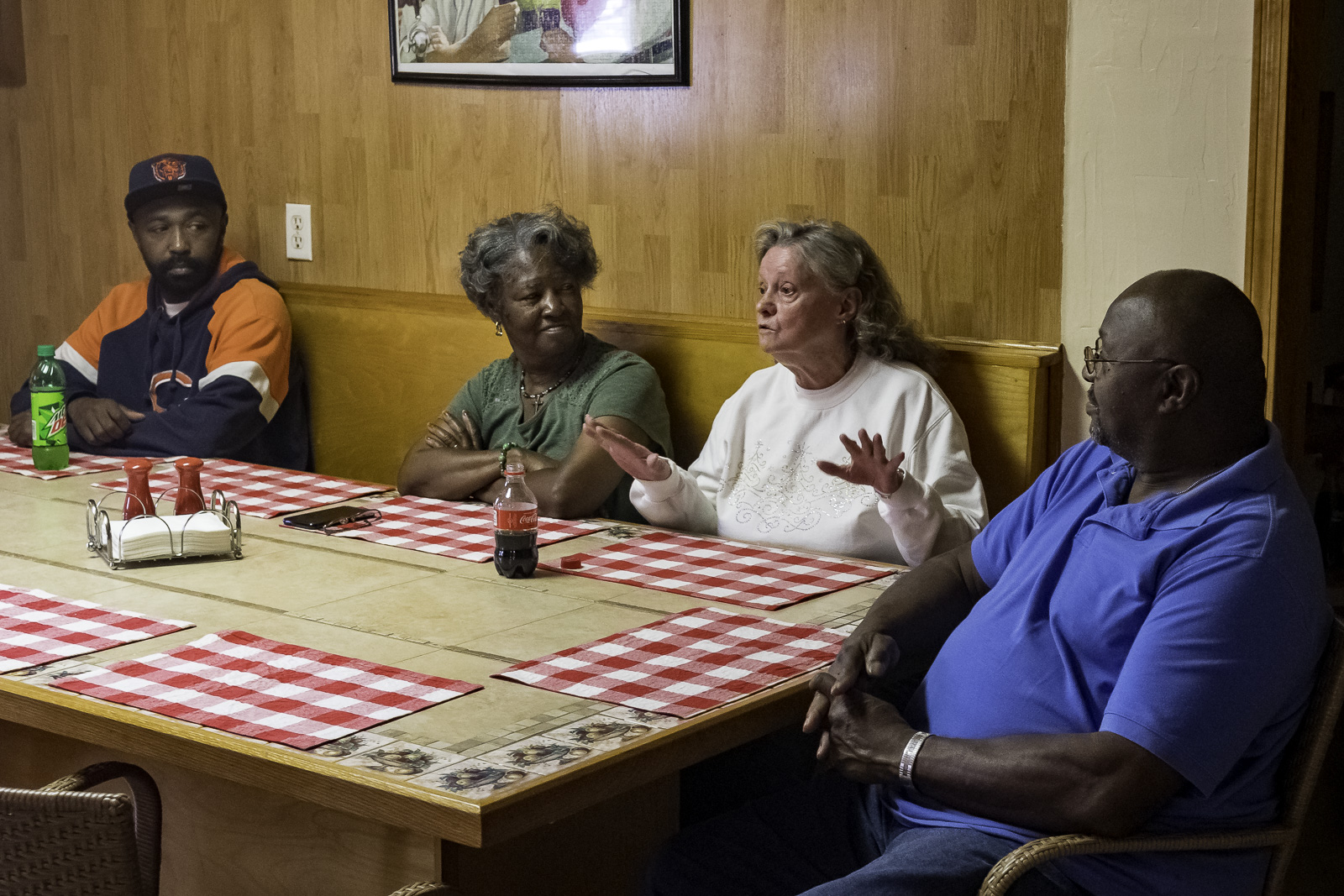
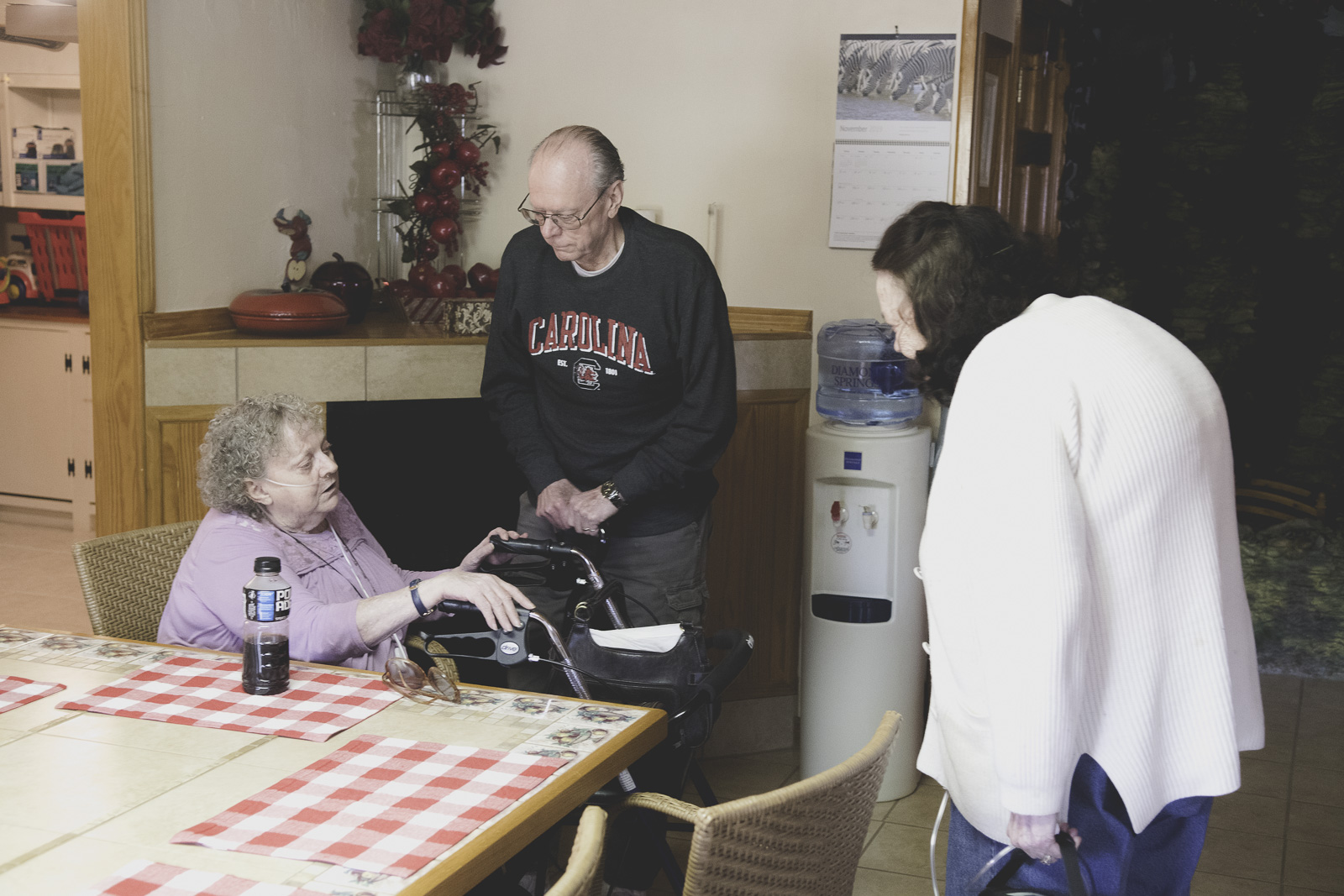
Papa and his three sisters with friends and other family.

That Log

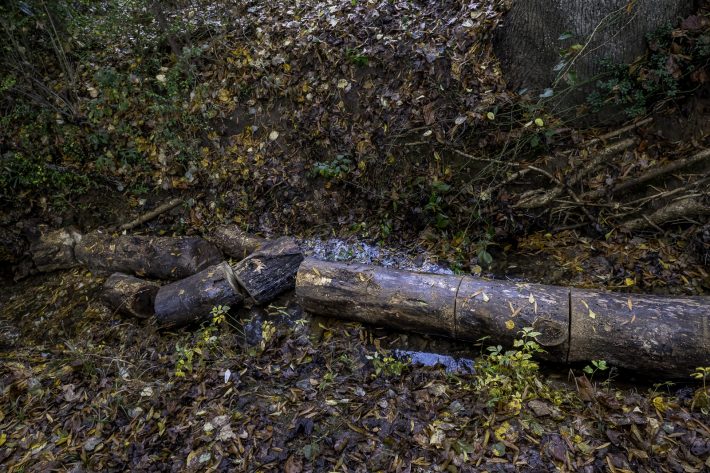
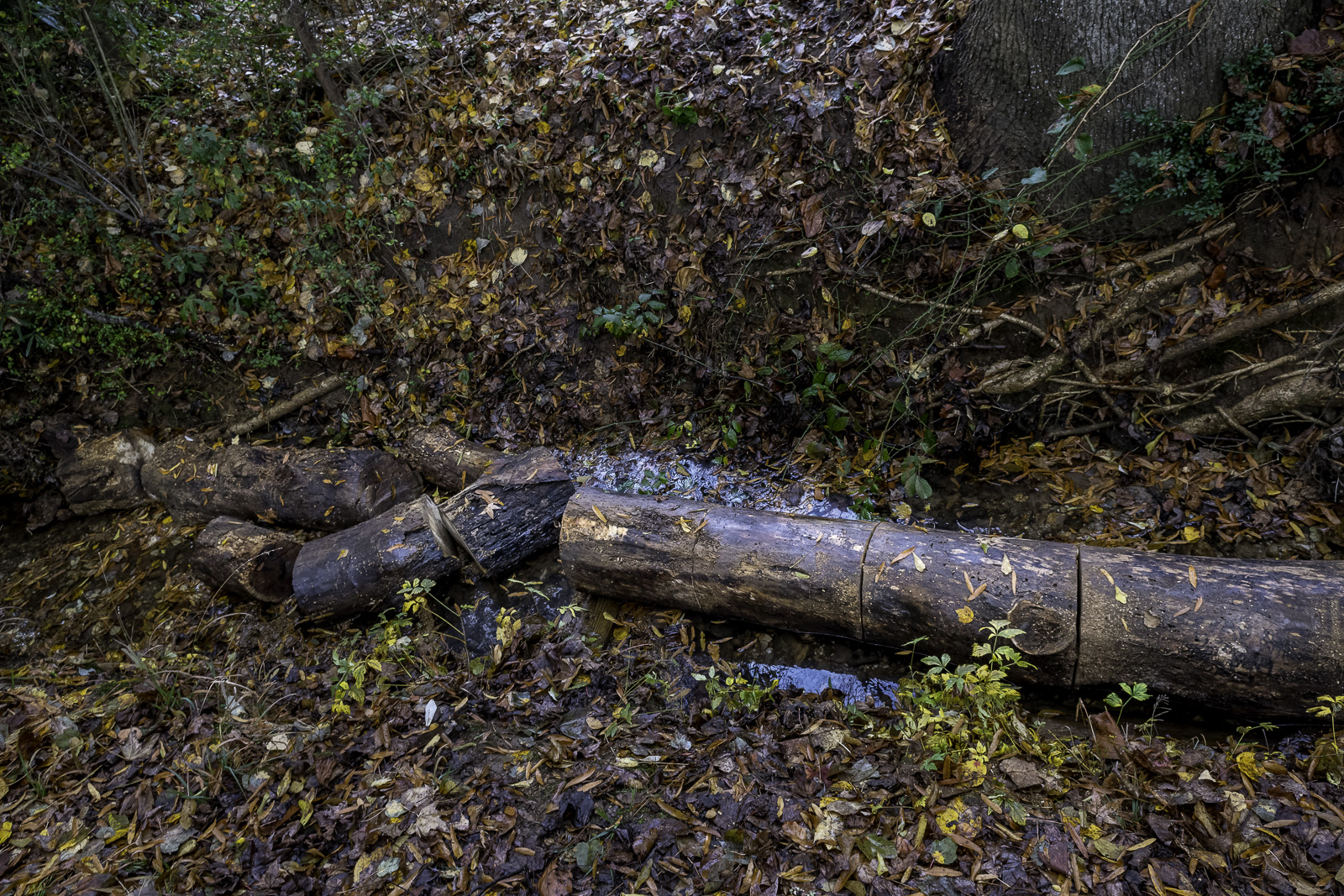
My neighbor came over today to help me wrestle that log out of our creek. The problem is simple: it’s sitting in the water, so there’s no way to cut it into manageable pieces. The real problem: the thing probably weighs well in excess of 1,000 pounds.

We got some of it cut, but the vast majority still lies in the creek. We’ll try again Saturday with some kind of improvised wench system.

Overheard

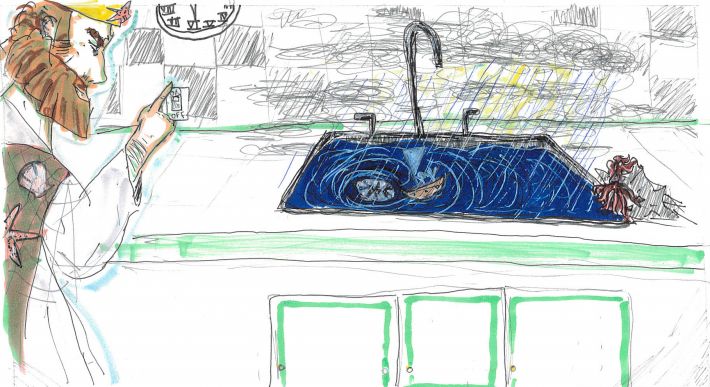
Student 1: “Scylla and Charybdis — aren’t those names of Sirens?”

Student 2: “No, no — that’s the six-headed monster and the garbage disposal.”

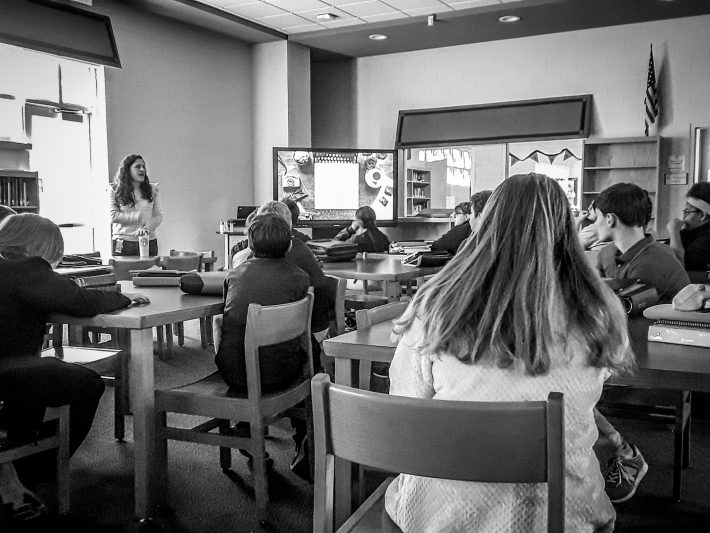
At my request, Student 2 later illustrated her summary of that portion of the Odyssey.

14 Years Ago

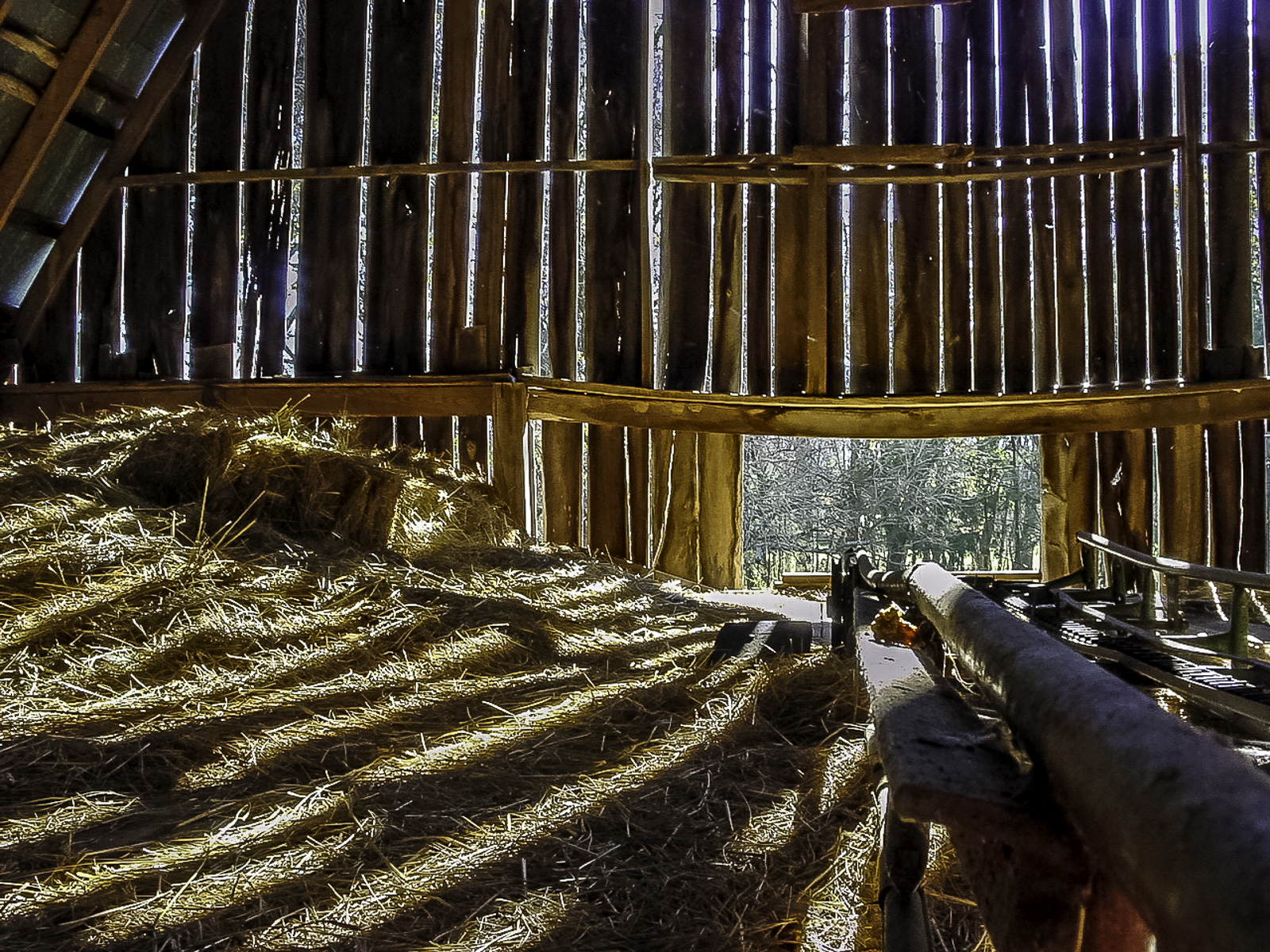
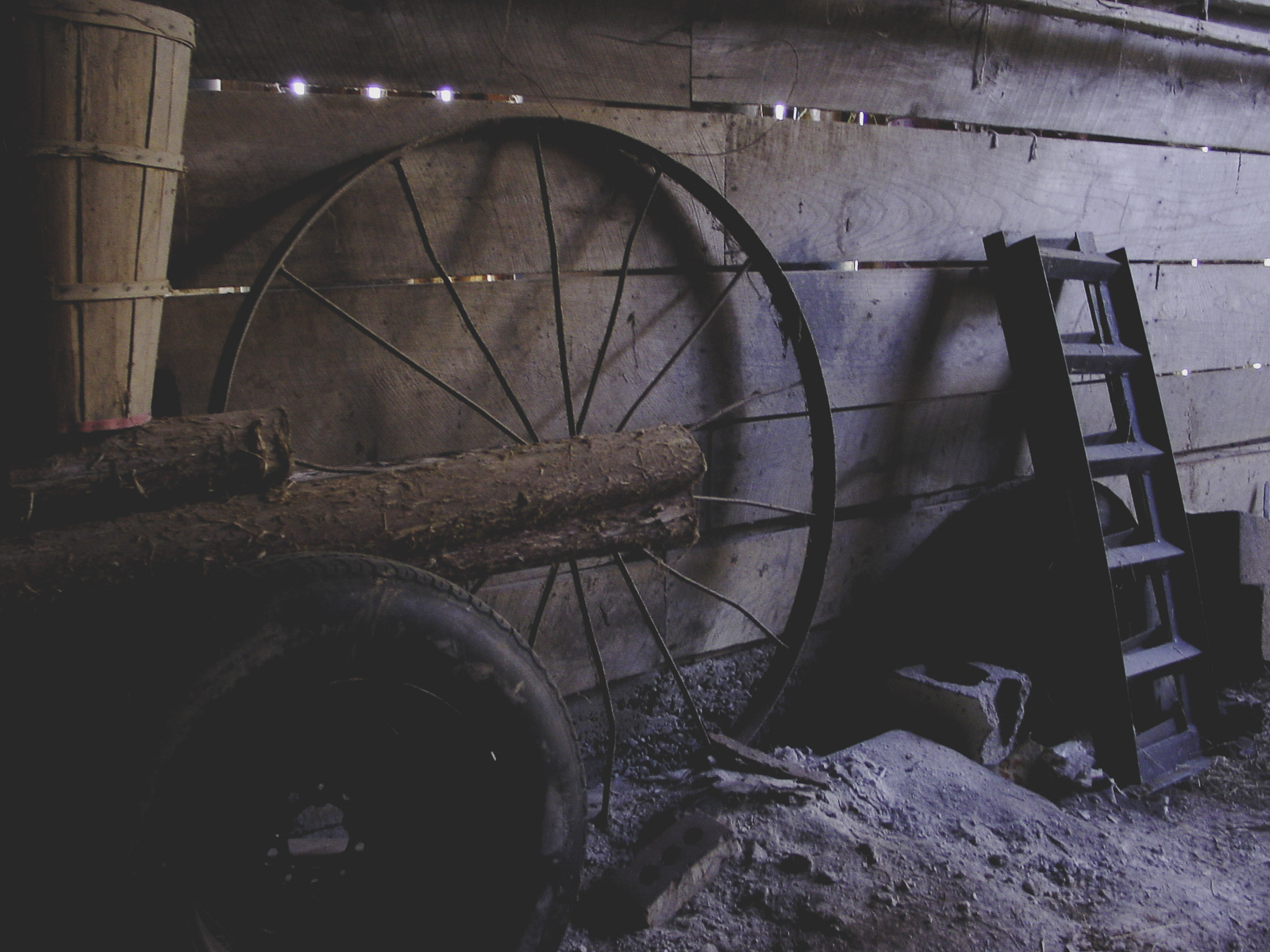
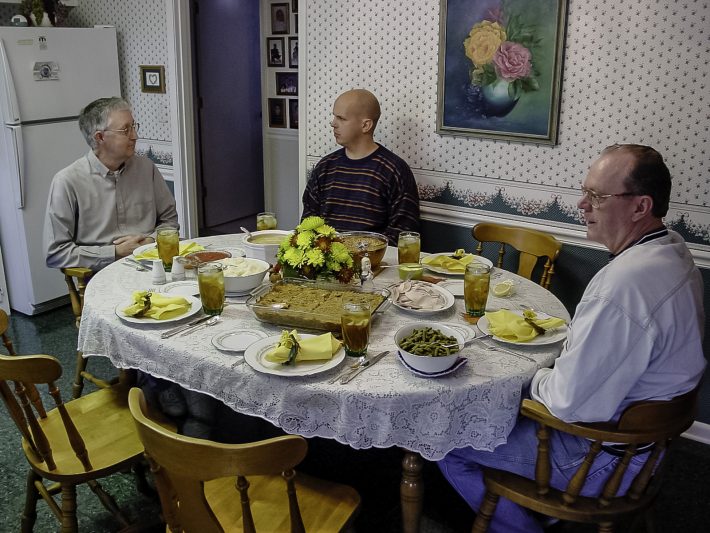
When I was a kid, we went to one of two places for Thanksgiving: South Carolina to visit my father’s family or Tennessee to visit my mother’s. As a little kid, I preferred Tennessee. Not because of personalities or anything so silly — no, I preferred Tennessee because Uncle N and Aunt L had a farm, with a lot of land and a large barn.

It was fifteen years ago today that we last visited that space. K and I had just moved to the States, and it was our first Thanksgiving in America.

When I was a child, none of those houses were there; it was all Uncle N’s land.

We’d already visited family in South Carolina in the summer, so we went to Tennessee to spend Thanksgiving.

It was shortly after this — a year or two — that Uncle N passed away, and Aunt L, unable to take care of that much property herself and unwilling to figure out a way to do so, sold the farm and moved. So this was the first and last time we were all together like this for Thanksgiving at their house.

Fourteen years ago. Everyone looks so young, so not-tired.

The Girl was over a year away. We were talking about starting a family, waiting for jobs and such to settle down. The Boy — not even an idea.

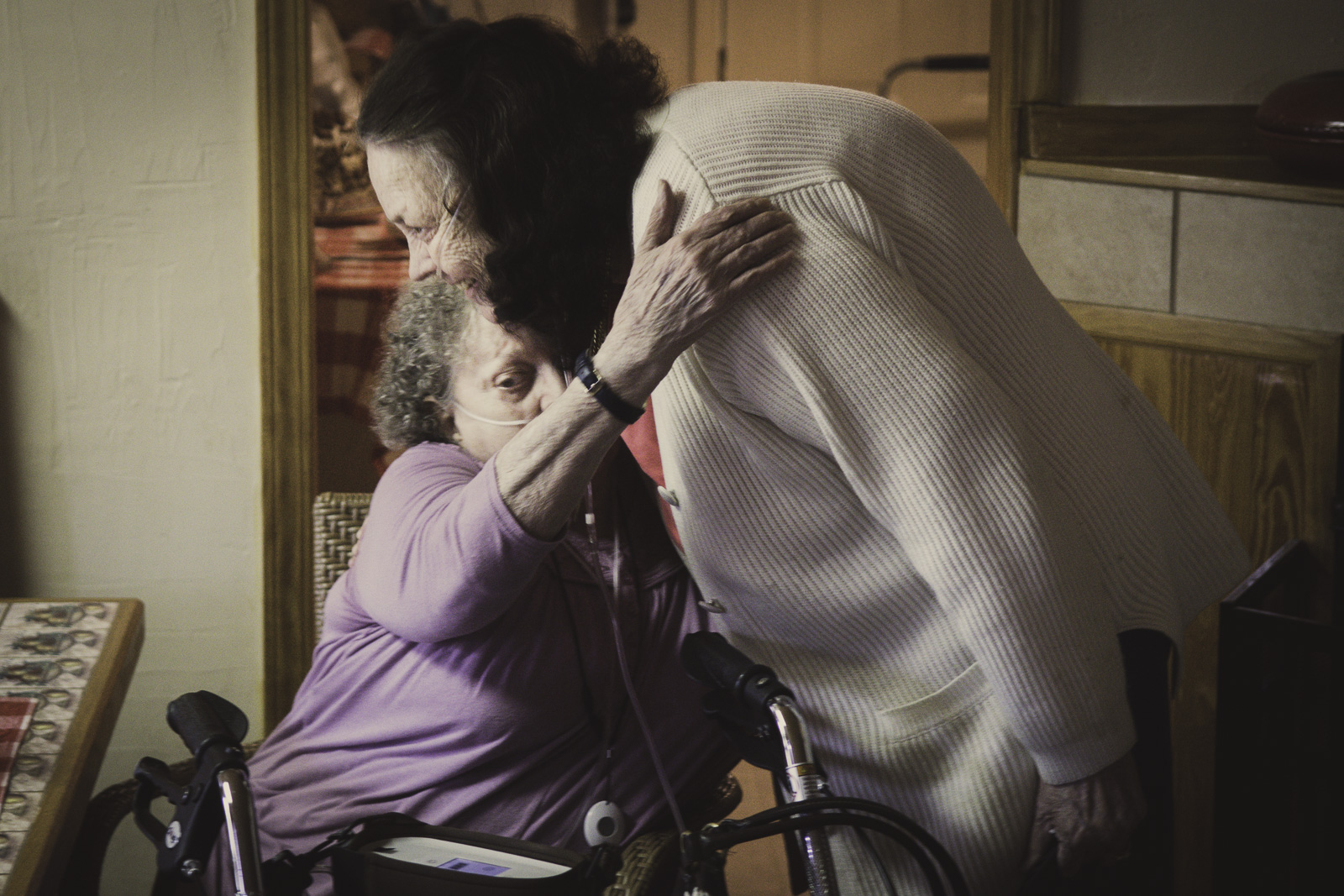
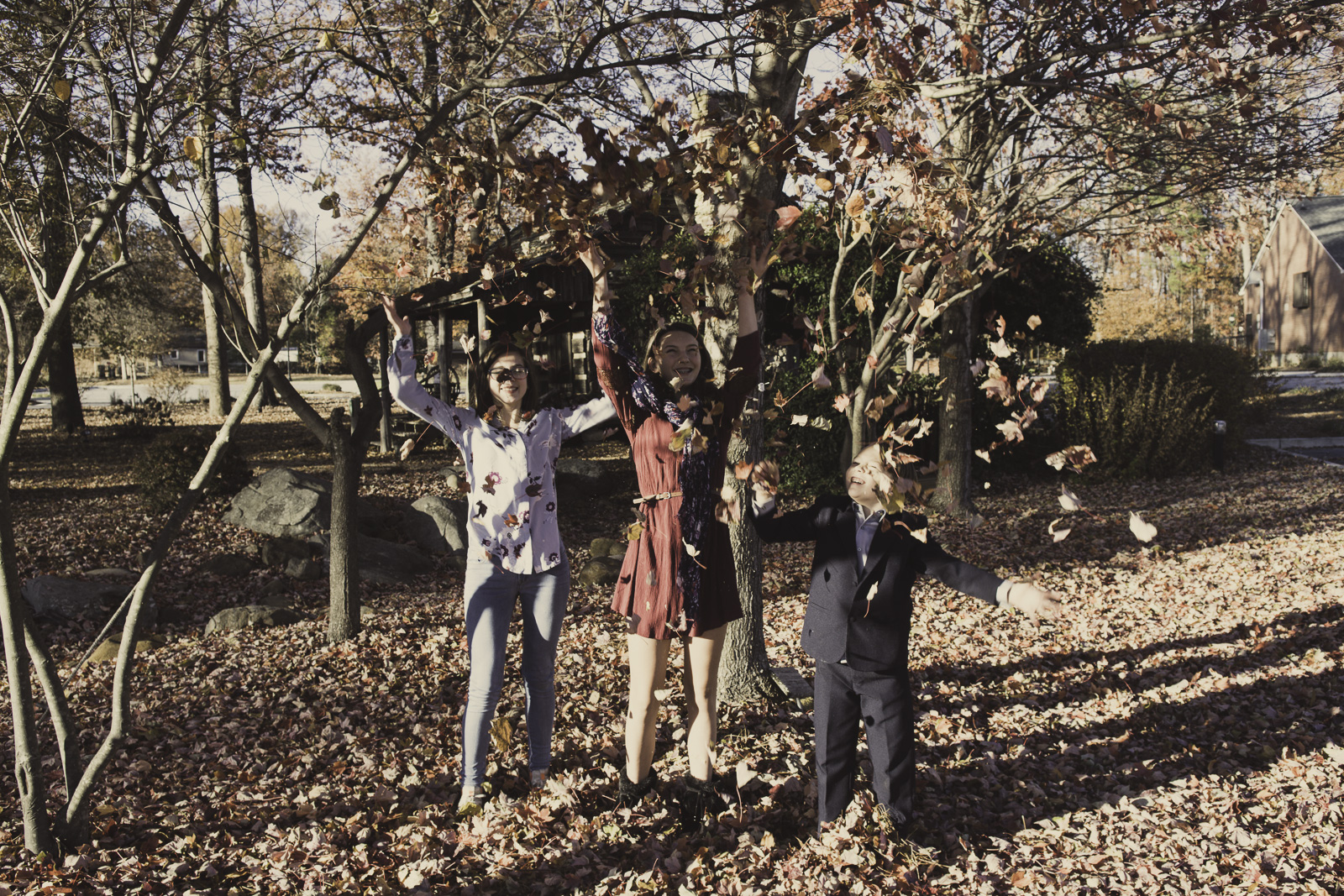
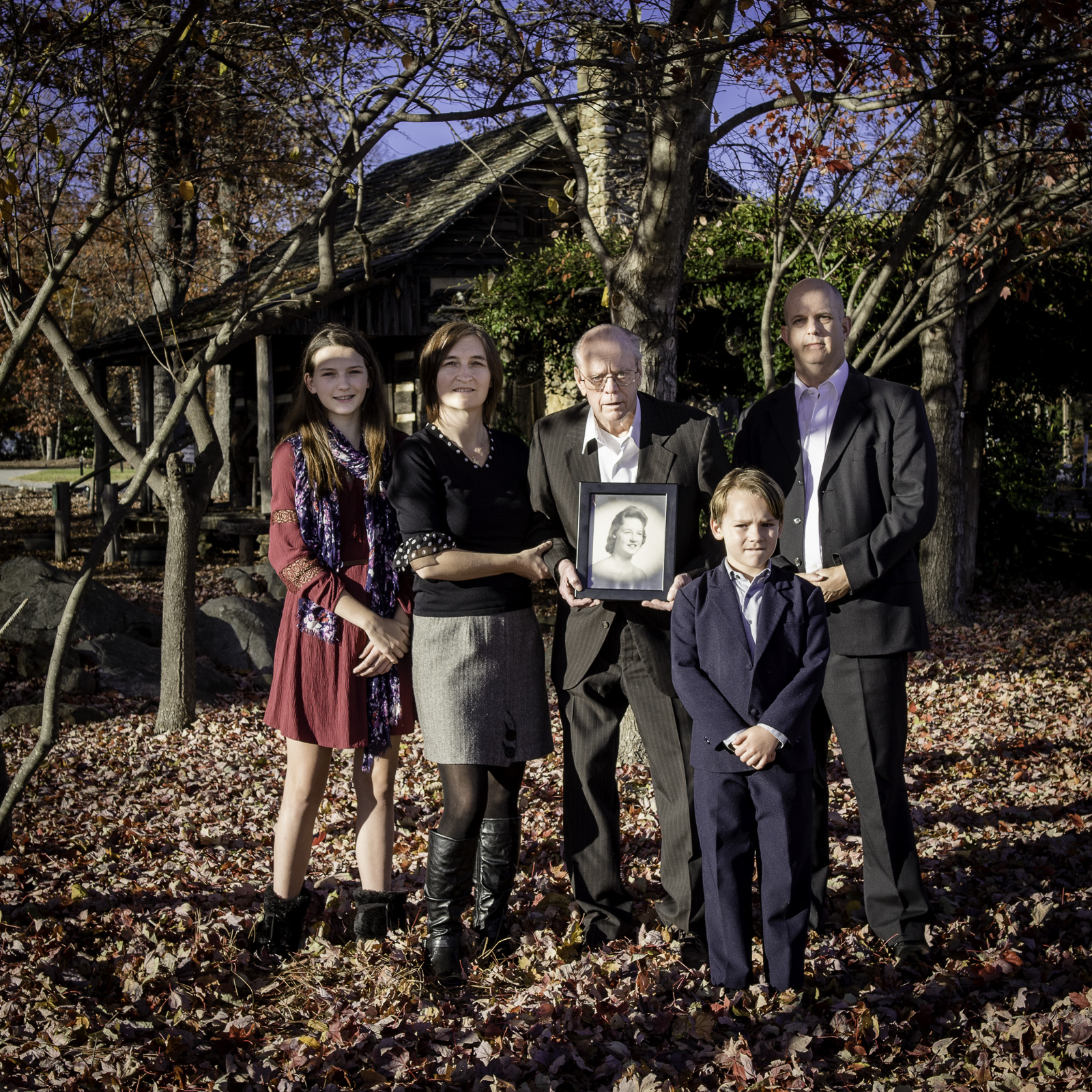
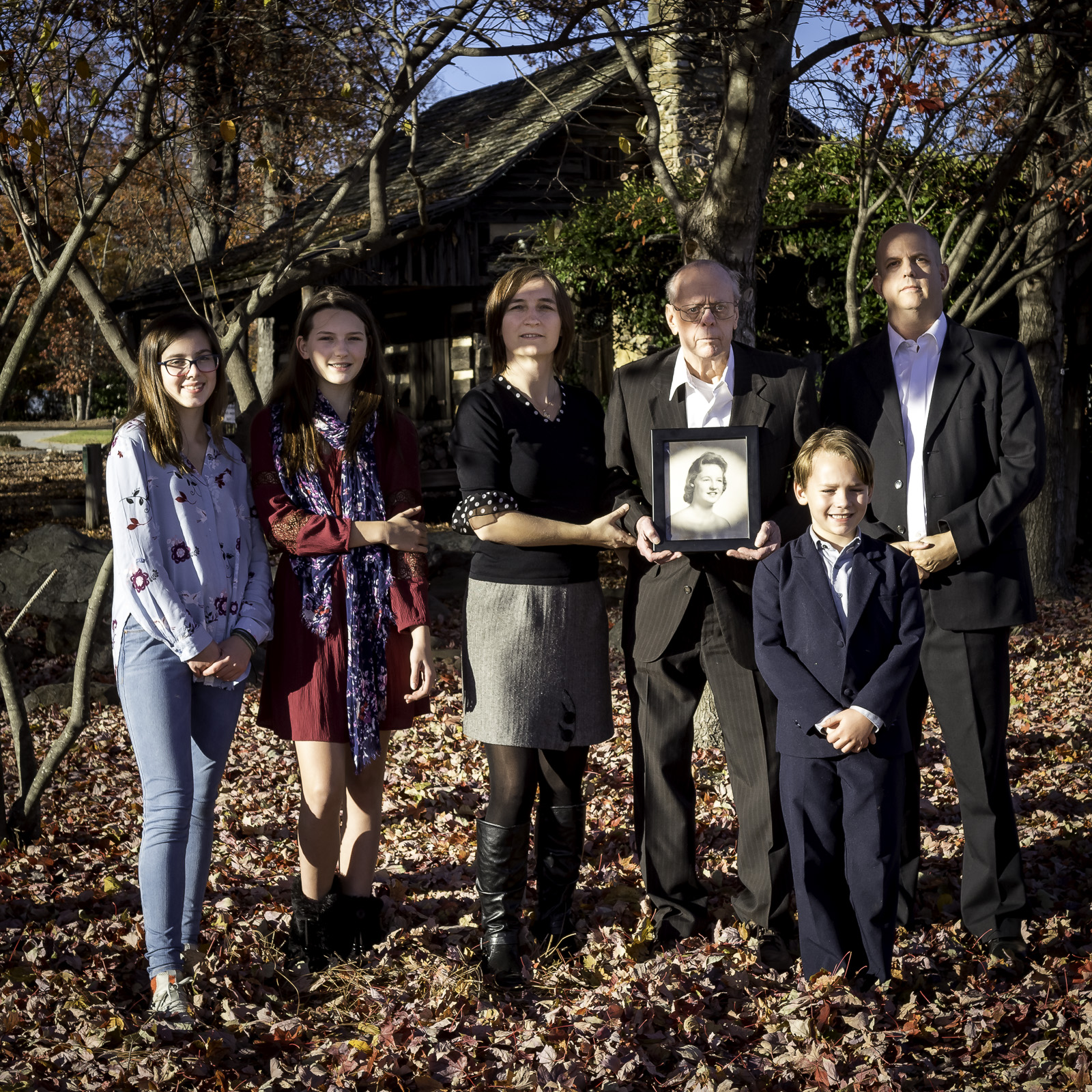
Fourteen years later and they’re here while Nana and Uncle N are not. It’s inevitable and unstoppable, this passage of time, but every now and then, I bump into something that reminds me just how much has changed in how little time.

Sunny Sunday

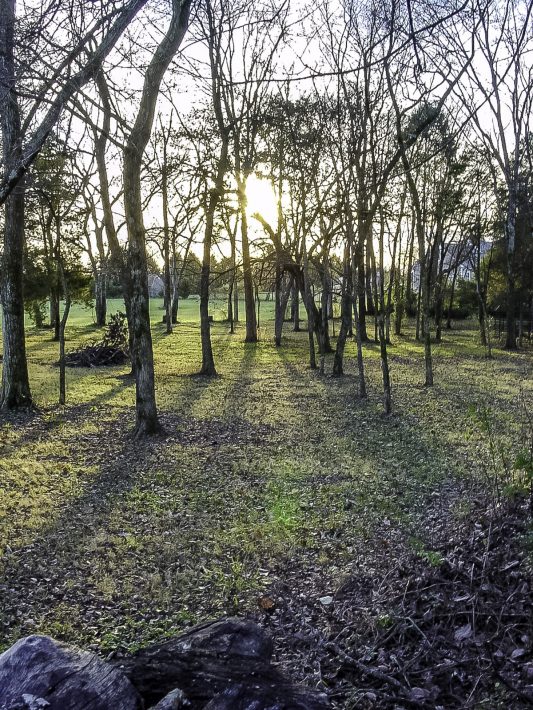
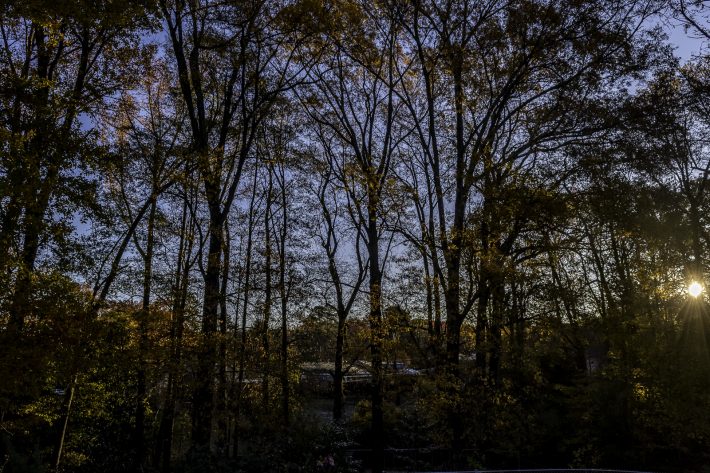
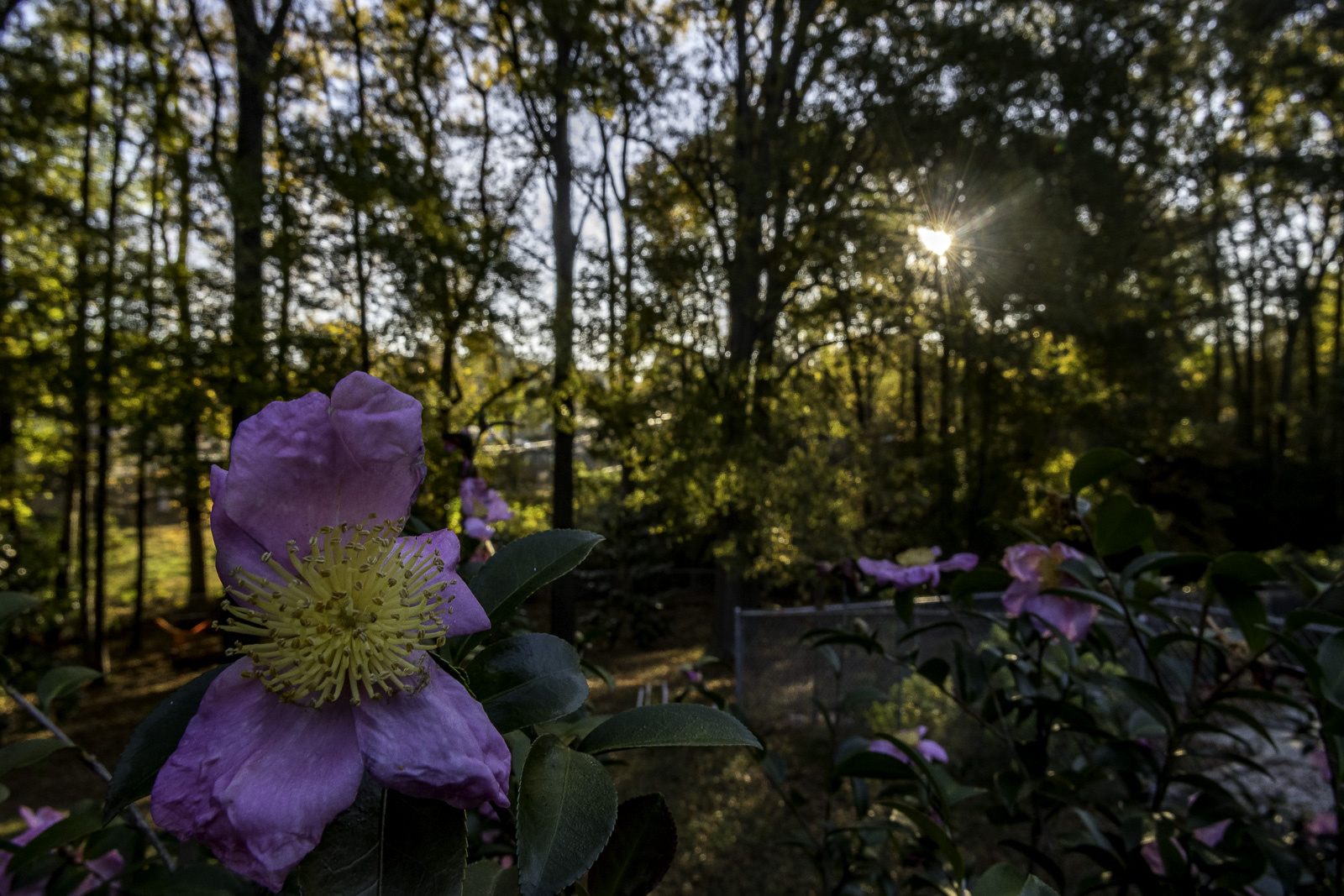
After all the rain yesterday, it was really a relief to us all to see the sun this morning. It made the autumnal trees in the backyard shimmer and shine.

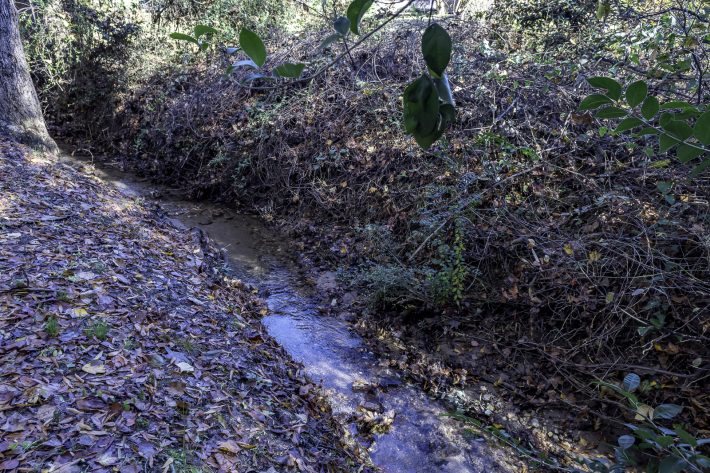
The Boy and I decided to wander down to the stream to see what it looked like after such a long, heavy rain. I thought the little island we’d built up earlier this year might well be gone with that volume of water rushing through.

What we saw instead was that the tree that had fallen into the creek had been washed downstream a significant distance — thirty or so feet.

And our island was completely gone — it couldn’t withstand the several-hundred-pound tree’s attack.

In Line

We reached the checkout line at Aldi roughly at the same time. I had a cart filled with items; he had a package of bacon.

“Go ahead — you have so little,” I said.

He shook his head.

“Seriously, you should go ahead of me.”

“No, no, you go,” he mumbled. He was an African American man in his sixties, it appeared, with a long, white, disheveled beard, and the faint reek of body odor, alcohol, and feces.

That particular Aldi is in an area of town that can only be described as “economically depressed.” There is one particular section where, when I ride my bike to school and back, I always smell marijuana, even at 7:15 in the morning. So seeing homeless people like that is nothing all that unexpected.

I stood there in line, wondering about the gentleman there in behind me when suddenly the manager of the store walked up to the man and politely asked if he was supposed to be in the store.

“I have a couple of cashiers telling me that you’re not supposed to be here. Are you supposed to be here?”

The man hung his head a bit and started walking out as he said, “No.” There was no defiance in his voice; no anger in his voice; no disappointment in his voice — no emotion at all. He just placed the bacon on a store display as he passed by and walked toward the door.
“If you come back in here again,” the manager continued, still calm, still very respectful, “that will be trespassing, and we will notify the authorities.” The man said nothing and simply shuffled out of the store.
What could he have possibly done to get barred from the store? Perhaps he stole something. Maybe he panhandled and that was deemed as harassing customers. Perhaps he simply harassed customers. I don’t know, but I couldn’t help but feel pity for the man. Mental illness seemed a certainty, but what about his youth? Had life always been like this for the man? Did he have a family? Did they know where he was? Did they care?

I have taught so many students over the year for whom, tragically, such a life seems an entirely realistic possibility. They, too, would leave someone who doesn’t know to wonder whether they have family, whether they have anyone to support, help, or even care about them.

I have to believe that we can do better as a society. I can’t believe someone could watch such an exchange and not feel moved. And the more pessimistic side of me — realistic? — realizes that there are countless who can look at this and not feel that there must be some dark hole in the center of our society that allows such things to happen.

Signing

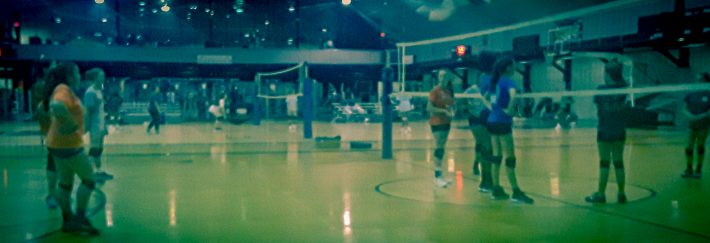
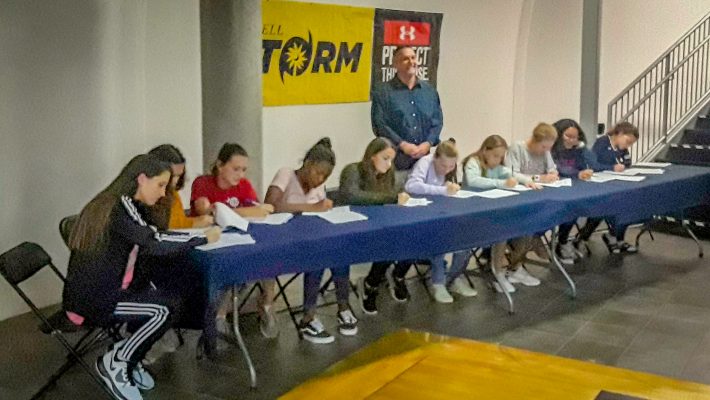
The Girl joined her first club volleyball team this week. She’s with nine other girls on a team for girls aged 14 and under. There’s also a team for 13 and under. Why the 14s? I like to think it was because of some skills the coaches saw.

It’s quite a commitment for us, though. We’ll be traveling to tournaments throughout the southeast. This means the price of the season of club play (a four-figure number) gets additional augmentation with travel costs.

I bring this up not to complain but to compare it to other countries, where such clubs are subsidized through tax funding. The cost of travel might still be there, but there’s not that initial, up-front cost. “Well, you pay for it with taxes,” someone might counter. True, but I think the development of a country’s youth is a far better way to spend tax money than some of the ways we spend our tax money.

Sunday

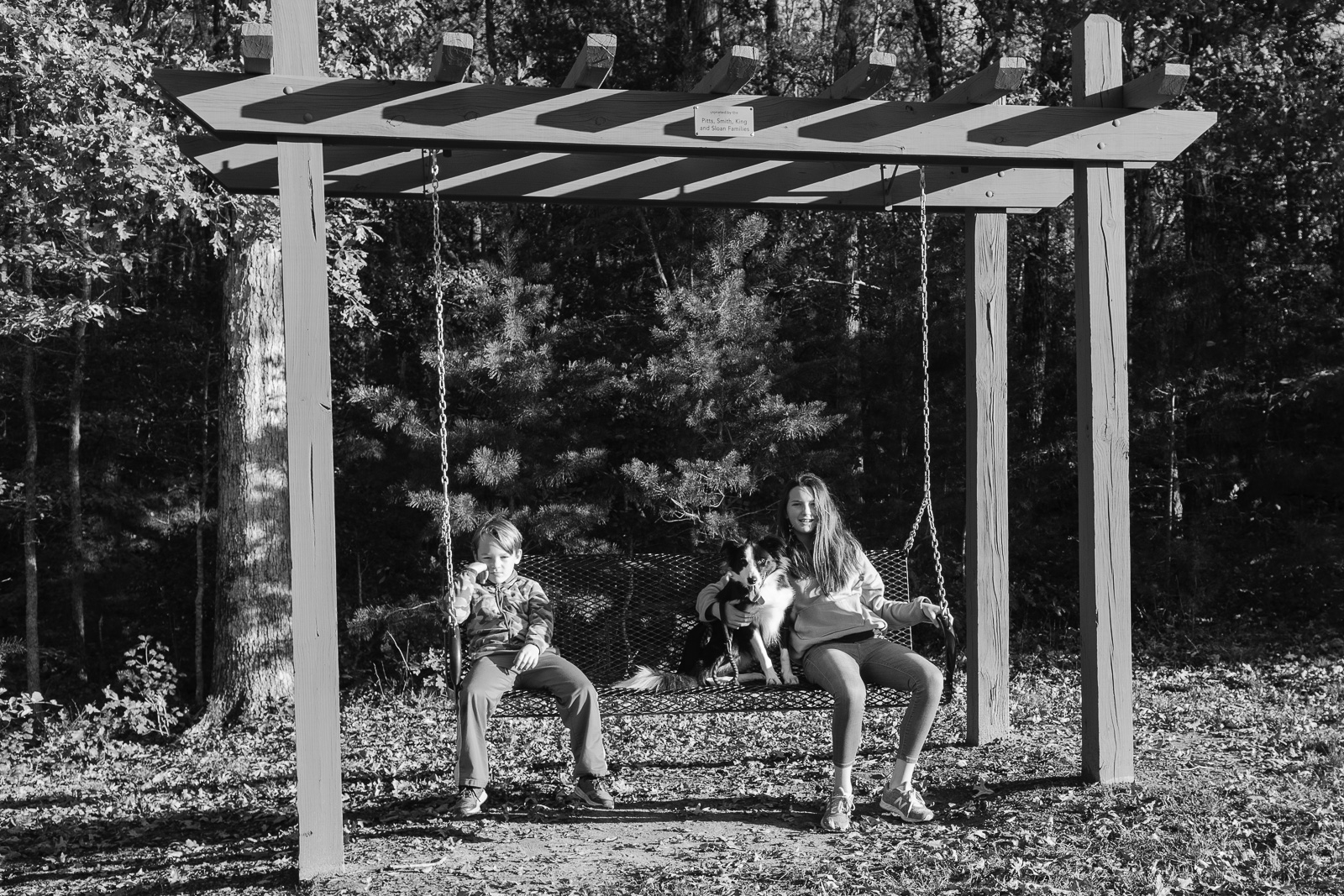
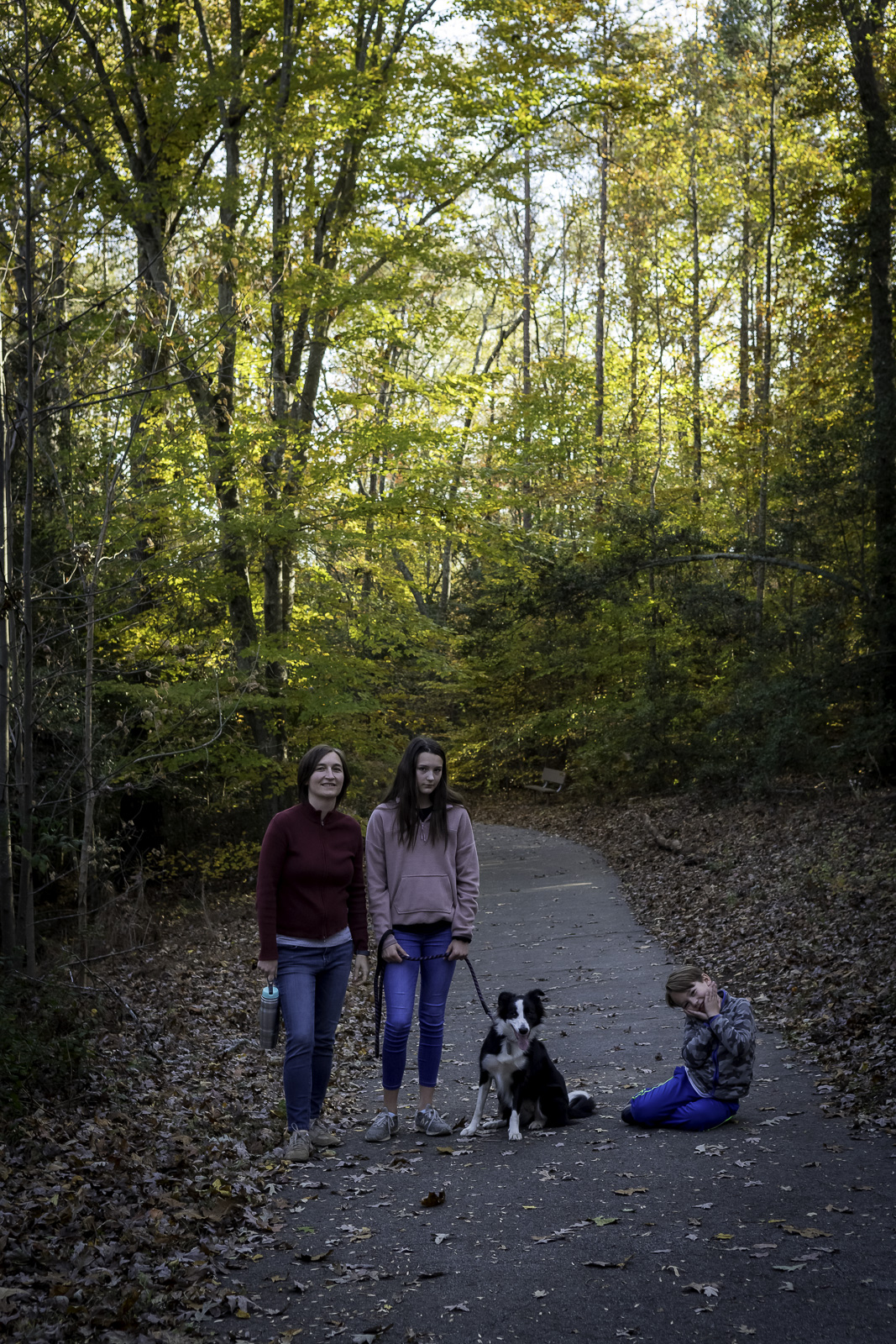
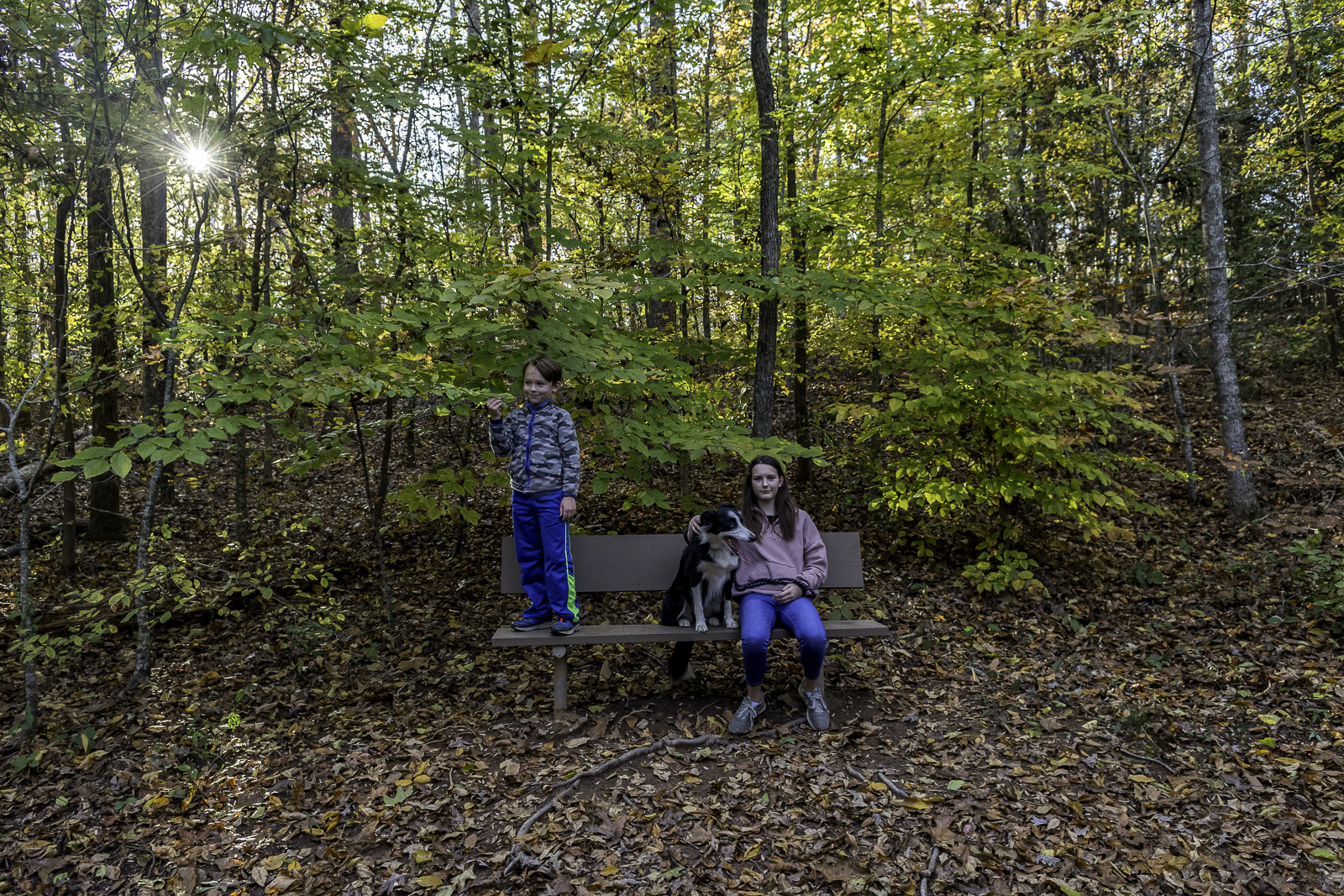
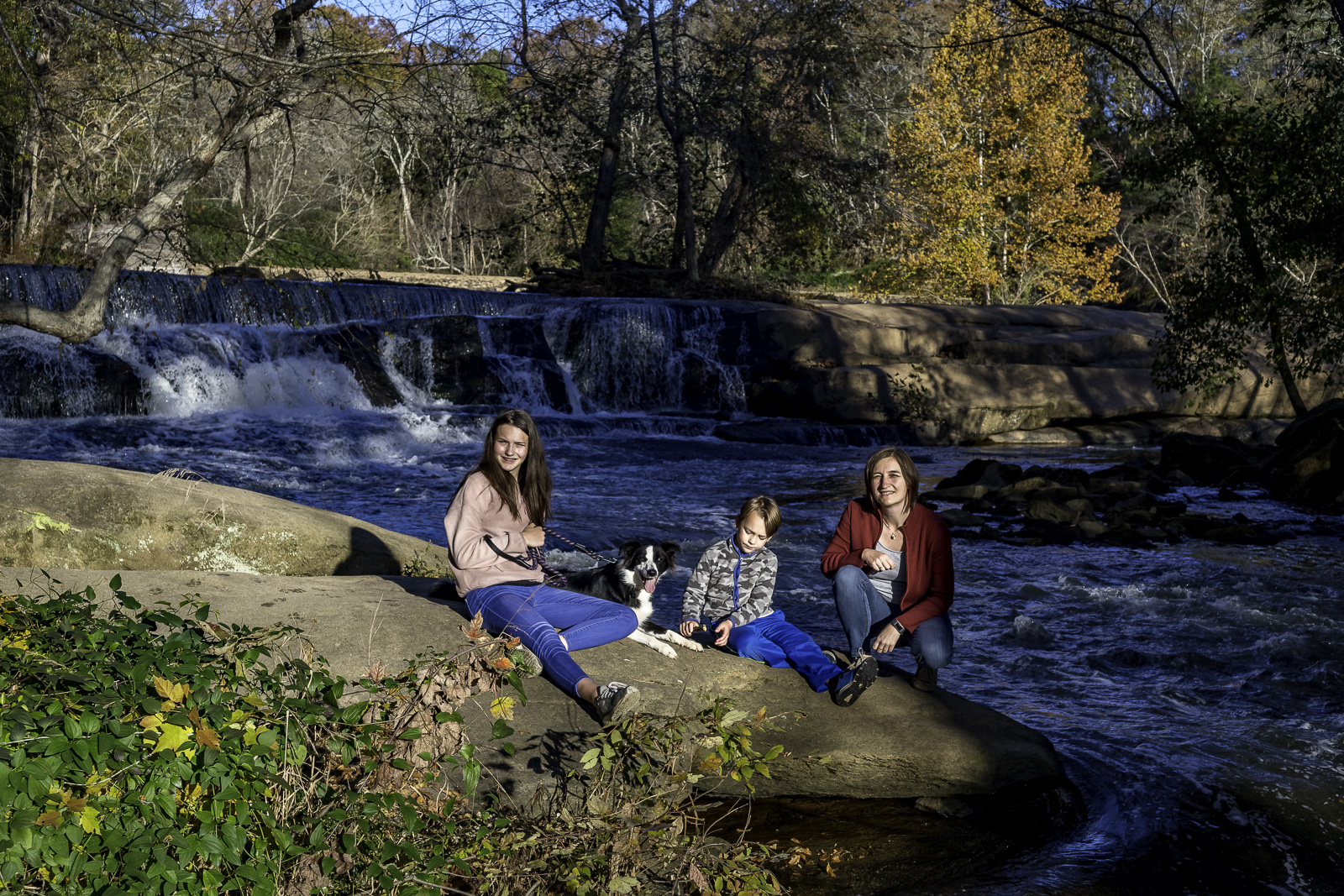
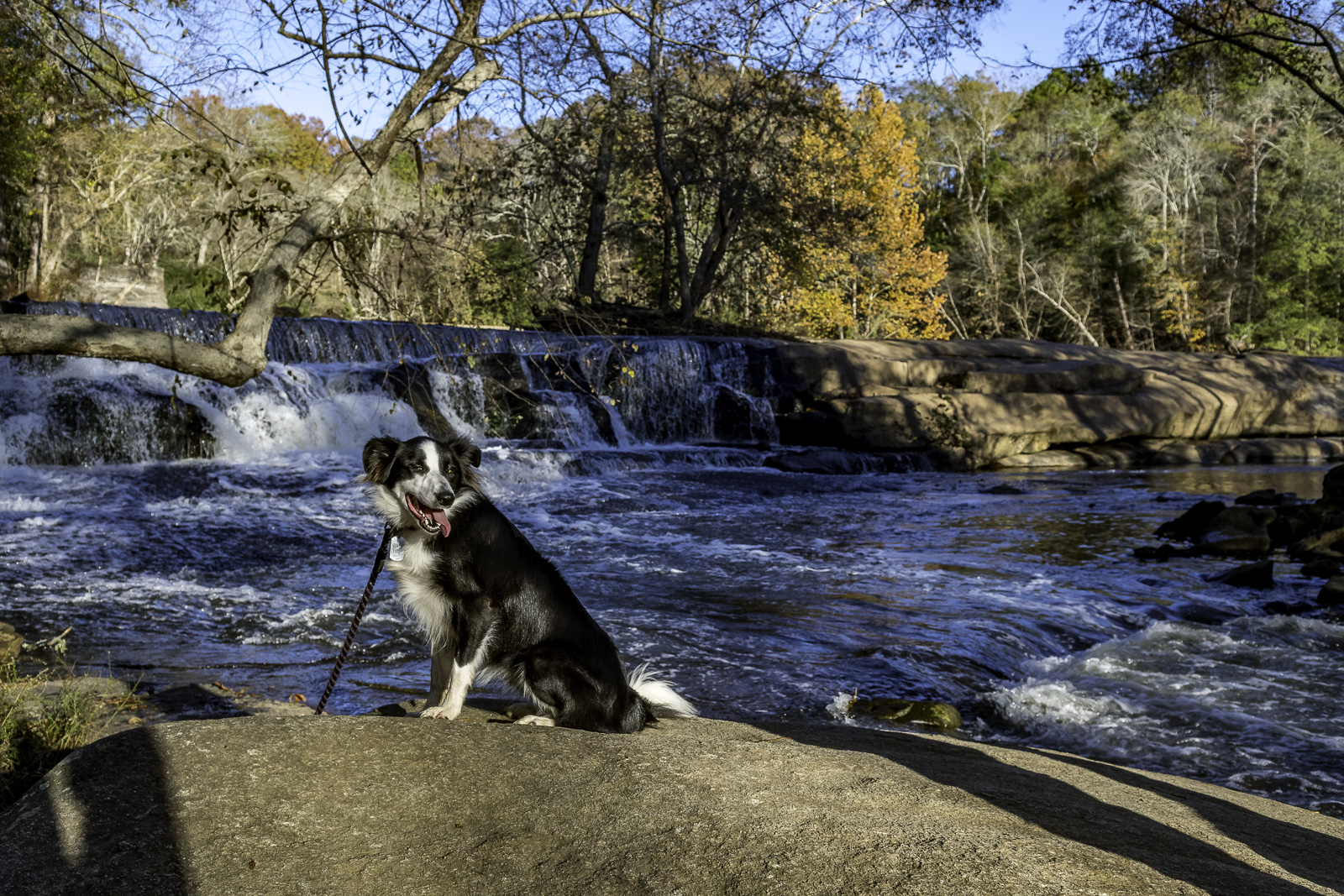
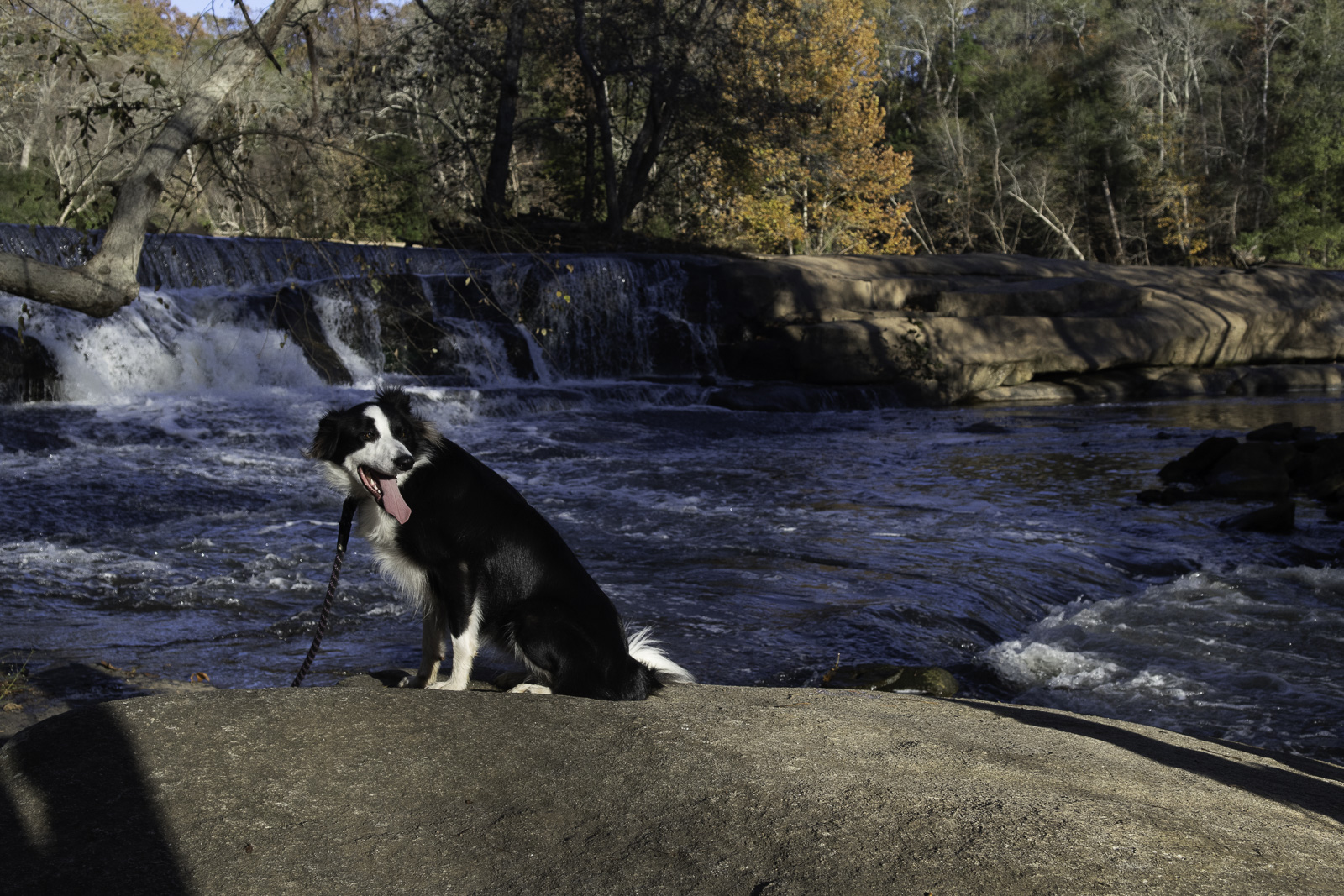
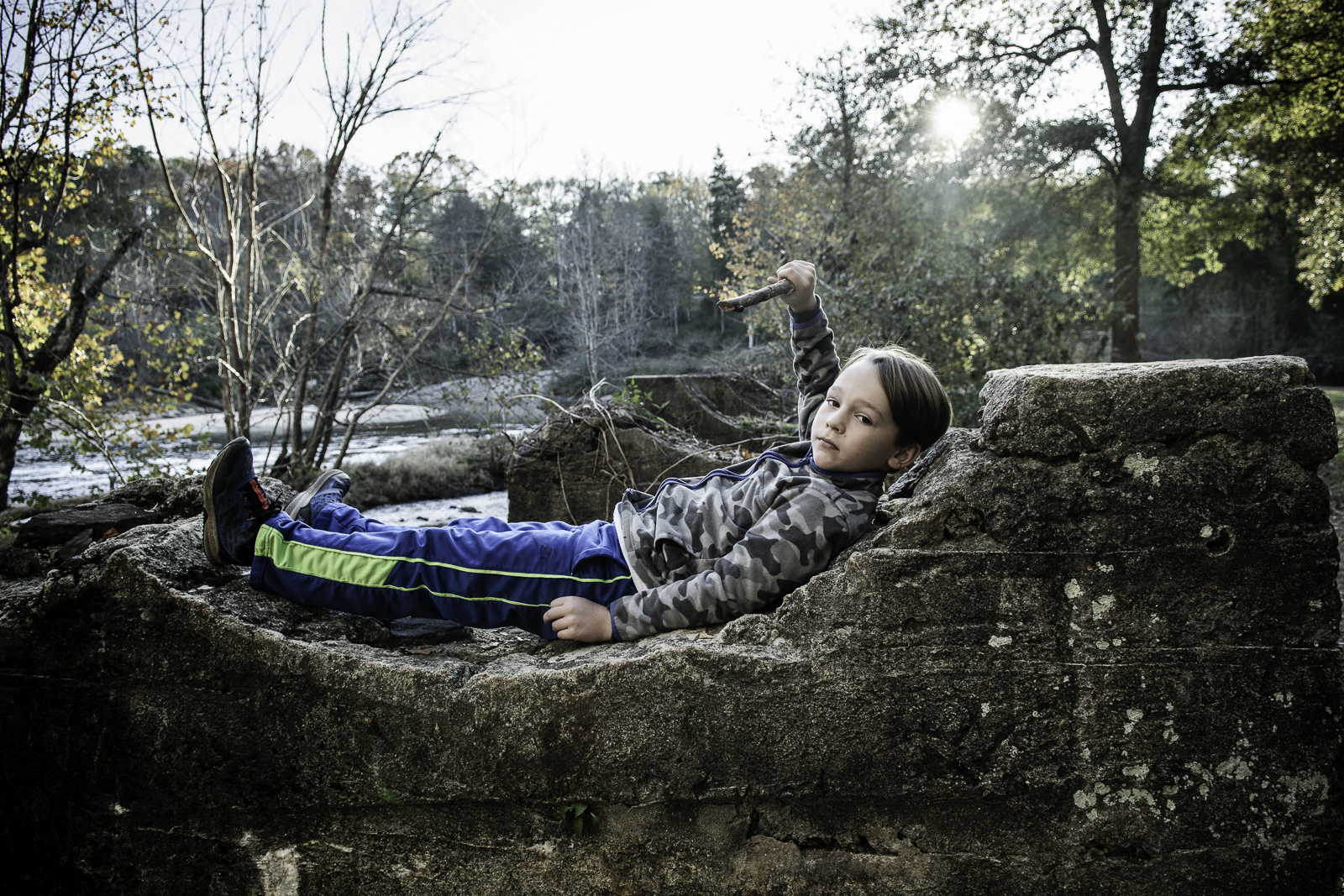
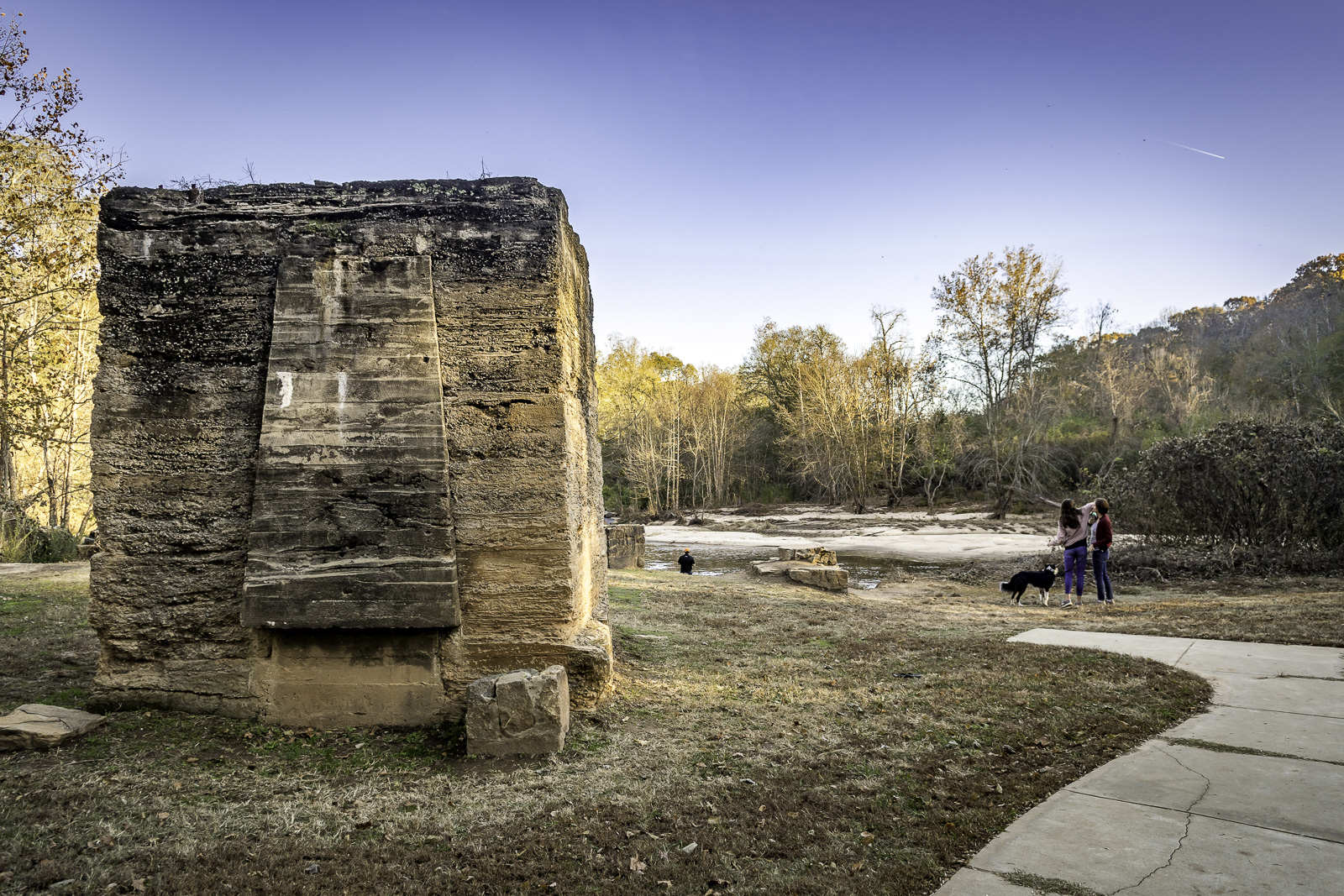
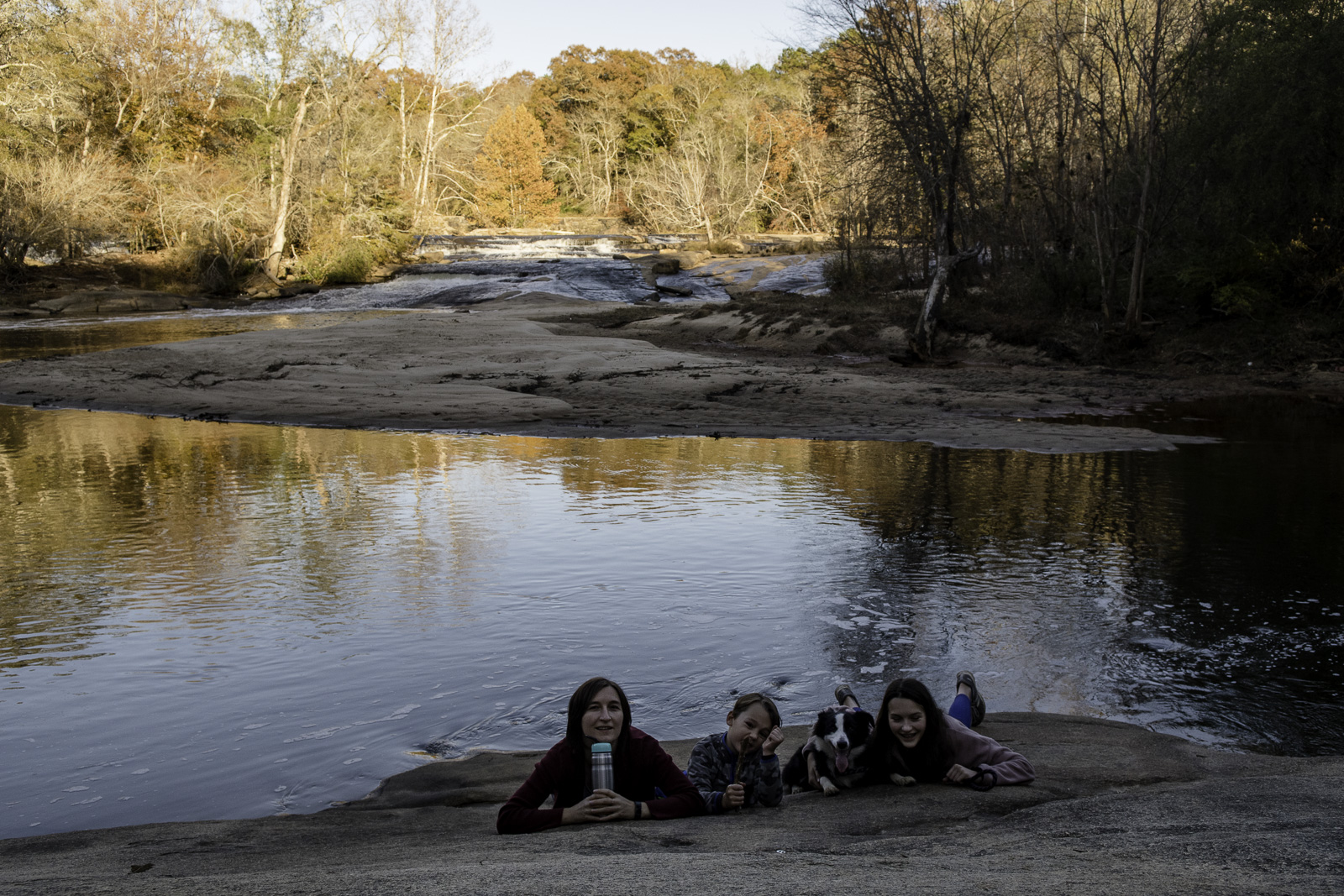
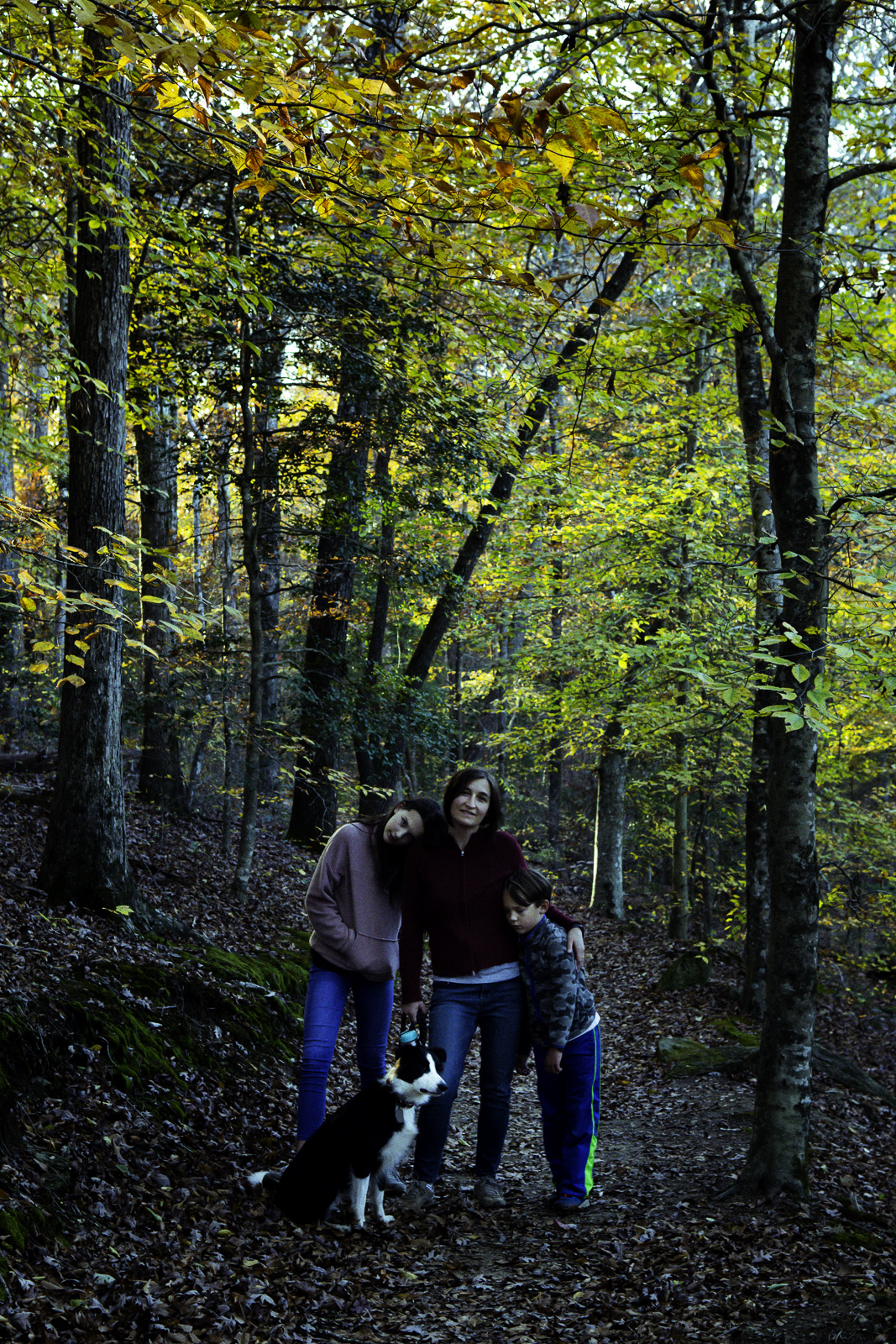
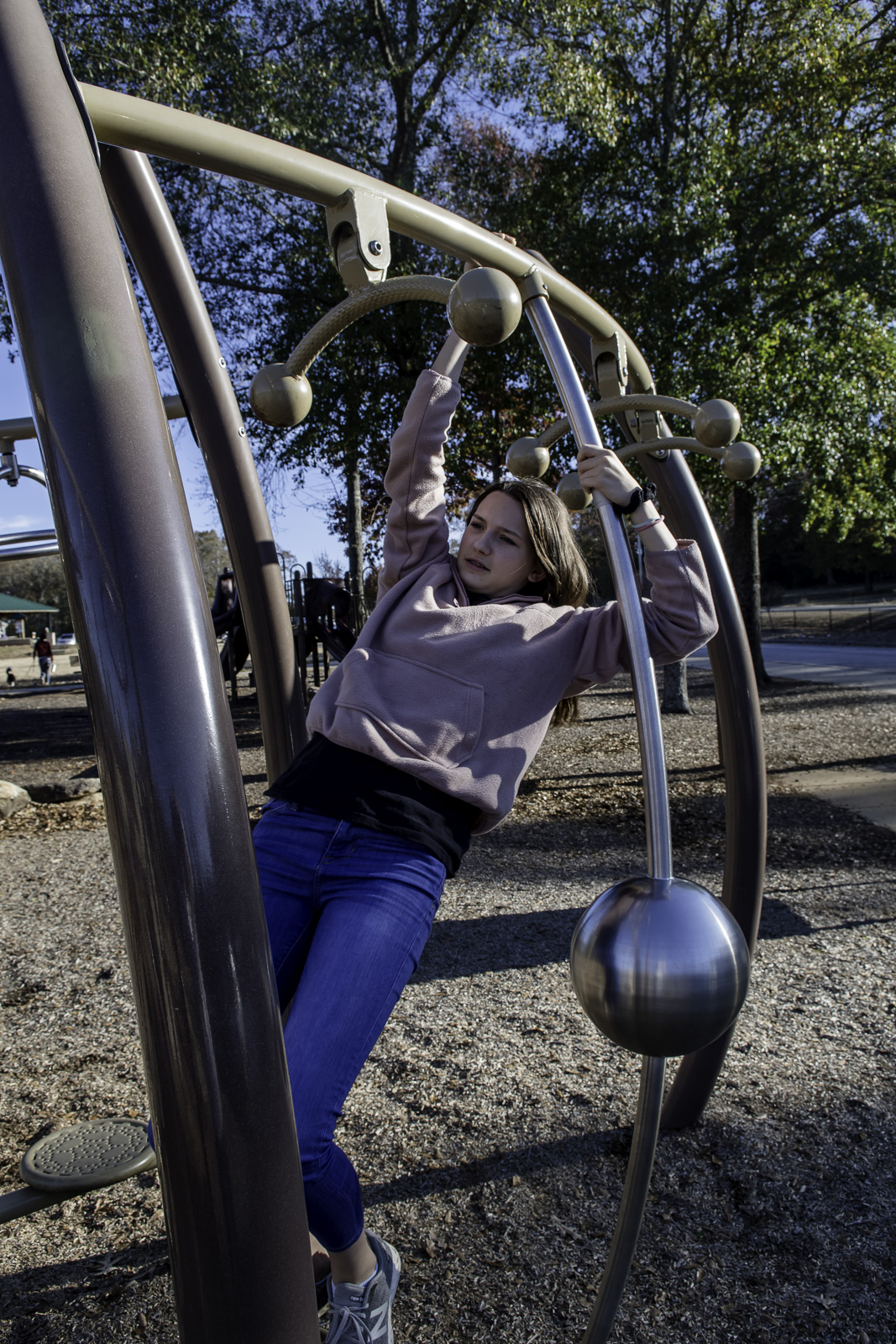
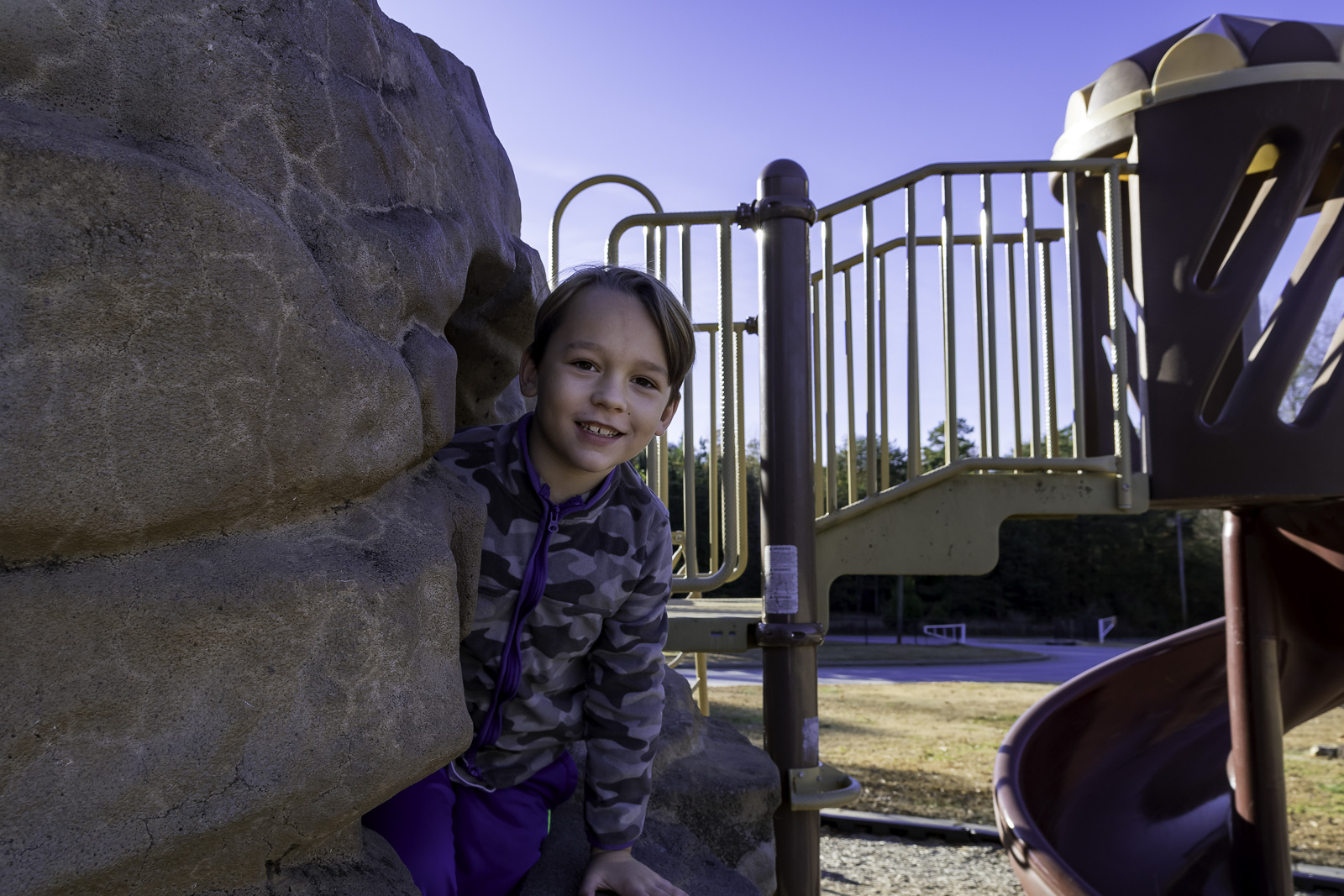
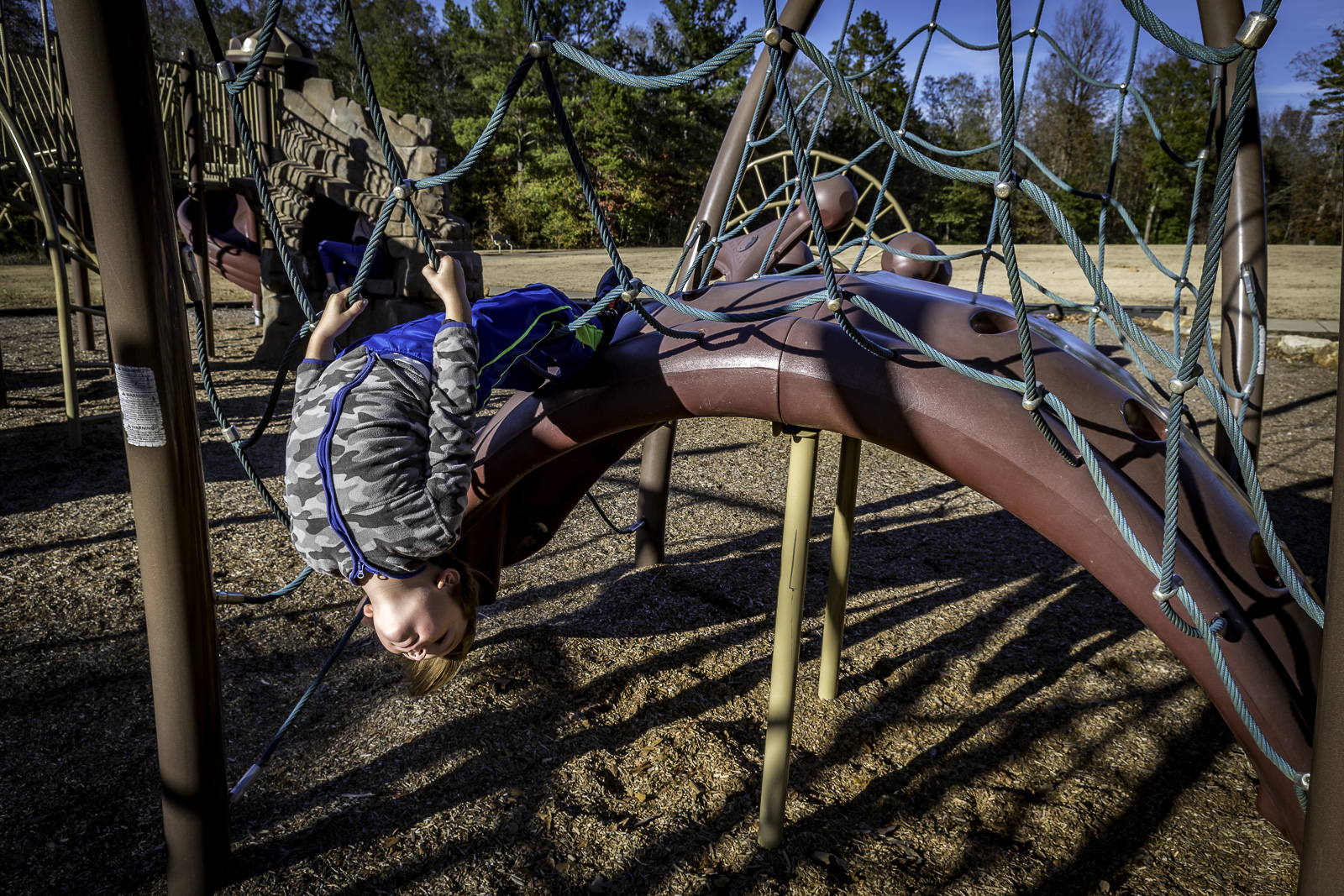
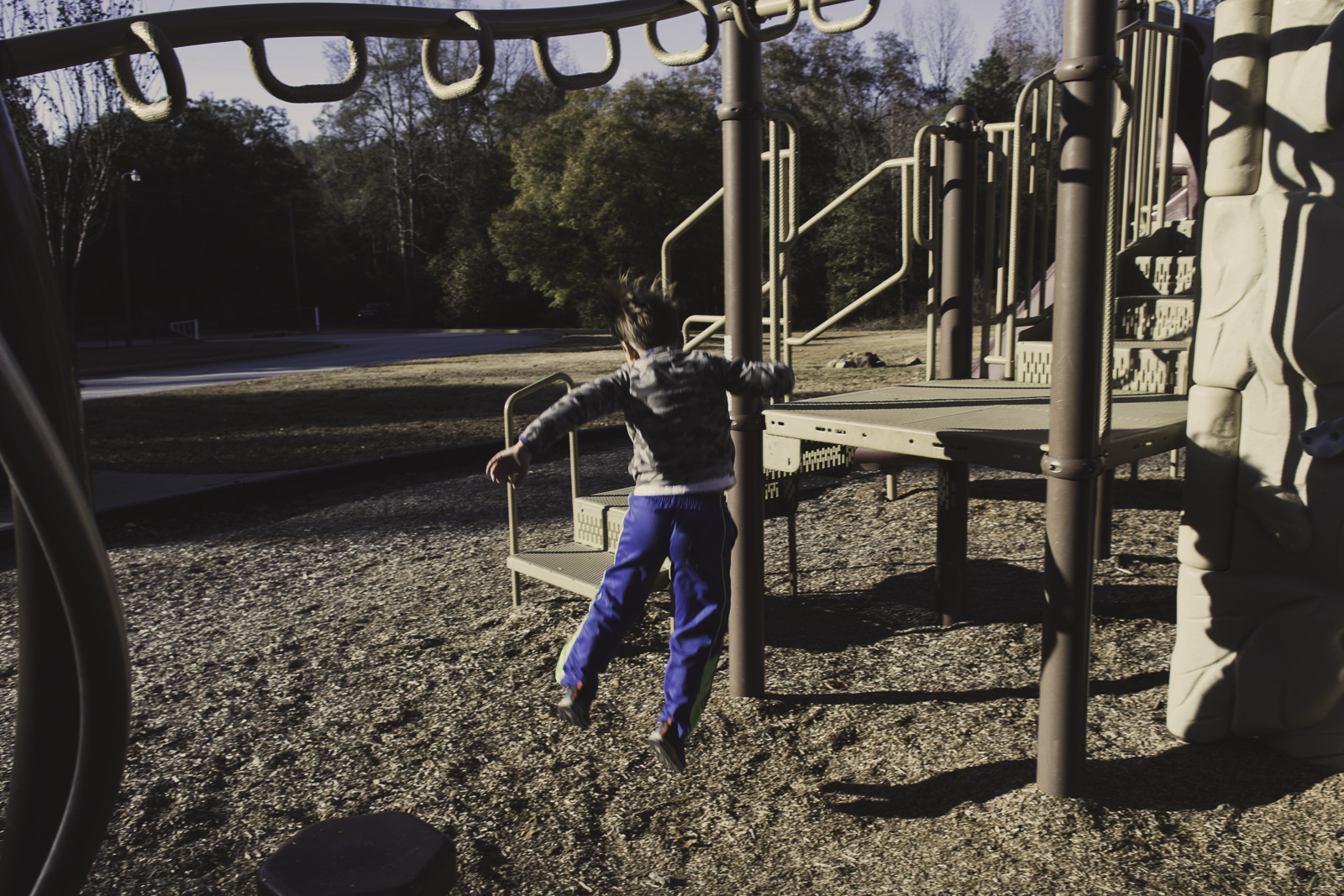
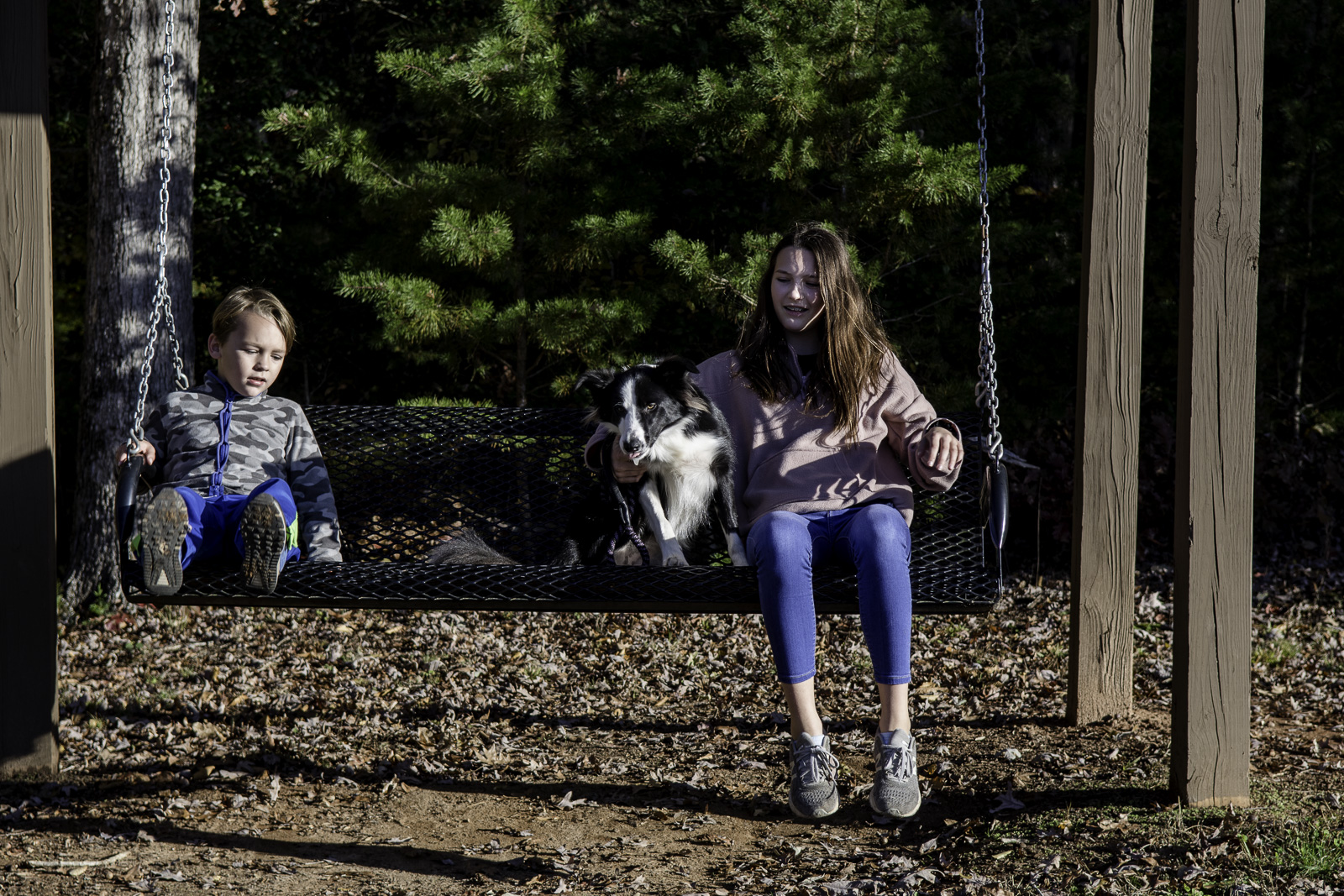
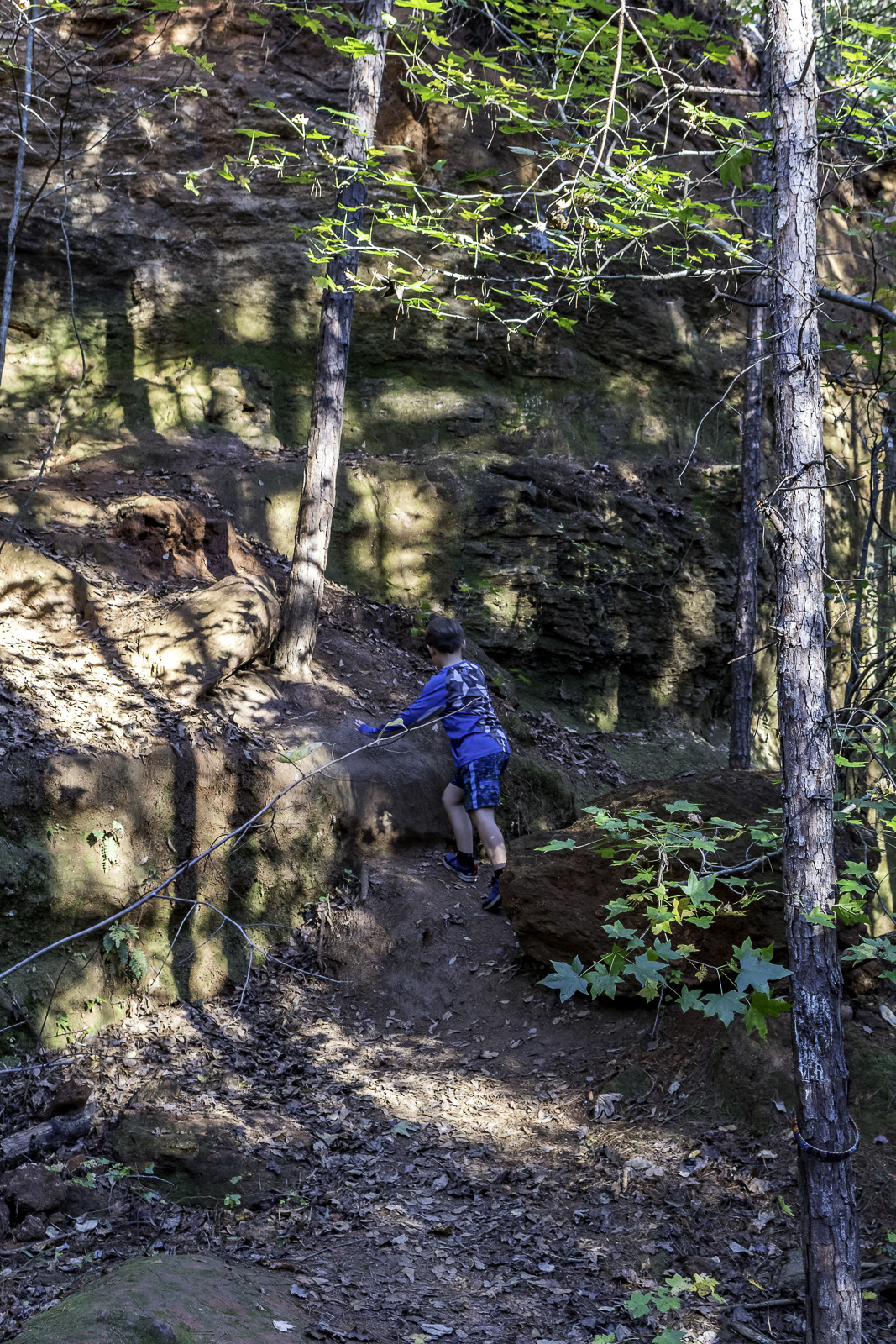
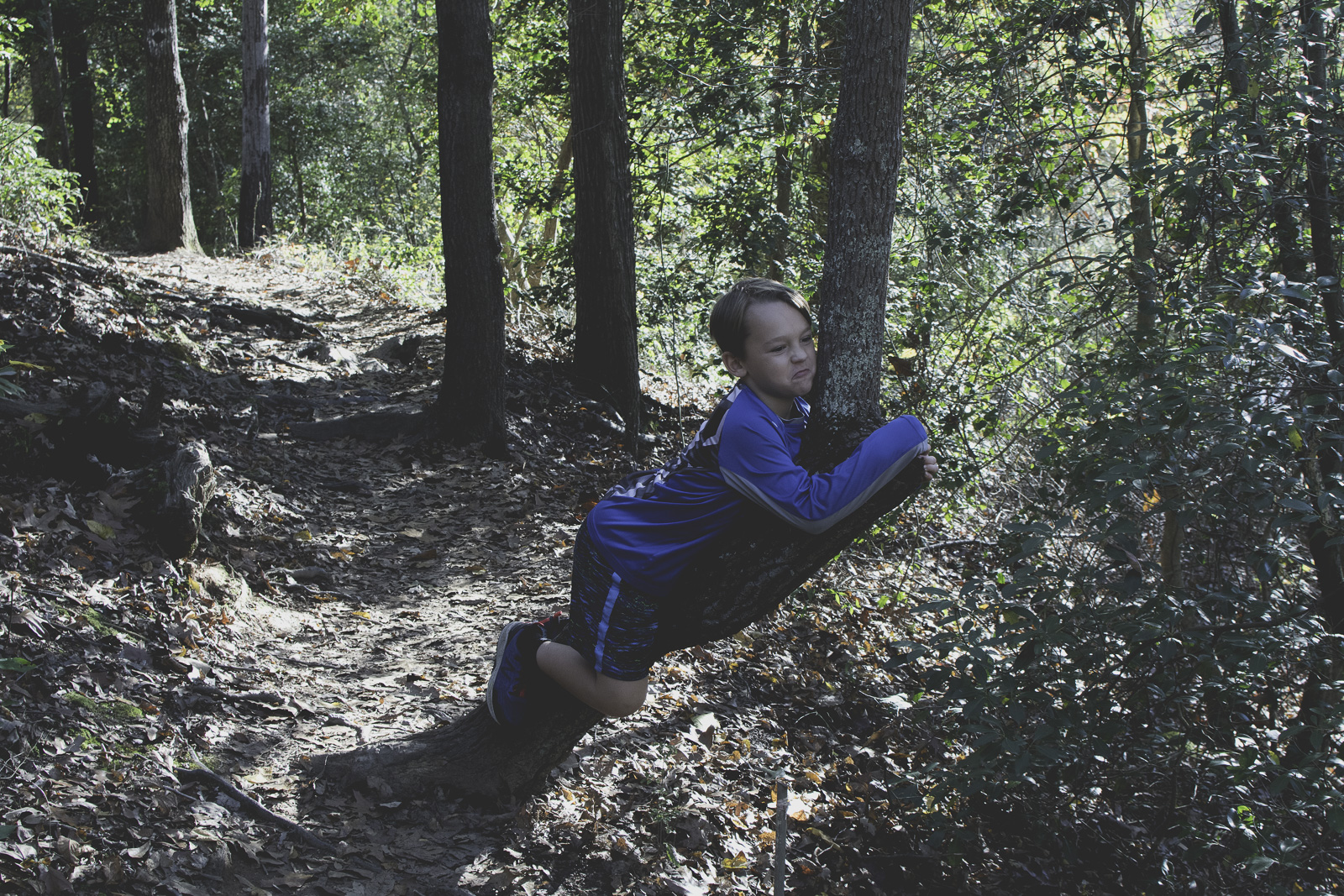
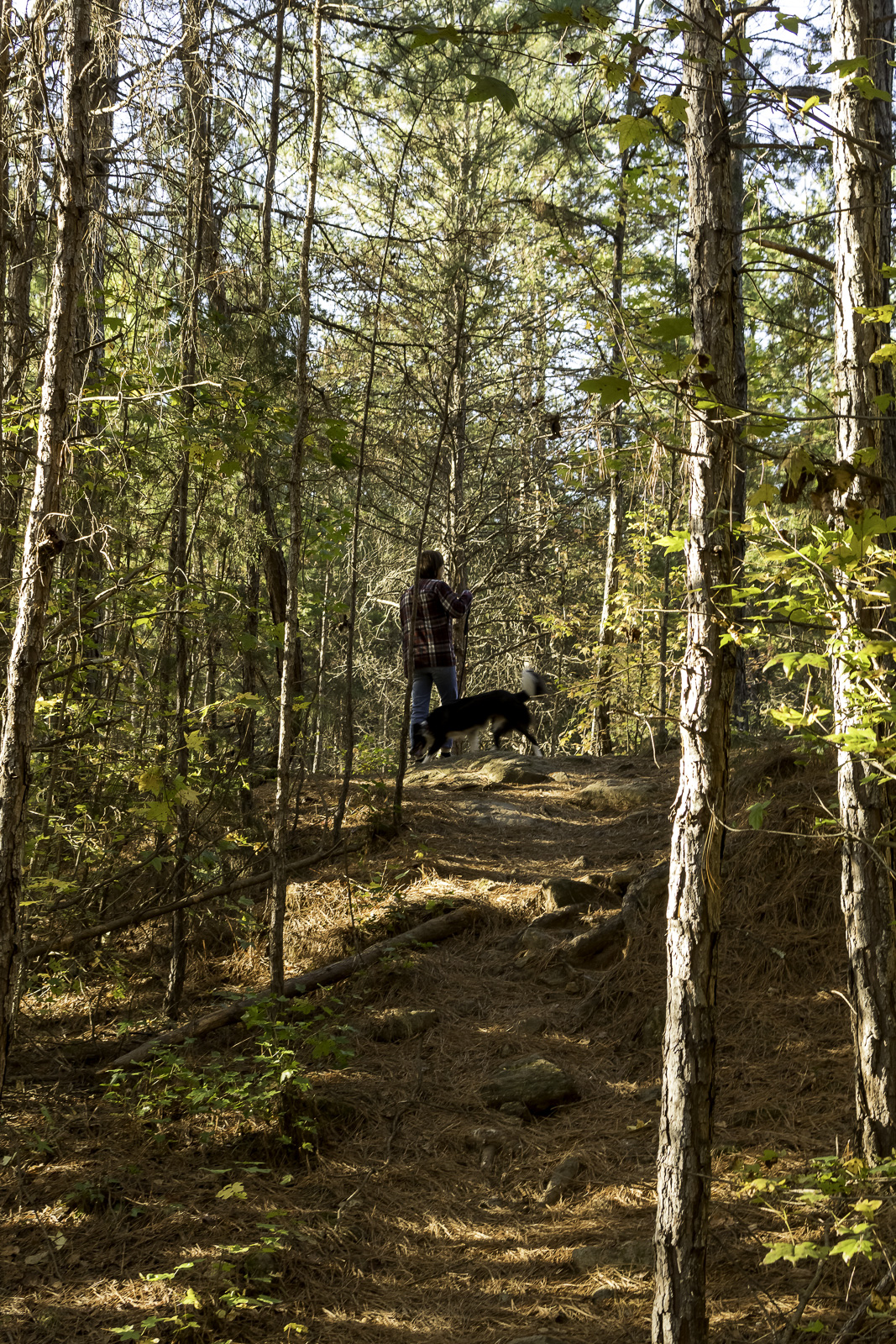
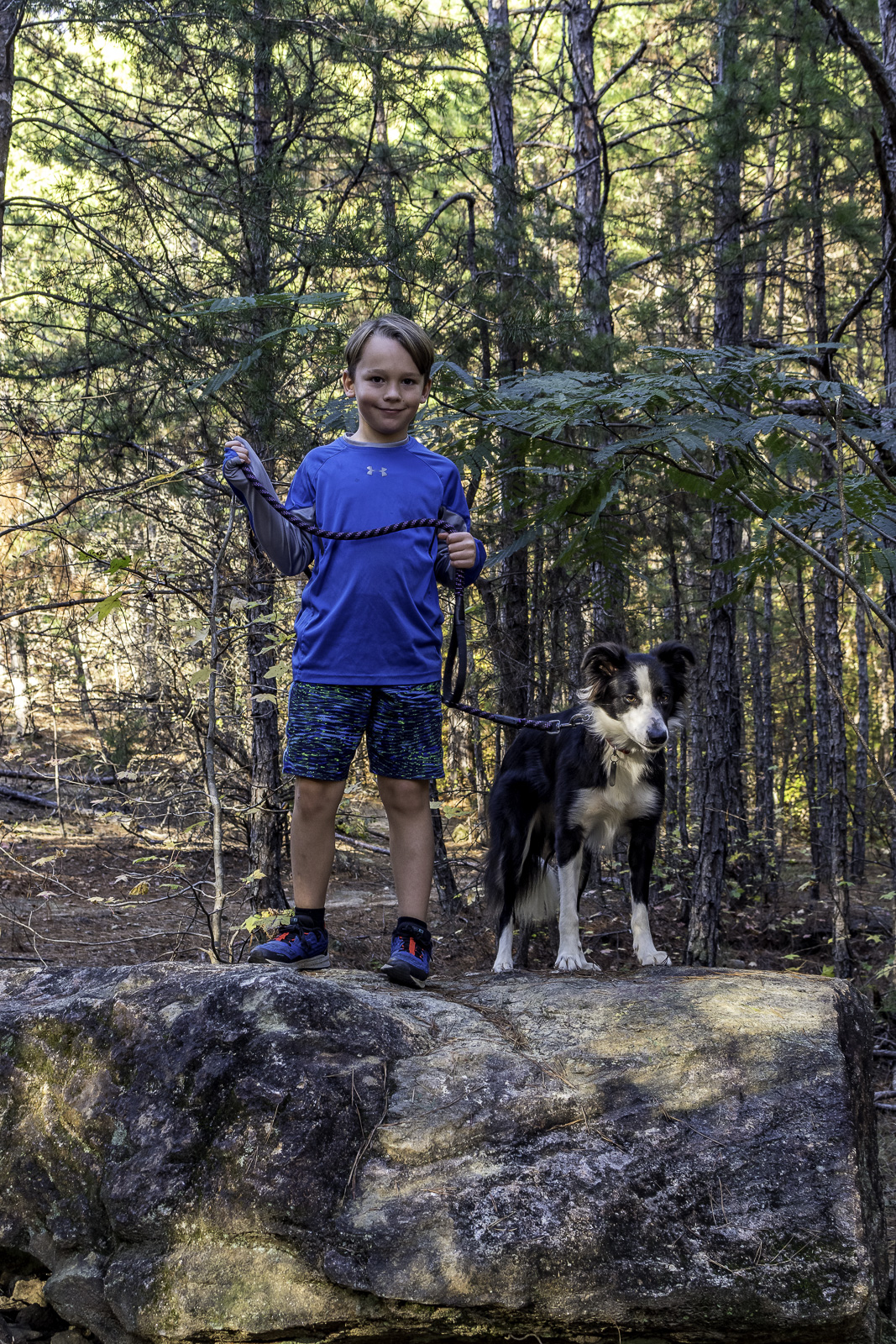
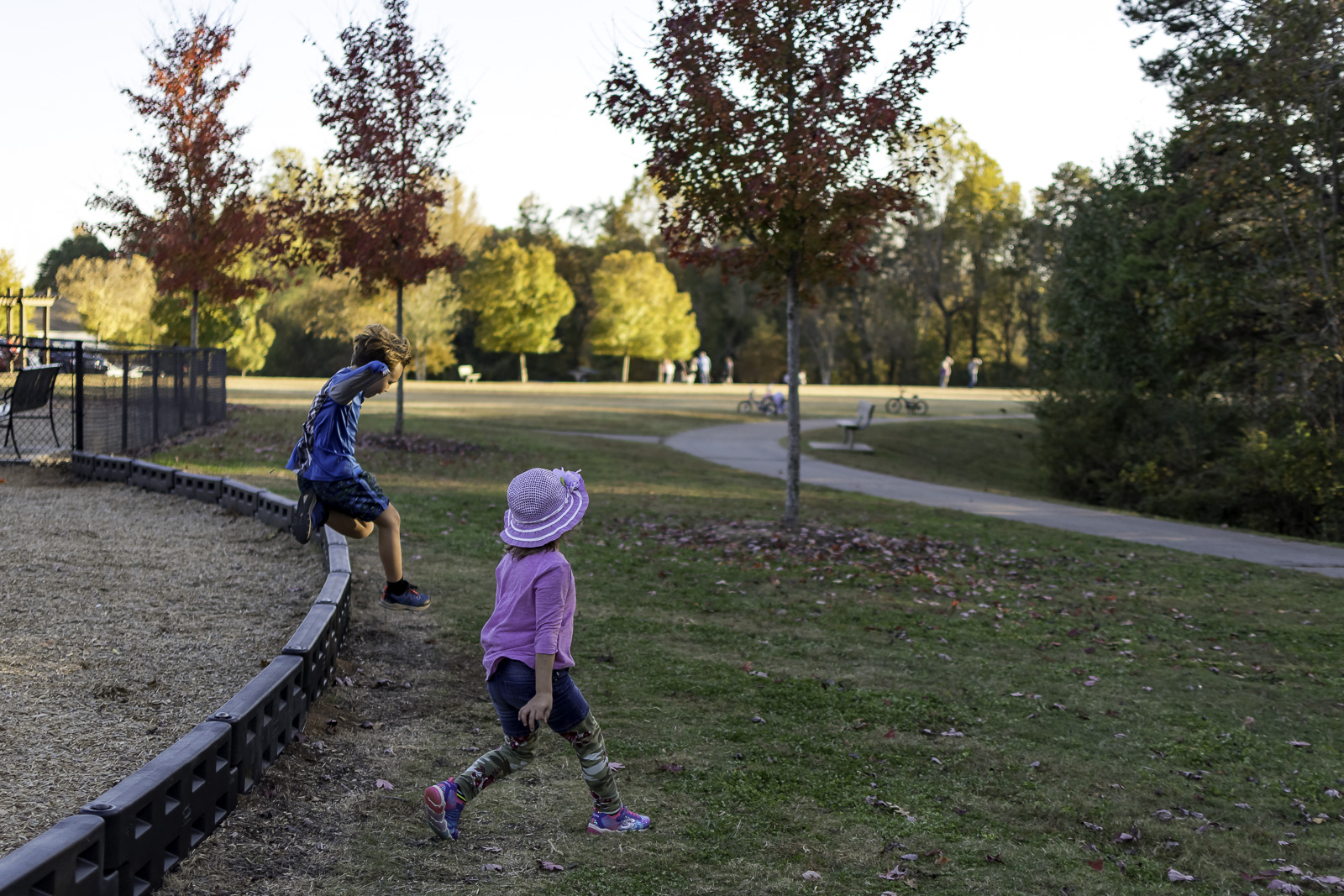
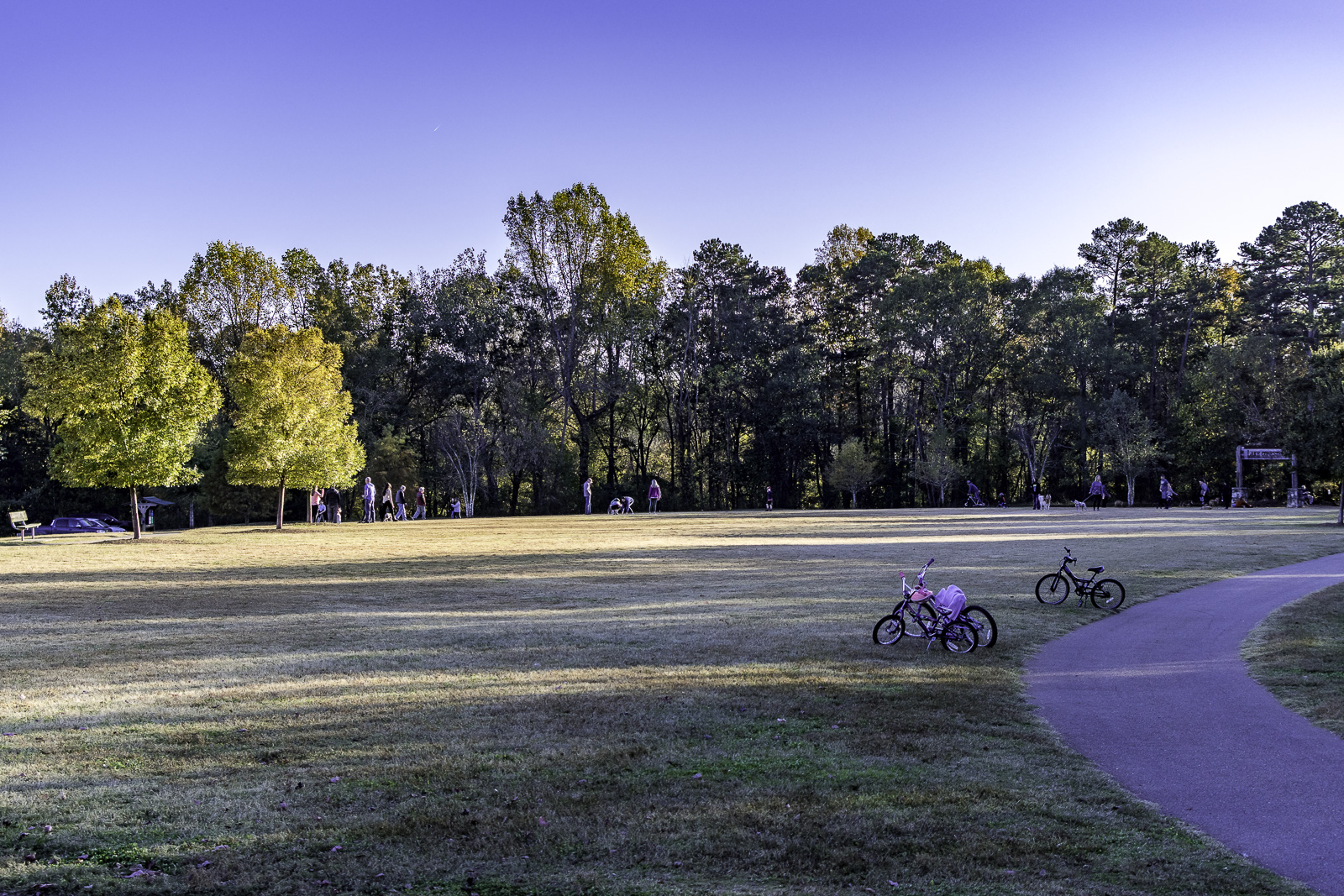
We had to get out — just had to get out of the house. It was entirely too beautiful to miss out on.

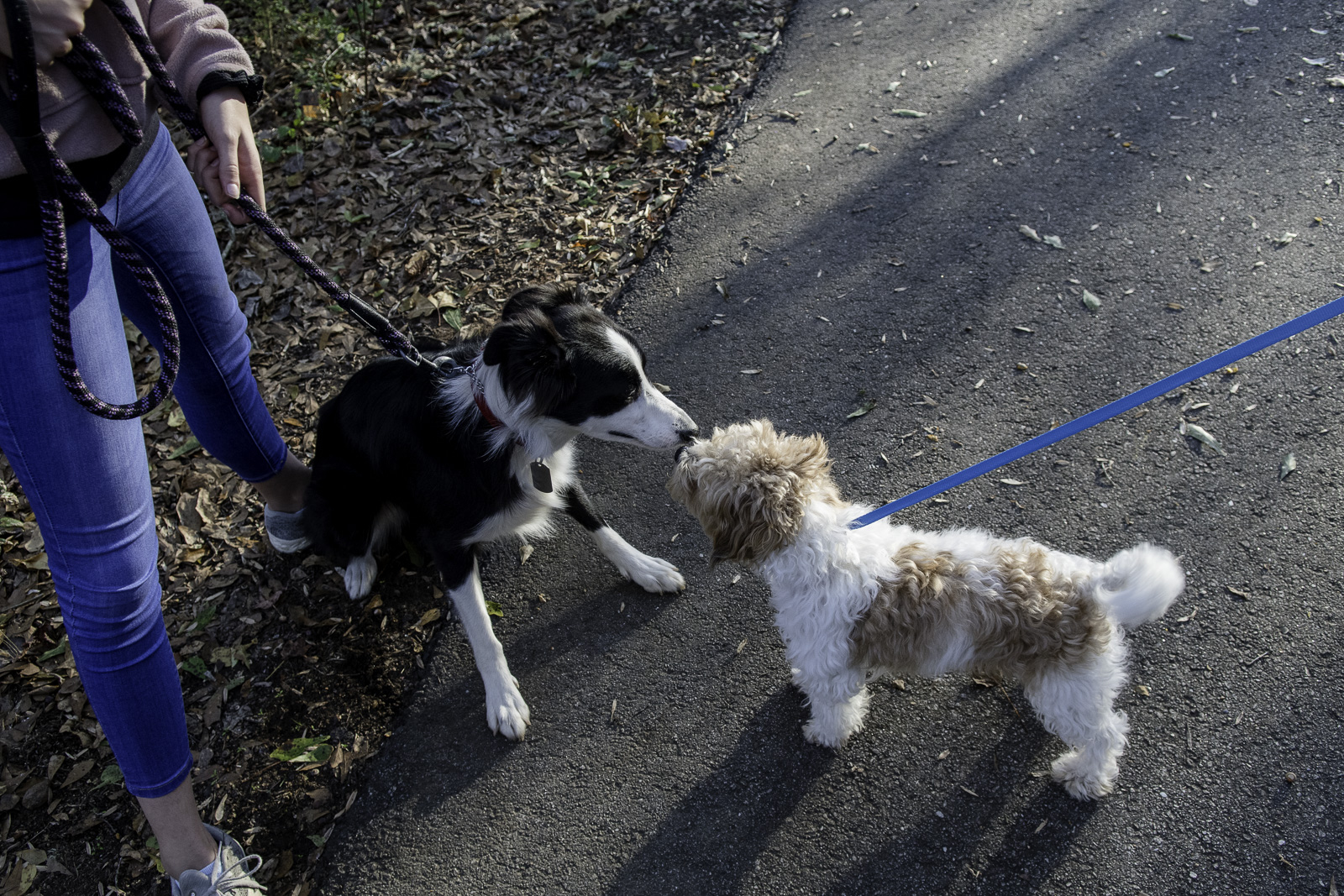
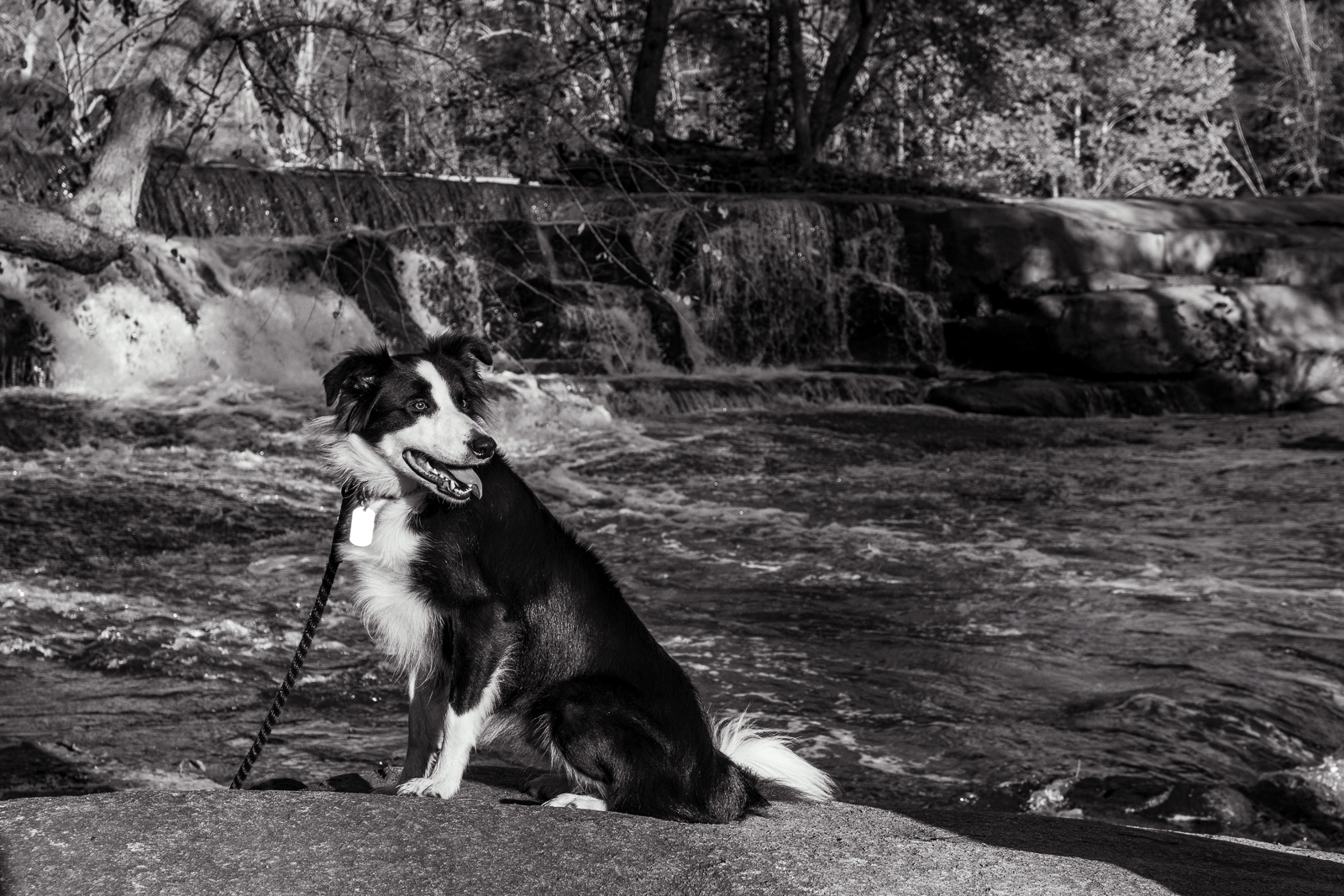
We went to Conestee Park, a location I thought I knew perfectly. Entirely. Only to discover, I didn’t

Saturday in the Yard

I spent an hour this morning preparing for next week’s lessons, and though I’d already readied an article for next week’s Article of the Week, I ditched those plans when checking the news, I realized what today was: the thirtieth anniversary of the breach of the Berlin Wall. The fall? Well, I guess so — once it was breached, the Wall was no more a wall.

I watched those reports on CBS Evening News realizing the momentousness of the event though perhaps not its personal significance.

I say “perhaps” and not “certainly” because it’s a question: would I have met K had the Berlin Wall not come down? Communist control in Poland at that point were already teetering. Solidarność’s revolution, with Wałęsa at the visible helm, had already gained traction — almost a decade earlier — and gone underground again only to reemerge to take all available seats in the sejm just a few months prior to this significant day 30 years ago. Perhaps Germany could have remained divided while Poland transformed, but all those regimes were like so many dominoes or a Jenga pile: once one went, they all went. So I might have gone to Poland; I might have met K; but there are no guarantees, certainly.

From that spins out a series of eventualities that are far from certainties.

Had all that happened, it’s hard to see that I would live in Greenville now, that I, after having planned and prepared for a week of lessons at a local middle school, would spend a late Saturday morning trimming hedges, pulling the remains of flowers, and mowing.

Where I would be, what my life would look like — it’s impossible to say. But it strikes me as odd that events halfway around the world helped set a trajectory that ended with me pulling purple hearts from the flowerbed as K took the Boy to rehearsal for the Polish community’s annual Christmas pageant.

I prepared the Article of the Week assignment and decided that instead of the usual multiple-choice questions about bias and central idea — all designed to prepare students for the standardized testing that will consume the final weeks of school — I would ask them a simple self-reflection question: “What will be the Fall-of-the-Berlin-Wall event of your adolescence? What world event do you think could happen that would change the course of history permanently for the better?” And unlike all those silly questions that I have check, I’ll be eager to read their responses.