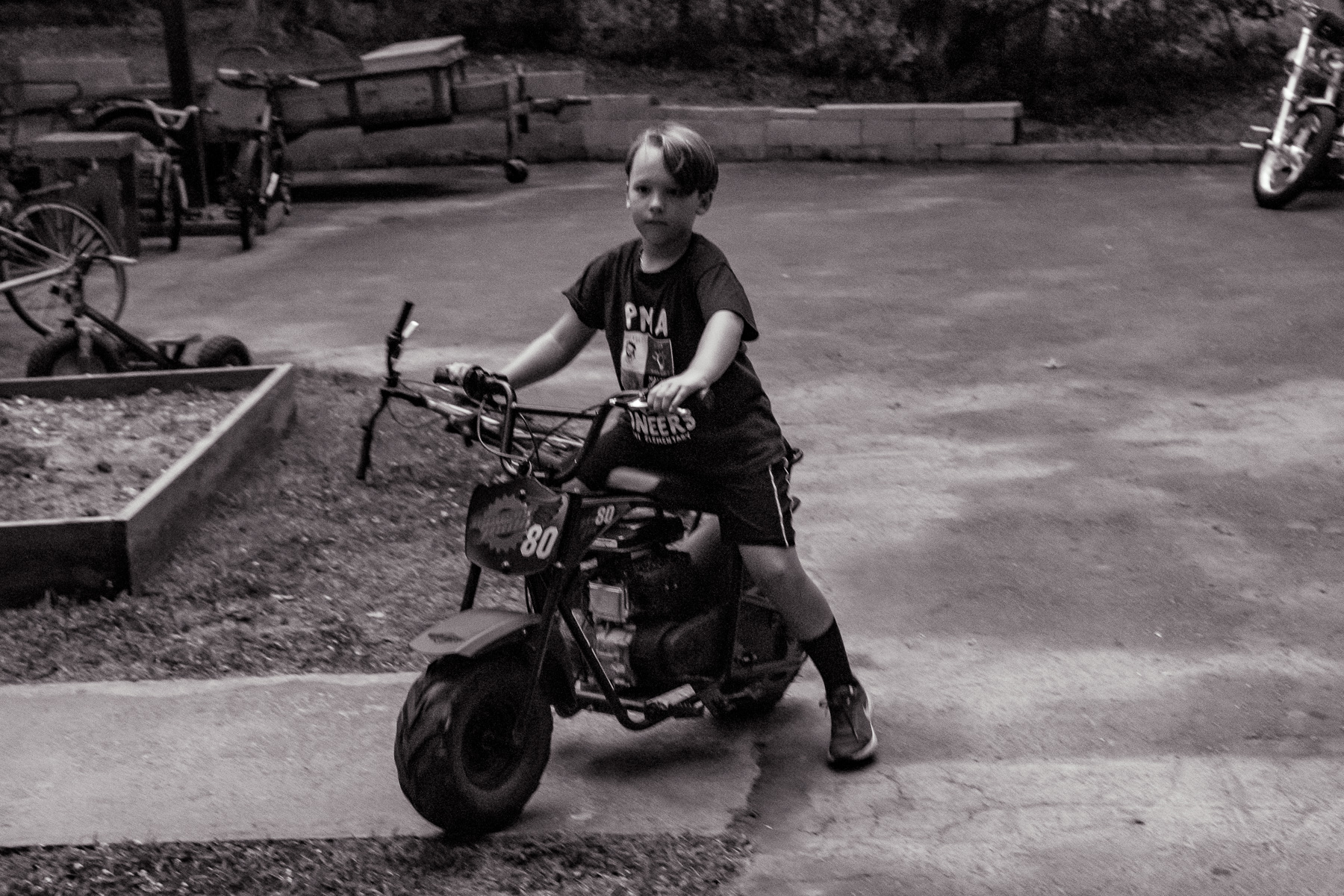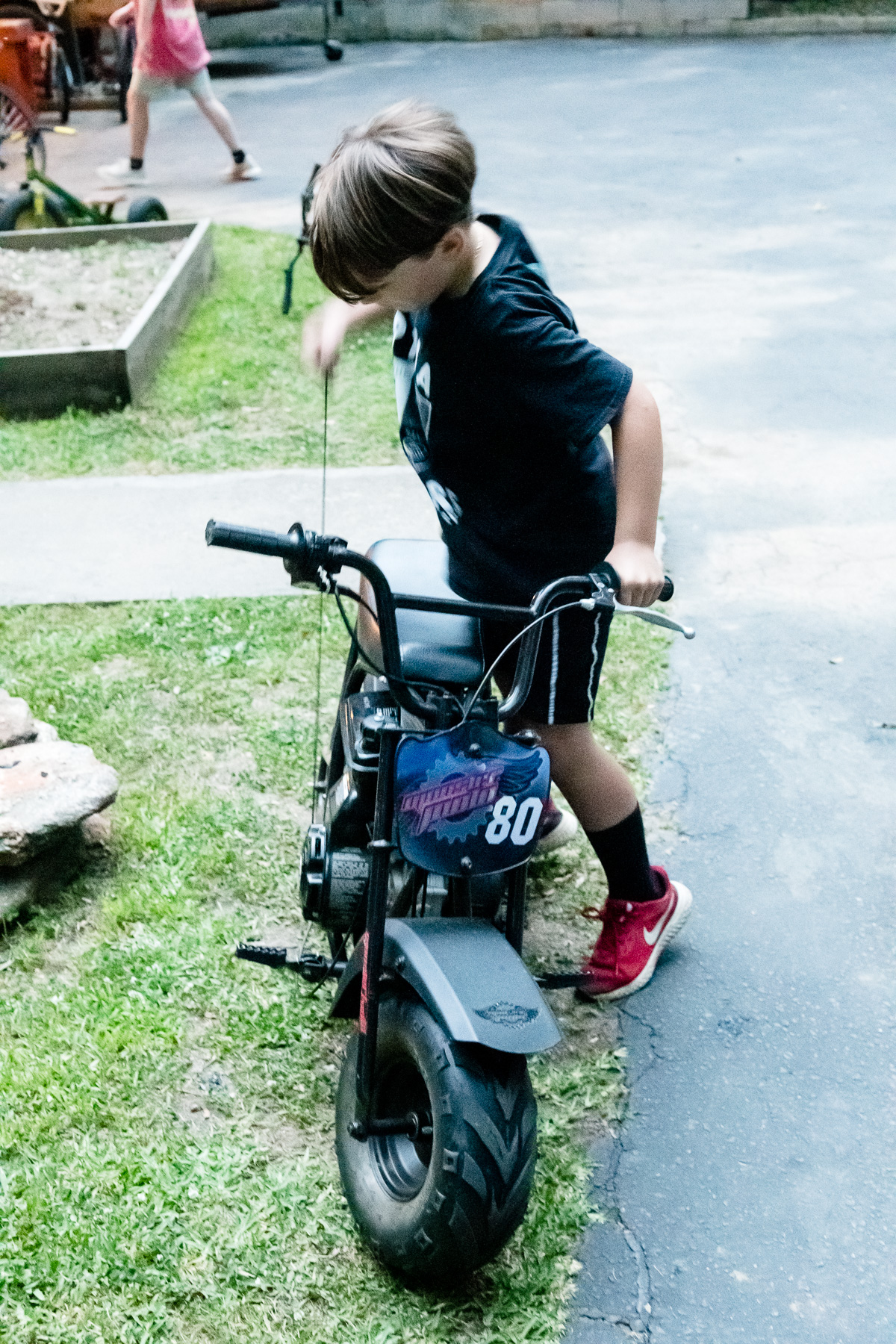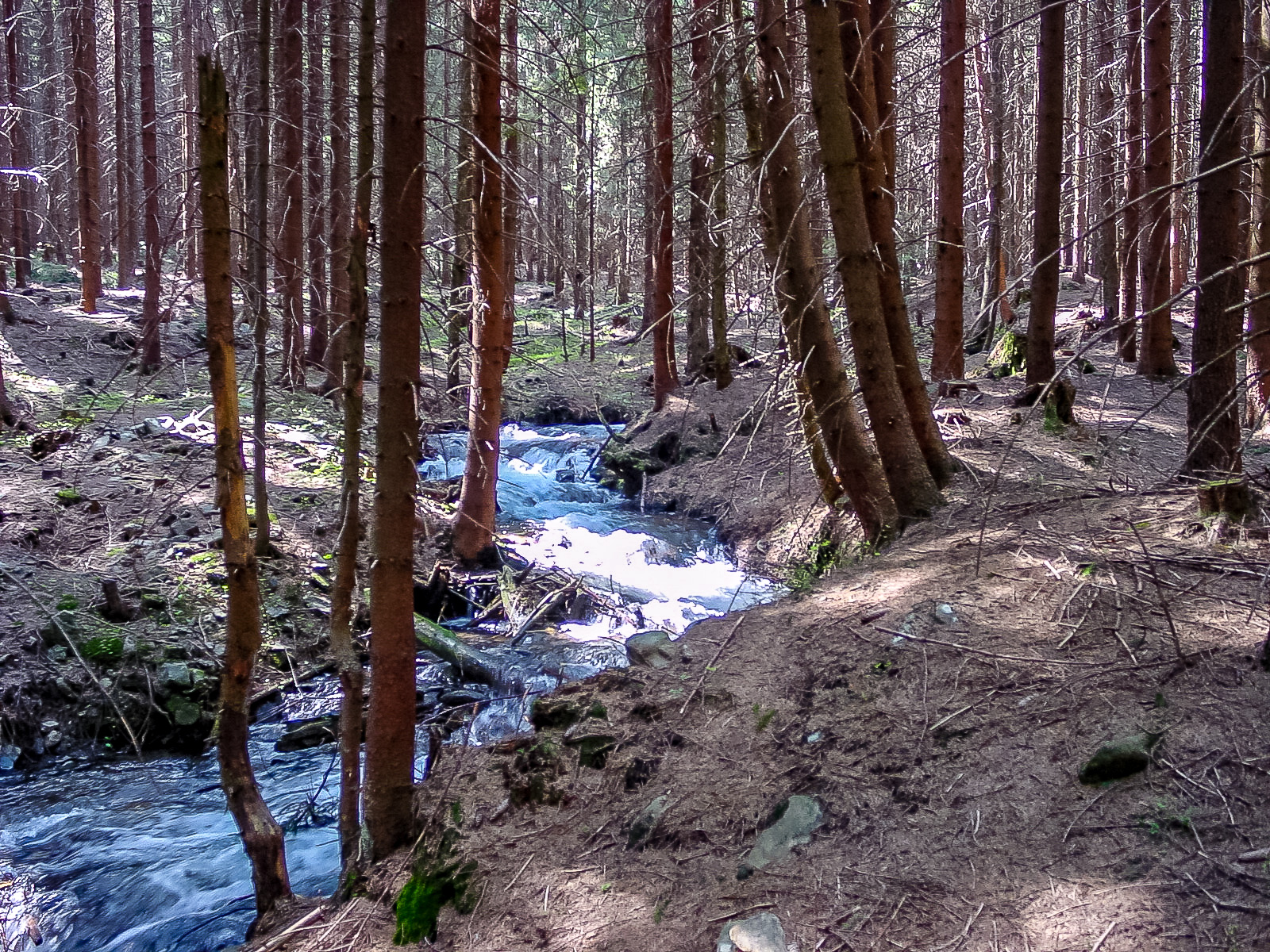
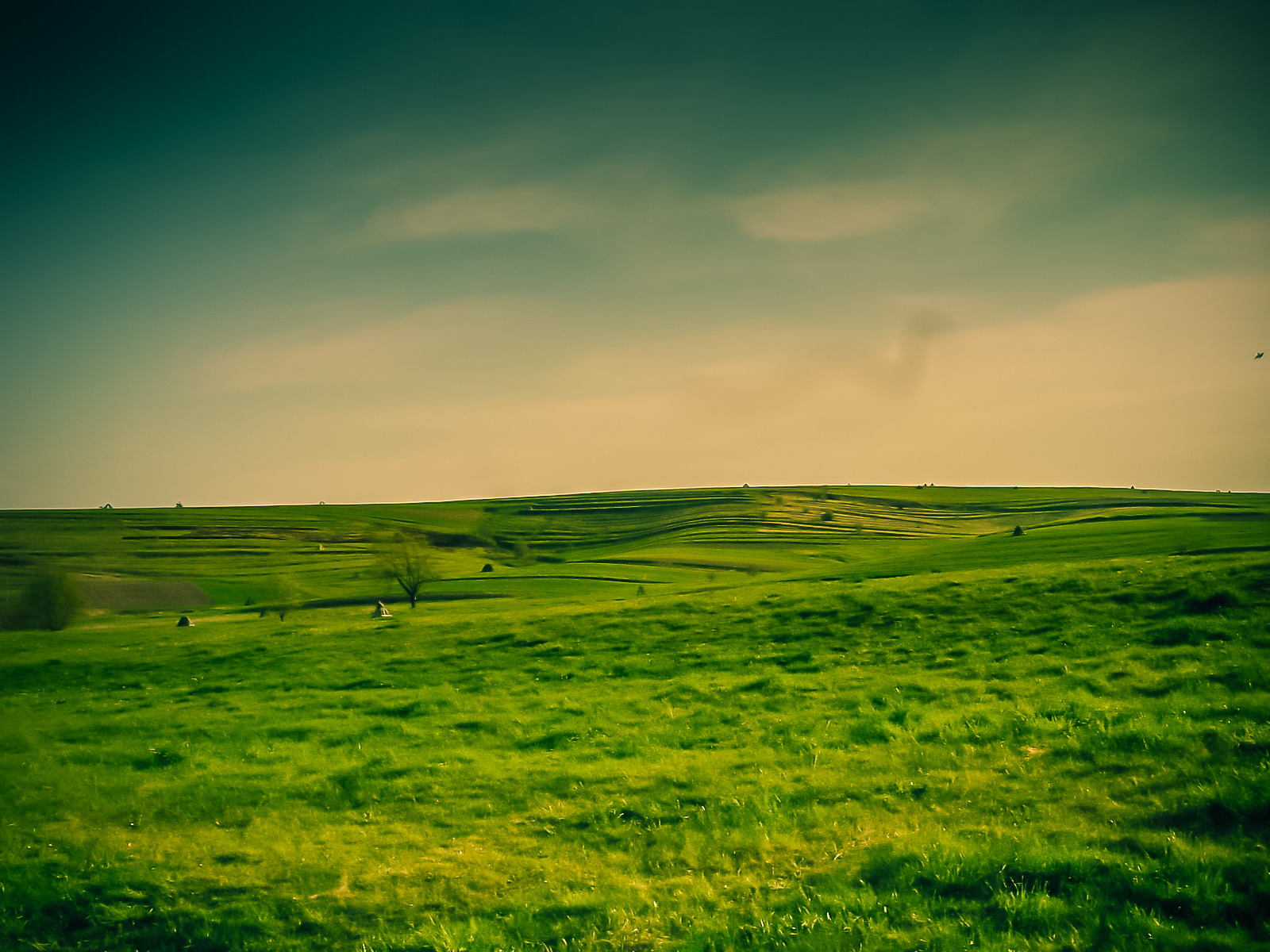

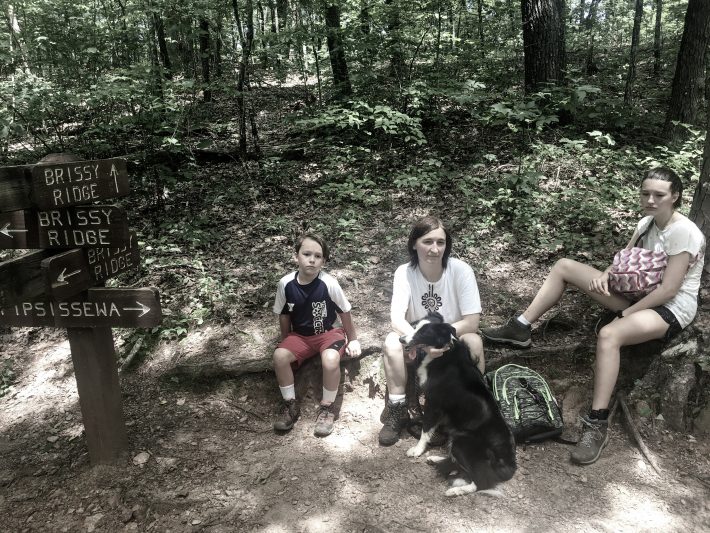
We’ve been doing more hiking lately. Three hikes in three weeks. Last week’s hike was a grueling seven-mile hike that included a fair amount of climbing. Today’s hike, in theory, seemed like it would be easier: 5.5 miles with only 1,000 feet of elevation gain.
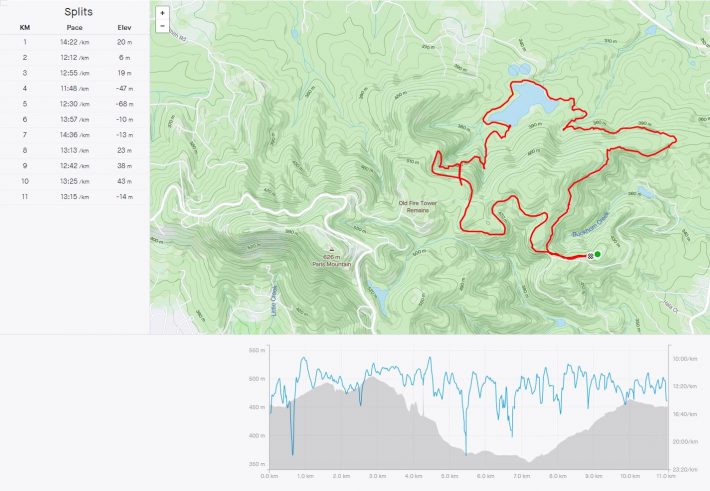
In actuality, it was easier than even we anticipated. Much of the beginning of the hike was downhill, and then a substantial, flat portion around a lake.
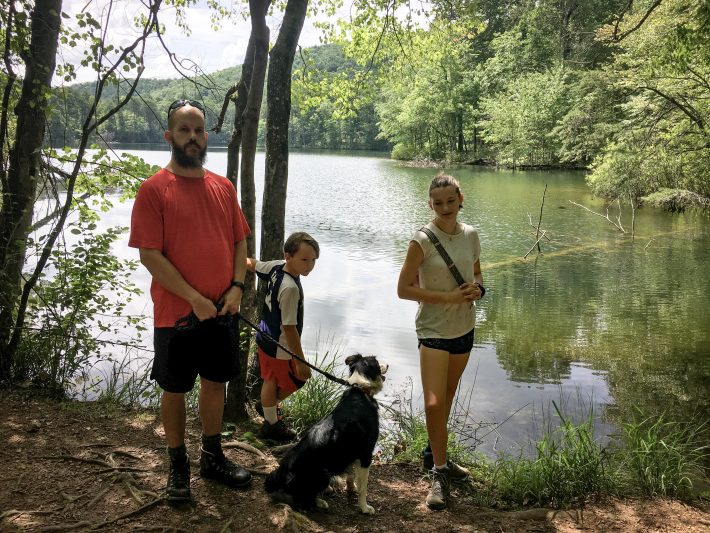
Once we were halfway around the lake, we stopped for lunch and to let the dog romp about in the water and cool off.
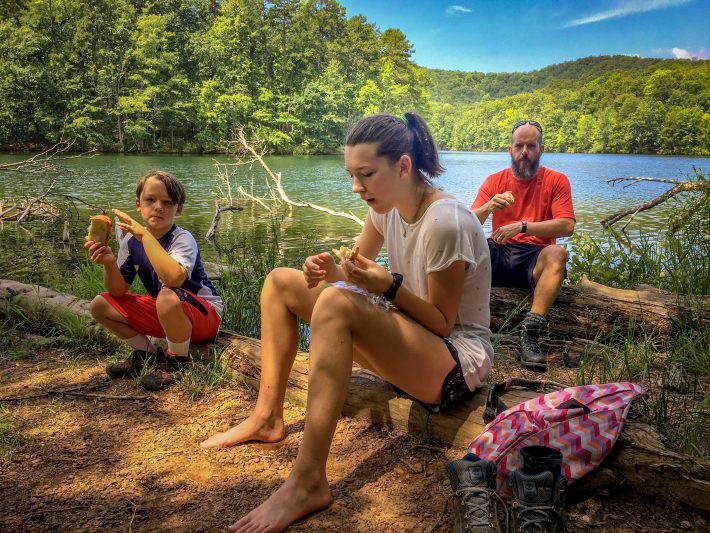
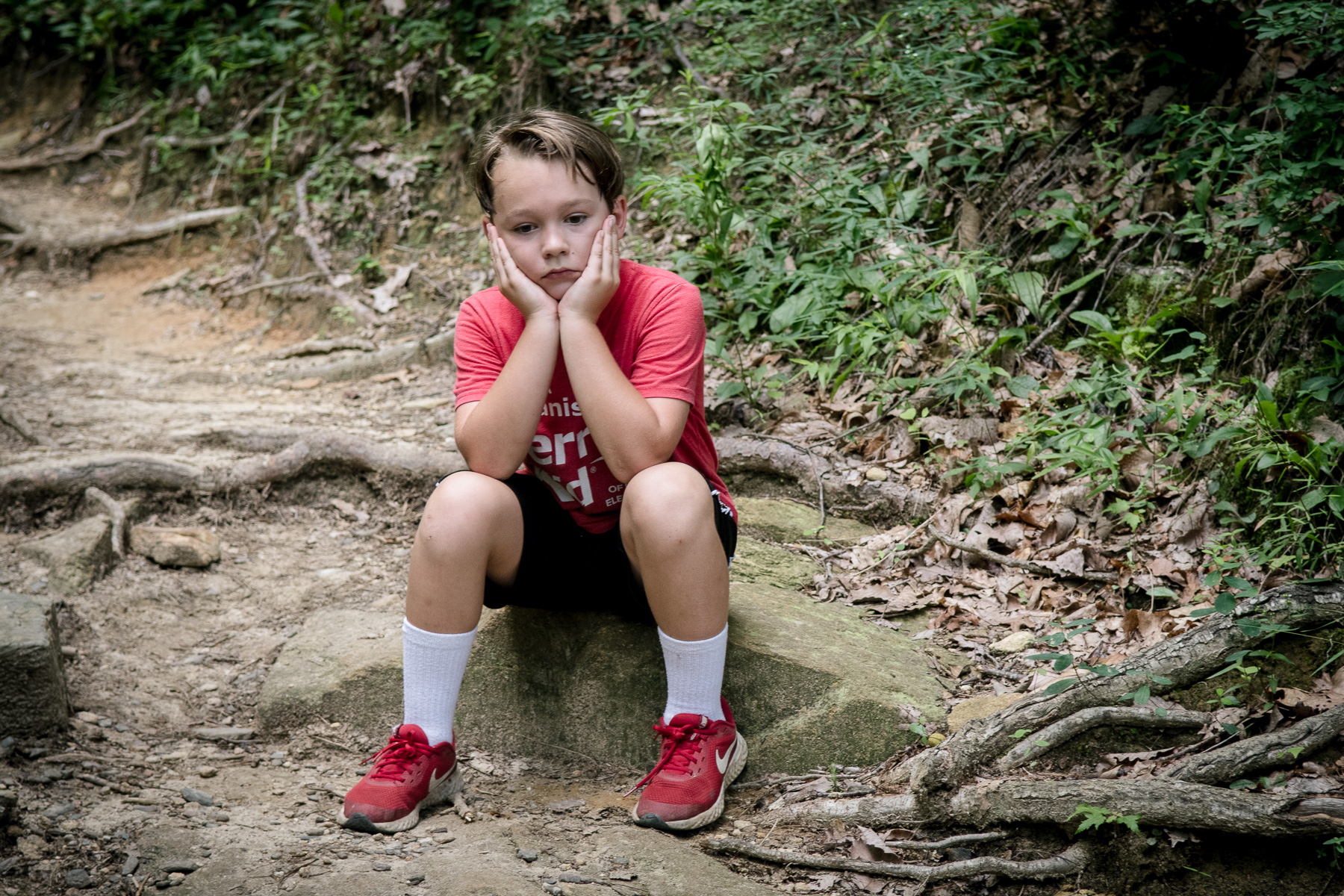
And then the heat got to everyone. And the elevation got to E especially.
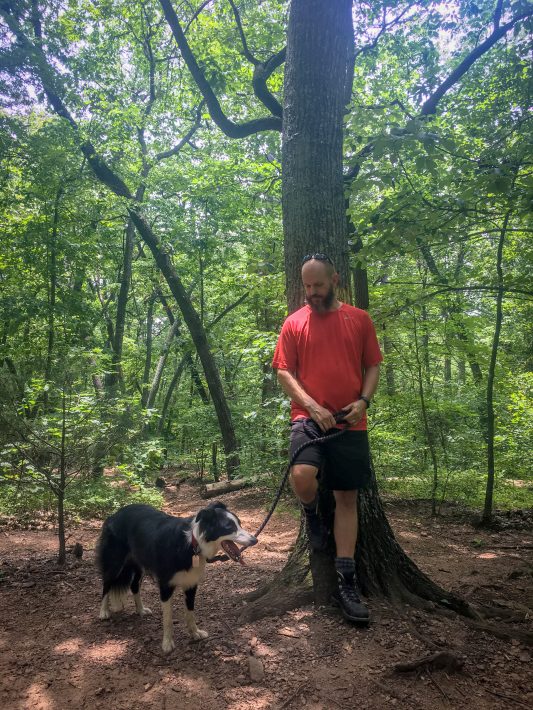
And the kids were just ready for the whole thing to be over.
This year, I had a student, E, who was exceptional in many ways, but most noticeable was her certainty that she would be a published writer. Indeed, that she would make her living writing. I have no doubt that she will: she has the talent and the drive. What she’s lacking, of course, is what all young writers lack: experience. Not just live experience — reading experience is just as important. So at the end of the year, I made her a list of books I’ve read which seem to me to teach something important about writing and a few films that teach something about good storytelling:
Title |
Author |
Reason Why It’s Important/What To Learn |
| Absalom, Absalom! | William Faulkner | This is simply the best book ever written. There is so much to learn from this book:
This is unquestionably my all-time favorite book, and I read it at least once every two years. |
| The Unbearable Lightness of Being* | Milan Kundera | This novel mixes philosophical musings, random bits of weird history, and a fantastic story set in Prague, with the Prague Spring as its setting. (Google it before you read this.) Kudera uses an unconventional point of view in this book: not really first person, not really third, it’s a curious mix of both. You’ll never forget your first time reading this, and you’ll walk away wanting to imitate its totally original point of view. |
| As I Lay Dying | William Faulkner | Each chapter is told by different 15 different narrators, and it uses a non-linear plotline. |
| Red Plenty | Francis Spufford | Historical fiction at its best. This excellent novel blends actual historical characters mixed with invented characters. Each chapter is a different time and different place in the USSR with different characters, but there are a few overlaps that provide continuity, so it’s a good study of fragmented plot development. |
| The Adventures of Tom Sawyer | Mark Twain | Twain is the master of making jokes by leaving much of the joke in the reader’s mind: he gets you going and then stops, knowing your train of thought will end in humor. He’s also a master of writing in comic dialect. |
| The Adventures of Huckleberry Finn | ||
| My Ántonia | Willa Cather | There’s nothing complicated or groundbreaking in this novel. It’s just simple, linear, first-person story-telling at its best; a lovely, lovely book. |
| Tales of Galicia | Andrzej Stasiuk | This novel mixes magical-realism, untrustworthy narrators, non-linear and completely fragmented plotlines to create a masterpiece. One of my all-time favorites. |
| Bleak House | Charles Dickens | It’s Dickens — read all his works. He’s a master. He’s especially good at creating multiple plotlines and weaving them together. |
| Great Expectations | ||
| 4 3 2 1* | Paul Auster | The book of multiple plotlines: this novel takes one character and imagines four different lives for him. There are overlaps and similarities, but it’s the differences that make the book incredible. And that ending: you see it coming a thousand miles away, and yet it still shocks you and takes your breath away. |
| The Noise of Time | Julian Barnes | This novel is told in short fragments. There is a plot, but it’s not immediately obvious. |
| The New York Trilogy | Paul Auster | The meta-fiction masterpiece in which the author mixes real life with the story, this novel layers different realities (including the reader’s) into a mind-bending blending of storylines. |
| East of Eden | John Steinbeck | Possibly the greatest straight, simple, linear-plotline novelist America has produced, Steinbeck simply tells unforgettable stories in a straightforward, compelling manner. |
| The Grapes of Wrath | ||
| Being There* | Jerzy Kosiński | This novel utilizes something like magical realism in a subdued way. |
| One Hundred Years of Solitude* | Gabriel Garcia Marquez | The master of magical realism, Marquez is a spellbinding writer. You will never read a book with a story told in quite the odd, confusing, compelling way as this book. One of the most original books you will ever read. |
| Go Set a Watchman | Harper Lee | This was the first draft of To Kill a Mockingbird. It will teach you how much a story can change upon revision. |
| To the Lighthouse | Virginia Woolf | This book completely blew my mind the first time I read it. There’s no way to describe what you can learn from this book. Just read it. It’s incredible. |
| Brothers Karamazov | Fyodor Dostoyevsky | These are long, complicated novels. They are also perfect novels. Demons is my favorite and his best, but most people put Brothers Karamazov in that slot. They’re difficult to read because they require a lot of background knowledge, and the Russian names are difficult at first to someone not familiar with the language. Read along with an audio version. |
| Demons | ||
| Crime and Punishment | ||
| The Haunted Bookshop | Christopher Morley | Everyone who loves books should read this one–a story about a bookshop?! What could be better. |
| A Gentleman in Moscow | Amor Towles | This is just a charming story. Nothing experimental or bizzare — just a great story told expertly. |
| Jane Eyre | Charlotte Bronte | A surprisingly modern novel that’s relatively old (1847). You’ll learn how to maintain a theme throughout a novel, how to give that theme a surprising twist toward the end. |
| Wide Sargasso Sea | Jean Rhys | One of the most original books written. This was written some 120 after Jane Eyre, and it is something of a prequel to Bronte’s novel. DO NOT read this without reading JE first. You’ll learn how to find inspiration from other books. |
| Angela’s Ashes | Frank McCourt | This book will teach you how to write a memoir like a novel. |
| The Outsiders | S. E. Hinton | She wrote it when she was 16. Enough said. |
| The Plague | Albert Camus | An example of existentialist (look it up) writing — it’s a novel with a philosophical agenda. |
| Wild Swans: Three Daughters of China | Jung Chang | Family history at its finest. It will also teach you a lot about Chinese history. |
| The Name of the Rose* | Umberto Eco | Historical fiction that’s incredible: a mystery set in a 14th-century monastery. How could you not want to read that? |
| The Master and Margarita | Mikhail Bulgakov | What happens when a Russian writes a novel with the devil as one of the main characters? Perfection happens. |
| The Diving Bell and the Butterfly | Jean-Dominique Bauby | I mentioned this in journalism; we read one of the chapters. From this you’ll learn how to write short, powerful observations about some of the most mundane things. |
| Into Thin Air: A Personal Account of the Mount Everest Disaster | Jon Krakauer | This is history written like it’s a novel. |
| The Sense of an Ending* | Julian Barnes | A slim book about confusion that puts the reader in the exact same spot of ignorance as the protagonist. It will teach you pacing. |
| Breakfast of Champions* | Kurt Vonnegut | A meta-novel that’s mind-bending, Breakfast also incorporates little sketches into the novel. |
* Indicates mature content.
Title |
Reason Why It’s Important |
| In the Mood for Love (PG) | A Chinese film. A slow, measured story that seems simple yet has incredible tension just beneath the surface. Excellent ending. |
| The Lives of Others (R) | A German film. Absolutely the best ending of any film on the planet. My all-time favorite drama. |
| Conspiracy (R) | This film features a bunch of men sitting around a table talking for 90% of the film. Incredible acting, though, and it will teach you what good dialogue sounds like. |
| Dangerous Liasons (R) | Intersecting plots and plotters plotting against each other, this film will teach you how to tell a story in which emotions (in this case, fury and contempt) are always present, always hinted at, yet never fully shown — until the end. I think there was a remake of this. I’m referring to the 1988 original with John Malkovich, who is utterly brilliant in this film. |
Sadly, most of these are rated R, so your folks will have to make the call on them.
We had a raccoon visiting our property this afternoon. It was on the other side of the fence, but still technically on our property, and though Clover had no idea that that was the case, and though she is as much a guard dog as I am a potted plant, she raced down to the fence and confronted the raccoon.

The dog barked; the raccoon backed away, turning eventually and trotting along the creek upstream, toward the area where the Boy and I always explore. Suddenly, though, it turned back and came charging. It ran right up to the fence and began pushing against the fence, snarling and growling. Clover ran back to the raccoon, and soon they were running back and forth, the fence between them, Clover thinking it was a game, the raccoon furiously expressing its lack of amusement.
The raccoon became more and more aggressive, and I began wondering if there wasn’t something more going on. I decided it was time to un-welcome the little beast, so I took a great rock and heaved it toward the raccoon’s general vicinity. I didn’t want to hit it; just come close enough to frighten it.
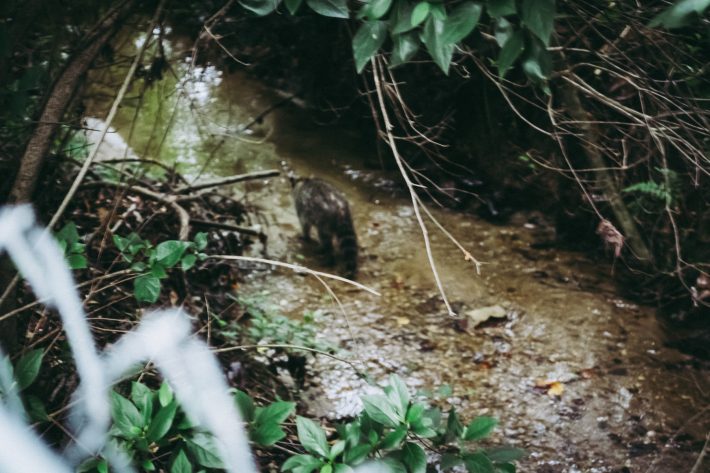
It seemed to work: the raccoon darted into the stream and trotted away, but I know it will come back, and I worry about what might happen if it climbs the fence.
Over the course of the last few weeks of school, I completed an online course to fulfill my tech proficiency requirement for my teaching certificate. I got a notice from someone in our administration earlier in the year that I needed to take care of that, and so I did. Now, I don’t want to sound rude or anything — it’s not that I think I’m so technologically amazing or anything — but the course I took was, for my level, useless. I learned nothing. It was all just a bunch of busy work for me. But still, busy work or no, it was required. So I got my certificate of completion and put it in our district’s professional development web site.
Shortly after that I received the following email:
Your request for Out-Of-District credit (for ” Collaboration Renewal Greenville”) has been denied.
You must login to Professional Development to view the reason your PD was denied.
Please login to Professional Development, view the reason your PD was denied, and make corrections and resubmit your request, if applicable.
Thank you,
The Professional Development Team
Why they couldn’t tell me the reason in the email is a mystery. I logged back into the professional development site and found the following explanation:
This is SDE credit and must be entered directly onto your certificate at the State Dept. Please email your documentation to [email redacted].
So I loaded the state department of education’s web site and quickly enough determined the email of the individual I needed to contact. I wrote a quick email and attached my documentation:
Ms. B—,
I have completed my tech proficiency course (see attached). My certification ID is: [redacted].
What steps do I need to take to update my certificate?
What was the response?
Good Afternoon G,
I don’t need this information. You will need to follow-up with the Greenville PCS Coordinator. This may be someone in the Greenville District Office.
Note: Technology Proficiency isn’t a requirement for your teaching certificate renewal. As of a few years ago tech proficiency is no longer printed on certificates.
I forwarded it to the district personal with a single sentence: “Please advise.”
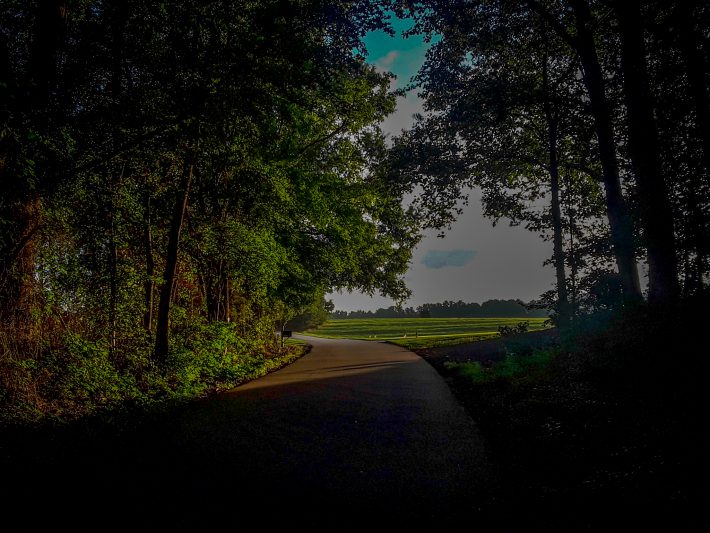
On the sunny side of things, I took a bike ride this morning at 6:30 and saw this lovely view as the sun came up:


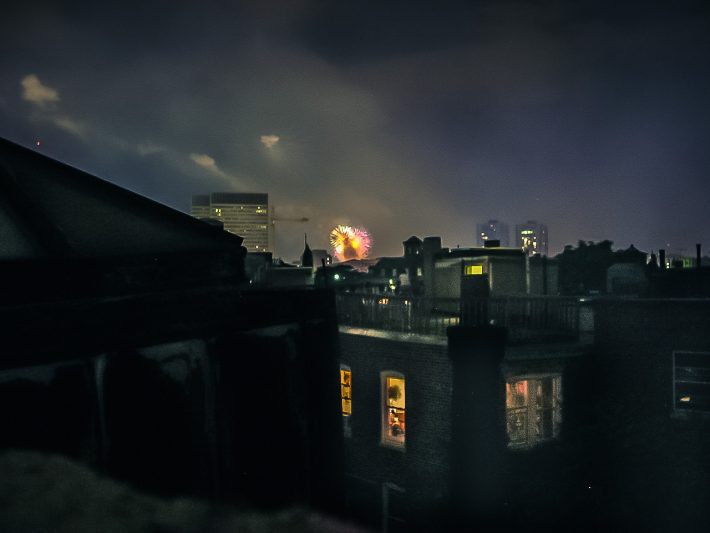
Not much for today — didn’t even take any pictures. Here are three re-worked pictures for Boston in 2002.


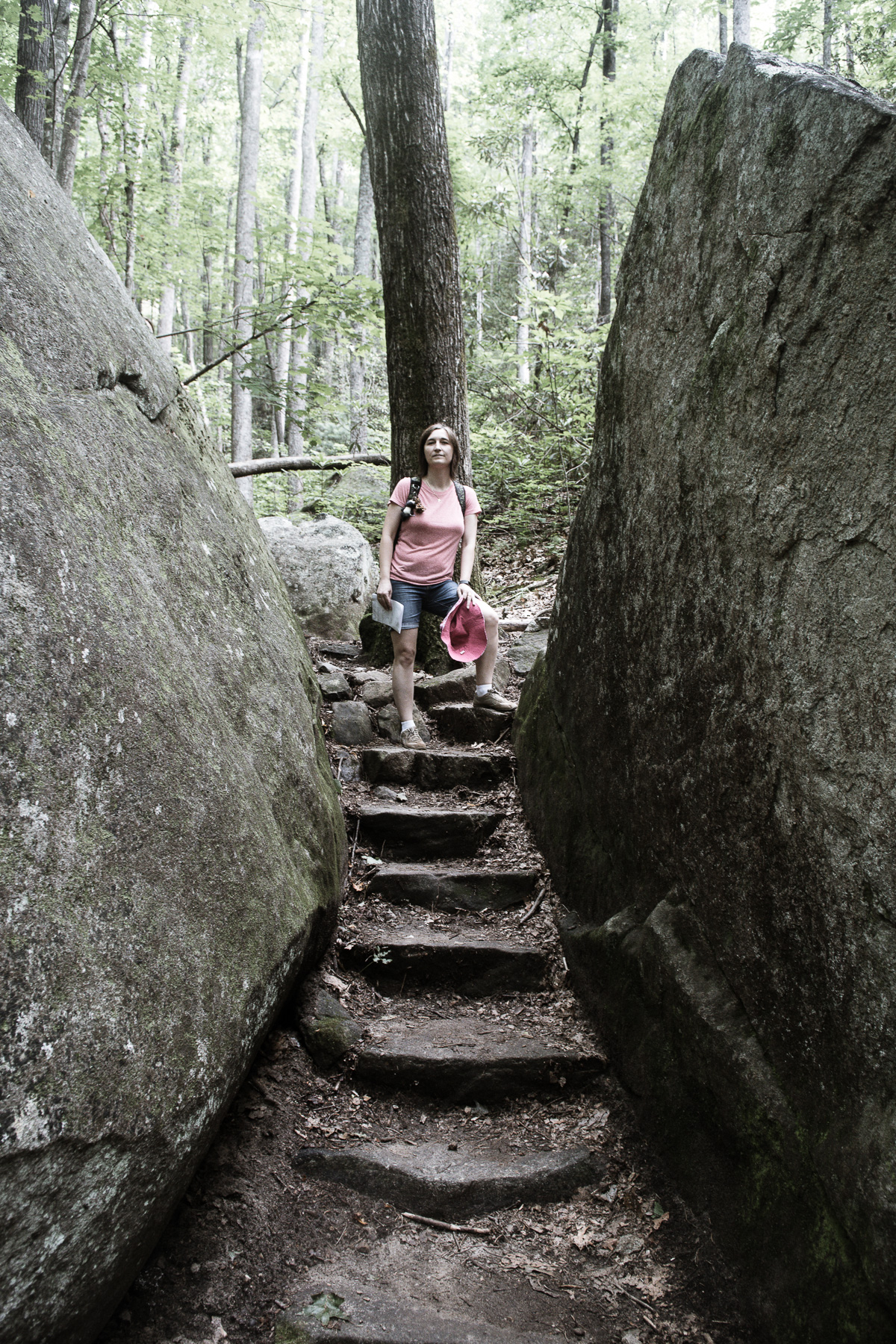
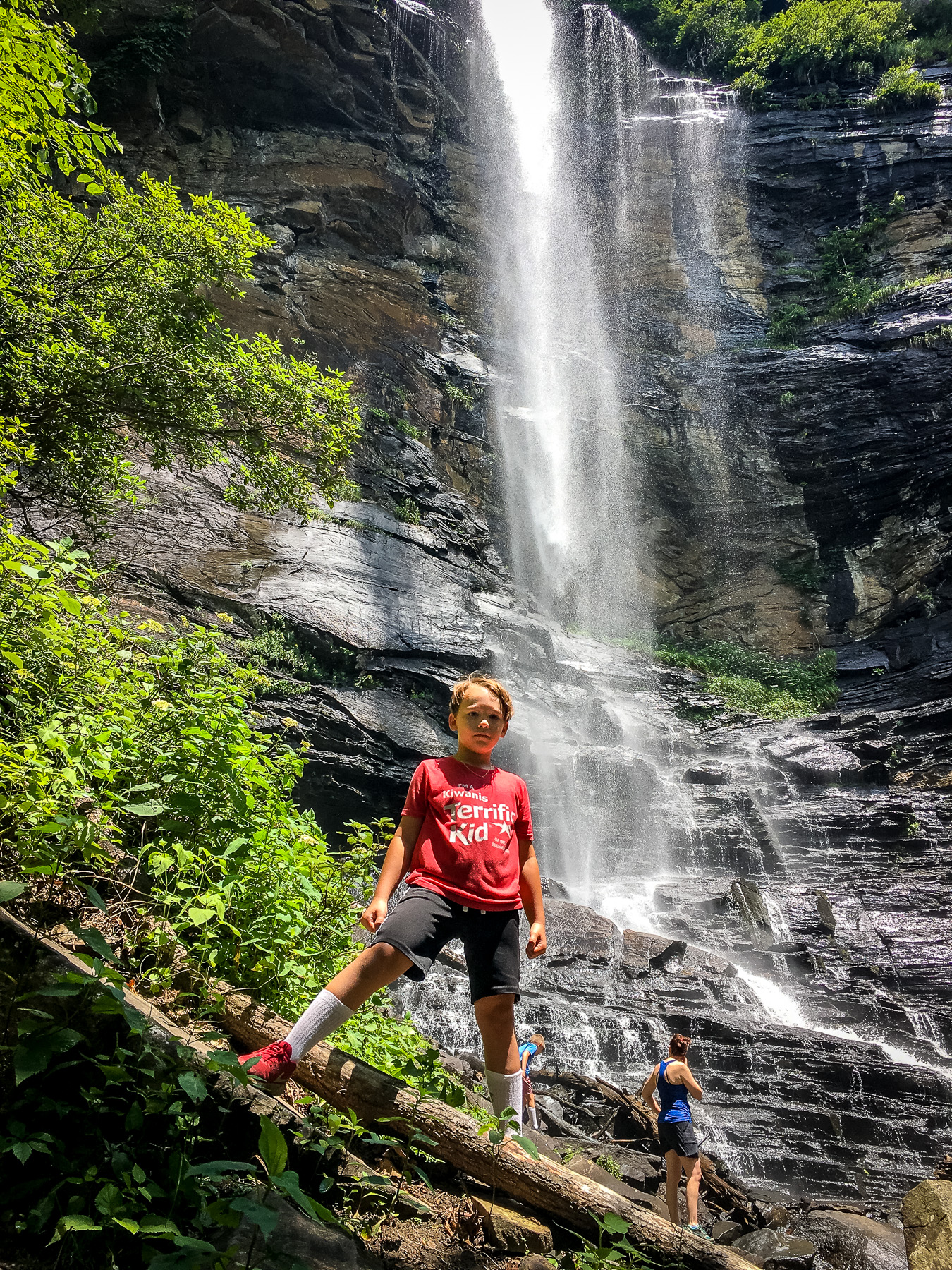
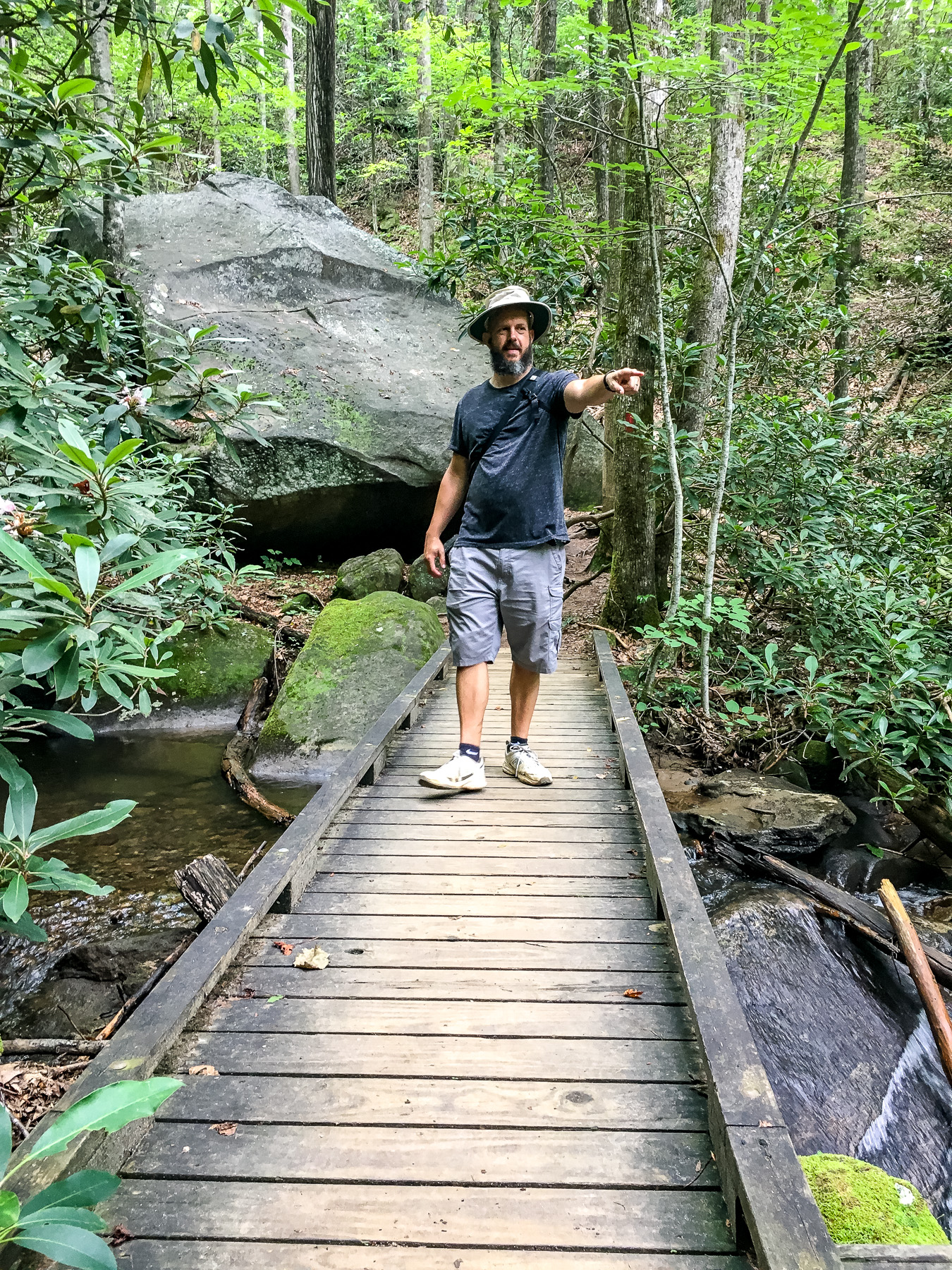
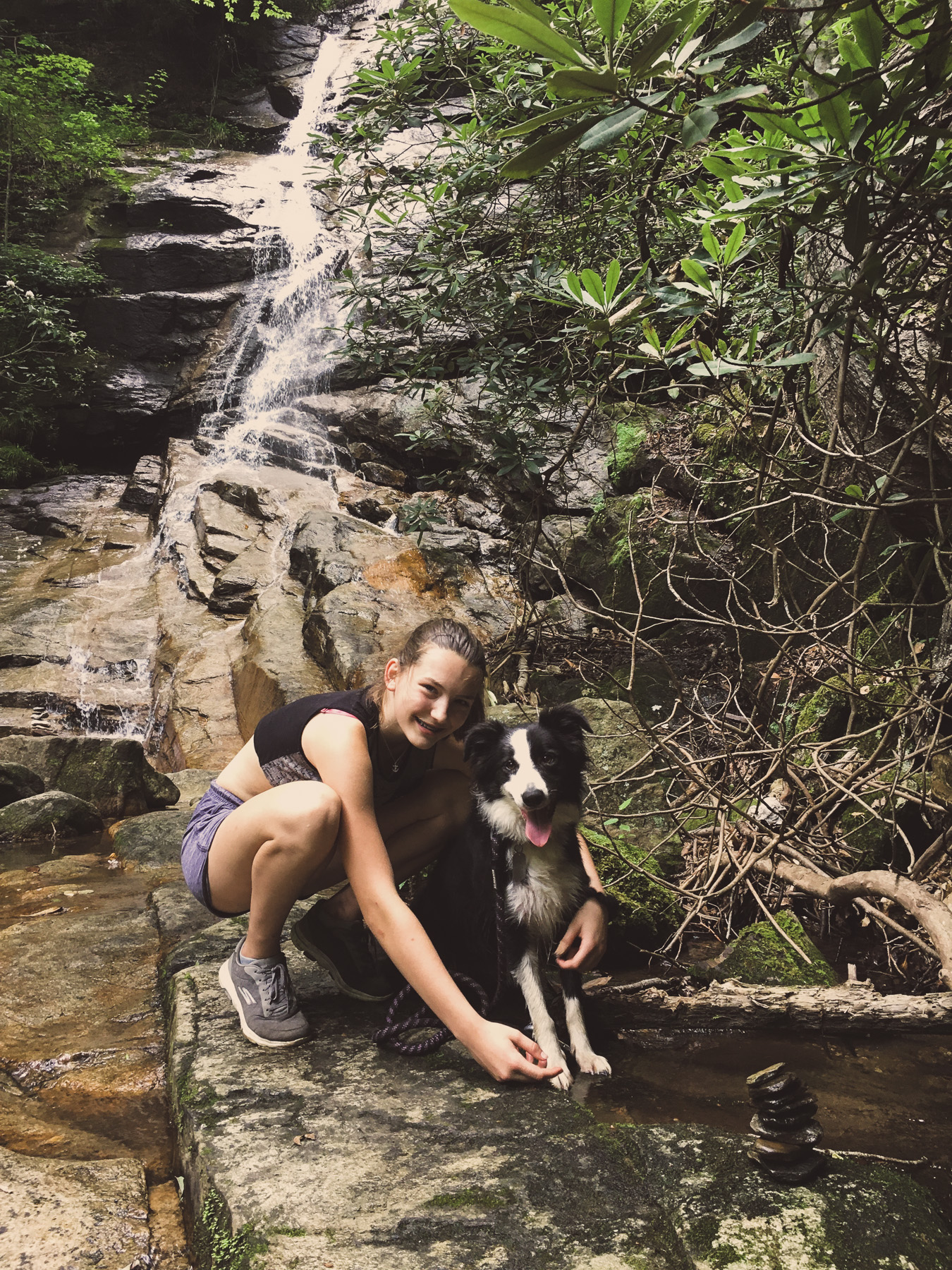
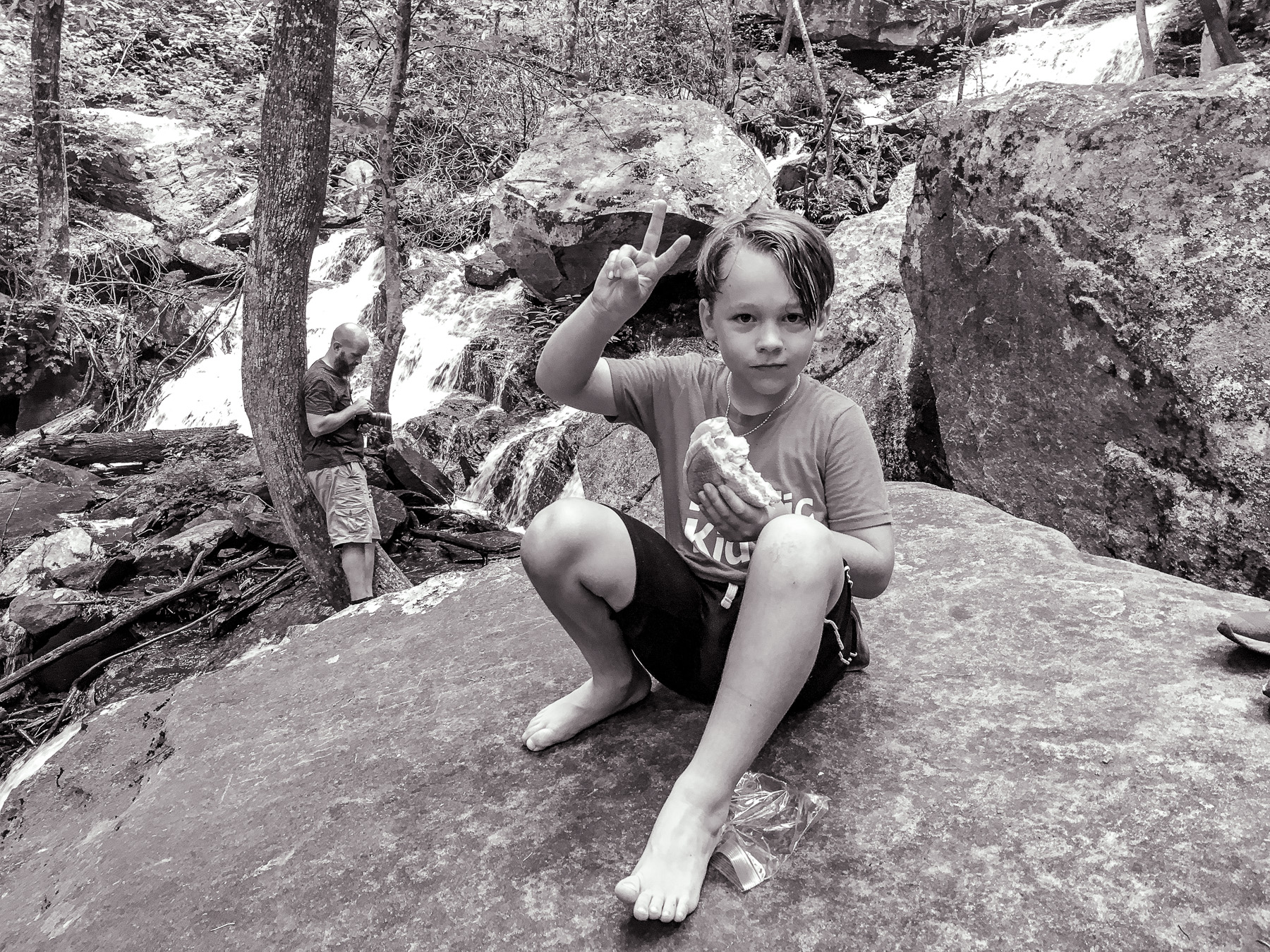
We’ve been trying for some time to make it to Jones Gap. The last time we tried, we were turned away because the park was already full. We made it today, though.
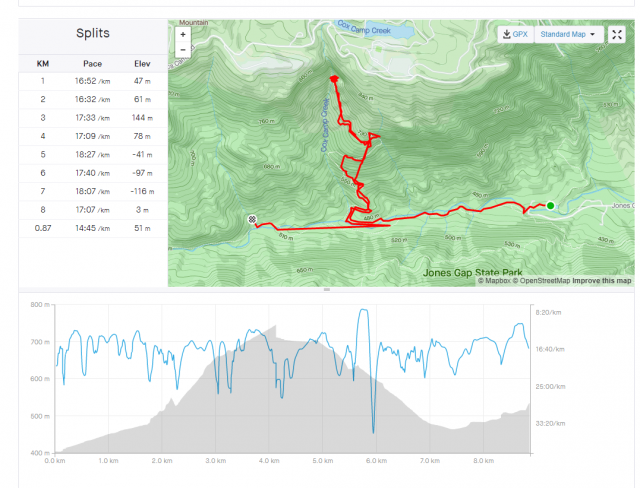
Just barely: 7 miles (the Fitbit died before we finished) and something like 1,300 feet of climbing. The kids loved it. Mostly.
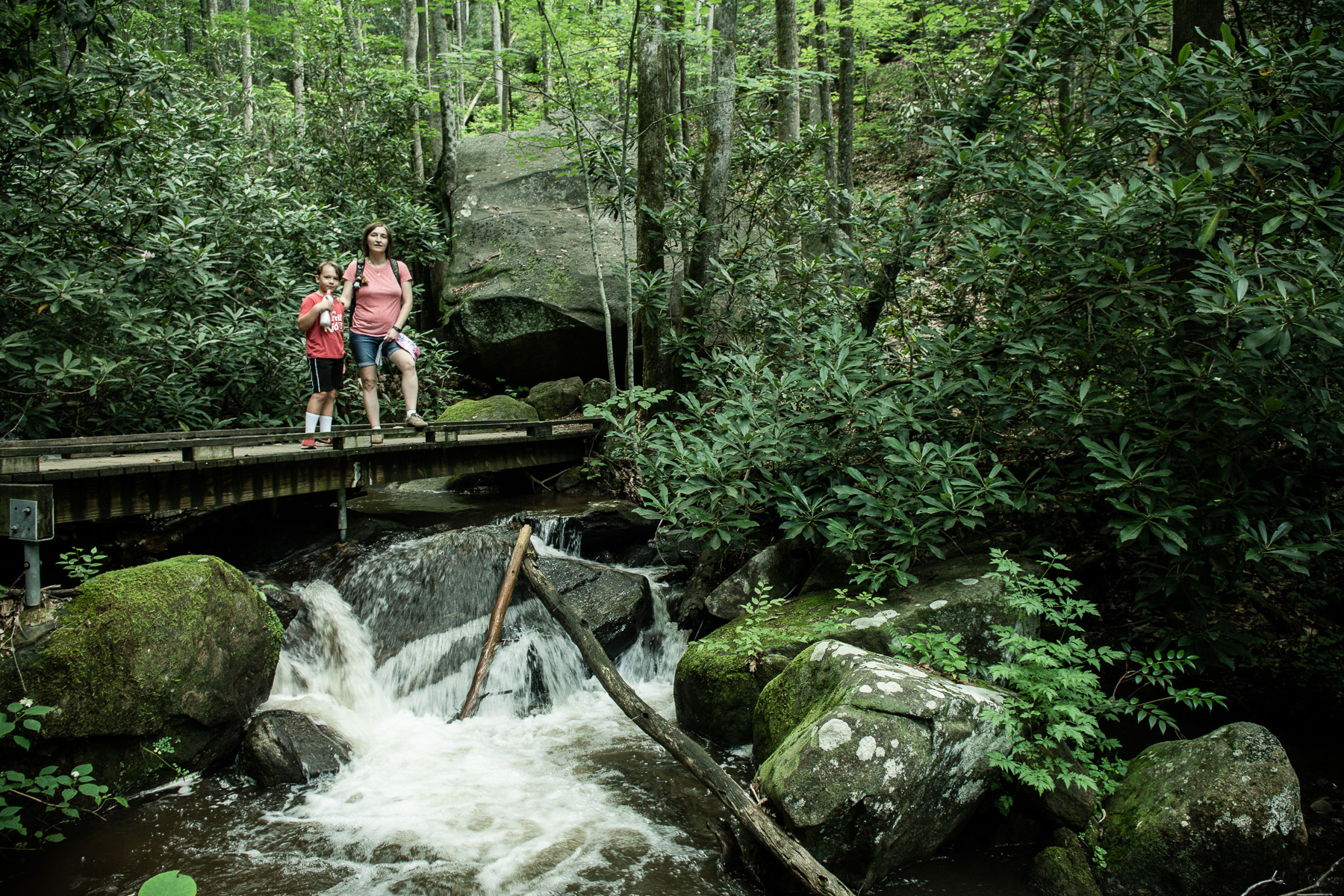




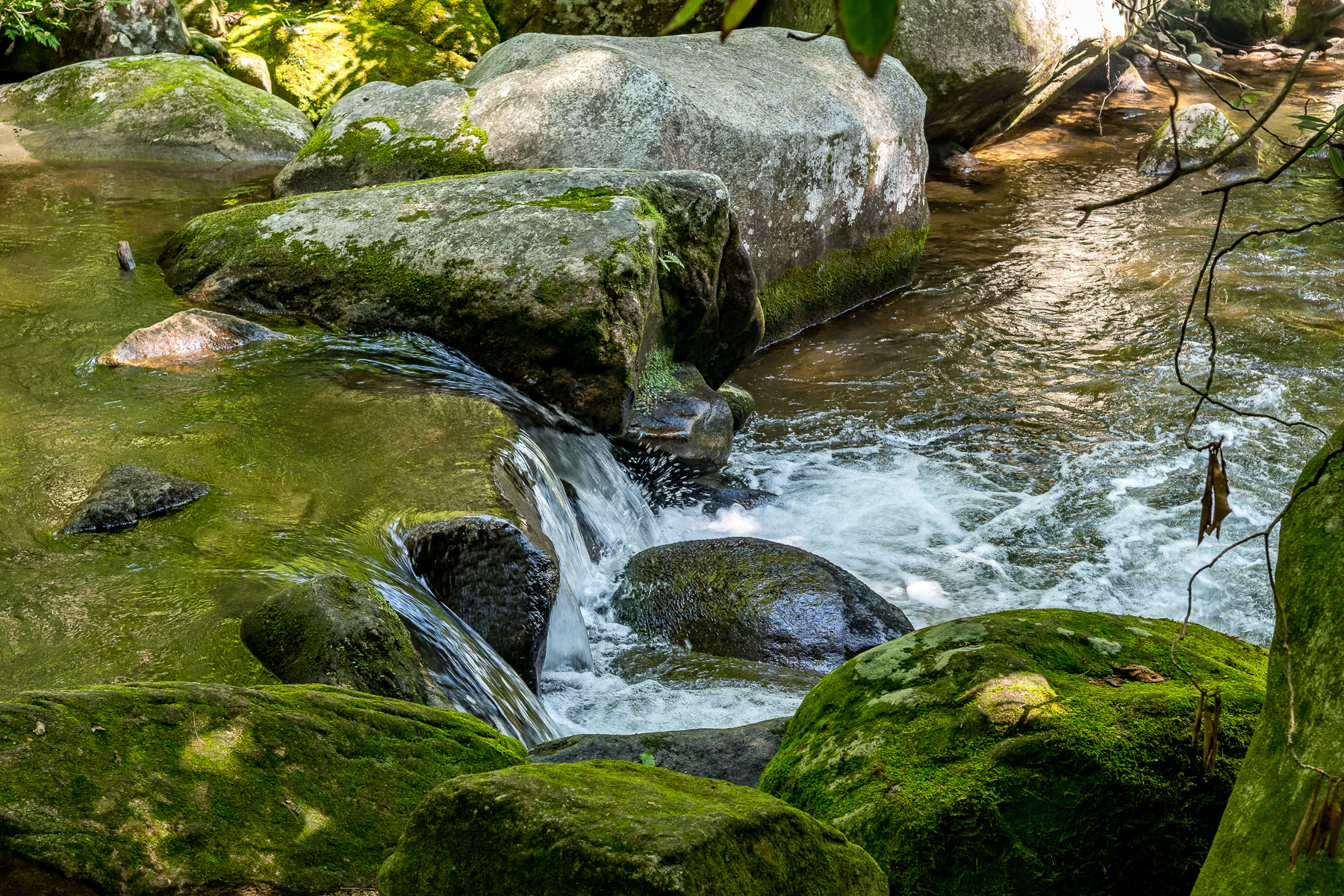

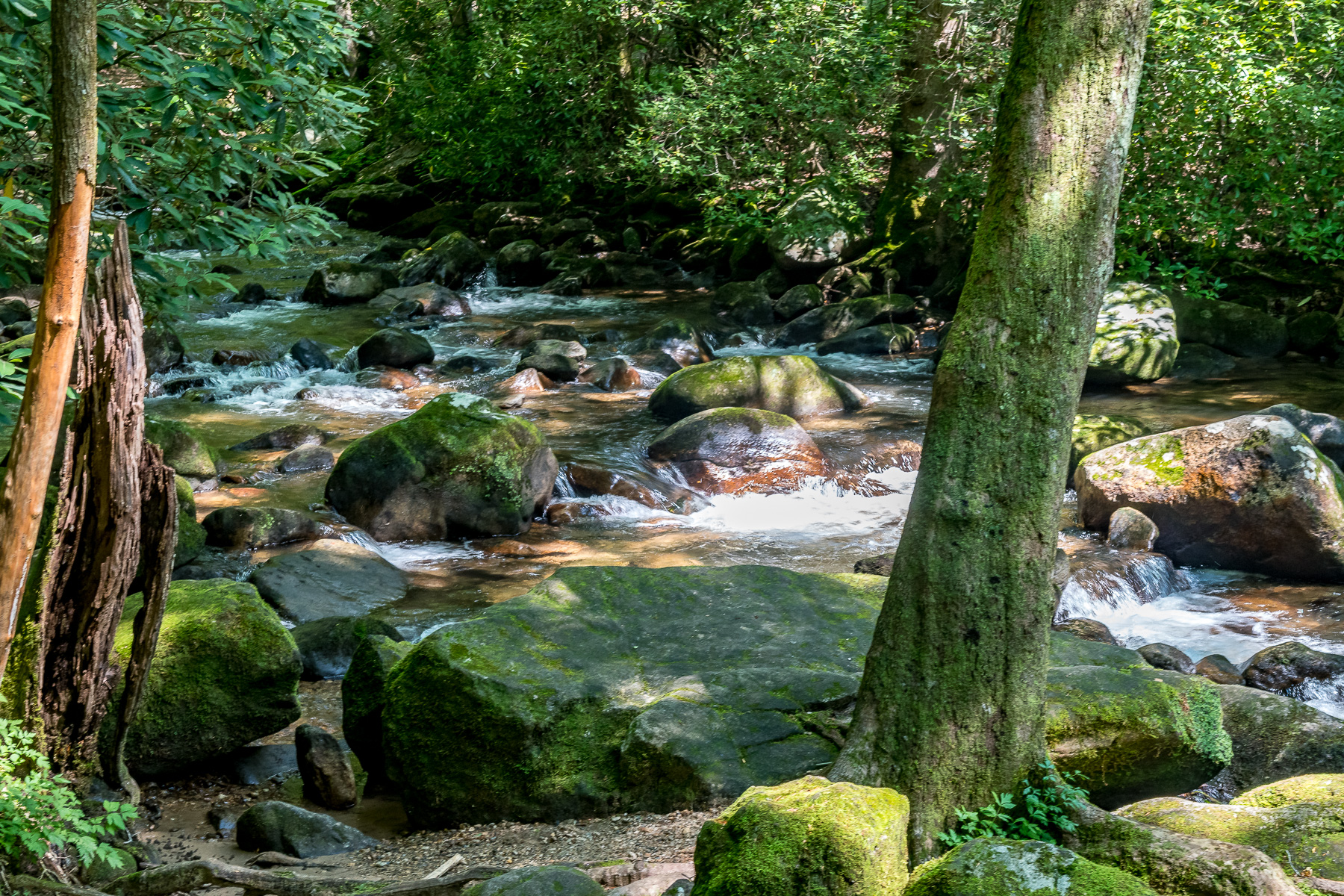


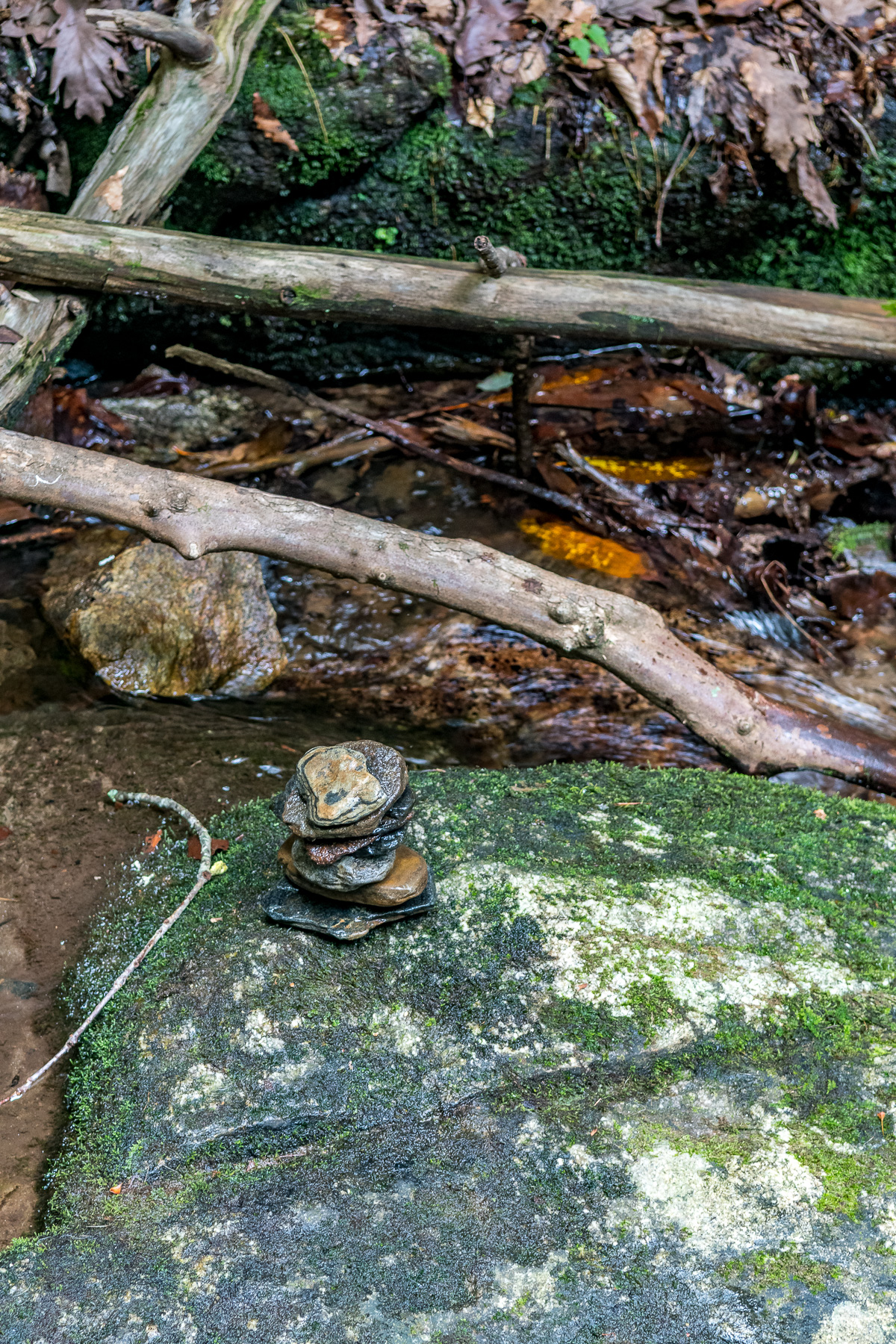

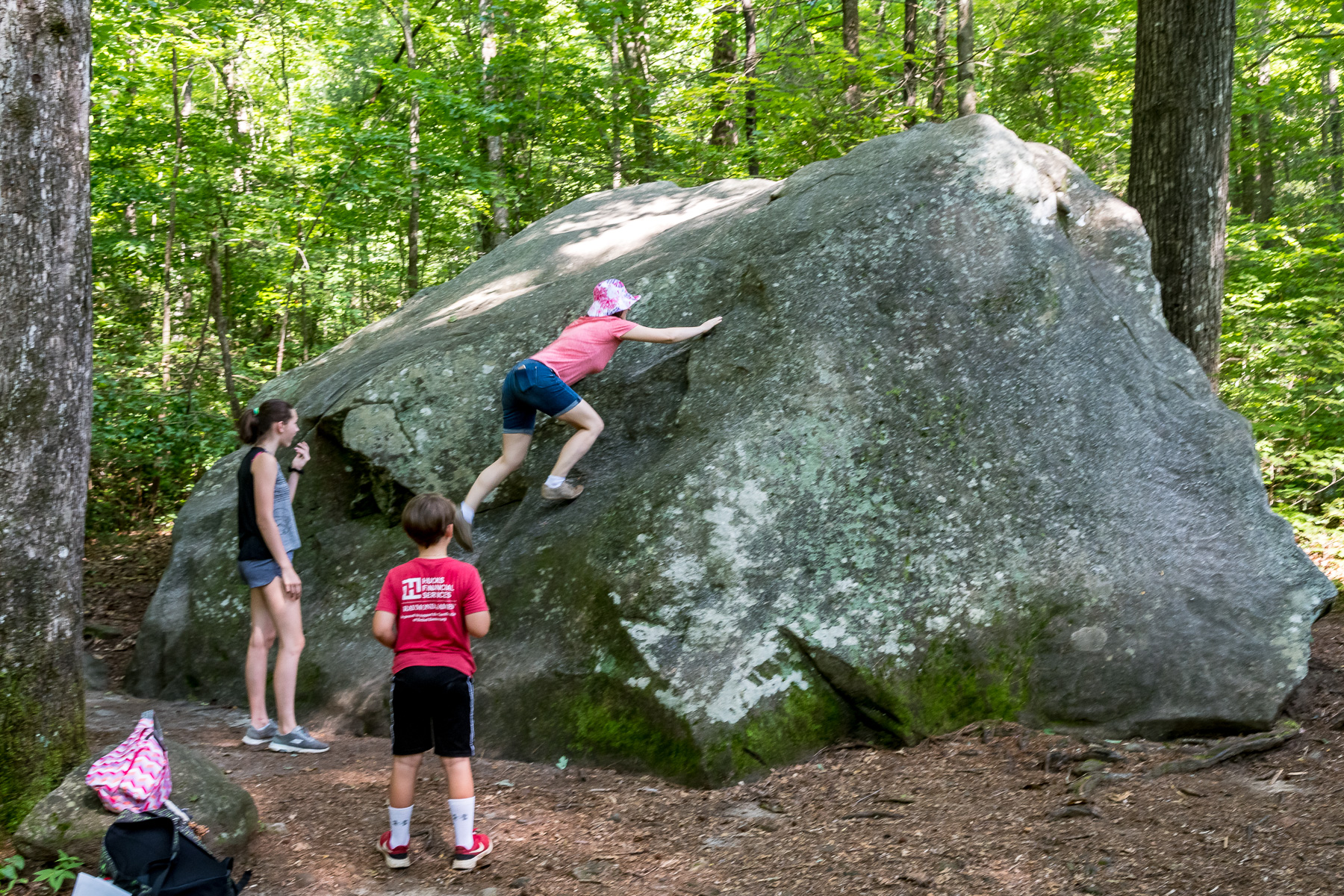
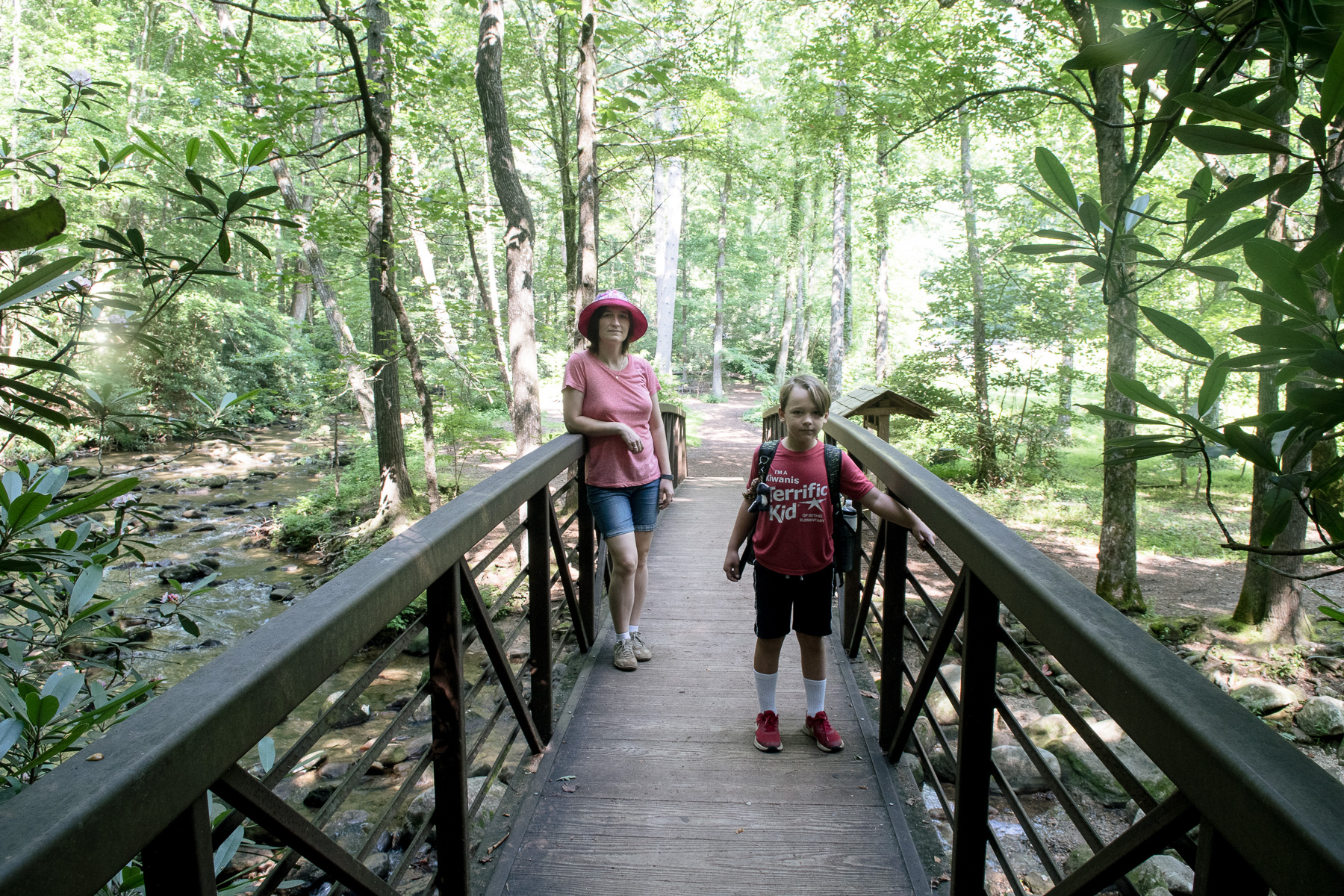
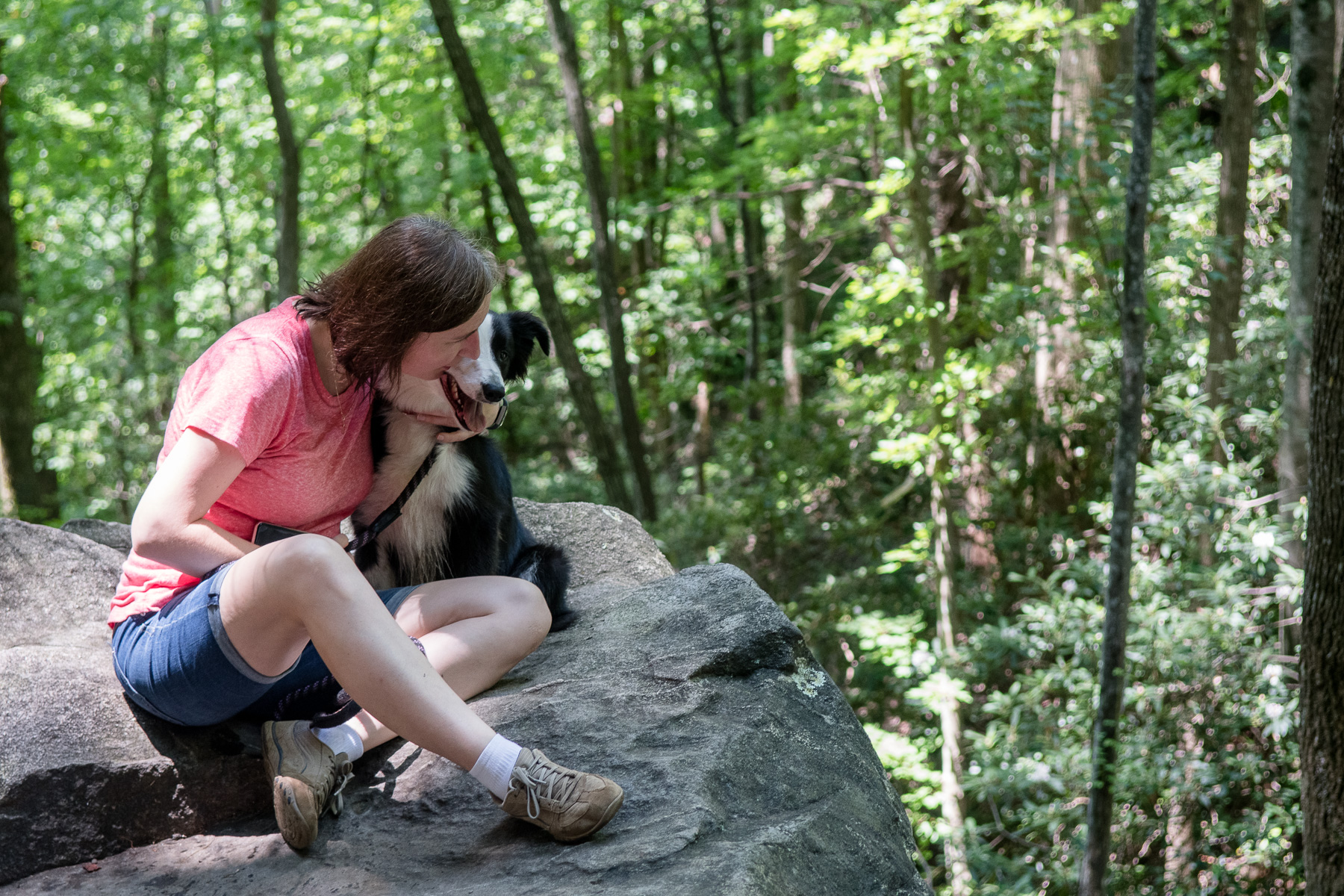
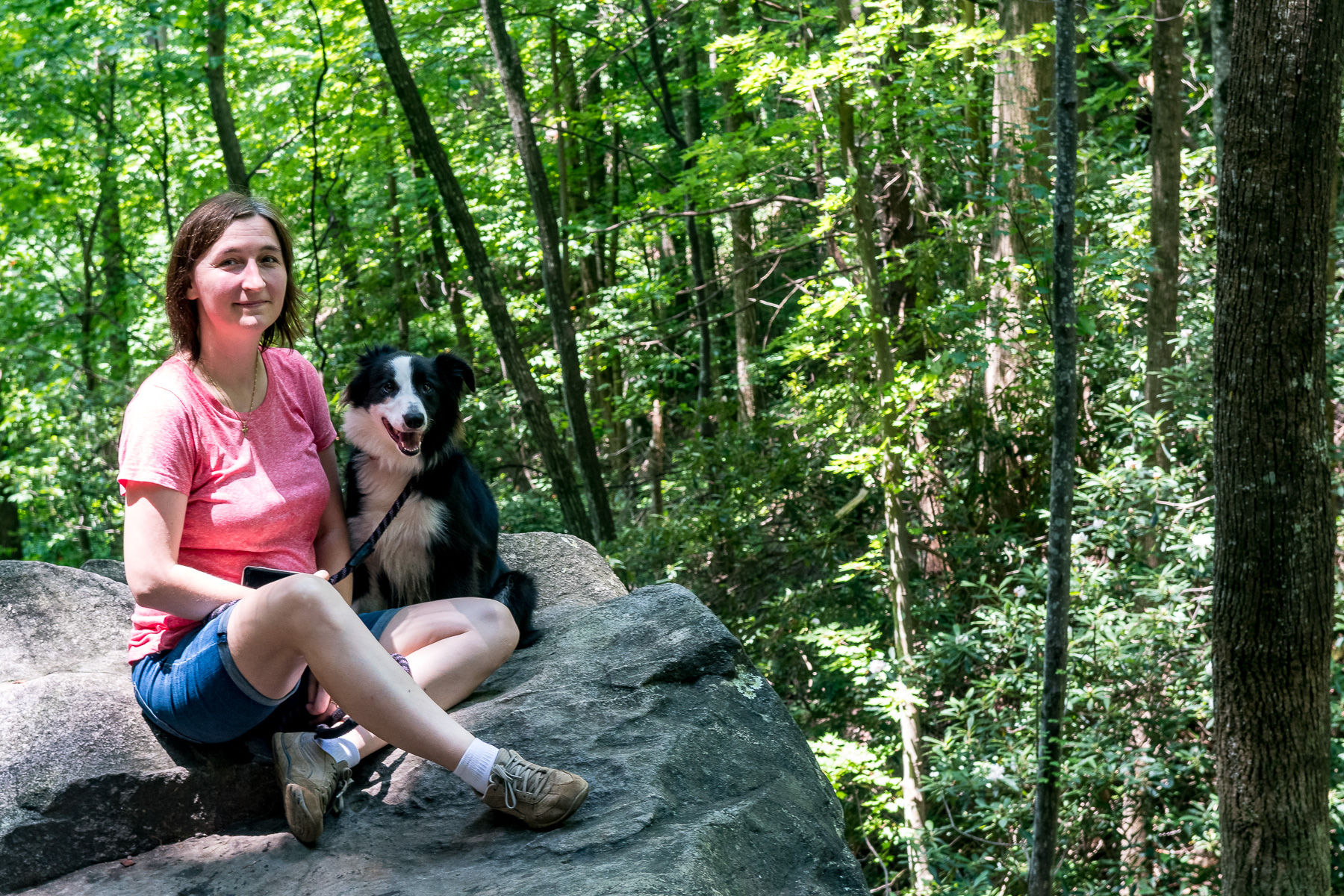
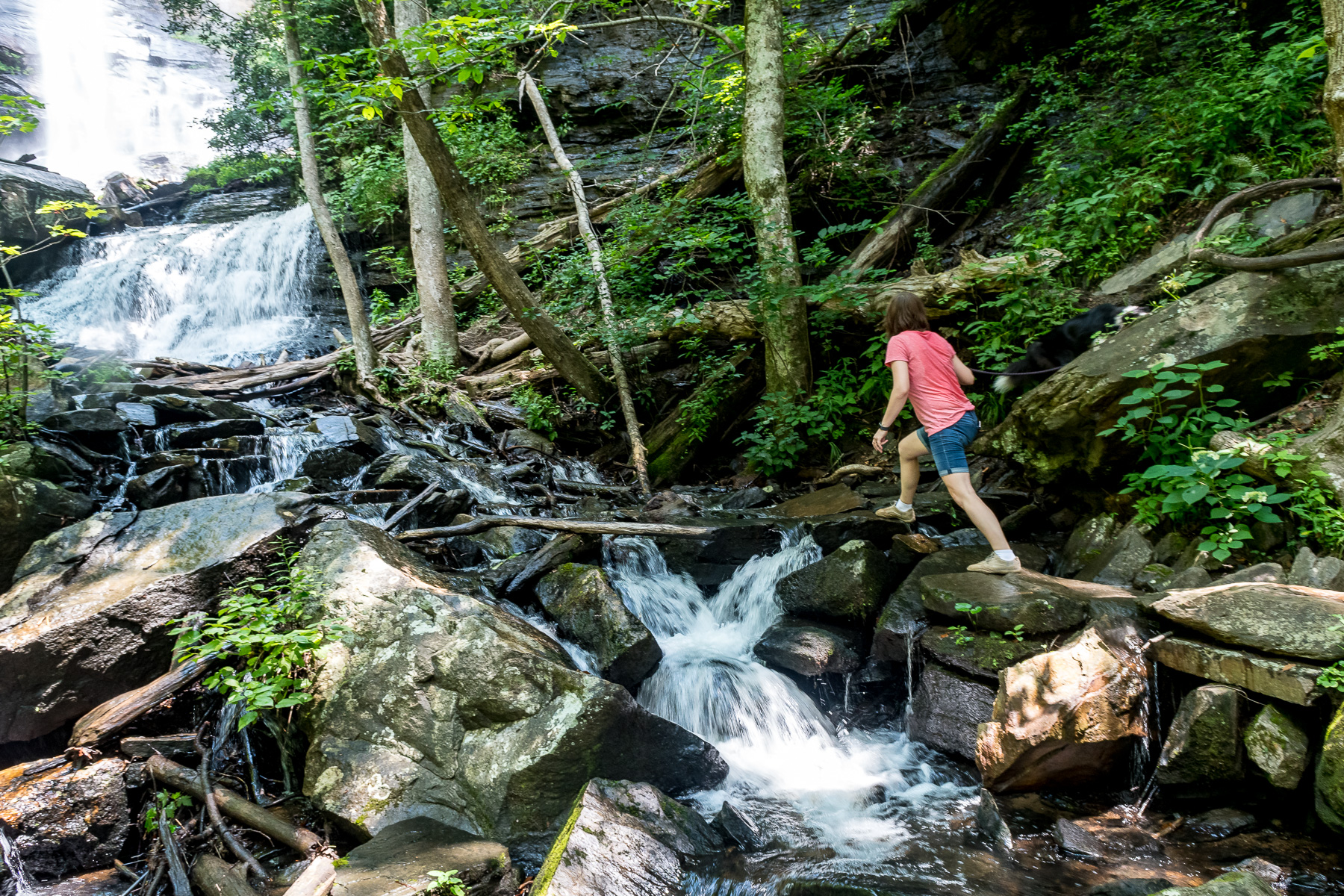
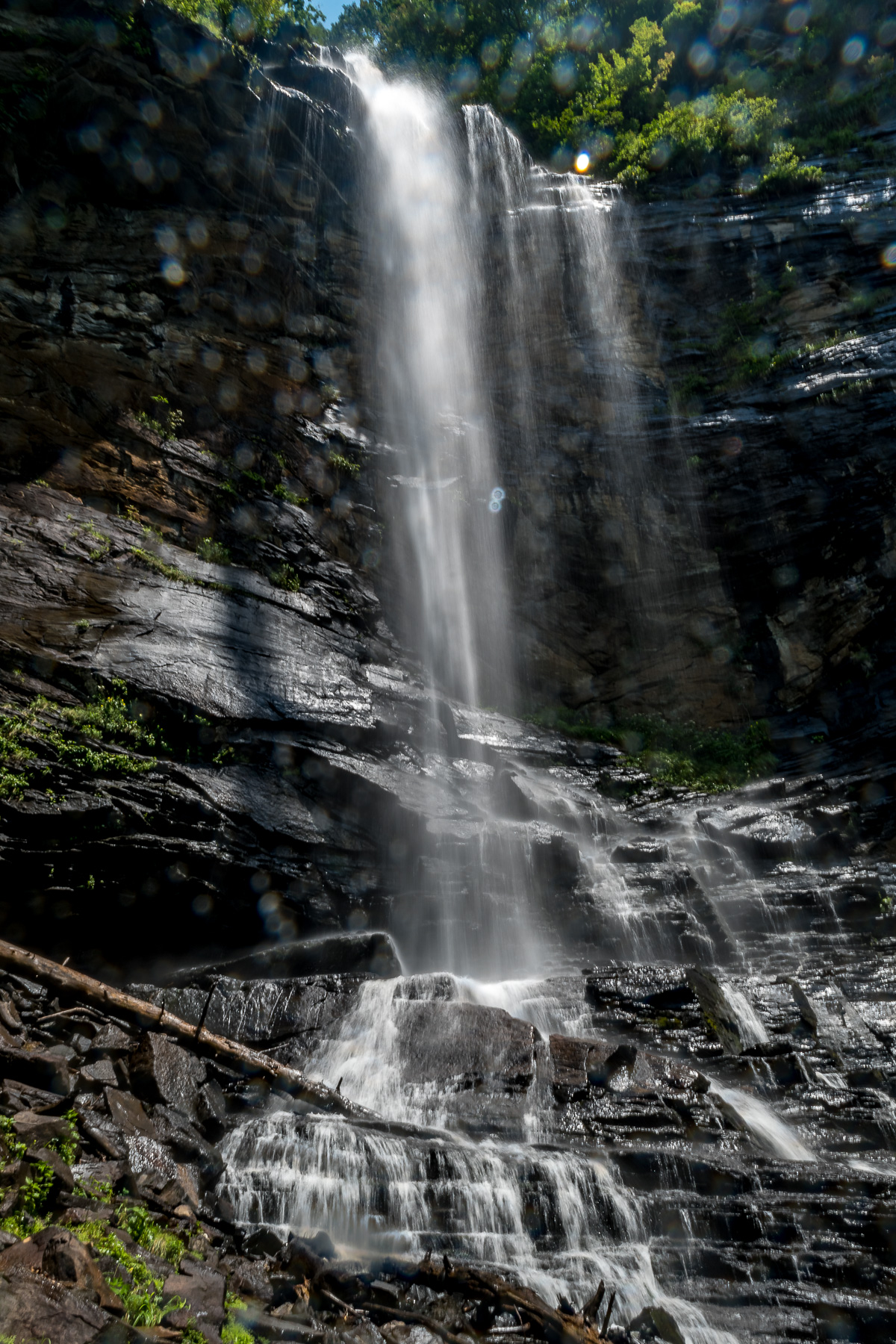

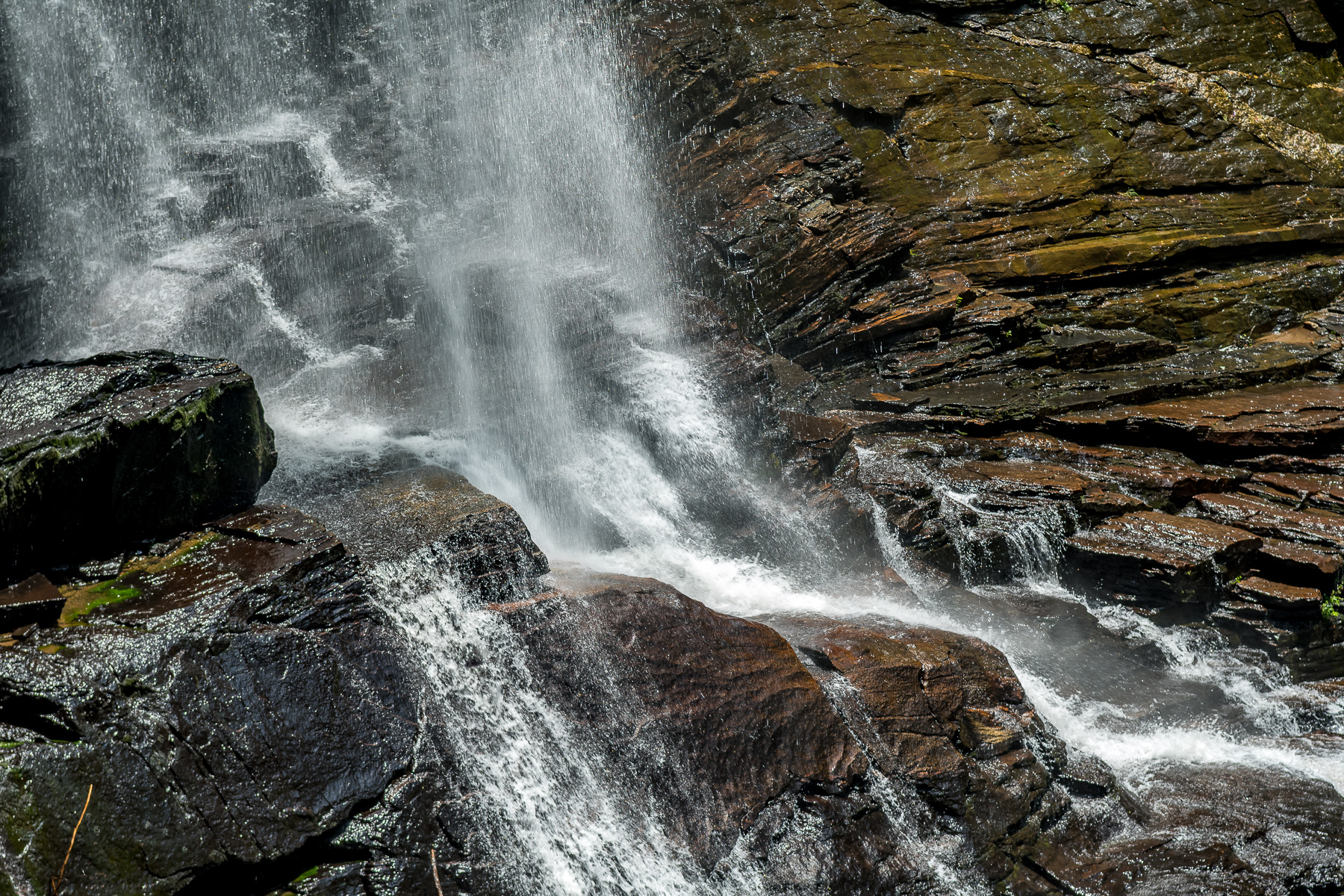

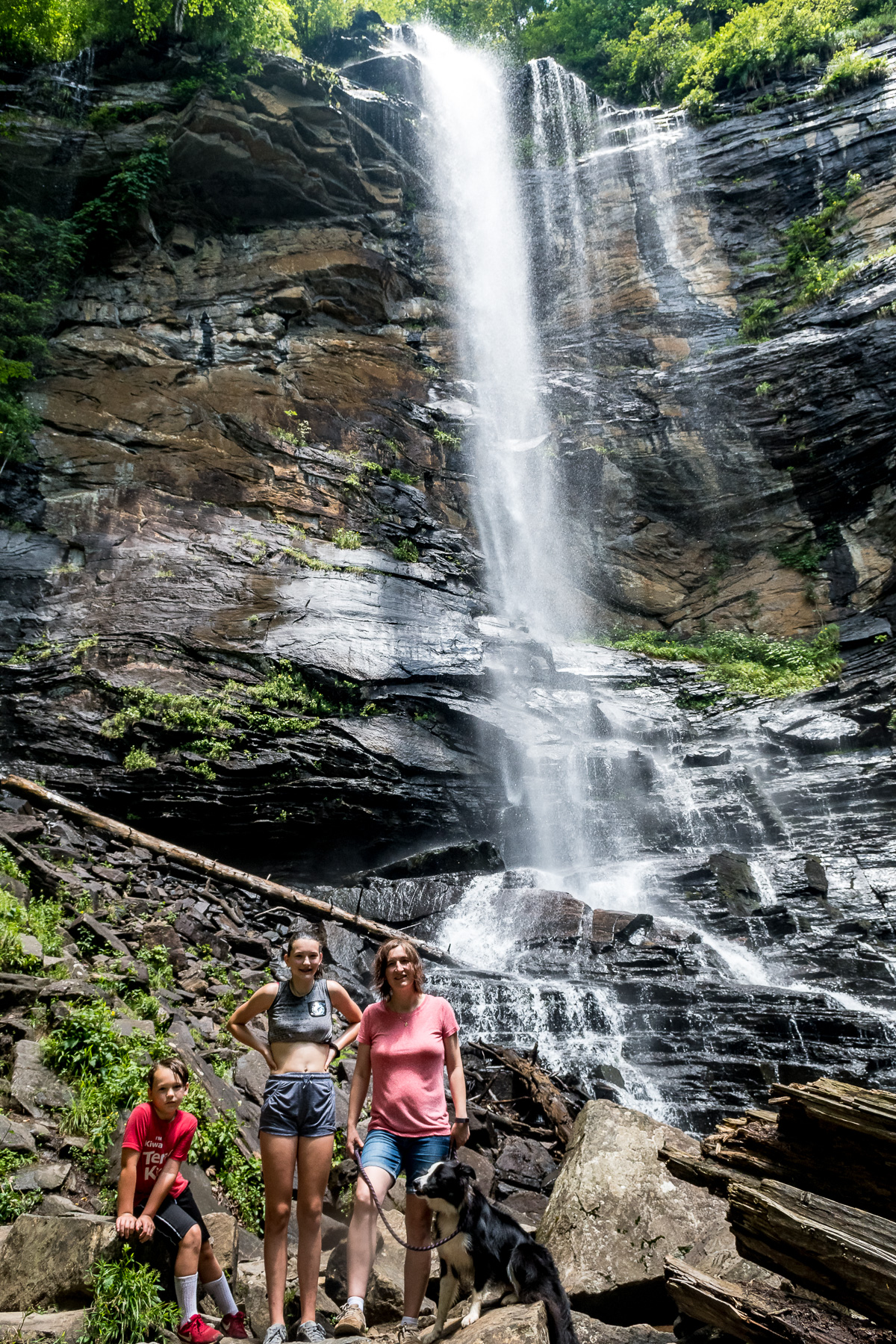
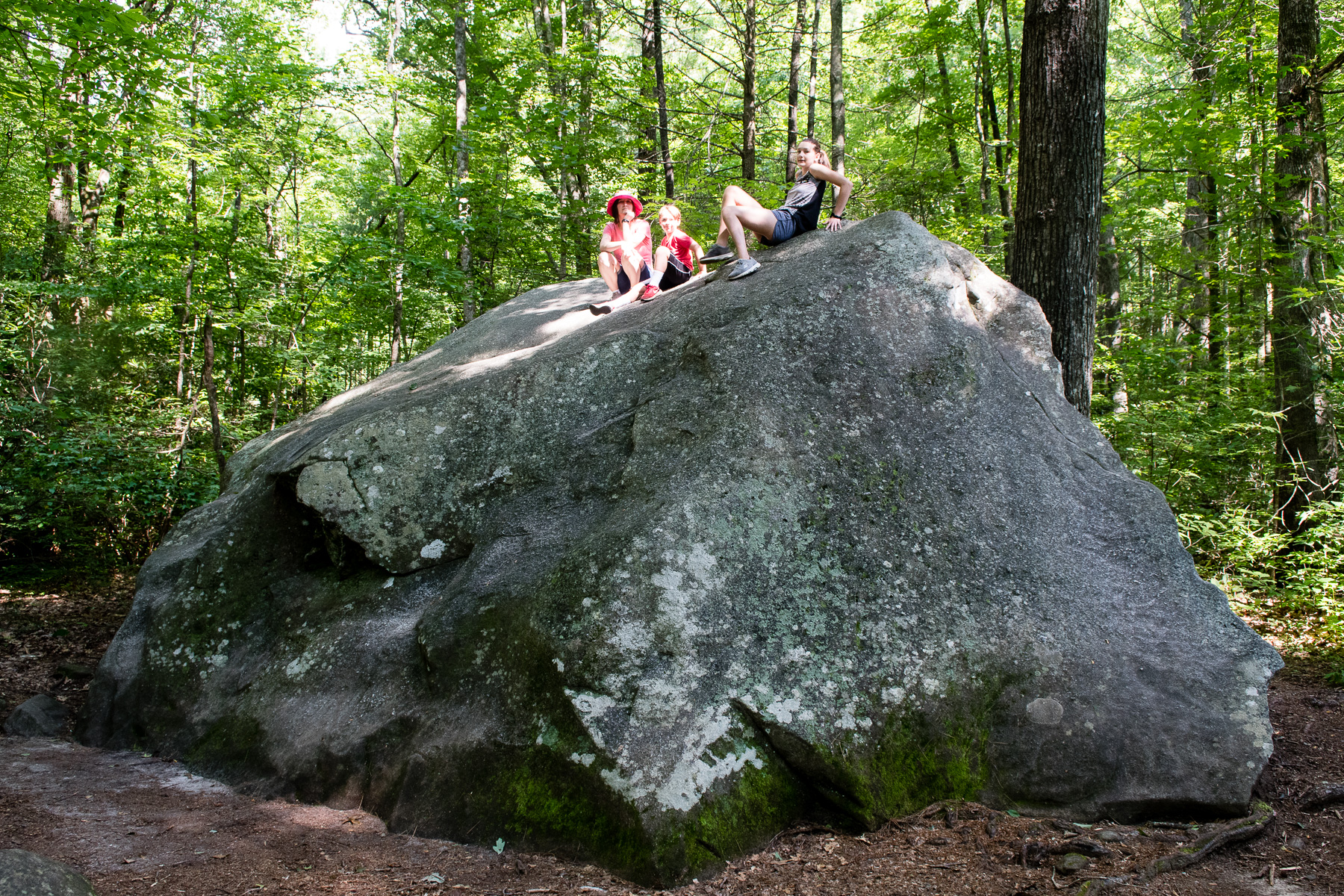
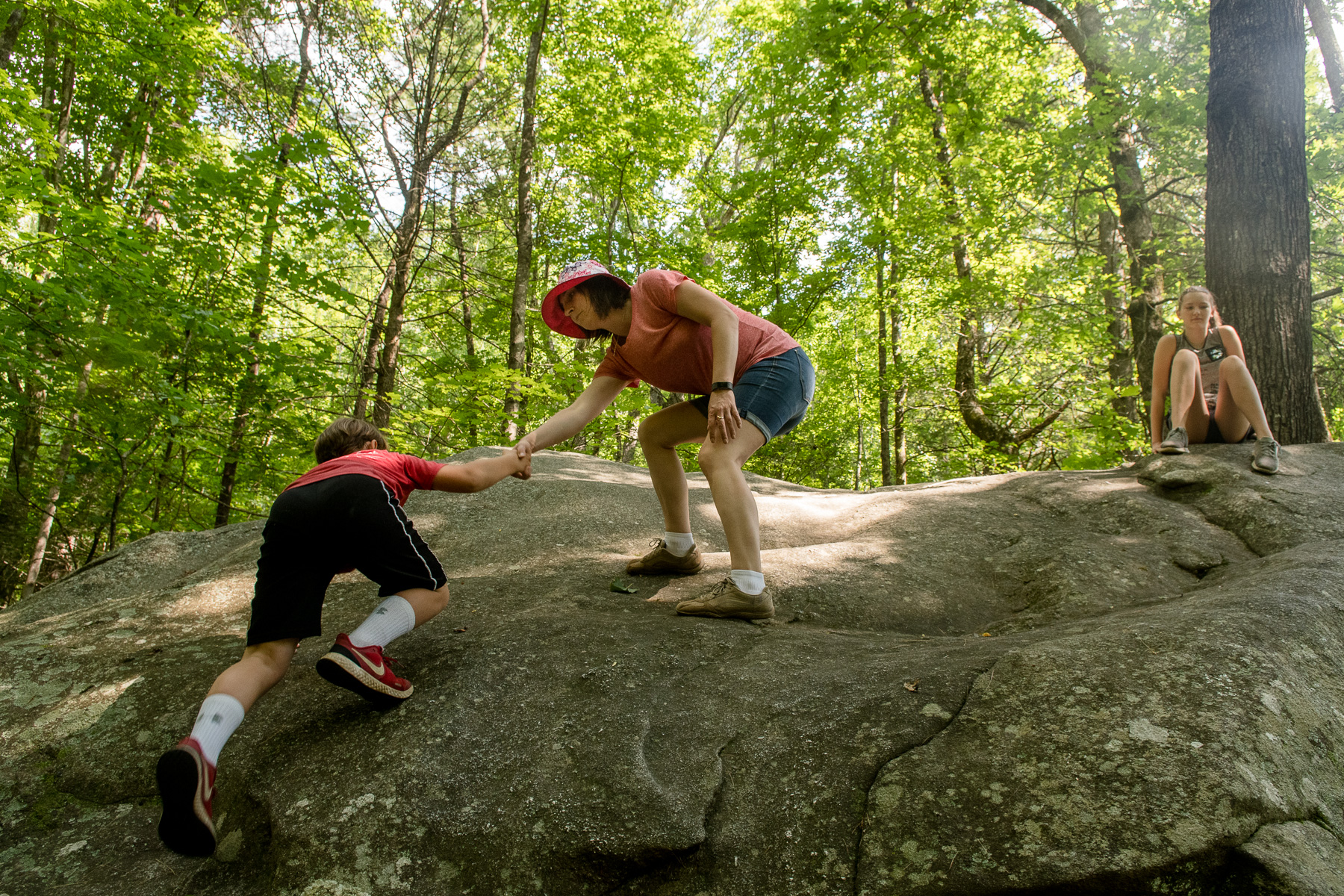
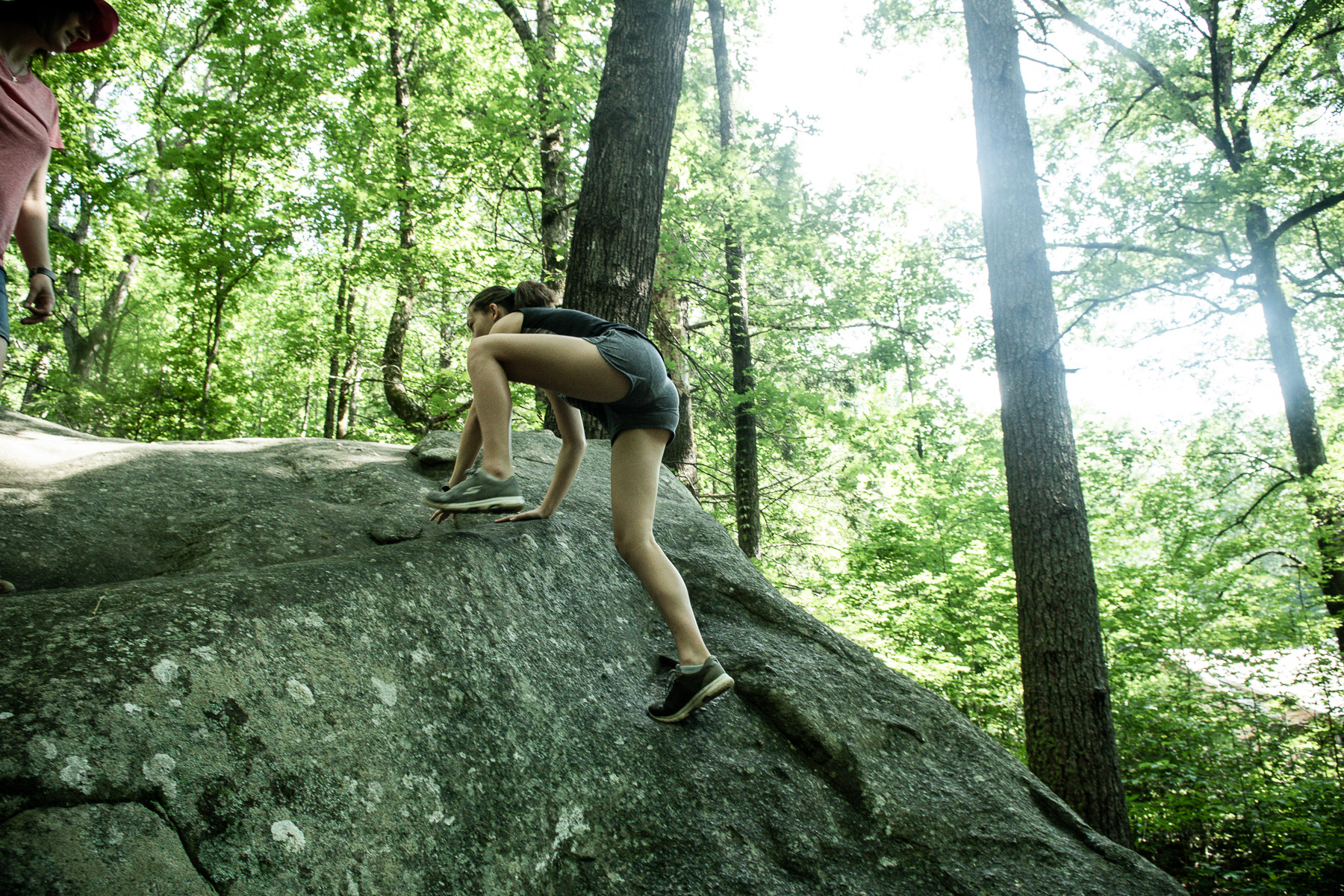
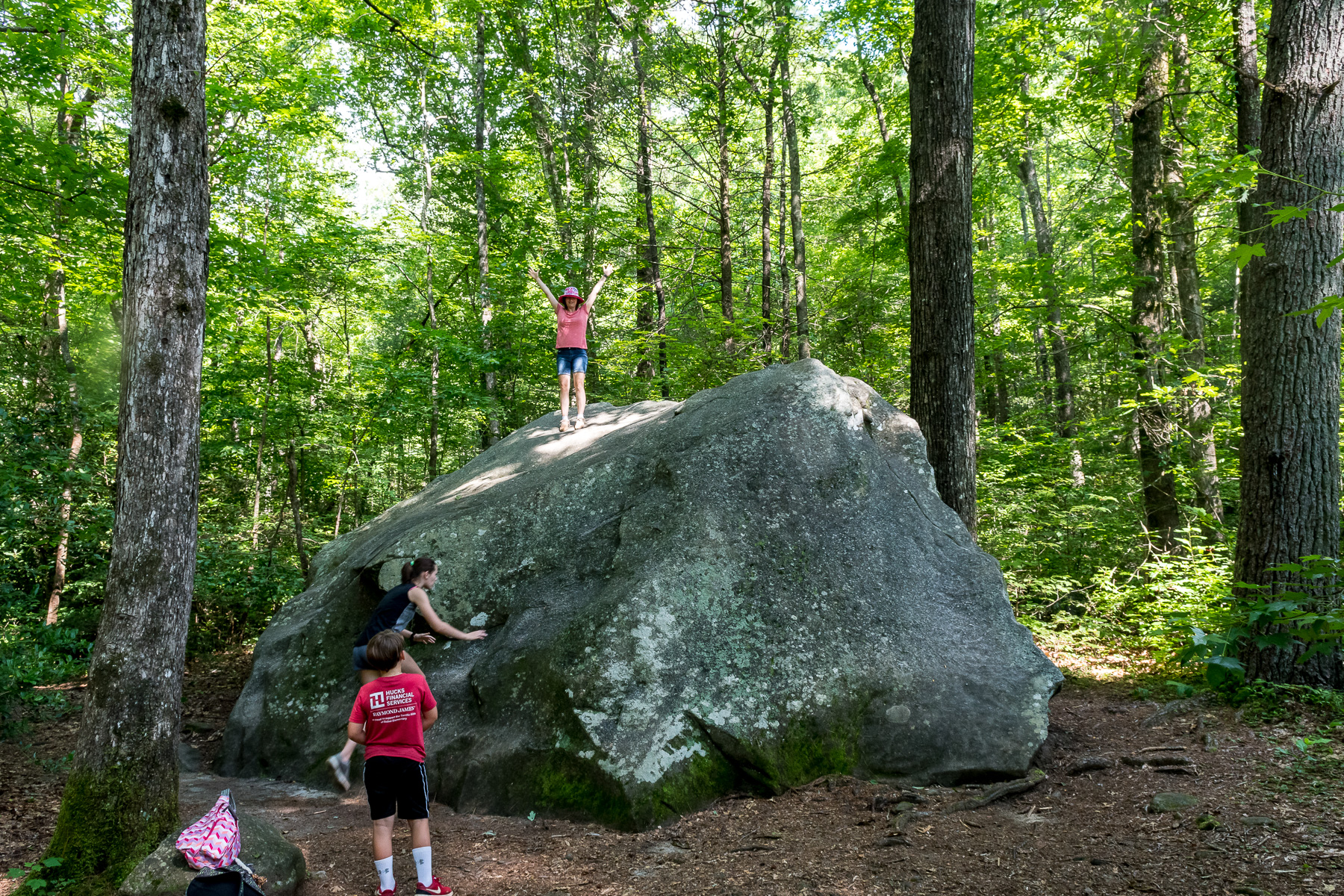
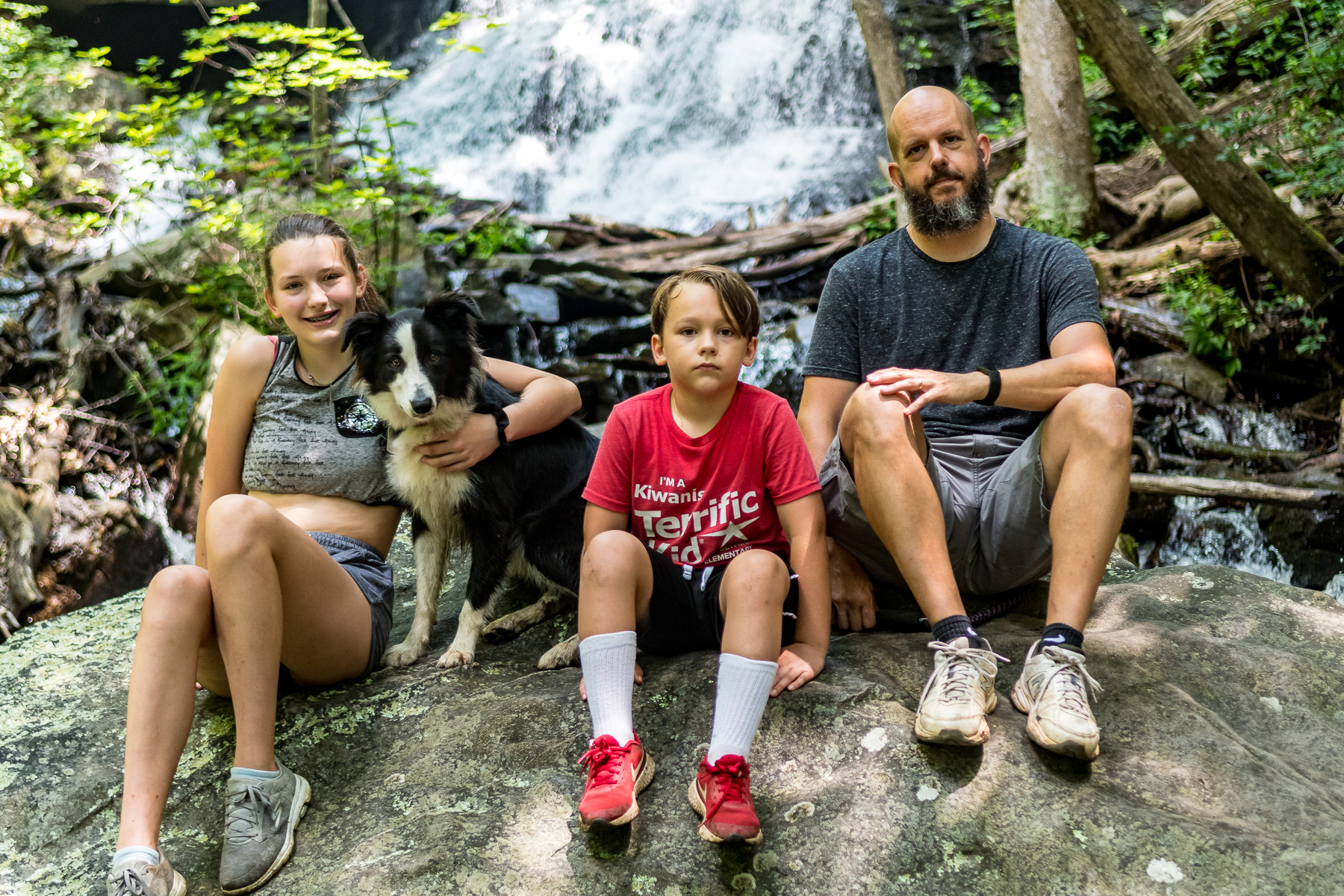
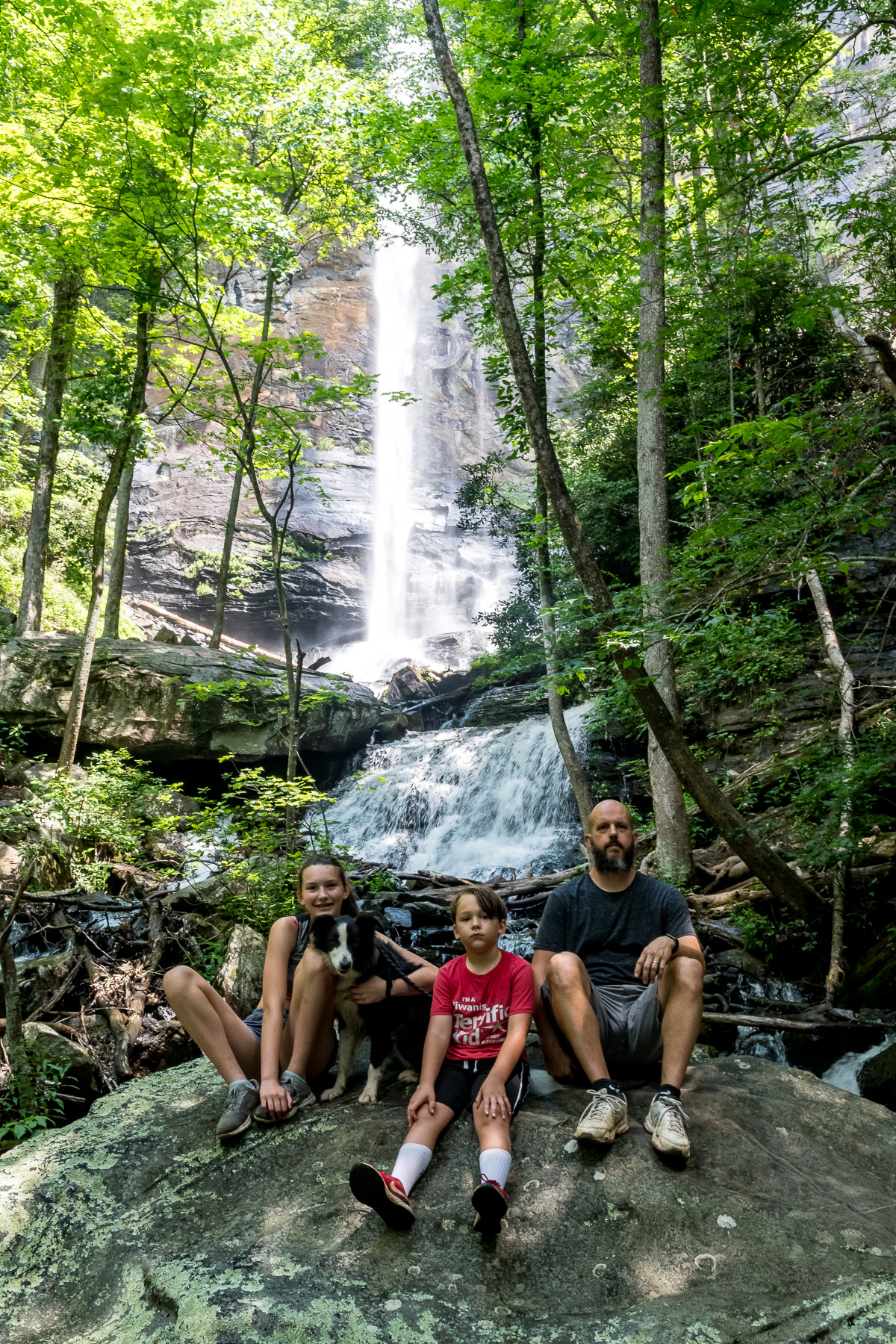
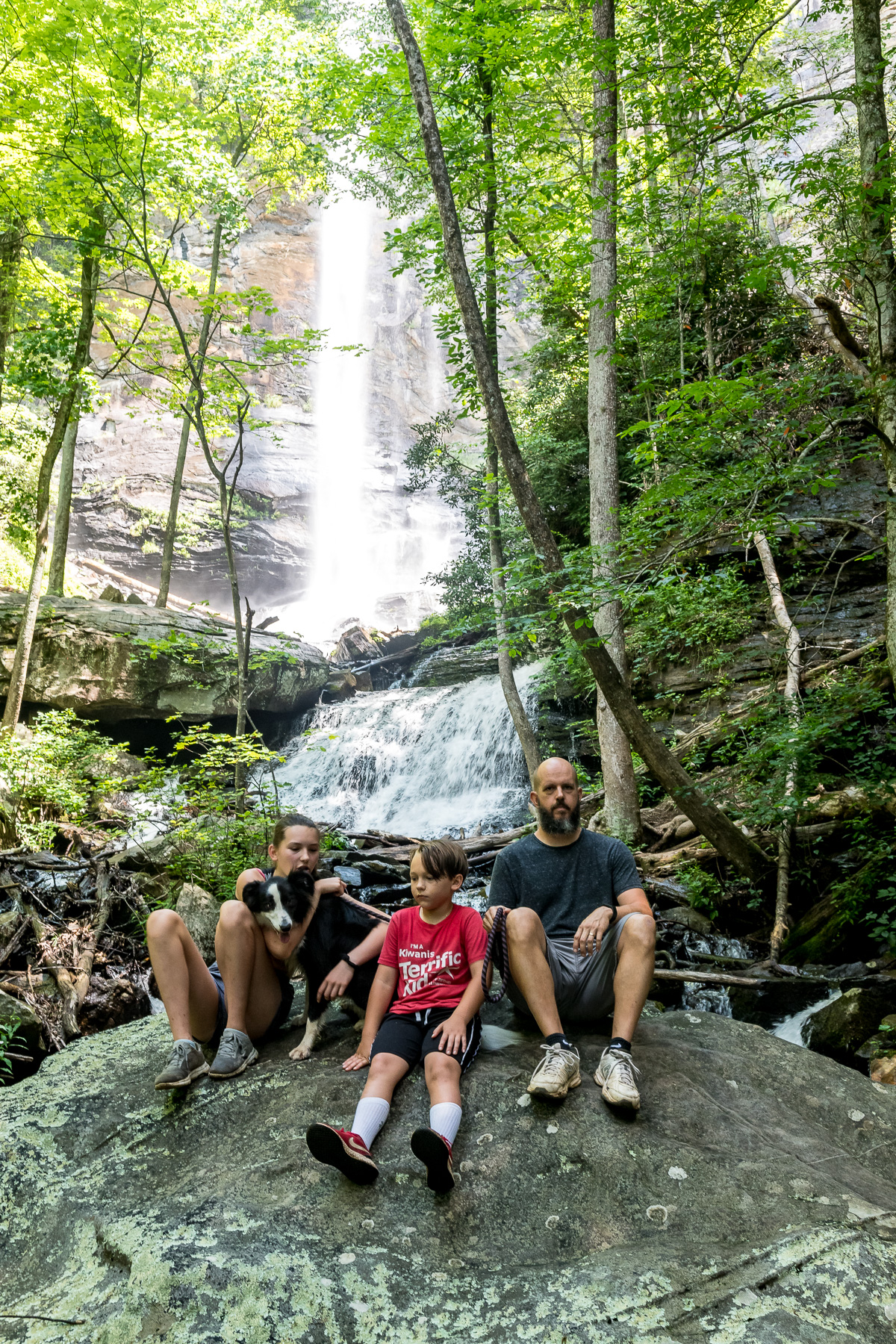
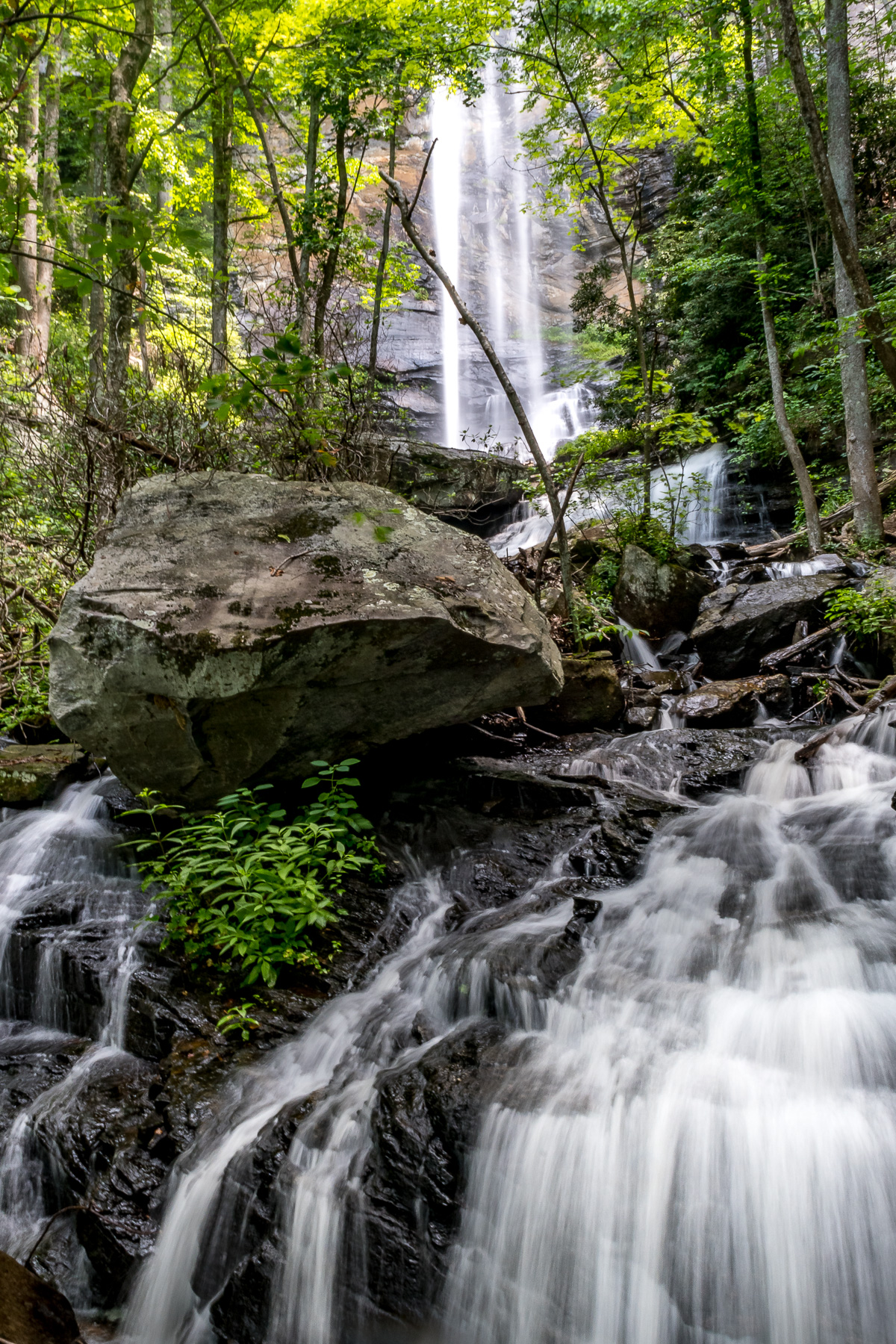
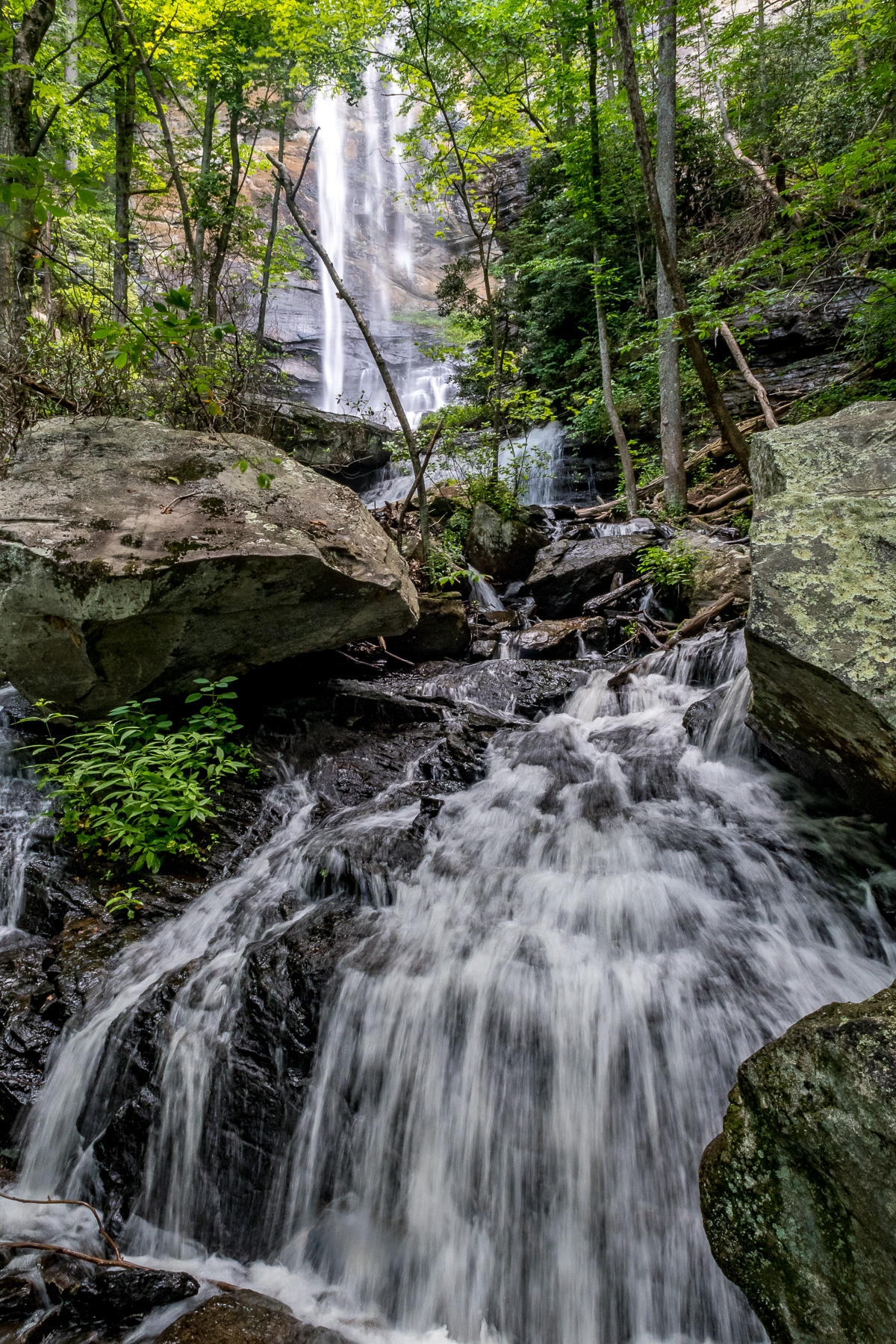

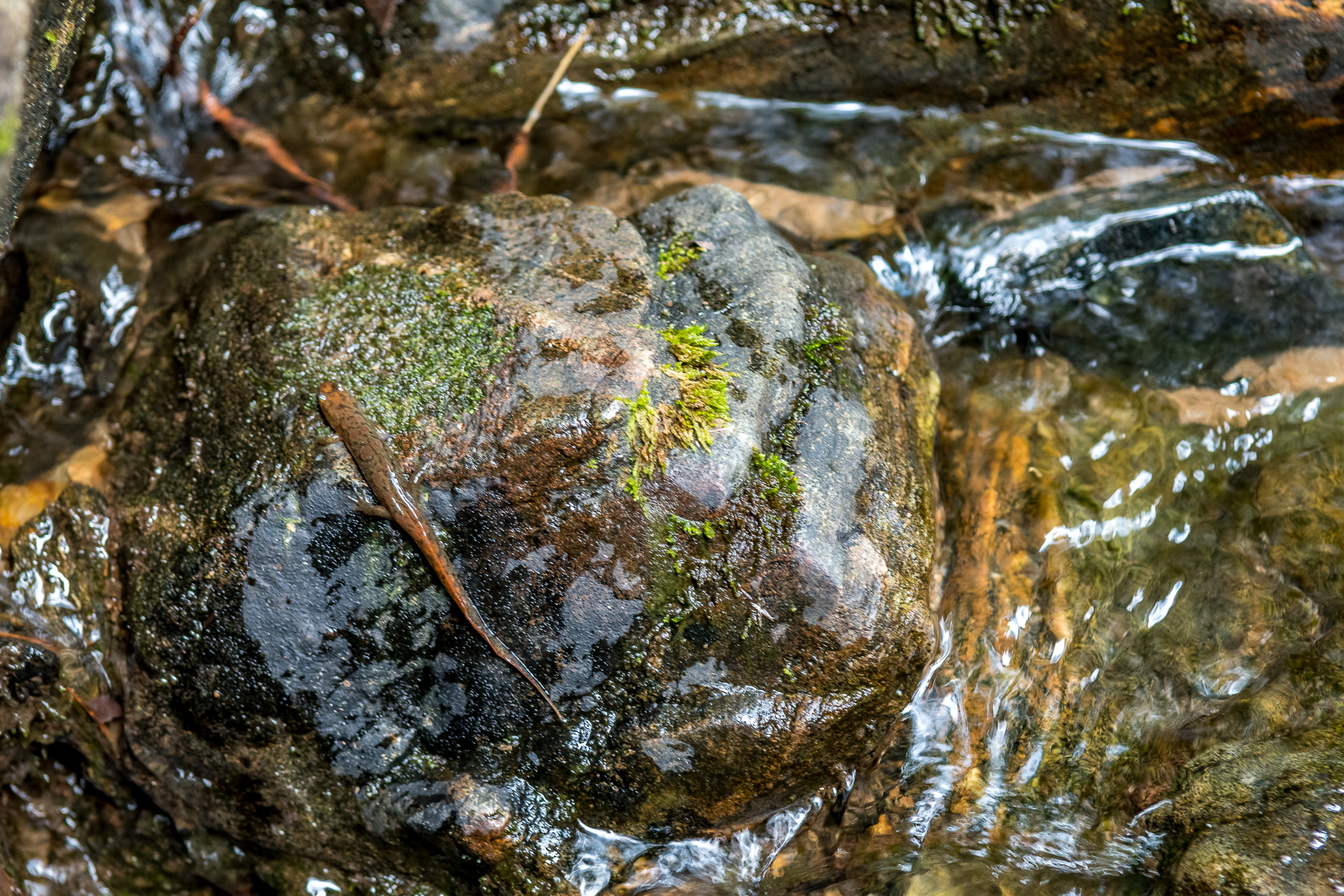
K even took a few pics on her phone.
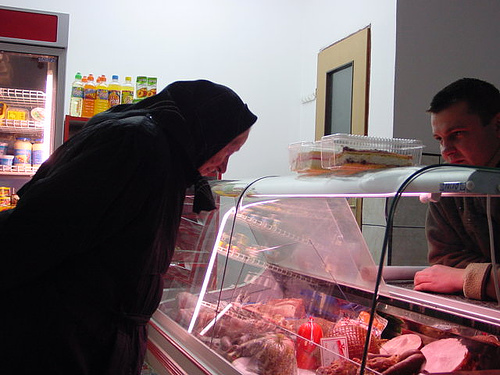
It’s four o’clock. My lessons are done, and because I’m repeating today’s lessons tomorrow with different sections of the junior and senior classes, I have no planning. I also have no sandwich meat — a staple in Polska — so I wrap up in my layers and head down the street to my friend’s shop.
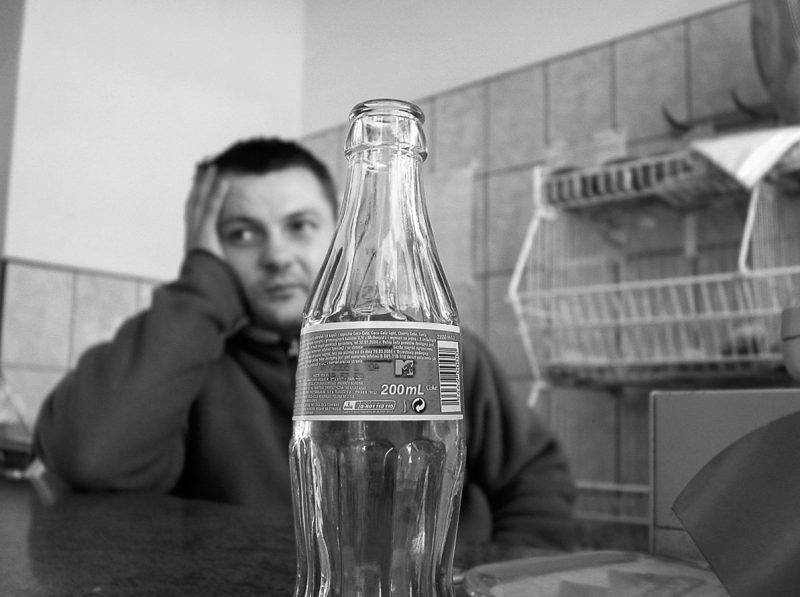
It’s a frigid day, and no one is out unless he has to be out. Stasiek sits behind the counter, head propped with one hand, bored and waiting for customers.
I buy a cola, and we chat while he slices some ham for me. We chat about mindless things, but we chat in Polish. Stasiek is one of my few friends with whom I have an entirely Polish relationship: only rarely does he try English with me, and usually only as a joke.
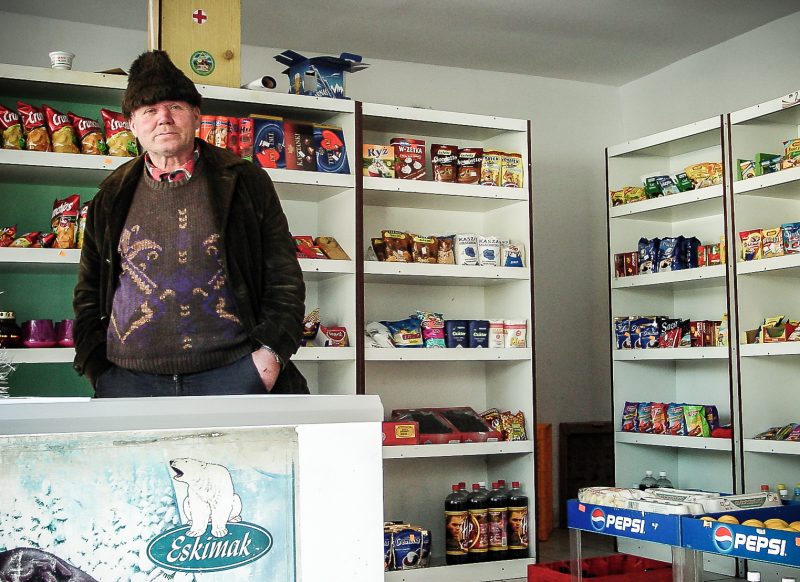
Soon, another customer staggers in and immediately begins telling slurred stories about the time he went to work in Iraq, back in the sixties. He tries to speak some Arabic for us, but to me it’s no more unintelligible than his slushy, thick Orawian dialect. I engage the defense mechanism I’ve honed to perfection in this small Polish village: I smile, mumble assenting phrases, and avoid further unnecessary eye contact.
Stasiek senses my unease and offers help: “Uncle, do you need anything else? You’d probably better start heading home.”
Soon, Michal, a former student and now mutual friend, comes in, grabs a bag of bacon-flavored chips, tosses a coin on the counter, and joins our conversation. As he talks, he looks about for some thing or other, muttering a greeting to the still-rambling, inebriated customer, asking occasional questions about the merchandise.
Michal and Zbyszek, former students, are there, and soon we’re playing a Polish card game called Tysiąc (Thousand). I’ve been playing it for several weeks now, but I still don’t fully understand what I’m doing.
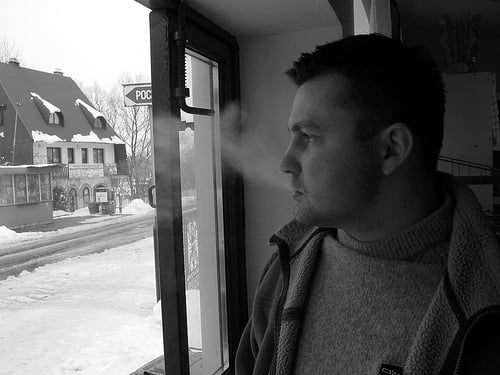
Through a social media account dedicated to publishing old photos of Orawa, the region of Poland where I lived for seven years, I’ve discovered photographs of Lipnica Wielka from a time long before I was born, not to mention before I came to know and love the place.
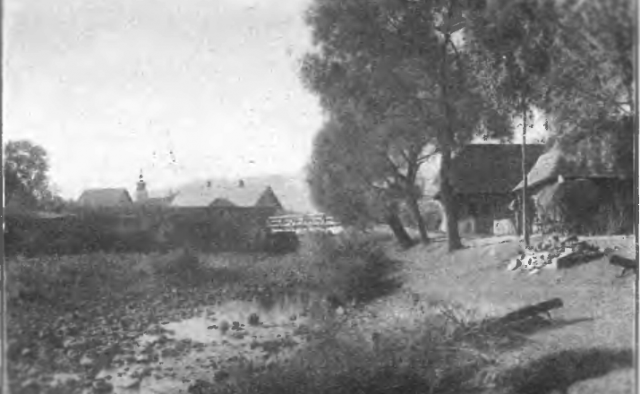
Most of the photos are of the centrum area, which makes sense: it is literally the center of the village. From centrum, the village now stretches about four kilometers toward Lake Orawa and six kilometers to the base of Babia Gora, giving the name centrum both a geographical and functional significance. During the time these pictures were taken, those distances might have been different, but I doubt it: instead, there was likely simply more room between homesteads.
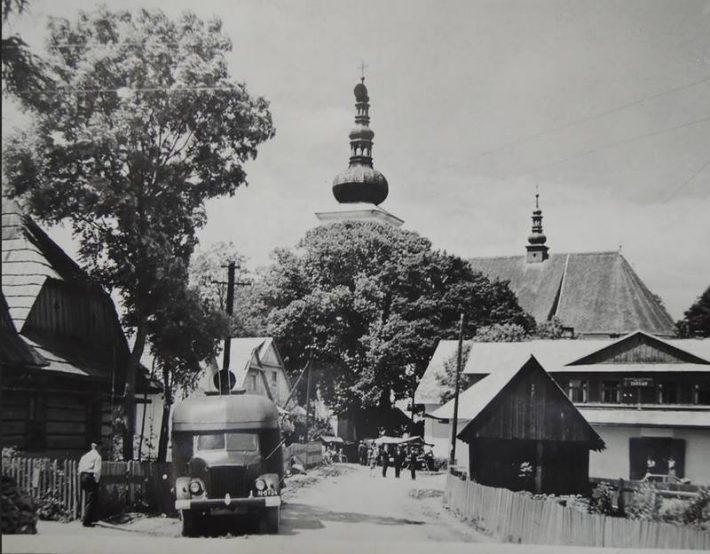
The shot from the sixties — the second and third houses on the left are still there. I’ve visited friends in both of them.
In one of them lived two of my students. I’d gotten to know their father, F, as he would come to a shop my friend S owned when I was there hanging out, drinking a beer, chatting with my friend. F was always insisting that I would have to come to visit him for a coffee; I was always putting it off.
I did visit him once. I was leaving S’s store when an eruption of yelling and what sounded like physical fighting spilled into the street, and F’s youngest son came running out, a look of panic and fear on his seven-year-old face. More yelling. I pushed through the gate and walked to the house. “Wujek!” I called out — I’d taken to calling him “Uncle” as my friend S did. “I came for that coffee you promised.” Just then, his son — whom I taught — came out of the house yelling back at him, his father in pursuit, his mother tugging at her husband. “Wujek, I came for that coffee,” I repeated, trying to sound as if I had no idea what was going on and just happened to choose that moment to take him up on the offer.
F saw me, stopped, and calmed immediately. “Get out of here,” I said in English to his son, “and take your little brother with you.”
Soon, we were sitting at a small table in their kitchen, his wife making coffee. When F left the room to retrieve something to show me — pictures? some kind of manual? — I said quickly to his wife, “Sorry to come in like this. I just thought I might be able to help.” The corners of her mouth arched upward slightly but said nothing.
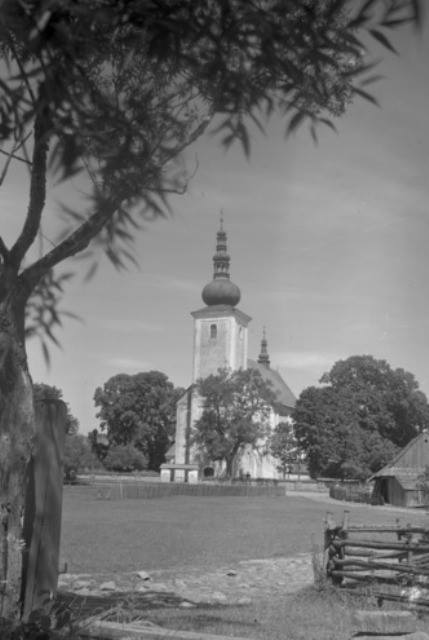
The church in the thirties: that view is impossible now. There are several houses there, many of which weren’t even there when I first arrived in 1996. The village is expanding, with houses being built off the main road, which necessitates new roads, new infrastructure, new, new new. Such a strange juxtaposition to the numerous half-completed homes that dot the village — all villages in southern Poland — that have stood as empty shells for years, decades even, after the family abruptly moved to America. That stone road, though, is still there albeit paved.
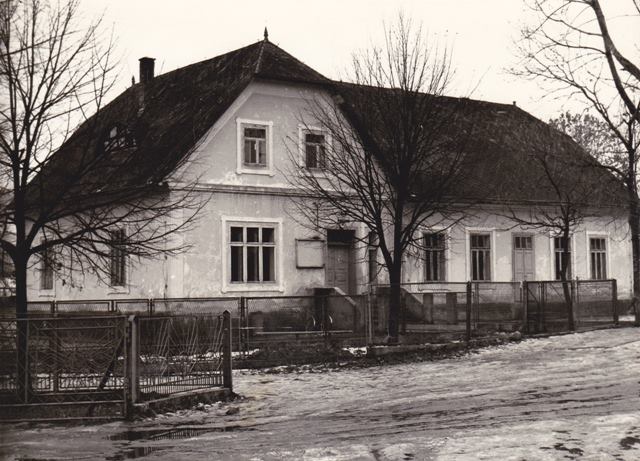
Two images look strikingly similar to my first encounters: the old school in Lipnica looked exactly the same when I arrived. It was no longer in use, with the elementary school it used to house in the lower floor of the large, then-new school complex where I taught high school students. The volunteer fire department band used upper room for rehearsals, though, and many a summer evening, when all the windows were open, I could easily hear them in my apartment in dom nauczyciela behind it. Sometimes heated discussions replaced the music, but by the time my Polish was good enough to scratch out some meaning from my eavesdropping, they’d stop rehearsing there.
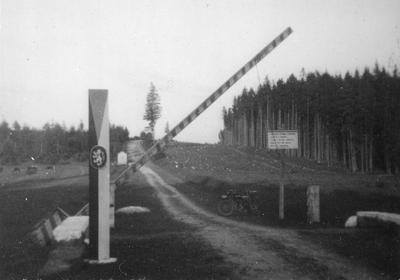
Except for the dirt road, the border looked almost identical as well. This was the small crossing that I never dared use because there was never any officers there to document my departure from Poland and my arrival to Slovakia. I was terrified at the thought of being caught in Slovakia without proper stamps in my passport or caught coming back into Poland without the appropriate stamps.
Once, I rode my bike there with K, and feeling mischevious, I stepped over the border briefly. If memory serves, K assured me that we could continue on the road without any worries, but in a way, that doesn’t sound like K.
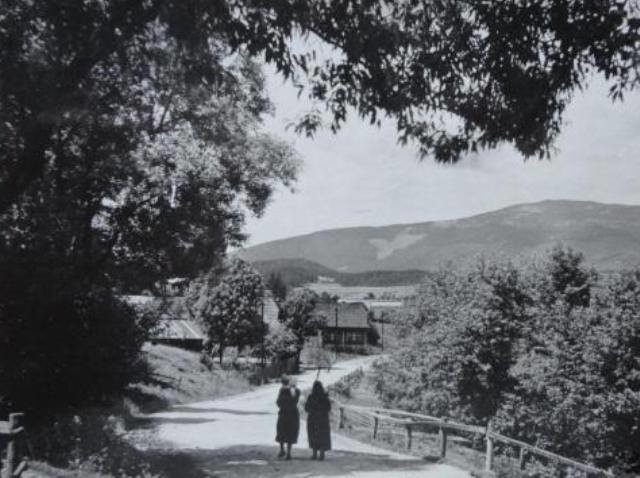
Finally, there is a portion of the road that I recognize not because of buildings or anything else; I simply recognize the curve and slope of the road, with Babia Gora just behind it. So odd that I can recognize a coupe-hundred-meter stretch of road in a small Polish village simply from that.
It was the route I walked countless Saturday nights with friends as we headed to a discoteque housed in the empty rooms above one of the bakeries in the village. There was always such a mix there:
I sat with my friends, drinking beer, talking to folks (occasionally students), watching people, making mental notes that eventually found their way into my journal.
All those memories embodied, strangely enough, in that little curve of road.
We hiked Graveyard Fields off the Blue Ridge Parkway twice within six months thirteen years ago:
Graveyard Fields
Repeating Ourselves
K and I are certain we went a third time — though we think it was actually our first time. There’s no mention of it on MTS; I can’t find any pictures of that trip. Still, K and I are certain we went.
This morning, we went for the first time in about thirteen years. The last time we went, L looked like this
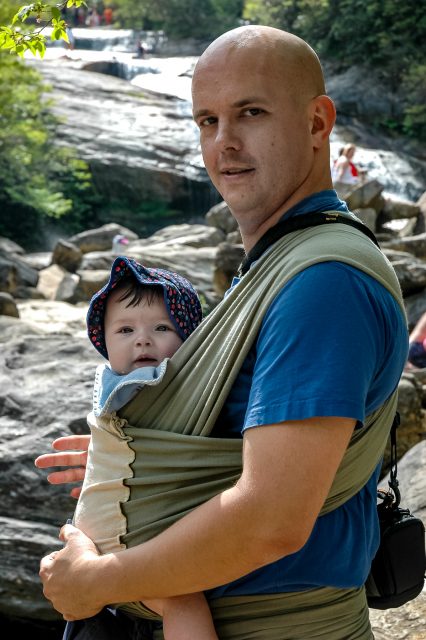
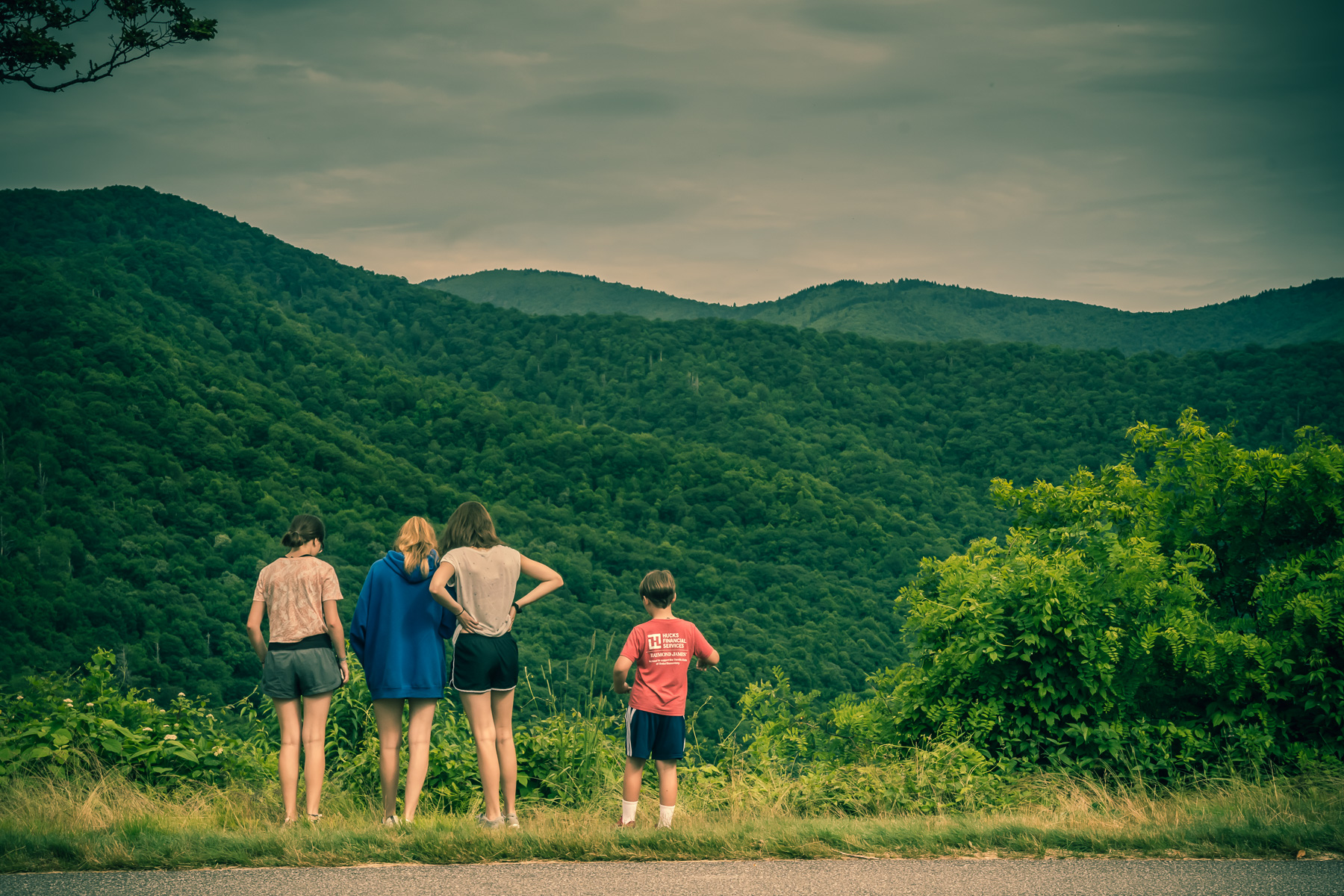
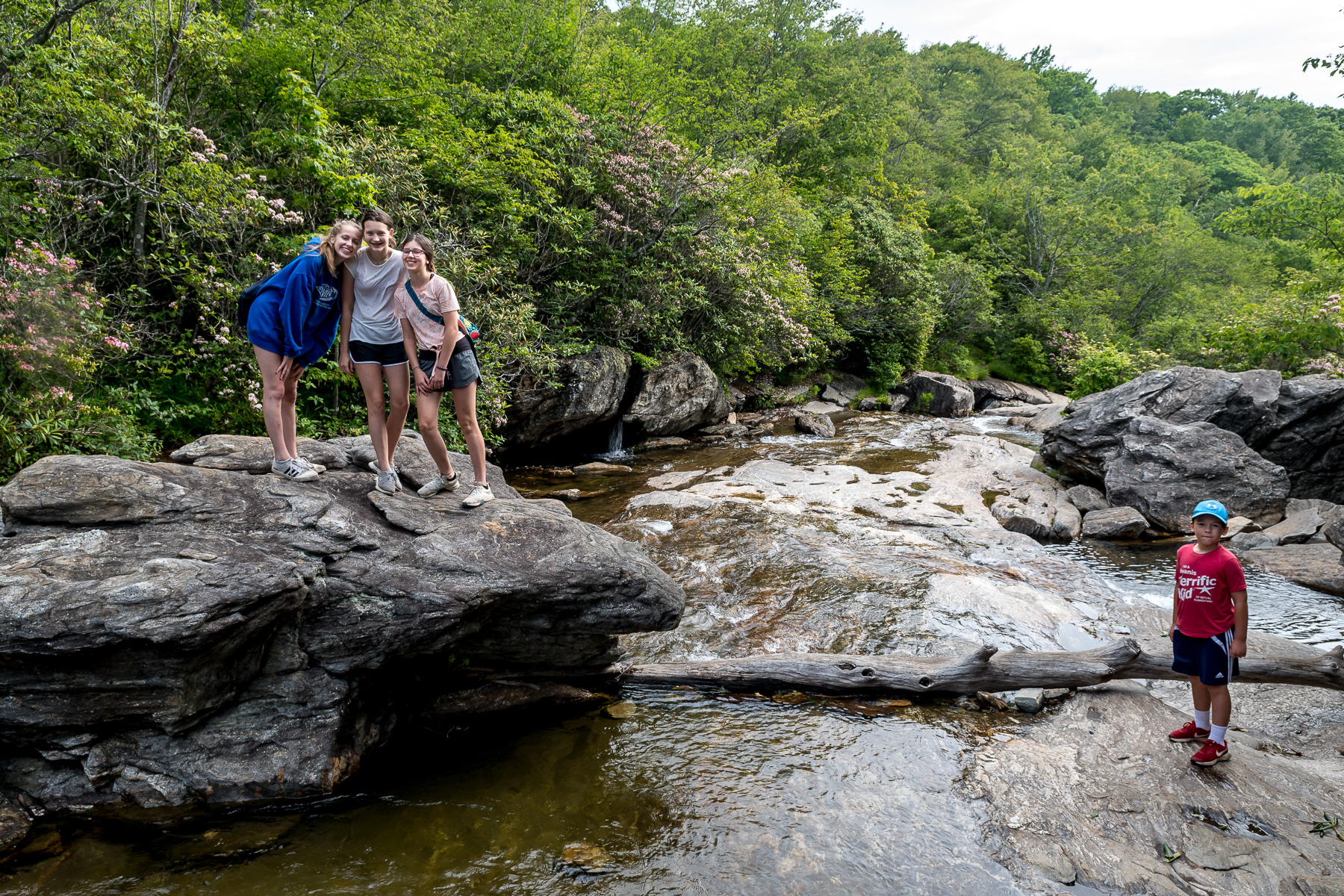
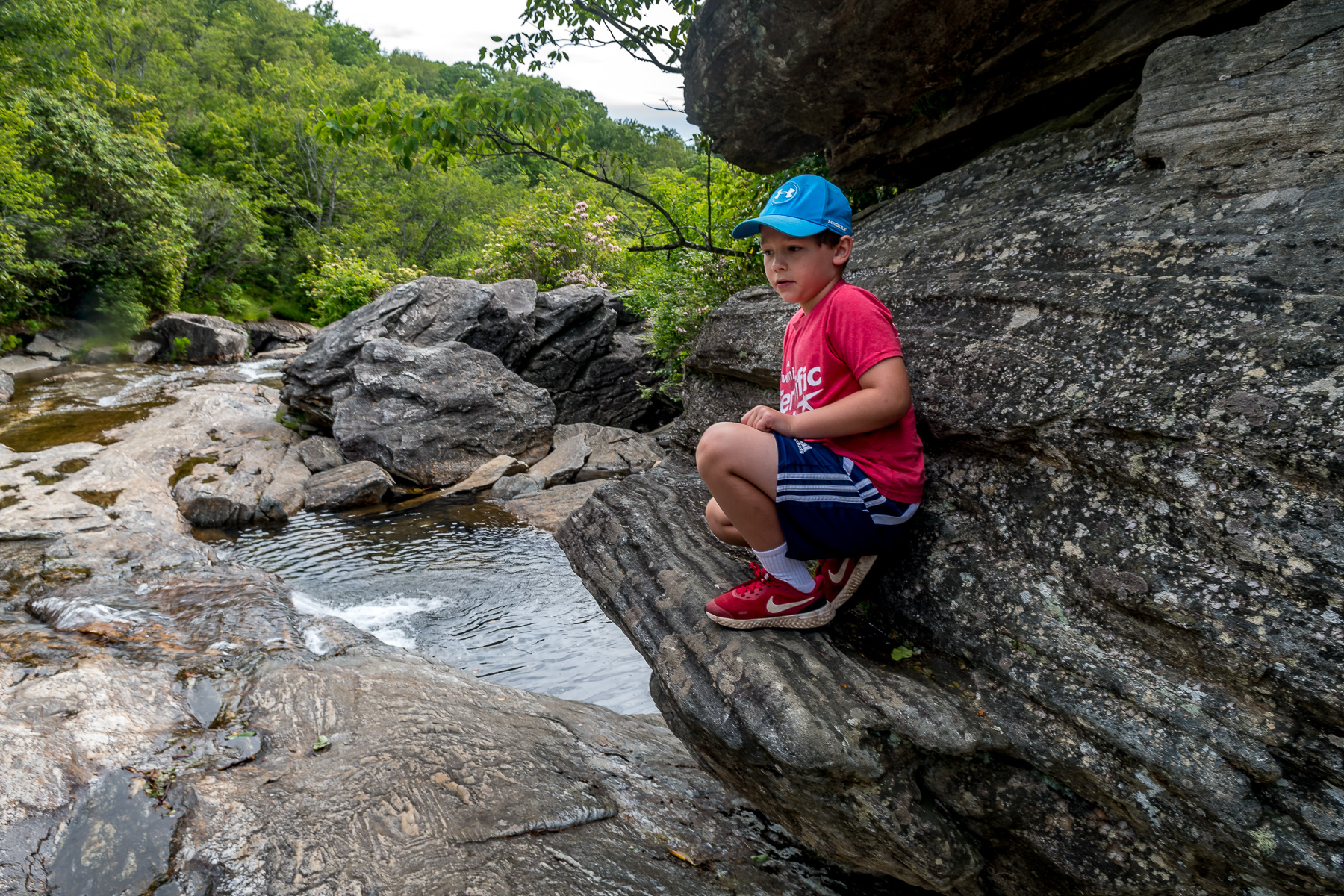
Today, when we made it to the same location, I had the Girl stand roughly in the same spot to take a picture:

Where did that little girl go? We’ll be asking the for the rest of our lives, I realize, but every time I ask that question again, I’m surprised again.






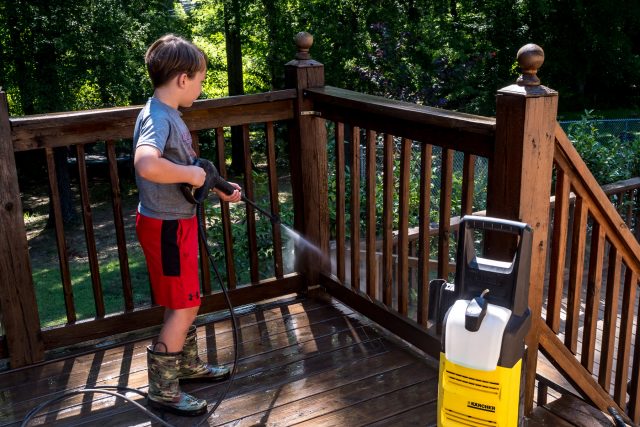
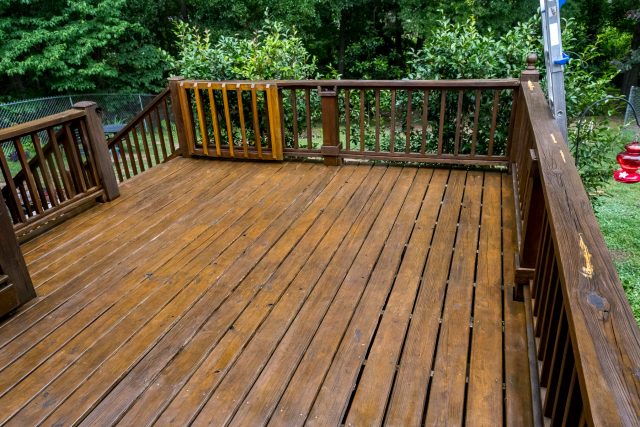
The deck is finished — more or less.
The zucchinis, too.
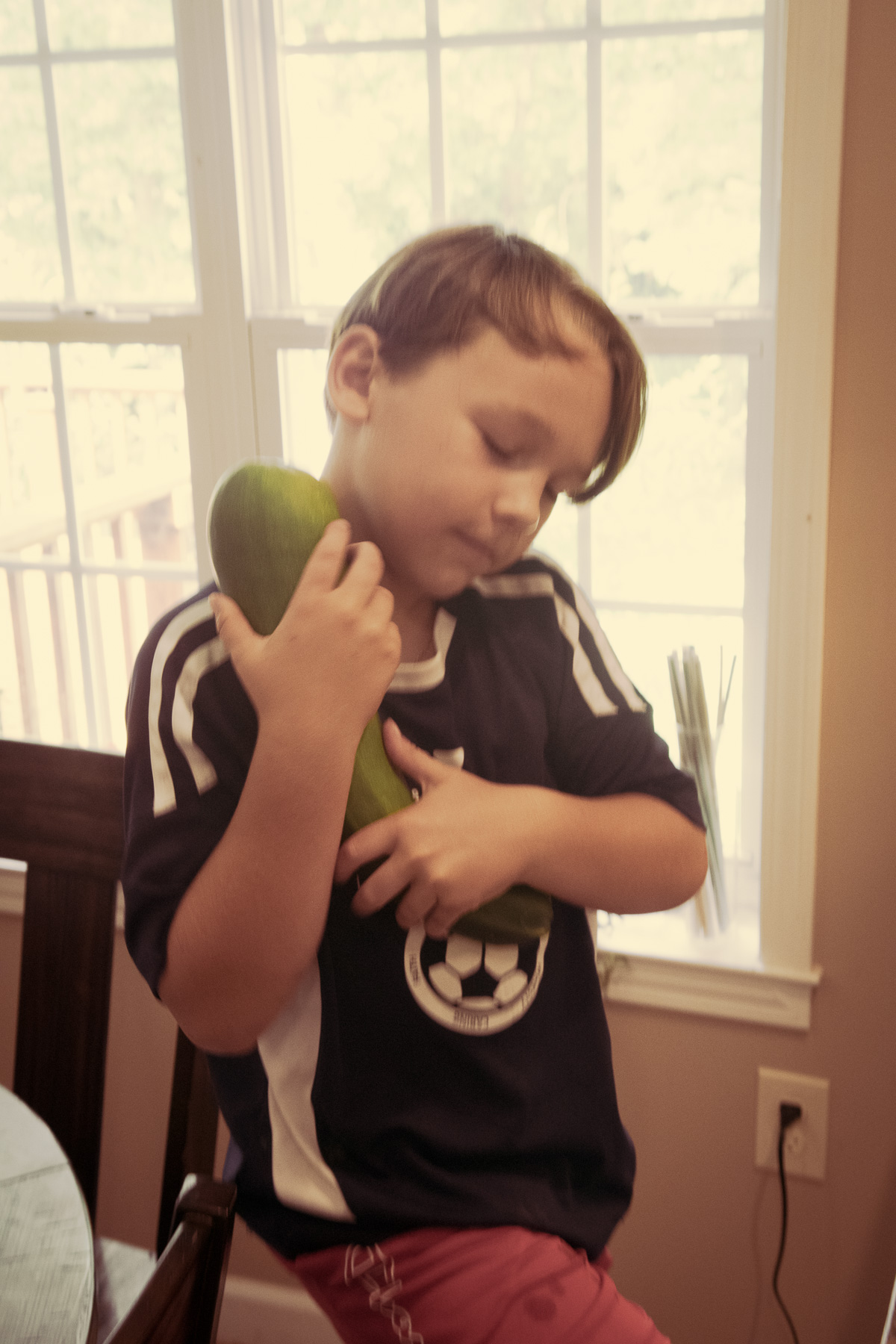

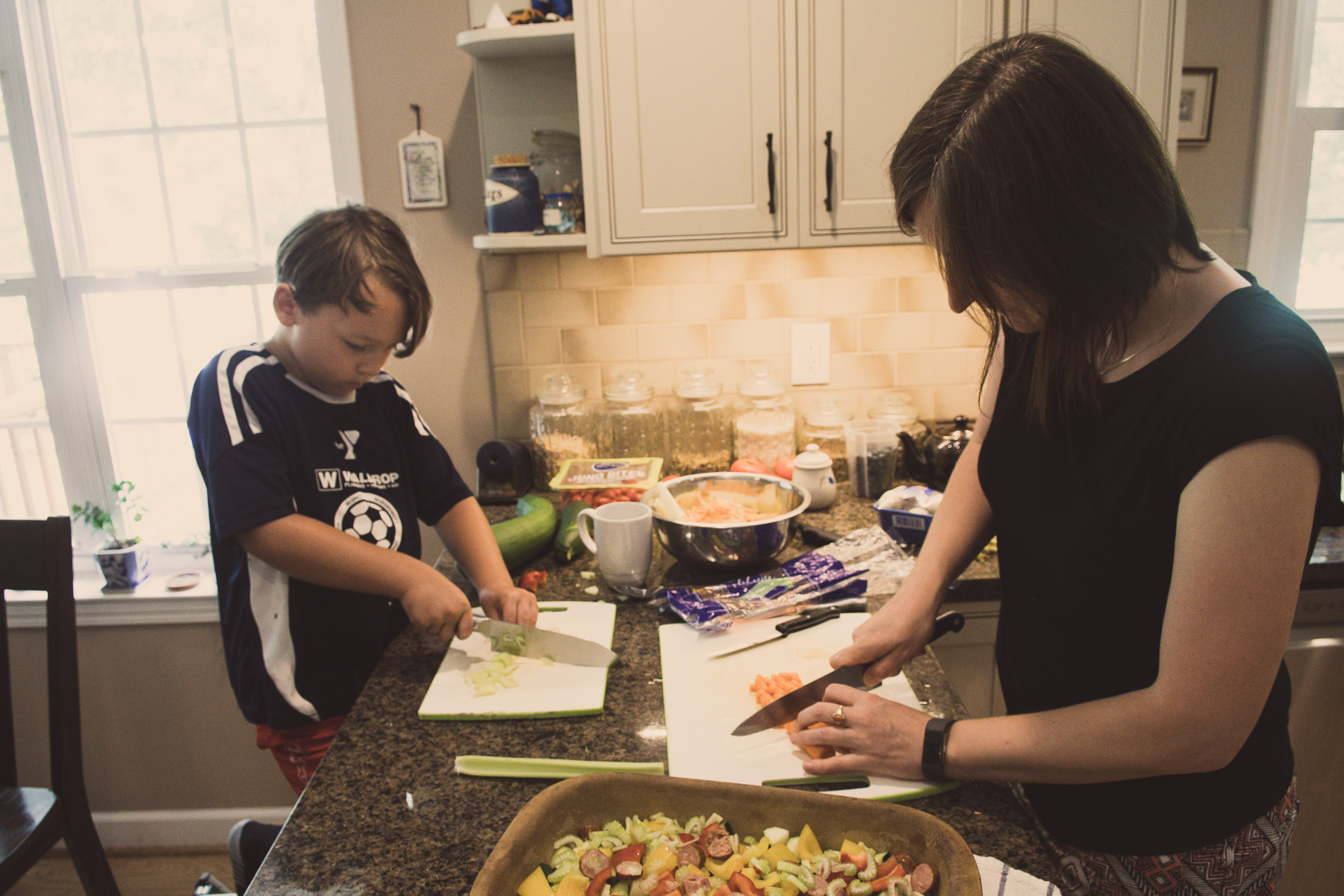
A couple hid under leaves until they got ridiculously big.
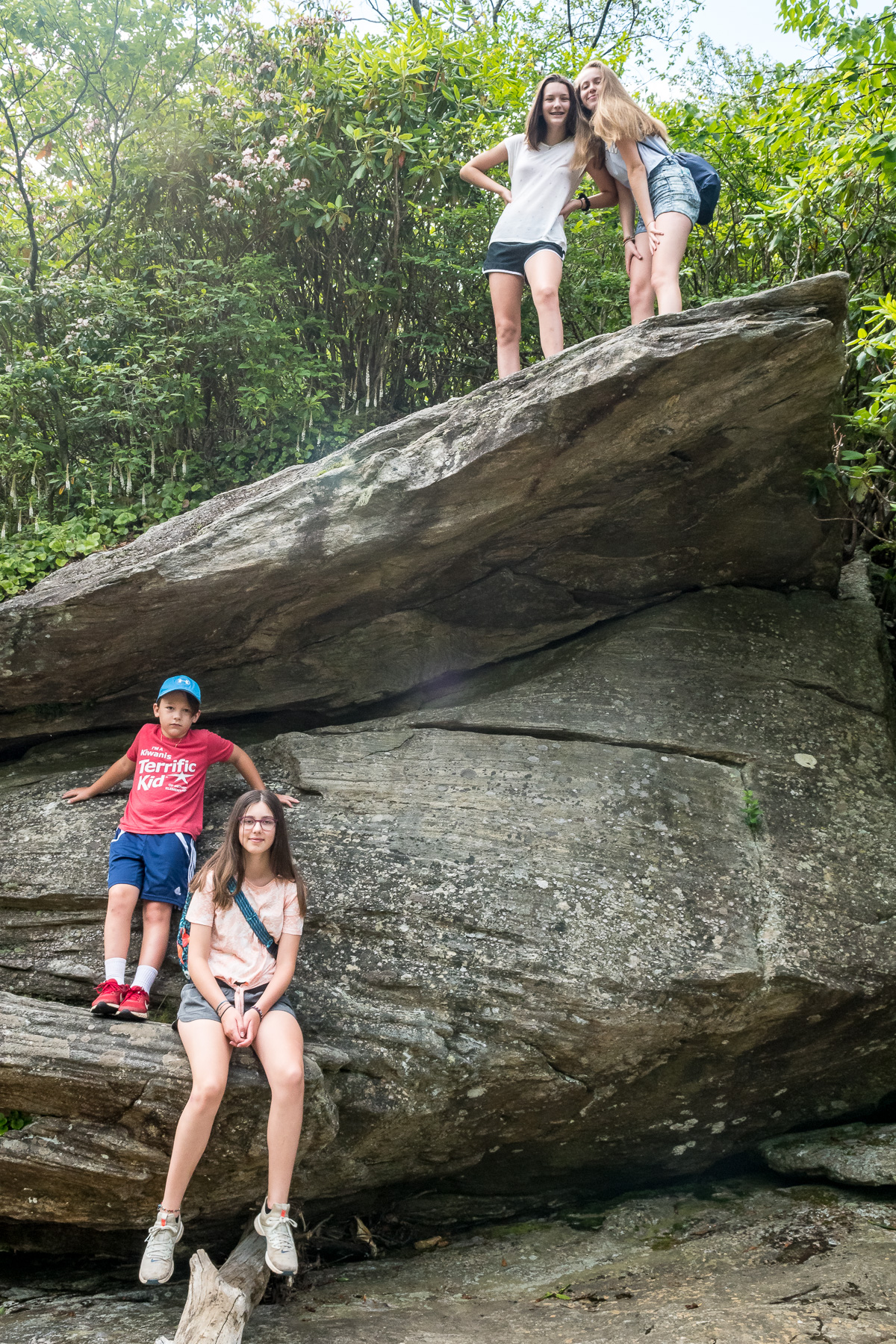
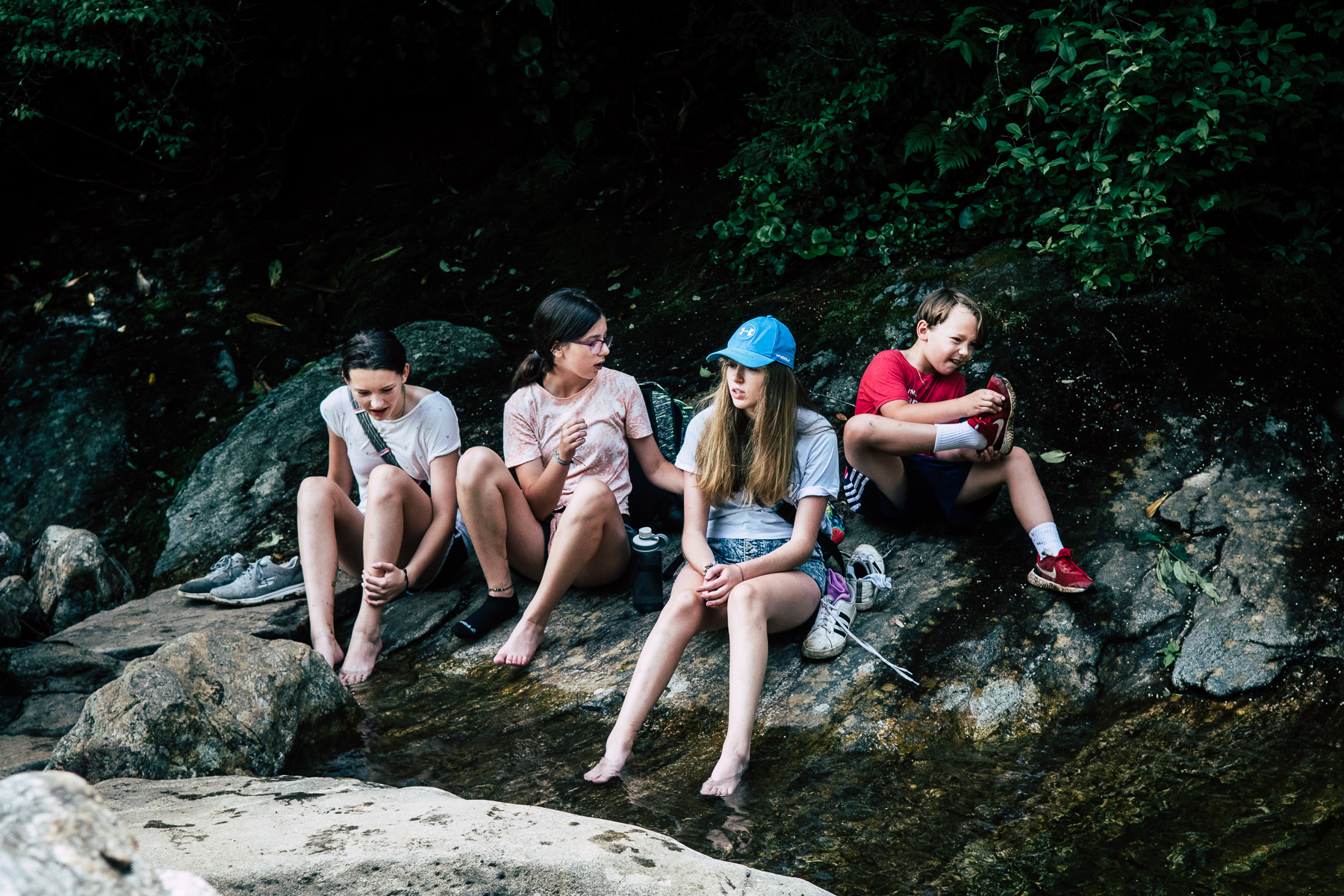
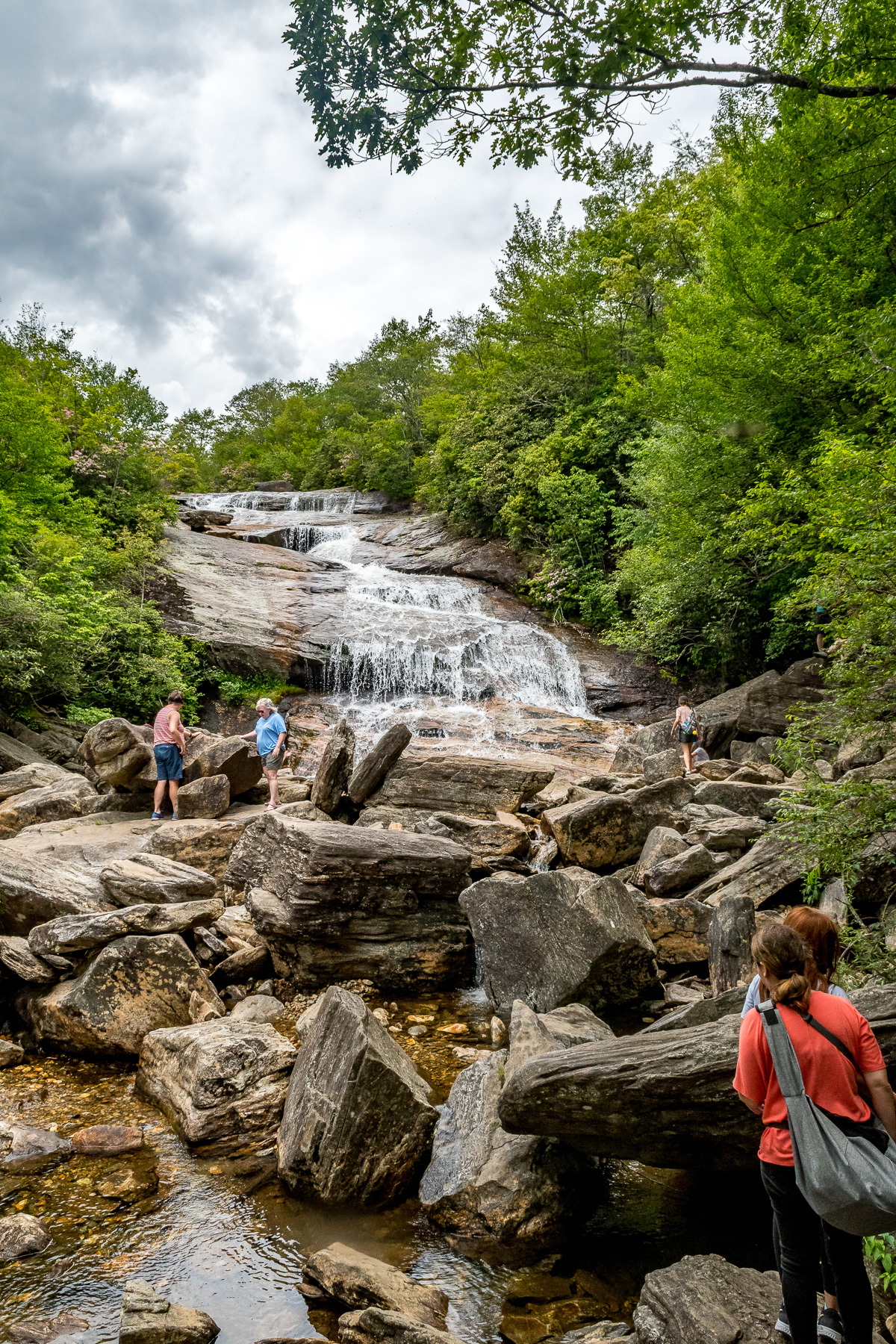
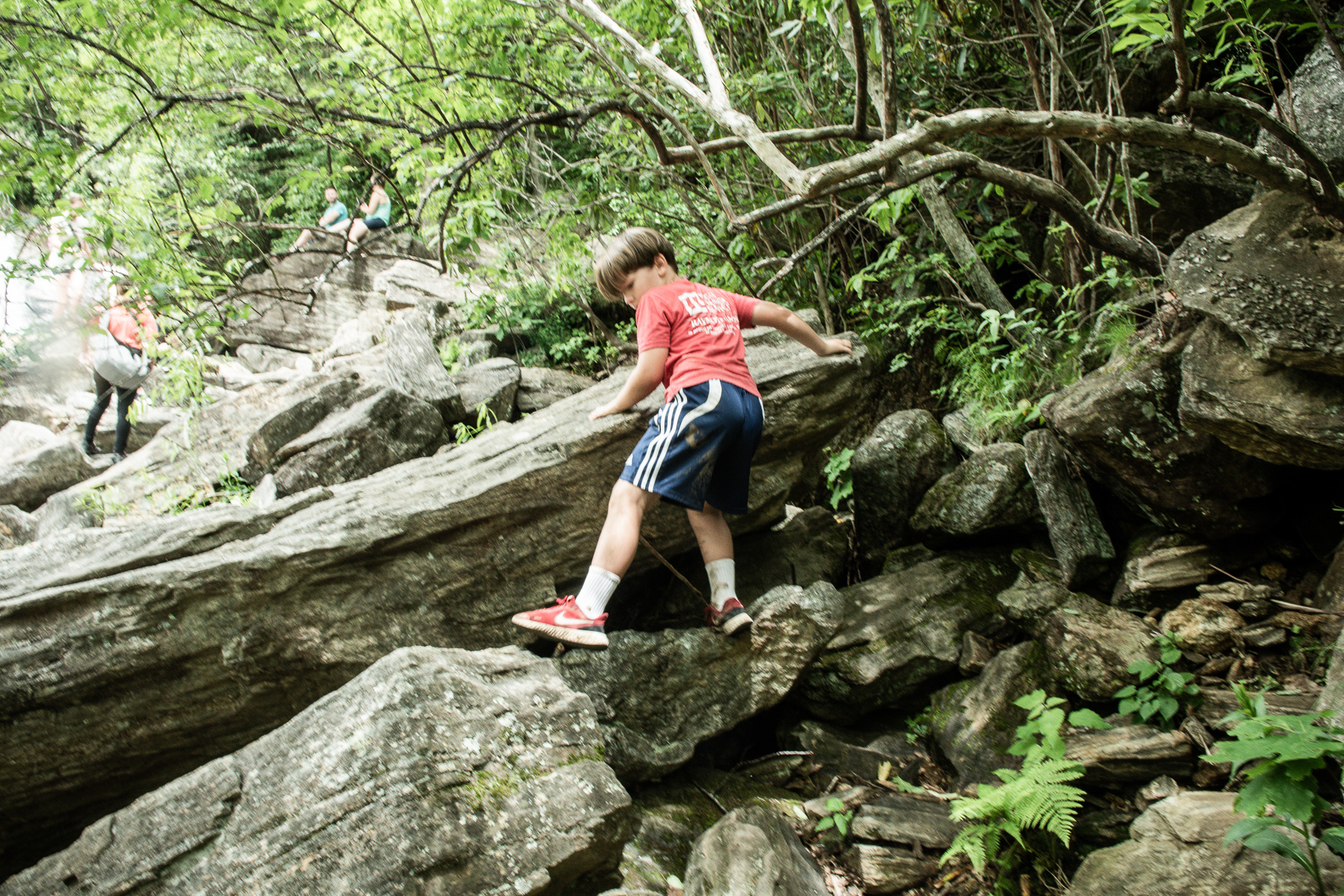
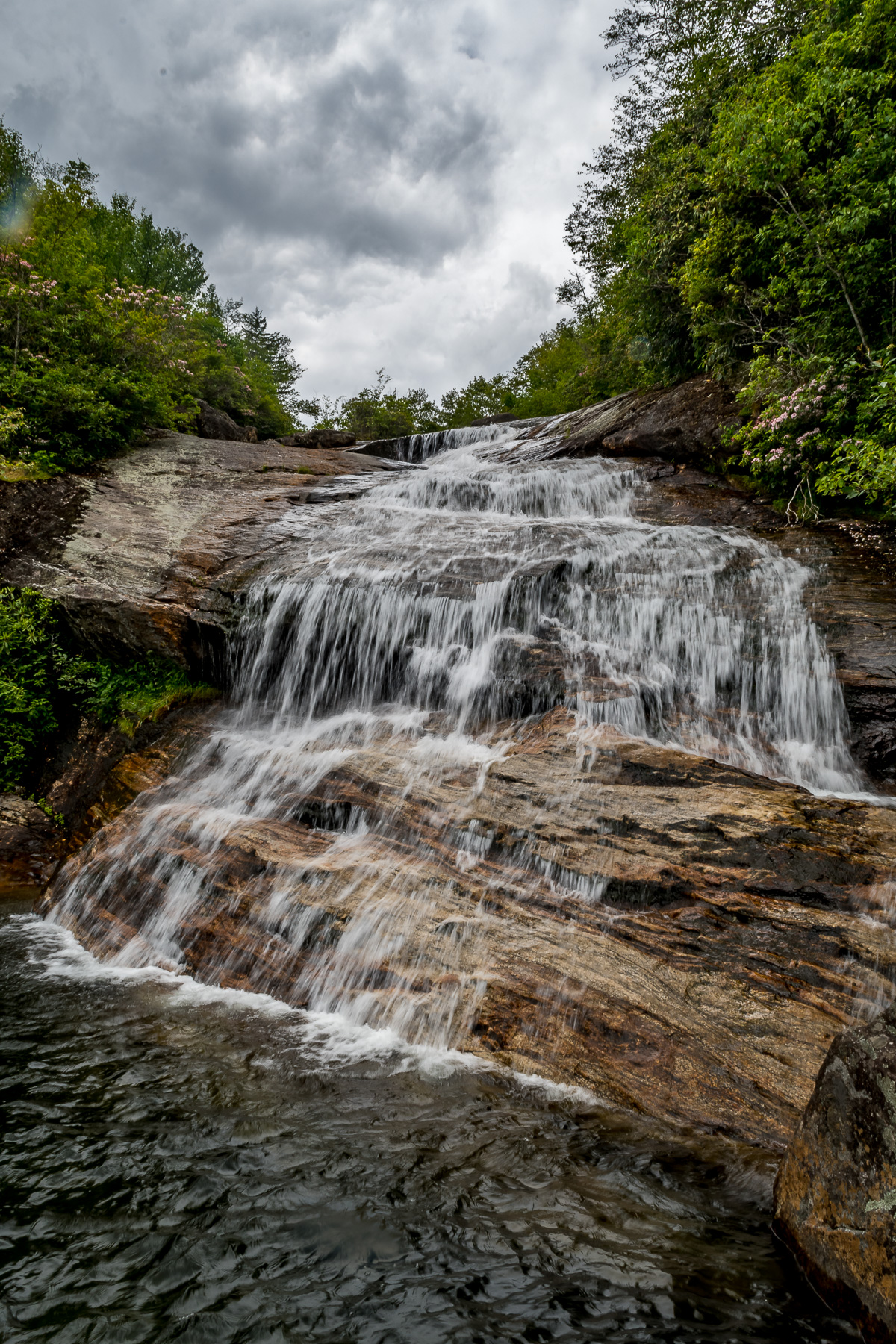
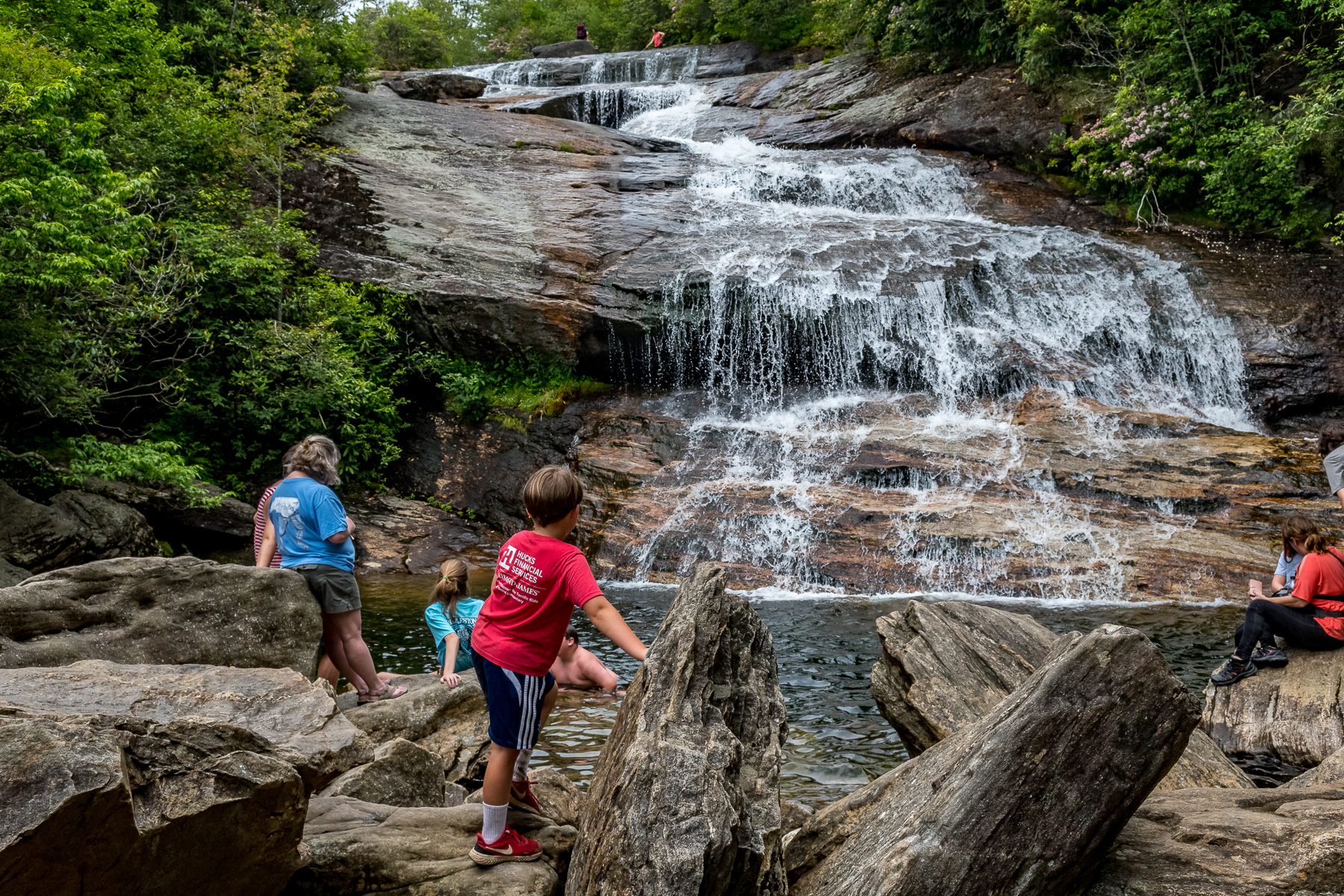
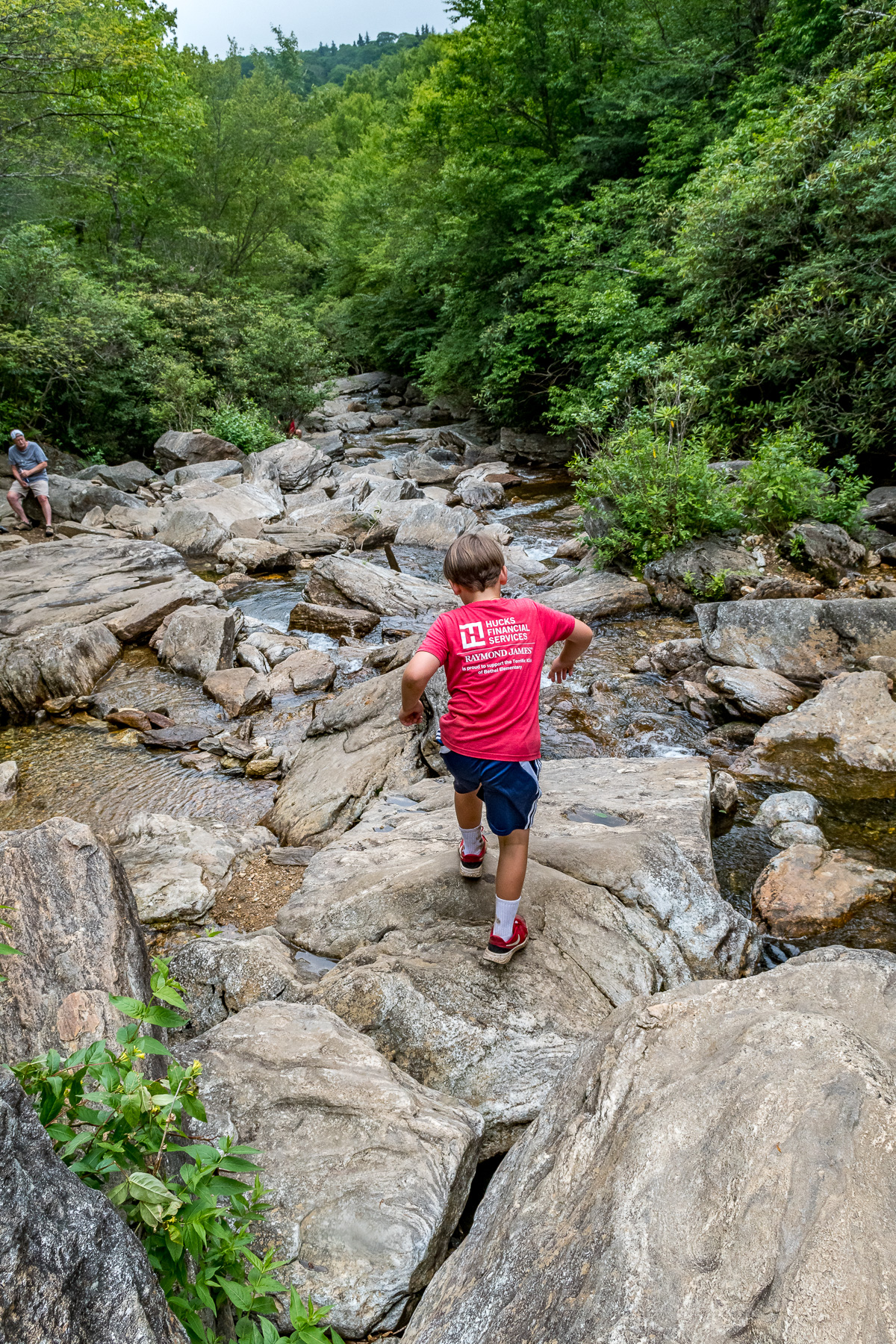
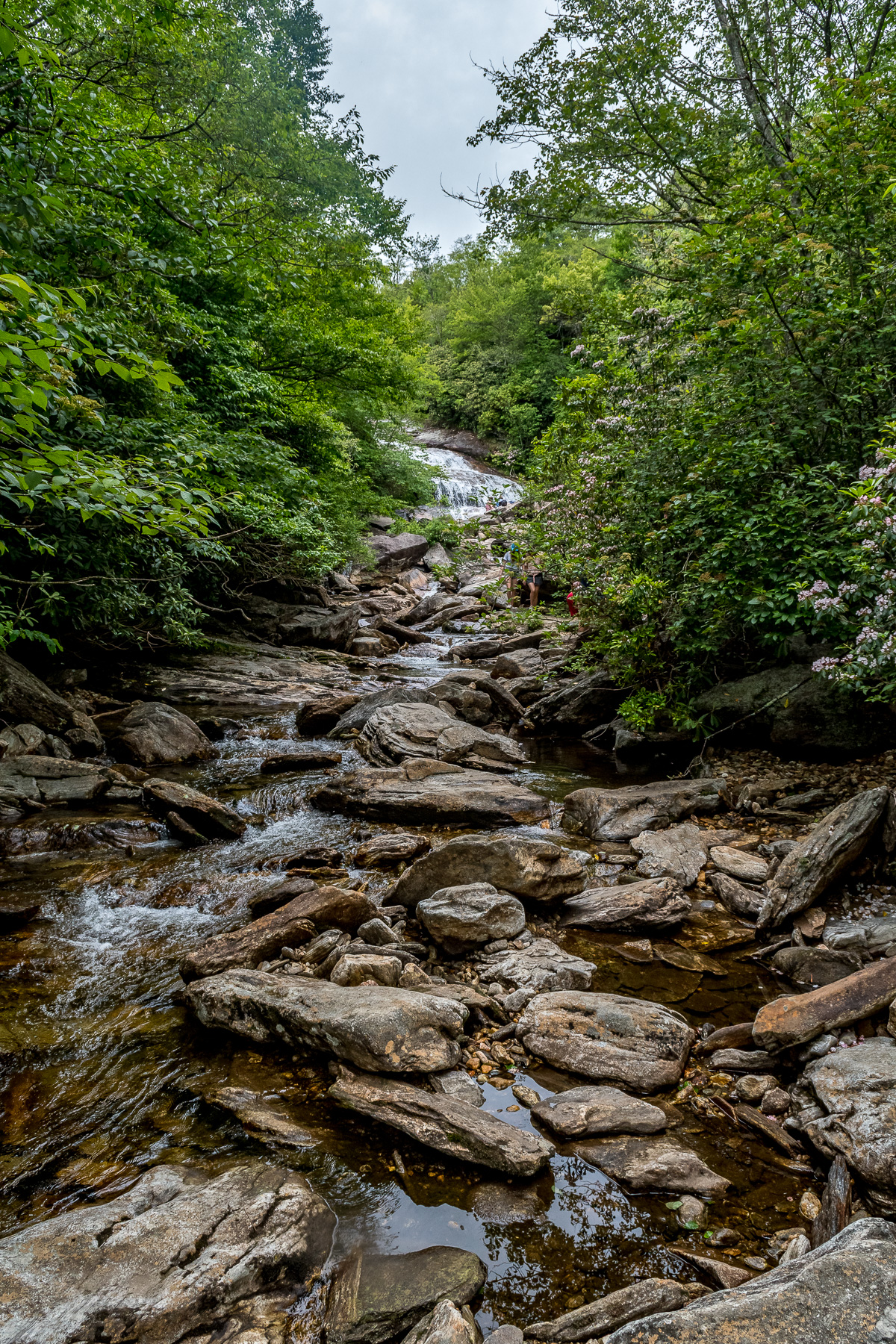
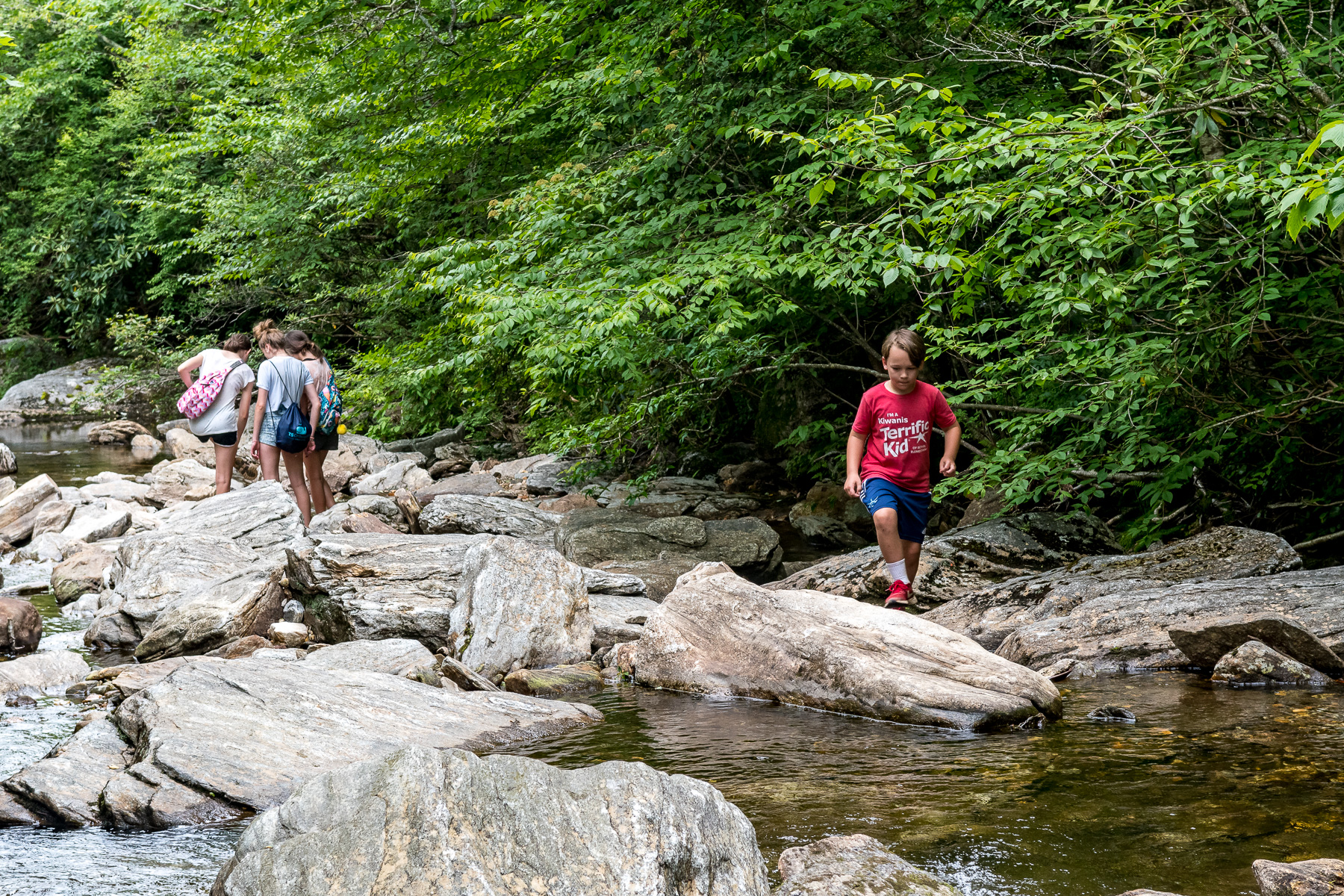
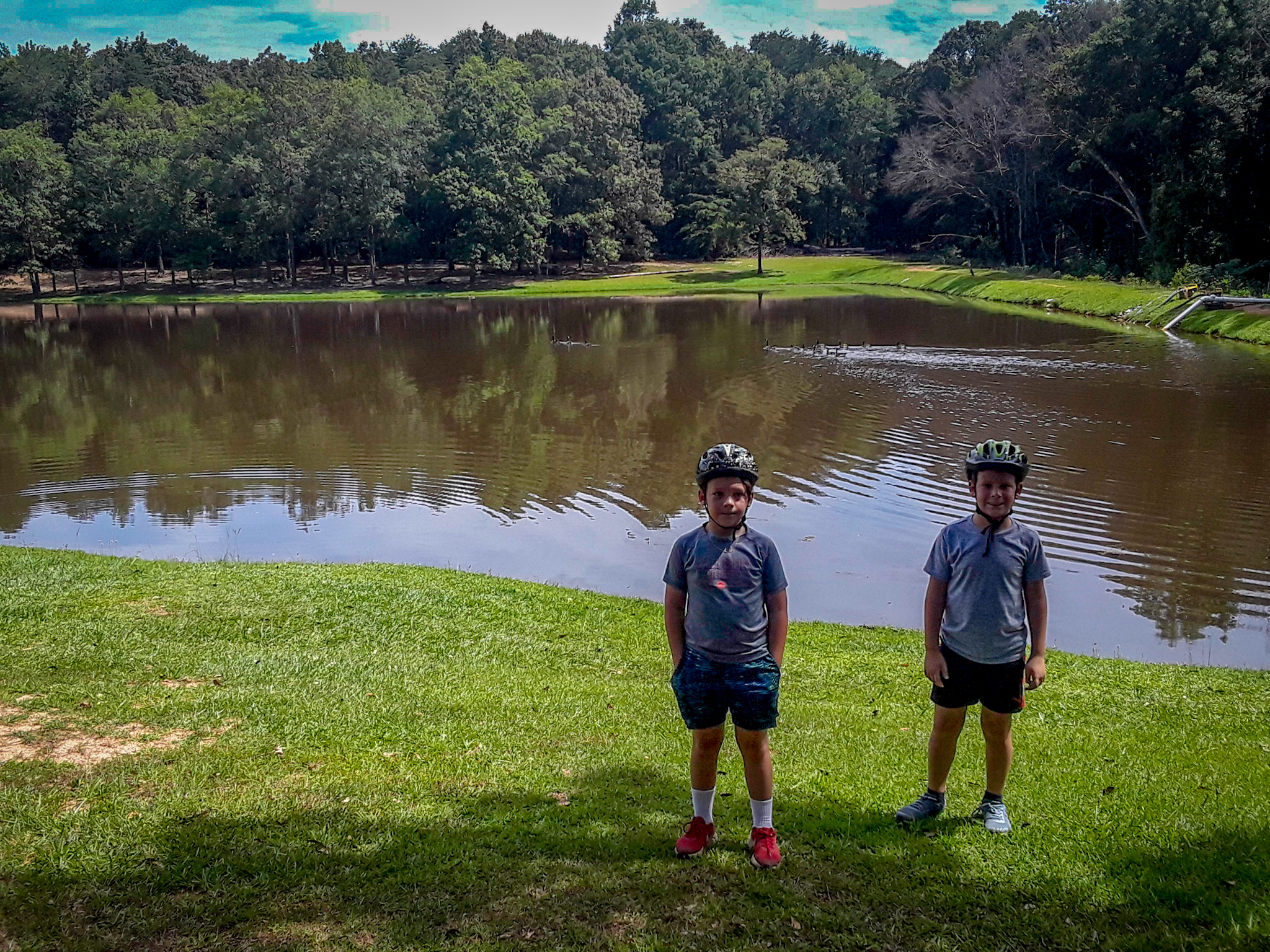
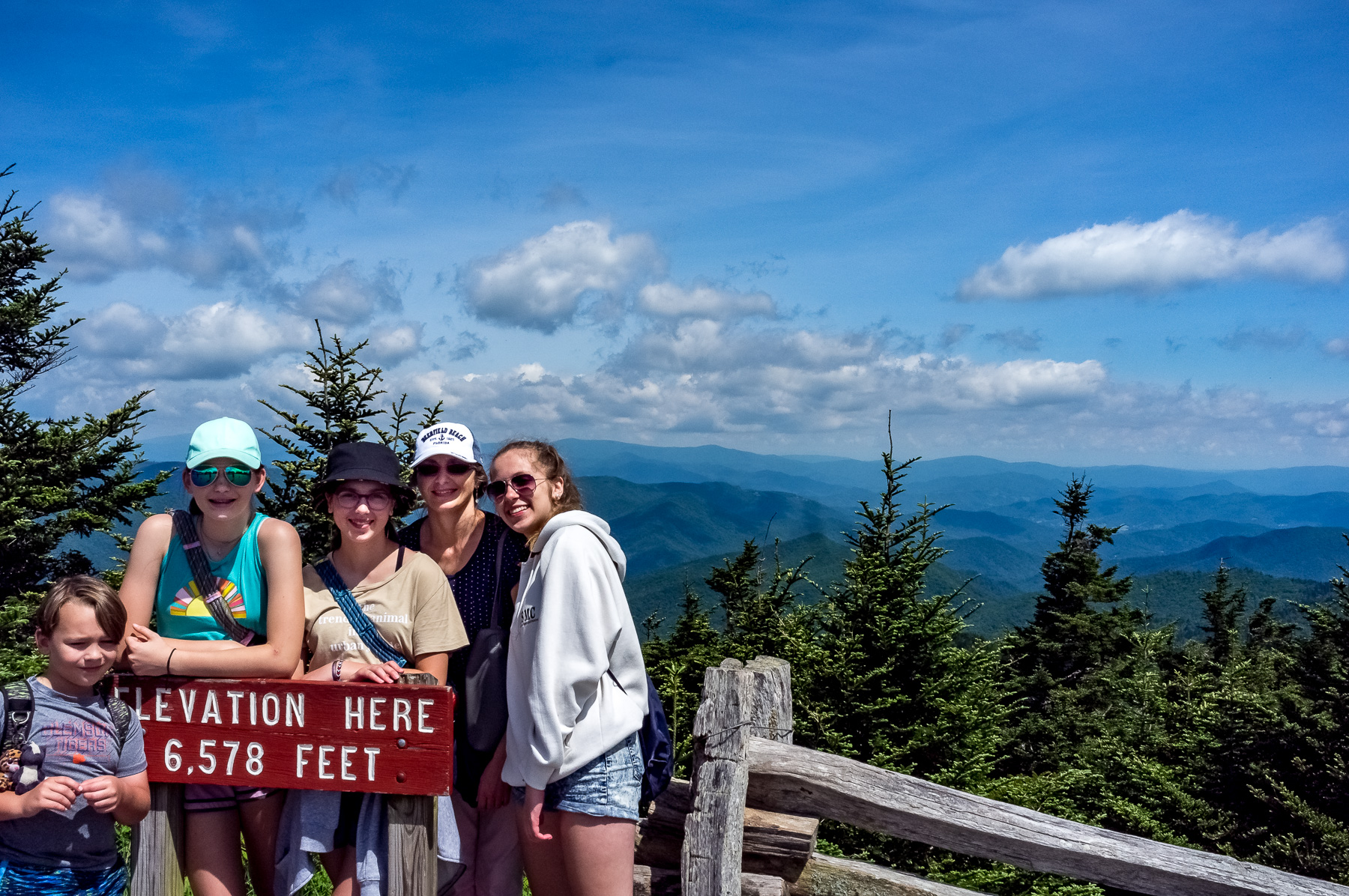
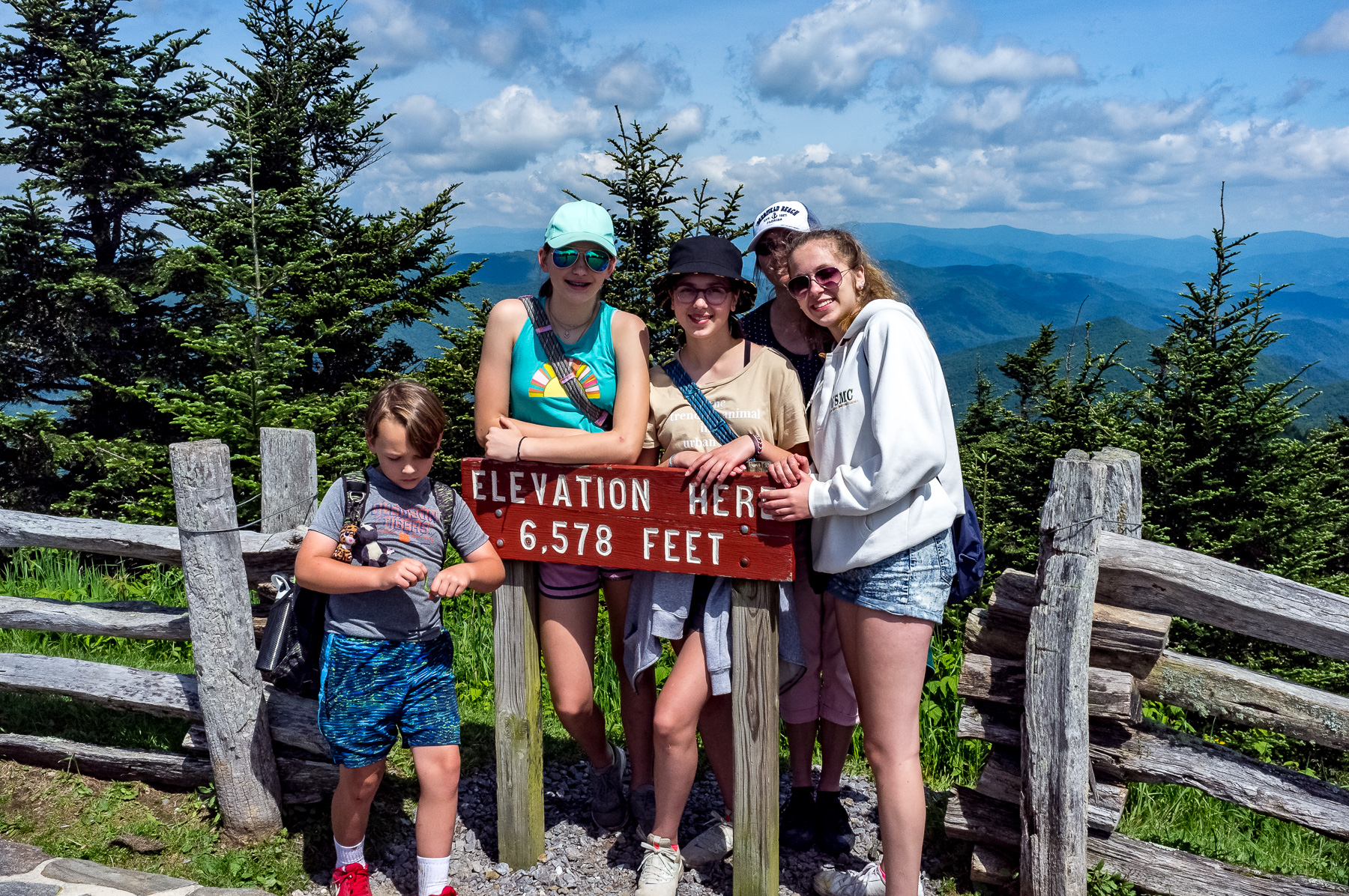
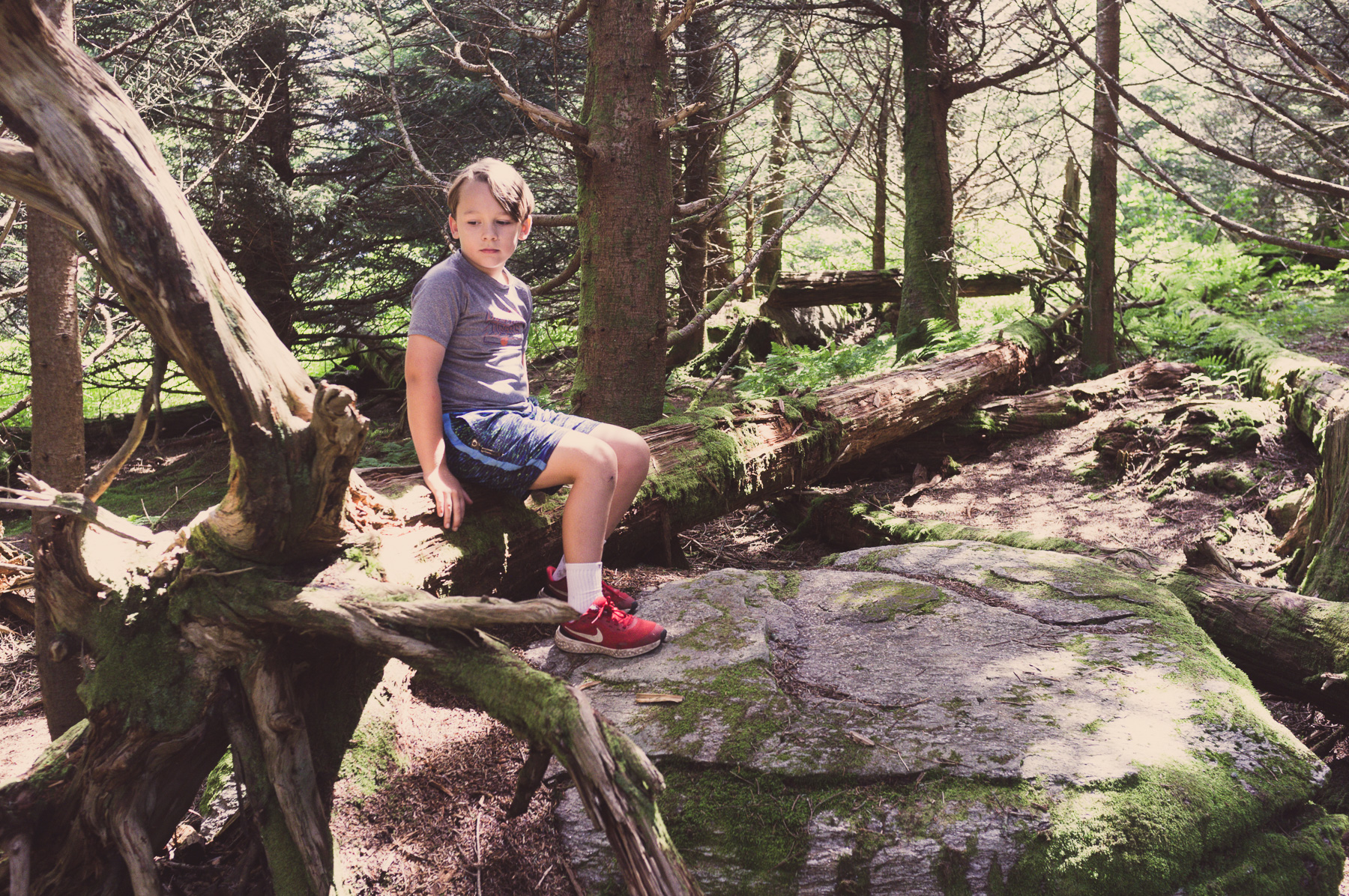
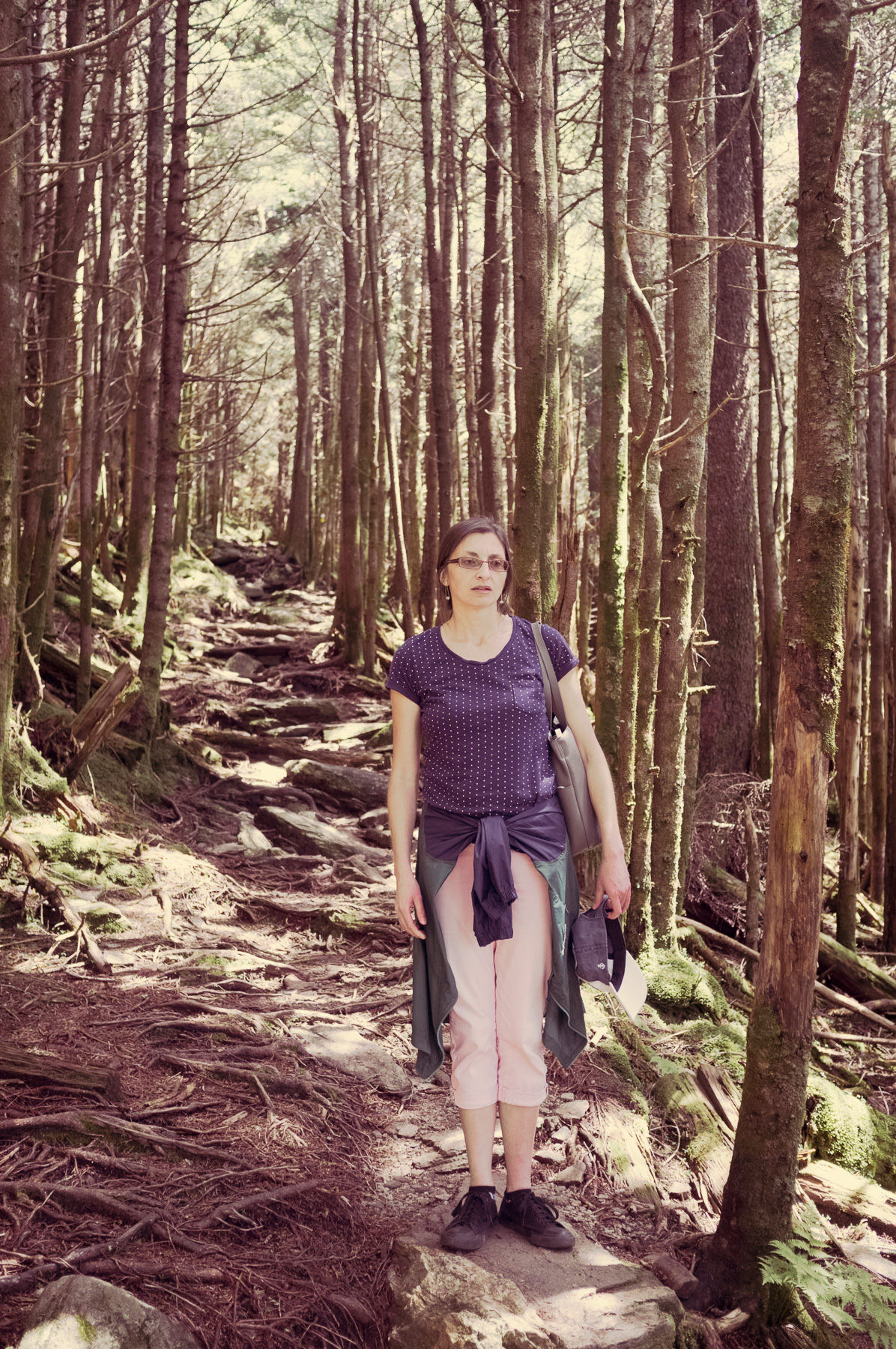
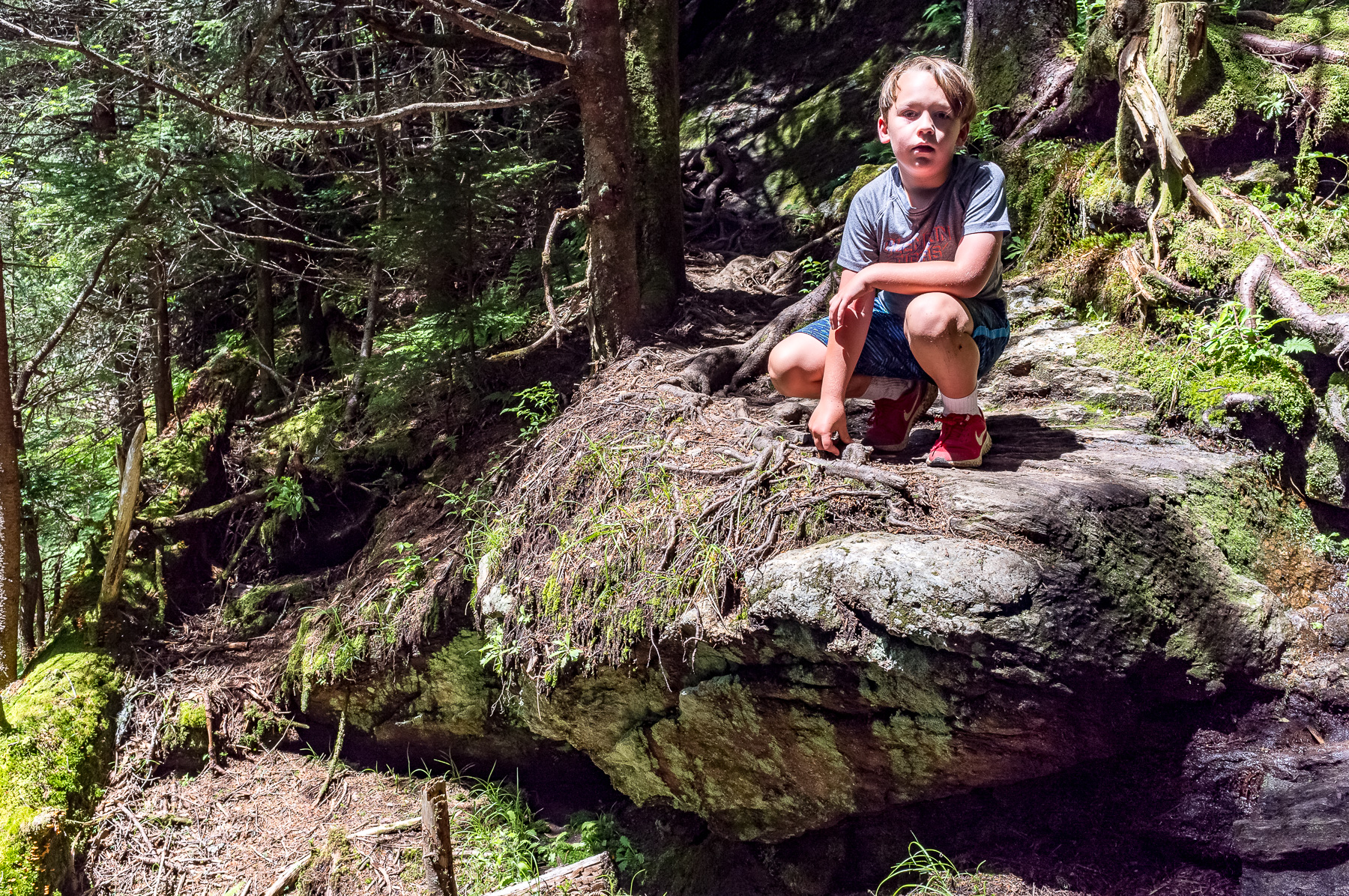
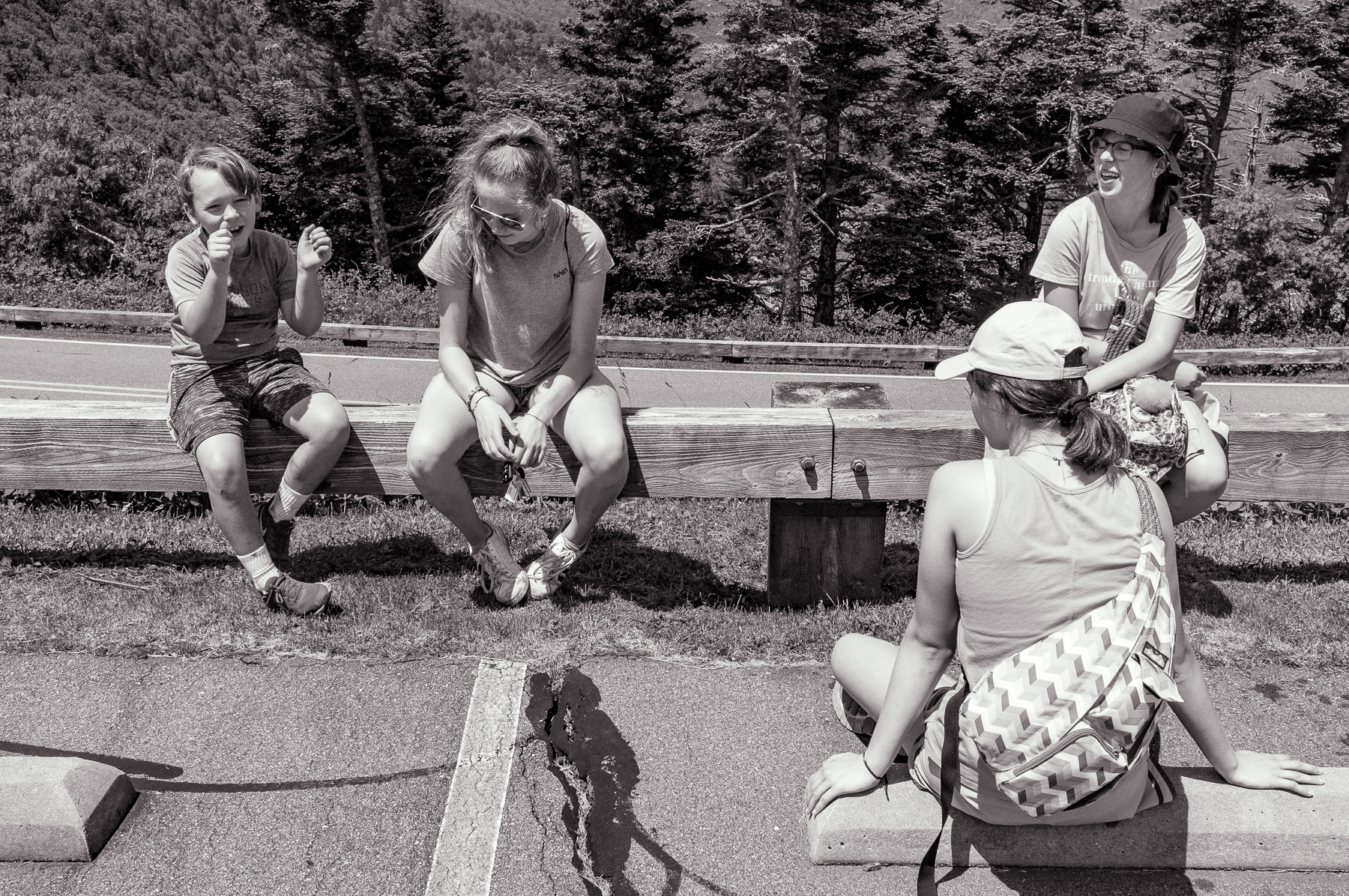
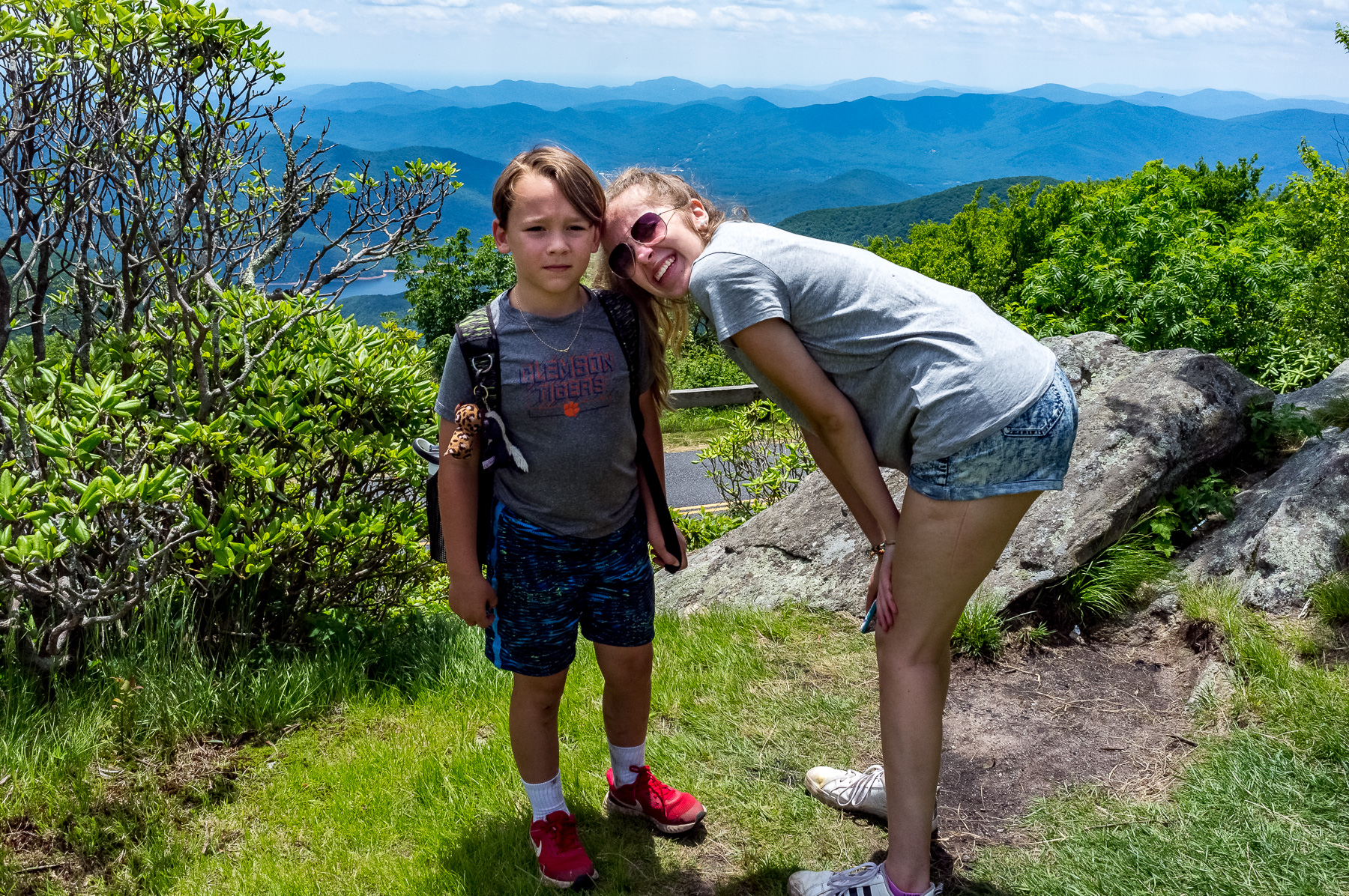
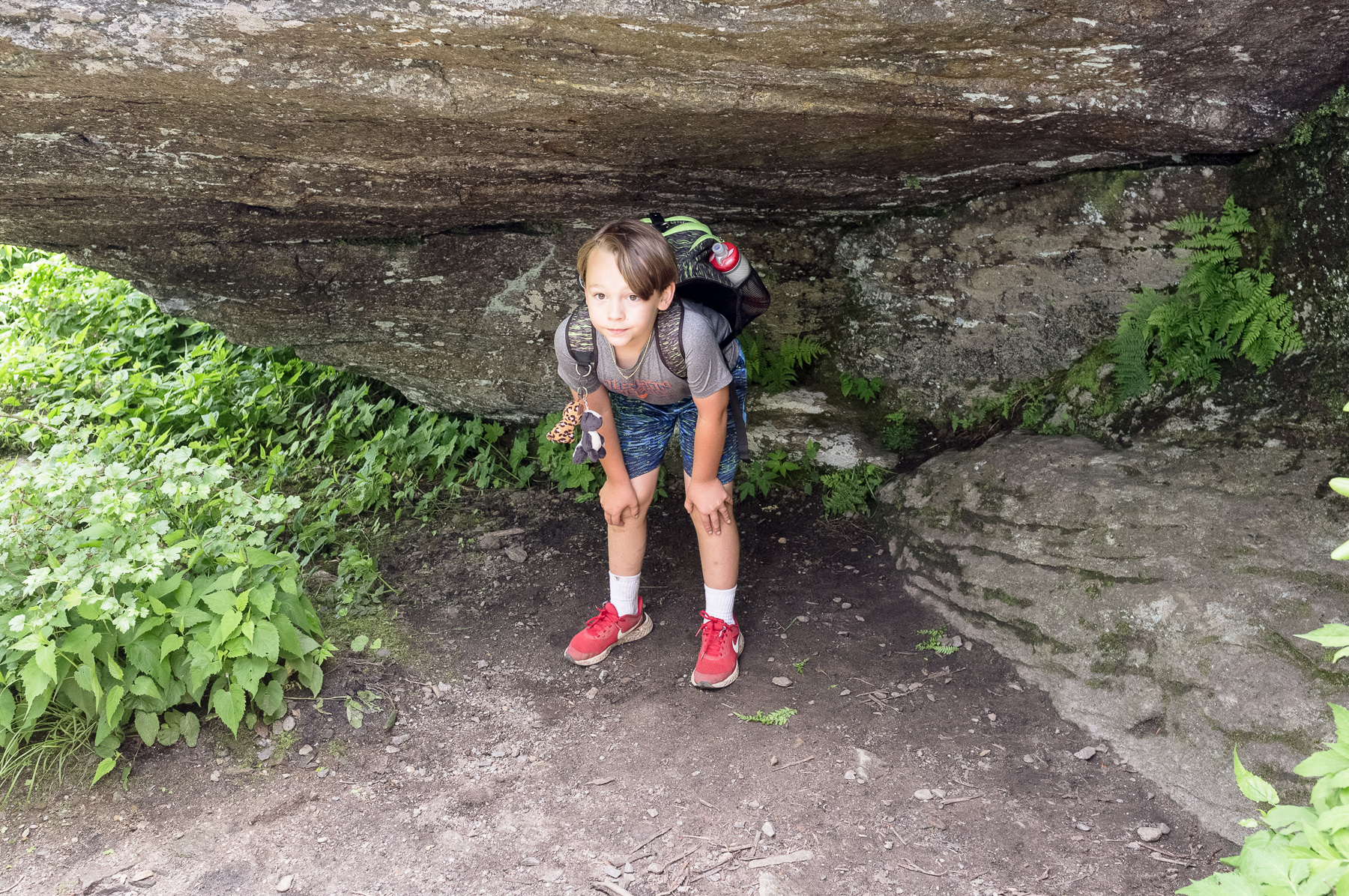
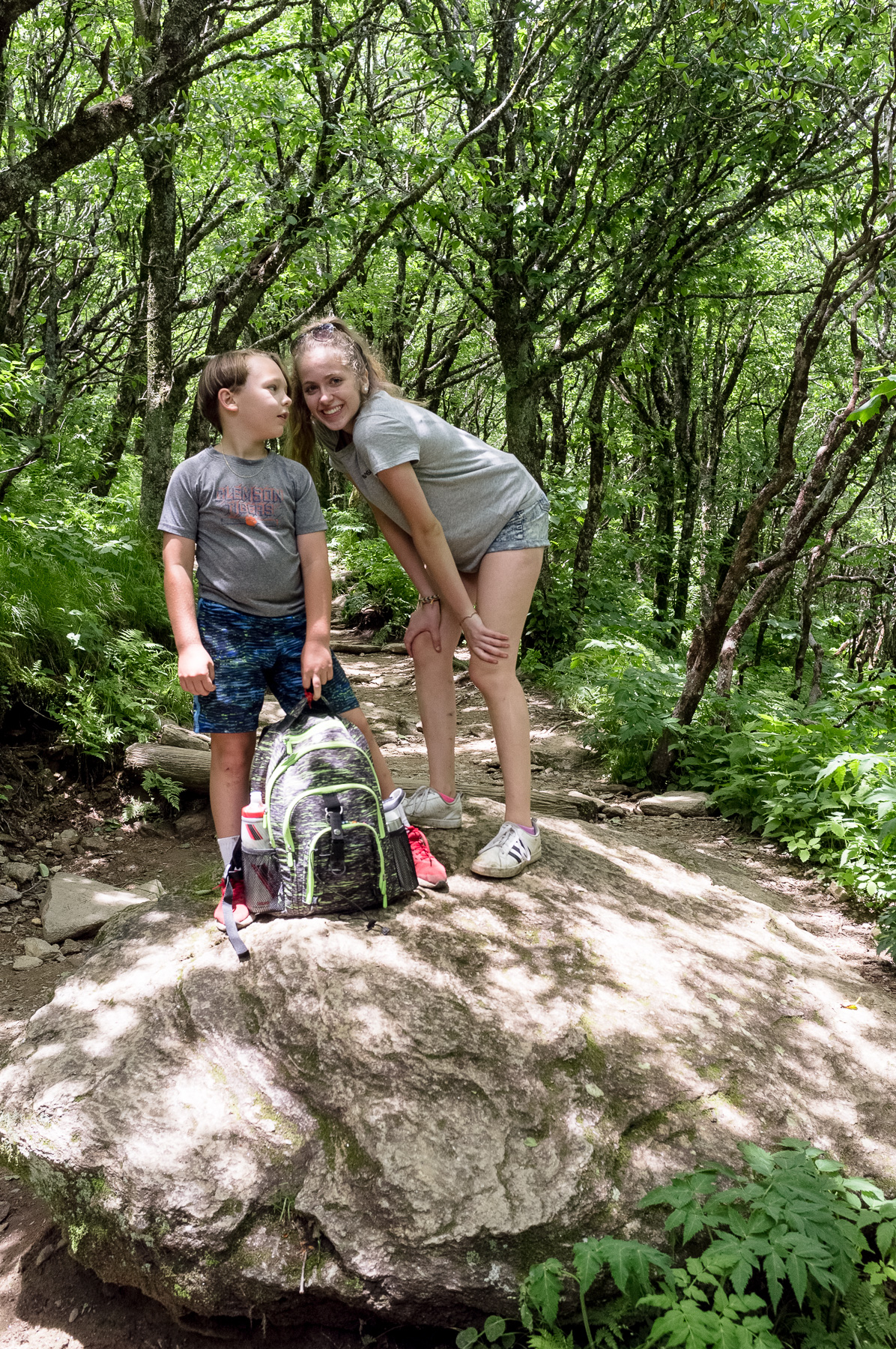
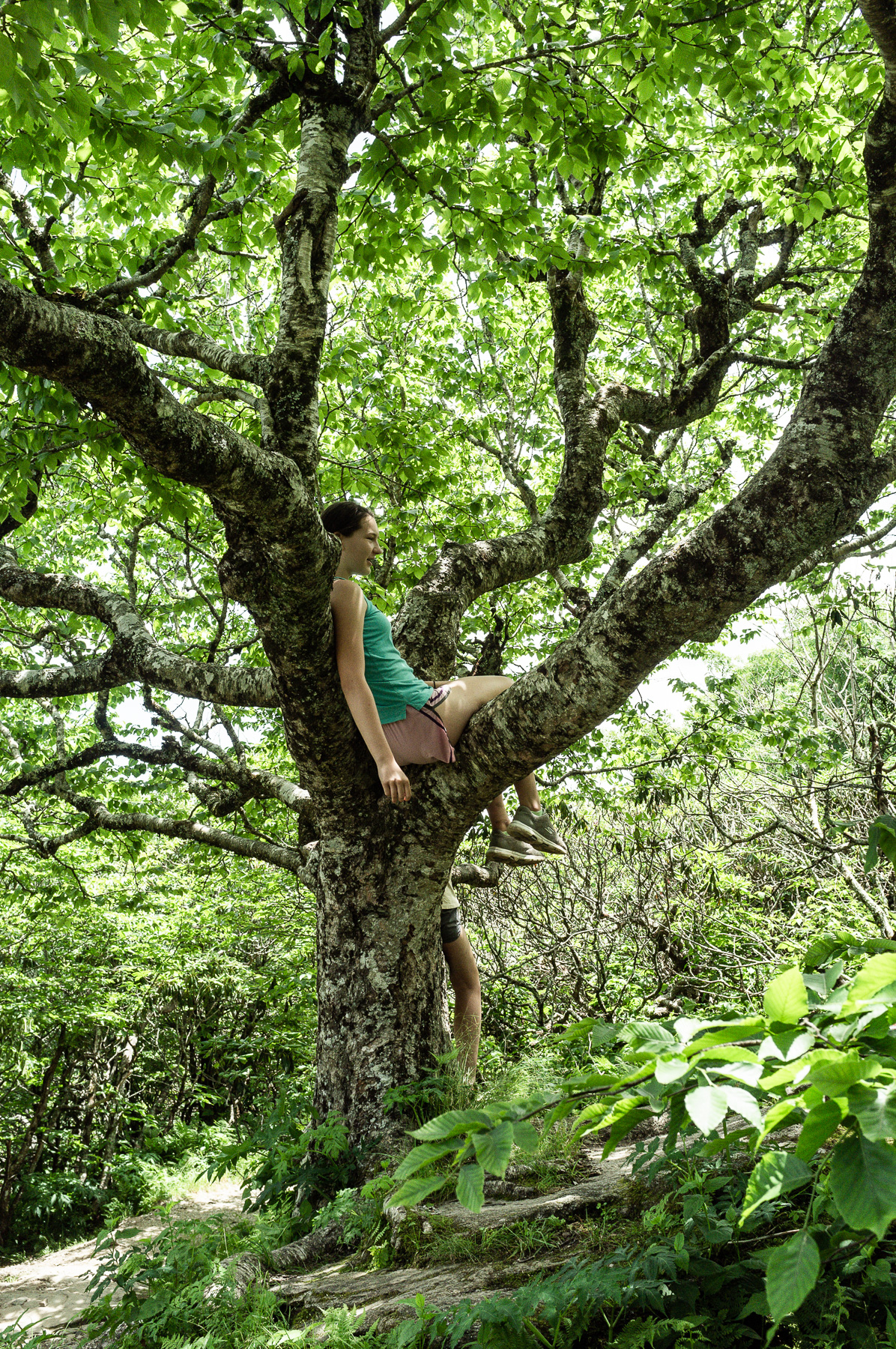
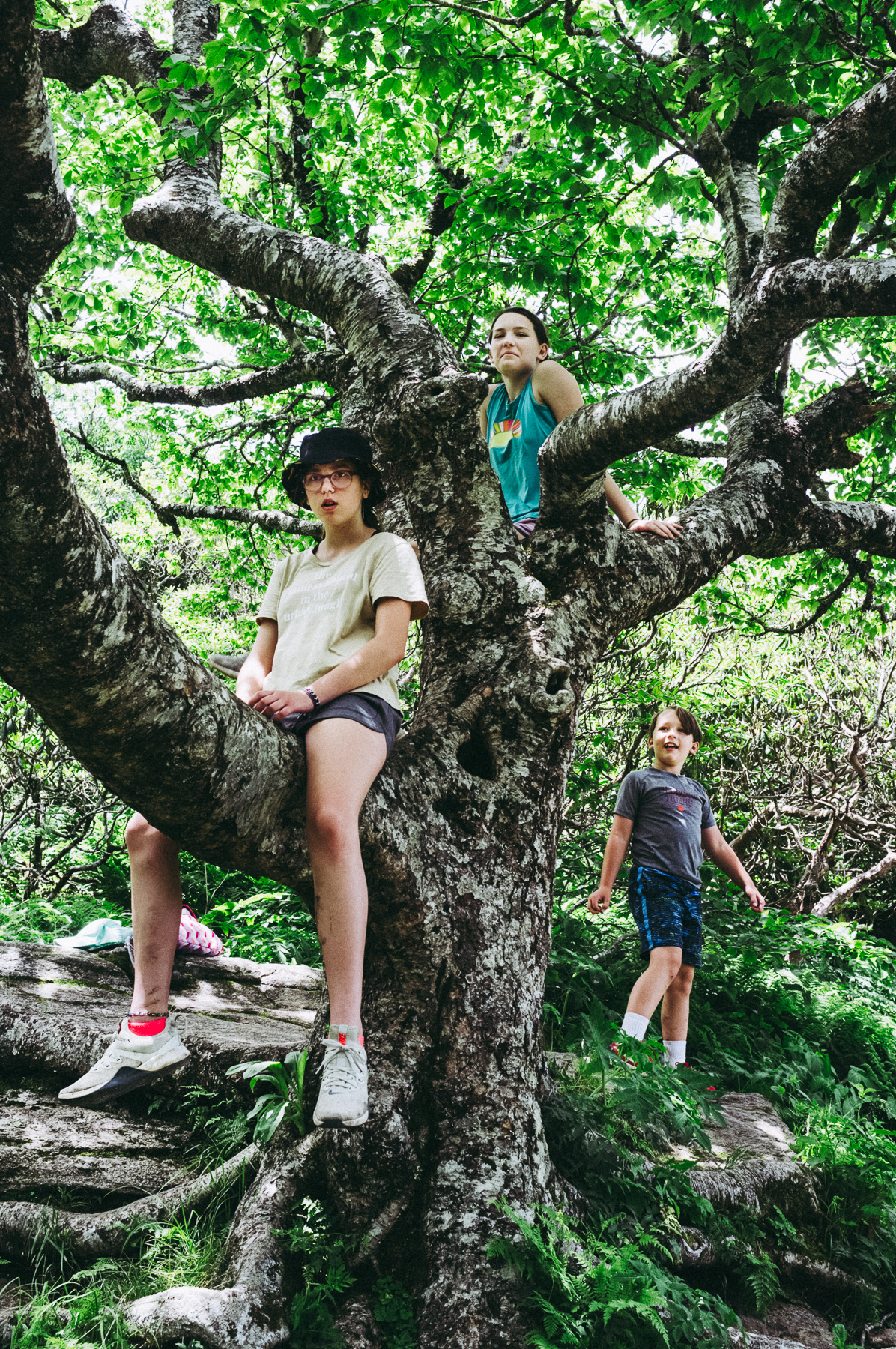
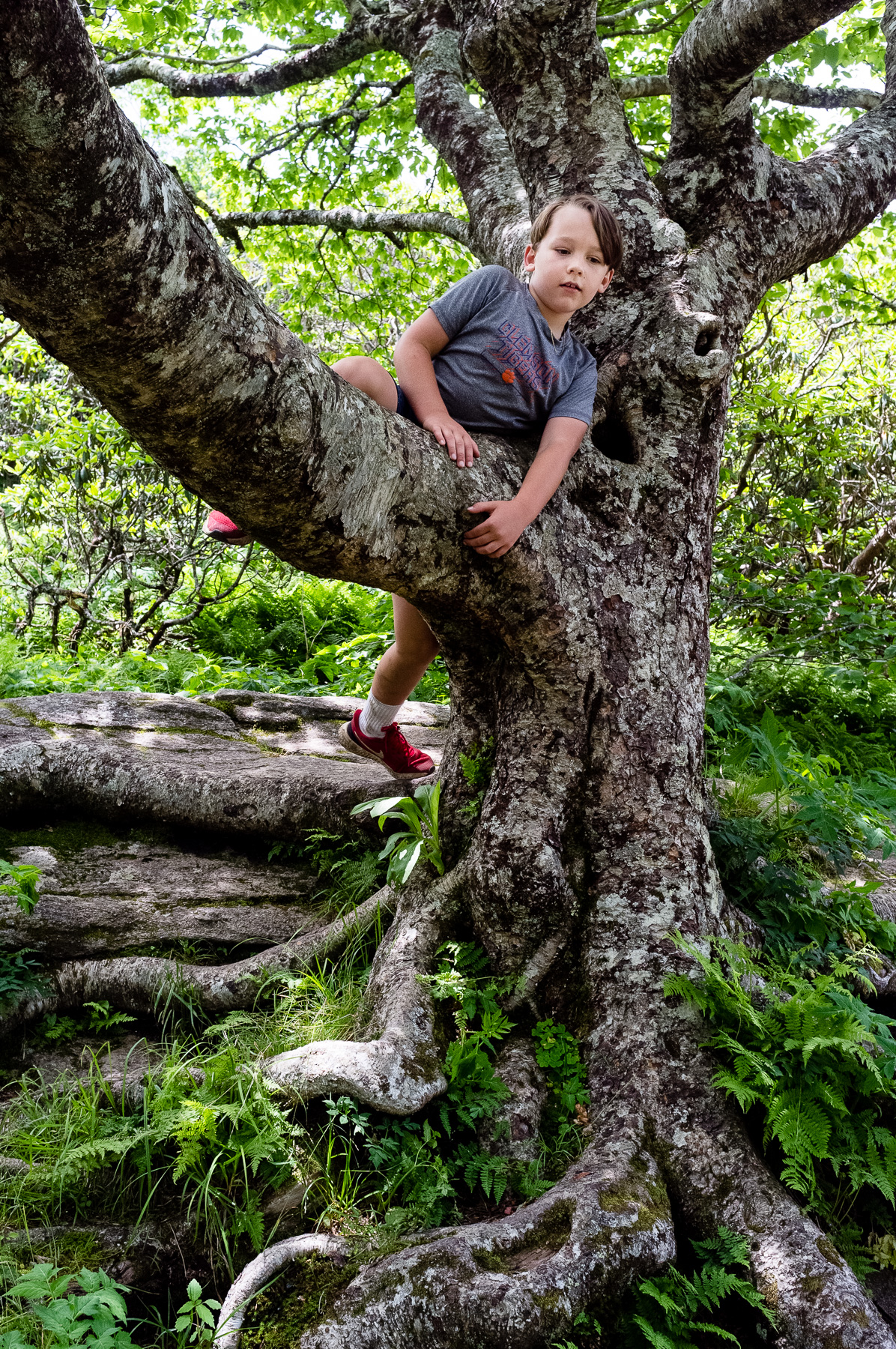
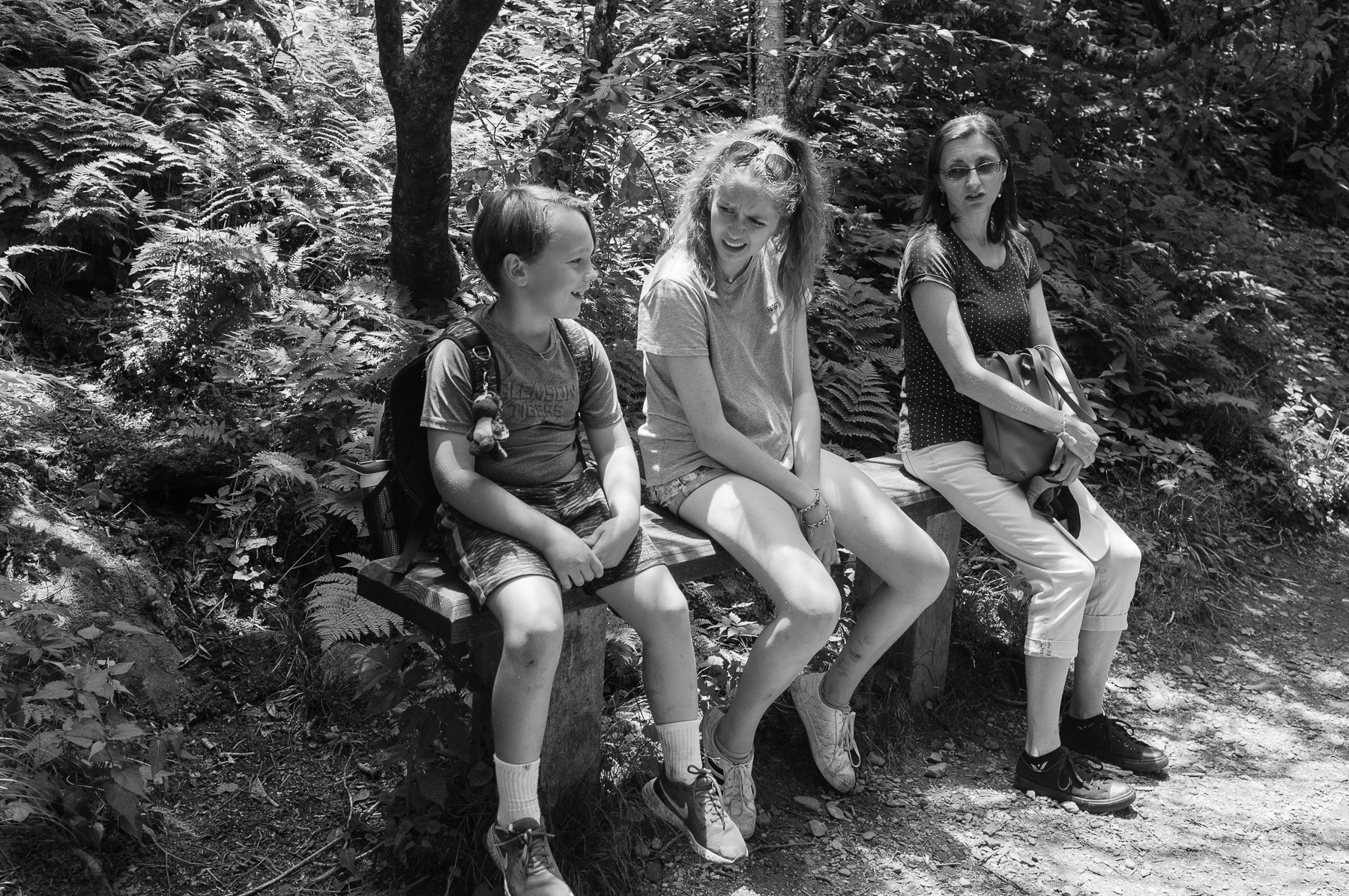
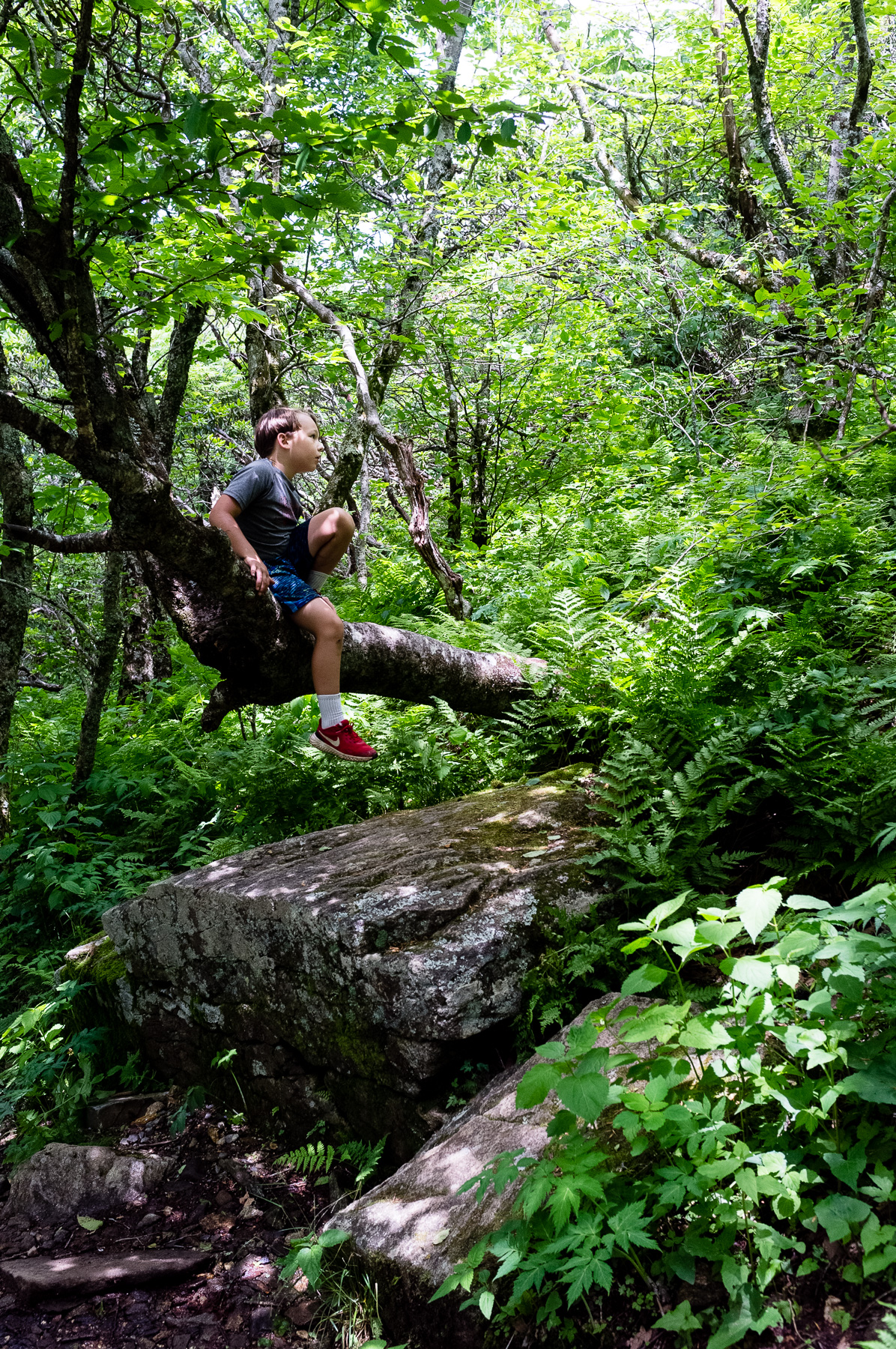
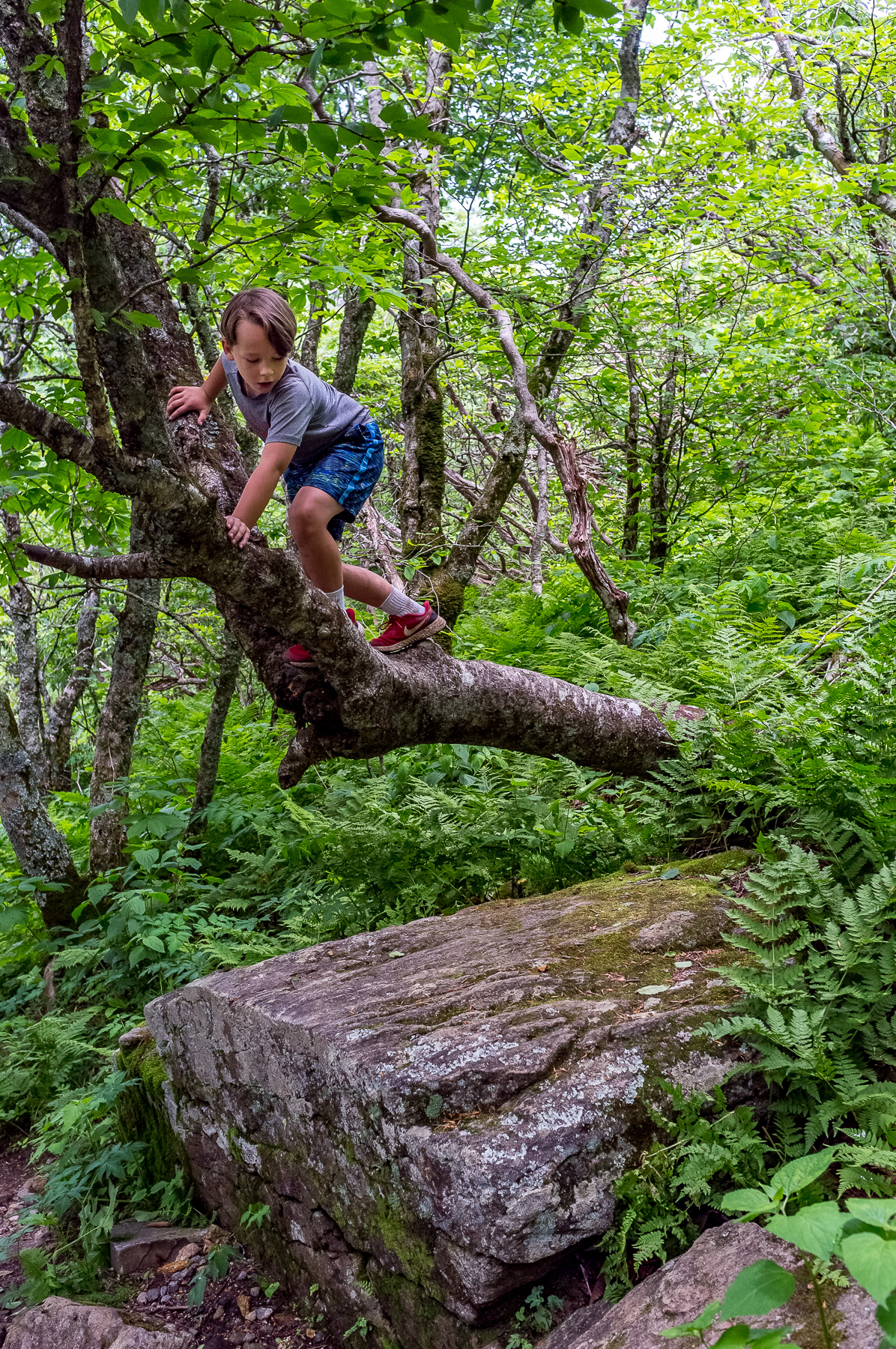
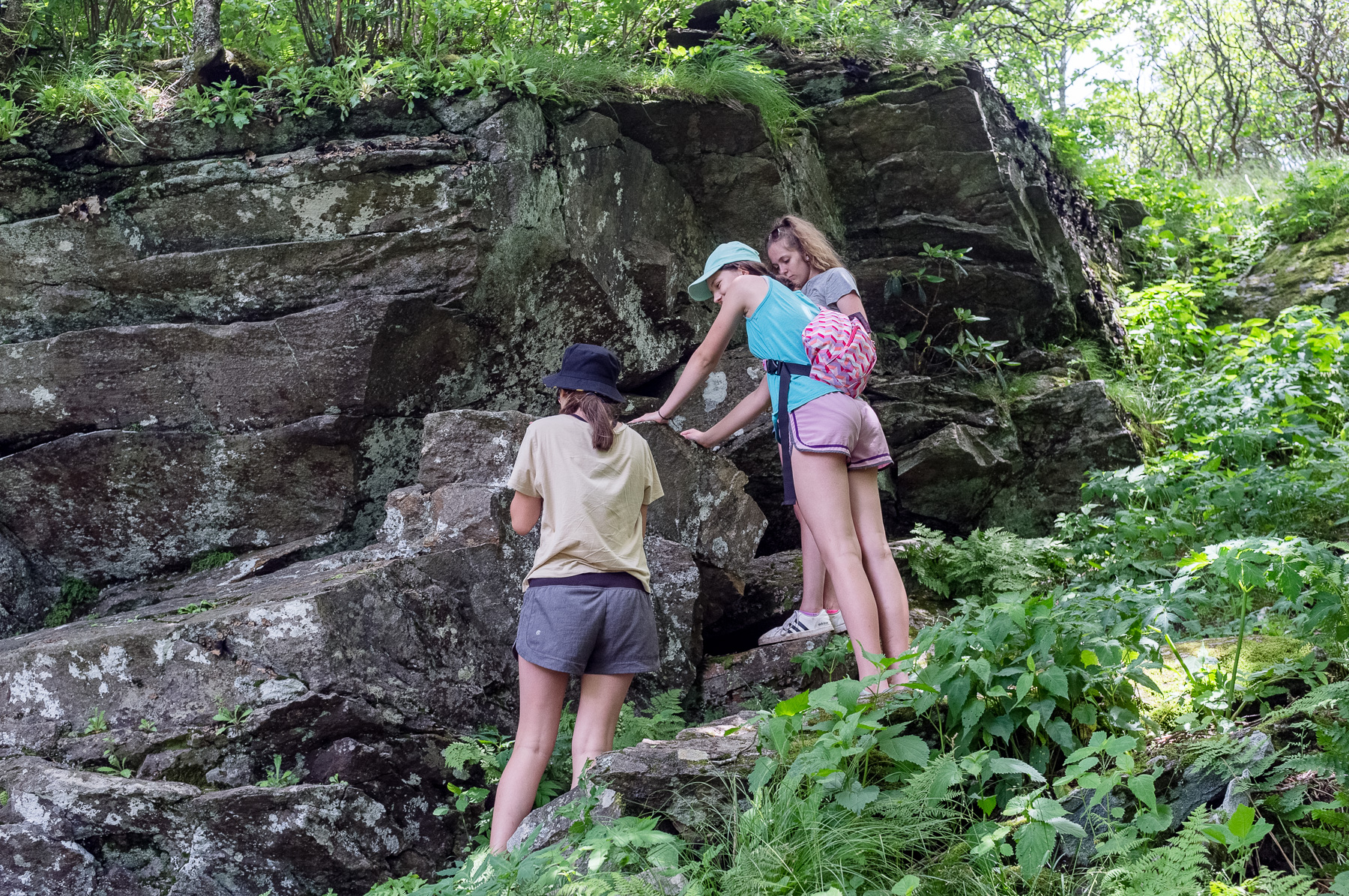
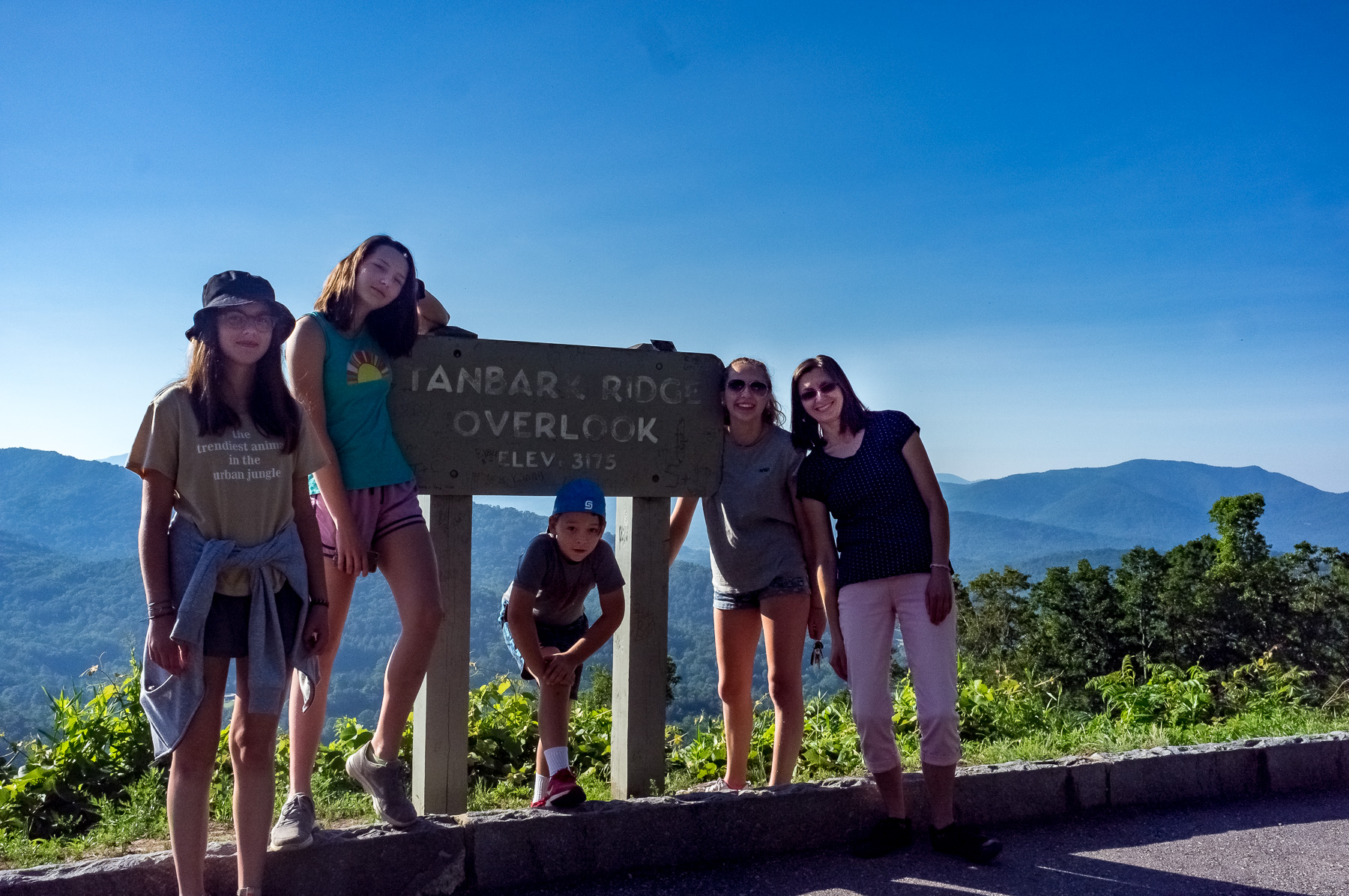
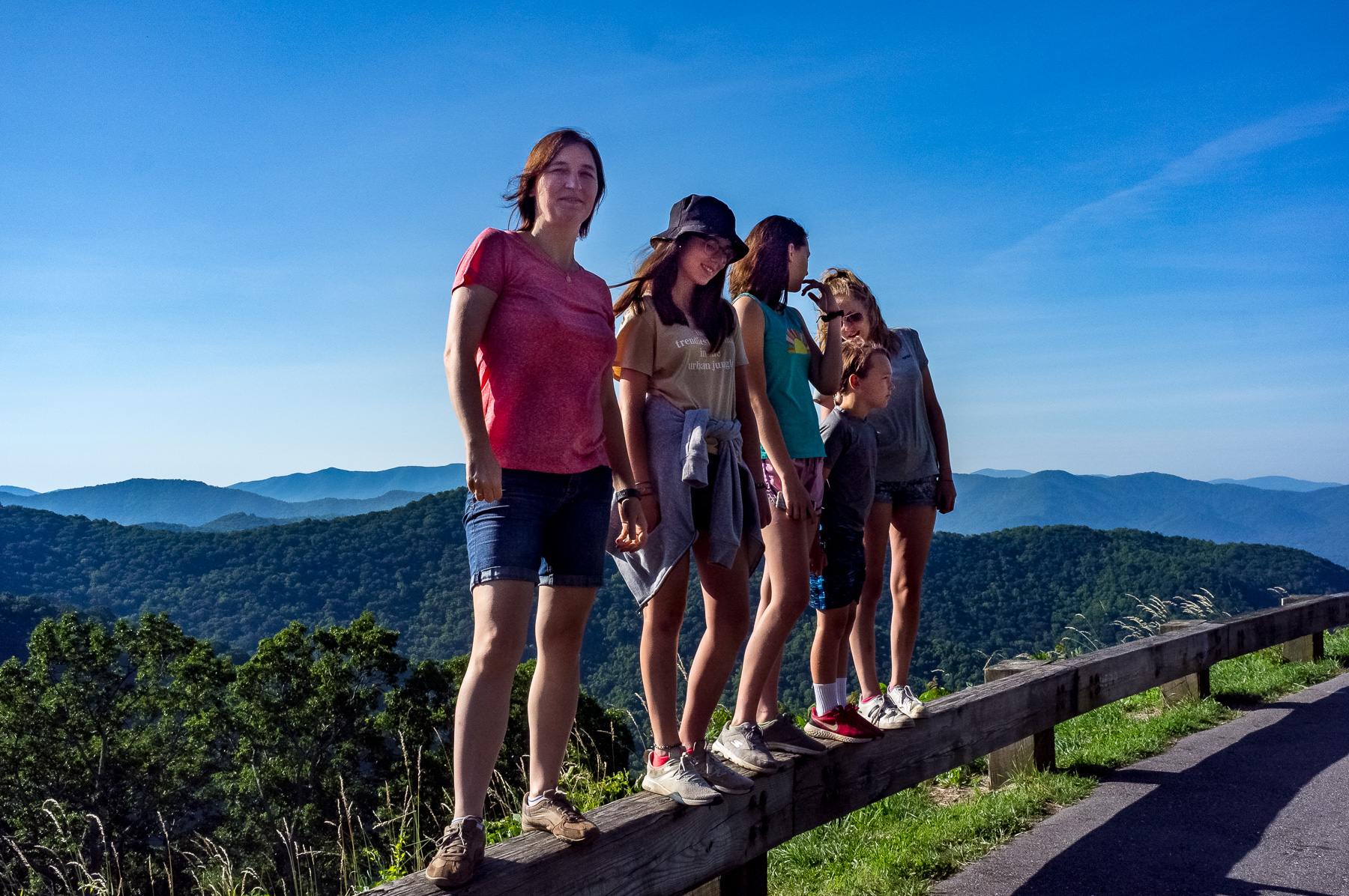
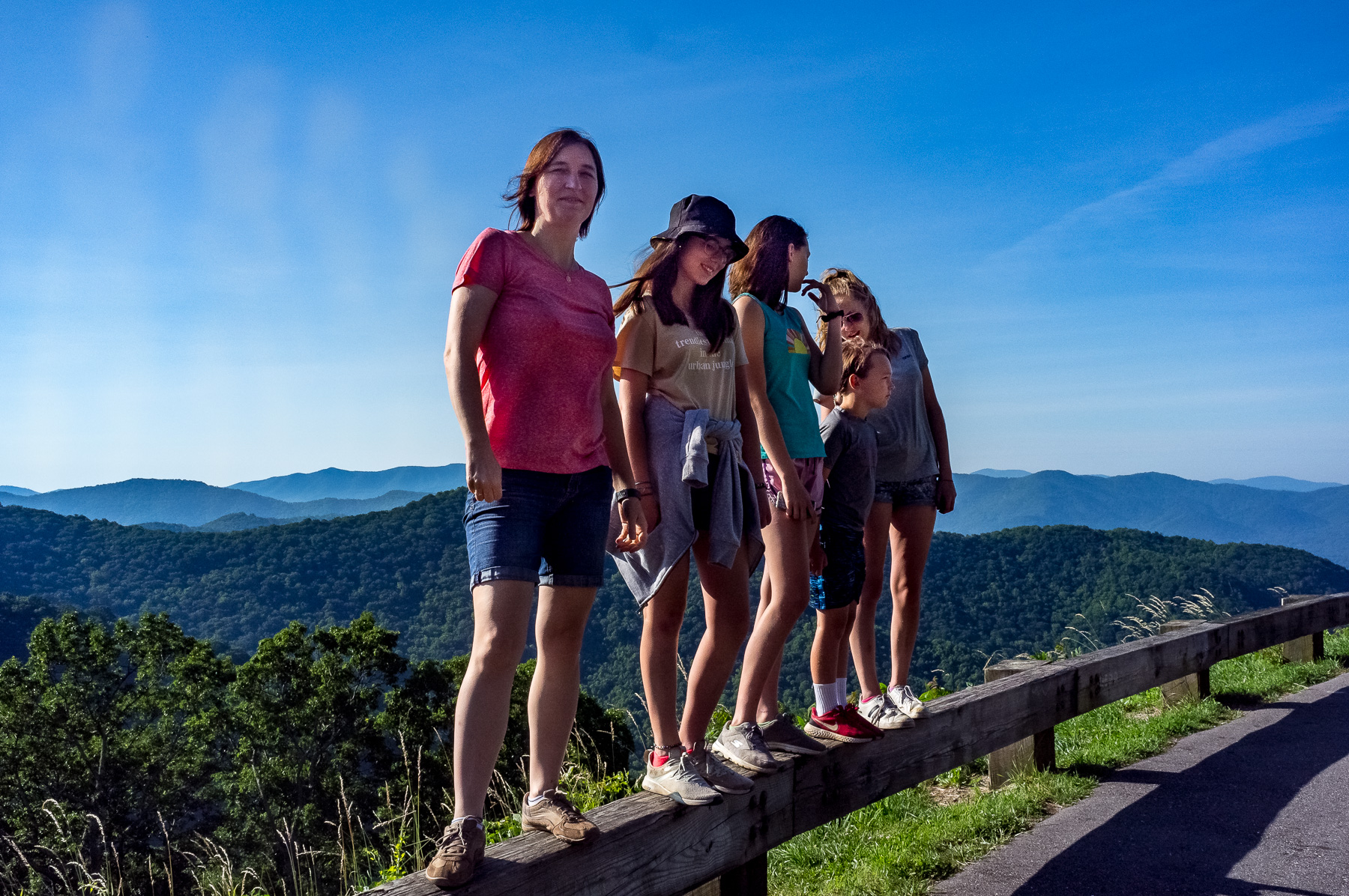
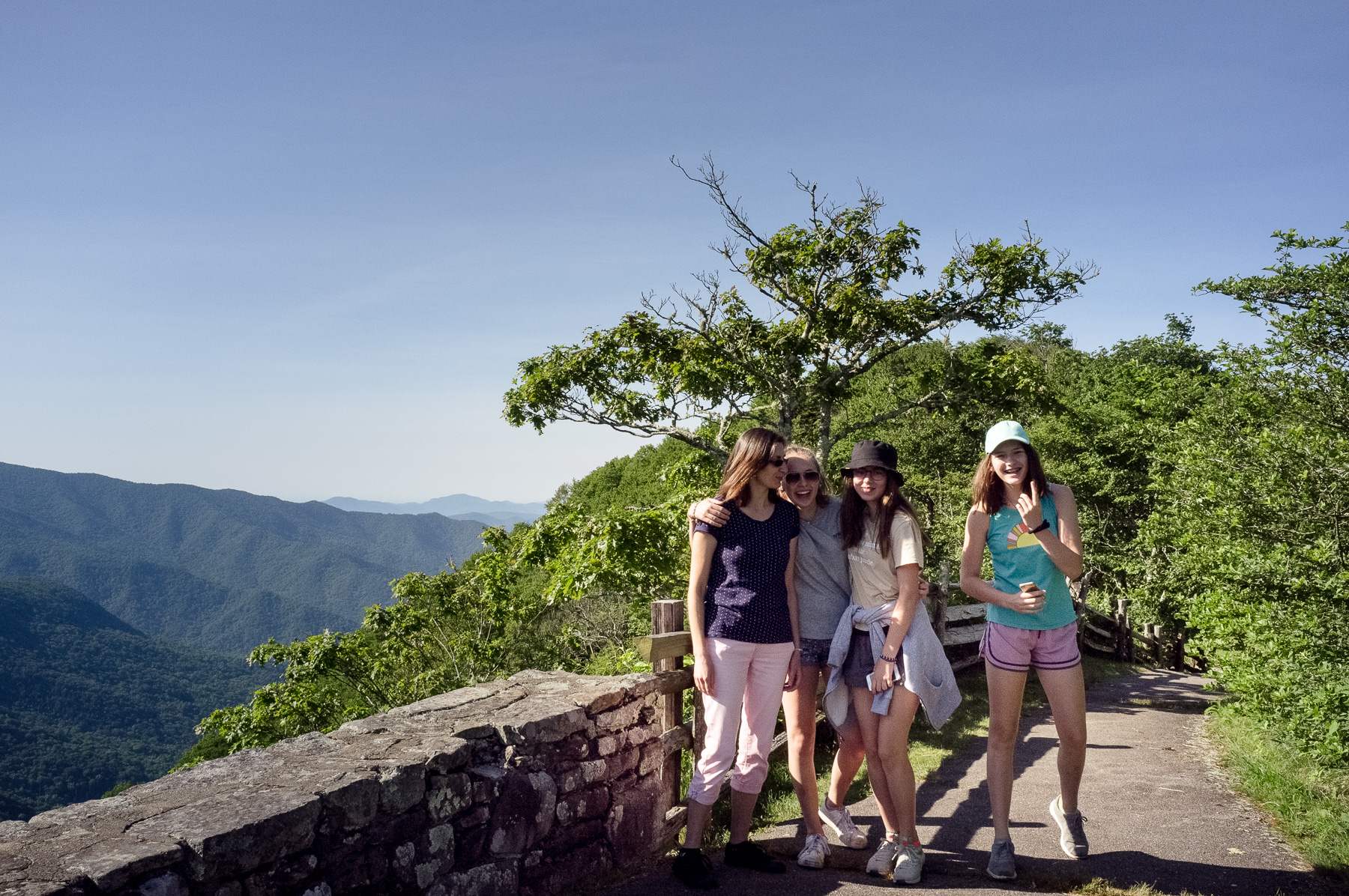
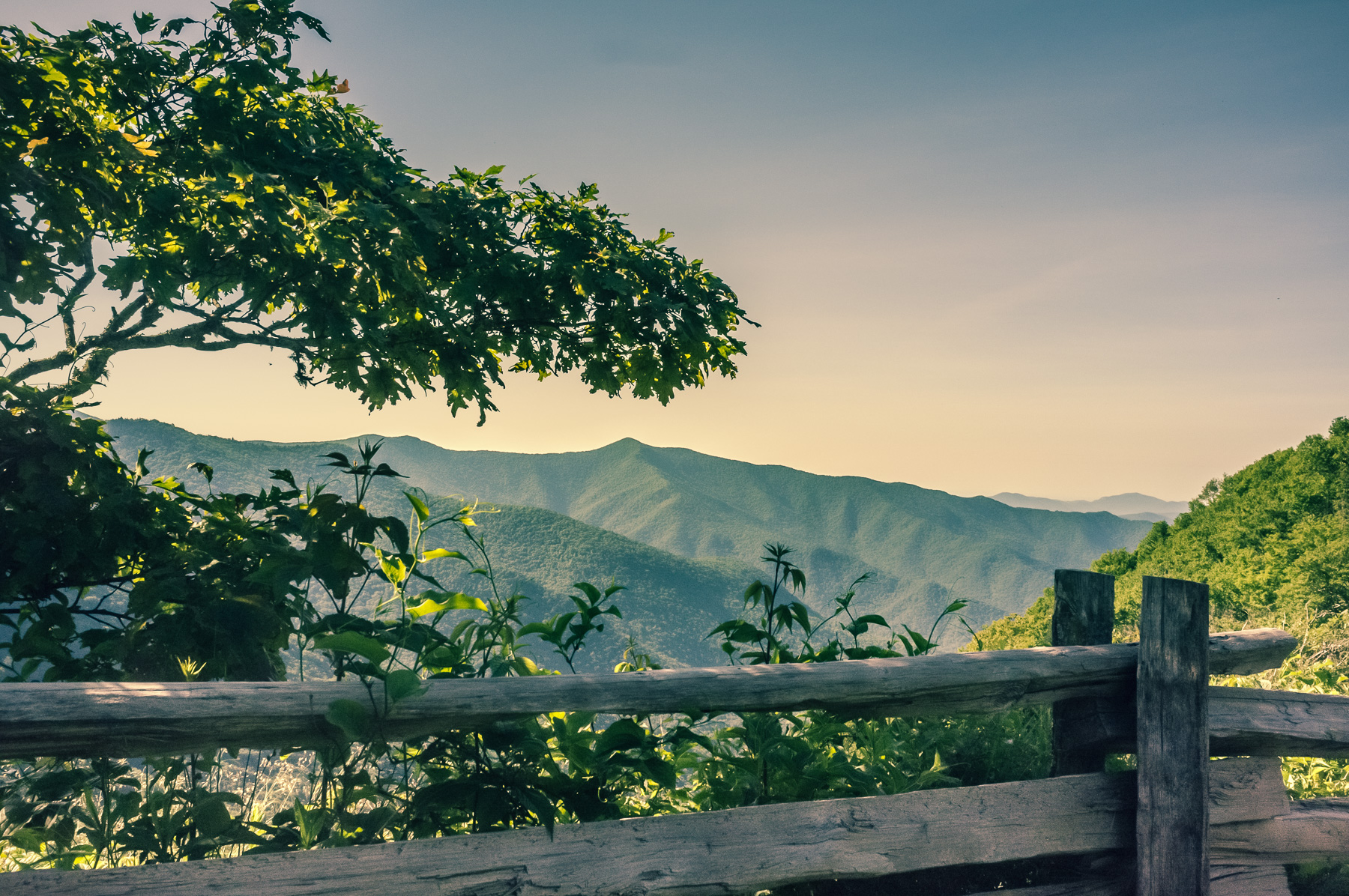
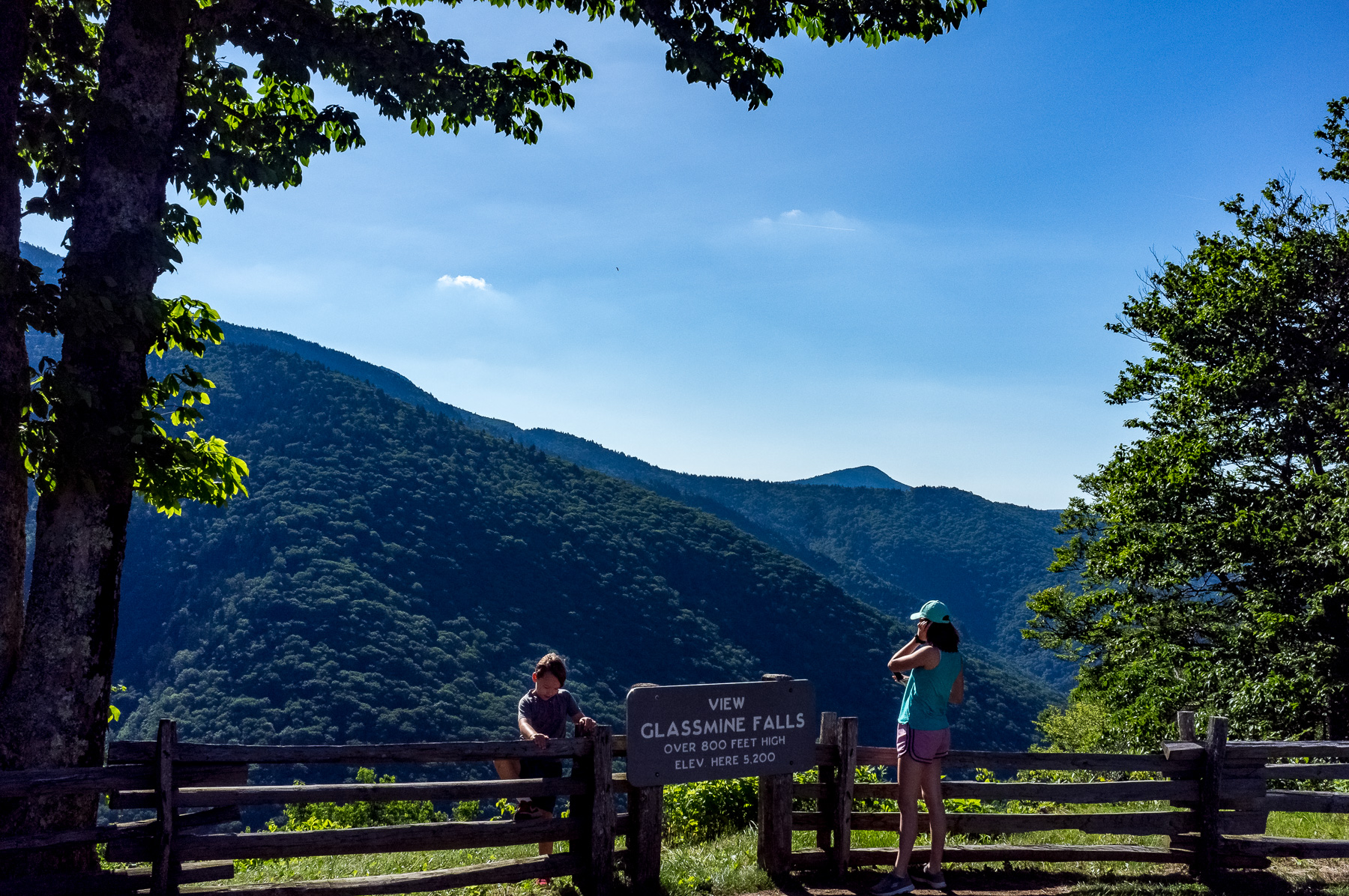
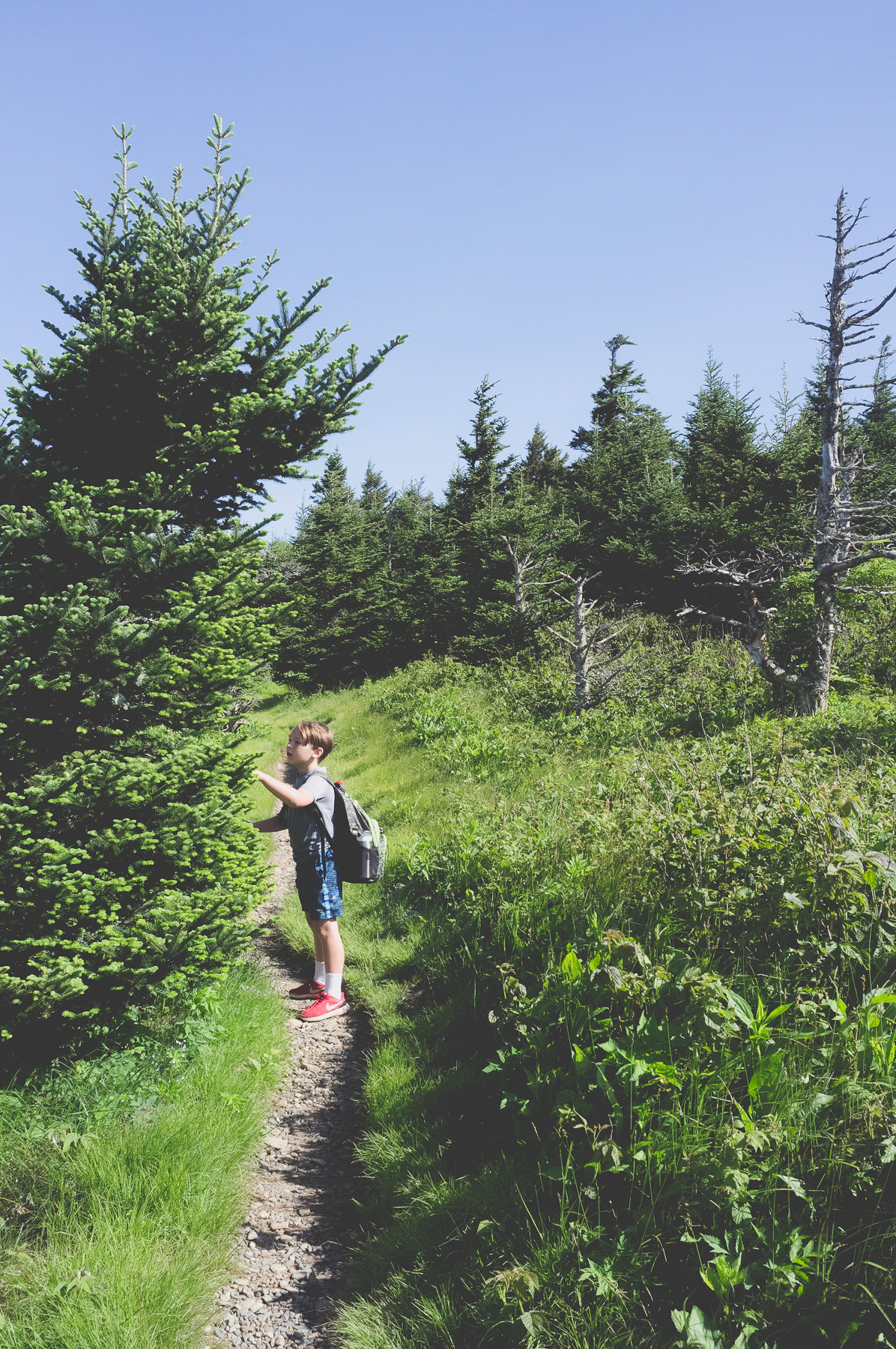
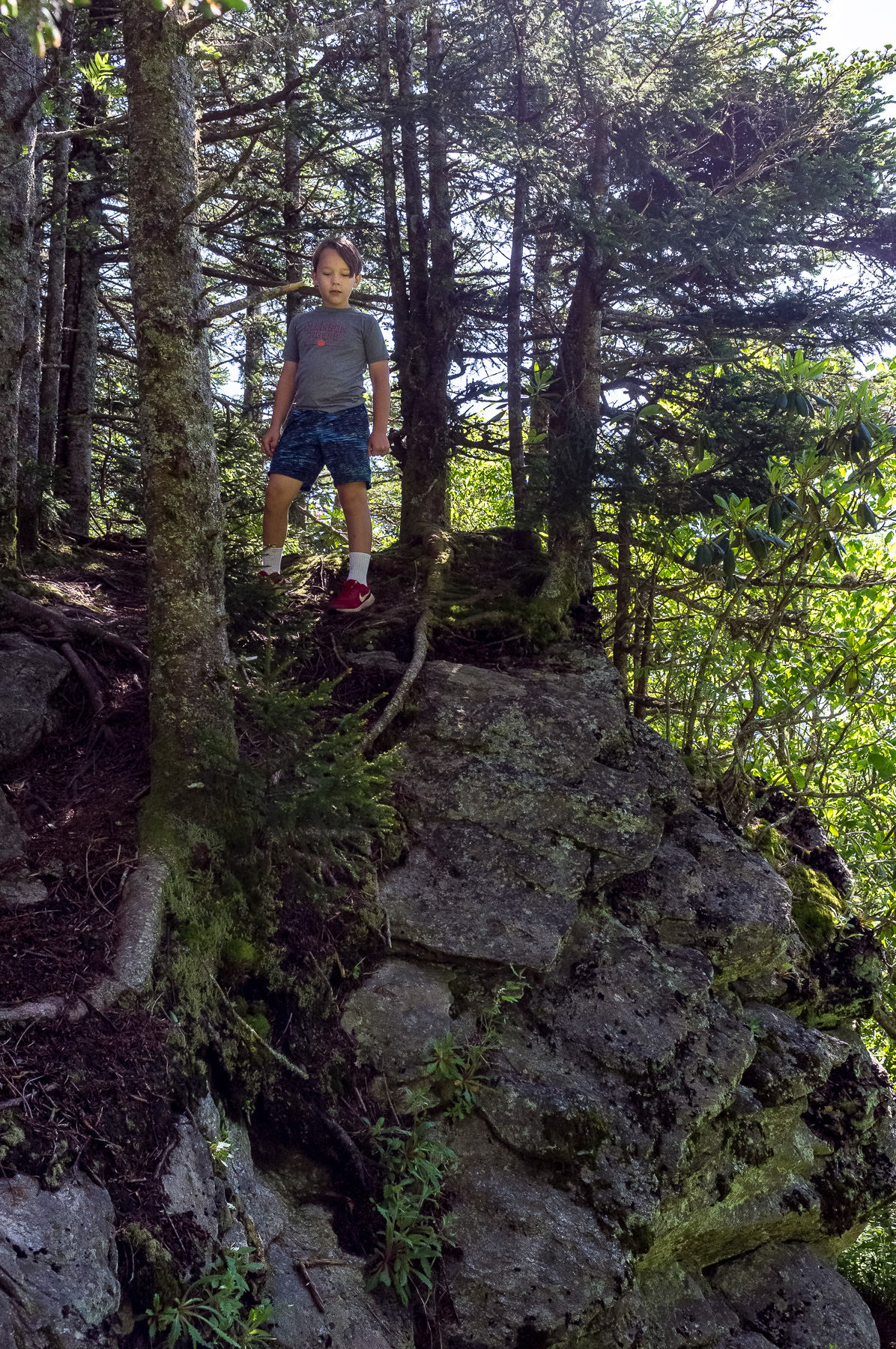
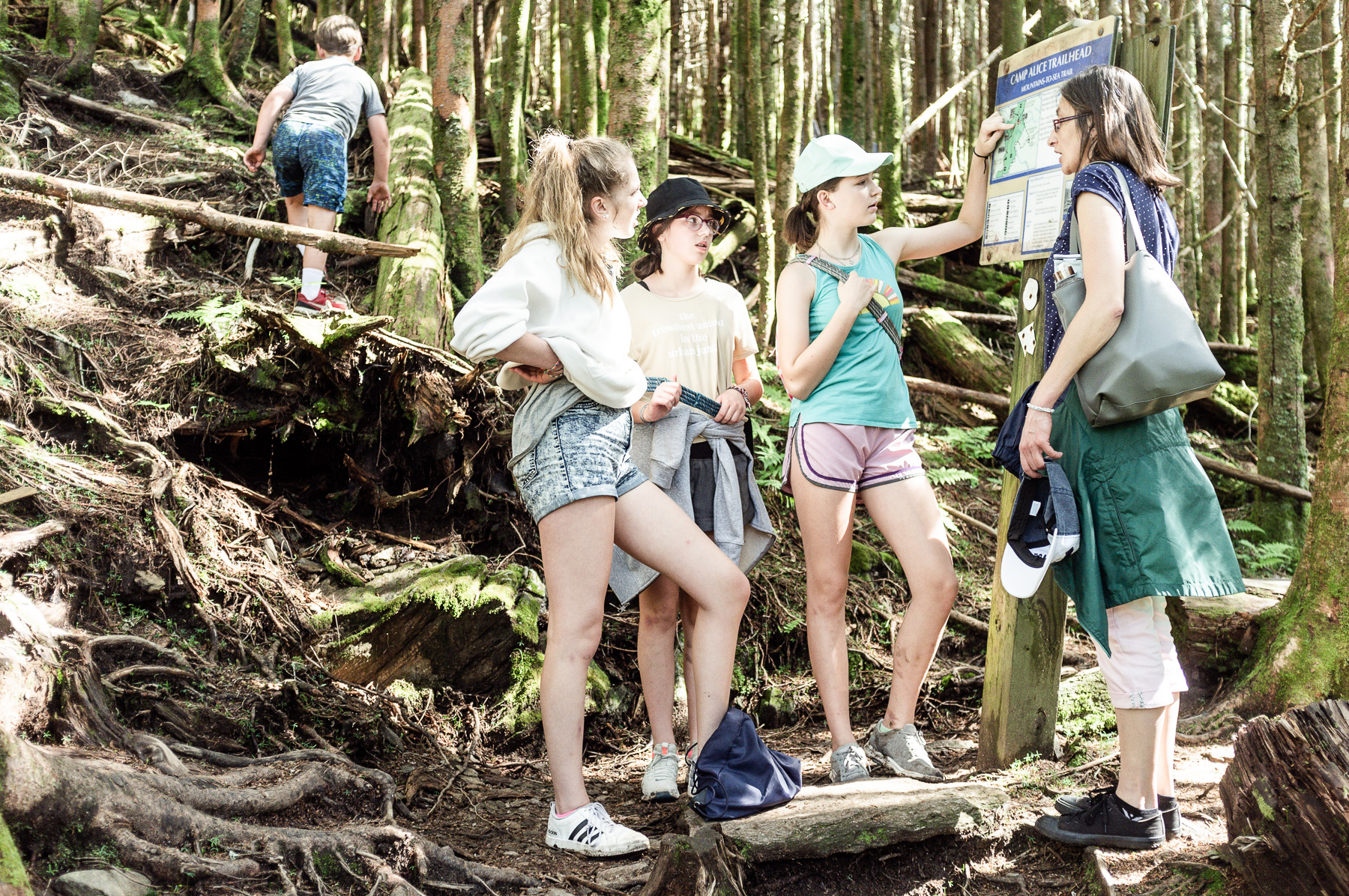
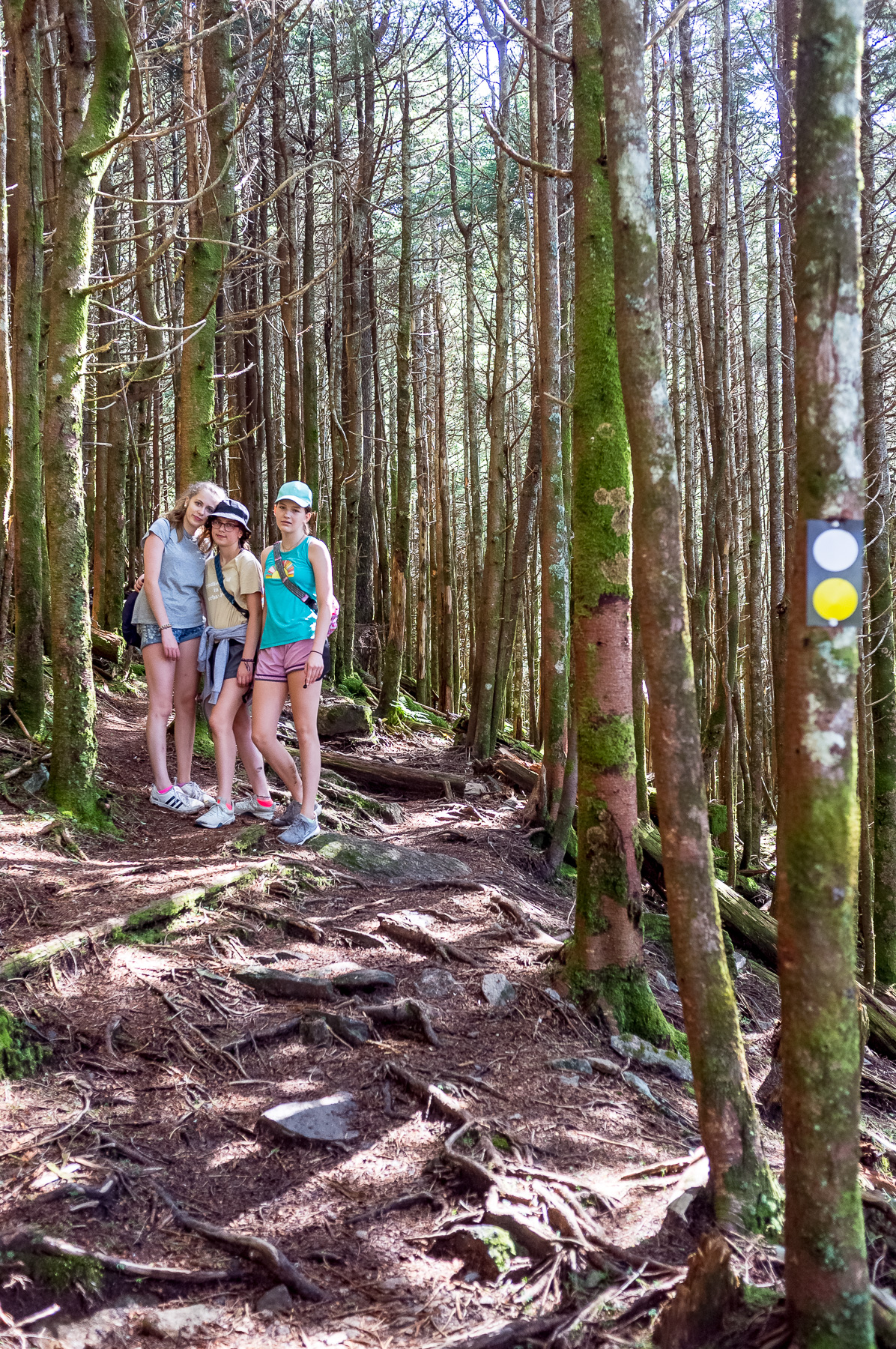
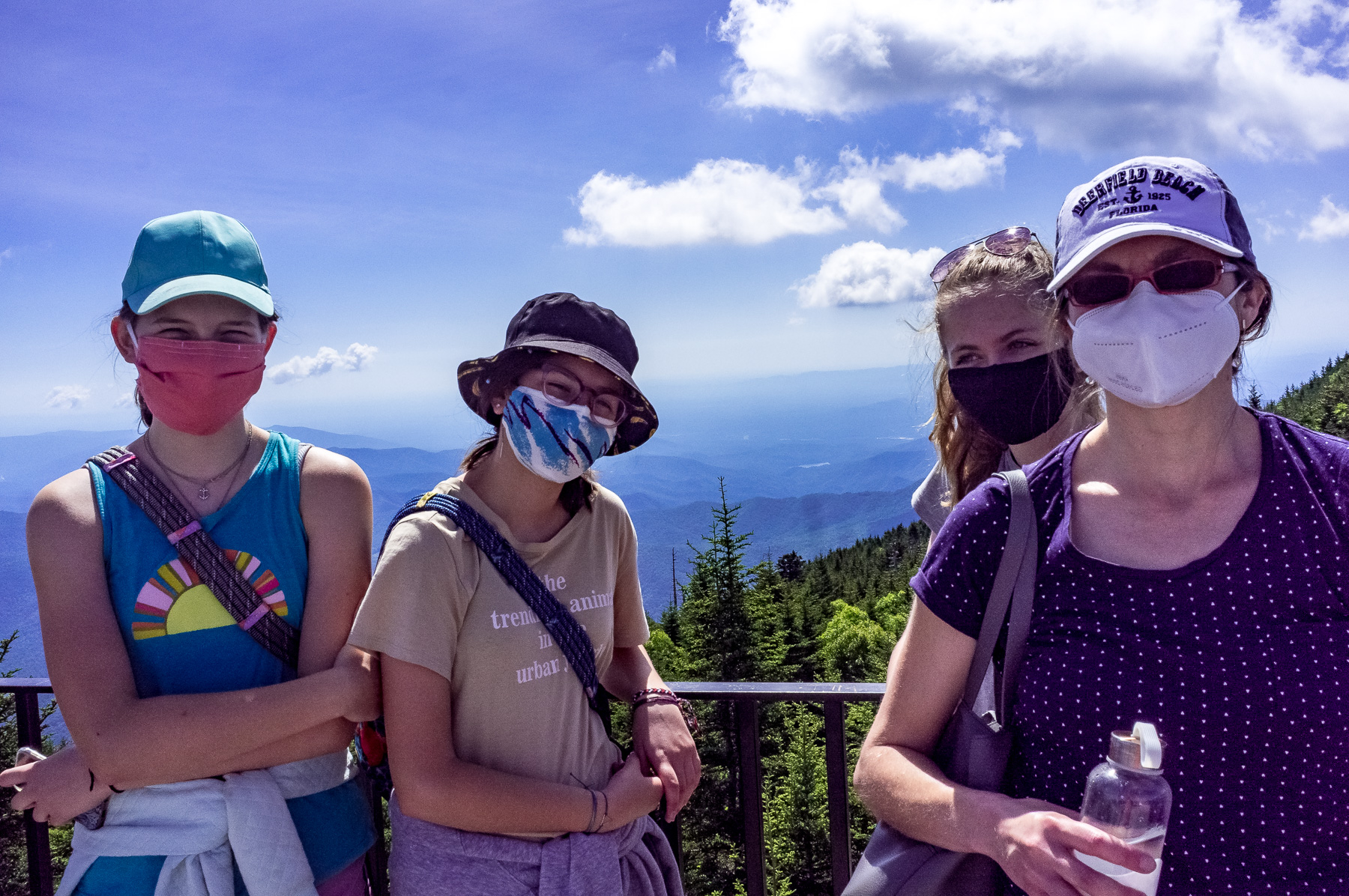
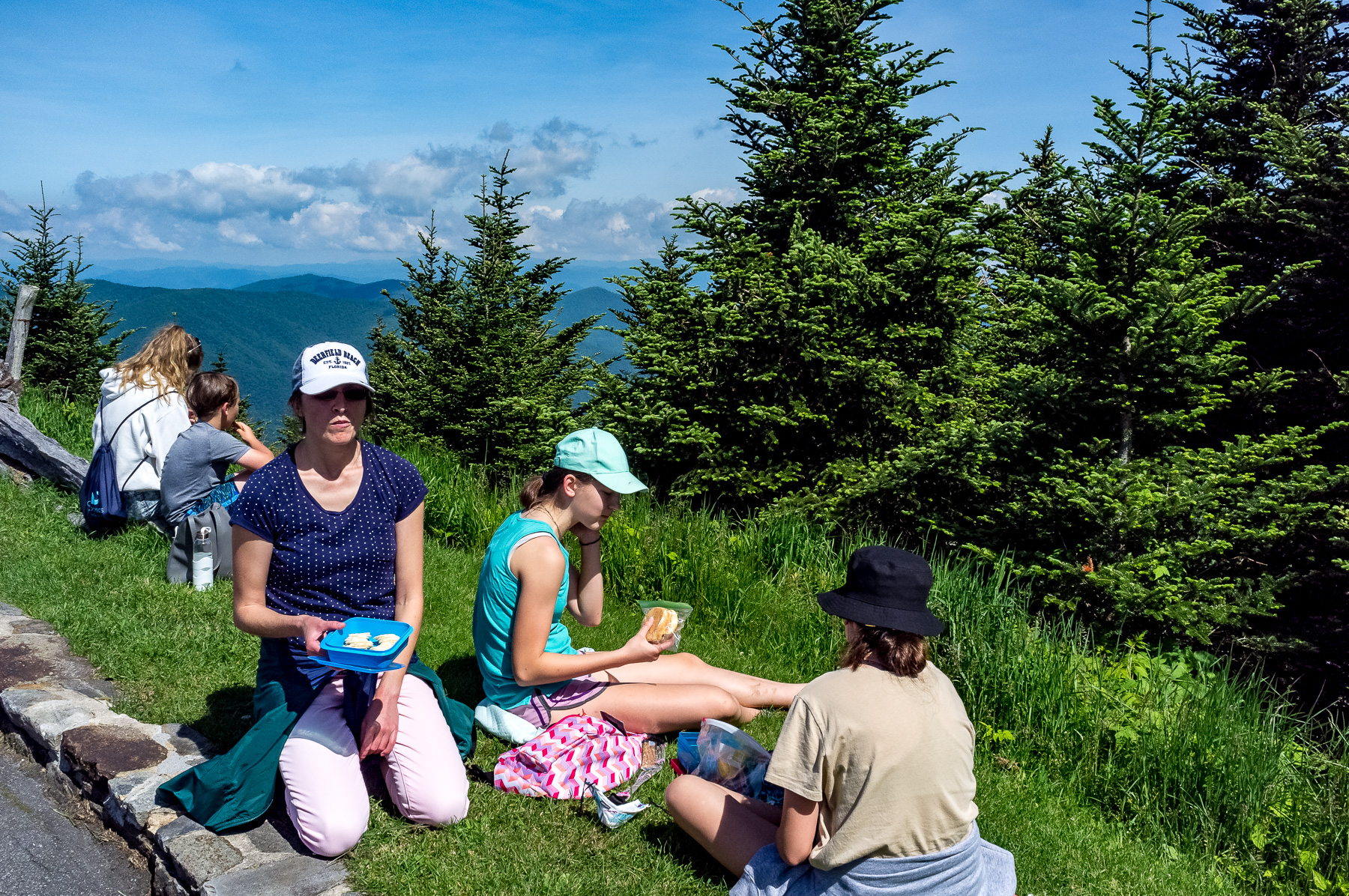
K took the kids to meet with their Polish/American “cousins” to spend some time hiking in the Blue Ridge Mountains, specifically hiking up Mount Mitchell, the highest peak east of the Mississippi.

Written several years ago during the school year.
A young man this morning had a run-in with me. I say “he had a run-in with me,” but I guess the opposite is equally true: I had a run-in with him. But in a way, it’s a matter of semantics, for it seems all our interactions are negative like this morning’s. In short, he does not like being told what to do by anyone, and though I don’t teach him, I am still responsible for him as a teacher on the hall, so I have to tell him to do things. Like get in dress code. Or take off the headphones. Or stop chasing this or that girl. Or get to class. Or get to your locker. Any number of things that he knows perfectly well he’s expected to do. This morning’s encounter was another in a long line of meaningless conflicts that arise from his instant disrespect whenever he’s told to do something.
At about six-two, Terrence is taller than almost all his eighth-grade peers, perhaps because he’s supposed to be in ninth grade. He struts down the hall and is admired by boys and girls alike. Boys and girls who see his supposed toughness as a virtue. Boys and girls for whom his probation-related ankle-bracelet adds to his prestige. Most teachers think a little less highly of him than do his peers.
“Terrence, you need to get to your class. It’s girls’ locker time, not boys’.”
Instant conflict: “Man, you see my teacher ain’t here. You see I gotta wait in the hall!” in such a bellicose and hateful yelled tone that it’s a wonder he was surprised at all what was coming next: a reprimand for disrespect.
“There’s no need to talk to me that way…” and he turned his back on me and stood with his back to me. Fairly typical behavior.
“That’s fine, Terrence. I’ll refer this matter to the administrator.” Which means really nothing because he’ll get a day or to OSS for it, and kicking a kid like this out of school is no kind of punishment at all. It is, of course, a relief to his teachers because they don’t have to deal with his nonsense. It’s a relief to his classmates because now they can get some work done. But for Terrence? It’s meaningless, and he didn’t mind telling me so.
“Man, I don’t even care.”
That could be his mantra, and he’s not the only student like that. They’re the ones that are the toughest to care about because they don’t even seem to care about themselves or others enough to see the harm their behavior causes, to themselves or to others. Their lack of self-confidence displays itself in bellicosity and anger, and the only way to get through a protective shell like that is not to take their verbal strutting personally — much easier said than done. And so such students just jostle about through the day, bouncing from one conflict to another, all of which serves as just more evidence to their victim mentality that the whole world is out to get them.
Later in the day, he was sauntering down the hall while I was out working with a couple of students who’d asked to work in the hall to avoid a potential conflict in the classroom (Some days, it’s all about the “drama” as the kids call it). Terrence stopped briefly to chat with a friend who was returning to another classroom from the bathroom. He explained that he had a day of OSS.
“Why?” his friend asked.
“Because of him,” he said, pointing at me.
I’d written the administrative referral during my morning planning period, and the grade-level administrator had already processed it. It’s telling because of the simple fact that Terrence’s referral received top-level priority. I’m not sure he would have grasped the significance or irony. In honesty, though, none of that entered my mind at the moment. I simply replied with my own mantra of sorts, the standard response I give to students who blame a teacher for their behavior issues: “No, Terrence, it was because of the choices you made.”
“Man, I didn’t even want to talk to you,” he sneered.
There, in less than ten words, was the summation of his whole problem. In fact, he only needed four: “I didn’t even want…” If Terrence doesn’t want something, he doesn’t do it; if he wants something, he does it. Anything that gets in the way is going to cause a conflict, and Terrence has learned that if he is aggressive enough, disrespectful enough, and consistent enough, he can get what he wants from a lot of people who in fact are in positions of authority over him. Clearly, he behaves thus with his parents (or, more likely, with his mother — statistically speaking, he’s likely from a single-parent home), and clearly it works, else he wouldn’t do it. It’s probably also worked with teachers who are just tired of the fight and give in from exhaustion. But I’ll stand my ground with a Terrence. I’ll be part of the wall that he crashes himself against. “It’s better that he learn now when the stakes are not as high,” I might even justify it to myself. Truth be told, a significant portion of it is pride — same as Terrence.
“It doesn’t matter whether you wanted to talk to me or not. I’m the one in authority, and when you don’t…” but it was useless.
What I really wanted to say was, “Well, there will be lots of people you don’t want to talk to, like the judges you’ll appear before throughout your life. But they won’t really care whether or not you want to talk to them, and if you talk to them as you speak to any and all adults in this building, you’ll have some pretty hefty consequences.” I thought of Ebony Burks and her encounter with a judge during her arraignment.
We might be troubled by the way the judge seems to antagonize the situation, but in the end, Ms. Burks is responsible for what comes out of Ms. Burks’s mouth, and she could have stopped at any moment. Terrence is easy to imagine responding in a similar fashion.
That’s what I wanted to say but of course would never say. “Less said, easier mended” our previous principal’s email signature read, and it was something I really took to heart. Besides, to tell Terrence that would be to tell him one day he’s going to sprout wings and become a flying turnip: he’d never believe it.
Terrence is the type that has such an impact on the hall that when he’s missing, it’s immediately obvious, and so in the afternoon, I noticed he was missing but assumed he’d just been sent to ISS for the remainder of the day. Perhaps he’d given another teacher trouble, and the teacher simply sent Terrence to the administrator straight from the classroom.
It turns out he’d continued making poor decisions after our first encounter, but the decisions of the morning were nothing compared to the decisions he’d made even earlier in the day, before he left for school, as he was packing his materials, such as they are, for a day of instruction — choices so dire that his hypothetical appearance before a judge I’d been imagining transformed to the afternoon’s certainty. In short, having brought a pistol to school, he is in about as much trouble as a young man can be in, and he will not be coming back to school.
And my reaction? I smiled at the thought of almost-instant karma. In fact, walking out to the car, I couldn’t wipe the stupid grin from my face. It was as if I’d experienced the greatest “I told you so” moment in my life. “Of all the kids to bring a gun to school,” all the teachers had been saying, “I would have picked him.” Of all the students to do something that would land him in front of a judge, I would have picked Terrence. Our clairvoyance instantaneously confirmed.
And now? I think to myself, why in the hell was I smiling at another human being’s misfortune? Certainly his misfortune was a self-created condition, borne of his consecutive poor decisions. In short, from a certain point of view, he got what he deserved. But for a child of that age, no more than fourteen, perhaps fifteen (if he’s been held back a year), it’s tragic to think that his worldview, his reactions, his existence has been so poorly shaped that he already has virtually no future. He had no input regarding his environment. He had no input into the involvement of his father in his life. He adapted to the laws of the street and simply never learned to turn those behaviors off when in a situation with said behaviors were no longer positive but in fact detrimental.
I’m not saying he’s just a victim, for he’s had seven or even eight, possibly nine, full years of school in which to watch other students who don’t find themselves constantly in trouble and learn to copy their behavior. Still, there is an element of victimization here that only leaves me shaking my head, determined to try to get through to the next Terrence I meet (I have a couple in my own classes every year) and thankful that I am able to provide my own children with the stability that these children never experienced.
The above was written some time ago–I held off publishing it because I really didn’t know how the story would end.
I know now.
Terrence appeared before a judge and faced charges. He appeared before the school board and was expelled. And he committed another crime in the meantime and is now locked up.
I held off publishing also because I thought he might end up back at our school if he’d been expelled. Unlikely, but a possibility, for expulsion in our county means expulsion for a full year, after which, the student can return to the school and pick up where he left off, so to speak. With his later charges, Terrence likely won’t be coming back ever again.
We heard more about his situation as the year progressed. Apparently, his father had just gotten out of prison when all this started. I can only imagine the sense of complete failure his father felt when he learned what his son had done, the frustration he felt driving to the school to meet with administrators and police officers about the choices his son had made. I can imagine a conversation like this when he sees his son:
“Didn’t I teach you anything going to prison?”
“Yeah, you taught me plenty.”
If it’s late June and we’re in Poland, we might be celebrating Babcia’s birthday in one form or another. Probably not a lot of celebrating happening the day of it (at least not until later in the day) as Babcia, lacking any social media whatsoever, spends the day talking to people who phone her with birthday wishes.
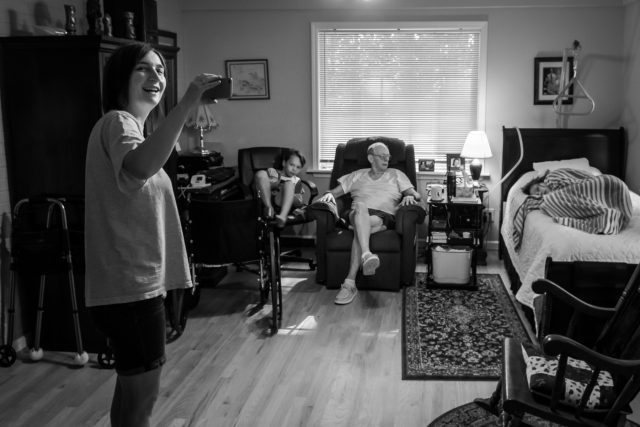
As it is, we simply got everyone up early and phoned ourselves. It was hard to get through, though. Everyone loves Babcia.

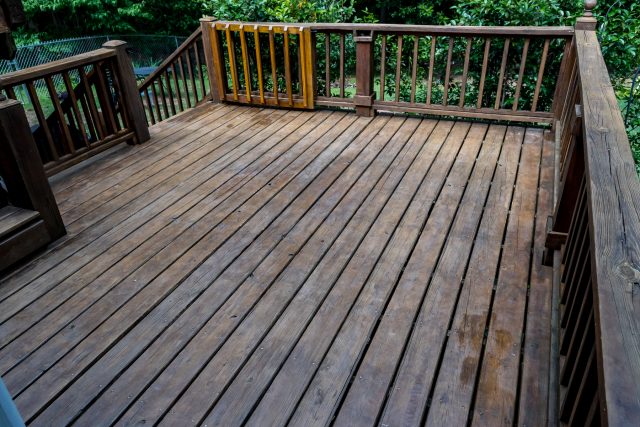
If it’s late June and we’re not in Poland, I’ll probably be on the back deck, applying water sealant.
And of course, there’s the evening game of hearts.
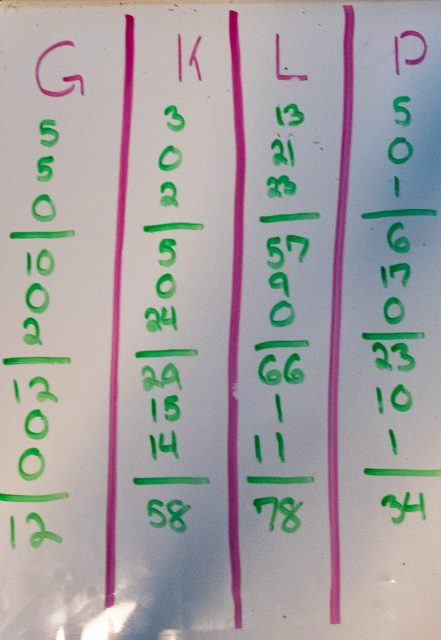
Two nights in a row — how do I do it?
In the morning, a bike ride. The kids don’t really want to go, but it’s supposed to rain on and off throughout the day, and they need exercise, so I all but force them. L fusses about one thing; E has a wreck (due to his own carelessness) and ends up fussy for some time; I fuss about their fussing. It’s easy to get caught up in the negative and let it chart the day’s course for you if you’re not careful. Not deliberate.
So I try to make things a little more careful, a little more deliberate. We get back and spend a fair amount of time, just the three of us, working on our bikes’ brakes. They’re all squeaking and squawking like feral hogs tied to deranged cats. For each bike, we loosen everything — cables, brake pads, centering screws — and recalibrate everything. As we’re working, I like to think that the kids are enjoying learning something, but I’m not sure. In fact, I rather doubt it. But there’s still some value in this, even if it’s just spending time together solving a problem.
After dinner, the Girl decides she wants to play Hearts with Papa, K, and me. E is across the street playing with neighbors, and he’s not able to follow a game with tricks and trumps just yet, so we play just the four of us.
We play eight hands, and in a surprise — I never win at games — I destroy everyone. L is the nearest to me, and she has almost double the points I have.
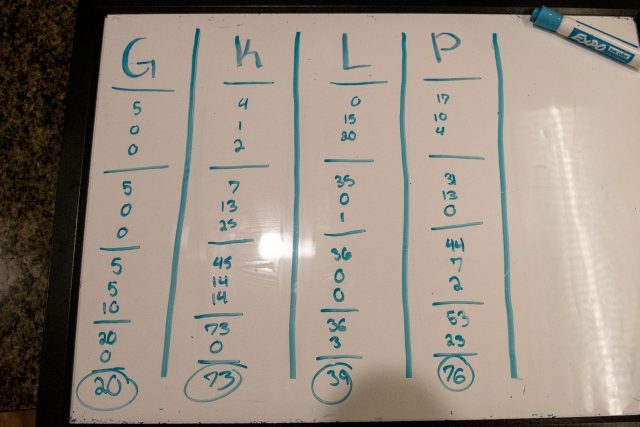
After the Boy comes in, he suggests War — he’s just learned it, and he likes it. One of two card games (Uno being the other one) that he enjoys.
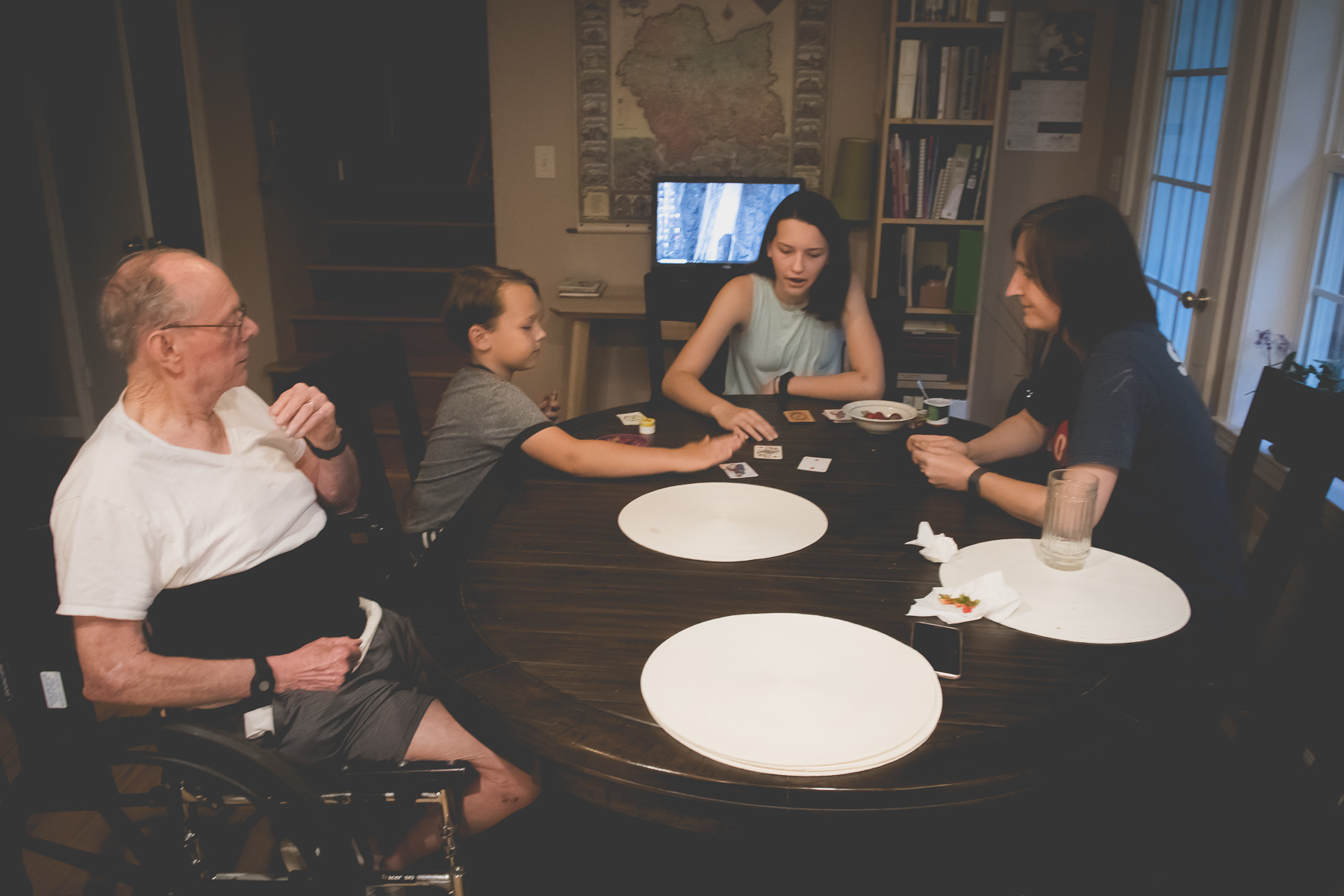
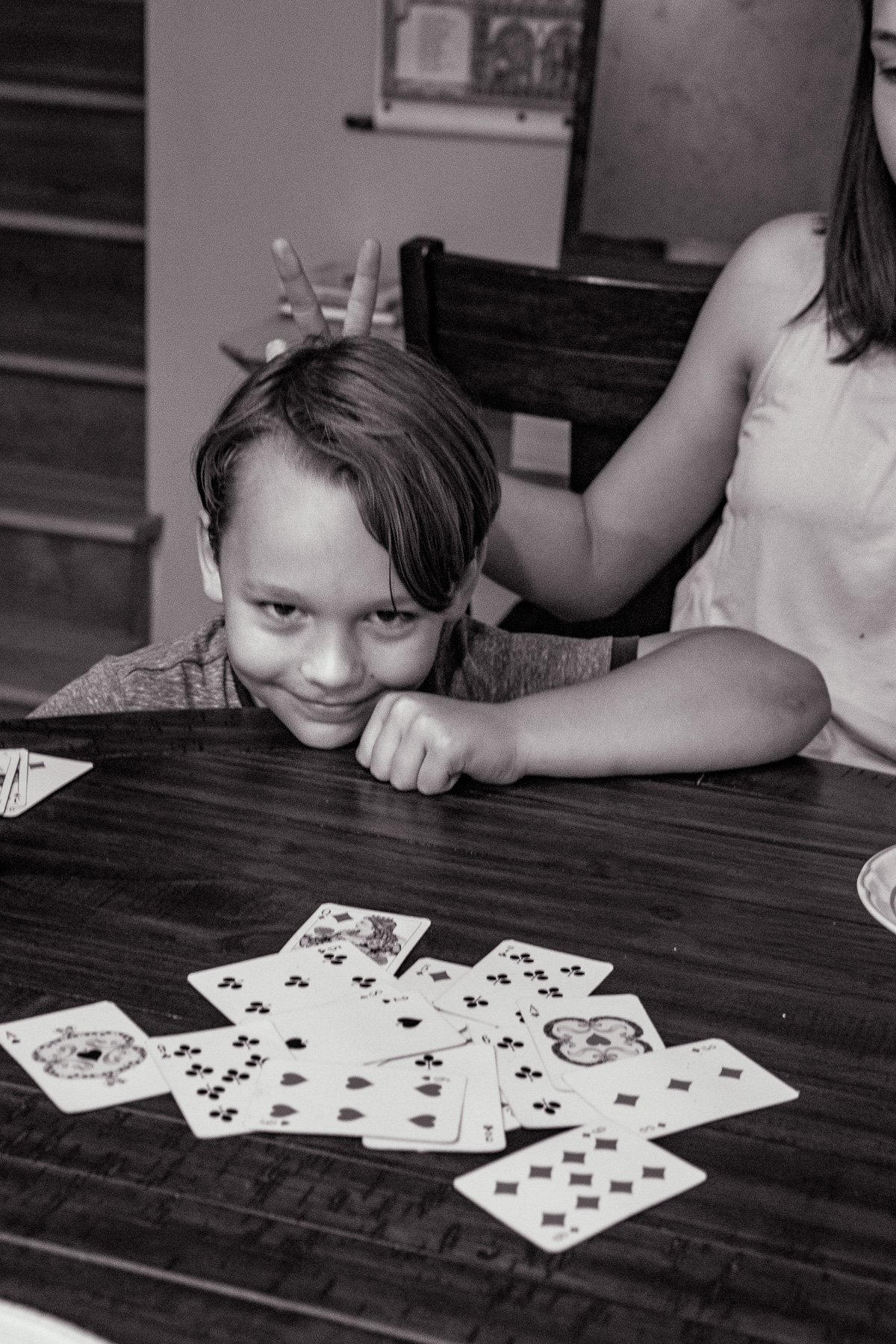
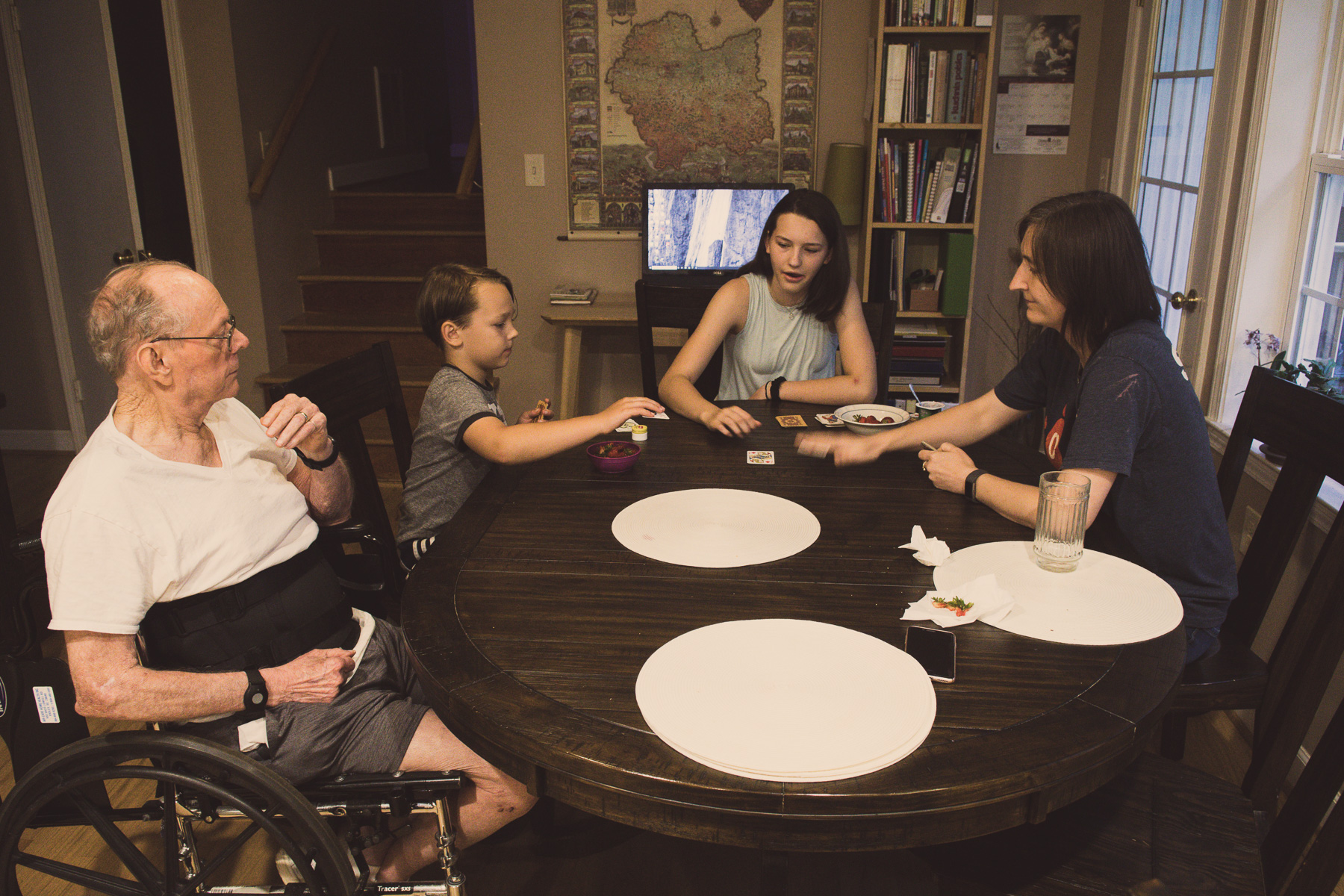
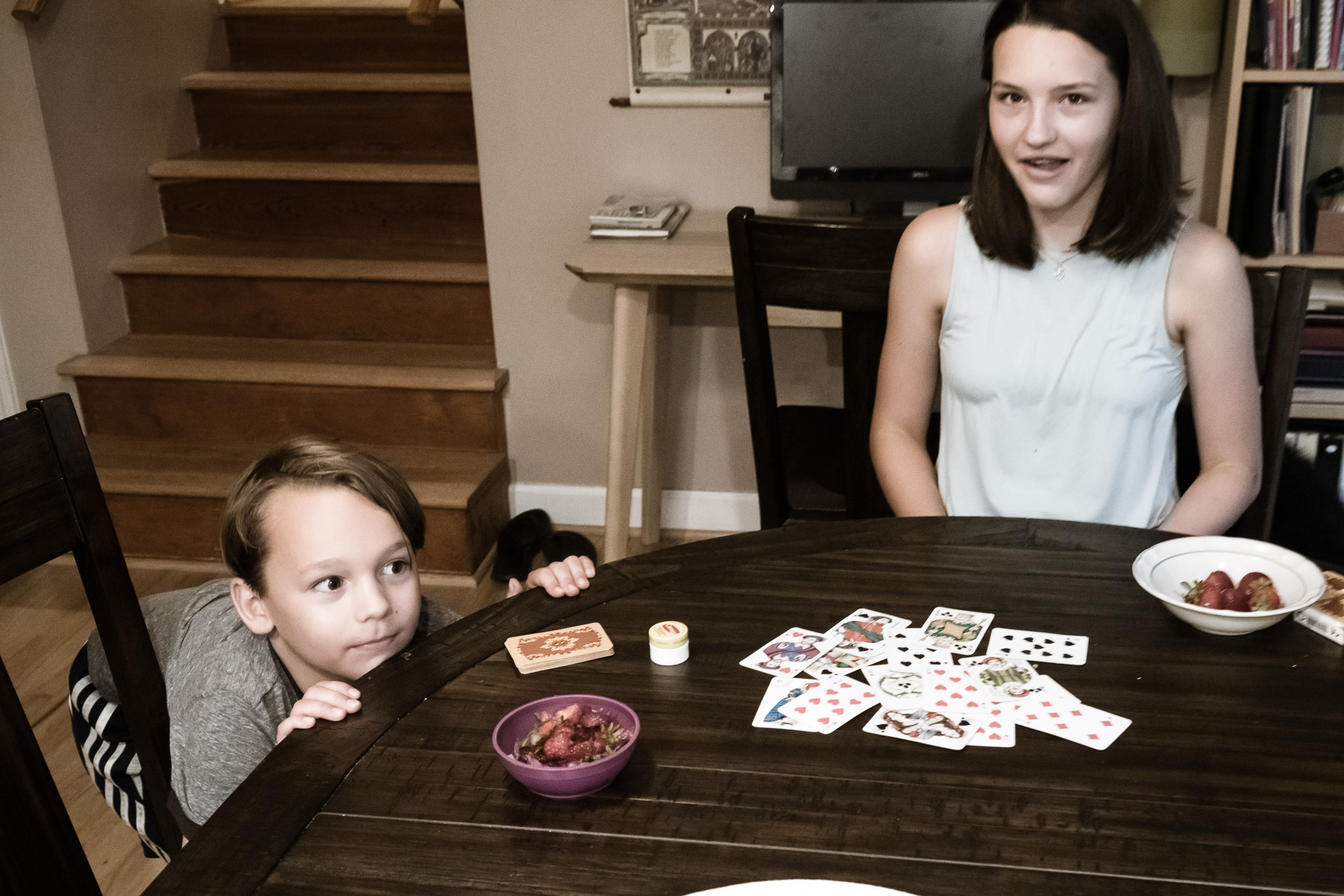
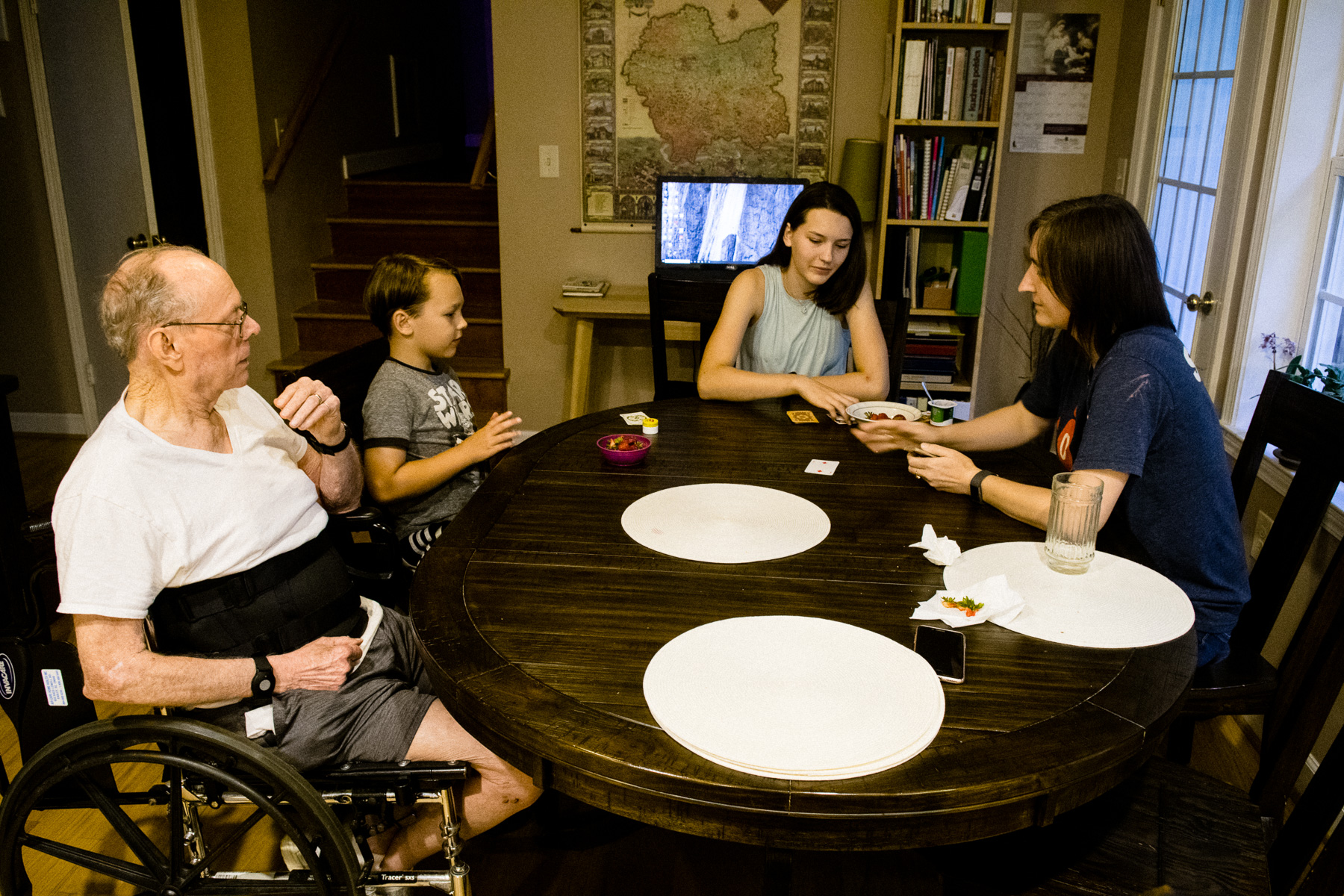
I take the opportunity to take a few pictures. In the end, I can’t decide between three action shots, so I include them all. And the other two shots? They’re winning hands the Boy is particularly proud of. In the first one, the Girl gives him rabbit ears; in the second, he’s wised up.
Once I put the Boy to bed, I grab L and take her down to watch a movie. It’s the second night we’ve done this. Last night, I showed her The Help. It’s a good sign when she wants the movie paused when she leaves to get a snack; last night, she paused it herself. Tonight we watch a quirky British romantic comedy, About Time. It’s about making the most of life by looking at each day as a treasure. We all need to be reminded of that from time to time, especially a thirteen-year-old and her cranky father.