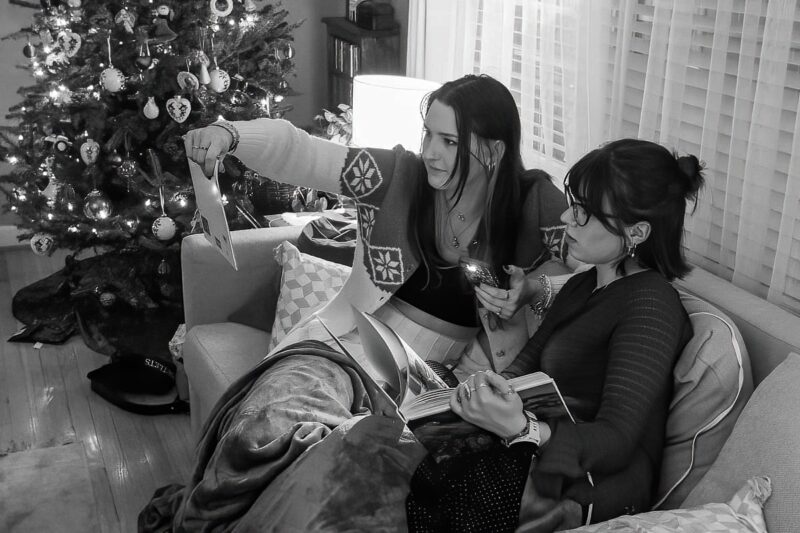
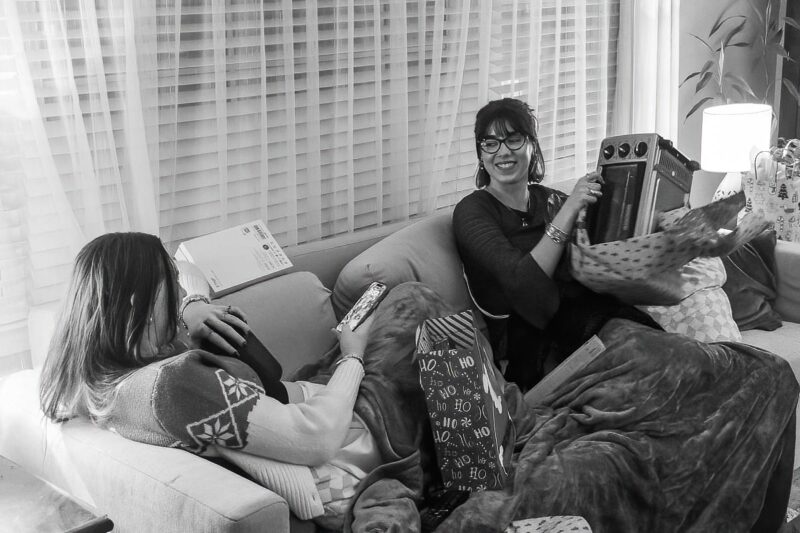
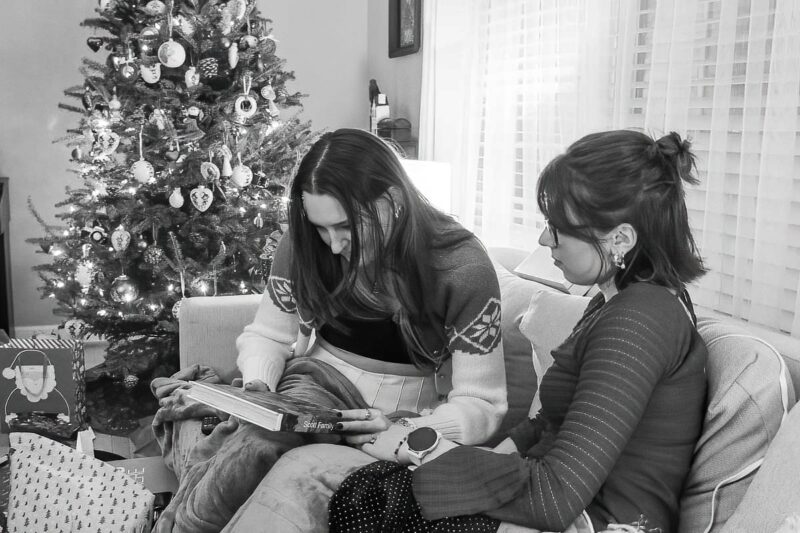
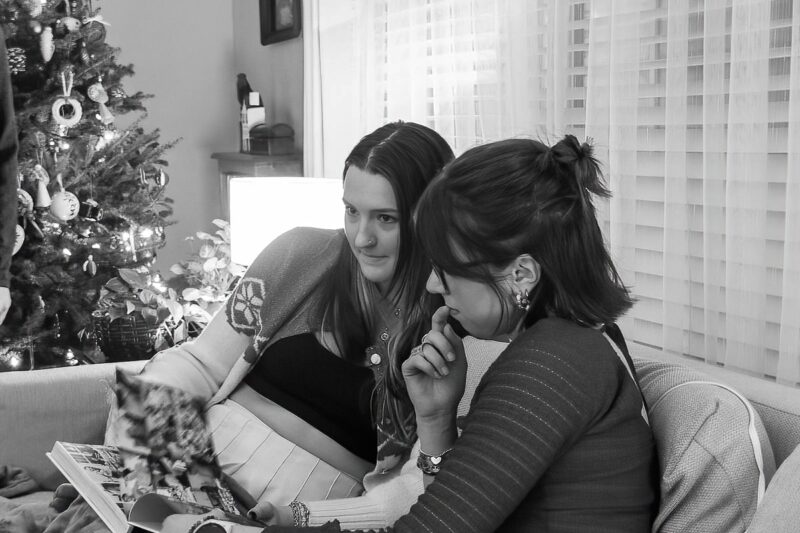
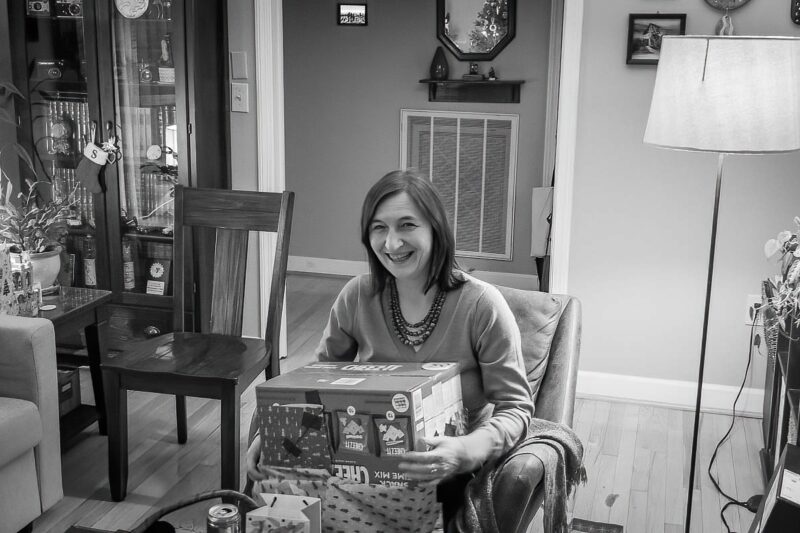
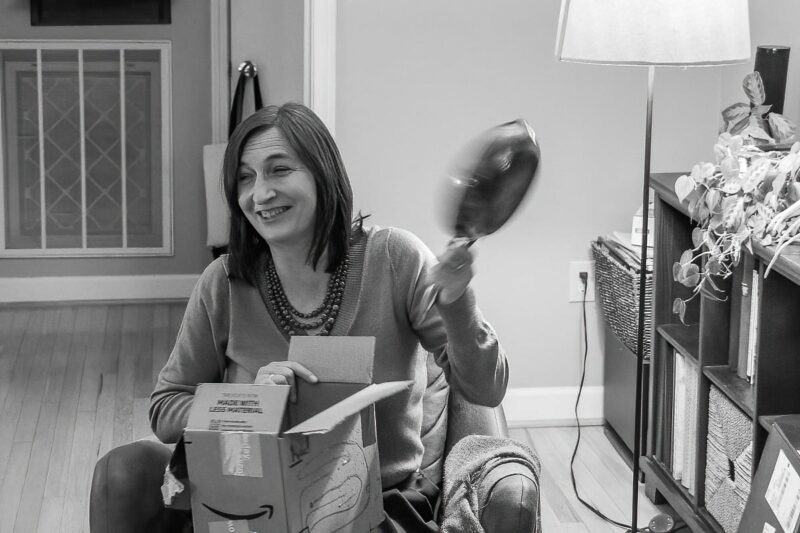
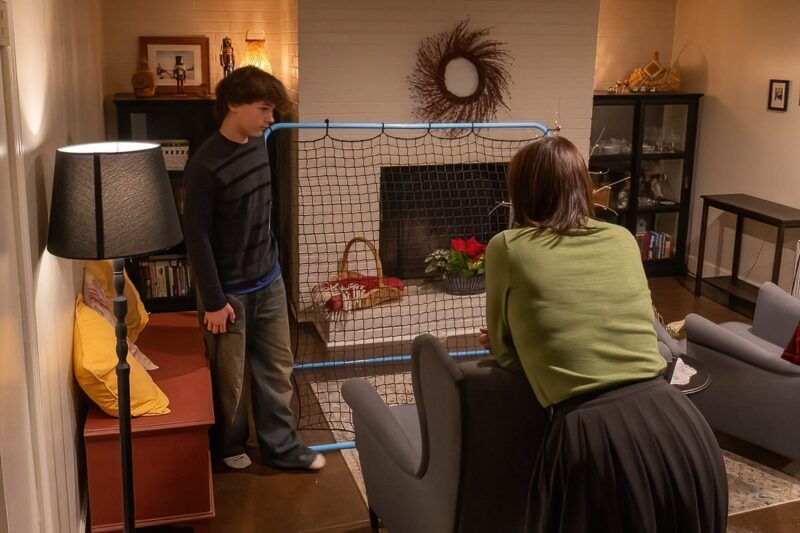
“[W]e’ll appreciate it all the more next near when Nana is back with us.” That’s how I ended our Wigilia 2018 post. It was our first Wigilia without Nana, and the loss was still raw for all of us but especially for Papa. For Wigilia 2021, I only posted pictures: our first Christmas without both Nana and Papa, I just didn’t have much to share. It was a strangely haunting Wigilia for me.
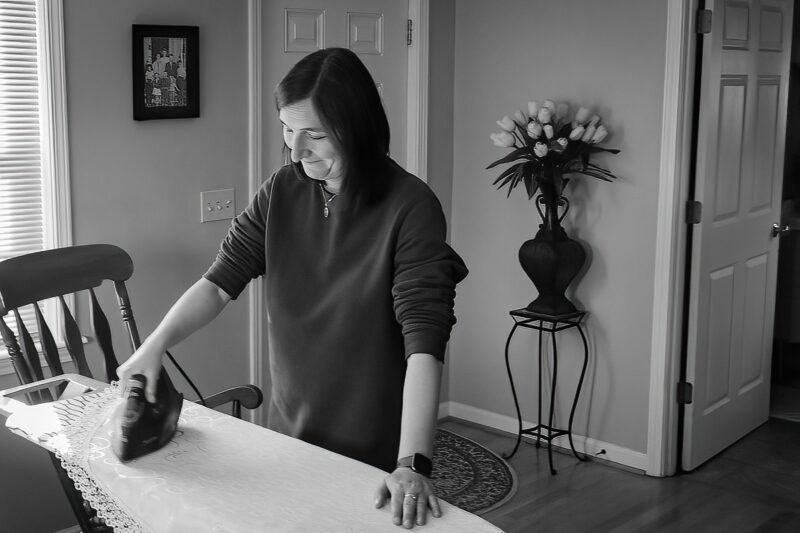

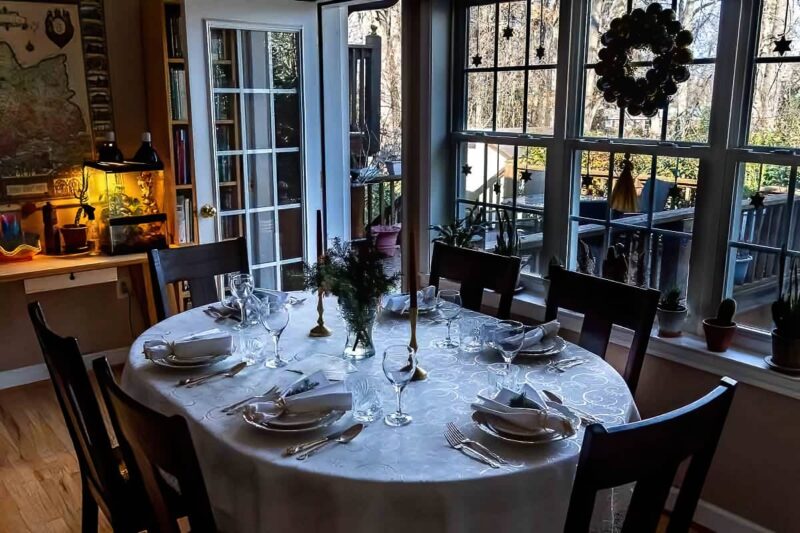
In 2023, I wrote, “We move through these lasts without even thinking about them, without even realizing their presence.” The next year, though, was likely the last time our usual Wigilia crew was together.
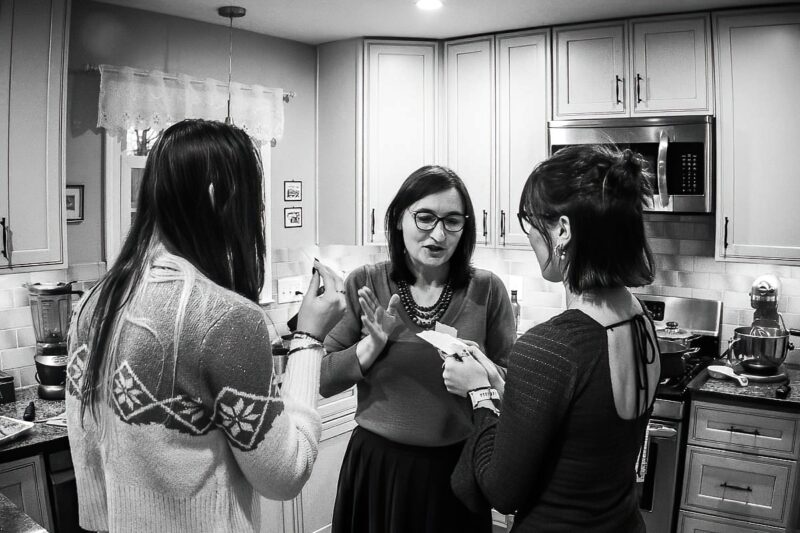
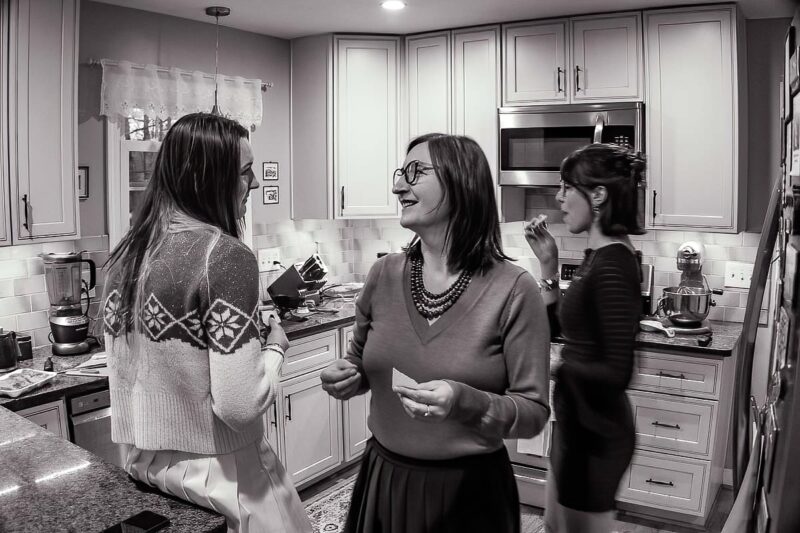
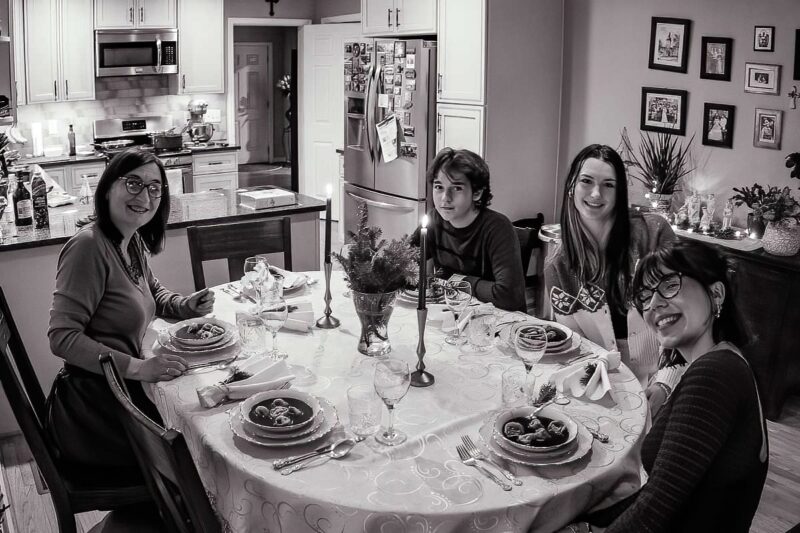
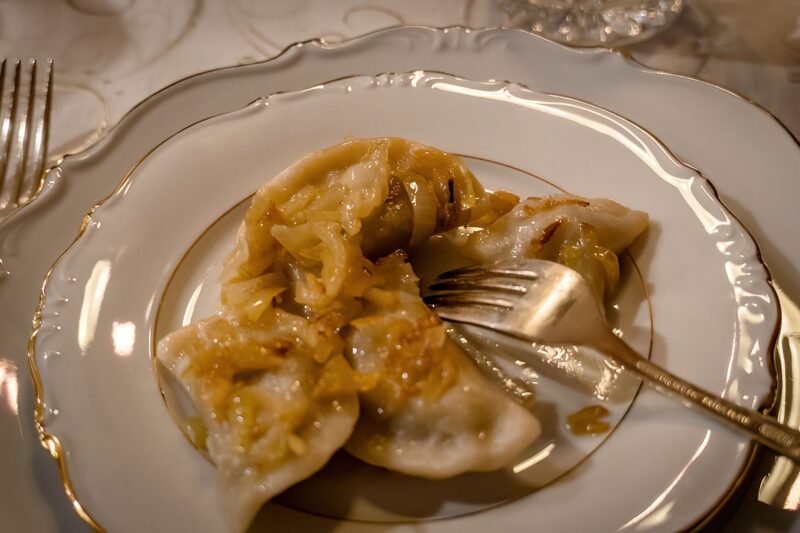
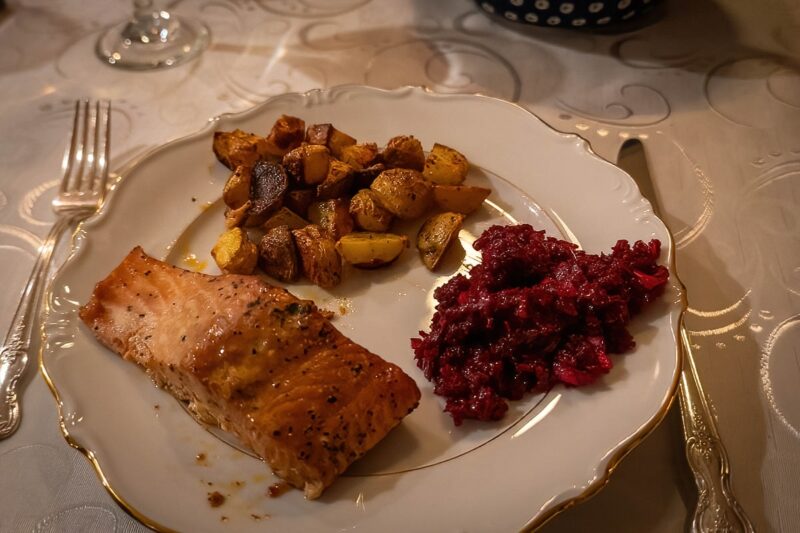
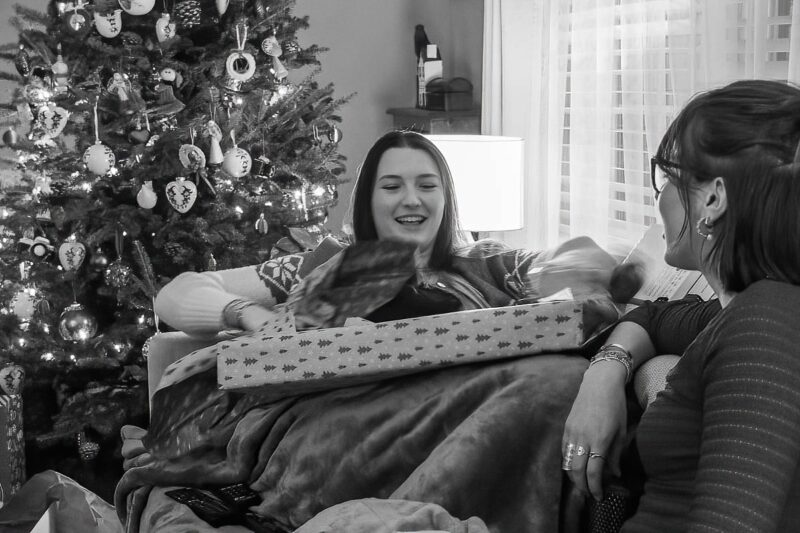
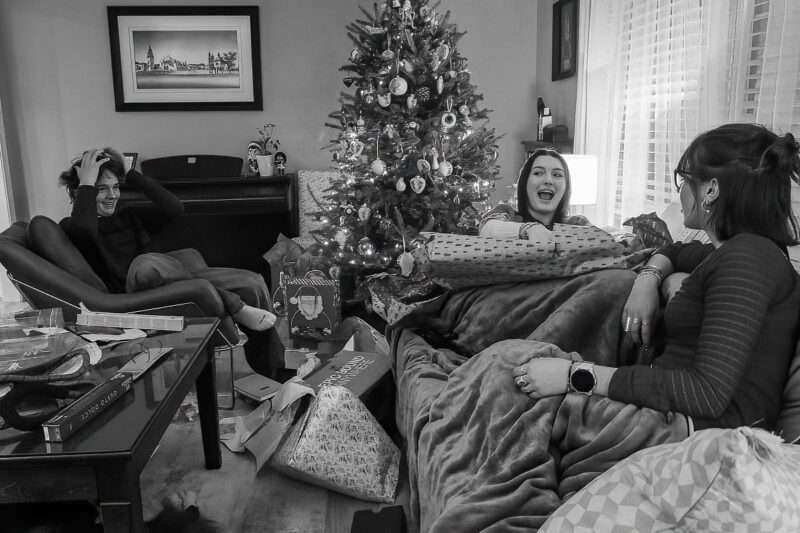
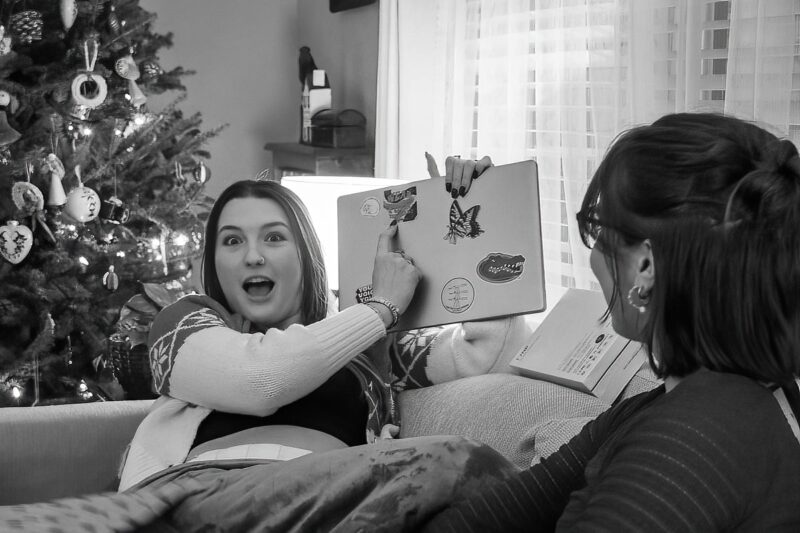
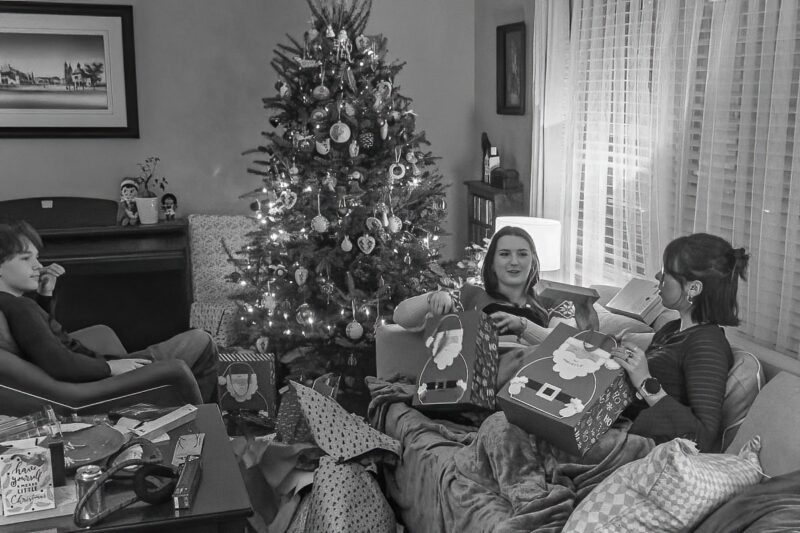
Wigilia is one of those markers in our lives that shows us just how much things have changed. Pictures with opłatek show the growth of our children: at first, we’re bending down to share the Christmas wafer; a few short years later, everyone is standing. Opening Christmas presents shows our children’s increasing independence in unwrapping presents, then in buying presents. The presents themselves and our children’s reactions to them demonstrate their increasing maturity: shrieks at cars and Barbies give way to thankful smiles for art supplies and clothes.
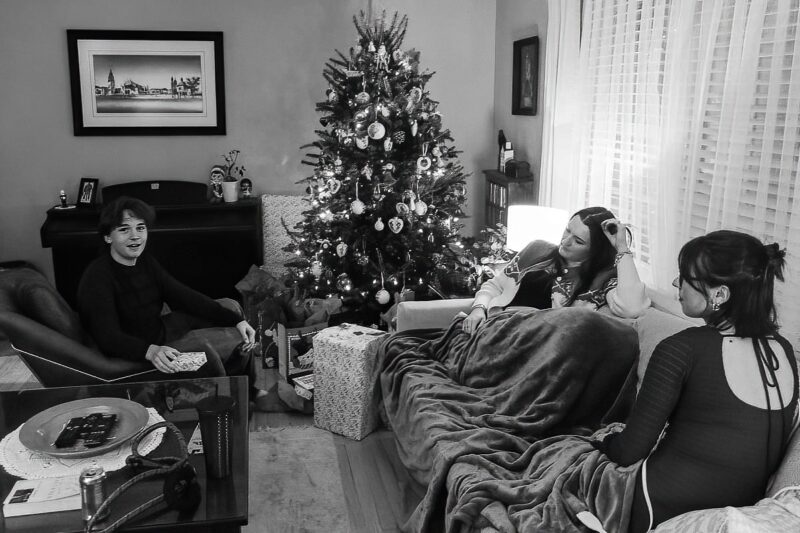


The last journal prompt at school:
When you’re old and gray like Mr. Scott, and you look back on your Christmases of your childhood, what do you think you will miss most? What is the most special thing about this time of year for you?
One can scarcely think too little of Christmas; the time when children remember the past and old people forget the present.
Charles Dudley Warner, “Christmas”
I like to encourage my students to think hypothetically, and what better way than for them to imagine themselves forty years older looking back on their lives now. Forty years for an eleven-year-old kid is an eternity, an unimaginably long stretch of unimaginable adventures. The kids took to it immediately, though. Sometimes, they’re chatty about this or that, not as interested in the day’s particular topic. That day, though, heads dropped, brows furrowed, and pencils scratched wildly. Most of the kids who shared later spoke of memories they currently have, memories of Christmas as eight-year-olds, of kindergarten Christmas, of times that likely seem as distant to them as my topic seemed.
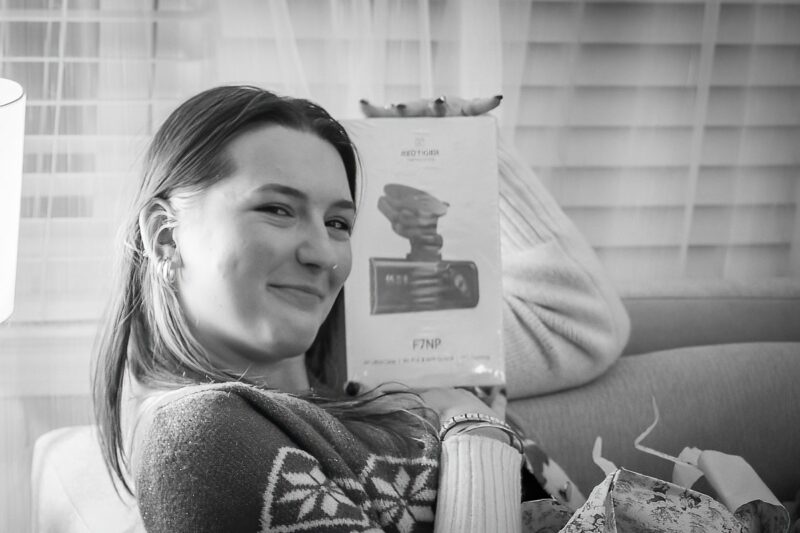
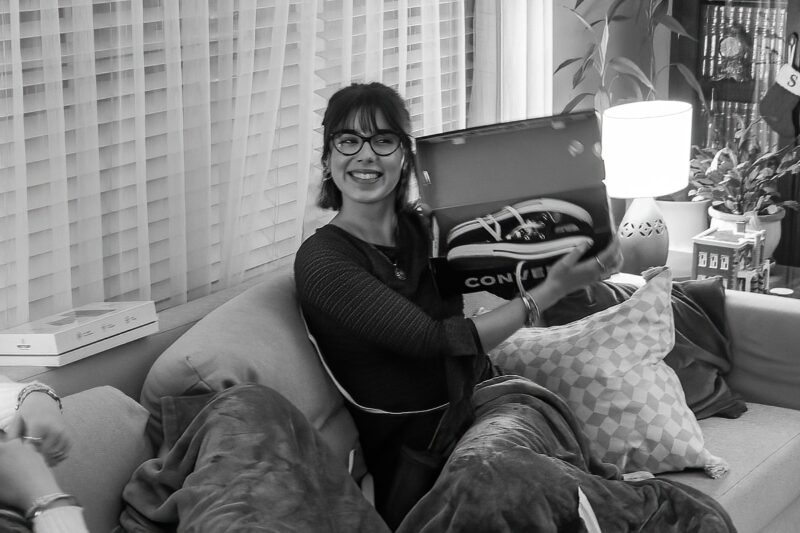
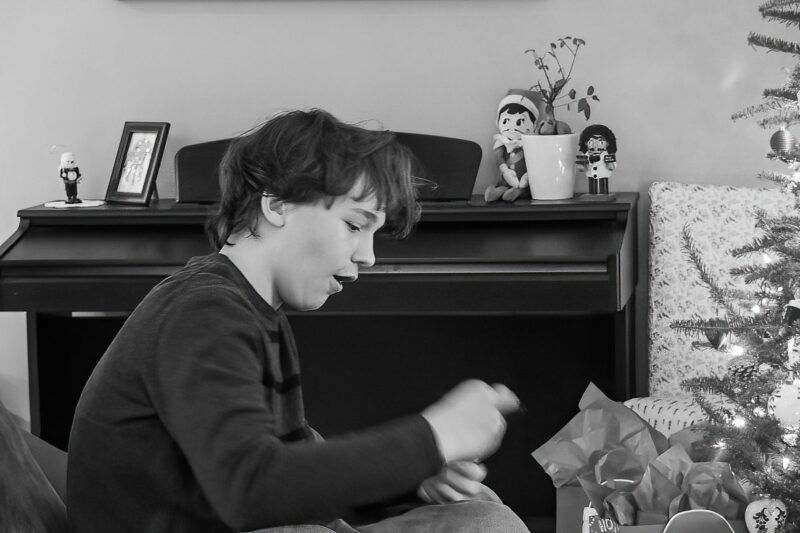
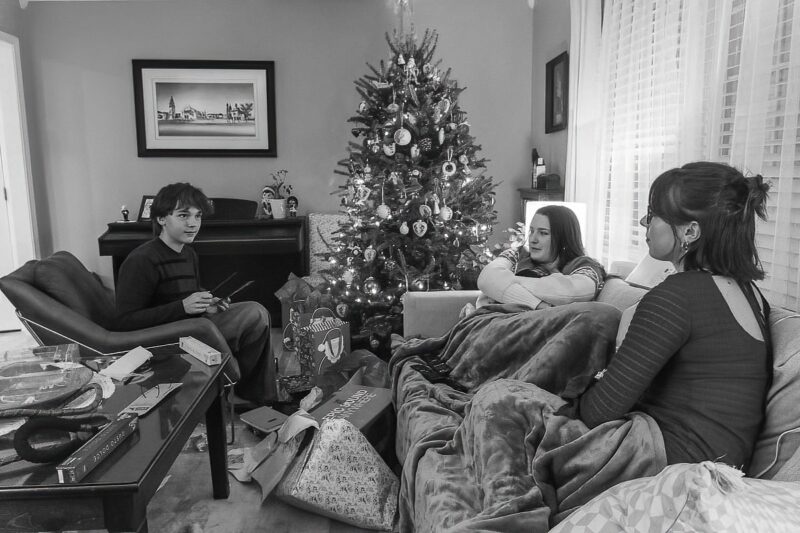
After their journal writing, I shared with them my own thoughts: what Christmas tradition would I like to relive just one more time?
Happy, happy Christmas, that can win us back to the delusions of our childish days; that can recall to the old man the pleasures of his youth…
Charles Dickens, The Pickwick Papers
Isn’t it obvious? Once more with Nana and Papa. Second place? Christmas in Polska. The former will never happen; the latter — it might. It just might.
This thought of returning to Christmases past is, of course, hardly novel. Charles Dickens used it as a framing device for probably the most famous Christmas story of all time, and he revisited the nostalgia we feel in other novels as well. It’s something of a luxury, I suppose, to wist for the past when so many people’s past is simply struggle, which often persists to the present.
But as Proust pointed out, “Remembrance of things past is not necessarily the remembrance of things as they were.” Is this even true of hardships of the past? Don’t couples often look back nostalgically at how relatively poor they were when they began their journey together?

Papa often told stories of their early marriage, hectic and rushed, trying to make ends meet, and eating “anything and everything Campbells ever put in a can and called soup.” He told the stories with such joy, the act of telling as wonderful to him as the memory itself.