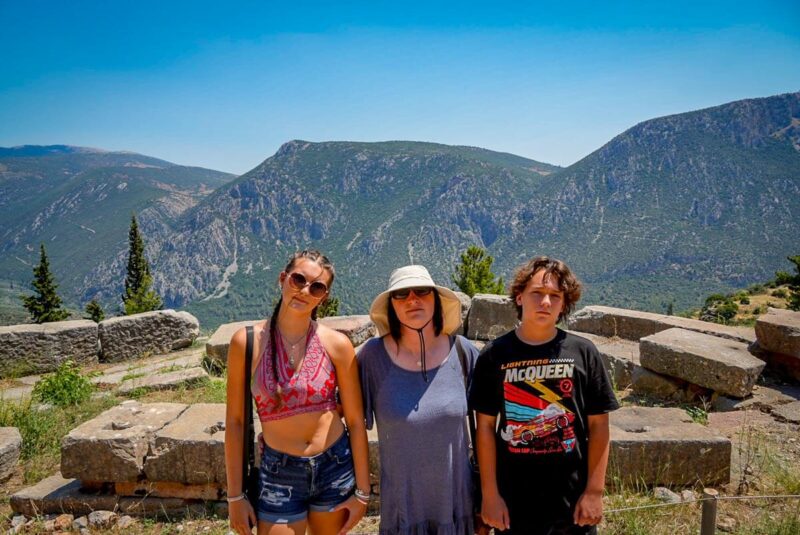
When L began picking out places she wanted to go (this Athens portion of our trip is, after all, her graduation trip), the ruins at Delphi were very high on the list. At first, I was opposed: it’s at least two hours out of Athens, and I wasn’t fond of the idea of driving in Athens. I had no firm reason why; it just didn’t sound pleasant. It was just a feeling I had. After all, “chaos” is as Greek a word one could ever imagine. Still, she kept talking about it, and I relented. (Truthfully, it really didn’t take that much: I’m a reasonably confident driver, and while I’d never drive in many countries–India comes to mind–I knew it wouldn’t be all that bad.)
We headed out today after breakfast. While K and the kids were in a pharmacy getting something for the itchy bites plaguing L (and strangely enough, no one else), I went to the car rental place just a block away and started filling out the paperwork. As we headed out to the car, the representative asked casually, “You can drive a manual, can’t you?” Of course, I can drive a manual, and yesterday on Aegina I drove a manual. But there’s a big difference in driving a manual on a small, sleepy village where the biggest challenge was ridiculously narrow streets. Narrow streets pose no challenge for a manual transmission. Hilly terrain with lots of stop lights does indeed pose a challenge. It’s not a big deal once you’ve gotten the hang of the clutch in your car (just how loosy-goosy is it?), but to acclimate yourself to that clutch in a busy city where stop lights hide on poles on the corner of streets — that did not sound enticing.
We made it through Athens and to the quieter roads of the countryside, but it was indeed a stressful driving experience. Scooter drivers and motorcyclists split lanes constantly, which is technically illegal, I read, but one would never know it watching their behavior. There were portions of the road where there were no clear lane markings, and where I drove it appeared to be a three-lane road whereas just in front of me, it seemed like a two-lane road. Once we made it to the quieter streets, it was a bit better, but double middle lines apparently mean nothing to Greek drivers, and the people being passed casually pull onto the shoulder to get out of the way.
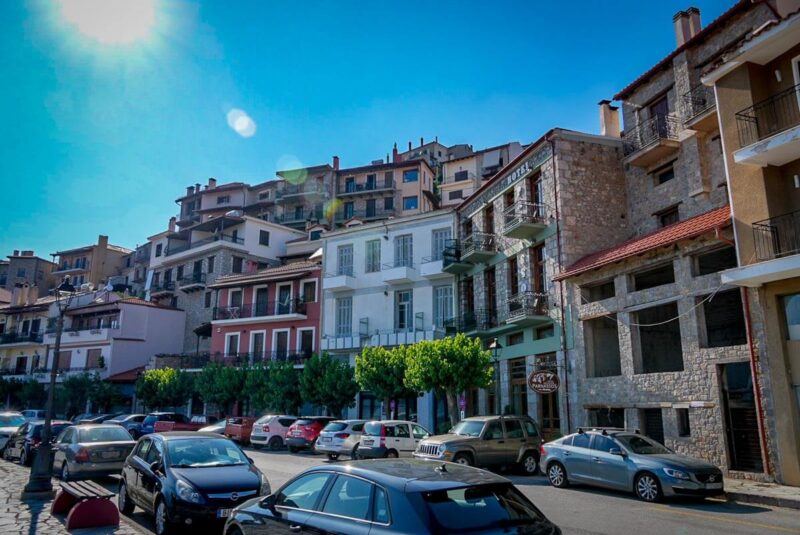
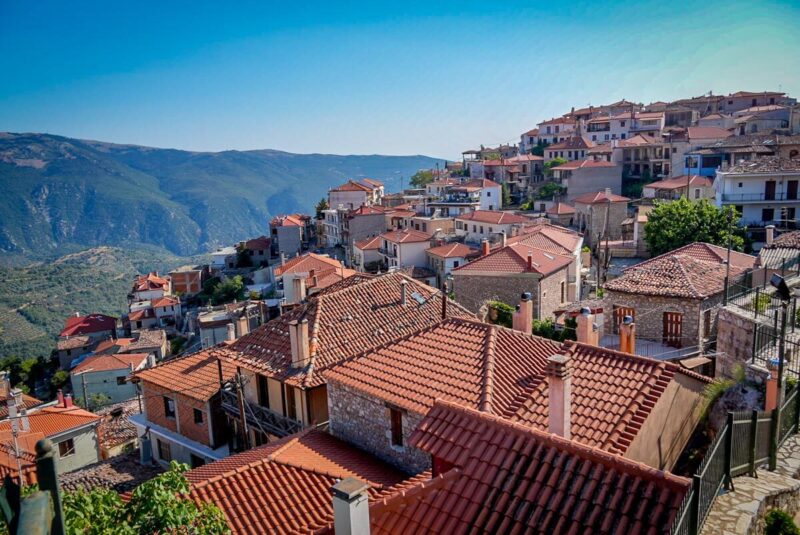
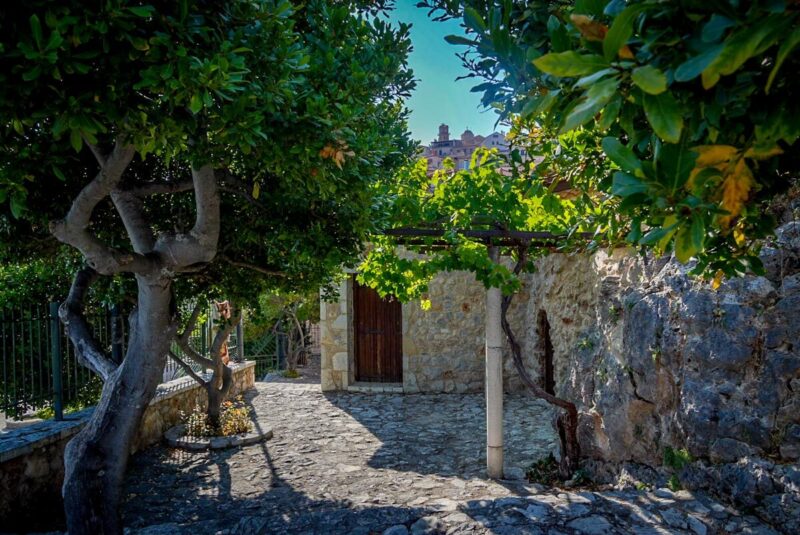
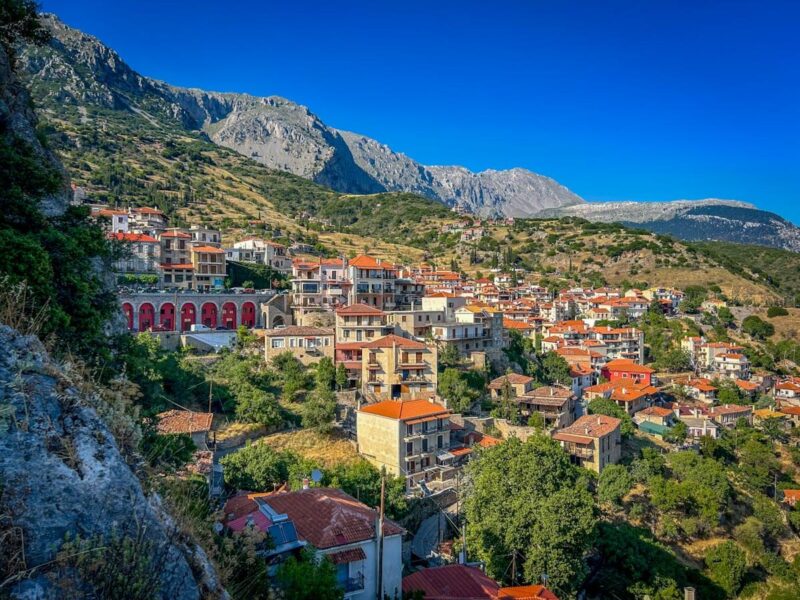
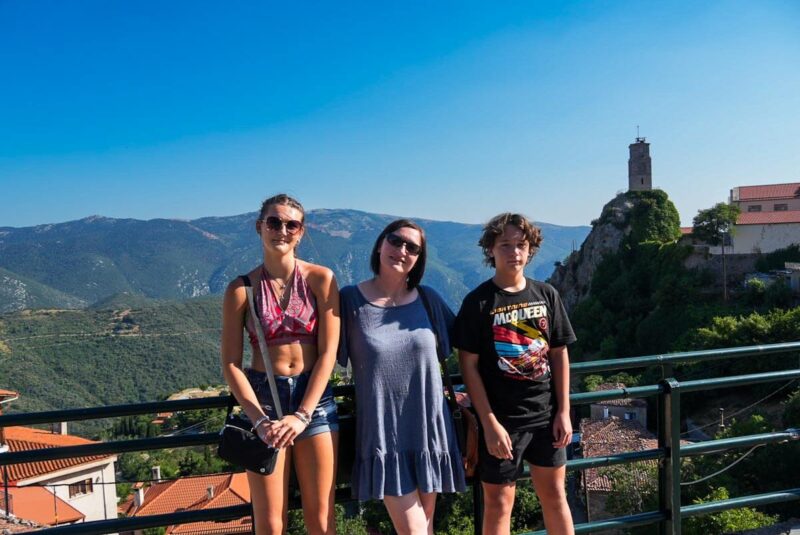
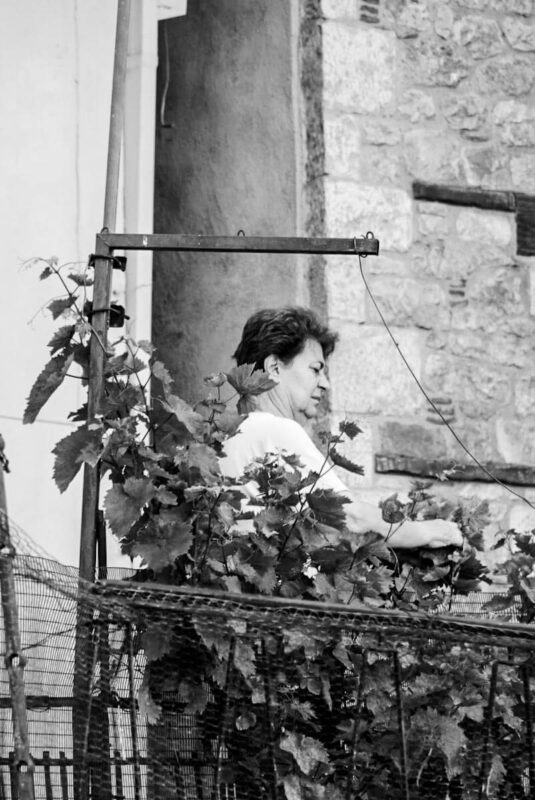
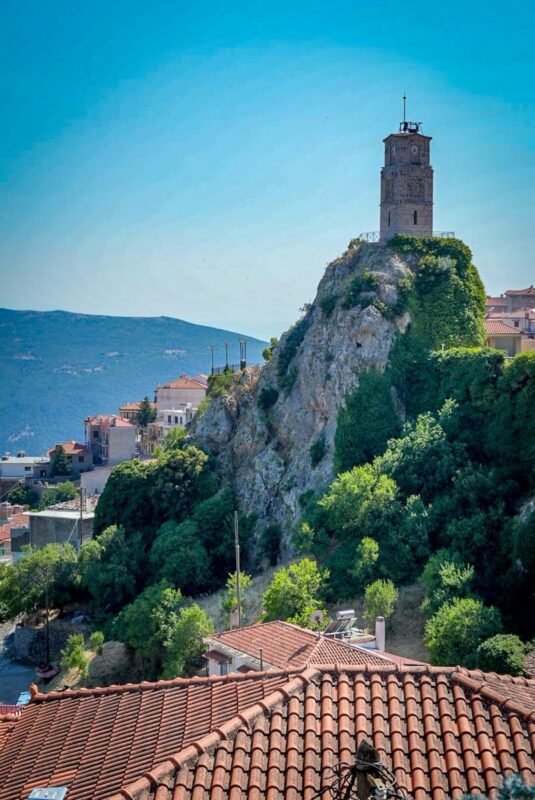
Though I was initially less than thrilled about driving two hours (with morning traffic, it was more like three hours) to get somewhere while on vacation, I came to appreciate the opportunity it offered: we were able to see parts of Greece that we would never have seen otherwise. We passed through small villages and quaint towns. We saw how ordinary Greeks live, even if only a glimpse. It also gave us freedom: when we found a town — Arachova — we thought charming, we were able to work that into our return plans as a dinner stop and a place to get out for a lovely walk.
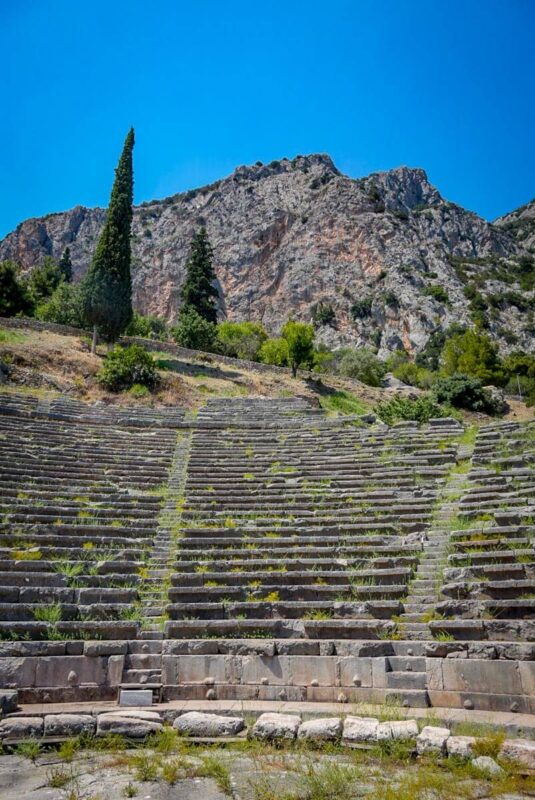
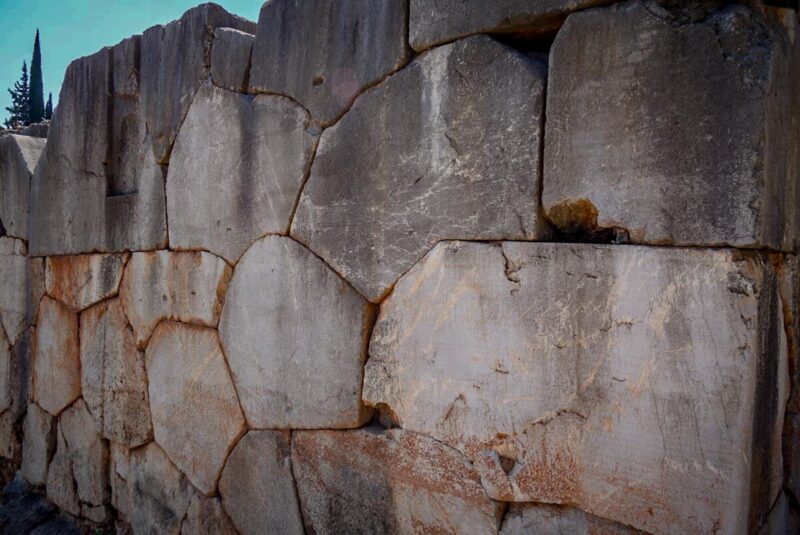
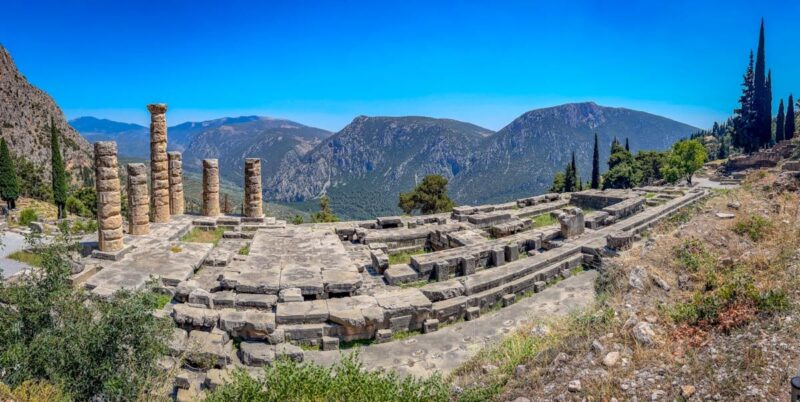
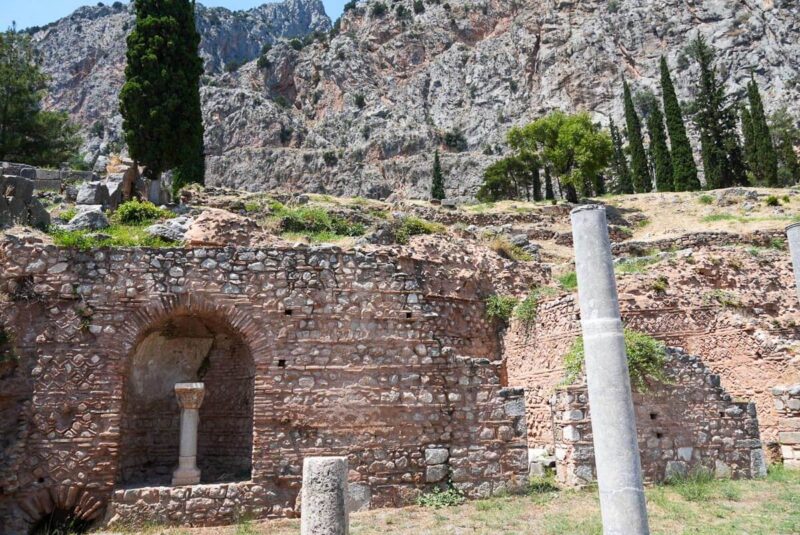
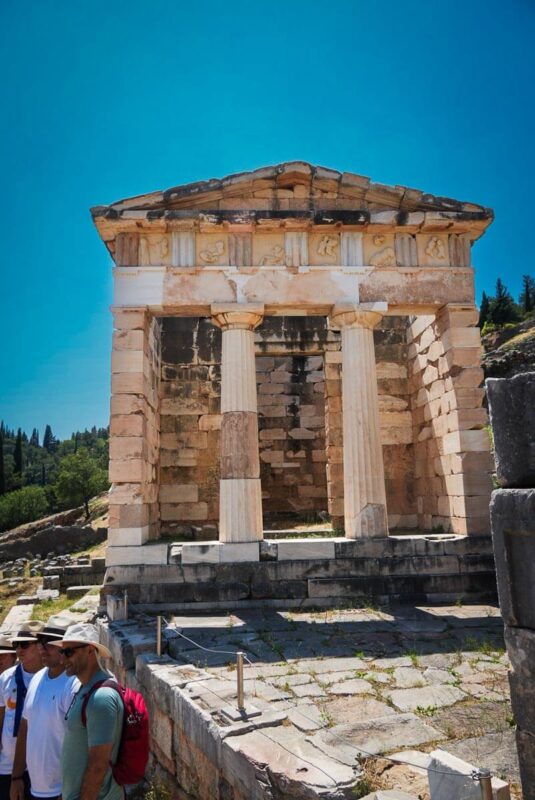
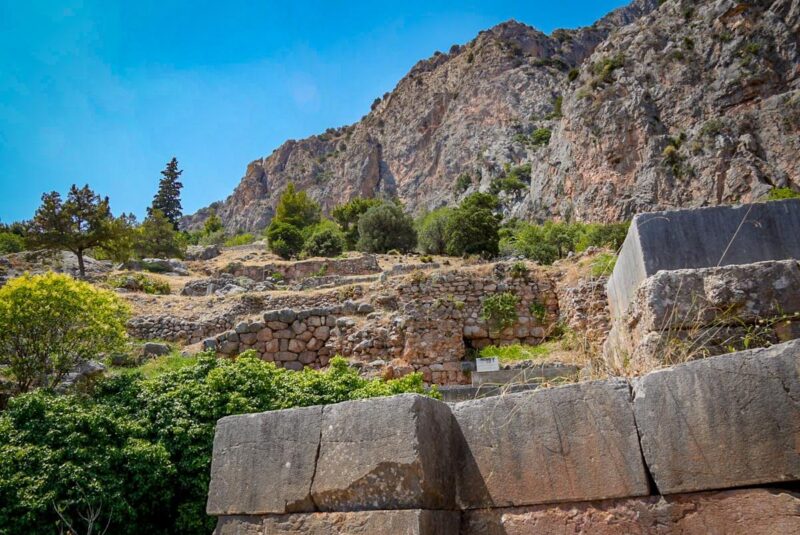
Delphi itself was, as so many things here are, overwhelming. The thought of how much work it took to create something like that in a time when there were only the simplest of machines is almost overwhelming. How could they do something like that? And then the silliness of why they did it: the Delphic Oracle needed a special place to commune with Apollo and tell his priests his will using what I inferred was glossolalia. In other words, she spoke gibberish and the priests “interpreted” it. That sounds a lot like modern Evangelicalism, which is depressing: it means we as a species have outgrown this silliness in almost 2,500 years.
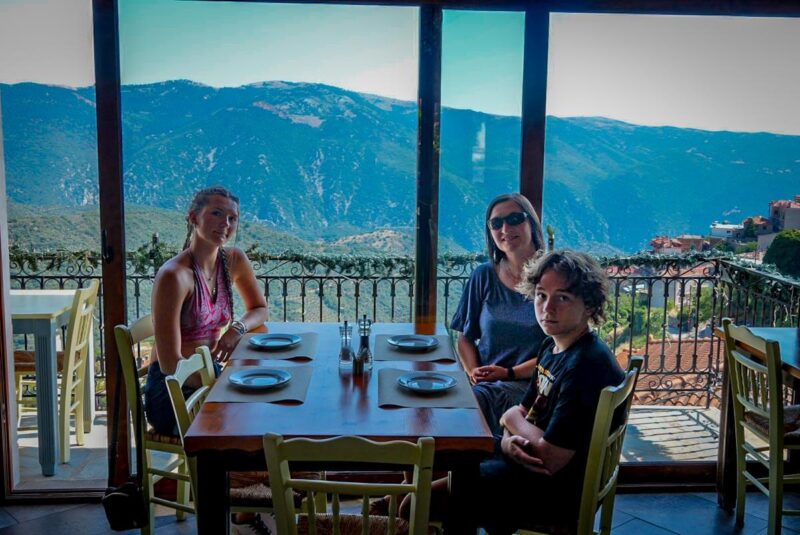
On the way back we stopped in Arachova for dinner. It was a stunning little town. “We should learn Greek and retire here,” K suggested.