matching tracksuits

fun in threes, sometimes fours

general

A Walk in the Park

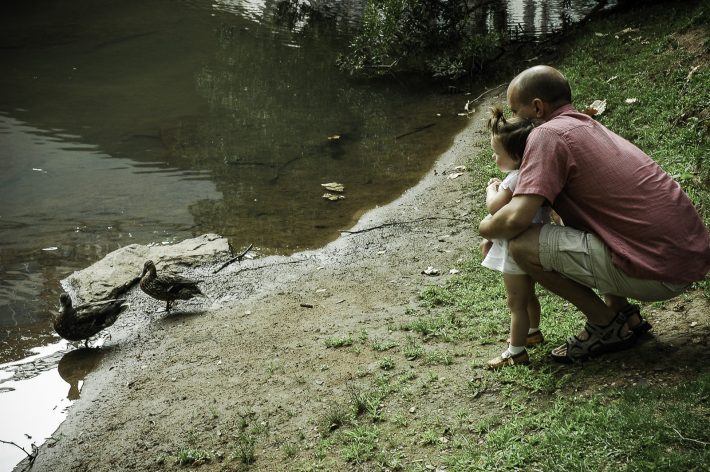
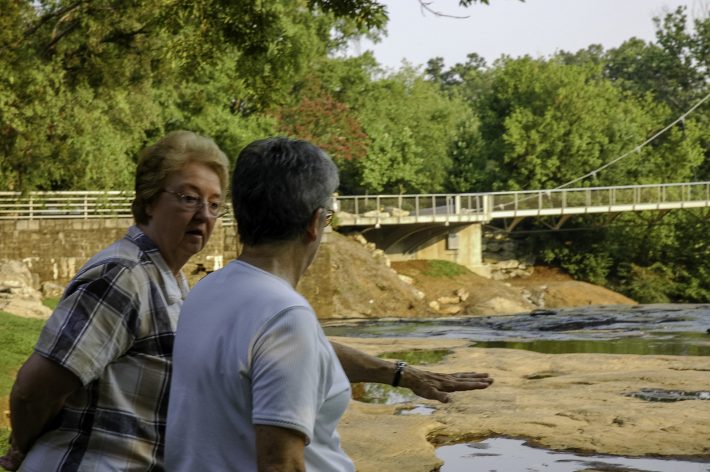
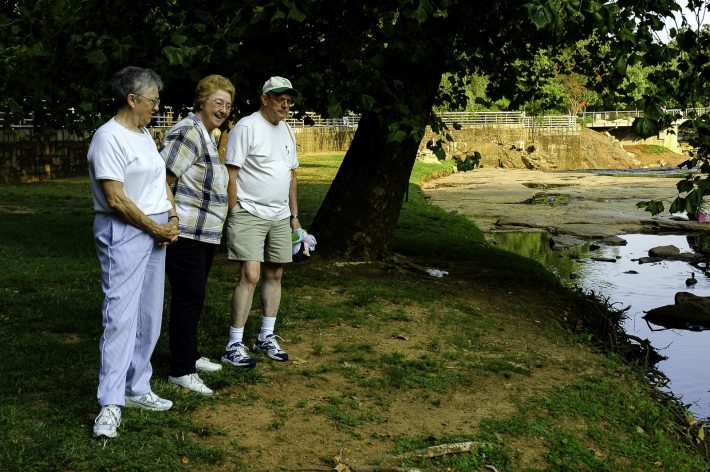
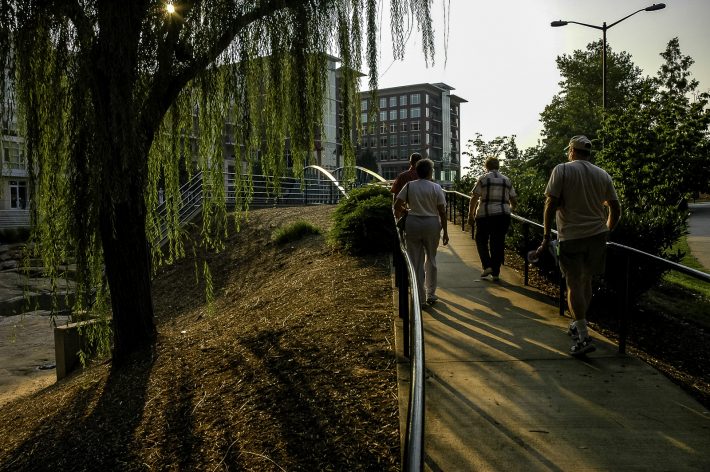
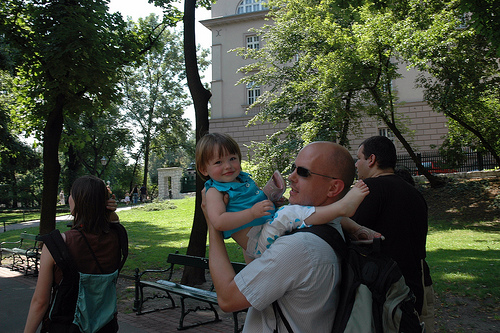
Aunt L is visiting, so we took her to the park downtown.
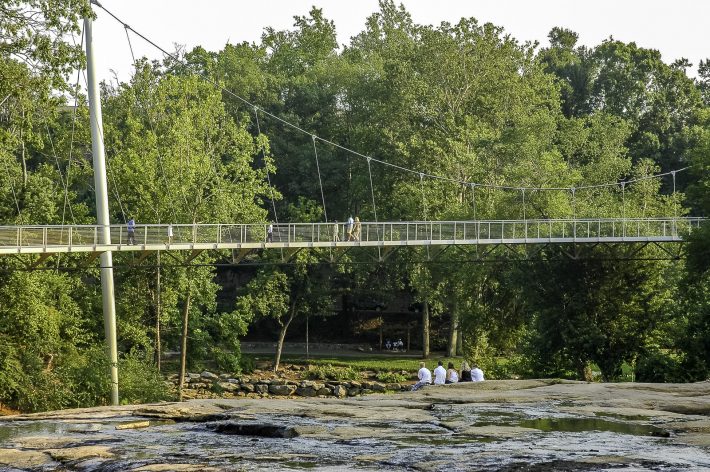
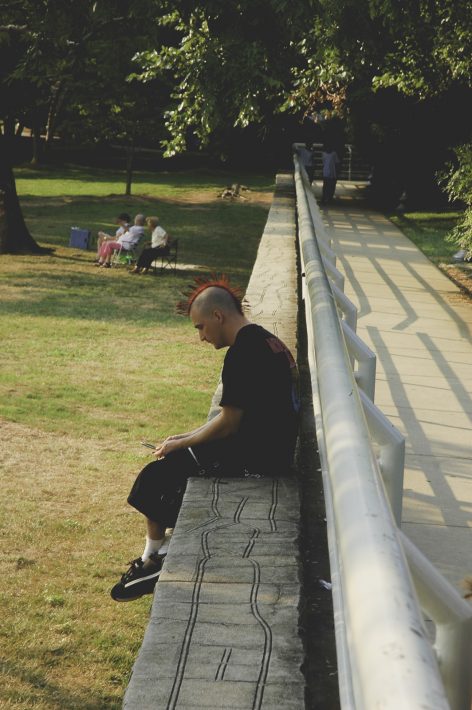
It was surprisingly empty for a Sunday afternoon. There were small groups here and there, but I guess the heat was keeping most people in.
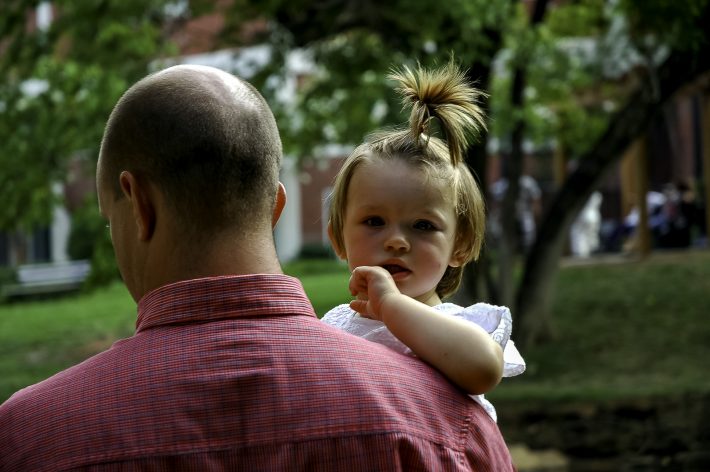
The Girl had a blast, especially with the ducks. They bonded, and it was a tearful goodbye.
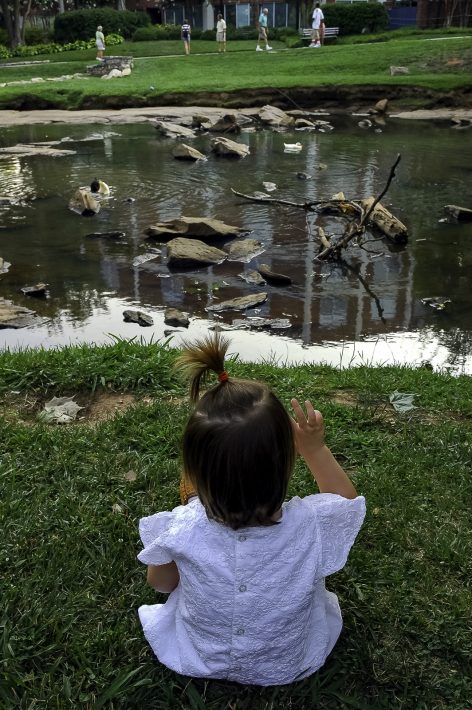
She's learned what ducks say, and she was thrilled to get independent confirmation that what K and I told her about duck communication was accurate.
Morning Sun

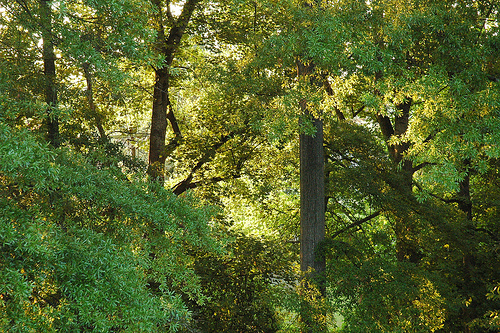
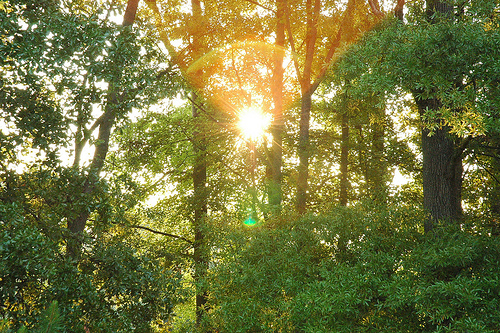
The morning summer sun is actually merciful here — thanks, in part, to the forest we have in the backyard.

Morning I

Morning II

Storm

Storm

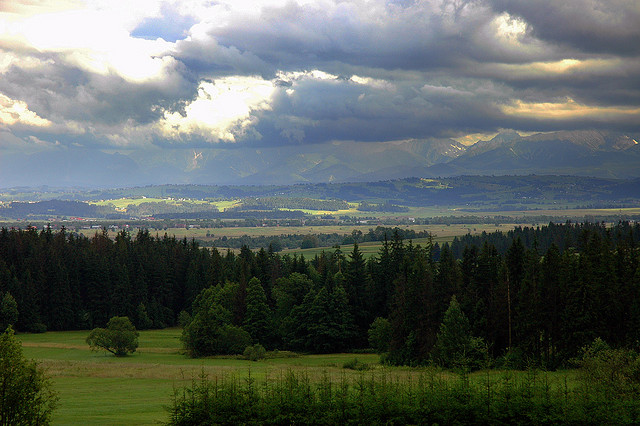
A storm approaches over the Tatra Mountains of southern Poland. Often a land of gray skies.

You’ve Been Left Behind

When Jason received the email, he was panicked. He'd heard his father talking about the rapture for all his life, but he'd never really bought into it himself. Then, suddenly, an email from dad:

Dear Jason,

You must be wondering what happened to me, and I'm sure you've noticed that I'm not the only one to disappear. I'm also certain that you're well aware of what has happened. And sadly, I'm sure you understand why you're still here, left behind.

I have arranged to have this email sent so that I might have one last word with you, one last plea for you to take a look in your heart and see how much you really need Jesus as your Lord and Savior. There can be no doubt in your mind about the troubling times that are looming now that the rapture is history, but those troubles are nothing compared to what you will face if you don't fall to your knees and pray this simple prayer.

Lord Jesus, I am a sinner. But I believe that you died upon the cross for me. That you shed your precious blood for the forgiveness of my sin. And I believe that on the third day, you rose from the dead, and went to Heaven to prepare a place for me. I accept you now as my Savior, my Lord, my God, my friend. Come into my heart, Lord Jesus, and set me free from my sin. And, because you are my Savior, Jesus, "I shall not die, but have everlasting life". Thank you Jesus!

Please, son: do this for your own soul's sake!

Jason sat stupefied for a moment, wondering whether or not he'd been wrong all this time about his father's "silly religious rantings." It seemed that he was wrong, and he was about to get down on his knees when the phone rang.

"Hi son," said the familiar voice.

"Dad? I thought, I mean, the email, the rapture -- I thought you were gone!" Jason stammered, on the verge of tears.

"Oh, did it get sent. God damn it, those people assured me there was no chance of an accidental, pre-rapture sending of all those emails. You know, son, you just can't trust anyone these days, not even Christians. Or so-called Christians."

What torment it will be for those caught up in the Rapture to spend the Tribulation with Christ yet knowing some of their loved ones didn't make it. Wouldn't it be a great relief if these poor, tortured, saved souls could have one last shot at reaching their loved ones for Christ?

There is Hope: youvebeenleftbehind.com.

Their service is simple: for a low yearly fee, they'll save documents for you that will be emailed after the rapture.

We have set up a system to send documents by the email, to the addresses you provide, 6 days after the "Rapture" of the Church. This occurs when 3 of our 5 team members scattered around the U.S fail to log in over a 3 day period. Another 3 days are given to fail safe any false triggering of the system. (You've Been Left Behind )

How about a stack of letters on your desk? Wouldn't that accomplish the same thing without the risks involved (i.e., storing significant amounts private data on a server)?

And that's not the only risk. Emails accidentally sent could, theoretically, be amusing, but it could also damage relationships. Imagine someone gets one of these "You've been left behind" emails from a close family member yet she always considered herself a prime rapture candidate. Can't you hear the heated phone call?
"You mean all this time you've thought I wasn't saved? How dare you judge me like that!"

I told my Polish Catholic wife about it, first explaining what the rapture was -- there are not many Polish Catholics who know what the rapture is, let alone the difference between pre-trib and post-trib and mid-trib and late-trib and early-trib and all the other -trib varieties out there. Her response: "Only in America!"
Plurality

A Wista

We got a bit of new music during our trip and I'll be sharing a little here and there during the coming weeks. Sadly, much of it probably won't be available in the States.
Once upon a time, there was a Polish folk band called "A Wista." Comprised of highland students who'd landed in Krakow for studies, the band played a mix Slovakian, Moravian, Balkan, and Hungarian songs, along with traditional Polish songs from the southern, mountainous region of the country.

Their studies long completed, they've since gone their separate ways, though K and I have a connection to three of the band members.

  • One is the husband of K's good, better, bestest friend.
  • Another, with a newly formed band, played at our wedding.
  • A third, with K's friend's husband and two others, played at L's baptism.

It's a shame they're no longer together, for their music is truly beautiful: virtuoso playing (violin, viola, and double bass) combined with strong singing.

Here is my favorite from their CD Festiwal Karpat: a haunting Slovakian number:

Anyone interested can buy individual MP3s of the album here.

For fun, here's the Google translation of the page. The genre in the original Polish is listed as "Ludowa" ("folk"), but Google chose the equally valid translation of "China".

George Carlin on Corporate America

“It’s called the ‘American Dream’ because…”
Apologies about the language for those with sensitive ears, but there’s more truth in these four minutes than I’ve heard from the traditional media in years.

Narrow Streets

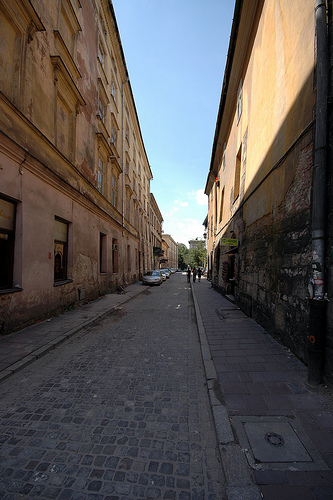
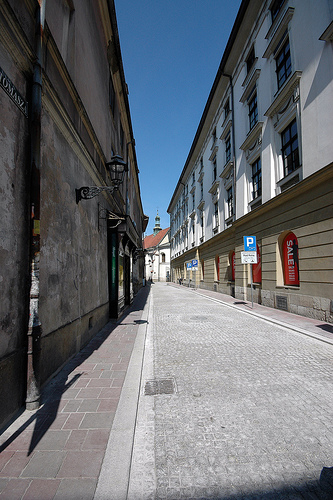
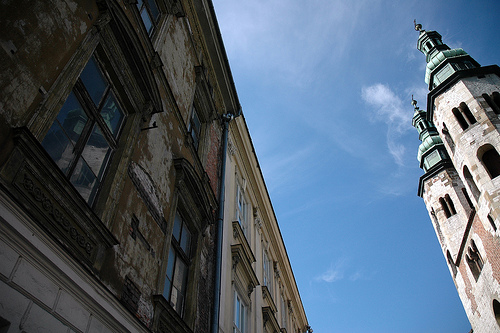
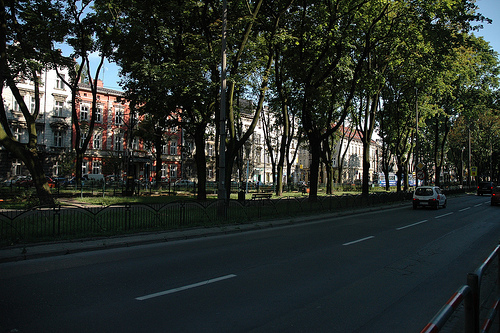
Krakow is full of them.

DSC_8771

Some less neglected than others.

DSC_8635

In fact, there are narrow streets throughout all of Poland. Indeed, all of Europe. That's what happens when cities exist for centuries before the invention of the car.

Looking Back at Krakow

We made it home yesterday after an exhausting journey. L fell into fits of hysterical screaming on the flight from Munich to Charlotte, and there was mumbling about the plane regarding it -- as well as a few comments swirling around our heads while we stood in the passport control line. The temptation to say something was great, but I decided to keep it a win-lose situation (i.e., we win, acting like adults; they lose, acting like children) instead of descending into a useless argument, for there was no win-win situation in sight as tired as we all were.

The trip was exhausting, but we had wonderful memories to keep up our spirits, including two days in the most magnificant (and second most expensive) city in Polska, Krakow.

DSC_8632
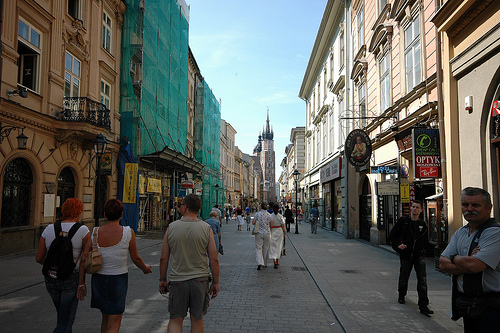
Florianska Street
DSC_8624
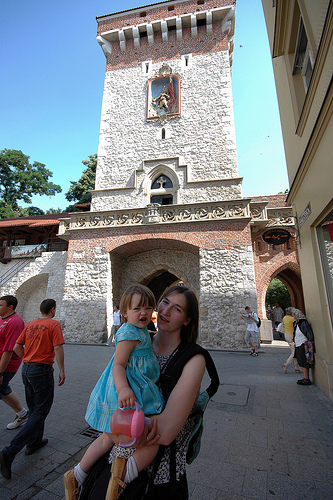
K and L at the Florianska Gate

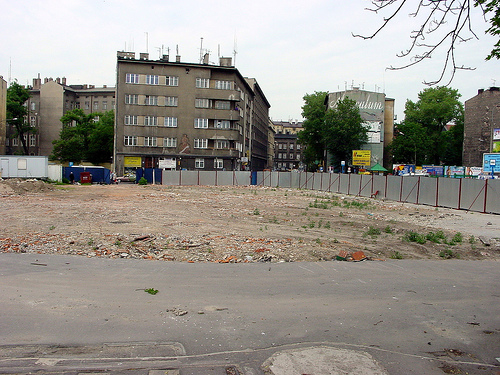
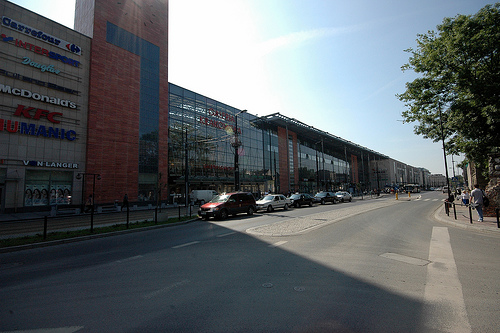
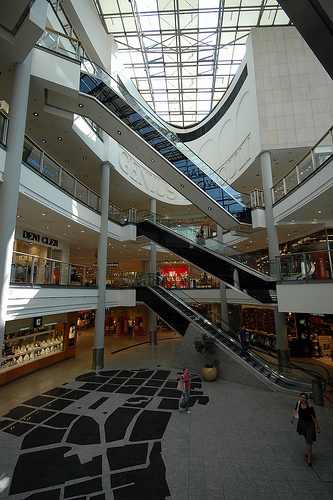
The first thing we noticed, coming by bus, was the new shopping center cum bus stop. When we left in 2005, it looked like this:

Krakow Bus Station III

Three years -- and a surprising amount of initiative -- later:

DSC_8606

DSC_8617
The old bus station was a testament to the hideous nature of Communist architecture, and it was torn down before I even knew it had been slated for demolition. "Oh, what I wouldn't give for a couple of hours in that old place now," I told K.

Also victim of the renovation was the "Dragon Bar" ("Bar Smok"), a milk bar across the street from the old bus station. Filthy does not begin to describe it, and once again, I find myself wishing for a 4gb memory card and a day to photograph it.

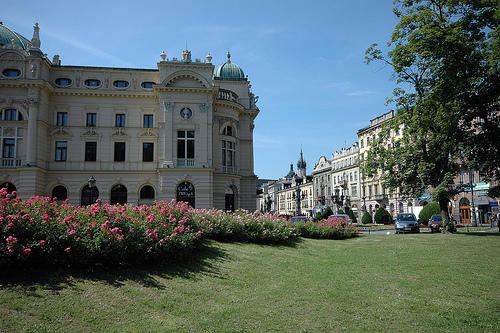
As we made our way to the rynek, we noted that some things had mercifully not changed. The opera house still greets visitors after they emerge from the passage under Westerplatte Street.

DSC_8620
Opera House

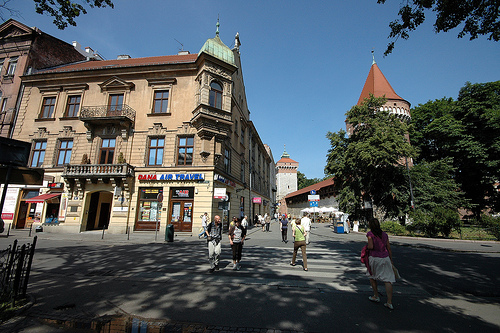
And the corner of Pijarska and Planty streets still looks the same:

DSC_8621
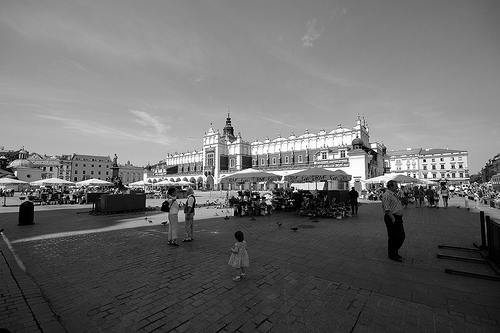
We finally made it to the rynek, where L seemed just as amazed as everyone else is they first time they emerge from Florianska Street onto Krakow's enormous square:

DSC_8639

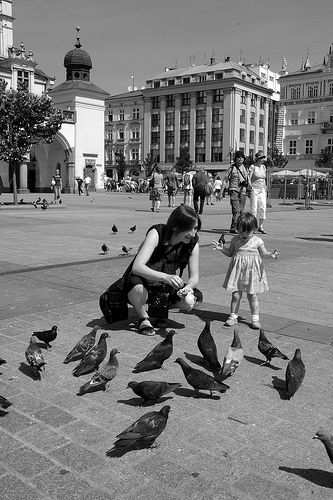
We fed the pigeons,

DSC_8657

DSC_8645
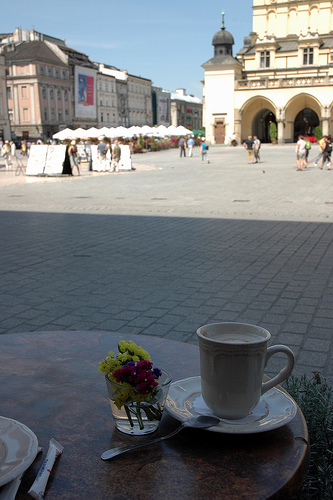
had a latte,

DSC_8674
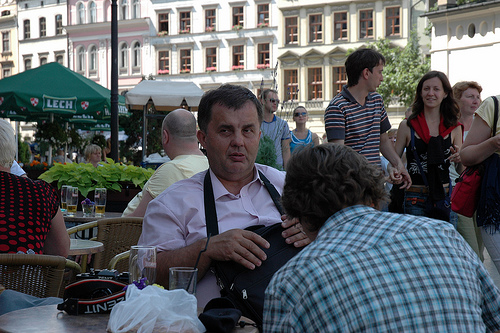
and watched the people around us. Some were trying to get the best shots with classic Russian equipment:

DSC_8676
Zenit -- my first real camera

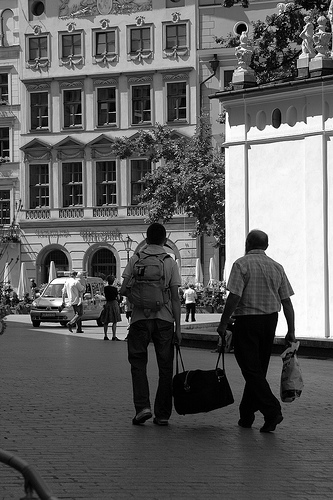
Some were simply passing through:

DSC_8681
Two to a bag -- classic Krakow style

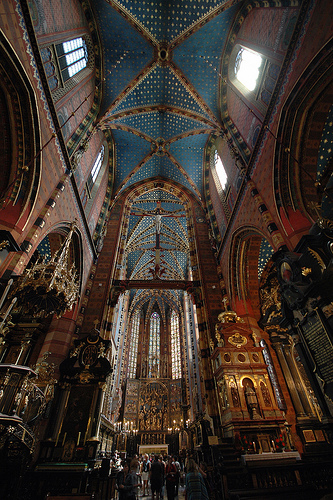
After a short break, we headed inside the Basilica of St. Mary -- what I'd bought the 10-20mm for:

DSC_8719

I'd brought a tripod in order to try to get some shots to combine into HDR, but I was kindly informed during my final shot of my first series that tripods were not allowed.

I'm always amazed with the beauty of such places.

DSC_8730
And I'm glad the Church so wisely followed Jesus' command to feed the starving, clothe the poor, and build ridiculously big churches.

We headed down Grodzka Street toward Wawel castle

DSC_8750
East Central meets West, Old meets New

Finally, exhausted, we fell into a cafe for some rest, respite from the sun (L was fussy and sweaty), and, most importantly, a chance to meet up with some of our dearest friends, Kuba and Maja:

DSC_9021
K & M standing at Kuba's street in Krakow

We spent our last New Year's Eve in Polska with K & M in Hel, a little port town at the tip of a long finger of land into the Baltic Sea.

DSC_8798
Wojek Kuba takes a picture

Maja -- the "maja" of comments here -- has been eager to meet the girl for some time, and they hit it off immediately:

DSC_8782
Ciocia Maja entertains
DSC_8848-1
Later, at Wawel

The initial excitement of our reunion finally calmed (M was bouncing off the walls with joy!), we all continued down Grodzka Street

DSC_8854
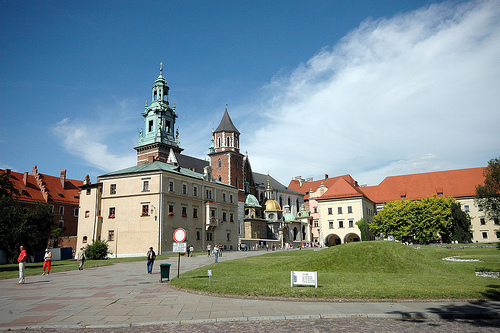
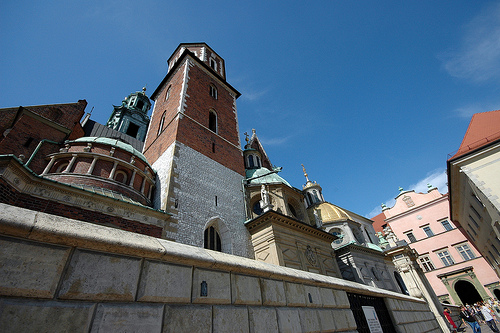
to Wawel, the royal castle

DSC_8804
DSC_8809
DSC_8814

Finally, the Girl had had enough, and so we headed out of Krakow

DSC_8866
Why are there so few streets this lovely in the States?

to a little town on the city's outskirts, where K's brother, D, lives.

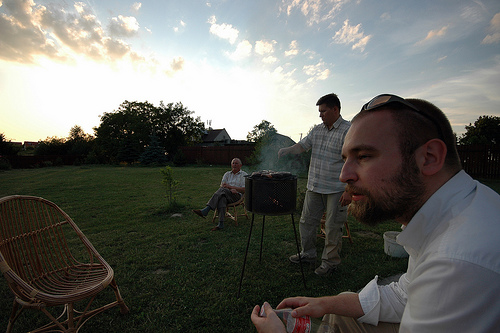
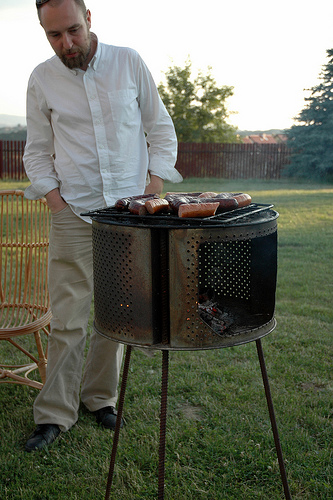
We had grilled sausage to accompany a wonderful evening of reminiscing and talking about the "realities" of life in America.

DSC_8916
DSC_8908
K ponders whether or not that grill is really made out of what he thinks it's made out of. Any ideas?
DSC_8936

When D saw the wonders of a SLR camera's bulb setting, he took me to a place to get some night shots of Krakow.

DSC_8953

Sadly, there was too much light from the street lights to get good shots, but that fact did lead to this:

DSC_8958

Thus ended our first day in Krakow.

Our second day was much slower and shorter. It included a walk in the park surrounding the old town,

DSC_8974
and K taking a few more shots.

DSC_8979
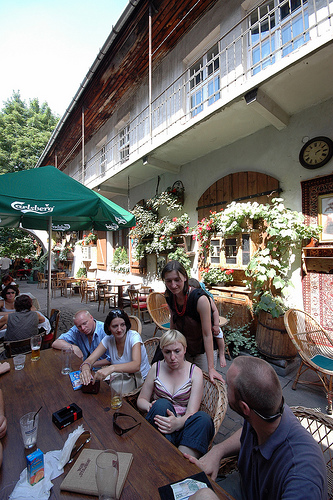
It ended in the old Jewish section of town, at an outside cafe, where still more friends came to meet us.

DSC_9004

And thus our not-quite-two weeks in Polska came to an end.

More reflections -- not to mention pictures -- later.

The Challenge

Hugh Nibley wrote an article in which he described an “assignment” professors at Brigham Young University like to give students who are taking the required course on the Book of Mormon.

Since Joseph Smith was younger than most of you and not nearly so experienced or well-educated as any of you at the time he copyrighted the Book of Mormon, it should not be too much to ask you to hand in by the end of the semester (which will give you more time than he had) a paper of, say, five to six hundred pages in length. Call it a sacred book if you will, and give it the form of a history. Tell of a community of wandering Jews in ancient times; have all sorts of characters in your story, and involve them in all sorts of public and private vicissitudes; give them names–hundreds of them–pretending that they are real Hebrew and Egyptian names of circa 600 B.C.; be lavish with cultural and technical details–manners and customs, arts and industries, political and religious institutions, rites, and traditions, include long and complicated military and economic histories; have your narrative cover a thousand years without any large gaps; keep a number of interrelated local histories going at once; feel free to introduce religious controversy and philosophical discussion, but always in a plausible settings observe the appropriate literary conventions and explain the derivation and transmission of your varied historical materials. Above all, do not ever contradict yourself! For now we come to the really hard part of this little assignment. You and I know that you are making this all up–we have our little joke–but just the same you are going to be required to have your paper published when you finish it, not as fiction or romance, but as a true history! After you have handed it in you may make no changes in it (in this class we always use the first edition of the Book of Mormon); what is more, you are to invite any and all scholars to read and criticize your work freely, explaining to them that it is a sacred book on a par with the Bible. If they seem over-skeptical, you might tell them that you translated the book from original records by the aid of the Urim and Thummim–they will love that! Further to allay their misgivings, you might tell them that the original manuscript was on golden plates, and that you got the plates from an angel. Now go to work and good luck!

Nibley concludes,

To date no student has carried out this assignment, which, of course, was not meant seriously. But why not? If anybody could write the Book of Mormon, as we have been so often assured, it is high time that somebody, some devoted and learned minister of the gospel, let us say, performed the invaluable public service of showing the world that it can be done. (The Book of Mormon: True or False?)

I think Tolkien did something comparable with this Lord of the Rings. It fits most of the criteria:

  • It’s 500-600 pages long — per volume.
  • It’s very “lavish with cultural and technical details,” including “manners and customs, arts and industries, political and religious institutions, rites, and traditions, include long and complicated military and economic histories.”
  • The narrative covers, indirectly, many centuries.
  • There are names — hundreds of them.
  • It involves “them in all sorts of public and private vicissitudes.”

There are two major differences. First, Tolkien didn’t make his story about a group of wandering Jews. Second, Tolkien didn’t pass his story off as sacred.

All of that to say it can be done.

Photo by telepathicparanoia