fun in threes, sometimes fours
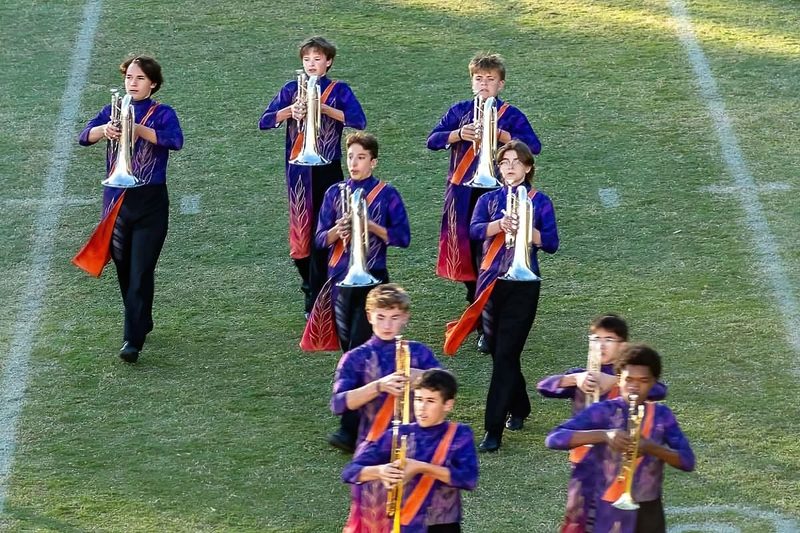
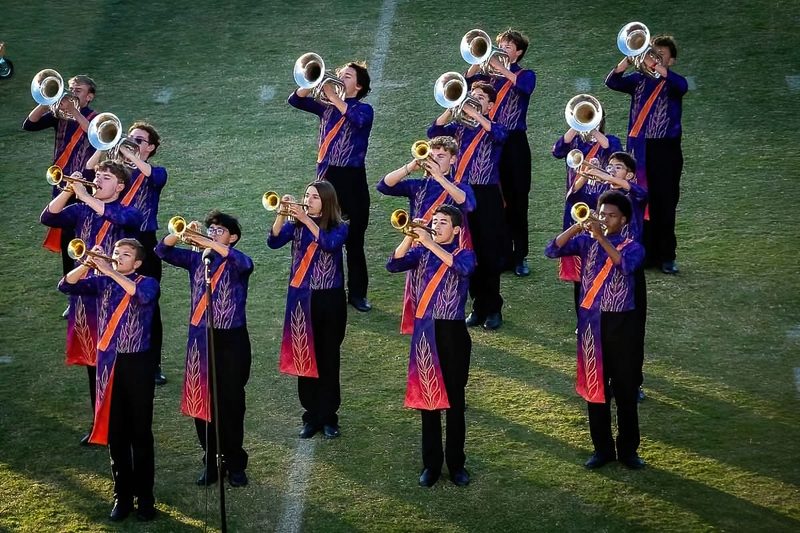
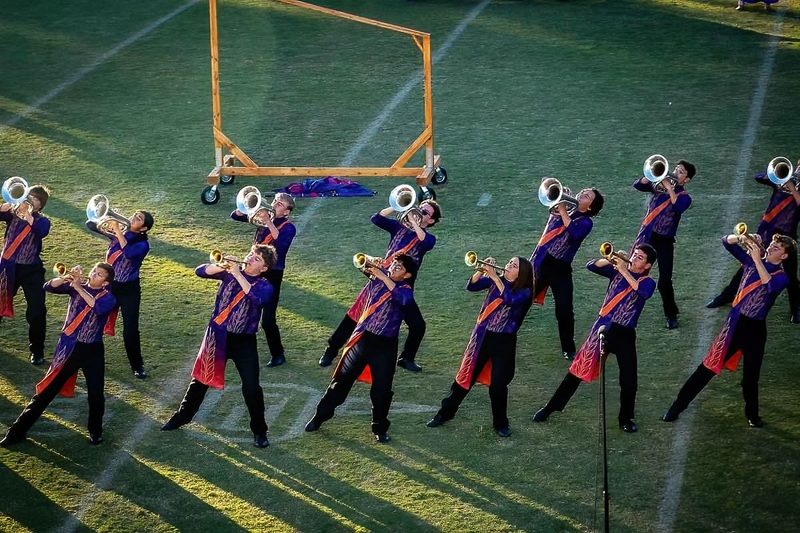
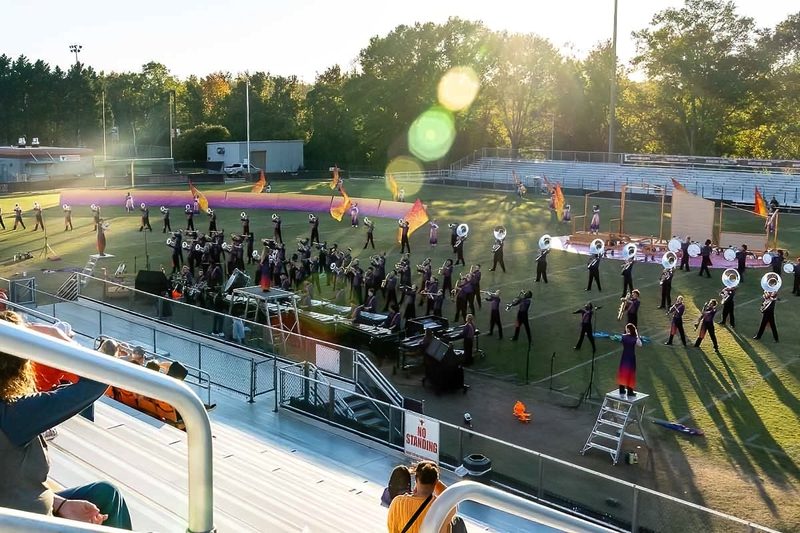
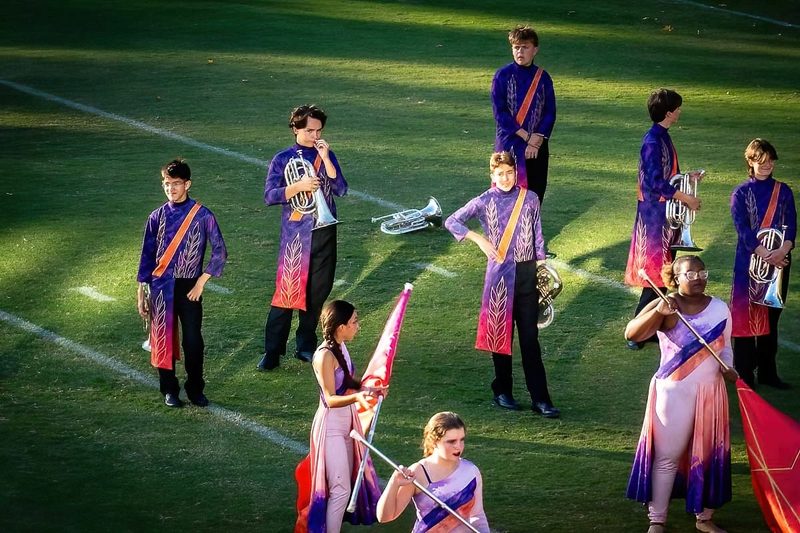
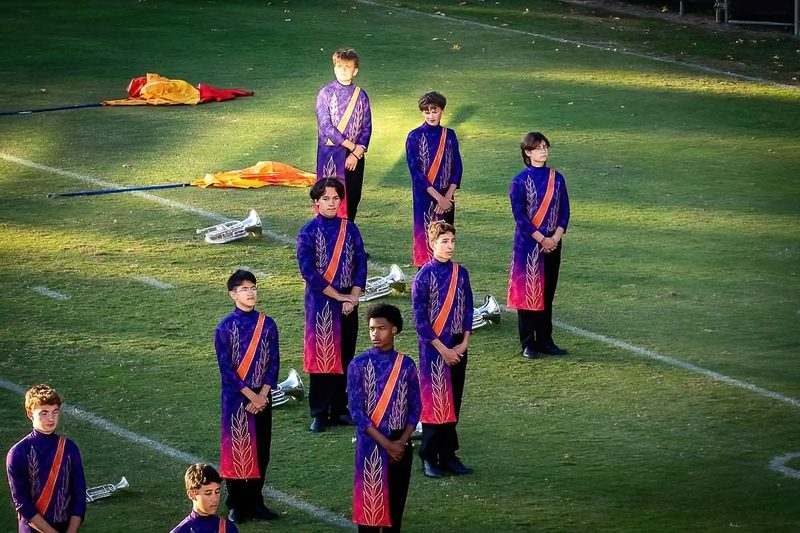
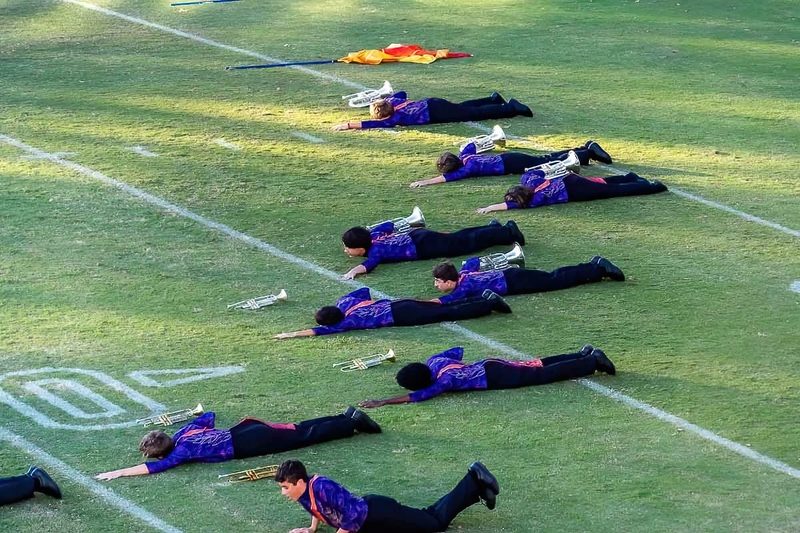
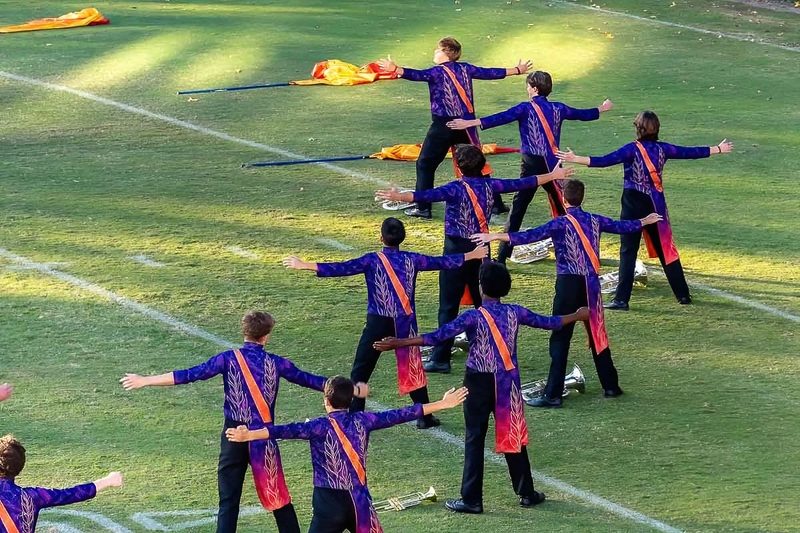
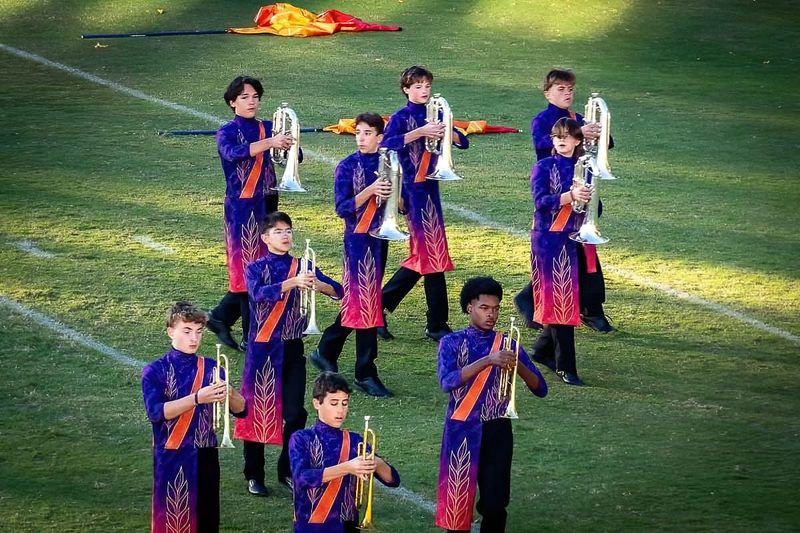
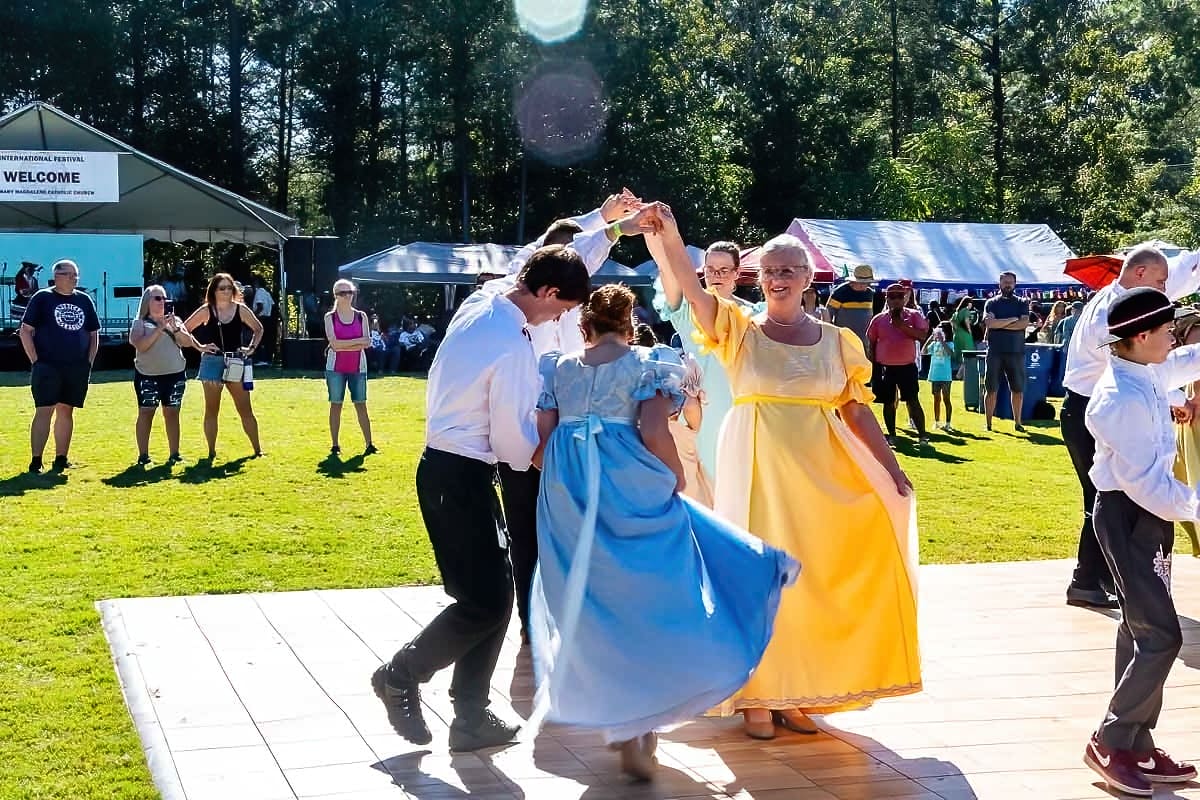
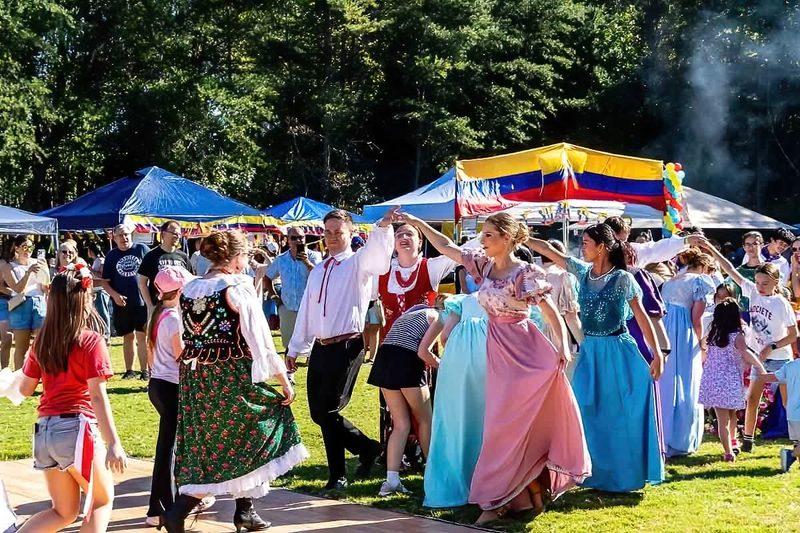
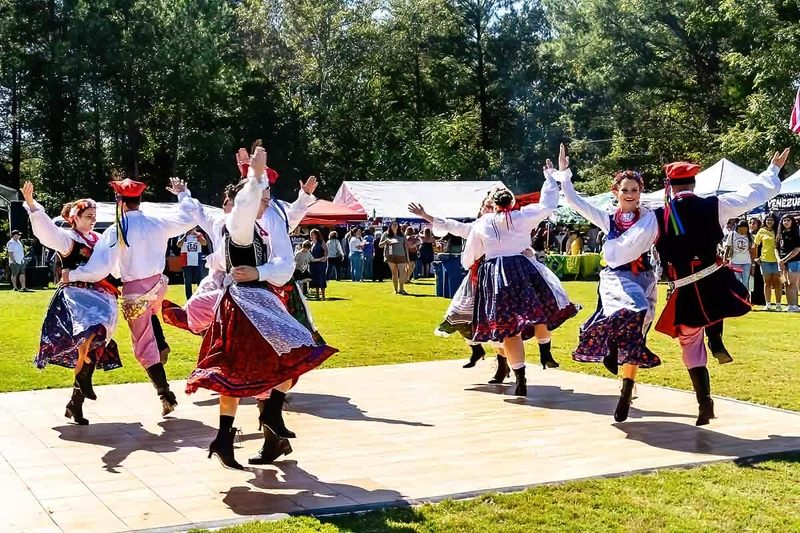
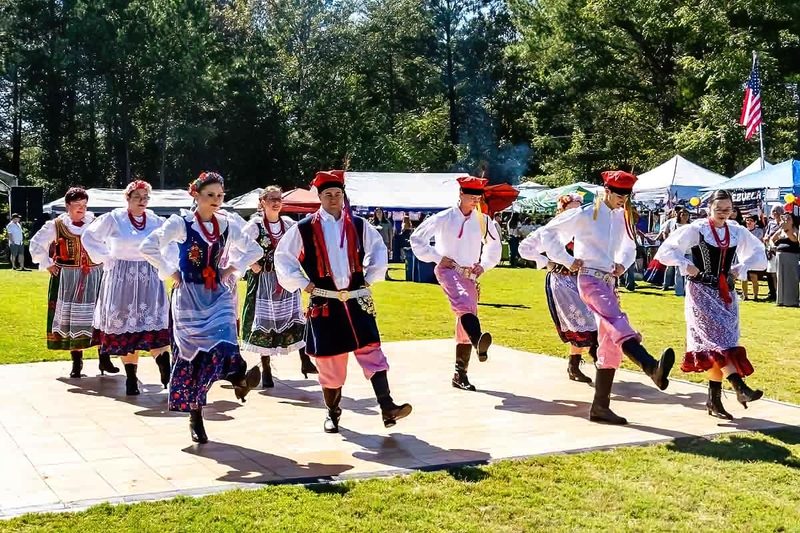
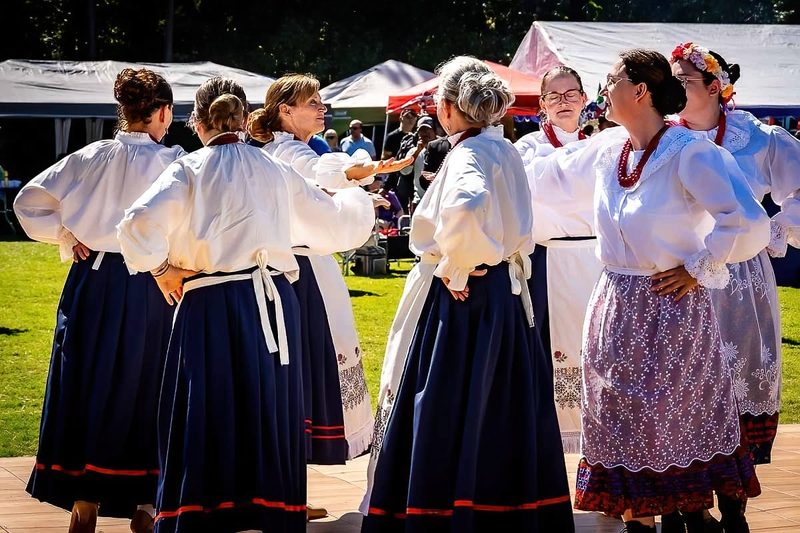
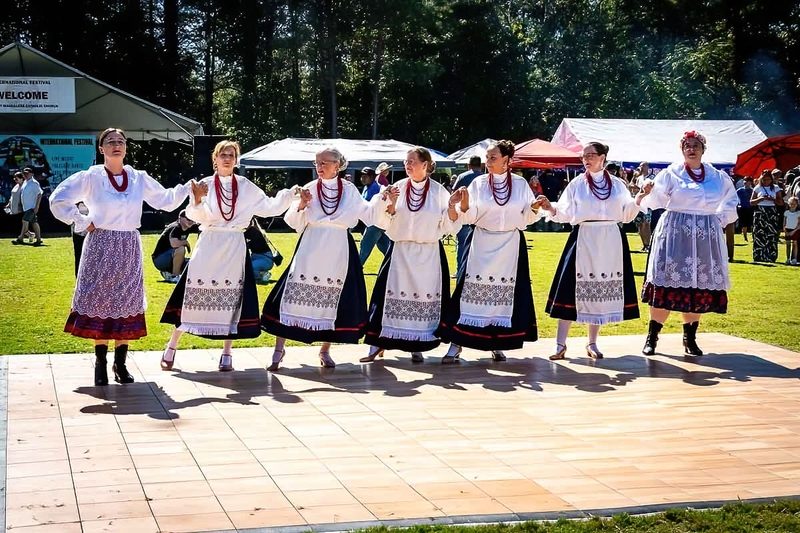
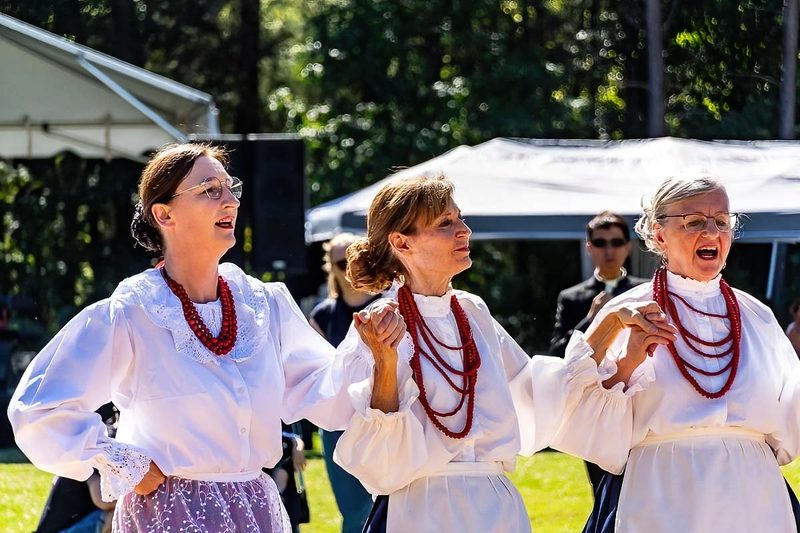
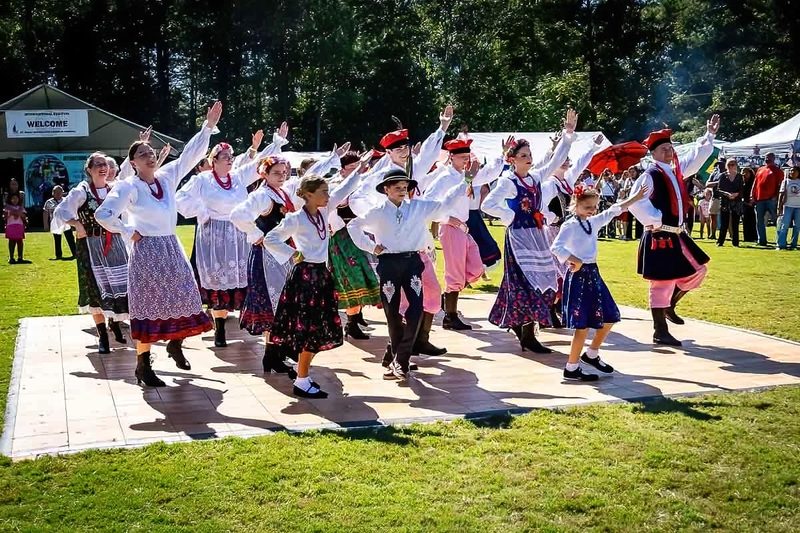
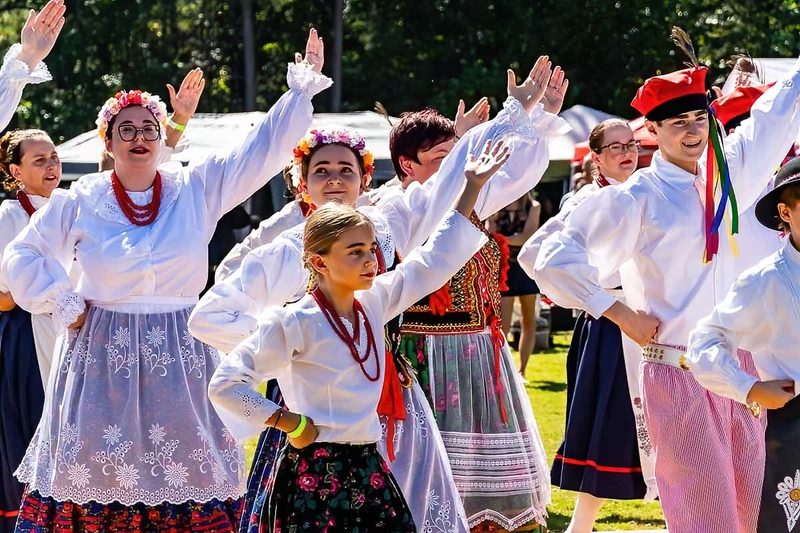
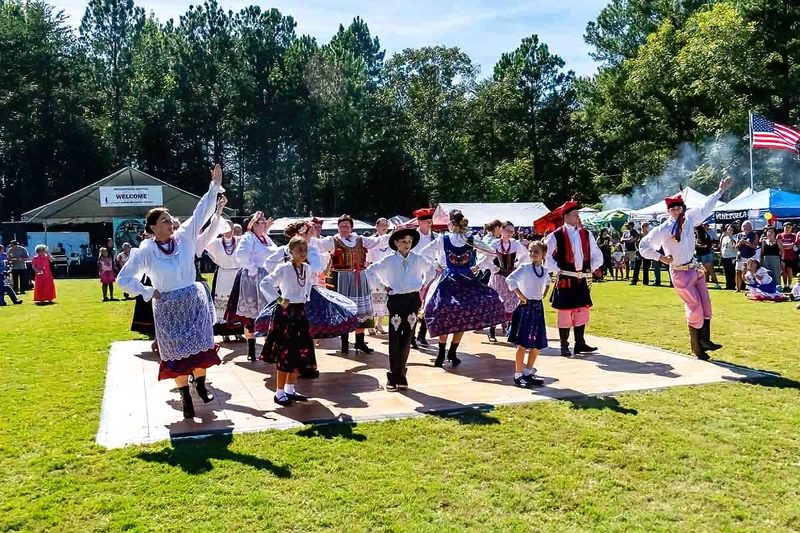
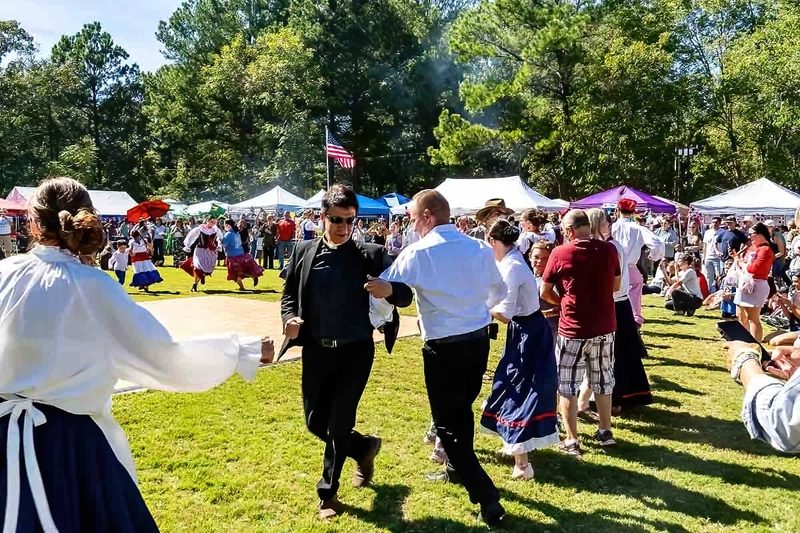
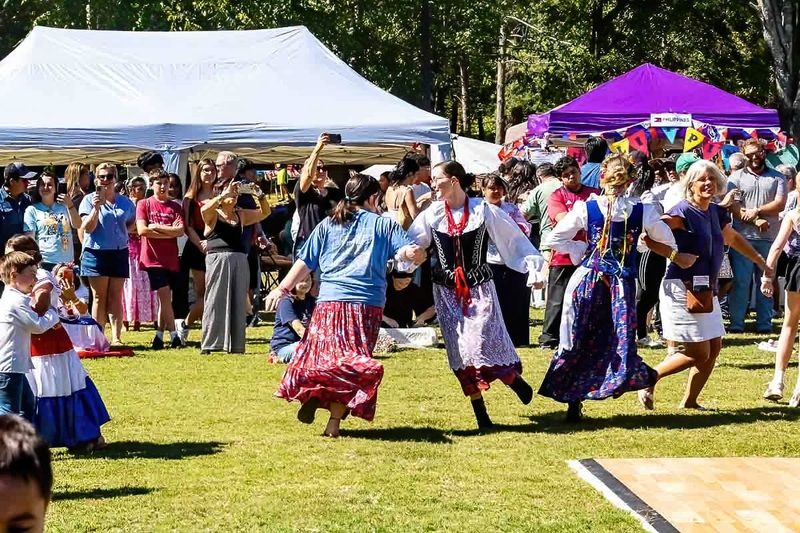
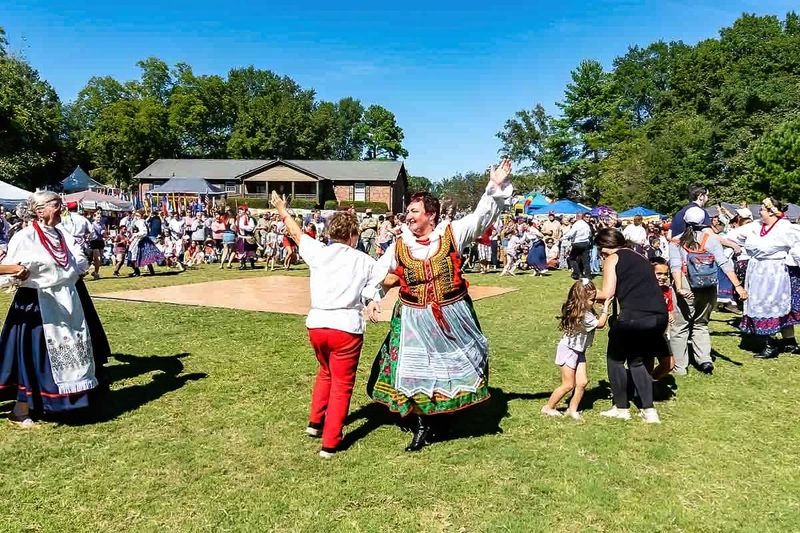
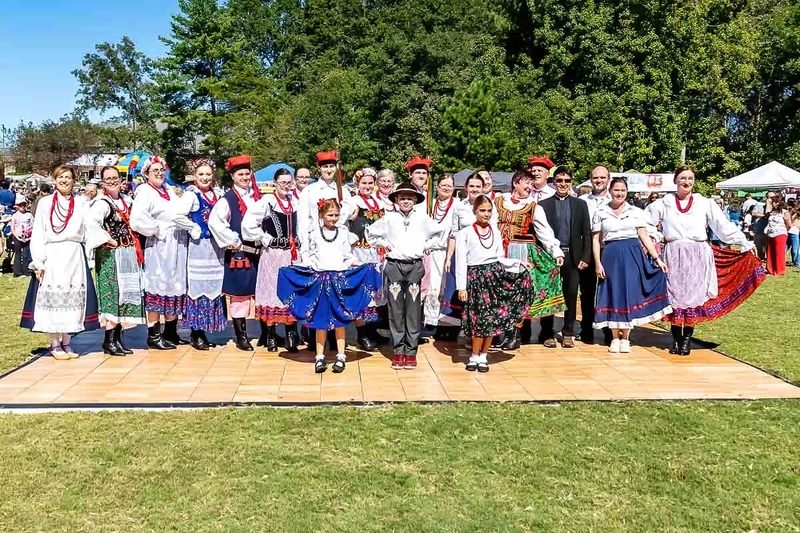
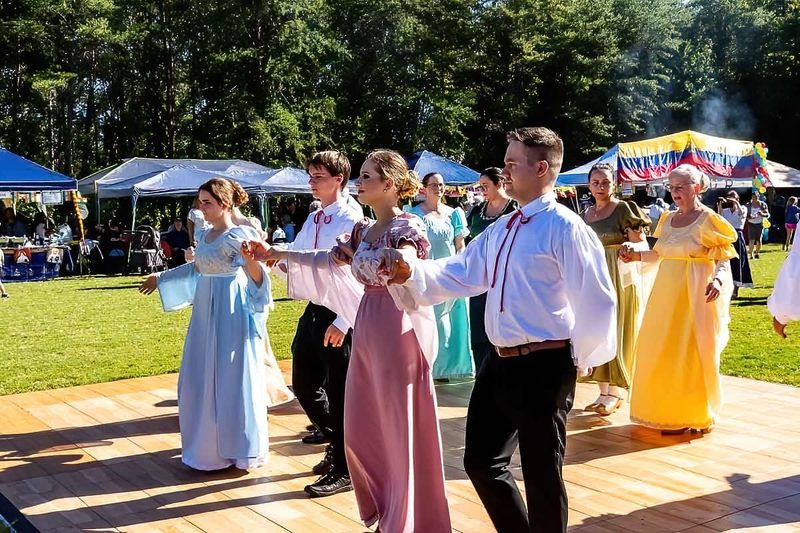
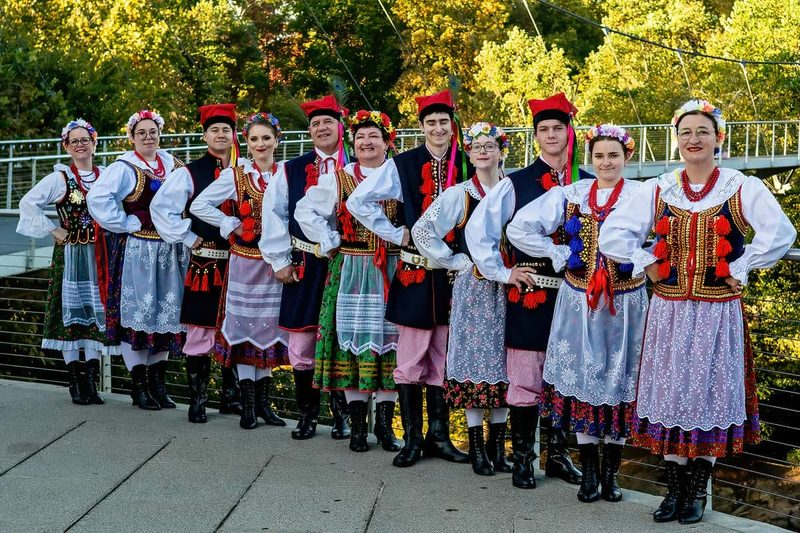
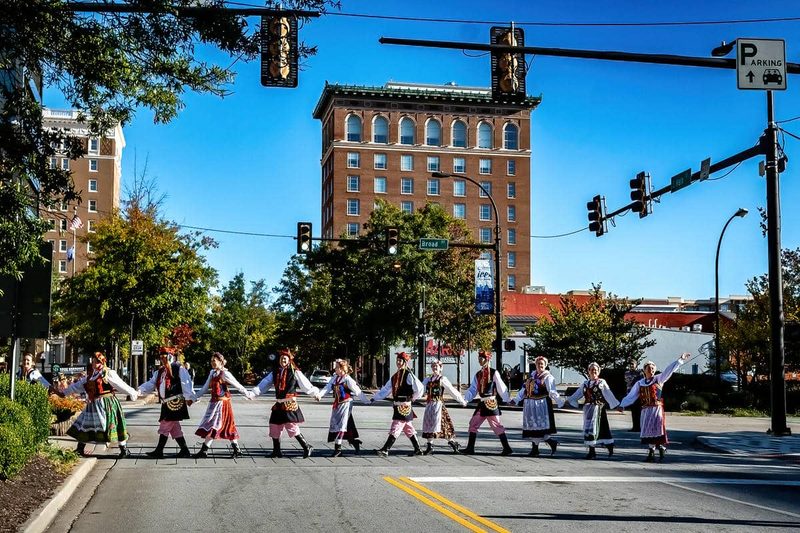
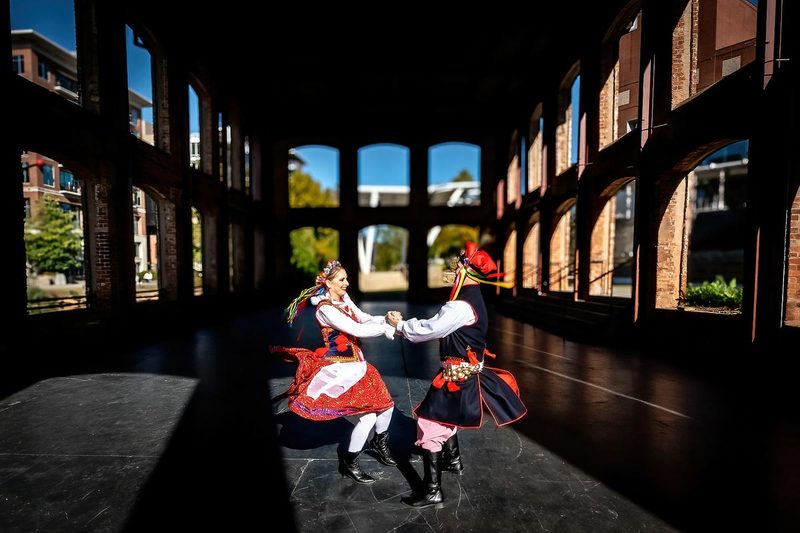
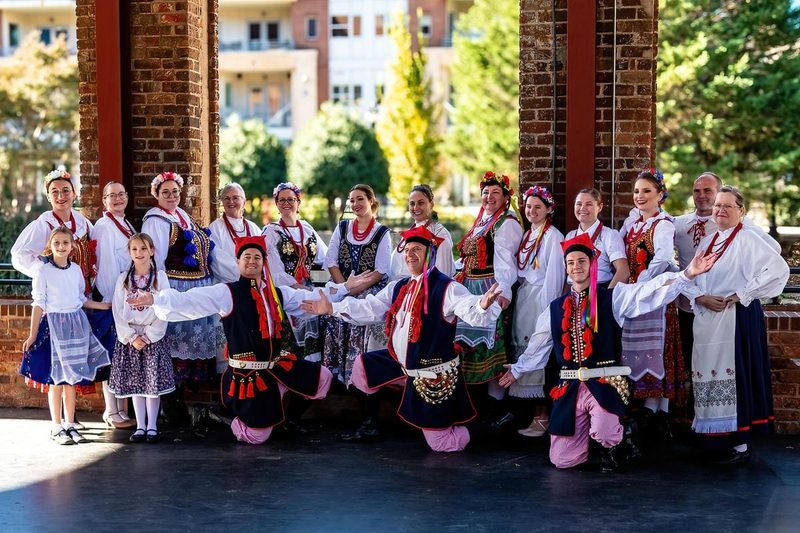
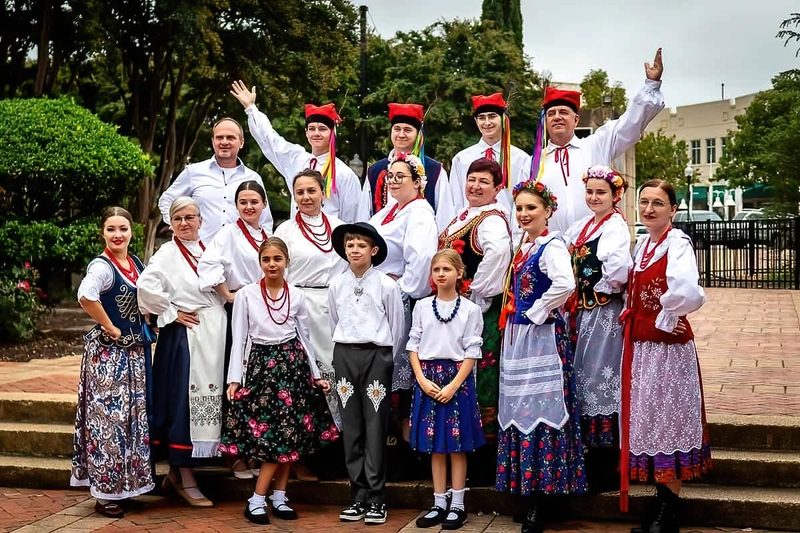
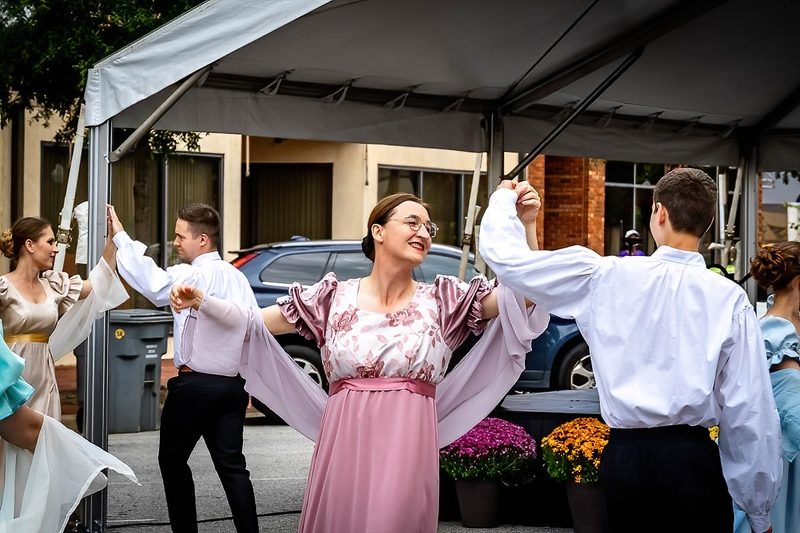
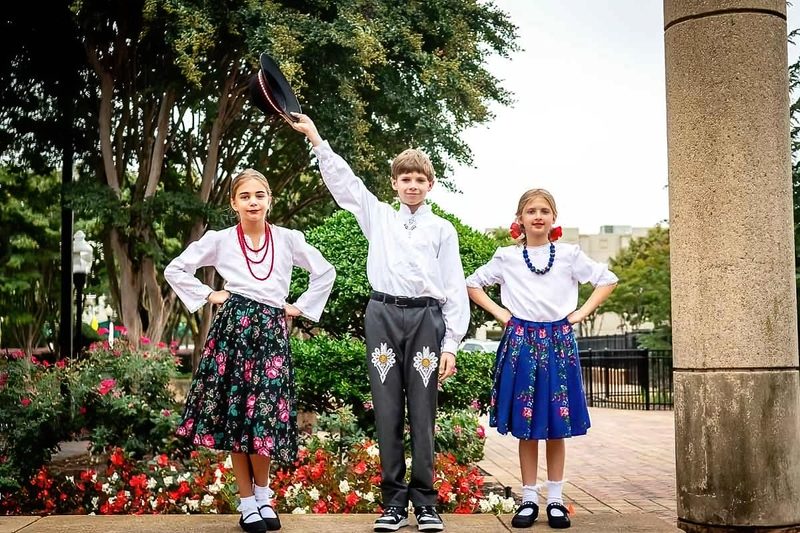
Some in the church hierarchy asked about the spiritual aspect of the Polish dance group now using church facilities for practice. Aside from the contribution it always provides to the international festival each here and the deeply Catholic nature Polish culture (especially in the south), there's the simply fact that, as to quote one, "We're not dancing hip-hop." I whipped out my phone and went to ChatGPT: "Make a picture of a group dressed in traditional Krakow clothes doing hip-hop poses."
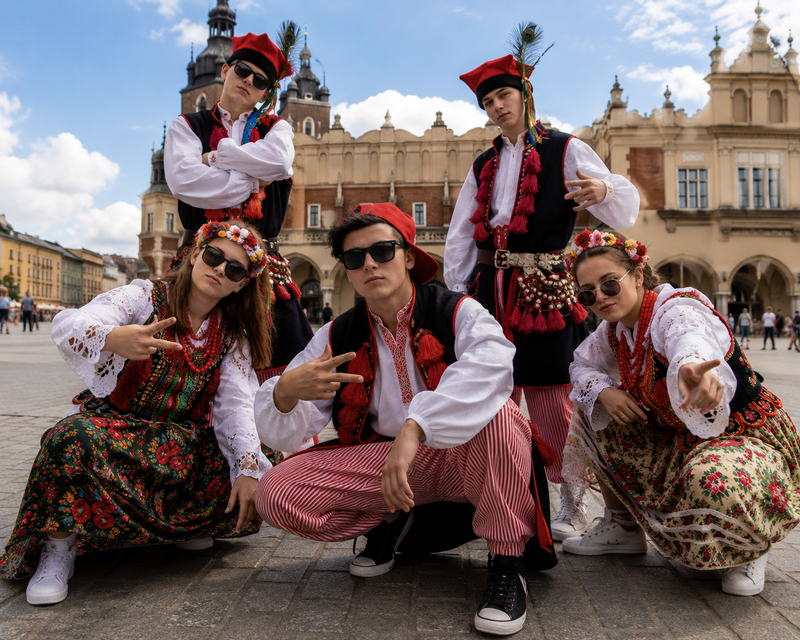
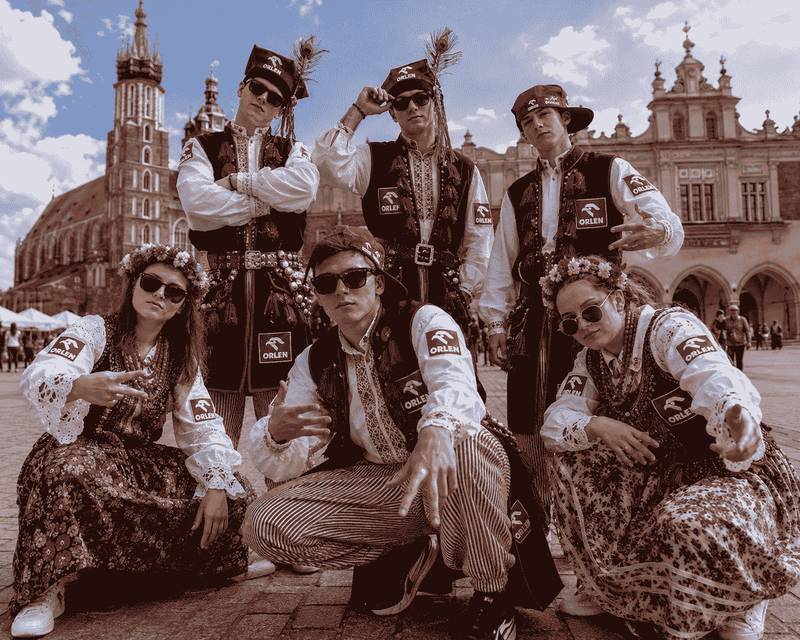
Later, there was talk about sponsorship. I made a simple suggestion...
Students are doing a presentation. At one point, they perform a skit that takes place in a school. The student teacher explains the assignment.
"You're going to read a book about the migration of whales." Snickers throughout the audience. Even I smile. What an arbitrary topic.
A student in the the skit asks, "What do you think is in it?"
The student teacher replies without a pause, "Whales."
Raucous laughter in the audience. One young man, a constant and consistent performer who sometimes doesn't know how to get attention, falls out of his chair he's laughing so hard. More wild howls. I smile slightly, not at the joke but at everyone's joy in it.
Sixth graders are in that precarious in-between moment. They're not really children but they're certainly not teenagers. That leads to an innocence that was always lacking in my experience with eighth graders. Just two years apart and so very different. The sixth graders laugh at just about anything; eighth graders laugh at almost nothing. And it's because of this innocence, which is born out of a lack of self-awareness. Sixth graders don't worry about being cool; they don't concern themselves with the opinions of others; they don't worry that they might raise eyebrows with their silliness. They are purely and completely themselves.
But it won't last. Already, a growing awareness that they are no longer children tempers some of their behaviors. Not everyone. Not even a majority. But here and there (one or two out of a class of twenty-four, the size of most of my classes -- how fortunate I am to teach in such an environment), they are beginning to try to see themselves as others might see them, to allow themselves to be affected by that oft-mistaken self they are sure others detect in them. Already, some are beginning to realize that, in the eyes of the world, they should hide bits of themselves from others. They are losing a bit of themselves, transforming those bits into something a little more angular, a little more defensive. It's not simply maturity: it's a bit of burgeoning cynicism, that poison that corrupts us out of our childhood self-abandon and gets us thinking that perhaps all is not right with the world, that maybe there are some out there we should be wary of.
The ubiquity of social media has killed this innocence off with ever-increasing rapidity in each successive cohort, and it has done the job more thoroughly. Not only do kids these days have to worry about what those in their immediate vicinity might think about them; the surreptitiously-posted social media content makes it possible to spread their perceived social mistakes to an infinitely larger audience. Not only are their friends and acquaintances making snap judgments about them; strangers are doing the same. I anticipate a time when this pushes the boundary between childhood innocence and teenage/adult hyper self-awareness back another year, maybe two. And that will be another shameful victim of our social media obsession.
Which the girls won...


Out of curiosity, I uploaded a photo from Jablonka to ChatGPT and Grok and asked them to create a story based on the image. Chat's is superior, I feel, but they both determined that this was an old house, not a health center.
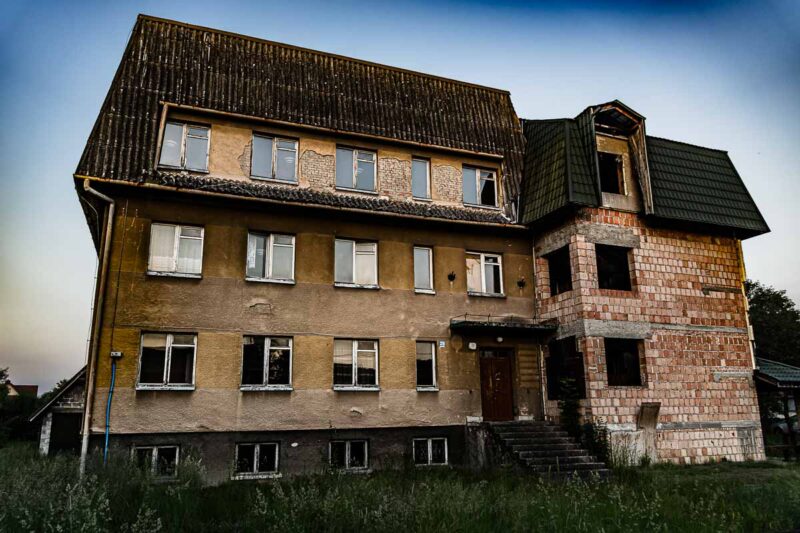
Everyone in the village called it the big house, even though no one had lived there for years.
Its windows stared out over the road like tired eyes. The plaster had begun to crumble, exposing old brick beneath. On one side, an unfinished addition stood frozen in time, as if the builders had simply laid down their tools one evening and never returned.
People made up stories.
Some said the family had run out of money.
Others insisted they had moved to another country.
Children whispered that the upper rooms were haunted because one attic window was always open, no matter the season.
The truth was much quieter.
Thirty-five years earlier, Stefan had begun building the house with a single dream: every one of his children would have a room of their own. Every Saturday after work he mixed concrete, carried bricks, and nailed boards into place. Neighbors stopped by to help. His brothers poured the foundation. His father framed the roof. The unfinished wing was supposed to become apartments for his sons after they married.
Then history intervened.
One son found work in Germany. Another left for England. His daughter married and settled in Kraków. They all promised they would come back someday.
"Just a few years," they said.
Stefan believed them.
Every summer he repaired something. A broken gutter. A cracked window. A loose stair. He never finished the addition because he wanted his children to help decide how their homes would look.
Years slipped by.
His wife passed away first.
Stefan grew older, climbing the stairs more slowly each year. Eventually he closed off the upper floor because heating the entire house no longer made sense. He lived alone on the ground floor with a small kitchen, a radio, and photographs that filled the walls.
His children visited when they could. Christmases. Weddings. Baptisms.
Each time they stood in the unfinished rooms.
"We should really finish this someday," someone would say. Everyone nodded. No one brought a hammer.
When Stefan died, the house became what it had quietly been becoming for decades—a monument to plans that had outlived the people who made them.
Today the grass grows tall around the front steps. Rain seeps through cracked mortar. Birds build nests where children were once supposed to sleep. Travelers slow down as they pass, wondering what happened inside those empty rooms. They imagine tragedy.
But the house was never destroyed by disaster.
It was undone by something far more common. Time. Time that scattered a family across continents. Time that turned "next year" into "maybe someday." Time that proved a house can remain standing long after the dream that built it has moved away.
Yet if you stand there on a quiet evening, when the setting sun catches the worn plaster and the old windows glow gold, it doesn't seem abandoned. It seems patient.
As though, even now, it is waiting for someone to come home.
The wind whispered through the cracked windows of the old sanatorium like a forgotten patient still calling for help.
Once known as “Villa Aurora,” the grand building had opened its doors in 1938 on the edge of a quiet Polish town, promising rest and recovery to weary factory workers and tuberculosis patients. Its mustard-yellow walls and solid brick wings stood proud against the pine forests, a beacon of state-of-the-art socialist care after the war.
But time is a cruel doctor.
By the late 1990s, the funding dried up, the patients were moved to newer facilities, and the doors were simply locked. No one ever came back to turn the lights off properly. For nearly thirty years the building stood empty, slowly surrendering to nature and memory.
Now the roof sags like an old man’s shoulders. Tiles are missing in jagged patches, revealing dark wooden ribs beneath. Windows stare out like blind eyes—some still holding dusty curtains, others completely shattered. The once-elegant entrance staircase is choked with tall grass and wildflowers. Brickwork on the right wing has crumbled away, exposing the building’s red skeleton.
Yet if you stand still long enough on a quiet evening, you can almost hear it: the distant echo of laughter from the common room, the soft shuffle of slippers down the long corridors, the clink of medicine bottles.
Local teenagers dare each other to sneak inside. Old residents of the town still drive by slowly, pointing out the window where their grandmother once recovered. Some say the place is haunted—not by ghosts, but by what it represents: a time when the state promised to take care of everyone, and then quietly walked away.
Villa Aurora waits. Not for demolition crews (the town can never quite agree on what to do with it), but for someone brave enough to remember what it once was… or bold enough to give it a completely new story.
For now, it simply stands—majestic, melancholy, and magnificently ruined—watching the grass grow taller every summer.
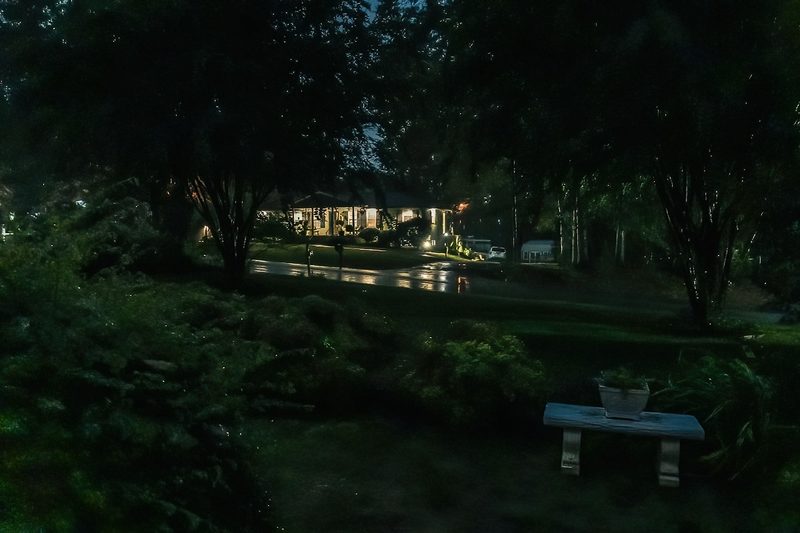
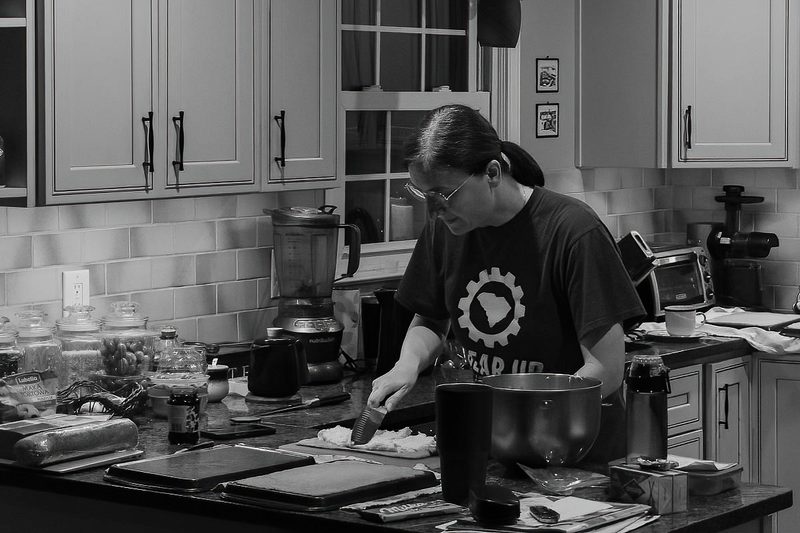
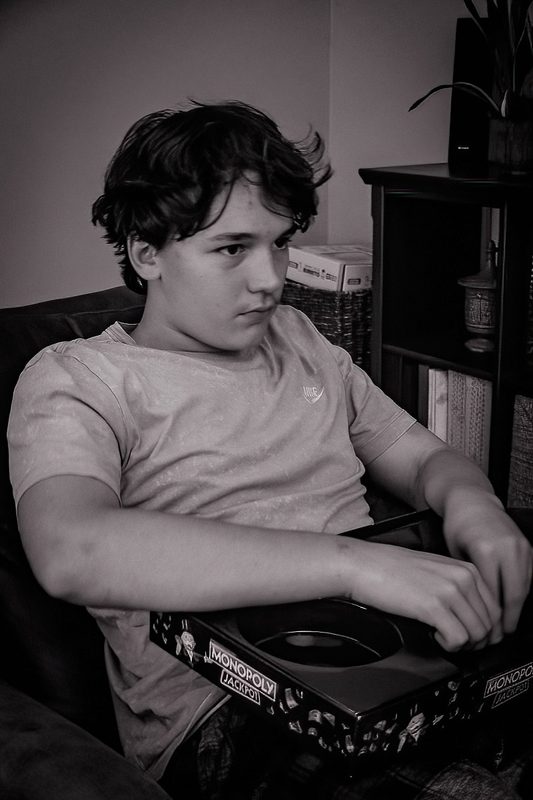
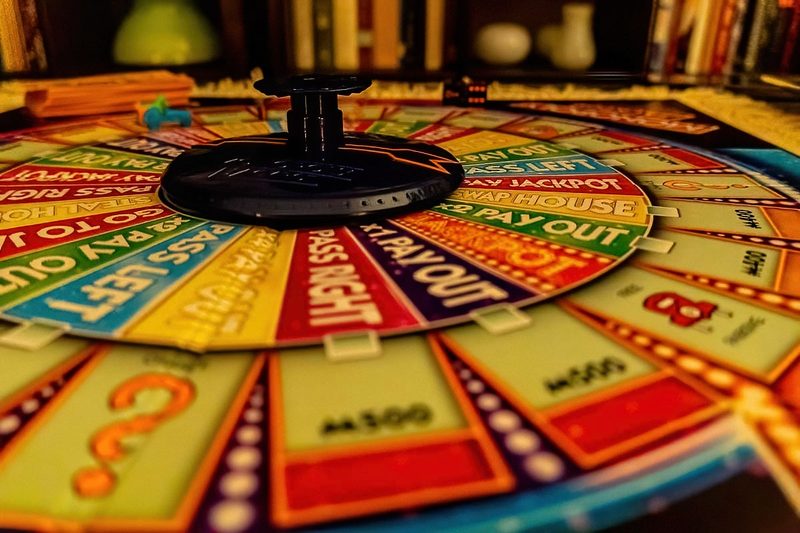
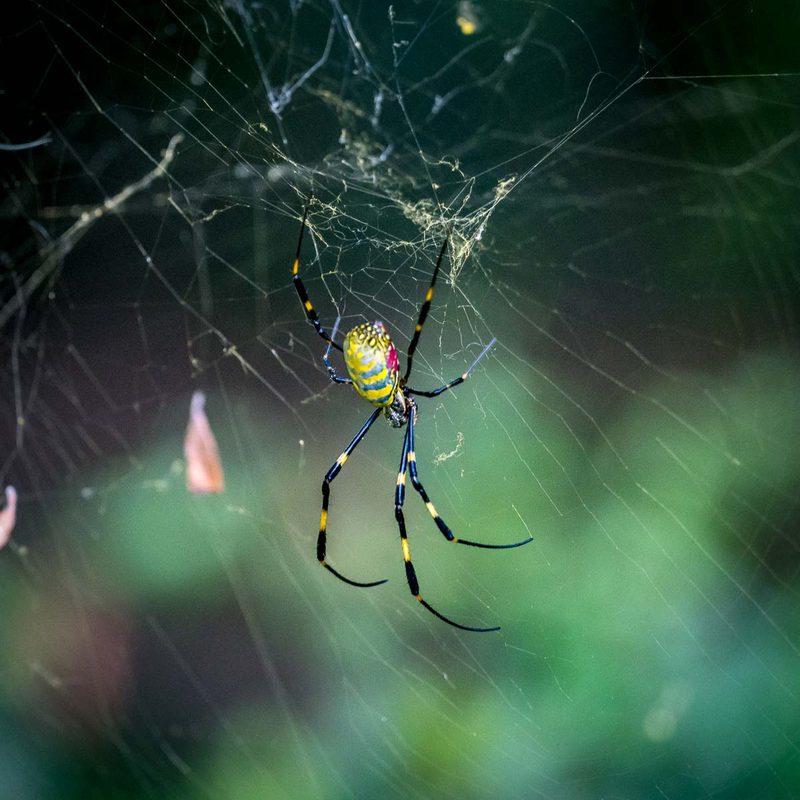
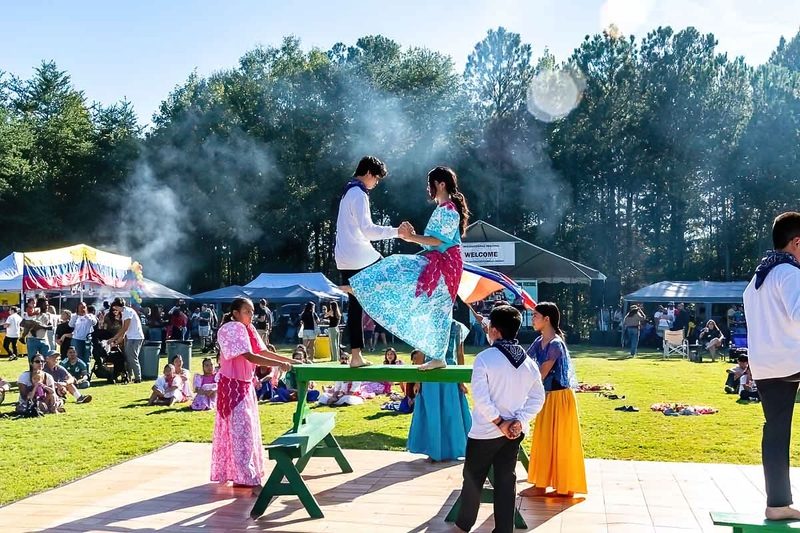
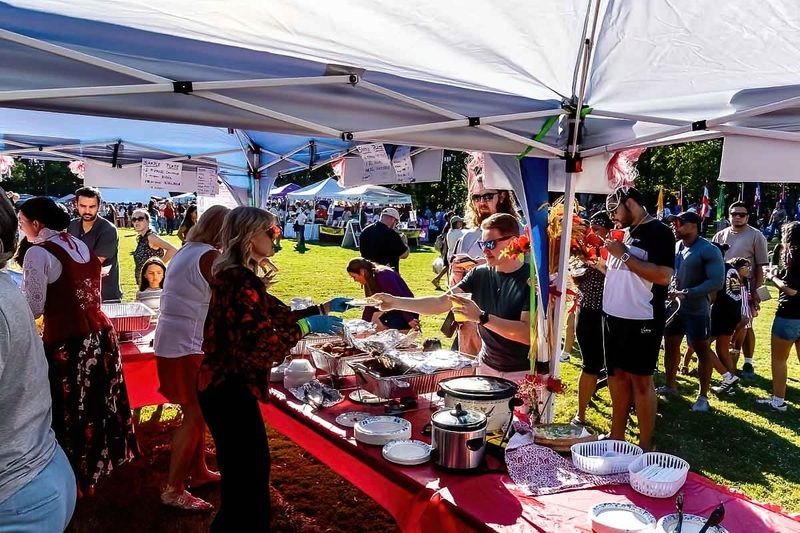
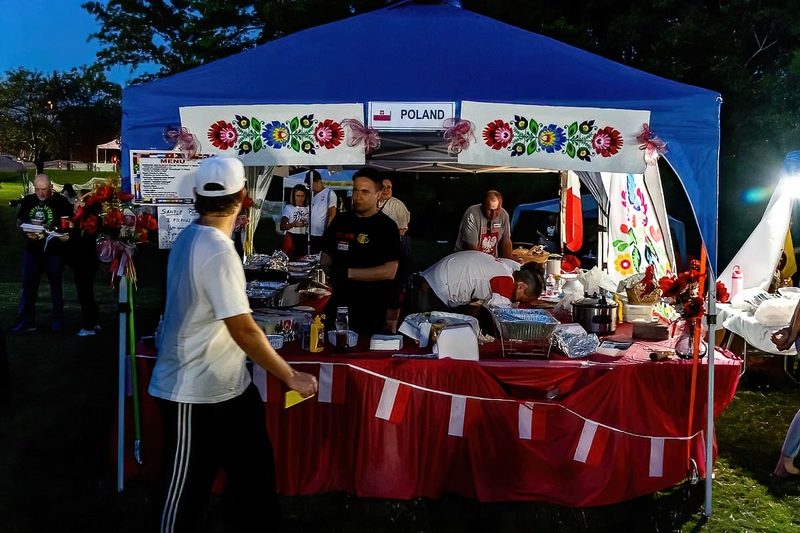
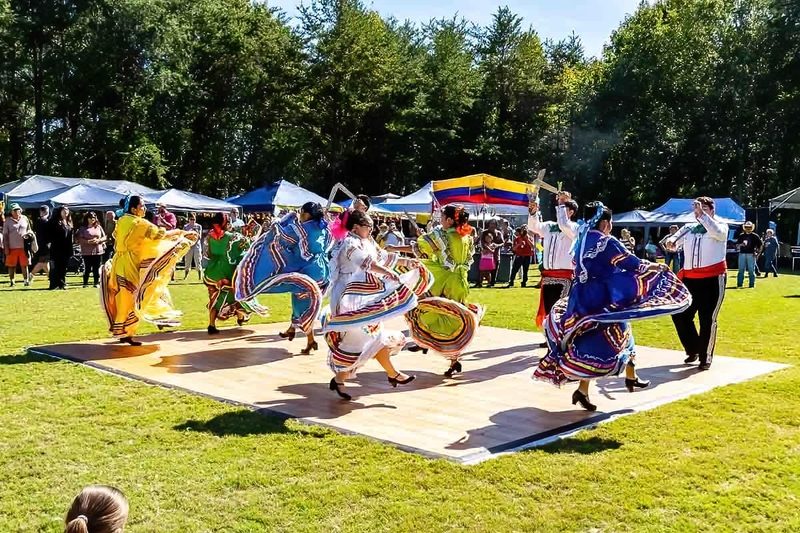
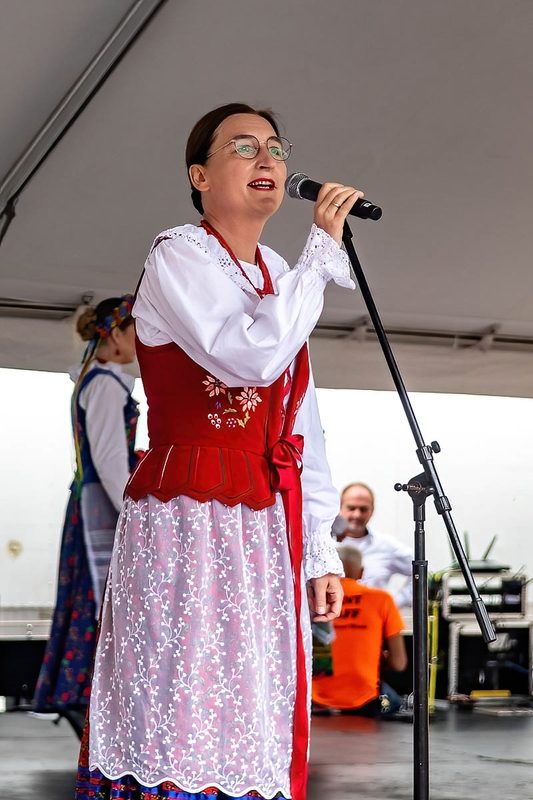
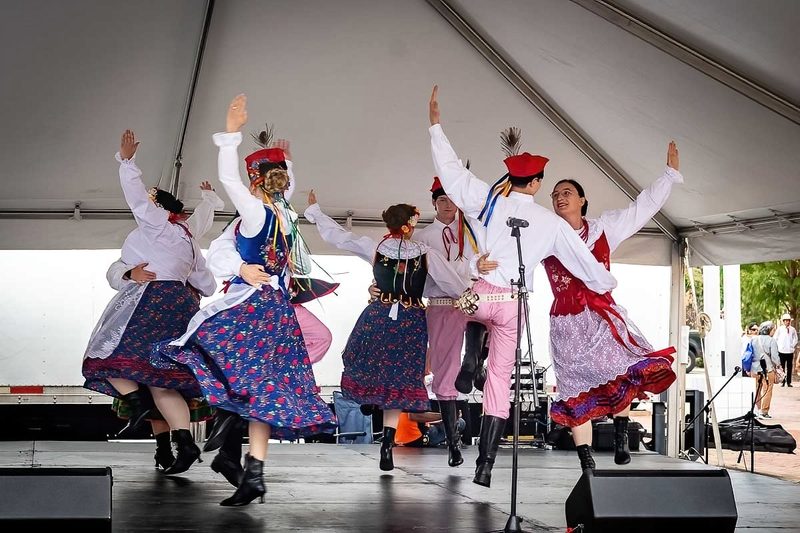
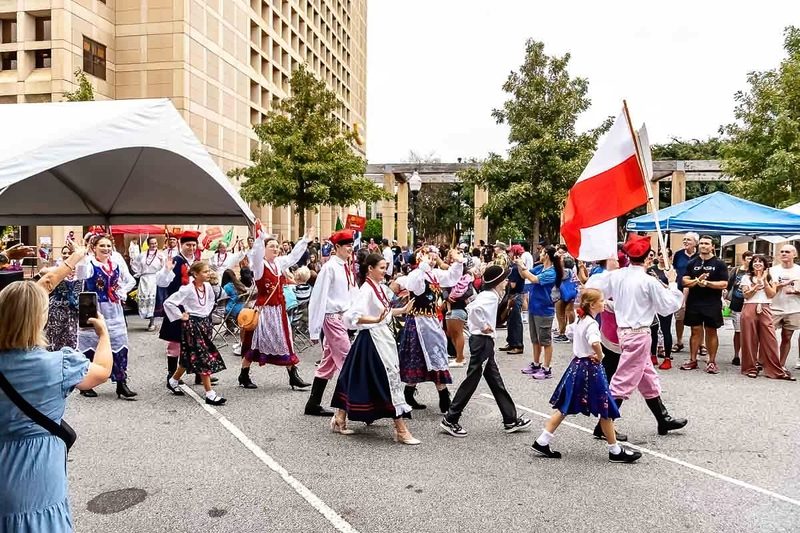
K and another Pole, new to the area, sang for the International Festival yesterday.



The question:
Why do people try to irritate, anger, frustrate, or annoy other people? What motivation drives people to be almost-bullies and/or bullies?
My response:
Teasing and poking fun at someone can often be harmless: if everyone is good with the ribbing, few feelings suffer. This is why, when we're making new seating groups in class, I always ask "Who wants to get picked on this time?" I always have a lot of students to choose from to use as an example kid that one might not want to get stuck with. "We all know someone will get stuck with Bob," I begin, "But what is our reaction to being grouped with someone we're not crazy about?" "Nothing!" comes the chorus reply. Yet despite this there are still some moans and complaints about the groupings, though to their credit, the students are almost always complaining because they're with some of the same students they were with in the last seating arrangement. Sometimes, though, the ribbing and joking don't feel like jokes, especially when they're not the product of mutual consent. Yet some people knowingly, even intentionally, cross that line. They do annoying things because they are annoying, and the more we ask such a person to stop, the more likely they are to continue.
The journal prompt from school:
You had a lesson with Ms. I or Mrs. T about bullying. Write a summary of what you learned. What is bullying? What’s the difference between bullying and teasing?
I've begun answering the questions, too -- what's good for the goose and all that:
When I was about fourteen, I went to a three-week church summer camp in Texas. It was held on a college campus, and we campers stayed in the college dorms. I don't remember much about the time we spent in the dorms, but one thing stands out: our mistreatment of a boy named Sam.
Looking back on it, I realize Sam was likely on the autism spectrum, but autism wasn't a word any of us had even heard of, and to many campers, Sam was just strange. As one might expect, that led to Sam being picked on. I'm not sure any of it was malicious: we were just trying to be irritating and perhaps occasionally infuriating. And yes, that use of "we" does constitute a confession: with much shame, I admit that I took part in the hazing as well.
Today's prompt has got me thinking about whether or not we were bullying Sam. Given the fact that we weren't trying to intimidate or to frighten Sam but just trying to annoy or even anger him, I would be tempted to argue that it wasn't bullying in the strictest sense. But some of the boys took things so far that they undoubtedly made life miserable for Sam. Some of the things we did hurt him emotionally. I'm sure he hated the entire camp experience and likely begged his parents to let him come home. However I label it (and my reticence about calling it bullying is not an effort to diminish my own culpability but rather an effort to apply the term accurately), it was an awful thing to do, a source of shame for me all these decades later.
But more than my cruelty haunts me still: why did I even part in that? Several of the boys leading the hazing were a couple of years older than I was, and perhaps that explains some of it. It felt good to be accepted by the older kids, even if it was acceptance of a dubious nature. Yet I, too, had been picked on mercilessly at times in school, and I knew how awful that felt.
I wish I'd had the guts to stand up for Sam or at least the common decency not to participate. But I didn't.