
Evening Walkathon
fun in threes, sometimes fours
g
We're nearing the end. The Girl's volleyball has been a constant in our lives for years now. The Girl and volleyball -- we can't imagine one without the other. Two years of middle school volleyball followed by four years of high school volleyball with club volleyball each of those years: it's all coming to an end in just a couple of weeks.
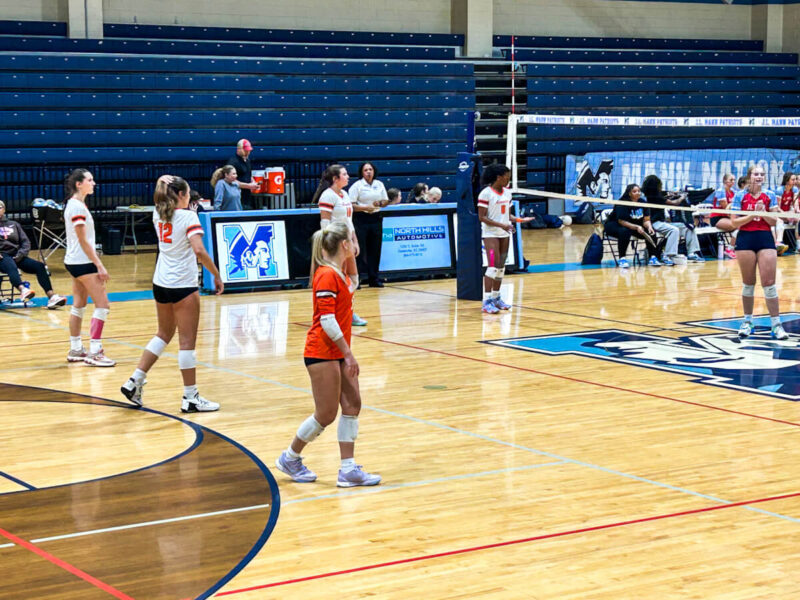
So often, we don't see the end coming. We don't know when we're in the midst of some last or another. The last time we see this person. The last time we visit this place. The last time we watch someone do something they love. This last, though, is approaching with unrelenting certainty.
I revel in nostalgia. I wallow in it at times. These last few days, I've been looking for pictures to send to our volleyball coach for the upcoming senior night, and I've found pictures throughout L's volleyball career, one from the very beginning:
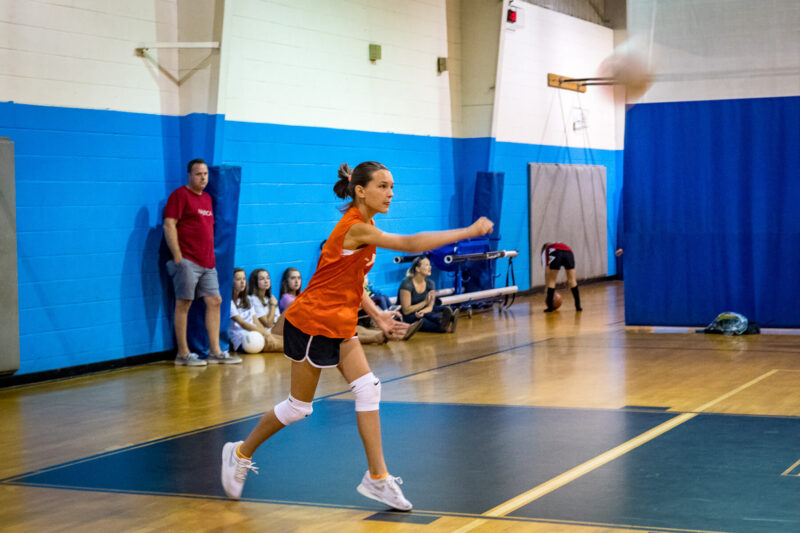
She was the Boy's age in this picture, perhaps a little younger. She was just learning, and an overhand serve was the stuff of dreams. An overhand jump serve (as if you'd do an underhand jump serve) was something she couldn't even imagine. Now she does the easily (when the coach leaves her in rotate on the back line to serve, which is admittedly rare these days).
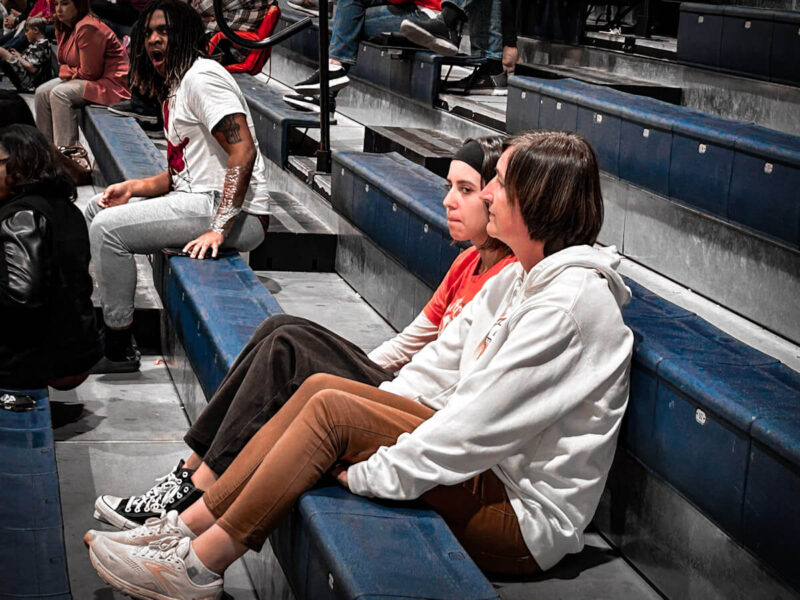
And in a few more games, it will all be over. She's not going to be playing volleyball college (at last not for the college team -- she'll likely get involved in intermural sports). So we enjoy each game in a way we probably never have.
We're starting a new unit at with the on-level eighth graders this week, and as I always do, I consulted the district pacing guide to see what the recommended teaching topics were and how much time we should spend on each topic.
It's a unit on horror fiction (because of Halloween, I suppose), and the first piece in the textbook is a relatively short literary analysis called "What Is the Horror Genre?" -- it's short, but not easy for eighth graders. Nor is it what we could call a high-interest text. The piece in its relatively short entirety:
Many people define horror by its subjects. We all think of creatures like Frankenstein’s monster, Dracula, and the wolfman as monsters in the horror genre. Each one of these creatures has a history and developed over a period of time. But we also know that horror covers more than just these monsters. We could all make long lists of the kind of creatures we identify with horror, especially when we think of films as well as literature. The minute we would start to make such a list we would also realize that not all monsters are alike and that not all horror deals with monsters. The subject approach is not the clearest way to define this genre.
Some students of this genre find that the best way to examine it is to deal with the way horror fiction is organized or structured. Examining the organization of a horror story shows that it shares certain traits with other types of fiction. Horror stories share the use of suspense as a tactic with many other kinds of literature. The tension we feel when a character goes into the attic, down into the basement, or just into the abandoned house is partially a result of suspense. We don’t know what is going to happen. But that suspense is intensified by our knowledge of the genre. We know that characters involved in the world of horror always meet something awful when they go where they shouldn’t. Part of the tension is created because they are doing something we know is going to get them in trouble. Stephen King refers directly to our anticipation of horror. In Salem’s Lot Susan approaches the house which is the source of evil. “She found herself thinking of those drive-in horror movie epics where the heroine goes venturing up the narrow attic stairs . . . or down into some dark, cobwebby cellar . . . and she . . . thinking: . . . I’d never do that!” Of course Susan’s fears are justified. She does end up dead in the basement, a victim of the vampire
If the horror genre uses the character’s search for information to create suspense, it controls when and where we get our knowledge. Because we are outside of the situation we usually know more than the characters. Our advance knowledge creates suspense because we can anticipate what is going to happen. The author can play with those expectations by either confirming them or surprising us with a different outcome. When suspense is an important element in fiction we may often find that the plot is the most critical part of the story. We care more about what happens next than about who the characters are or where the story is set. But setting is often considered a part of the horror genre. If the genre has traditional monsters, it also has traditional settings. Only authors who want to challenge the tradition place events in bright, beautiful parks. We expect a connection between the setting and the events in this genre. We are not surprised to find old houses, abandoned castles, damp cellars, or dark forests as important elements in the horror story. Some people make further distinctions based on how the stories are organized. We can divide stories into different categories based on how we come to believe in the events related and how they are explained to us. Stories that deal with parallel worlds expect us to accept those worlds without question. We just believe Dorothy is in Oz; we accept Oz as a parallel world separate from ours. Other times events seem to be supernatural but turn out to have natural explanations: the ghosts turn out to be squirrels in the attic, or things that move mysteriously are part of a plot to drive someone crazy. Sometimes the supernatural is the result of the way the central character sees the world, as in stories told from the point of view of a crazy person. But at times we are not sure, and hesitate about believing in the possibility of the supernatural. When I first read Dracula I seriously considered hanging garlic on my windows because I believed that vampires could exist. This type of hesitation, when we almost believe, falls into the general category of the “fantastic” (Todorov 25). Often horror has its greatest effect on us because we almost believe, or believe while we are reading the book or watching the film, that the events are possible.
Yet another way of categorizing works of horror is by the source of the horror. Some horror comes from inside the characters. Something goes wrong inside, and a person turns into a monster. Dr. Frankenstein’s need for knowledge turns him into the kind of person who creates a monster. Dr. Jekyll also values his desire for information above all else, and creates Mr. Hyde. In another kind of horror story the threat to the central character or characters comes from outside. An outside force may invade the character and then force the evil out again. The vampire attacks the victim, but then the victim becomes a vampire and attacks others. Stories of ghosts or demonic possession also fall into this category.
We can also look at the kinds of themes common to horror. Many works concentrate on the conflict between good and evil. Works about the fantastic may deal with the search for forbidden knowledge that appears in much horror literature. Such quests are used as a way of examining our attitude toward knowledge. While society may believe that new knowledge is always good, the horror genre may question this assumption, examining how such advances affect the individual and society.
Not exactly a thrilling read for eighth graders. I make an argument before we begin: "Think of this as practice for all the times you'll have to read a text in the future that really holds no interest for you but is important for this reason or that -- job, education, whatever it might be." But why should be subjecting reluctant readers to something so dry and boring? Why do I do it? The short answer to the second question is simple: the district requires it. Hardly a compelling reason. As for the first question -- I don't have an answer. The situation is simple, though: no one wants to read it because it's not terribly interesting and it's at a reading level that's overly challenging for them. I don't want to force them to read it because they're reluctant readers as it is: forcing this shit down their throats only makes them less interested in reading. But the state adopted this textbook which included this piece; the district made the pacing guide; administrators require us to follow the pacing guide; and we teachers are left with the unenviable task of trying to get kids to read this.
As for the pacing guide, we're to spend four days on this. Day one has four options for the learning target.
(A few words about "learning target." Education is obsessed with jargon, and the experts at the district and state levels seem to think that changing the name of the jargon and slightly altering how we word the jargon will make qualitative and quantitative differences in the students' education. Our district used the "Essential Question" as the framing device for each lesson. We were to put them on the board and use it to frame our planning and instructional delivery: the kids at the end of the lesson should be able to answer the question. It might sound like this: "How do I analyze how supporting details contribute to the development of two or more central ideas within an informational text?" Now we've got a new silver bullet: the learning target. How would the learning target differ from the essential question above? It's a radical difference, one that has revolutionized my classroom. "How do I analyze how supporting details contribute to the development of two or more central ideas within an informational text?" becomes "I can analyze how supporting details contribute to the development of two or more central ideas within an informational text." It's made a big difference in my classroom. Formerly disengaged learners have come up to me afterward and explained, "Mr. Scott, when we had those essential questions, I felt so lost. I really didn't know what was going on, and all learning just seemed pointless. With theses new learning targets, though, everything has changed. I'm a new boy! My attention is more focused. My desire to be disruptive has disappeared. And I even do my homework now! Thanks, learning target!")
The district pacing guide suggests four possible learning targets for the first day:
What are we doing for day two? The district suggests this learning target: "I can edit to use a comma or dash to indicate a pause or break when writing compositions." So we're going to make it through this challenging text in one day? Really?
Still, I guess I can see how we could do focus on commas for a while after we finish the text. We might spend some time looking at how the article used commas (Did it really make use of commas? There are a few.) or dashes (Did it really use that many dashes? Not a single one.) and then the next day, we could perhaps do some independent practice with commas. That would be a logical day 3 learning target.
Day 3: "I can identify and revise inappropriate shifts in number when writing compositions."
What the hell is this? We're just supposed to suddenly change to another grammar-based idea out of the blue? What happened with comma practice? Are we to get all instruction and all practice done in one day? With squirrely eighth graders? And just what, pray tell, is the connection to our anchor text (another lovely bit of jargon)? Surely day four is going to continue with this subject/verb agreement lesson of day three.
Day 4: "I can use appropriate parallel structure in words, phrases, and clauses when writing compositions."
Screw it -- I give up. I just give up. I understand why this is in there -- parallel structure is one of the eighth-grade standards. But it is such a relatively esoteric compositional idea that most adults in the building (other than English teachers) wouldn't recognize a parallel structure error let alone correct it. I could teach this to my students, but it would take at least a week, and even then, I'm not sure how long they would retain it. And for what? Maybe one question on the beloved end of the year test? (And if it is on the end of the year test, it won't be worded using "parallel structure." Instead, it will have a sentence that has a parallel structure problem and the question will be, "What is the best way to revise this sentence?" Getting them to that point? It's not going to happen.)
I long for a district that says, "We trust your professional judgment. We believe you can quickly assess where your students are, design lessons to improve their reading and writing, and implement those lessons without us telling you all the whats, whens, whys, and hows." I long for a state department of education that thinks improvement is more important than reaching some arbitrary standard. If I worked in a state and district that required all the people working in administrative positions to spend at least half their day in the classroom themselves so they can see how their policies affect students and teachers, that is exactly the kind of state and district we'd have.
We're working on poetry in my honors classes, and being halfway through the unit, we've turned our attention to one of the most difficult things to do in the class: determine the tone of something. Our something was Billy Collins's (rightfully) semi-famous "The Lanyard."
The other day I was ricocheting slowly
off the blue walls of this room,
moving as if underwater from typewriter to piano,
from bookshelf to an envelope lying on the floor,
when I found myself in the L section of the dictionary
where my eyes fell upon the word lanyard.No cookie nibbled by a French novelist
could send one into the past more suddenly—
a past where I sat at a workbench at a camp
by a deep Adirondack lake
learning how to braid long thin plastic strips
into a lanyard, a gift for my mother.I had never seen anyone use a lanyard
or wear one, if that’s what you did with them,
but that did not keep me from crossing
strand over strand again and again
until I had made a boxy
red and white lanyard for my mother.She gave me life and milk from her breasts,
and I gave her a lanyard.
She nursed me in many a sick room,
lifted spoons of medicine to my lips,
laid cold face-cloths on my forehead,
and then led me out into the airy lightand taught me to walk and swim,
and I, in turn, presented her with a lanyard.
Here are thousands of meals, she said,
and here is clothing and a good education.
And here is your lanyard, I replied,
which I made with a little help from a counselor.Here is a breathing body and a beating heart,
strong legs, bones and teeth,
and two clear eyes to read the world, she whispered,
and here, I said, is the lanyard I made at camp.
And here, I wish to say to her now,
is a smaller gift—not the worn truththat you can never repay your mother,
but the rueful admission that when she took
the two-tone lanyard from my hand,
I was as sure as a boy could be
that this useless, worthless thing I wove
out of boredom would be enough to make us even.
Afterward, we listen to Collins doing a reading. The laughter surprises them. Who would think poetry could be funny? Their homework: graph the laugh. Today, we go over it.
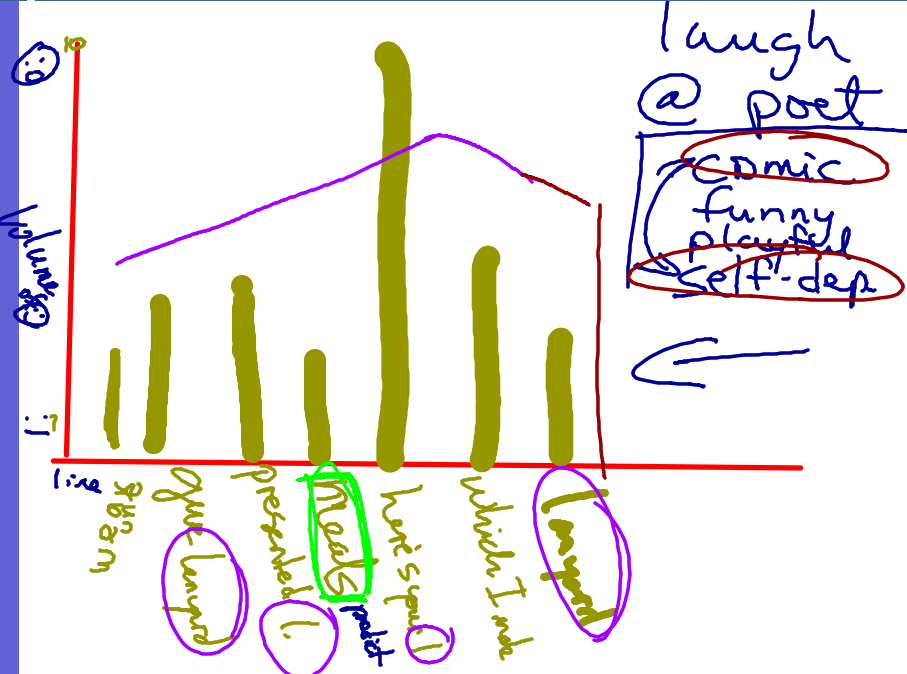
It's an example of perfect comedic timing. Collins builds the anticipation with the first two lanyard references, which come quickly one after another. Then he goes several lines focusing on the mother before reminding us about the lanyard.
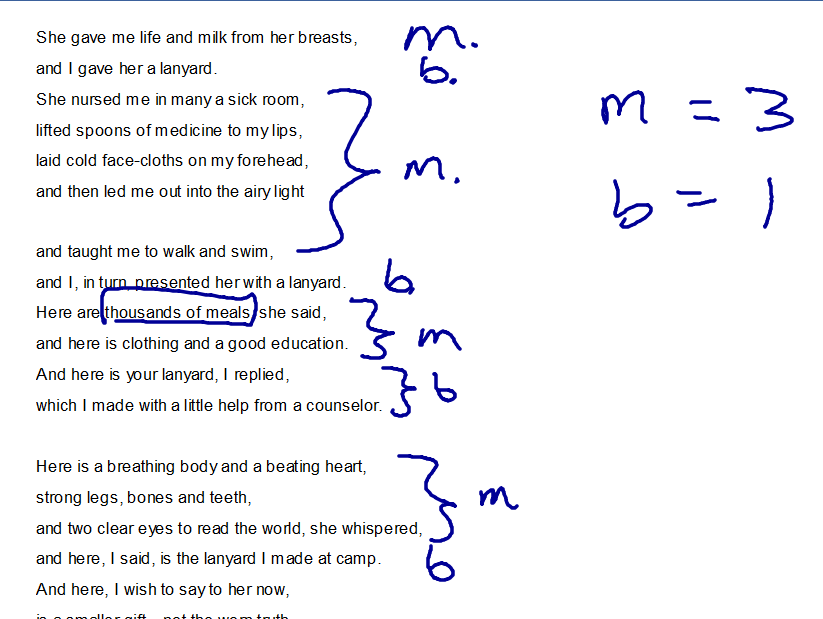
The anticipation is such that the audience even chucks a bit at the line "here are thousands of means" and a little less at "here is clothing and a good education." The anticipation appropriately high, Collins then hits us with one of the best lines of the poem: "And here is your lanyard, I replied / which I made with a little help from a counselor."
The kids always find it amusing later, but none of them ever laugh the first times we go through it.
Some day...
Some day...
Few things about religion are as interesting to me as fundamentalist Christians' ideas about how "the world" (i.e., anyone who is not a fundamentalist Christian, but most specifically anyone they deem "secular") views them. I recently watched bits of Left Behind: Rise of the Antichrist, the latest in the whole Left Behind movie series. It's about what will supposedly happen when all the true believers are whisked away to heaven and the heathen are -- here comes the title -- left behind.
The main protagonist, whose wife and young son were raptured away, decides to visit the church she attended. The voice-over narration explains that as soon as the Christians disappeared, churches were the target of violent protest. This included the graffiti below: "All souls matter!"
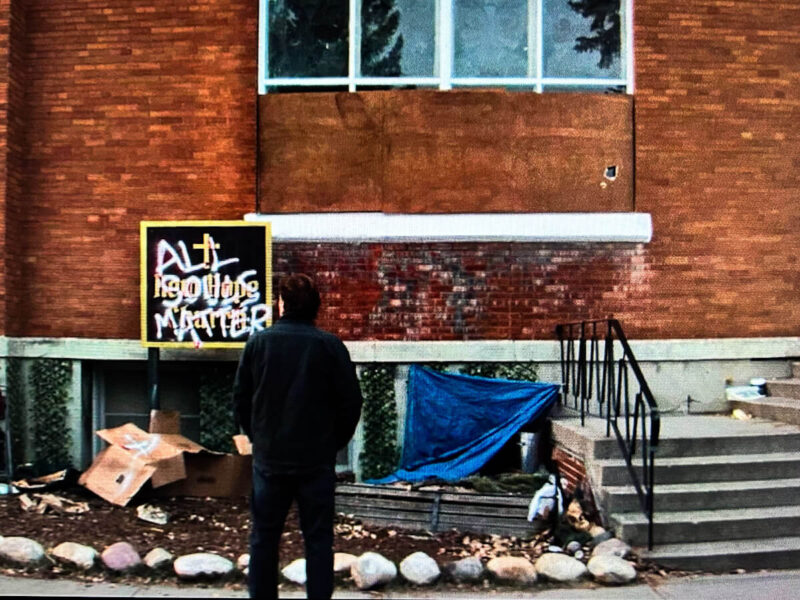
The thinking behind this seems to be that those left behind would be angry at the remaining Christians (though not true Christians because, you know, they got left behind) as they proclaimed that those who disappeared were Christians, that the fact they disappeared is proof a god favored them. The reaction: those left behind who didn't think they were Christian (i.e., the true heretics) would be angry at this perceived sense of Christian superiority and would adopt a slogan like "All souls matter!"
I'm not even sure what they're suggesting with this little detail. Do they think the dumb liberals left behind (because you can't be a liberal and a true Christian) would be highly offended at the sense of Christian superiority that they would adopt an altered slogan from the right and throw it back at the remaining Christians? Do they think the dumb liberals would be so self-contradictory that they would argue about the equality of all souls even though they don't believe in a god (because you know all liberals are atheists)?
I just don't get this little detail. I don't think they do either.
This afternoon, we went to our favorite park -- the first time since Helene. We knew a lot of the trails would be closed: those winding through the forest would have trees blocking the way, and those along the coast of the small lake were boardwalks and would likely be destroyed.
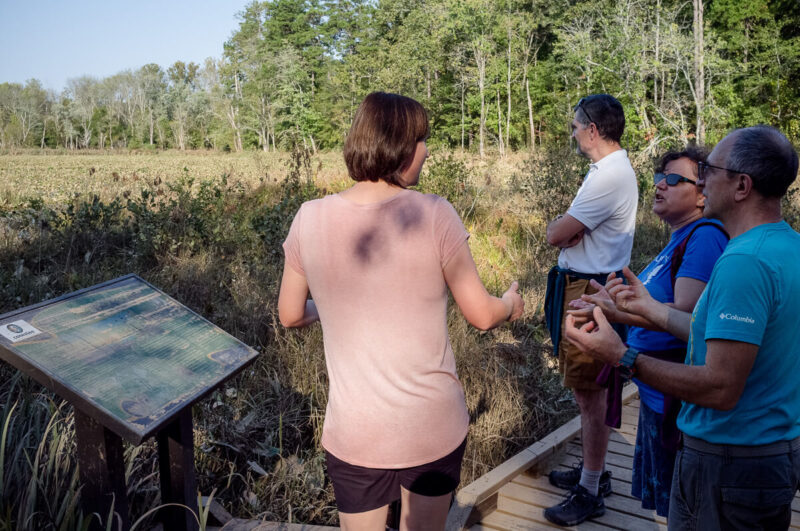
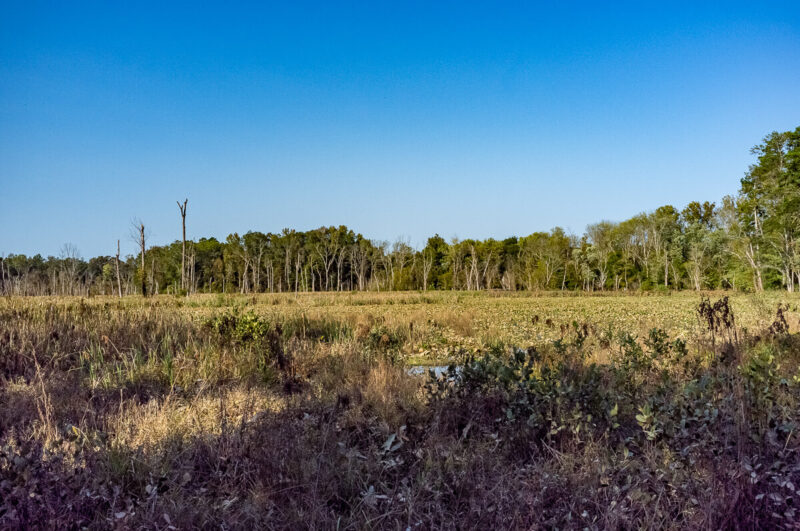
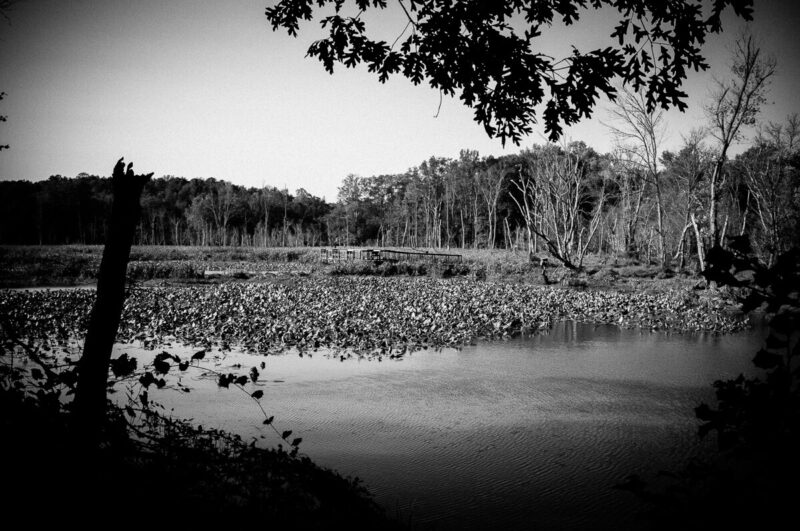
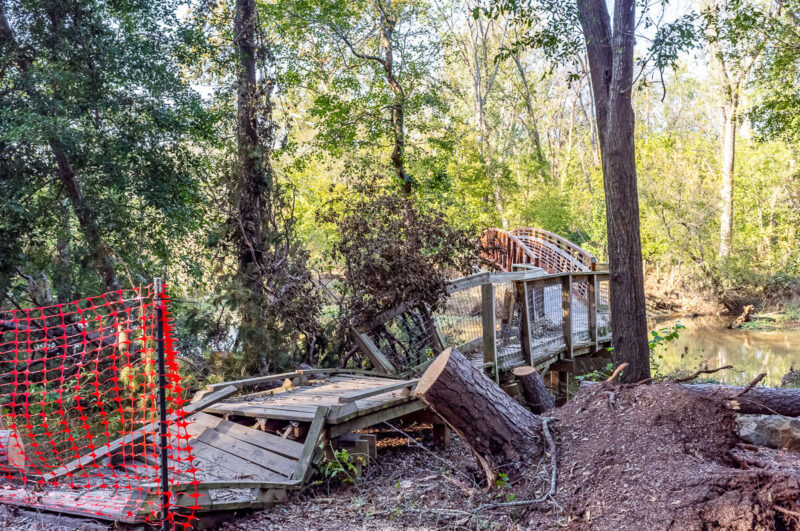
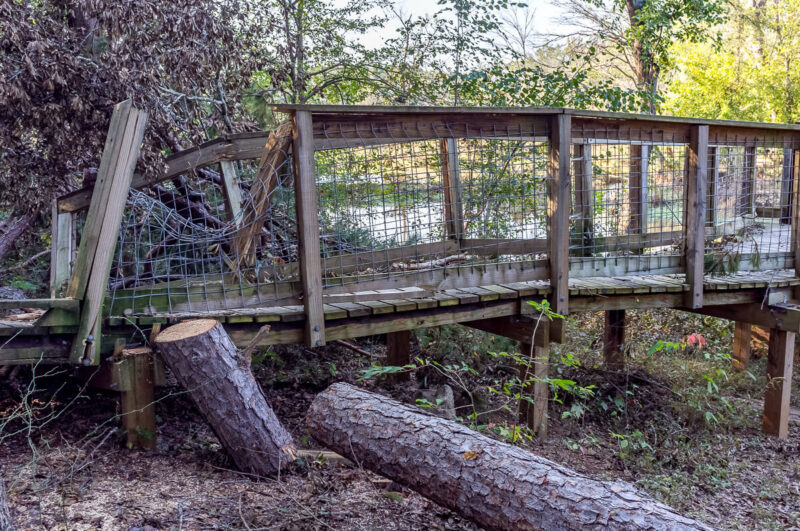
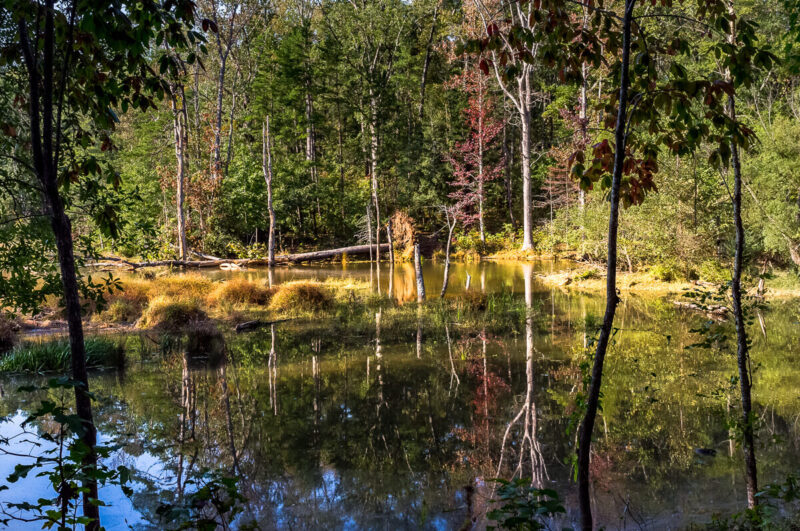
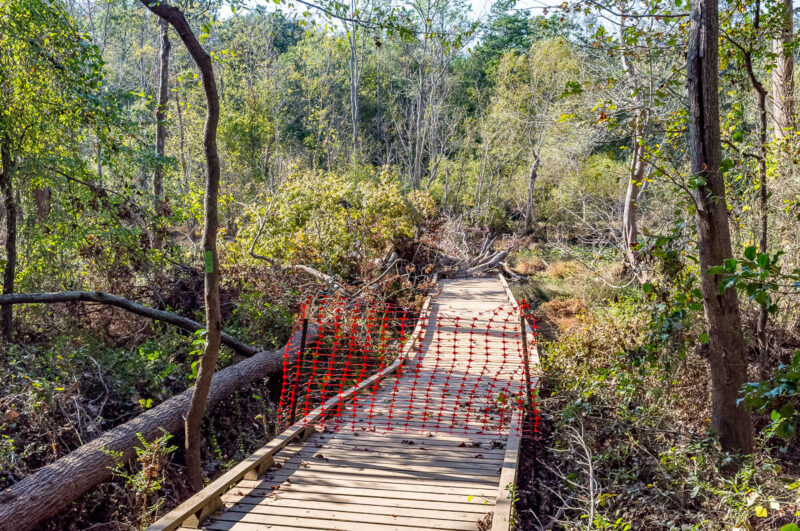
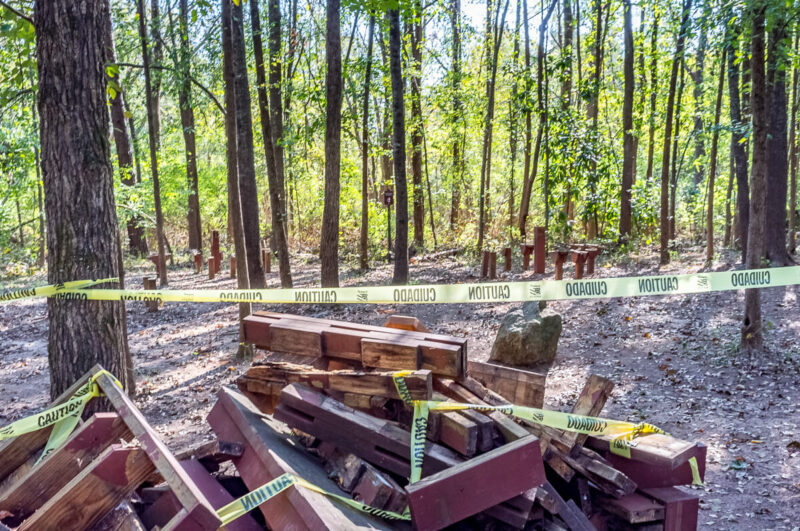
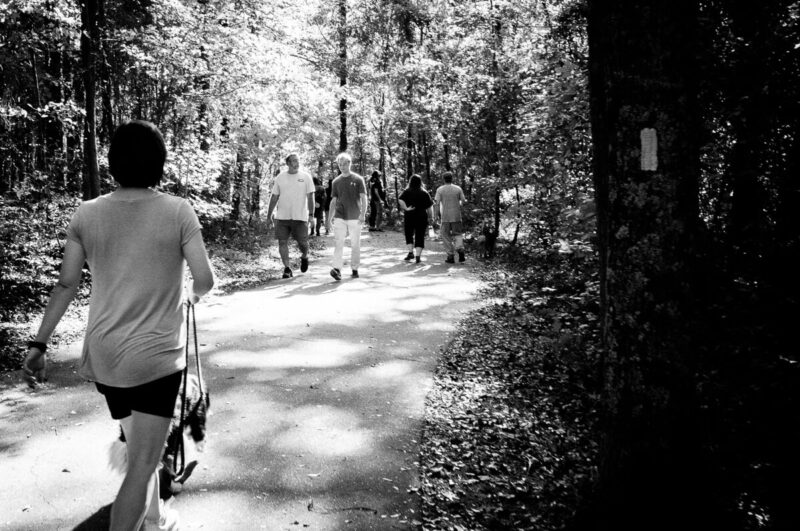
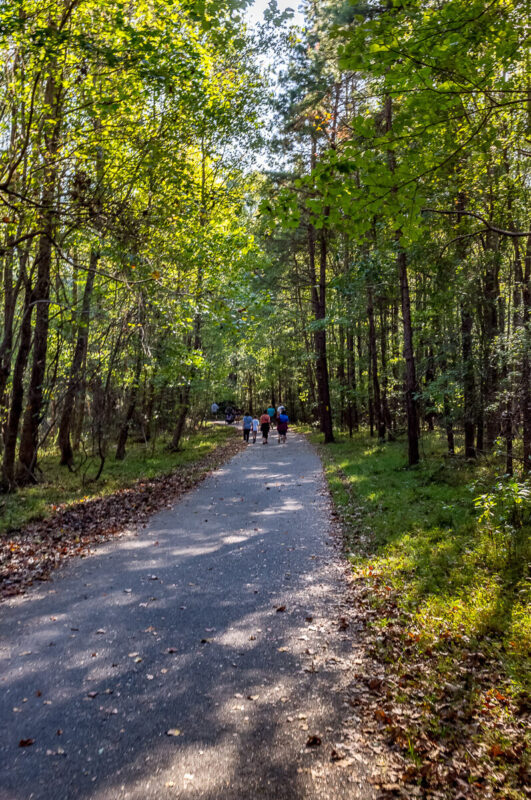
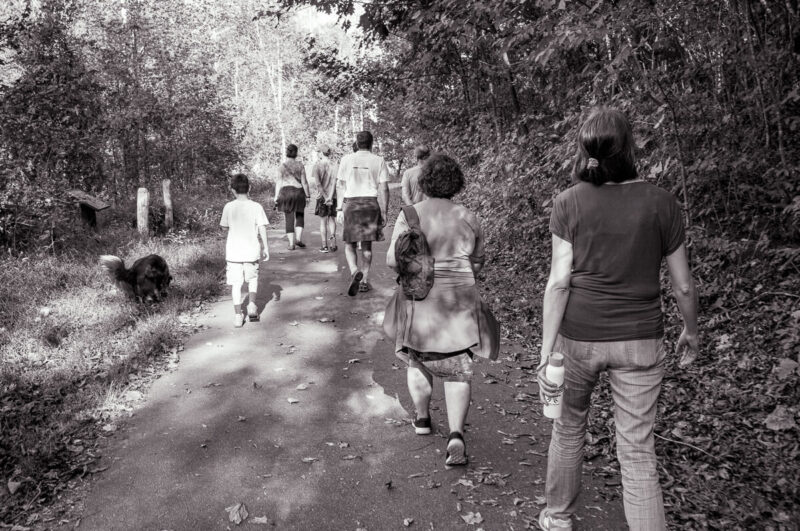
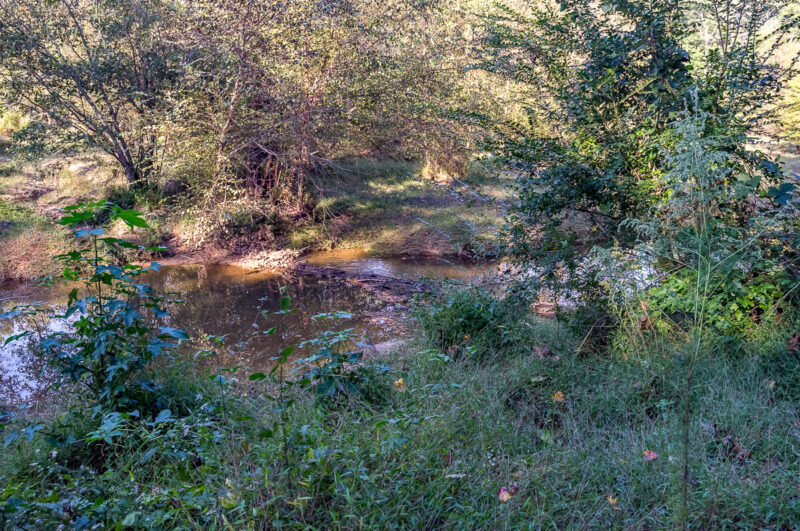
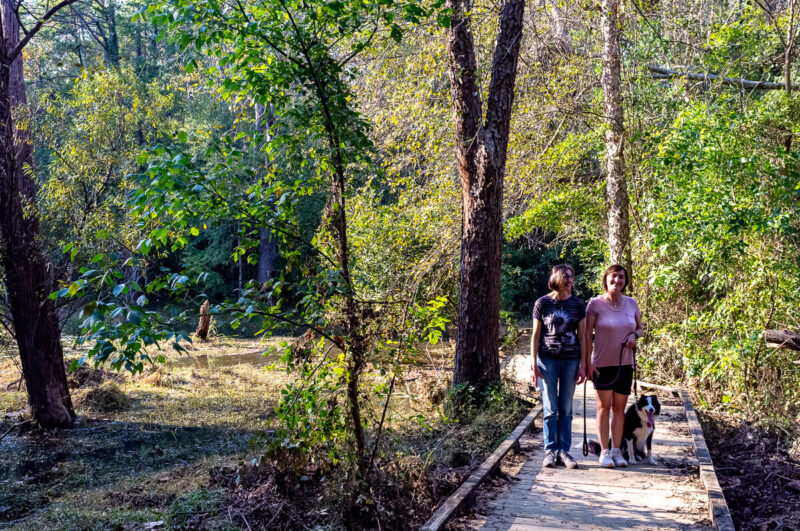
Most of the unpaved trails were closed; not all were. Most of the boardwalks were washed out; not all were.
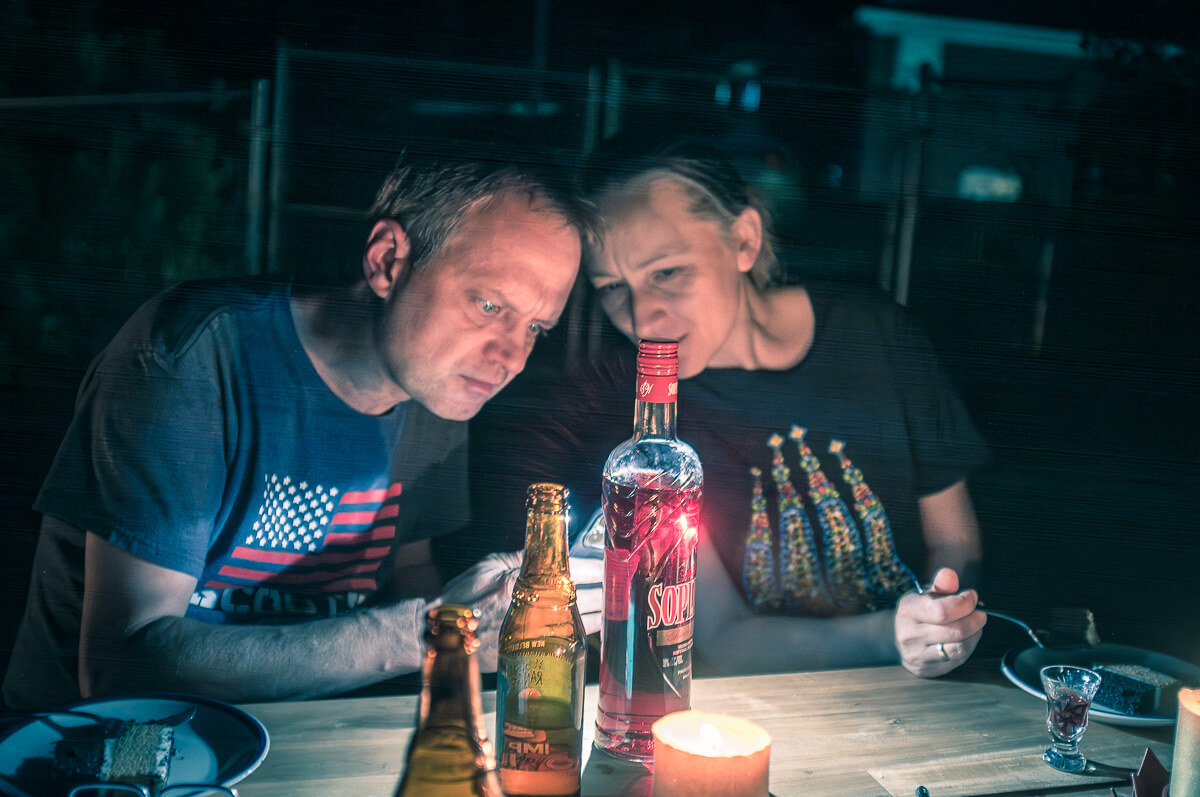
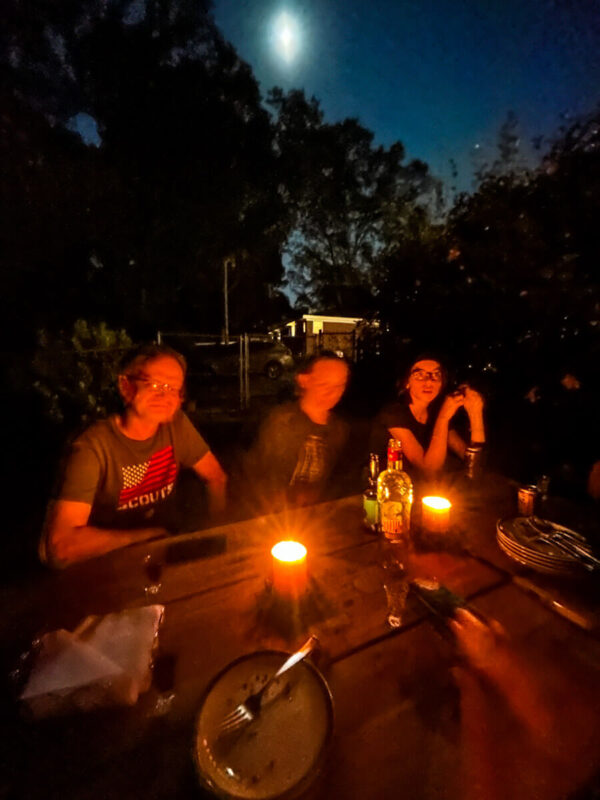
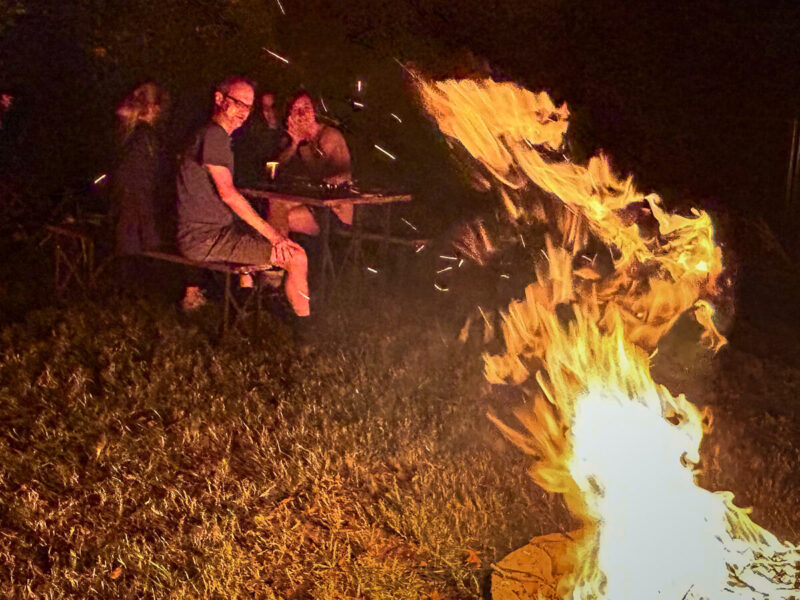
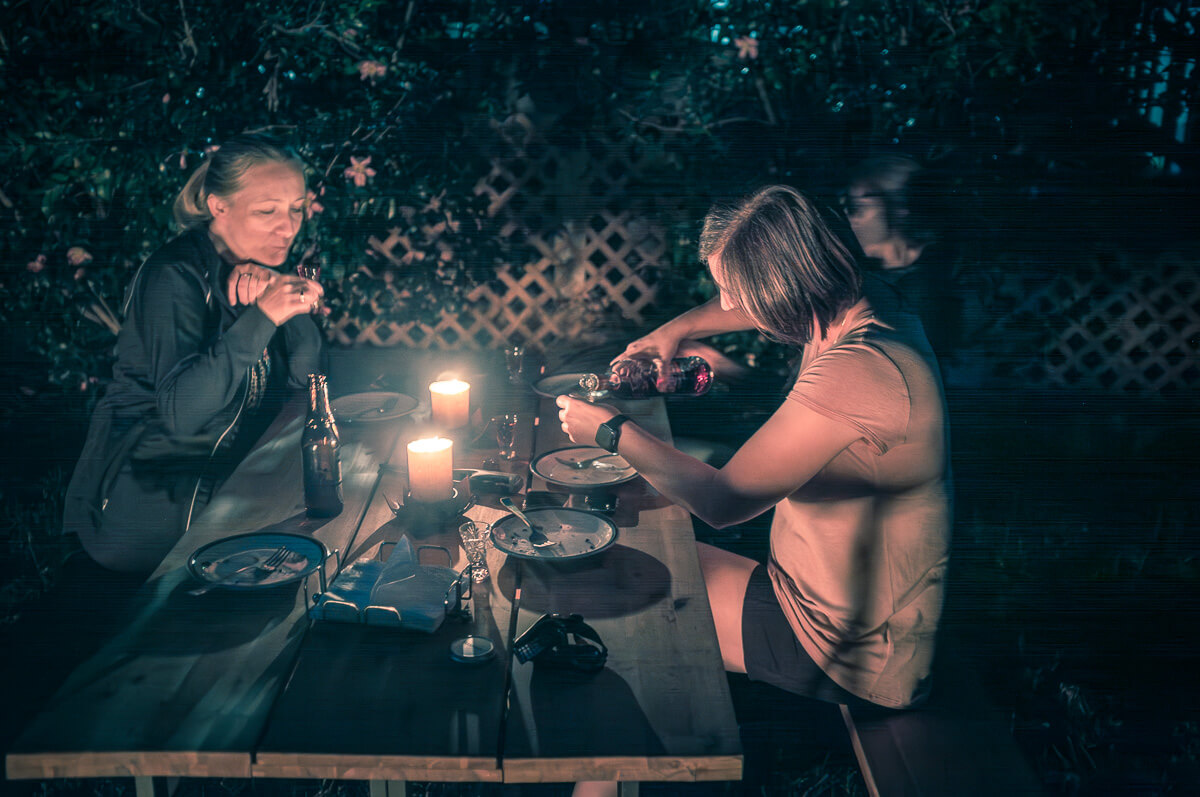
In the evening, a party -- the best parties are often the unplanned parties.
"We're having our first ognisko tonight. You should come."
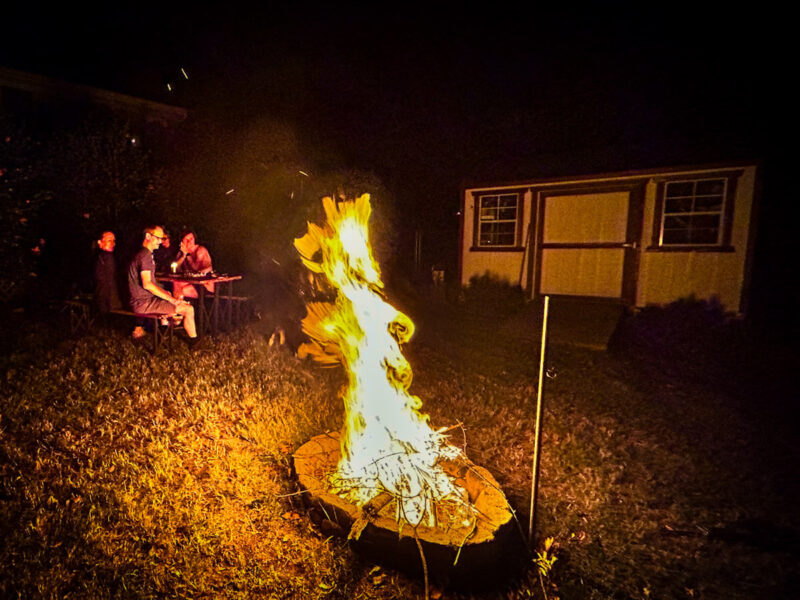
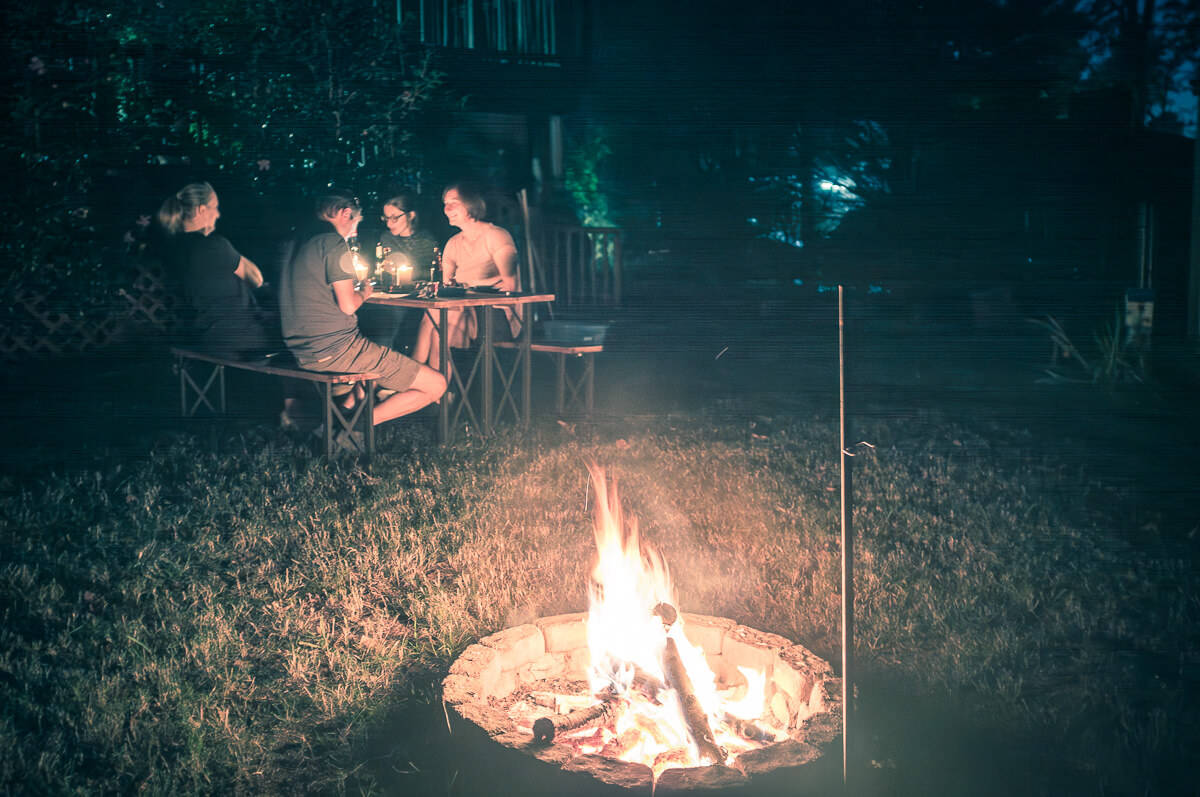

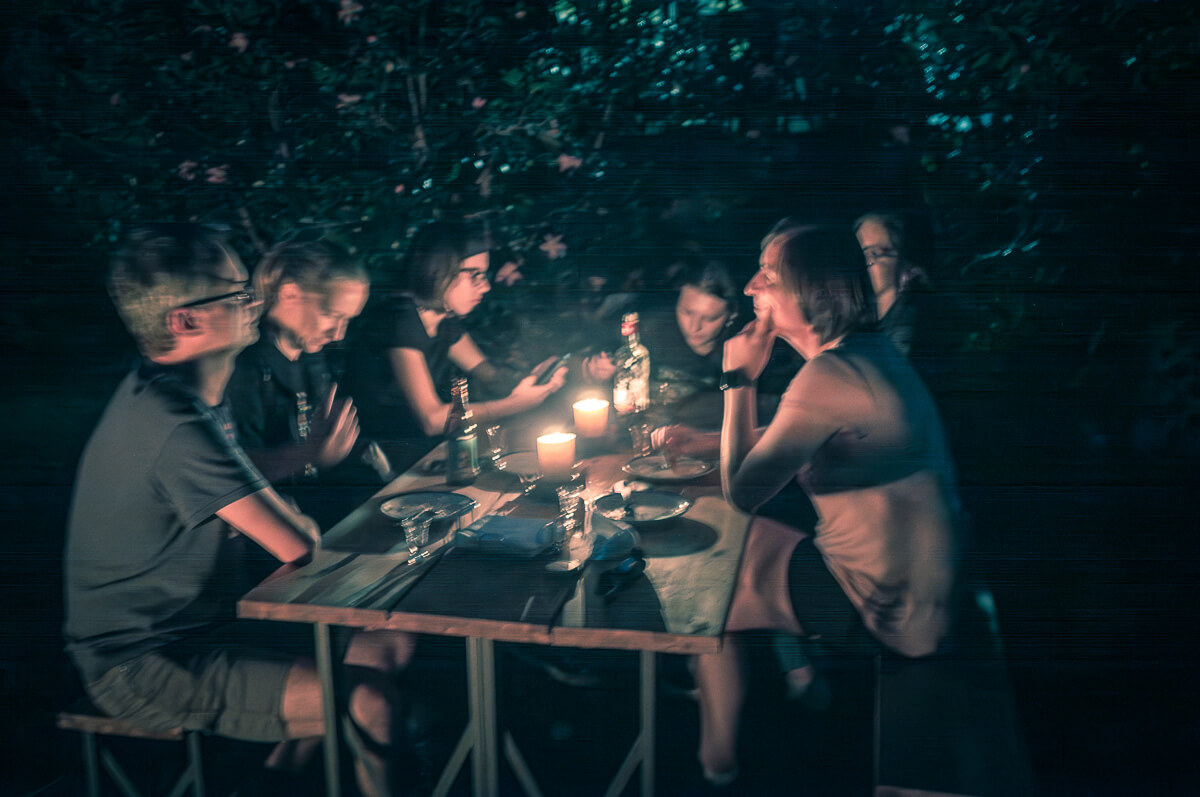
"Okay -- we'll bring dessert."
The evening flows, a bottle of vodka appears, the evening continues, the bottle is empty. A Sunday-night party that ends just a little later than it should.


Everyone's favorite cult leader, David C. Pack, is at it again. In part 541 (I wish I was being hyperbolic, but alas, he's been preaching the same sermon series for years now, setting dates for the return of his convoluted version of Jesus, resetting those dates, and resetting them still again, literally hundreds of times) of "The Greatest Untold Story," he made some comments about the averted longshoremen strike. He, of course, made it seem like such a strike would result in the end of the United States itself. But God has had mercy on us:
Now God seems to have allowed it to abate, maybe for our sake or because of his work, but that's what would come come winter and certainly in the spring, if time went on and the wrong person was elected, which may or may not happen.
What is most striking about this is the double-think involved in it. Pack and his predecessors before him (namely, Herbert Armstrong) always asserted that the fall of the United States was a certainty, that it was, in fact, the central element of God's end-time plan. It would be something someone who really believes this silliness would positively anticipate, with almost giddy excitement. He wouldn't go around saying this fall will almost certainly happen "if time went on and the wrong person was elected." Since God is orchestrating the whole thing, it's utterly impossible for "the wrong person" be be elected.
It makes me think, yet again, that these guys know what they're saying is utter bullshit but they have fallen in love with the power and prestige (prestige in the eyes of a few hundred people at most, but god-like prestige all the same) they have.
One thing that rarely happens to me at L's volleyball game is meeting former students. The two high schools that most of my eighth-grade kids attend are not 5A schools like Mauldin High, so we never play them. This year, however, Greenville High (where probably 45% of my students end up attending) ranked up to 5A, so we now face them a few times a year. The first time was at a weekend tournament that I was unable to attend. The second time was at Mauldin, but I was shuttling the Boy here and there. So tonight, we all went to Greenville High for the final game between these two schools.
There were lots of familiar faces. First and most significantly was E, who was in my English I class four years ago and on L's travel volleyball team (along with H, another of my students). At weekend tournaments I would sometimes see E and H huddled together, papers spread about, talking to each other.
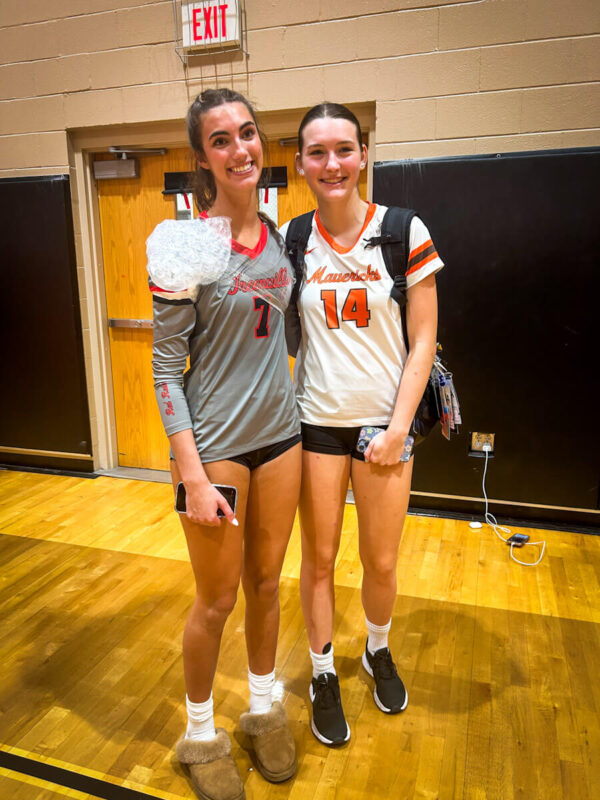
"What are you girls doing?"
They would both look up at me with mock anger: "Studying for your test, Mr. Scott!"
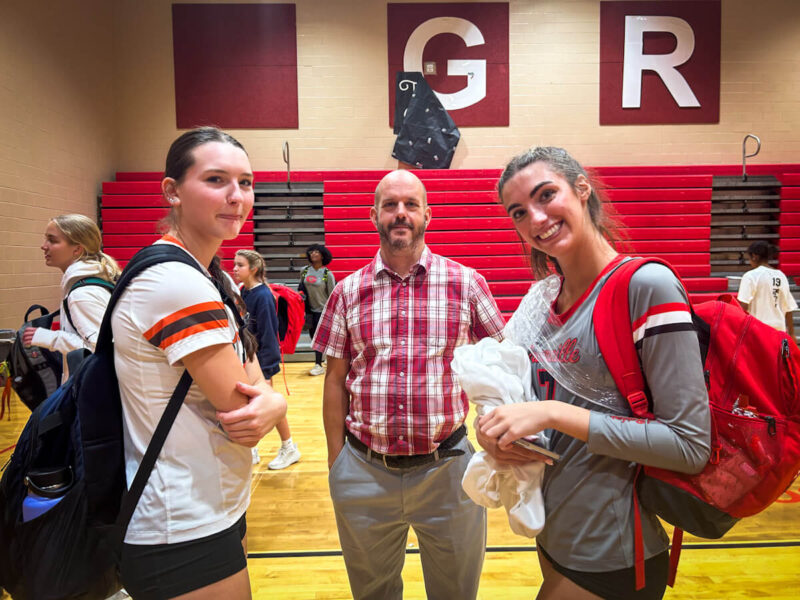
But E wasn't the only former student I saw. In total, I'd guess about eleven or twelve kids came up to me to let me know how things are going in high school.
"Guess what, Mr Scott? I have a 98 in English 2!" J, a student from last year, boasted with a smile.
"Do you have all As?" I asked C, who is now a junior.
"Of course!" came the laughing reply.
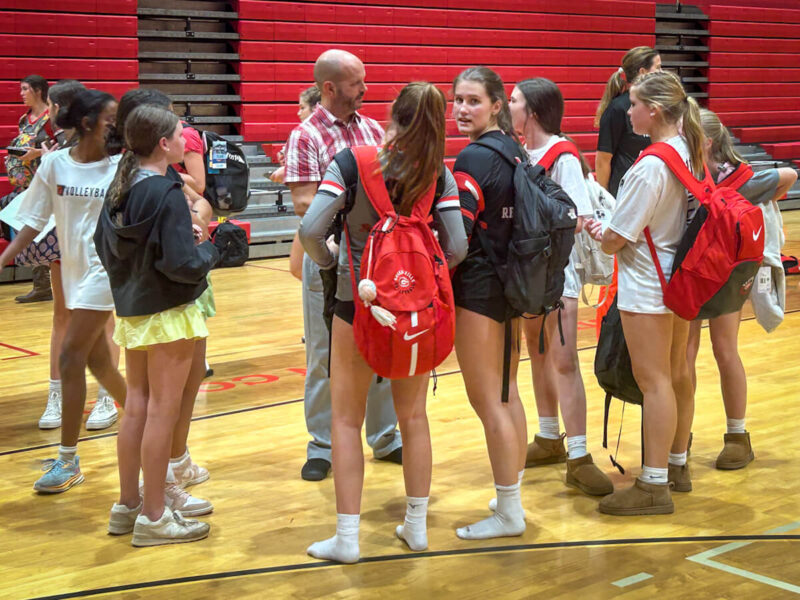
The game itself was a grueling, five-set slog. Our girls won the first set 25-13, which got them a little too confident. Greenville jumped out to a lead in the second set, and at one point it was 13-19. Our girls didn't give up, though, and fought back to make it 16-19 before falling apart and losing the set 17-26. The third set went to Mauldin, but just barely: at one point, our girls were down 4-9, but they battled back and won 25-22, going up two sets to one. Of course, Greenville tied it at two sets each with a 19-25 fourth-set victory. Mauldin jumped out to an early lead in the deciding fifth set, going up 5-2 then quickly adding two more to make it 7-2. But as our girls like to do, they gave most of it back and were only up by one, 7-6. Ultimately, they kept a lead, increased it a bit, and won the final set 15-12.
I don't think anyone knew what to expect when the students returned to school today. Our eight days out of school were unlike virtually any "break" we teachers had ever experienced, and that surely would be doubly true for the students. There was one "break" it called to mind, the "vacation" we dare not speak of. Still, the similarities were undeniable: we left suddenly; we knew not what devastation the future held for us and those we love; we had no idea when we would return.
During our faculty meeting during yesterday's teacher work day, our principal reminded us about the potential fragility of the situation. "We have no idea what our kids have gone through. We don't know what trauma each individual child experienced. We don't know what stresses await the children when the return home. Go easy on them. Love on them."
Many of the kids would likely have said they were not happy to be back, that they would have been thrilled to hear that they would never have to return, but our experience of the lockdown would belie such sentiments, as did the students' faces this morning as they walked down the corridors for the first time in days. There was a palpable sense of relief in each of my classes: things were returning to normal.
Events like this shouldn't be the only thing that reminds us of the inherent frailties in many of our students' lives, shouldn't be the only thing that reminds us to go easy on them. The more I teach, the more I realize this gentleness is the key to students' hearts and souls, and once a teacher has those things, she can lead the students -- even the most recalcitrant or incorrigible -- just about anywhere. Or in the jargon and memes of teaching, "They have to know you care before they care what you know."
It was a good day to be a teacher.