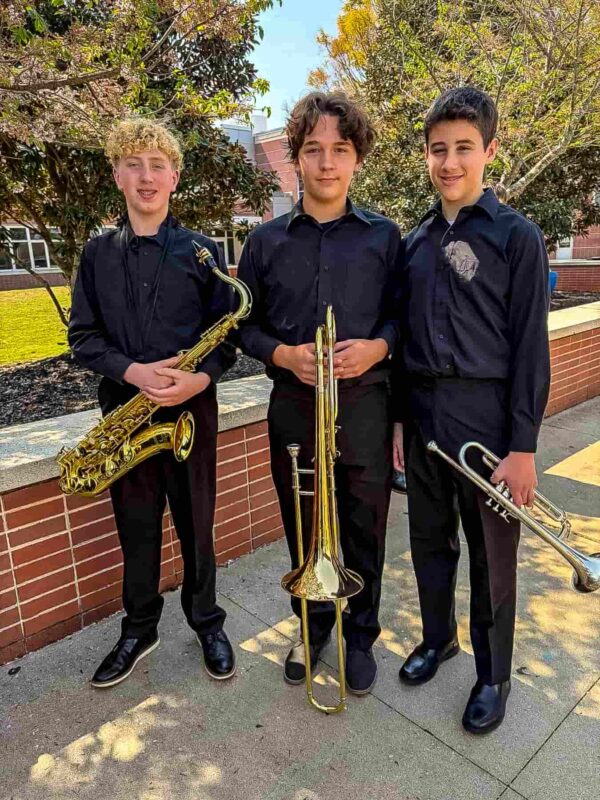


We went to hear Mozart’s Requiem tonight. In part because Mozart’s Requiem. In part because E’s trombone teacher played the solo at the Tuba Mirum section. (This is, of course, not him. We don’t have any churches like that in the area.)
I technically started college before I’d graduated high school. It wasn’t that I took dual-credit or AP classes: while the latter were an option at my high school (and I took exactly zero such classes compared to the countless AP classes L took), dual-credit wasn’t even available (that I know of). However, I took a June-term western civilization course, which began about a week before my high school graduation.
Dr. Thomas Peake, a legend in the college’s history department, taught the course. A specialist in Russian history, he would famously turn to write something on the board in Russian in this or that history course and turn back around continuing the lecture in Russian, unaware he’d switched languages until he saw the confusion in his students’ faces. (To have that kind of fluency!) He also once expressed surprise that no one in the room knew the Cyrillic alphabet. “It’s just Greek,” he exclaimed incredulously. He had that kind of mind.
We met in this classroom on the ground floor of Bristol Hall. Over the course of my years at the college, I took countless classes in this room, but I most clearly remember Dr. Peake going over Mesopotamian history at the blackboard, his tangle of hair from his comb-over dancing to one side as he wrote on the blackboard.
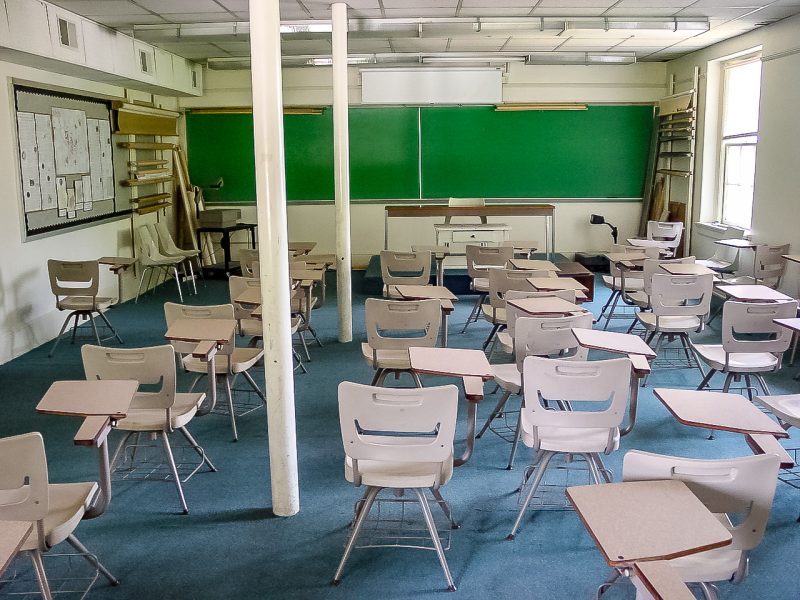
In later years, I would sit in various classrooms in Bristol Hall talking to this or that friend about relationships, theology, the future, music — whatever passion was then stirring us.
Looking for all the extra runway he can find, he leans back, arms straight, glistening hands gripping the rails. He hangs momentarily, his body hovering over the concrete ten feet down — certain death if his wet hands lose their grip — before he jerks his whole body forward as he begins his takeoff. As he bolts toward the end of the board, a fine mist of water blooming from is wet hair with each step, those of us still with feet planted firmly on the pool deck watch, mouths slightly agape in wonder of what mastery Chad is going to display. Approaching the end of the board, Chad leaps upward, somehow transferring his forward momentum into an upward launch while still miraculously maintaining much of his forward motion so that when he springs from the end of the board, he soars impossibly high and impossibly far. We all watch him as his legs pump in the air and his arms extend from his sides like wings gliding. He leans slightly forward, legs still turning as he approaches the water. Just when it seems he’s going to fold into the water face-first, he throws one arm forward, one arm backward, instantaneously rotating his body 180 degrees. […] Finally, the back of his head pops the water with a loud crack. Countless shards of glass — or even diamonds — explode upward accompanied by a single cannon shot, an explosive pop!, all of which arc and fall back back, showering the water in flashes of sunlight. Chad, the best diver in the pool, has performed yet another perfect twister.
I am next, a scrawny thirteen-year-old who cannot do a twister at all. My slider is also non-existent. And a flying squirrel? No way. But I do have a trick that produces a moderately high and voluminous splash: my watermelon.
I reach the top of the high dive and begin may approach. Like the twister, the watermelon is a trick of delay. The key, what makes it look dangerous and thus gives it panache, is to look like you’re about to do a simple belly flop. At the last minute, you assume a fetal position and throw your ass over your feet, essentially completing a half flip just as you enter the water. If your timing is right, your feet will hit last and produce an eruption of water. You can always tell how succesful you were by the depth of the pop you hear underwater. If your rotation is wrong or improperly timed, you make no splash or, at worst, complete a belly-flop.
This one, though, is as good as I’ve ever done. I surface feeling certain I’ve held my own in the informal, unspoken daily contest at the high dive of Spring Lakes Swim Club. Confirmation comes when I hear Chad, who is sitting on the edge of the pool chatting with a bikini-clad goddess whom I would never approach, say, “Sweet watermelon, man.”
The king has spoken; the king approves.
As we move into the last quarter of this inaugural GPA year, the students in my class are embarking on one of the most challenging topics of the year: public speaking. We’ll be working toward a straightforward (but certainly not simple) goal: a five-minute speech.
“Five minutes?!” was a fairly common refrain. “There’s no way I can give a speech that long!”
A few students reacted with incredulity of a different nature: “Only five minutes?!”
Our preparation toward the seemingly daunting goal will roughly follow the template we established today. We began with a writing prompted that served as the basis for the rest of the day: “How was your spring break? What was the best part of it? What would you relive if you could? Why?”
After students wrote their responses, they had short conversations to share their ideas. (A secondary focus this quarter is social/conversational skills — we’ll be talking all quarter.) From there, they used rock/paper/scissors to determine who from each table would go first.
“Go first, Mr. Scott? In what?”
“The first speech!” Anxiety washed over several faces until I explained it was only a one-minute speech, and their audience would be limited to their tables. After a short time to prepare for the modified topic (“Make an argument that your spring break, no matter what you did, was the best imaginable spring break”), students took turns giving their short speeches to their groups. Listeners were to pay attention to four different elements depending on which speaker was presenting:
Use of fillers and repeated words/phrases
After each speech, the three audience members gave a bit of feedback on the element in question. Once all four group members completed their speech, we used Class Dojo to choose randomly one student.
“You’re the class winner!” I exclaimed.
“What did I win?”
“The privilege of giving your speech to the whole class!”
After the student gave her short presentation (Class Dojo chose only girls for some reason), I explained that what we’d just done would serve as something of a template for most of the lessons for the next couple of weeks. We’ll have mini-lessons on a number of topics including but not limited to:
Finally, we’ll end the quarter by using all the discussions we’ve been having as inspiration for our speeches.
It will be a busy quarter, but we’re finishing the year with a challenge because that’s what we do at GPA.
From class website update.
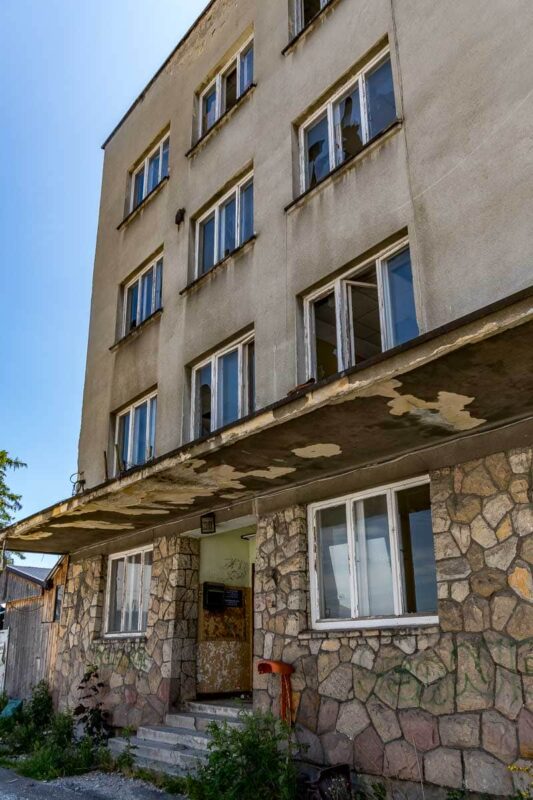
When we head back to Polska, I’m always curious about what has changed since the last time we were there. All my old hanuts — Lipnica, Jablonka, Nowy Targ, Krakow — have changed enormously over the last two decades, and there’s almost almost nothing commercial that looks untouched. Yet there’s one building on Ludźmierska Street heading into Nowy Targ that looks the same every visit.
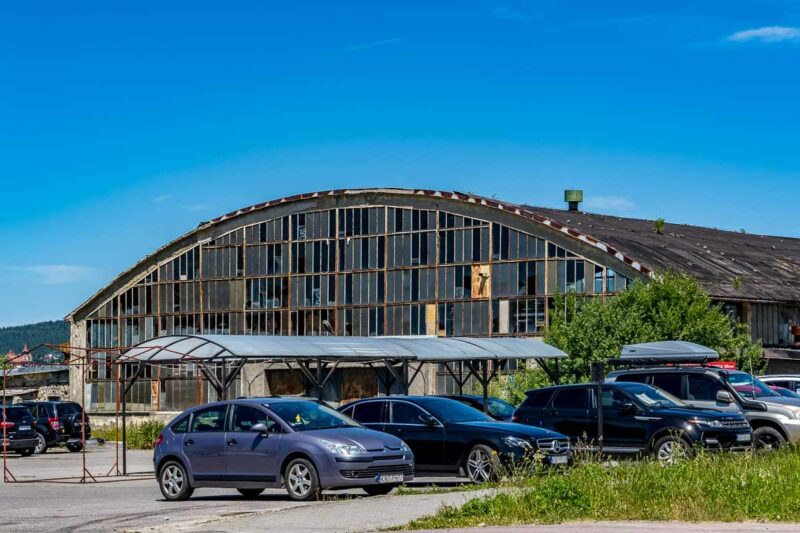
In fact, It looks just the same as the first time I saw it in 1996 — along with the movie theater in Nowy Targ, it’s the only thing I can say that about.

Every time we head back, I wonder if perhaps this visit it will be gone like the bus station in Nowy Targ.
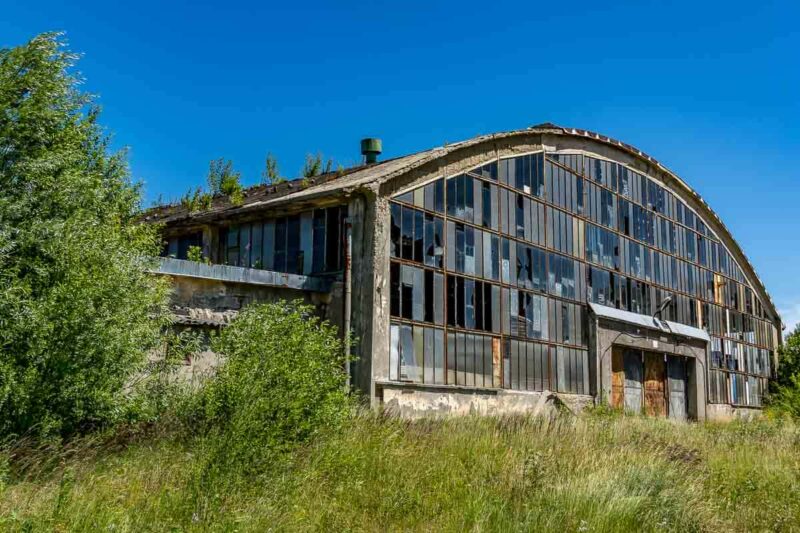
But year after year, it’s still there, looking no more neglected and dilapidated than it did the last time I saw it or indeed the first time.
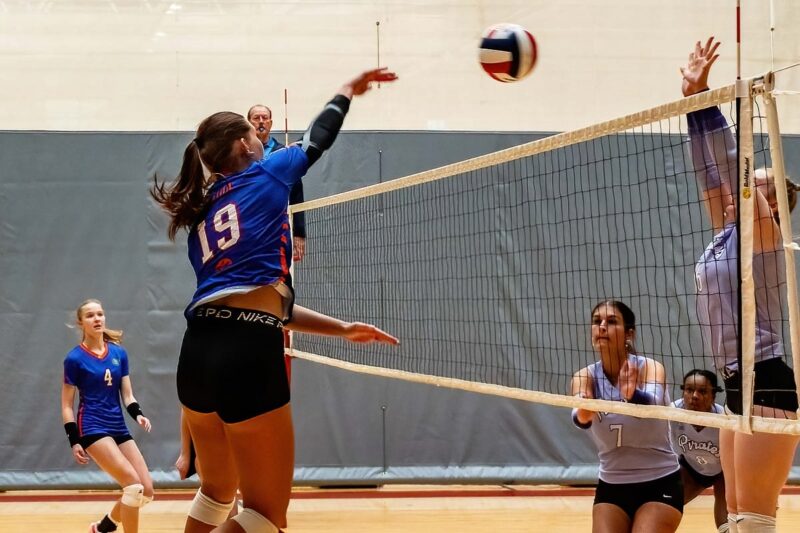
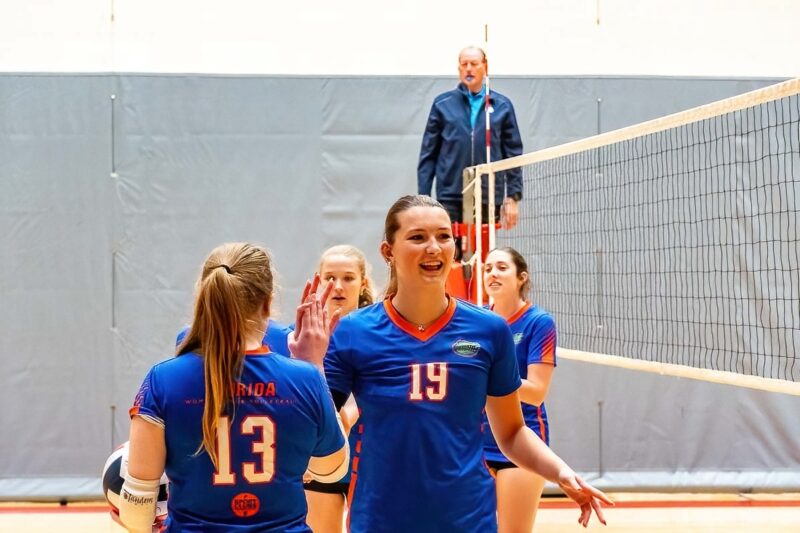
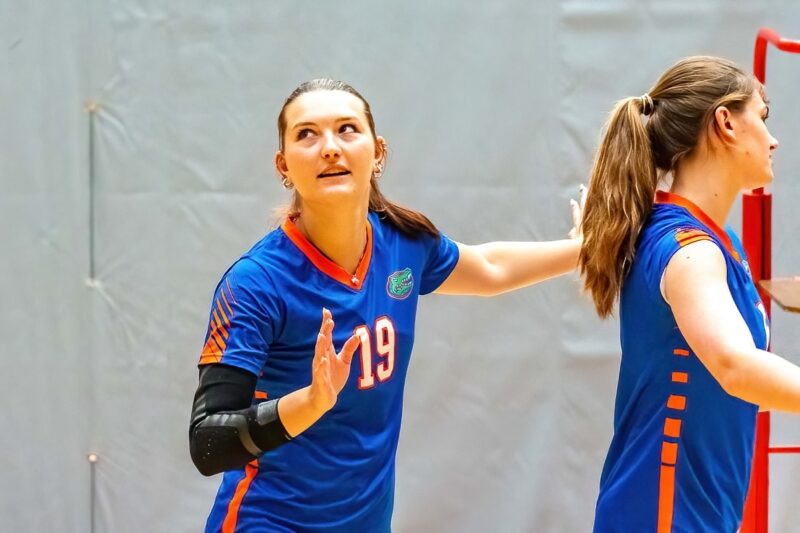
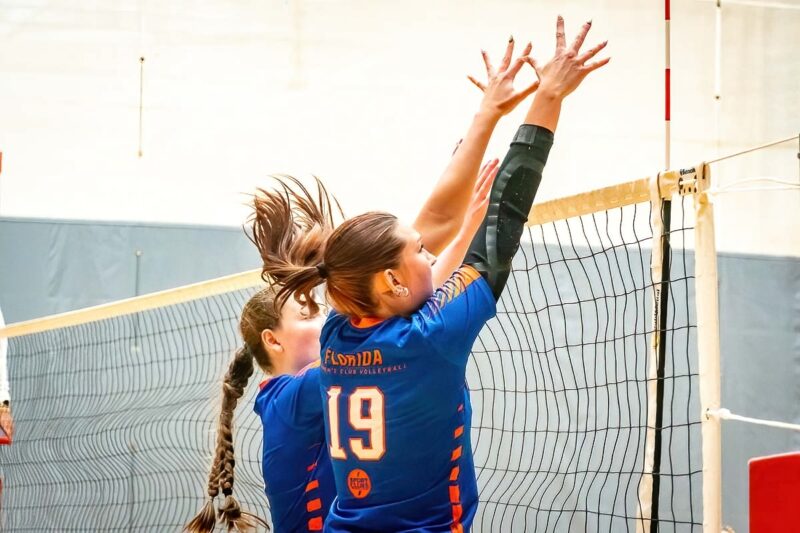
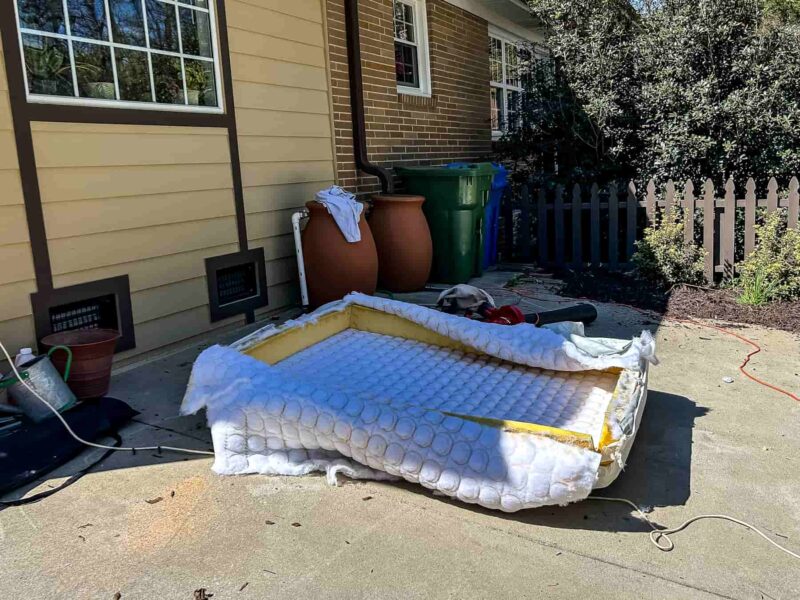
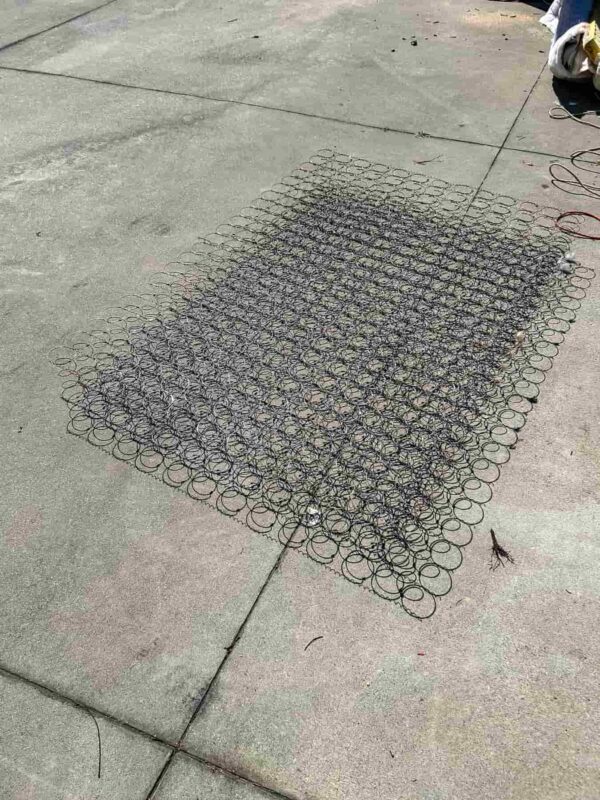
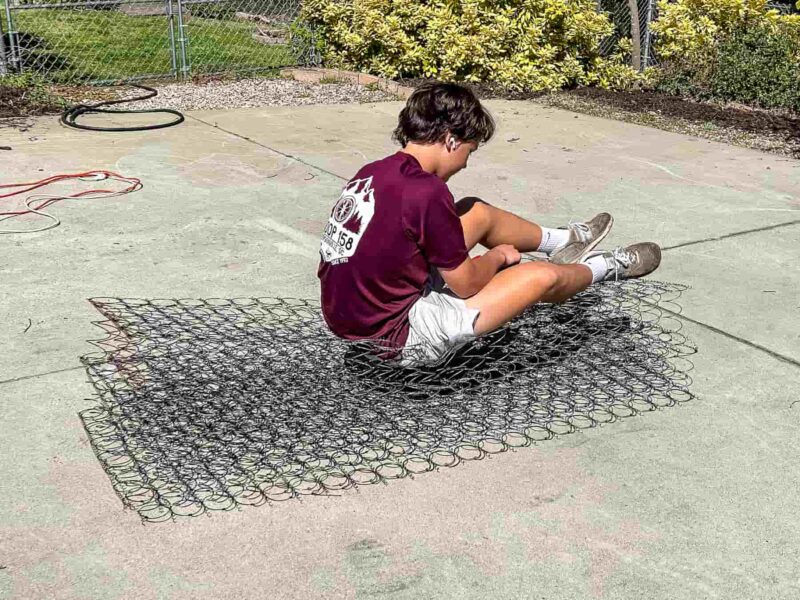
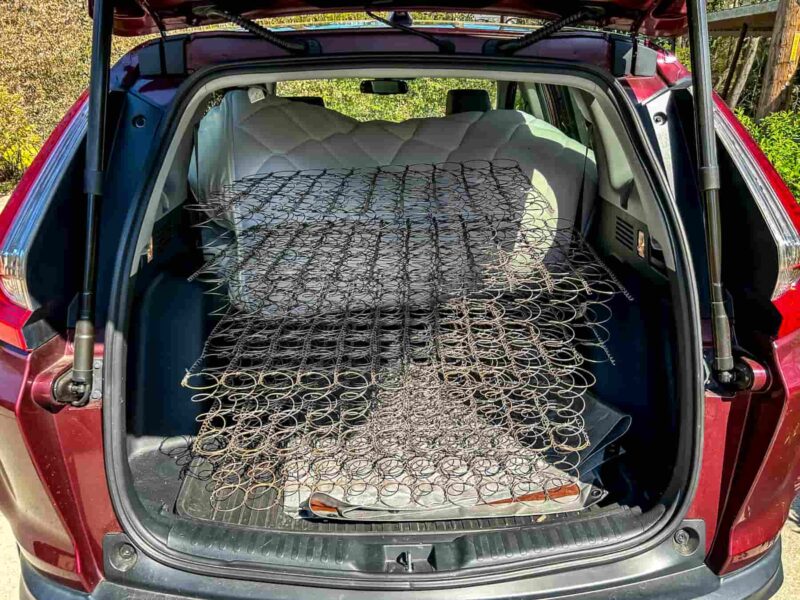

But our thoughts are still on the beach.
Our third day began without any alarm, with any reminder that we had to get up at any particular hour at all. Yesterday, we received a message from our Vrbo host “Hope all is well and enjoy your weekend!” to which I replied, “Everything is going great. We’re being very lazy, which was the whole idea.” Since we got up yesterday for the sunrise, I guess that wasn’t really all that accurate. Today, though, it was. No alarm. No commitments. So we weren’t all out of bed until after nine.

After a breakfast of K’s lovely pancakes, we went for walk on the beach, heading south toward the Daytona area for a change. Daytona Beach was in the news this morning for four separate shooting incidents over the weekend. Apparently, it’s filled with college students partying for spring break, but here we are, just fifteen miles south, and there’s no one around and not a hint of any kind of violence.

At least, not that type of violence. We watched a sea bird of some sort — here my landlubber nature shows specularly — catch a fish of some sort and fly about above us for a while. It seemed unable to decide what exactly to do, to land on the beach or to strafe the water’s surface.

And just a bit further down the beach, a fisherman who’d caught a bonnet-head shark, itself quite the predator. It uses it’s bonnet-shaped head to detect changes in electrical charge as it swims along the ocean floor. When it detects a change, it attacks that spot in the hopes of finding a blue crab or some mollusk or other.

All the while, more potential violence just off the shore: squadron after squadron of pelicans (that’s what a group of them in flight is actually called — what a perfect name) flew along the coast, not seemingly hunting (for they none ever dove), but also not seemingly uninterested in what was going on below them. Perhaps that’s for the best: each time they dive, they do more damage to their vision until they eventually become completely blind. I suppose at that point, they starve. The cruelty of the natural world.

It gets me wondering how relatively violent we are as a species compared to other species. We like to think of life in the twenty-first as relatively calm, peaceful even, and it is for most of in the developed world. But the violence we do to each other in other parts of the world, and the violence we do to the Earth itself and most species, makes us unquestionably the most dangerous species on the planet. We are, after all, capable of all but destroying life on the whole planet in a a number of ways. Sure, we don’t often end up violently devoured by some superior species, but we do more than enough violence to each other to make up for that.
But we can play cards.

“It’s probably the most convenient time of year to catch a sunrise,” K argued as she began her argument last night that we should get up early enough to watch the sunrise over the ocean. With it so close to daylight savings time switch, the sun rises at a very reasonable 7:30. It took surprisingly little convincing, so at 6:50, we were all up and heading to the beach.

We weren’t the only ones. An older gentleman — “older” probably meaning my age by now or just a touch older; I keep forgetting I’m in my fifties now — was out setting up his fishing gear, and a few others were venturing out, coffee cups in head, to watch the sunrise.

I was hoping the large cloud mass on the horizon would make for a more beautiful sunrise than it actually did. Still, having the four of us there made it a memorable way to begin our first day here at Ormond Beach, which is only a 1.5-ish hour drive from UF, where L is studying.

After a half hour on the beach, we returned from a solid breakfast of bacon and eggs with biscuits before all decided that 9:00 am is a perfect time for a late-morning nap. We’ve all been sleep-deprived over the last few weeks, and since we had absolutely nothing planned for the day except some time on the beach, we all trundled back to our bed


In the afternoon, the kids took another nap (we did come here, after all, to relax) while K and I went on a walk.


We’ve come down to Florida to spend a couple of days on the beach with L. In some miracle of timing, all three of us connected to or involved in education have spring break the same week. So we arrived today and went straight to the beach after dinner.


Spring has begun poking its head around the corner, hinting at what’s to come with warm sunny days that have brought the yellow bells to bloom and encouraged the lawn to shoot up in a few spots. The blueberry bushes at the base of the driveway are already opening blossoms and whispering of the cobblers and preserves that K will be making in the coming weeks. Trees are budding, and soon the wisteria that hangs from the trees across from our house will start sharing its blue and white blooms. I’ve mowed once, and K has begun planning our spring planting.
We all begin thinking about the summer and our trip to Polska to celebrate Babcia’s eightieth birthday — it will be the first time we’ve ever gone back-to-back summers. My first year at the new school is coming to a close slowly (only one more quarter remaining), and since we’ll be moving into our new building next year (though we keep hearing it will be ready by late April, I doubt it), it’s like starting over a second year in a row.

That’s the heart of spring: starting over — the beginning of warmth, of evenings on the back deck with friends, of early-morning light that stretches into the late evening, of fresh. We brush off the malaise of the late winter (inasmuch as we have such a thing here in the south) and warm ourselves again.
Everything seems to be ending and beginning at the same time. The Boy is finishing middle school; the Girl is beginning college, truly learnings is rhythms. And next week, spring ends with temperatures falling to the twenties…
This evening the Boy’s youth orchestra had a concert at the Peace Center — the premier performance space in Greenville. It’s where we saw Fiddler on the Roof, Mahler’s Symphony No. 2, and The Sound of Music, among other shows. Yo Yo Ma is playing there in a month.
During the second piece, E had a solo: “a mournful trombone” according to the program notes.
K teared up to hear what he’s been working on for weeks in its full context. I might have experienced a touch of dampness as well.


I grew up in a cult, and that means I grew up learning how to be adept at double-speak and managing cognitive dissonance in many areas but especially in questions of power. We were taught that God was unquestionably in charge and not to be questions — nothing extraordinarily unusual about that since that’s a fairly orthodox position. However, we learned that we had to transfer that kind of blind obedience to God’s only true representative on Earth, Herbert Armstrong. Not only were we to obey him but we were also to assist him. Our job was not to proselytize or to try to win converts to our religion. That was God’s job through Armstrong’s preaching. Our job was simply to support him, and there was only one kind of support he wanted: fiscal. We weren’t to question what he did with the money we sent him. We weren’t to entertain doubts about the wisdom of his decisions even when they seemed to be causing problems members individually or the church as a whole.
The most wide-spread cult in America today is unquestionably MAGA with its unquestioning loyalty to Trump. Every now and then, I read something that seems so perfectly parallel to how members of Armstrong’s cult used to talk that I feel I’m simply hearing a sermon from my youth.
I discovered this picture posted on social media recently, and combined with the poster’s own thoughts, it fairly accurately mirrors all the destructive thinking patterns of Armstrong’s own cult.

The most immediately obvious parallel of the hagiographic nature of followers’ descriptions. This idea of Trump sacrificing so much to save America has been around in memes for a while.

This is one my own mother shared early in Trump’s first term. It has much more blatantly messianic tones than this newer one, but the sentiment is the same.
The original post included the author’s own thoughts about Trump’s recent actions:
Yes! He is TRYING to save our whole world!! Trying to demand peace. The road to that is very rocky, but you have to be willing to do it and endure any roadblocks and hiccups along the way. But if you stay strong and stay faithful, you are doing your part.
Almost every sentence of this echoes the thinking that pervaded my cultic upbringing.
“He is TRYING to save our whole world!” This notion parallels notions that Herbert Armstrong and his organization were literally the only thing holding at bay the complete destruction of not just America but the whole world.
Additionally, Trump is “[t]rying to demand peace.” This is in direct opposition to what we’re seeing with our own eyes. This gaslighting is critical to cults. It allows followers to ignore their own experience and thoughts when they contradict the official story. He’s not killing civilians in American cities, extra-judiciously attacking boats in the Gulf of Mexico, or initiating a completely unprovoked war. That’s violence. That’s not what he’s about. He’s about peace. He’s said it himself countless times over the last ten years, and just because it seems to contradict his actions, we just have to listen to him and understand that he is trying to create peace through his violence. Doublethink at its best.
However, we must understand that the “road to that [peace] is very rocky, but you have to be willing to do it and endure any roadblocks and hiccups along the way.” Again, don’t pay attention to your own eyes. Ignore the reality you’re seeing. These are just hiccups, roadblocks to our complete supremacy and world peace. Just remember that “if you stay strong and stay faithful, you are doing your part.” Your part is not to think. Not to question. It’s to support — without question, without thought, without doubt. Our dear leader knows best. After all, look at all he sacrificed to reach this moment. Ignore the riches he’s created for himself by using his position. He sacrificed because he said he sacrificed.
I intentionally retained the pronoun-antecedent ambiguity of the above paragraphs simply to illustrate the fact that one could use either “Trump” or “Armstrong” as the antecedent, and the result would be identical.
Though we did not celebrate Christmas, my parents often bought me something to occupy my time during winter break. One year, likely 1979 or 1980, they bought me an enormous box of Fiddlesticks, plastic building toys consisting of plastic tubes of varying lengths and colors along with connectors of various configurations.

My set came with strange Batman, Superman, Hulk, and Spider-man figures that bent at the waist and had stickers to represent the sides of their bodies, but they all had their heads turned and their fits balled at their waists, making them look more constipated than ferocious.

The first item in the instruction booklet was a gigantic plane that I probably built at least twenty times. The toy required substantial imaginative license as there was actually nothing solid about the plane (or any other toy one created with the set). Everything, then, looked particularly unrealistic, but I, a kid in the early-eighties, couldn’t have cared less.

As with many of the other toys I had, I grew tired of creating just the pre-planned planes, rockets, and cars and began creating my own things: guns (it was particularly good for creating assault rifles), stilettos, and incendiary devices.
And the thought of them came to me today out of the blue…