































g
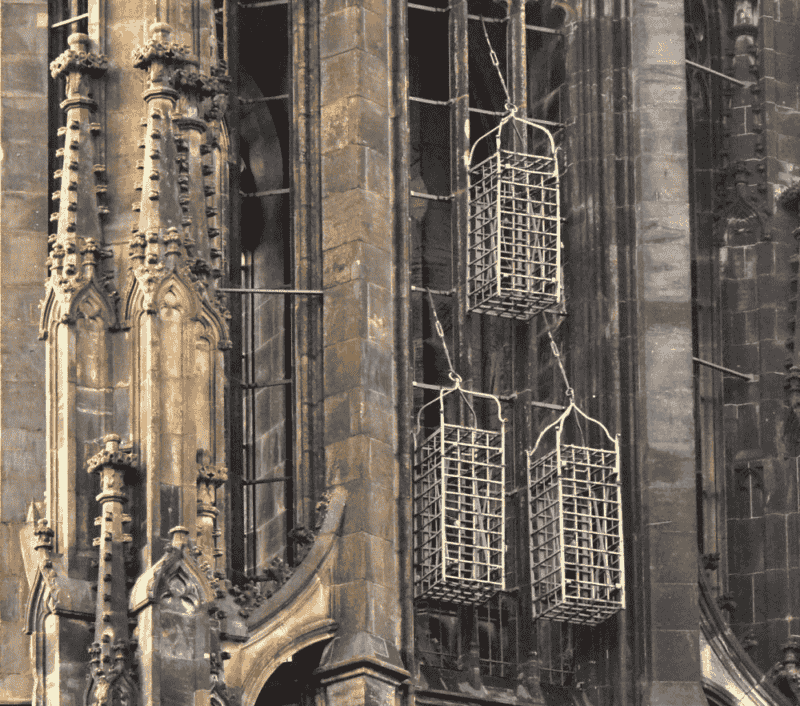

The Hanging Cages of St. Lambert's Church in Münster
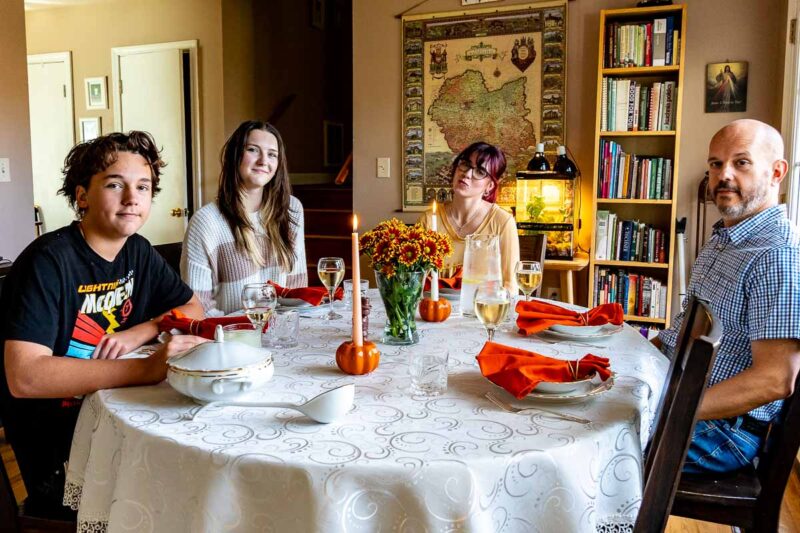
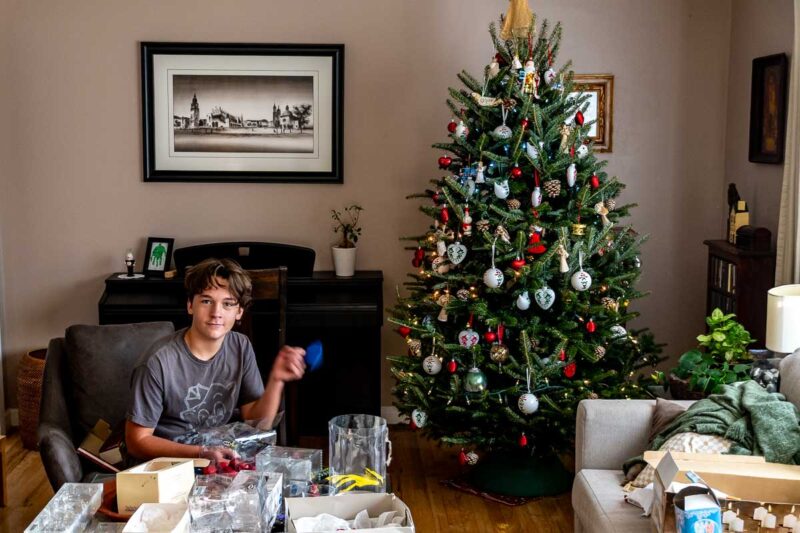
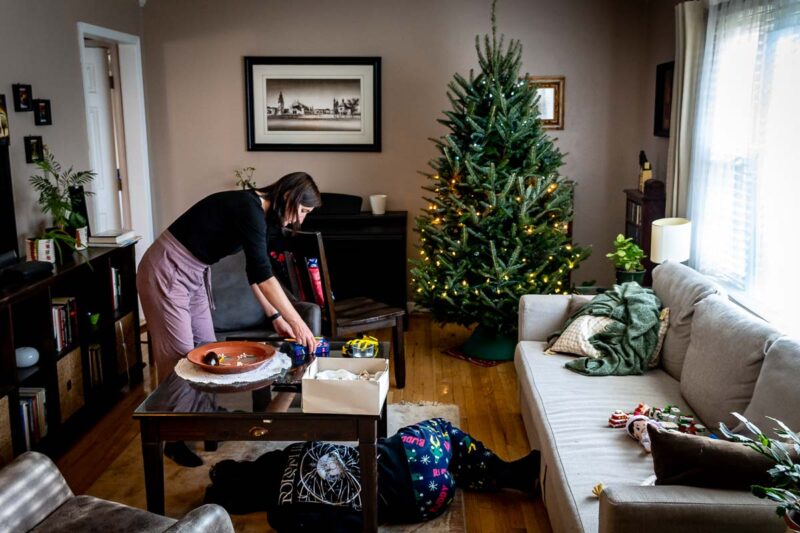
We're into advent now, the first without the Girl living with us. She came for Thanksgiving and headed by that Friday because of a football game the next day. (I'm still not sure if she really cares for the game or if, more likely, it's the social aspect of it all. She's grown fond of tailgating, suggesting the latter.) It's also the first year without an advent calendar. I think K was looking to get one for the Boy, but I haven't seen one, so perhaps it never happened. Add to that all my ignorance about our advent-calendar-status and everyone's apparent indifference to it and it's obvious how much things have changed over the last few years.
One of the things that definitely has changed is this site: I rarely write anything here anymore and post pictures only sporadically. At first, I thought it was just a break. But it's easy to slip out of the habit of daily reflection and the mental energy it requires. And as for the pictures, the Girl is gone, the Boy is an increasingly-reluctant subject, and honestly, I'm just getting tired of that whole process as well.
That's not to say I've given up writing altogether. I spent some time in recent months working on my memoir about growing up in a fringe Christian sect, but even that has hit a jam: The more I read and listen to podcasts about growing up an Evangelical Christian, I realize my experience in a high-demand religion is par for the course here in America. We weren't the only ones viewing ourselves as the only true Christians on the planet while relegating everyone else to The World -- that big, bad anti-Christian amorphous society that seems to be everywhere and nowhere all at the same time. Evangelicals and we even referred to it identically: The World, while pointing fingers at each other and lumping the other into The World as well. Exclusivist religious views are hardly exclusive to fringe sects (though being on the fringe does help, sociologically speaking). So I reevaluated what I was writing, revised it heavily, then started again. And ran out of steam almost immediately. I poke at it every now and then, but it sits in a Google Doc festering now.
One positive change in all of this has been my new job. which I've not written about much at all. The difference is astounding: no stress about end-of-year testing or even lesson planning in a given format to a prescribed level of detail to be submitted by a specific day of the week. No stress about kids who are out of control and negatively impacting every other student in a given class. No stress about needing more time to complete a given topic juxtaposed against the ever-ticking clock of standardized testing. No more quarterly benchmark tests. No more tri-quarterly Common Formative Assessments. No more pretending administration is not telling us to teach the same thing on the same day when we all have to give the same CSA (Common Summative Assessment). No more mindlessly useless meetings to discuss "data" (quotes very intentional) as if it's something we teachers have never done, some new revolutionary new pedagogical silver bullet. No more (almost) reports based on questions and prompts that seem to assume our cumulative classroom experience would be best measured in mere weeks. Not a single student has been disrespectful to me the entire school year. Not a single parent has taken her child's account of events as gospel truth and verbally attacked me for disciplining the kid.

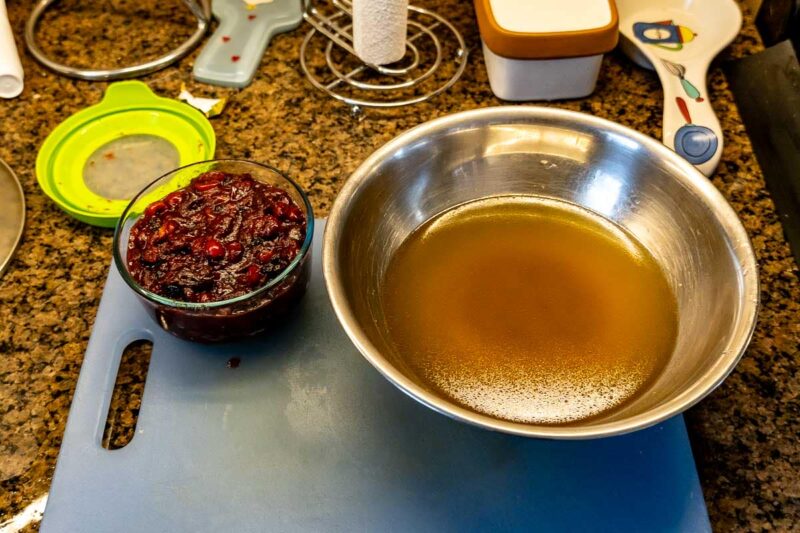
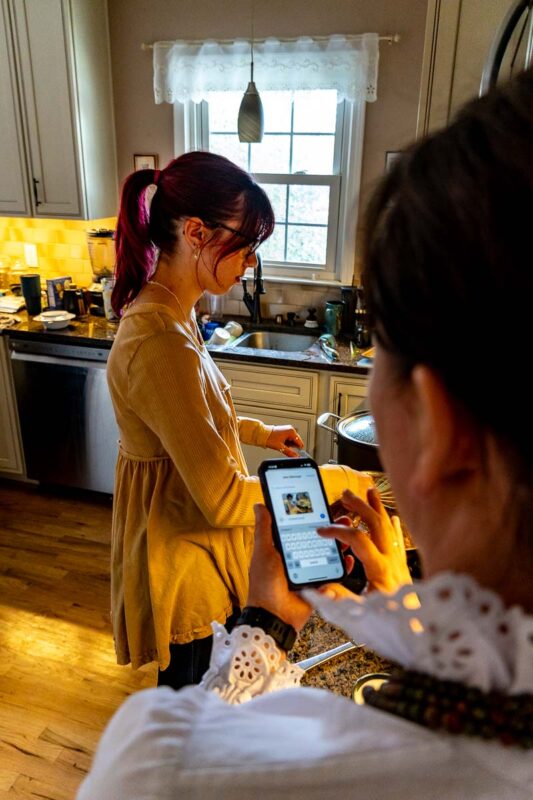
After three months away from home, the Girl returned tonight for the first time. Such a novel experience: for eighteen years, she was a daily joy in our lives, and then suddenly, she was gone. And now she's back. "At last, I get to take a shower in my bathroom." Well, the Boy has taken over most of the bathroom now, but never mind that. We had a drink in celebration of her return, talked about school, future plans, current classes, and random trivialities, and simply enjoyed having L back home.
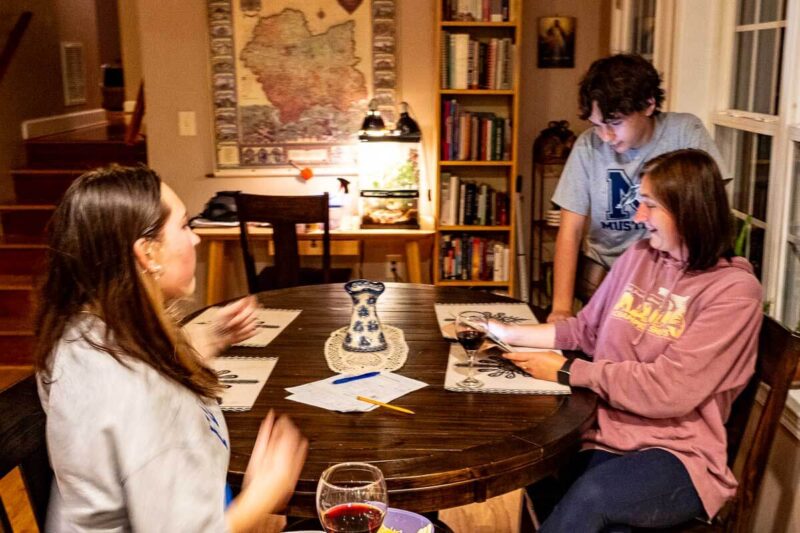
At one point, she noticed E's math homework on the table. She glanced at it and sighed: "Oh, I'd love to have work this easy." She pulled out her iPad and showed us some of her work in Calculus III.
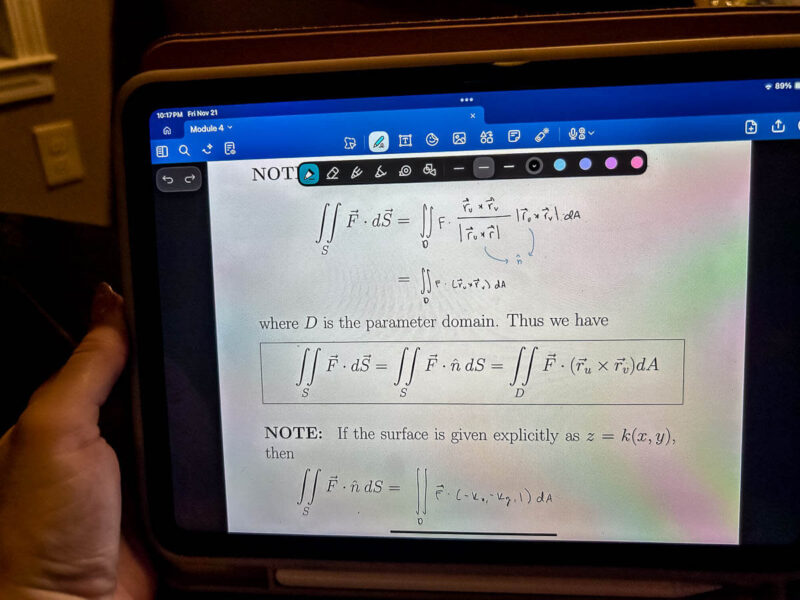
"See? There's not even numbers anymore!!"
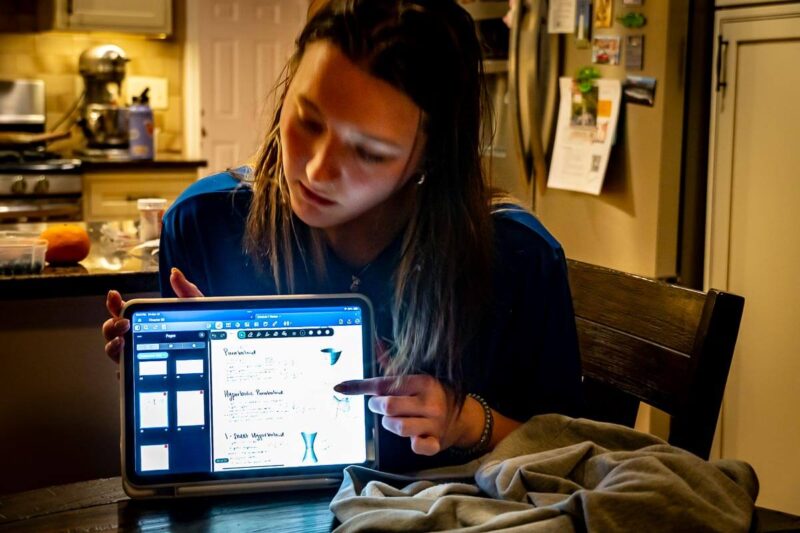
She showed us some of her physics problems (not shown above -- more calc), some diagrams from Chem II ("Just wait until next semester when you take organic chemistry -- it's all diagrams," I laughed.) and reveled in the tastiness of the water.
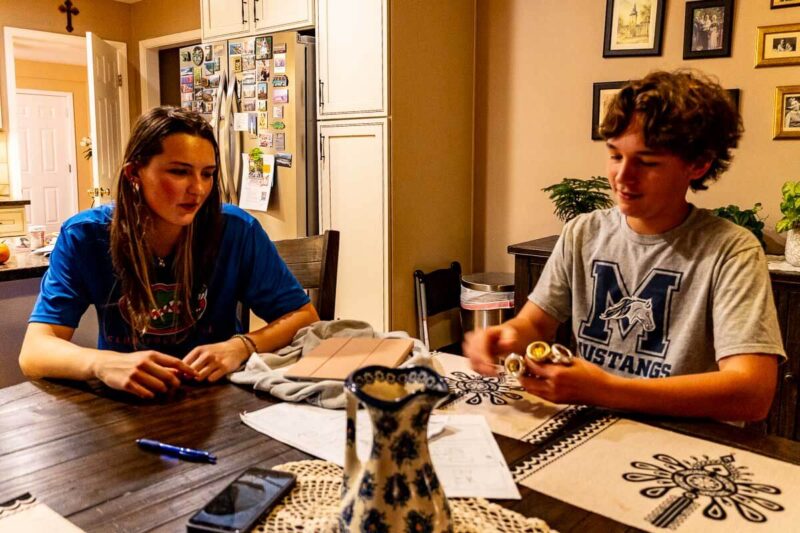
The Boy, for his part, after making us all laugh by annotating his algebra homework to look a little more like L's calc homework, brought down his ever-growing collection of trombone mouthpieces. Earlier, when L and I were in the basement, she noticed two of his three guitars down there.
"Does he play at all anymore?" she asked.
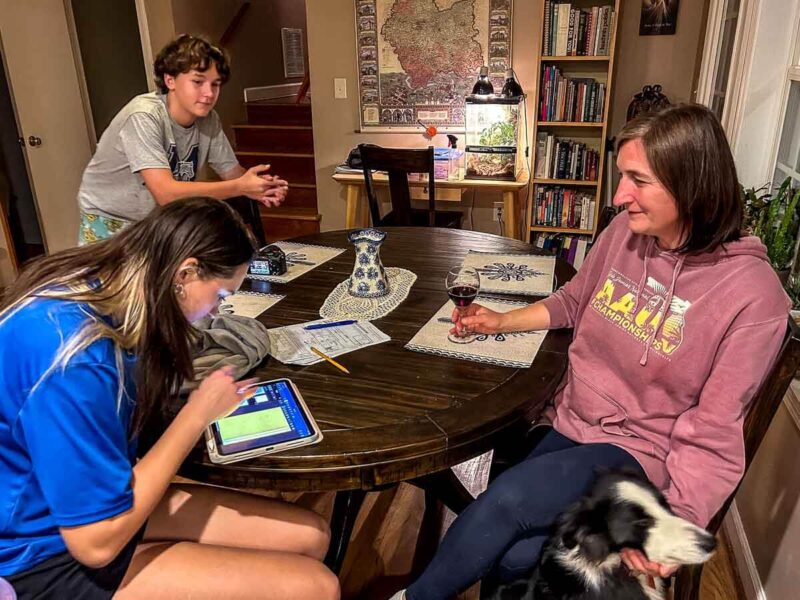
"Not so much. He's focusing on trombone. But wait until you hear him play," I replied.
A quiet, laughter-filled, joyful return. What more could we ask for?