Tihany (pronounced “ty-han” – the “y” is not pronounced) is a peninsula on Balaton that is 3 kilometers (1.8 miles) wide and 5 kilometers (3.5 miles) long. Within it are two small lakes – lakes within lakes, I suppose.
Tihany was our first main destination and we stayed there two days.
Arriving early Friday afternoon, we managed to find a decent room at a decent price, surprising considering how touristy Tihany is. We unpacked, showered, and headed to the monastery. We continued down the way to the outdoor museum.
Saturday, the second day, we went out for a day of biking around the peninsula. We ended the afternoon with some rest on a secluded beach (which resulted in two interesting photos). When we got back to where we were staying, we took a shower then headed to Kossuth ut., the main street.
We also made a friend at breakfast time out on the balcony.
After our time in Tihany, we rode to Balatonederics. On the way, we got a good view of the basalt hills on the northern shore Balaton.
Tihany to miejsce, które trzeba zobaczyć, gdy jest się nad Balatonem. Malowniczy, górzysty półwysep — co prawda są to góry pochodzenia wulkanicznego, więc niezbyt wysokie, ale za to bardzo strome. Pamiętam, że pierwszy wyjazd na rowerach z pełnym ekwipunkiem, na górę, na której usytuowane jest miasteczko Tihany, był dla nas zaskakująco wyczerpujący. Jest to miejsce, gdzie każdy znajdzie coś dla siebie: plaża i woda dla leniuchów, klasztor i skansen dla tych, którzy chcieliby trochę pozwiedzać, kolorowe, pełne malutkich sklepików uliczki miasteczka, ścieżki przyrodnicze i rowerowe rozsiane po lasach, polach i winnicach na całym półwyspie. Spędziliśmy tam dwa dni i tylko trzy godziny leniuchowaliśmy na plaży — po prostu było co robić.
Accommodation
Most places in Tihany are horridly expensive unless you’re one of the many Germans vacationing there – then it’s quite cheap.
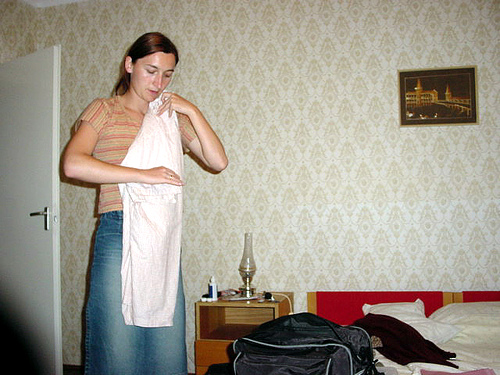
Kinga and I checked for a place to stay just as we entered the peninsula. The guy wanted 7,000 Forints a night for the two of us. Considering how far we were from the center, we decided to look further. We were about to give up when we found a place that was 6,500 Forints a night for the two of us.
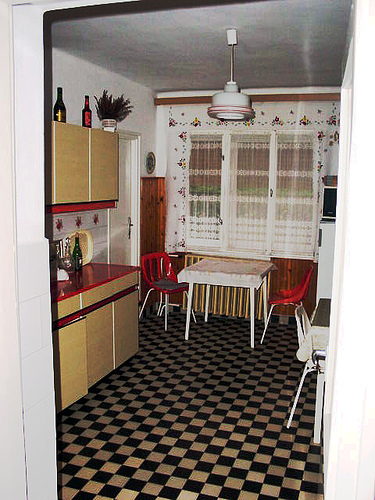
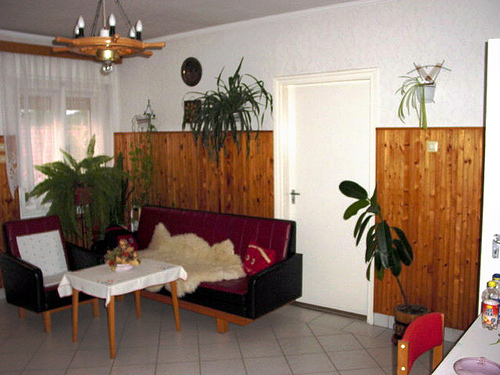
It was comfortable, with a kitchen and bathroom in addition to the sleeping room. It was basically the top floor of a house, with two other rooms that remained unrented throughout our stay.
But boy was it Hungarian Communist nostalgia time.
Tym razem udało nam się znaleźć nocleg na ulicy, wśród sklepikarzy. Przechodząc, natknęliśmy się na niepozorny napis – ZIMMER INFO – później jakiś mężczyzna wykonał kilka telefonów, a następnie inny mężczyzna pilotował nasze rowery do domu pewnej staruszki. Trochę to było podejrzane, ale wszystko dobrze się skończyło.
The Monestary
After getting settled, we headed off to the monastery. It sits on top of a hill and seems as if it draws all roads to it, for most roads in the small center area of Tihany seemed eventually to wind up at the top of the hill where the monastery is.
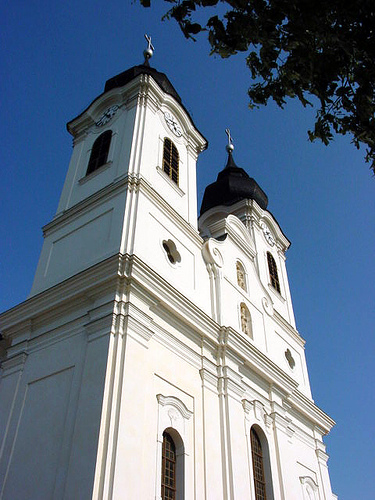
The monastery itself dates from the eleventh century. The church is significantly later: built between 1719 and 1754. It is Baroque in nature, which means to some degree “trim on trim.”
The only thing open to the public at the Monastery was the church.
There is a small crypt under the main altar. I didn’t take pictures in the crypt, for there wasn’t much to see. Shooting back out of the crypt, however, was an entirely different story…I waited a long time to get this shot without people in it.
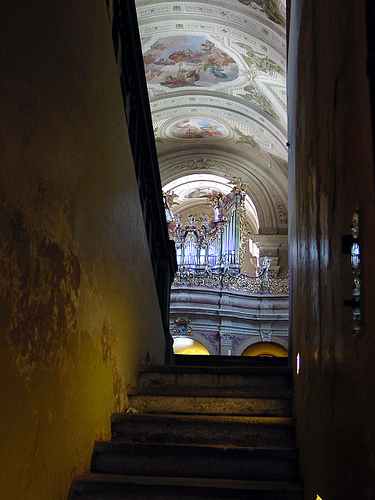
There were a couple of noticeable things about it. The altar was on a high platform, some two or three meters above the main floor.
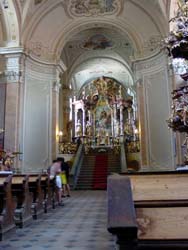 I’ve never seen a church with such an elevated altar, and I’m not sure I like it. It makes everyone look up to the priests to an exaggereated degree.
Półwysep Tihany przecina jezioro niemalże na pół. Od najdalej wysuniętego punktu półwyspu do drugiego brzegu jeziora pozostaje zaledwie 1,5 km. Cały półwysep pokrywają wzgórza. Na najwyższym z nich znajduje się klasztor benedyktynów, dlatego jest widoczny z wielu miejsc nad Balatonem. Barokowy klasztor pochodzi z połowy XVIII wieku, chociaż opactwo benedyktyńskie powstało już w XI wieku. Najstarszą częścią klasztoru jest krypta romańska. Pod posadzką głównego ołtarza znajduje się sarkofag zmarłego w 1060 r. króla Andrzeja I. W kościele znajdują się też przepiękne organy, niestety nie załapaliśmy się na żaden koncert.
The Pulpit
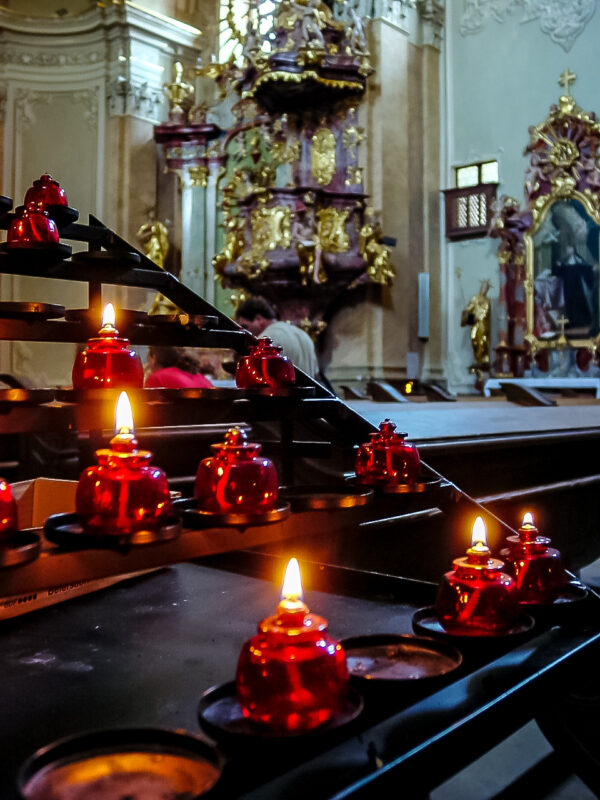
Not only was the altar incredibly high, but the pulpit was elevated and isolated. There was no visible way to get to it and just as elevated as the altar. So in this church, no matter what your personal opinion of the officiating (for lack of a better word) priest, you literally have to look up at him.
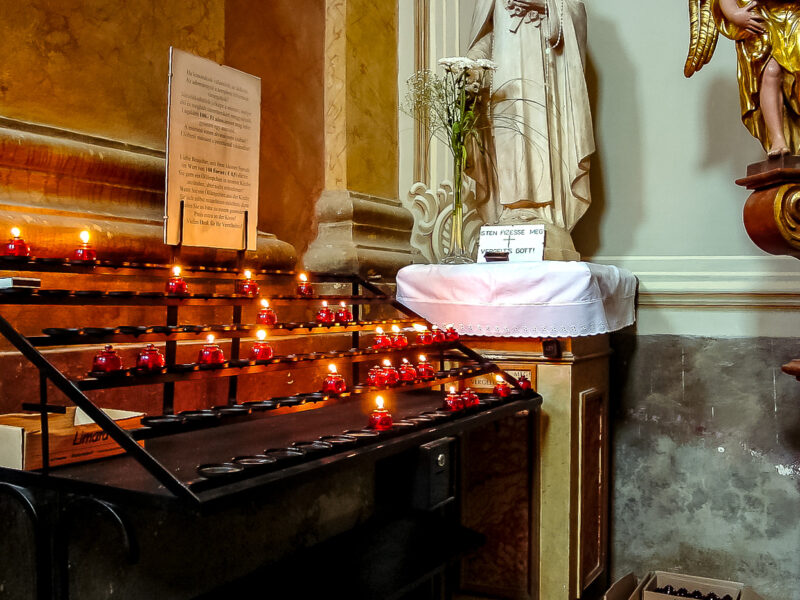
After visiting the monastery’s church, Kinga and I strolled on down to the outdoor museum.
Outdoor Museum
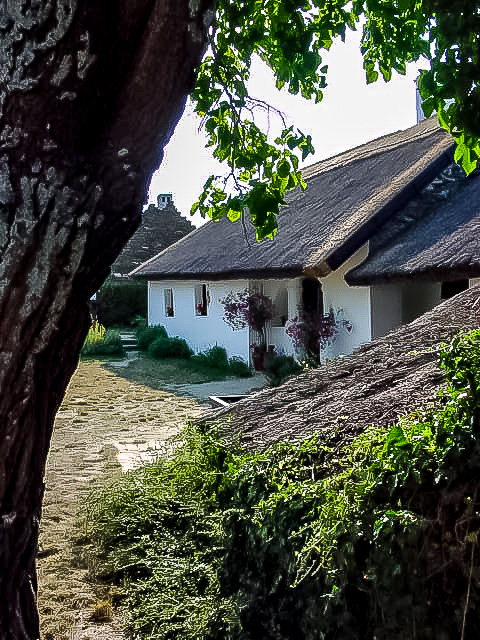
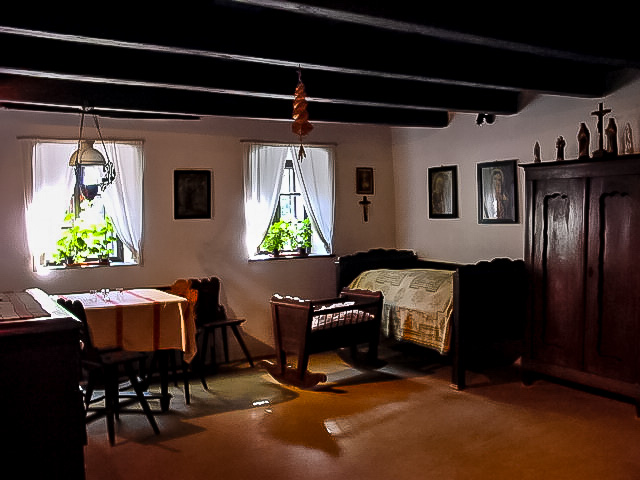
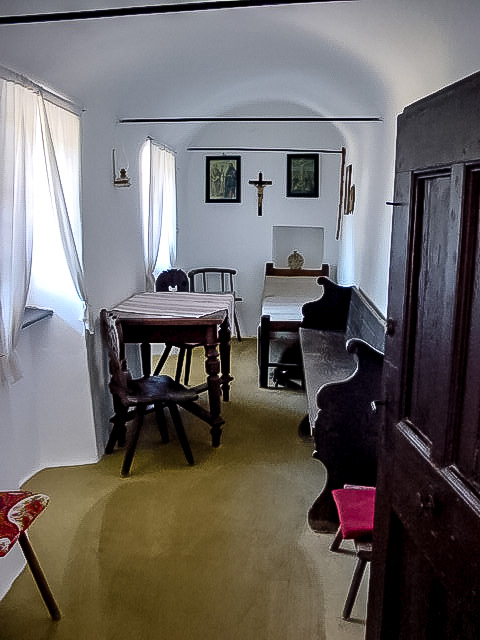
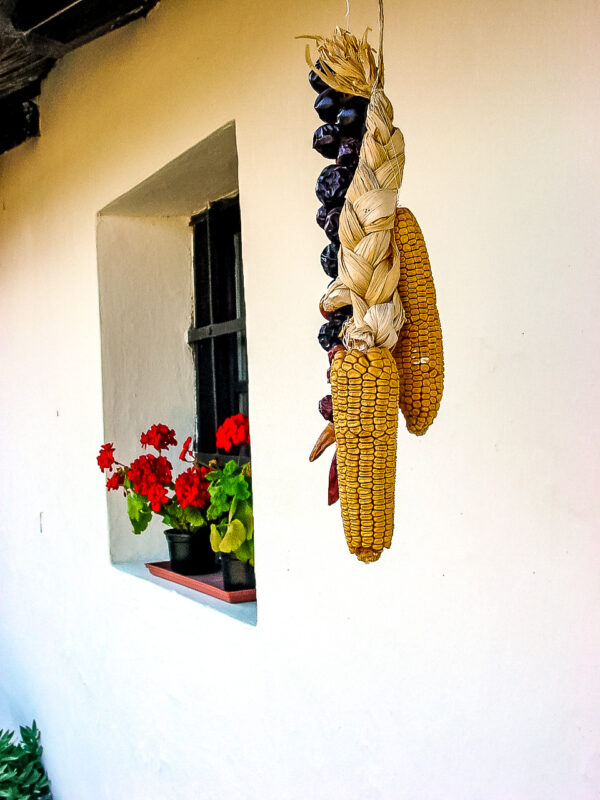
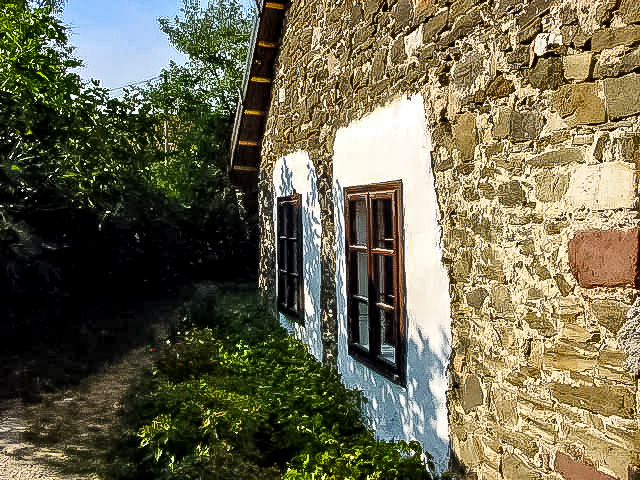
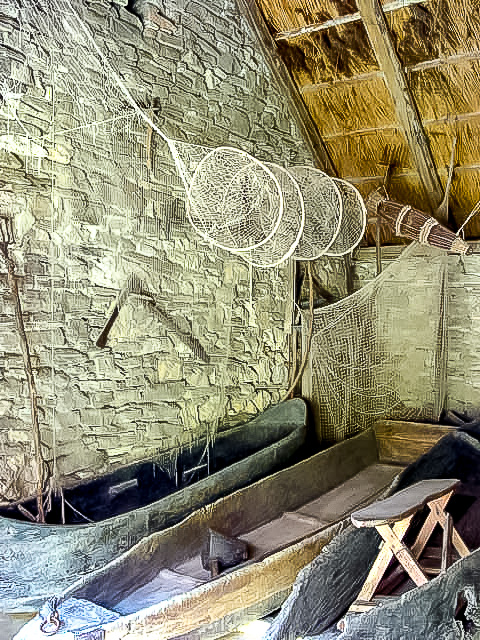
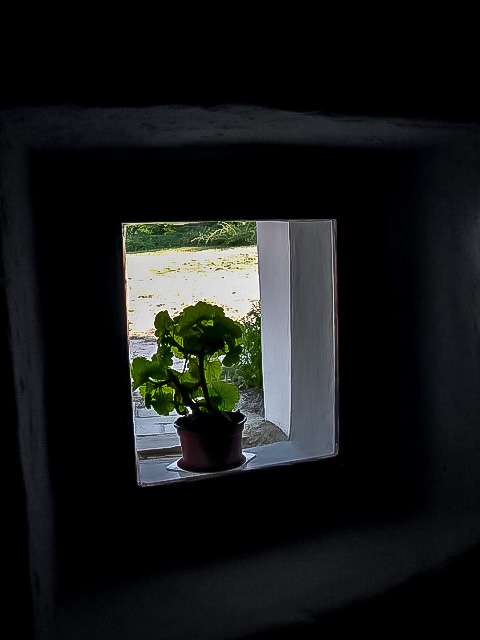
Though not anywhere on the scale of the outdoor museum in Zubrzyca, the outdoor in Tihany is spacious enough to make you forget you stepped off the street in the twentieth century.
Here is the corrected version:
Zaskakujące było to, że bardzo dużo ludzi ciągle jeszcze mieszka tam w takich domach, jakie widzieliśmy w skansenie. Oczywiście wszystko jest świetnie utrzymane, ściany wybielone, strzechy w bardzo dobrym stanie i wszędzie bardzo dużo kolorowych kwiatów. Wygląda to bardzo malowniczo, wręcz bajkowo.
Bike Ride
Saturday we explored Tihany on bike. On the way out Kinga got a couple of good shots of the lake-in-a-lake with the monastery in the background.
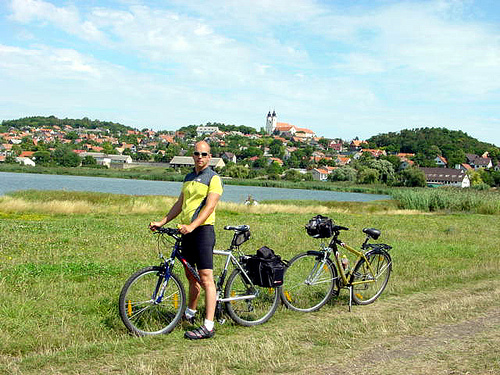
In theory there were a lot bike trails on the penninsula, but we, erm, got lost. It’s stupid little spot of earth in a small lake, and yet we managed to get lost.
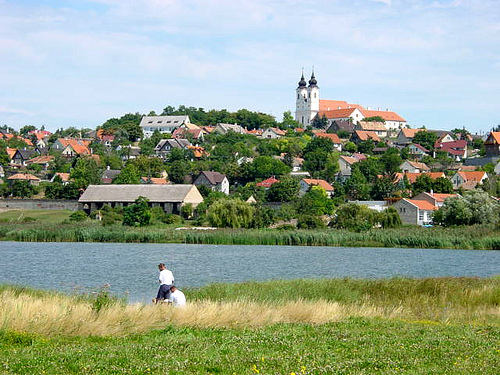
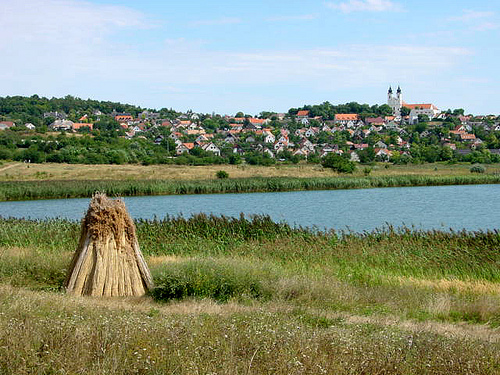
We got frustrated – rather got frustrated – and we just decided to spend the rest of the afternoon on the beach.
Na półwyspie jest dużo ścieżek rowerowych i przyrodniczych. Nie są najlepiej oznakowane, ale nie można się zgubić, bo to mały półwysep (5 km długości i 3 km szerokości). Ścieżki prowadzą wokół dwóch zarastających już jezior, przez winnice i lasy. Szkoda, że winogrona jeszcze nie były dojrzałe, bo byłaby niezła granda.
The Beach
After a bit of riding, a stop at the beach was in order. We were fortunate to find a small secluded beach that seemed to be free.
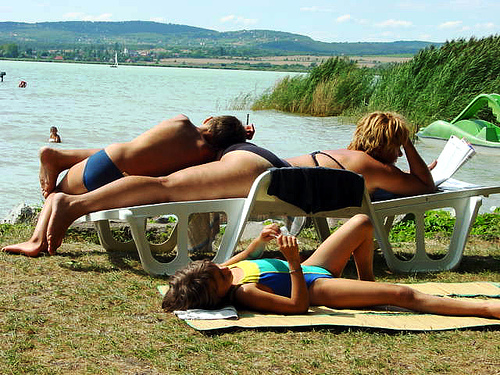
Actually, I’m not sure it was “free,” but we rode our bikes in through a sort of back entrance where no one was collecting money.
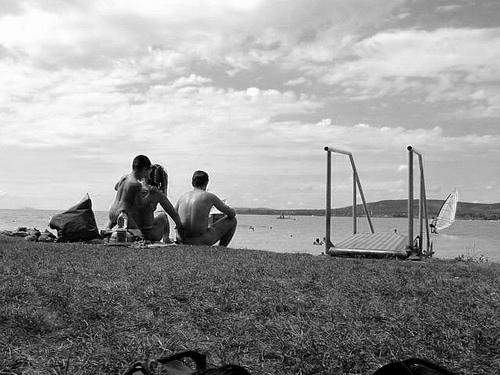
This beach seemed to have a more “family” feel than the other beach we went to our first day at Balaton. No topless woman sunbathing, at least.
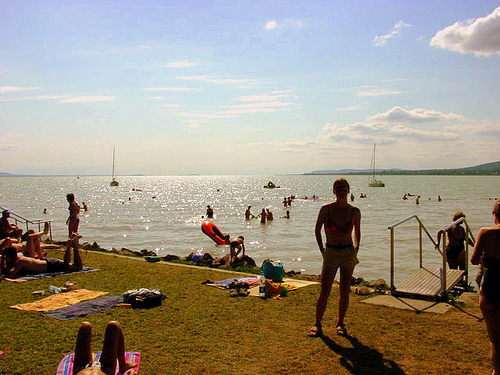
When we got back to where we were staying, we decided to take a walk on Kossuth ut, the main street.
Ceny na plażach zwalały z nóg. Za wodę mineralną 1,5 l, za którą w spożywczym sklepie „wystarczyło” zapłacić 150 Ft (2,8 zł), na plaży trzeba było zapłacić 500 Ft. No cóż, trzeba się po prostu dobrze zorganizować.
Kossuth ut
The last evening, Kinga and I went to the main street, Kossuth ut, and wandered among the shops that were still open.
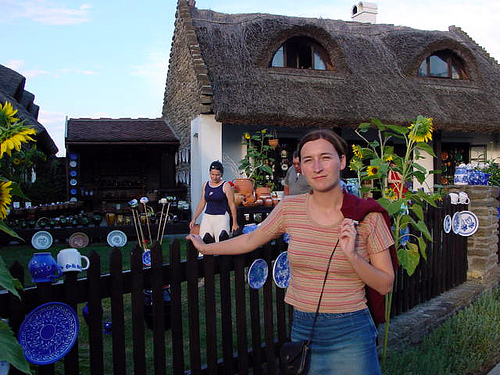
Being a heavily tourist area, Tihany was not the place to do buying, simply to do shopping. The same kind of craftwork was available in a less touristy area for about 75% of the cost.
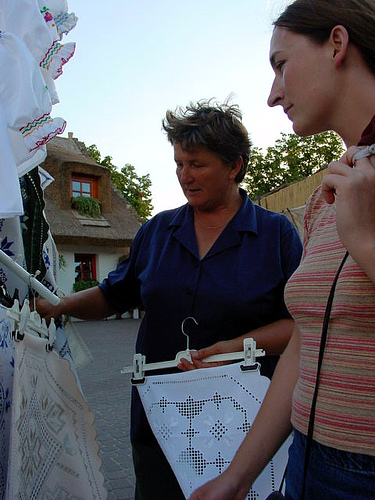
Ta najbardziej reprezentacyjna, turystyczna część Tihany wygląda bajkowo. Małe domki z wybielonymi ścianami i charakterystycznymi dla tamtego regionu dachami. Zadbane, pełne kwiatów ogródki i sklepiki, w których towar wystawia się także w ogrodzie, dzięki czemu wszystko wygląda jeszcze bardziej kolorowo. Garemu najbardziej podobały się garnki powieszone na płocie. Skojarzył je z „Sami swoi” – zawsze mnie to zaskakuje, jak on zaczyna kojarzyć takie rzeczy, ale to bardzo miłe.
Next: Basalt Hills