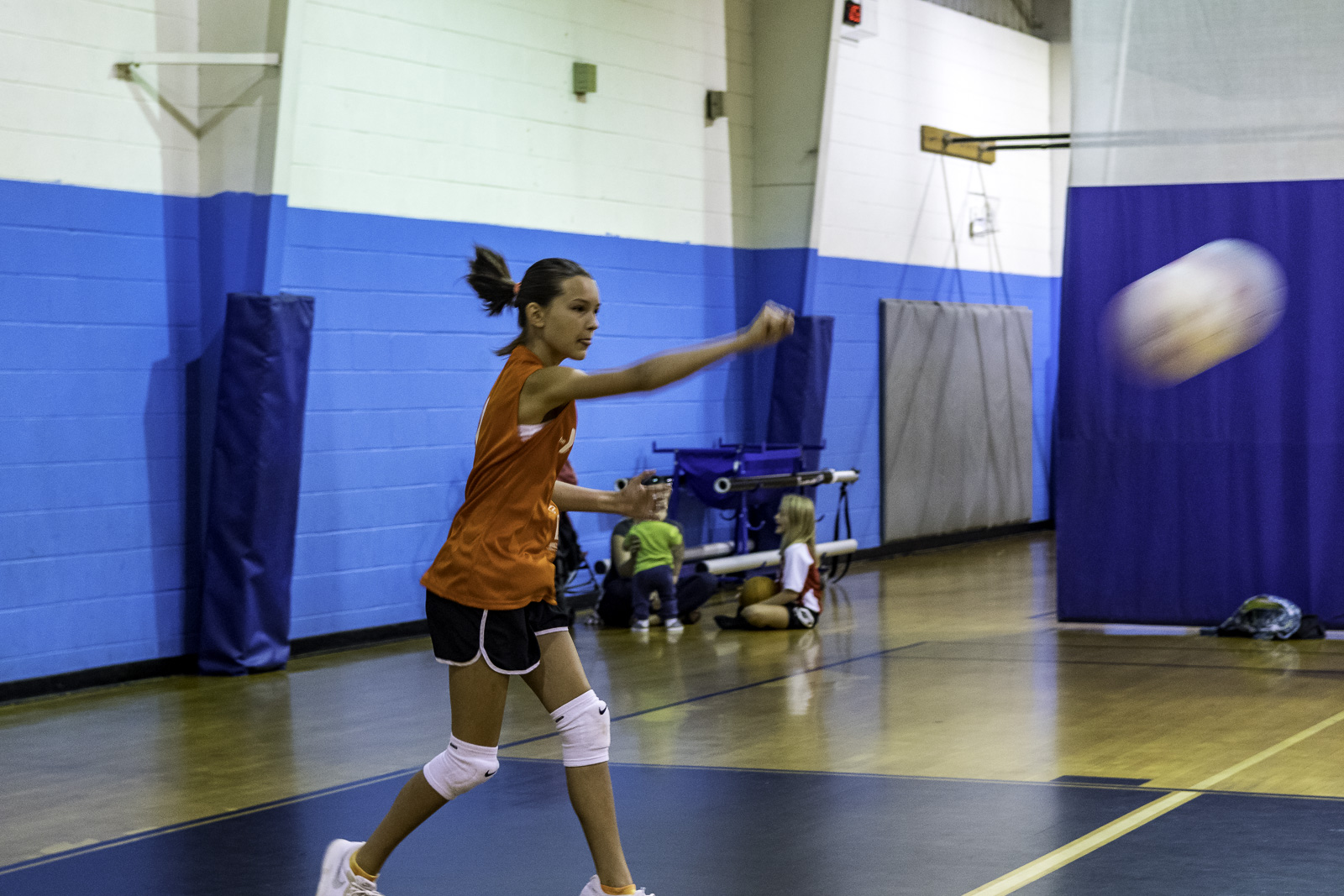
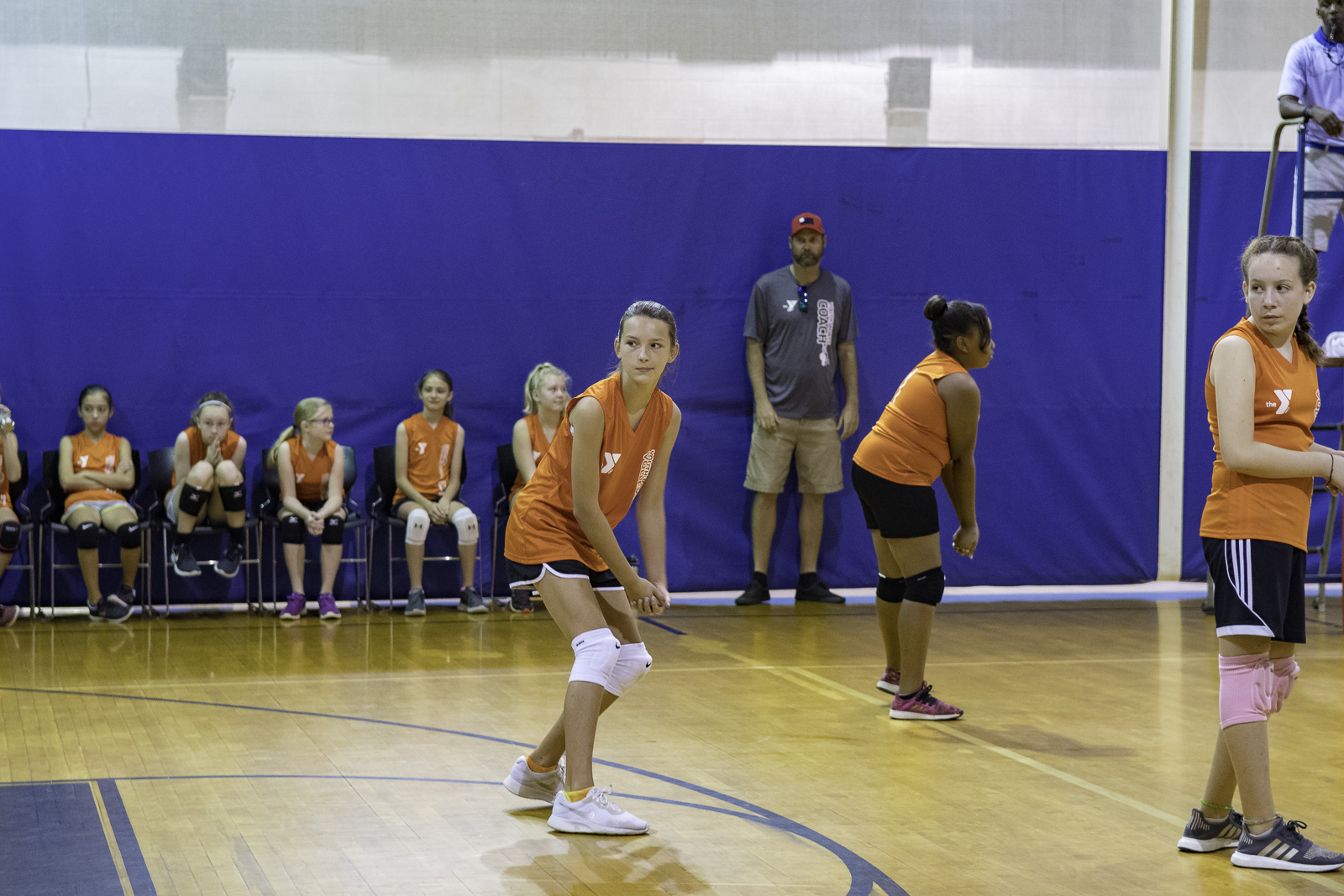
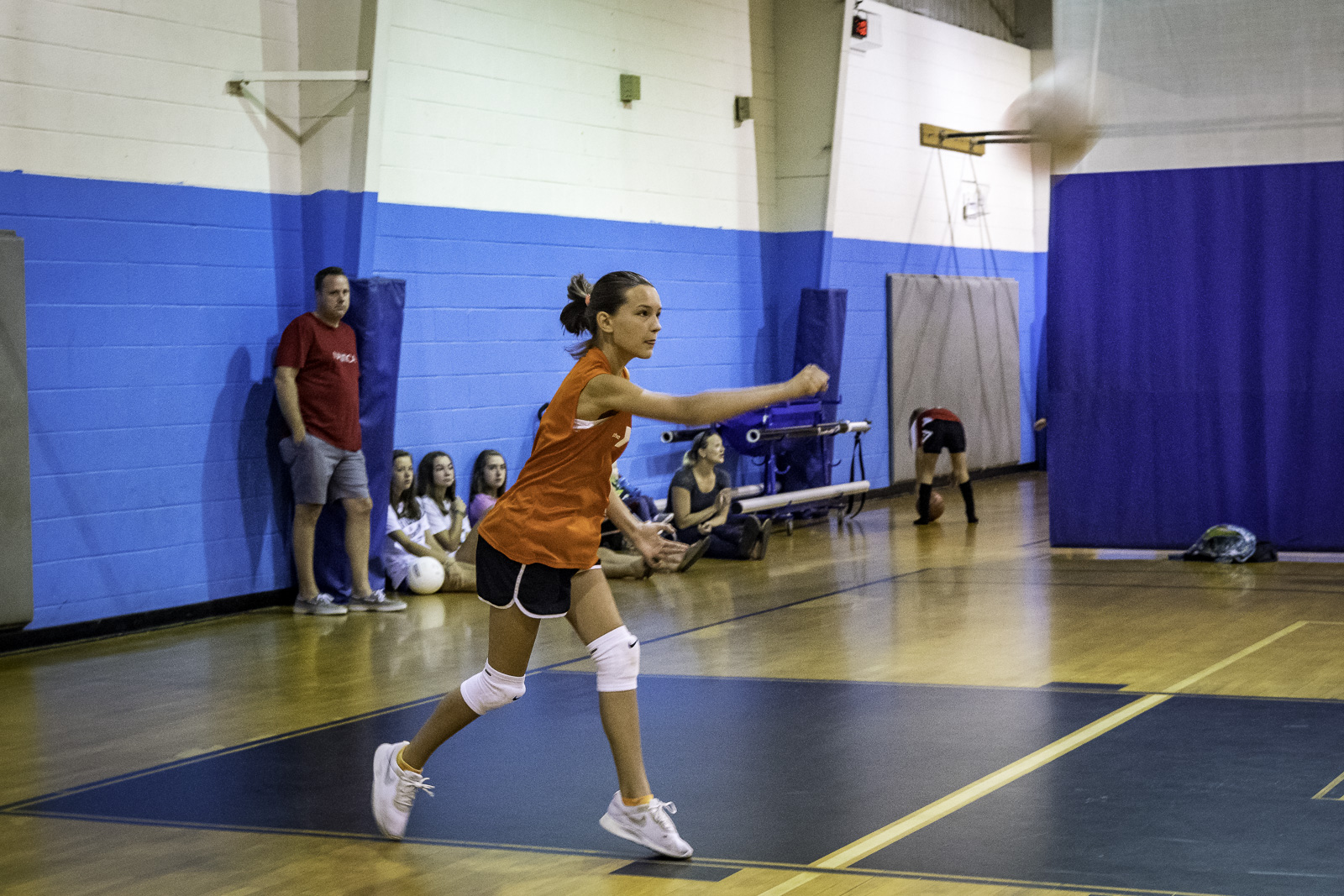
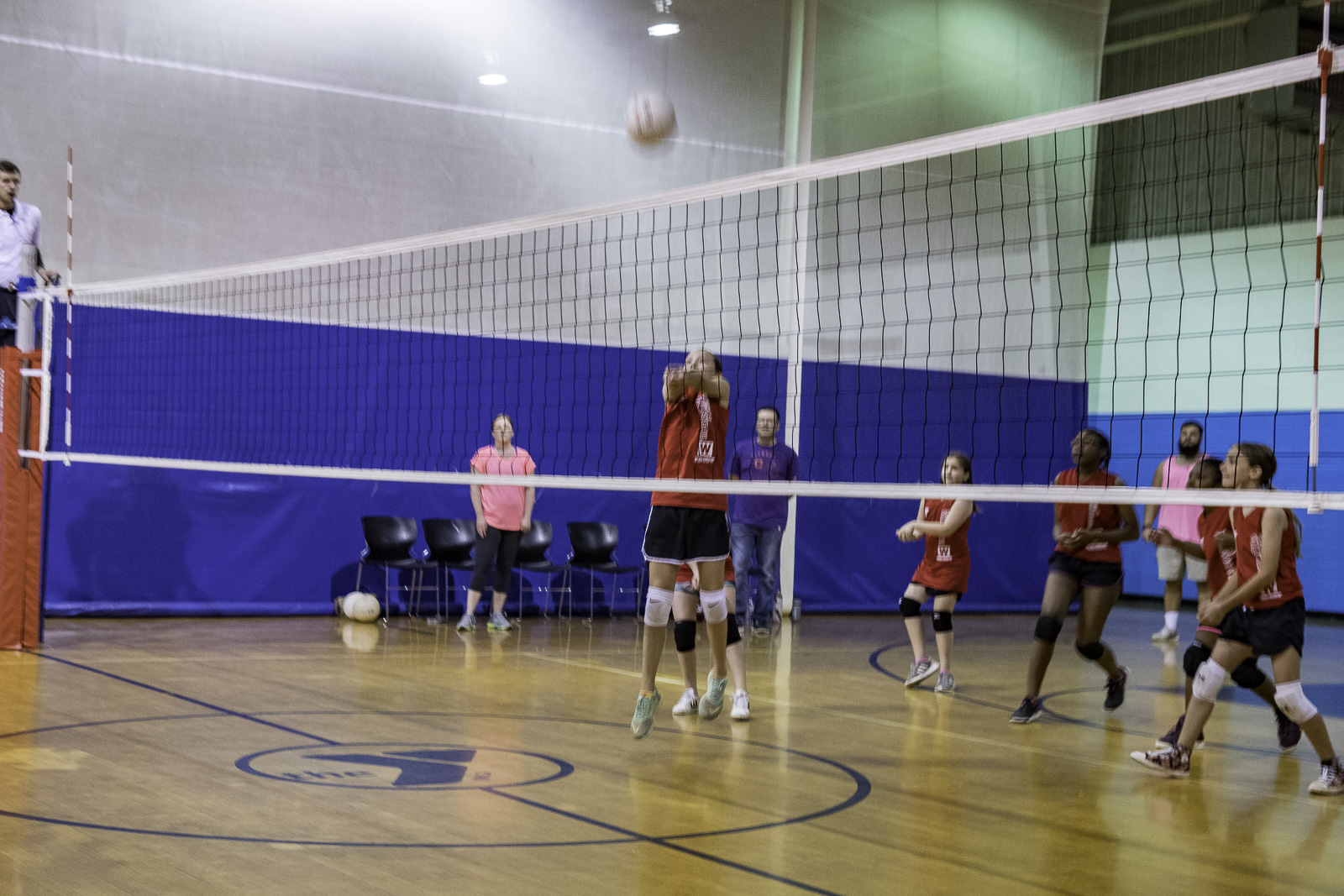
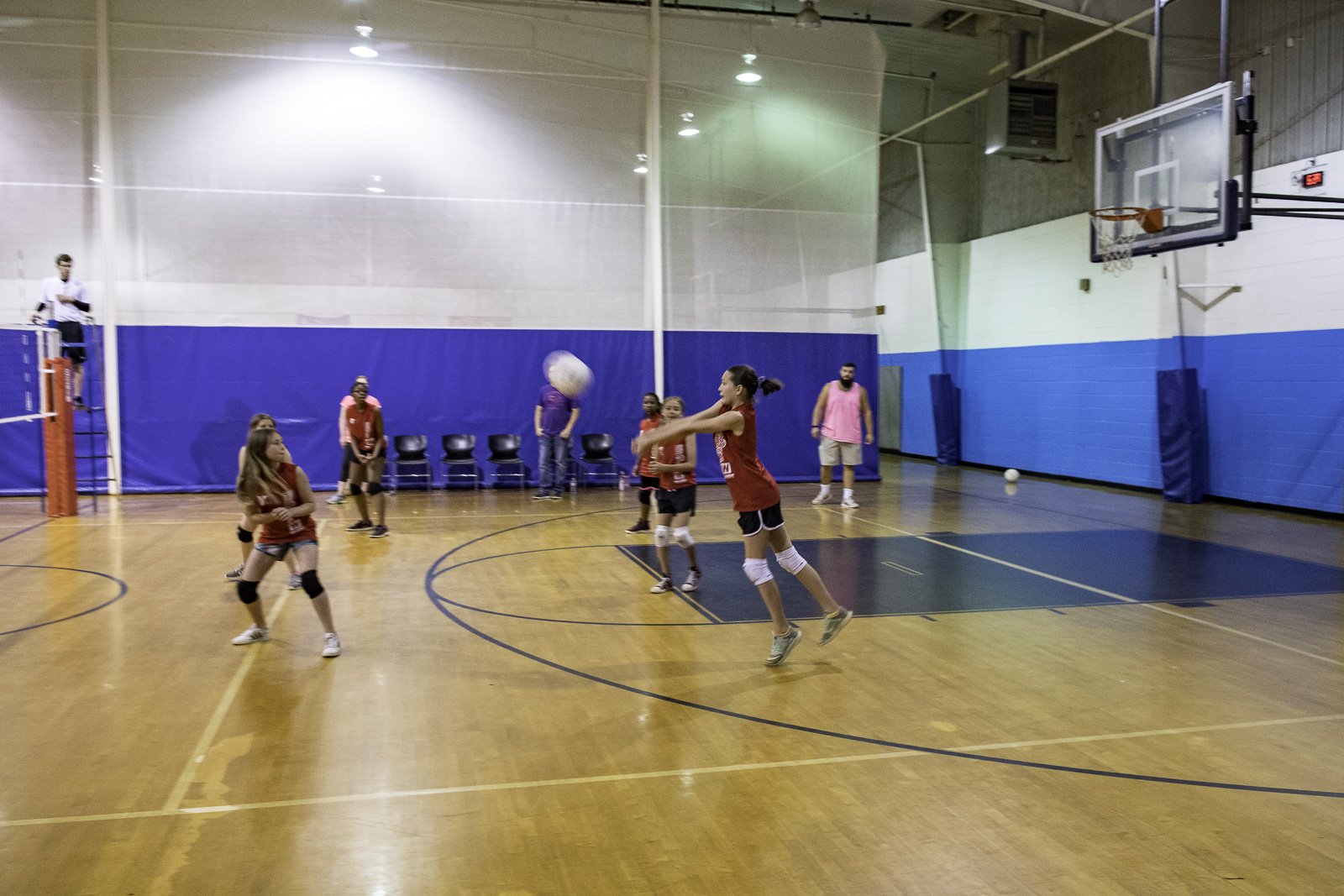
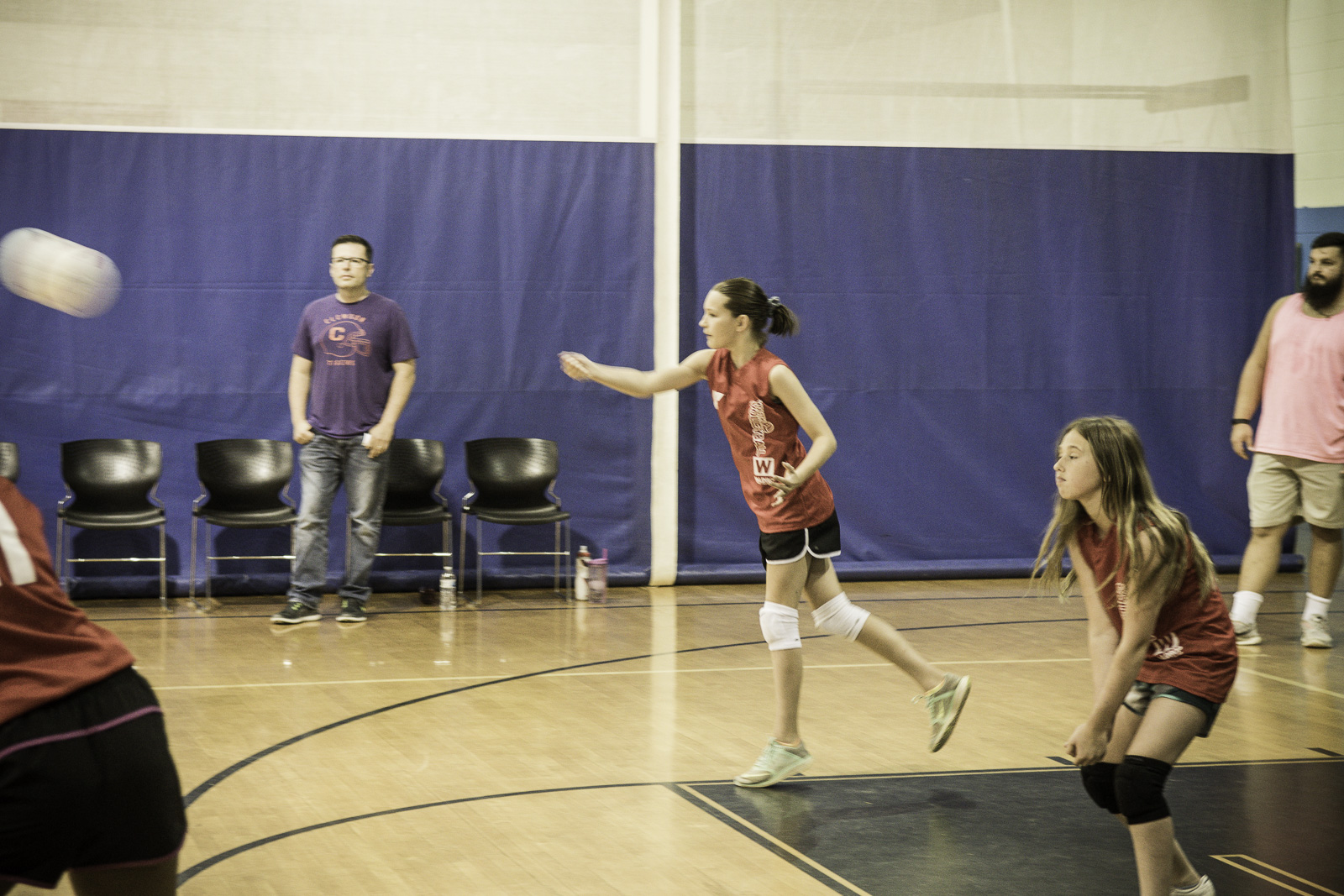
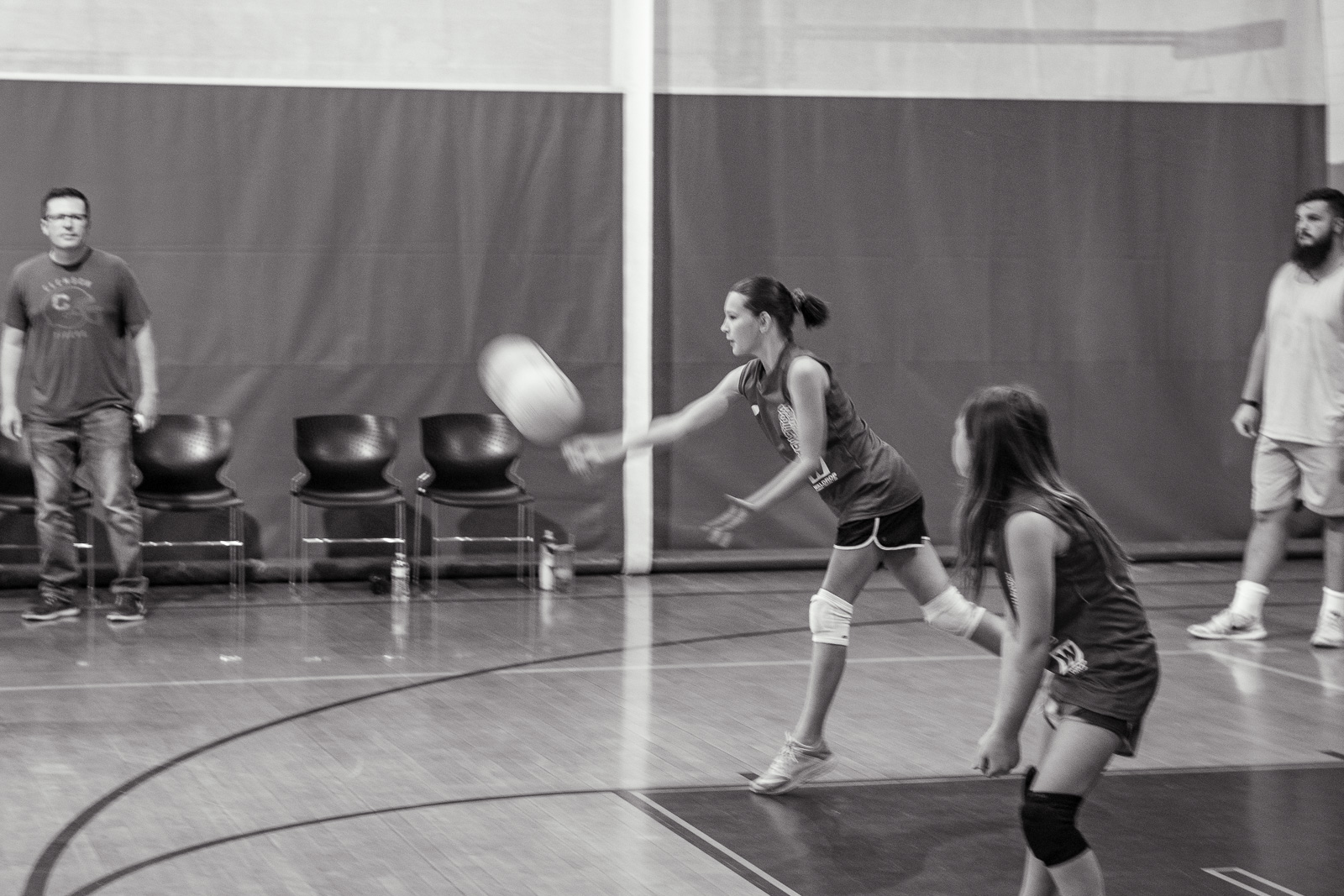
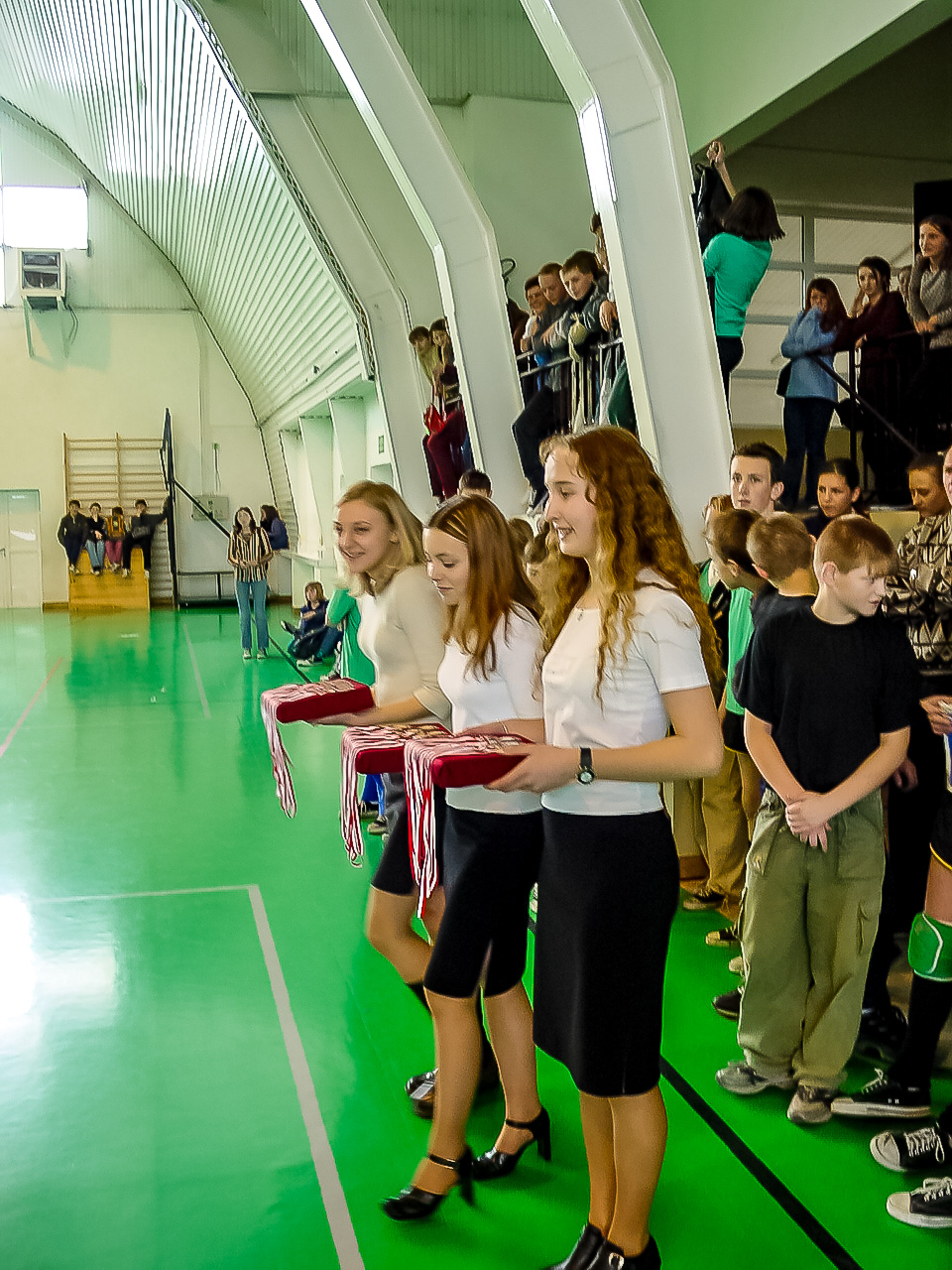
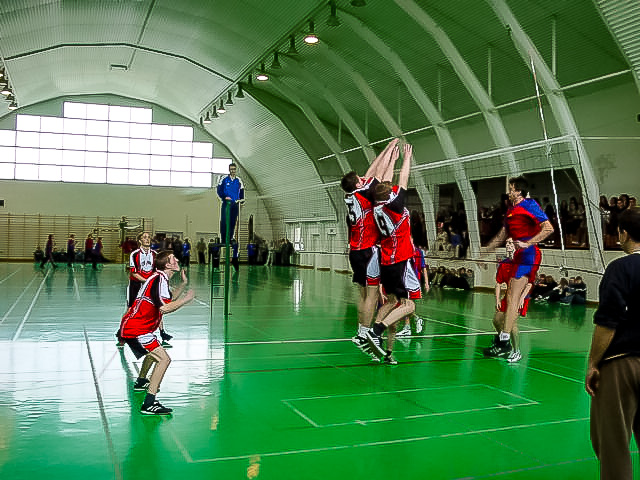
volleyball

Rock Hill Tournament, Day 2

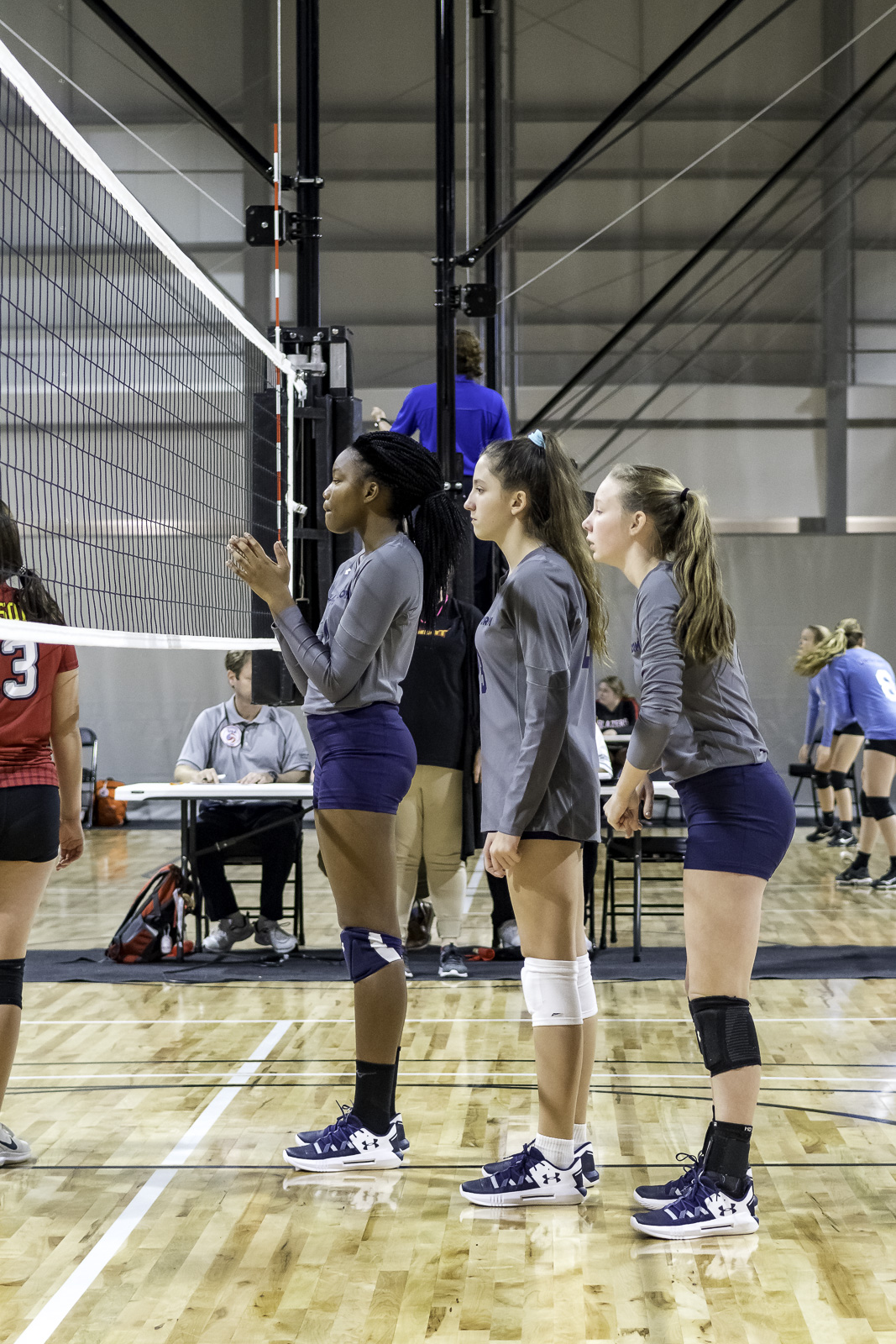
The girls had been putzing around. Sure, they’d won a couple of matches, and they’d lost one to a team that seemed to them, I’m sure, unbeatable. Still, even on the games they’d won, they’d made a bunch of silly mistakes. It just so happened that the other team made more. They played like beginners.

Not today.

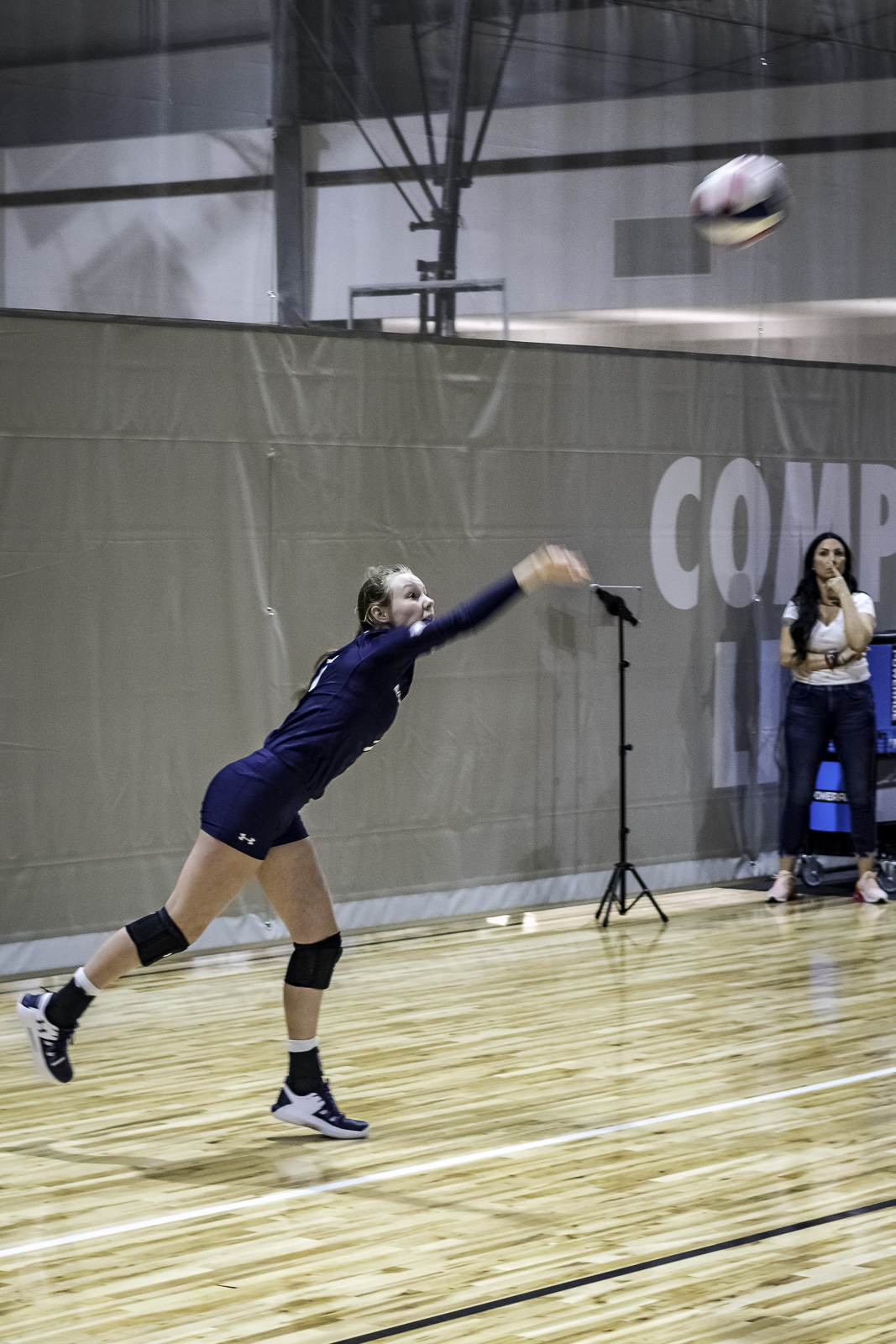
This morning, they played their first game of the day, and it was business as usual. A few balls fell in the middle of two or three players because of a lack of communication and initiative. They flubbed a number of serves. They knocked some received serves off at angles that would have left Euclid scratching his head. They played like beginners. Still.

Then came time for their second match, and from the moment the other team began warming up, I began worrying. They were hitting very well, and digging those hits effectively. Their serves were sharp.

“Starting match 2,” I texted K. “Gonna be a tough one.”

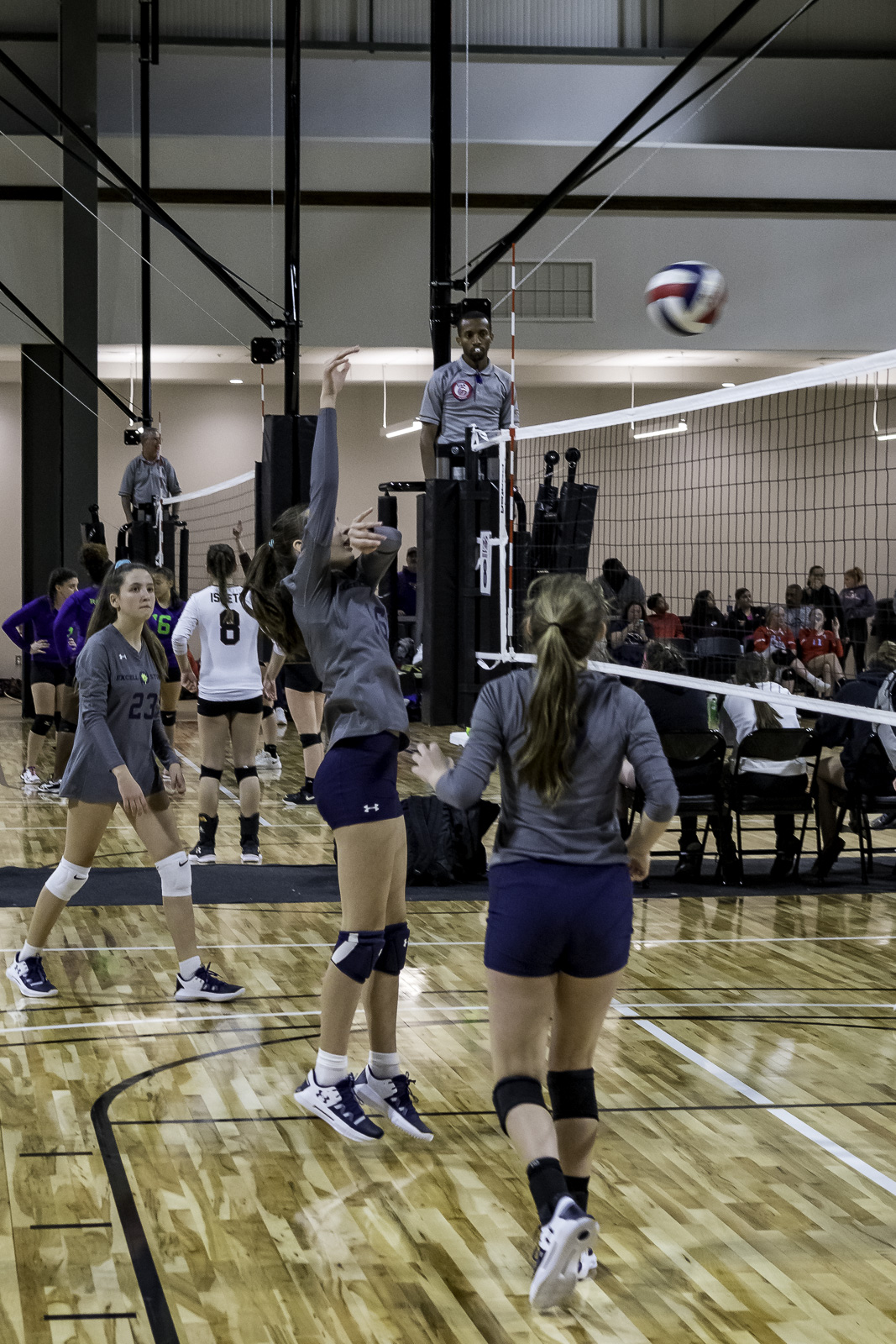
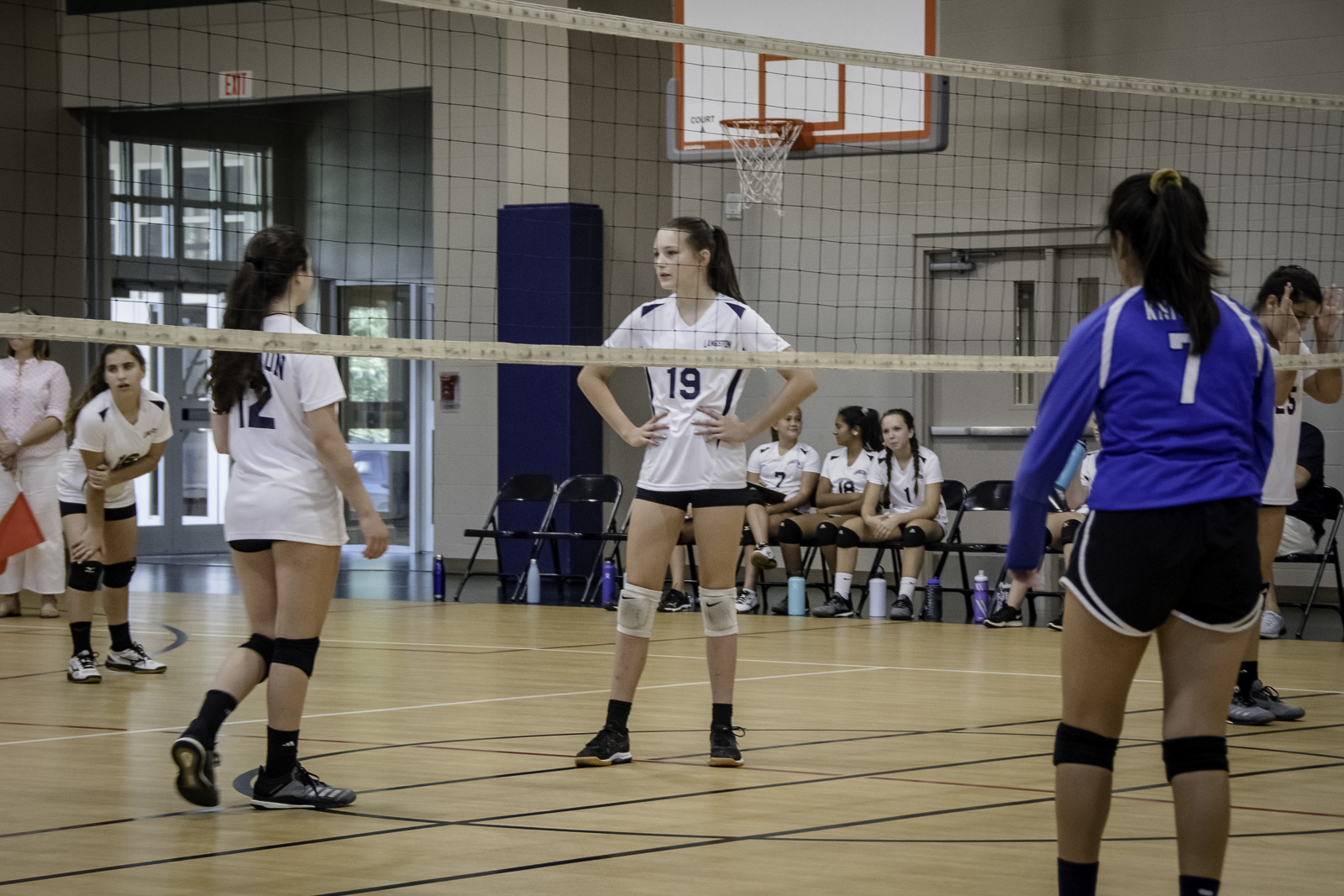
They came out and transformed into a group of girls who knew what they were doing, who could dig hits like never before, hit like never before, block like never before — in short, play like never before.

“They have never played this well,” I texted.

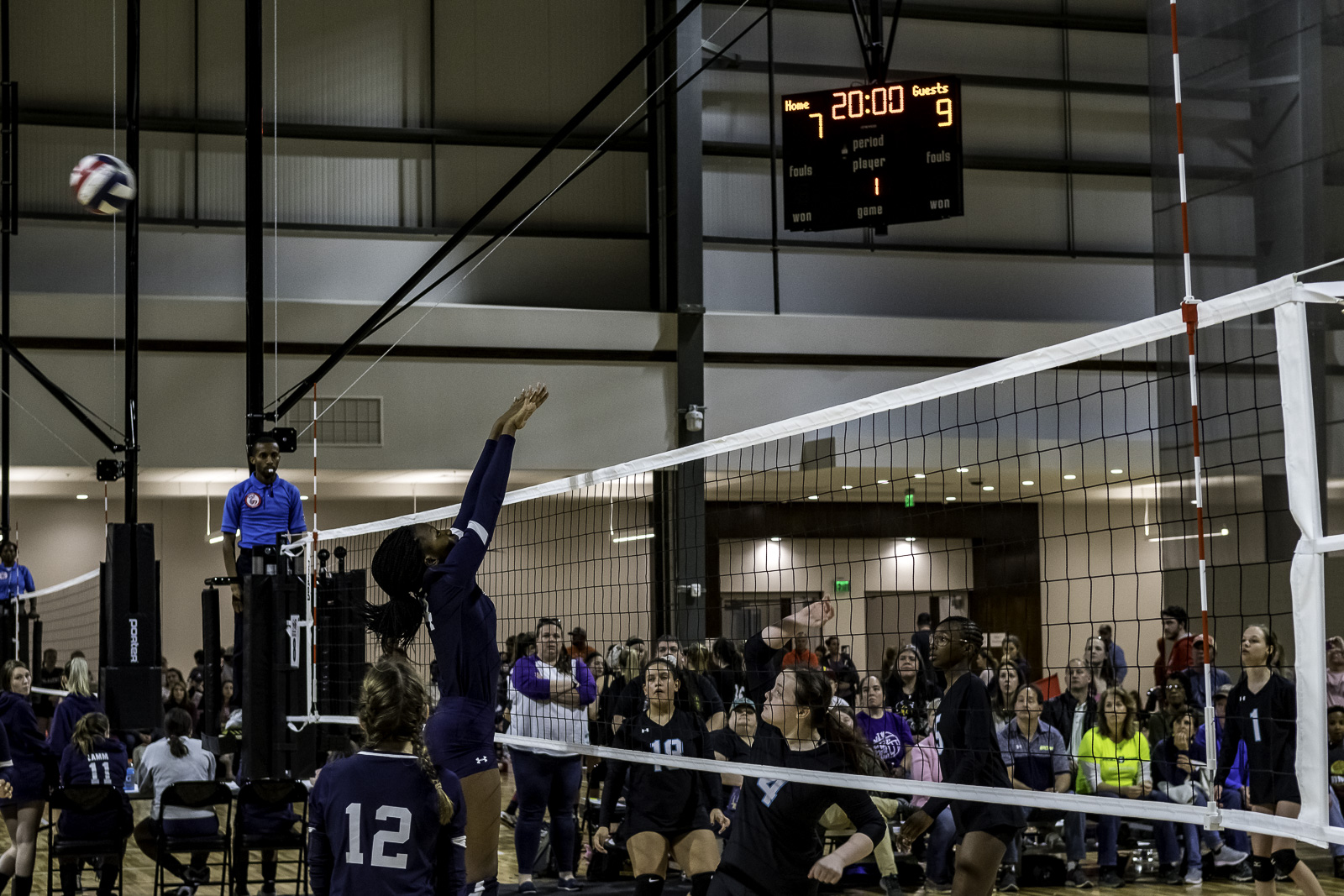
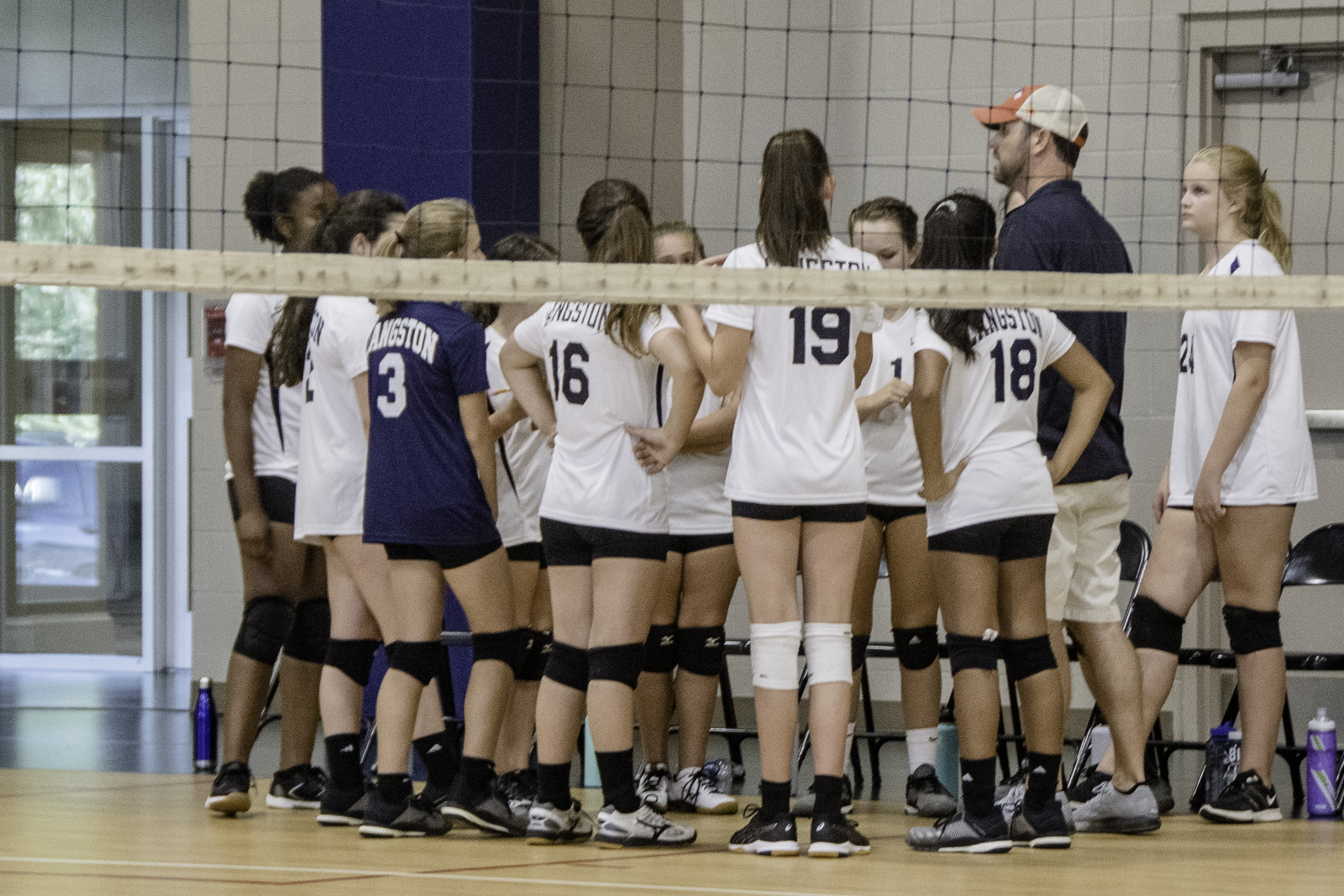
They took the first game 25-21; they lost the second game 21-25. The third game (to 15 only) they were up 11-8 and then slipped up and let the other team tie it. The coach called a time out. Immediately afterward, the opponents scored two more. They only had two more points to score; our girls had to score double that. Coach called another timeout.
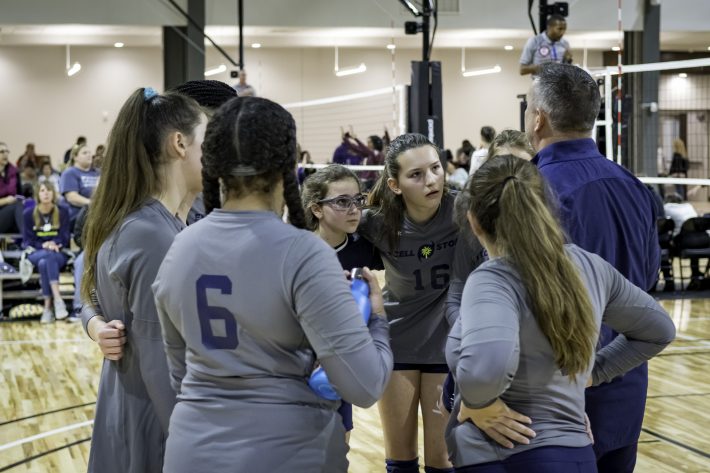
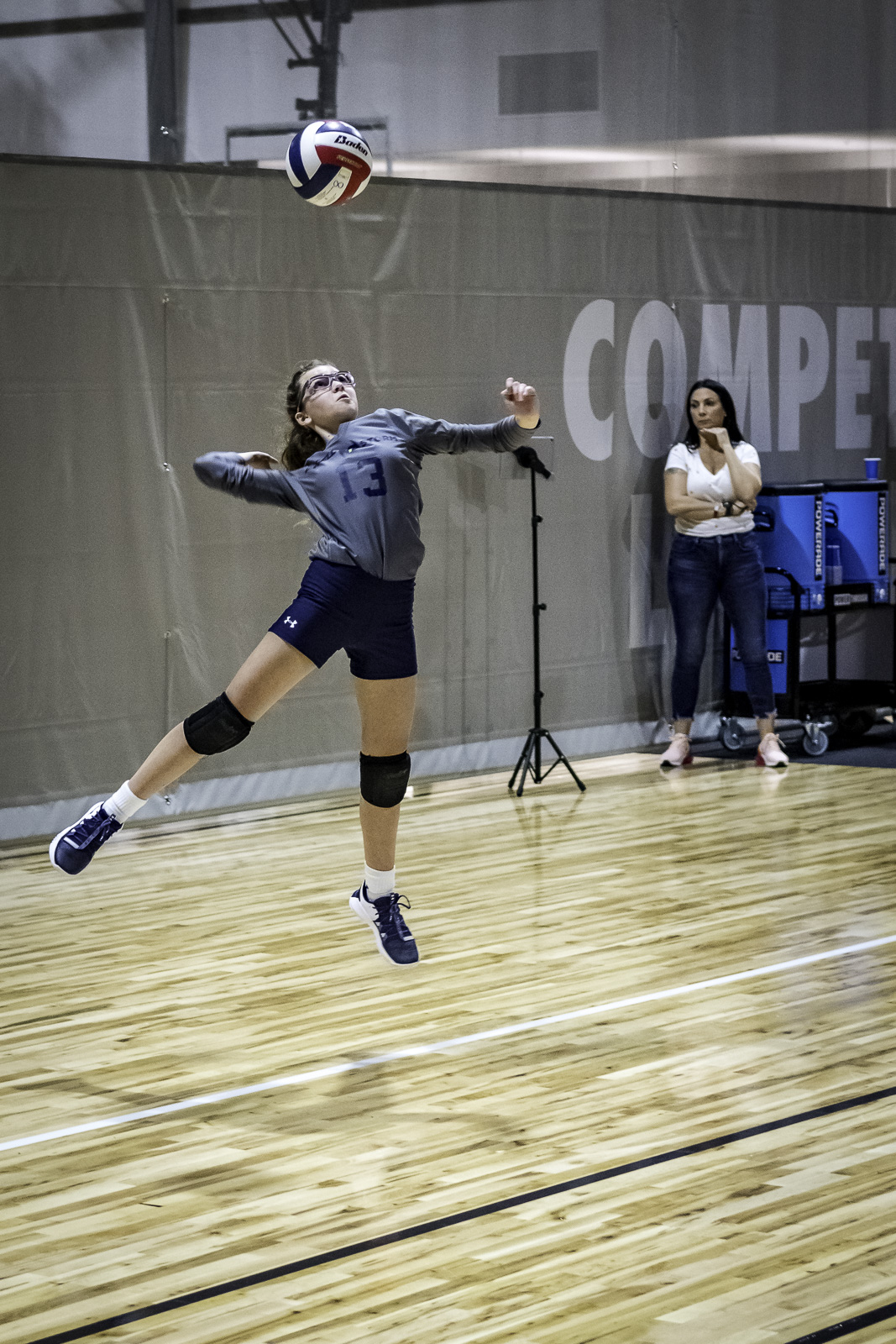
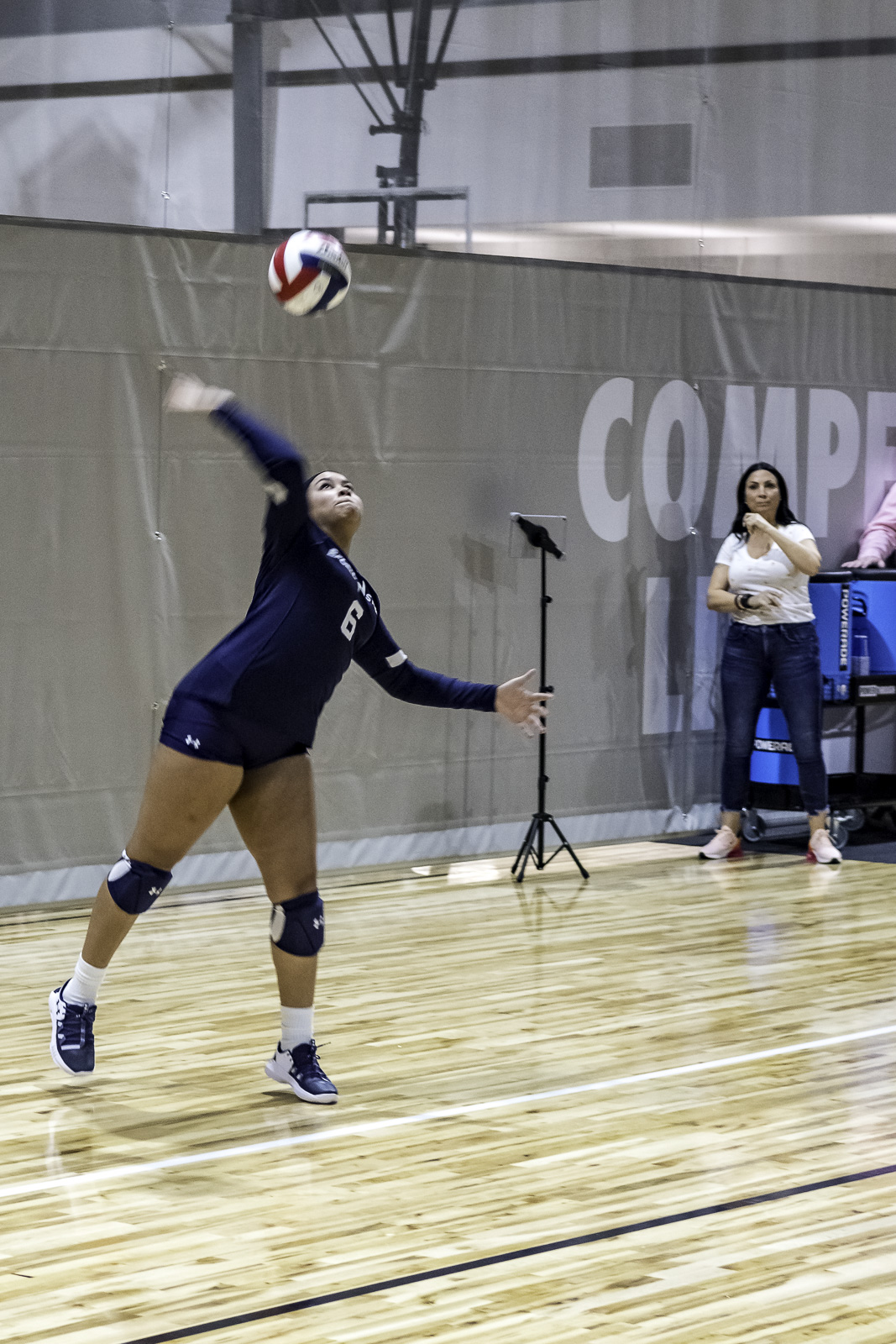
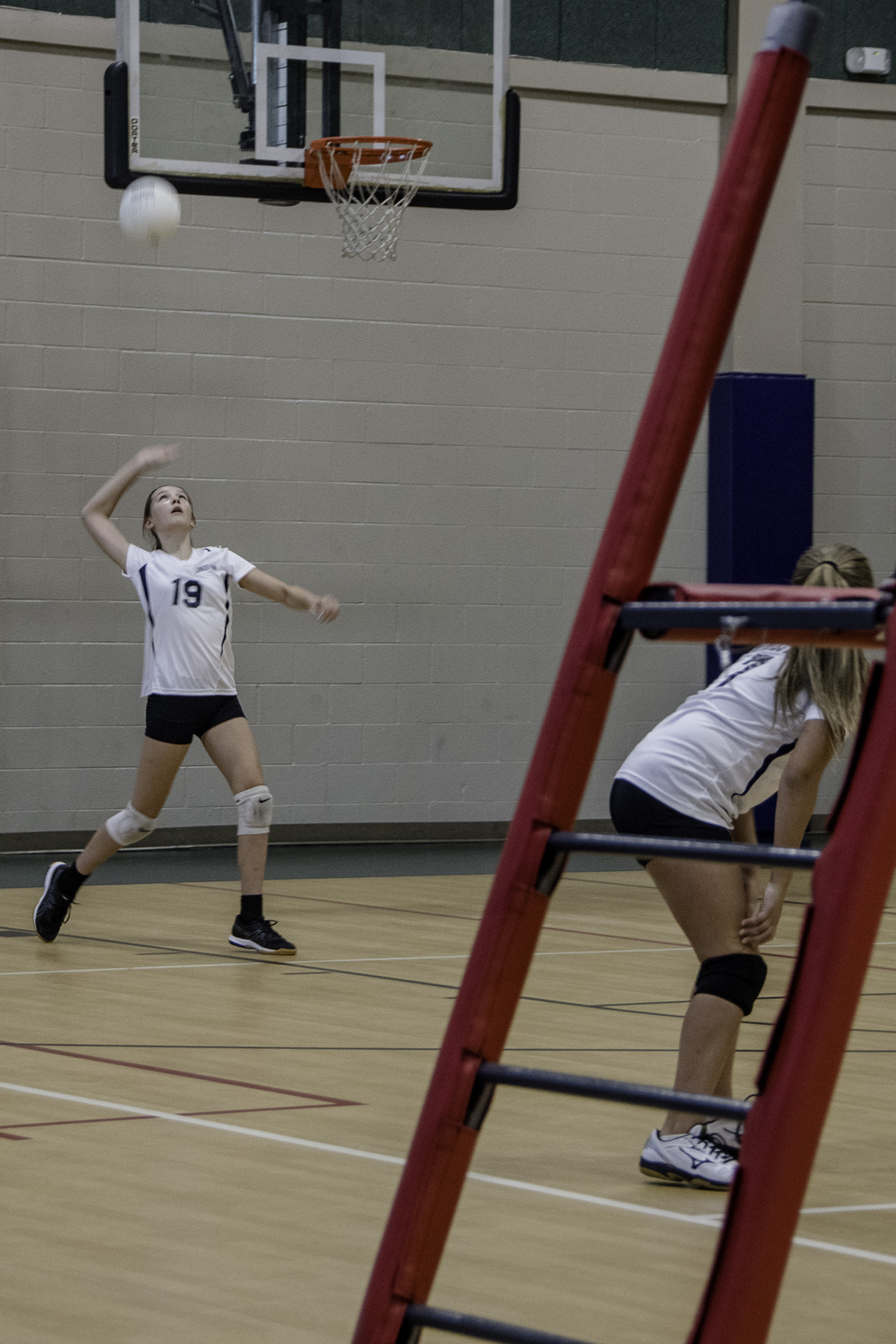
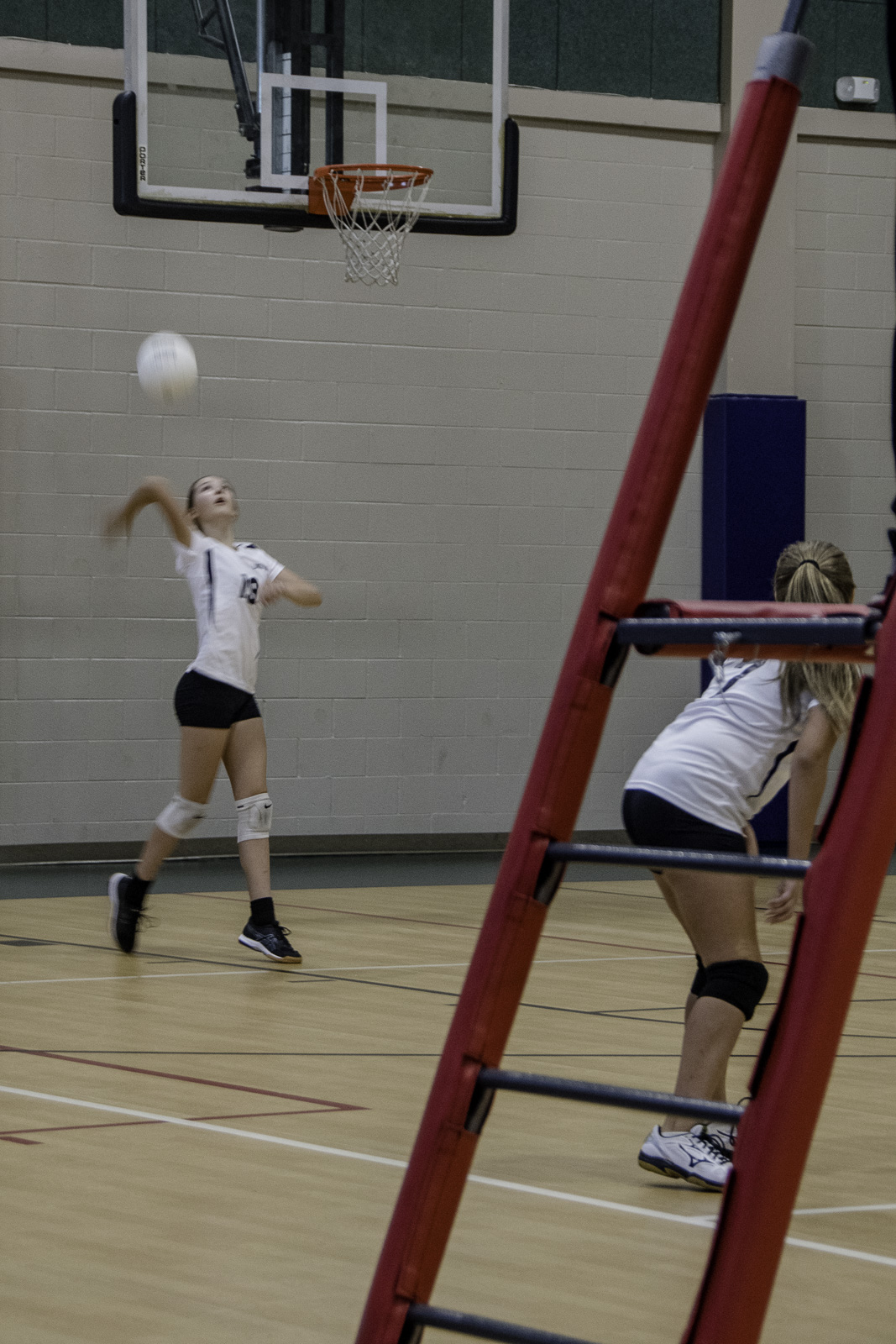
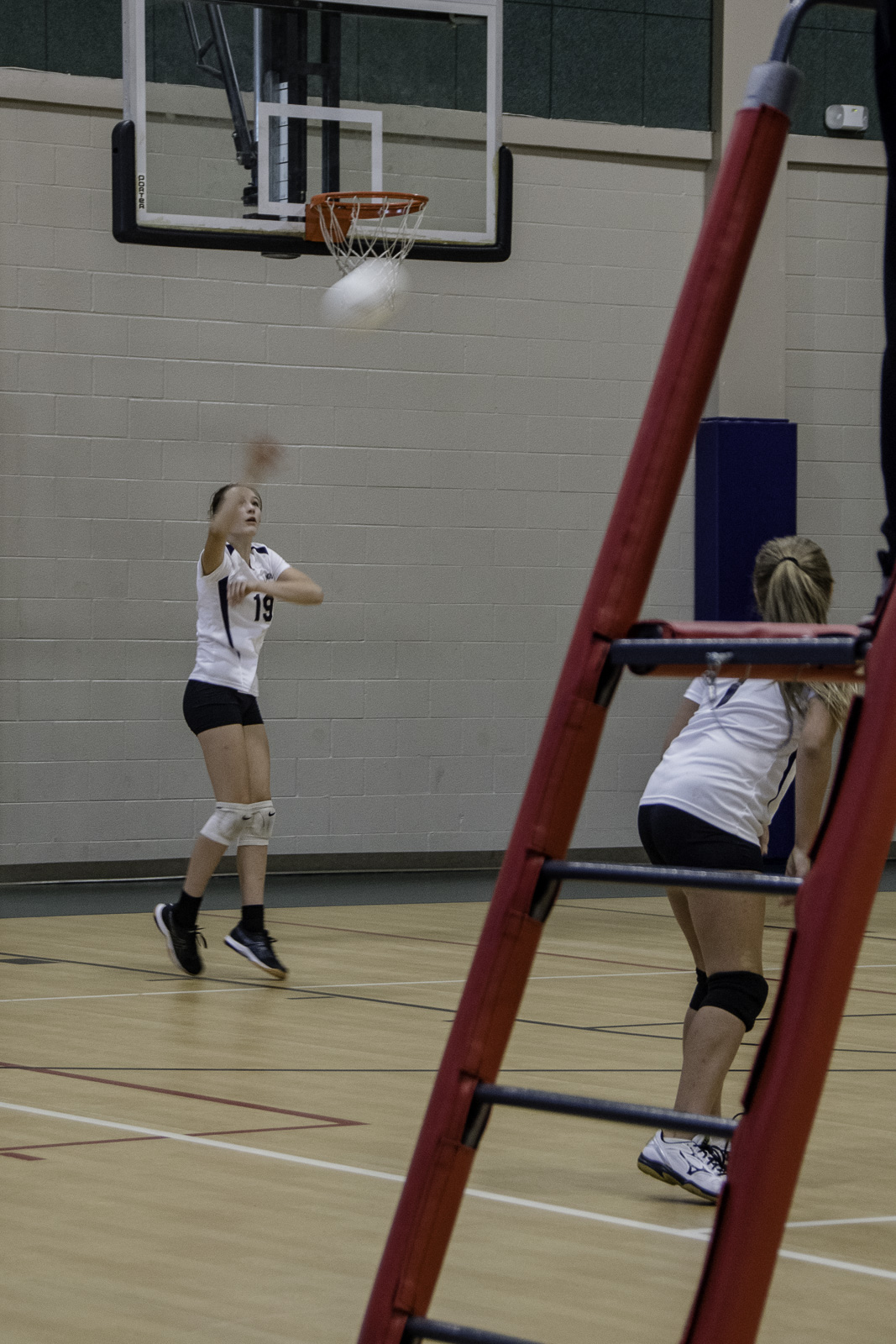
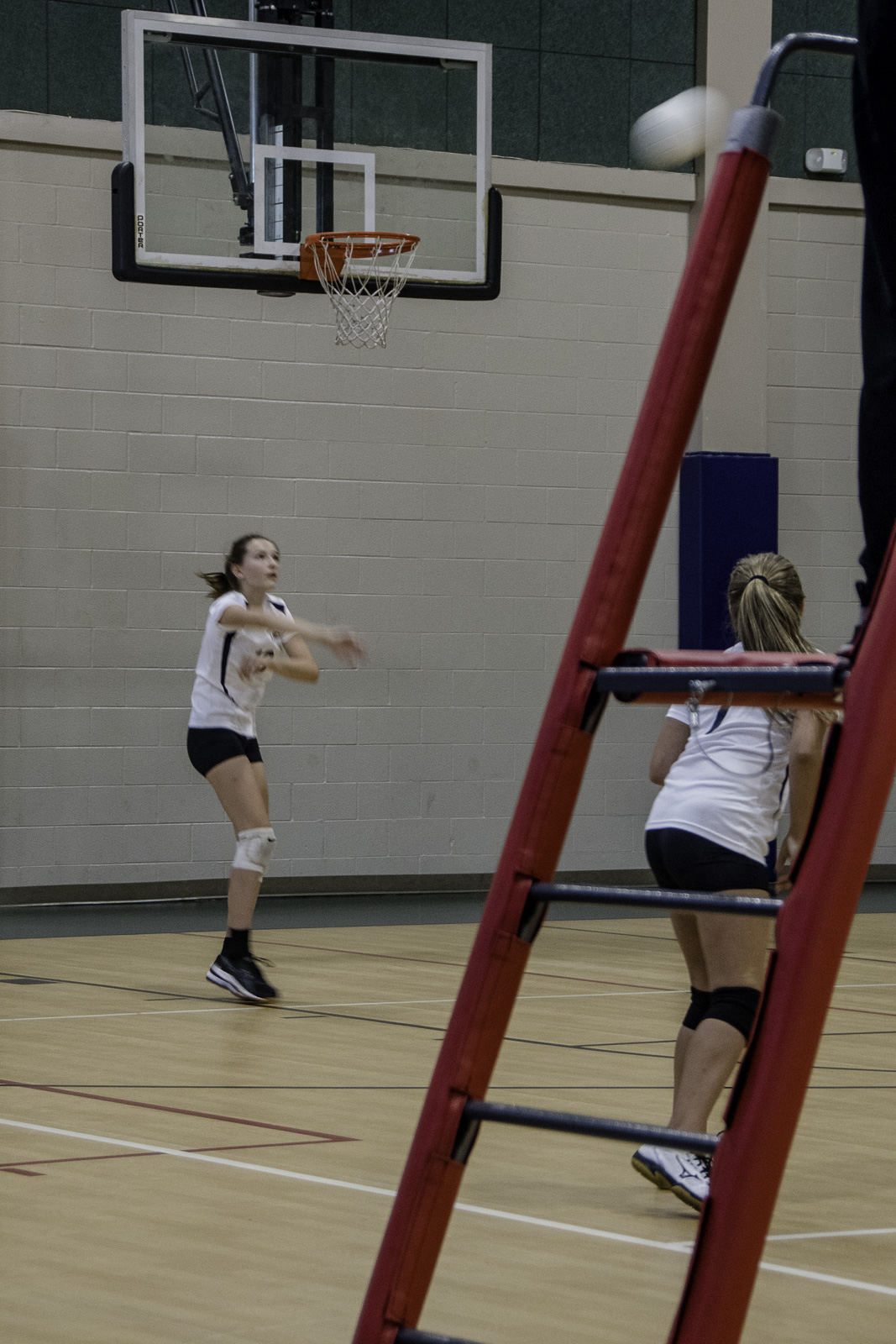
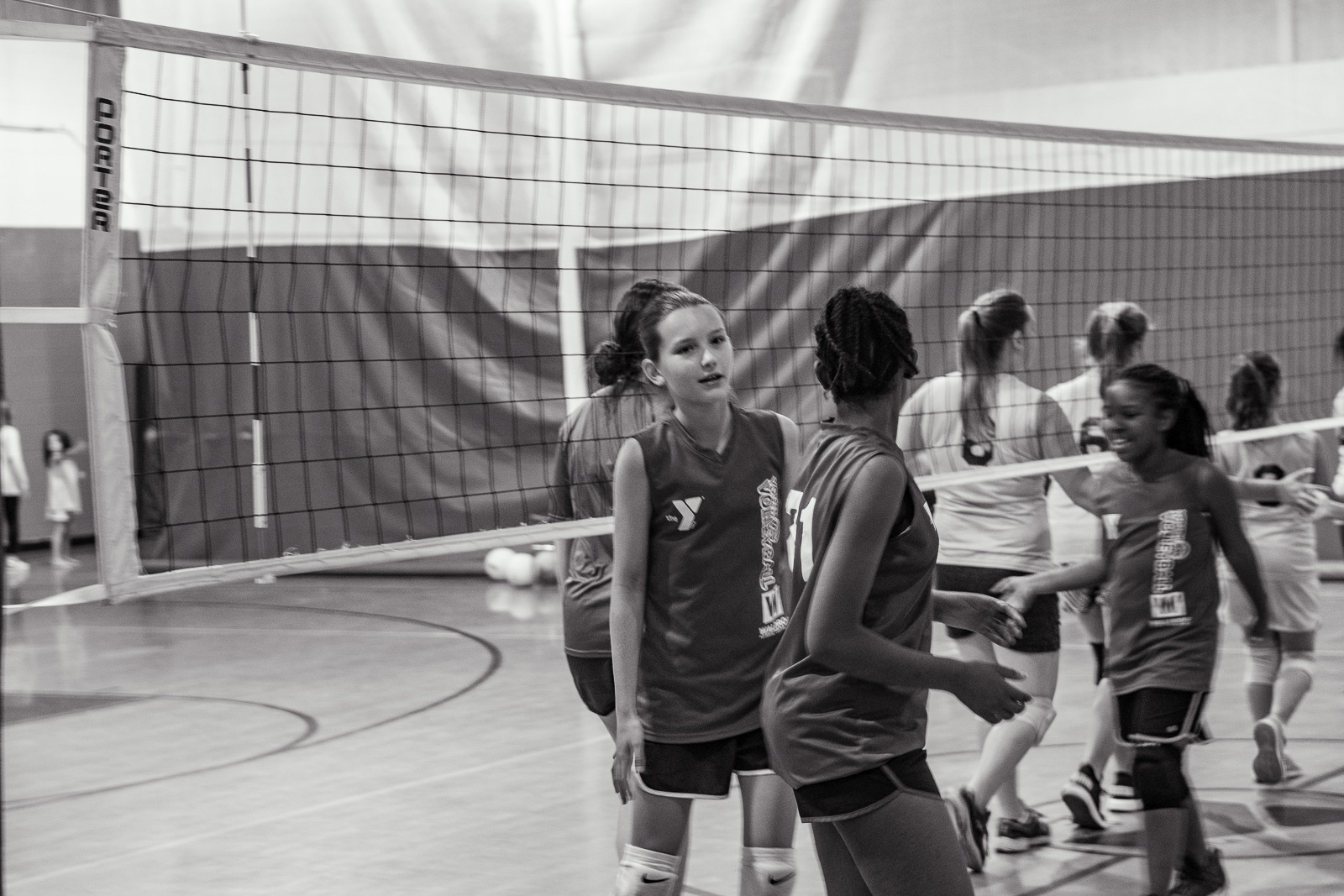
L went up to serve. One down. Two down. Three. Four — they’d won!
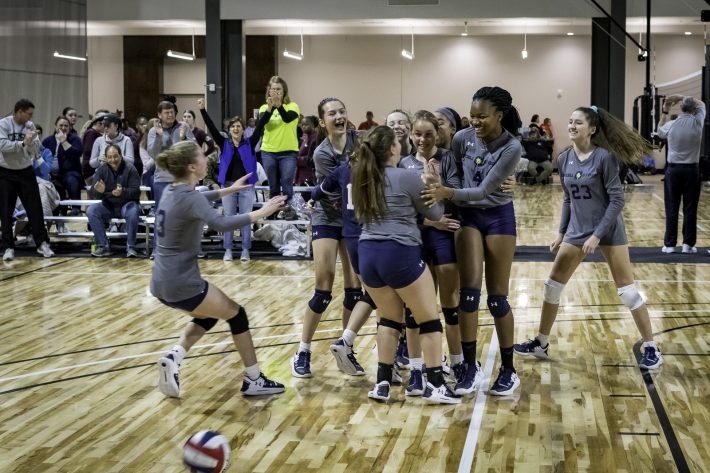
I can’t remember I’ve seen nine girls (one girl, unfortunately, went home sick earlier in the day) so very happy.
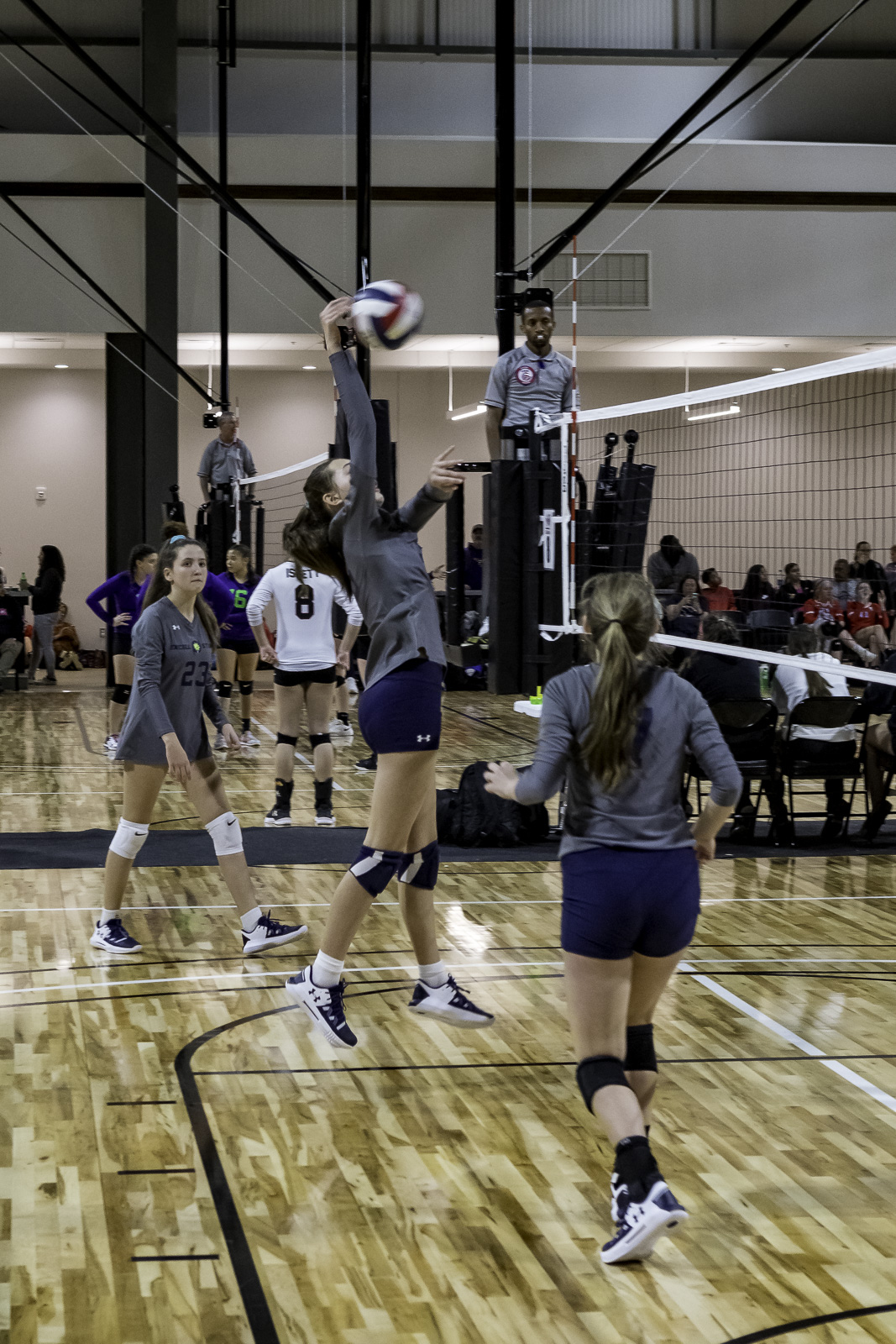

That win put them in the semifinals, where they faced a team of roughly the same strength as the one they’d just defeated. I thought, “We can do this — we can make it to the finals.” But unfortunately, the girls had just run out of gas by that time. They started making some of their old silly mistakes again. They were just worn out, and L, who’s been battling a cold all week, confided in me on the way home, “I felt like I was going to throw up that whole last game.”

“And yet you stuck it out, for the team.”

“Yeah, I guess.” A typical L reply.

So what did they learn this weekend? I think the coach put it best: “You girls learned how to win.” That’s easier said than done: it takes a lot of confidence to face a team you think will beat you and stare them down, then beat them down. And when things are falling apart, it takes a lot to keep pushing, even when the loss starts to look inevitable.

L, for her weekend of effort, got to sleep the whole way home, got freshly made rosół for dinner, and a 7:15 self-imposed bedtime.

In two weeks, we do it again…
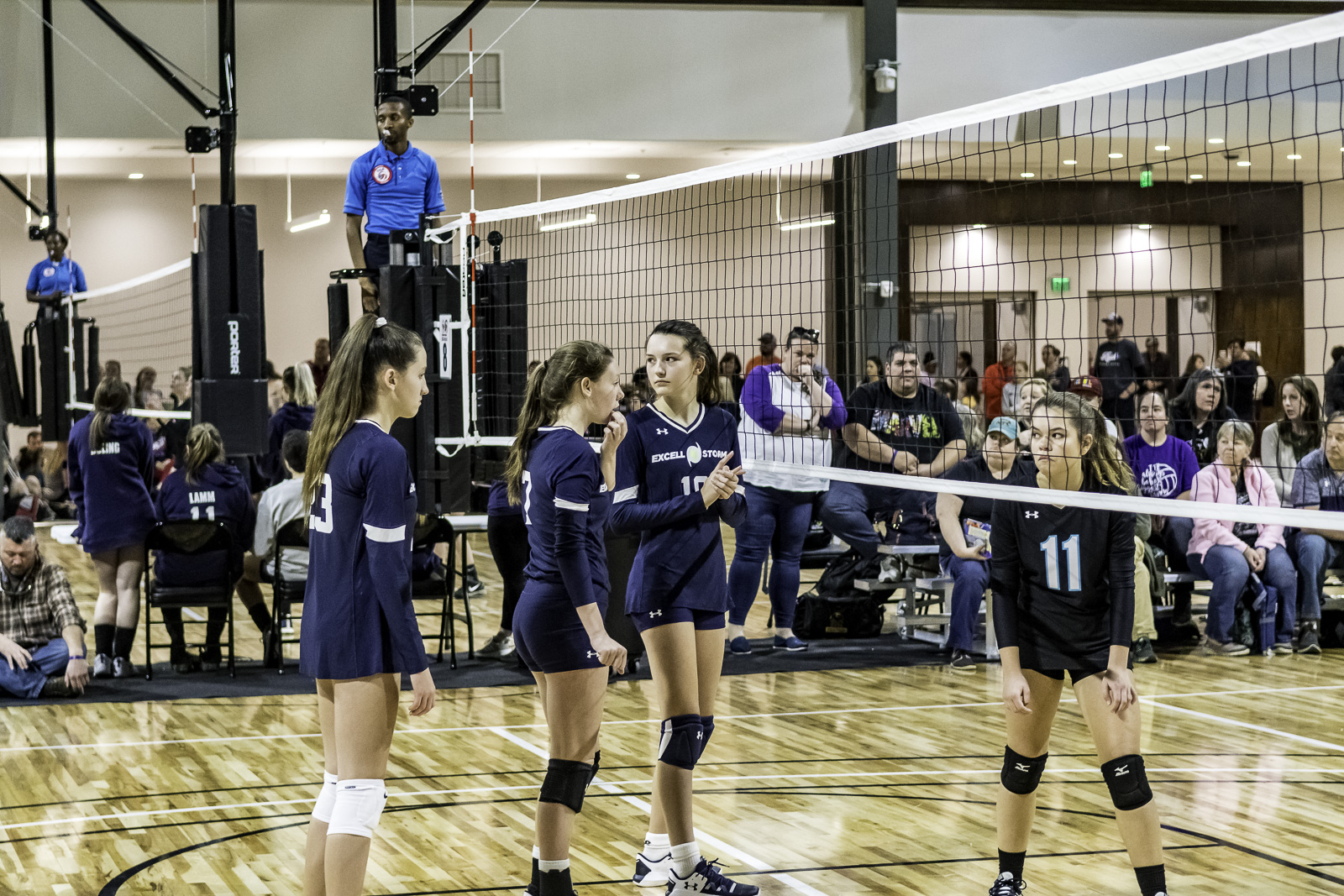
Rock Hill Tournament

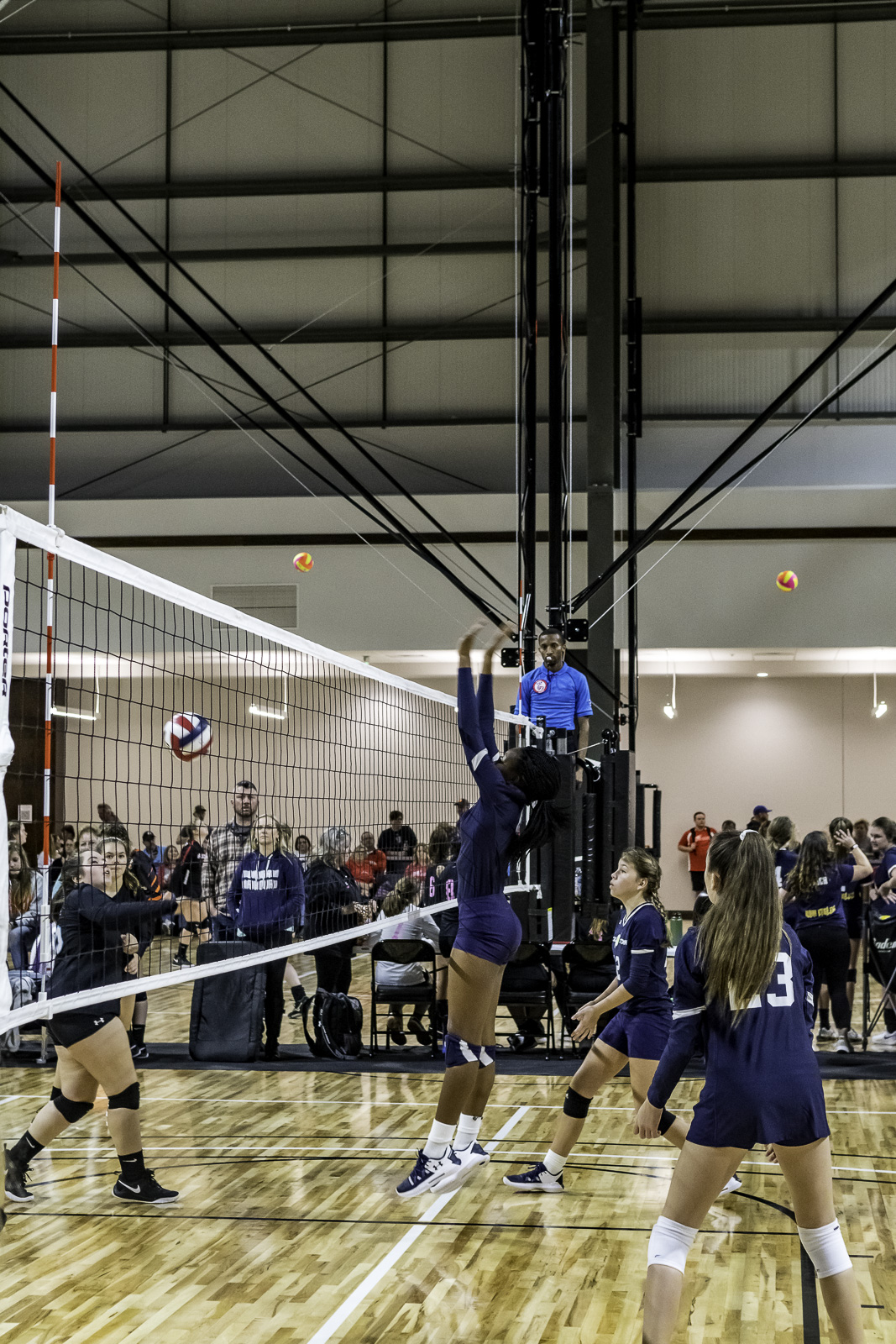
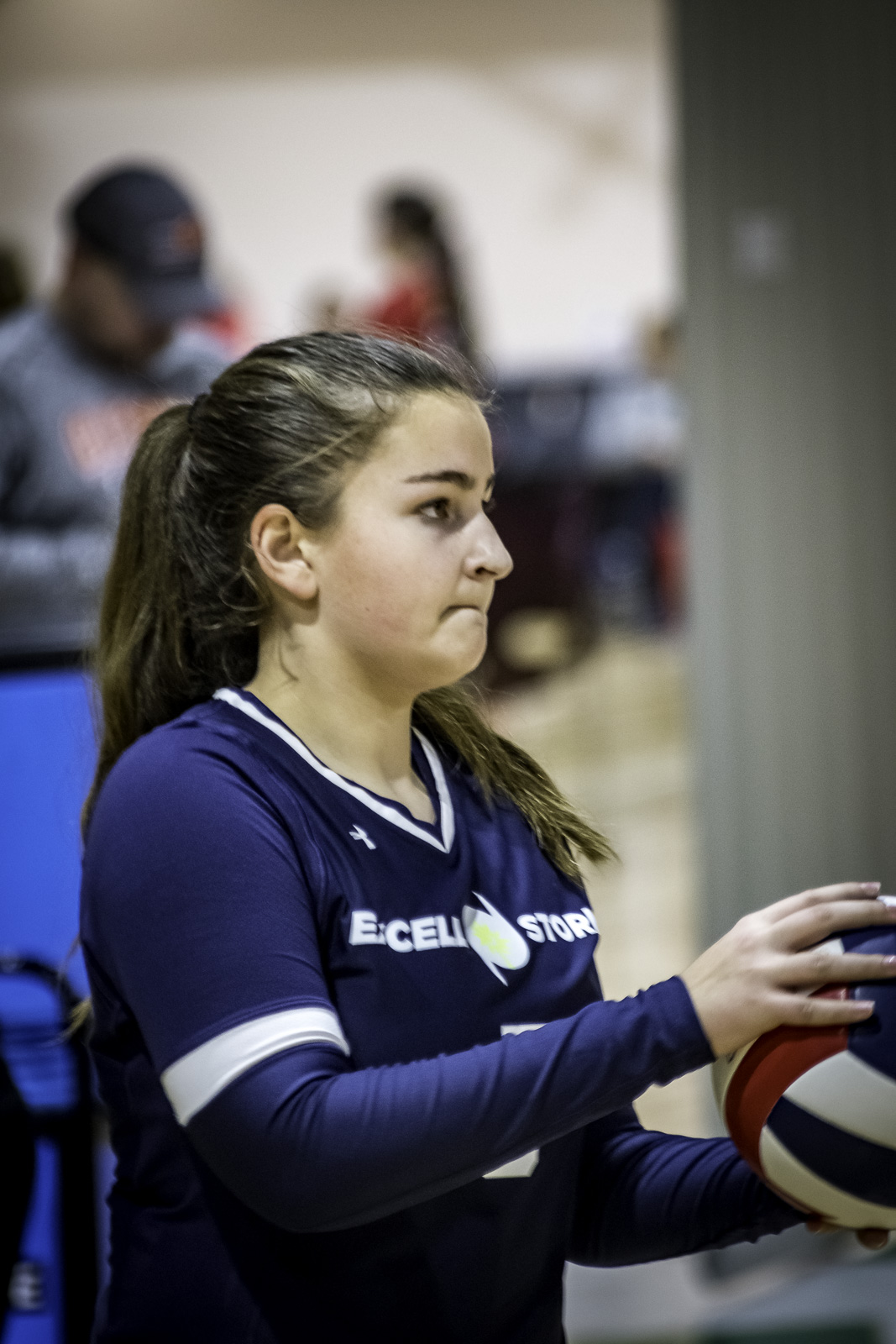
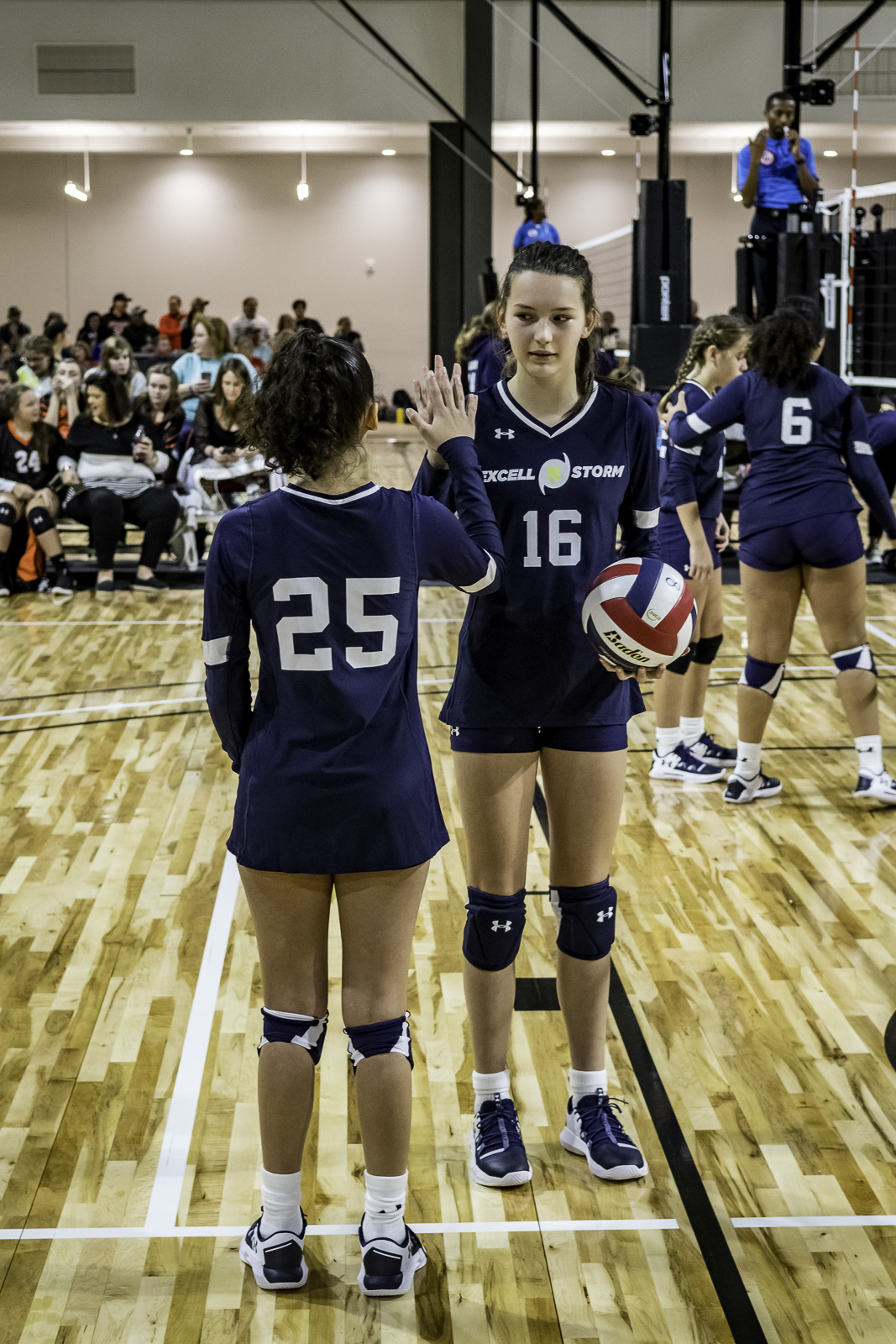
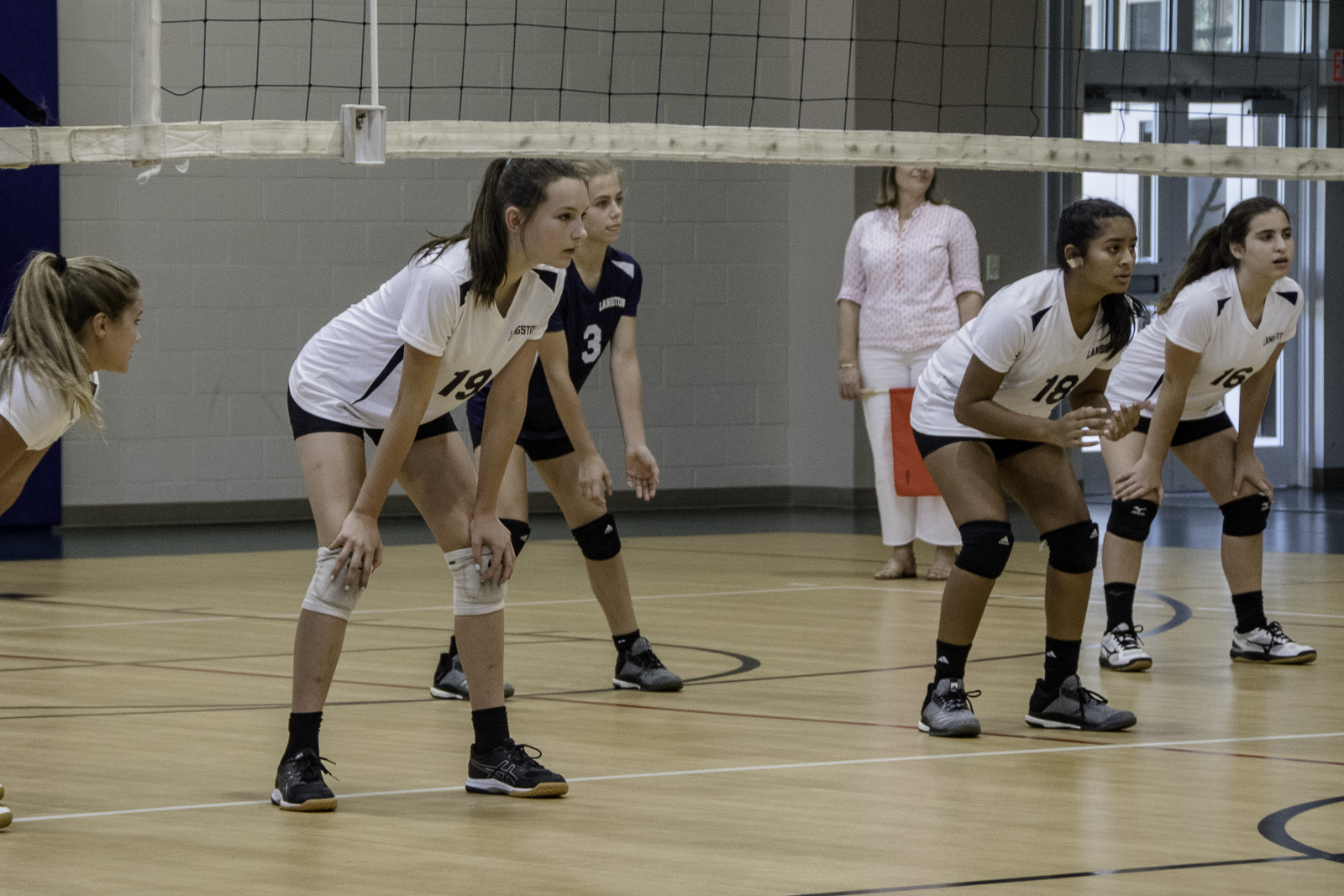
The Girl had her first tournament today in Rock Hill. They struggled in the certification tournament (which wasn’t really a tournament but a chance for the girls to practice their officiating skills as they are line judges, scorekeepers, libero trackers, and down refs for other teams’ games), but they showed they’d learned something in the meantime. They finished second in their age bracket and will pick up tomorrow from there.

The tournament’s location was just across from the cemetery where Papa’s parents and brothers are buried. The last time we went there, a little over seven years ago, I walked over to the fence and took some photos of the abandoned textile mills across the street. Most of that was torn down for the facility that hosted today’s tournament, but a little remained.

https://matchingtracksuits.com/2012/08/03/downtown-rock-hill-part-2

First Club Tournament

The girls had a tough day: lost everything but one set.

A learning experience, especially for L, who might have gotten a little too used to winning after an undefeated season.

Confidence

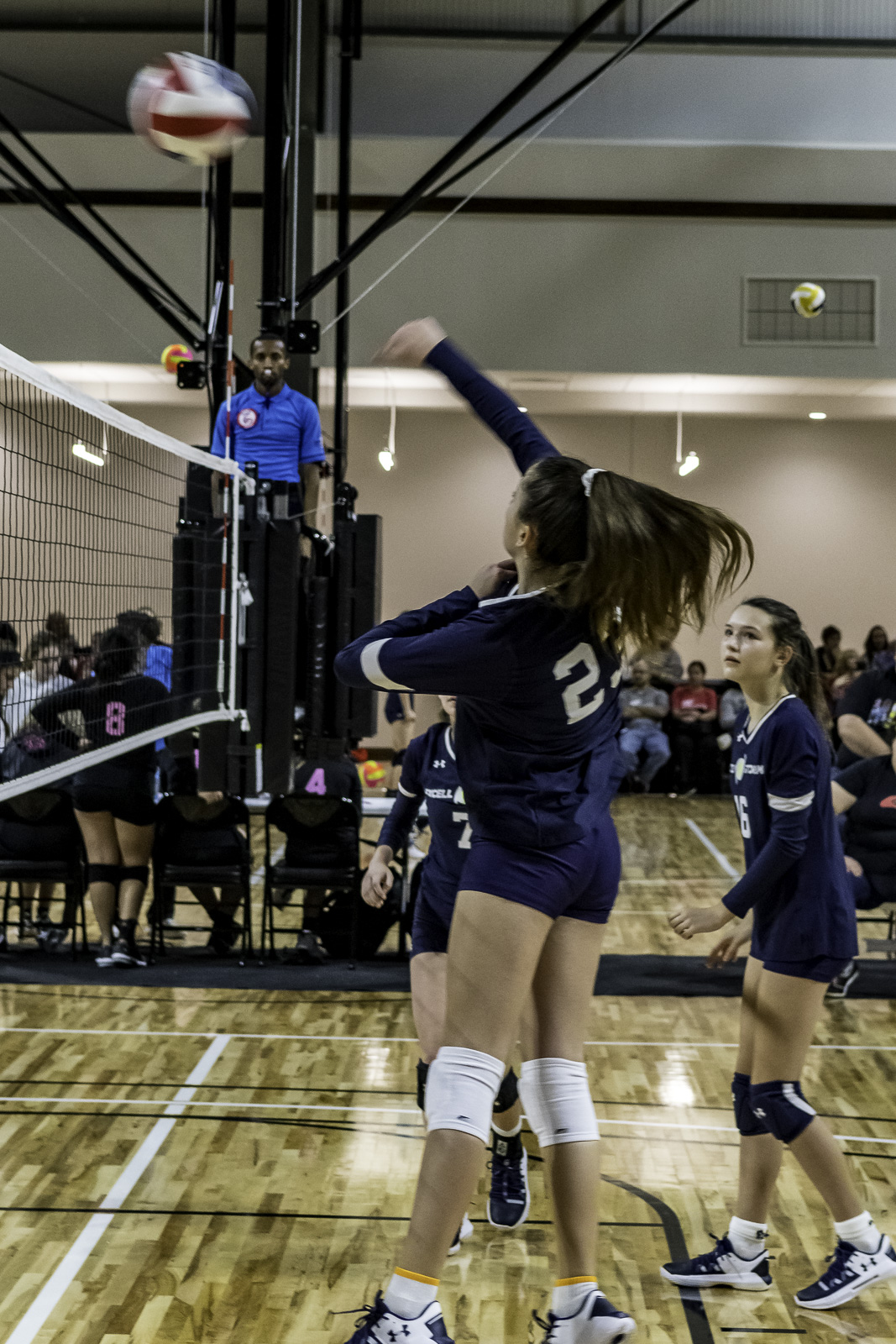
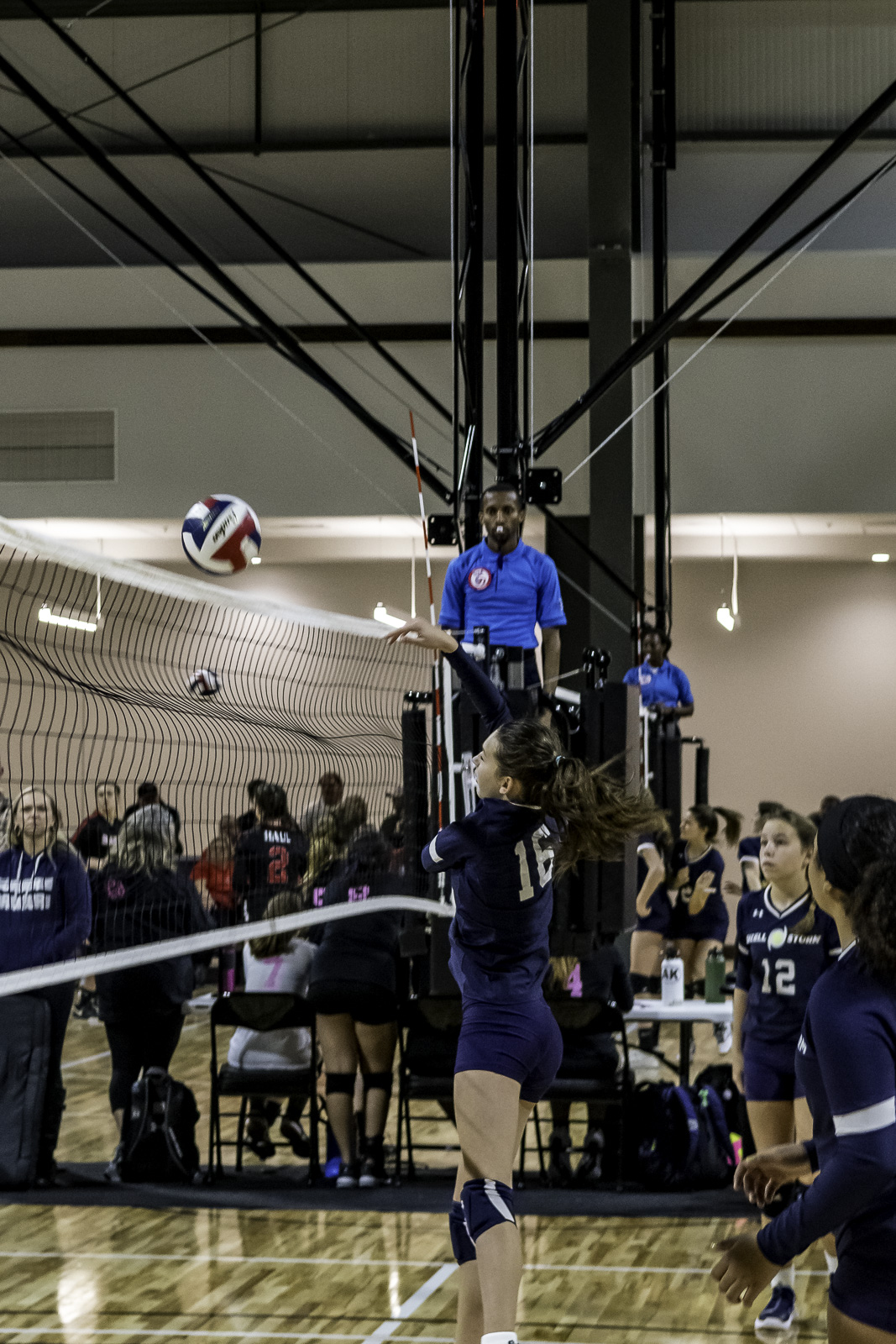
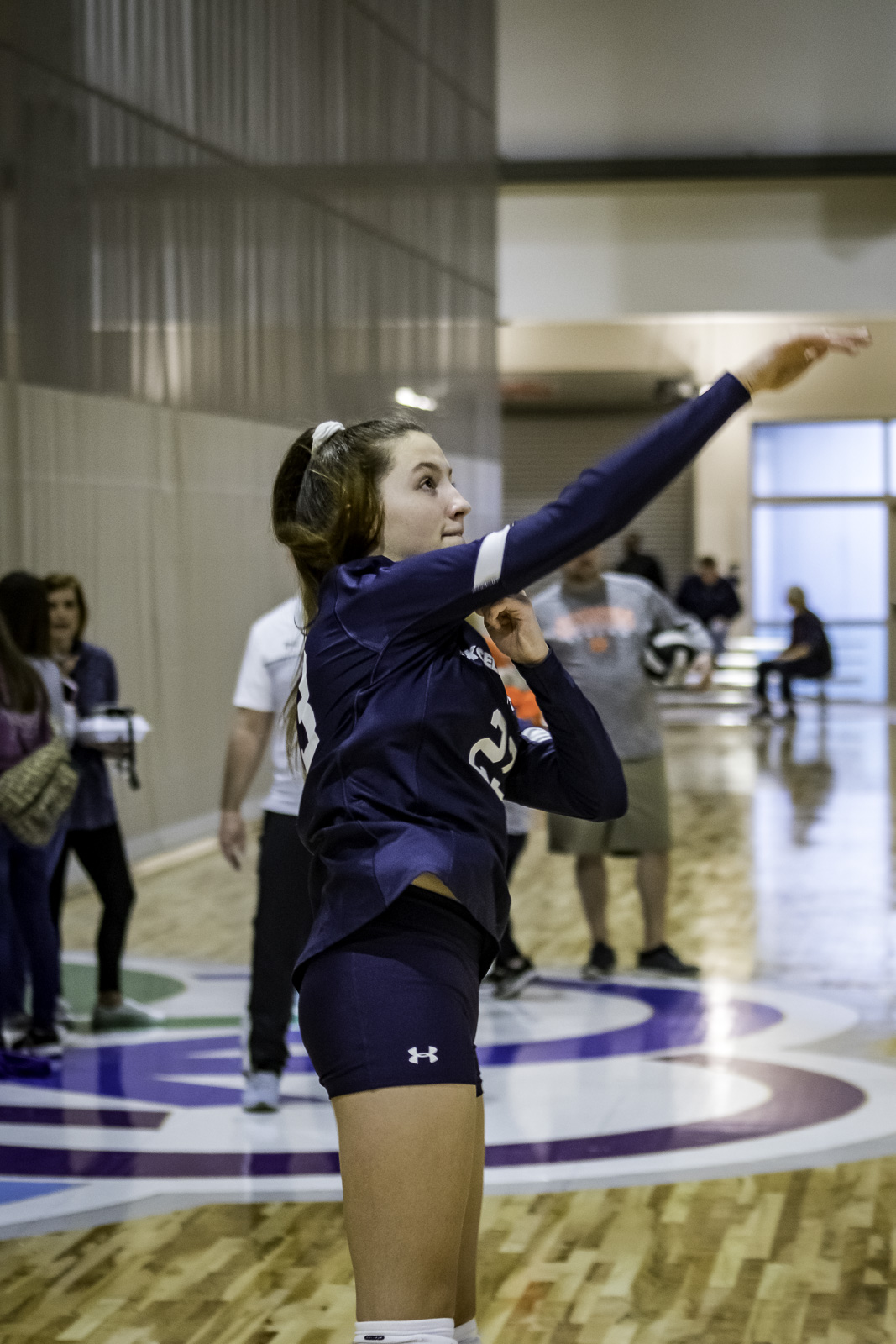
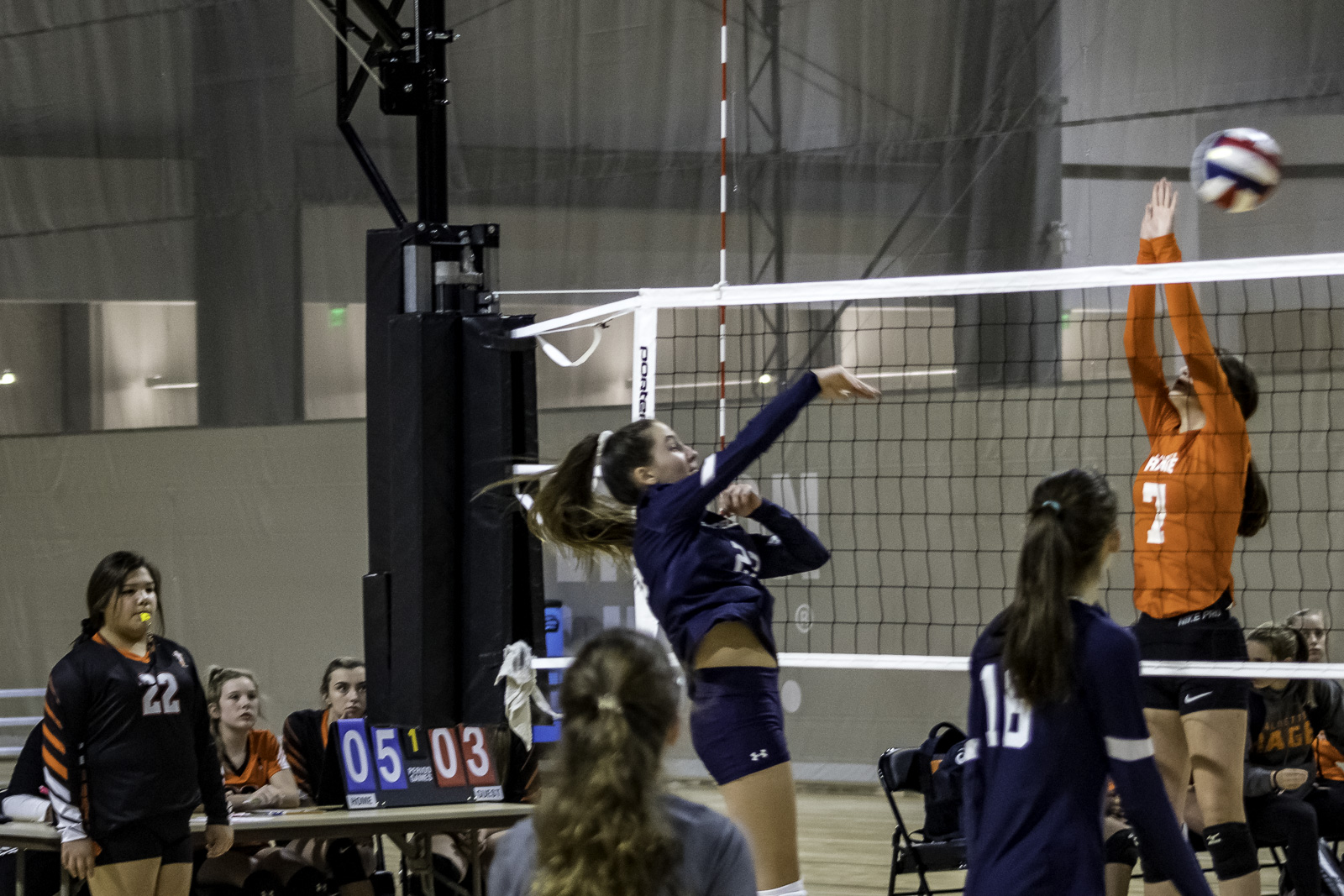
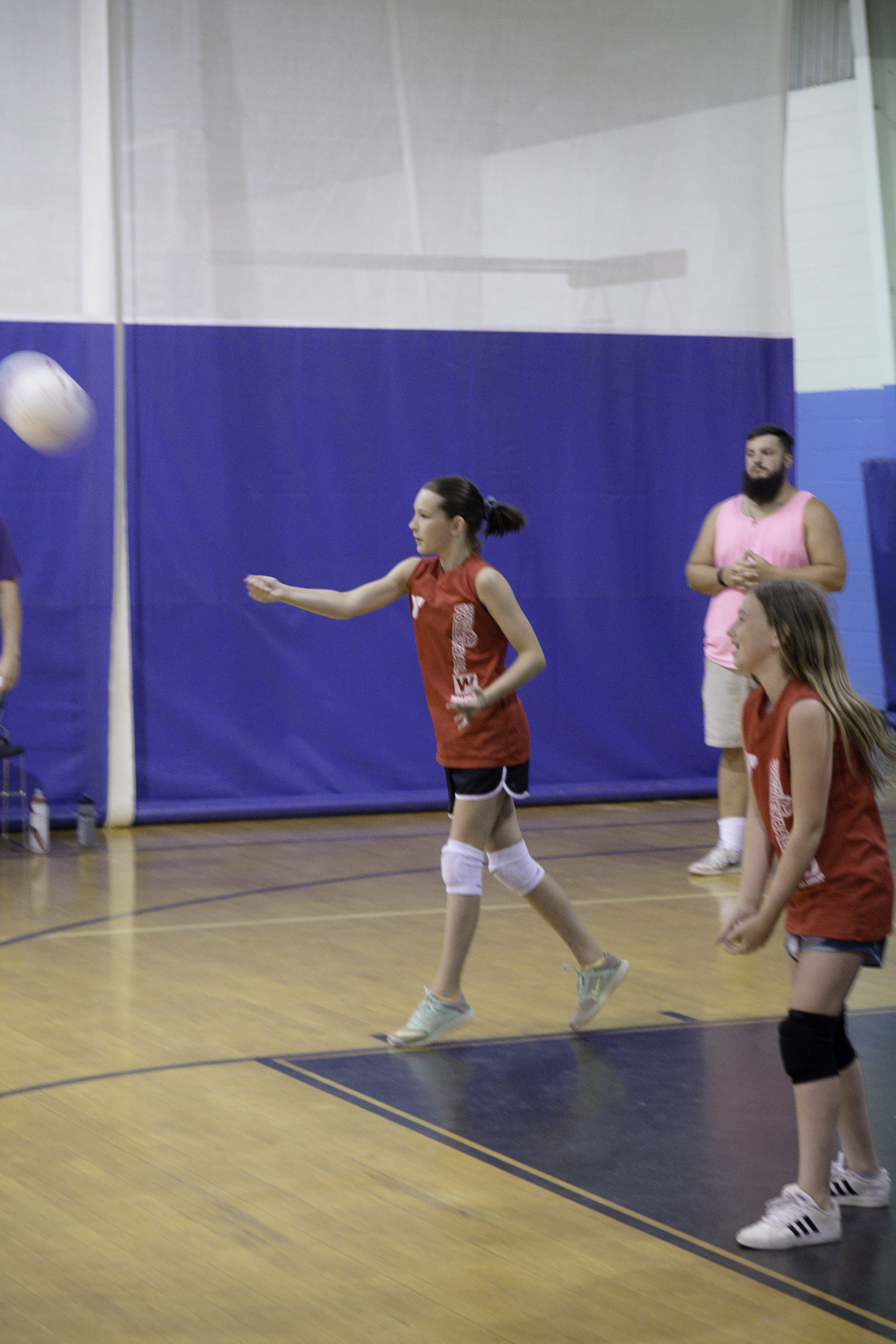
It’s a perfect set: high, gently arching. L approaches, plants her feet, throws her body into the air, and comes down just below the ball, swinging ineffectually at empty air. She jumped too early.

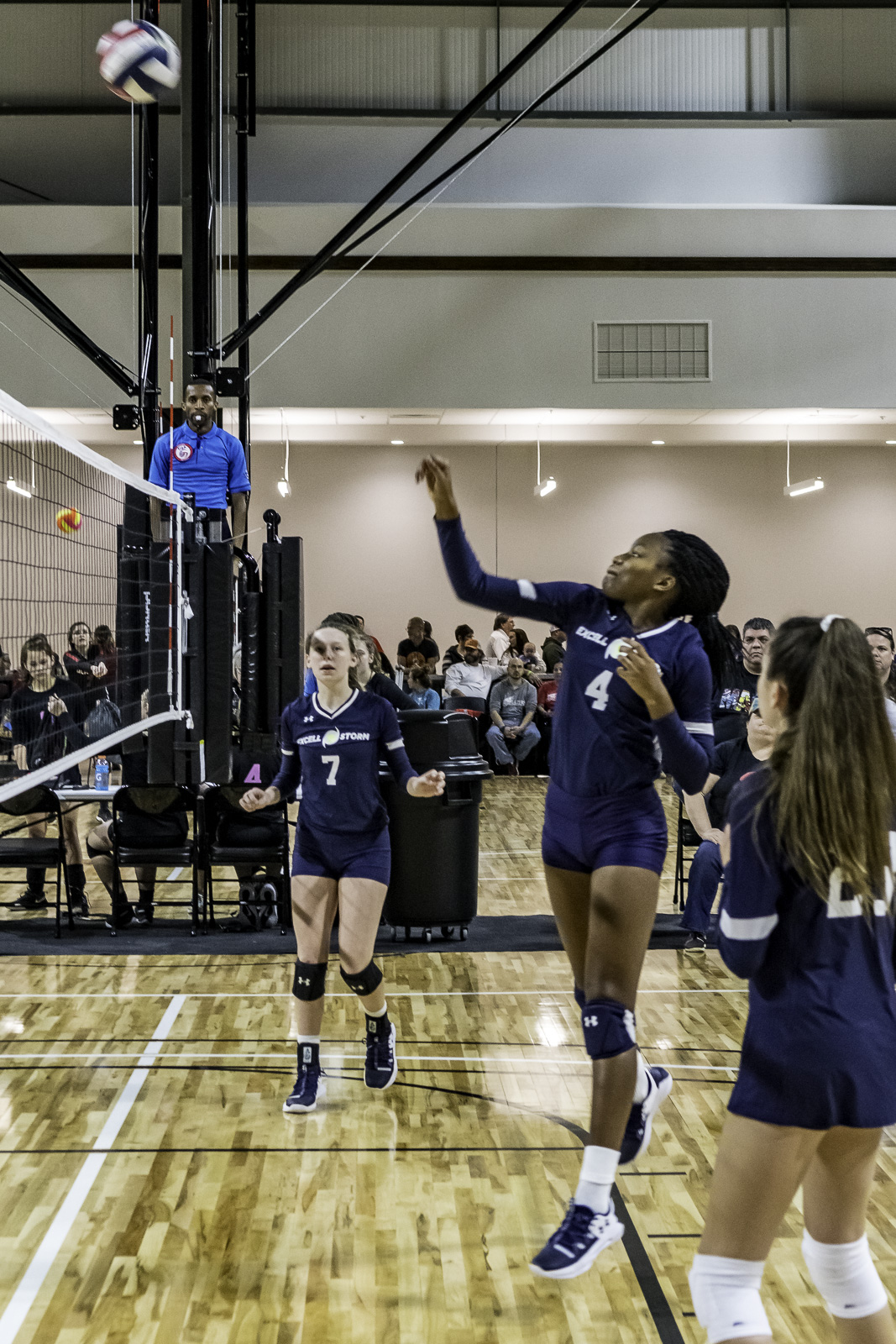
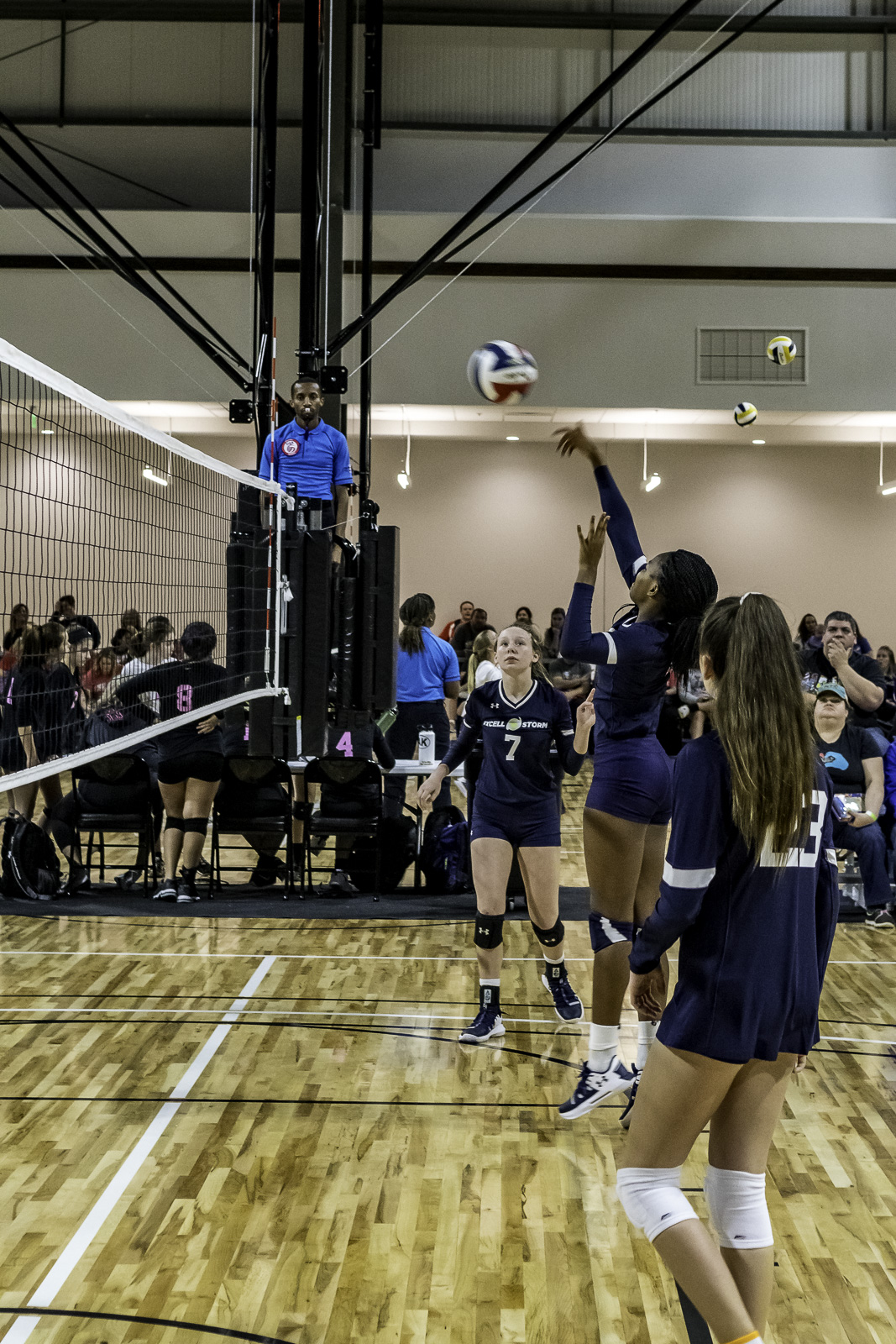
Timing for beginning hitters is everything. Absolutely everything. And when they get that timing perfectly, the rest of the hit becomes just that much more effective, just that much faster, just that much more forceful and intimidating. When it’s off, the hit is anything but a hit: a swat, a push, a shove, an empty swing.

The coach sees L miss so completely and shakes his head ever so slightly. He’s as frustrated as she is.

It’s moments like this that experience and confidence takes over. The truly good hitters are not put off by a miss. Something goes wrong – they shake it off and keep going. They swing as hard the next swing as they did the last swing. If the last ball goes into the net, if the last ball sails a mile out, if the last ball fell pathetically to the ground, she swings the next time as if nothing happened, as if the last hit were a blistering kill, a spike so powerful and fast that it was a mere blur of white.

The setter gives the next ball to L again. She approaches, plants her feet, throws her body into the air, and gives it a nice gentle swing. It’s deliberate yet sure to go over the net. No heat, no sting – just get it over the net. And this is where her lack of experience shows.

A few more sets come her way. The club coach has, after all, made her an outside hitter, so she’ll be getting the majority of the sets, but tonight, at this moment, it feels like targeting – the best kind of targeting. The kind that will build her confidence as she swings and swings and swings. Finally, everything aligns and the Girl takes a big swing. The ball shoots across the court and pops the floor with a bang just inside the line.

She smiles. Is that a bit more confidence I see in her smile?

Signing

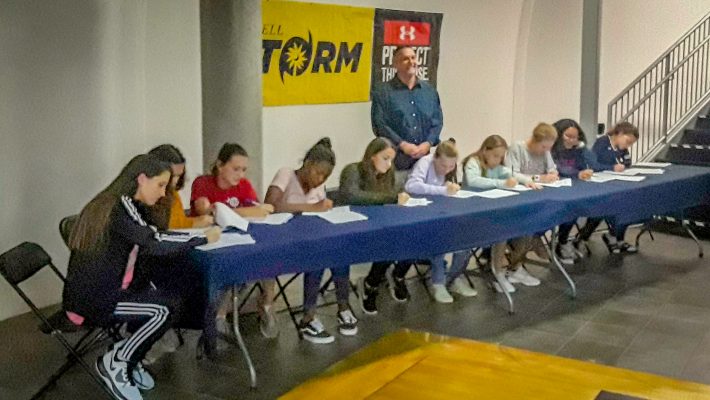
The Girl joined her first club volleyball team this week. She’s with nine other girls on a team for girls aged 14 and under. There’s also a team for 13 and under. Why the 14s? I like to think it was because of some skills the coaches saw.

It’s quite a commitment for us, though. We’ll be traveling to tournaments throughout the southeast. This means the price of the season of club play (a four-figure number) gets additional augmentation with travel costs.

I bring this up not to complain but to compare it to other countries, where such clubs are subsidized through tax funding. The cost of travel might still be there, but there’s not that initial, up-front cost. “Well, you pay for it with taxes,” someone might counter. True, but I think the development of a country’s youth is a far better way to spend tax money than some of the ways we spend our tax money.

Looking for a Place

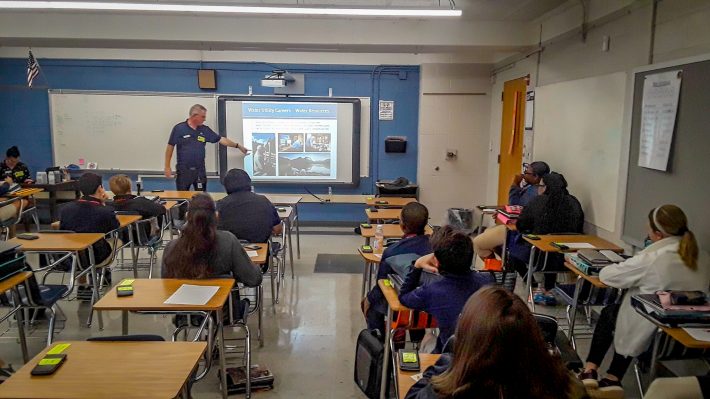
Everyone is looking for a place. I see it every day as a teacher of eighth-graders who try on different roles throughout the year and toy with various career goals as the months roll by. Today, we tried to help them a bit by providing a career day — probably close to fifty professionals came in to talk to kids about what their jobs entail, what they require, how they’re rewarding, how they’re frustrating. A little bit of everything.

We guided our homeroom classes through three sessions, and my homeroom’s second session was with a police detective. It quickly stopped being about potential jobs and transformed into a “… ever … ?” session. Have you ever shot someone? (No, but I’ve pointed my gun at someone.) Do criminals ever leave notes like in movies? (No, but we’ve investigated some guy who was harassing females by leaving weird notes under their windshield wipers.) Have you ever been in a car chase? (Yes, but he was intoxicated and our top speed was 38 miles per hour.) Do you ever question people in those rooms with the windows that look like a mirror? (No, our interrogation room has cameras, and any officer in the building can watch the interrogation from his or her computer.) The vet and waterworks specialist didn’t get a third of the questions.
The Girl is looking for her own place as well, specifically a place to improve her volleyball skills in the off-season. We as parents thought this would be fairly simple; we thought she’d get into any club she tried out for. After all, she played for her school, which went undefeated and won the final championship tournament. She’ll have her pick. So why waste time trying out for more than one? We never thought about the obvious: clubs that have their regulars will choose their regulars over newcomers. And so this afternoon, I got an email:

Thank you for attending tryouts for X’s 2019-20 club season. We had a record number of players trying out this year, so unfortunately we were not able to place everyone on a team. We are sorry to say that your daughter has not been selected for a X team.

I sent it to K. She texted back the obvious: “She’ll be devastated.” And she was. And we felt like terrible parents because we didn’t do the research, didn’t do the thinking. “And now all the other teams have finished tryouts — what are we going to do?”

I was angry because I thought, “If she doesn’t have the requisite skills, how is she going to get them if you don’t let her on your freaking team?!”

It turned out, though, that two teams had make-up tryouts. One was at six this evening. We learned this at 5:05. So off we went.

The club owner said at the end that every girl will get some kind of offer: “If your daughter wants to play volleyball, wants to learn volleyball, we want to help.” Already, I liked the team.

Perfection

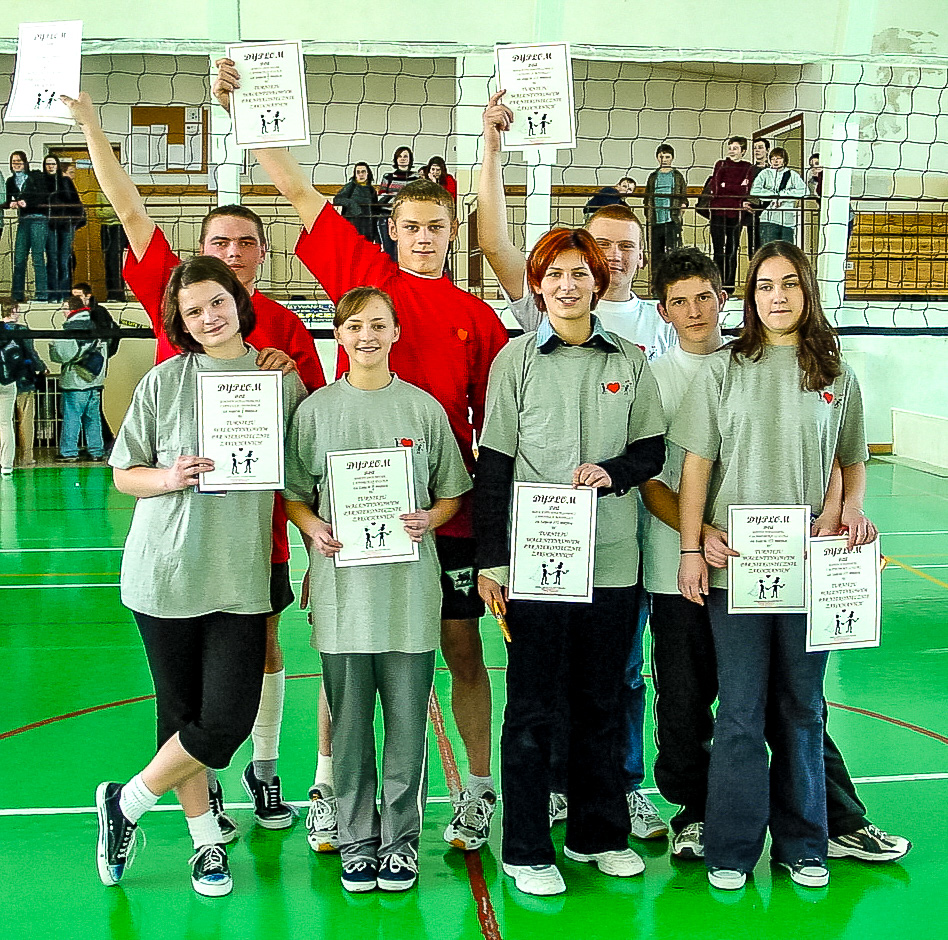
Lena’s team went undefeated this year, including winning the championship tournament tonight.

Winning, Losing, and Soccer Practice

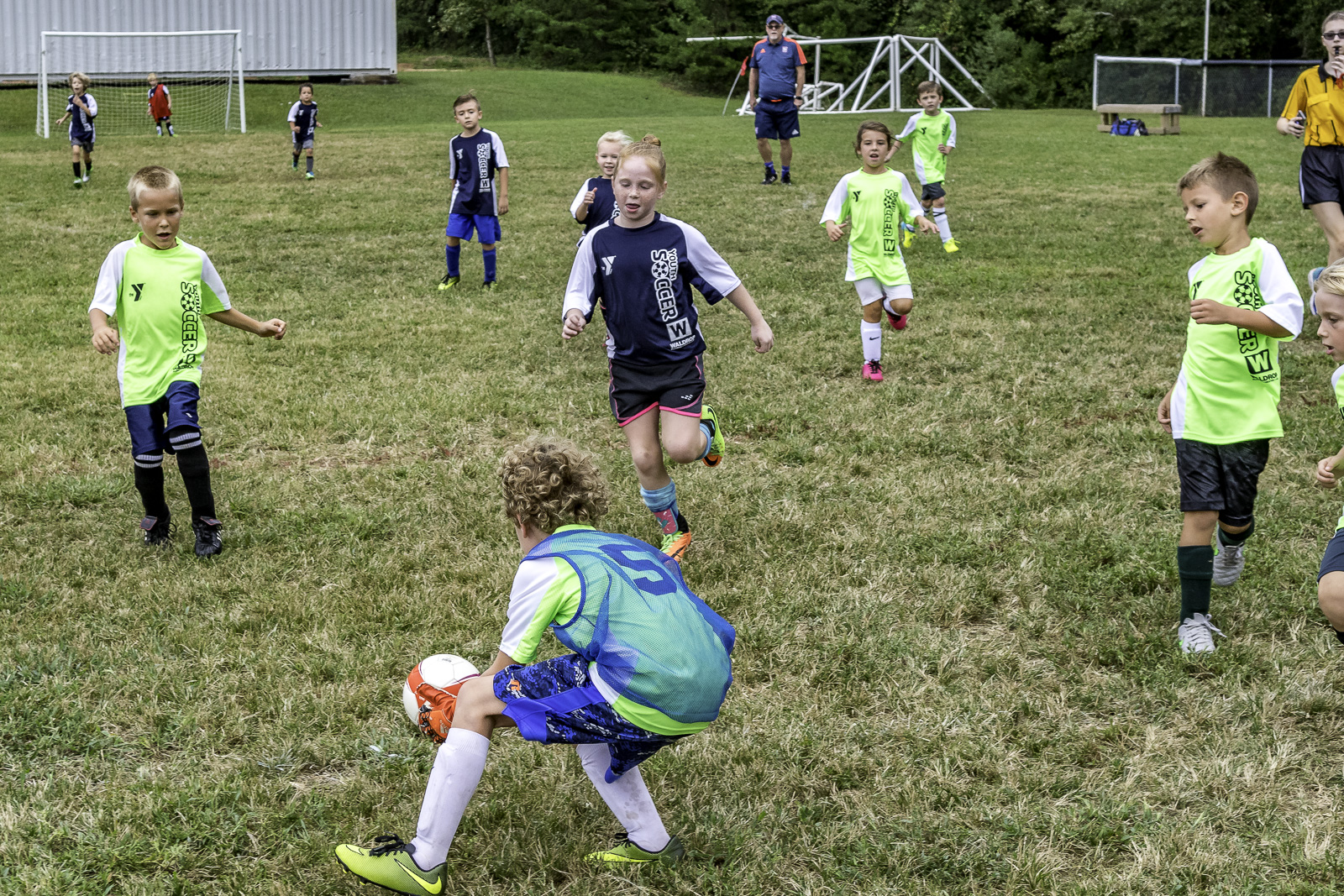
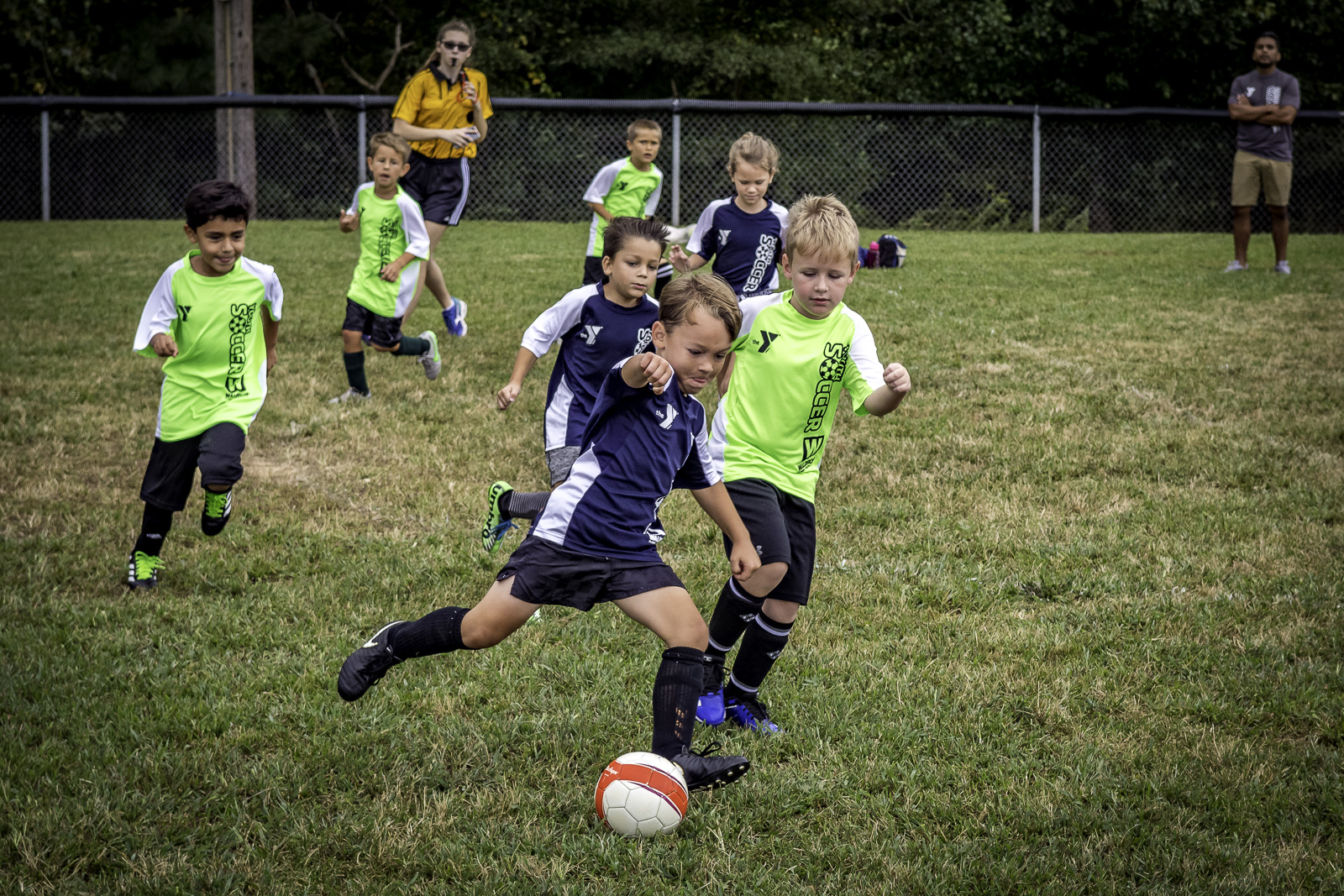
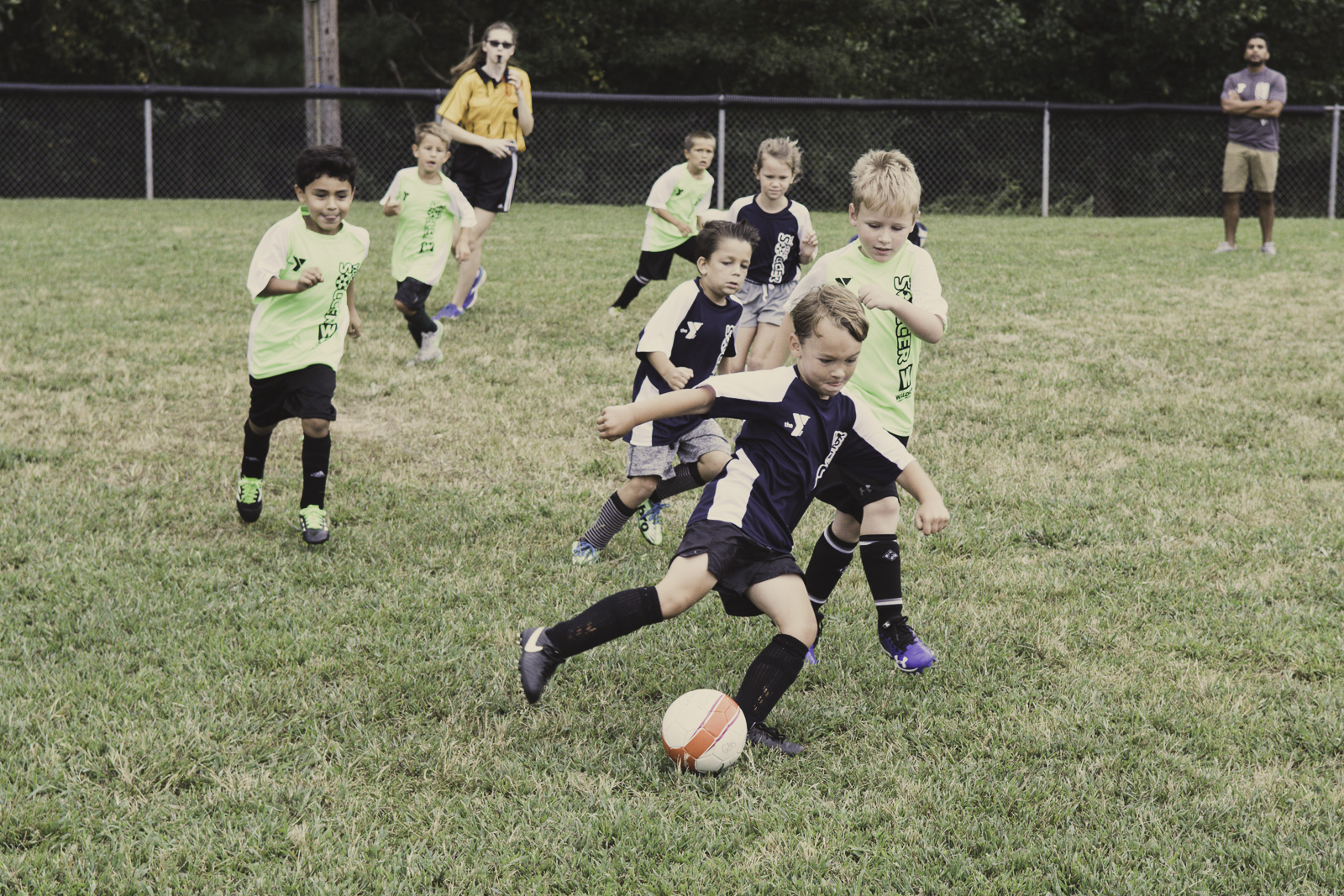
The Boy headed over to his young soccer team with a nonchalant gait that suggested ambivalence.

“Run, E,” I said. “Show some enthusiasm.”

He broke into his power stride: he slams his feet down in short strides and rocks his whole upper body back and forth. It’s not a particularly efficient gait, and I’ve tried several times to help him improve it.

“Slamming your feet down quickly doesn’t help you run faster,” I once explained. “In fact, it really has the opposite effect.” We practied a better step together, but anytime he wants really to run, he reverts back to his jerky, stomping gait.

I suppose his thinking is logical in a way: to run full speed, you have to put all your energy into your run. What more obvious way is there of accomplishing this than expending massive amounts of energy in slamming your feet down?

So he was running across the field toward the circle of players while I retrieved my folding chair from the trunk. I closed it, looked up, and saw E sprawled on the ground, his arms out at his side, his feet still traveling upward as he rocked ever so slightly onto his upper body from the momentum of the running and falling.

I sighed.

The Boy has such a time with his self-confidence. He’s keenly aware that he’s slower than a lot of his peers; he’s quite cogniscient of the fact that he’s far from the most aggressive player on the soccer field; he knows he doesn’t play any number of sports as well as his friends. The only thing he feels truly comfortable and confident doing is riding his bike with me.

I couldn’t tell what happened in the end. He just got up and continued over to the group, but I don’t know if anyone said anything, but I don’t think that’s even necessary: we’re perfectly capable of feeling we’ve made a fool of ourselves without anyone saying a word.

The question was, should I say something?

There was a part of me that wanted to talk to him, wanted to reassure him, wanted to make sure he was okay, that his ego hadn’t taken too big of a hit. Yet there was another part that felt I should just let it go. Bringing it up later might not do anything positive, I thought.

In the end, I just let it go. He never said anything about it, and it seemed like the coach was giving him a little extra dose of praise later — perhaps thinking the same thing I was and trying to give that confidence a little boost? I don’t know. I didn’t talk to him about it either.

It’s that fine line — when to step in and when to back off — that I suppose every parent tries to find in every situation.

When we got back home, the Girl was asleep: she’d just finished a volleyball game and had been fighting a sniffle for most of the day. “Just let her sleep a while,” K said, and so we did.

“How was the game?” I asked.

It turned out that L’s team didn’t just beat the other team; they completely demolished them. “I’m not sure the other team had a total of 25 points in both sets combined,” K said sympathetically.

The coach of the other team had come out and told the audience that they were a young and inexperienced team. “Please give them all the support you can,” she said.

I’m not sure how I feel about that. In a way, that’s like saying, “We know we’re about to get our asses handed to us, but cheer for them anyway.” It’s a tacit admission of what’s about to happen. And yet what’s wrong with that? Isn’t that really just knowing one’s own limitations?

In my own brief coaching career, I got reprimanded by a parent when, after a player on our team, watching the other team warm-up, declared, “We’re going to lose! There’s no doubt,” I replied with, “Yes, you certainly are.” Dramatic pause. “If that’s how you see it, that’s exactly what’s going to happen.” I continued by pointing out that they’d given up before they even started, and nothing good ever comes of that.

“Well, I think you could have been more encouraging,” the mother said.

Perhaps. By that time, the girls had lost not only every single match but every single set. We won one set the entire year and lost every single match. I’d been trying to encourage them, but I suppose it wasn’t enough — not for the girls, not for this particular mother, not for any of them.

It was my one and only season of volleyball coaching. Fortunately, I have a lot more seasons of parenting to get it right.

First Game

Tonight, the Girl had her first game as a member of her middle school volleyball team. She tried out last year, but she didn’t make the cut. That was not going to cut it. She worked and practiced for the last year and this year, her first year, she’s actually a starter.

How did she do? She showed an awareness of the game that was impressive; she was a good sport and supportive team member; she cheered her team enthusiastically when she was on the bench; she smiled a lot.

I sat with K and the Boy and cheered. And felt a fair amount of frustration about the fact that I’d forgotten to take a camera with me to school…

Last Games of the Season

The Boy had his final soccer game of the season. It was bitter-sweet: his team finished undefeated, but it was the last season they will train under Coach Kevin, who accepted a position coaching a high school girls’ team.

The Girl’s team got what it dished out the other everning — a 3-0 defeat. She was upset about it, but only until we got home.

Volleyball

As a parent watching my daughter play volleyball, I always have some mixed emotions. During the last season, her team struggled mightily: they didn’t win a single match, if memory serves, and they only won a handful of sets. It was rough. Lots of frustration in the car after games.

“We won’t ever win.”

In several matches, they were swept, three sets to nothing. There was nothing immediately redeemable about that. I said what any parent would say: “You’re getting stronger.” “This is building character.” “This shows how tough you are, that you keep at it despite the challenges.”

This year has been different. They’ve won many more than they’ve lost, and they’ve handed out a couple of 3-0 sweeps themselves. It’s great to see the Girl so happy, so excited about what’s going on.

But I sometimes secretly cheer for the other team.

Tonight, they faced a team that they had already demolished once this year. I’m sure the coach has the best intentions, but from what I saw of the girls’ play, he doesn’t have the most experience with volleyball: his girls made basic mistakes in fundamental skills, mistakes that could easily be corrected. Mistakes that our coach has corrected. So these girls are losing through no fault of their own: they just don’t have someone to teach them how to pass and to serve properly.

The first game this evening began unevenly, and it became clear that our girls would win fairly easily, which they did, 25-15. Their opponents came out on the court excited, and they never  lost hope, but as I watched them, I really didn’t think they had a chance that game because our girls were out-scoring them 2-1 through most of the game. It was impressive, those girls’ enthusiasm. I found myself thinking, “They might not have won a match all year, might have won only a few sets, but they keep playing and smiling and encouraging each other.”

The second game began like the first and coincidentally ended with the same score.

The third game started, and I wished only one thing: for those sweet, energetic girls to win one. And they came so close. They clawed back from a 14-8 deficit to tie it at 14. That’s six consecutive game points. They were so excited. They were so ready to win.

The score went back and forth, back and forth, but in the end, our best server came up and nailed the final point: 18-16.

Our girls were thrilled. I was happy for L and everyone on her team. But for that third game, I was a total, secret fan of that other team.

Volleyball

The Polish men’s team won the world championship today; the Girl is working to reach that level.

Final Game

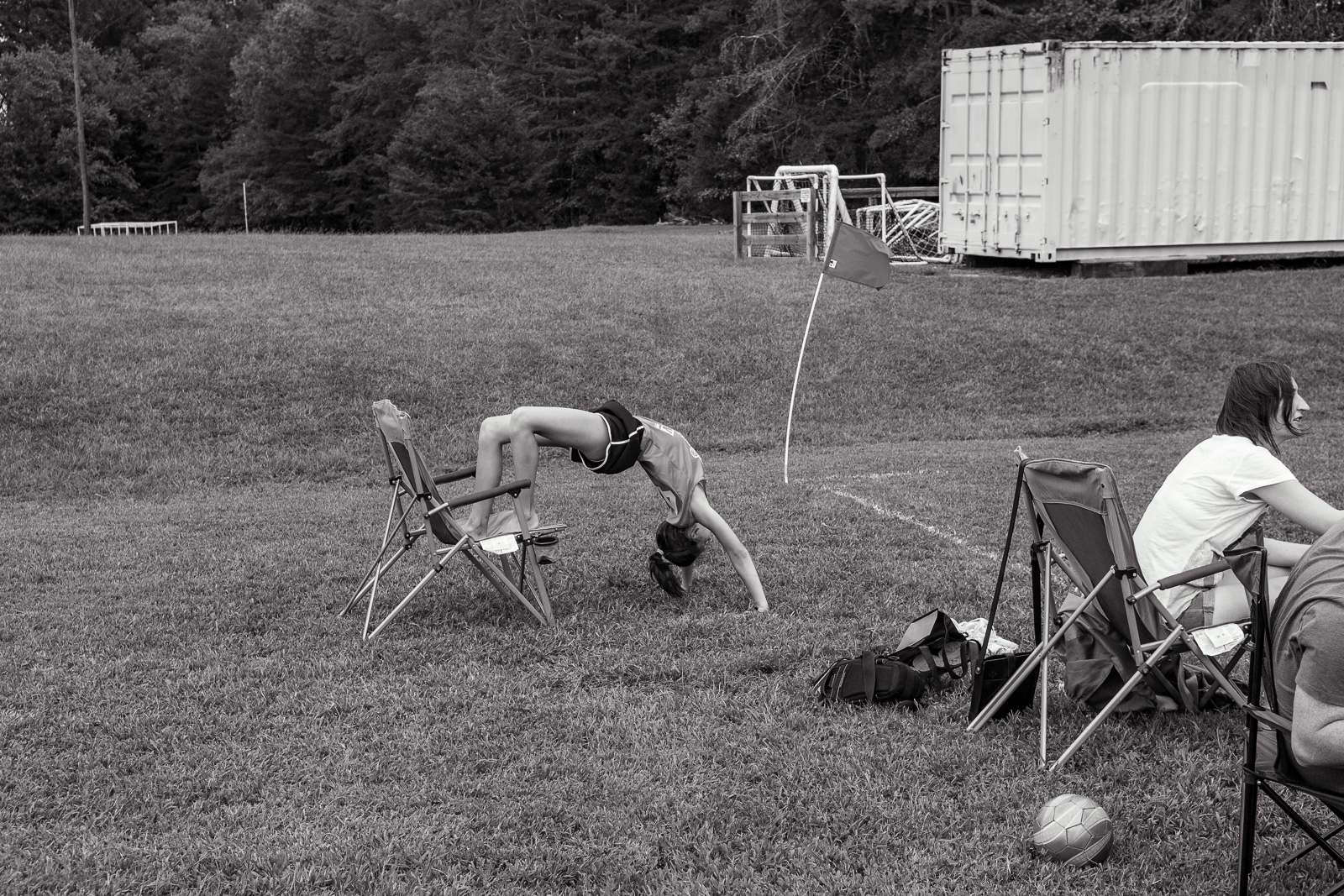
The Girl had her last volleyball game this evening. She’s come a long way since she began some weeks ago. She couldn’t even pass a volleyball; in games, she was somewhat intimidated by the ball. Her serve was non-existent. She was, in short, a complete beginner.

By the end of the season, she’s got a decent underhand serve and is working on an overhand serve. She’s starting to chase down balls rather than shy away from them. And she’s still in love with the game, so next week, it’s volleyball camp.

Monday

A few Two random thoughts from the day:

The Girl is trying out for volleyball. She started working on her skills Saturday after having bought a ball that morning.

“How did it go?” I asked when I got home.

“I was the worst one there,” came the simple reply.

It turned out that it was a two-day tryout session, and so I immediately wondered if she’d be discouraged from her first experience and say, “I don’t have a chance of making the team. I don’t want to go to the second day.” And I was wondering how I might handle that. Is it something I should make her do in the interest of building character — following through on what you set out to do and all that? Or should we just let it go?

Turns out, the dilemma never presented itself: after gymnastics, she asked if we could go practice volleyball for a few minutes.

Second thought: While the Girl was in volleyball, I did some shopping, and I went through the self-checkout lane when I was done. If they’d had these things in Poland twenty years ago, I might not have stayed. It was tough, those first weeks; it was especially tough making friends when I didn’t speak the language. The store saved me. No self-service there: no, just a counter and a packed shelf behind it, with a sales clerk between you and your merchandise. So I had to ask for every single item. Which led to funny mistakes and misunderstandings. Which led to laughter. Which led to friendships.