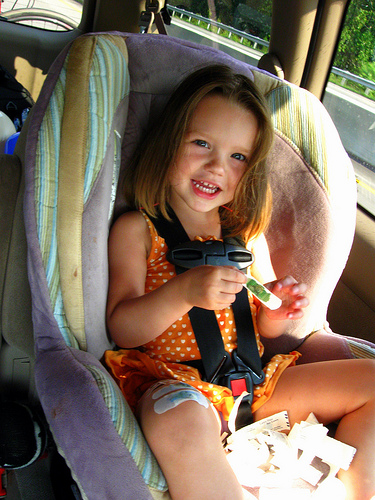
matching tracksuits

fun in threes, sometimes fours

travel

Arrival

Twenty-four hours' door-to-door travel disappear the instant the family sits down together for mushroom soup, heavy Polish bread, and the satisfaction of being together again. And then to top it all off, drinks and homemade kielbasa with the father-in-law as we chat and watch Brazil and the Ivory Coast play.

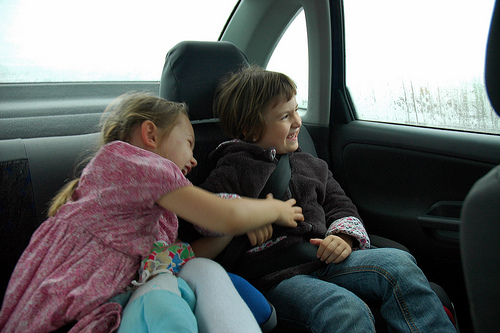
The real joy are the cousins. The girls have met each other once, two years ago. Within a few moments, they were inseparable.
DSC_3310

But in a sense, it's impossible to believe that I'm able to sit, have a drink, watch football (really: why would anyone call it anything else; and that pathetic excuse for a sport that we Americans call football -- punting and kicking off are the only times the foot comes in contact with the ball).

There was quite a lot of travel exhaustion to overcome in order to get to that moment. It began in Charlotte, where the stress level immediately rose as Nana and Papa saw us off. "Why aren't they coming with us?" L asked.
IMG_0294

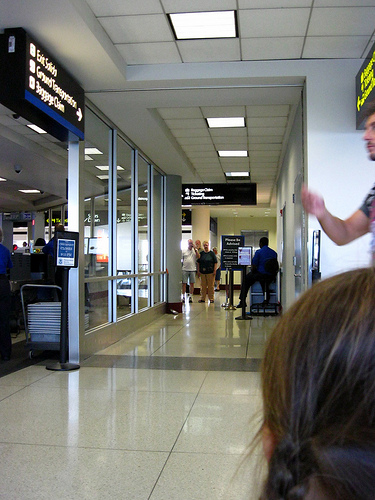
"Security clearance" and "rules" just didn't make sense to the Girl. "Why can't they come?" Such an auspisious start.

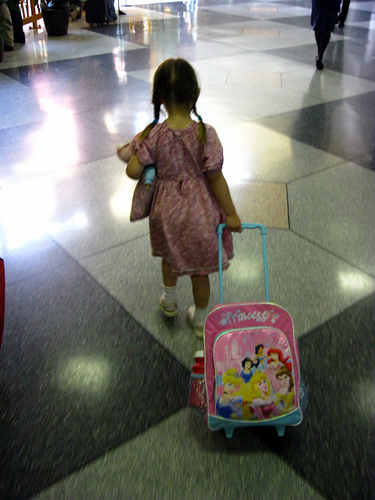
L started the long walk to the gate with heaviness. A fussy girl is not a pleasant traveling companion.
IMG_0298

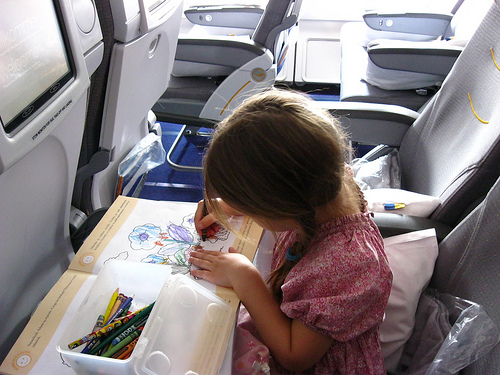
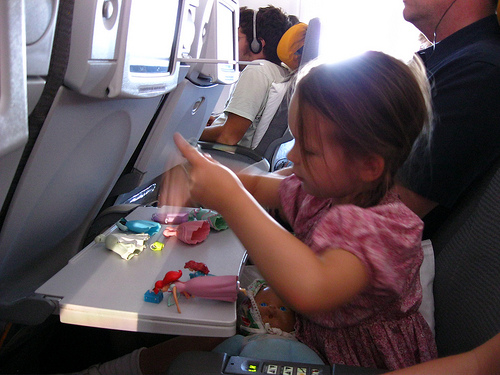
Things calmed down in the plane. A little coloring; a little princess play -- soon all else was moot.
IMG_0299
IMG_0302

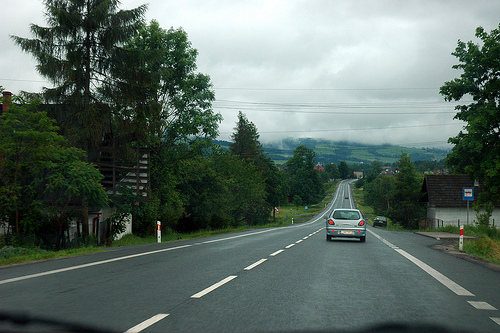
The trip, though, was endless: a car ride, the first flight, a ridiculously long layover, a short flight, and a 100 kilometer car ride.
DSC_3311

Bottom lines: we're all thrilled to be back in Poland; we're all tried; none of us can wait to see what tomorrow brings.

Sandburg Home

Myrtle Beach

If there is a town with kitsch as the central design premise, it is Myrtle Beach.

As a kid, I'd always wanted to go there. All my friends went there during the summer, and for us southwest Virginians, it was at least a seven-hour journey. It was not a place where one merely spent the weekend.

I finally went to Myrtle Beach this weekend for a middle school conference. It was everything I expected.

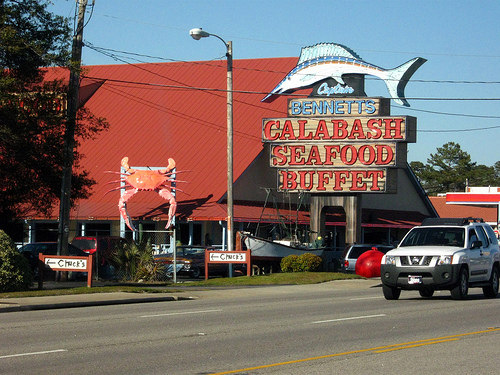
All decor seemed to have a heavy-handed marine theme, especially for the restaurants

Picture 280

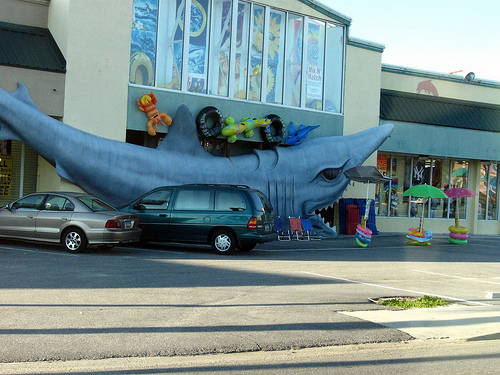
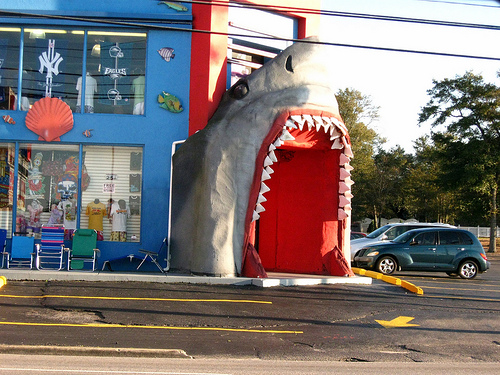
and the stores. My companions and I wondered about the warmth of being invited into a shark's mouth for a little shopping
Picture 308

Given the fact that all such shops are peddling to tourist, it seems somehow perfectly appropriate.
Picture 311

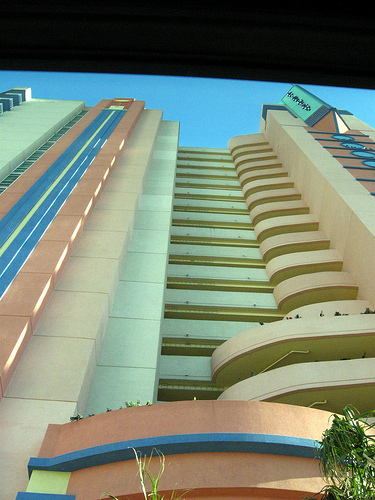
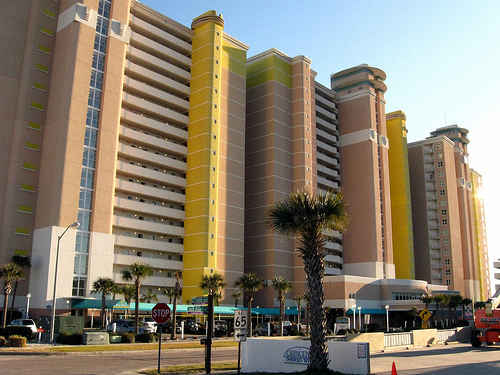
The kitsch extended all the way to the oceanfront, with hotels painted colors that only rarely occur in nature.

Picture 304

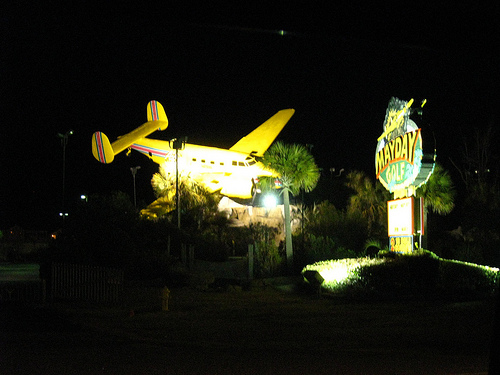
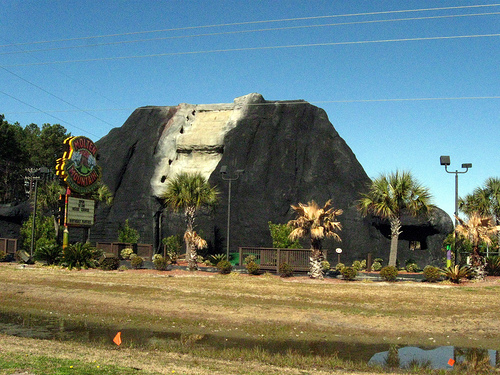
And then there were the mini-golf courses. We counted at least twelve on the main road, each with a different theme applied to the same goal: knock a golf ball through some obstacle.

Picture 340

"Who knew that the market could support this number of courses," I muttered as we passed by yet another.

Picture 344

But we weren't there for entertainment but for education, and we all received enough information to make us wish we could turn back the calendar to the beginning of the year and start again. In that sense -- as well as the collection of mini-golf shots -- it was a greatly successful weekend.

Knobby Knees

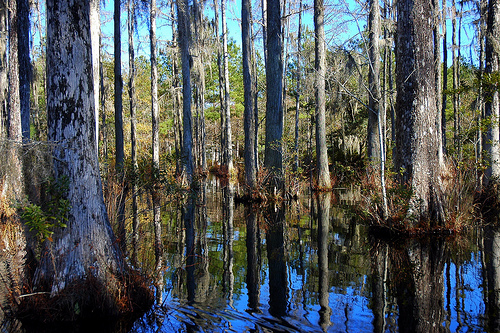
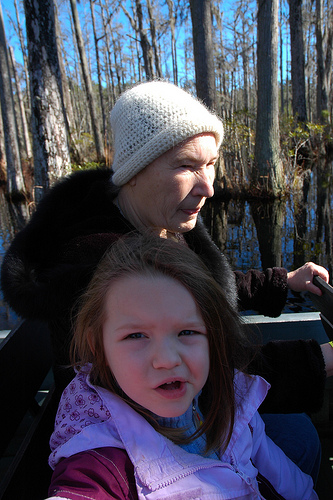
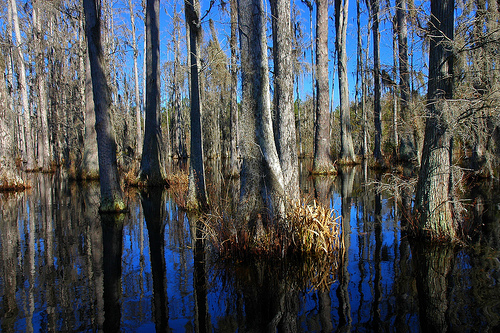
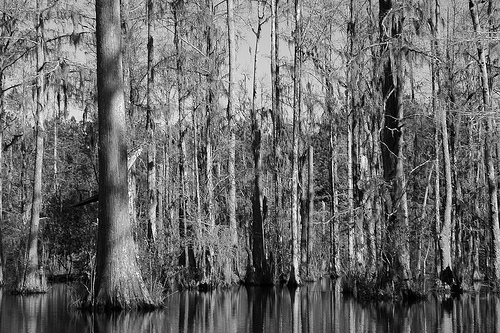
A Monday trip to Cypress Gardens.

DSC_0456

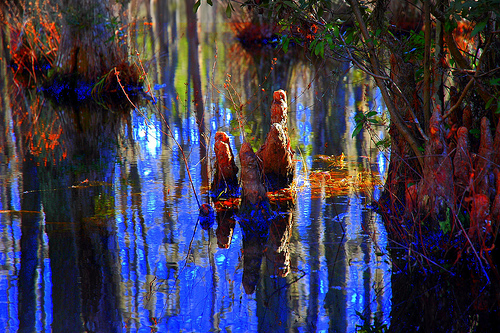
I’m obsessed with cypress knees.

DSC_0457

I would have asked the guide about them,

DSC_0458

about what causes them, about whether they appear in other species,

DSC_0486

about their function.

DSC_0501

But I was sick in the car.

Nice pictures from K, don’t you think?

Waterfront

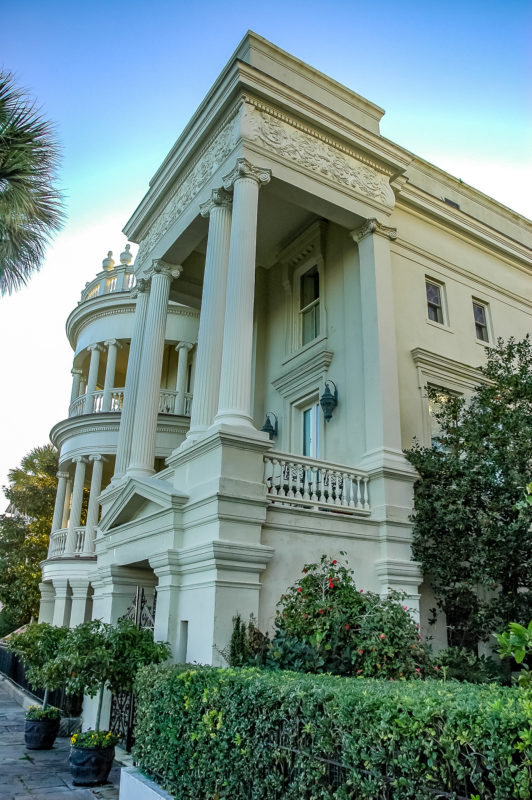
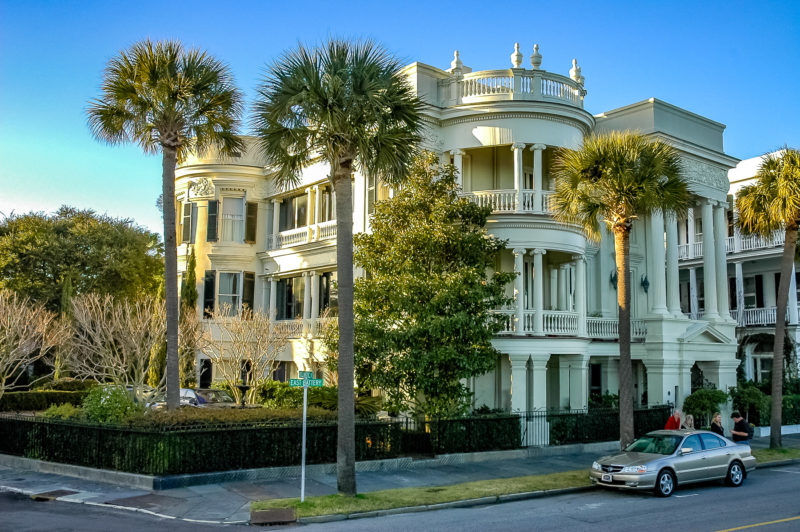
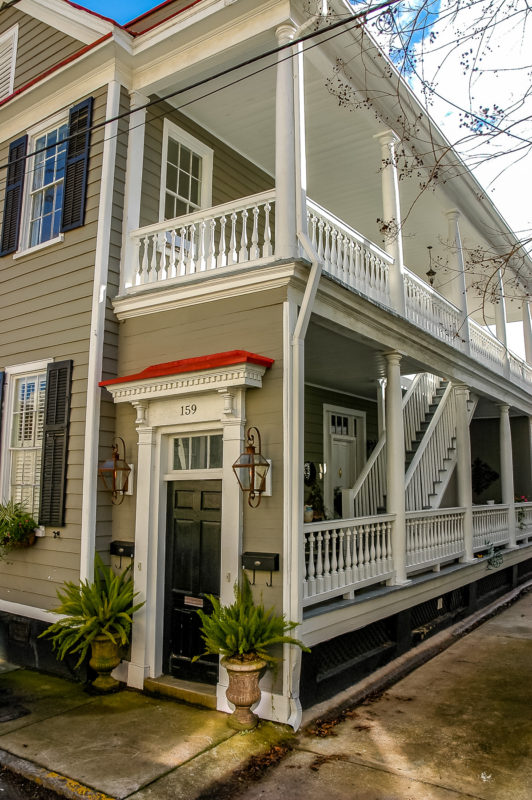
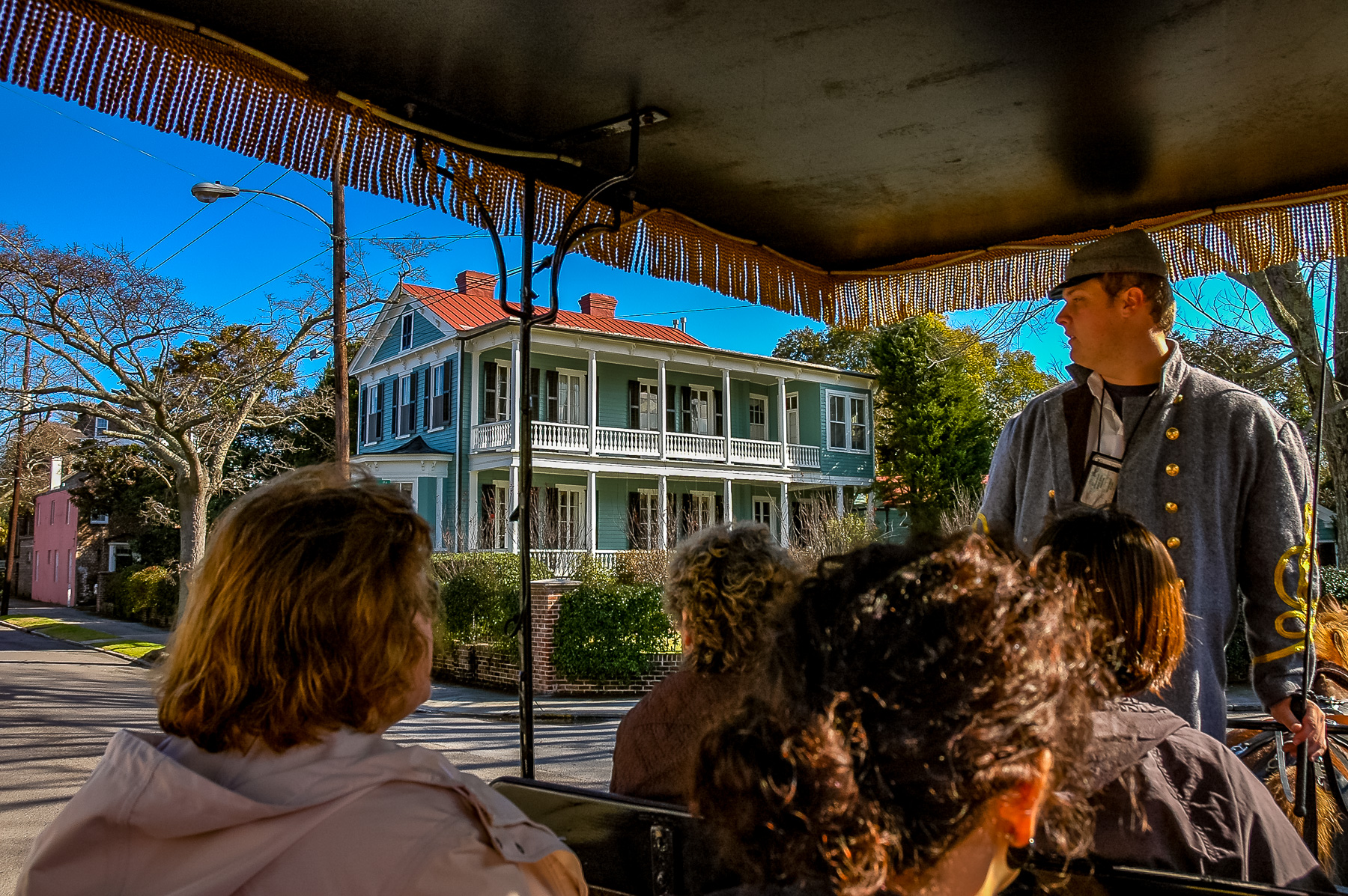
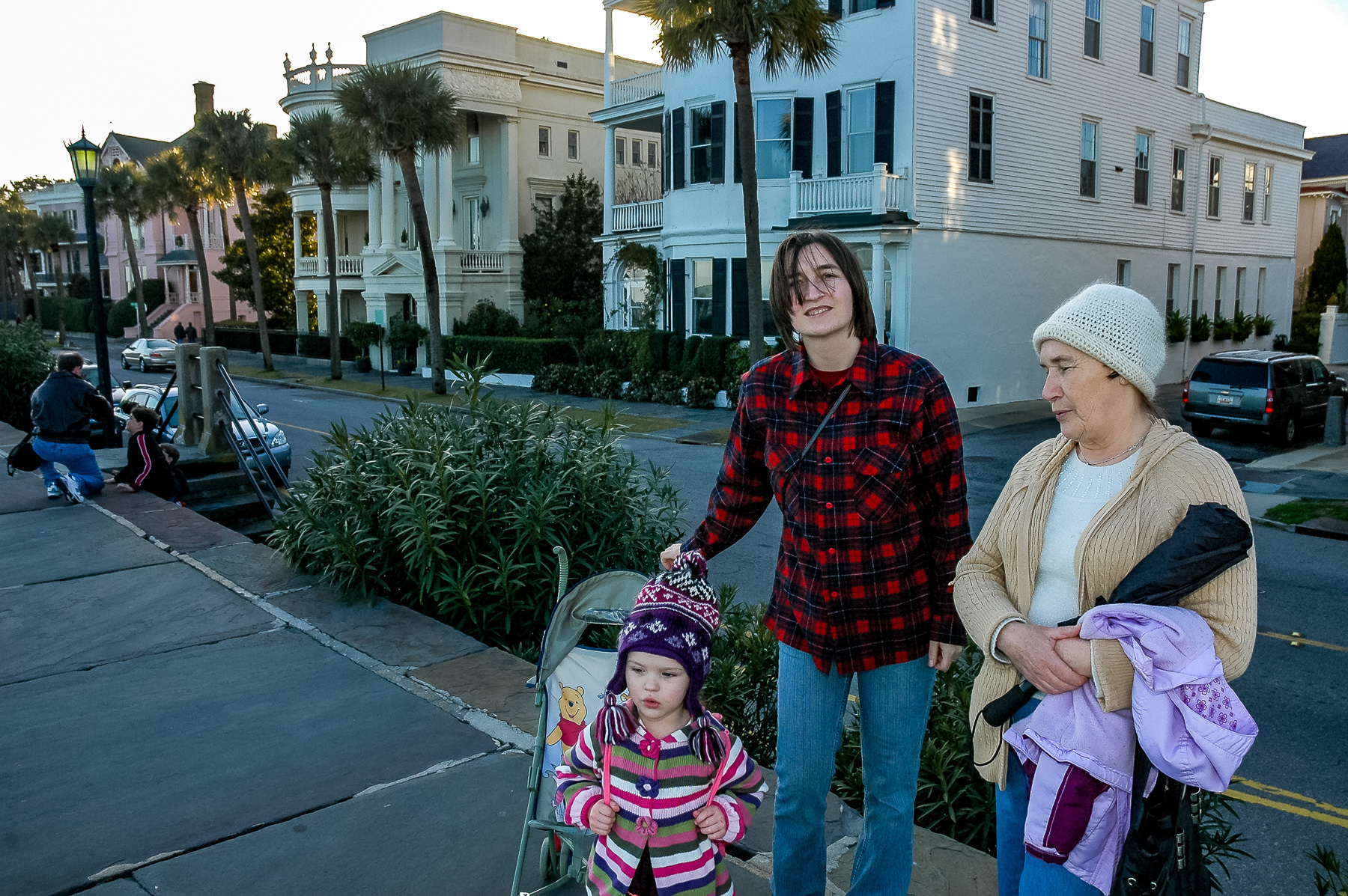
There are two parts of downtown Charleston, according to tour guides. It's not a question of "The Haves" and "The Have-Nots" but rather "The Haves" and "The Have-a-Hell-of-a-Lot-Mores." That's where the houses along the battery lie.

After all, who else could pay the property taxes of such houses? The annual rate for most of these houses equals a solidly middle-class salary.

If driving a $100k Mercedes is a conspicuous sign of wealth, these houses make tourists scratch their heads in wonder. "Who could afford such a house?" we ask. Apparently, plenty of people.

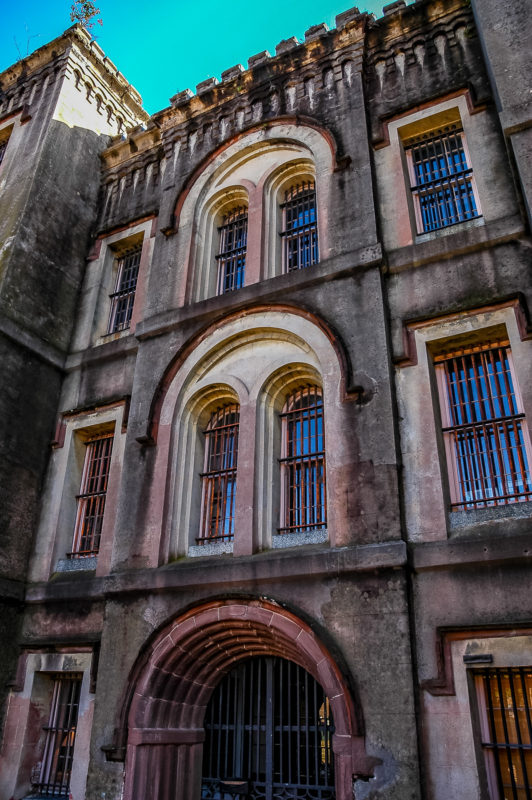
Just a few blocks away is the prison. It closed in the 1940s, never having had electricity or running water. The last execution was in the 1930s: the state had changed its method of execution to the electric chair, and having no power, the Charleston prison was unable to continue executing criminals.

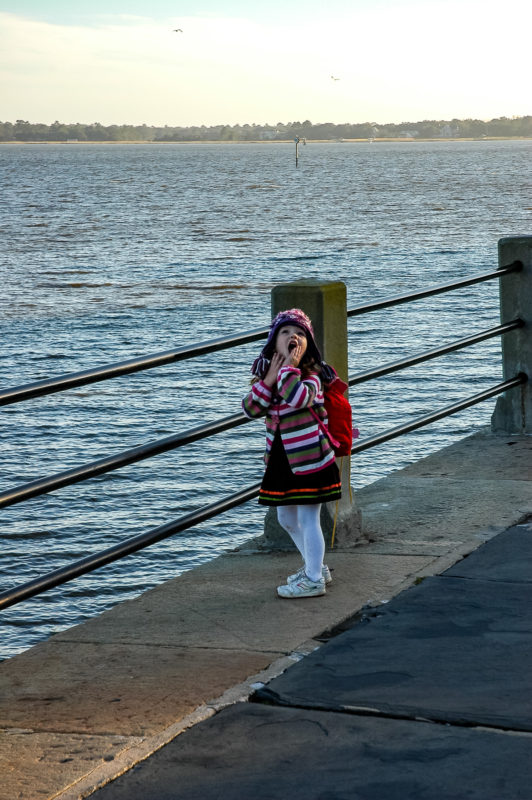
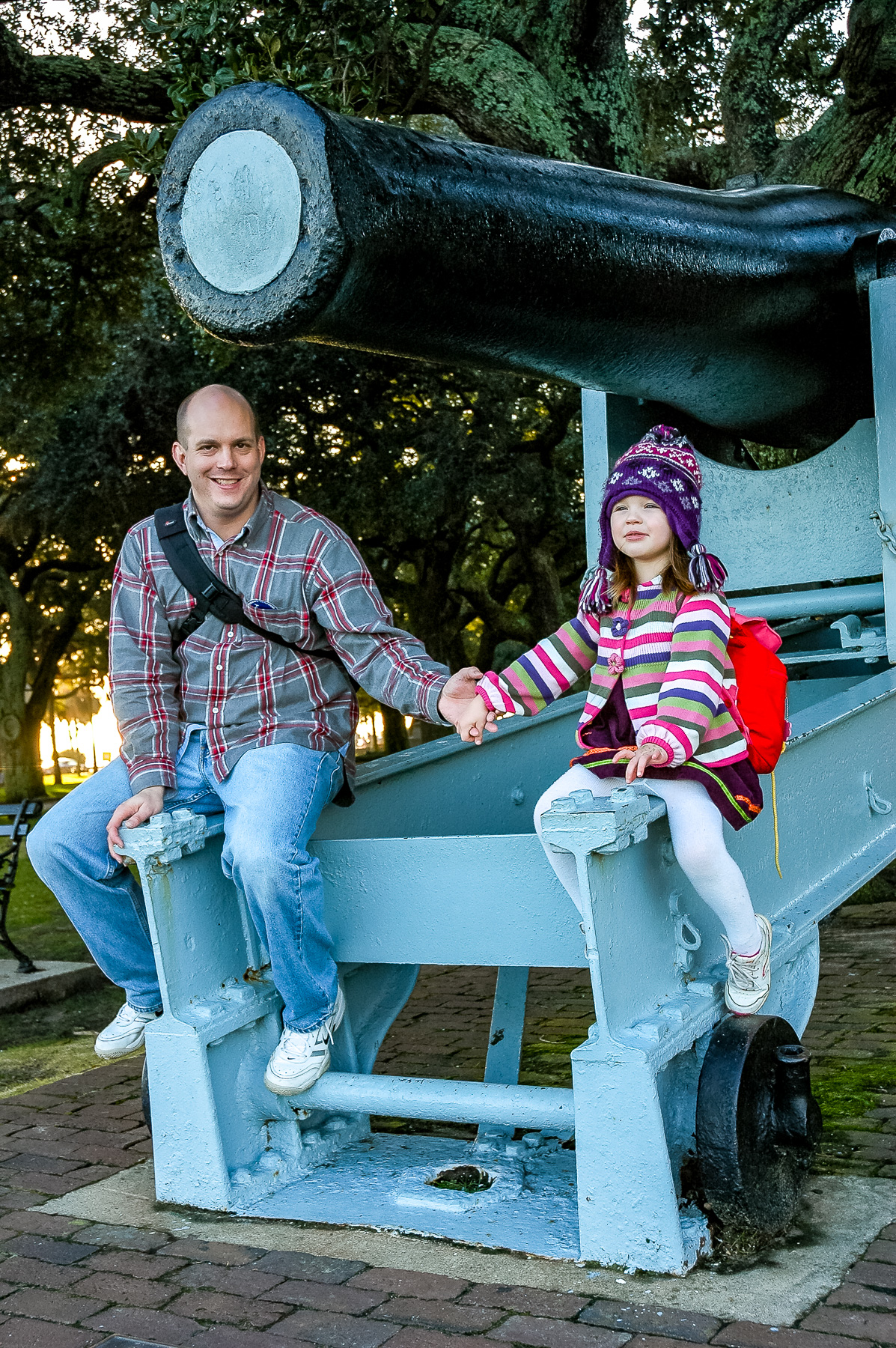
The Girl was impressed, but more so with the birds that were flying around her

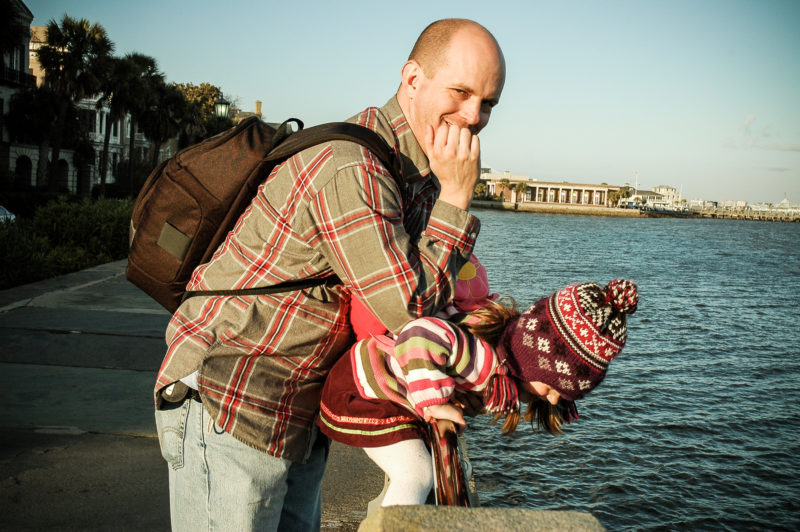
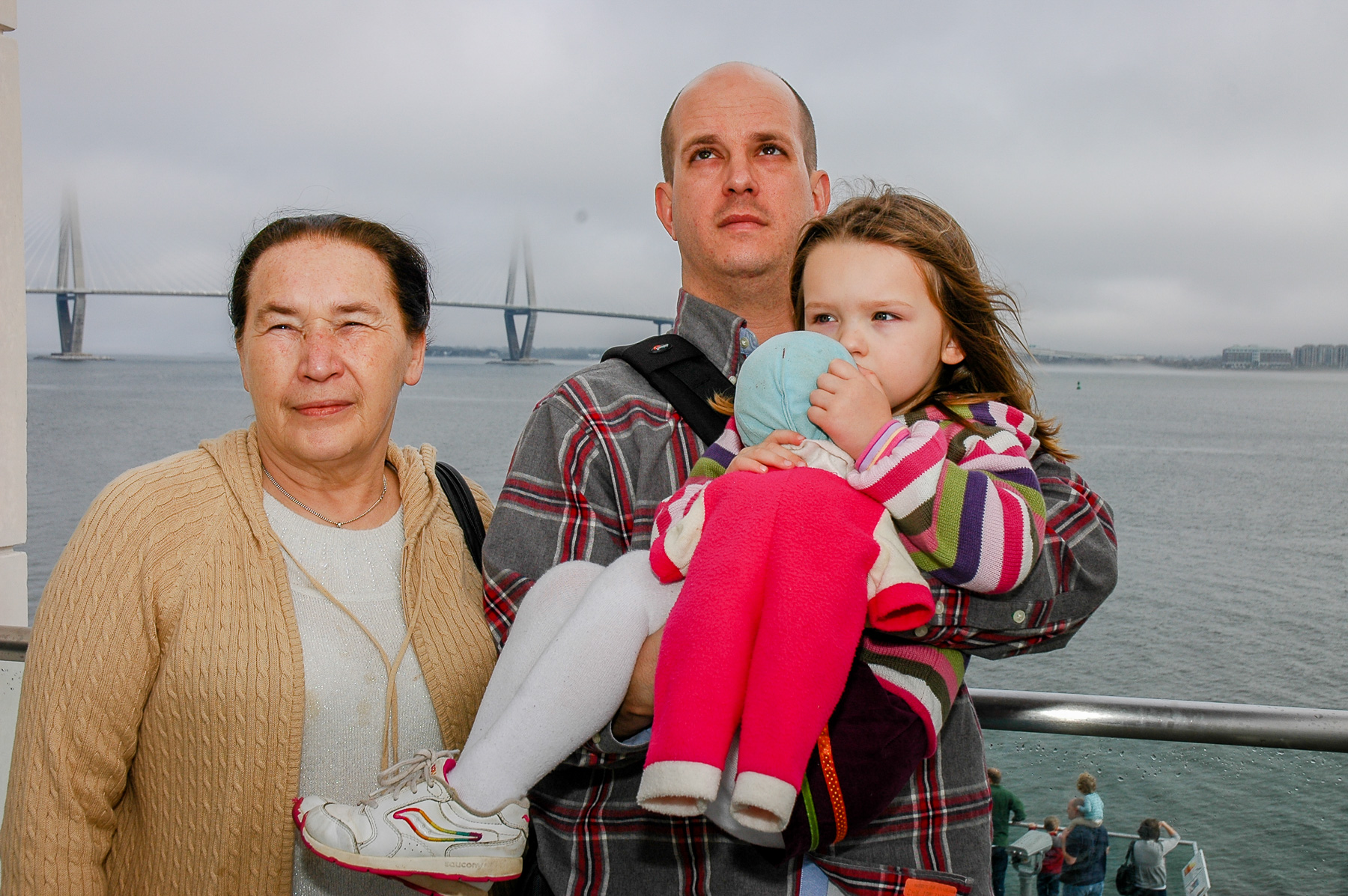
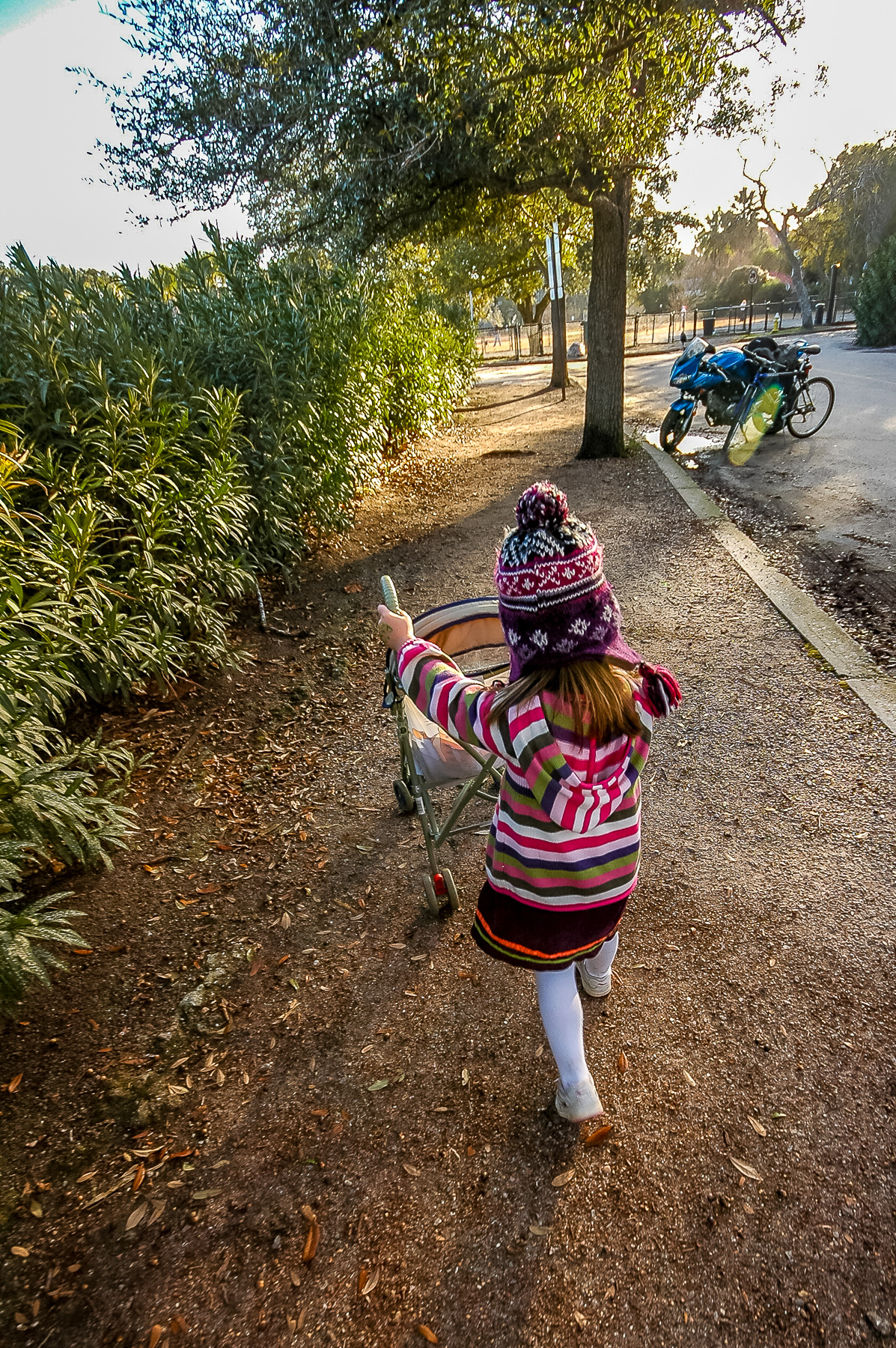
and the waves splashing below us. We weaved among the tourists, and on one occasion became an object of tourist fascination: an Asian couple saw L marching down the street, giggled, and took a quick picture. A local, out walking his dog, observed that L was "all wrapped up" and thus "cute as a button."

We continued on our way, though it was difficult not to look up. It's not quite like being in a Gothic cathedral or Manhattan, but the impulse too look upward is undeniable.

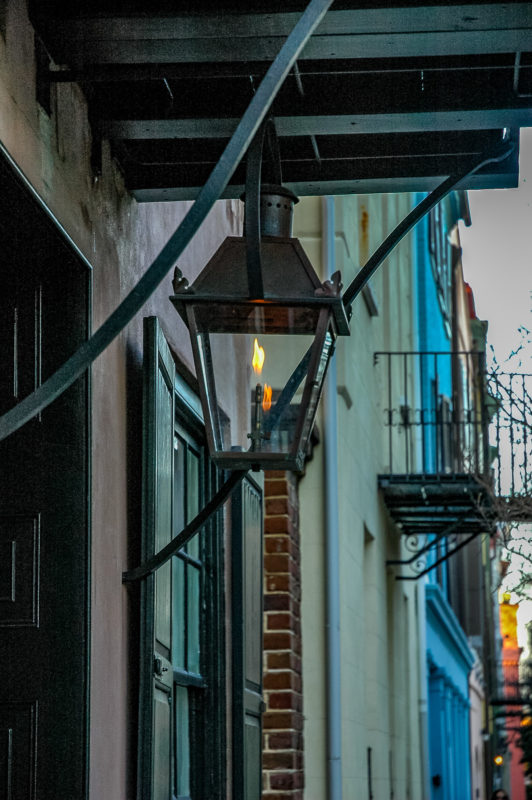
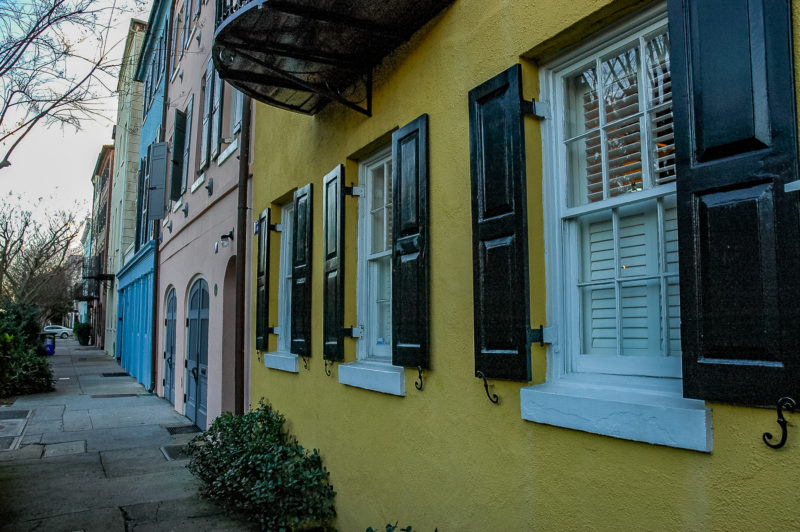
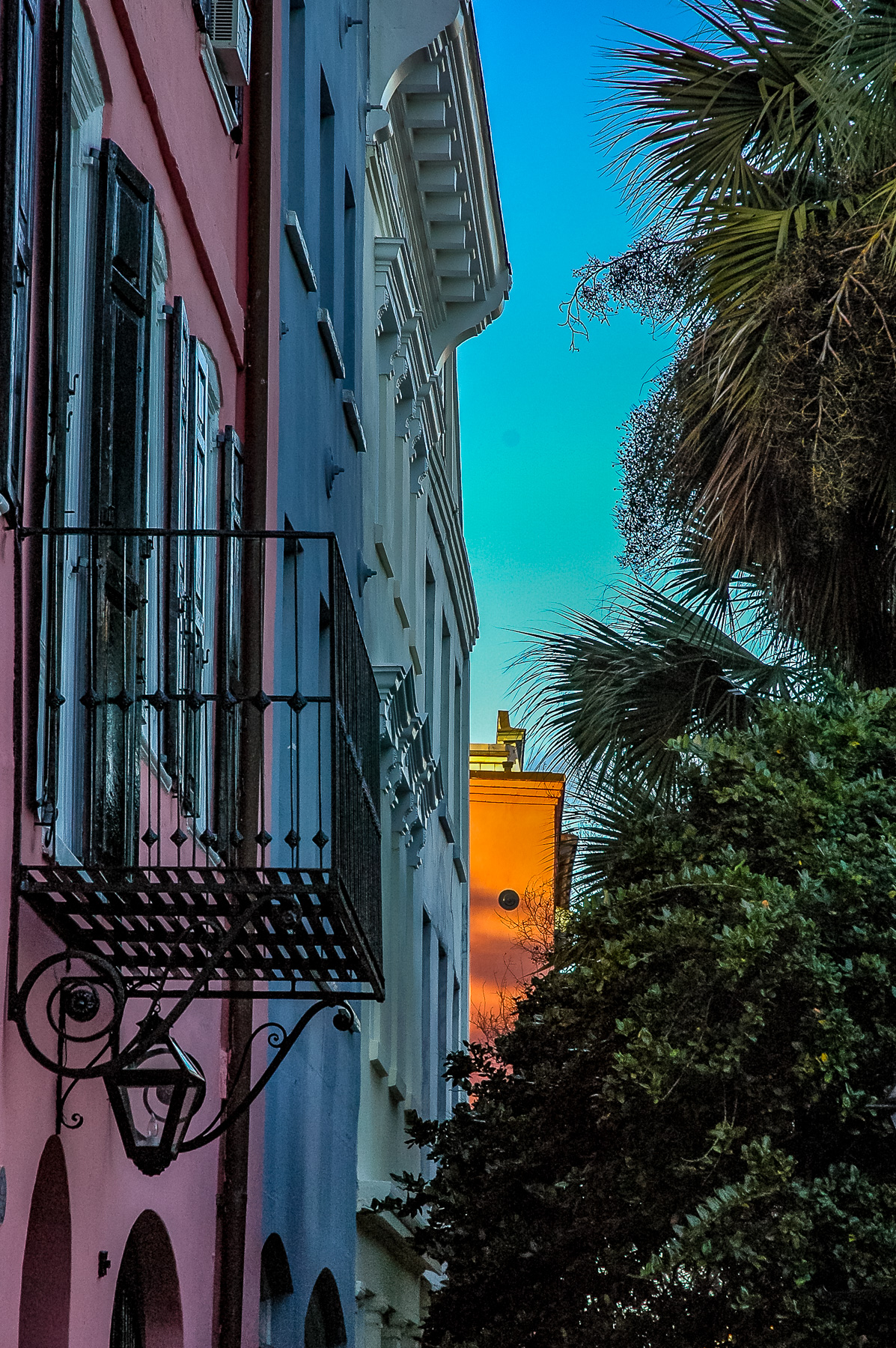
And look back: I noticed a placard announcing that we were in "Rainbow Row" and it struck me: "All the houses we've passed have been different colors." It made me wonder if there is a similar tract in San Francisco.

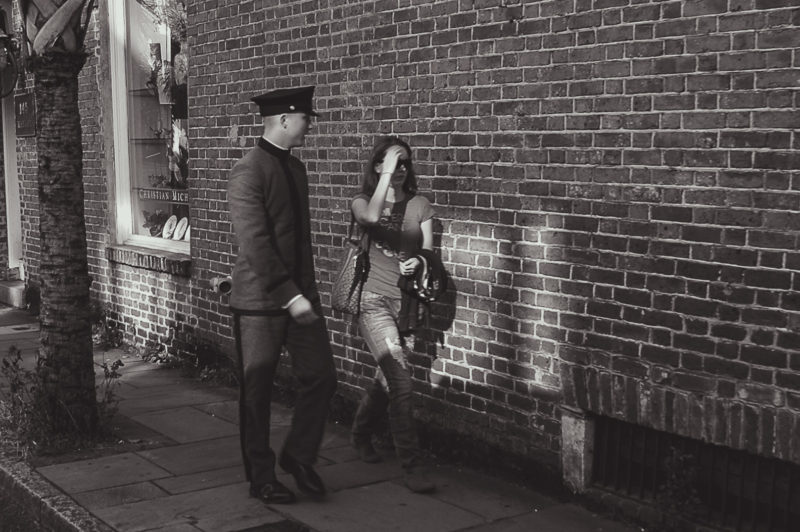
The rest of Charleston went about its usual business. Cadets from the Citadel were out, walking in packs, strolling with their girlfriends, or harassing random girls (at least that's what some of my captures look like).

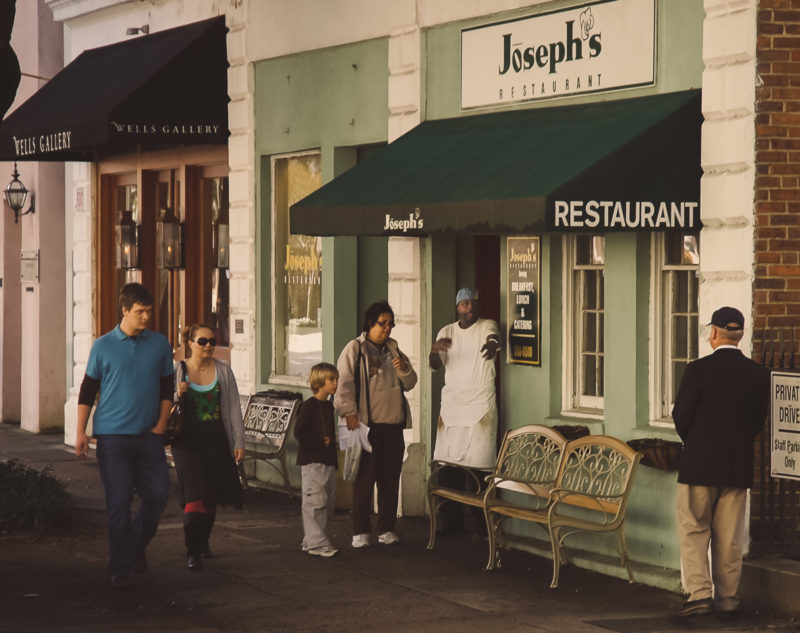
Locals stood talking.

And everyone made their way here and there on a lazy Sunday.

Boone Hall

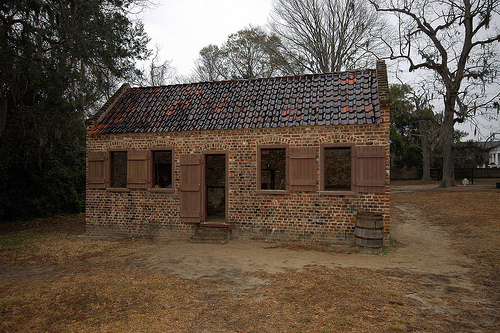
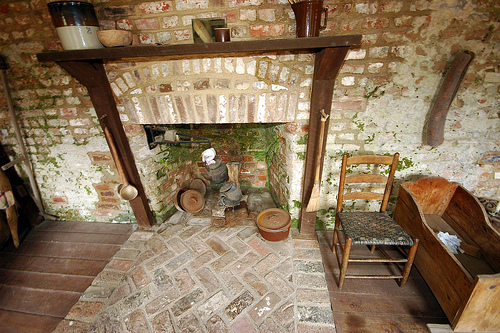
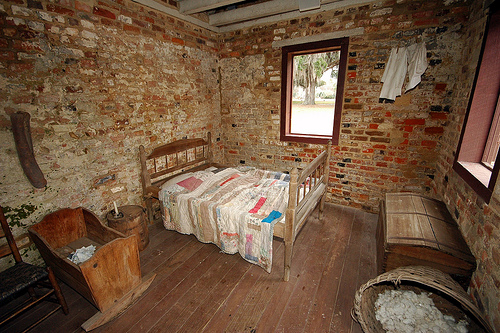
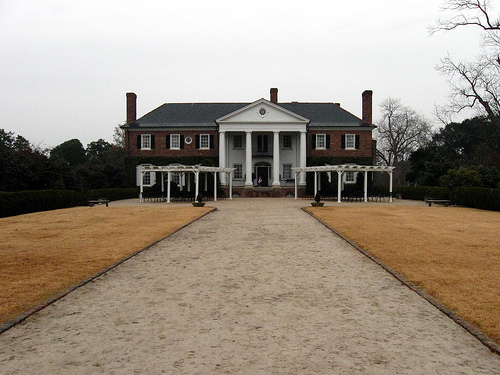
Today at Boone Hall plantation, an experience I haven't had since visiting Auschwitz several years ago: to stand in the center of a hell-on-earth and wonder how it's even possible. We wandered around the plantation while waiting for a tour, weaving in and out of slave quarters.

DSC_0163

DSC_0161

DSC_0160

The irony of America has never been more palpable. We are country that, from its inception, was about freedom. Yet our wealth was created on the backs of slaves. When people exclaim that, as twenty-first century whites, they are not responsible in any way for the actions of their ancestors, they are absolutely right. But for three hundred years, whites in America have built upon the foundation of those very slave holders and, until very recently, had a clear advantage for being on the lighter side of the color divide. Our free country was built, in the first century of its existence, at the expense of others' freedom.

IMG_0693

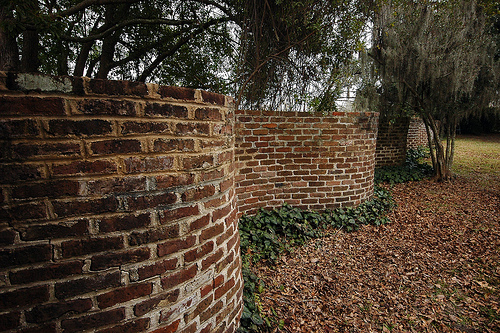
The fruits of that brutal labor still exists. At Boone Hall, the number one product was bricks. Those bricks went into many of the houses in Charleston and so provide a literal foundation for at least one American city.

DSC_0154

And so we made our way through the house and grounds, seemingly free individuals in a seemingly free country. Our chains are less obvious, and less insidious. In fact, I would say most of us don't even realize we're shackled to our way of life, our point of view, our idiosyncrasies, our ambitions. Perhaps that's not a bad thing: after all, this kind of slavery can hardly be called such in comparison. Yet we saw sixteen or so months ago that when our way of life, our point of view, our idiosyncrasies, our ambitions start to sink, we feel the weight.

DSC_0174

Country Night Sky

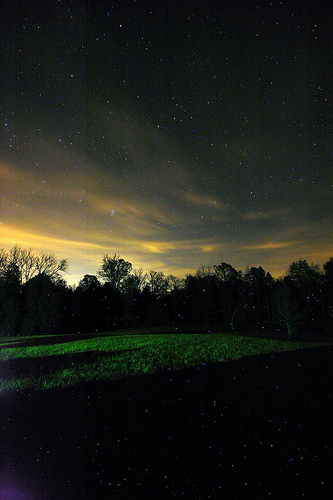
It's impossible to stay in rural South Carolina and not take a few night shots.

DSC_9124
816.5 seconds, f/11.0, 10 mm

"Those planes flying over are Delta flights," my uncle explains. "I've flown over my own place countless times. It takes me fifteen minutes to get to the airport from here and two hours to get back."

DSC_9125
63.4 seconds, f/5.6, 10 mm

He is known for his hyperbole.

Malden Center

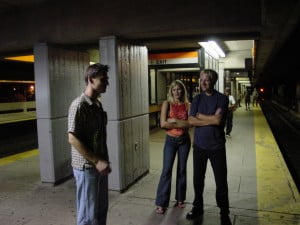
Funny how an odd thought can lead to nostalgia. Thinking about Boston before going to bed, I did a quick search on YouTube. I found a video of the MBTA (Massachusetts Bay Transportation Authority) stop at Maulden Center, Orange Line.


Like Poland, I don’t miss it and I do.

Two things I miss: first, Boston is a big city packed in a small town. The area the Greater Boston area covers is really small, and the are Boston proper covers is minuscule. The rest is Cambridge, Allston, Brighton, and a handful of others. And Malden, where I lived. Yet it has a lot of the advantages of a larger city: vivid downtown, arts, music, etc.

DSC01985

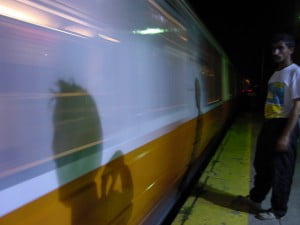
Second, I miss public transportation.

DSC01989

I miss being able to travel from here to there to way over there and back again without a car. A monthly T-pass, a bicycle, and the occasional taxi were all I ever really needed.

Edisto Beach in Motion

Returning

The Girl entertained herself with a box of bandages...