fun in threes, sometimes fours
travel
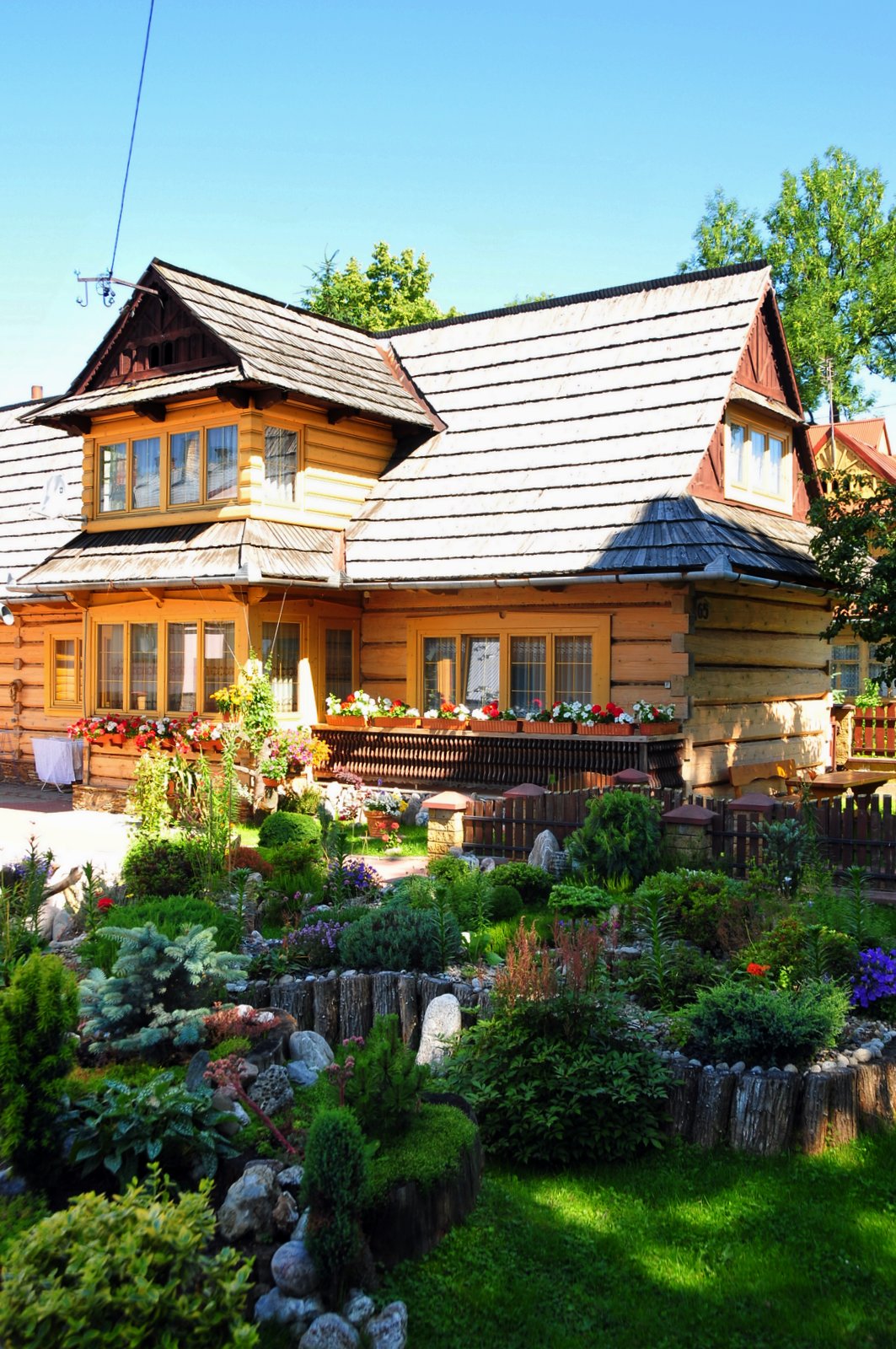
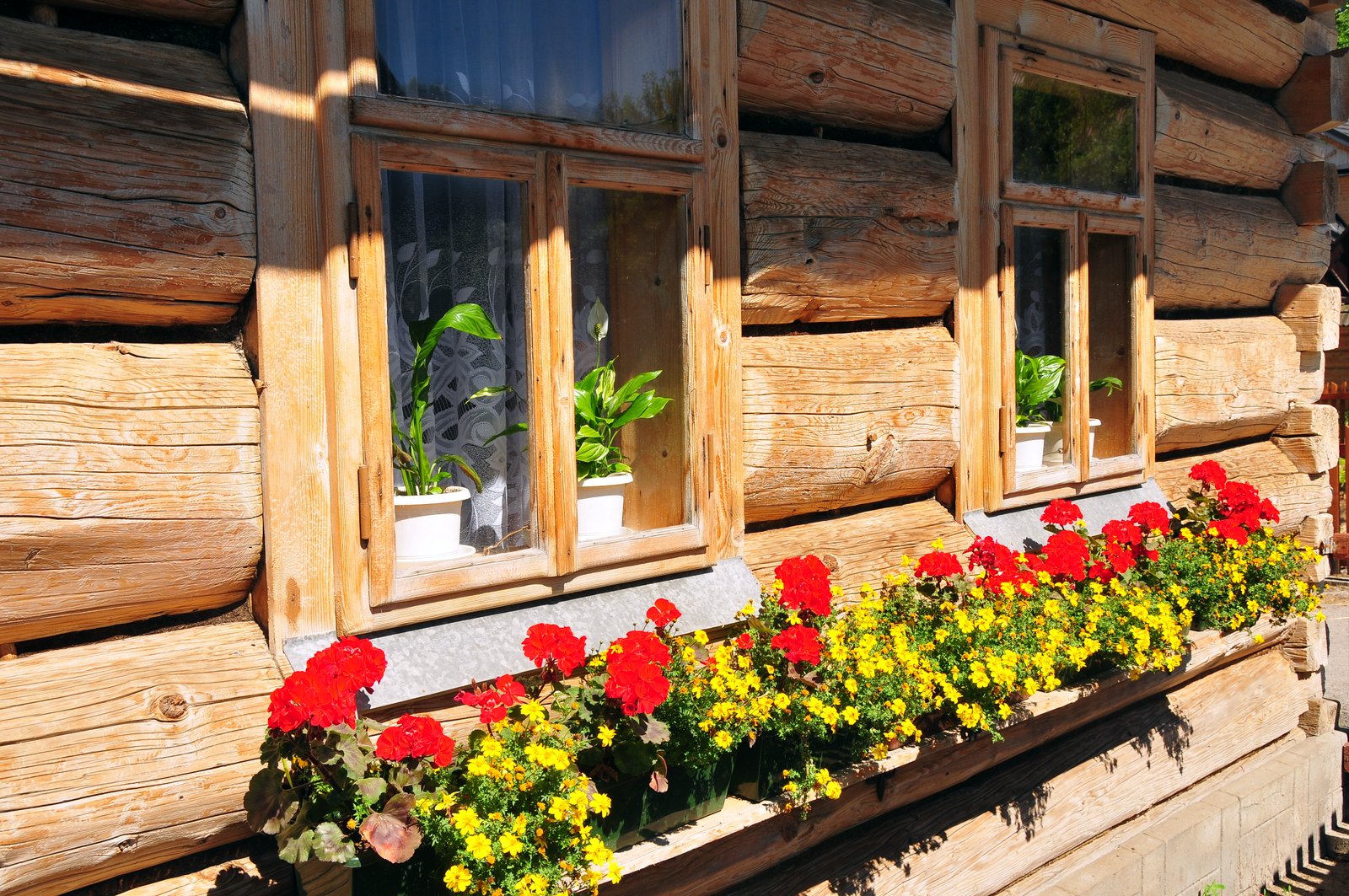
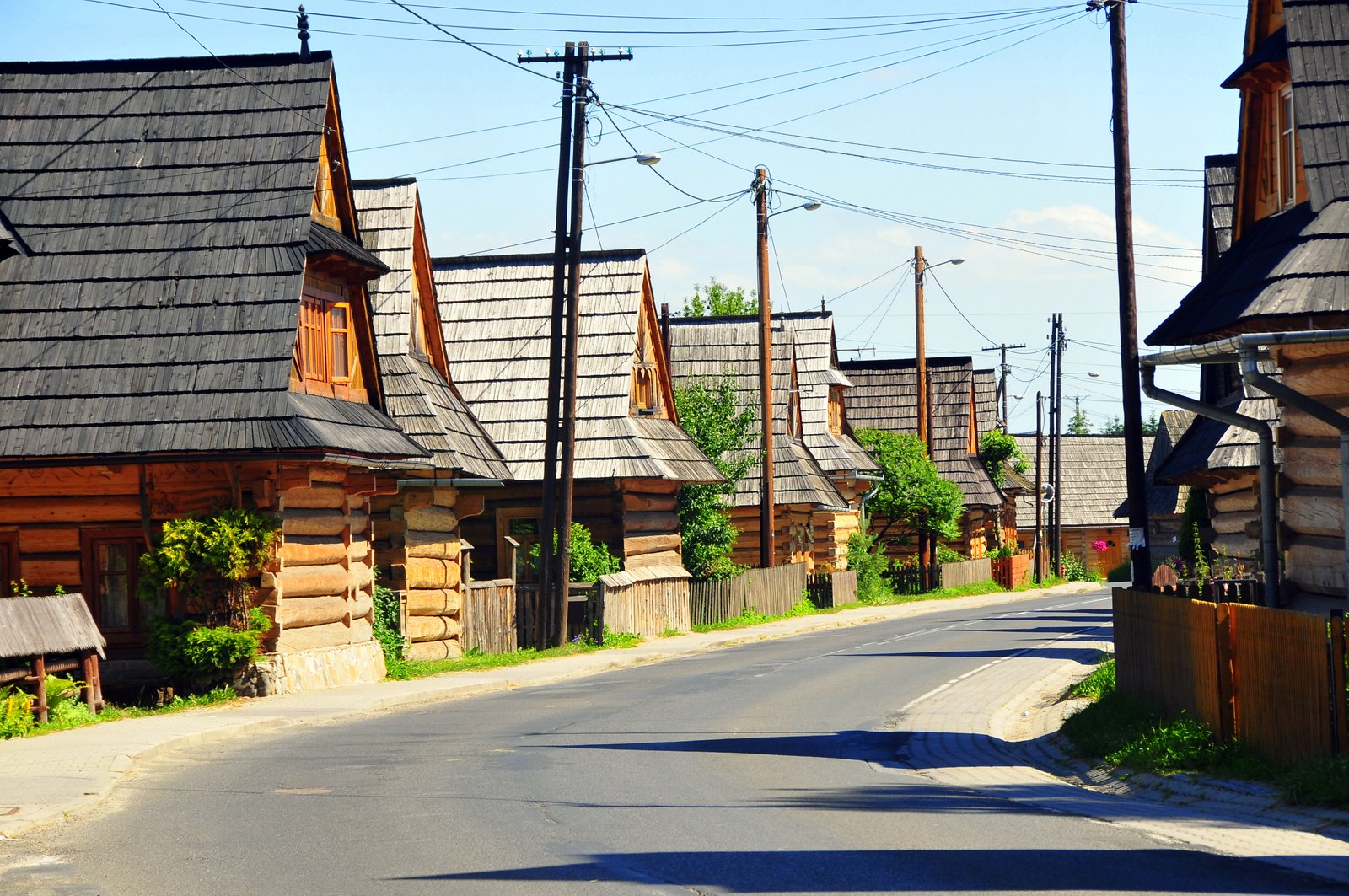
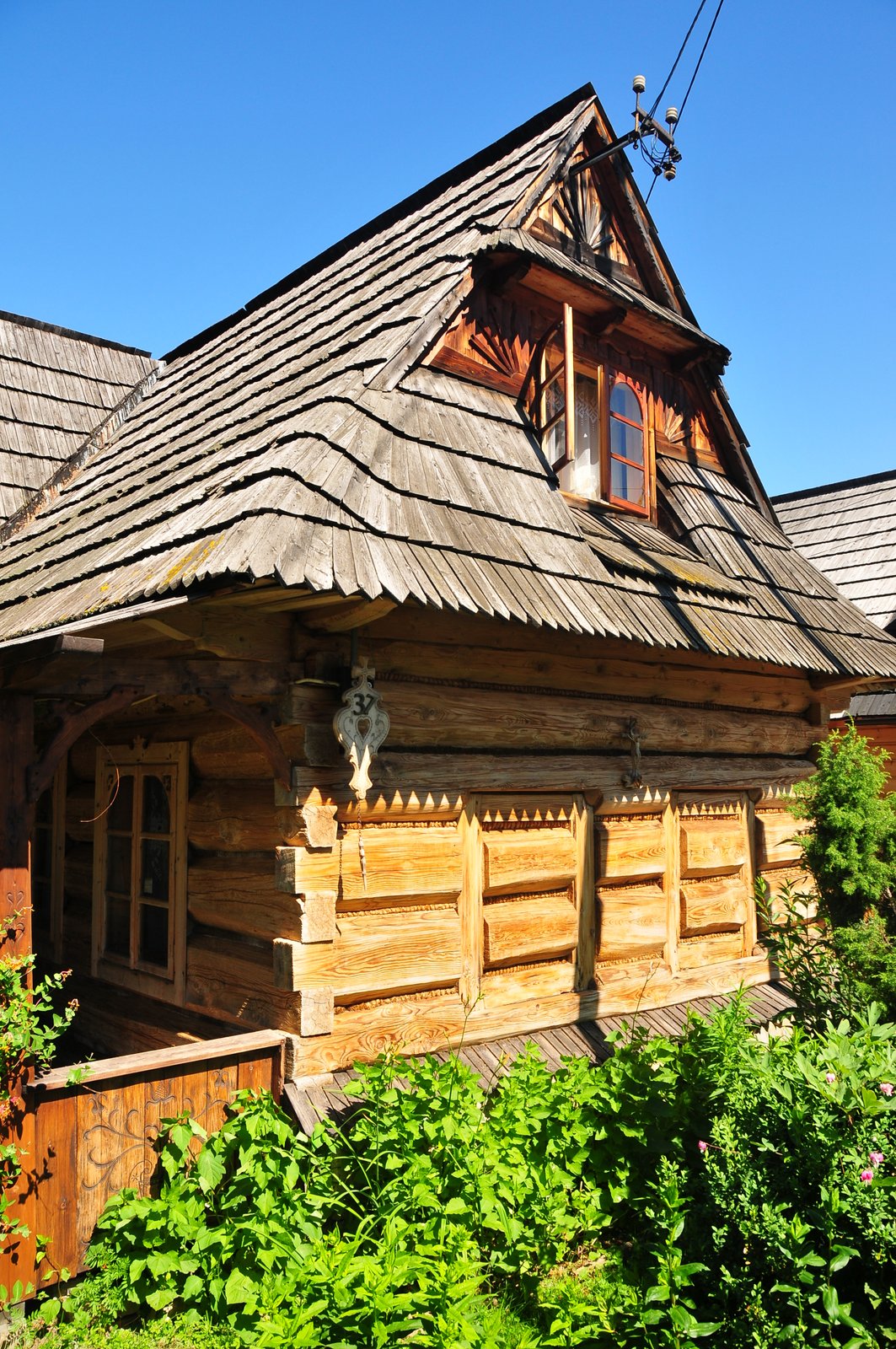
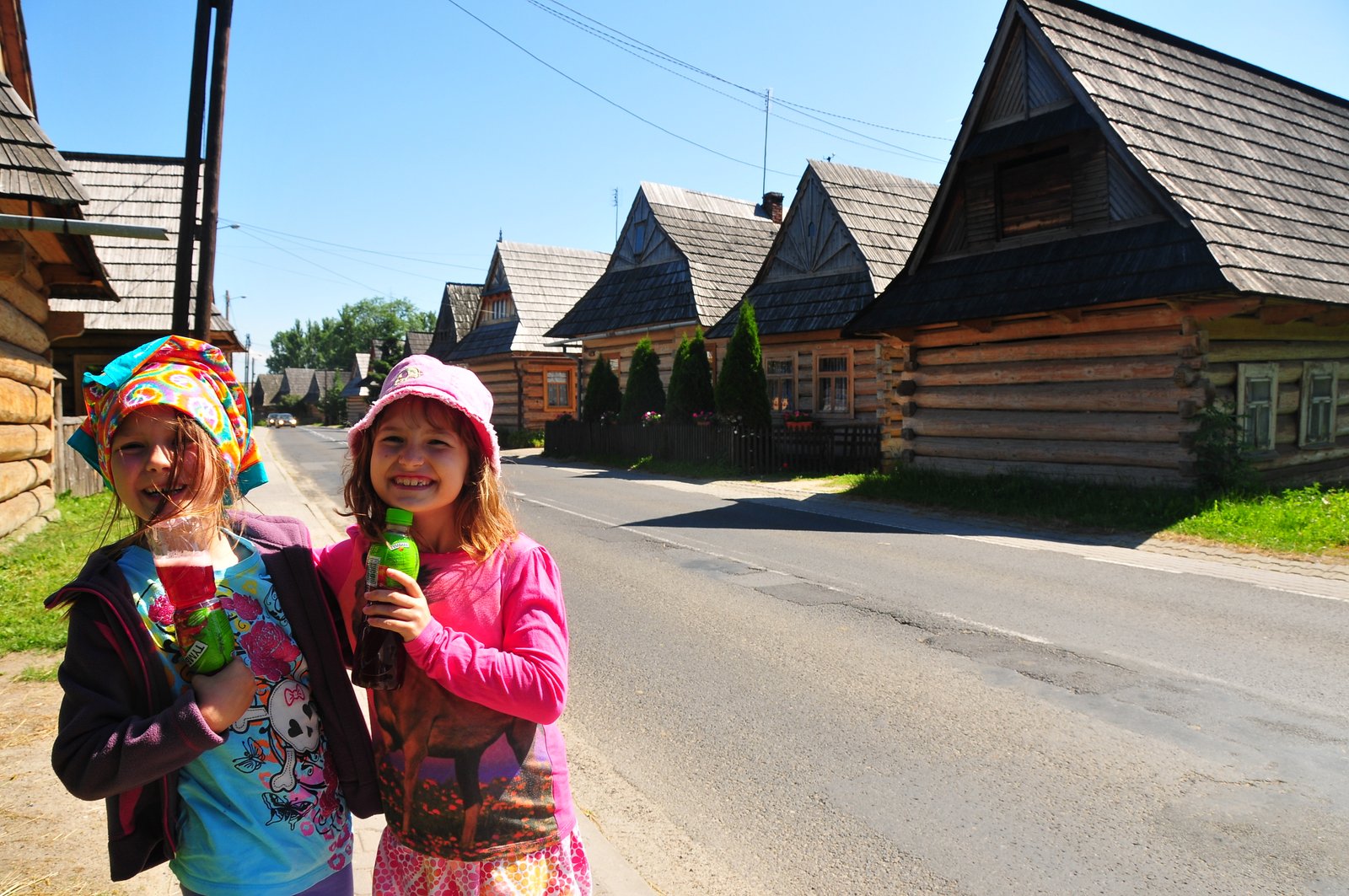
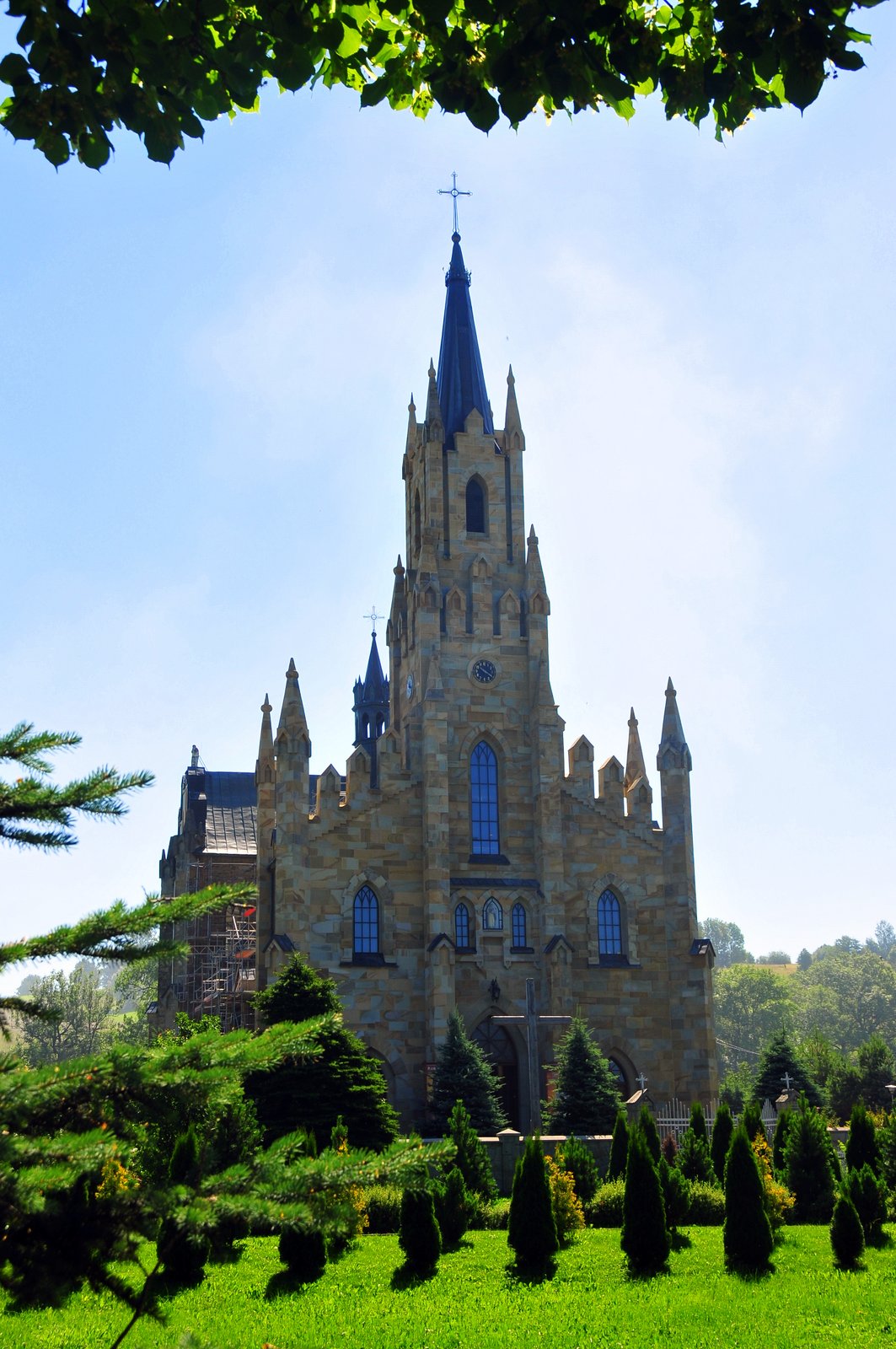
A day in Zakopane, the reputed "Winter Capital of Poland" (or more likely, given the number of tourists all year long, the Mountain Capital), begins in Chochołów, a small village on the way. It's famous for its traditional wooden houses. Unpainted, untreated, they positively shine after their yearly spring scrubbing. And the irony: the village church is made of stone.
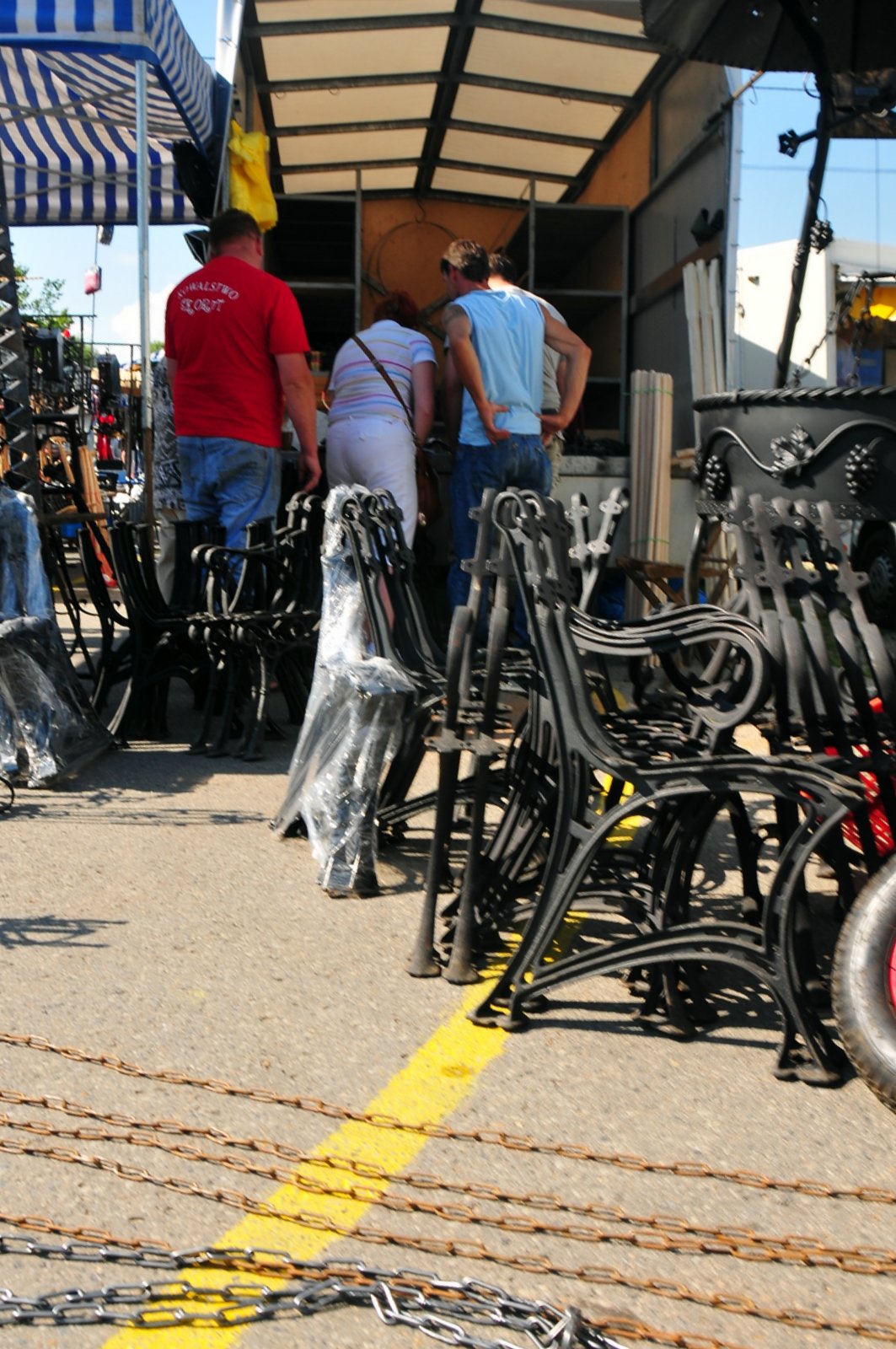
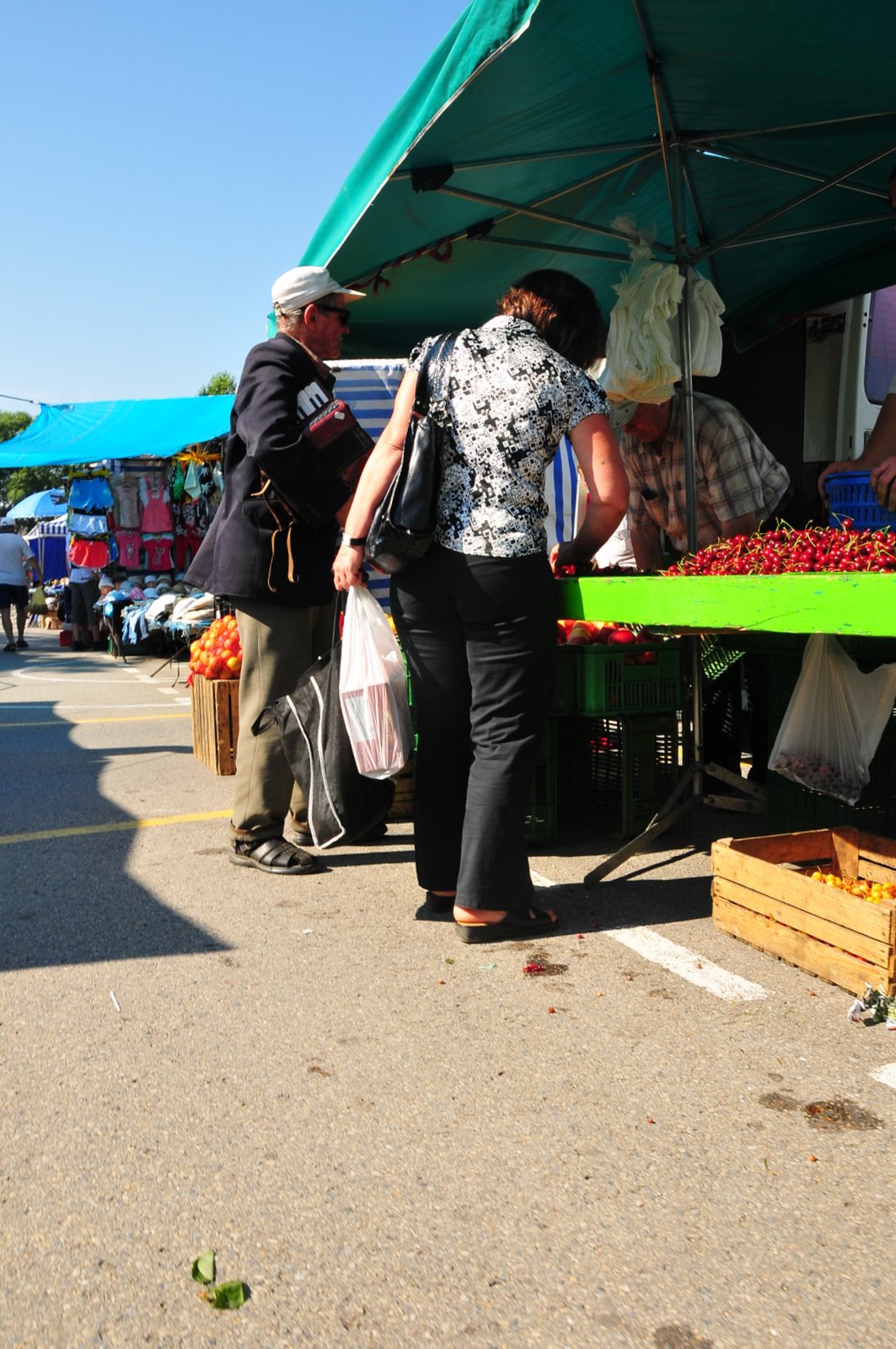
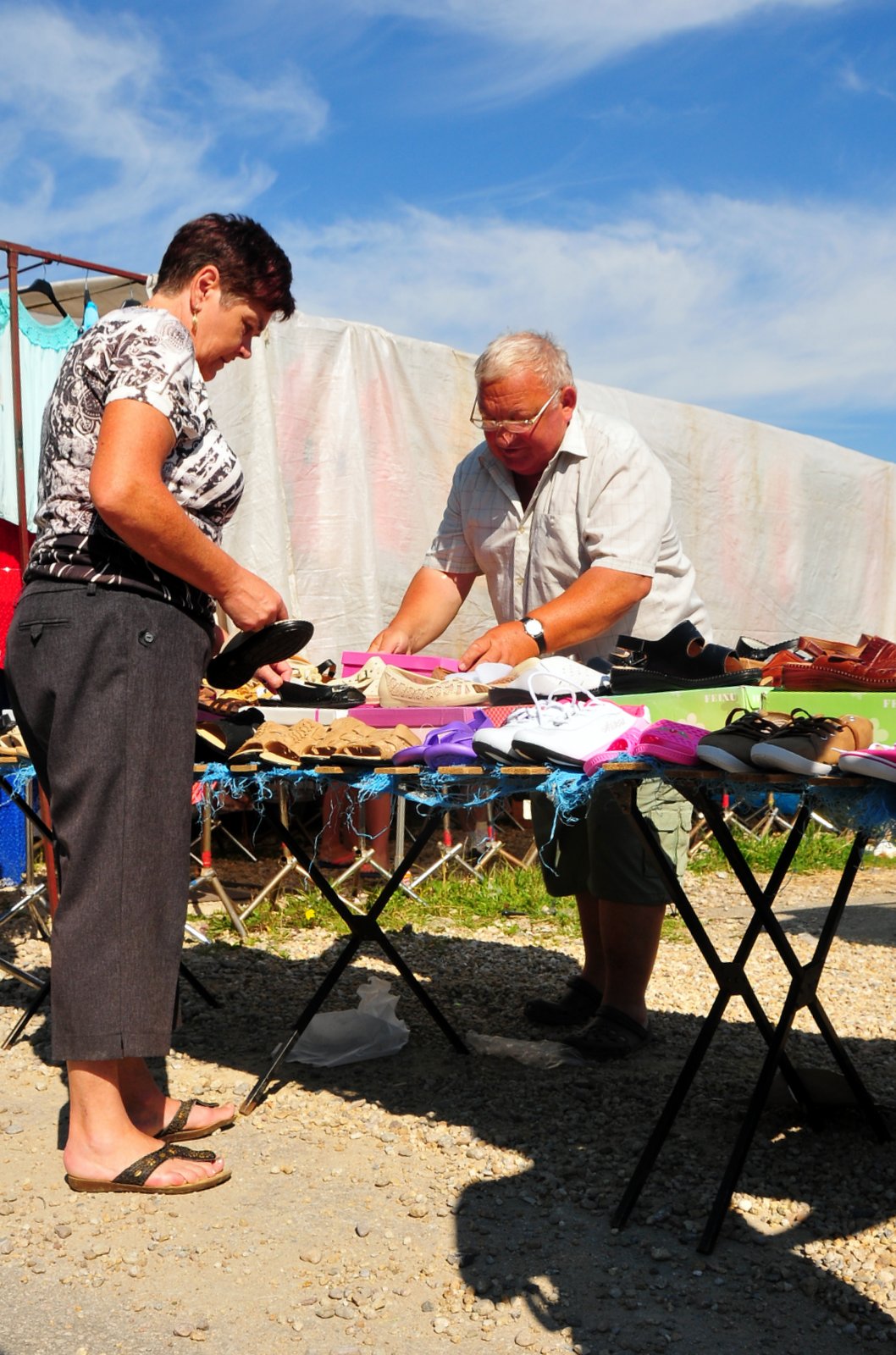
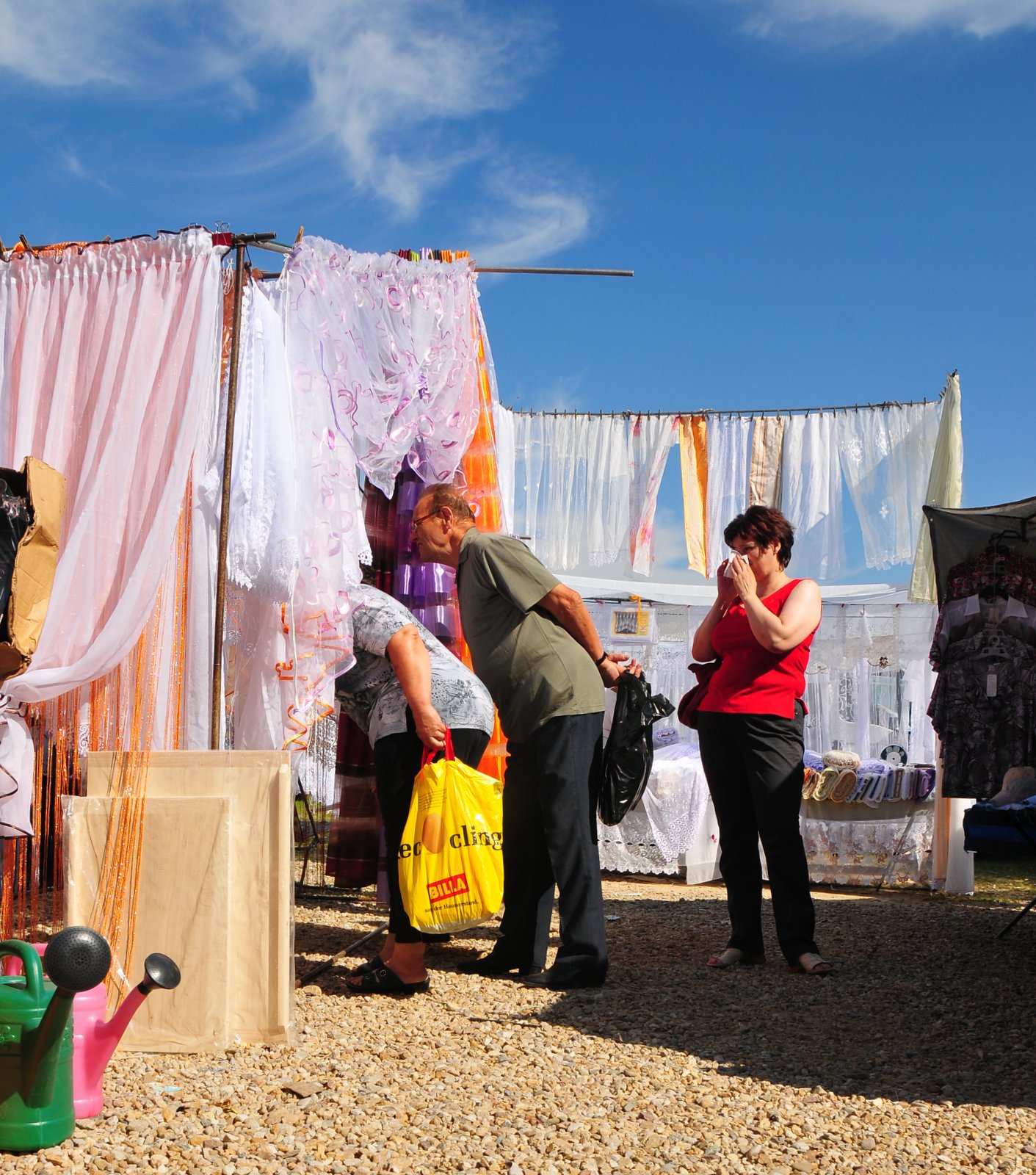
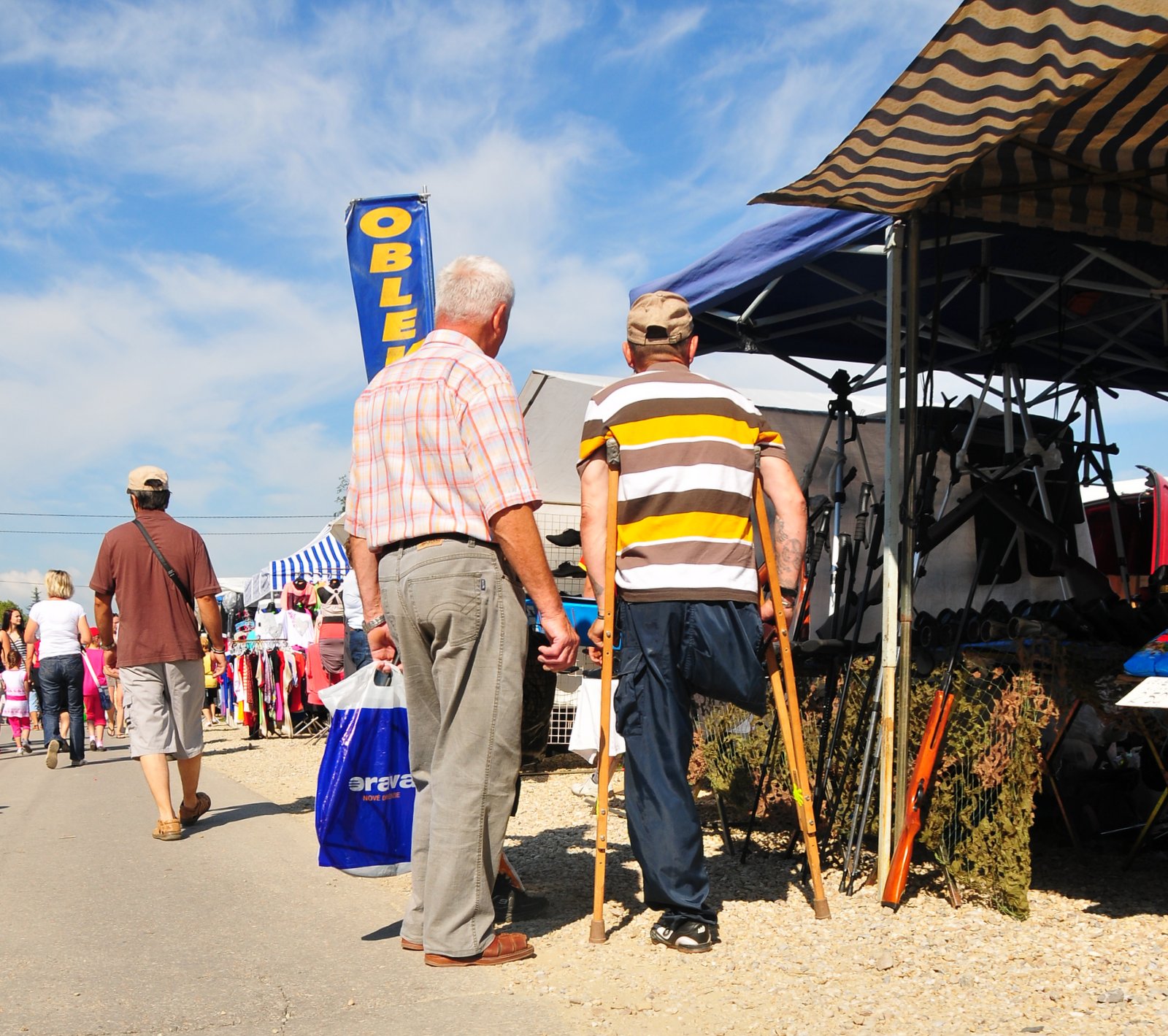
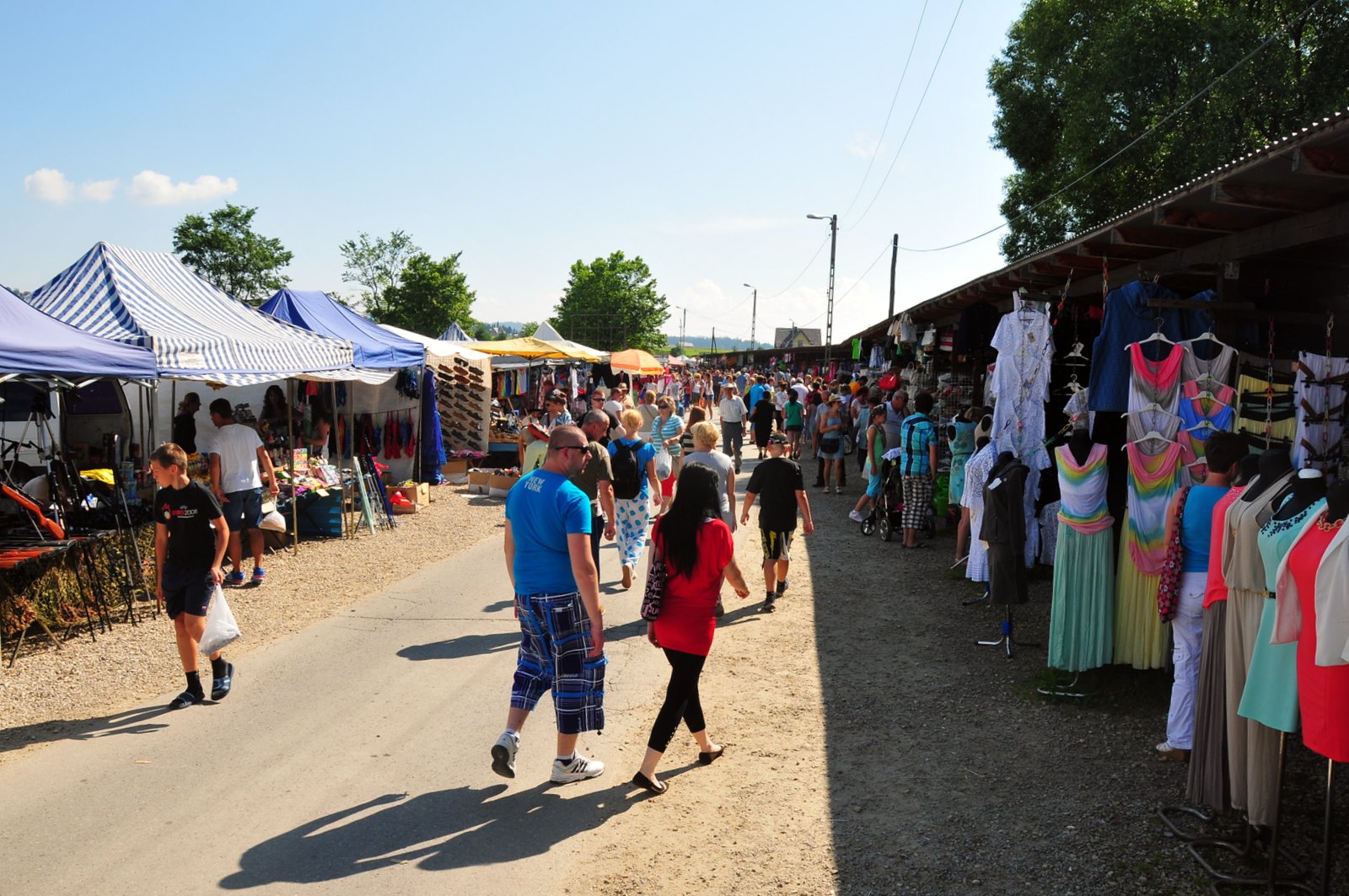
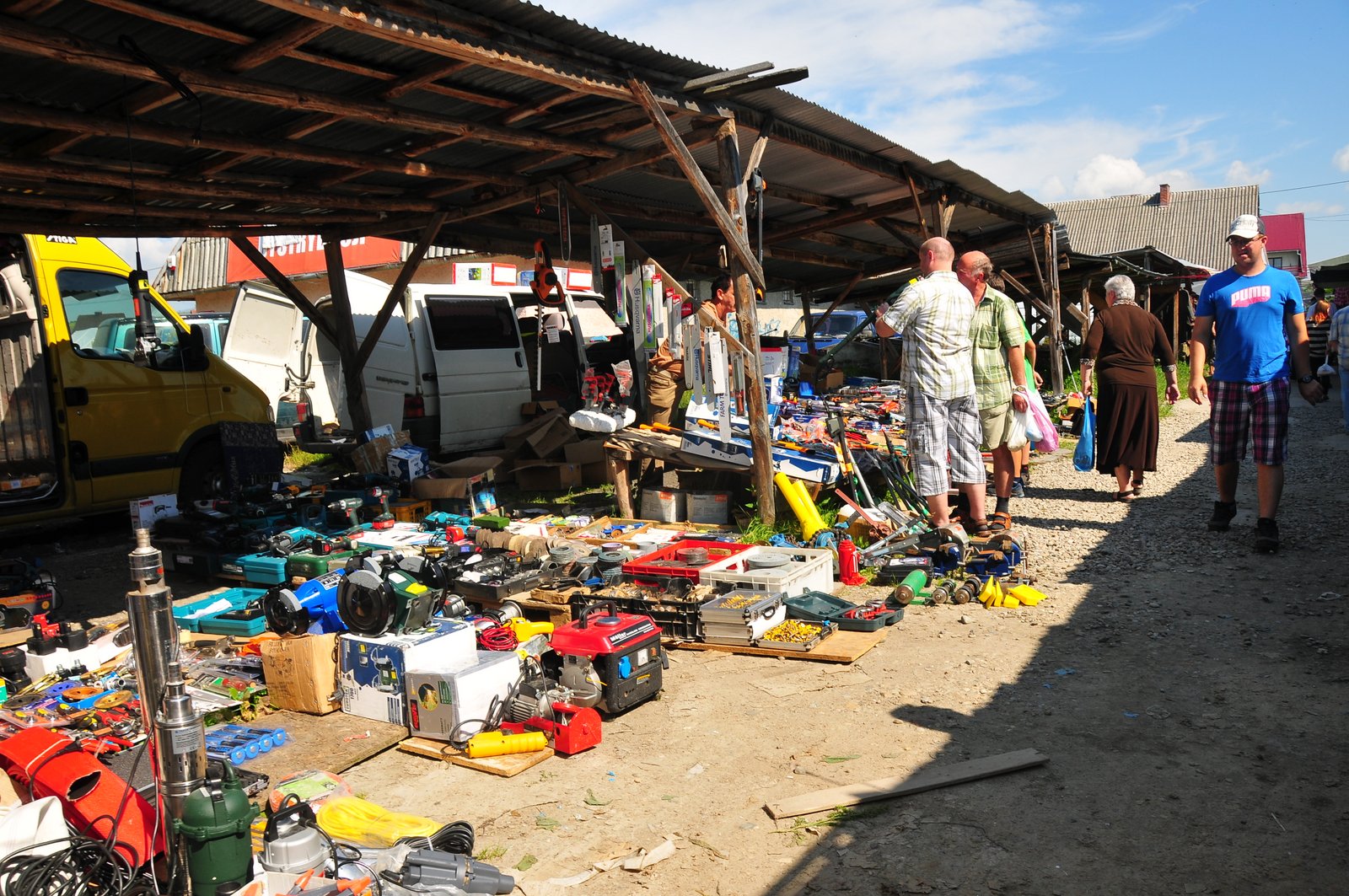
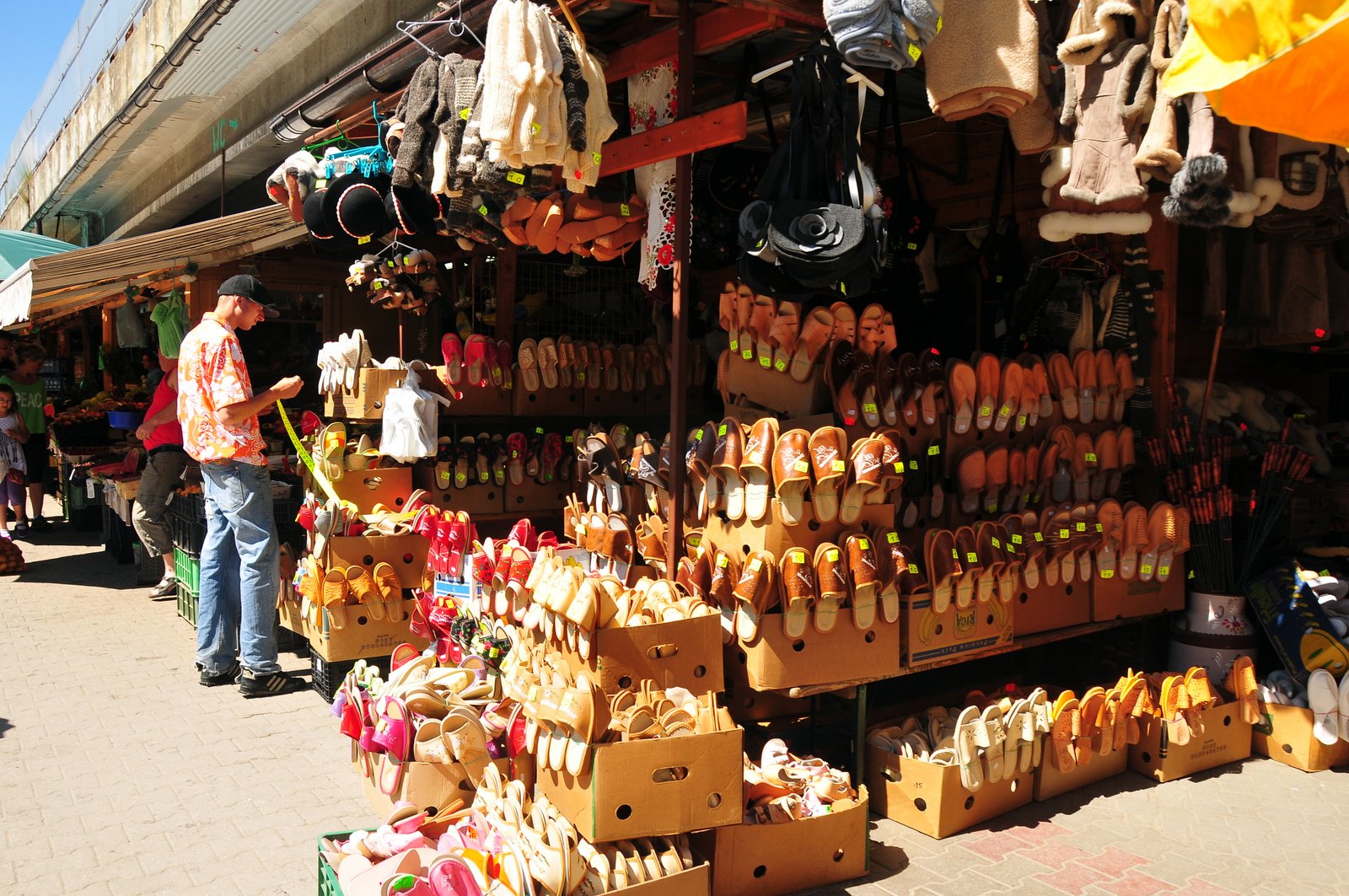
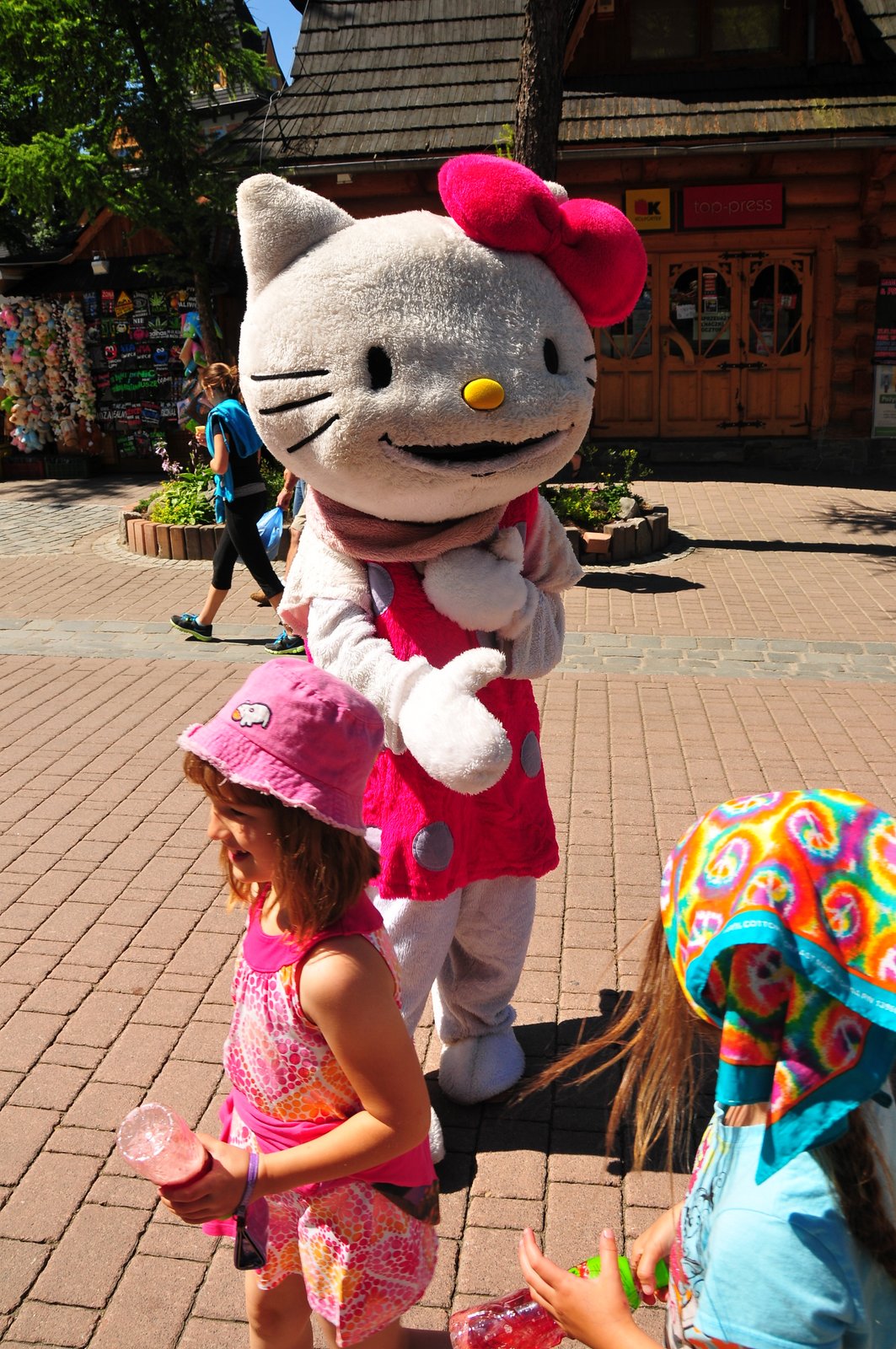
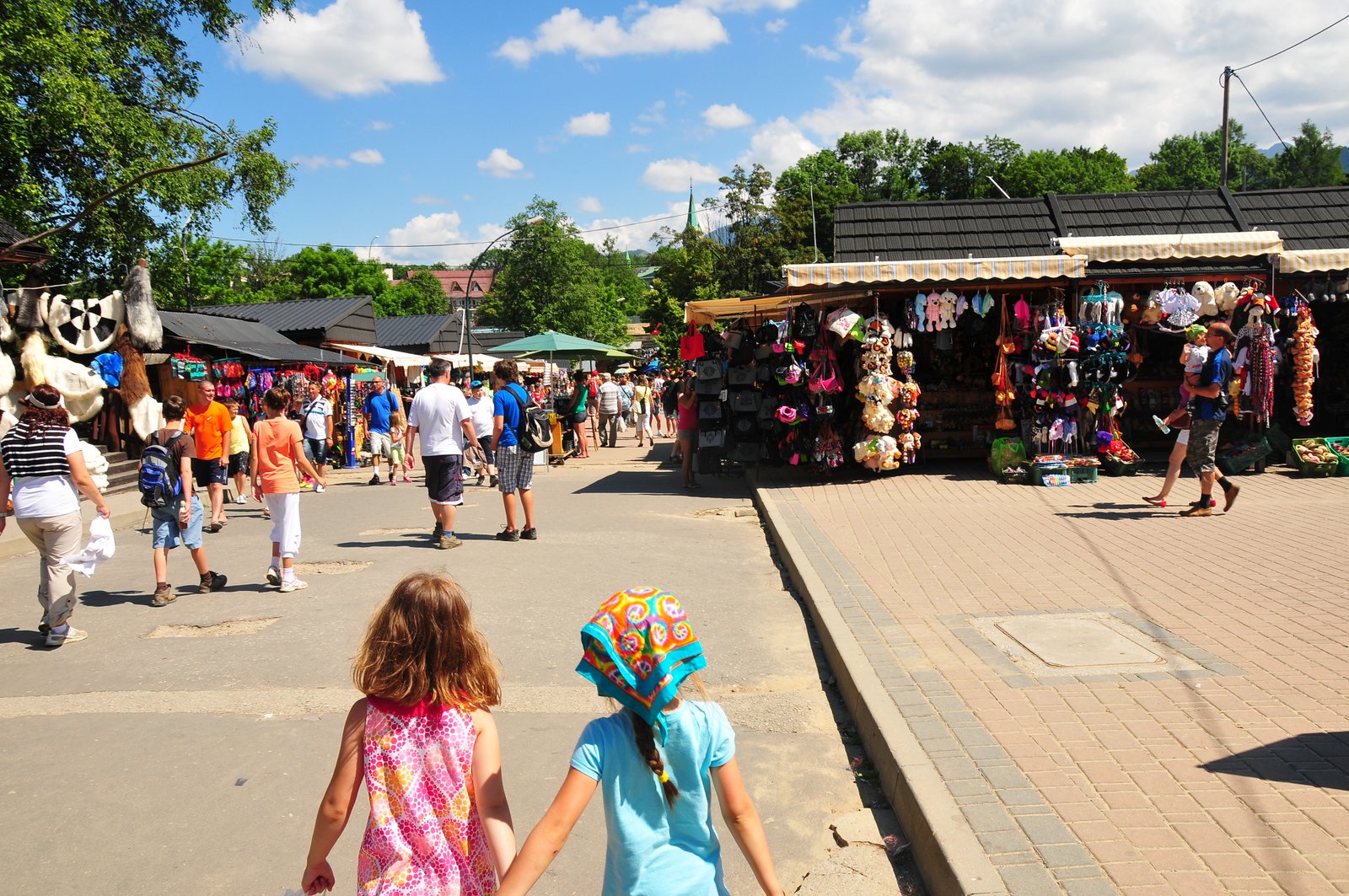
We make it to Zakopane and find a parking spot at the base of ulica Krupówki, the main tourist street. We head up the street and I provide simple instructions: "You can stop at two places each on the way back down. While we walk up the street, have a look around; on our way back down, you can show me where you want to go." And what drew L like a lodestone? The shops that sell the plastic nonsense anyone can buy in any corner of the so-called developed world. The plastic nonsense made in China that is taking over the world.
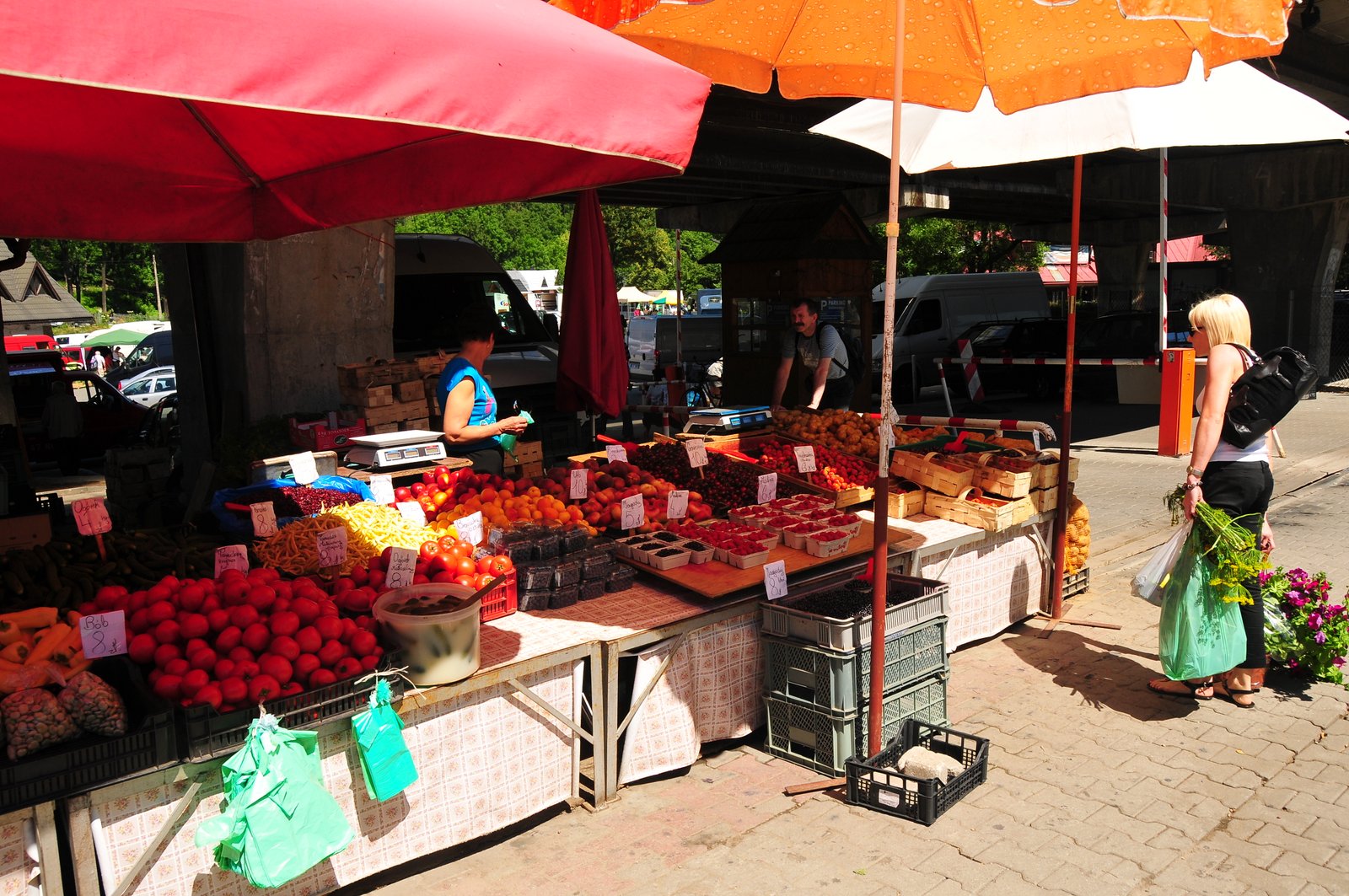
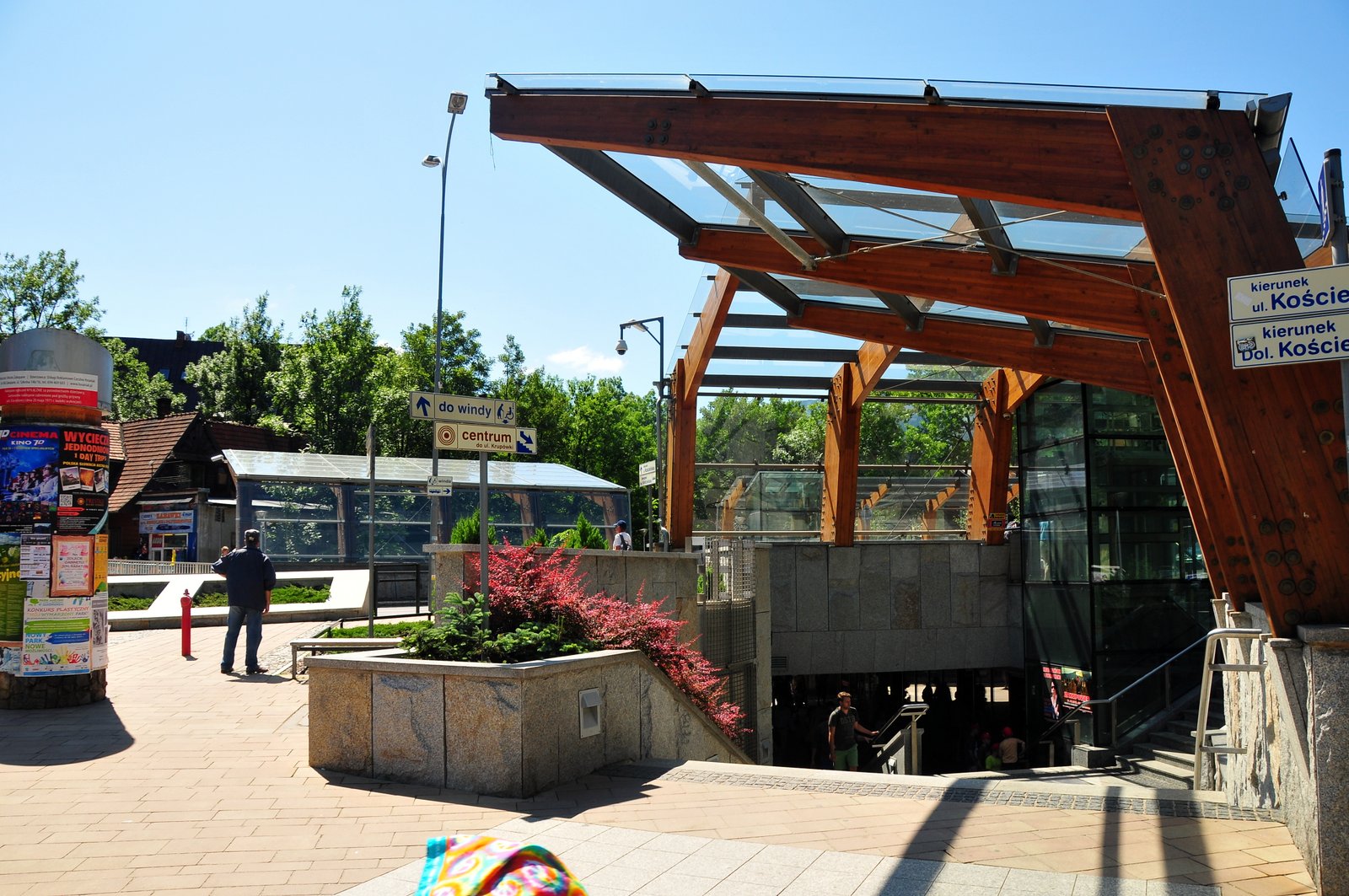
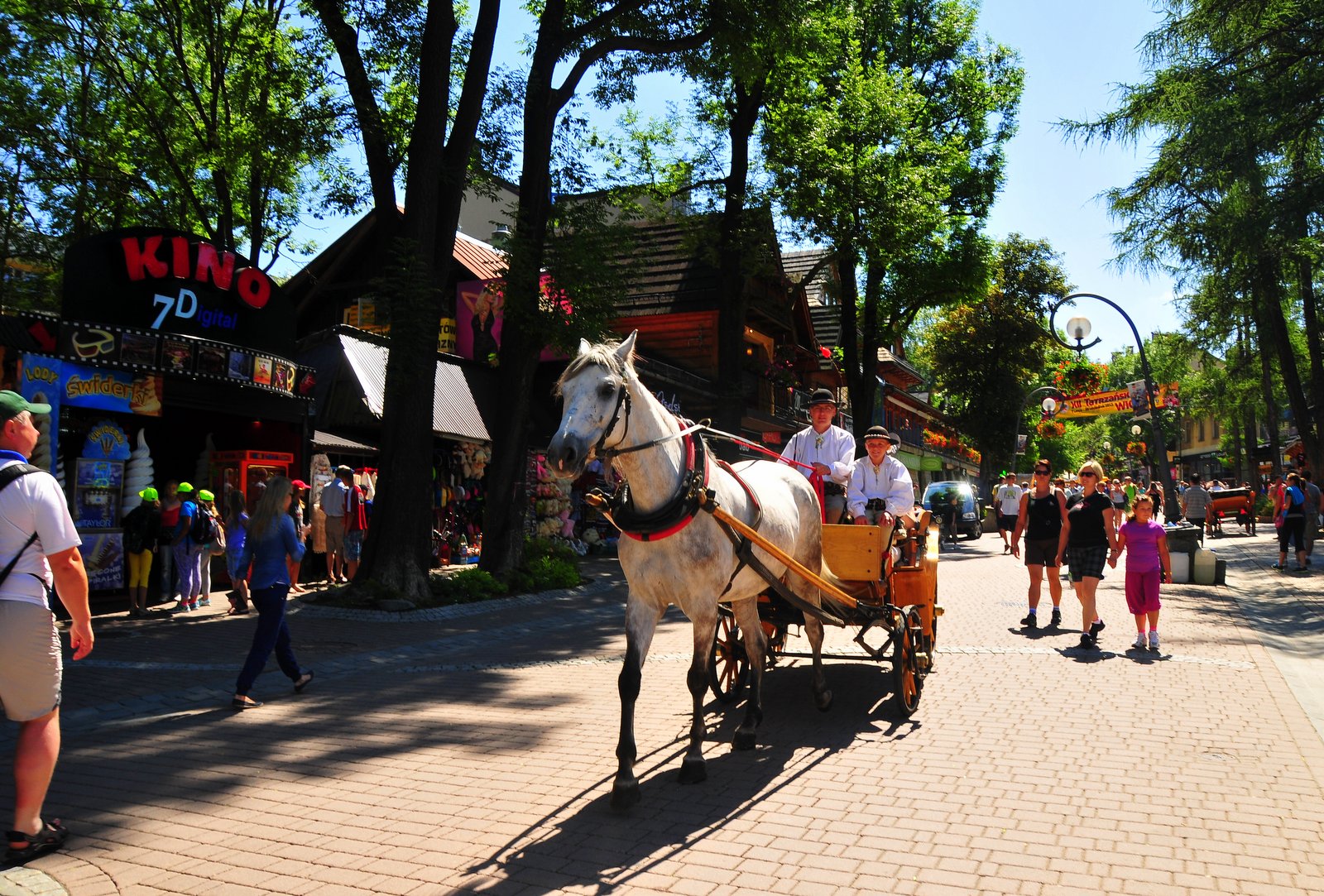
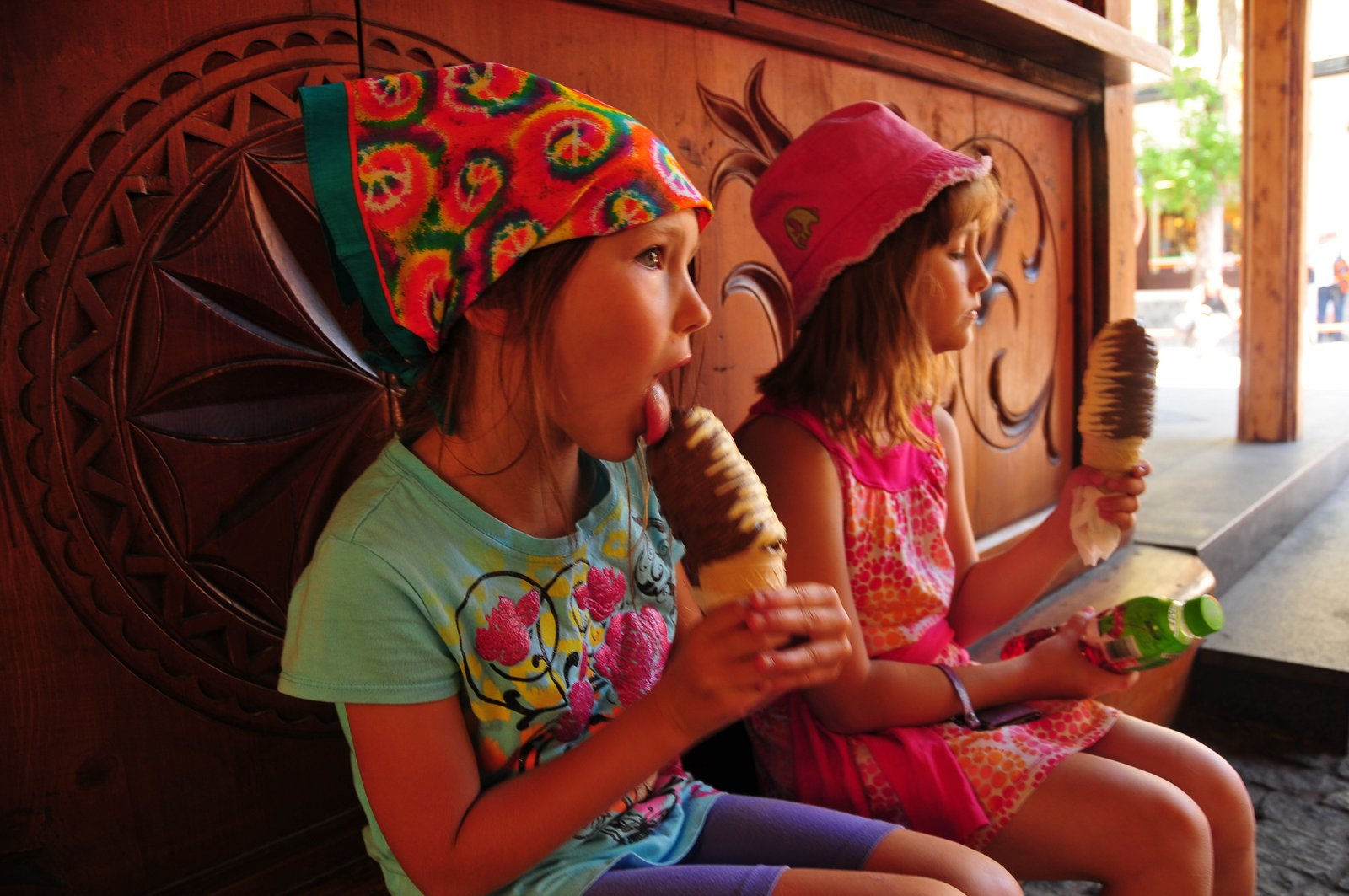
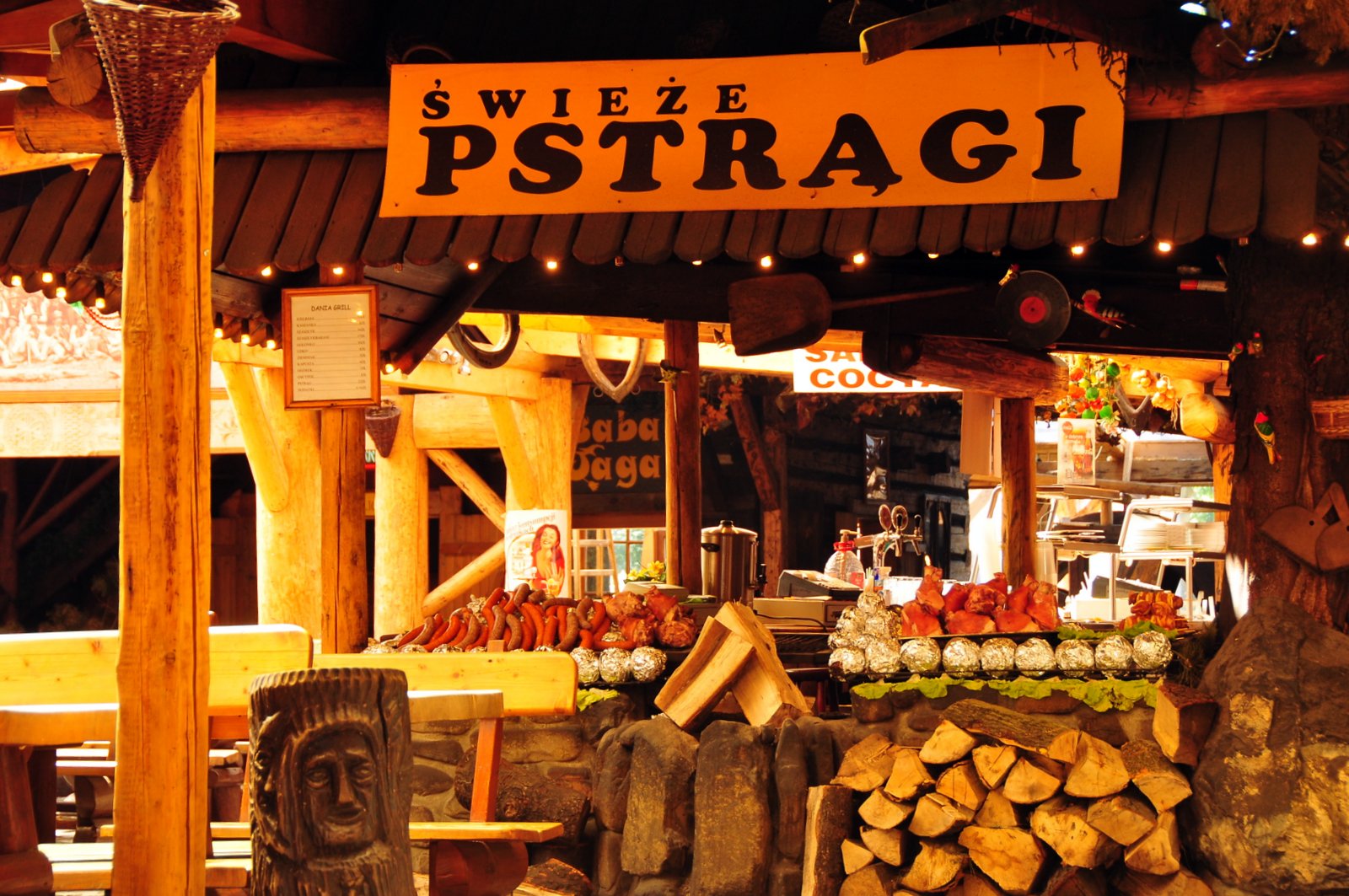
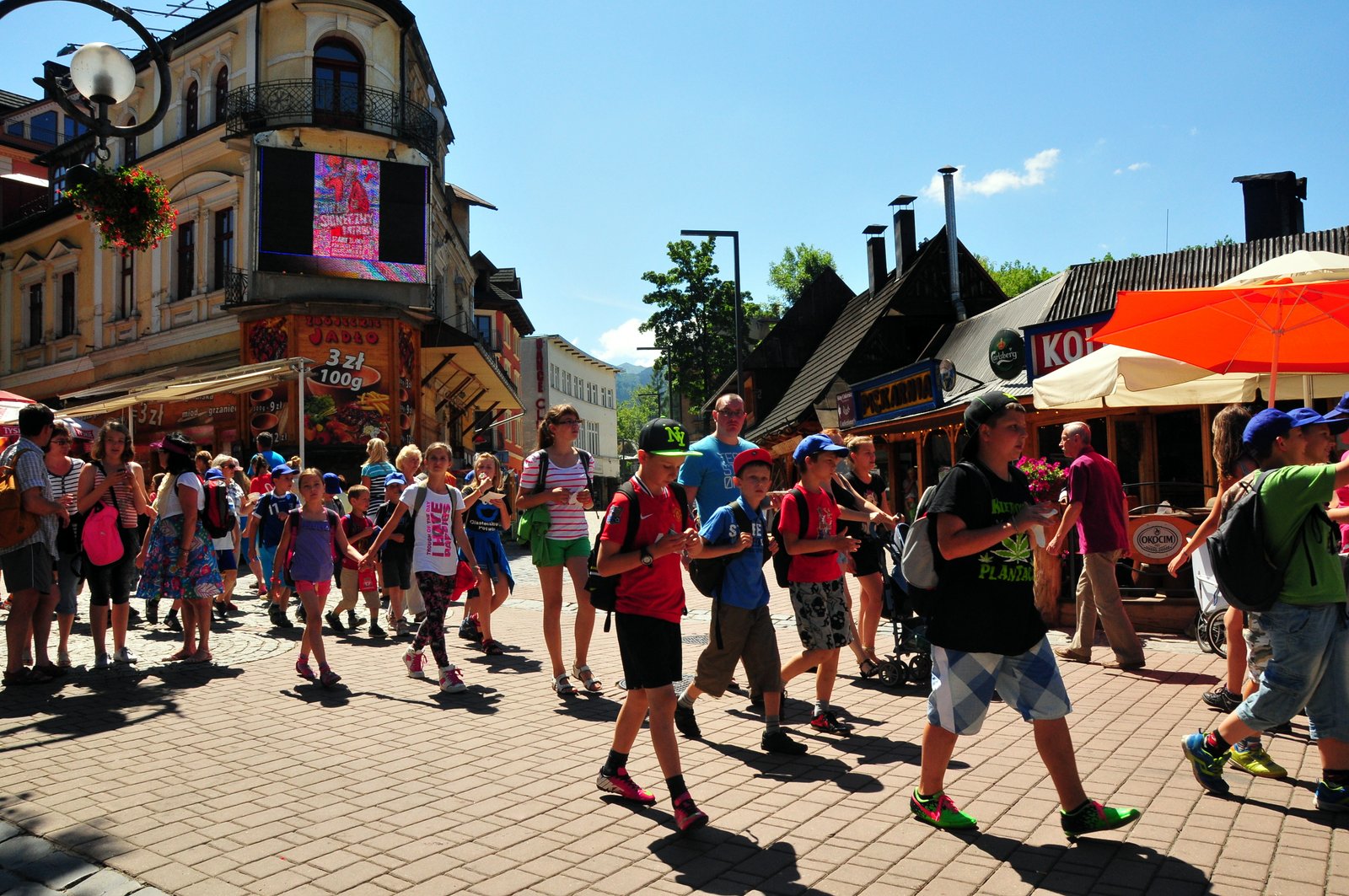
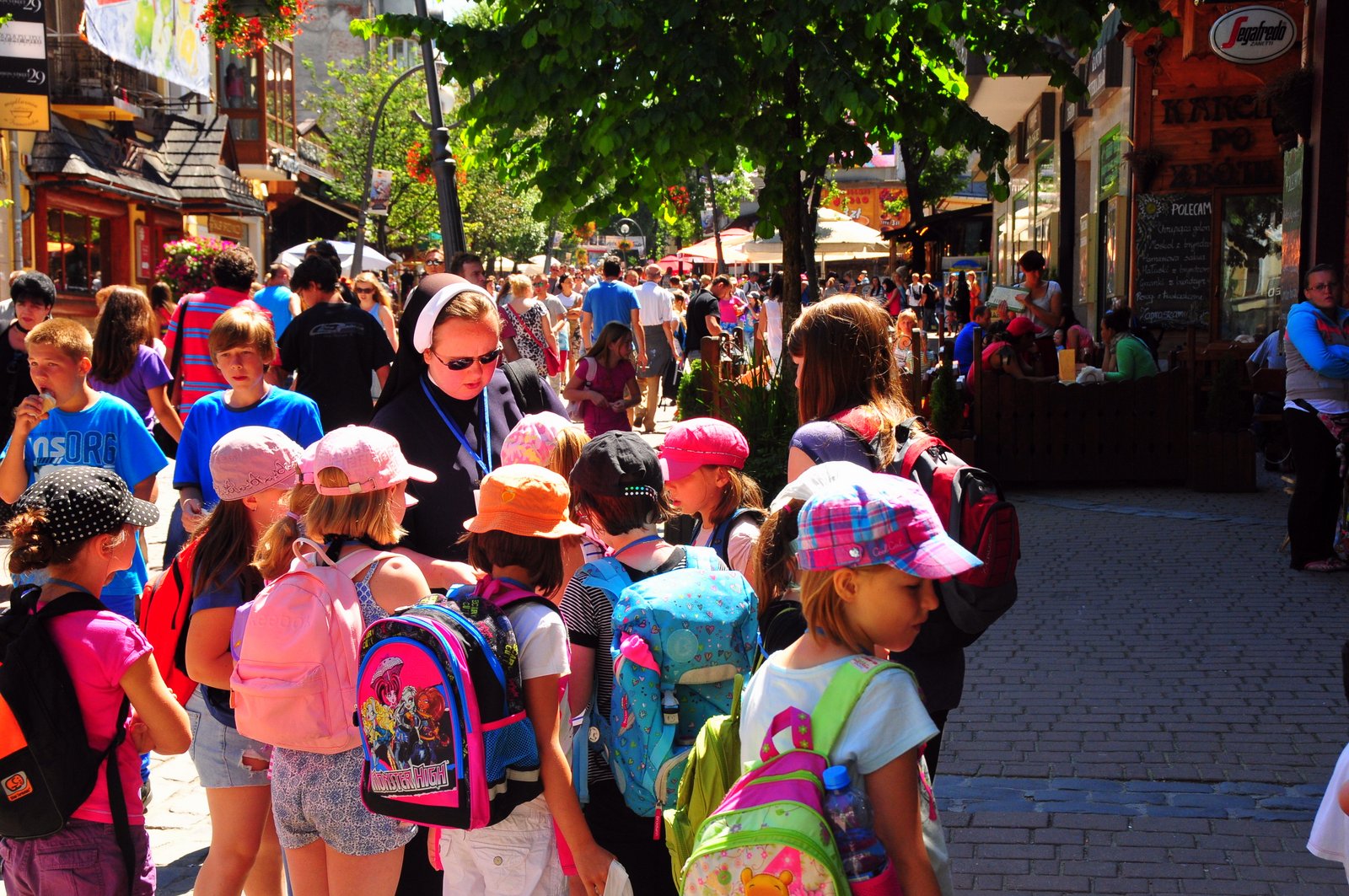
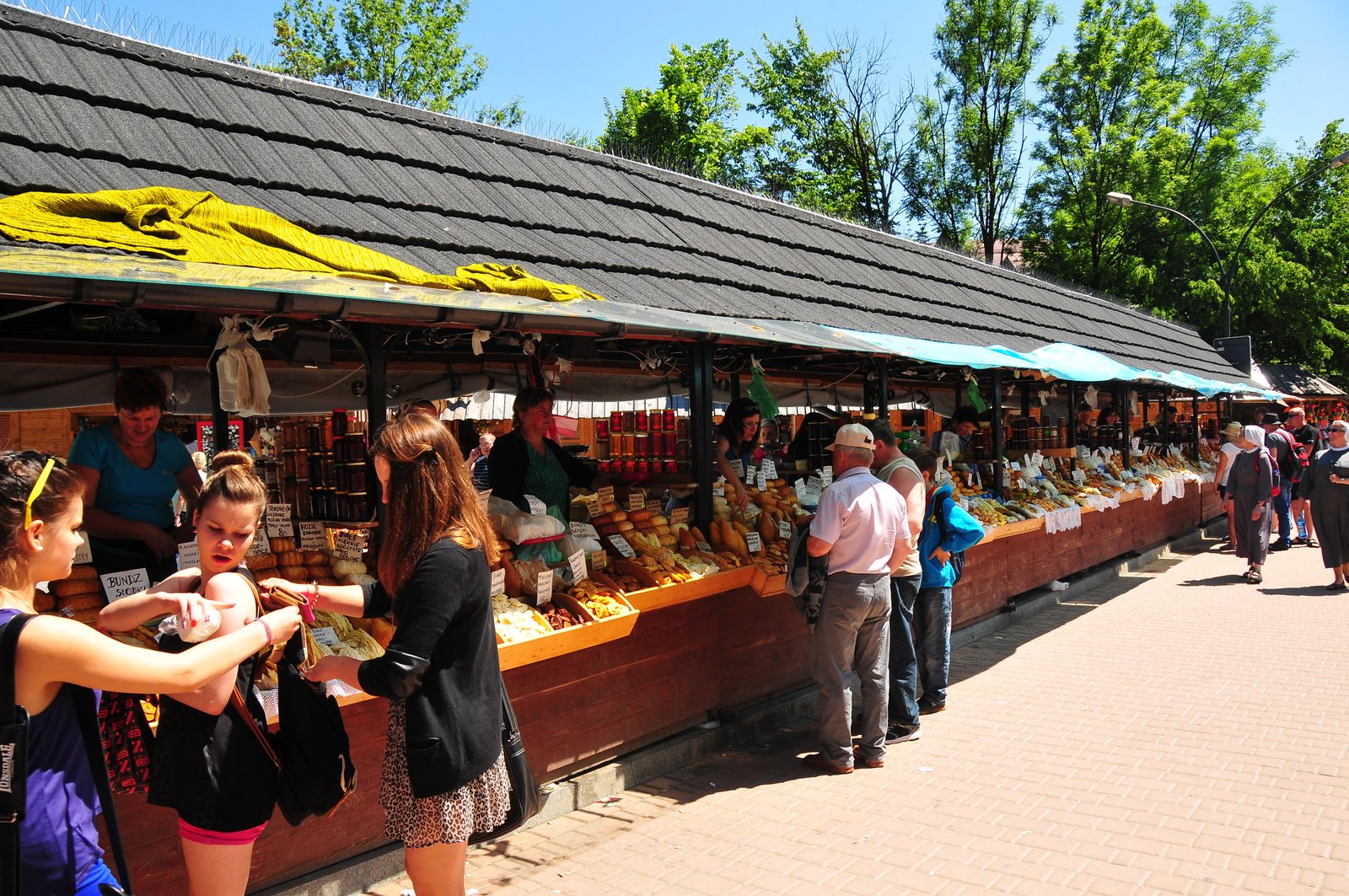
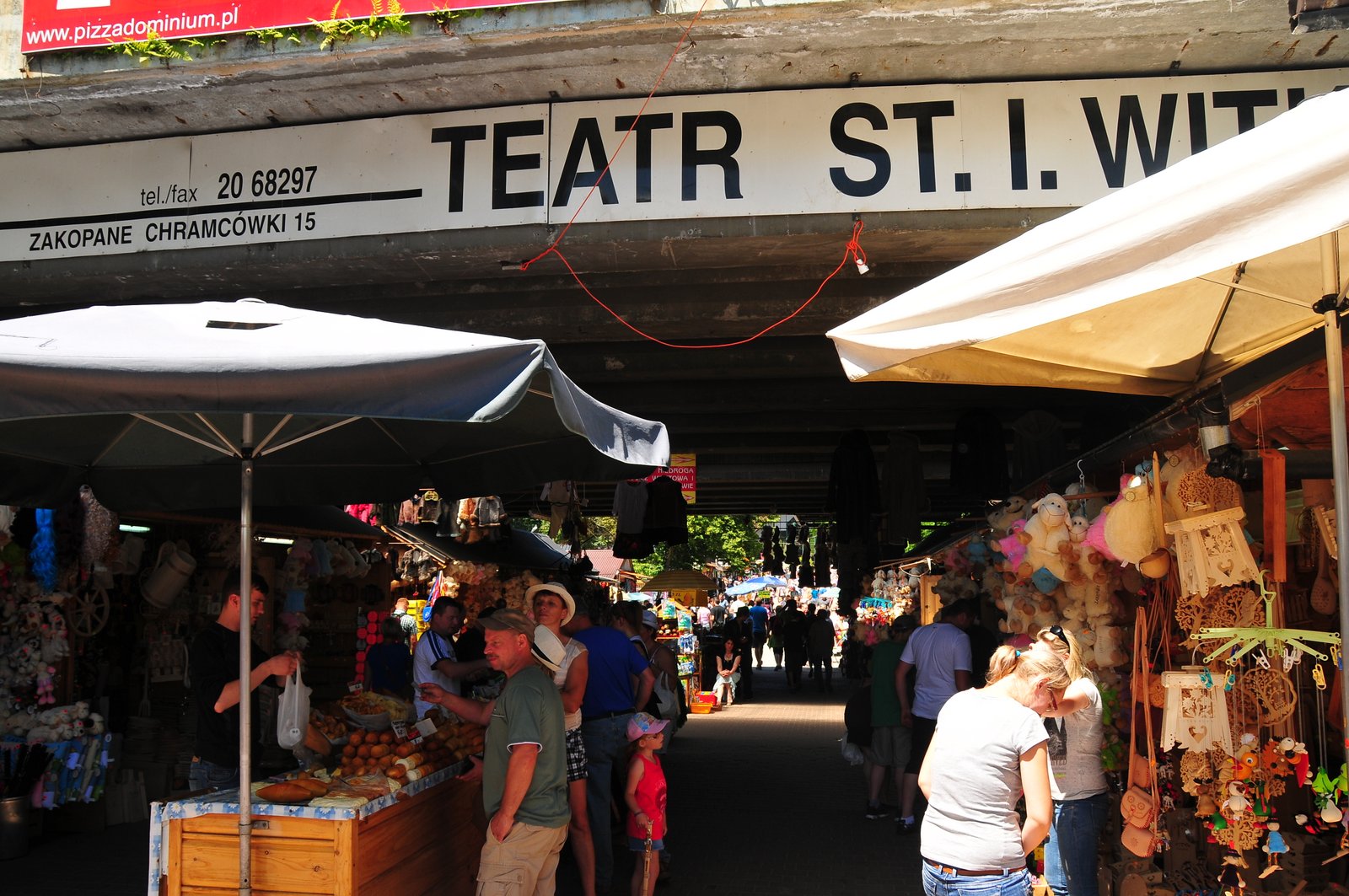
We cross under ul. Nowotarska/Koscieliska (the one becomes the other when they meet Krupówki) using the new passage under the busy street. In the past, with all the people passing through, it was impossible to drive through this area in less than ten minutes. But that's all that's new: the rest is just as it was when I first walked down the street. The long line of cheese mongers all selling exactly the same product has new, younger ladies behind the piles of cheese, but that's the only difference.
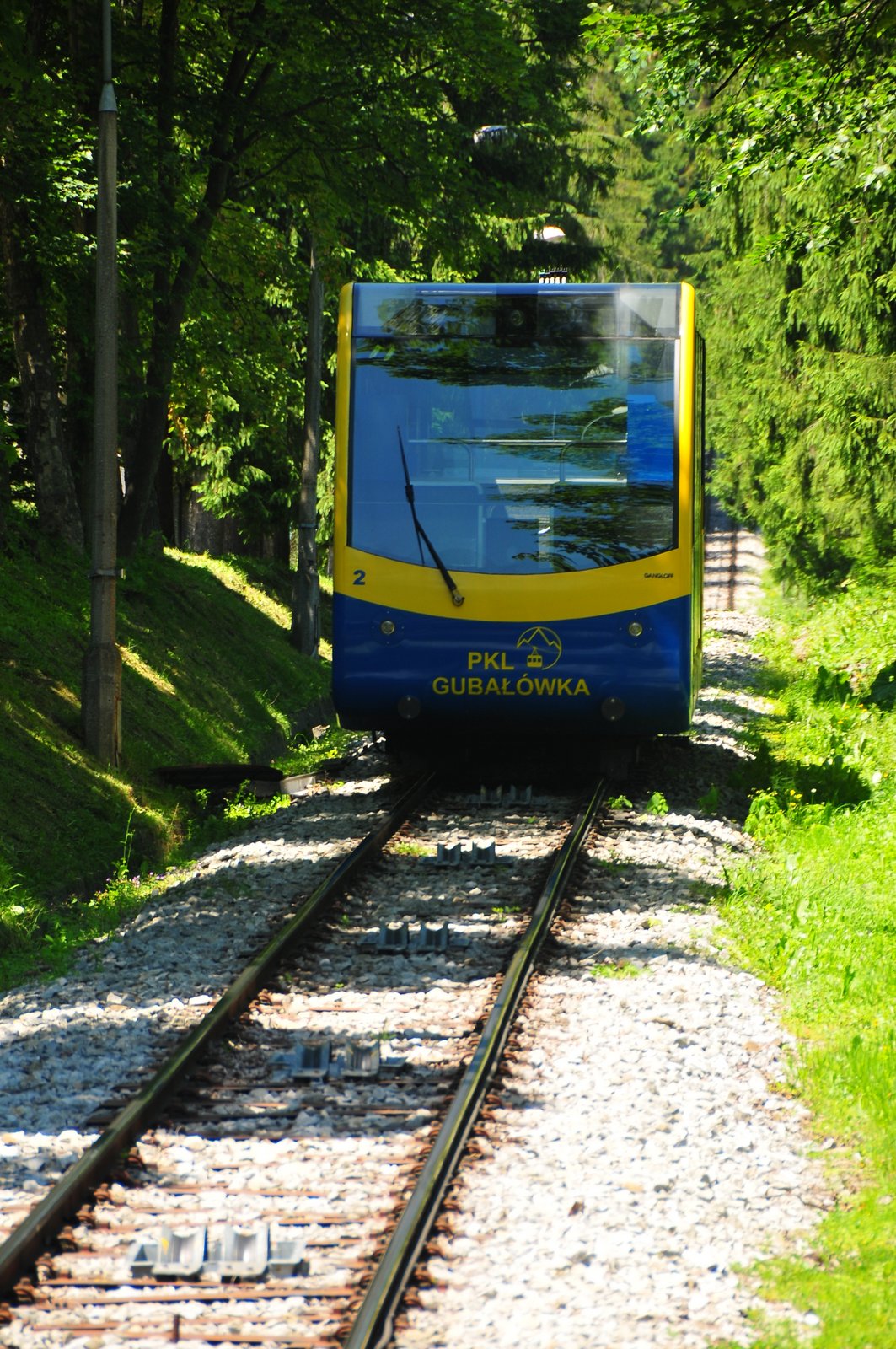
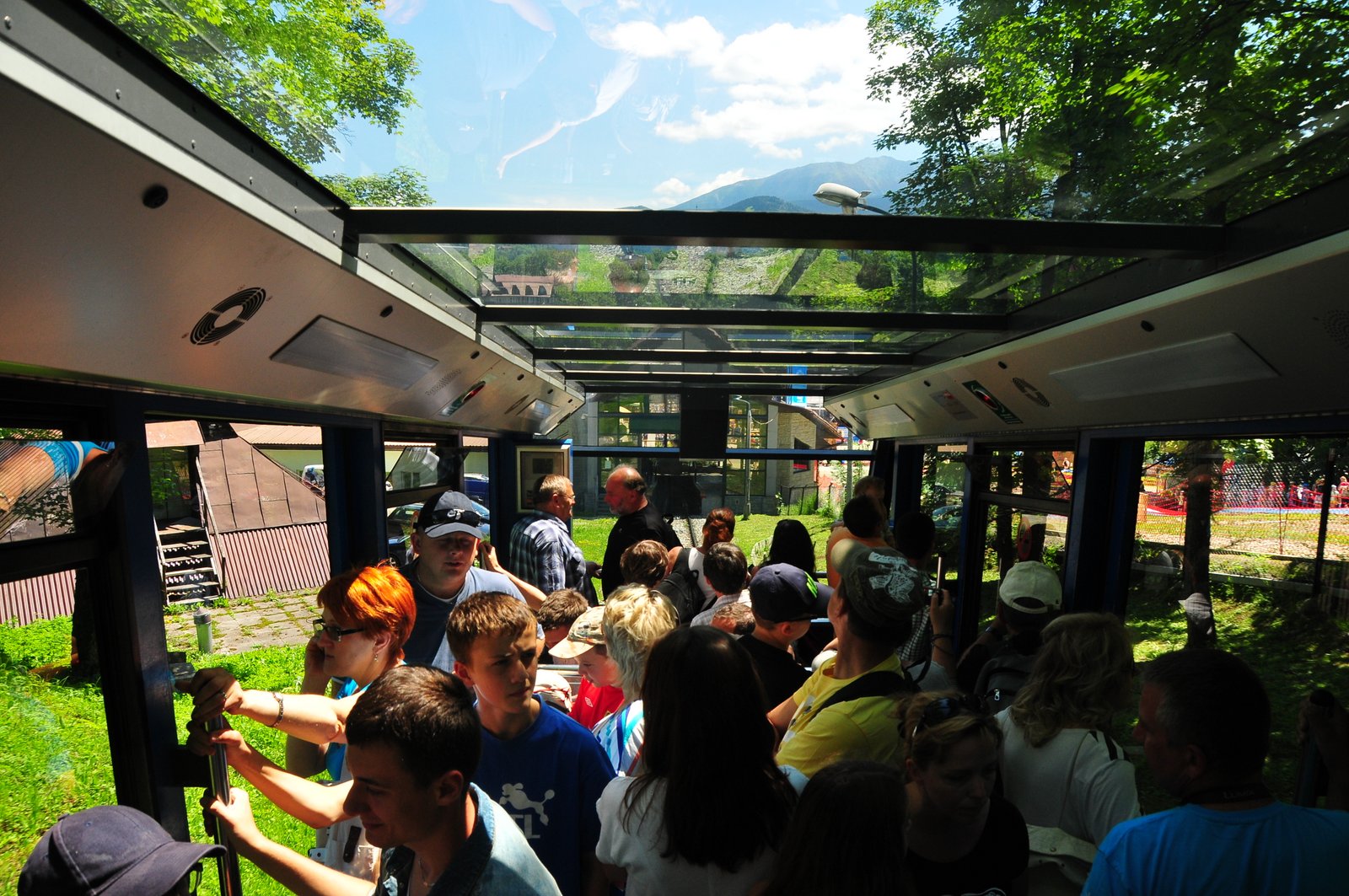
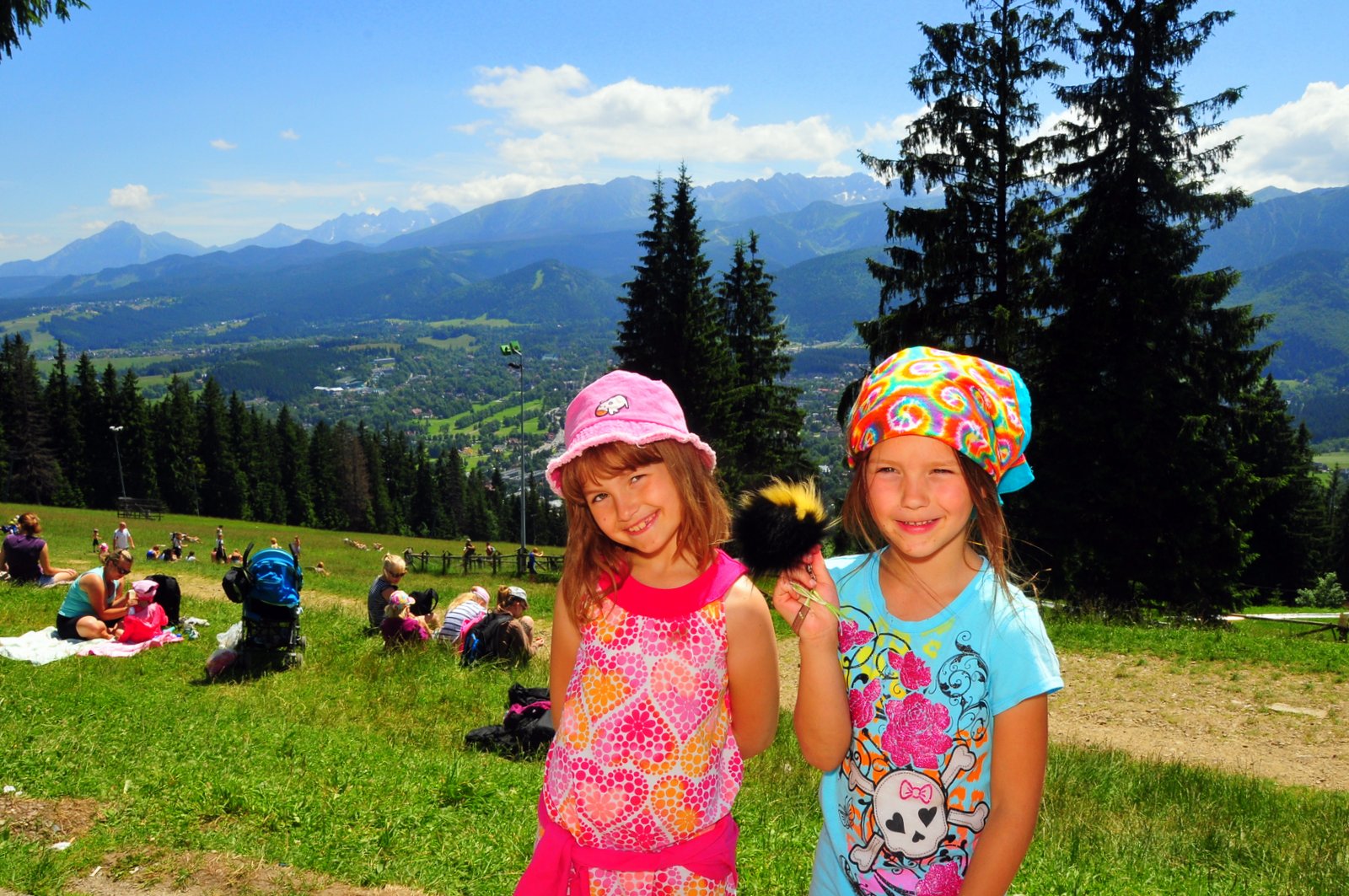
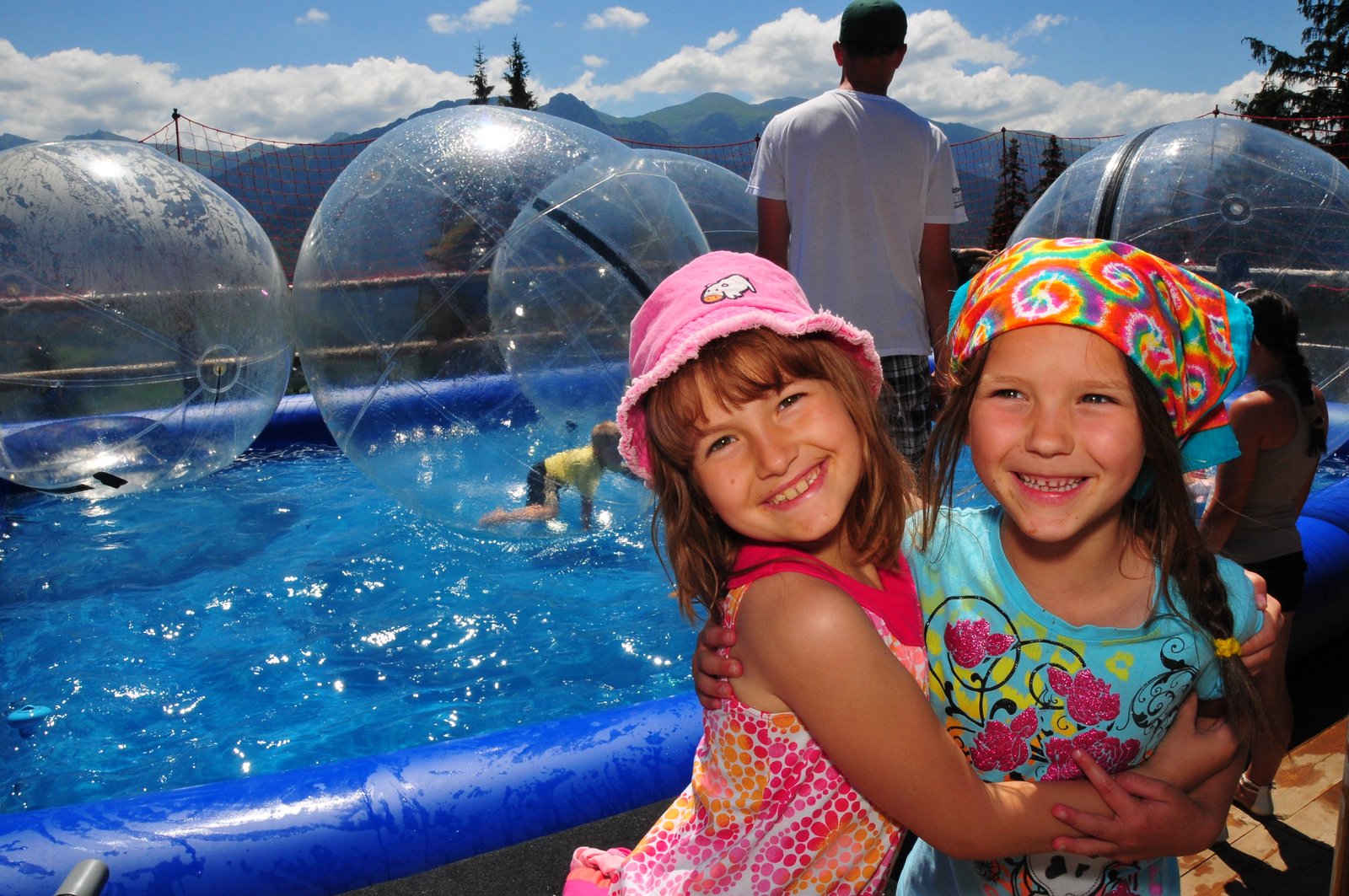
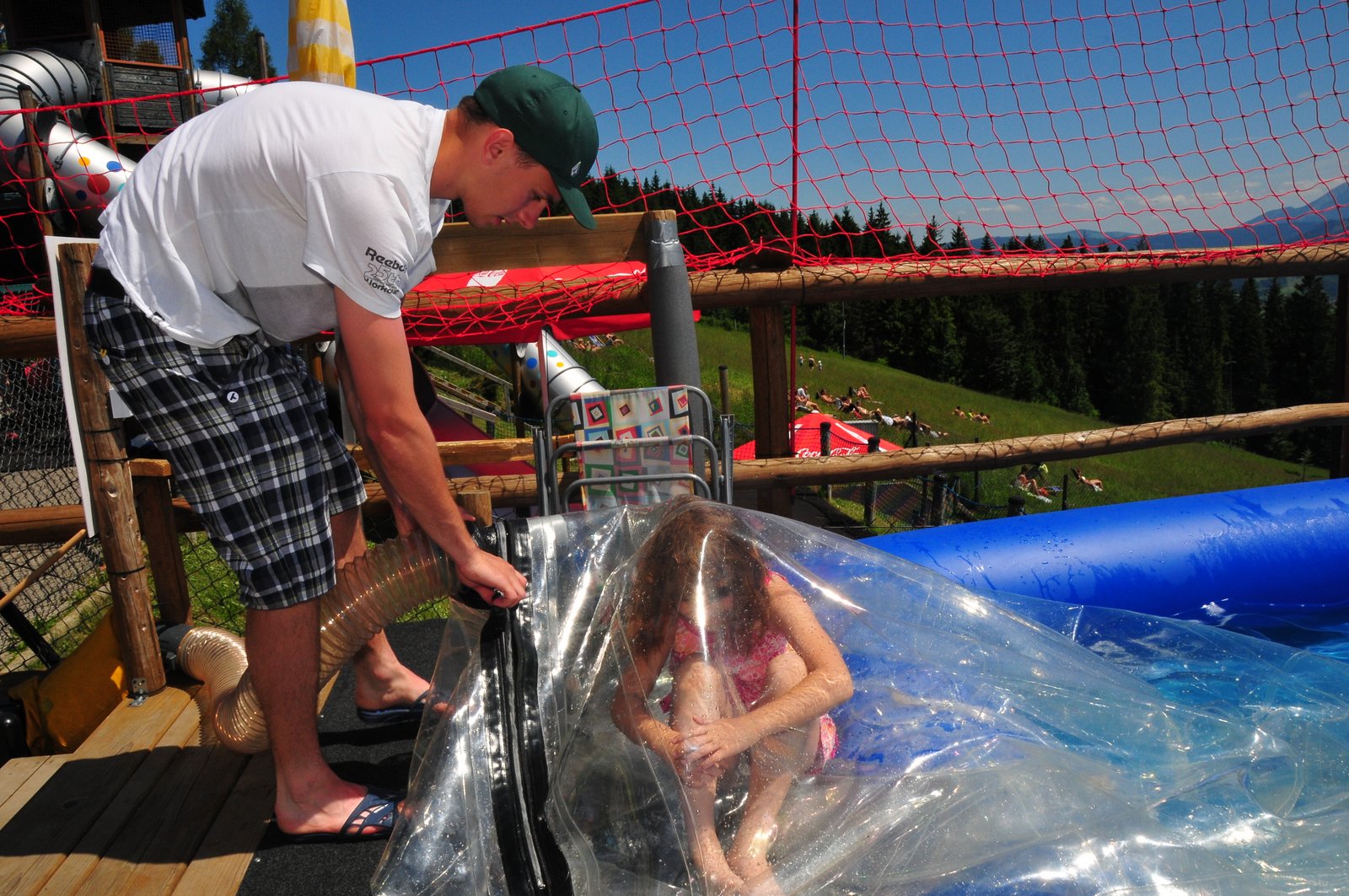
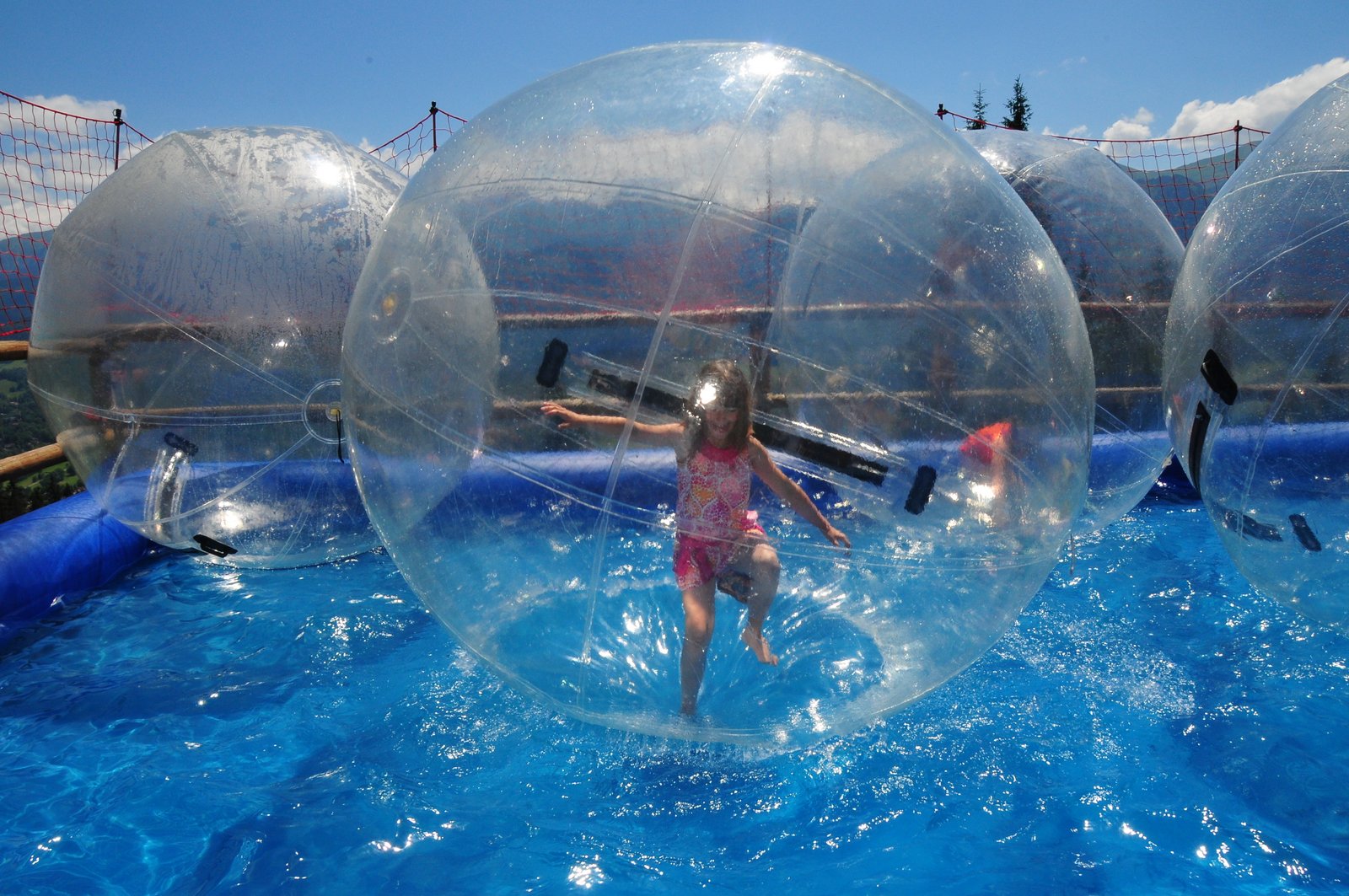
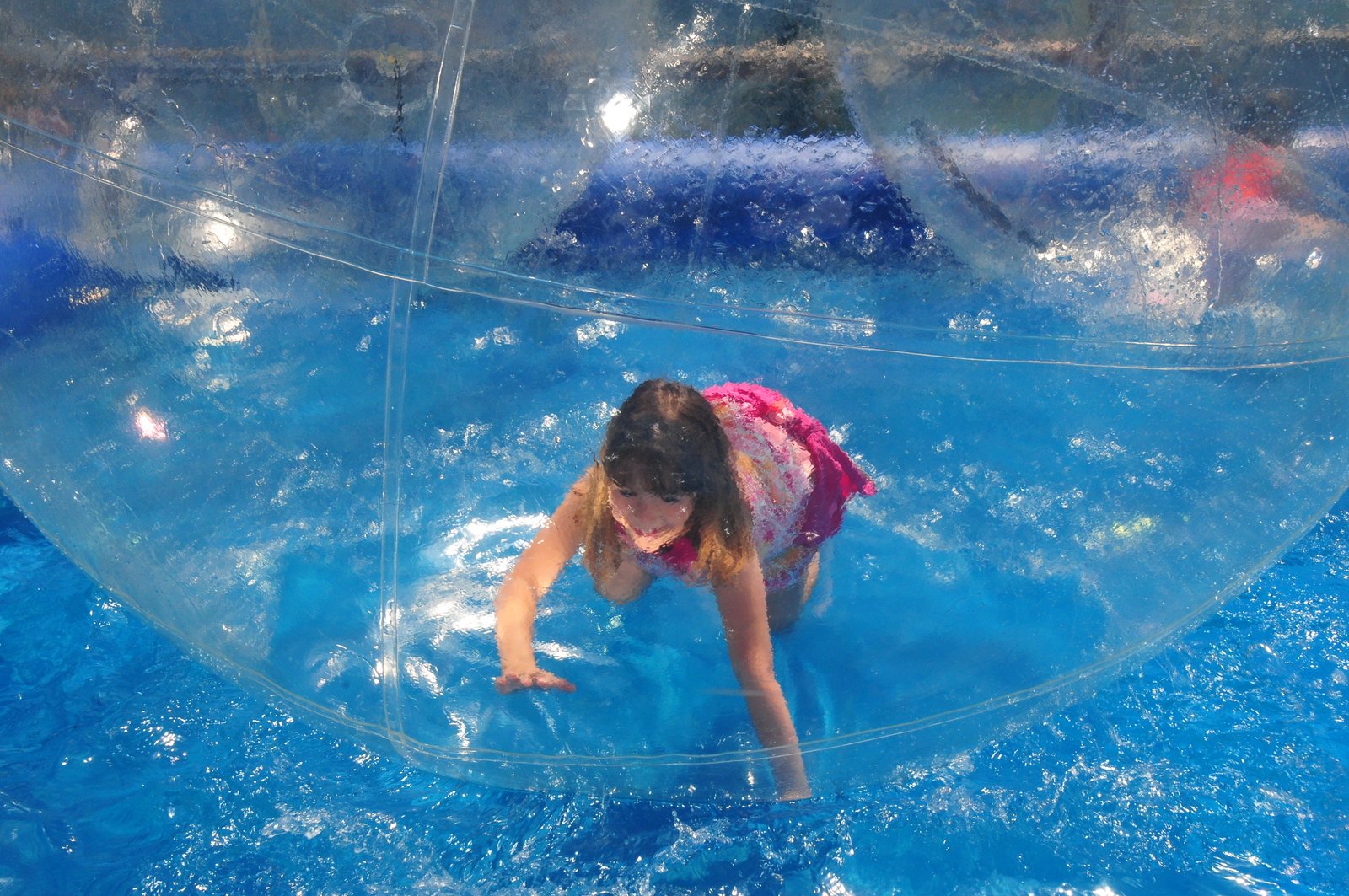
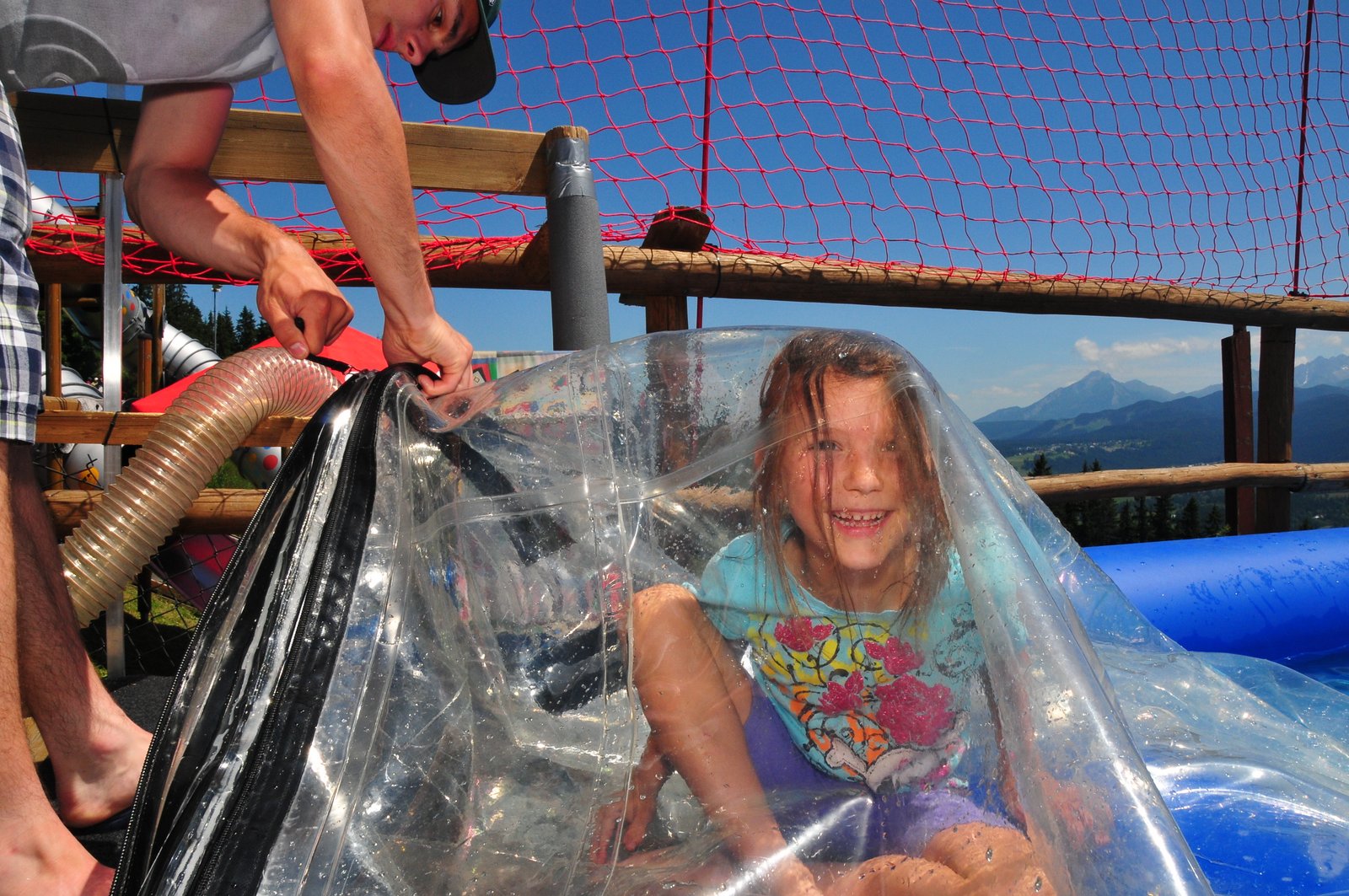
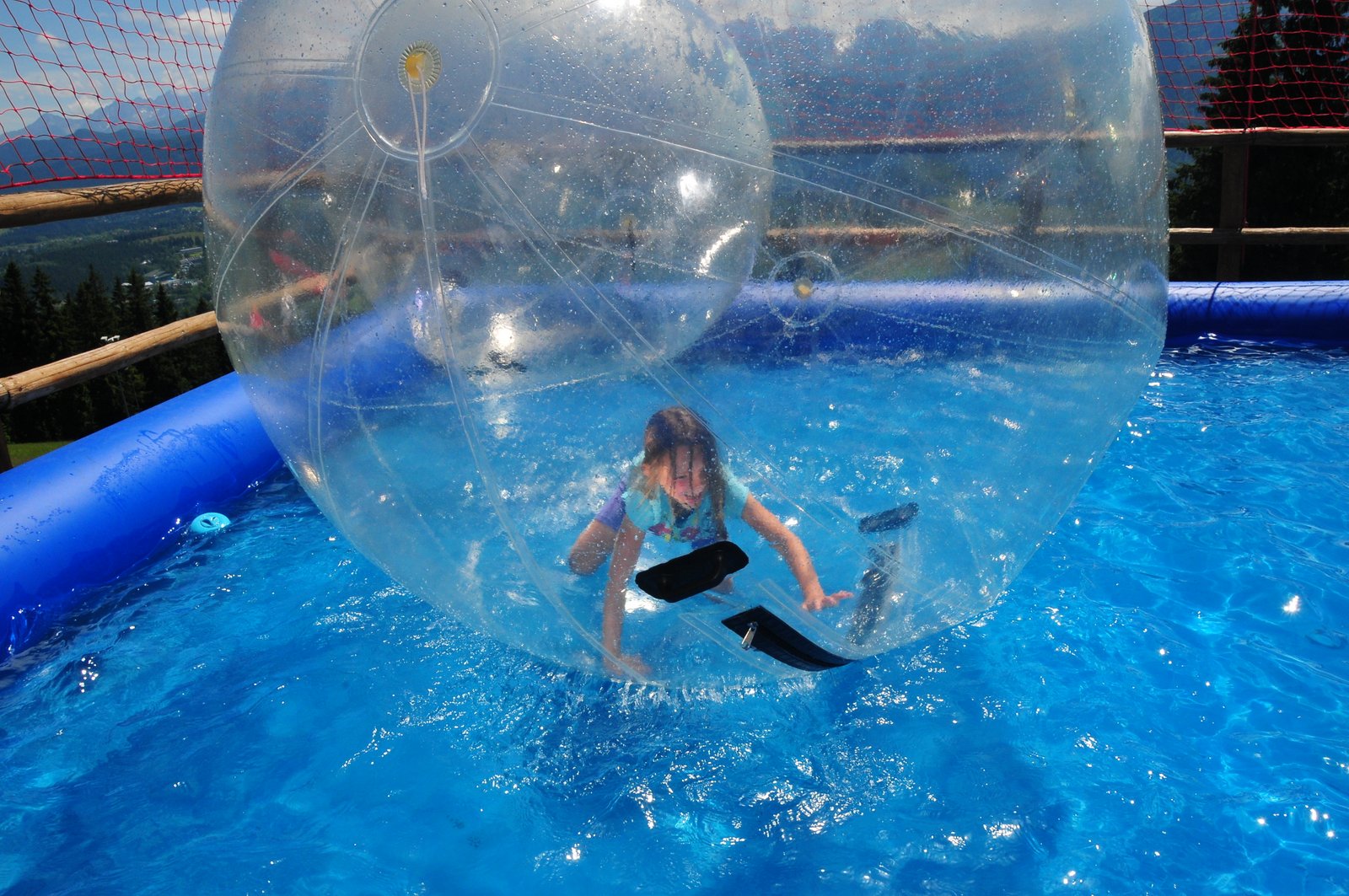
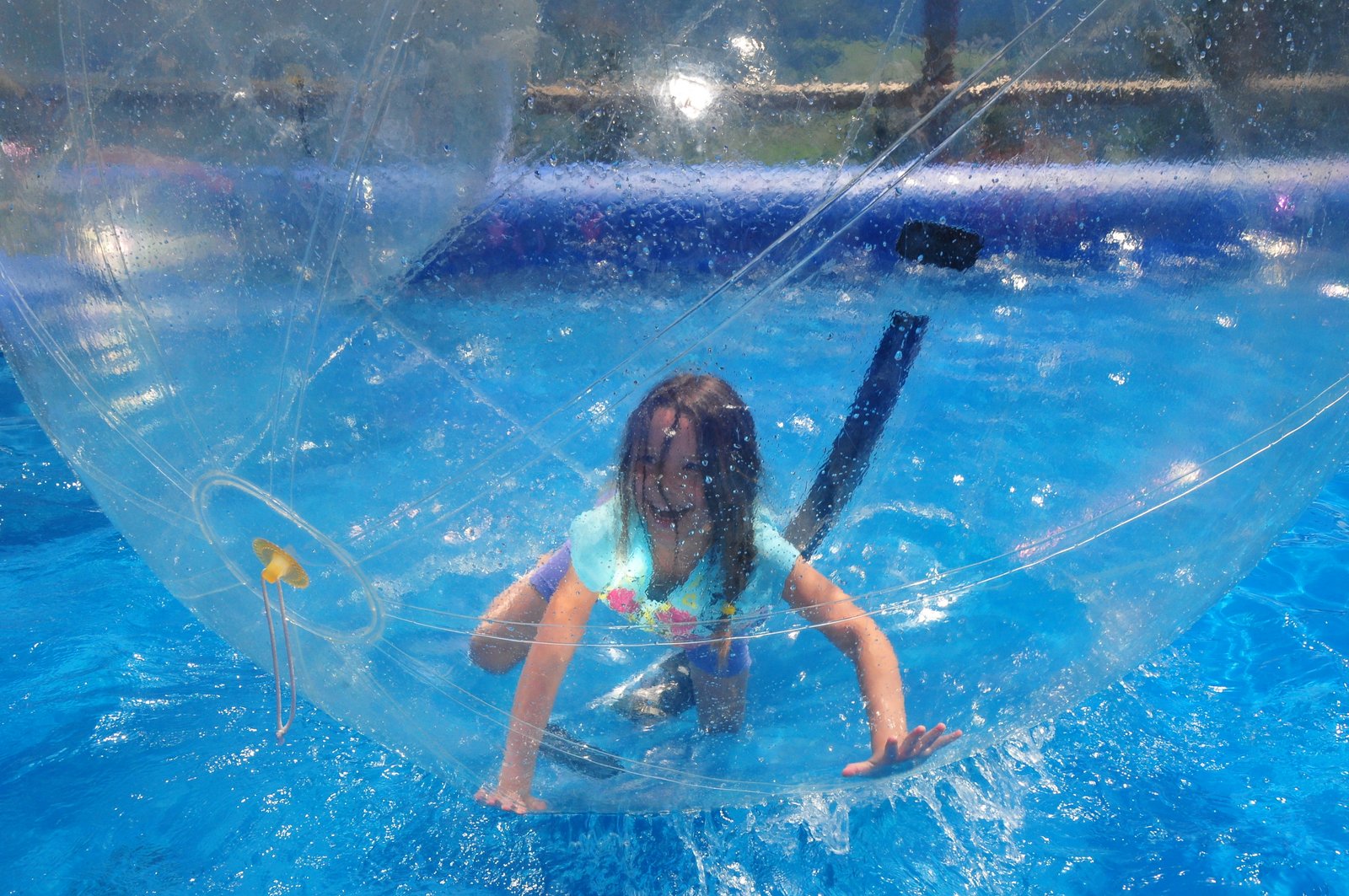
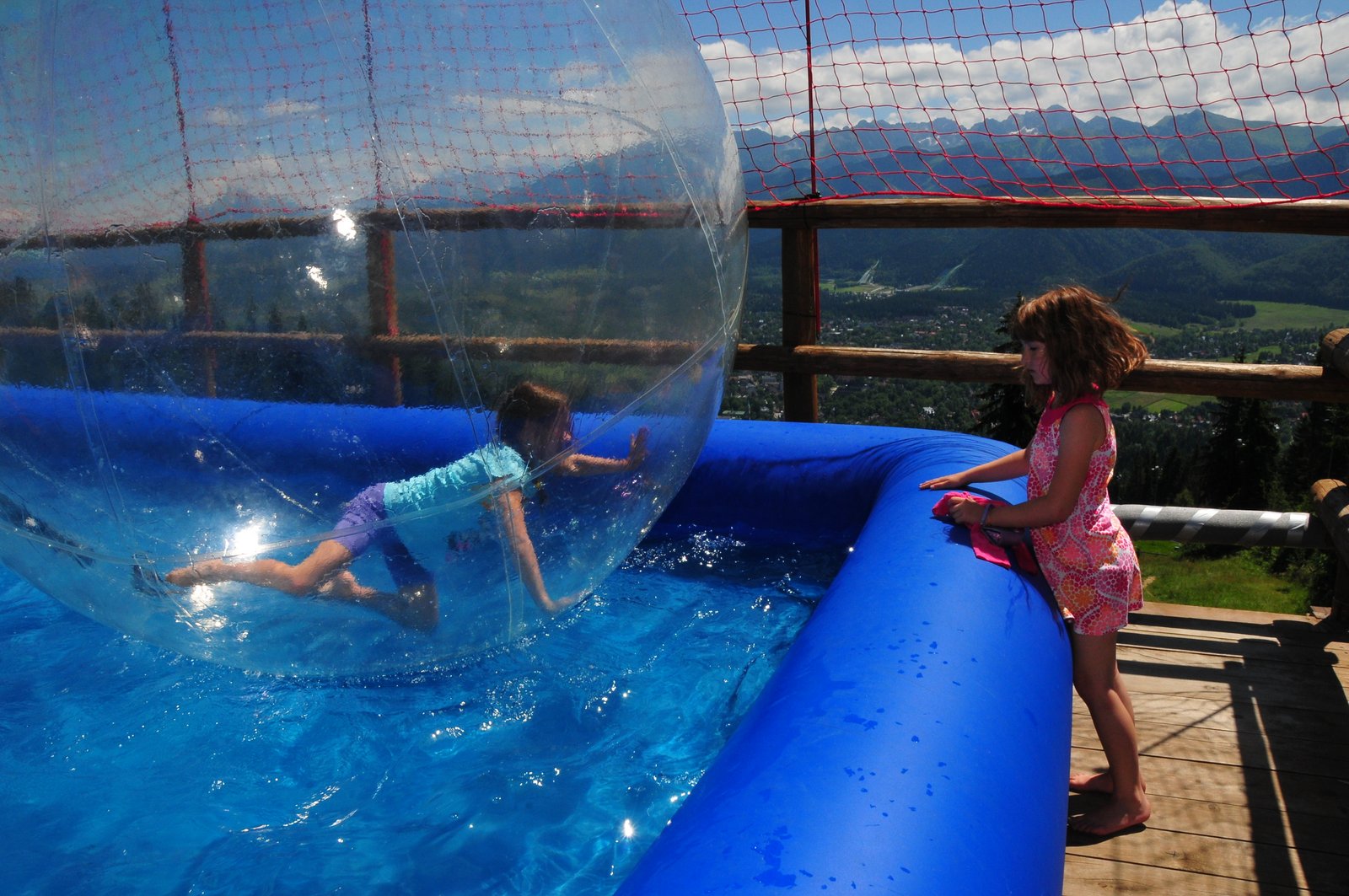
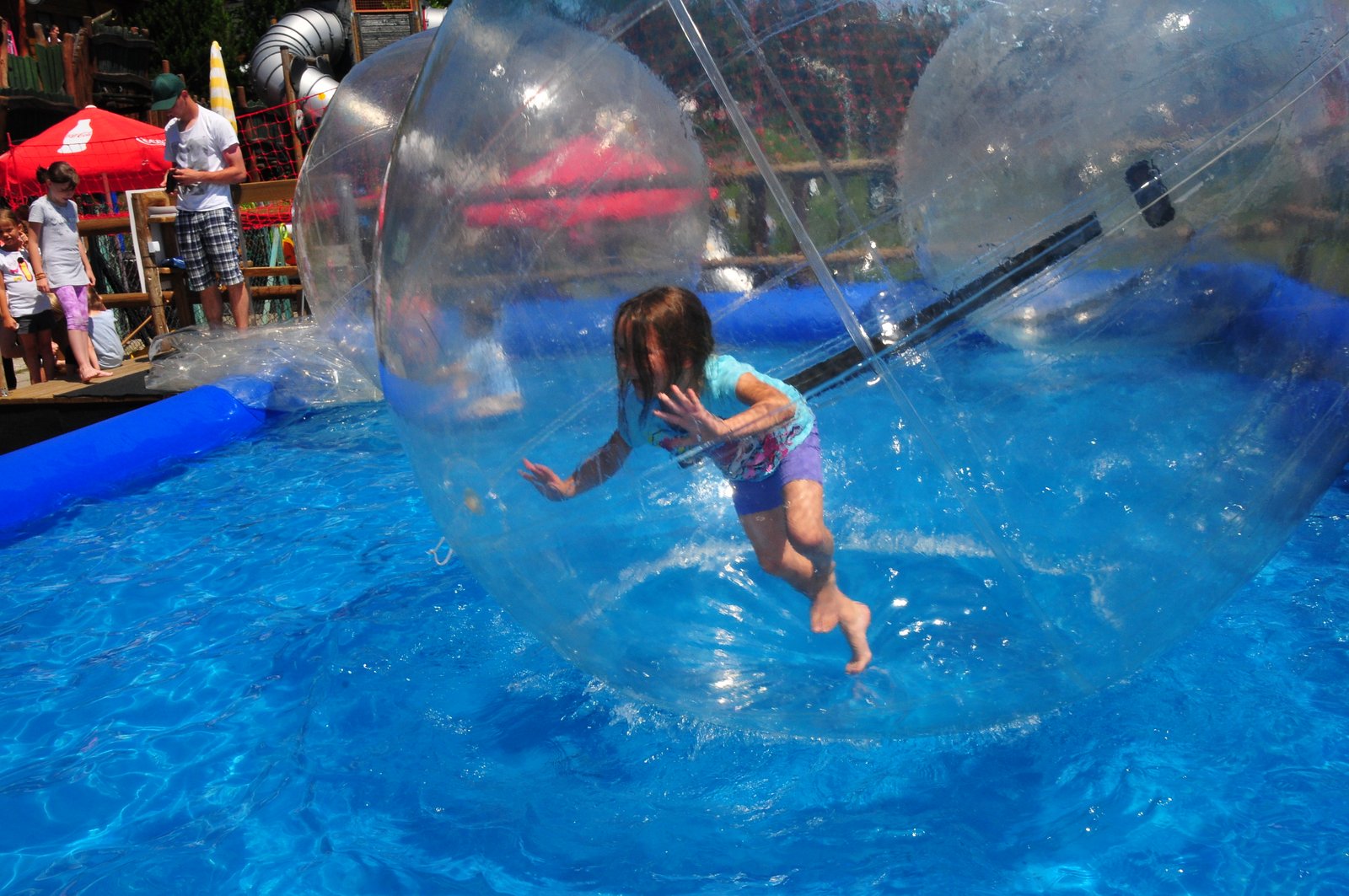
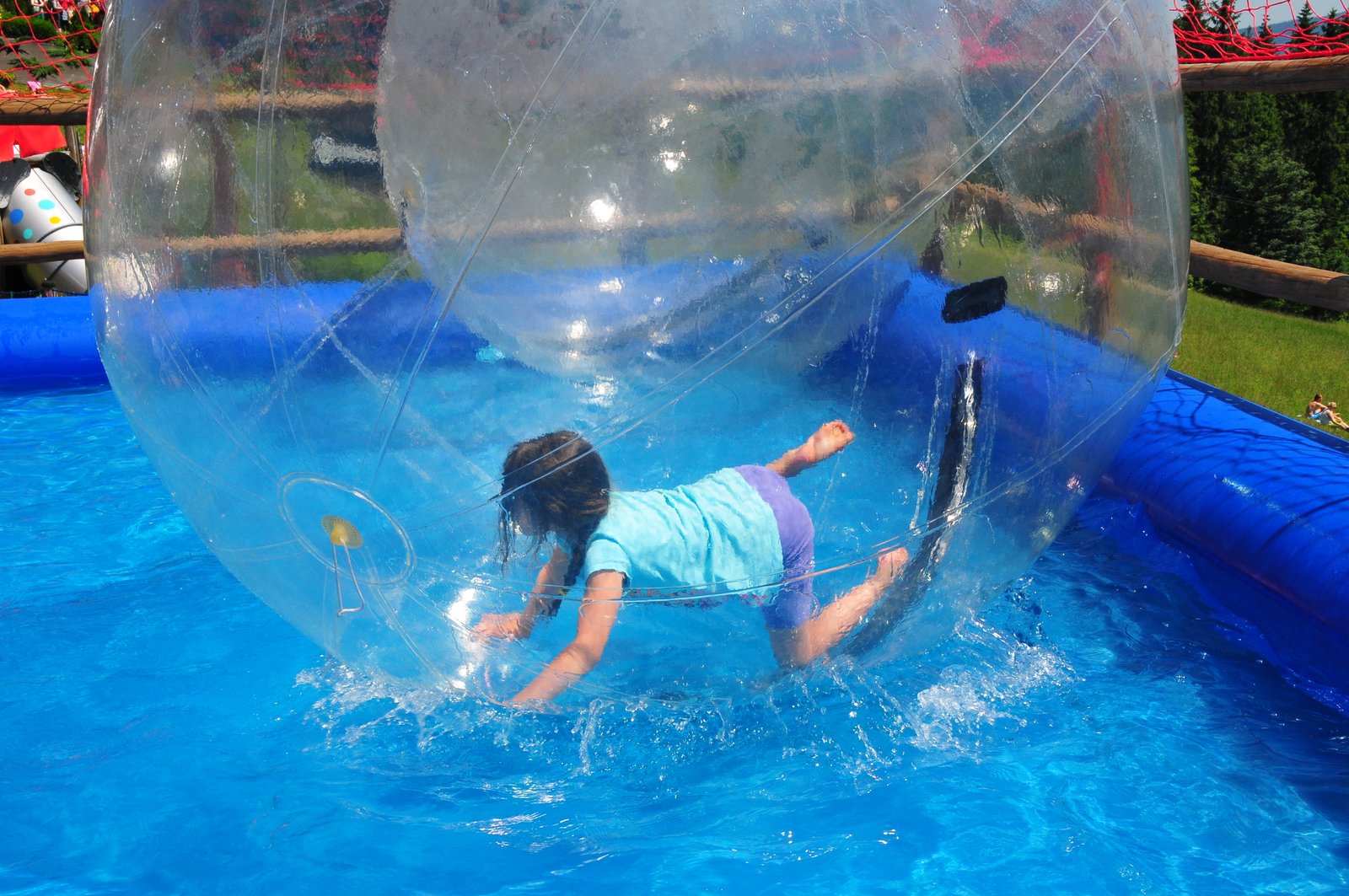
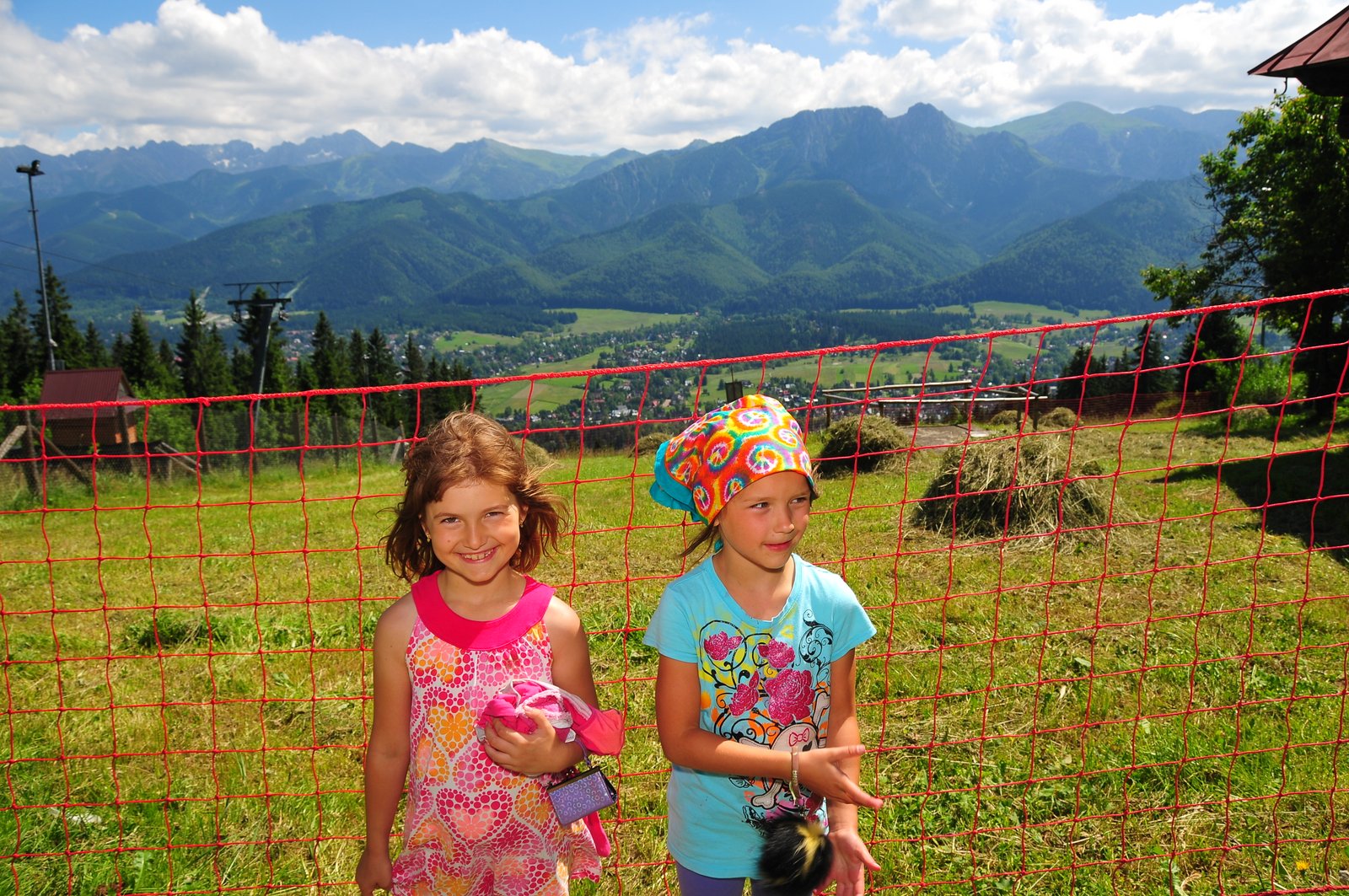
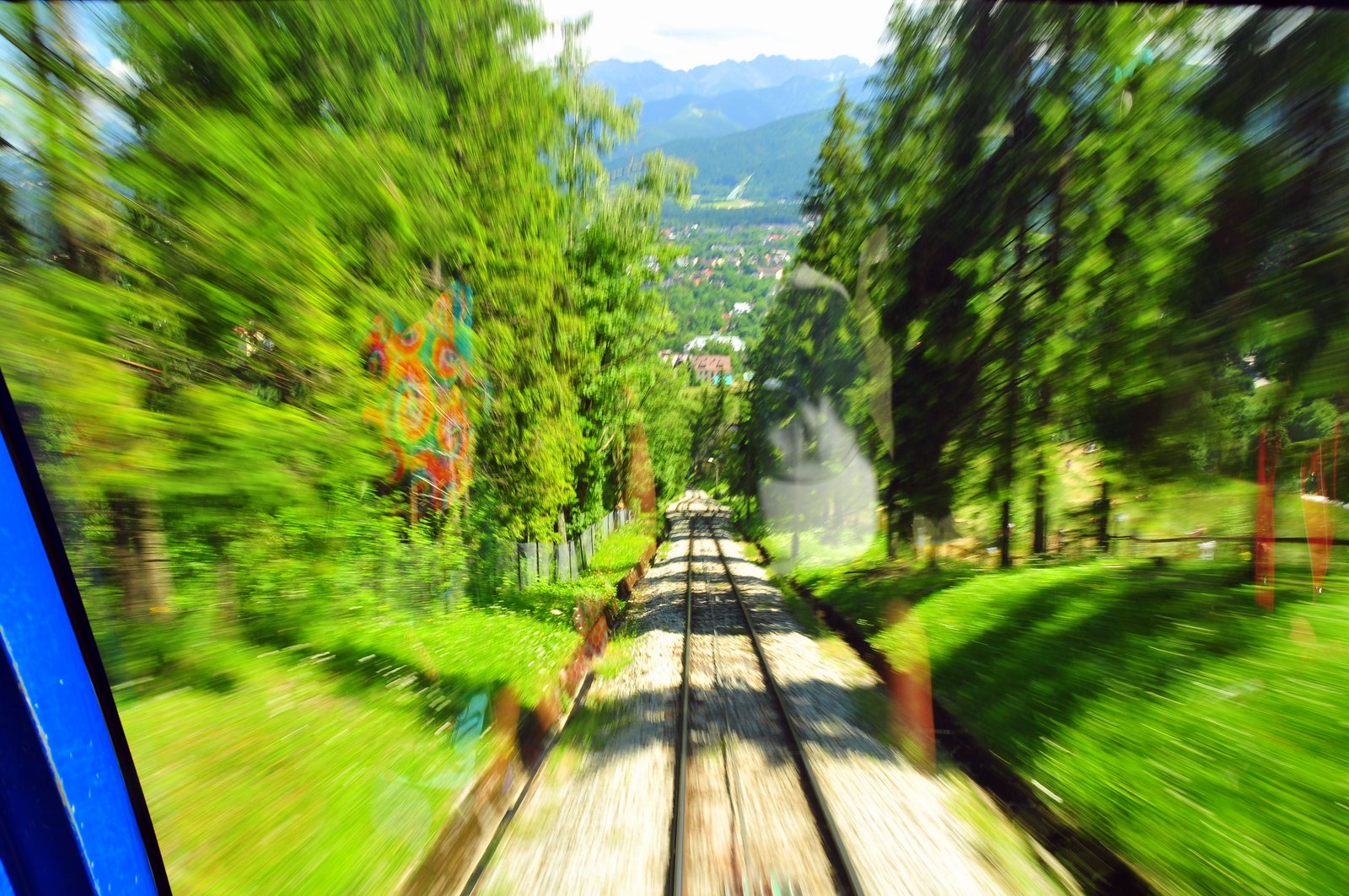
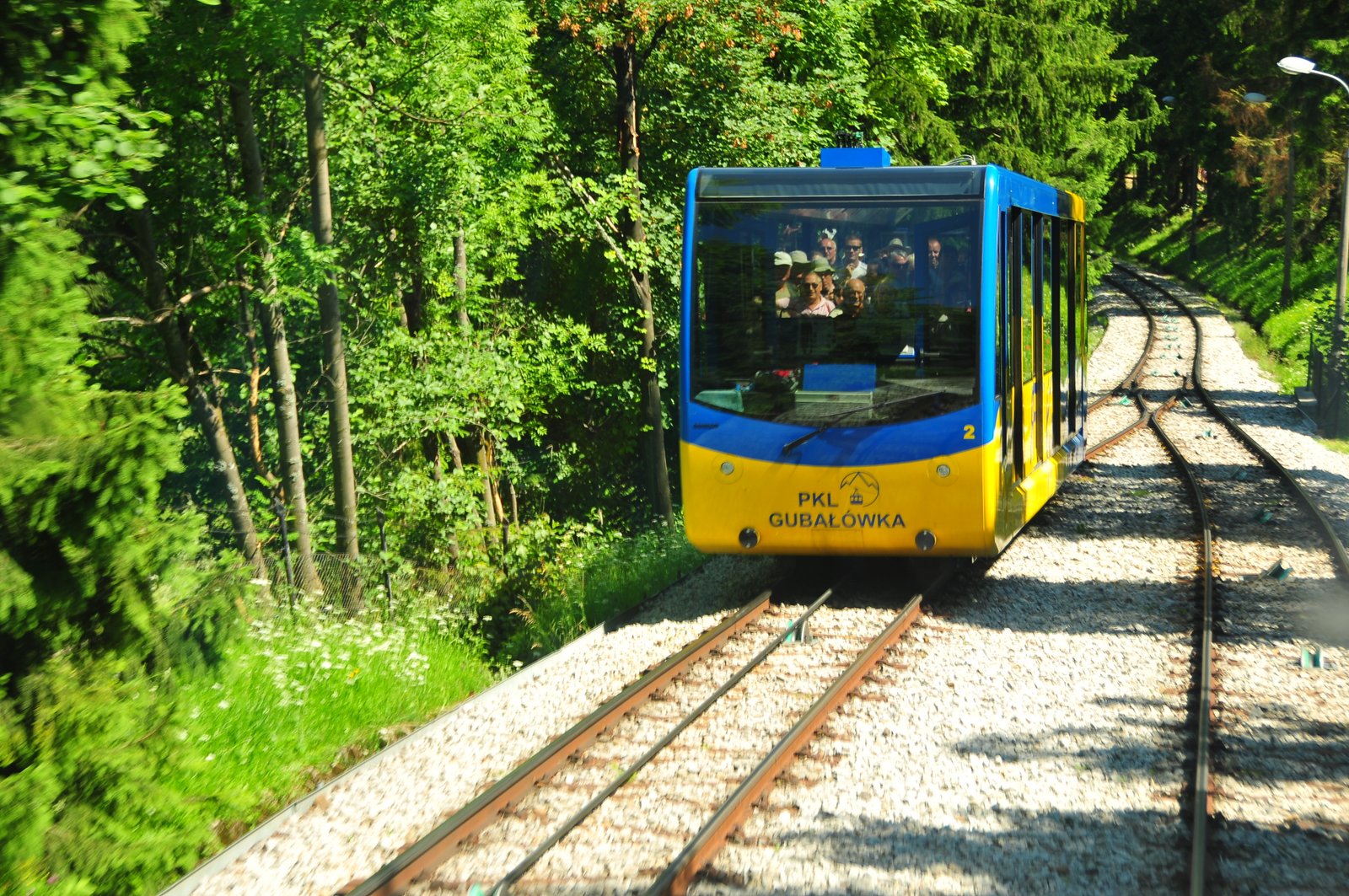
We take the funicular to Gubałówka Hill, perhaps the ultimate tourist trap of the whole area.
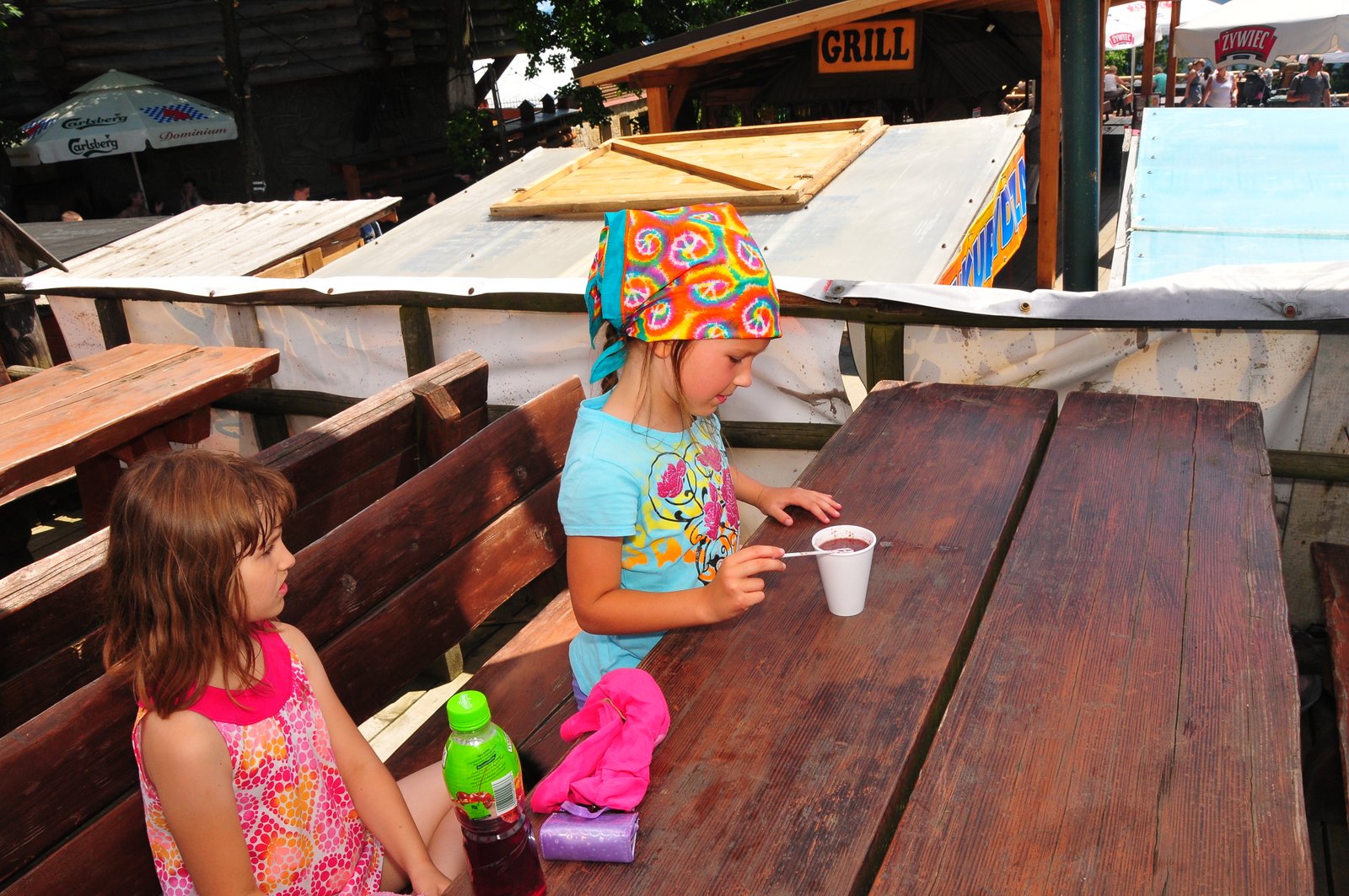
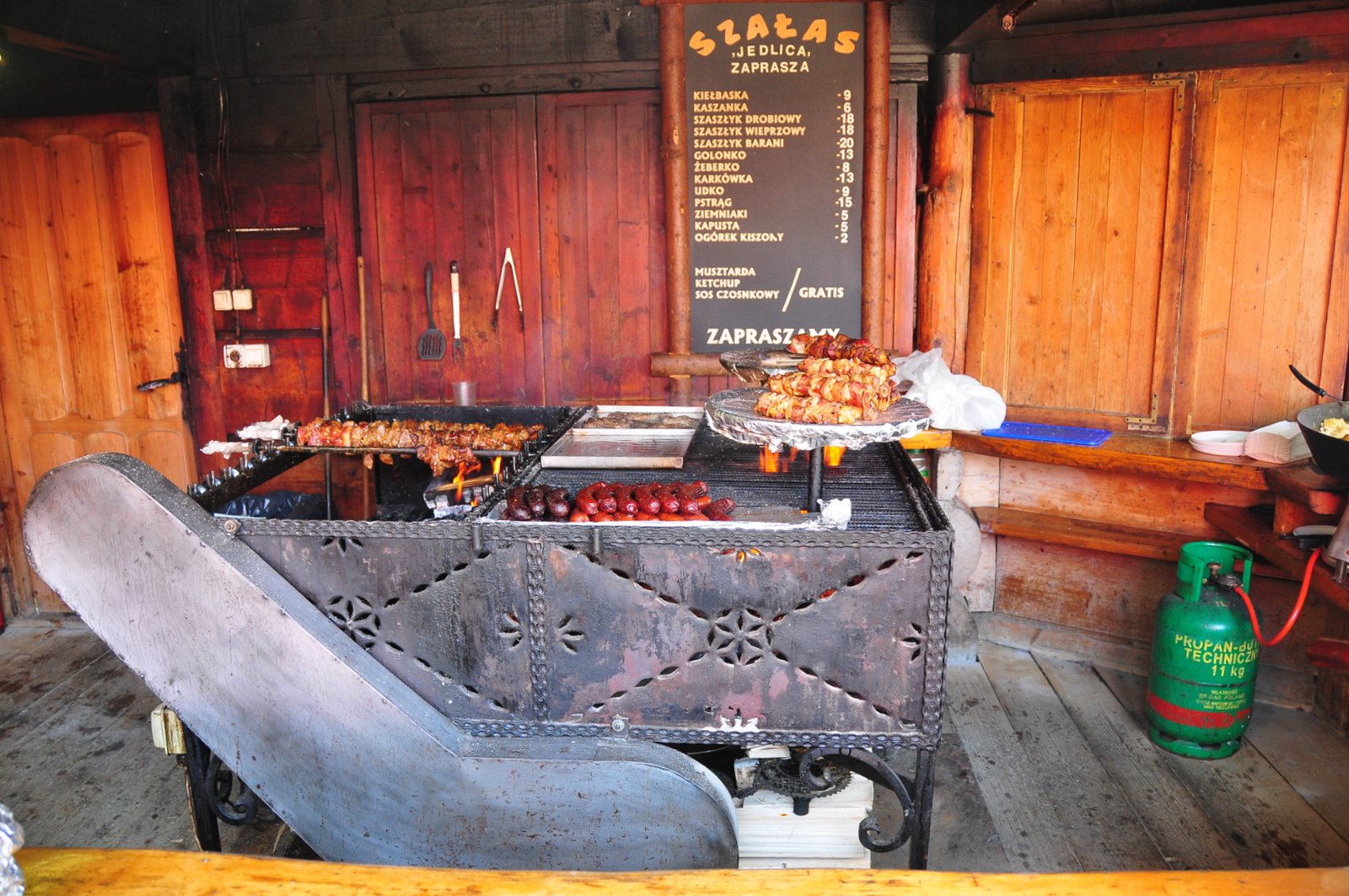
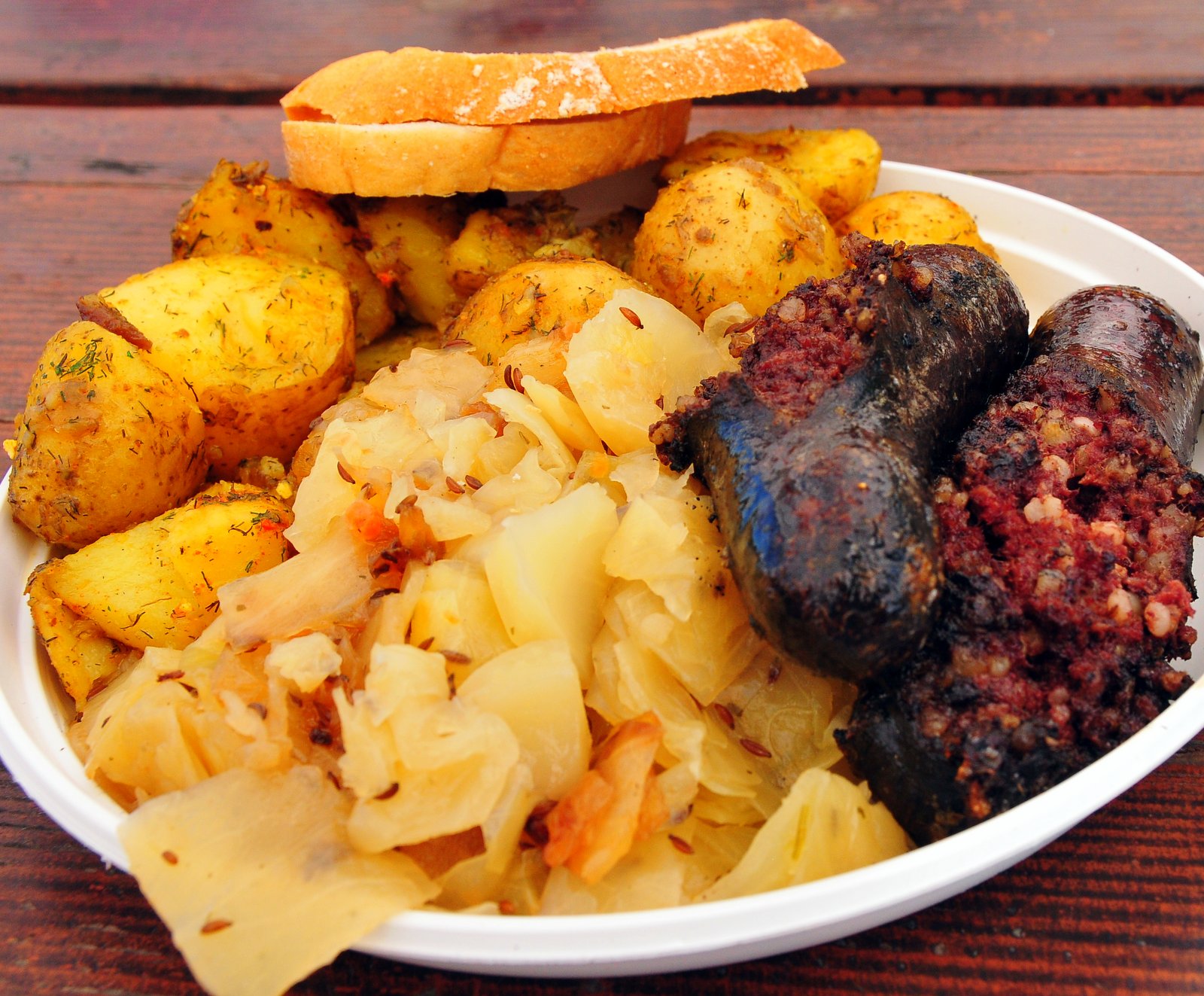
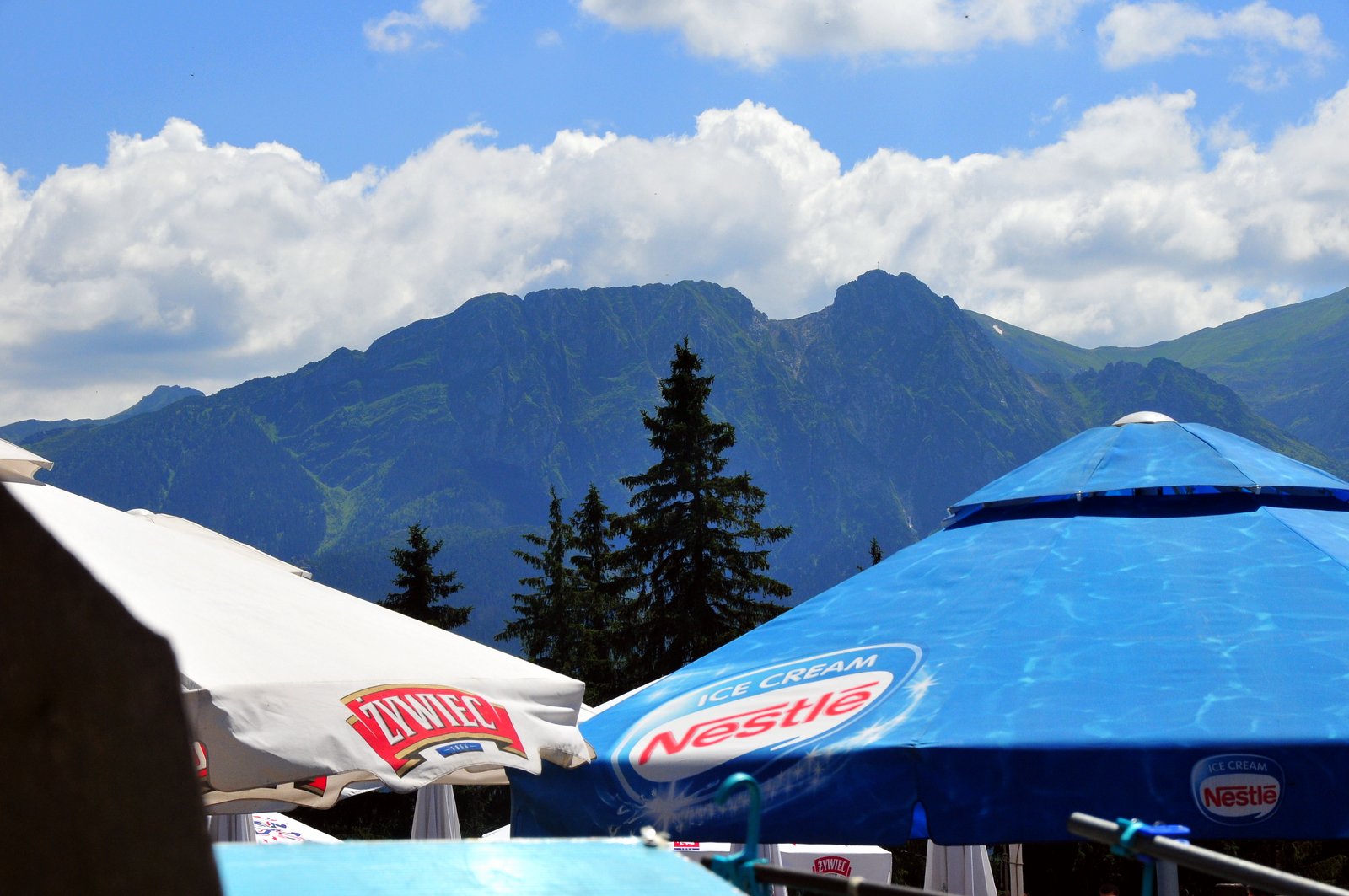
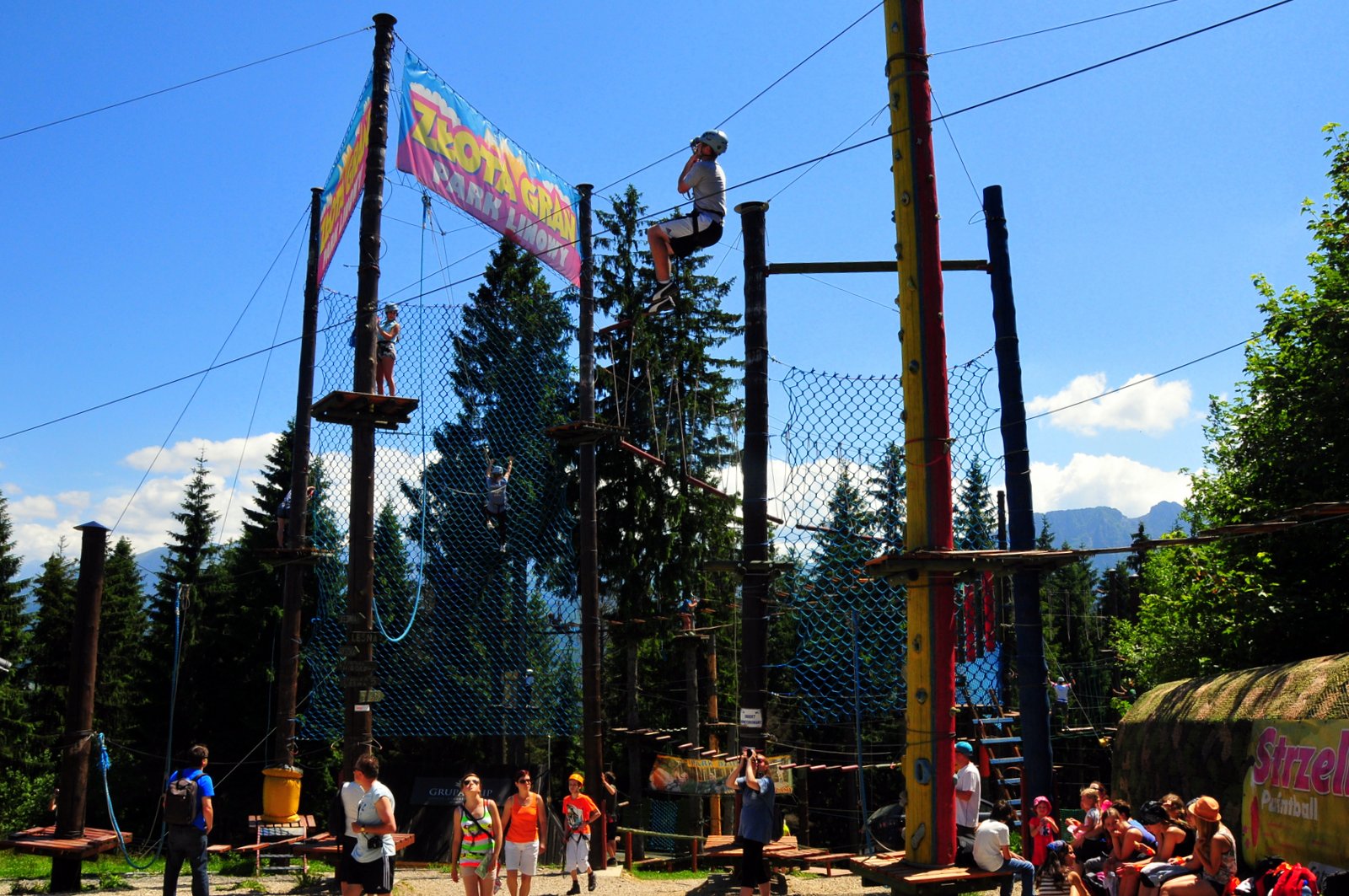
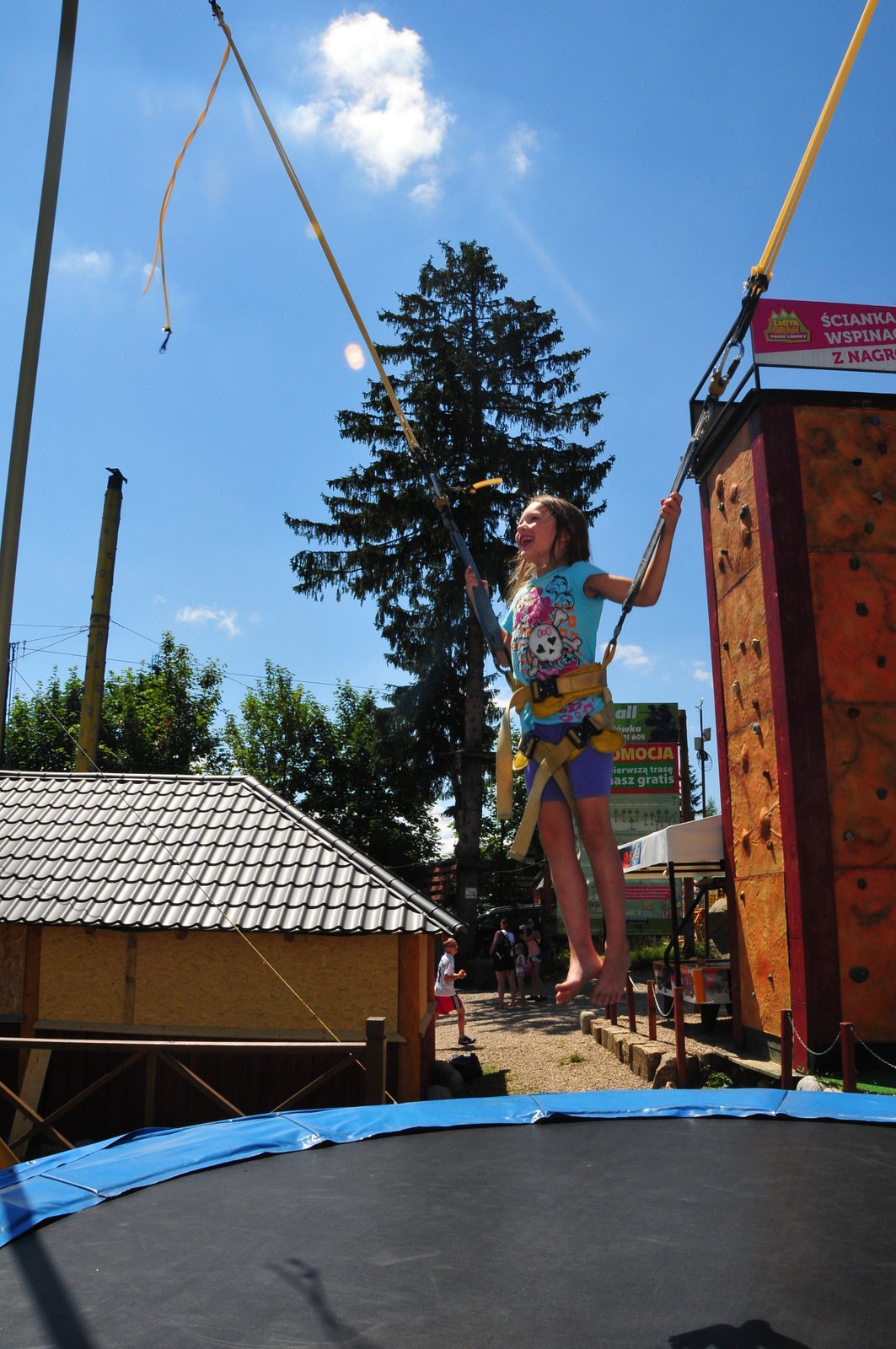
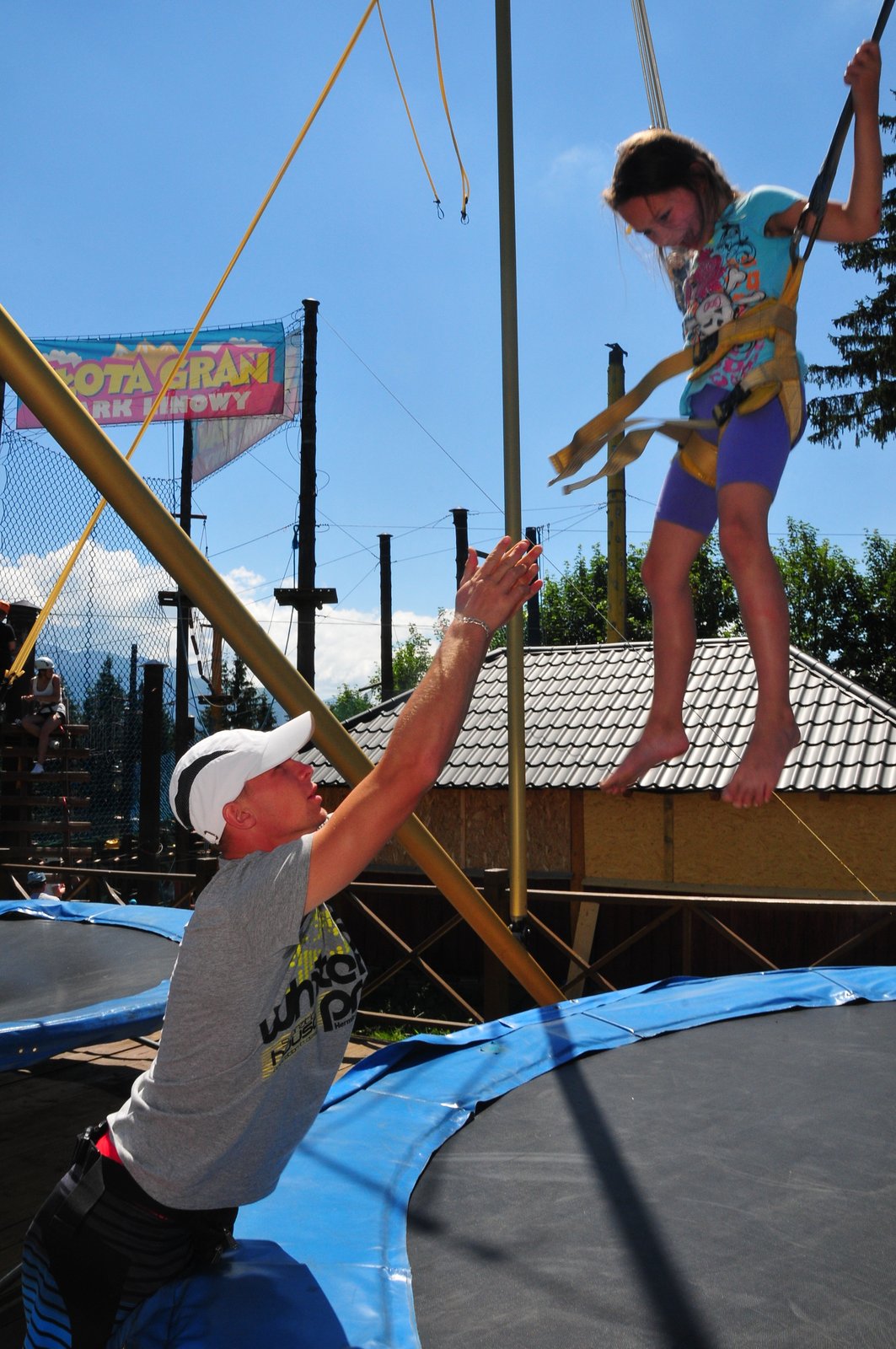
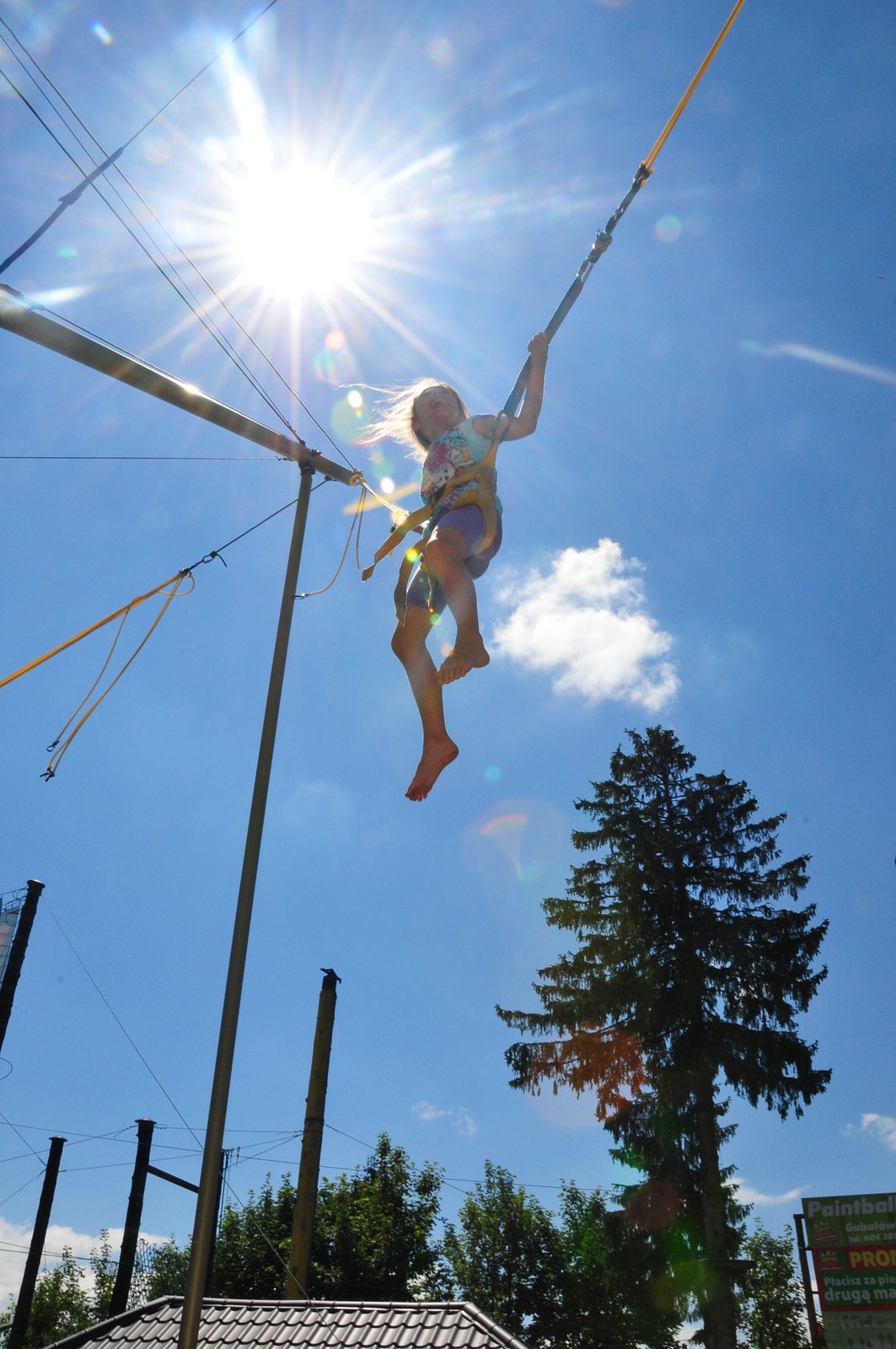
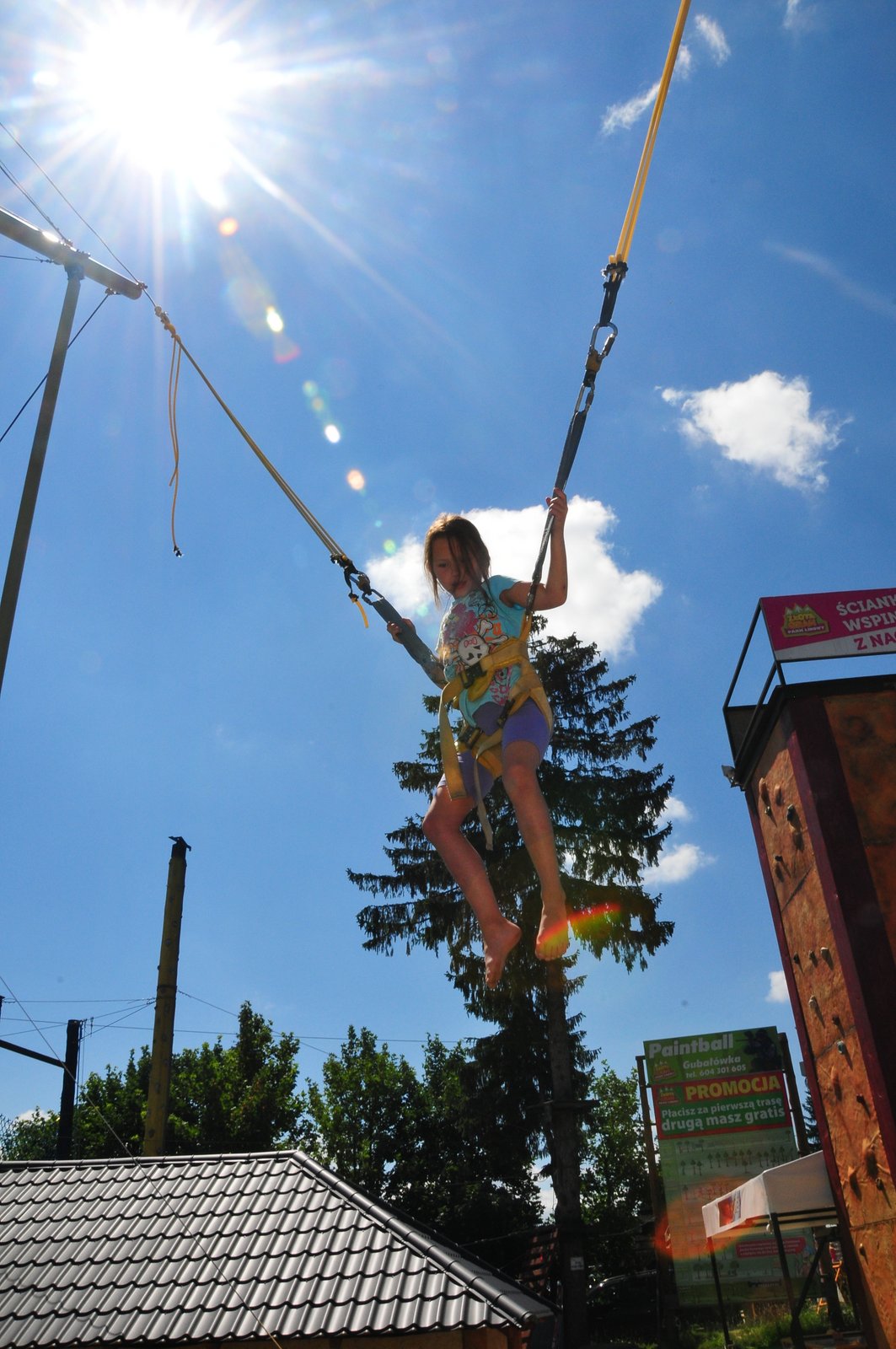
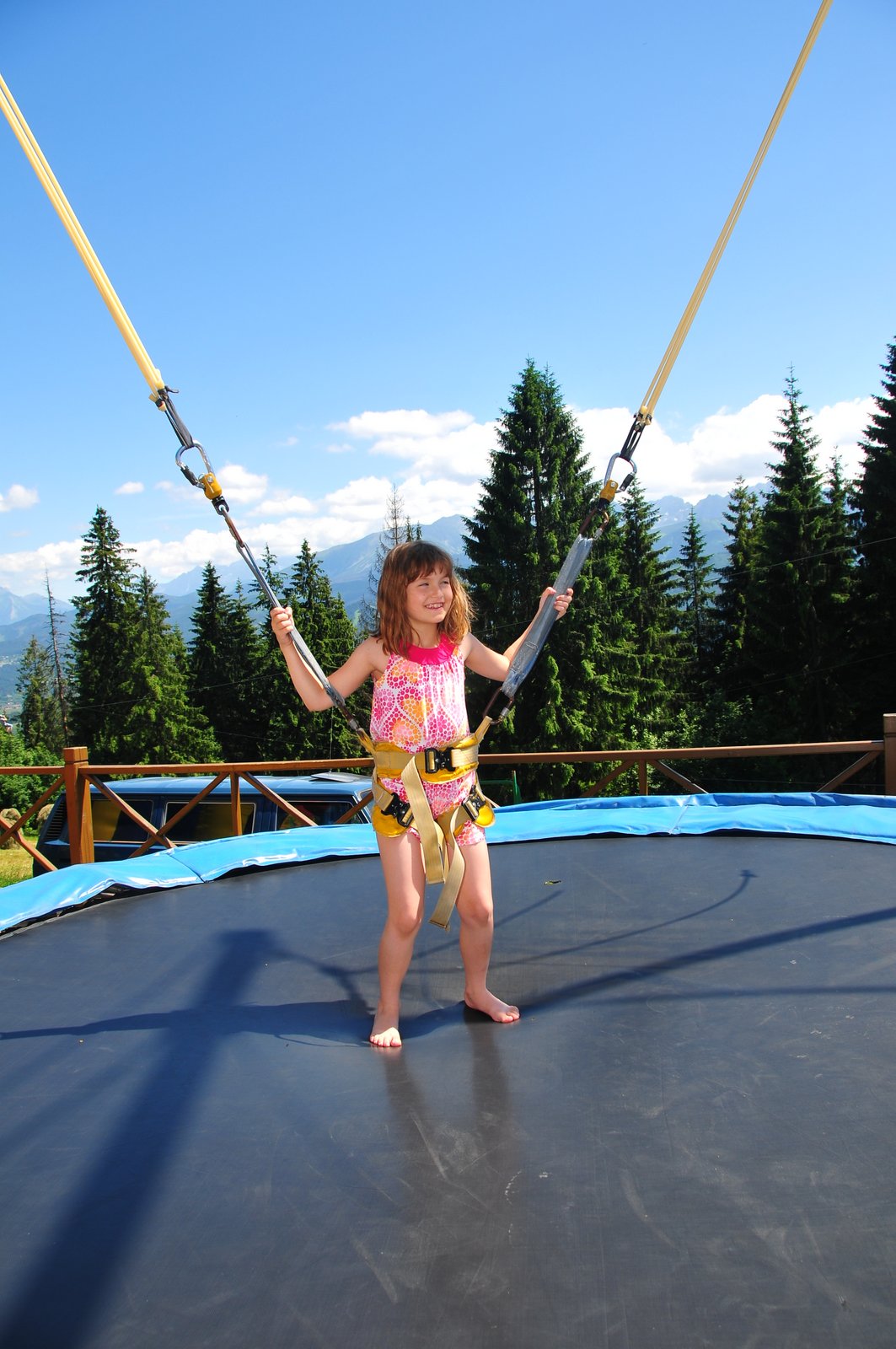
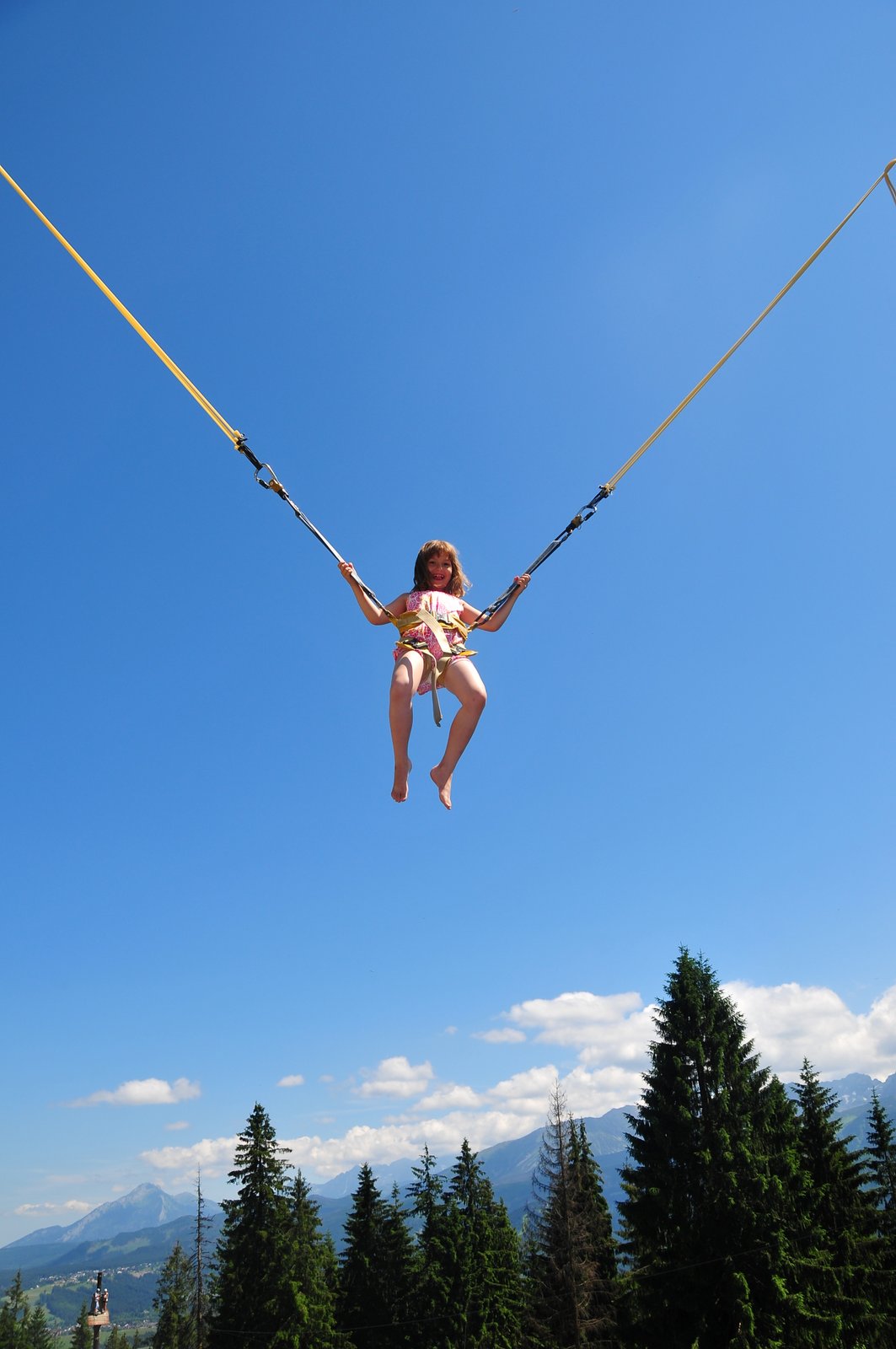
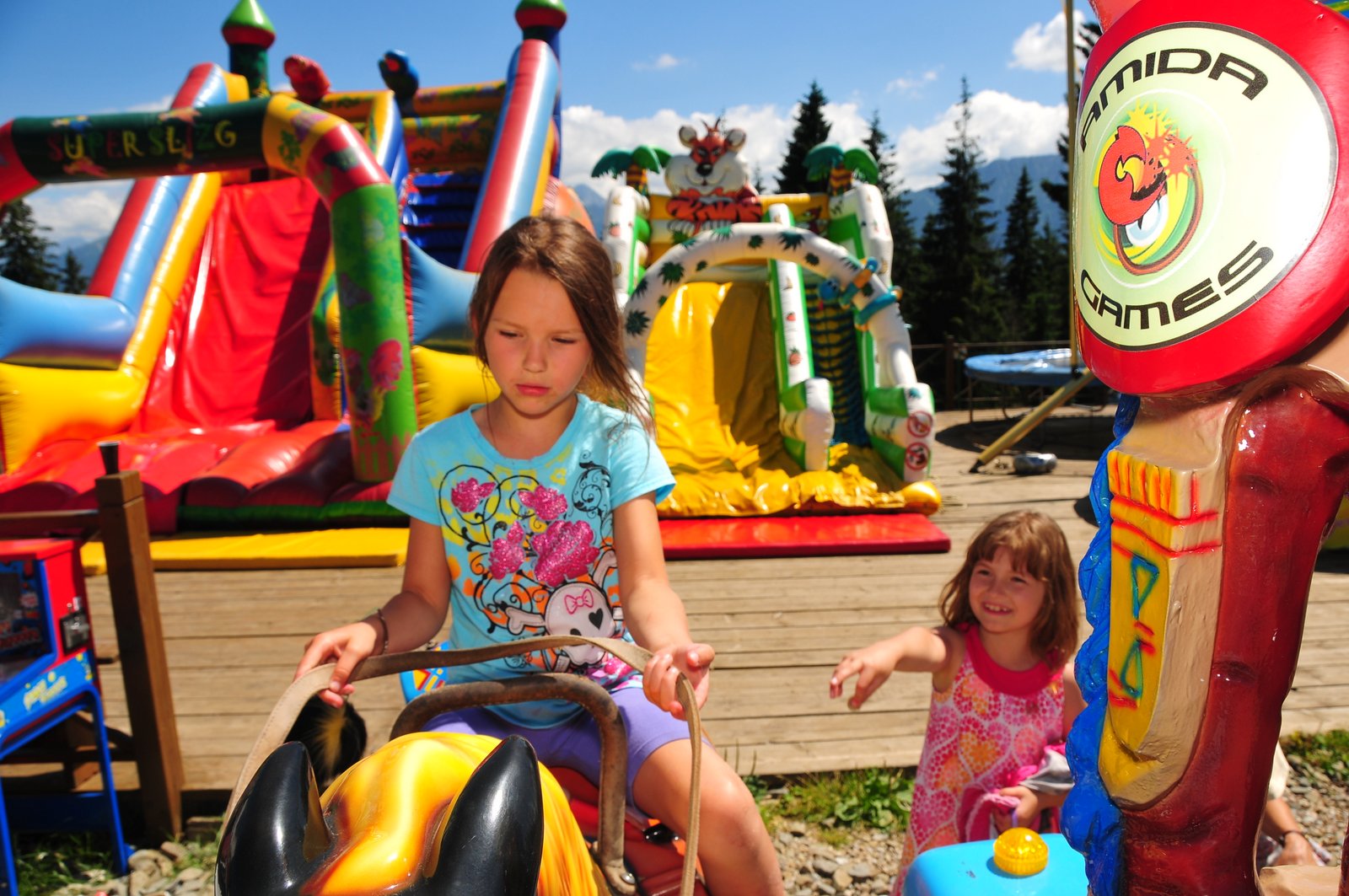
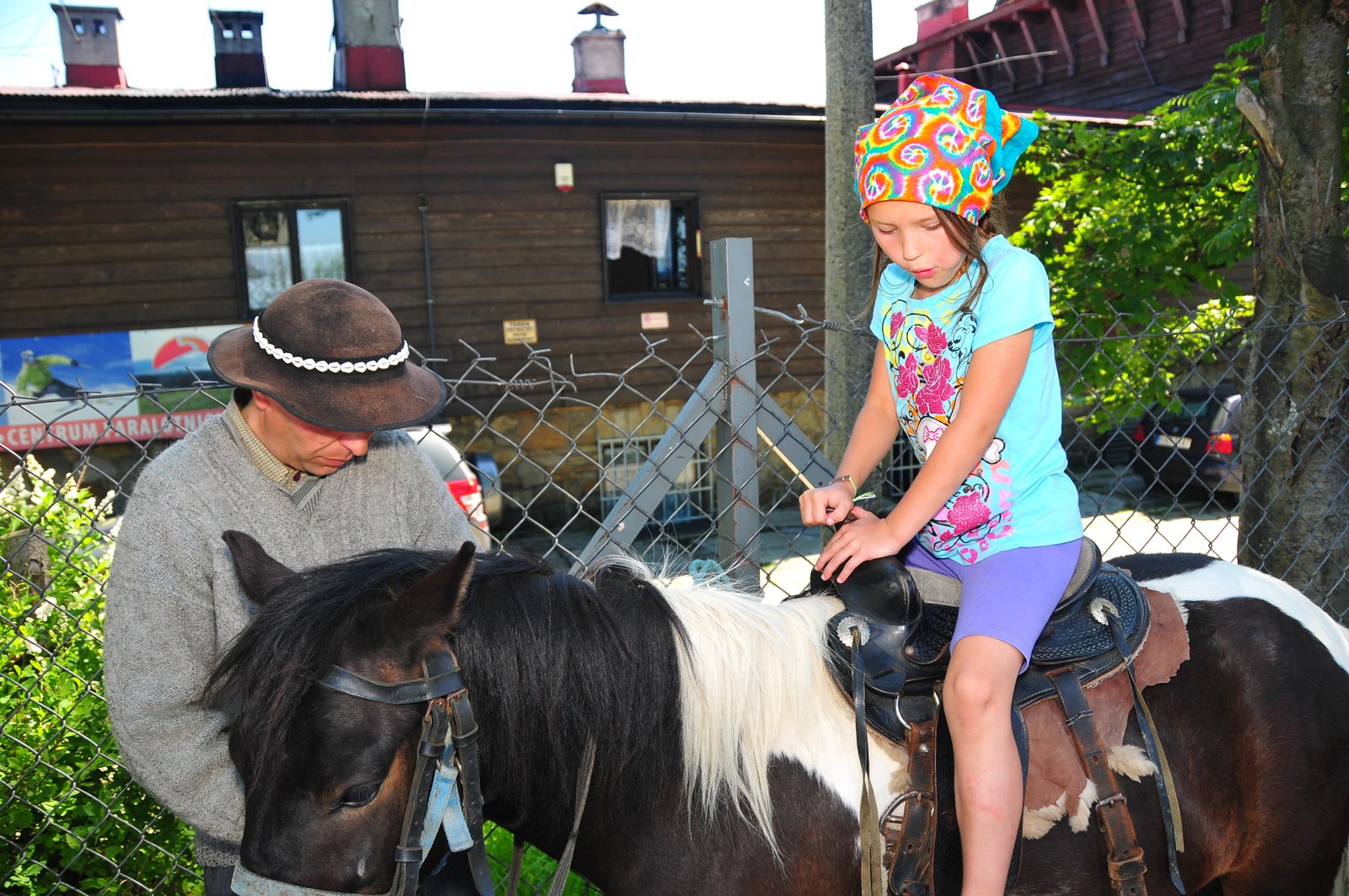
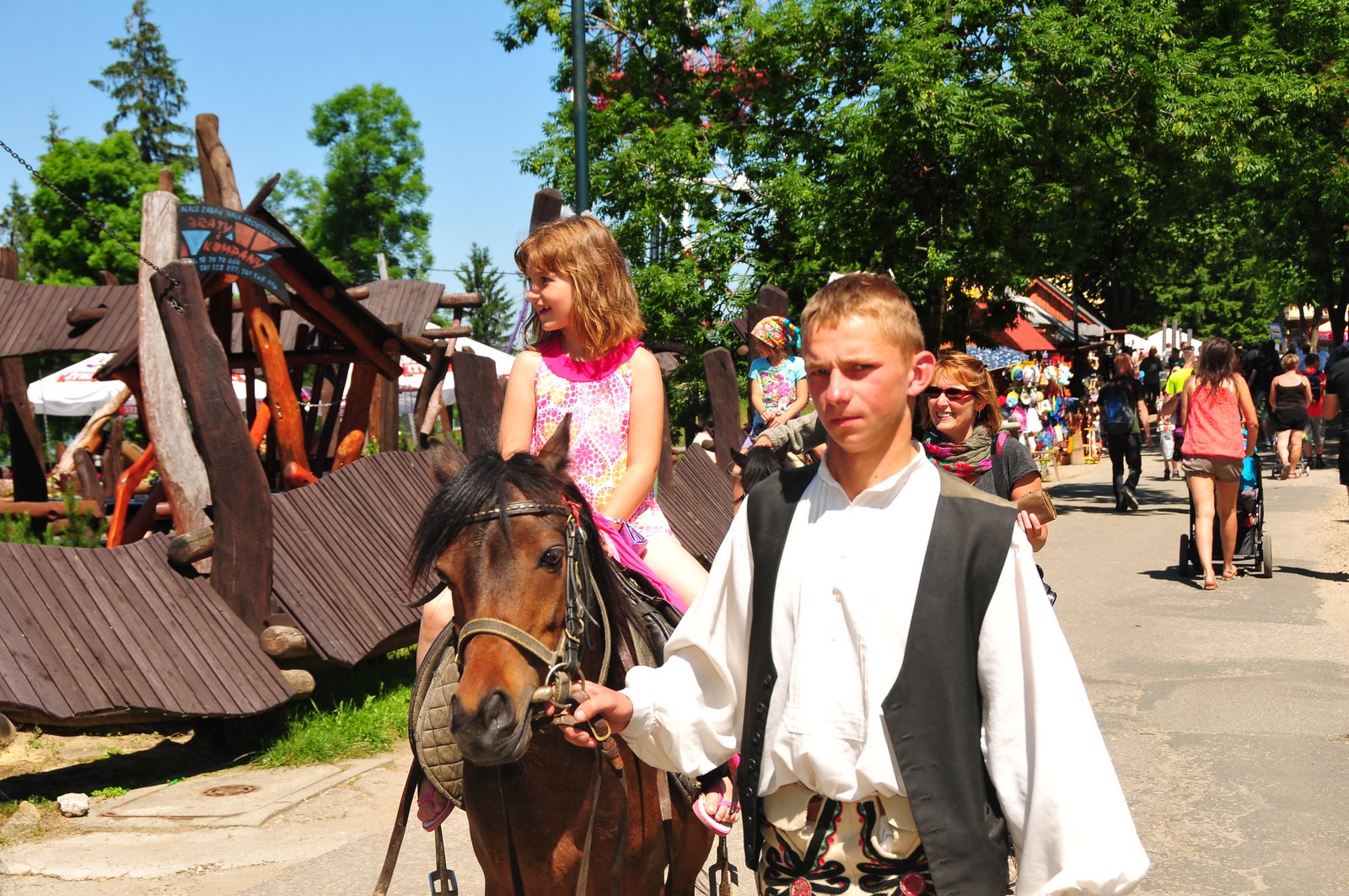
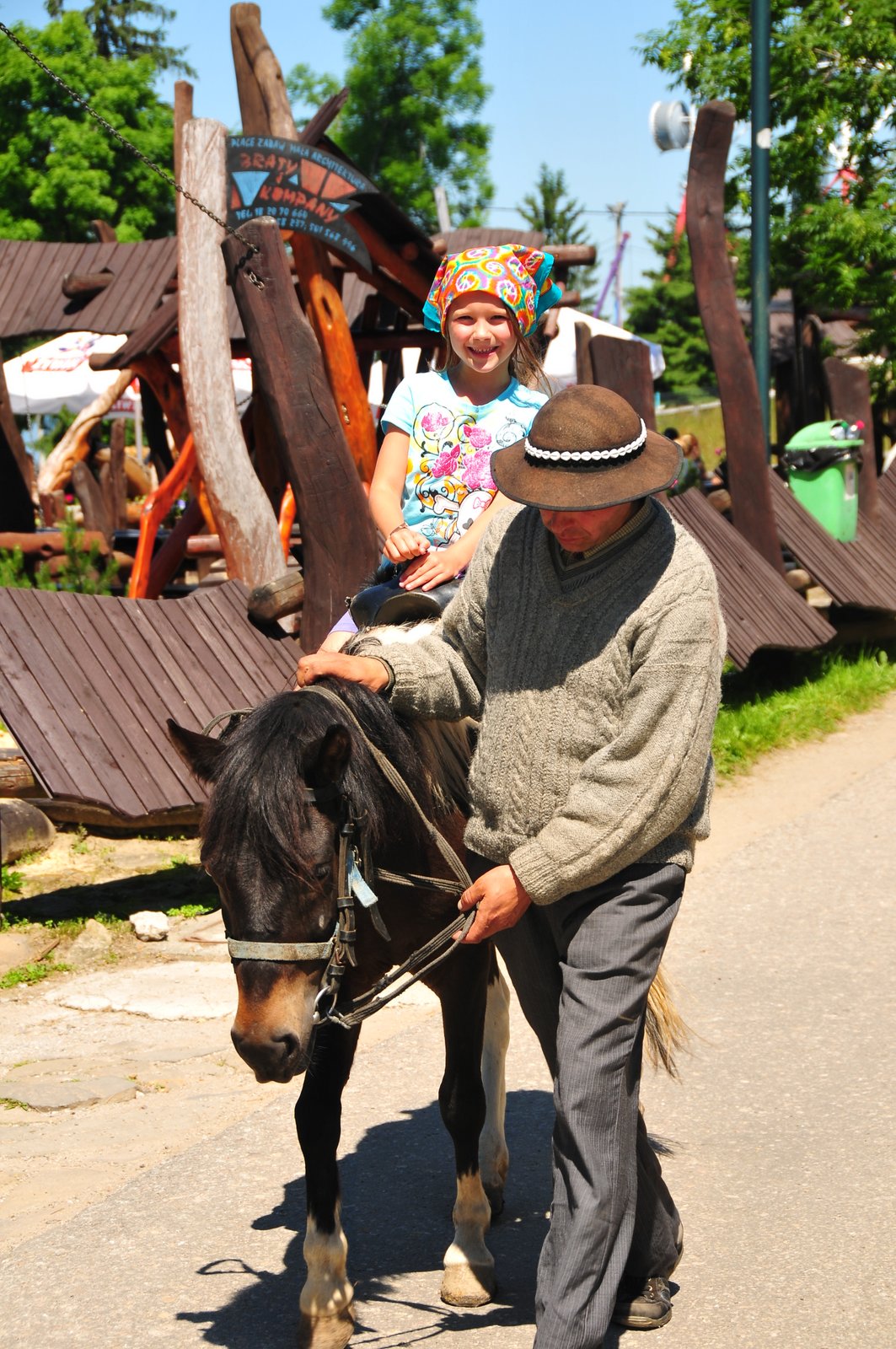
There are more attractions for two little girls -- pony rides, trampolines, giant floating, air-filled, girl-filled balls -- than one can possibly imagine, not taking into account all the plastic nonsense for sale.
We stop at Cmentarz Zasłużonych na PÄ™ksowym Brzyzku, a cemetery in Zakopane for those who have in one form or another made significant contributions to culture. Novelists, painters, composers, poets, teachers.
The girls find the grave of Kornel Makuszyłski, author of Koziołek Matołek, a series of books that were eventually turned into an animated series about a goat's search for Pacanów, where they make goat shoes. The girls stand for a while and pay their respects, then walk down the path, with S listing all the stories about Matołek she knows and L counting.
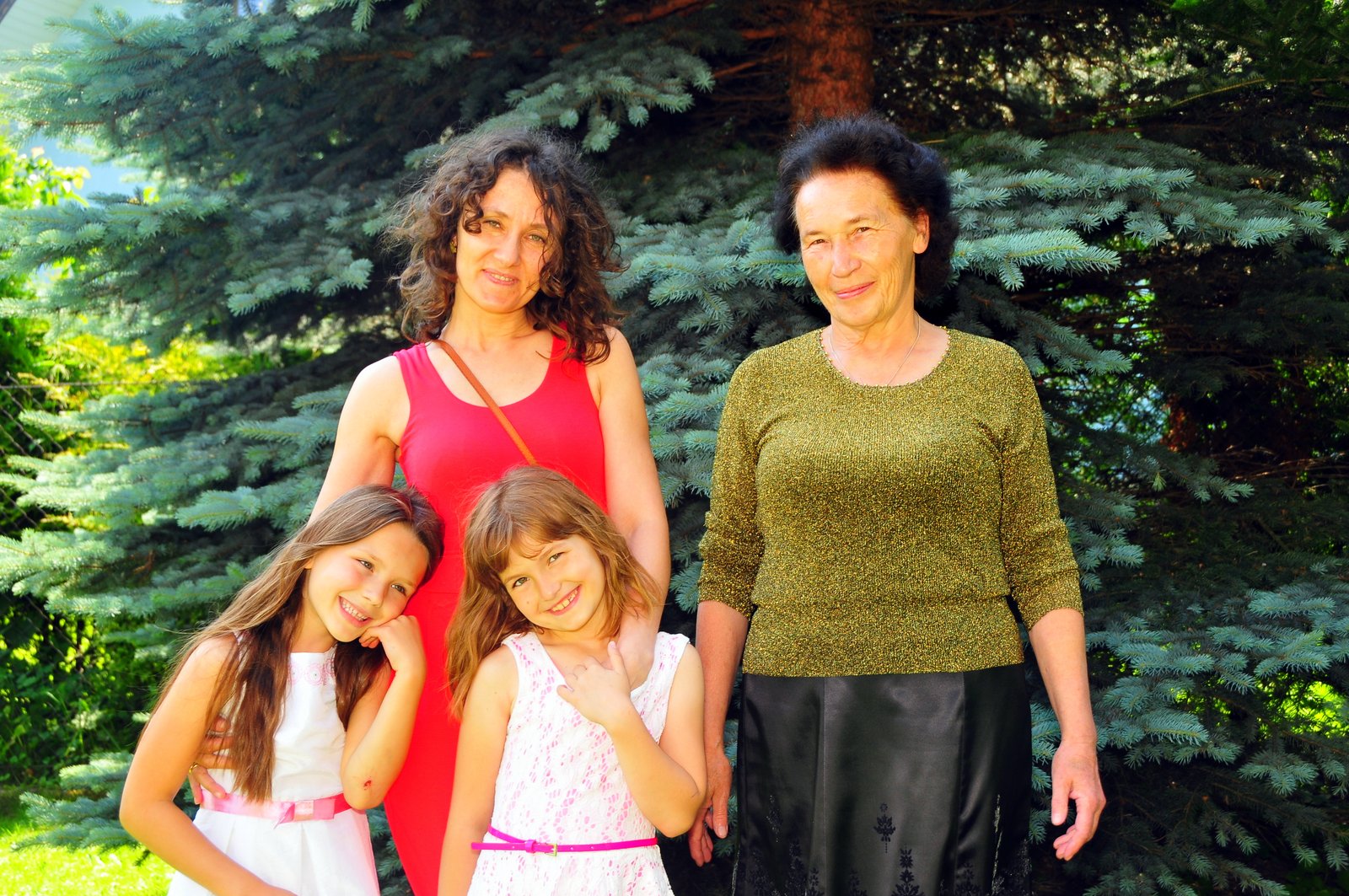
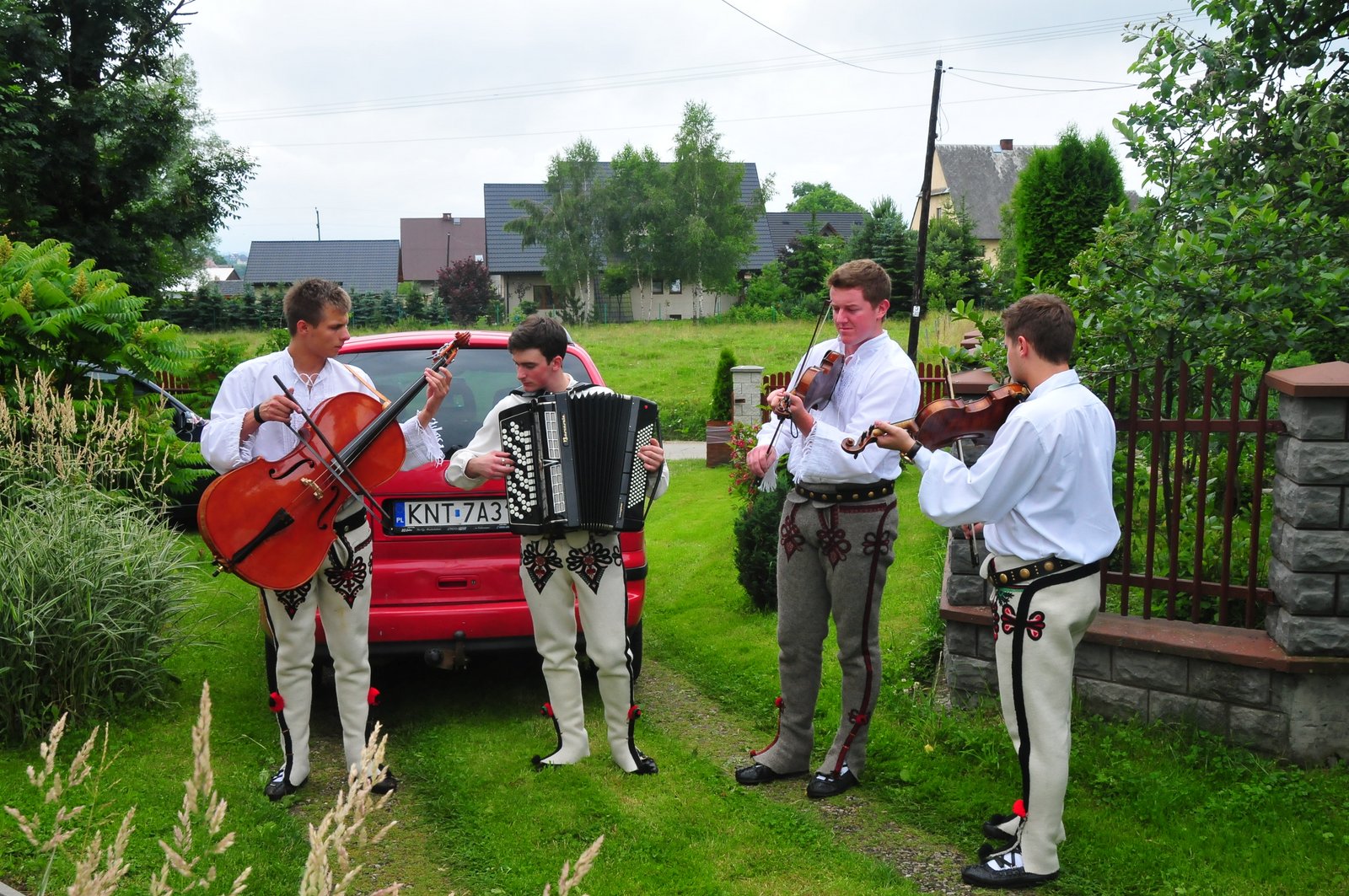
The second day of a Polish multi-day wedding celebration is much more relaxed than the first. Gone are the formalities of the first day: the greeting line, the formal wear, and the attendant ceremonies. And it starts late enough that we can get in a photo session.
But one thing that doesn’t change is the length — long enough to pop away for a little while to Lipnica’s annual folk festival to see some regional dancing.
“That’s how Mama used to perform,” I explain to L, but with the proliferation of odpust-type deals in cheap plastic goods, she’s not exactly watching with rapt attention.
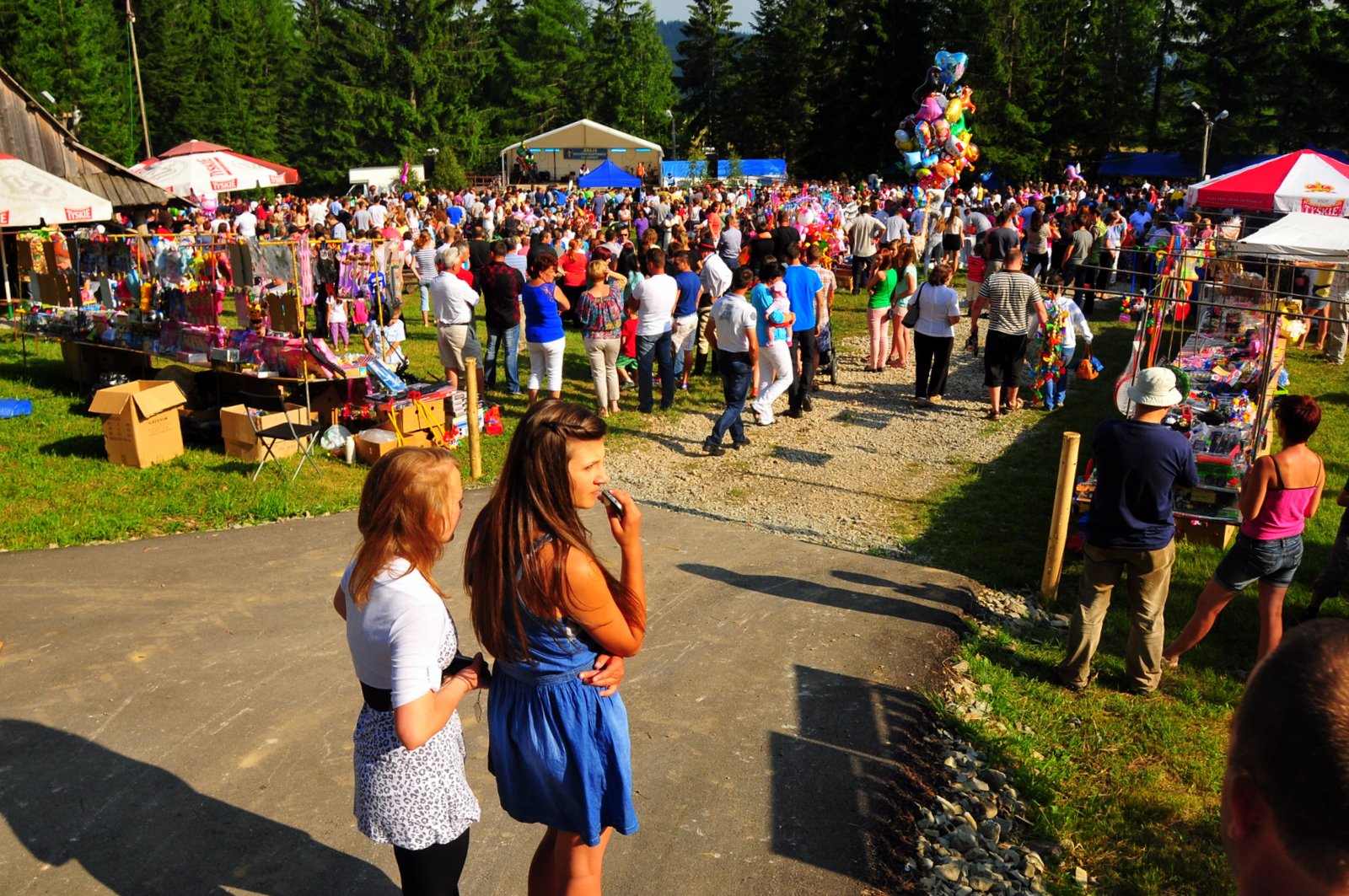
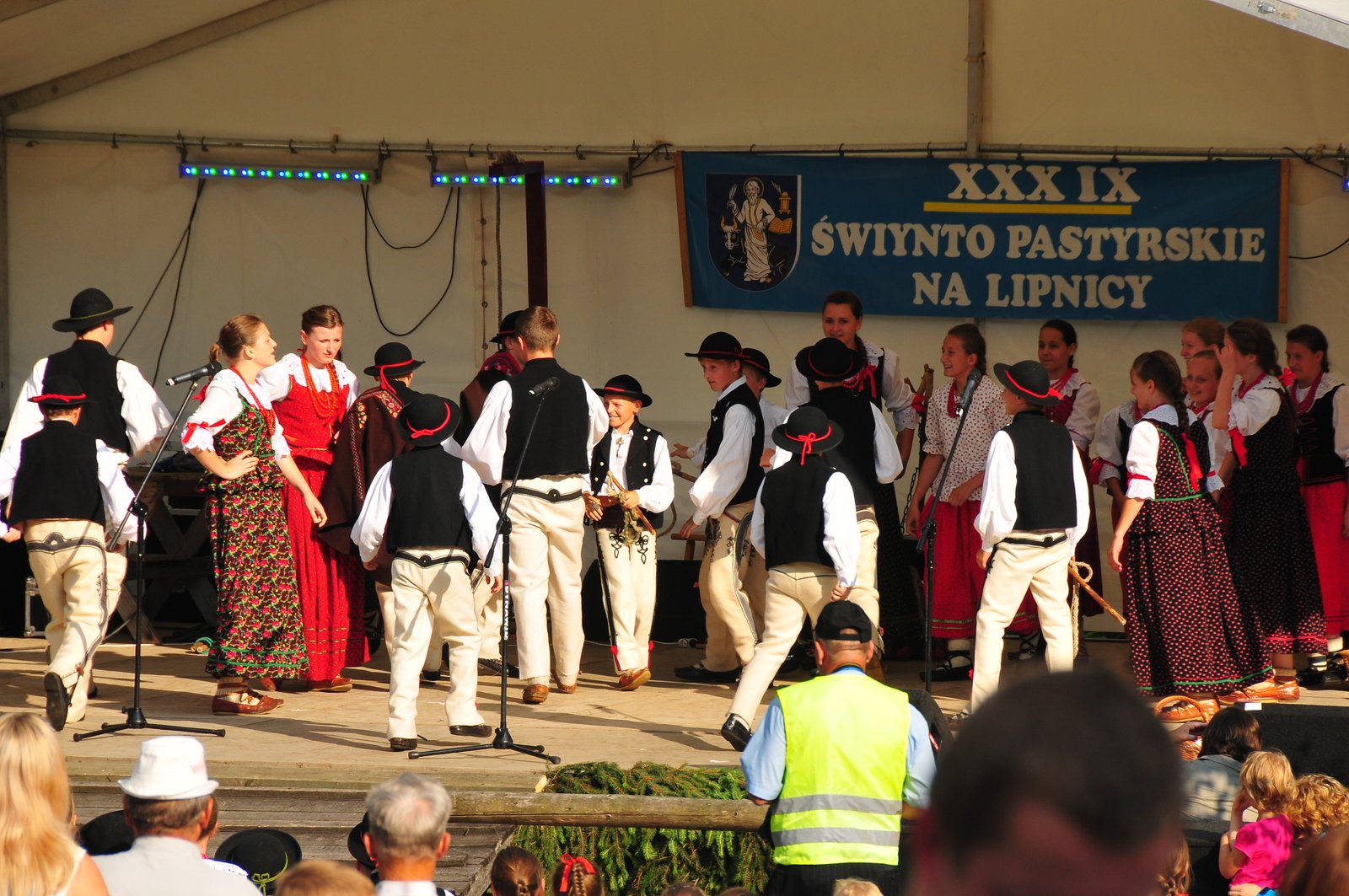
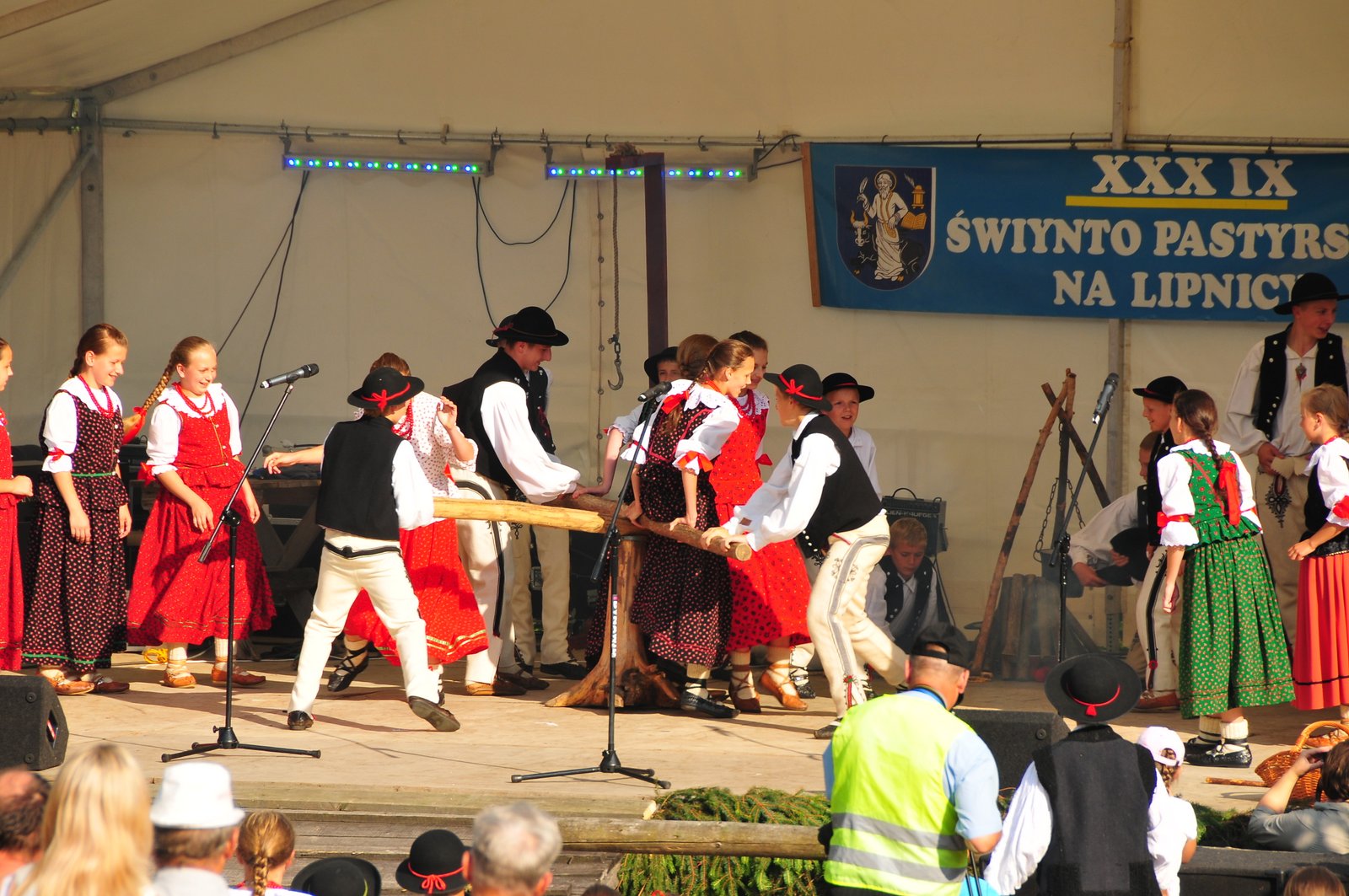
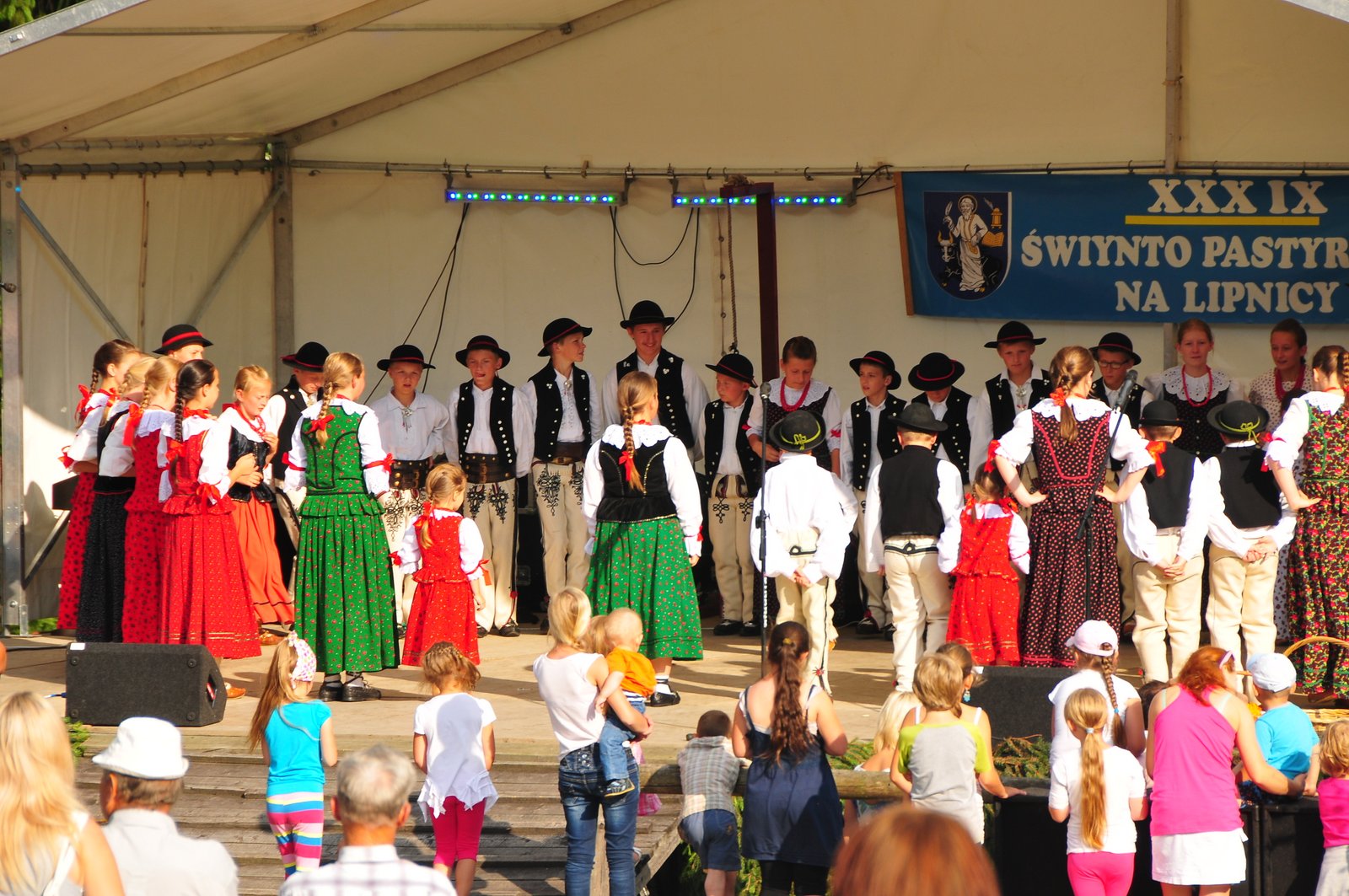
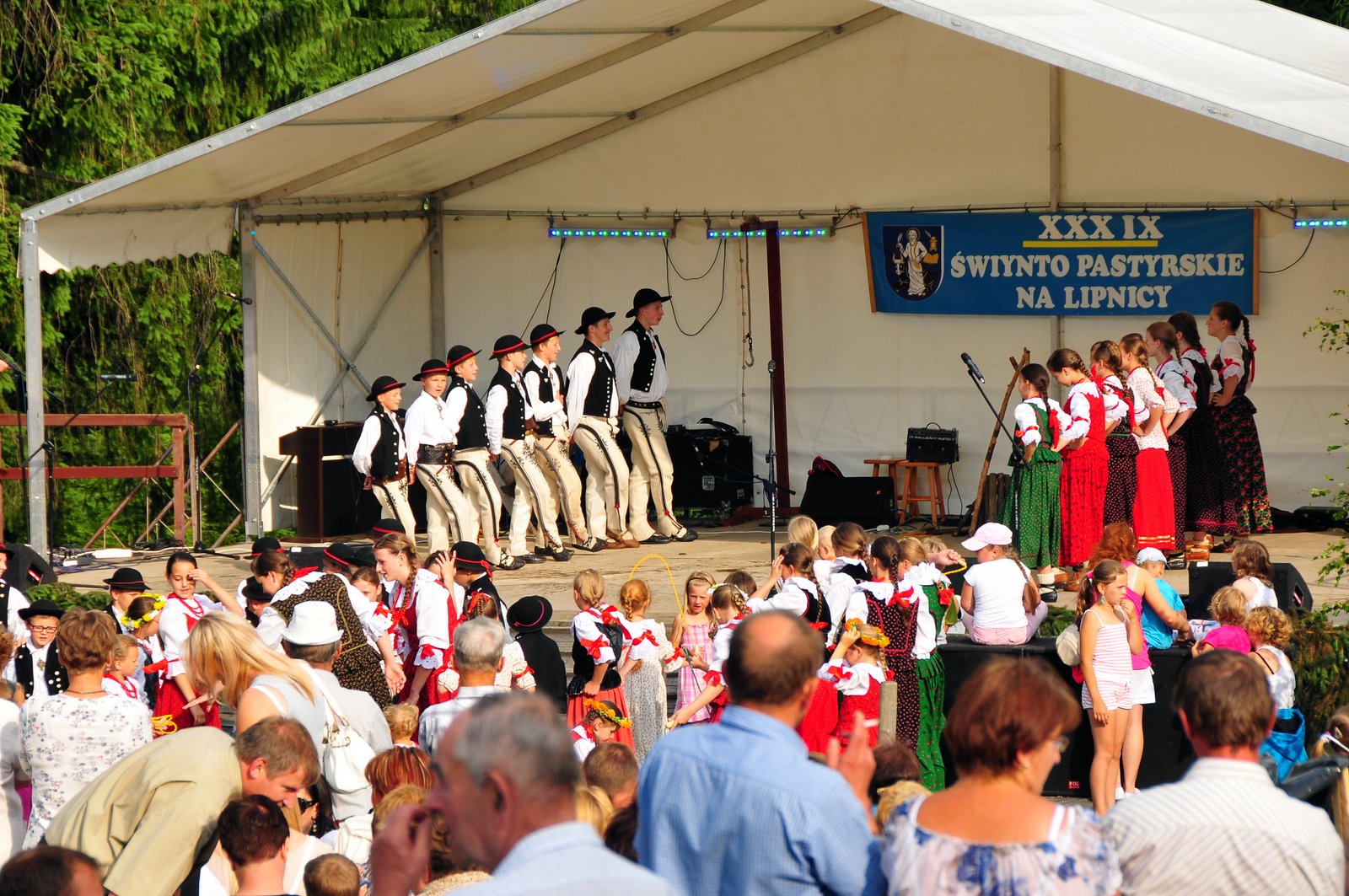
In some ways, though, I planned this quick visit to the festival as much for myself as for the Girl. It’s the best opportunity to meet folks I haven’t seen in ages, people I might not otherwise get to see. Like my buddy S, who owned a shop down the street that I frequented as much for a soda and chat as for any particular shopping.
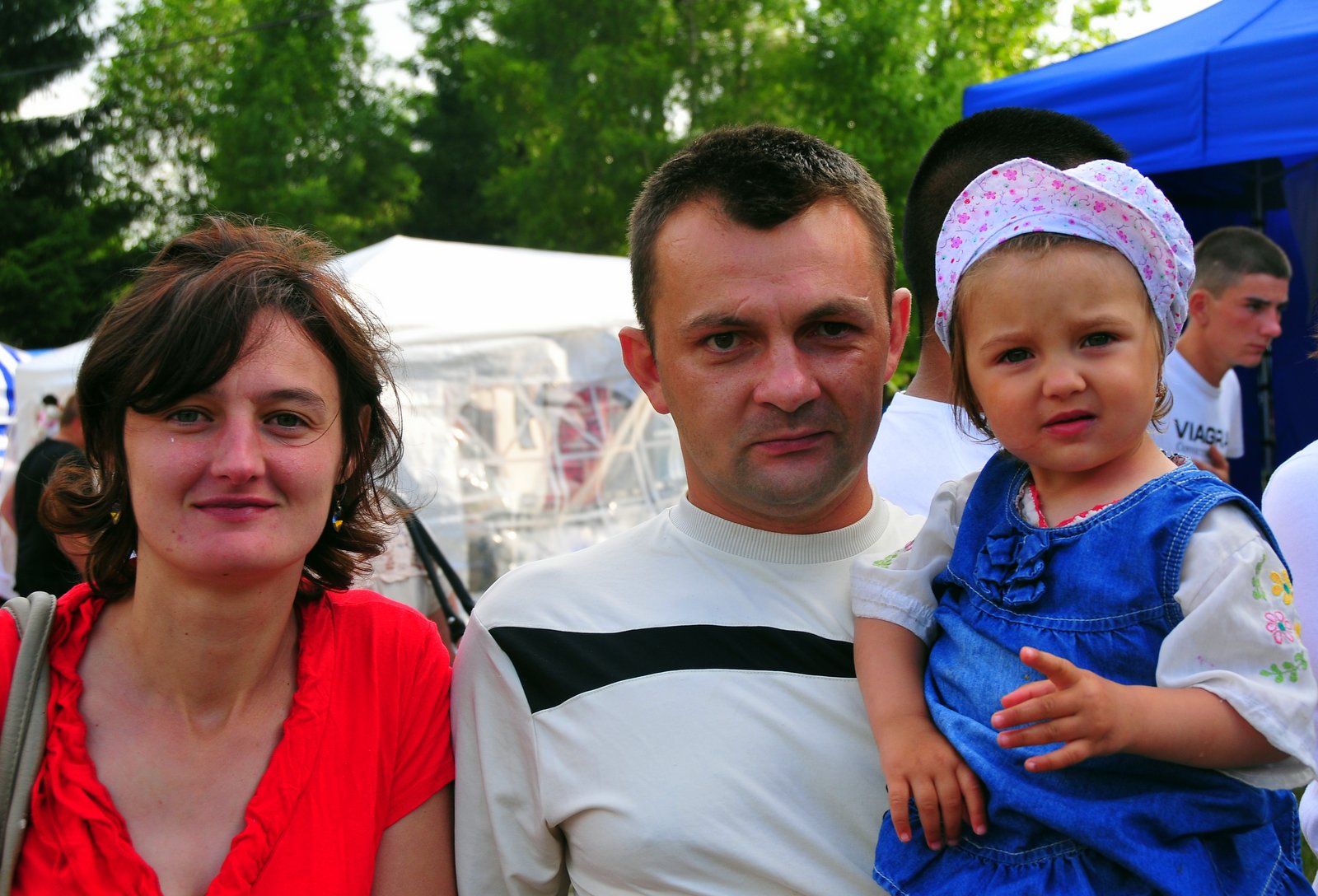
When I return to the wedding party, I see again just how small a world it is: there sits a former student.
“Do you remember me?” he asks. The face is familiar, but I can’t remember the name. “Don’t you remember G and D, always giving you problems, always being a little crazy?” Now it all comes back to me. I sit with him and his wife, also a former student (ironically named K like my own sweet wife), and we talk about old times, new times, changes in the meantime.
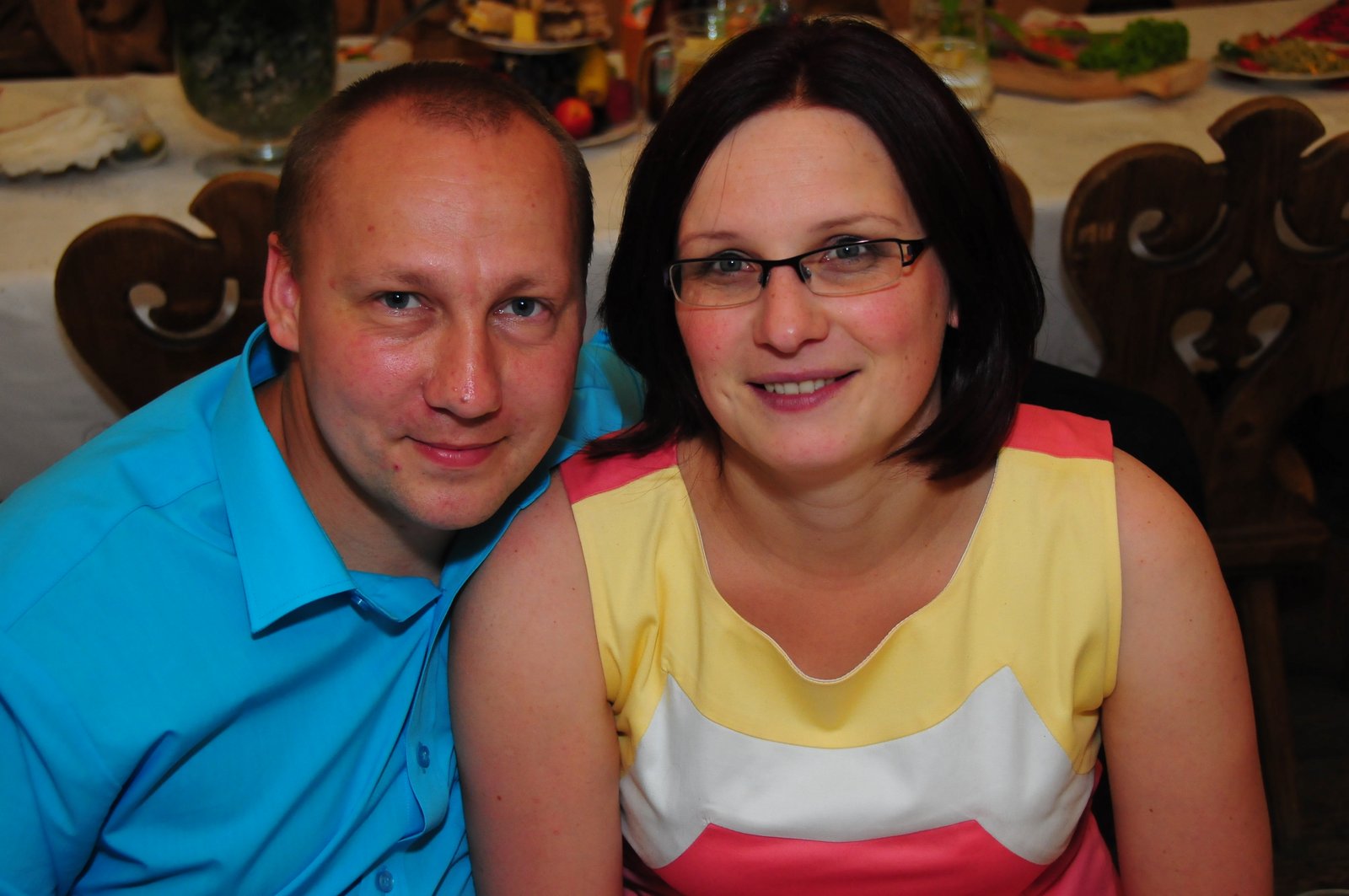
In the end, we and a few other family members — K’s uncle and aunt — find we’ve outlasted just about everyone,
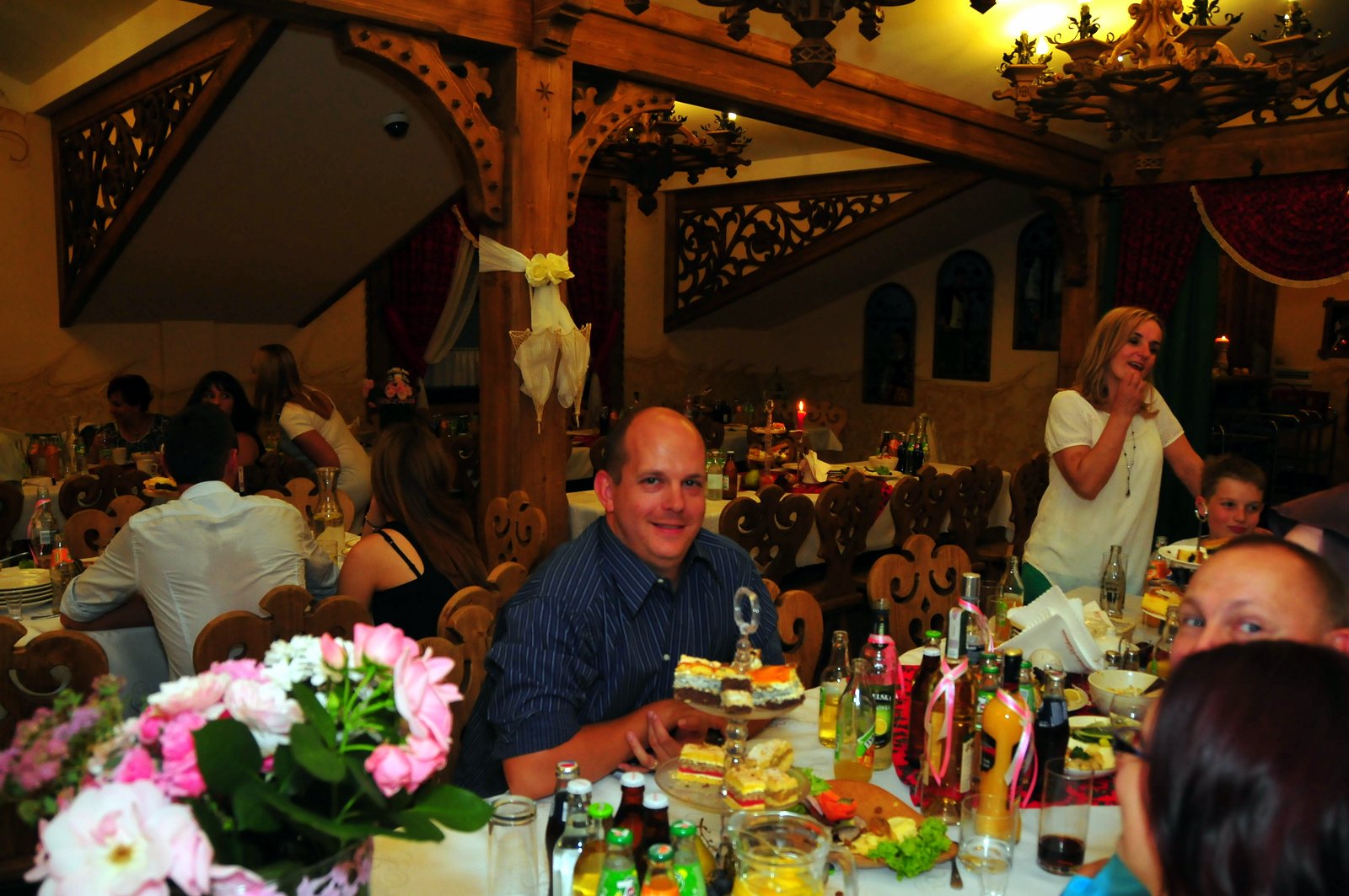
including the bride and groom.
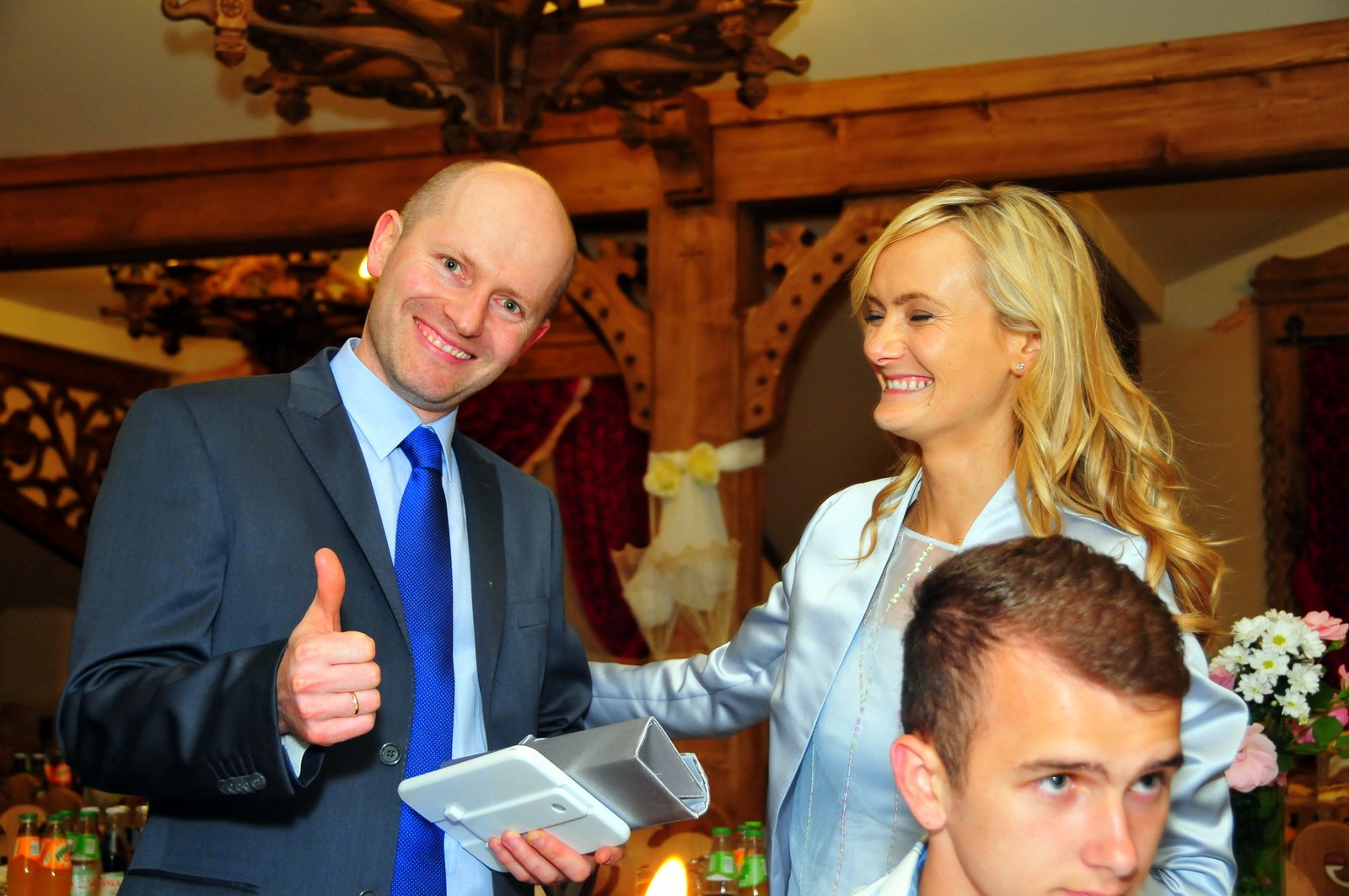
All good things, though, come to an end,
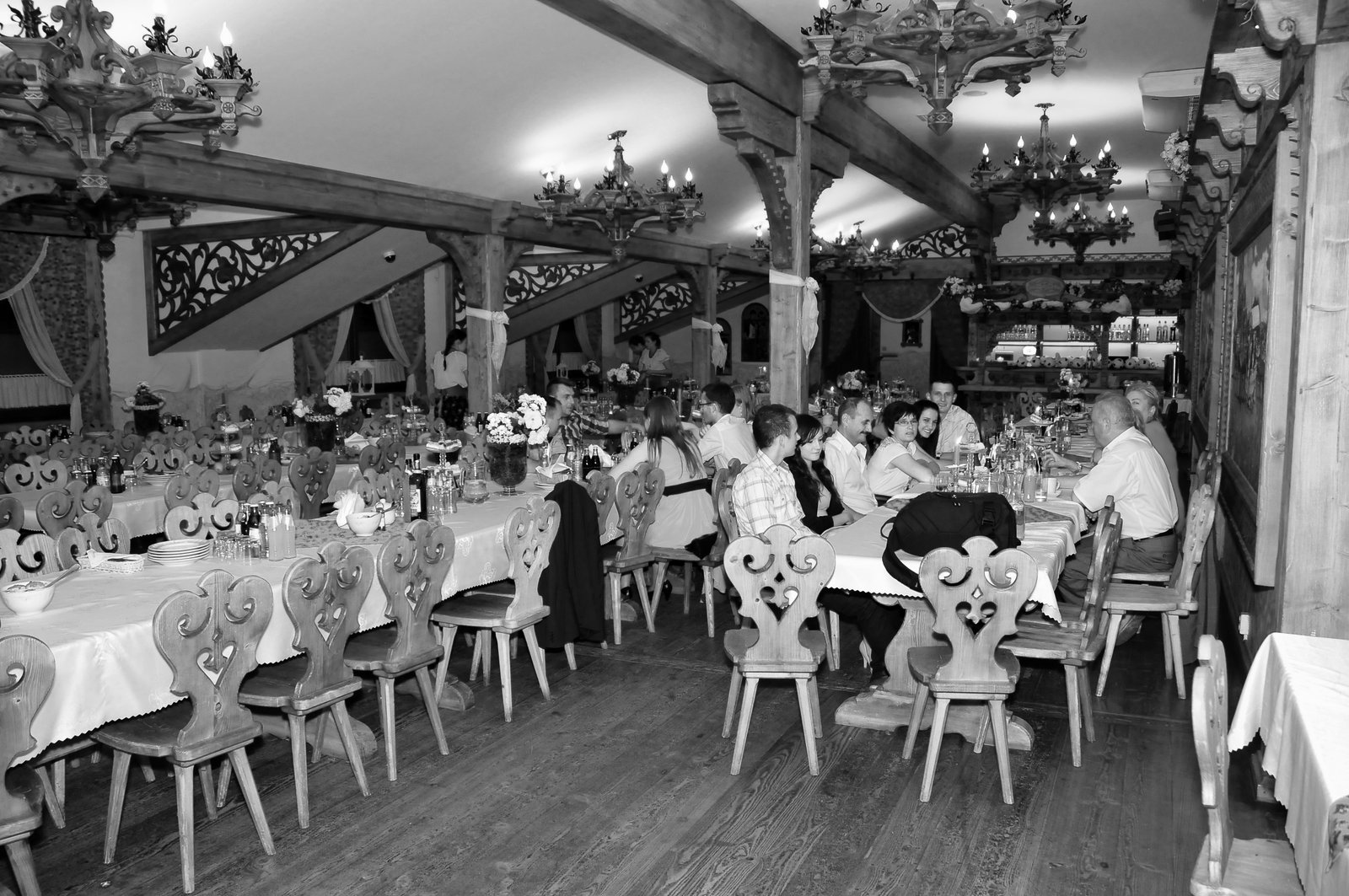
even all-night parties.
Singing, dancing, telling jokes, eating, reminiscing, drinking, telling stories -- a continuous, enormous party that starts in the early afternoon and ends in the early morning.
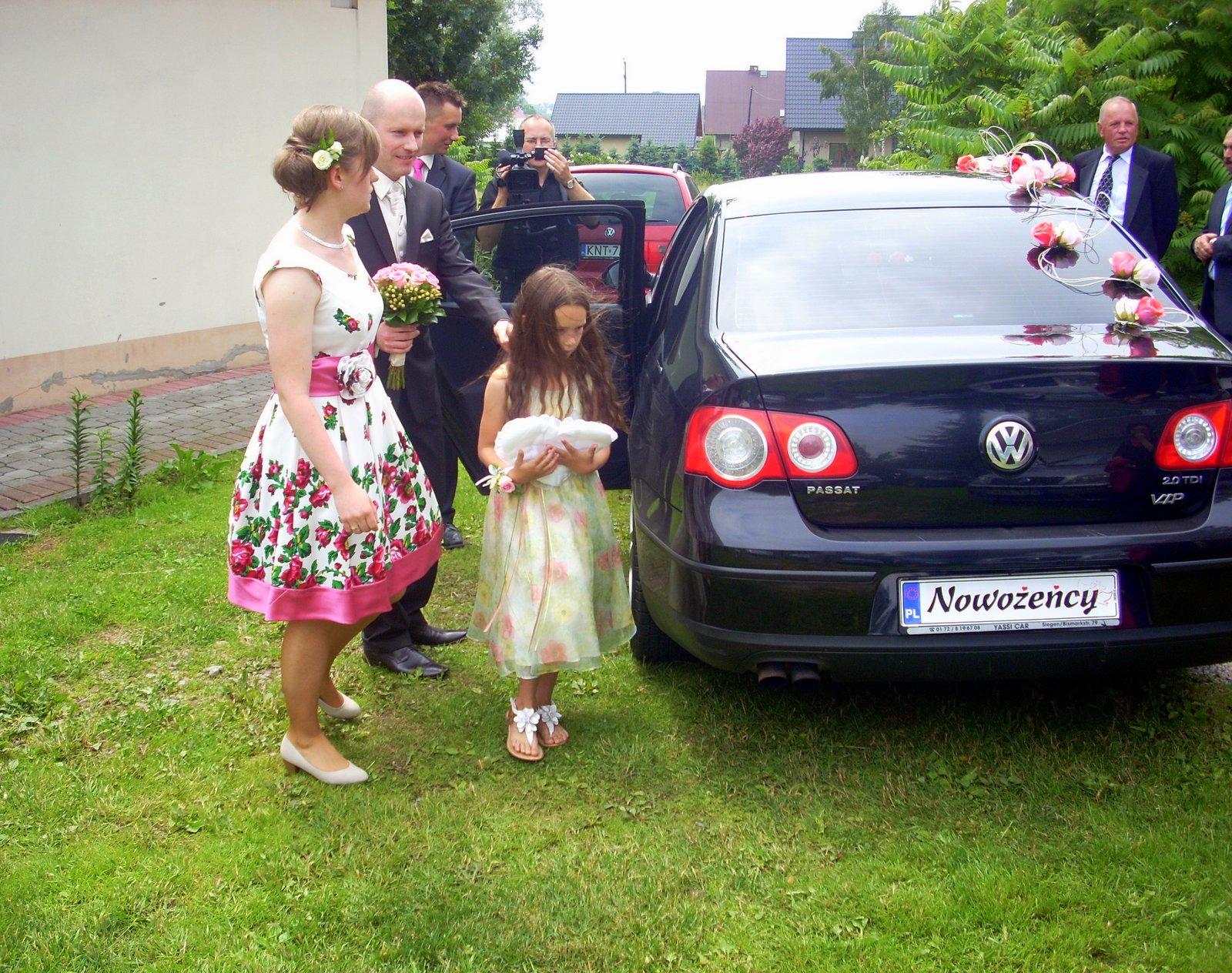
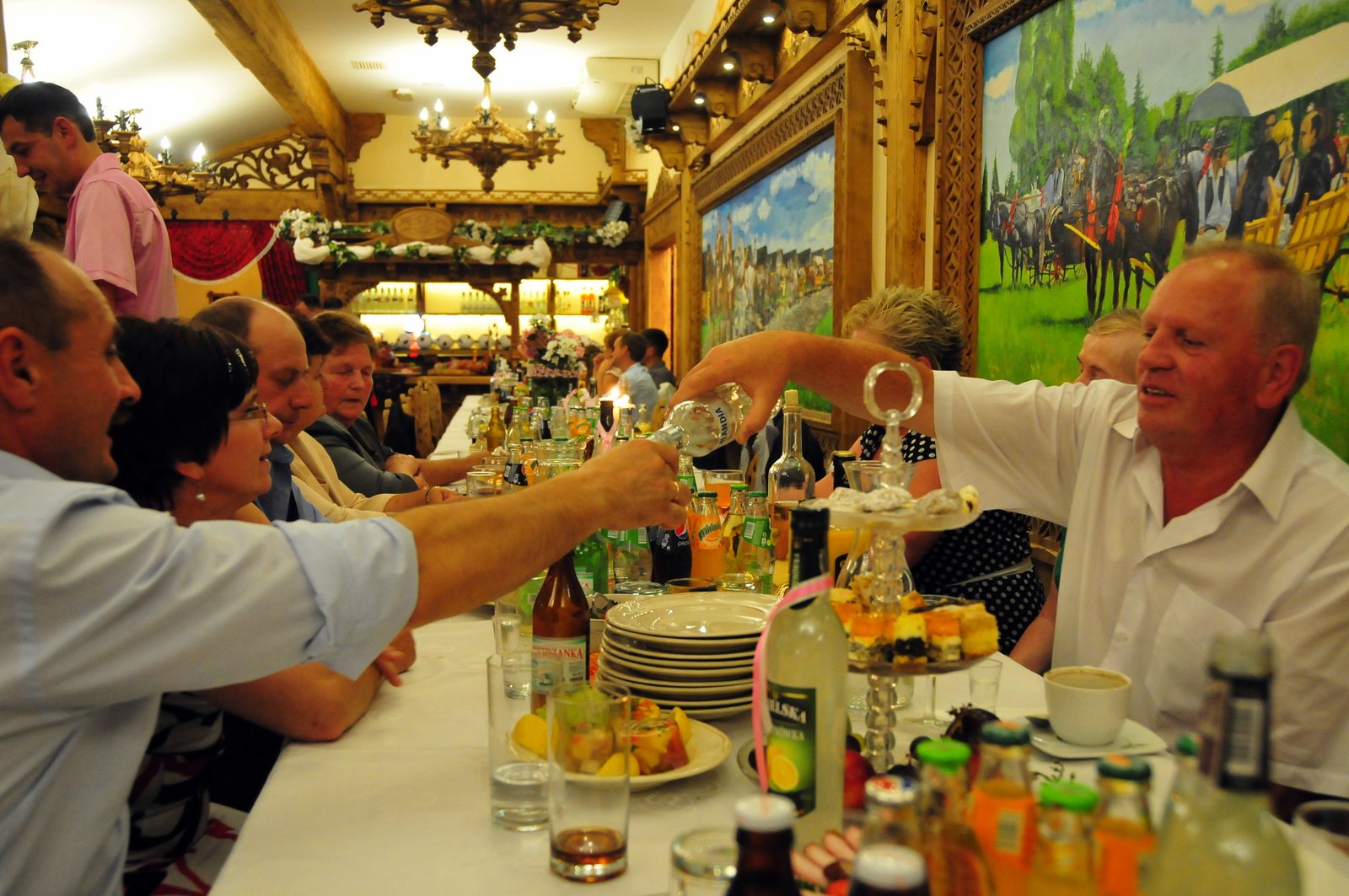
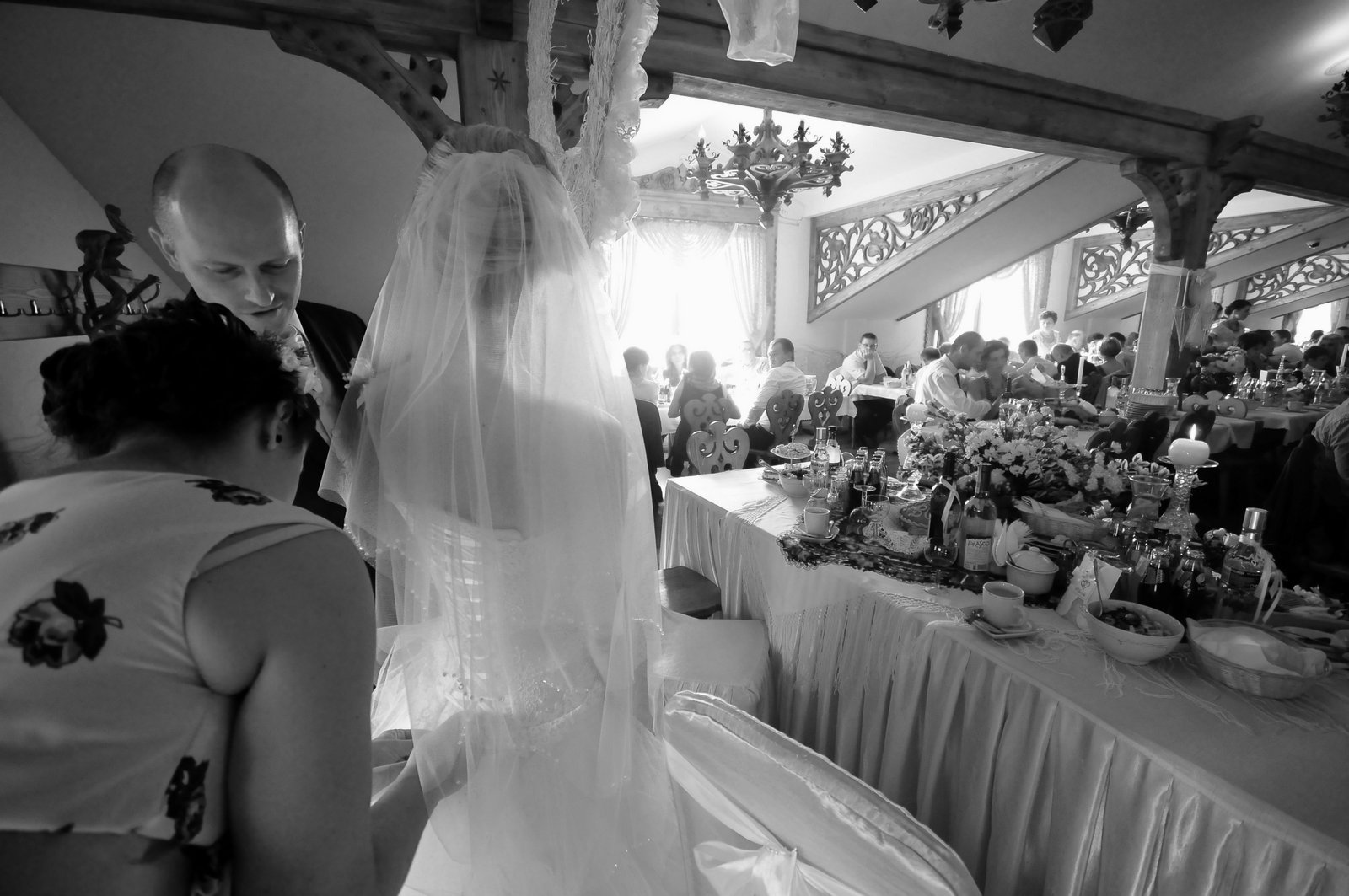
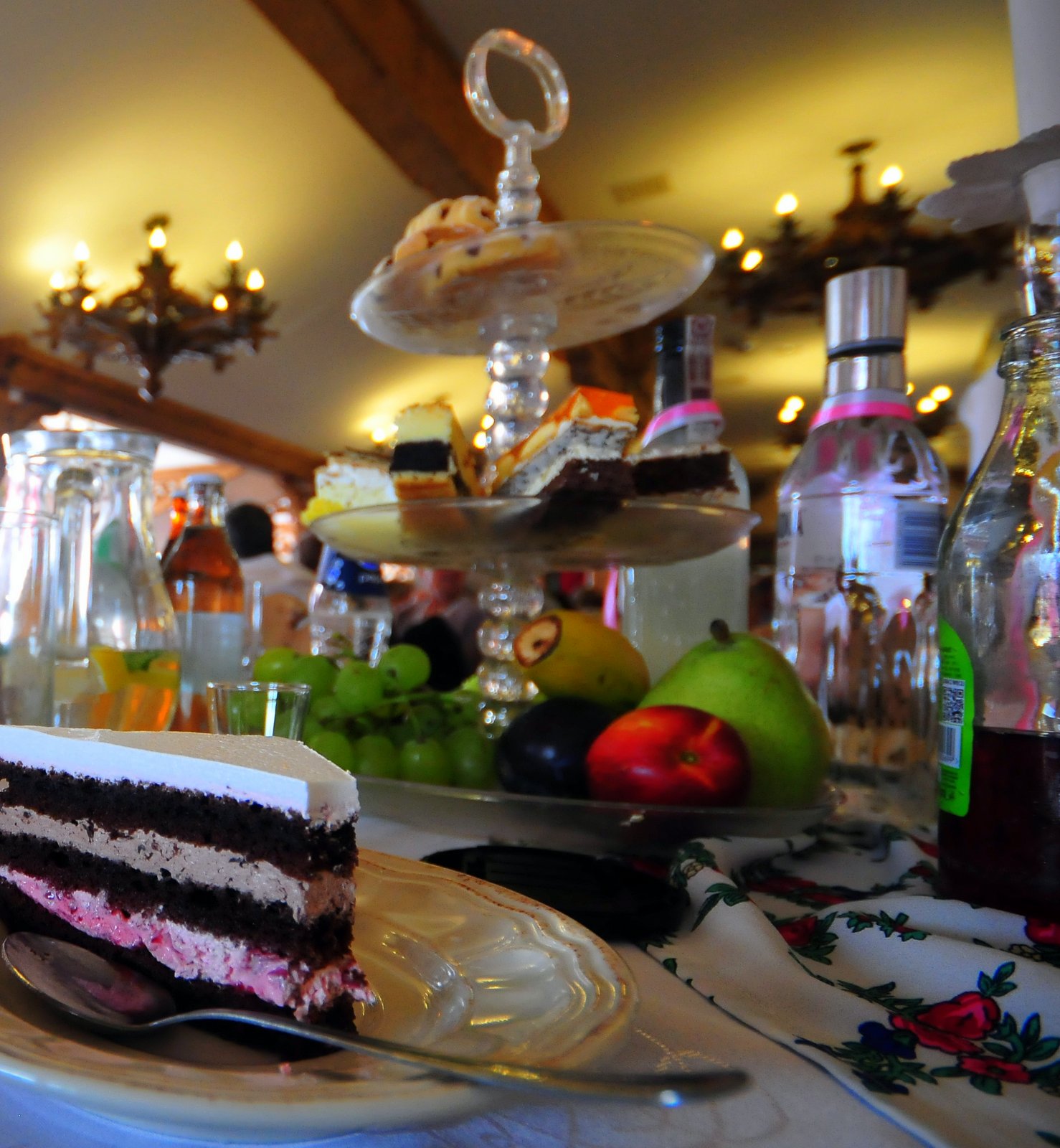
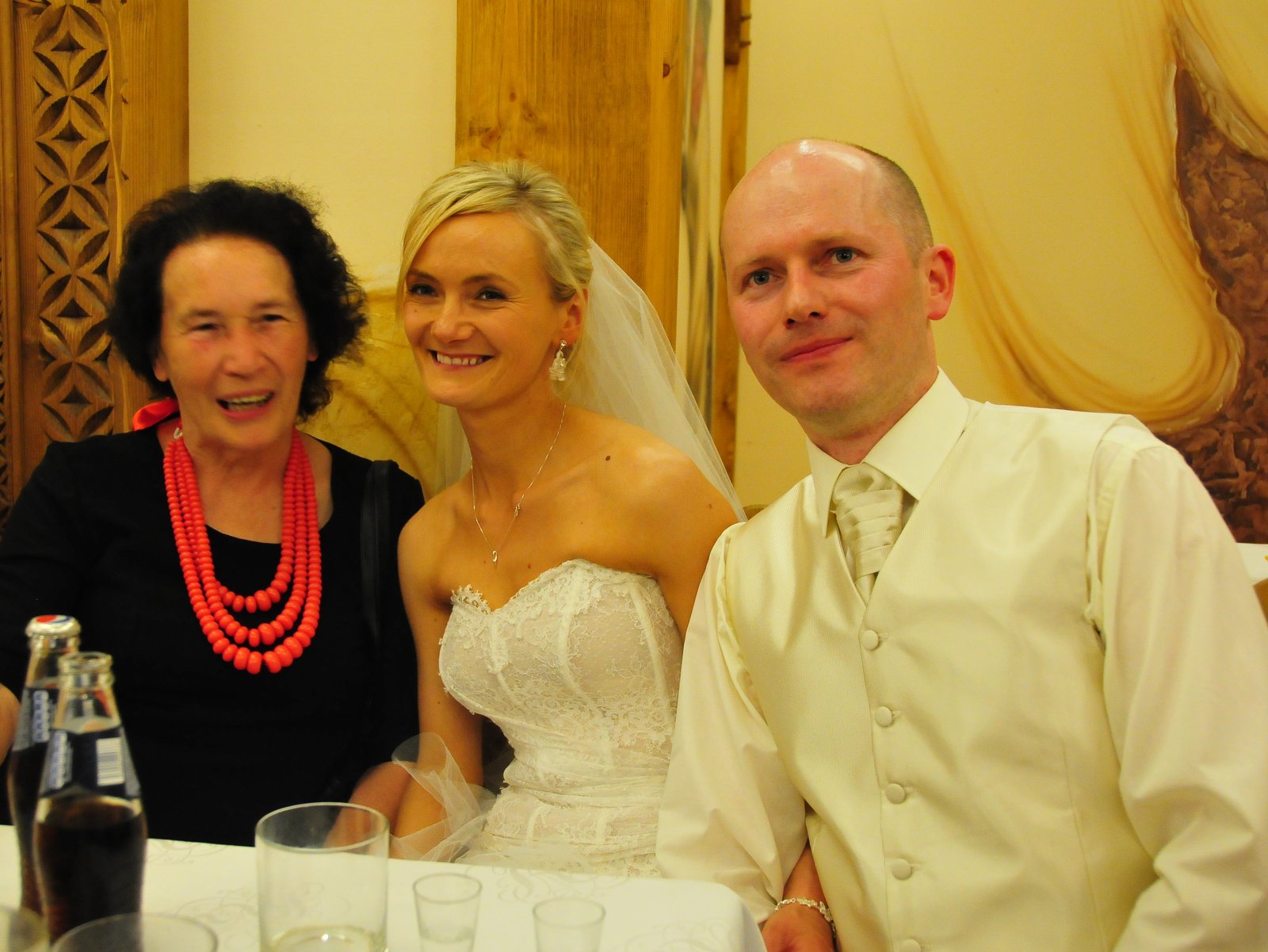
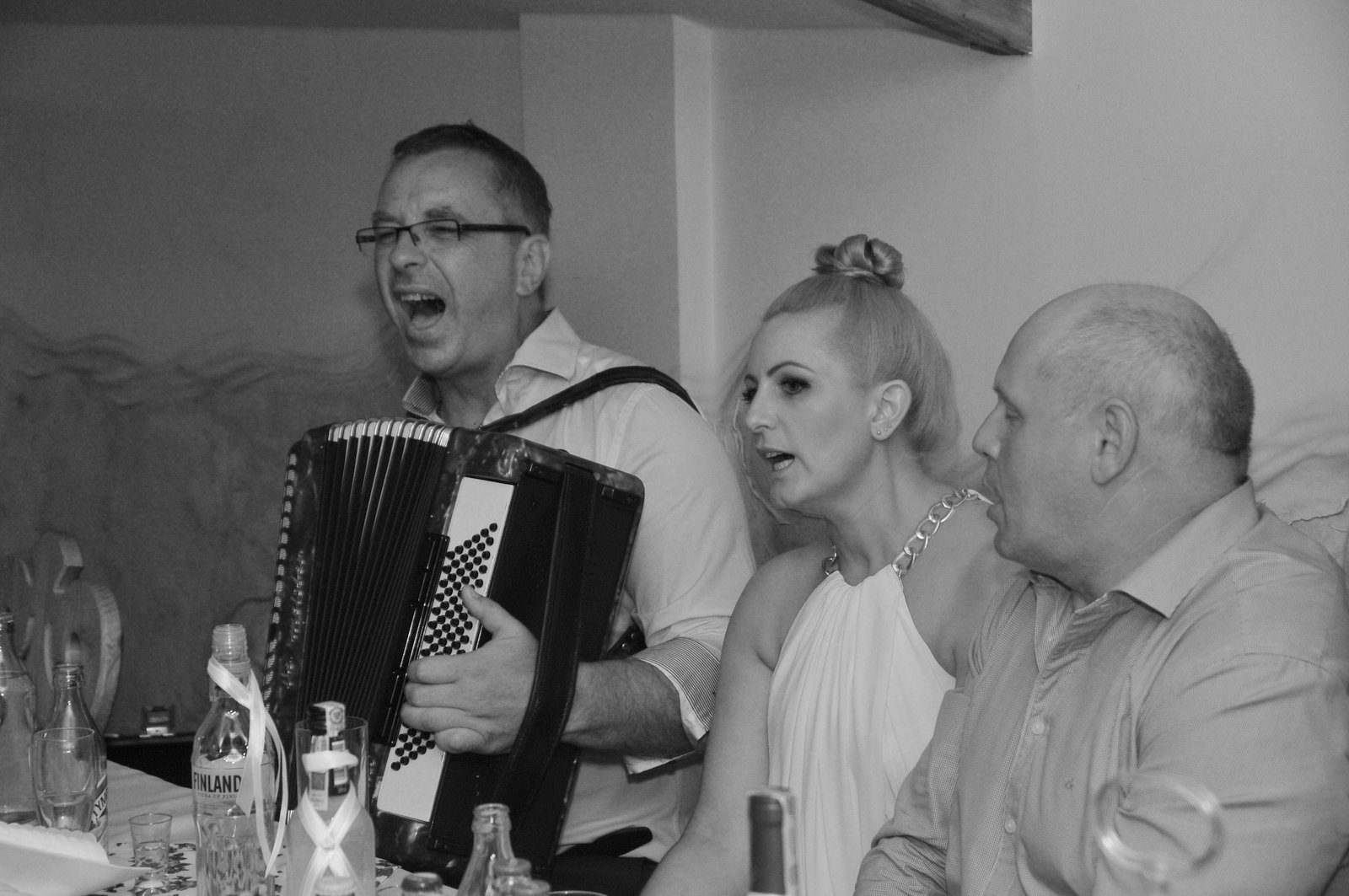
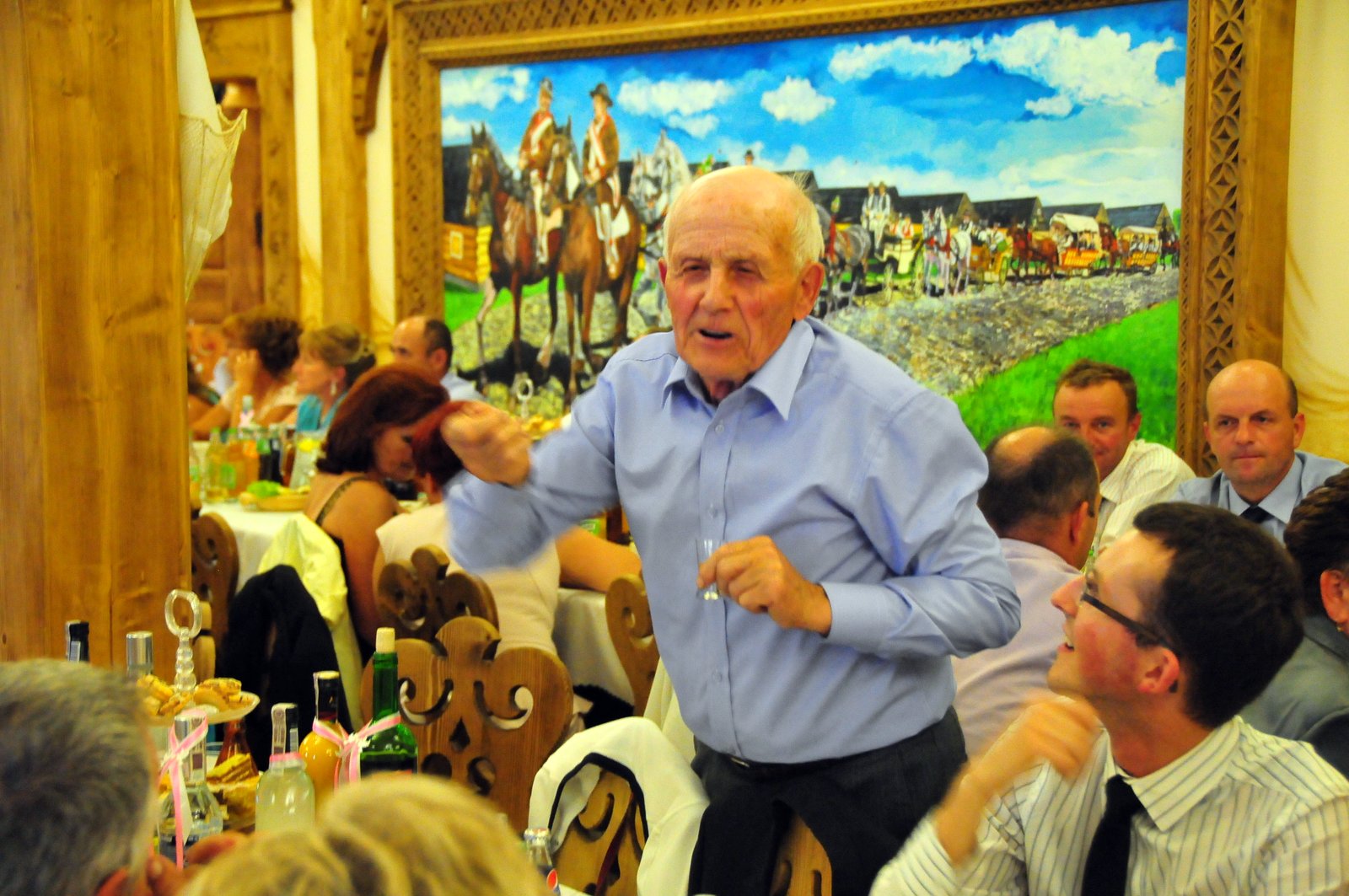
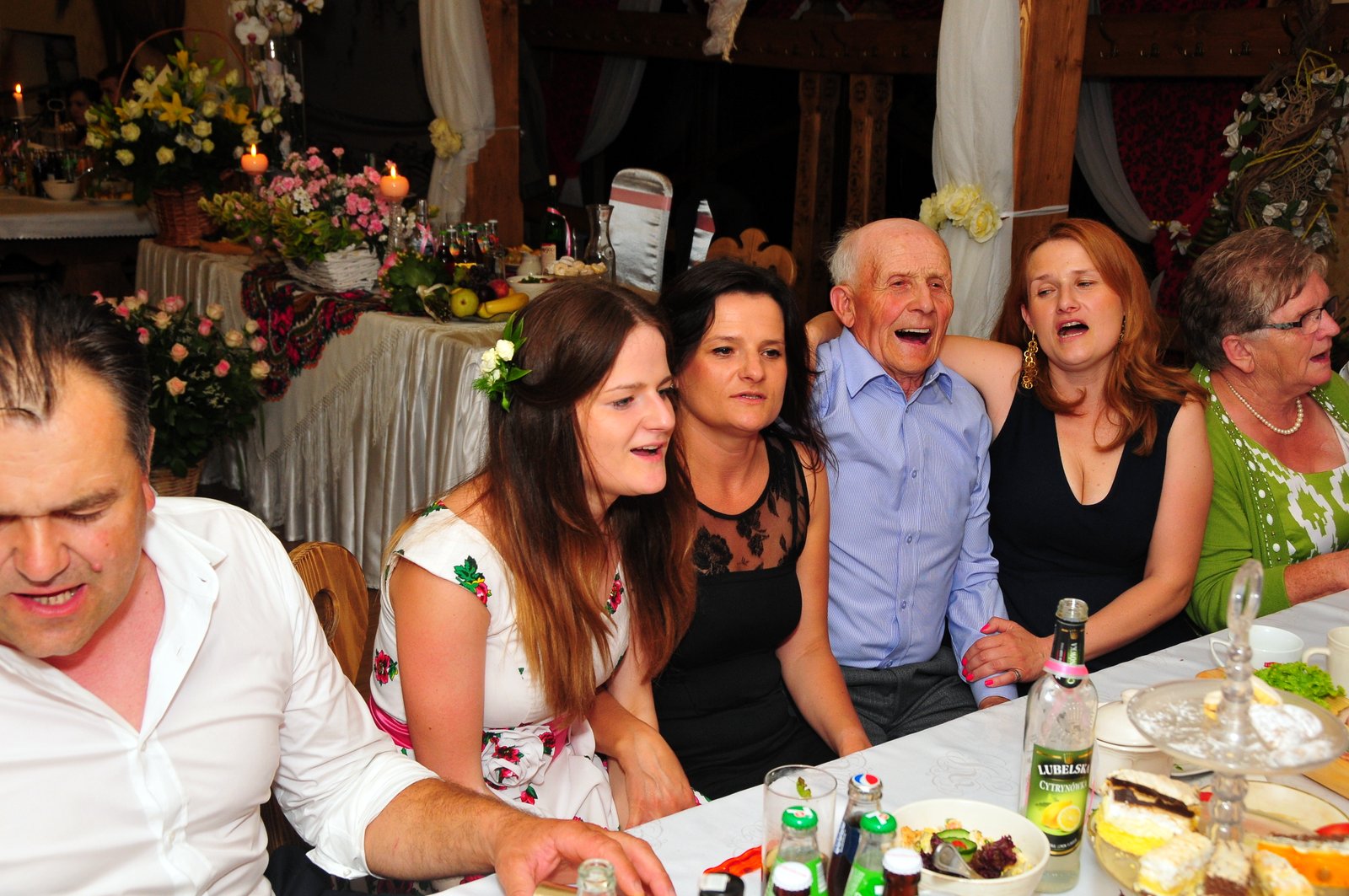
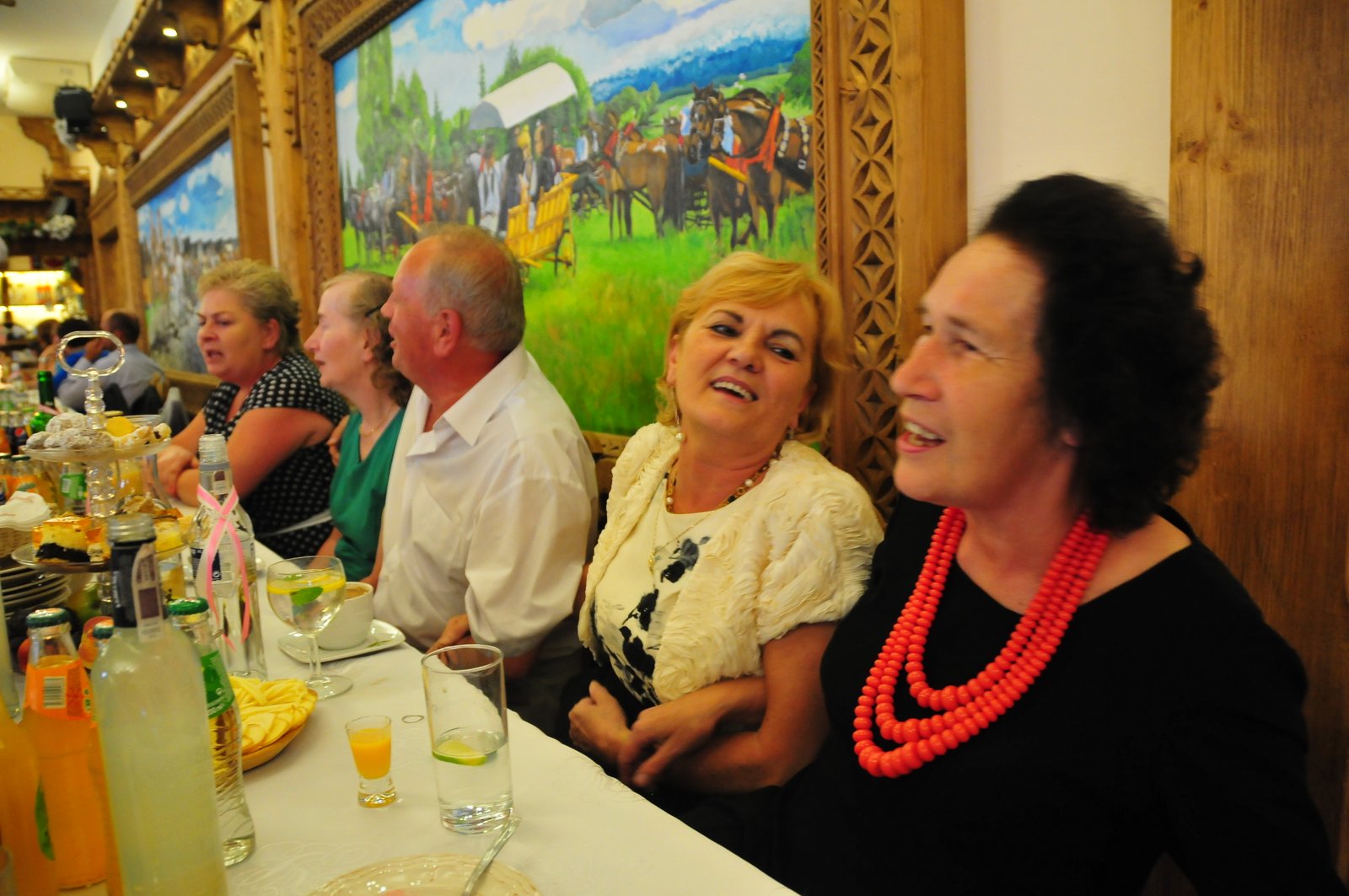
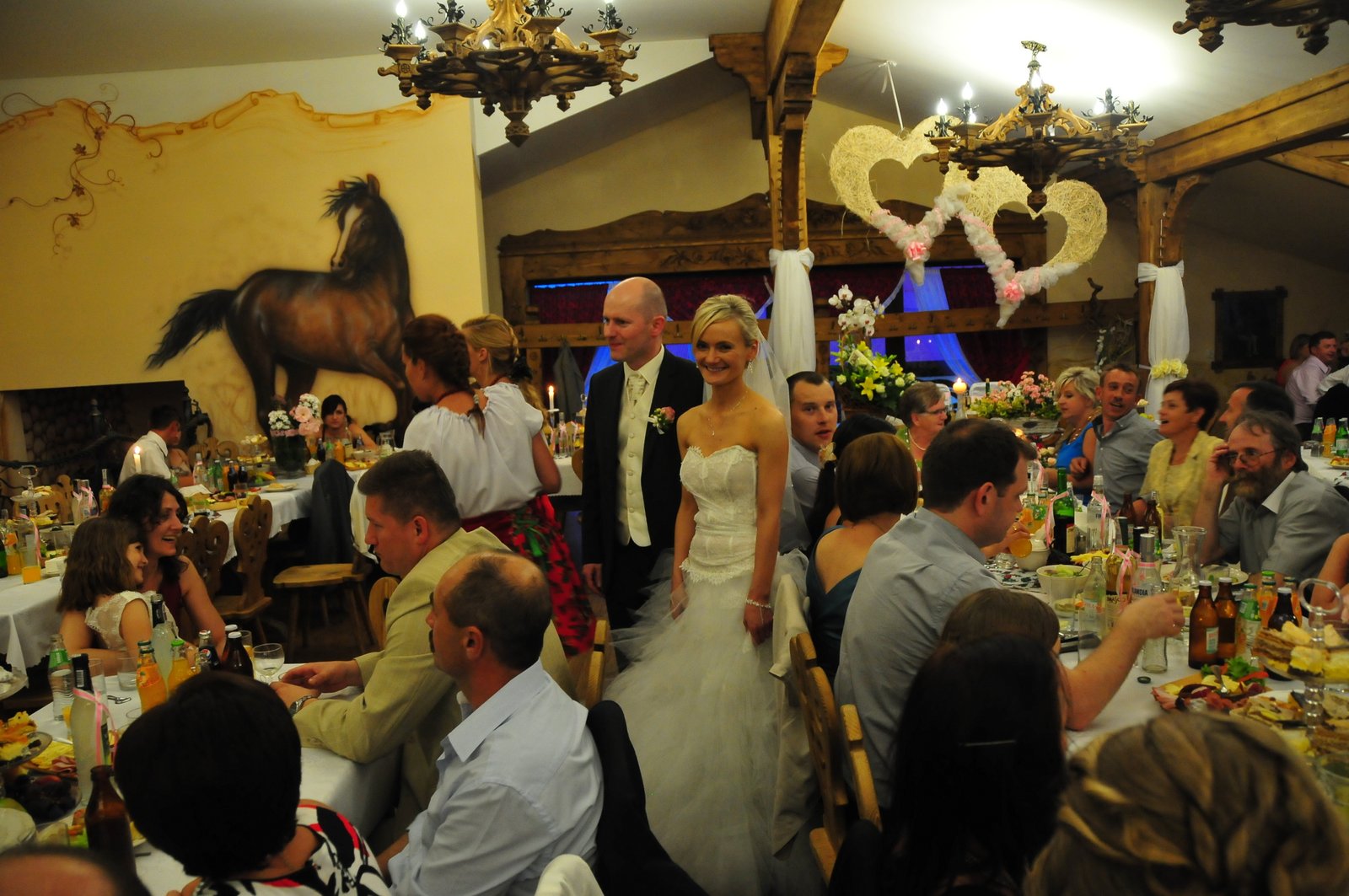
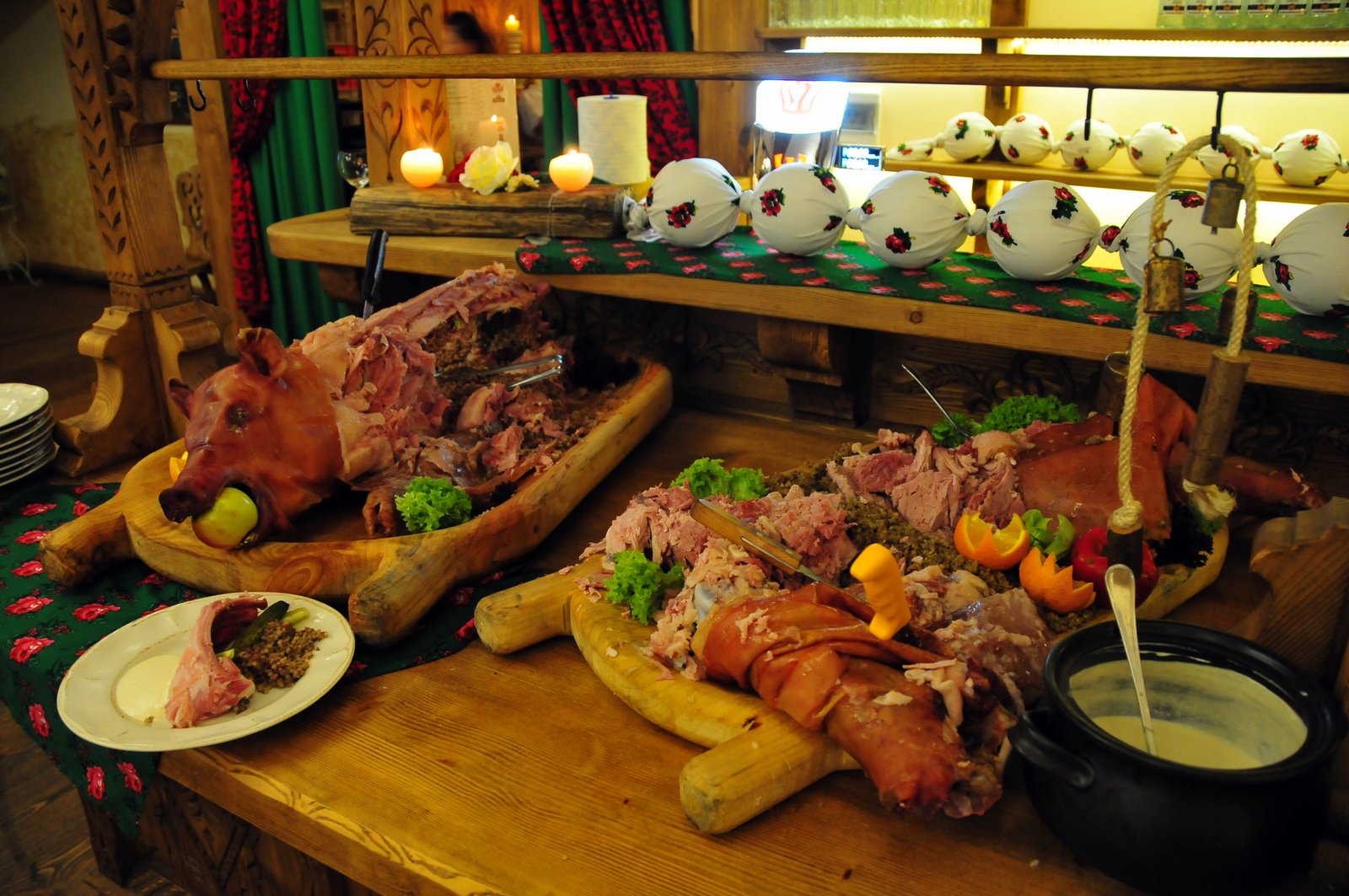
The Girl got to be ring bearer, a double twist on tradition, and she got to experience her first Polish wedding party.
Click images to enlarge.
A traditional southern Polish wedding lasts three days; a generous modern southern Polish wedding lasts two. The second day is called "Corrections." You'll pardon me if, given the fact that K's cousin had a generous modern southern Polish wedding, all I have the energy to say today is "Sto lat młodej parze."
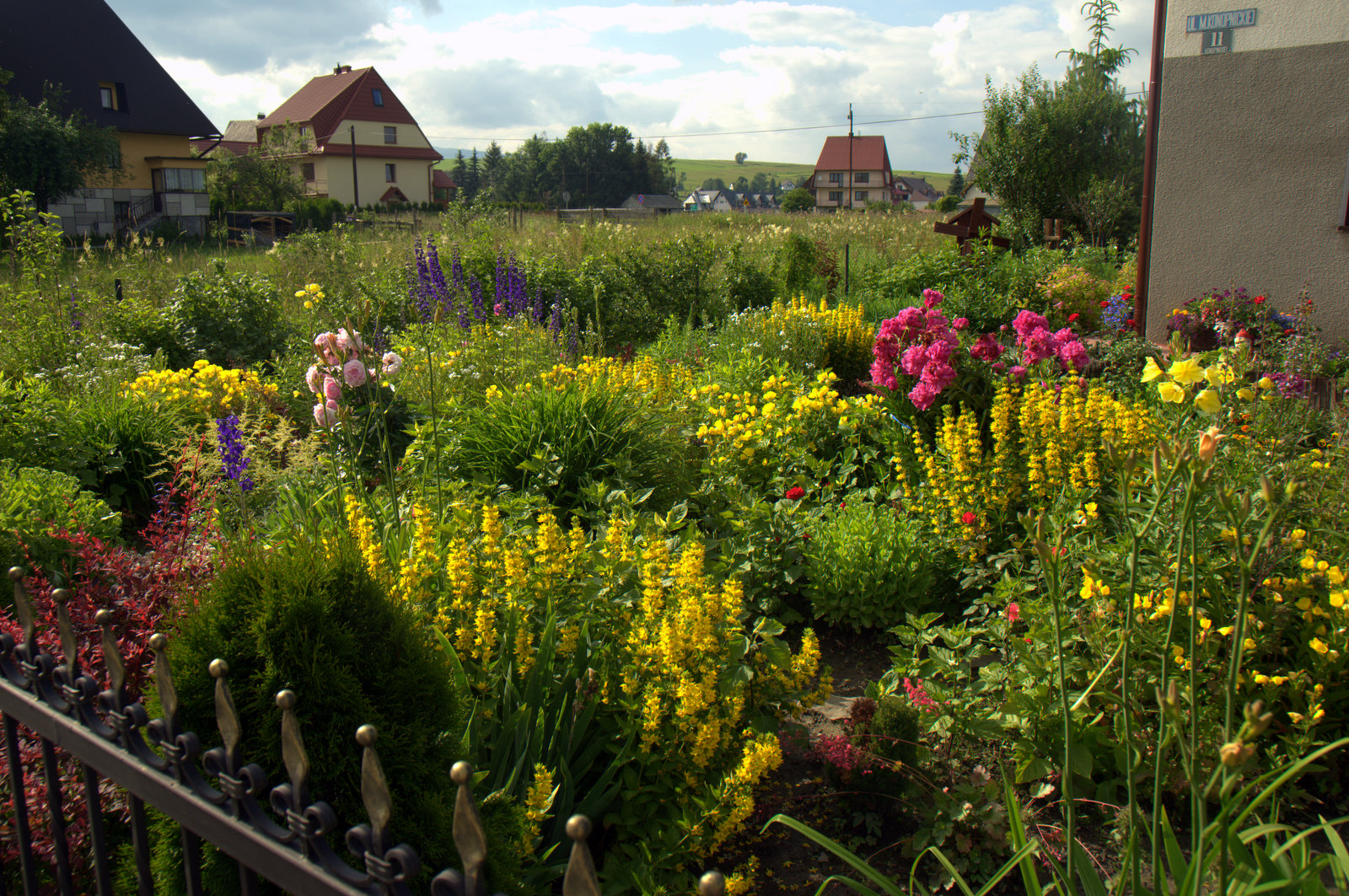
Babcias's neighbor, a couple of houses up, has quite an impressive flower garden despite the fact that she's raising five kids while her husband provides for the family from abroad. I saw one of the older children, a teenager, in the garden and commented on its intensity and loveliness. "Thanks," she said, "but my mom does it all."
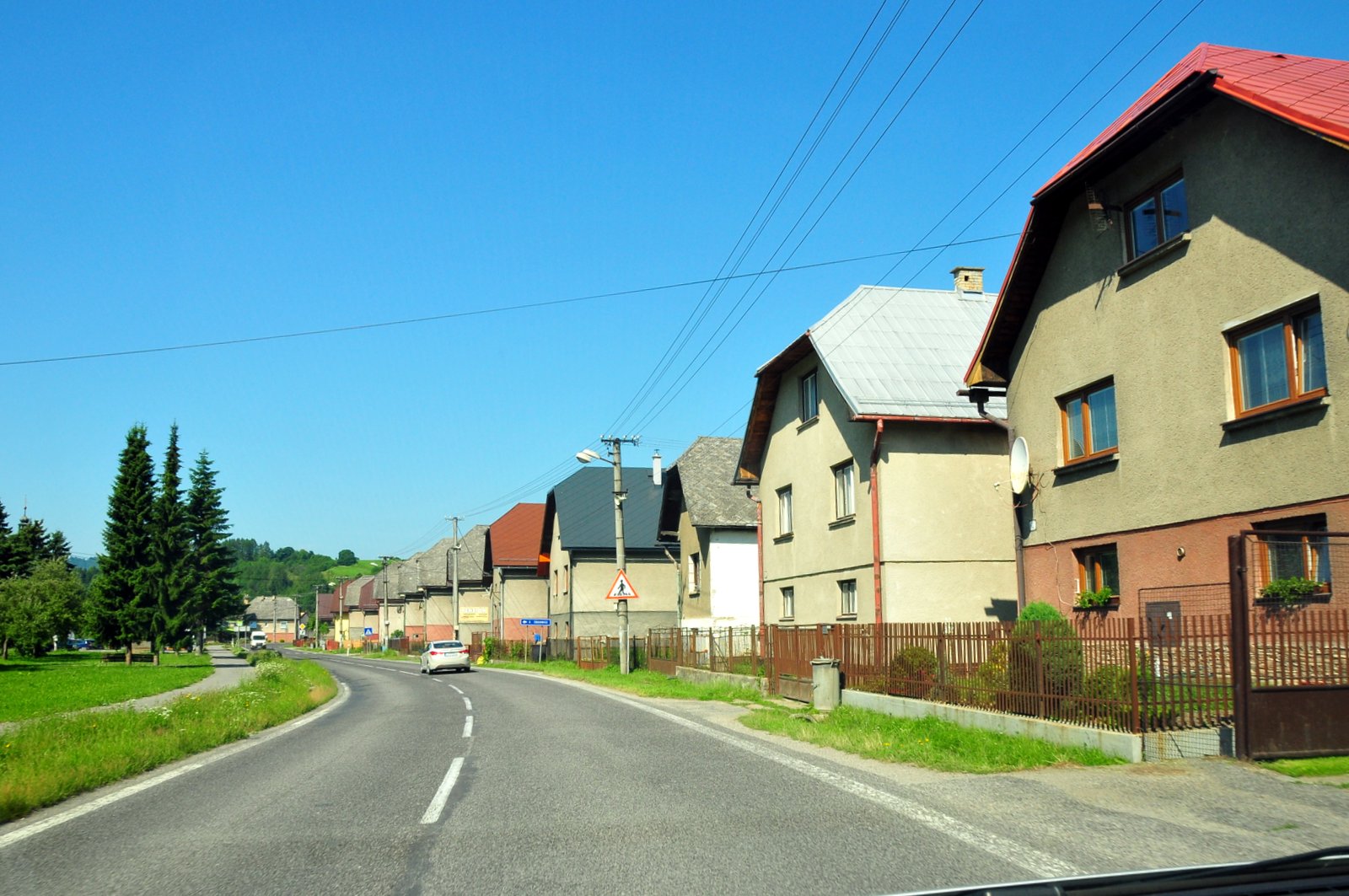
It's obvious almost instantly that you've crossed the border into Slovakia. Everything looks similar, but just different enough. The villages above all: stretched out along a single road, houses huddled up to the street, house after house looking quite similar.
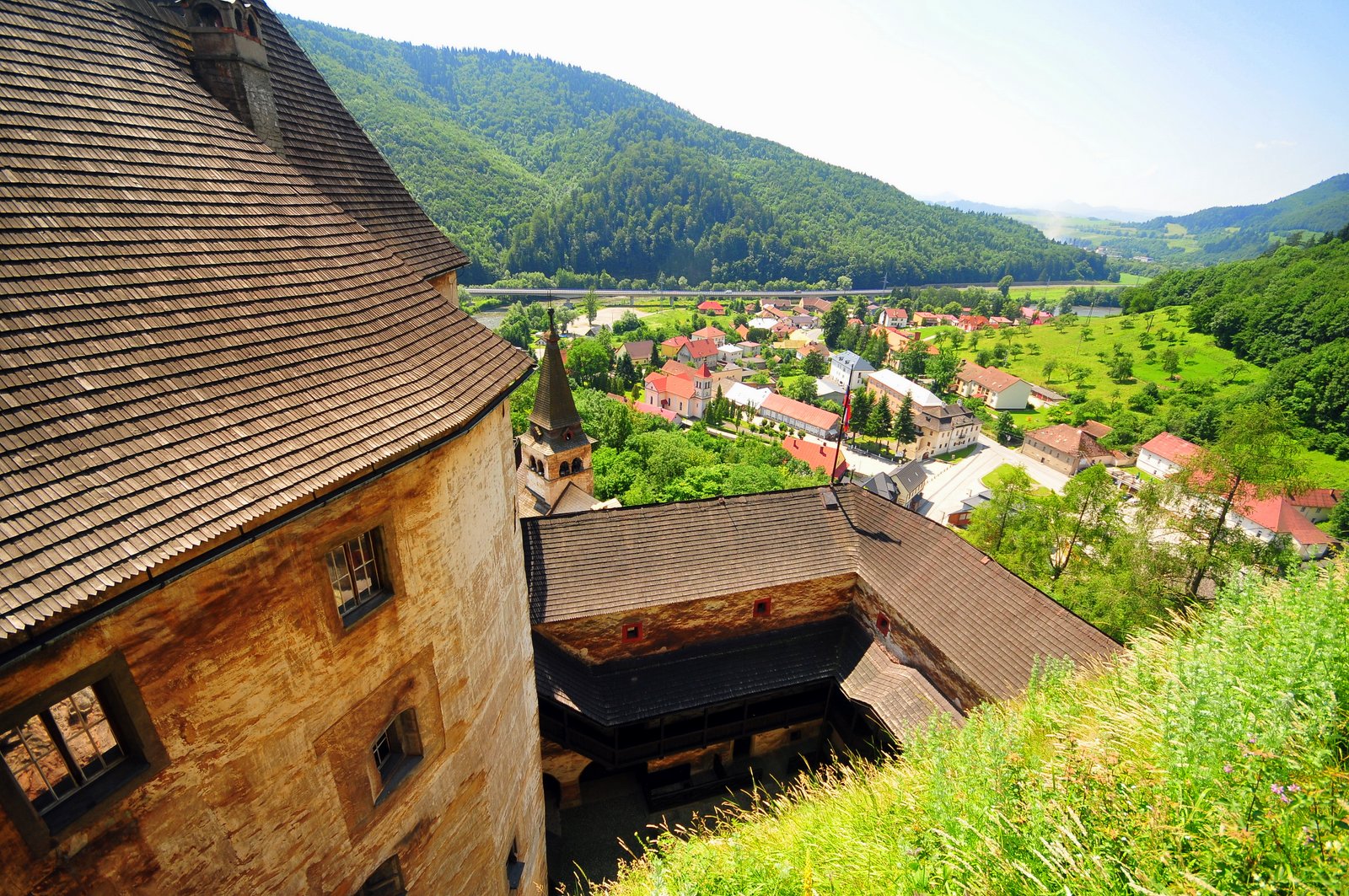
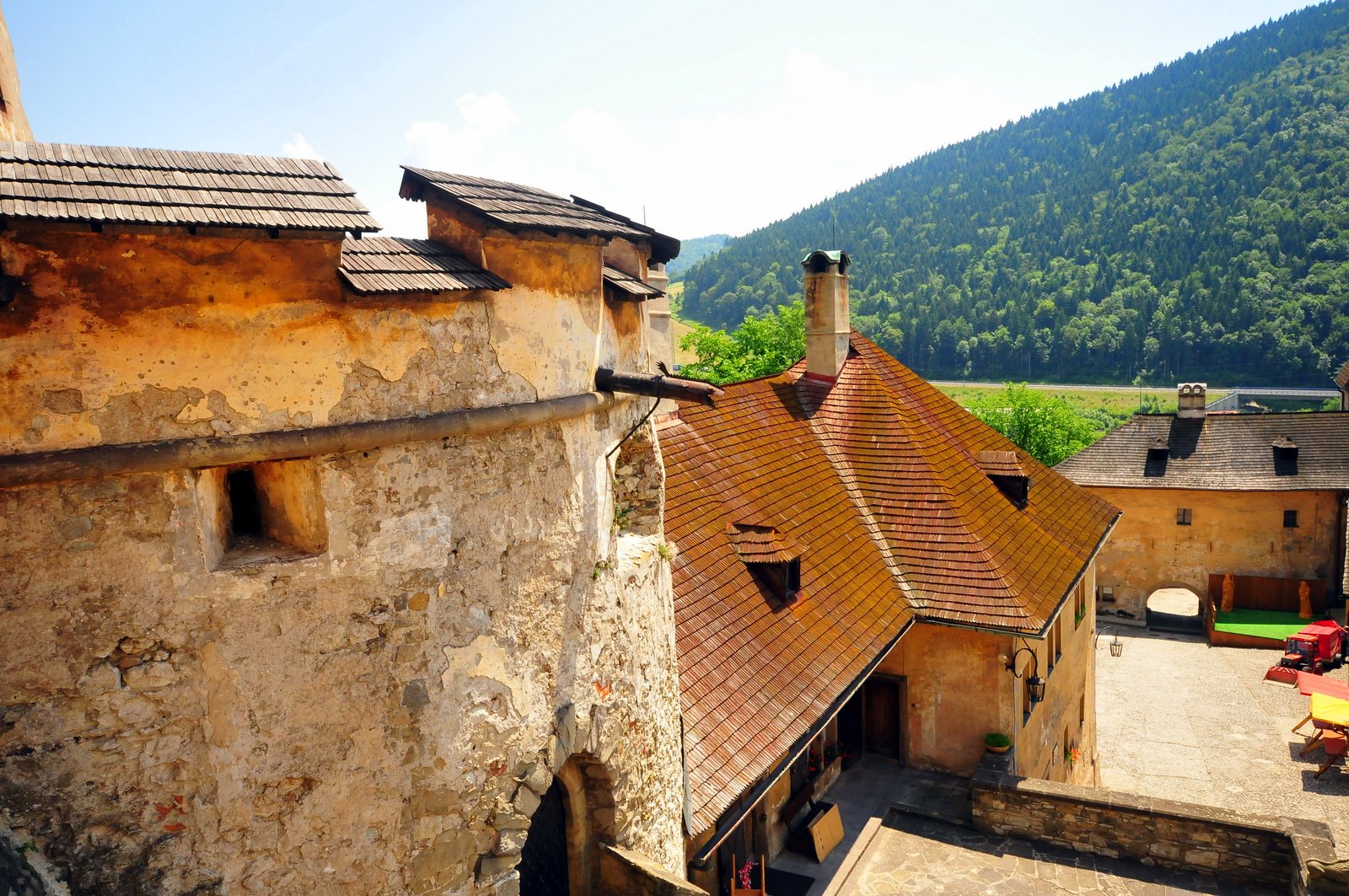
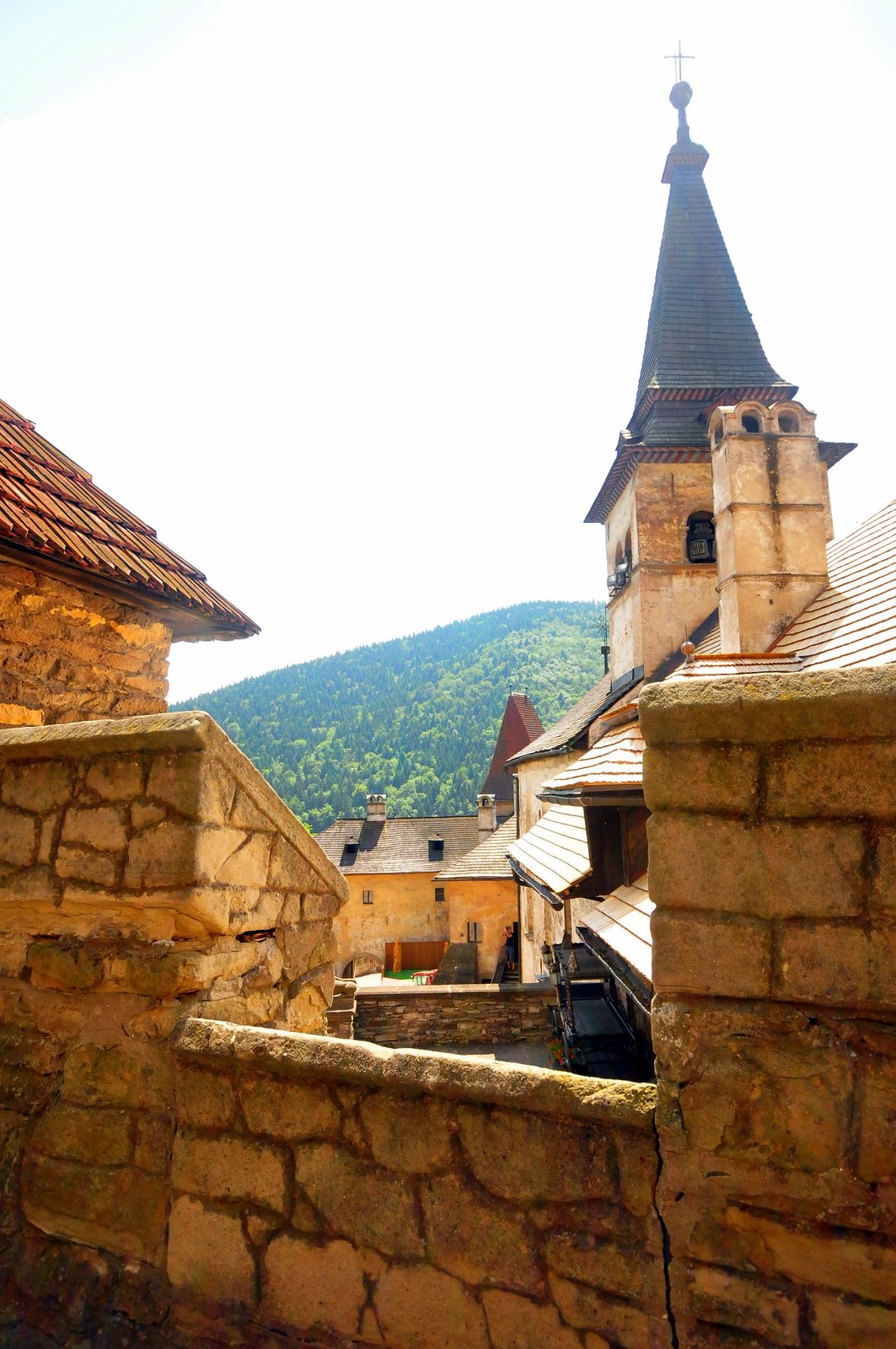
Today's fieldtrip, Oravský Hrad -- Orawa Castle, just about forty kilometers inside Slovakia but a world away from the twenty-first century. Probably the third or fourth time I'd been there, but when I'd shown L pictures of the castle -- instant intrigue.
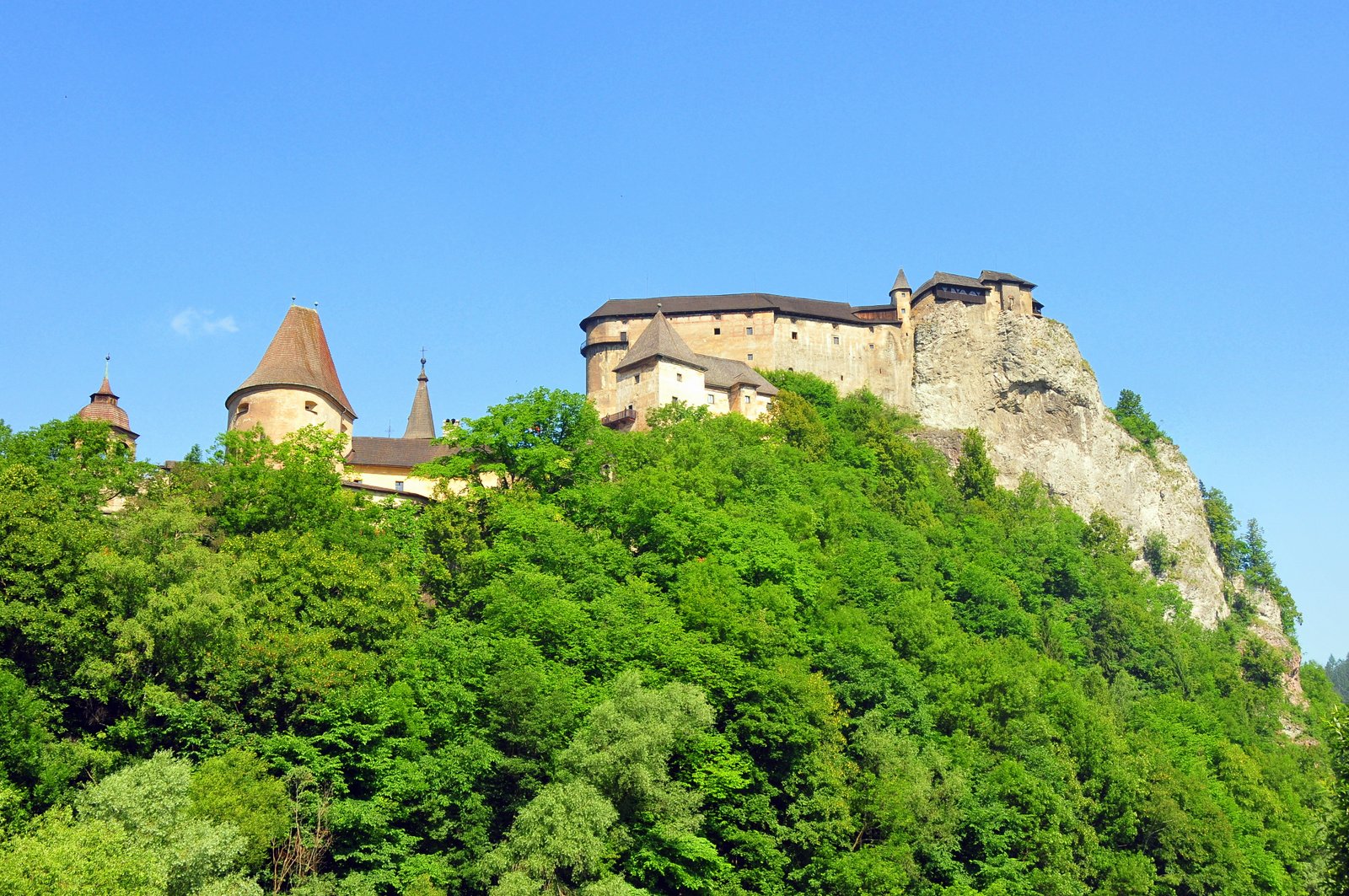
And who wouldn't be intrigued with a castle literally perched on the razor tip of a high cliff?
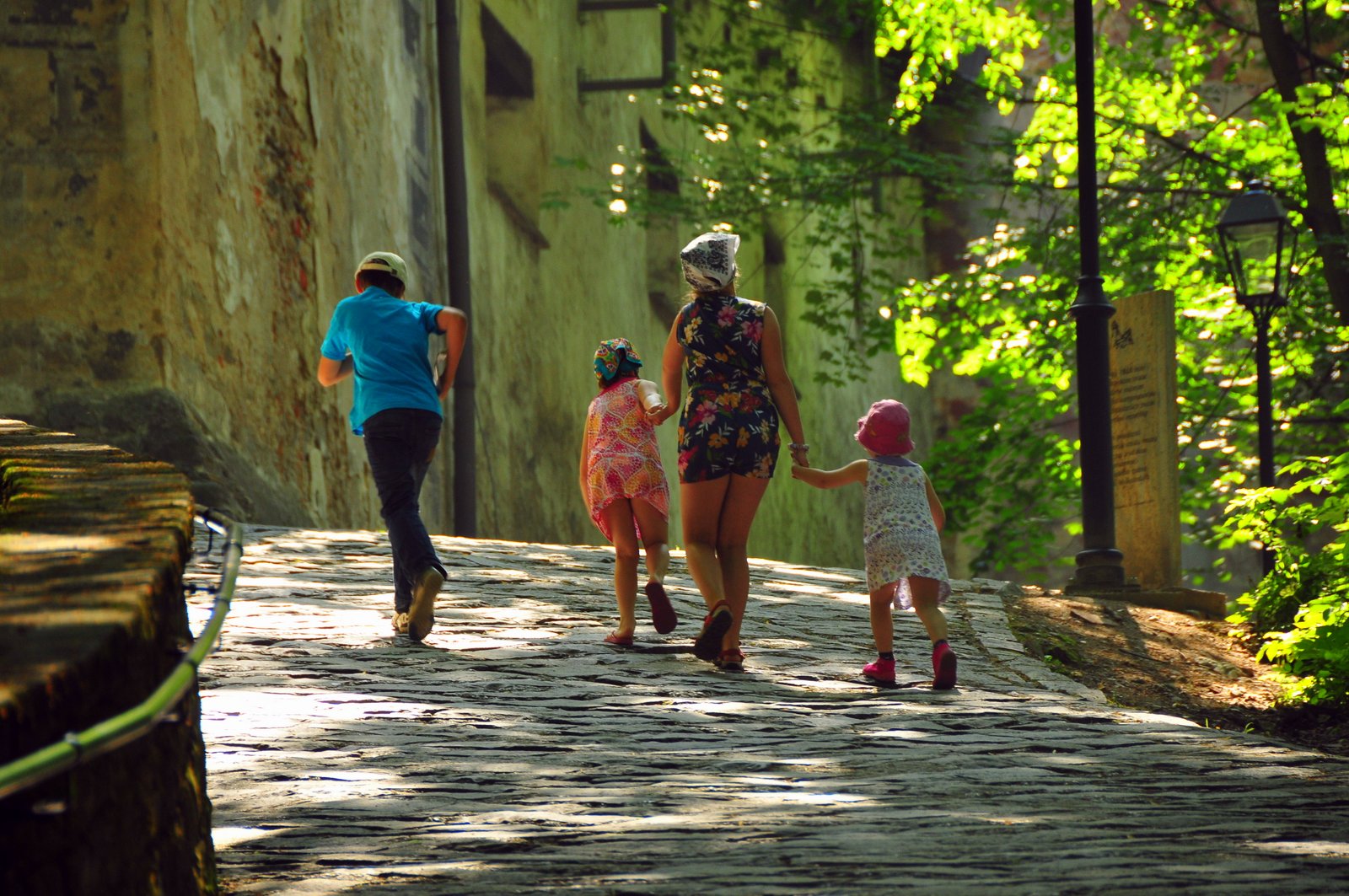
Yet I was a little worried about the legs of our smallest visitors: it begins with a climb and only grows steeper through the visit. Up, up, up -- anyone with any fear of heights needs not apply, nor anyone with weak legs.
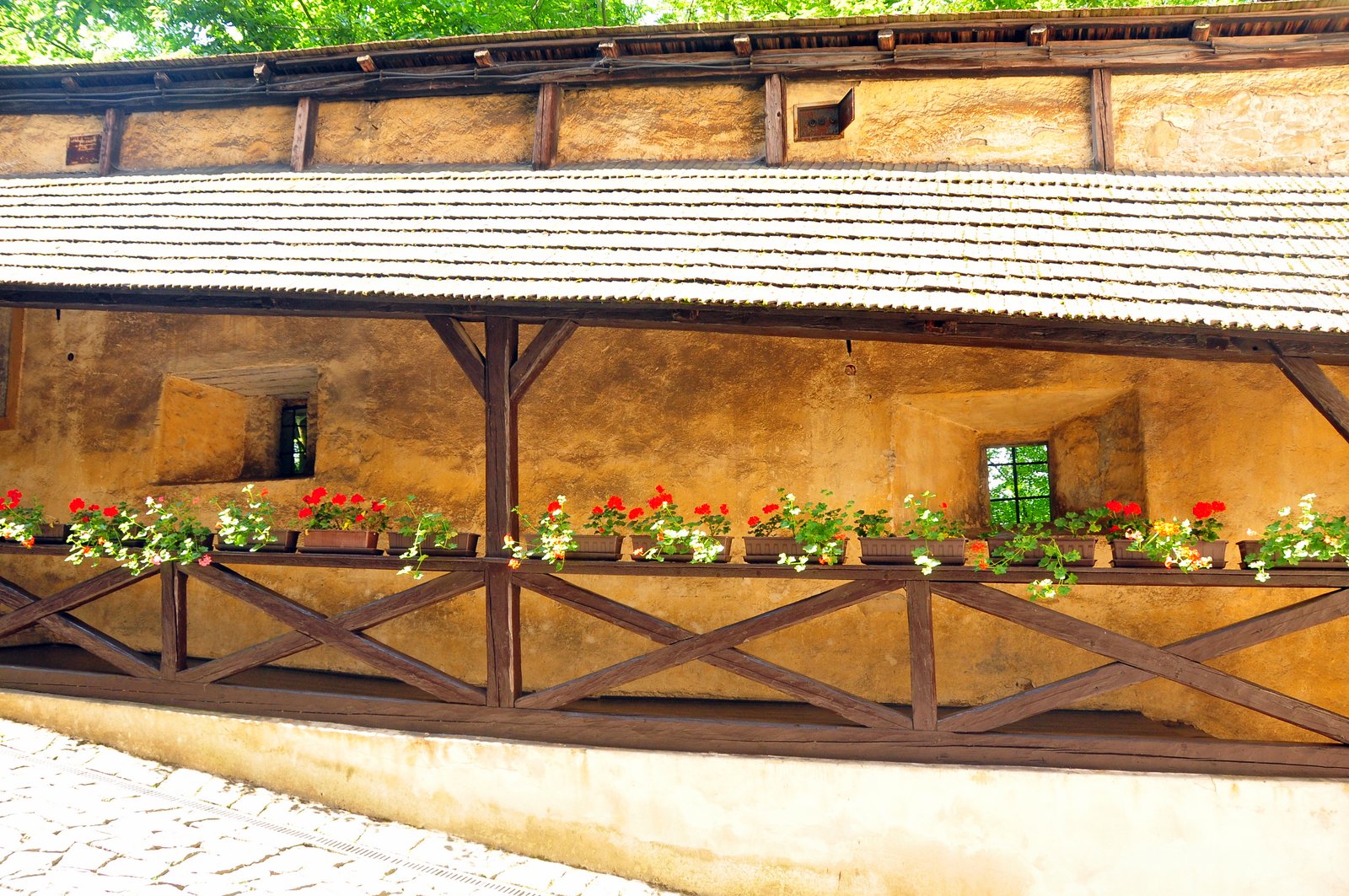
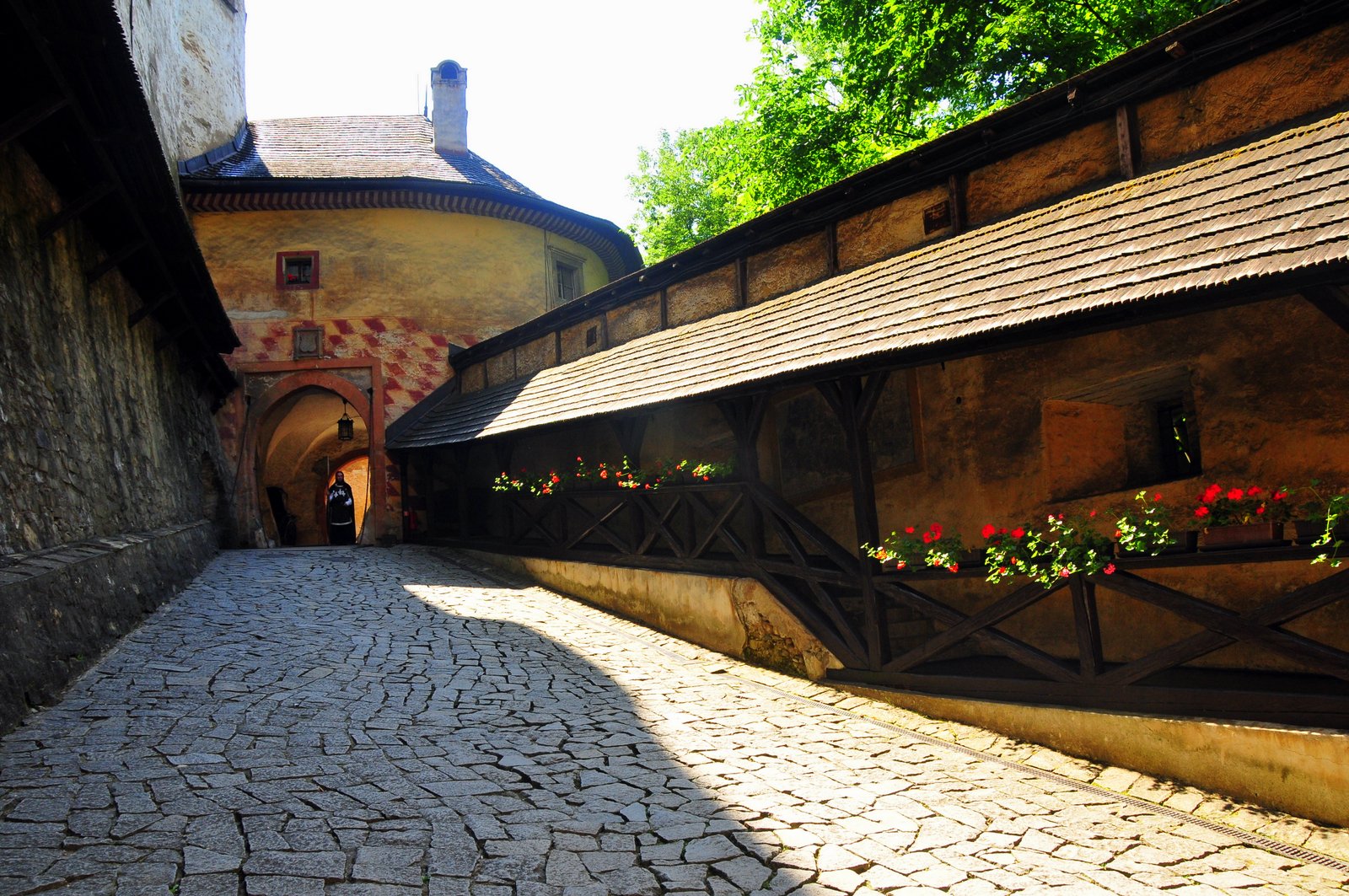
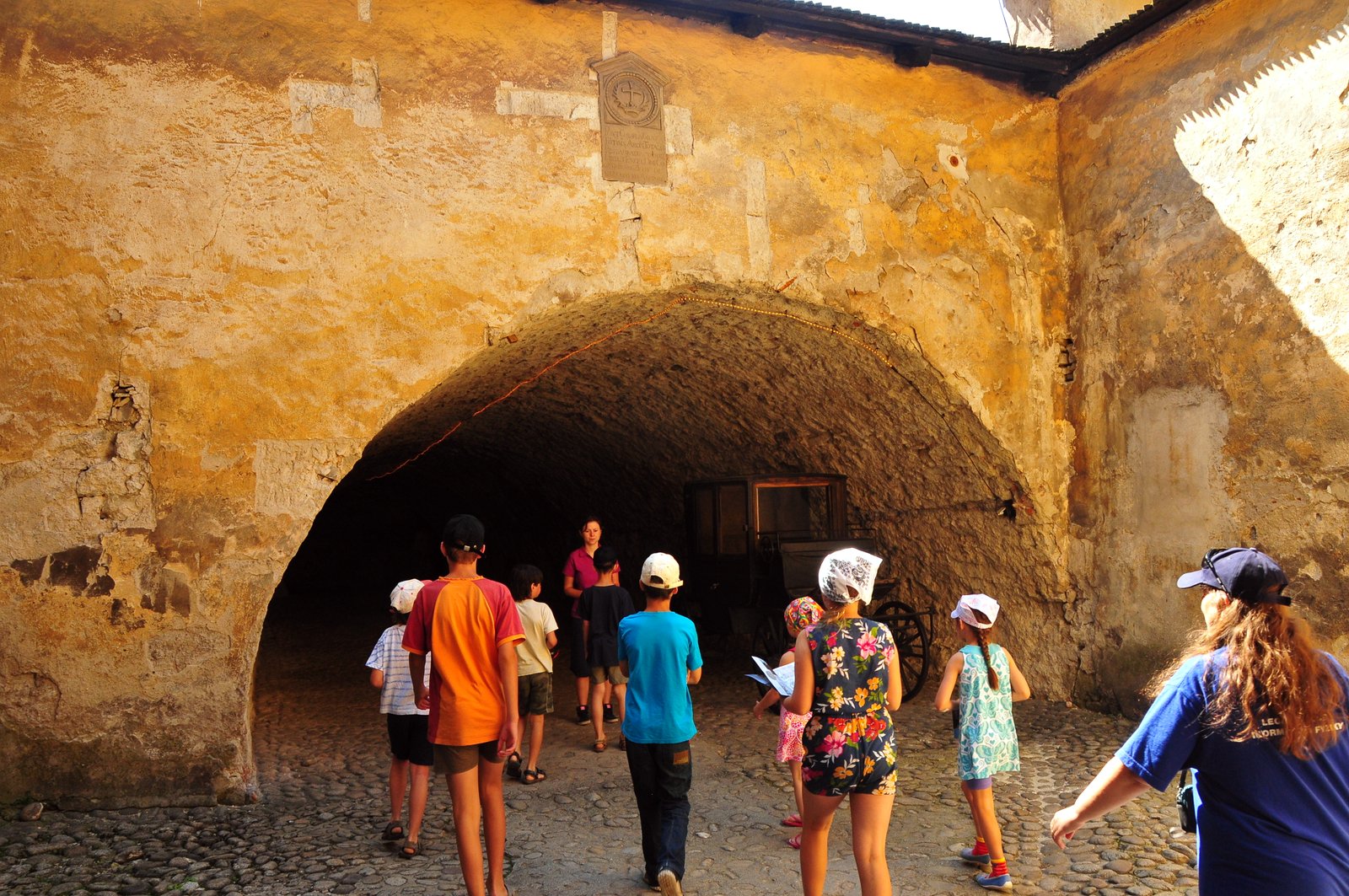
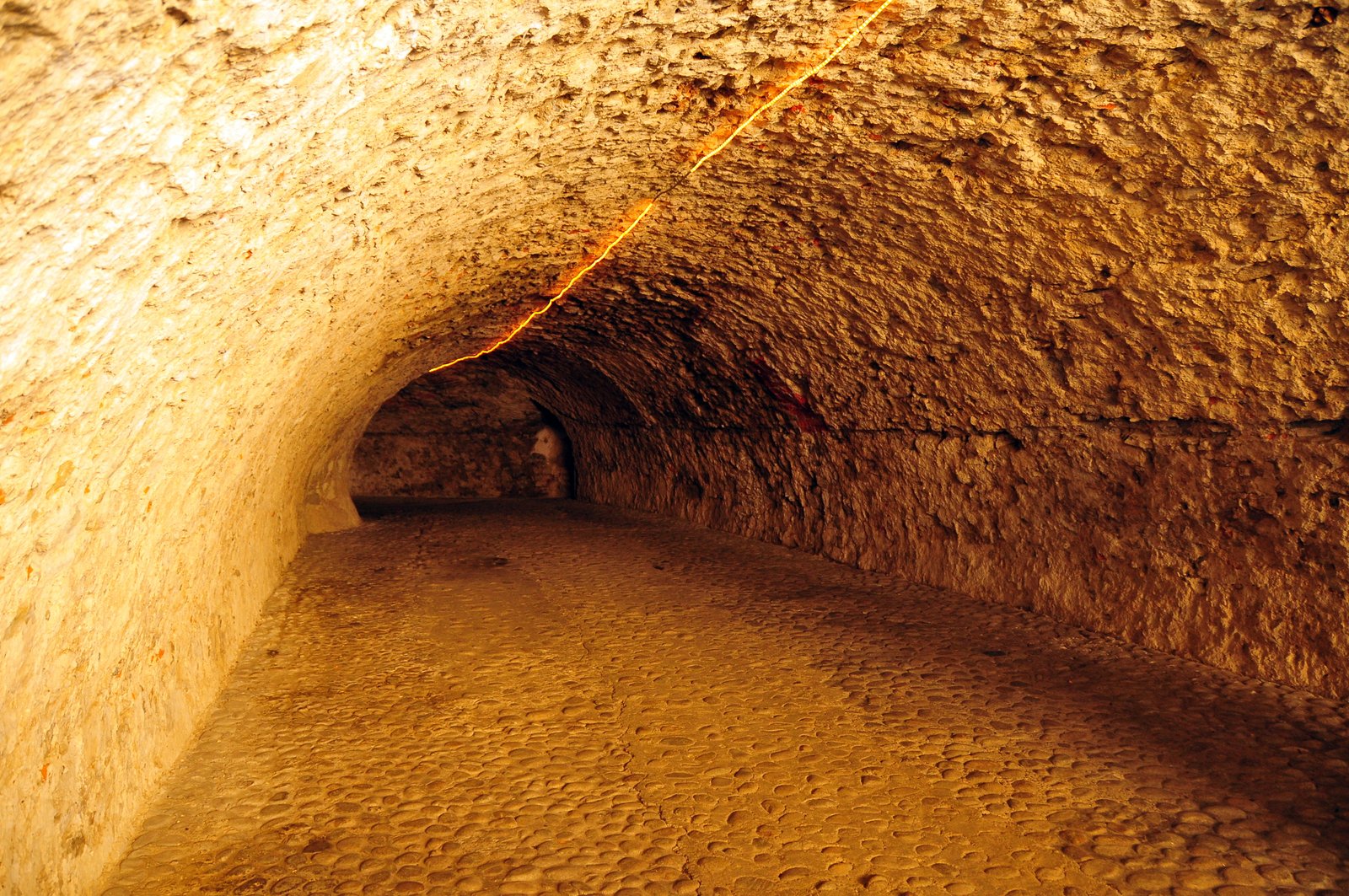
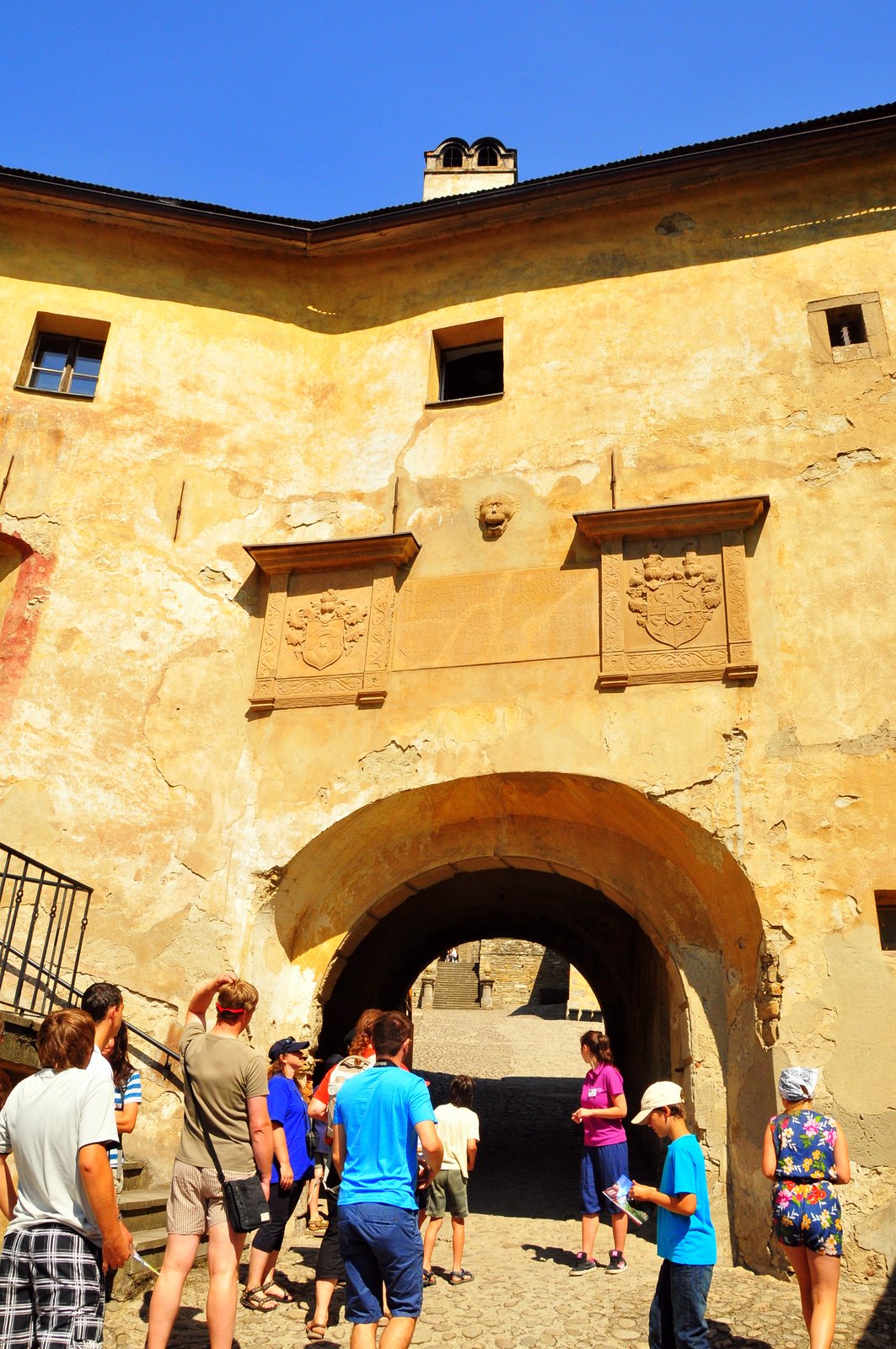
Having seen for the first time a couple of years ago the film 1922 Nosferatu, I was particularly interested in the first couple of gates. While none of the interiors were used for the film, the exteriors framed the early adaptation of Dracula.
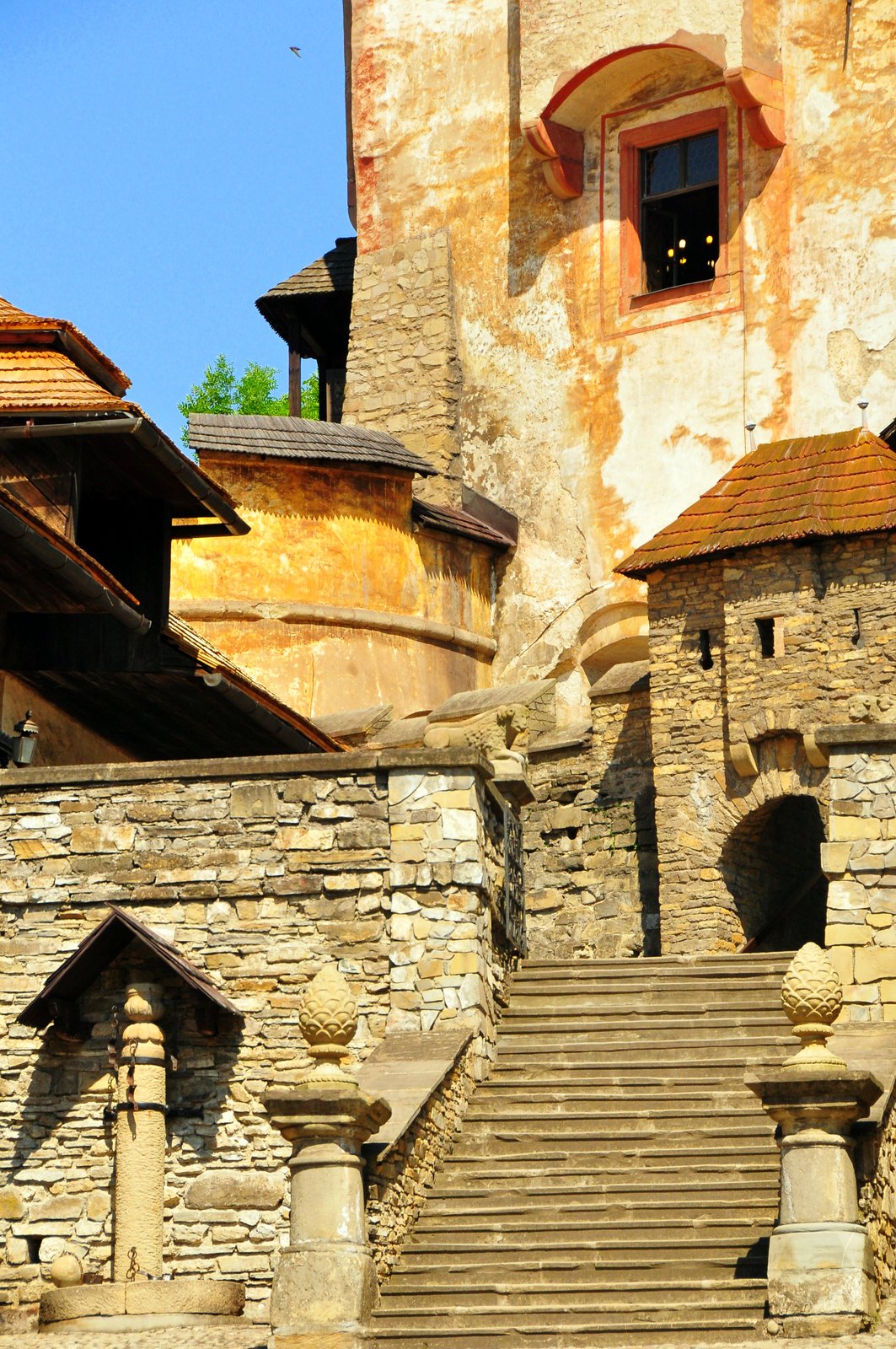
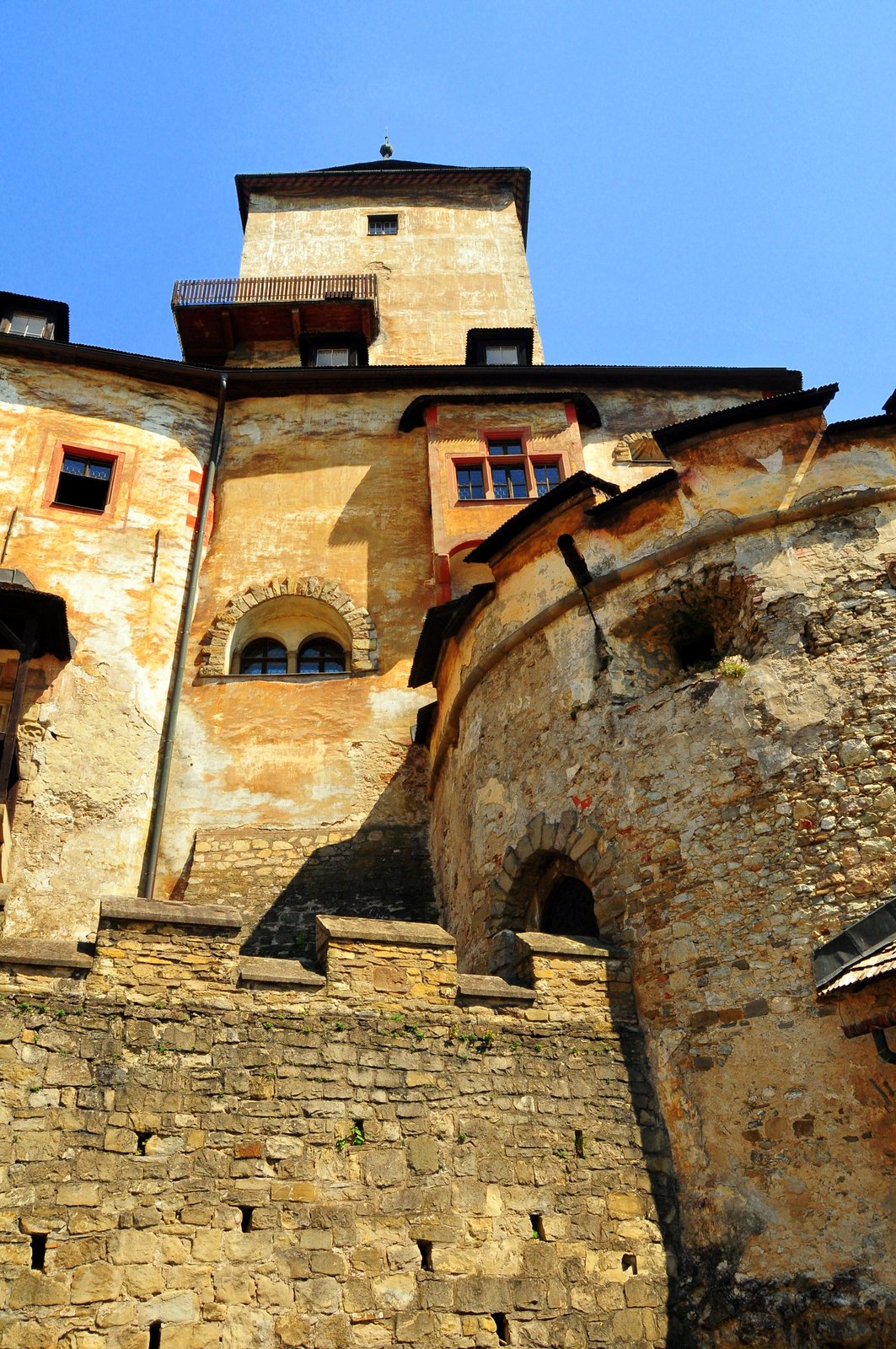
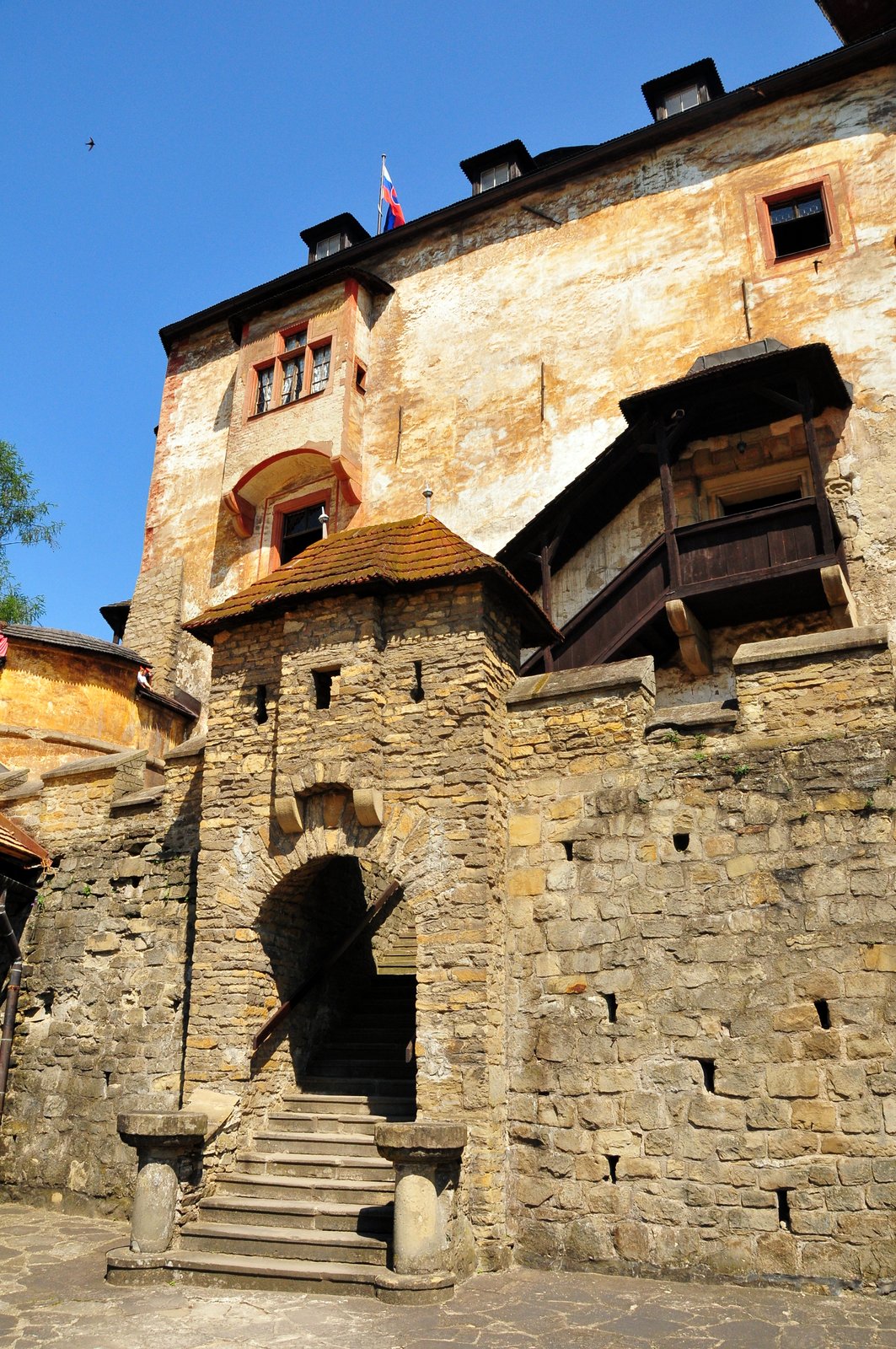
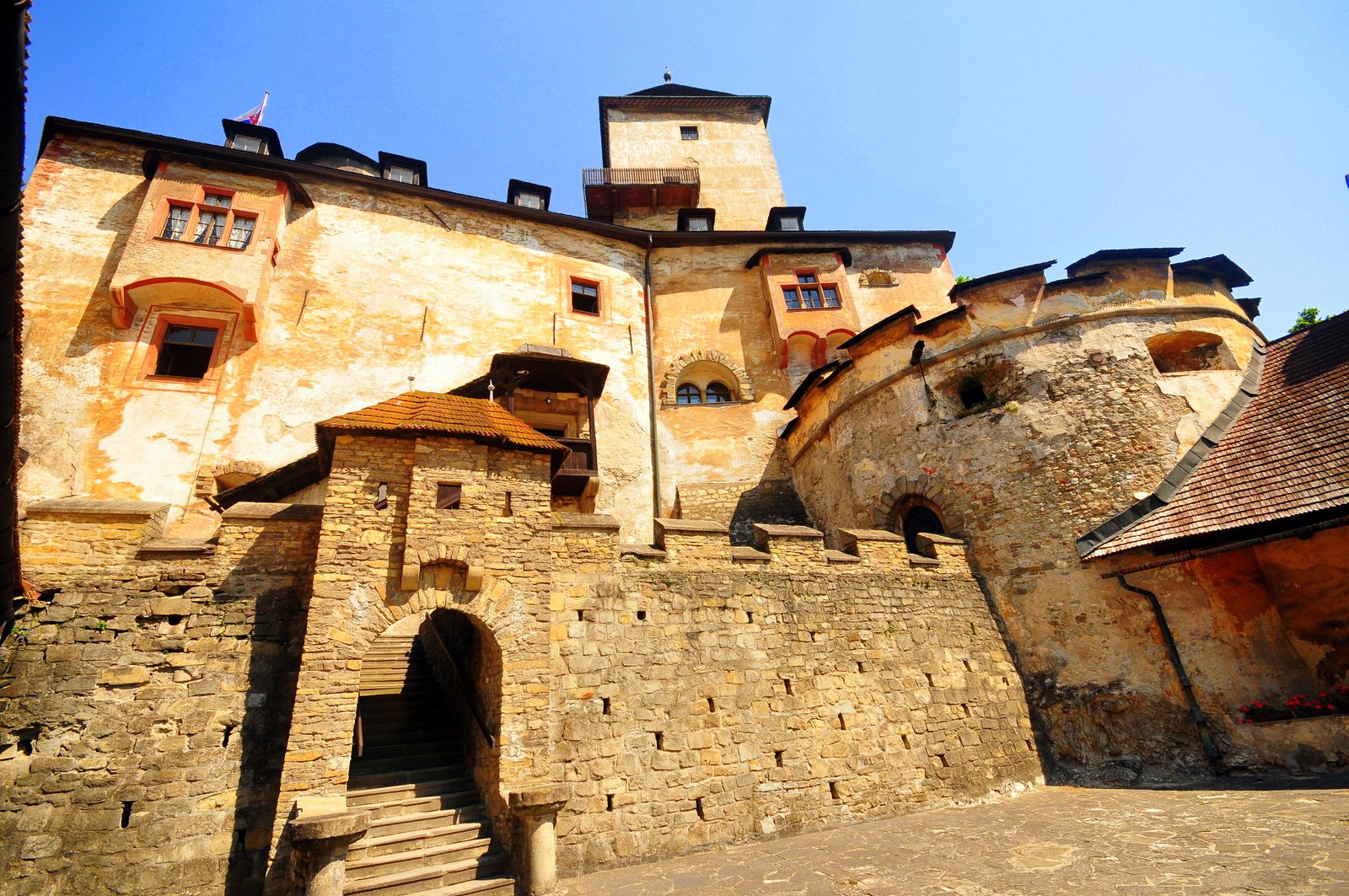
In 1922 none of the interiors had yet been renovated, but if they had, there are a few interiors that certainly would have served the film well.
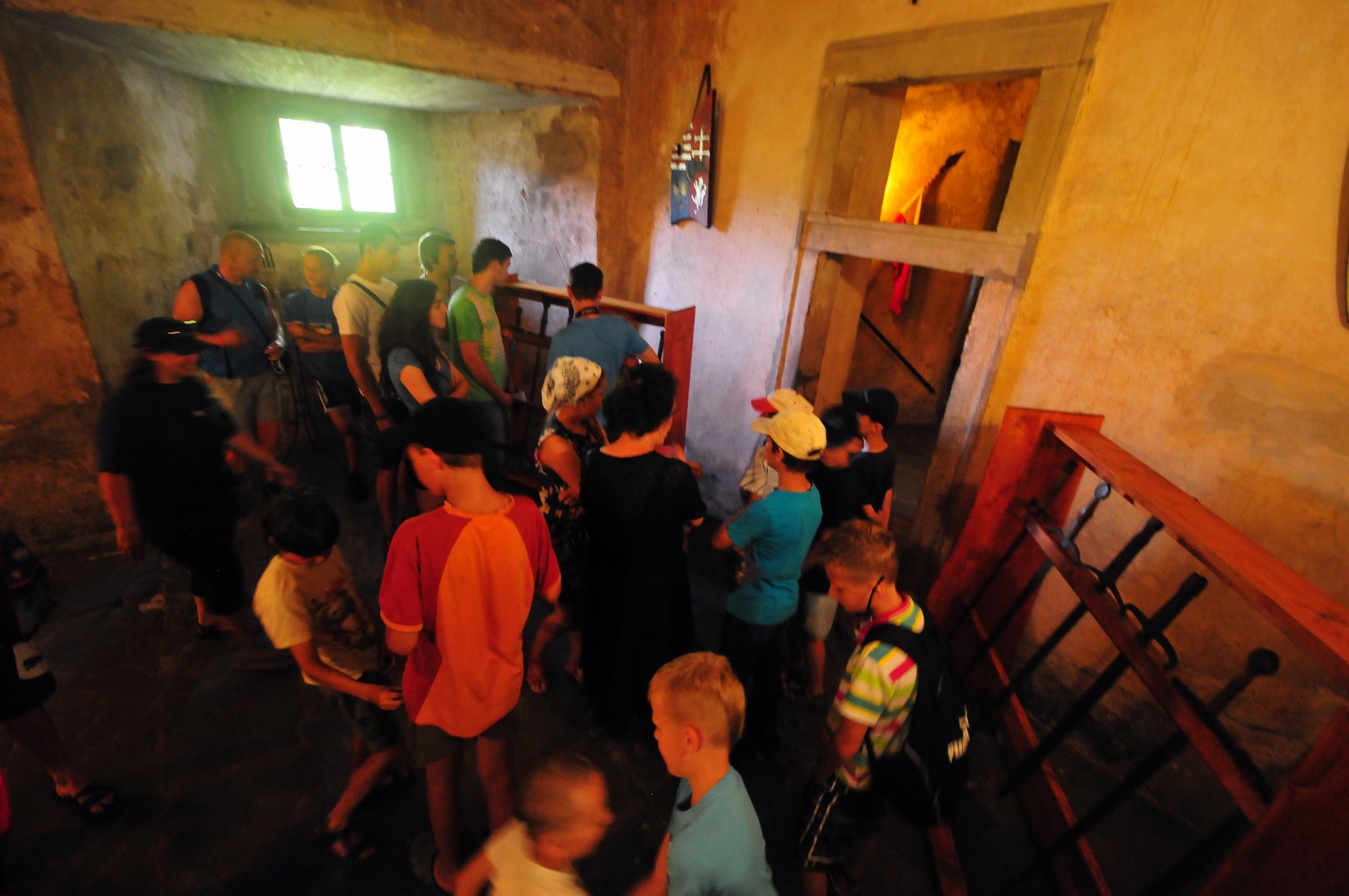
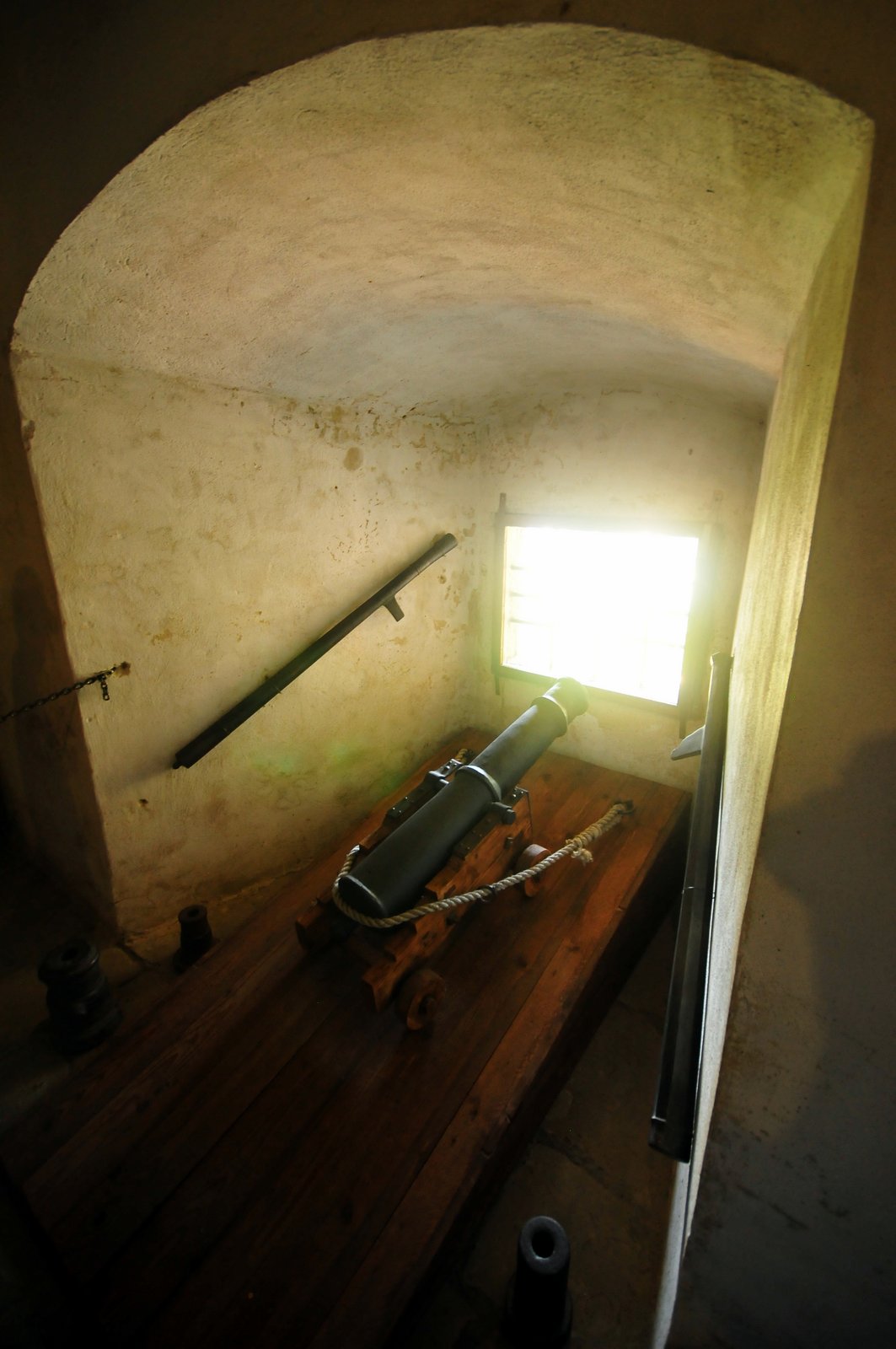
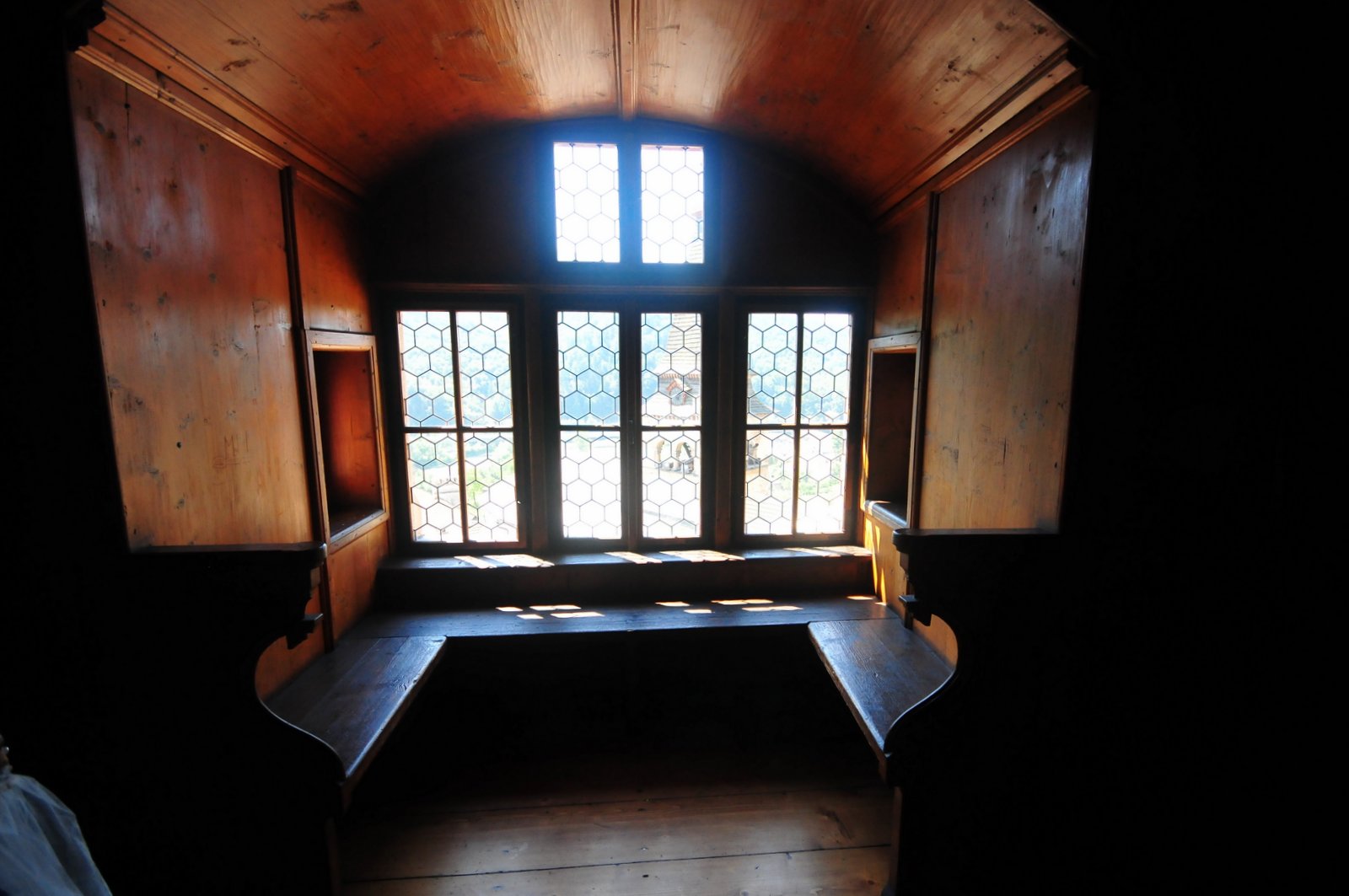
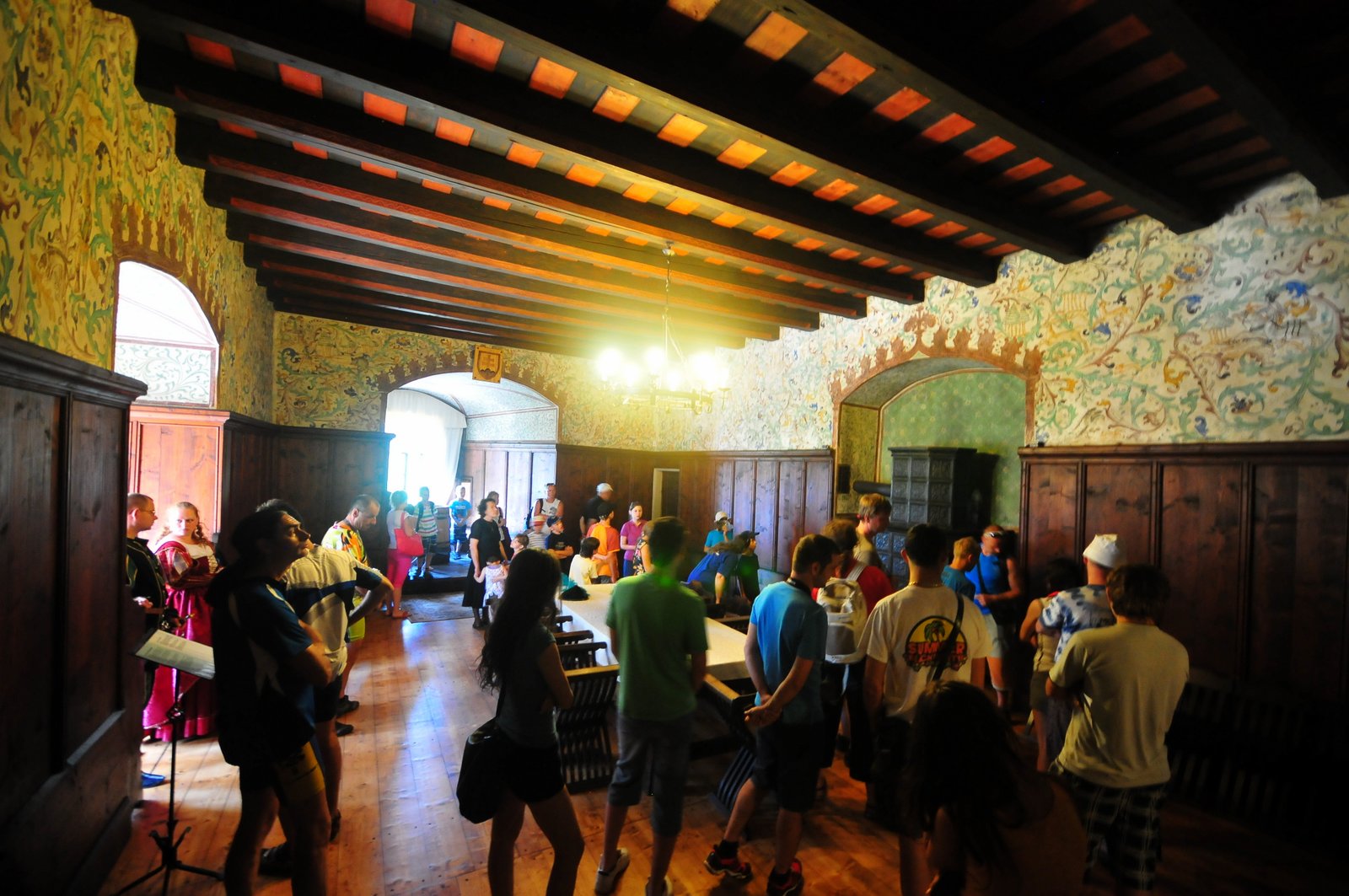
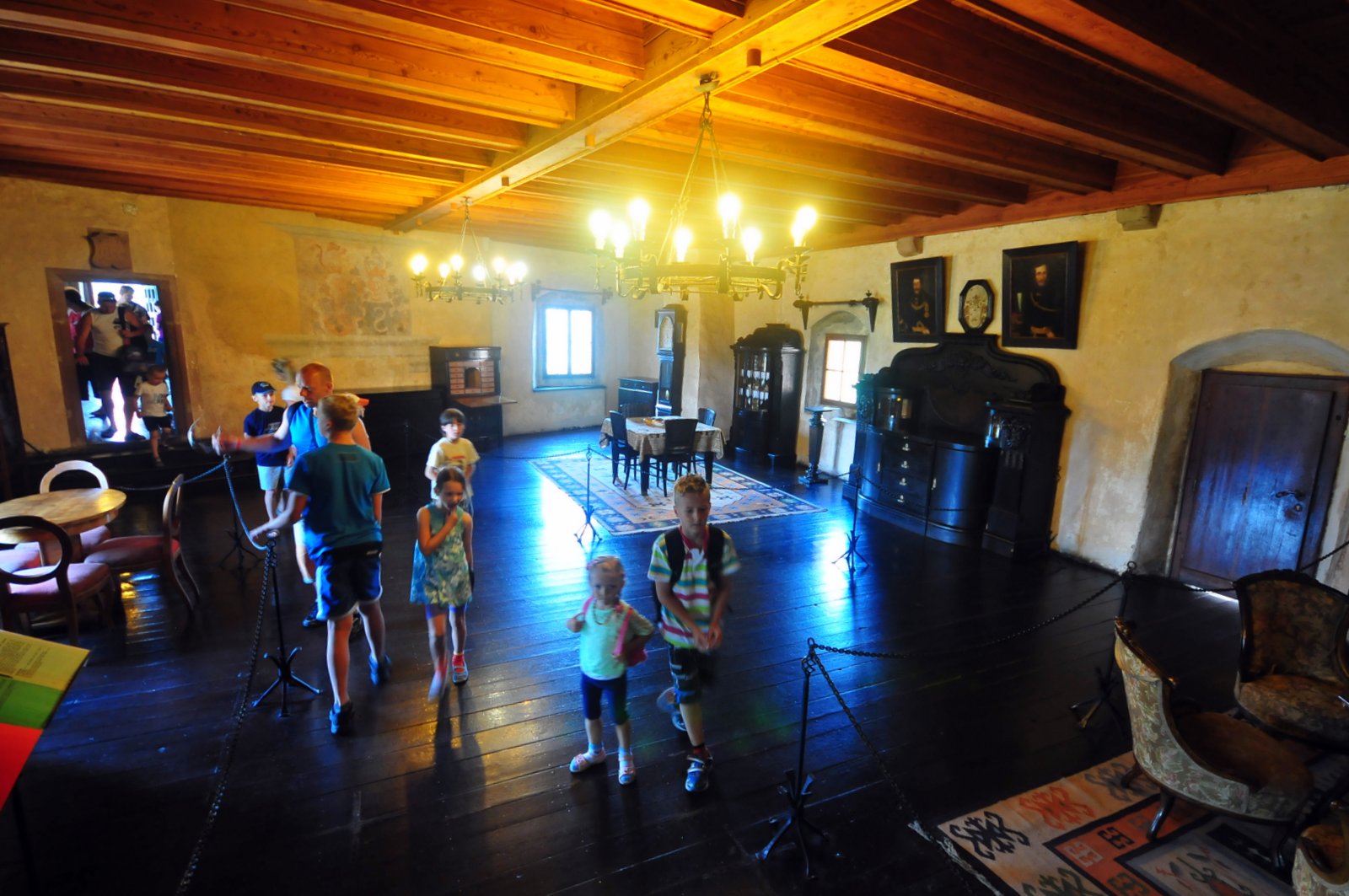
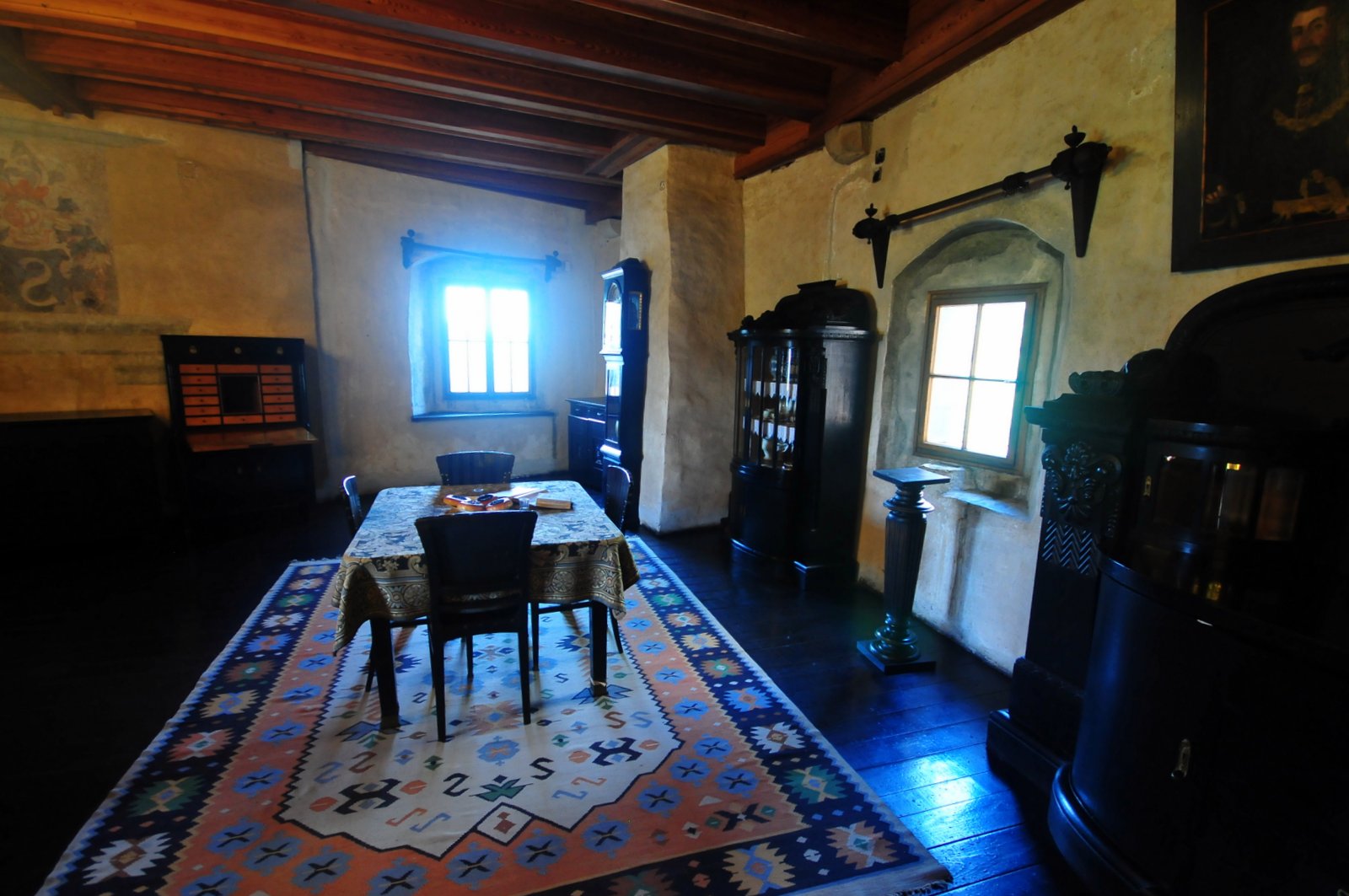
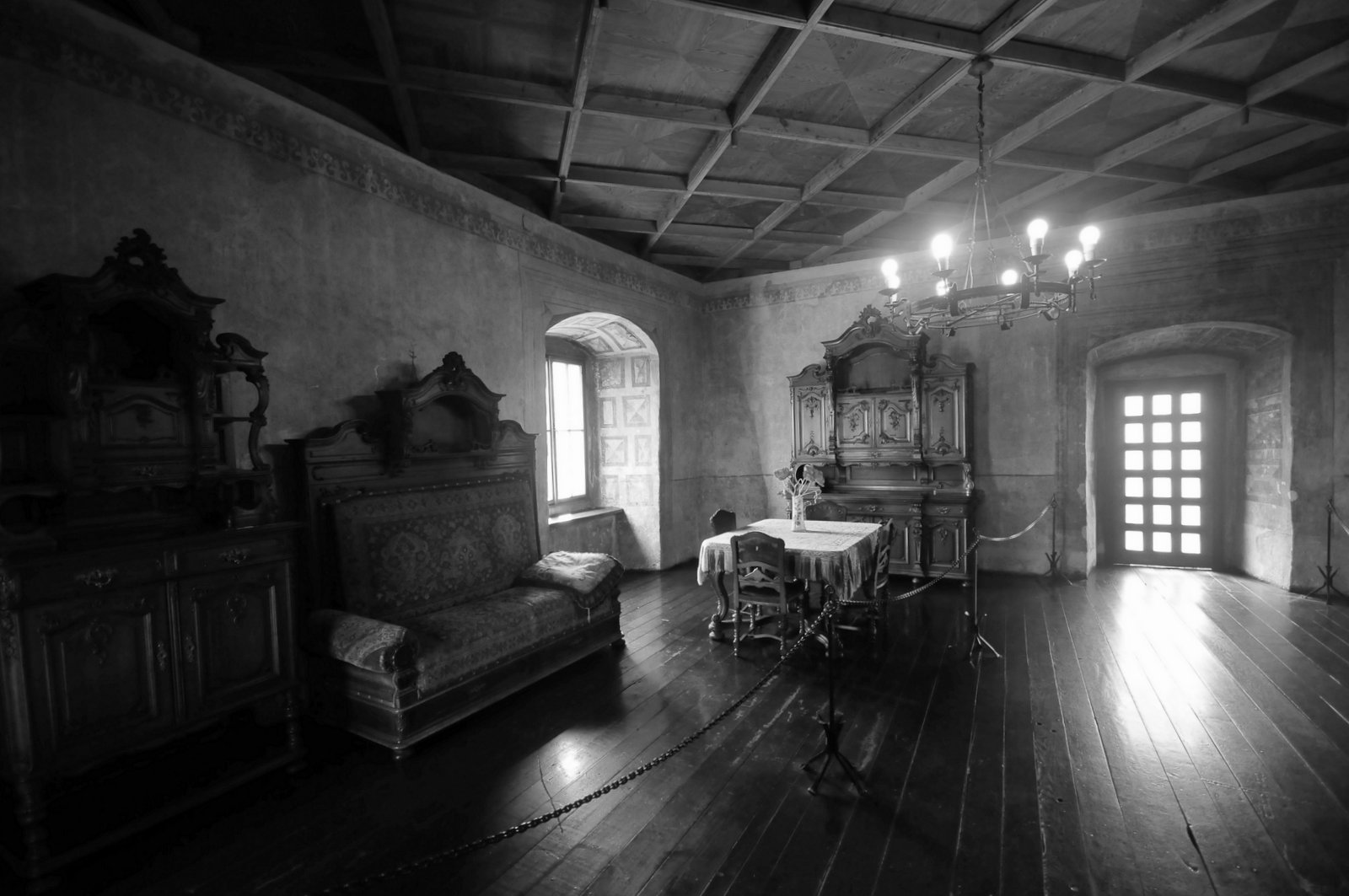
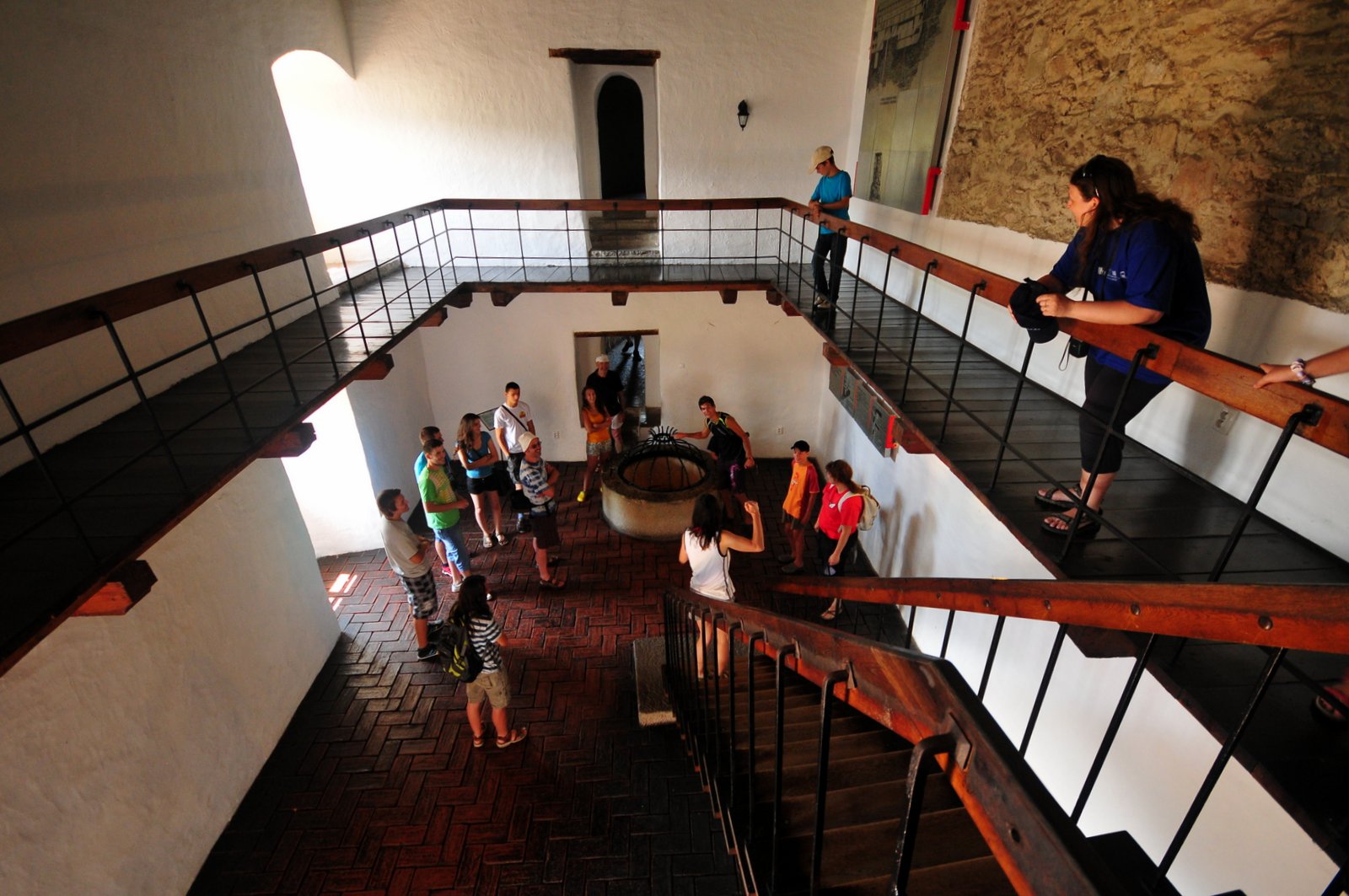
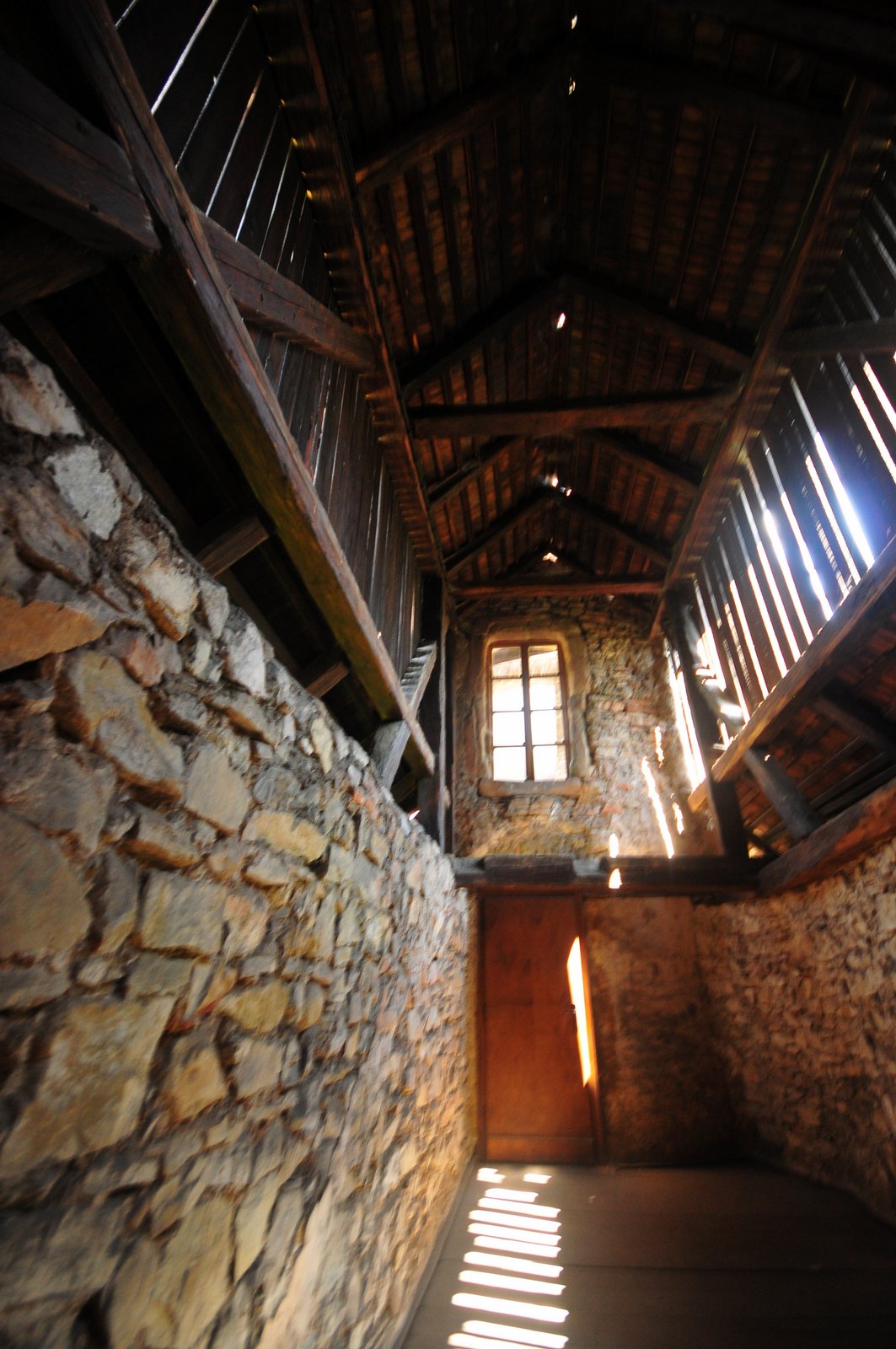
As for today's visit, the interiors seemed less interesting than the exteriors. And most fascinating was the mannequin dressed as Count Orlok, the vampire antagonist from Nosferatu.
"Tata, is that real?" And it was a fairly terrifying sight.
"Why does he have claws?" little D asked.
"What is that?" S asked.
I explained to everyone about the film, and honestly, I thought they would continue to worry about it, to fret about it. But soon enough, they were crowded around the mannequin.
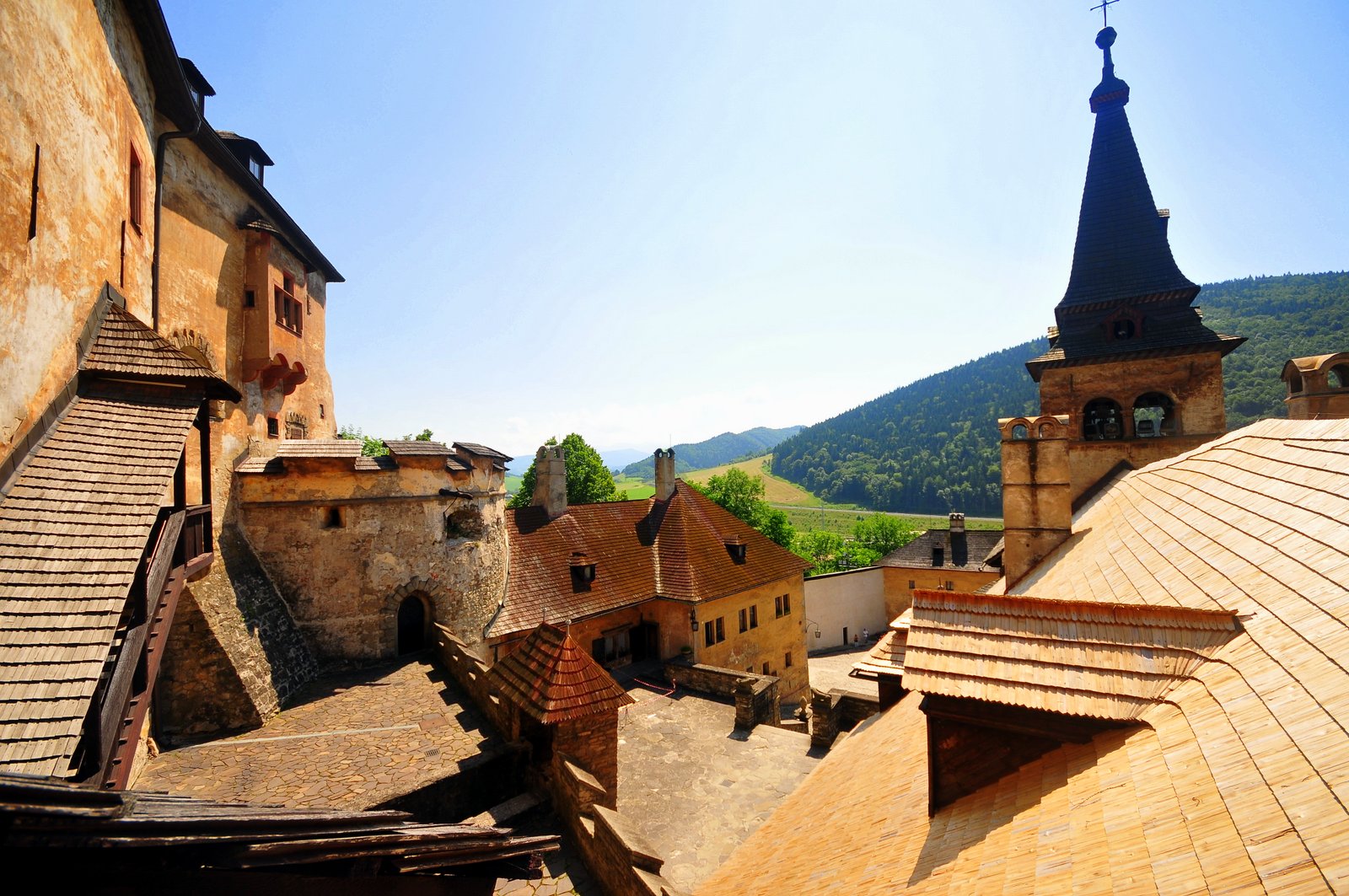
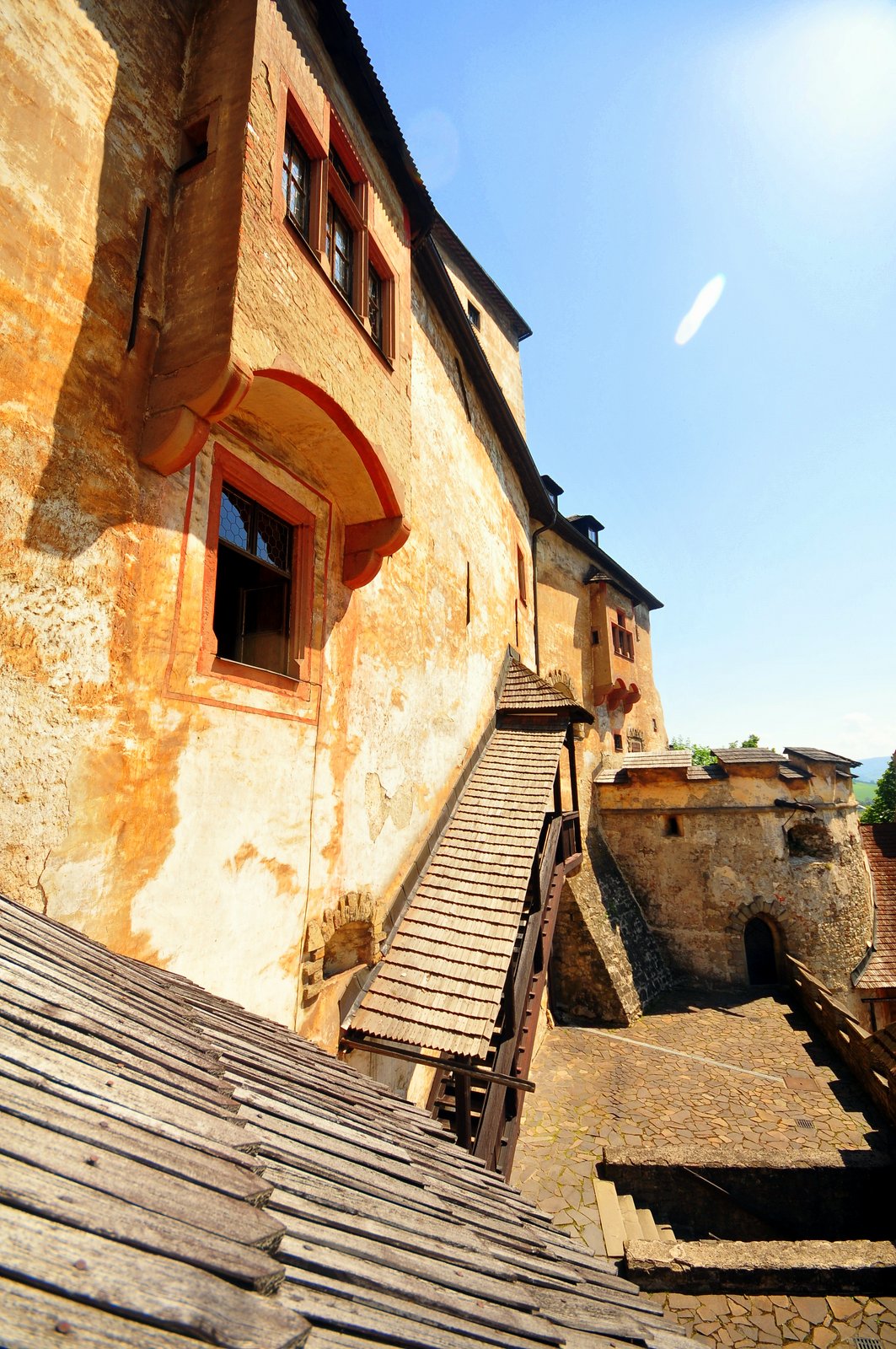
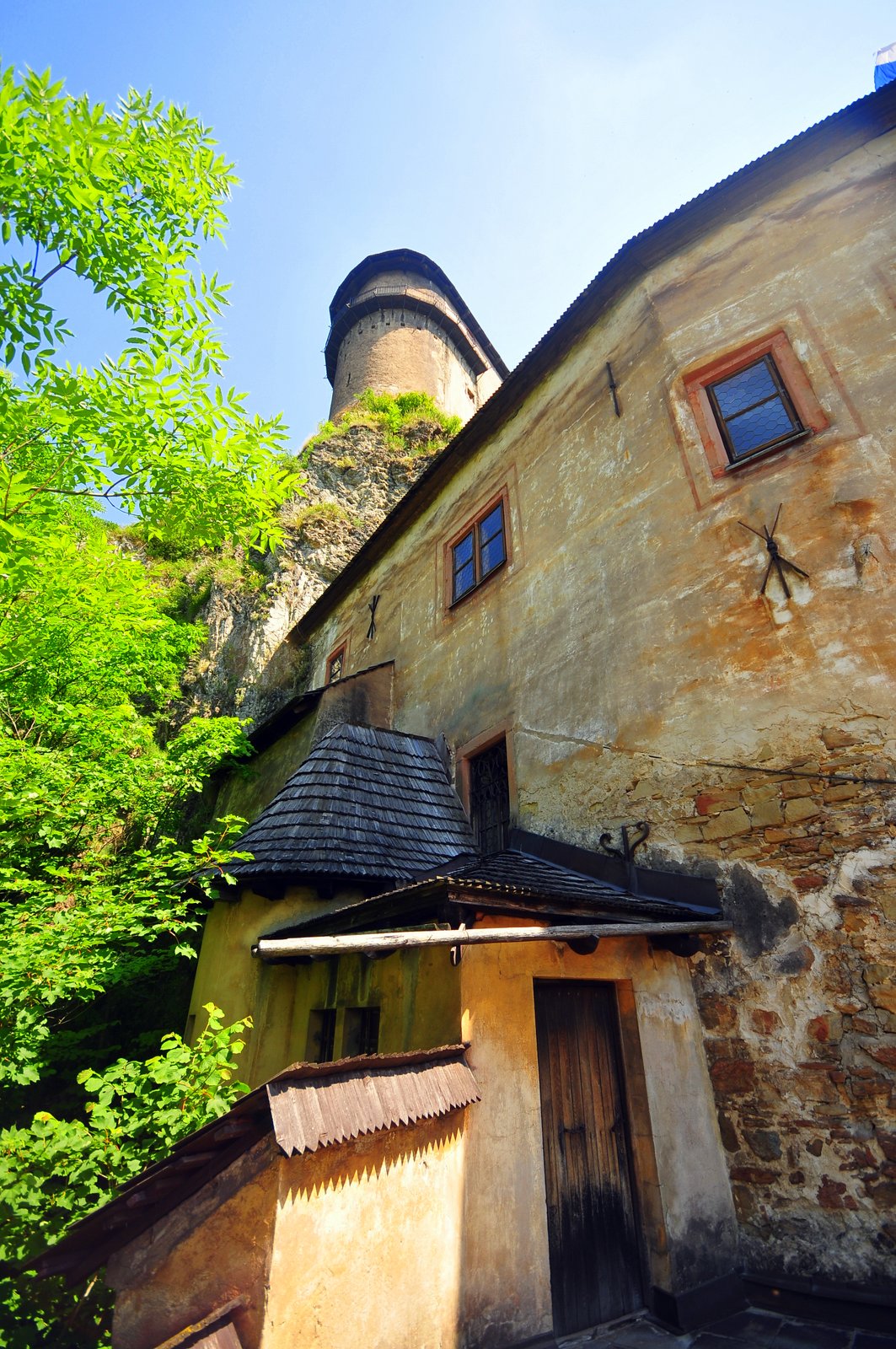
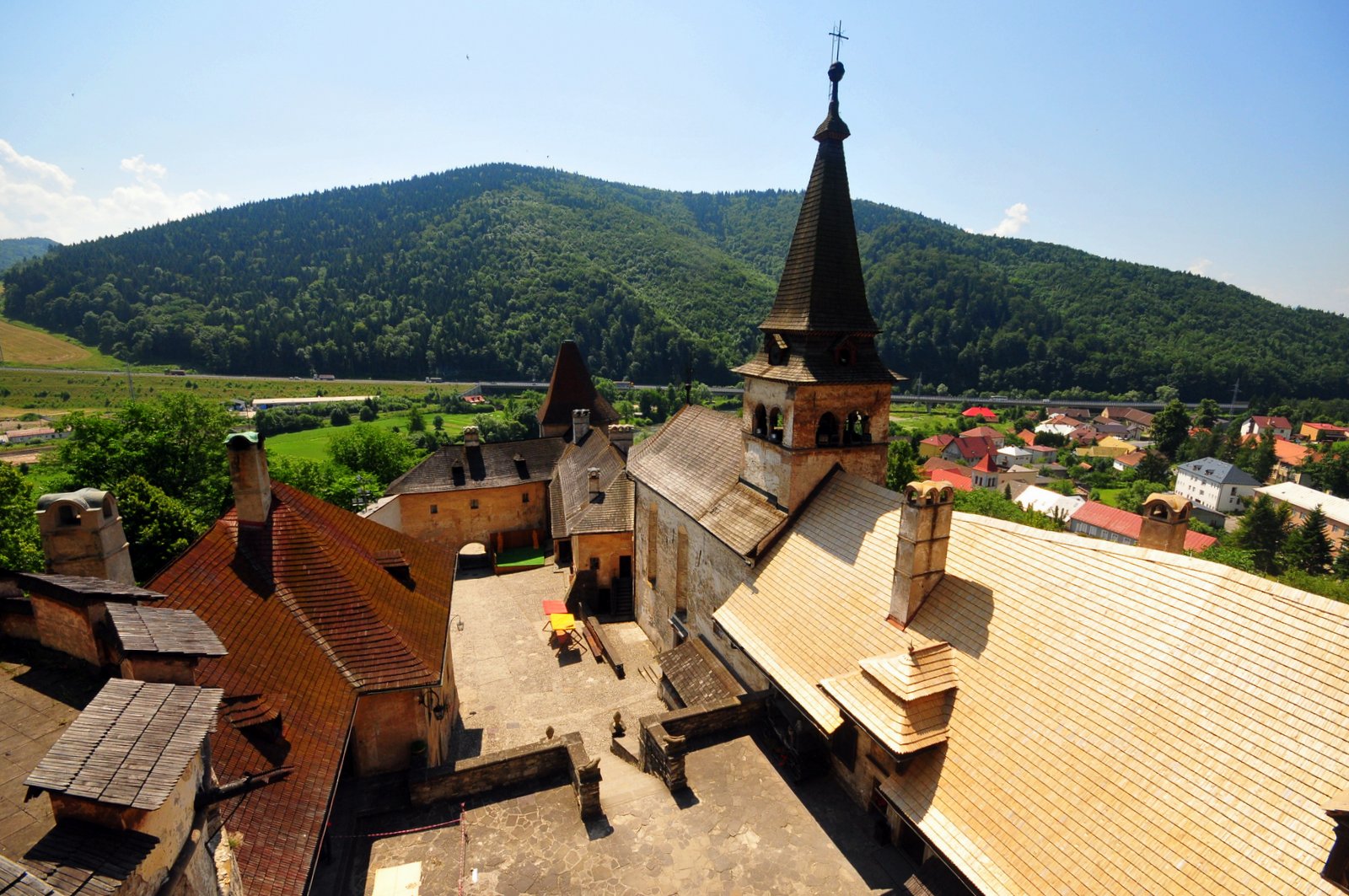
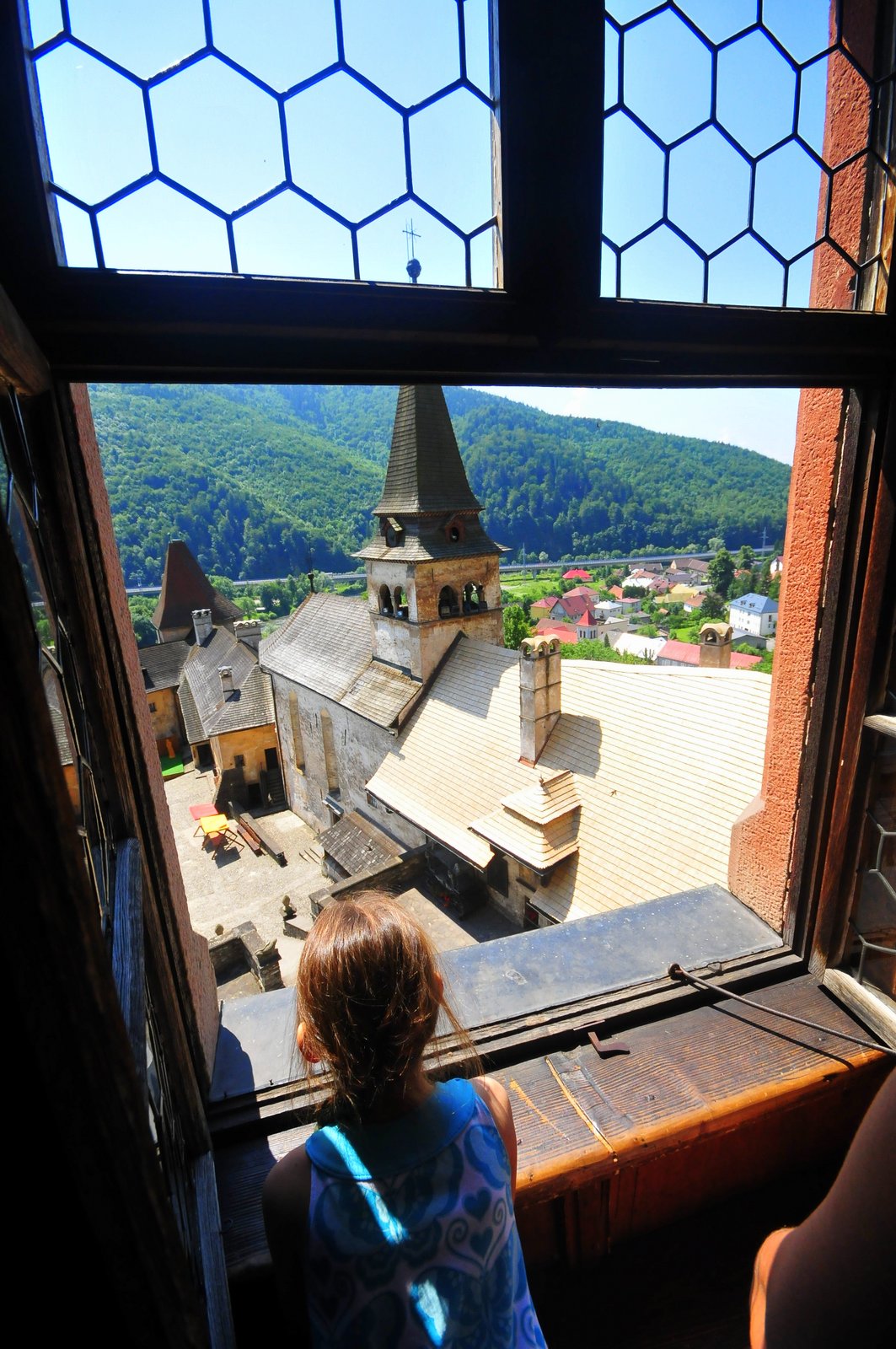
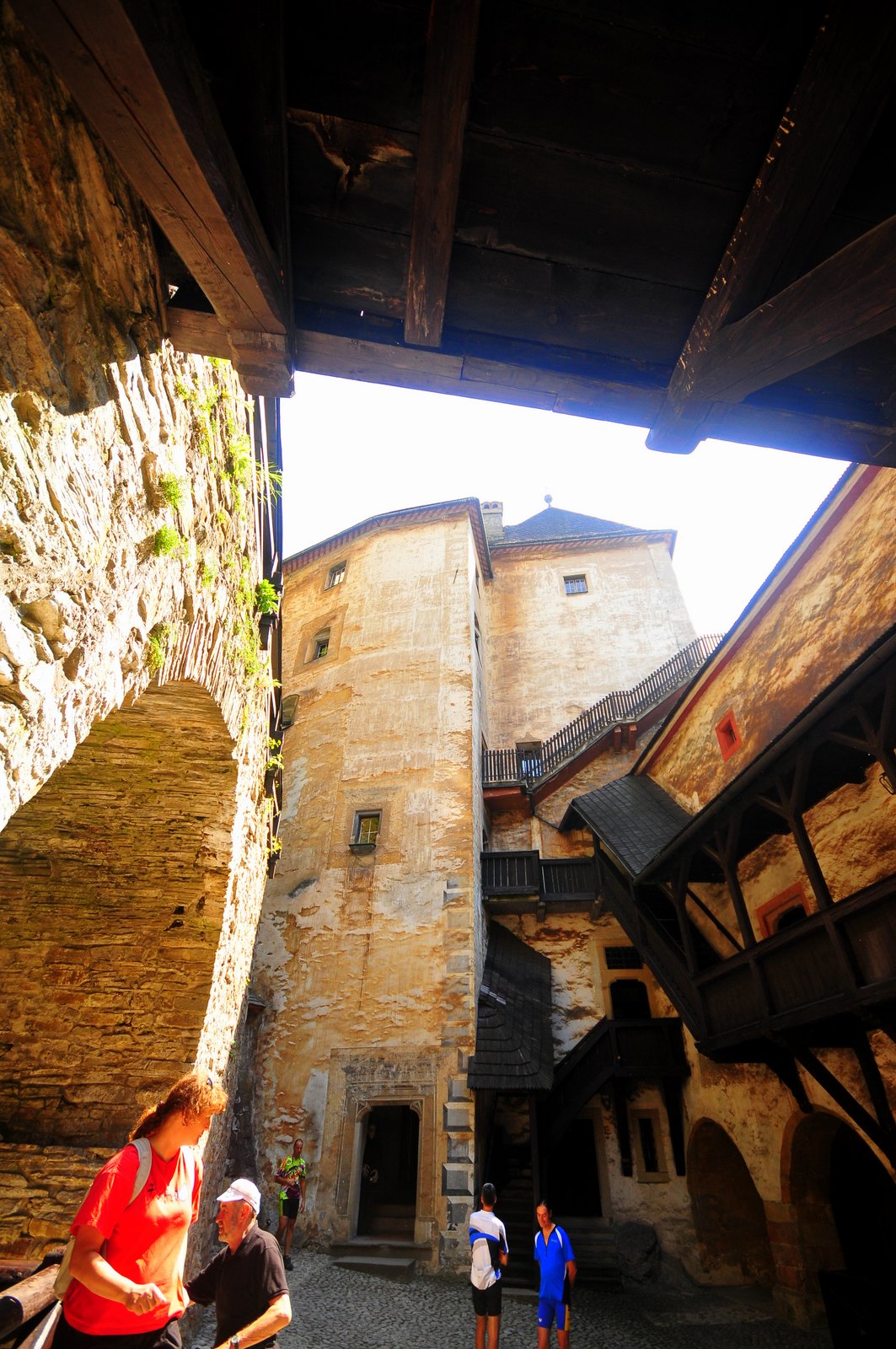
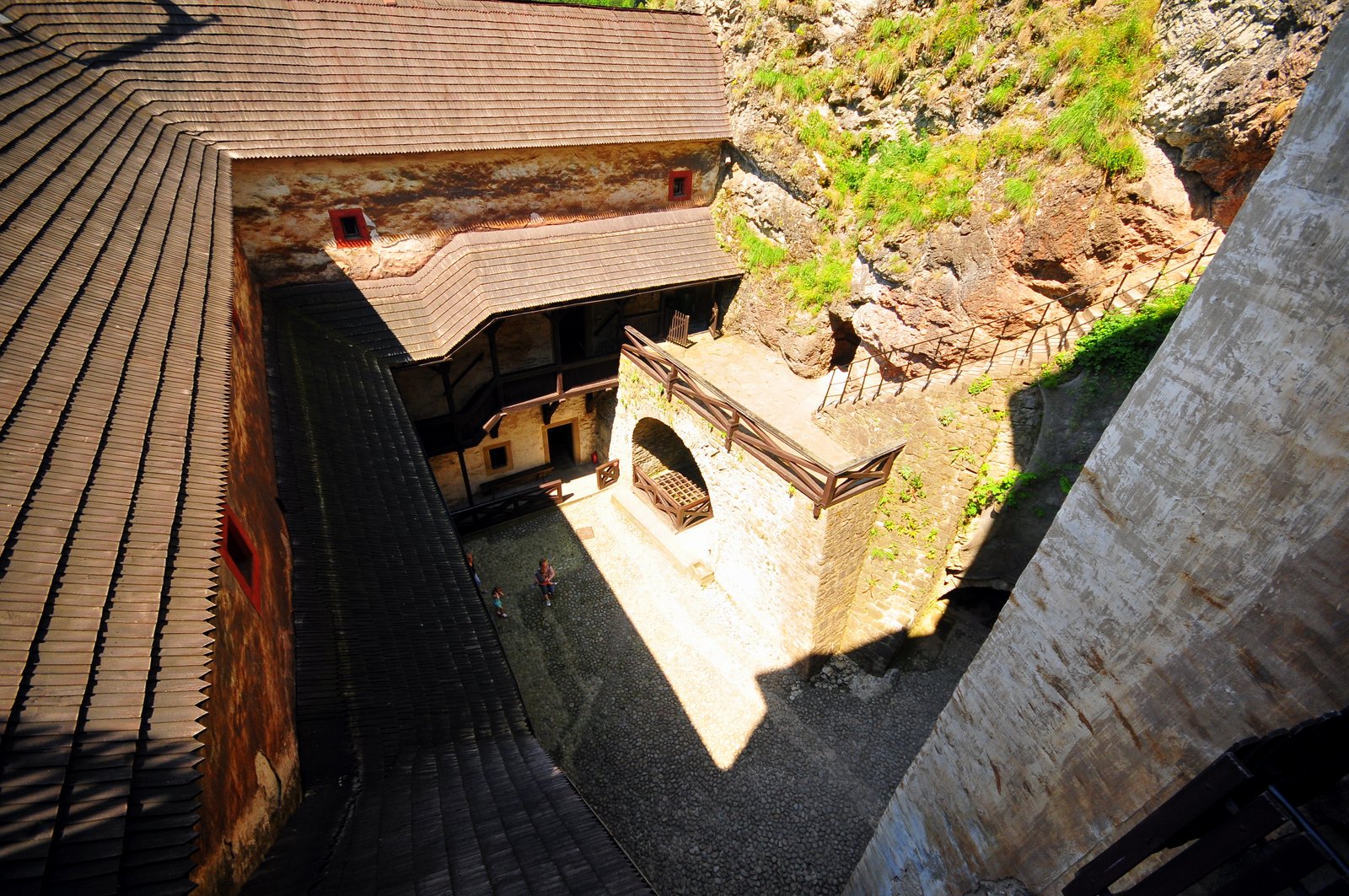
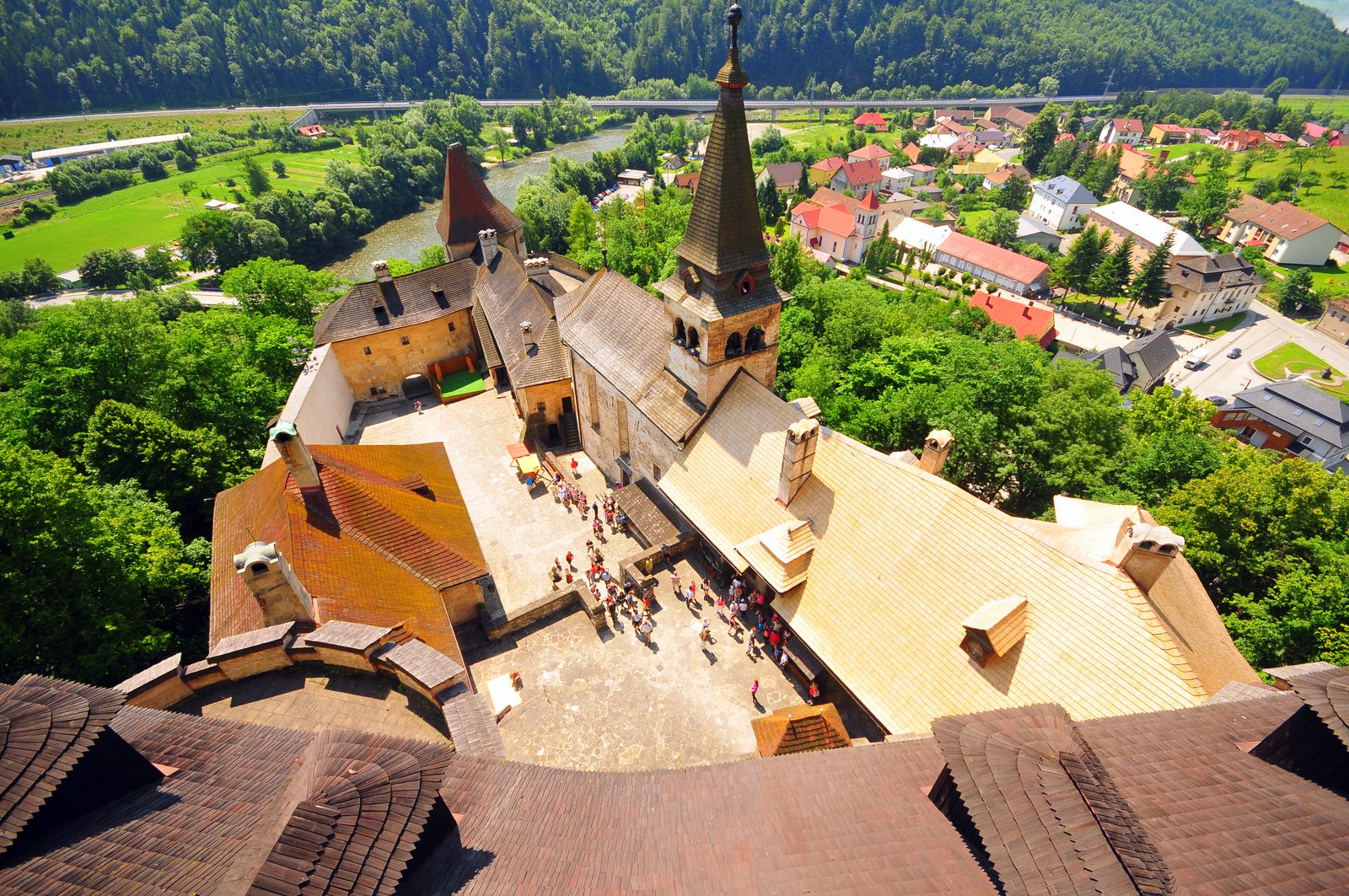
A small victory for adult common sense in children.
Lunch at a restaurant — a break for Babcia cooking. She won’t come with us, either.
“I’ll eat something or other. For me, a crumb of bread with some milk is just perfect.” She laughs, “After forty years of cooking, you’d be satisfied with it, too.”
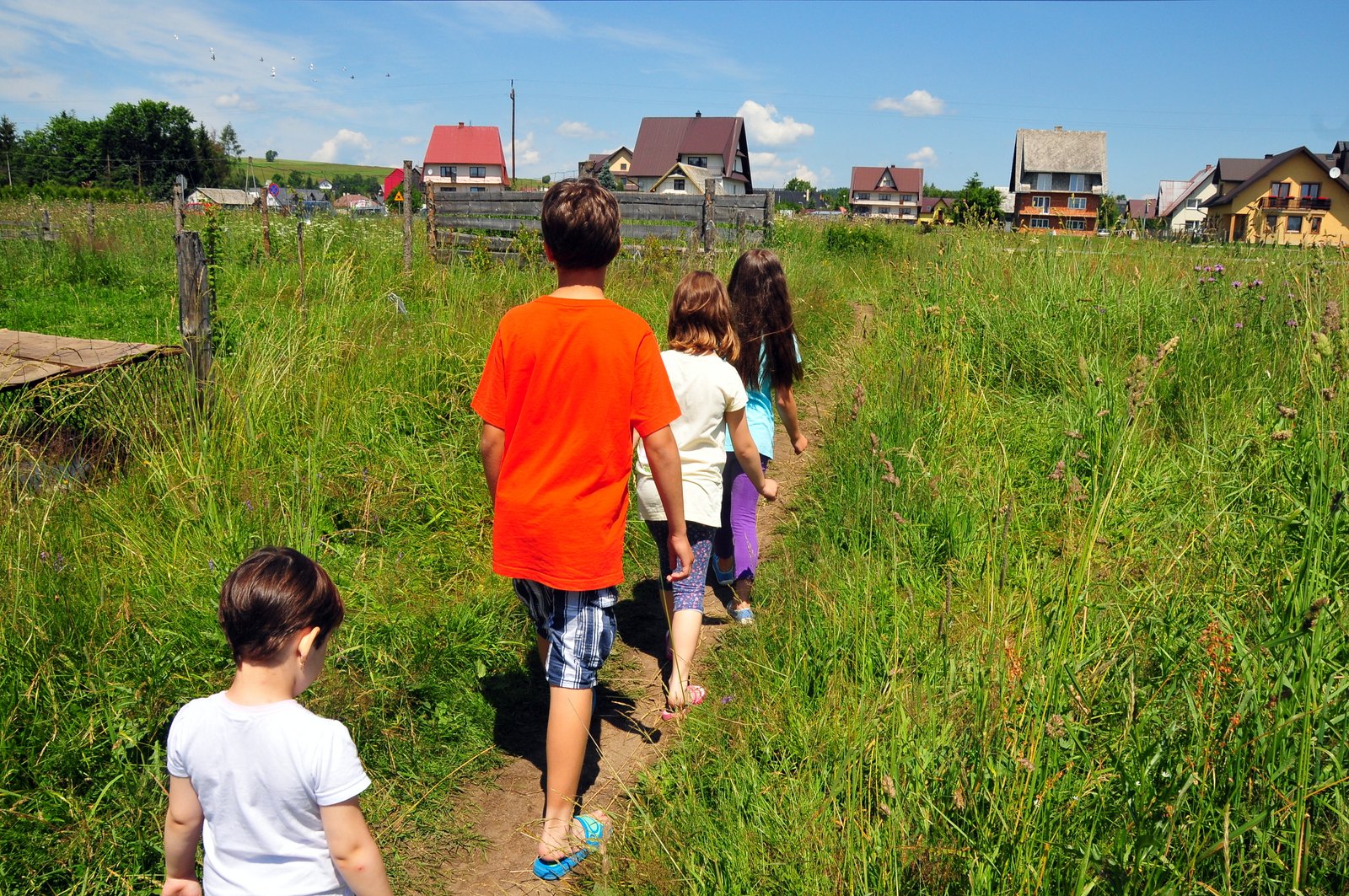
We go to the first real restaurant opened in Jablonka. This of course doesn’t count the GS-owski restaurant that was often in even the smallest of villages, nor the bars that offered only microwaved frozen food.
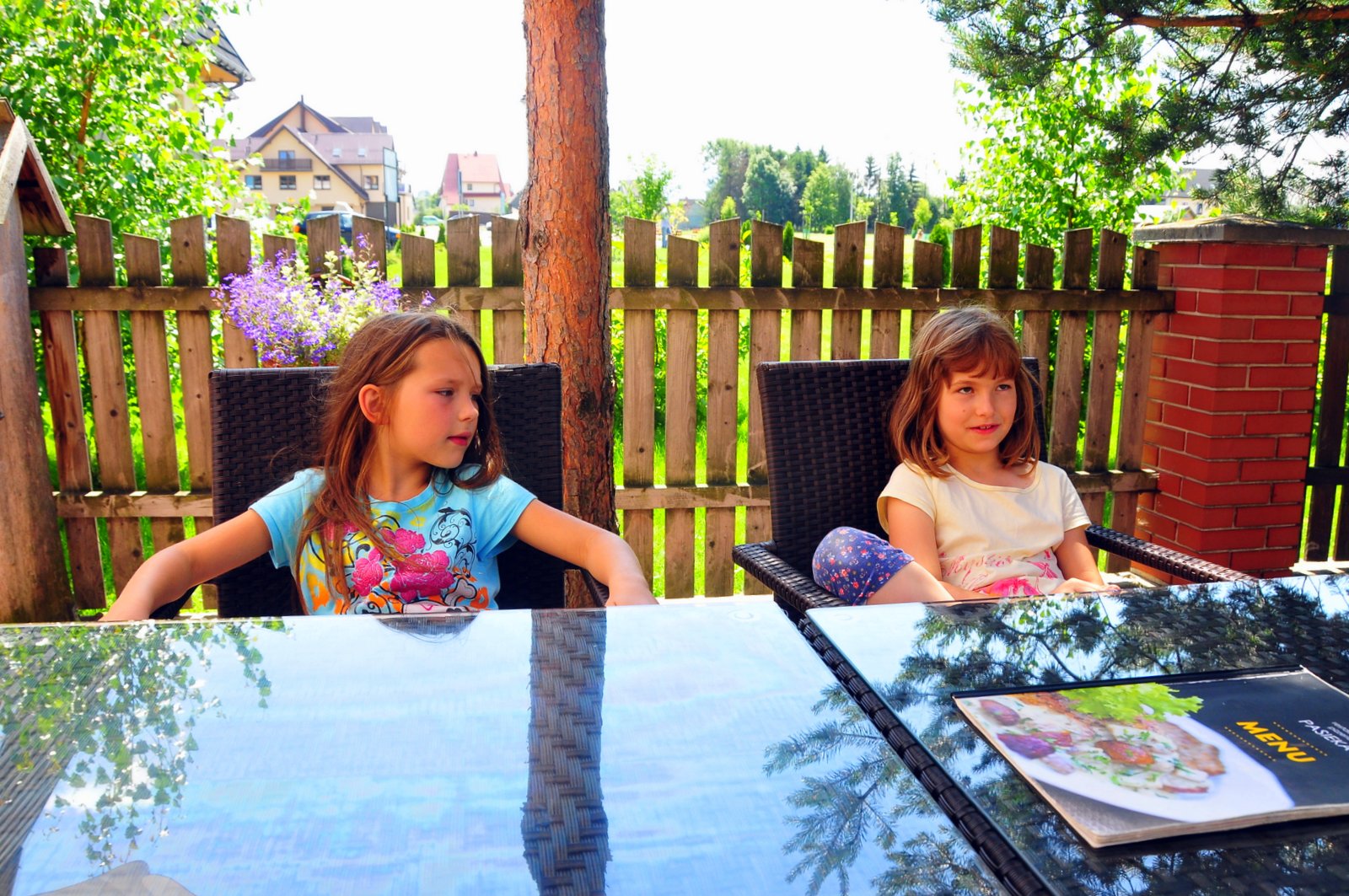
K and I came here on dates back in the early 2000s. Wednesday nights, if I remember correctly. I took the 9:30 bus back to Lipnica and waited anxiously until next meeting. In the dead of winter, those minutes waiting for the bus were torturously cold.
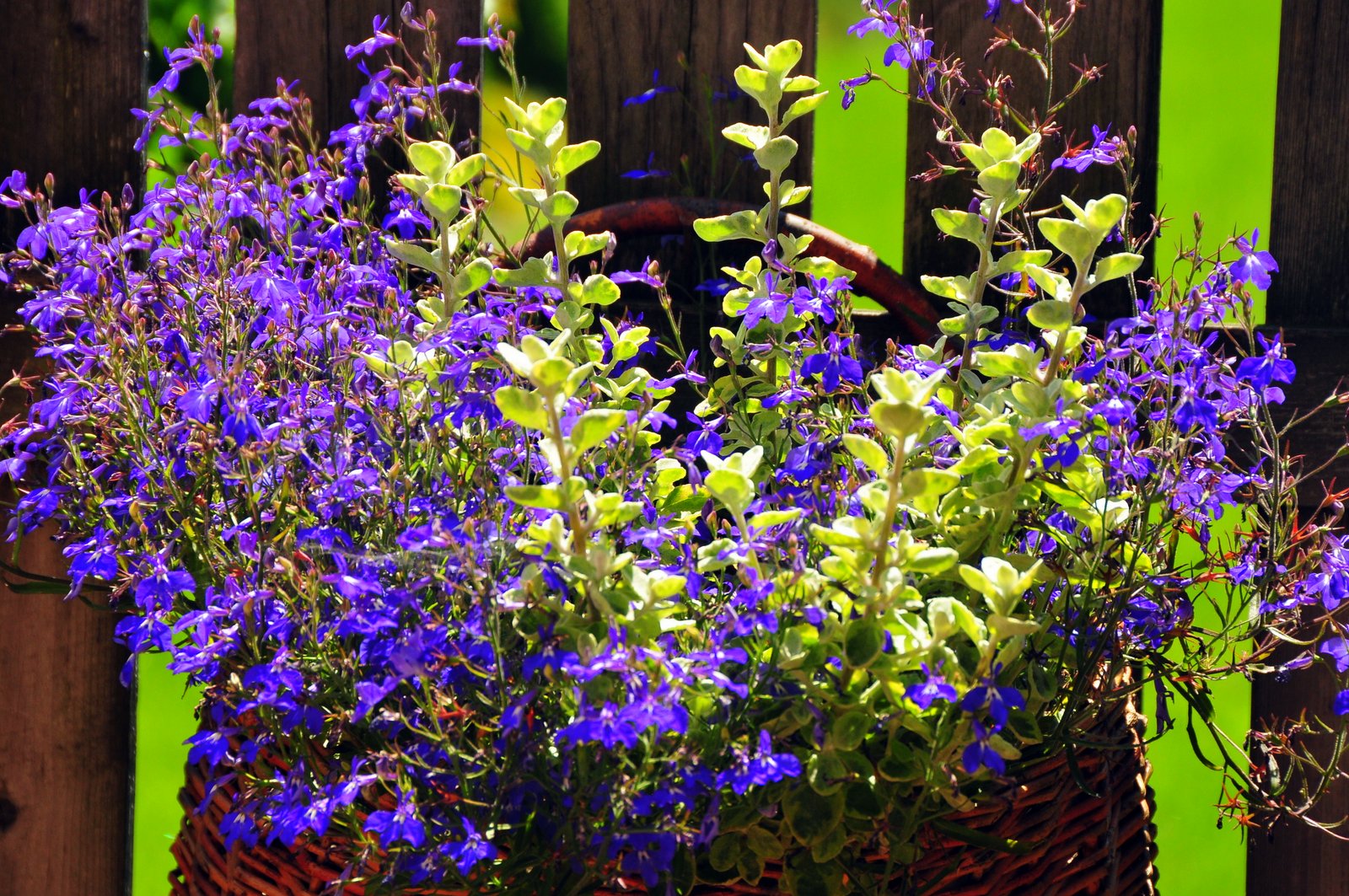
And so ten years later, I sit at this restaurant in shorts and sandles, my daughter across from me and nieces and nephews all about, K and E still in the States.
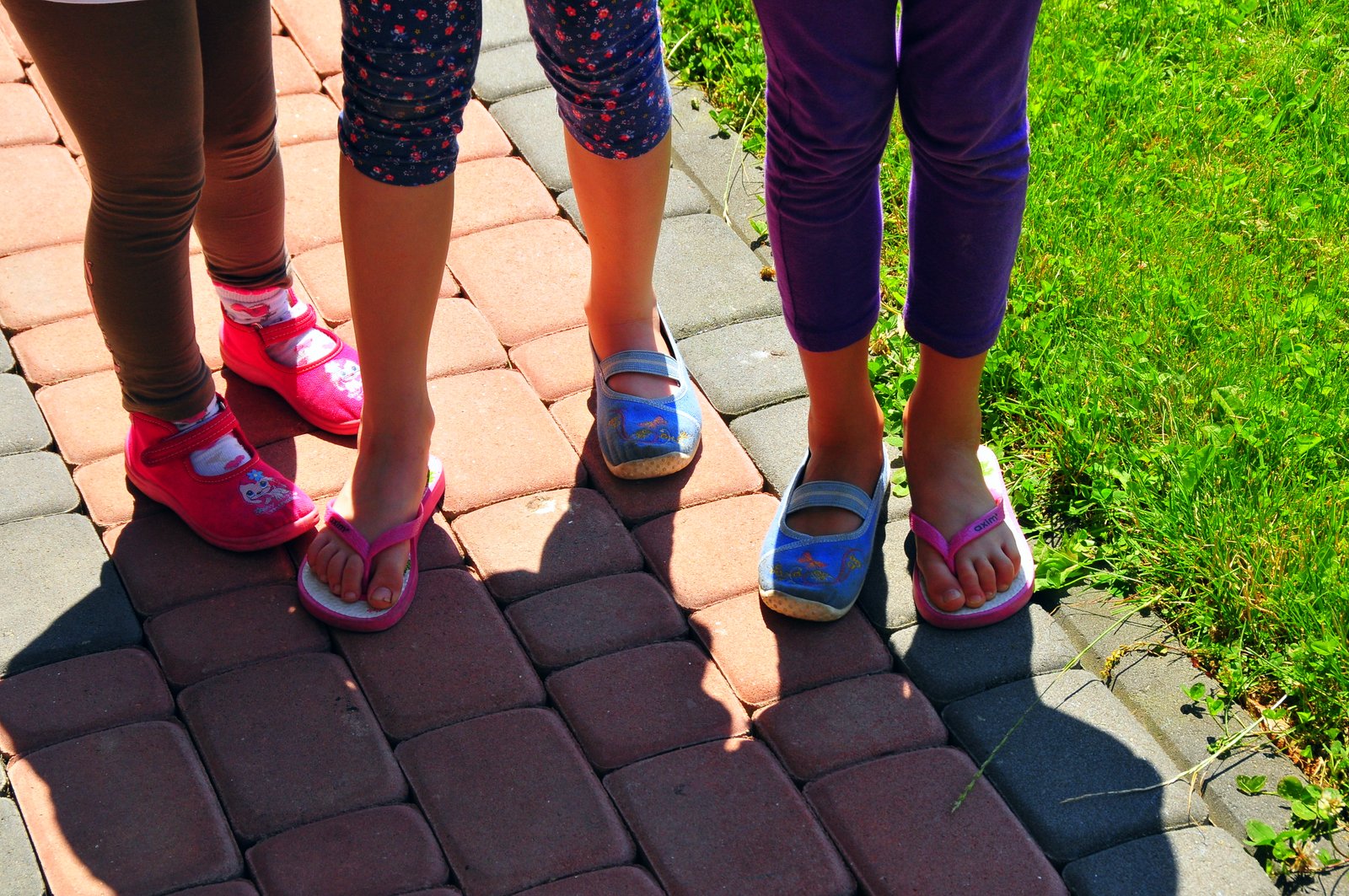
It’s almost perfect. We’re just missing a few people, and non-blistered feet that require a bit of kombinowanie.
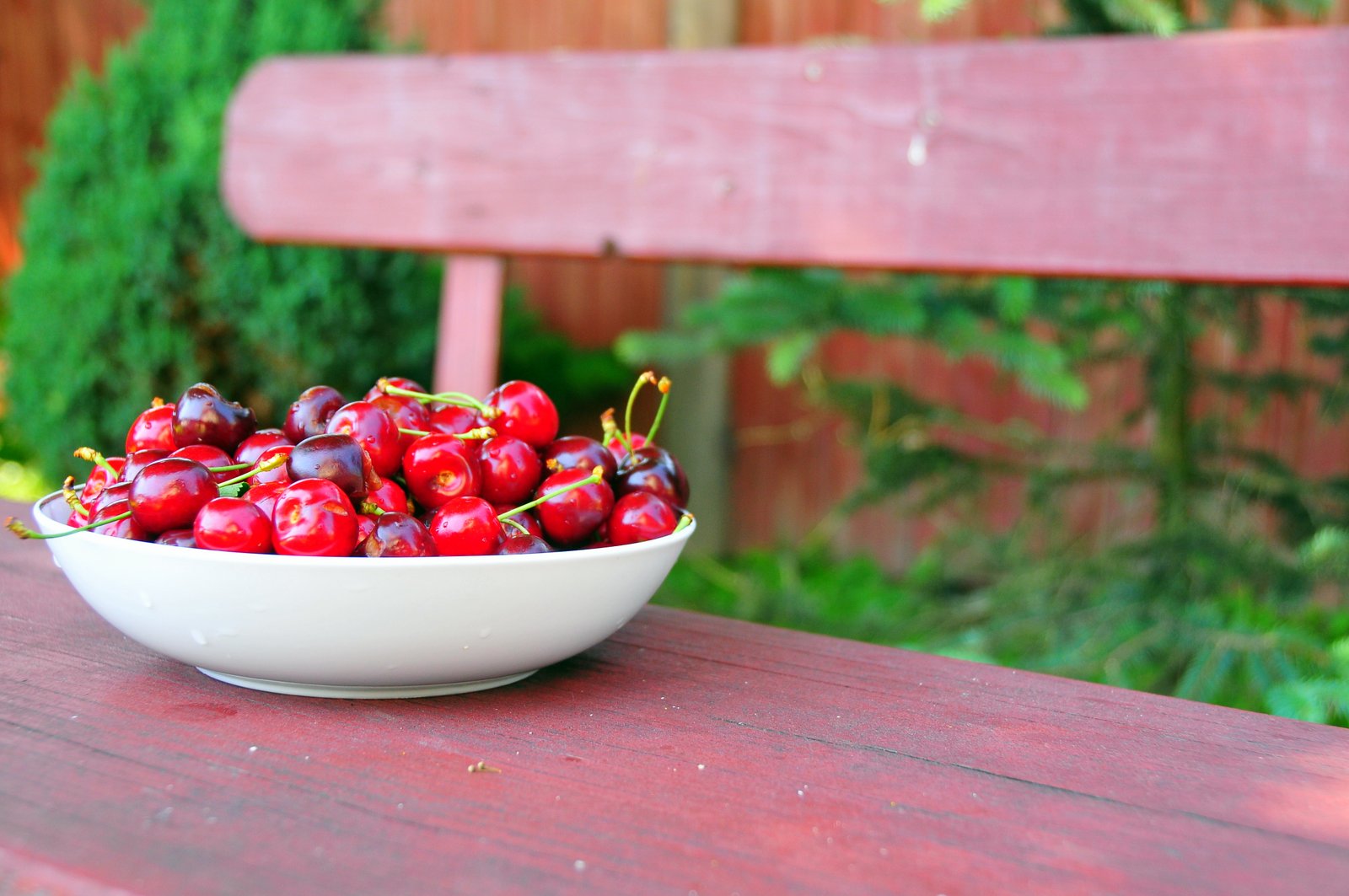
Dessert: a bowl of fresh cherries.
Like I said, almost perfect.
Babcia is not a fan of technology: she really doesn’t get along well with much of anything electronic. She once almost set fire to ginger snaps in the microwave when she and Dziadek first bought one because she didn’t know how long to set the timer and didn’t know she could stop the process in mid-course. She leaves the settings of the washing machine untouched and dares, simply dares, anyone to mess with it. She hates computers except for their usefulness in talking to family overseas.
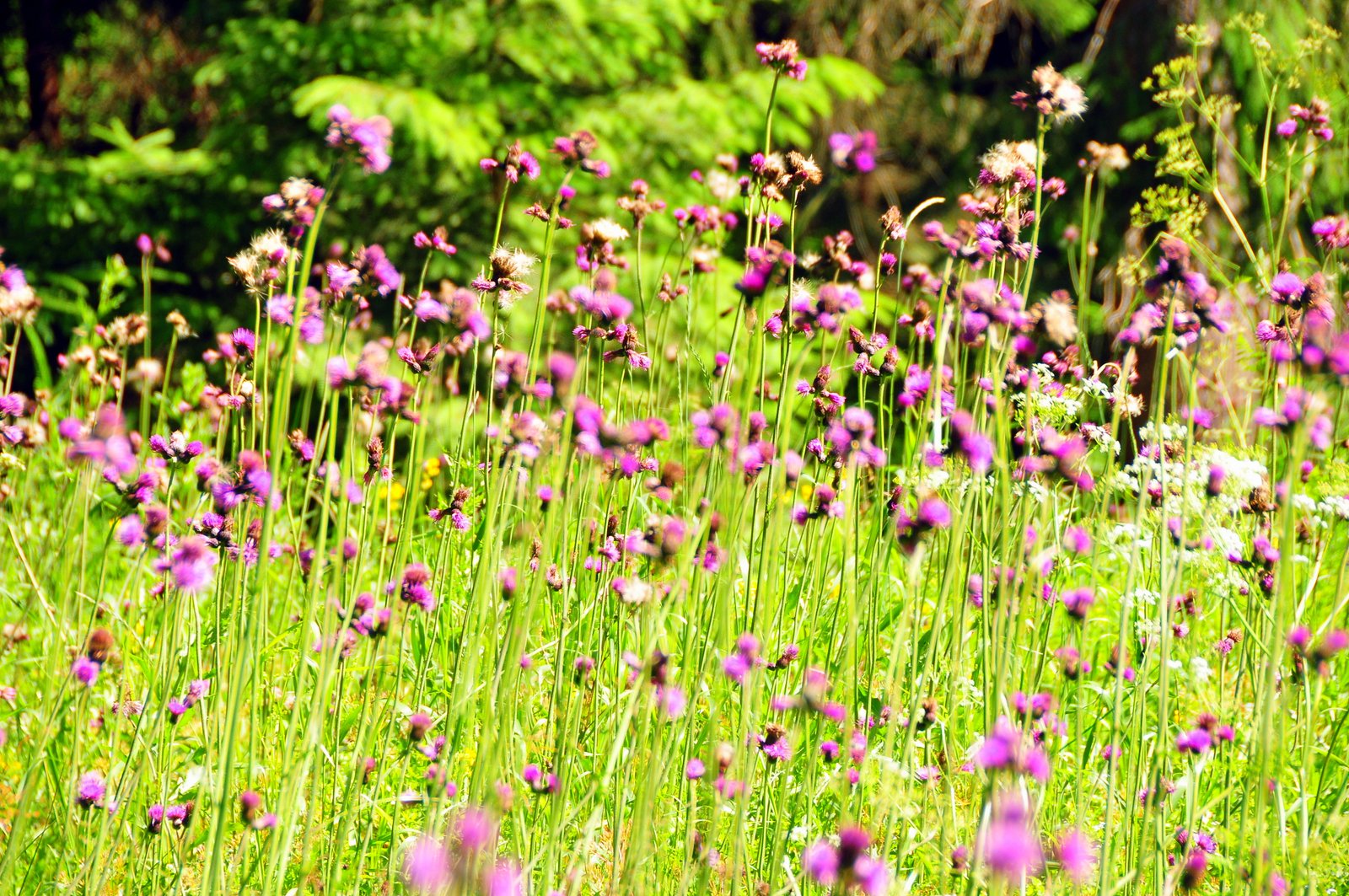
Take Babcia to a forest, though, and she instantly becomes an unending source of information. There isn’t a tree, plant, or bush she can’t name. She’s forgotten more about wild mushrooms than I’ve ever known. She can point out a hundred and one herbs and explain what they’re good for, what they heal, what they taste like. She can show you where there should be mushrooms soon. She remembers where there were mushrooms last year, the year before, the year before, and so on, seemingly unendingly.
She is simply impressive.
And so yesterday, as we were planning our day’s events (for with four children in the house, everything needs to be planned), Babcia decided that, since we don’t have power again today (the fourth day in two weeks), we would go to the forest.
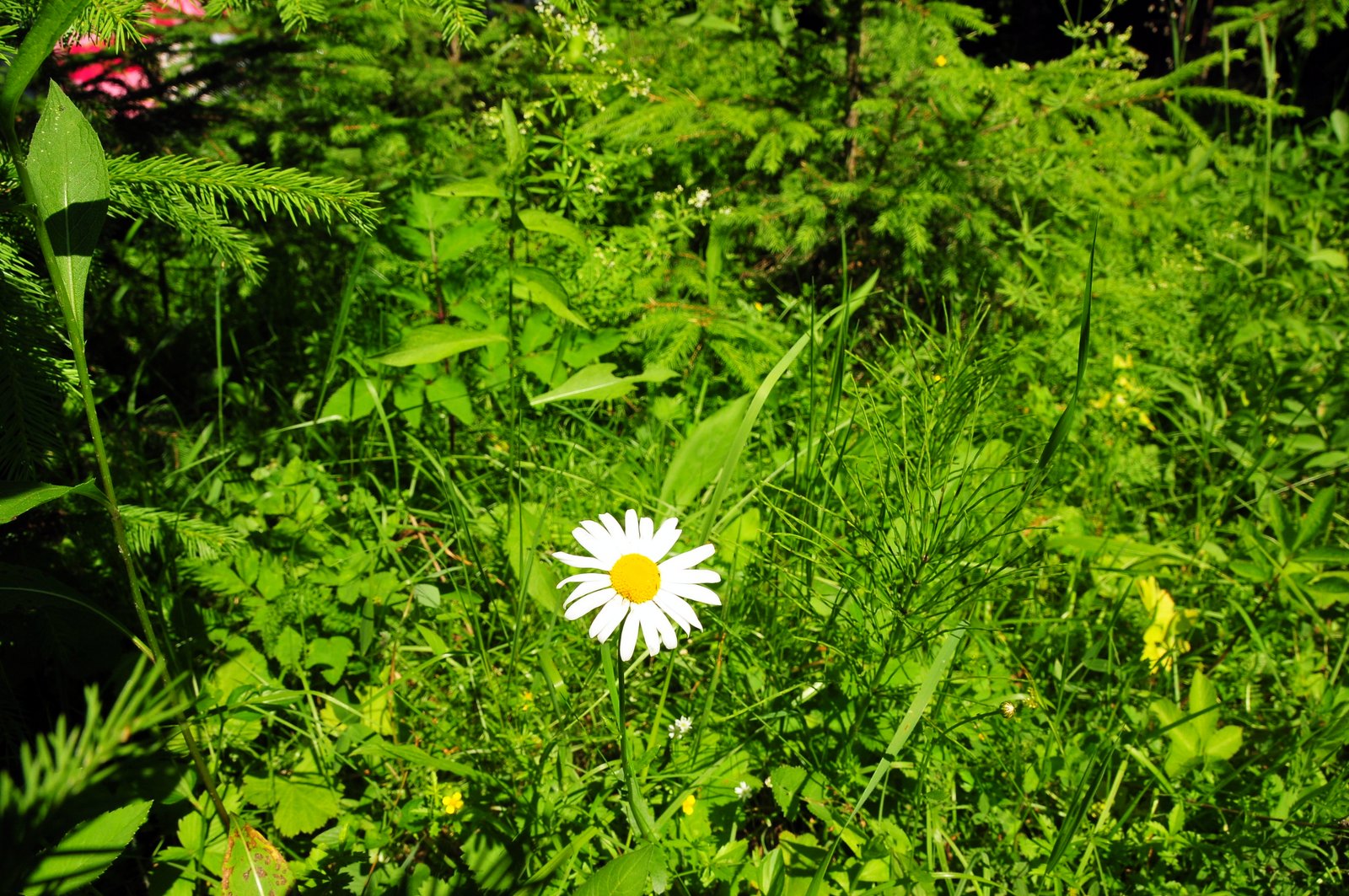
“Maybe we’ll find some mushrooms. There’ll probably be some blueberries,” she explained. “And if not, we’ll have a pleasant walk in the woods.”
We go to a small forest between Jabłonka and Lipnica Mała.
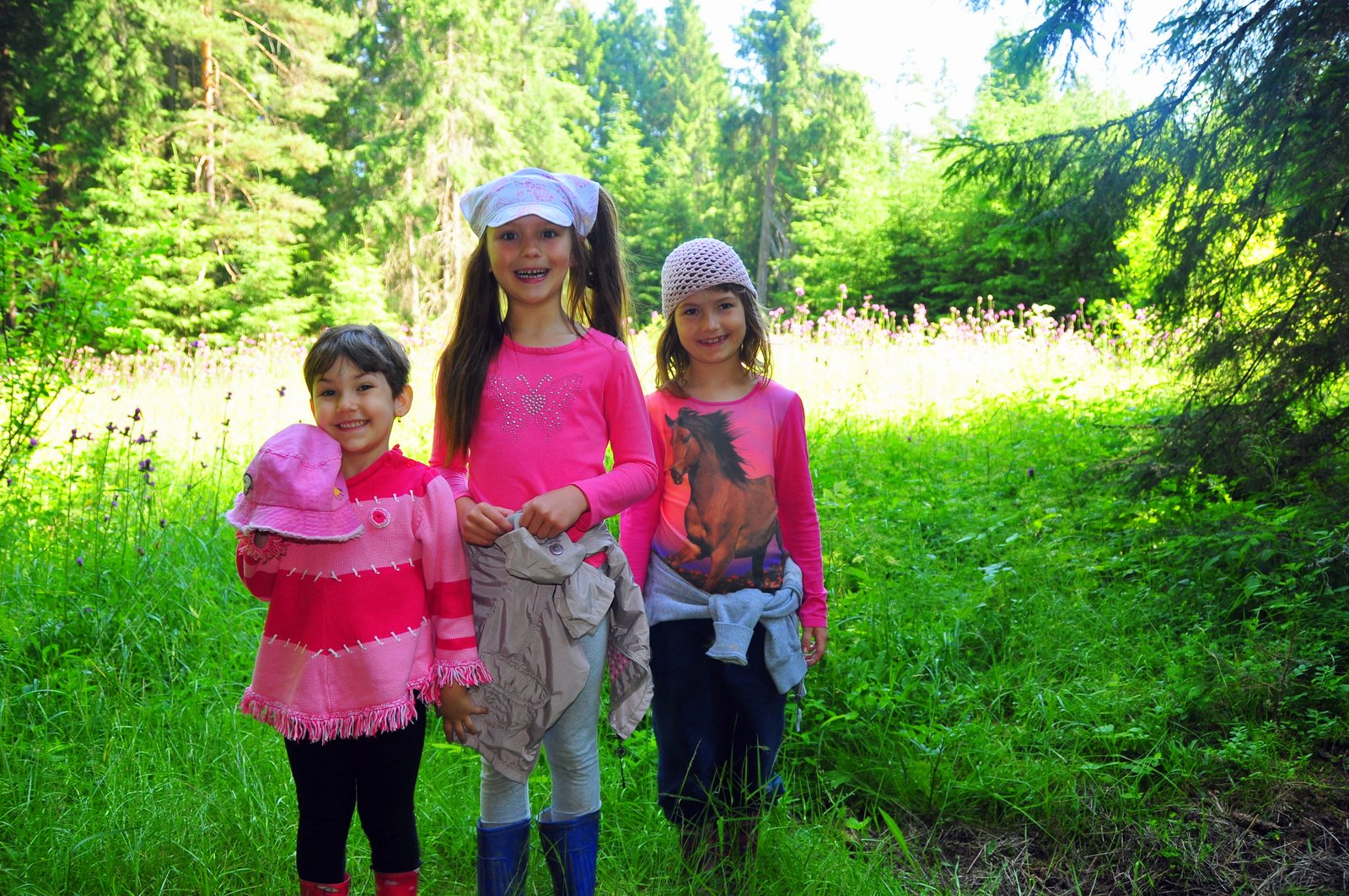
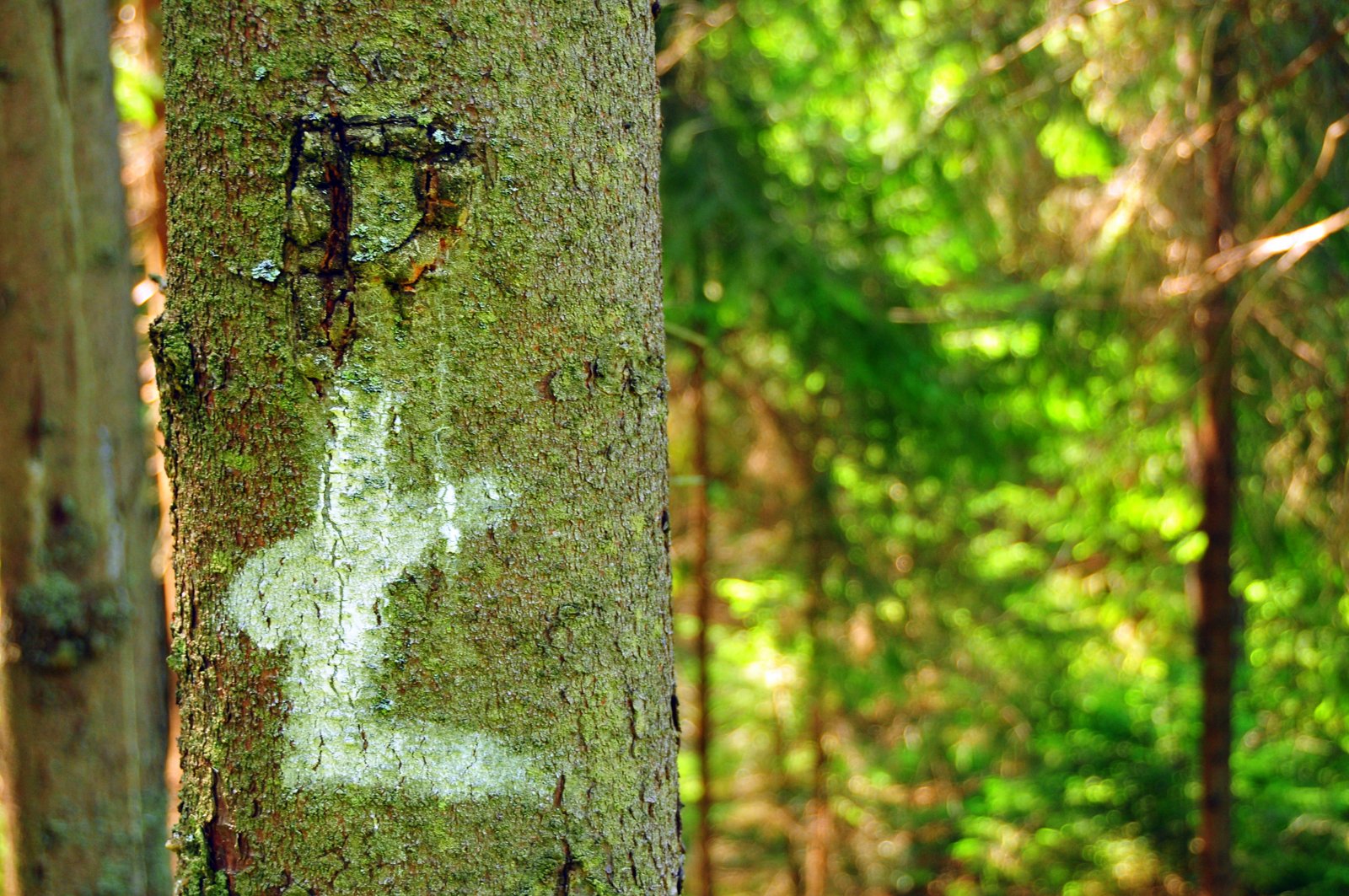
As we head out, Babcia explains that almost everyone in the family owns a bit of forest around here. “Over there is K’s bit,” she says, pointing vaguely to her right. “W’s forest of saplings is over there,” she says, waving her hand further to the right. But we head into a forest that belongs to someone whose last name begins with Ł. We know this because it’s painted on seemingly all the trees. Perhaps at some point there was a disagreement about who owned what, and Mr. Ł decided to take matters into his own hands.
We immediately stumble upon a patch of wild blueberries. Incredibly small and light blue, the berries taste unlike anything one could find in a store. There are a thousand and one flavors in each berry: a bit of sweetness rounded off with a tangy finish and a warm, earthy, slightly even metallic undertone. At first, the blueberry bucket remains completely empty: all berries to straight to eager mouths. As we continue deeper into the forest, though, we find a calizna — an area completely untouched, with berries simply everywhere. “O Boze, daj nam calizna!” Babcia declares as she begins pulling berry after berry from the seemingly endless bushes.
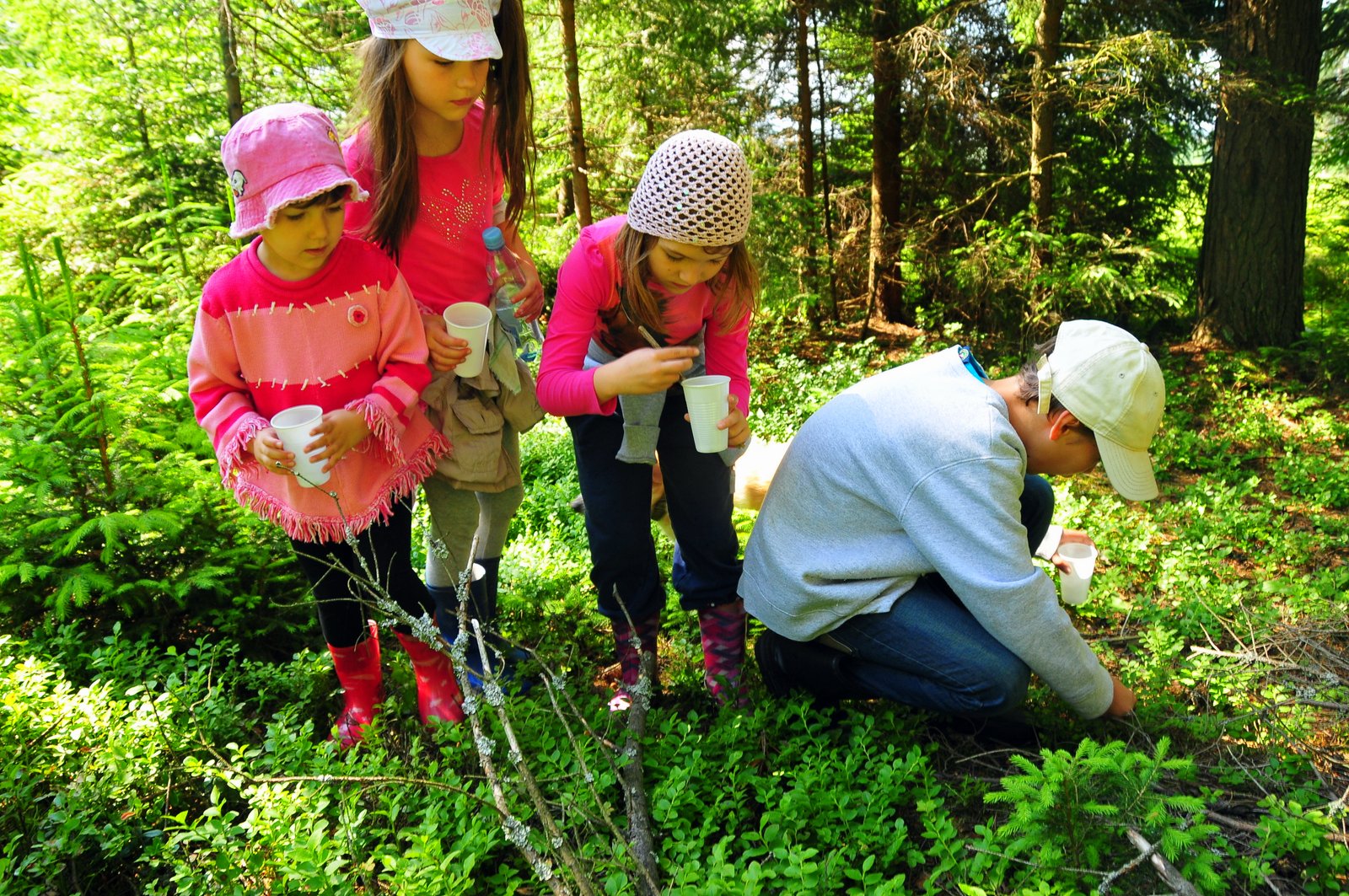
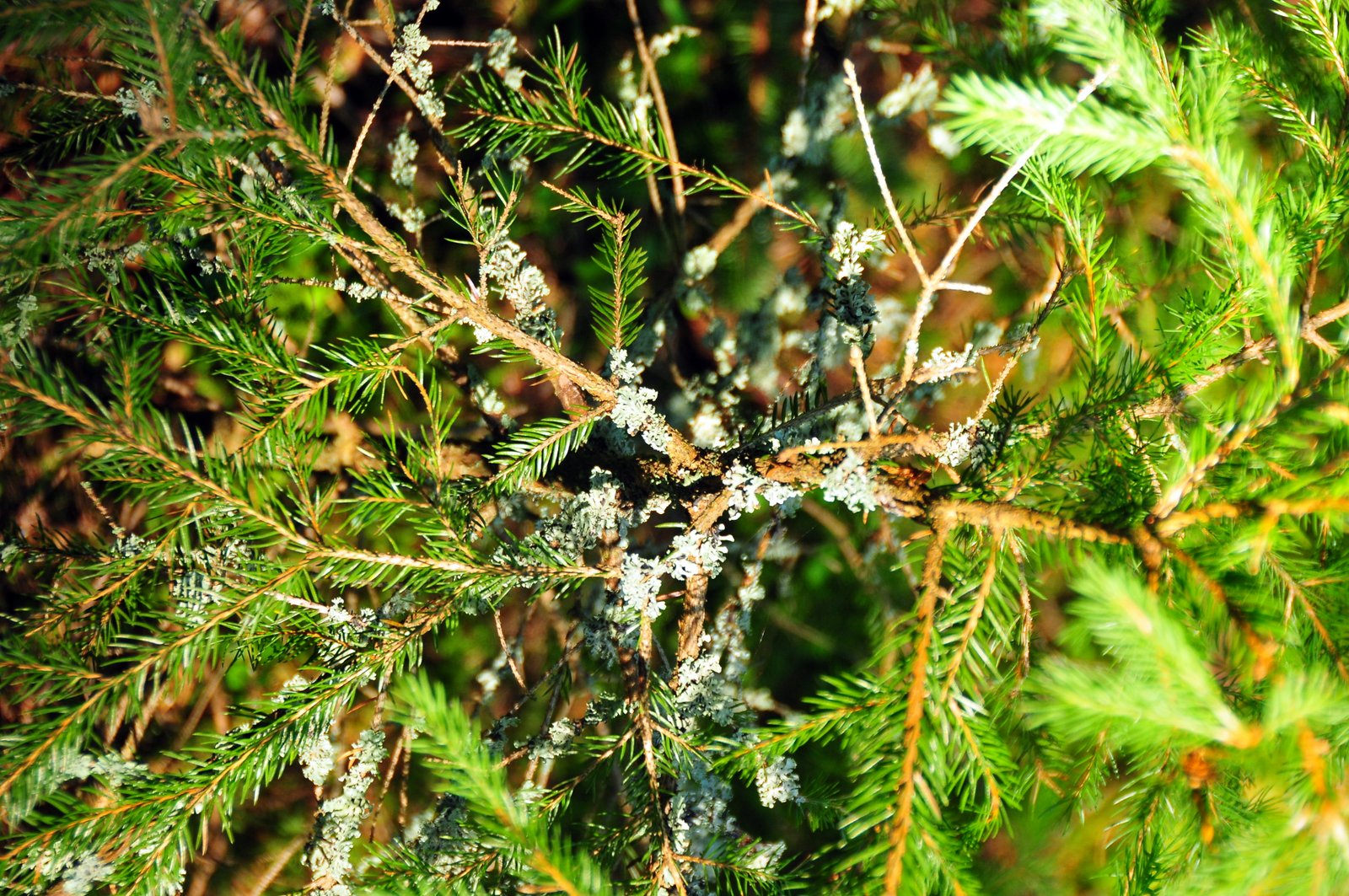
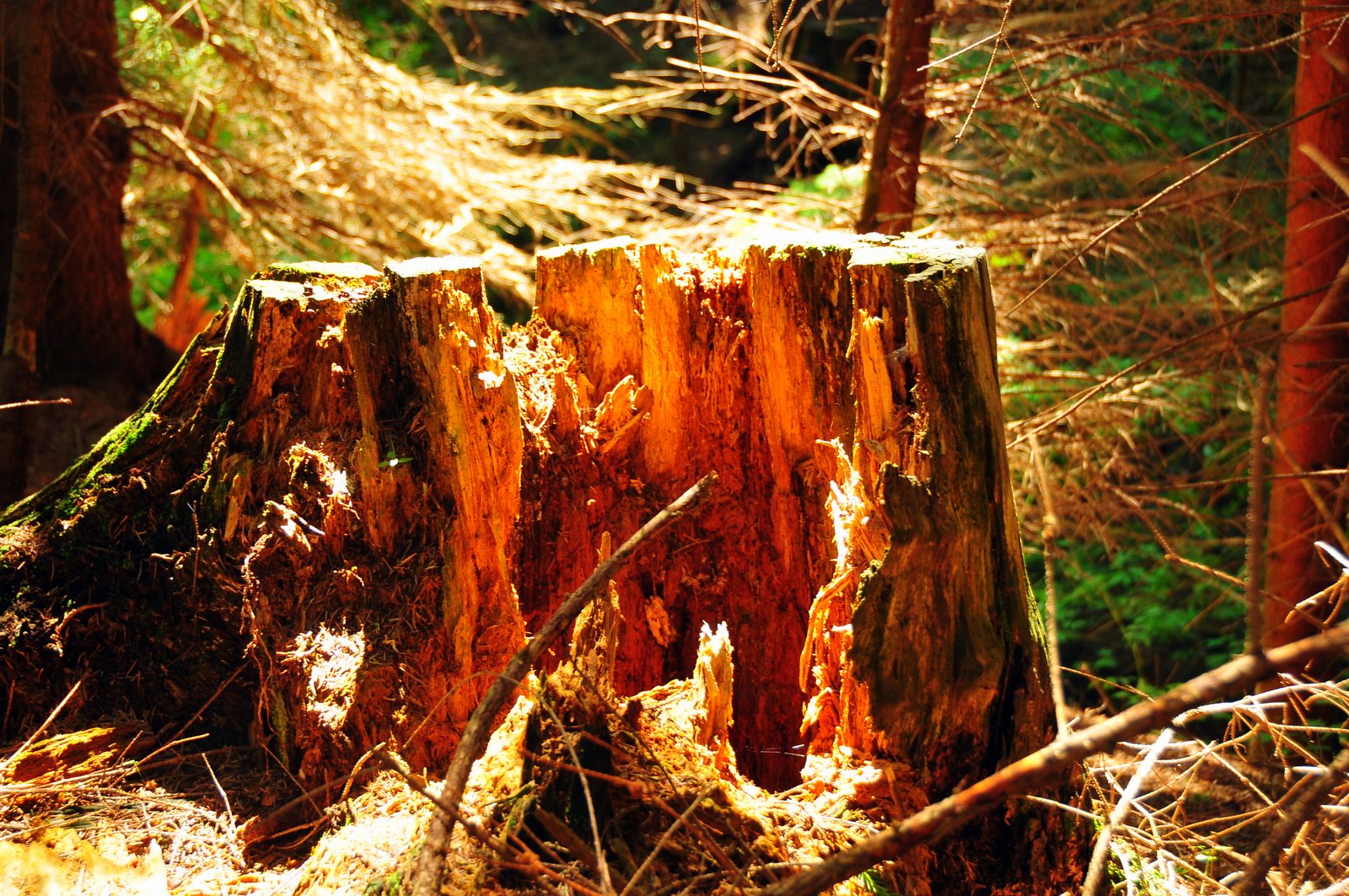
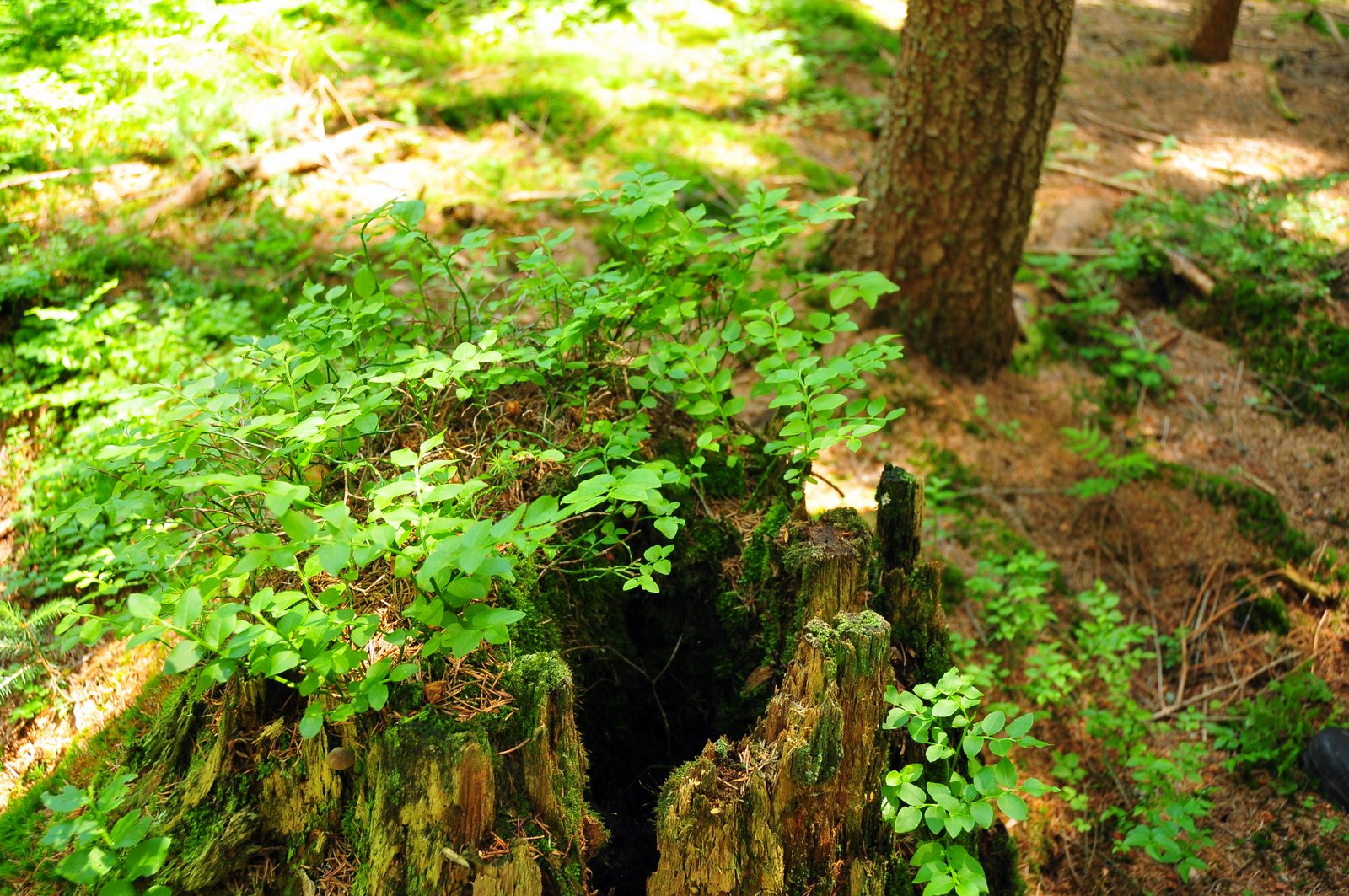
We continue through the forest, making discoveries along the way. The kids see how the forest, in its own dying, performs a natural miracle of self-resurrection. Death provides foundations for new life. Nature removes the weaker trees that then nourish new plants, stronger plants. And if not, nature will take care of them, too.
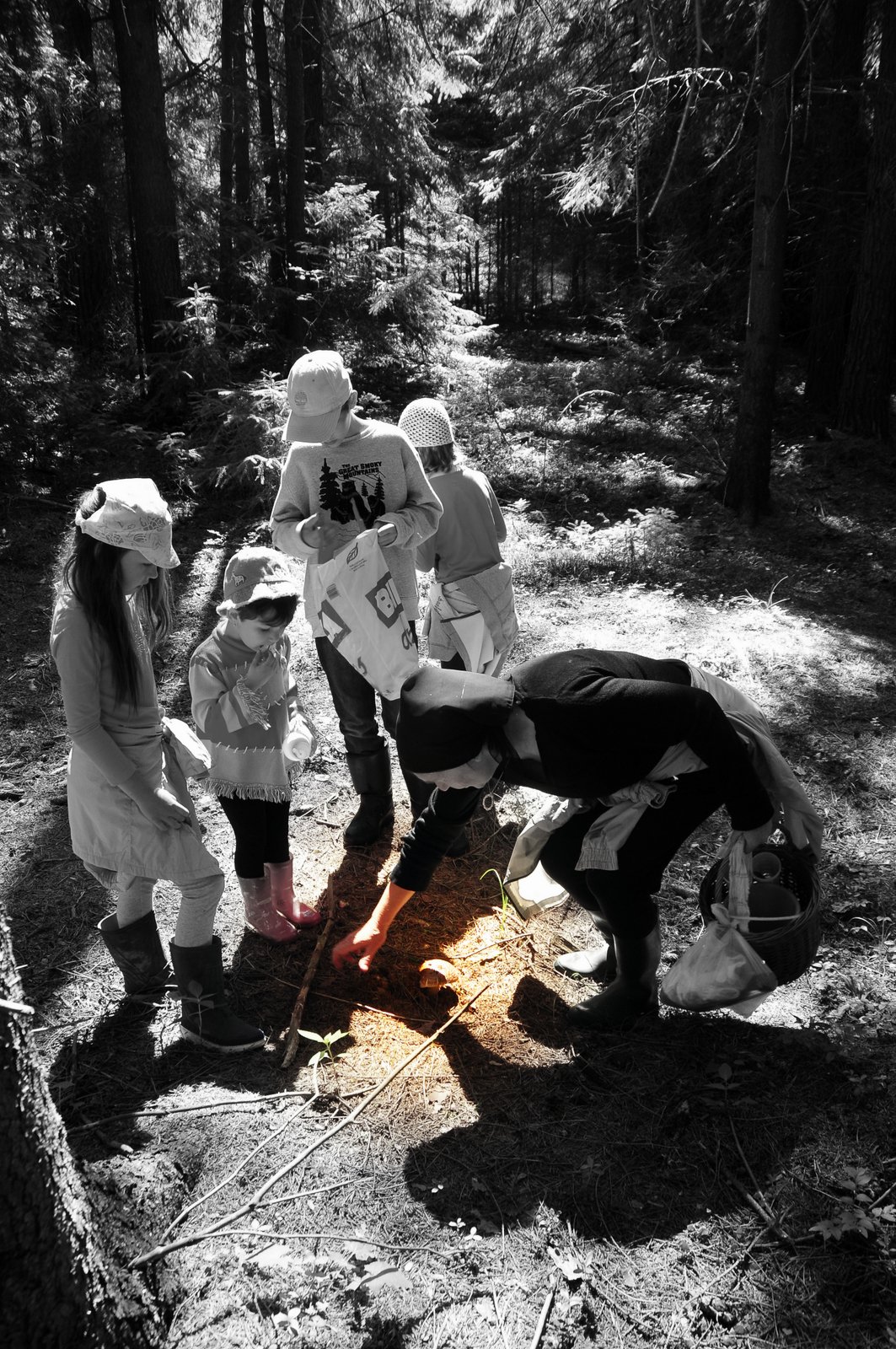
Still, though, an hour or so into the outing, we haven’t found a single mushroom. Suddenly, there it is, at the base of a tree — our first mushroom. Unfortunately, it’s just a common muchomorek. Edible, but only once. “All mushrooms are edible,” Dziadek once explained. “It’s just that some mushrooms are only edible once.”
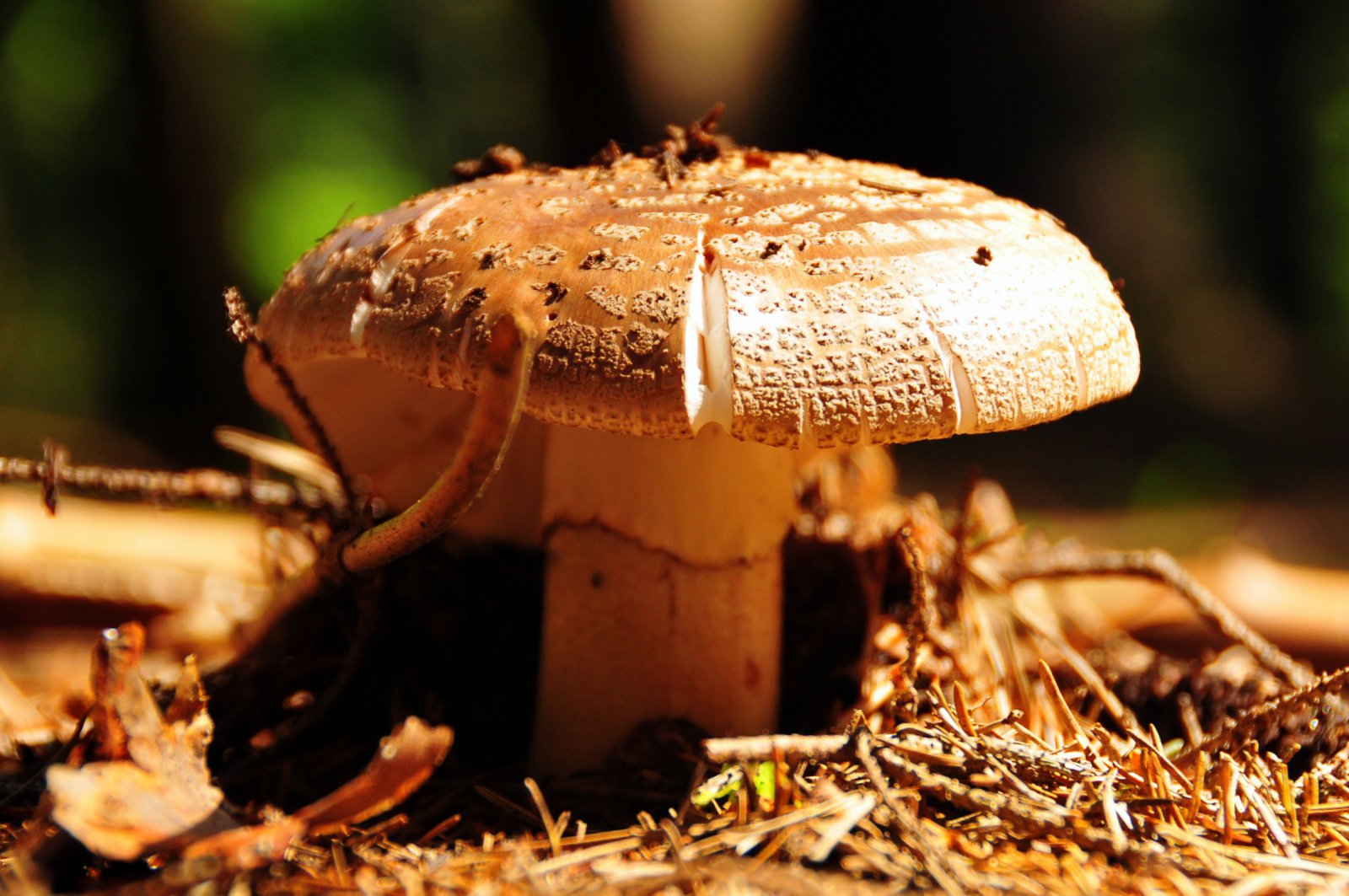
Babcia patiently explains that even though the mushroom is inedible, it’s still useful. “It’s part of the forest, and it’s useful to other creatures. So leave it alone,” she instructs when a cousin suggests we could smash it for the fun of it.
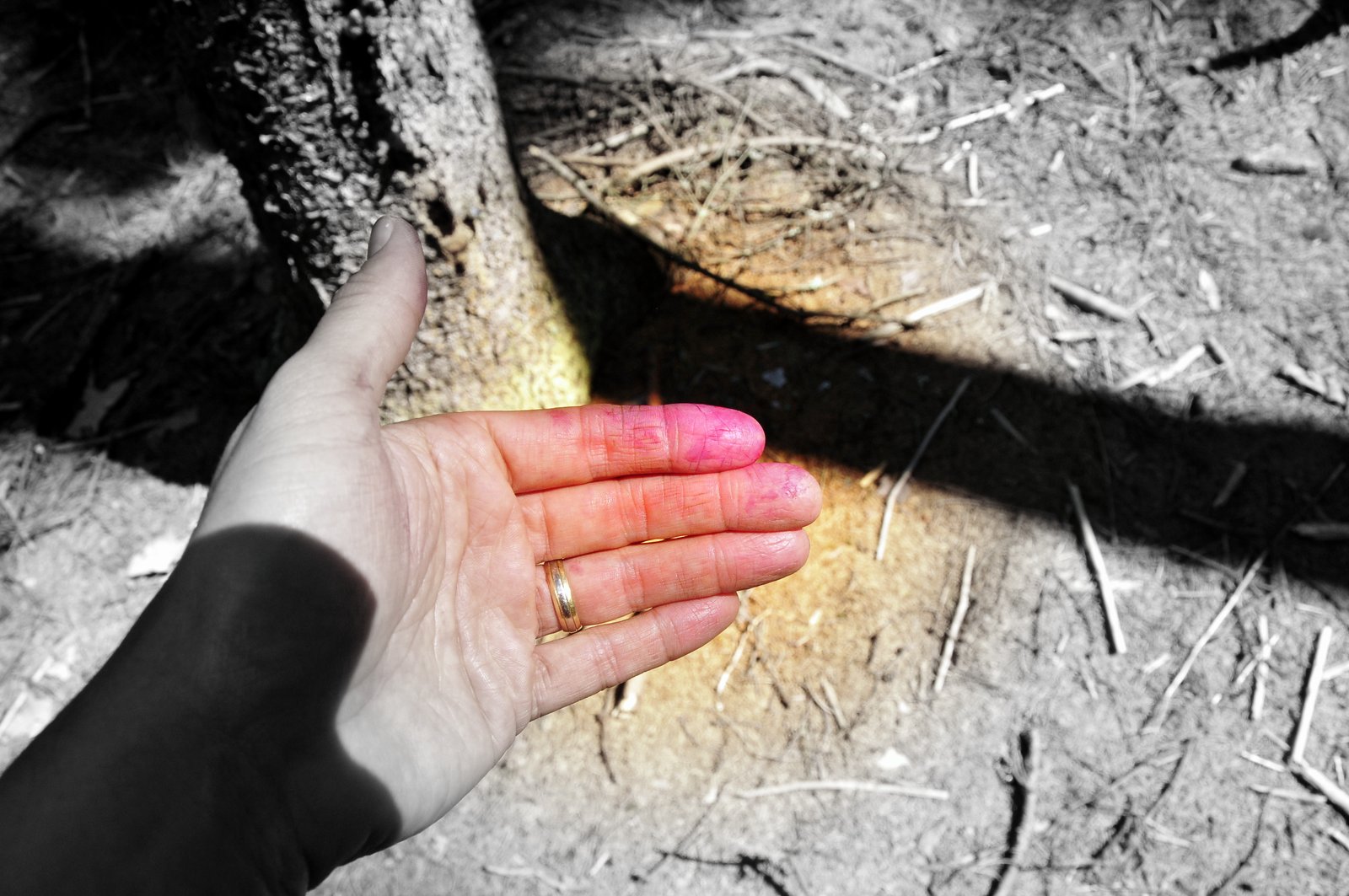
In the end, we all have blue fingers from the berries but not a single mushroom.
Still, that’s not what the trip was about.
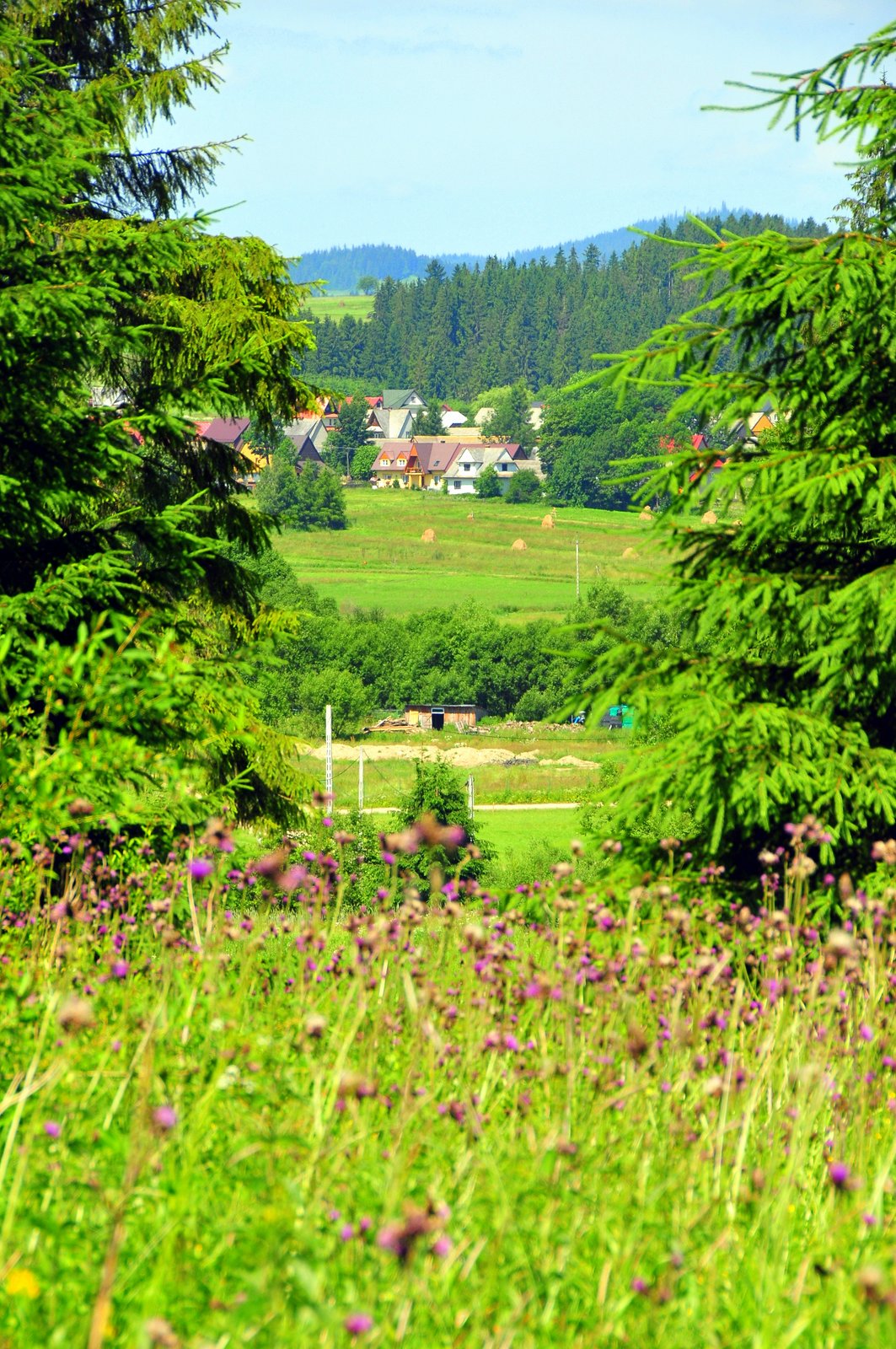
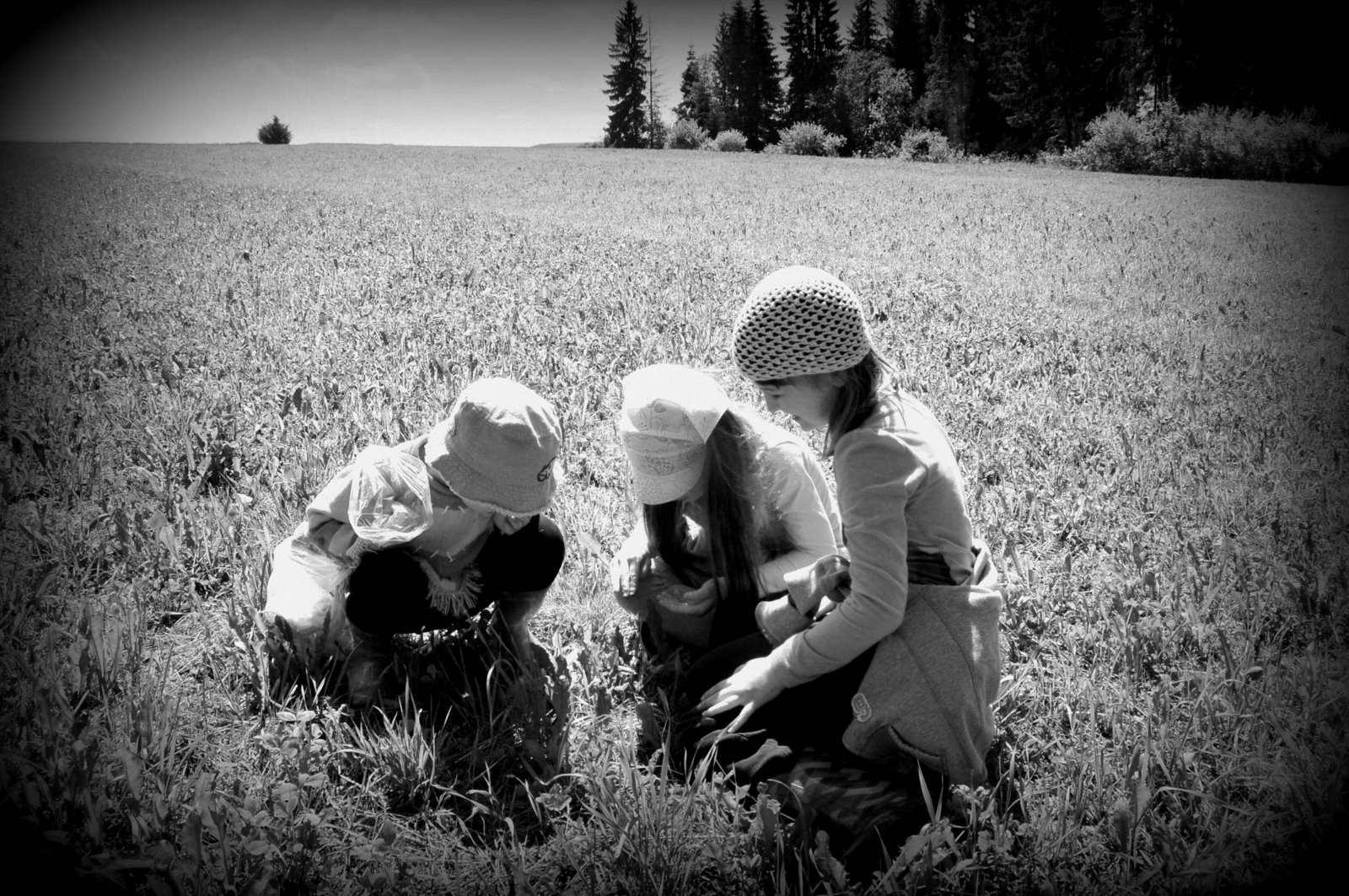
It was about the small surprises and discoveries that childhood can bring, the big and the small. Finding a Ladybug in a field.
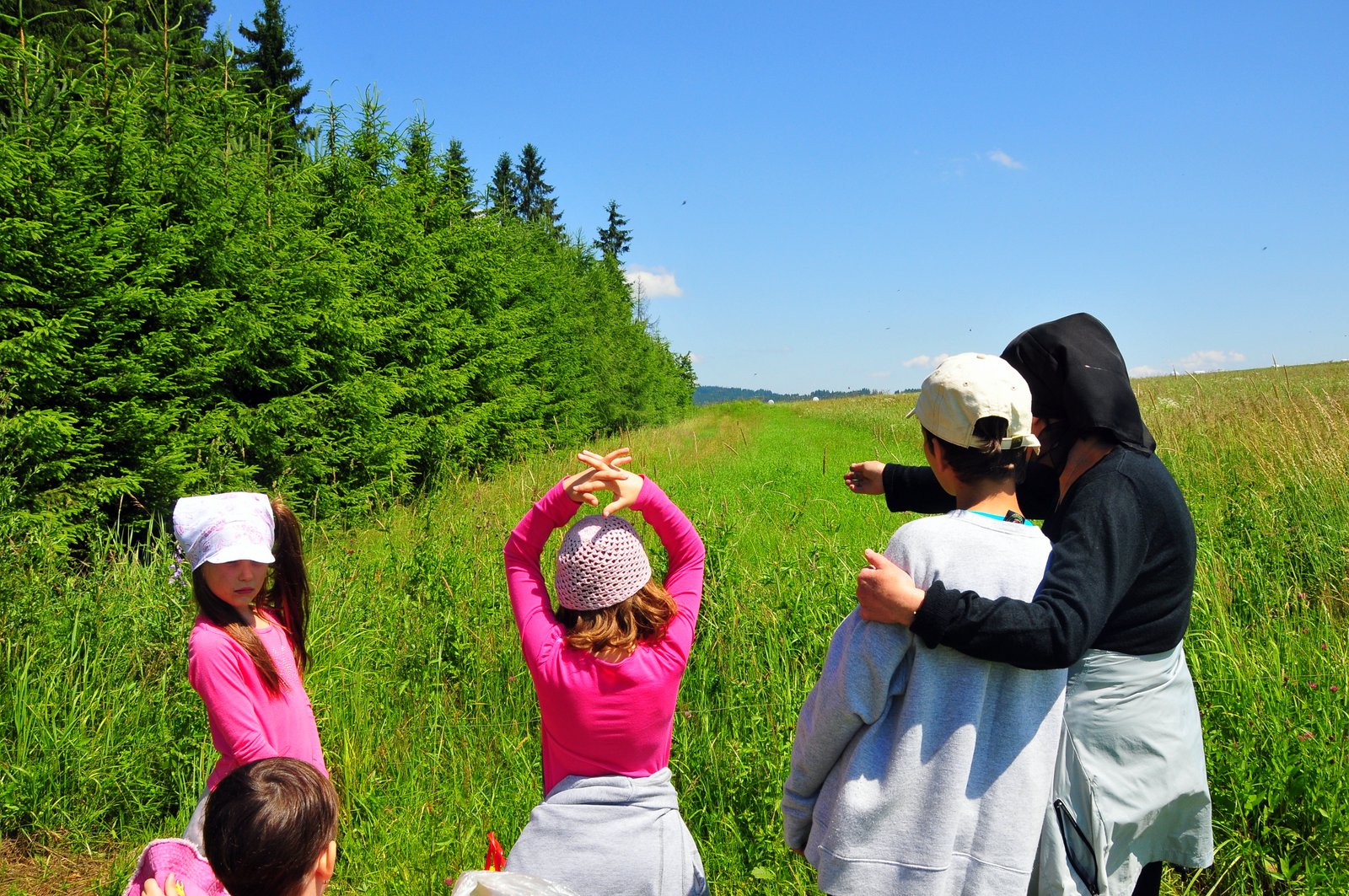
Or seeing for the first time the square of forest your grandfather gave you.