matching tracksuits

fun in threes, sometimes fours

travel

Cemetery of Memories

The first time I approached the cemetery in Lipnica Wielka, it was November of 1996, and I headed up for my first experience with All Saints' Day in Poland.
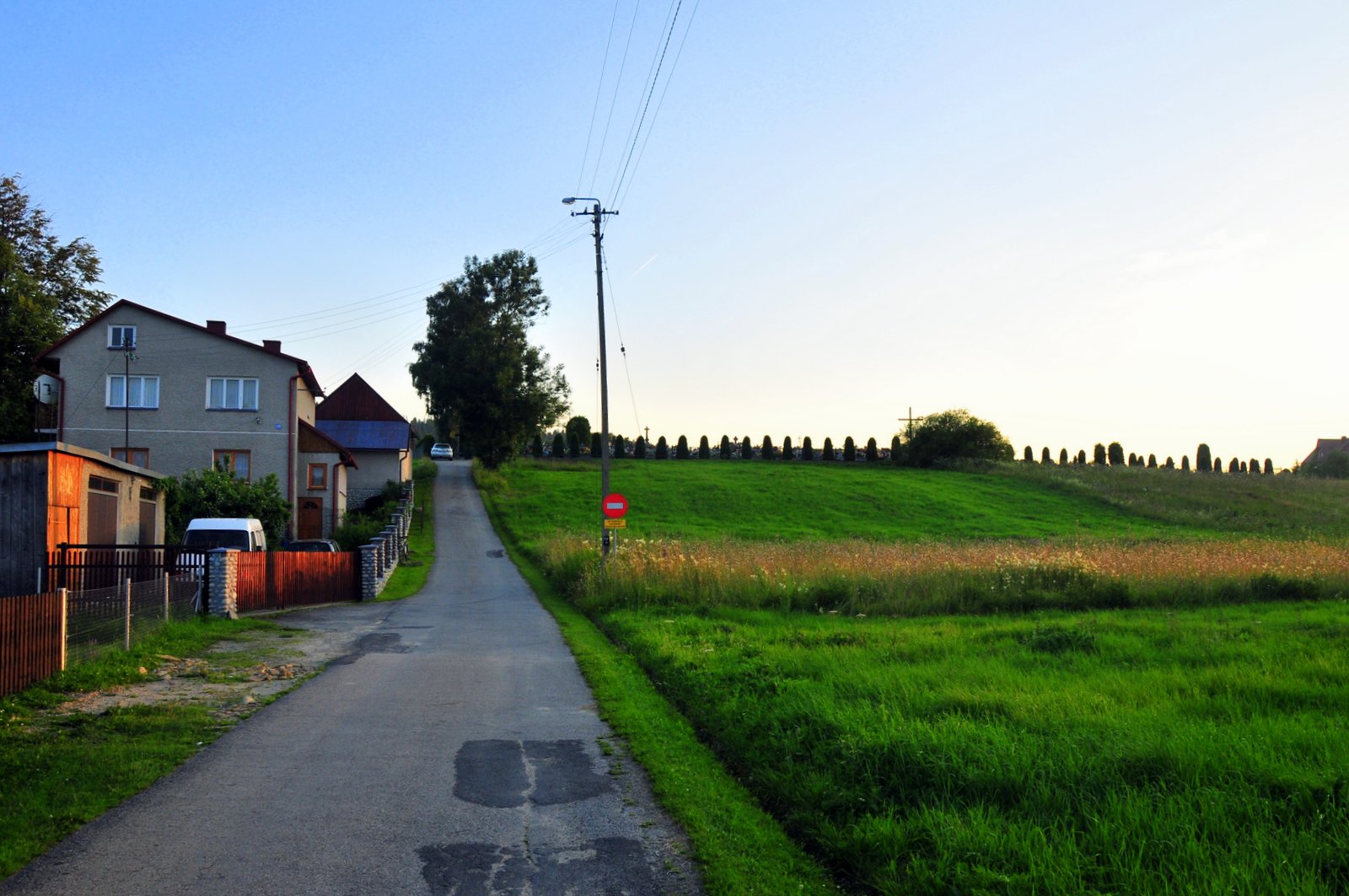
VIV_6361

I took pictures and made mental notes for my journal:

I left my apartment around 4:30 and headed up to the cemetery to witness my first All Saints’ Day in Poland. I weaved my way through the maze of mud puddles that serve as my front yard and made it to the road, and suddenly it was if I was in Kraków instead of Lipnica. The street was filled with people, all leaving the cemetery as I made my way to the cemetery. I felt like the one Israelite who might have decided to turn back in the middle of the exodus. With my camera in hand and a bewildered look plastered across my face, I surely looked like a fool. But I didn’t care, for I was about to experience something I had heard about since arriving in Poland. (November 1996)

It was the first of many visits, for I found myself strangely drawn to the cemetery as the sun set. Summer sunsets were the best, giving Babia Gora just a touch of golden haze, but any sunset cast a lovely light over the headstones.
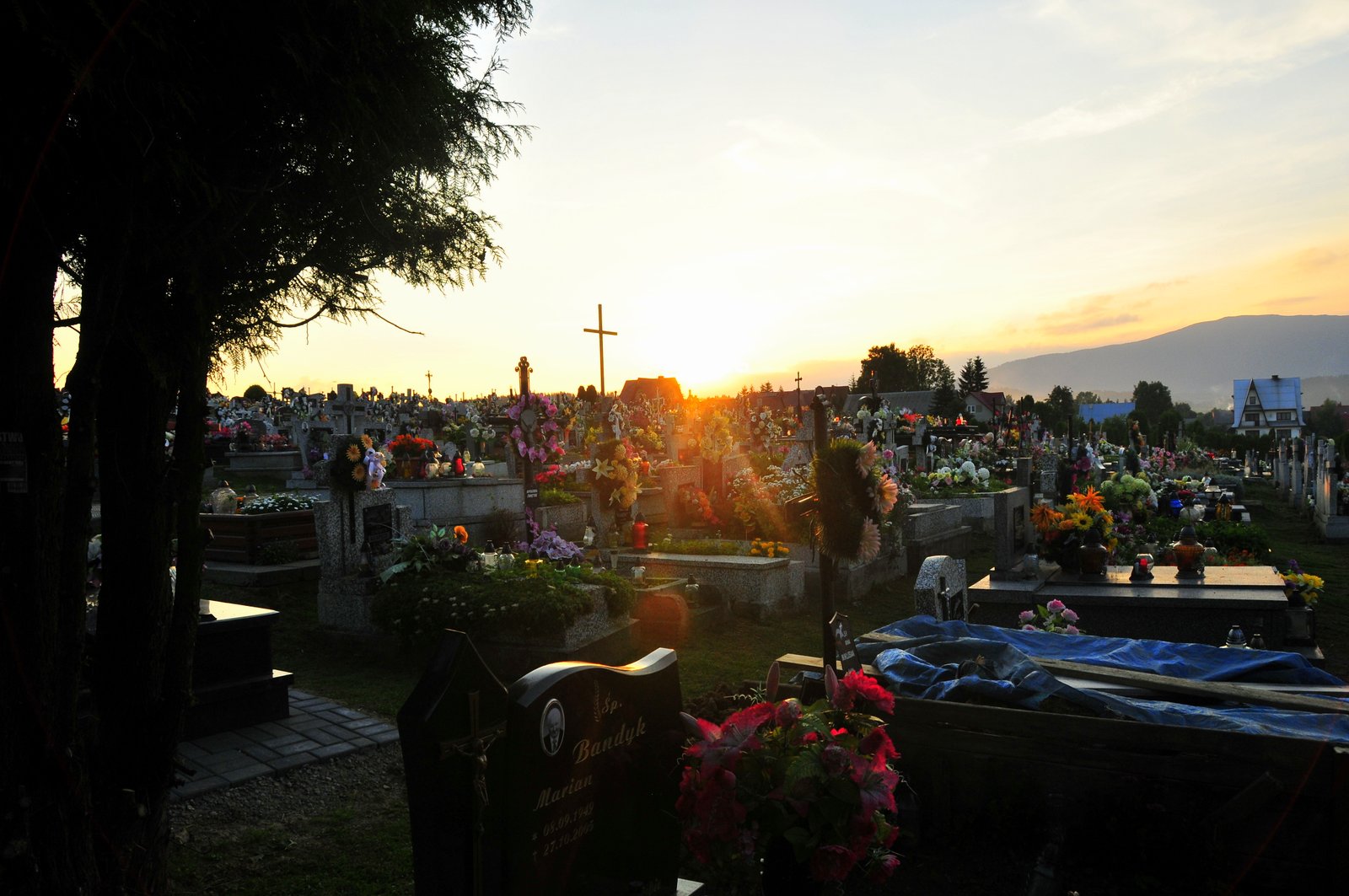
VIV_6362

From the cemetery's small hill, I could see all of the central area of Lipnica Wielka -- centrum as it's known -- and that somehow gave me a sense of peace and belonging that other views lacked. Indeed, it was odd for me that from the first time I ever attended the cemetery prayers and processions of All Saints' Day, this plot of land filled with the remains of total strangers became a place of peaceful retreat. I never imagined I'd really have a personal connection to it. After all, I taught high school, and most of my interactions were with students: how often do high school students die? All the teachers at the school were young: what were the chances of some random accident taking one of them? No, I never really thought that I would think of Lipnica's cemetery as much more than a quiet place of reflection.
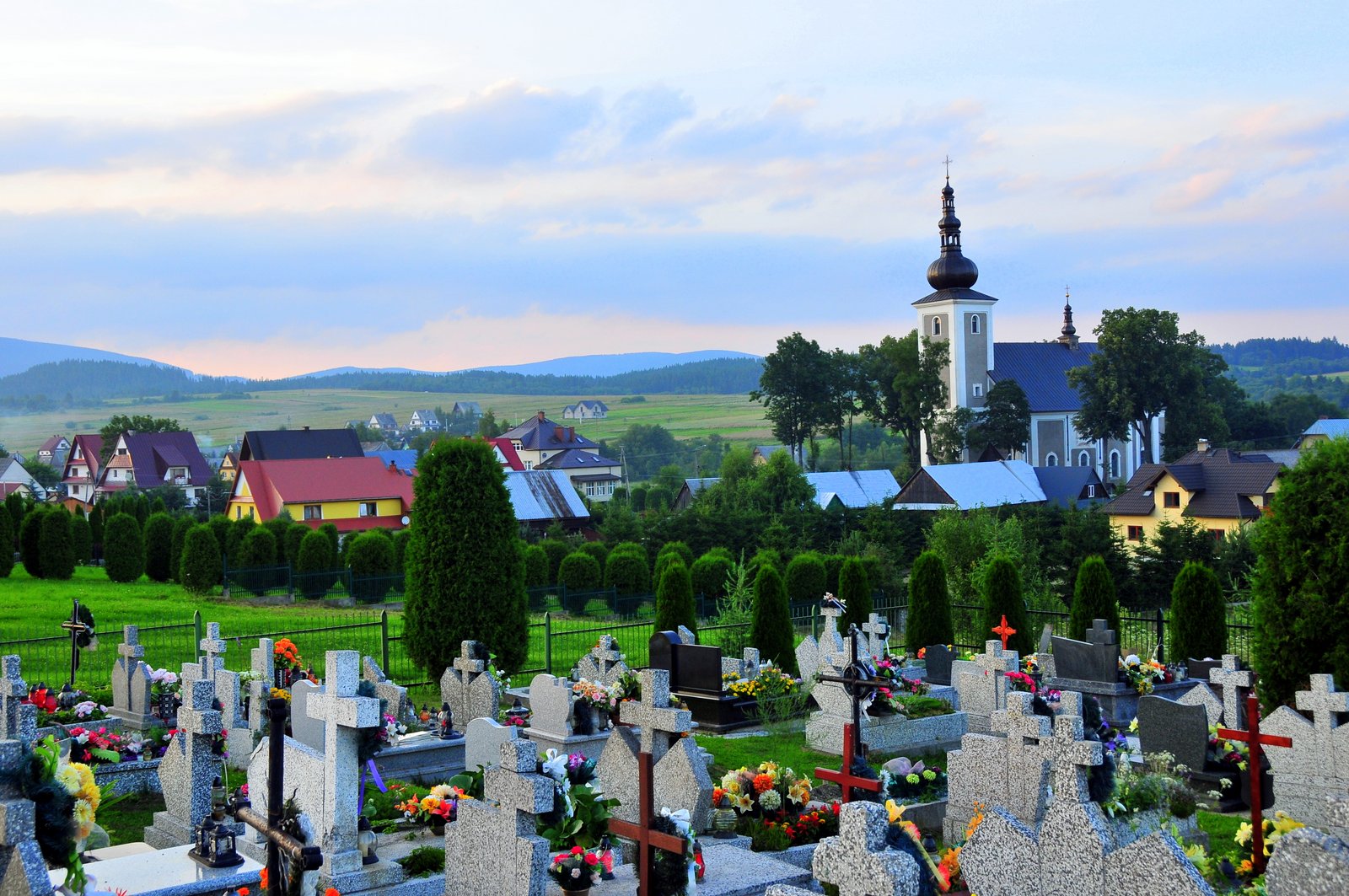
VIV_6366

Yet that was just what happened. Disease, accident, and tragedy claimed several students' lives during my time there.

The first was a girl named Halina. She wasn't actually from Lipnica, but she was living at a rehabilitation center at the top of the village, just below Babia Gora. It was a center the Duchess of York had established for children recovering from the barrage of chemicals and radiation used to treat cancer. Halina was eighteen but trying to complete her first year of high school in Lipnica. Just before Christmas break, Halina disappeared. Several weeks later, during the two-week inter-semester winter break, I ran into the director of the rehab center.

"Halina died," he said abruptly.

As she was from the west of Poland, several hours' travel from Lipnica, I was unable to attend the funeral, and I've never visited her grave.
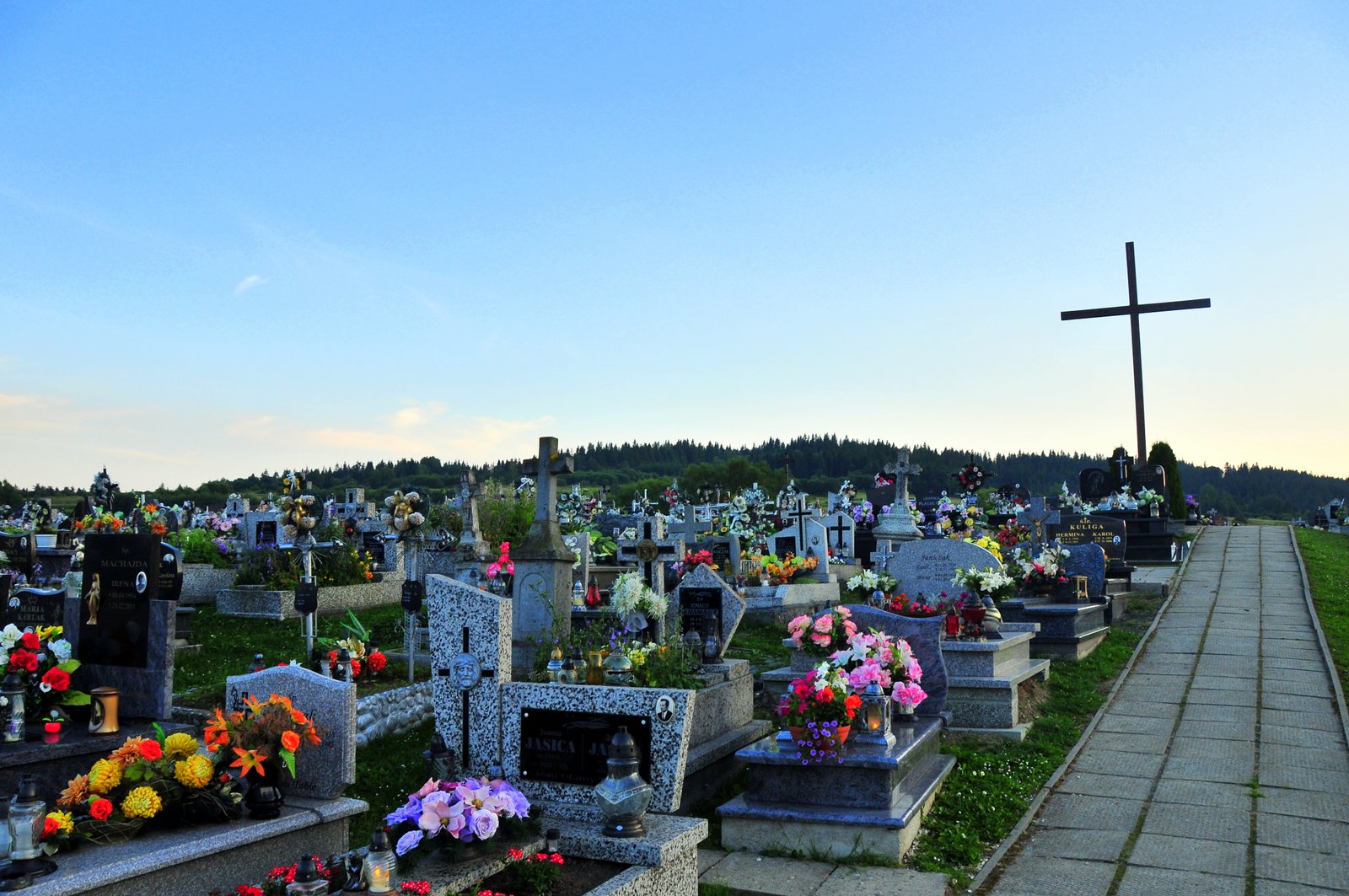
VIV_6367

The cemetery was one of the last places I managed to visit during our 2013 trip, though.  I'd come to pay respects to those students who'd died after the shock of Halina's passing.

It took me little while, though, to realize how much had changed. The last remaining tree in the cemetery (a large evergreen) had been chopped down -- a negative change. It always amazed me how the light of thousands of candles could illuminate the entire tree during All Saints' Day, and that single tree, almost in the center of the cemetery, was a constant reminder of the renewal that follows death.
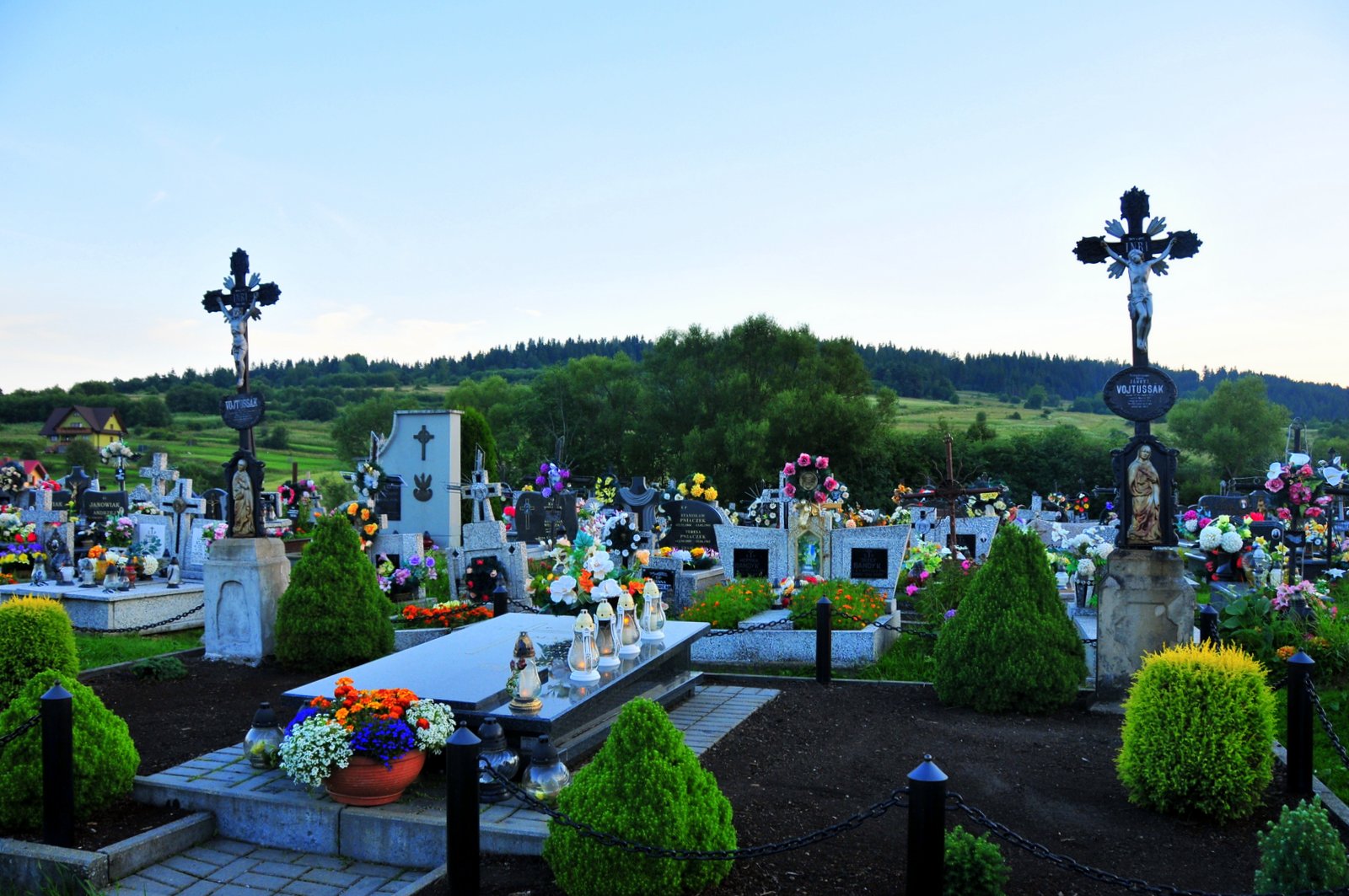
VIV_6369

The chainlink fence around a small group of graves (including a couple of Hungarian markers) had been replaced with a modest chain barrier -- a positive change. The two iron crosses, in the center of the cemetery but toward the rear fence, always stood out, and the chain link fence seemed an inappropriate addition.
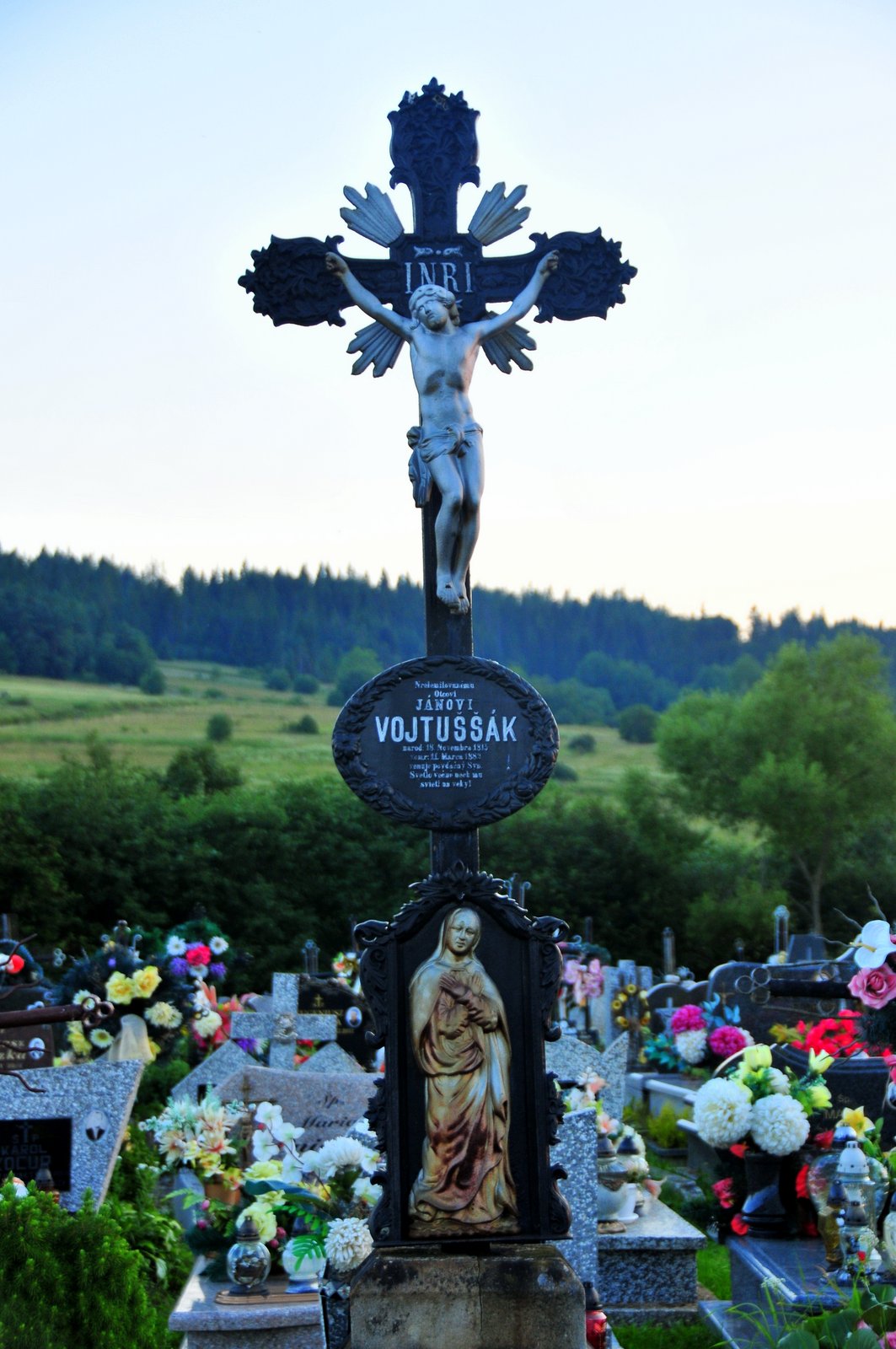
VIV_6370

But I hadn't come to see how much the cemetery had changed; I'd come to pay respects to three people, all of whom were taken entirely too soon.

Marcela finished up her freshman year in high school as I left Poland in 1999. I didn't know her well: I only taught her class a couple of times a week, and I worked with her for only that one year. But when, back in the States, I learned that she and another girl, also my student, had drowned while on a trip to the Baltic Sea, that small connection seemed much more significant. A young girl, on a summer trip, drowns: it seems to be almost cruelly ironic.
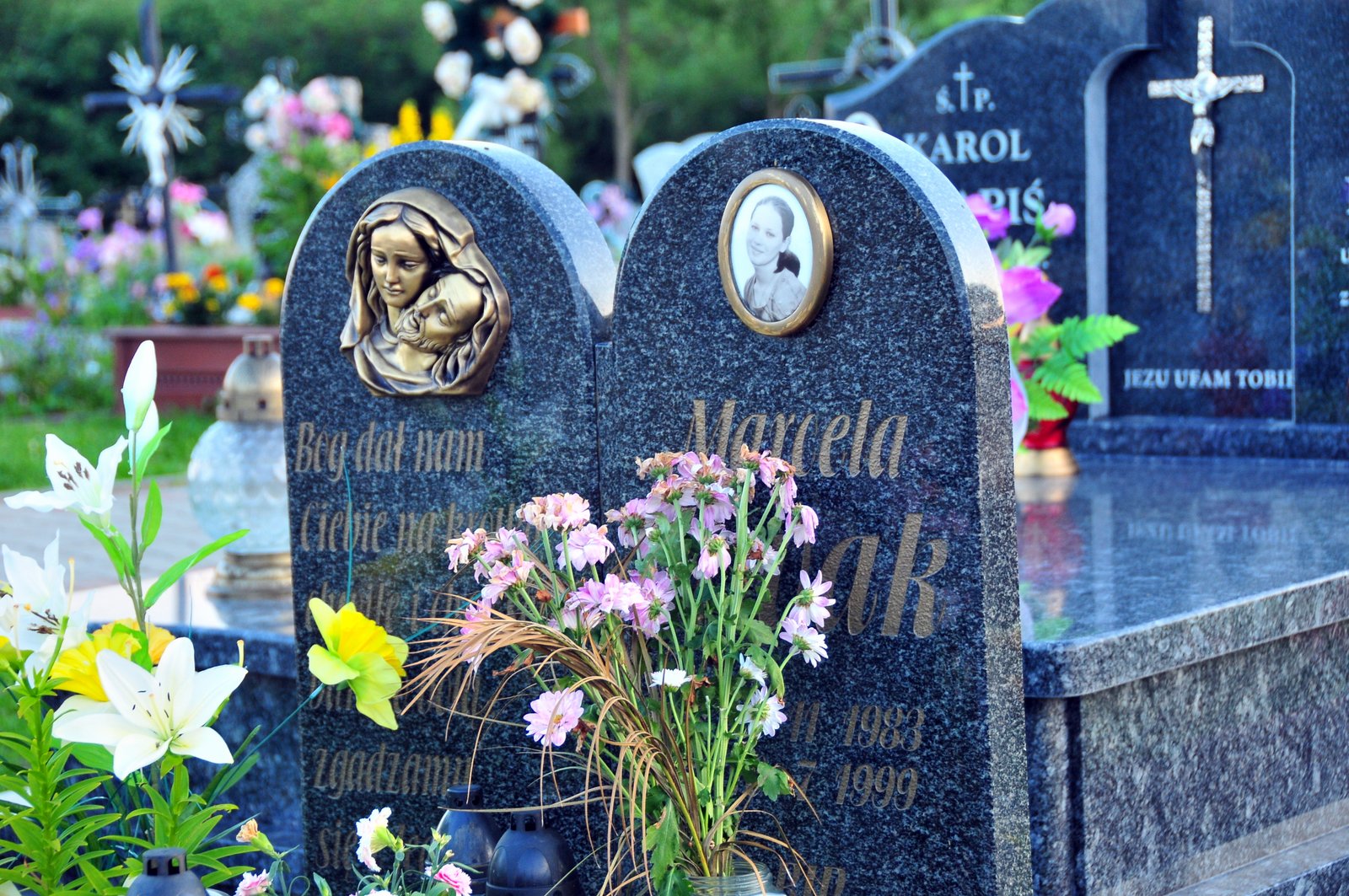
VIV_6368

Andrzej I knew much better, though. I taught him for three years, and when I returned to Poland in 2001, he'd graduated high school and we developed a friendly acquaintance as adults. Andrzej was truly popular with everyone. I don't recall ever seeing him do anything other than smile. His death in a farming accident shocked and shook hundreds of people: his funeral mass was standing-room only, and for many weeks after, whenever I wandered into the cemetery, someone would be standing at his grave.
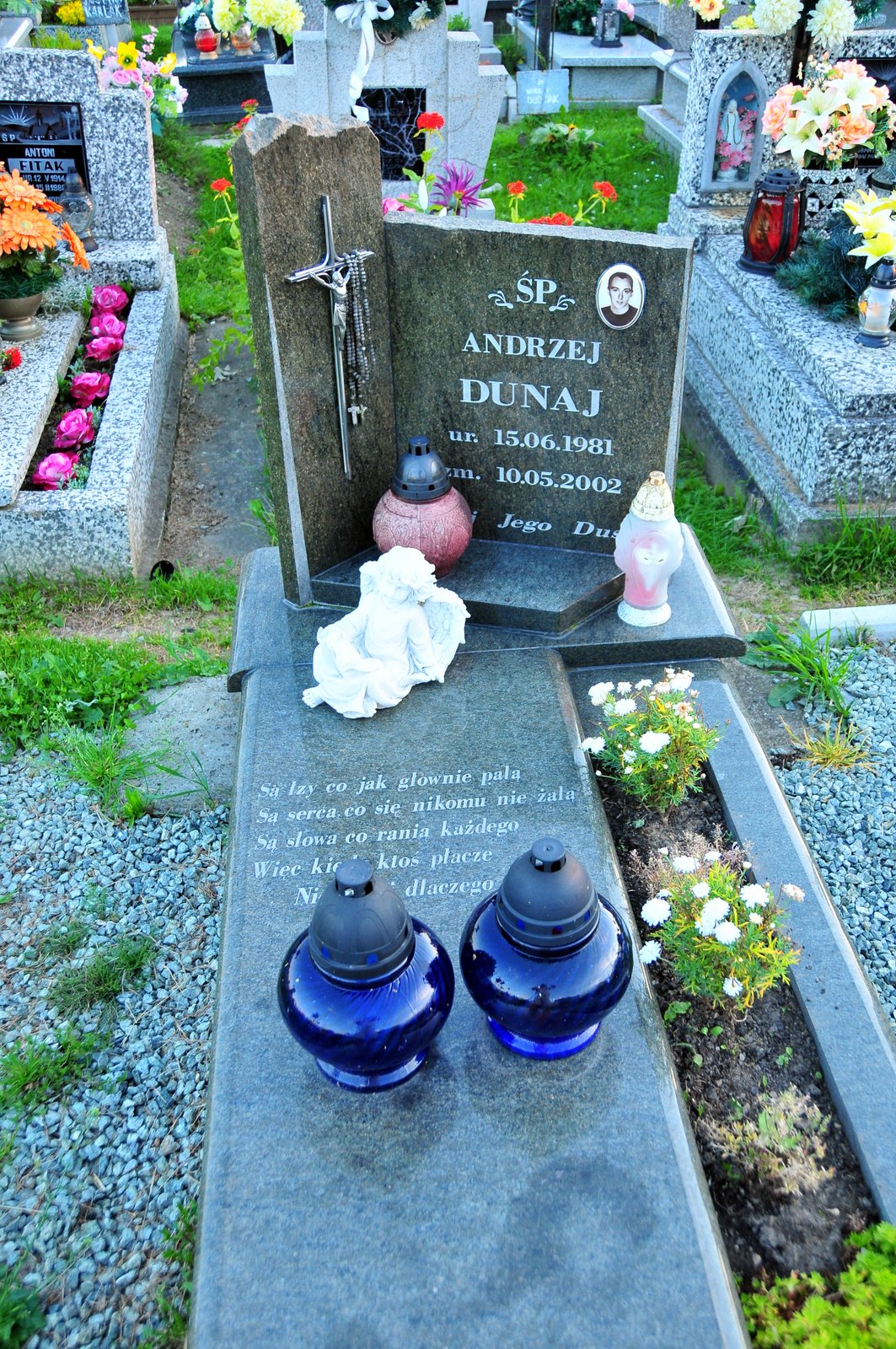
VIV_6371

Emil Kowalczyk was Przewodniczący Rady Gminy (Chairman of the Municipal Council) for Lipnica Wielka, but more than that, he was a constant champion of the cultural heritage of Lipnica. I really only knew him in a professional capacity mainly by helping occasionally with some translation work. It was he, however, who arranged for me the traditional outfit required for admittance to the VIP seating area during Pope John Paul II's visit in 1997. The mayor offered me the spot; Kowalczyk provided me the clothes. Always a kind and friendly soul, he died in 2005 of cancer at the young age of 64.
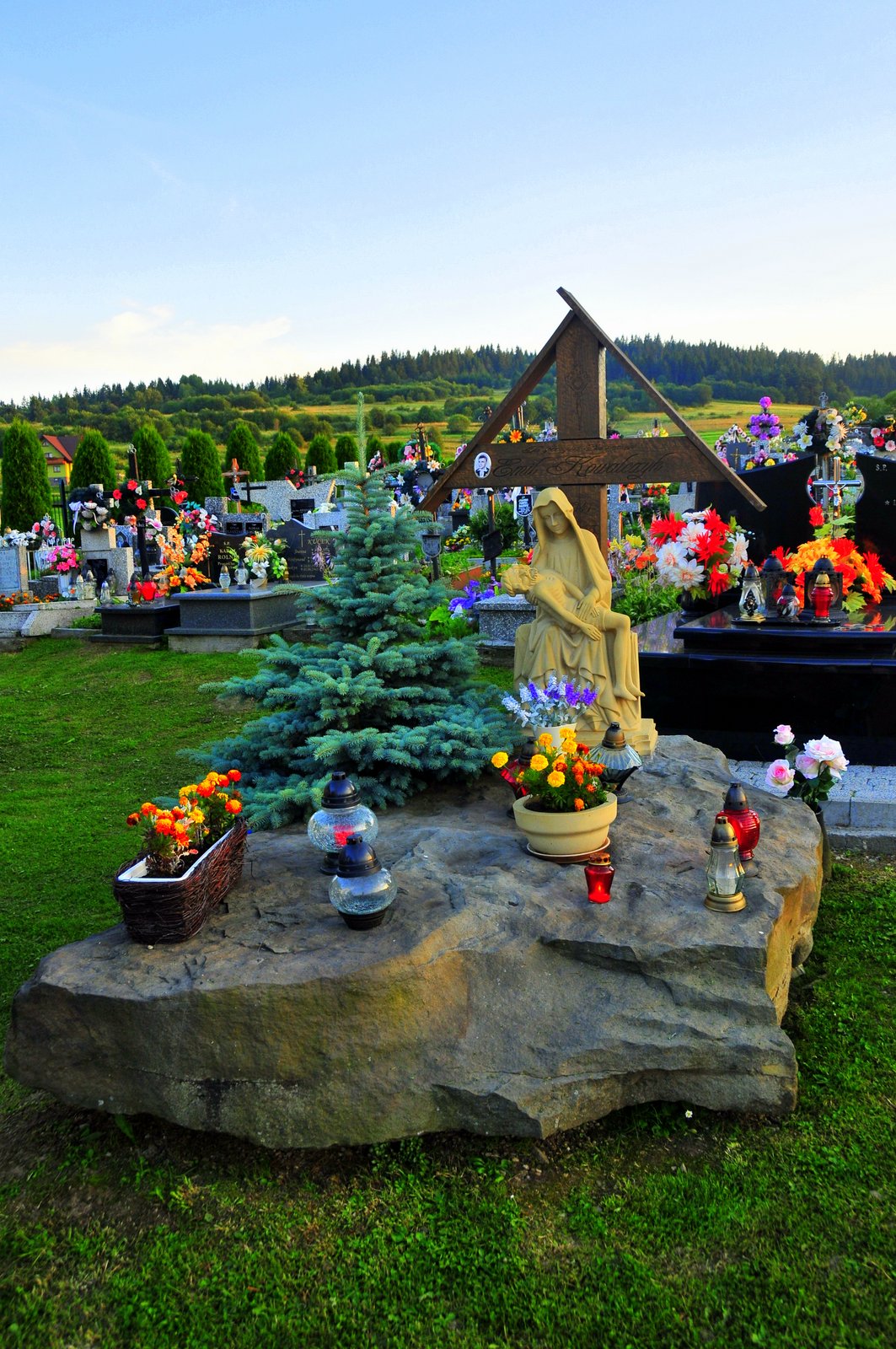
VIV_6364

I visited the graves and felt a tinge of guilt that I didn't bring flowers or a candle. I thought of the Jewish tradition of laying a rock on a grave as a mark of respect, but it seemed out of place, a Jewish tradition from a Catholic in a Catholic cemetery, as if I would just be going through some motions or other.
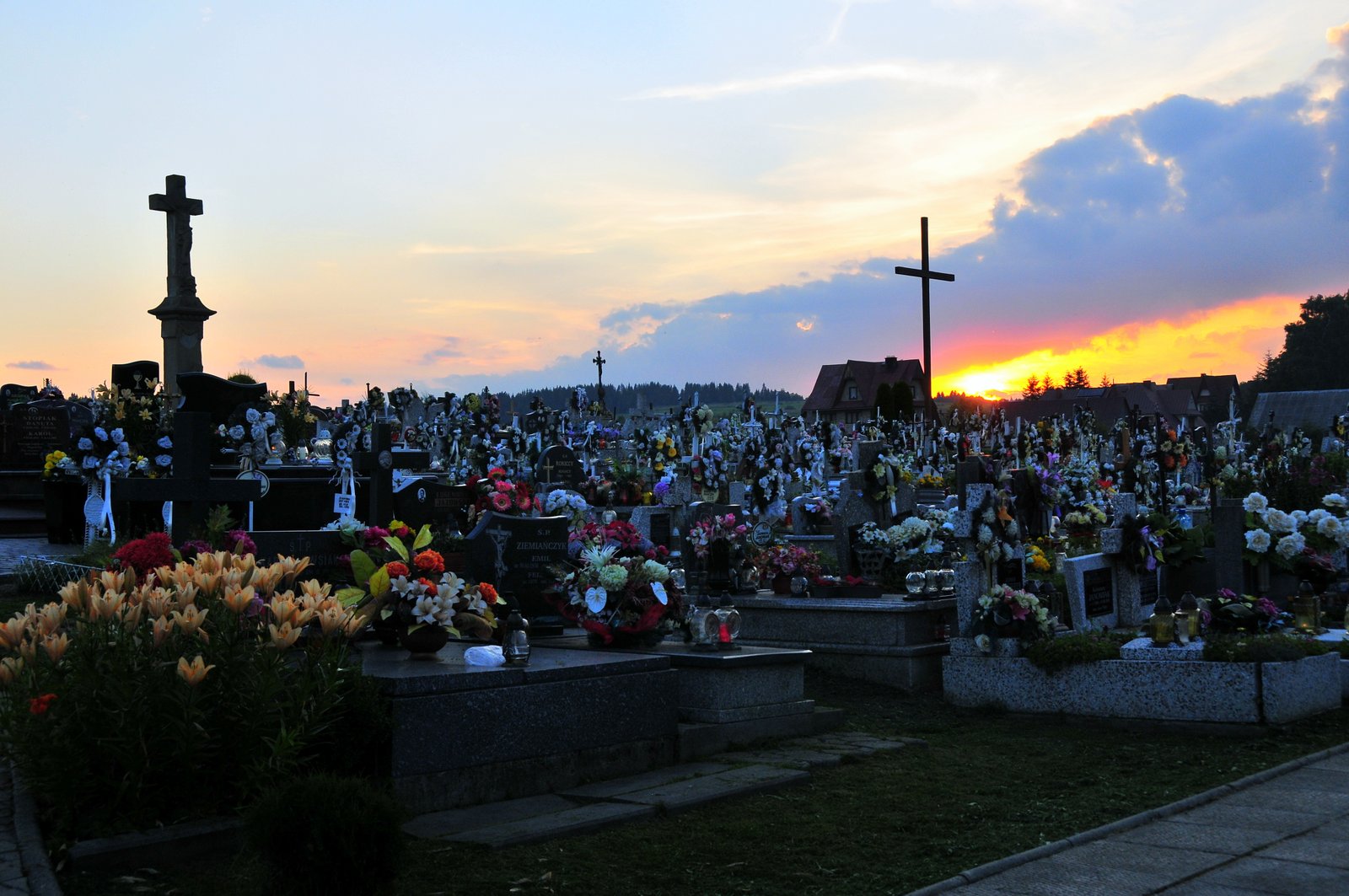
VIV_6372

In the end, I just left after mumbling a short prayer over each grave, the same prayer L and I pray for Dziadek every night: "Have mercy on his soul and give him peace."
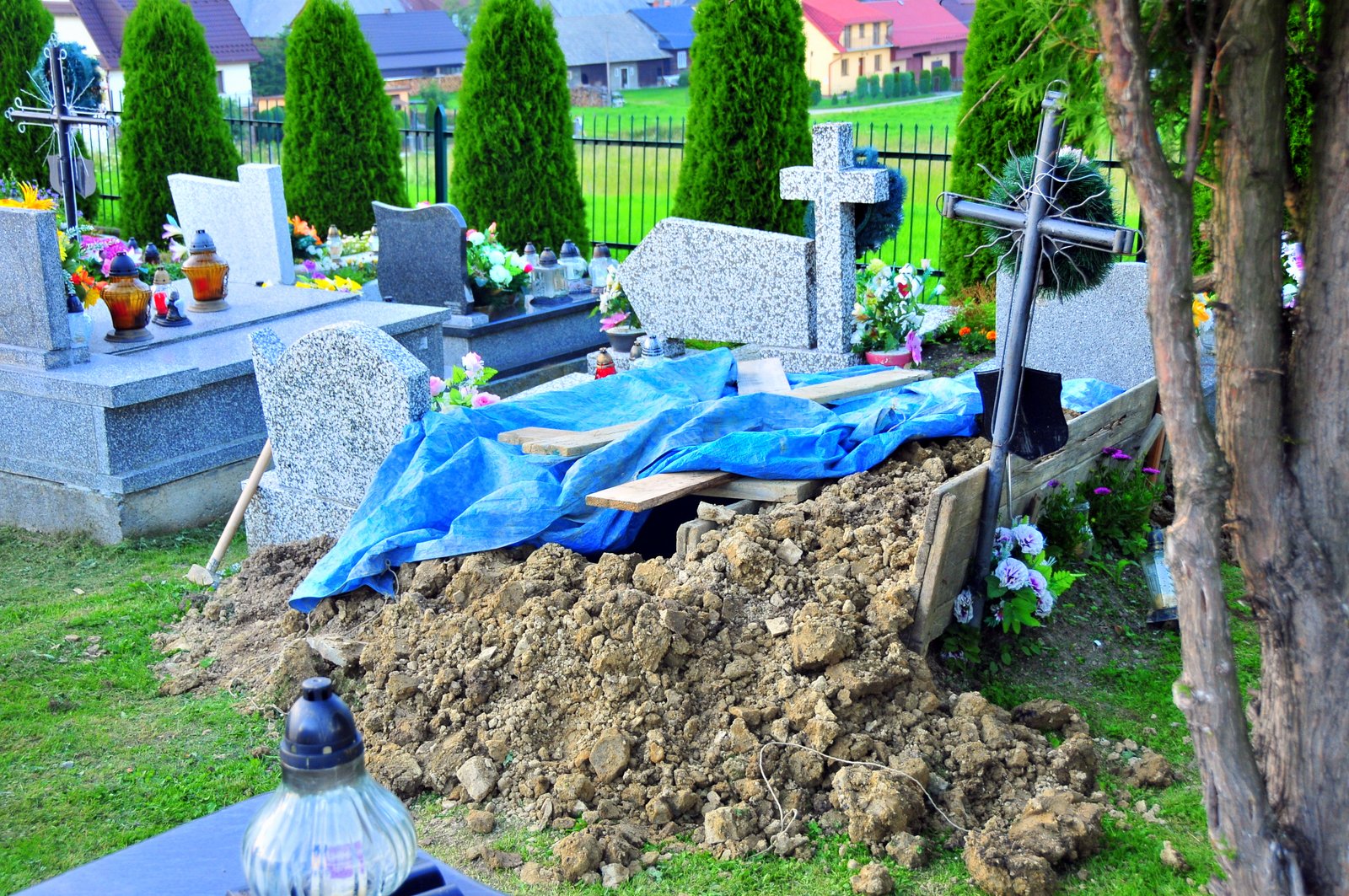
VIV_6373

On the way out, I noticed a fresly dug grave. Unlike in most US cemeteries, the graves in Lipnica are dug manually: a couple of guys with shovels, picks, and a few planks. Winter graves are hellishly difficult because of the depth of the frost line. Diggers must first thaw the earth before they can begin with the shoves and picks. In the summer, it must be relatively quick work.

Lipnica Sunset

VIV_6358

Here [They] Come

walkin' down the street...

VIV_6600

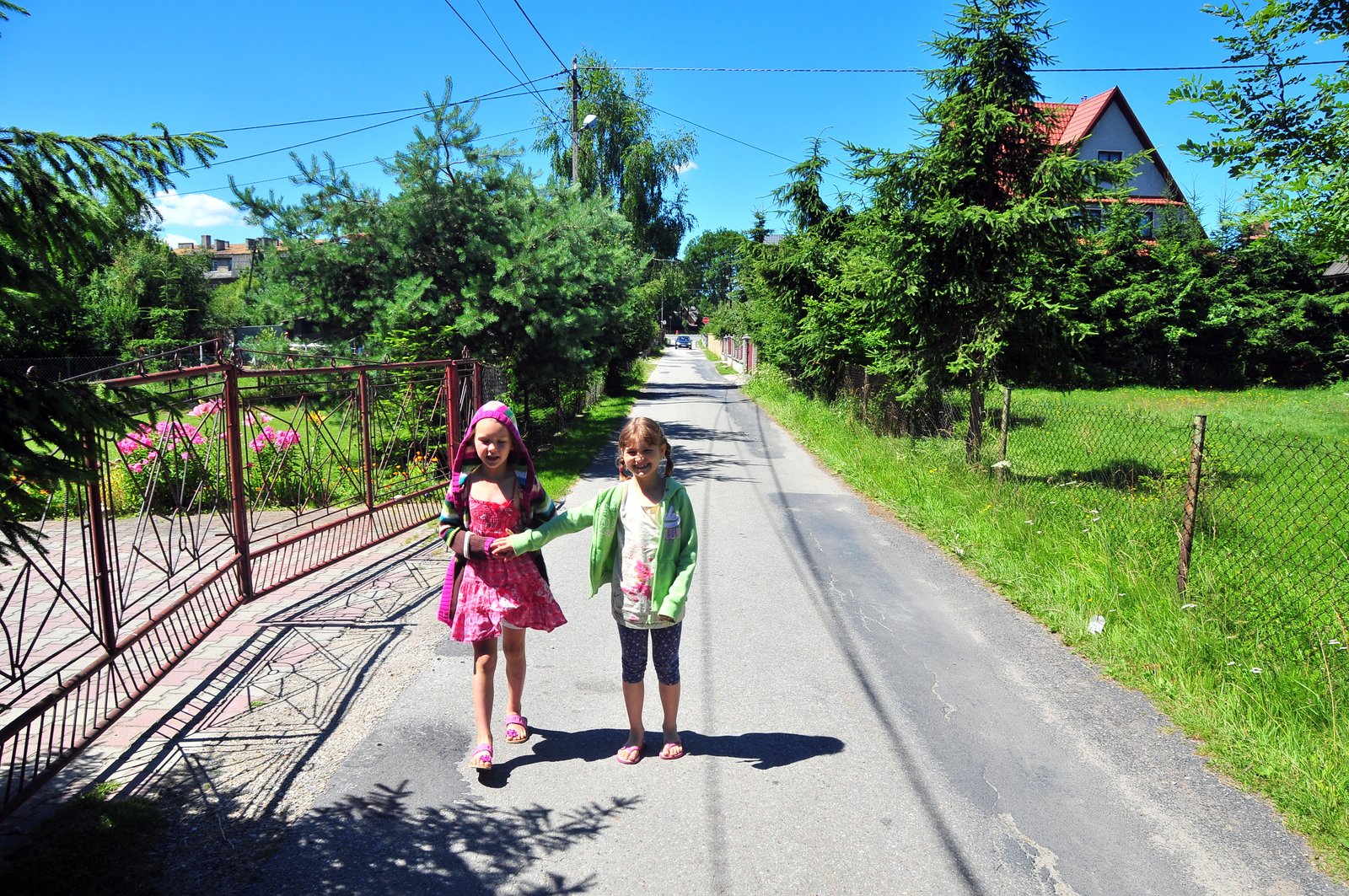
Such a difference in how L plays here in the States versus Babcia's place in Polska. With all the houses tightly packed in Babcia's neighborhood, I could easily hear L just about anywhere she was. She'd developed a few little haunts, but they were all within earshot of the house. Here, I watch her as she walks up the street to her friend's house, and his parents do the same when they return. It's a busier street to begin with, but there's also the eternal fear that sparks the almost cliche instructions, "Don't talk to strangers." In Polska, there were times that I didn't really know where L was, but I wasn't really worried about it. It's not that there aren't evil people in Polska, they just seem fewer and farther between. You don't read news accounts of abductions and murders like you do here.

And so L and S would often strike out on their own, yelling to one of us on their way out where they were headed.

Charleston Corners

VIV_7036
VIV_7129
VIV_7035

Sorting

There are a ton of pictures to go through -- close to 500. How? K and I both get carried away sometimes.

VIV_7251

And so after the kids are in bed, the first load of laundry done, and a bit of cleaning and sorting completed, K goes to bed and I start going through the weekend's pictures, many of which I should have posted Friday evening.

VIV_7275

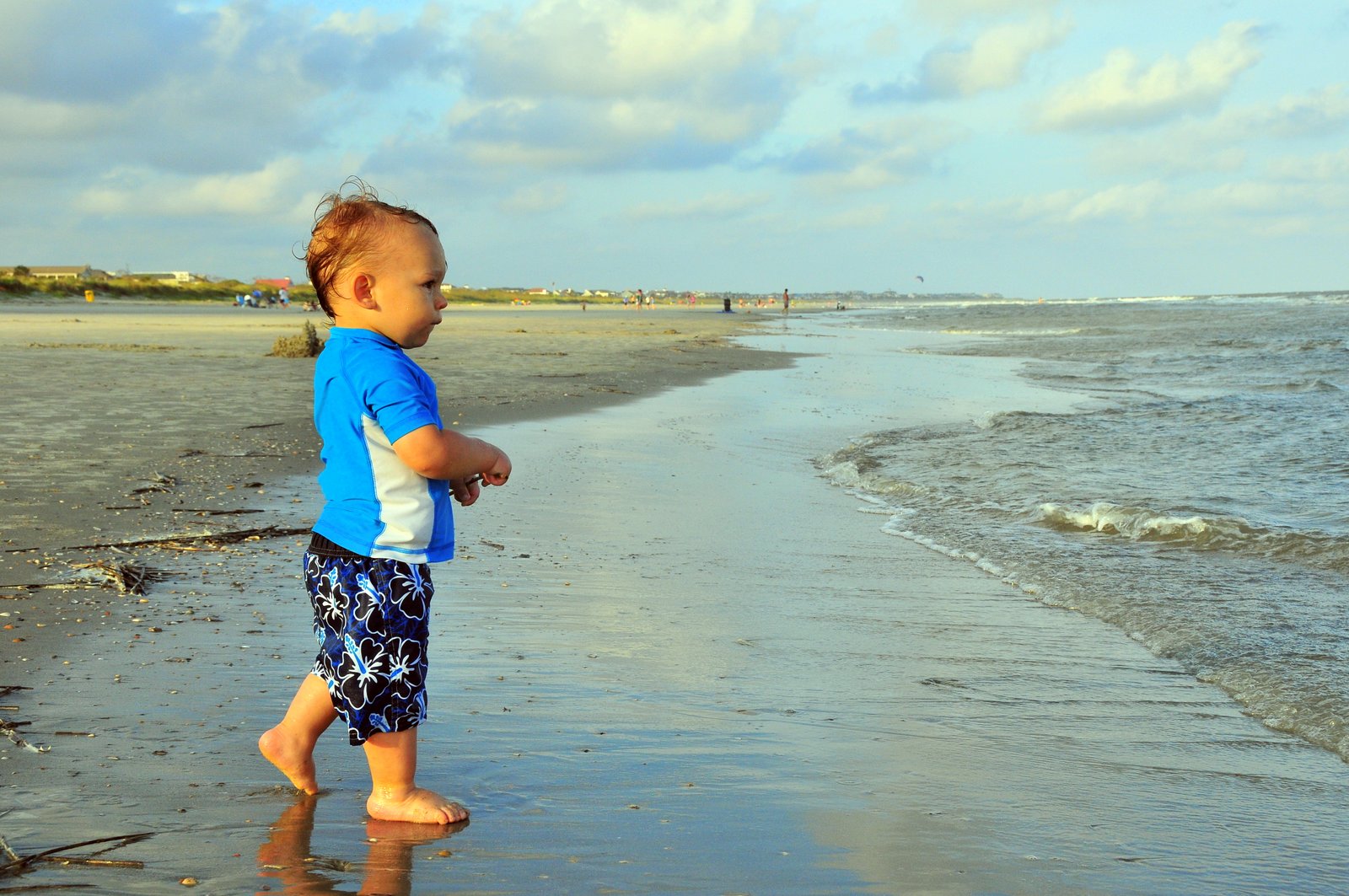
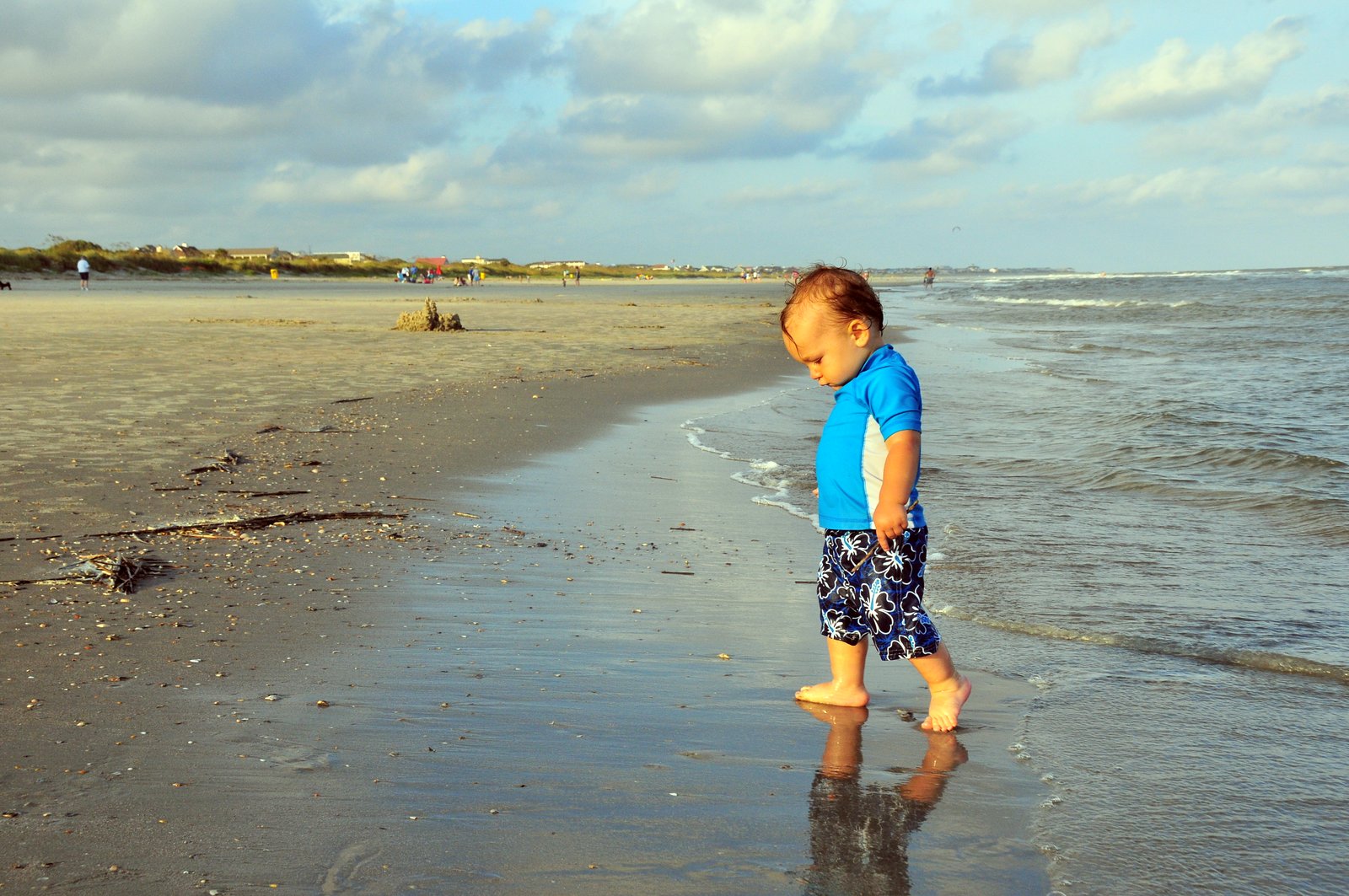
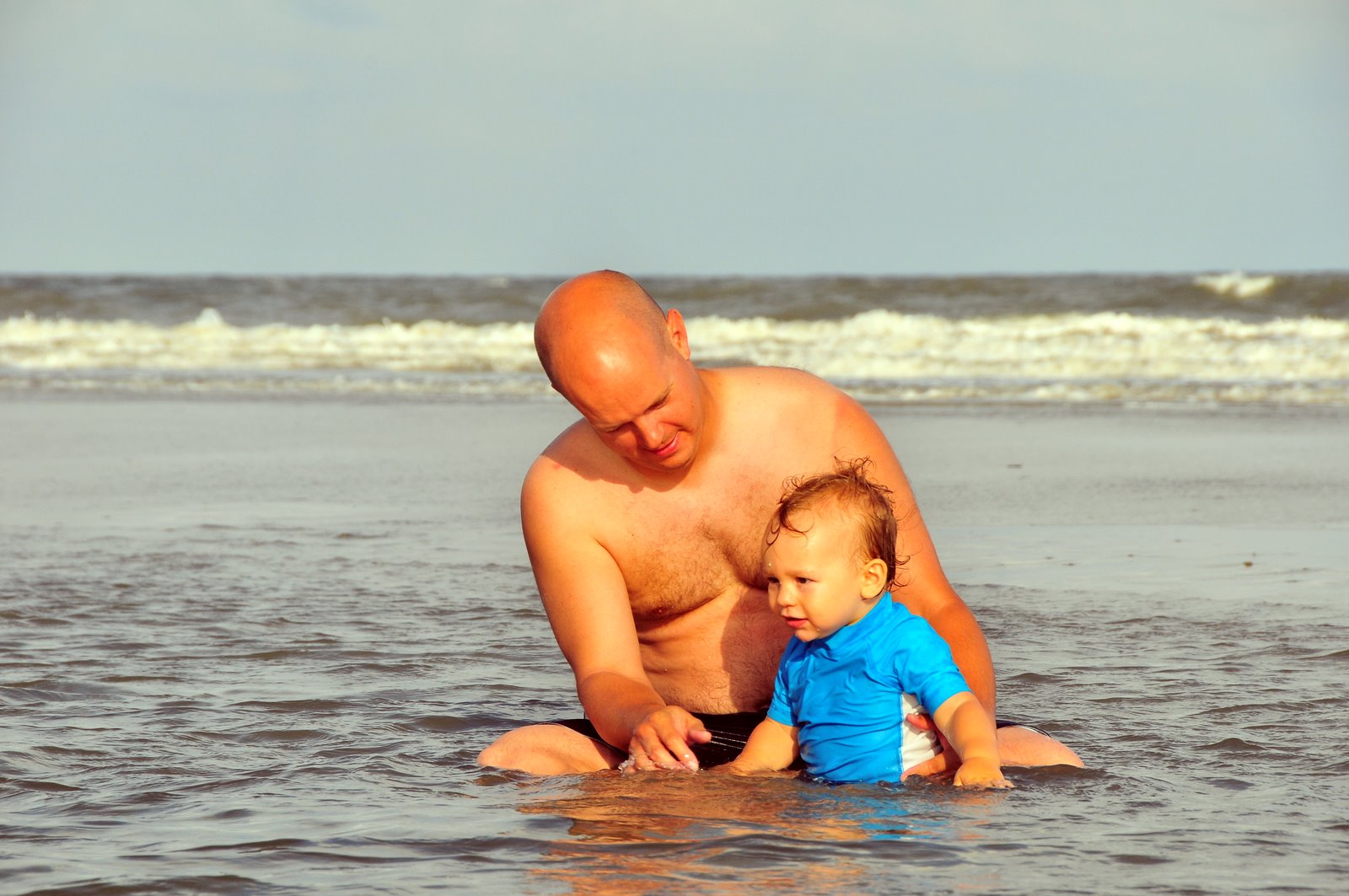
Dozens upon dozens of pictures from the beach. The Boy walking toward the water; the Boy walking away.

VIV_7278

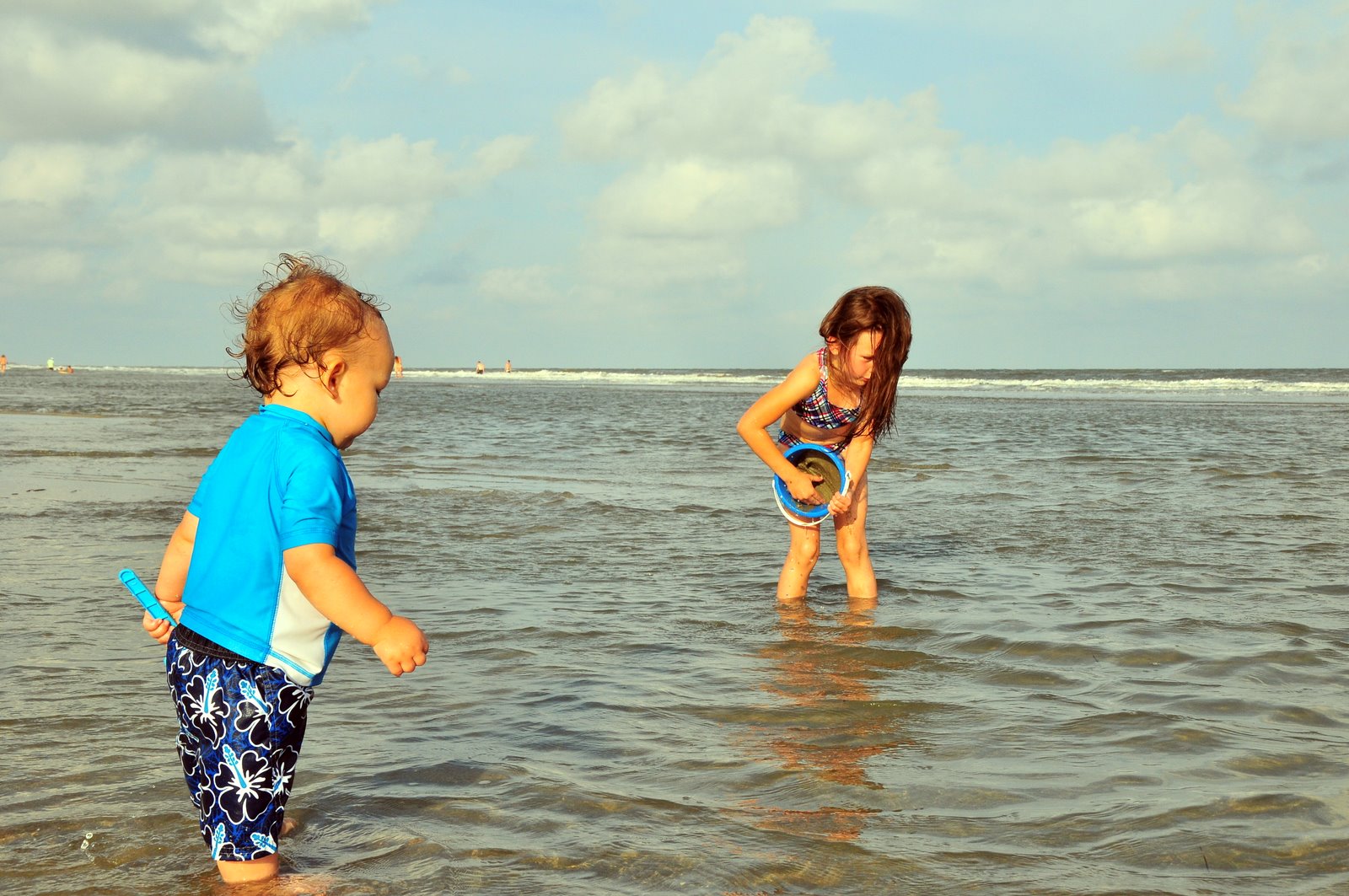
The Girl playing in the sand; the Girl playing in the water.

VIV_7313

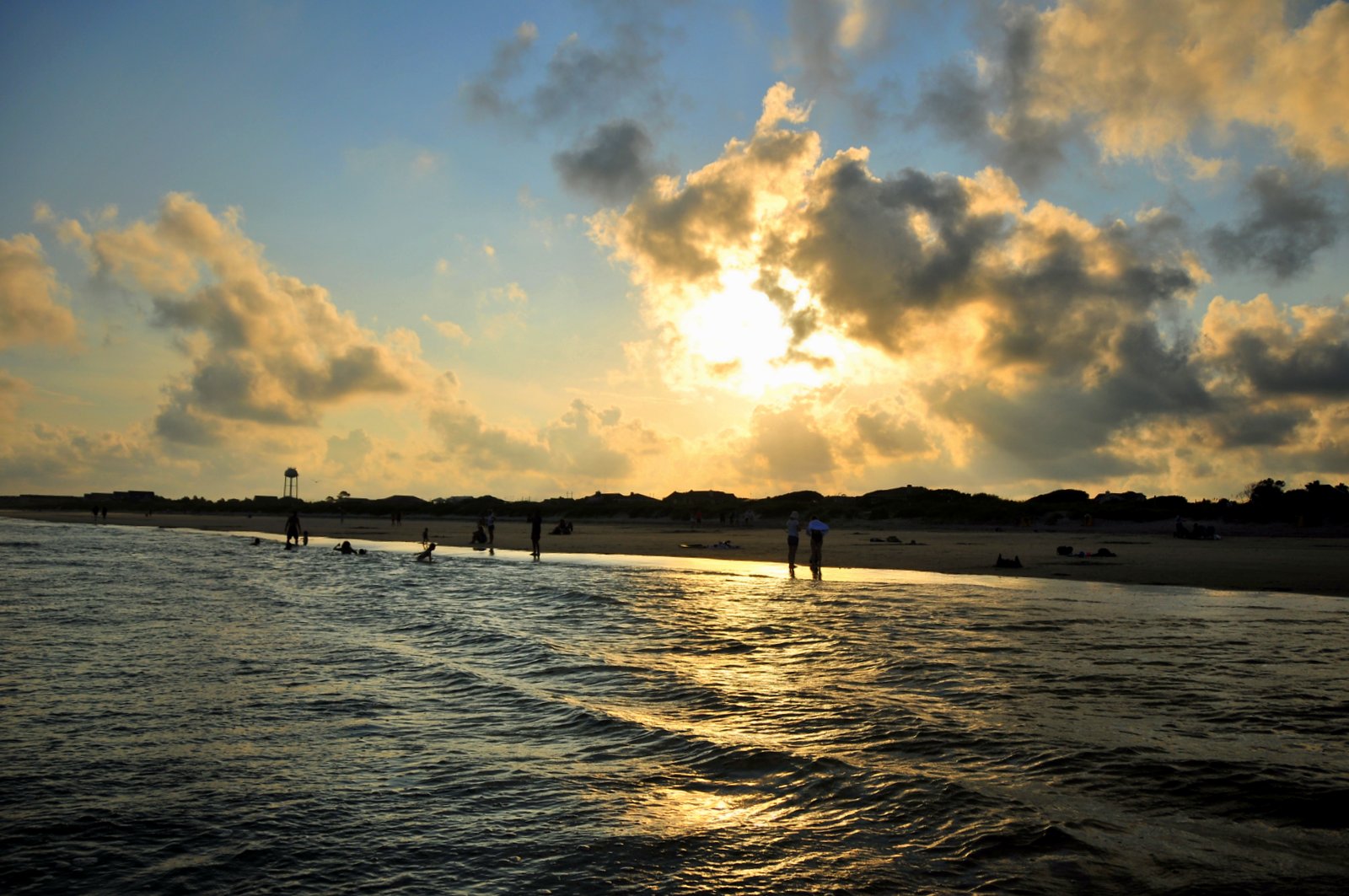
But once again, it's late, and my cognitive abilities/willingness are setting like Friday's sun, though not as gloriously.

The upshot -- plenty of material for the next few days.

Two Days in Charleston

Two days to cover due to various issues yesterday -- how can I do it? Over 300 pictures in those two days. Most should be deleted, but there's not even an once of willingness to go through them all on the netbook computer I've brought with me. So I pick a few representative ones and save the others for later -- and the same goes for the stories behind them.

But how could I fail to mention the walk along the Battery, with multi-million dollar homes on one side and a beautiful bay that completely fascinated the Boy on the other?

VIV_7085

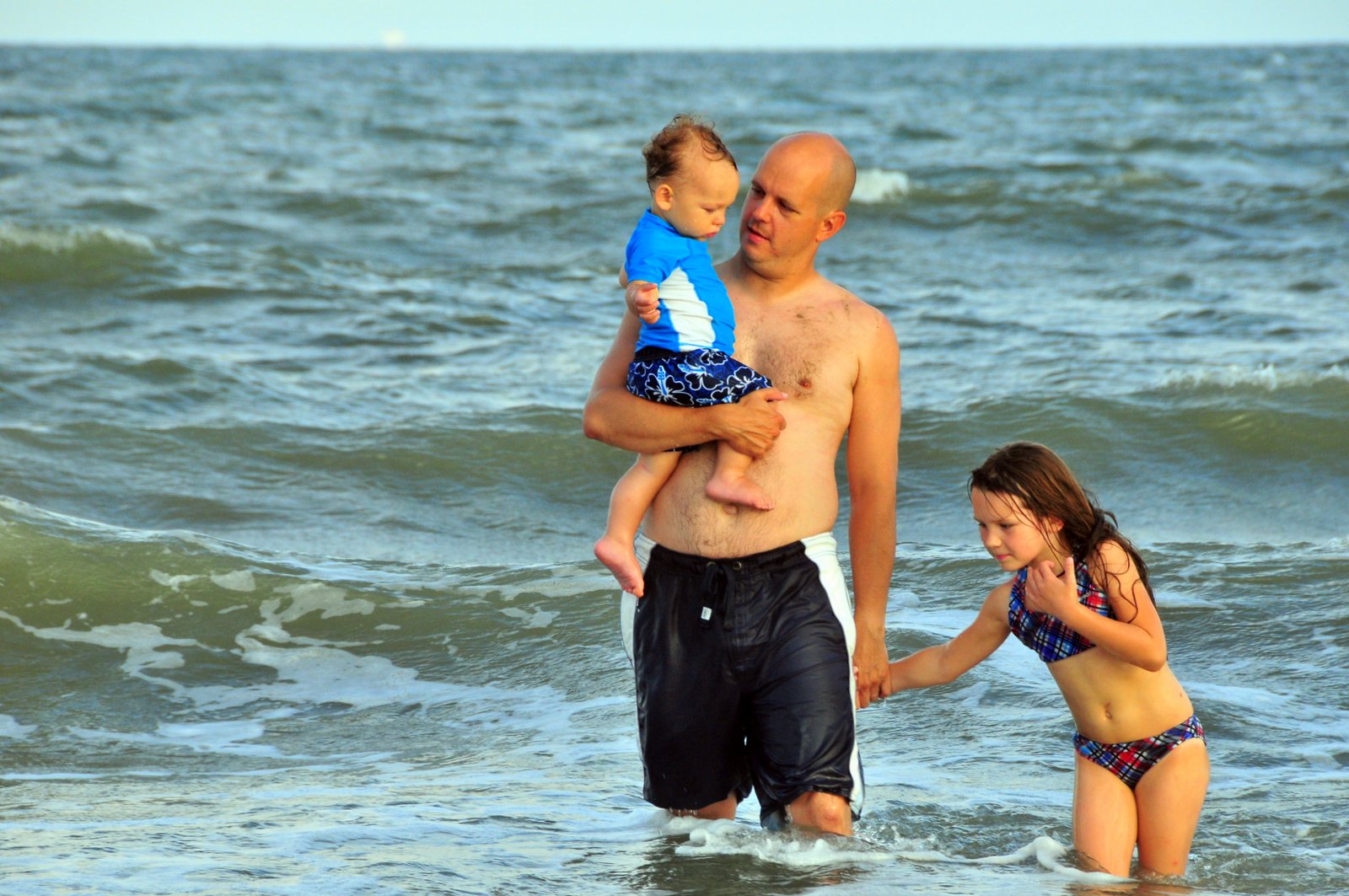
And how could I leave out the excitement of the Boy when he first saw the ocean? L's first reaction was panic and fear; the Boy's first reaction was squealing excitement

VIV_7194
VIV_7158

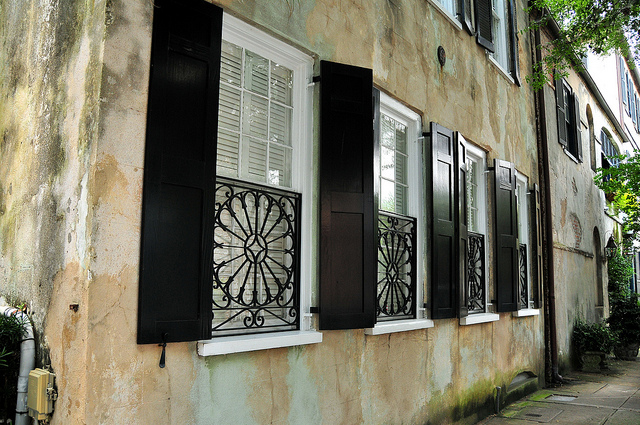
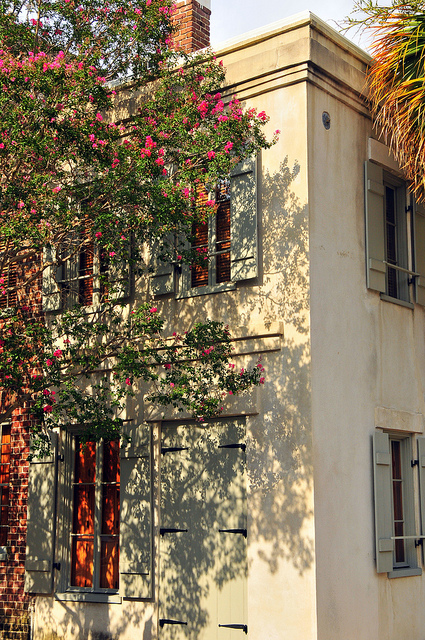
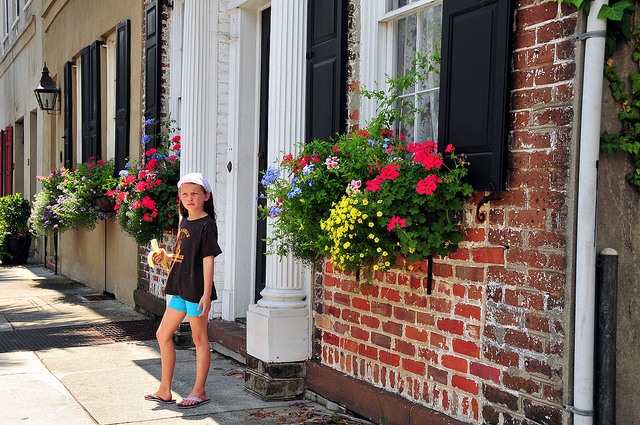
And the archeture of the Charleston area, from the classic Charleston look (neither colonial nor European but a strange mix of the two with hundreds of other influences) to the modern engineering wonders.

VIV_7137

How could I leave out the story of a biologist's visit to Angel Oak, our walk on the Folley Beach pier, the visit to Middleton Place? I shouldn't, but I shall. A cramped keyboard, sleeping children, and a tired soul tell me that it's okay to tell only a portion of a story. If it's a good story, the rest will wait.

Home

Dojechalismy, przezylismy.

Relativity of Weeds and Flowers

VIV_6629

Stacks

Driving through the Orawa region of Poland, you notice two things fairly quickly: first, the fields are long and narrow. That's really nothing special about the region: such is the case throughout Poland. There have been efforts to help people consolidate their various fields through land reform laws (in essence, trading land with neighbors to have one large field instead of half a dozen scattered through the village), but the efforts have met with little effect in the south. The second that that you notice is that many of these fields are filled not with crops but with large stacks of thick, rough-sawn boards. Because of the nature of land ownership, there are often six or seven stacks about three meters wide, five or more meters tall, and probably eight to ten meters long.

DSC_5965

"Nie martw się," Babcia replies. "Deska nigdy nie marnuje się."

"Don't worry. Planks never go to waste."

Cemetery

Cemeteries and funerals are for the living, not the dead–it’s what I’ve heard all my life. For even if any or all the -isms are right and life continues after death, what reward can a nice funeral or attractive grave site be for someone who is experiencing ultimate reality? That being said, there is one place on the planet where, were it logical logistically and fiscally, I would want to be buried.

VIV_4659

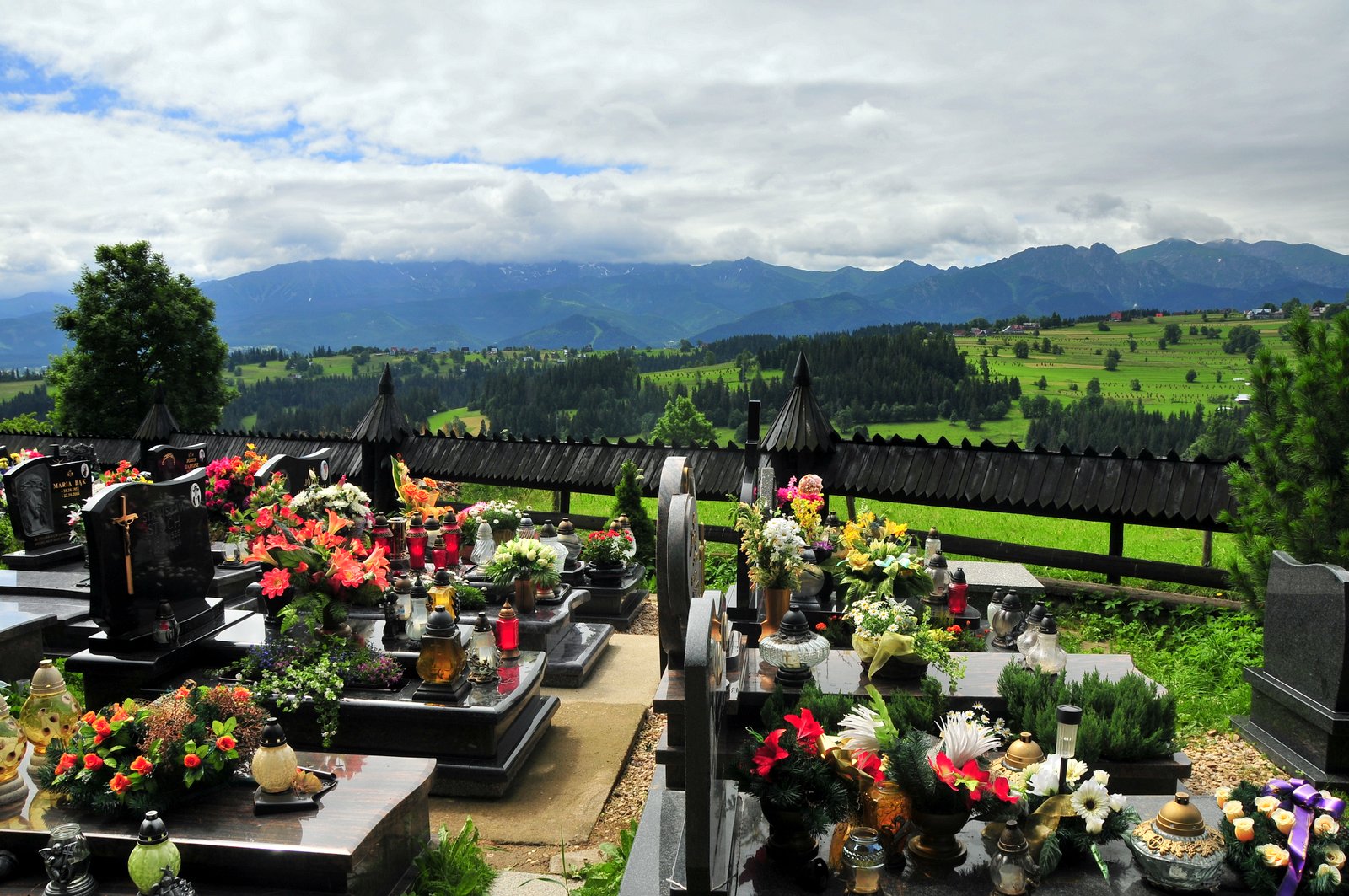
Isolated on the top of a ridge with a view of the whole Tatra range, the cemetery at Ząb (“Tooth”) never ceases to provoke thoughts that should really, I suppose, be saved for a later point of my life: where would I want to be buried? What environment would I like for those who come to visit my grave? With what feeling would I like the experience to leave them?

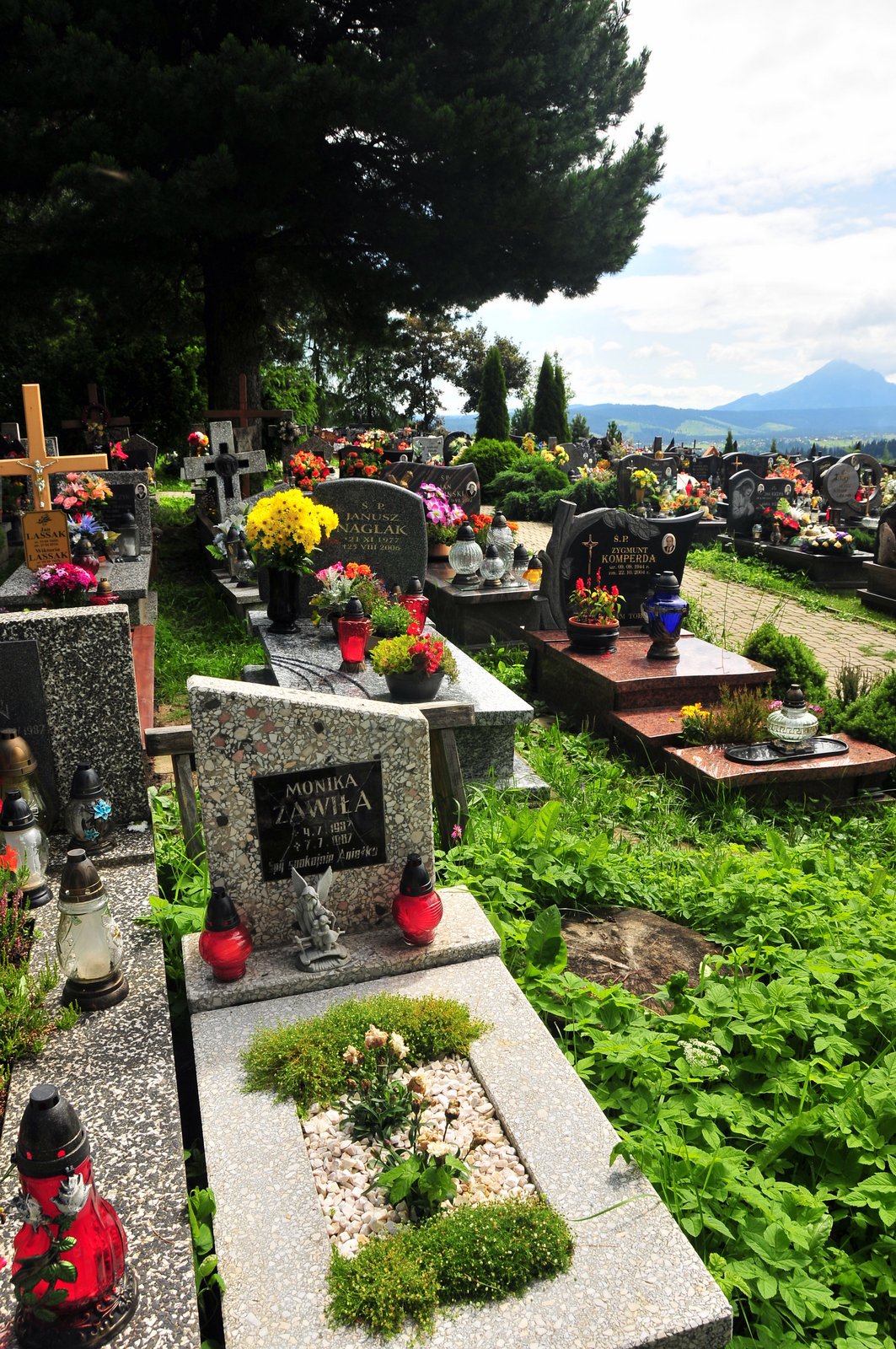
Ząb’s cemetery leaves only one emotion: awe. Even wandering among the tragically small graves of children who lived a few weeks, a few days, a few hours doesn’t entirely dampen that feeling.

VIV_4654

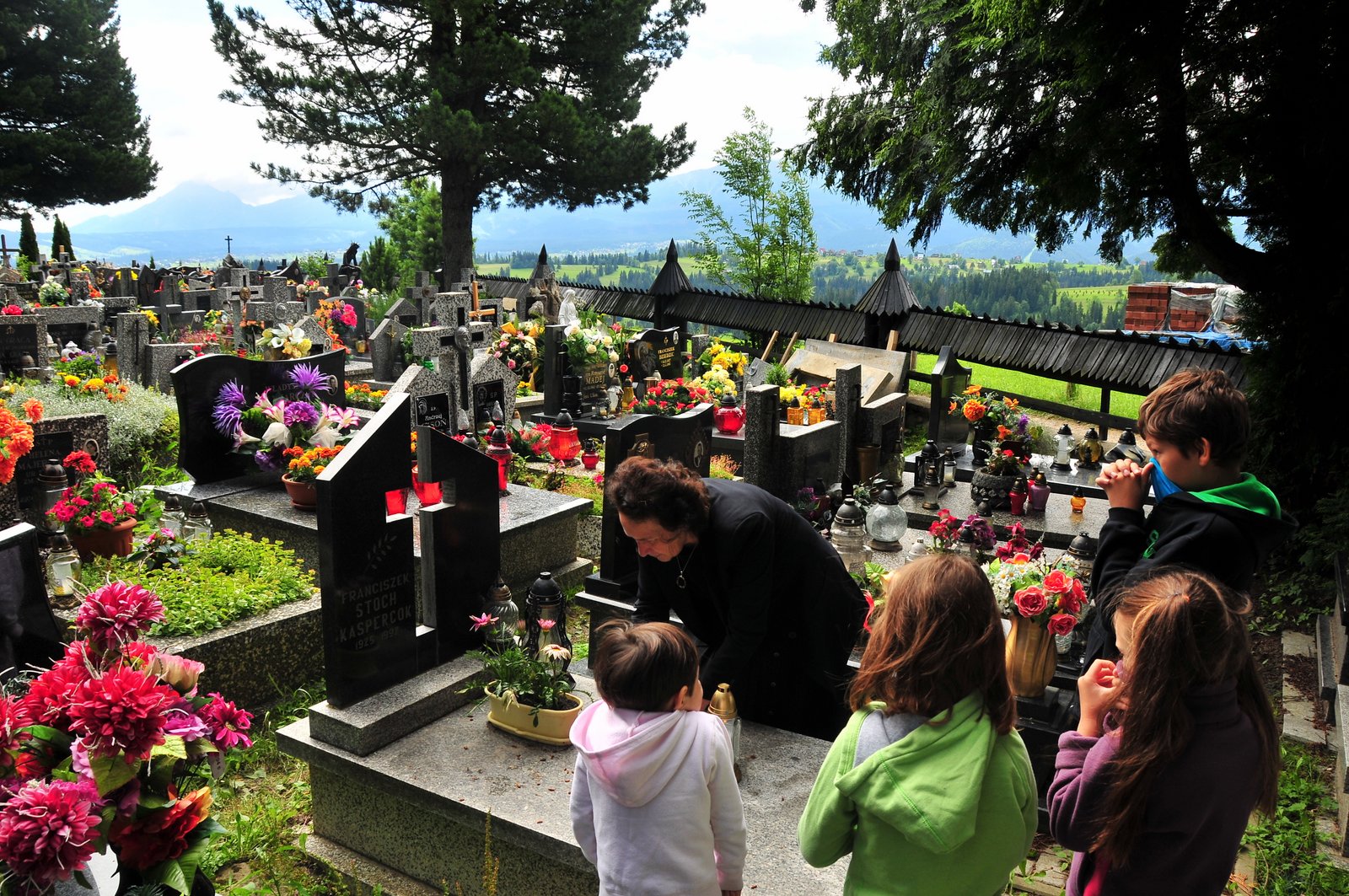
The small graves do provoke in L a certain solemnity that is rare in such a wound-up girl. She stands looking at the grave of a little boy who didn’t even live a full day, visibly shaken by it.

“Would you like to prayer for their souls like we pray for Dziadek’s soul?” I suggest.

“Tak,” comes the plaintive, affirmative reply. (She’s answering my English with Polish with increasing frequency lately.)

We cross ourselves. “W imiu ojca i syna i ducha swietego,” we begin, with L switching to English at this point.

VIV_4661

“Are we praying for just him?”

“Maybe all of them?” I suggest with a sweep of my hand.

“Dobrze.” And back to English: “Have mercy on their souls and give them peace.” I think for a moment about what it would be like to lose a child after a day, a week, a month–to lose a child, period–and I think, “Perhaps we might better pray for the parents, pray that they have peace and that a quiet returns to their souls, for there’s no way, even after almost thirty years, a pain like that can ever go away.”

We cross ourselves anew, and L, back to her usual vivacious self, skips to cousin S and begins jabbering about something or other. Not only cemeteries are for the living; so too prayers.

VIV_4660

As for our own peace, all we have to do is look around.