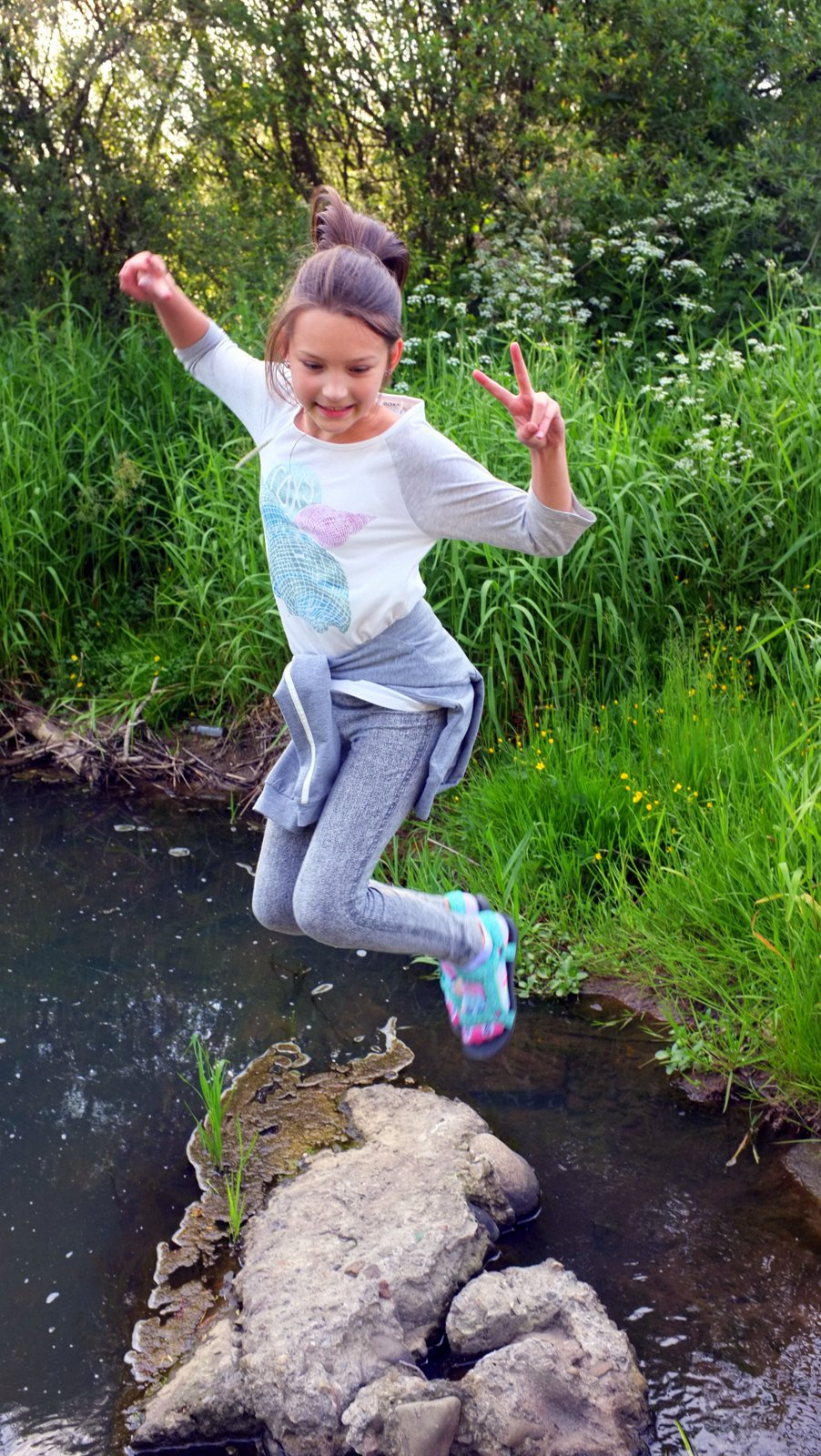
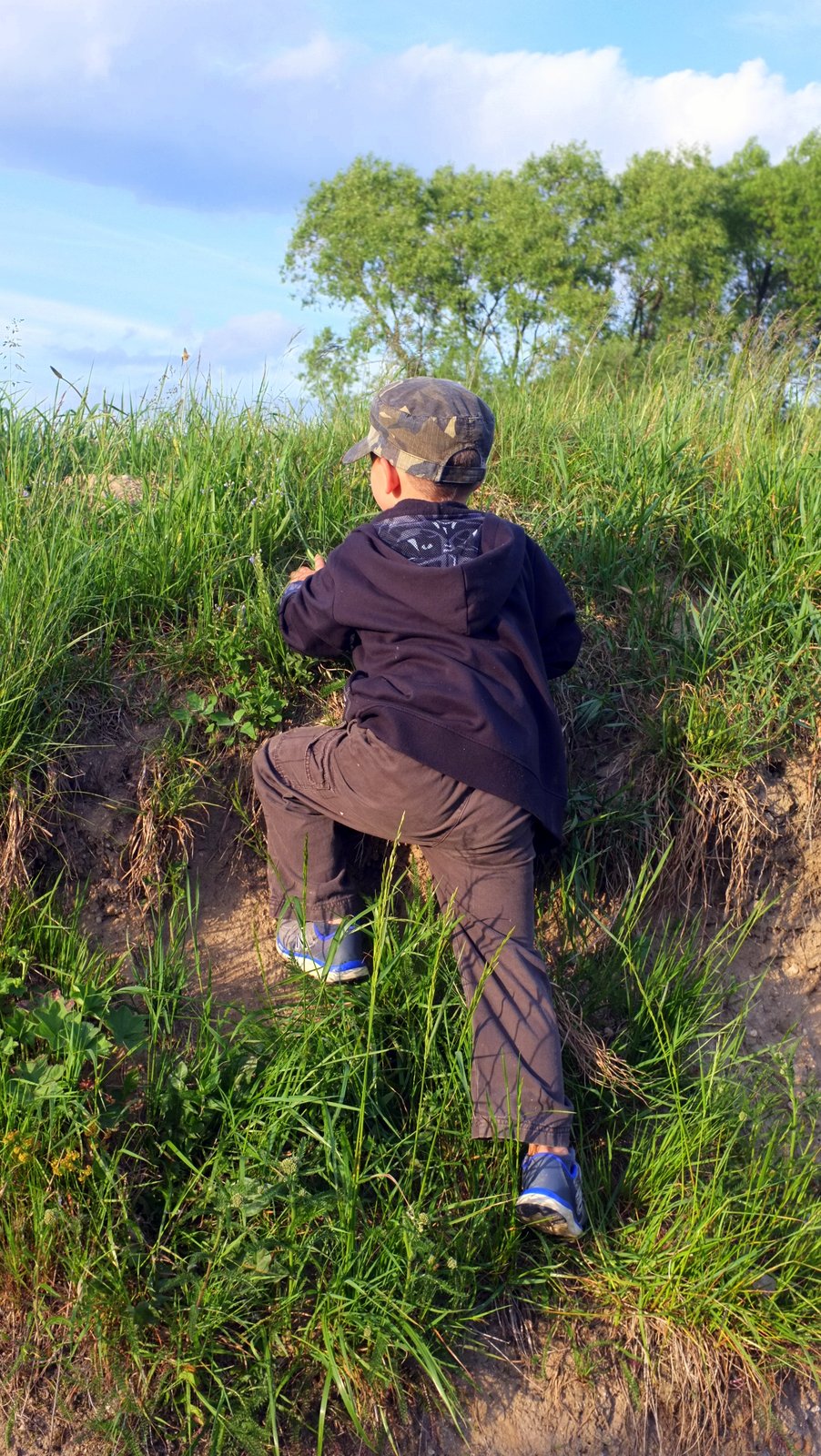
matching tracksuits

fun in threes, sometimes fours

travel

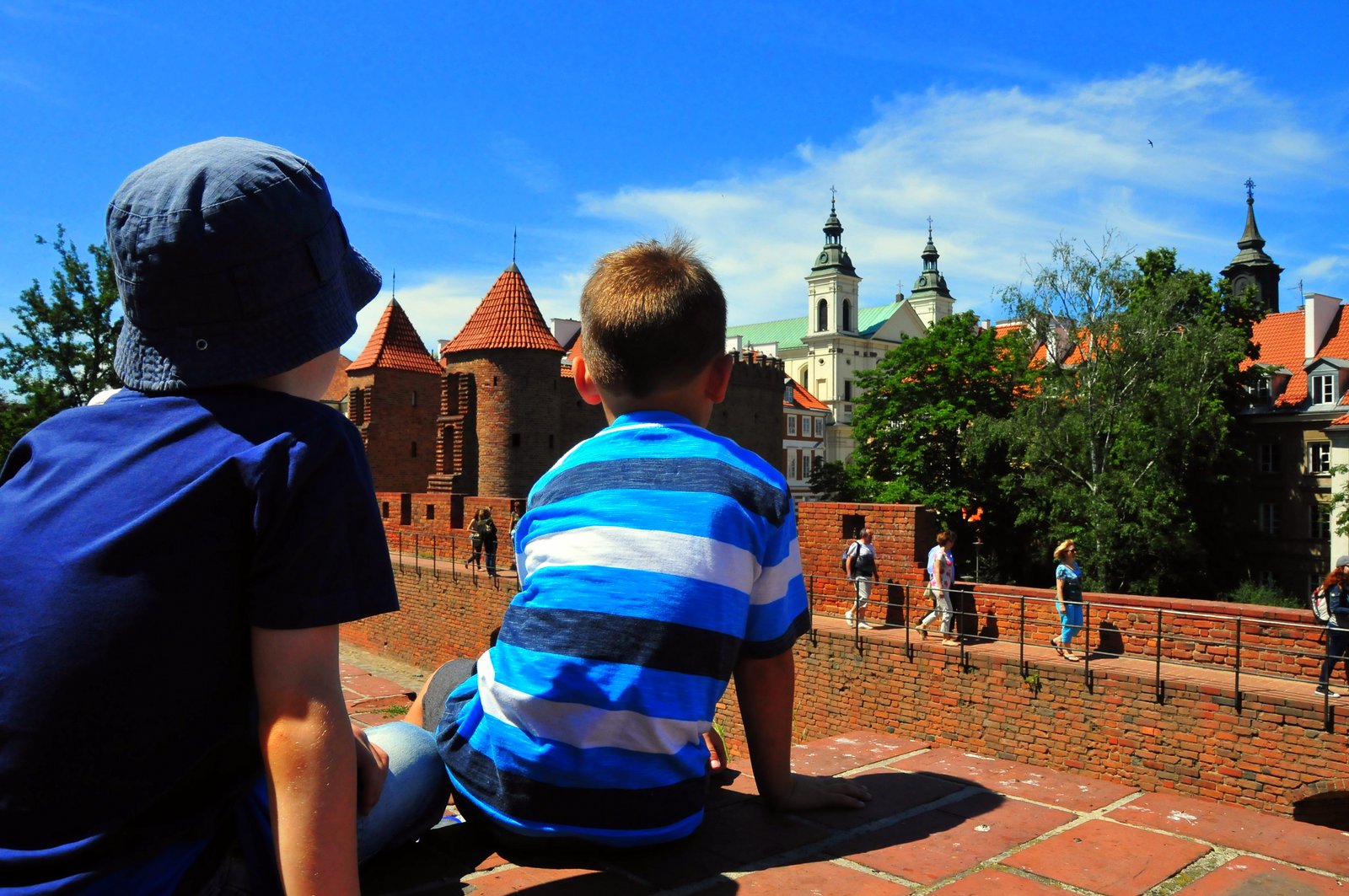
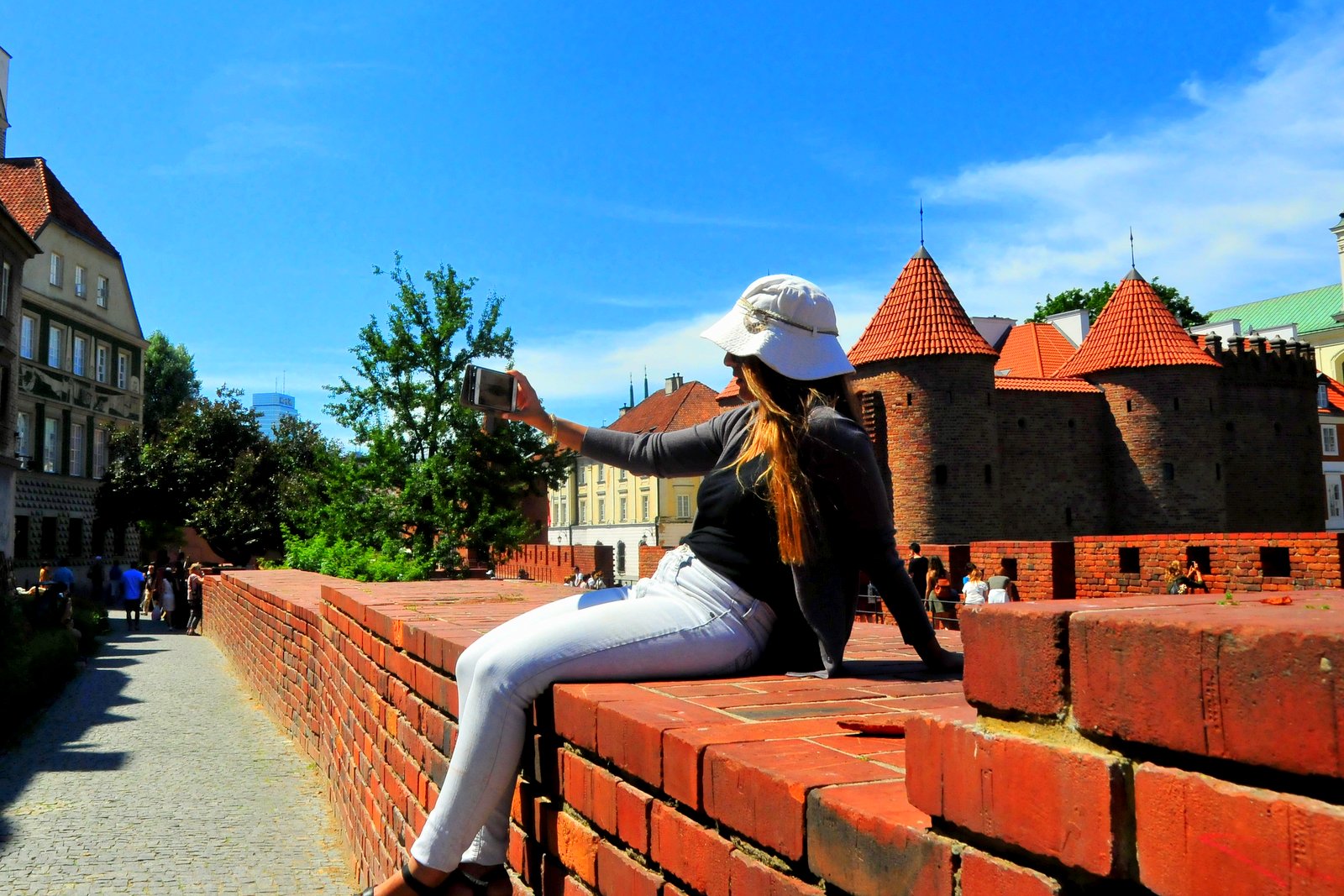
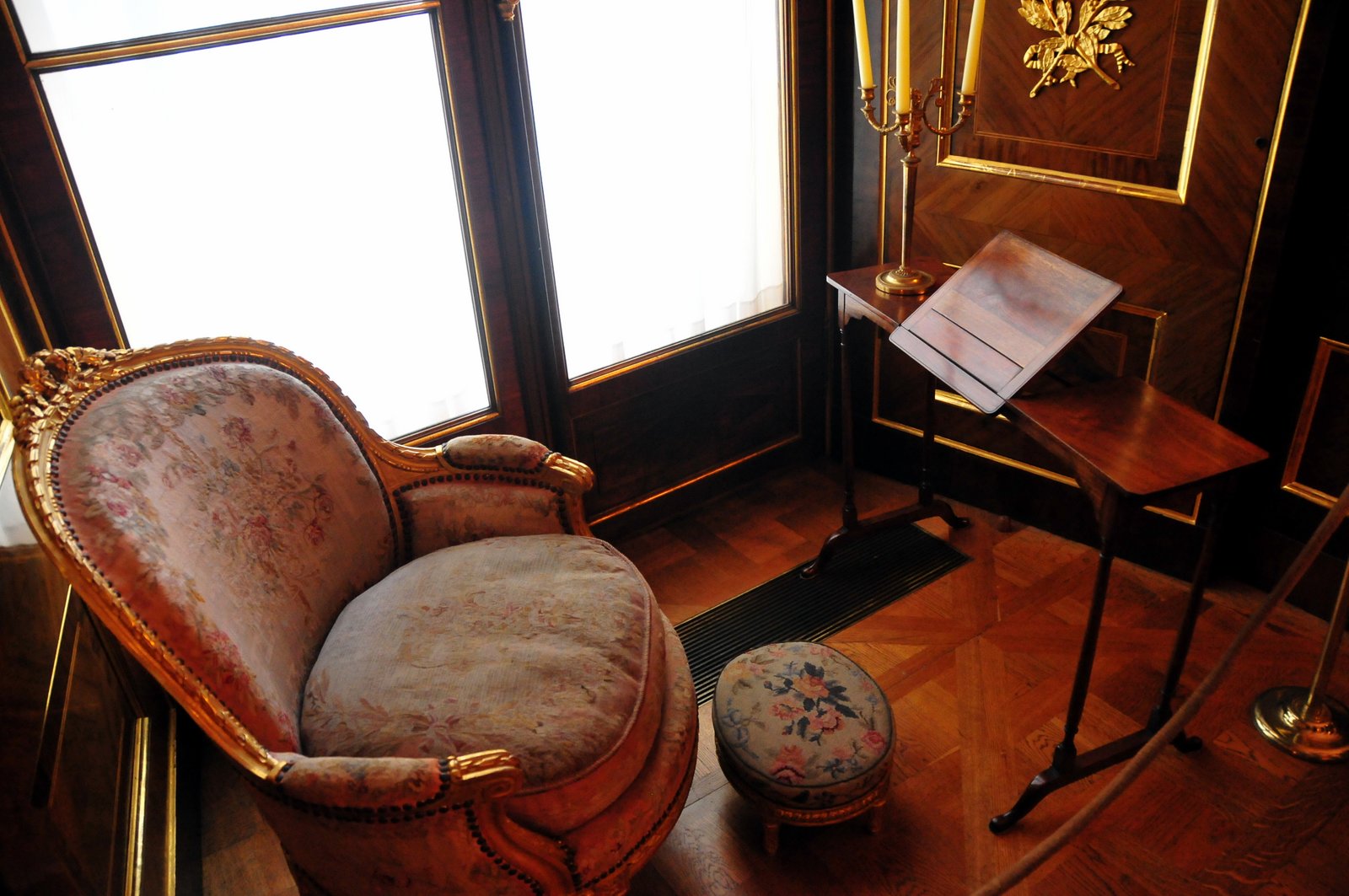
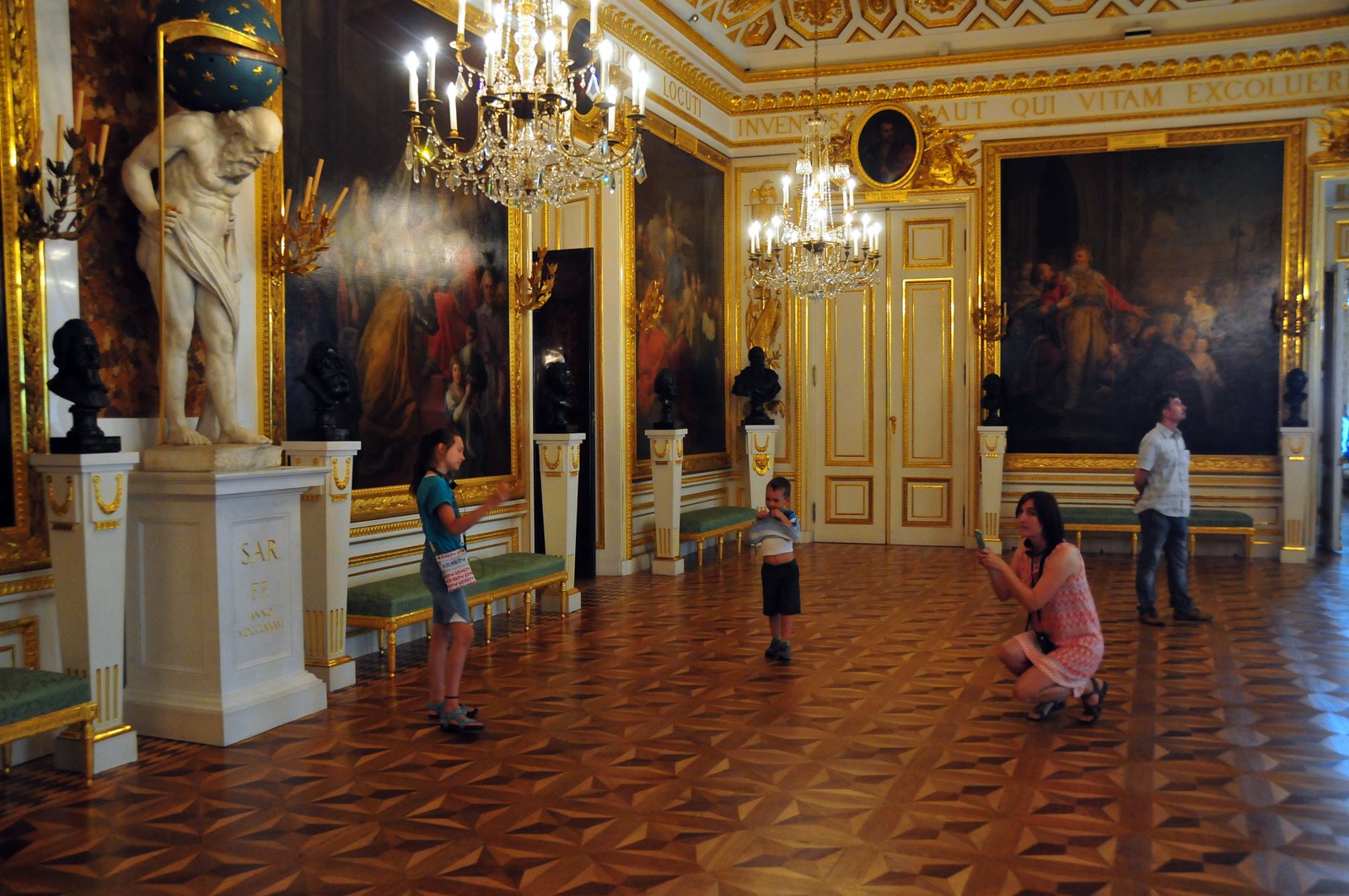
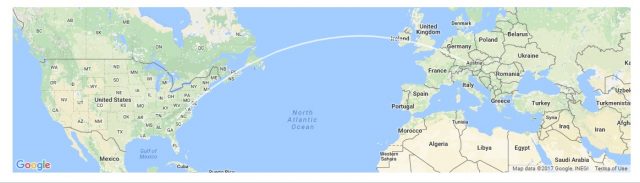
To Warsaw

To Krakow

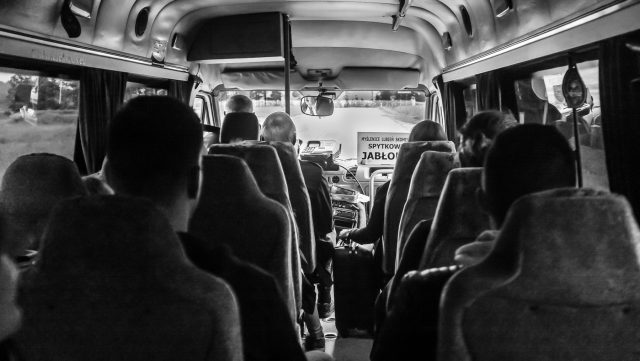
Just as you're stepping into the mini-bus, there's always a little panic, a little worry, a question that just sits there for just long enough to color even the brightest day with just a bit of gray: will there be an open seat? Not having an open seat doesn't mean that the driver won't stop; it simply means he'll stop and yell out the window, "Standing places only." He'll pack them in until there's no standing room either, and we'll have twenty-seven or more people packed into a bus with nineteen seats. As we rode from Jablonka to Krakow on just such a mini-bus, I saw that anxiety on each and every passenger's face: the quick scanning of the seats, the relief when there was an open spot, the bit of frustration when there wasn't.

Traveling the road to Krakow standing up is a challenge, with all the twists and turns as the bus goes through the low hills in the south of Poland that lead to the Tatra Mountains on the Slovak border. The side-to-side swaying is accompanied by a forward-backward challenge every time the driver pulls over to pick up and pack in a new passenger. With the number of noses simultaneously exhaling and the exertion of keeping your balance, the trip is an exhausting journey.
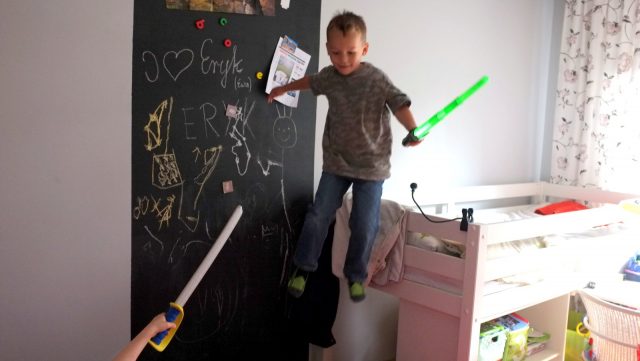
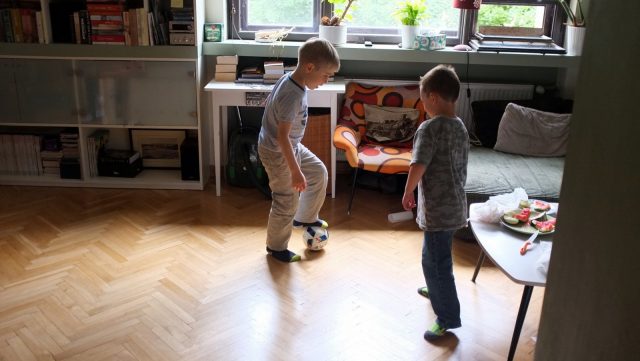
By the time we got to Krakow, the amount of heat and humidity made the whole experience almost unbearable. It was not the best way to start the trip Warsaw, but it was a reminder of the little gray linings of life in Poland, the things that drove me to distraction when I lived here.

In Krakow

First things first: find a bathroom. It was then that an unconscious but lingering question was answered:

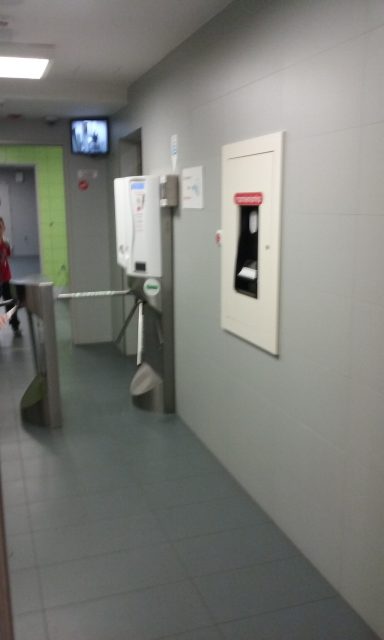
Taken quickly on my phone

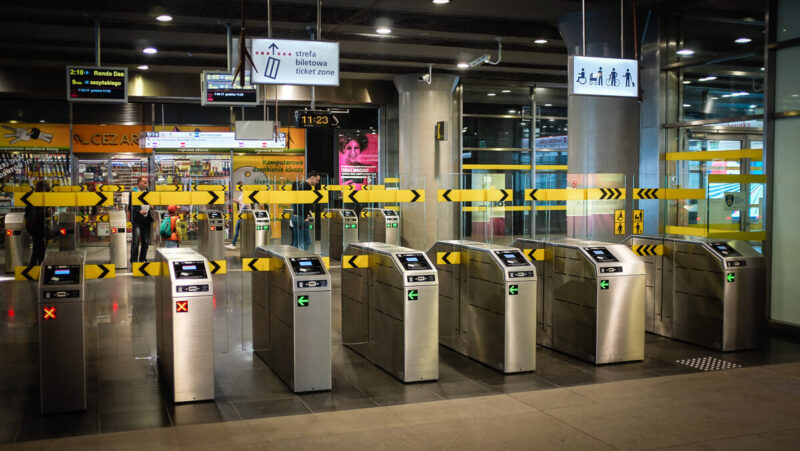
Bathrooms in public places are still pay-only. The technology has changed: instead of a woman sitting in a little room that straddles the men's and women's room with a little basket collecting money, there is now a turnstile complete with a credit card reader beside a machine for making change from large bills. The cost: 2.50 zloty. That's just about 70 cents. For a family of four...

Of course when E and I went in, I picked him up and carried him through the turnstile as I went through.

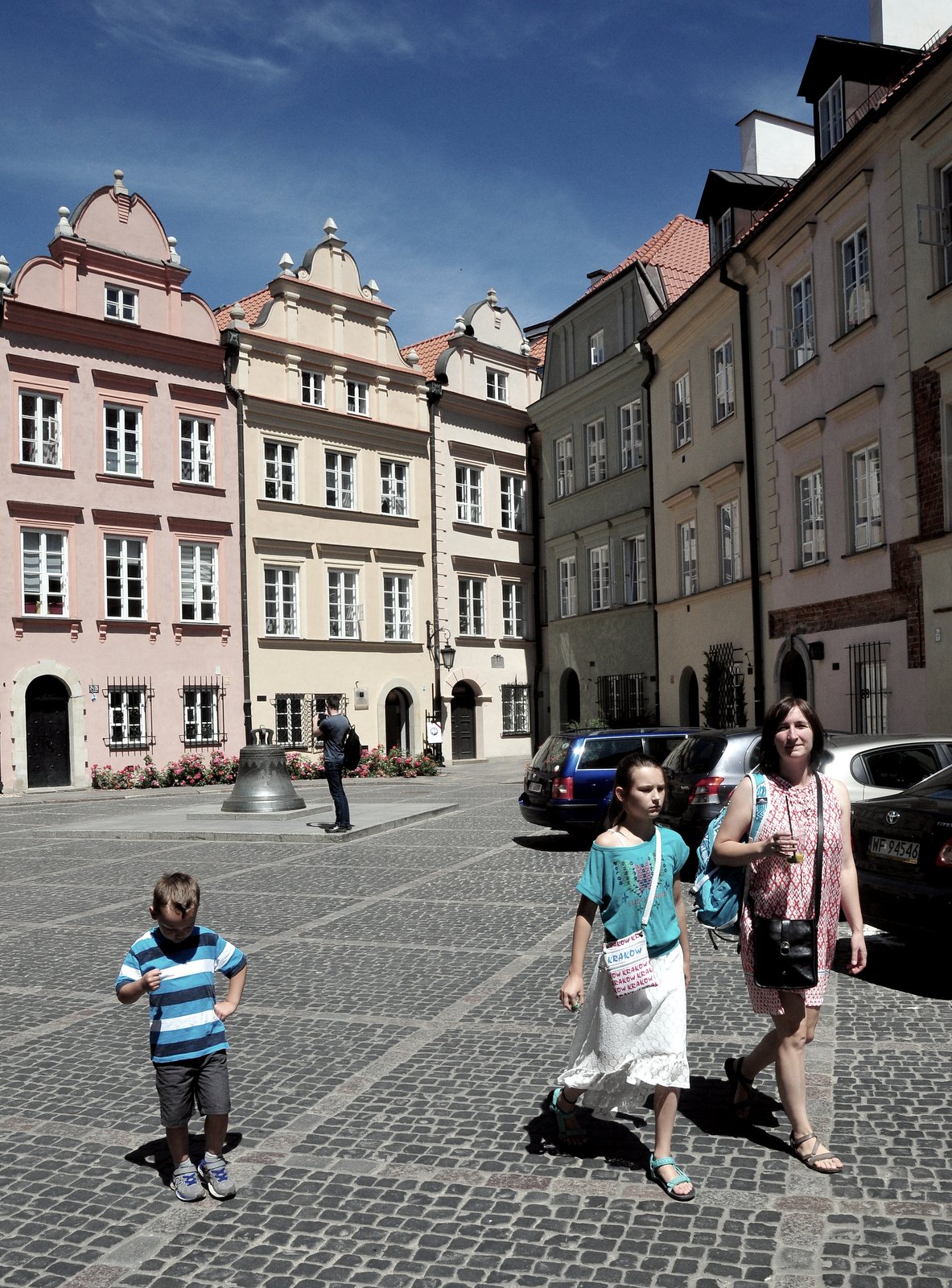
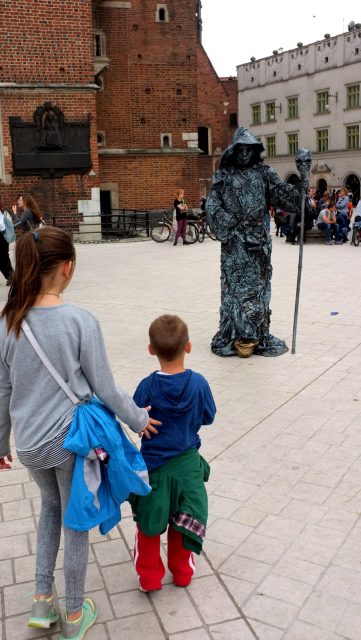
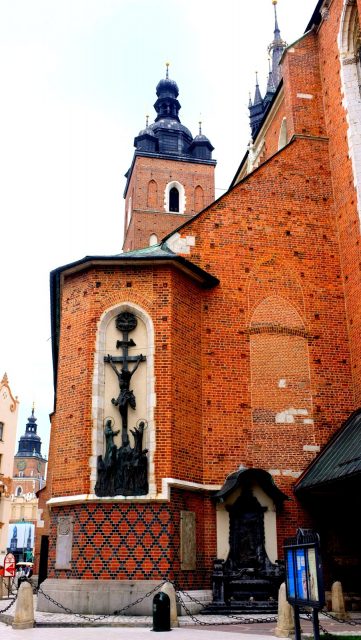
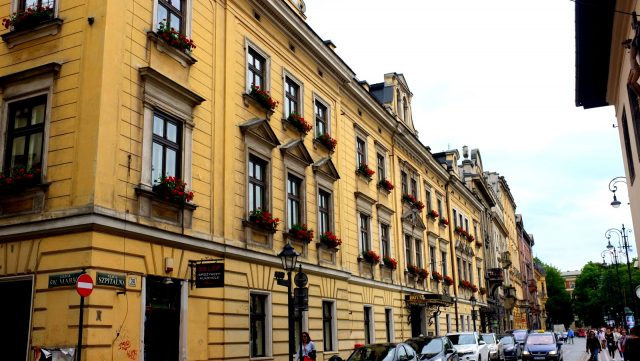
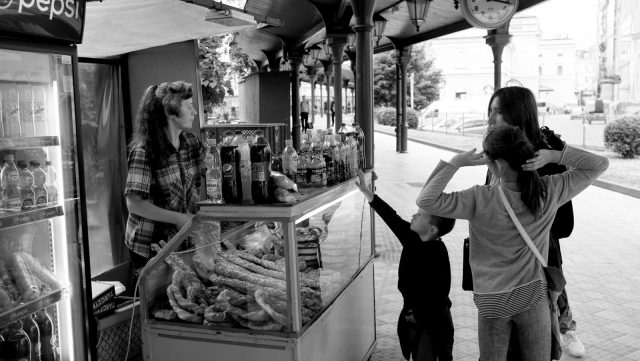
That done, we had some lunch and wandered around the Old Town for just a few minutes.

To Warsaw

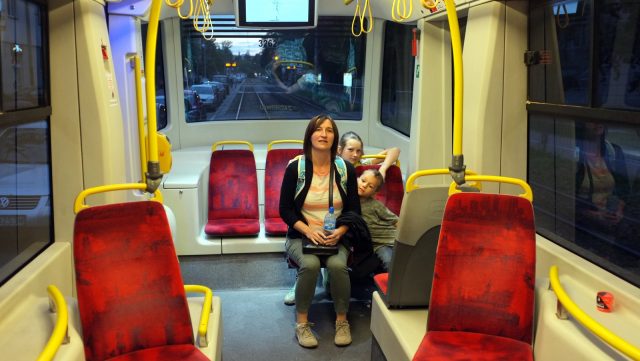
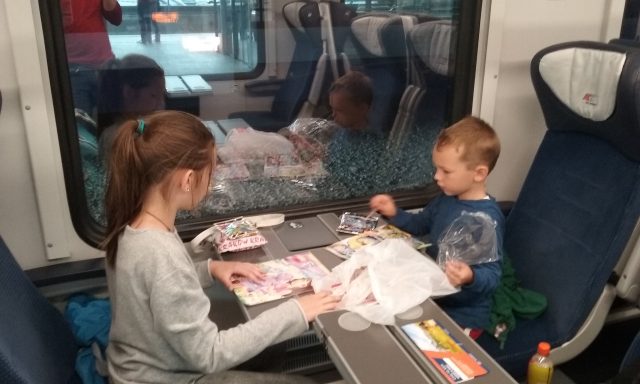
It was the Boy's first train ride. The excitement was palpable.

Trains in Poland have certainly changed in the fifteen years since I've really traveled by train. We saw a few of the old trains we were used to, but they were all on railway sidings, out of commission. That's probably good: those trains were not very comfortable. Still, it's one of the things that differentiated Poland from Western Europe which have disappeared.

In Warsaw

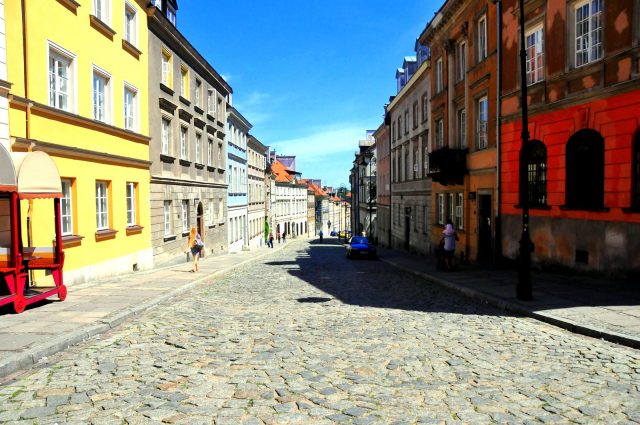
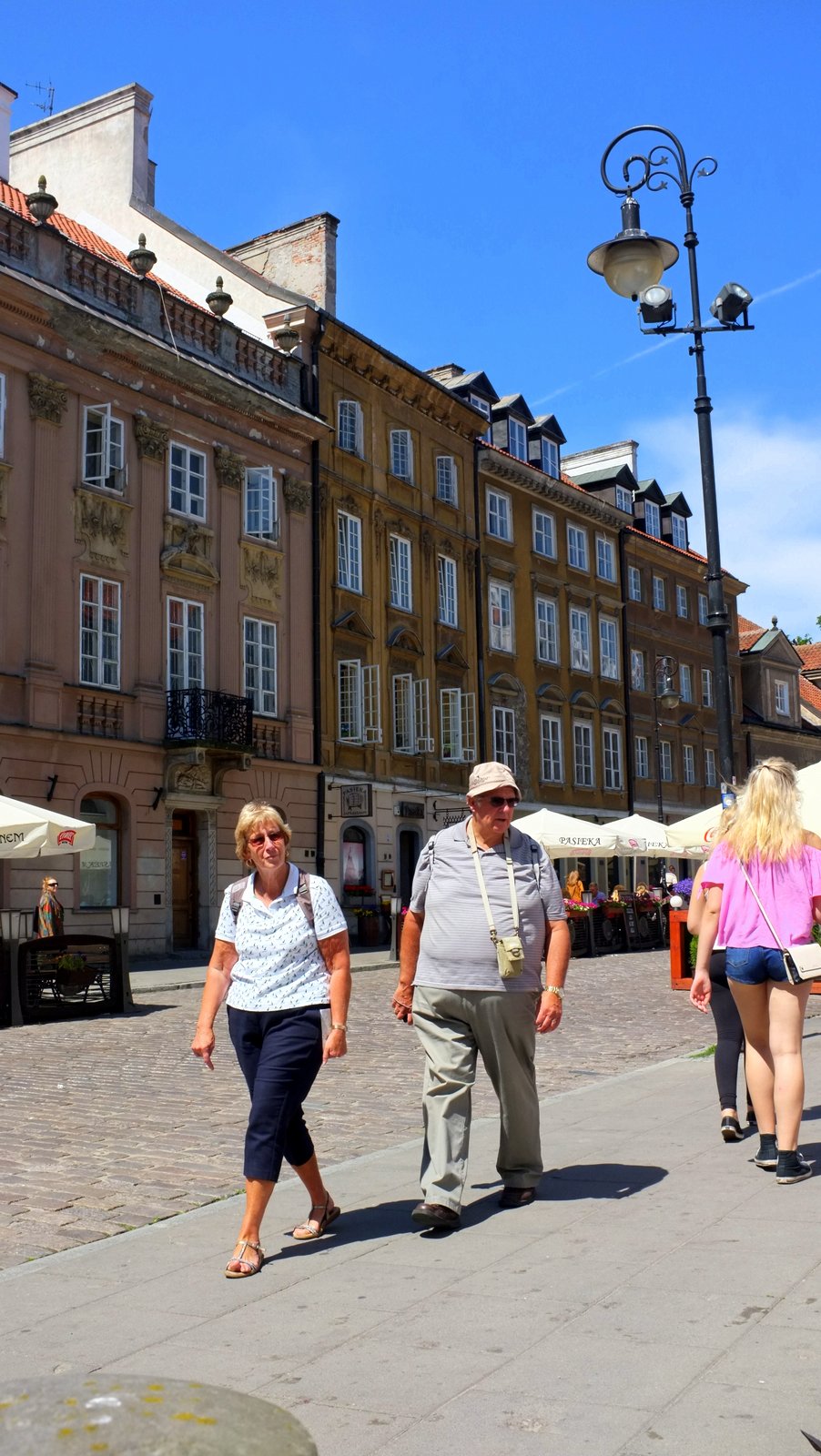
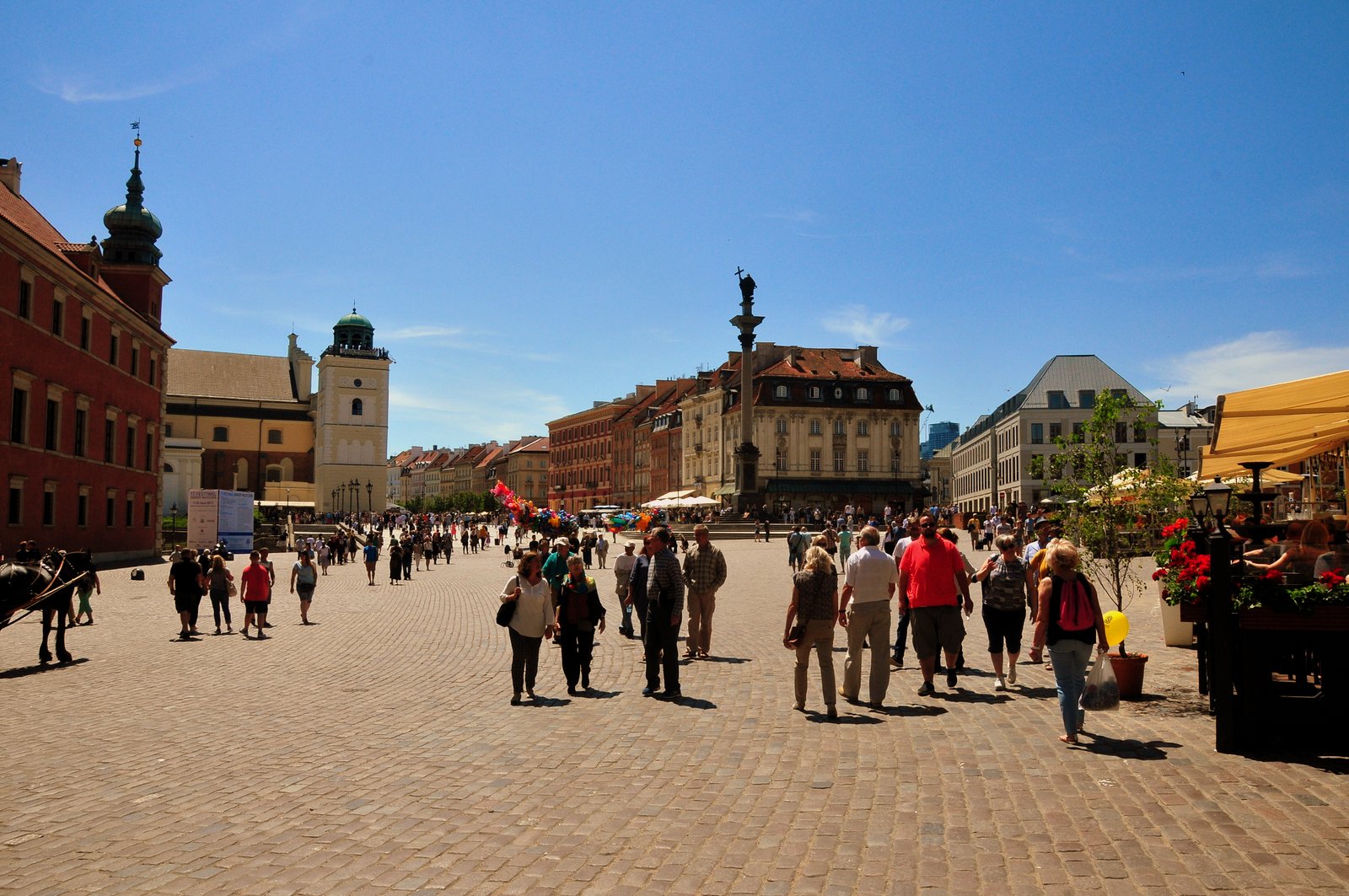
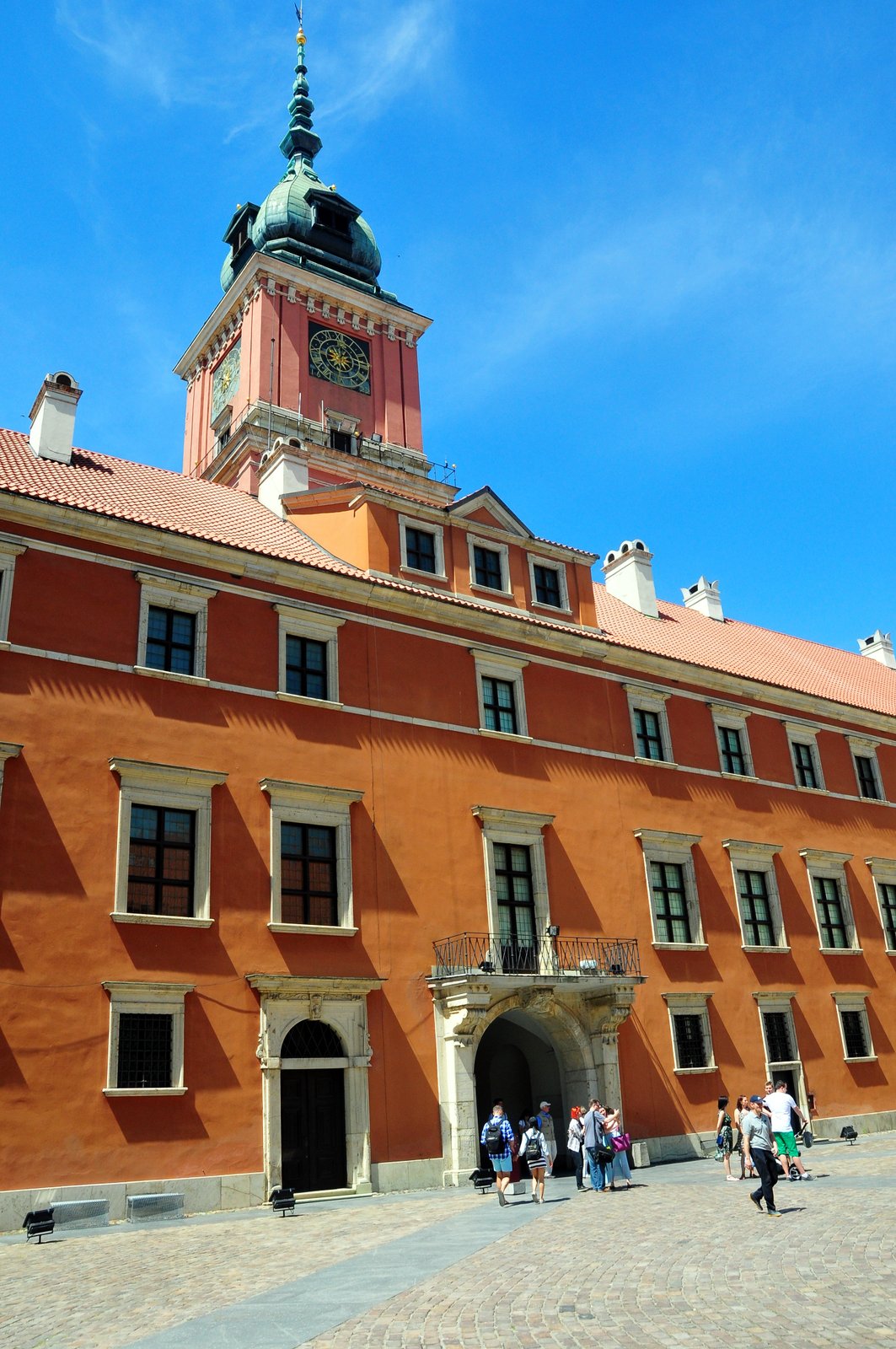
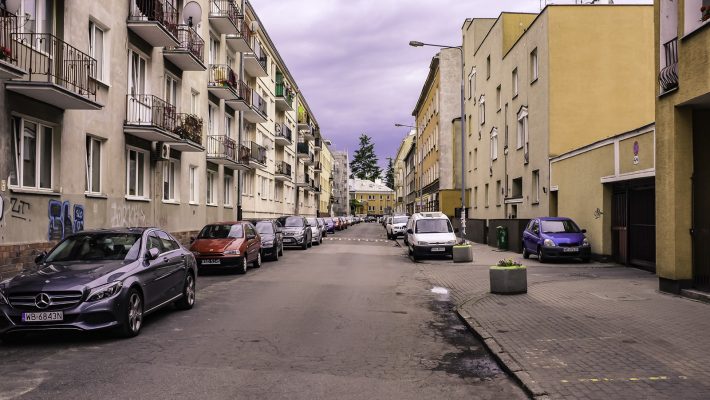
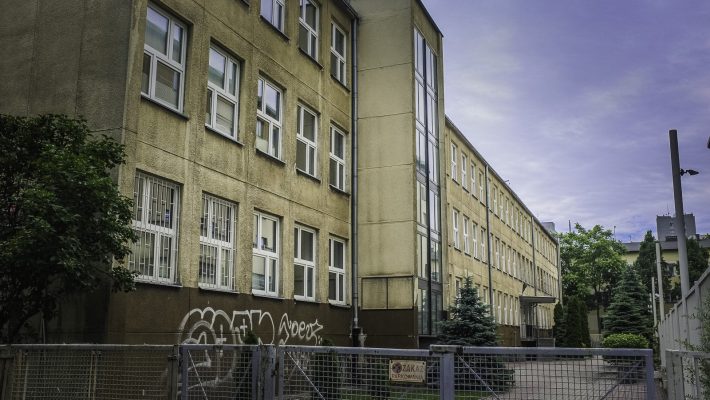
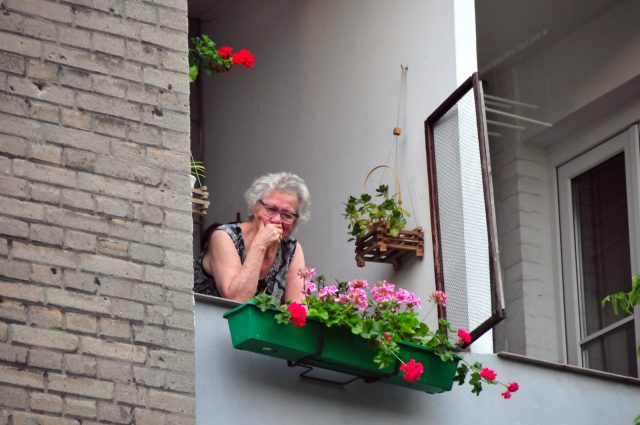
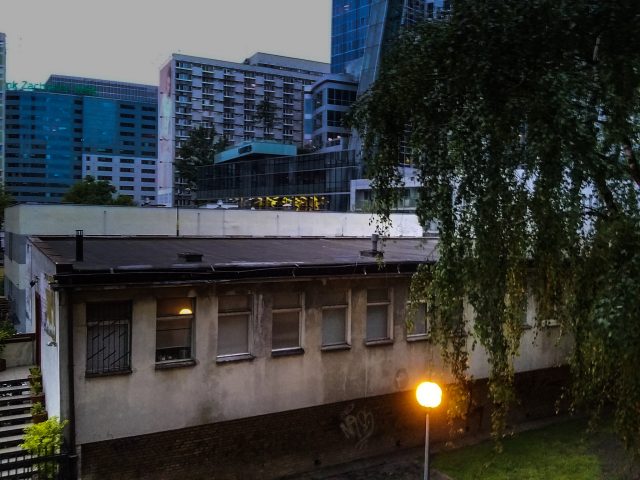
"You won't recognize Warsaw." We've heard that from a number of people, and I don't really think K and I understand the extent of the changes in the city that neither of us has visited in at least fifteen years. Still, looking out the window of the apartment we rented through AirBnB, I see that not everything has changed.

That building in the foreground, with the tired windows and dirty plaster, with the bars on the window that are in fact made out of concrete rebar welded together -- that building is pure Communist-era Poland.

Boze Cialo

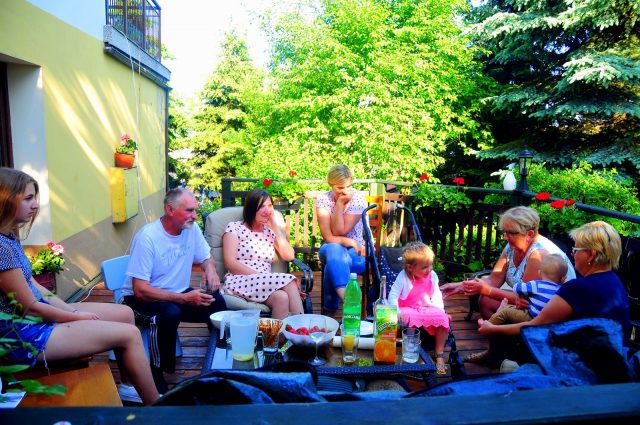
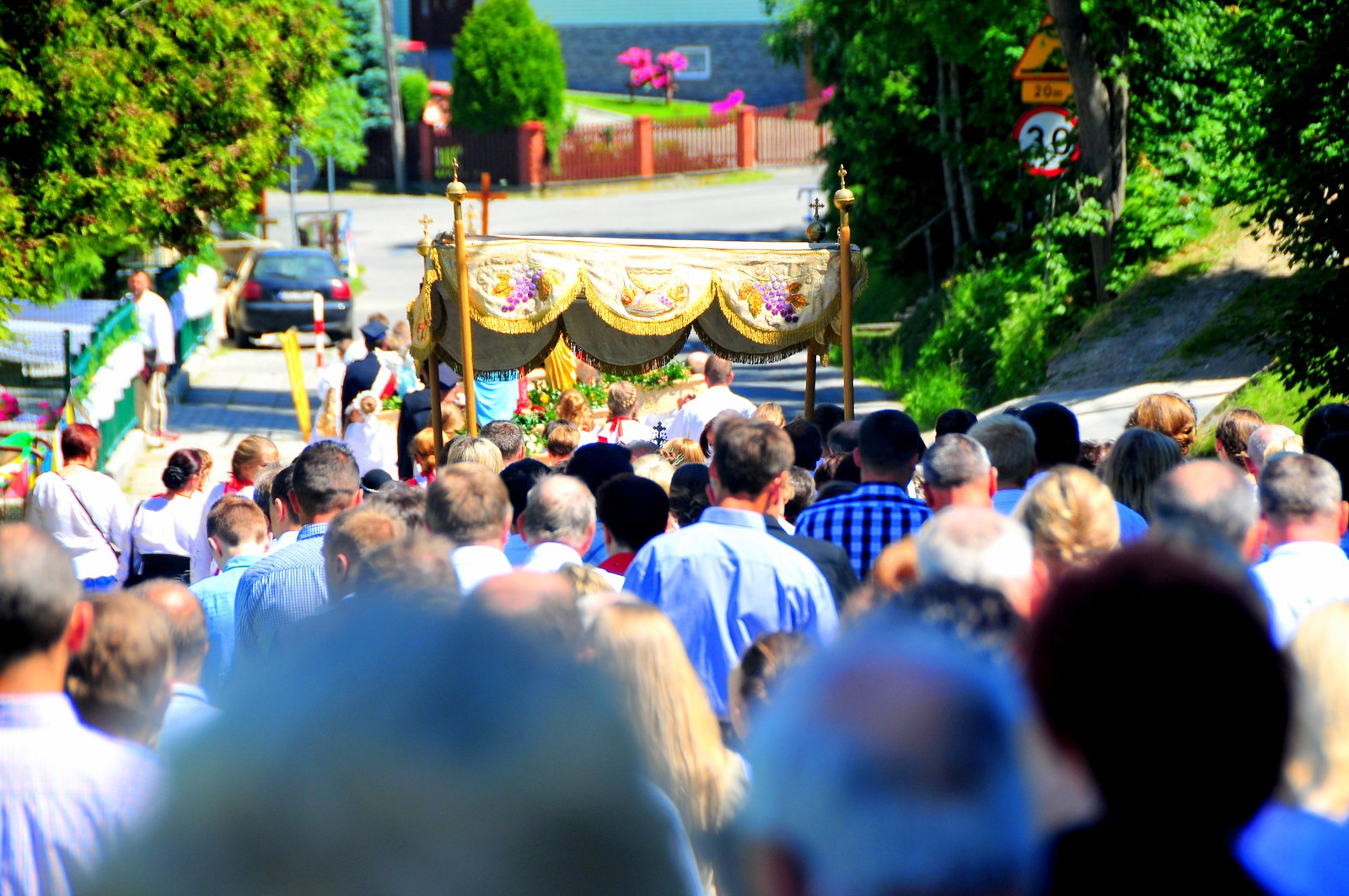
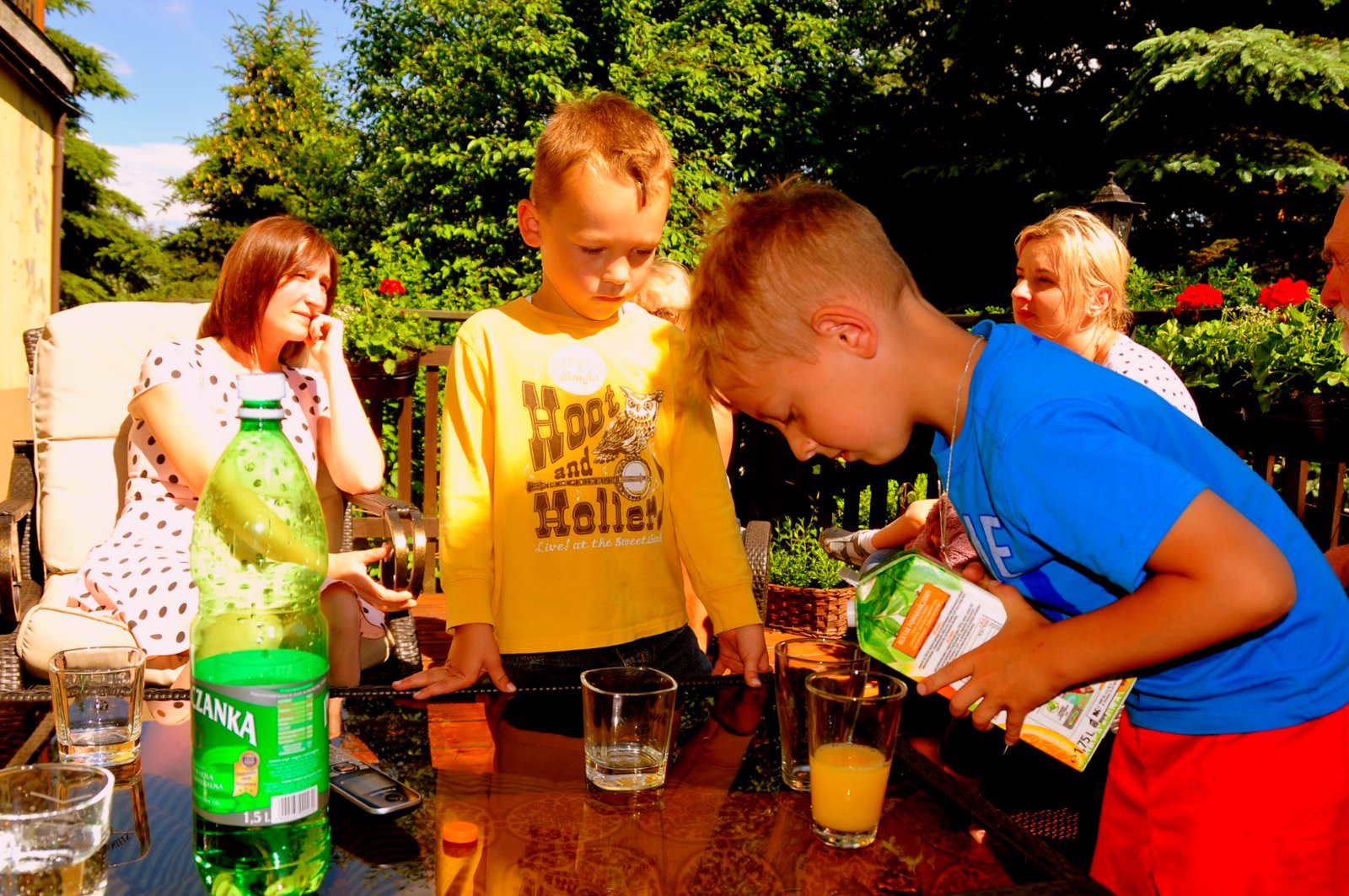
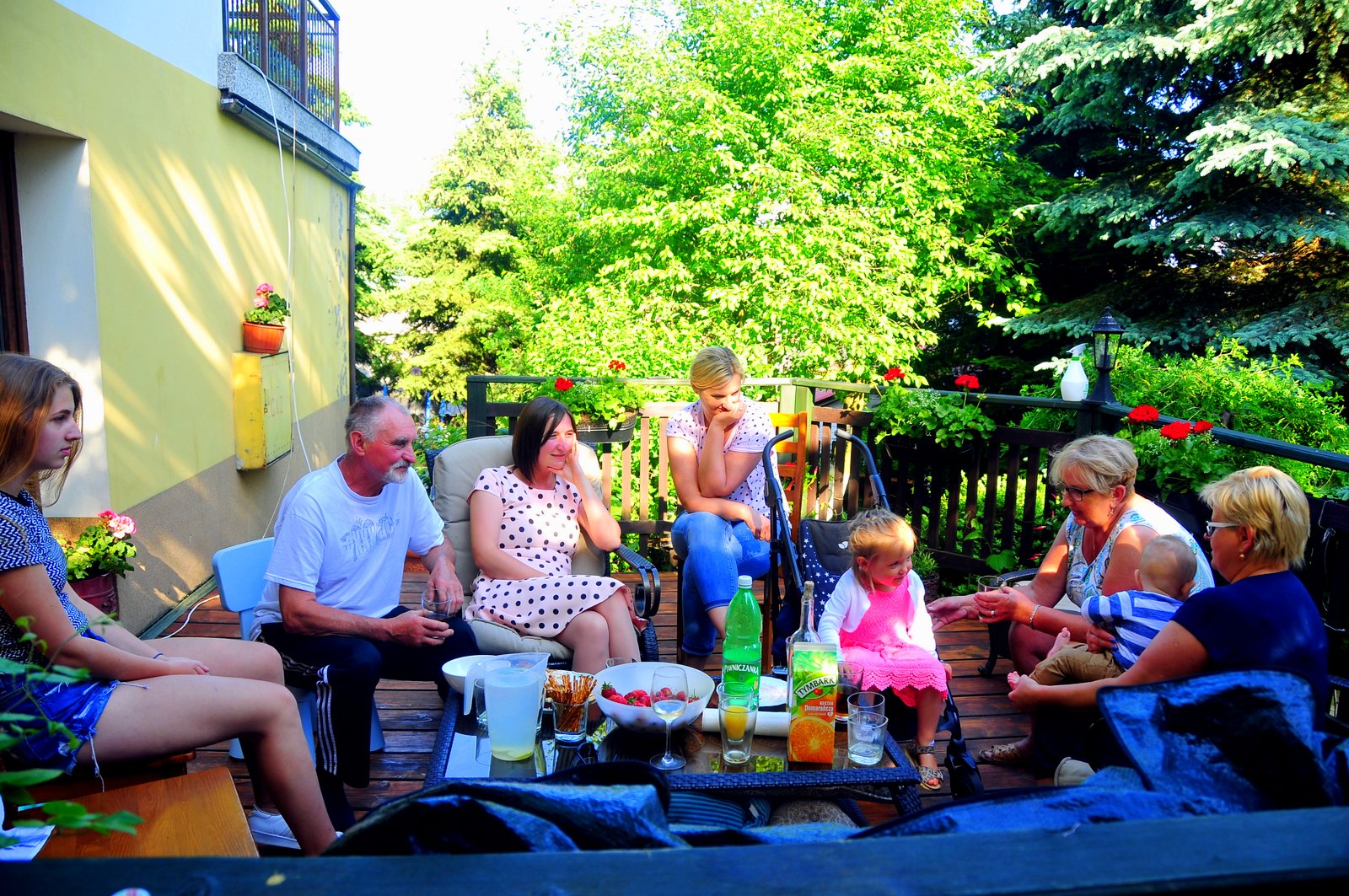
The terrace was all abuzz. The two grandmothers were chatting about details of the procession through the village earlier in the day. Grandpa was chatting with me about women and shopping. And a little blond angel was crying hysterically because of an unseen fall. Within all of this came the question: "Where are E and M?" We hadn't seen them in some time and hadn't heard them for a bit longer. Yet no one was worried. No panic. No flood of adults heading off in every direction, calling their names. "They'll show up soon enough," said grandpa, and within ten or fifteen minutes, there they were.
Village life. No worries about the kids when they disappear. No fears about the strangers among us because there are none. A certain kind of innocence that brings out both the good and the bad in people.

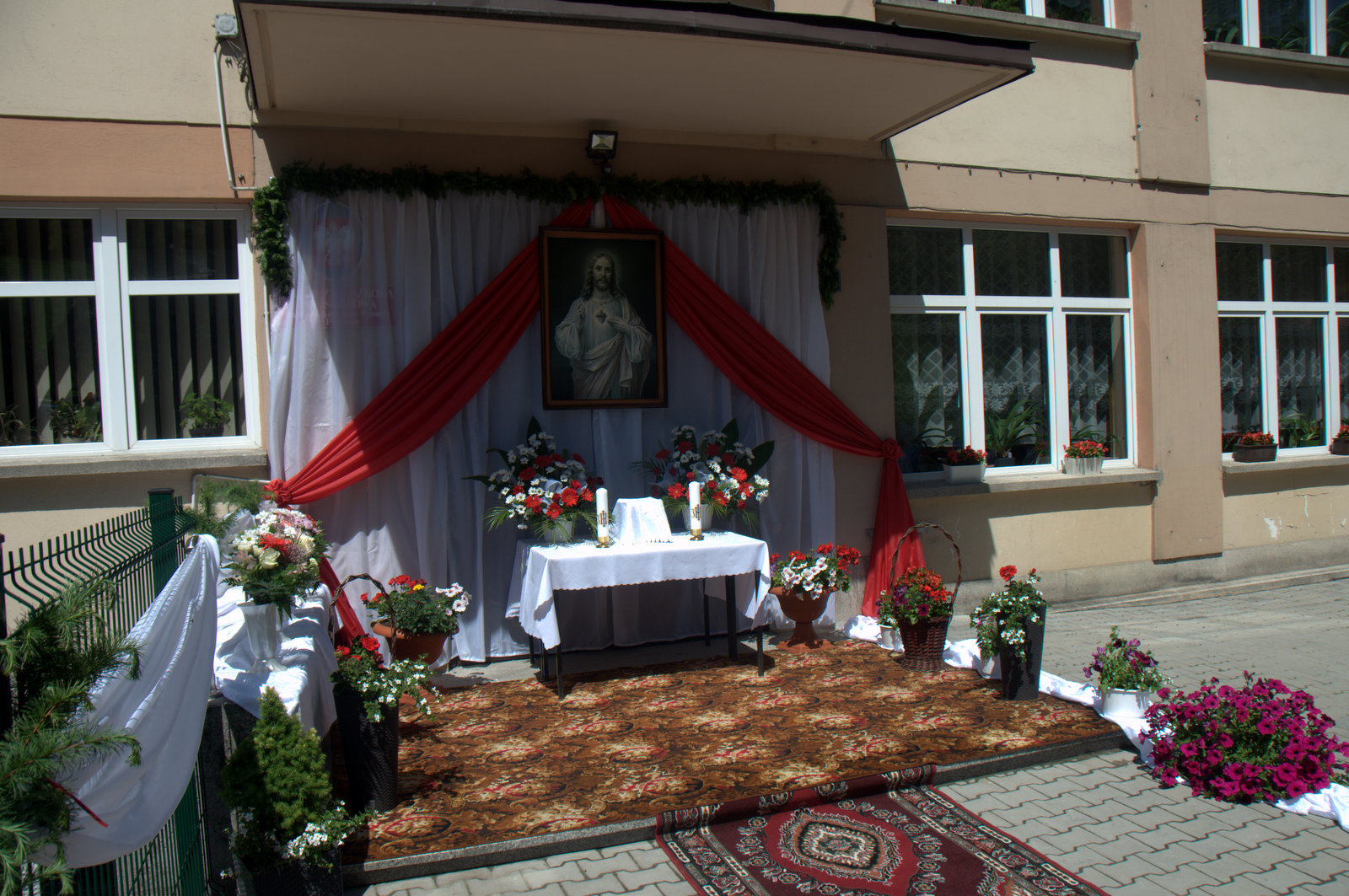
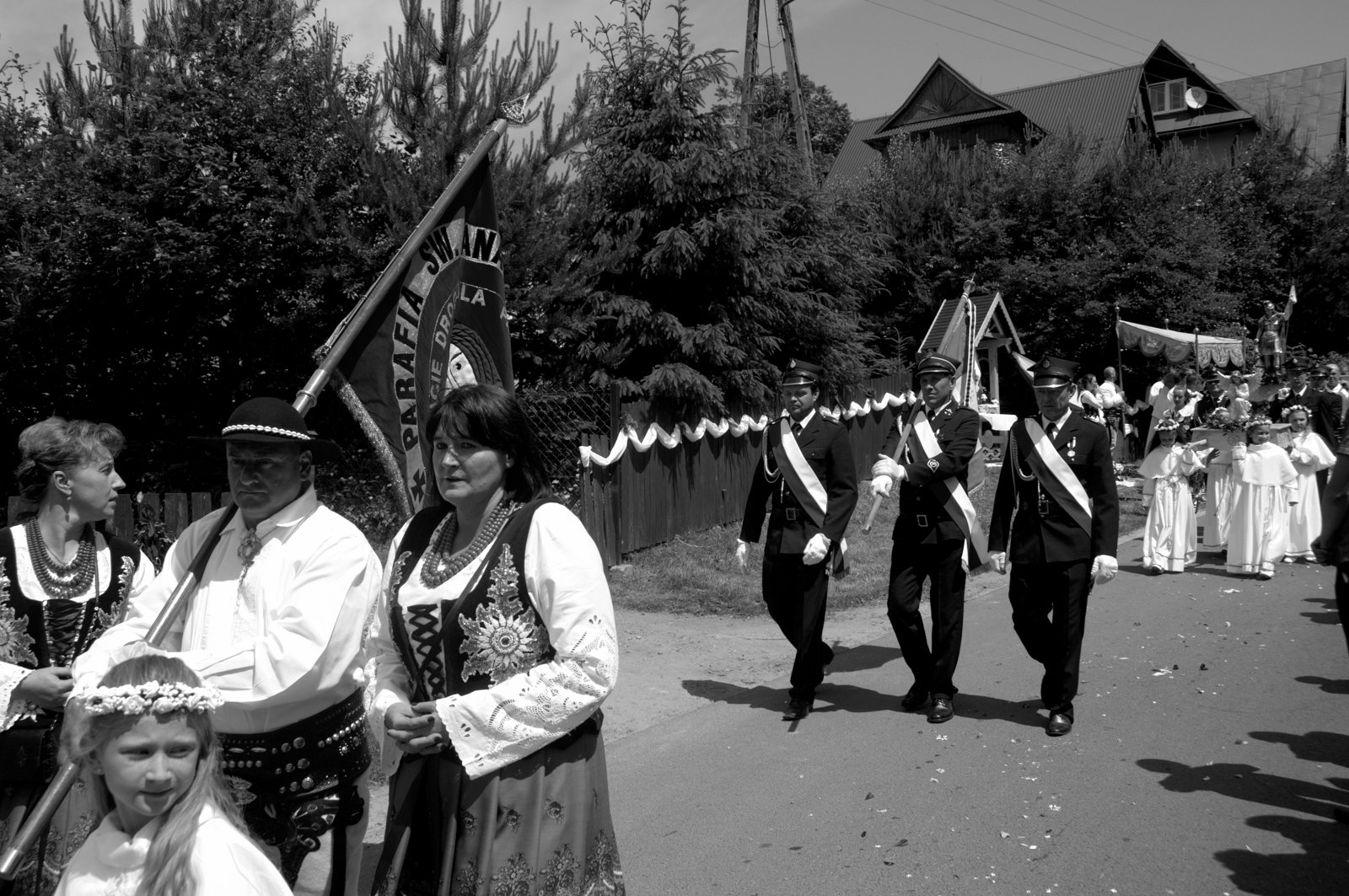
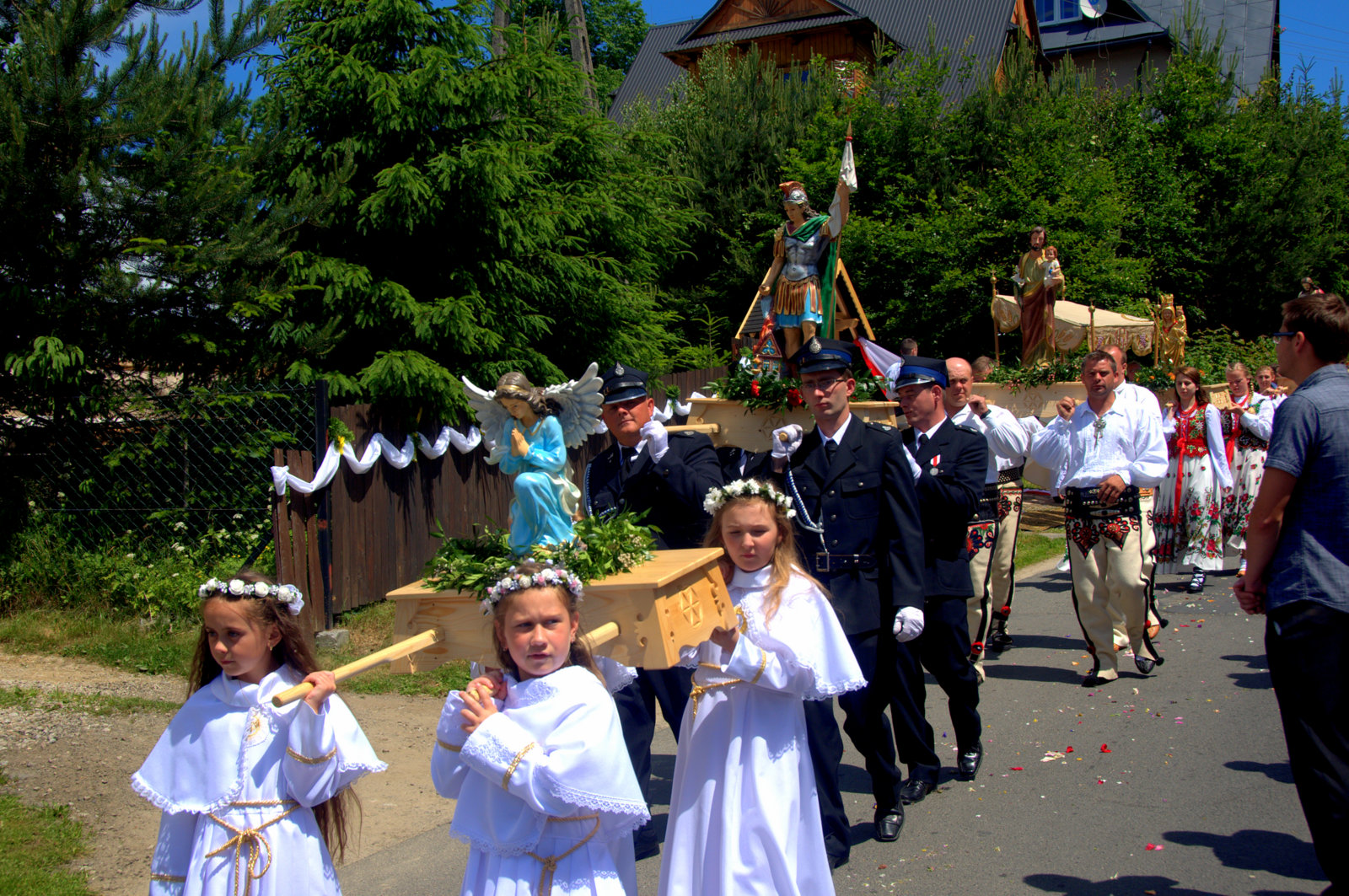
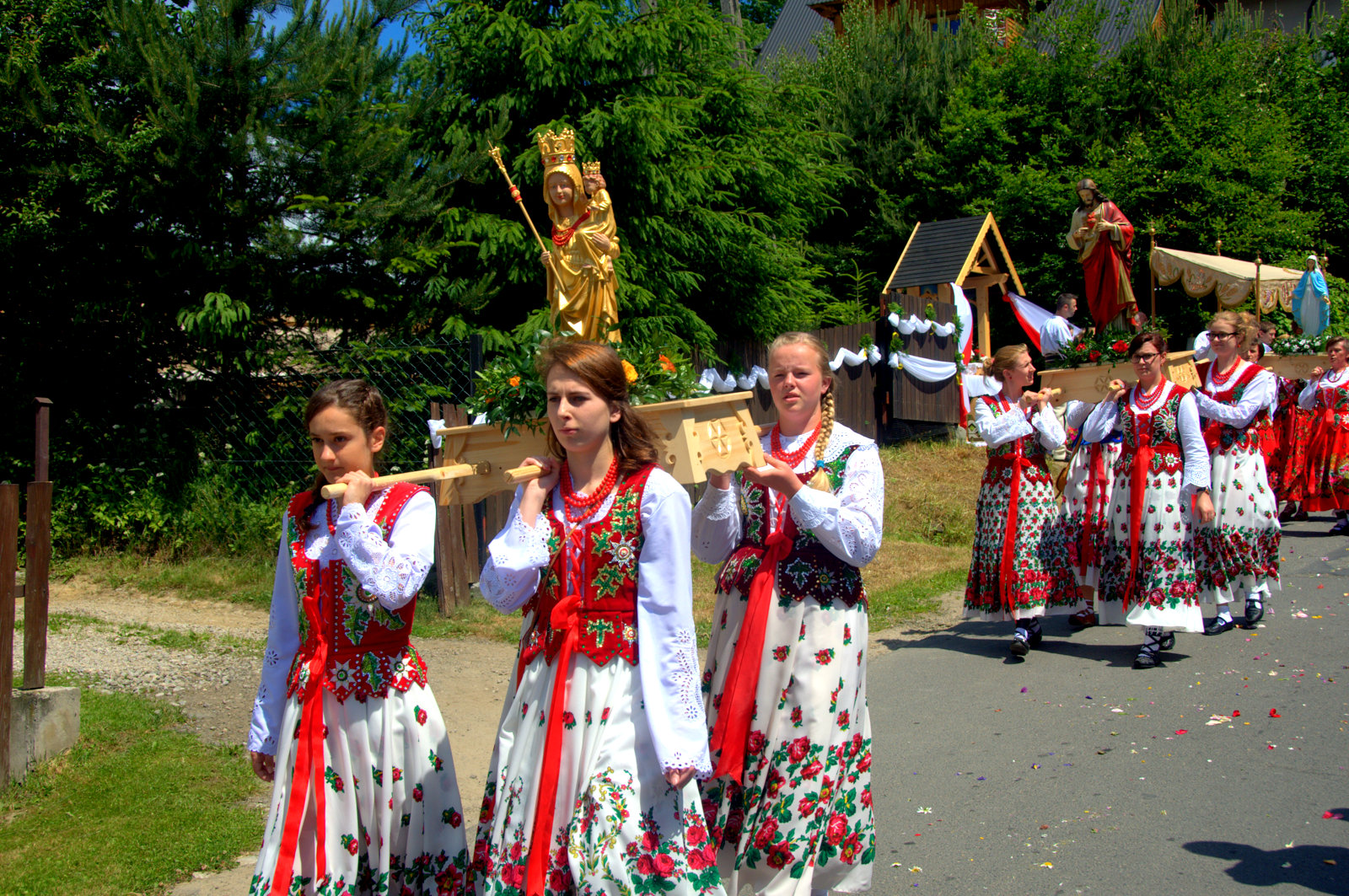
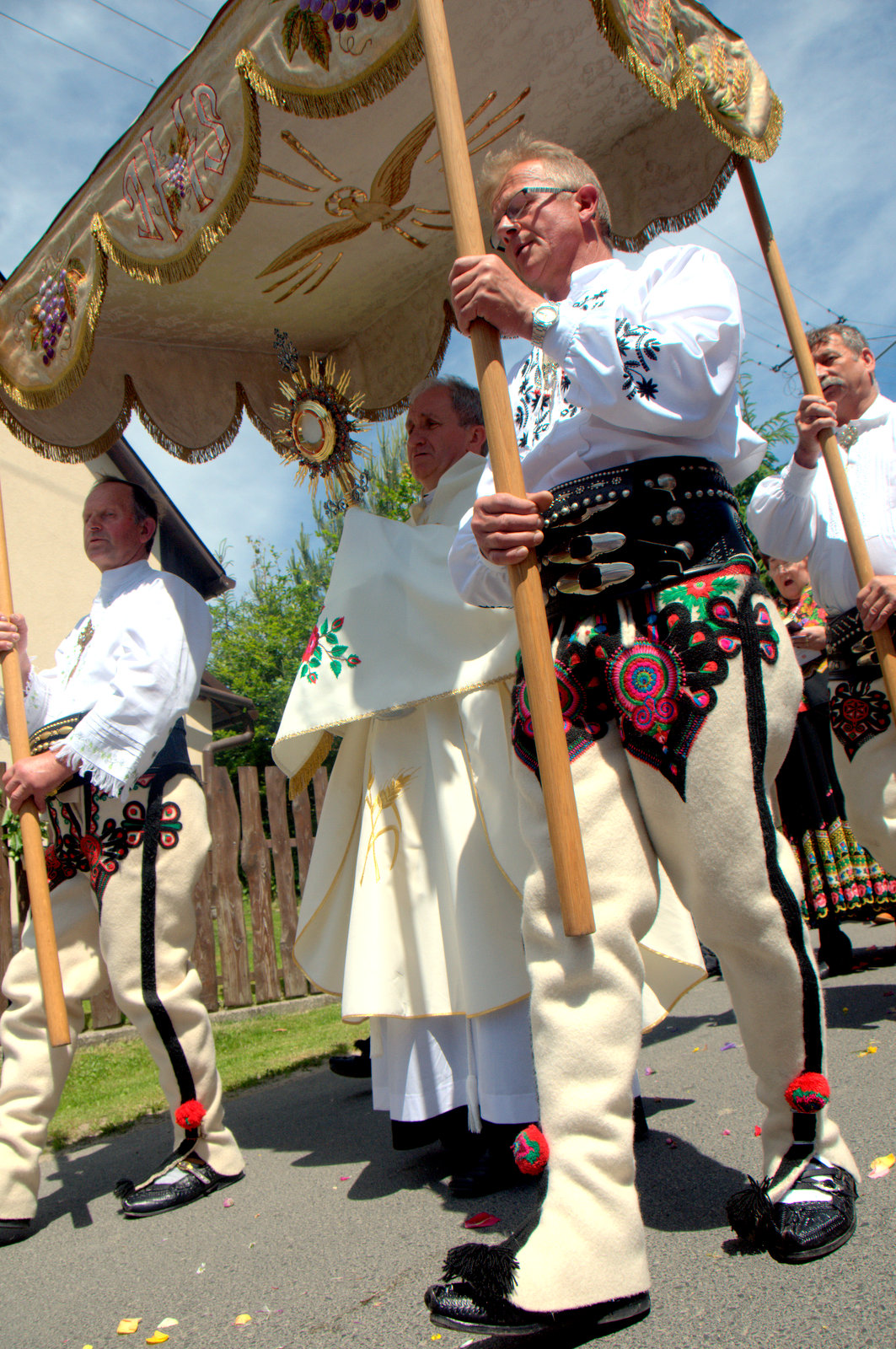
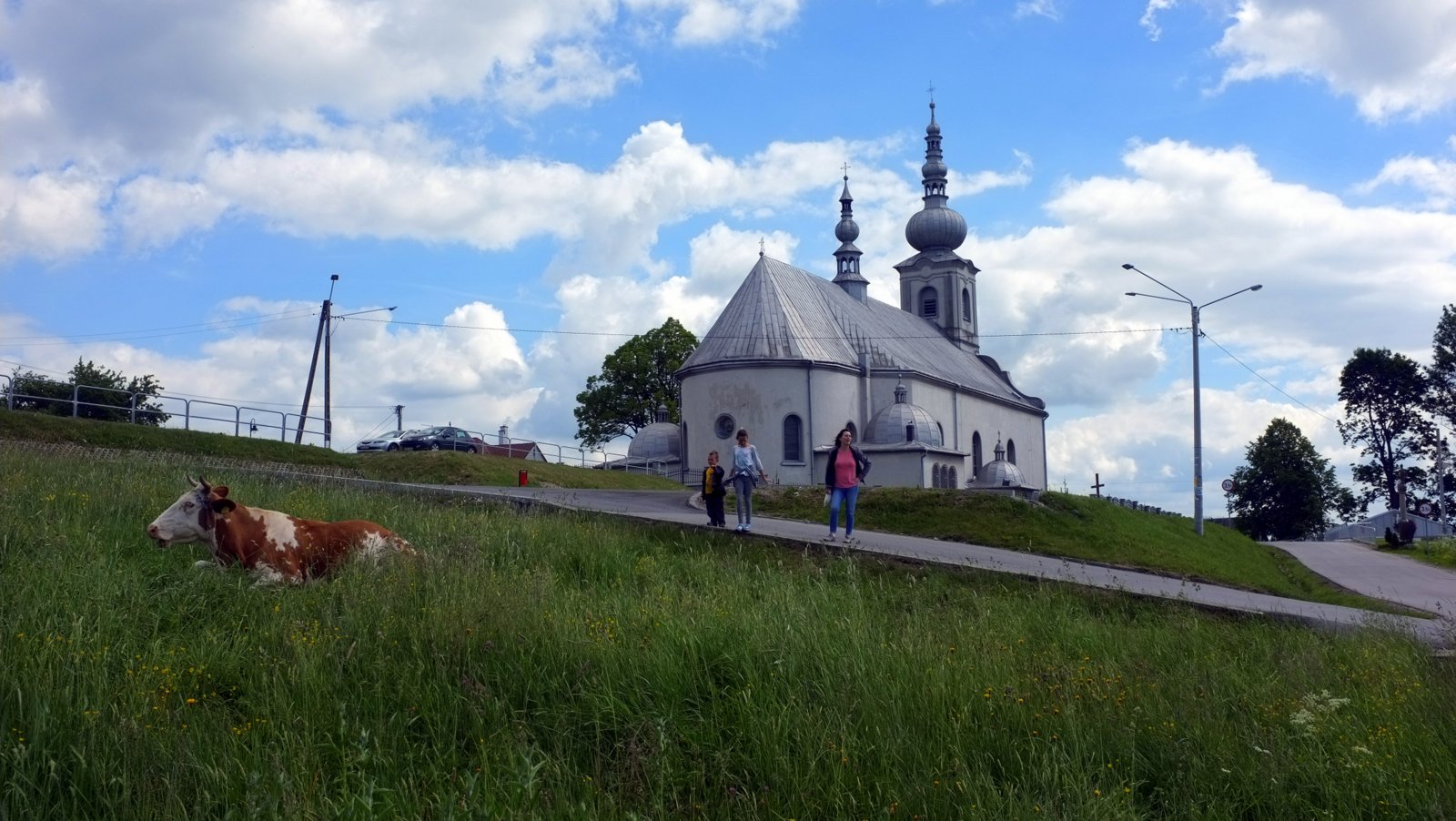
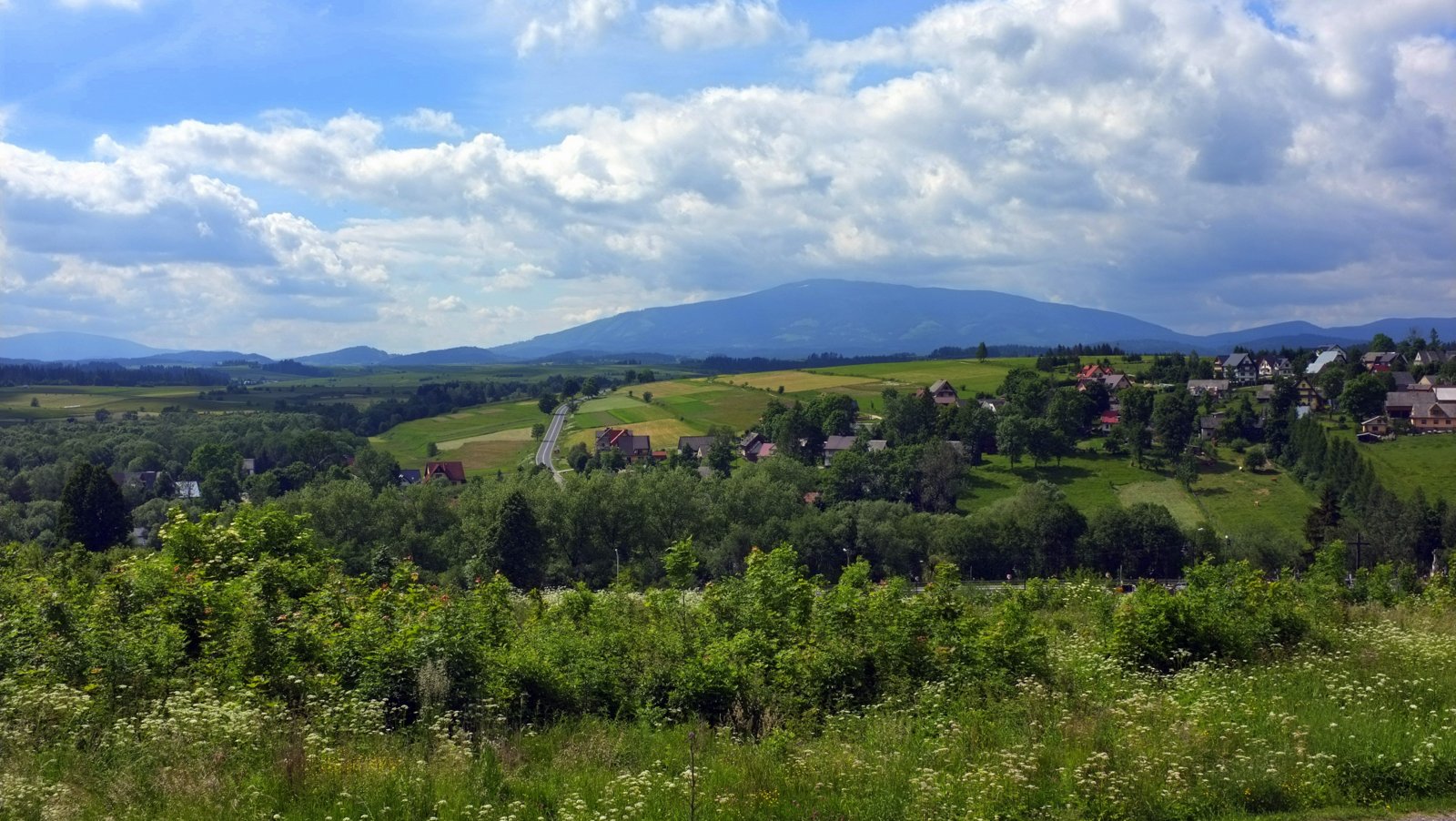
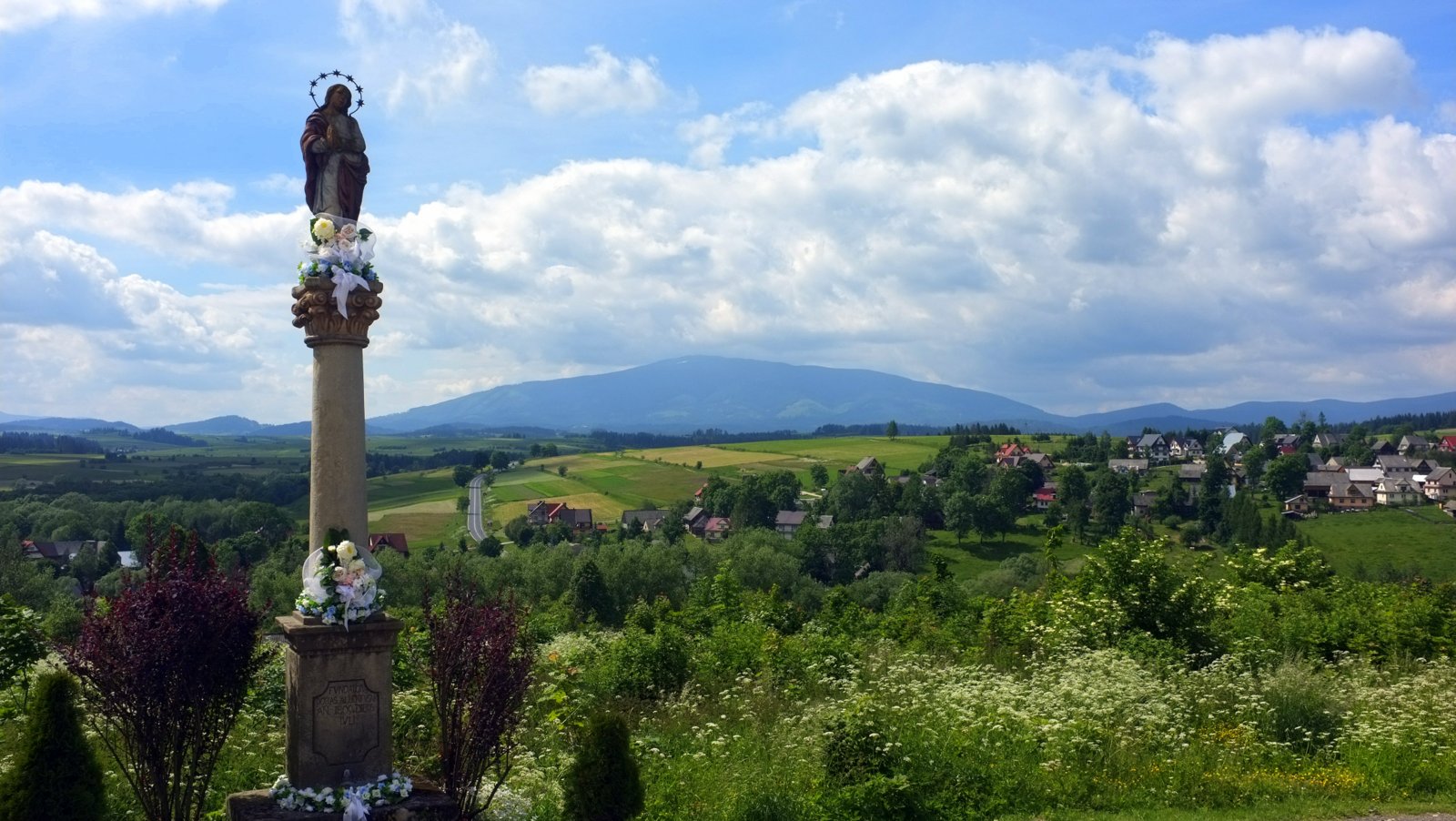
We spent the day in Pyzowka, a small village spread along the ridges of several hills just oustide of Nowy Targ, the nearest Polish town of any significance to Jablonka. Pyzowka is always a recurring destination, not only because of its beauty but also because of who lives there: D has been K's best friend since childhood, the closest thing to a sister K has ever had. She is the Girl's godmother and now, by proxy, a good friend of mine along with her husband, G. We always end up there a time or three while visiting the Old Country for the girls to catch up on gossip and that magic of just being in the same room together again. This year, though, because of various complications, today was the one and only day they could meet, so we went to Pyzowka for Corpus Christi.

Shortly after I first arrived in Poland in 1996, I encountered Corpus Christi for the first time. I had no idea what I was viewing. I prided myself on the depth of my understanding of Christianity that was in reality not even as deep as a small puddle of water. I had rejected it all because I knew better. Typical youthful arrogance, I suppose. Yet the first time I witnessed Corpus Christi, I began to understand that I didn't understand.

Unknown Corpus Christi

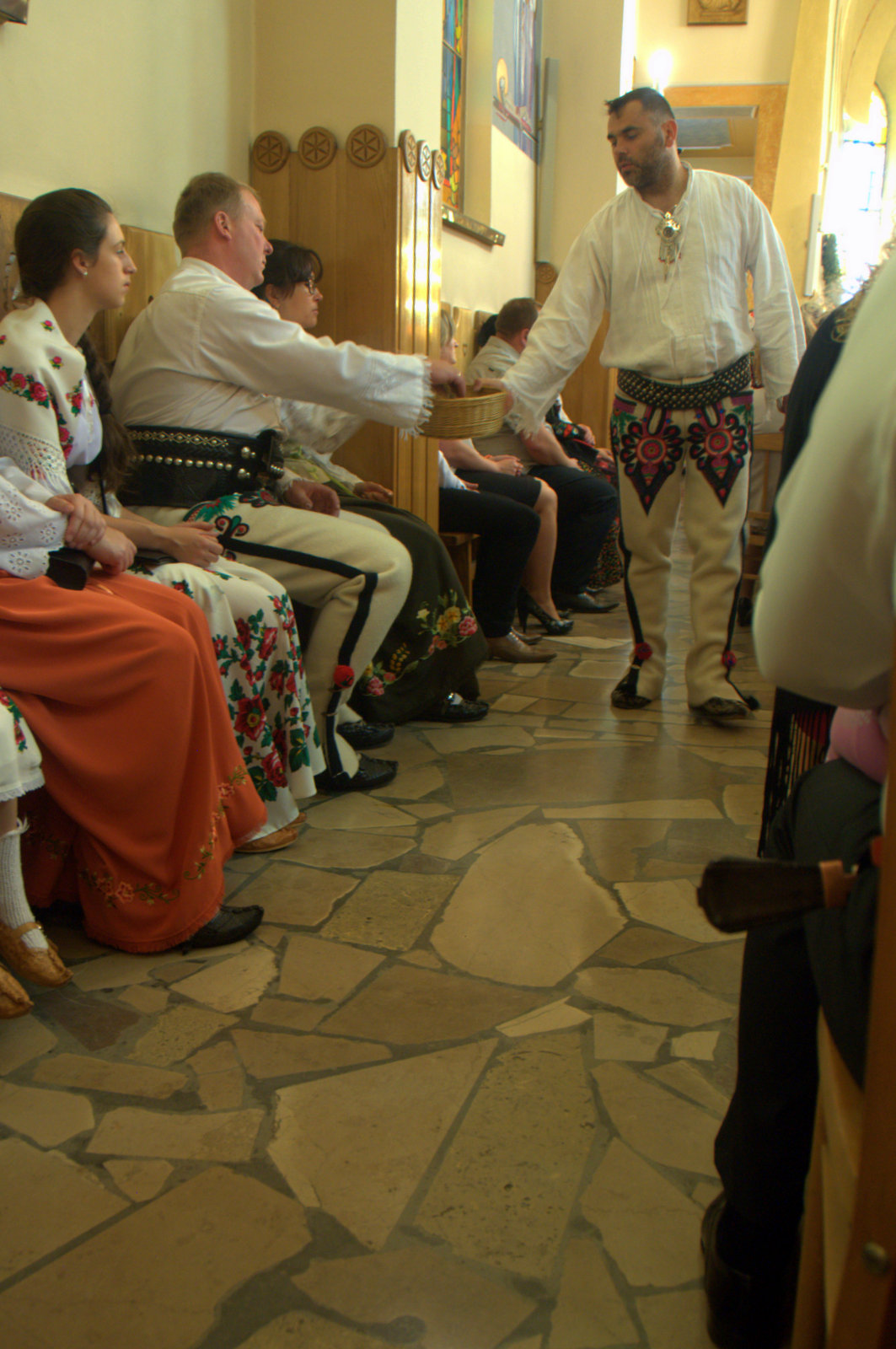
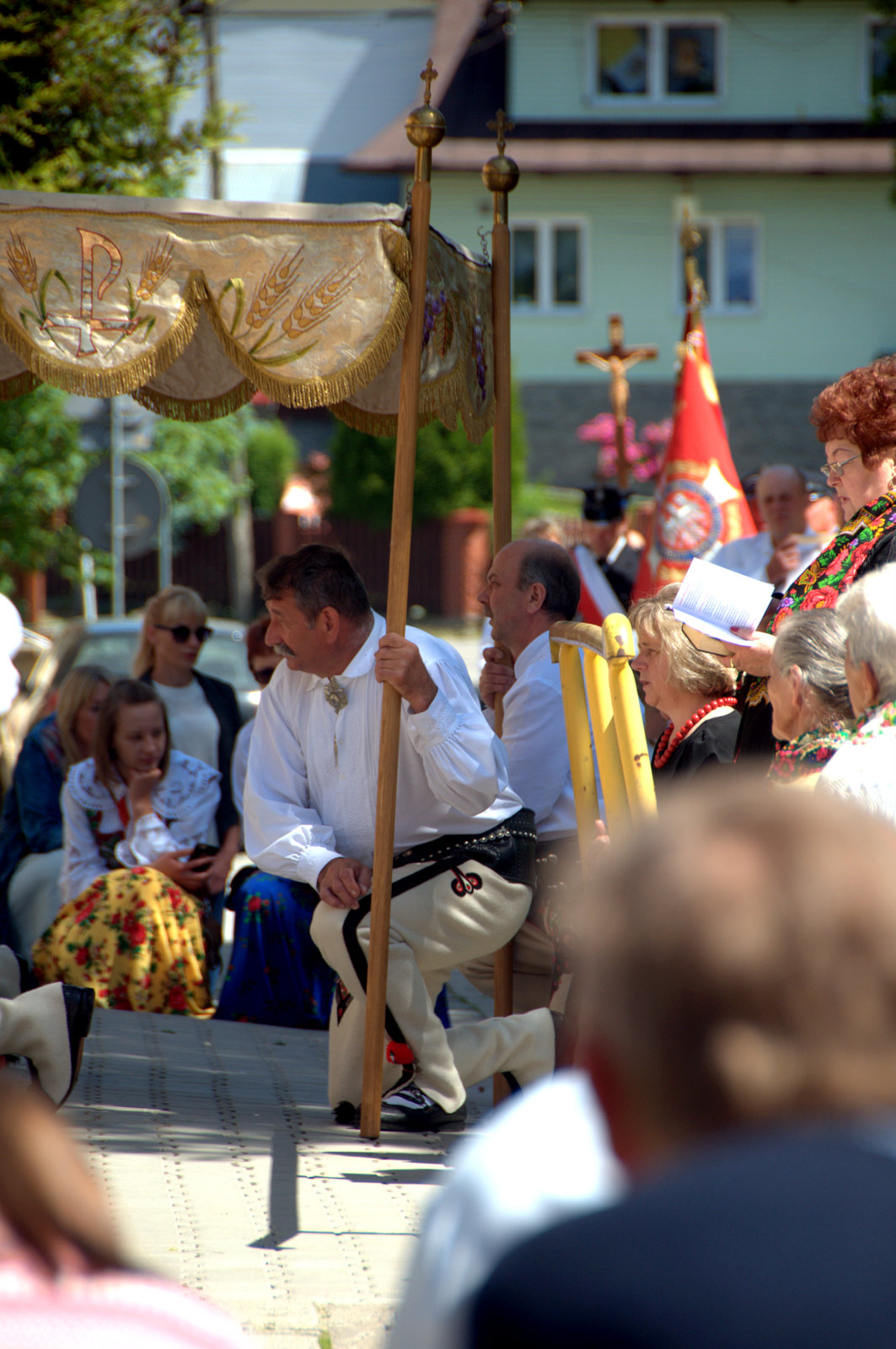
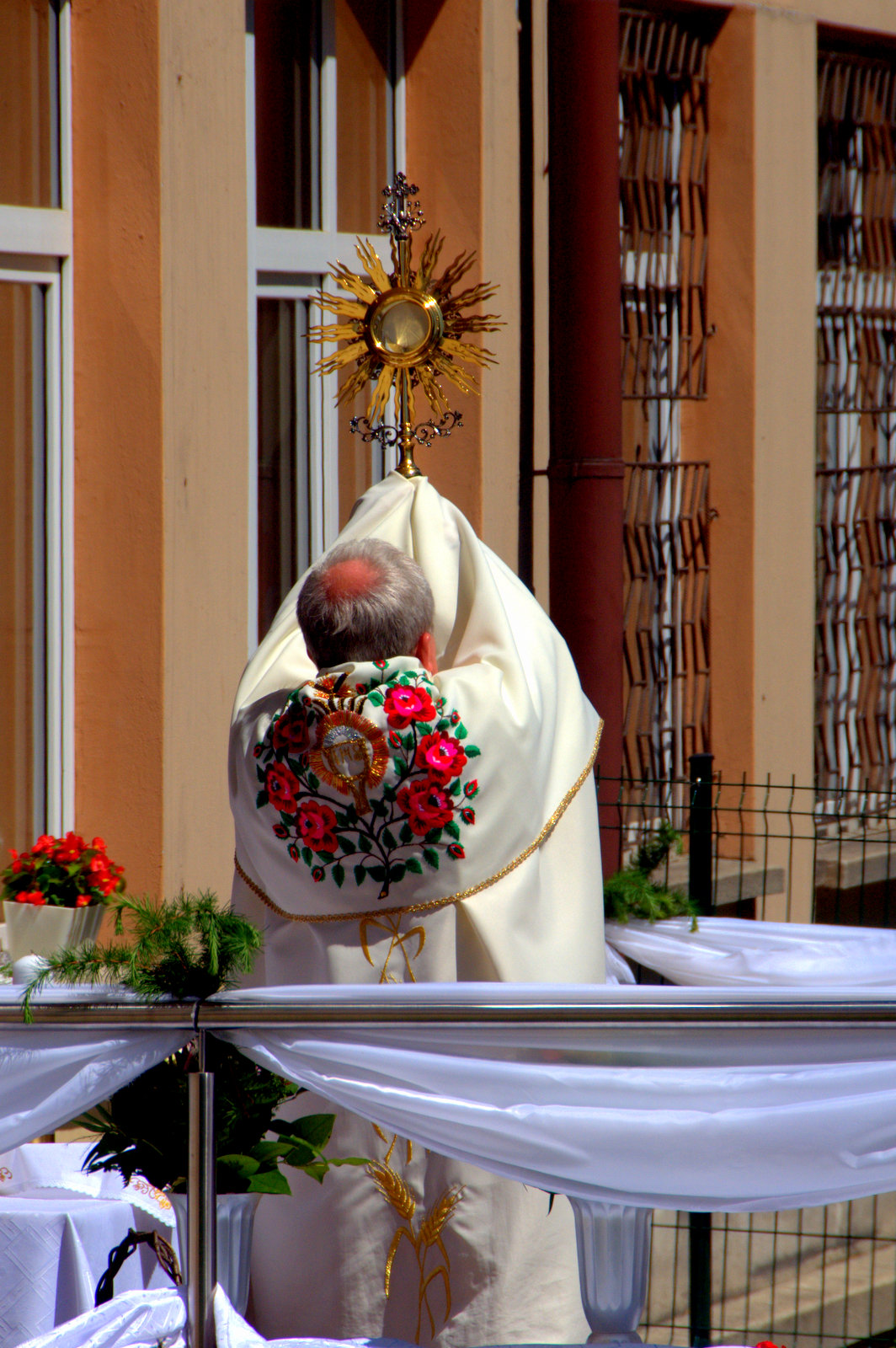
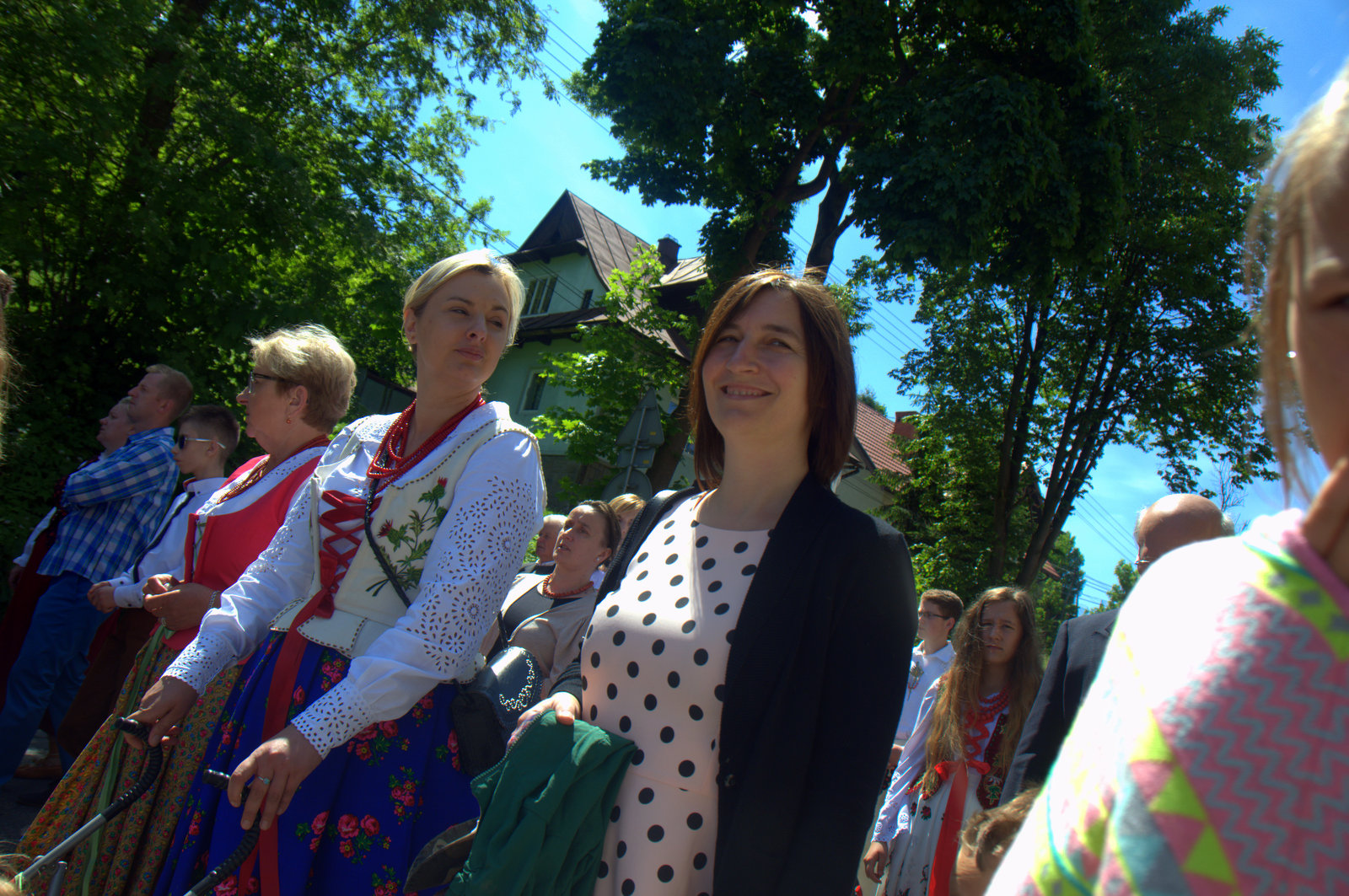
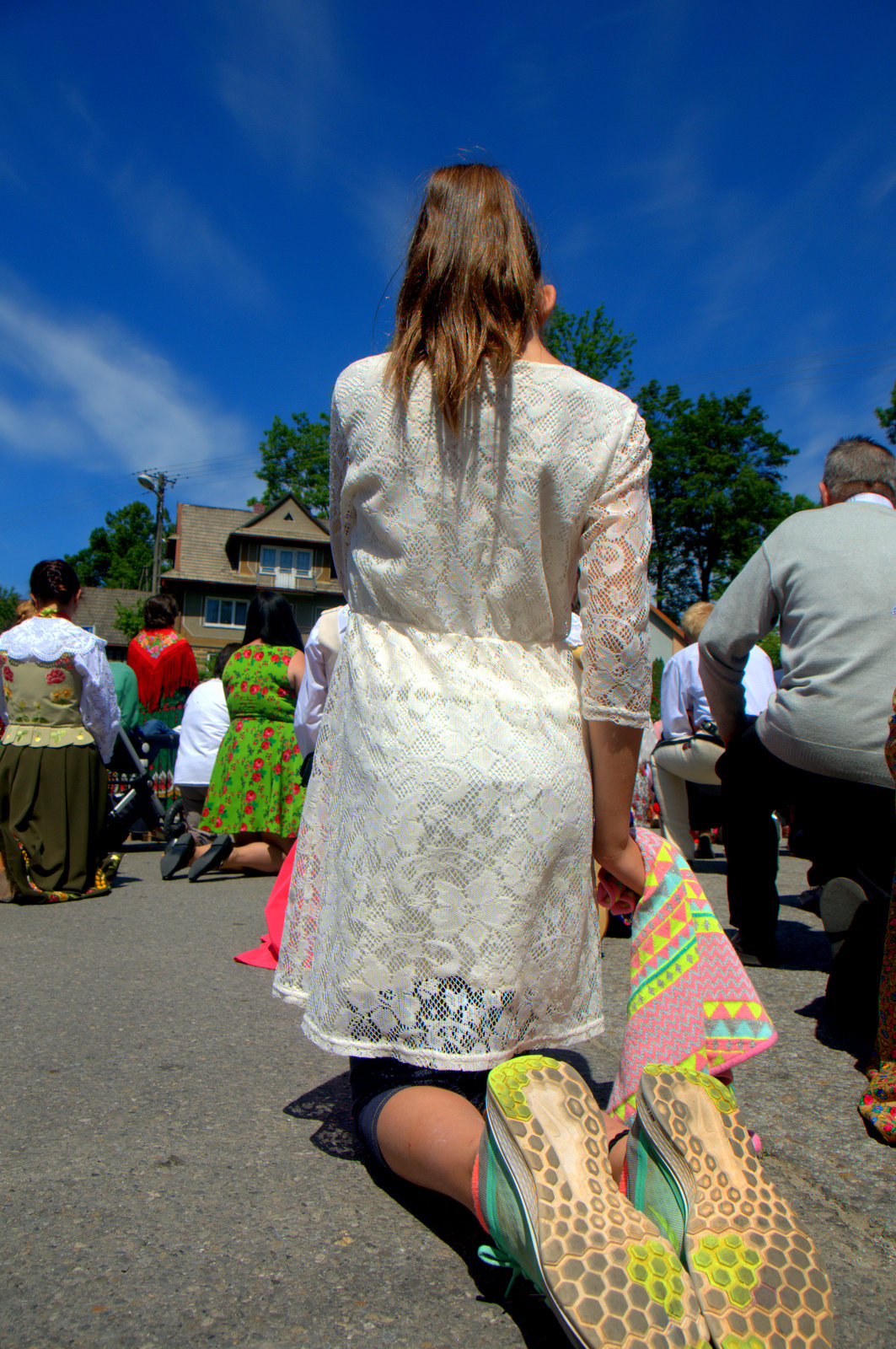
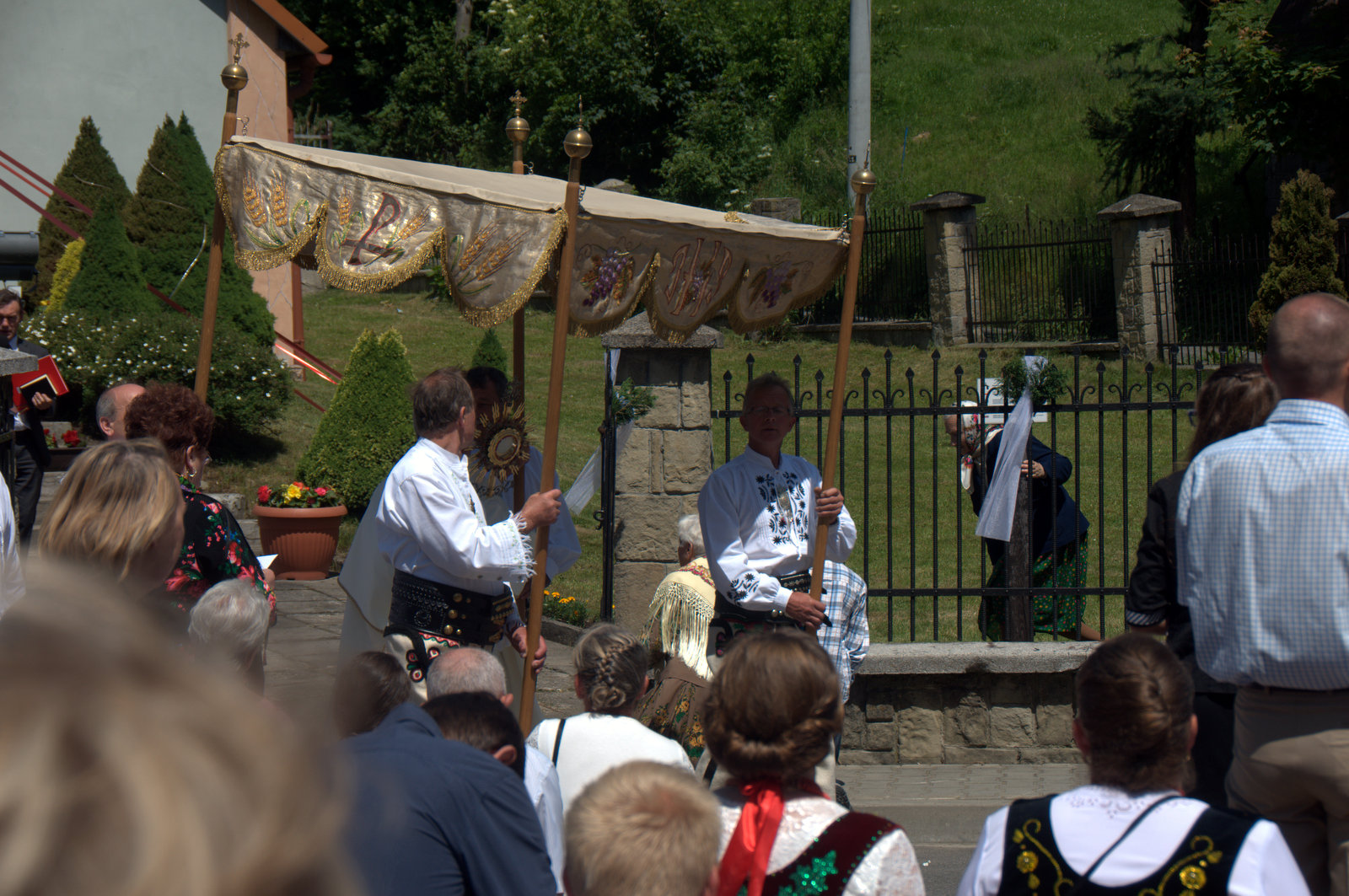
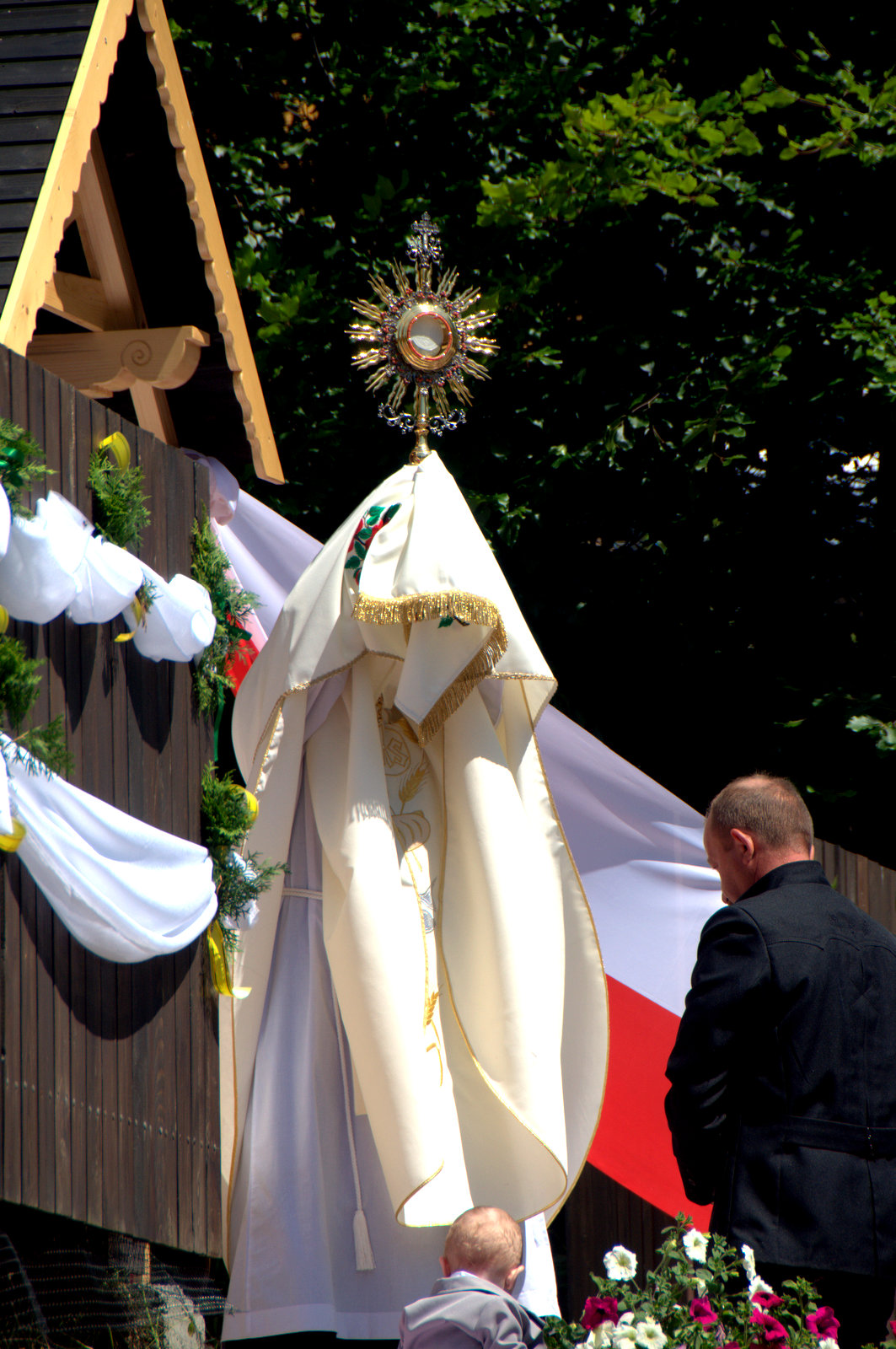
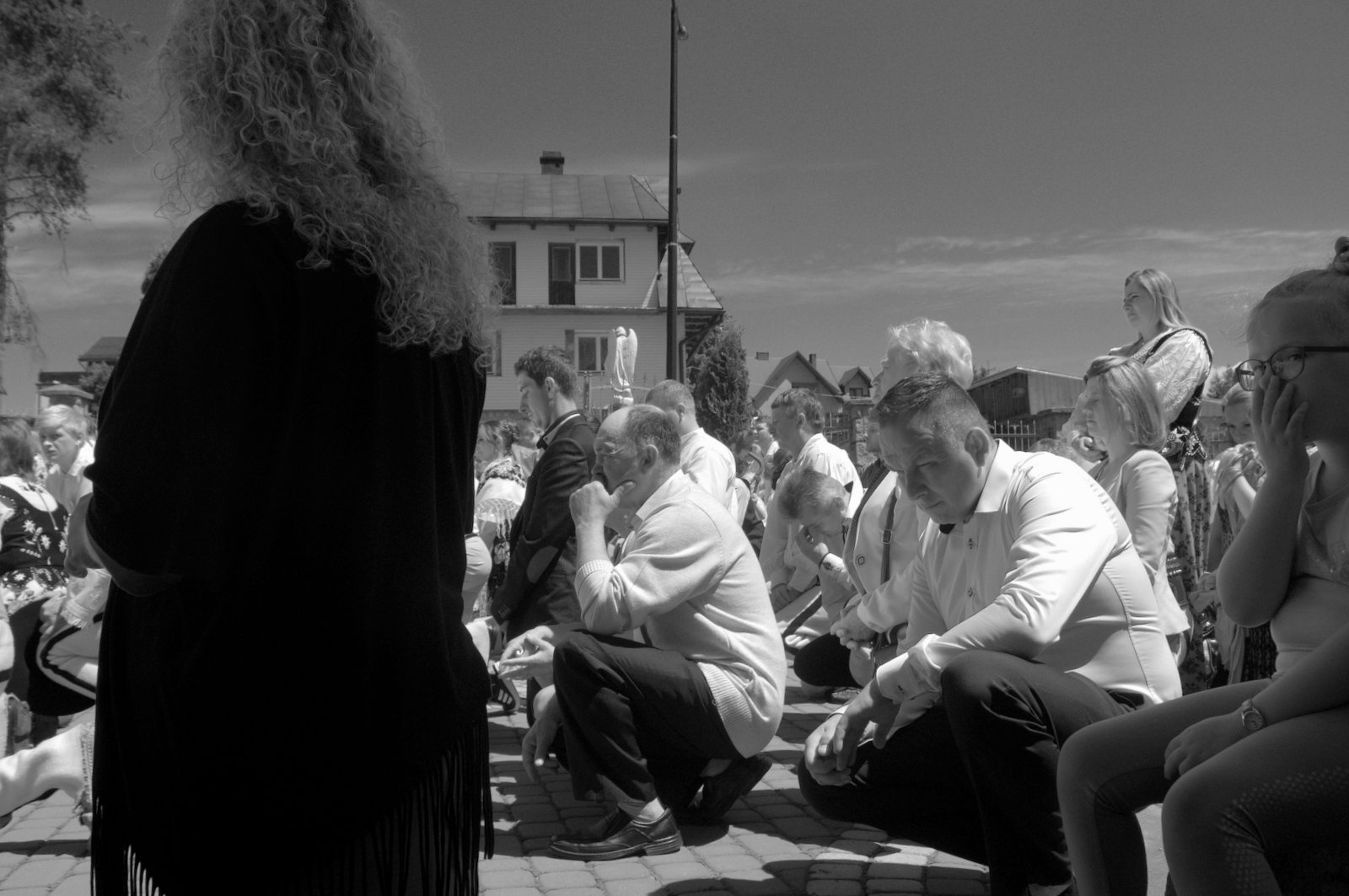
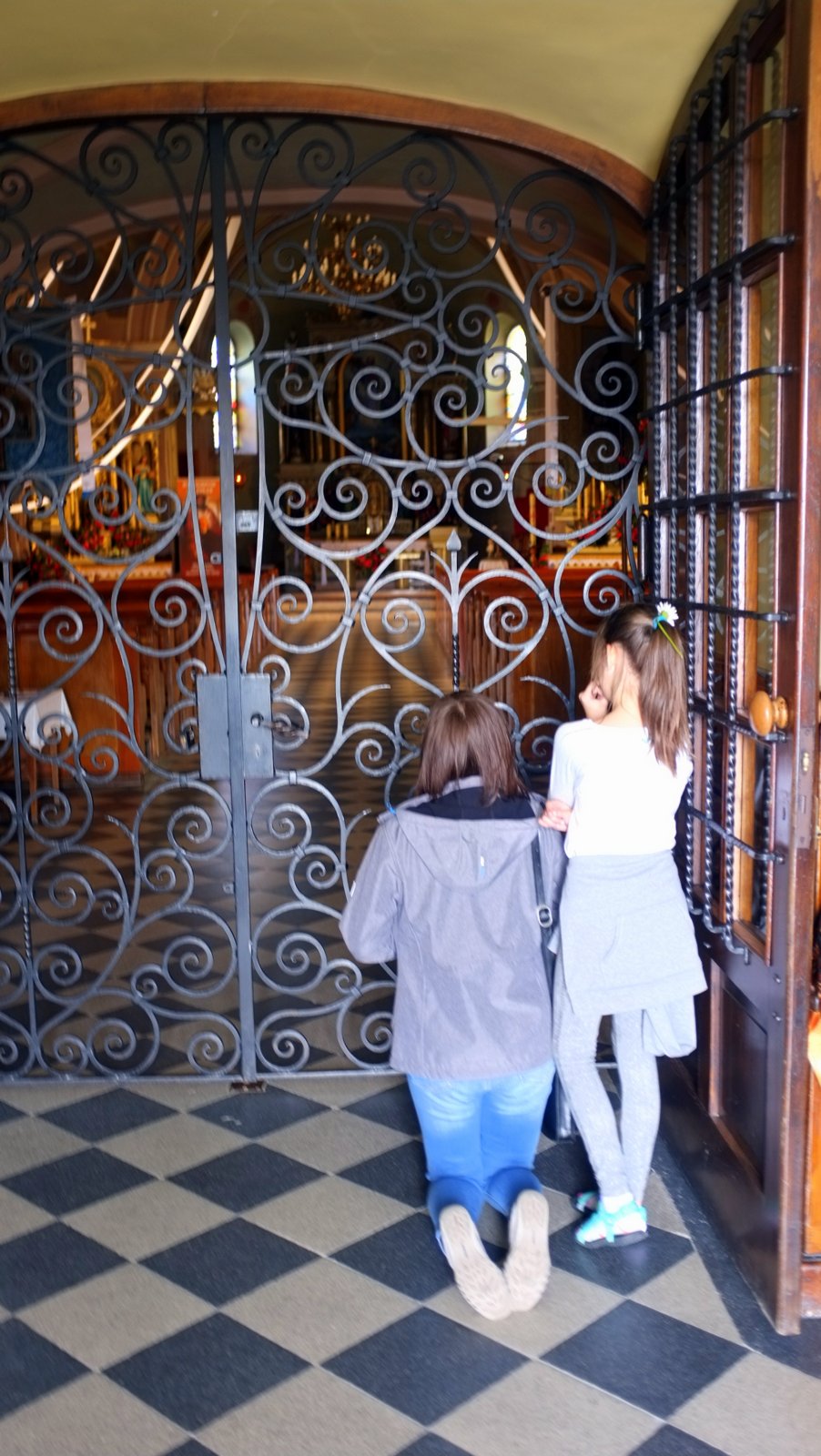
Twenty-one years later and I'm a participant in the Mass on this holy day, a participant in the procession. I snap pictures as discretely as possible because I'm starting to understand the significance of the day, of the procession. Do I believe it all? That's hard to say. Where do questions leave off and doubt begin? Perhaps it doesn't matter in the end: I've come to see a certain beauty in the communal nature of Catholicism that makes me think that even if again I lost all my faith (the little strands I hold on to), I would still participate because of the value I see in simple act of people coming together and humbly submitting themselves to something bigger than they are. Such humility is rare these days, it seems.

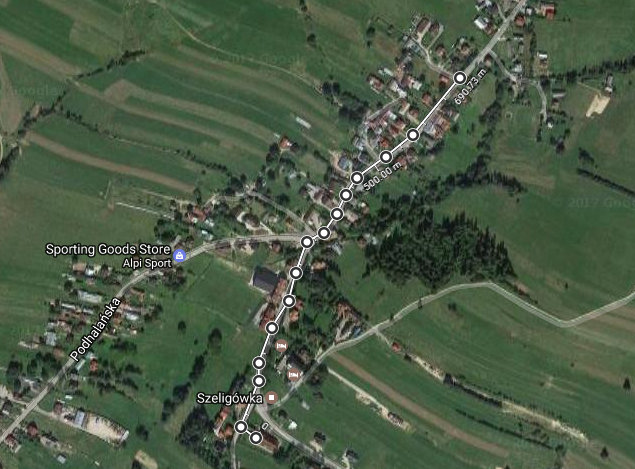
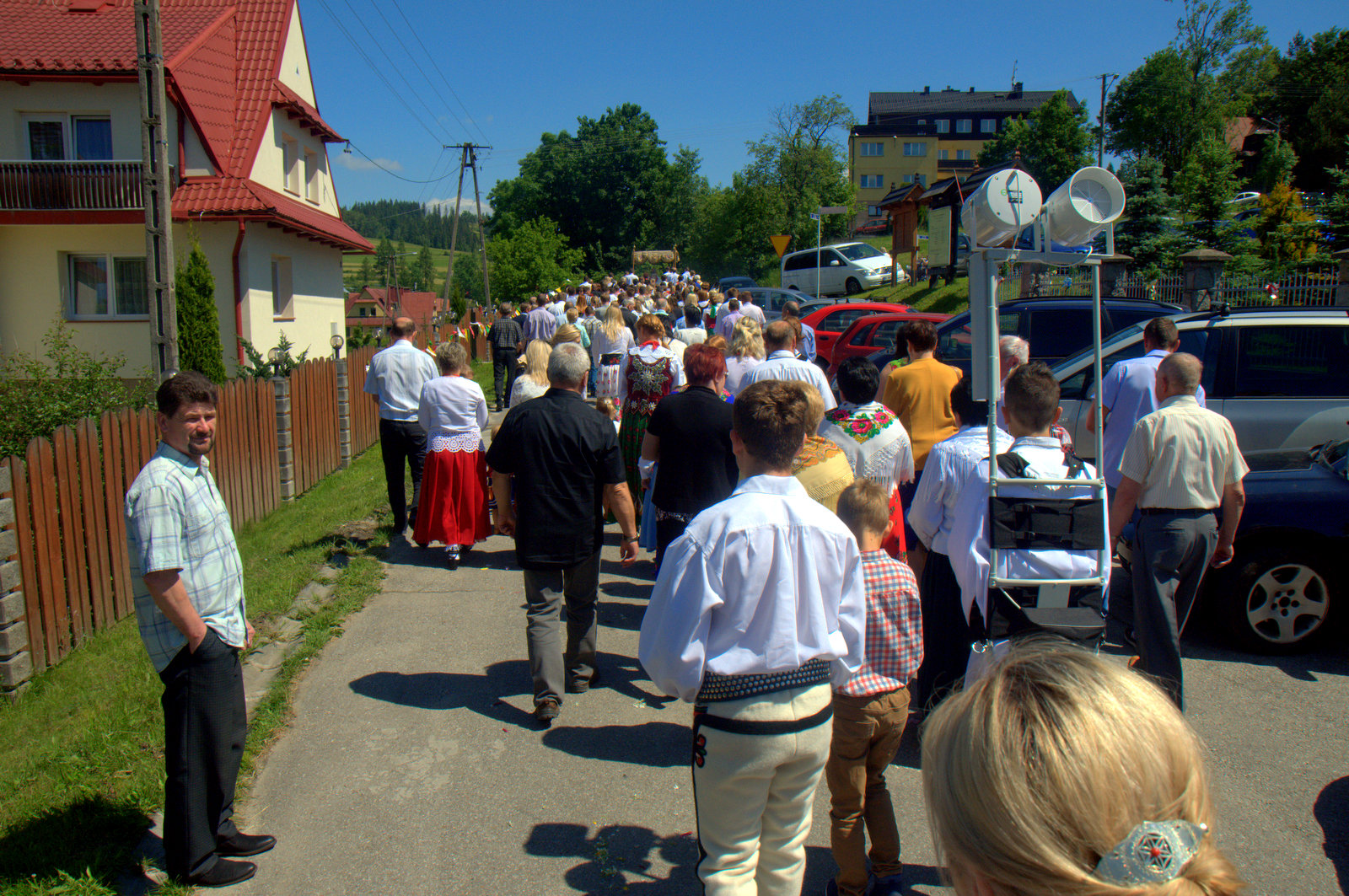
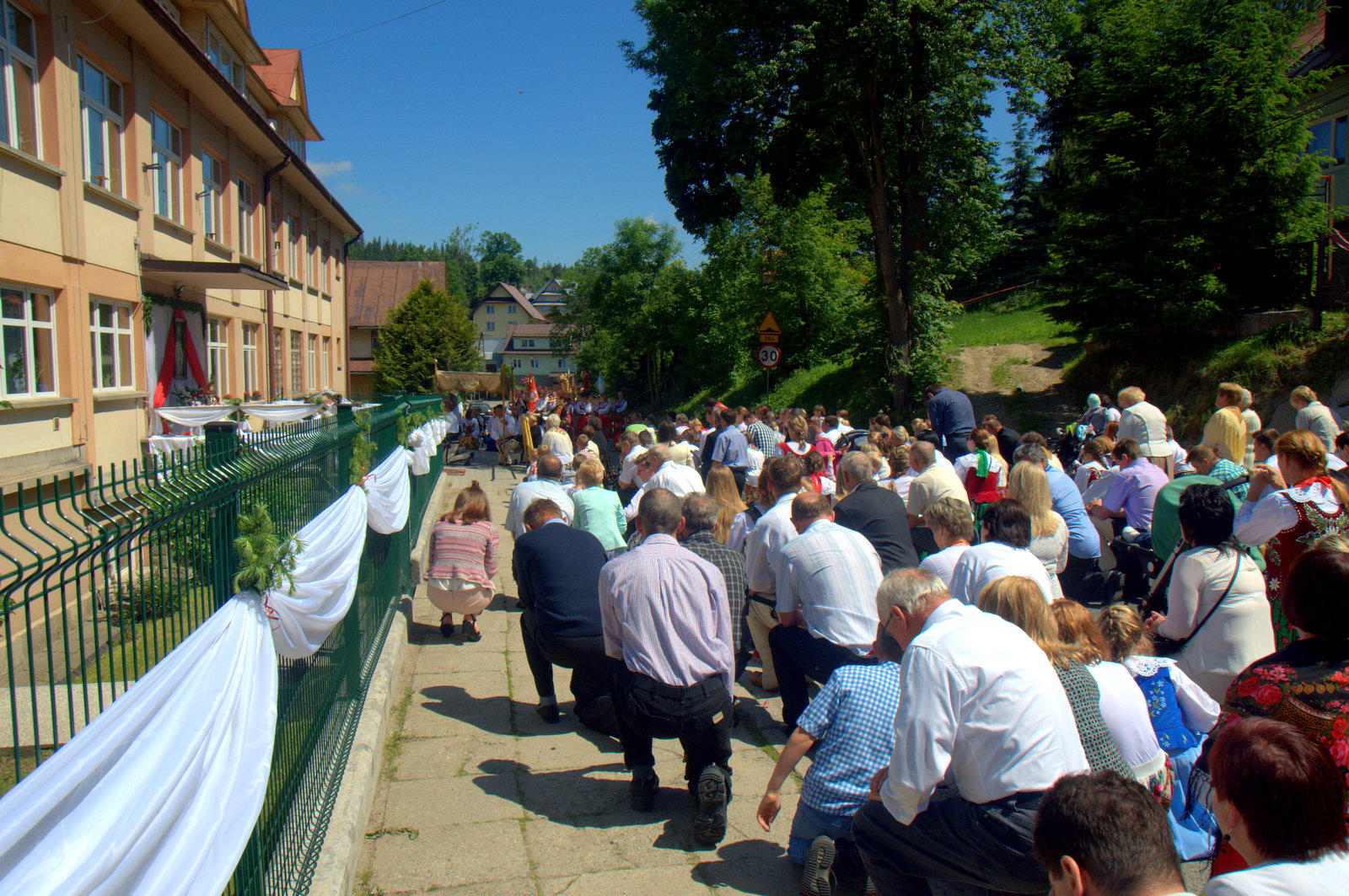
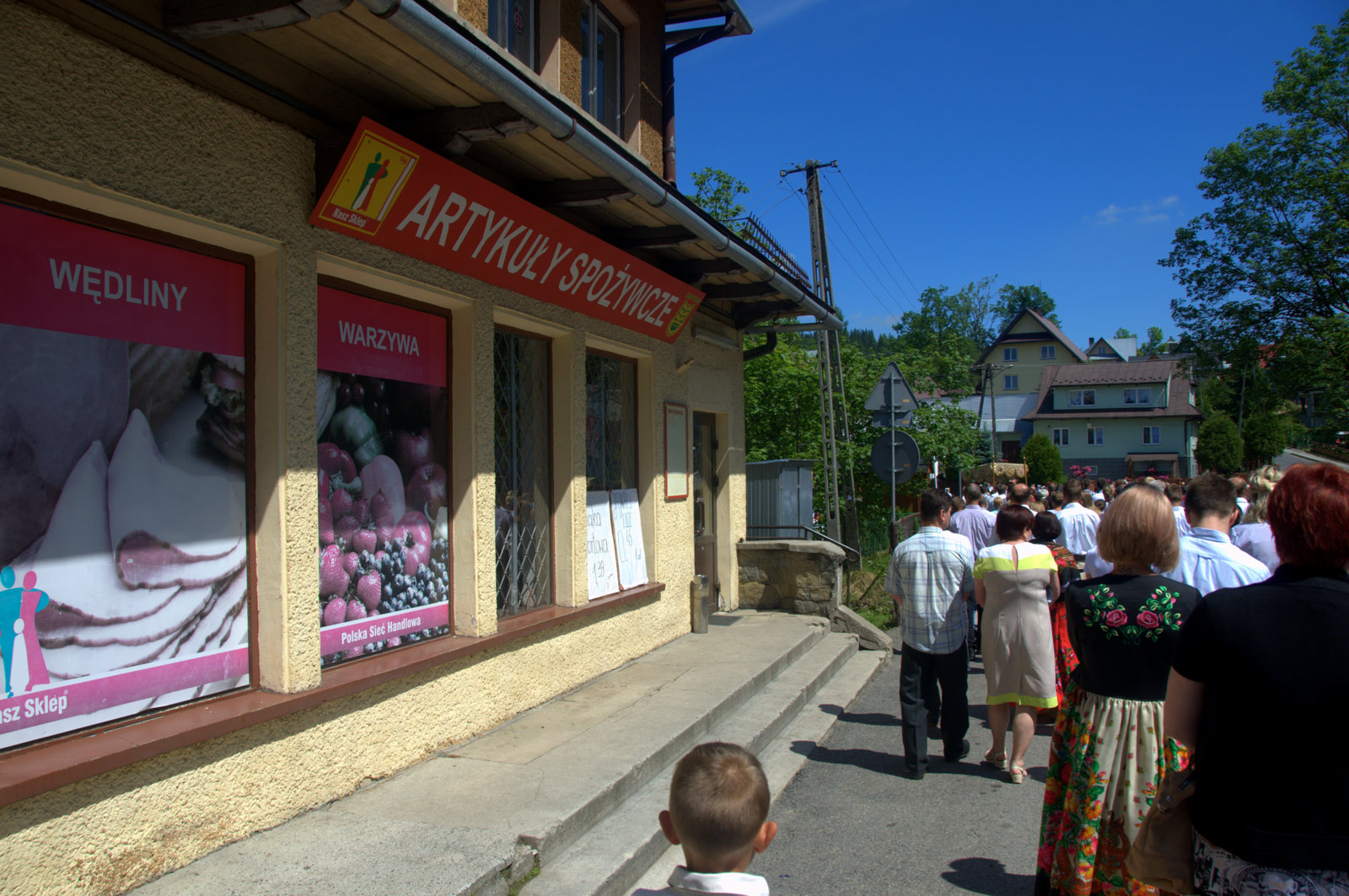
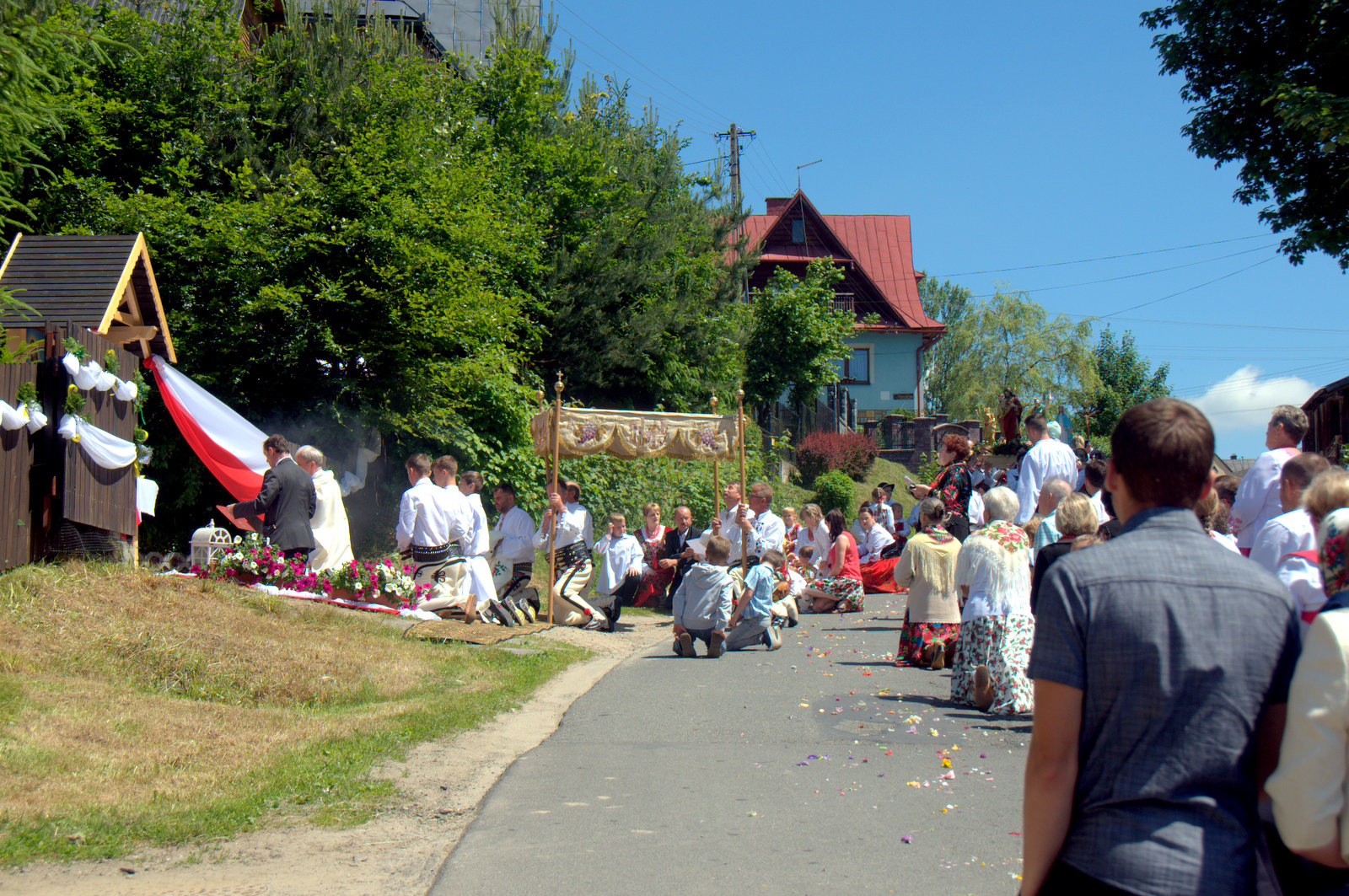
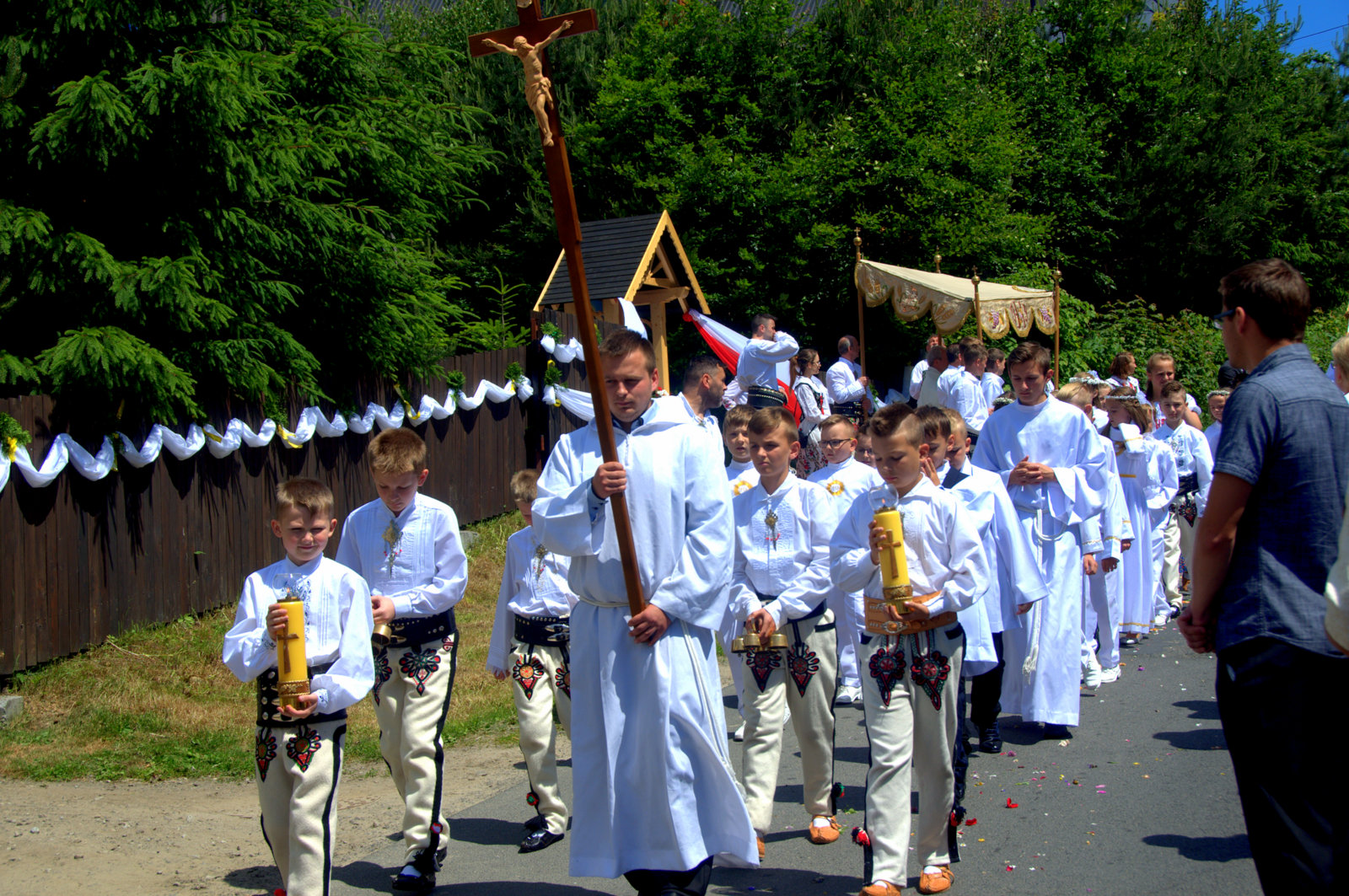
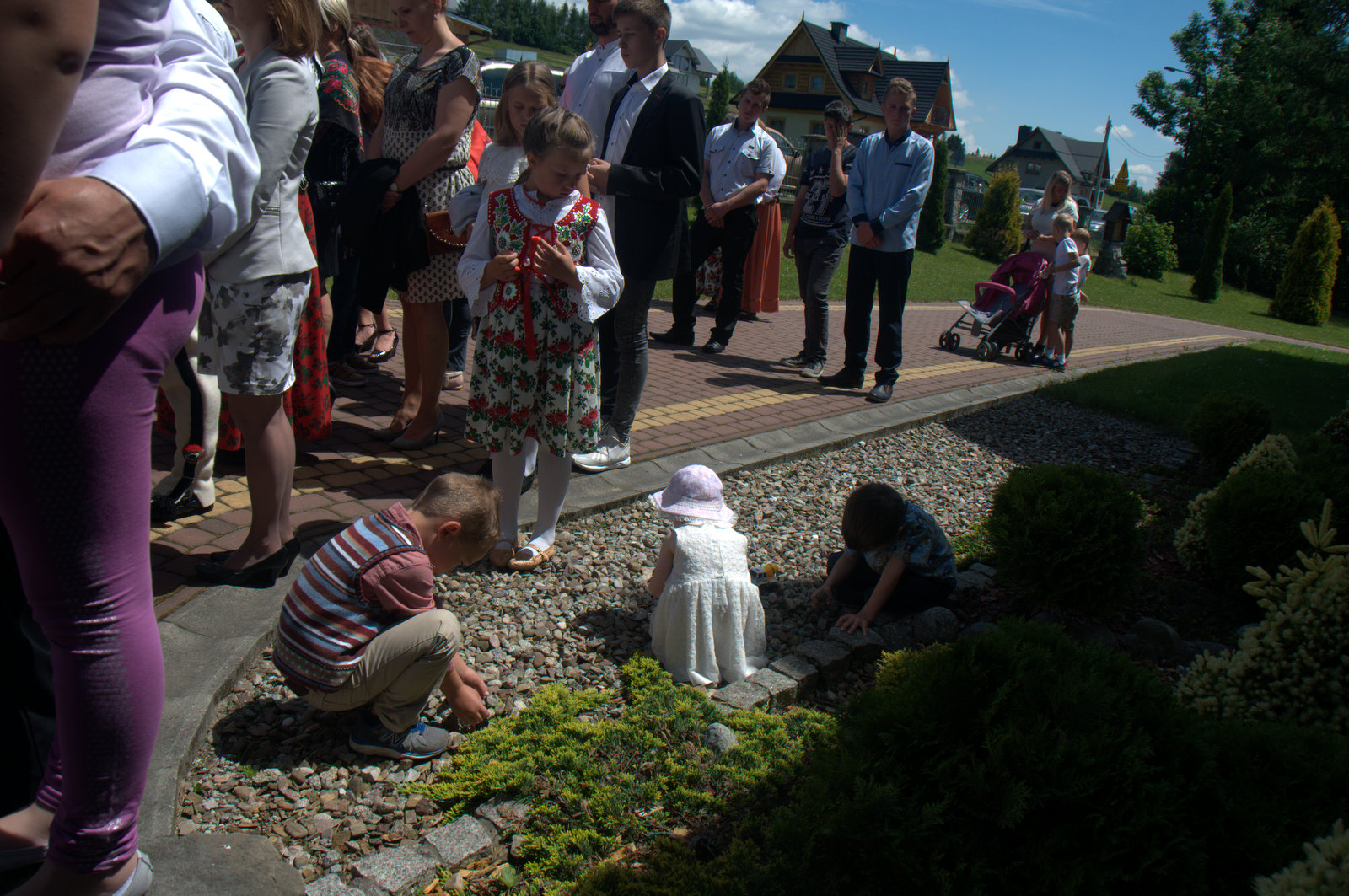
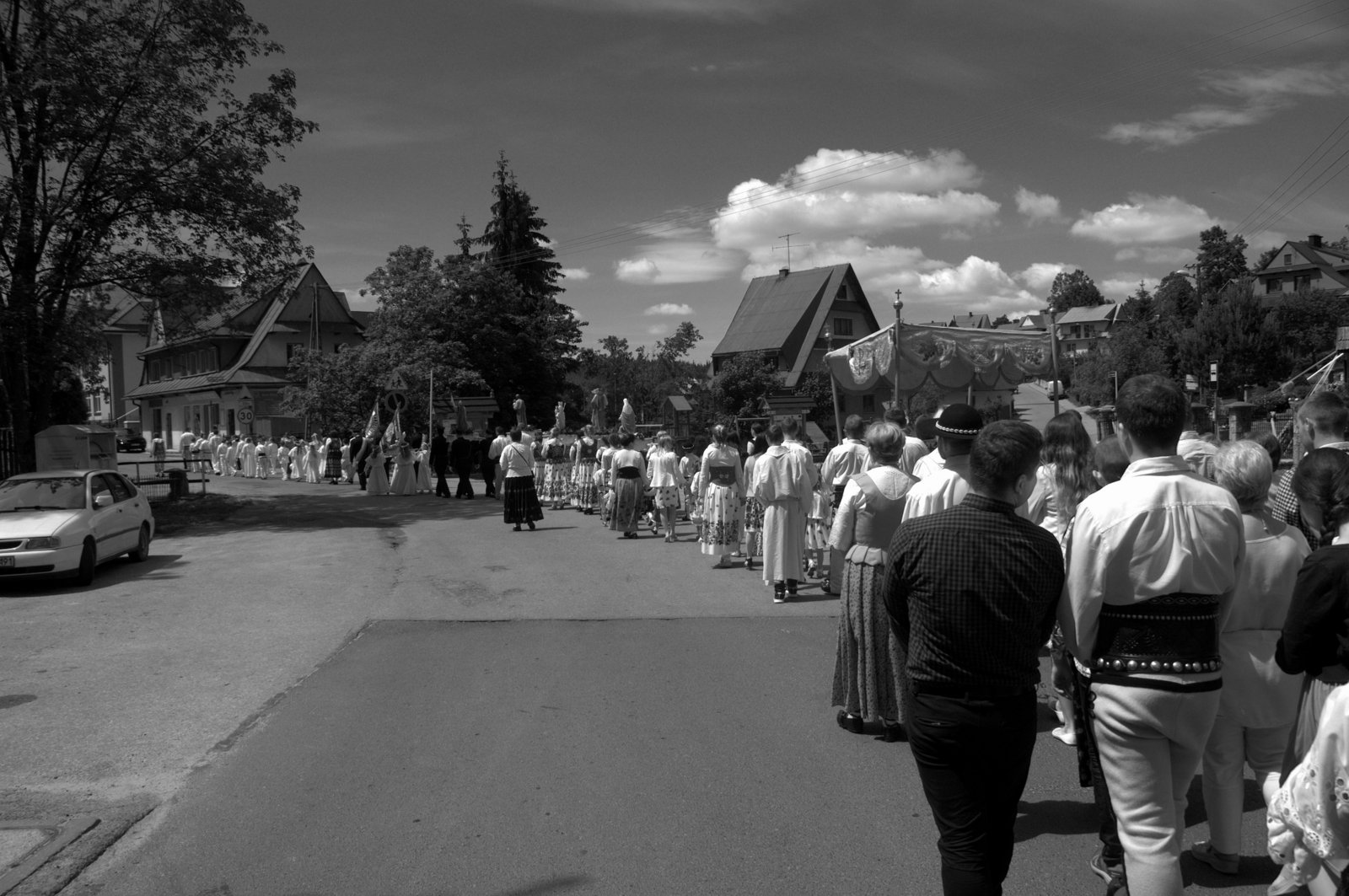
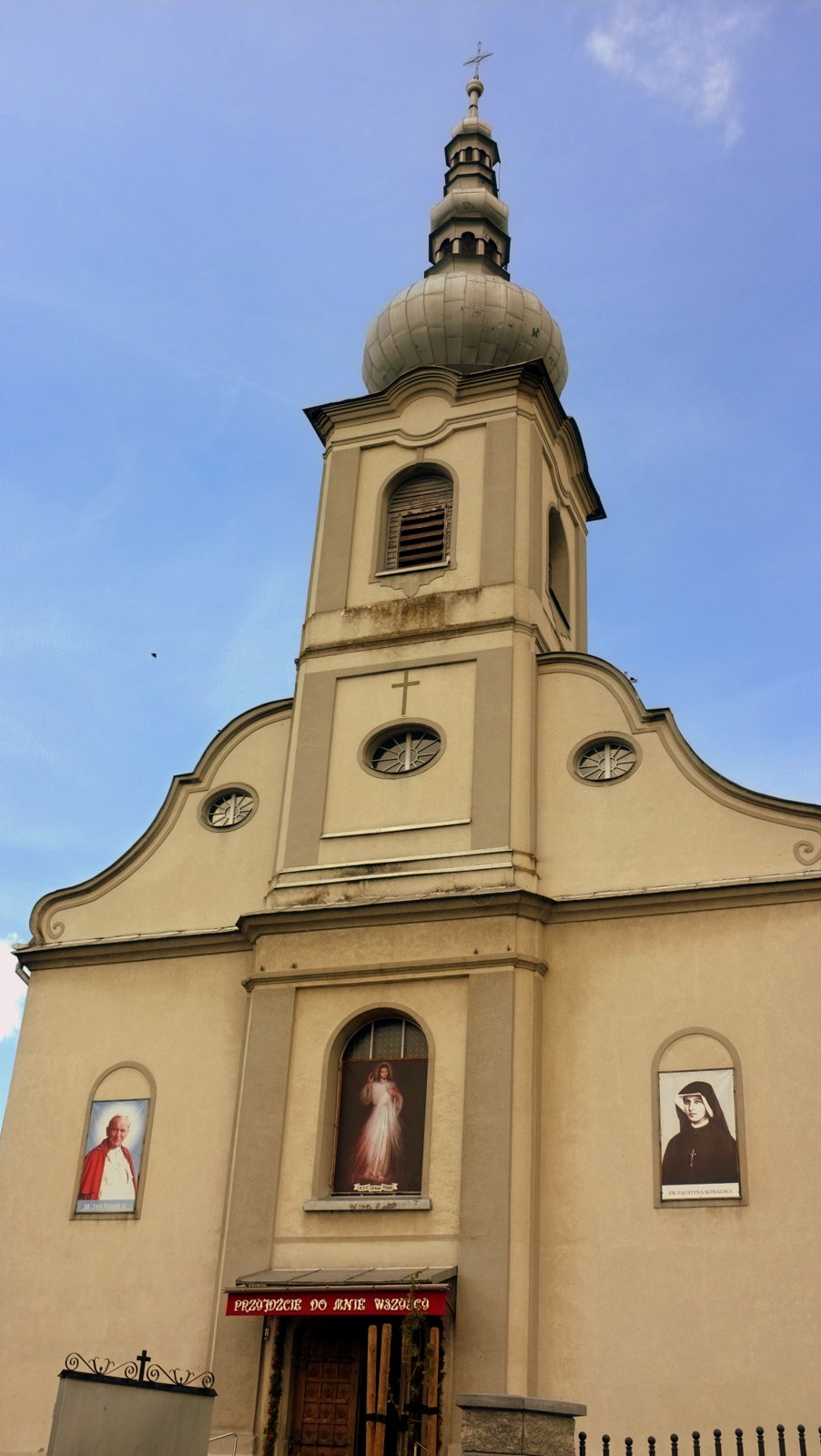
Today's celebration, though, highlighted the flavor a Polish village imparts on Corpus Christi. The procession began at the church and wound its way through much of the village.

At least twice cars approached, saw the whole road blocked with the procession of about 500 or so people, and turned around. I can't imagine something like that happening in America or even a larger city in Poland. Life goes on despite holy days and celebrations, and in America of course, the vast majority of the population begin non-Catholics have varying opinions of Catholicism that color how they would view such a procession, mostly affecting the negativity of the hue, truth be told. At least in the South, where we live. That's why the processions in America tend to be just around the church itself, not out into public itself.

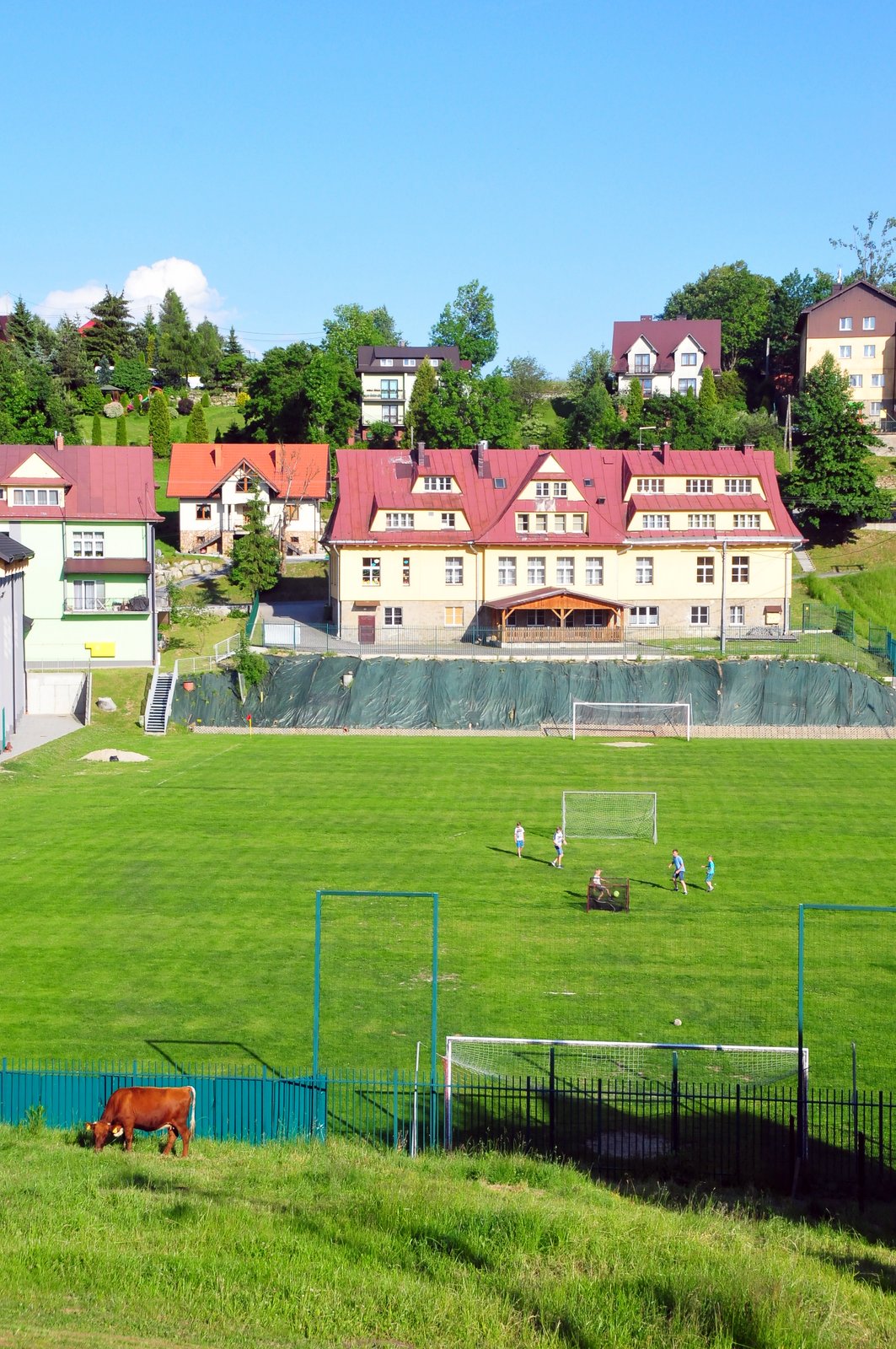
After the procession, we had lunch at D's before heading to the other side of the village to visit D's parents, who are those rare Poles who packed up and moved from one village to another, almost as if they were Americans. Most Poles build a house and stay there. Stay there. But after several years of serving Jablonka's animals as a veterinarian, D's father and mother moved back to the village they grew up in.

While there, cousins and their families arrived, and we all sat around and ate and drank and chatted. It was then, at the close of day, that I really saw the magic of a Polish village. It's only magical if you have connections, if you have someone who grounds you there. That almost seems axiomatic, but it shows why nothing like Polish village life exists in mobile America. Packing up and moving across the city, across the state, or even across the country is no big deal. Put your house on the market, find a new place, and arrange for movers. It's as simple as that. But it's far from simple when you really look at it. Roots can't grow when you're constantly transplanting.

Wednesday in the Village

Polish Village Reality

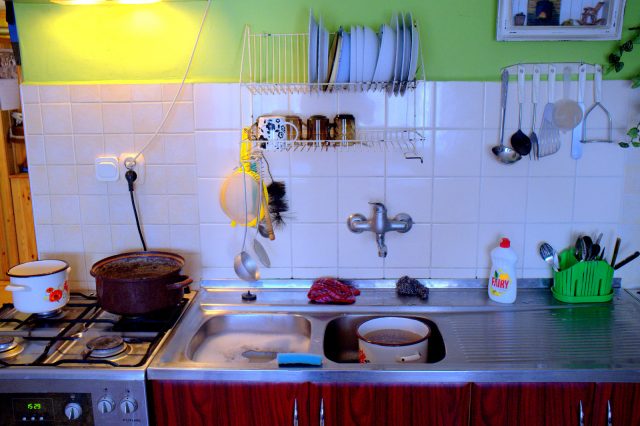
After a quick breakfast, a little reminder of Polish reality, at least an older reality: no hot water in the morning in the summer. The energy for heating the water is not electricity, for that would be far too expensive, but rather it comes from coal, as in a small coal-burning furnace. Babcia makes a fire in the evening to have warm water for baths, but by the morning, it's cooled down.

So to wash dishes, one has to warm water in a pot and then poured into the sink.

Homes built in the last fifteen years or so have different systems which means less work for the hot water. Apartment blocks in the city have central heating for hot water, as do whole neighborhoods in some sections. But in the village it was always (and is still at Babcia's) simple: to take a bath, build a fire.

Jarmark

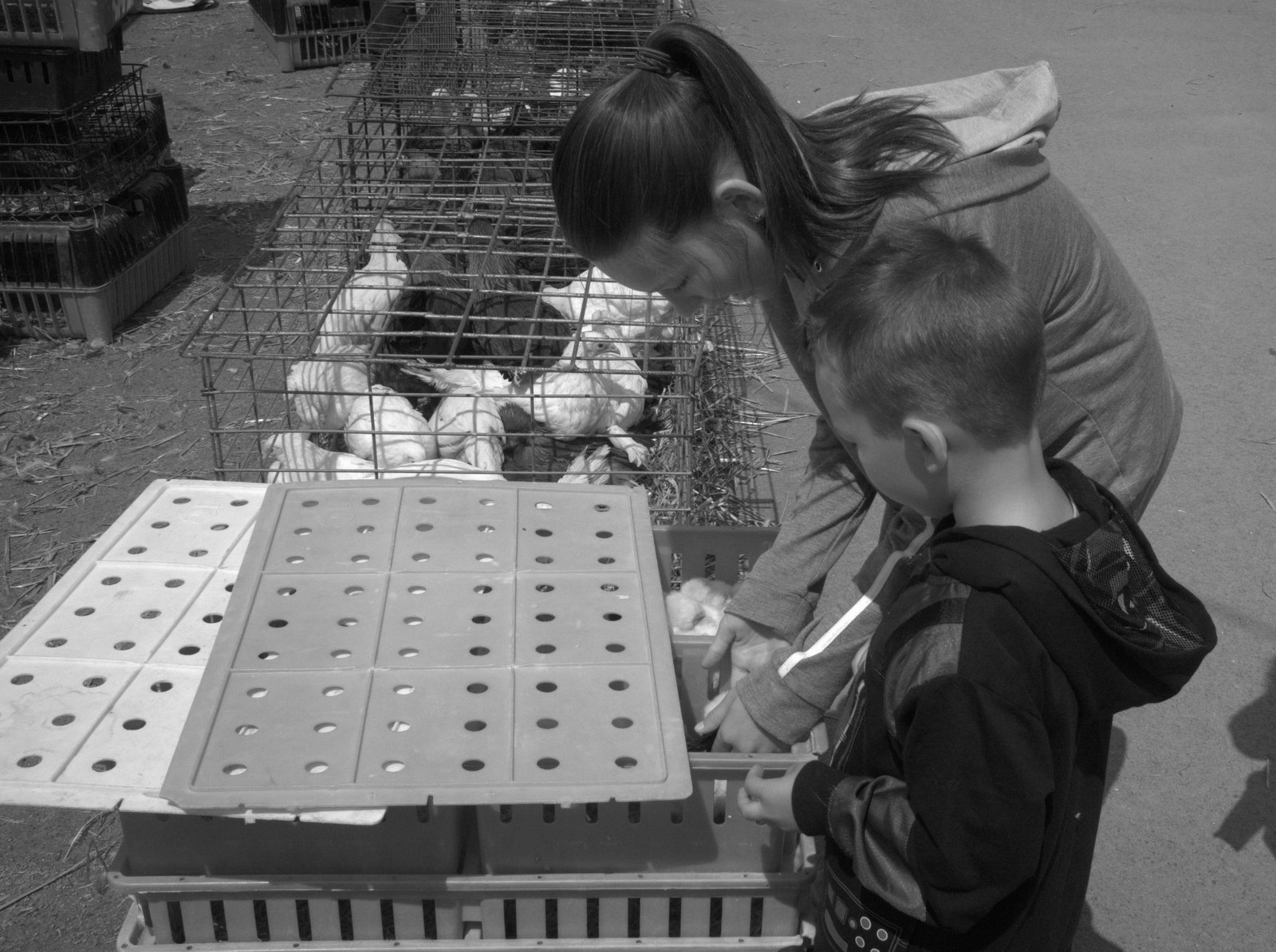
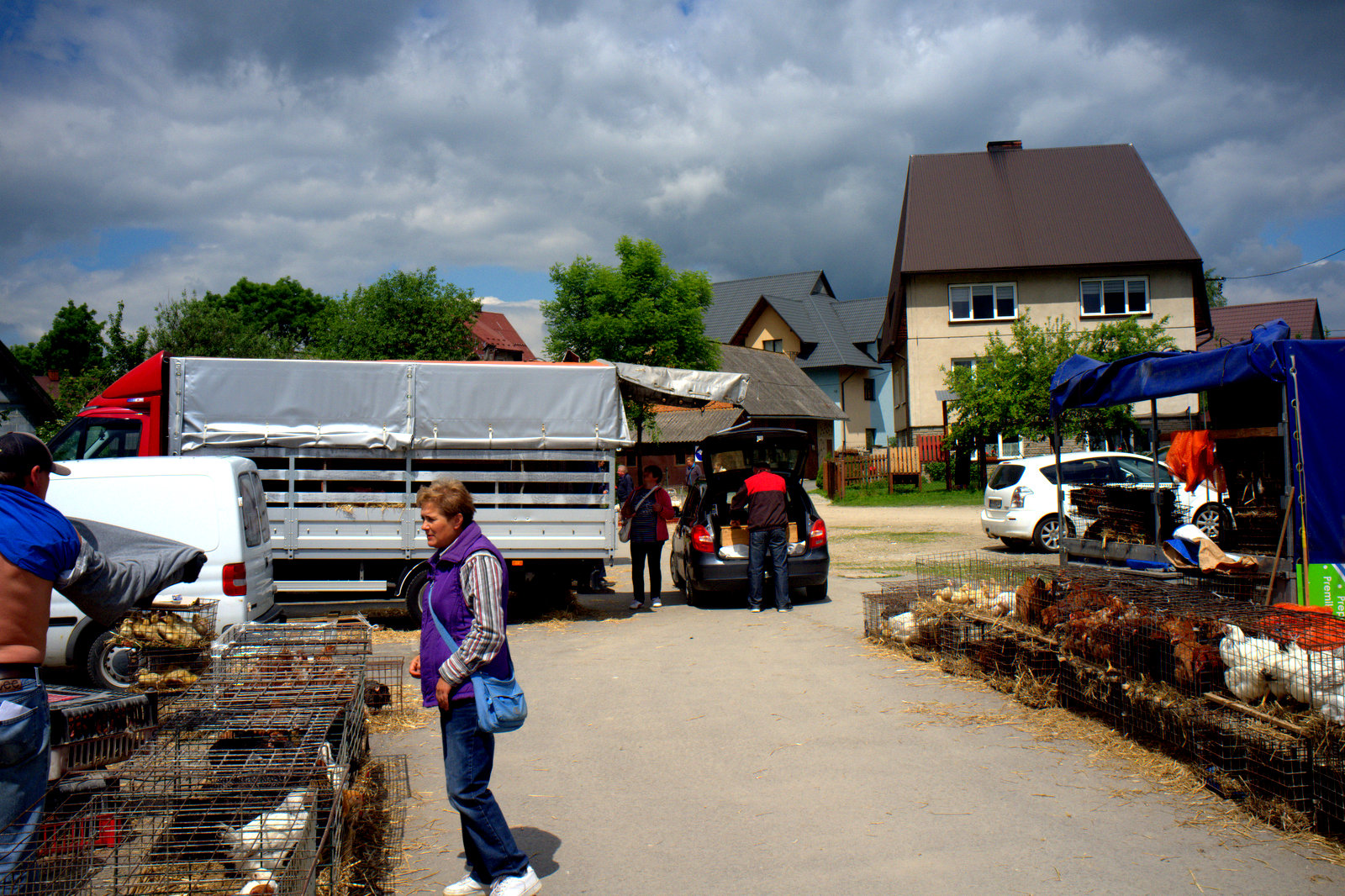
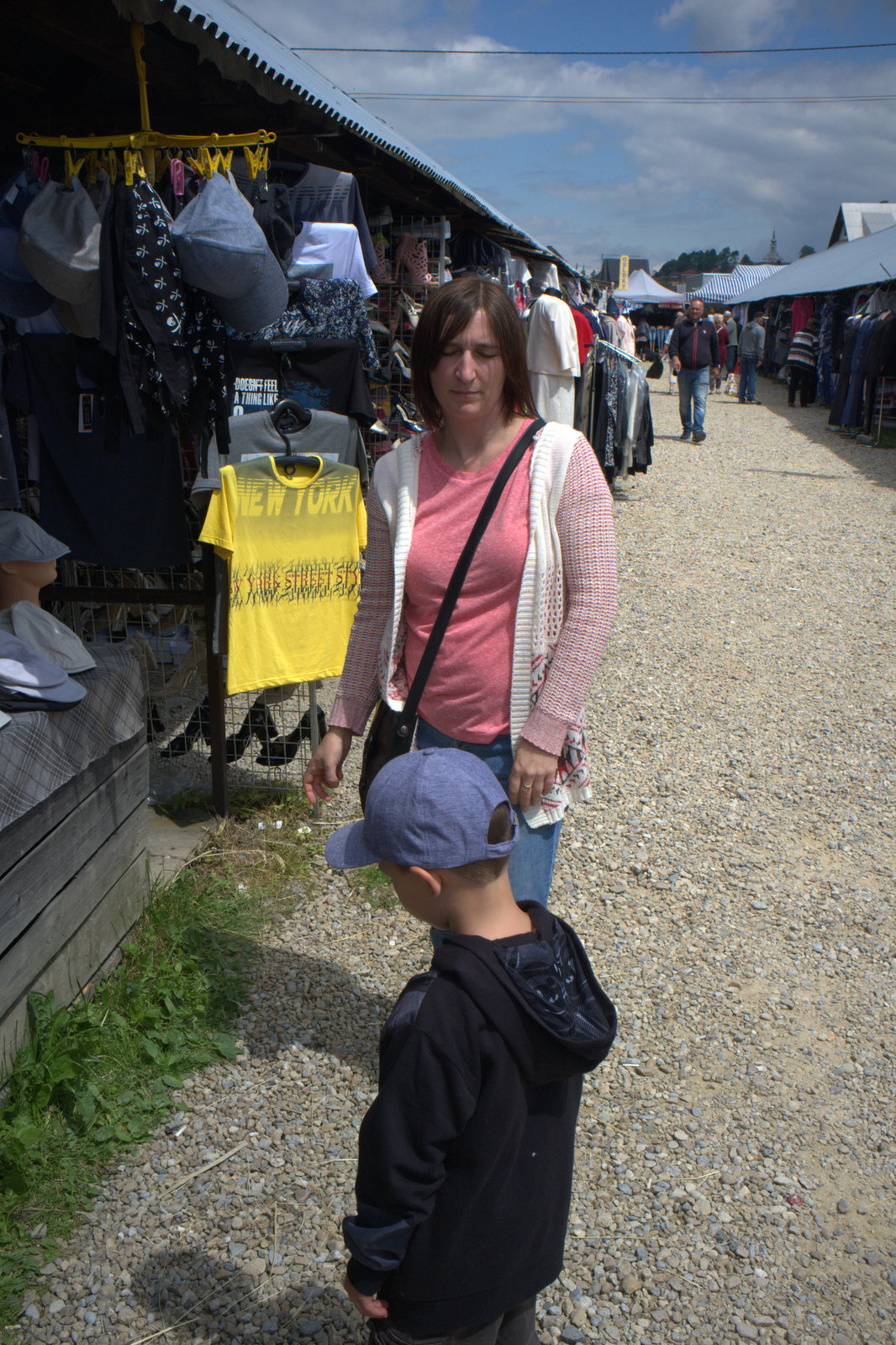
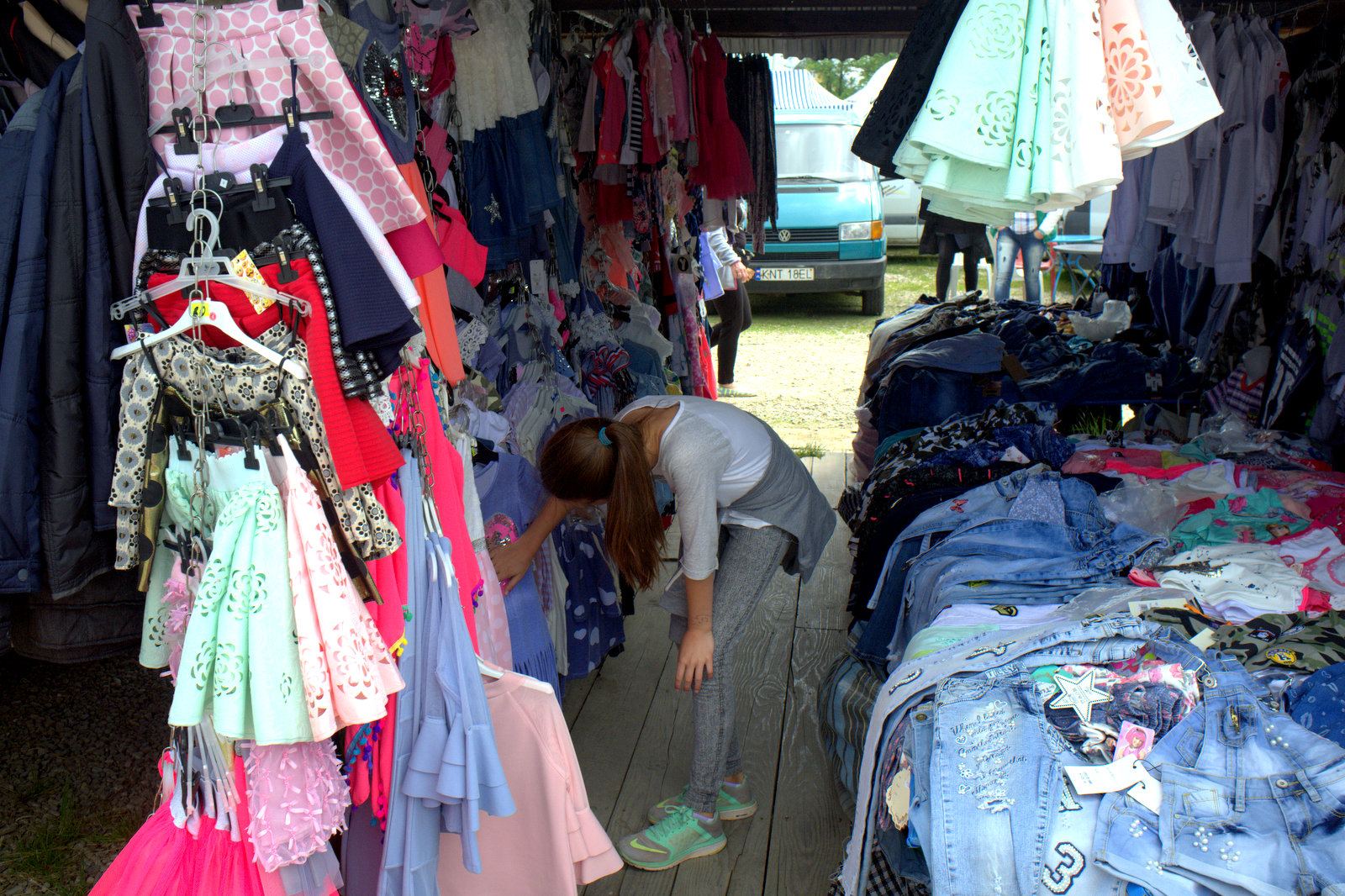
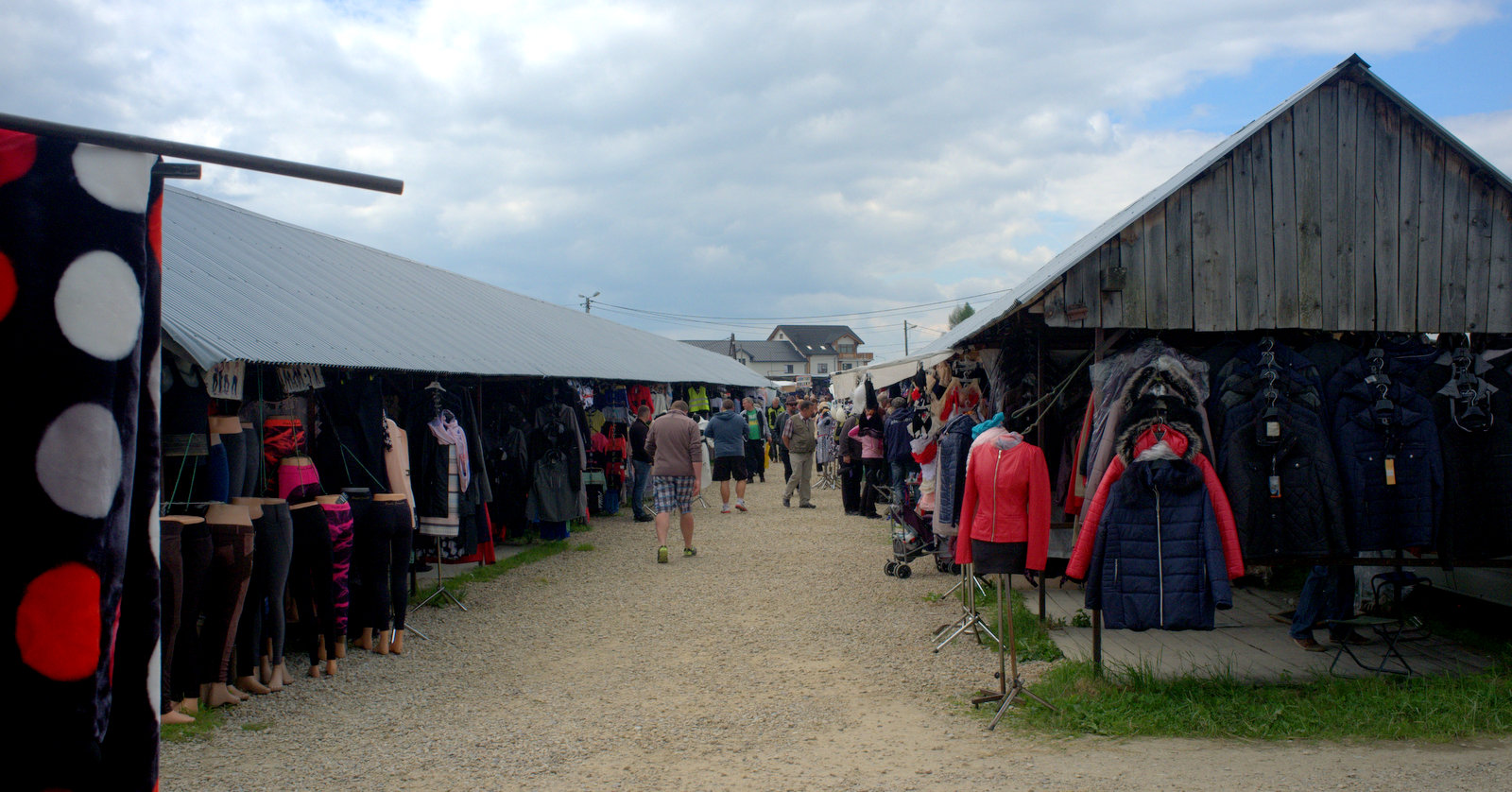
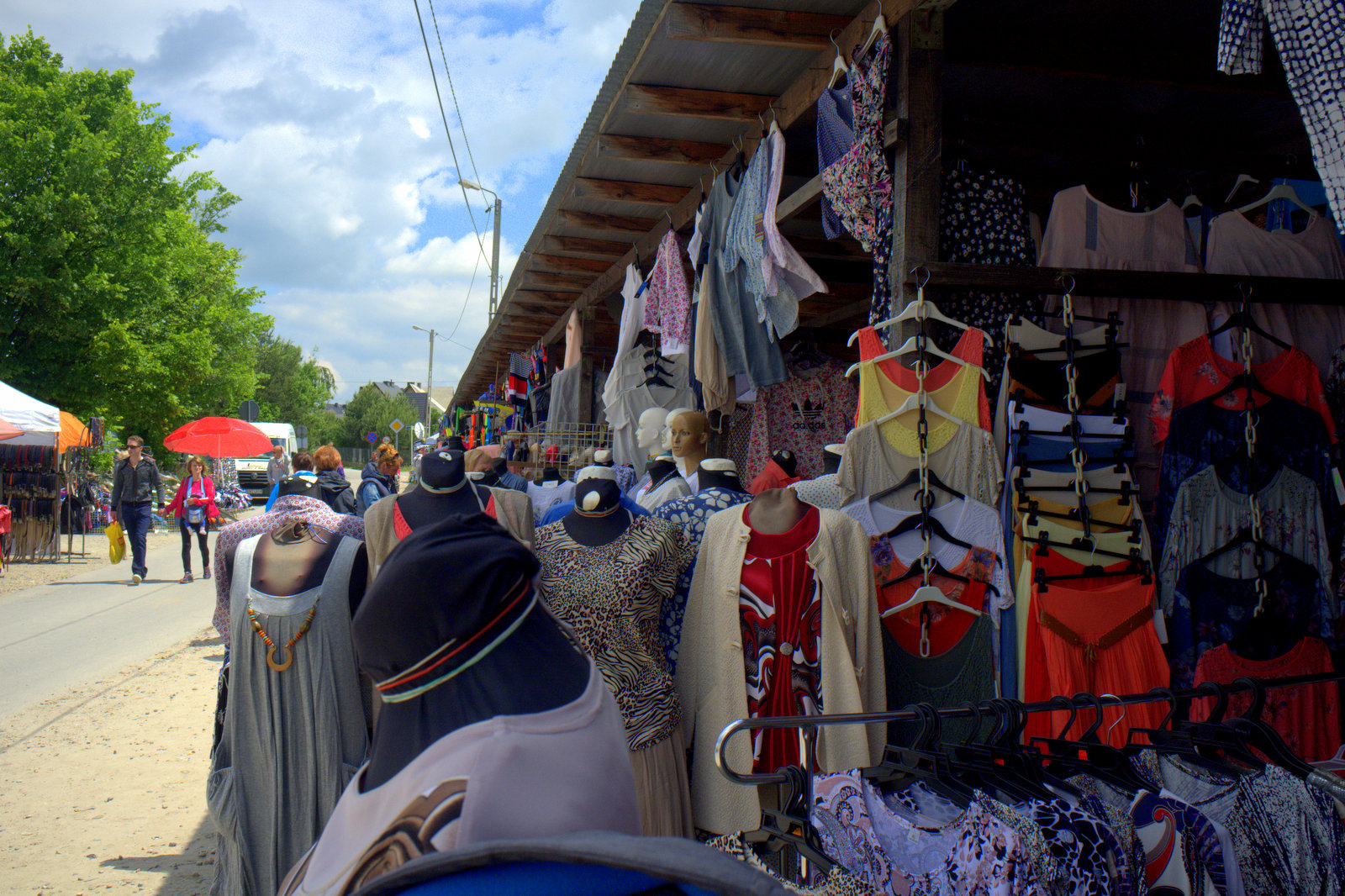
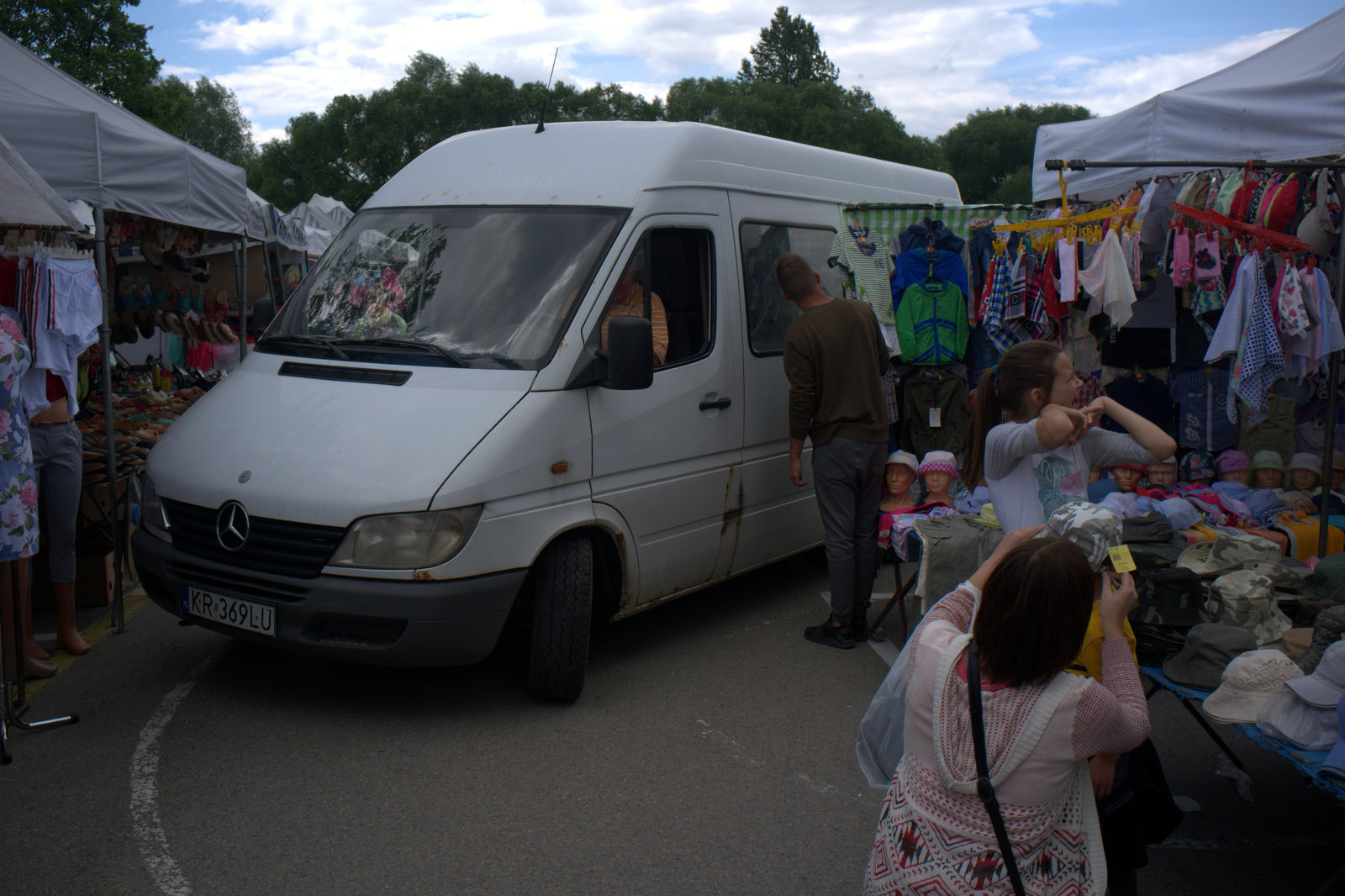
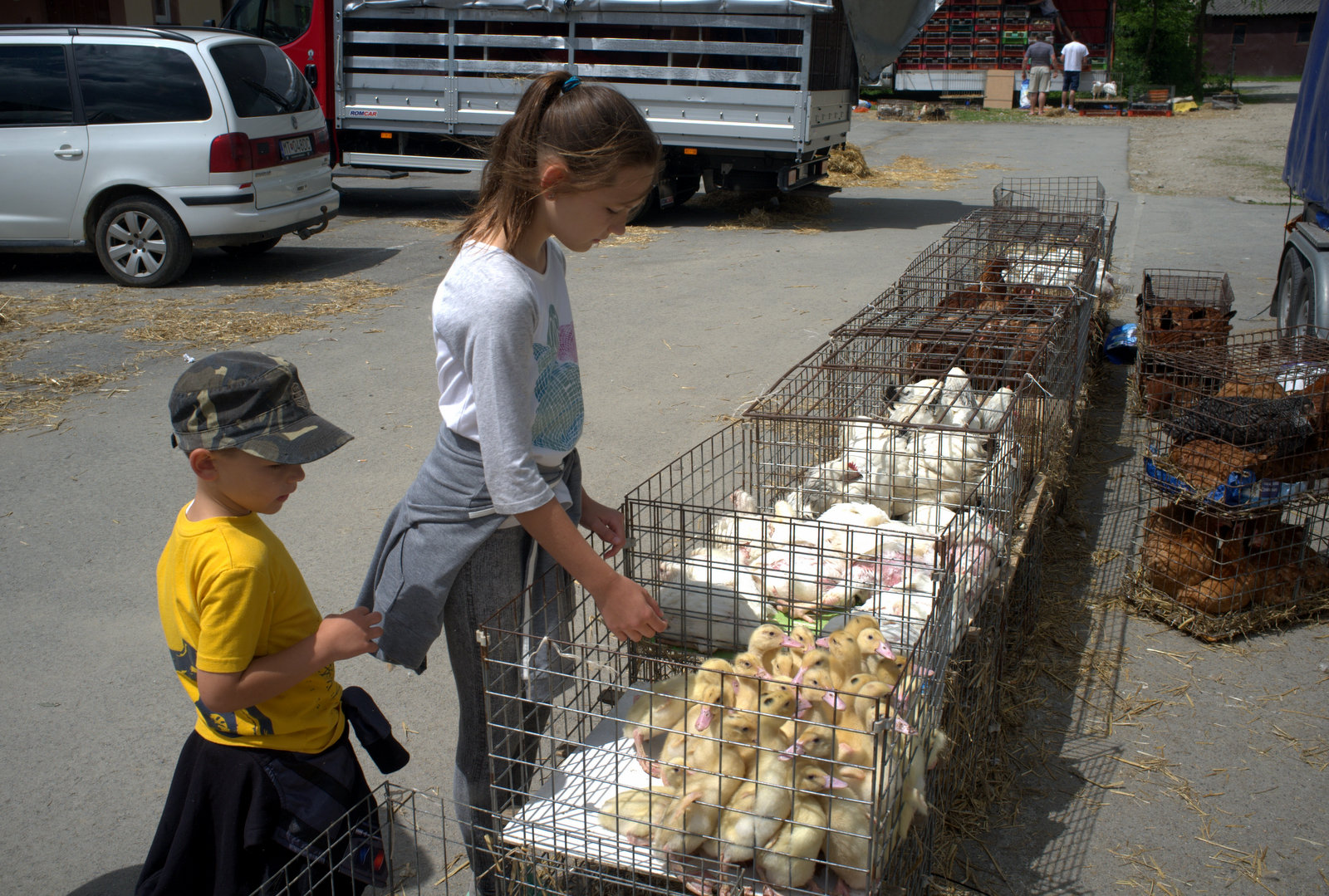
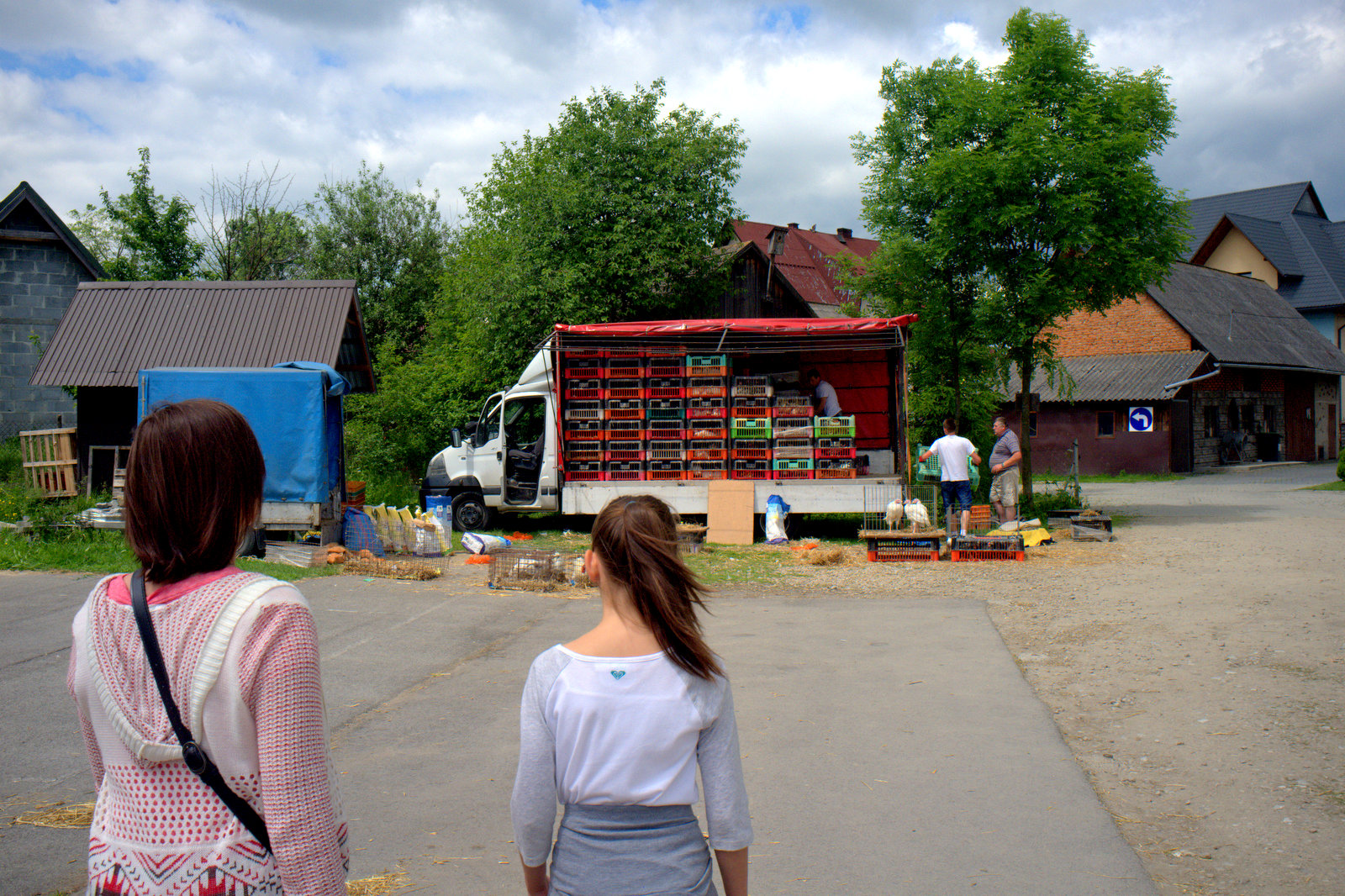
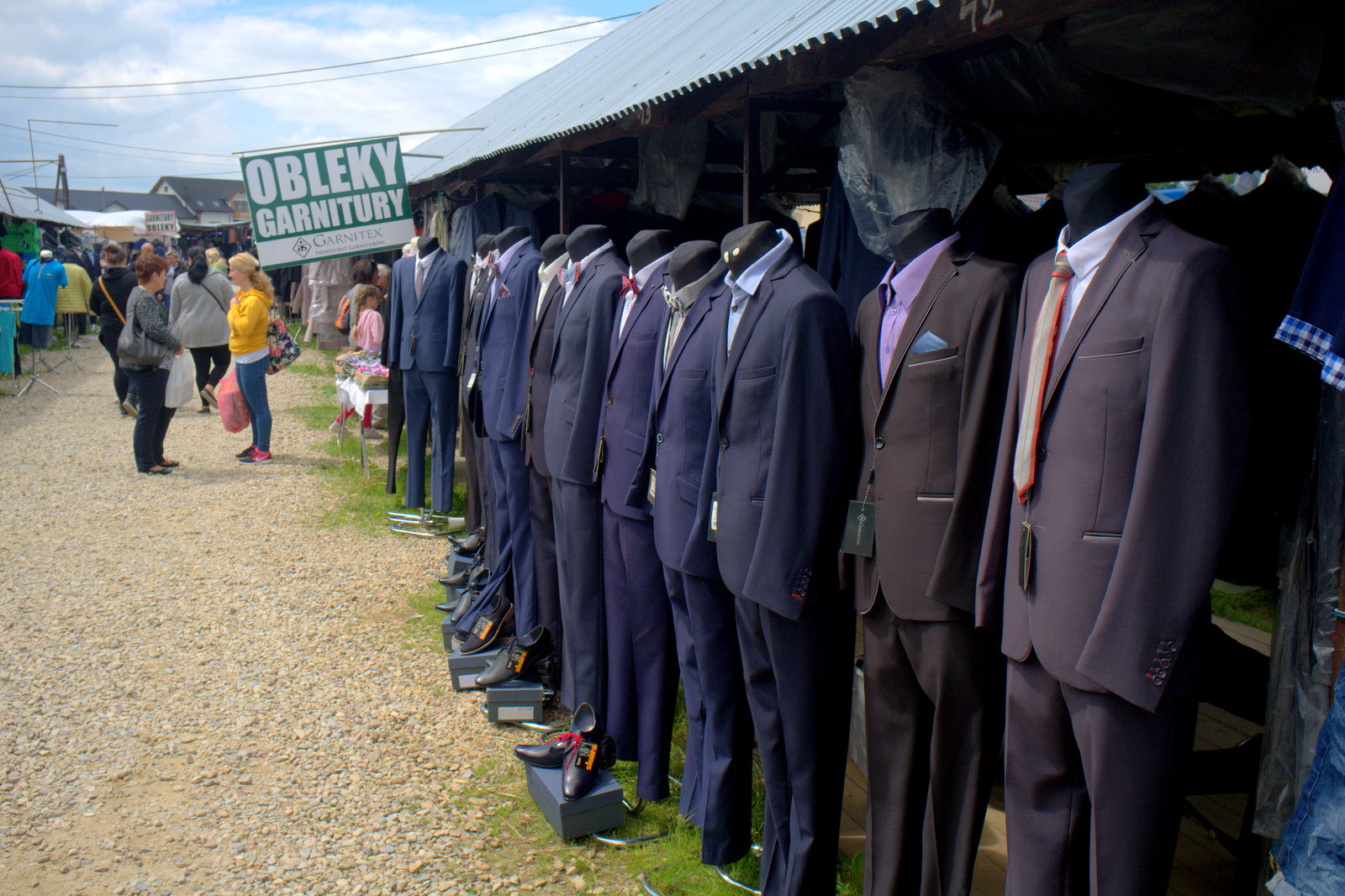
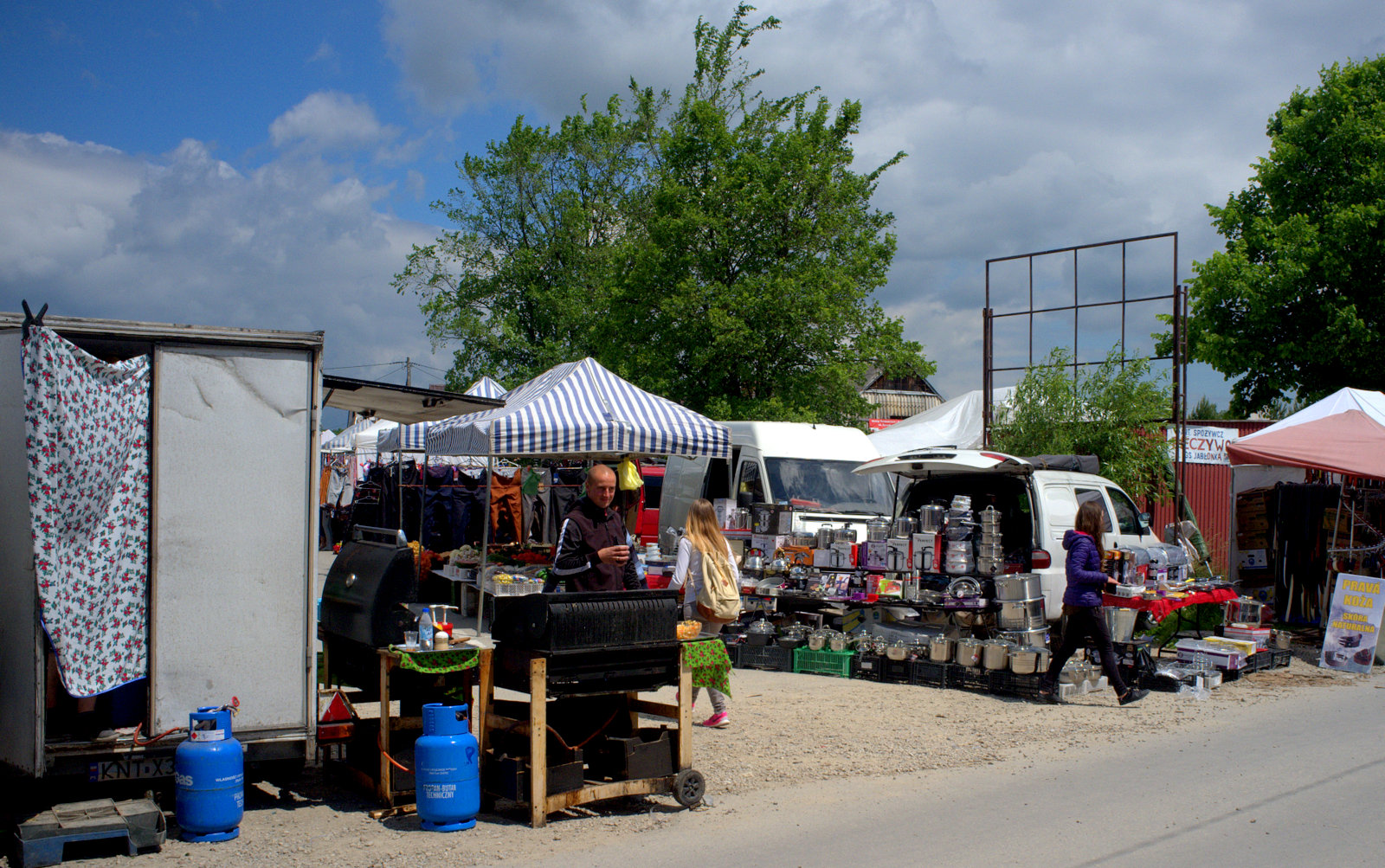
"Fish monger" is about the only use of "monger" I know in English. There must have been others, because the word exists, but it's largely fallen out of common use, but that's too bad: it would really come in handy when describing the flea market that appears every Wednesday in Jablonka. There are sock mongers, cheese mongers, suit mongers, hat mongers, jacket mongers, shoe mongers, farm tool mongers, auto part mongers, garden tool mongers, and just about anything else one could imagine.

Each of those mongers have a script, it seems, when it comes to selling. They begin always with "Prosze bardzo," which would really be translated "I really ask" but in essence "very please," which itself is a rather literal translation. It's not literally "Can I help you?" because that would be "Czym moge pomoc?" Yet it's a common greeting in stores. Next step: make a million suggestions about how this or that product is in fact perfect, is in fact just what the customer has been looking for. If the customer protests, well there's always this over here, which would be perfect.

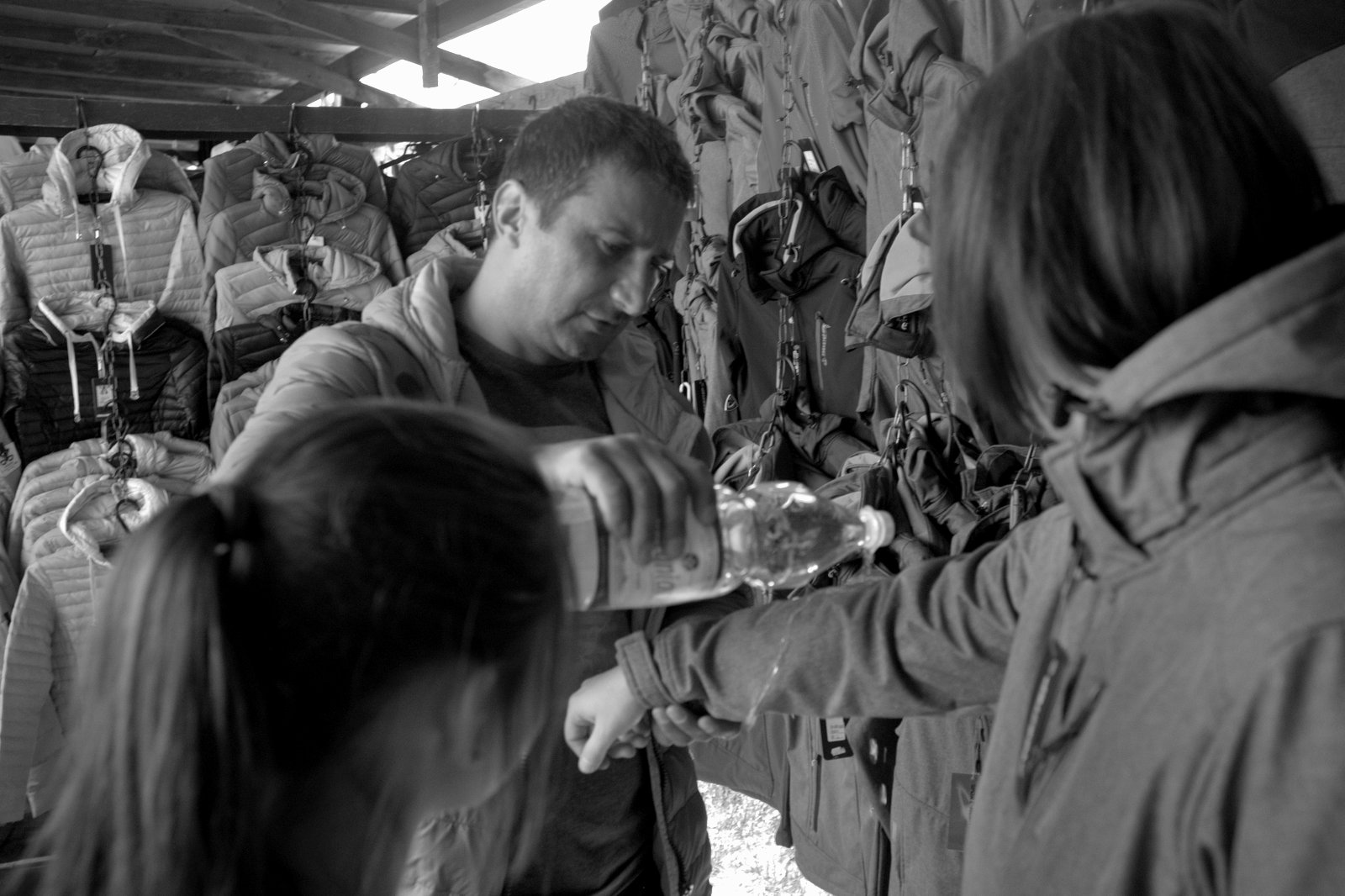
At some point, the monger will try to show how amazing his product is. When I bought a Russian-made Zenit camera in the market in Nowy Targ some twenty years ago, the monger literally drove a nail with the base of the camera to show how tough it was. Today, a jacket monger poured mineral water water on the jacket K was trying on to show how effectively water proof it was.

If the monger finally realizes that there's nothing to do but admit defeat, the responses become almost cold. "Nie ma." Finally, if a customer finds something she likes but wants to look further, the whole exchange ends as it began: "Prosze bardzo."

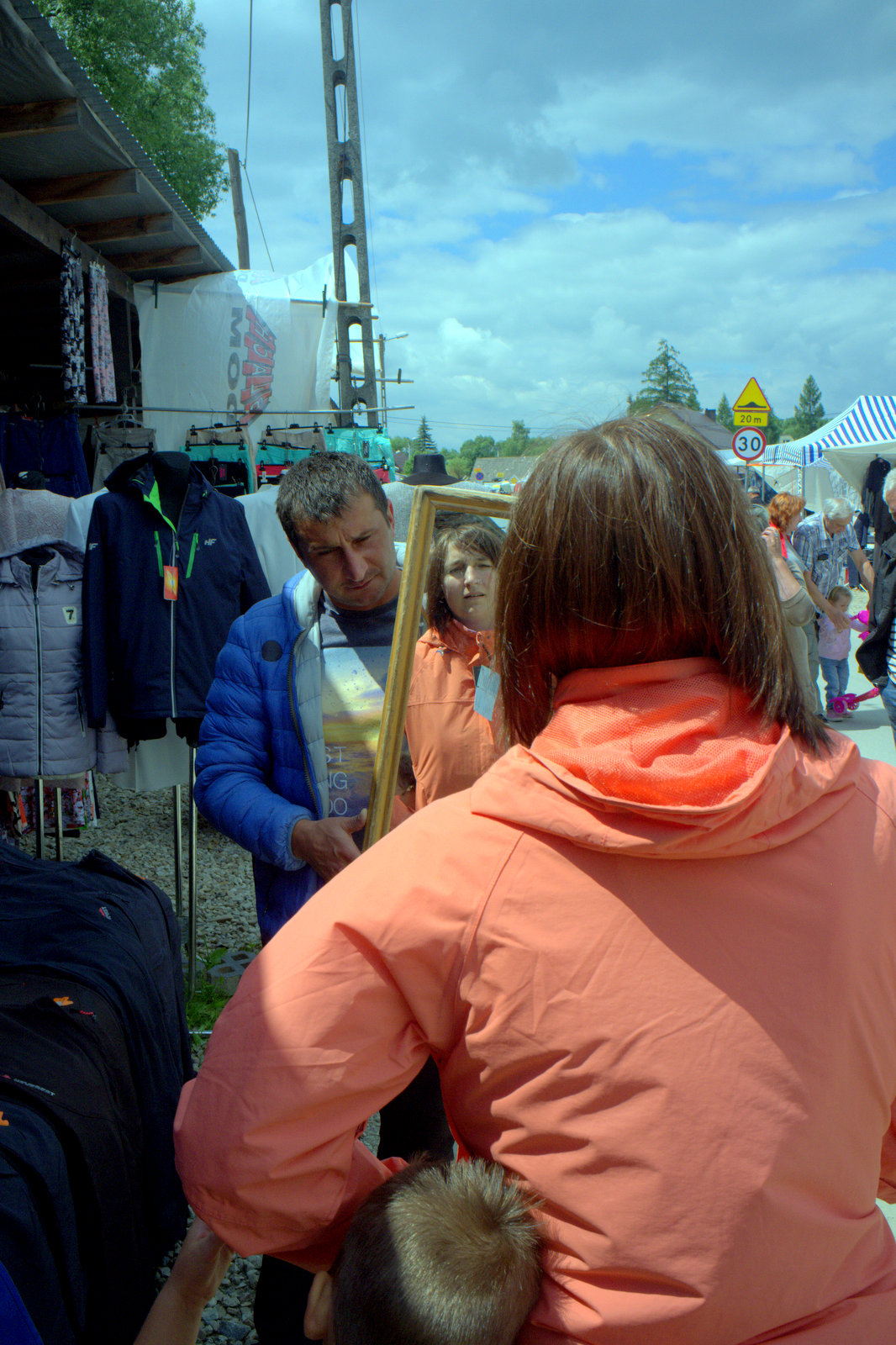
We came to Poland without jackets with the plan of simply buying them today at the market, so we met that formula several times today. Though I've been to that market (and others in the area) countless times and went at least once a month when I lived here, I only now noticed that linguistic pattern.

Respect

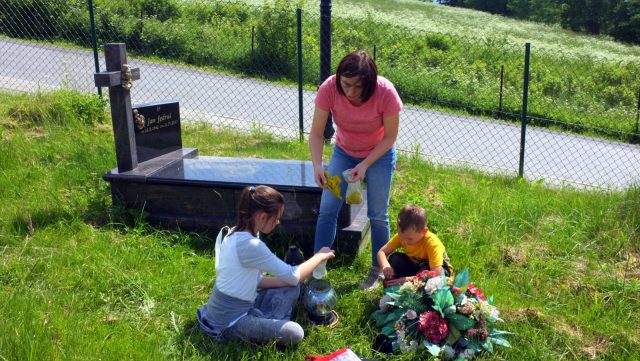
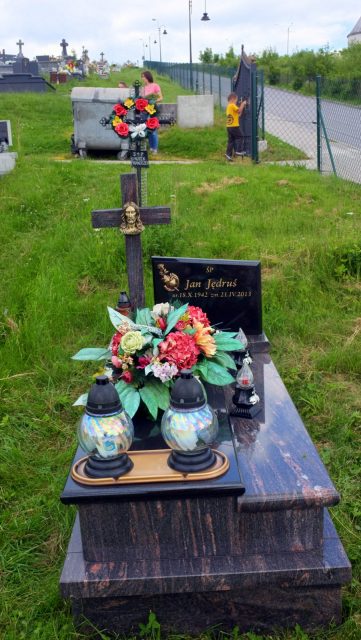
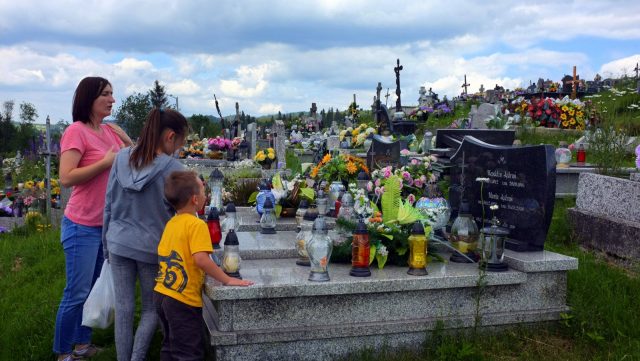
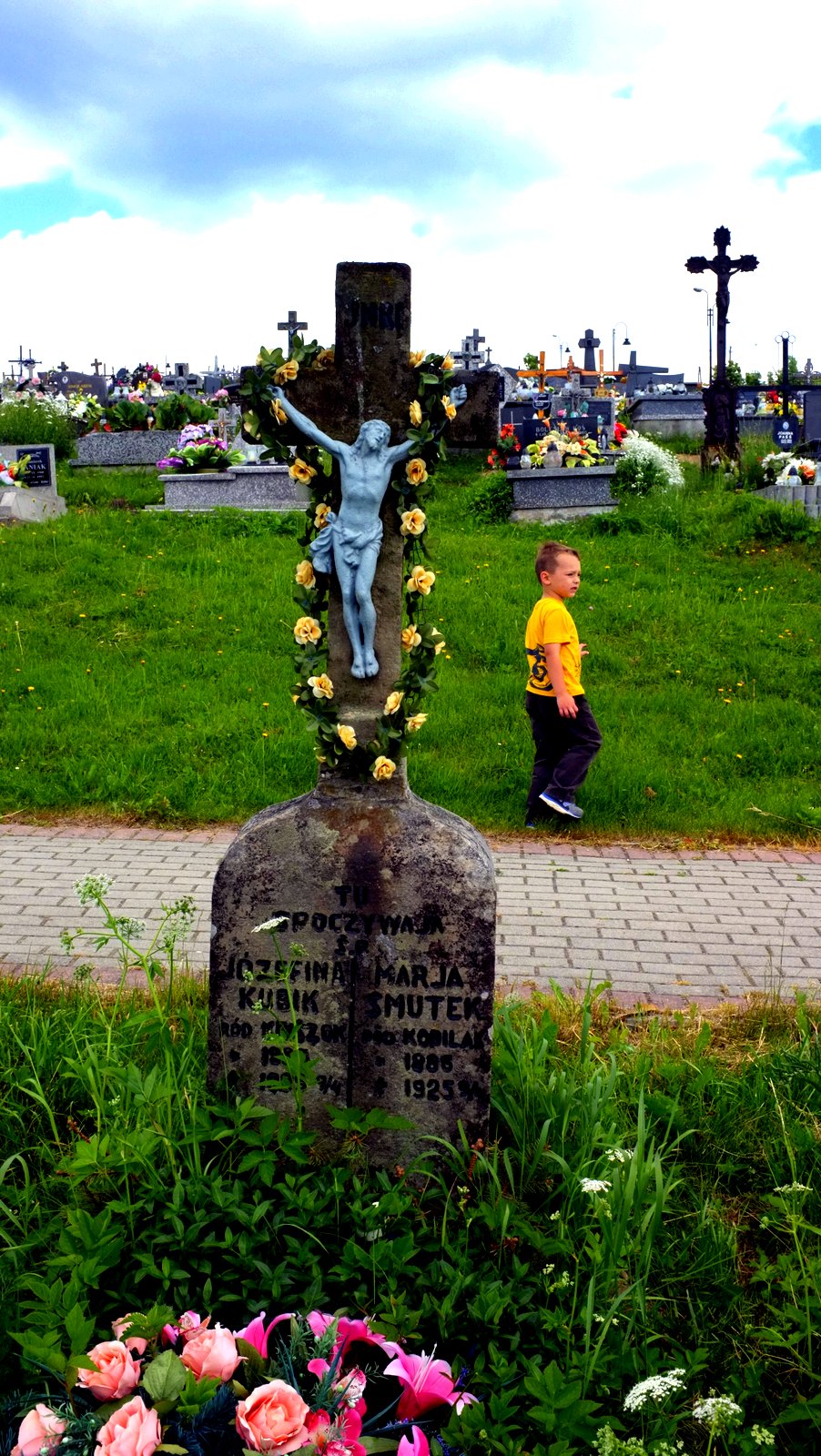
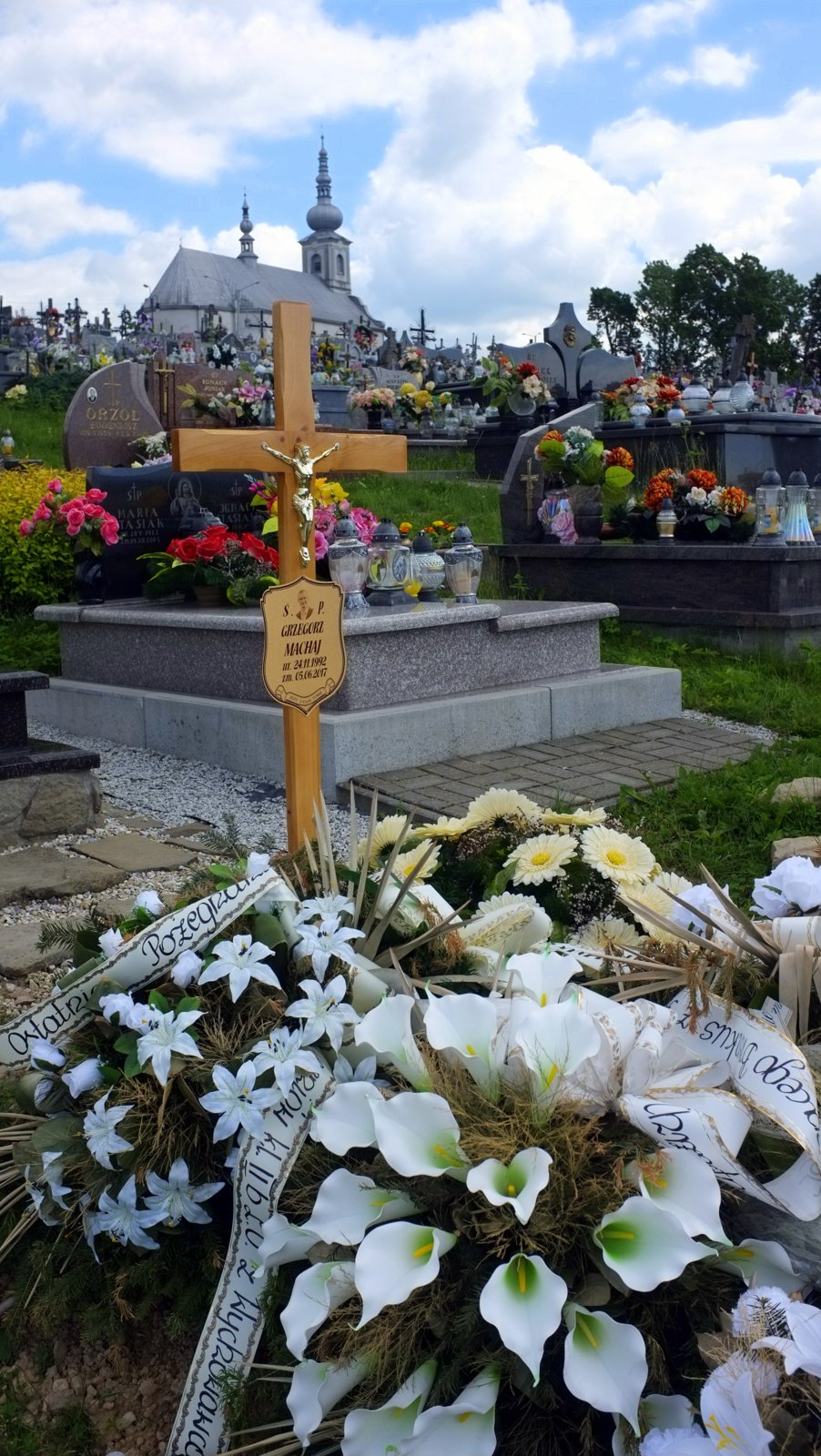
Poles take care of their graves. They wash the grave stone, pull weeds from around the grave, keep candles lit on the grave almost all the time.

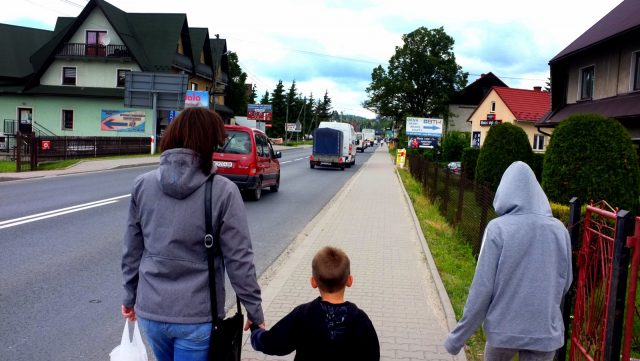
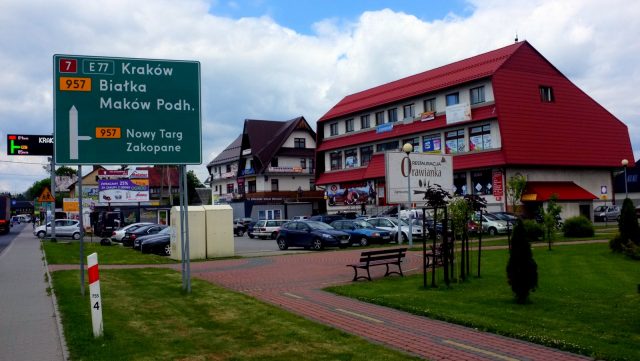
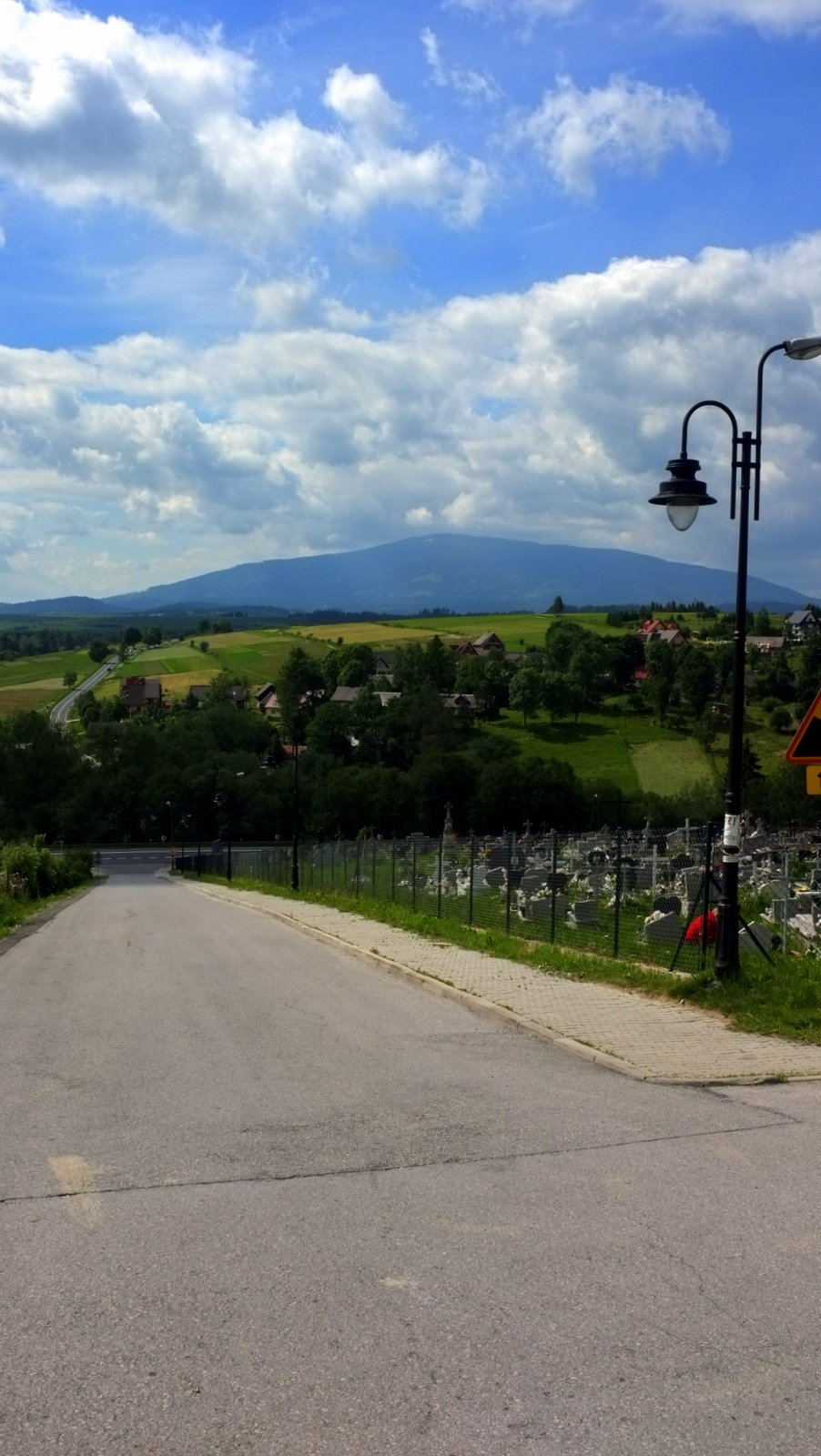
Today, Babcia asked us to take care of Dziadek's grave, sending us out on the one-mile walk to the cemetery with various cleaning clothes and several new candles. The walk revealed a new reality for Jablonka: there is now so much traffic through the main road of the village which leads from Krakow to Slovakia and eventually Budapest that the Boy was virtually yelling to tell us all the wonderful things he was noticing.

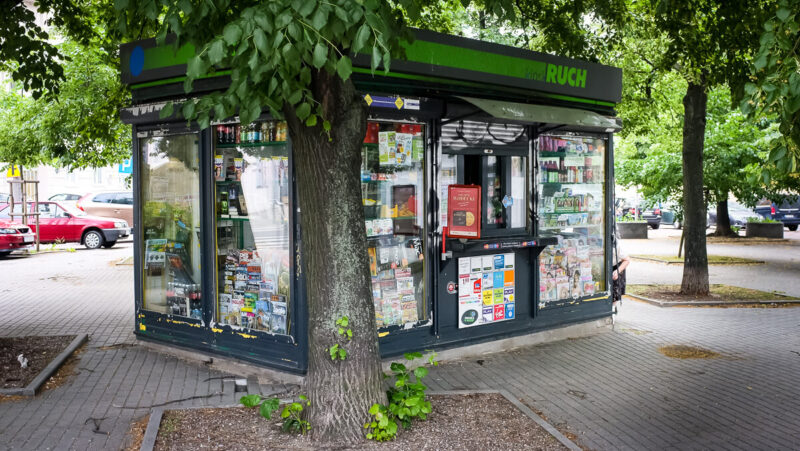
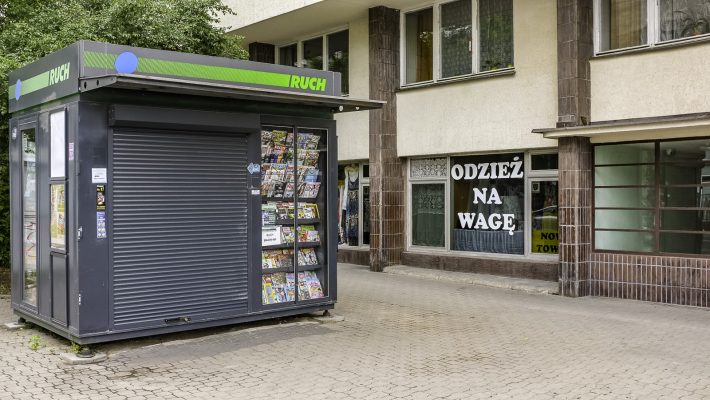
But some things don't change. The two main pavilions that hold everything from money changers to butcher shops, from a law office to a toy shop, from a hair salon to a post office, from a surveyor's office to a newsagent -- they still stand as they have since I first arrived in 1996.

We cleaned the grave, lit new candles, pulled some weeds. We prayed an Our Father and threw away the old candles before moving to the other family graves.

"This is your great-grandmother and great-grandfather," K explained, in Polish.

"What does that mean?" asked E.

K explained in Polish, then added a few key words in English. It's a fairly typical way she talks to the Boy. Yet he's already begun chatting in Polish, so by the time we leave in six weeks, it should be a whole different story.

Old and New

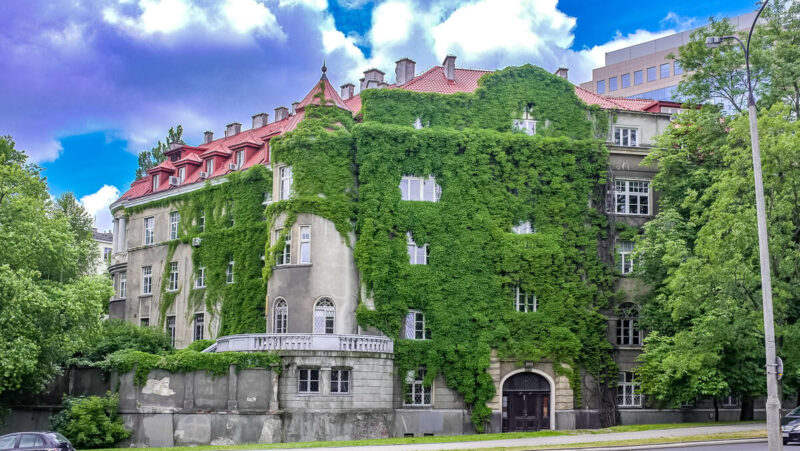
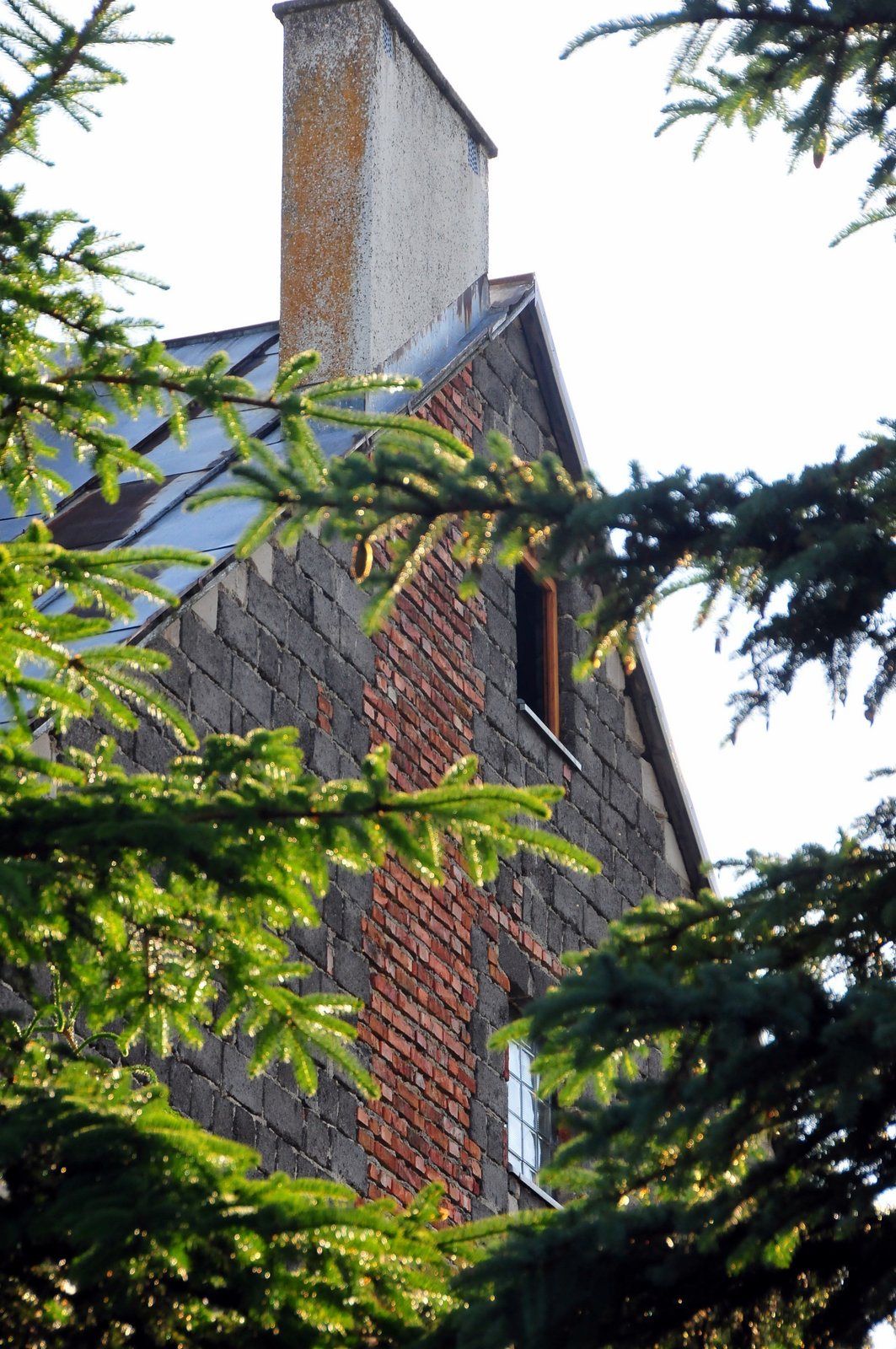
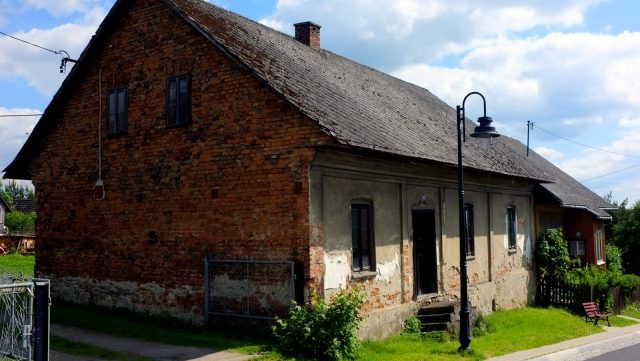
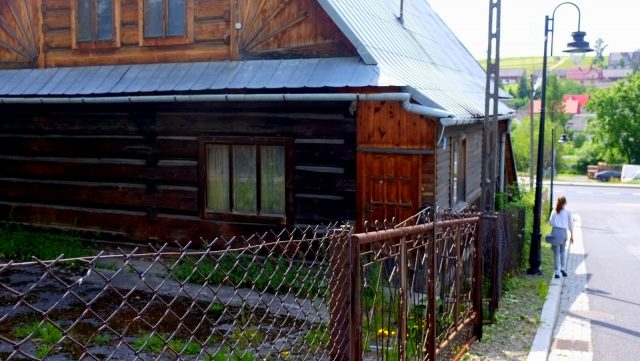
Within a village as old as Jablonka, one can find the newest of the new and houses that have stood for well over a century, and just about everything in between. This house stands on the way from the church and was built in the early 1920s. The plaster has fallen off in several places, yet it's still occupied. It's positively romantic.

Just down the street is an older house, now unoccupied. The door was open and we peeked in. L couldn't understand why no one lived there. I can't either.

Shops

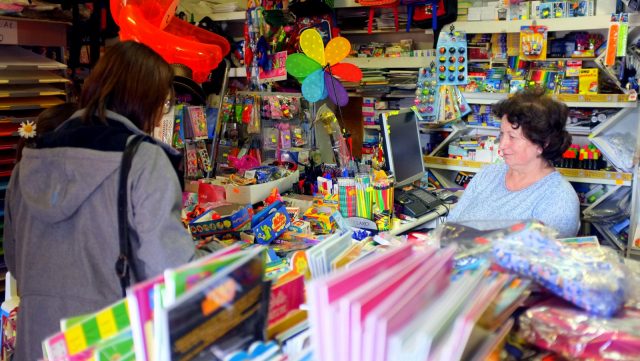
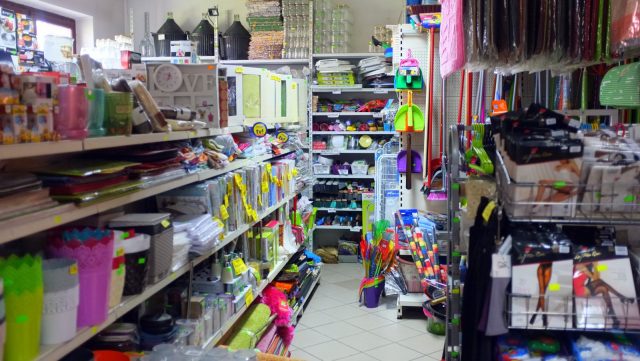
Traditional Polish shops have one thing in common: they are crammed full of goods. It's as if every square meter is the only square meter of the shop.

Newer stores are not like that, but shops in the pavilion (see above) are all packed tight, like herring in a jar to translate from Polish.

Evening Walk

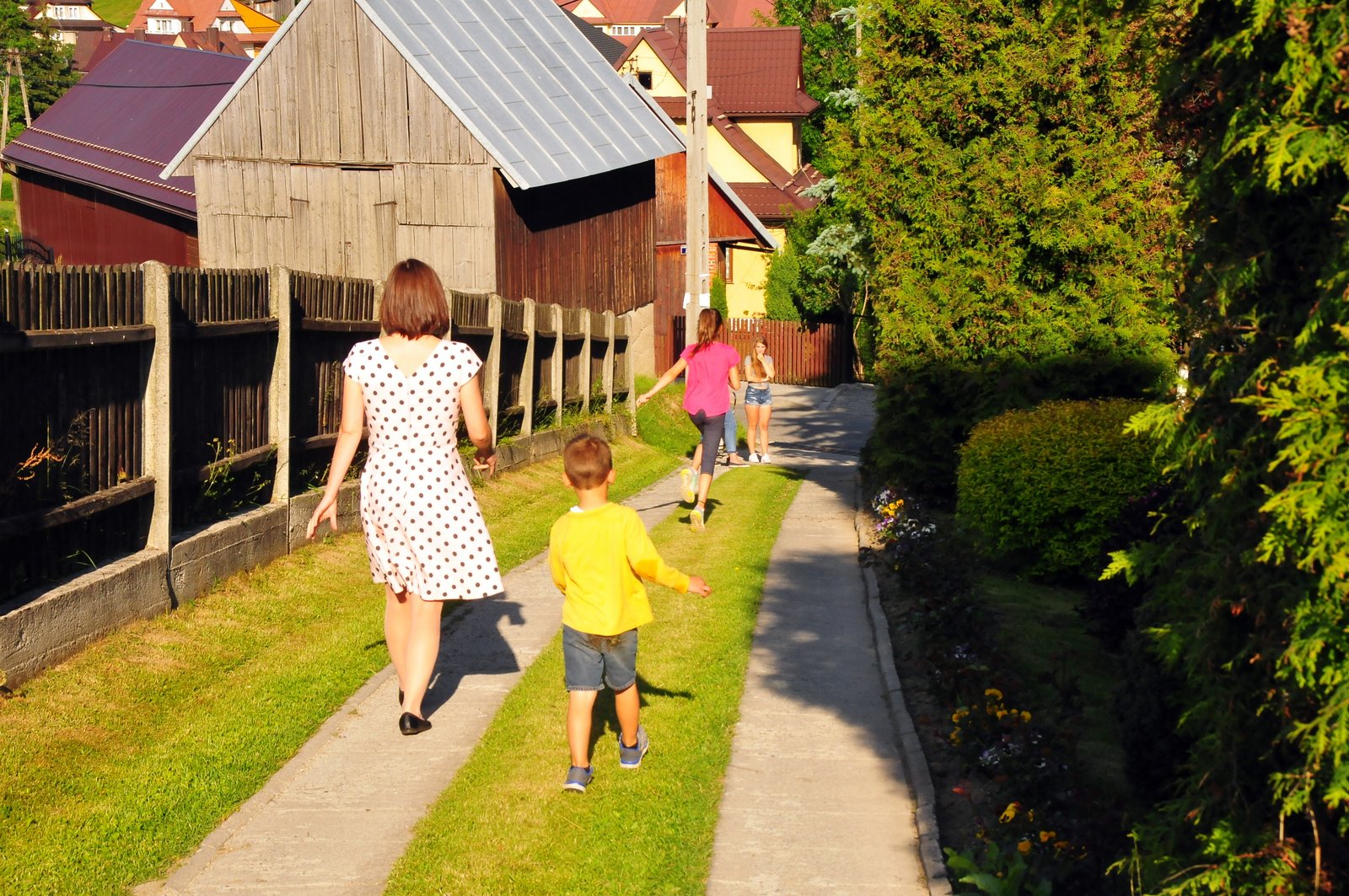
When it's this gorgeous outside, what else is there to do but take a walk?

Loans

Homes used to be built and paid for at the same time. It explains why there were so many half-finished yet occupied houses in the area when I first moved here. Loans were hard to come by. Now I see television advertisements for loans to pay for vacation. Not sure that's necessarily a good change.

Arrival 2017

When I first arrived in Poland, everything looked so very different. It wasn’t just that it was a different country. I was living in a very rural area for the first time as well, so everything in 1996 looked doubly new.

Subsequent arrivals had a feeling of comfortable familiarity, and that’s a pleasant enough feeling, but it can take a bit of the edge off the excitement of arriving. Just a bit.

Four years ago, I got a flash of that newness again when L and I spent the summer here. She was six, and everything was new to her. It was her third time in Poland, but the first time as a six-year-old, and there’s an enormous difference between a four-year-old and a six-year-old.

This time around, it’s the Boy’s turn: he’s been so excited about coming to Poland for the last few weeks that it’s been a common topic in our conversation.

“Daddy, are you looking forward to going to Poland?”

Monday he was terribly excited and then terribly confused when we told him, once again, that we’d be leaving today but arriving tomorrow.

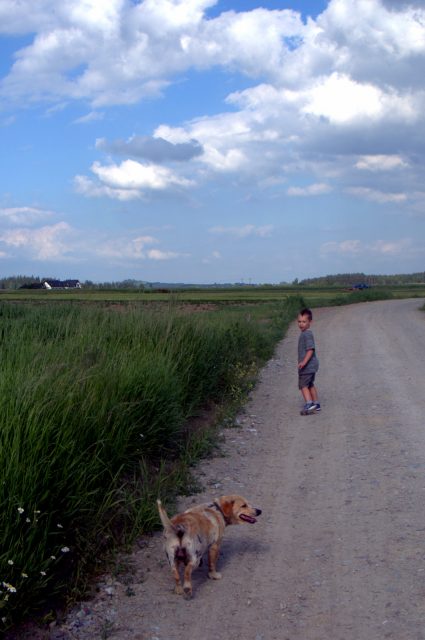
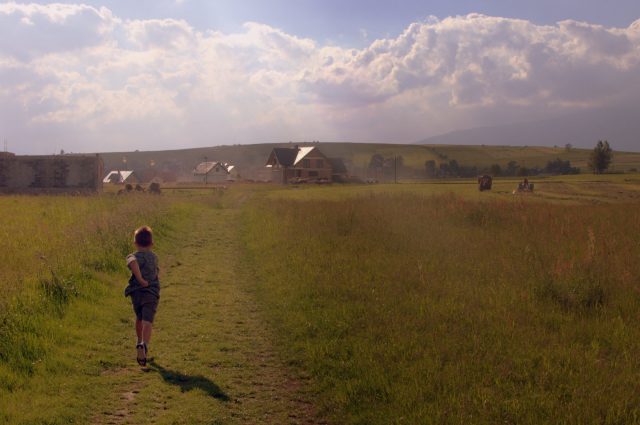
When we finally made it to Babcia’s house, the excitement was somewhat tempered by the exhaustion, but a lunch of clear broth with homemade noodles followed by a cutlet with new potatoes and fresh cabbage generously garnished with fresh dill was refreshing enough that after dinner, we decided to head out to look for cows. The Boy expressed the thought in Polish and, as he always does, had significant trouble with the trilled “r” in “krowa,” so we went out in search of klowa.

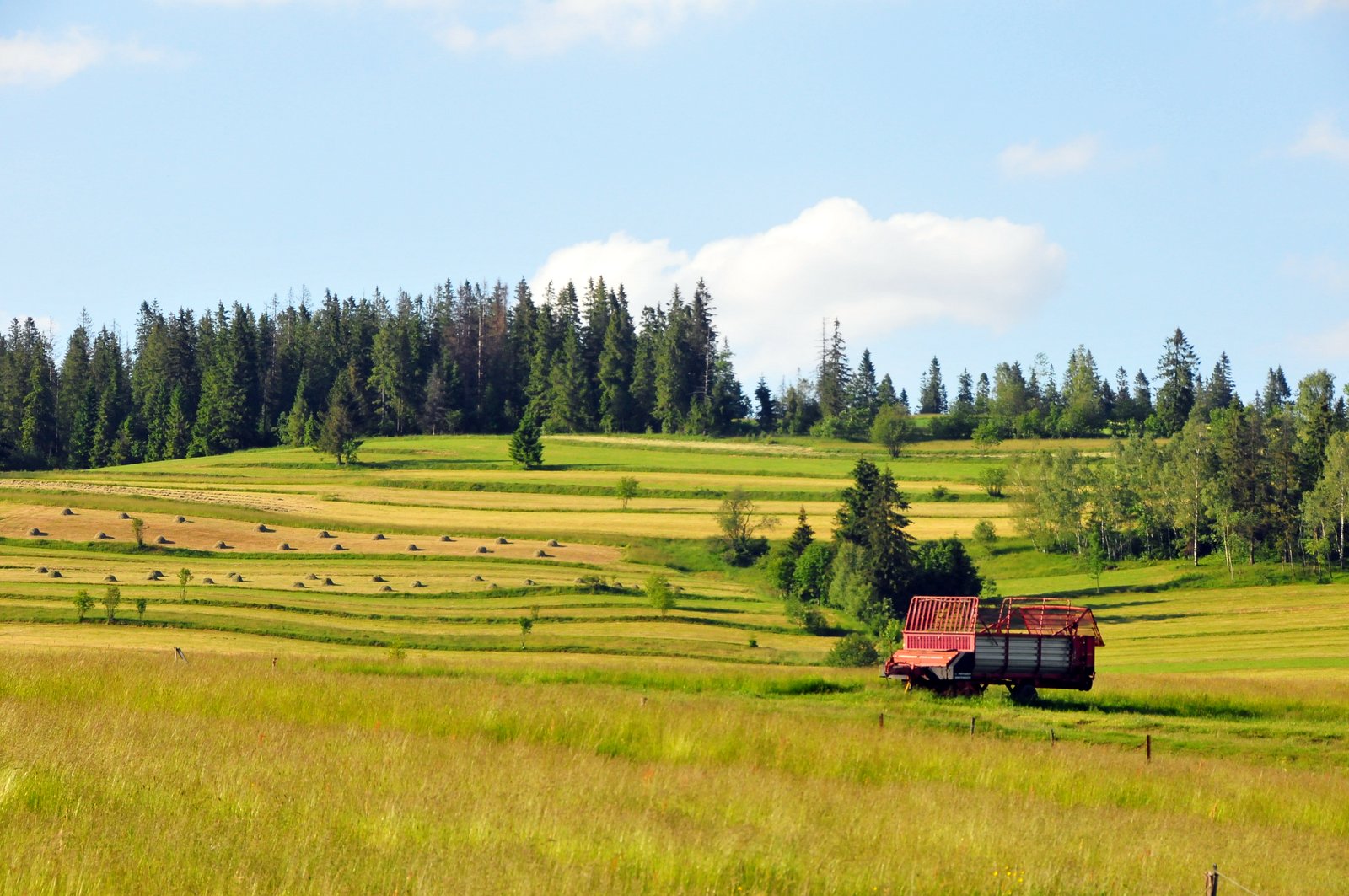
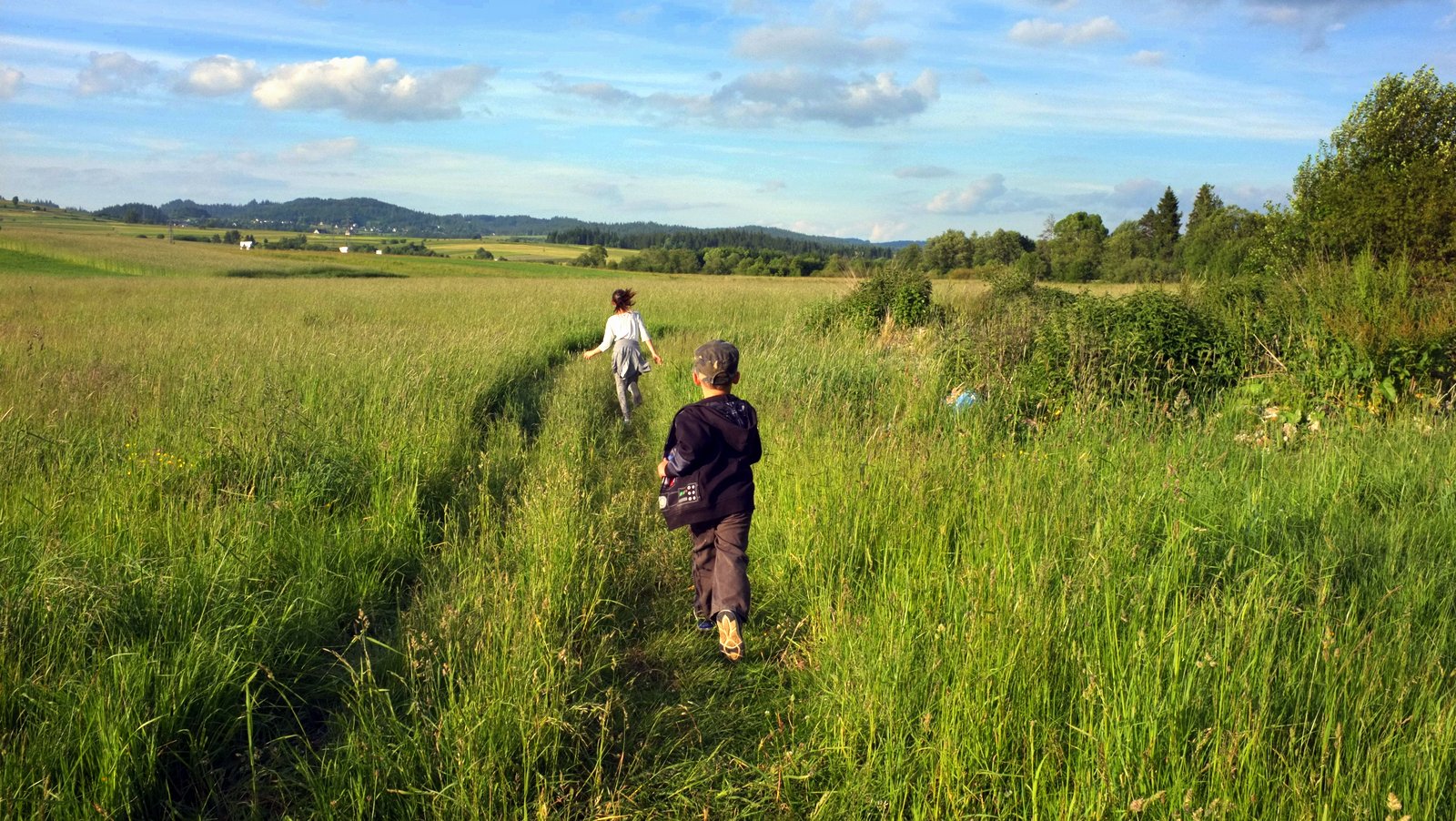
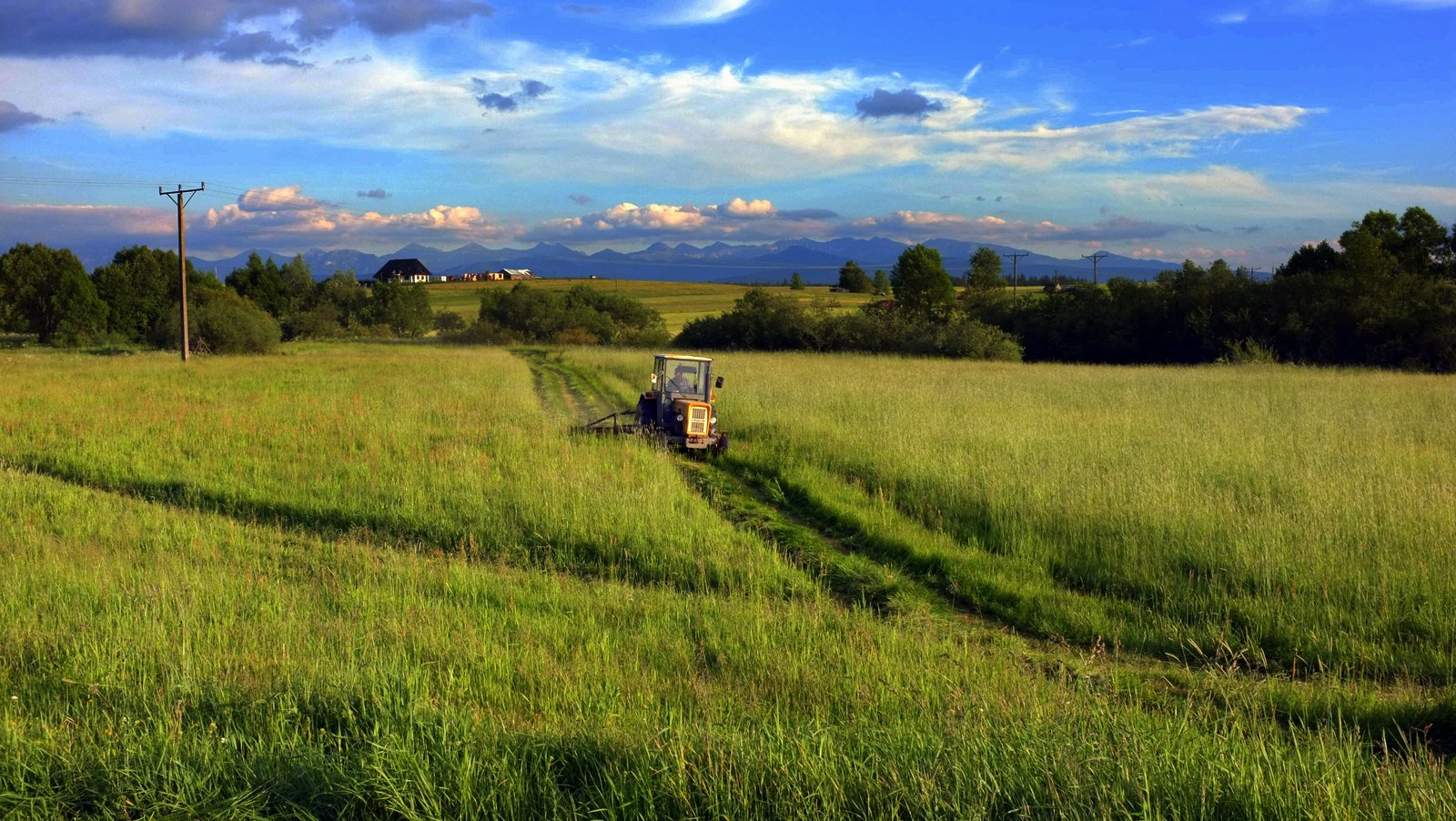
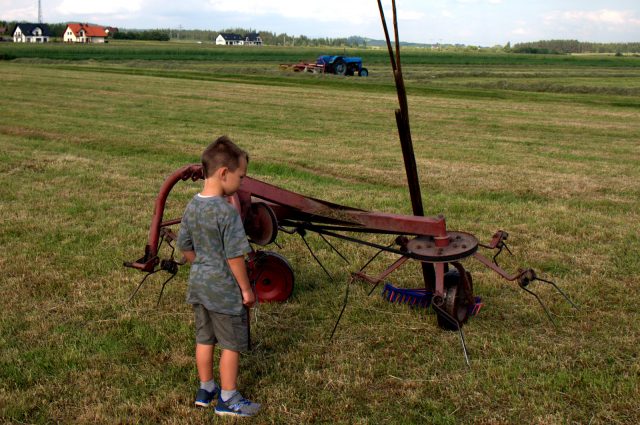
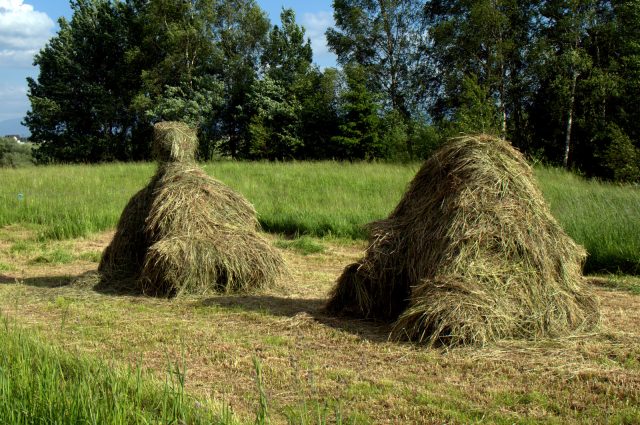
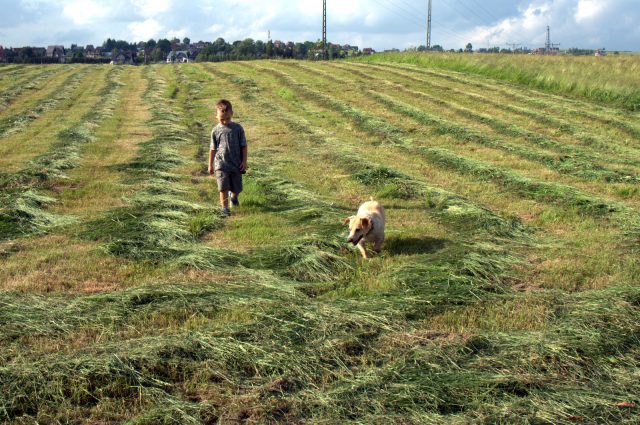
There were none still out by the time we made it to the fields, but there were still farmers out working in the fields, turning and gathering hay.

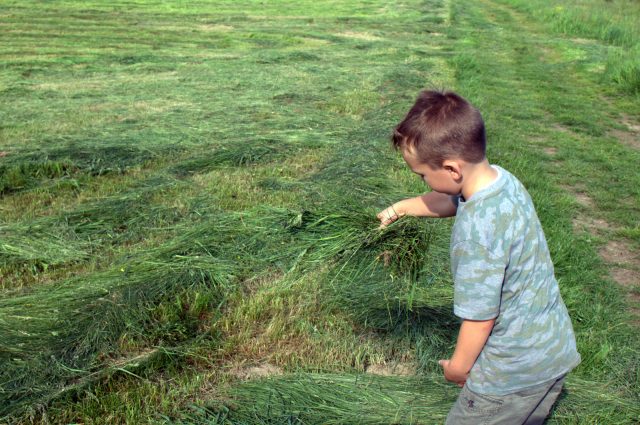
He examined a bit of the freshly cut grass,

and somewhat drier grass — not quite hay but close.

And though he was cold throughout the whole walk, he said nothing. “I was having fun,” he explained, “and I didn’t want to go home.”

A good start to the trip.


On Our Way

Last Evening

So that means, as always, Taproot. Listening to this album before leaving on a long trip is a tradition of mine going back more than twenty years…

Huntington Beach 2017

We put it off several times: once, because someone was sick; a second time, because the timing was no longer convenient. Did we put it off a third time? I can't remember. But this weekend has been a long time in the making. We were originally going to spend last Labor Day weekend at Huntington Beach, but we ended up spending Memorial Day -- that seems appropriate, timing-wise, as they two three-day weekends bookend the school year.

We first went about six years ago.

We fell in love immediately. We went back again at some point, but none of us can remember when exactly. It was pre-E, for sure, but that's about all we can remember. Perhaps the link above is to our second visit? it all gets smeared in the memory. I reread the entry and find this:

Her first beach experience, some two years ago, was moderately traumatic for her. The sound of the waves terrified her, and the waves were forever chasing her form the water’s edge when she finally got the nerve to approach.

This year was different.

That first time at the ocean was at Edisto, so this must be have been our first time at Huntington. Still, it's only a year before the Boy's birth: when did we go again, pre-E? Again, smeared it the memory.

So I want to set about to to write down all the details of this experience I can remember, knowing that if I don't, I won't remember it. But I set out doing so with the understanding that I will only pick and choose, letting the pictures do the rest.

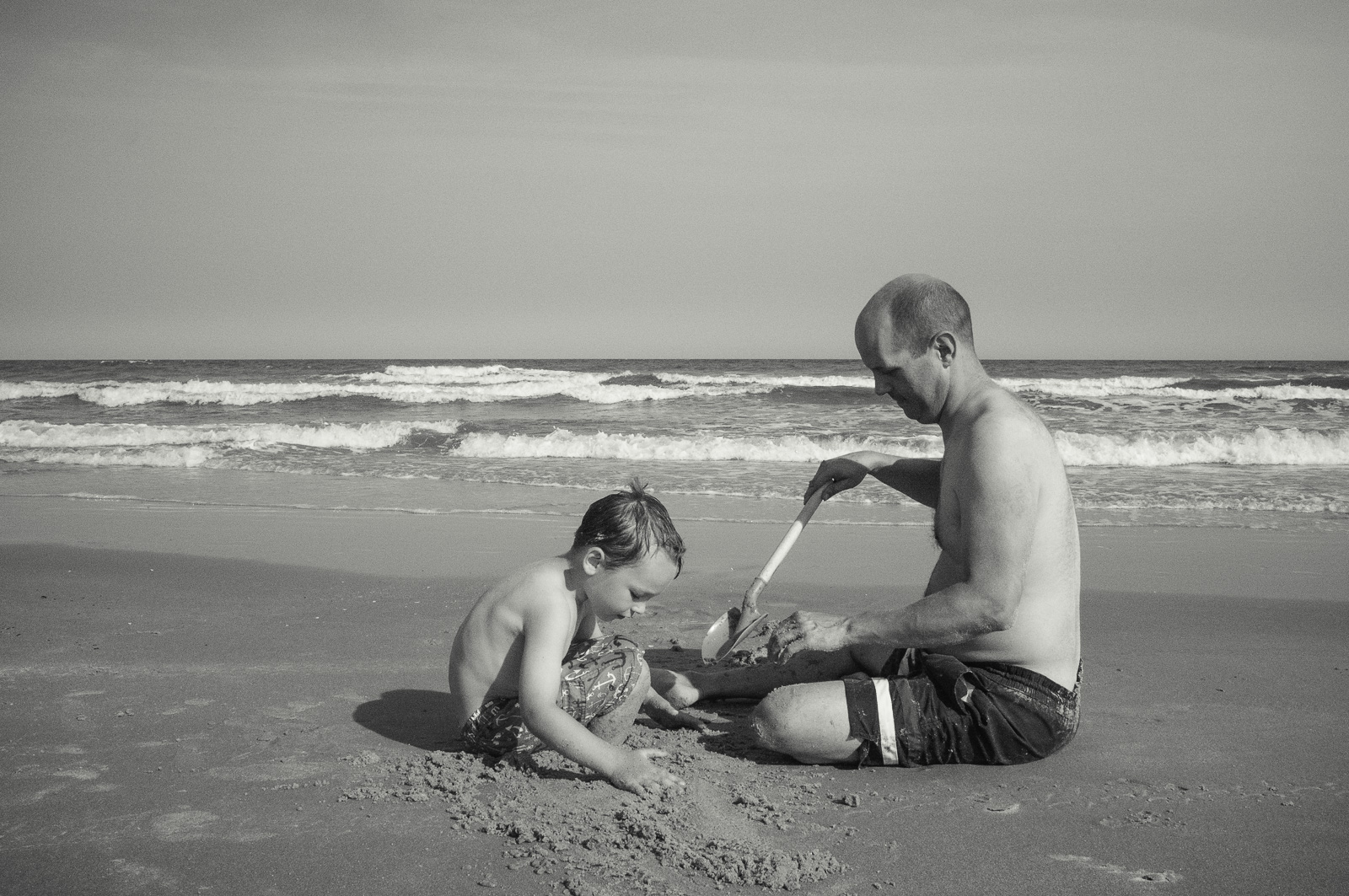
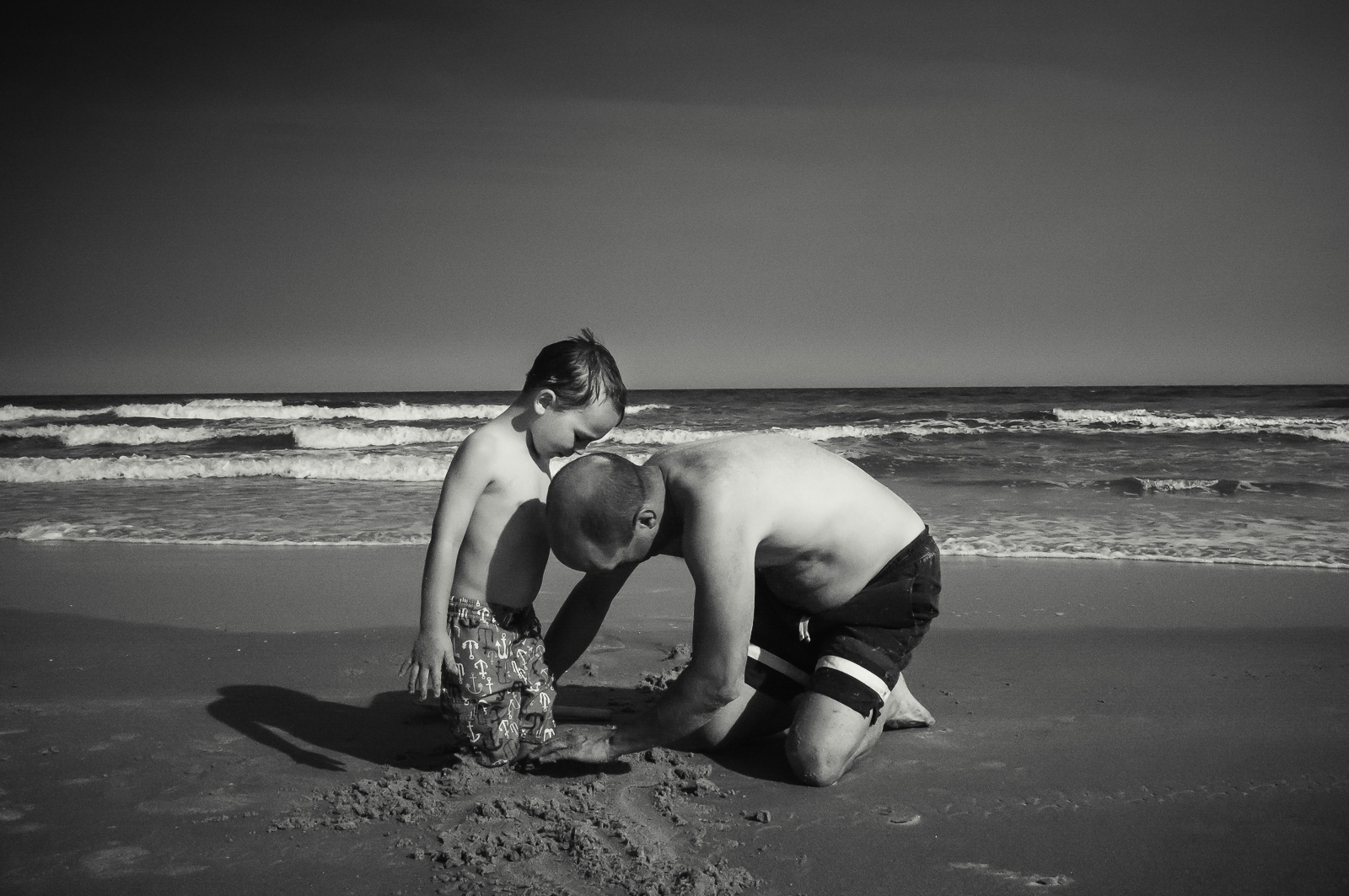
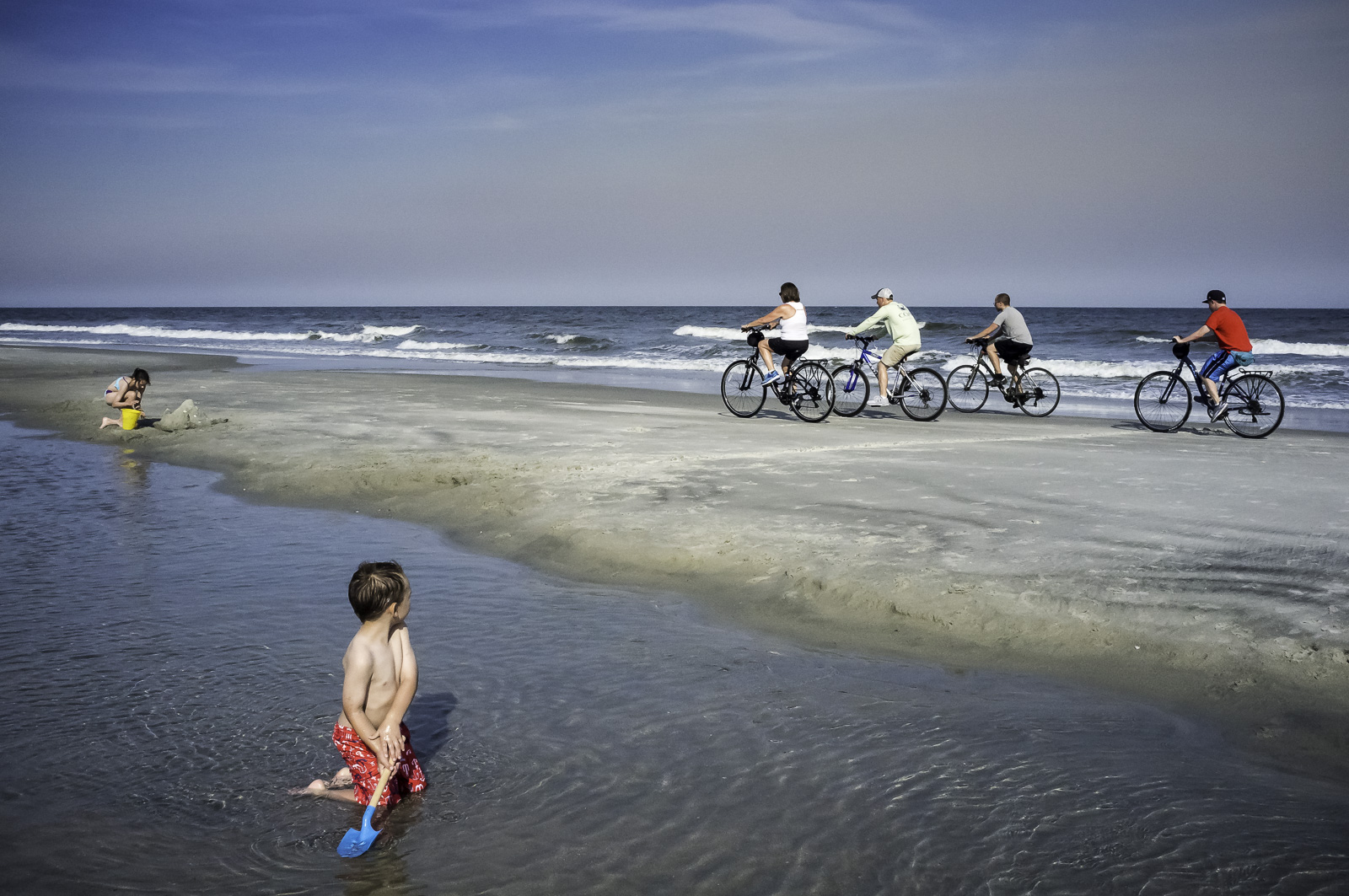
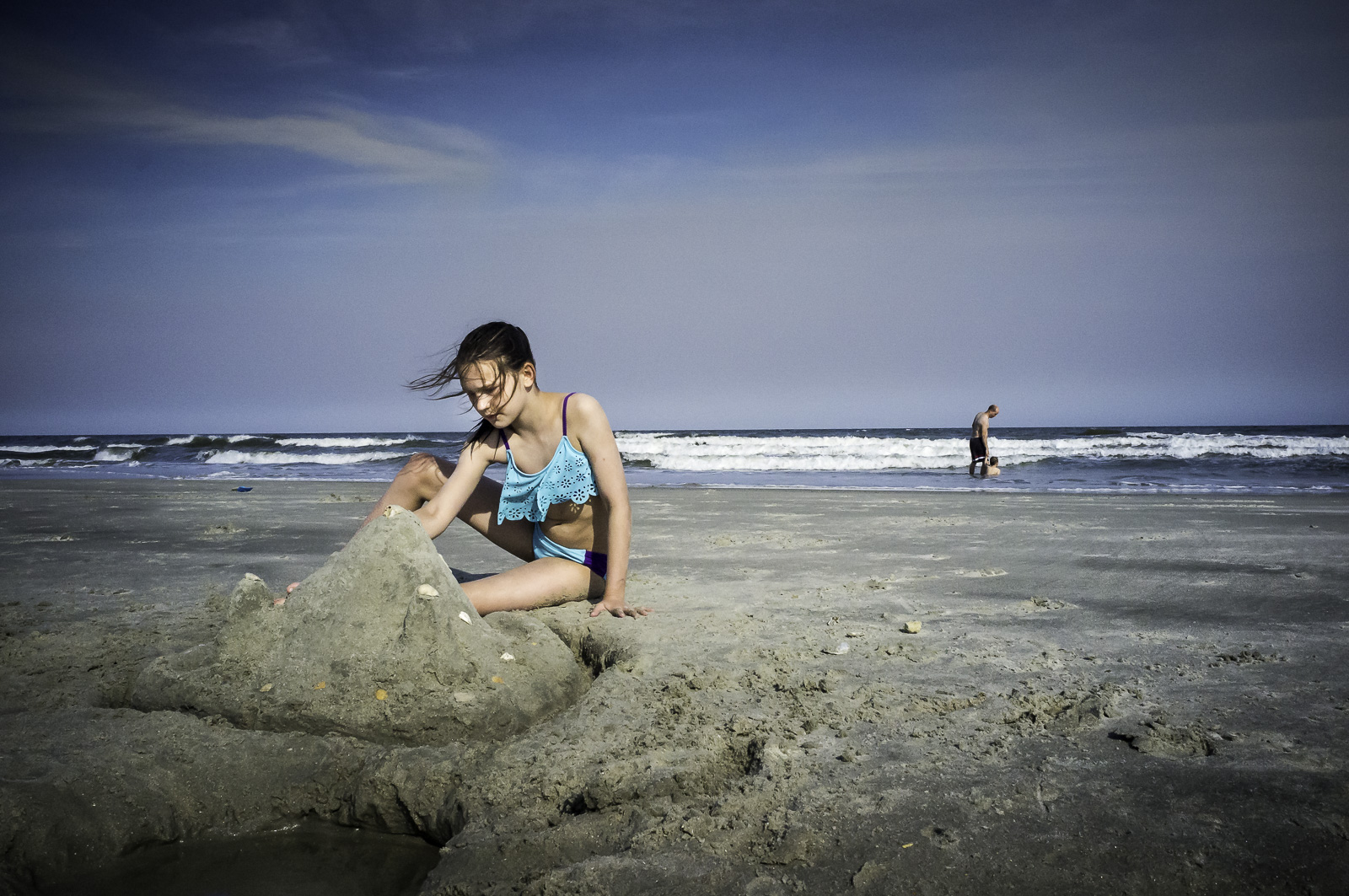
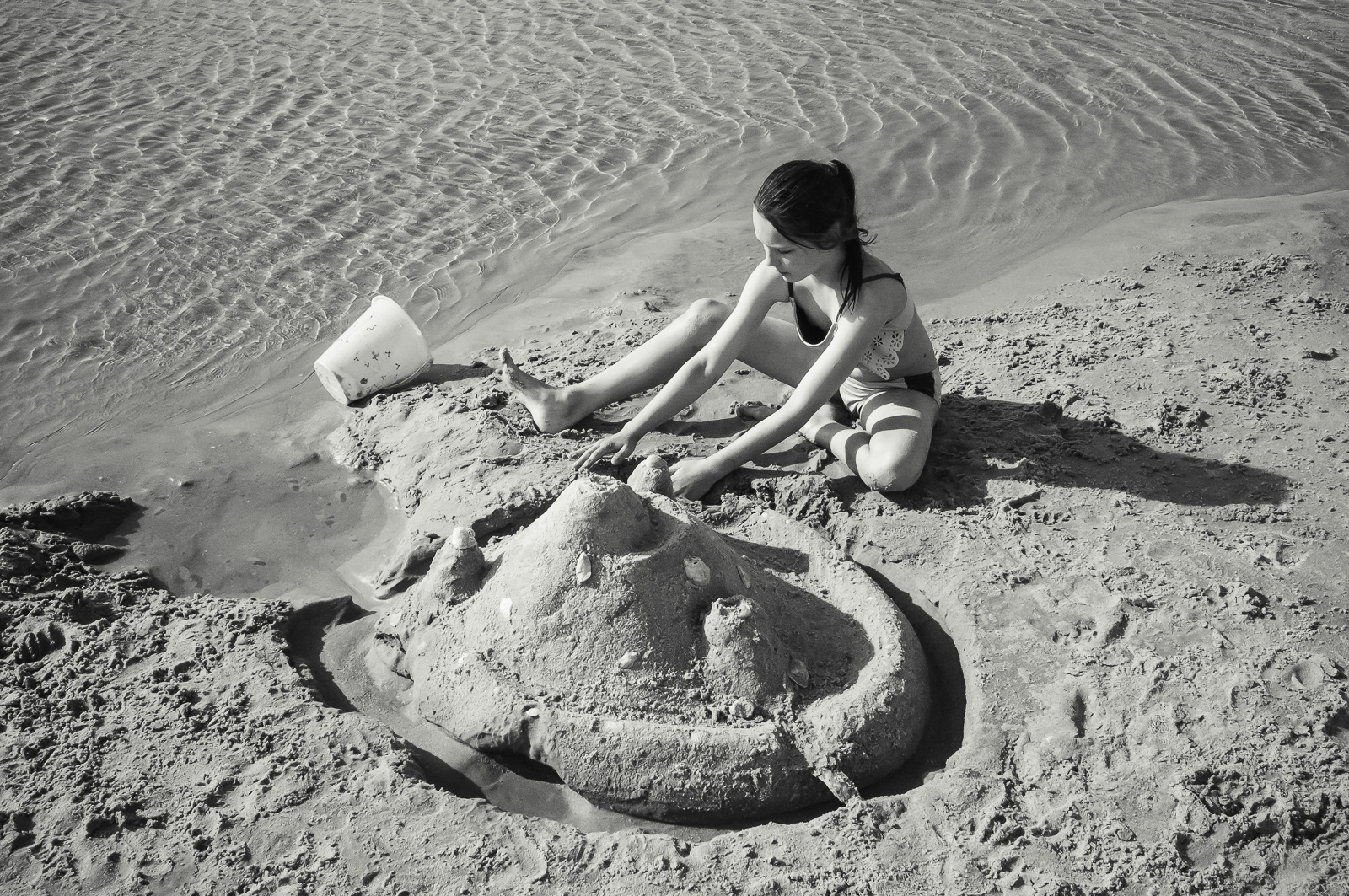
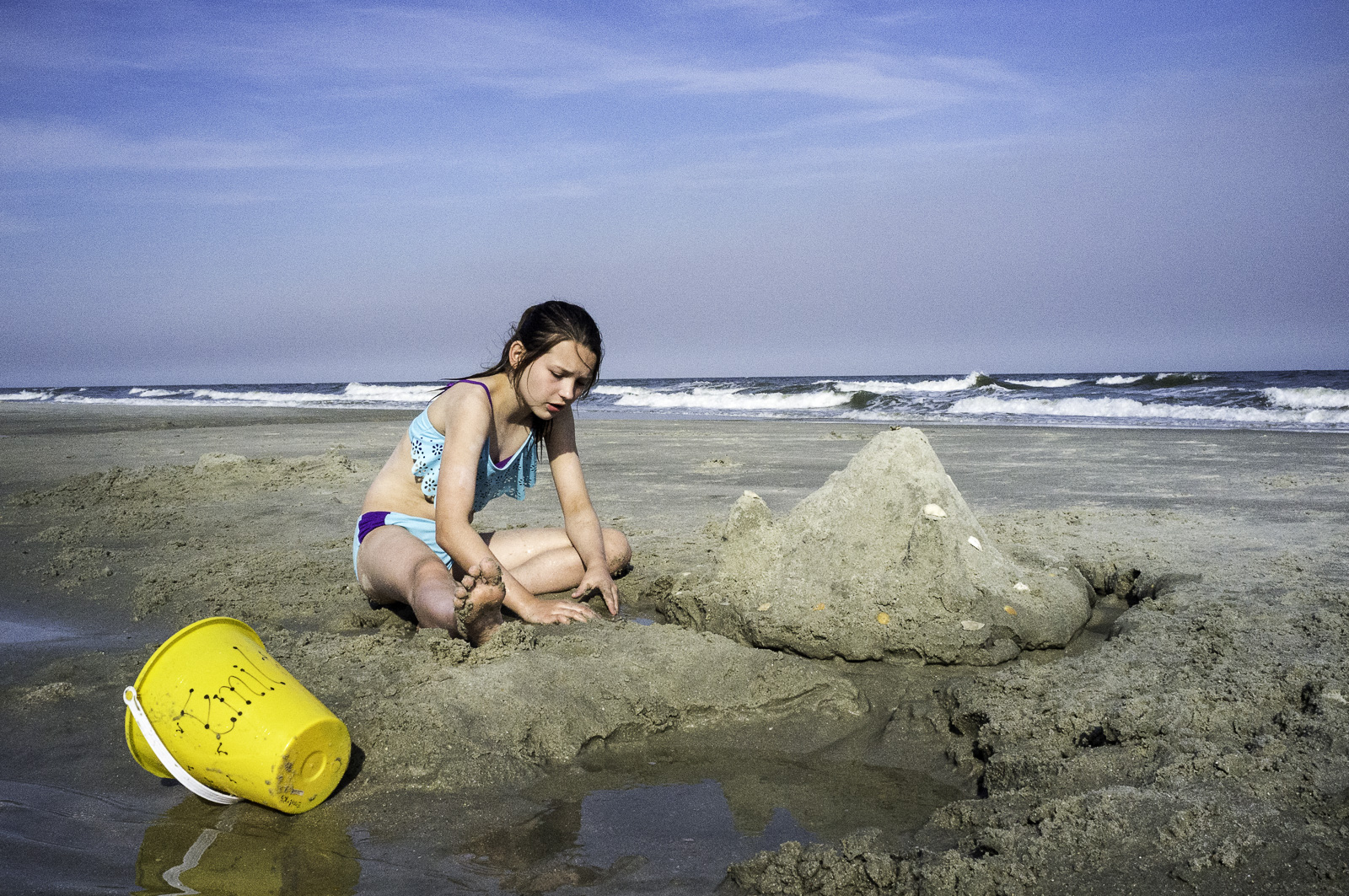
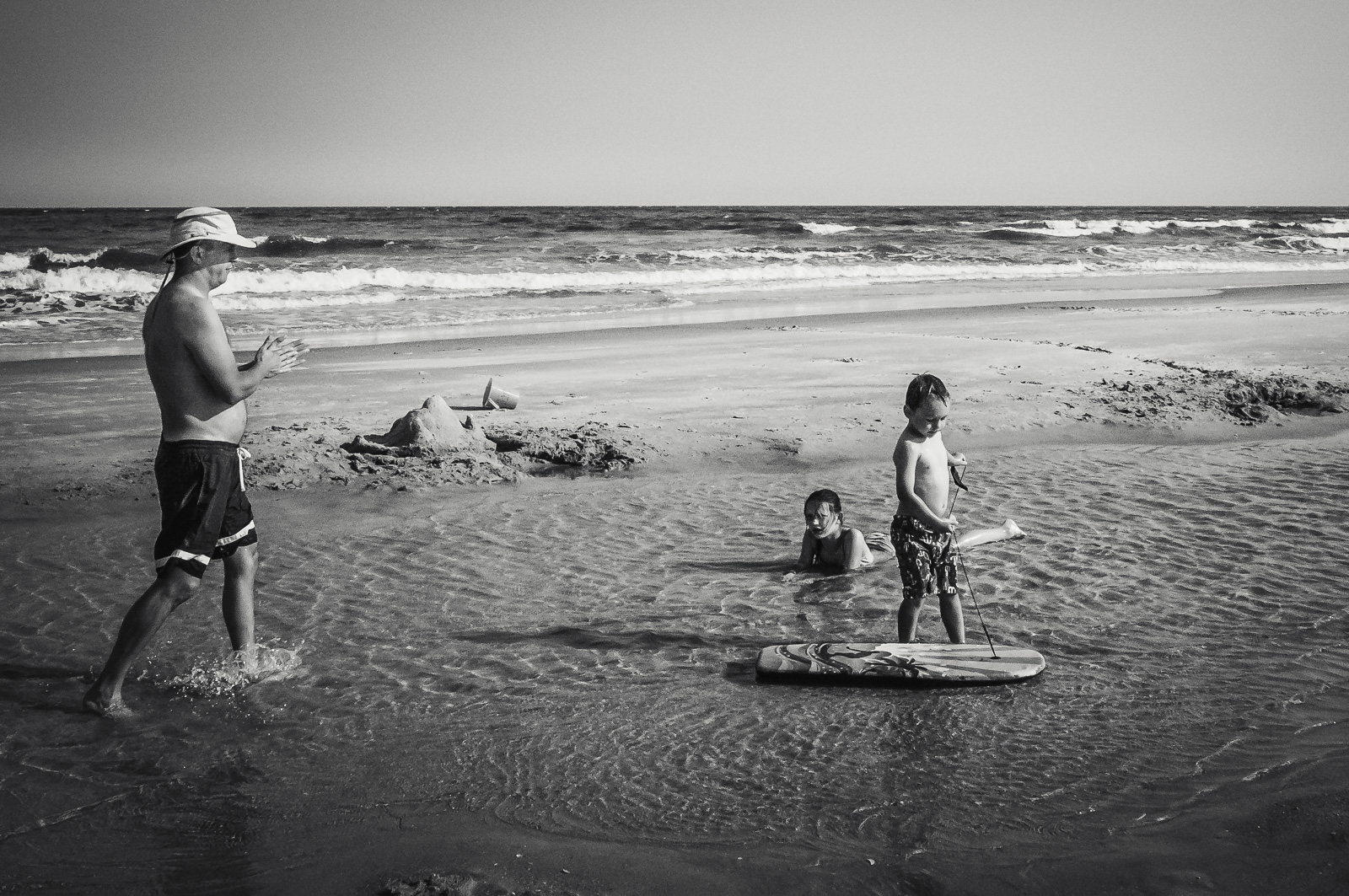
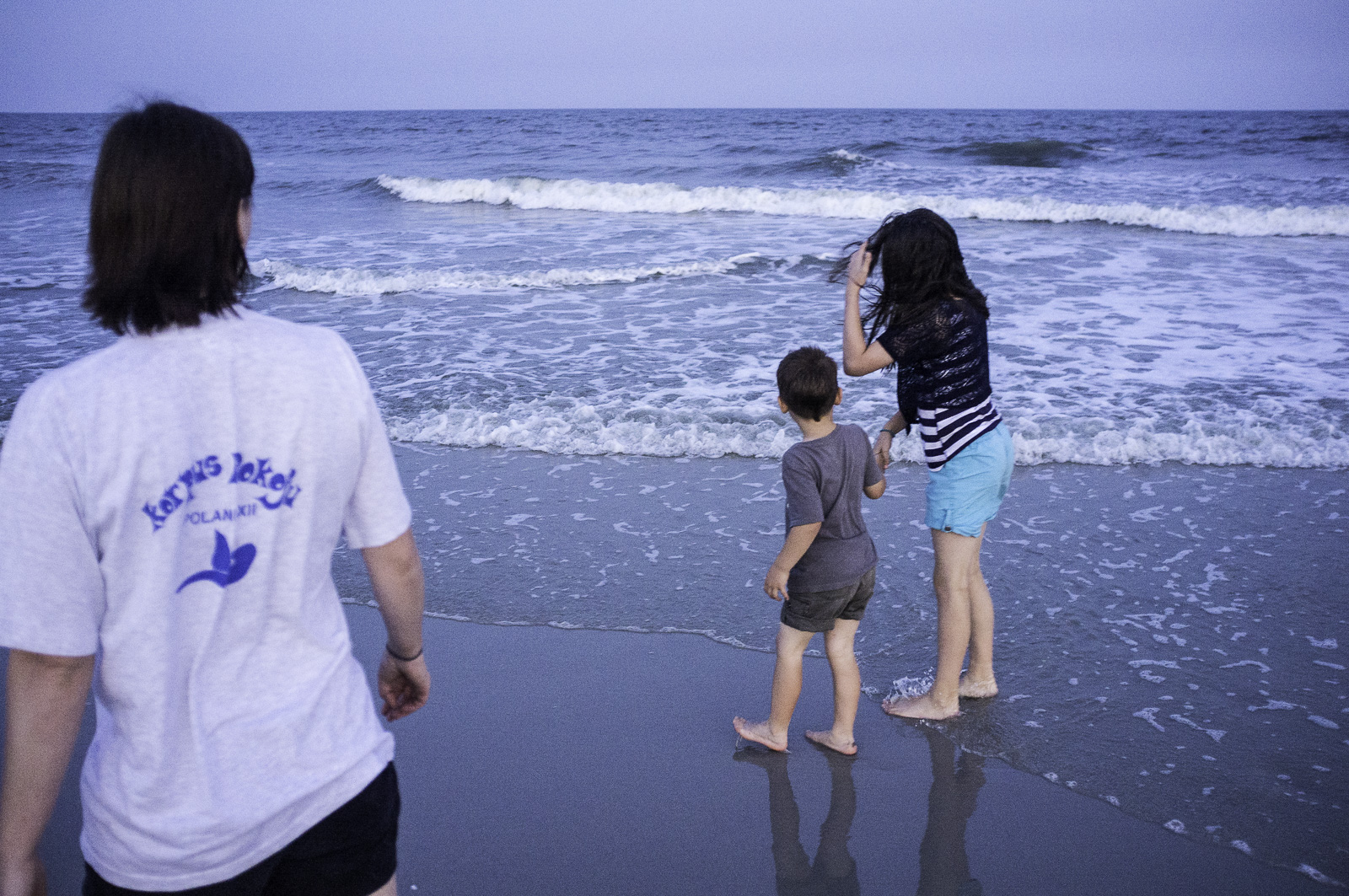
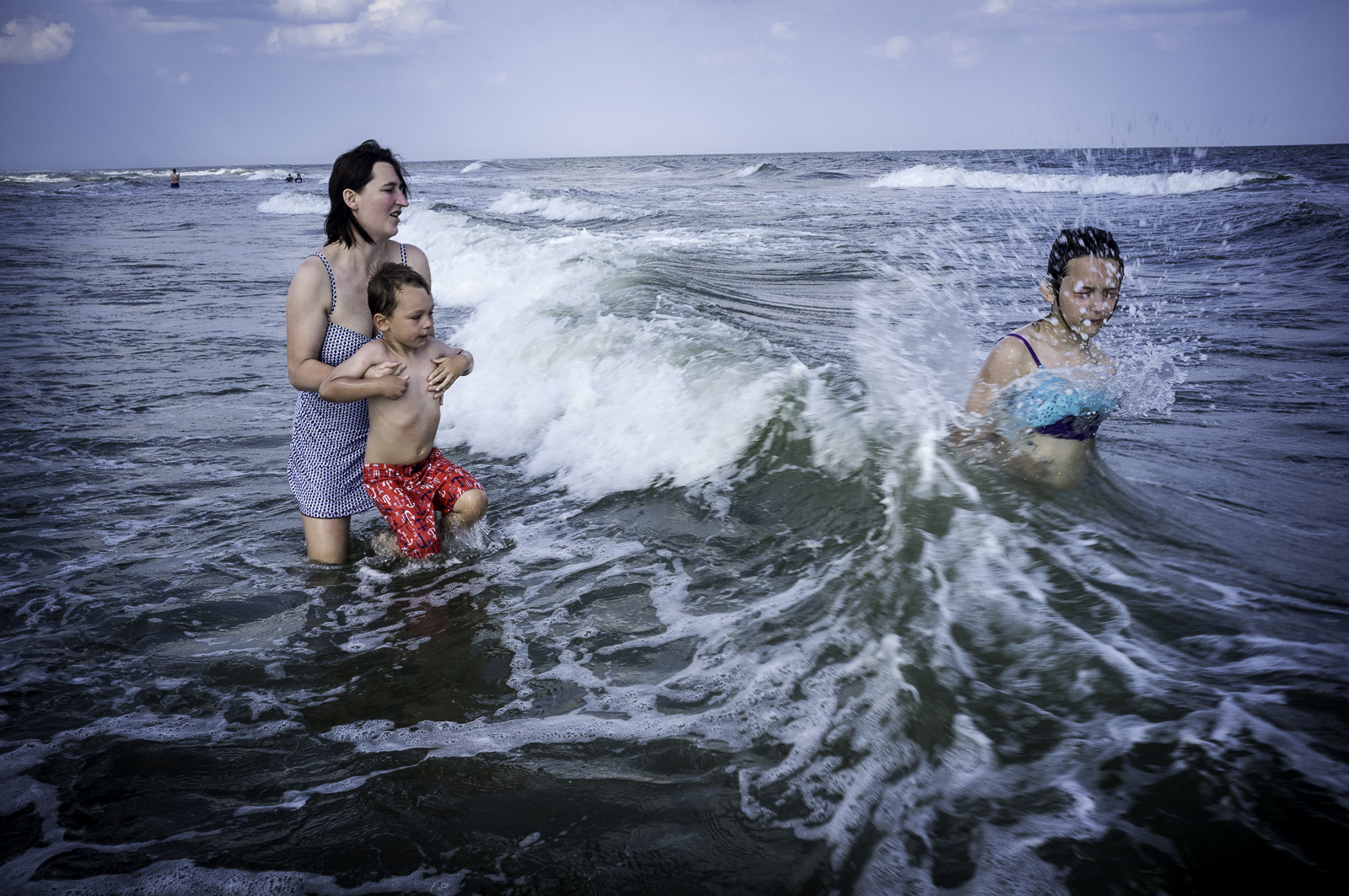
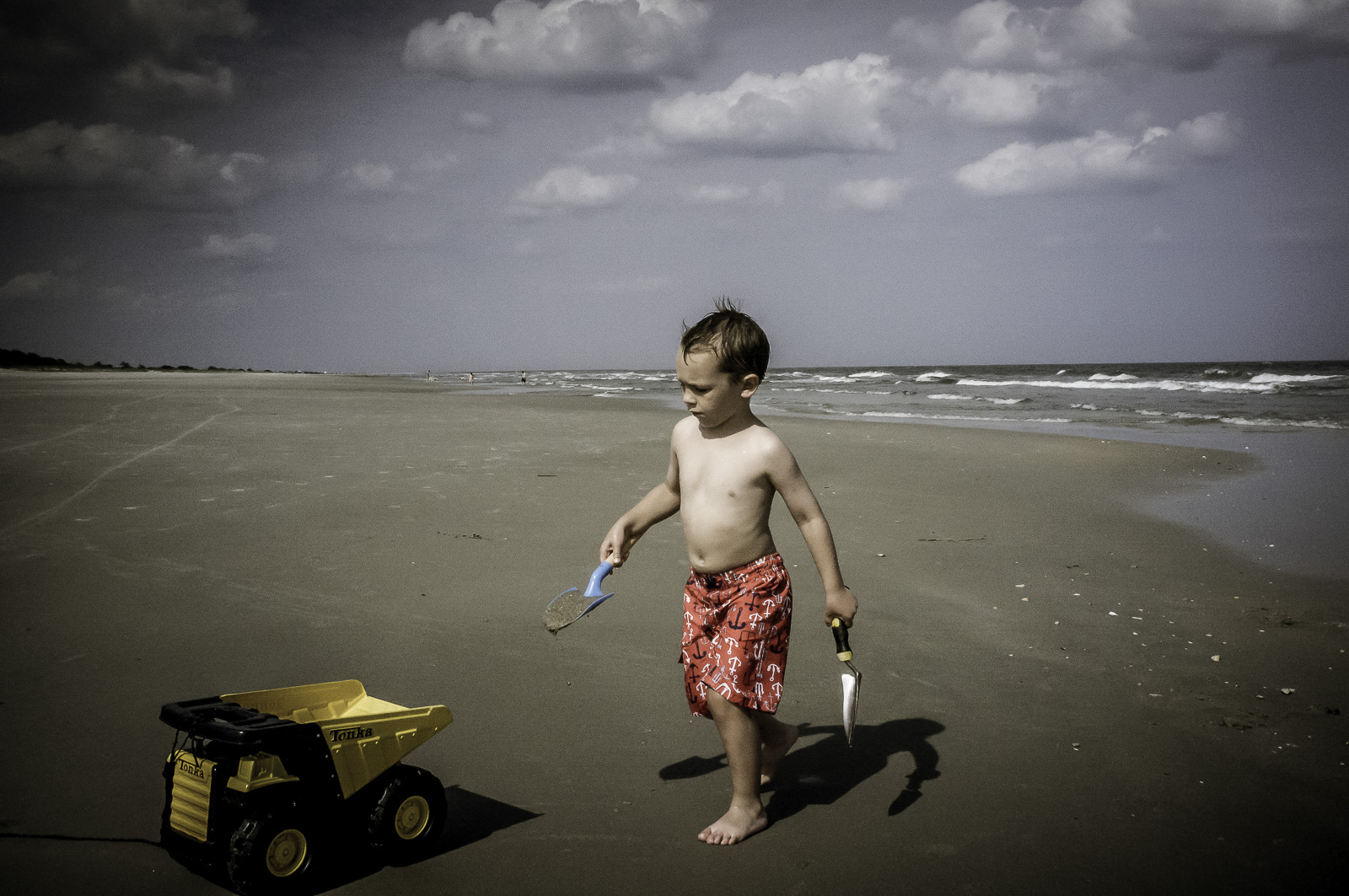
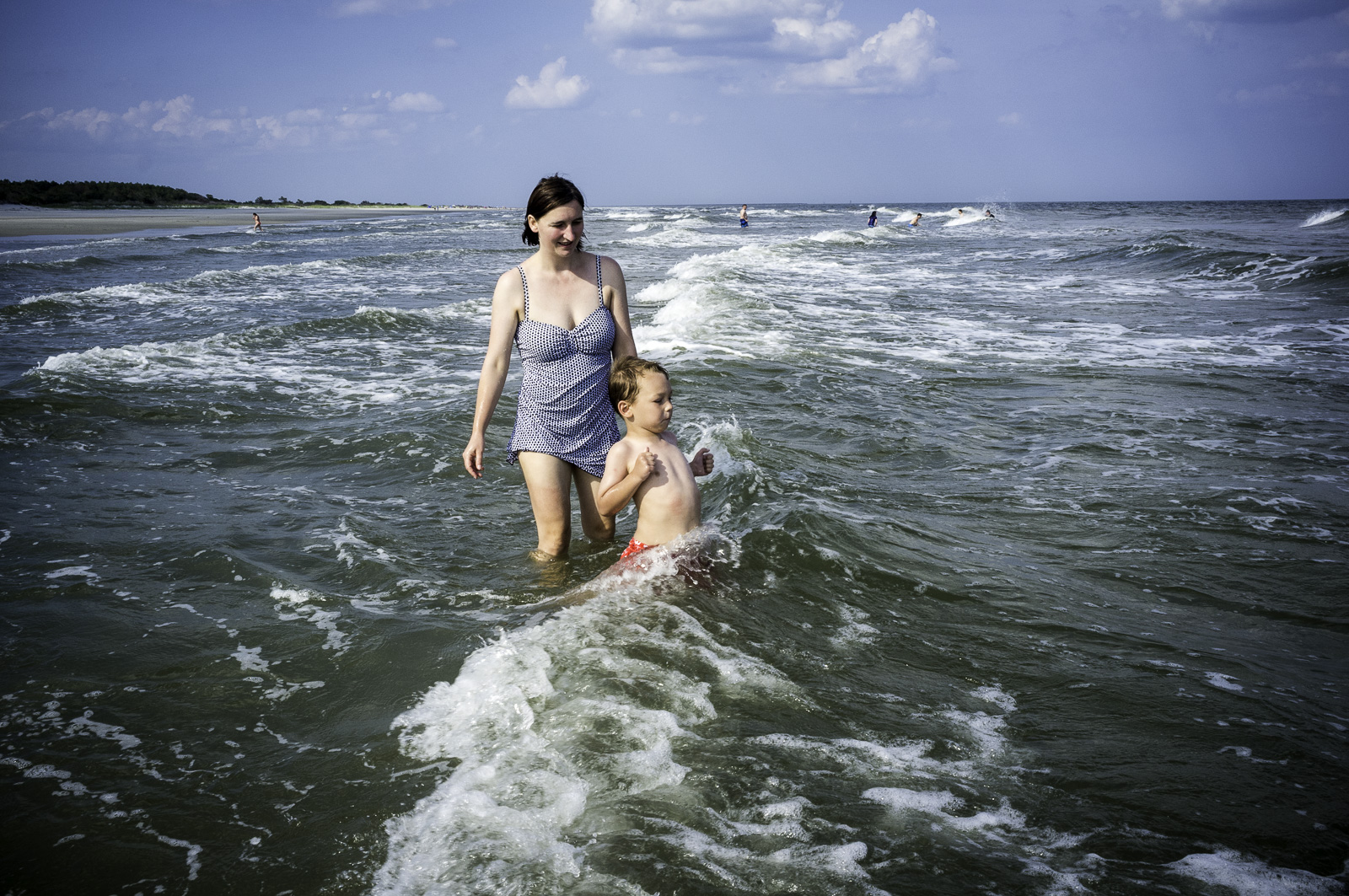
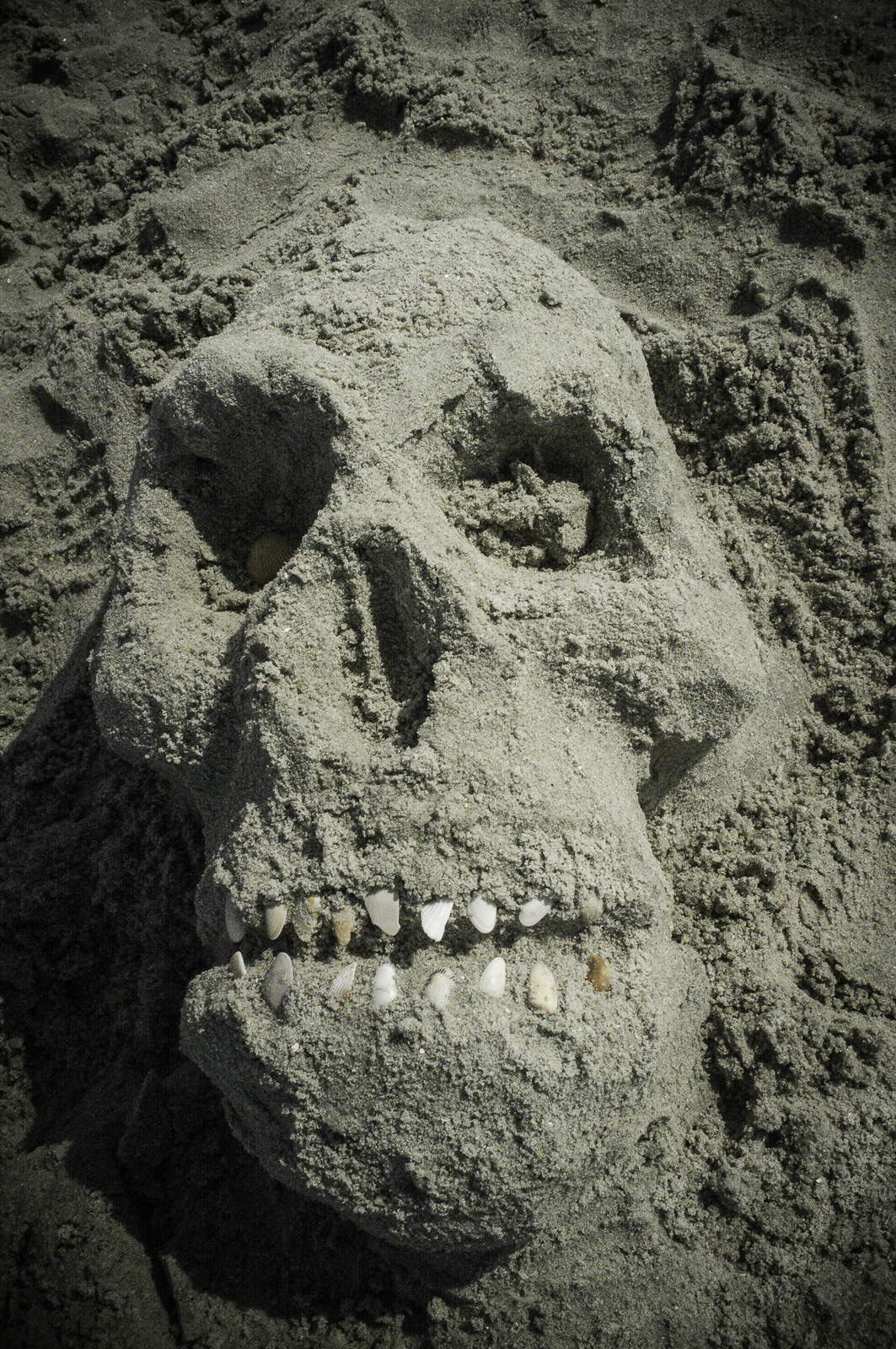
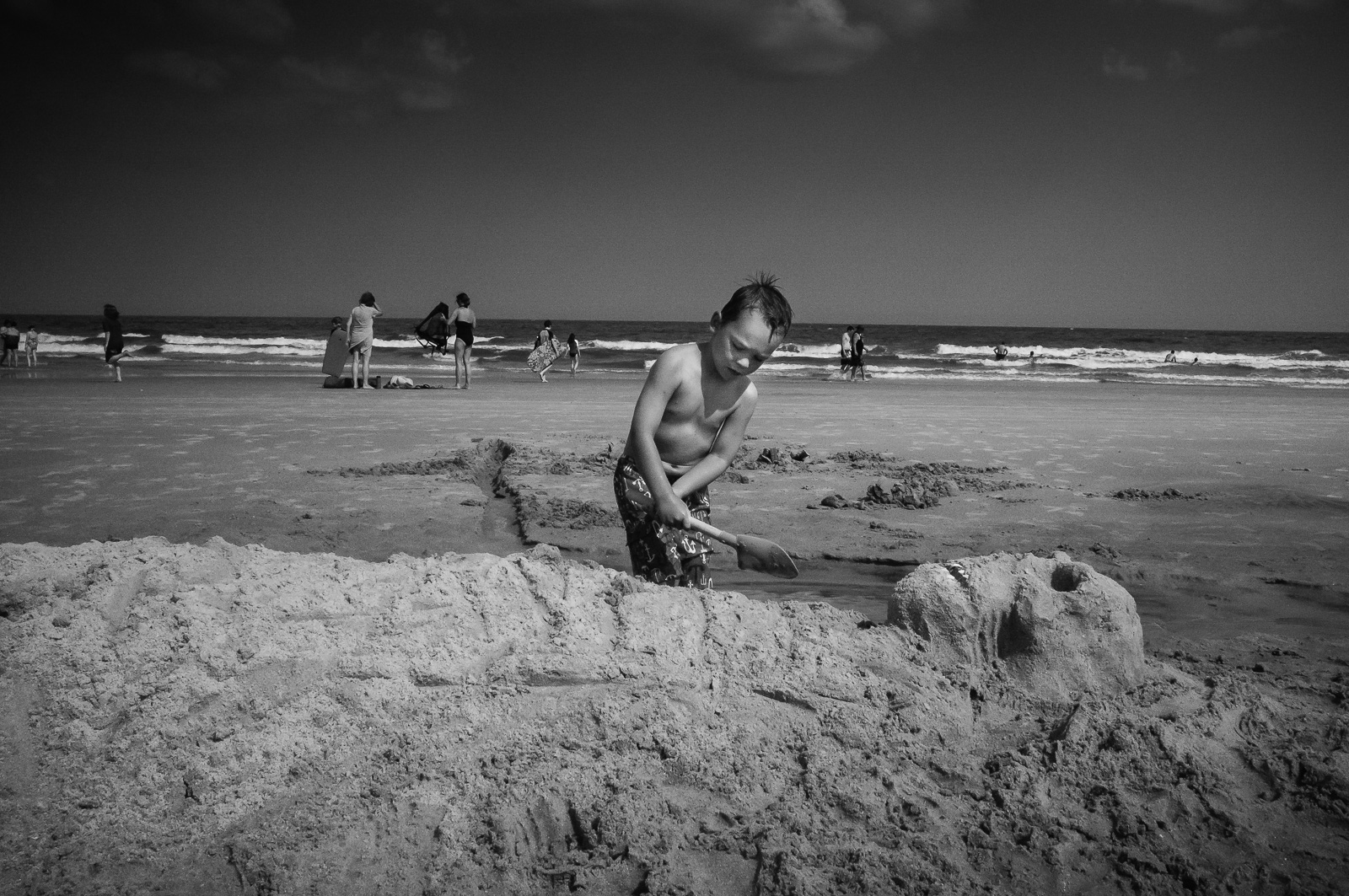
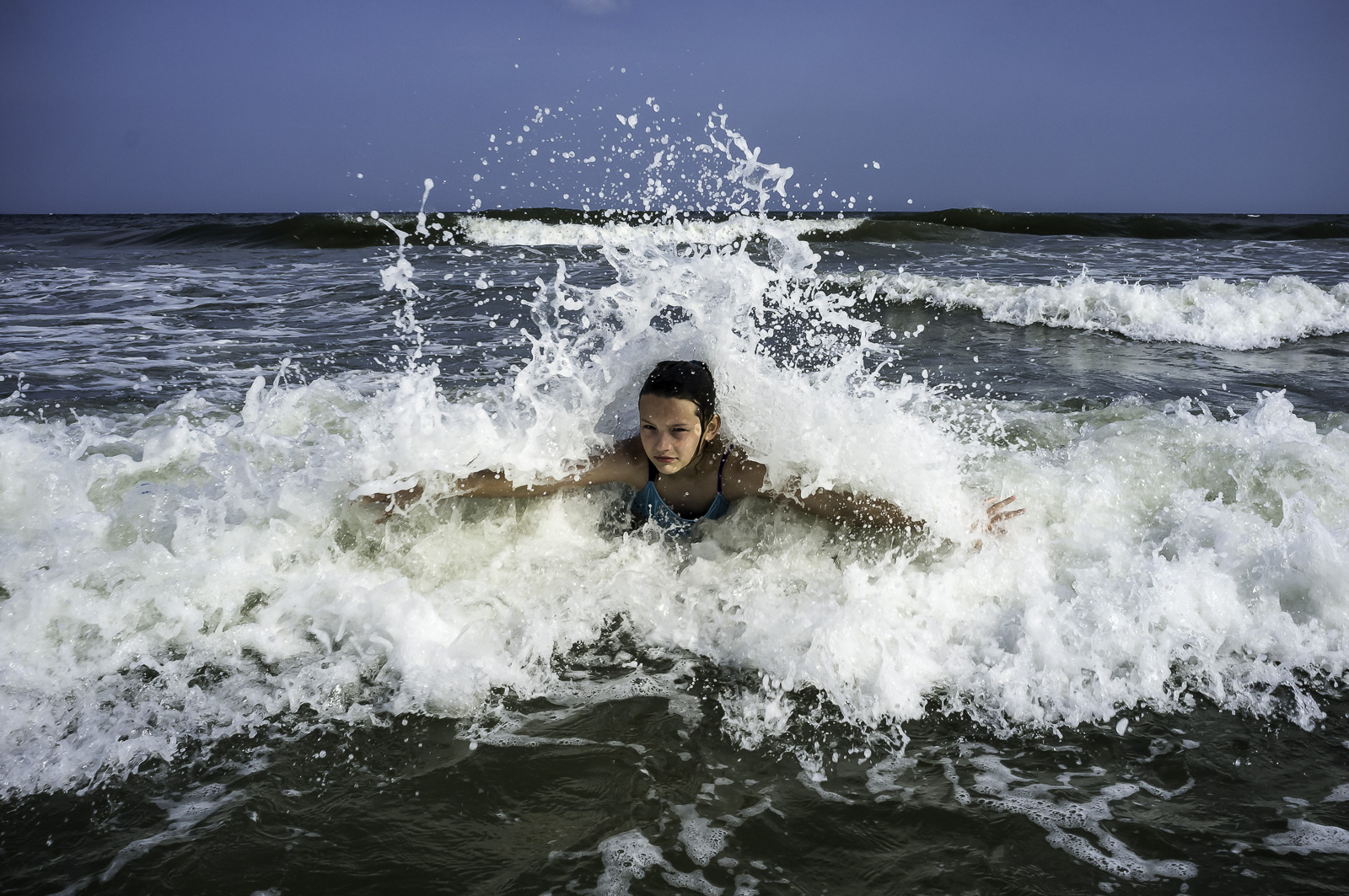
The first day we arrived and, after setting up camp, headed out to the beach. The Girl took her boogie board out to test the waves; the Boy, after a few minutes, turned to the gigantic sand box that lay all around him. Then they switched. That pretty much sums up the entire weekend: playing in the sand, playing in the waves. After all, what else can you do at the beach?

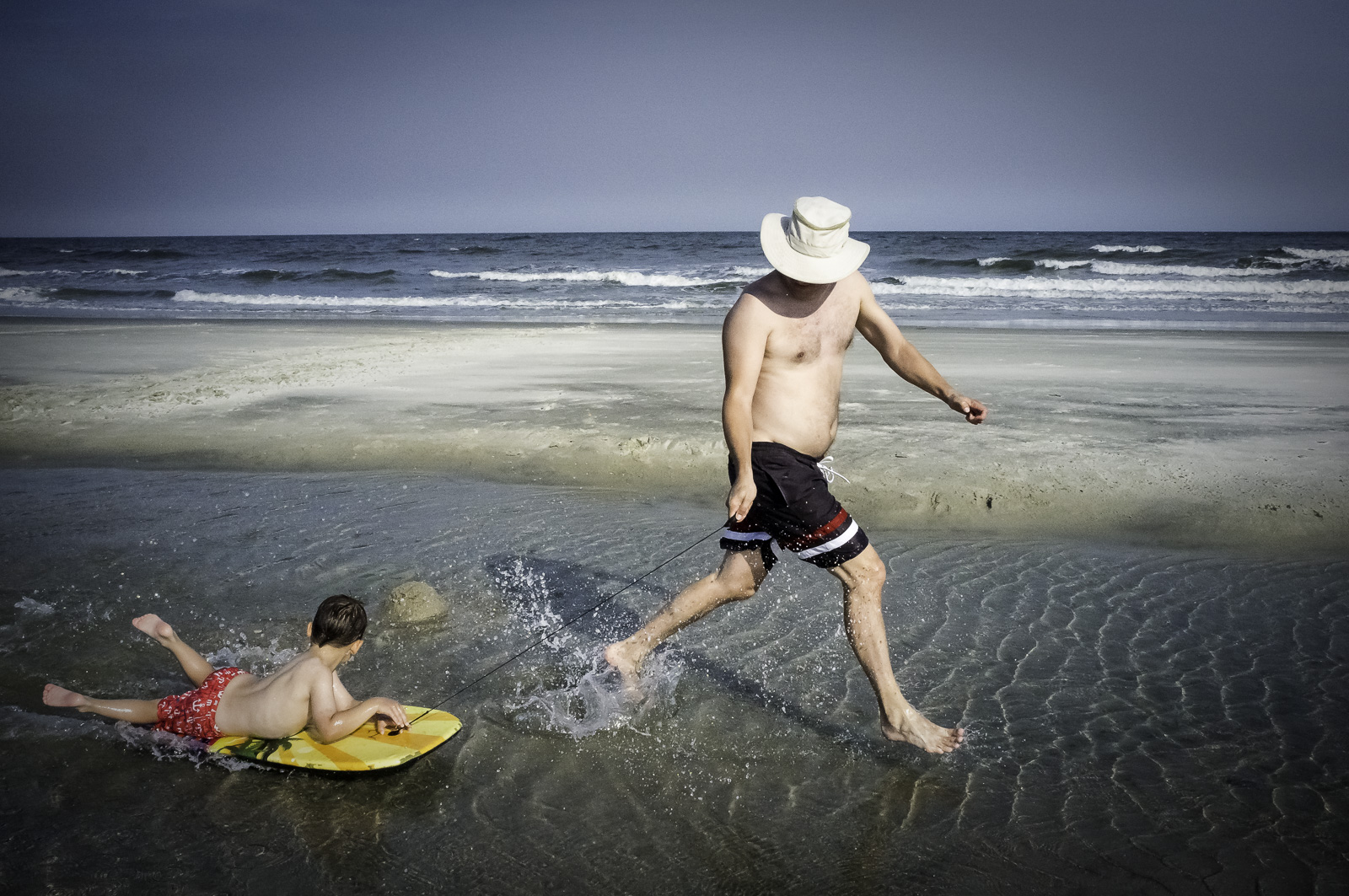
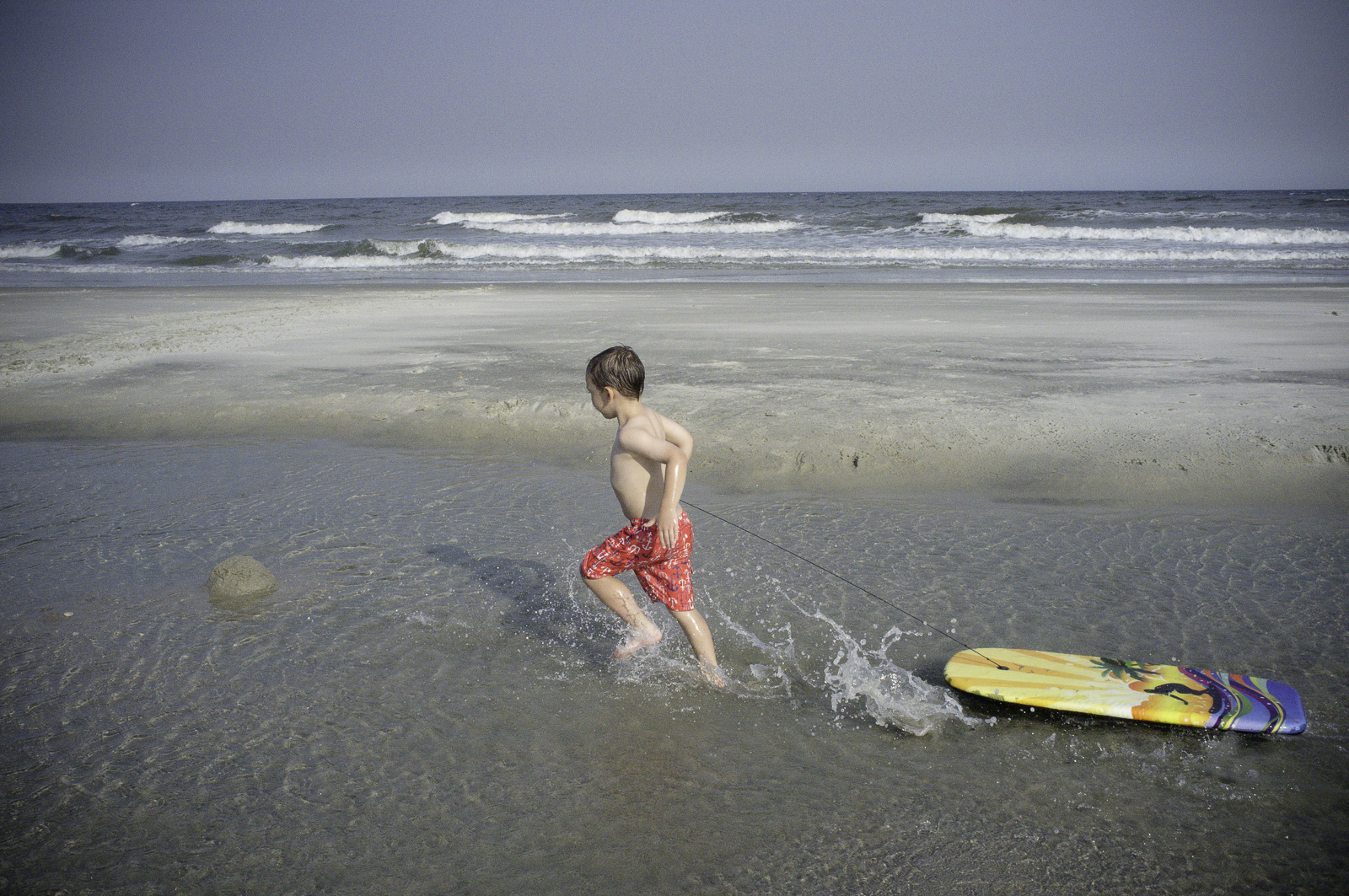
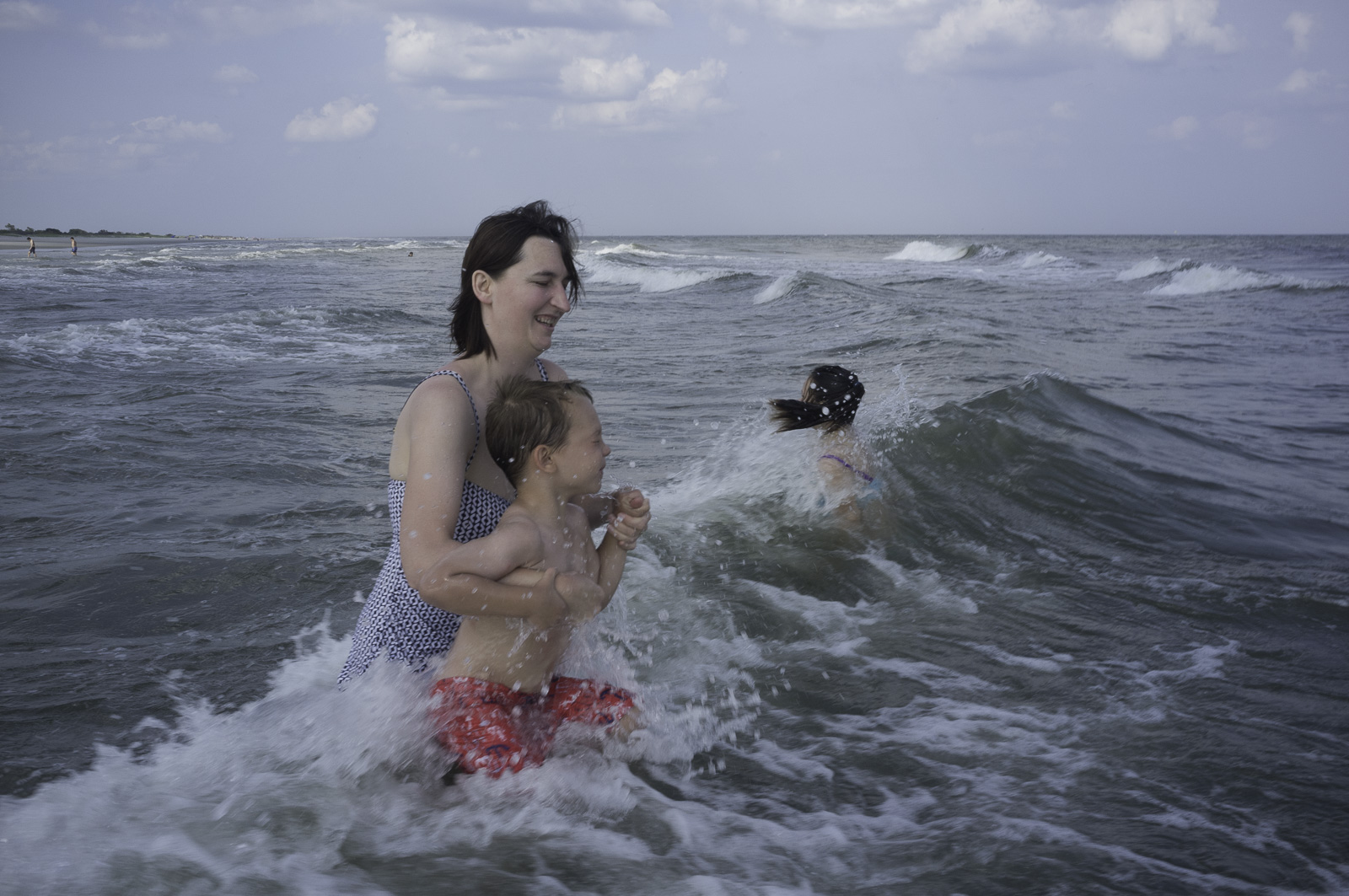
But there were the subtle changes. L, no longer afraid of the water, gradually found the courage to go out with me a little further than before, looking for more boggie-board-able waves. The Boy was at first reticent to go far beyond the last little crests and bubbles of waves that had been churning inland for some tens of feet. He finally found the courage, with a little help from K and me, to go out further, and to require less of a reassuring hand while doing so.

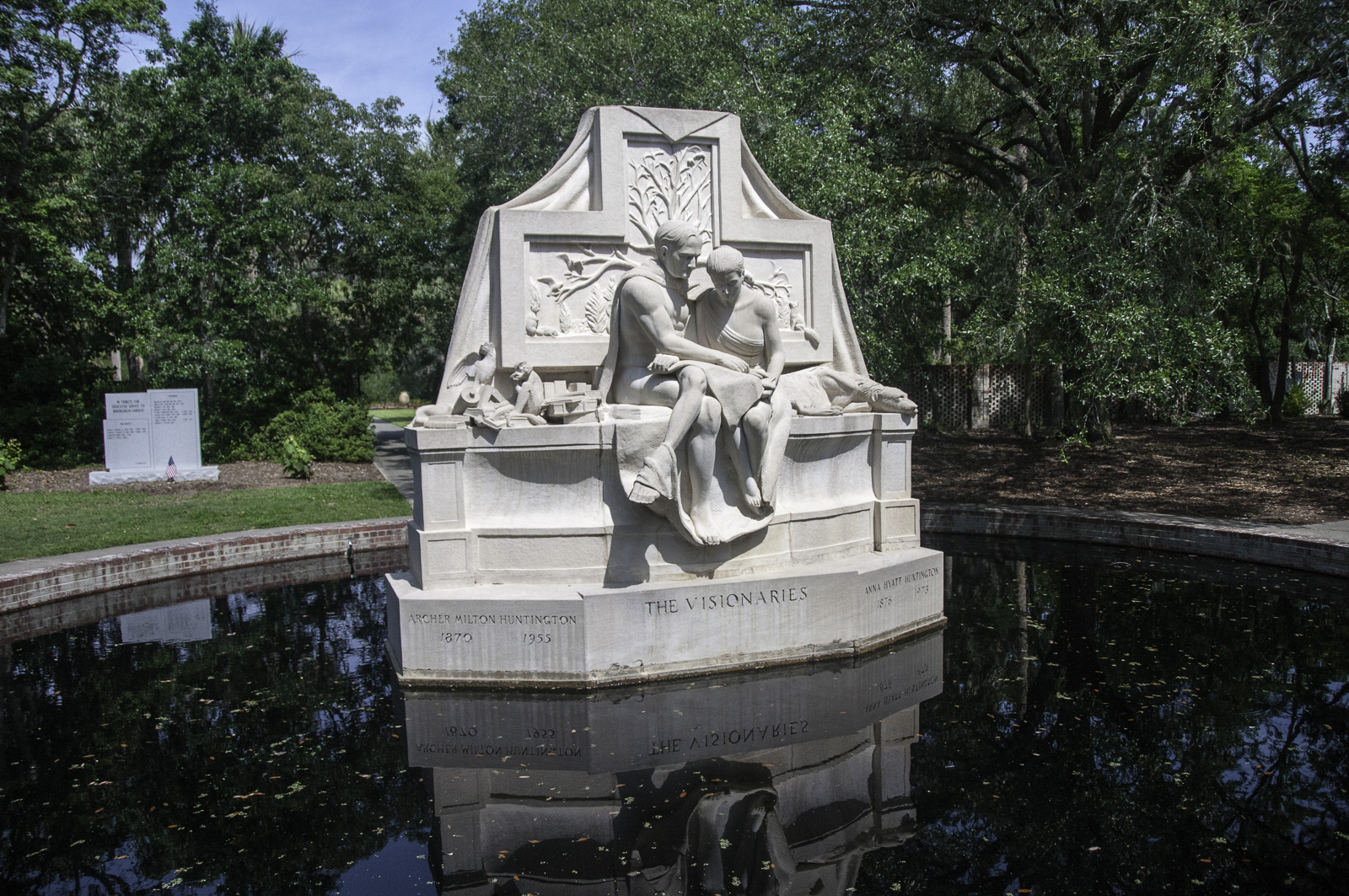
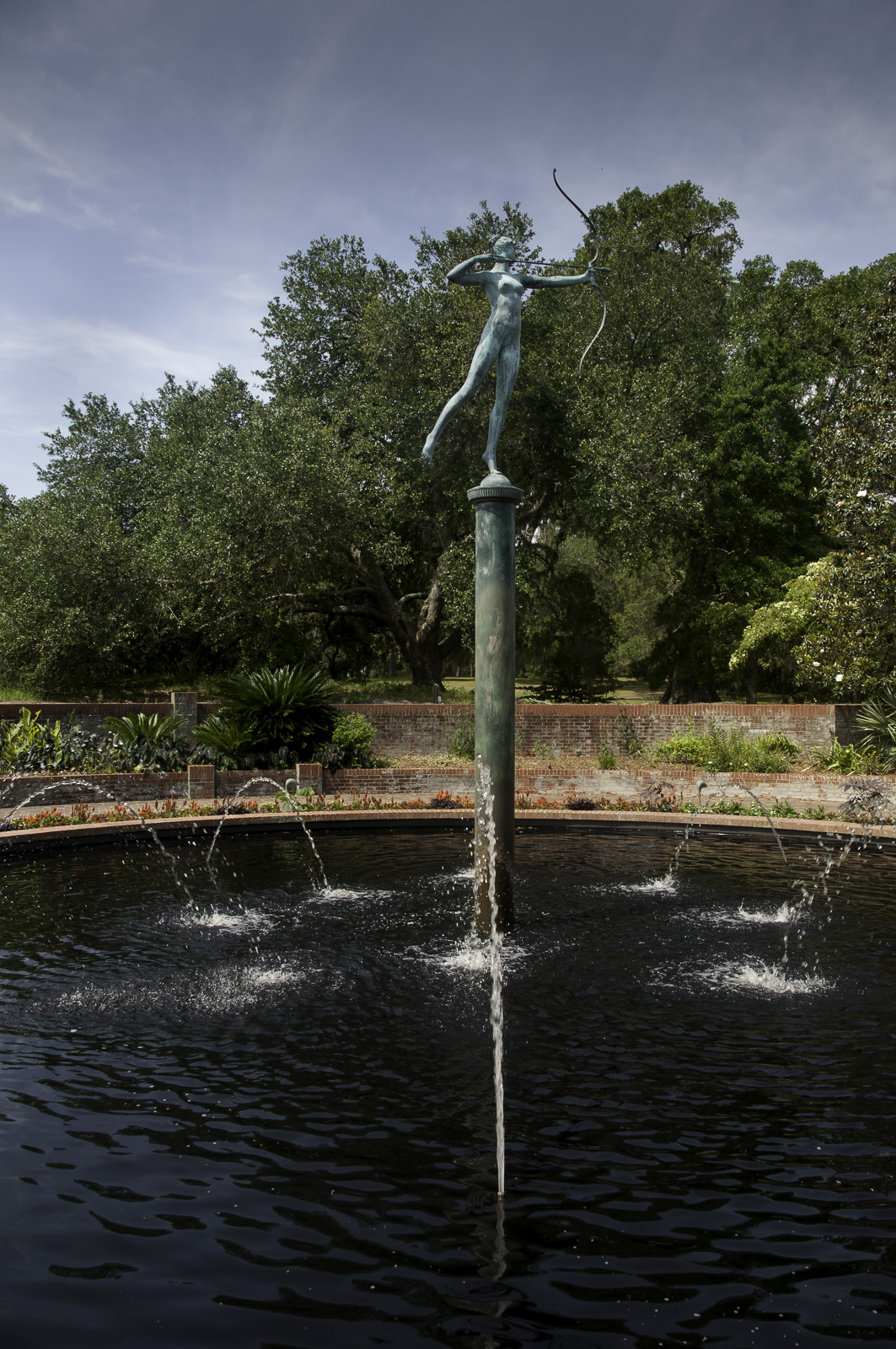
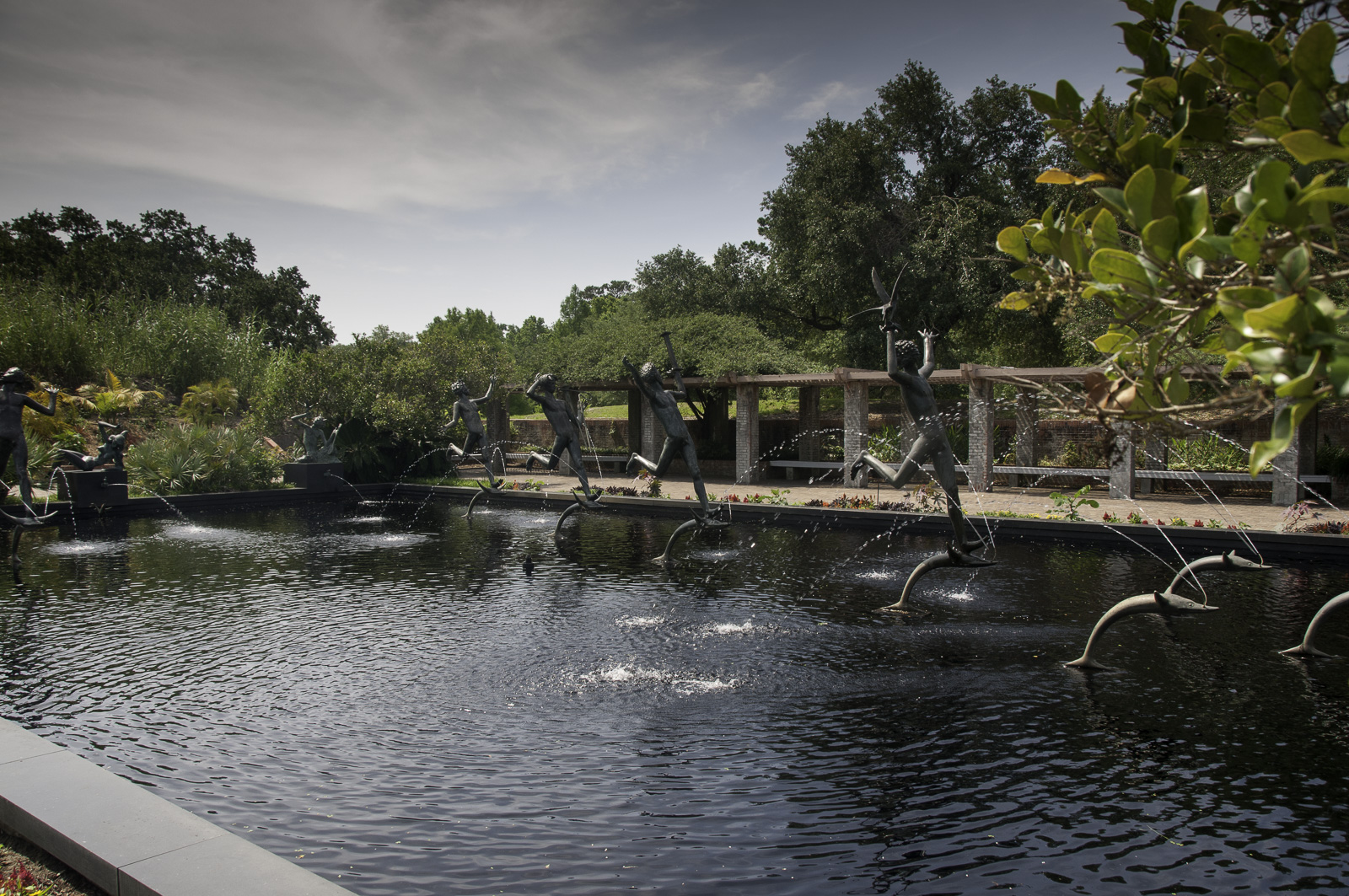
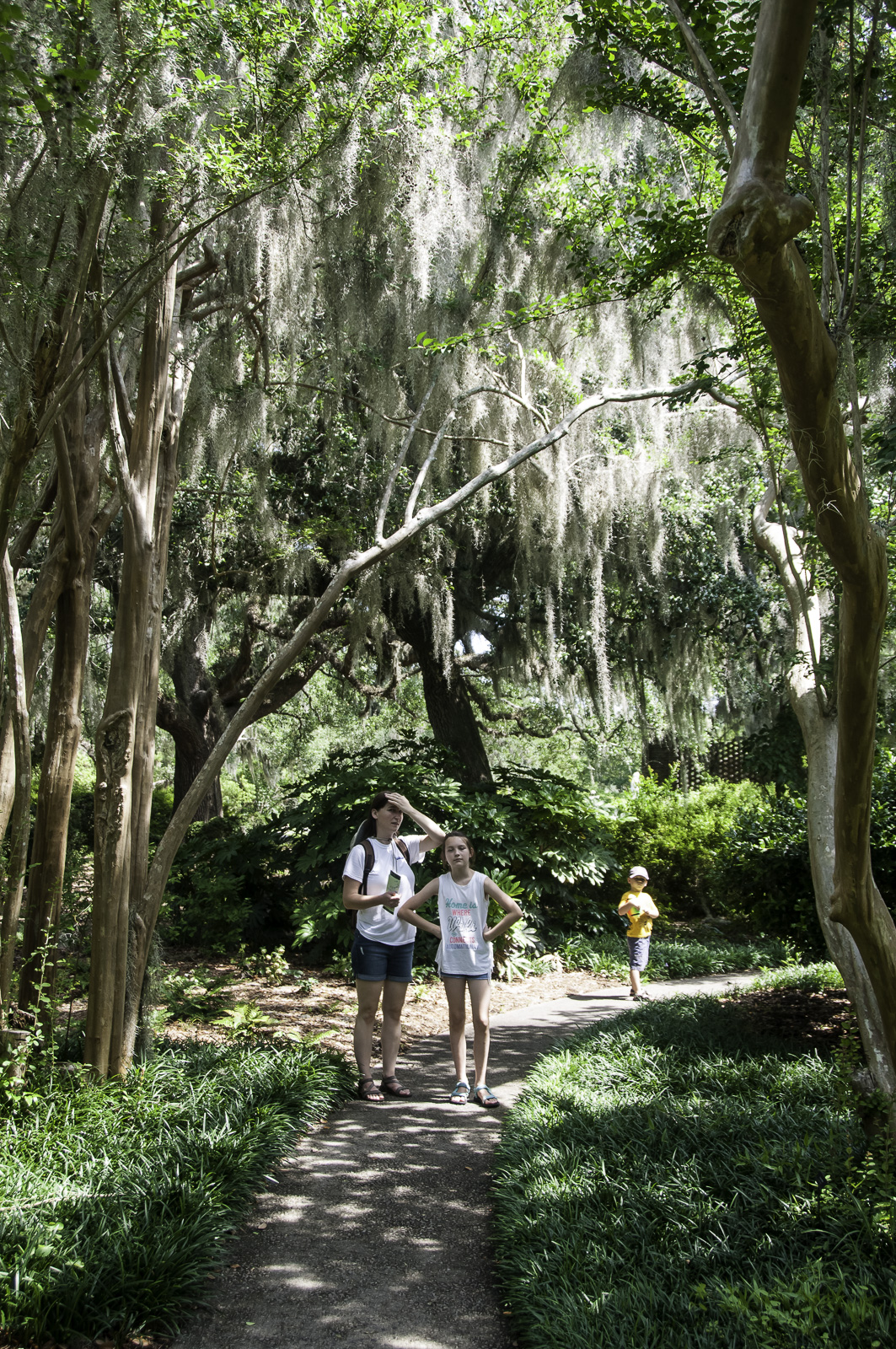
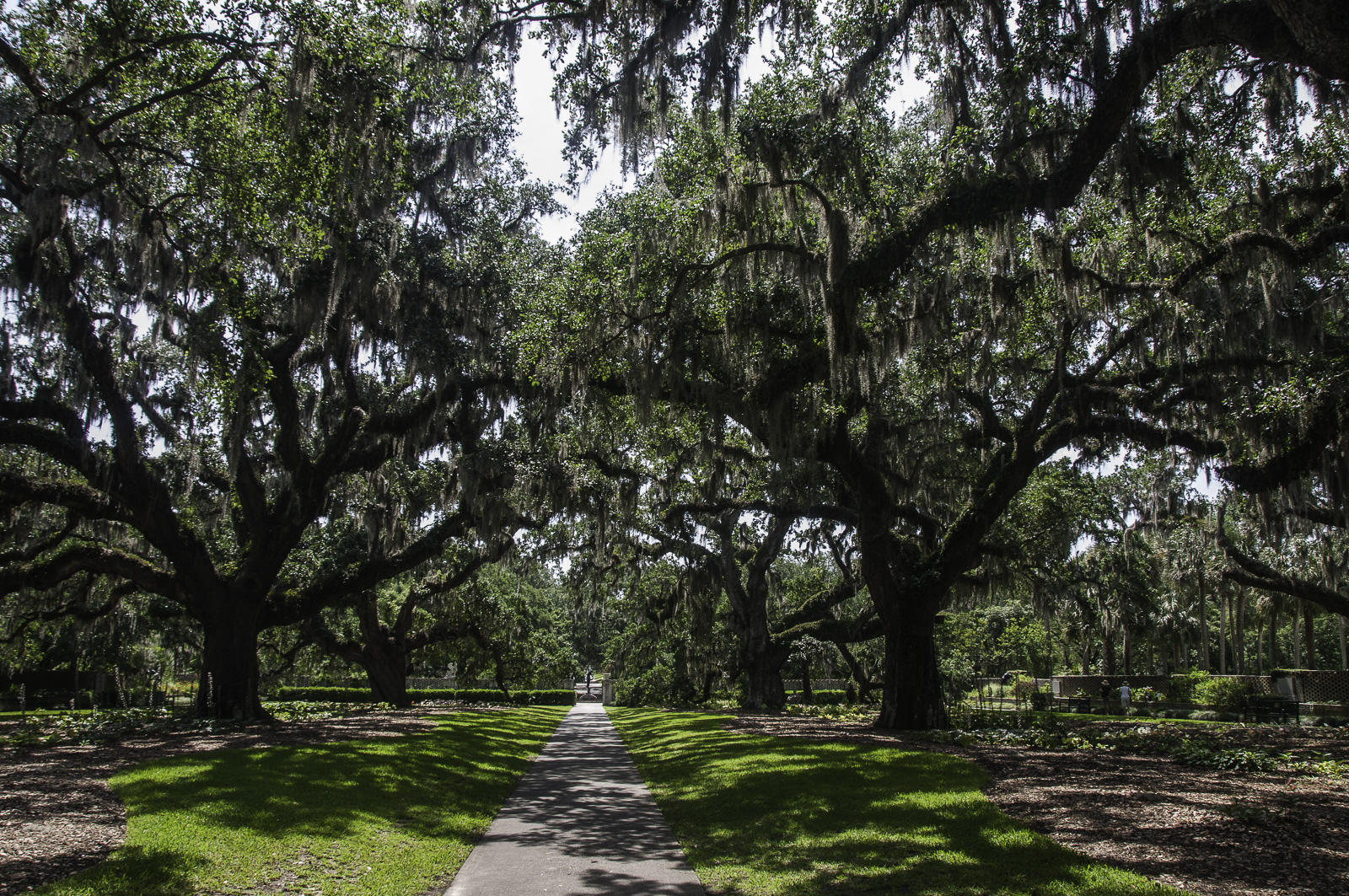
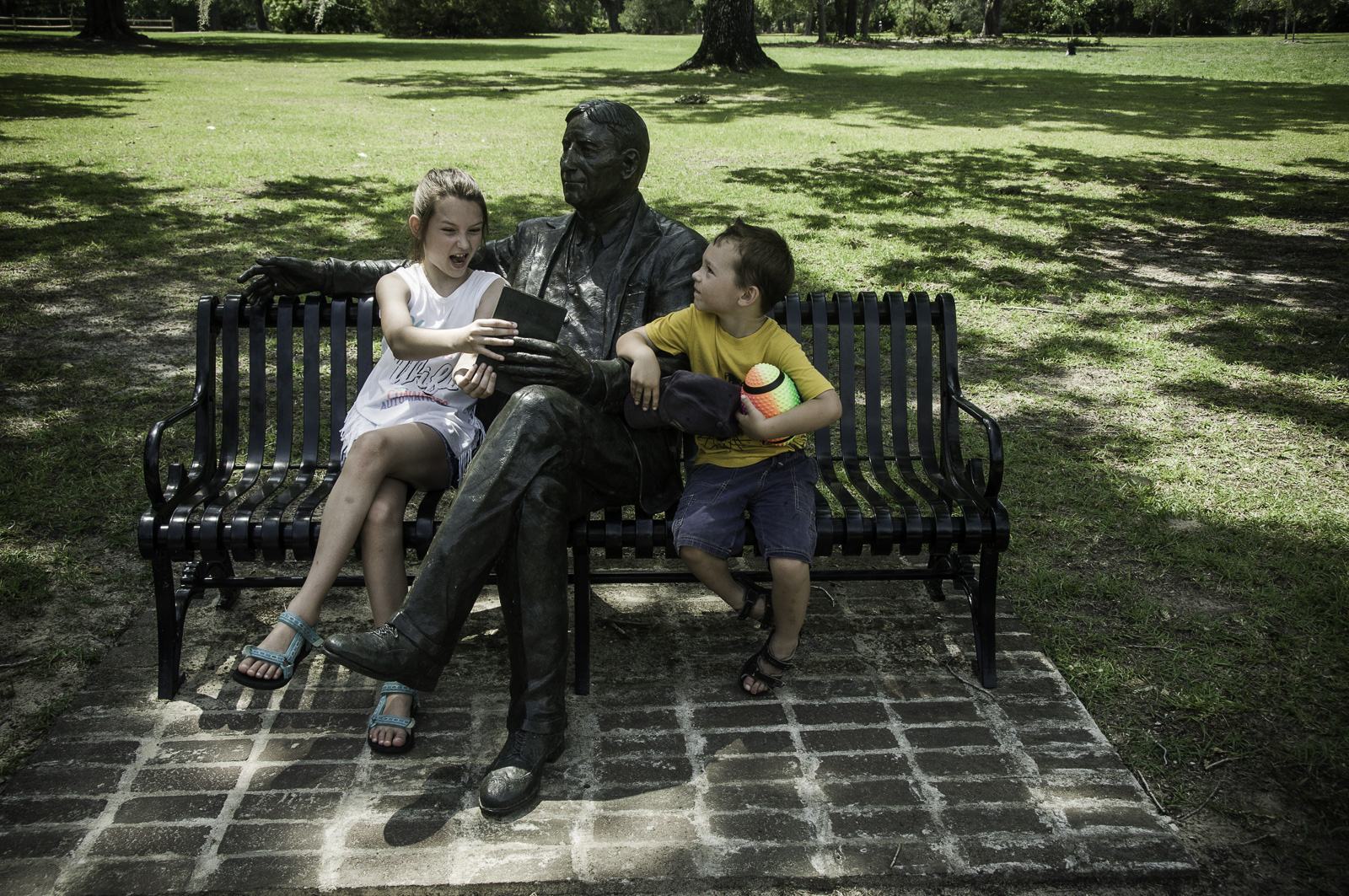
Day two started at Brookgreen Gardens. "We've been here three times now -- we have to go," declared K. It is famous for its sculptures, a fact interested me and bored L -- until she started seeing statues from Greek mythology, her current obsession thanks to the Percy Jackson series.

The final day -- another morning on the beach.

A perfect weekend, over all.

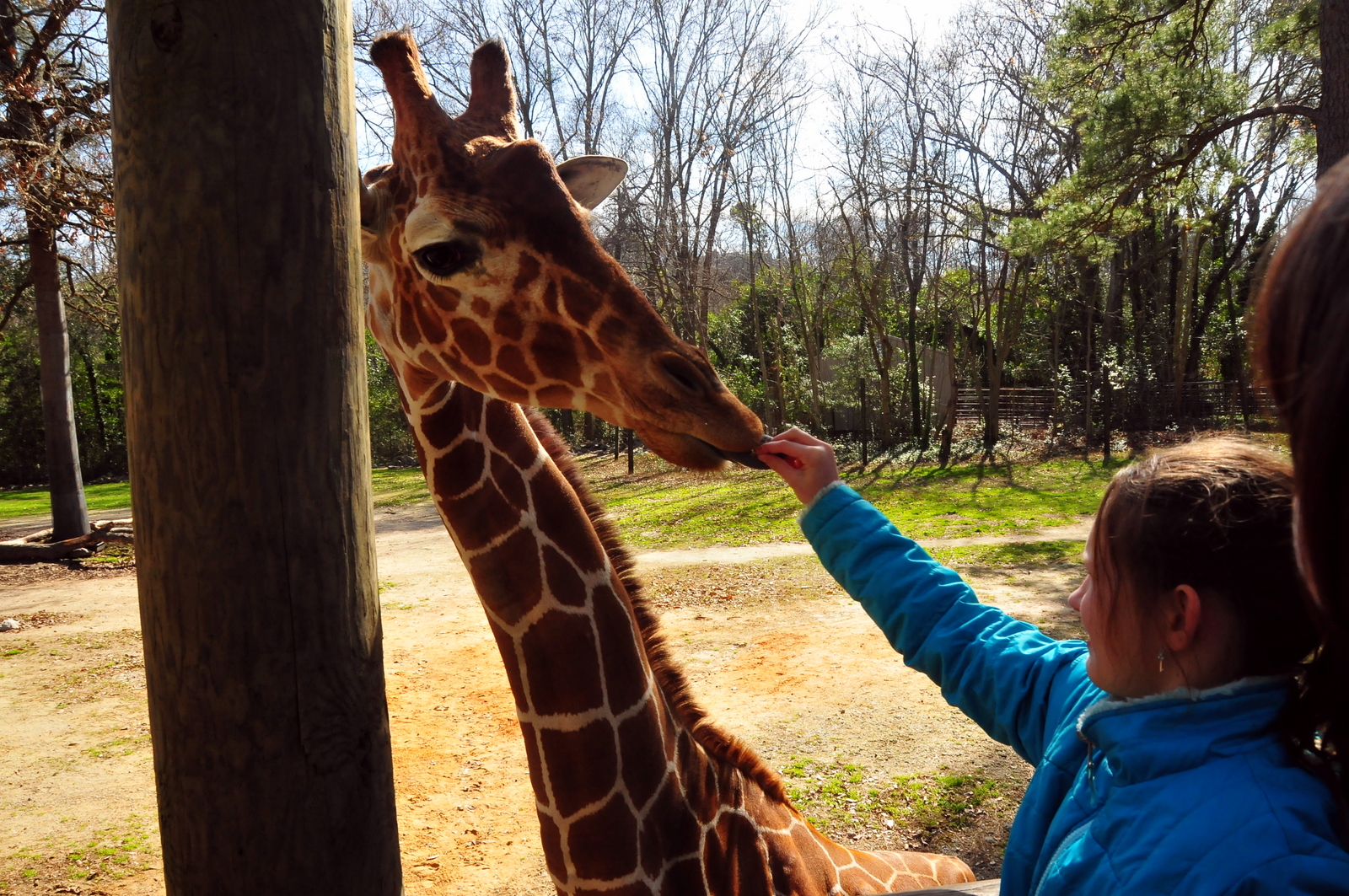
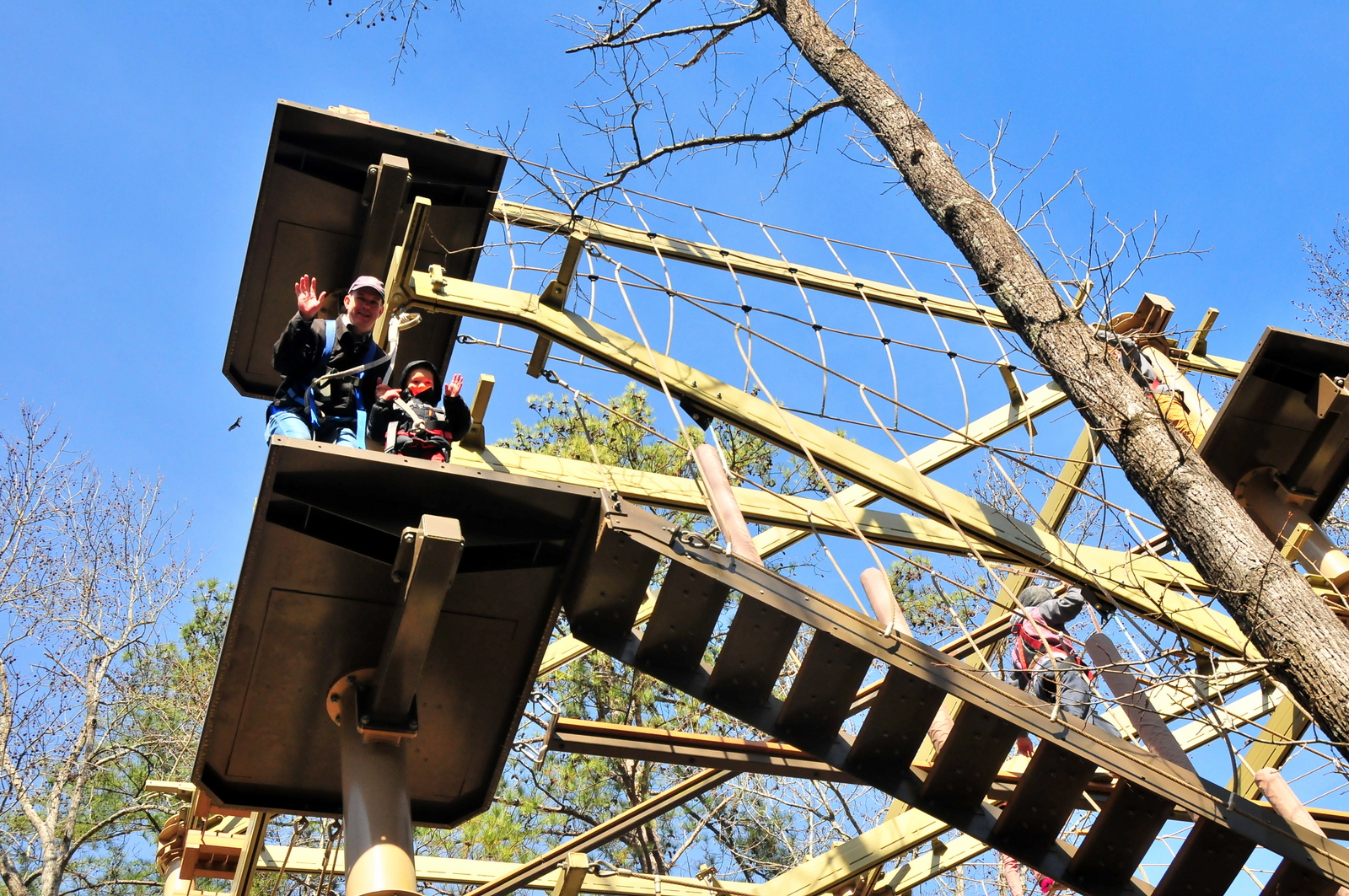
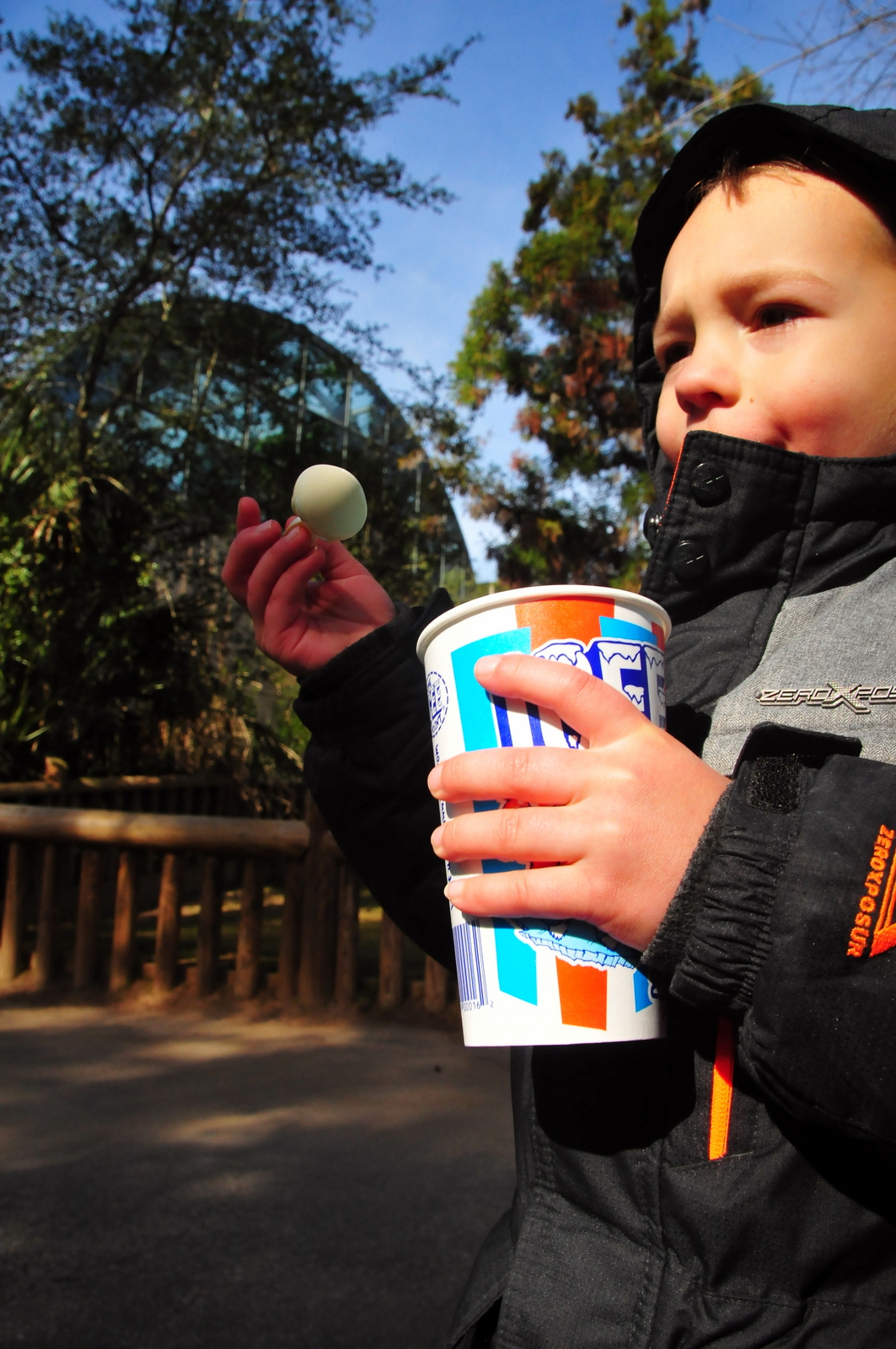
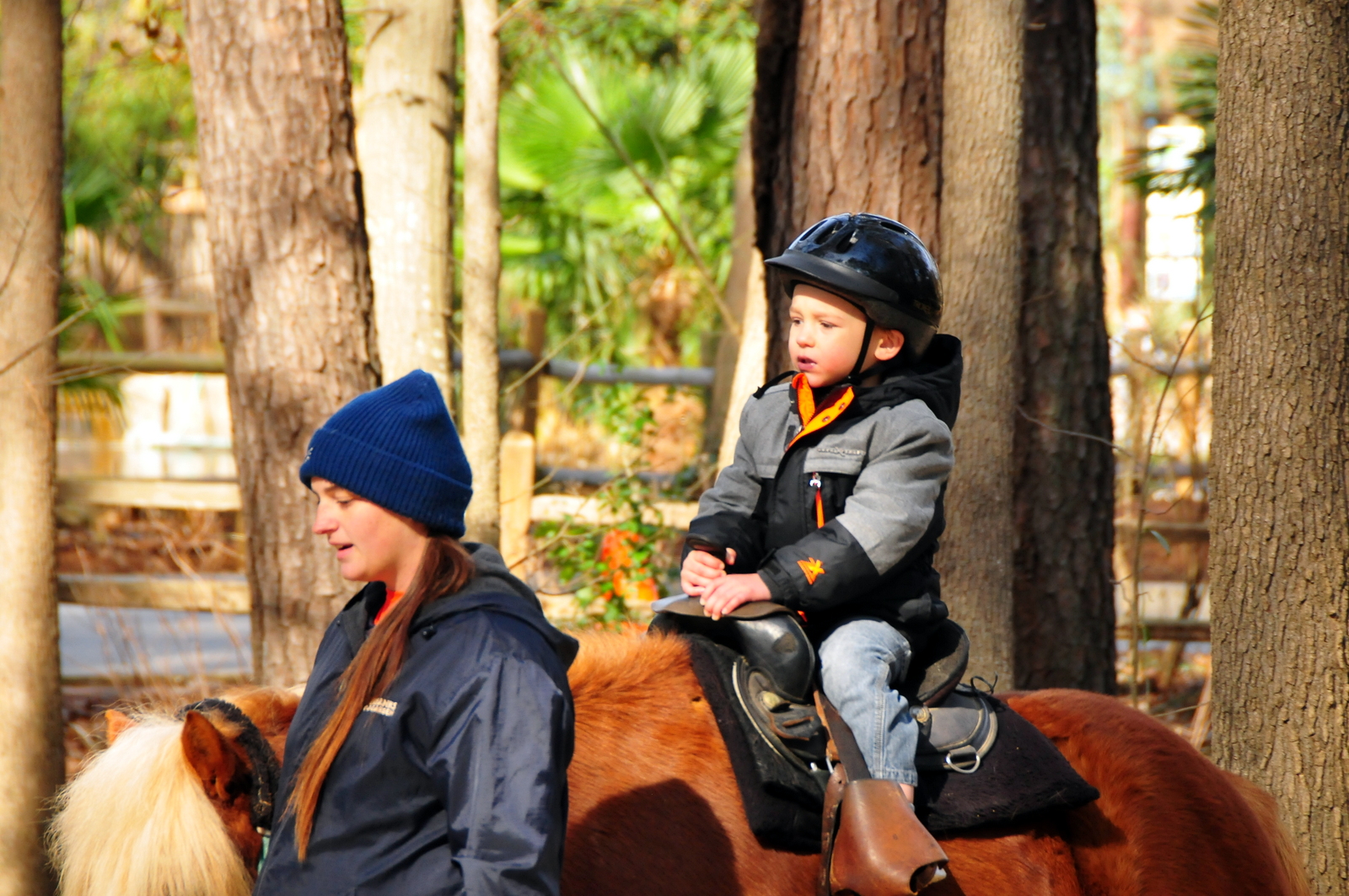
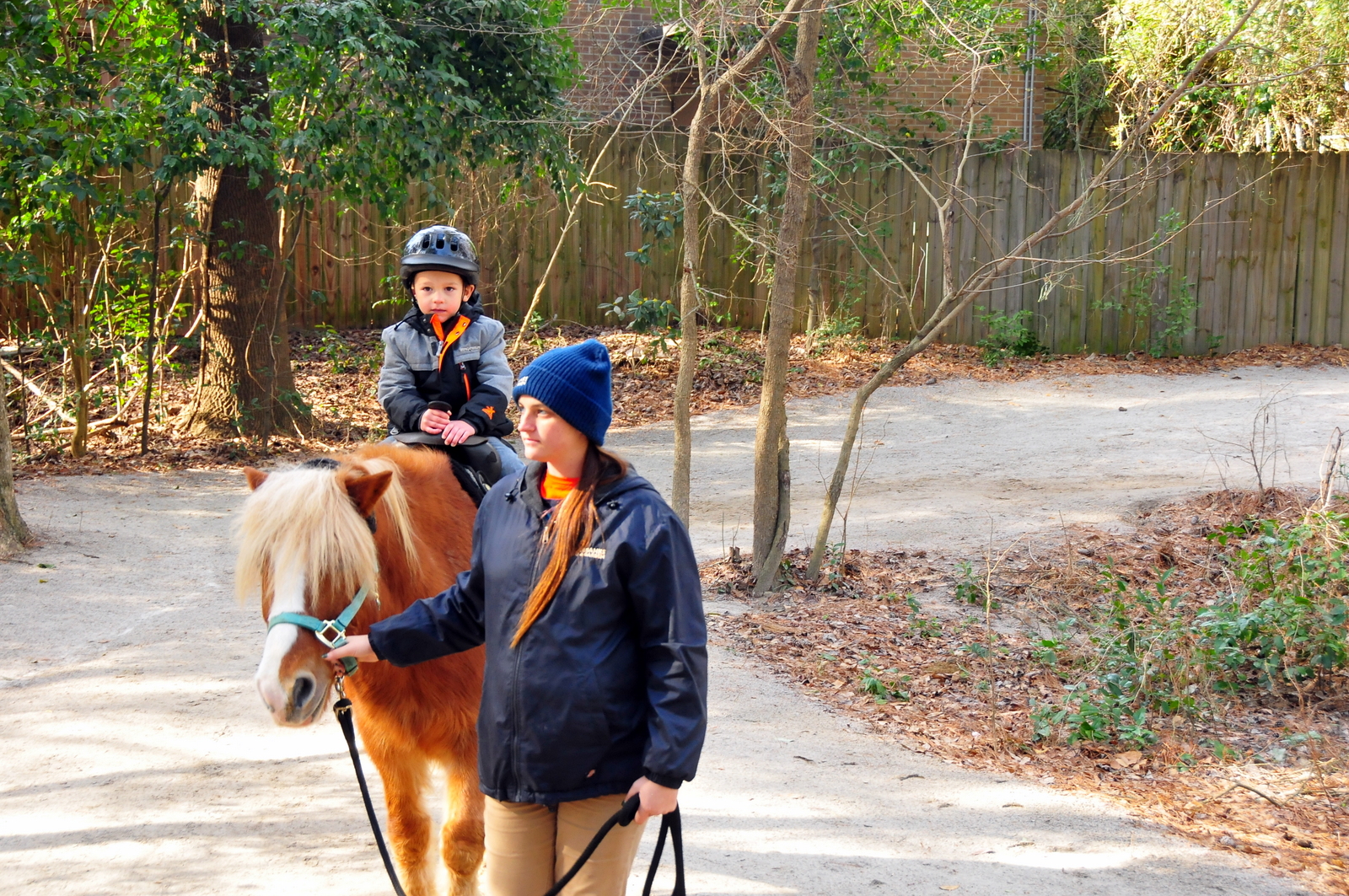
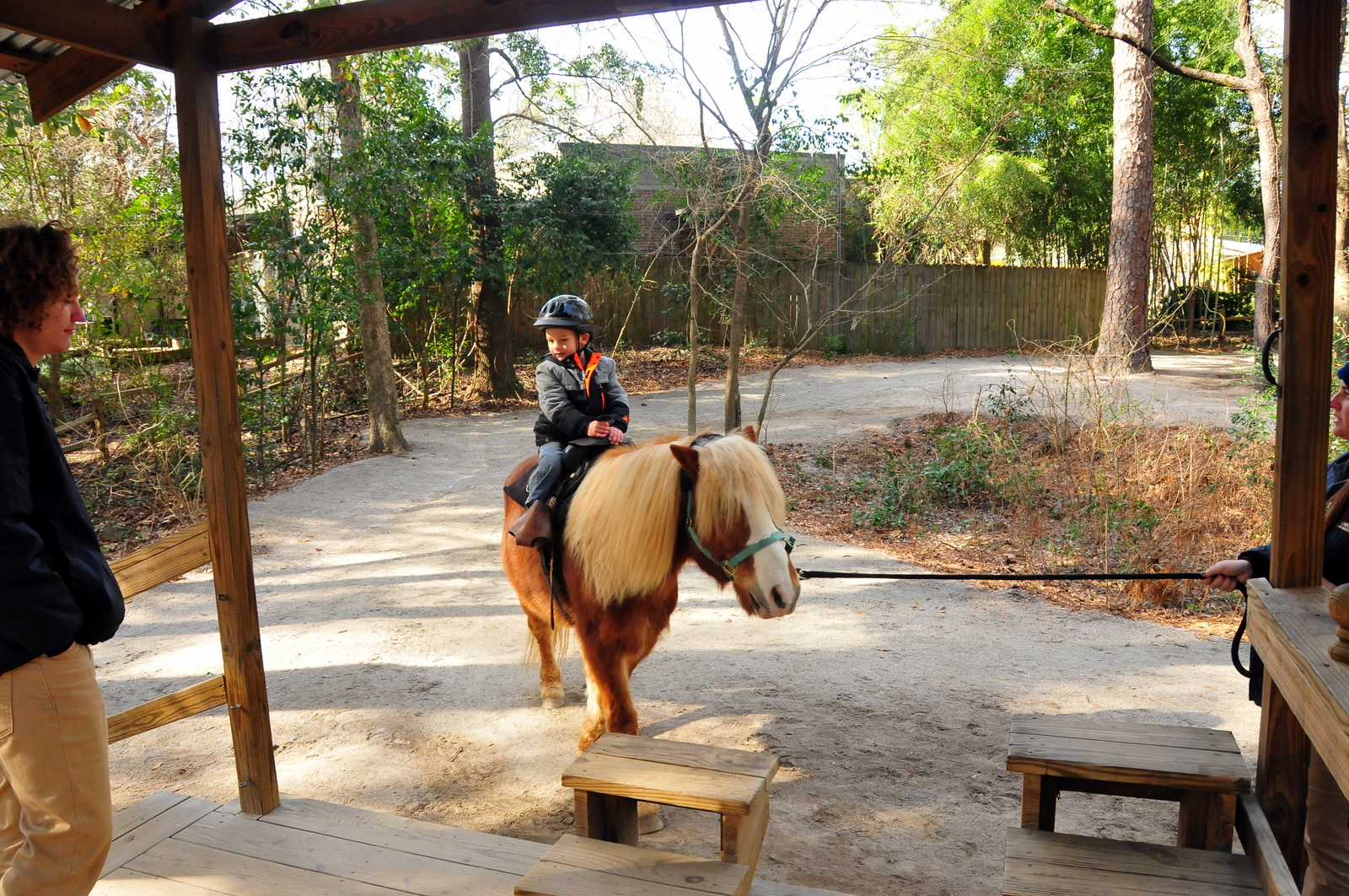
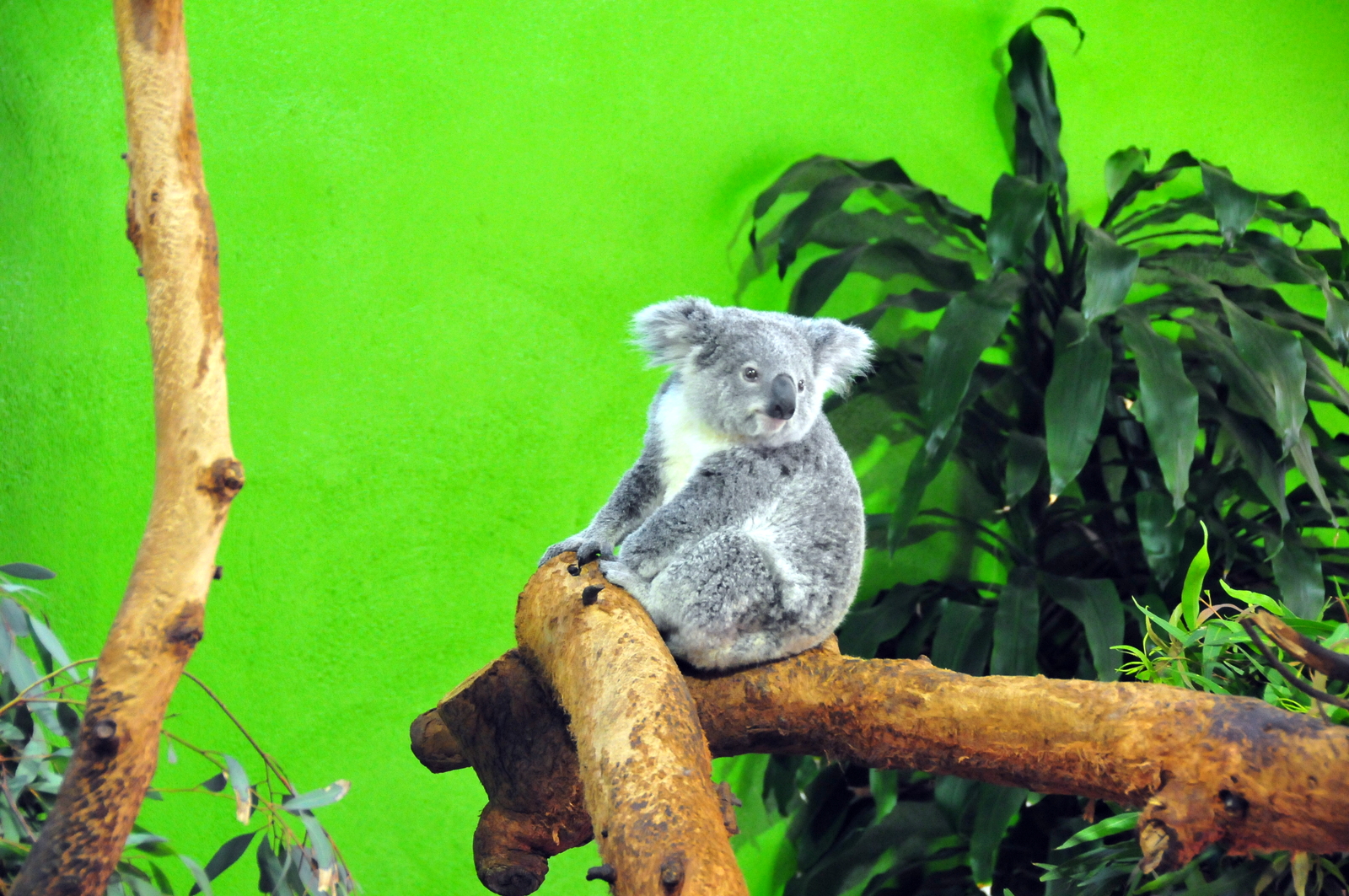
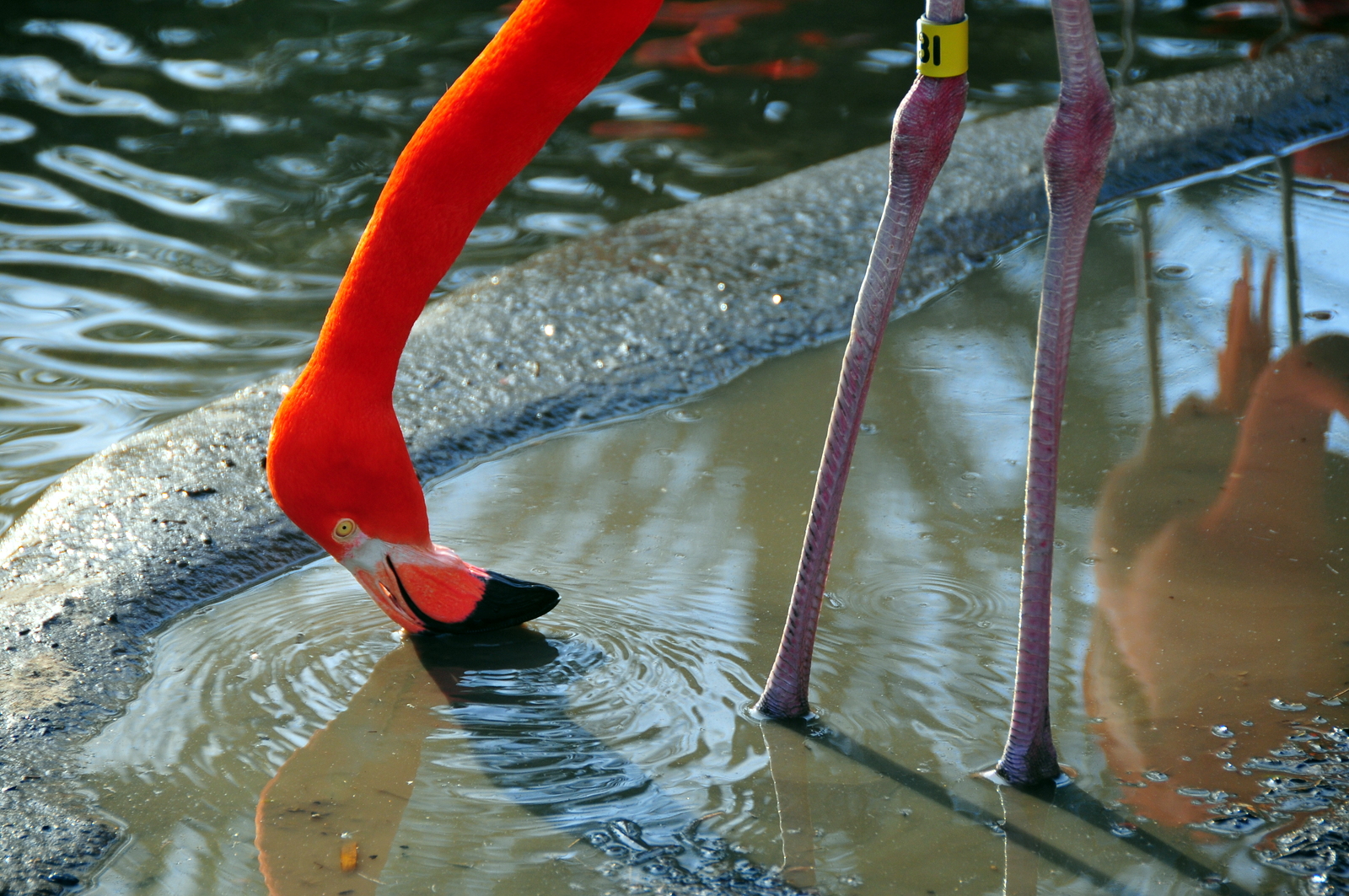
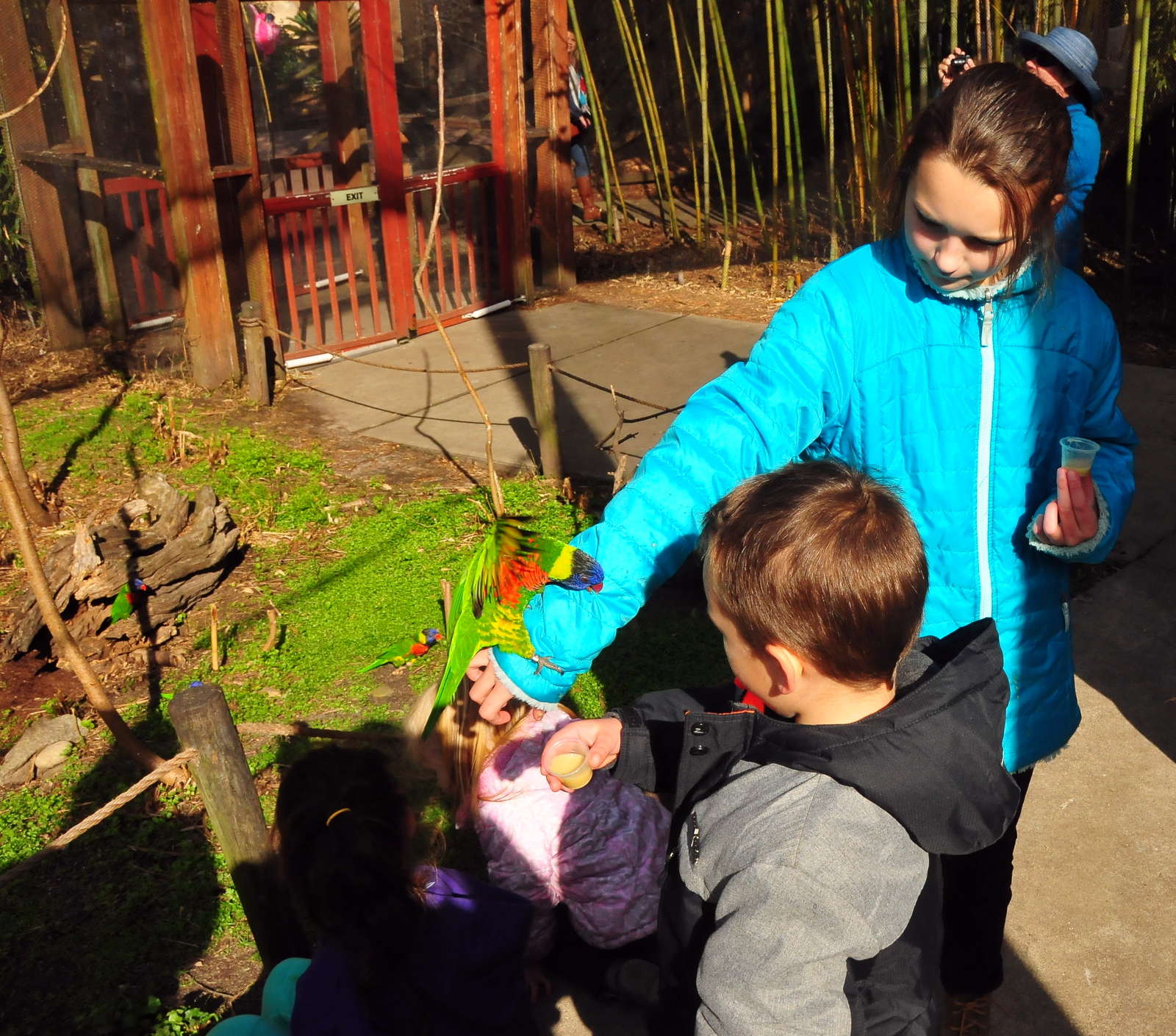
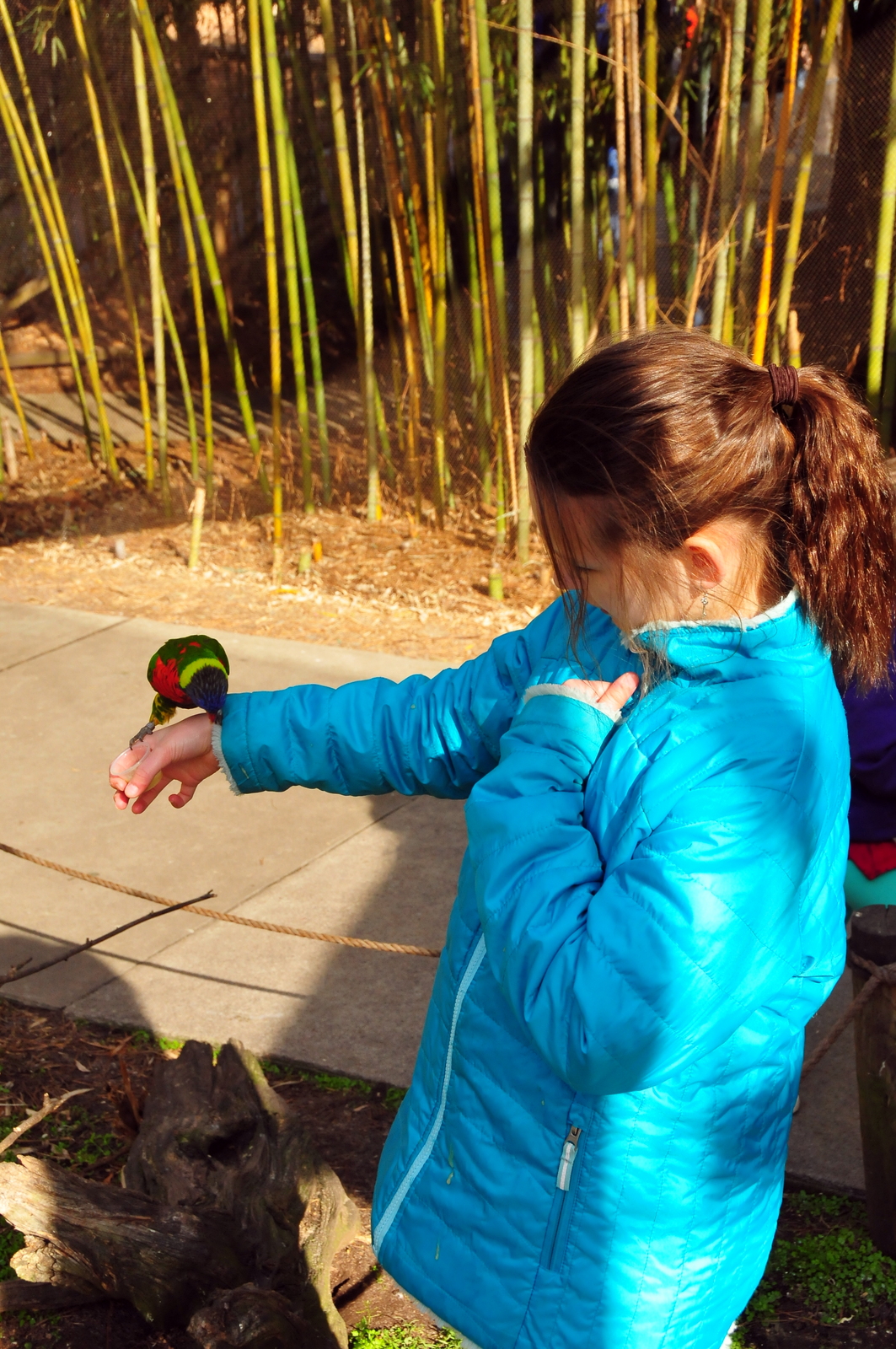
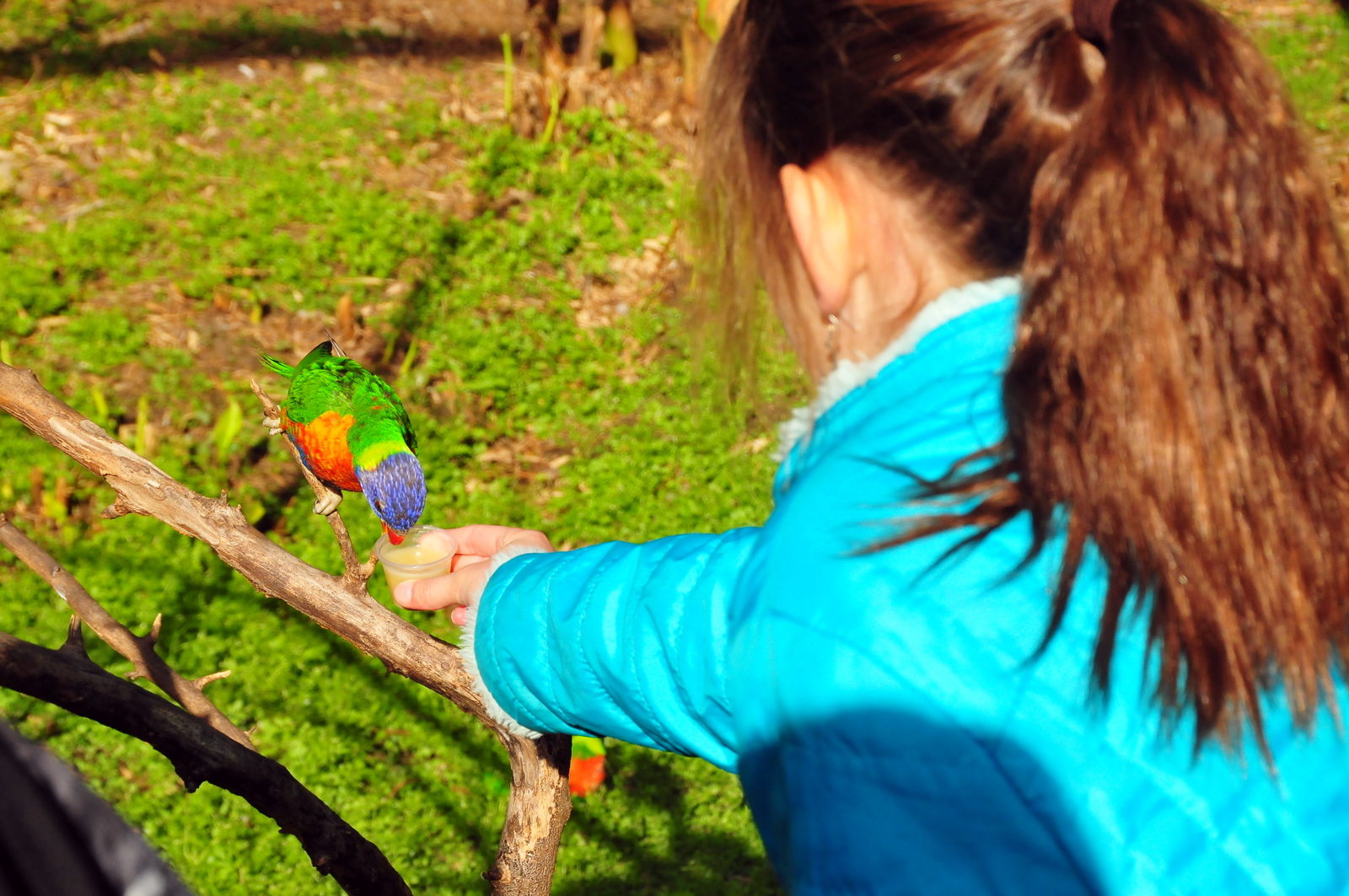
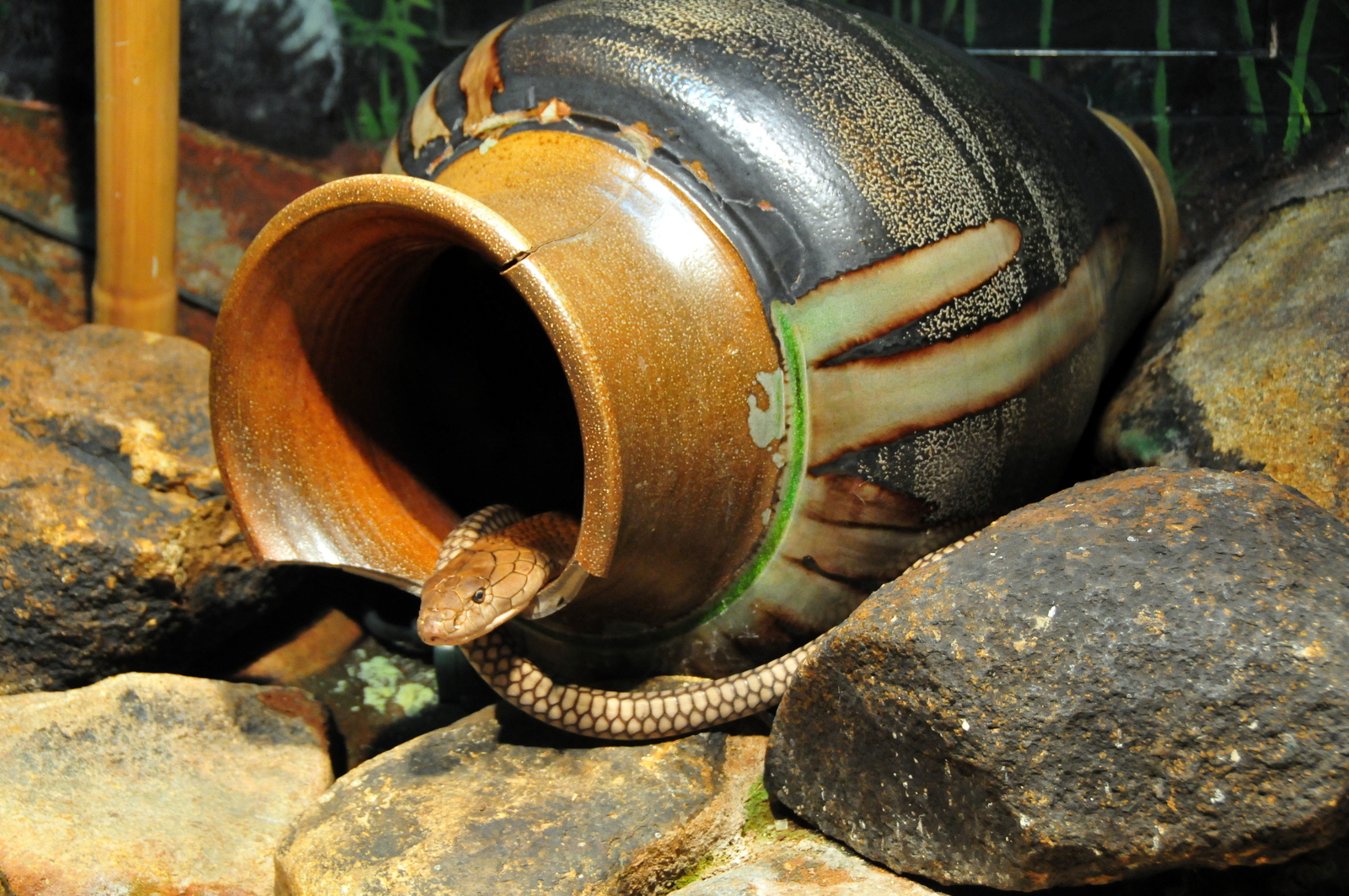
Columbia Zoo

Afternoon at the Lake

I wouldn't know about them but for the Olympics, which have put in us in front of the television more than usual lately, but State Farm has been apparently hiring known musicians to embed their "Like a good neighbor" in one of their stylized creations. Clever, I guess, but it's a meaningless ad if you don't have good neighbors. We have great neighbors, and we spent the afternoon at the lake with them today.

1-VIV_5355

E has been eyeing our neighbor's boat for years, and Mr. F has been promising to take him out on the boat for ages. Today was the day. Mrs. P, who works at E's preschool, told us that he's been talking about today's outing for the whole week. "Everyone knows he's going out on the boat with Mr. F," she laughed.

1-VIV_5366

When we arrived, everyone went straight into the water while Mr. F went to put the boat in the water. The plan was simple: swim, lunch, boat ride.

1-VIV_5374

The first part of it went fine. They even managed to slip a short boat ride in just before lunch.

But then the rain began and intensified and it was fairly clear fairly quickly that we weren't going on another boat ride. The thunder began and it became clear that we weren't even going back into the water.

1-DSCF0165
1-DSCF0170

So it's a good thing the kids got the short boat ride in before lunch.

I was talking to the Boy about it, wondering how he'd take it. I tried to set things up to ease the reality of going home sooner than expected.

"But we're big boys and not really upset about it, right?"

"Yep."

"Because we can't control the weather, right?"

"Nope, can't control the weather."

If only all disasters were so easily averted.

Stone Mountain Vacation

Georgia Aquarium

The first stop was the Georgia Aquarium, reportedly the biggest in the world with over ten million gallons of water in their various tanks. The kids were fascinated with most of it, but the highlight was the dolphins, both in their display and during the dolphin show. With the way the trainers were hugging and kissing the dolphins between the tricks, it was surprising the kids were begging for a pet dolphin afterward. Instead, they were begging for a stuffed dolphin at the over-priced gift shop.

"We can order one online and it will be cheaper," K and I explained to no avail. They had already decided: they would split the cost between them and buy the dolphin, sharing it for all eternity.

We all knew where that was headed...

Stone Mountain Day 1

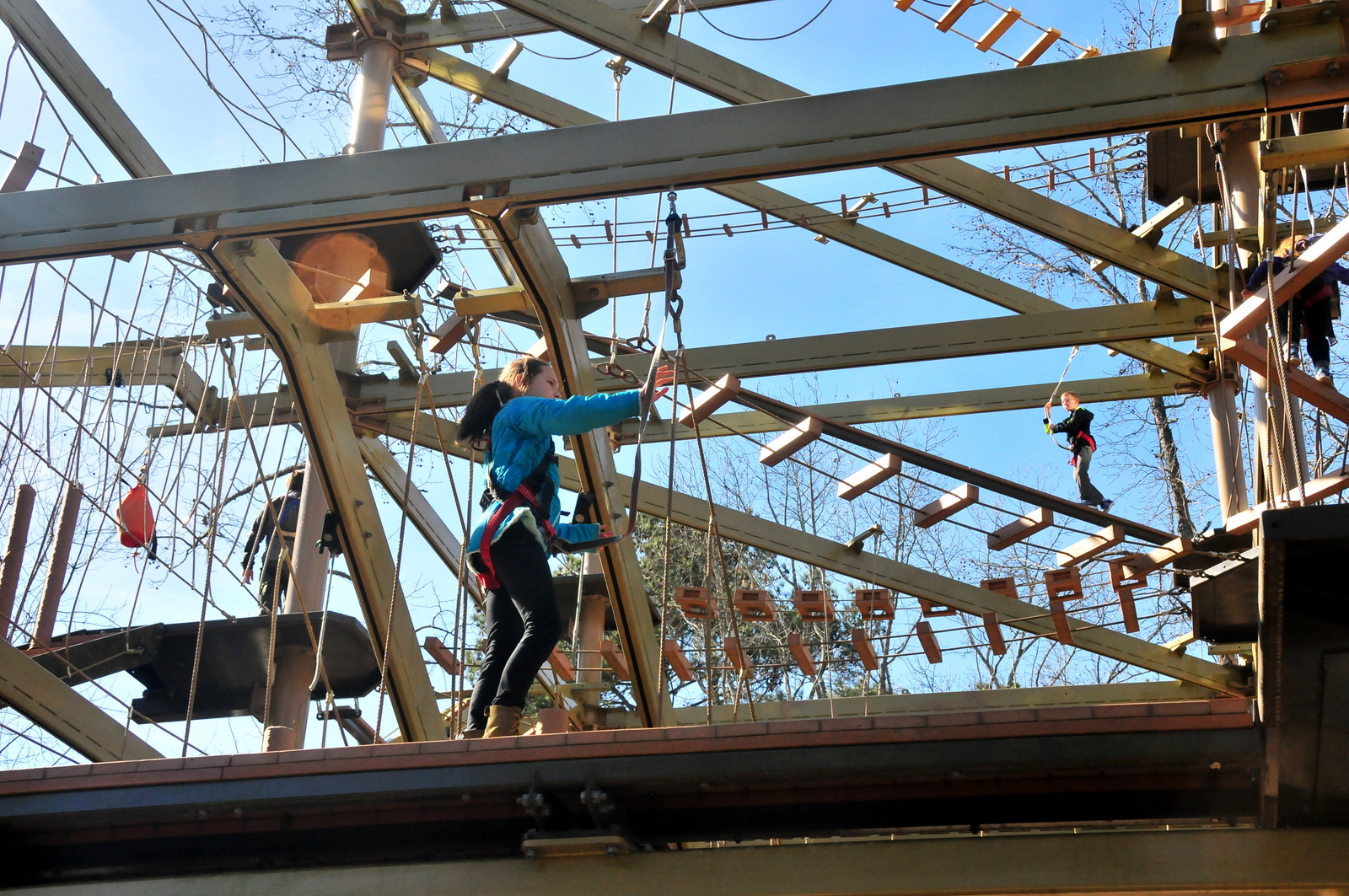
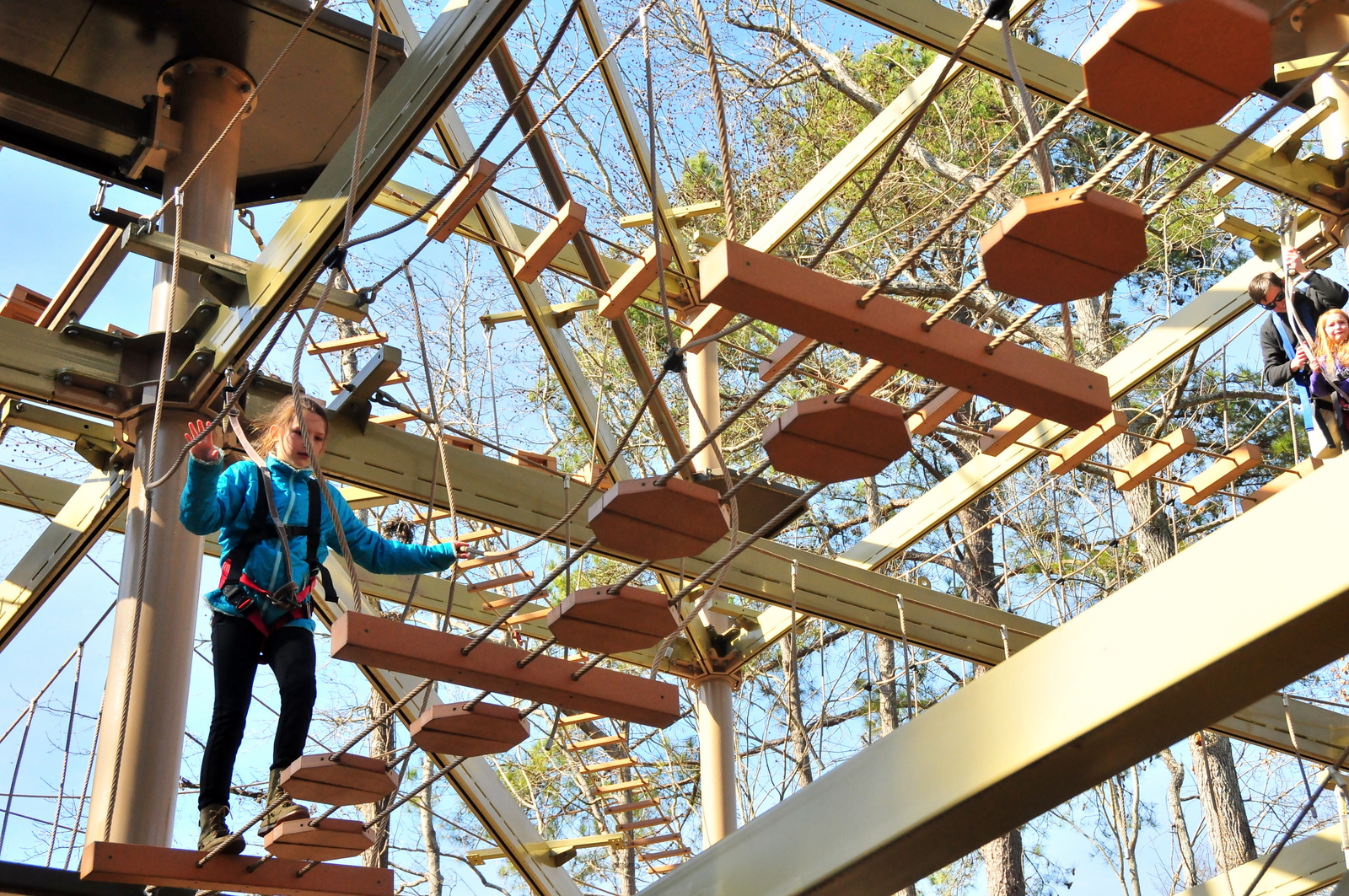
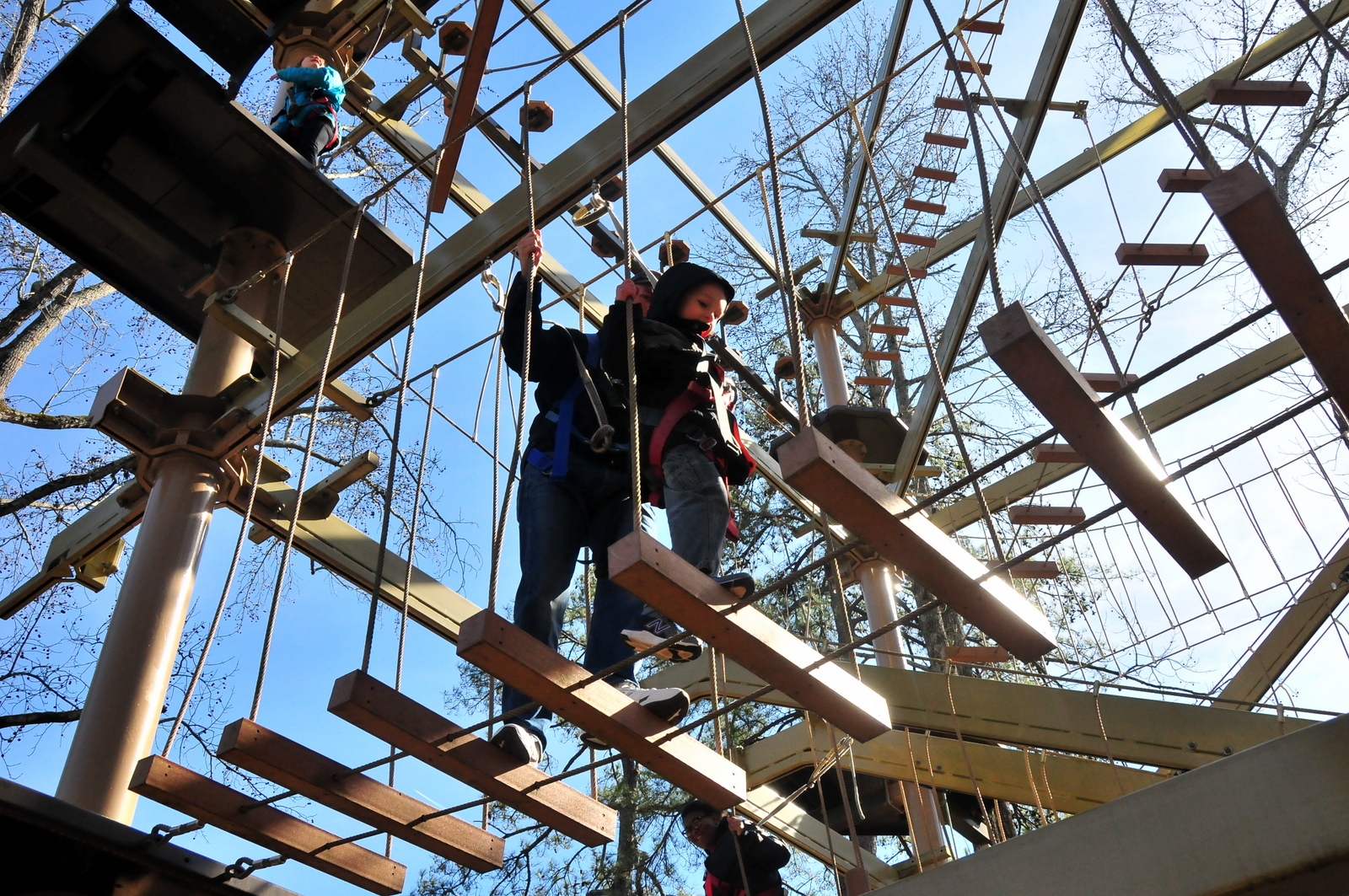
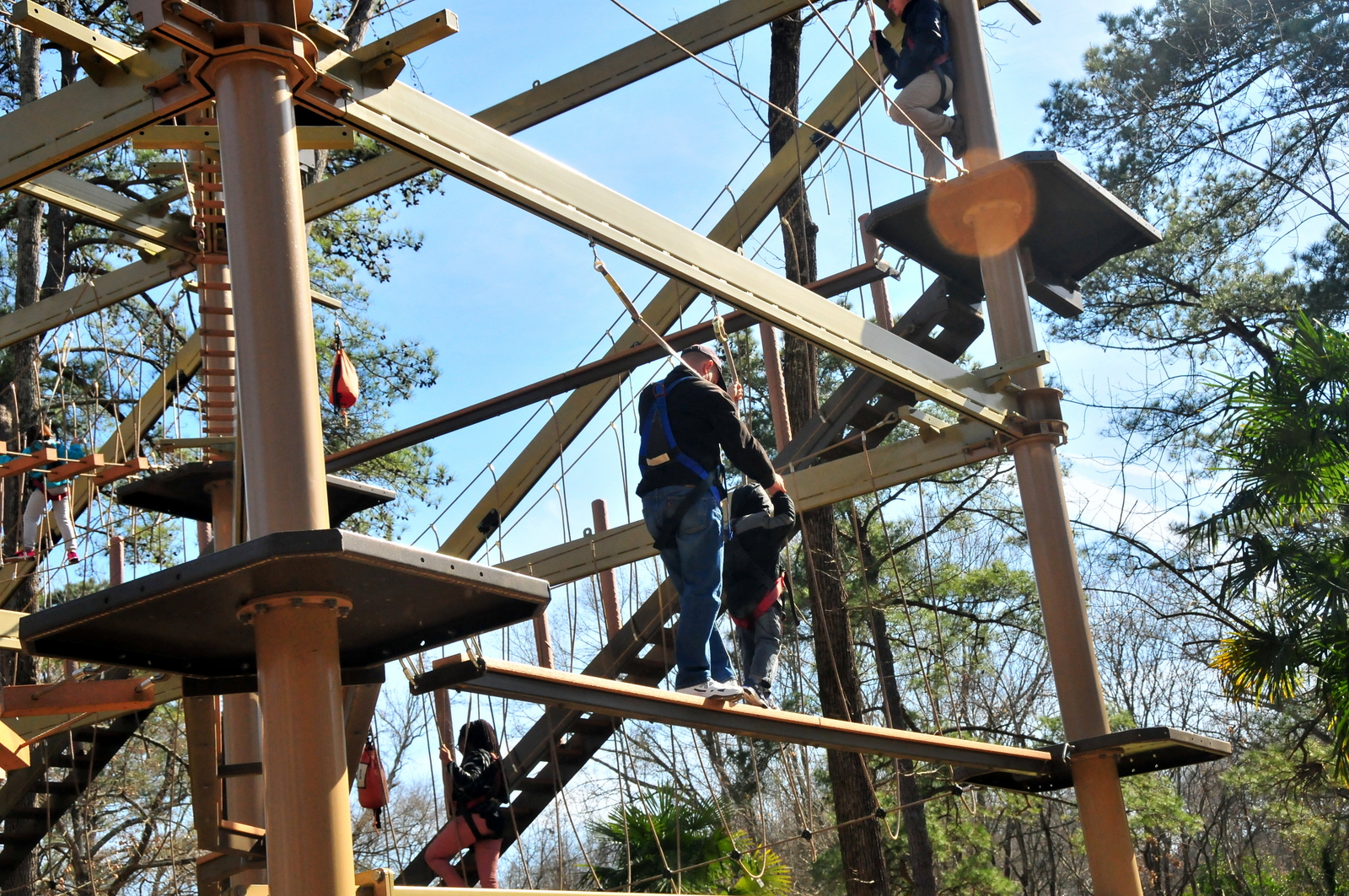
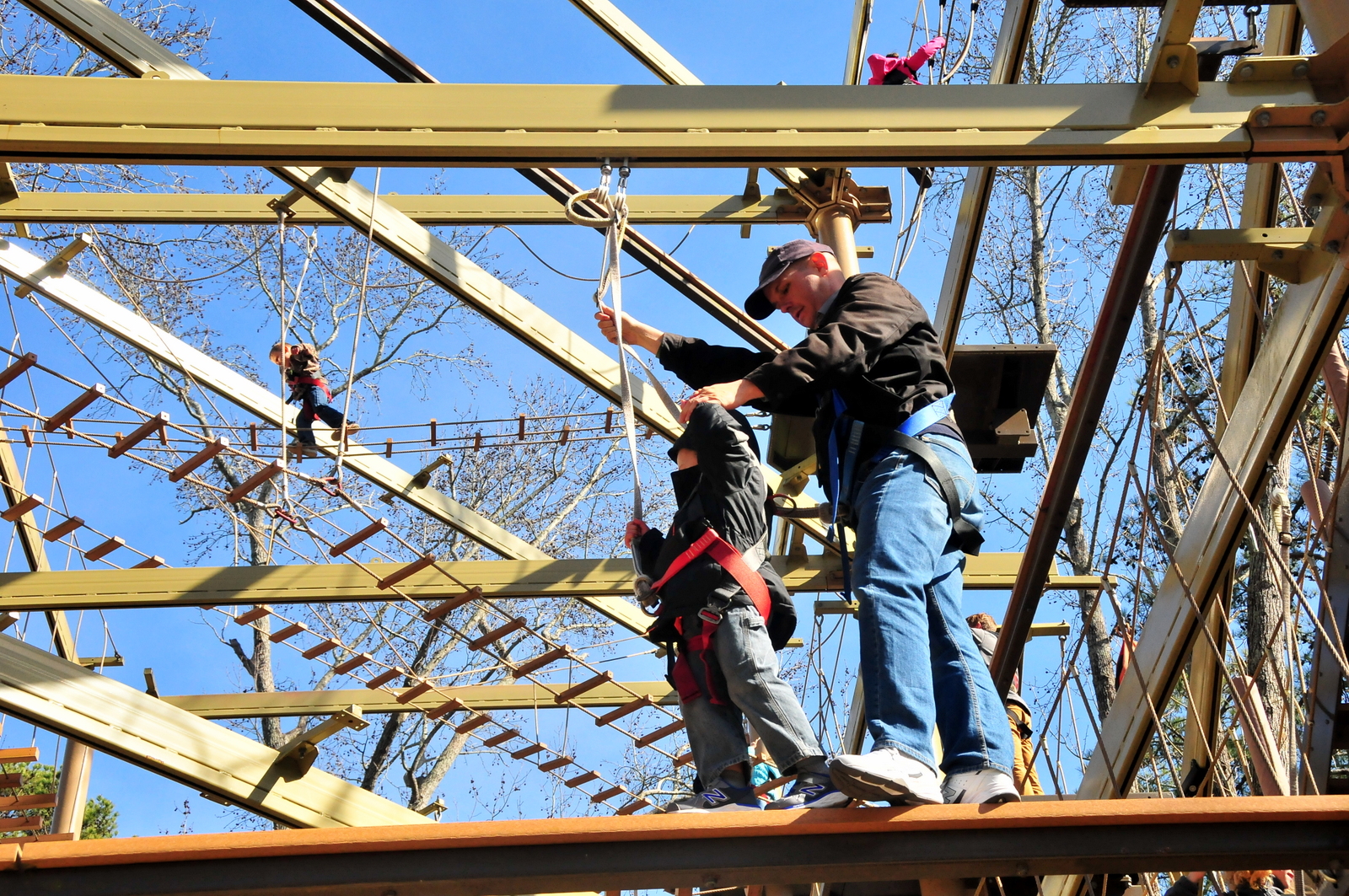
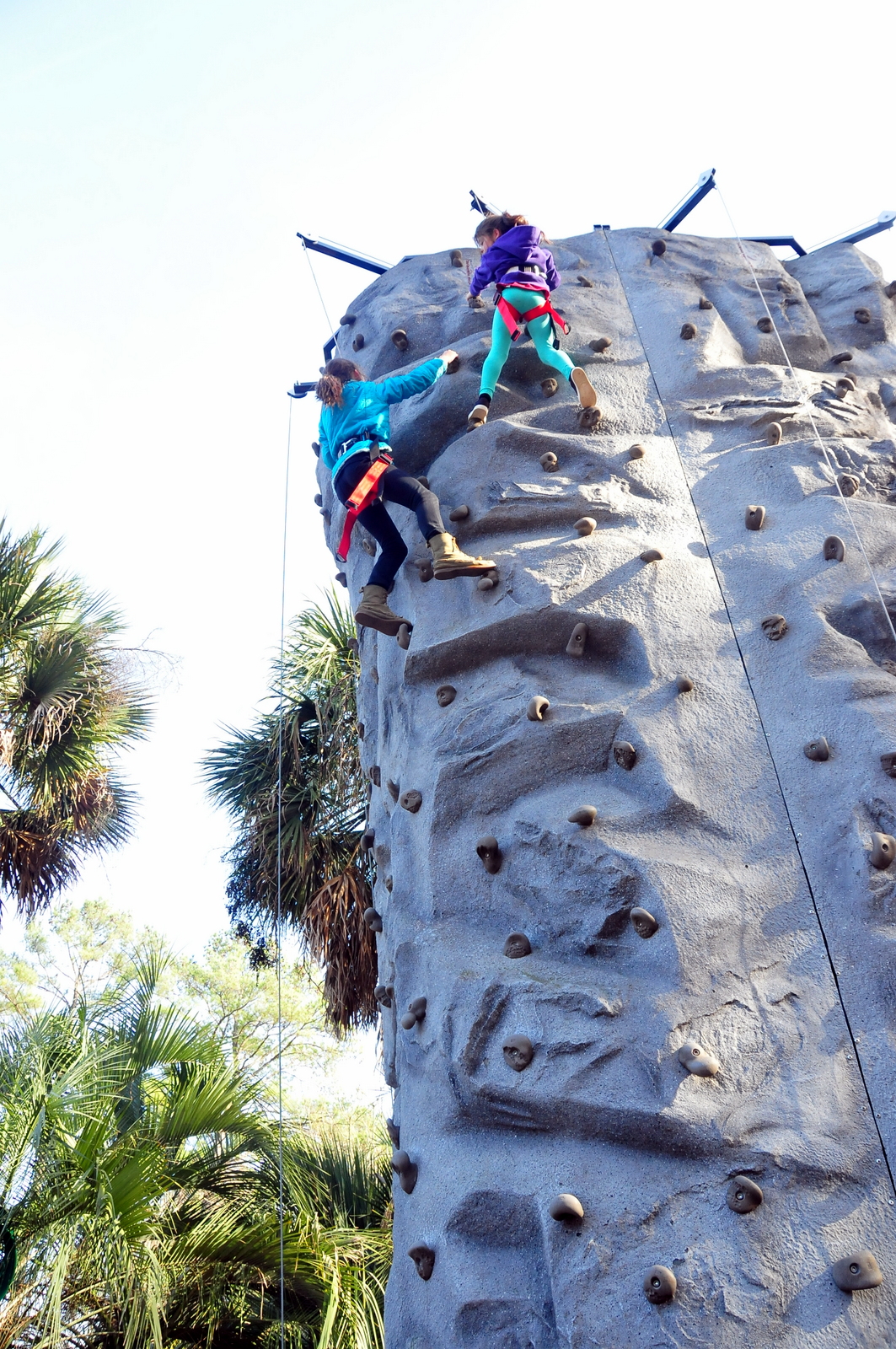
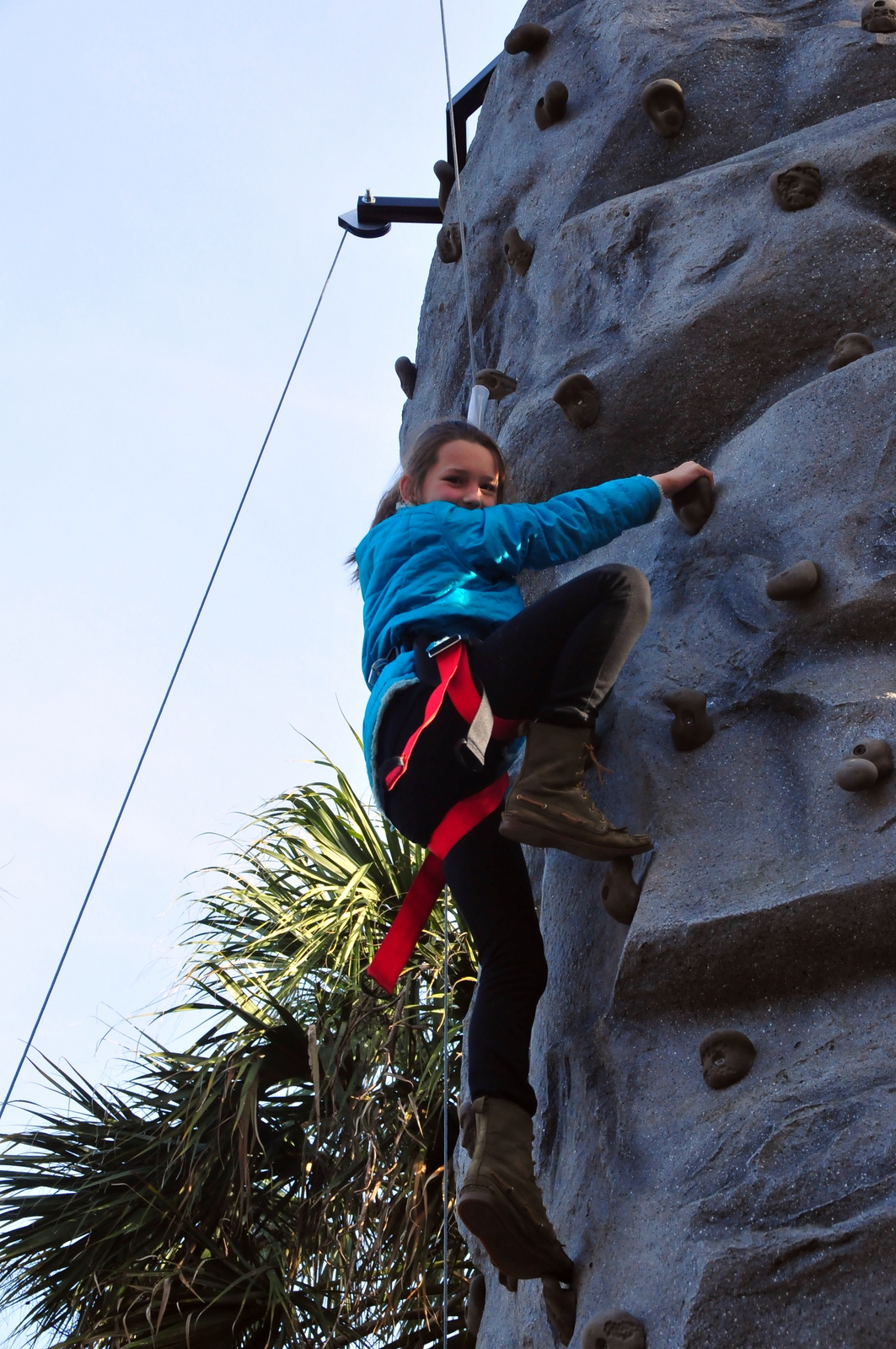
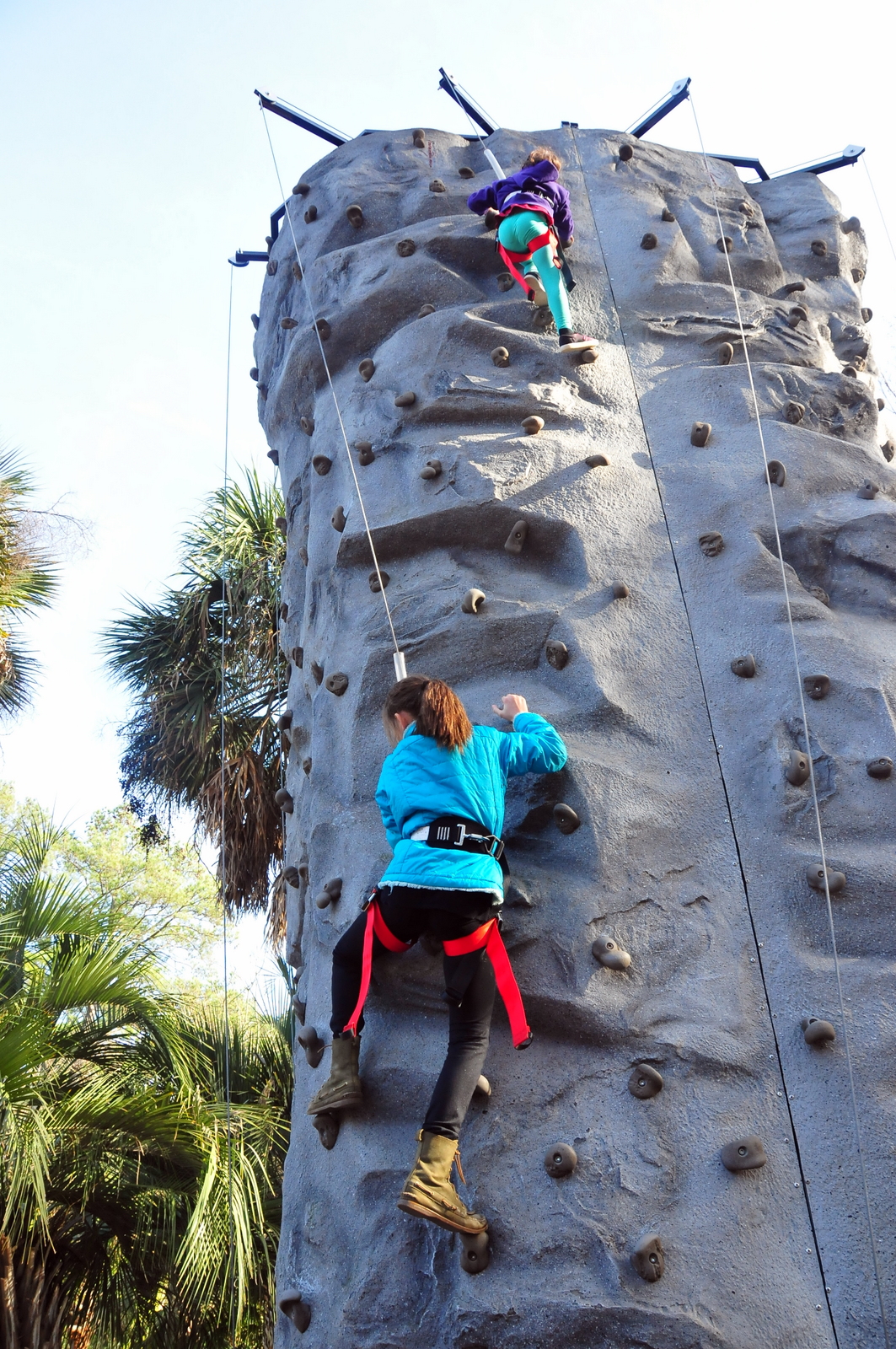
We arrived at Stone Mountain on Tuesday, which would have technically been our first day, but we spent the evening setting up camp and fixing dinner, so I don't count it as day one here. The first full day at the park was packed: the line park (such as it was -- nothing in comparison to the challenge of the line park in Babcia's region) followed by a train ride, a trip to the top of the mountain (which is the largest deposit of granite in the world, with only 1% visible -- the rest of the deposit stretches ten miles into the earth and spreads to five states under the visible ground), and the famed laser show in the evening.

Stone Mountain Day 2

The second full day got off to a slow start due to the late hour we all made it to bed after the laser show. But somehow, I look at the pictures I'd loaded earlier and think, "Wait, these are from when we returned Friday, the final day, day three." So what of day two? Not sure -- such is the nature of a good vacation: it all blurs together in one's mind.