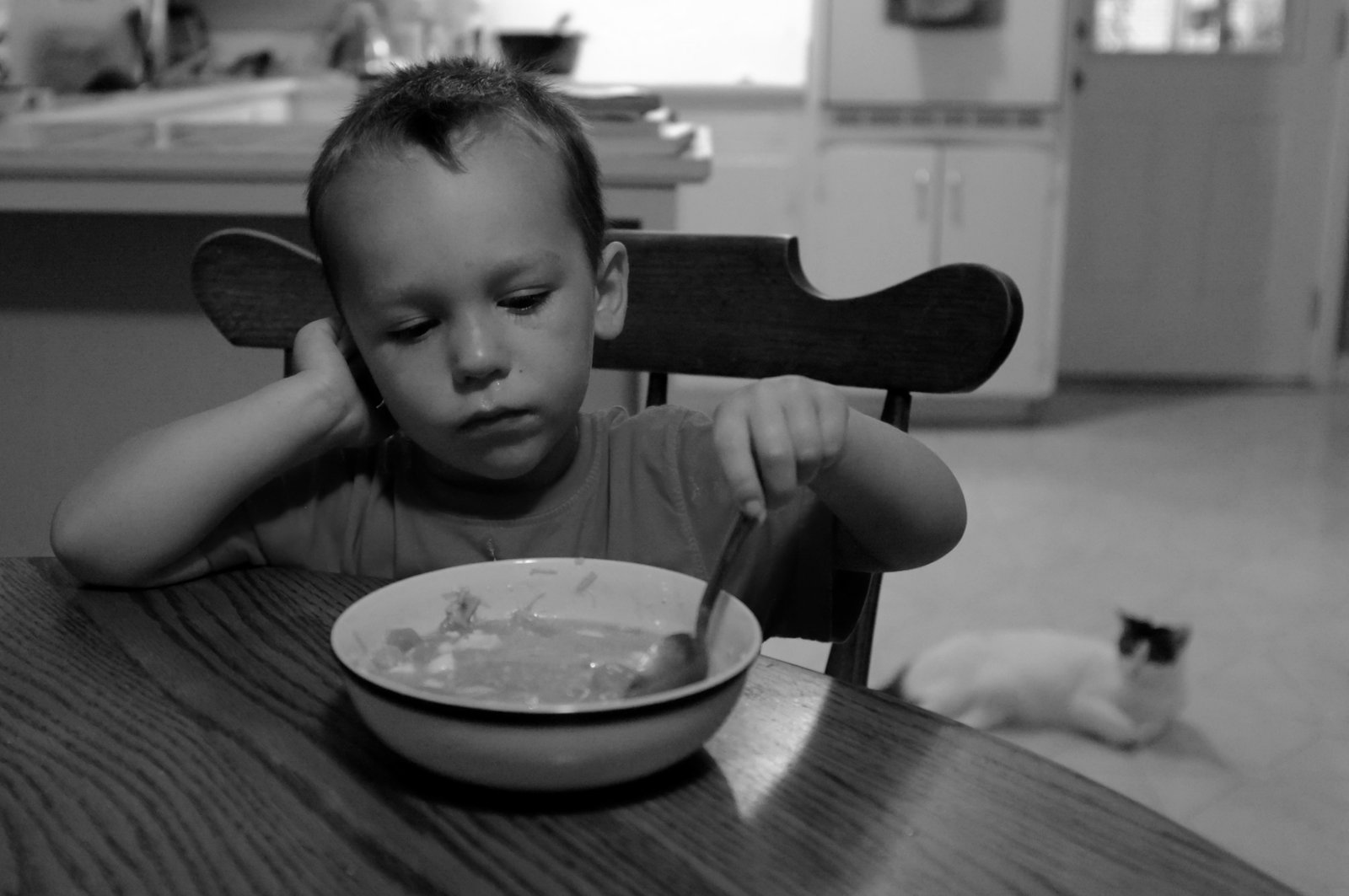
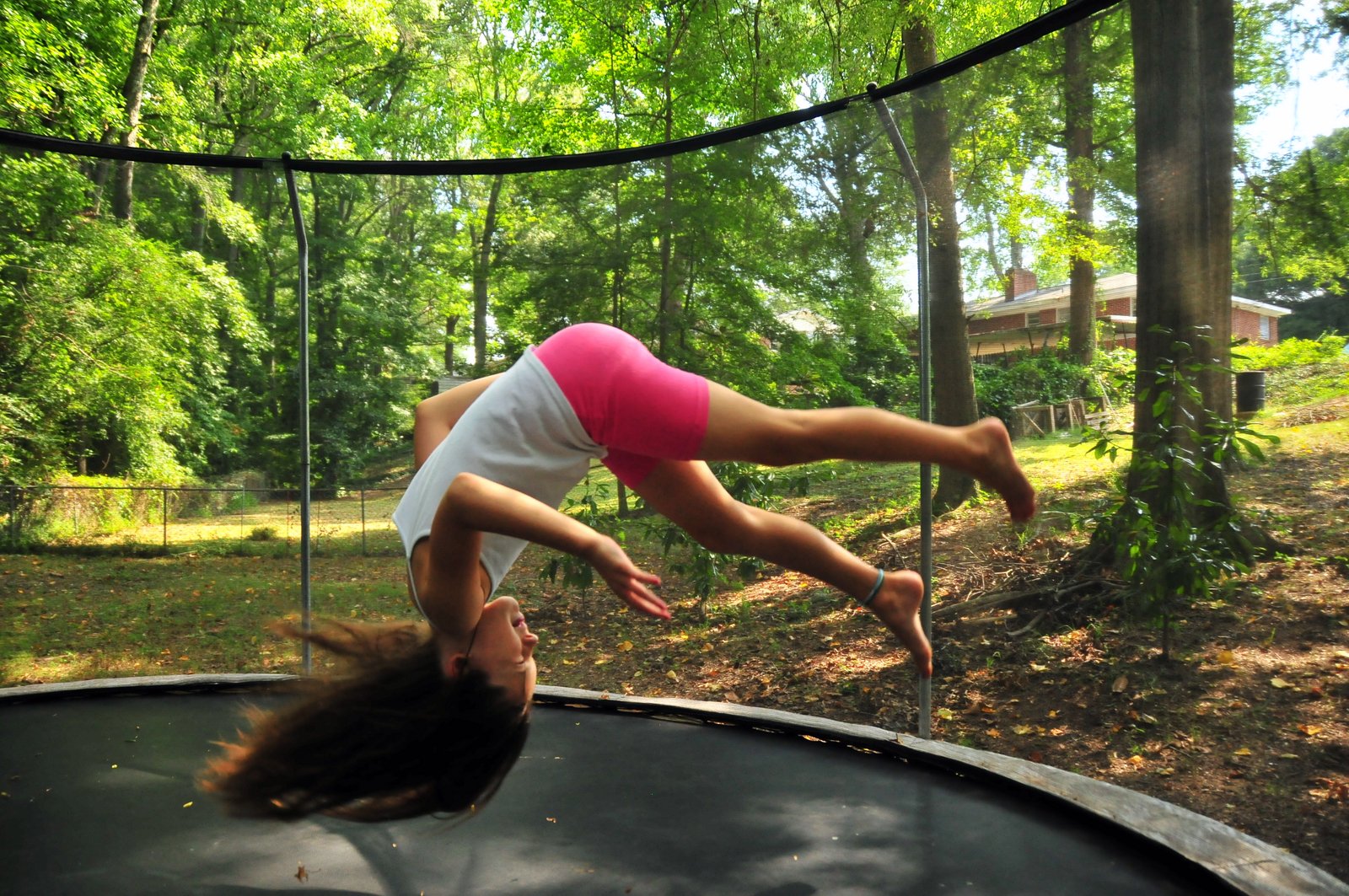
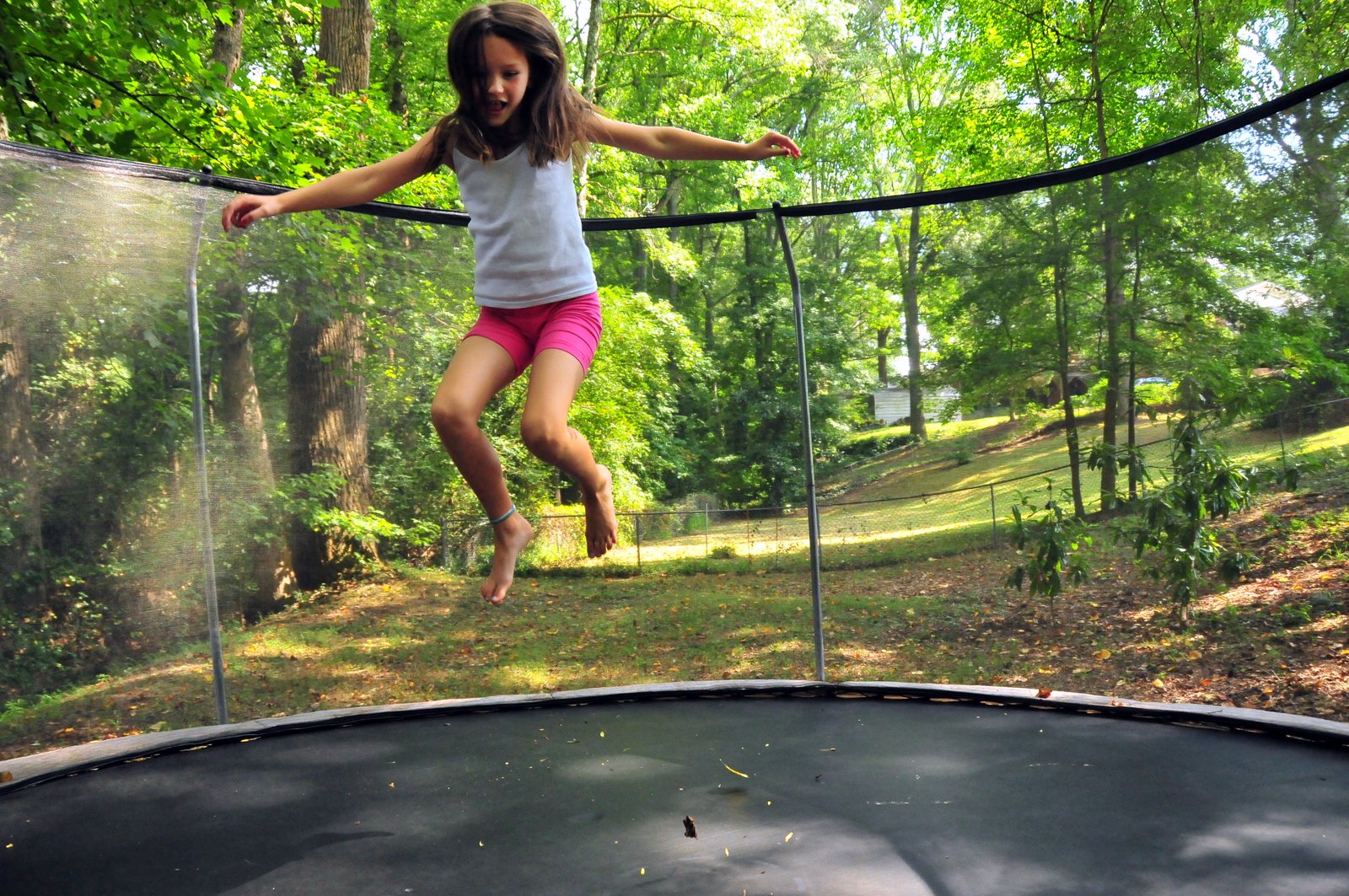
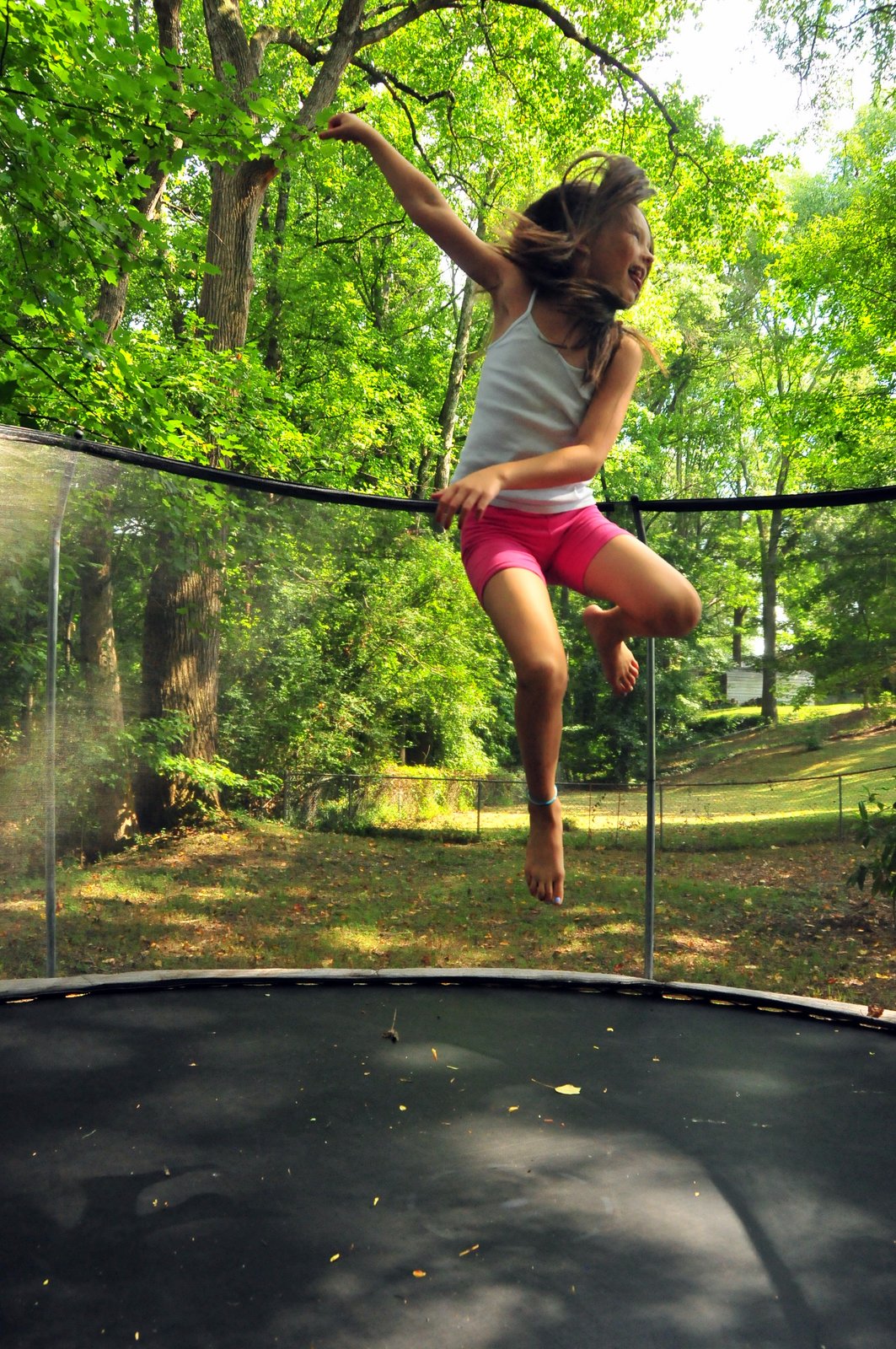
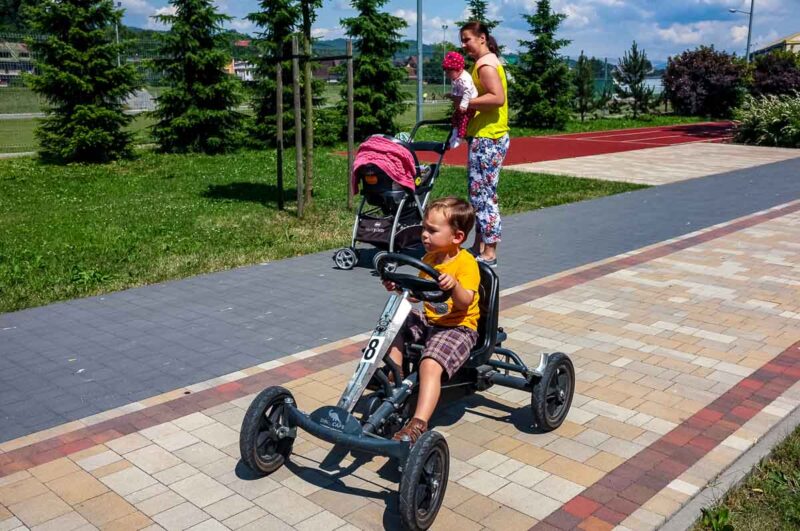
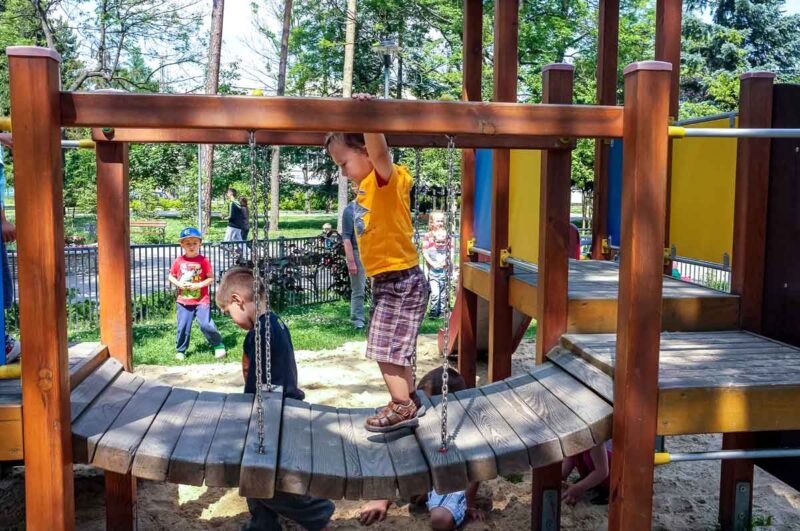
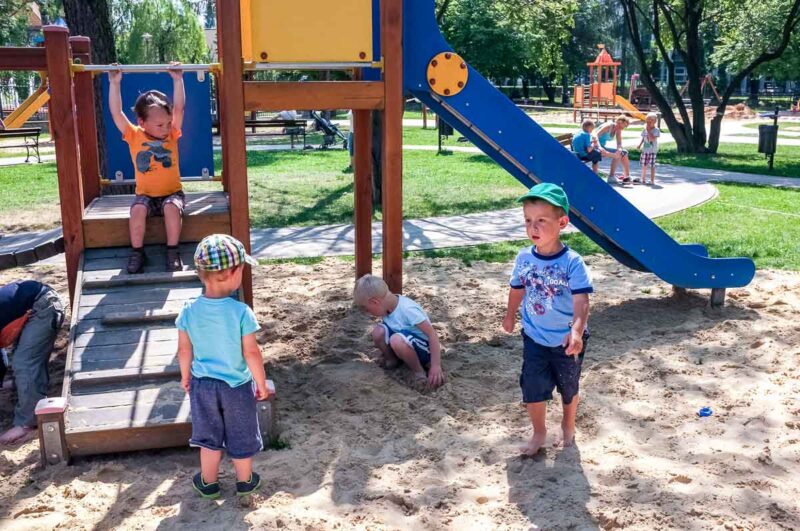
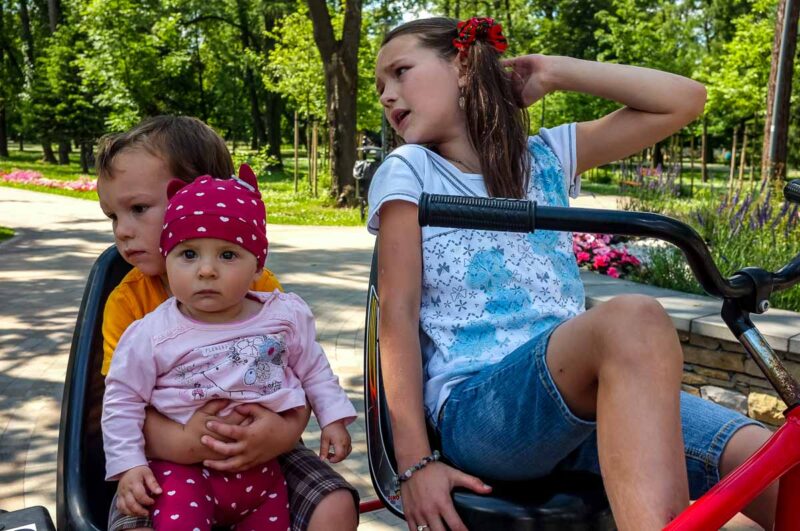
matching tracksuits

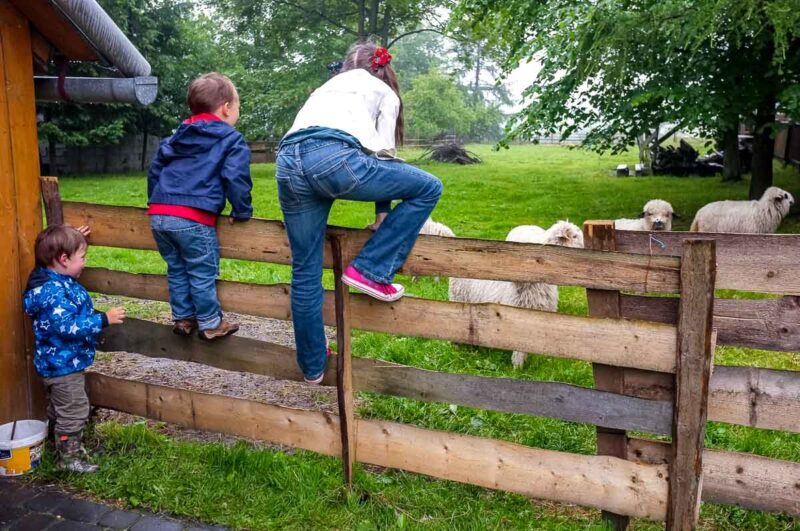
fun in threes, sometimes fours

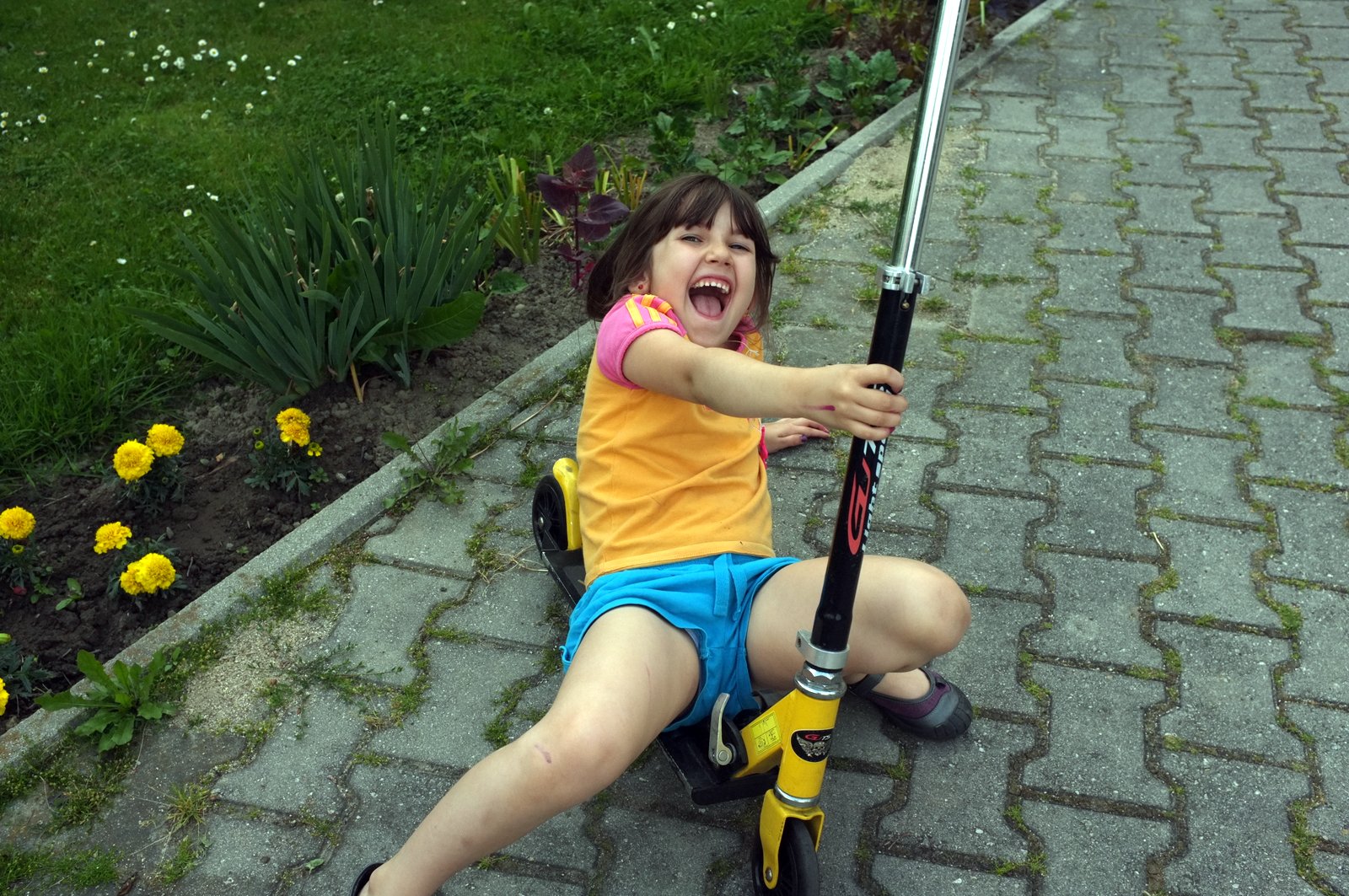
the girl

Tiring

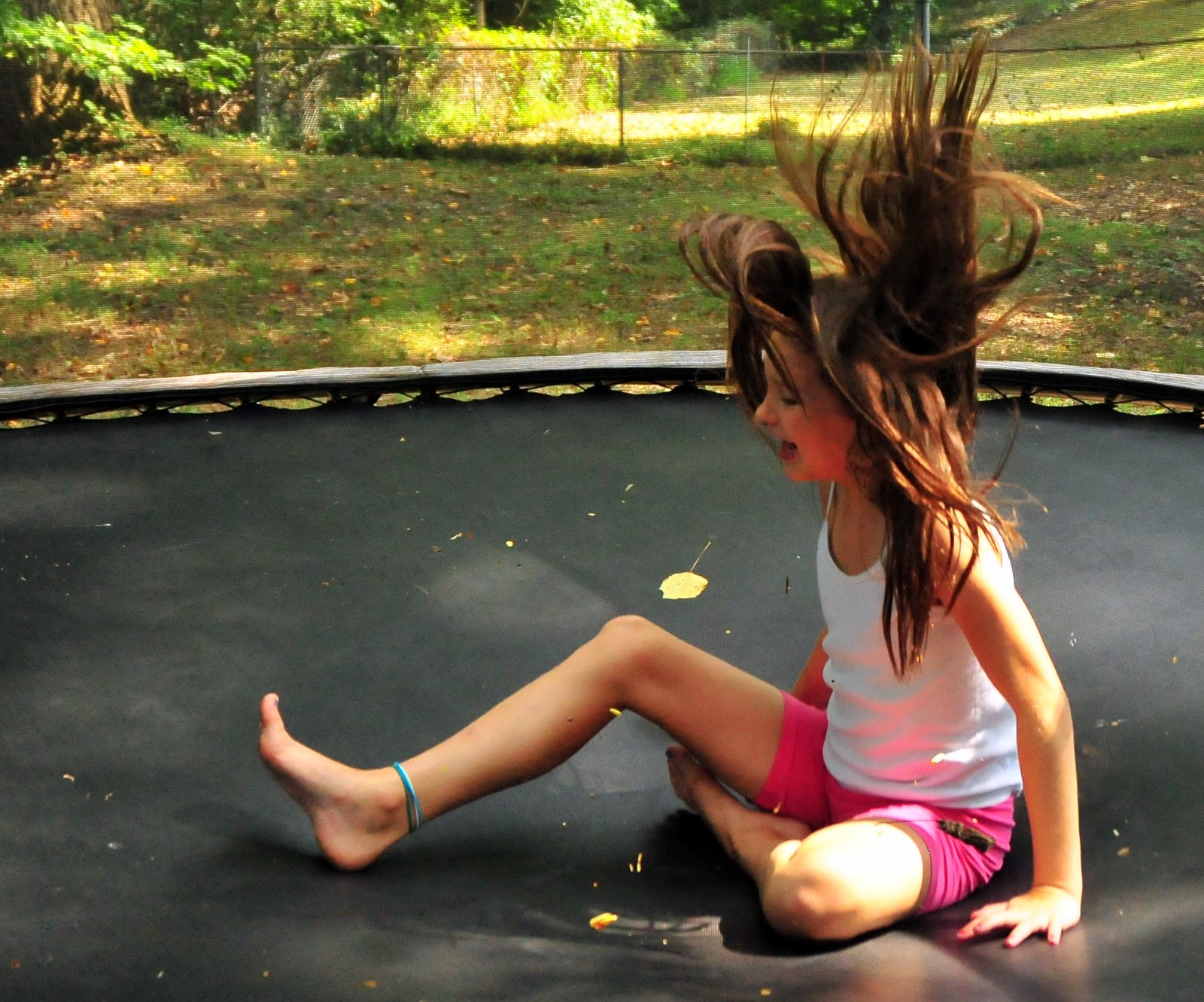
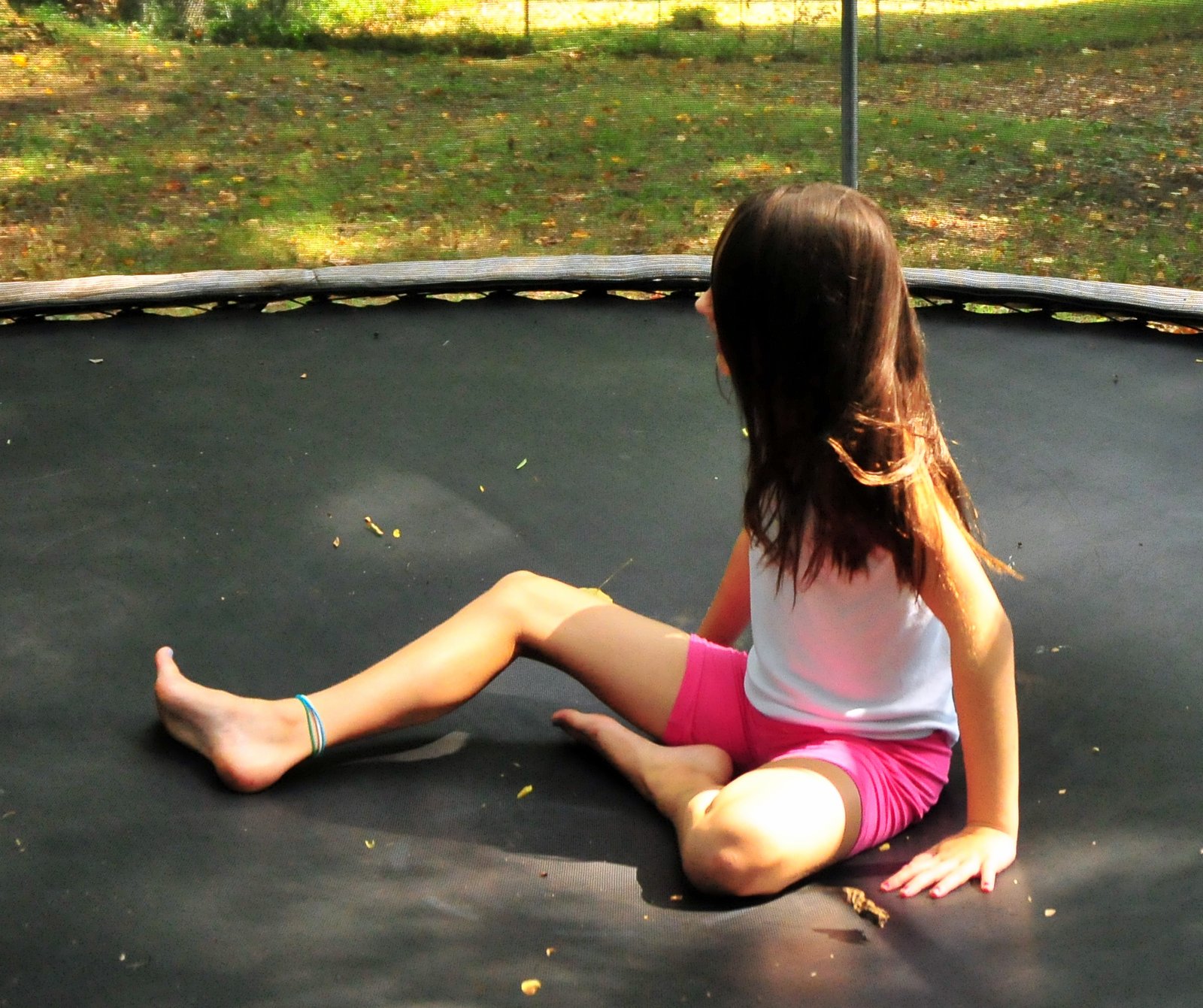
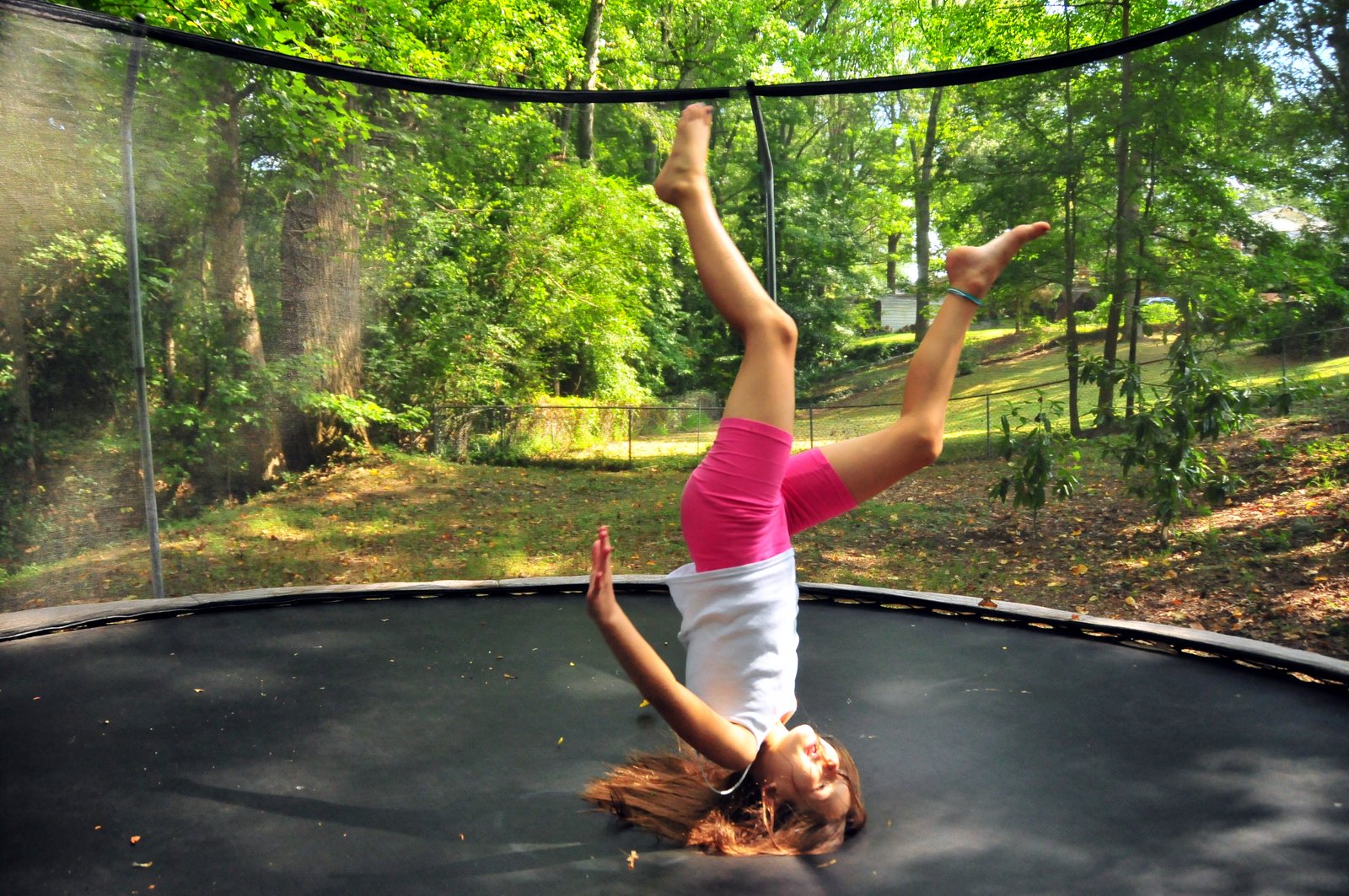
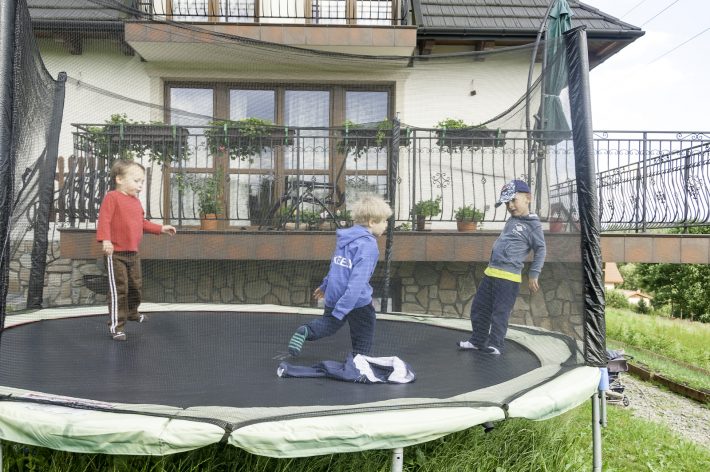
Since everyone has returned, the trampoline in the backyard has seen a lot of action.

It's good for everything: exercise, laughs, and coordination.

The Boy especially has improved his coordination.

7-VIV_7871

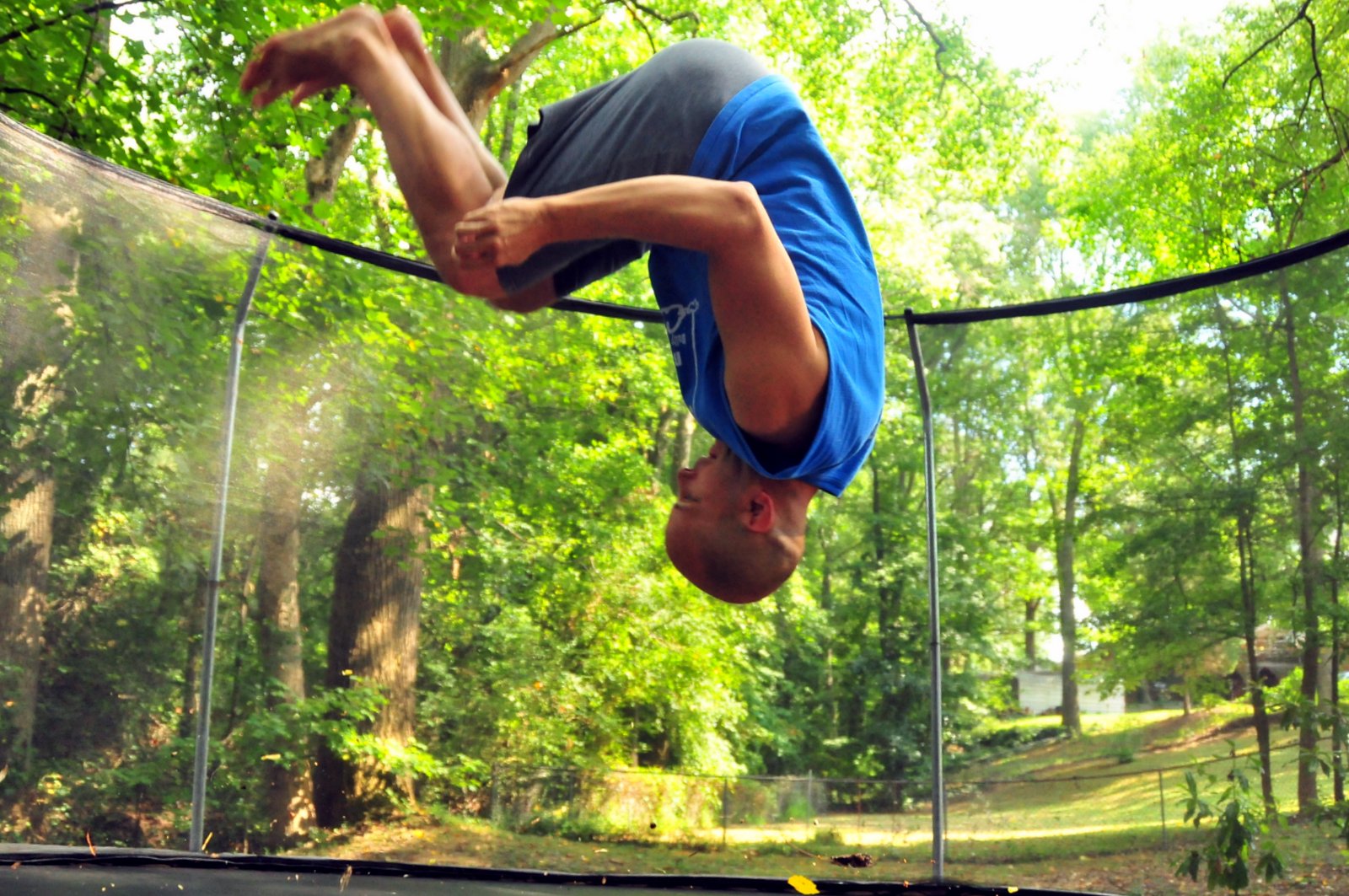
The Old Man has regained a skill or two as well.

Approahing Floriańska

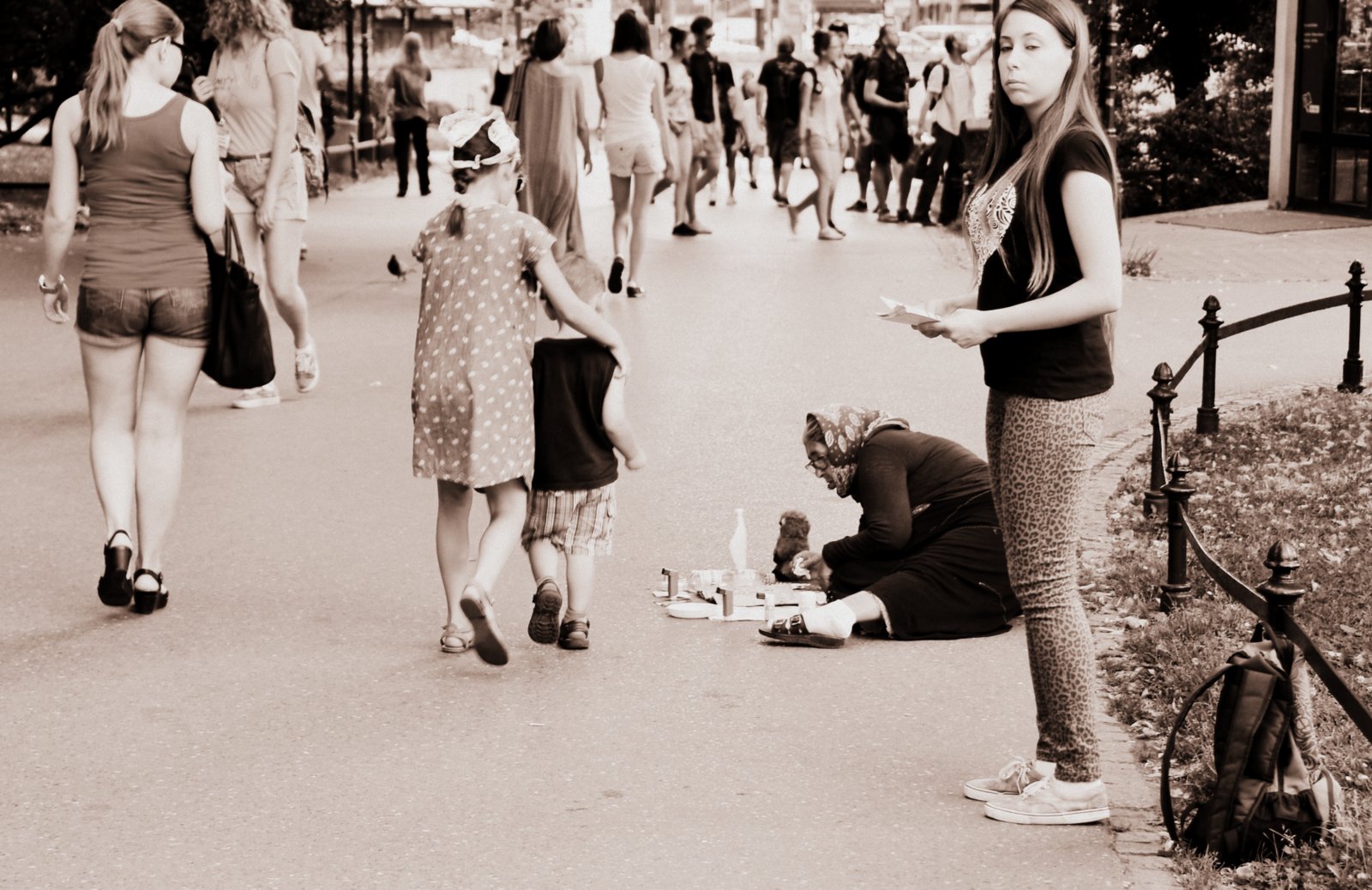
As you emerge from the tunnel that passes under the intersection of Westerplatte, Pawia, Baszowa, and Lubicz streets in Krakow, you emerge into a green park that surrounds the old city center. All tourists who arrive from a train or a bus must walk this way, and it's the logical place for buskers, solicitors, and beggars to line the wide sidewalk and compete for attention. There's always an accordion player or three along the way, numerous students working for a few extra groszy by handing out fliers, and beggars. One tends to grow accustomed to them all. "Dziękuję," you learn to say politely and briskly to the students who are near enough that you can't simply ignore. The buskers merge with the city traffic and the general conversation to form an ignorable element of the soundtrack, unless a given performer is really gifted. And the beggars: they're everywhere. The conscience hardens, especially when you suspect their motives. (Beginning in the nineties, some younger beggars were more honest, holding placards that simply read "Piwo" with "Beer" possibly scratched underneath for foreigners.)

1-Fullscreen capture 7262015 90453 AM

But some of them get to you.

Last week, as we were walking the kids towards the old city center, we passed by an elderly woman sprawled on the sidewalk, her hands shaking violently and her medicines spread out in front of her.

"Why is she shaking?" L asked.

"She's sick, honey," K replied.

We took a few more steps and realized what we'd done.

"Here," I said, giving L a couple of five-zloty coins. "Go take this to her."

The Girl grabbed the Boy by the shoulders. "Come on, E," she said solemnly. They went back and clanked the two coins into the small metal box that held a handful of change. Hopefully, a small, quiet lesson for them.

1-VIV_7696

Helping with Canning

DSCF5593

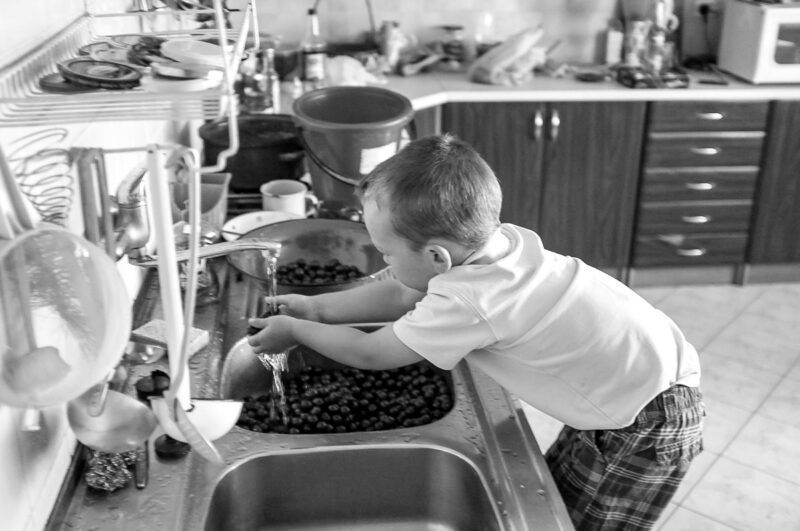
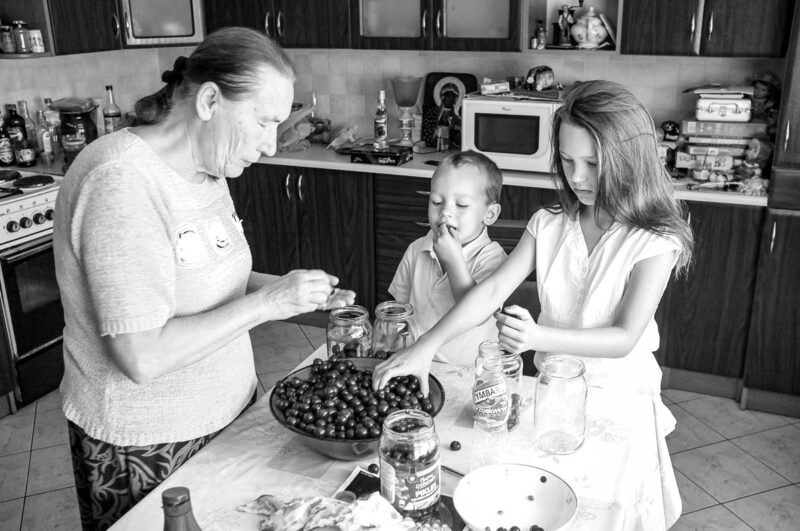
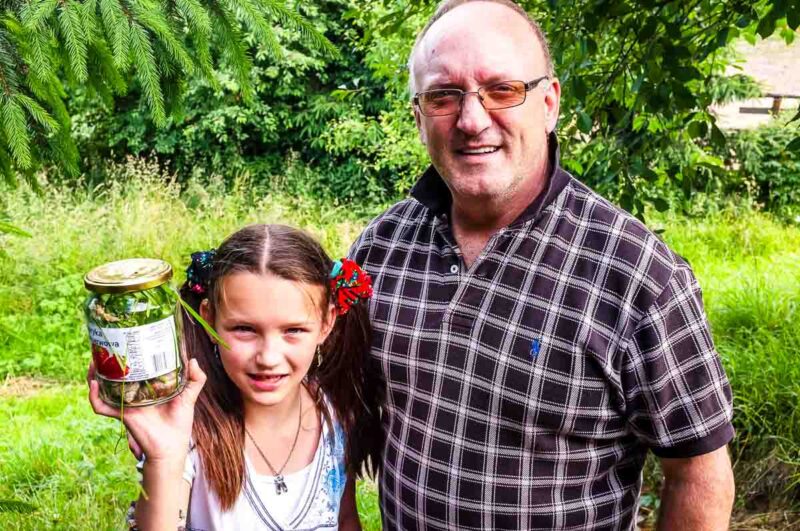
The Boy loves helping. He insisted on helping Babcia prepare sour cherries for canning.

DSCF5594

The Girl got in on the action, too.

Pyzówka Ognisko

The day started with a walk. The walk. The walk we go on several times while we're here. The walk K and I took together countless times before moving to the States. That walk.

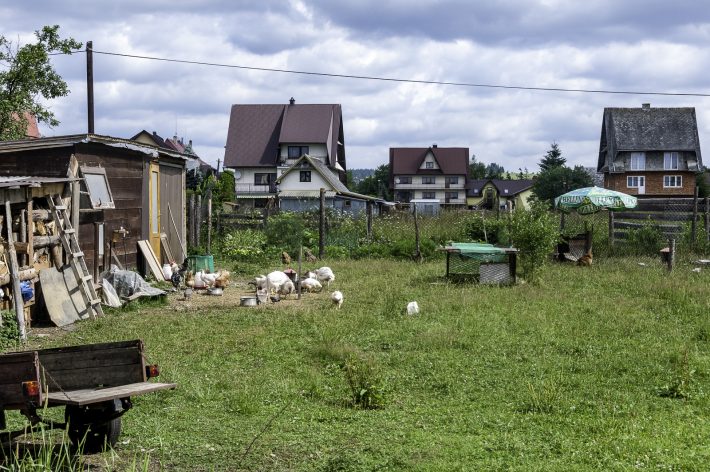
It starts in "town," so to speak, with fairly common rural Polish views -- the metal worker neighbor who also raises ducks and chickens in his yard. K's parents used to have a similar little farm where they raised chickens, rabbits, the occasional pig. During the Communist period, there were so few goods in the shop that it really was the only way to have access to certain items on a reliable basis.

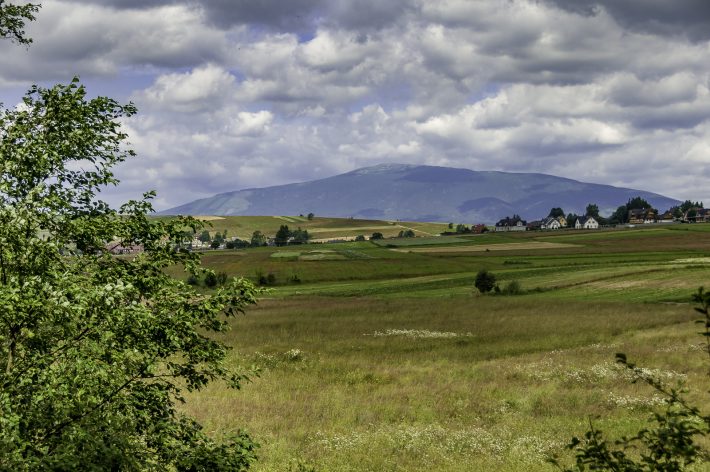
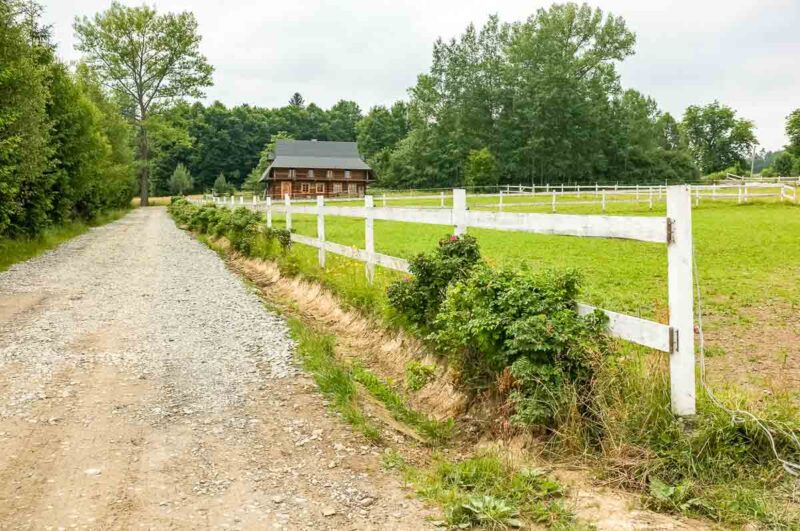
But within a few moments, the walk leads us into the fields, away from any house. Or at least it used to be that way. These days, the houses are moving further and further into the fields. People are converting beet or potato fields into lots.

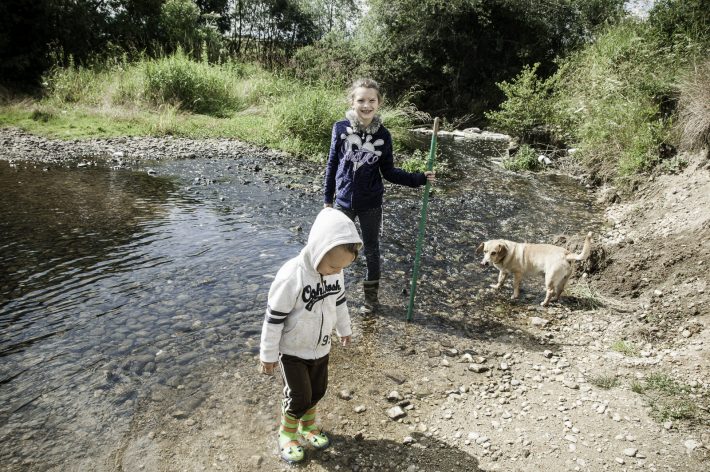
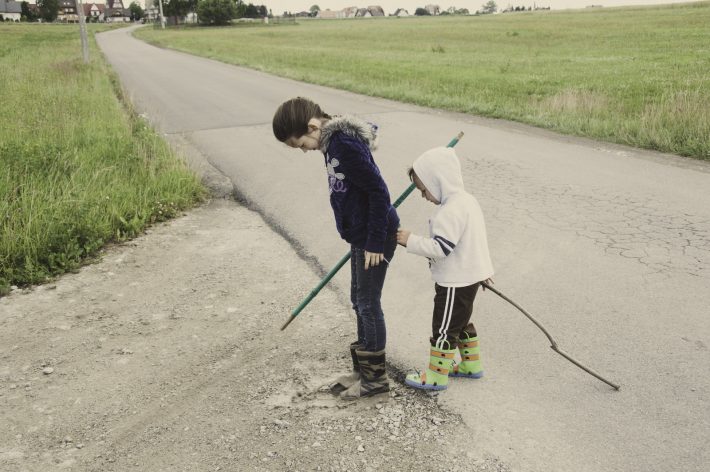
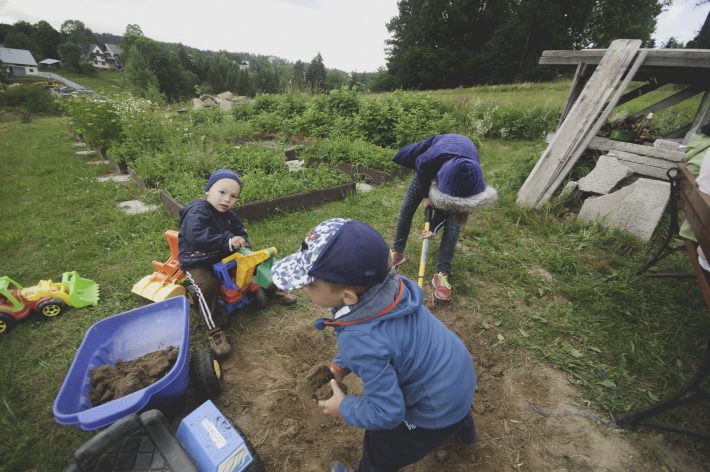
But it's still fairly rare to find single houses out in the middle of a field. They still tend to clump together near the two main roads that go through Jabłonka. We went out in search of mud, getting the kids dressed out in gum boots and jackets, and both kids were completely convinced that we'd find plenty of mud.

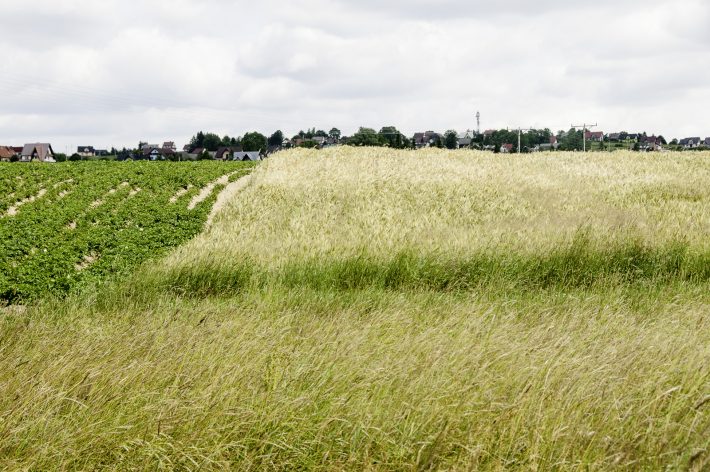
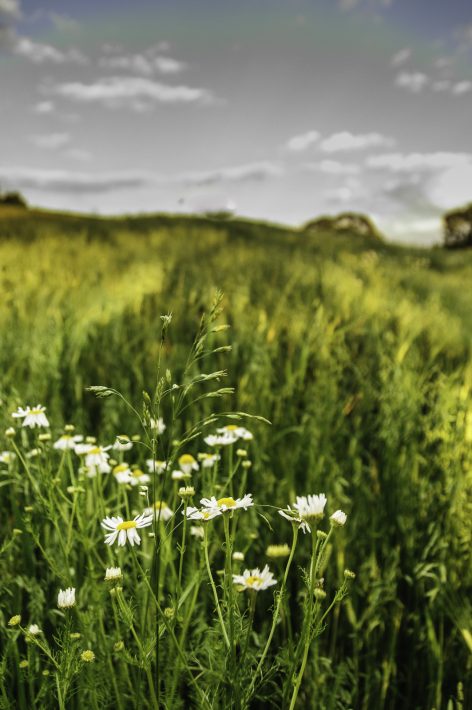
We walked among fields of potatoes and various grasses

but in the end, we could only find a few mud puddles. And when we did find puddles, the kids took turns in the small puddles.

In the end, we walked probably close to two and a half miles and had only a little mud on the gum boots to show for it.

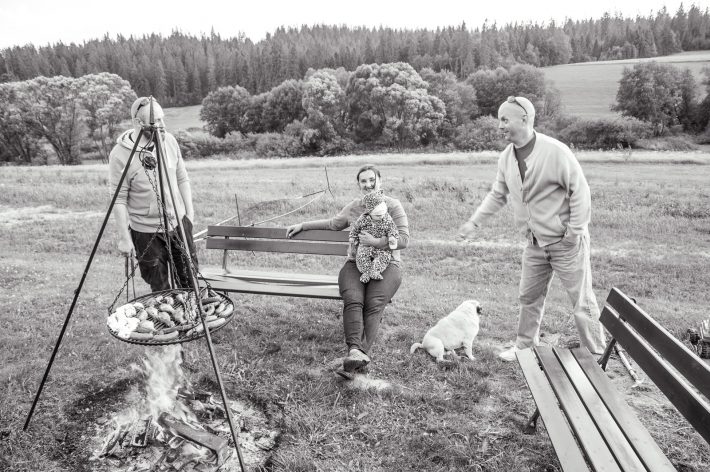
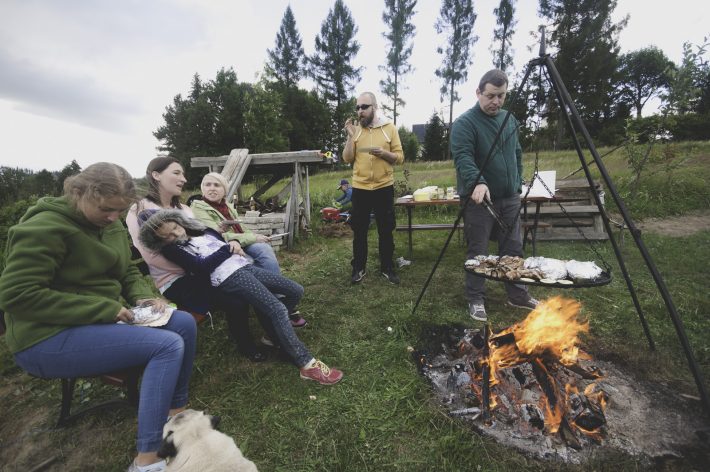
In the evening, we headed back to Pyzówka to visit with K's nearly-sister and a mutual friend from Warsaw whom they met more than twenty years ago at a summer camp and stayed in touch since. The last time the three couples got together, we were, more or less, just that. Three couples. One couple had become a family, but the rest of us were childless and thus, in a certain sense, without responsibility.

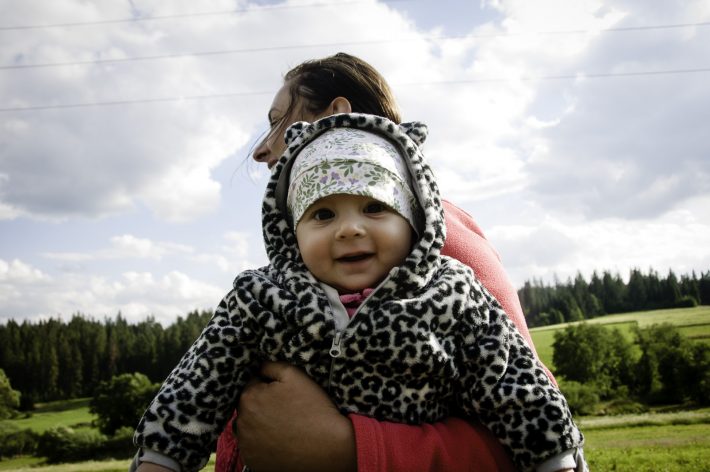
Ten years later and among the three couples, six kids are running around. Well, five kids running around and a beautiful nine-month-old taking turns in everyone's arms.

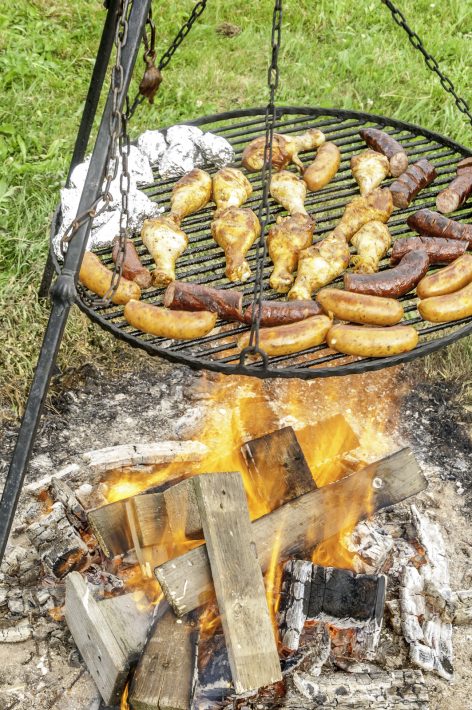
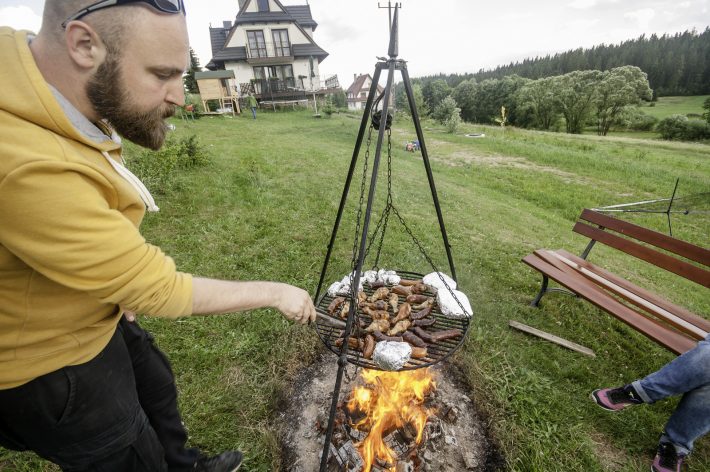
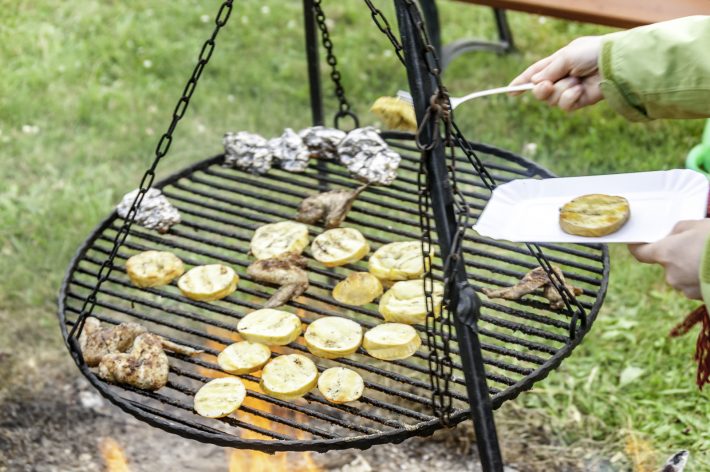
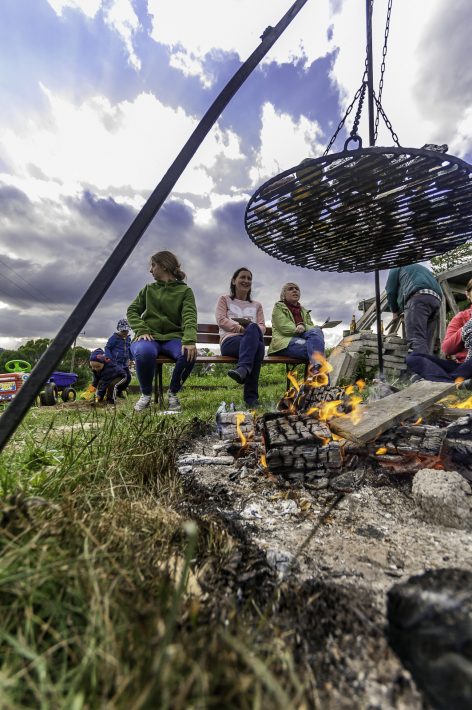
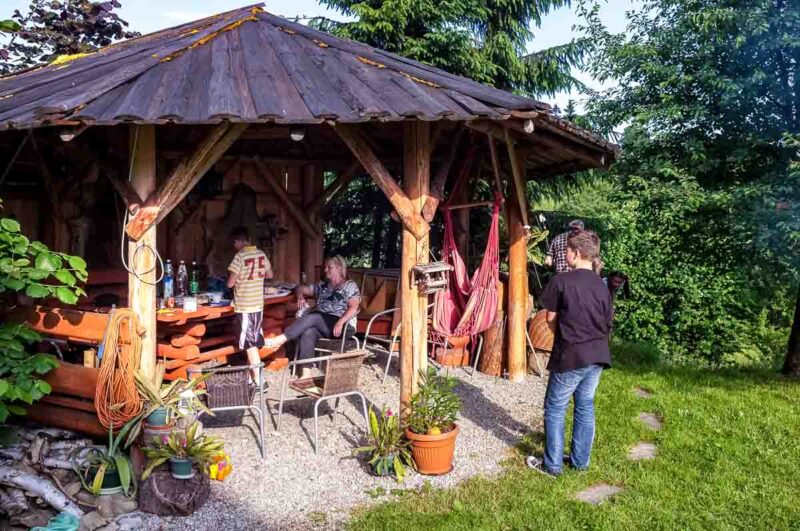
There were some things that were fairly standard: there was a cook out over an open fire with plenty of meat.

The amount of meat in the average Pole's diet always made me wonder about those Poles who were vegetarian. These days, that's a much easier dietary choice. In the mid-90s, it seemed to me that for a rural Pole to be vegetarian, it meant essentially eating potatoes and cabbage and cheese.

Going into the average rural shop in the midst of winter seemed to confirm that suspicion, but perhaps it was just a linguistic issue: I really wouldn't have been able to ask freely about winter vegetarian dietary options that first winter.

This time around, I'm not the one having linguistic difficulties. The Girl has blossomed into a fairly fluid speaker, but the Boy still struggles. When playing with children, he tends to keep fairly quiet, occasionally saying things like, "Watch this!" but mostly being a silent participant.

But L was the same way, if memory serves, so I'm not terribly worried about it, and K is not concerned at all.

The day ended with the promise of a beautiful sunset, but unfortunately, the cloud cover returned, and it was a typical gray affair.

But that's okay too. I always grow a little nostalgic when I return to Poland, and the gray, cold days filled with the smell of coal smoke as people heat their houses in early July fits that nostalgia just fine.

Six Kids, One Mom, and a Babcia

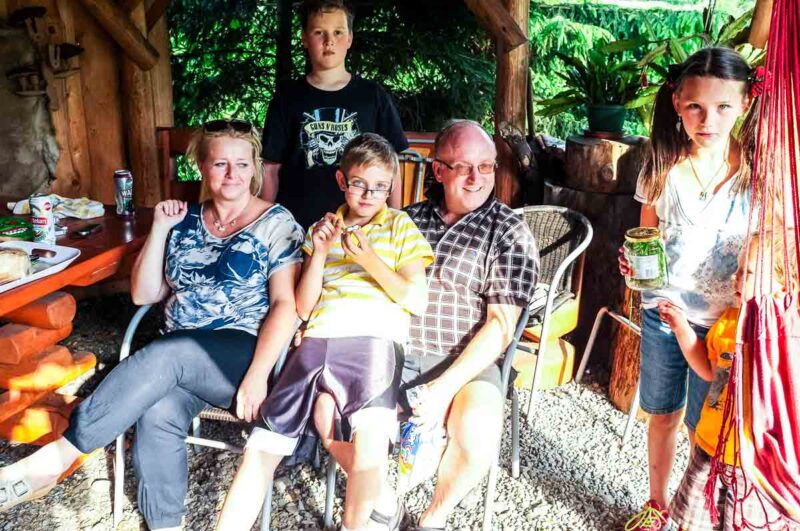
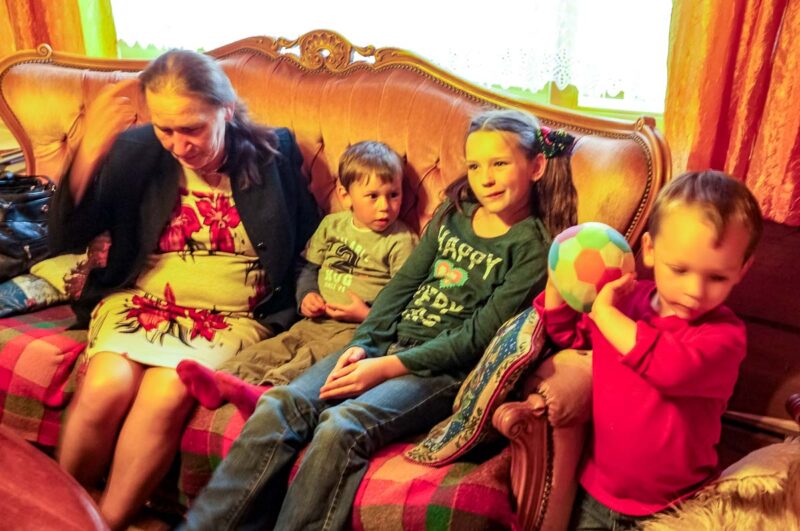
All the kids in the immediate family (plus one from the other side) are now at Babcia's. That means six kids and two adults.

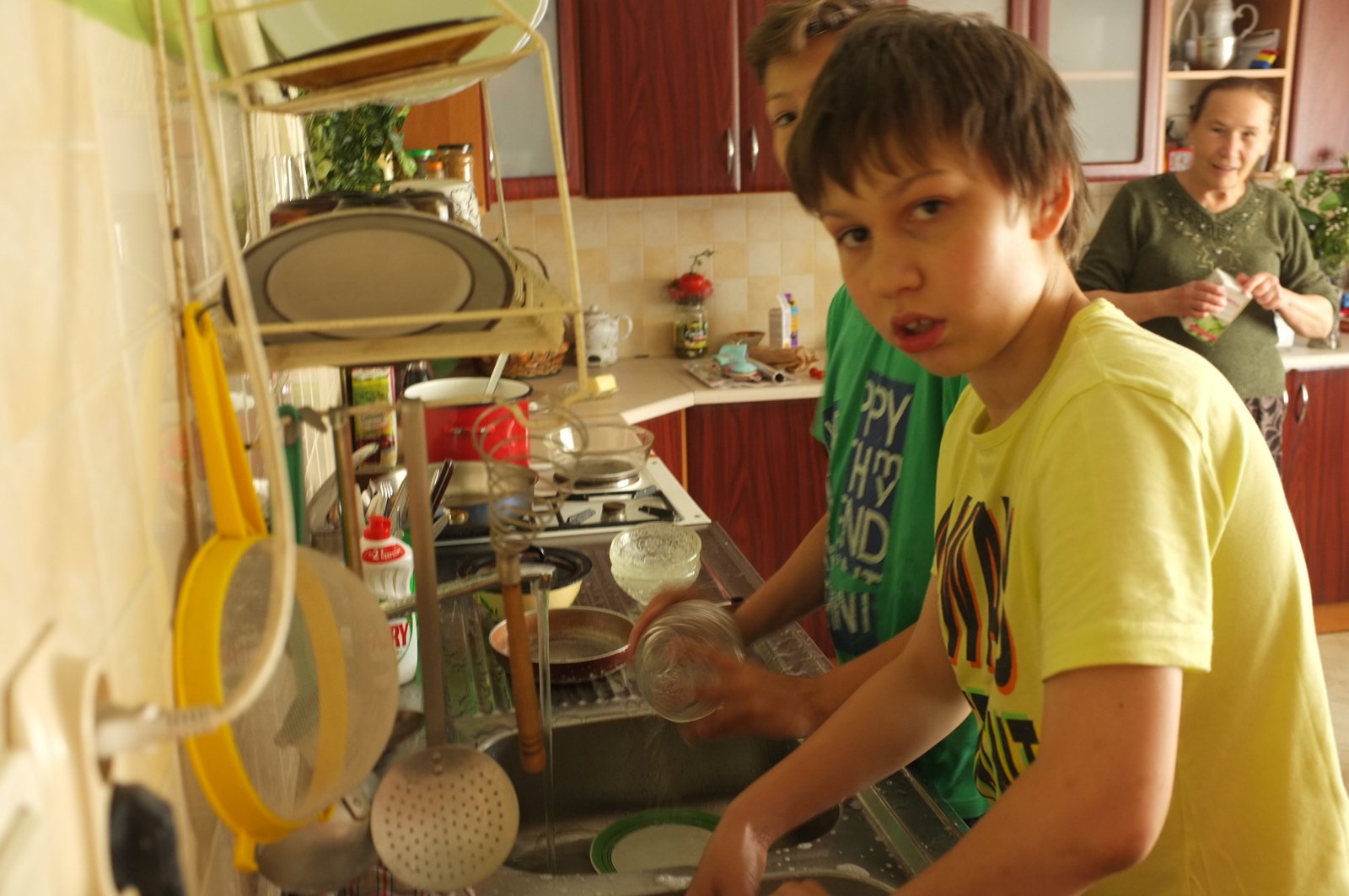
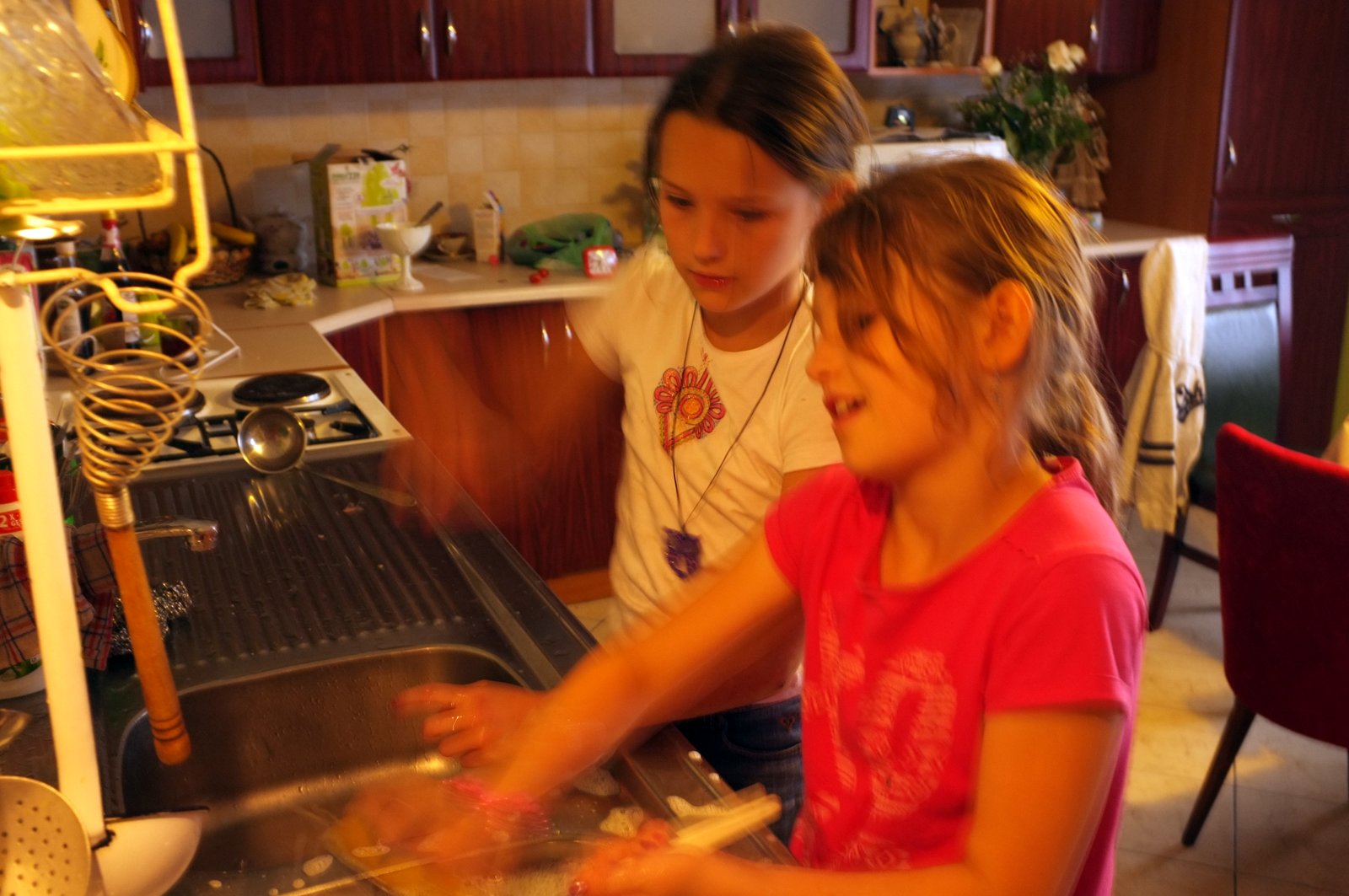
There are the chores, and with four bigger kids, that means the love is spread out through the day. The boys take the morning, the girls take the evening.
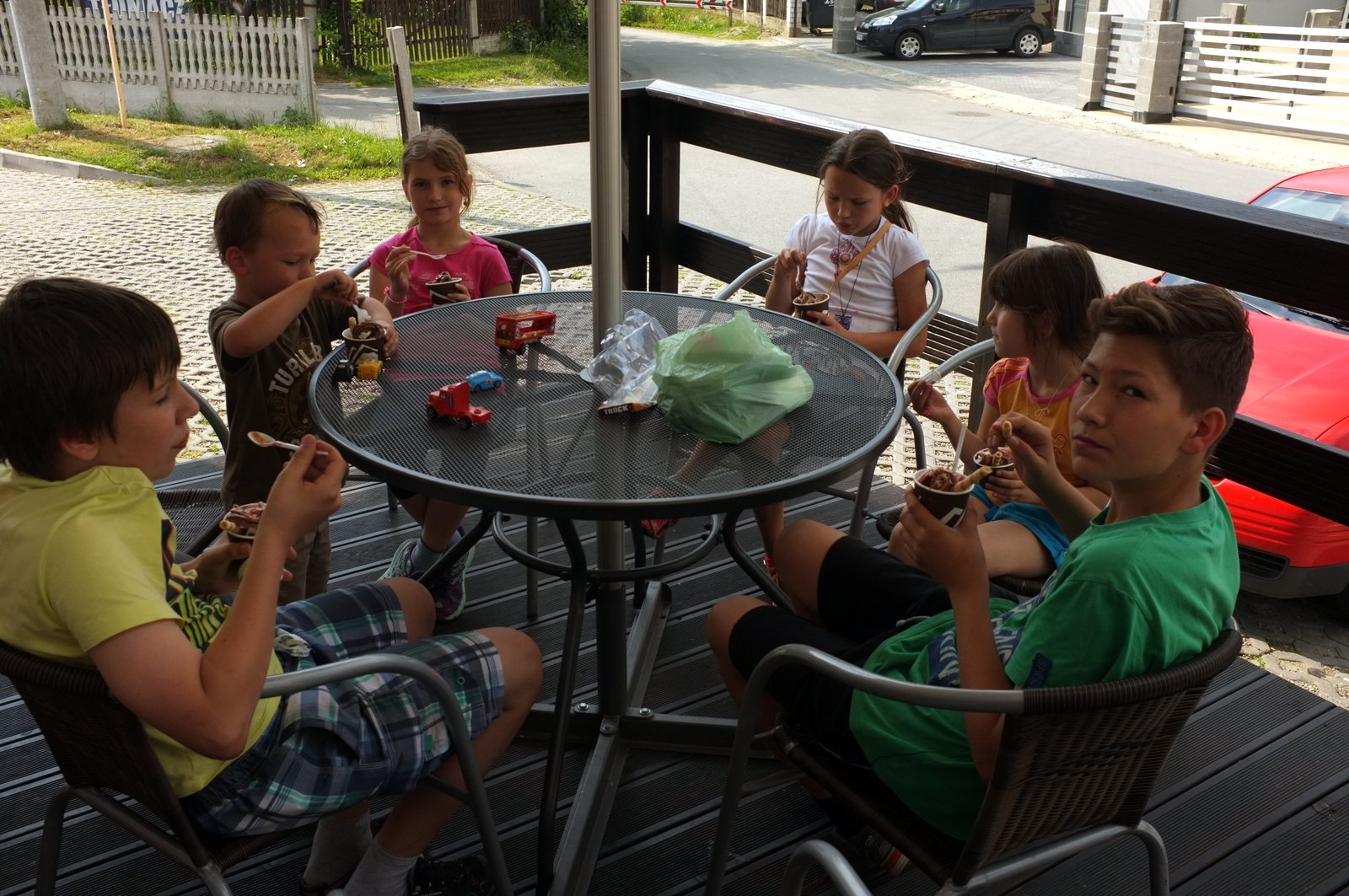
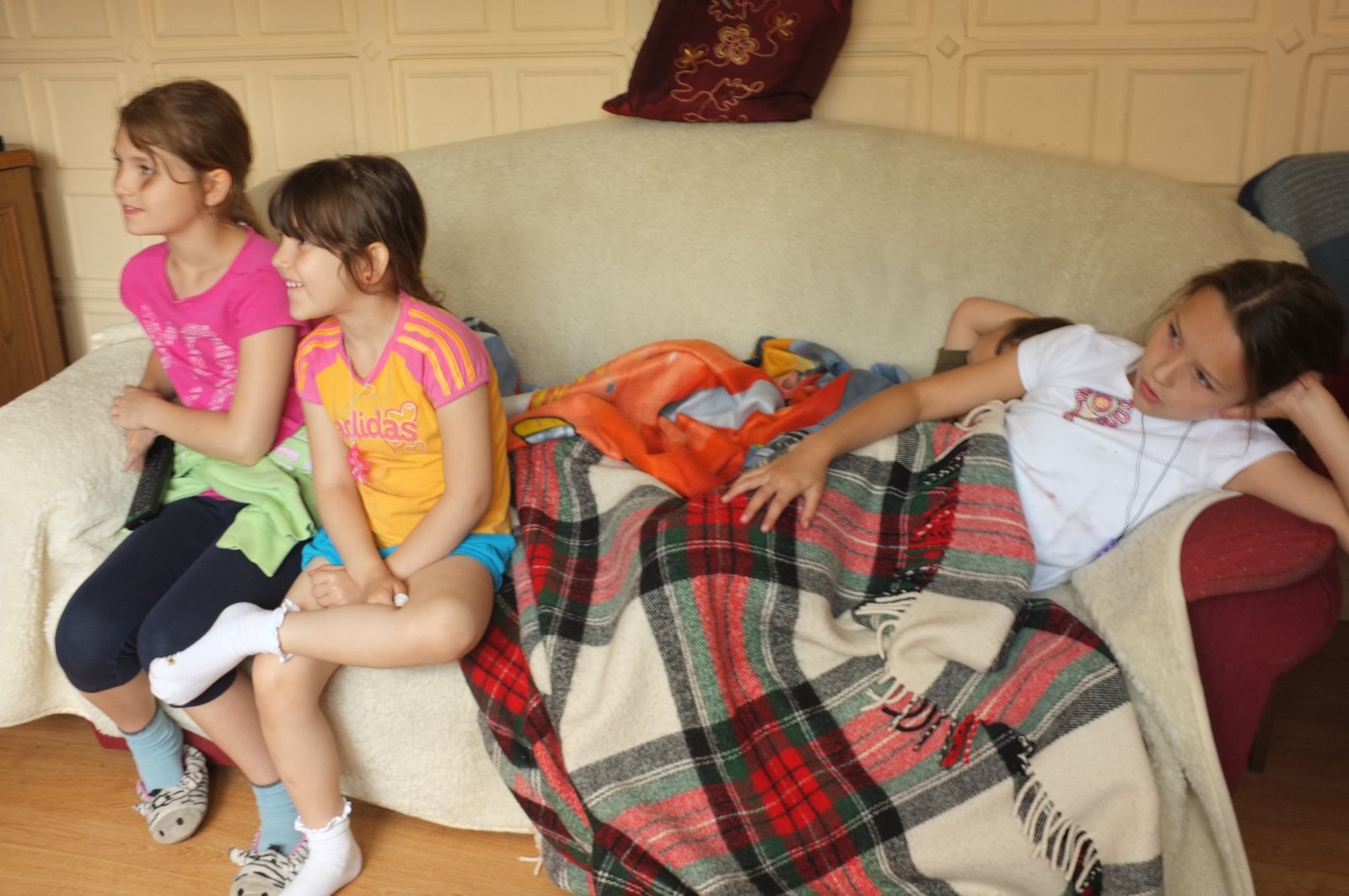
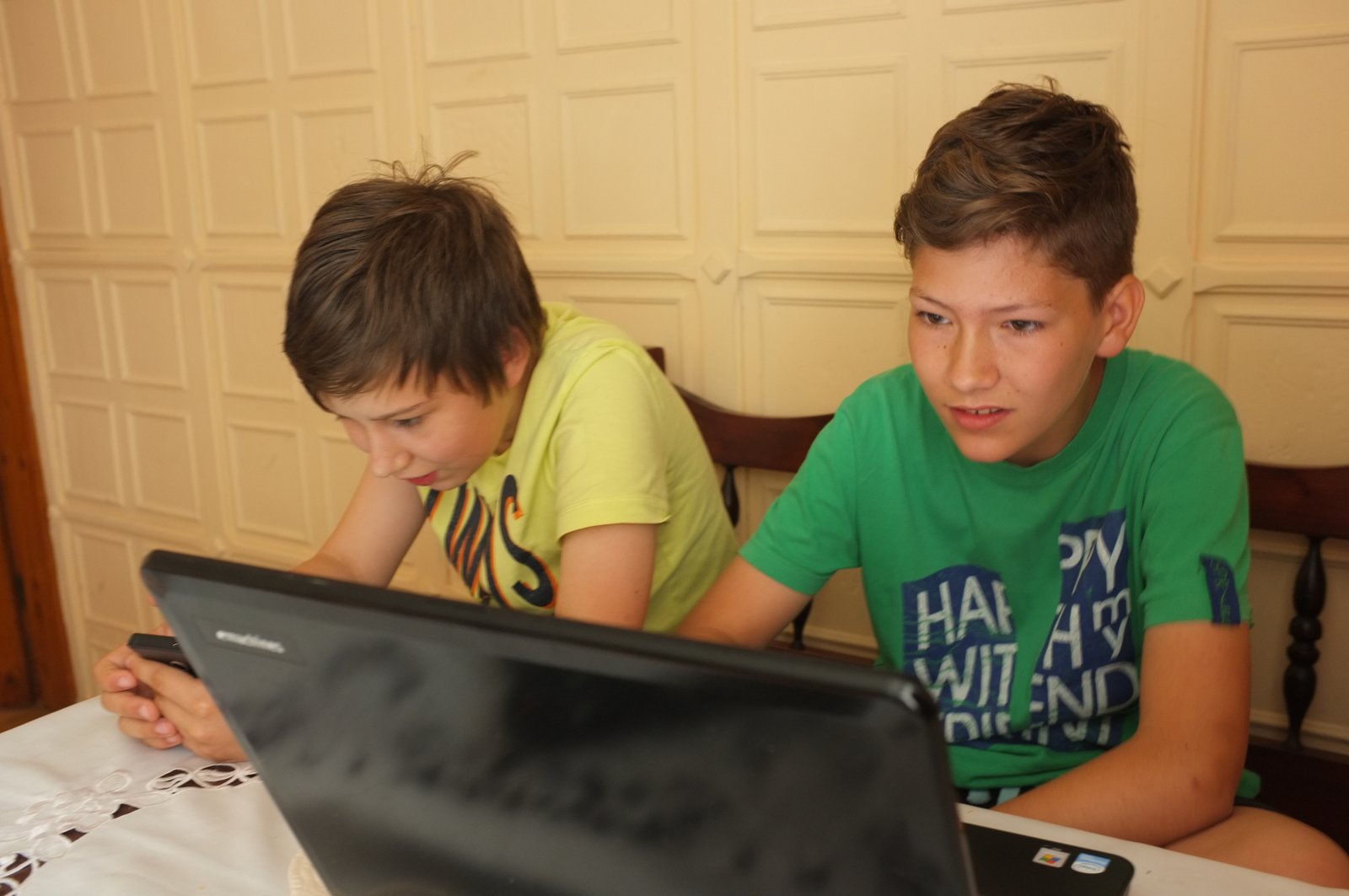
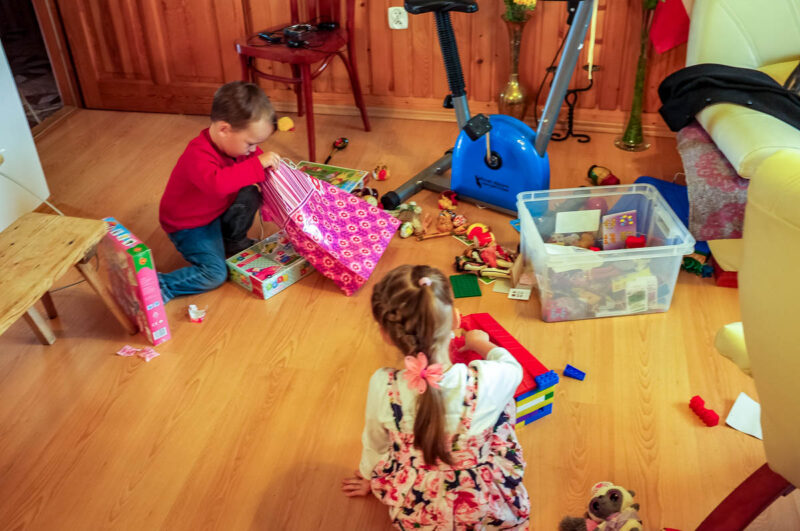
Time for an electronic break -- television and computer. The twenty-first century generation.

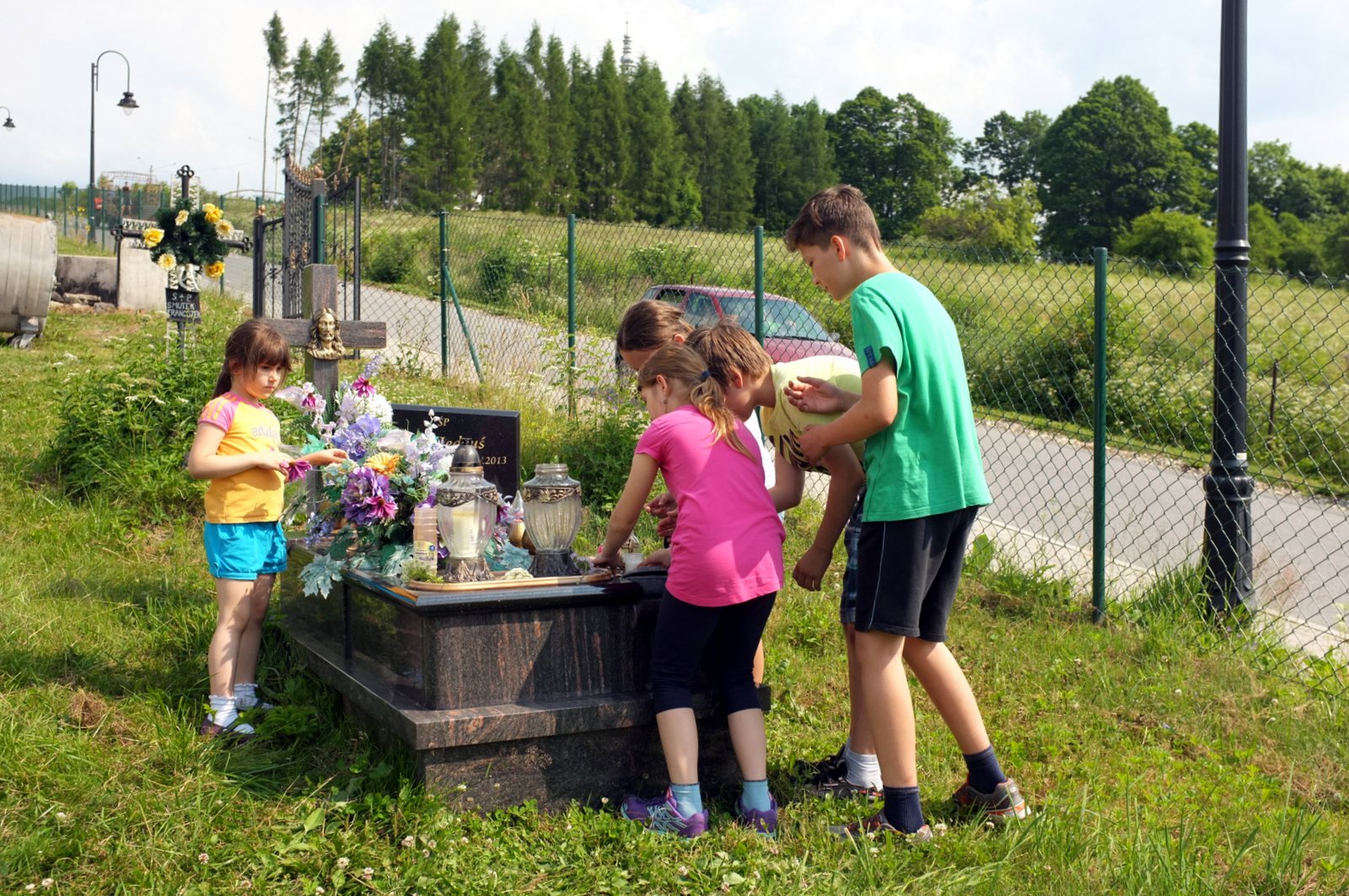
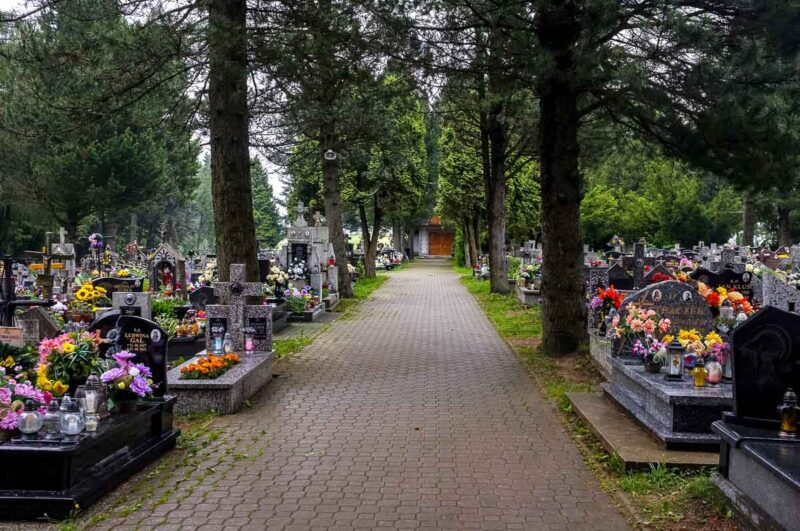
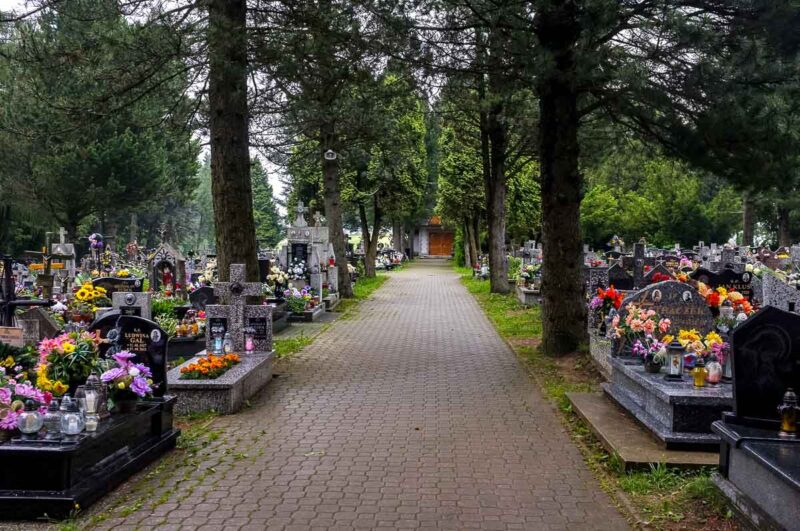
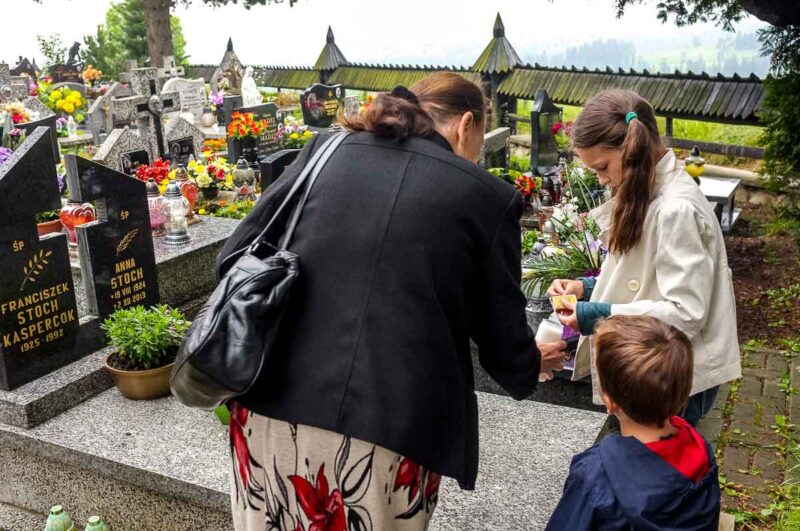
Afterward, an outing to visit Dziadek's grave and pick up some treats on the way home.

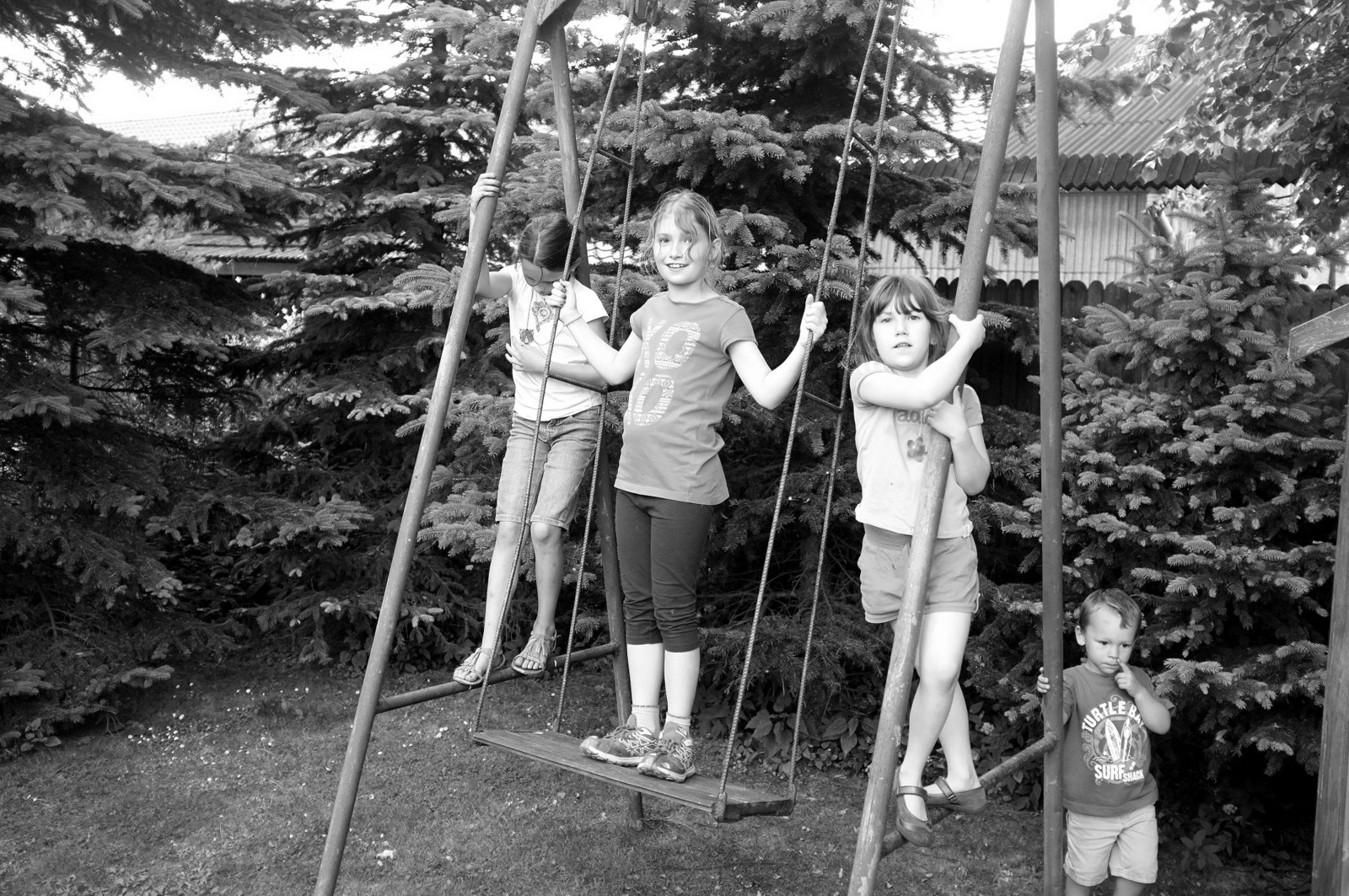
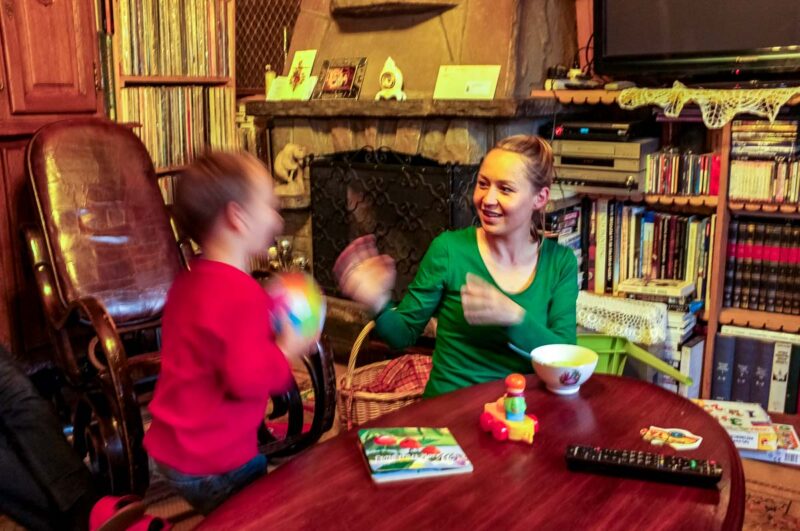
And to end the day, some silliness in the yard.

Nowy Targ Afternoon

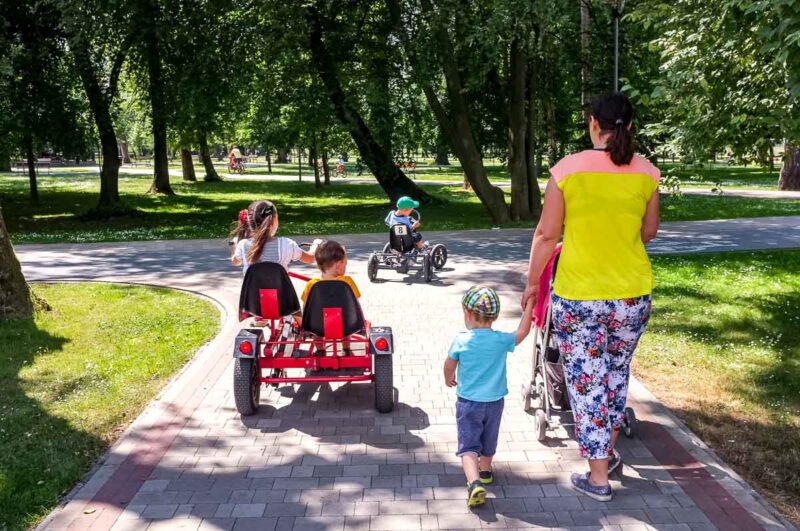
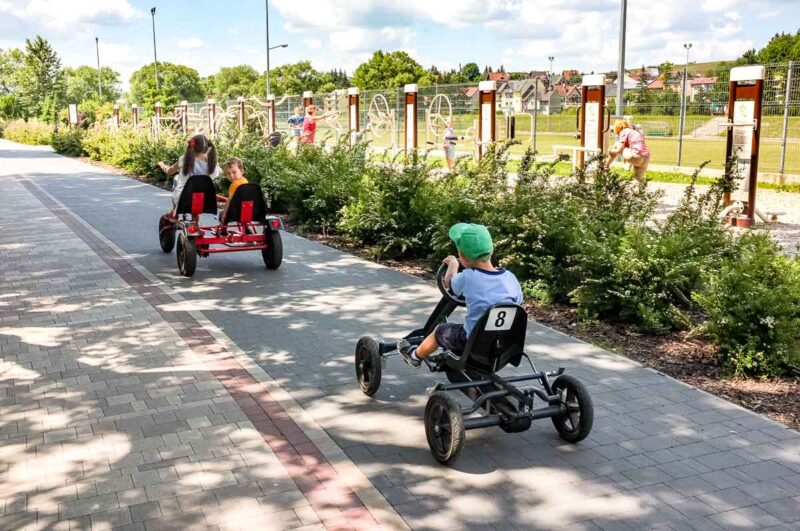
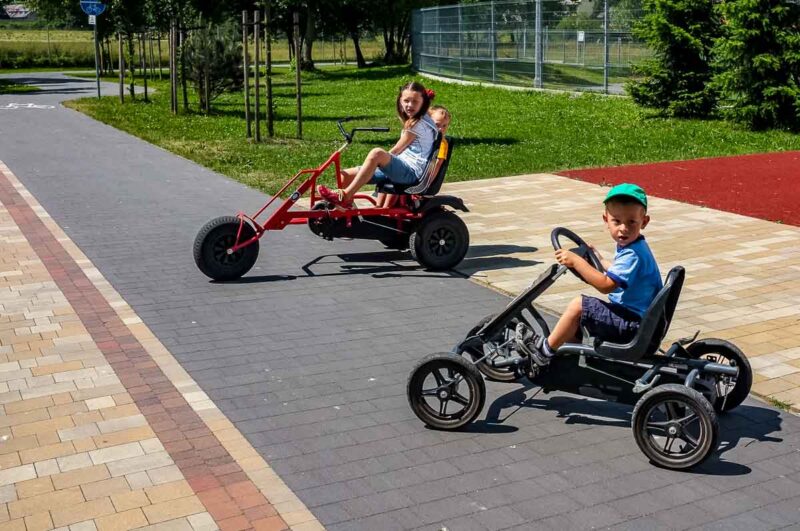
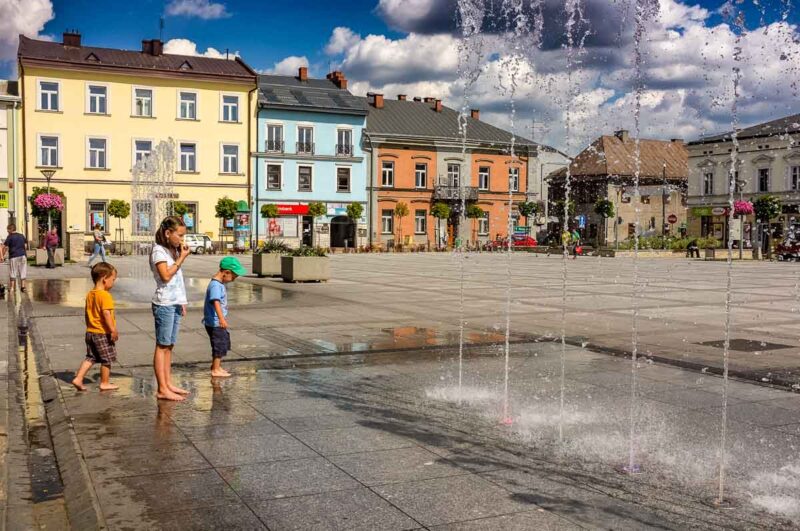
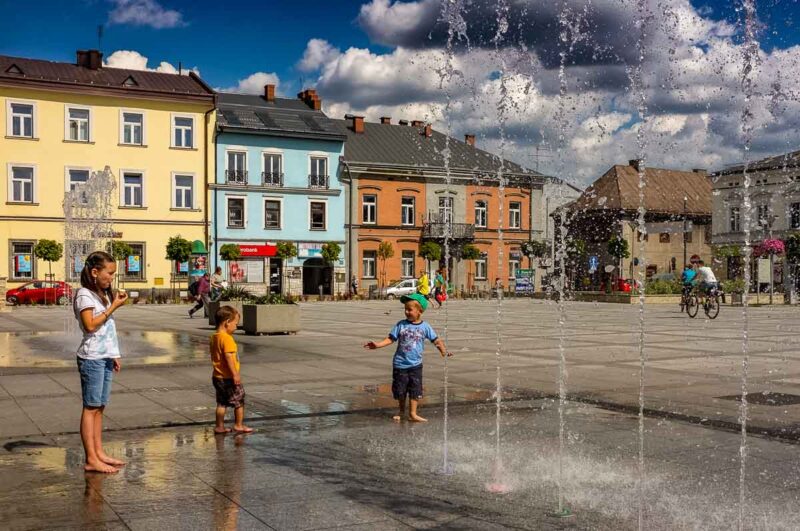
Every time we go to Poland, we do the same things -- and I make that observation. Yet Poland is changing, growing. It's got one of the strongest economies in Europe now, and when that simple fact is coupled with additional funds that come from the EU, it's easy to understand why. Yet this is the second day that I look at the pictures and say, "Where in the world is that?" I know where it is: K told me in an email what they did today, and I knew about the afternoon visit long before. But the first part? They're in Nowy Targ, but where in the world is this park?

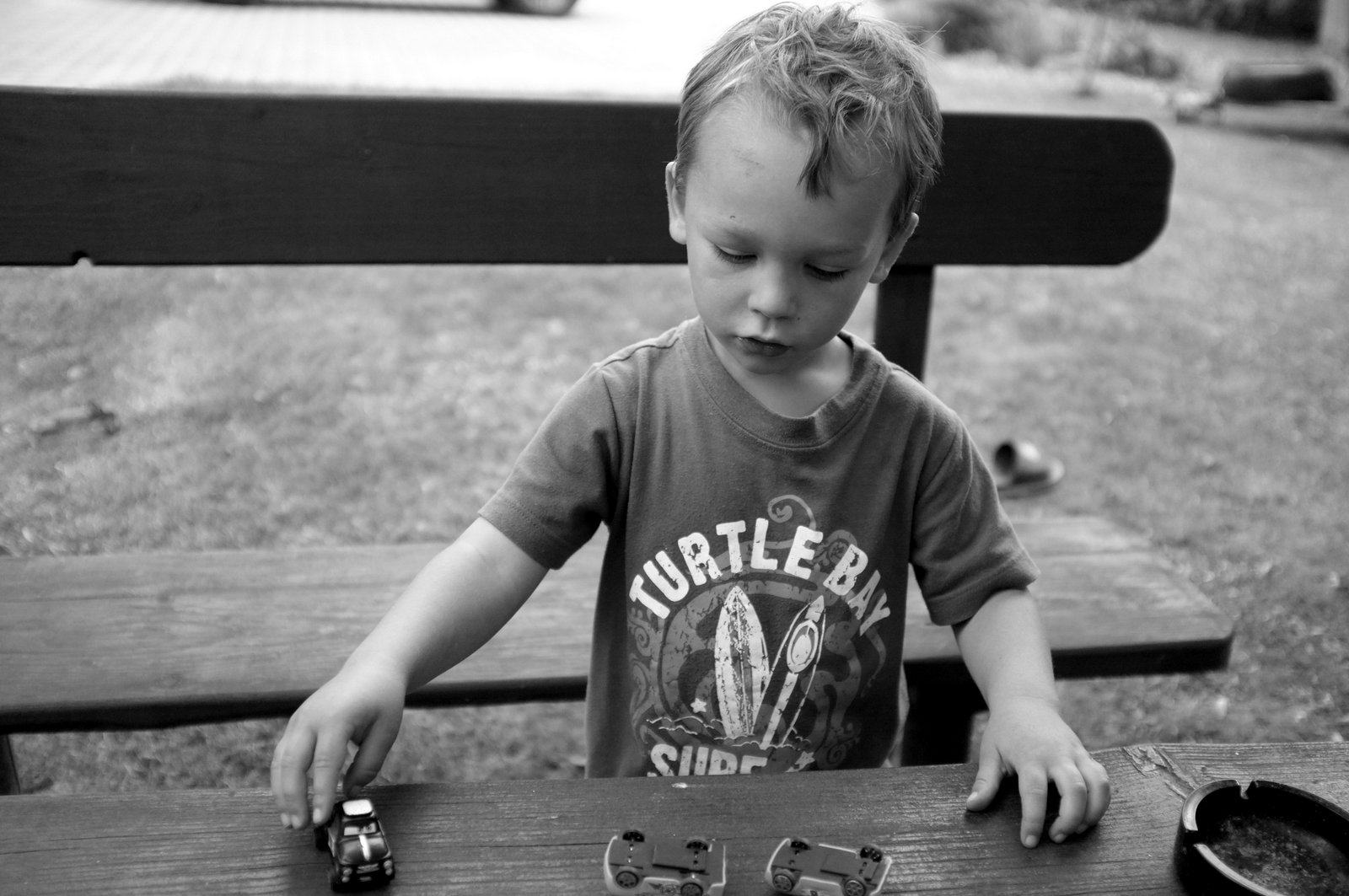
I do see one thing that's not a mystery: the Boy being a gentleman, helping a young friend -- dare we say a cousin? After all, K and D are as close to sisters as you might possibly be without an actual genetic bond.

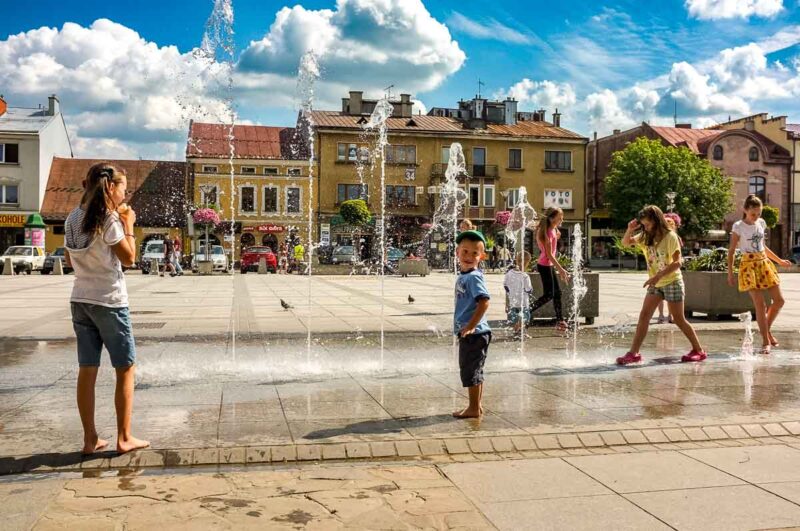
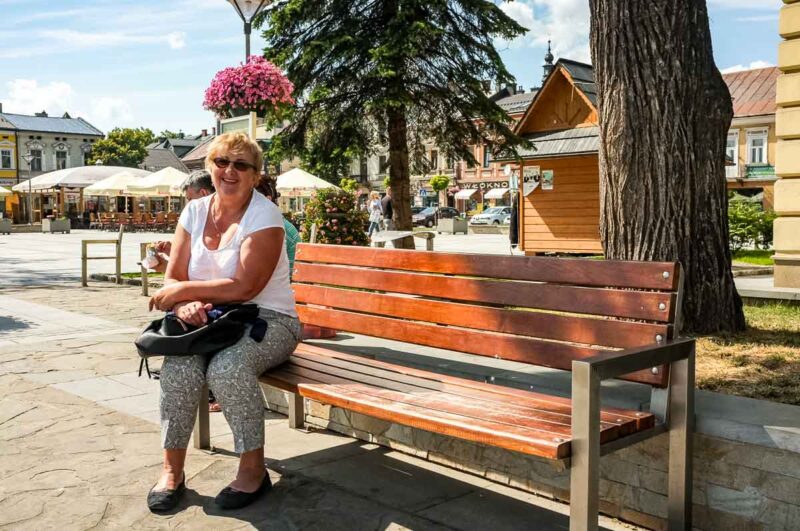
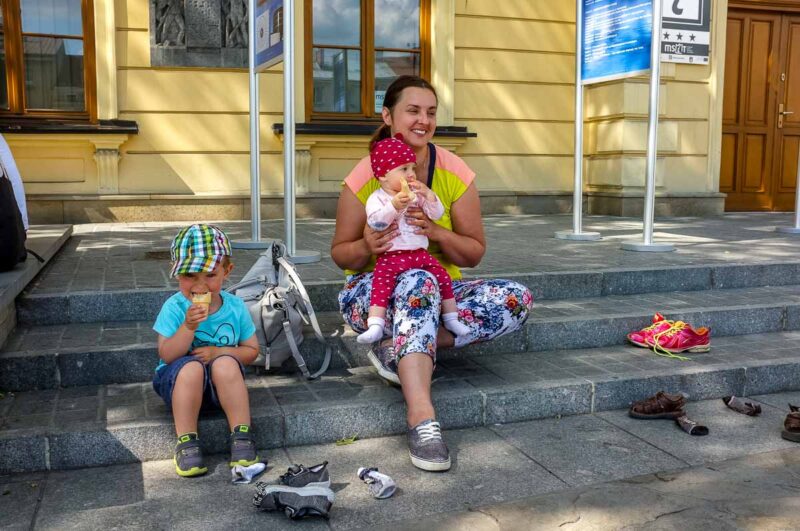
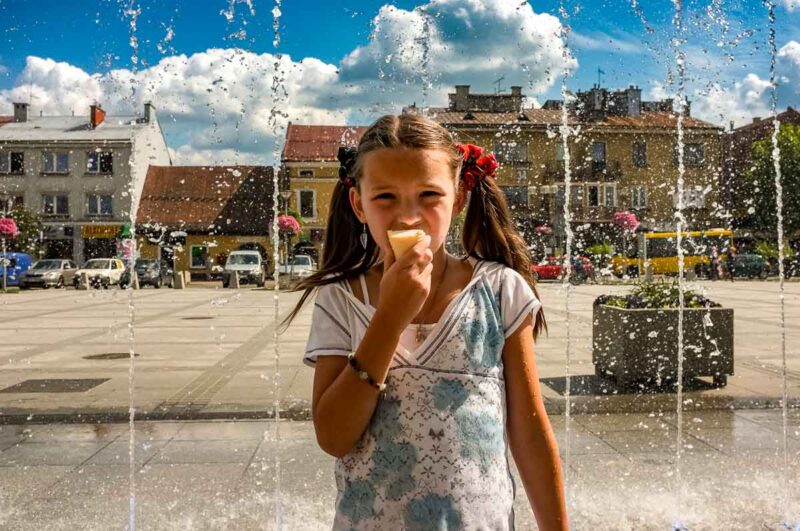
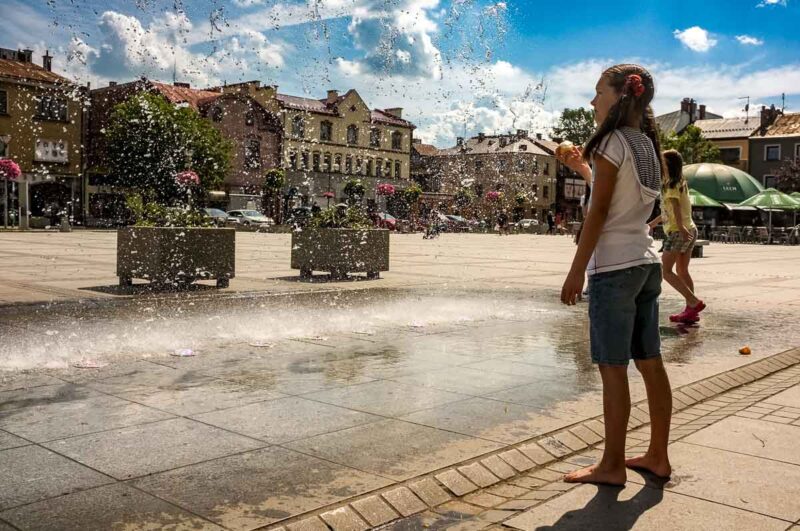
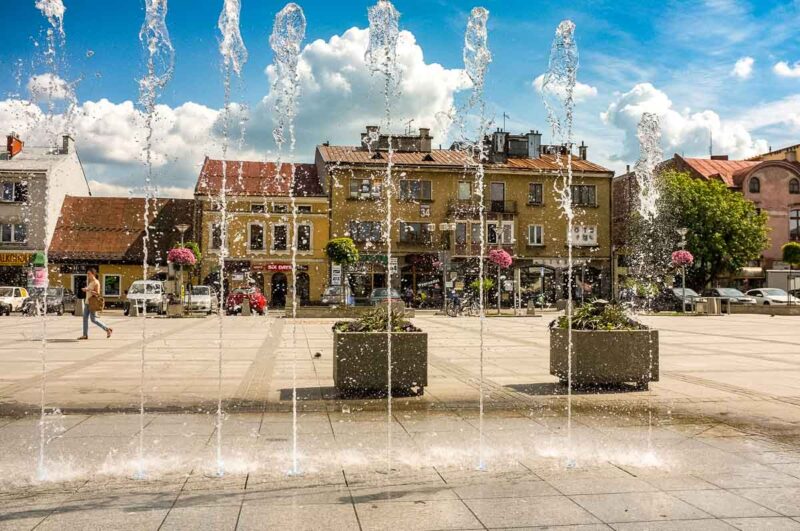
It's easy to identify the location of the second batch of pictures: the rynek in Nowy Targ. Yet had I not known about the renovations, I never would have guessed it. Until I saw the ice cream: NT has a little hole in the wall with the best ice cream on the planet.

Finally, at the end, familiar faces, familiar location.

Babcia’s Day

Not having a driver's license, Babcia is not able to go where she wills when she wills. For the last few days, K has been taking the lead, I believe, more or less deciding on the agenda. Today was Babcia's day.
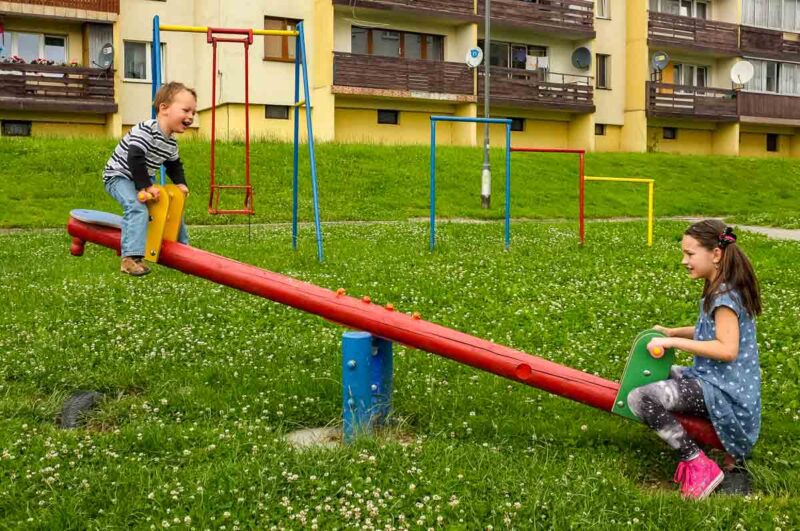
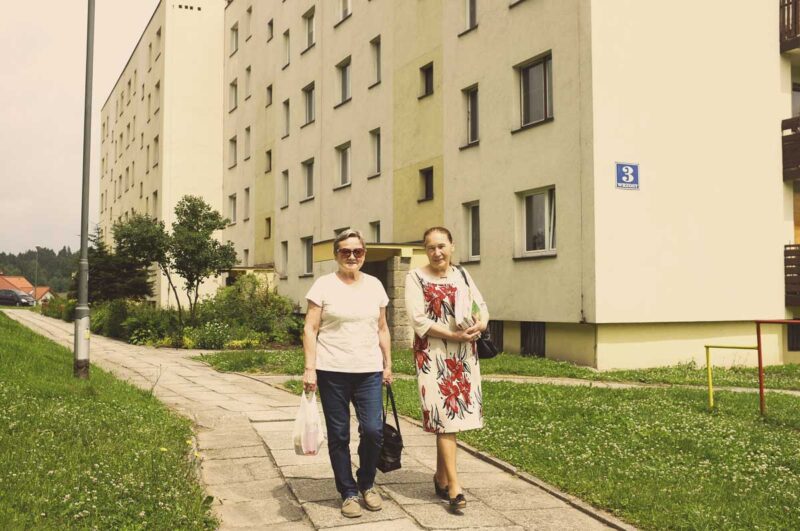
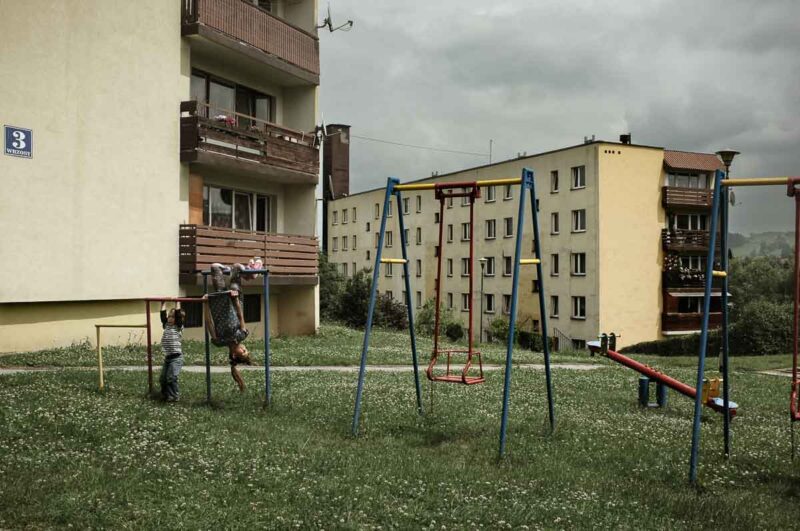
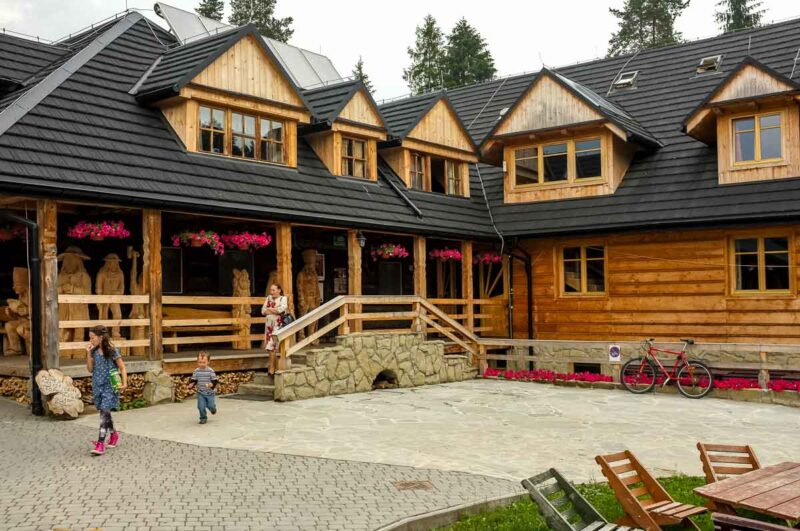
She wanted to visit a friend. Where? I can't recall, and the area doesn't really look familiar at all. There's a restaurant -- karczma it would be called -- that looks like a place near Spytkowice, but I don't think Spytkowice has apartment blocks like that.

So odd to be looking at your own family's pictures but not really knowing much more than a stranger at times.

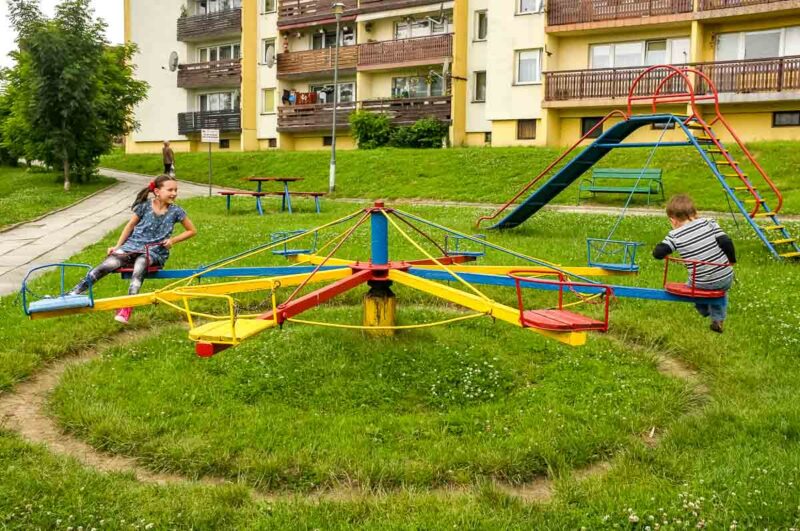
Playgrounds don't tell you much, but the architecture of the wooden buildings shows that it's still in the general area K grew up, still in the mountains.

Perhaps you should ask K.

Ząb 2015

Odpust 2015

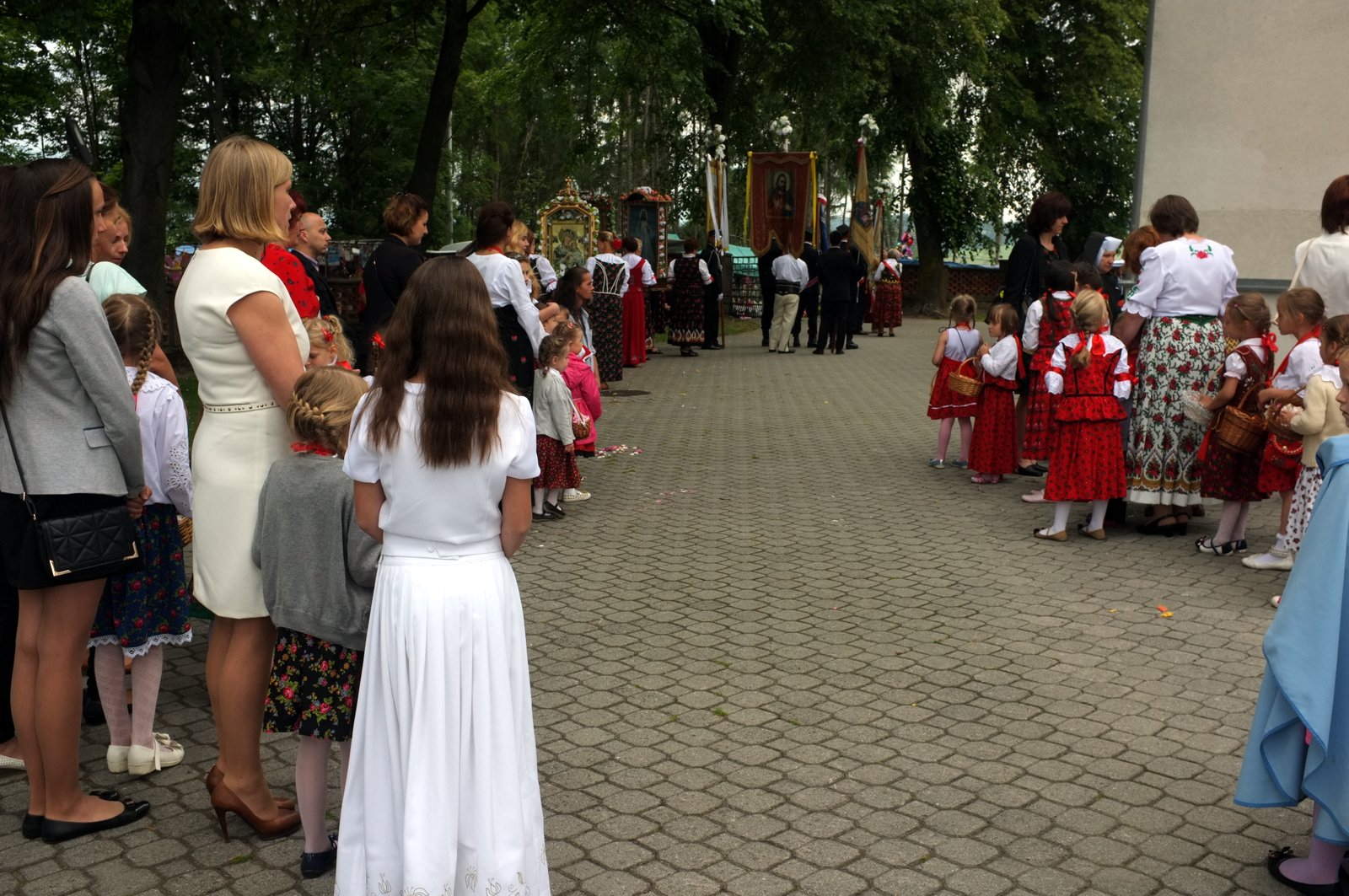
Because almost every village is its own parish, almost every village has an odpust. During the last trip to Poland, we were in Pyzówka for their odpust. We were there strictly as visitors, as observers.

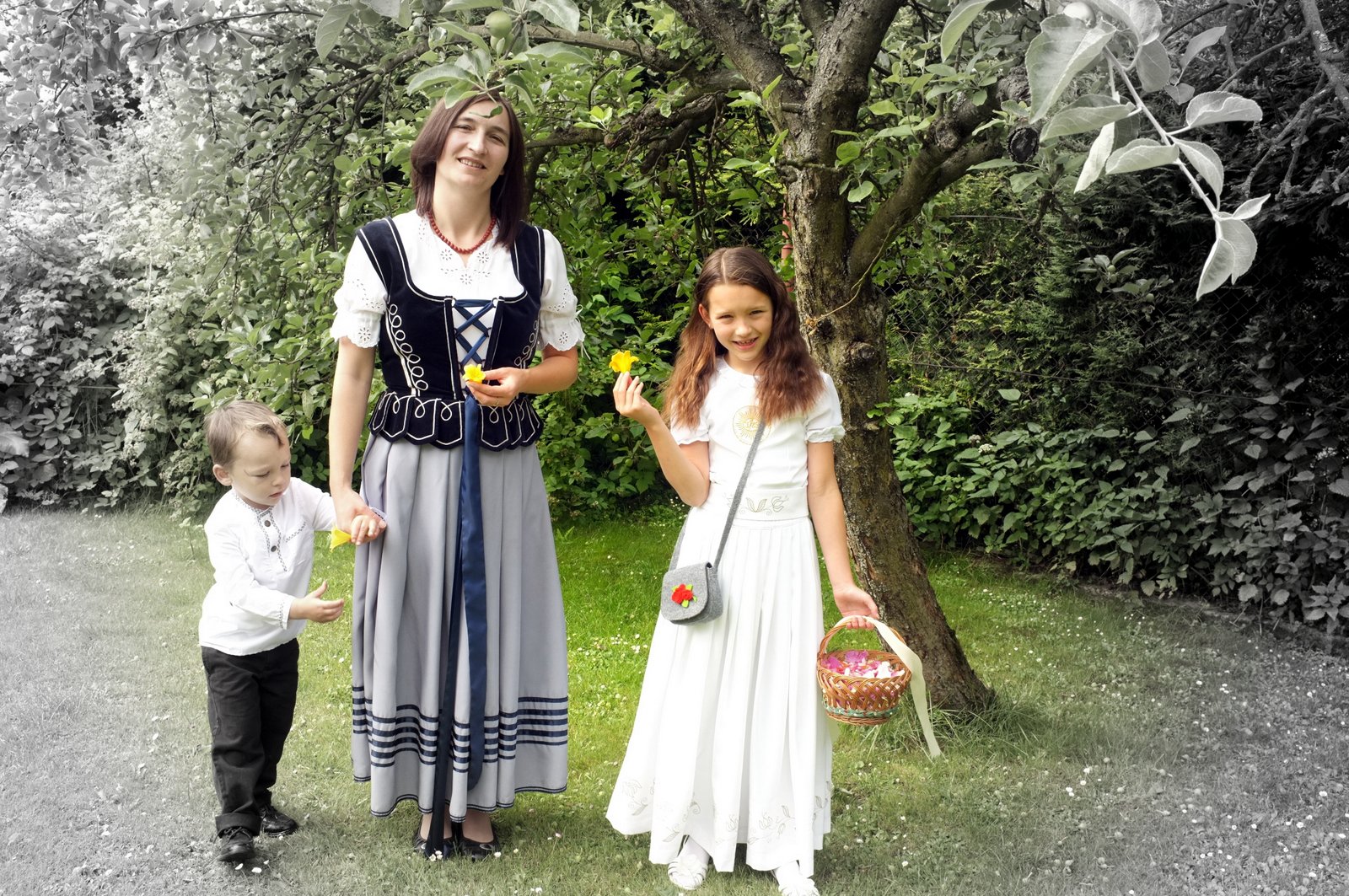
Today, however, the Girl got to participate in Jabłonka's odpust, as did K.

"I cleaned the church!" K told me, relating her part of the experience. The excitement came from the fact that she cleaned the altar, dusting and wiping down all the statuary that's part of Jabłonka's main church's impressive altar piece. It's something she'd looked at all her life growing up, so I guess seeing it all so up close, from a different perspective both literally and figuratively, was certainly exciting.

DSCF4570

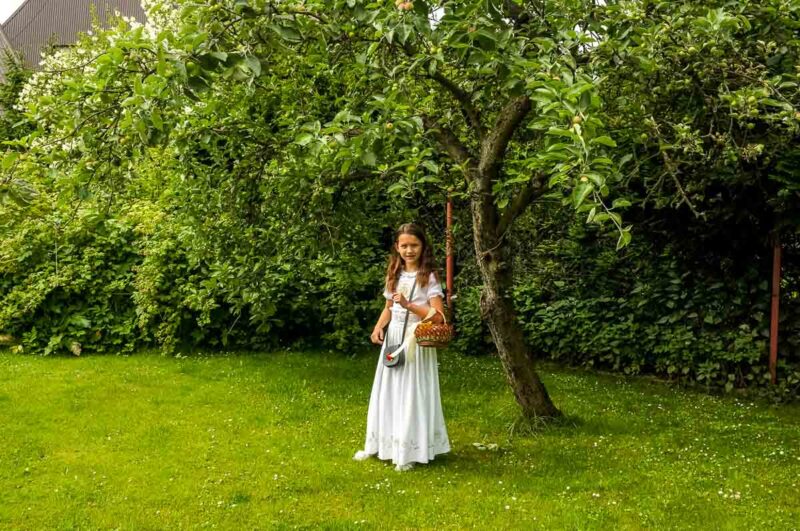
L's part, though was as visible as K's was behind-the-scenes: she was helped lead the procession to the church, sprinkling flowers before the priests and dignified guests as they processed. The whole experience must certainly be novel to the Girl, for even though we're members of a vibrant and active parish here in Greenville, there's not a lot of processing going on, not of this nature. And besides, how would everyone treat that?

DSCF4572

In Jabłonka -- and elsewhere in Poland -- everyone treats it as such a special occasion that all the traditional garb comes out and it becomes a visually lovely experience. In America, everyone would come out in shorts and flipflops because in the summer, that's about as close as we come to traditional garb. It's one of the disadvantages of living in such a relatively young country that has, for generations, been much more mobile than the Old Country. We mix and match and before you know it, any sense of tradition that stretches back into the mists of memory have disappeared. The only people that hold to that are the Native Americans (who often have to fight on onslaught of competing cultures that see themselves as somehow extensions of that very culture) and the minority populations, Asian, South American, and to some degree African. It's a sad thing, but perhaps somewhat unavoidable, given our history and our lack of homogeneity.
DSCF4575

But Poland, especially in the rural areas of the mountains, really exemplifies homogeneity. It was something that took some getting used to when I first moved to Lipnica Wielka, which is just about seven or eight kilometers from K's home village of Jabłonka. Everywhere I looked I saw homogeneity: white people speaking a single language. When, on a trip to Warsaw, I saw African students in the the main train station, I almost wanted to hug them and say, "Let me just look at you! It's so refreshing to see some diversity again!" When I saw a young Asian girl and a black girl on a popular TV series, both speaking flawless Polish, I became enthralled, wanting to learn everything I could about them. Heterogeneity was so rare that I just gawked at it.

DSCF4578

That was the Poland of the latter mid-90s. Twenty years on, so much has changed. Emigration from Poland has increased with the open EU borders, creating a certain brain drain as many of the more educated young adults move west, and immigration from the east, often illegal, has increased as well, as people from the former Soviet republics move to their own West, which is now Poland. And about all that, I have mixed feelings. I know that Poland will never become America, ethnically speaking, but might it become Germany? France? Diversity is a wonderful thing, but as with everything, it comes with a certain price. Still, I don't see the highlanders of southern Poland diluting their own culture and pride in it at all for anyone.

Not that I'm suggesting anyone would try to dilute it -- it's just a byproduct, I think, of competing cultures. Not so for the gorals of the south: they'd cling to it ferociously, ever more mindful of the competition. And to some degree, that competition, with the level playing field that the Internet creates, already exists.

DSCF4588

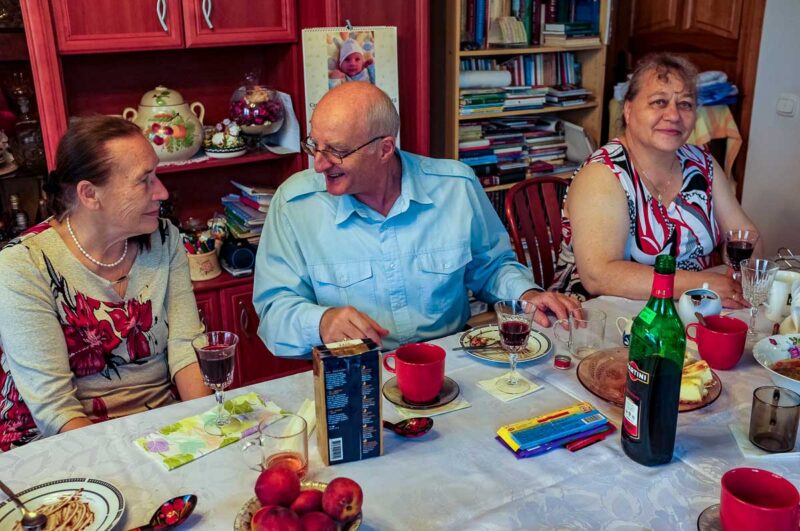
Back to the story: after odpust, everyone went to aunty's for dinner. And it was a huge feast, in keeping with the Polish saying, "A guest in the house is God in the house." And even though they're family, K and the kids are still guests, and the Polish spirit demands sharing on a massive scale.

DSCF4590

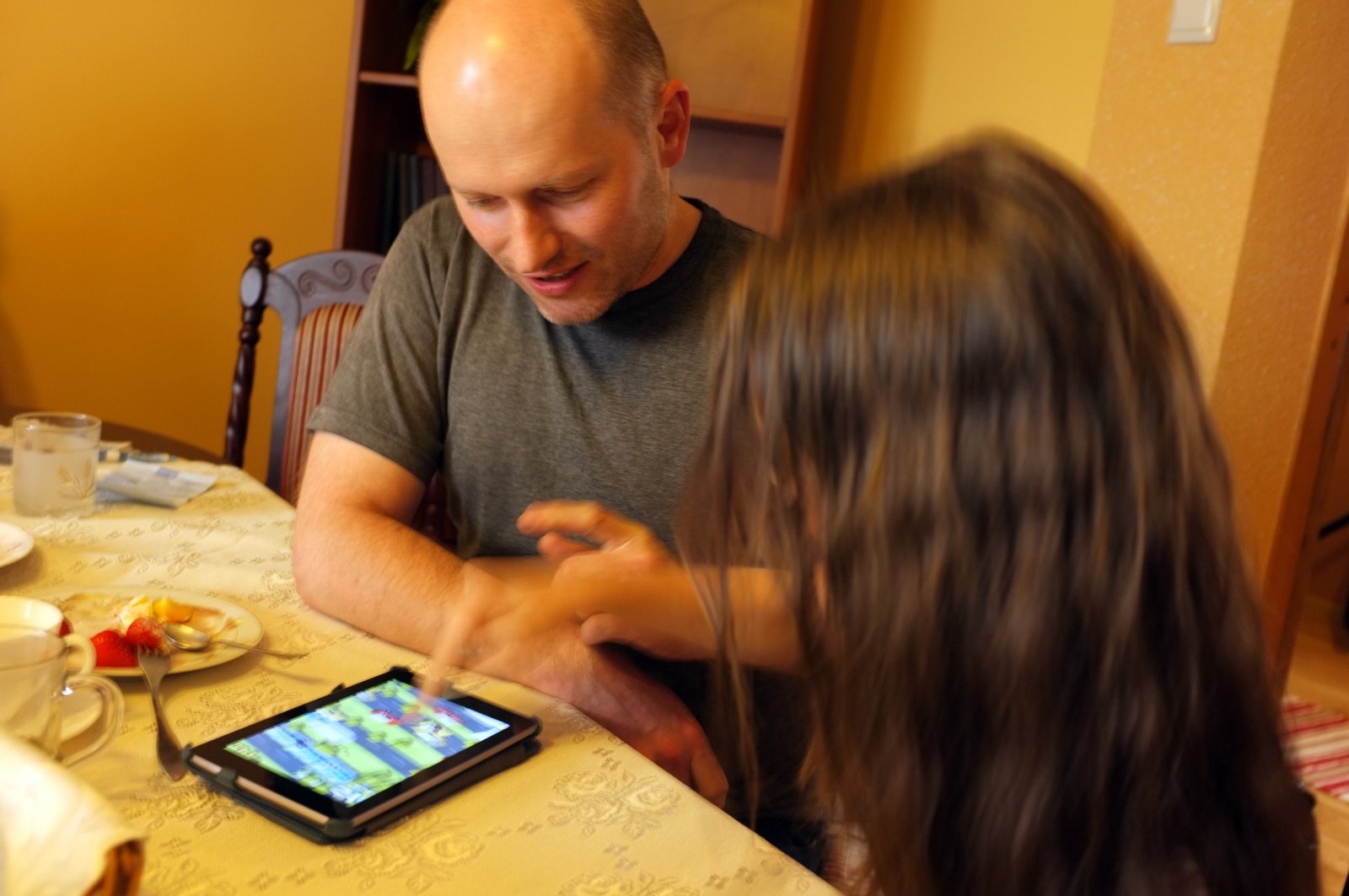
L hit it off with K's cousin, R, who is a technophile as L is becoming. She loves showing people how to play this game or that game on the family tablet, which, truth be told, is more hers than anyone else's.

DSCF4594

When L and I were there two years ago, we attended R's and M's wedding -- our daughter's first experience with a Polish wedding. As a girl who loves -- absolutely loves -- dancing, she was hooked immediately.

DSCF4604

There's another family wedding coming up in mid-July, one which I'm hoping to attend myself. Still no decision yet: the to-do list still has a lot to get done, but maybe. Hopefully.

Cold Sunday

The Boy likes to help. It's a common theme here: he helps me mow, he helps us with the garden, he helps us in the kitchen. He just follows along behind and asks, "Can I help?" not expecting any answer other than the affirmative.

And we rarely say, "No." Occasionally, we might be in a hurry and so we compromise: "How about you help clean up?"

Babcia, of course, is never going to say, "No." But I wonder how this situation came about. Did she ask him if he wants to help grind -- what is that? liver? are they working on pate? -- or did he manage, "Babcia, moge pomoc?"

The rest of the pictures seem self-explanatory enough. A festival during a cold Sunday when temperatures were almost in the single digits (Centigrade, of course).