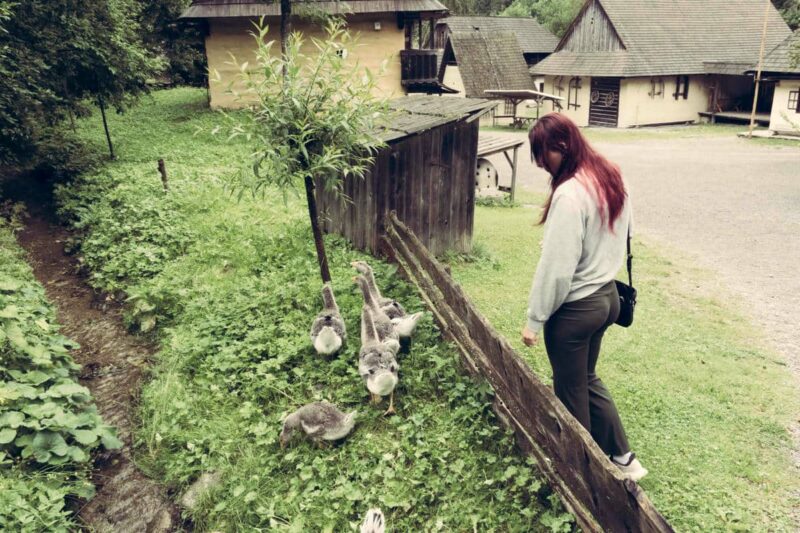
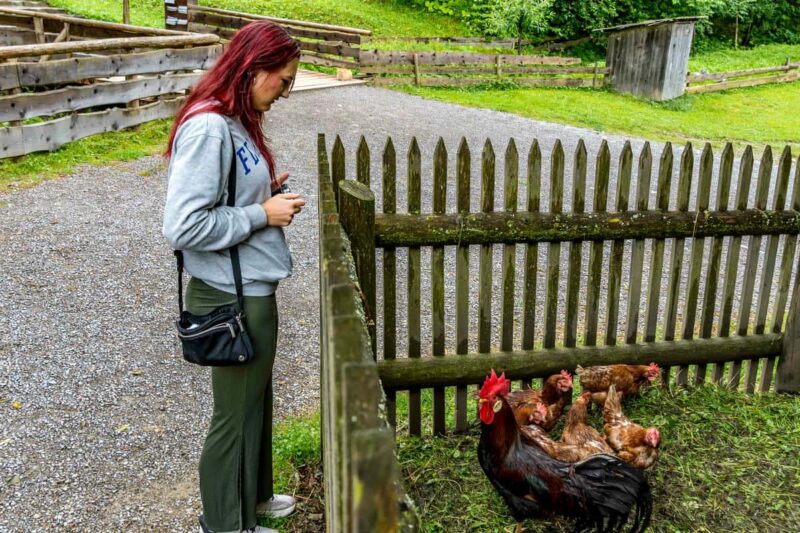
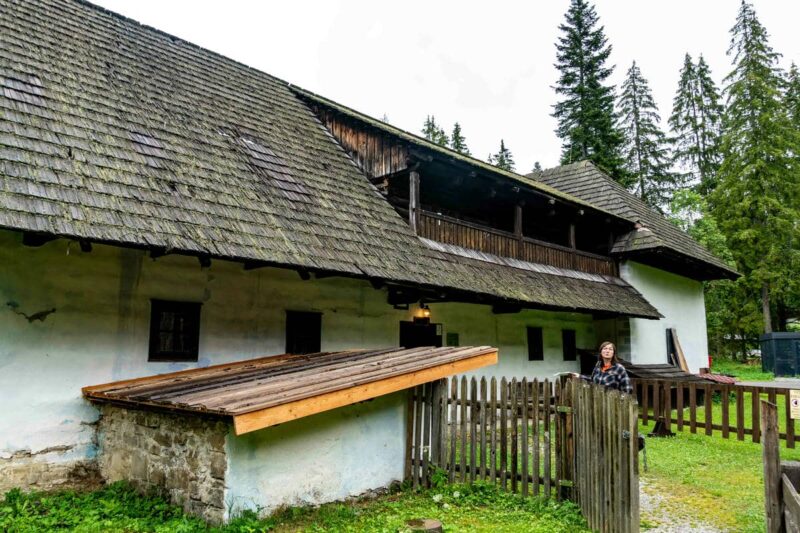
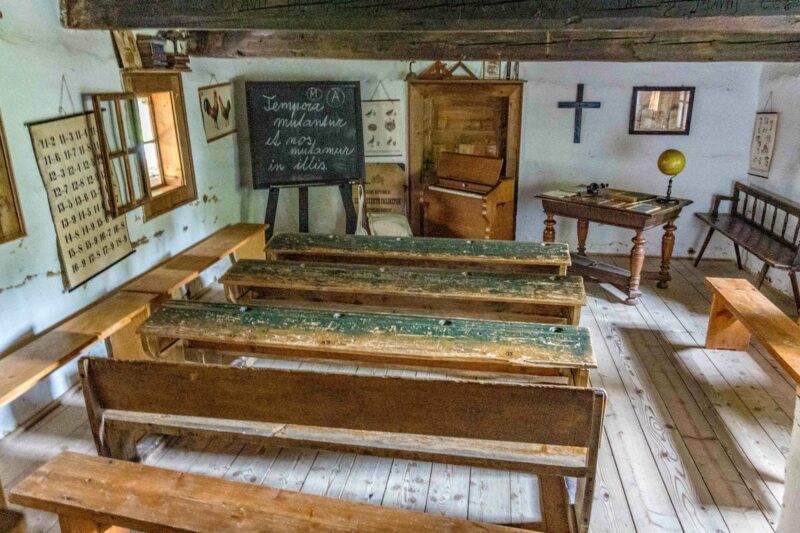
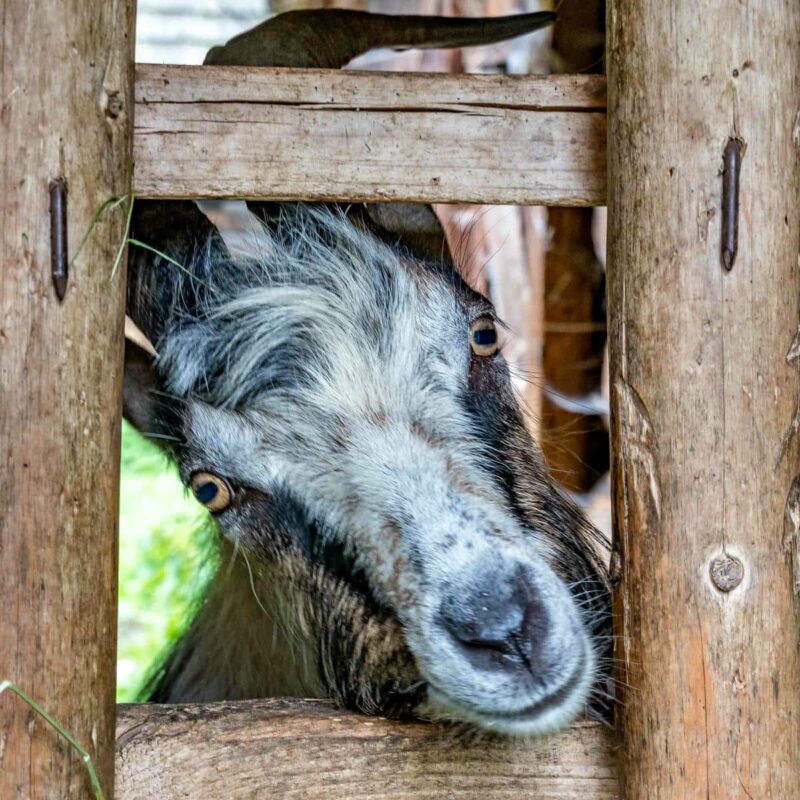
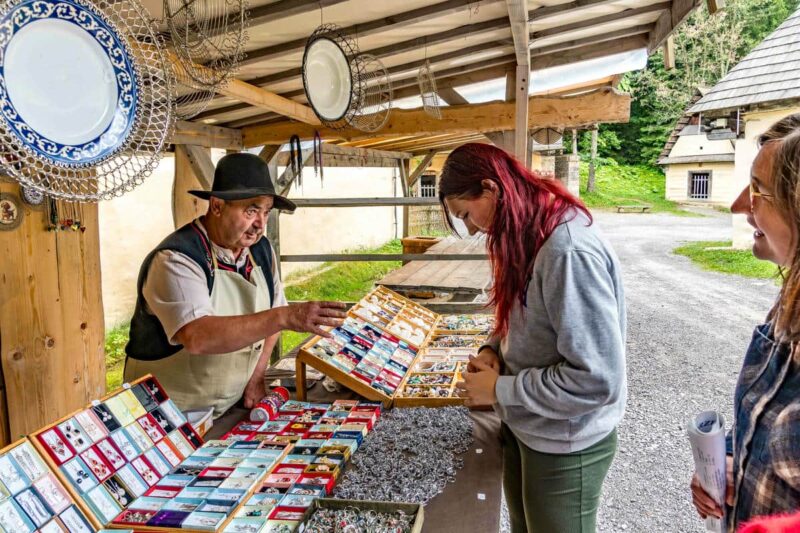
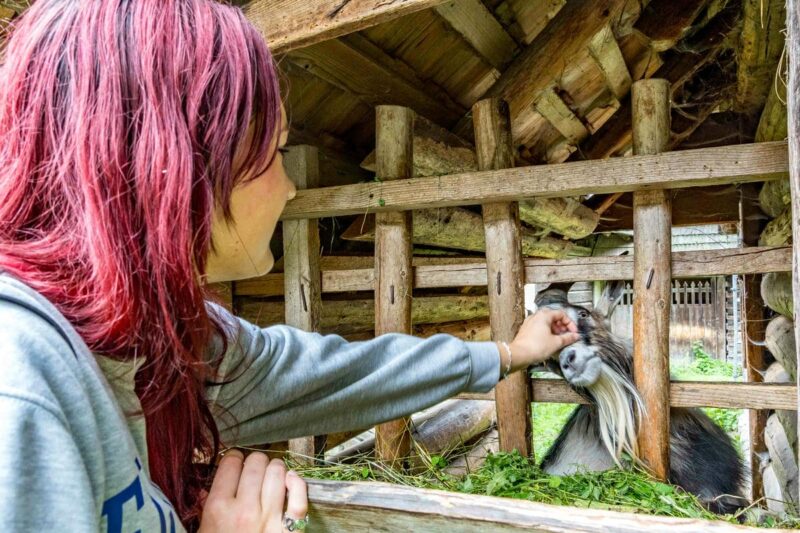
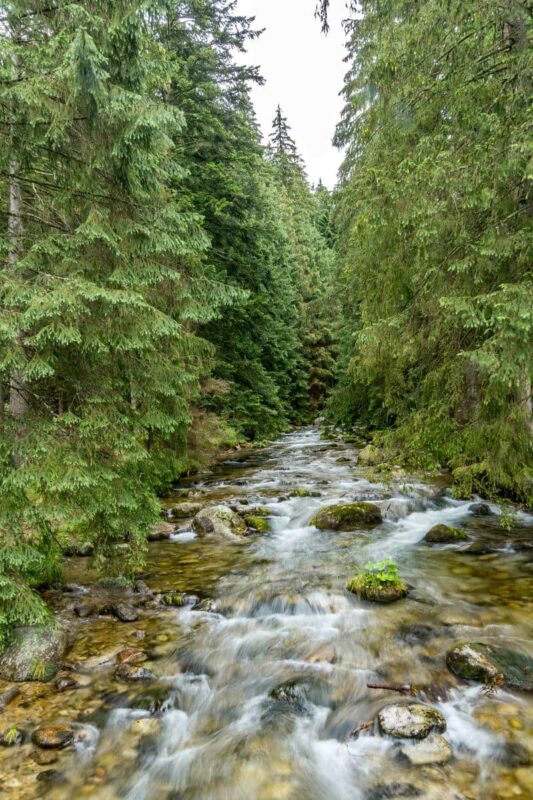
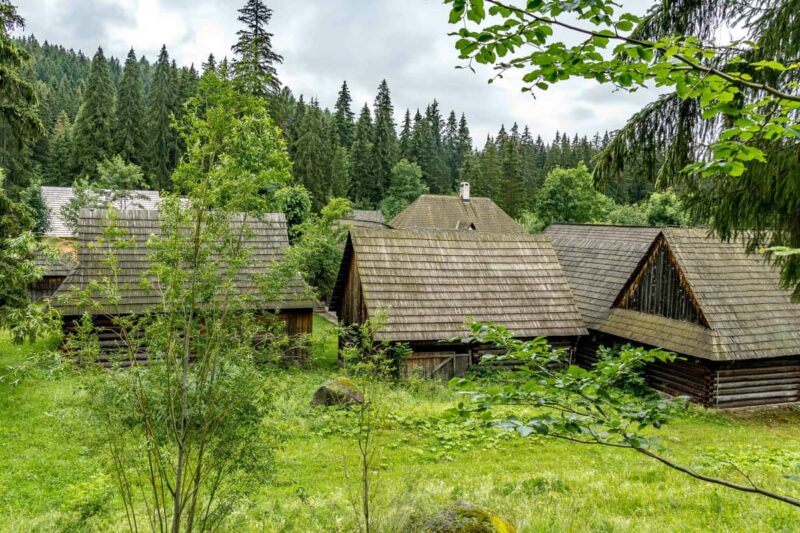
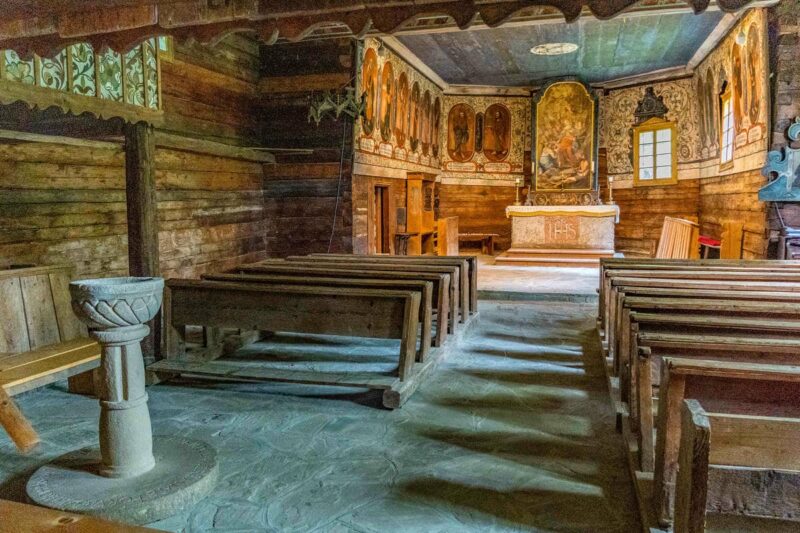
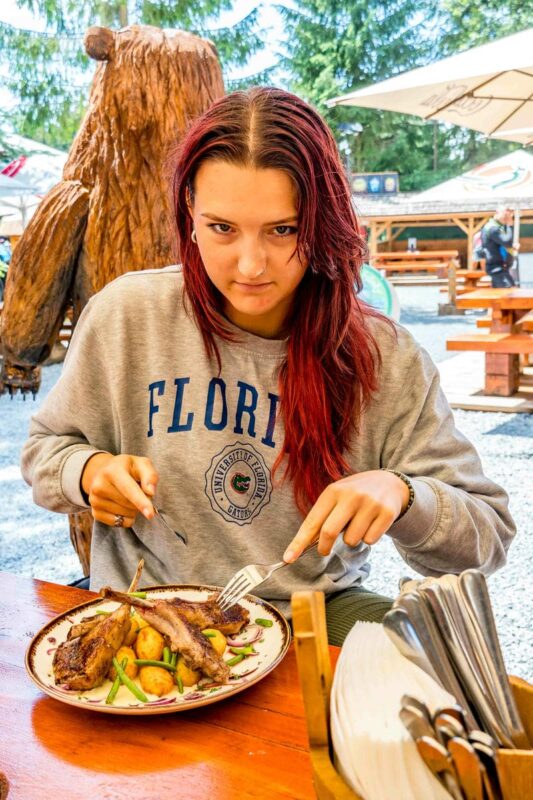
We've already spent a day in Slovakia, but it was not the day we always spend in Slovakia. That day was today: taking Babcia shopping in Slovakia and ending with some lunch (always bryndzové halušky for me). We changed things up a little today, though, by starting with a visit to an open-air museum. Not the one we've visited seemingly countless times in Zubrzyca Gorna. A new one. Yet also centered around Orawa.
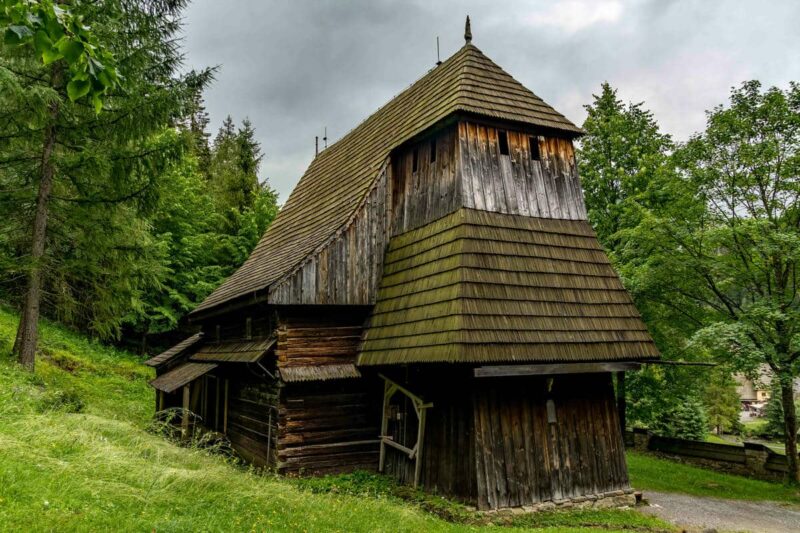
How could two open-air museums in two different countries be centered on the same regional history? Simple: Orawa is in both Poland and Slovakia. The Polish portion is just that because of Piotr Borowy, who led a coalition that went to Versailles to petition that Polish Orawa was just that and not folded into newly-created Czechoslovakia.
As we were exploring the skansen, the familiar melody of the song "Orawa" floating amongst the buildings. I've heard the song countless times, always in Polish-based Orawian dialect. This was in Slovakian. It called to mind the whole history, and I mentioned it offhandedly to K.
"You know, if it weren't for Piotr Borowy, I never would have met you." If Borowy had not advocated for a Polish portion of Orawa and all else was the same, I would have gone to a K-less Poland because she would have been Slovakian.
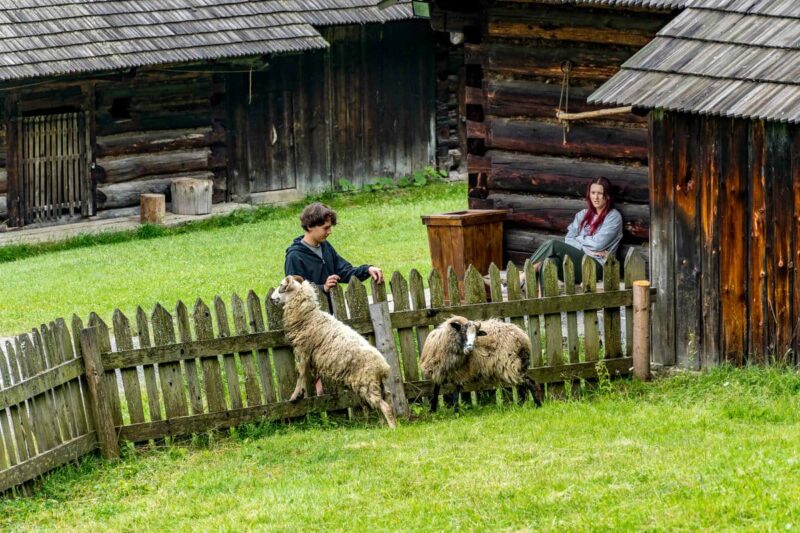
But K made a point that showed just how much that would have changed. "Babcia would have never met Dziadek," she clarified, trailing off with the obvious implication. Babcia, from a highlander family in Zab, would never have meet an Orawian Slovak like Dziadek.
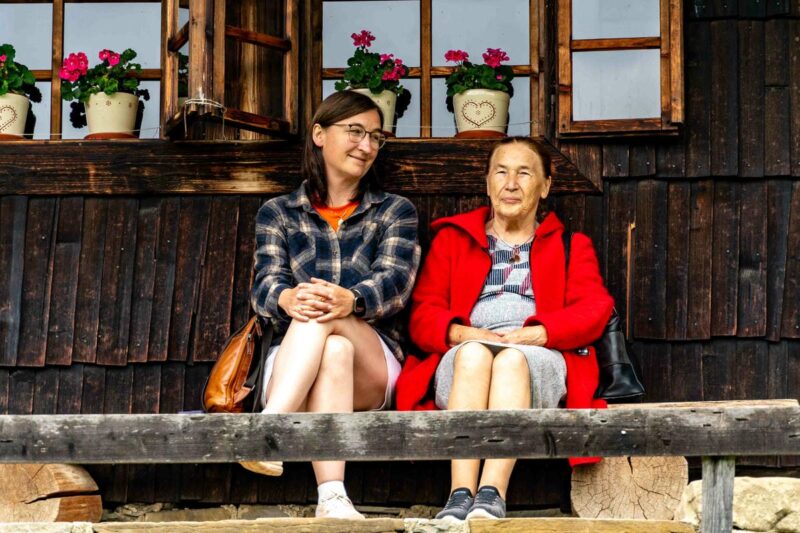
And without Dziadek meeting Babcia, it wouldn't have mattered where I would have been teaching English in 1996.
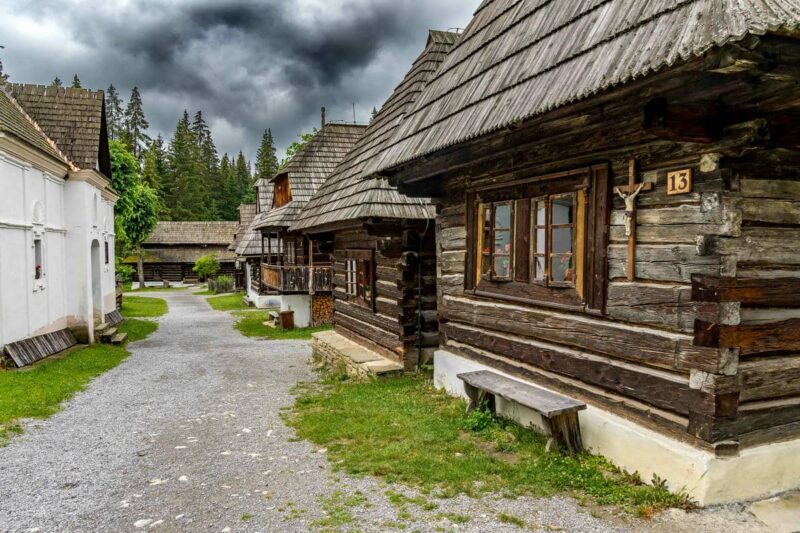
And if I'd never met K, our children wouldn't even have been a thought, a possibility.
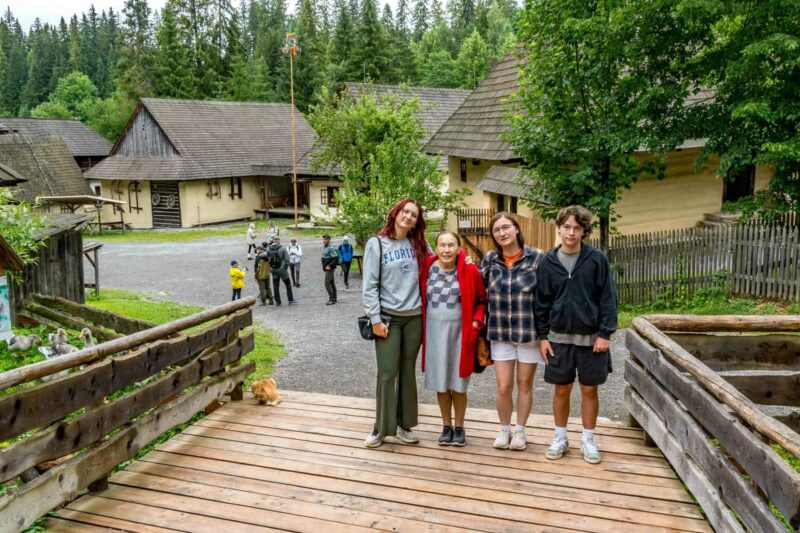
So because of Piotr Borowy, E wouldn't be obsessed with trombone while L studies at UF.
And D's children wouldn't be studying law, working as a programmer, or beginning driving instruction.
How many other dreams would be erased, how many other laughs disappeared, how many lives transformed or themselves erased if it weren't for a stubborn Pole who went to Versailles to argue for borders to fall where they do?
Ruins
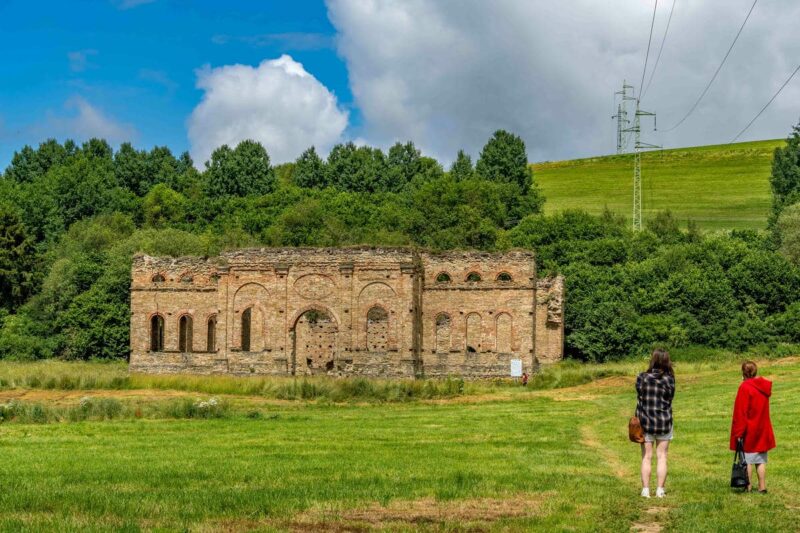
Just outside of Zuberec we saw a most mysterious edifice, and we all knew we'd have to stop and check it out on the way back. Was it a resort that burned? A government office strangely in the middle of nowhere? It turned out to be an ironworks from the nineteenth century.
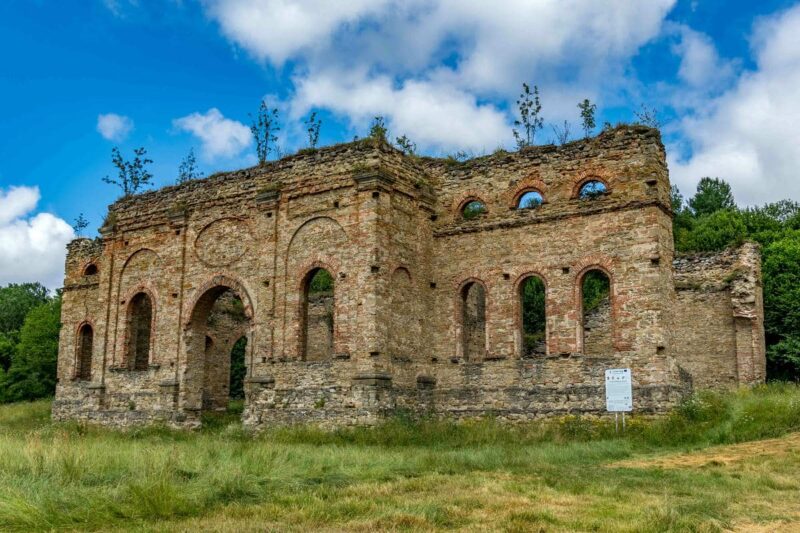
The Františkova huta came about because of locals' desire to make use of recently-discovered ore deposits as opposed to sending it off to enrich some other region. Dating from 1836, it was built by a British firm, but only twenty-seven years later, it folded. There were a few causes
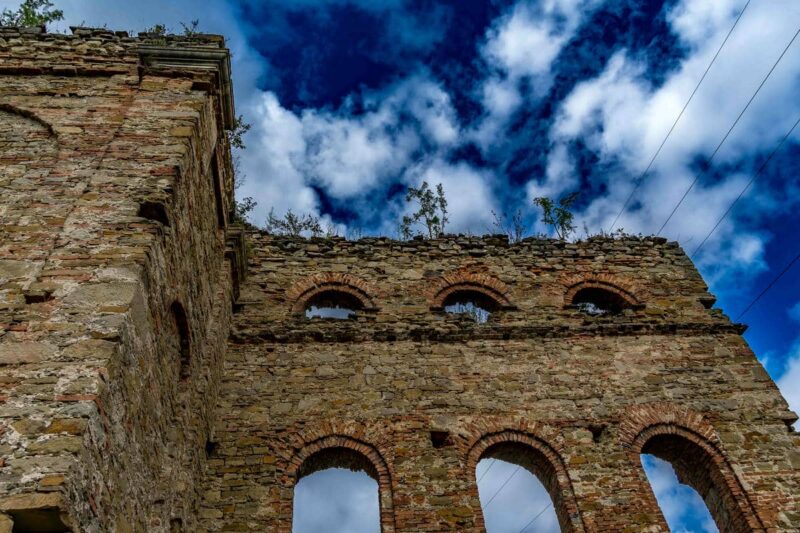
The local iron ore was relatively poor in quality. It produced brittle iron that was of little use.
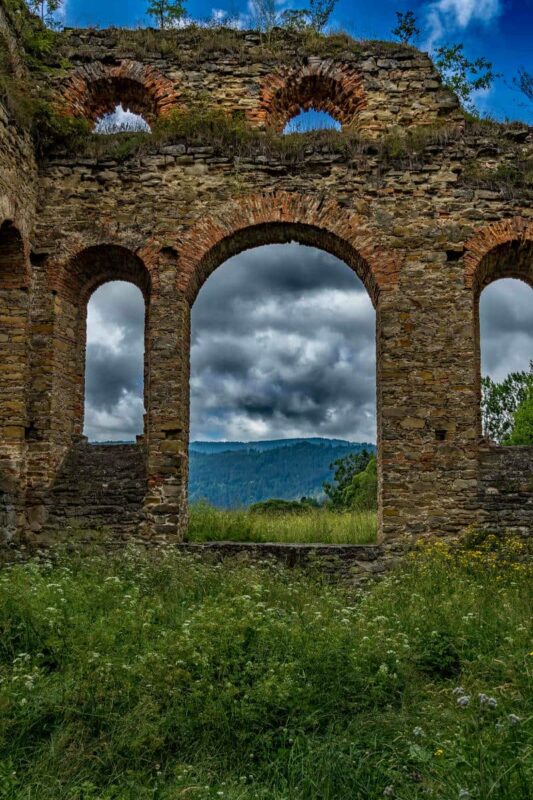
Modern coke-fired furnaces elsewhere in Europe produced iron more cheaply and efficiently, and the factory's remote location made it all but impossible to complete with more centrally located ironworks.
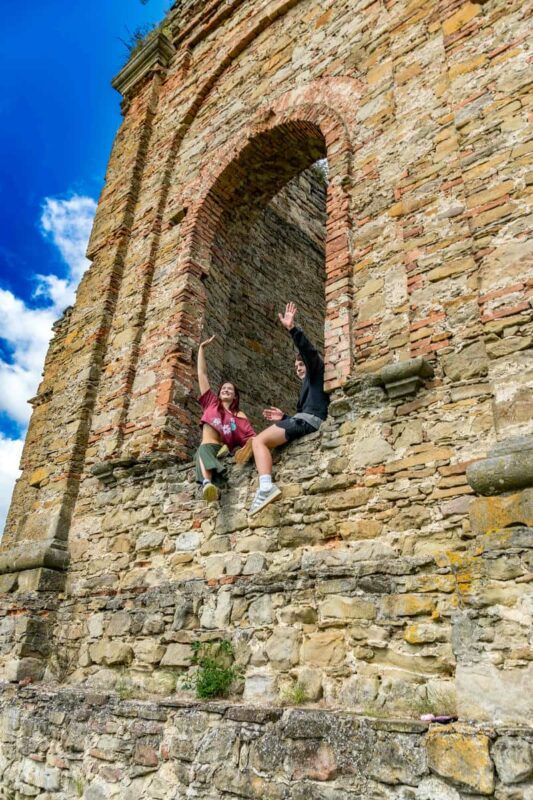
Finally, economic changes following the abolition of serfdom increased labor costs. And so now, it's just an enticing ruin on the side of a small road in rural northern Slovakia.
Trstena
If I had to choose a favorite little town, Trstena would be a top contender. It's got the charm of a small town, and yet it's set in the middle of fields: you can see the hay fields rising from the town square, no more than a kilometer away in either direction.
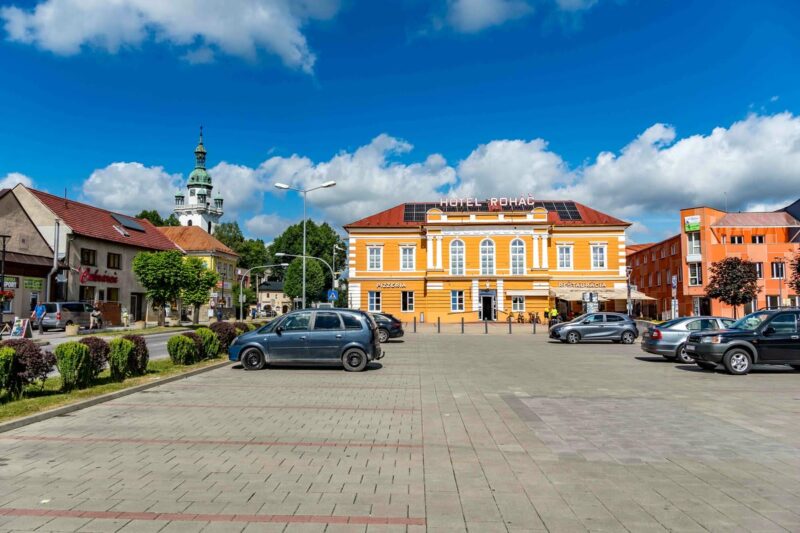
We often have lunch at the small restaurant in the Hotel Rohac when we take Babcia on her Slovakian outing, but we'd already eaten by the time we arrived, so we just went to the supermarket for Slovakian sweets,
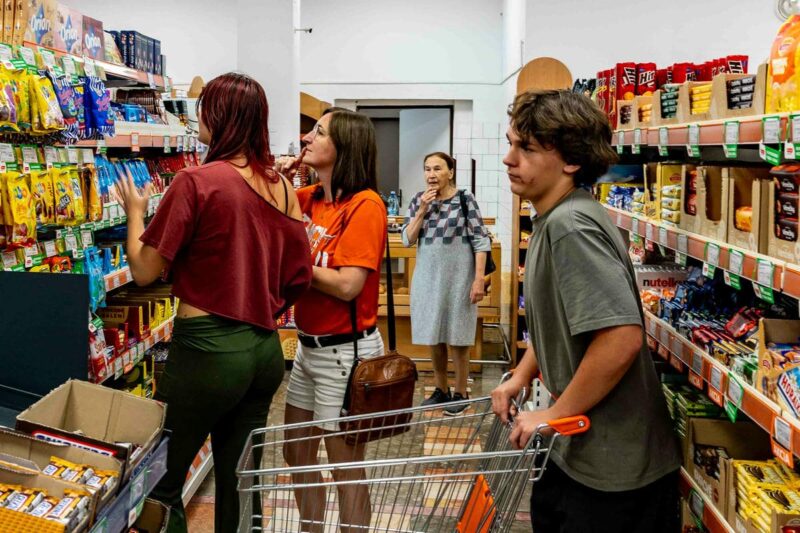
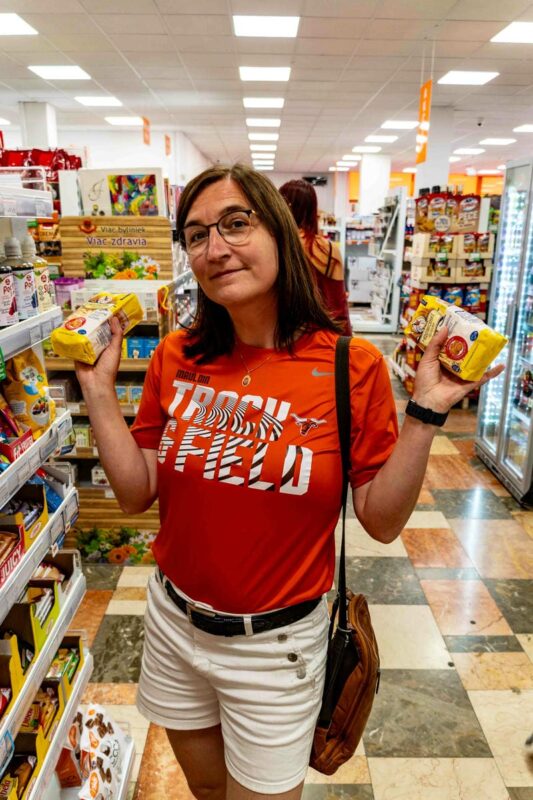
rum and flour for Babcia, and today, Slovakina egg noodles simply because of the cute packaging.
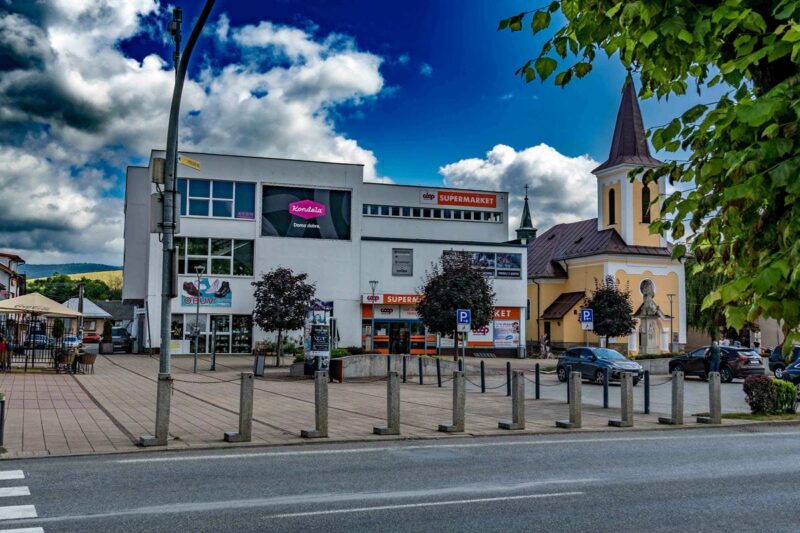
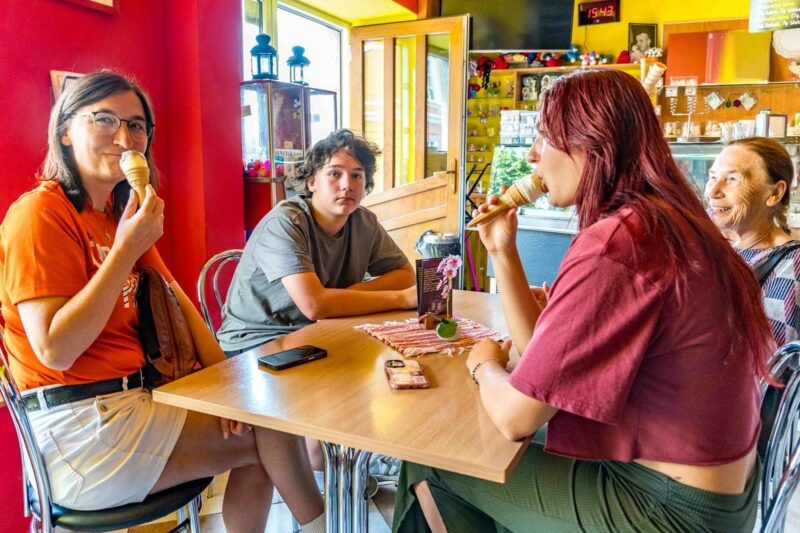
We did take time for some Slovakian ice cream, though. It's unlike any other ice cream: no matter what flavor you pick -- vanilla or rum, chocolate or raspberry -- it's always just a little sour in an oddly pleasant way.
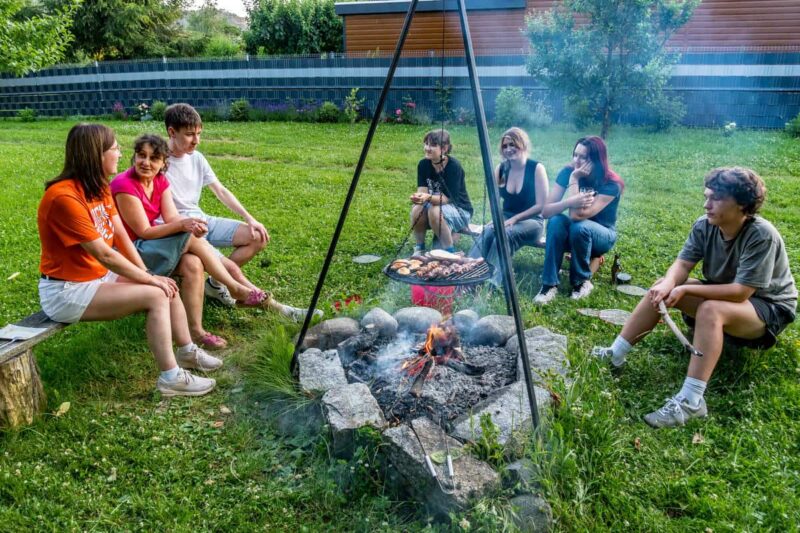
And there's only one way to end a day like this: an ognisko. There are three places we have ogniskos here, and each has its own character. We always end our trips at K's brother's house, and there's always a final ognisko there. Those ogniskos always have a bit of grey around the edges since we usually leave the next morning. Ogniskos at Babcia's are fairly rare, and they're usually small affairs. The ognisko everyone seems to wait for is the ognisko in Syptkowice A's family home.
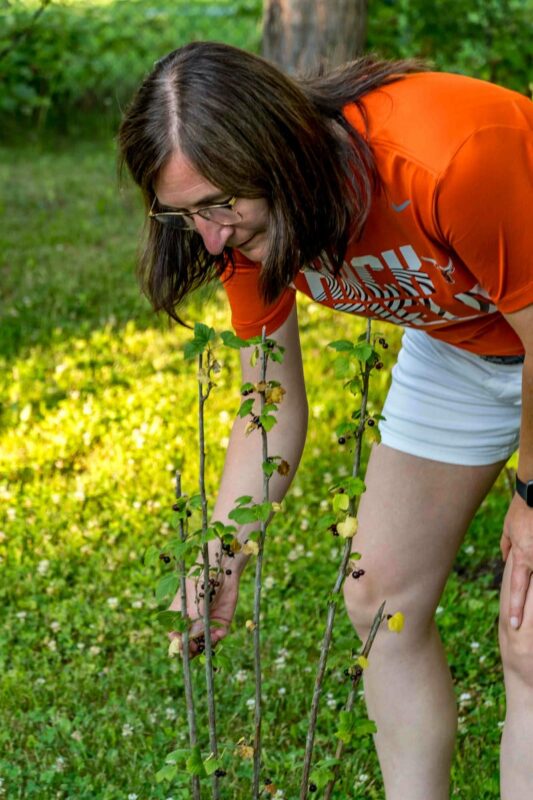
It's in the small apple orchard that fills the front of the property along with black currant bushes, lavender, roses, and seemingly countless other flowers.
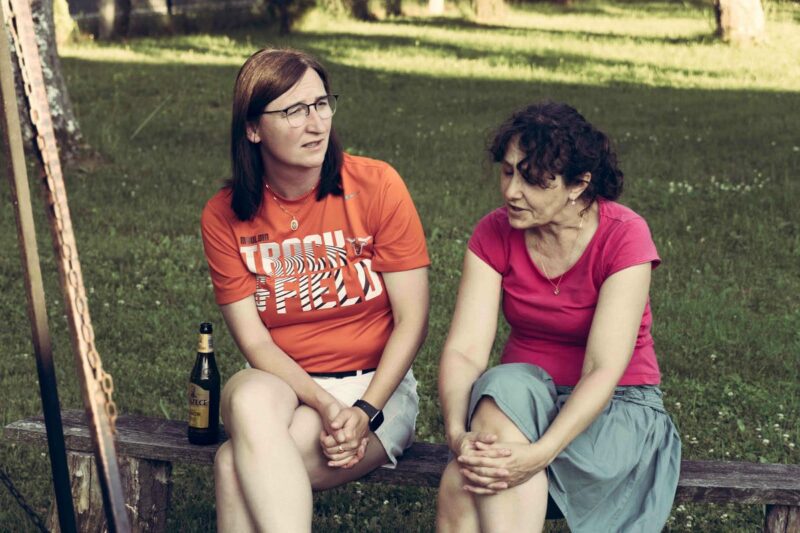
It's where all the important conversations occur,
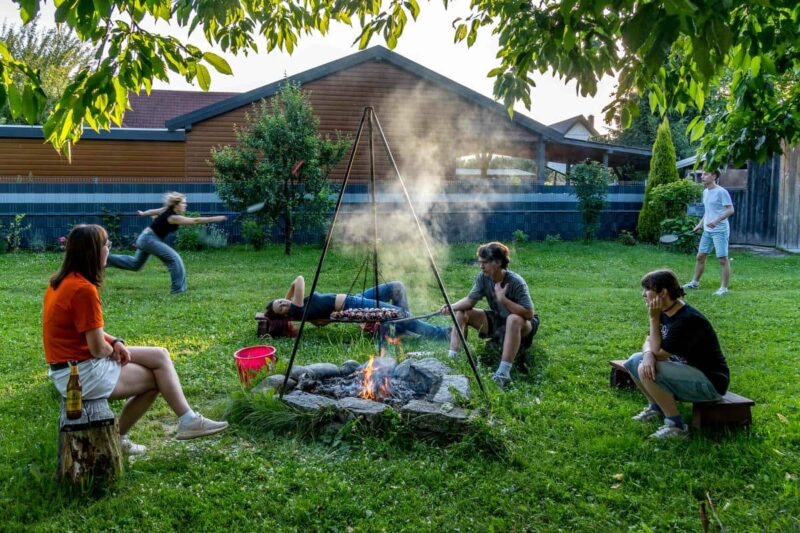
where all the kids' games take place,
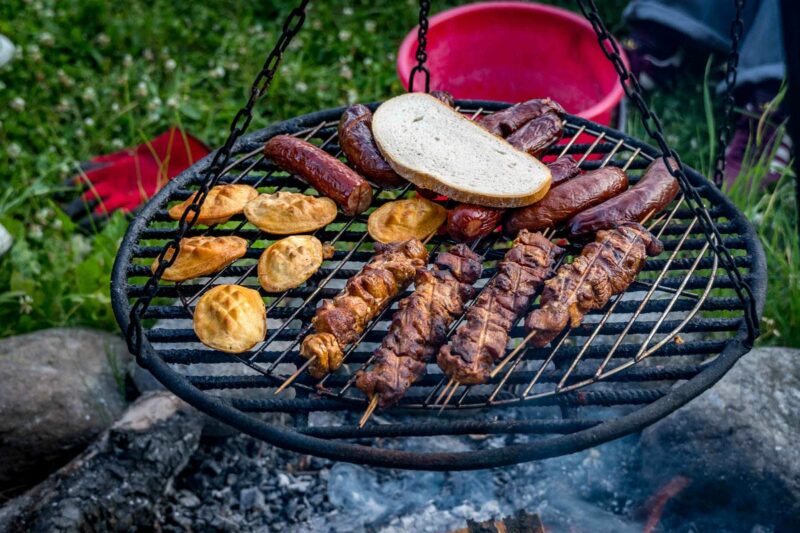
and of course where all the ognisko foods -- traditional and not-so-traditional -- appear and disappear.