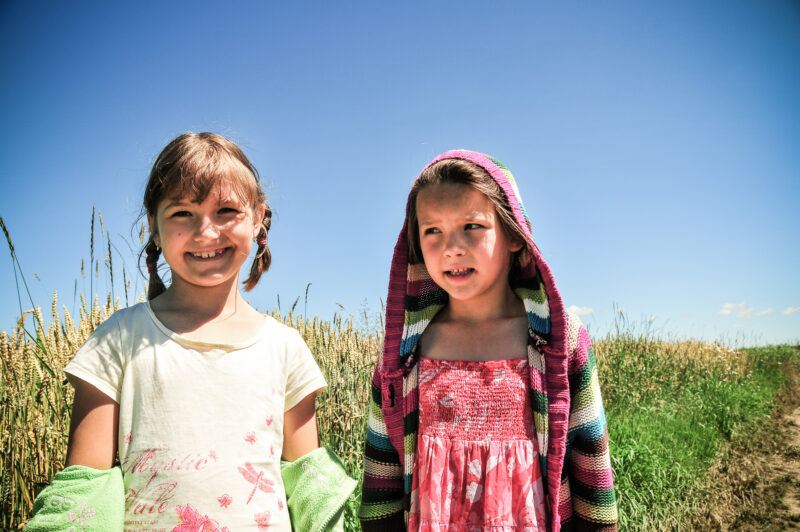
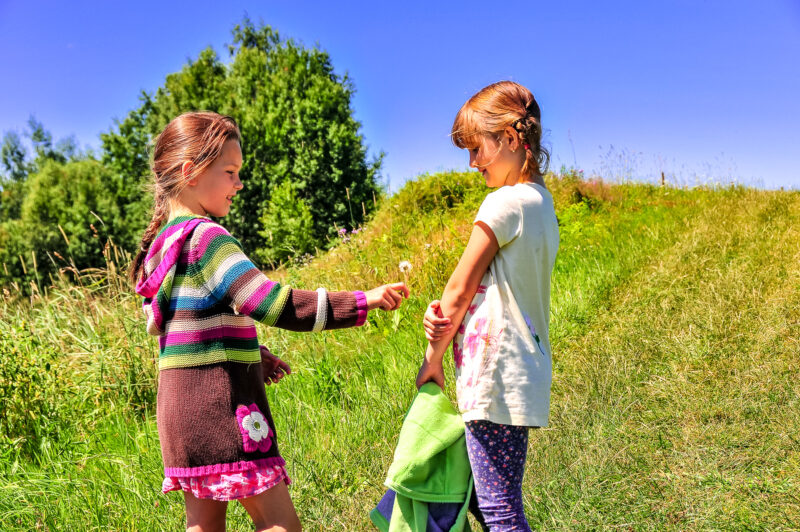
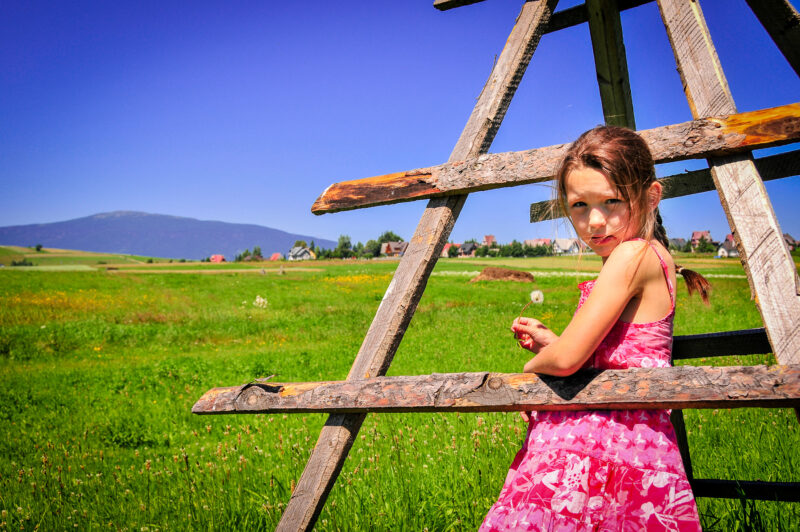
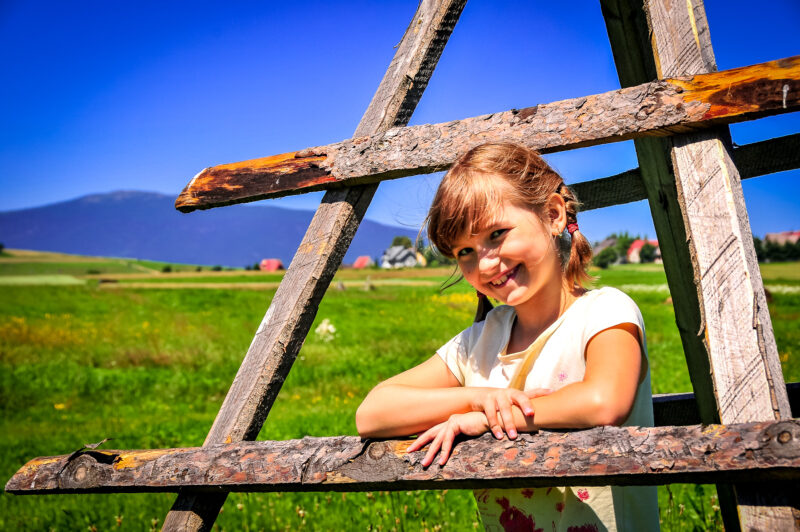
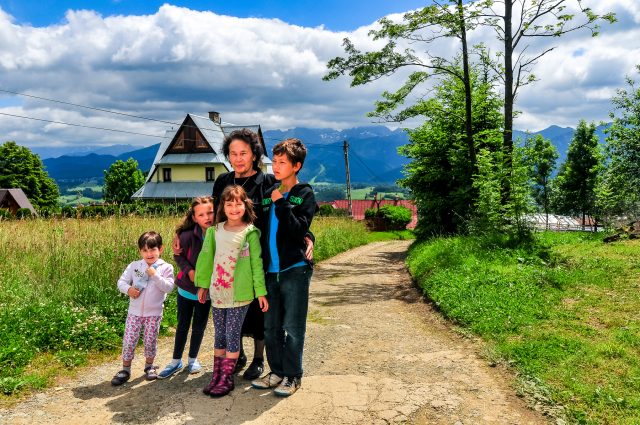
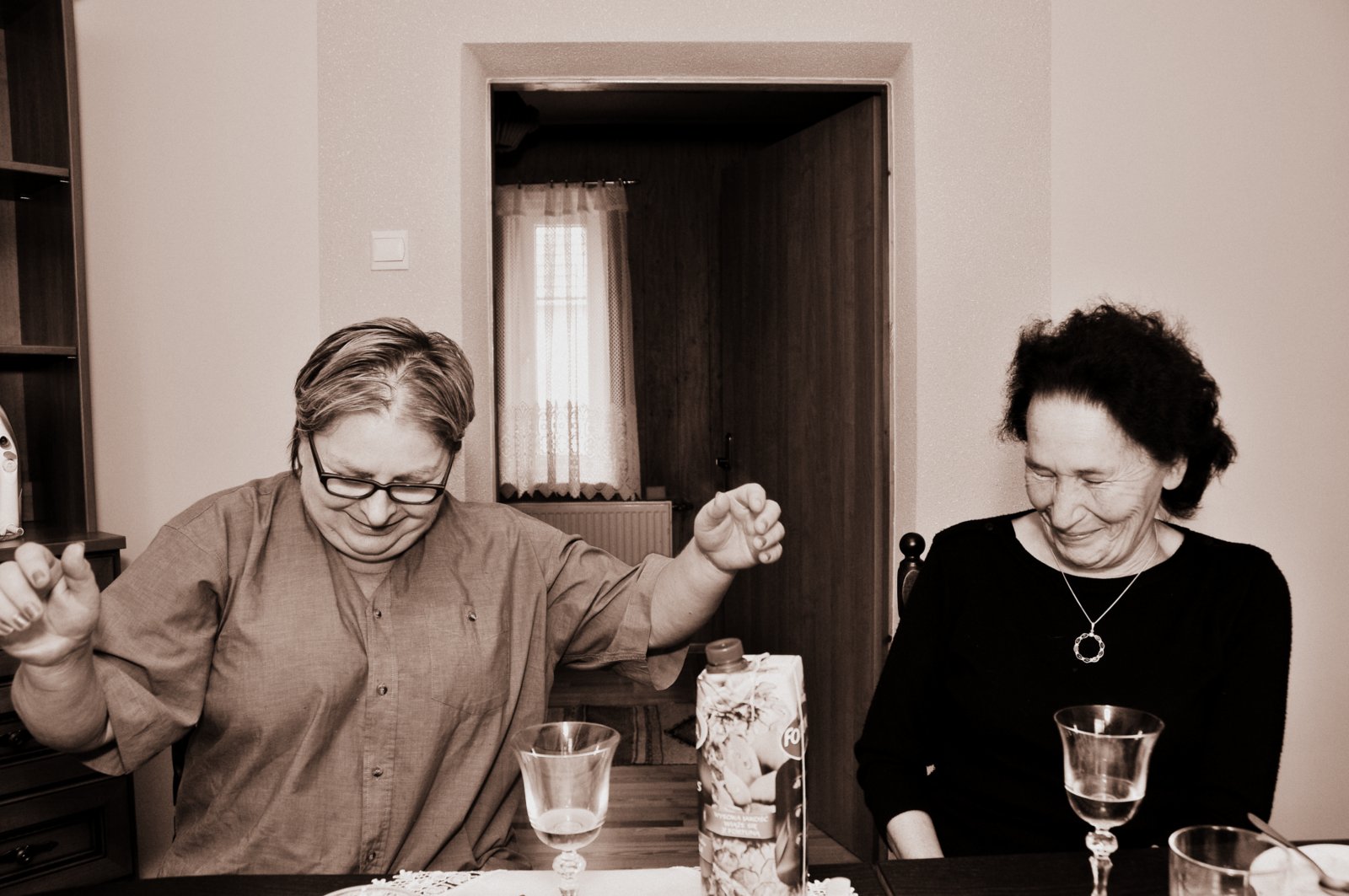
matching tracksuits

fun in threes, sometimes fours

the girl

Mistakes

“Tata, will you fix this for me?” She has in her hand two walkie-talkies that she got for Christmas or a birthday. “I think the battery is dead.”

“Will you fix this?” Words that at the time warm and terrify. It’s my job, in a way, this “fixing.” Most fixing is nothing more than re-stringing a toy guitar or gluing a broken bit of plastic. But it’s fixing, and that makes me a bit of a hero to L. Yet I can’t fix everything for her all the time. She will have to learn to fix things for herself.

“No, but I’ll help you.” She hands me the walkie-talkie. “You’ll have to open this. Do you know what you’ll use?”

“Yes.”

“What is it?”

“Śrubokręt.”

“And what’s that in English?”

“I don’t know.”

We head to the basement, and I show her the screwdrivers, teaching her the word in English.

“Which one do you think you’ll use?” She looks at the screw and points to a Phillips screwdriver.

“What’s this called?” I tell her. “And this one?” she continues, indicating a small straight slot screwdriver. I tell her.

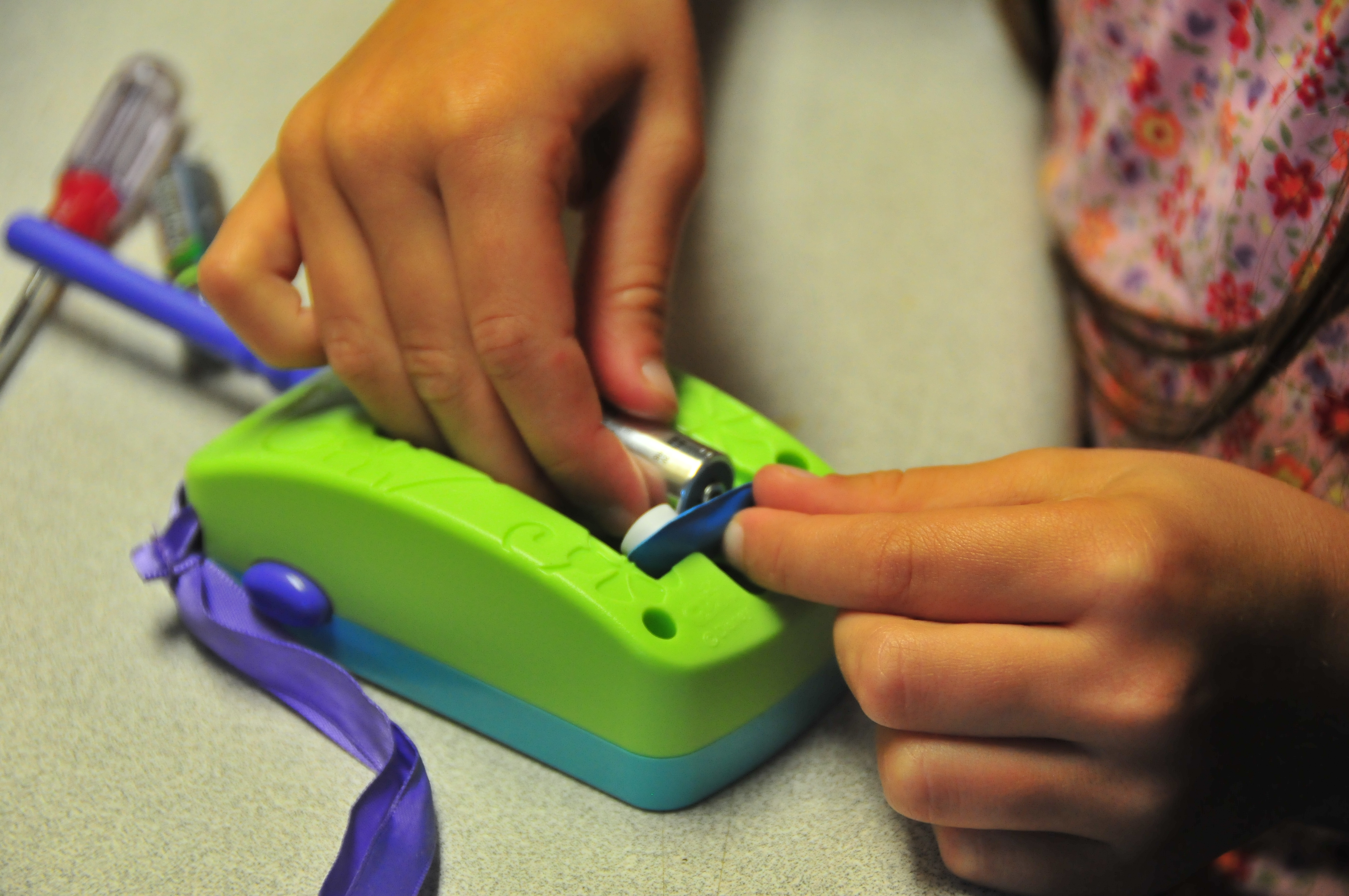
Through a short bit of trial-and-error experimentation, we find the appropriate screwdriver and open the battery compartment to find a nine-volt battery. I show her how to pop off the connectors, then replace them so she can do it.

“I’ll go check to see if we have this type of battery,” she informs me, returning with two AA batteries.

“We don’t have this type of battery, but maybe these will work.”

Of course they won’t. Only throught some very serious scheming could we get this to work. There’s simply no easy way, perhaps — I don’t know much about batteries and electronics — no way at all.

Still, it’s better for her to figure it out on her own.
VIV_7505

She squeezes, pushes, grunts — it’s no use.

“Maybe when we go to the store today, we can get one of these batteries,” she finally concludes, as does the lesson.
Sorting

There are a ton of pictures to go through — close to 500. How? K and I both get carried away sometimes.

VIV_7251

And so after the kids are in bed, the first load of laundry done, and a bit of cleaning and sorting completed, K goes to bed and I start going through the weekend’s pictures, many of which I should have posted Friday evening.

VIV_7275

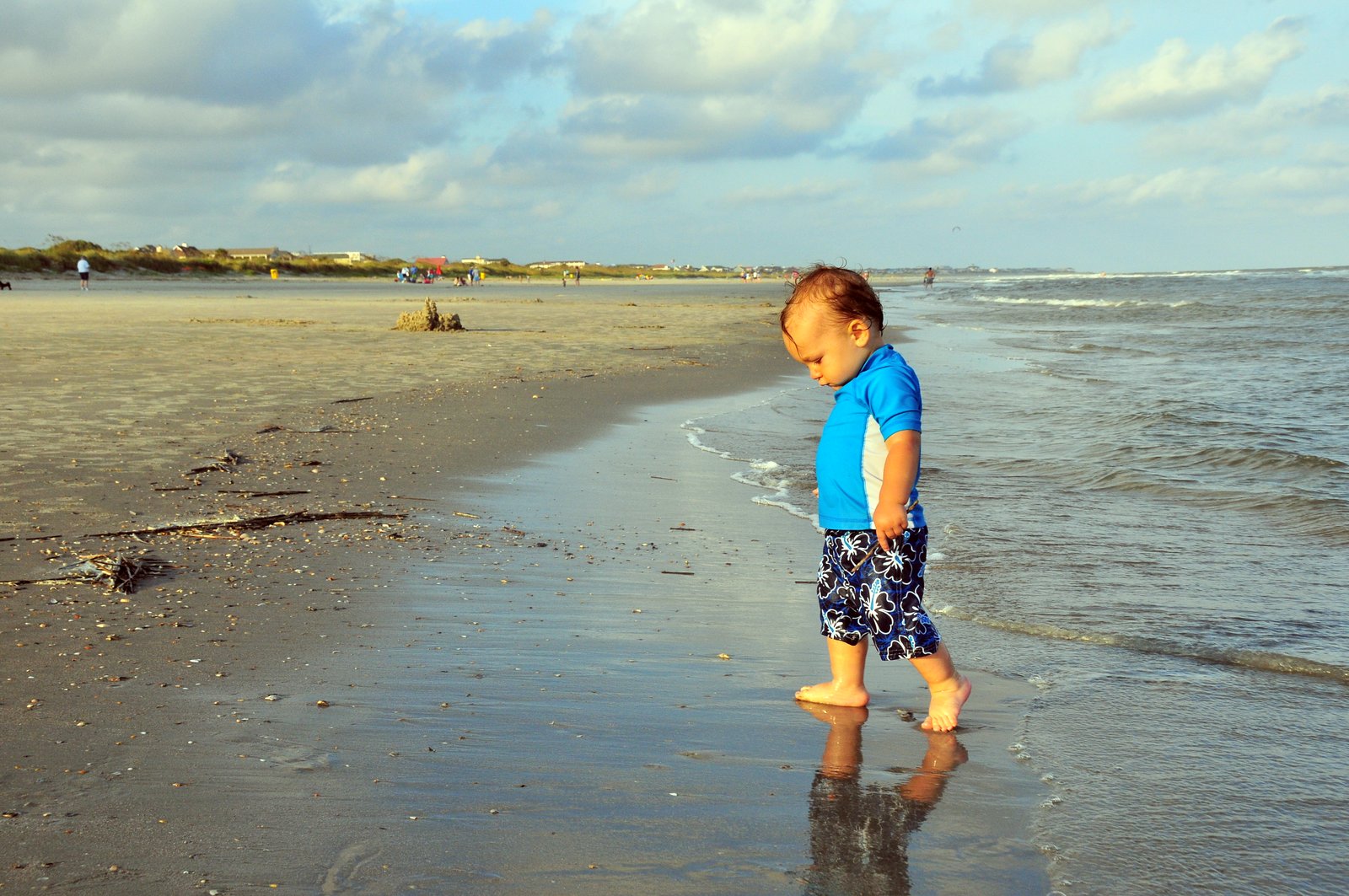
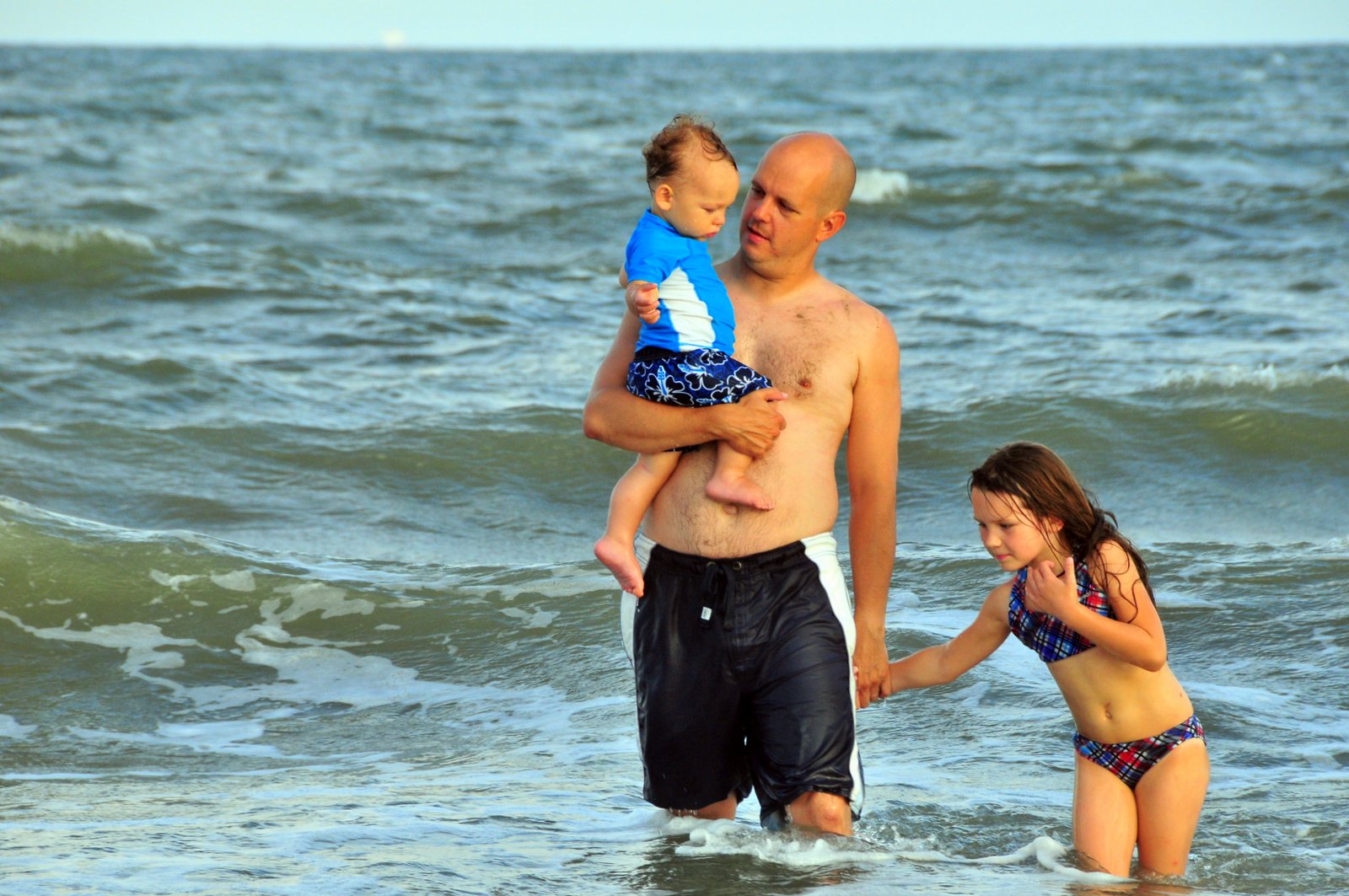
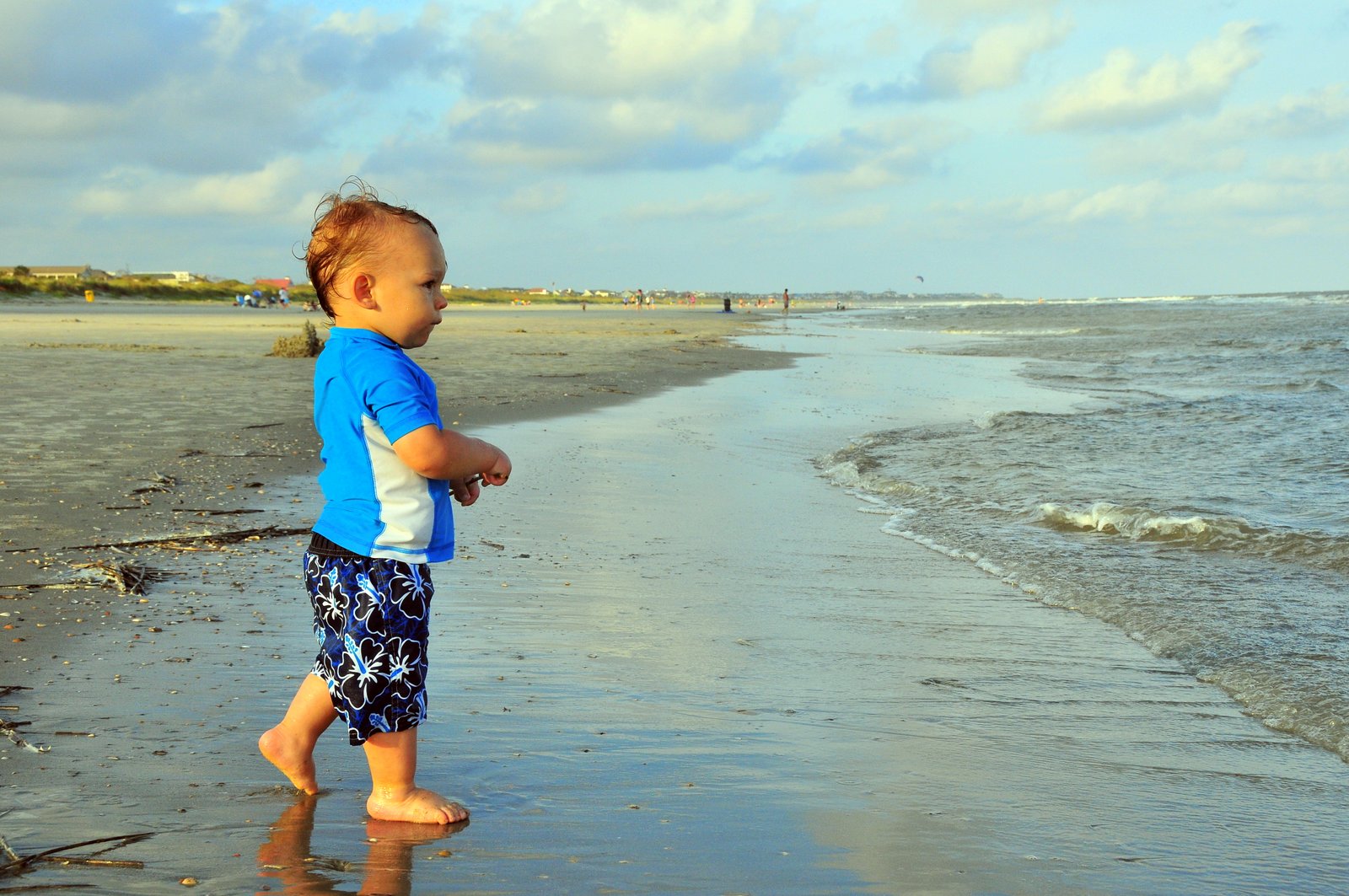
Dozens upon dozens of pictures from the beach. The Boy walking toward the water; the Boy walking away.

VIV_7278

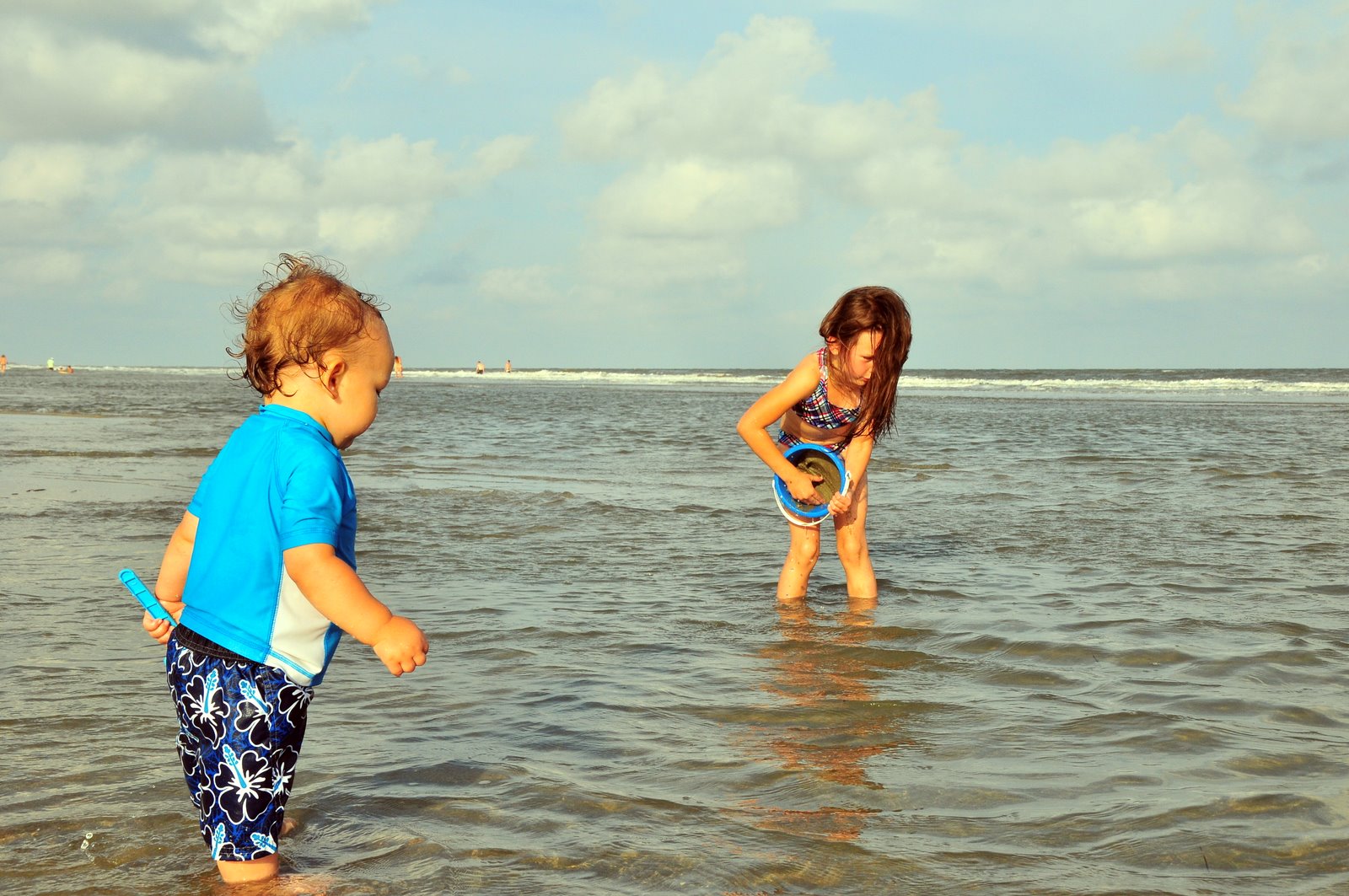
The Girl playing in the sand; the Girl playing in the water.

VIV_7313

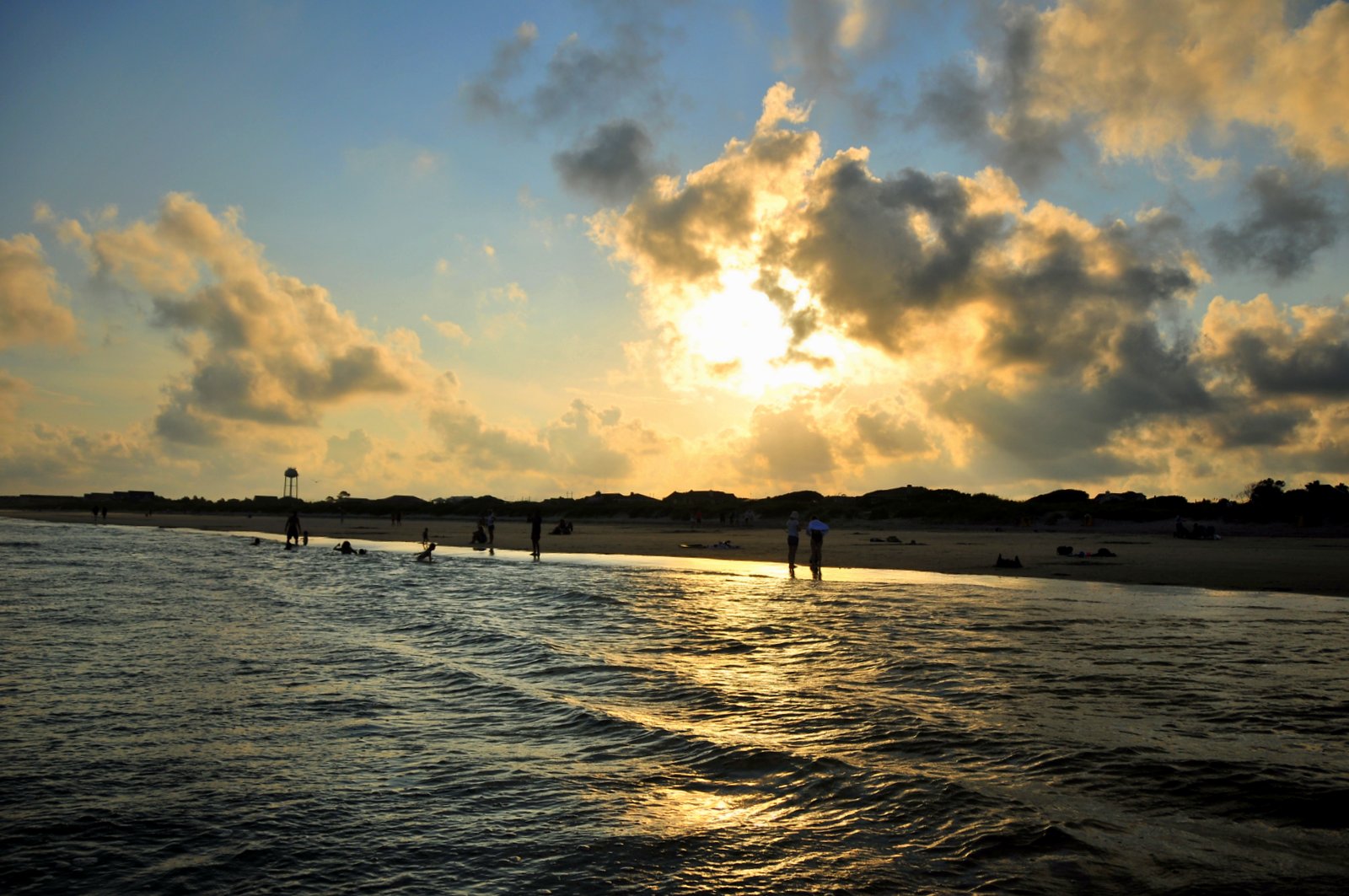
But once again, it’s late, and my cognitive abilities/willingness are setting like Friday’s sun, though not as gloriously.

The upshot — plenty of material for the next few days.

Two Days in Charleston

Two days to cover due to various issues yesterday — how can I do it? Over 300 pictures in those two days. Most should be deleted, but there’s not even an once of willingness to go through them all on the netbook computer I’ve brought with me. So I pick a few representative ones and save the others for later — and the same goes for the stories behind them.

But how could I fail to mention the walk along the Battery, with multi-million dollar homes on one side and a beautiful bay that completely fascinated the Boy on the other?

VIV_7085

And how could I leave out the excitement of the Boy when he first saw the ocean? L’s first reaction was panic and fear; the Boy’s first reaction was squealing excitement

VIV_7194

VIV_7158

And the archeture of the Charleston area, from the classic Charleston look (neither colonial nor European but a strange mix of the two with hundreds of other influences) to the modern engineering wonders.

VIV_7137

How could I leave out the story of a biologist’s visit to Angel Oak, our walk on the Folley Beach pier, the visit to Middleton Place? I shouldn’t, but I shall. A cramped keyboard, sleeping children, and a tired soul tell me that it’s okay to tell only a portion of a story. If it’s a good story, the rest will wait.

Sunday Afternoon

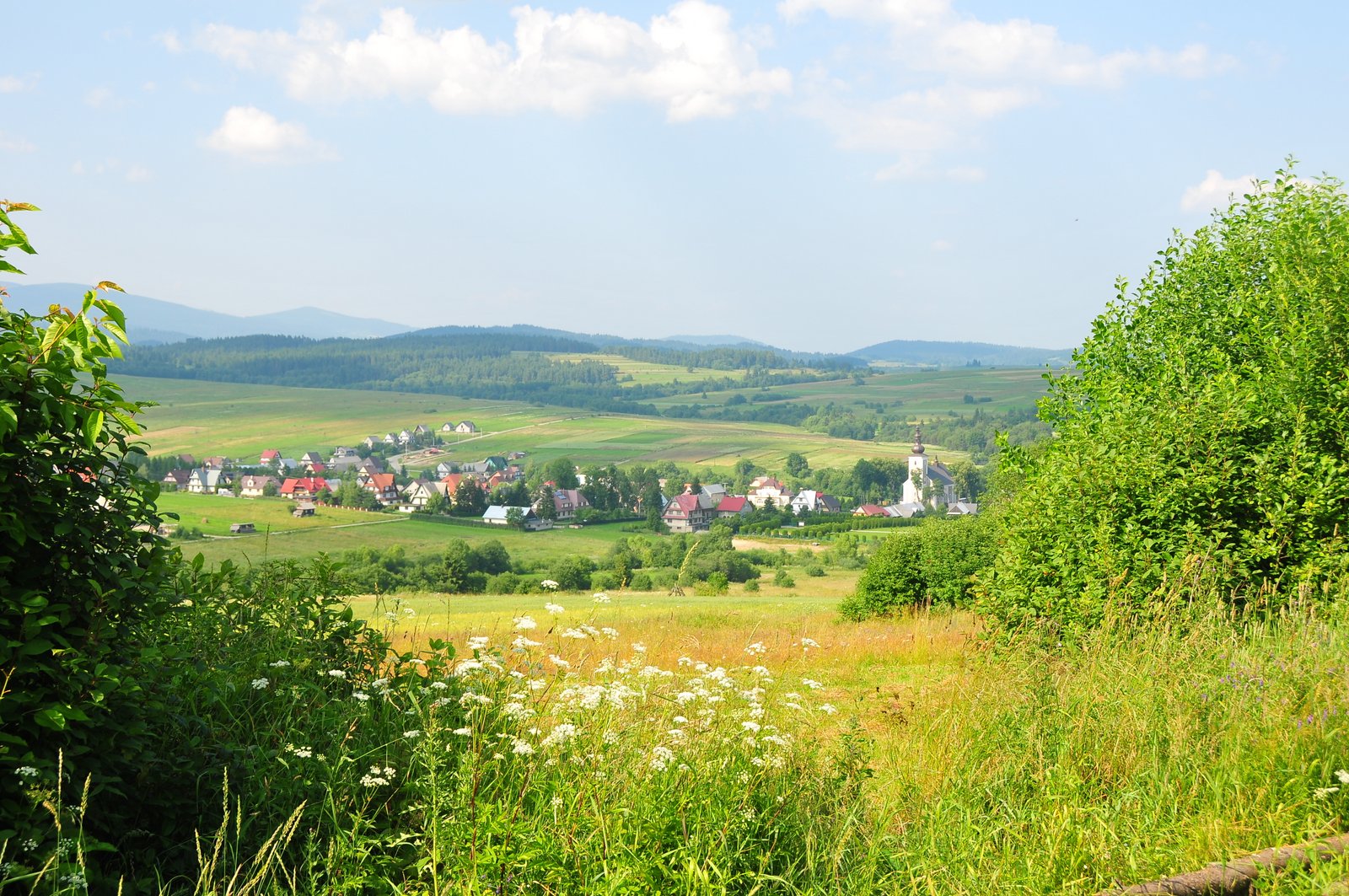
When in southern Poland you look out and see not a single cloud in the sky, staying inside is simply a sin.

And with only a few days left of our Polish adventure, it's even more critical to make the most out of each moment, to squeeze every single opportunity out of every single moment (not to mention every single mixed metaphor). This also means beginning the lasts -- the last time seeing this or that friend, the last walk to the river, the last, the last. Always some kind of last.

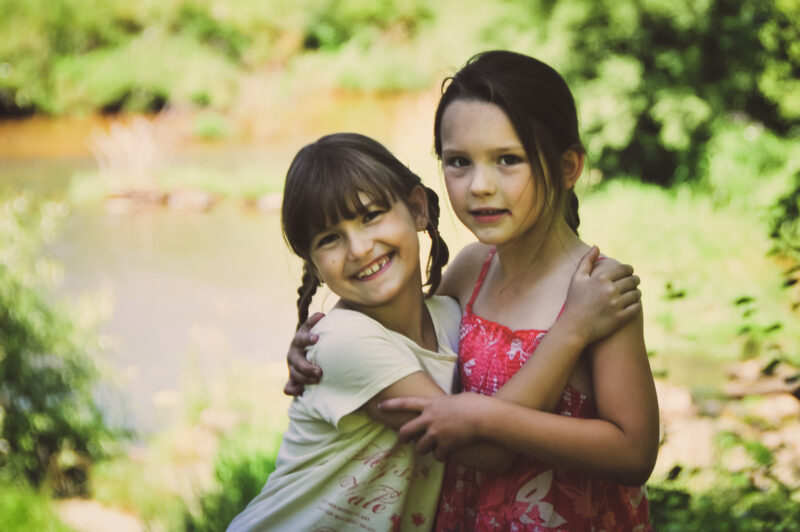
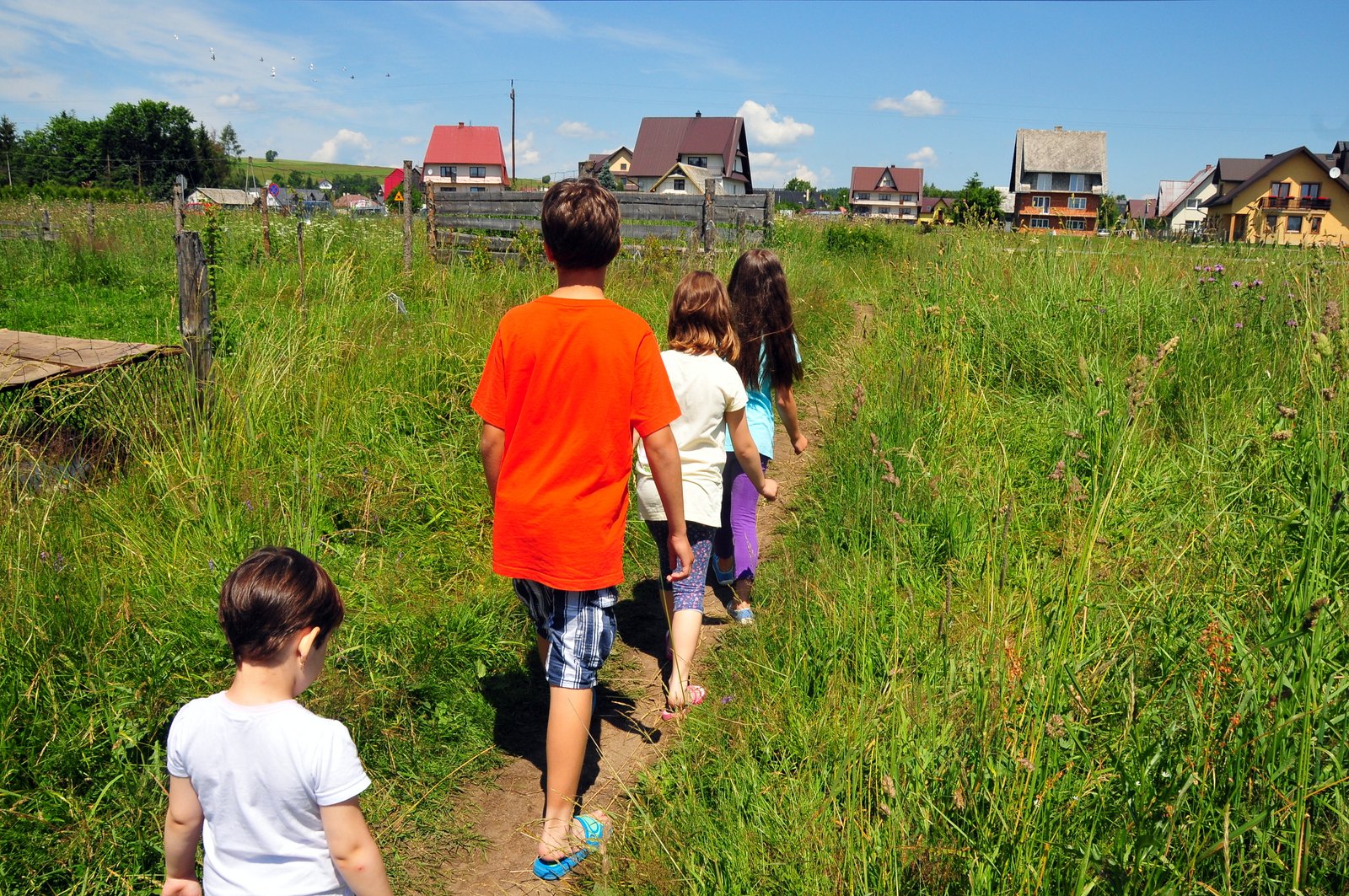
Today, on the walk, I take some of the last opportunities for some shots of the two of them. For them, it was possibly a last chance to play in the water, to play with the puppy that lives along the way to the river, to play some jokes on each other.

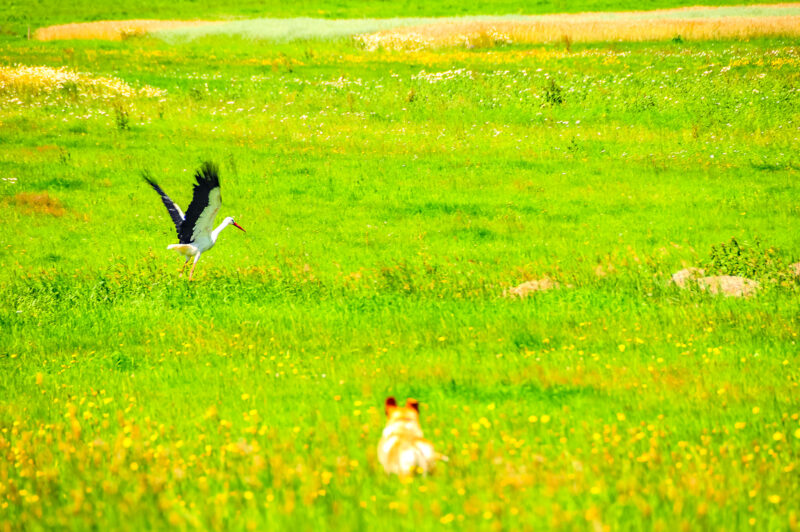
On the way back, we find a common sight: a stork hunting in the fields.

"Quiet! Quiet!" I call to the girls behind me. "Up ahead there's a stork." We sneak up to watch the stork, but at the last minute, Kajtek, Babcia's dog, spots the stork himself and gives chase.

It thrills the girls despite the fact that there's no chance of watching the stork up close.

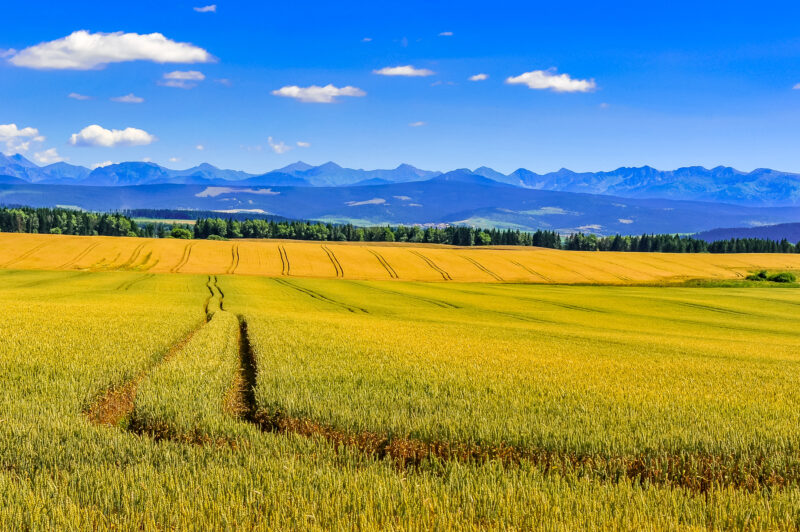
When we get back to the house, I jump into the car and head to a couple of locations I know to take a few landscape shots. After all, who could possibly pass up a virtually cloudless sky here? First stop -- just over the border in Slovakia. The fields are different here: instead of the patchwork of small plots all with different owners growing different crops, with each owner probably owning half a dozen plots spread about the village, the Slovaks have consolidated their fields, resulting in huge fields of corn, wheat, potatoes, and other crops.

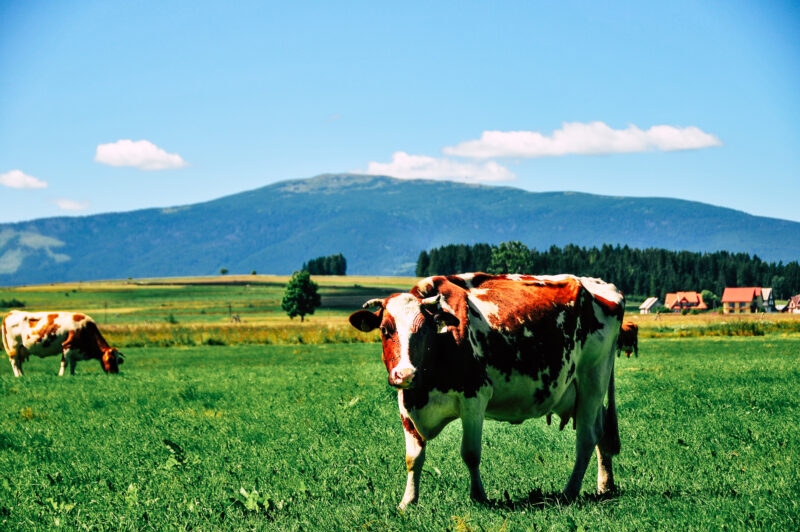
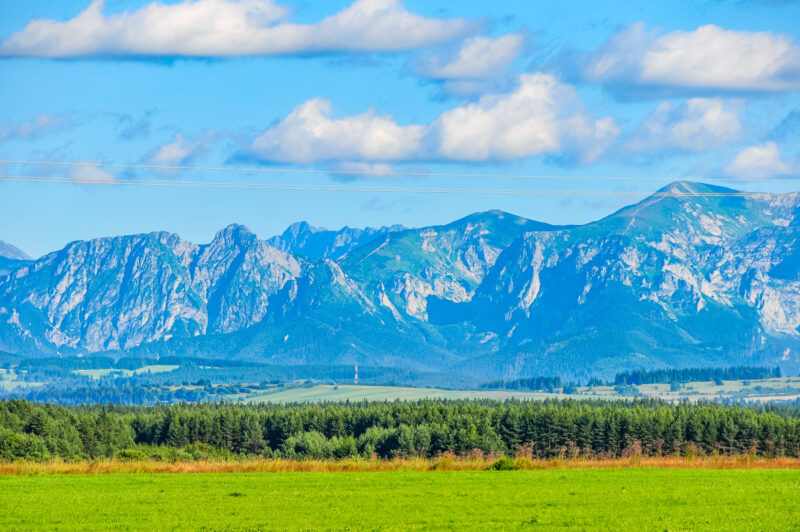
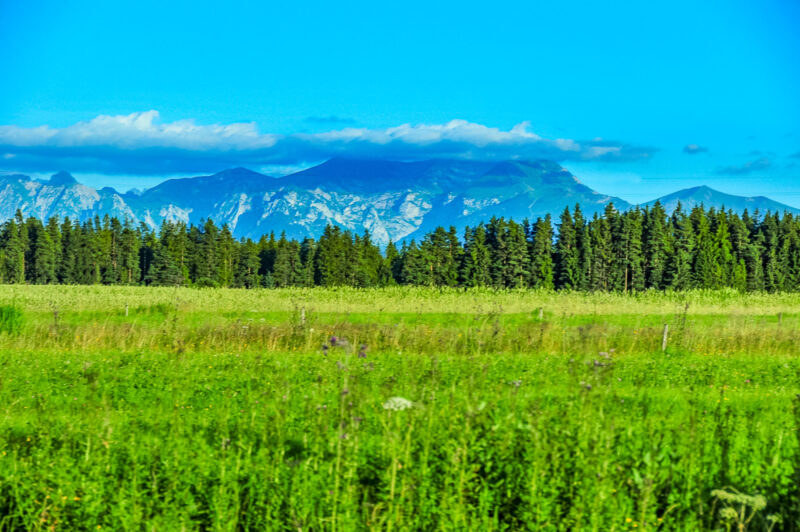
Returning, I stop at the start of Lipnica Mała to get a few shots of Babia Góra. In the end, neither location provides clear views of either the Tatra Mountains or Babia Góra: the air is still just a bit too thick, too heavy.

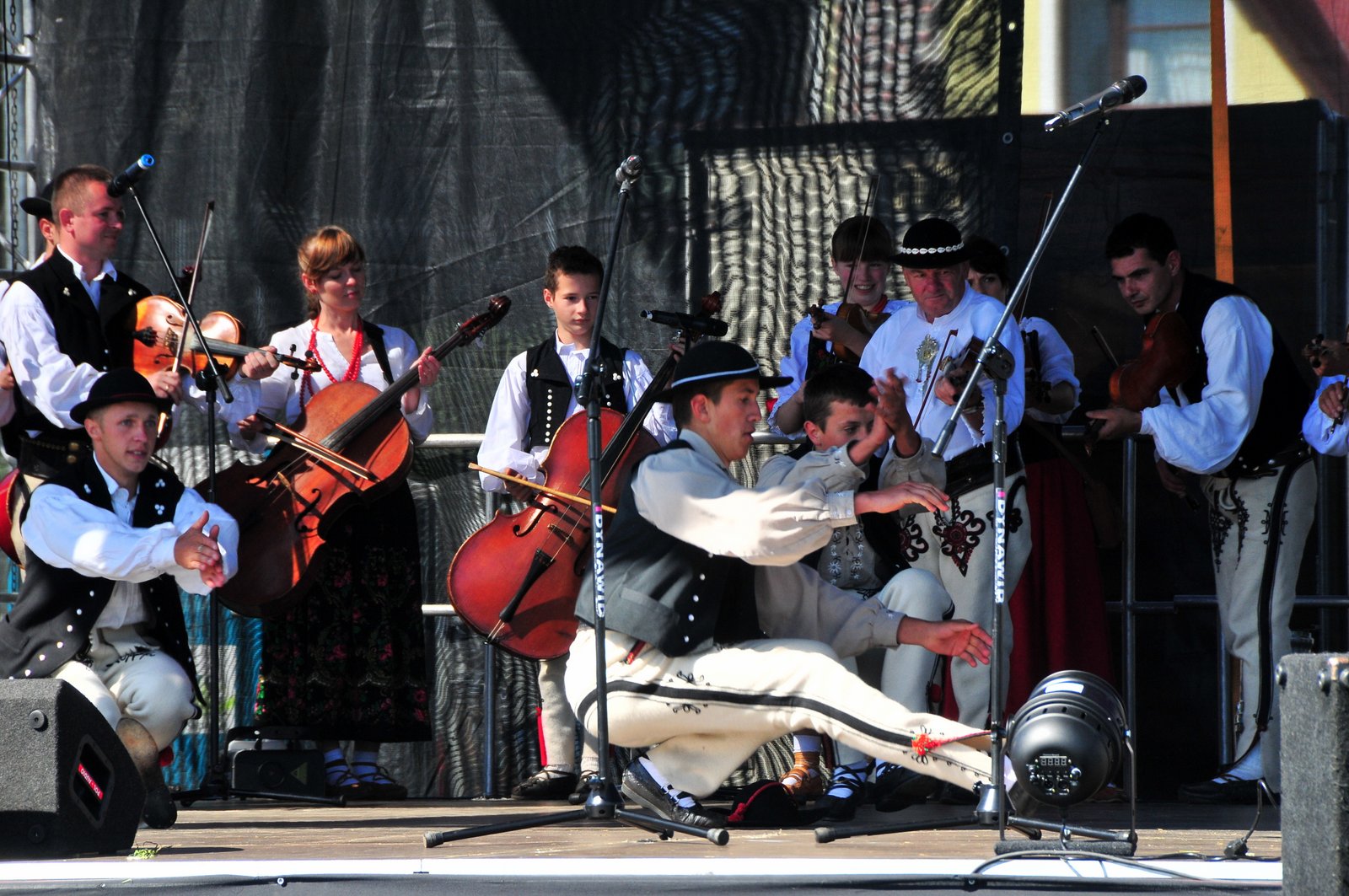
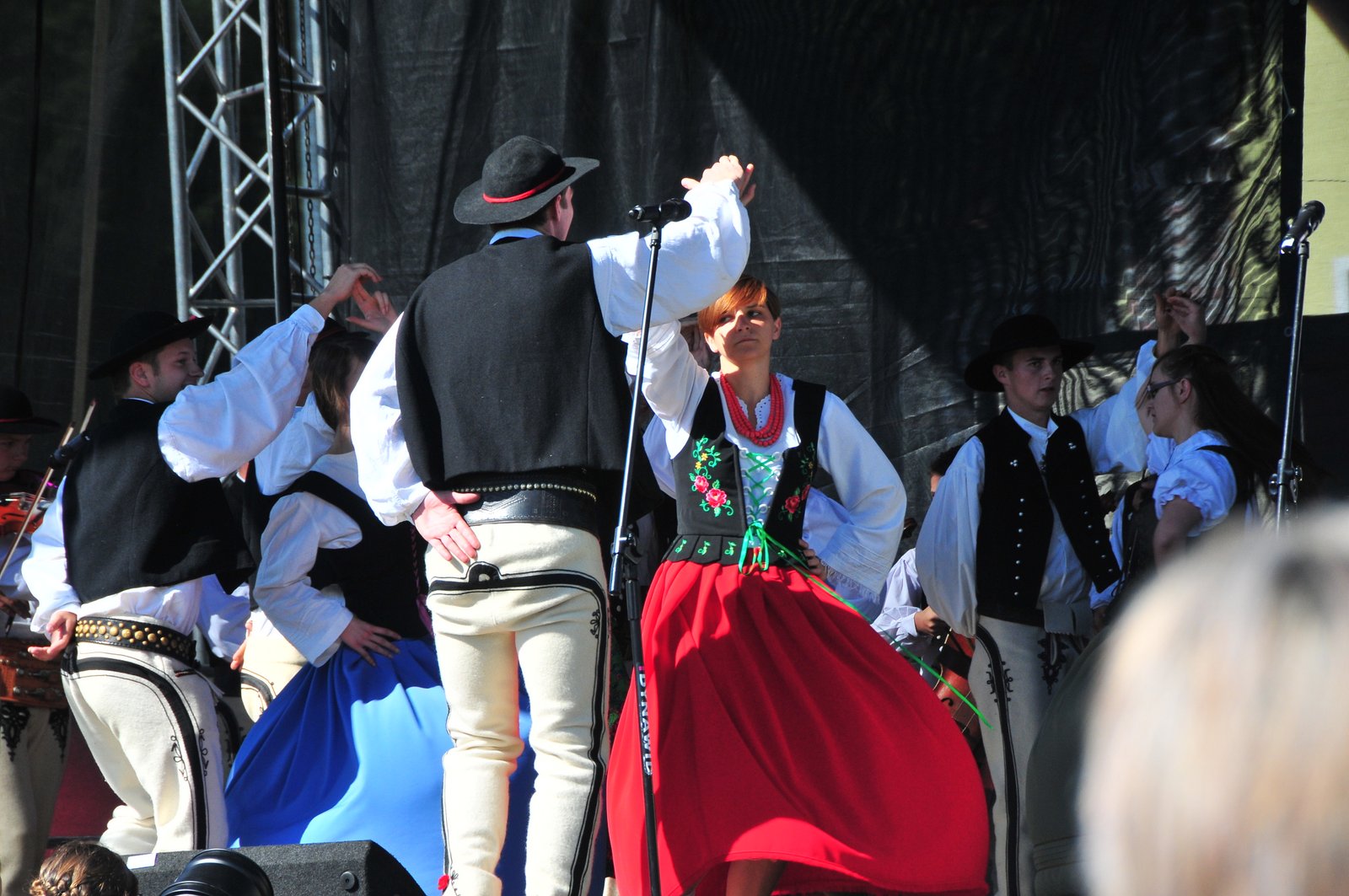
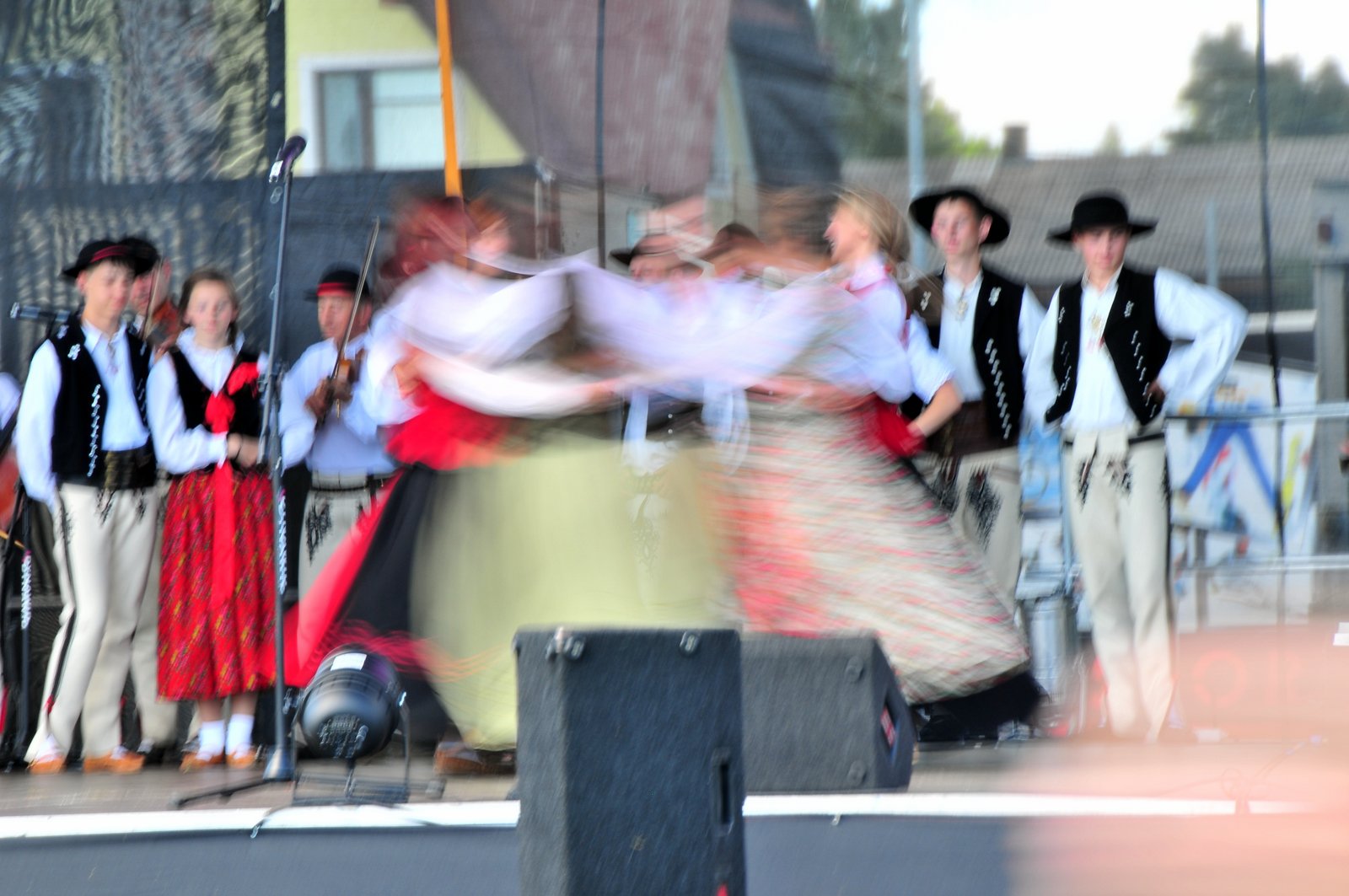
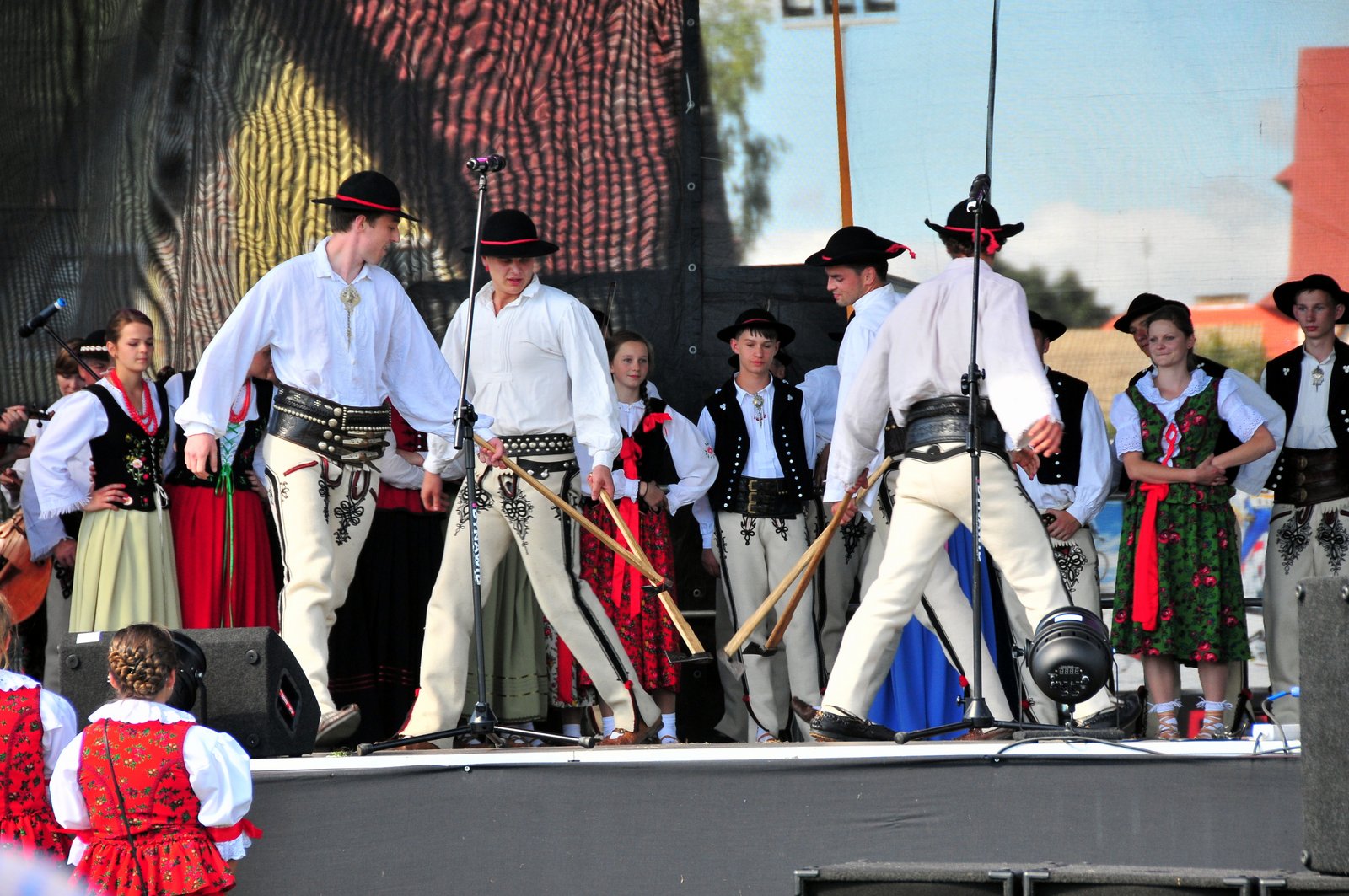
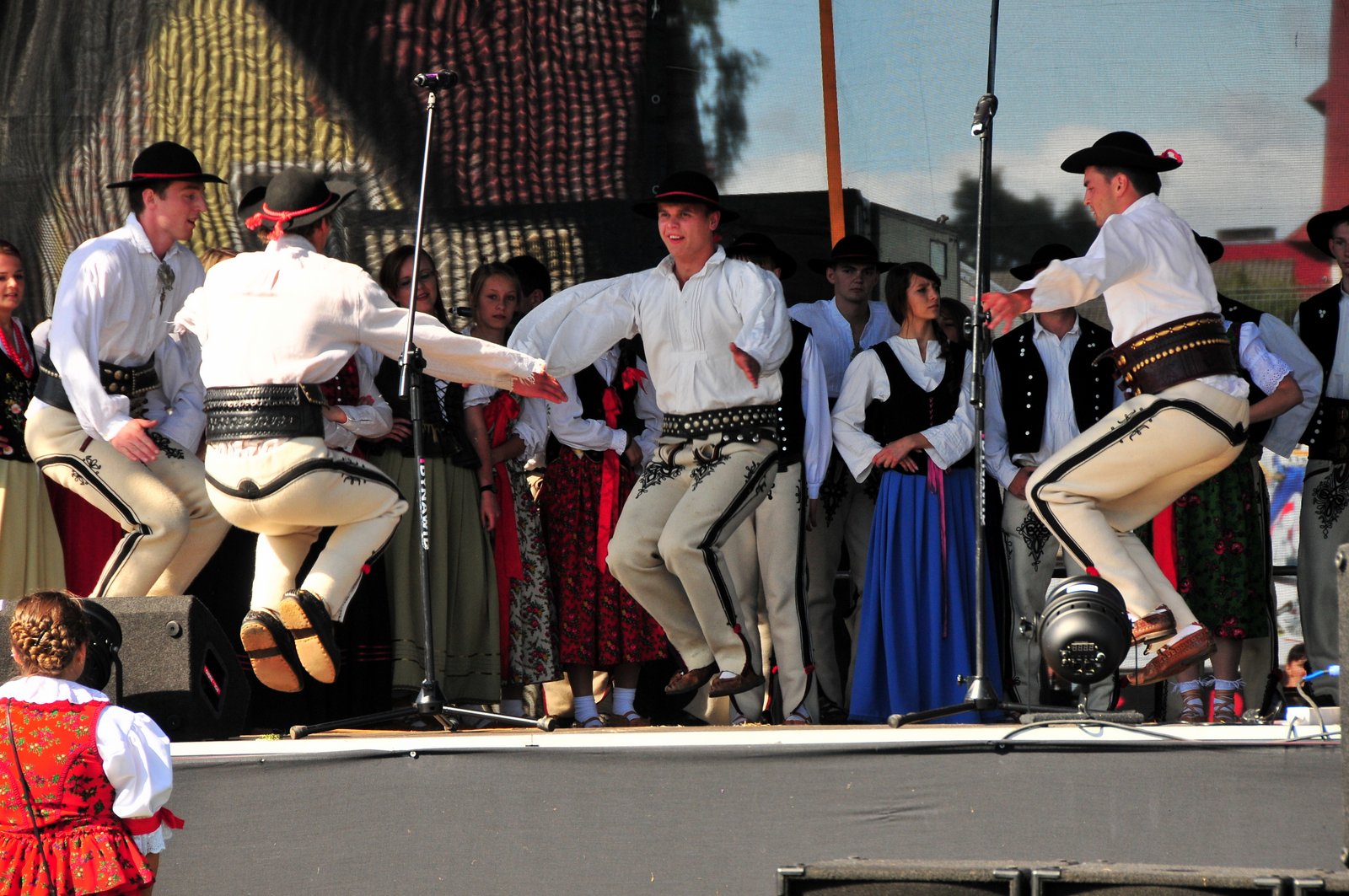
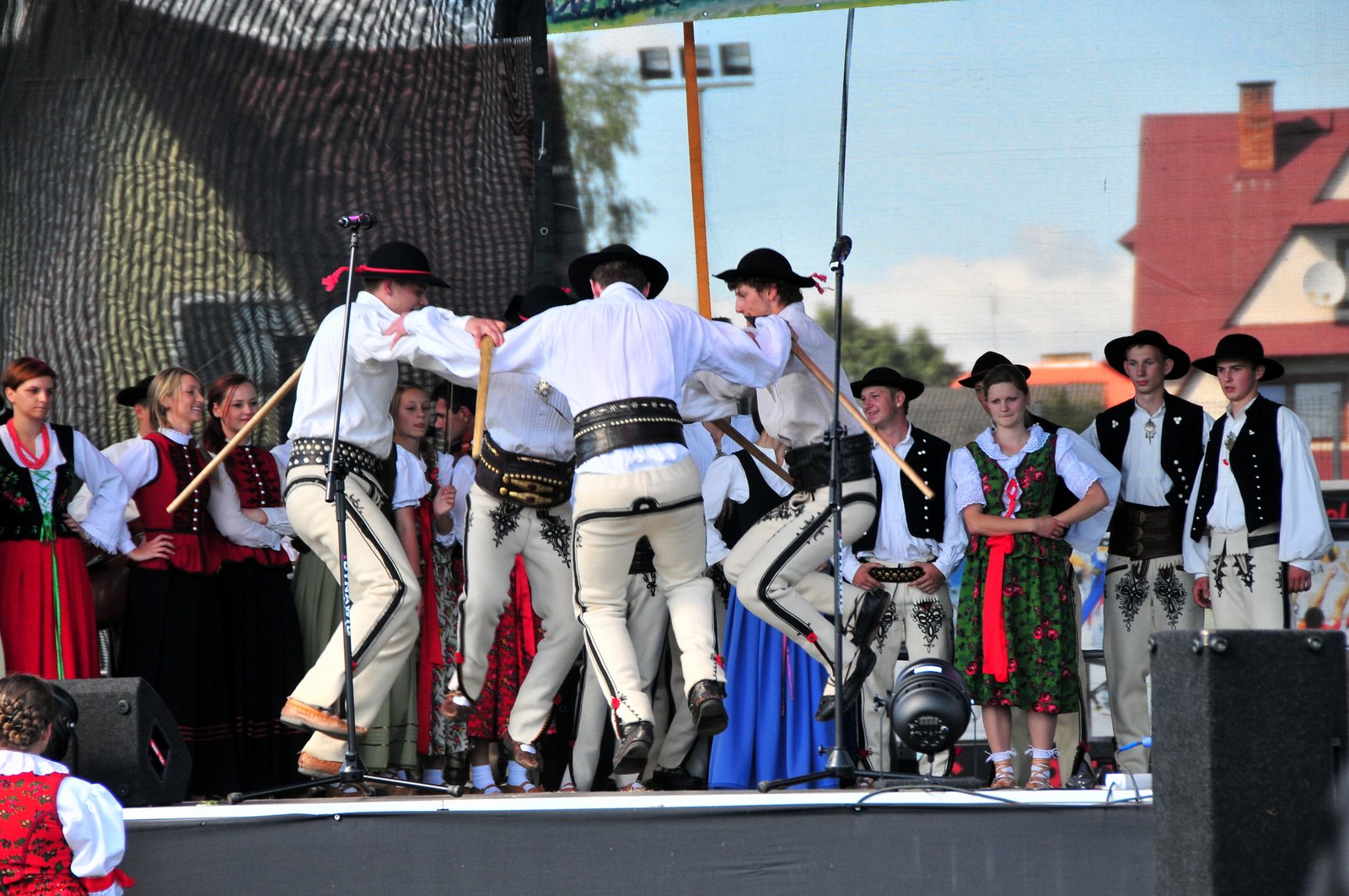
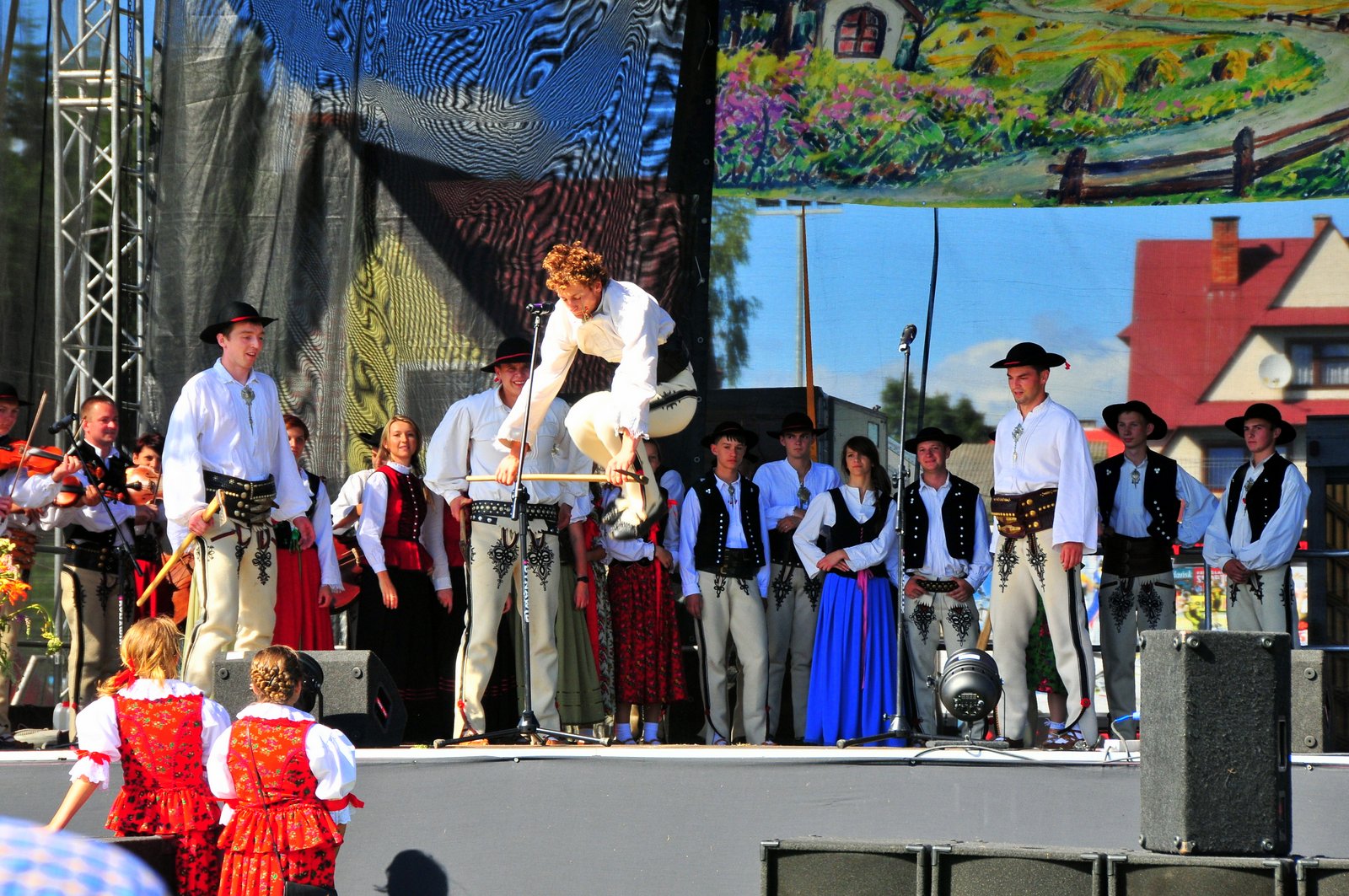
I head back to take the girls and Babcia to Orawskie Lato, a local folk festival that's in its twenty-second year. We arrive just in time for the "Popisy Hajduków" contest. I doubt you can think of a dance that's harder on the knees and more exhausting on the legs and lower back.

Afterward, while out with a friend at a nearby village, the skies clear and the mountains look close enough to touch from this distance.

As we head back to Jabłonka, clouds lightly cover the Tatras.

A good days of lasts -- temporary lasts, that is.

Another Day in Lipnica

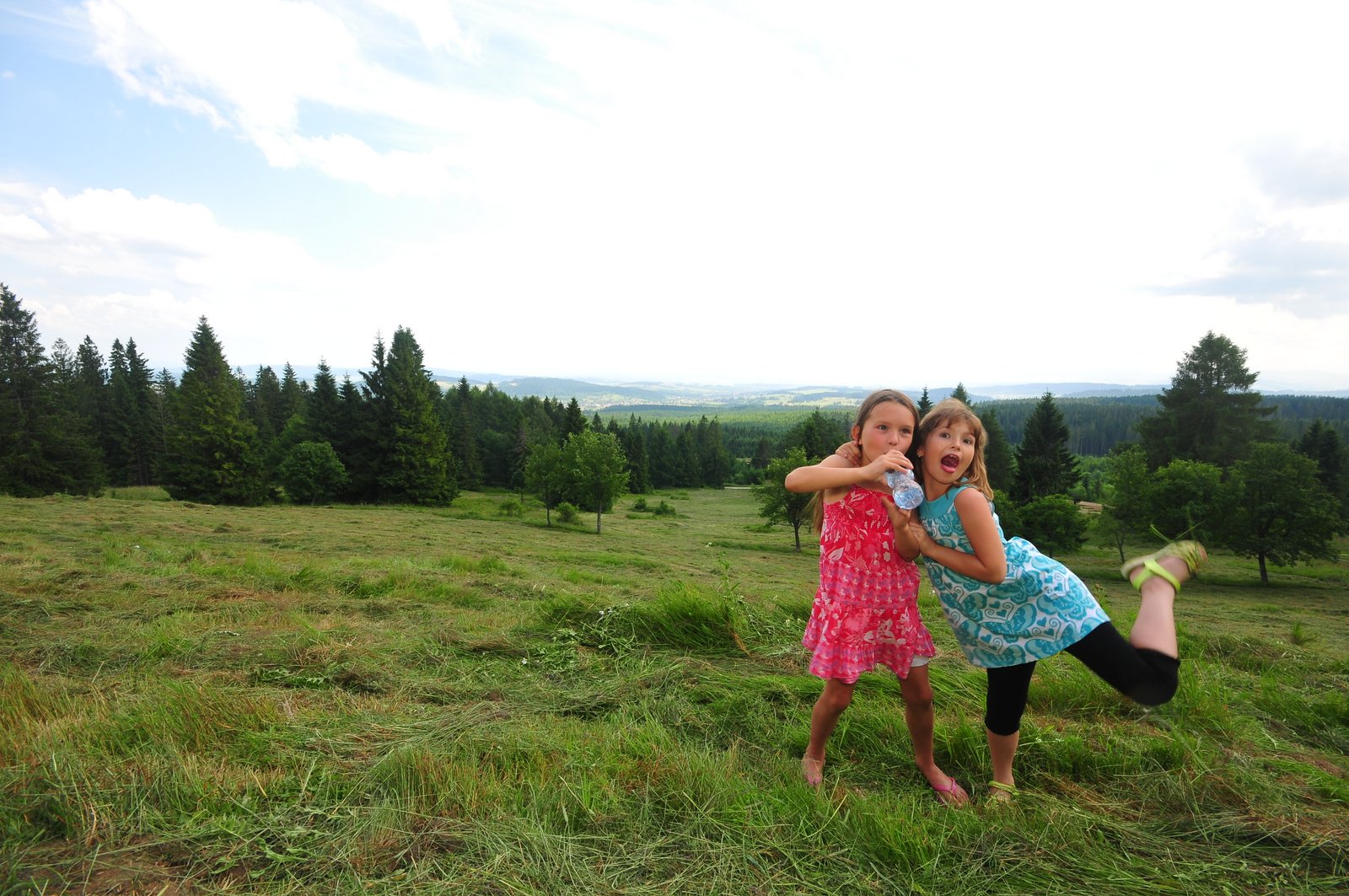
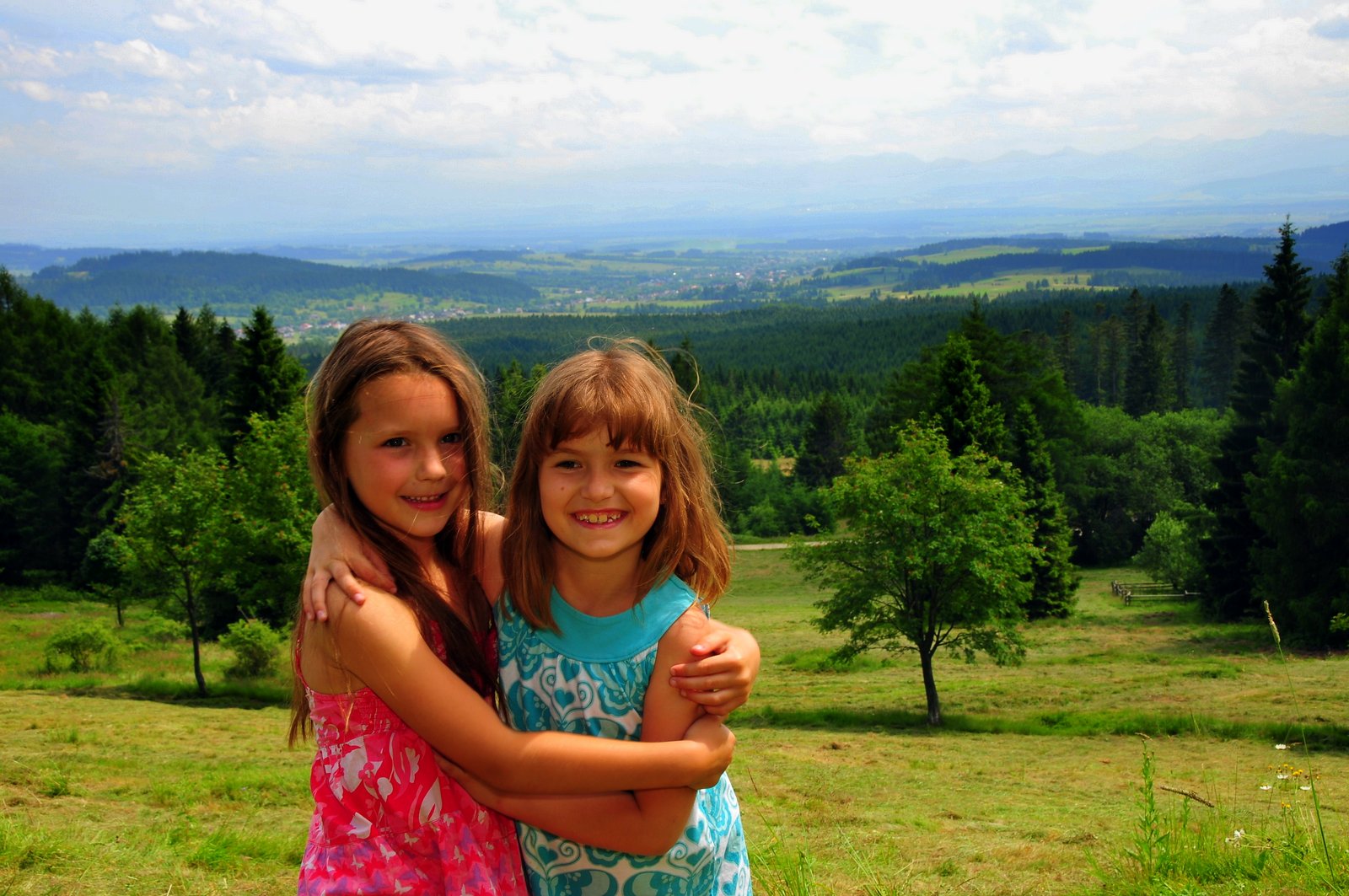
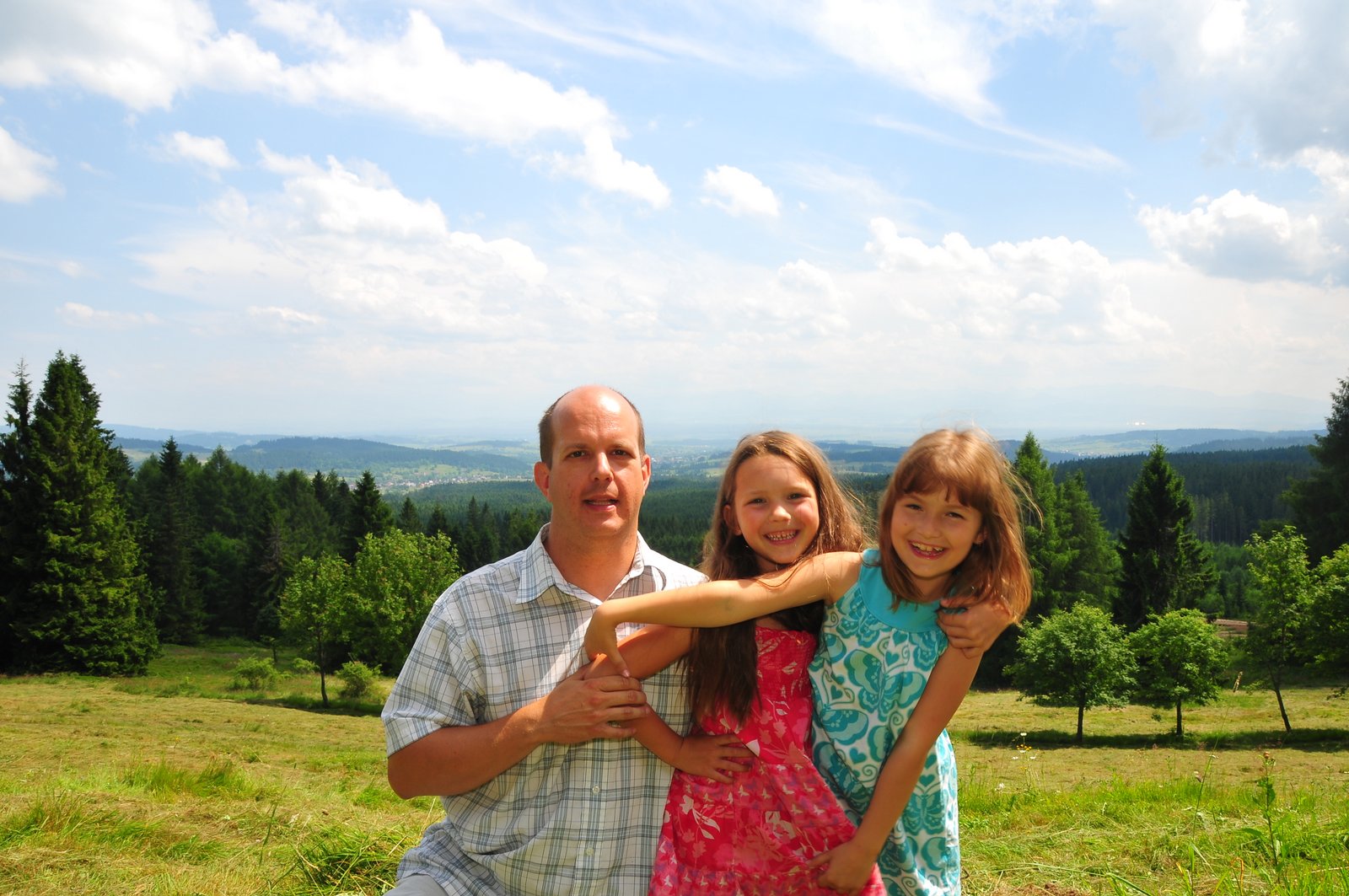
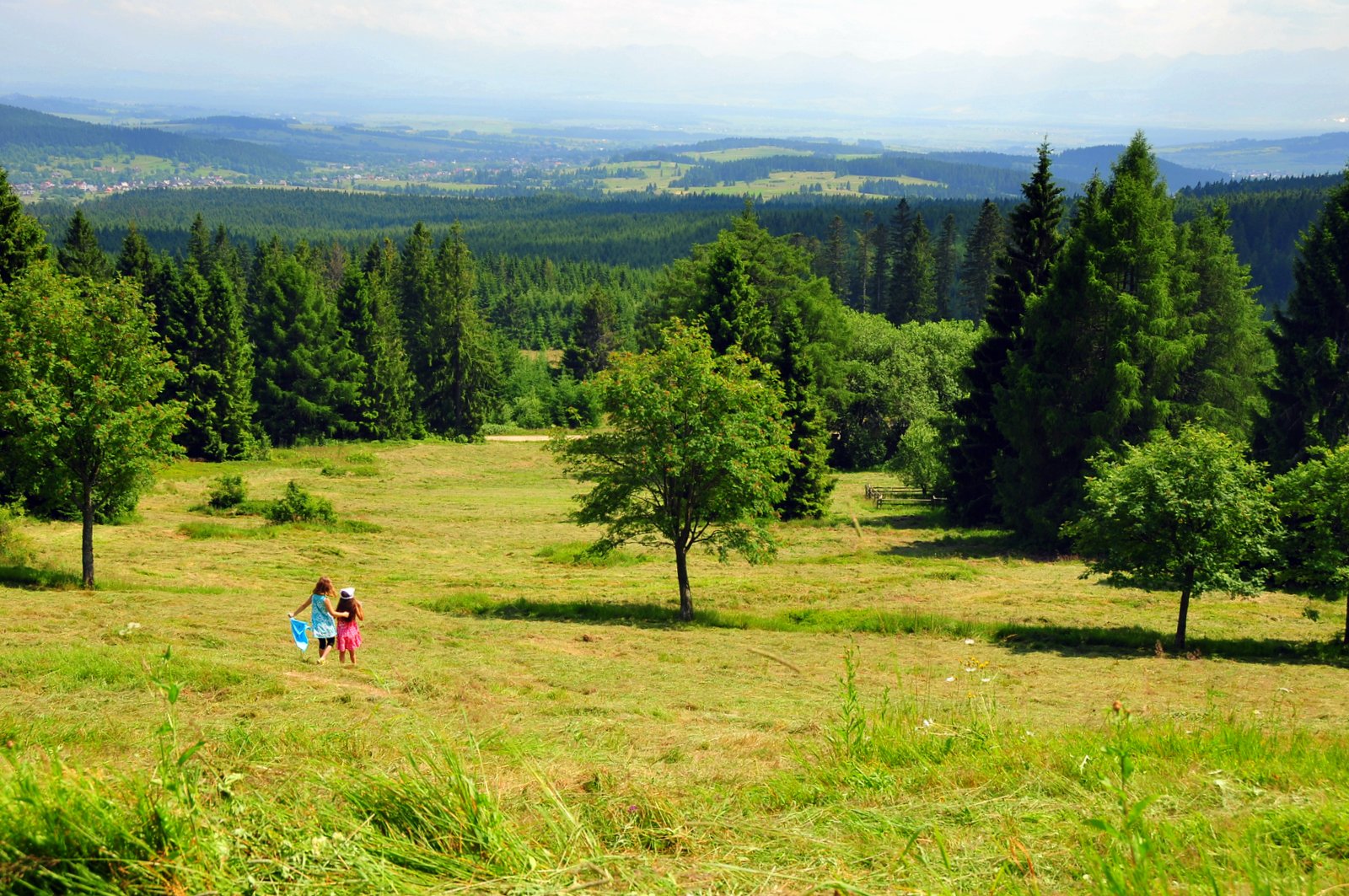
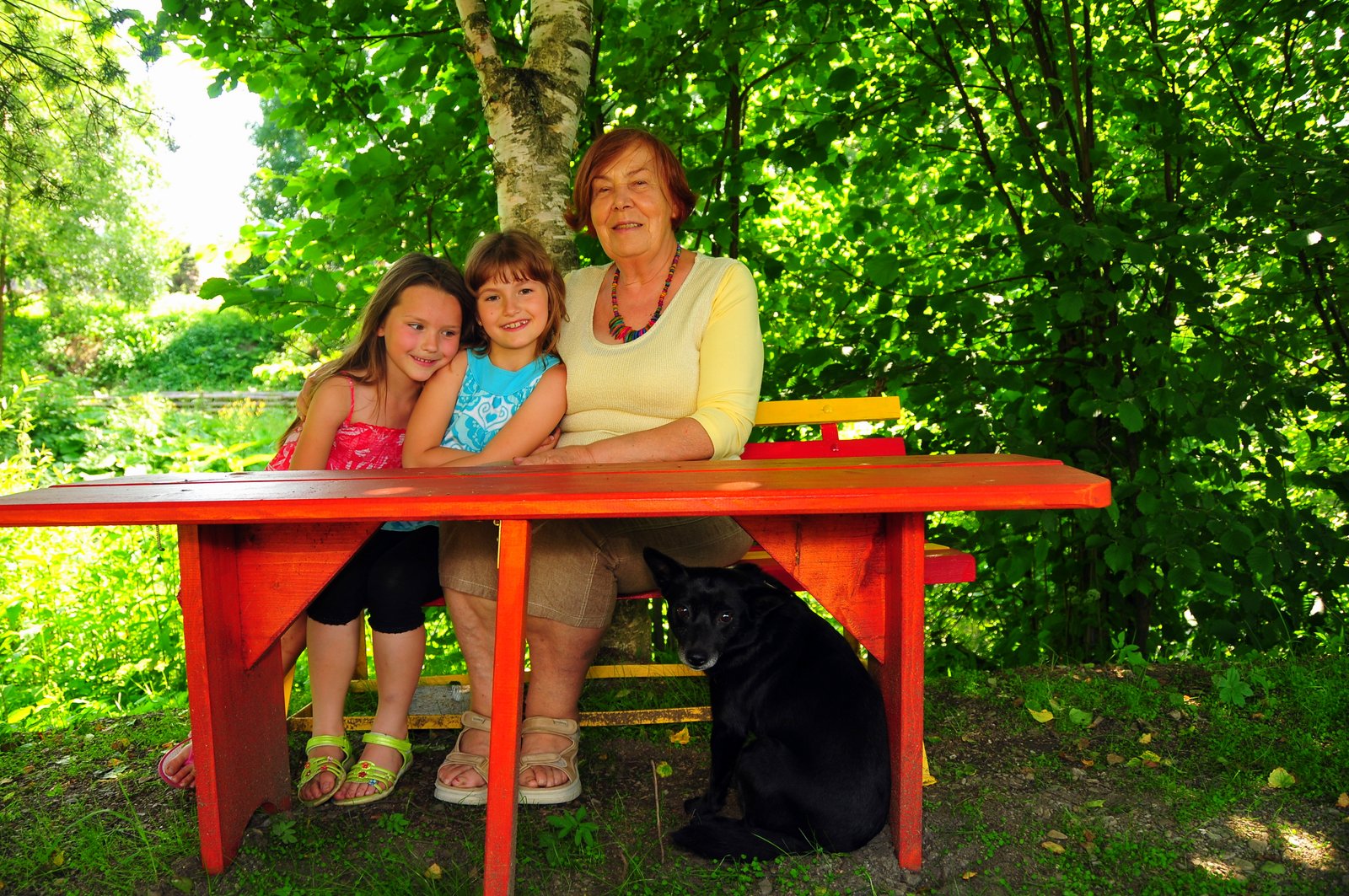
The day starts by breaking the law. But I'm getting ahead of myself. For the seven years I lived in Lipnica, one of my favorite places was a meadow at the base of Babia Gora, accessible via a barely-paved road traversed only by tractors and horse-drawn wagons. It occurred to me the other day that it would be a great place for a picnic followed by a few portraits. I knew going there by bike was out of the question, but I recalled traversing that barely-paved road in a car. So today, I pack the girls into the car and off we go.

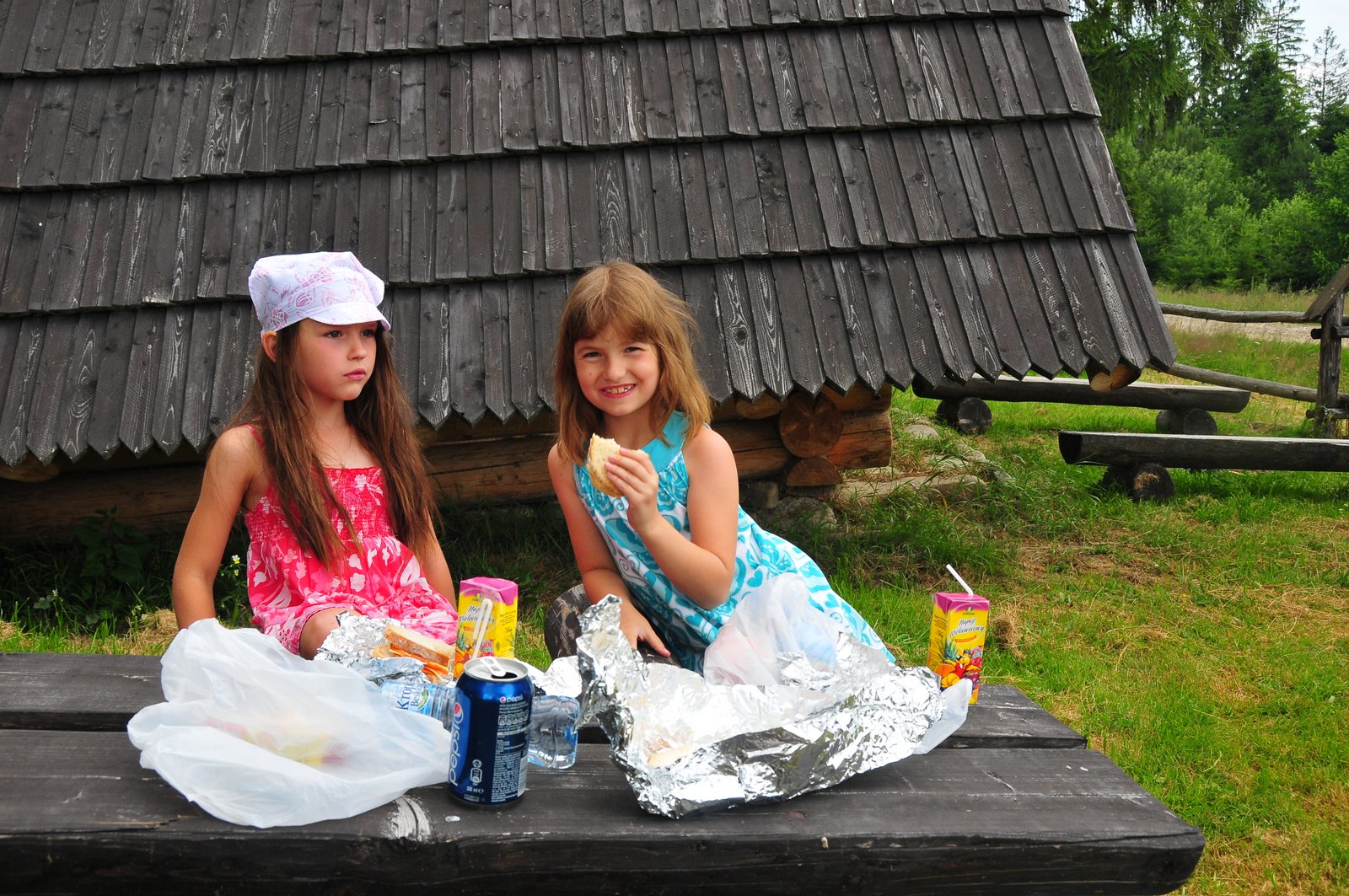
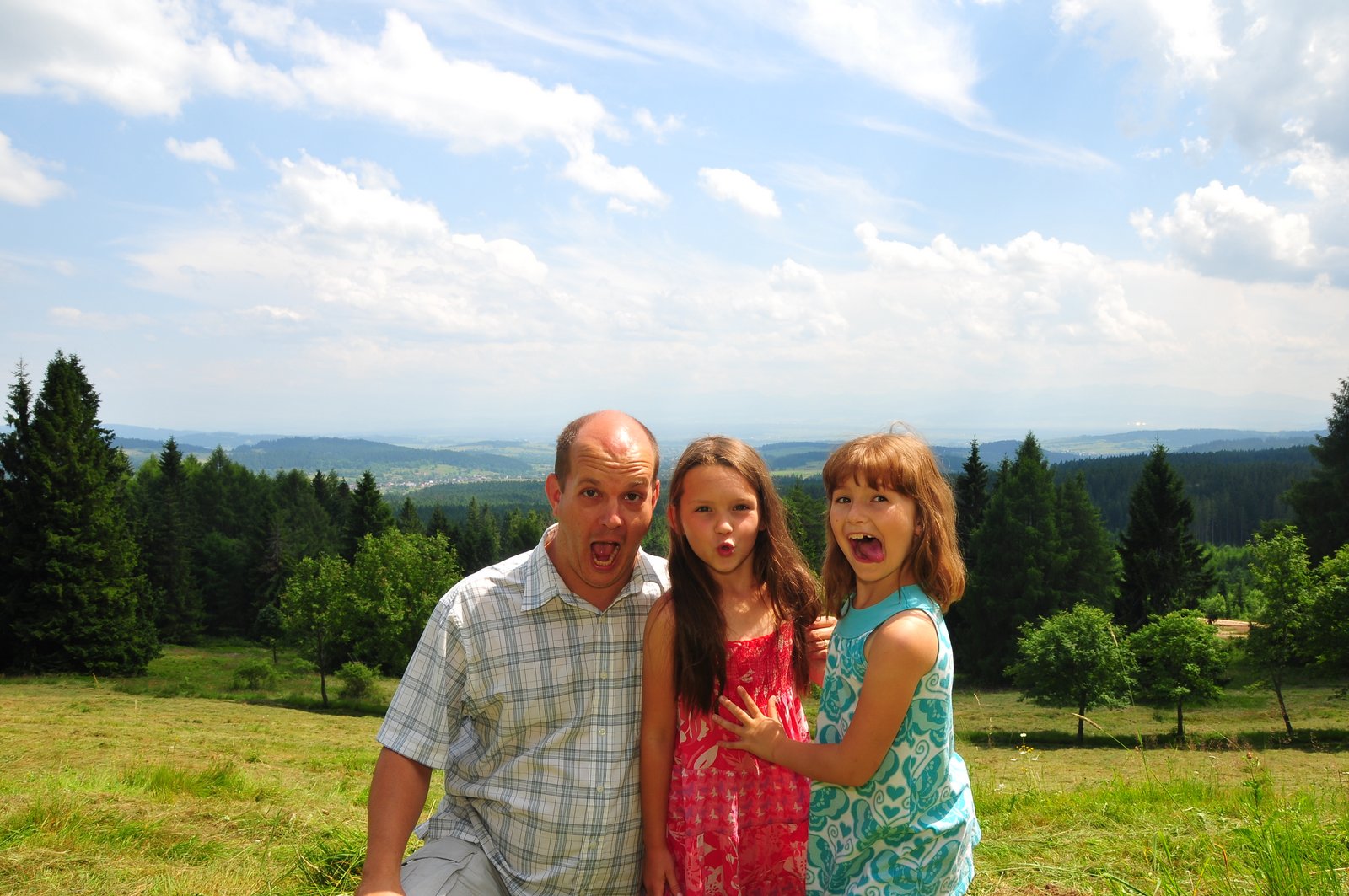
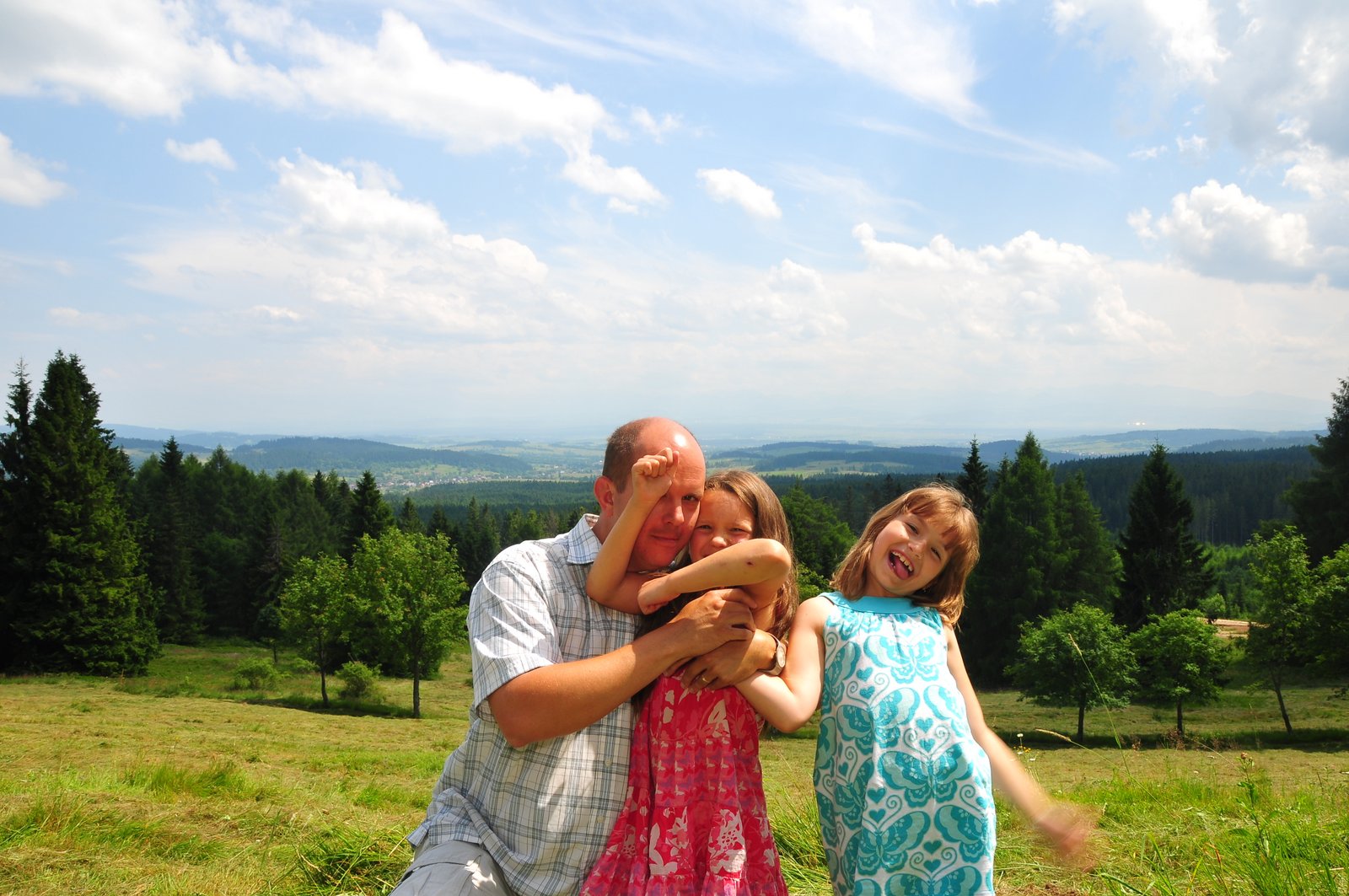
I discover that there have been a few developments: a small shelter for picnics and scattered picnic tables. We have our picnic; the girls finish eating as I head off for some photos of what I've always thought were ruins of some apparently and relatively ancient building. Trees up to ten meters high grow within the foundation -- it has to be ruins. Once the girls eat their sandwiches, their peaches, their cookies, we head up into a high meadow for some photos.

We head back down, where a forestry officer meets us.

"Do you have permission?" he asks.

"Permission for what?" I think. "To take pictures? Surely we don't have to seek permission to take pictures everywhere." Instead, I simply ask, "For what?"

He almost laughs. "To be here."

"What do you mean?"

"This is a national park. You're not allowed to drive here." I think of the four or five cars I've seen passing us while we ate and had our photo session.

"Really?"

"The only ones who have permission to be here are those who work for the park and those who have permission to log in the park." That explains the cars. "Do you have a driver's license?" he asks.

"Of course."

"So you've passed a driving test. 'No Entry' signs are the same everywhere." It occurs to me at this point to disagree: Polish signs are simply circular white signs with a red circle around it; American signs are red circular signs with a white rectangle in the middle -- only very vaguely similar.

Instead I explain that I did see the sign but that there was what I thought was an explanatatory sign under it that restricted the "No Entry" sign to select vehicles. I explain that my Polish is not so good and, having traveled this road before in an auto, I just assumed that it was okay for me to pass. And there was a rectangular sign underneath the main sign, and I have traveled that road by car several times.

In the end, he has mercy on me and tells me only not to do it again.

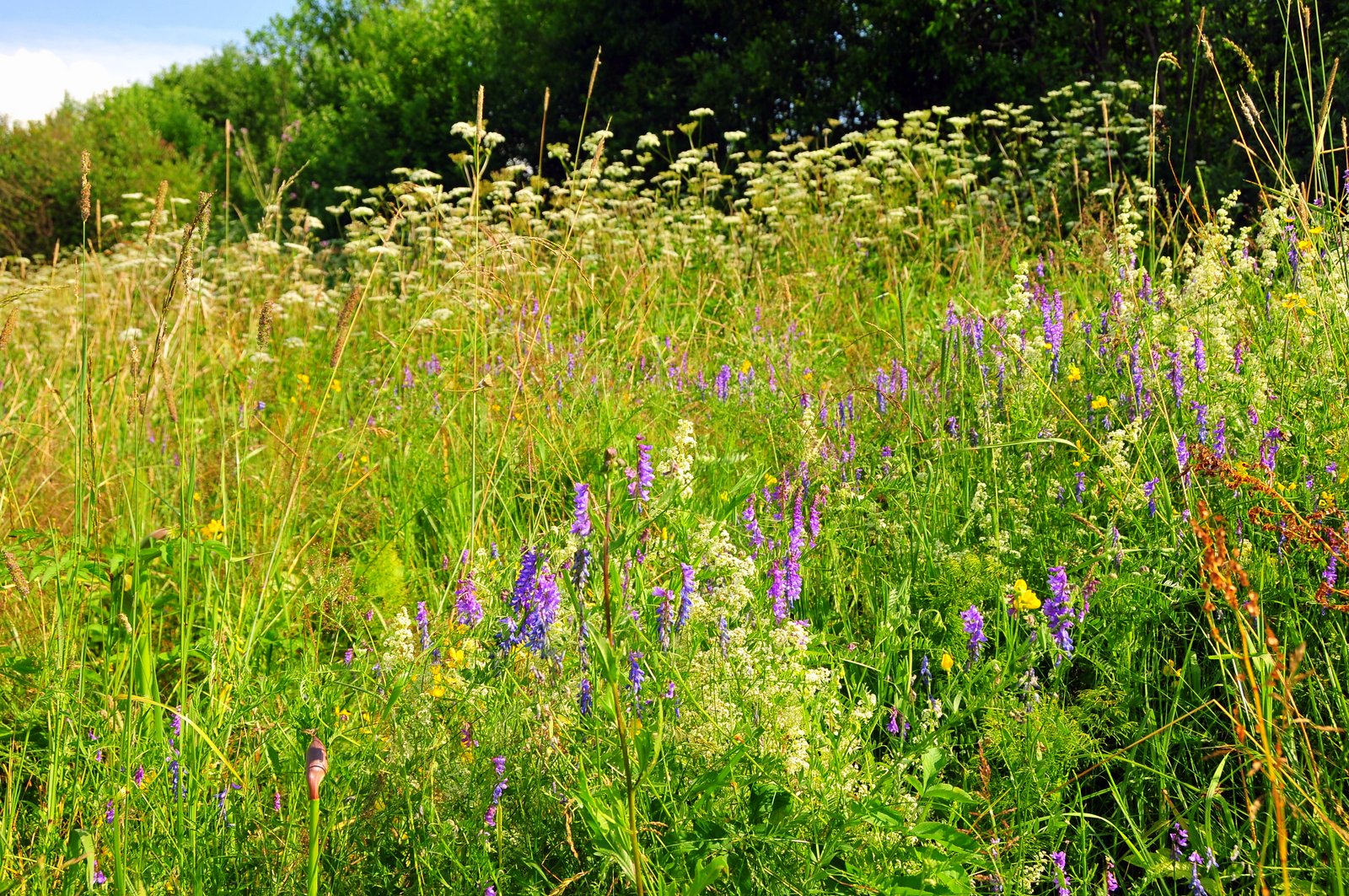
Afterward, we head back down to Lipnica Wielka centrum, my home for seven years. We meet with family (for all intents and purposes), then take a walk up into the hills, the walk I took countless times when I lived in Lipnica. Today, the fields are thick and deep with weeds, grass, and wildflowers; I've tried it with equally thick and deep snow -- it's tough-going either way.

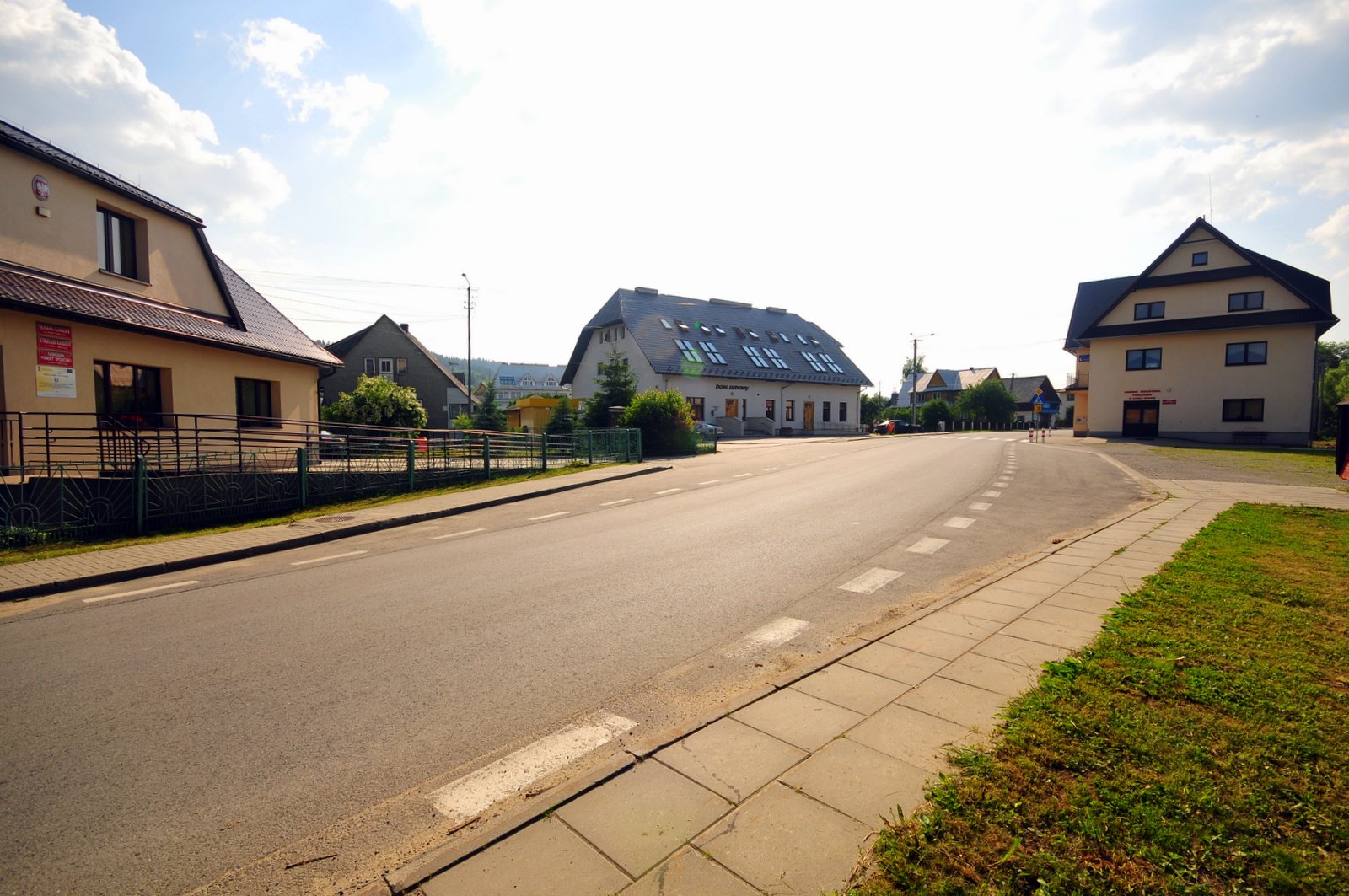
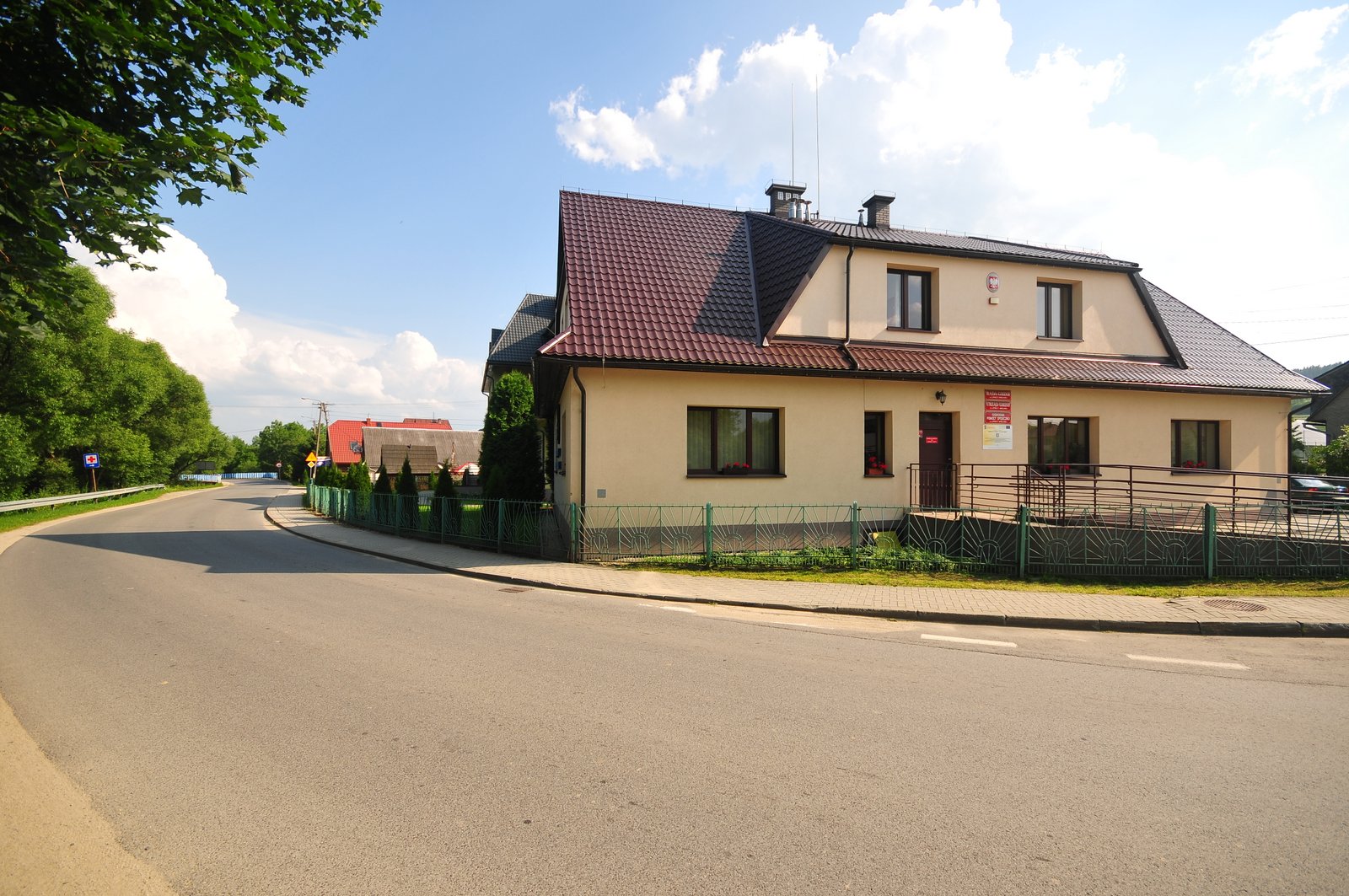
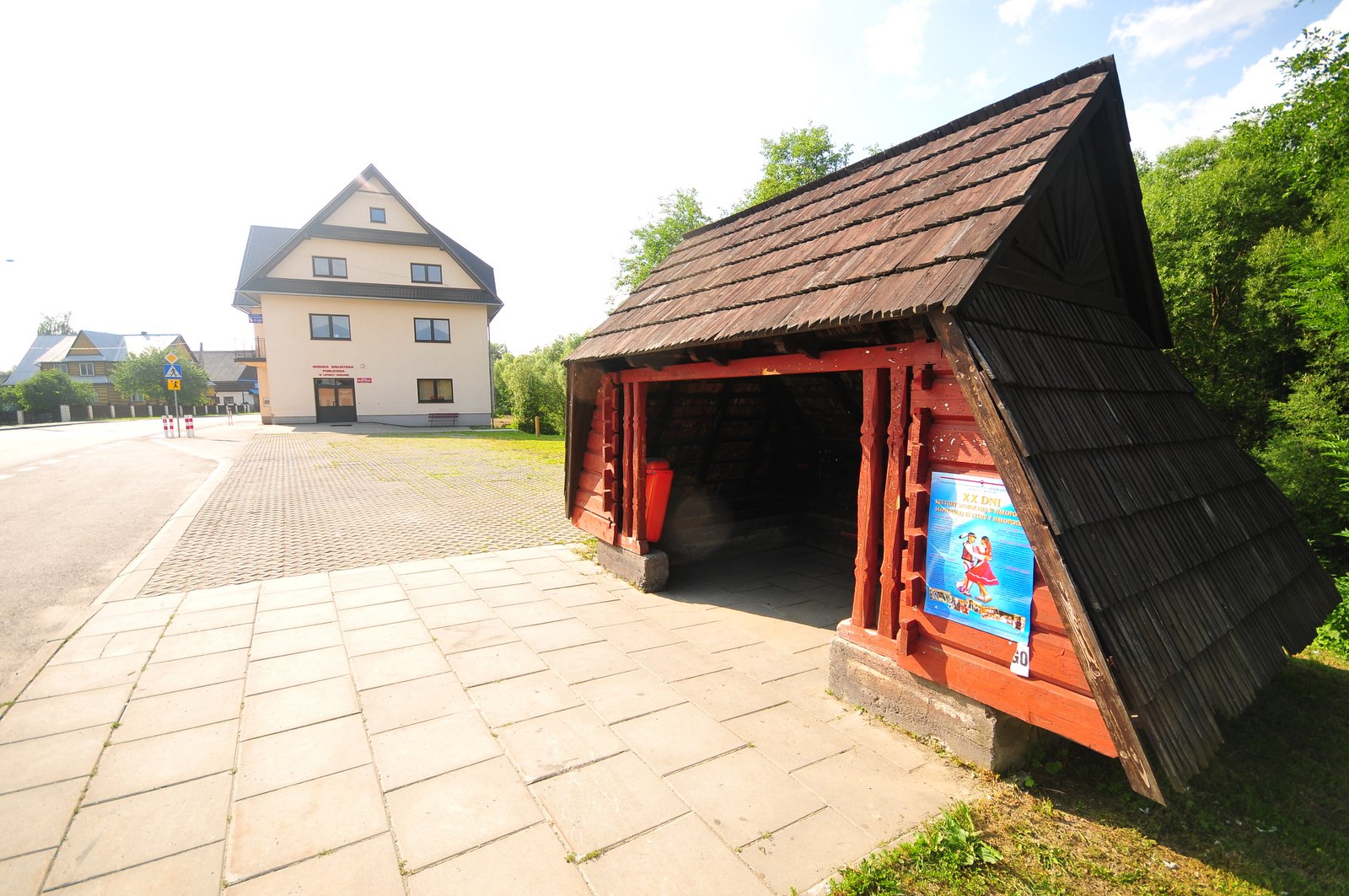
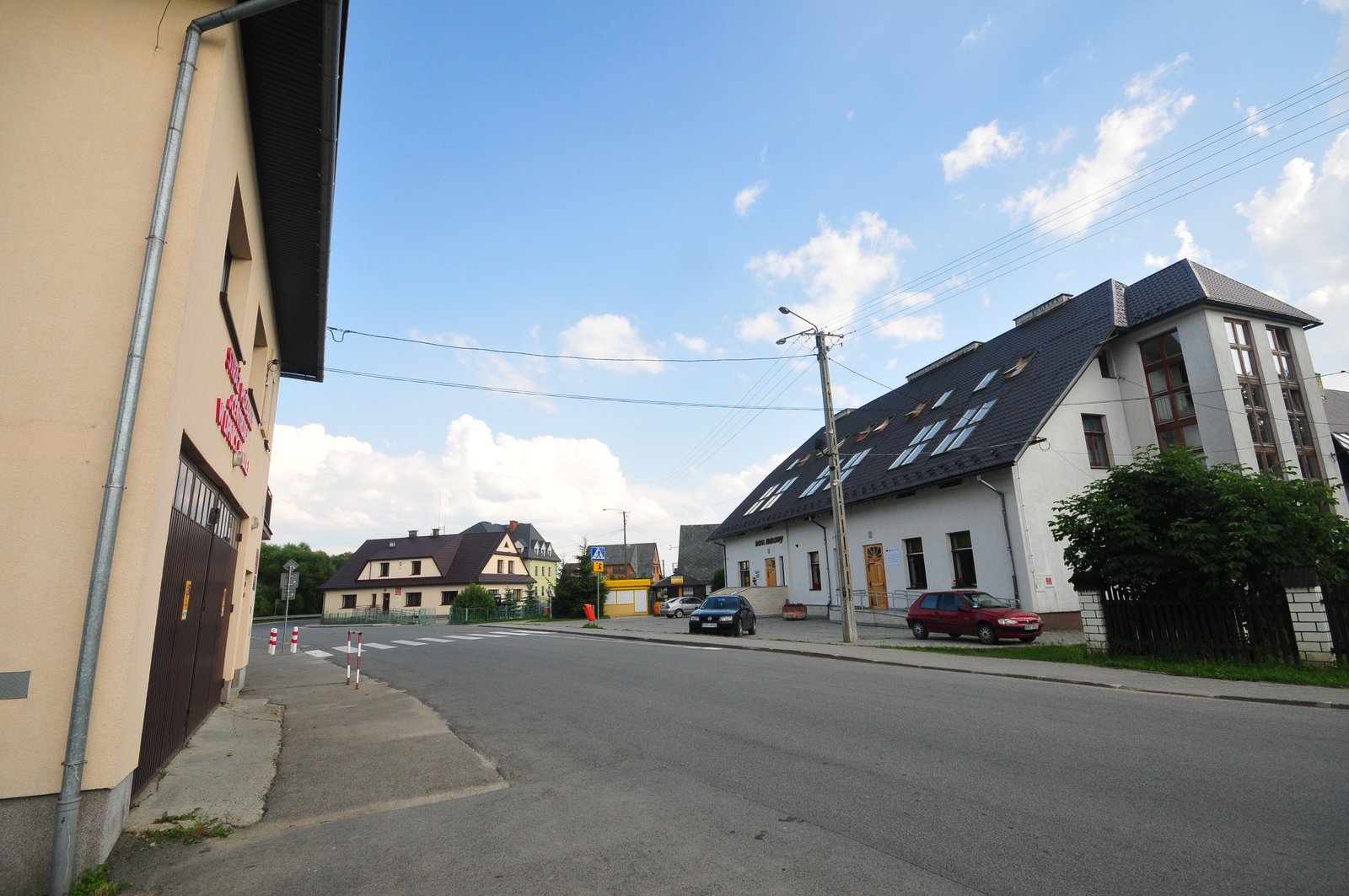
I head back down into the village, passing through what could be generously called the town square: LW is not a town, and this area is not square, but it is in the center, it is the location of the main government facilities, and at one time, it was rumored to be possibly developed into a potential real rynek.

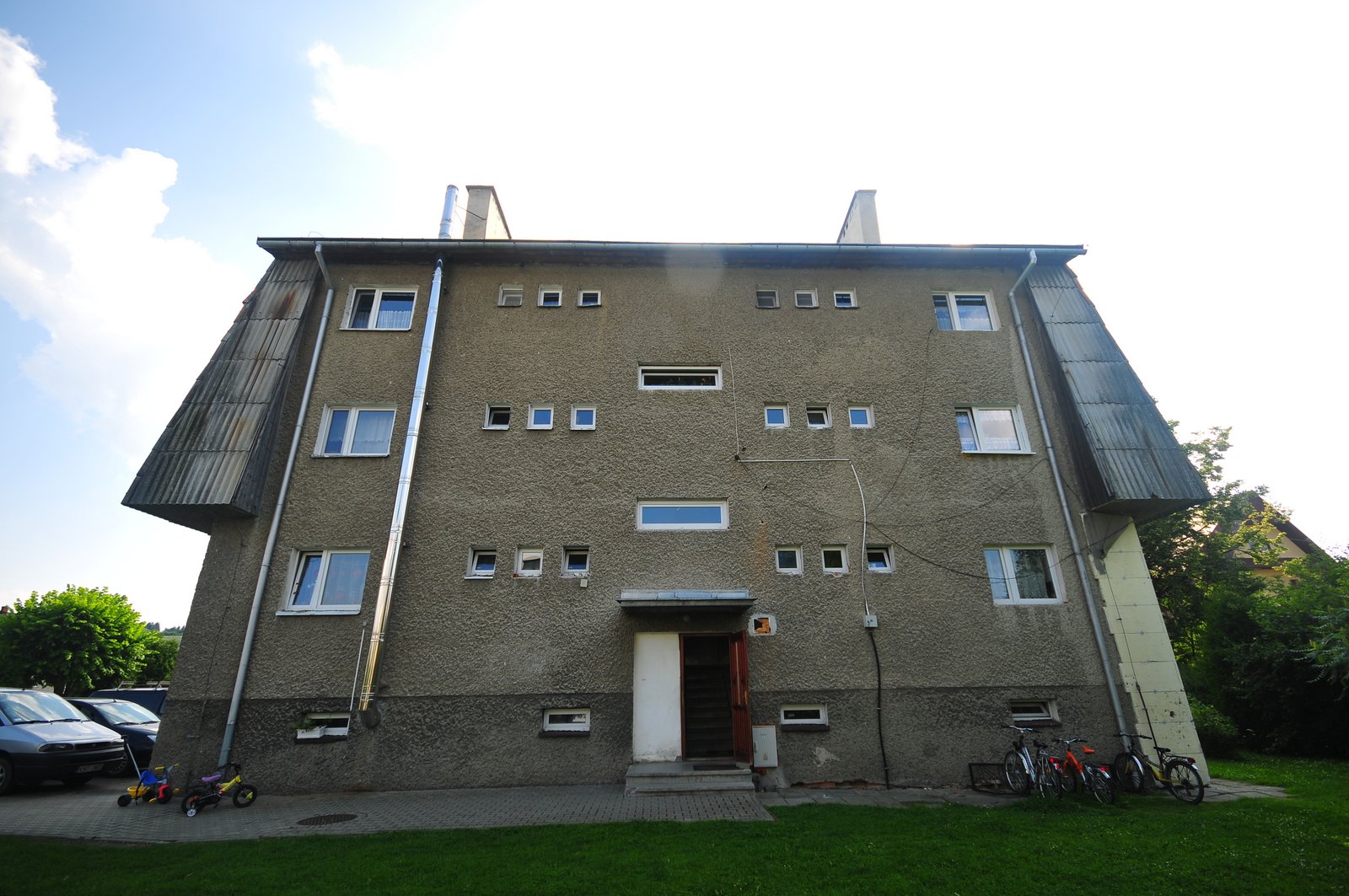
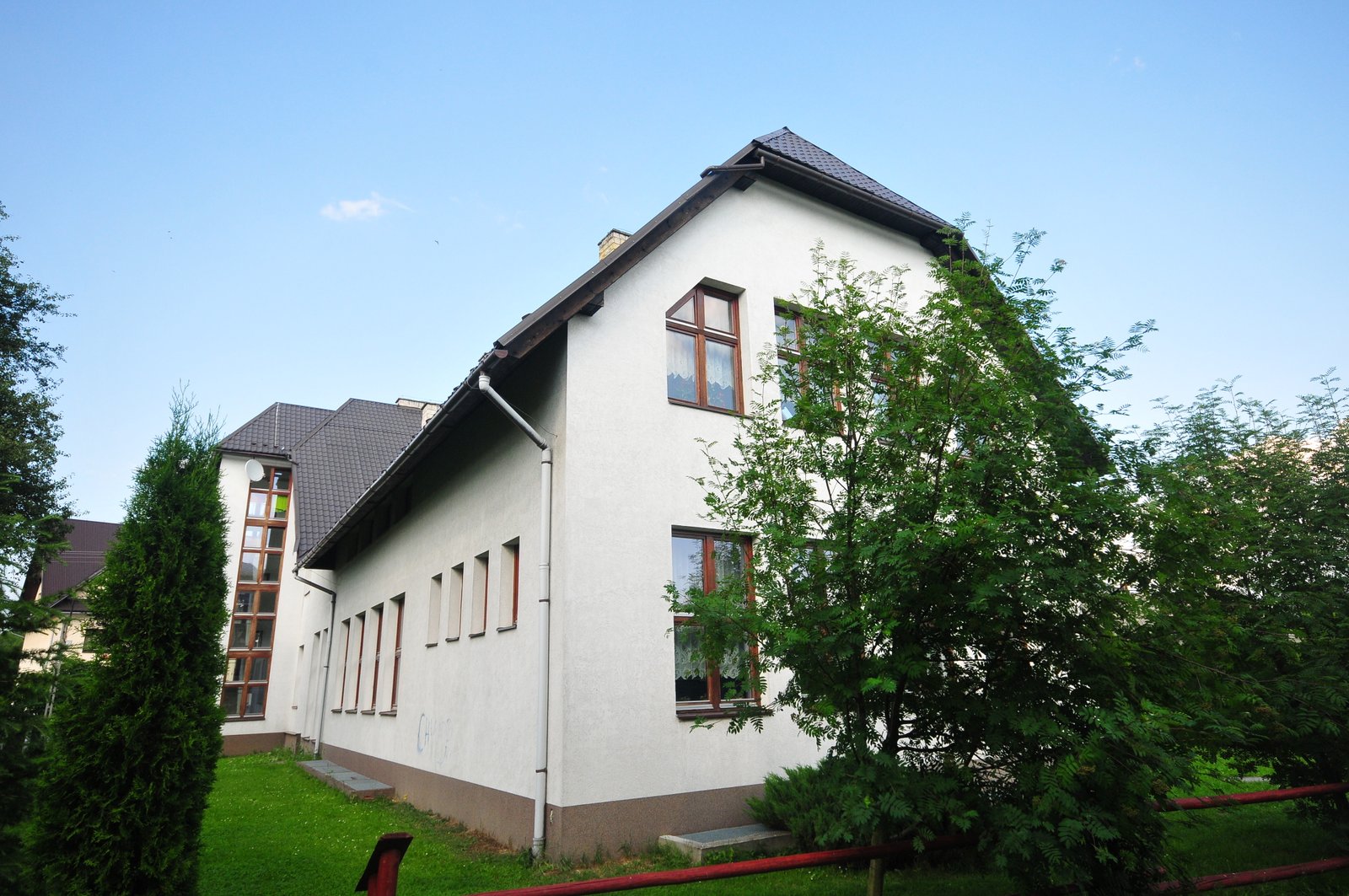
I pass the bar that provided just about the only entertainment in the area -- conversation and relaxation on a Friday night that was priceless. I walk by the teachers' housing that, from the outside (and even from the first steps into the main entrance) hasn't changed a bit since 1996.

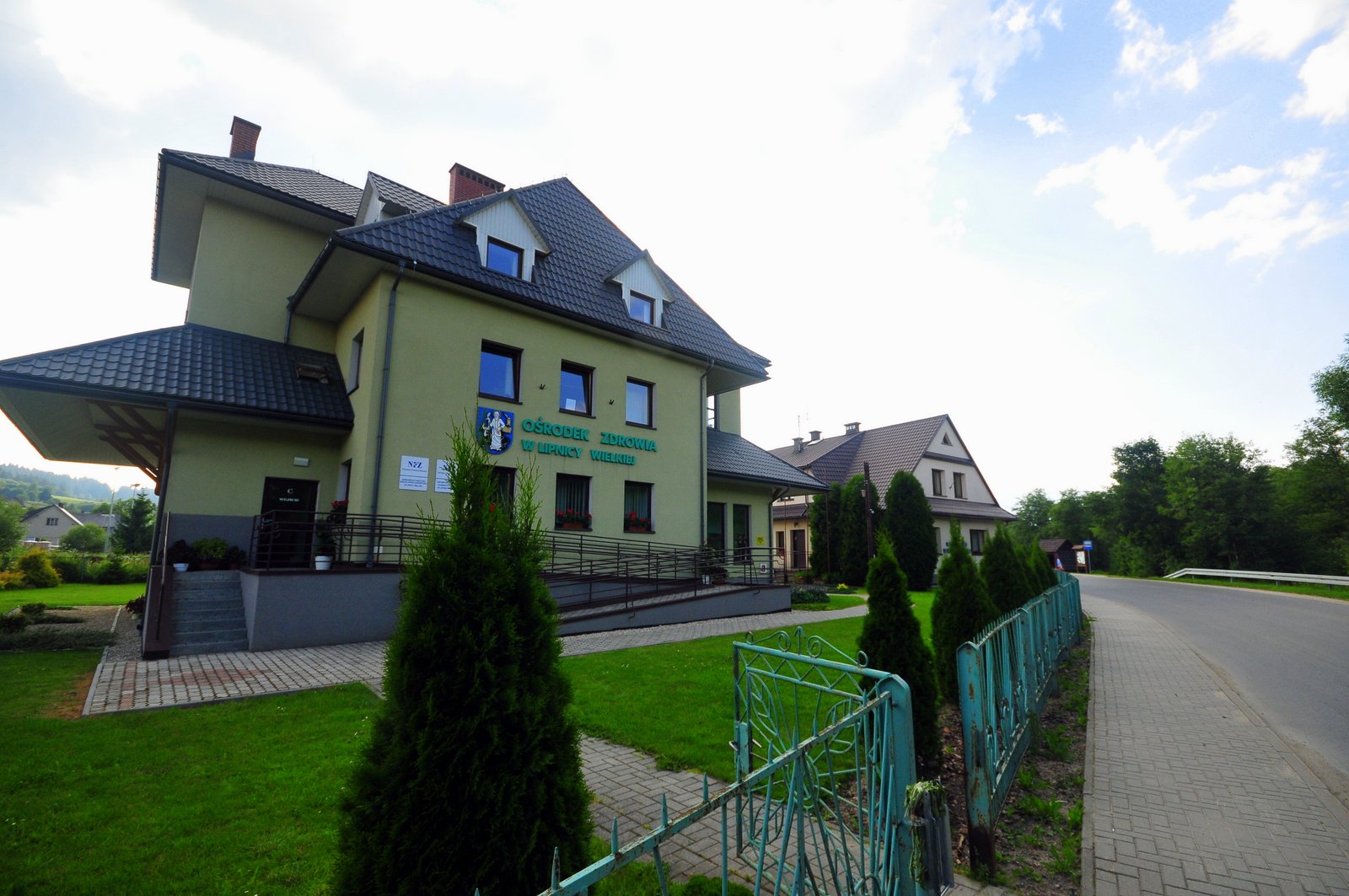
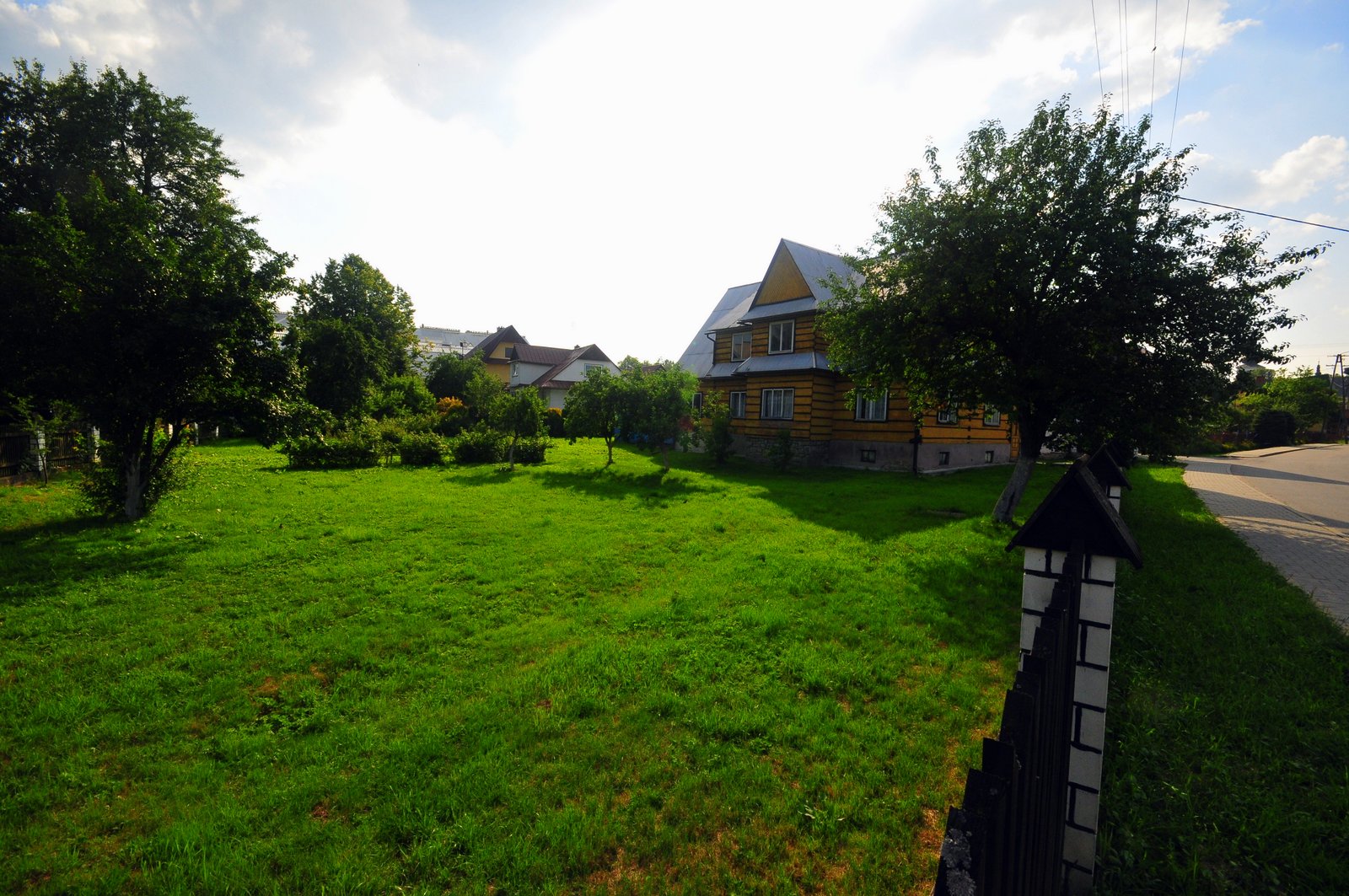
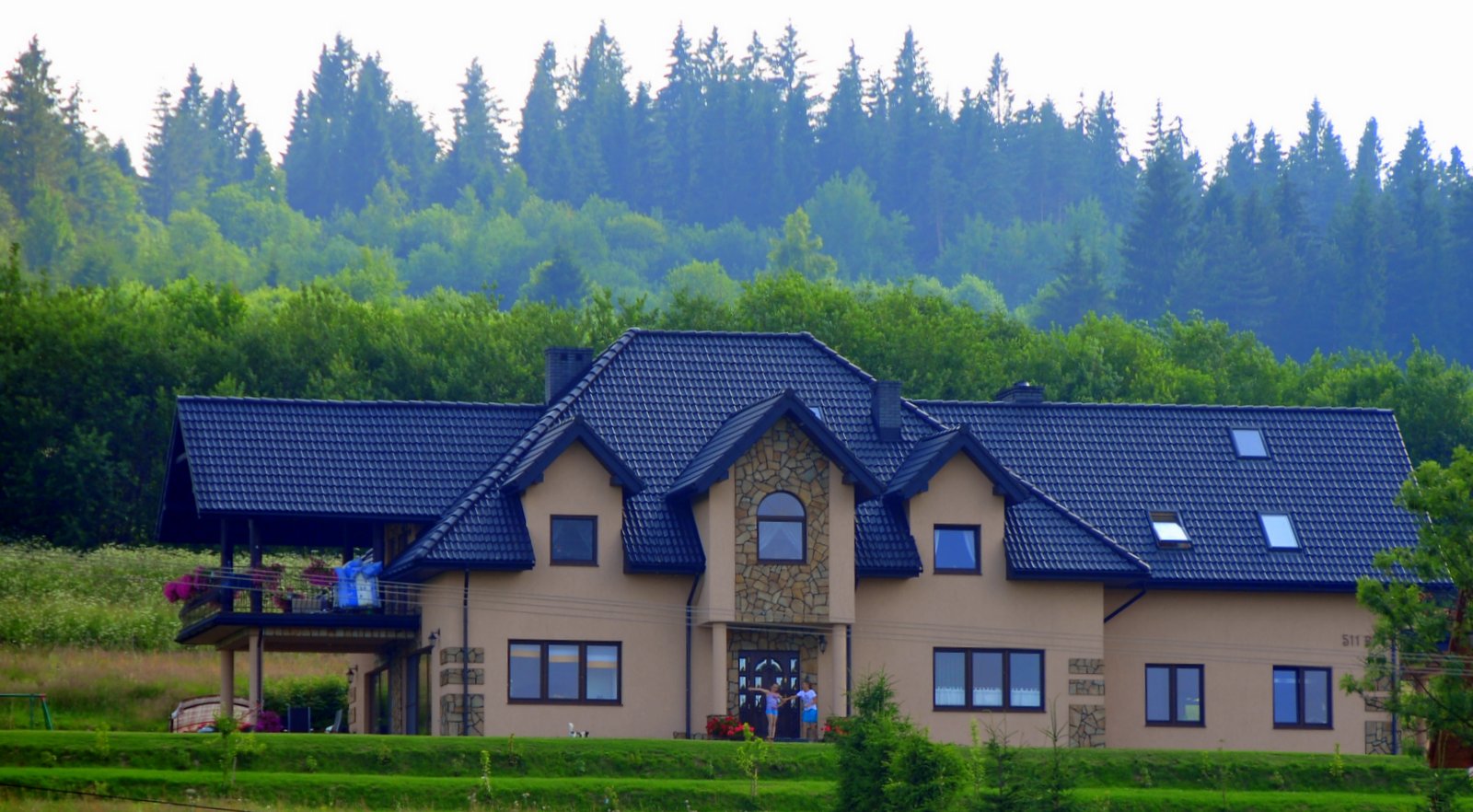
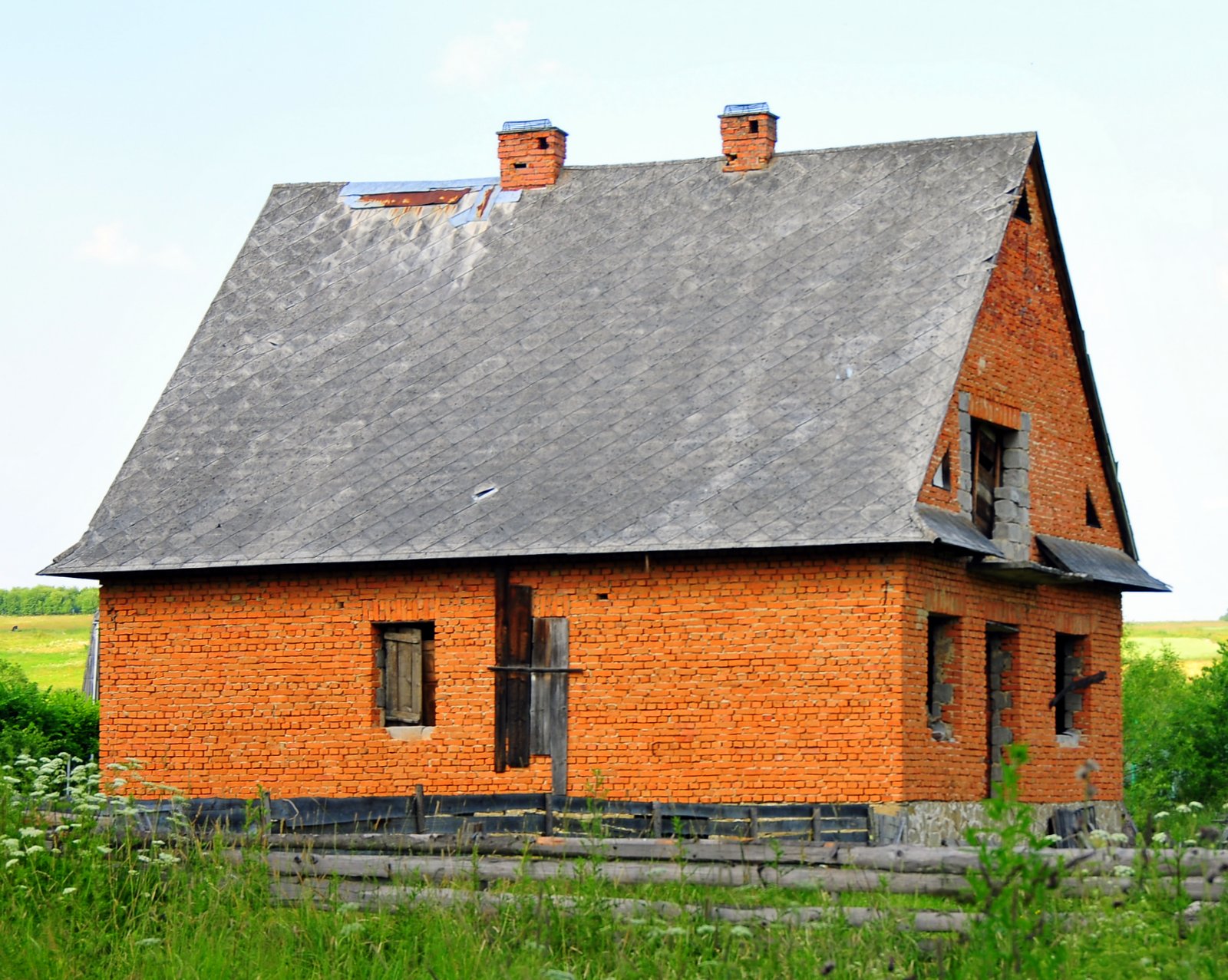
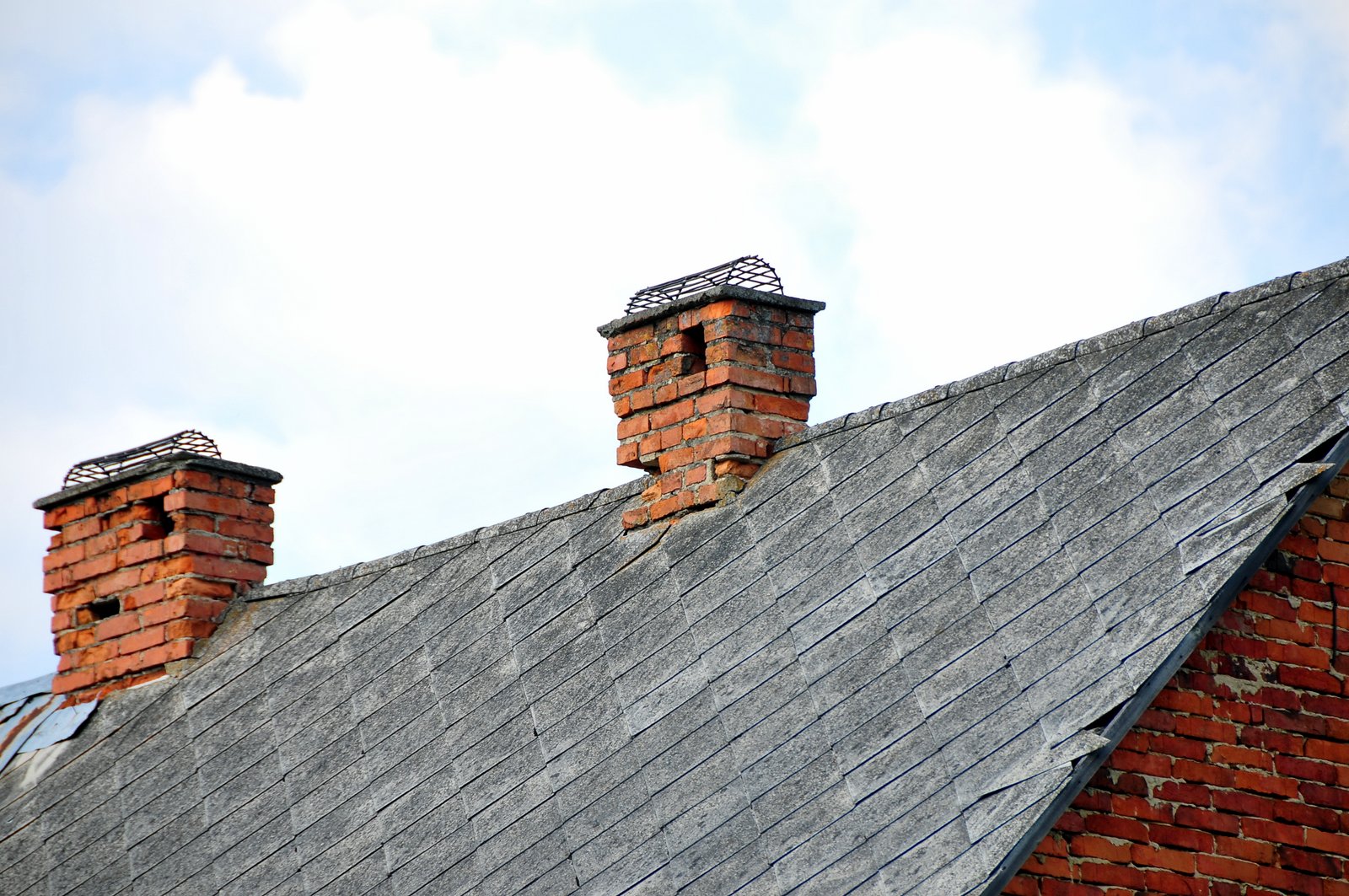
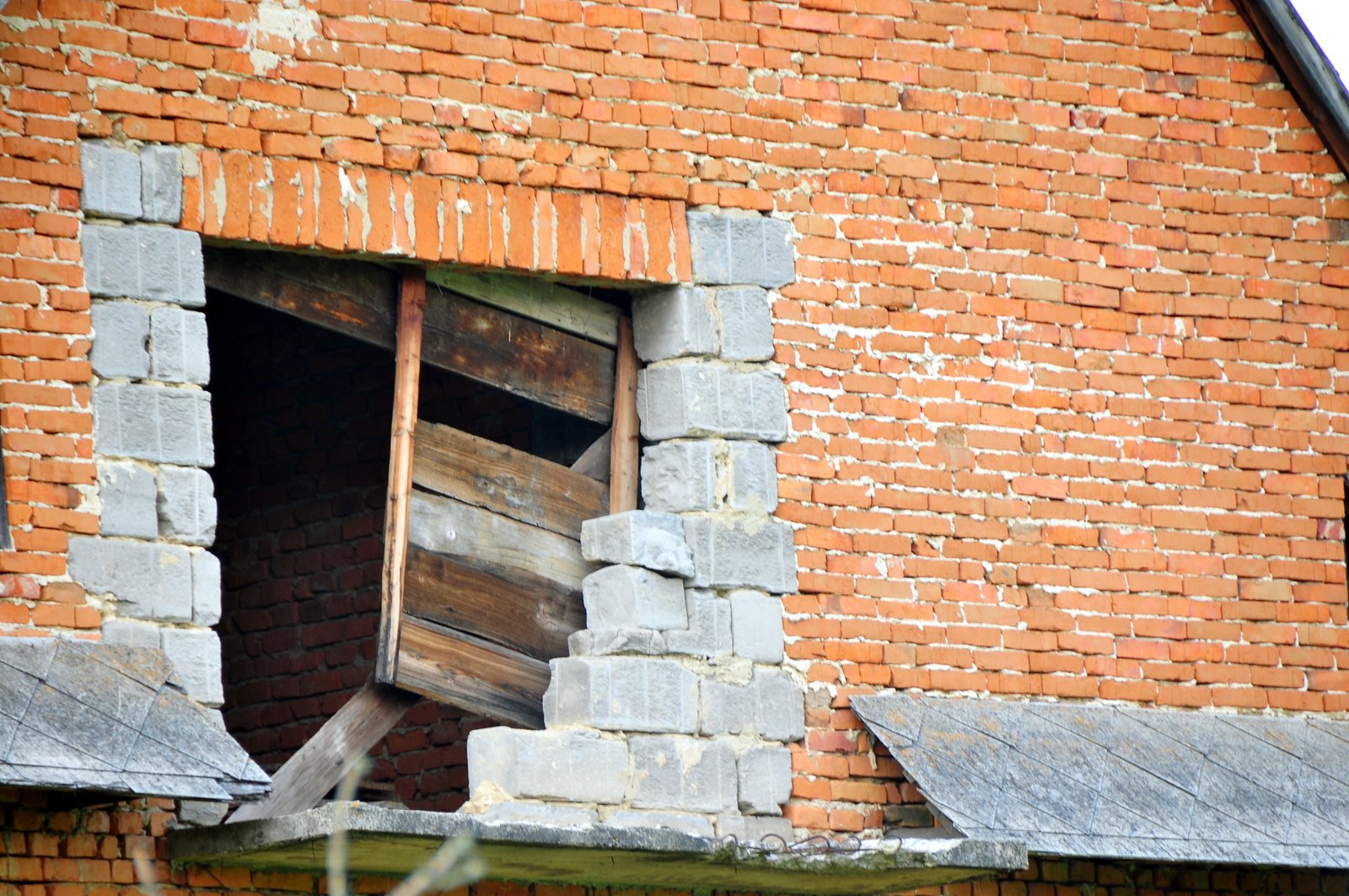
Here in LW Centrum I find the real irony of the village. In some ways, it's developed so drastically in the last seventeen years since I first arrived. There's a new health center; the city hall has been completely renovated; there are new street lights and new athletic facilities. But the real development is private: seemingly countless new houses, with one new, enormous home. And yet the ironies: the same house that was abandoned and incomplete, standing "raw," when I arrived in 1996 stands in the same condition. Some bricks have fallen away from the chimney, and it looks a bit worse, but otherwise, it's the same house.

"What happened?" I once asked someone, but I've since learned it's the same story a thousand times over in Poland: they started building, then went abroad, most likely heading for the States.

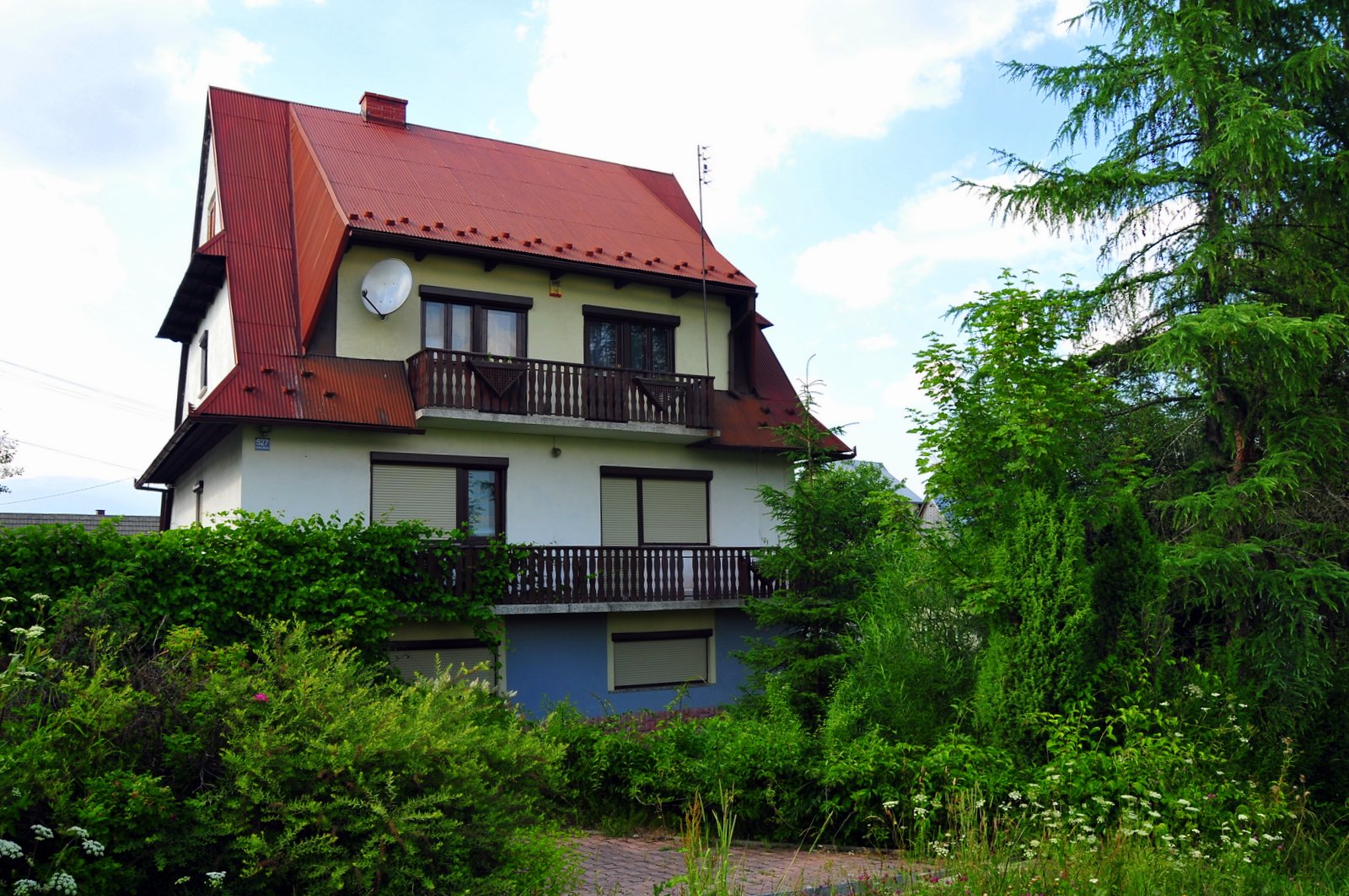
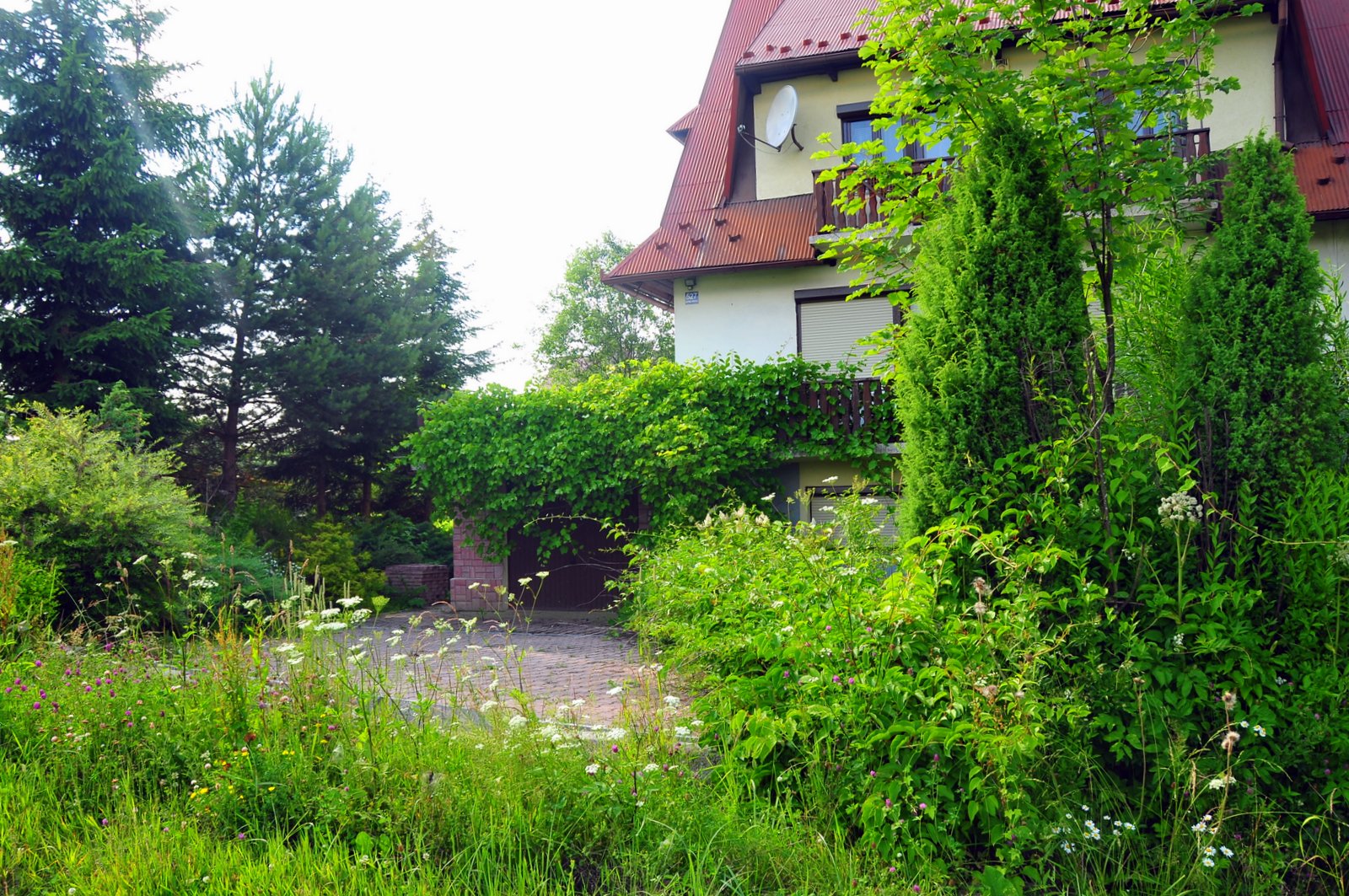
Then there are the houses in between: finished, once inhabited, now abandoned. I pass by one house in which I once attended a Sunday gathering. It was like most homes in the area: loved, cared for, with a lovely lawn. Now, it's not quite a ruin, but close.

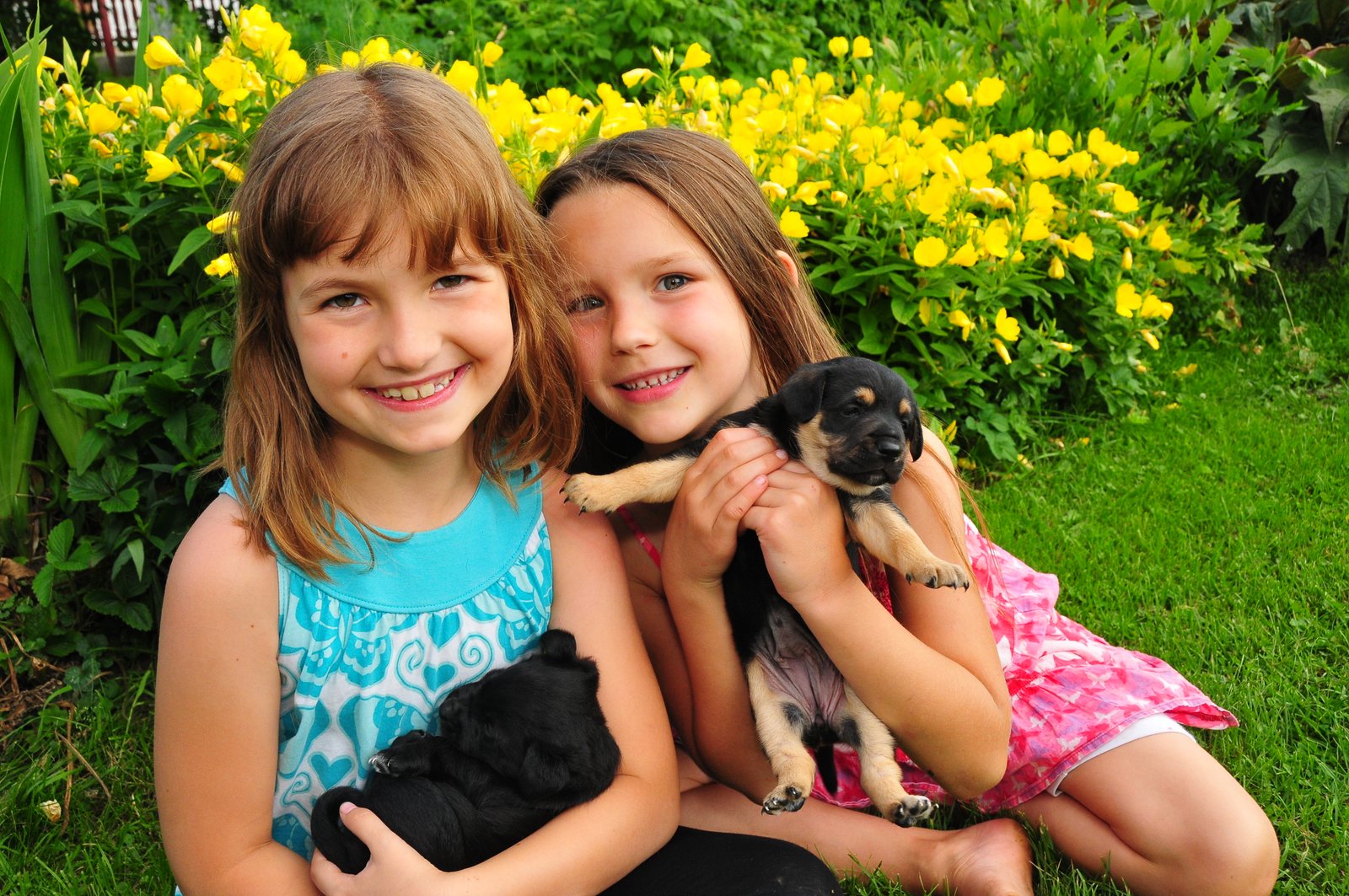
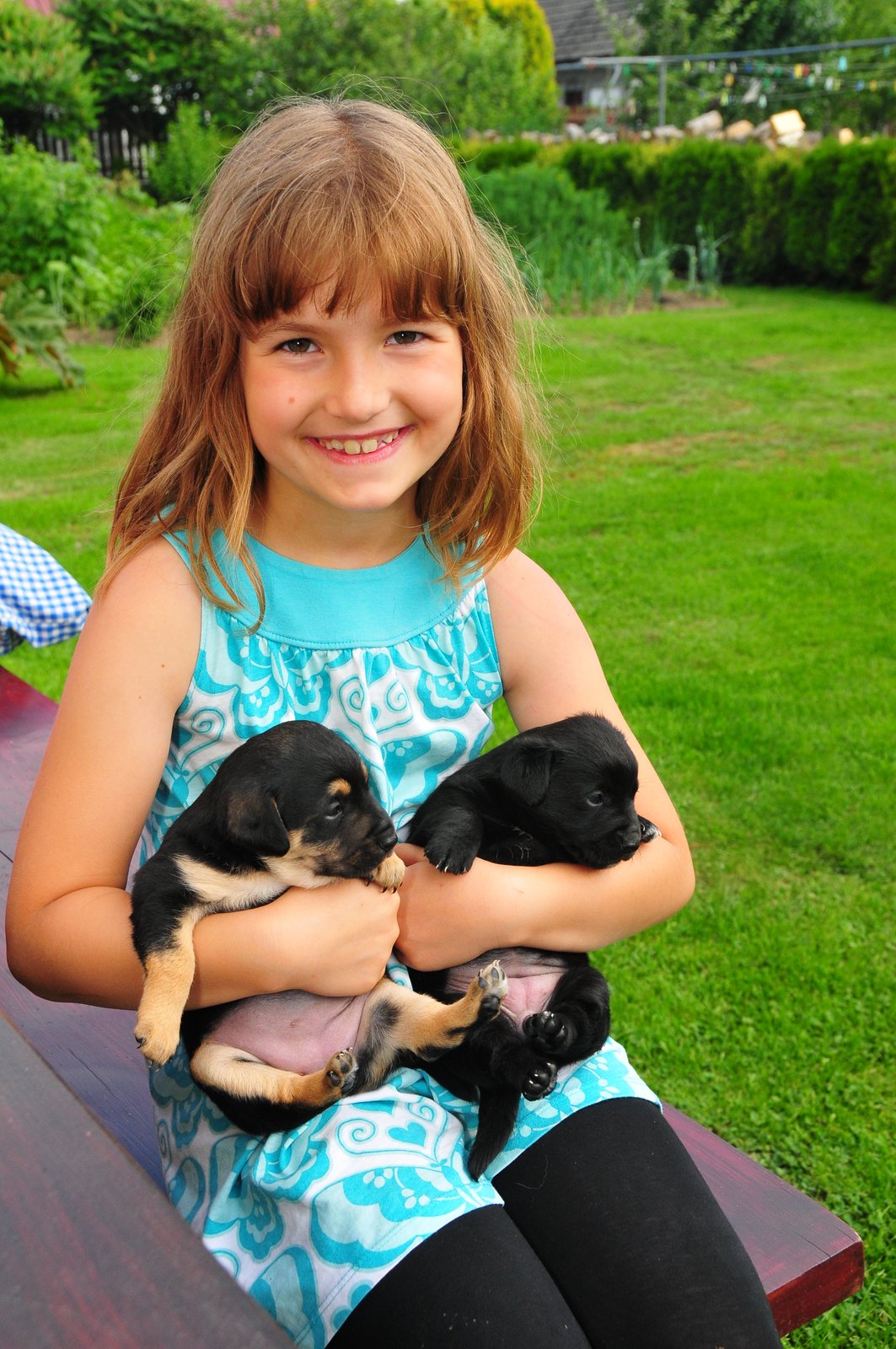
I return to find the girls with Pani B across the street, at a neighbor's house. It's undoubtedly paradise for them: two young puppies run about the yard -- as much as the girls let them.

A Day in Zakopane

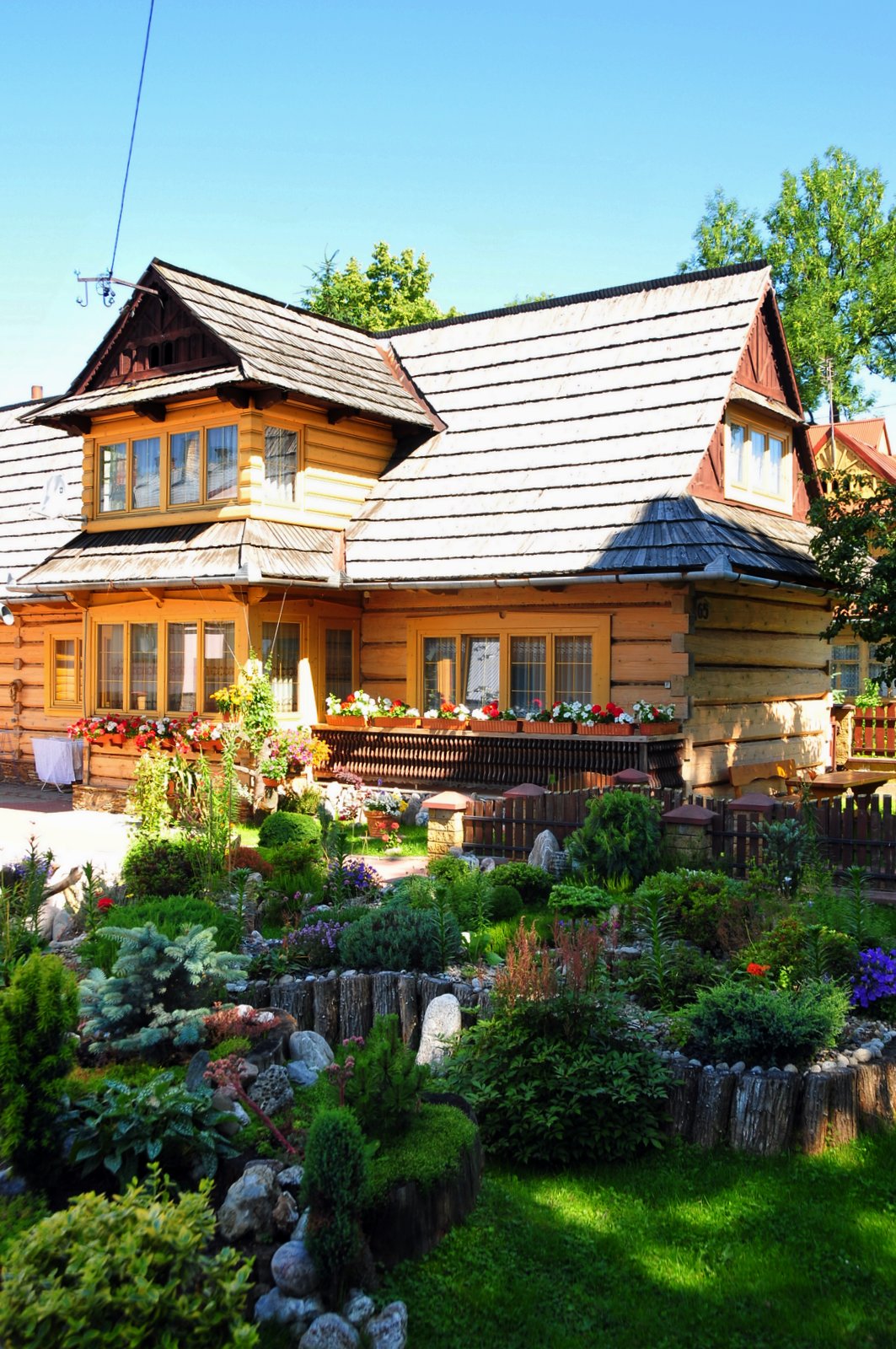
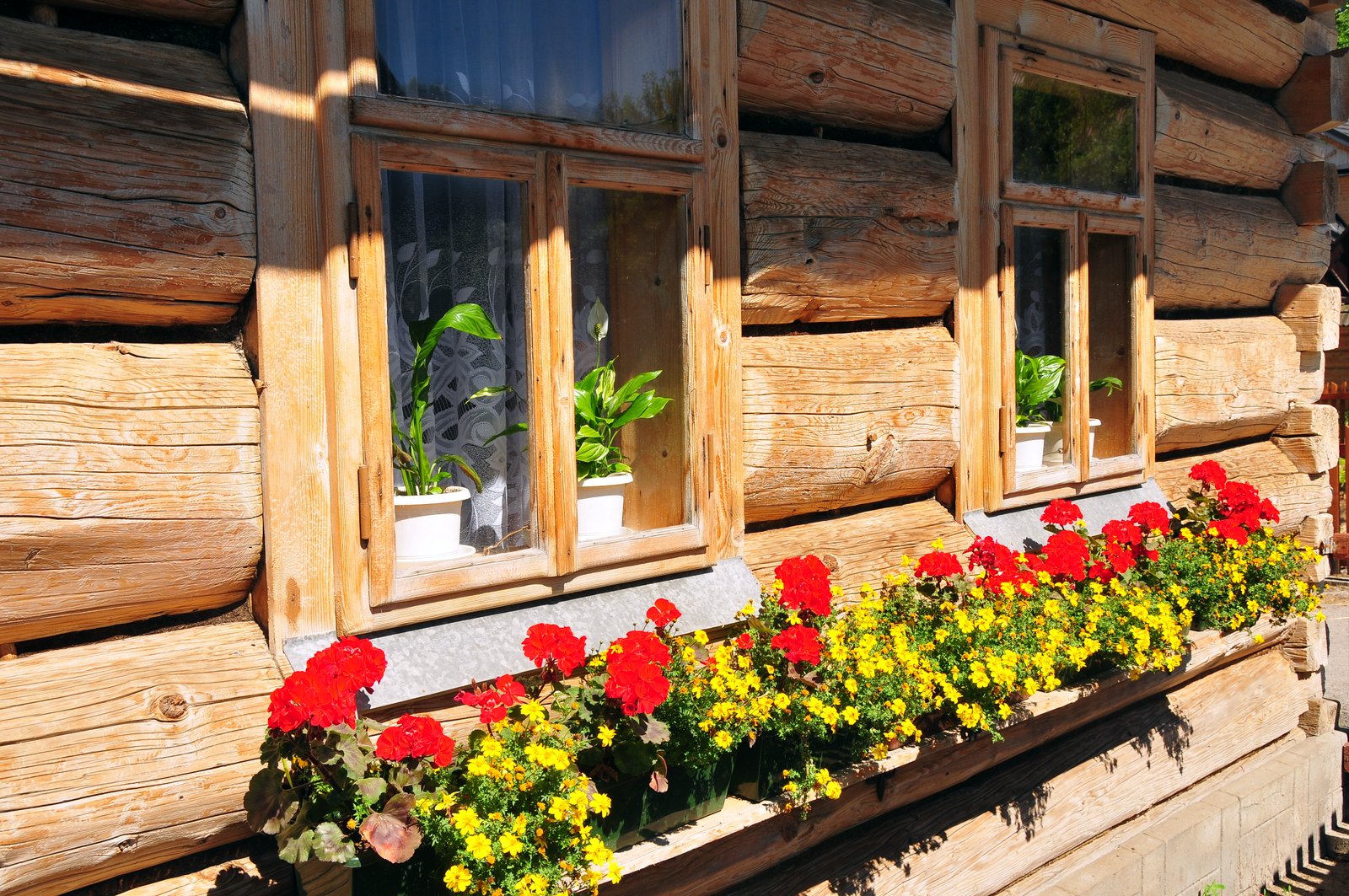
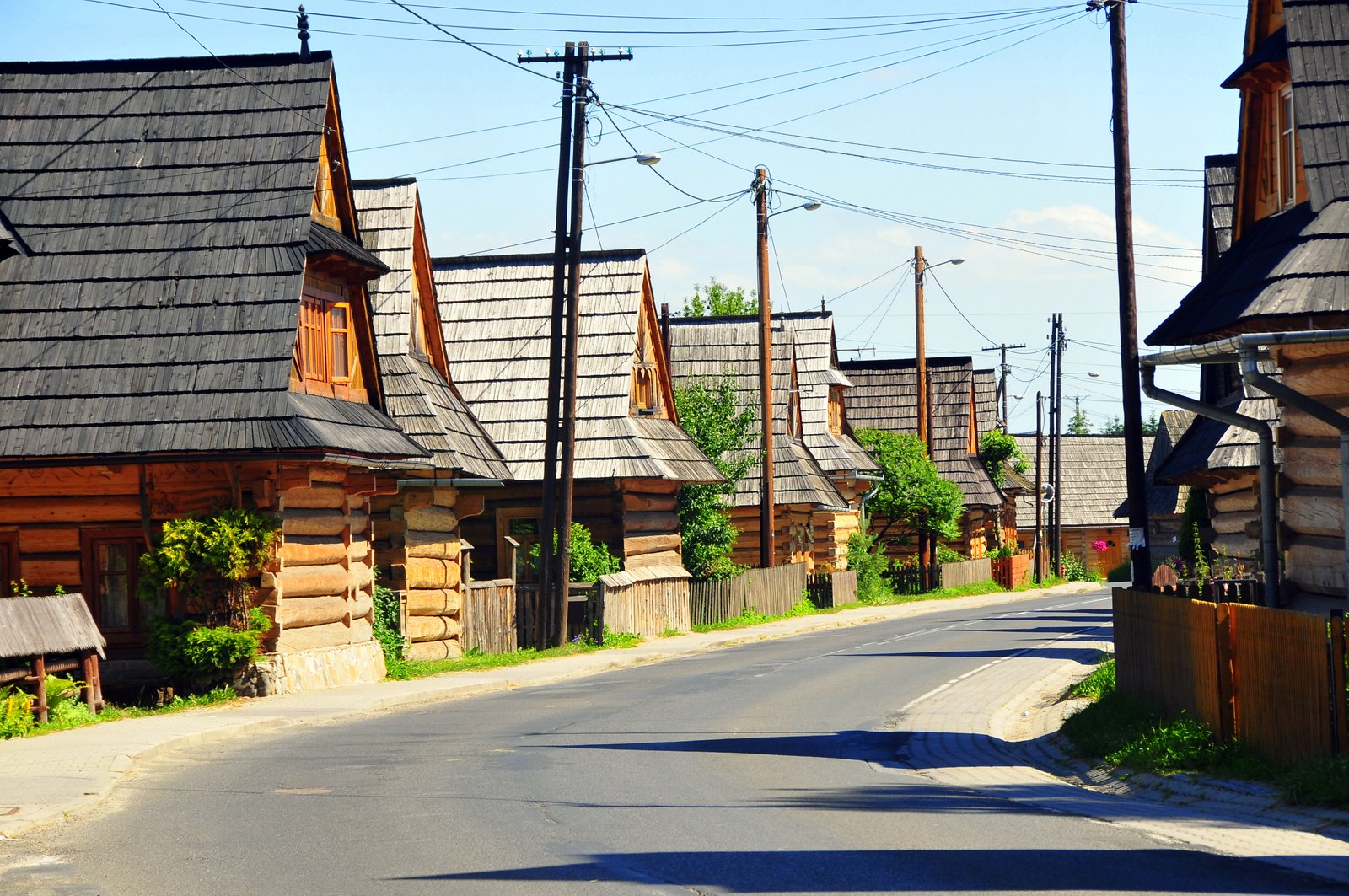
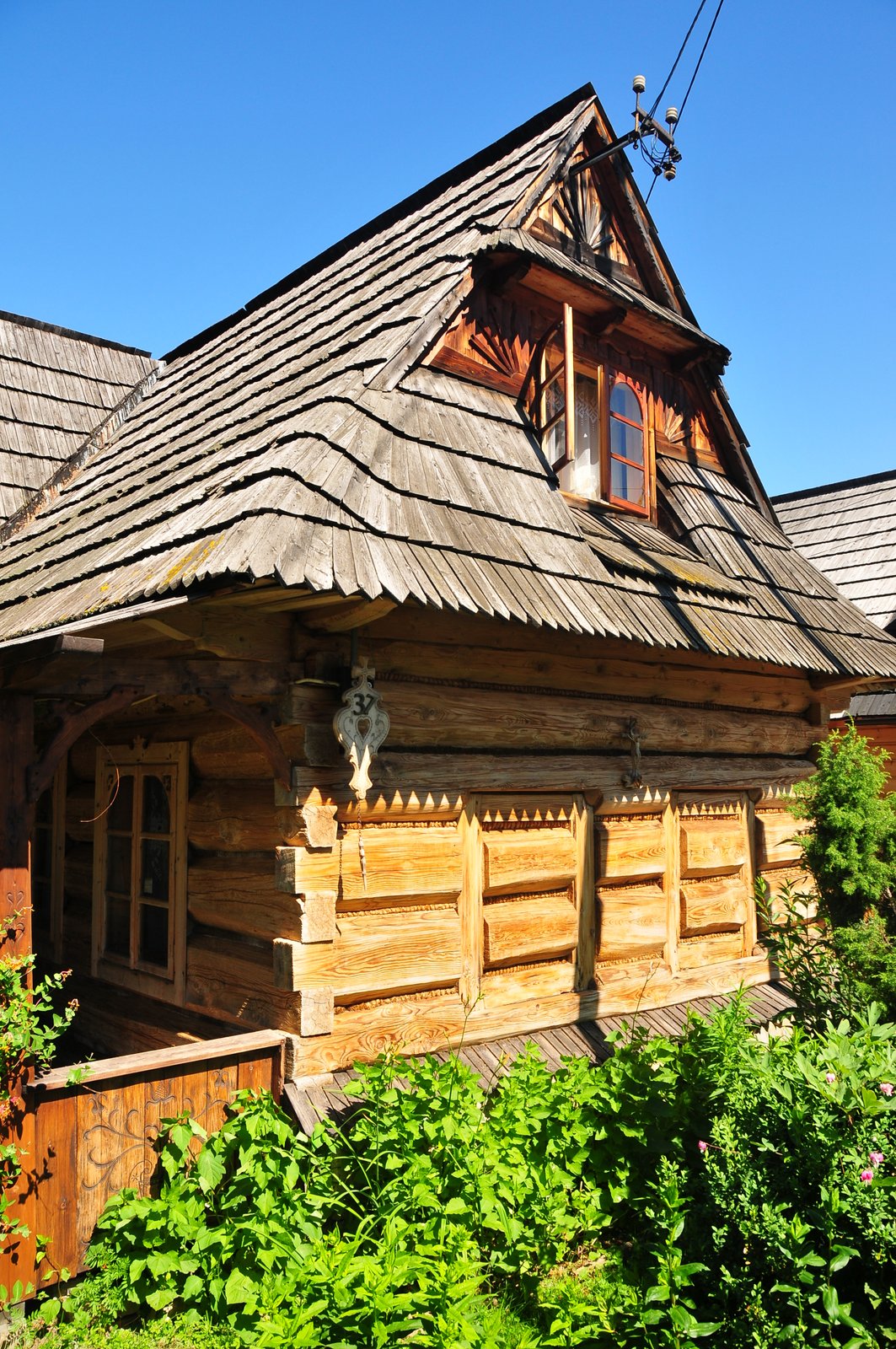
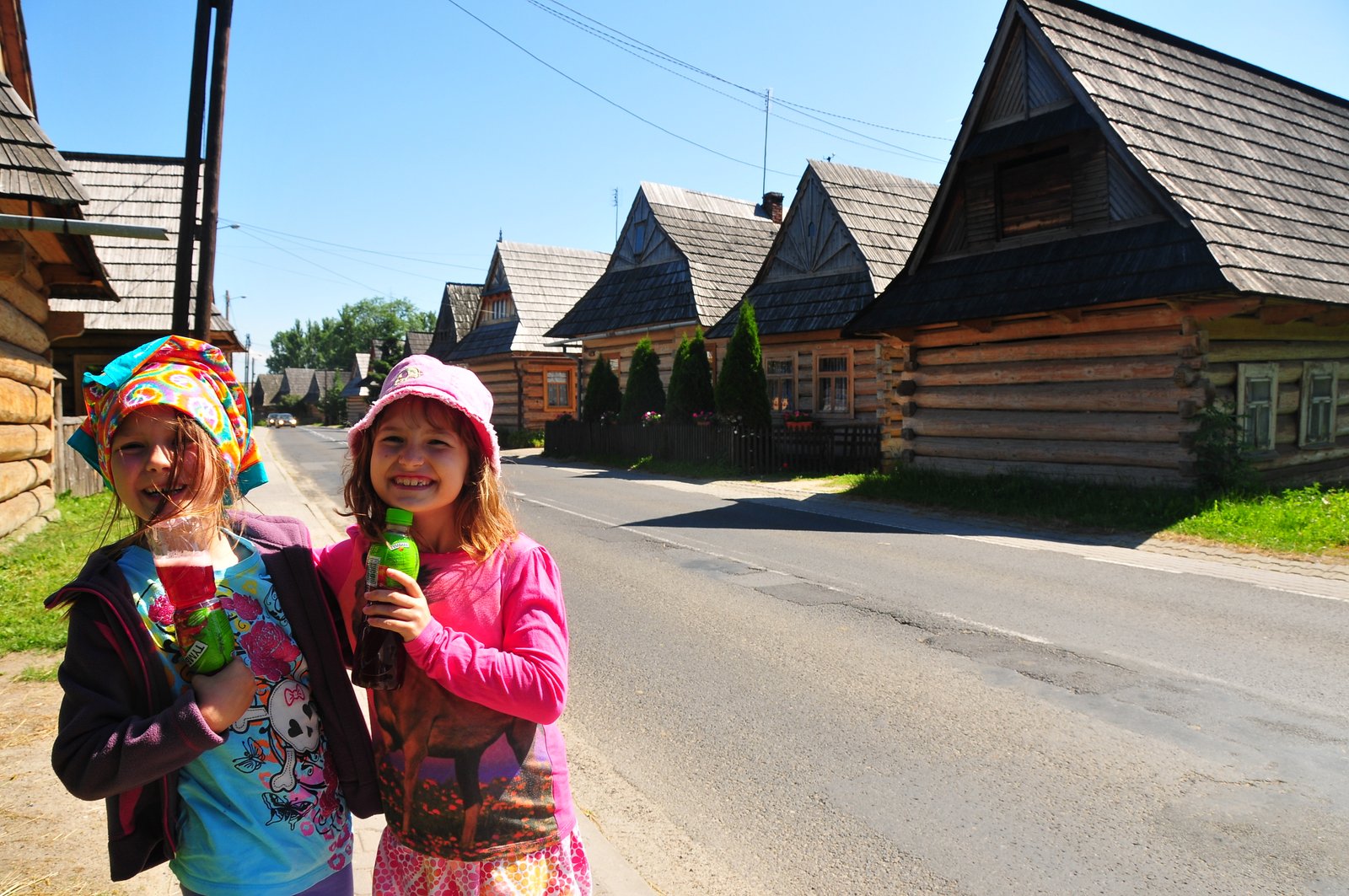
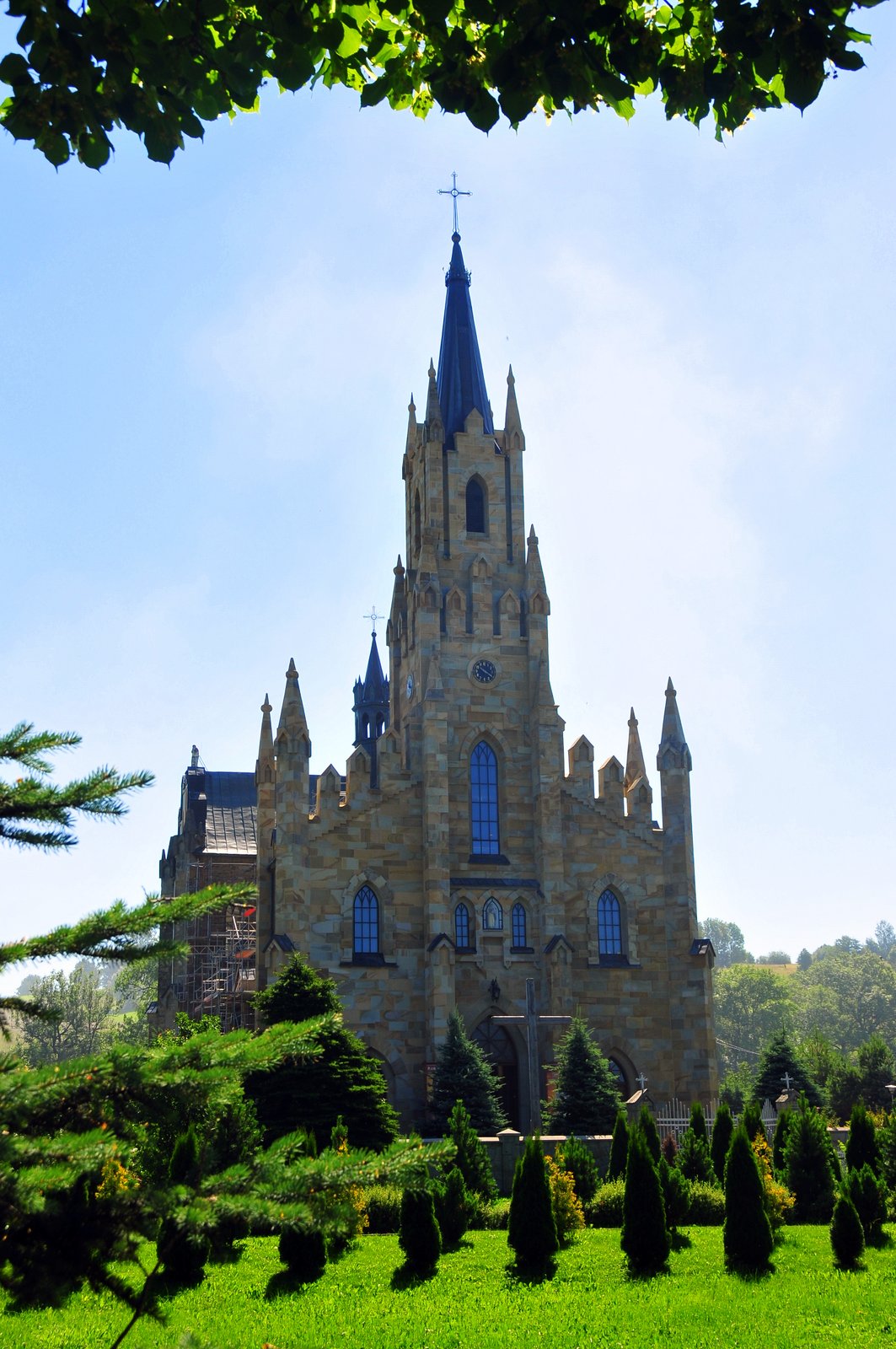
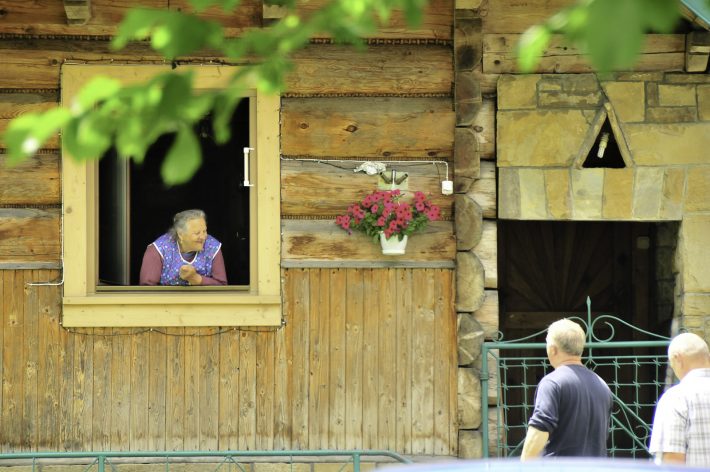
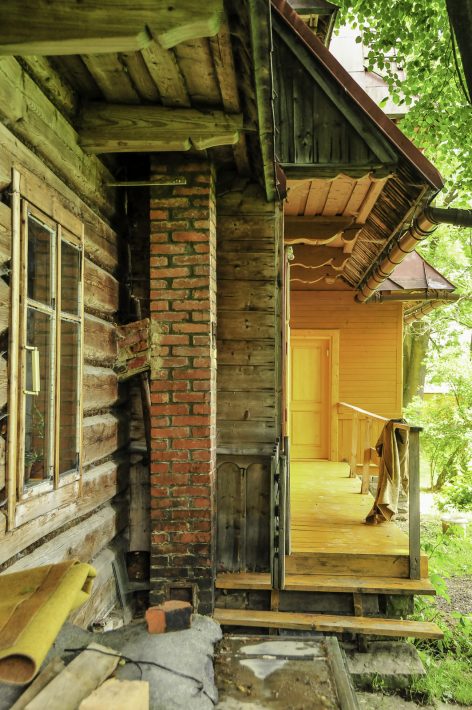
A day in Zakopane, the reputed "Winter Capital of Poland" (or more likely, given the number of tourists all year long, the Mountain Capital), begins in Chochołów, a small village on the way. It's famous for its traditional wooden houses. Unpainted, untreated, they positively shine after their yearly spring scrubbing. And the irony: the village church is made of stone.

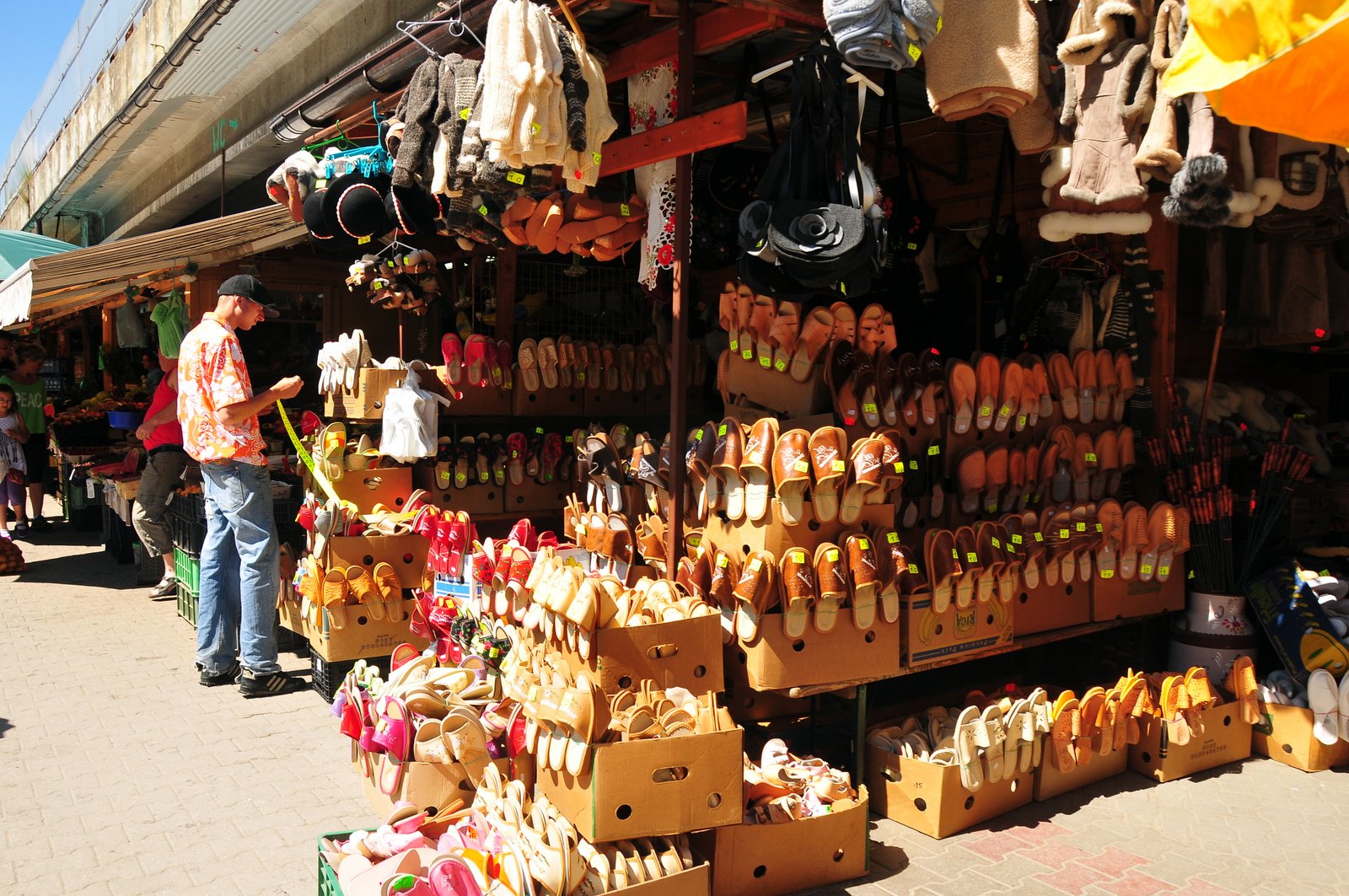
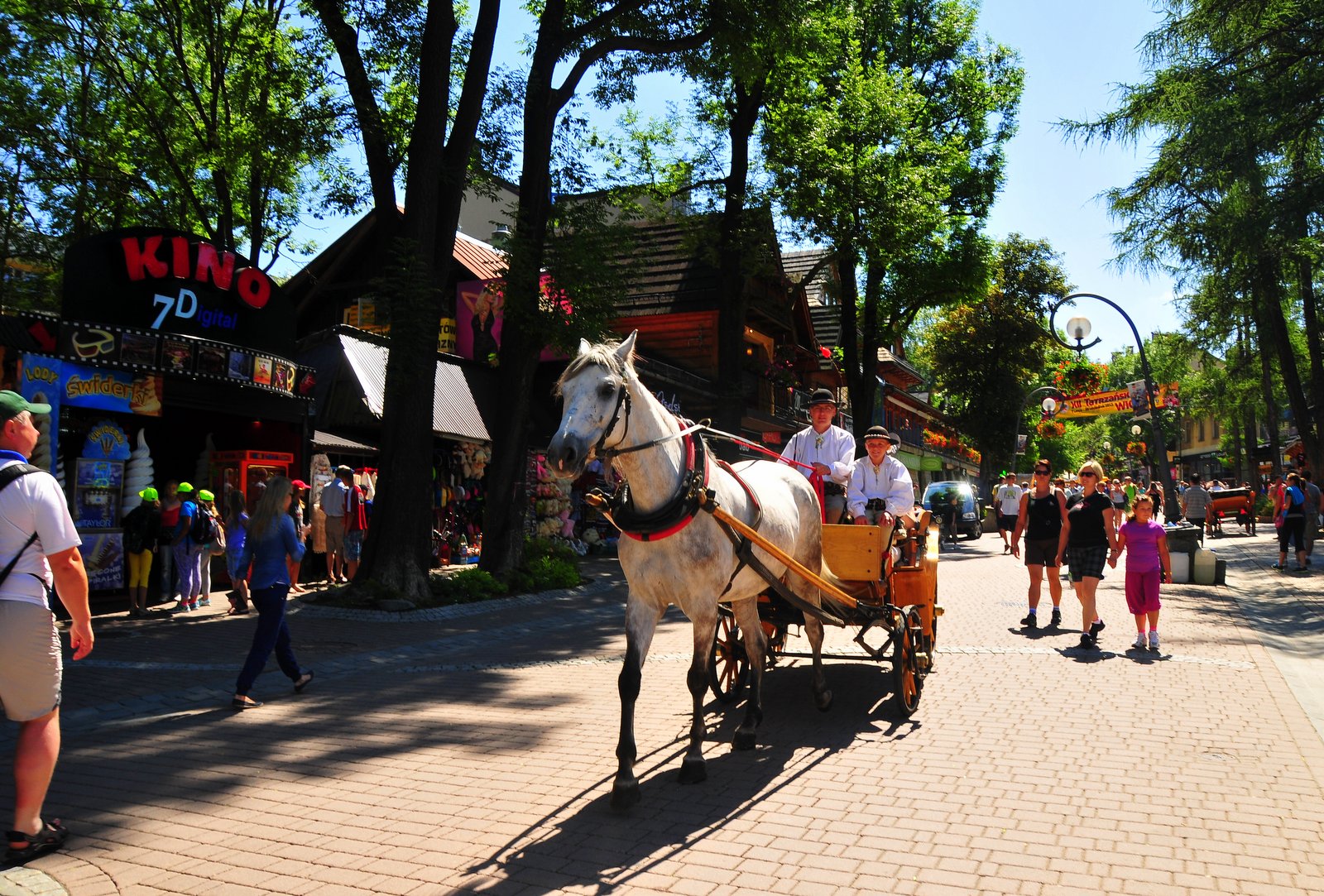
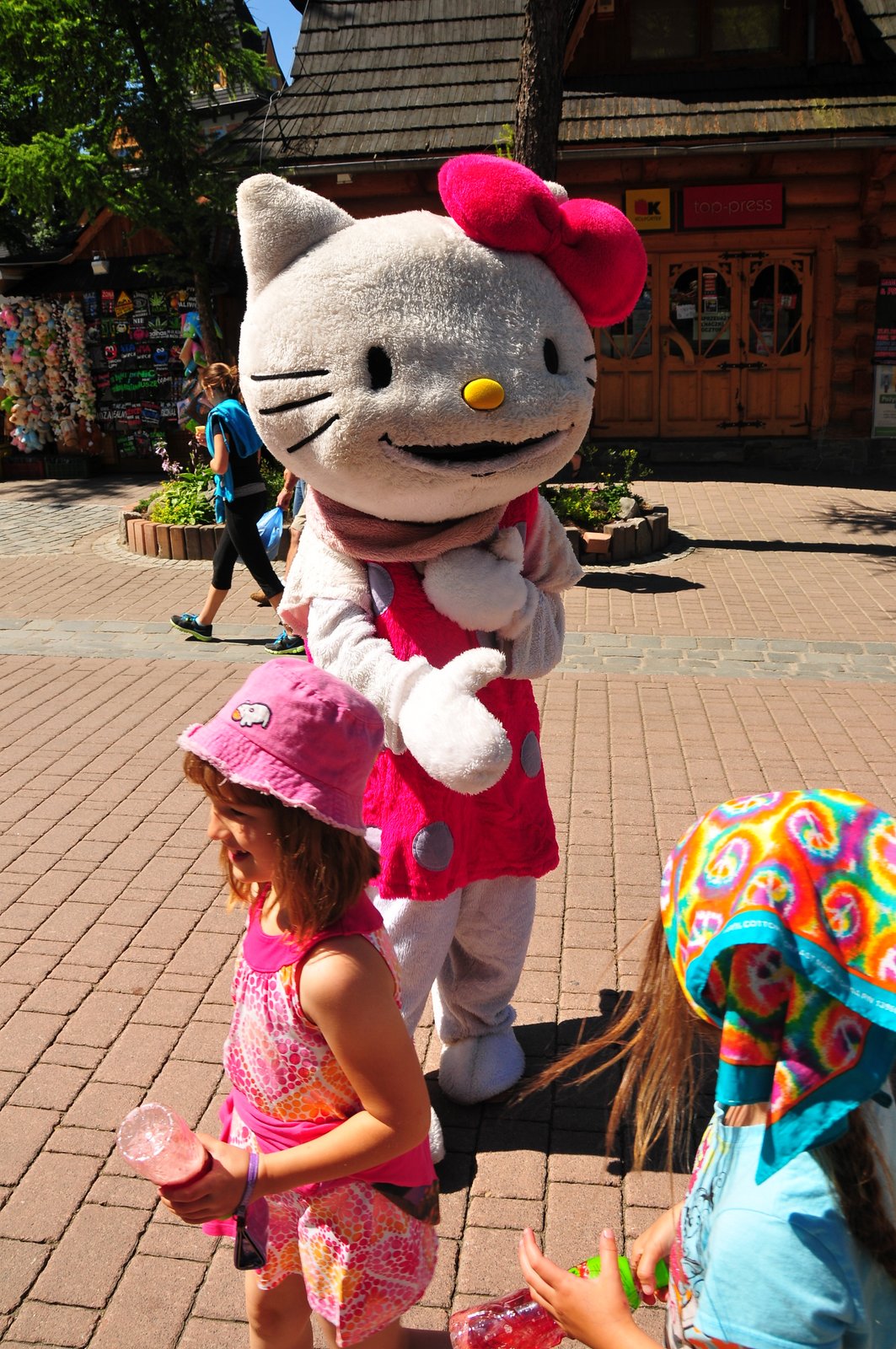
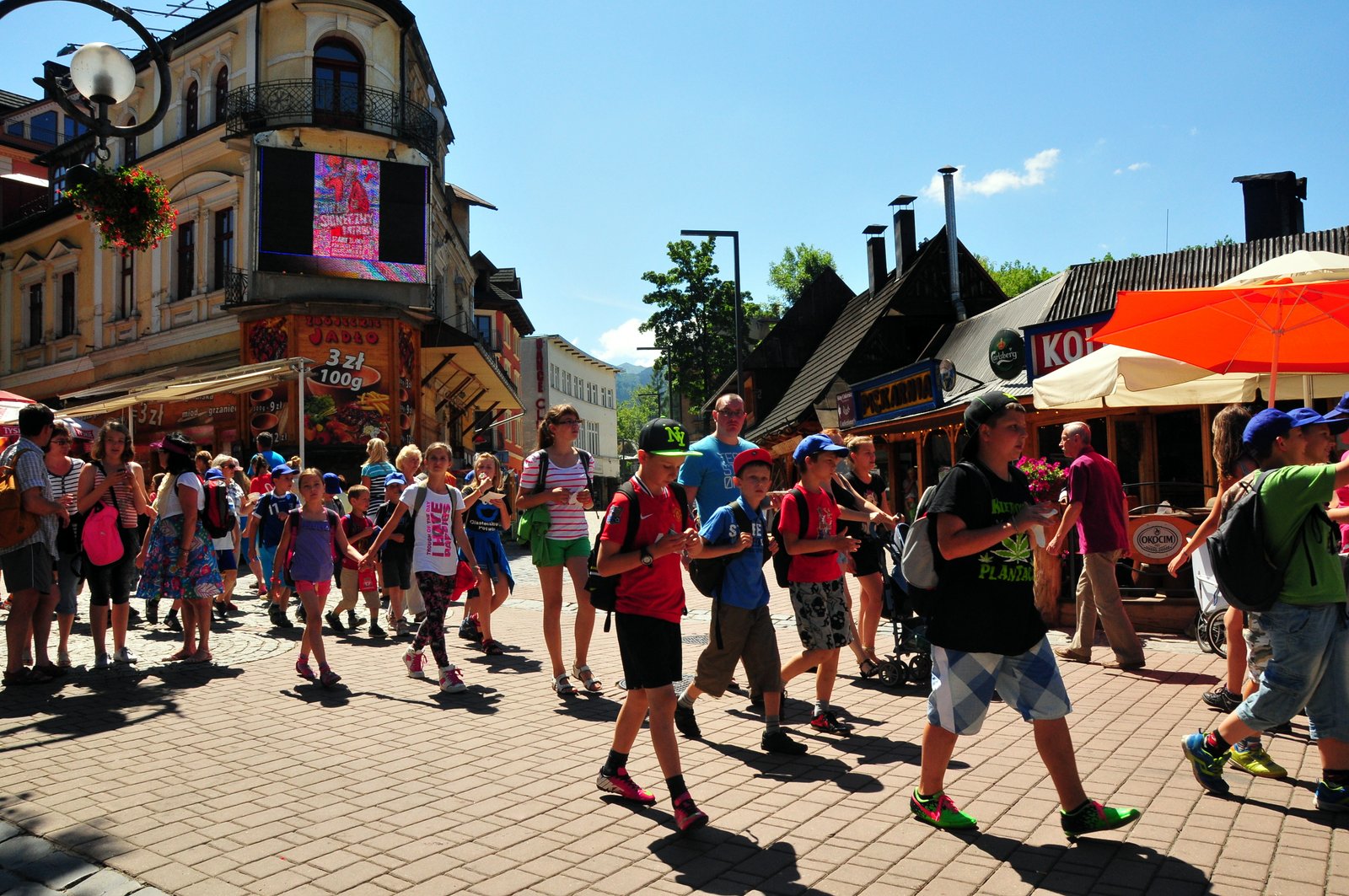
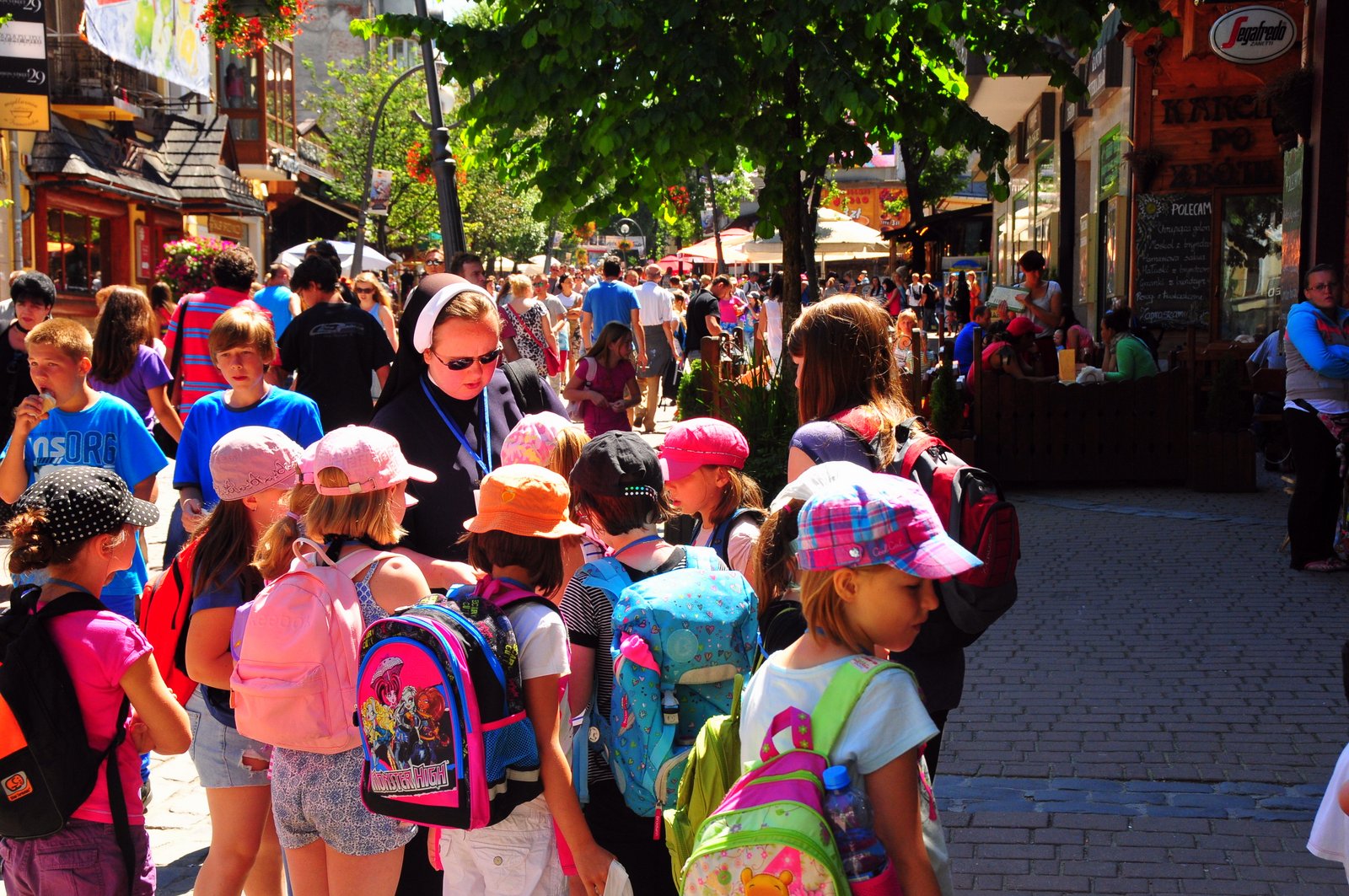
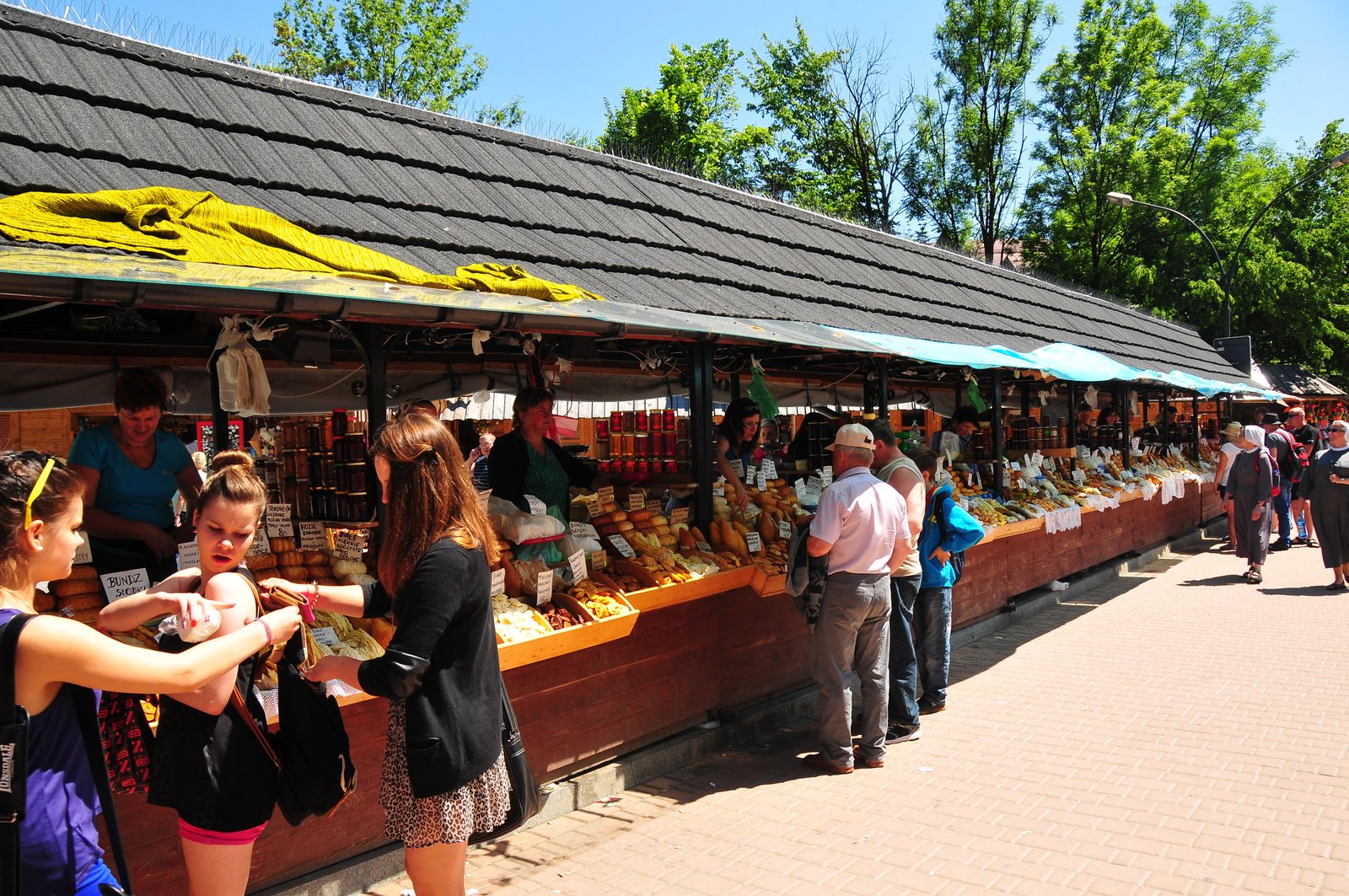
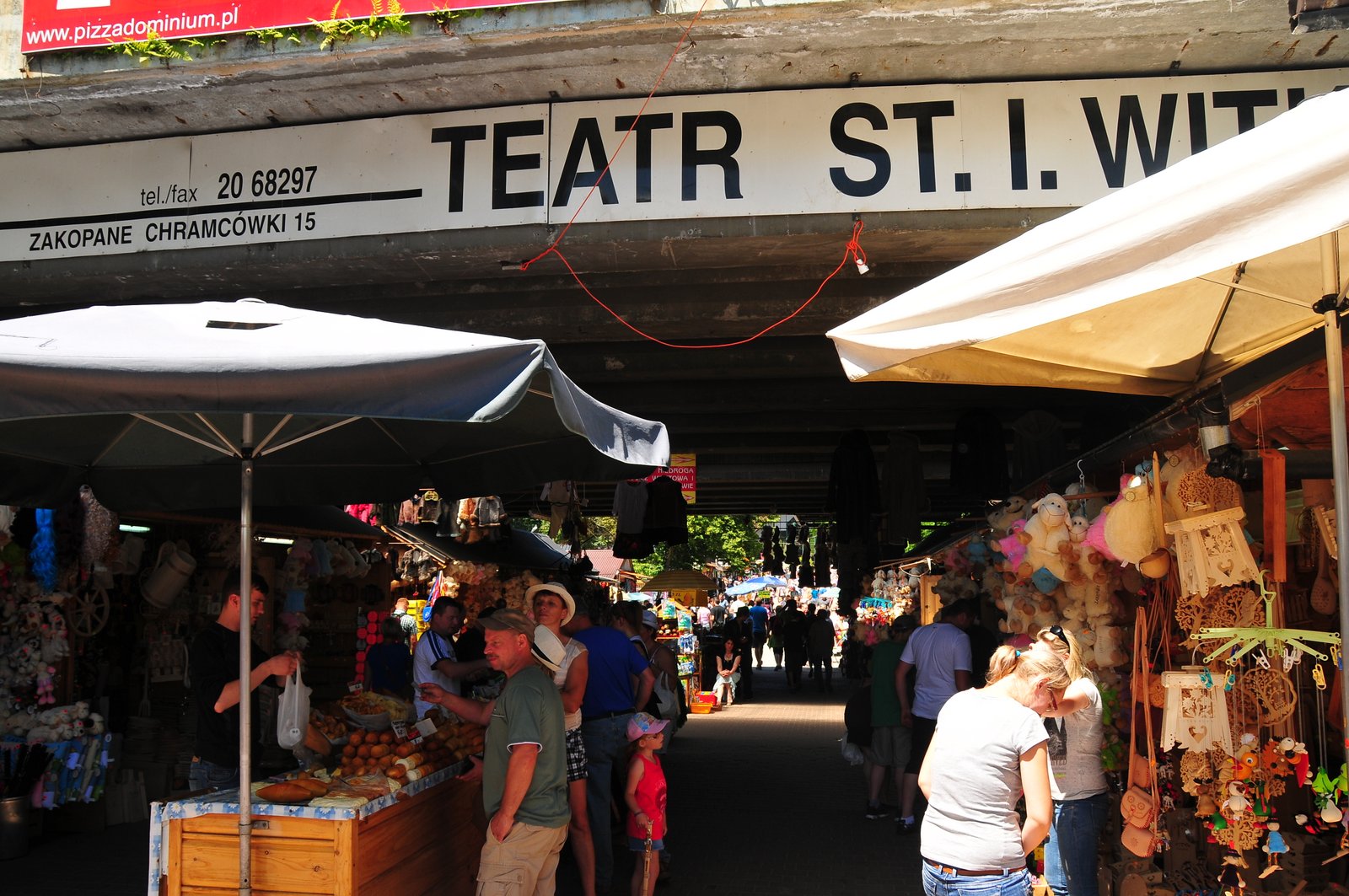
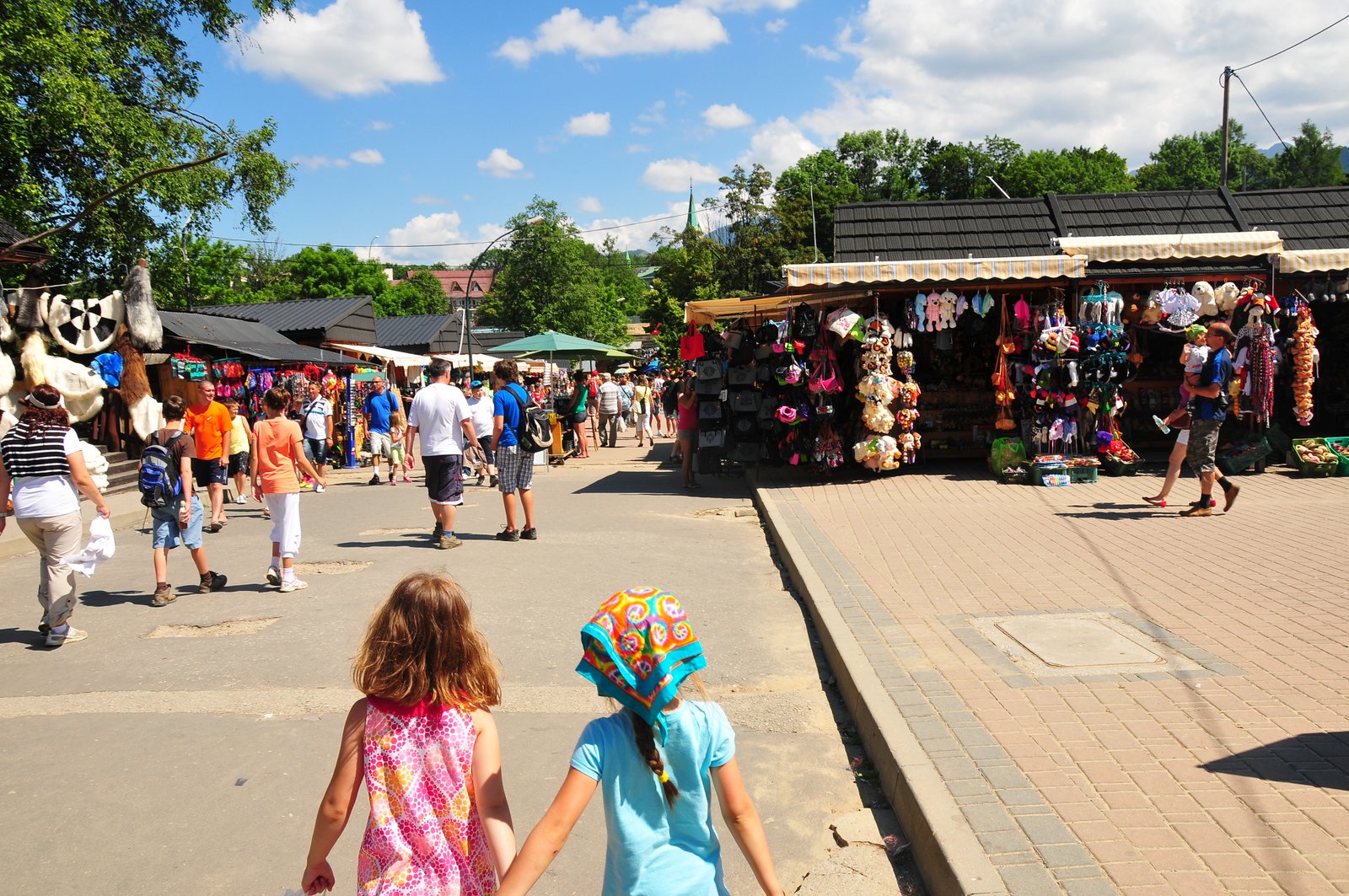
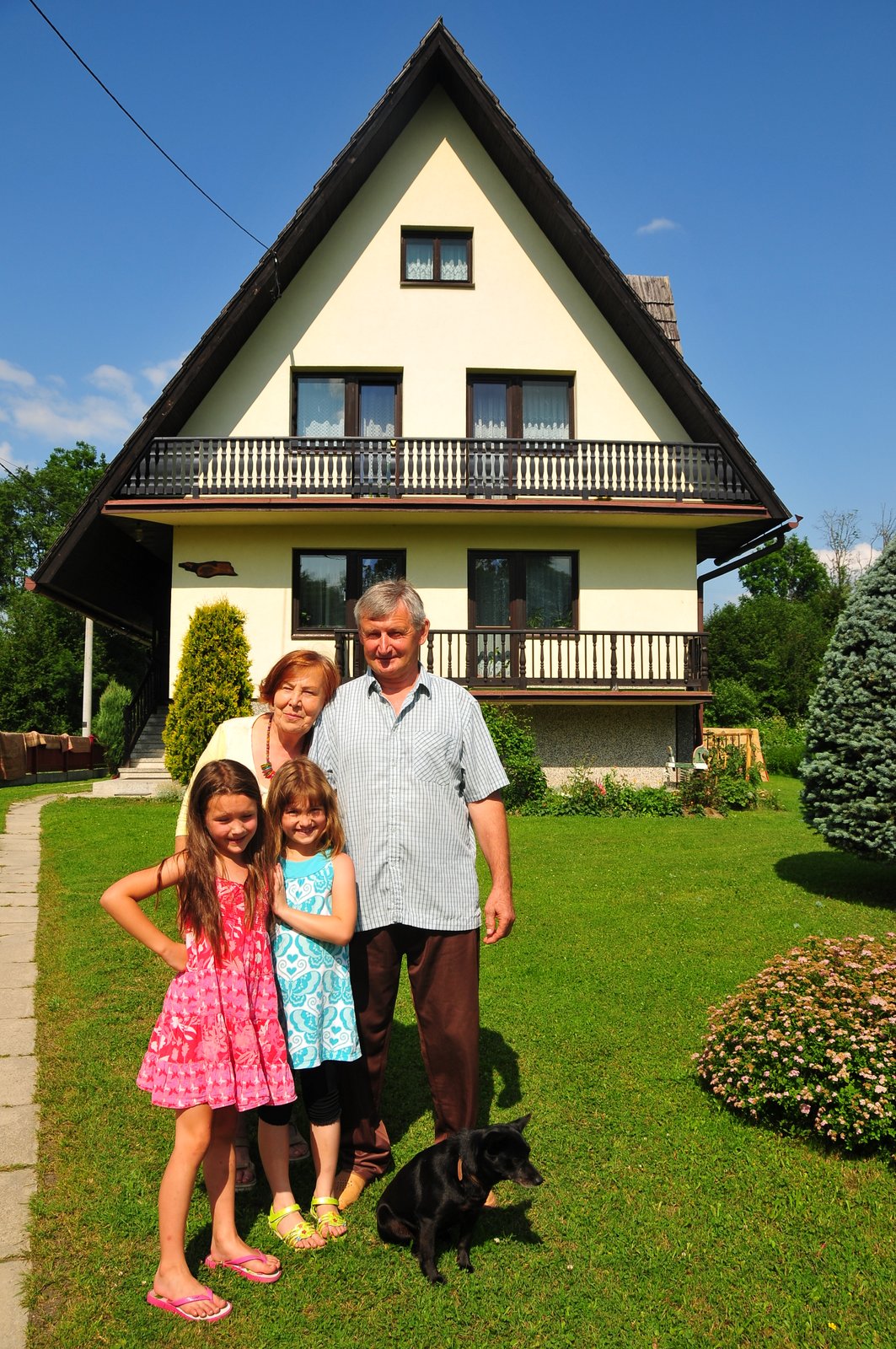
We make it to Zakopane and find a parking spot at the base of ulica Krupówki, the main tourist street. We head up the street and I provide simple instructions: "You can stop at two places each on the way back down. While we walk up the street, have a look around; on our way back down, you can show me where you want to go." And what drew L like a lodestone? The shops that sell the plastic nonsense anyone can buy in any corner of the so-called developed world. The plastic nonsense made in China that is taking over the world.

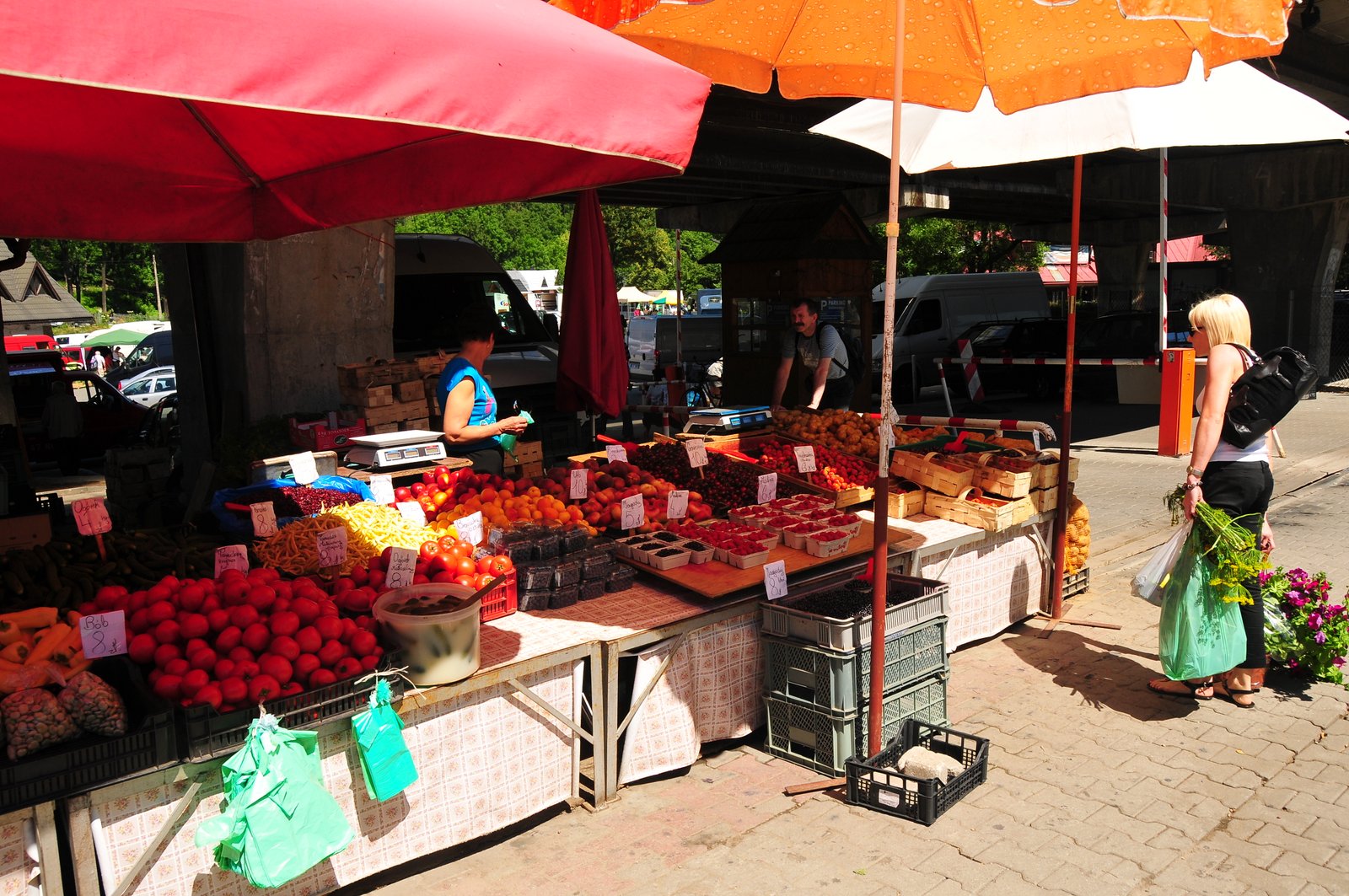
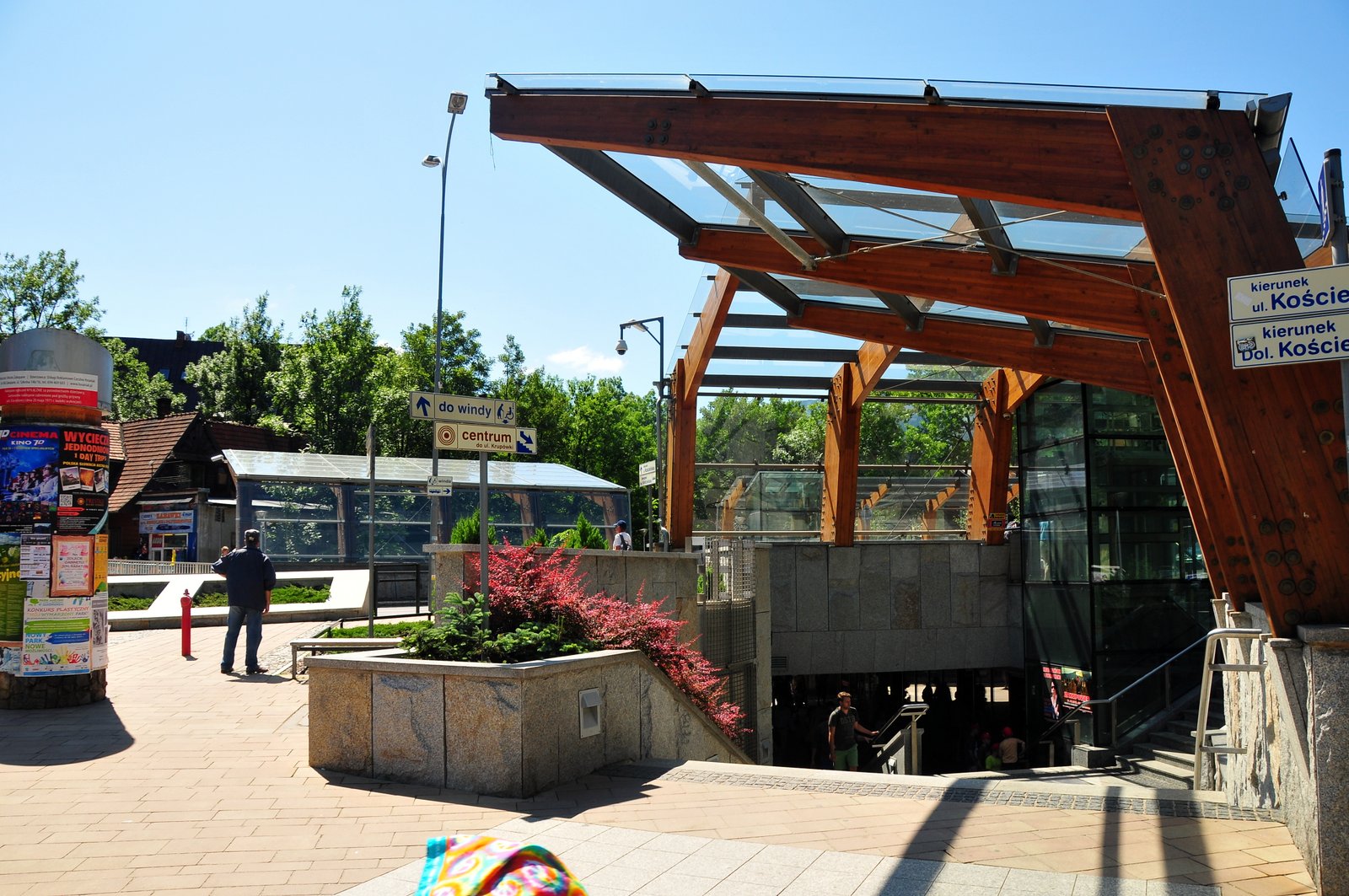
We cross under ul. Nowotarska/Koscieliska (the one becomes the other when they meet Krupówki) using the new passage under the busy street. In the past, with all the people passing through, it was impossible to drive through this area in less than ten minutes. But that's all that's new: the rest is just as it was when I first walked down the street. The long line of cheese mongers all selling exactly the same product has new, younger ladies behind the piles of cheese, but that's the only difference.

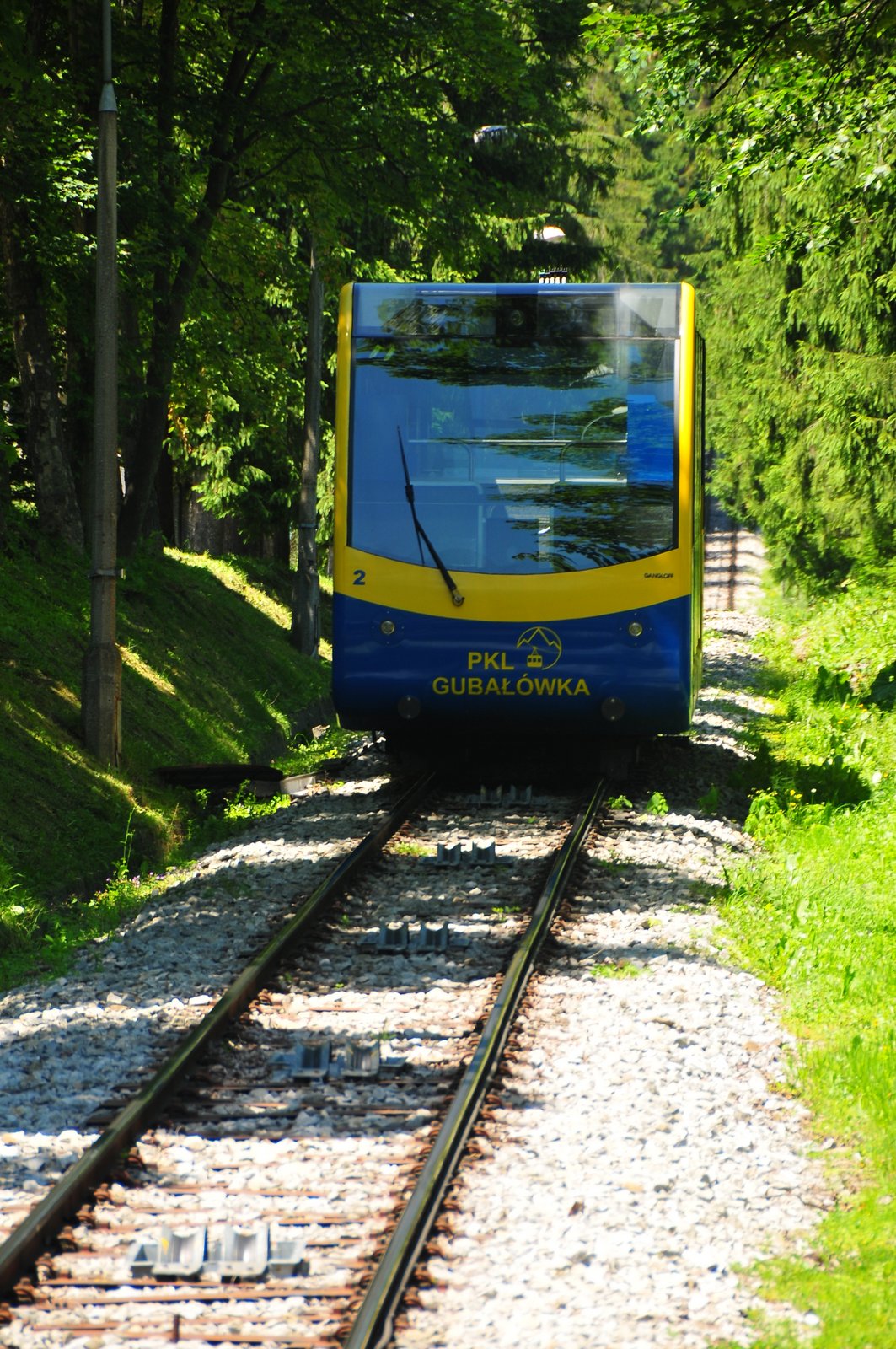
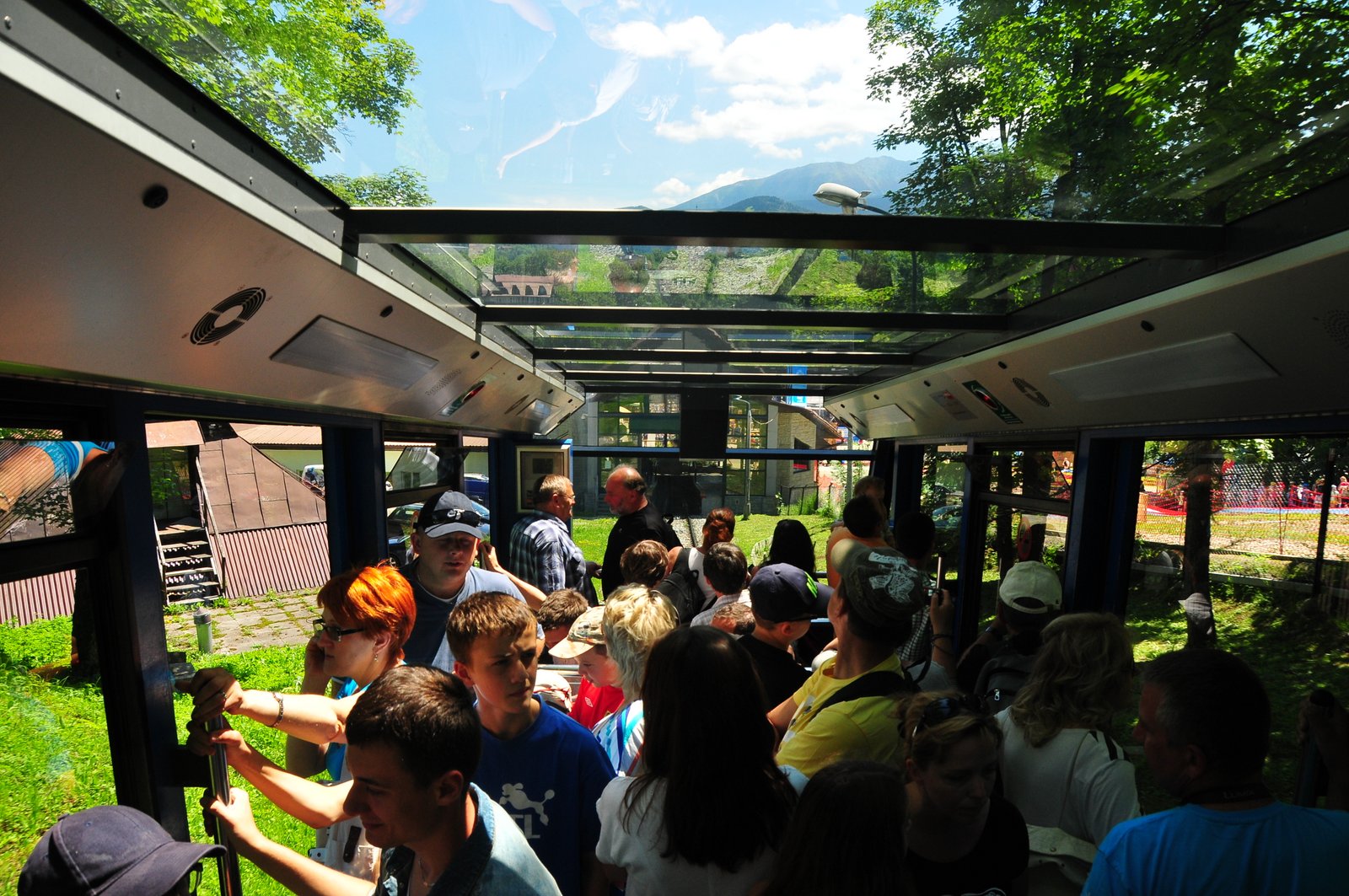
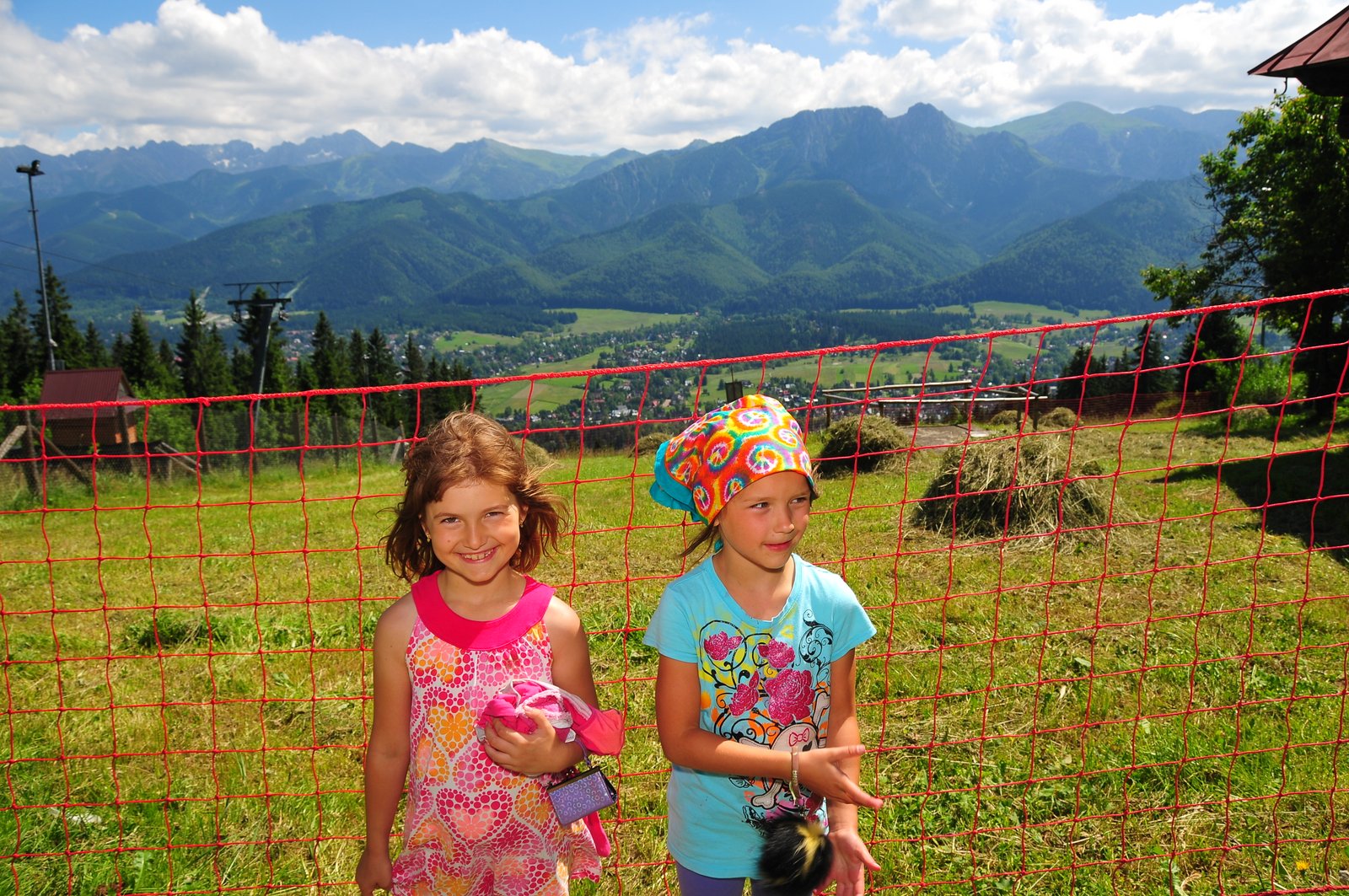
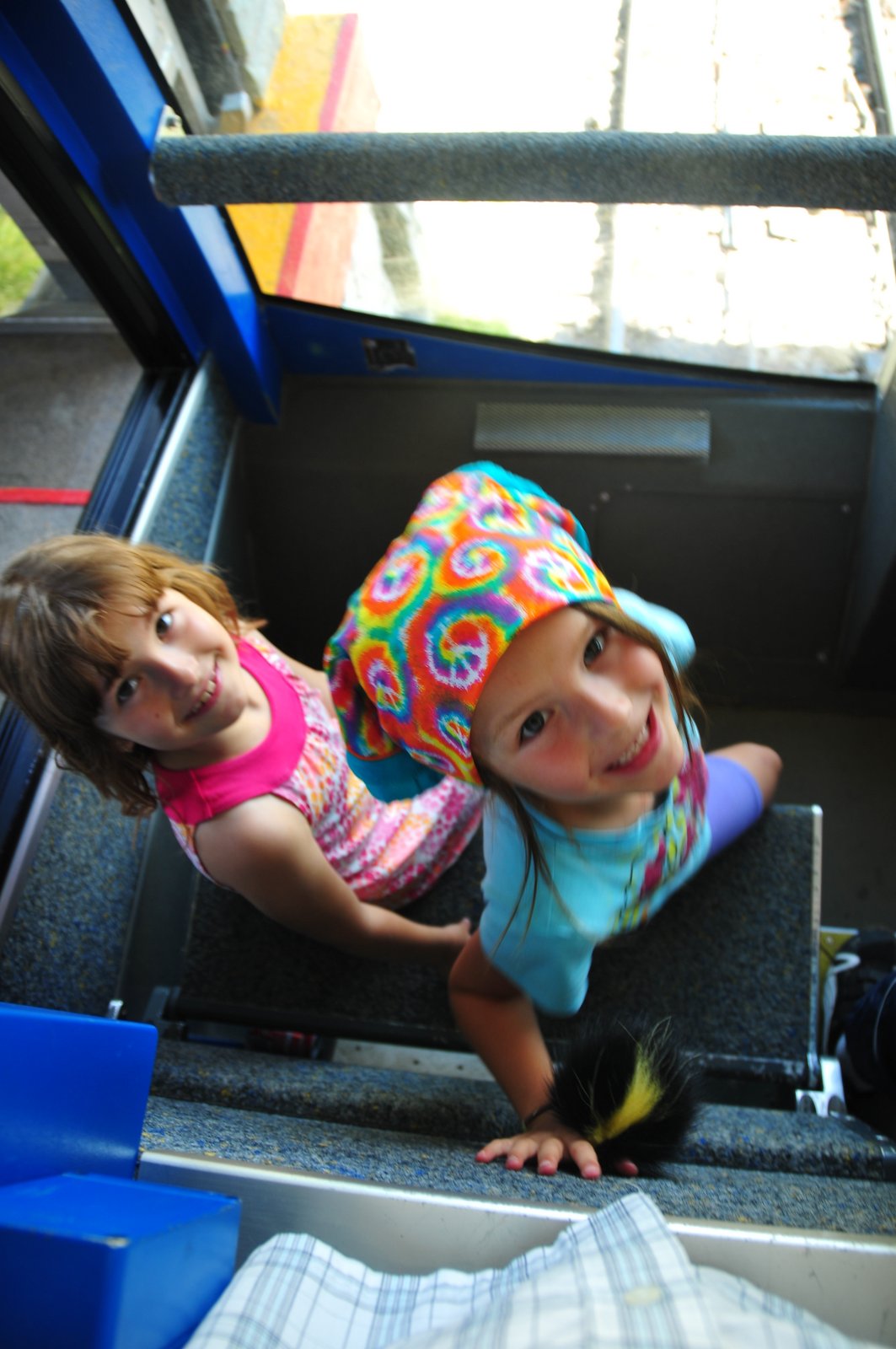
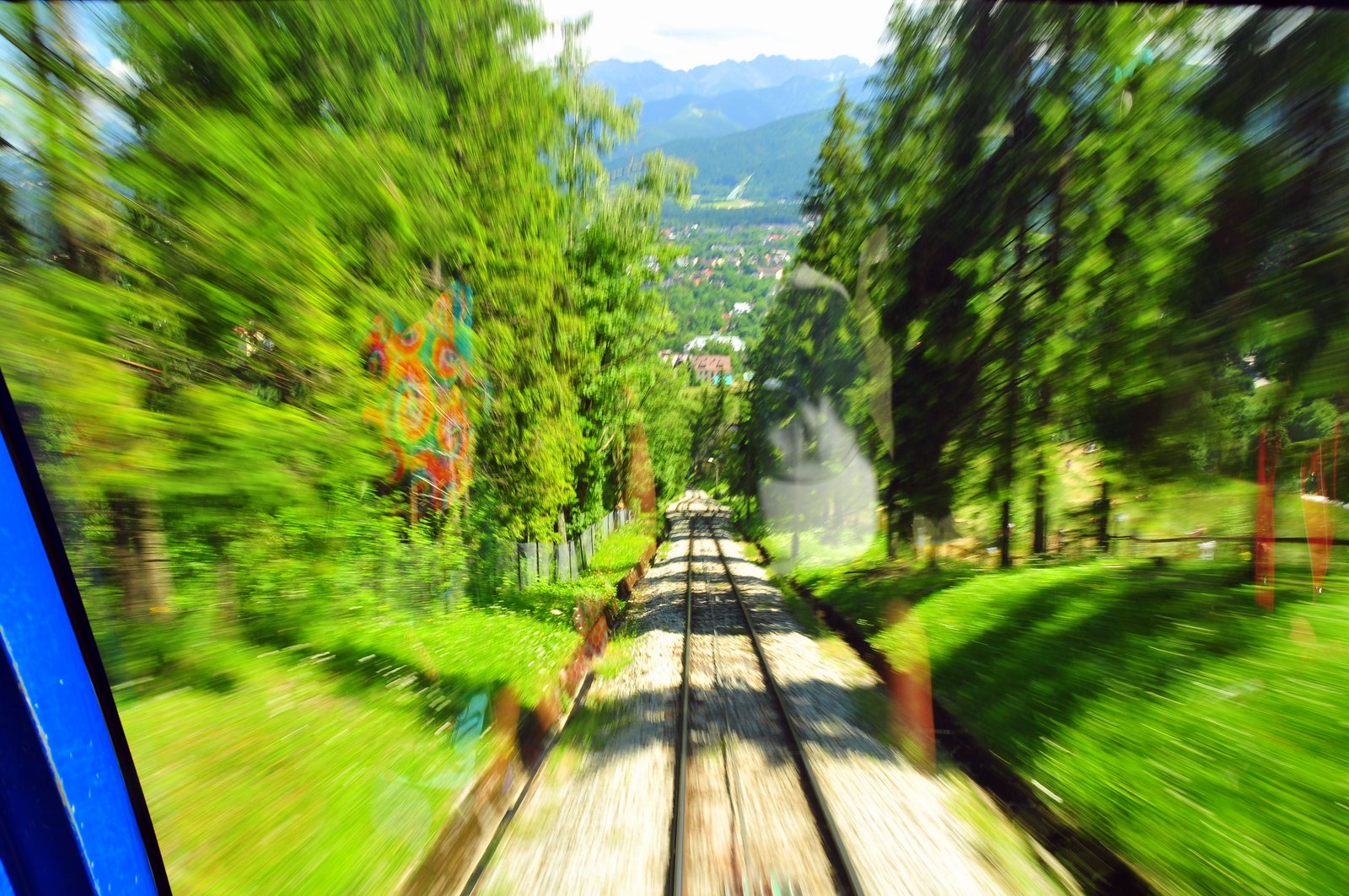
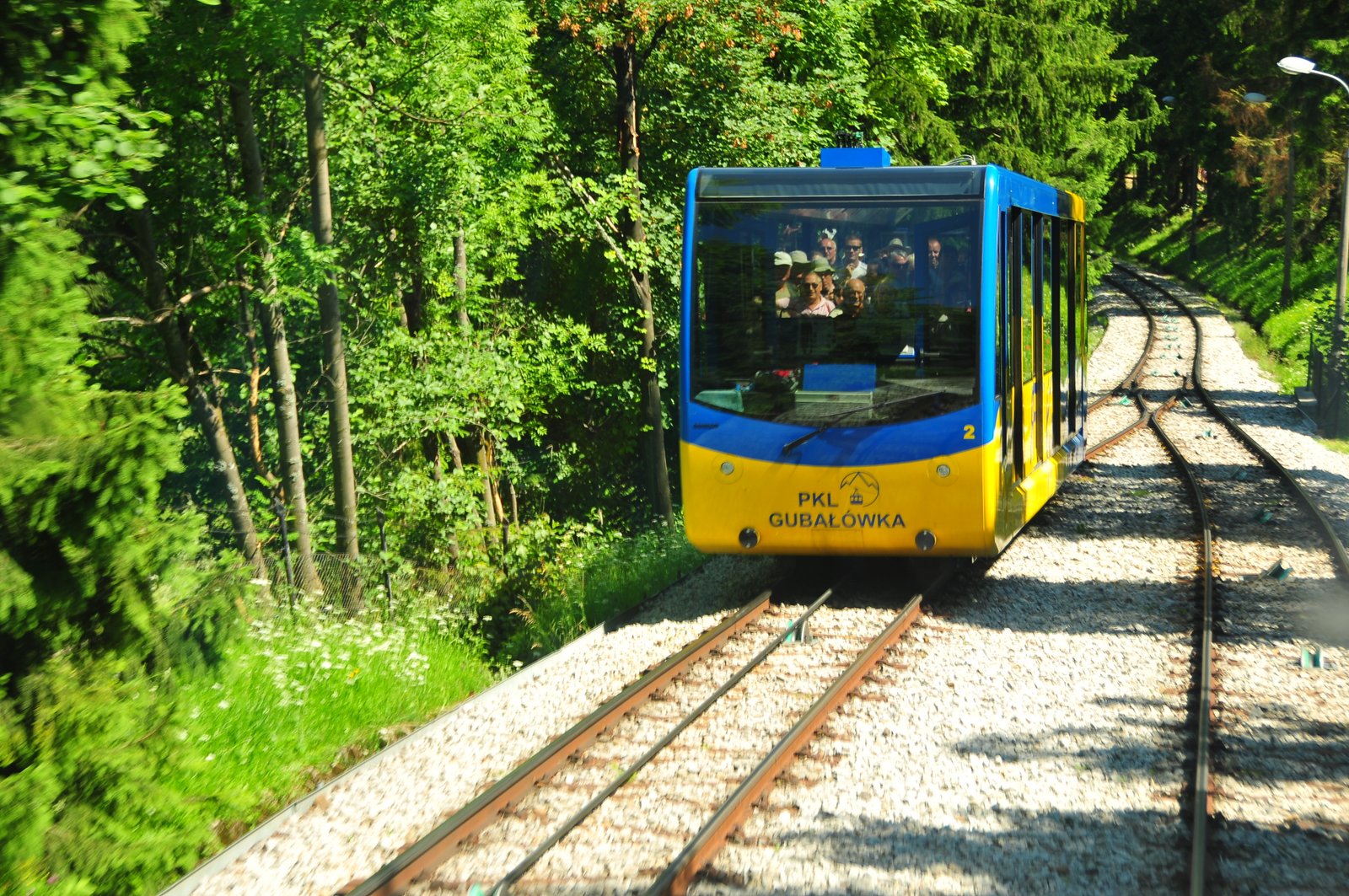
We take the funicular to Gubałówka Hill, perhaps the ultimate tourist trap of the whole area.

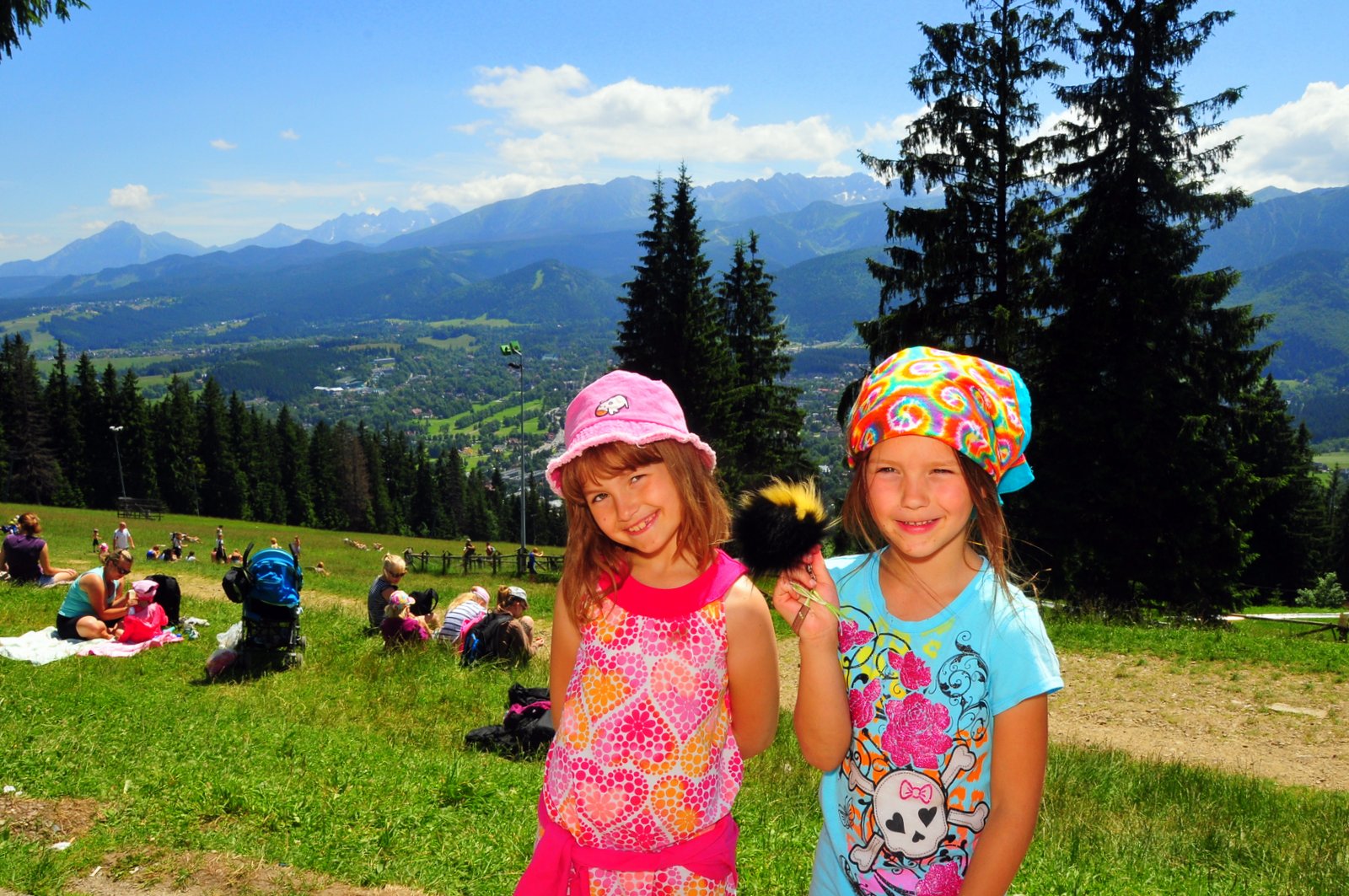
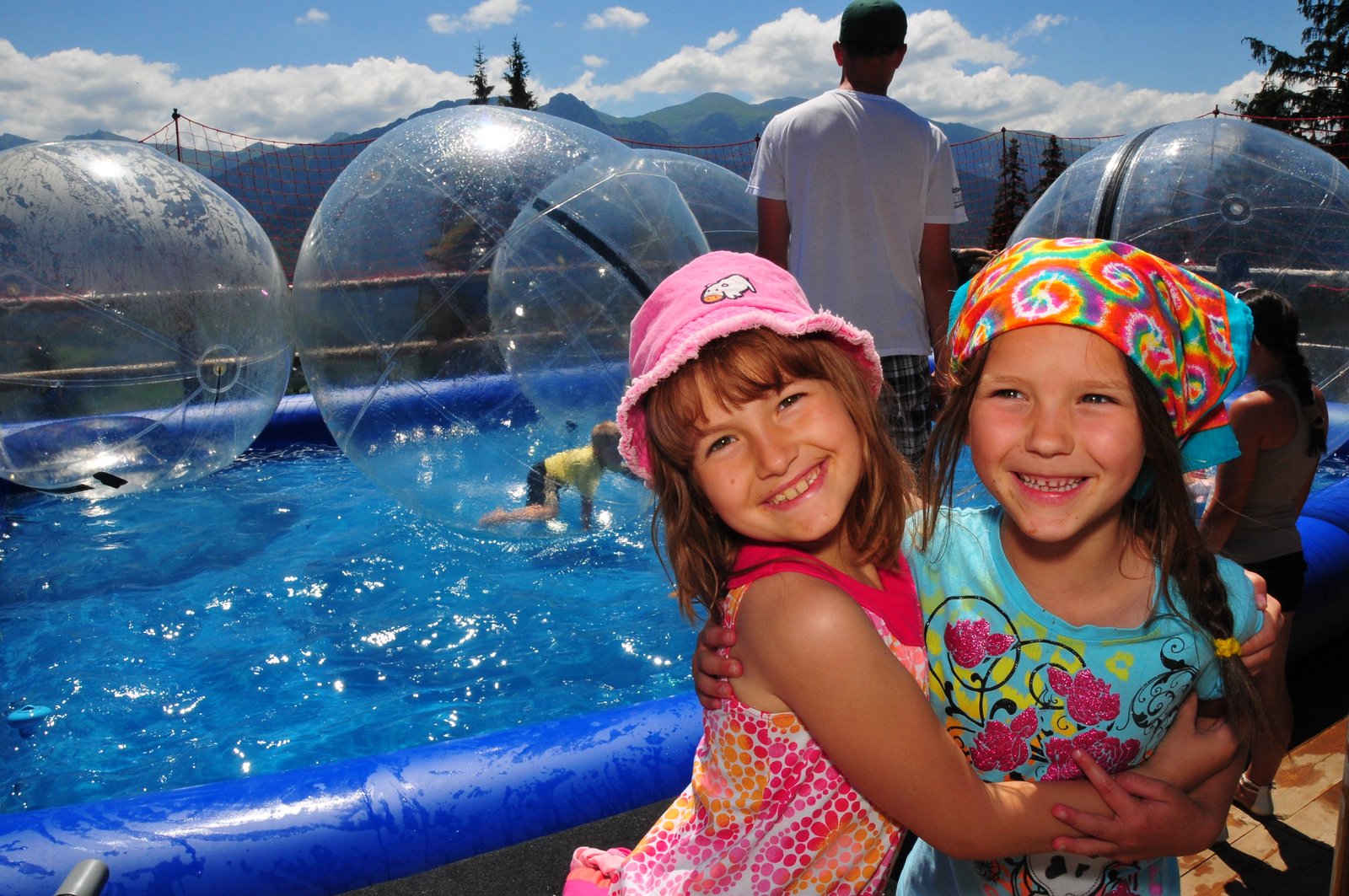
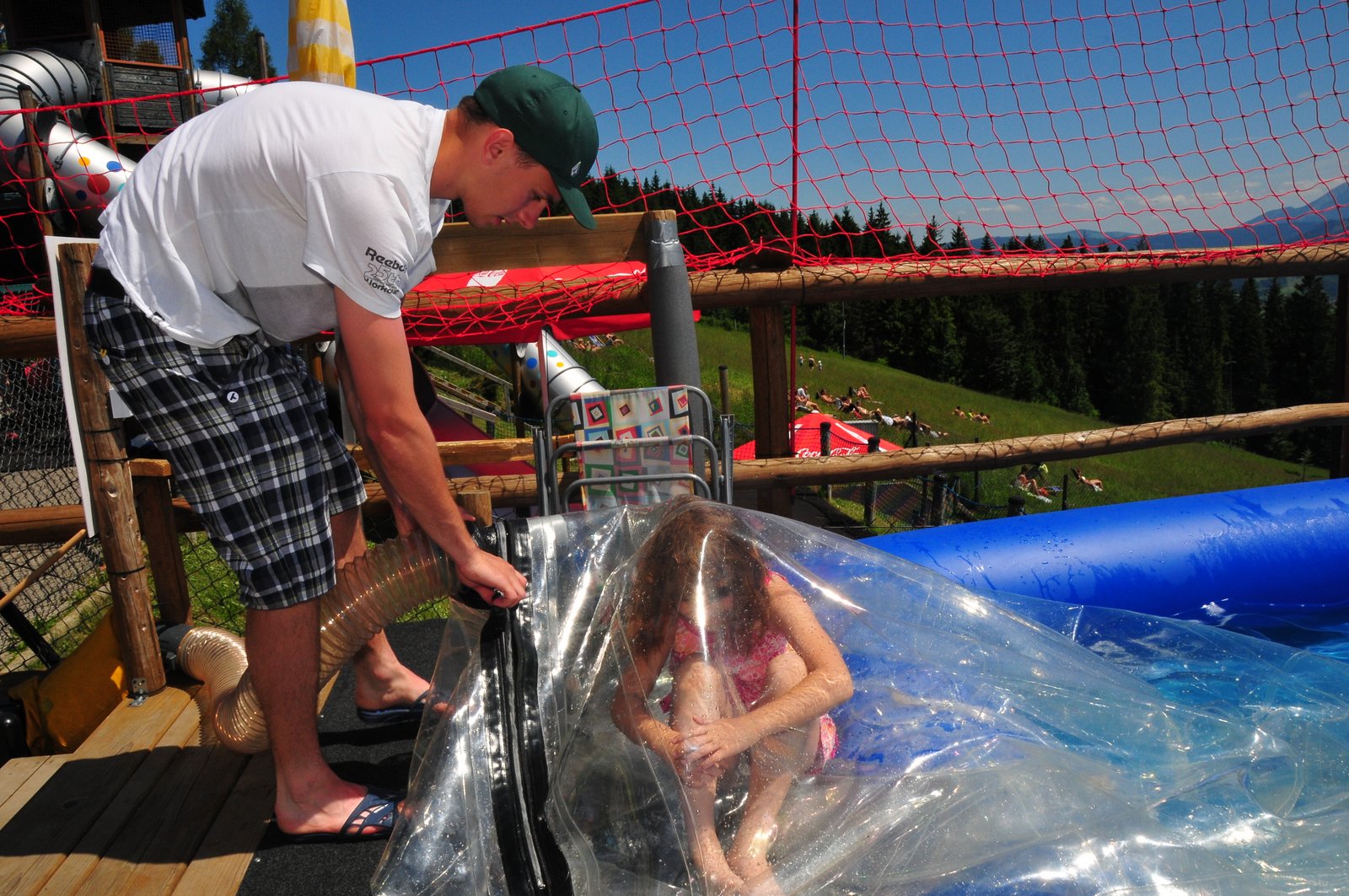
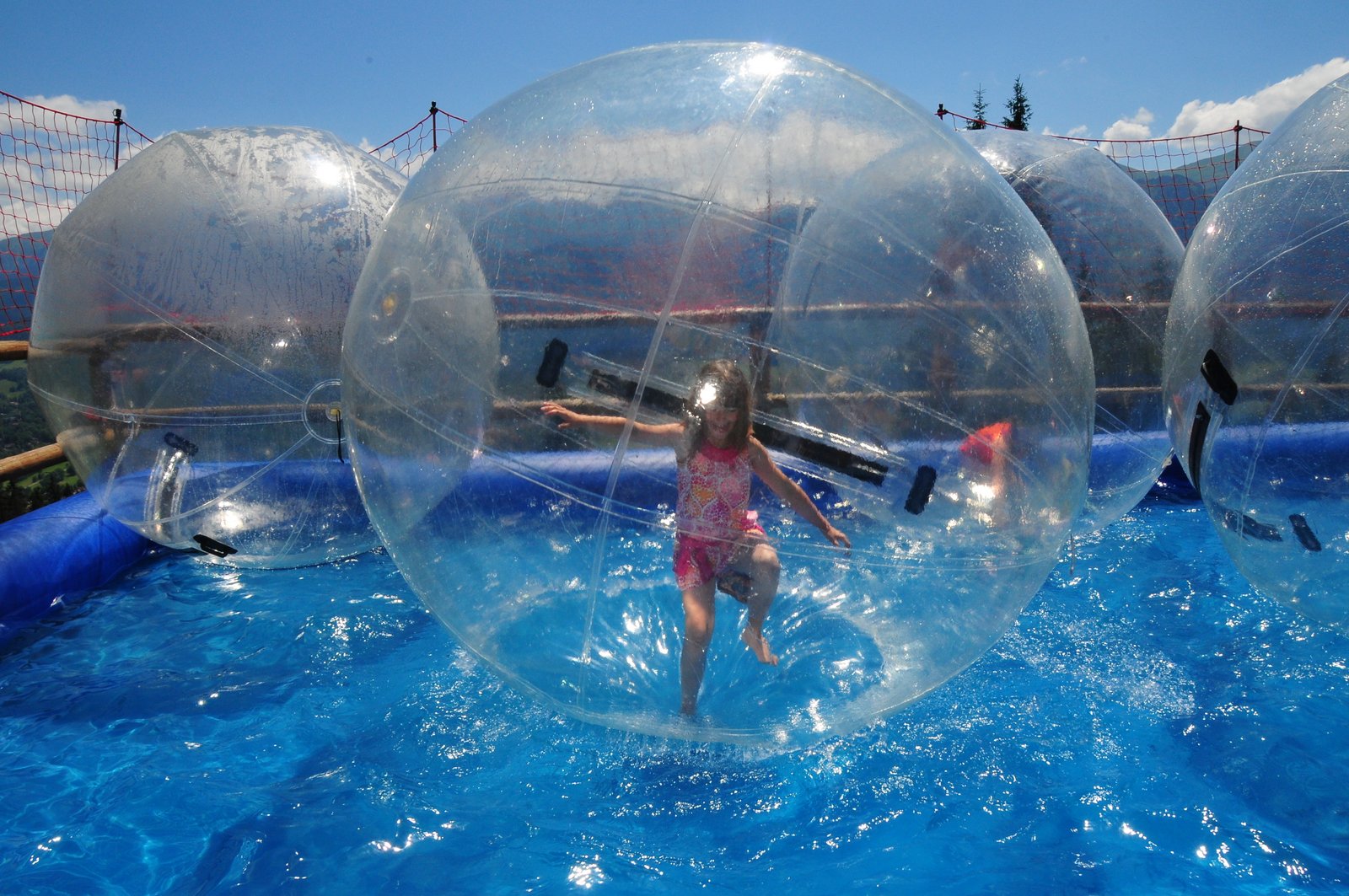
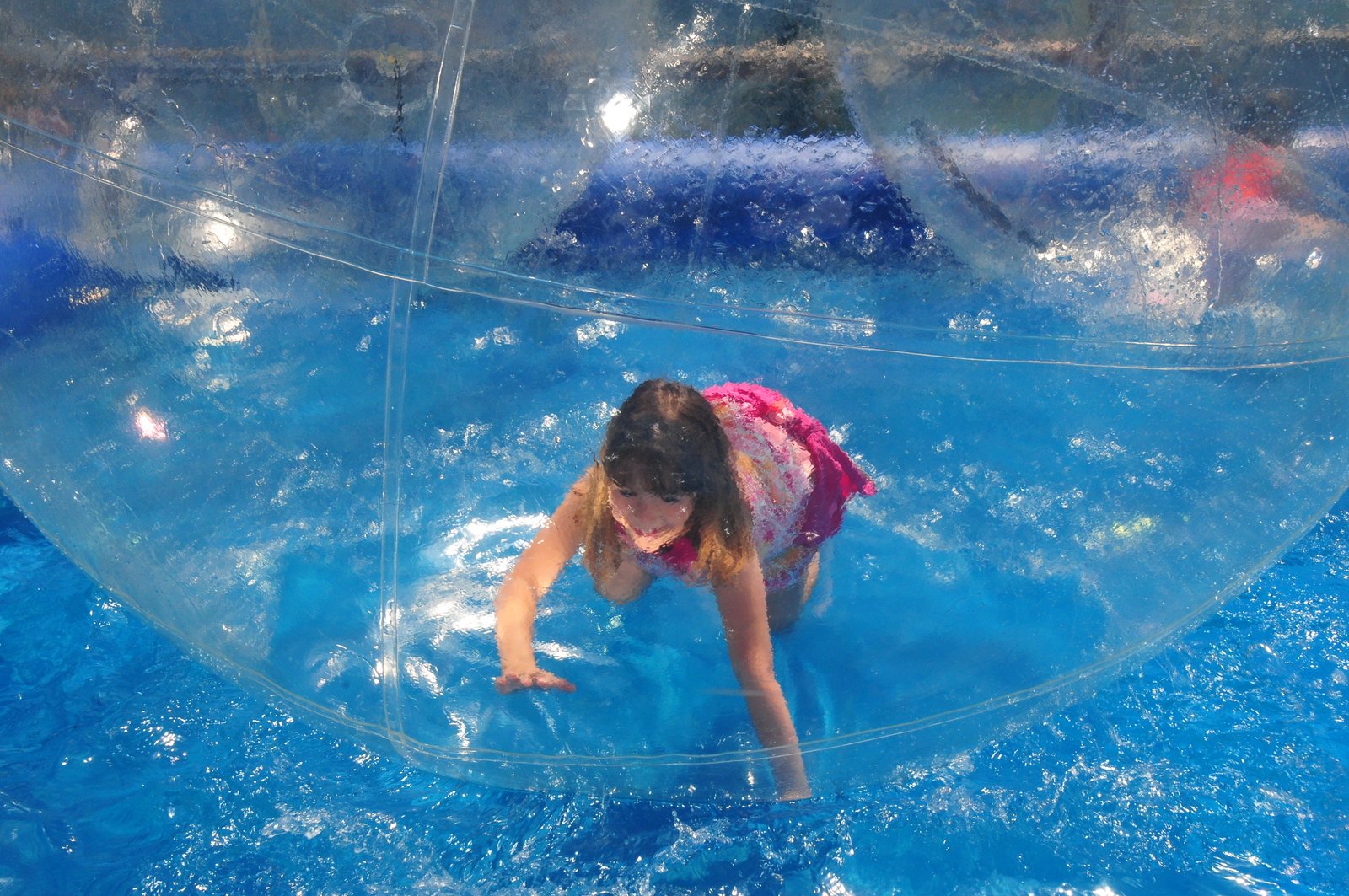
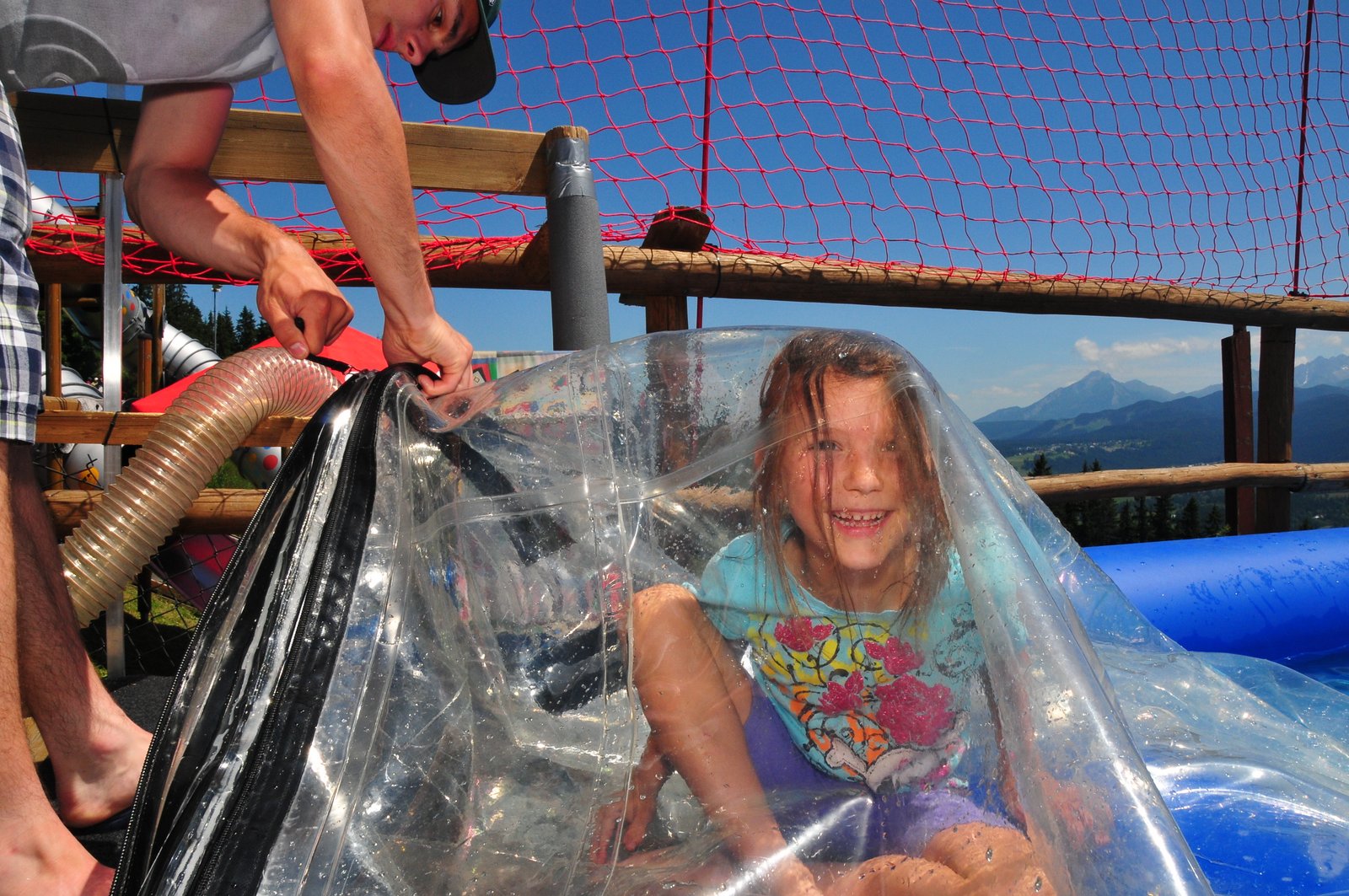
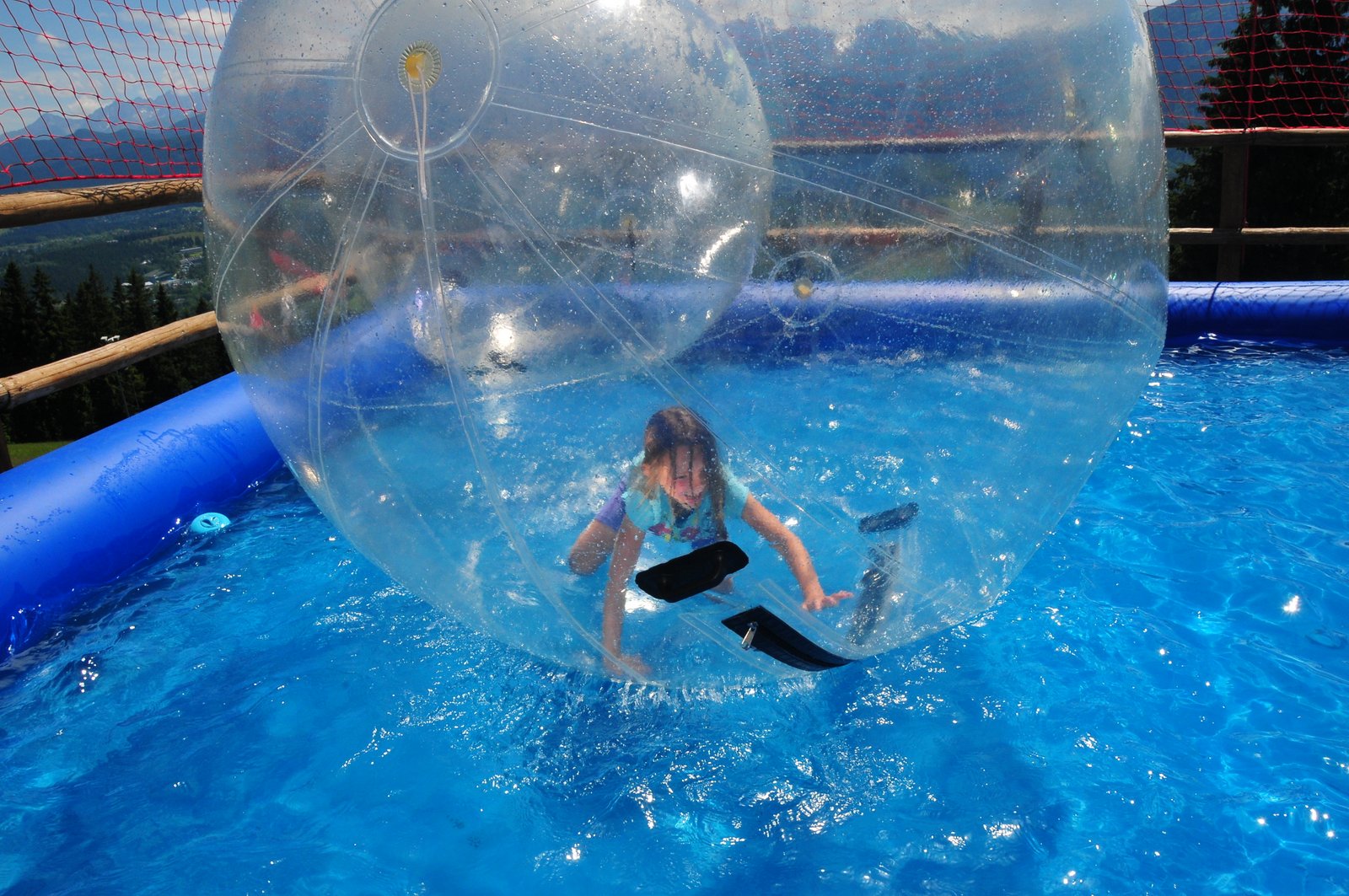
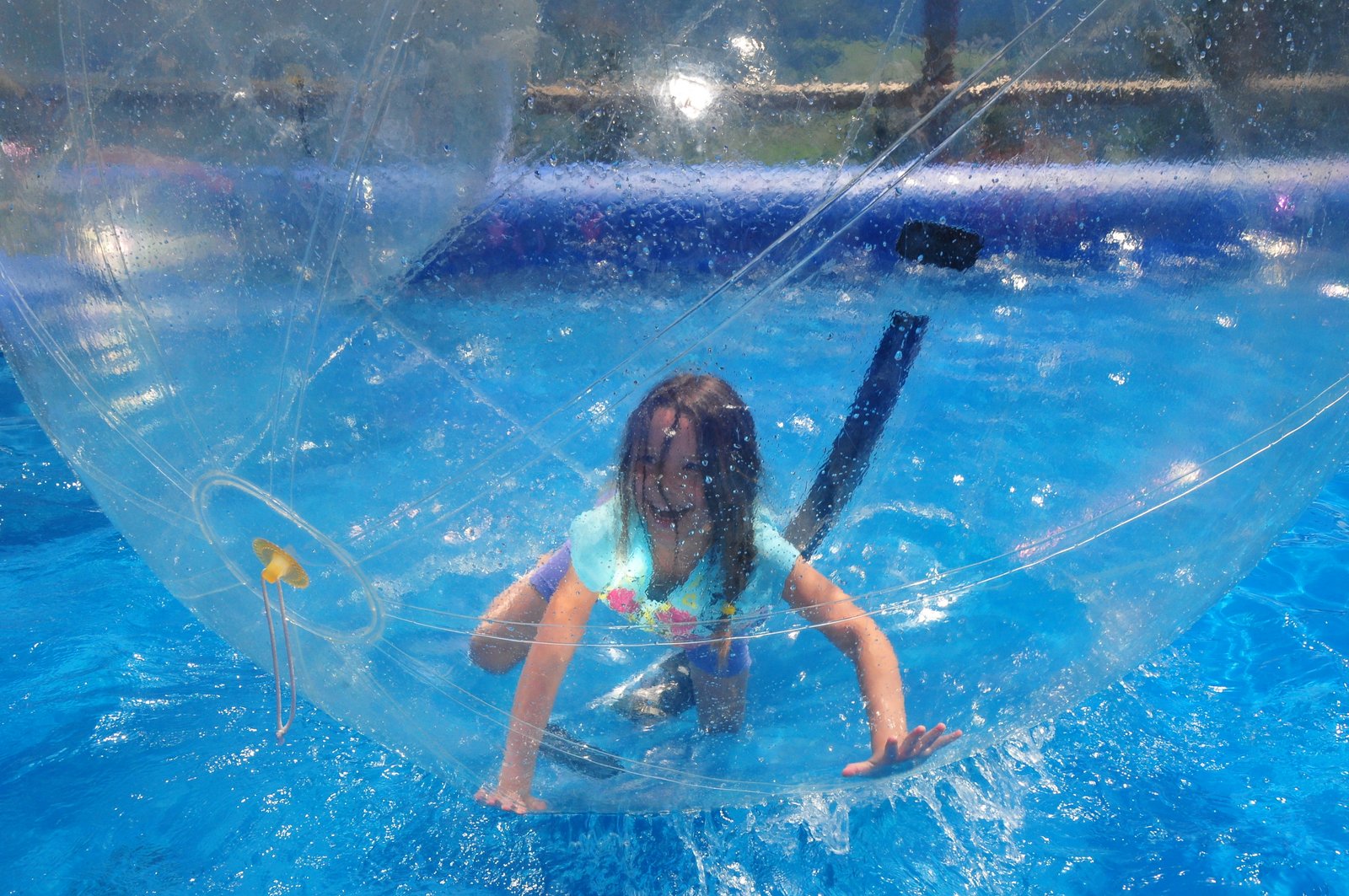
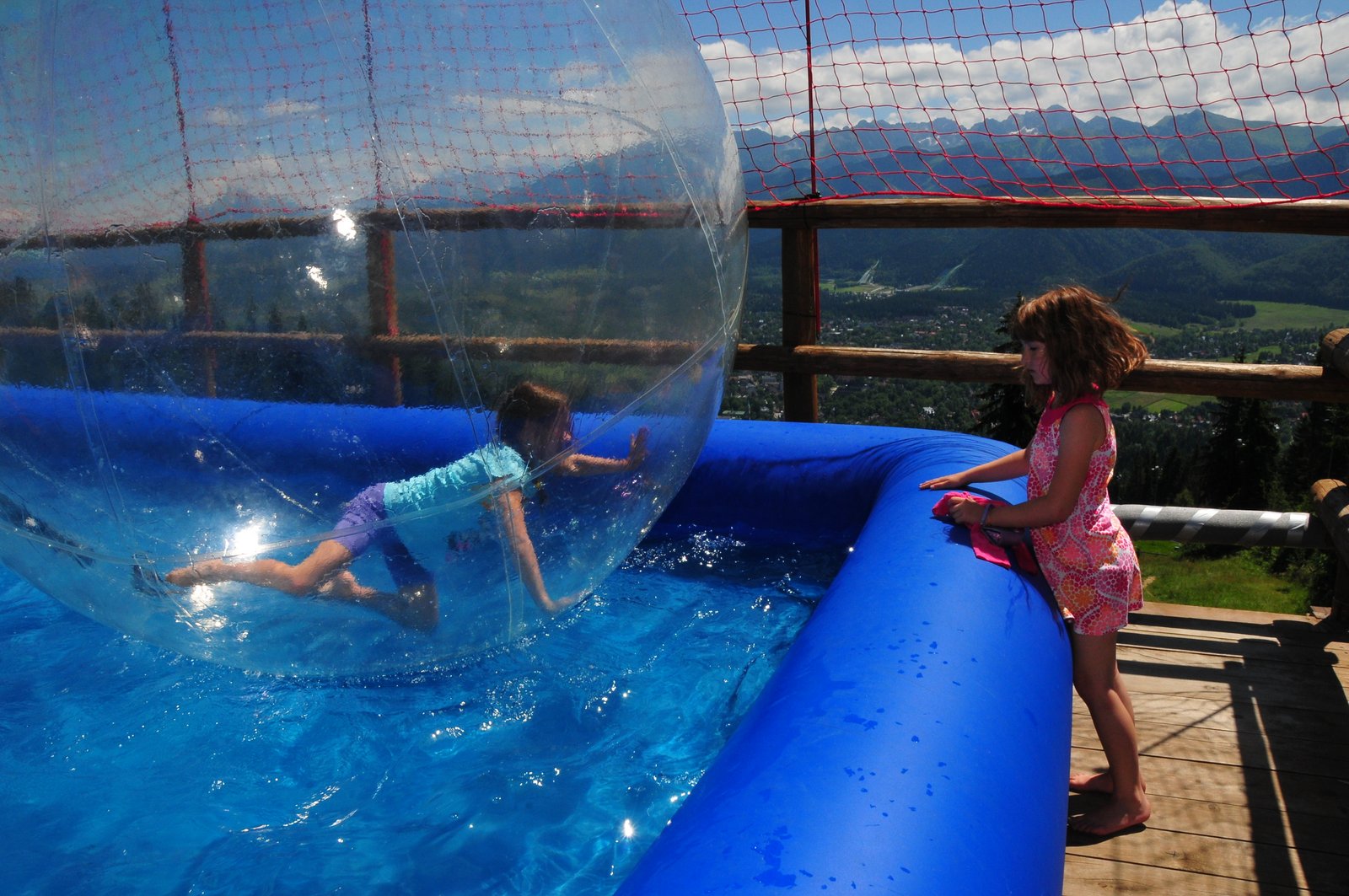
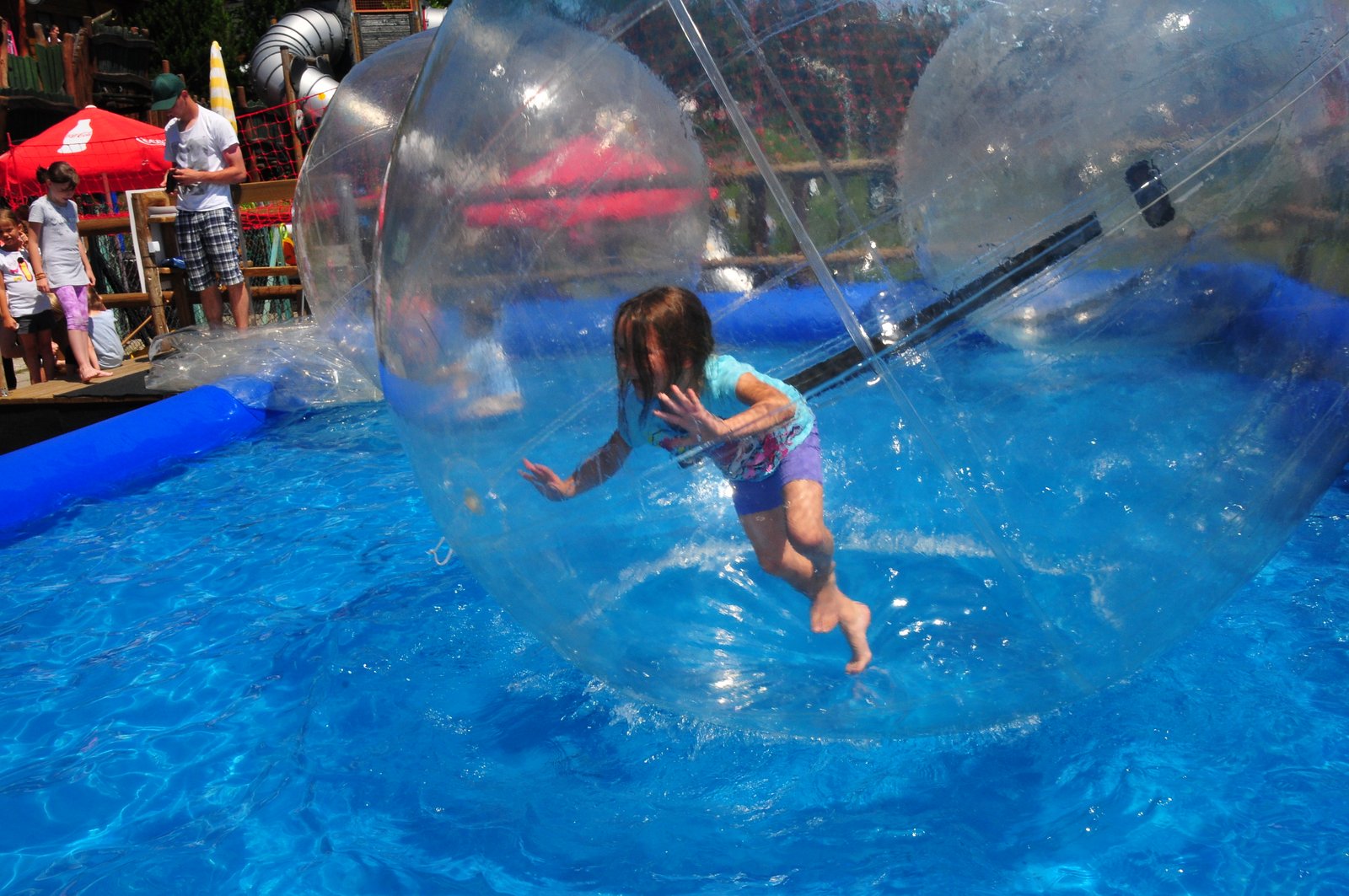
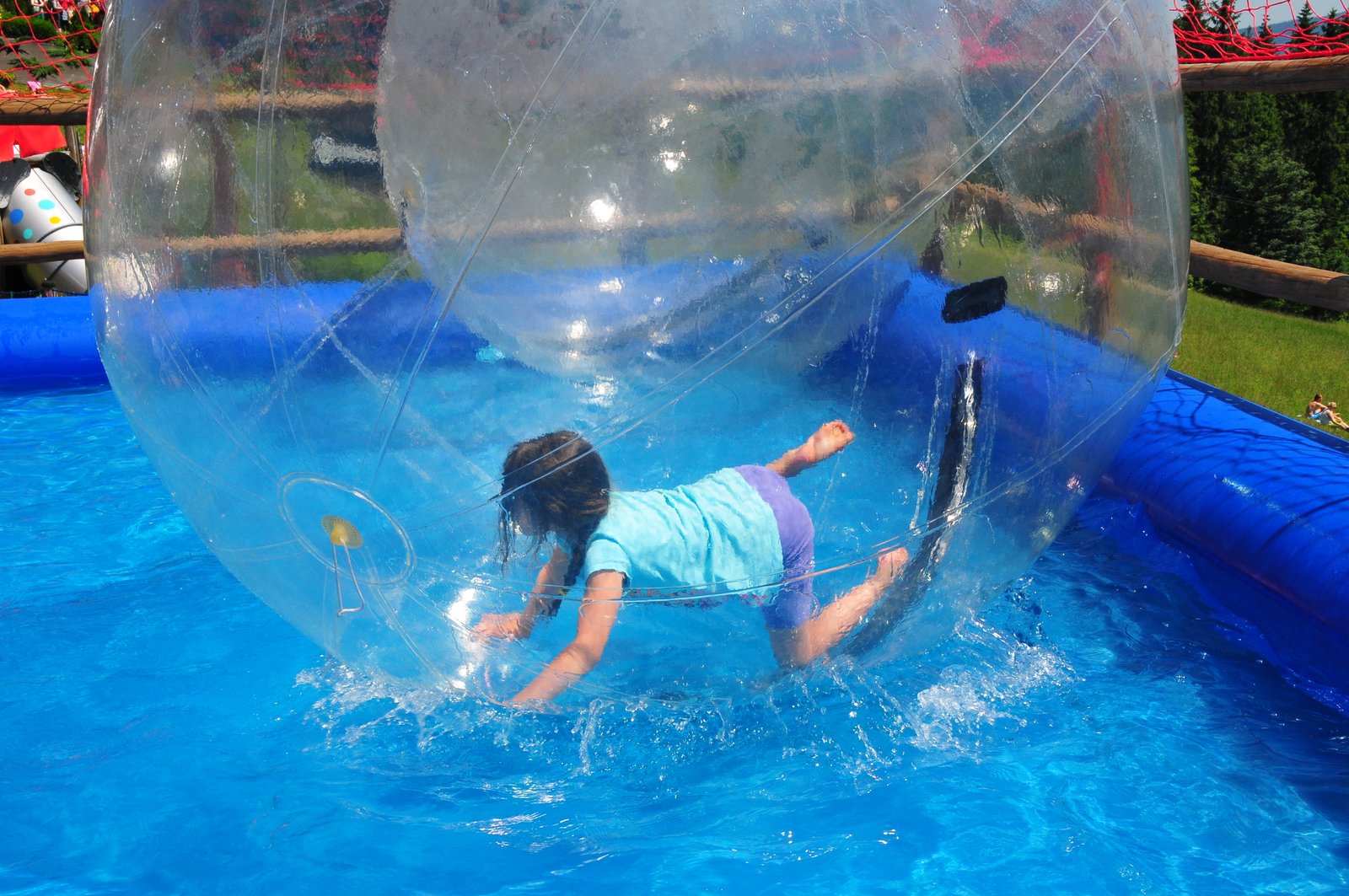
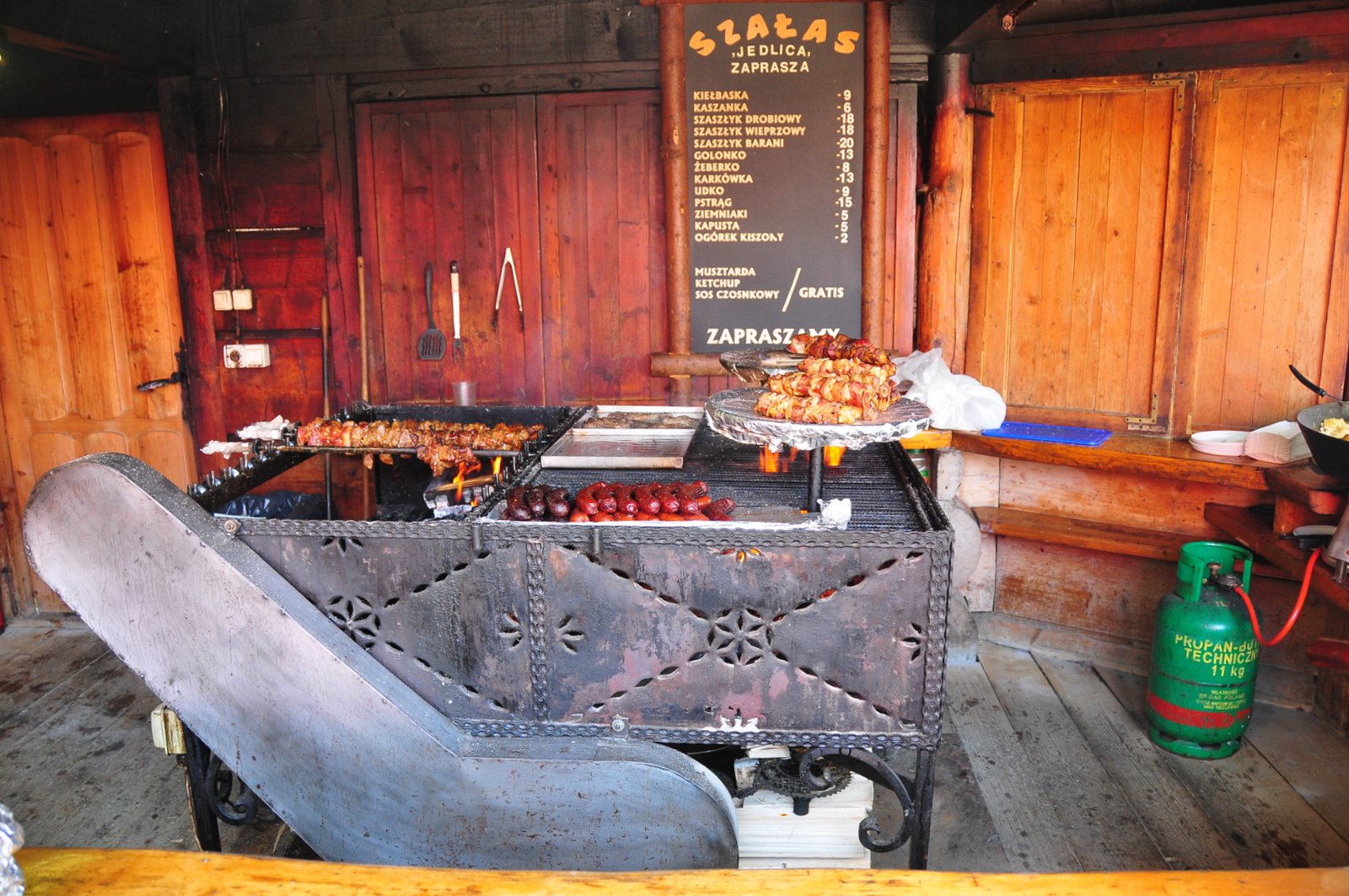
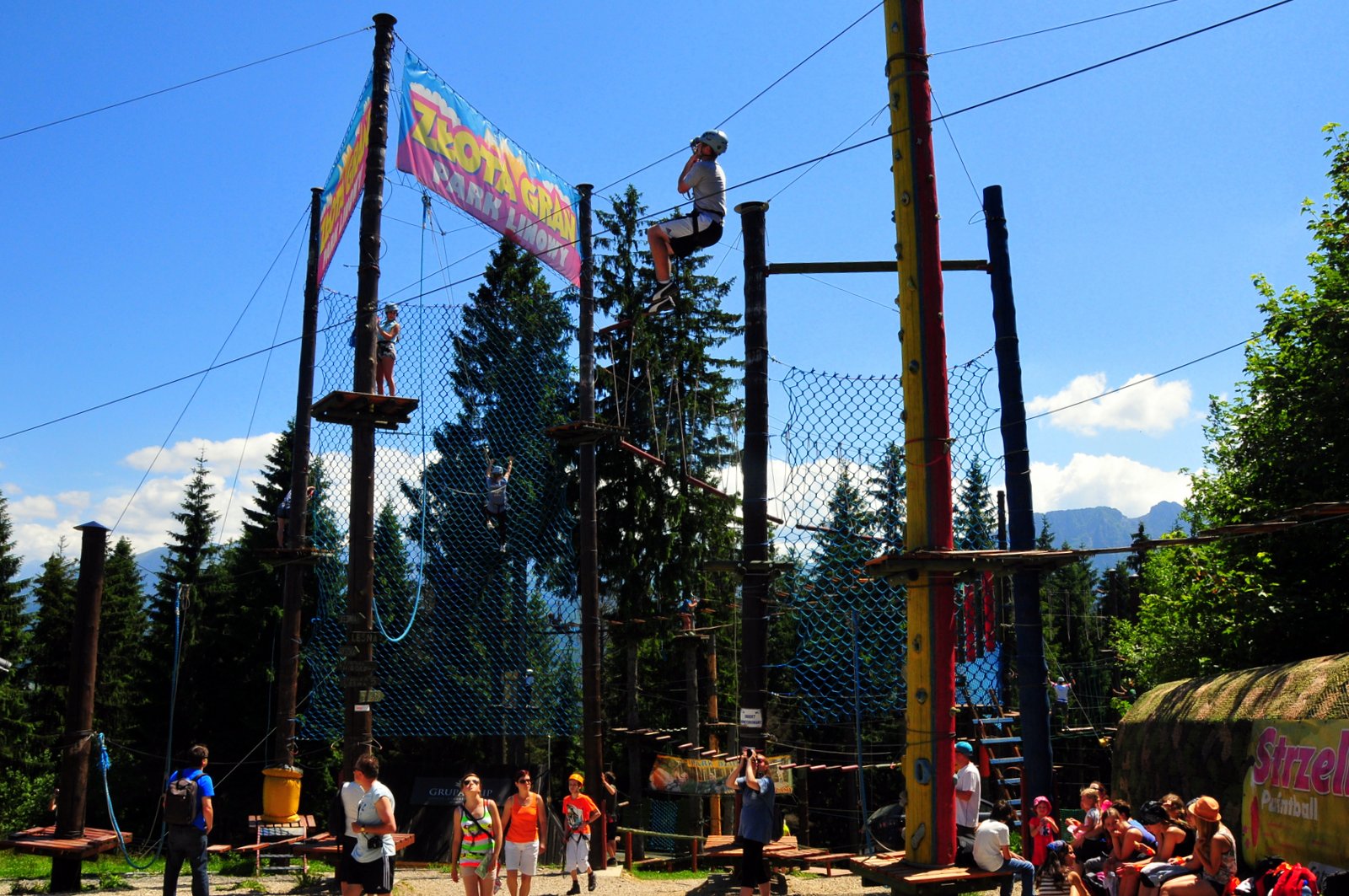
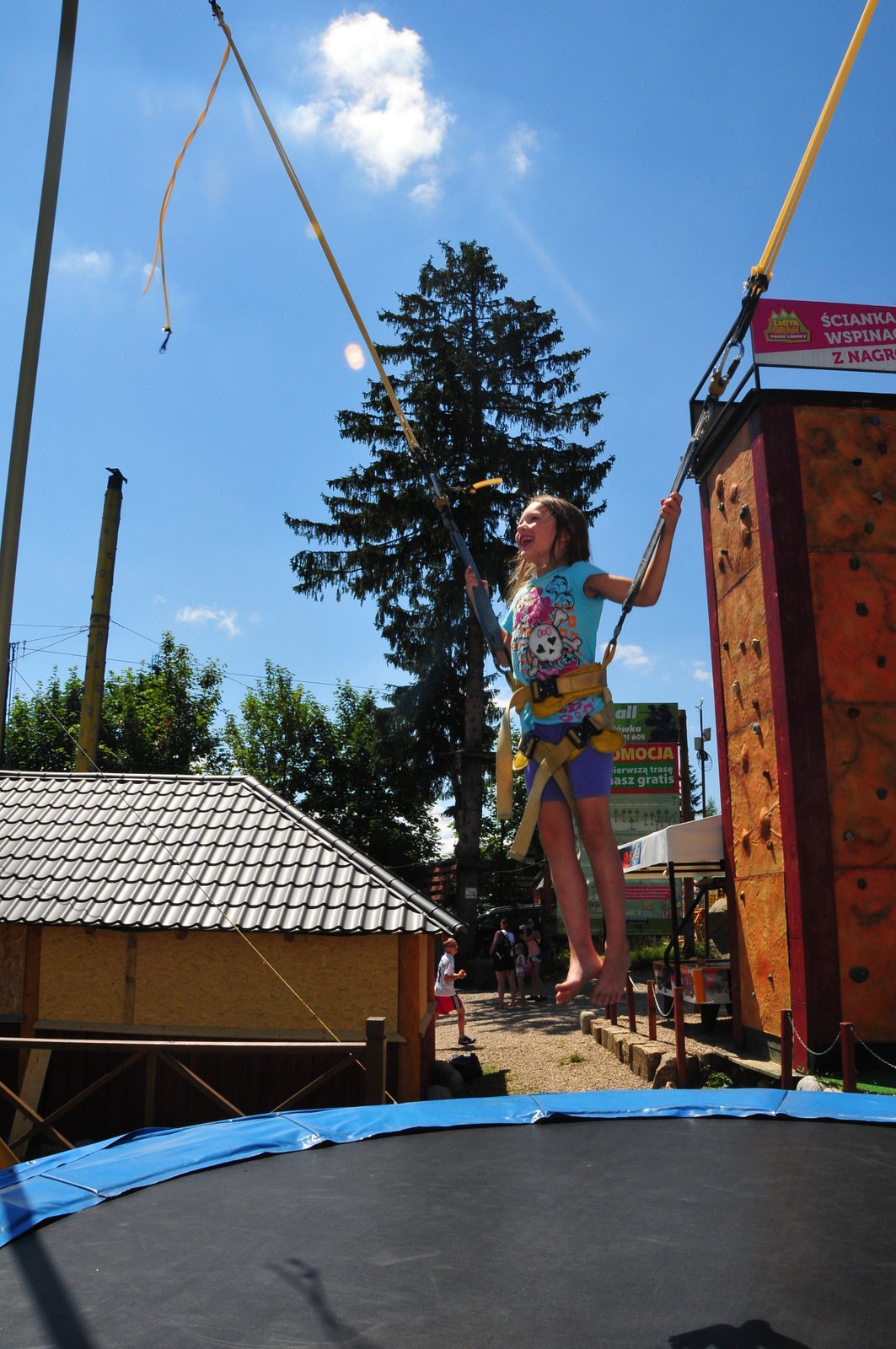
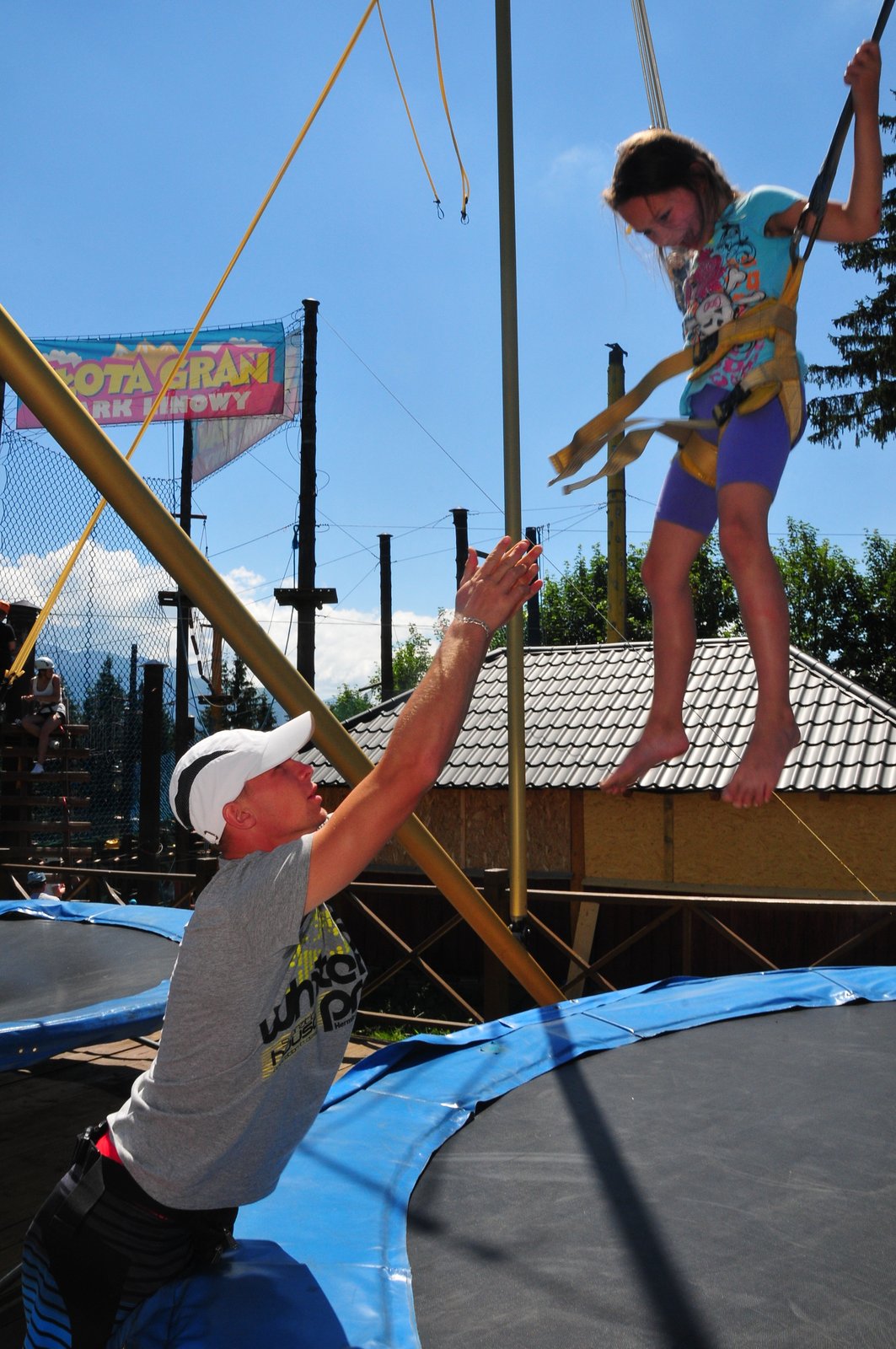
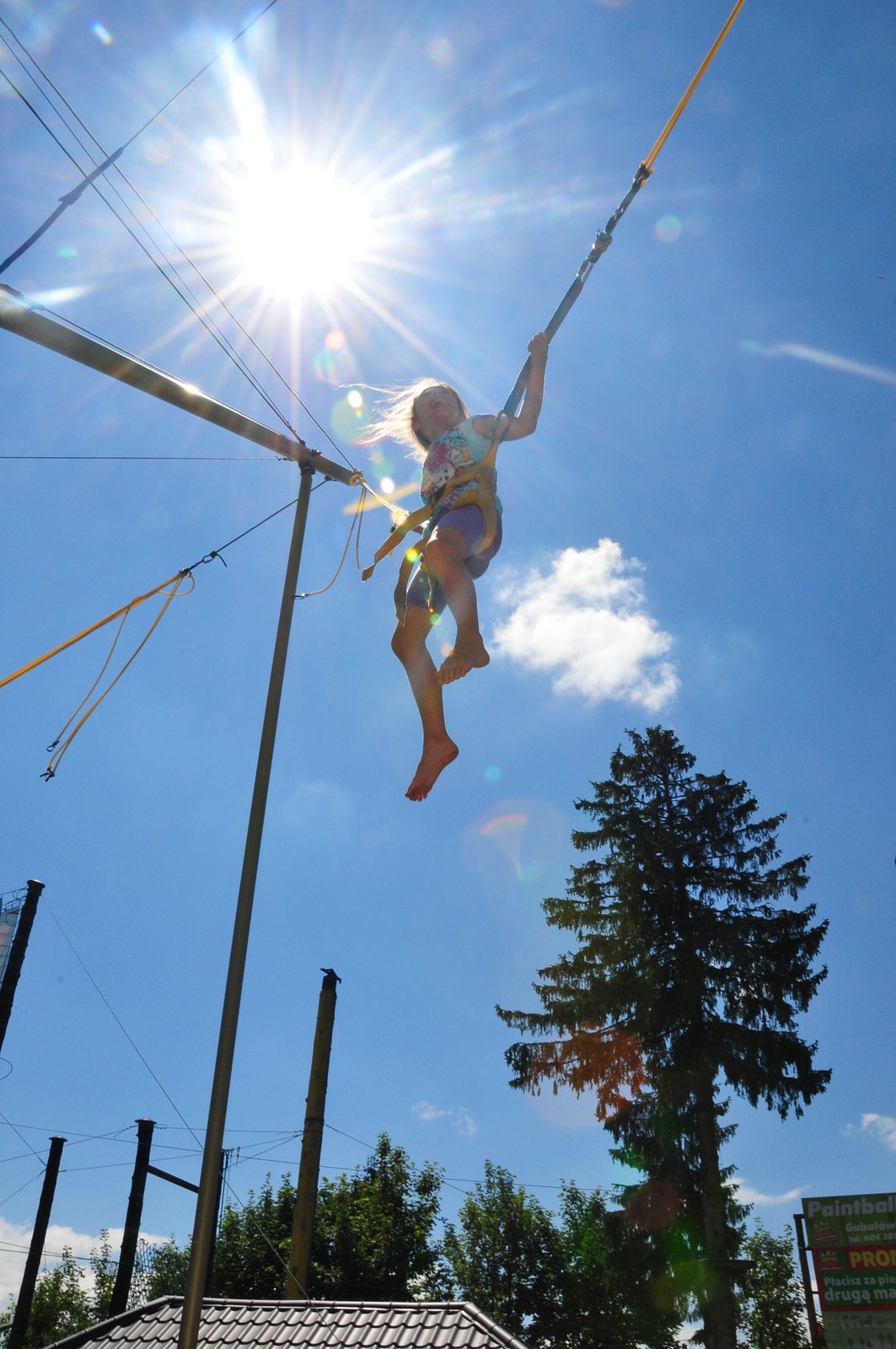
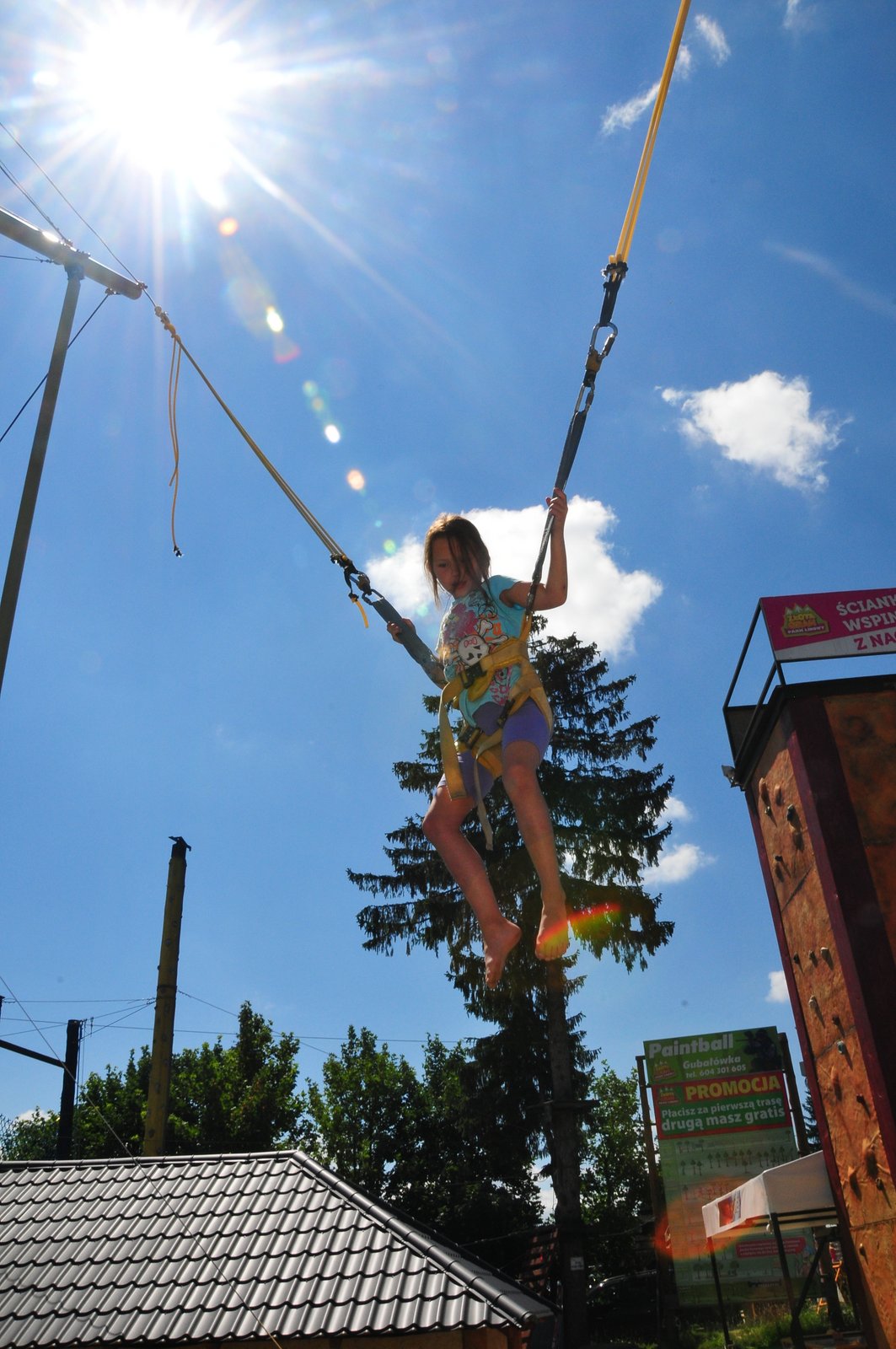
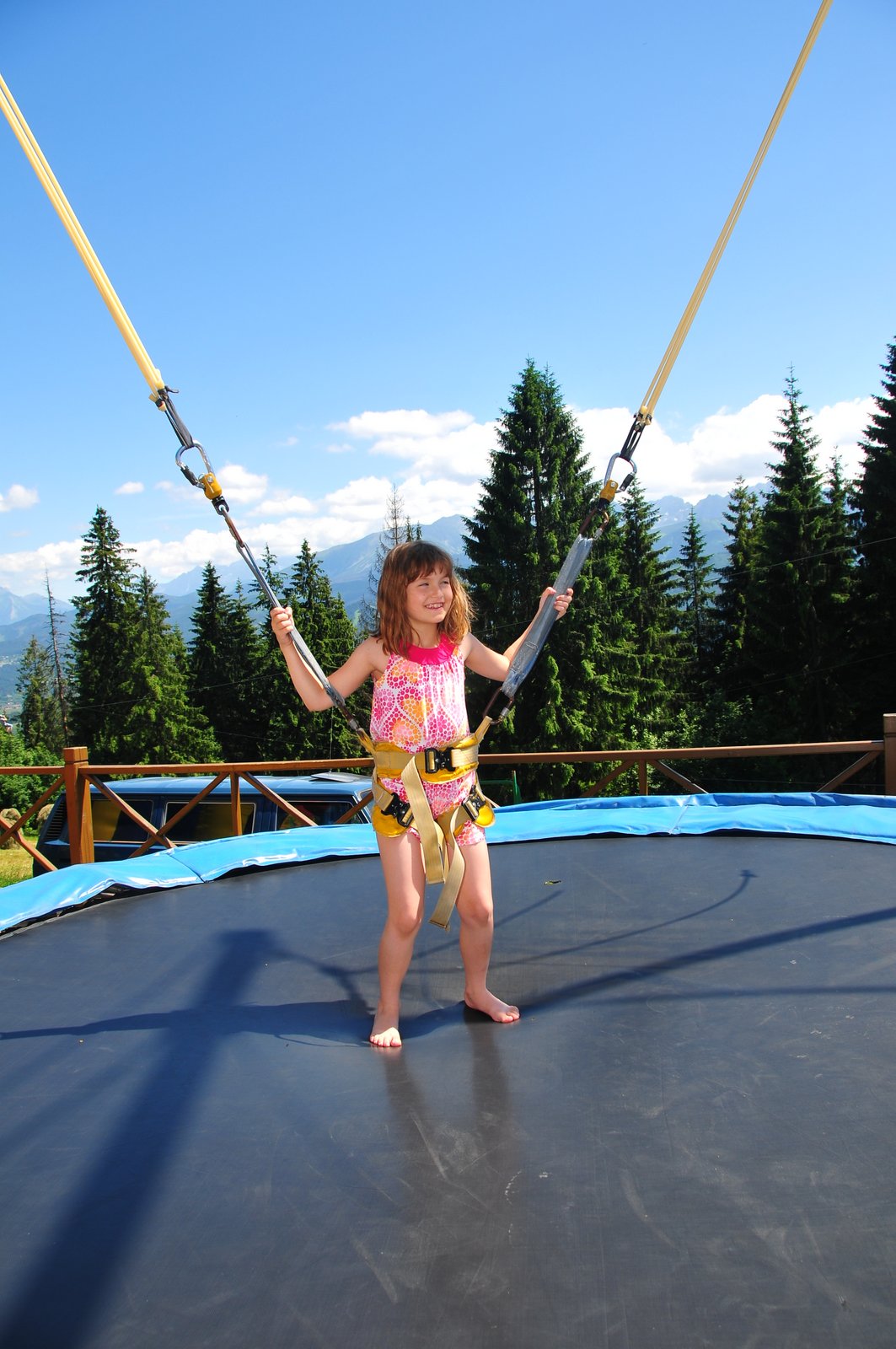
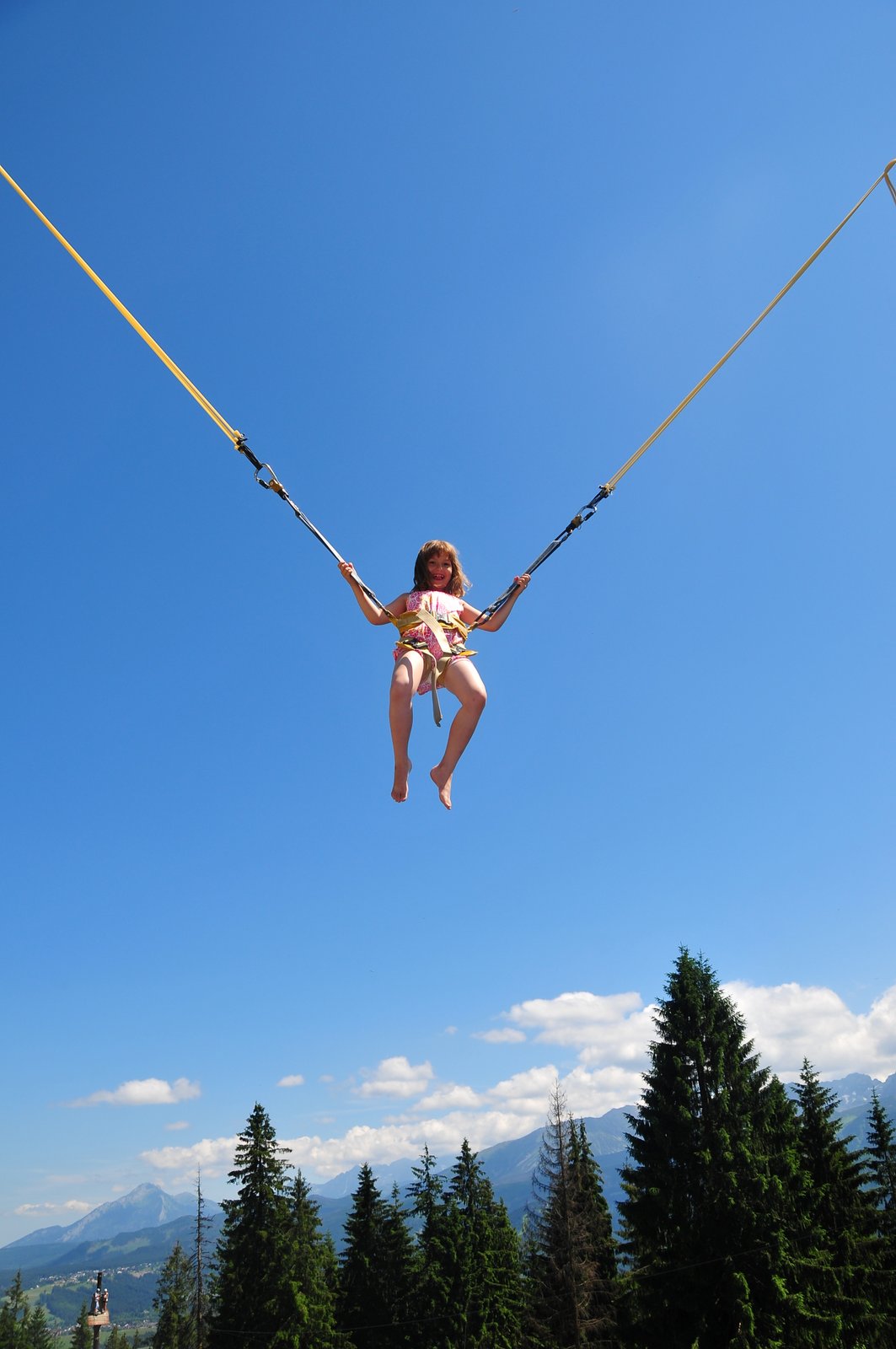
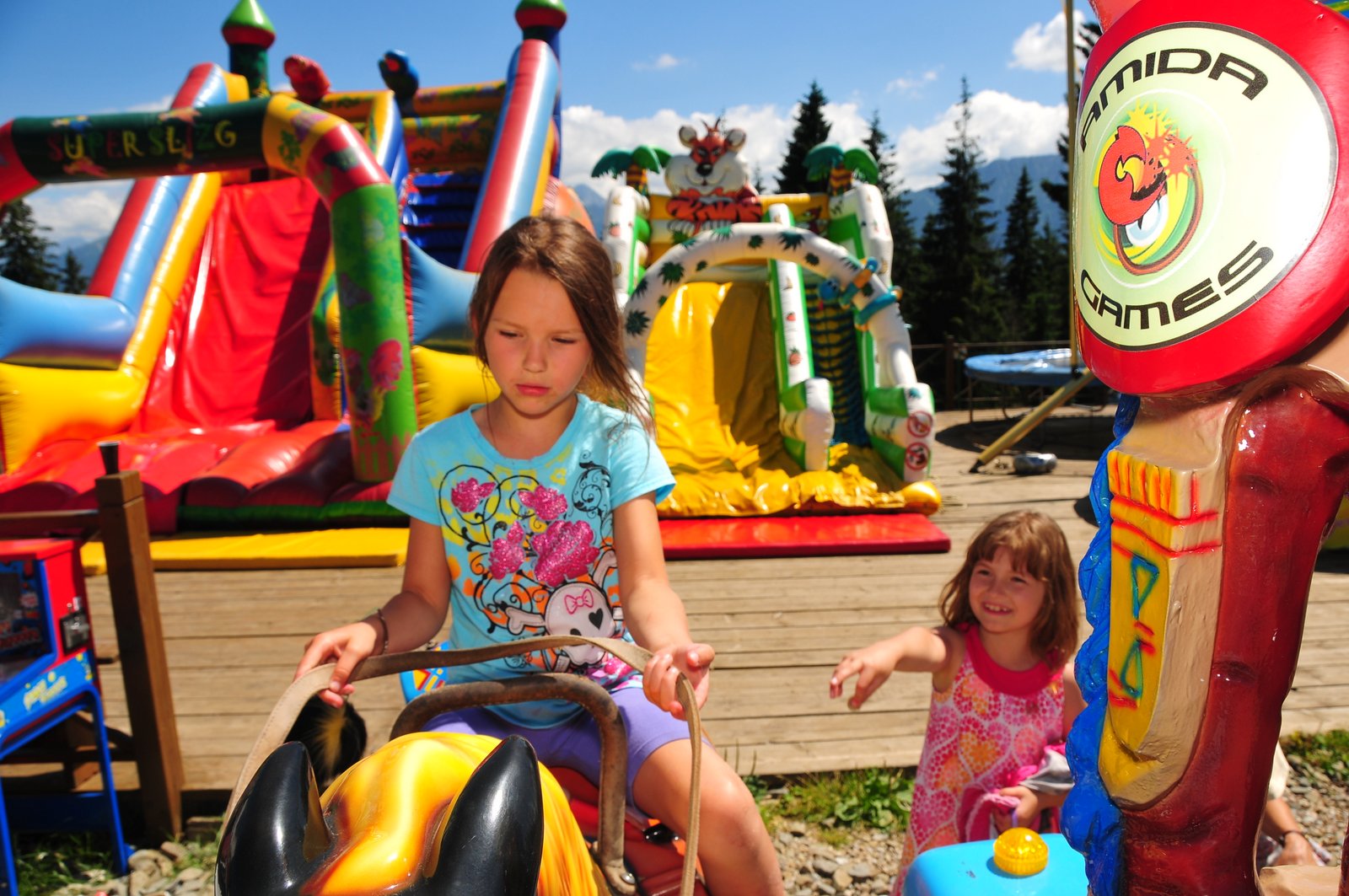
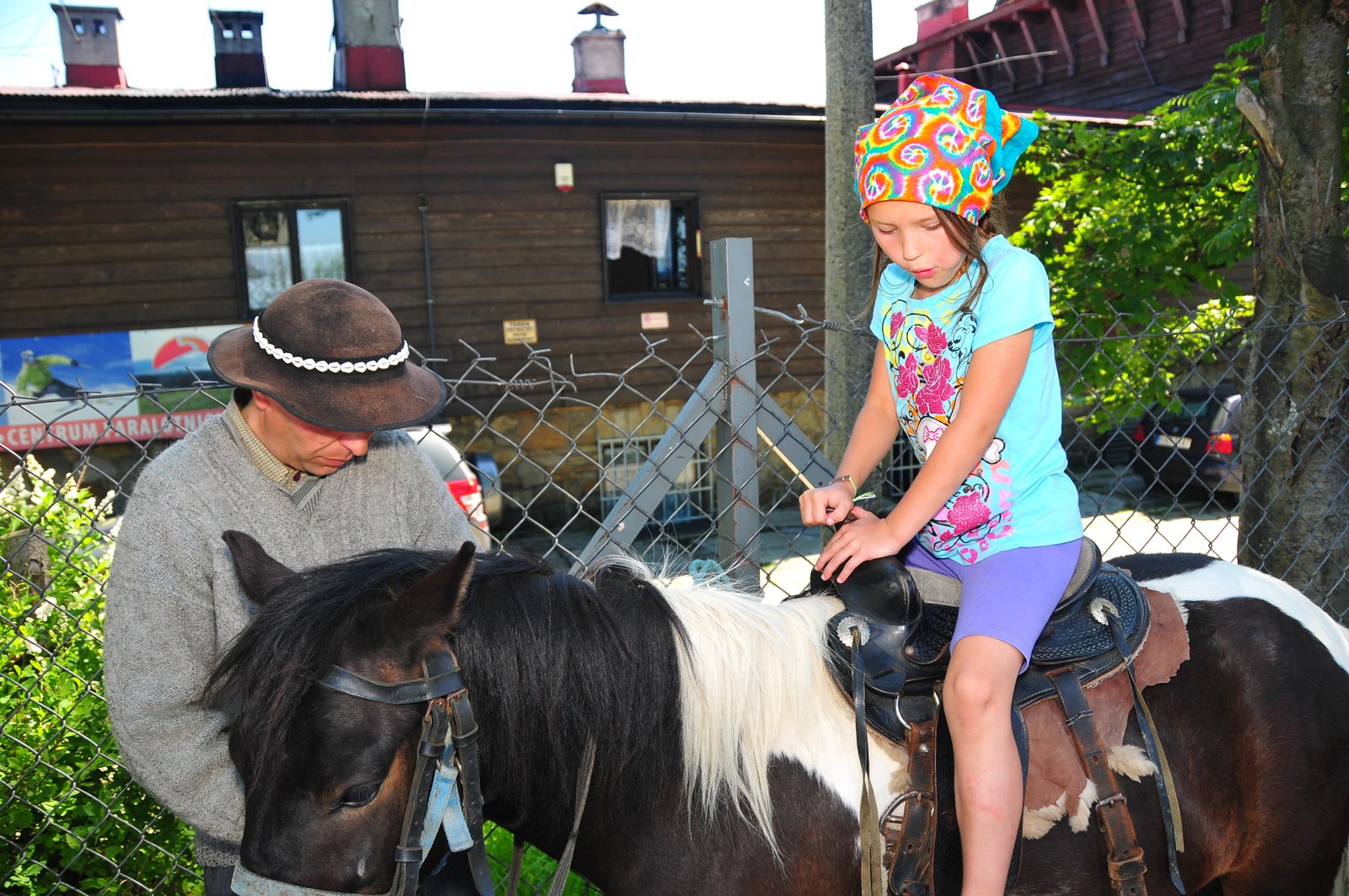
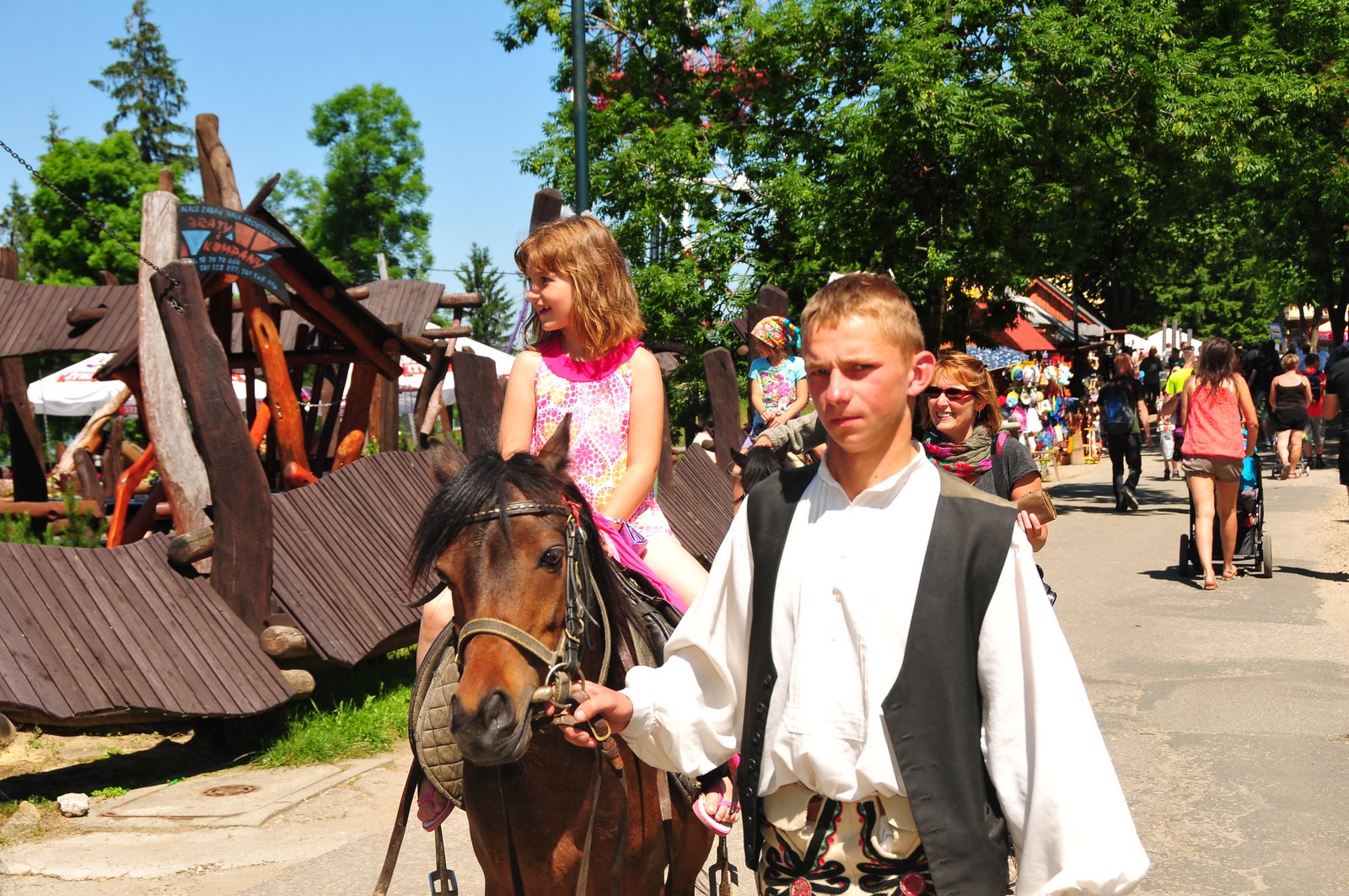
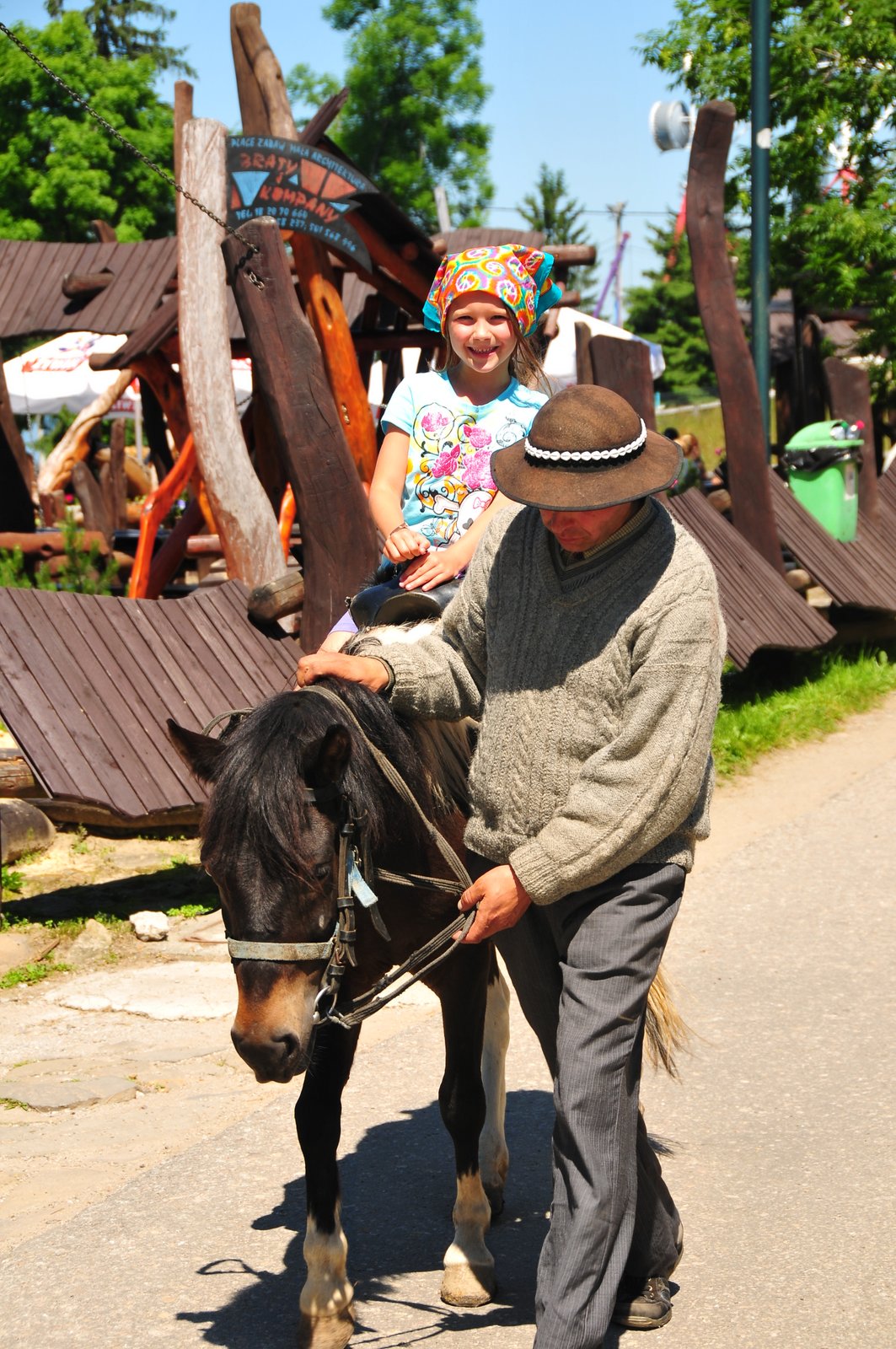
There are more attractions for two little girls -- pony rides, trampolines, giant floating, air-filled, girl-filled balls -- than one can possibly imagine, not taking into account all the plastic nonsense for sale.

We stop at Cmentarz Zasłużonych na PÄ™ksowym Brzyzku, a cemetery in Zakopane for those who have in one form or another made significant contributions to culture. Novelists, painters, composers, poets, teachers.

The girls find the grave of Kornel Makuszyłski, author of Koziołek Matołek, a series of books that were eventually turned into an animated series about a goat's search for Pacanów, where they make goat shoes. The girls stand for a while and pay their respects, then walk down the path, with S listing all the stories about Matołek she knows and L counting.

Lunch

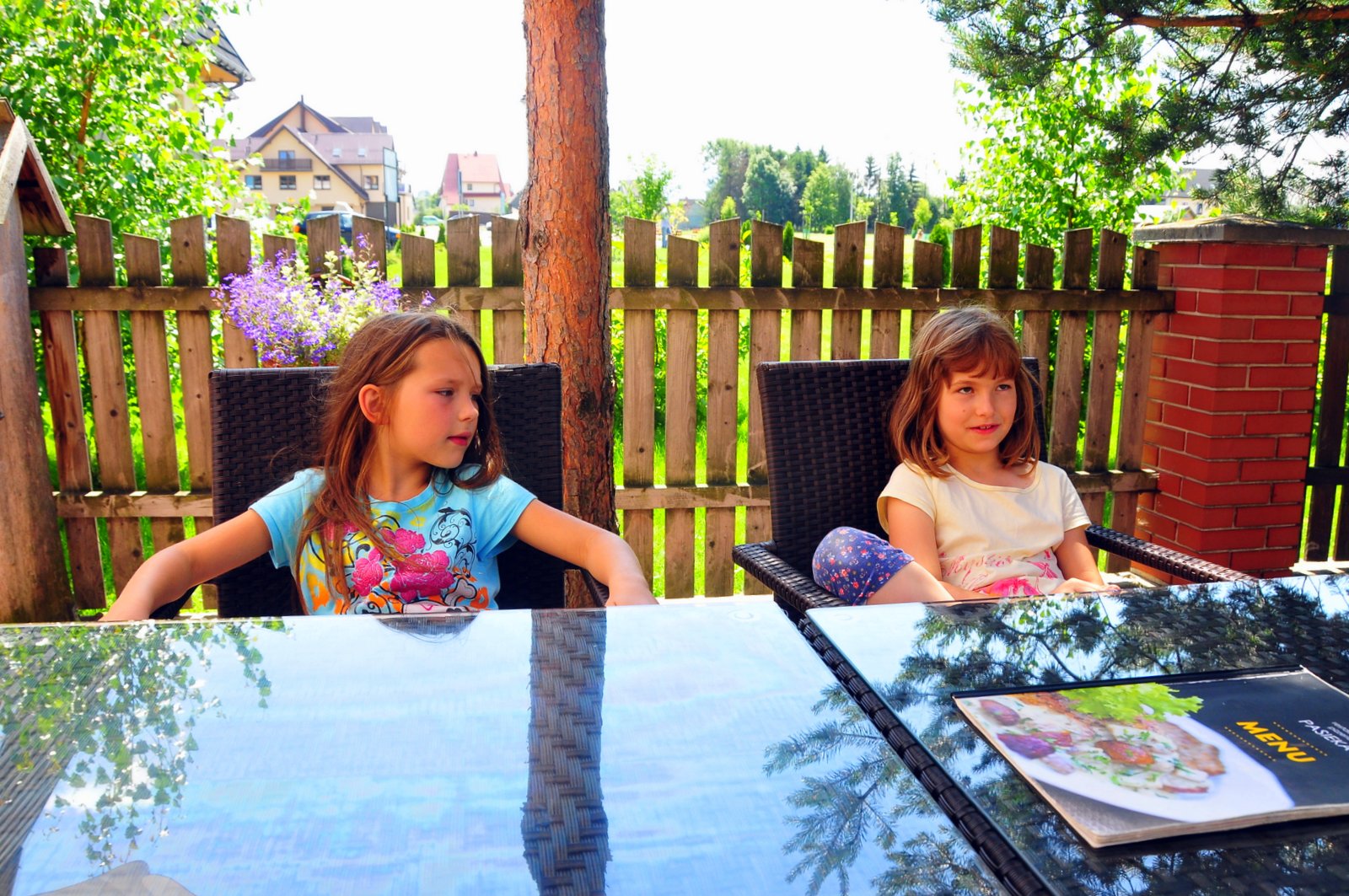
Lunch at a restaurant — a break for Babcia cooking. She won’t come with us, either.

“I’ll eat something or other. For me, a crumb of bread with some milk is just perfect.” She laughs, “After forty years of cooking, you’d be satisfied with it, too.”

DSC_4961

We go to the first real restaurant opened in Jablonka. This of course doesn’t count the GS-owski restaurant that was often in even the smallest of villages, nor the bars that offered only microwaved frozen food.

DSC_4964

K and I came here on dates back in the early 2000s. Wednesday nights, if I remember correctly. I took the 9:30 bus back to Lipnica and waited anxiously until next meeting. In the dead of winter, those minutes waiting for the bus were torturously cold.

DSC_4965

And so ten years later, I sit at this restaurant in shorts and sandles, my daughter across from me and nieces and nephews all about, K and E still in the States.

DSC_4966

It’s almost perfect. We’re just missing a few people, and non-blistered feet that require a bit of kombinowanie.

DSC_4967

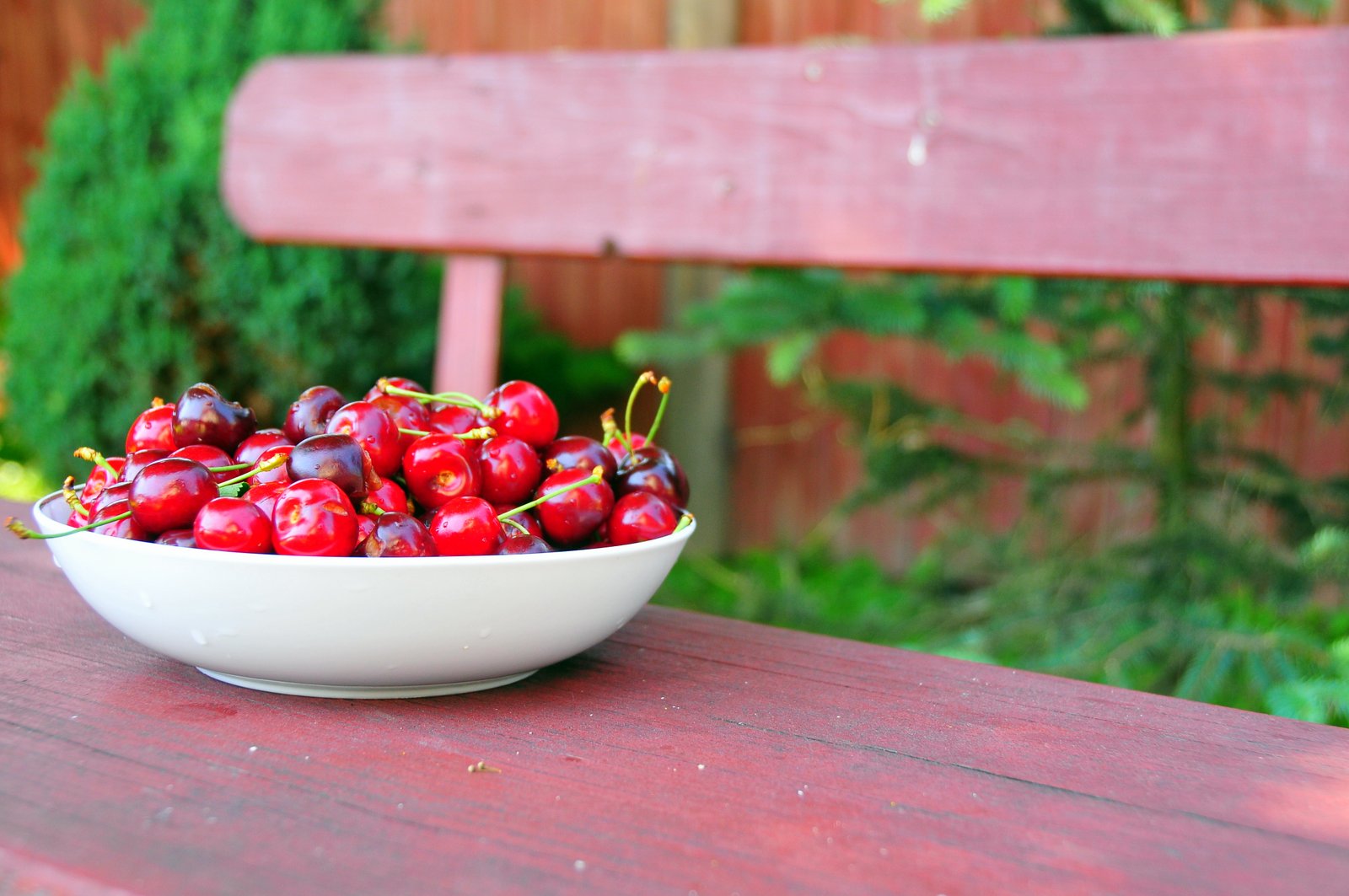
Dessert: a bowl of fresh cherries.

Like I said, almost perfect.

Visiting Ząb

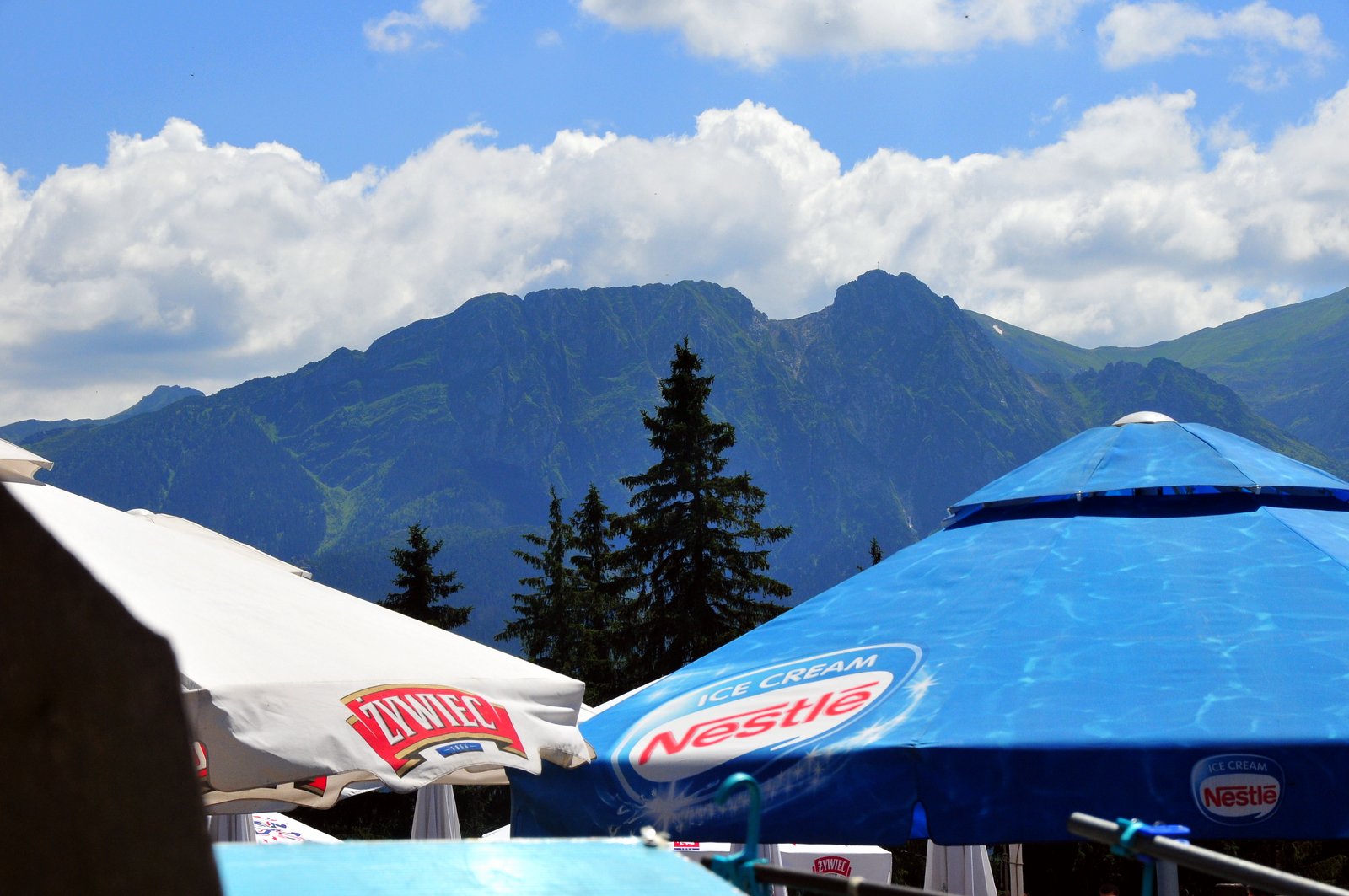
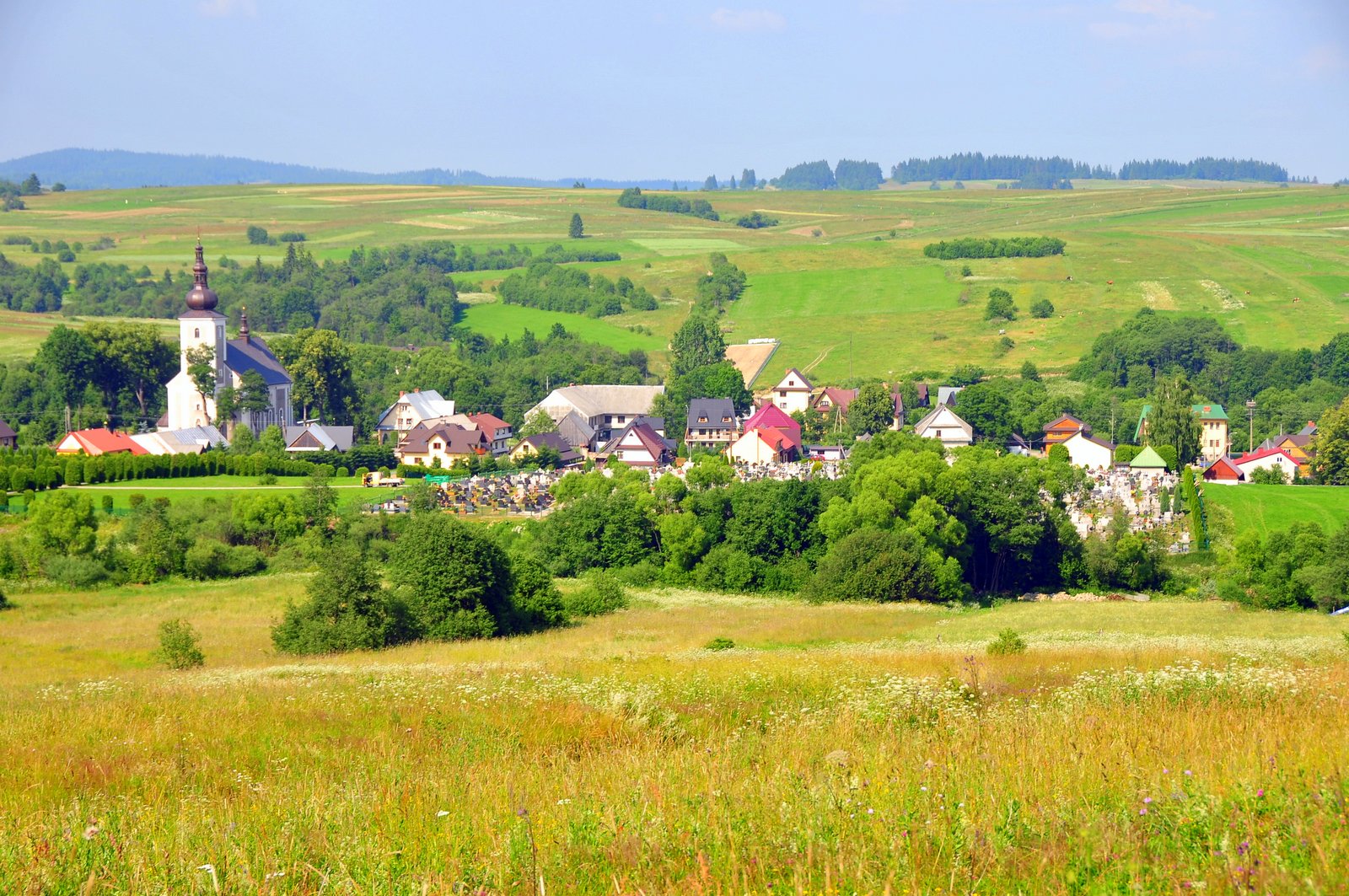
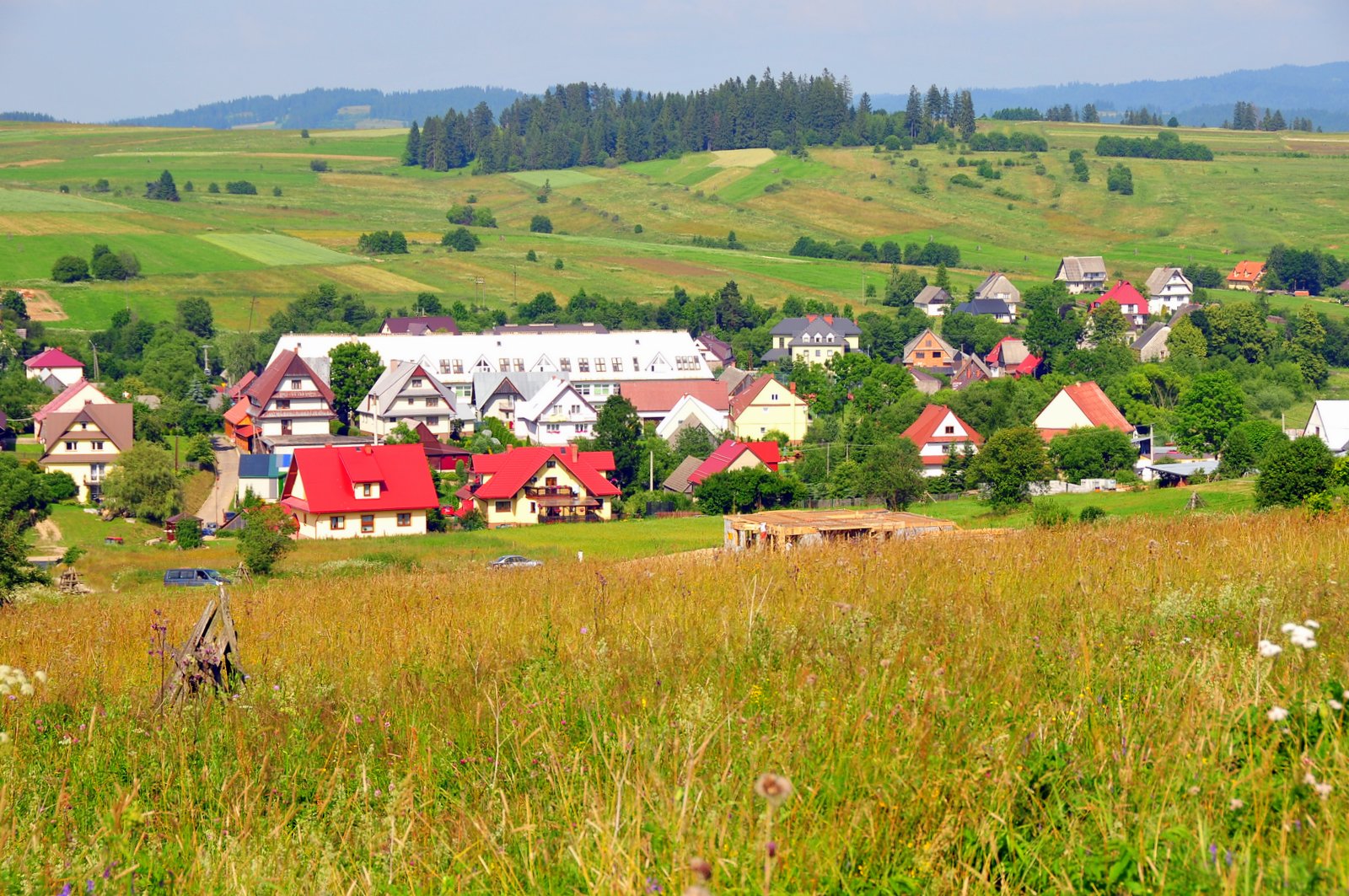
It's always a highlight of any trip to Poland. To begin with, there are the views. As it's the highest parish in Poland and situated just above Zakopane and opposite the Tatra range, they're incredible. Then there is the virtual trip back in time. With people still literally using horse power, it sometimes feels like you're trapped between two centuries. So there's all that, but most importantly, there's family.

VIV_4675

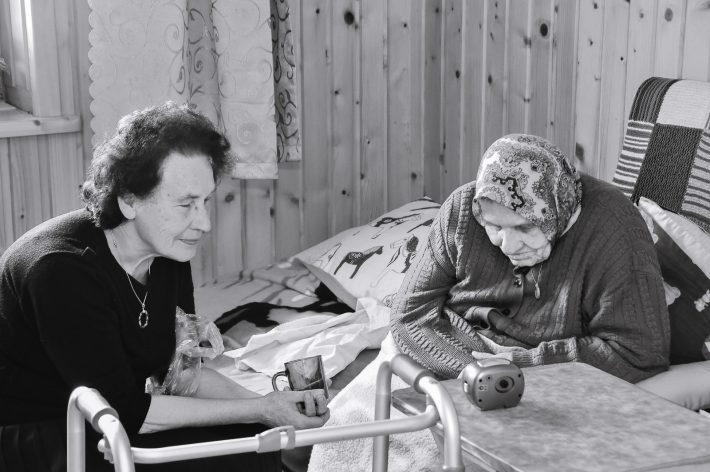
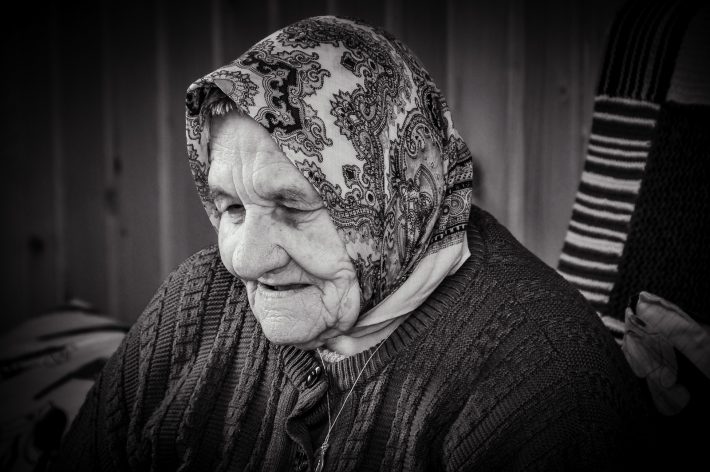
Babcia comes from Ząb and still has family there: her mother, a brother, a sister, and countless cousins. Any visit starts there. We always begin there.

VIV_4681

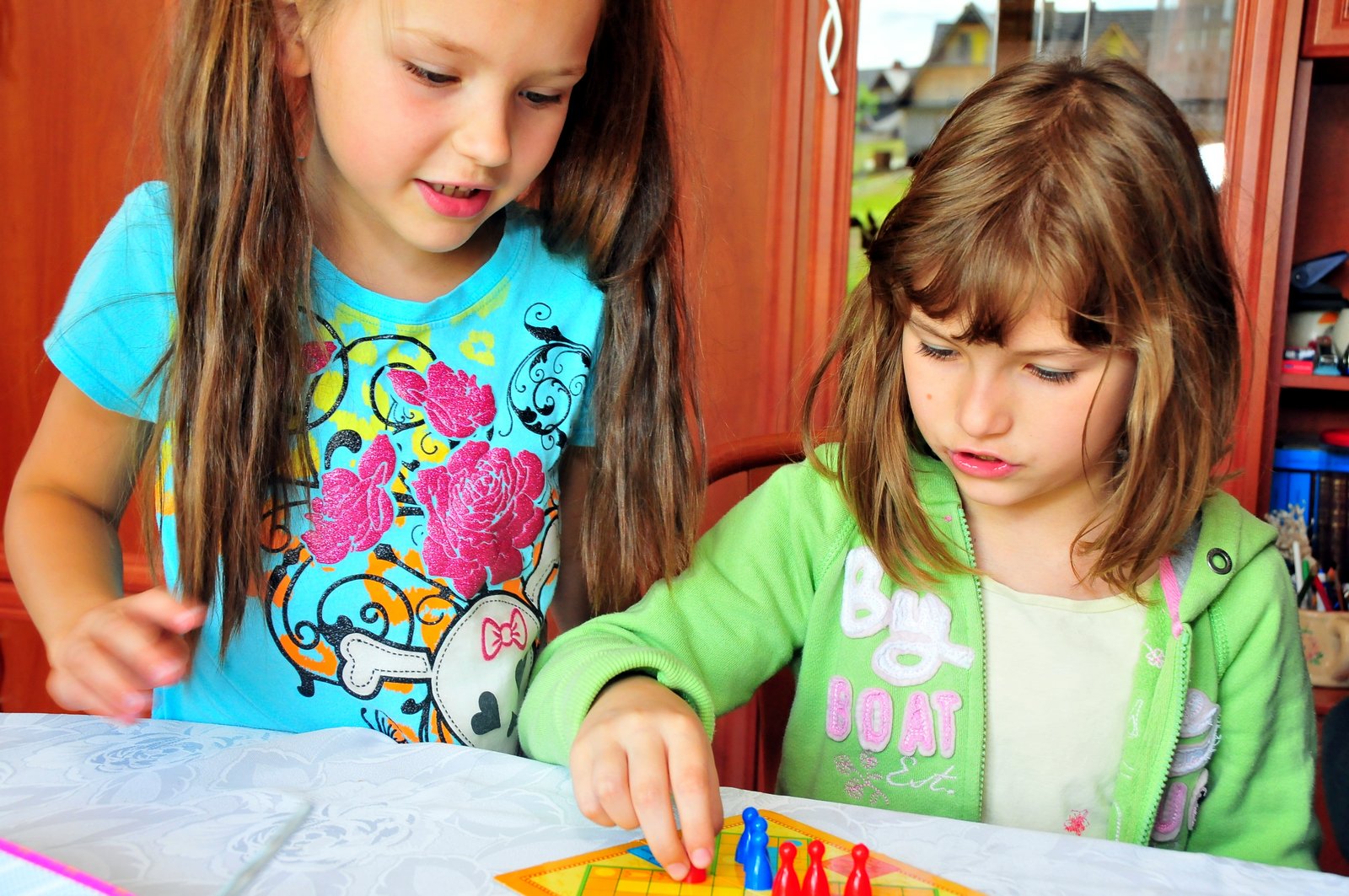
The older girls arrive and discover a board game -- immediate obsession.

VIV_4670

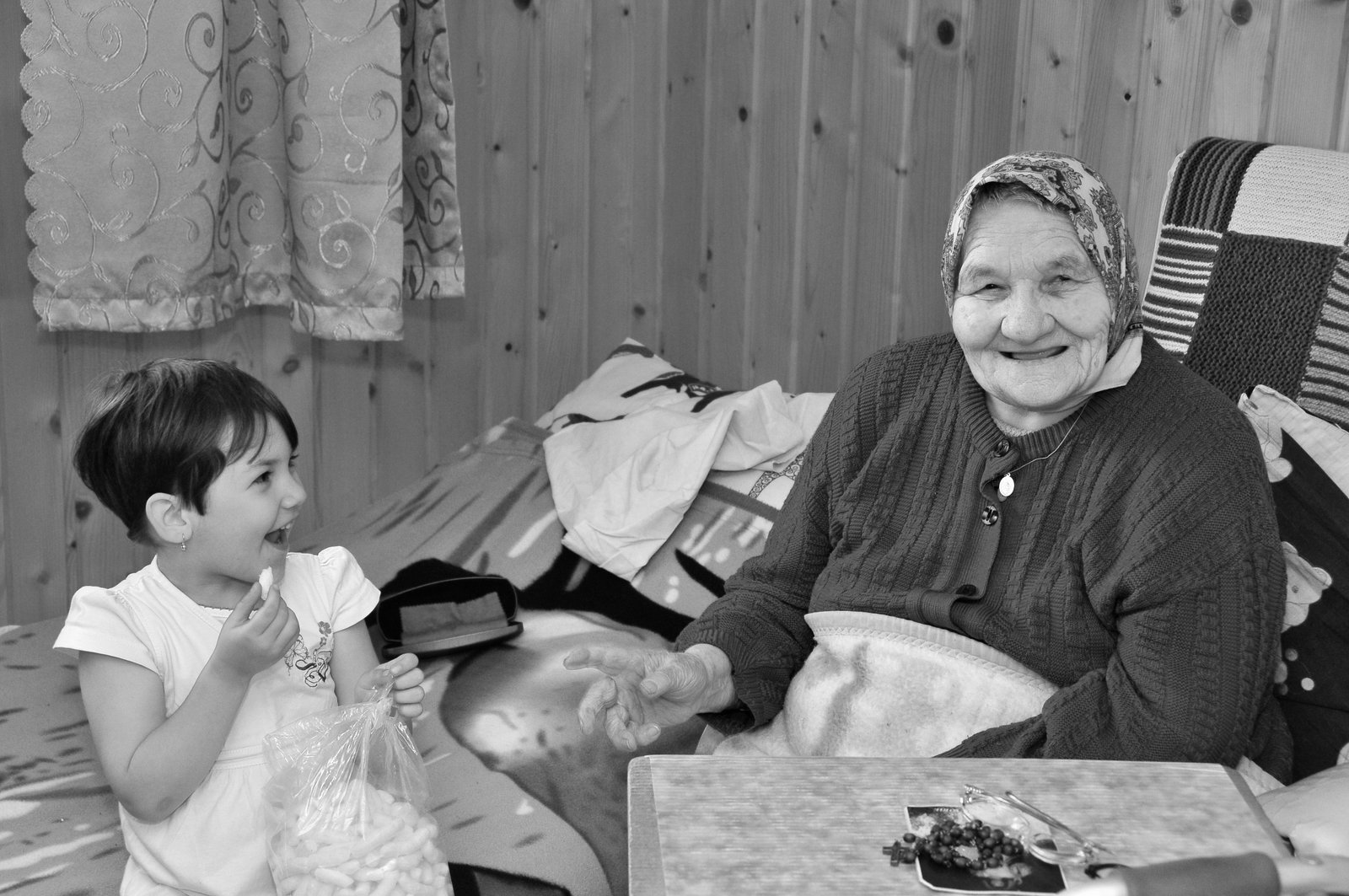
The littlest, though, heads straight for great-grandmother, who has a big -- an enormous -- bag of puffed corn.

We have lunch; we chat; Babcia has some quite moments with her mother. It's as it always is, as it always should be.

VIV_4695

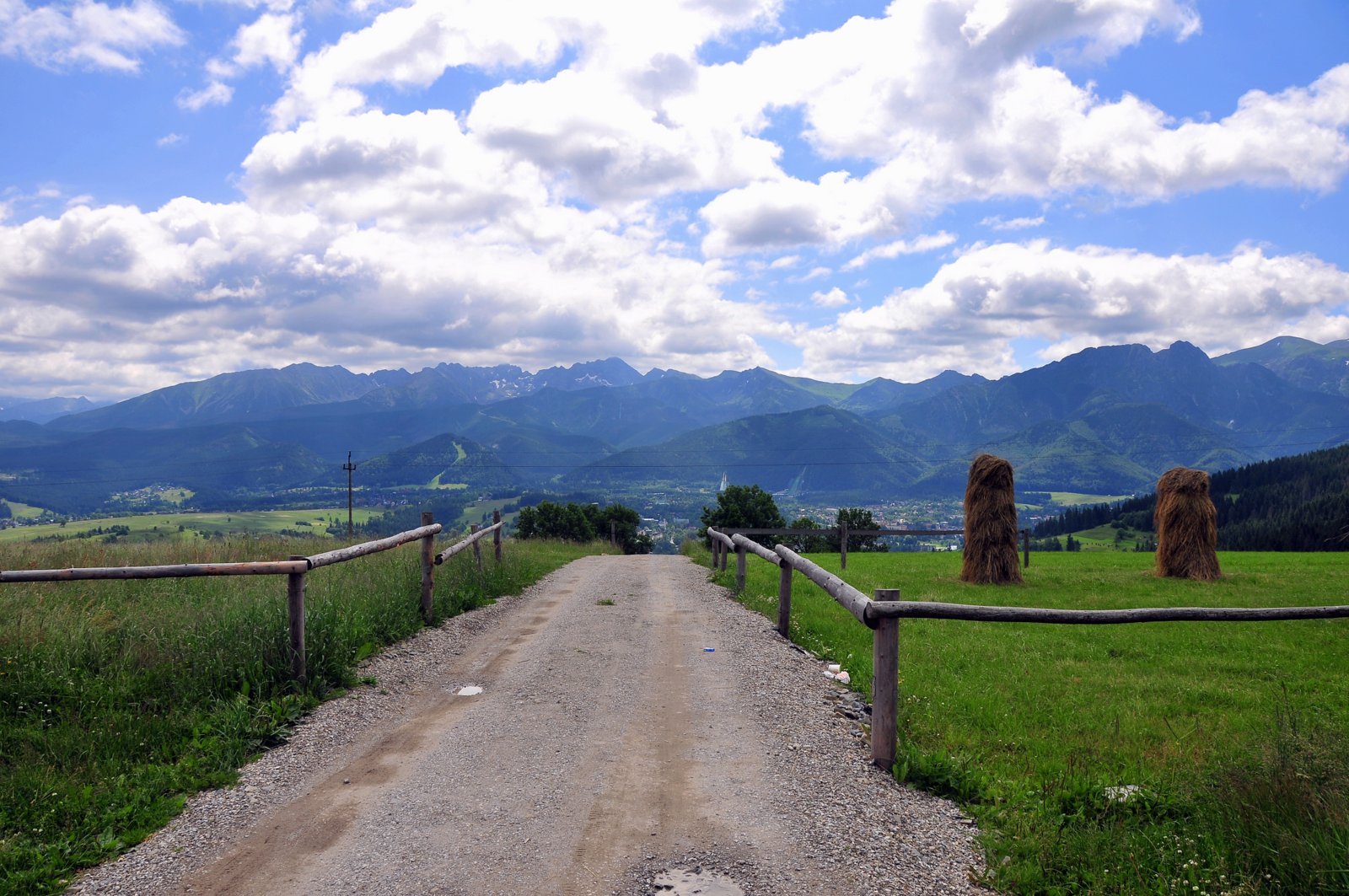
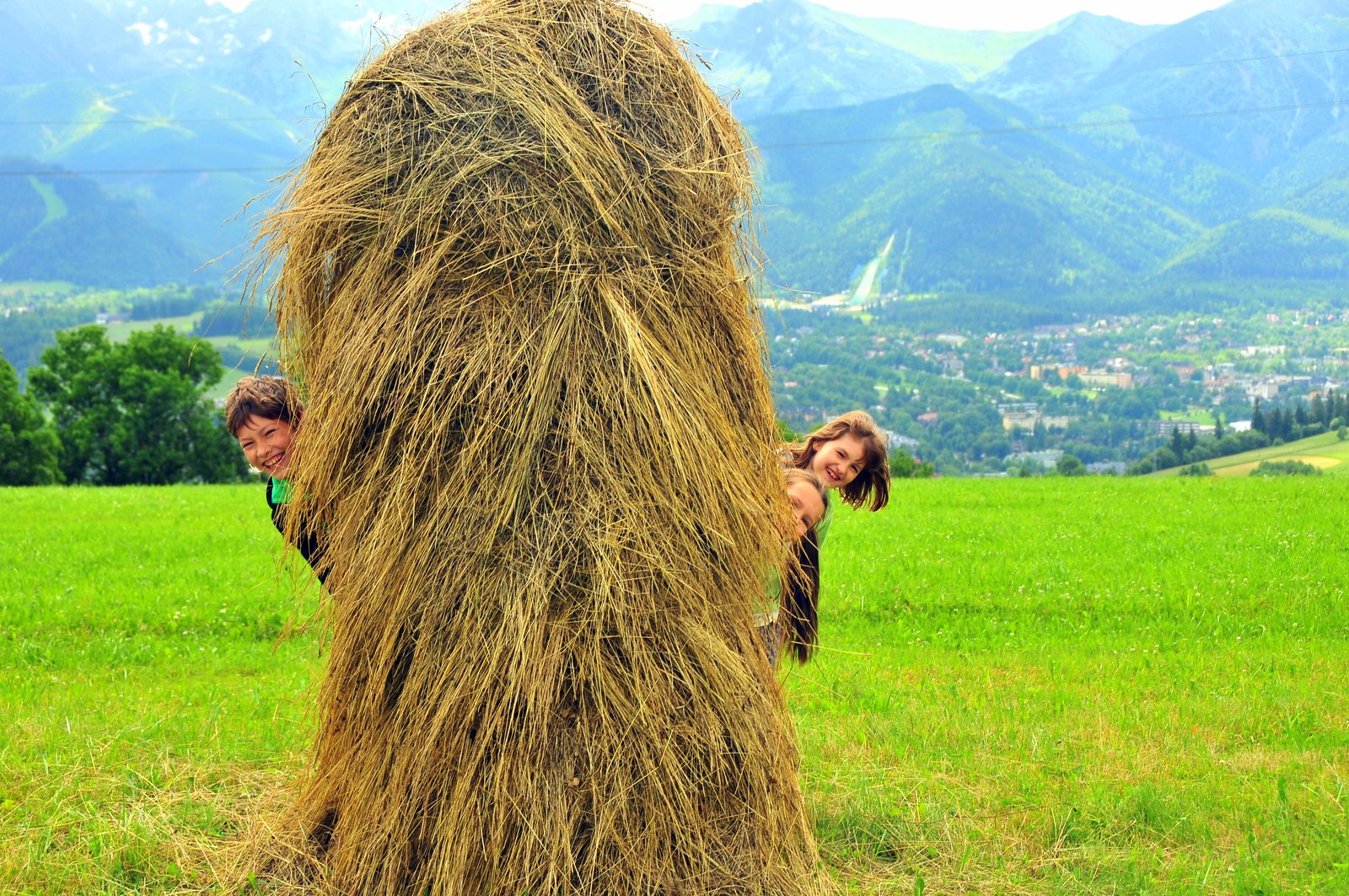
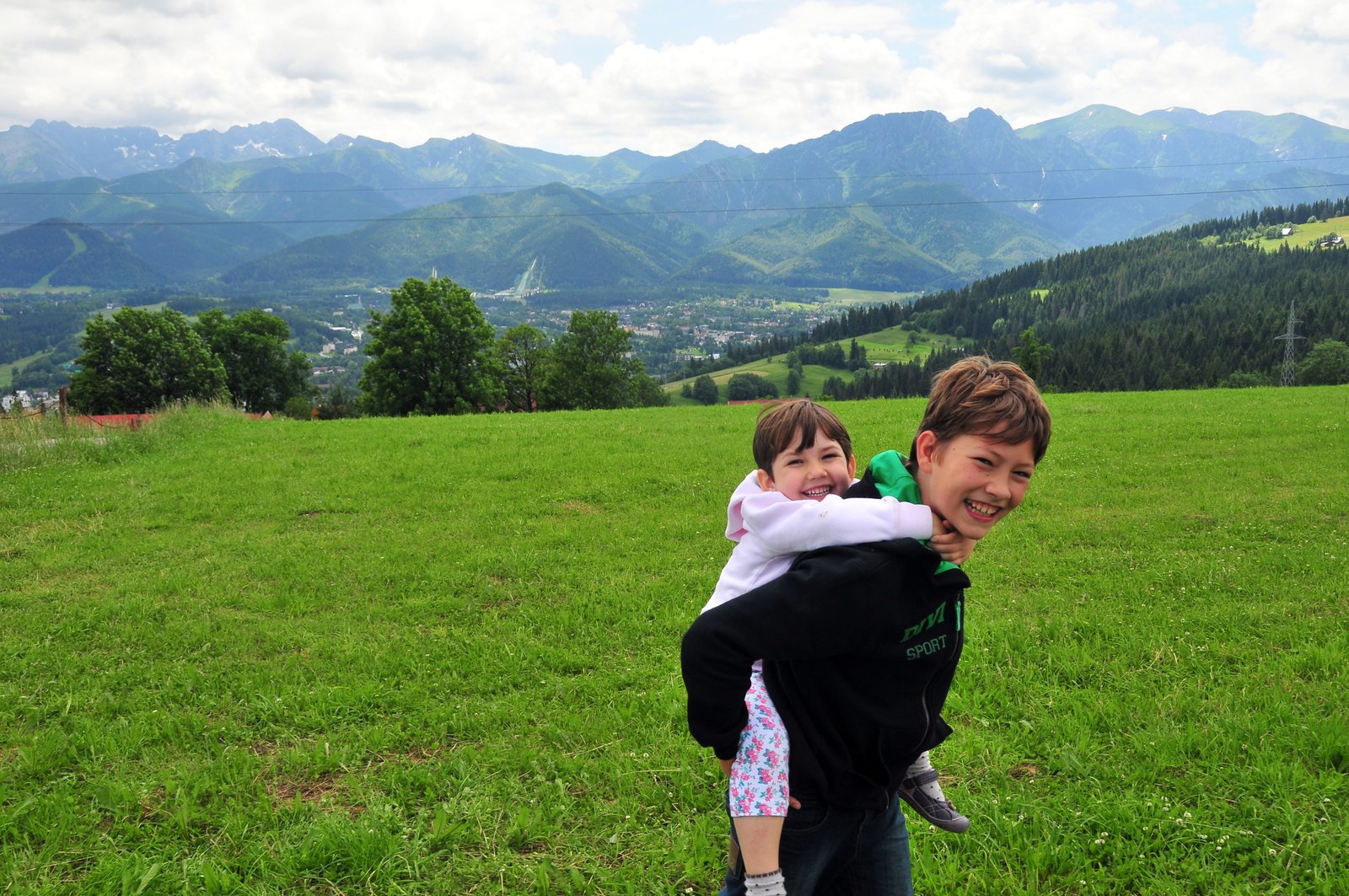
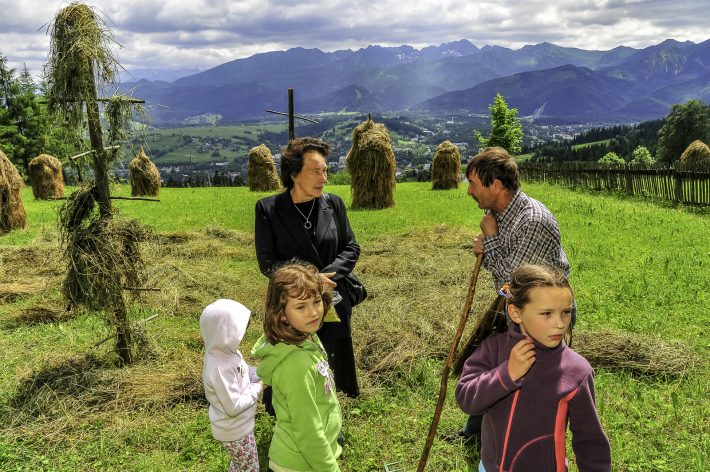
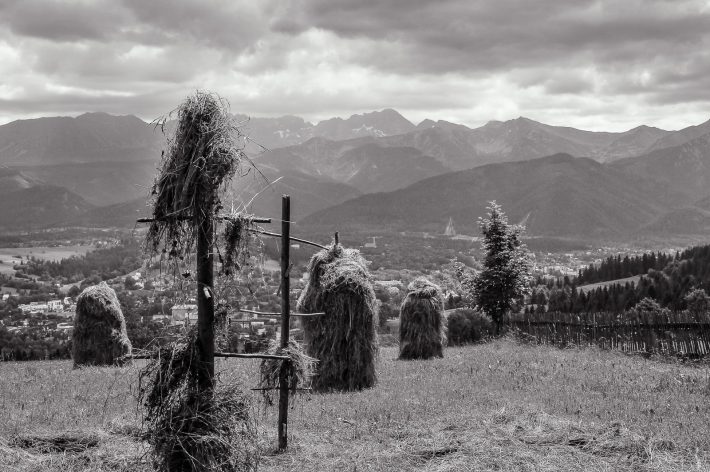
After a bit of food (what Polish visit would be complete without food?), coffee, and conversation, we had to Furmanowa, a field overlooking Zakopane directly across from the whole Tatra range. A visit to Ząb would never be complete without it, for the views are absolutely incredible.

VIV_4684

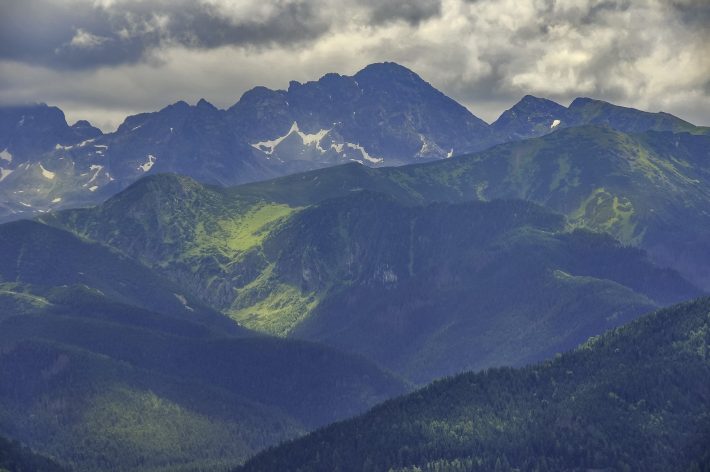
As we approach, Babcia informs us that the weather is definitely going to change: "The mountains look so close we could touch them." Indeed, there's a clarity in the air that belies the fact that the weather for the past week and a half has been absolutely miserable.

VIV_4701

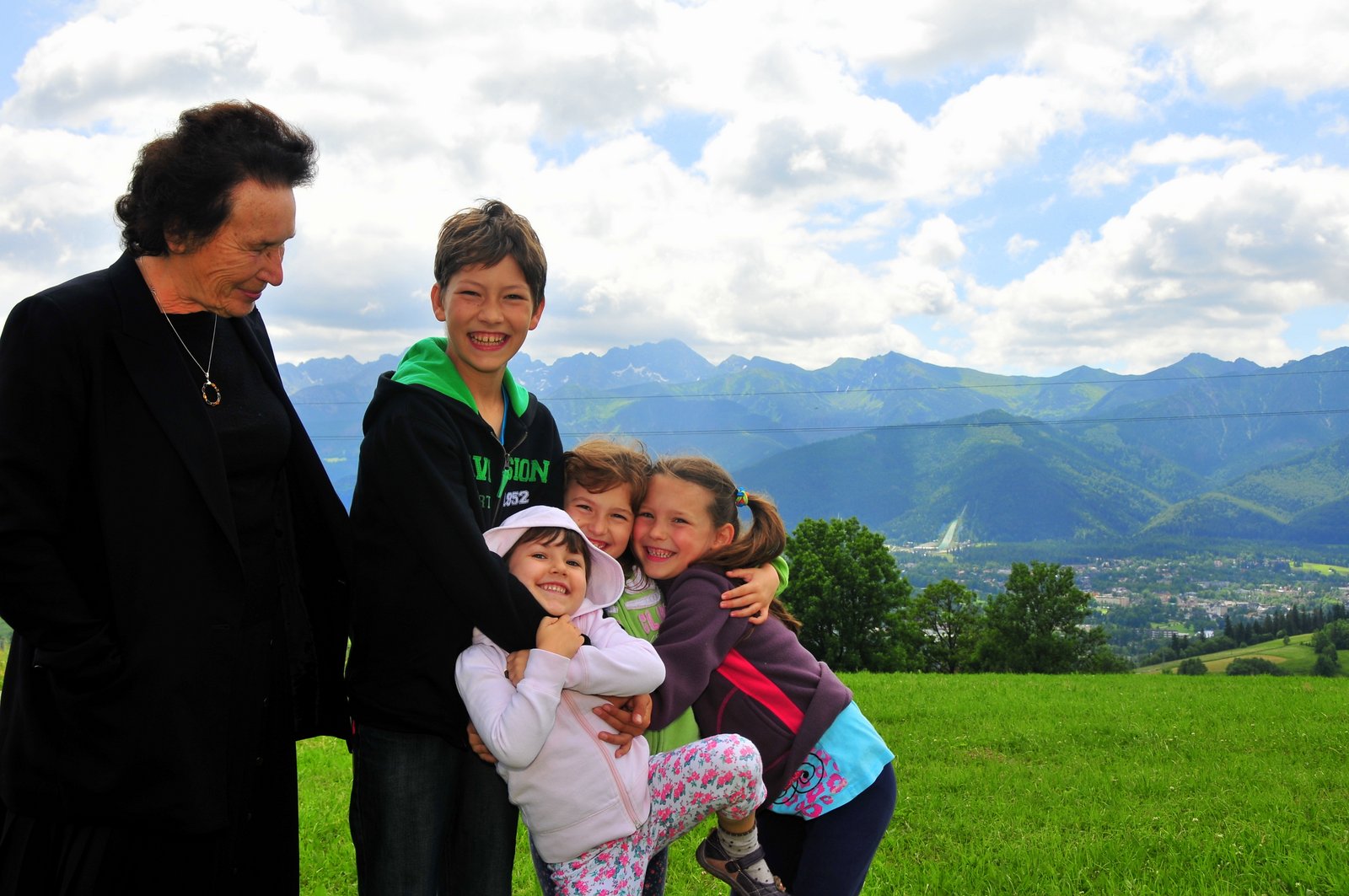
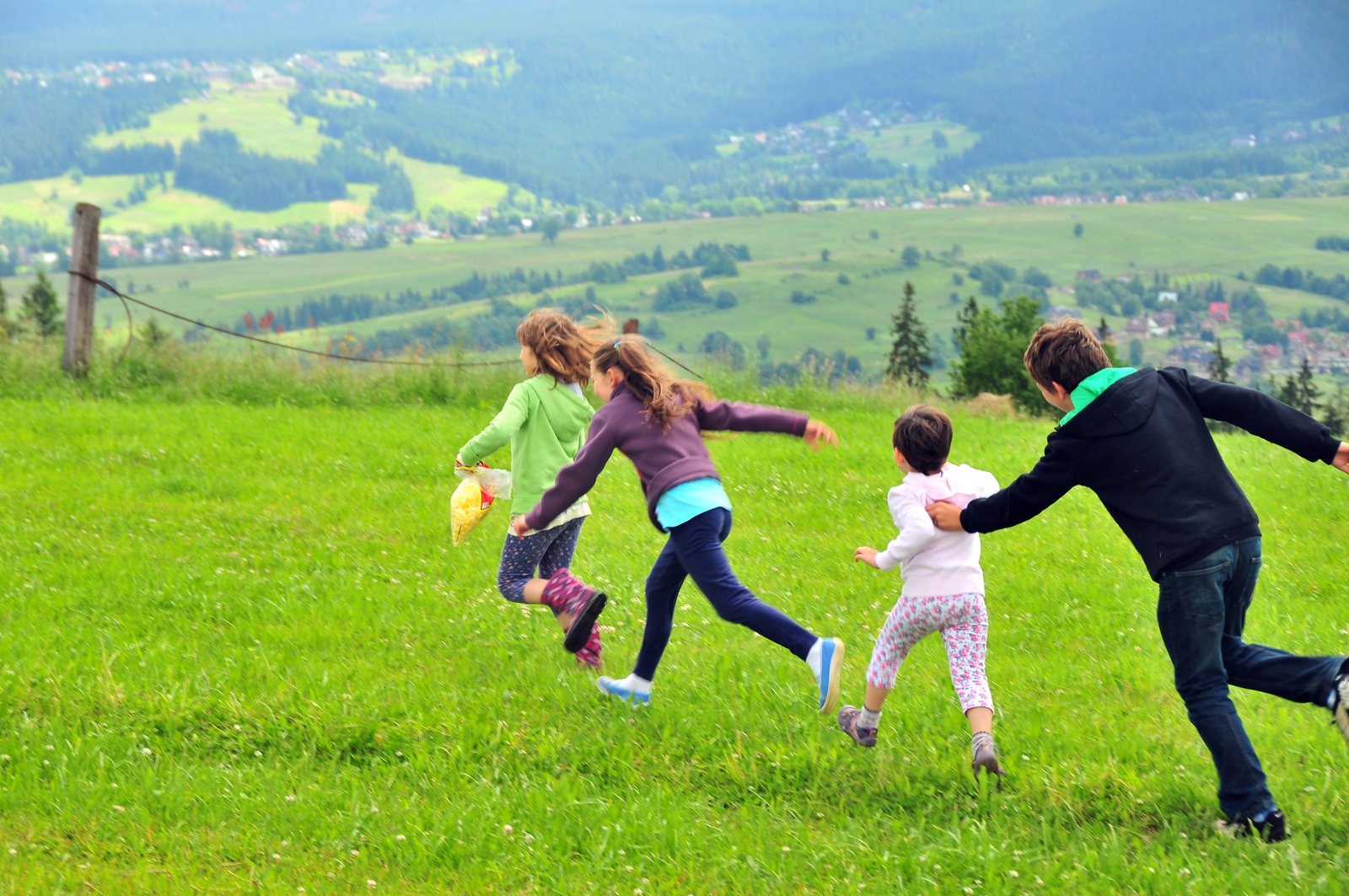
But the recent change in weather -- although Babcia assures us that it's temporary -- has brought out the excitement and silliness and everyone.

VIV_4703
VIV_4724

But the views. It's hard to look away.

Today, though, we make some changes.

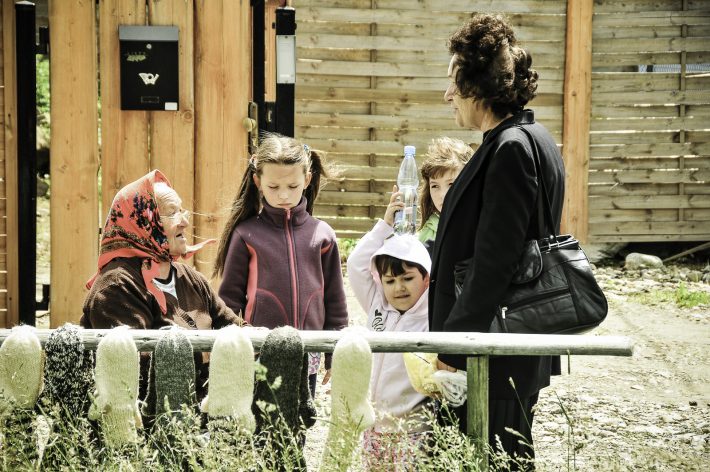
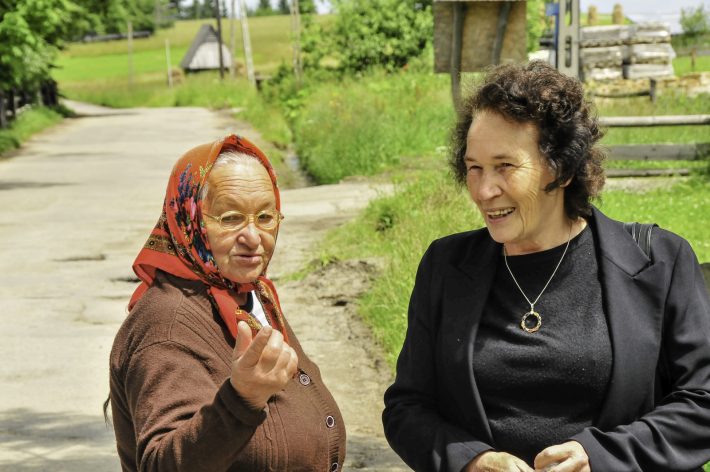
We head up by the fairly new church looking for Babcia's grandmother's house -- the Bobak homestead. In front of the house, an unknown babcia sits knitting socks (probably for later sale in Zakopane), and she asks with a certain clairvoyance, "Are you family?" She speaks the local dialect: at the same time thicker, heavier than standard Polish and somehow lighter at the same time. I struggle to keep up with the conversation -- same story as always.

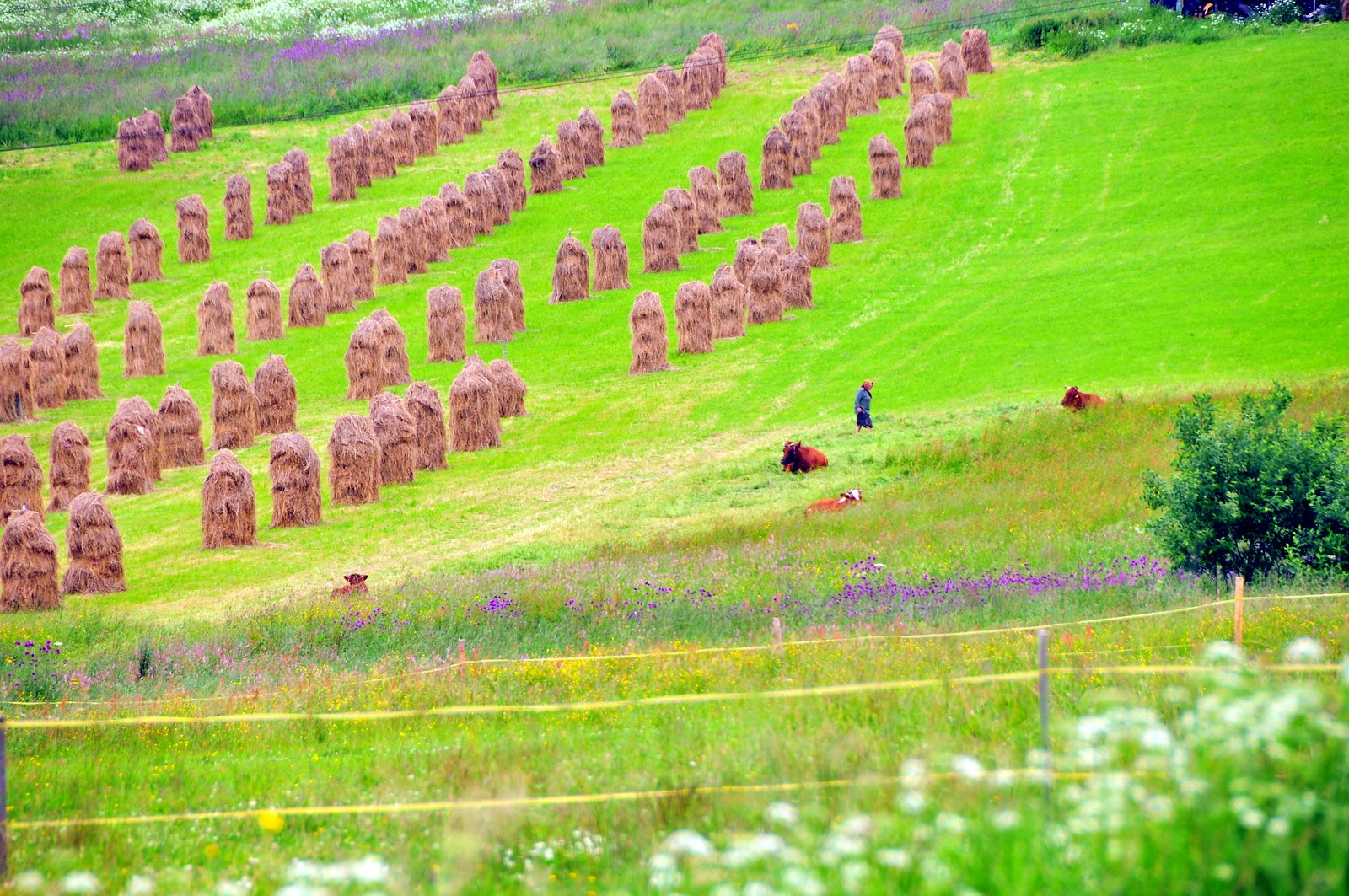
She informs Babcia that there's someone around back working, so we head around the house to find Babcia's cousin raking hay.

They engage in the small talk that makes family family, but initially, the house steals everyone's attention.

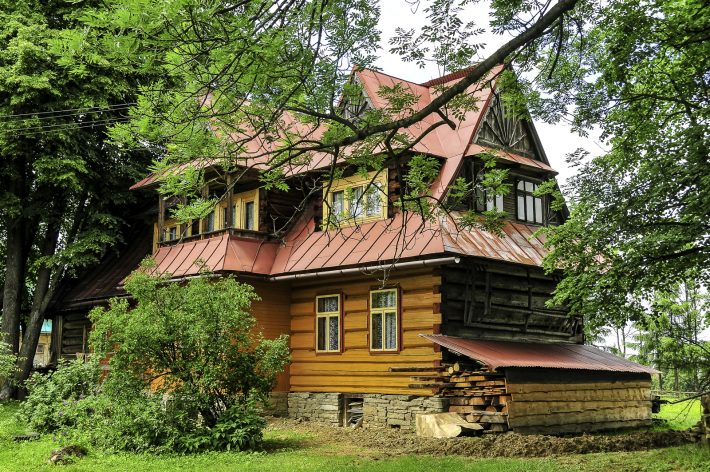
"At one time," Babcia explains, "it was widely considered one of the most beautiful houses in the region." It's easy to see why.

And of course, the views from their back yard -- such as it is -- aren't bad either.

L and S have different things on their mind, though.

"Masz kota?" asks L. Fortunately, it's family, so it's not a big deal that L, as she always does, is speaking in the familiar voice when asking if they have a cat. Properly speaking, L should be speaking to adults in the third person to show respect, but the only people she's ever spoken to in Polish are family, so in a sense, it's not a big deal this time. However, she's been talking to strangers like this.

But this time, it's family, and I don't really feel the necessity to explain and correct. And besides, the girls have run off to the barn as Cousin A suggested, and I'm enchanted myself: the views, the people -- it's all a bit overwhelming as it always is.

We return to the main road and Babcia picks up the conversation where they left off. More introductions, explanations, history: it always comes back to who you know here, looking for that common ground. In Ząb, though, there are really no strangers.

"Who was she?" I ask.

"I've no idea," Babcia admits. She hasn't lived here in decades and doesn't remember everyone. "Ask Aunt Z when we get back," she suggests. I will, and Aunt Z will immediately recognize her; Babcia will recognize the name.

But in the meantime, we're still exploring.

VIV_4775

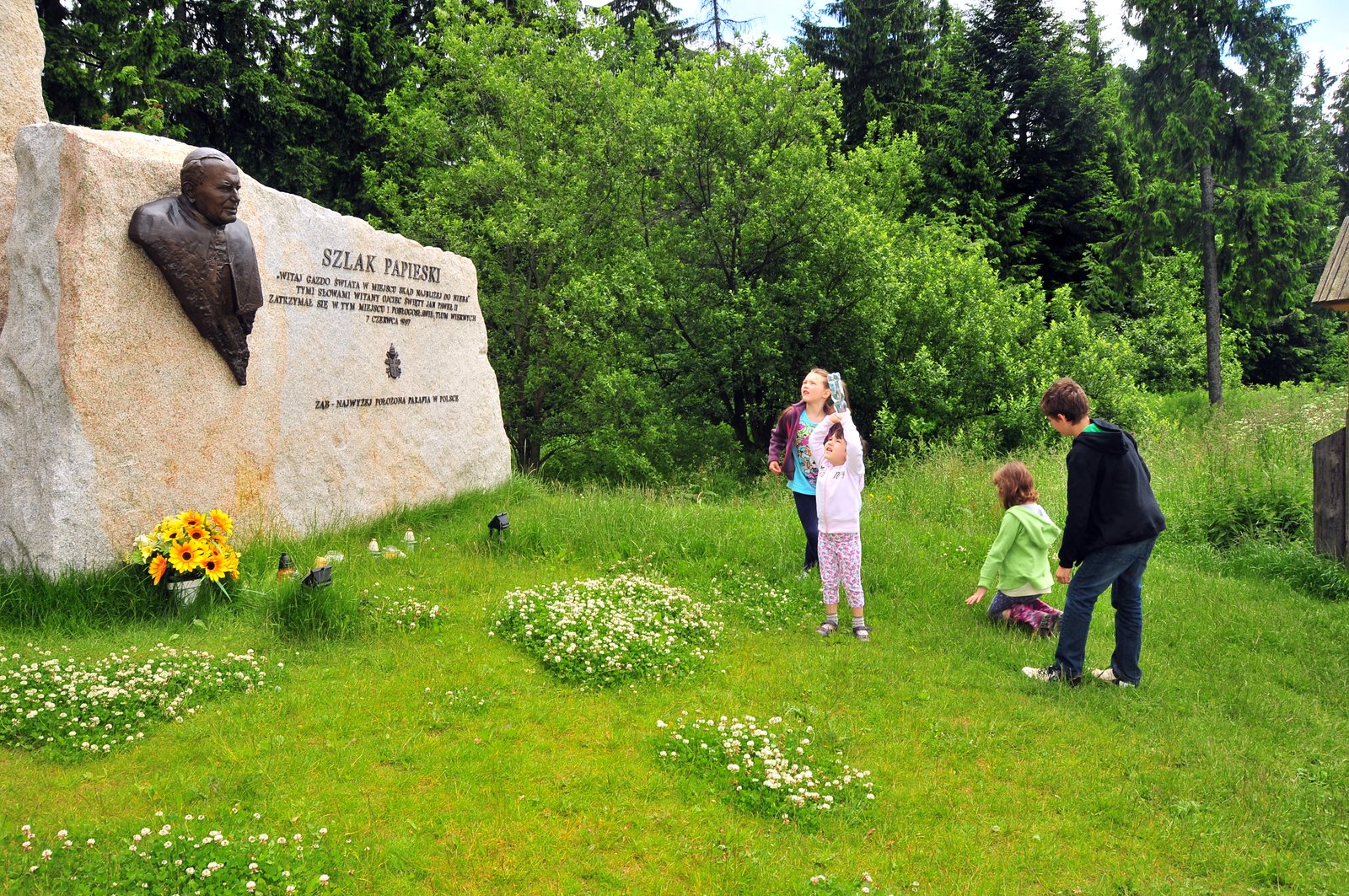
"Let's go to the John Paul II memorial," Babcia suggests, and we find it easily enough: we'd walked right by it searching for L's great-great-grandmother's house but somehow not even noticed it.

VIV_4781

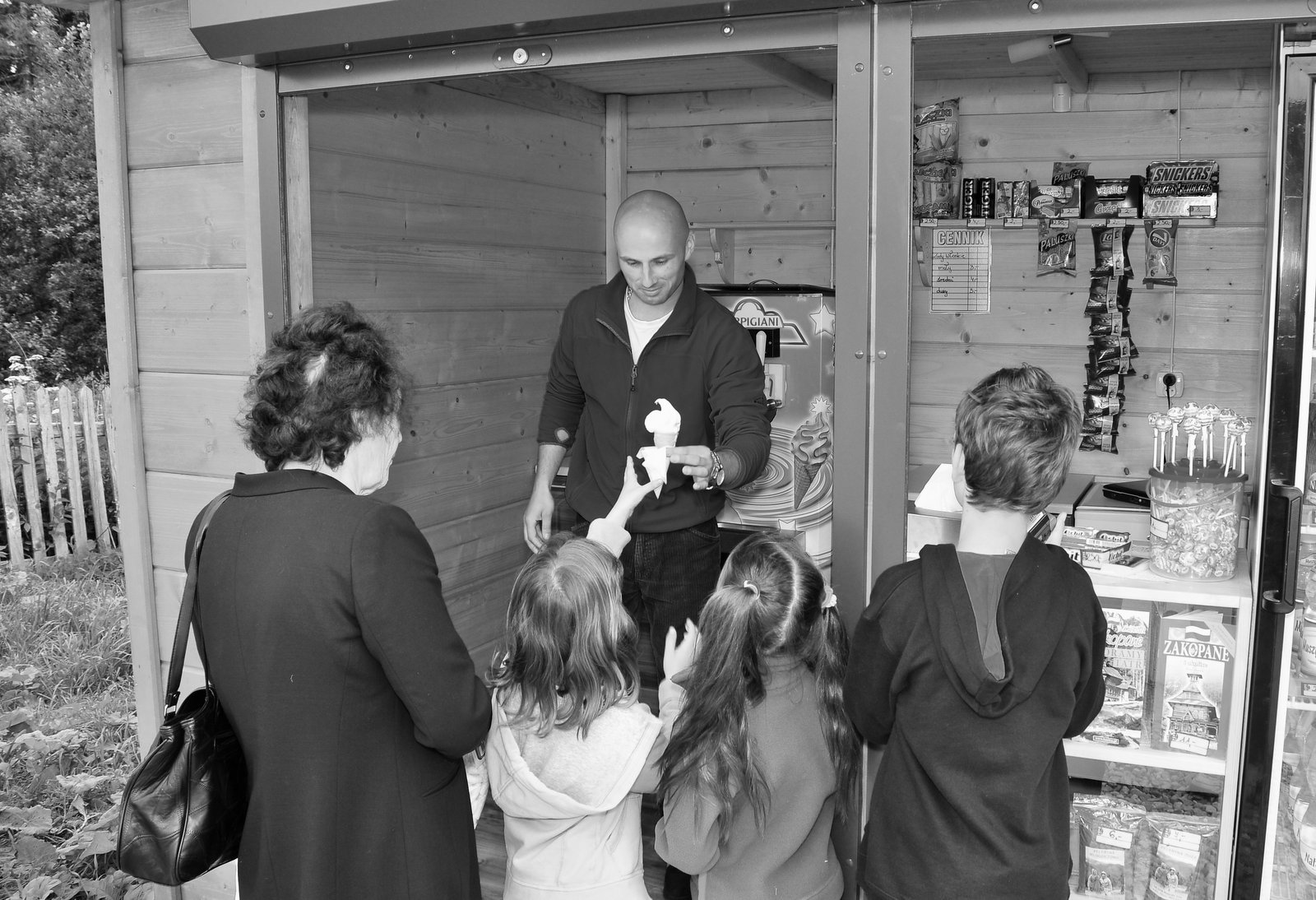
One thing, though doesn't escape any of the cousins' notice as we approach: the small kisok to the right that promises ice cream.

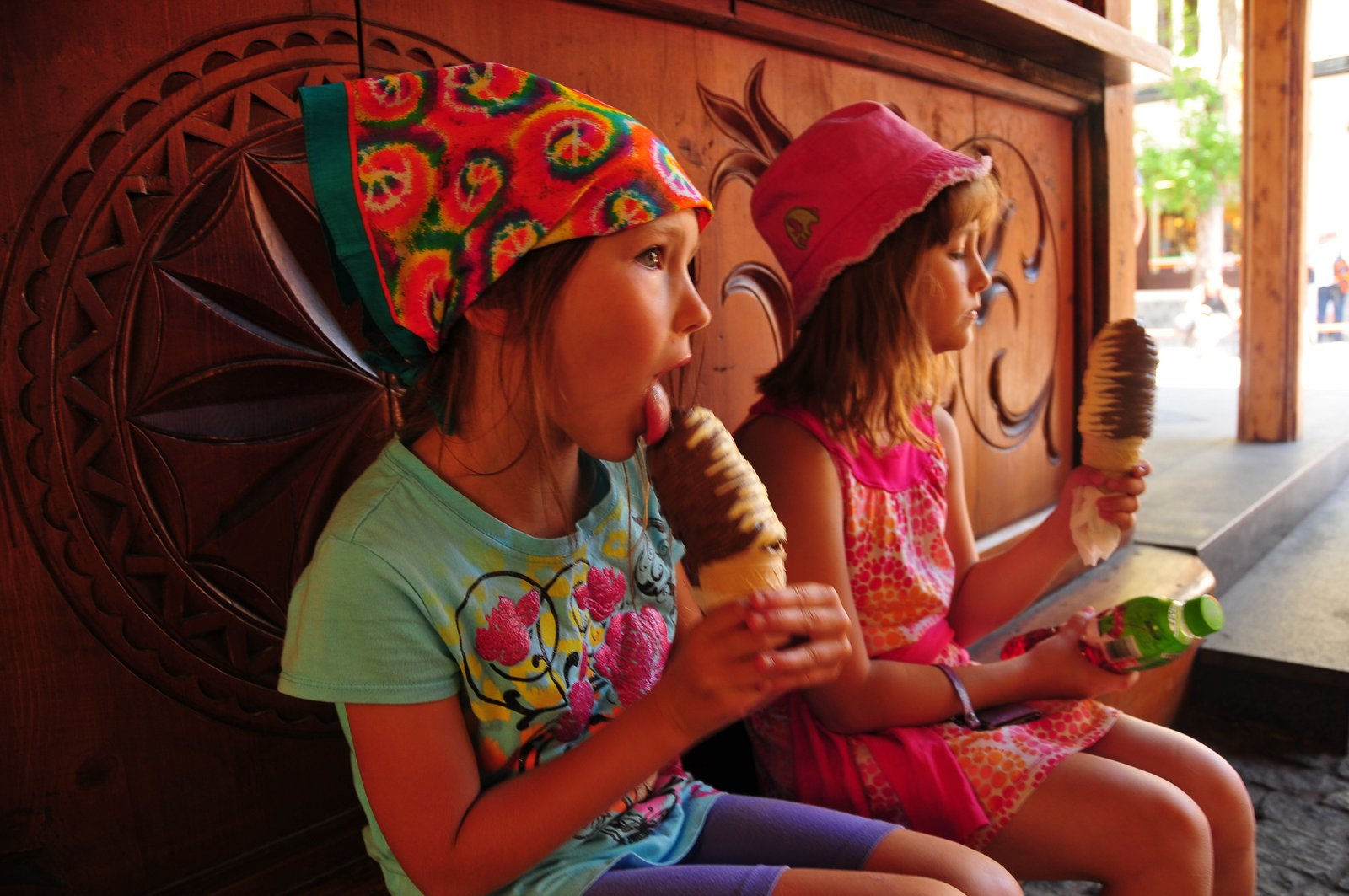
"Masz czekoladowy?" asks L. The salesman is just out of his teens, but he's an adult, and L should be talking to him in the formal third person. I whisper "Czy Pan ma..." in her ear, and she reframes the question. Still, he's now busy preparing four ice cream cones, none of them chocolate.
VIV_4785

"Let's go a little further," Babcia suggests. "I'll show you the path we all took when we wanted to go to Zakopane. There were no buses, no taxis -- everywhere we went, we went on foot." It takes us a little while to find the path, though. "None of these houses were here," Babcia explains.

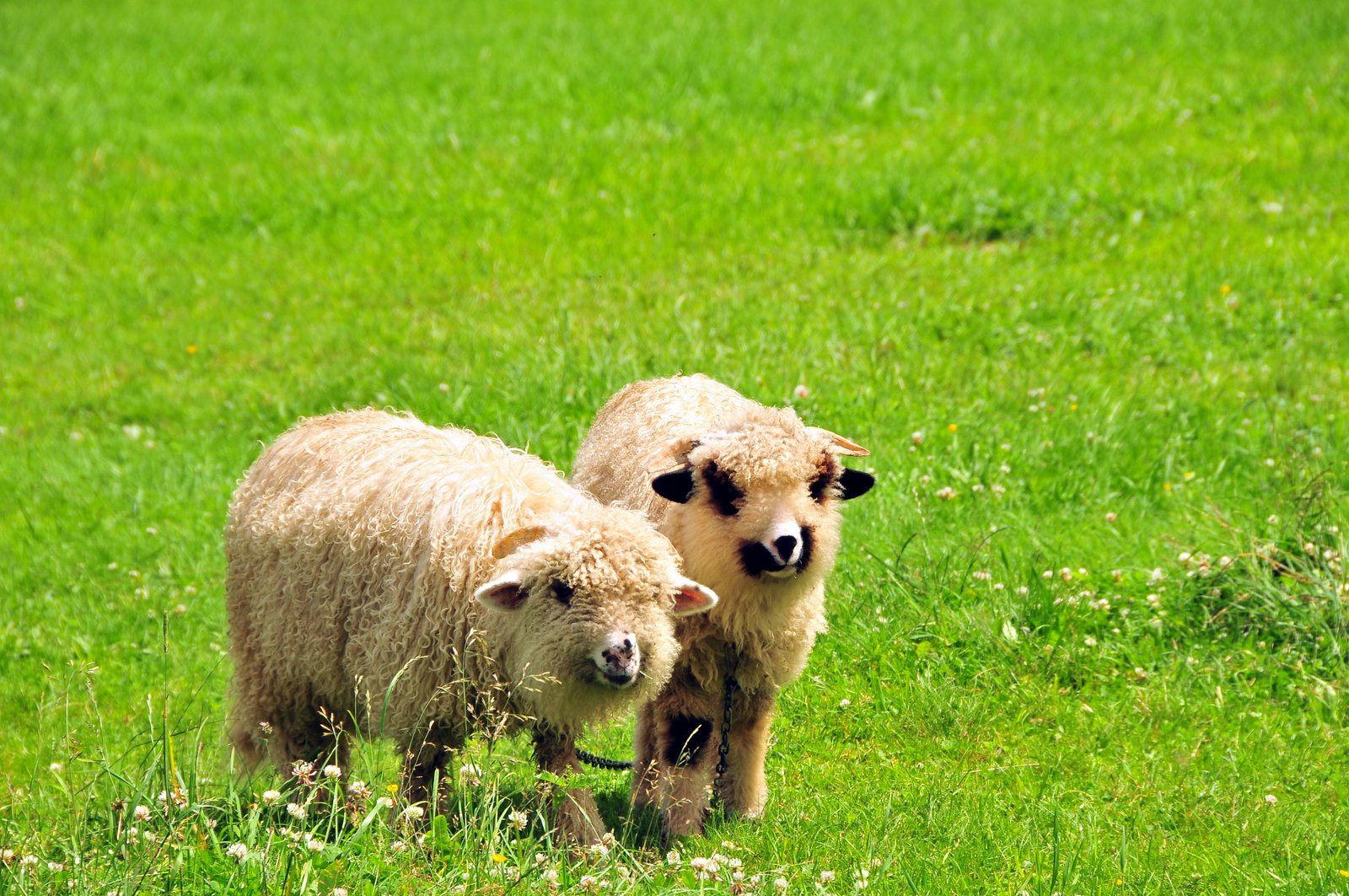
One false start leads though a mine field of dung and past a couple of sheep grazing.

VIV_4797

"No, no, I don't think this is it," Babcia explains. We walk a little further and suddenly, "Oh! There! There it is."

"It looks just the same -- just the same -- as when we walked there. Of course, I stayed in a dorm during high school, so I only made the trip on the weekends."

"You stayed in a dorm?" asks W incredulously. "And you only came home once a week?"

"It was the best time of my life!" Babcia explains. "I had my own bed, my own closet! It was paradise."

We wander about a bit more, then finally return to Aunt Z's house. Great-grandmother is waiting. Babcia sits with her mother, listening to the radio, commenting about the recent developments in the country.

"We'll come back again soon!" Babcia promises a few minutes later as we're leaving. "Soon!" she reassures everyone.

"Why even leave?" I want to ask. But the temporary nature of such small tastes of heaven only intensifies the sweetness, and so perhaps it's best that we leave it all behind for a week or two.

Lunch with Aunties

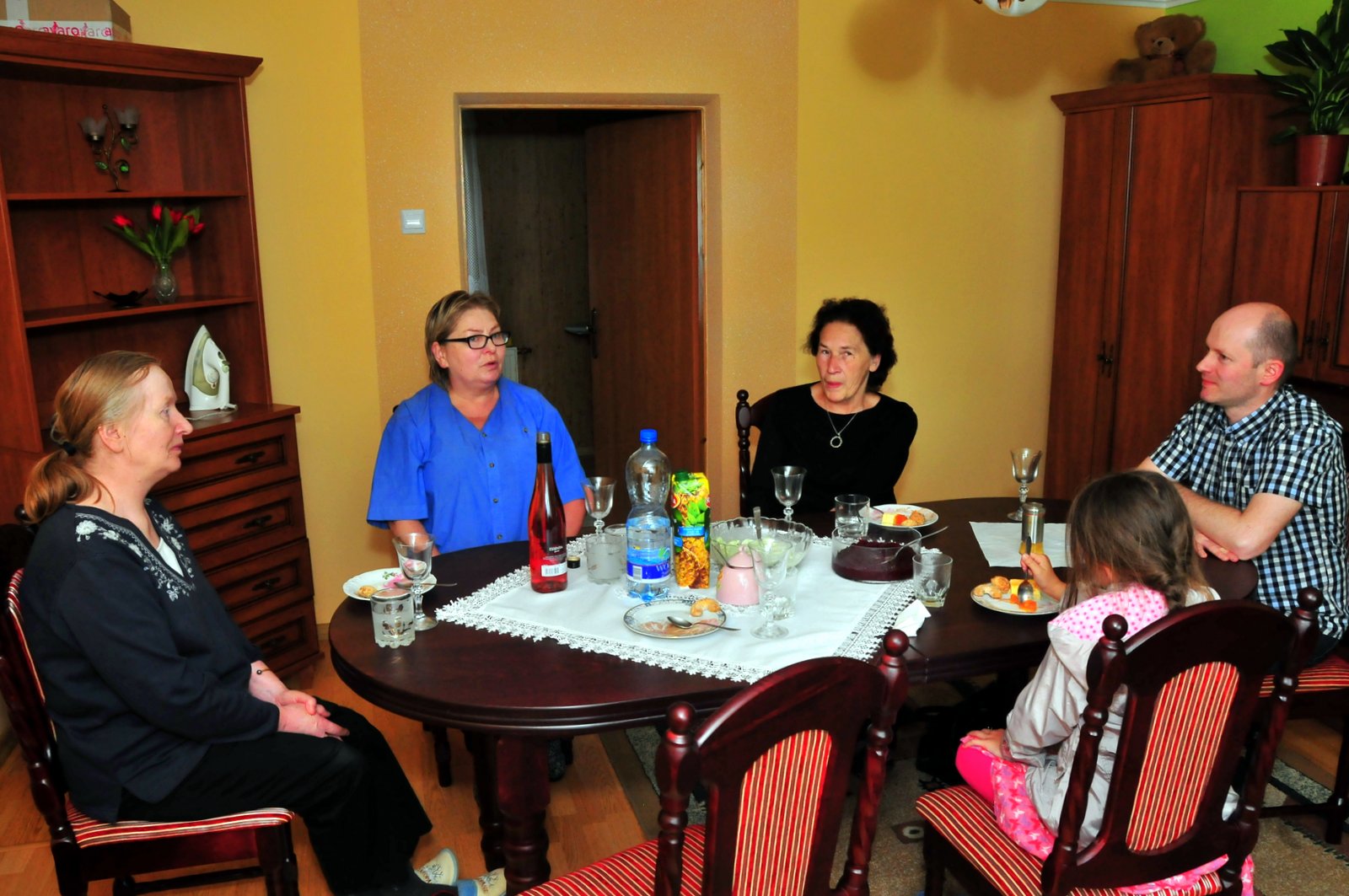
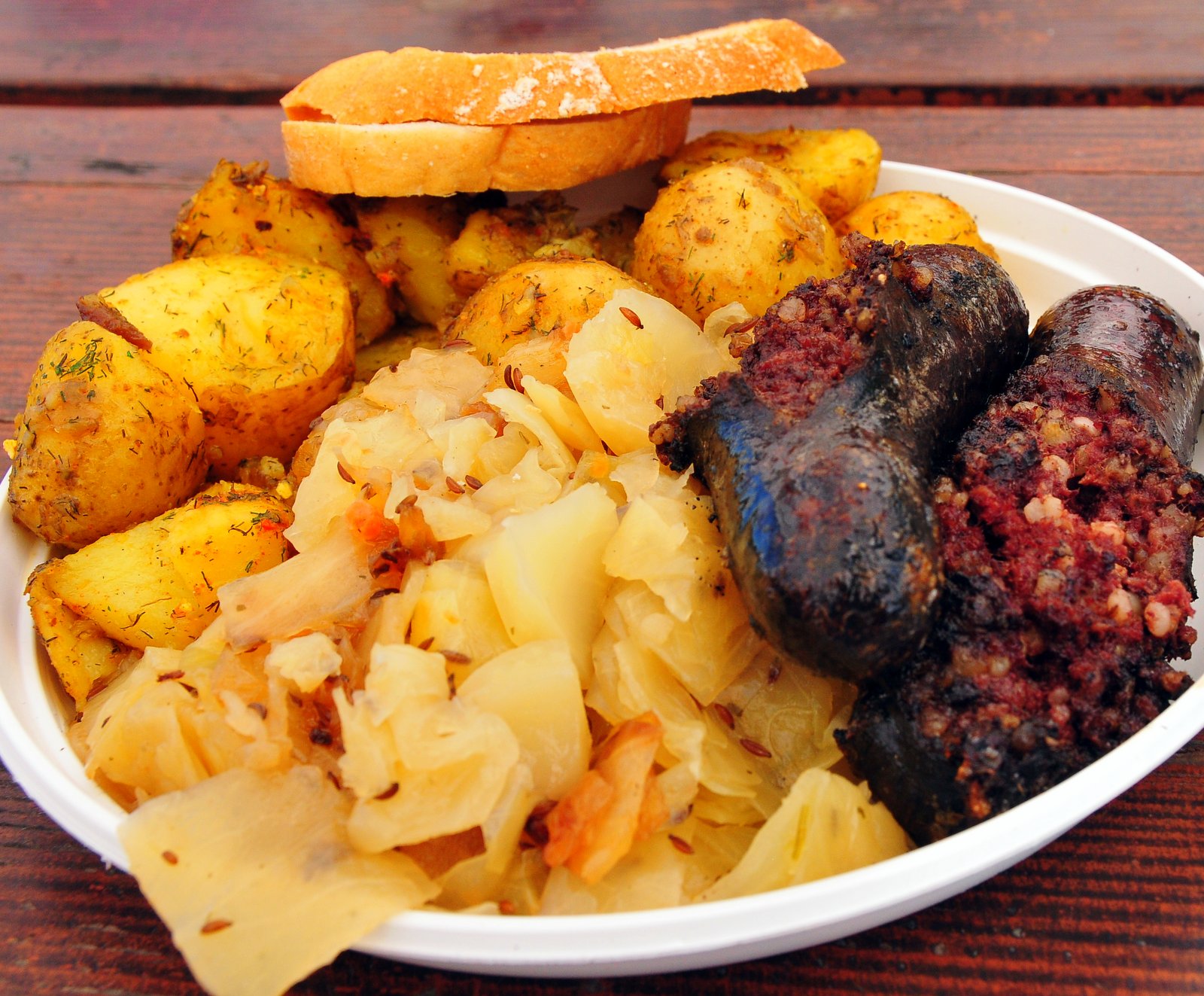
Lunch with Aunties who have maintained Dziadek’s family home. Since neither had seen L in close to two years, there was a lot of doting.

“Does she understand Polish?” asked Aunt A.

“Of course!” Babcia answered. “Every word. And since she went to pre-school these last two weeks, she’s begun speaking it very well also.”

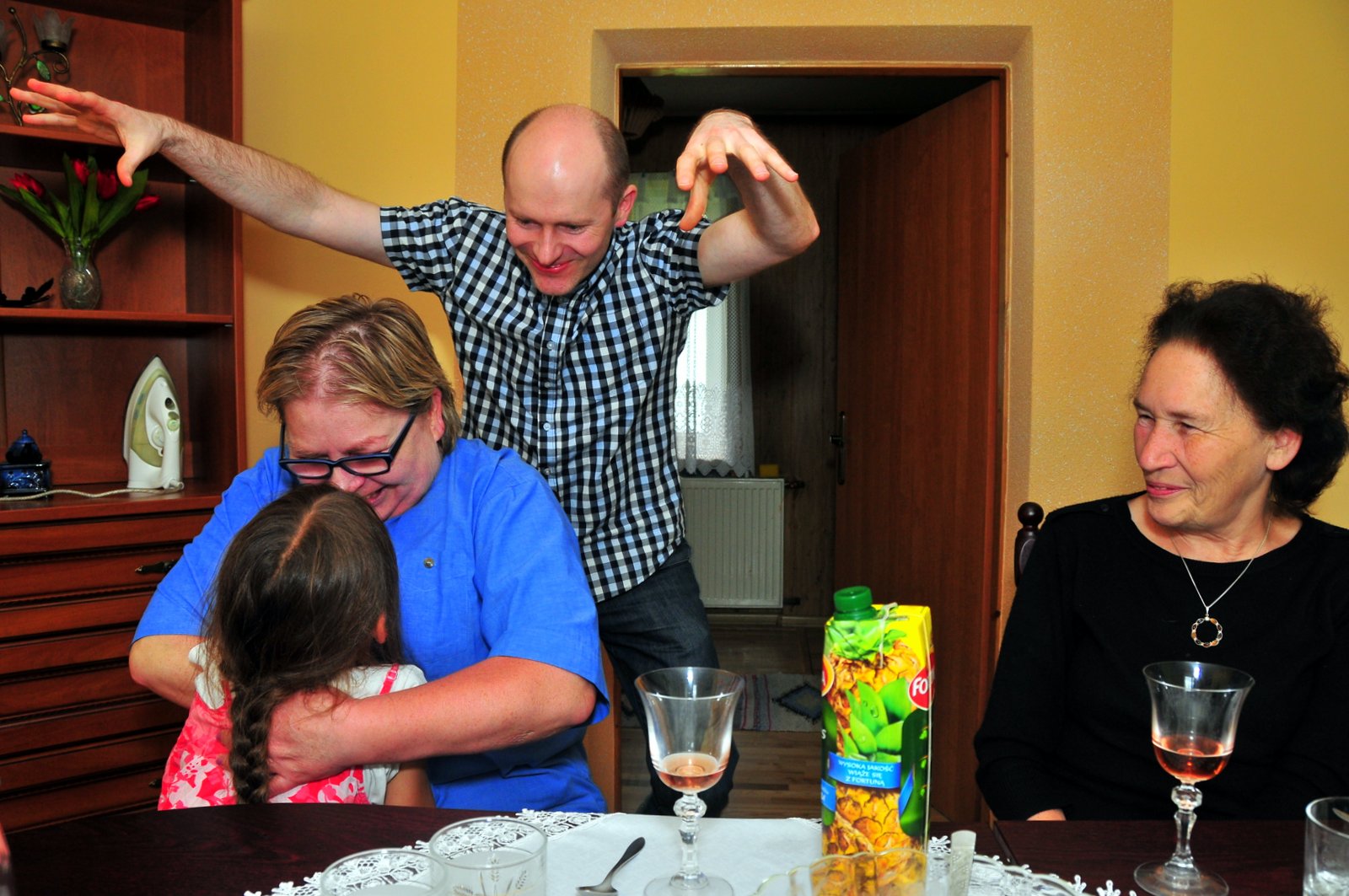
And yet the Girl buried her face in my arms for the first few minutes.

VIV_4565

But equally as inevitable was the change that came as soon as cousin R began tickling, chasing, and generally goofing with the Girl.

“You can’t get me while I’m with ciocia!” she squealed every time R approached.

VIV_4597

Ciocia became the great hero, always defending L with hugs and little tickles of her own. When she gave L seconds on ice cream, she certainly moved into Most Favored Auntie status.
VIV_4574

Yet it was not all tickles and giggles: R is getting married in a week, which means L will experience her first Polish wedding party.
“Do you know how we’re going to dance and sing!” Most Favored Aunt reminded L regularly. Indeed. The wedding is one of the things I’ve been most looking forward to about this visit. There are of course the usual happiness for R that he’s getting married, but there’s more to it than that.

VIV_4592

A Polish wedding party is so unlike its American counterpart. It’s a celebration at full power, an all-night adventure in food, love, music, laughing, dancing, libation, chatting, and everything else that makes life wonderful.

VIV_4594

And every visit with family and friends, we get some little taste of some portion of that fast-approaching evening.

VIV_4595

Puddles

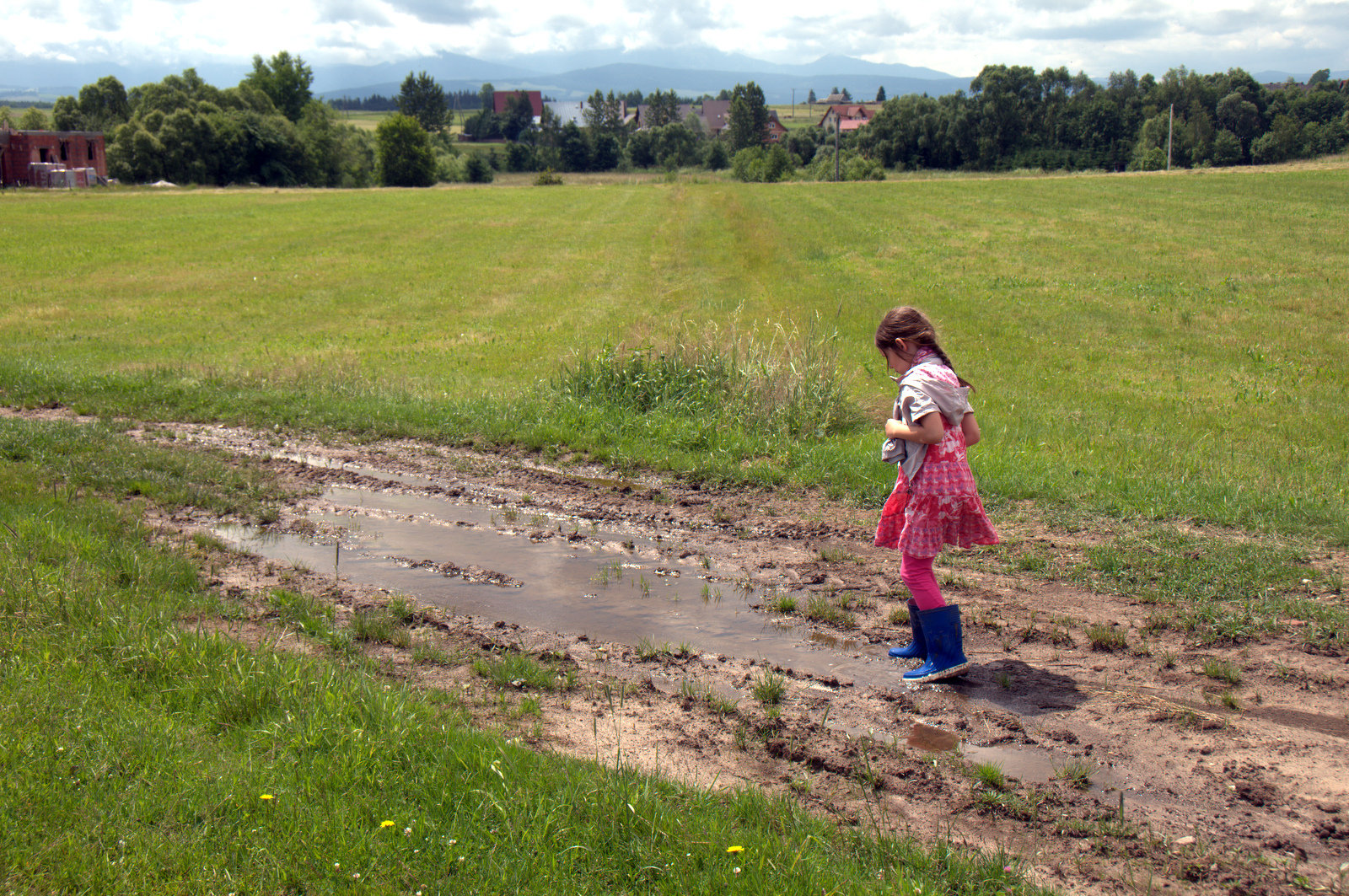
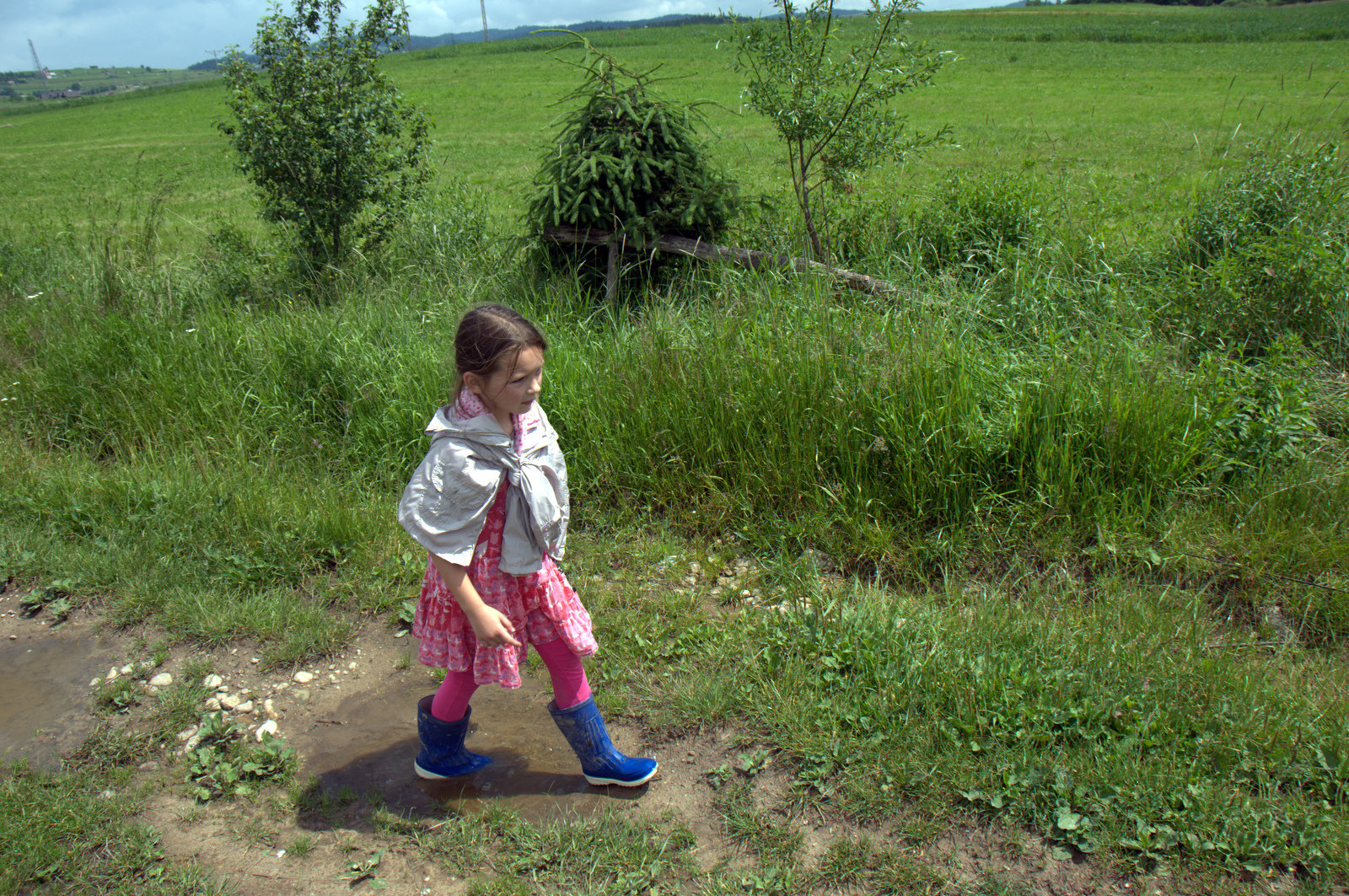
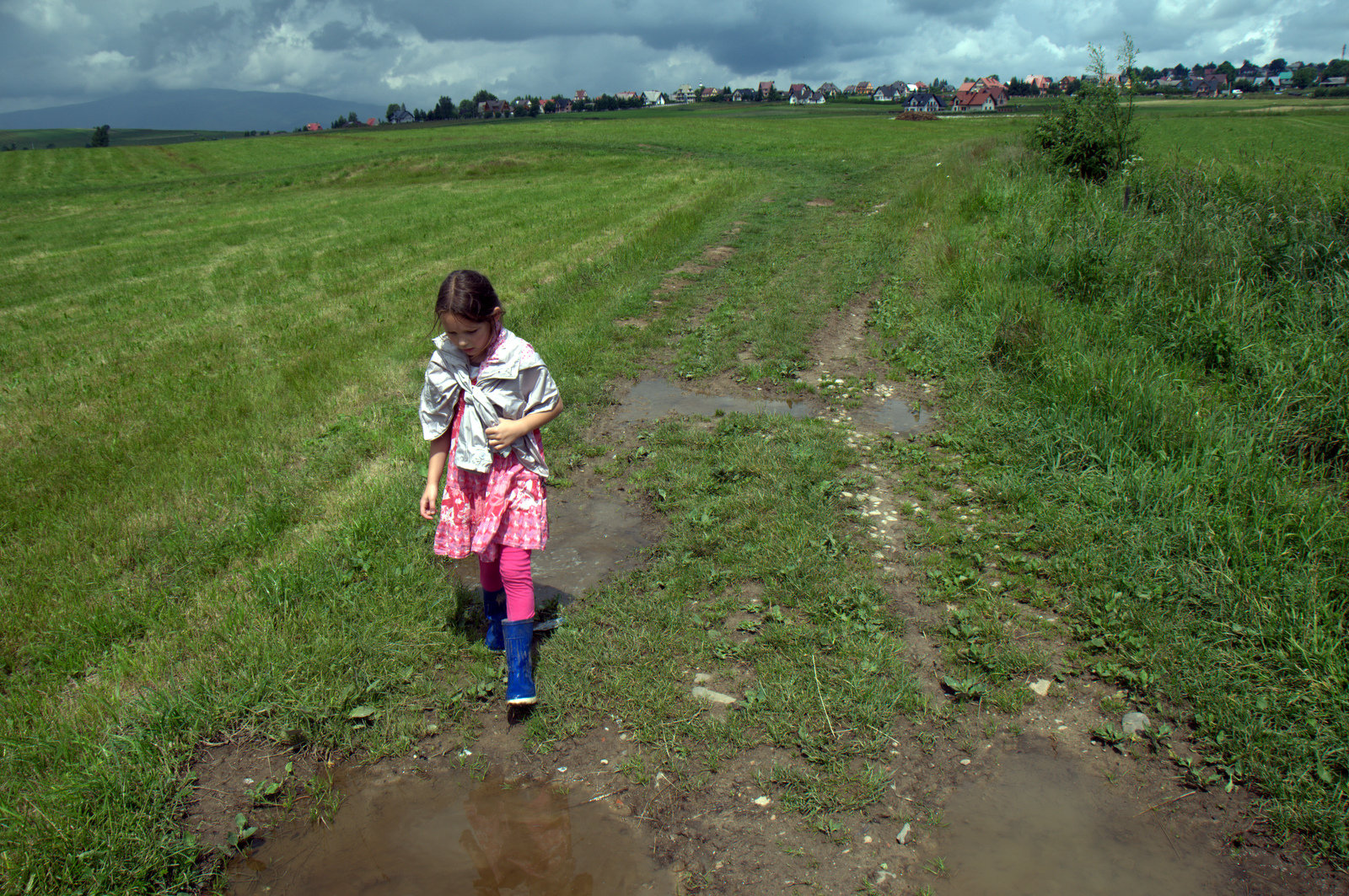
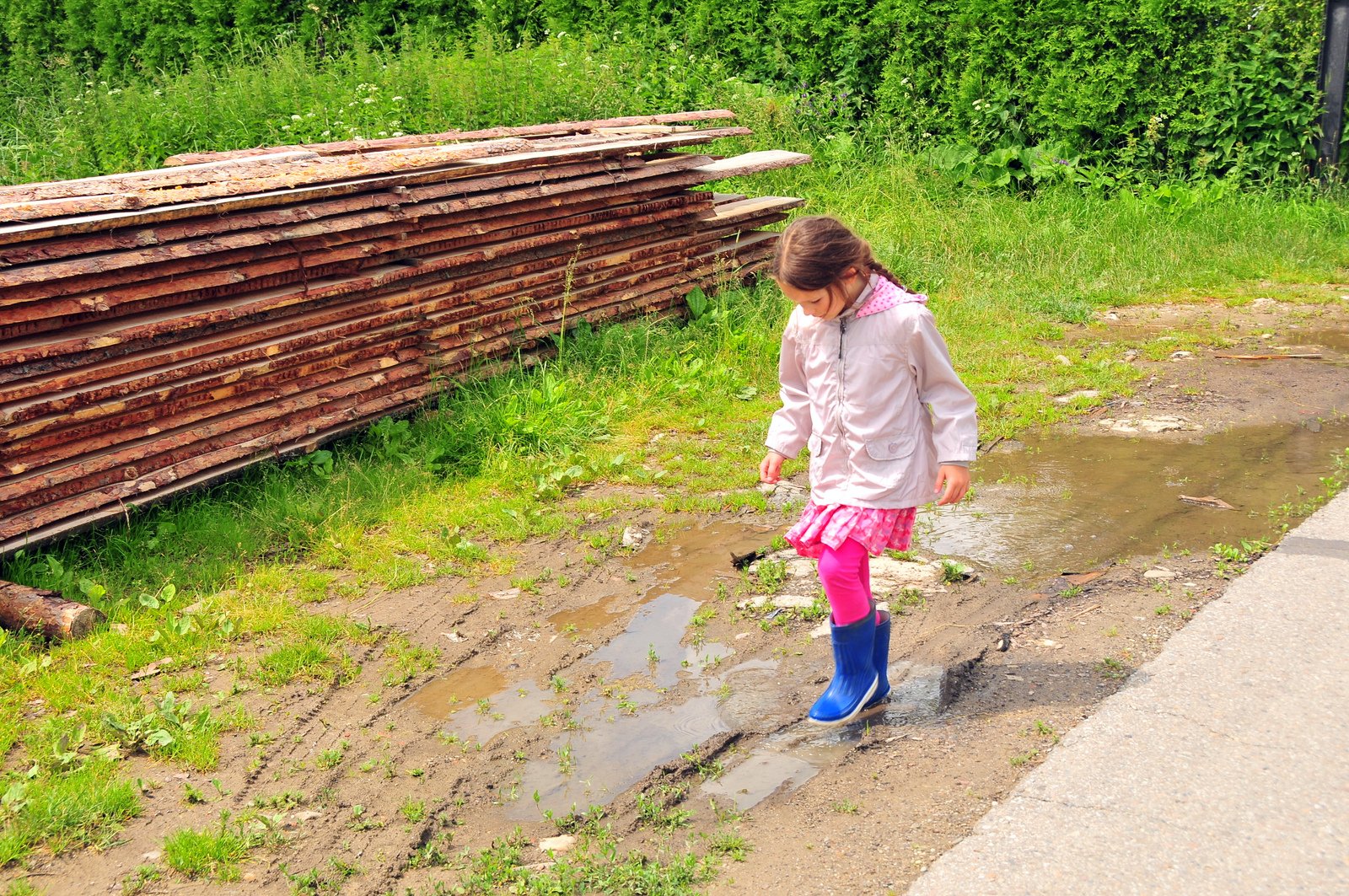
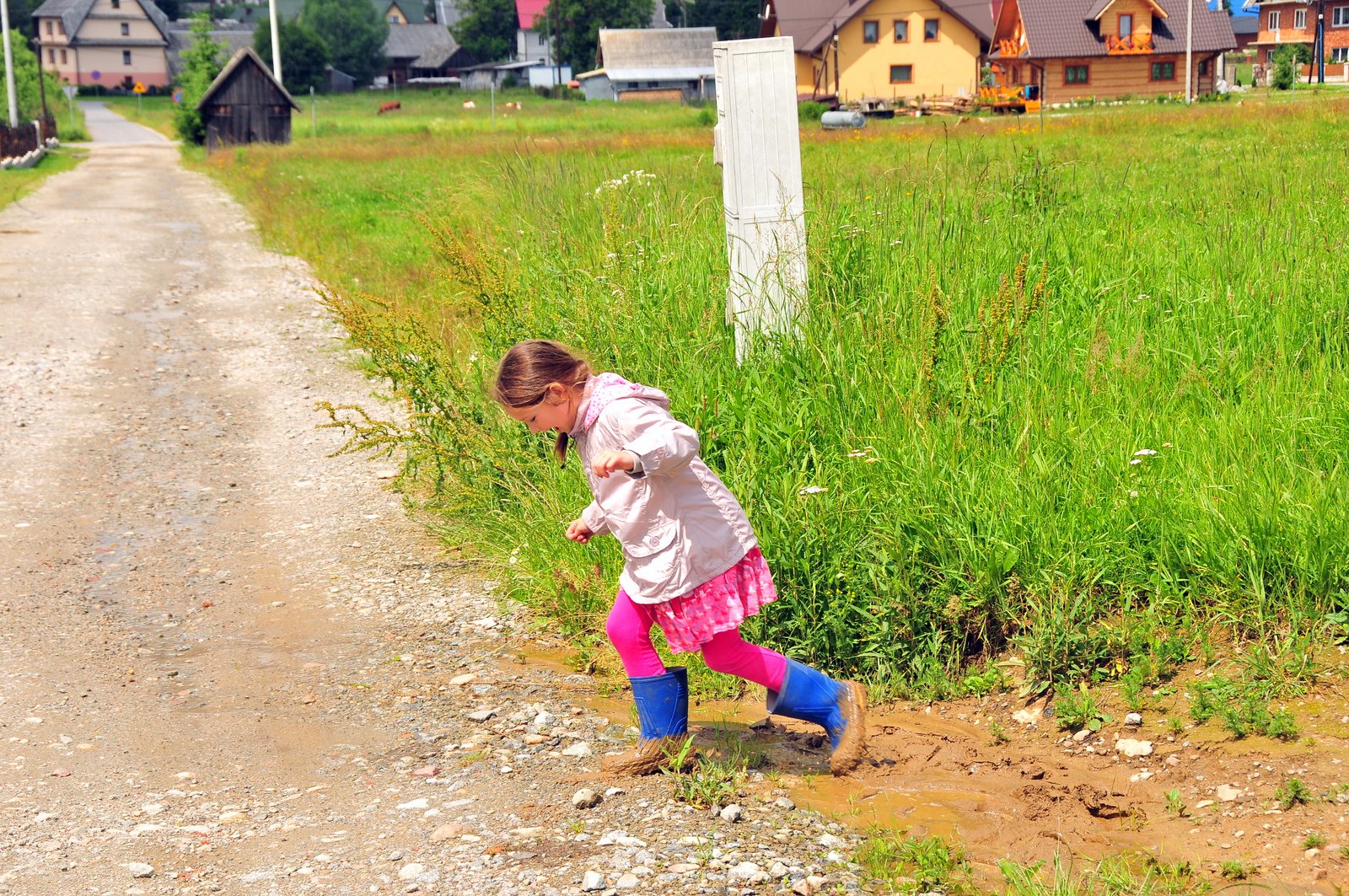
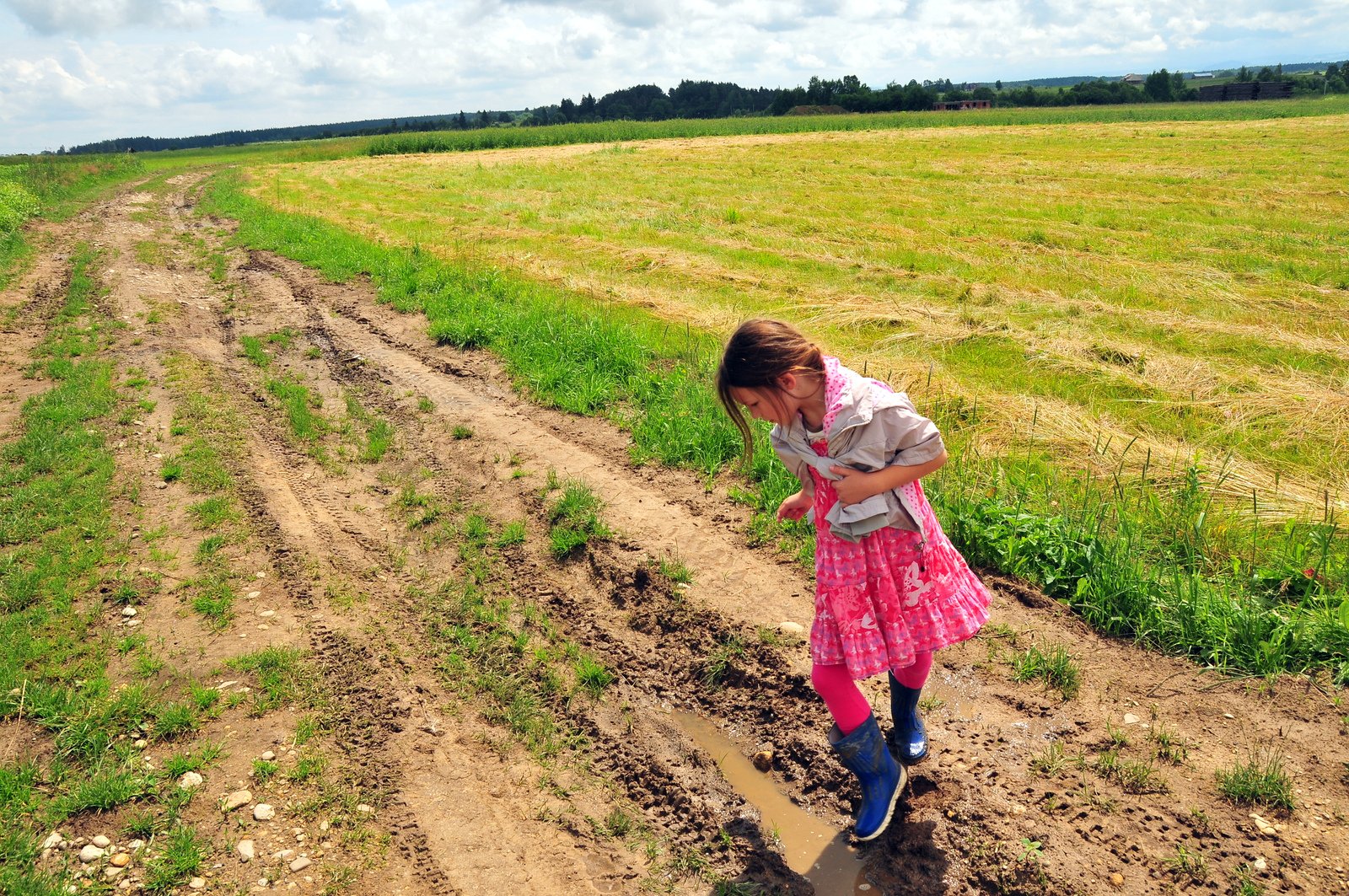
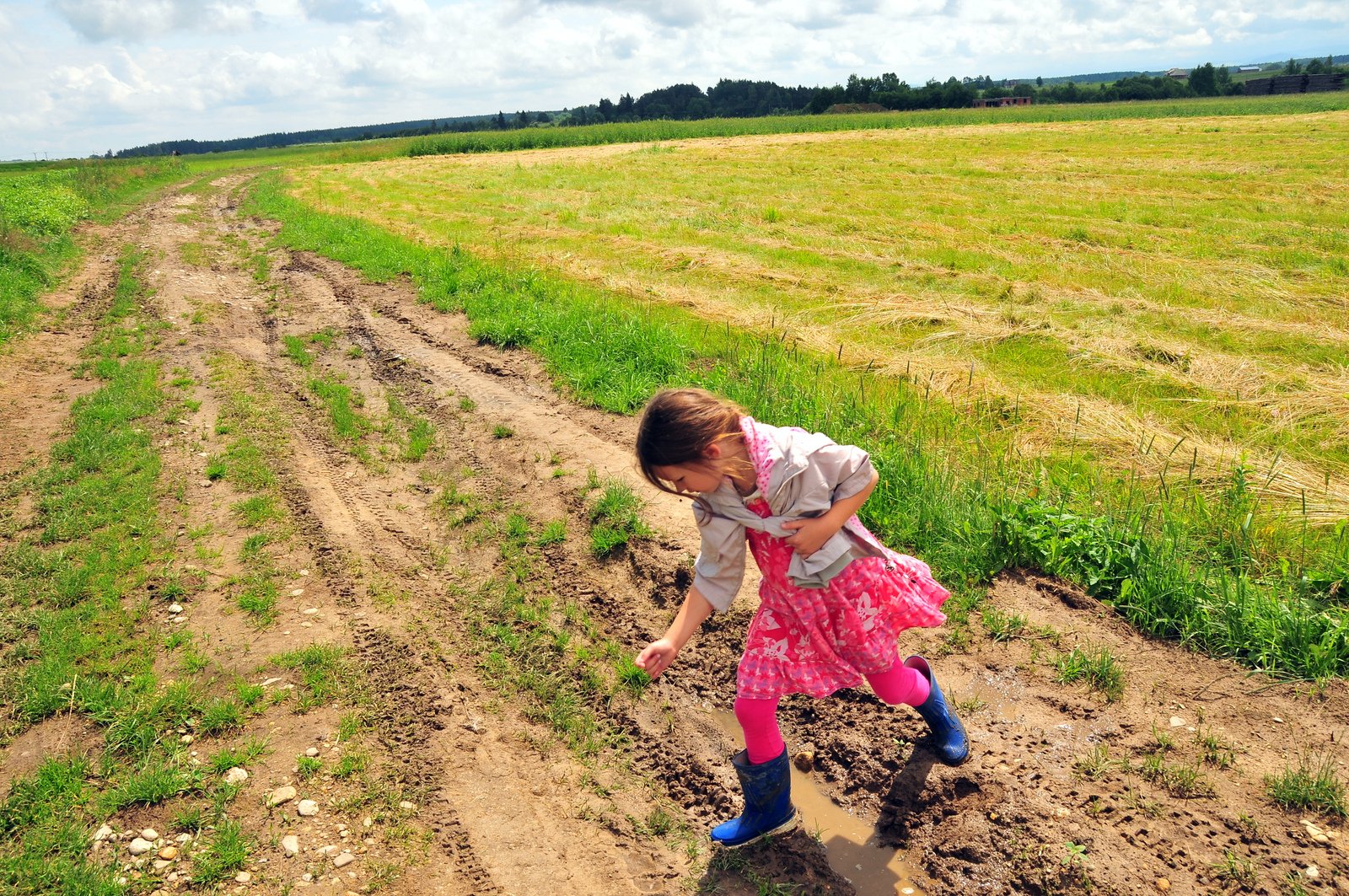
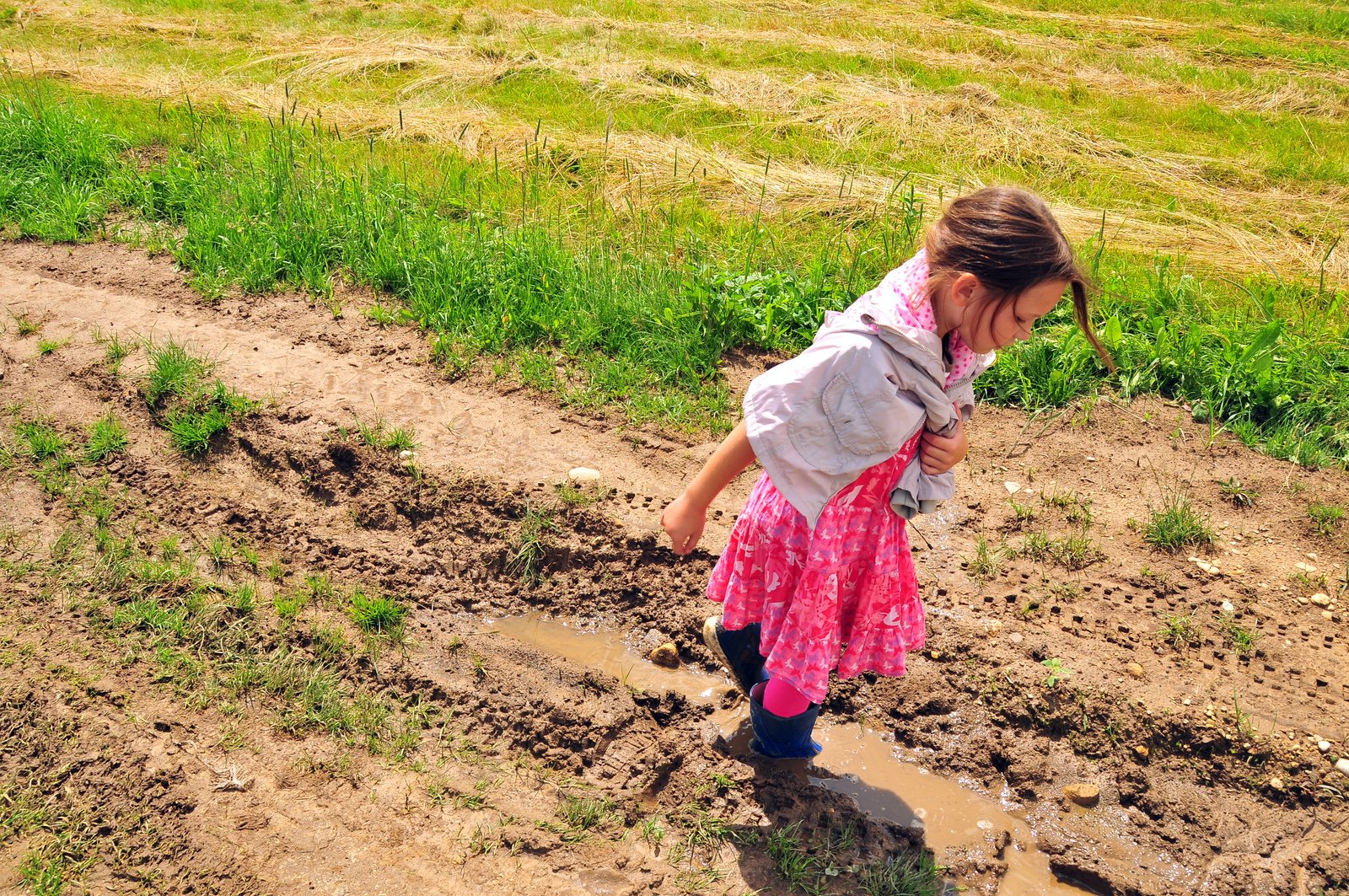
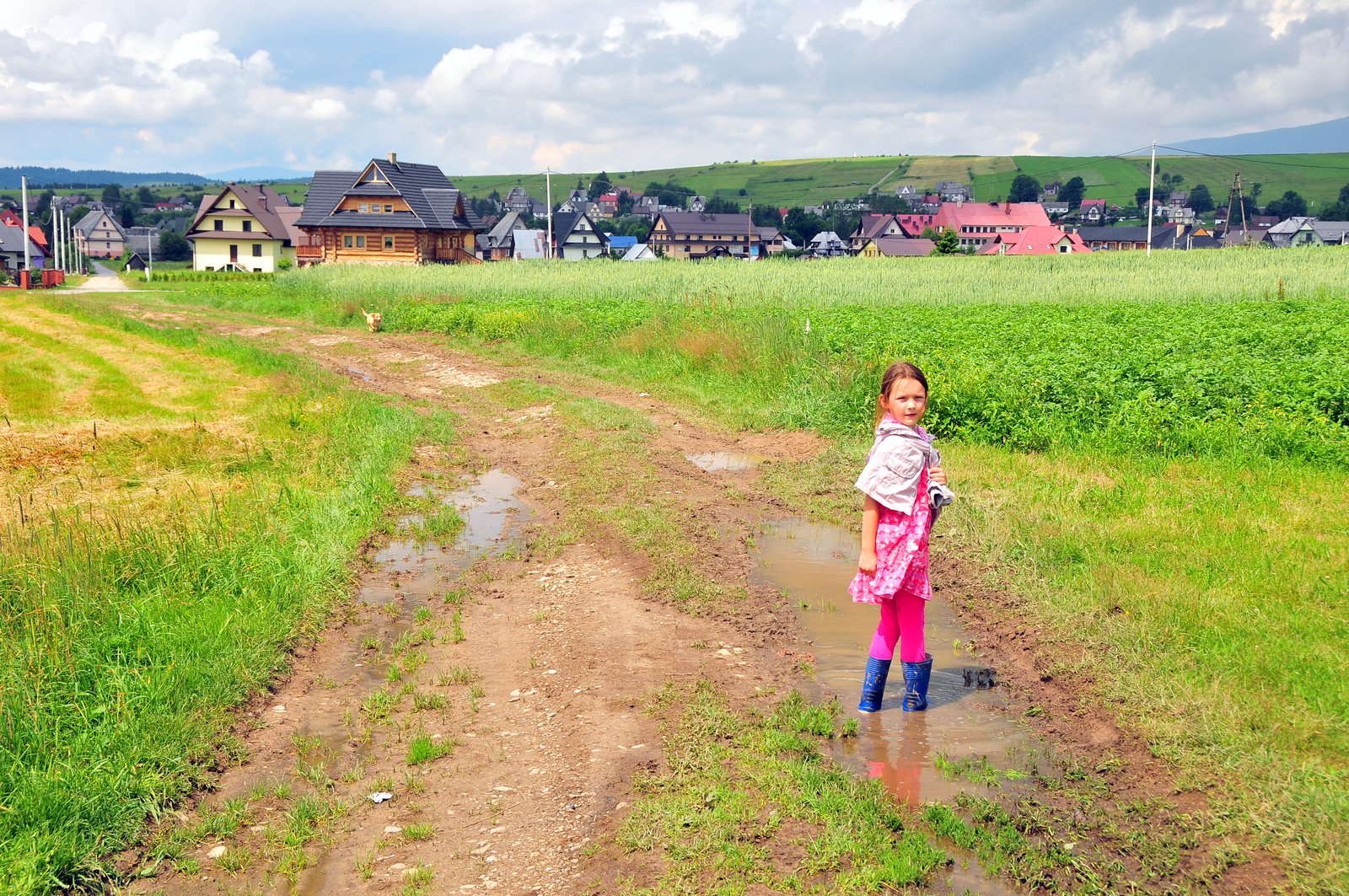
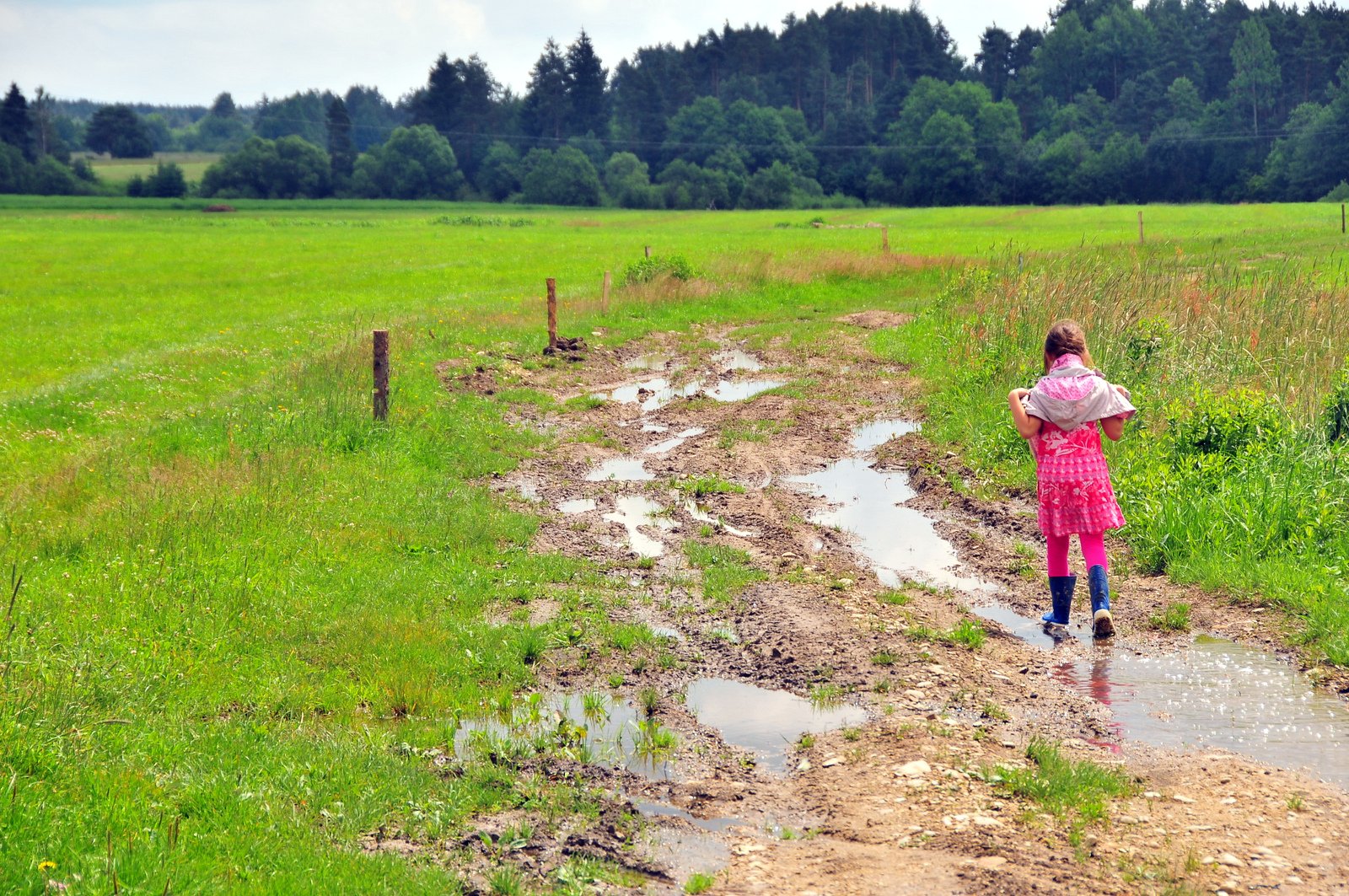
Take a six-year-old, some puddles, and a pair of gum boots and what do you have? An obsession with every (and I mean every) mud puddle.