"We can just walk in? Just like that? In every school here?" E was incredulous: how could we have just walked into the high school where I taught for seven years without providing any sort of identification, without anyone stopping us at all, without anyone having anything to say unless they recognized me and, surprised to see me, greeted me with a bit of shock?
"They don't have school shootings here," L replied, as if it were completely obvious. As if school shootings, lock downs, and drills were so normal that everyone in the world could have answered that question because of the ubiquity of school violence.
"Oh, yeah," he replied, remembering the reality of the right's obsession with the NRA's re-interpretation of the second amendment that consumes the GOP and plagues the rest of us with the near-constant threat of mass violence.
Thus we began our day with a quick visit to the school where I taught for seven years. Everything has changed and yet nothing has changed. But E was less interested in the school itself than he was with the fact that we just walked in as complete strangers and not a single person stopped us or even questioned us.

Is that how it should be in a school? Shouldn't School Resource Officers and metal detectors be completely superfluous to a well-functioning school? For me, it was another sign of the simple fact that in many ways, life in Poland now is vastly superior to life in the States. The standard of living in Poland in many ways surpassed that of America some time ago. Certainly it is not as rich a country in many respects, but must we always measure value in currency?
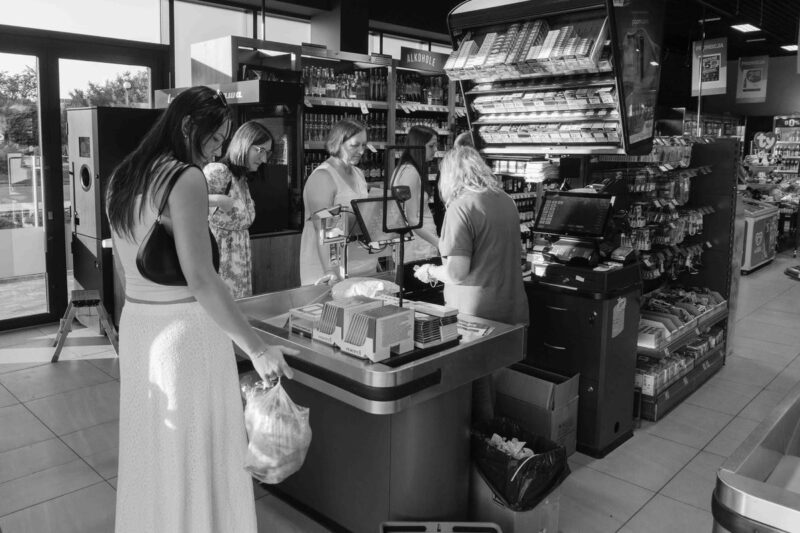
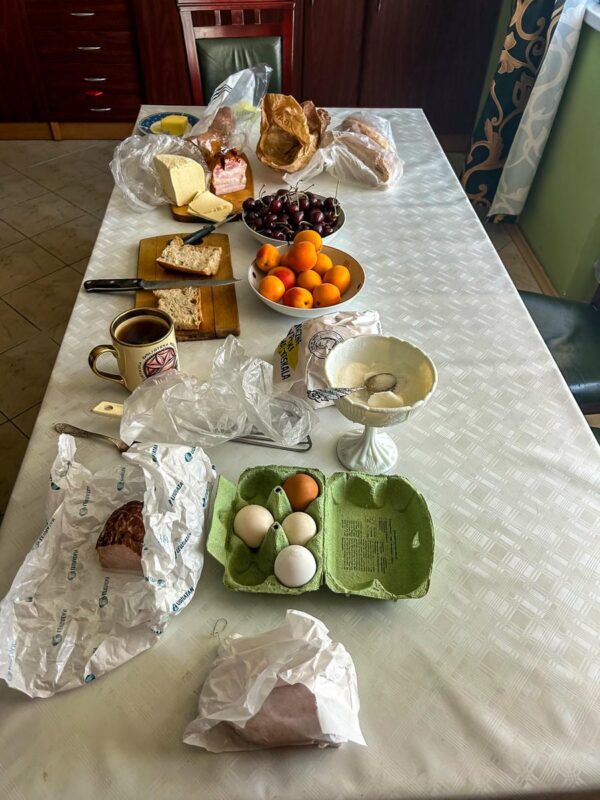
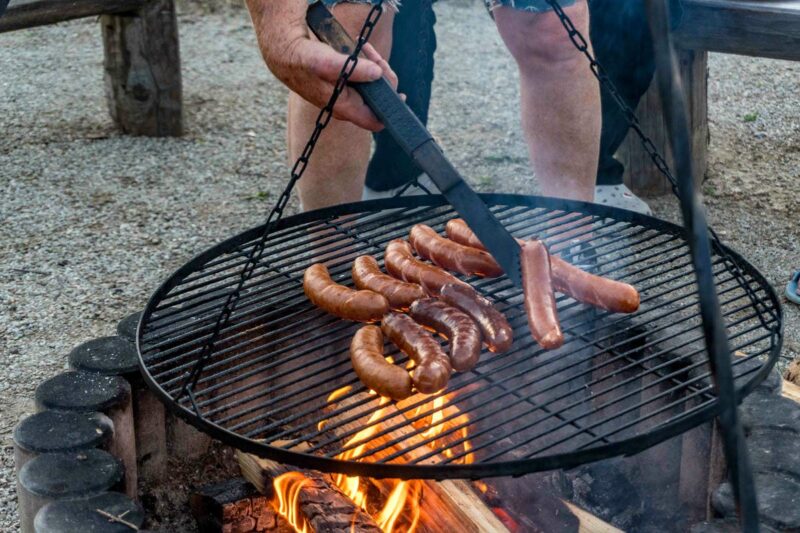
Long ago the kids commented on the better quality of food (particularly wędliny, which translates to "lunch meat" or "cold cuts" but such translations hardly do it justice, so superior it is to almost anything one can get in the States), and it's always the little things that make the difference -- as if going to school without fear of being shot is a little thing.
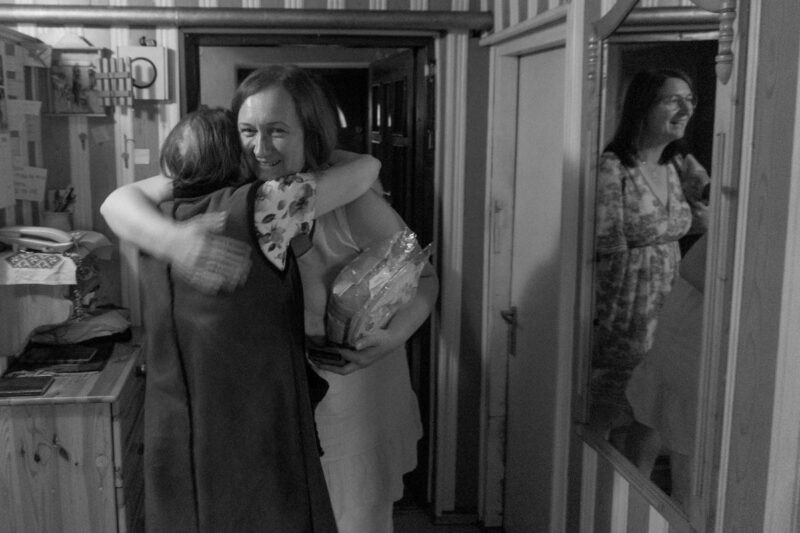
Afterward, I took the kids back to Babcia's and I returned to Lipnica for a little more visiting. I drove to the top of the village to visit another school where several other teachers with whom I'd worked were now teaching. I got to talking to the director -- who was the Polish teacher at my high school -- about the differences between American and Polish academic bureaucracy. We decided that both systems now have one thing in common: required reports that are so useless that one can simply drop some instructions in to one's favorite artificial intelligence interface and get a perfectly adequate report that one can submit in full confidence that absolutely no one will read it.
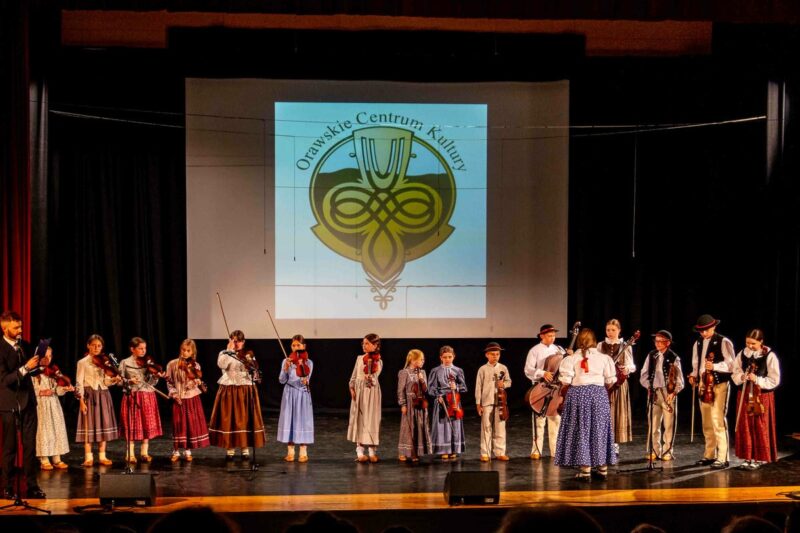
In the evening, yet another contrast: we attended an end-of-the-year concert of students in a local music school that focuses on traditional regional music and dance. To imagine such a school in America, funded by the state and focusing not just on the humanities but on very specific regional music -- to imagine is impossible.
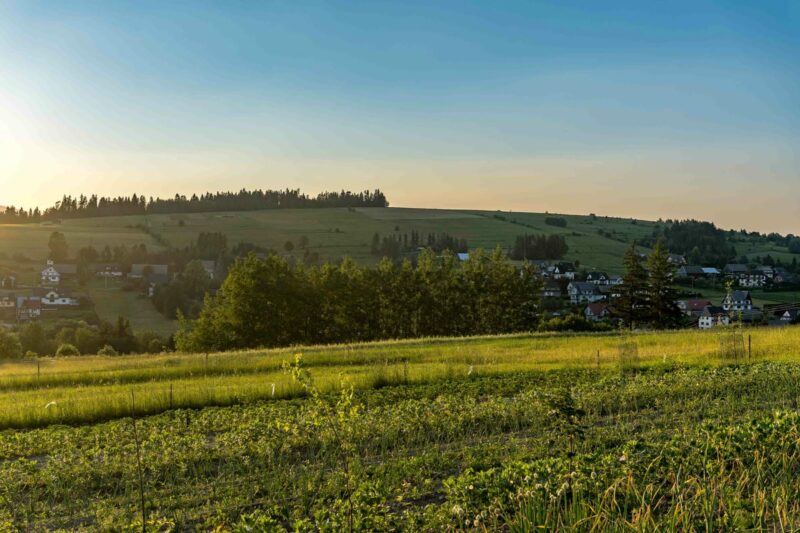
Culture for us is something largely found only in yogurt, and it's certainly not something we're going to waste good taxpayer money on. No. We spend our taxes on the truly important things, like reliving the ultra rich of the unfair burden of paying their fair share of taxes. We spend our tax money on American Flag Blue liners for reflecting pools in order inadvertently to increase algae growth and make the reflecting pool a swampy metaphor for our ruling party. We spend our tax dollars attacking countries that have not attacked us only to negotiate a vastly inferior treaty that costs us even more and provides even less security. True democracies spend their money on increasing the anxiety and lowering the standard of living of all but its wealthiest citizens.
It amazes me how America served as the model for so many countries that in so many ways have now surpassed America. So many Poles who left the homeland for greener pastures have now realized that Poland is in fact in many ways now superior -- and they're returning. From America. From Ireland. From Germany. From Austria. Poland has reached a certain parity with these countries, and those who left searching for a brighter future in a foreign culture realize they can have a still brighter future in the culture of their youth.
Which leaves many who have not returned wondering if it's time to go back.
Everyone who leaves their home country must feel this way at some point or another. Leaving behind all that you know to start a life, to begin a family in a completely foreign culture -- it's not a decision one takes lightly.
And so people return. And those of us who do not return wonder if we shouldn't have stayed.
It's a question that will never reach any true sense of resolution, because to change everything from the last several decades is just as uncertain as leaving a country in the first place.