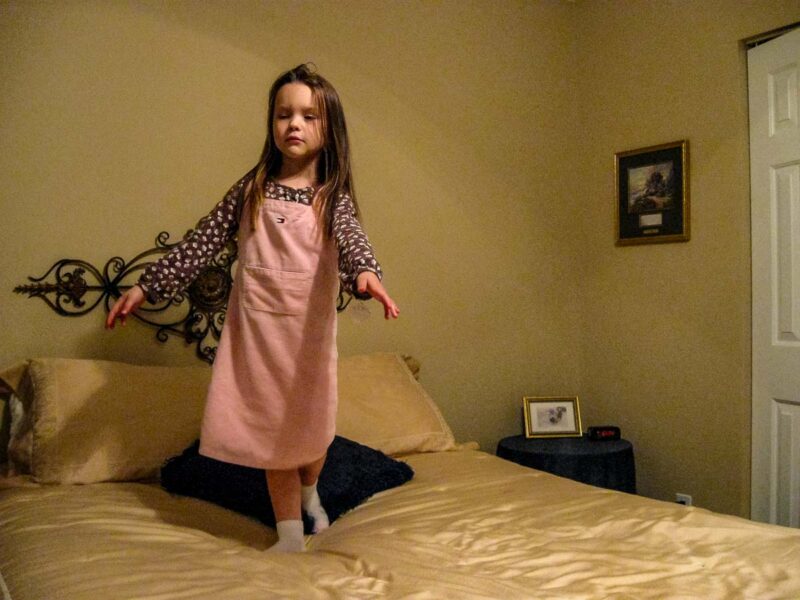
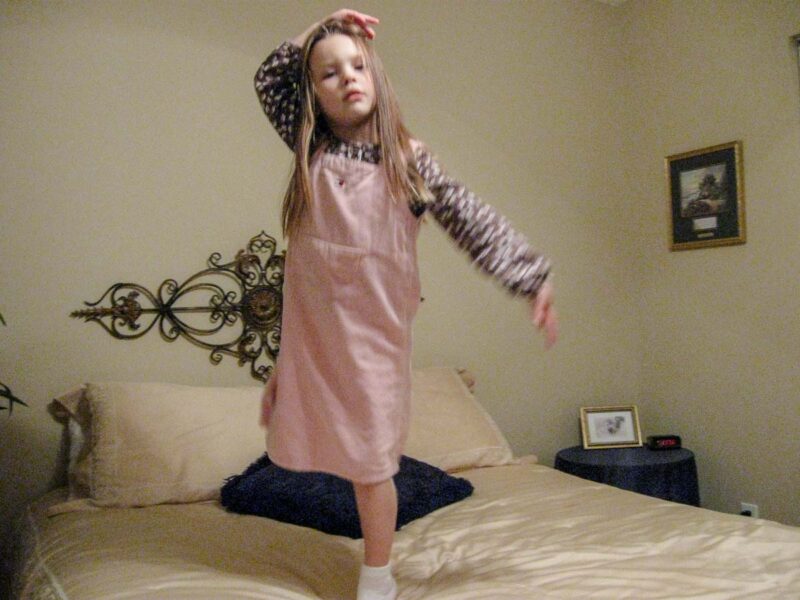
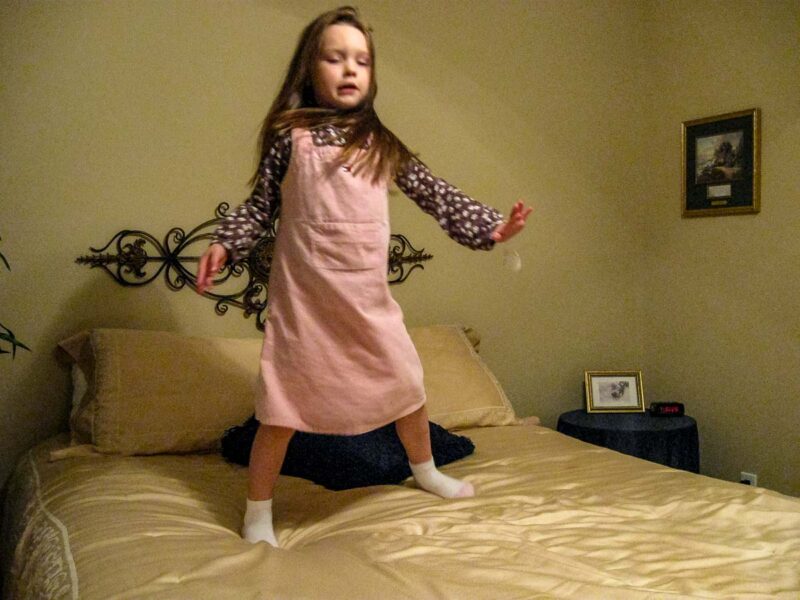
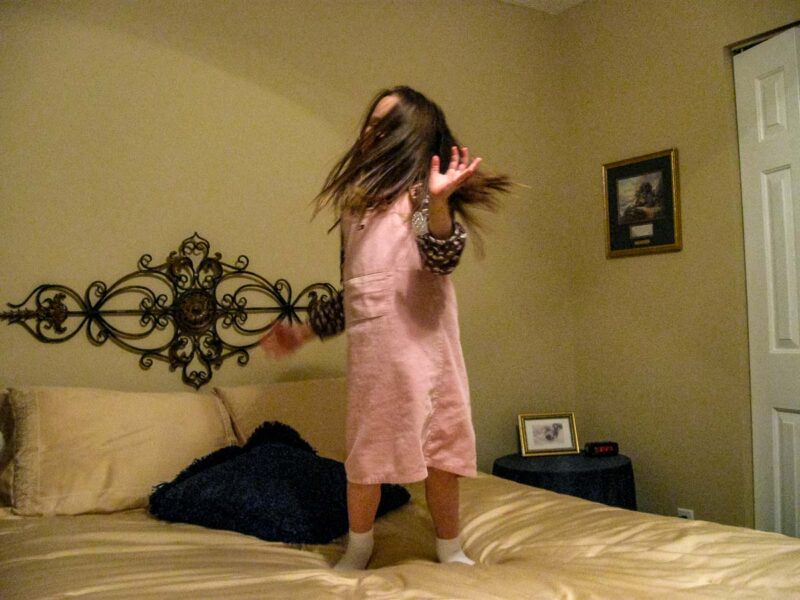
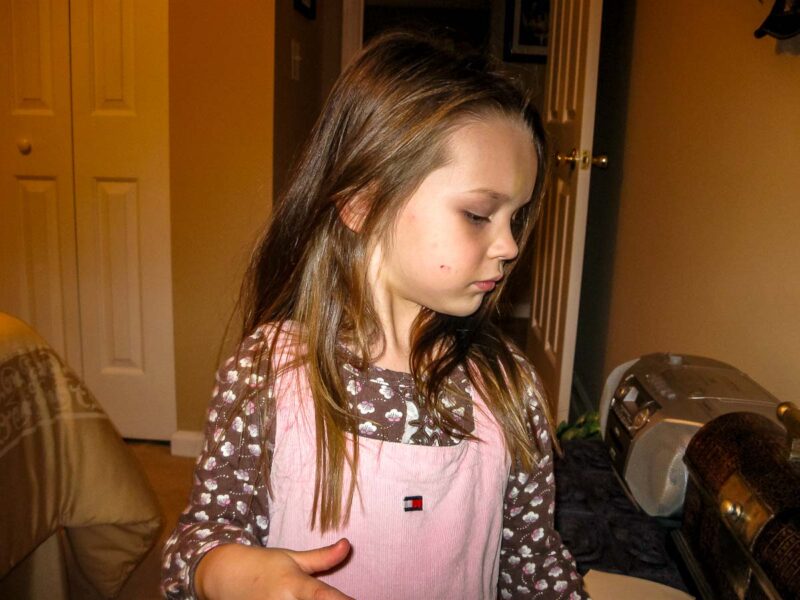
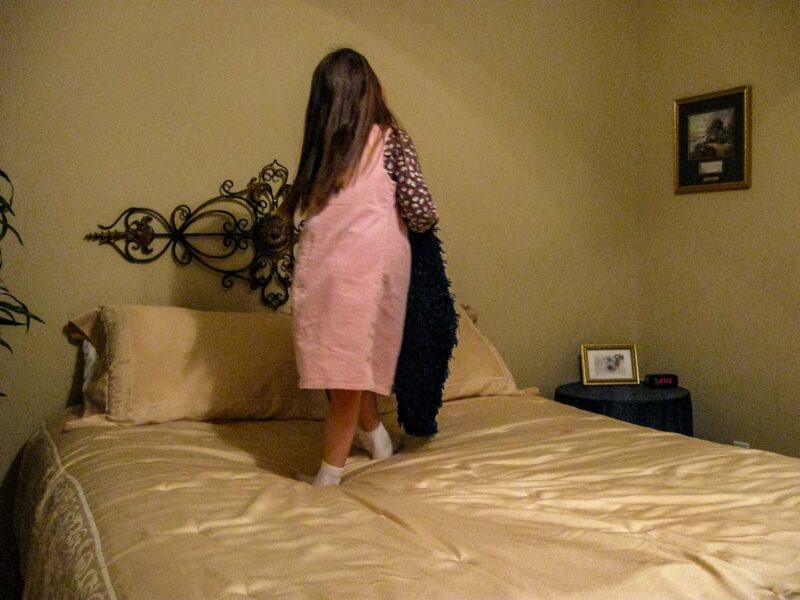
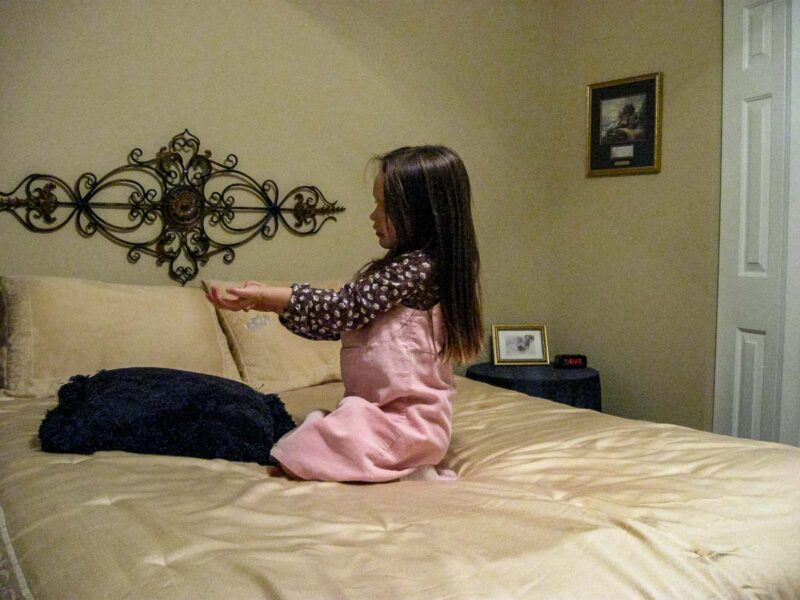
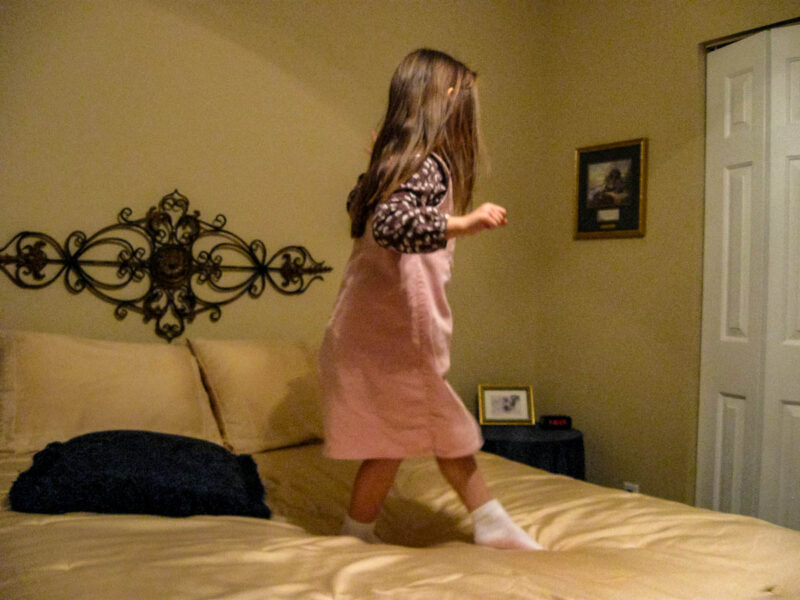
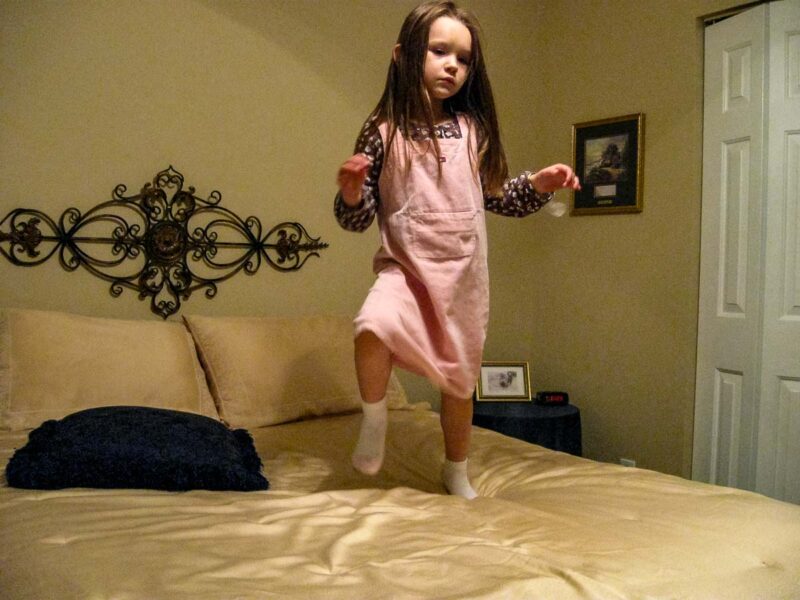
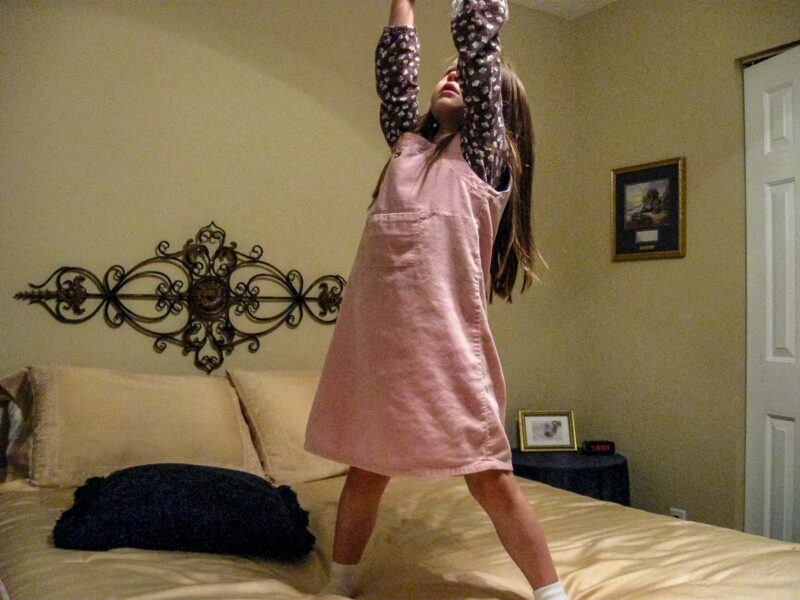
Twelve months of the Girl -- as the years pass, the significant changes do not occur within such a relatively short time span, and they're more and more invisible to the camera.

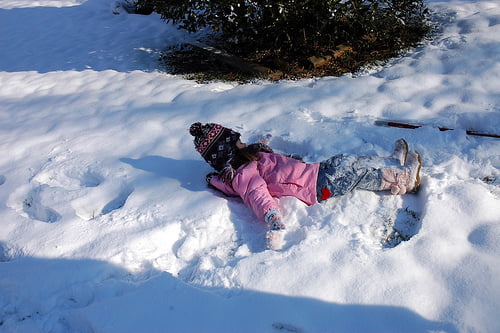
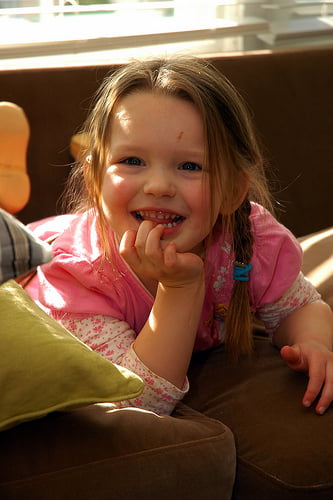
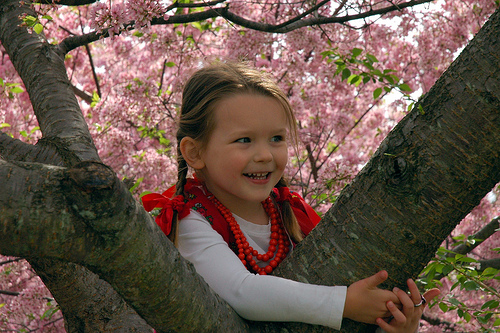
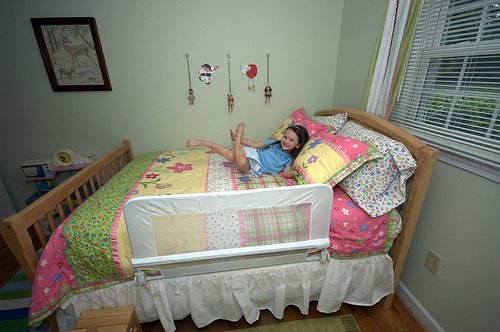
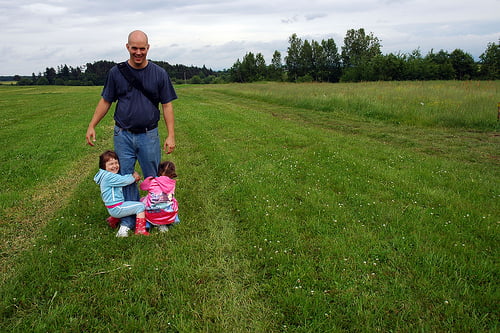
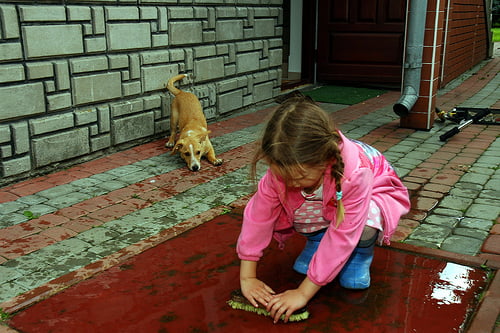
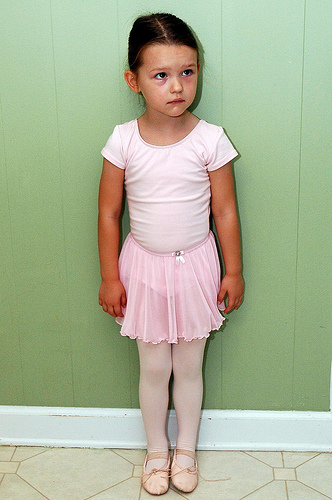
fun in threes, sometimes fours
the girl
Twelve months of the Girl -- as the years pass, the significant changes do not occur within such a relatively short time span, and they're more and more invisible to the camera.
“Do you dream of being a princess?” coos one of L’s Christmas gifts before offering game-play options.
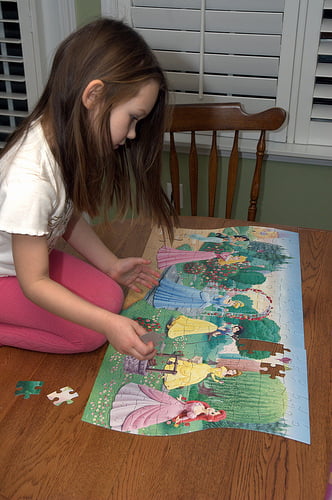
Why does L have such an obsession with princesses? It’s not like we initiated it, though we’ve done very little to encourage or to discourage it. (Relatives are a different story!)
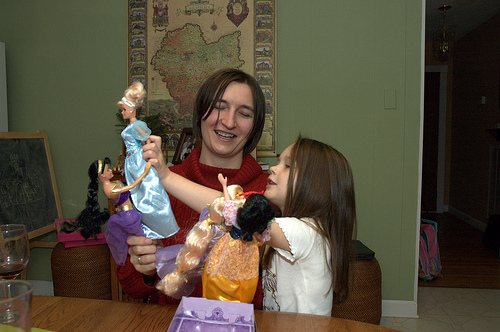
Granted, L has watched the films several times: Cinderella, Sleeping Beauty, The Little Mermaid, and several other princess films. She has a few princess books — usually thick books we refer to as “the princess collection” and “the other princess collection.”
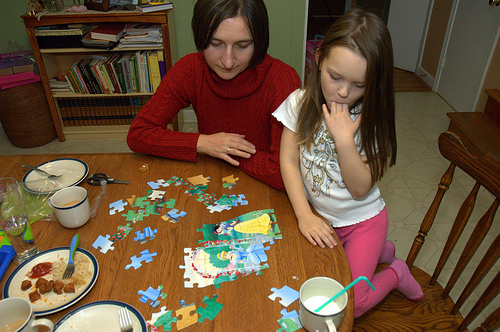
“Do you dream of being a princess?”
My concern is not necessarily the notion of being a princess; it’s the notion of being a twenty-first century princess, a highly sexualized image that encourages girls to flirt in grade school and has teen fashion magazines offering advice on the cover for how to have a “sexy beach” hair do.
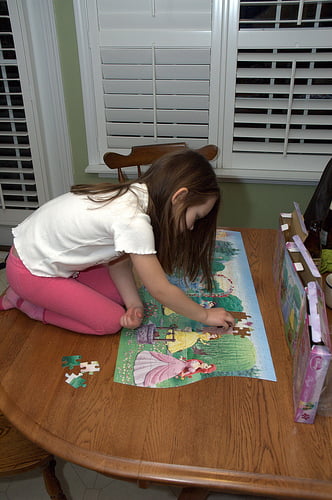
“It’s a long way off,” some might say. “She’s only four.” When I hear stories of six-year-olds getting cell phones, though, I realize the pressure begins shortly.
Or perhaps it’s already begun, the pressure to meet society’s standards of what a “Real Girl” is like. Perhaps that’s what the princess obsession is all about.
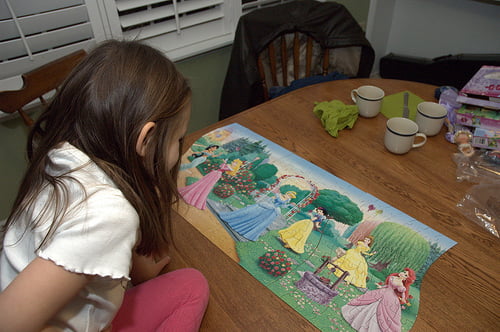
Perhaps. It’s somewhat depressing to think that we’re entering a period during which peer pressure is as influential as — if not more than — parental influence. There’s a balance there that we are just beginning to feel out. Its contours are still nebulous because the actual relationships and ratios are still unclear. In the end, it’s all about awareness.
If only it were that simple.
“Can we go outside?” L asked.
“Of course.”
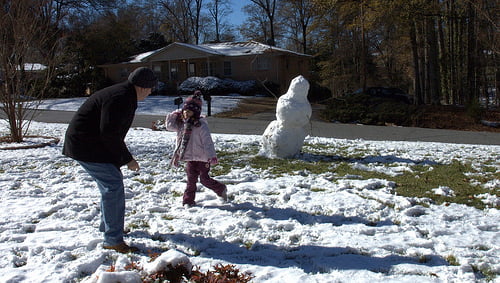
“I know what we can do!”
“What?”
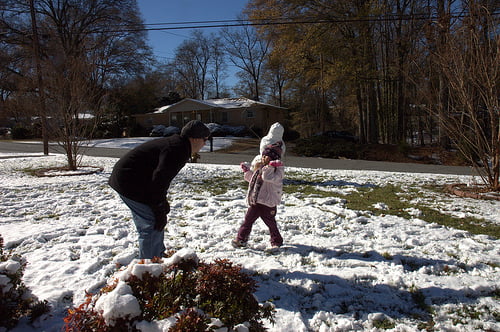
“We can make balls out of the snow and then throw them at each other.”
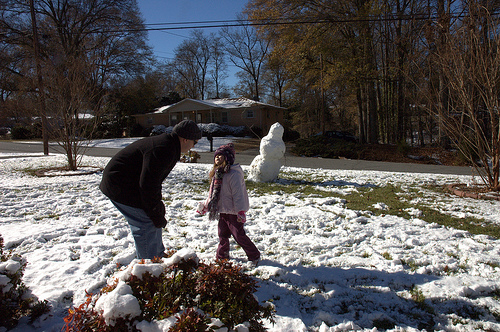
“Excellent idea.”
The day before Christmas Eve in a Polish household is always frantic. Cakes to bake, salads to make, and general culinary chaos.
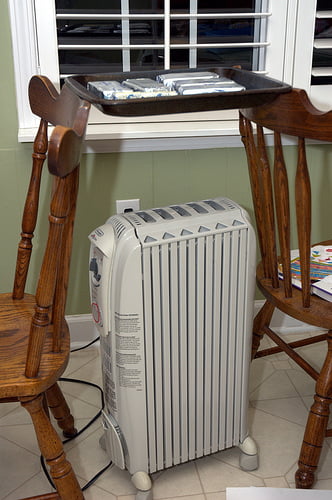
The heating system dying in the morning didn't help, though. The verdict: the zoning system's main control board is malfunctioning. Cost: the part alone runs $1300. Time to make some decisions. Merry Christmas from Arzel.
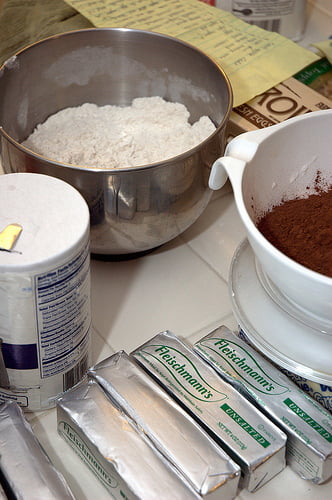
In the meantime, we have baking to do. Cheese cake, for instance, requires room-temperature ingredients, a fact inconveniently forgotten by inexperienced bakers the world over.
Fortunately, we had a little helper today to get us through the tough parts. Without her valuable advice and assistance, I'm sure we would have got finished much more quickly than we did been at a complete loss.
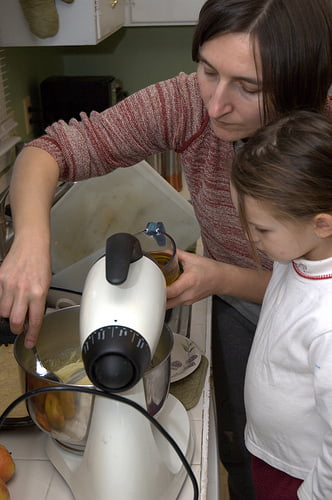
With her in the kitchen, it's a constant battle against her curiosity. "I want to do it!" is her refrain.
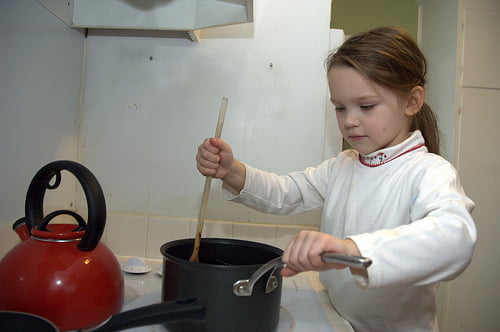
At the same time, how can one battle curiosity? Who would even want to? It's a question of direction and redirection.
Our daughter, thanks to a bi-lingual mother and multi-lingual daycare, knows songs in four languages.
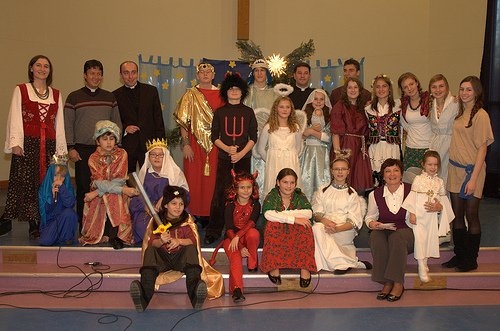
Nativity plays date at least from the time of St. Francis of Assissi, eight hundred years ago. This weekend, the concept was, once again, Polish-ized.
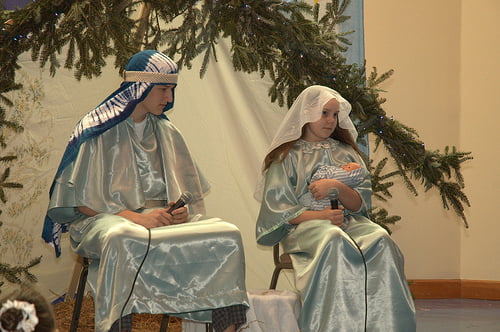
To be fair, it was not a one-off occurrence. Nativity plays, called jasełka (ya-sewl-ka) in Polish, are as customary during the Christmas as wreaths and carols.
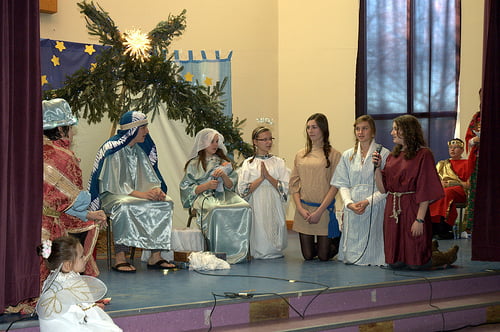
Unlike the modern American nativity play, which is often relatively high tech and performed by adults, Polish nativity plays are almost always entirely a production of children and adolescents -- under the direction of adults.
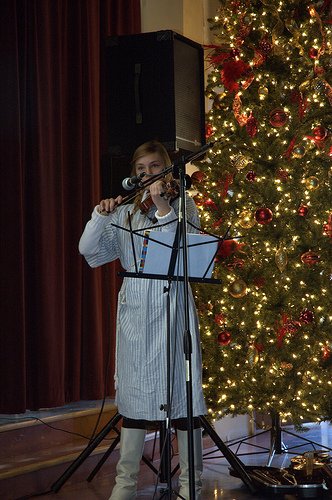
So in schools and churches throughout the Polish community worldwide, children are have been putting on nativity plays much like the one the small Polish community here watched this afternoon.
Yet this play was somehow different -- incredibly different -- than all the plays I watched while teaching in Poland. During the final days before Christmas break, students and faculty gathered to watch the year's play: it was often, it seemed to me, an attempt by the directing teacher simply to impress the other teachers.
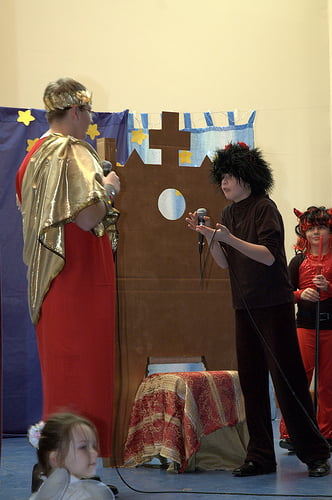
These actors were American children of Polish heritage, children who speak English naturally and Polish only when spoken to by an adult. Their Polish has the traces of limited exposure: accents, weak grammar, lower-level vocabulary: they speak Polish like I do, in other words. For all intents and purposes, Polish is a virtually-foreign language to them.
For them, it's the language of parents and parents' friends, a language to be spoken only when spoken to. When they sit around, waiting for their scene during rehearsal, they lapse to the more comfortable English, the language they speak without thinking.
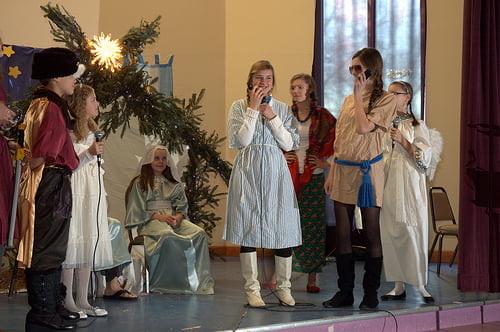
And yet they memorized line after line, exchange after exchange, and performed it with few cues.
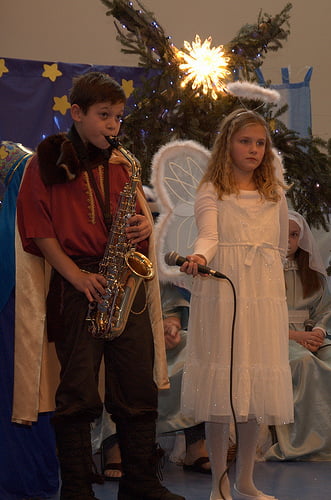
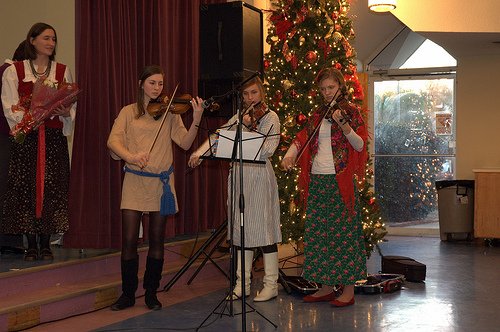
It was a showcase, a moment for kids to show their musical, acting, and linguistic talent. It was a celebration of one of the pivotal events in history -- the pivotal event in the West.
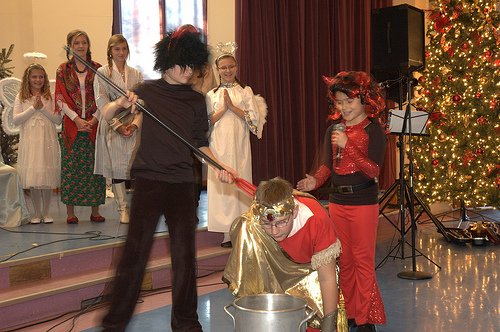
At the heart of the afternoon was the sense of community, the sense of belonging. In between scenes, the audience joined the kids in various renditions of the most popular Polish carols. Put ten Poles in a room together and they'll end up singing: yet somehow, in suburban America, it had a special glow.
For K and me, there was a first -- a first of many, I'm sure. As part of the finale, L sang a solo.
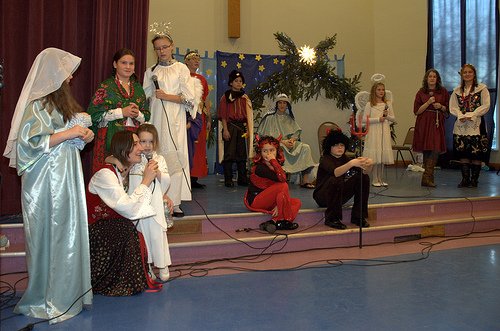
She was was off pitch and out of tune, but it was the sweetest moment I've ever experienced as a father.
L and I are playing Candy Land. It’s a dry, boring game, to be honest, but I’m not doing it for my own entertainment: that comes from watching her.
Still, I’ve been trying lately to make it a learning experience, as a way to help her deal with her frustration. It’s a simple premise: stack the deck occasionally, placing the Candy Cane Forest card for the next drawing when she’s seventy-five percent complete.
“Oh, rats!” she declares, retreating almost to the beginning of the game board.
I try to make it a little more frustrating, dropping the ice cream cone card into place for my next drawing. Will she get frustrated that she “obviously” has no chance to win? Will she want to stop? Will she complain?
No — nothing but a laugh.
There’s only one thing left to do: make sure she gets a few doubles to catch up — not win, but catch up.
The game takes longer than it would have if we’d just drawn and let chance decide the winner. But the girl has uncanny luck and wins more often than not. A loss or two does the spirit good.
Time is a relative thing. Scientists tell us that we can travel so fast that time slows. In 1582, Pope Gregory XIII convinced the whole western world to skip ten days.
Yet it's the smaller moments that have the true significance.
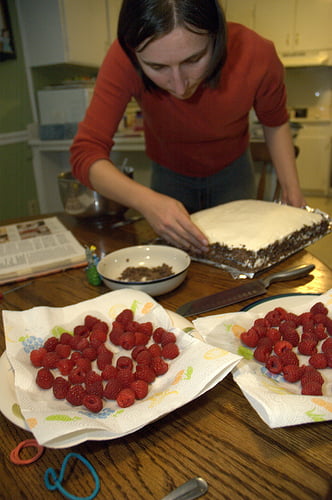
It's the smaller moments that see a devoted mother spending an entire Friday afternoon baking a cake for a little girl and her guests.
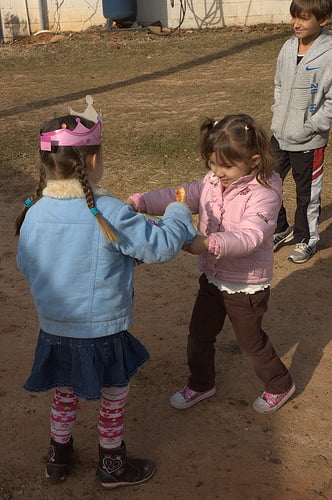
It's the sweeter moments that see the welcoming of a beloved friend with mutual squeals of joy and anticipation.
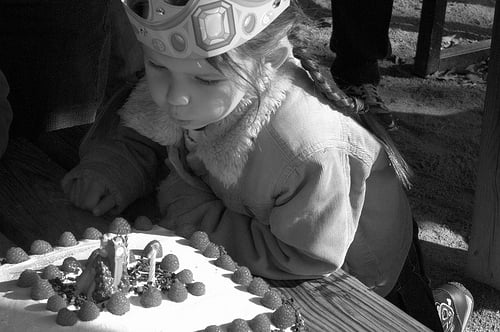
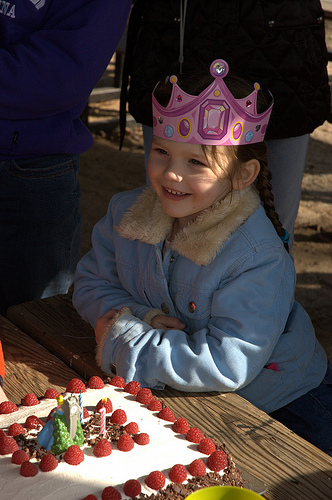
It's the moment less than the flickering of a candle that we all remember, the moment that a little girl has been excited about for days.
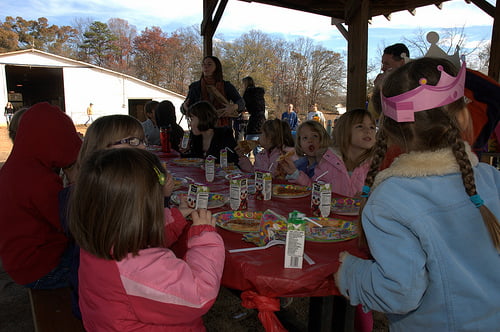
It's the moments that finds us surrounded by friends,
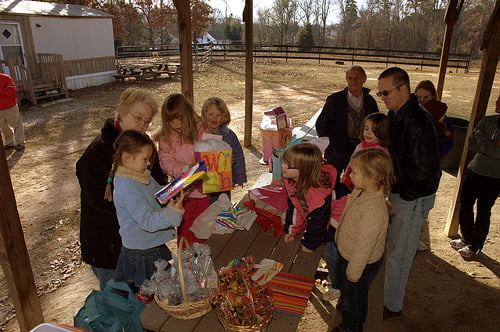
friends who have taken a few minutes out of their lives to come celebrate with us.
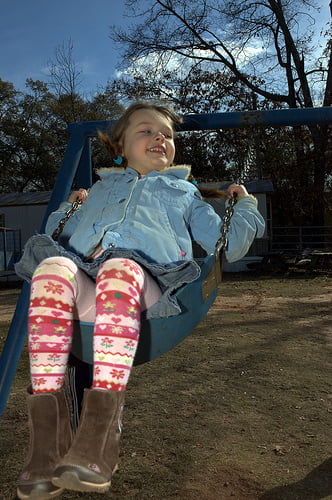
Within these series of moments, I catch a glimpse of the future. It happens every now and then: a pose, an expression, a gesture, and suddenly I see what our sweet daughter will look like in five, ten, fifteen years. A birthday celebration offers a hint of birthdays to come, and the bitter-sweet realization that these present moments are disappearing all too quickly.
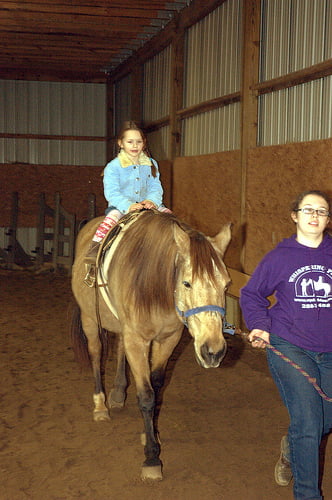
The pony rides will disappear. "Oh, Tata -- I'm not interested in ponies anymore." It's bearing down on us, this reality, and I both dread and eagerly look forward to it.
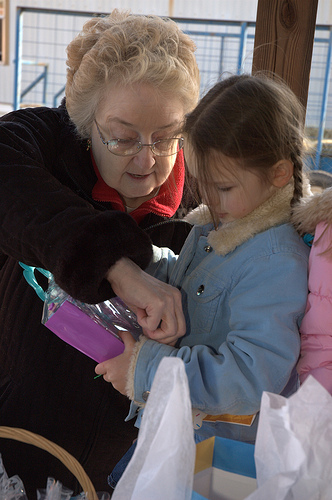
In the meantime, we -- family and friends -- enjoy the moments of helping and hugging, the moments of screams of laughter often followed too shortly by cries of frustration. There's a big girl inside our L, but she's still a little girl. Almost one year older now, but a little girl all the same.
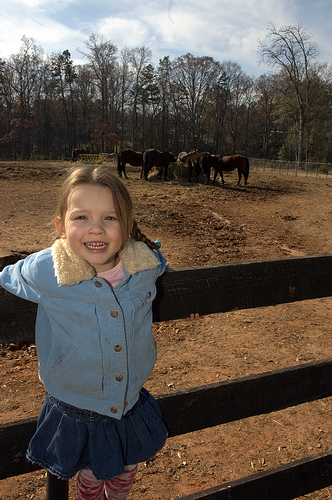
"Technically, it's not your birthday," I try explain to her.
"You mean I don't have my birthday party?" she replies, in a panic.
"No, you're having your party today, but your birthday is Thursday."
"But Mama said today is my birthday. Today is my party!" There's a certain panic in her voice that tells me that time is such a relative, elastic thing -- after all, in Asian cultures, children are born one year old -- that I can shift time and calm a panicking daughter with few repercusions.
"Well, Mama was right," I relent.
"You were just joking," L giggles.
Perhaps, but not about this: happy early-birthday, our sweet daughter. May all your birthdays be raspberry-covered and laughter-filled.