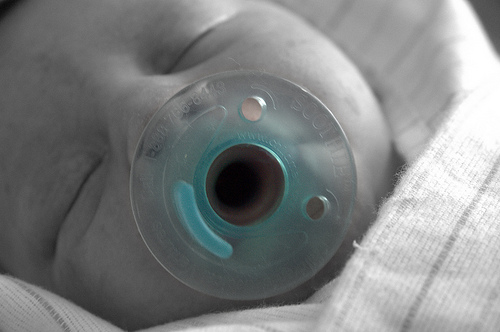
Hardly a substitute.
fun in threes, sometimes fours
the boy
Hardly a substitute.
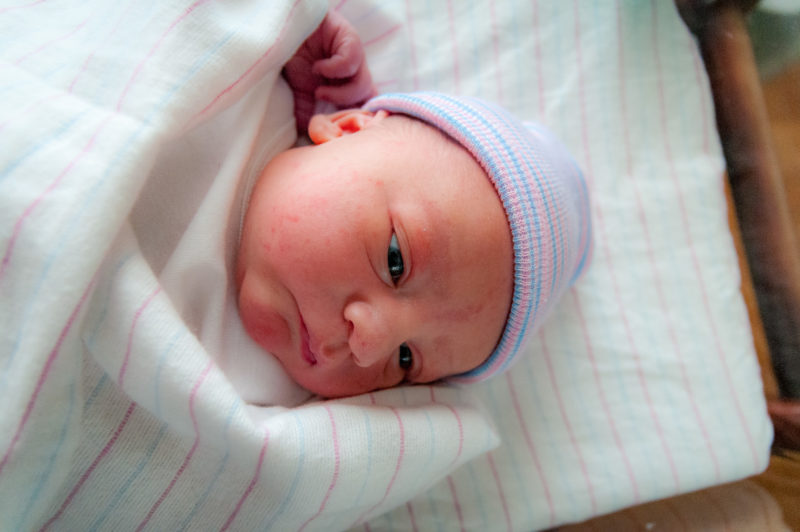
The birth of our son today leads to thoughts of matters of significance: of the miracles and improbabilities of love and life; of the cosmic scope of unbounded affection and the microscopic details it discovers; of the sweetness of sacrifice for sweetness; of the paradox of pain in beauty and beauty in pain; of phlegm and blood and the sacred oils of life; of the indescribable perfume of a newborn and the musicality of his cry; of the promise of motets, poems, and equations that threads through a life from the moment of conception; of the paradox that one plus one equals one, two, four, or more; of the perfect symmetry of our asymmetrical familial lives; of a softness too delicate to believe and too tough to be broken; of the illogical logic of a mother’s love; of trust and patience and a million other things that shouldn’t exist in a purely material world; of souls and blessings and angels; and of a father’s circular reasoning.
There are biological and anthropological explanations for all this. Studies of nature show we are unnaturally natural and naturally unnatural, that we have the same codes at the heart of our being as chimps and many of the same behaviors circling out from that almost-identical genetic blueprint. Physics and astronomy combine with chemistry to form a foundation for a biological explanation for why I would fight to the death for my son, daughter, and wife, but even the most elaborate string theory or quantum physics can make sense of it, can discover why I should, can illuminate the goodness of altruism.
And so I am left in a chilly room with an exhausted wife and a swaddled son, an energetic daughter bouncing from idea to idea with grandparents who can only try to keep up, and the realization that at the heart of it, the mystery of this all is what must be at the start and finish of any human endeavor. Mystery is the thread through our lives that strings together all our happy accidents and makes continuity out of chaos. Mystery, in the form of love, is the thread that makes embroidery out of our lives, but someone must be pulling on the needle.
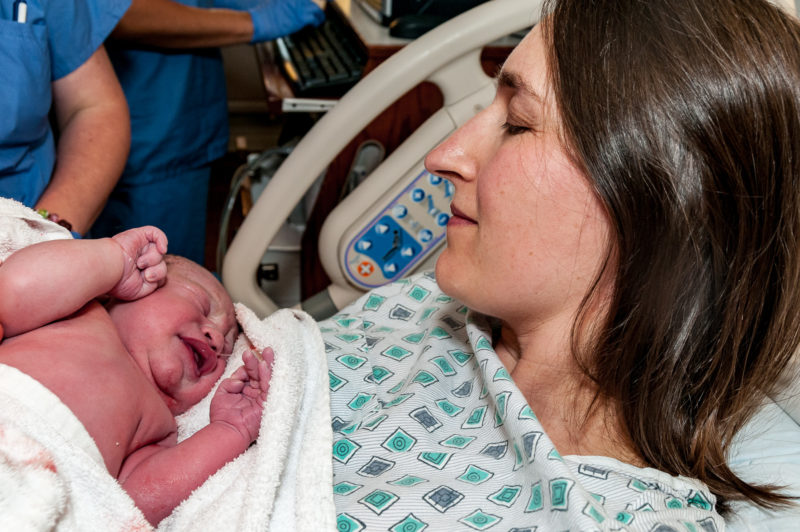

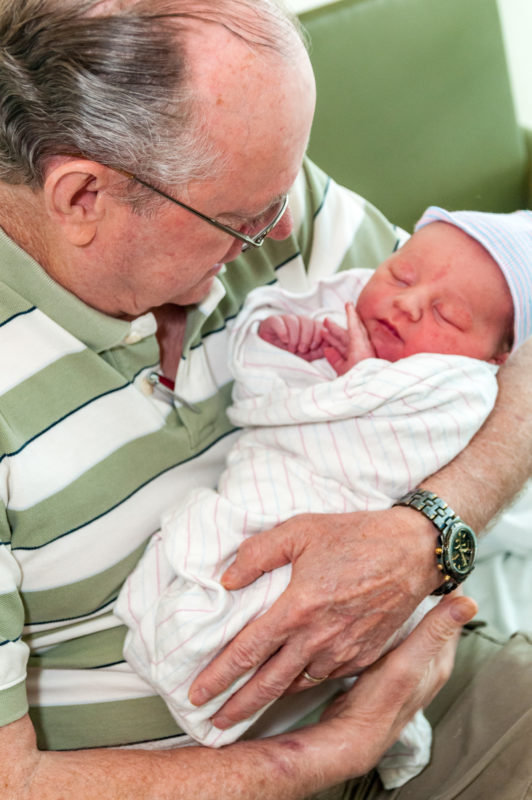
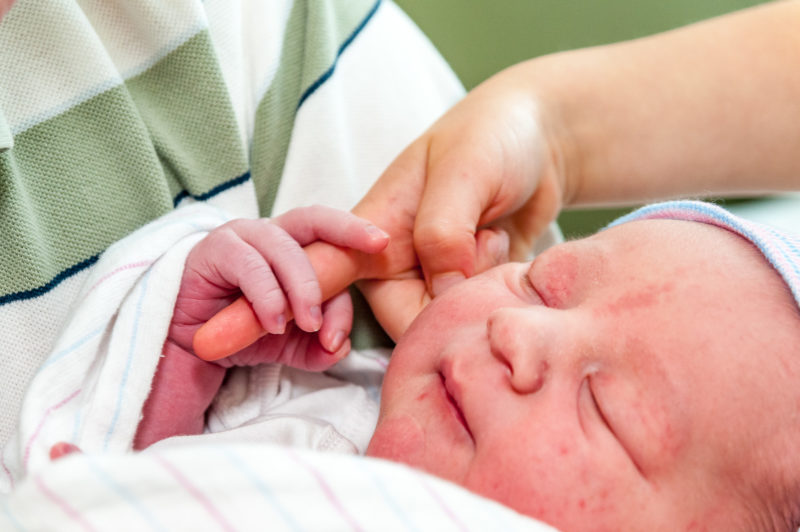

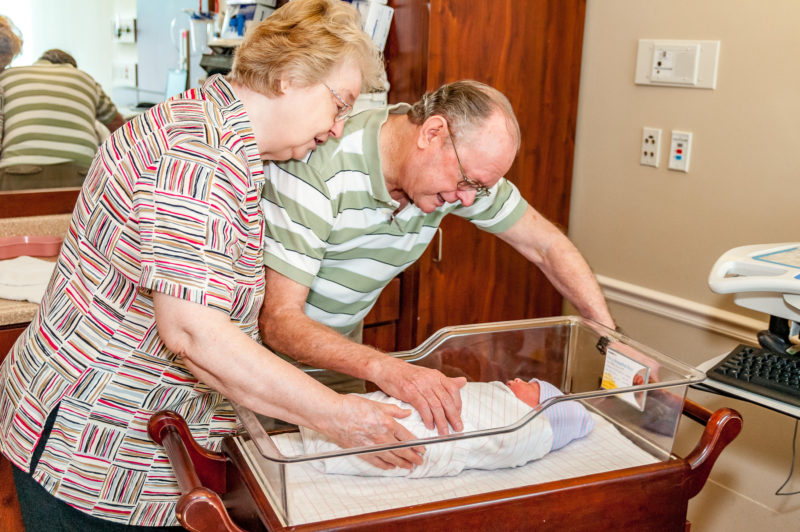
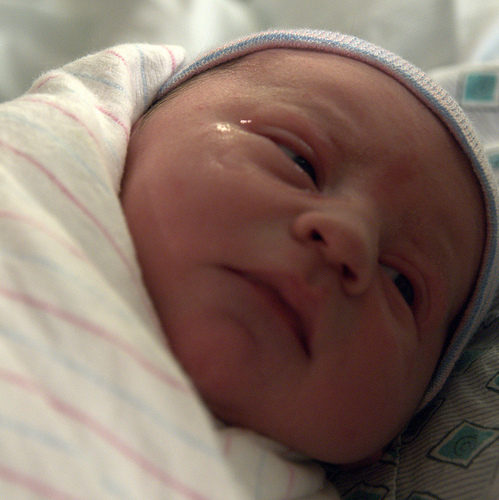
Ten pounds, five ounces.
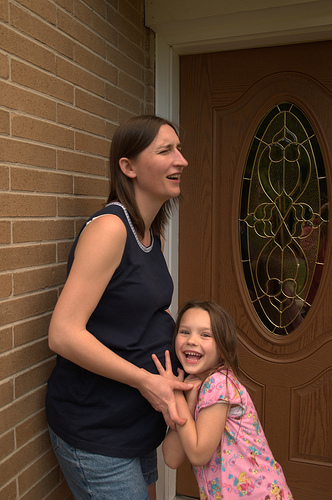
“Oh, L!” is a common refrain.
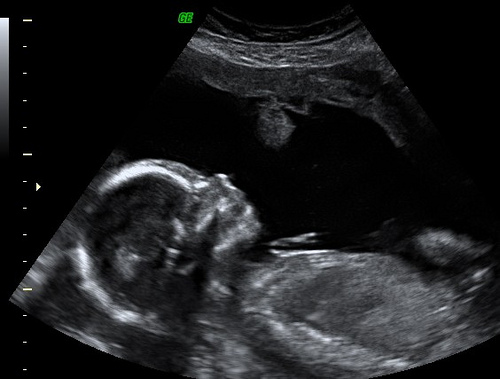
Spring is a time of expectation and rebirth. Or simply birth. With four weeks remaining until the Boy's due date, it's time to complete the final preparations: clothes need washing, cribs need assembling,
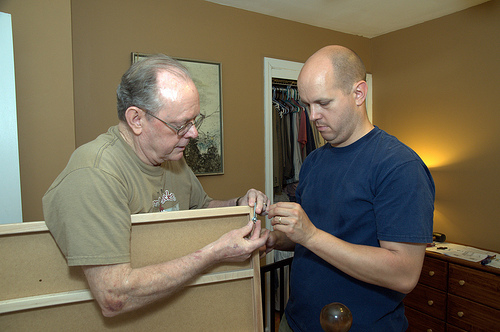
and final days as an only child need enjoying. We're all bursting at the prospect of a new member of the family, but I suspect that it won't take long for the Girl to start remembering how peaceful a Saturday afternoon could be when she was flying solo.
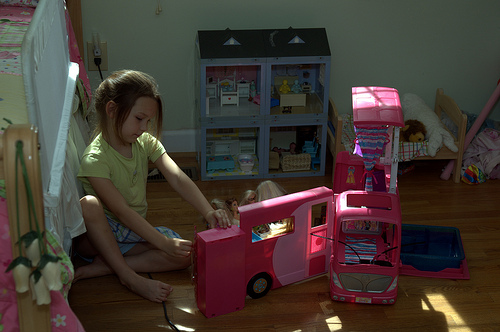
But there will be things only she can help with for several more years: her place as the special helper is secure for the foreseeable future.
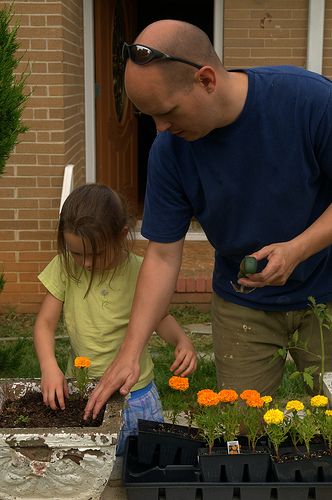
So is mine.
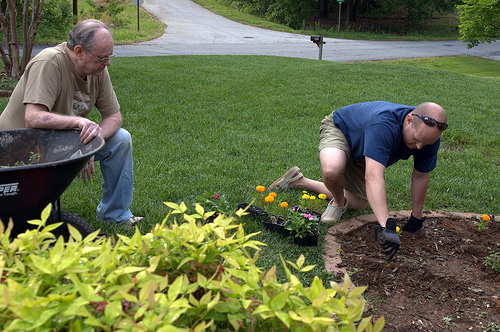
There are times when the Girl most decided looks older than her actual age: riding her bike in the carport the other day was such a time; at the beach this summer was another. Yet looking older and being older are two different things. Indeed, looking older, acting older, and being older are three different things. Two of those three are out of anyone’s control. Acting older is a function of biology (brains and bodies must develop, after all), psyschology, and lastly, choice.
I try to influence that choice by increased reference to the Boy. “When Little Brother is here,” I’ll begin when I sense some fussing is approaching, “will you really want to act like such a little child? Don’t you want to be big sister?” Perhaps a bit manipulative, but isn’t that the case with most aspects of child rearing at this age? Manipulation will only get me so far in the game, though. The rest is her choice.

Tonight’s choice: to cook dinner. It’s a lazy, almost-emergency-nothing-planned dinner: we have a jar of spaghetti sauce and some noodles in the cabinets for such evenings. Perfect for a little girl.
“You’ll do the hot stuff, Tata,” she explains. “I’ll crush the sugar for the noodles and other stuff.” (I can never get “bullion” into her head; it’s always “sugar.”) She pours the jar of sauce into the pan, swirls around the water in the jar to rinse off the leftover sauce, cleans off the table — everything she can do, she does.
These are the small accomplishments that instill intense pride. “When Little Brother is five or six, he can help, too,” she says offhandedly as she crushes bullion cubes. “Guess what, Mama!” she almost yells when K walks through the door, “I cooked dinner!”
And so the future unfurls itself slowly in front of us. We watch and smile, anticipating and almost dreading: we’ll look back wistfully on these blog entries some day, we know.
But this is only half of the story.
As surely as she shows flashes of the years to come, the Girl reminds us that she’s still five. “Want to see how I can jump like a frog?” she asks after dinner.
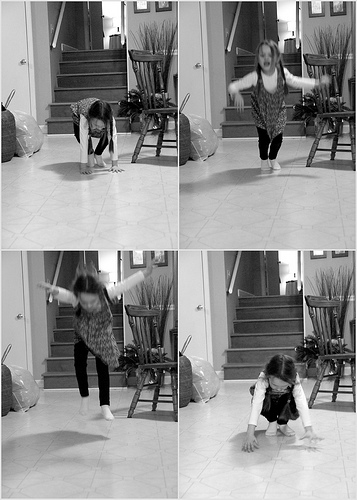
If only she can keep this balance of youthful excitement over the most seemingly insignificant things and an increasing sense of responsibility, I’m quite certain of her future.
Holy Saturday in Polish is "Wielka Sobota", which translates to "Great Saturday" (though not "great" as a synonym for "fantastic"). It's the final day of preparation for Wielkanoc, which translates to "Great Night." But nestled in the hustle and chaos of cooking, cleaning, ironing, and fretting is a great (in this case, synonymous with "fantastic") tradition: the blessing of the Easter baskets.
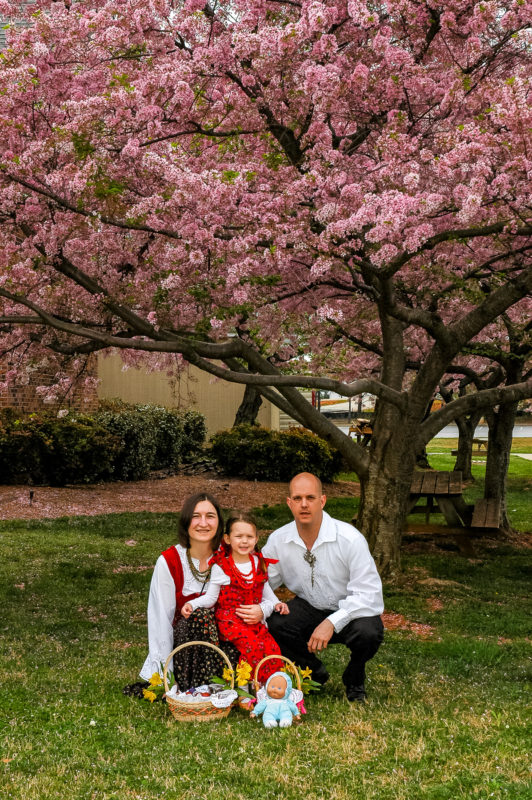
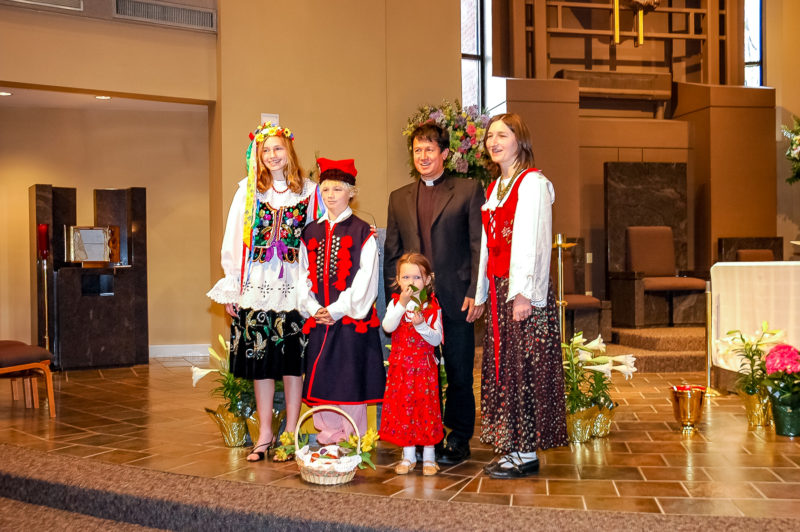
Dressed in the traditional outfits of Podhale and armed with two baskets overflowing with food for Easter breakfast, we headed to the church early in order to get our obligatory Easter family portrait.
When we entered the church, the Girl was fascinated: so many baskets, so many colored eggs -- which to choose? Only a quick eye and a quicker hand kept the Girl from pillaging and plundering.
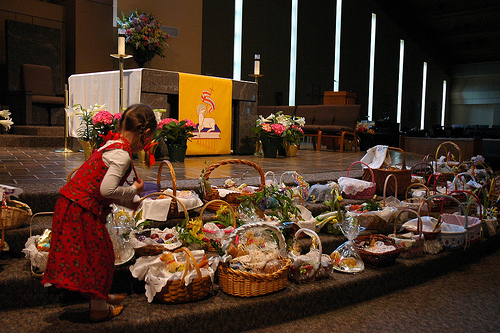
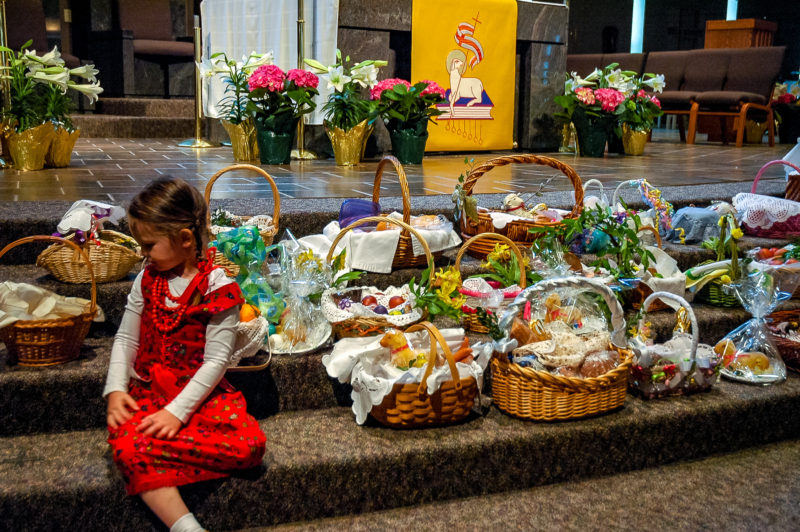
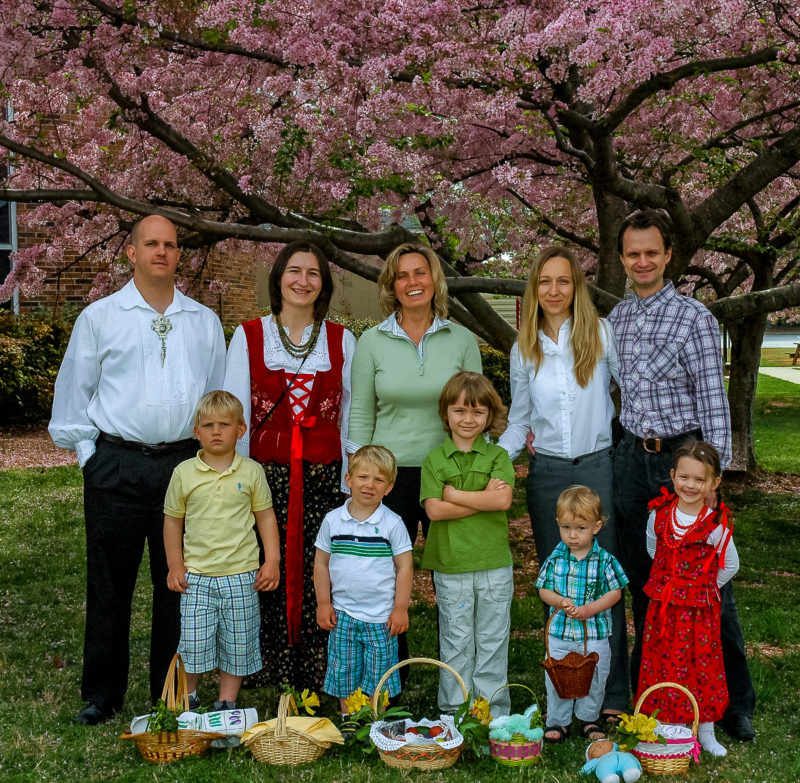
The baskets tell another story, though. The church wasn't filled, but there were enough pockets of English conversation in the generally Polish-expat crowd that it became obvious that others see the value and beauty of this tradition.
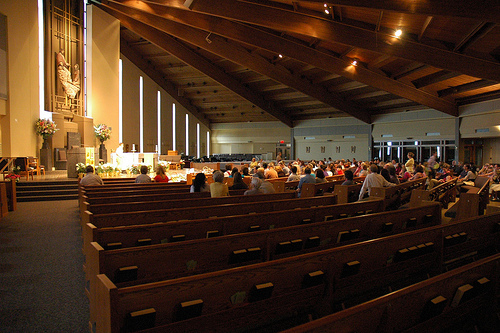
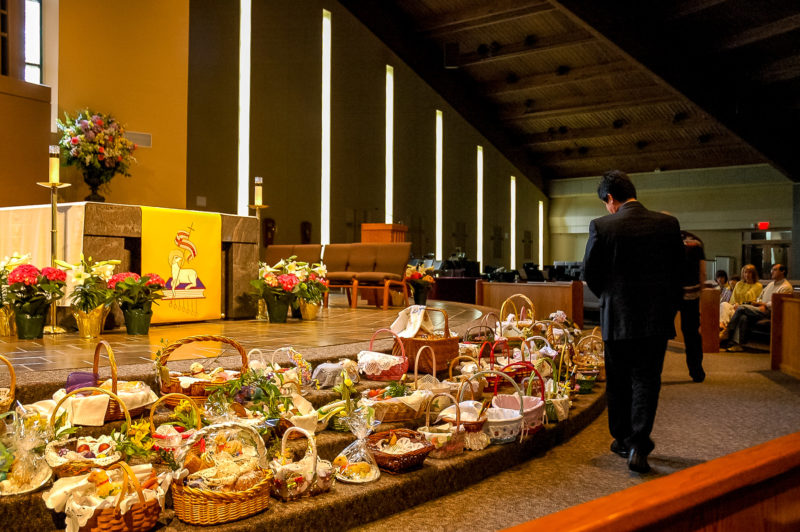
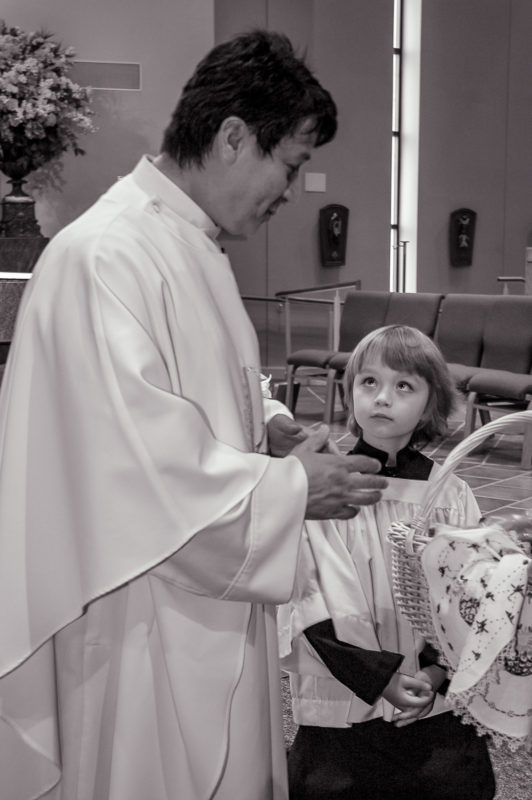
The priest, Father Theo, certainly likes the tradition. He positively beamed as he spoke, and the joy of his kind embrace of the tradition was infectious.
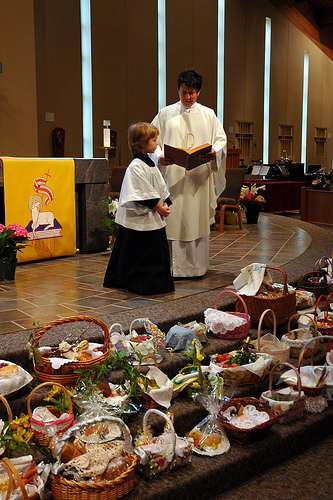
So contagious was his joy that he managed to talk a young lady into coming up to read the passage about the Passover tradition. No practice, no warning, just a kind smile and a compliment about her dress.
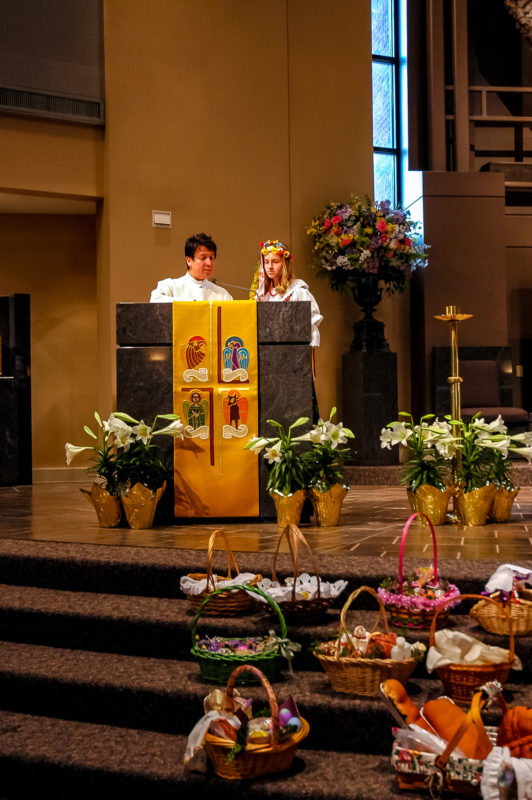
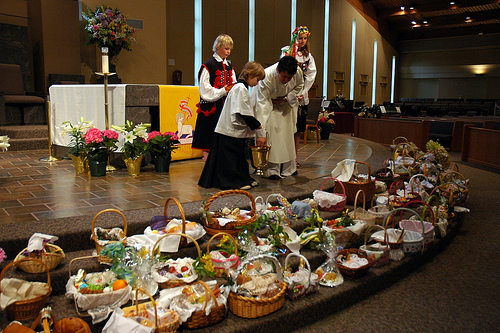
After the blessing, it was a free-for-all,
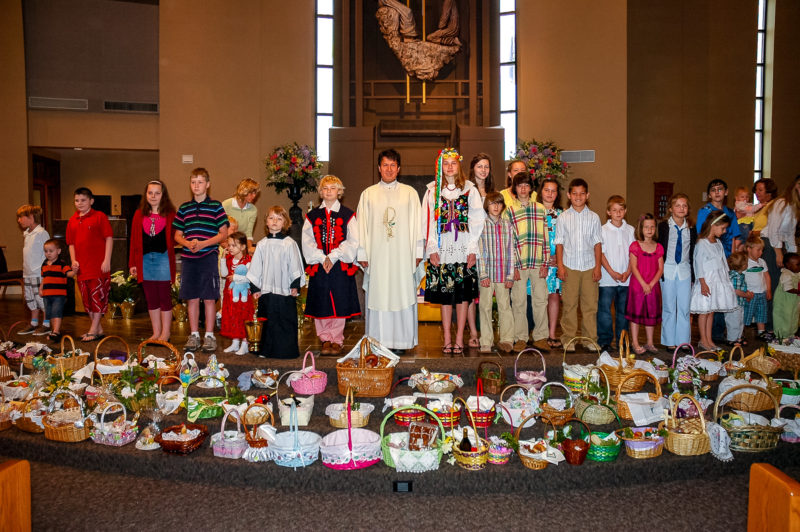
on both sides of the lenses. As I was taking a picture, I felt the crowd gathering about me. I realized the real picture was about ten steps behind me.
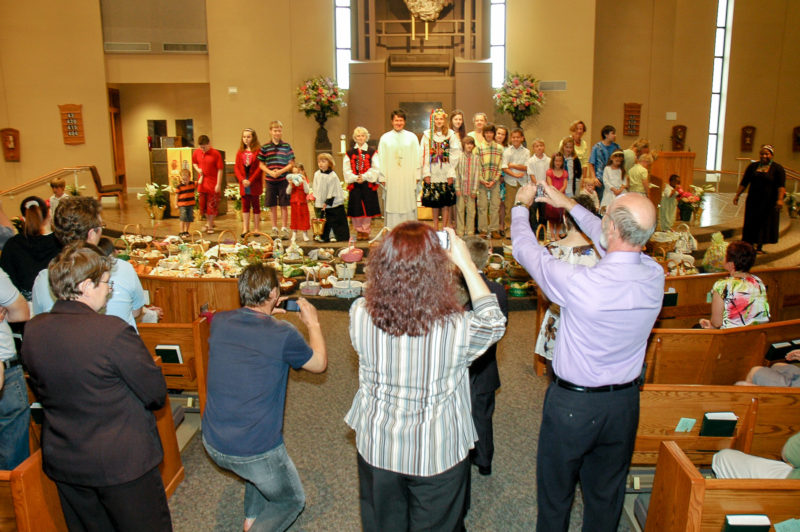
Shortly thereafter, the shot was about twenty steps in front of me.
And when you're carrying around a large DSLR, everyone asks you for a picture.
Then again, Father Theo has good reason: his camera is a Canon that lacks a screen on the back and, rumor has it, records the pictures on a thin plastic film. I don't believe it myself, but I can attest to the camera's lack of a LCD screen. How in the world does he preview his pictures?
How does he know, for example, that some outside shots need a little over-exposure?
How would he'd managed to slide his hand back into his pocket, concealing the remote shutter release?
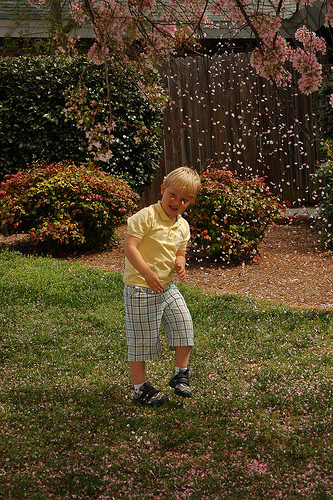
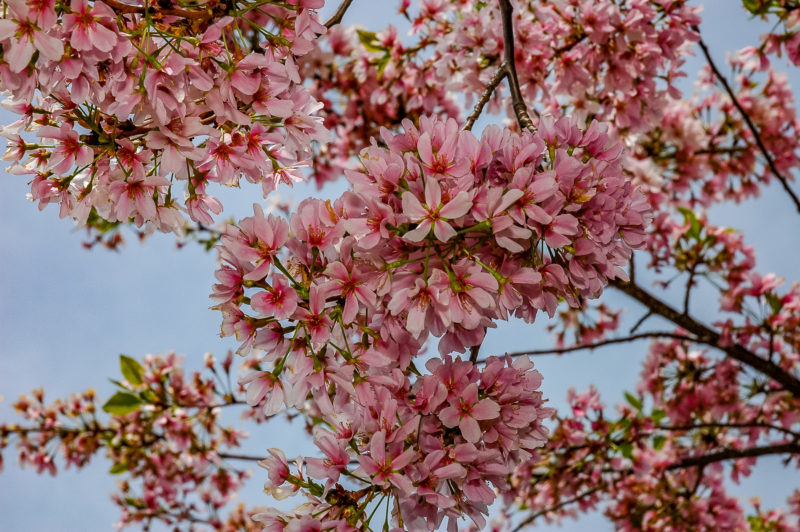
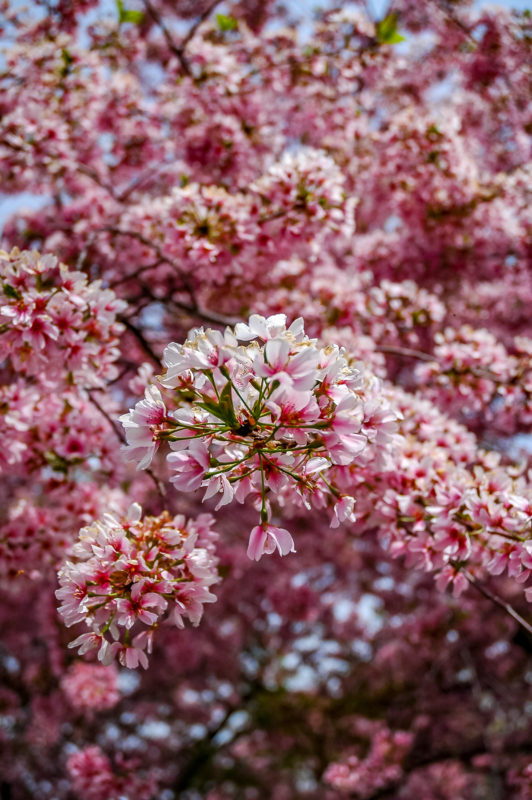
Or know that he'd captured the petals of spring blossoms falling snow?
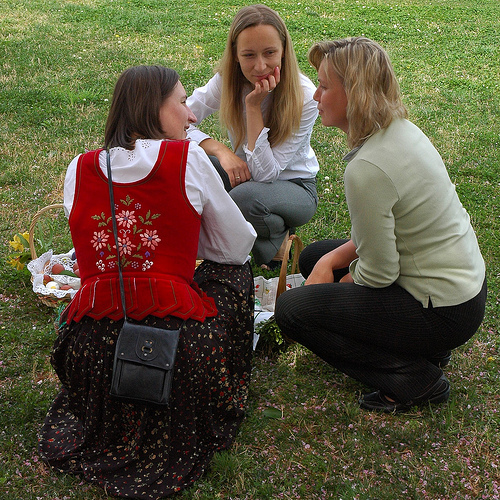
Or be sure that he's caught the conference of Polish women?
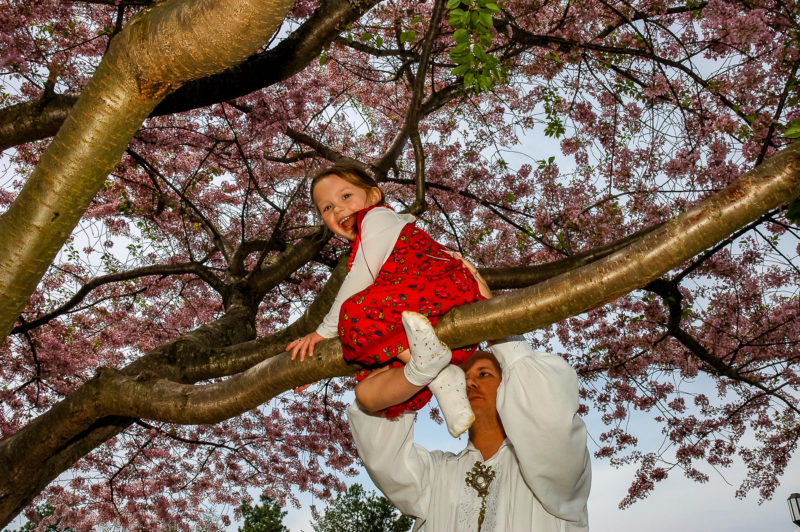
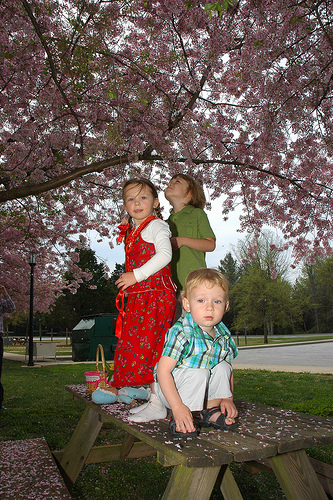
"Nonsense!" the Girl would declare. "All that matters is the tree I see the boys climbing and my first chance to try it for myself." With a nervous father always close at hand.
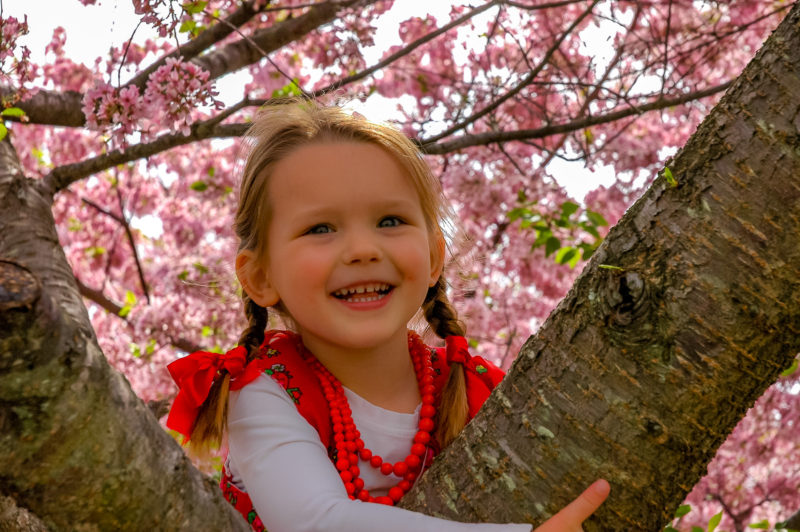
In the end, the best that could be said about such a busy day can't be said with words.
Happy Almost-Easter to all.