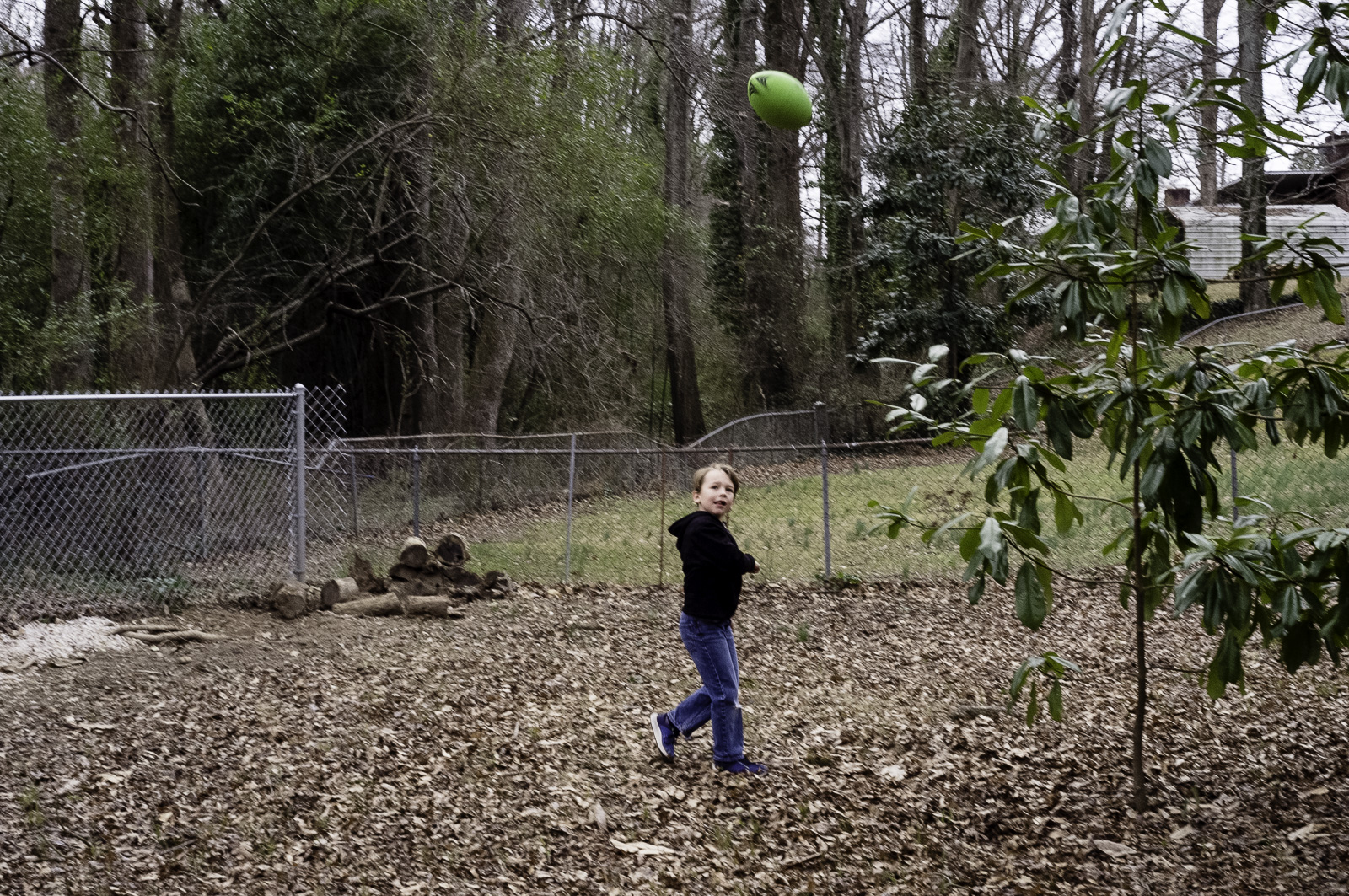
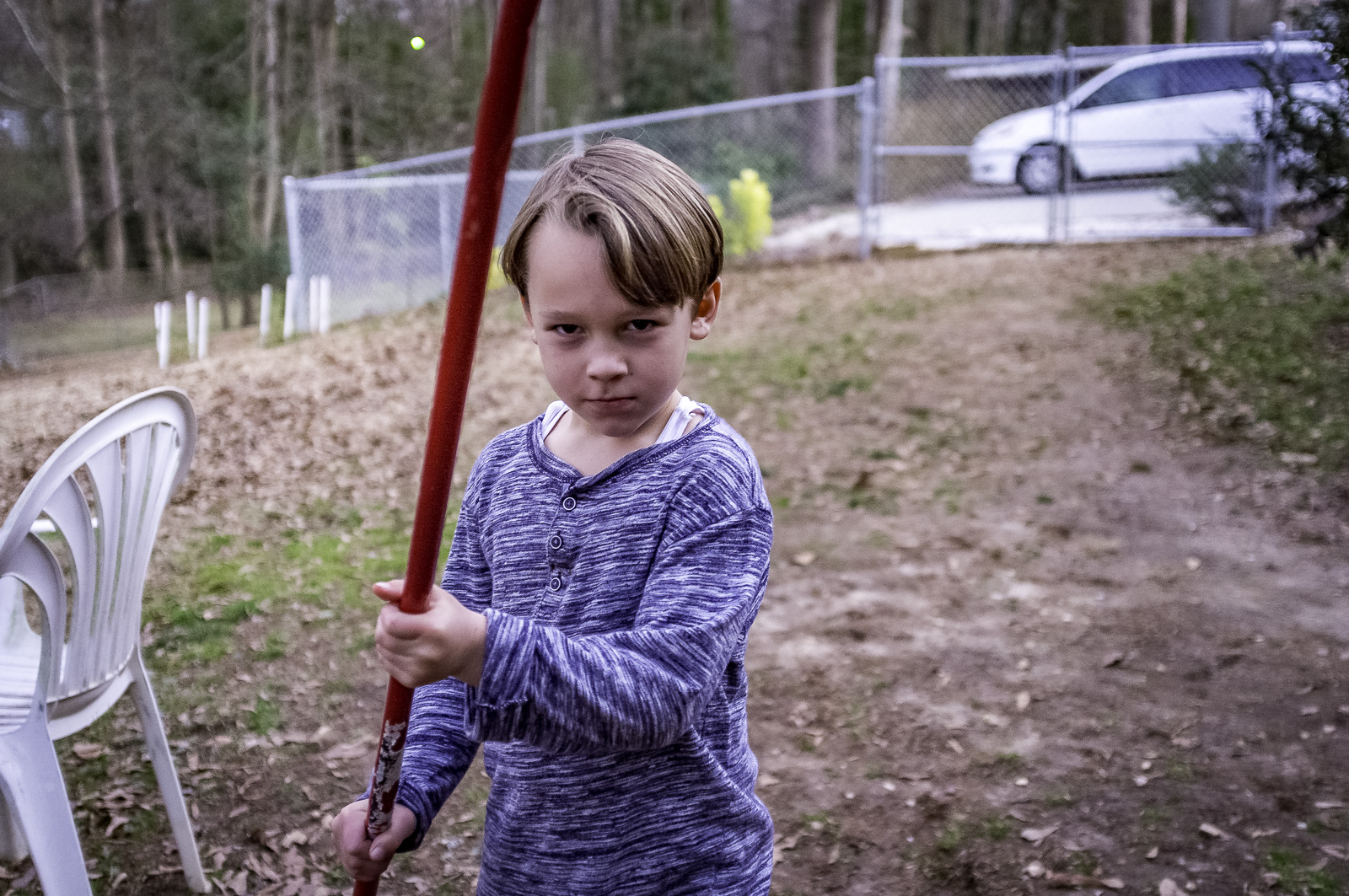
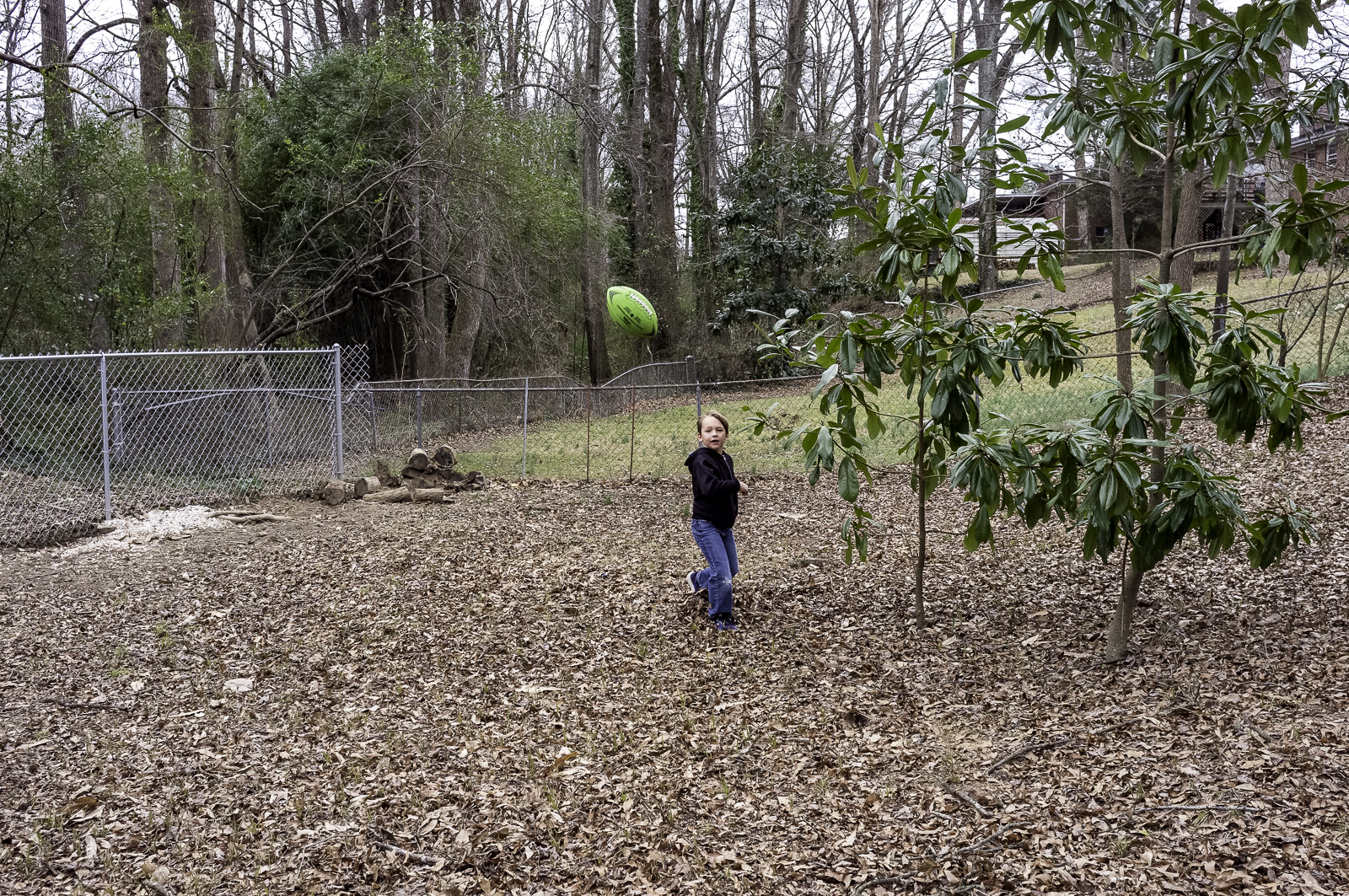
fun in threes, sometimes fours
the boy
It should have been a positive experience -- you don't expect to come home from a Cub Scout meeting with an upset little boy, but that's what happened. After the meeting, all the den leaders and assistants gathered for a quick meeting and the boys went off to play for a while. The Boy walked over last, and when he did, everyone decided to play Sharks and Minnows and declared that the Boy was the shark.
I instantly had a bad feeling about it.
"Minnows in!" E shouted enthusiastically, and everyone ran into the play area, dodged the Boy's attempts at tagging them, and made it to the other side.
"Minnows in!" E shouted, still smiling, still enthusiastically.
The same thing happened.
Then the taunting started. It wasn't mean-spirited taunting. "Nana nana boo boo you can't catch me" -- that type of thing. But the truth was, the Boy couldn't catch them. Several of them were just too fast because they were naturally faster or because they were older, and the Boy still has not developed a good Sharks and Minnows strategy. (Then again, who has?)
And so they continued. Two times. Three times. Four times. Each time, the Boy shouted "Minnows in!" with the same enthusiasm and smile, but I could tell it was starting to be strained.
Finally, after the fifth time, with the taunting increasing, I called the Boy over and said, "Time to go."
"Okay," he said. No begging to stay. No asking for five more minutes. Just a quick response and a jog over to my side.
As we left, one of the boys said, "I could walk to the other side, and you couldn't get me."
"How'd you feel about that?" I asked as we walked to the car.
"Bad."
We talked about it more on the way home, and the Boy declared simply, "Scouts are not supposed to act like that."
There was no real maliciousness in the boys' actions. They were just first- and second-grade boys being silly boys. But our boy -- the Boy, forever capitalized -- is especially sensitive to such things.
"I've learned I can't trust a lot of people," he confided on the way home.
It was a sad parenting decision, but I suggested that might be a good idea. Sometimes it's best to be a little skeptical about people, I explained, in simpler terms. "Trust is something we earn. Don't just give it away."
We got back to the house, snuggled a little, and everything seemed okay, but tonight, while brushing his teeth, he confided to K, "I just can't stop thinking about it."
Neither can I.
Sometimes, everyone gets a little frustrated with homework.
The Boy wanted to go to school today. He really wanted to go. Mainly because they weren't going to be in school -- it was field trip day to the local science center where they have a Tesla coil, explode hydrogen balloons, and generally thrill kids of all ages. But the rash he'd gone to bed with, the little splotches on his cheeks, had spread all over his body.
"E, we have to go to the doctor," K explained.
"But it's nothing. Look -- it will go away in no time."
She tried to explain to him the risks of passing something on to other children.
"They won't get it! I know they won't!"
In the end, he lost. The doctor said it was a virus going around. "He's through the worst of it, but you should keep him home today."
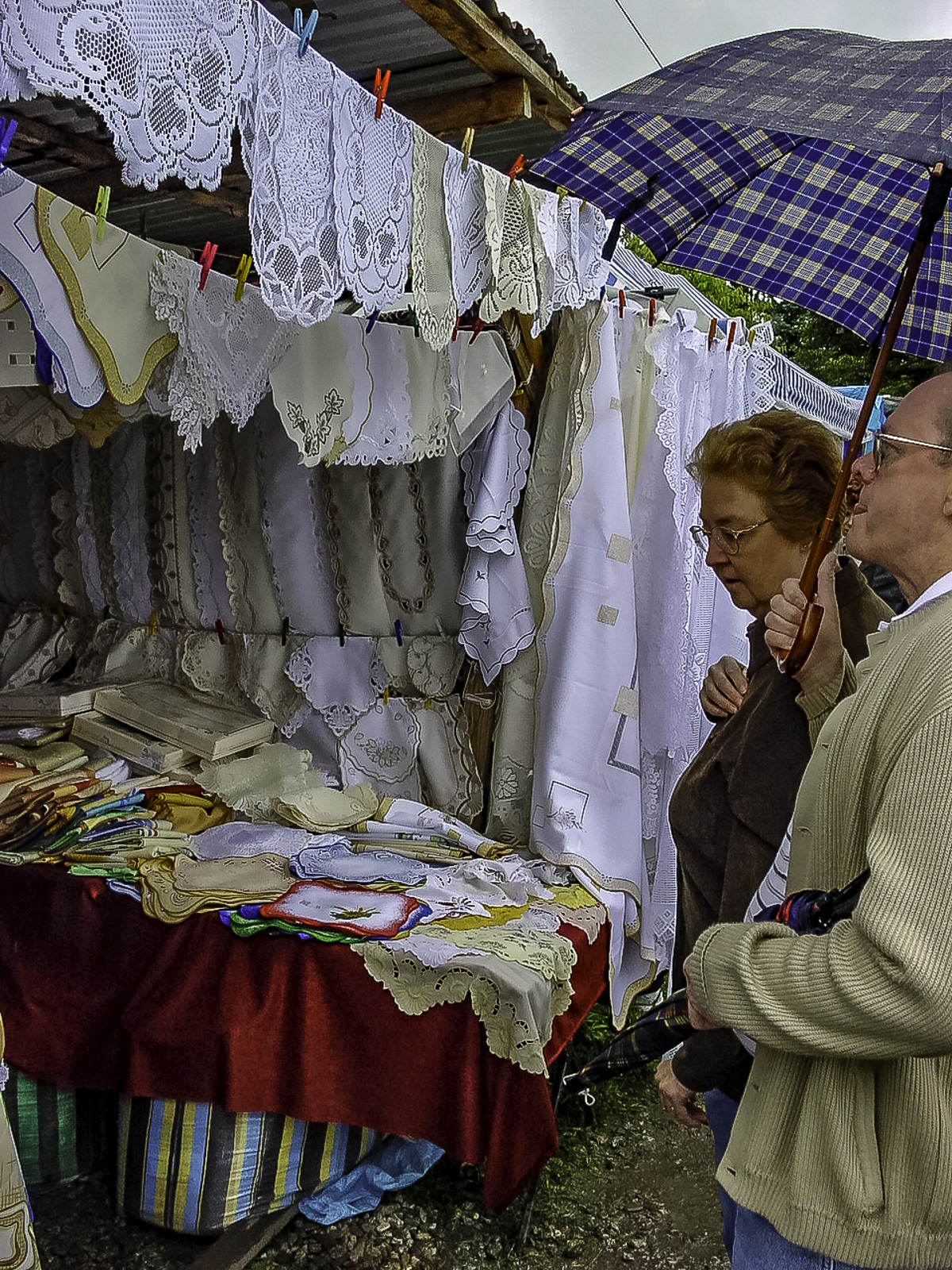
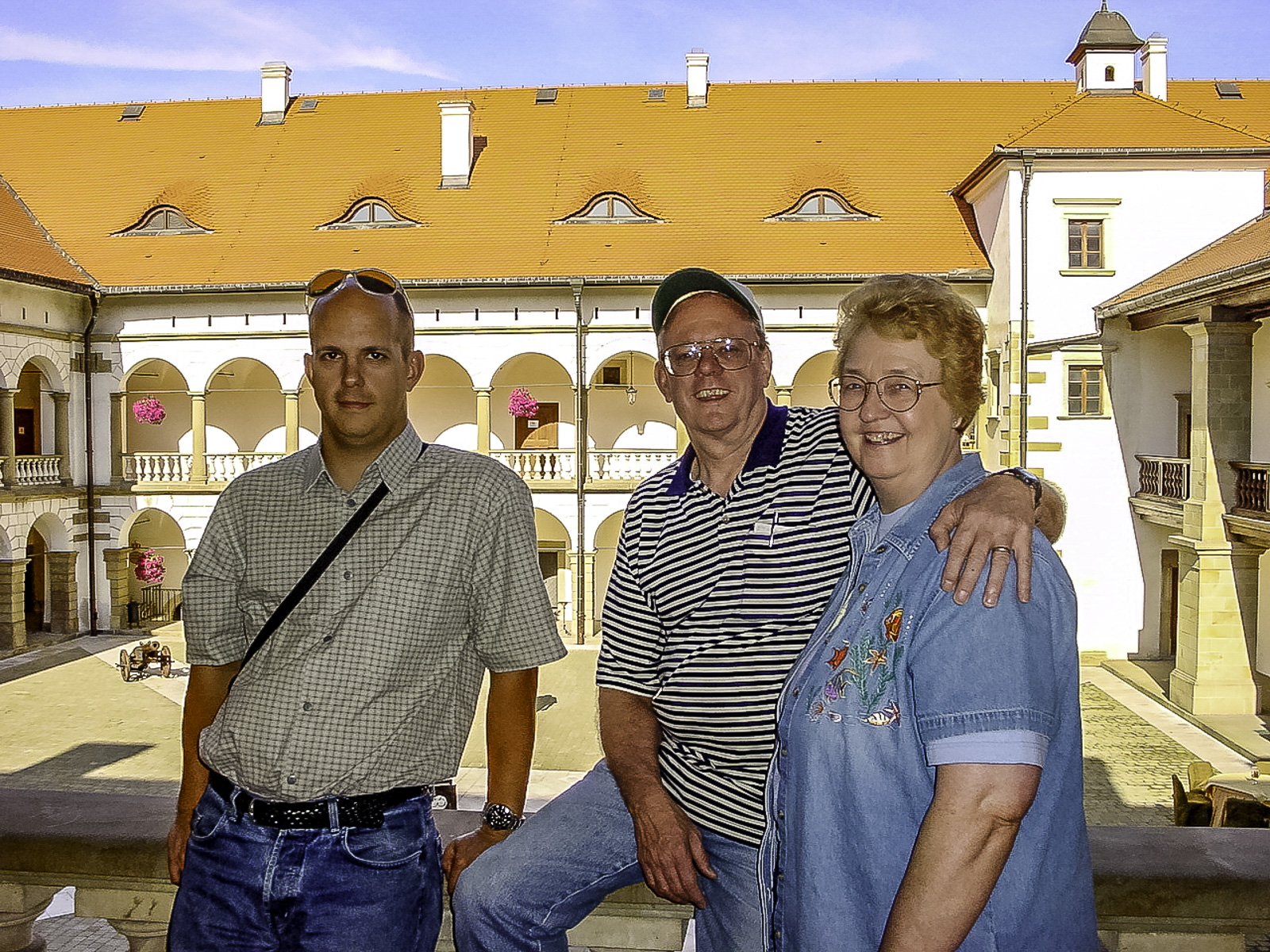
For today's pictures -- fifteen years ago in Budapest and Poland with Nana and Papa, when they came for our wedding. I was going through pictures this evening, revisited these, and did some editing.



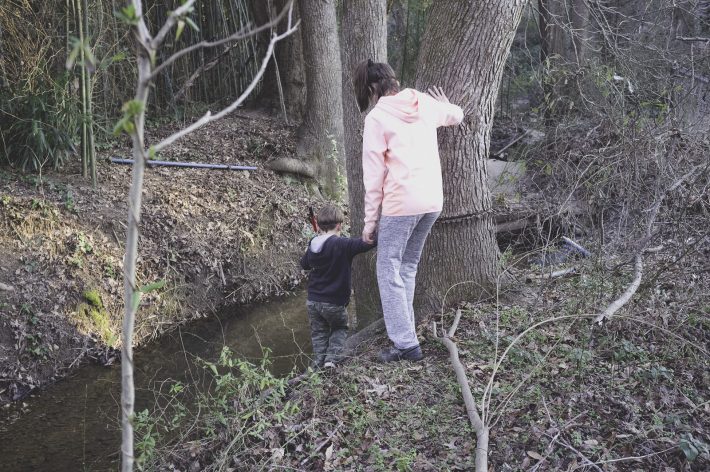
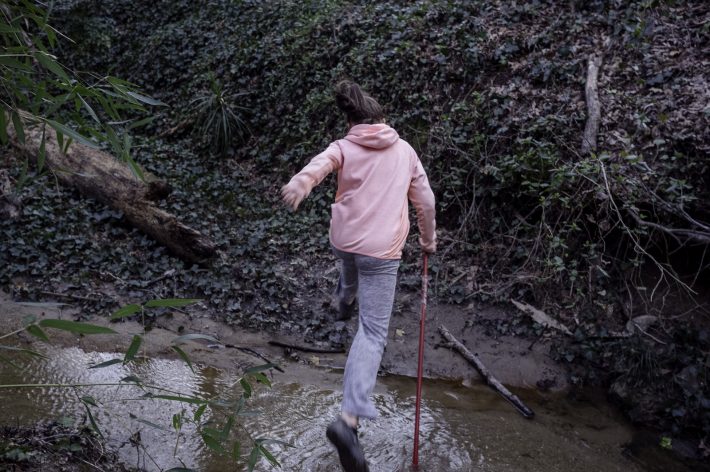
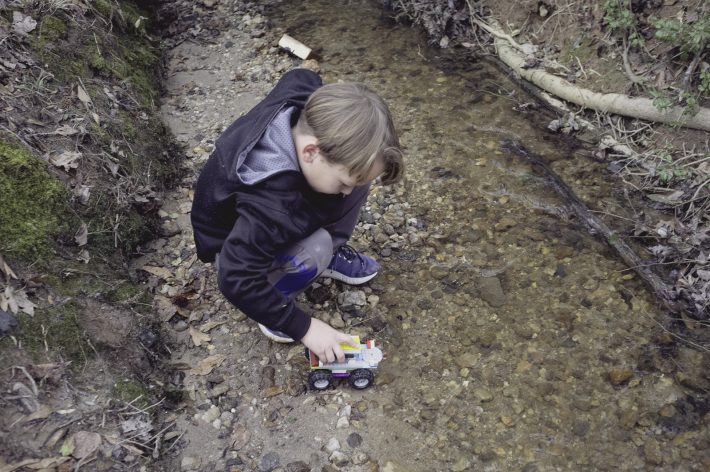
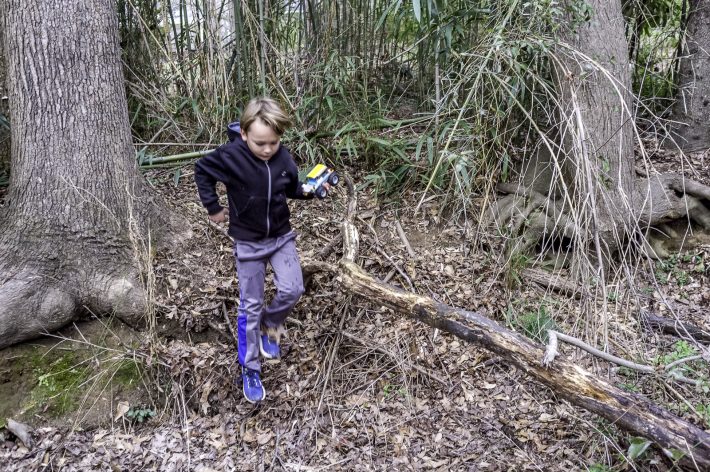
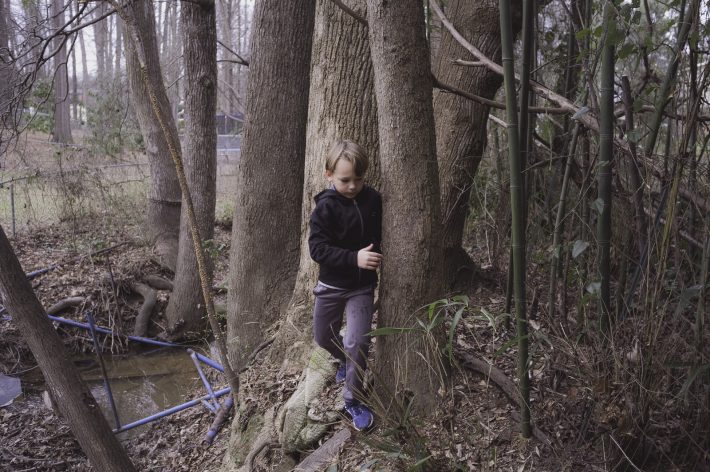
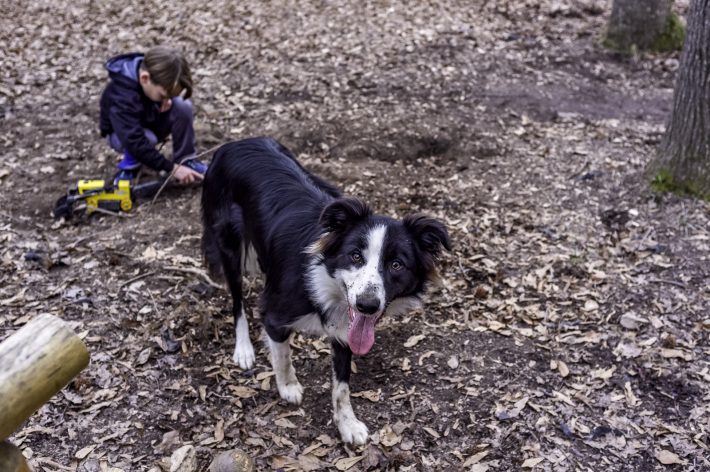
When I got home from work, I asked the Boy if he wanted to go play outside -- to go exploring or something similar. With the coming cold spell, we have to make the most of the relative warmth while we have it. He was eager to go, and he was eager for L to join us.
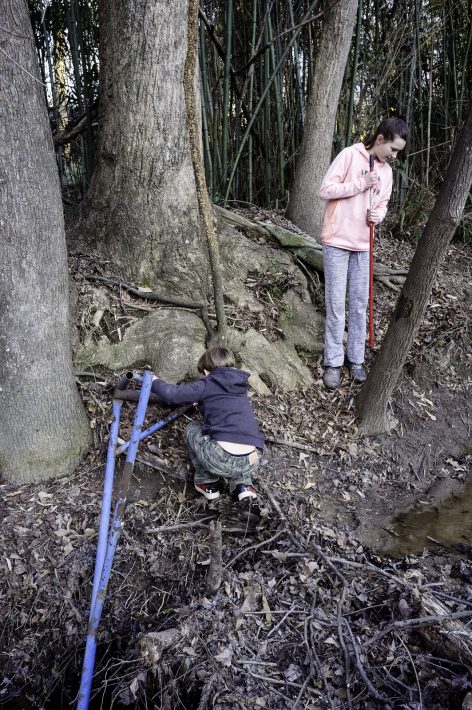
He's always talking about doing things as a family. "When can we go on a family bike ride?" "When can we watch a family movie?" "Can we go on a family walk?"
L, now twelve, is starting to show typical teenager behavior, like a reluctance to hang out as a family all the time. She enjoys it, but she also loves "alone time" as she calls it.
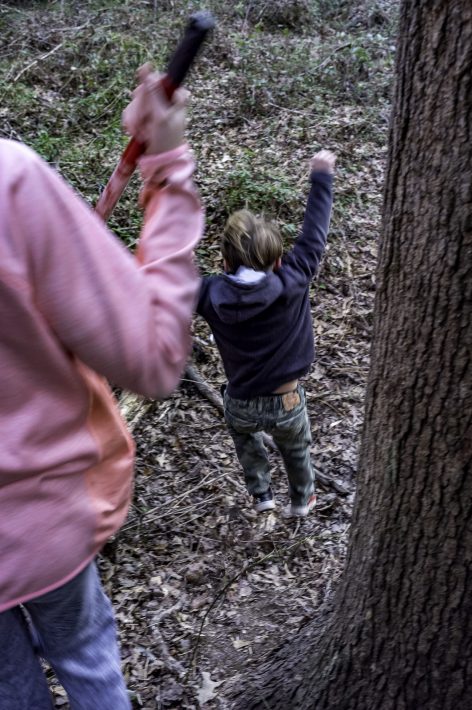
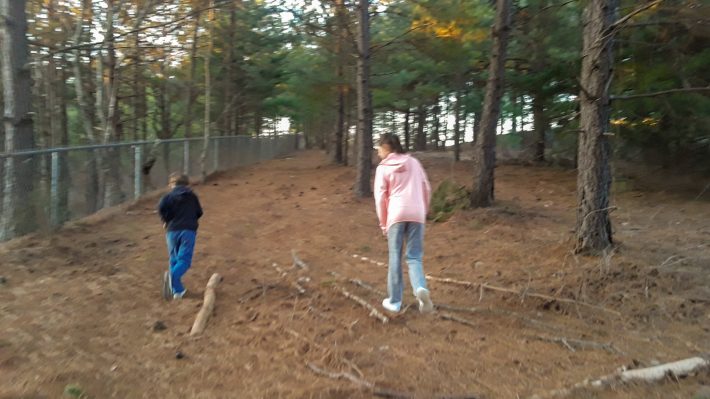
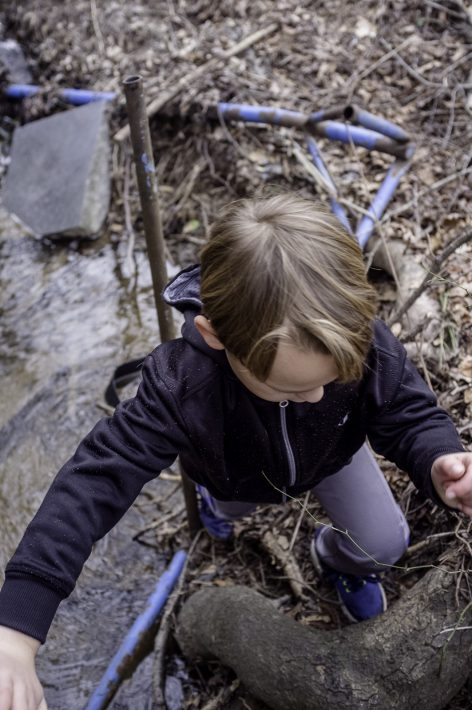
Today, though, we were able to talk L into going exploring with us. The Boy, utterly thrilled, took the lead and instructed L how to cross the creek, how to scale the bank (of course she found her own way), how to navigate the thorny places.
Coming home this evening, L was playing a life simulator game on her iPod and mentioned that she was now forty-seven.
“You’re older than I am,” I laughed.
“No,” she explained, “you can change your age at the click of a button.”
“It’s a good thing you can’t do that in real life,” I replied.
What I had in mind was what I thought at her age: I can’t wait until I’m X years old. That always looking forward, always longing to be a little older, which struck around age six or so. “When will I be big?!”
“No, it’s a good thing,” she agreed. “I’d never press the button then.”
She was taking the opposite option, to which I replied, “Well, at some point, I’d just click the button for you.”
“Why!?” came the incredulous response.
“Because you’re not going to mooch off me for the rest of your life.” We both laughed a bit, but I got to thinking about what it might be like if we could have that option, if we could just stay one age for as long as we wanted to.
On the one hand, the nostalgic in me would love that, but what moment? While looking at the “Time Machine” posts at the bottom of the site, I discovered this shot from 2013:
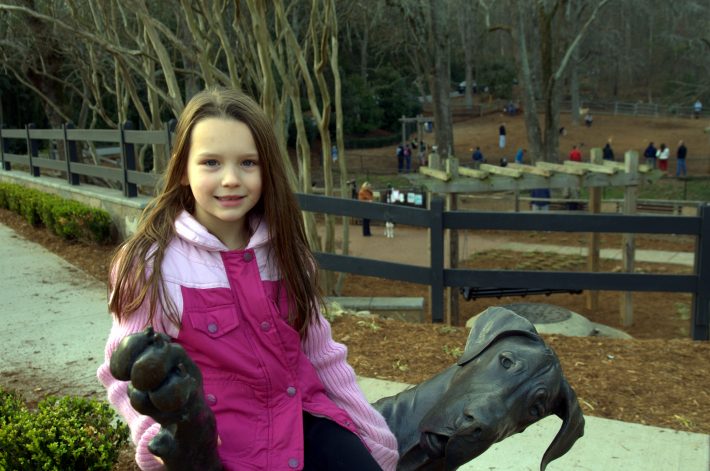
The Girl was just a little younger than the Boy is now, and I hadn’t thought about how much different she was then than she is now. A six-year-old and a twelve-year-old are completely different people in many ways. Looking back, I can see traces of personality traits she now exhibits all the way back then, but the reverse wasn’t true: I had no idea how much she would change in six years (and, of course, how much she would stay the same).
Yet, within that little clump of nostalgia is a nightmare: if I chose that moment, then what about all the wonders that have happened since? Being stuck in one moment, after all, is what Bill Murray’s brilliant Groundhog Day is all about. But it’s more complex, because that film is really about being stuck in that moment without enjoying that moment, being stuck in a moment when all one does for one’s whole life is look toward other, more exciting moments.
I think I’ve lost the thread of where I was going with this, and that’s kind of the point perhaps. The key to life, rediscovered once again, is getting stuck in the moment by enjoying the moment so much that one doesn’t want to move forward but accepts the simple fact that that forward motion is, in fact, the moment itself. Axiomatic. The present doesn’t exist — it’s a sliver between the past and the future. That old chestnut. Living the moment means accepting that it’s just that — the moment.
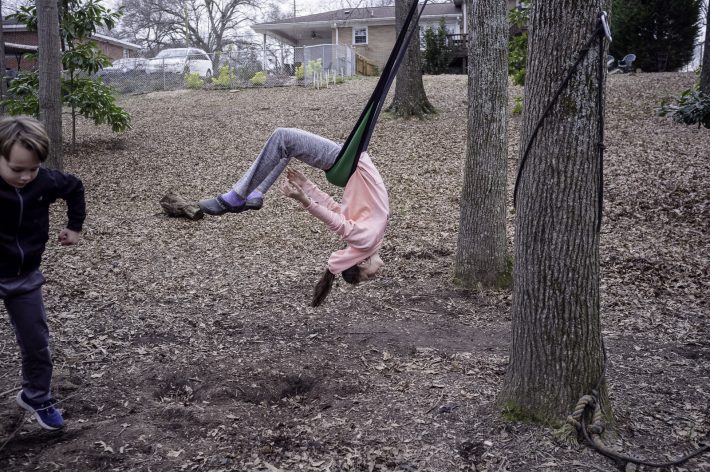
So what to do in the moments of this afternoon? Go exploring, of course. Play in the backyard, of course. Enjoy the short bit of time we had between visits to Nana and visits to Papa and trips to church and more trips to church and cooking and lesson planning and everything that makes Sunday Sunday.
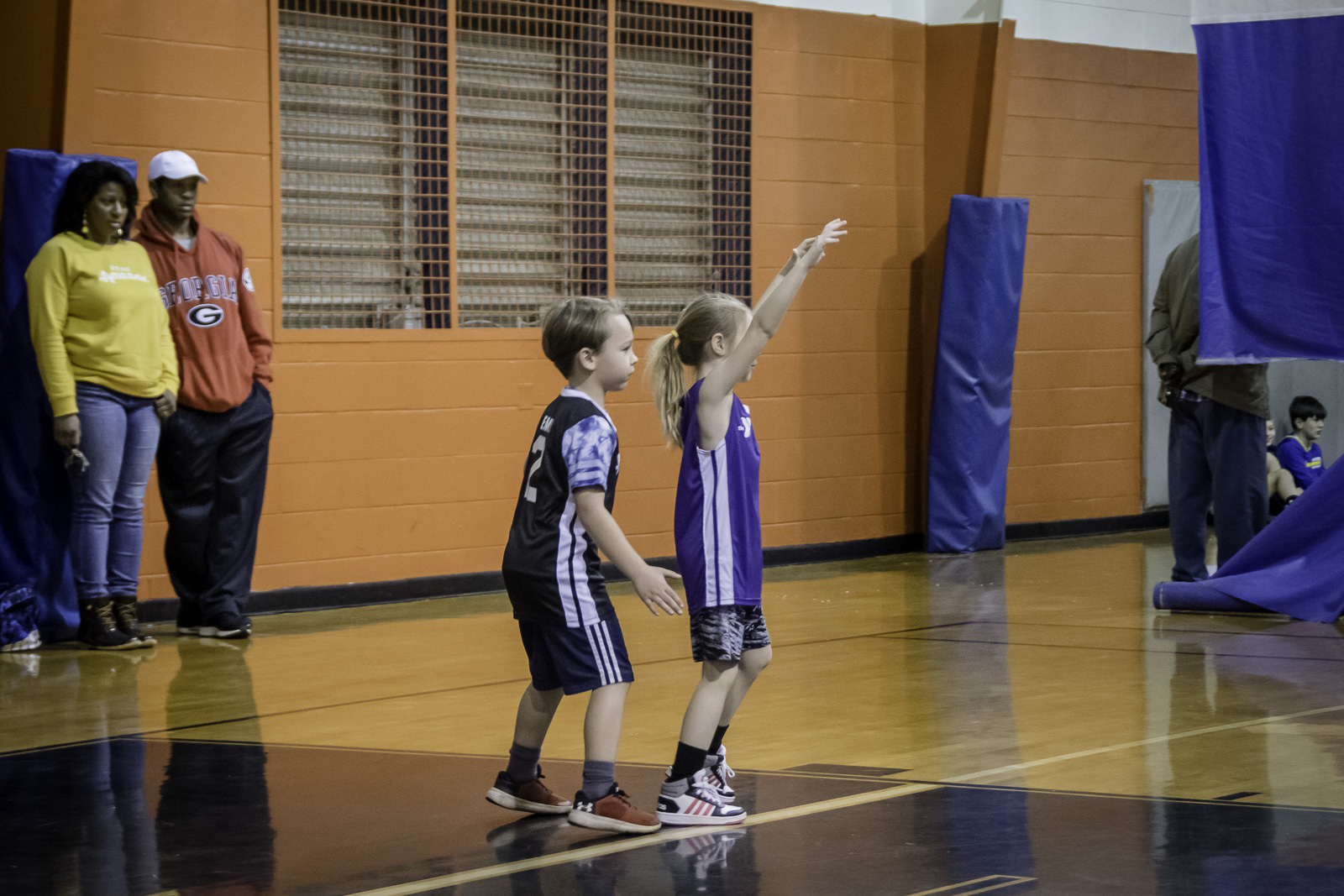
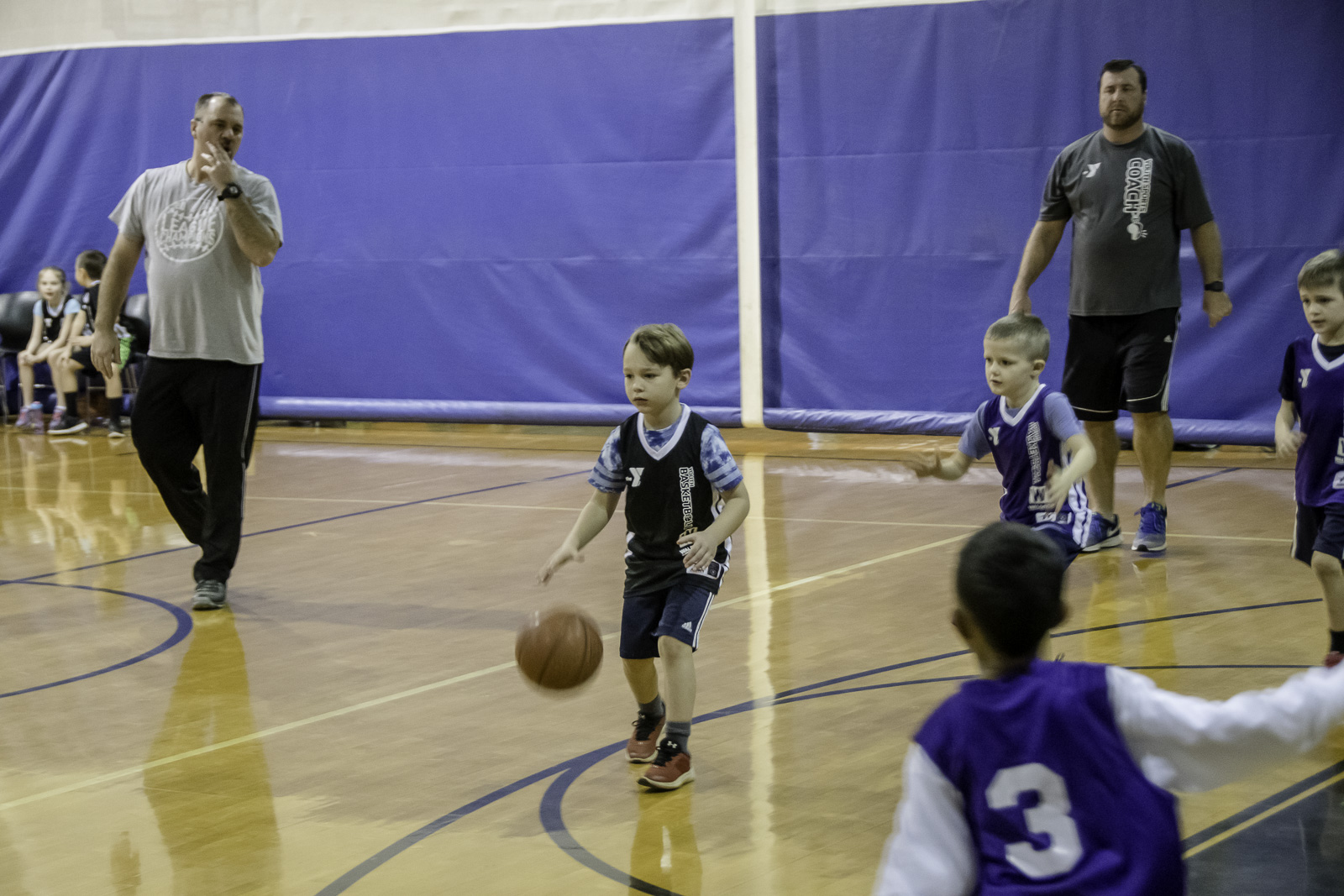
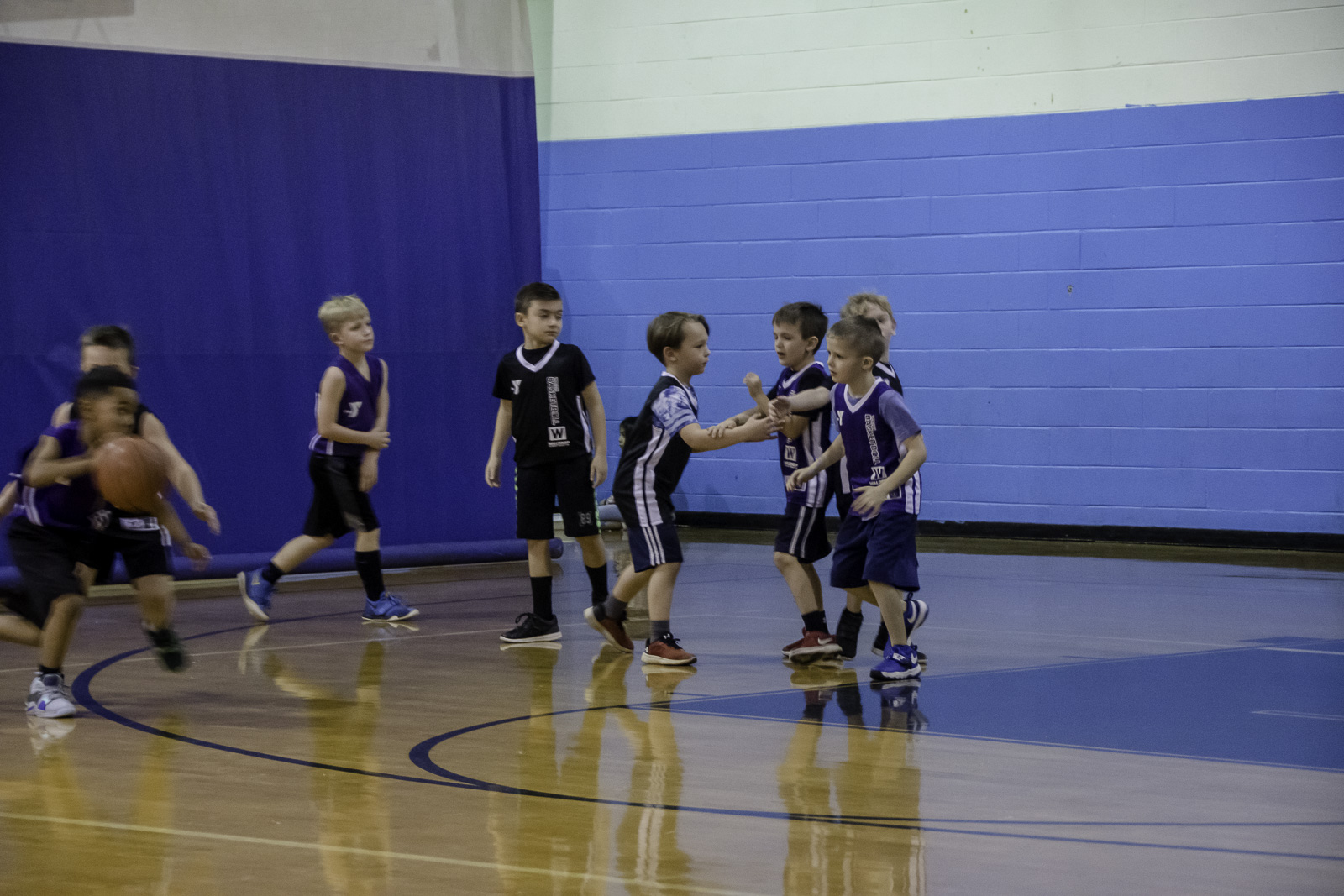
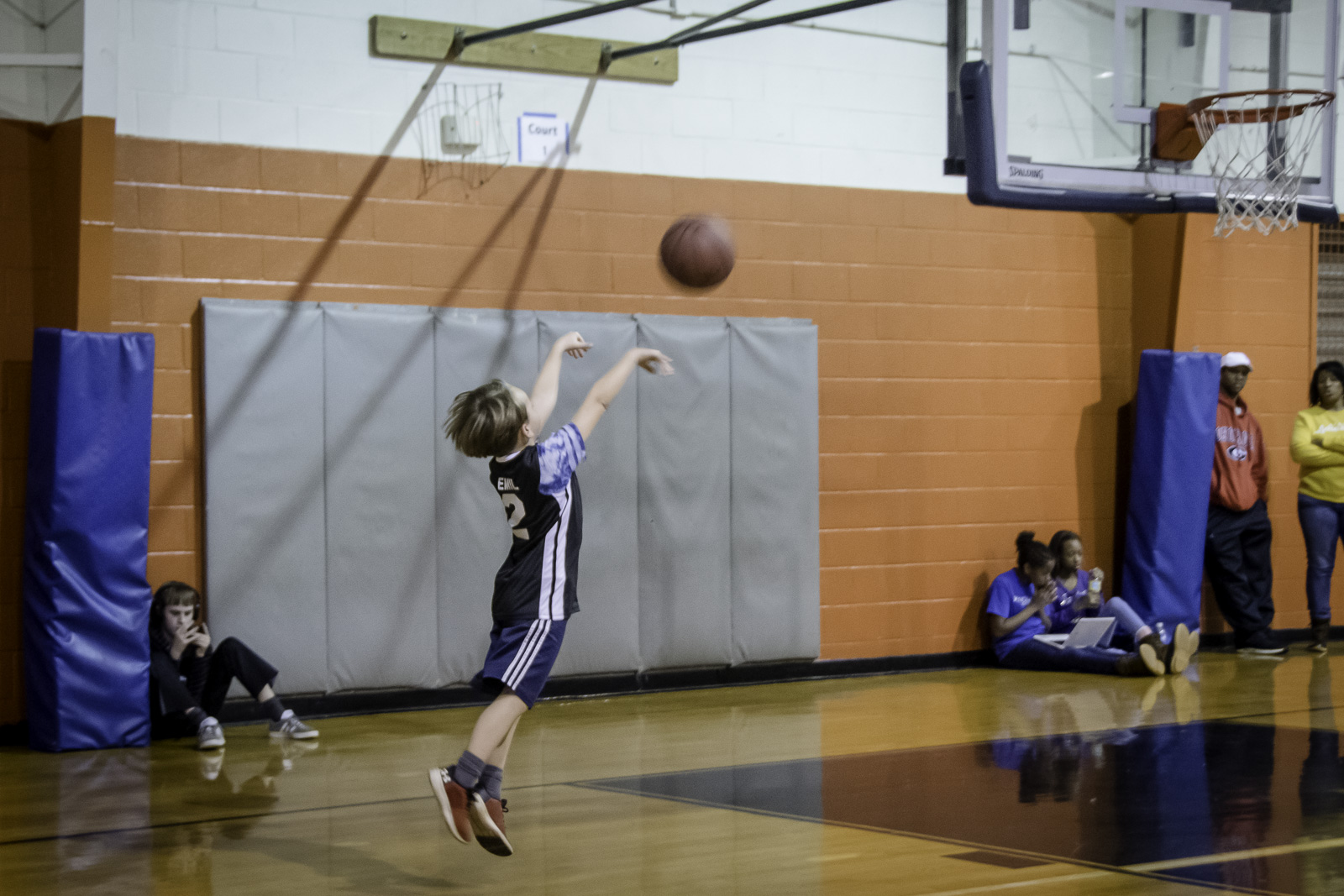
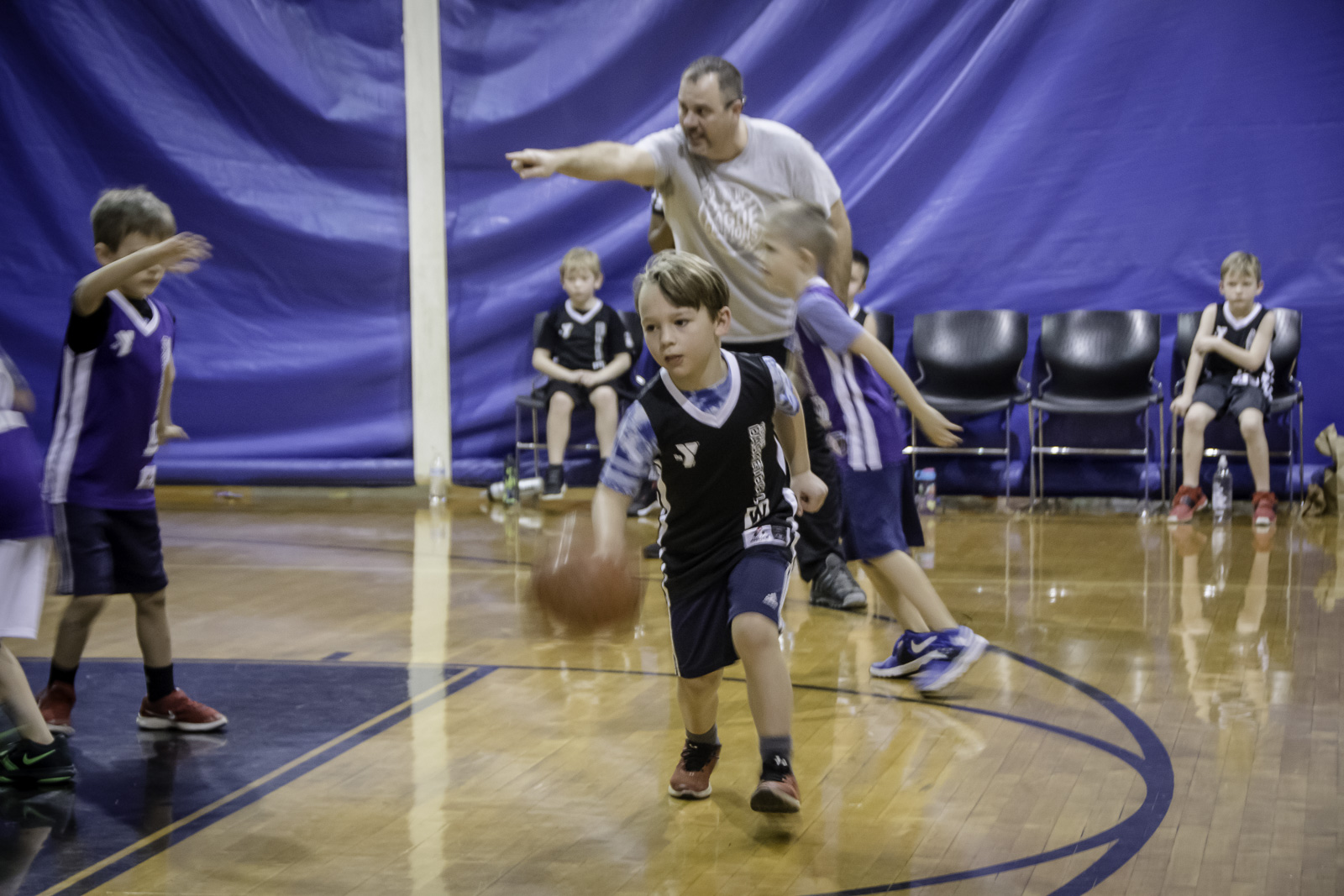
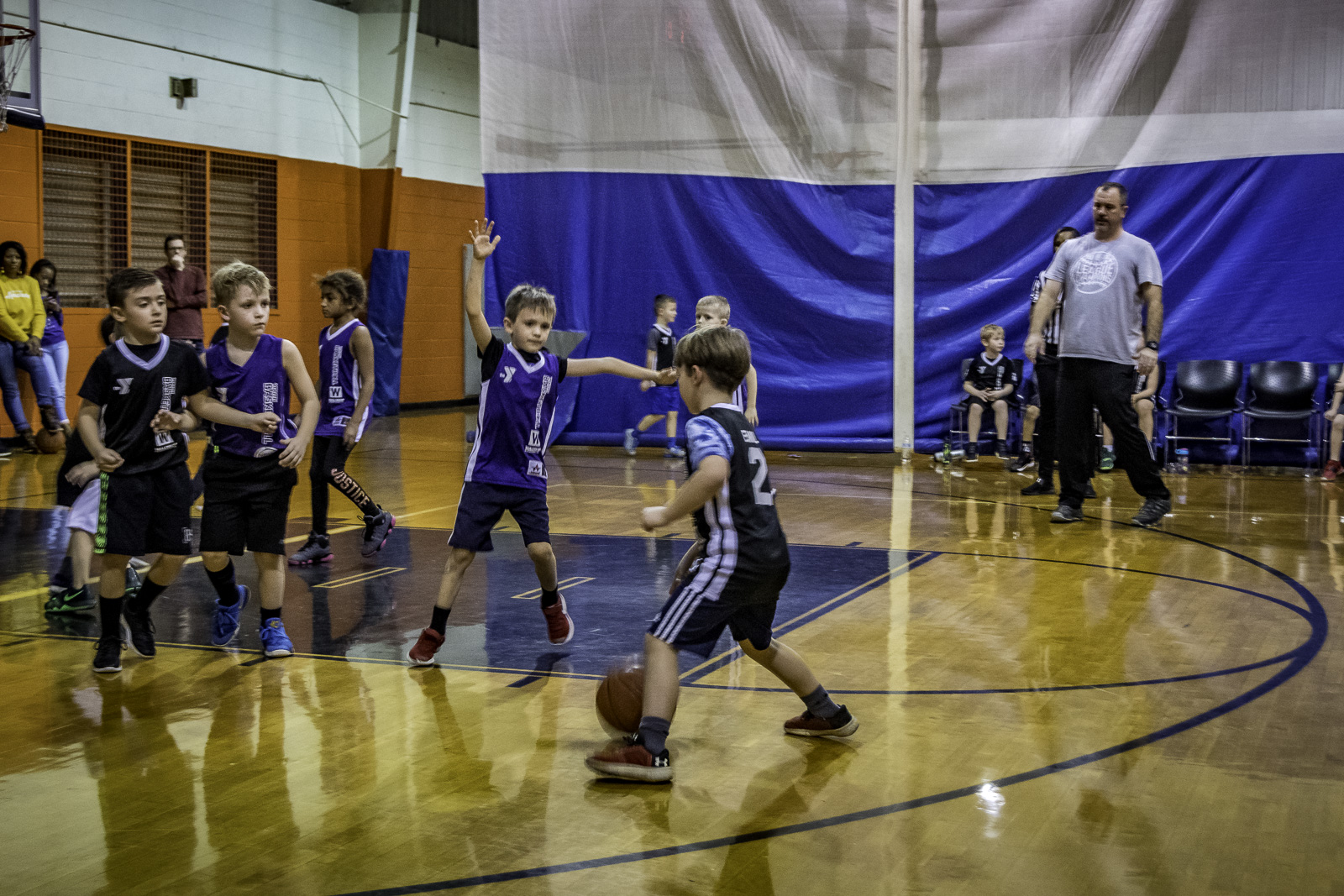
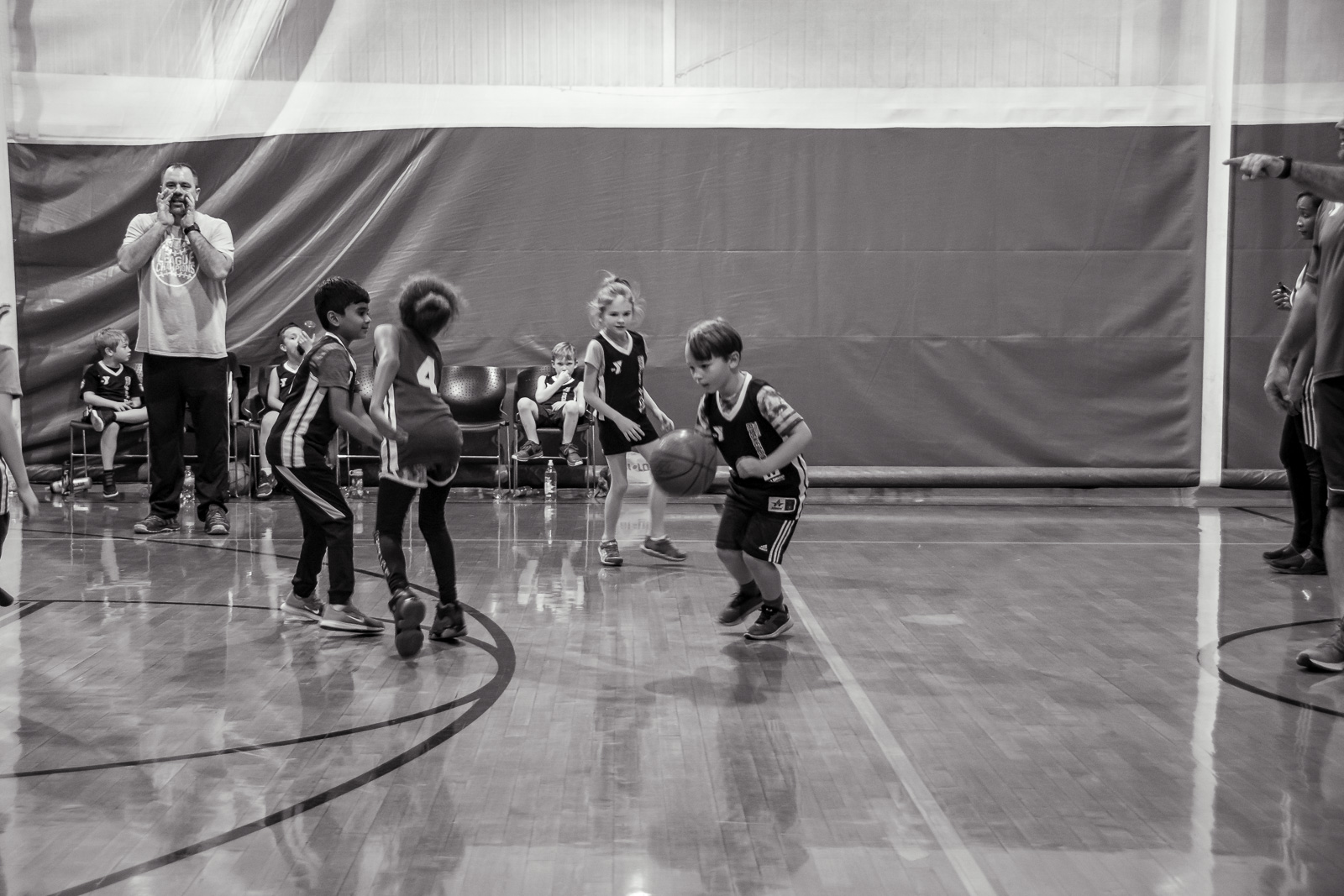
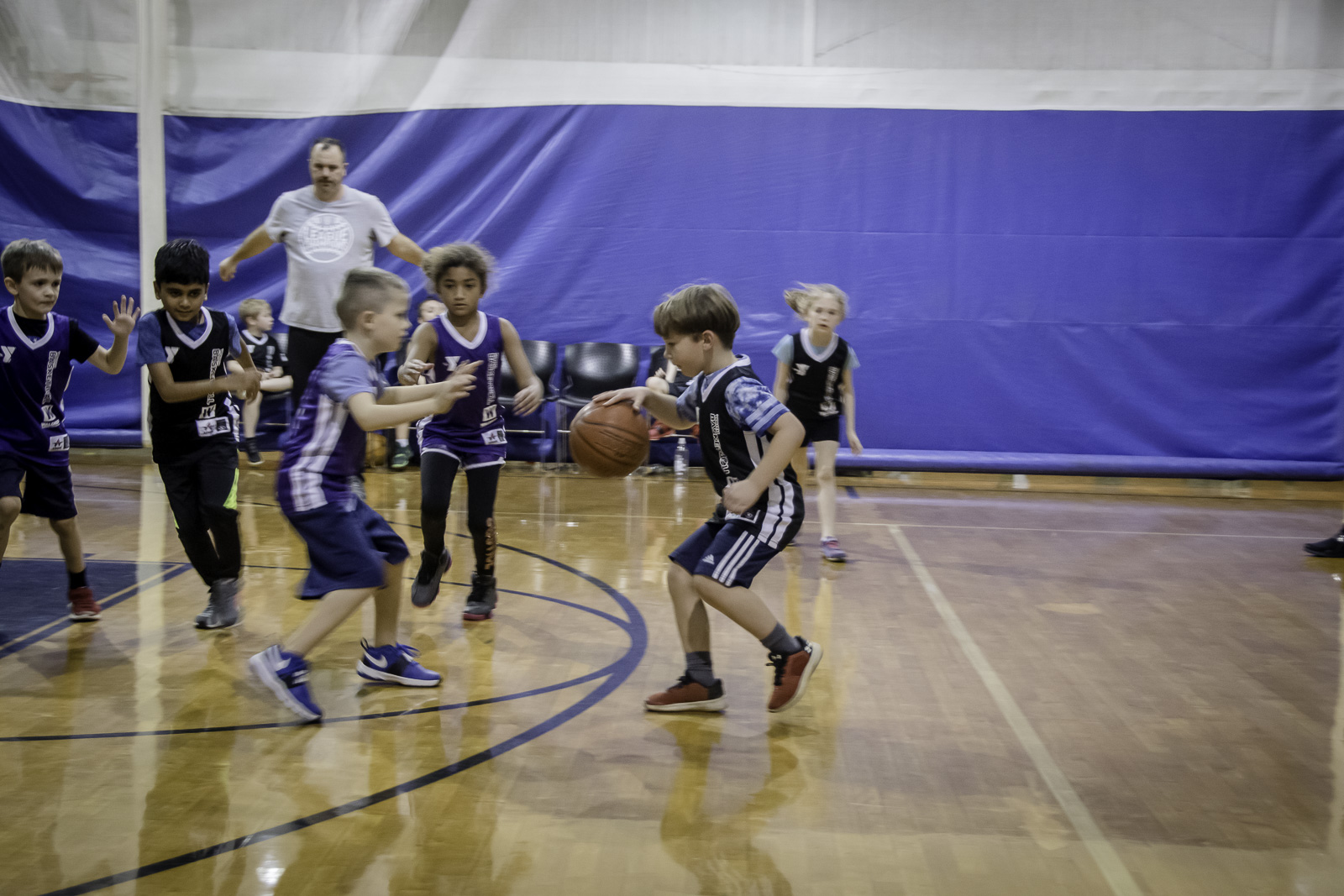
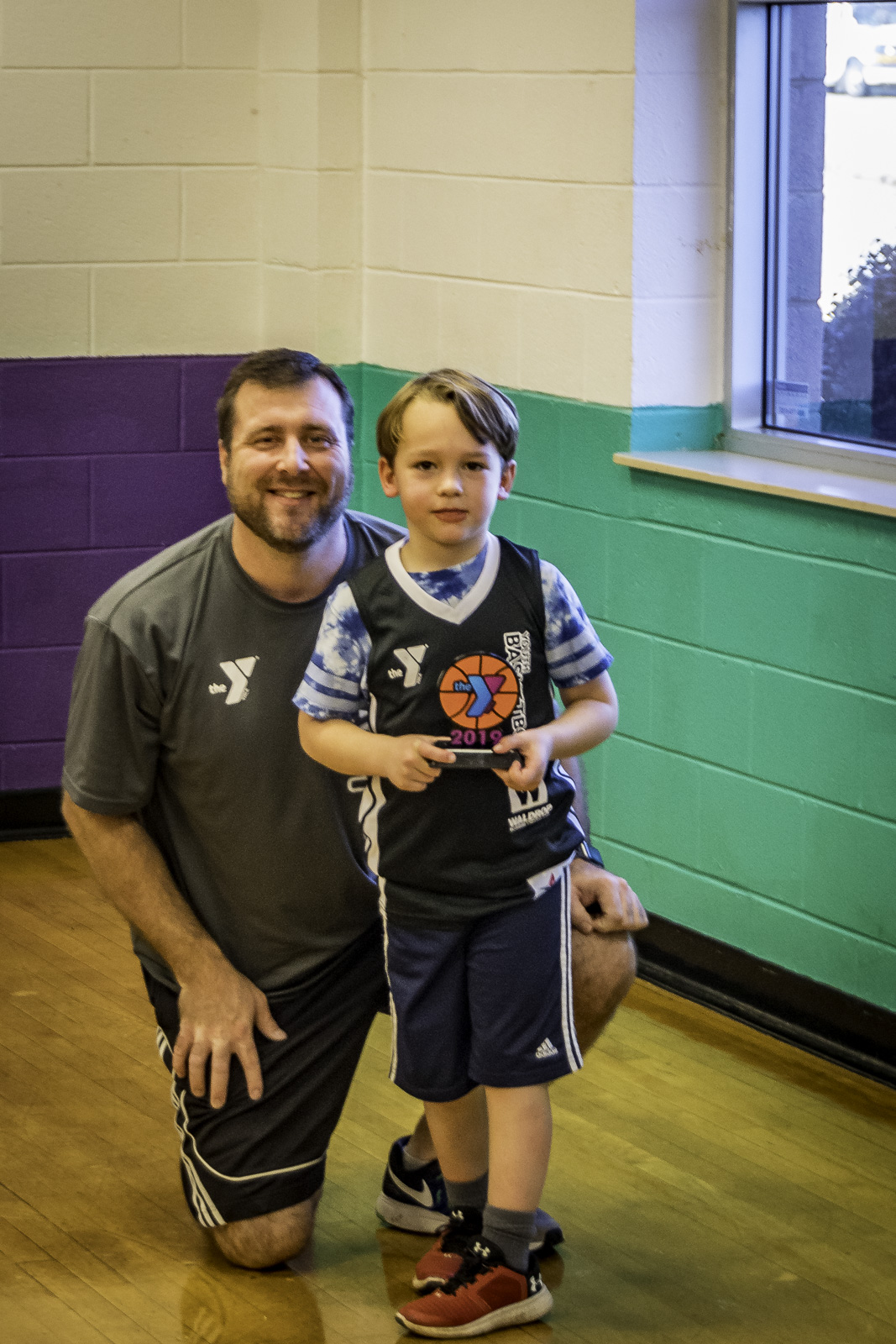
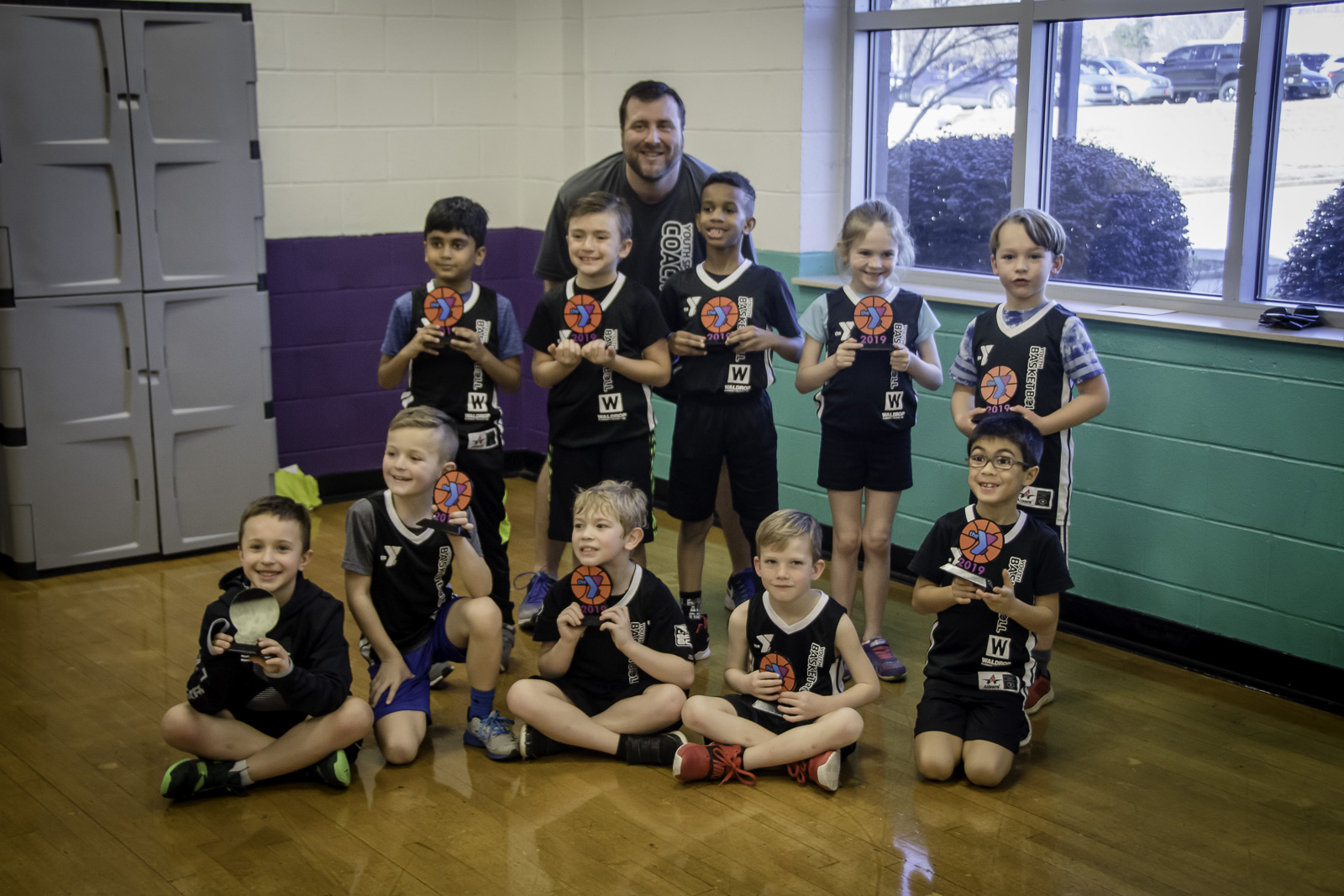
The Boy played his last game of his first basketball season today. He didn't make a basket, though he took a shot. He had a couple of turnovers. At one point, he was defending his assigned player even though his team was on offense. All signs of a new player still finding his way in a game that he really doesn't fully understand. But he played with such heart. He did everything his coach told him (coaches at this level are allowed on the court, as soccer coaches at that age group are allowed on the field), and oblivious to the above facts, he enjoyed it, which is what counts most.
"I know what I'm saving up for," he declared earlier this week. "A basketball goal for our house." The only problem: we don't really have a place to put a goal. But our neighbor has a small court set up on his driveway -- we'll have to find the time to go there more often, K and I decided.
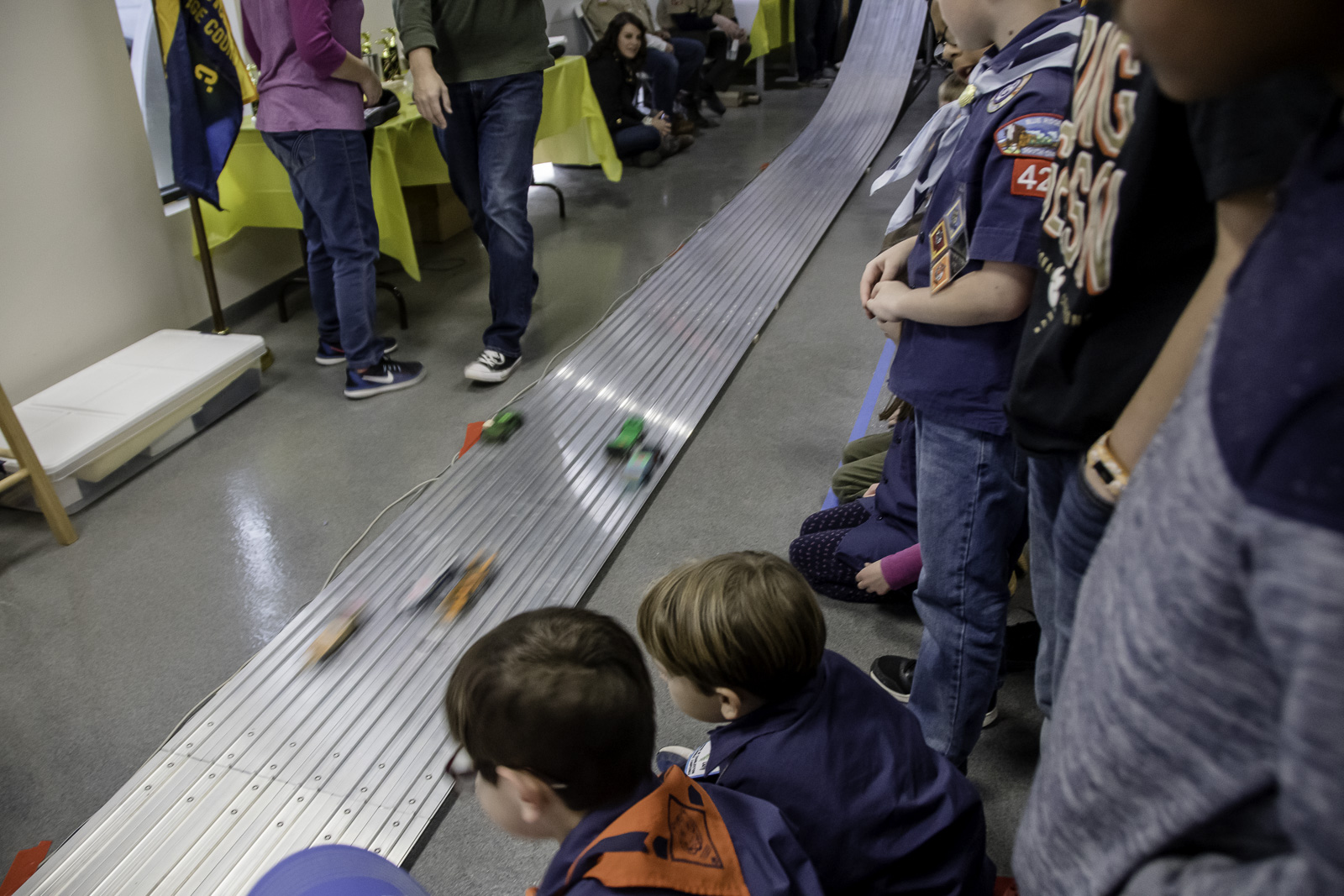
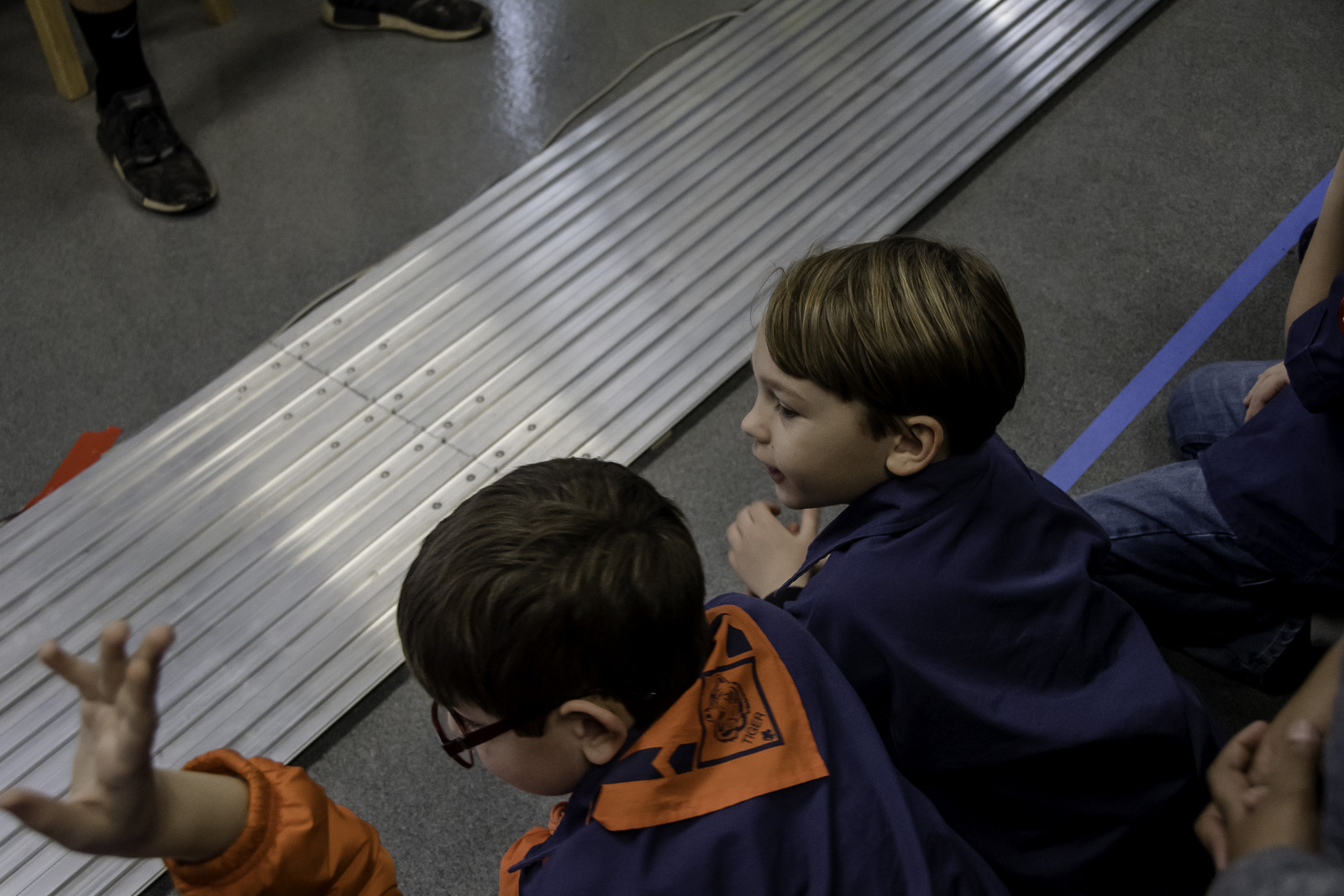
In the early evening, we went for the Boy's second pinewood derby. We'd been working on the car this week, and the Boy went into it with a lot of confidence. At the very least, he was sure, we would have the best-looking car. He'd decided on a humvee, which made for easy painting and it looked pretty good when it was all said and done: I did the cutting and some of the sanding; he did the painting and some of the sanding.
When the racing started, his car finished consistently in fourth place out of the six cars racing. That meant he wasn't the fastest but wasn't the slowest either. A more competitive spirit would equate those terms with "best" and "worst," but I try not to look at it that way because I'm only somewhat competitive.
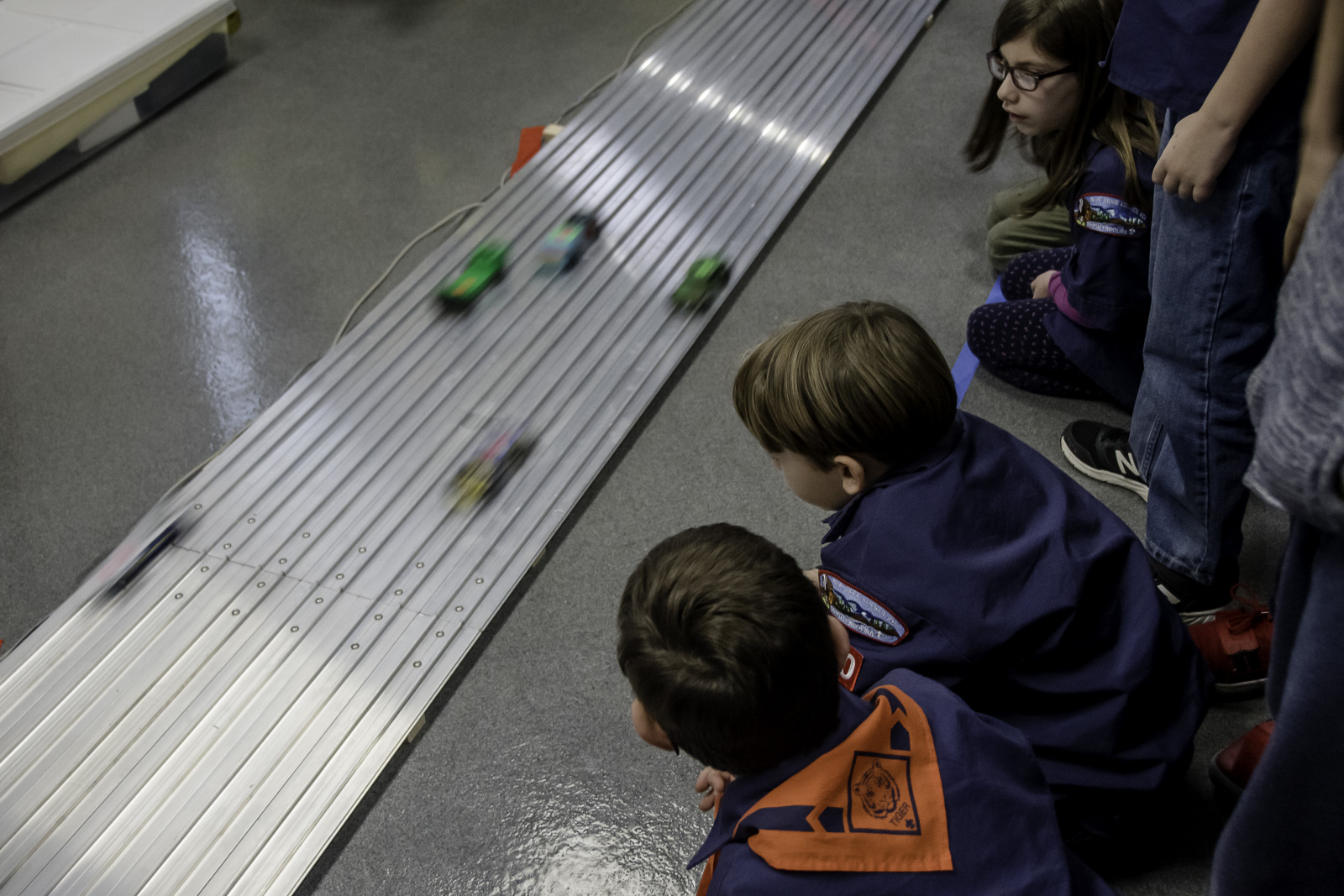
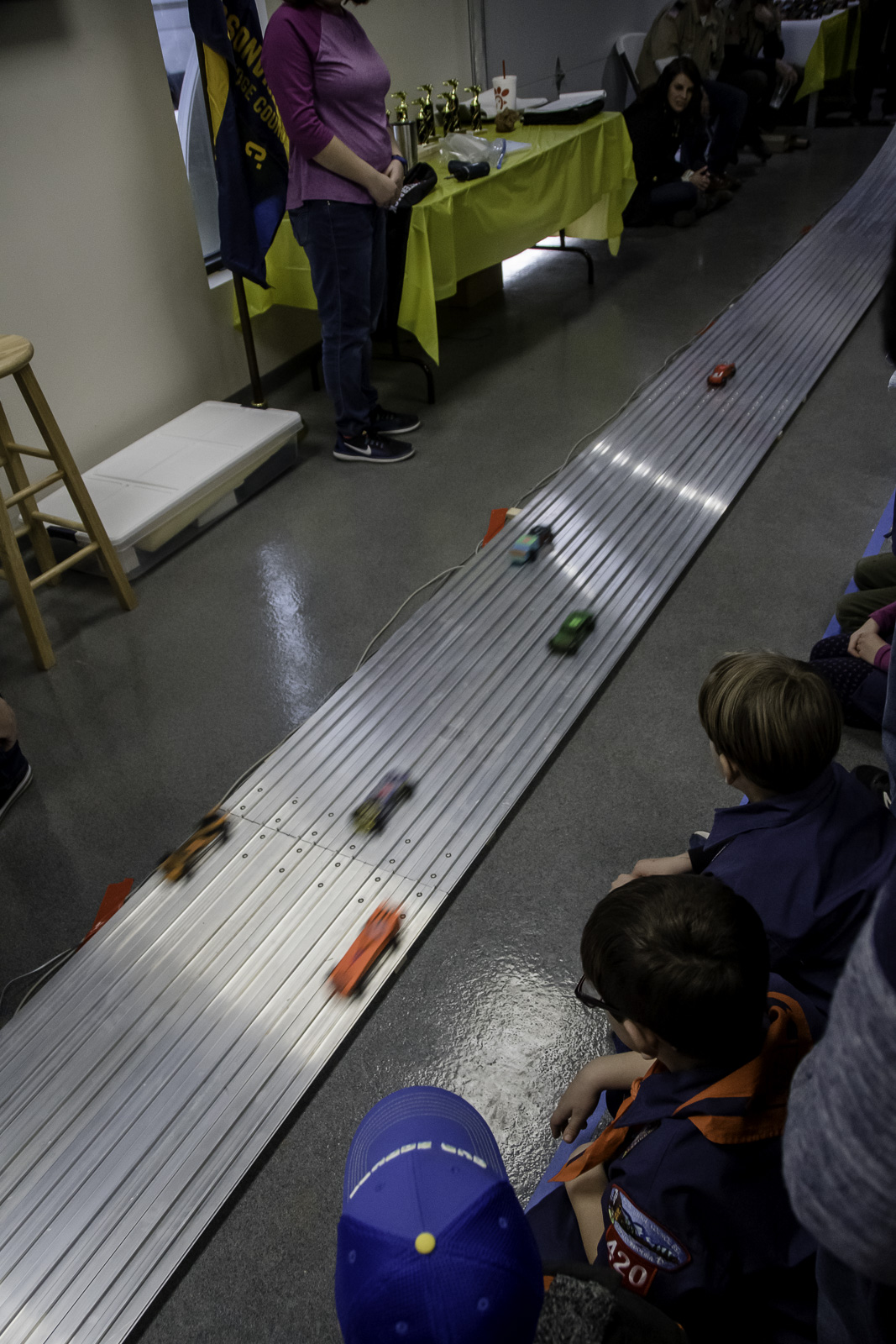
Sometimes I wonder, or rather fear, that his lack of competitiveness comes from a lack of confidence, that he feels he has no chance of winning anyway and so why not cut one's losses and not appear to be terribly worried about the results of inherently competitive events. That's how I was, I think, when I was a child and teen. It wasn't that I worried about losing; I just didn't want to get embarrassed, to get beaten into the ground, so to speak. In gym class during high school, when we had basketball, I was reticent to participate because I was never all that good. I even refused to dress out some days, making the excuse that because I was on the swim team and got plenty of exercise that way, I really didn't even need the activity. Swimming was different, though, because I had success in the pool and felt more confident there.
Is that compensation or something more concerning? I don't really know, and I'm honestly not terribly worried about it. I think in the end, all of us with a little competitive spirit in us do that.

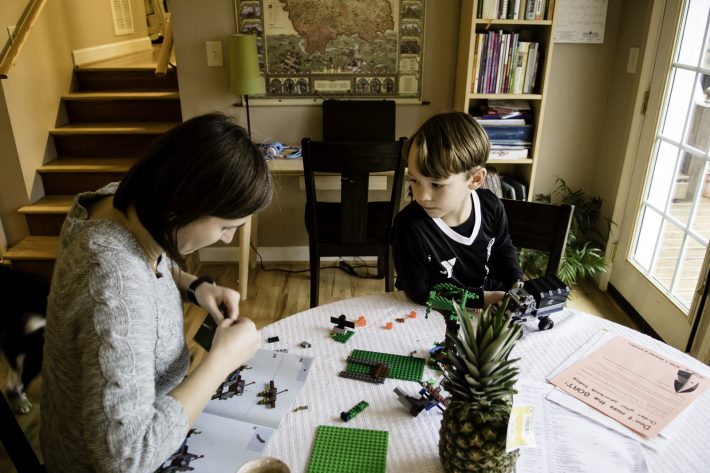
The Boy finished his Jurassic Park Lego play set yesterday. Today, it fell apart, in part because of a poor design. K helped him put things back together; I added some stability to make sure it doesn't happen again.
In the afternoon, we finally took down the Christmas tree while watching ski jumping from Zakopane.

A busy day for everyone culminates in us arriving separately at home after seven, two hours after we normally eat dinner. After school, a long meeting, and a visit with Nana (out of the hospital and back in rehab -- hurrah!), I'd stopped for something for us to eat; after work, shuttling the Girl to choir practice while taking the Boy shopping, running the Boy to basketball practice after dropping the Girl off at volleyball practice, then picking everyone up, K arrived shortly after.
As we ate, the kids and I decided that K's plan for the rest of the evening was flawed.
"I'll put away all the groceries and then go to bed if you'll put the Boy to bed."
"Nope. I'll put away the groceries while you take a hot bath, and then I'll put the Boy to bed while you go to bed yourself." L and E agreed -- Mama needed to call it a day. As I was bustling about the kitchen, I remembered it was garbage night.
"L, take the garbage and recycling out," I said, expecting a little fussing.
"Okay." Nothing more.
She came back in, a little whiny, and said, "E always takes out one of them. Can he take out the recycling? I'll go with him."
"No, sweetie, it's late. Just do a little more than you have to."
"Oh, okay." Nothing more.
From this, a simple inference: our daughter really is growing up. She's not just sprouting vertically (she's almost 5'4" now); she's not just developing into a young woman; she's maturing. With my nose pressed to the ever-present every day, I forget that sometimes. It escapes me.
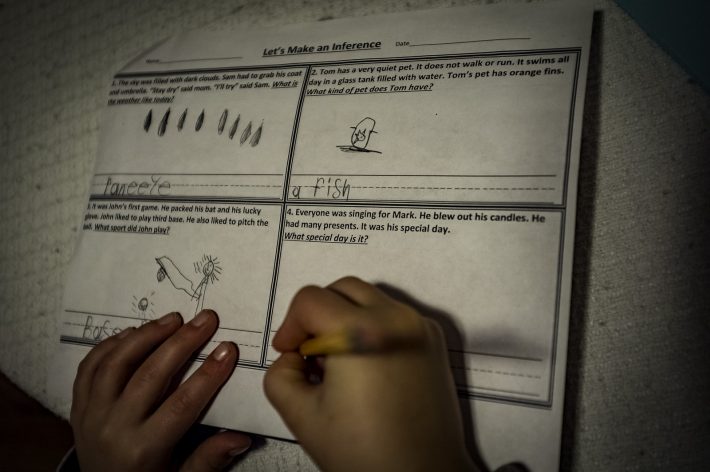
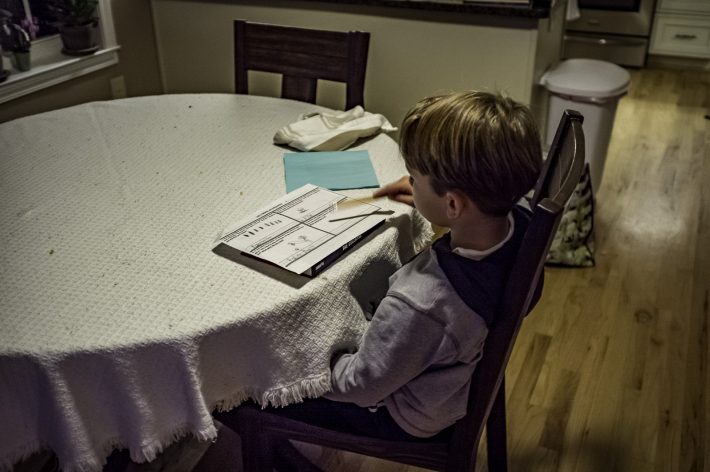
While all this was going on, the Boy had started his homework.
"What are you working on tonight?" I asked him.
"Inferring. We learned it today."
As an English teacher, I've been working on the Boy's (and the Girl's) inferring skills for years. I taught him the word; he must have forgotten. The teacher did a better job today. "What's that?" I asked.
"Making a good guess."
Not a bad definition. I usually tell my students it's "making a reasonable guess based on evidence."
And there you might notice something: I teach eighth grade; my son is in first grade. Am I really teaching inferring again? Well, I'm not teaching inferring -- they know what it is. But we're still practicing it. Like mad. Especially (really, that should read "solely") with my lower-achieving students. I give them a text like this:
Every day after work Paul took his muddy boots off on the steps of the front porch. Alice would have a fit if the boots made it so far as the welcome mat. He then took off his dusty overalls and threw them into a plastic garbage bag; Alice left a new garbage bag tied to the porch railing for him every morning. On his way in the house, he dropped the garbage bag off at the washing machine and went straight up the stairs to the shower as he was instructed. He would eat dinner with her after he was “presentable,” as Alice had often said.
I then ask a question: What type of job does Paul do? How do you know this? I have the students back up their answers with three specific pieces of evidence from the text, then explain how that evidence is evidence. A good student response (an actual student response) looks like this:
Paul is a farmer.I know this because he is wearing muddy boots. Wearing muddy boots is evidence that he is a farmer because if he were to work in an office or inside he wouldn't have muddy boots. Also, he is wearing overalls in which he would not have been wearing if he was working inside. Finally, Paul’s overalls are dusty and most farmers work a lot outside so he must have gotten dirty from working outside.
So I applied the same thing to the Boy's work. The same thing -- a text followed by a question:
Everyone was singing for Mark. He blew out his candles. He had many presents. It was his special day. What special day was it?
E read the text and said, "It's his birthday!"
"How do you know this?" I prodded.
"Because he got presents."
"But we get presents at Christmas as well. How do you know it's not Christmas?" He looked stumped for a moment, so I told him what I tell my own students: "Go back to the text. Find something in the text that shows it's not Christmas."
He read a while, thought a while, then said with a smile, "Because it says it's his special day, not everyone's special day. Christmas is everyone's special day."
I thought he'd pick up on the candles. That's the more obvious piece of evidence. He went the more subtle route.
"That's great. A very good observation. Now, can you find a third piece of evidence?"
Again, he looked, read, thought. "The candles. You don't blow out candles on Christmas."
After a tiring day, what a perfect ending.