Matching Tracksuits

fun in fours

soccer

First Spring Saturday

Not really. It's another month until spring according to the calendar, but this is South Carolina: it's been in the sixties and seventies all week, and the yard shows it: weeds everywhere.
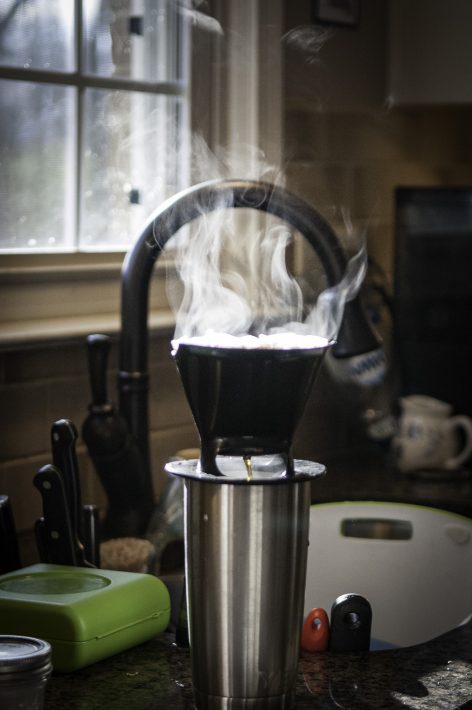
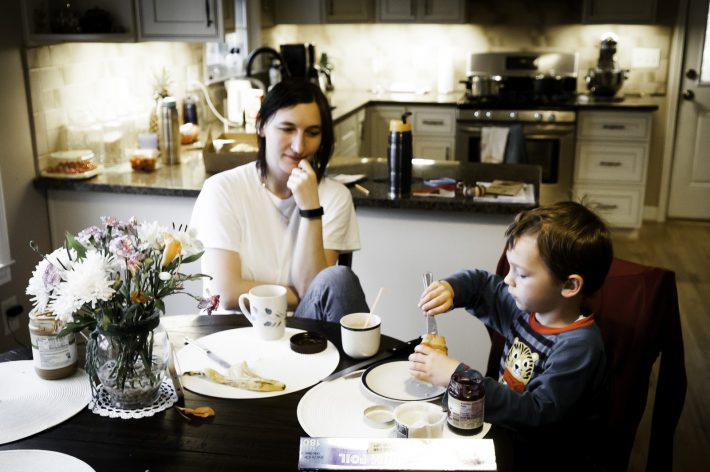
K and her mother spoke over Skype while E ate breakfast. He was in the room the whole time because of complications with his electronics time -- he didn't have any today. We're trying a new motivation for sleeping through the night.
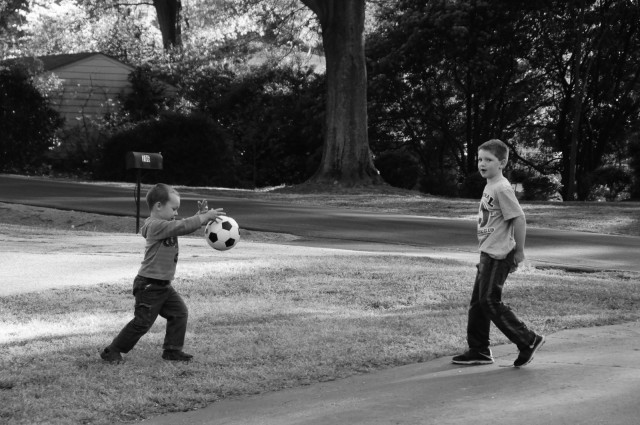
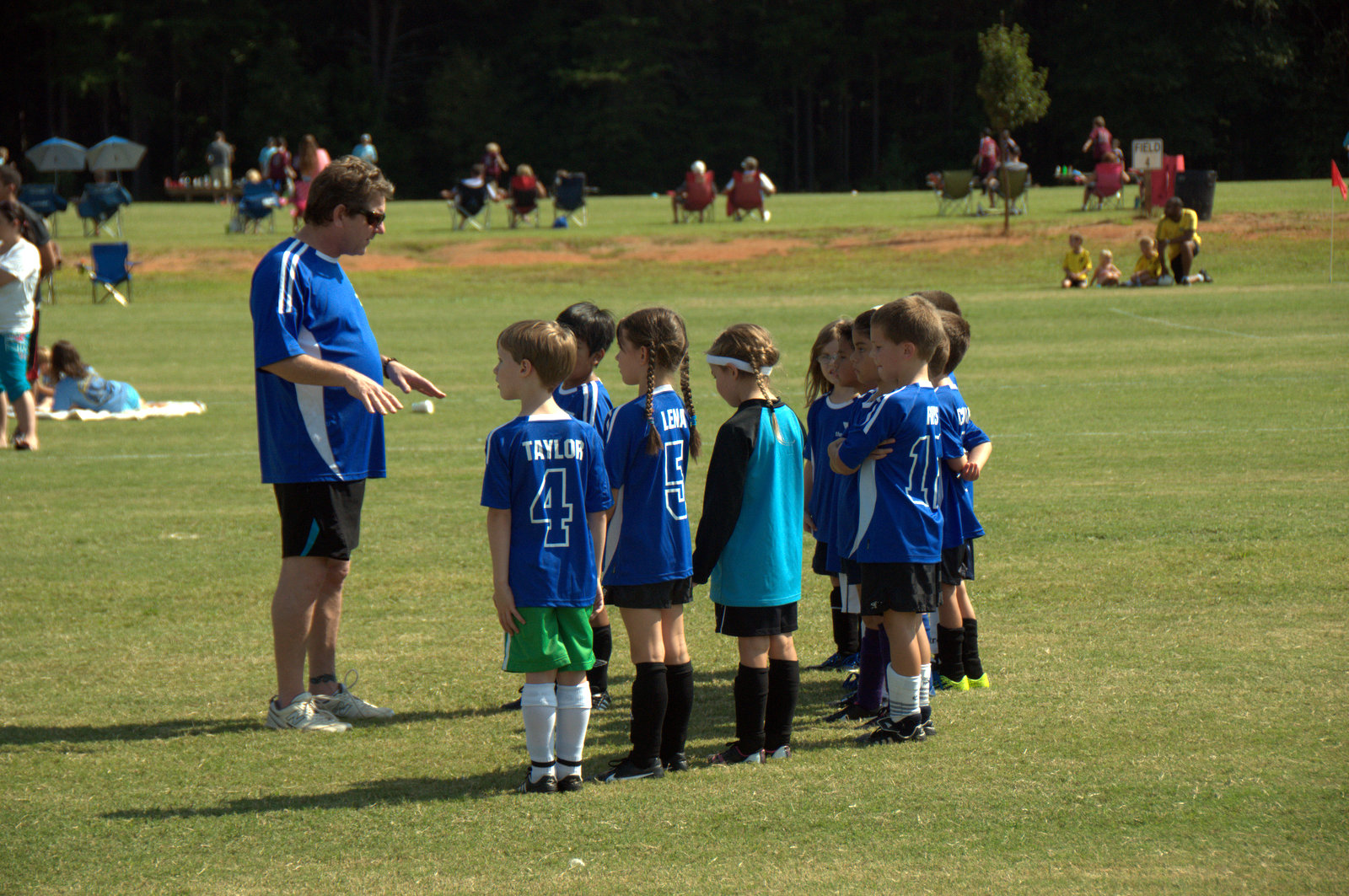
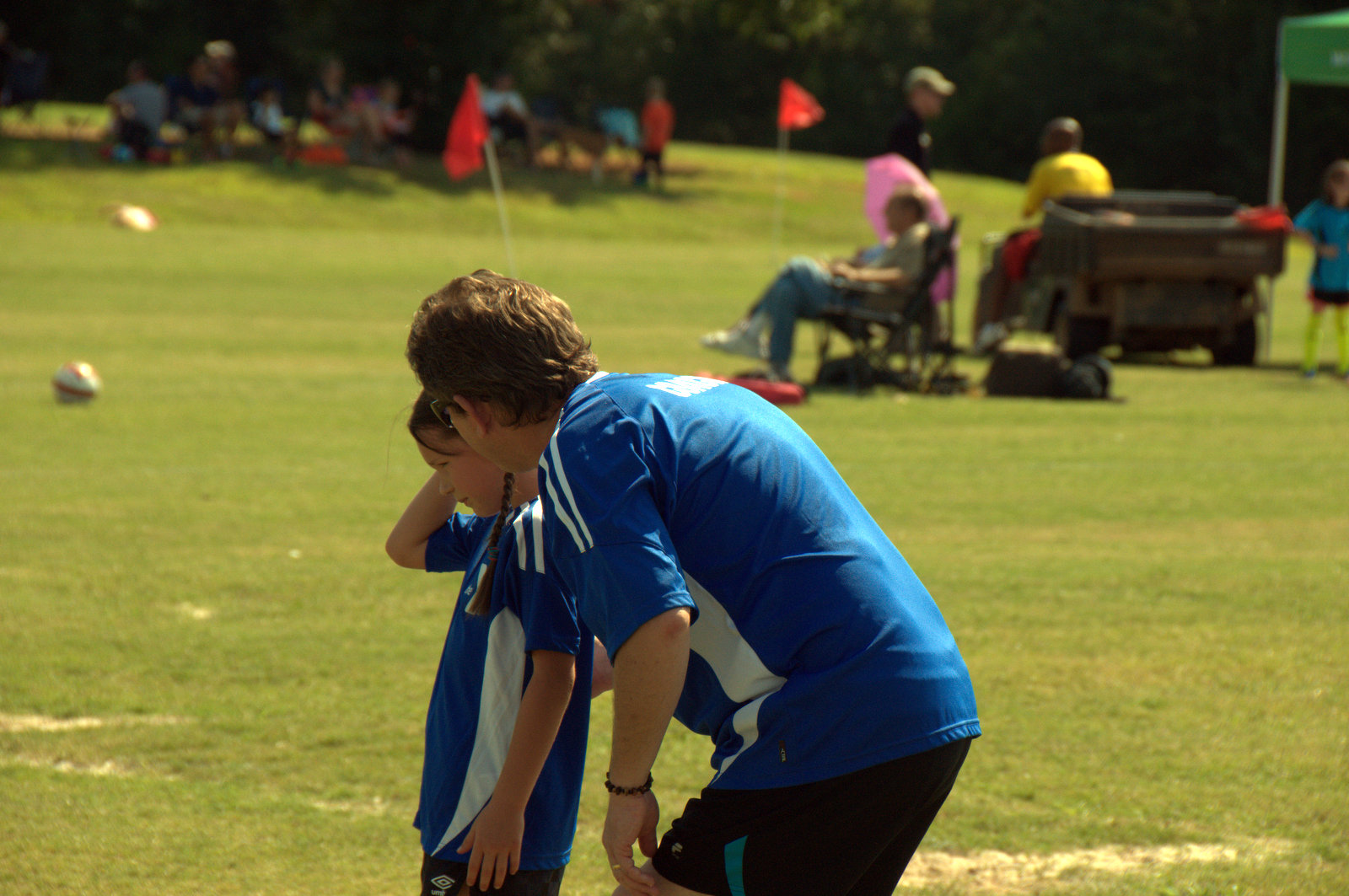
Afterward, it was soccer practice -- first practice for the spring. We requested the same coach as we had in the autumn, Coach Kevin, and when we arrived for practice, we saw that we weren't the only ones to request him. So the Boy jumped right in without the shyness that sometimes plagues him in new situations.
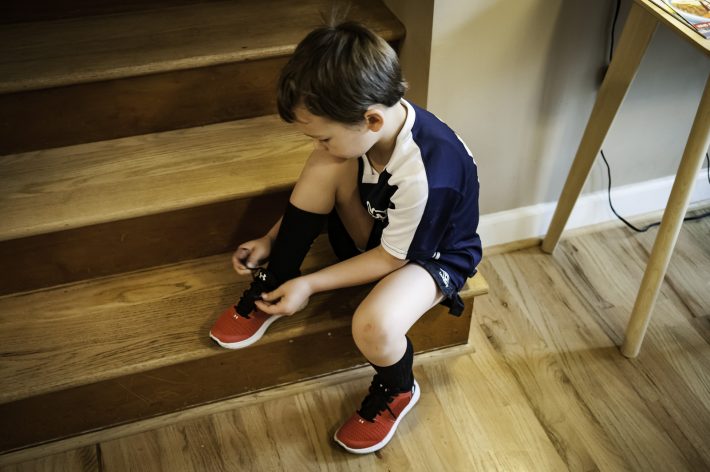
Throughout the day, he practiced tying his new shoes. He's become brand-conscious: he simply had to have Under Armor brand shoes. The price he had to pay? No velcro. He made some progress in the whole process through the week, but it's still a matter of, "Daddy, I'm in a hurry! Can you tie my shoe?"
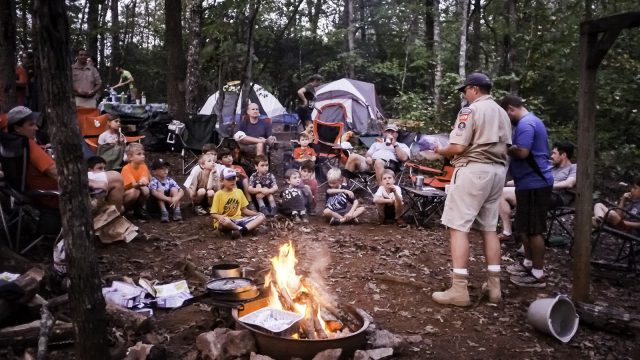
Camping with the Scouts

Camping is almost synonymous with Boy Scouts. To think of one without the other seems almost impossible. Whenever we've gone camping, it seems we almost always see some scouting group or another pitching their tents. We encouraged the Boy to join Cub Scouts by, in part, telling him about camping trips.

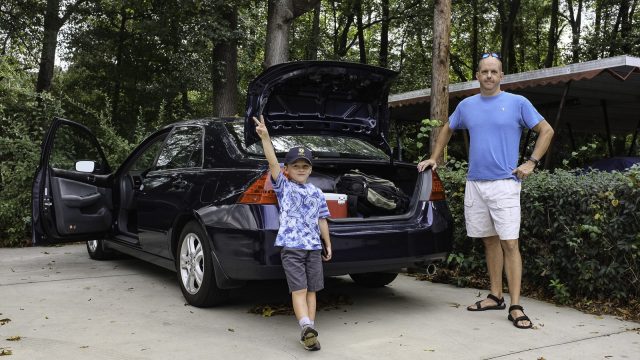
This weekend we had our first trip, and as I might have expected, he was terribly excited about it until Friday. "I don't want to go camping," became the day's refrain. In the evening, though, I sold it to him by suggesting we might just need to have a men's weekend. That did it, and so we did.

We packed our gear, kissed the girls goodbye, and headed to our first scout camping trip.

At first, the Boy was hesitant, careful. Shy. He ventured onto a playground after lunch (we arrived just after lunch because of the soccer game -- one goal this weekend) and played around a bit, but he seemed to be playing apart from the other boys despite being in their very midst. He kept coming back to check on where I was, to make sure I was still around, and then to ask me if we could go.

"No, we've committed ourselves. We'll be staying till tomorrow."

"Okay." No fussing, just resignation.

By dinner time, he'd made friends and disappeared in the storm of boys that raged around the camp. When the evening came and the pack leader began the scout meeting, he was only vaguely aware or worried about where I was.

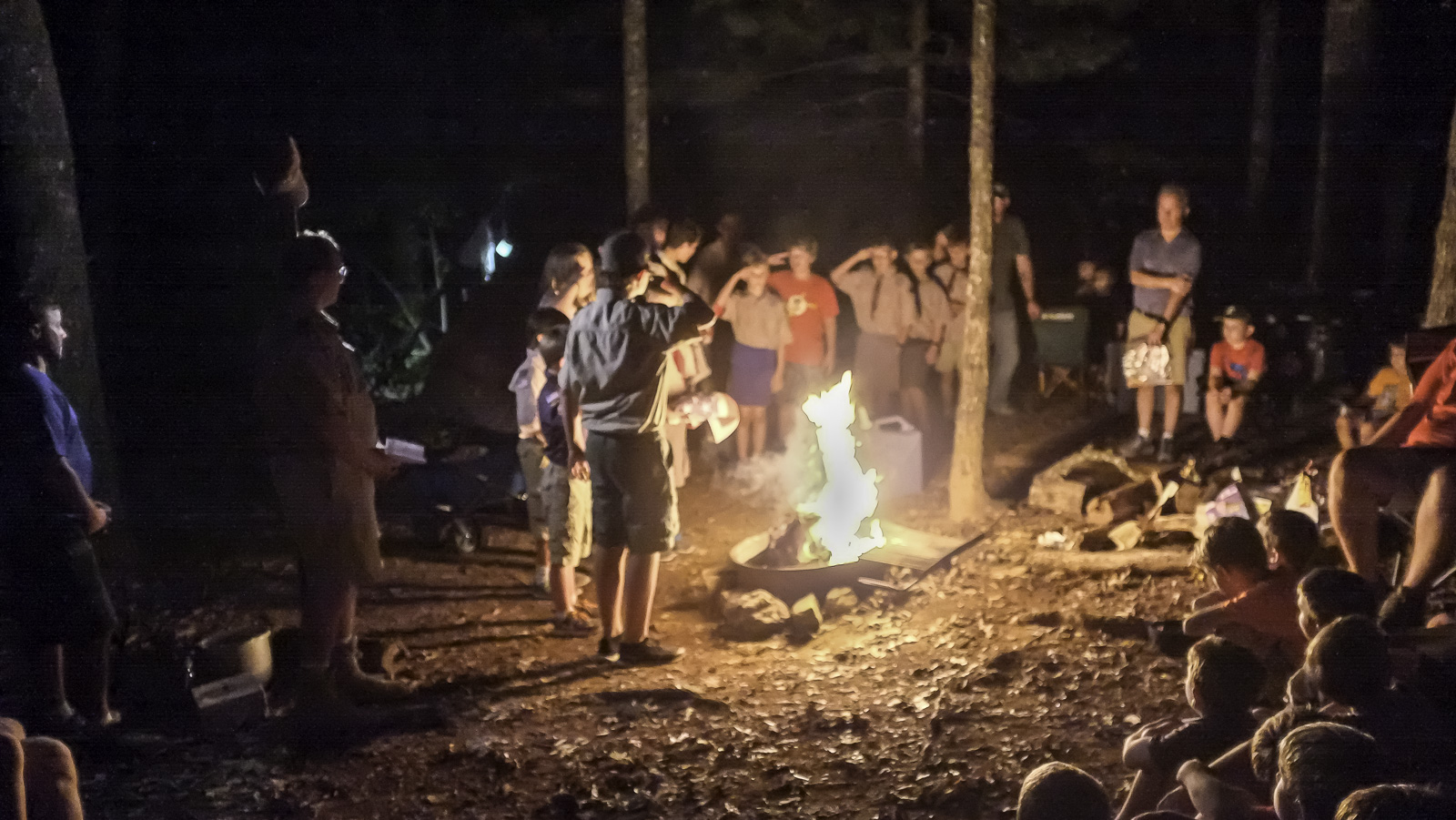
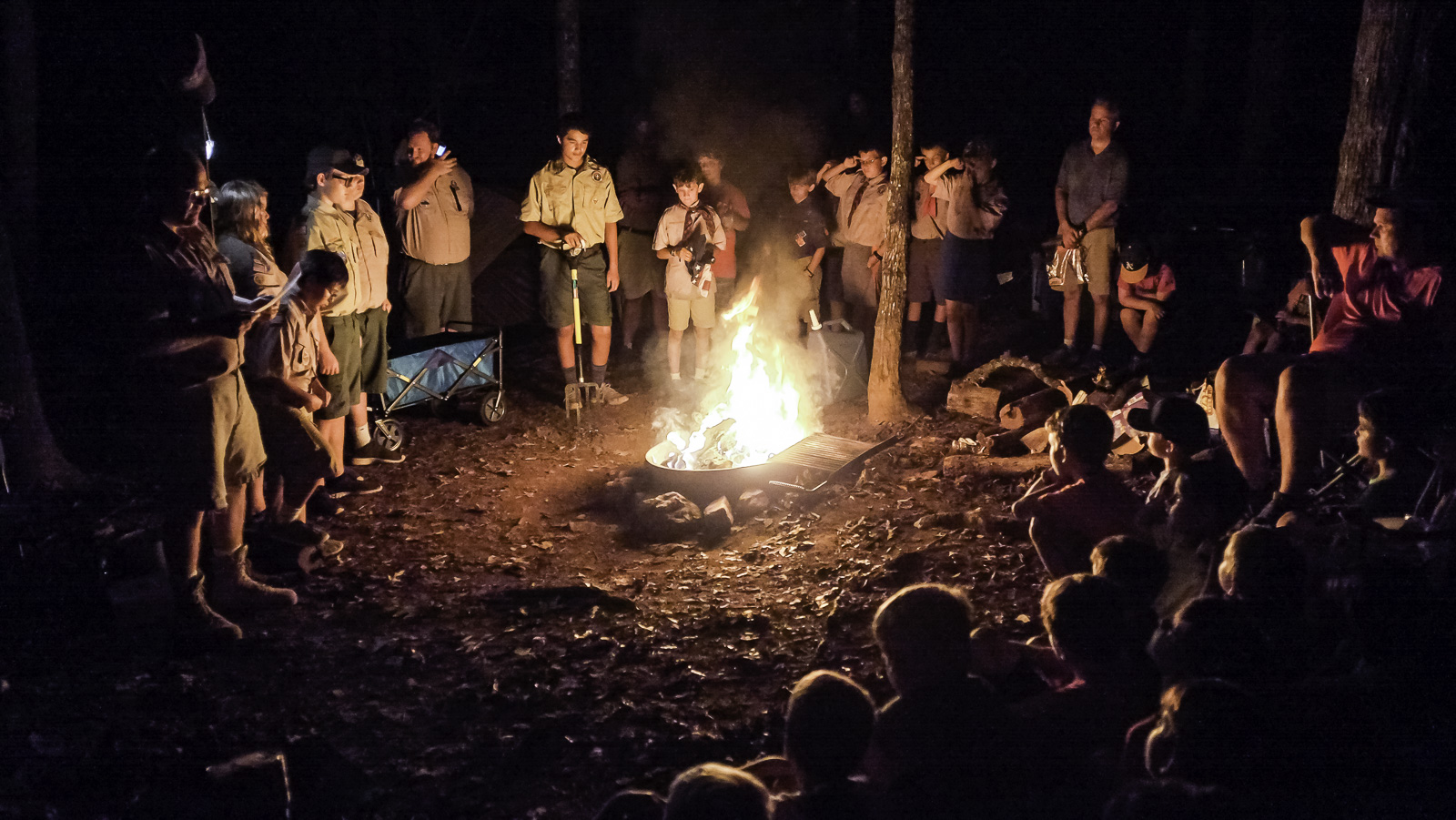
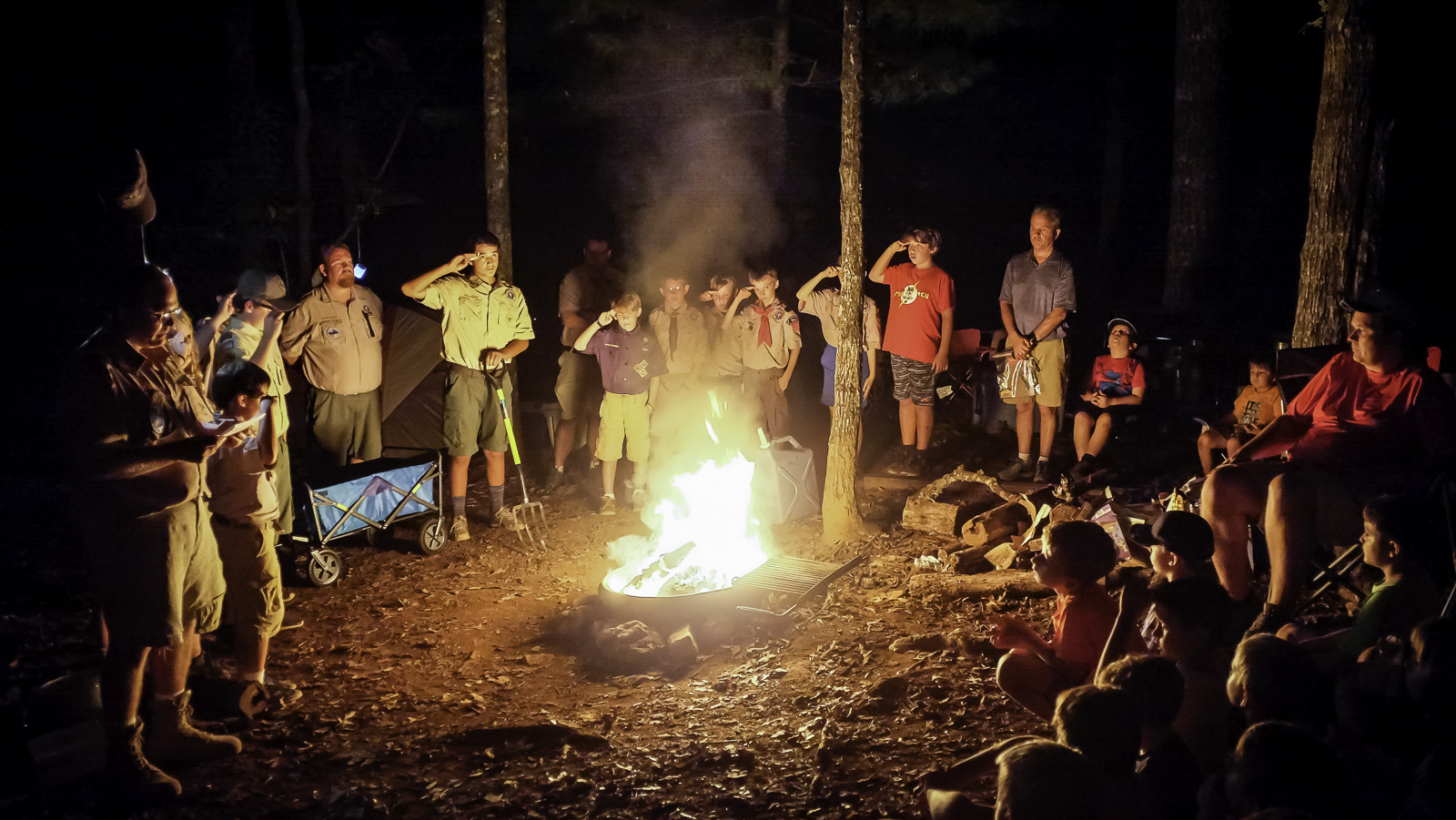
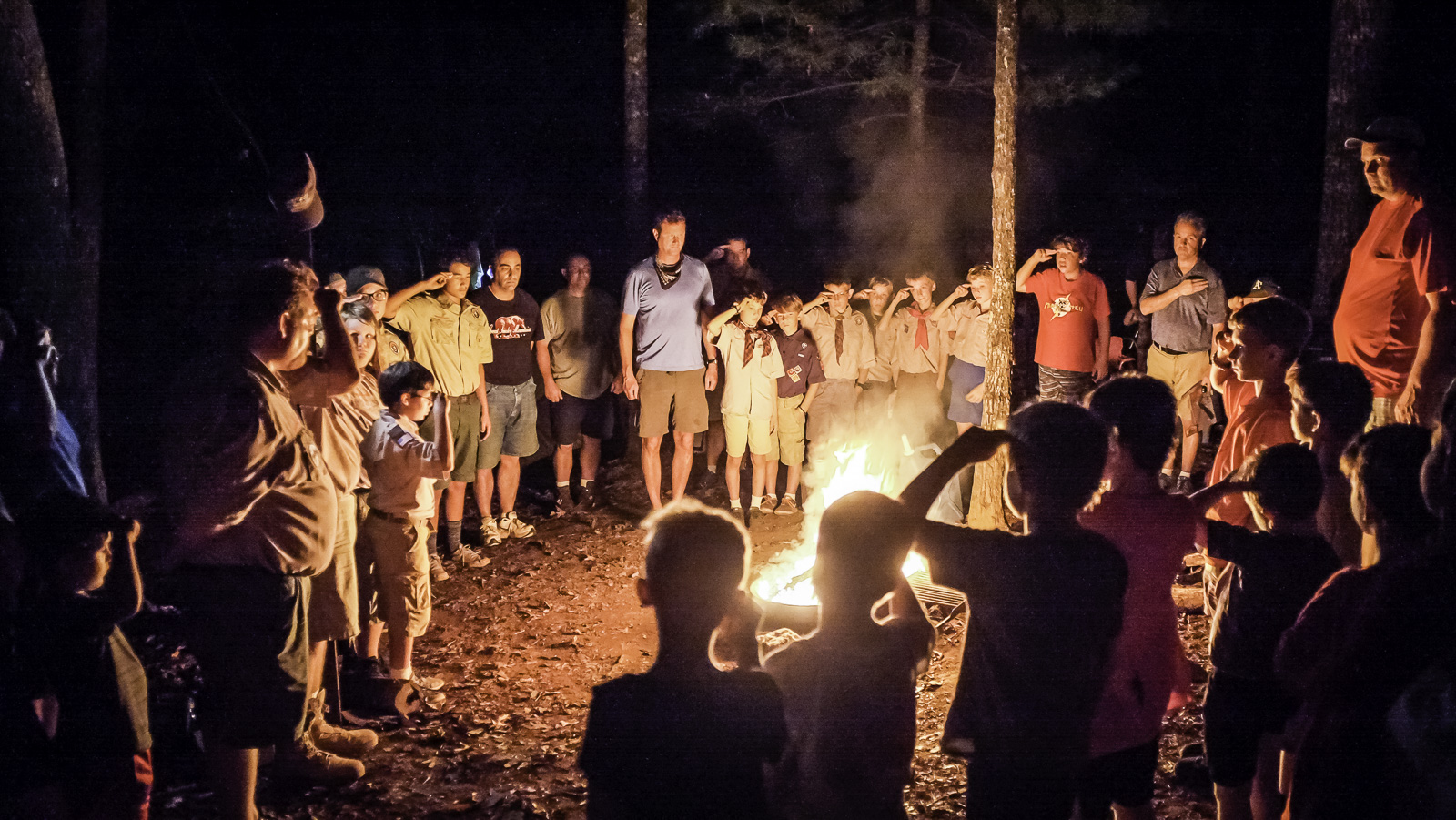
By the time the sun had set and the pack leader had transitioned into the flag retirement ceremony, he wasn't even paying attention to where I was.

But he was paying attention to what was going on. Sort of.

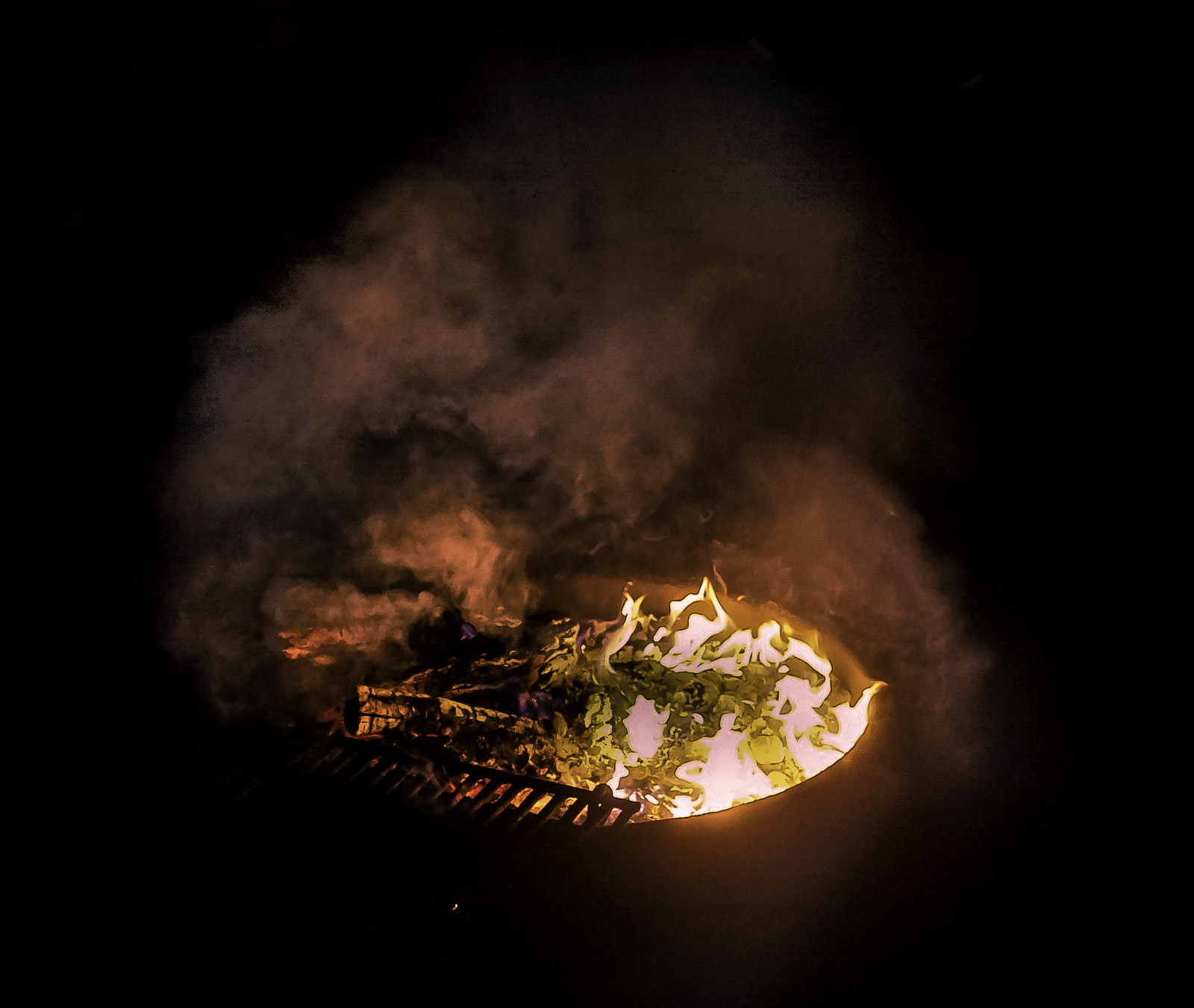
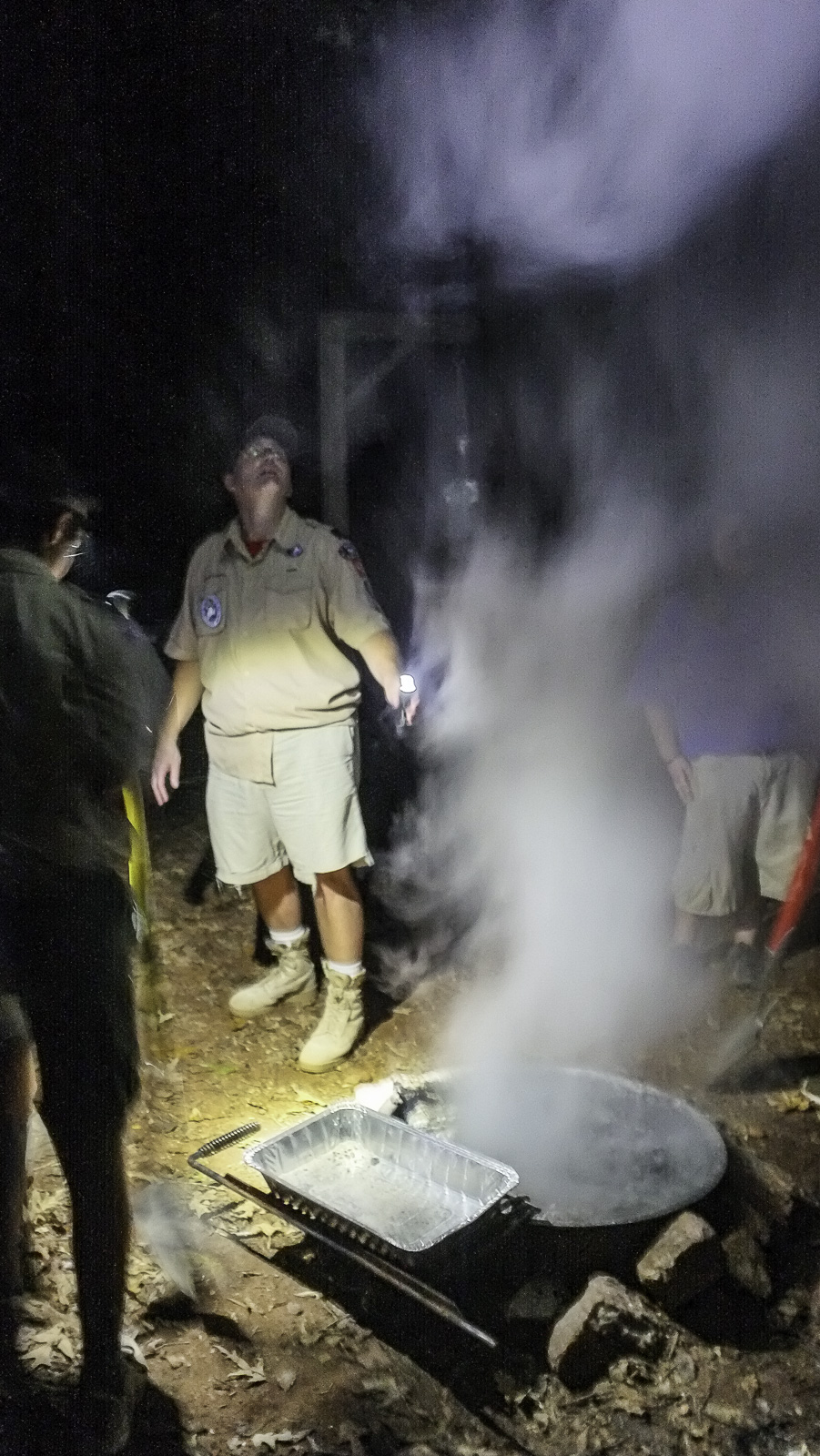
The leader discussed the proper way to handle a flag, the proper way to show respect, and then explained how to retire a flag. It involves fire, which is ironic considering all the controversy over the years regarding burning flags. Yet the pack leader explained that the flag is first cut into four pieces, three pieces with stripes and the star field left whole to signify the unity of the country, and at that point, it is no longer a flag.

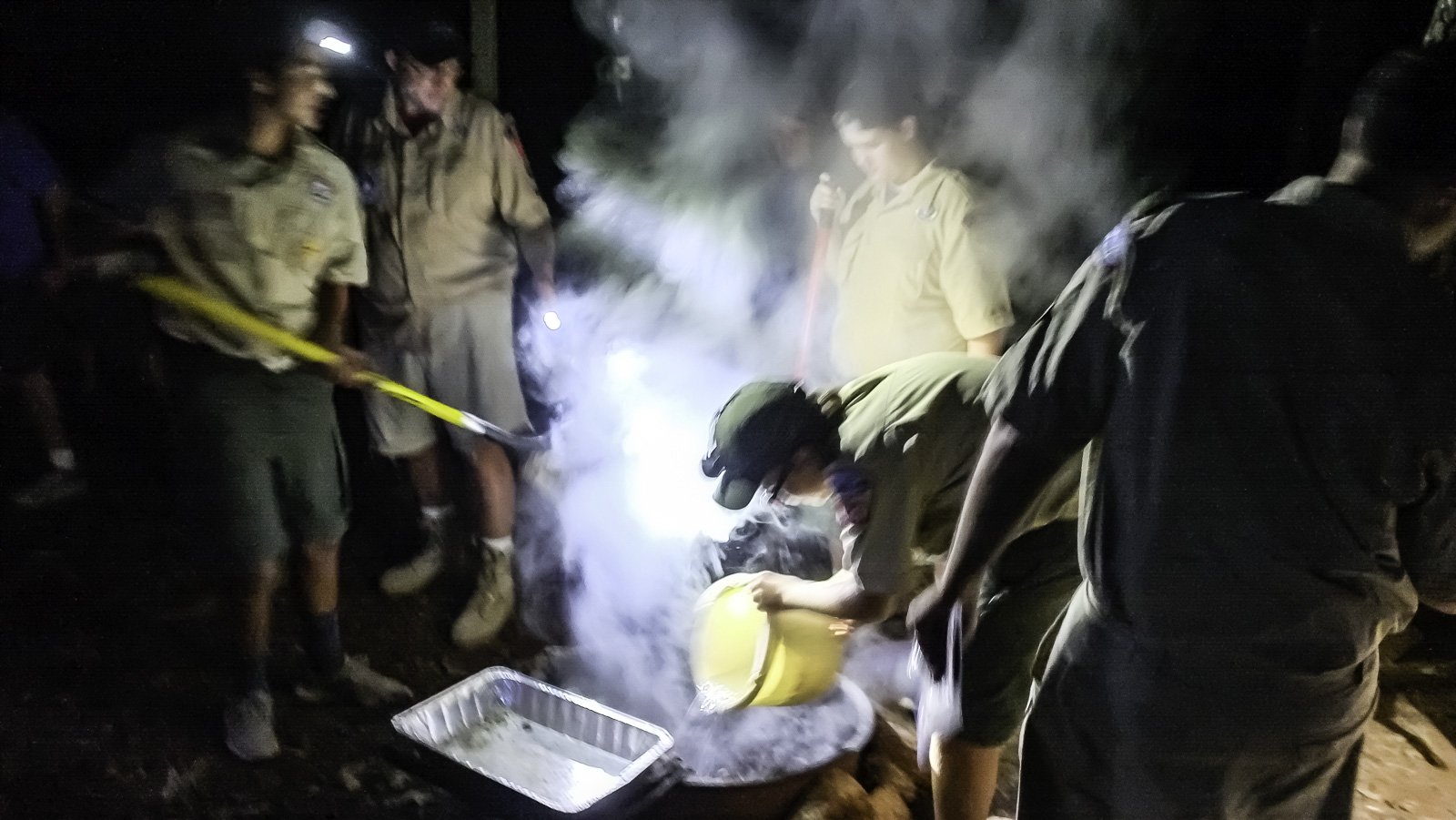
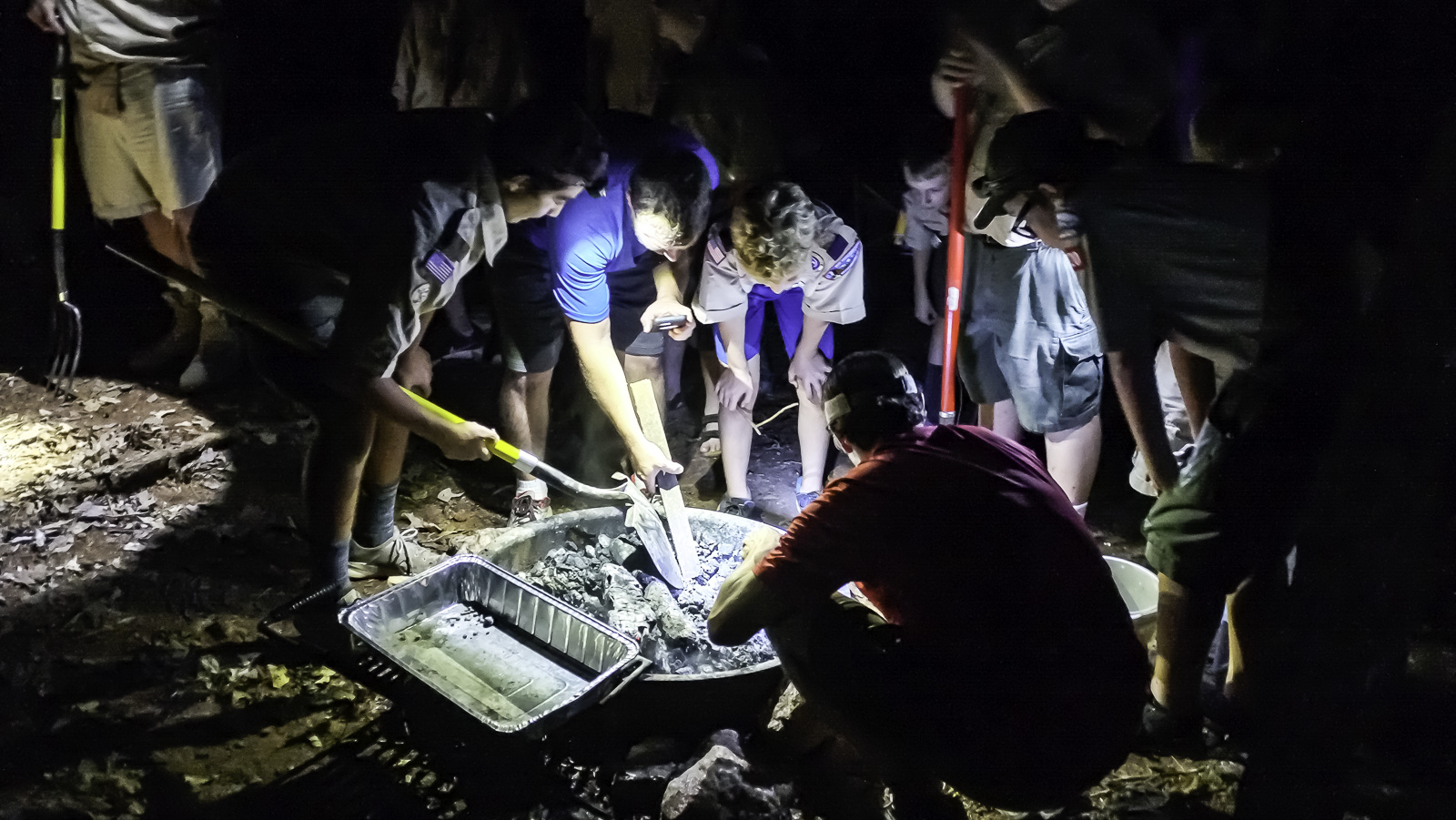
"We burn the cloth," he concluded, "then respectfully gather and bury the ashes."

During evening prayers, he suggested we pray for the flag.

"What do you mean?"
"So that they never burn it like that again."
Apparently, he'd misunderstood what was going on, and I suppose he'd simply sat and watched, somewhat horrified, as his pack leader instructed scouts to burn flags. I explained what had happened, and he seemed okay with it, but still a little disturbed.

In the morning, he was ready for more running, yelling, and falling with the boys. It was as if he'd forgotten all about it. I suppose he has, but we'll see next year when we go again.

What I Learned

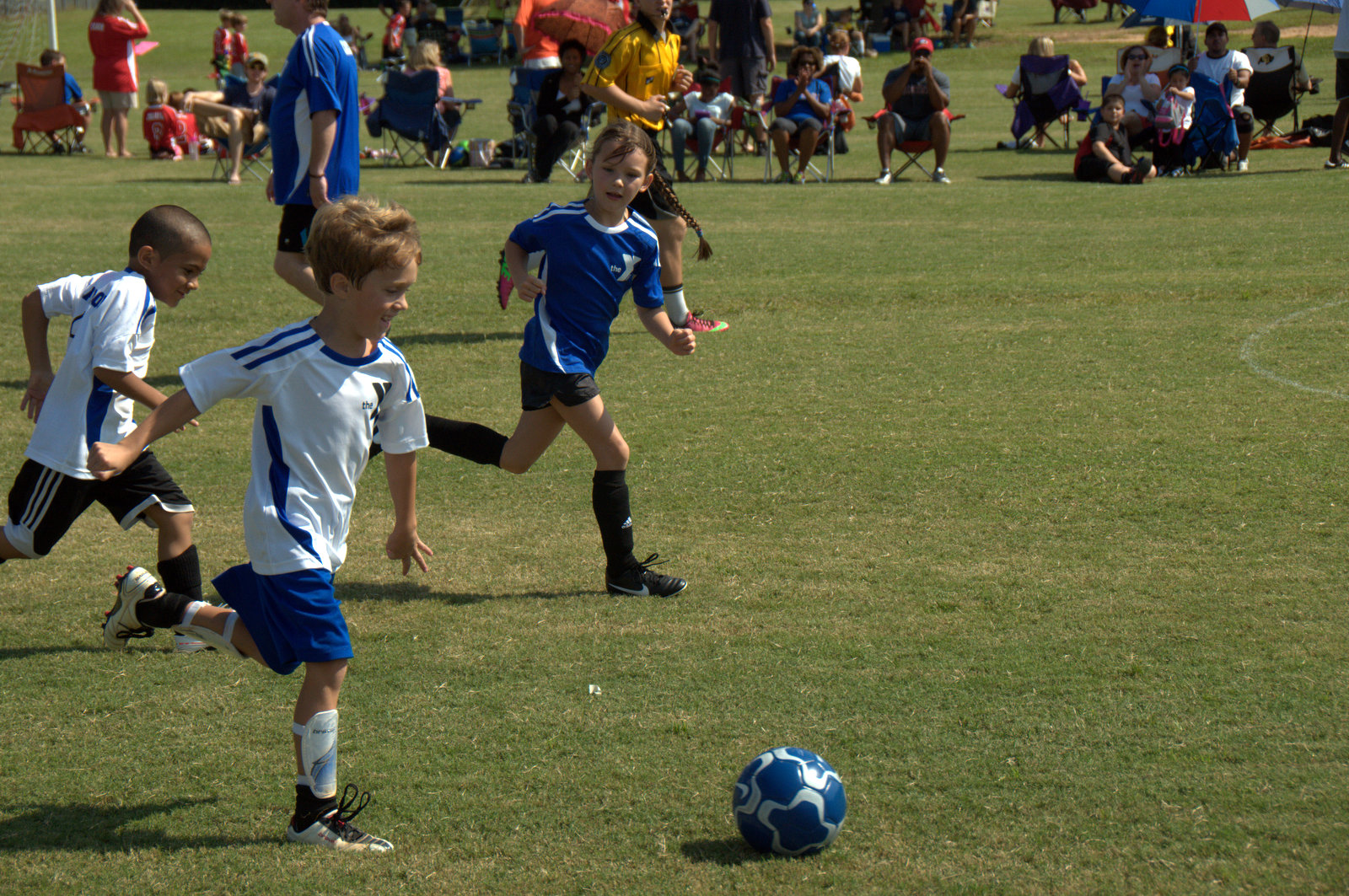
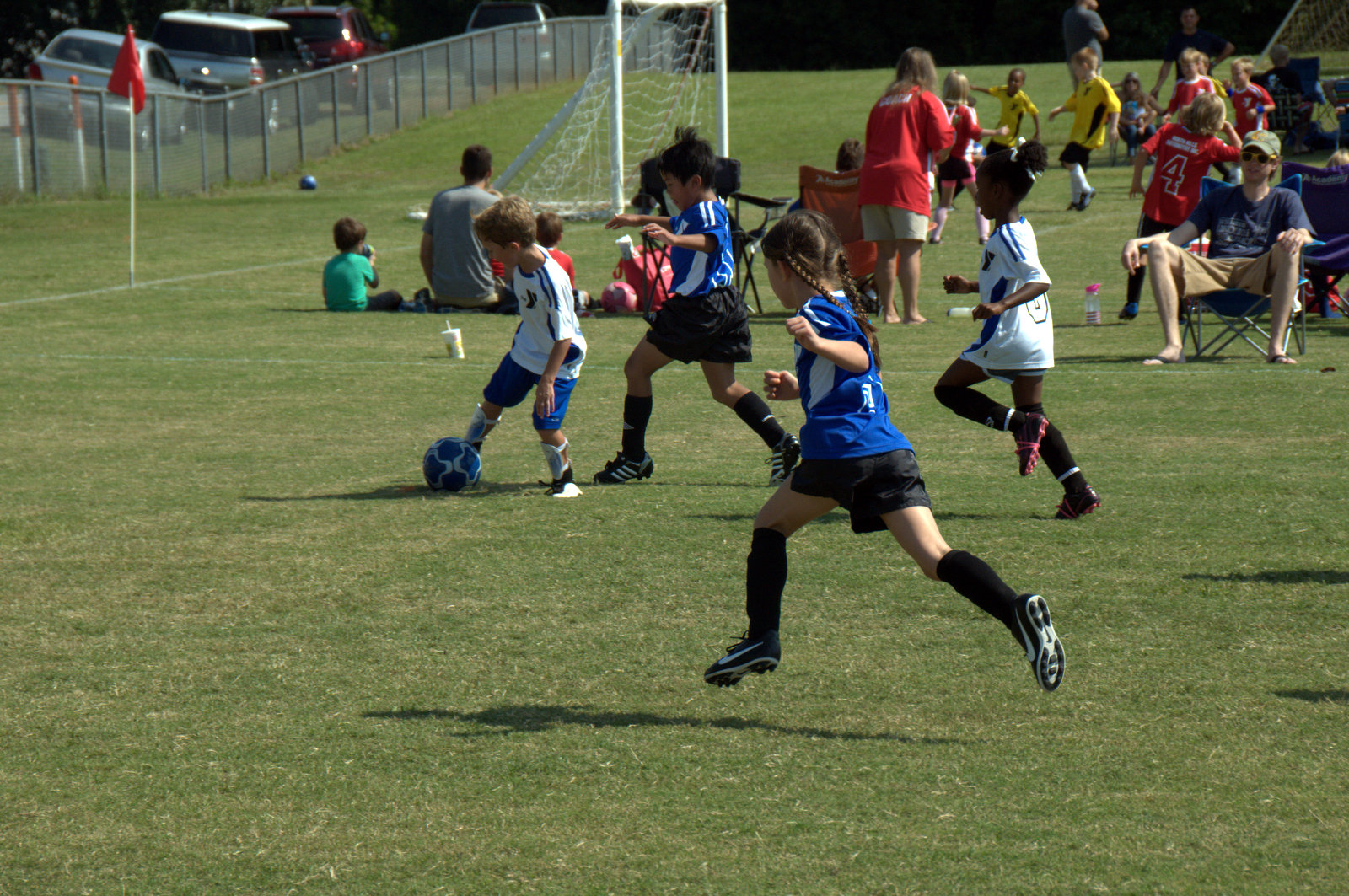
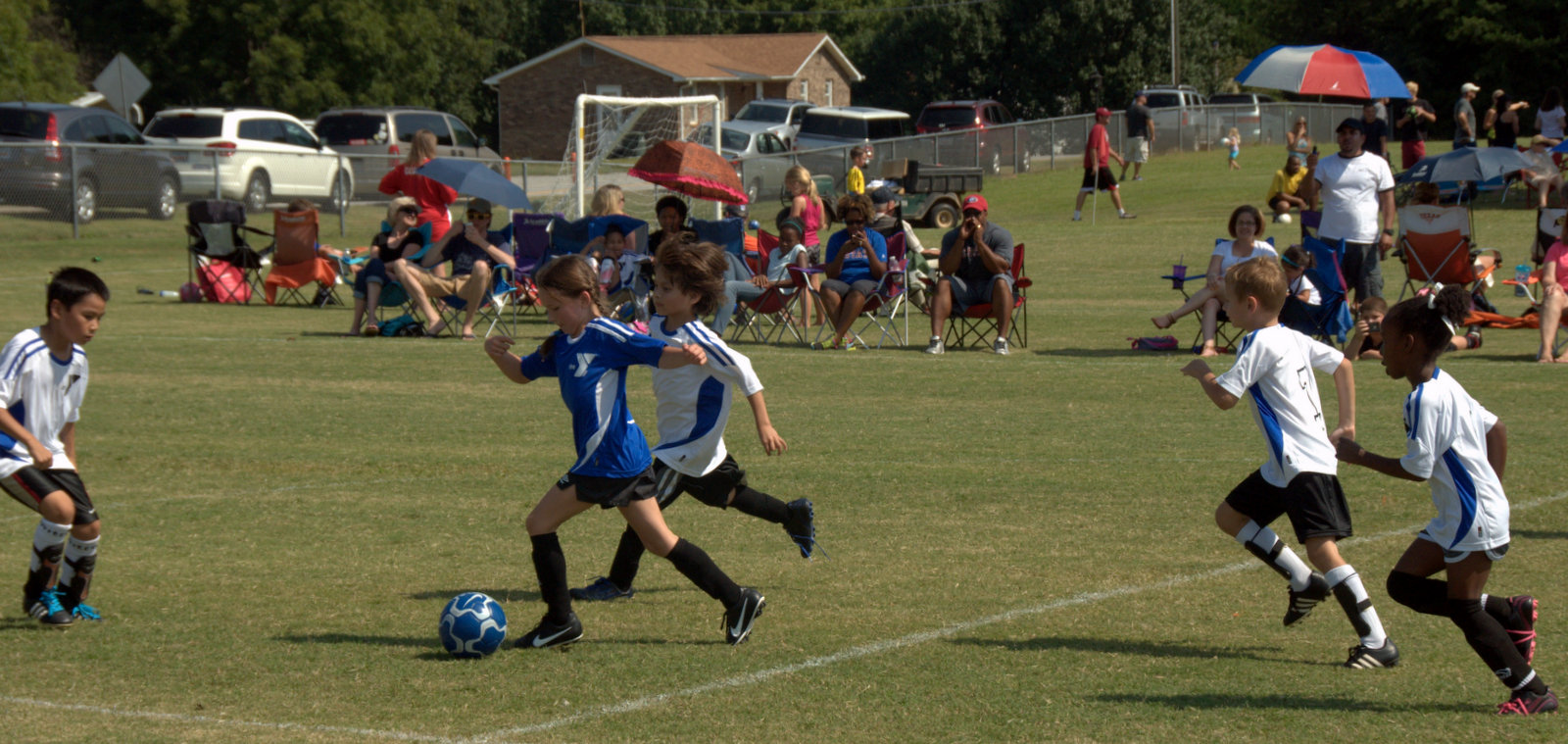
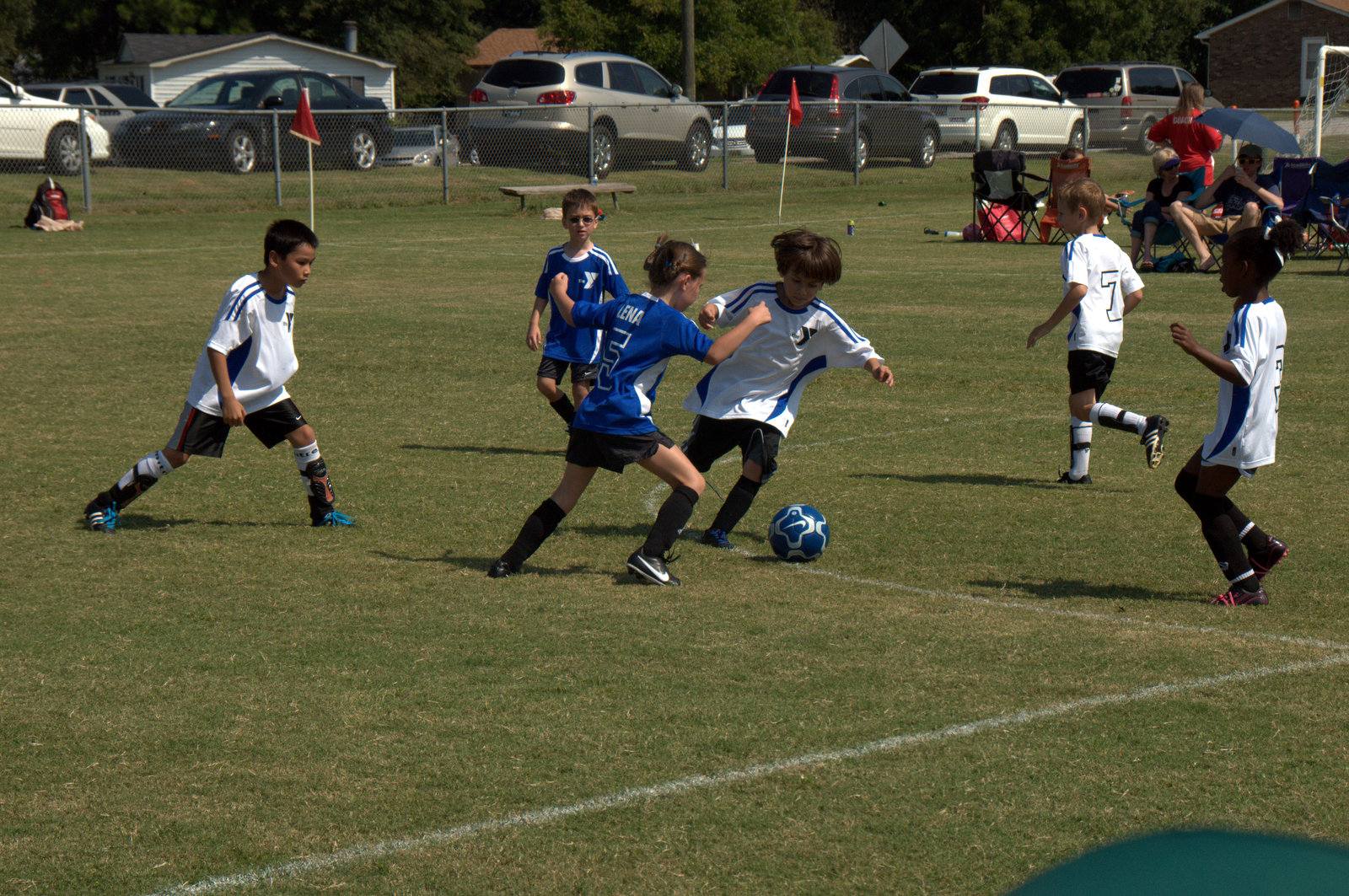
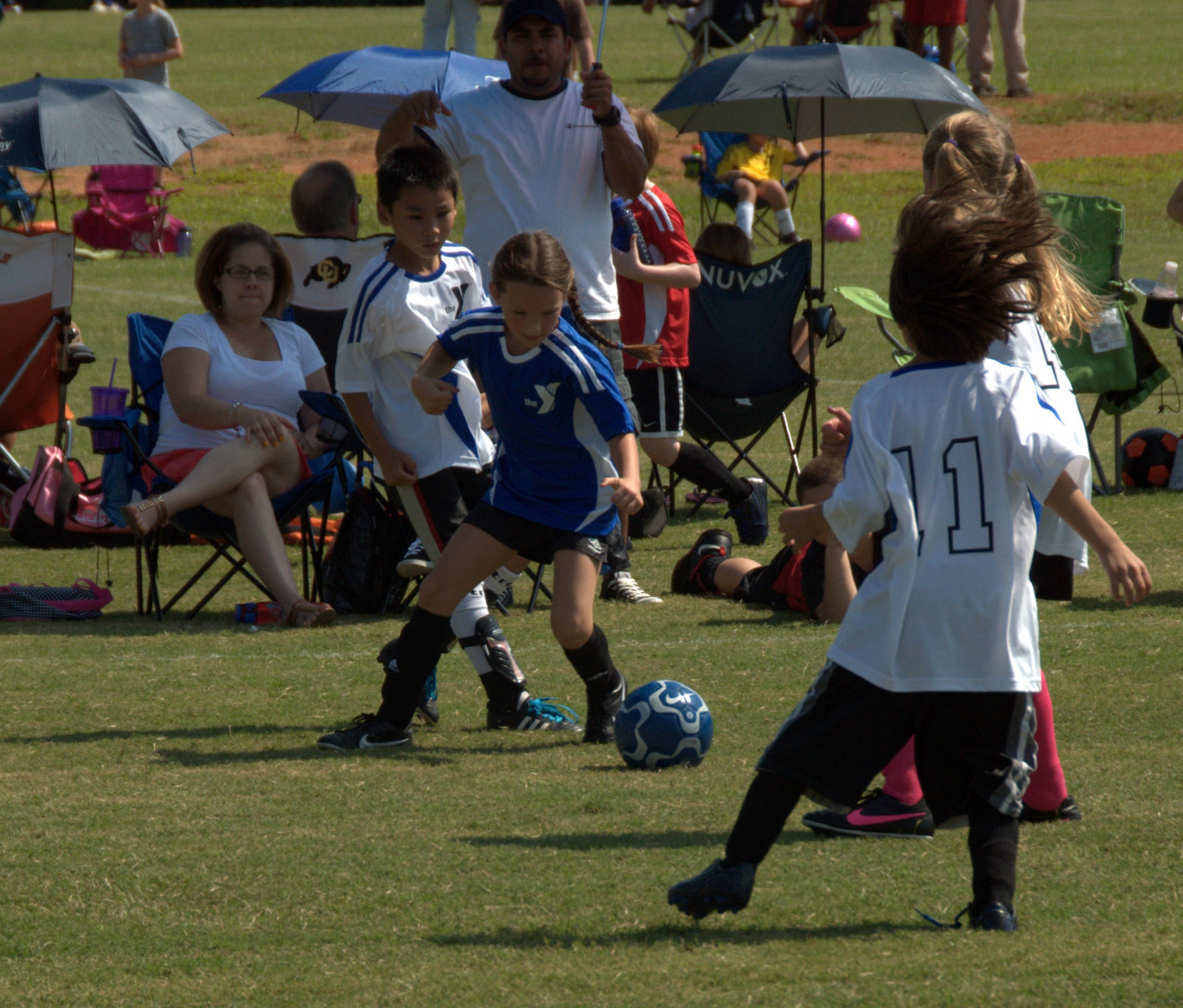
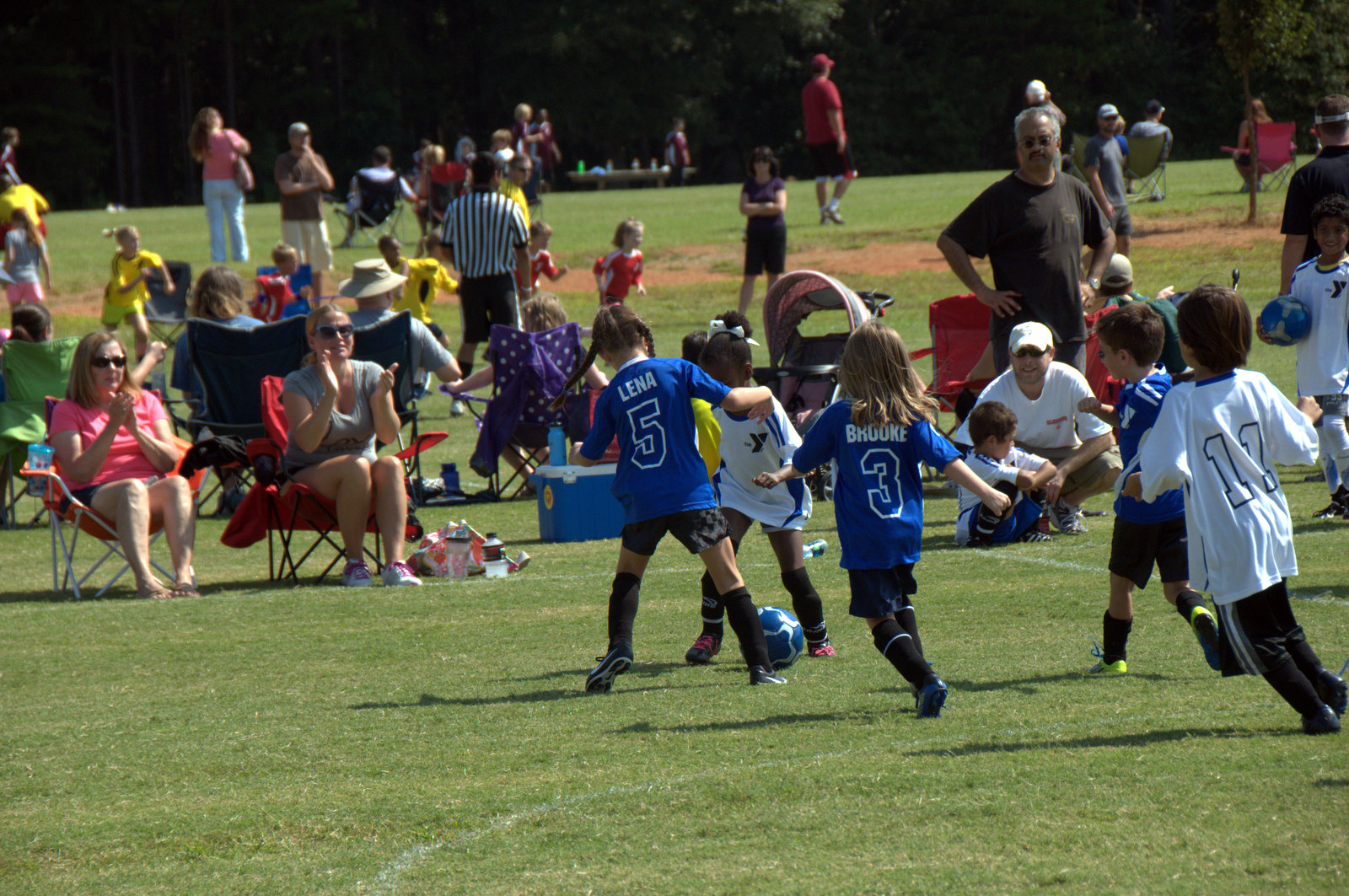
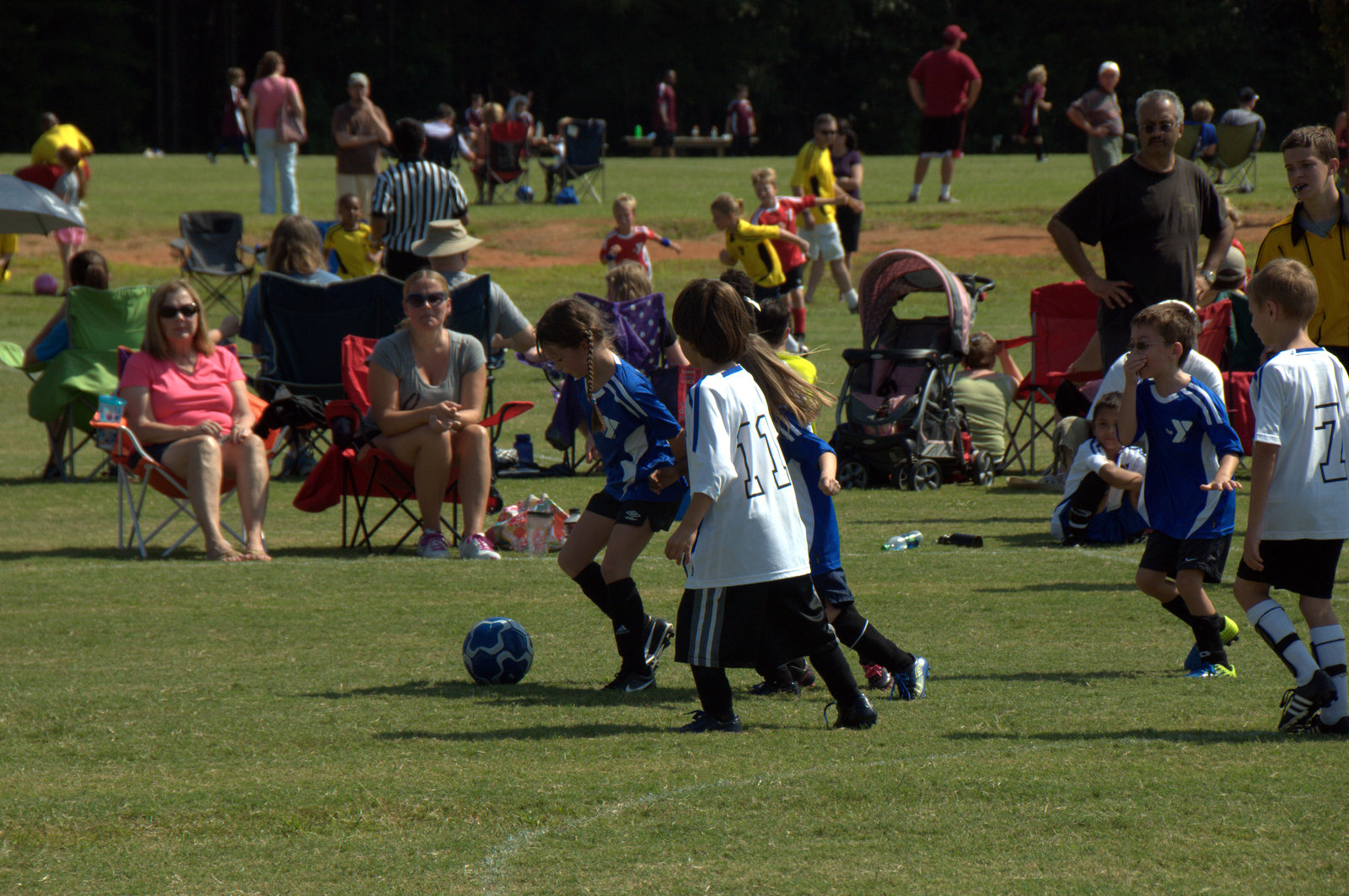
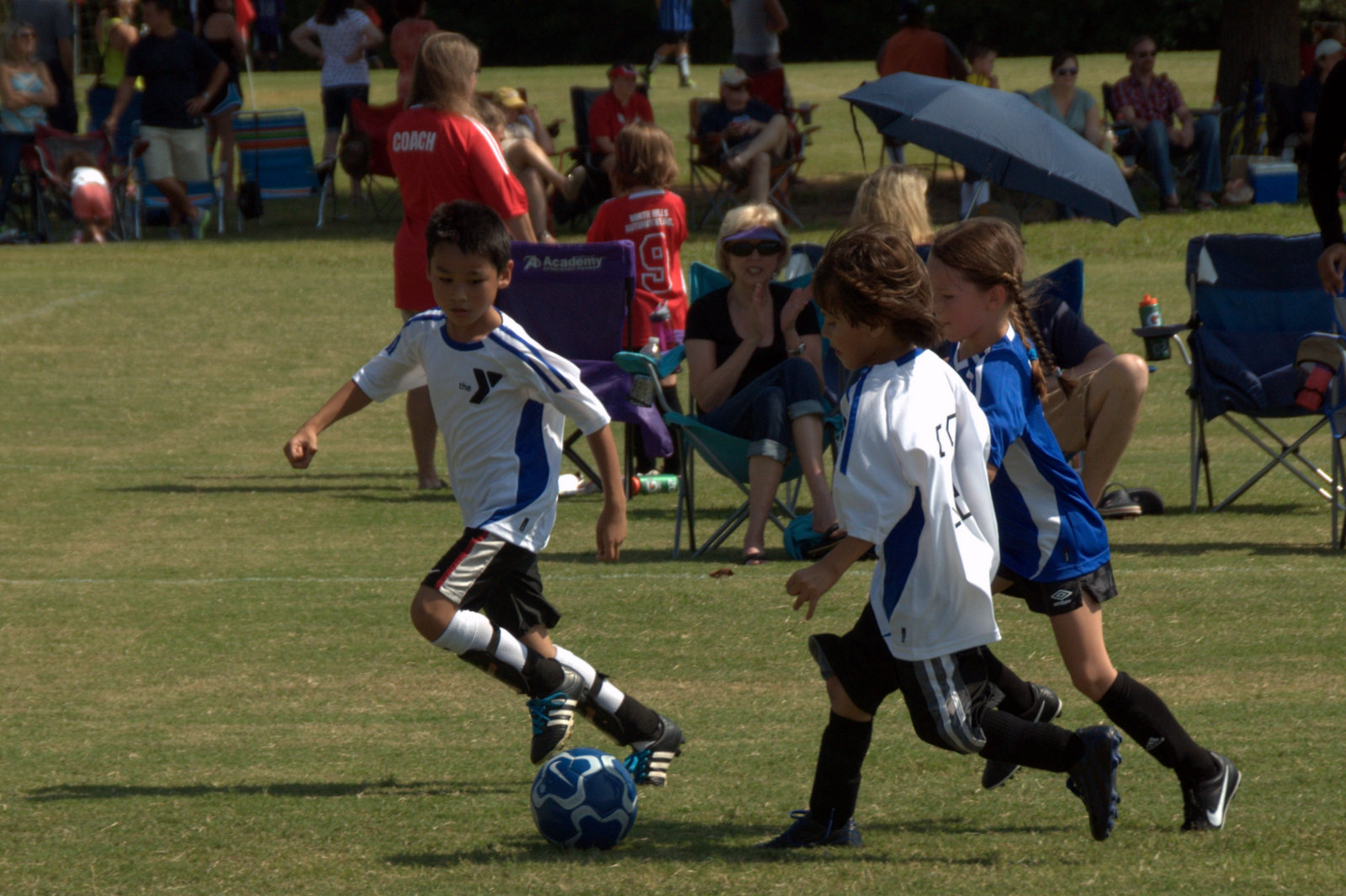
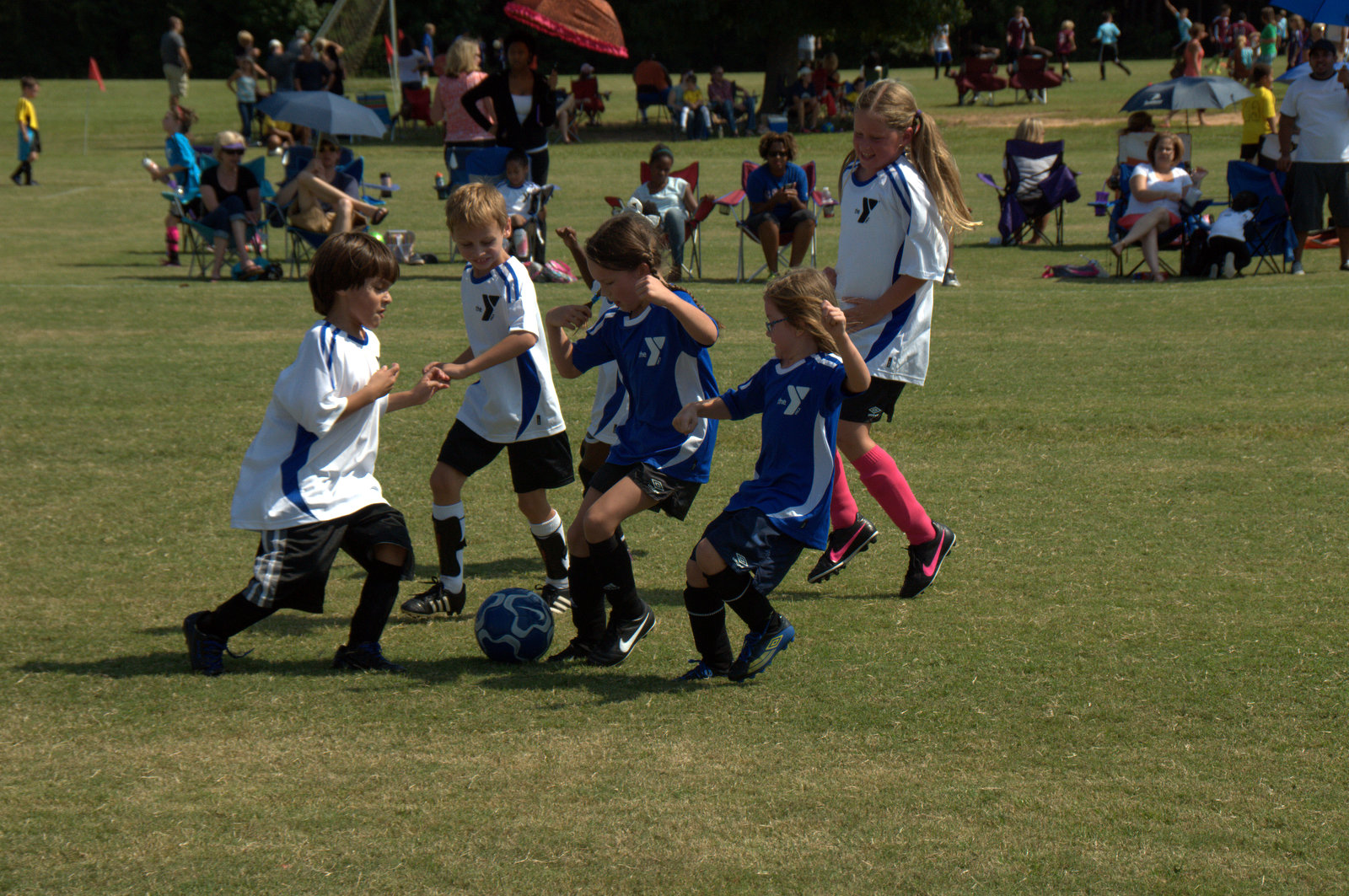
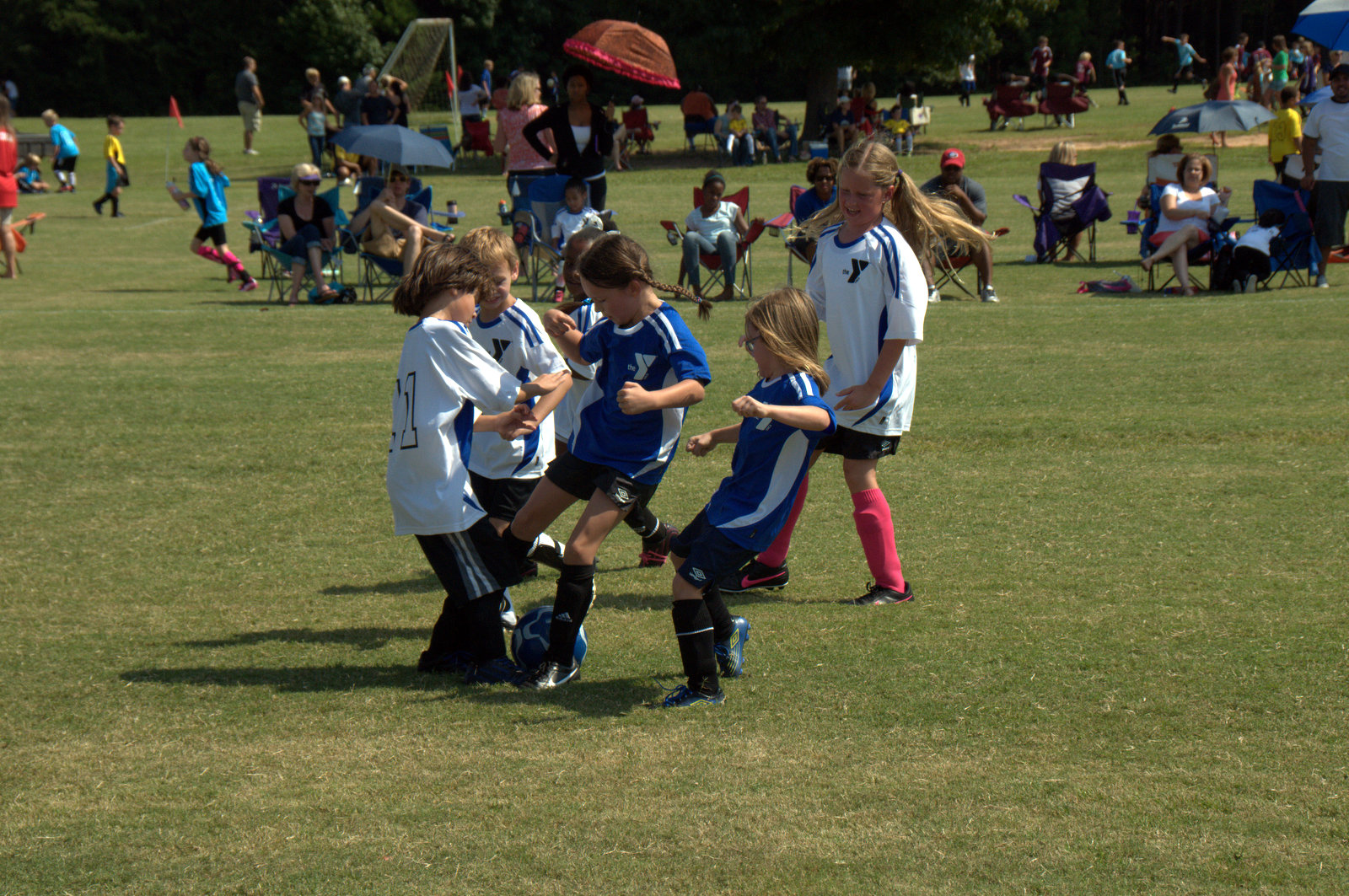
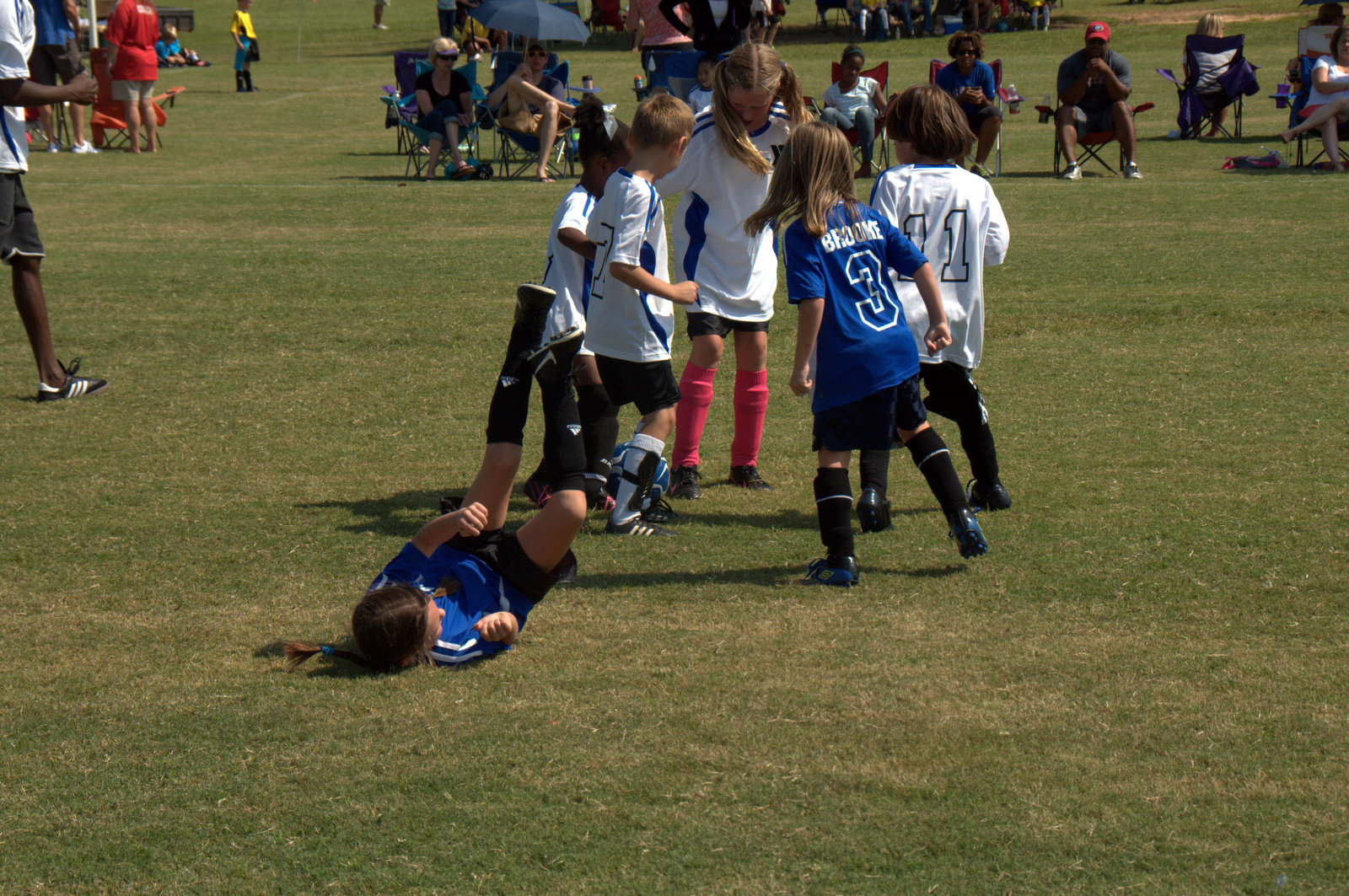
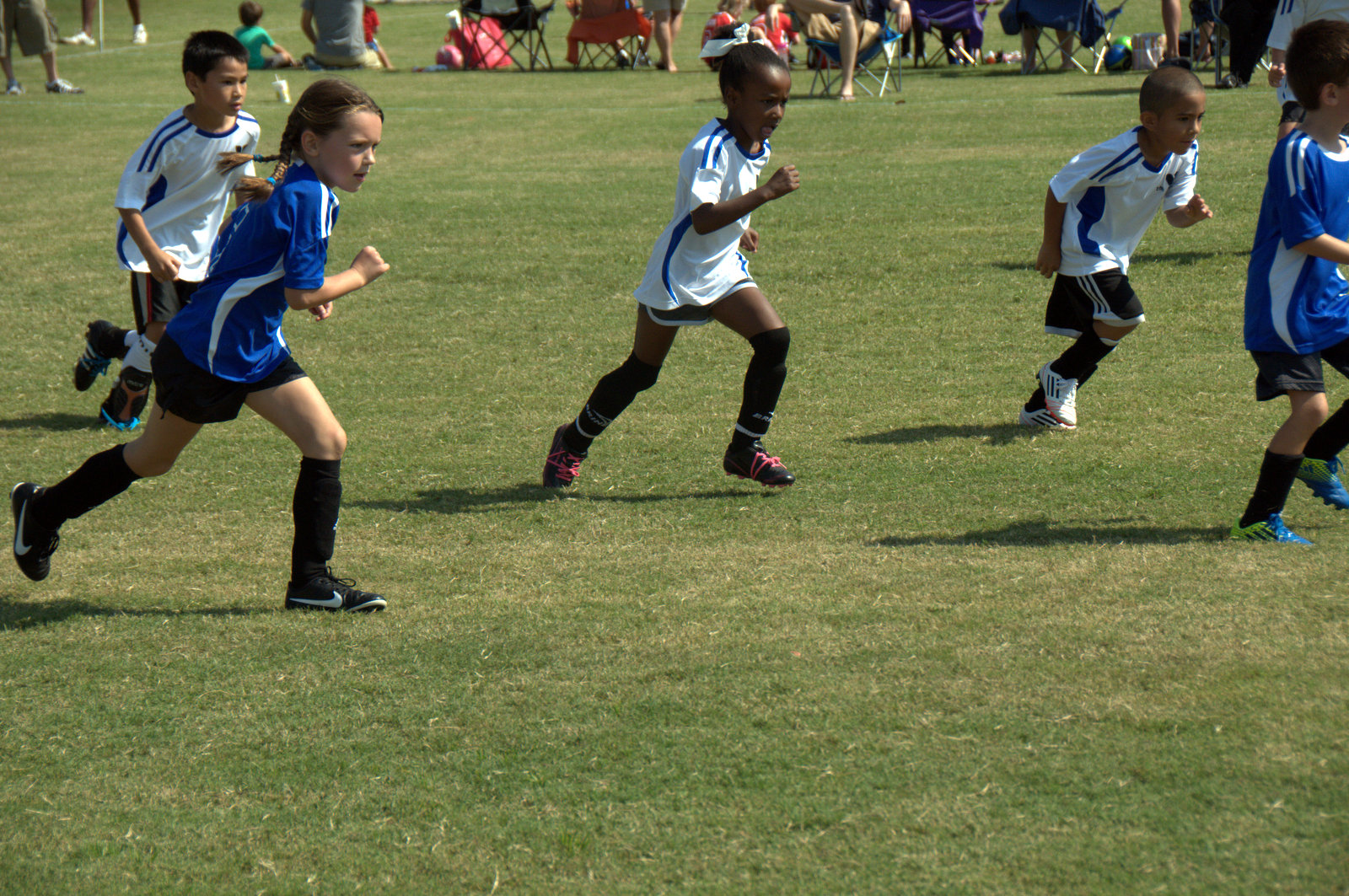
Today, at E's first soccer game of the season, a certain little boy managed to break from the pack of children that attempt to herd the ball in one direction or another, and he dribbled the ball down half the field and blasted a devastating shot at the opposing team's unprepared goalie. A few moments late, in a move reminiscent of German's complete destruction of Brazil in the 2014 World Cup semi-finals, broke away again and scored a second time in as many minutes. That little boy was a hero all around. That little boy was not the Boy. He spent most of his time lingering around at the edges of the hive of children always swirling around the ball, never charging in and begin aggressive as he does here. He almost shot a goal, but truth be told, it was because he just happened to be where a deflected ball just happened to land. Yet he was so very proud of that.

"I'm going to tell Mommy I almost got a goal," he told me several times on the way home, as if to make sure I understood that he was going to tell her. I wouldn't have had it any other way.

I've mentioned before that the Boy is not overly aggressive, and I even mentioned it in the context of soccer.

I don't have a problem with that. I don't have a problem with him shooting an own-goal (as he did last year) or only barely missing a goal because an ironic combination of luck and misfortune. I don't have a problem with him wandering around the edges of anything, looking in, unsure and unwilling to commit himself until he is. I don't have a problem with him giving up on any and all sports.

That is what I learned about myself and my son today.

What I learned about my daughter will have to wait until I have to fix what I learned about myself at the same time.

Sunday

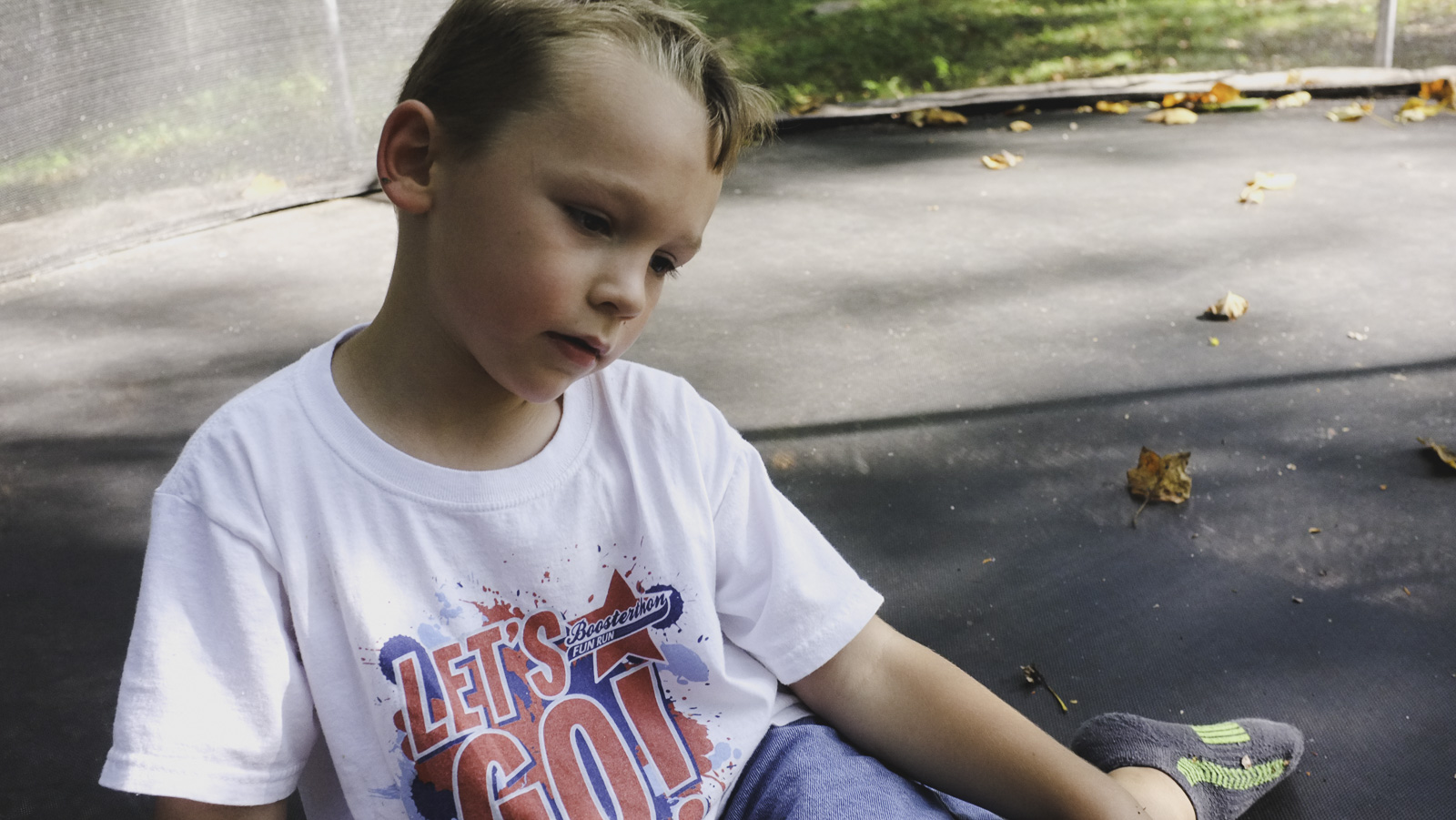
It's been a week of firsts and almost-firsts for the Boy. Yesterday, it was soccer. He did not want to play, pure and simple. He was fine with the races, the drills, the silly games. But when it was time to scrimmage, he panicked. Eventually, he got up his courage and went into the game, but there was a long period of waiting, watching, and fussing -- just a bit.

Today, it was Cub Scouts. "We'll start by making some slime while we wait for everyone to get here and settle in," the den leader said. No go. He absolutely did not want to do anything but bury his face in my belly. He finally joined in, but as with soccer, there was a moment of hesitation.

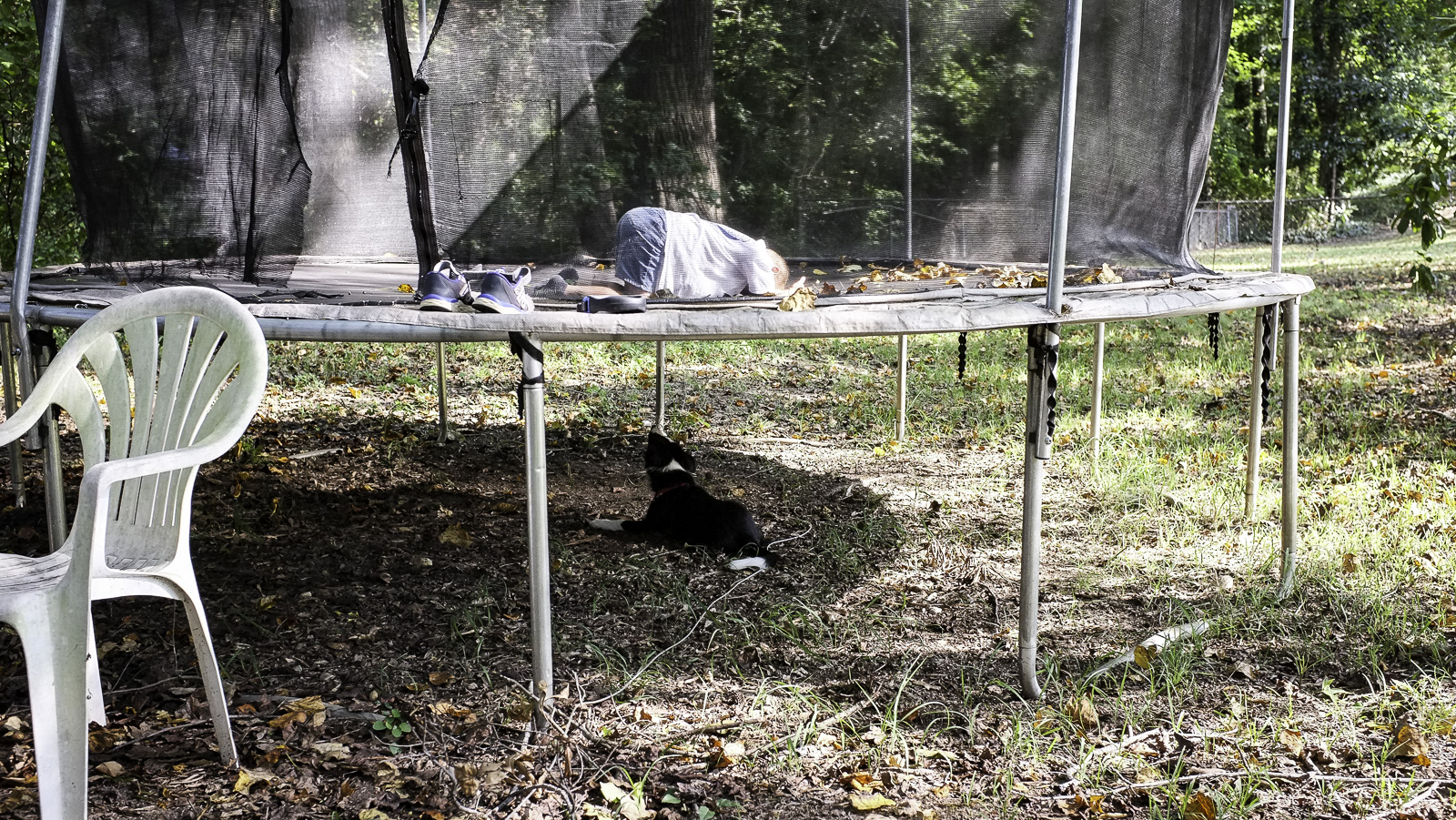
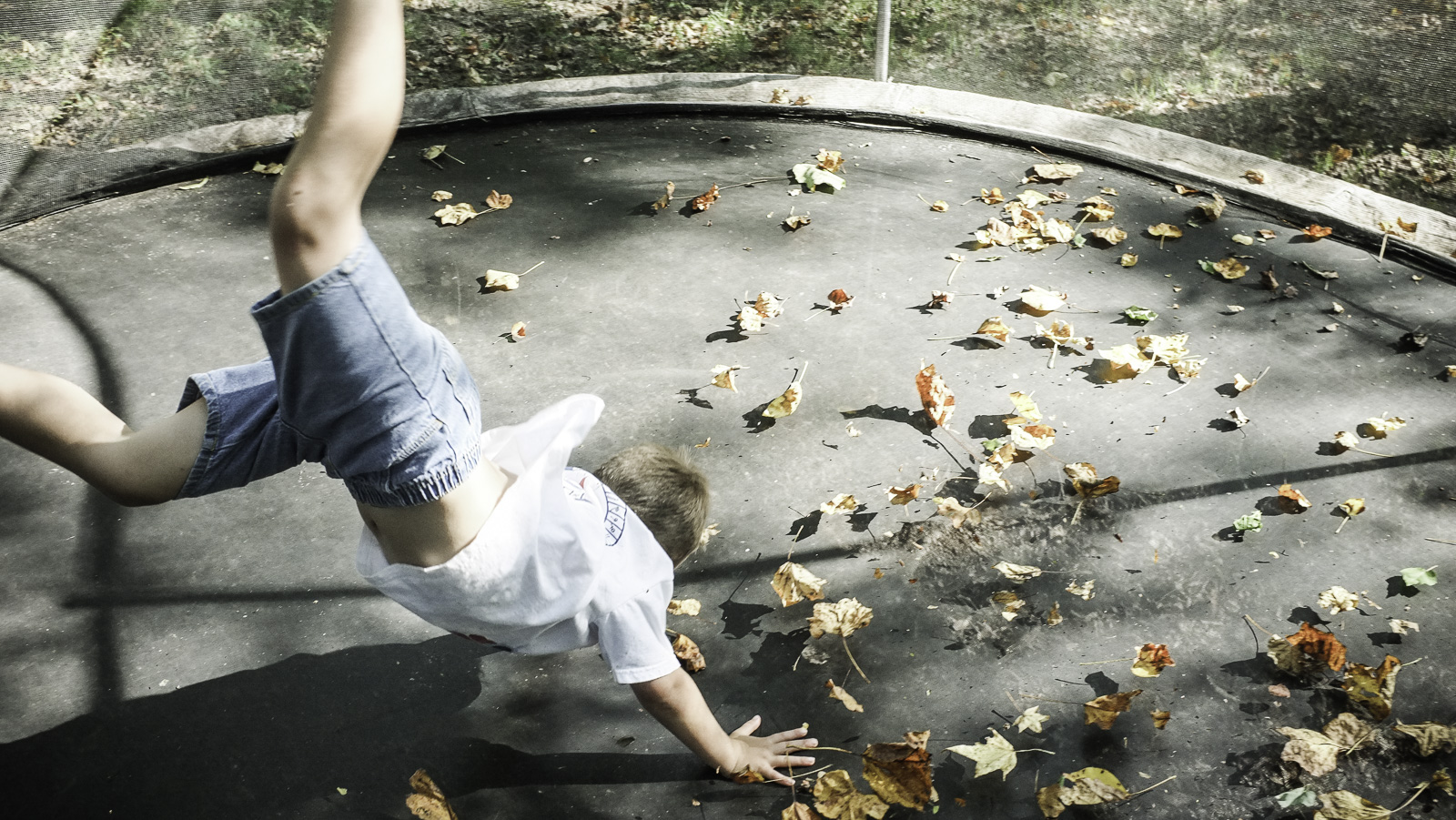
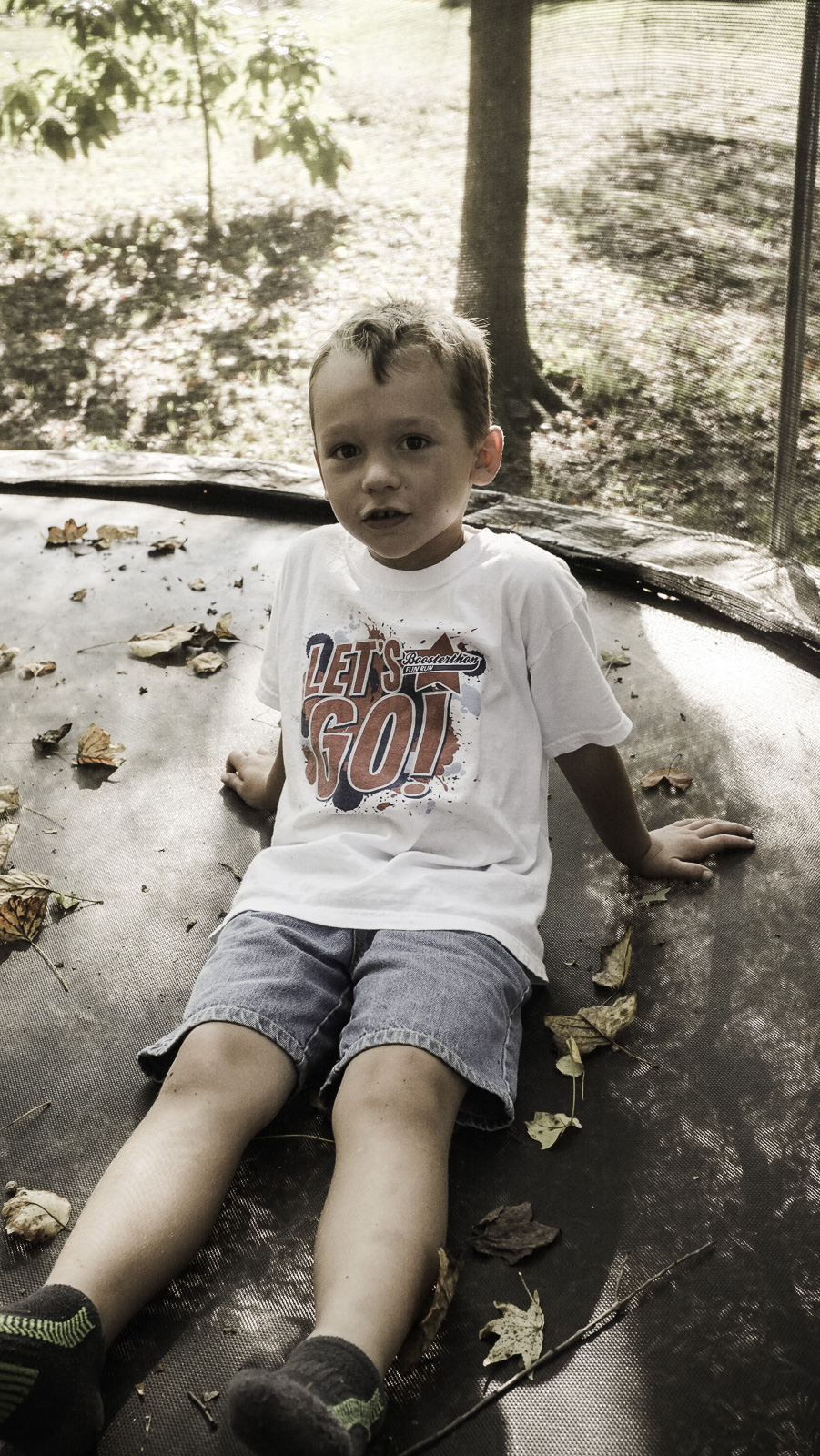
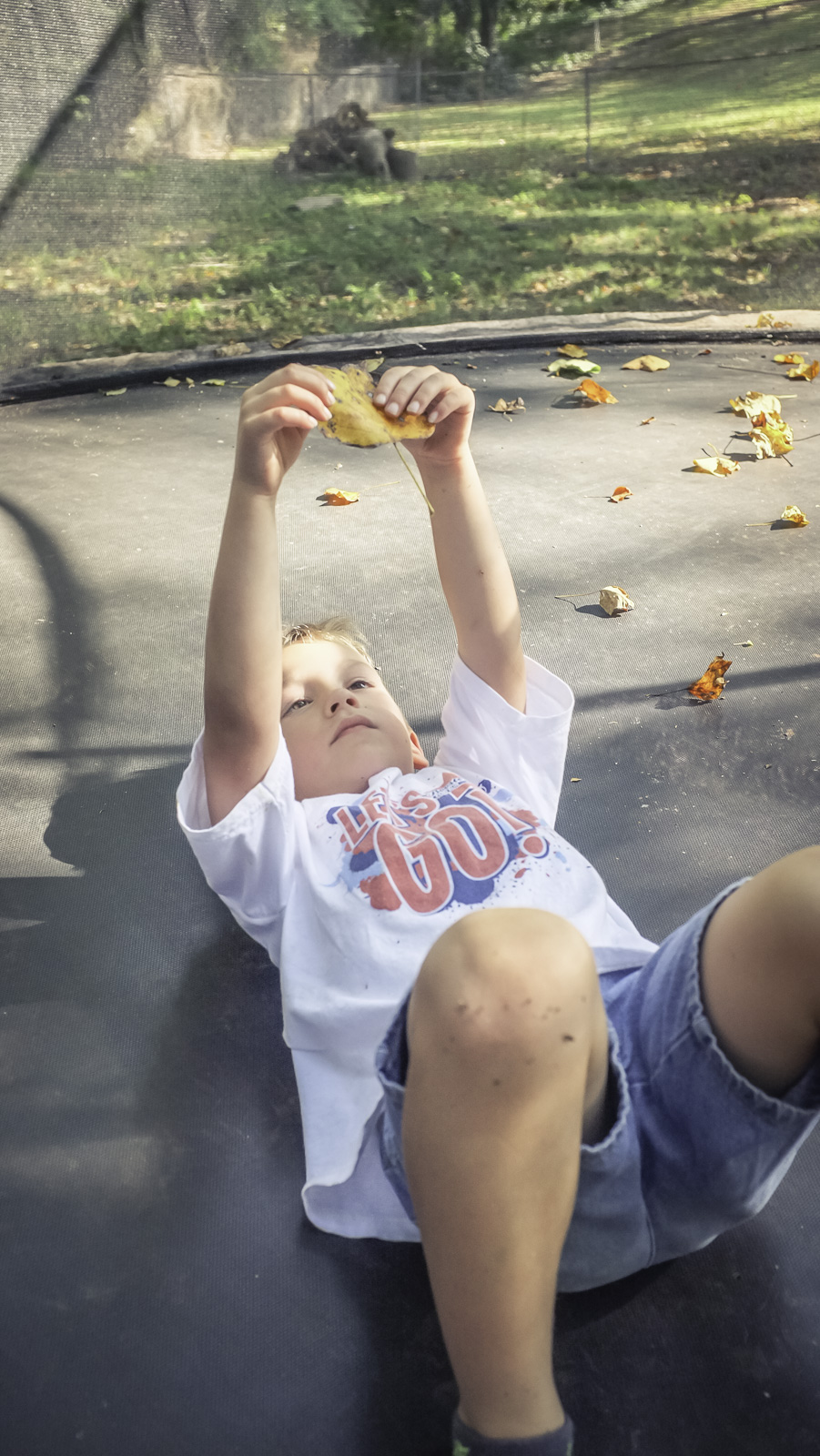
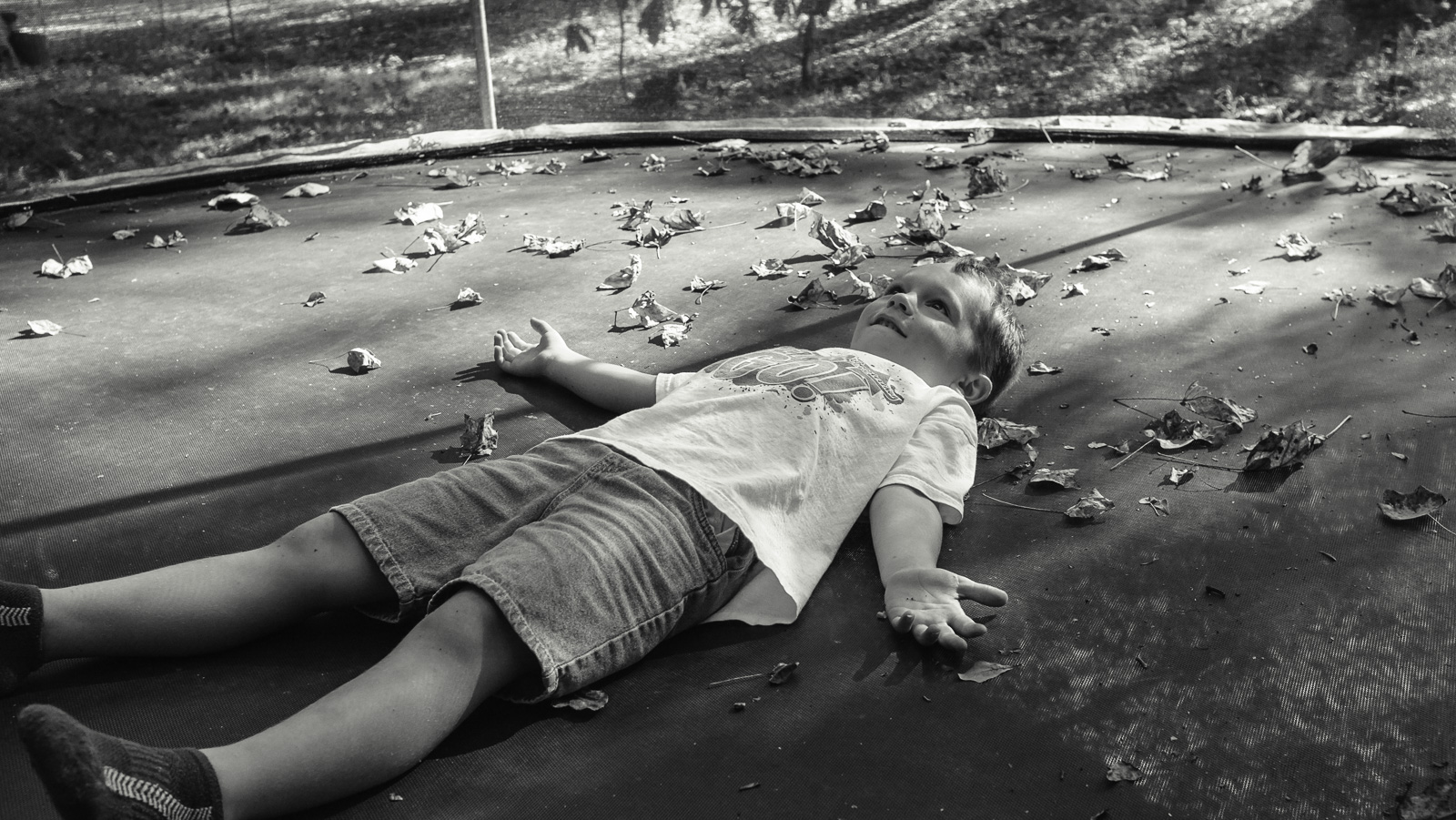
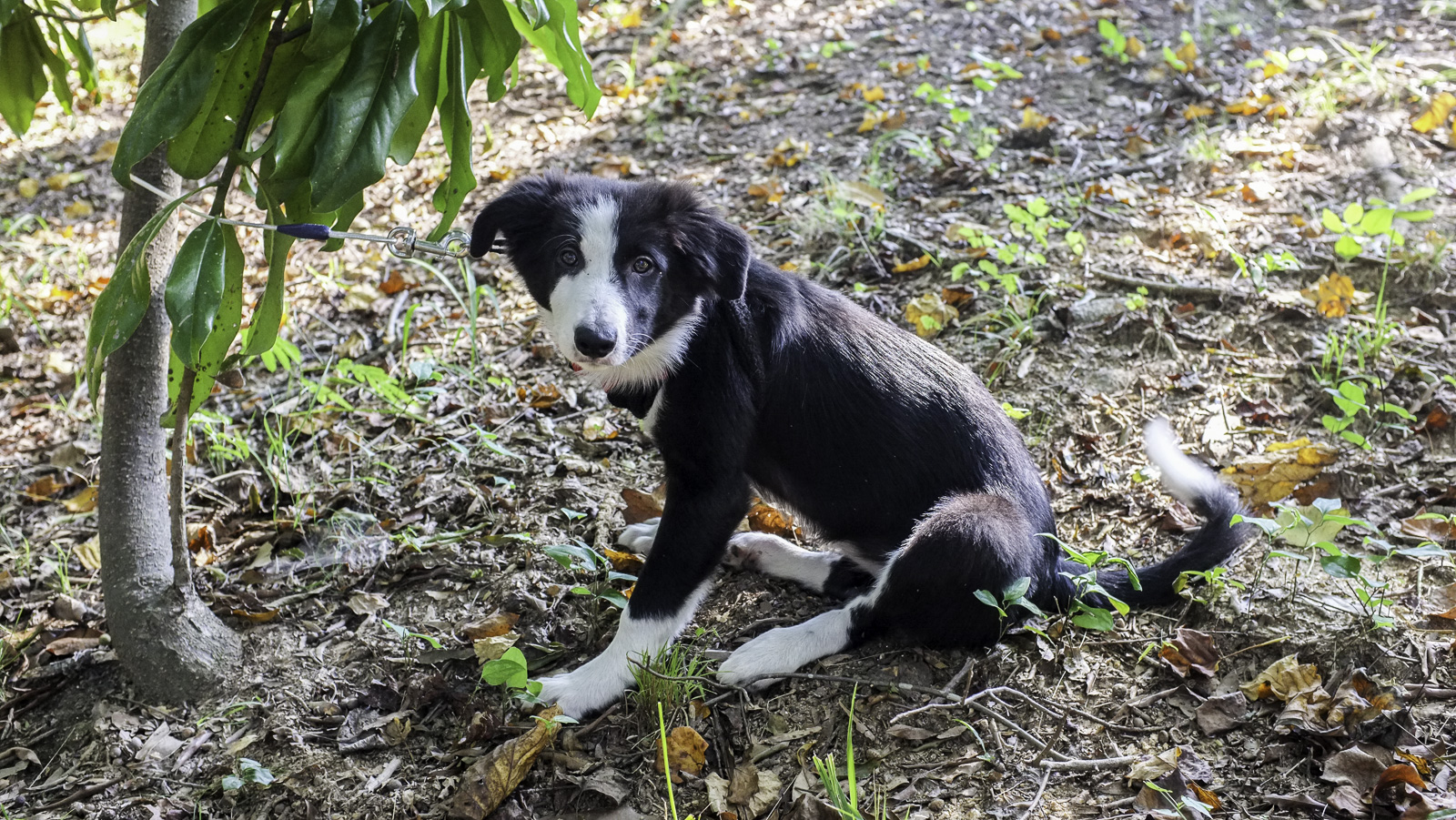
Back home, we were in the familiar territory -- swinging, bouncing on the trampoline, playing with the dog.

A spendid Sunday, like so many others.

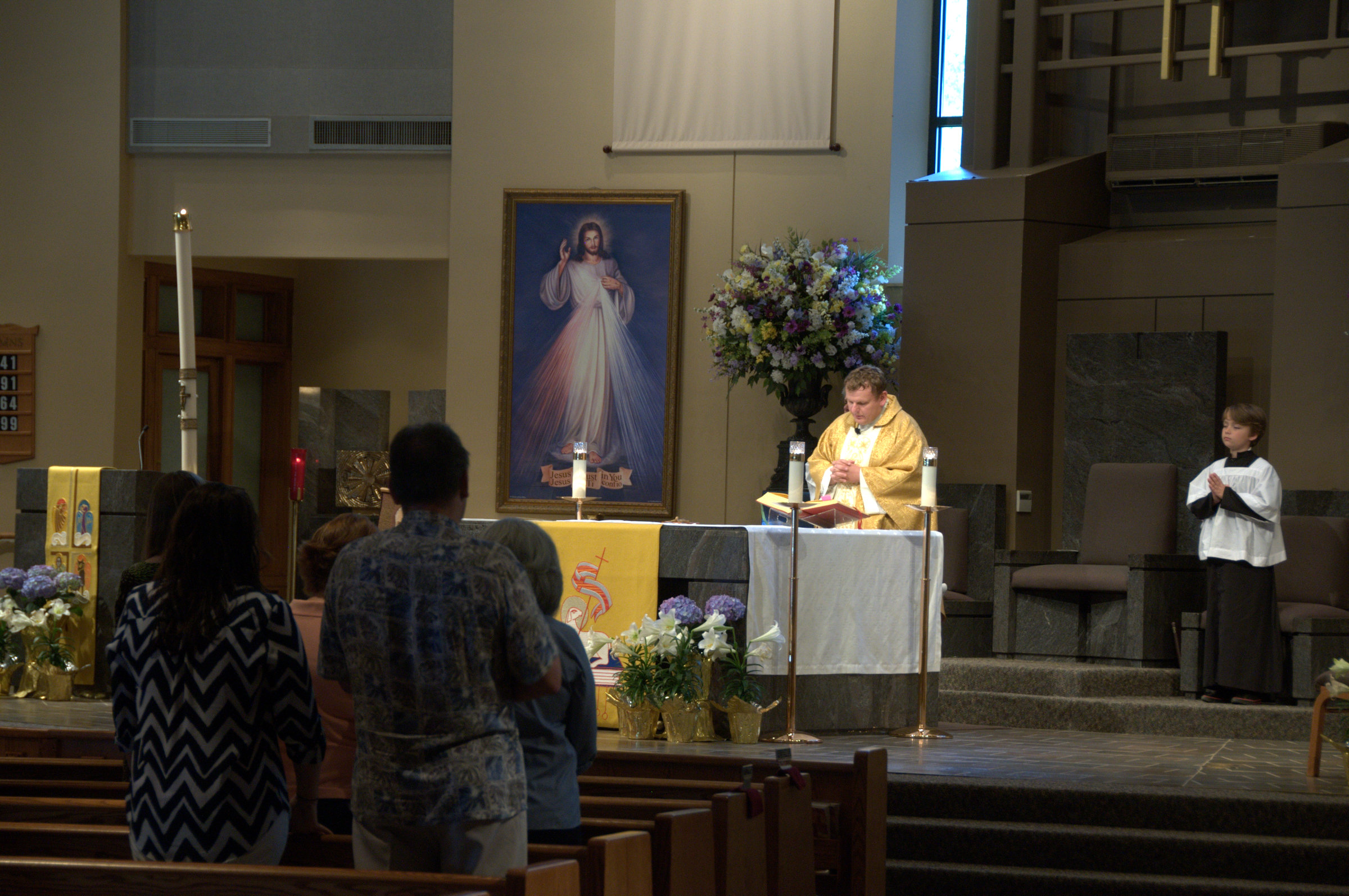
Polish Mass Sunday

https://matchingtracksuits.com/2016/04/24/36890/

Sunday

Sunday Lazy Sunday

W-wa Day One

Where do you start when you get back from a day of wandering about Warsaw and you have almost 400 pictures that you manage only to whittle down to 78? At the beginning.

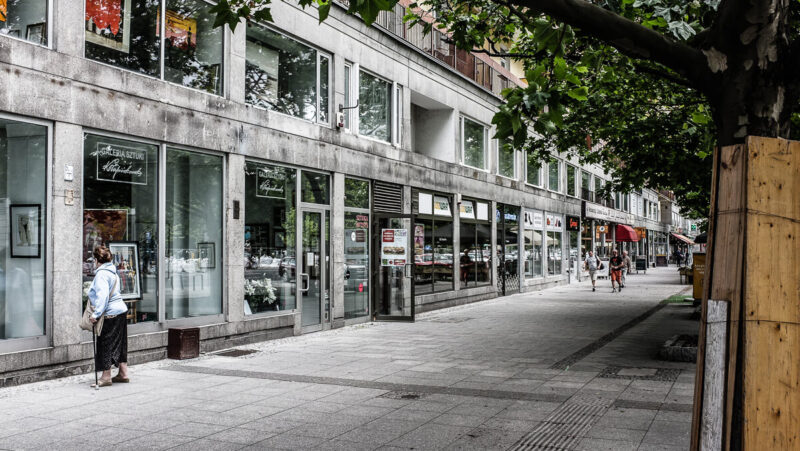
We're all tired from our intense pace these first few days, and it showed when we all collapsed into bed: it was eleven by the time we headed out the next morning. I'd already been out quickly for baked goods for breakfast. A friend who'd visited last night told us she'd passed a promising looking bakery on her way here, so I retraced her steps looking for it. I knew she'd taken the metro to get here, and the nearest station is Rondo ONZ, so I walked along Świętokrzyska Street toward the metro stop, but I saw nothing but old-style shops, all closed for renovation. I kind of wished at least one of them was still open. Still, even with everything closed, it looks like the Warsaw I knew in the late 1990's.

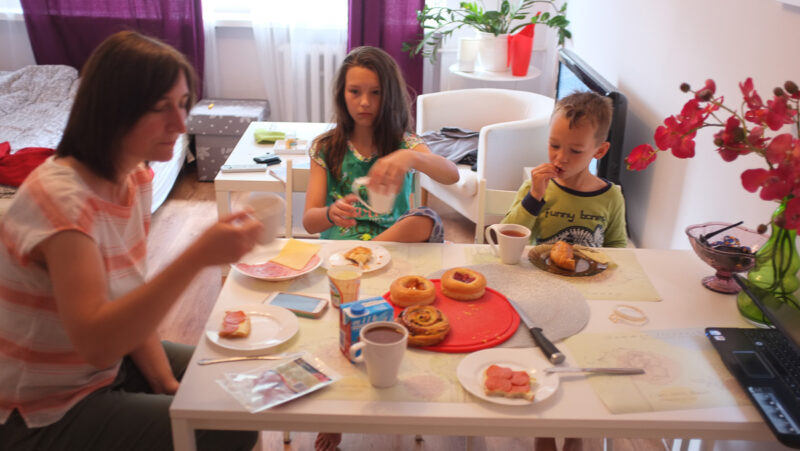
I couldn't find the bakery A had mentioned, but I knew that if I just wandered around a bit in a systematic way, I'd find one. And sure enough, half a block later, there was Piekarnia Aromat. This was no typical Polish bakery: not a regular drozdzowka or rose-filled donut to be found. Instead there were things like raspberry brioche and something called "buleczka z pistacjami." Literally, "a roll with pistachios," it was a big hit with everyone -- but L, of course. She was happy with her chocolate filled something-or-other.

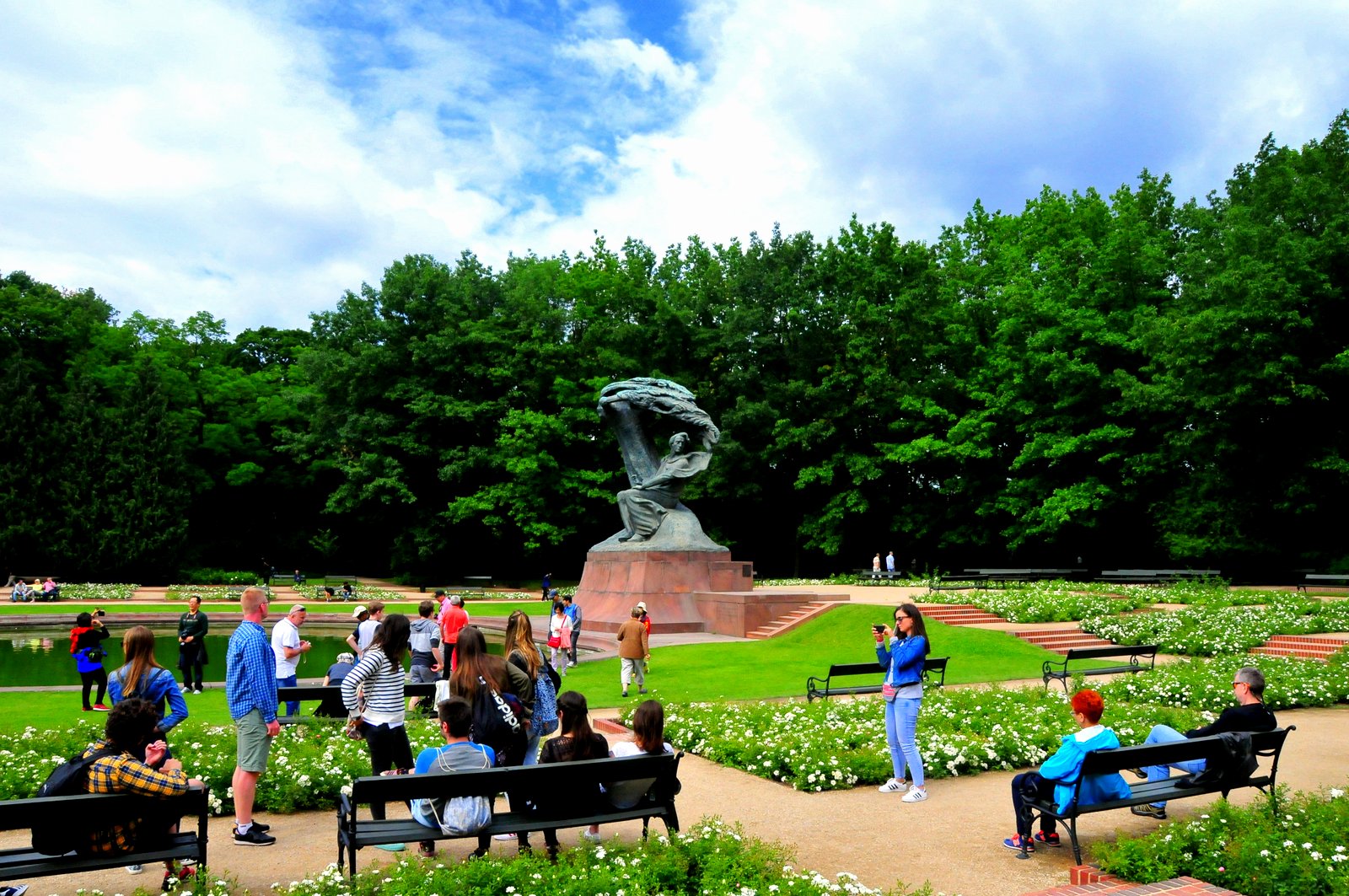
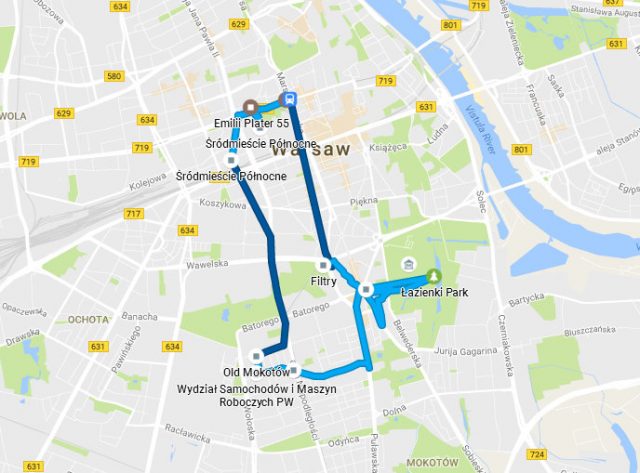
Our plan for today was simple. In fact, we only had one thing on the agenda: Łazienki Park. It was a cool, overcast day -- perfect for a long walk in the park. In the end, we spent about five hours there, and we could have all easily spent more.

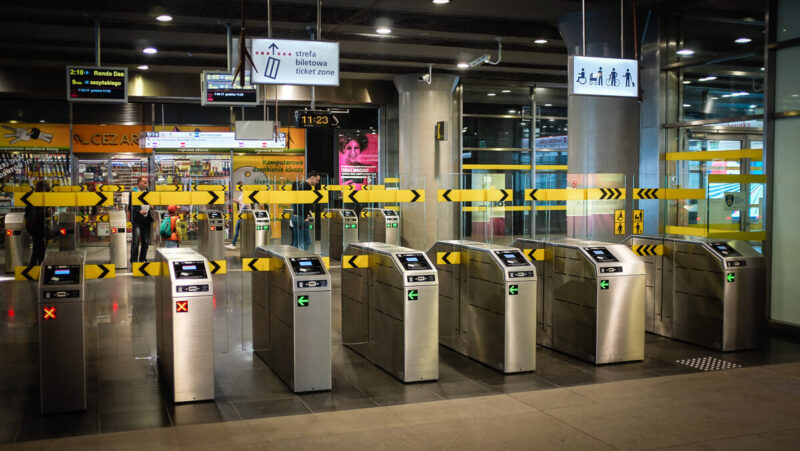
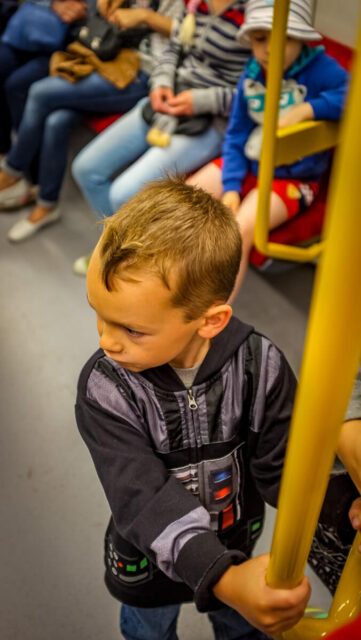
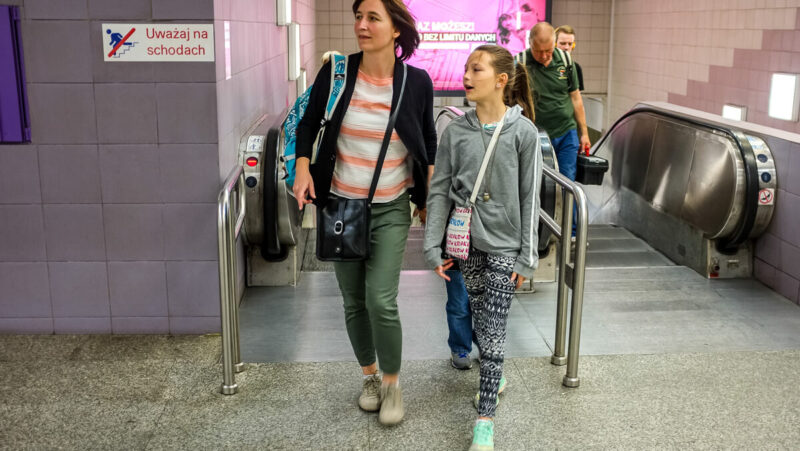
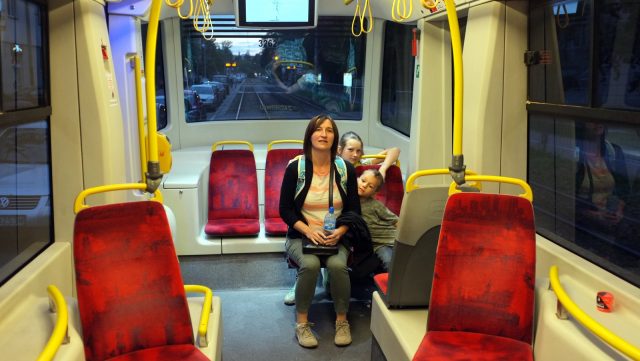
First, though, we had to get there. We walked down along the edge of Park Świętokrzyski on our way to the Świętokrzyska metro station. The Boy was already counting the modes of new transport he'd experienced: "First a train, now the subway!" He thought for a moment and asked about trams.

"Later. Maybe even today."

"Yesss!" (At one point the other day, when encouraged to "mow po polsku" he explained that "taaaaaak!" just doesn't express happiness like "Yesssss!").

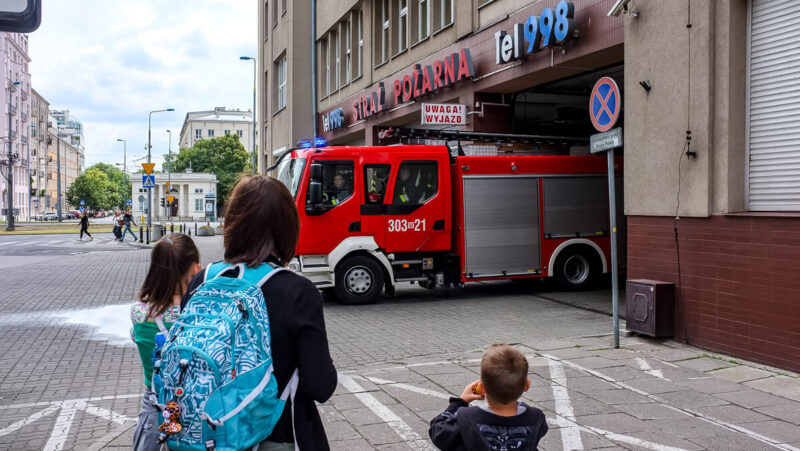
A few stops later, we got off at Politechnika station, walked a few hundred meters (which included a surprise: a rescue vehicle roared out of the station right as we approached),

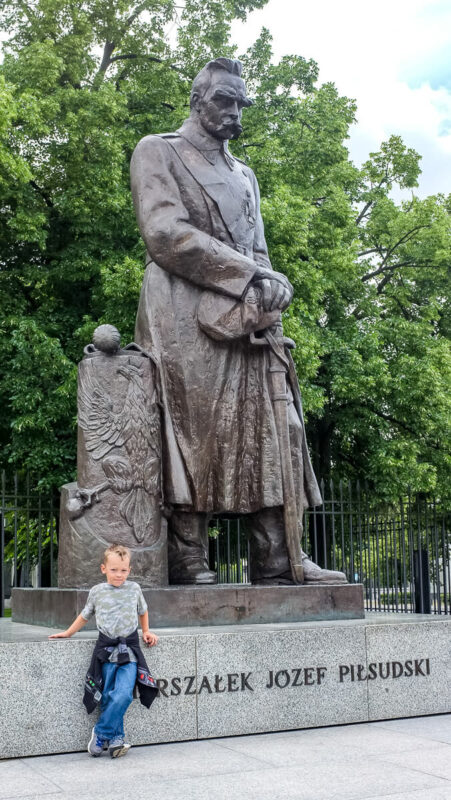
and there we were, in the famed Łazienki Park by the statue of Józef Piłsudski. The Boy insisted on a picture.

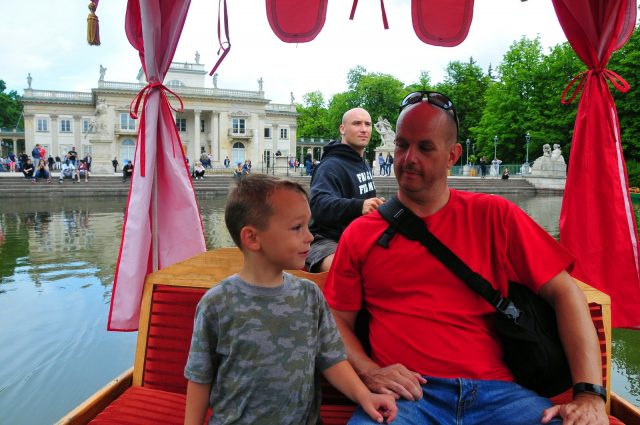
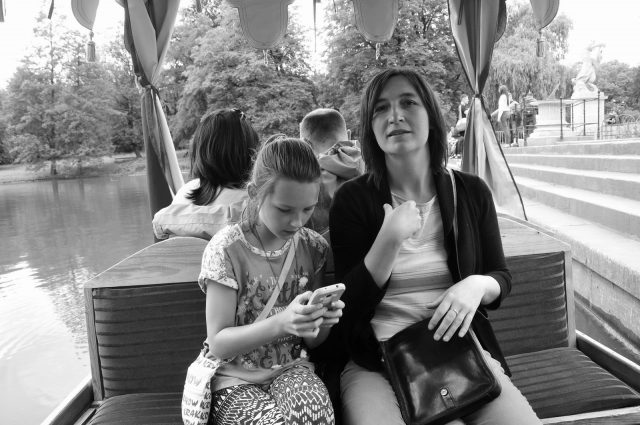
We wandered around a bit and took a gondola ride. The Boy managed to chalk up another mode of transportation, and the gondolier provided a bit of history, including the sad fact that the peacocks and other animals are harassed almost incessantly. "People will be people," he concluded rather stoically.

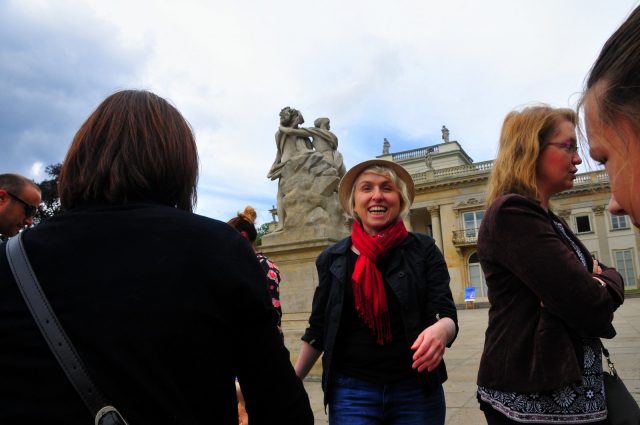
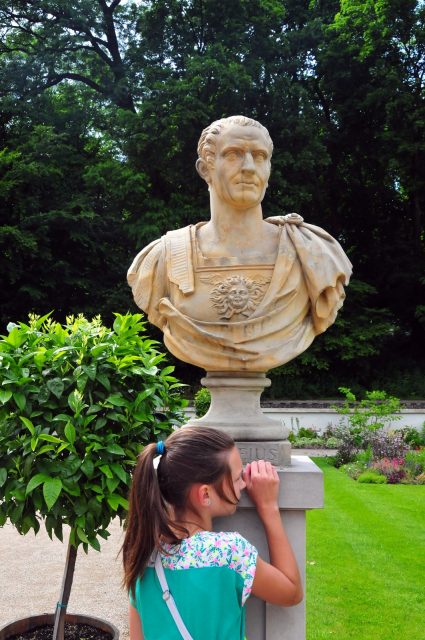
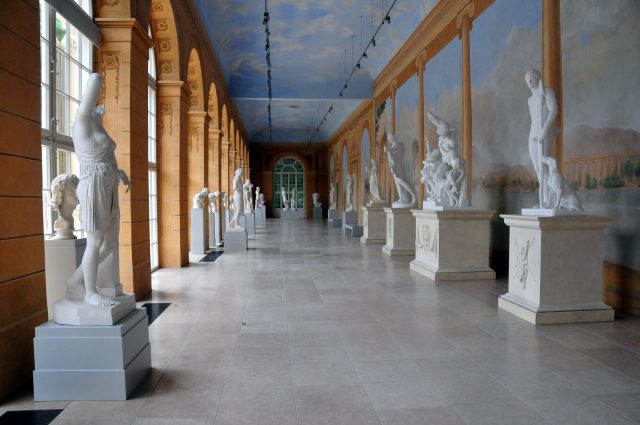
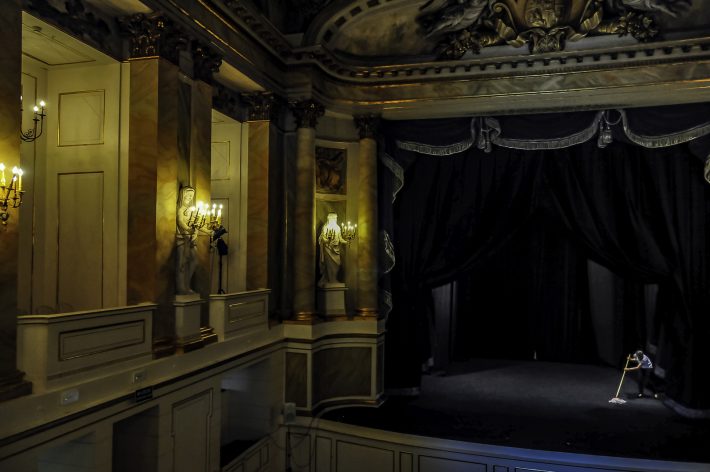
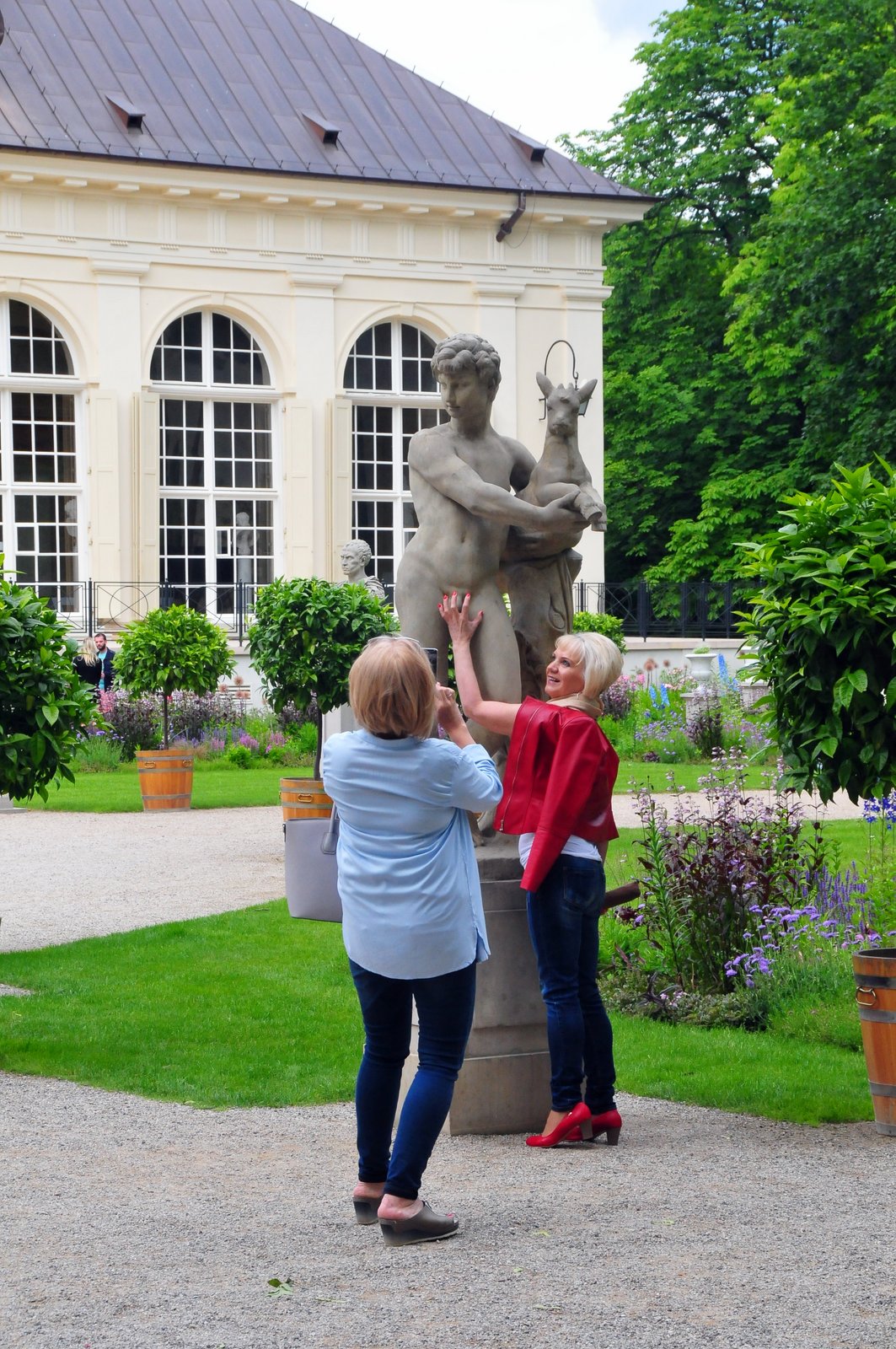
As we were disembarking from the gondola, we met M and her son E, and with our life-long Varsovian as a guide, we continued through the park, eventually making it to the Old Orangery, which is filled with statuary and busts of the most eclectic collection: busts of various Roman emperors -- including Caligula -- fill the garden, while the interior itself is filled with busts for famous Poles in history, most of them completed by Italians.

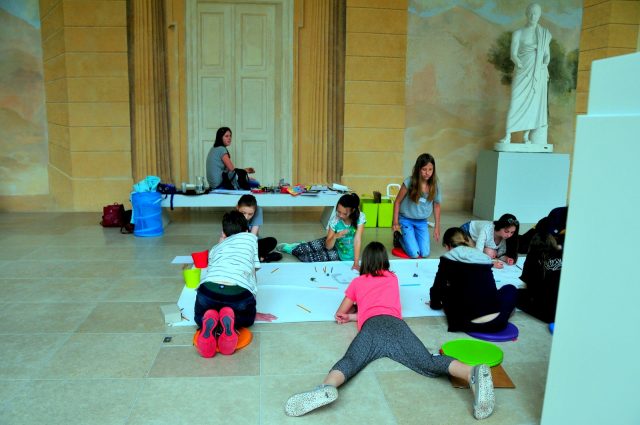
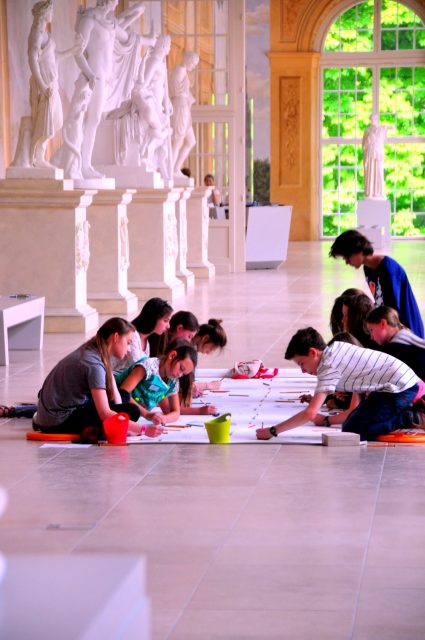
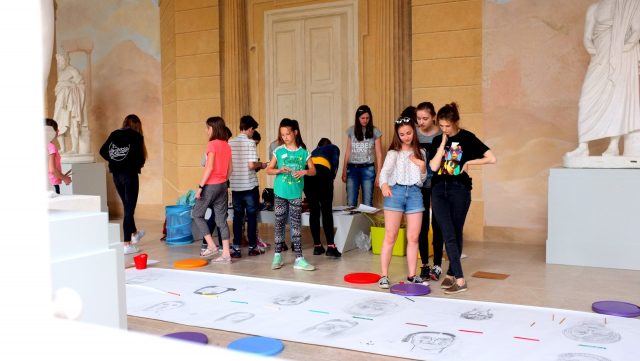
As we were leaving, we came upon a group of young people, probably ages eleven to fifteen, who were starting some kind of drawing exercise. The lady running it asked L her name, jotted it down on a name tag with the comment that she was the third L in the group, and gave her some charcoal pencils. ("See, I told you," laughed M later. "'L' has become a very popular name in Warsaw.")

It turned out that it was a two-hour program. L begged to stay. She didn't have to beg long. K and I were both thrilled that she had taken the initiative to participate in something like this. We explained that we wouldn't stick around, that we'd leave her there and explore the park further on our own.

"That's fine."

"And you haven't eaten since breakfast. You won't be able to each for two hours more at least."

"That's fine."

Our girl is growing up.

We left her among the statuary and went in search of gofry and ice cream. And people watching.

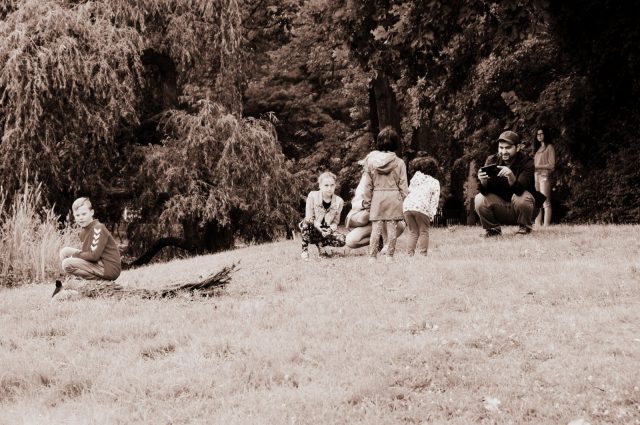
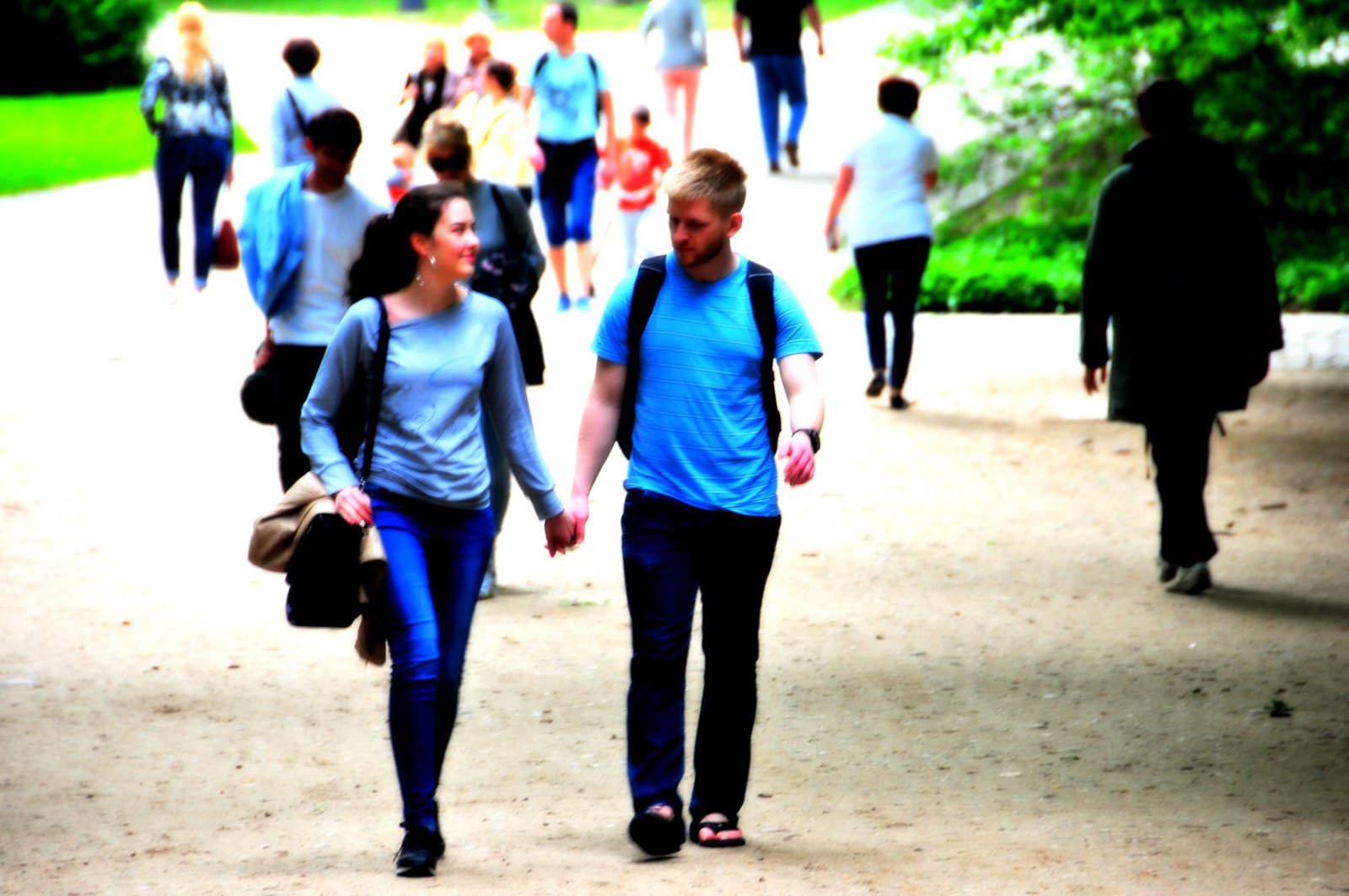
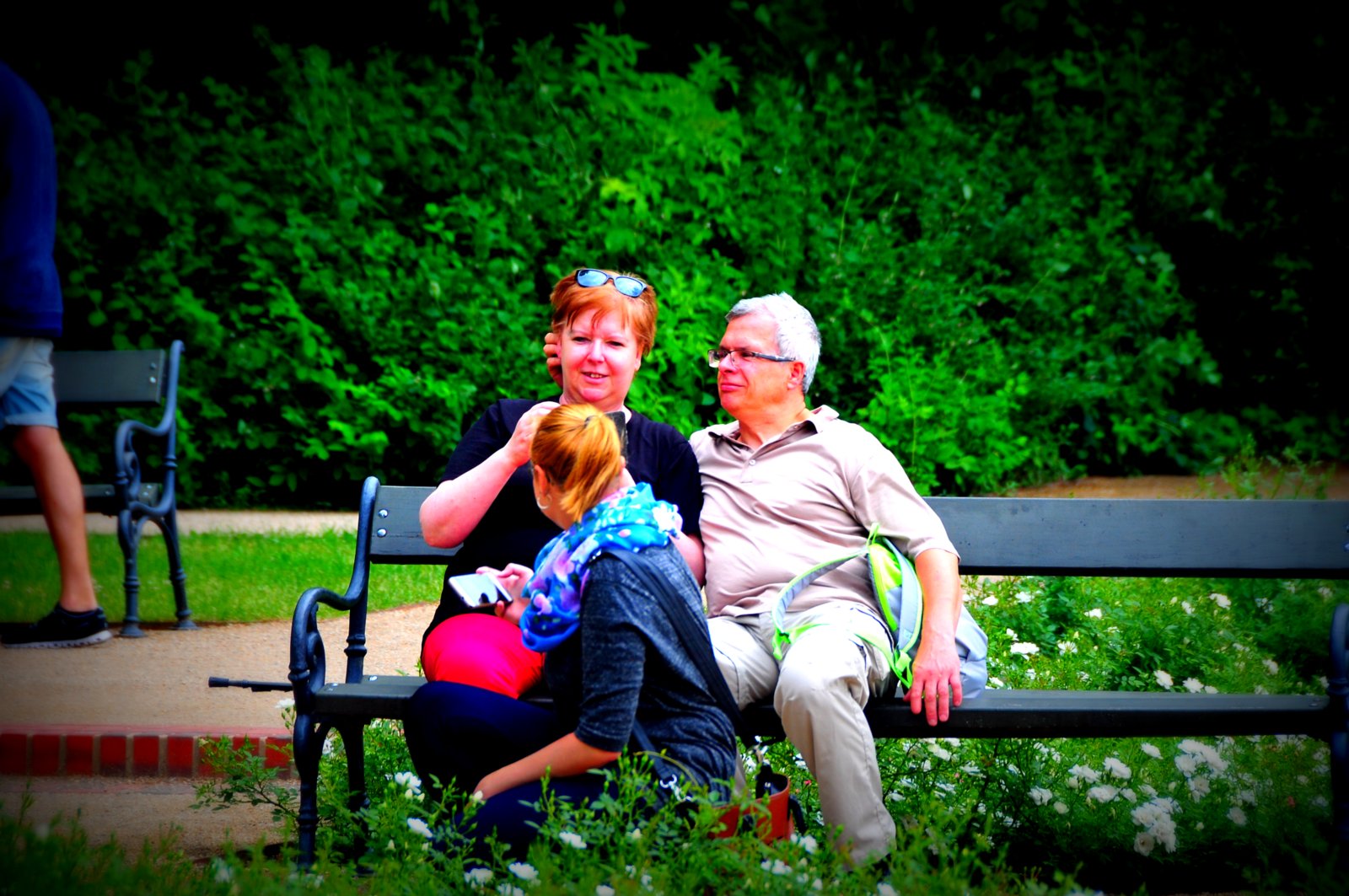
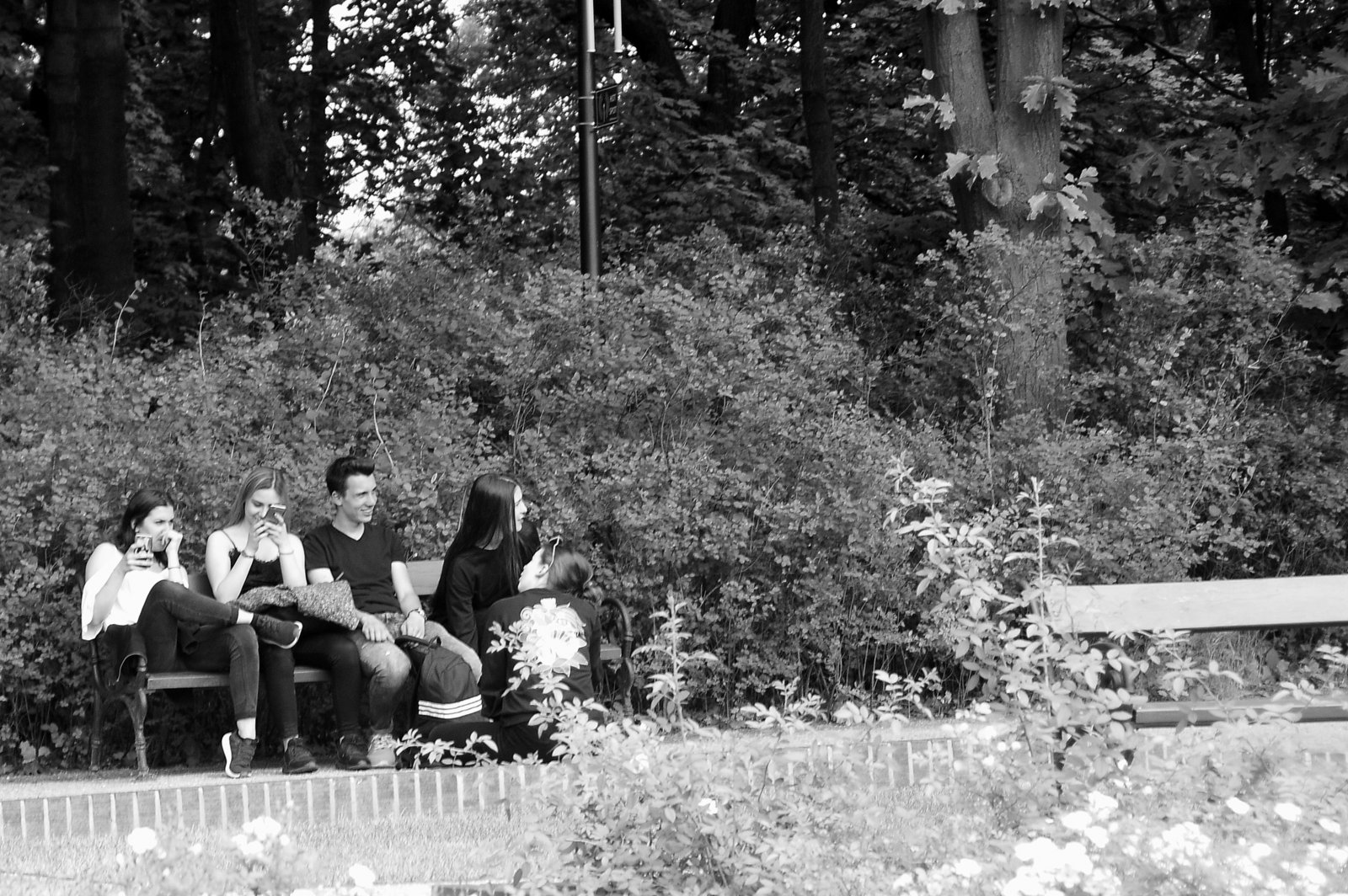
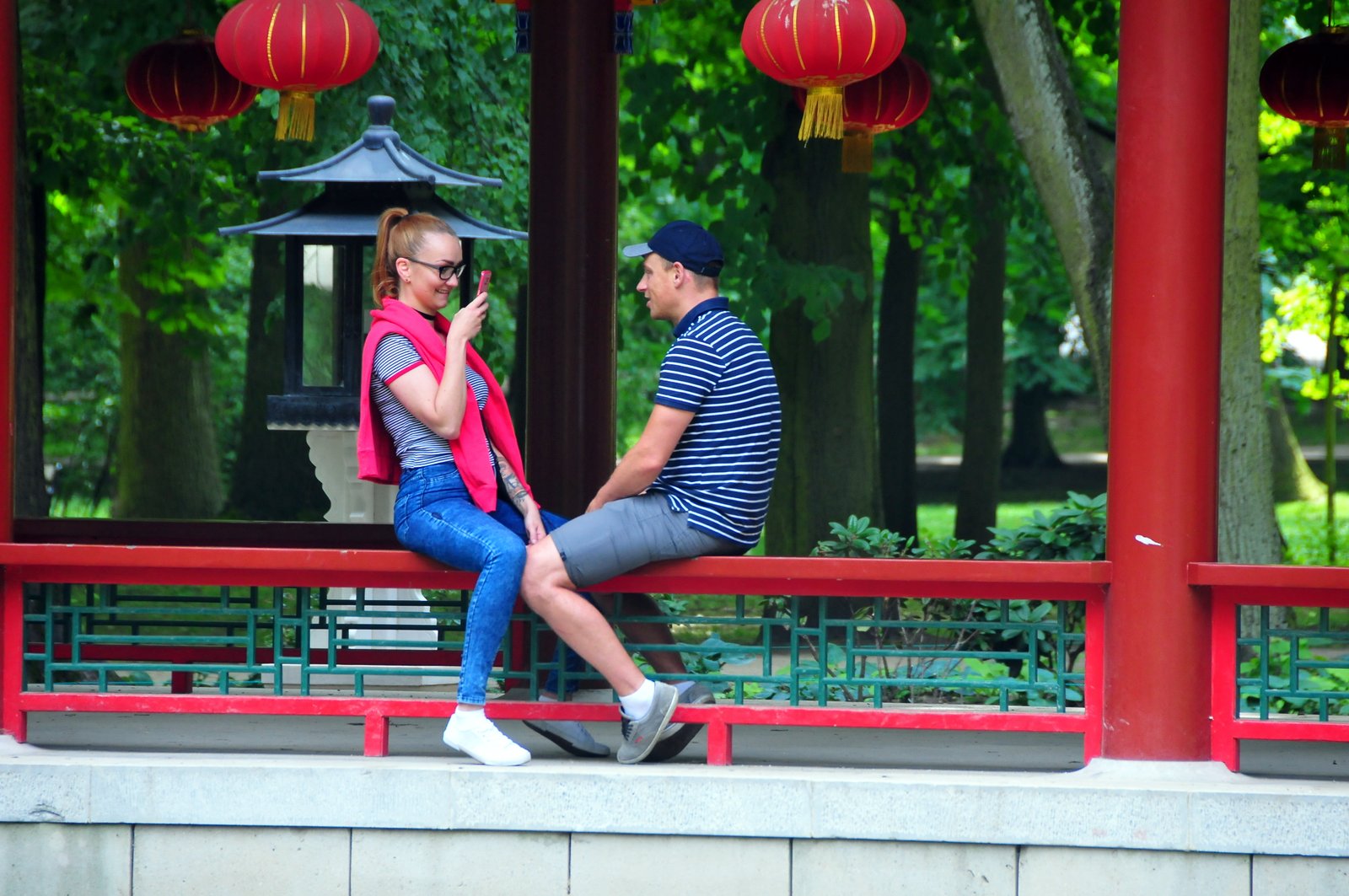
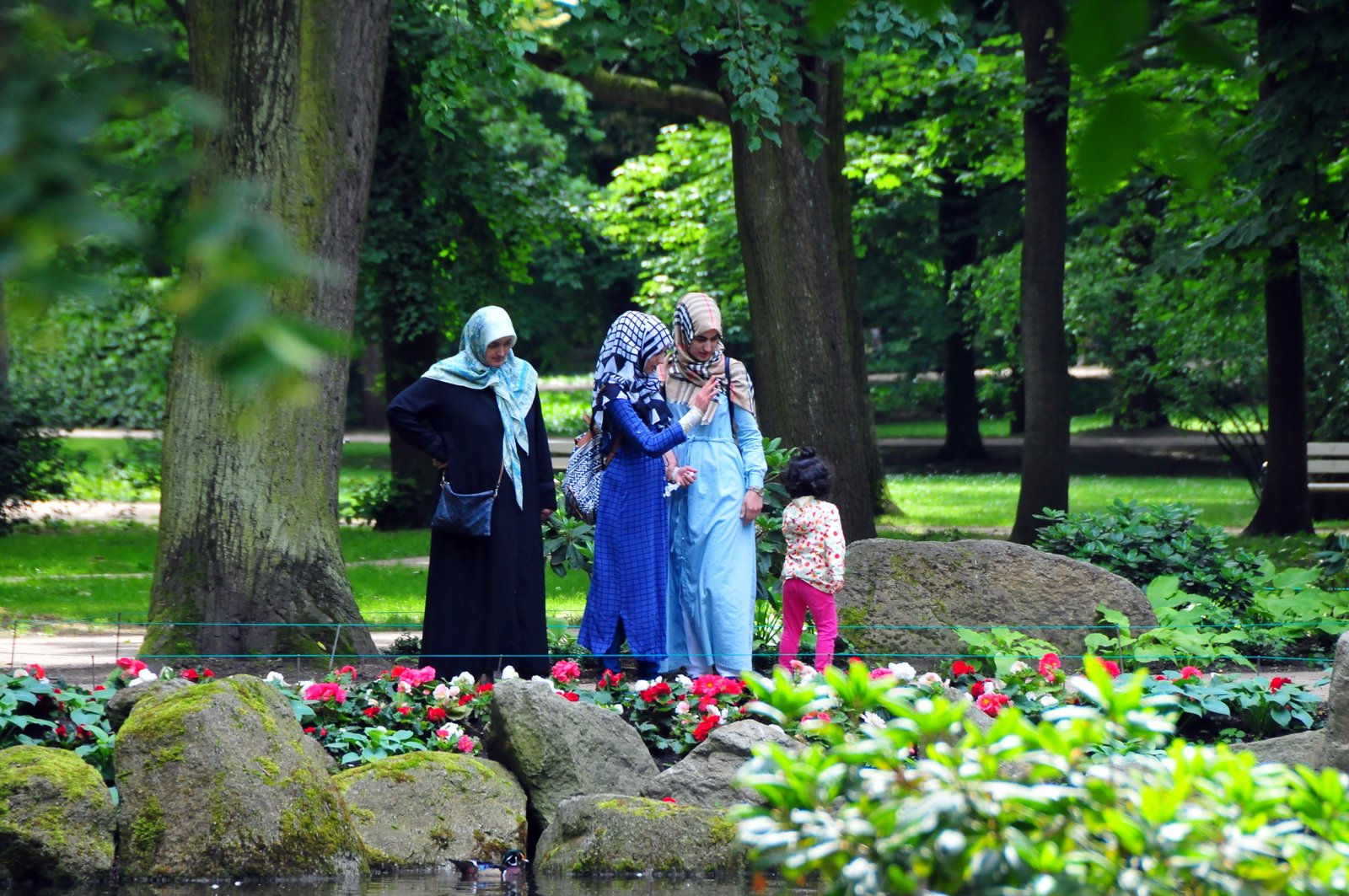
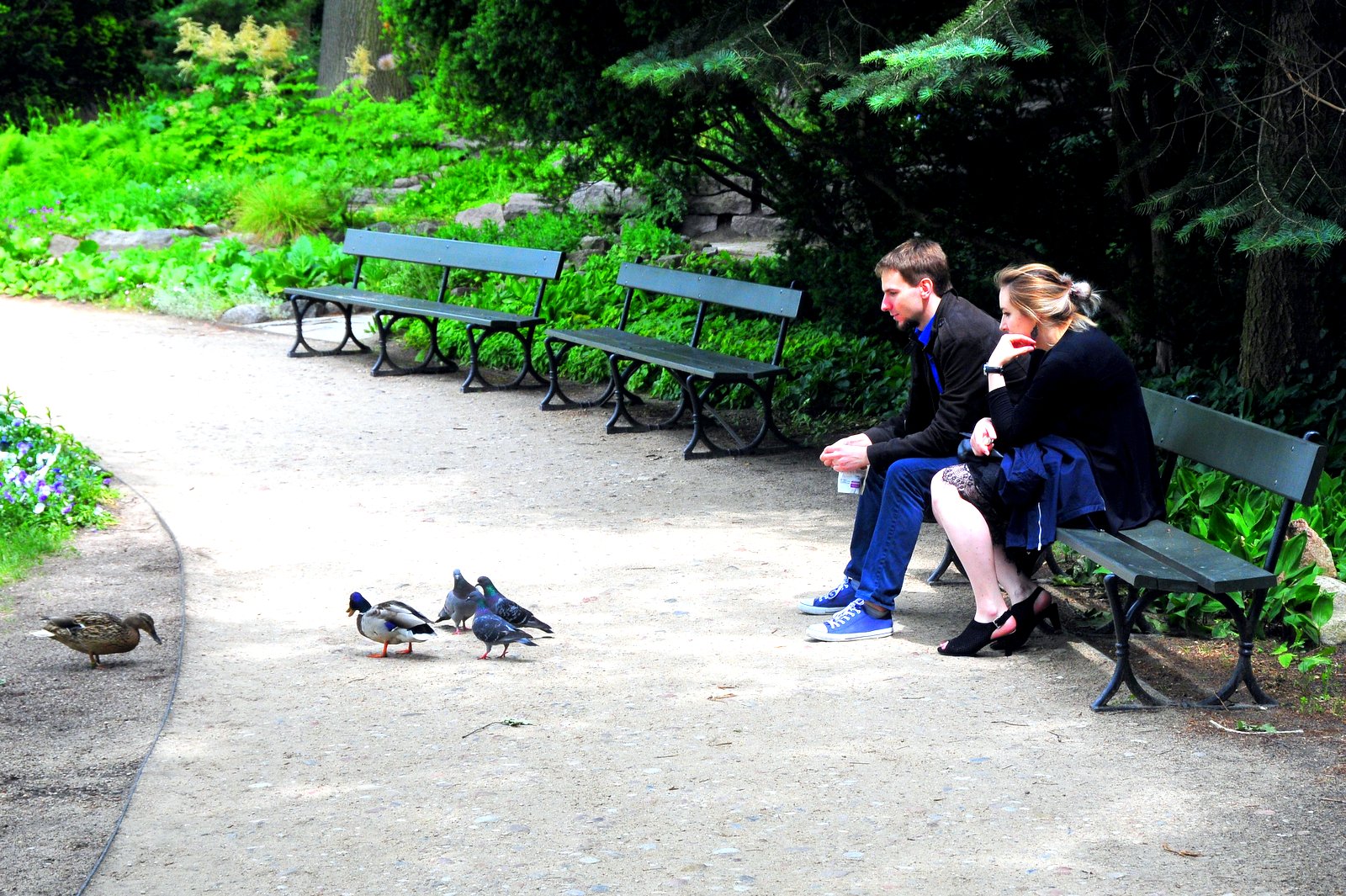
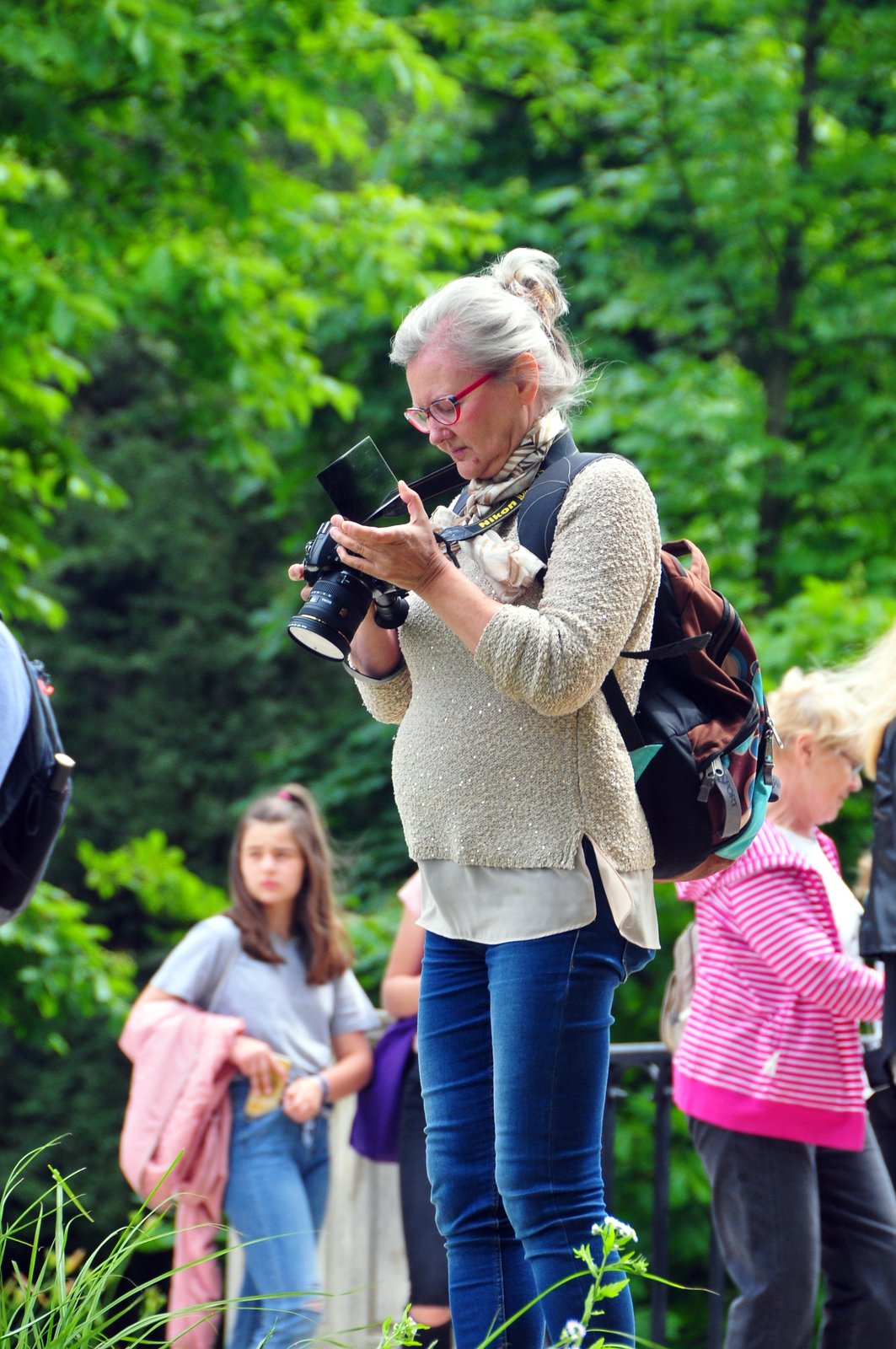
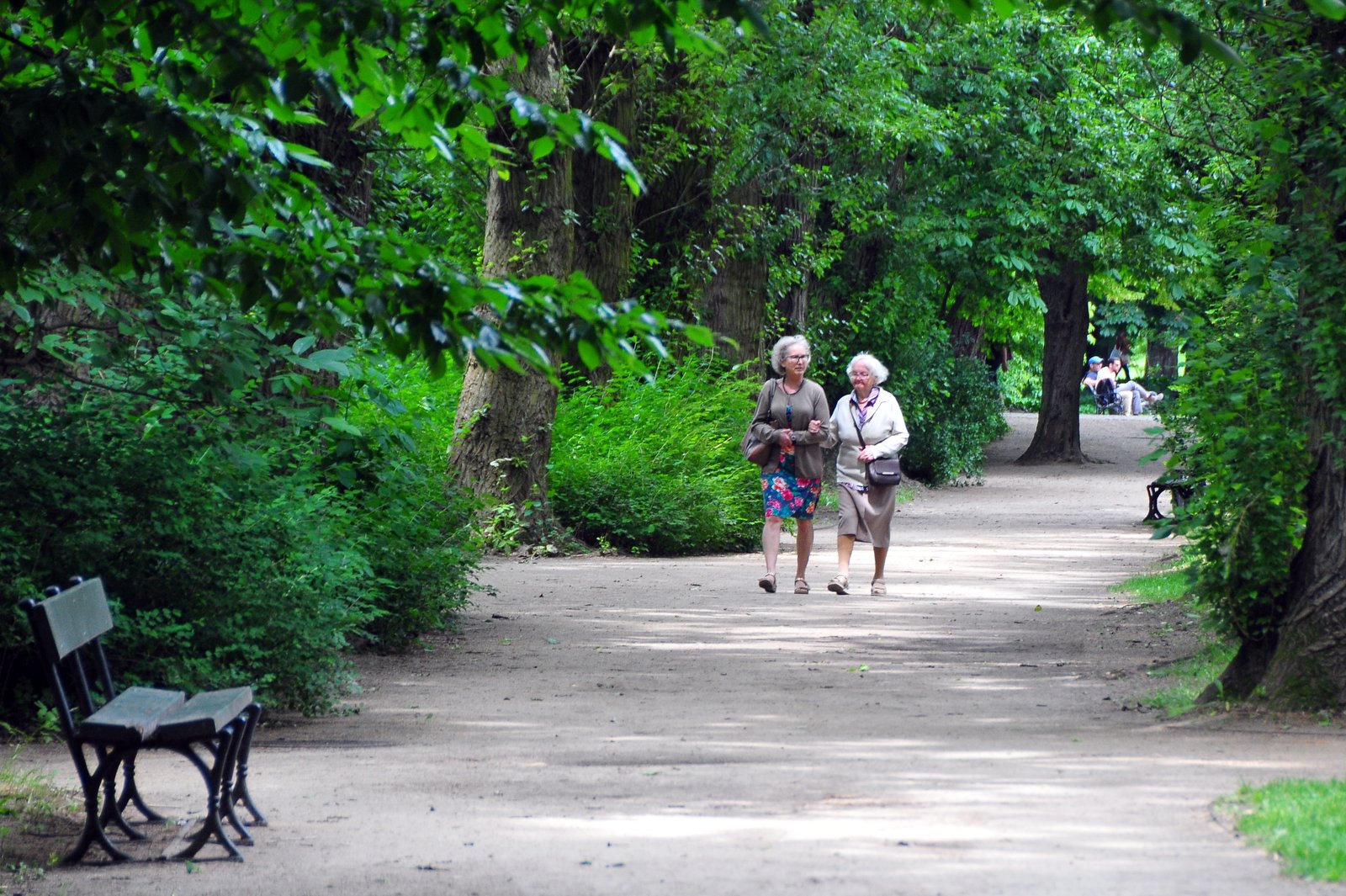
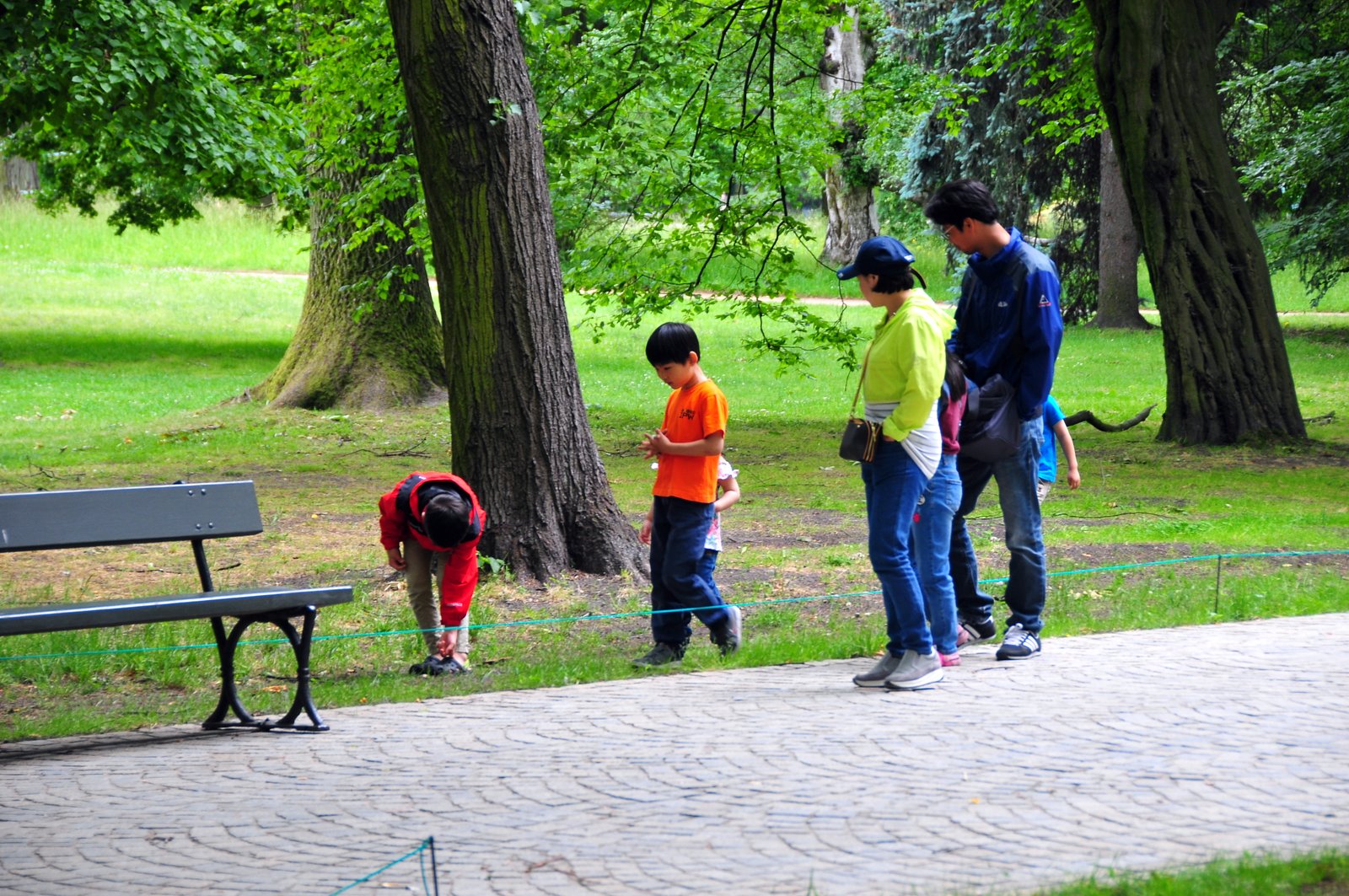
Łazienki Park is perhaps the best place in Warsaw to people-watch. There is an incredible mix of people: tourists, locals from two to one hundred and two, families, lovers.

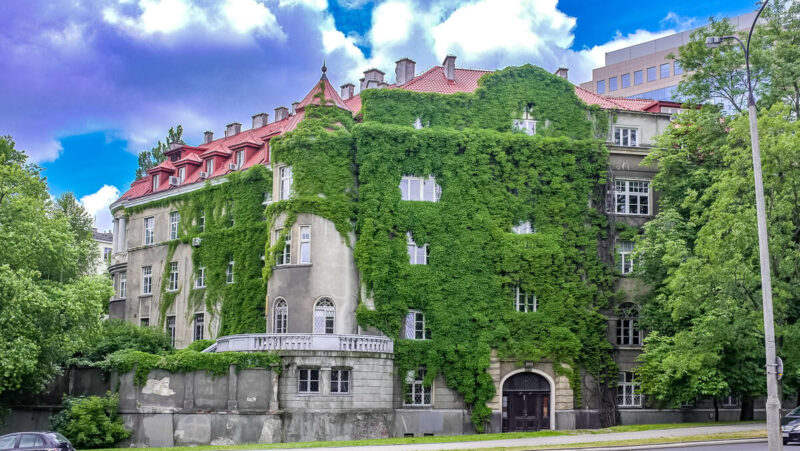
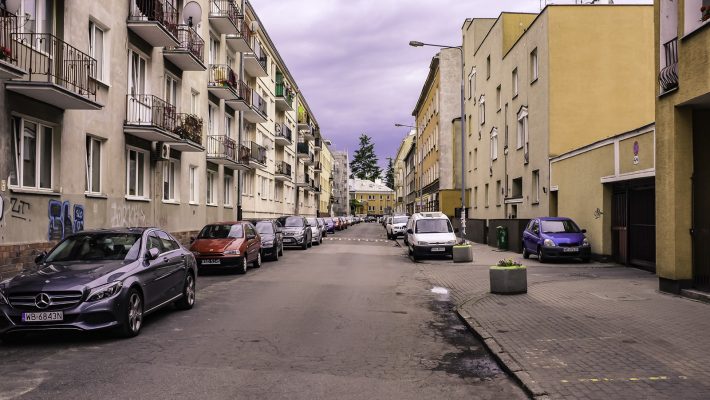
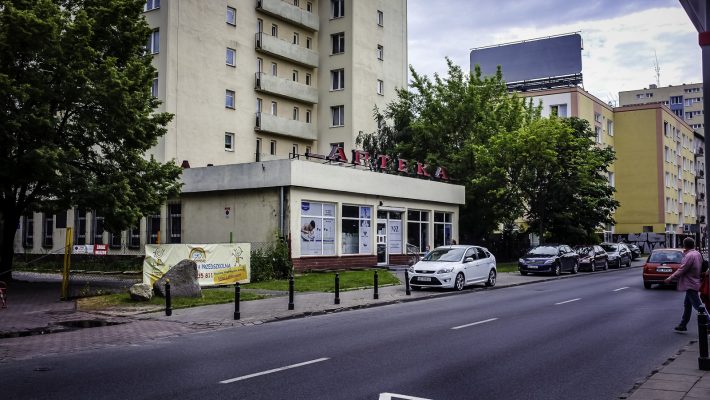
We returned to a happy girl with two gofry to snack on as we made our way to M's apartment, where her husband J was cooking dinner for us. Along the way, the big D300 put away, I snapped pictures with the little X100, trying to capture a few images that show the old Warsaw and the new, sometimes separately, sometimes juxtaposed.

There was the drug store that looked just like shops did when I arrived first in 1996.

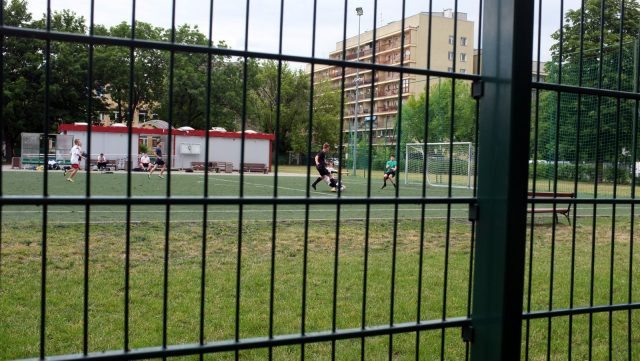
There was an enclosed soccer field that seemed timeless, as if it had always been there.

School in Warsaw

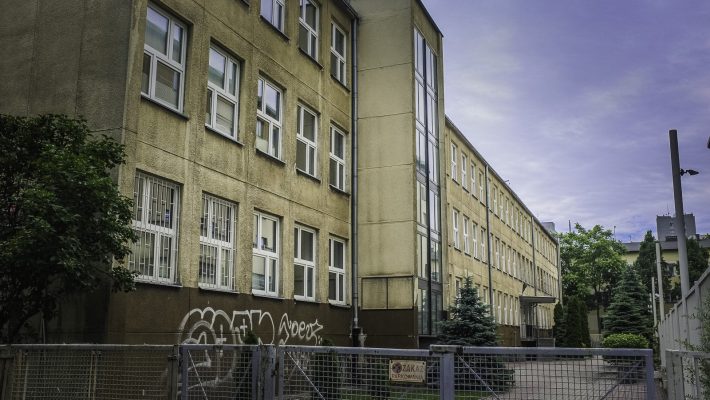
There was a middle school with graffiti and rebar.

"Ja tutaj mieso mam!"

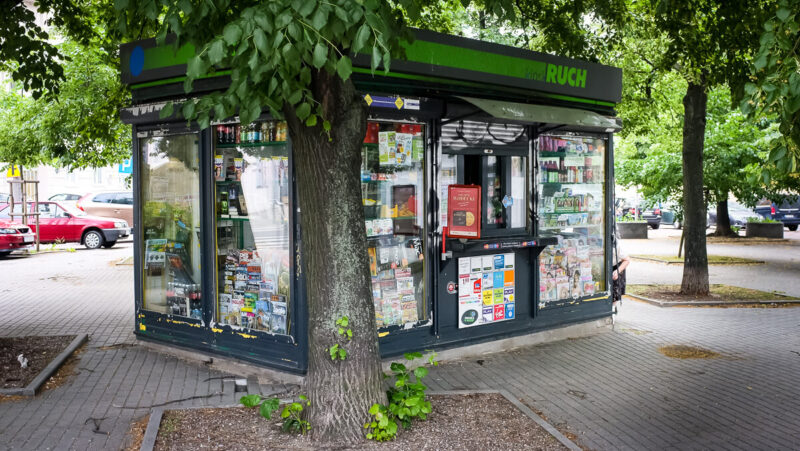
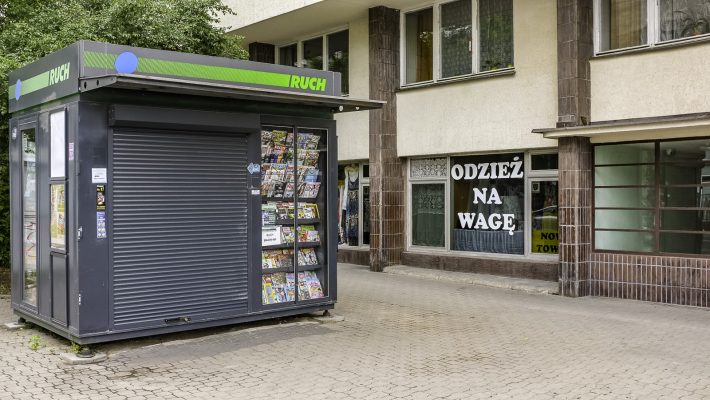
A newstand ("This, this, this is a newstand! I have meat here!" came to mind, a line from my favorite Polish film. In Mis, though, the newstand is not in a kiosk but its own building.) across from a used clothing store that sells clothes by weight.

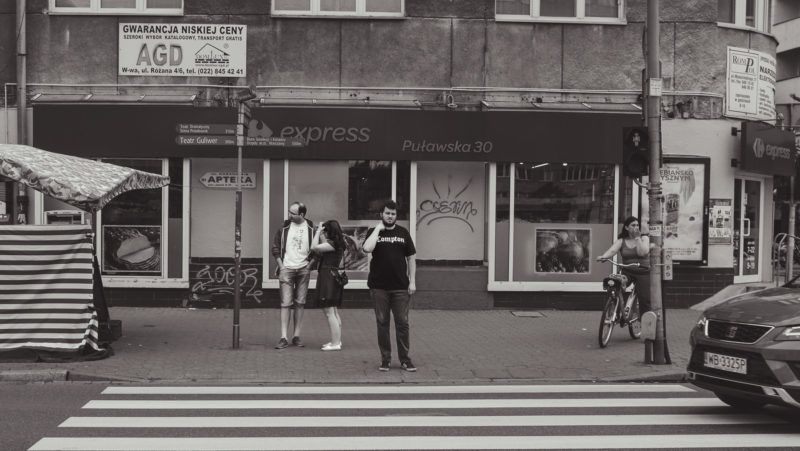
And lots of people just going about their business.

Dinner and the evening flew by as it does with friends you haven't seen in years. The conversation ranged far and wide, and for once there were no worries about whose toes we might step on with this or that comment when things turned to more political matters. We don't see eye-to-eye on everything, and we can talk about it rationally and leave disagreements be. Not that that happened this evening. Parenting and parenthood tended to dominate the conversation and the environment in general.

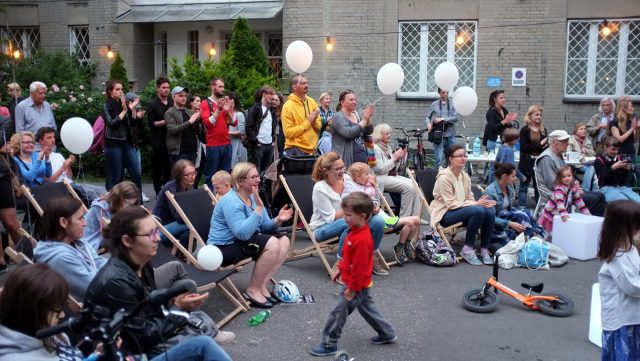
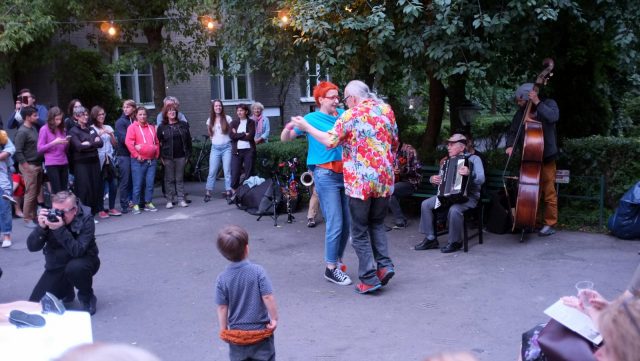
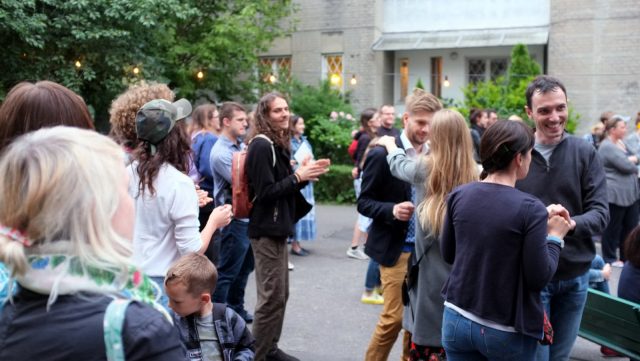
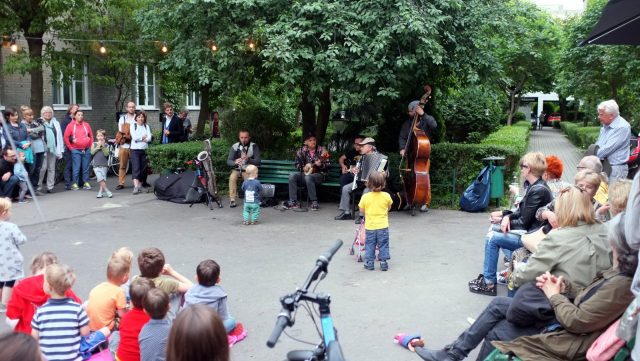
After dinner, one last adventure: a neighborhood concert just a few blocks away in Szare Domy, a neighborhood of blocks of flats dating from the twenties that have small garden areas tucked in between the blocks. Usually closed off to non-residents, the neighborhood was throwing something like a block party, and everyone was invited.

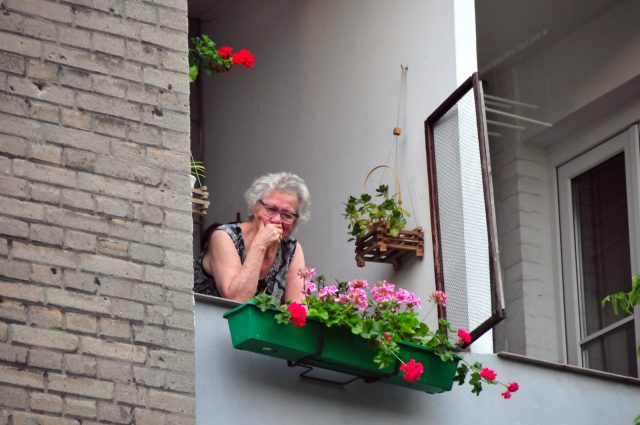
The kids played. The adults chatted. The residents who stayed at home watched from the balcony.

Finally, around nine, everyone called it an evening. The Ds went back to their apartment after walking us to the nearest tram stop.

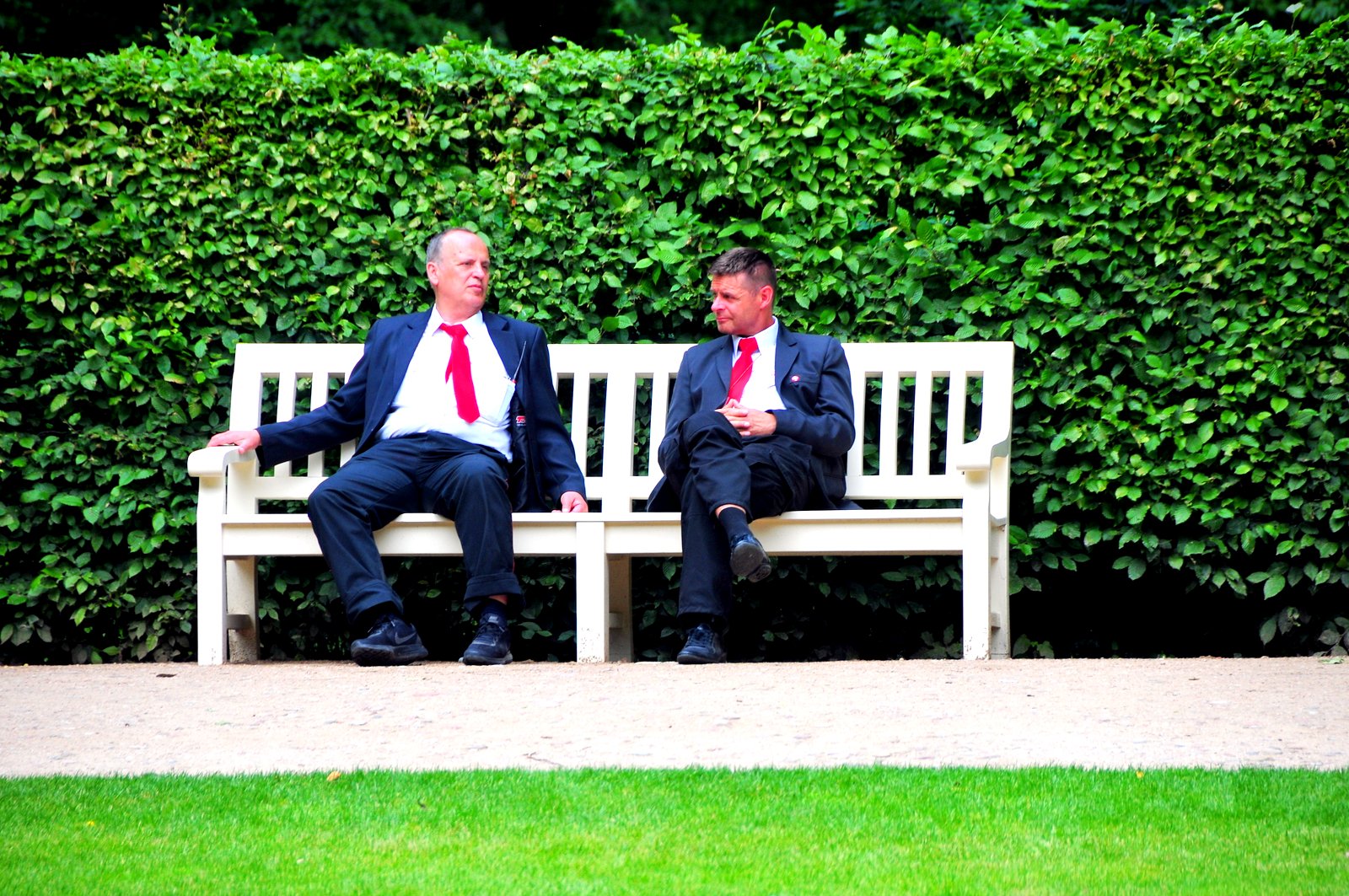
We made it back to Emilii Platter Street without worries, did some shopping, and had a final, amusing encounter. Walking out of the shop, E asked K, "Mommy, can I have the banana now?"
"No, just wait till we get back to the apartment," she replied in Polish.
A young man sitting on a bench called out after us in English: "Why does he speak English when she speaks Polish?"

I turned around and summed it up as quickly as I could: "American reality."

A few more pictures are at Flickr. I didn't manage to get all seventy-something pictures worked into this post.

Work

The saying goes if you love what you do, you'll never work a day in your life -- as if "work" is somehow something to be avoided. Before we read Philip Levine's poem, I ask students, "What is work?" and someone always replies with some variant of that quote. I want to tell them it's a lie, for two reasons: first, no matter how much you love your job, there are times when you don't when it becomes "work" in the negative sense of the term; second, "work" should almost never have a negative sense, if you know what work is.

We stand in the rain in a long line
waiting at Ford Highland Park. For work.
You know what work is—if you’re
old enough to read this you know what
work is, although you may not do it.
Forget you. This is about waiting,
shifting from one foot to another.
Feeling the light rain falling like mist
into your hair, blurring your vision
until you think you see your own brother
ahead of you, maybe ten places.
You rub your glasses with your fingers,
and of course it’s someone else’s brother,
narrower across the shoulders than
yours but with the same sad slouch, the grin
that does not hide the stubbornness,
the sad refusal to give in to
rain, to the hours of wasted waiting,
to the knowledge that somewhere ahead
a man is waiting who will say, “No,
we’re not hiring today,” for any
reason he wants. You love your brother,
now suddenly you can hardly stand
the love flooding you for your brother,
who’s not beside you or behind or
ahead because he’s home trying to
sleep off a miserable night shift
at Cadillac so he can get up
before noon to study his German.
Works eight hours a night so he can sing
Wagner, the opera you hate most,
the worst music ever invented.
How long has it been since you told him
you loved him, held his wide shoulders,
opened your eyes wide and said those words,
and maybe kissed his cheek? You’ve never
done something so simple, so obvious,
not because you’re too young or too dumb,
not because you’re jealous or even mean
or incapable of crying in
the presence of another man, no,
just because you don’t know what work is.

We finish the poem in class, and a young lady with tight curls and a sweet smile says, "This is the first poem in your class that I actually understand." Apparently, all the other poems have been too much of a struggle. I like a struggle in my classroom. When students struggle, they learn. But if they're struggling with a job for which they're not really prepared, it's not really productive struggle, just struggle for the sake of frustration. Perhaps this was a bit of productive struggle for her.

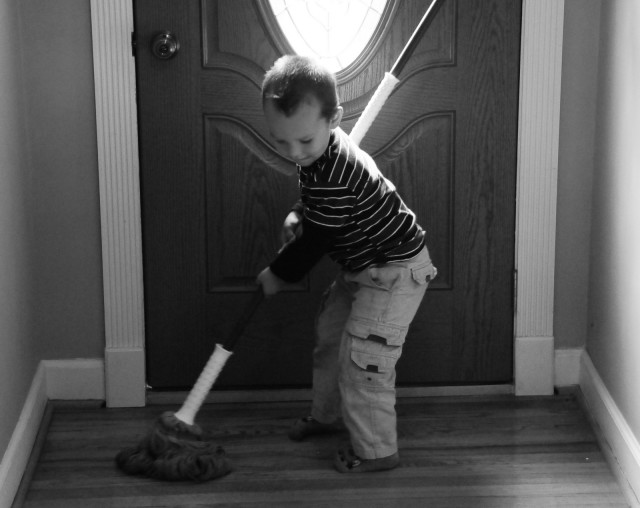
I return home to find E helping clean the house.

1-BW0_3128

He absolutely loves doing anything an adult is doing, so when he sees someone working, he wants to join in. Even when the job is too big for him, like ringing out the mop before slopping it down on the hardwood floor.

"Honey, honey, you have to let me do that. You're not strong enough to do it well," K says, in Polish -- understanding her would have been work for me twenty years ago, when I was about to head off to Polska and could only say "please" and "thank you" and count to ten -- sometimes thirteen or even fourteen if my memory worked. For E, it's nothing. Speaking Polish is still a struggle, for everyone in the family, truth be told, except K. But it's productive struggle. Frustrating struggle -- my tongue couldn't get around "wykształcenie wyższe" the other evening when, as I often do, I was quoting Miś.

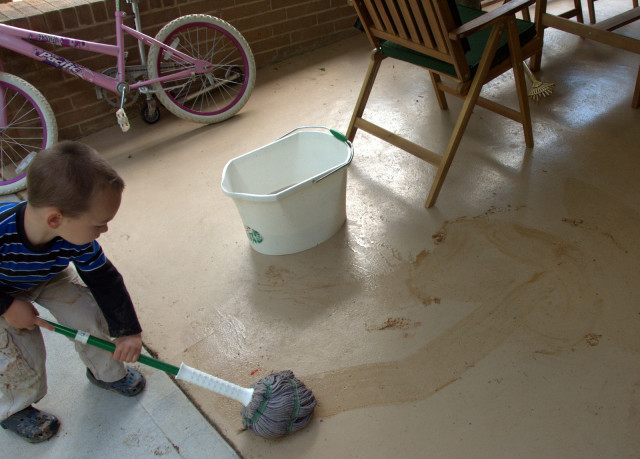
When the Boy finishes, he still wants to clean, so we take him to the carport cum covered porch and let him work some more.

2-VIV_3144

He makes a mess in order to clean it up.

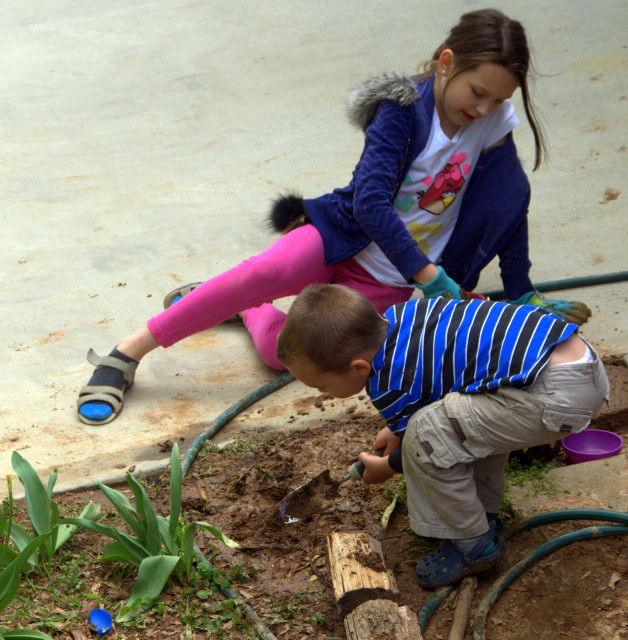
Or sometimes he just makes a mess, as when he's playing in the mud. His sister informs me, "We're making mud cement." Work.

3-VIV_3114

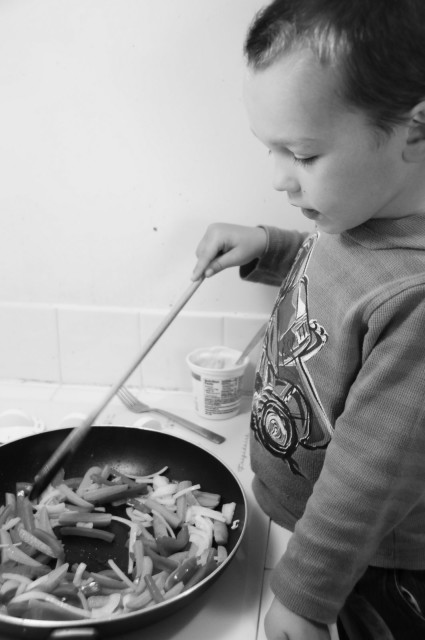
When it's dinner time, the Boy insists on helping again. We're having Chinese stir fry, so he's thrilled to get to stand at the pan and stir everything, and he's especially amused by the fact that we're adding a glob of peanut butter to veggies, suggesting that perhaps we might want to add some jelly as well.

4-BW0_3071

We have a friend who's a chef who in theory does this all day long. So for him, is it work?

After dinner, a neighborhood kid comes around, and E play around at soccer. There's no temptation to ask him questions like, "Would you like to be a professional soccer player?" because soccer for him is just one of many little diversions throughout the day.

5-BW0_3082

If he was a pro, would that make soccer work? And why is "work" something we want to avoid? Do we know what work is?

In 1981, Pope John Paul II published the encyclical Laborem exercens, "On Human Work." He takes a common sense approach to defining the word:

[W]ork means any activity by man, whether manual or intellectual, whatever its nature or circumstances; it means any human activity that can and must be recognized as work, in the midst of all the many activities of which man is capable and to which he is predisposed by his very nature, by virtue of humanity itself.

So anything can be work. But he makes a distinction between work and toil.

For the Boy and the Girl, it often depends on motivation.

Polish Picnic 2014

A Polish pope was a big deal. As the first non-Italian pope in almost five centuries, Karol Wojtła made almost every Pole stand a little straighter when the college of cardinals selected him as pope in 1978 — almost every Pole except the Communist leadership, that is. They likely suspected they were in trouble, but they certainly had no idea the degree to which Karol Wojtła was going to change everything. The regime got an idea when he finally visited Poland in 1979 as John Paul II (or Jan Paweł II in Polish). Celebrating Mass at Piłsudski Square (then known as Victory Square), he uttered his most famous line: “Nie lÄ™kajcie siÄ™.” “Be not afraid.” They responded by chanting ,“We want God.” For over fifteen minutes. John Paul, knowing the power washing over the crowd, let them go, looking back at the representatives of the Communist regime. Not a word was spoken, but everyone in the delegation knew what John Paul II was saying: “Do you hear this? You're done.”

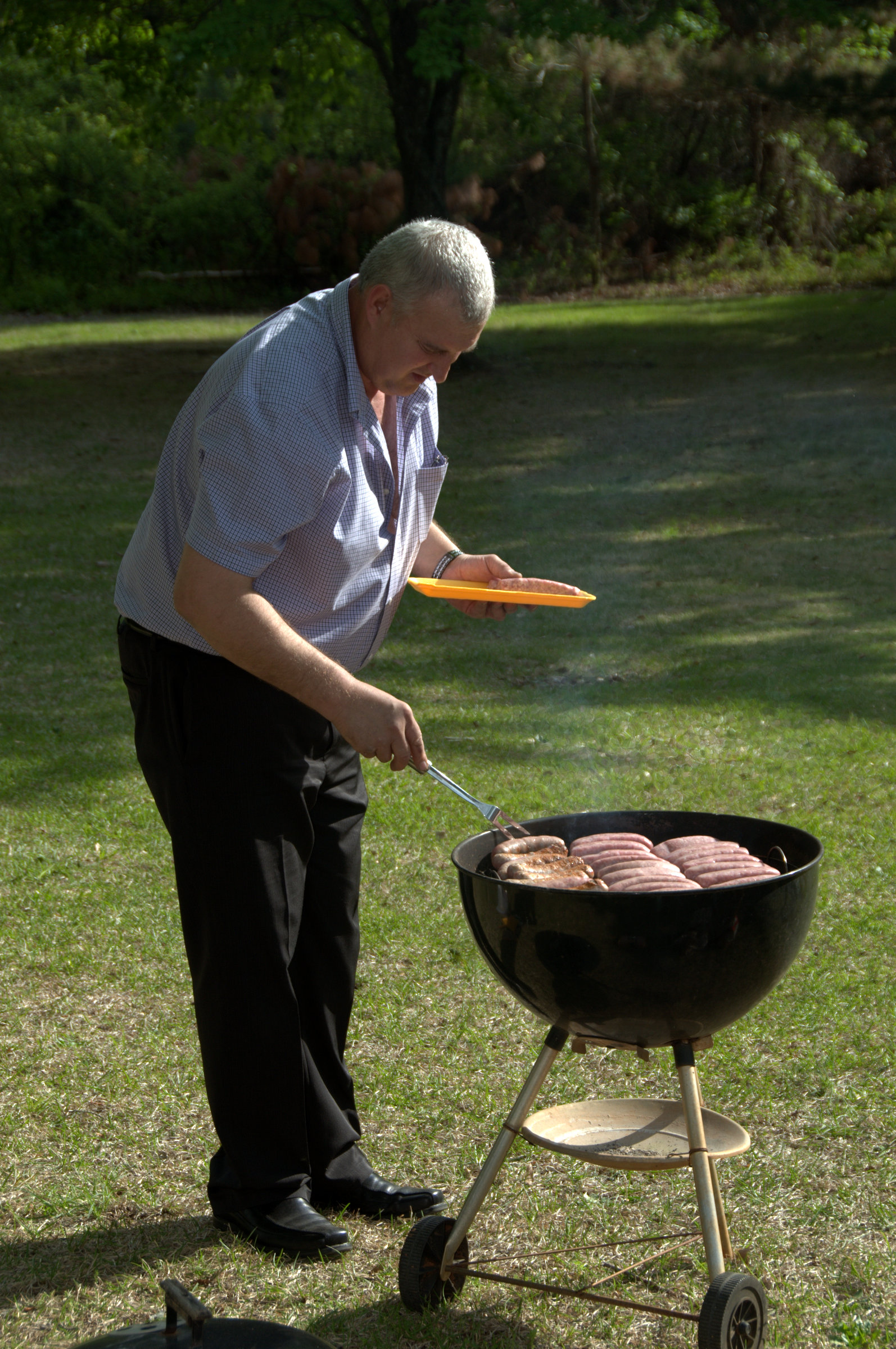
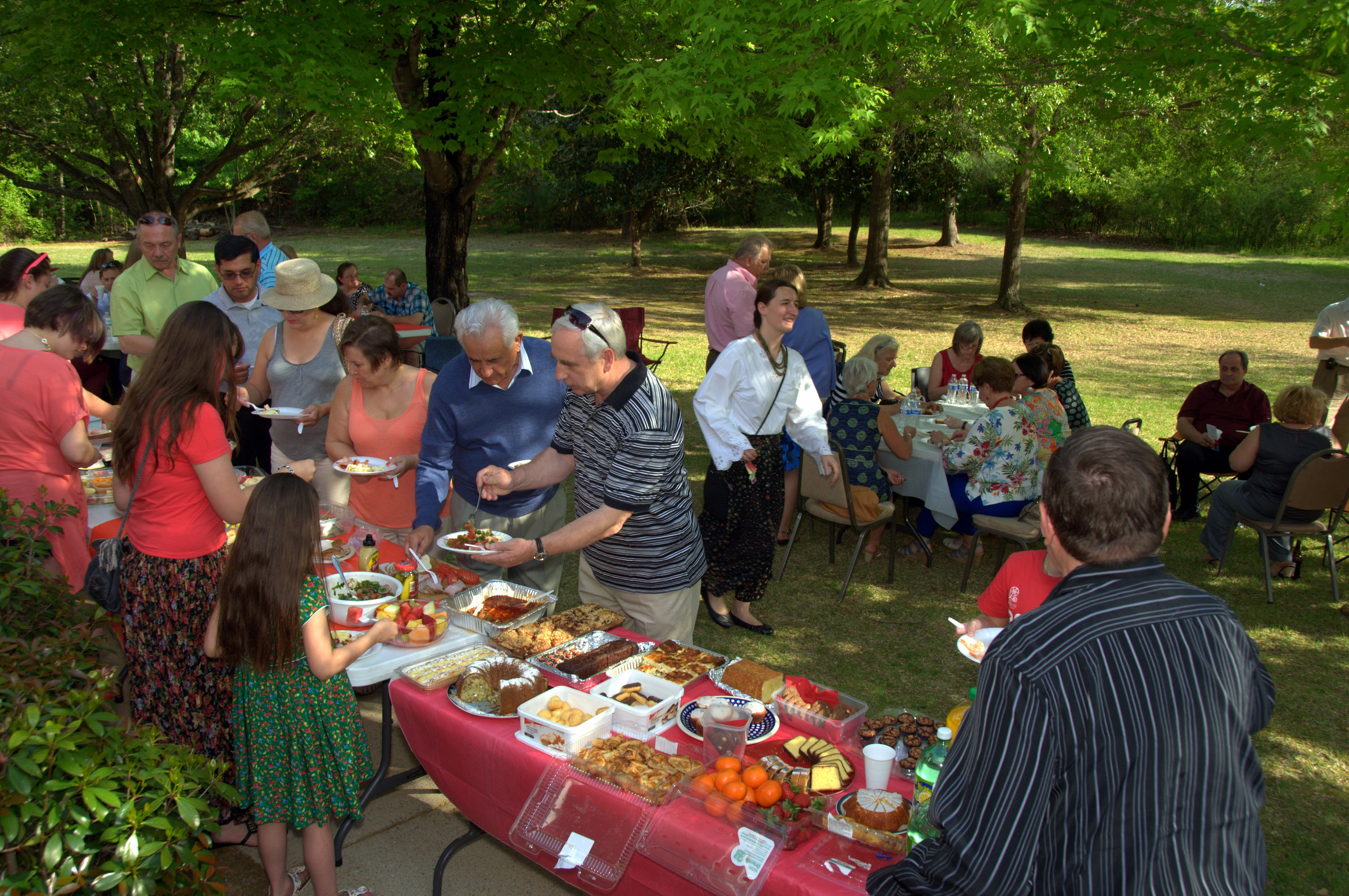
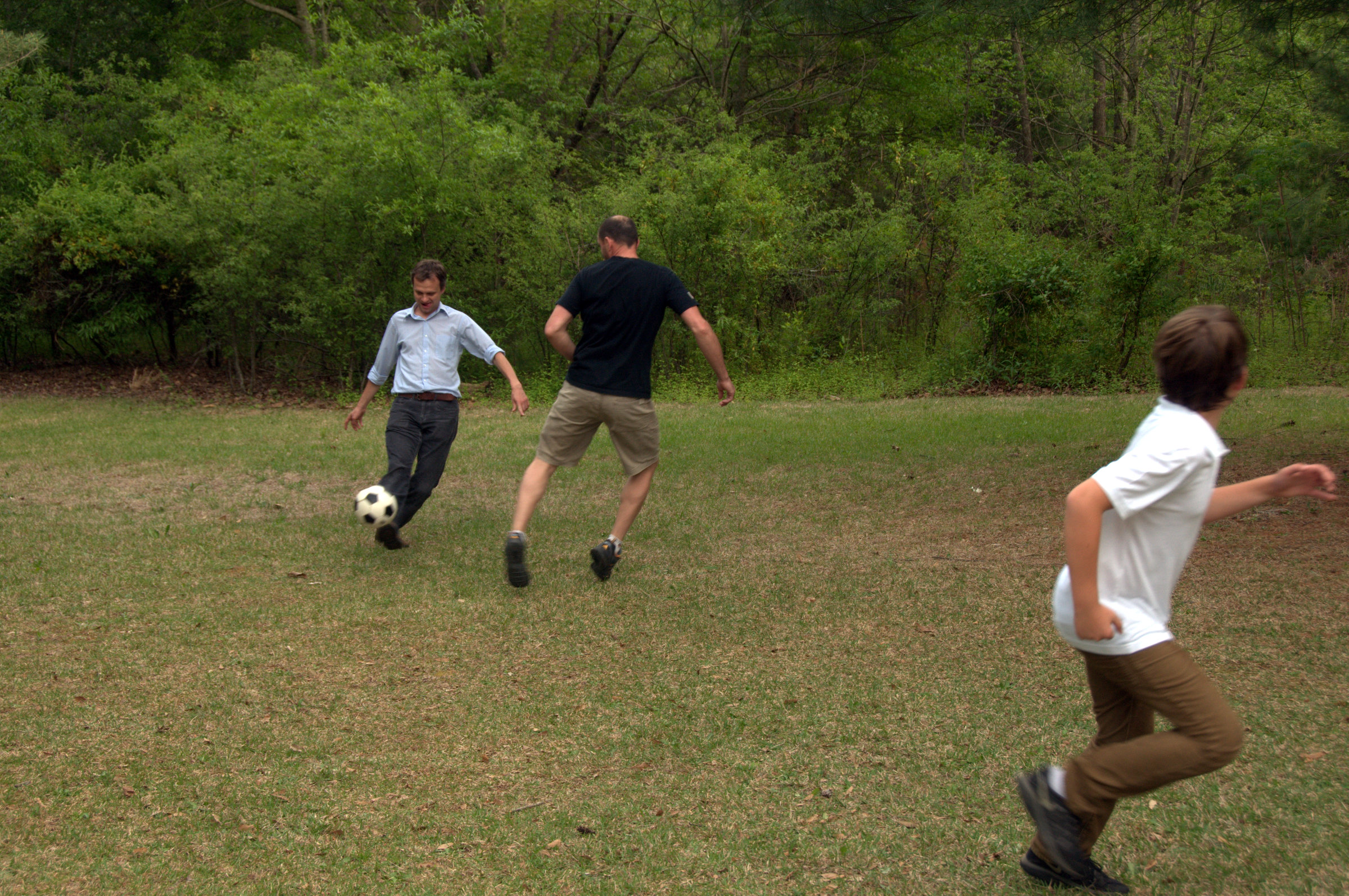
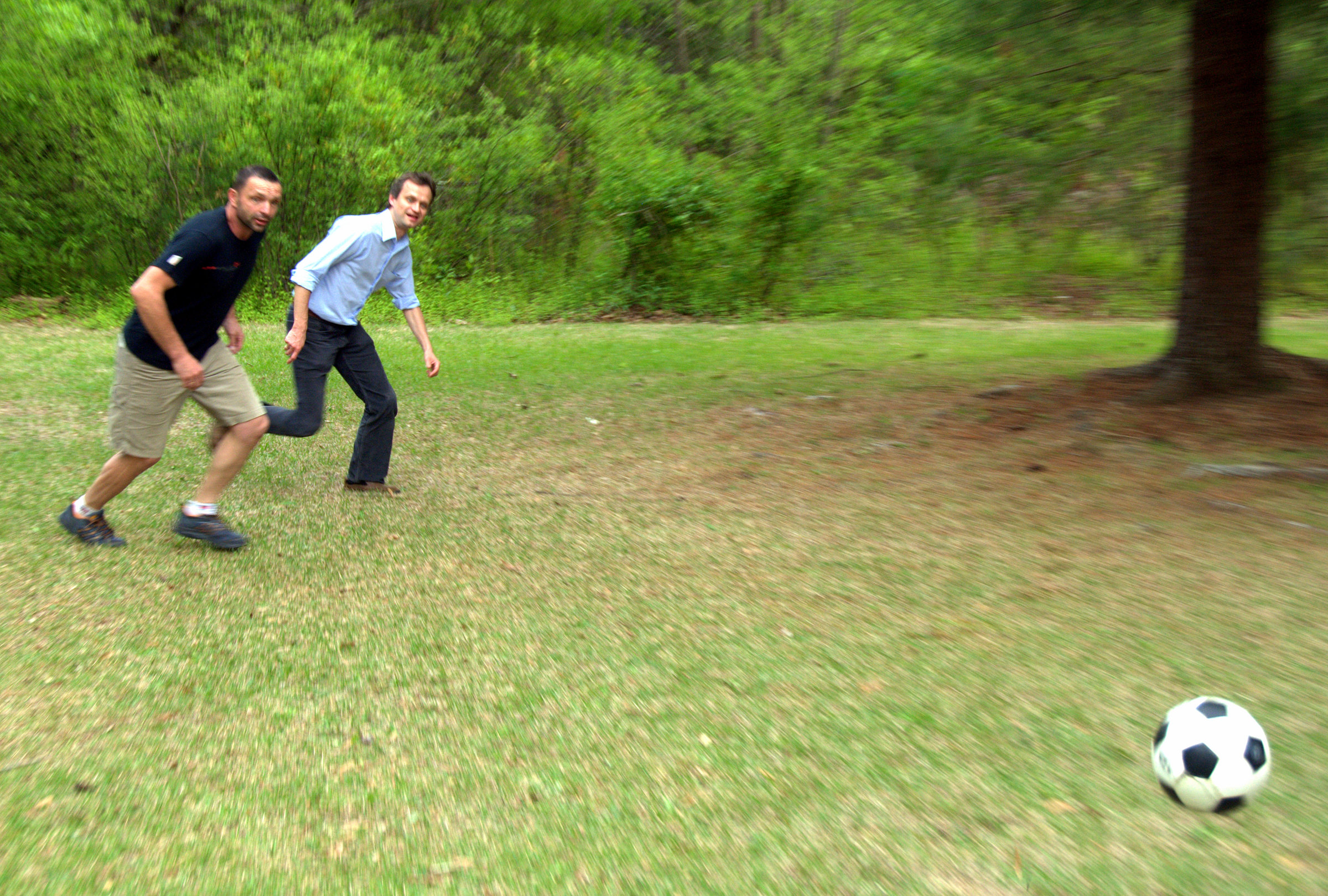
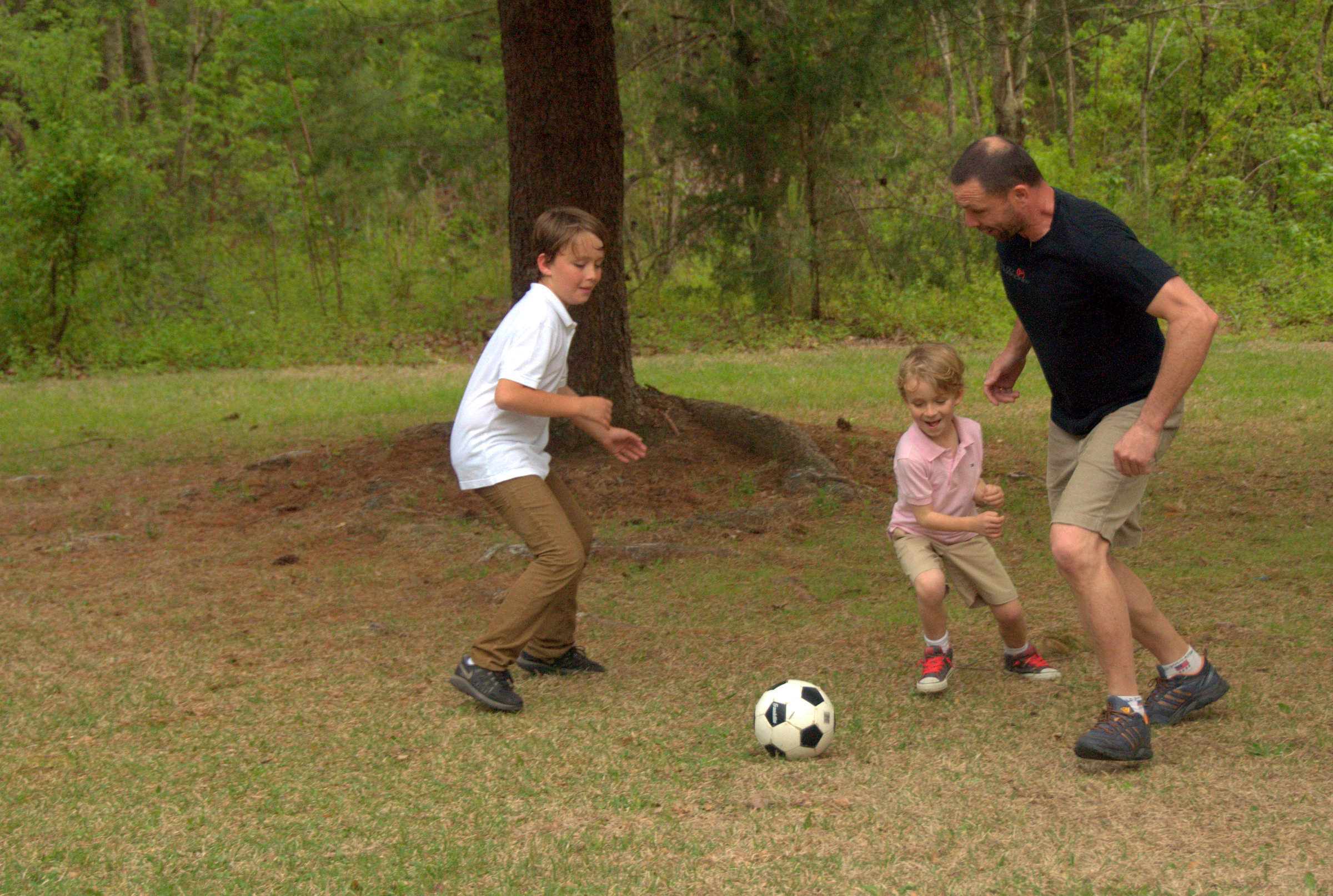
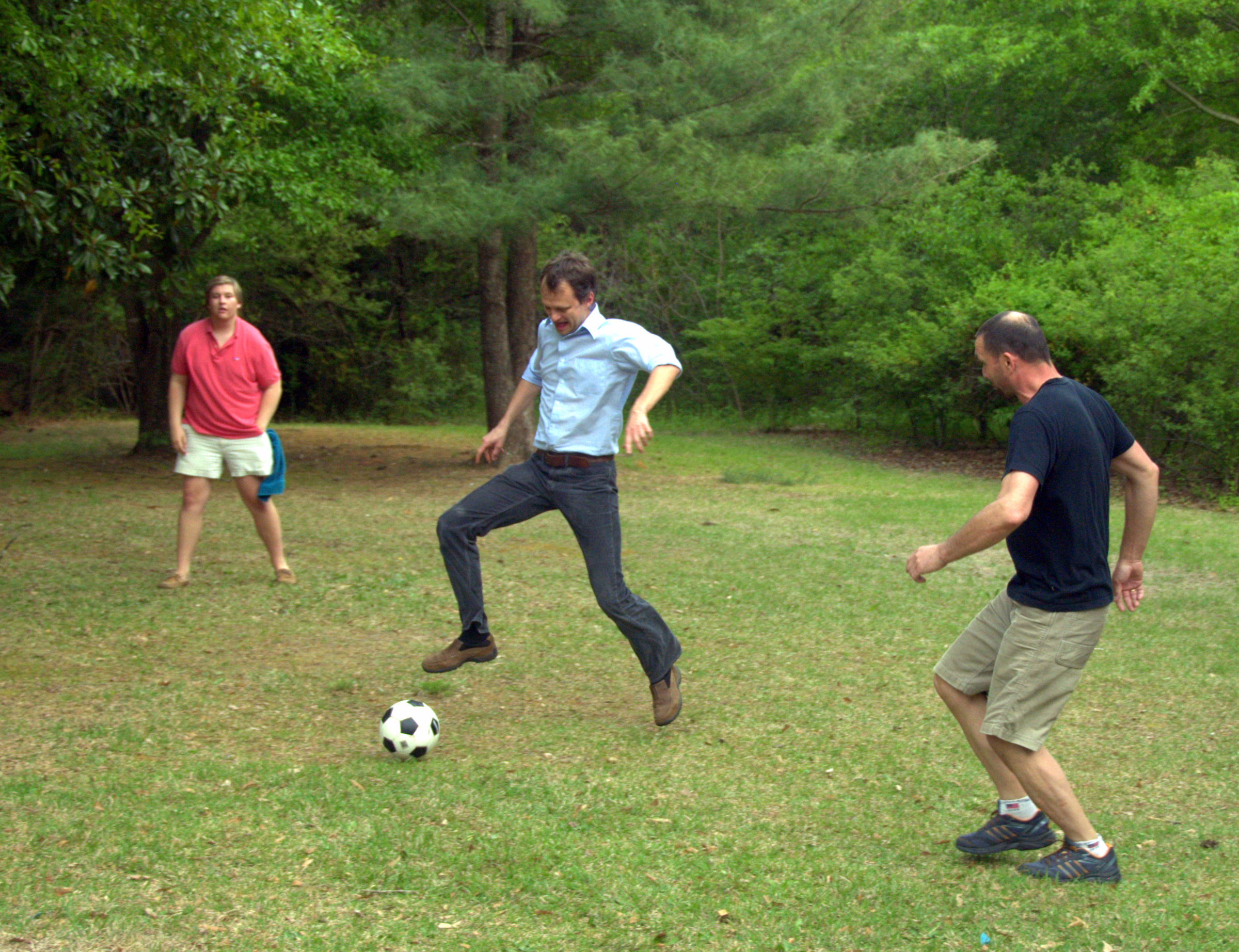
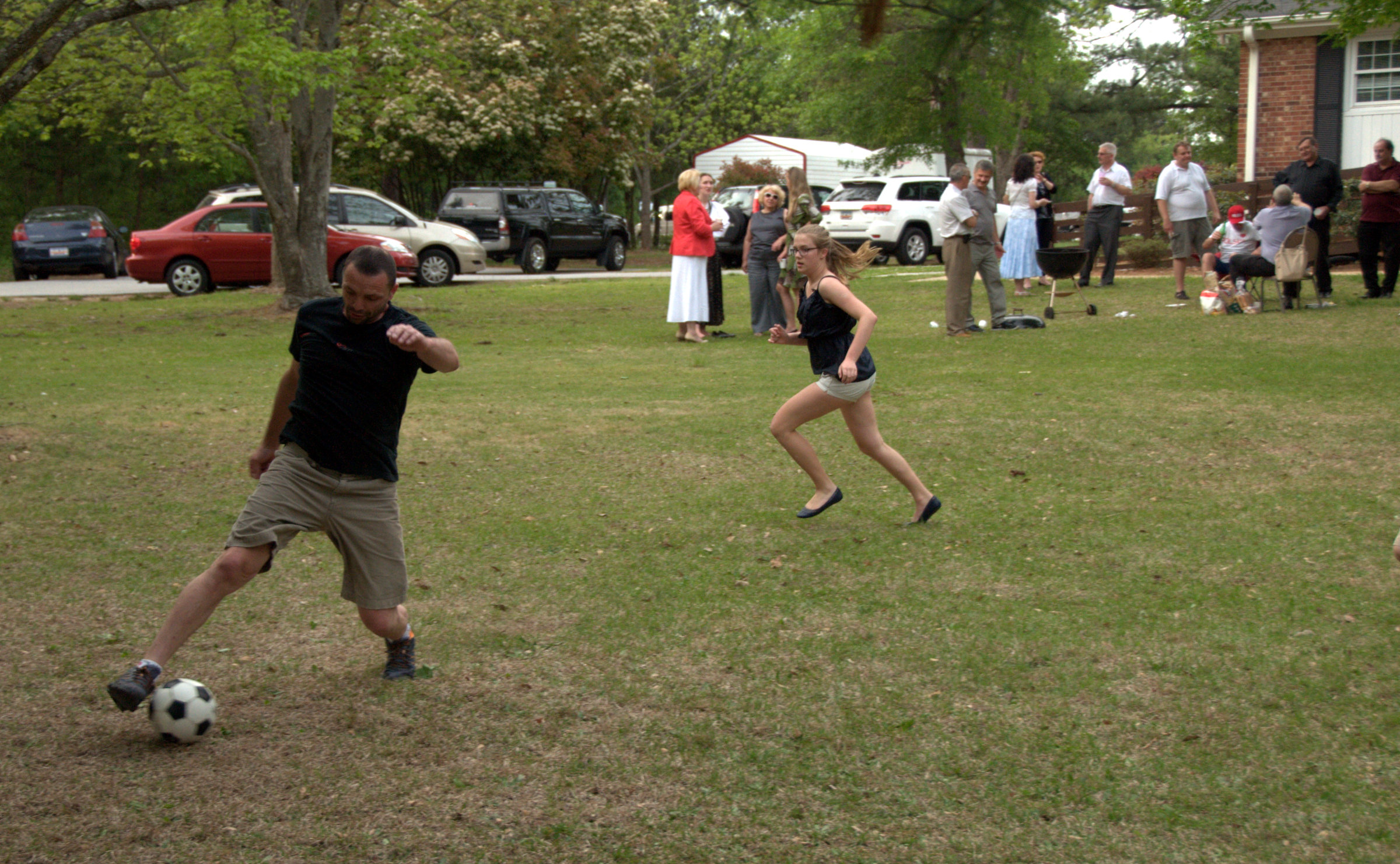
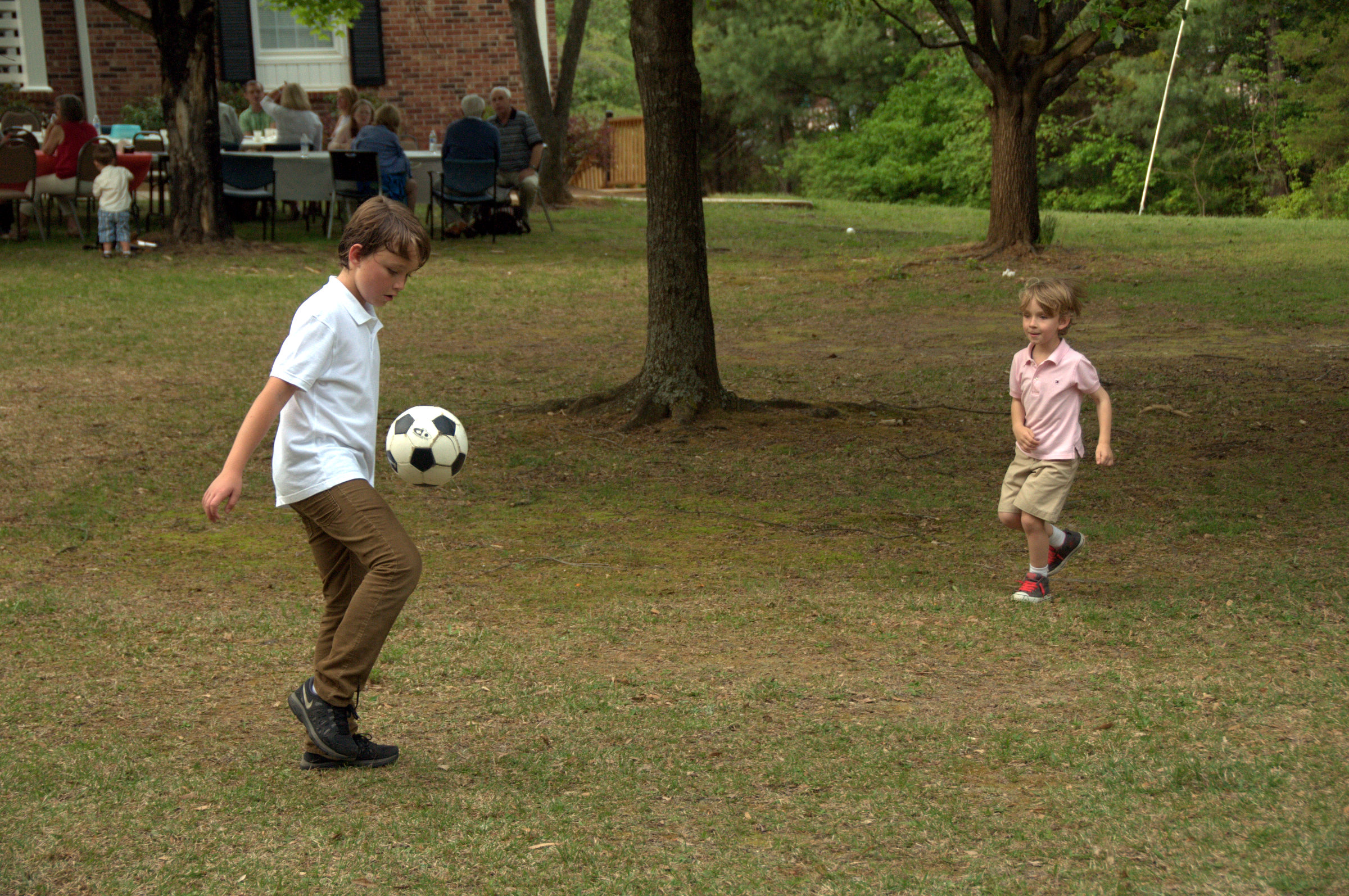
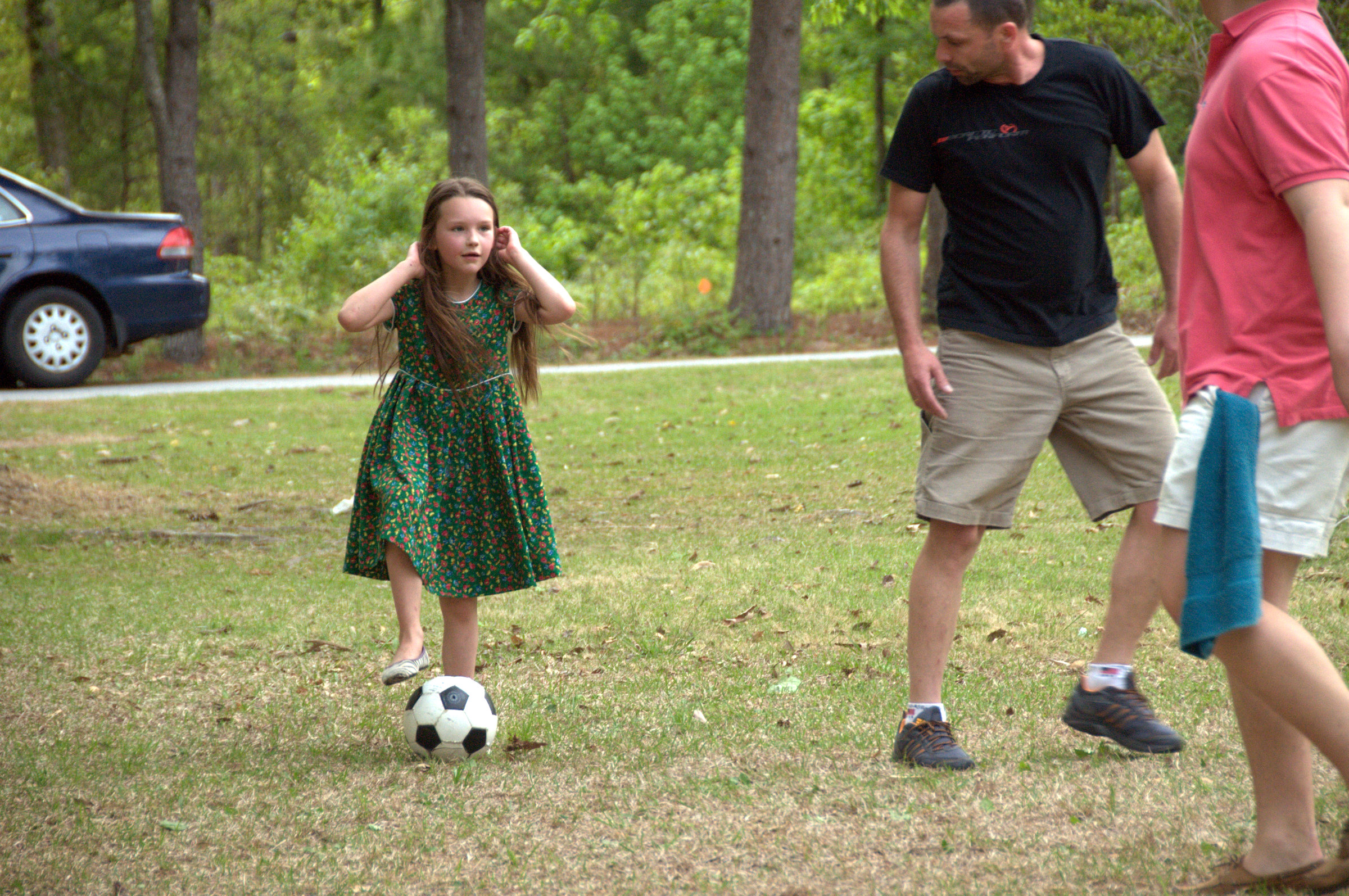
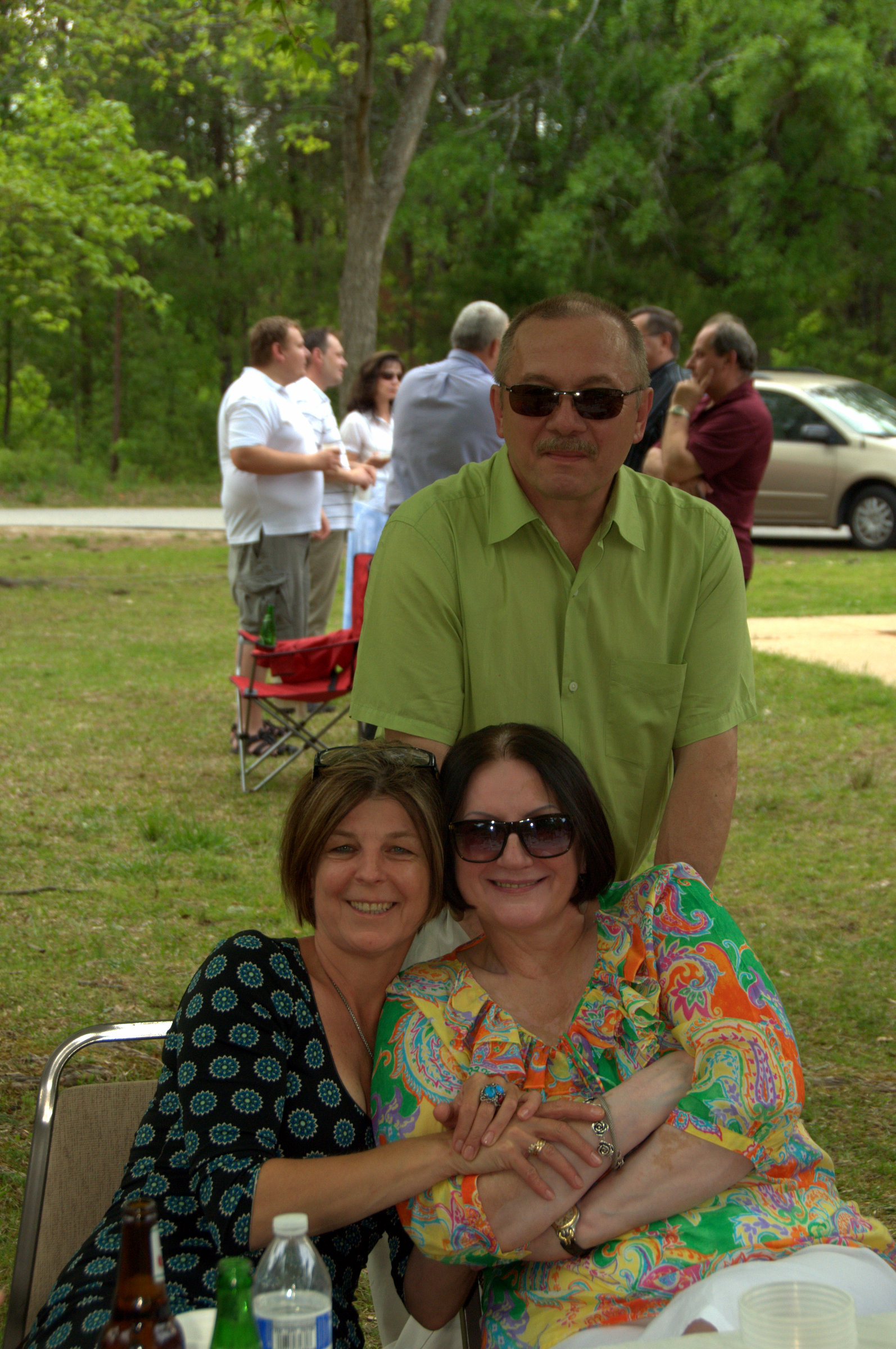
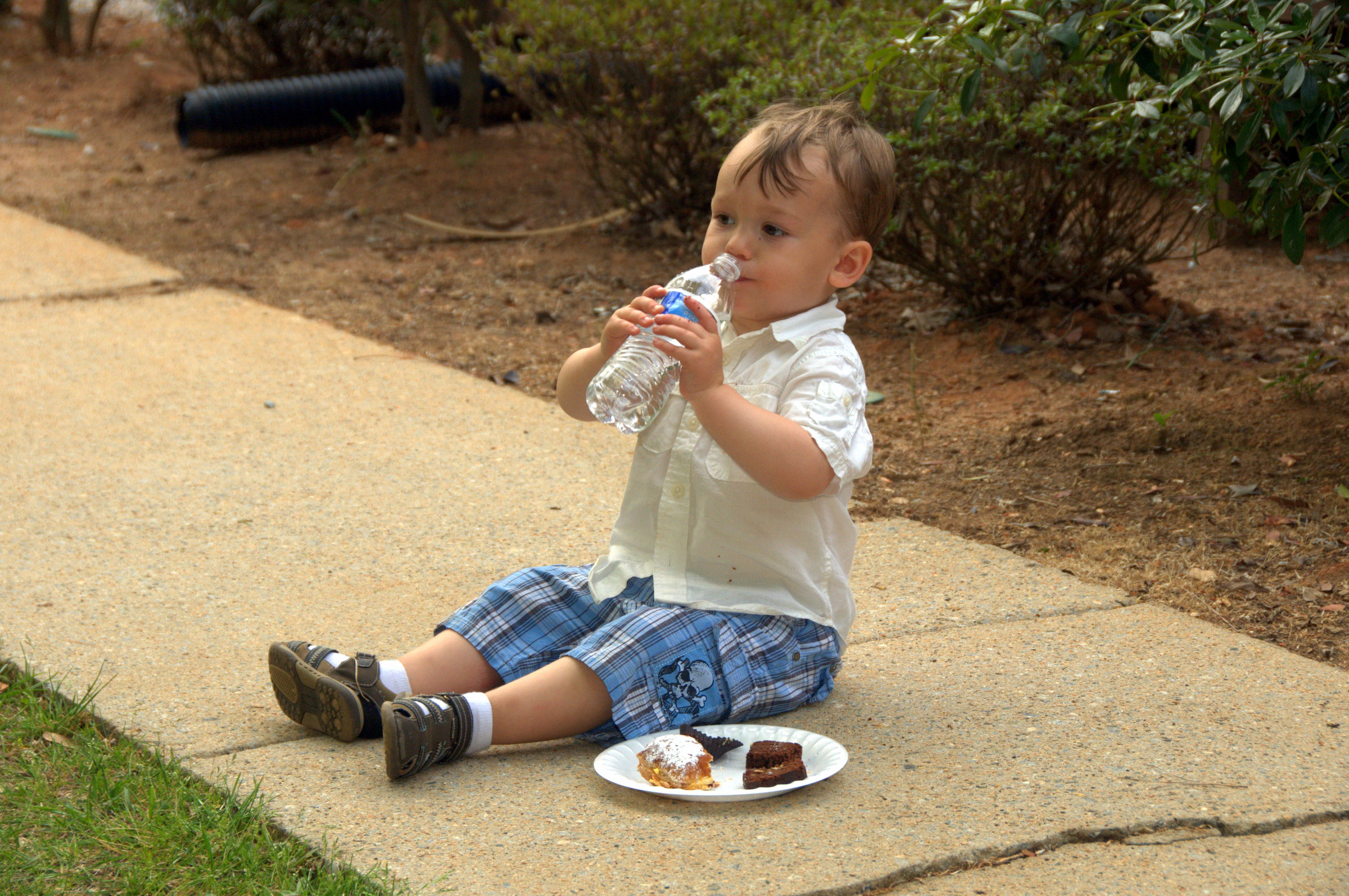
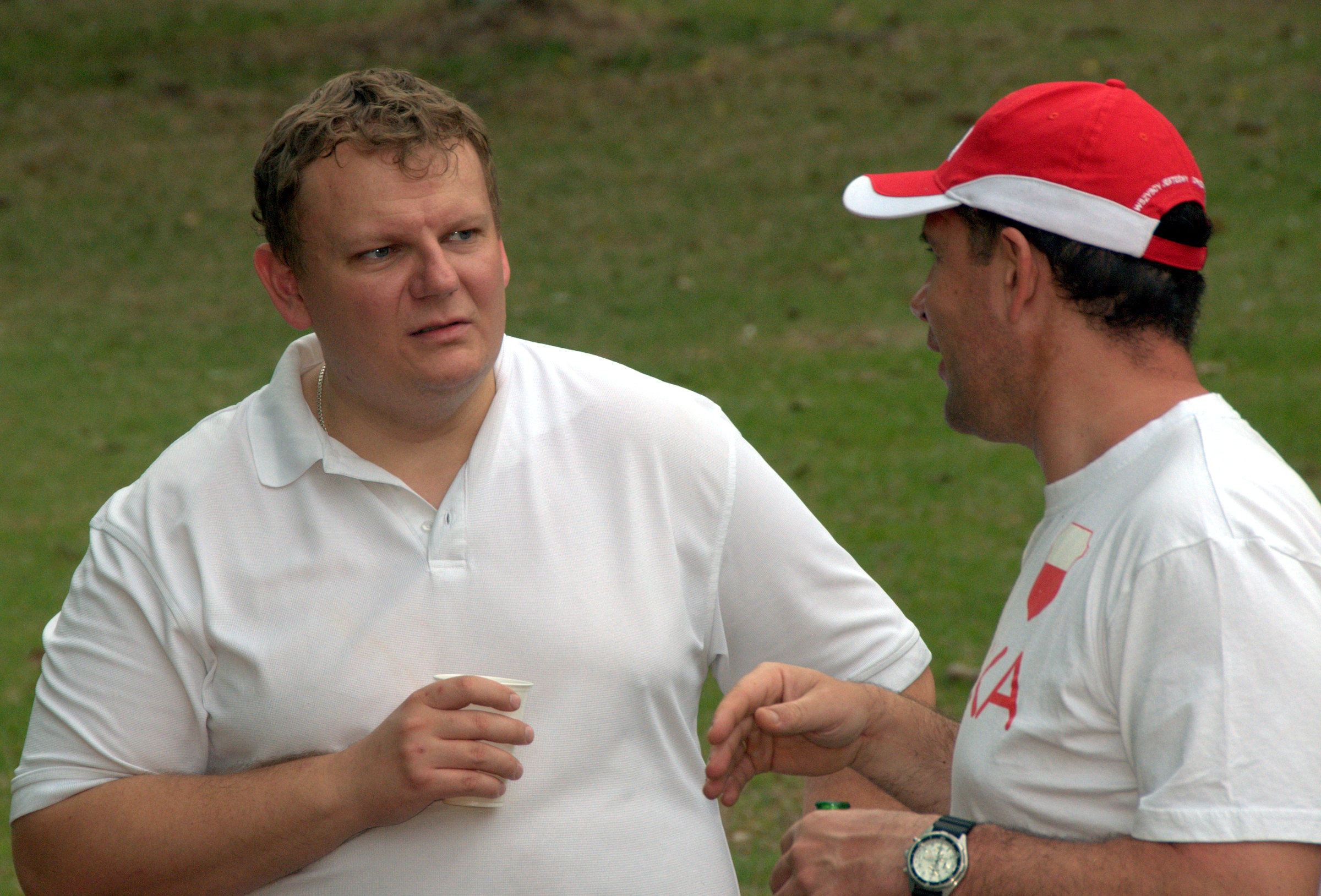
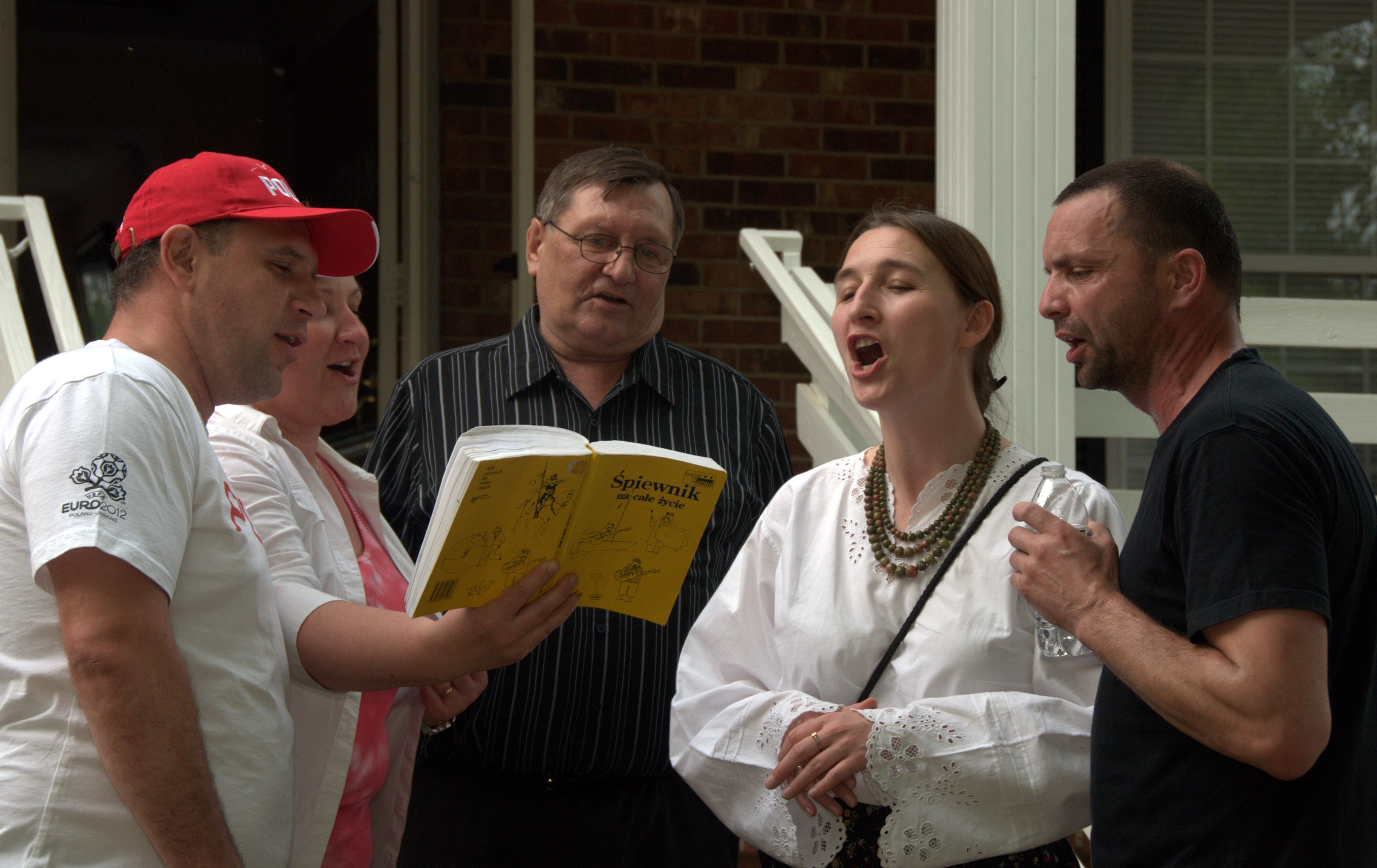
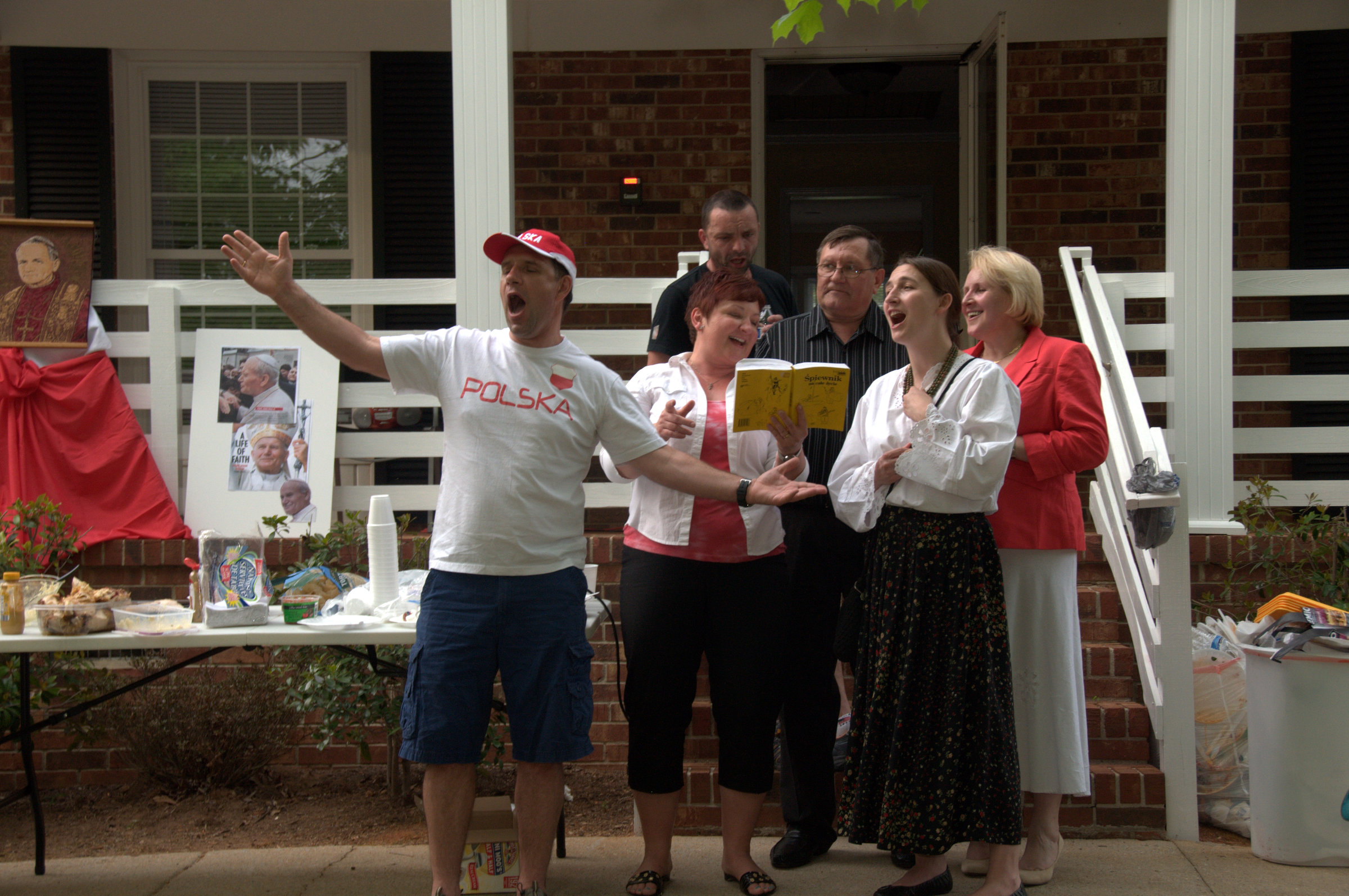
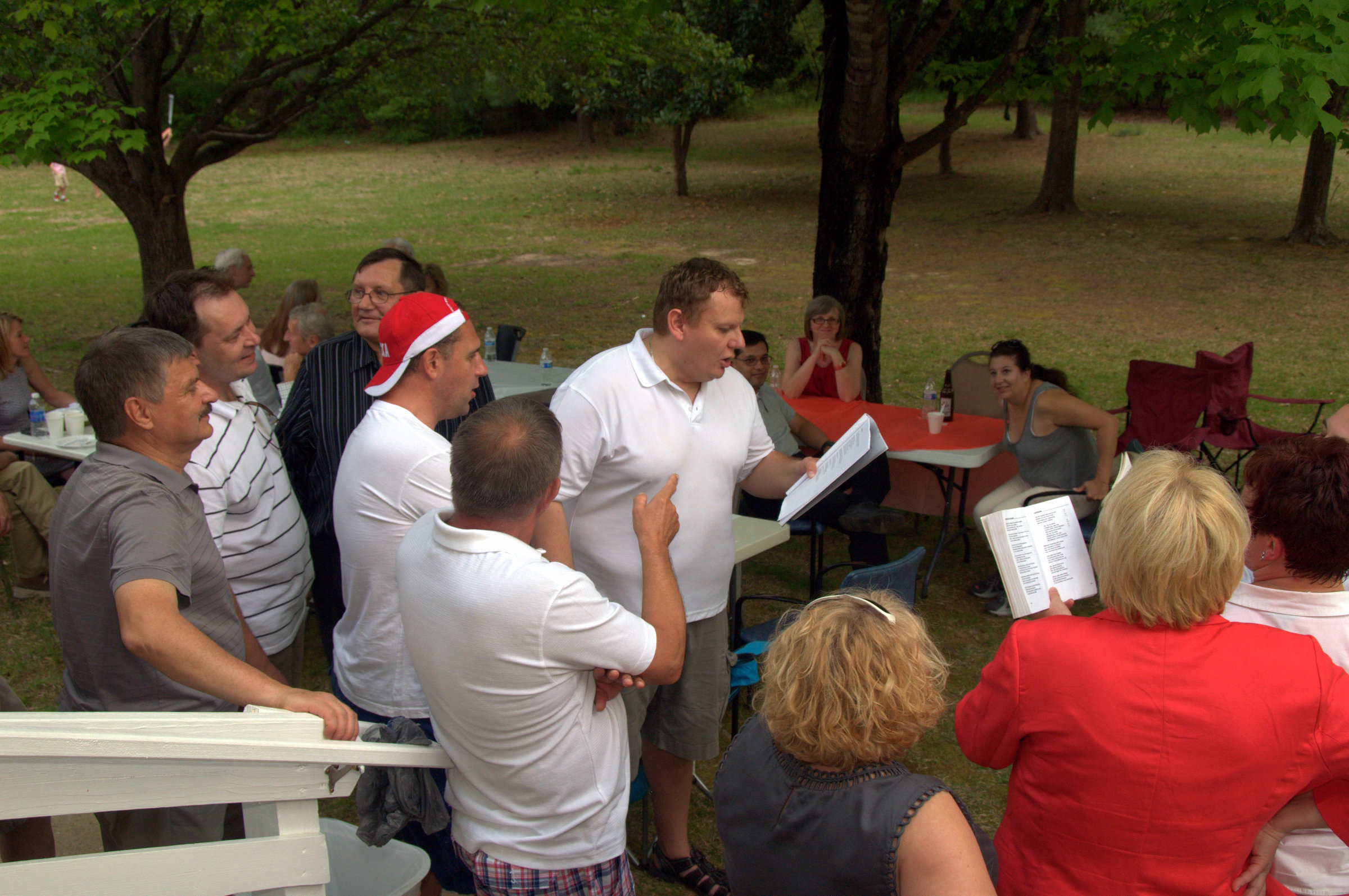
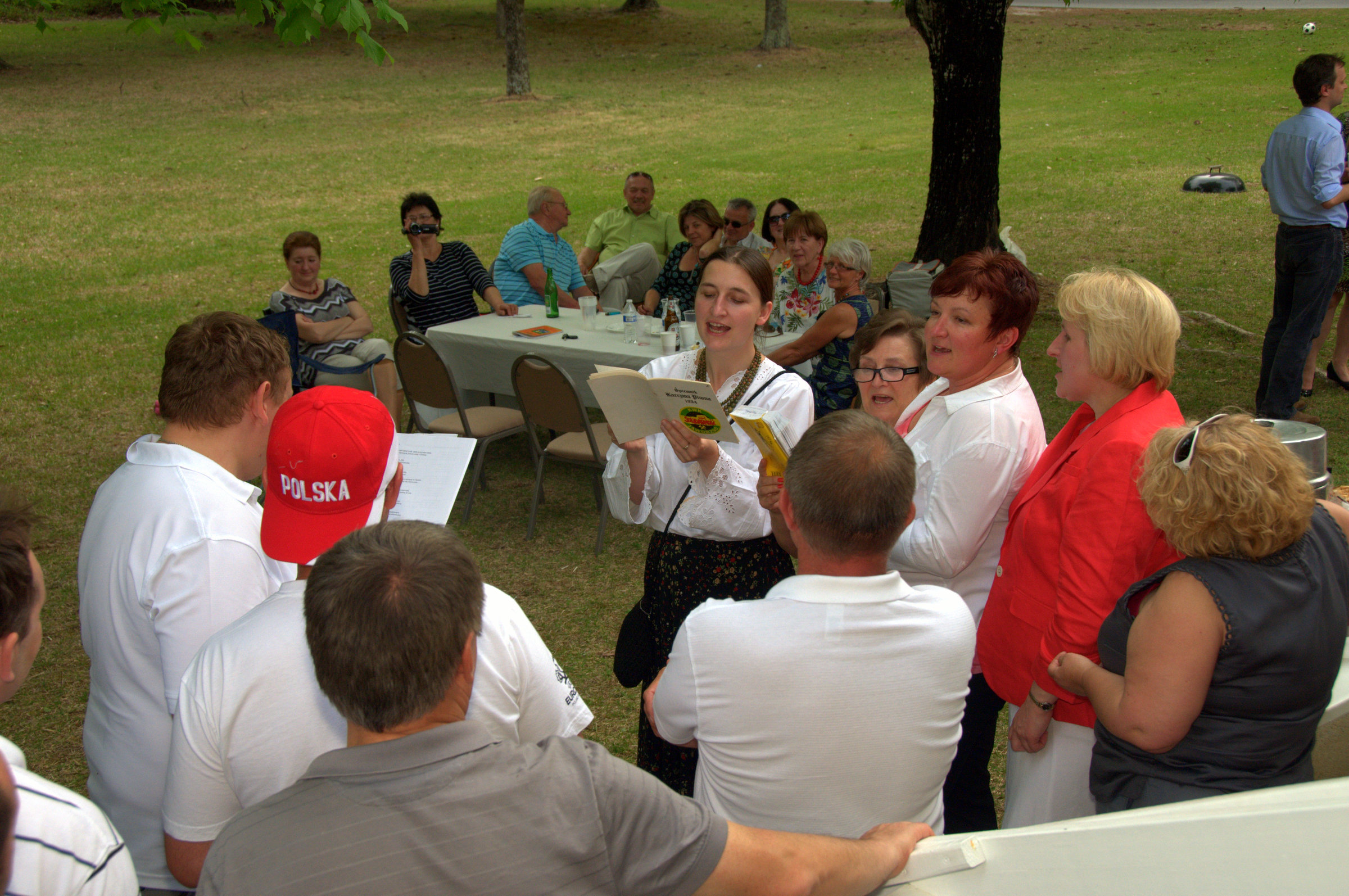
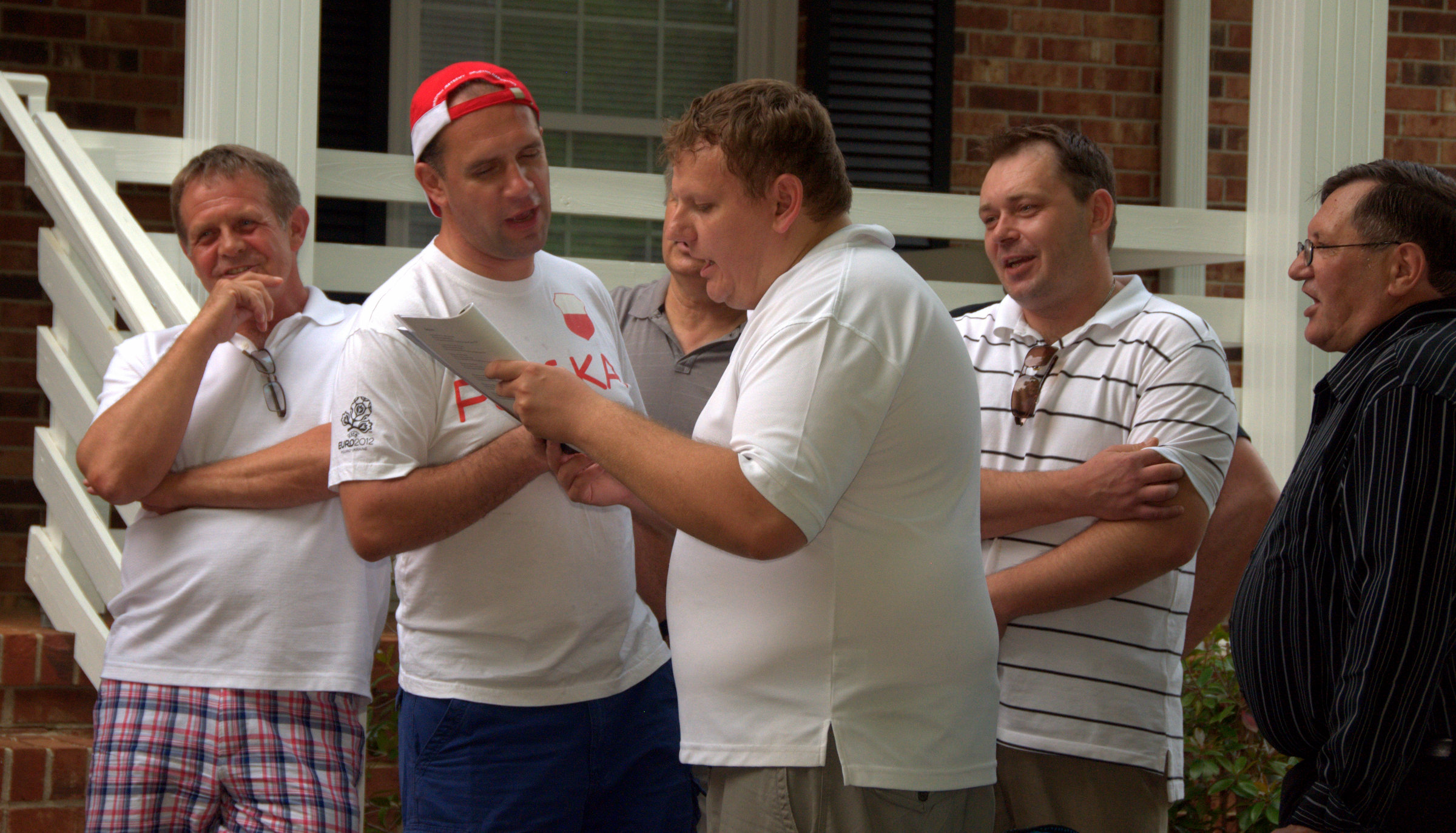
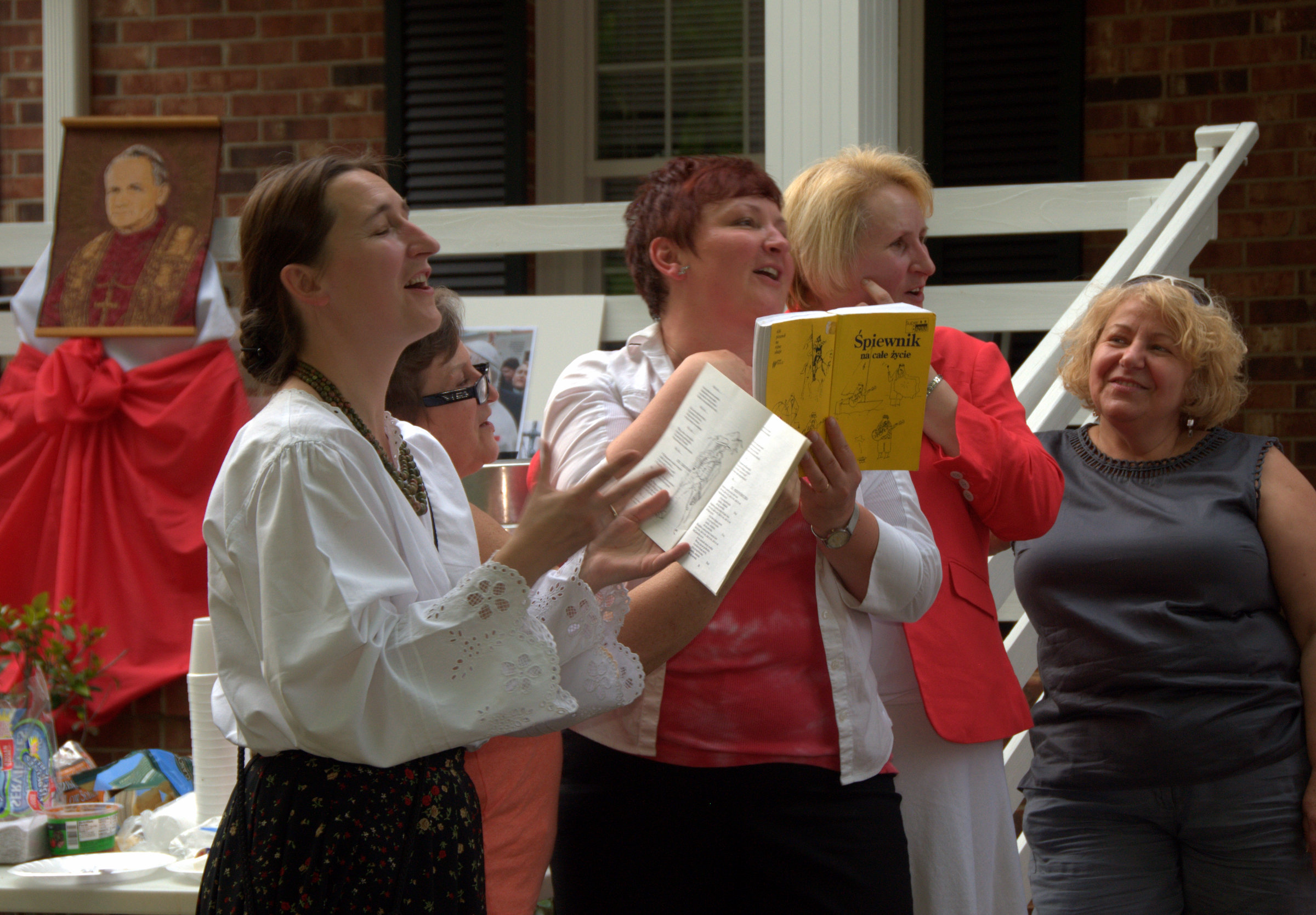
Today, Poles in the area gathered for monthly Polish-language Mass, then celebrated the canonization of John Paul II in fine Polish fashion: food, singing, soccer, and conversation.

John Paul II was smiling, no doubt.

Season Opener 2013

It was a rough season opener. Not just a loss, but by soccer standards, complete destruction. But that's good: we can learn more from losing than winning, I think.

Ognisko in Spytkowice

“Don’t folks in America have summer homes?” The word Babcia used was the Polish version of да́ча (“dacha”), a Russian term for a seasonal home, often in the forest or at the lake.

DSC_5936

Family homes often serve that role here in Poland.

DSC_5942

Someone stays behind; everyone else marries and moves away. The result: a summer home.

DSC_5944

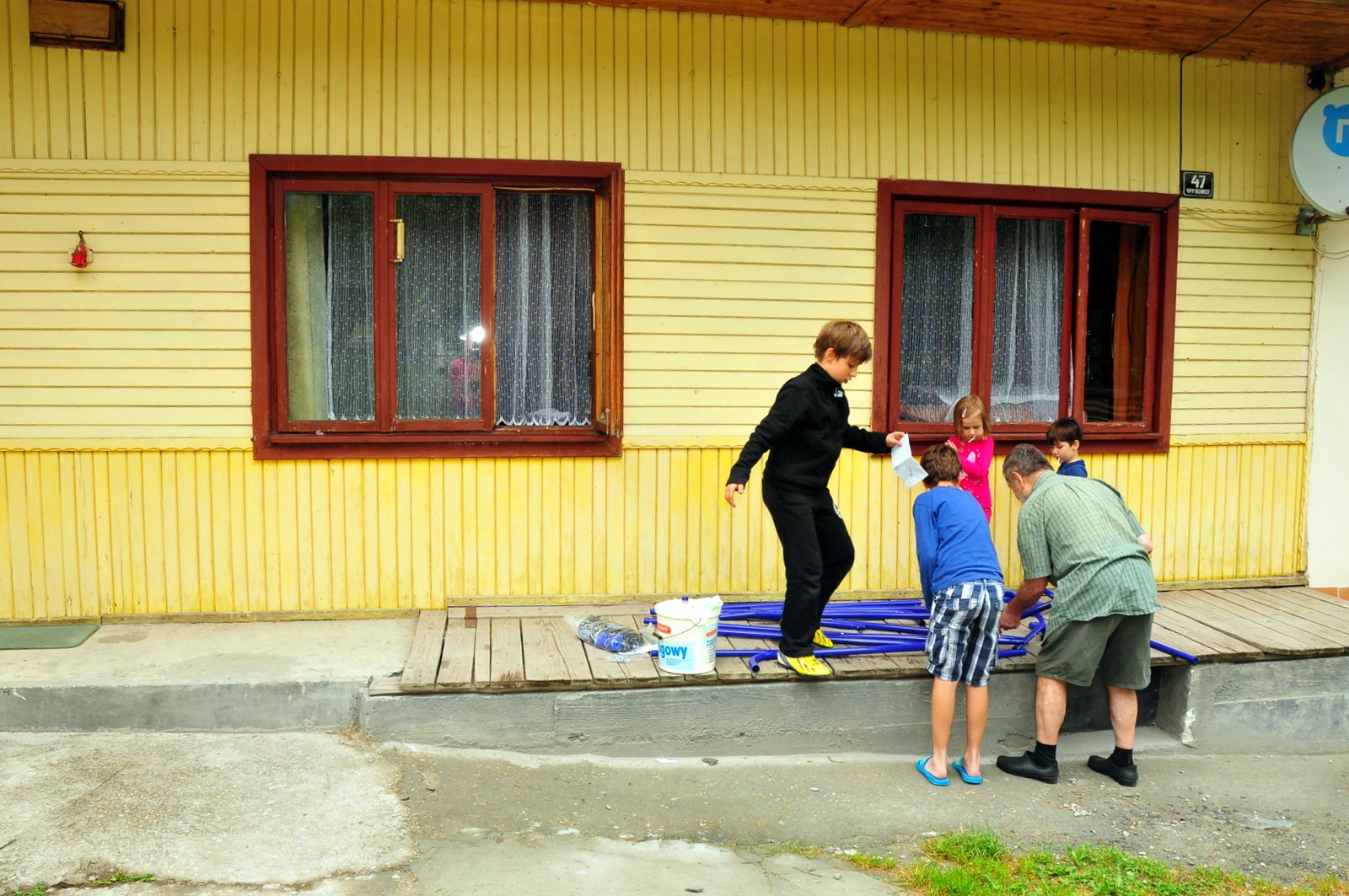
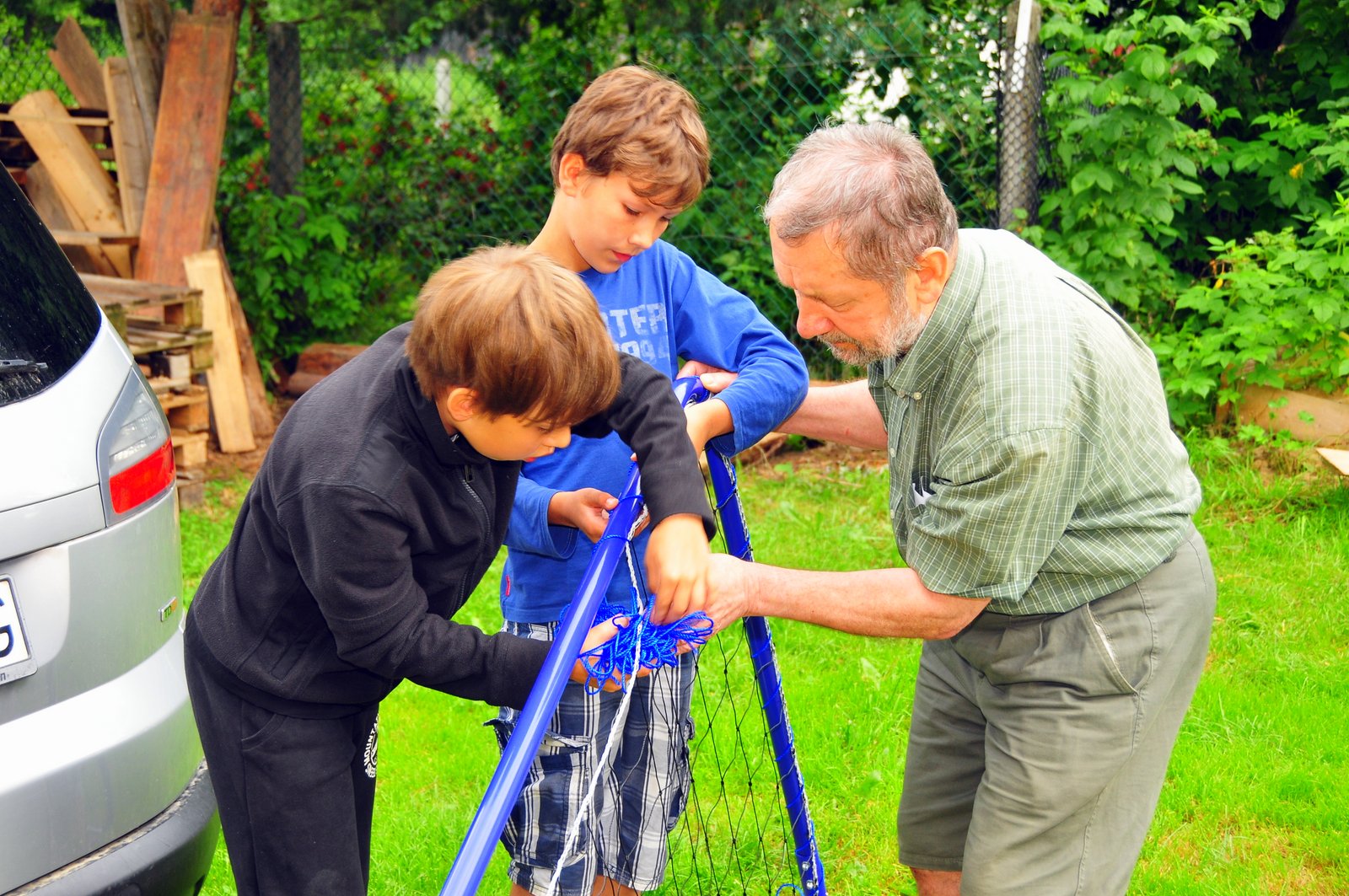
Then everyone — aunts, uncles, children, grandchildren — can spend the summer there. And if there’s enough room, one can even set up a soccer field.

DSC_5947

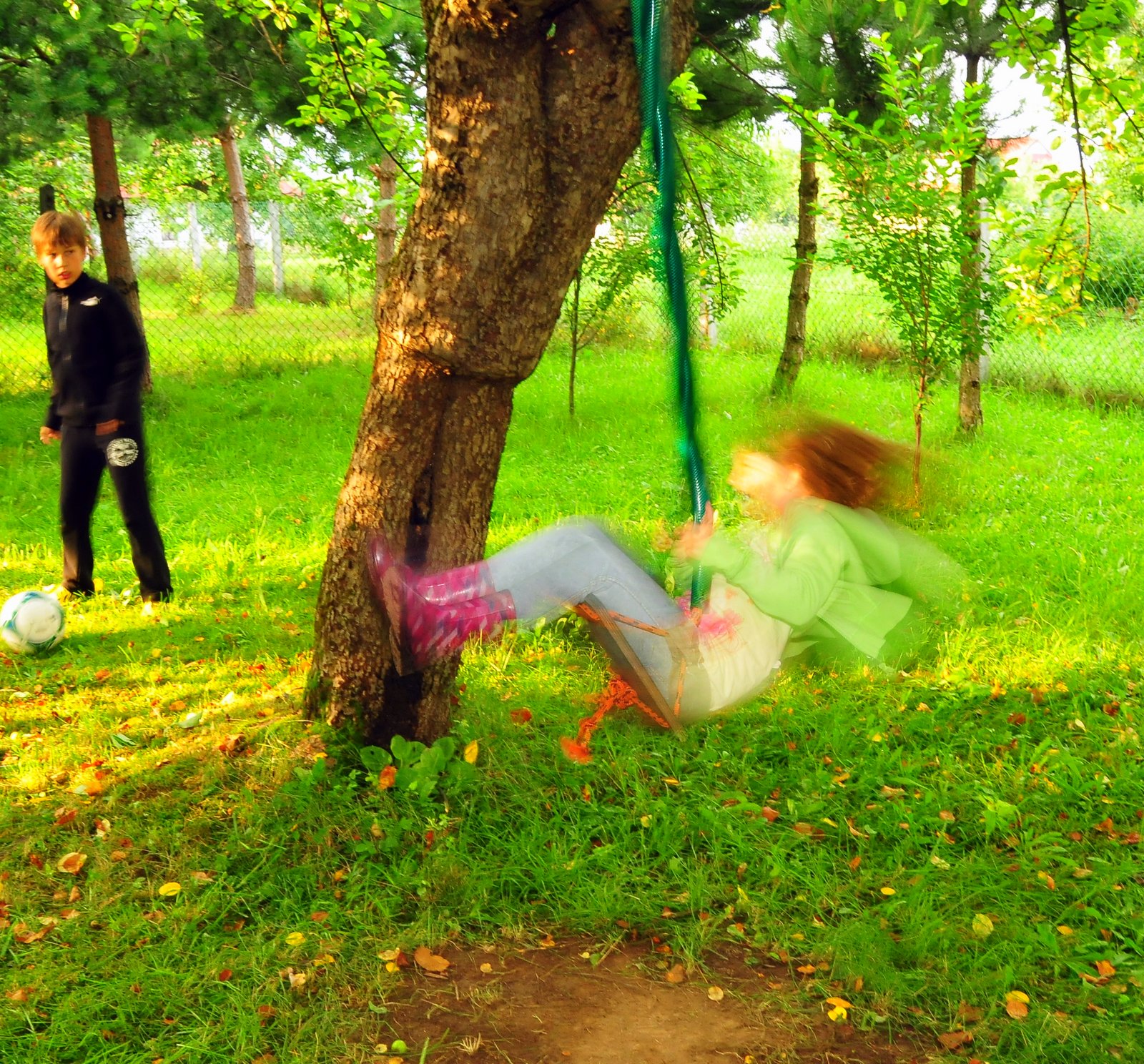
A few apple trees and you have the perfect place for a swing.

DSC_5952

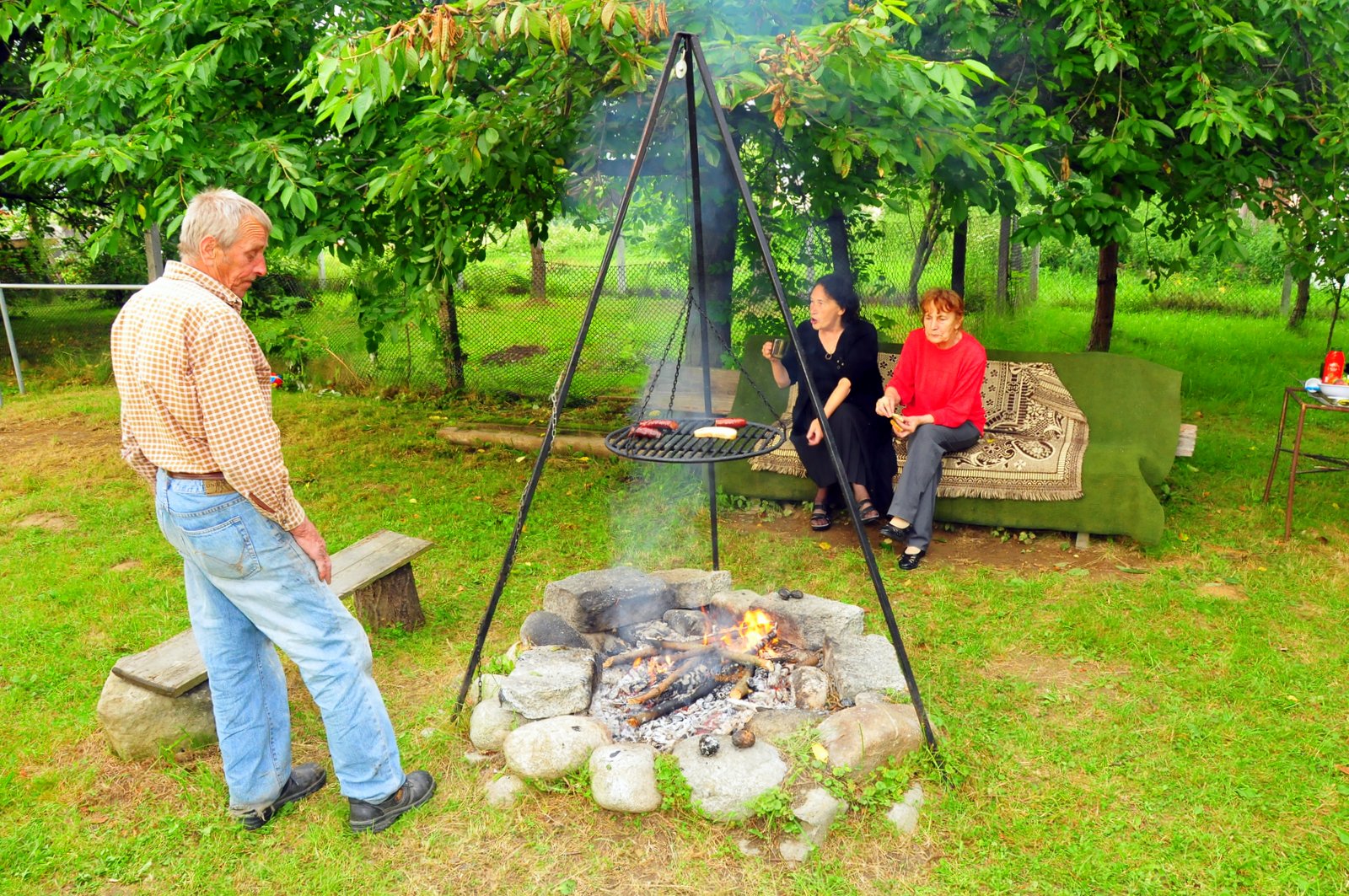
And of course, there’s the obligatory fire pit.

DSC_5954

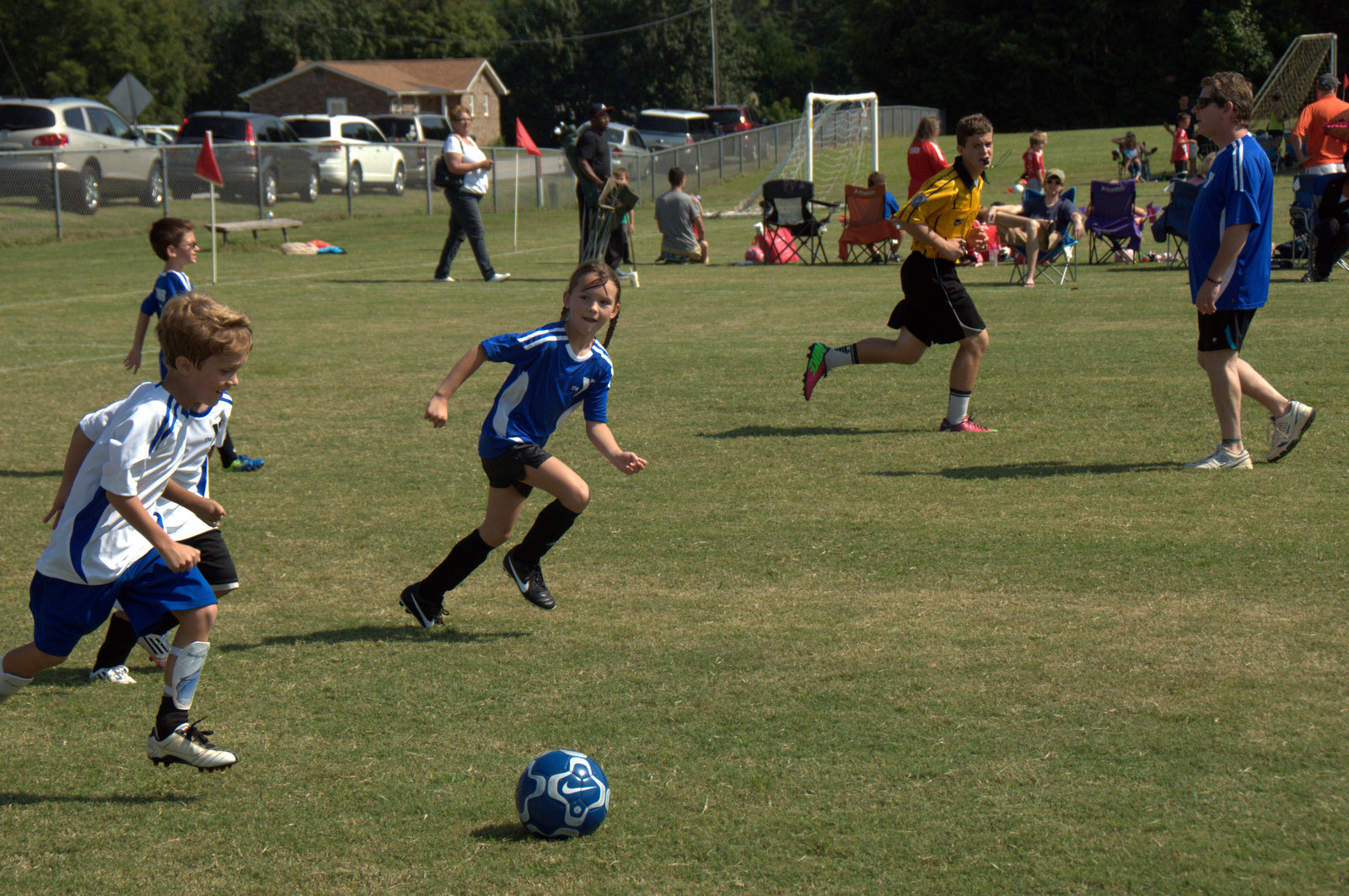
She Shoots! She Scores!