matching tracksuits

fun in threes, sometimes fours

slovakia

A Day in Slovakia

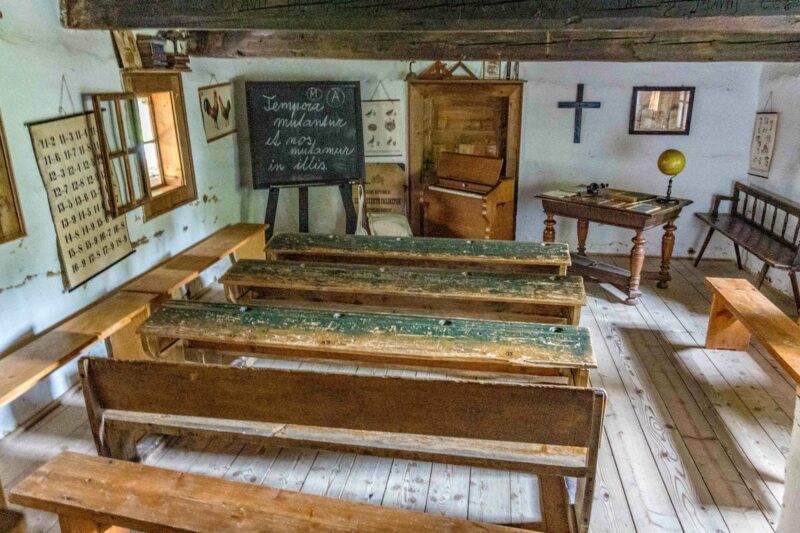
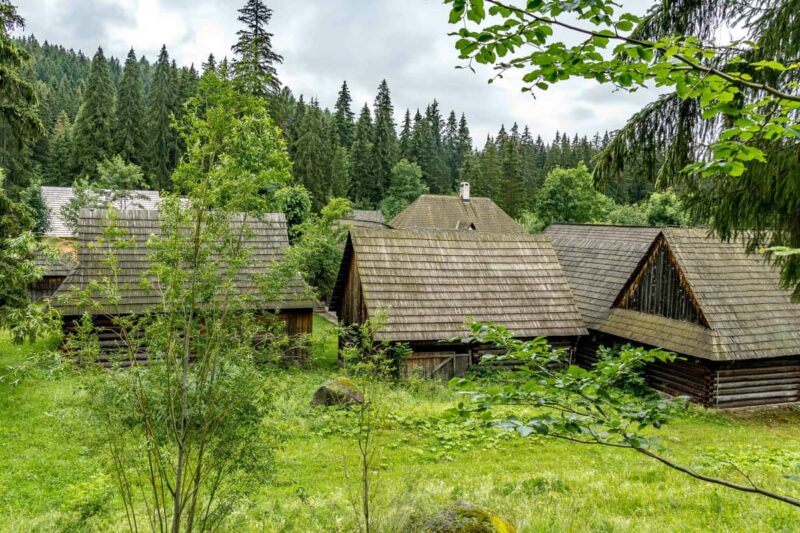
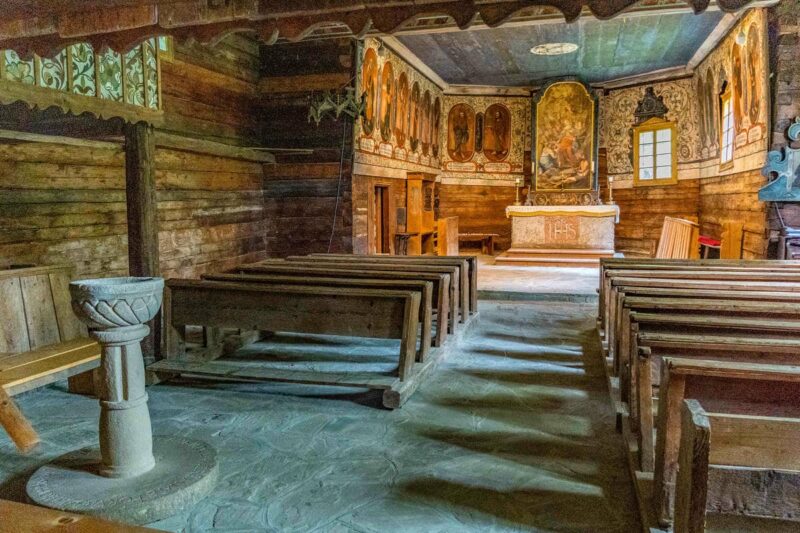
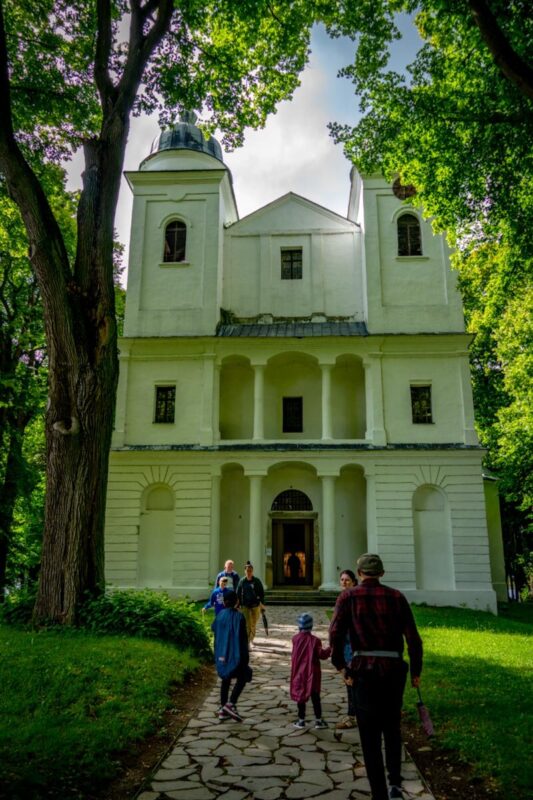
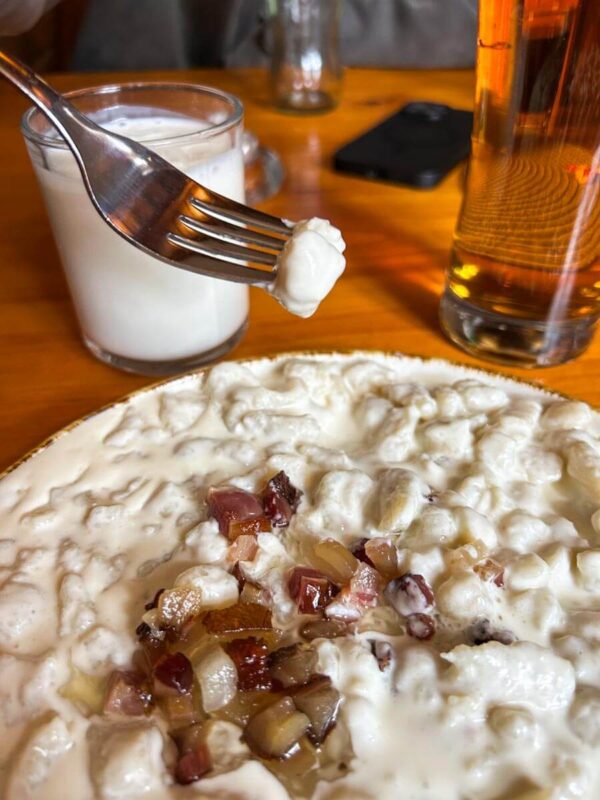
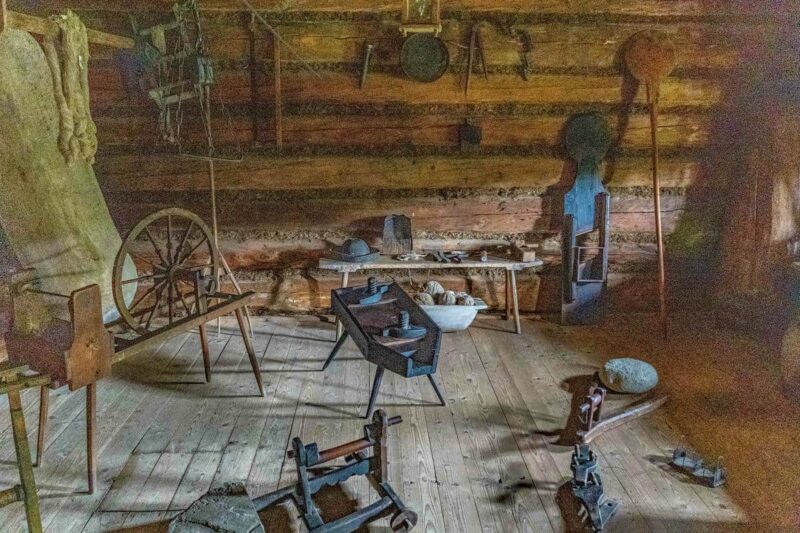
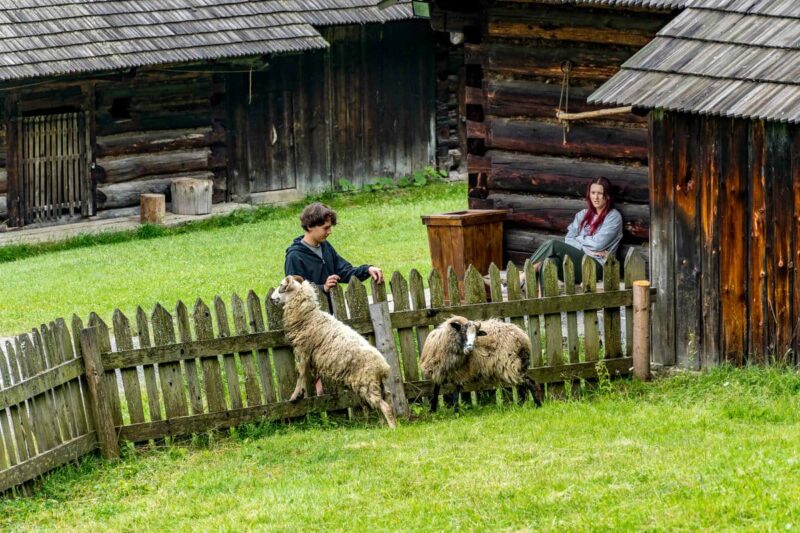
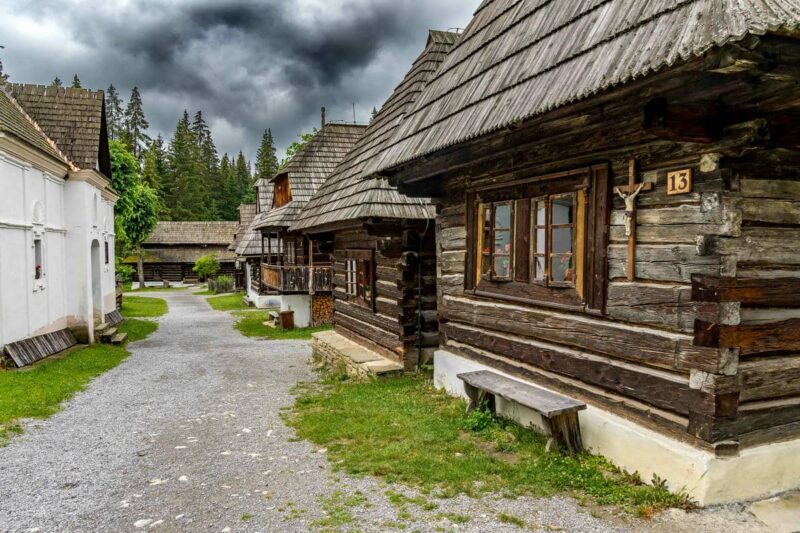
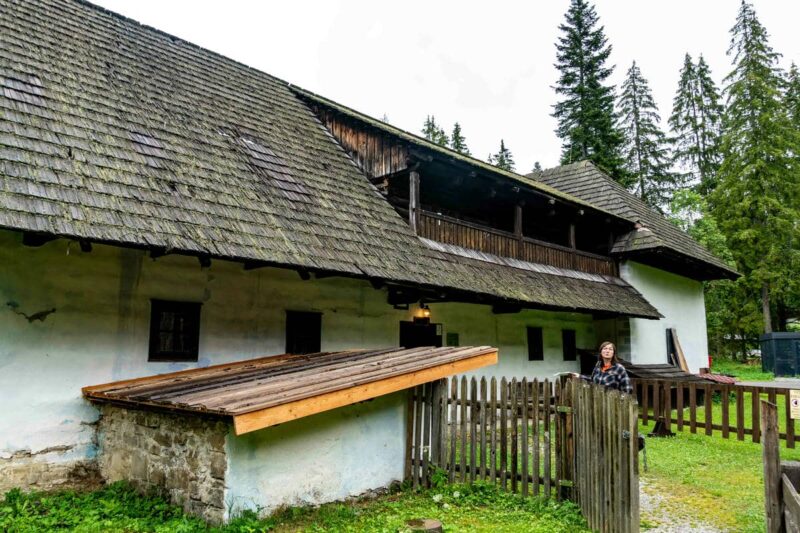
We've already spent a day in Slovakia, but it was not the day we always spend in Slovakia. That day was today: taking Babcia shopping in Slovakia and ending with some lunch (always bryndzové halušky for me). We changed things up a little today, though, by starting with a visit to an open-air museum. Not the one we've visited seemingly countless times in Zubrzyca Gorna. A new one. Yet also centered around Orawa.
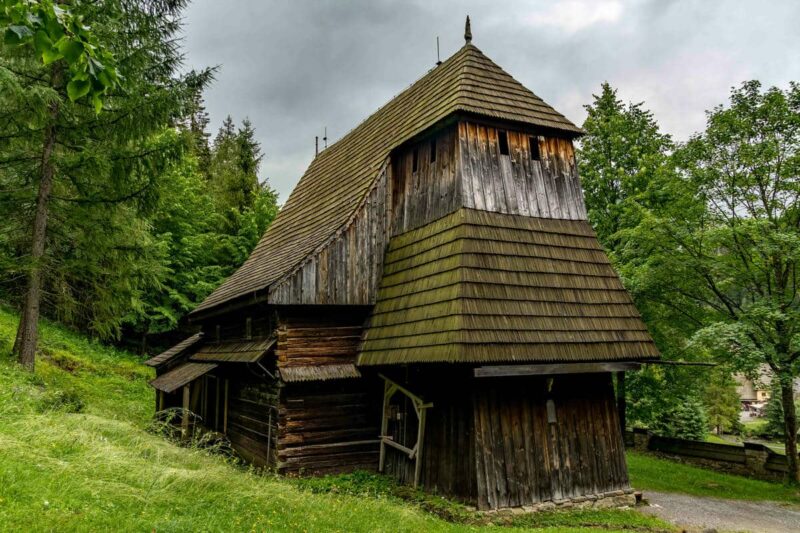
How could two open-air museums in two different countries be centered on the same regional history? Simple: Orawa is in both Poland and Slovakia. The Polish portion is just that because of Piotr Borowy, who led a coalition that went to Versailles to petition that Polish Orawa was just that and not folded into newly-created Czechoslovakia.
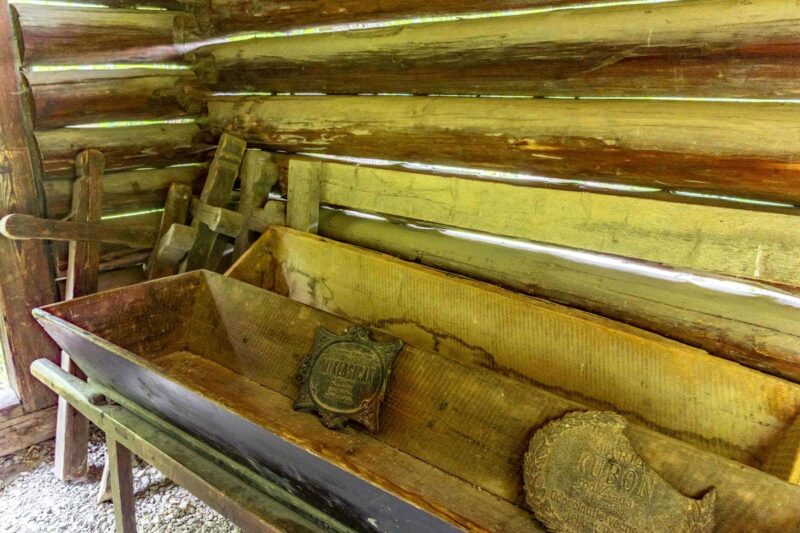
As we were exploring the skansen, the familiar melody of the song "Orawa" floating amongst the buildings. I've heard the song countless times, always in Polish-based Orawian dialect. This was in Slovakian. It called to mind the whole history, and I mentioned it offhandedly to K.
"You know, if it weren't for Piotr Borowy, I never would have met you." If Borowy had not advocated for a Polish portion of Orawa and all else was the same, I would have gone to a K-less Poland because she would have been Slovakian.
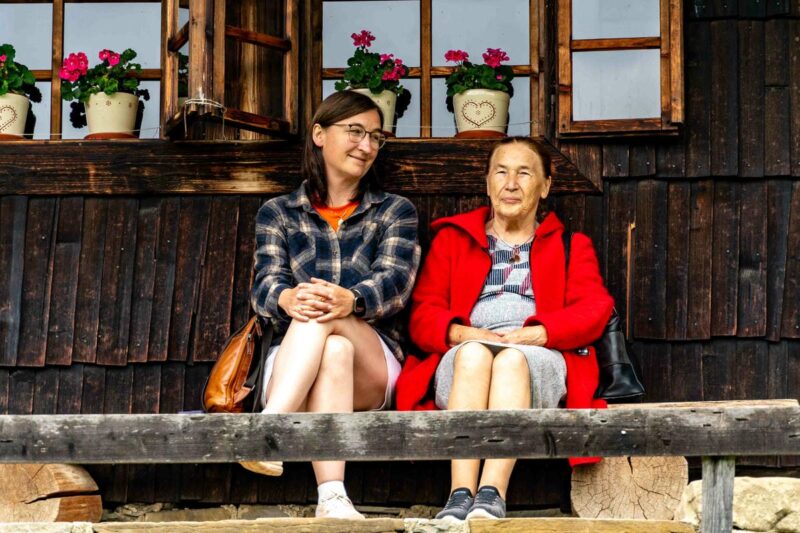
But K made a point that showed just how much that would have changed. "Babcia would have never met Dziadek," she clarified, trailing off with the obvious implication. Babcia, from a highlander family in Zab, would never have meet an Orawian Slovak like Dziadek.
And without Dziadek meeting Babcia, it wouldn't have mattered where I would have been teaching English in 1996.
And if I'd never met K, our children wouldn't even have been a thought, a possibility.
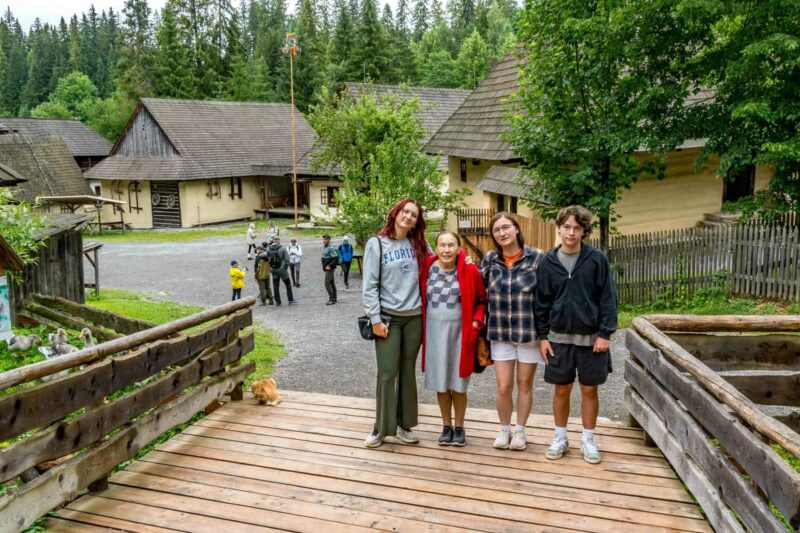
So because of Piotr Borowy, E wouldn't be obsessed with trombone while L studies at UF.
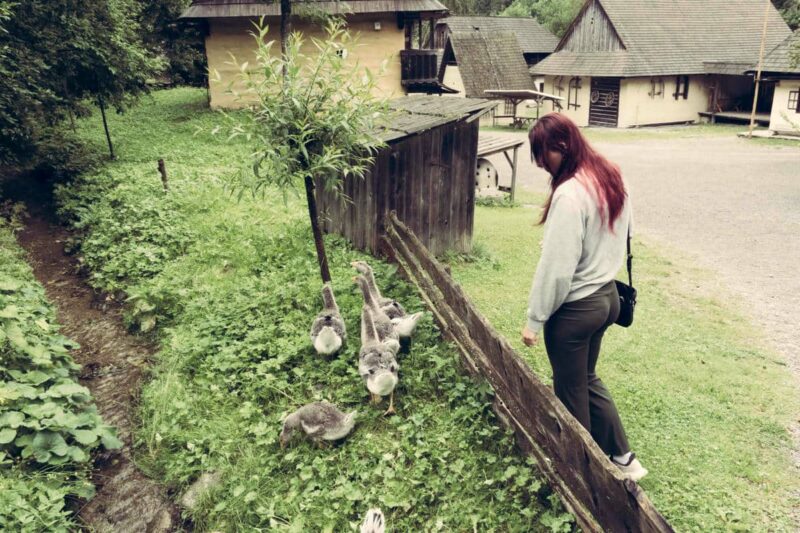
And D's children wouldn't be studying law, working as a programmer, or beginning driving instruction.
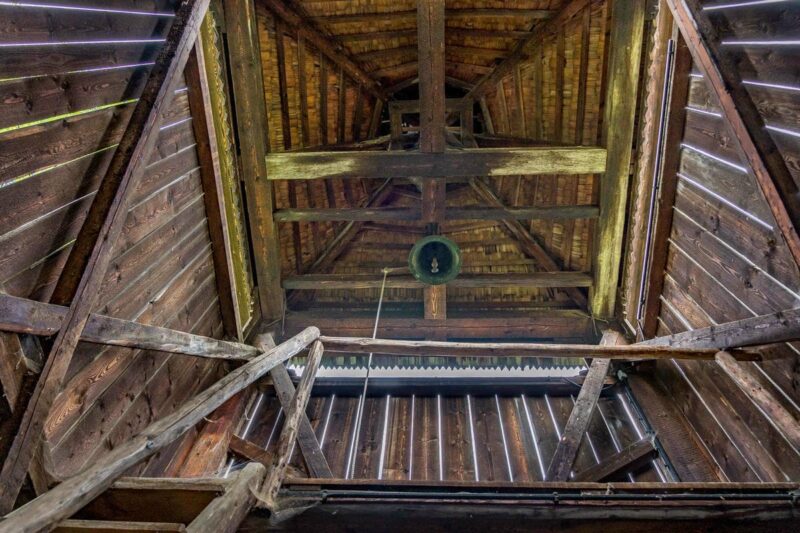
How many other dreams would be erased, how many other laughs disappeared, how many lives transformed or themselves erased if it weren't for a stubborn Pole who went to Versailles to argue for borders to fall where they do?
Ruins

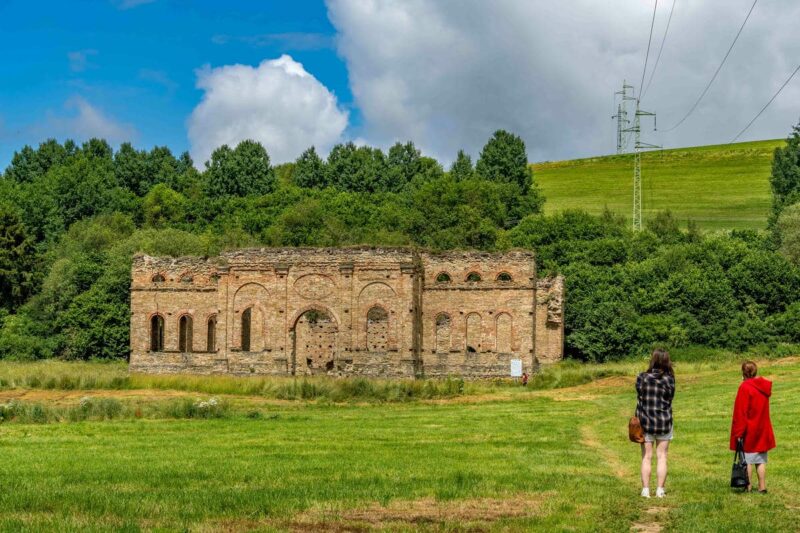
Just outside of Zuberec we saw a most mysterious edifice, and we all knew we'd have to stop and check it out on the way back. Was it a resort that burned? A government office strangely in the middle of nowhere? It turned out to be an ironworks from the nineteenth century.
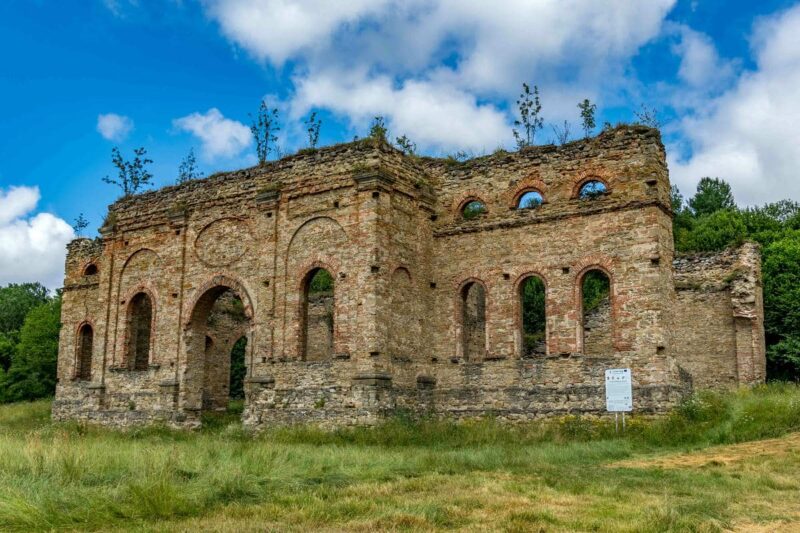
The Františkova huta came about because of locals' desire to make use of recently-discovered ore deposits as opposed to sending it off to enrich some other region. Dating from 1836, it was built by a British firm, but only twenty-seven years later, it folded. There were a few causes
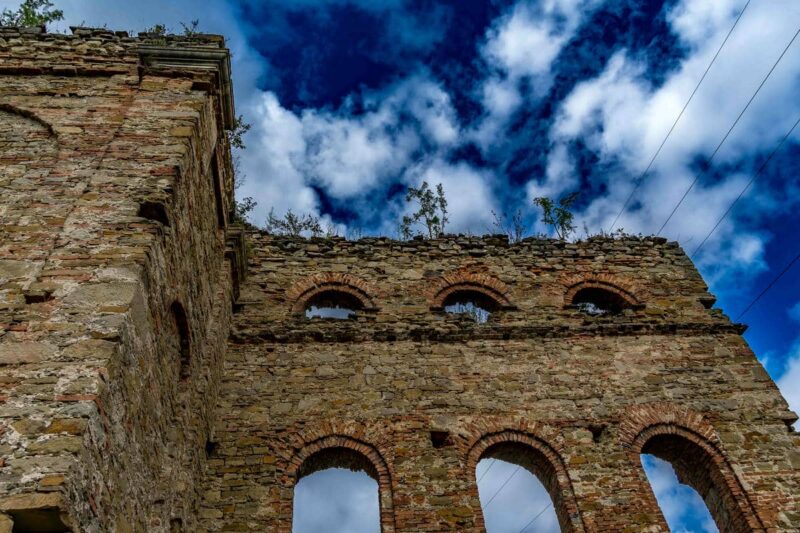
The local iron ore was relatively poor in quality. It produced brittle iron that was of little use.
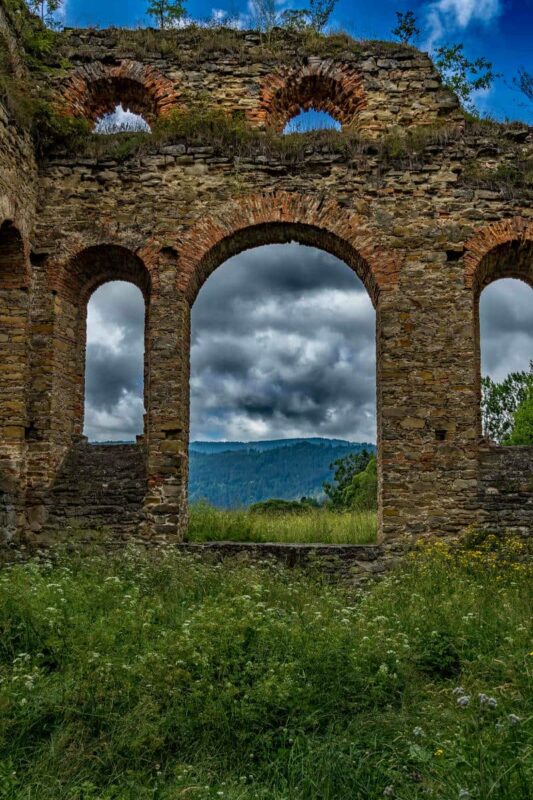
Modern coke-fired furnaces elsewhere in Europe produced iron more cheaply and efficiently, and the factory's remote location made it all but impossible to complete with more centrally located ironworks.
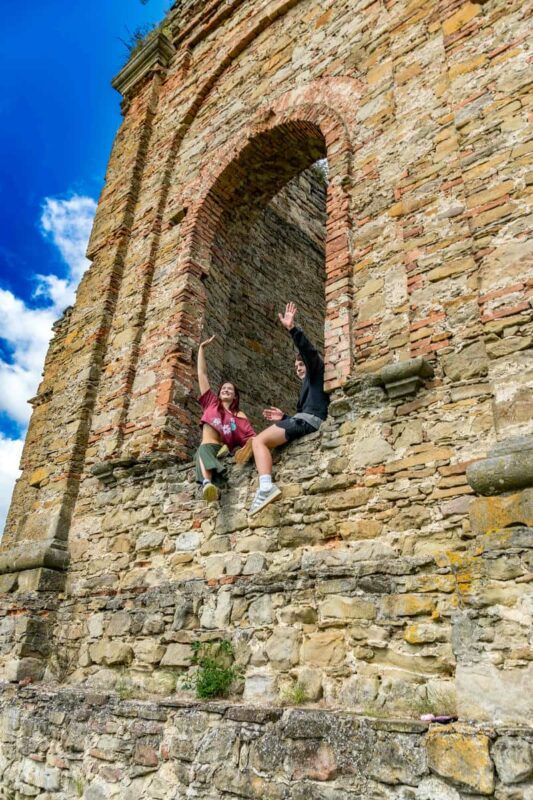
Finally, economic changes following the abolition of serfdom increased labor costs. And so now, it's just an enticing ruin on the side of a small road in rural northern Slovakia.
Trstena

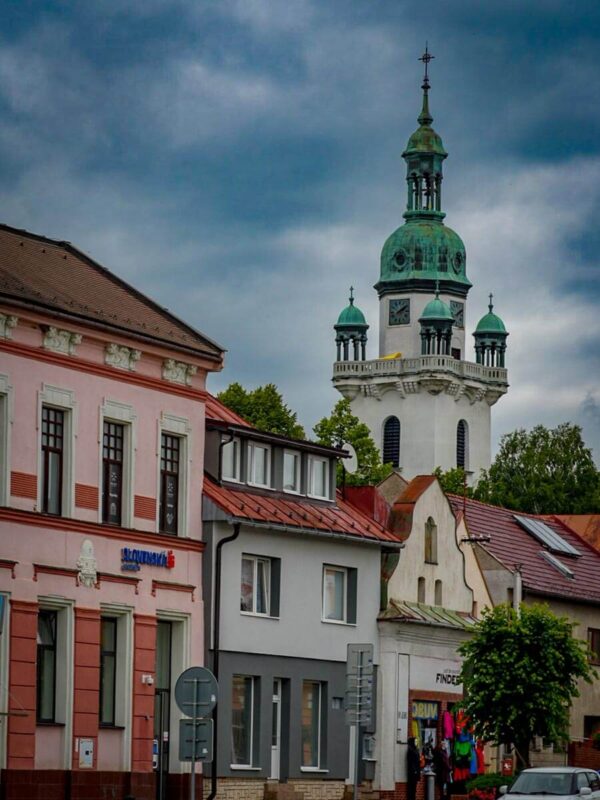
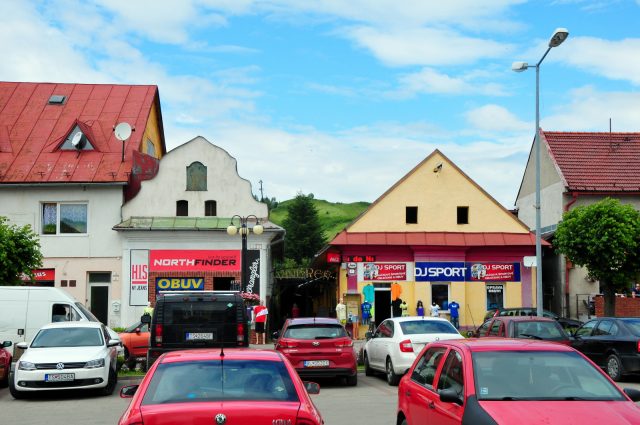
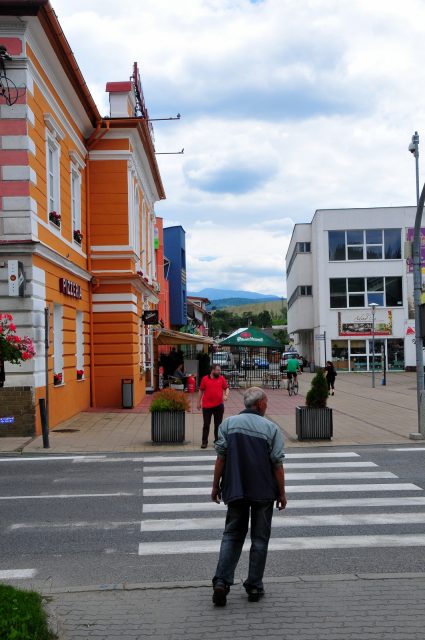
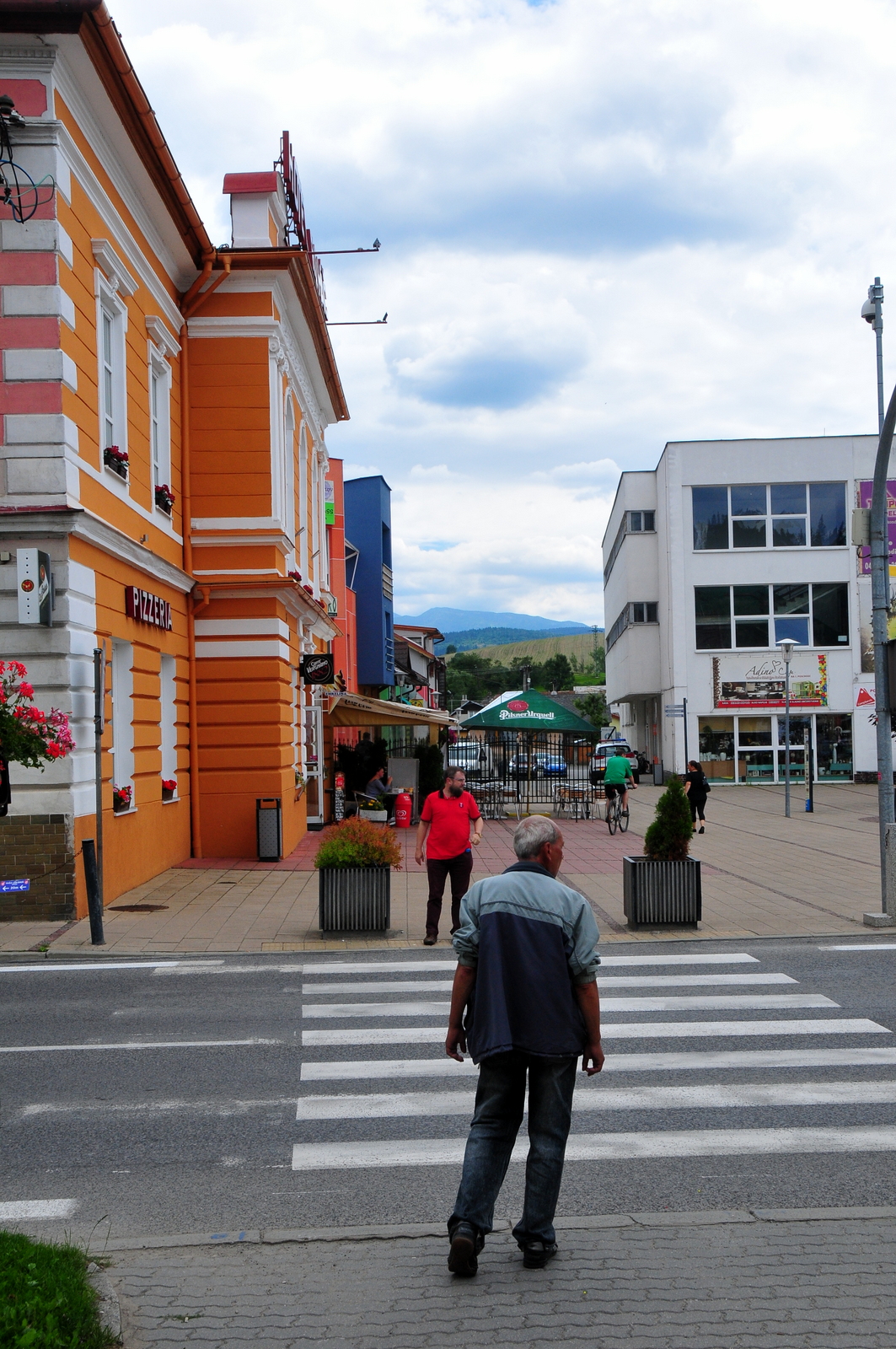
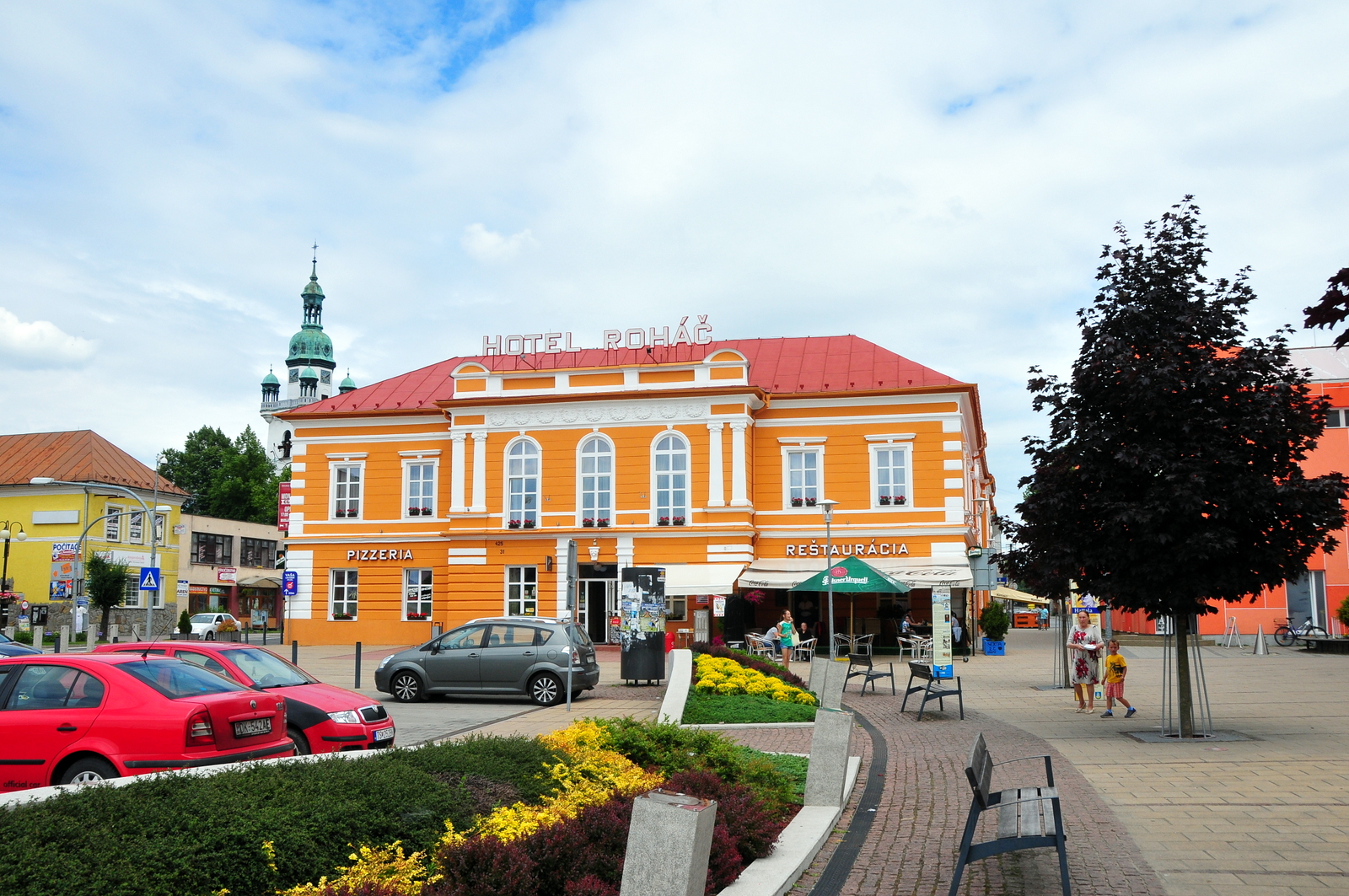
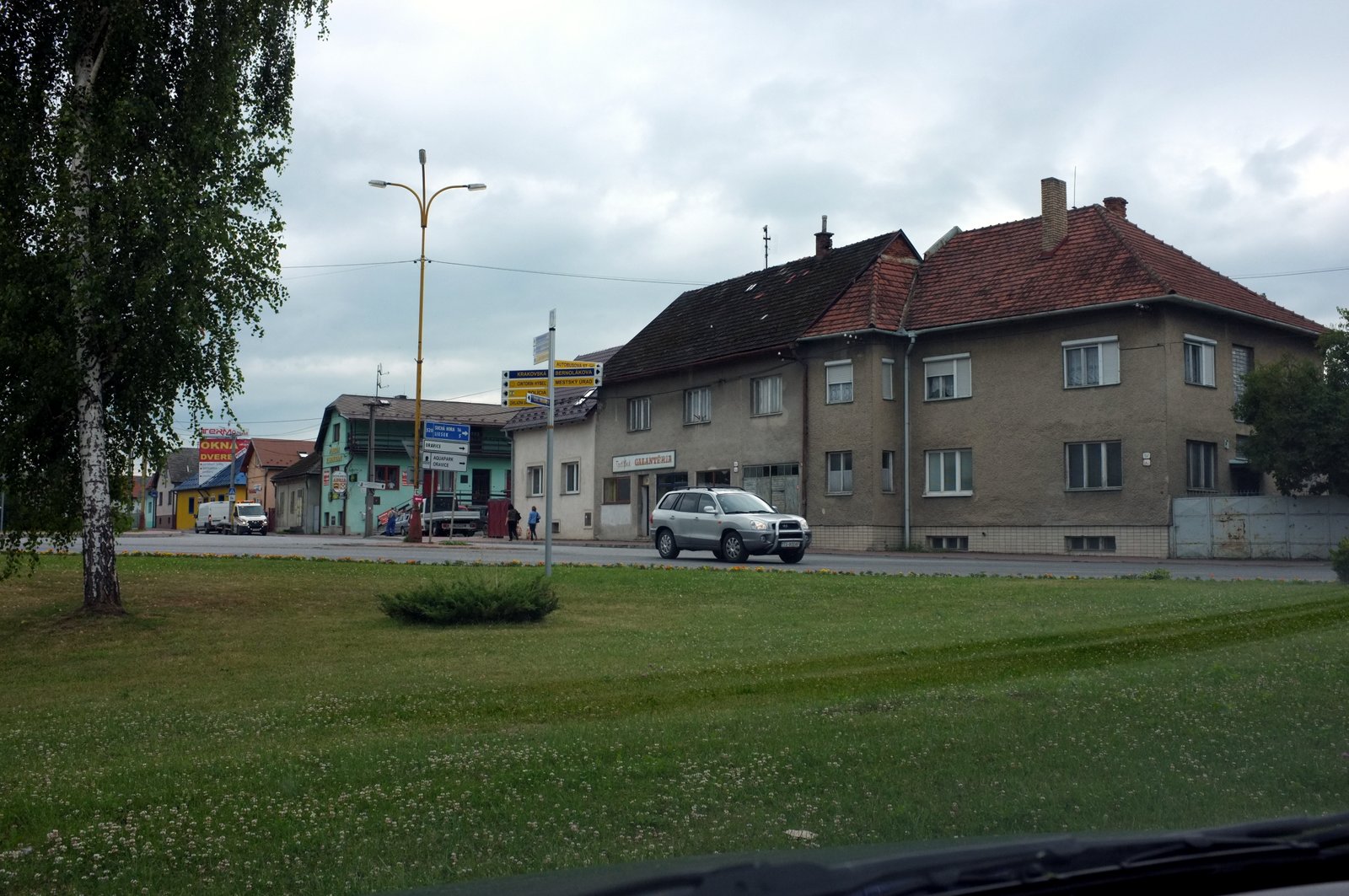
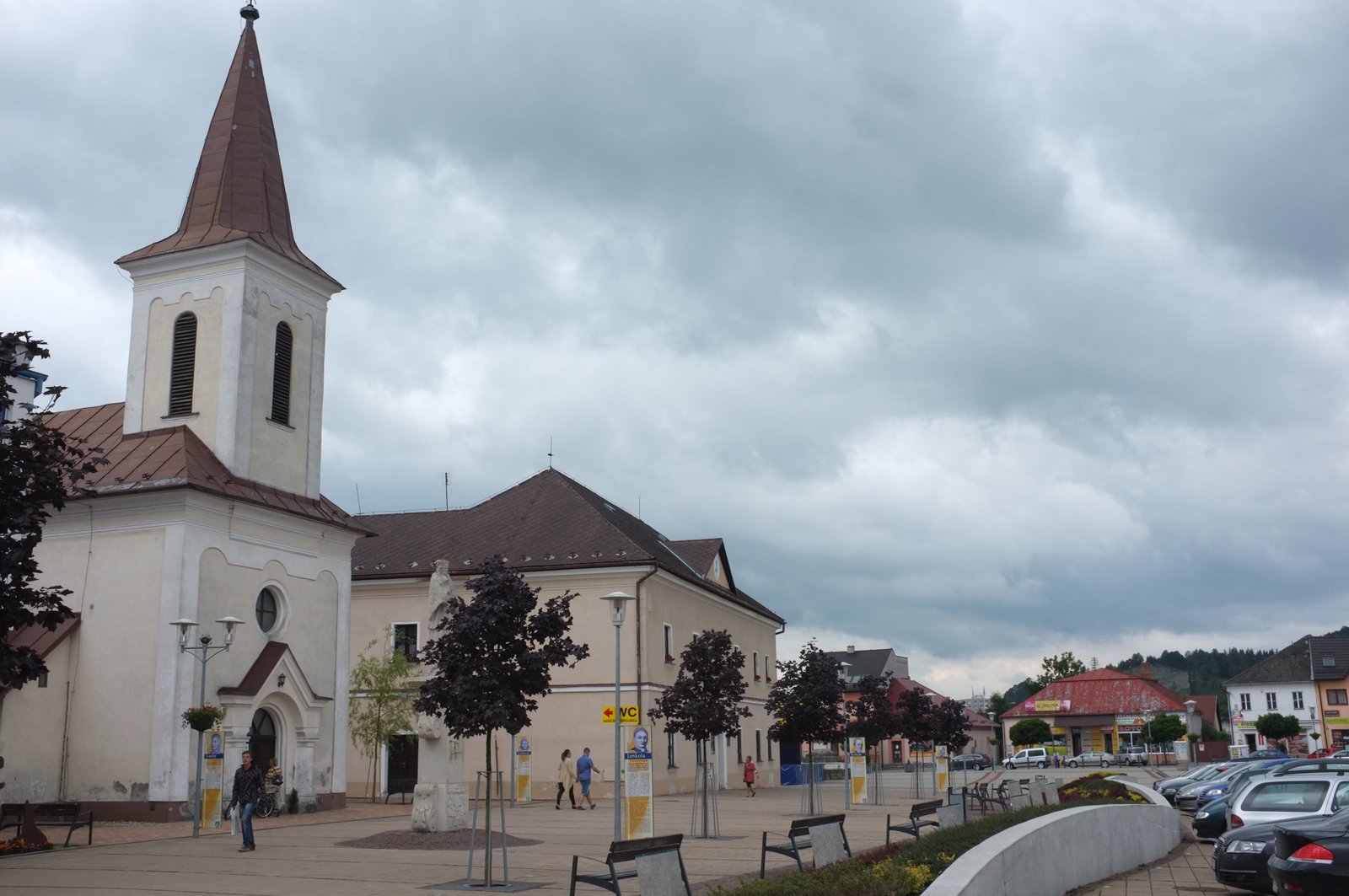
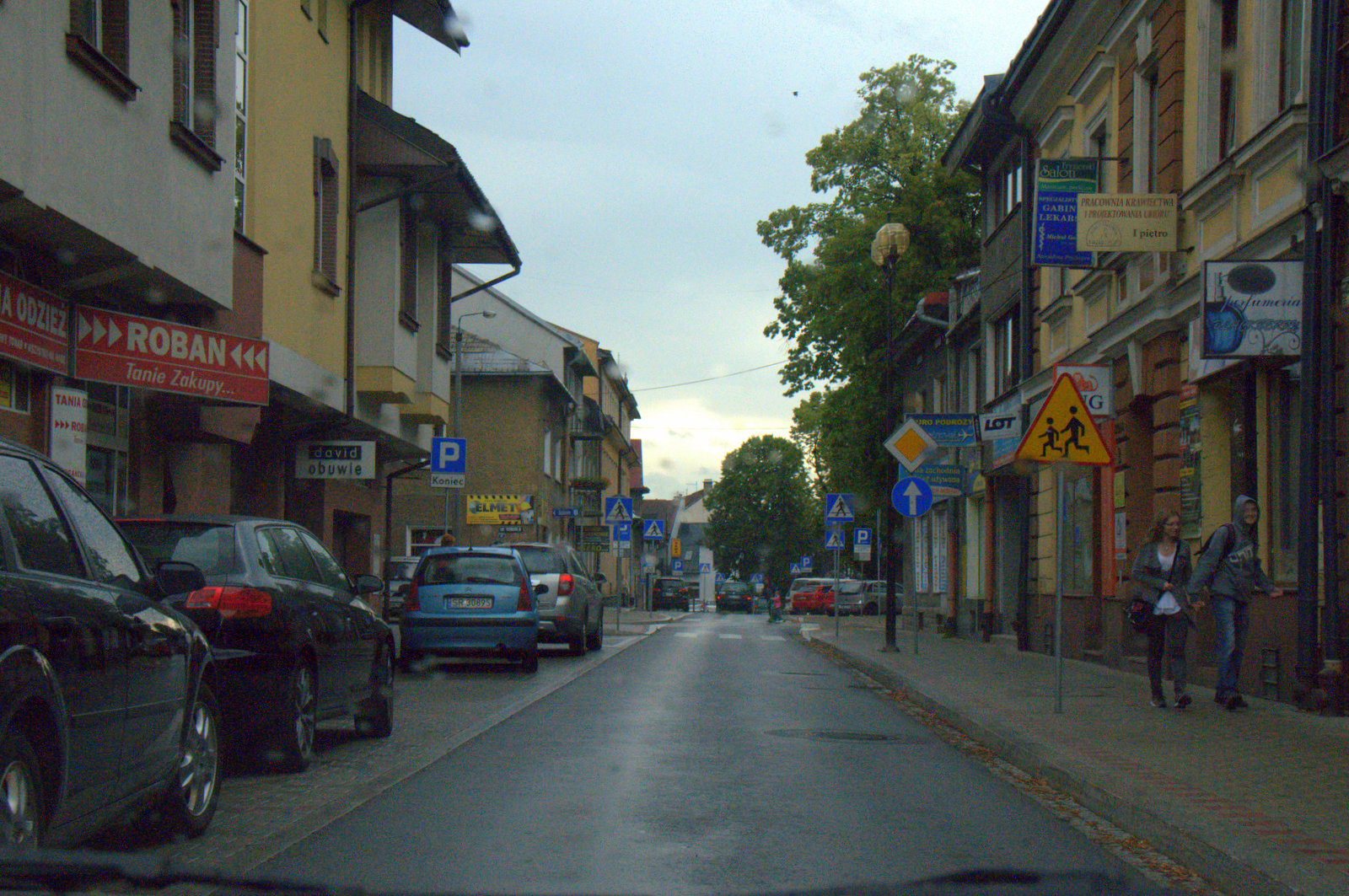
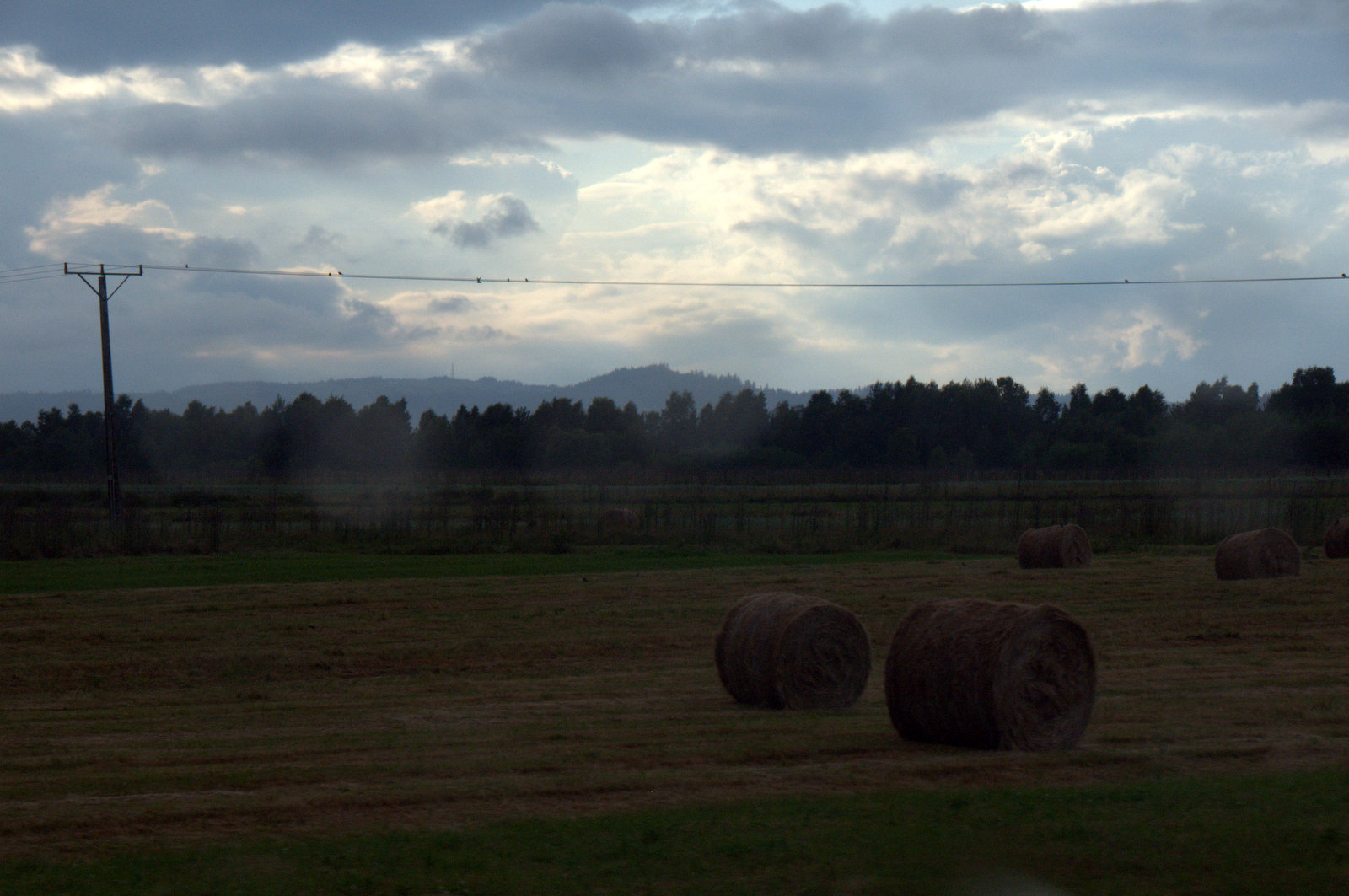
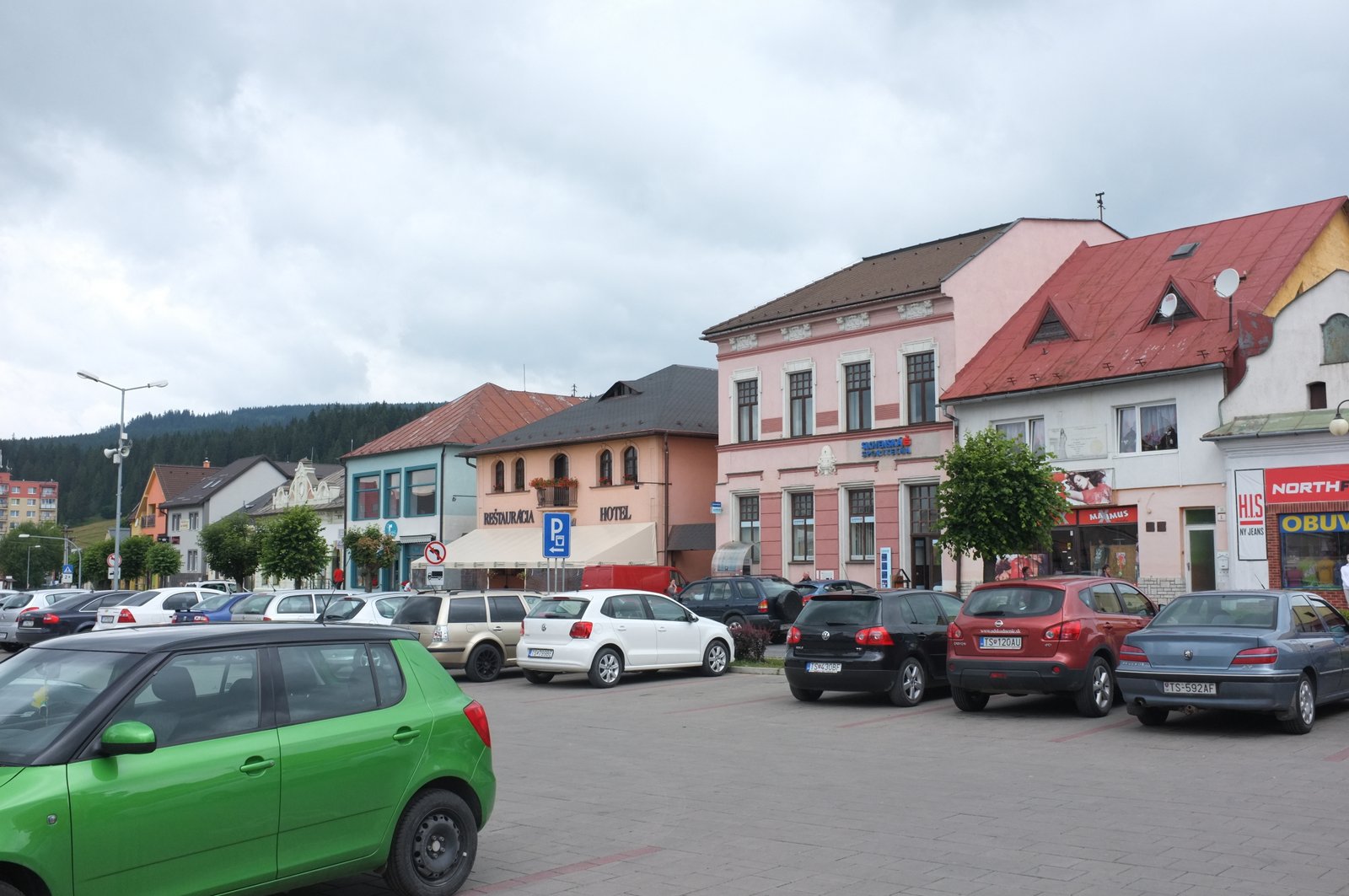
If I had to choose a favorite little town, Trstena would be a top contender. It's got the charm of a small town, and yet it's set in the middle of fields: you can see the hay fields rising from the town square, no more than a kilometer away in either direction.
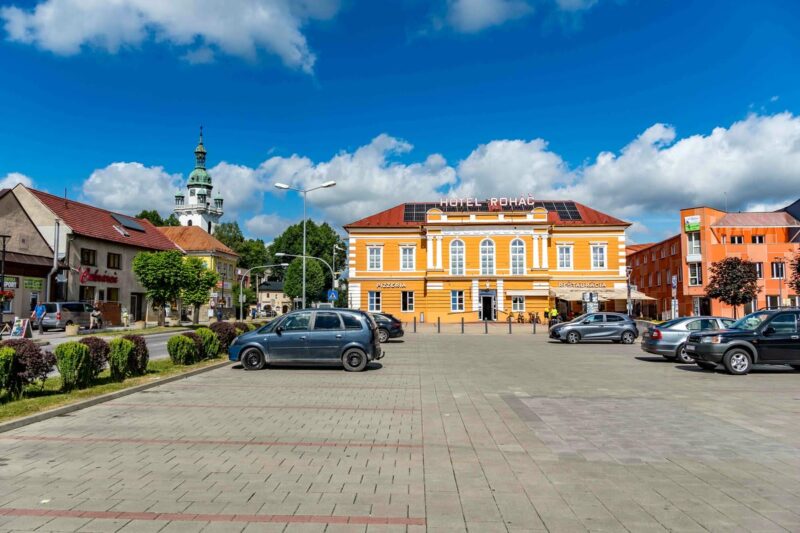
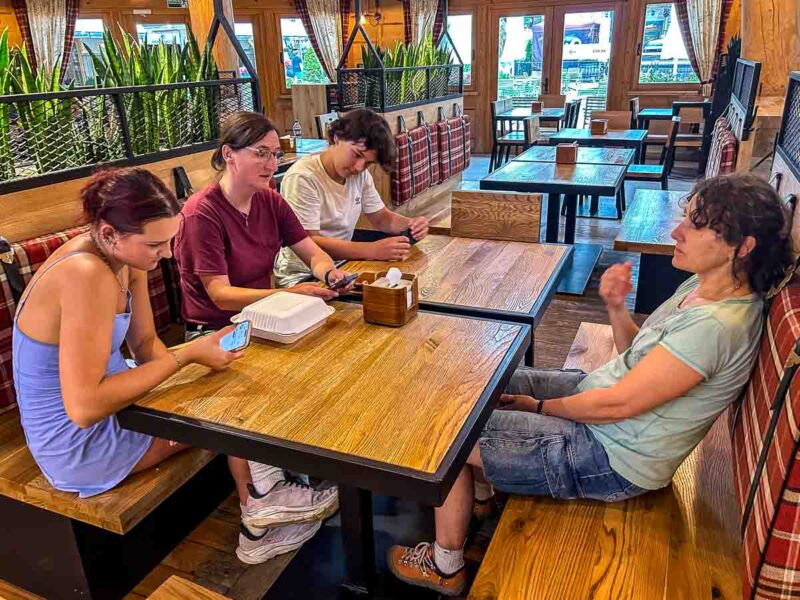
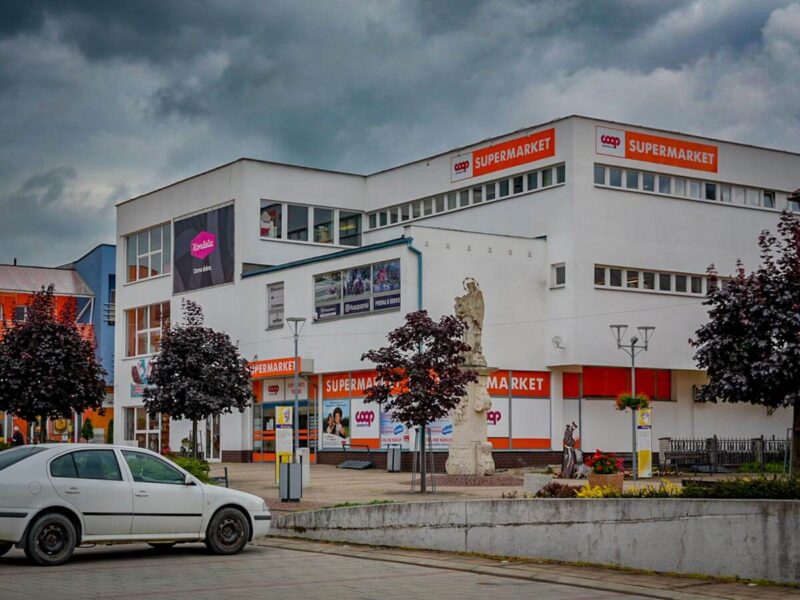
We often have lunch at the small restaurant in the Hotel Rohac when we take Babcia on her Slovakian outing, but we'd already eaten by the time we arrived, so we just went to the supermarket for Slovakian sweets,
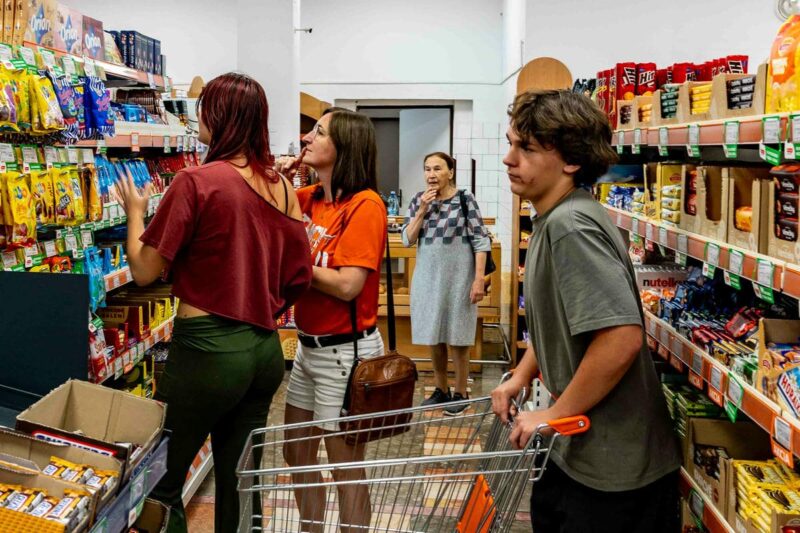
rum and flour for Babcia, and today, Slovakina egg noodles simply because of the cute packaging.
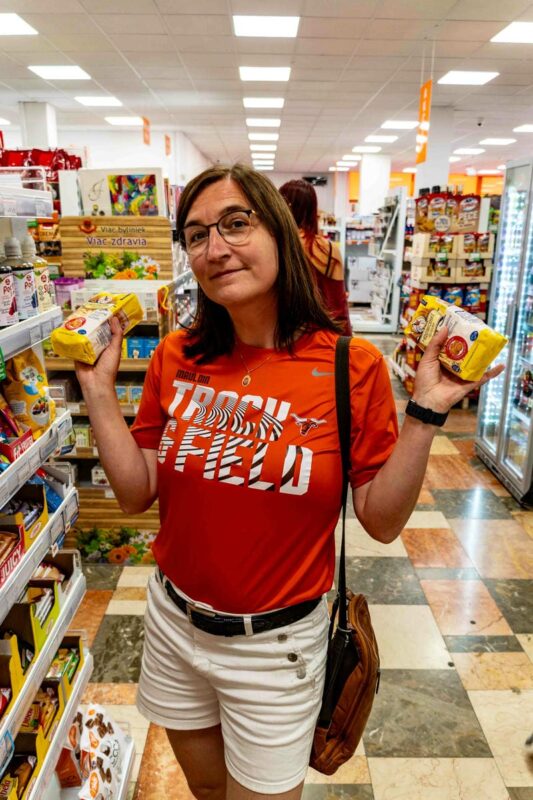
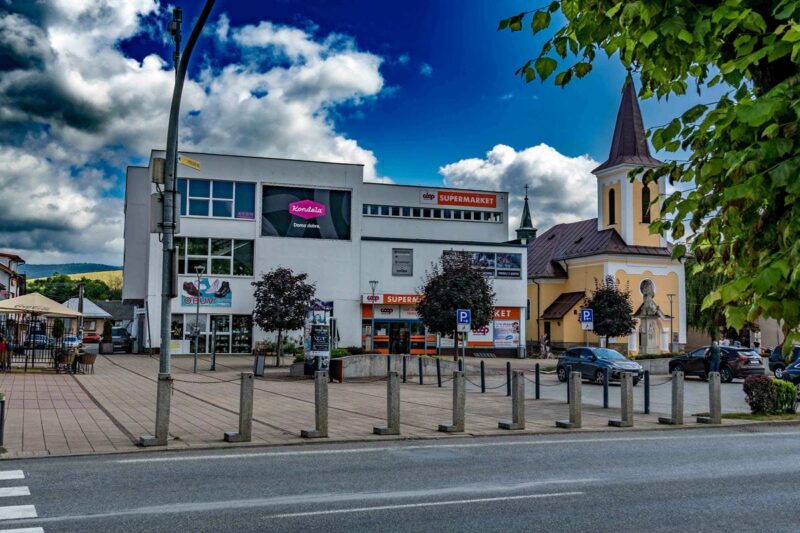
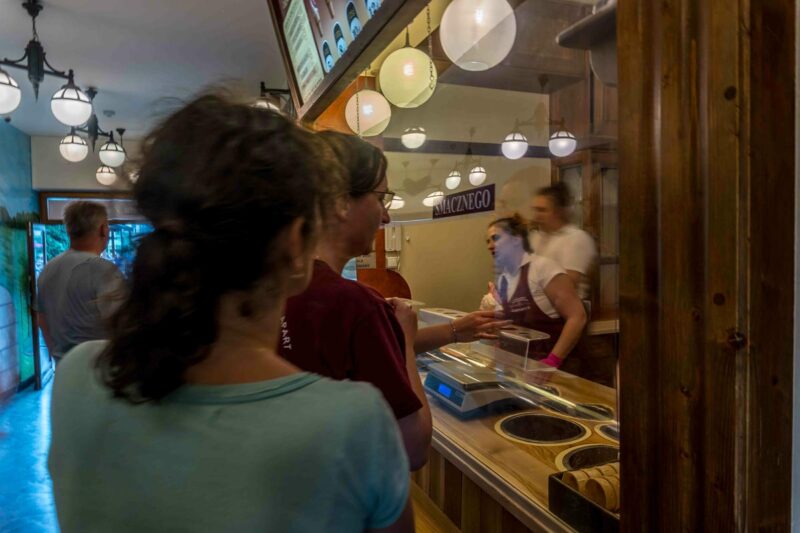
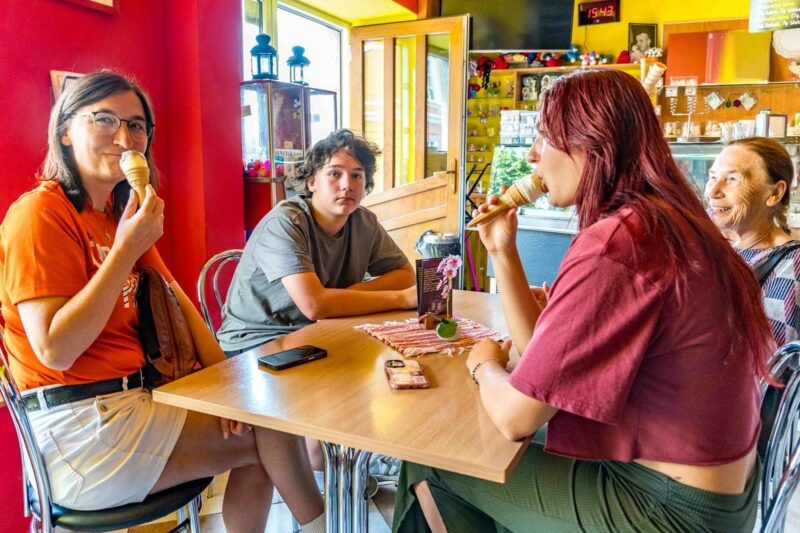
We did take time for some Slovakian ice cream, though. It's unlike any other ice cream: no matter what flavor you pick -- vanilla or rum, chocolate or raspberry -- it's always just a little sour in an oddly pleasant way.
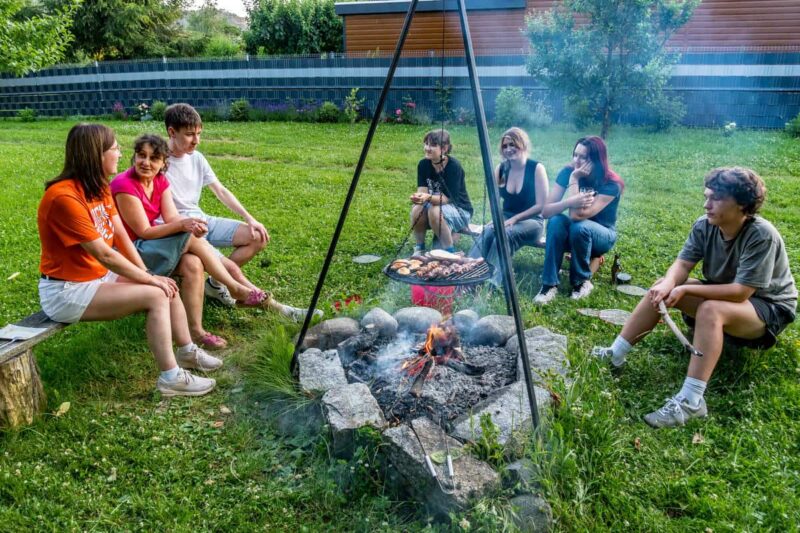
And there's only one way to end a day like this: an ognisko. There are three places we have ogniskos here, and each has its own character. We always end our trips at K's brother's house, and there's always a final ognisko there. Those ogniskos always have a bit of grey around the edges since we usually leave the next morning. Ogniskos at Babcia's are fairly rare, and they're usually small affairs. The ognisko everyone seems to wait for is the ognisko in Syptkowice A's family home.
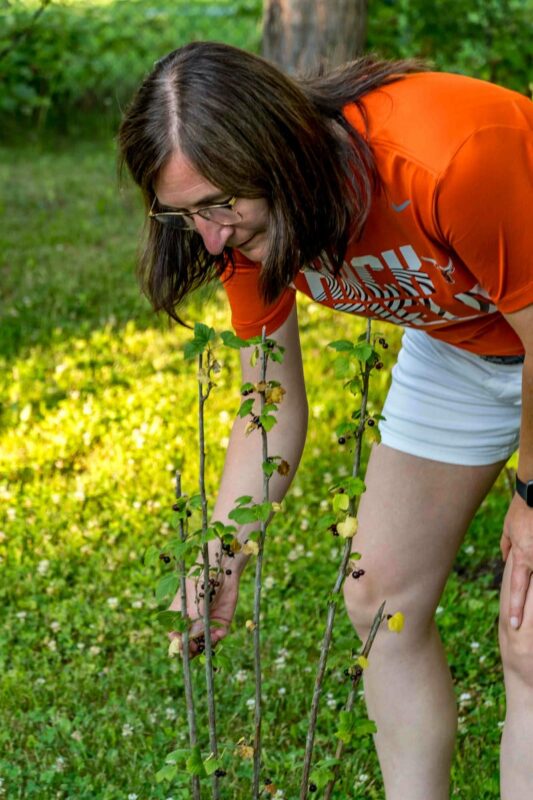
It's in the small apple orchard that fills the front of the property along with black currant bushes, lavender, roses, and seemingly countless other flowers.
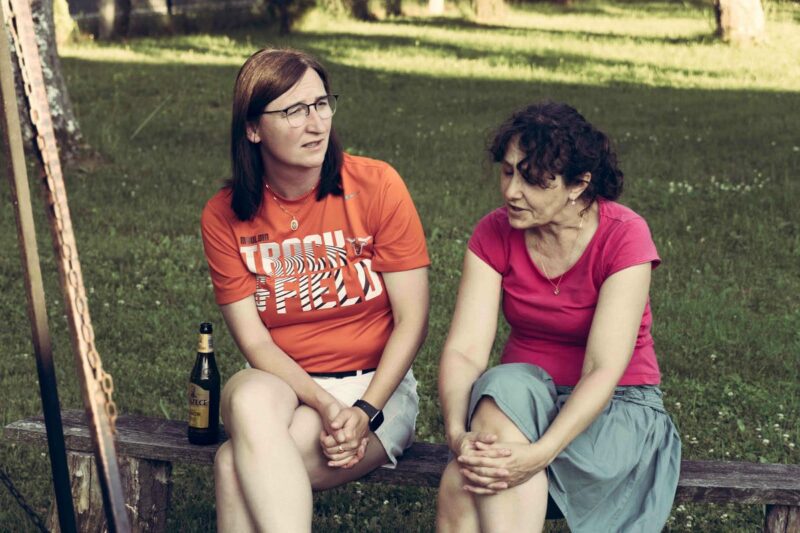
It's where all the important conversations occur,
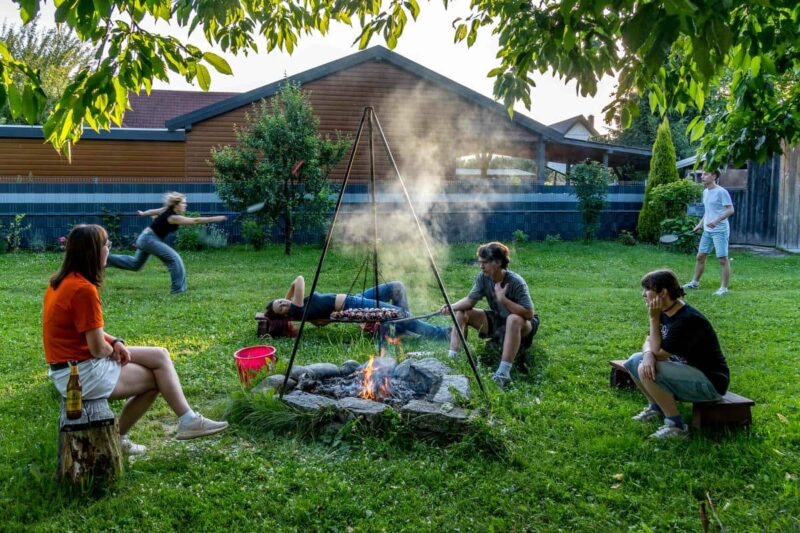
where all the kids' games take place,
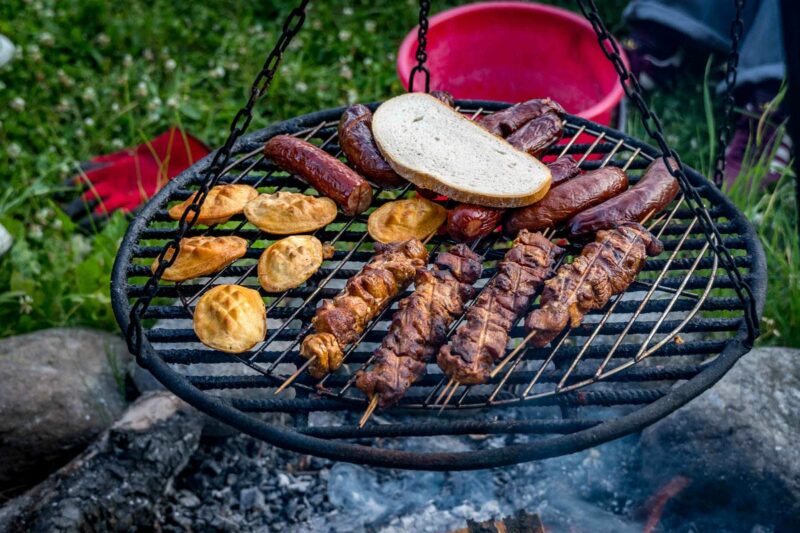
and of course where all the ognisko foods -- traditional and not-so-traditional -- appear and disappear.
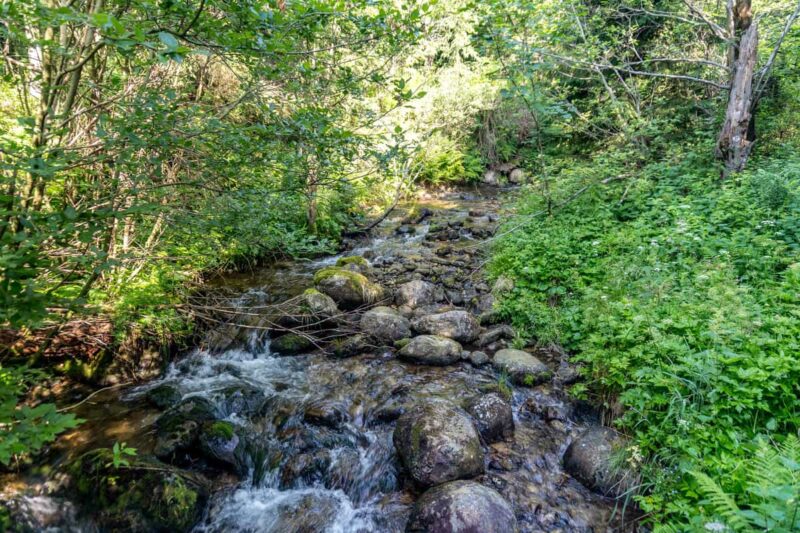
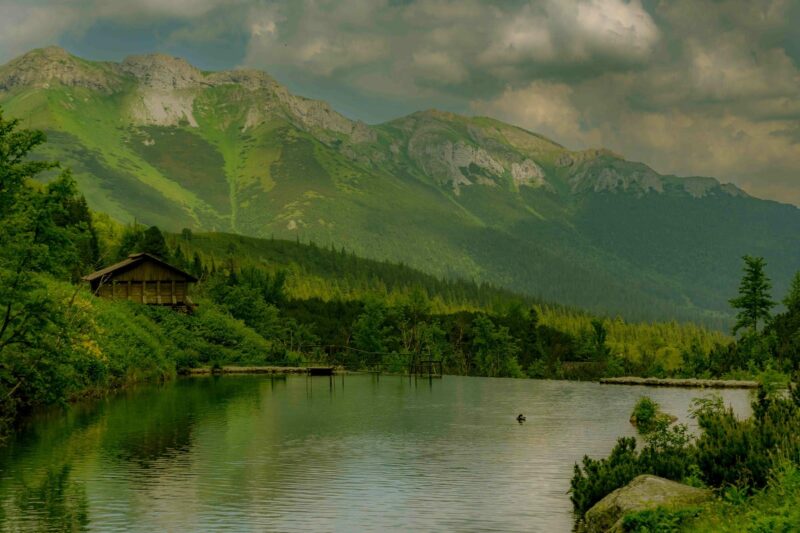
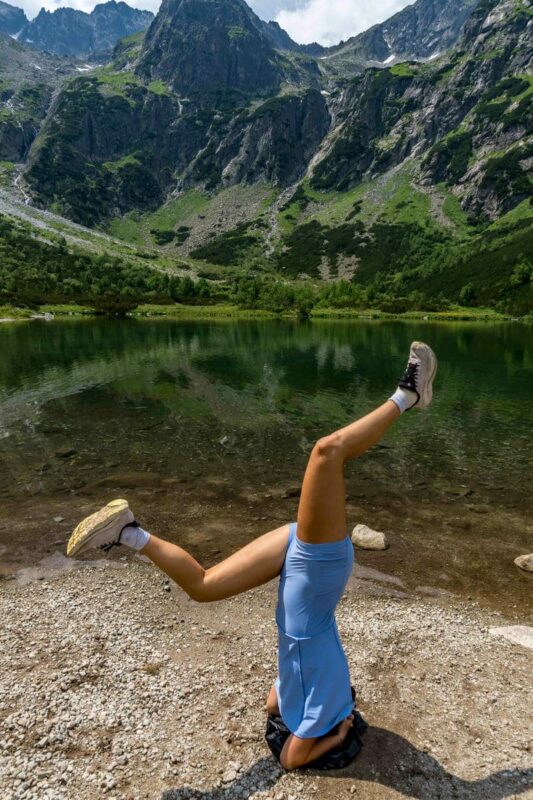
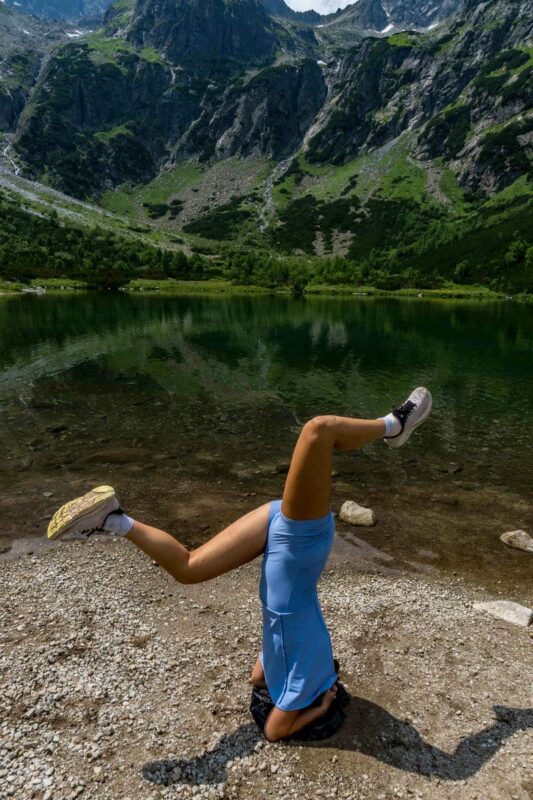
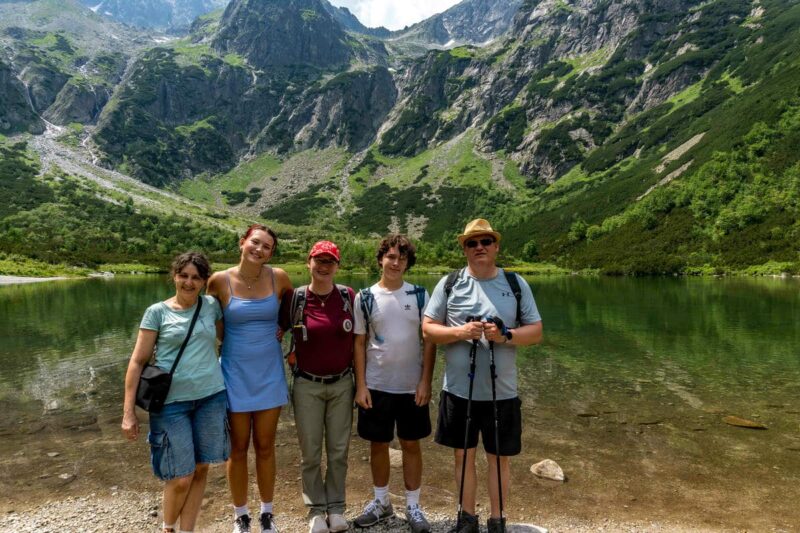
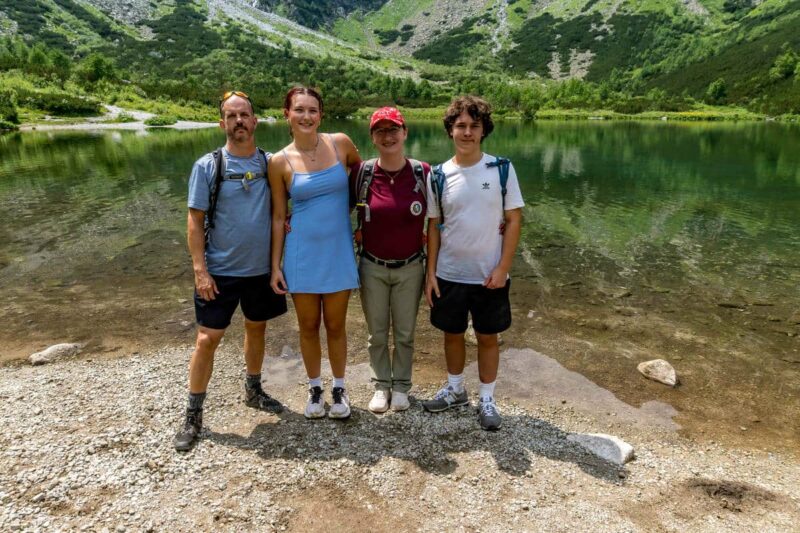
Zelono Pleso

Slovakian Island

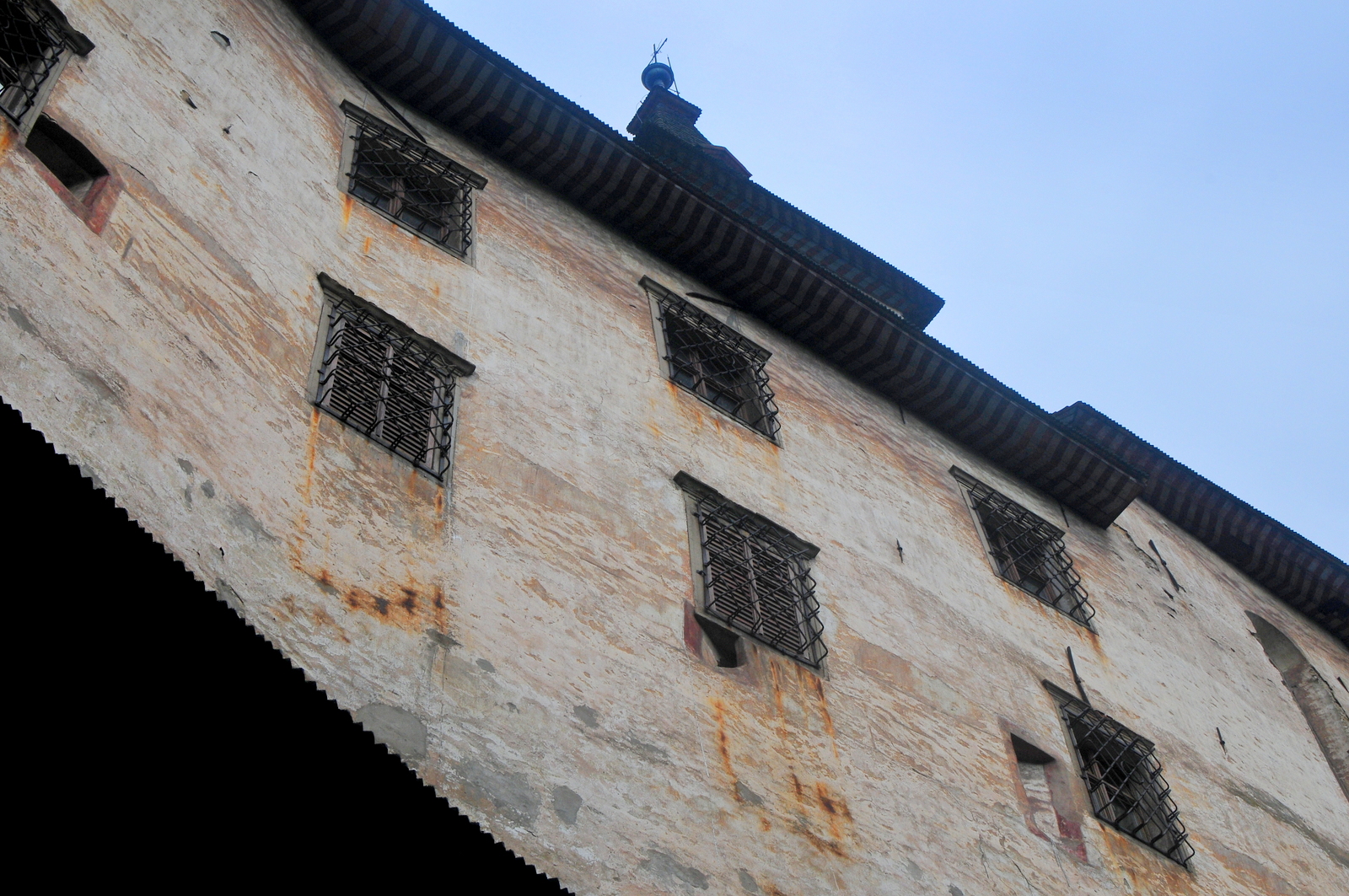
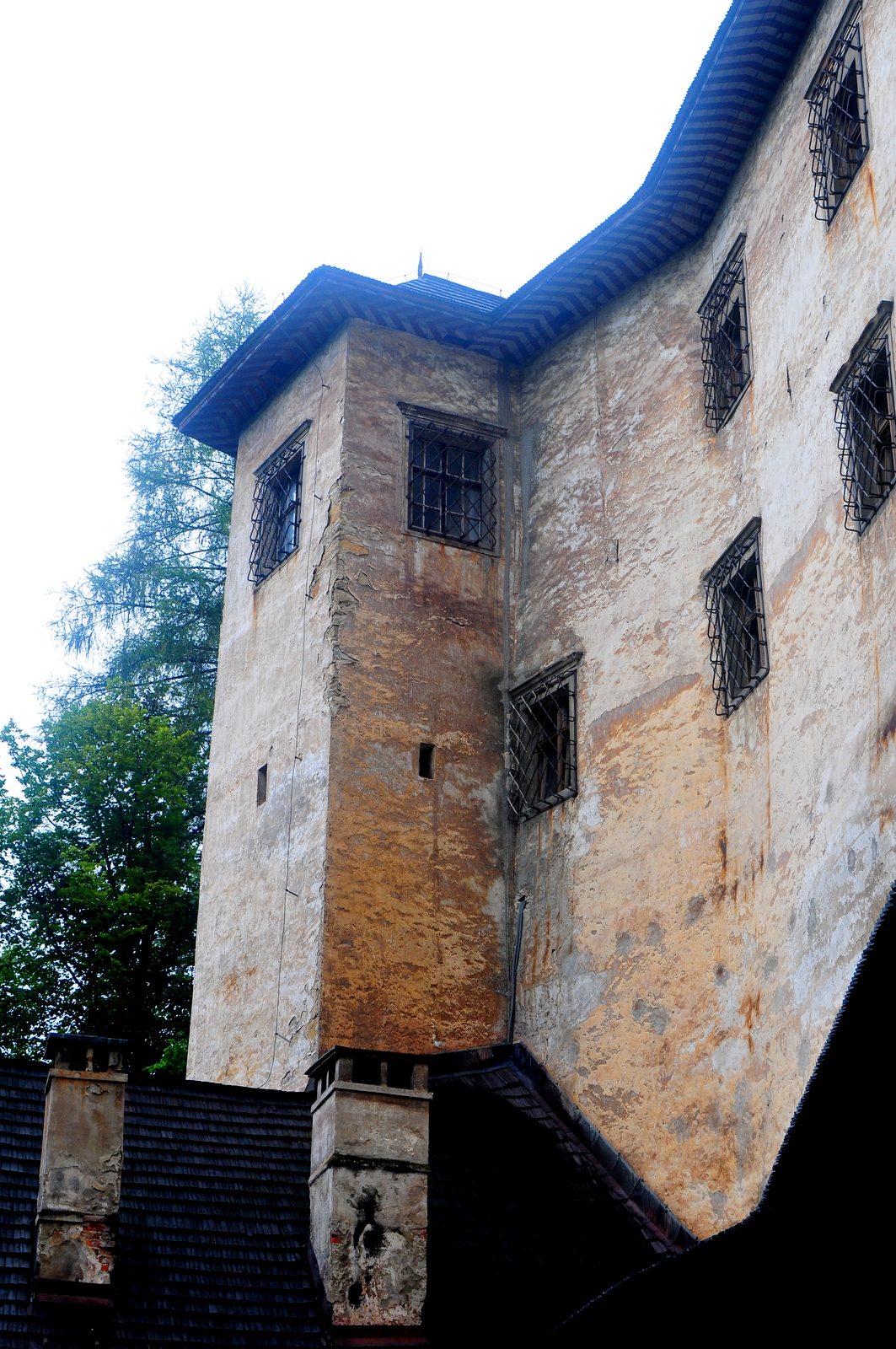
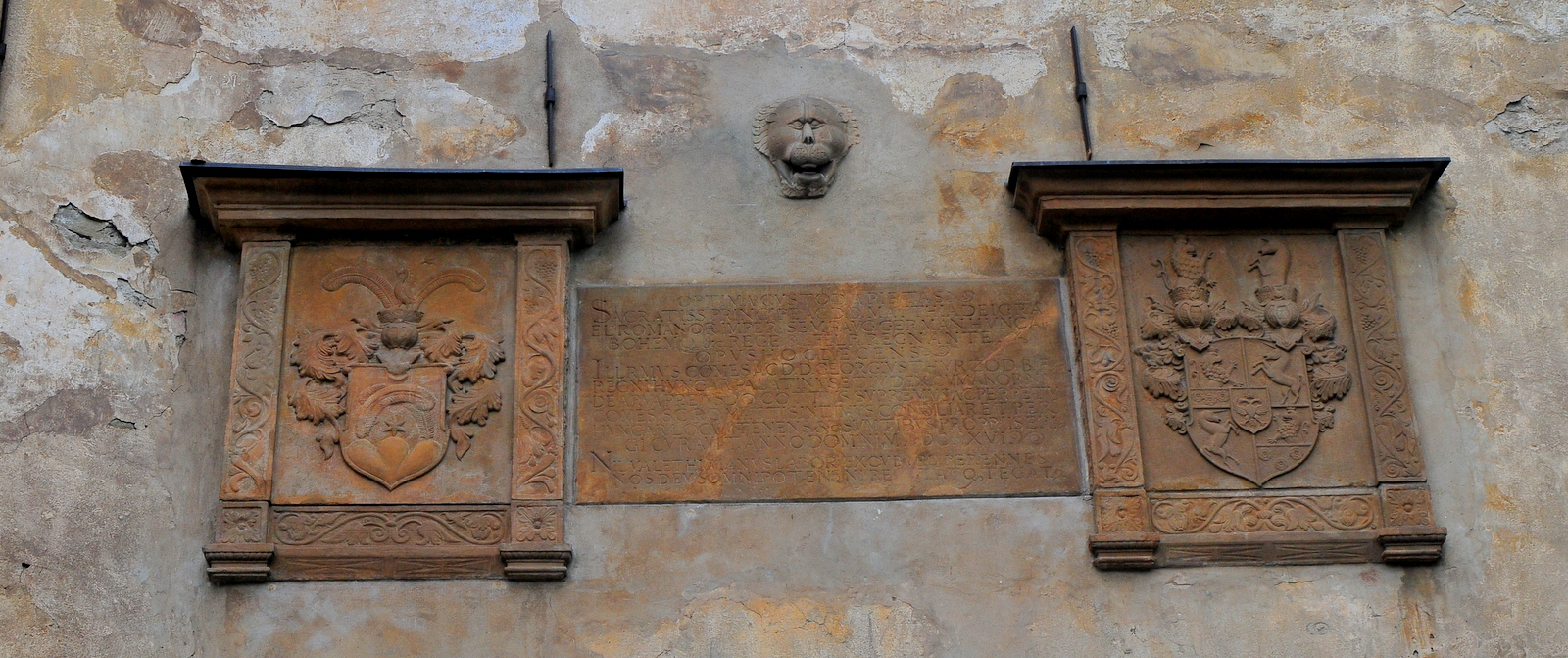
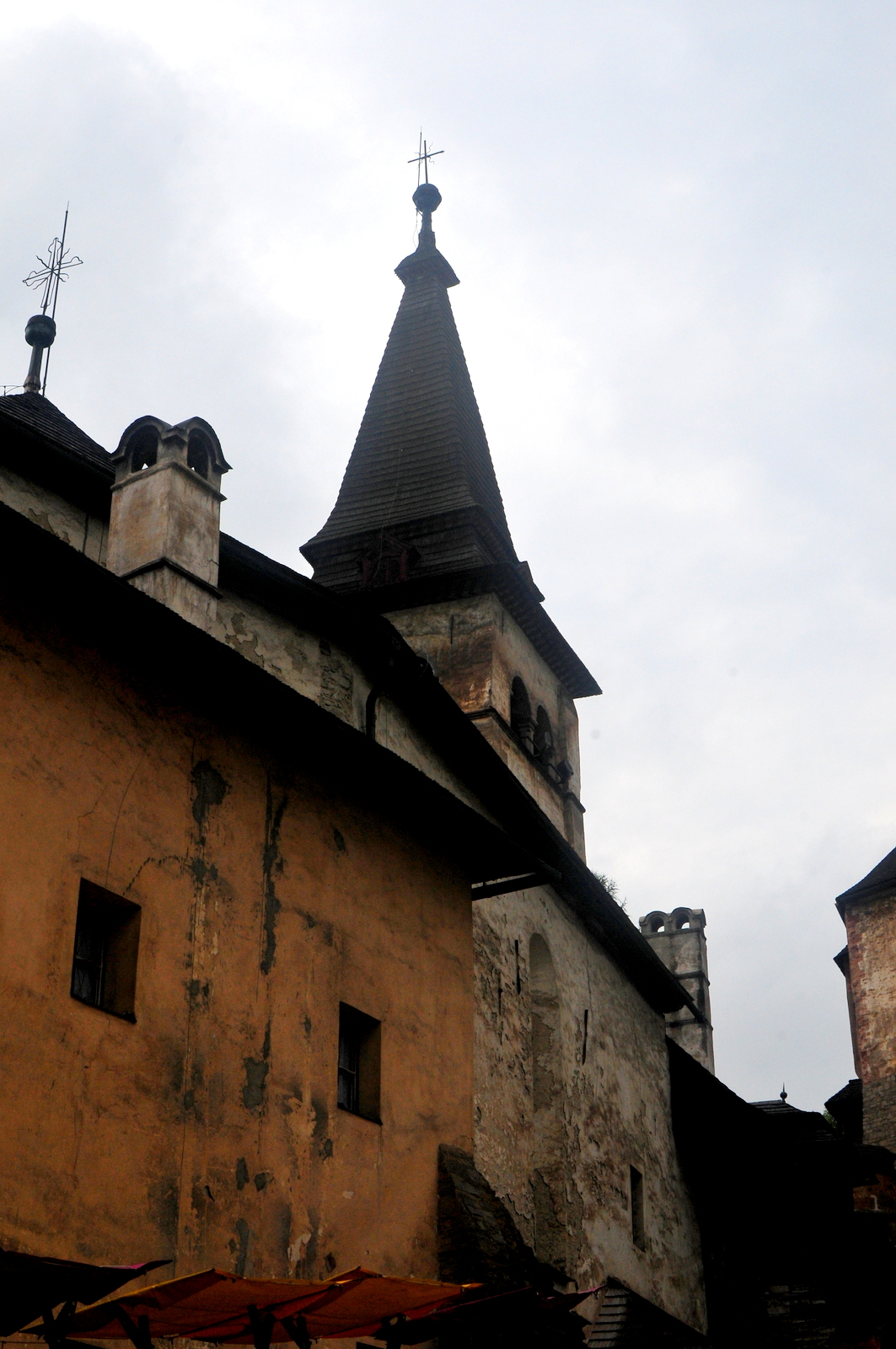
Orava Castle 2025

Slovakia 2025

Shopping in Slovakia

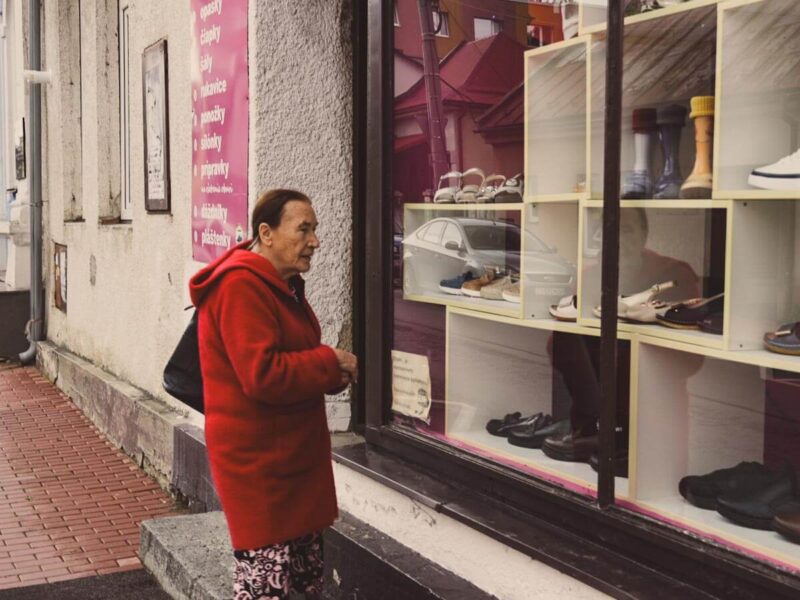
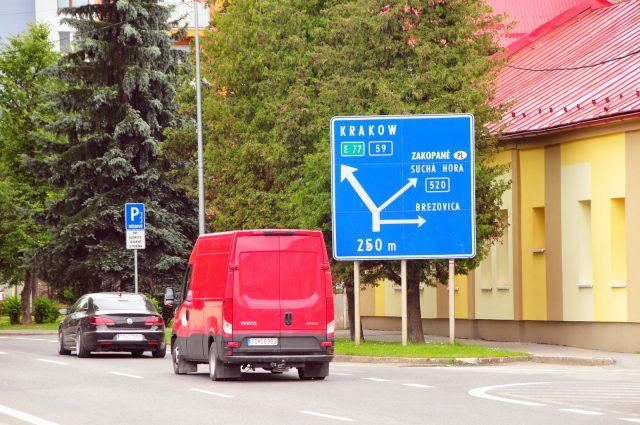
It usually happens in the opposite direction: Slovaks come to Poland for the relatively cheap goods here. Twenty years ago, Poles went to Slovkia, but now that has reversed since Slovakia adopted the Euro. However, Babcia likes bucking trends, I think, so today we went, as we always do during our stay her, on a shopping trip to Trstena, the nearest town in Slovakia.

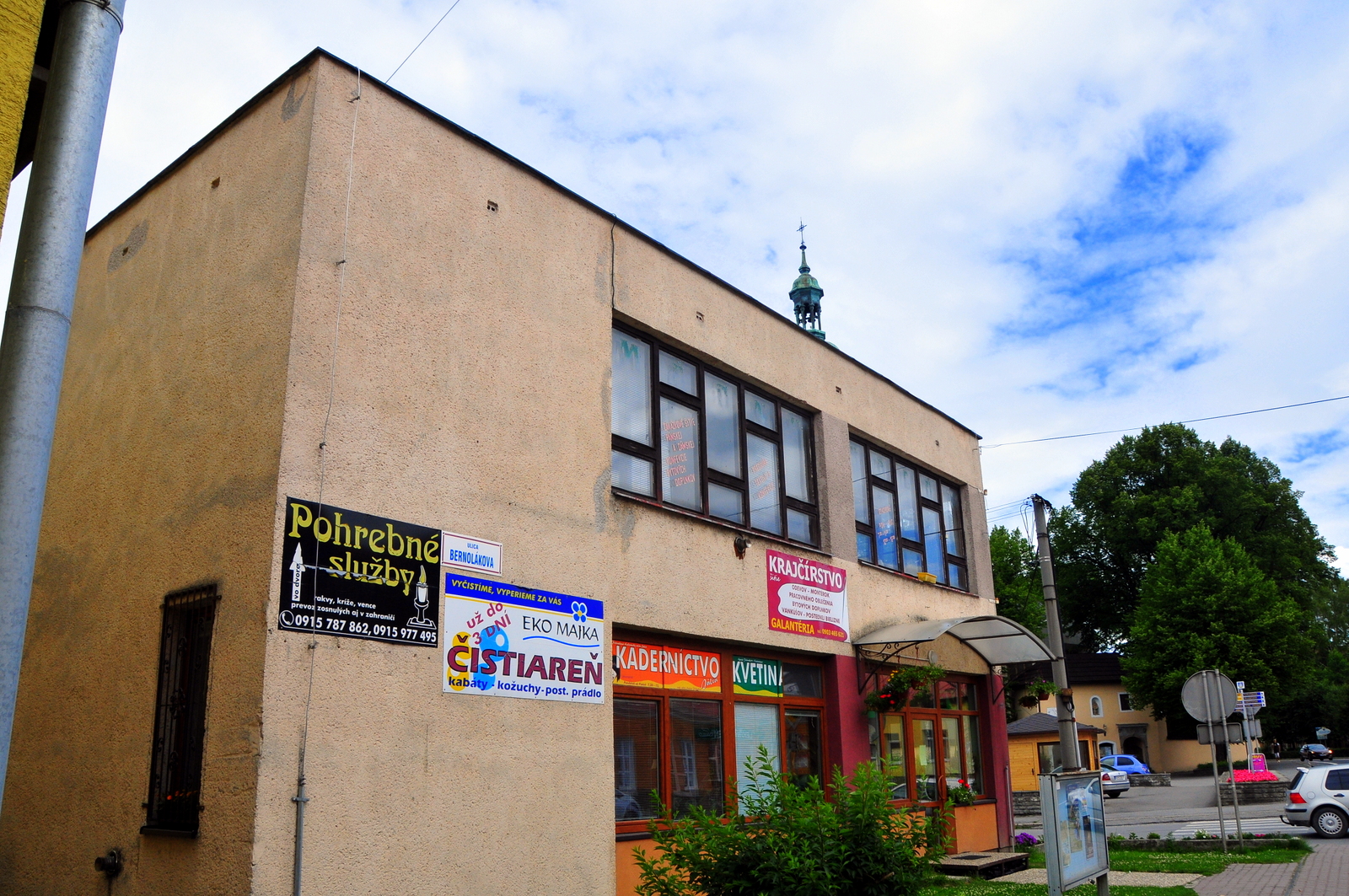
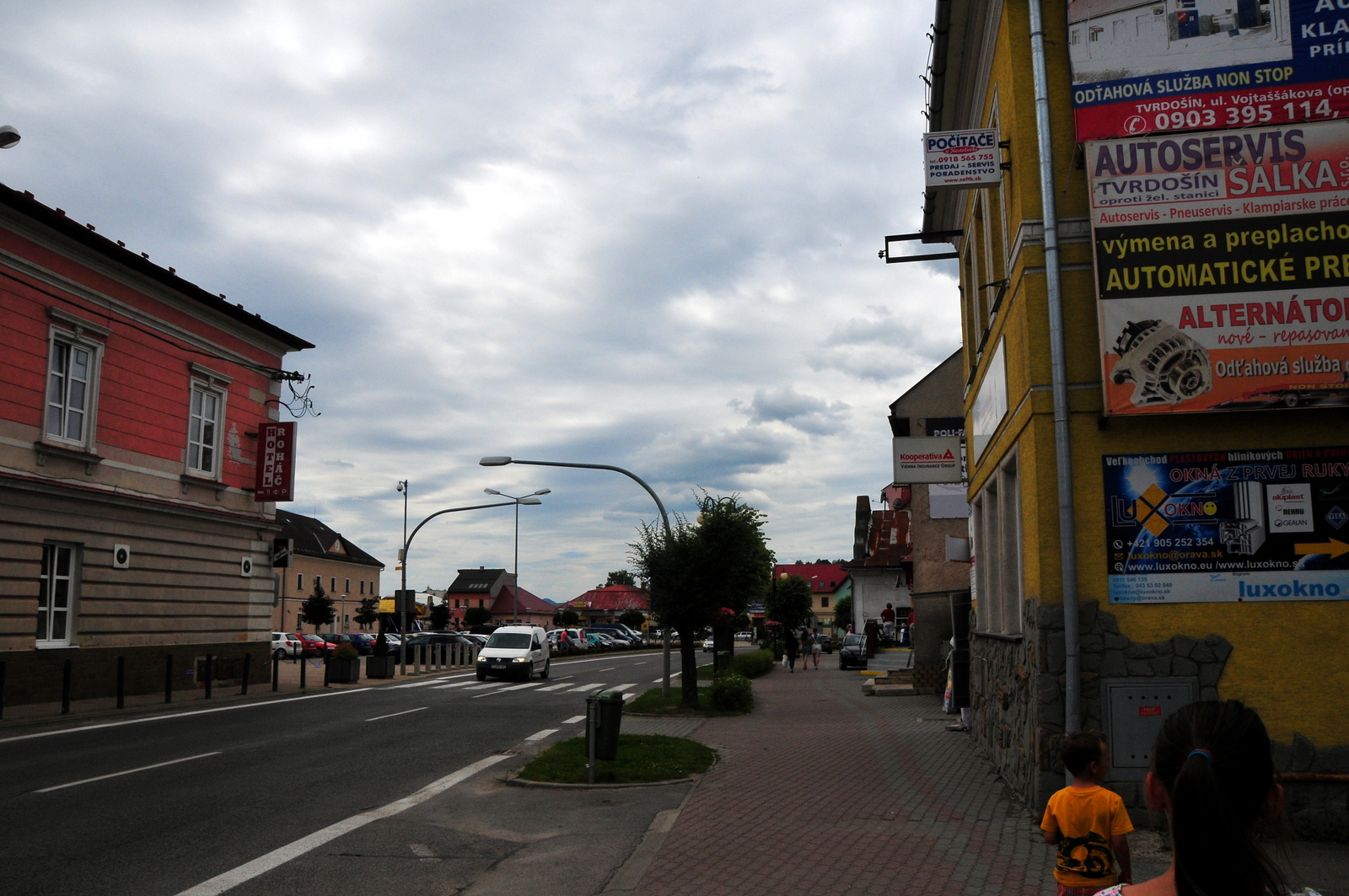
Every time we go into Trstena, Babcia waxes romantic. She goes on and on about how she loves the town, about how there's so little traffic compared to Jablonka, how there are so few plastic, awful sign attached to every available surface.

It is a unique little town: you can stand in the middle of the town square and just behind a few buildings see the farming fields.

It's a sliver of town in the middle of vast fields of grains and grasses.

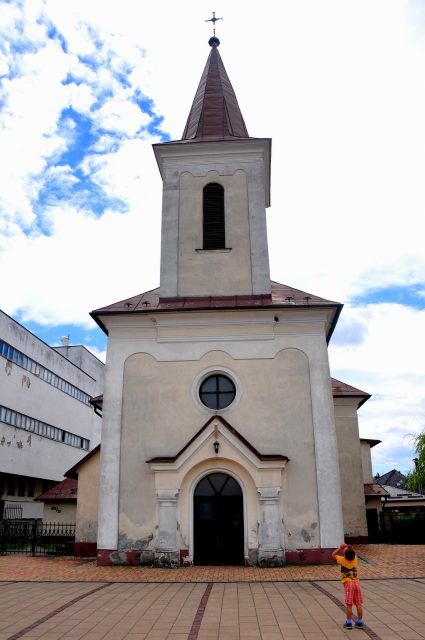
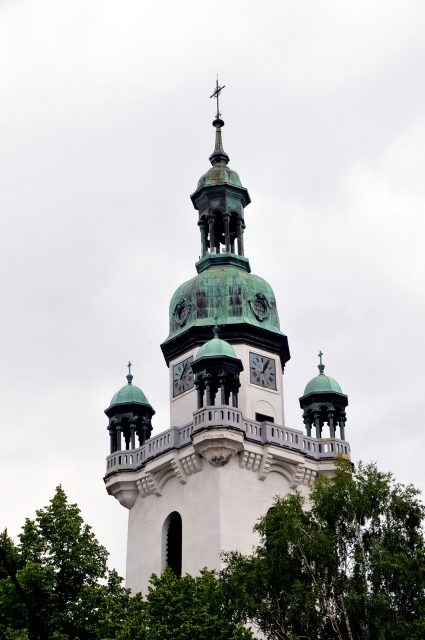
It's a small town, but there are a couple of churches and several restaurants.

It's easy to see how a small town could support two churches -- at least in the past. But so many restaurants? There can't possibly really be any industries around here, one thinks. And then one remembers the fields surrounding the town. And who knows -- perhaps they are like their neighbors just across the border and go abroad to work.

Some of those few but dreaded signs

We started with the shopping. Babcia is convinced that Slovakian flour is better than Polish flour, so we bought an almost unbelievable amount of flour. The next item we bought in large amounts was Slovakian rum. Slovakia is not exactly the first country that comes to mind when thinking of rum, but Babcia swears by it. Finally, we almost emptied the store of the grill rub that makes chicken wings magical for the Girl.

Oravsky Hrad — Redux

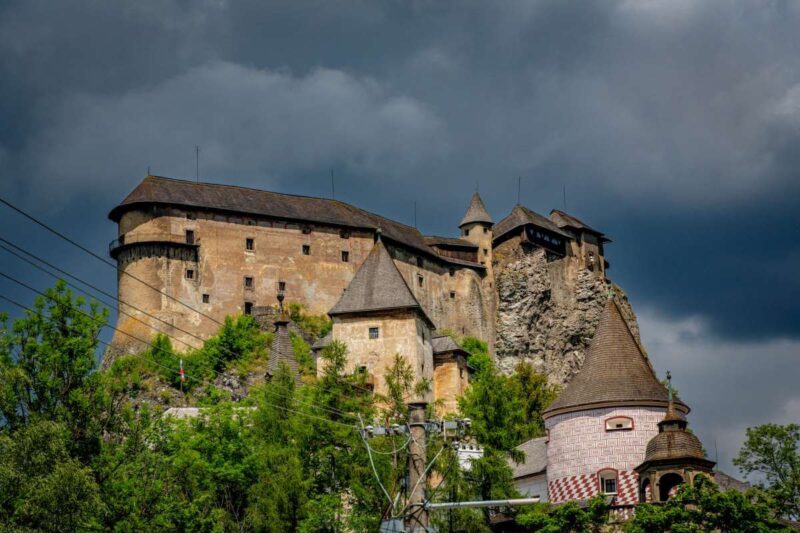
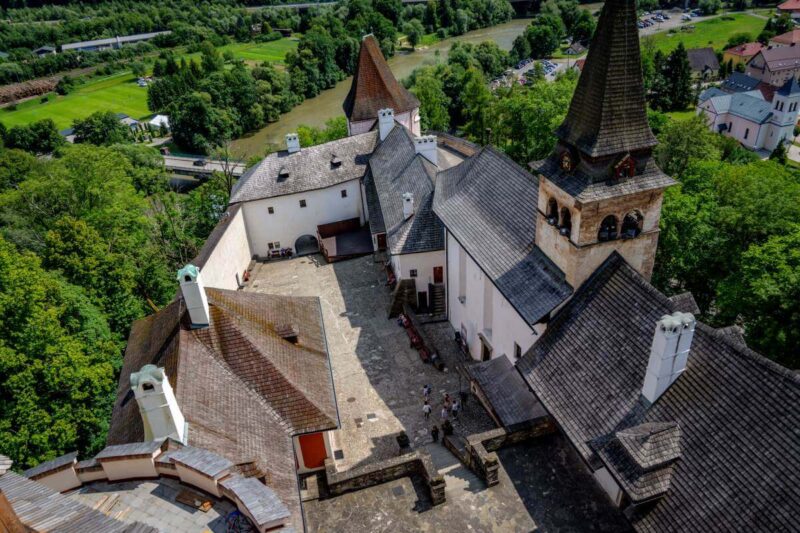
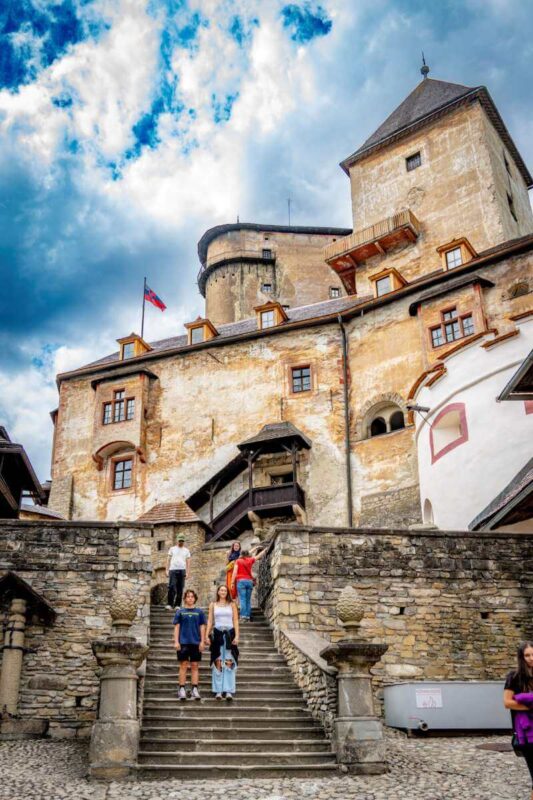
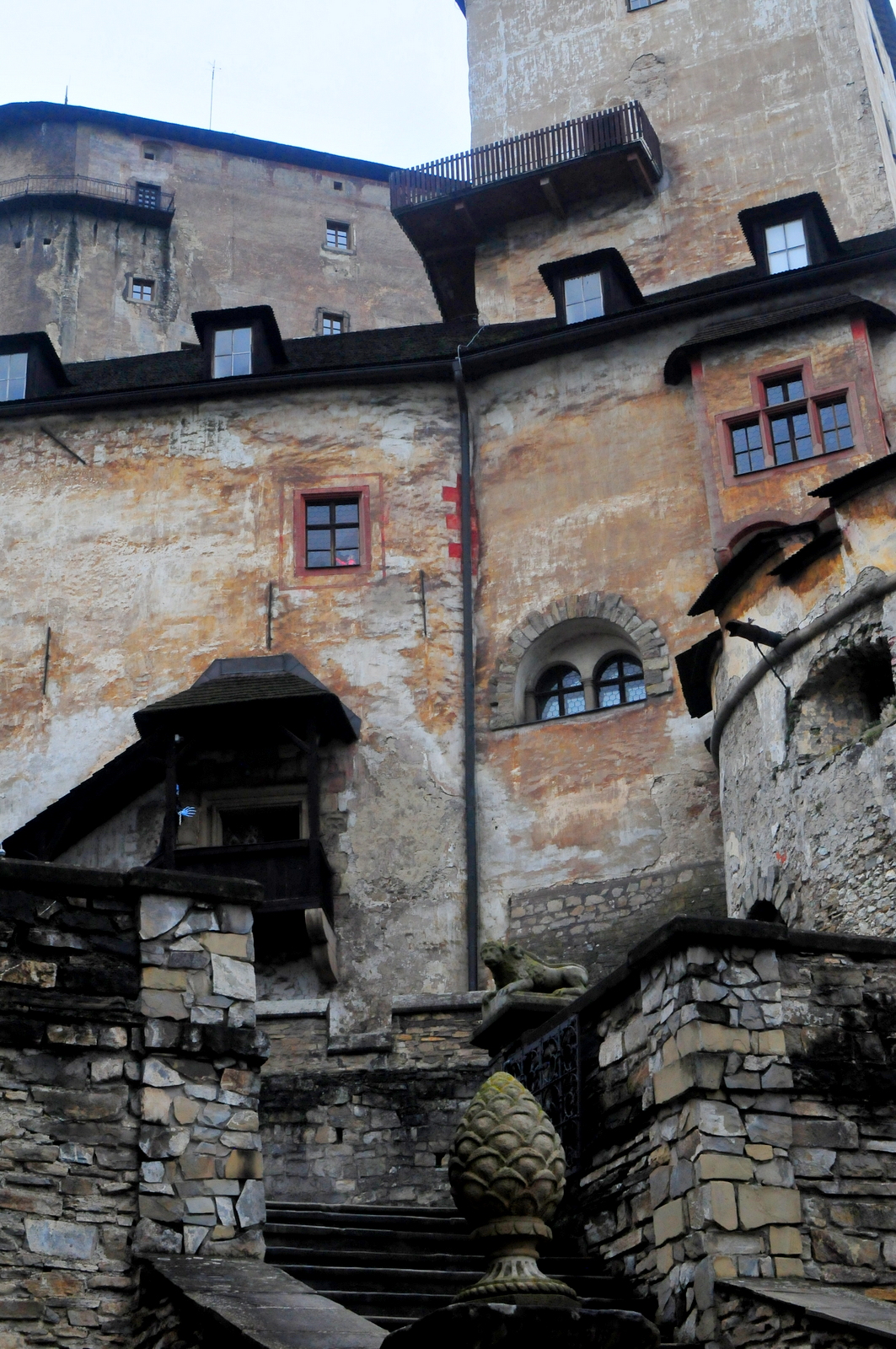
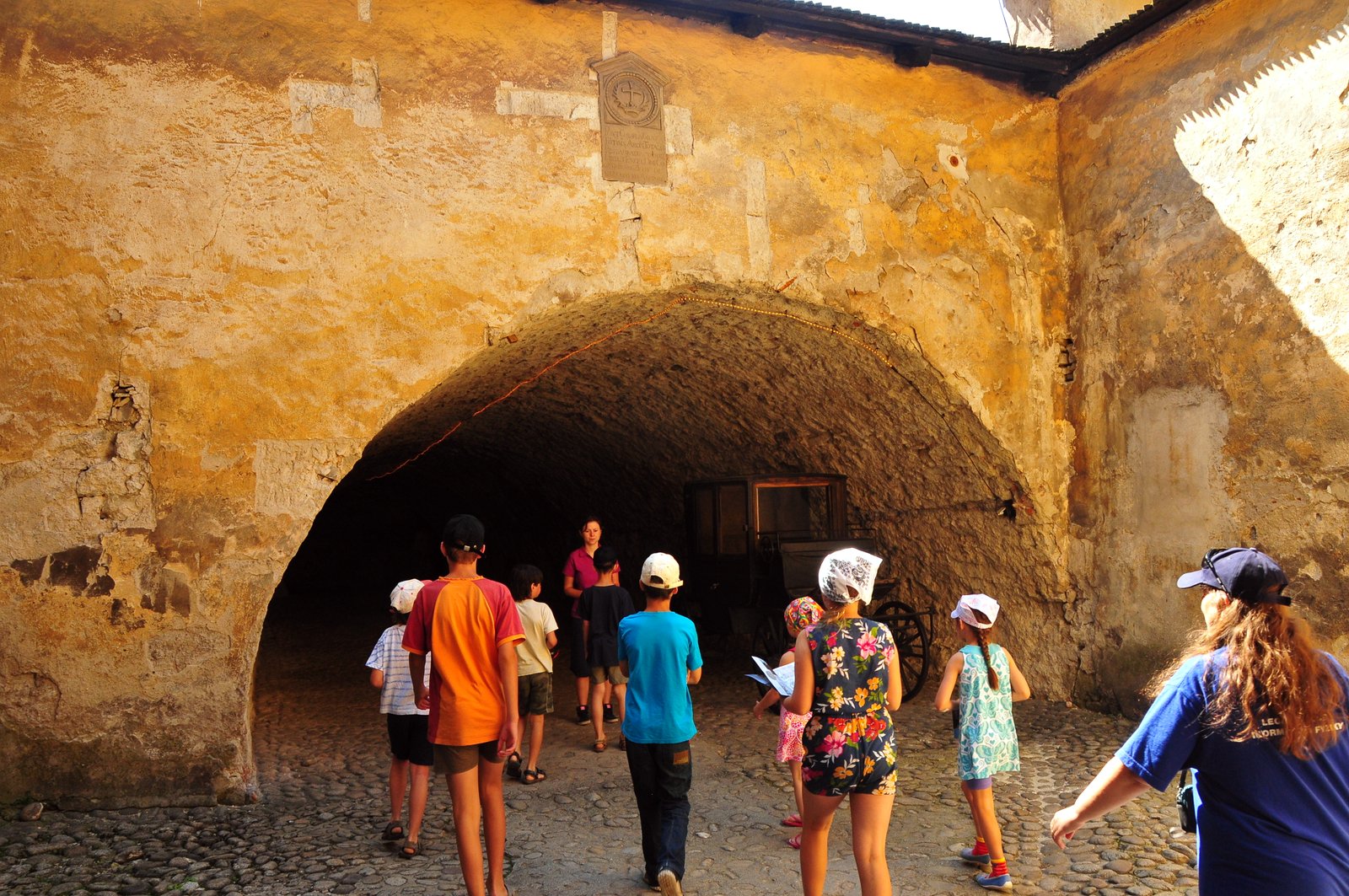
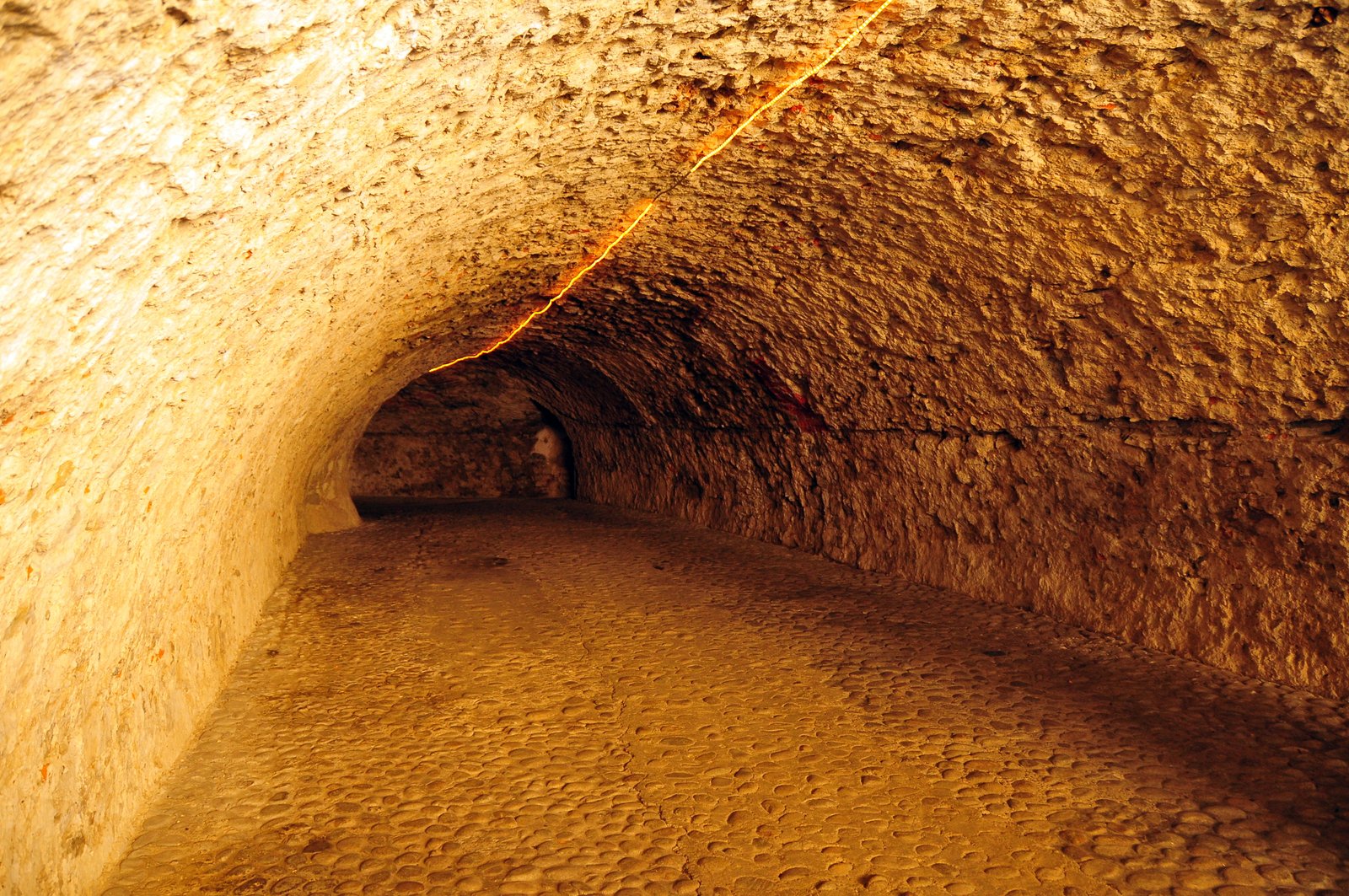
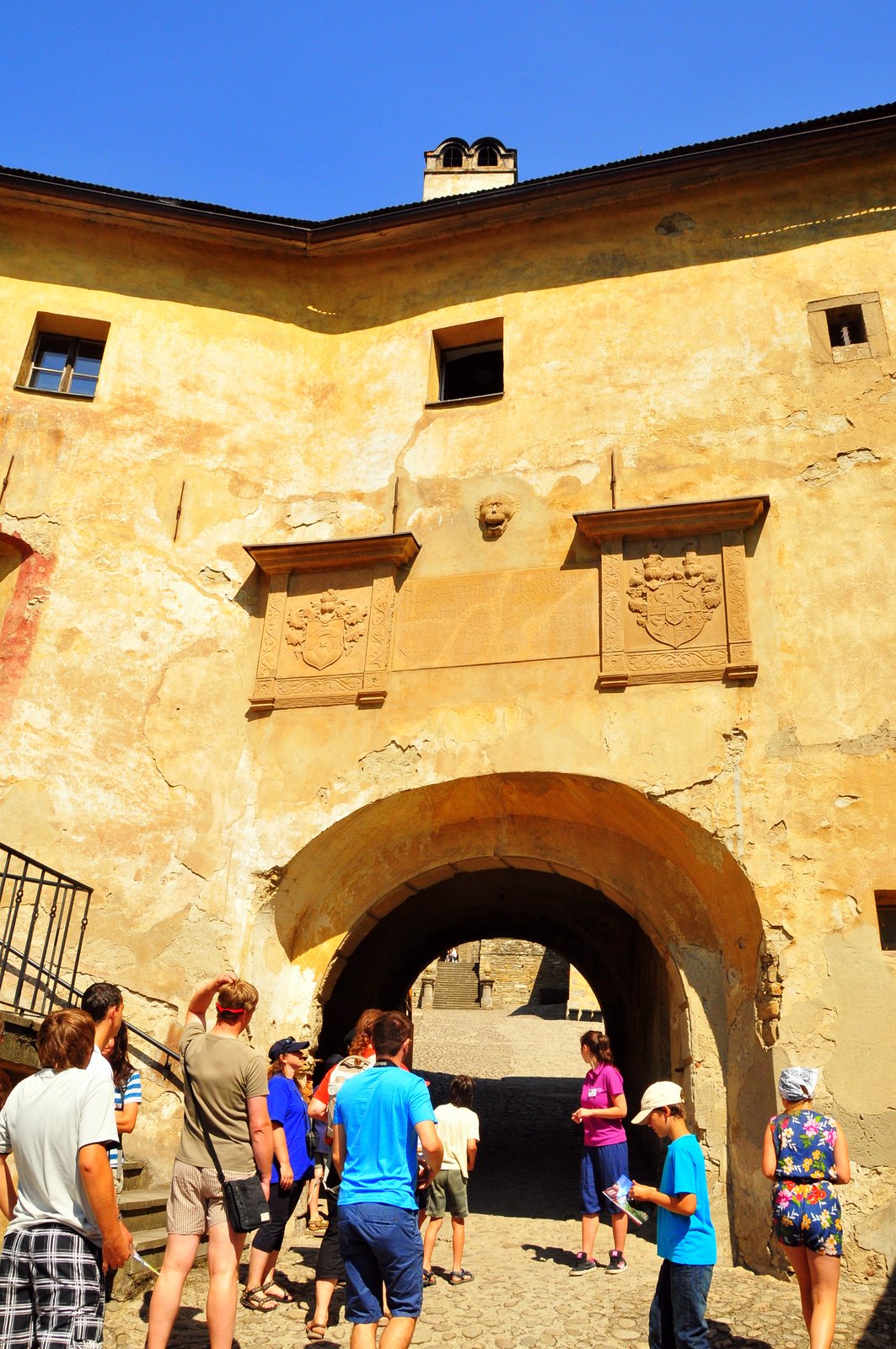
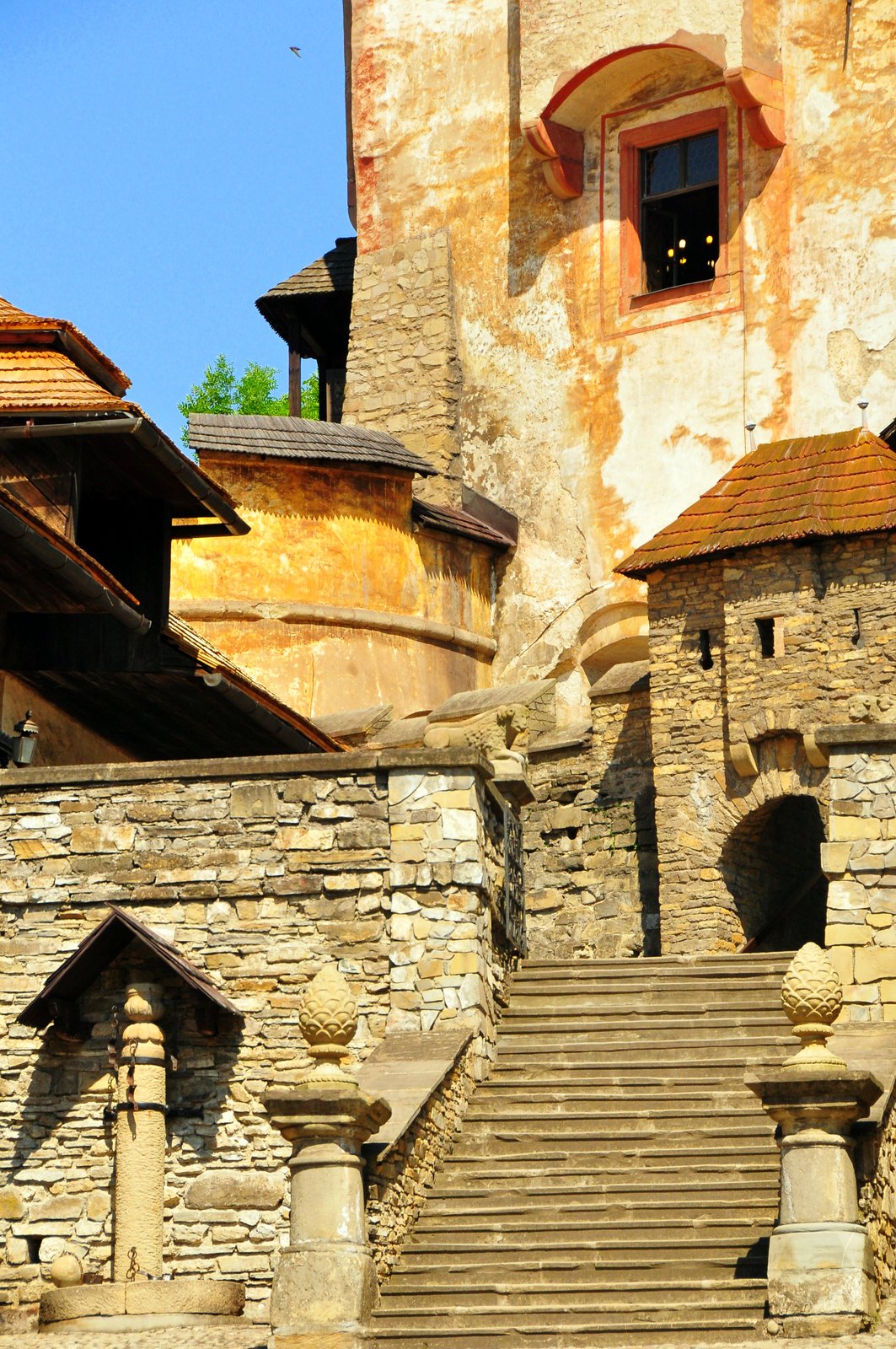
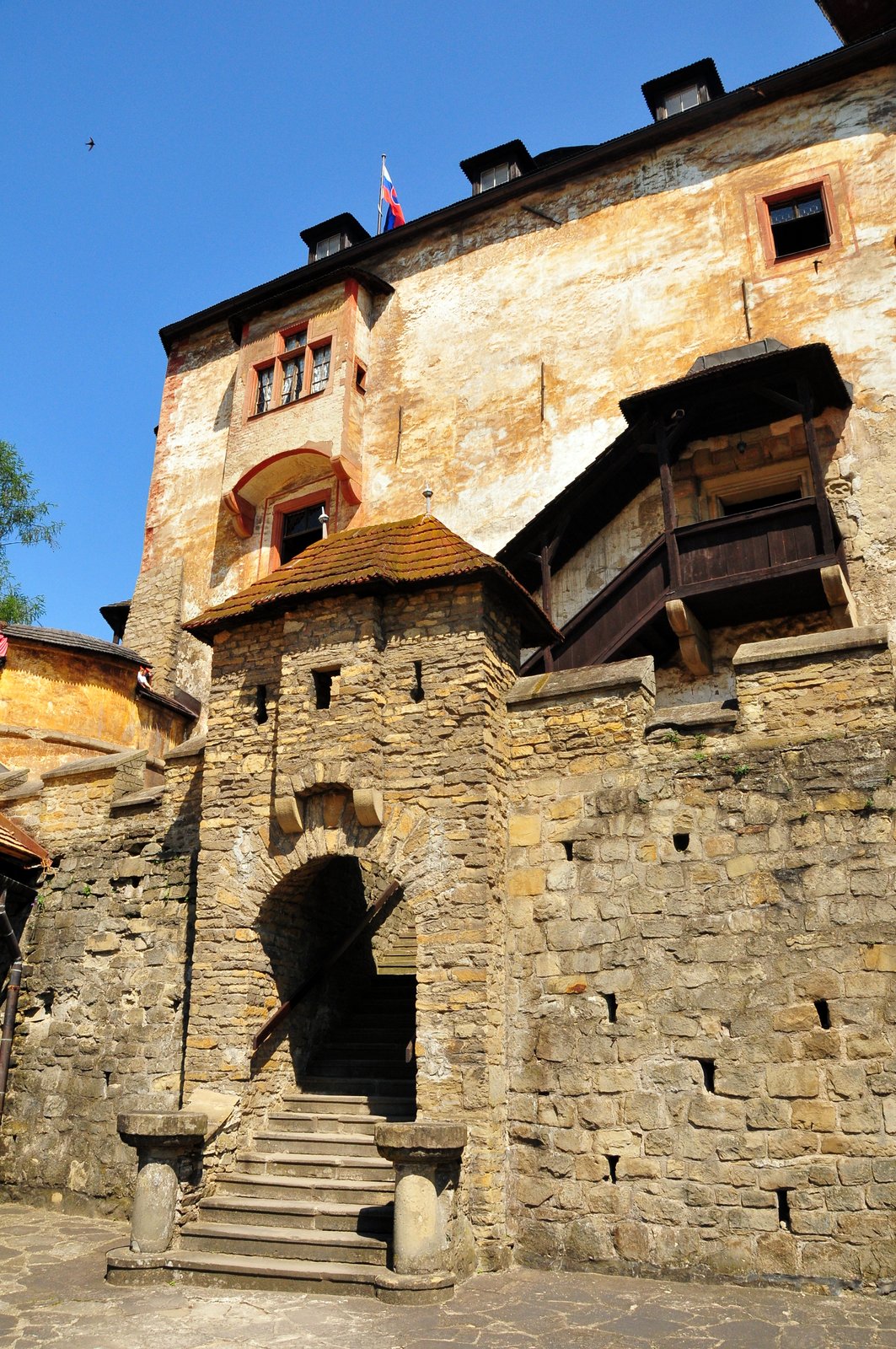
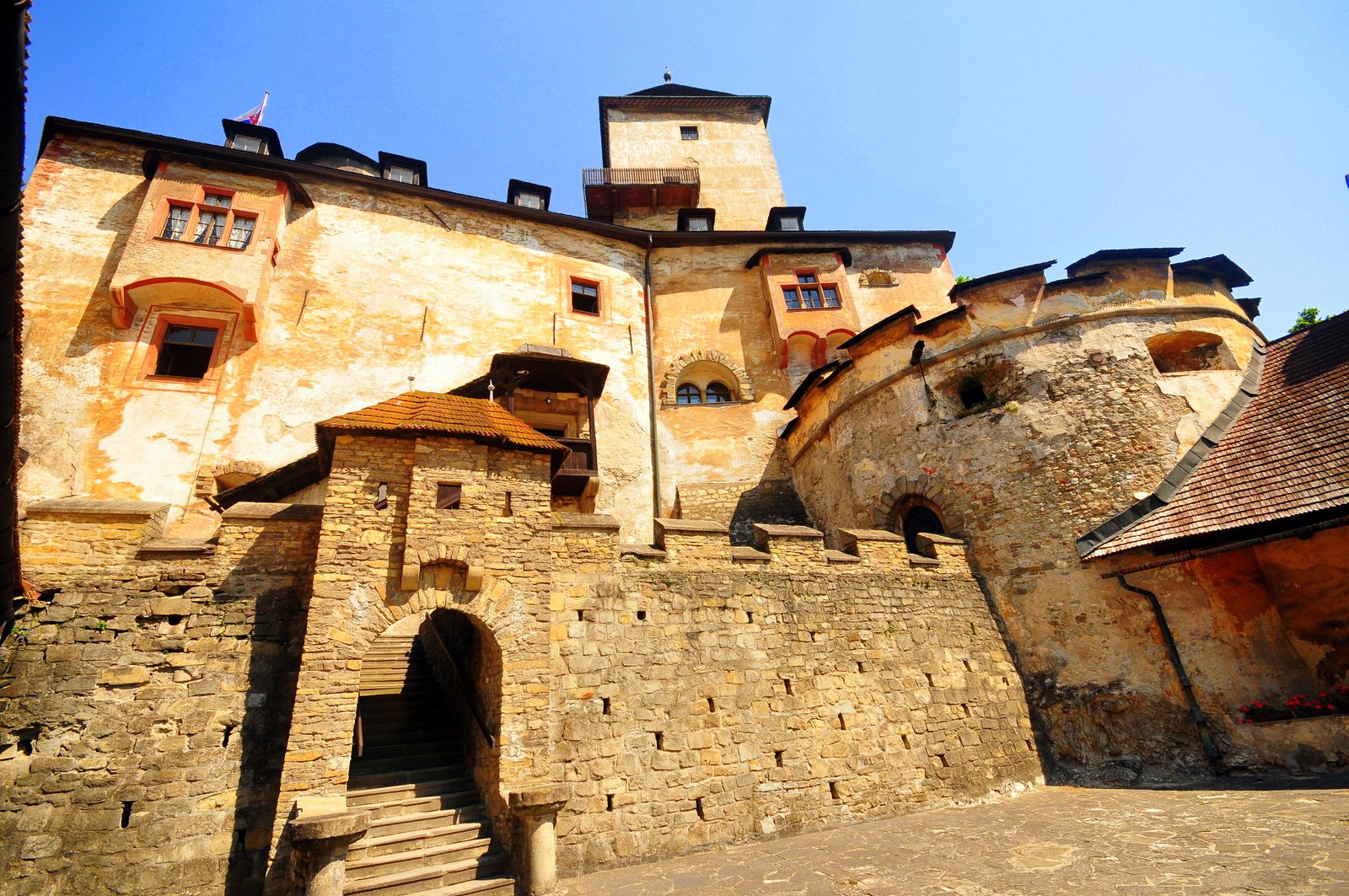
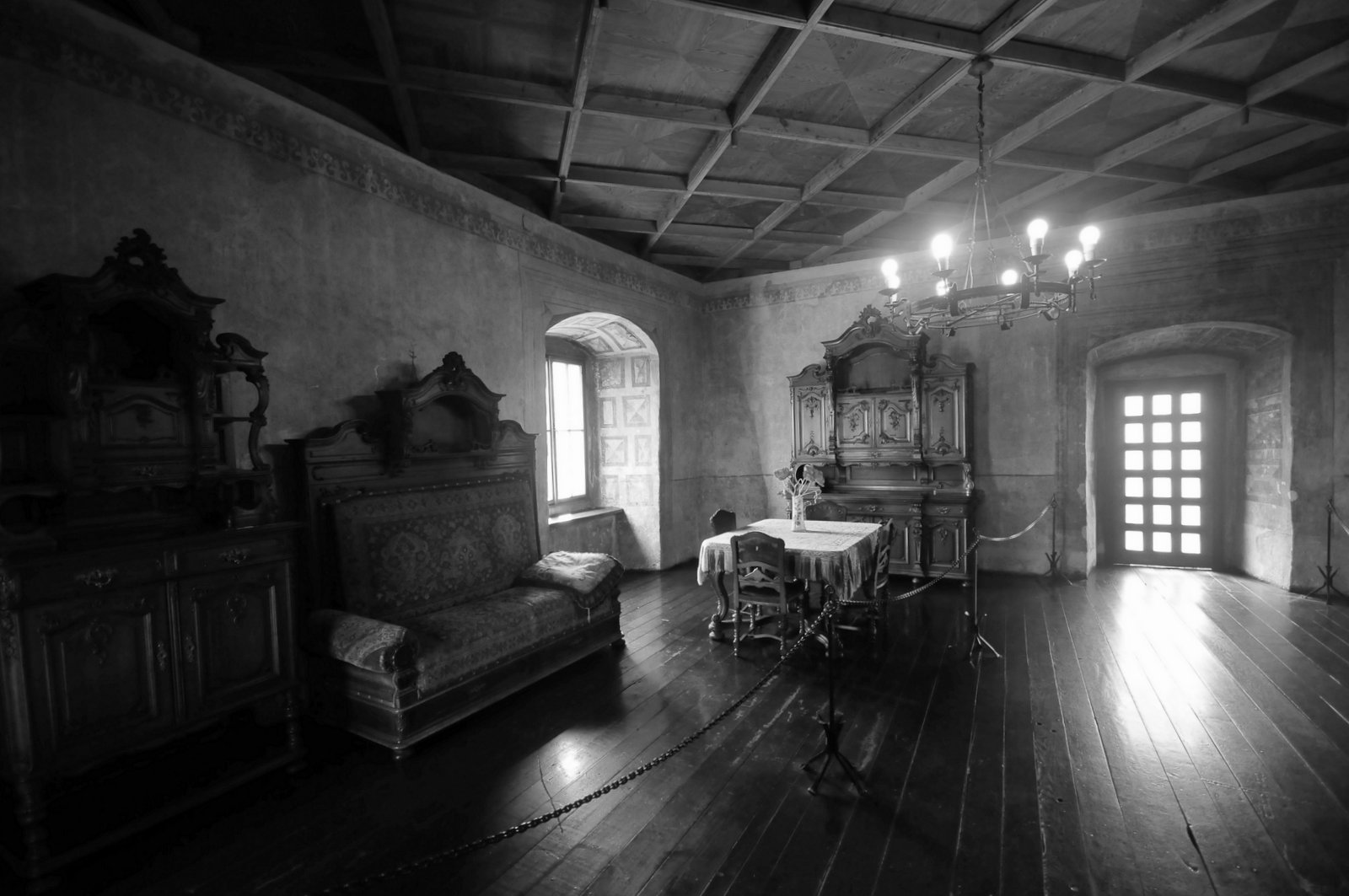
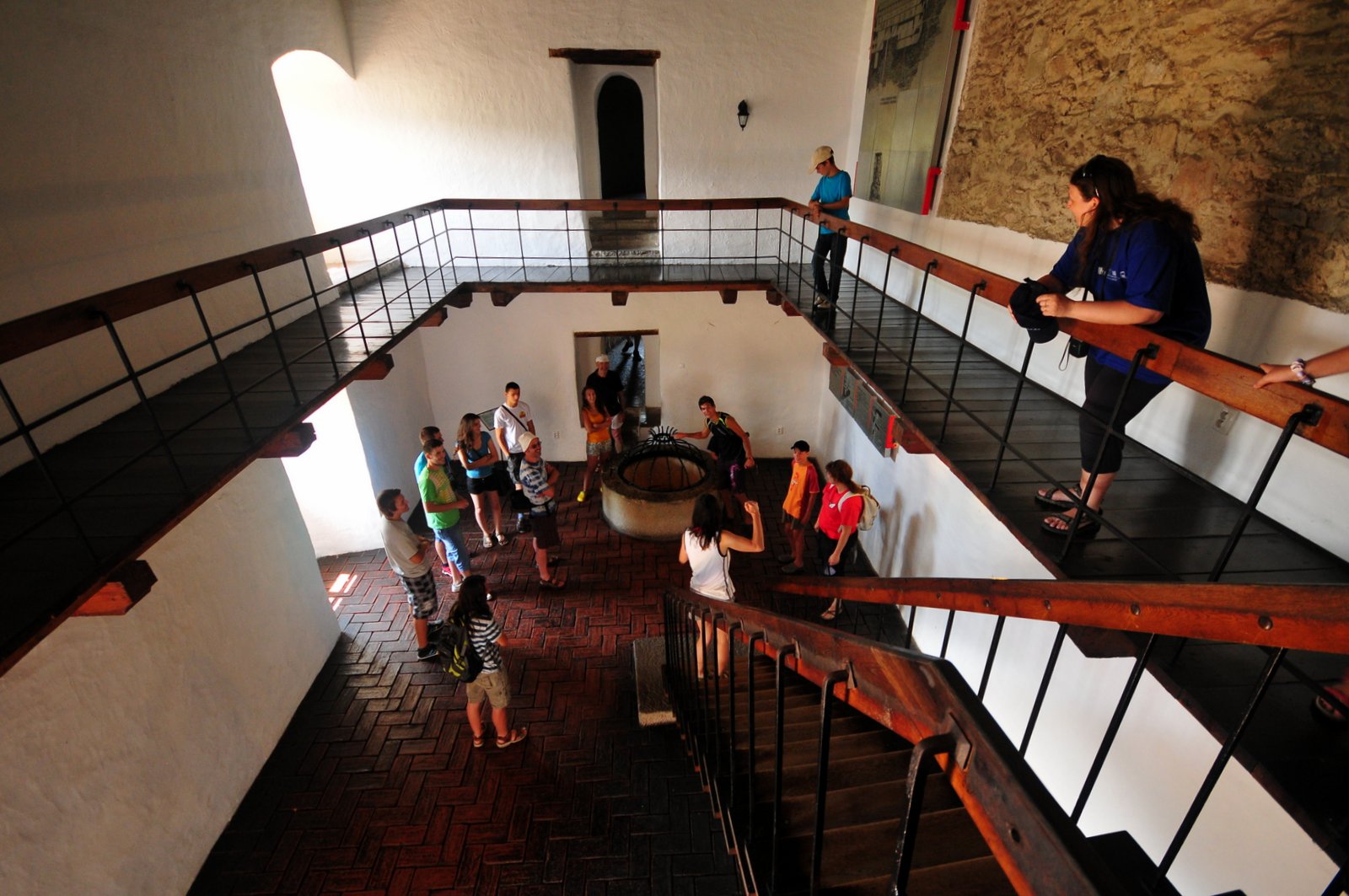
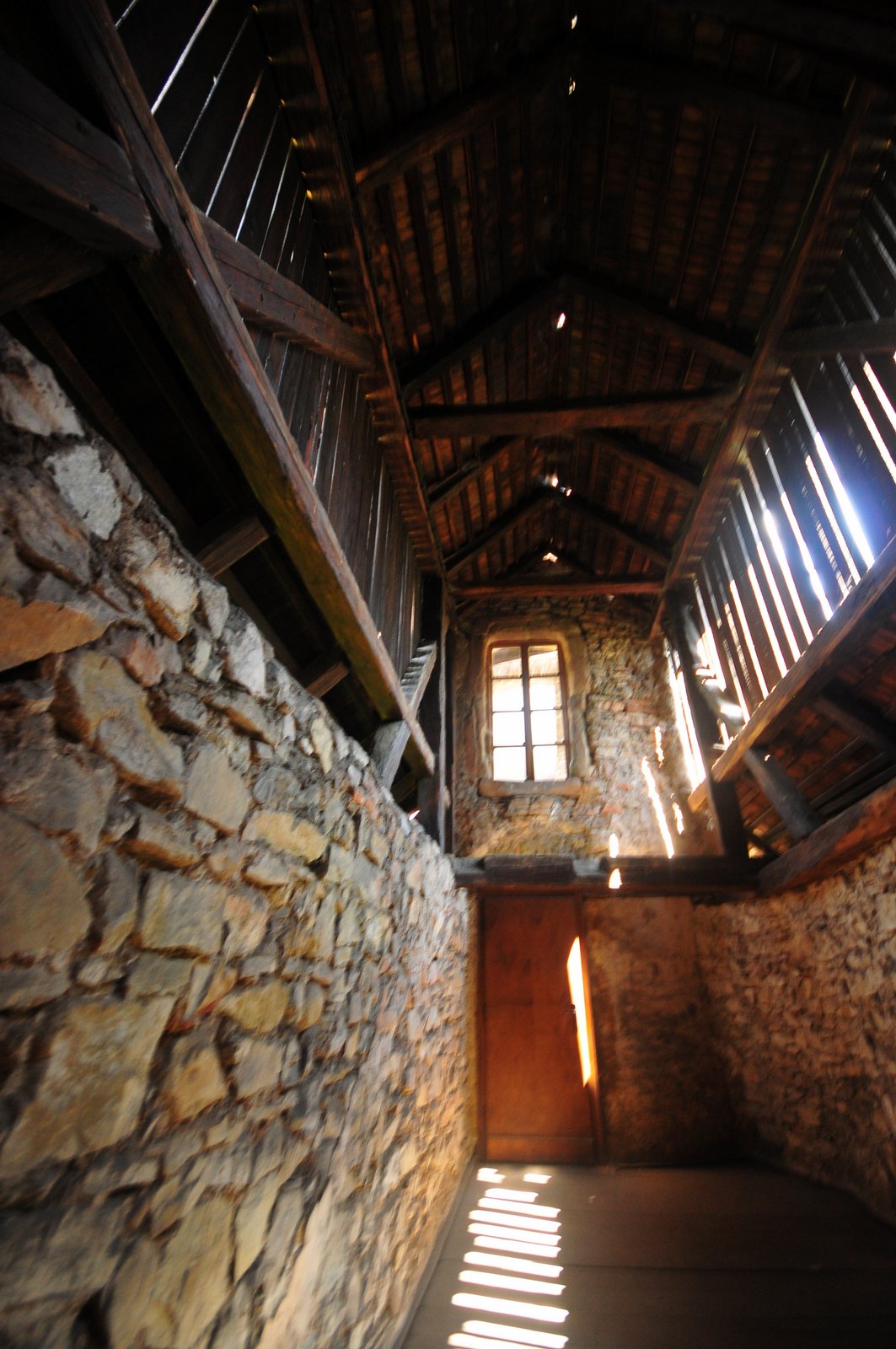
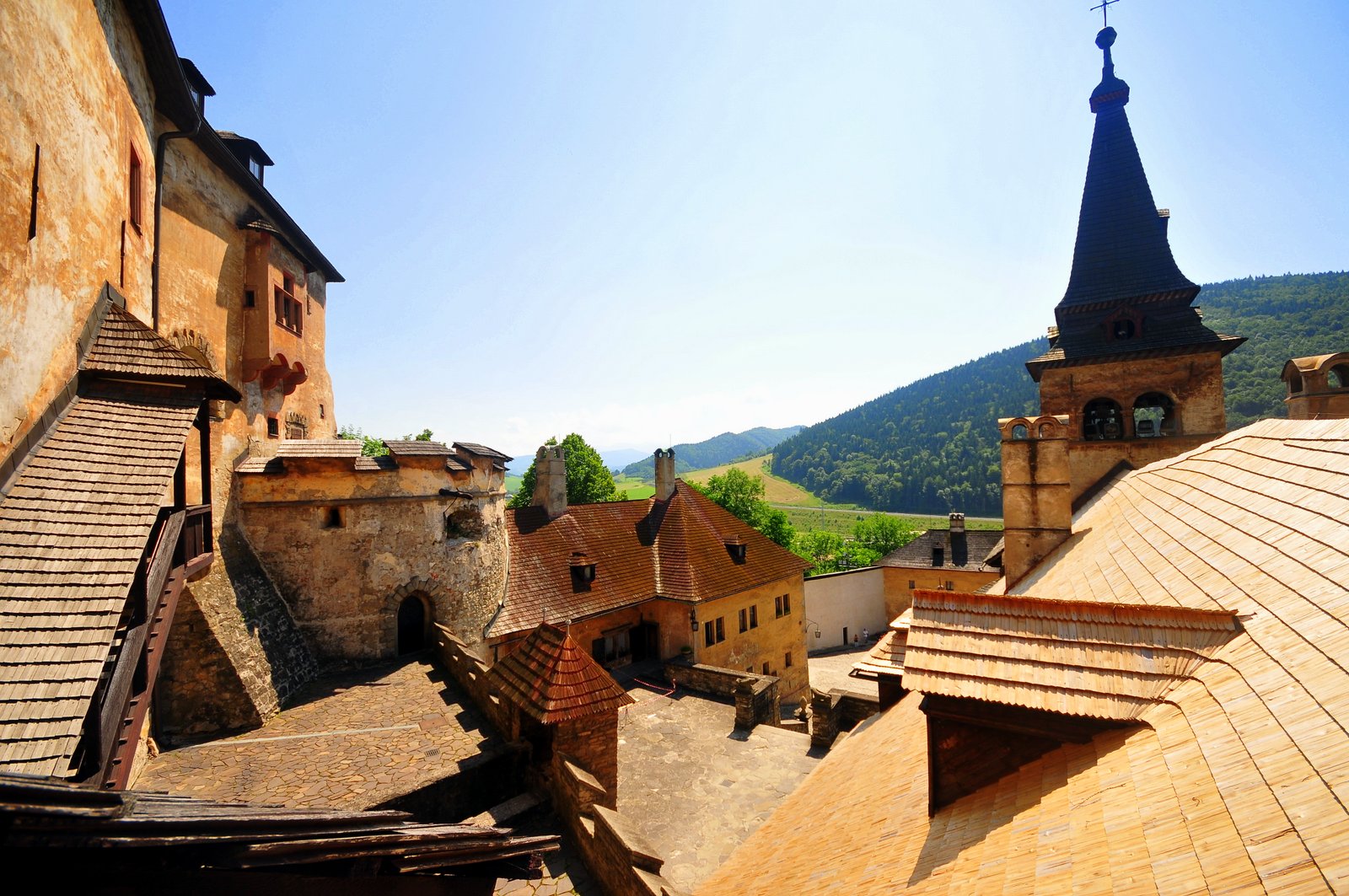
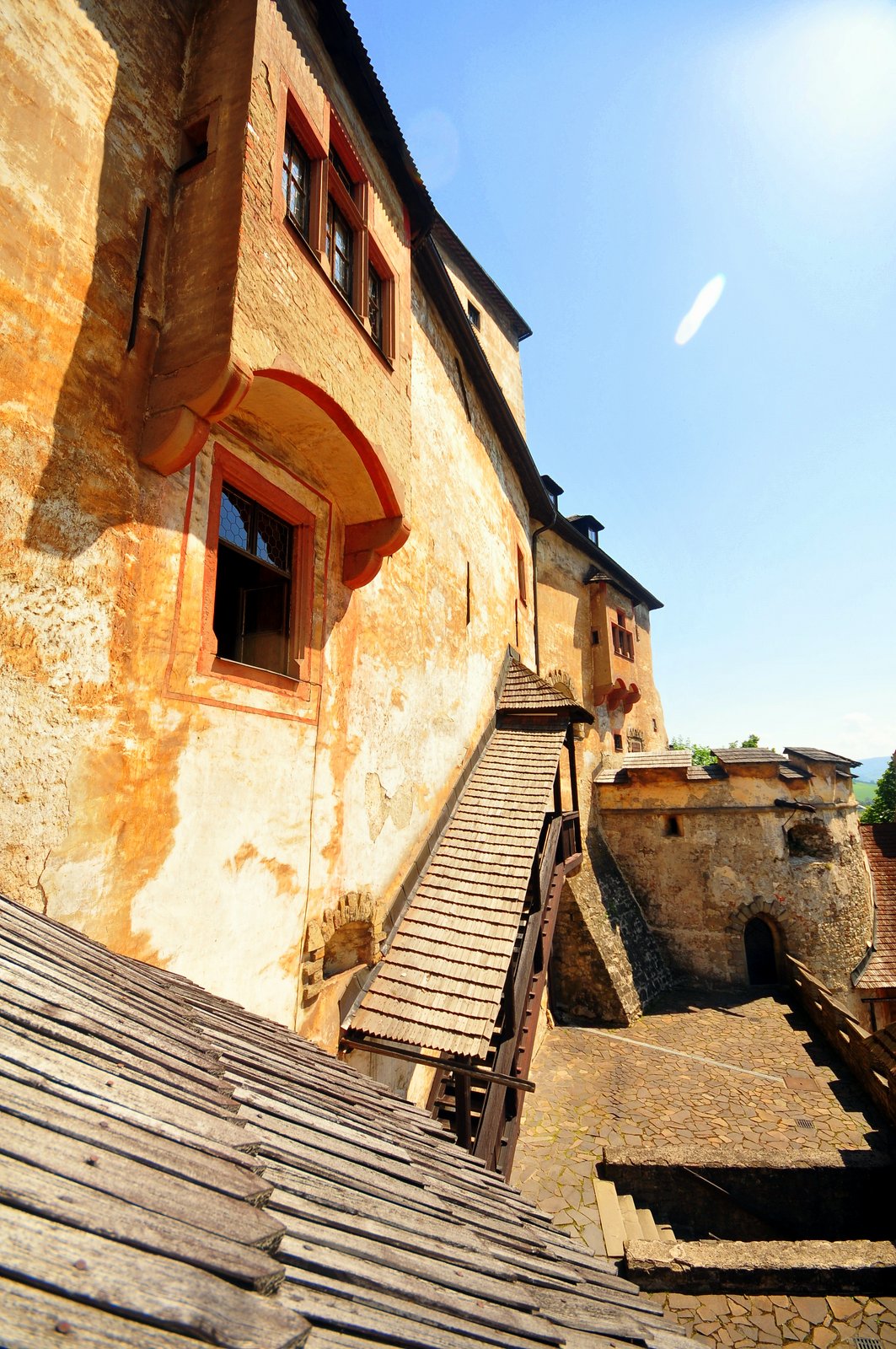
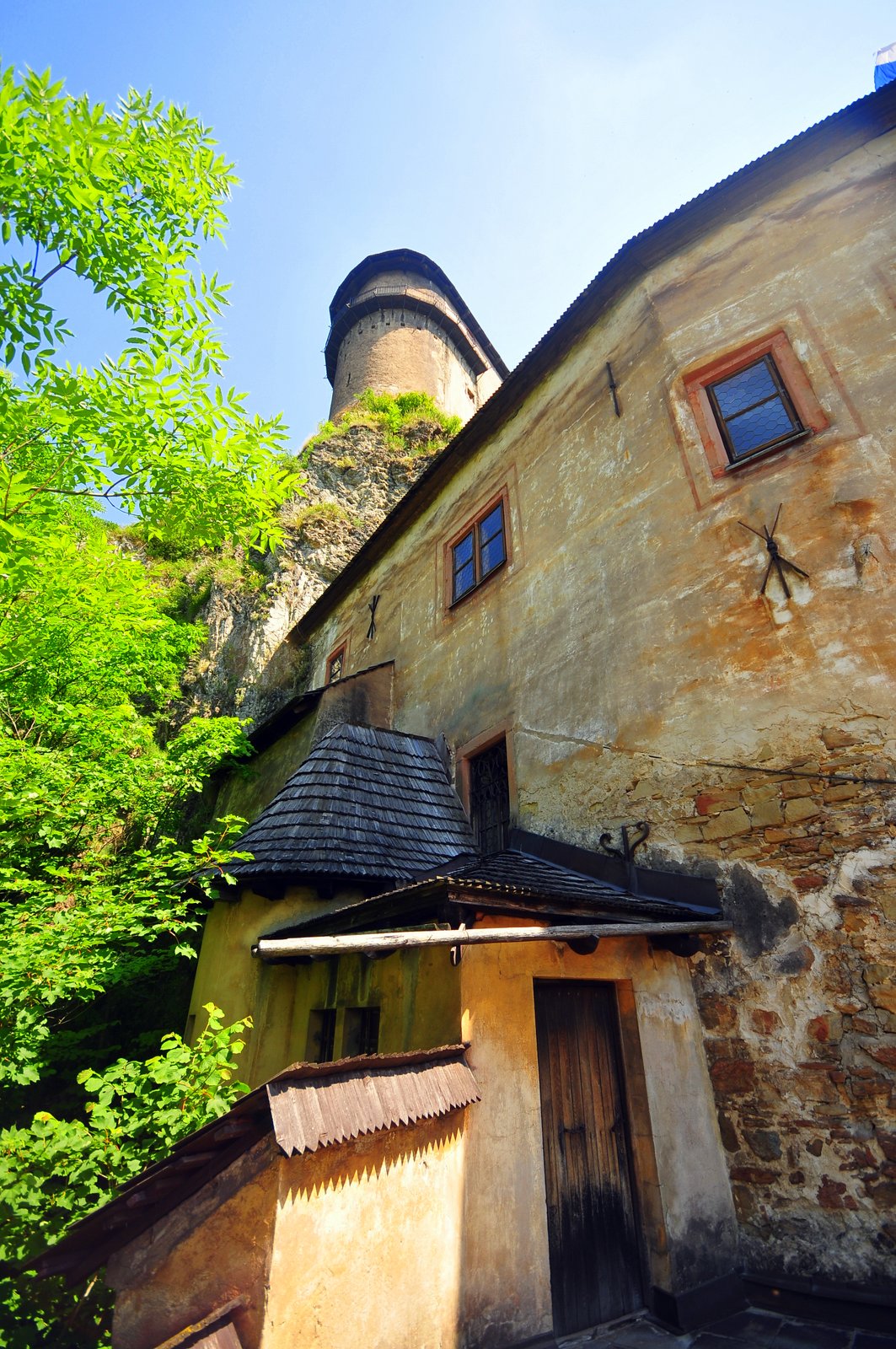
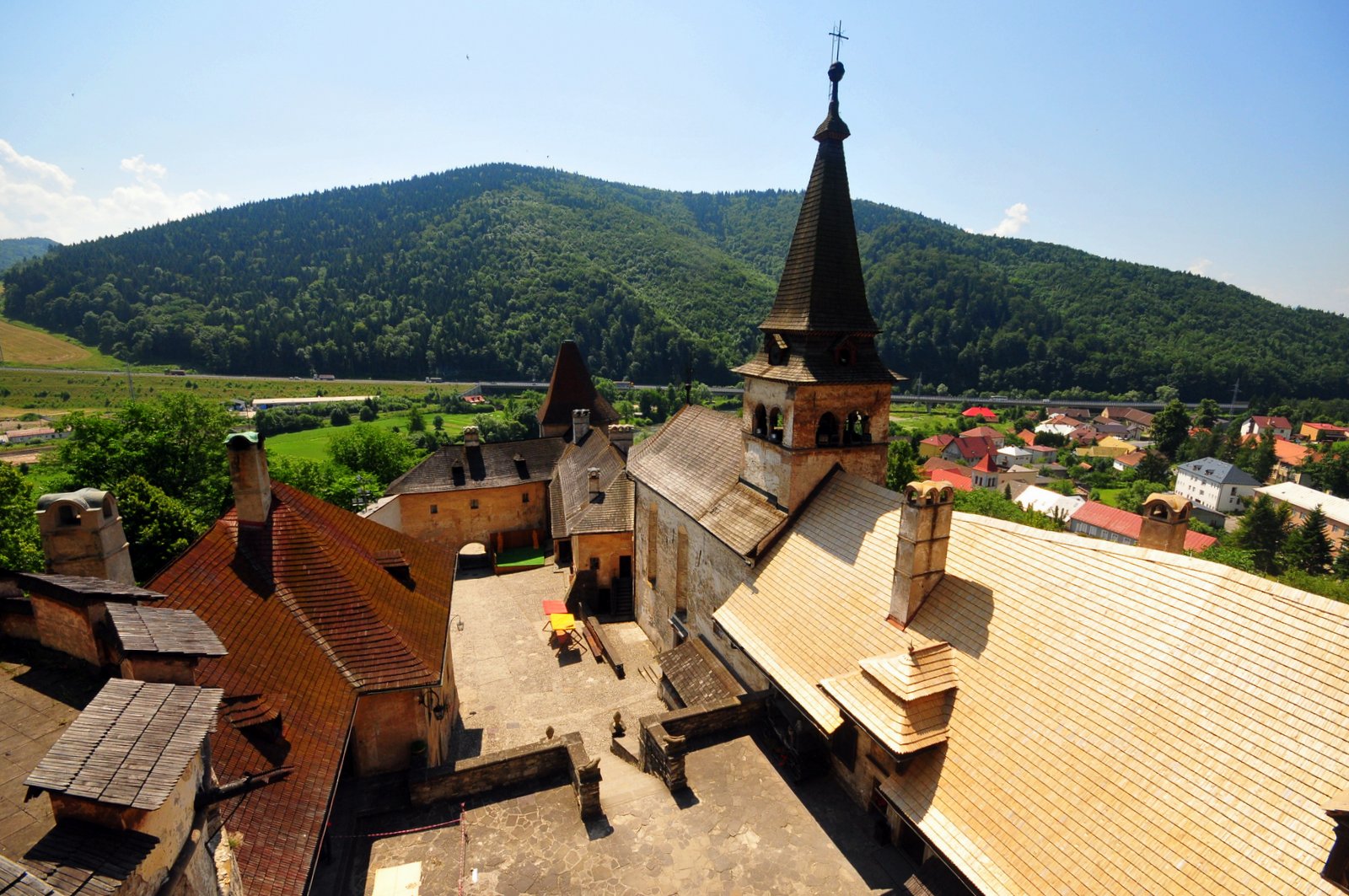
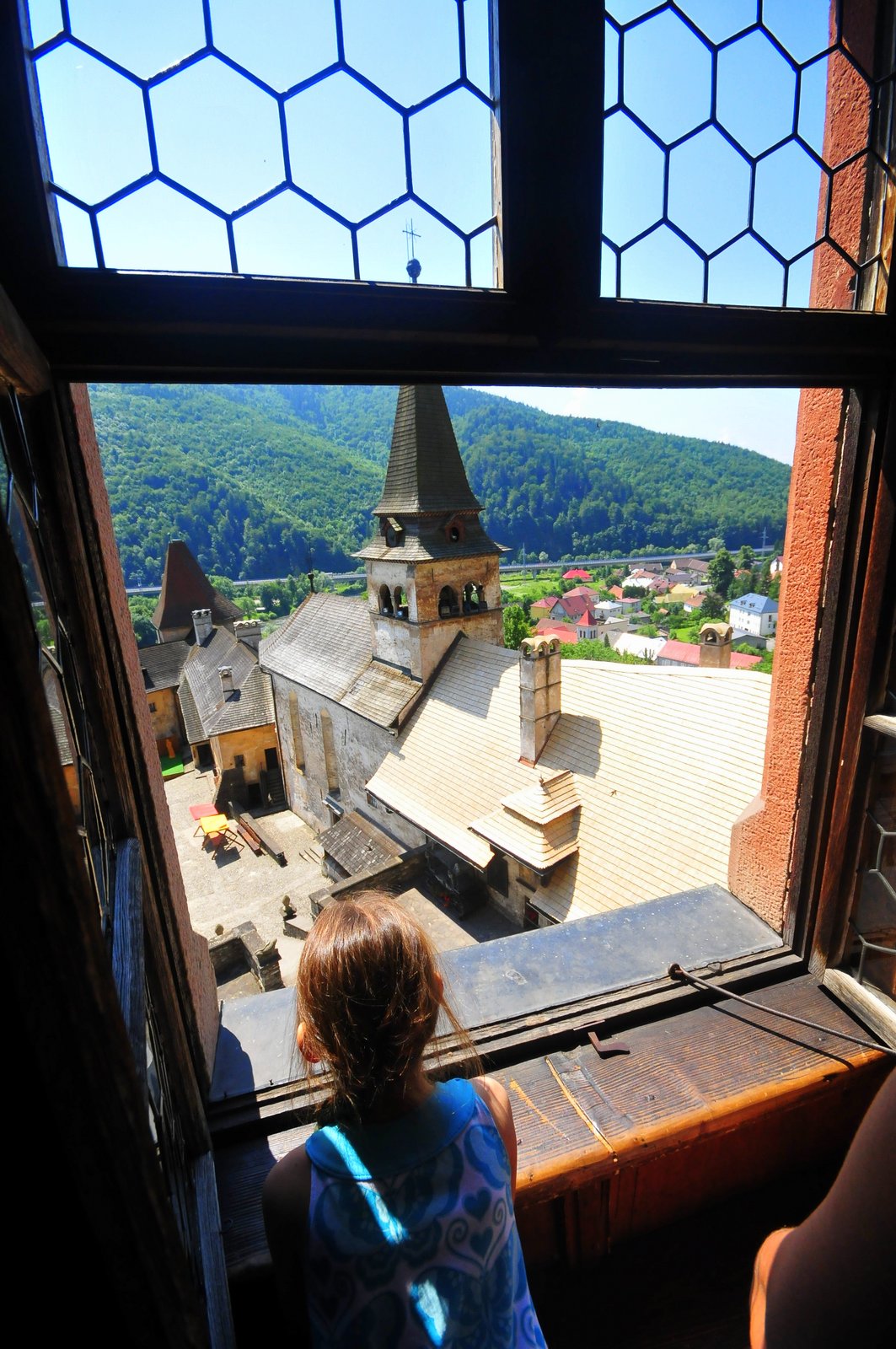
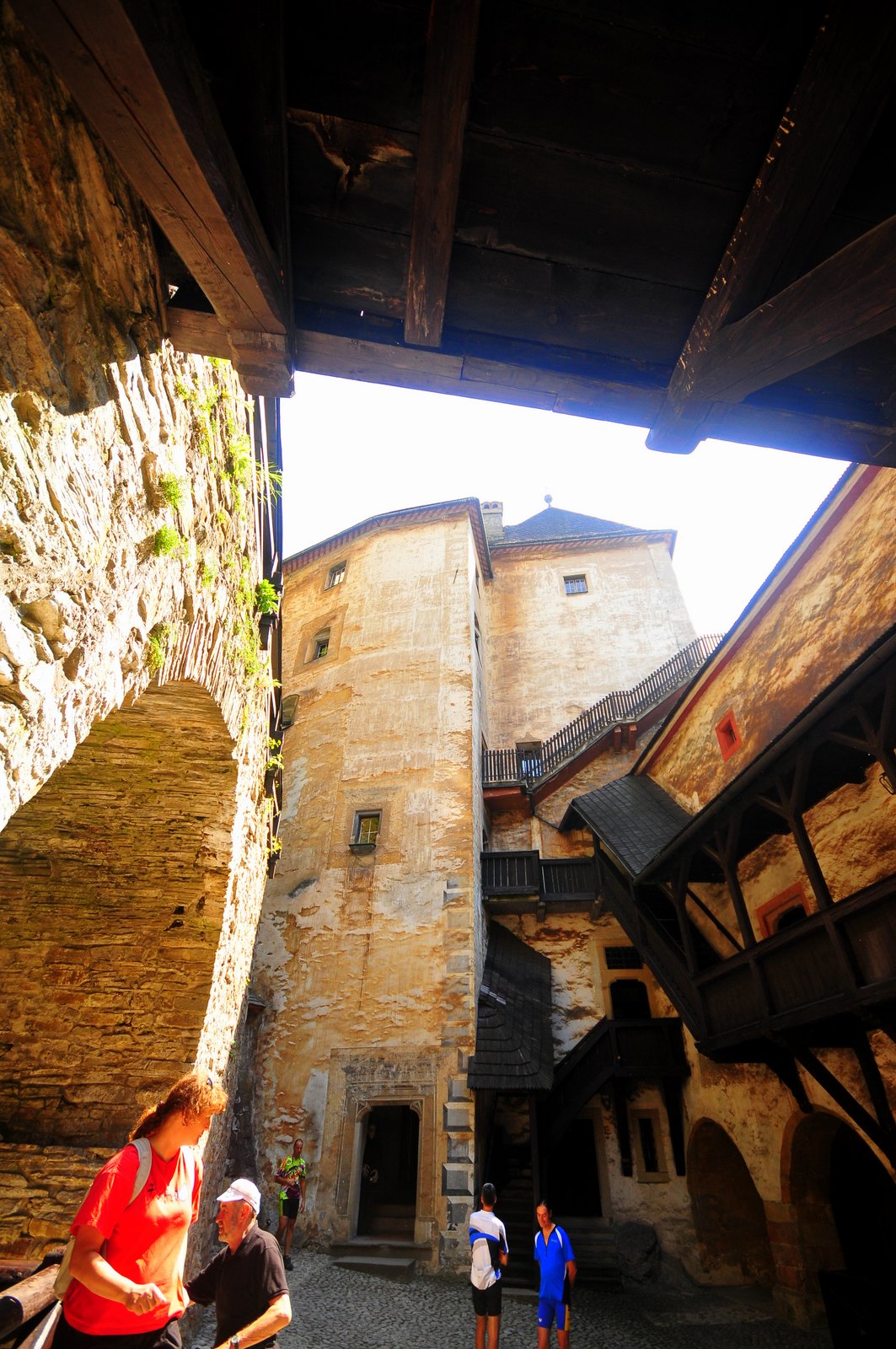
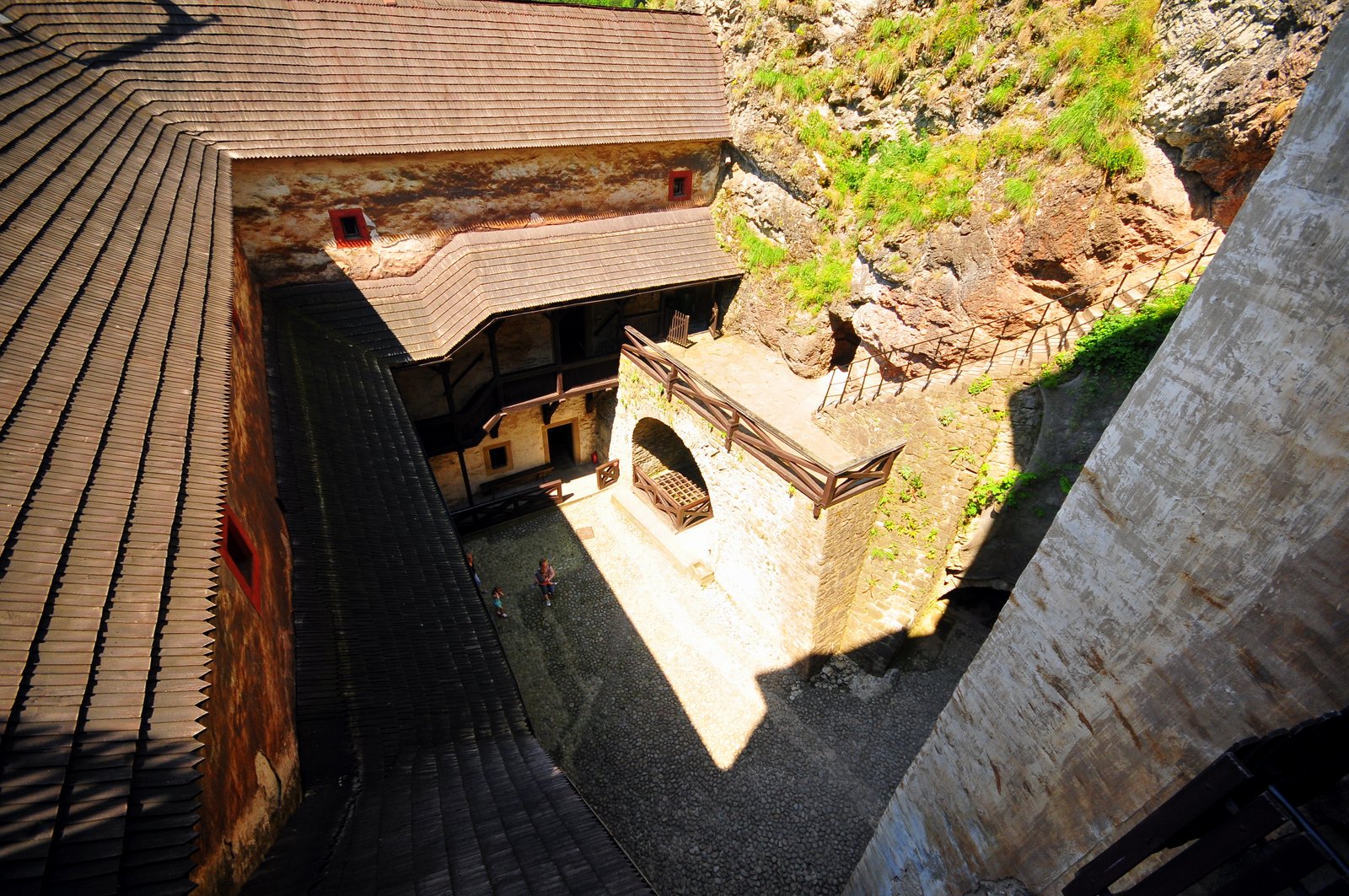
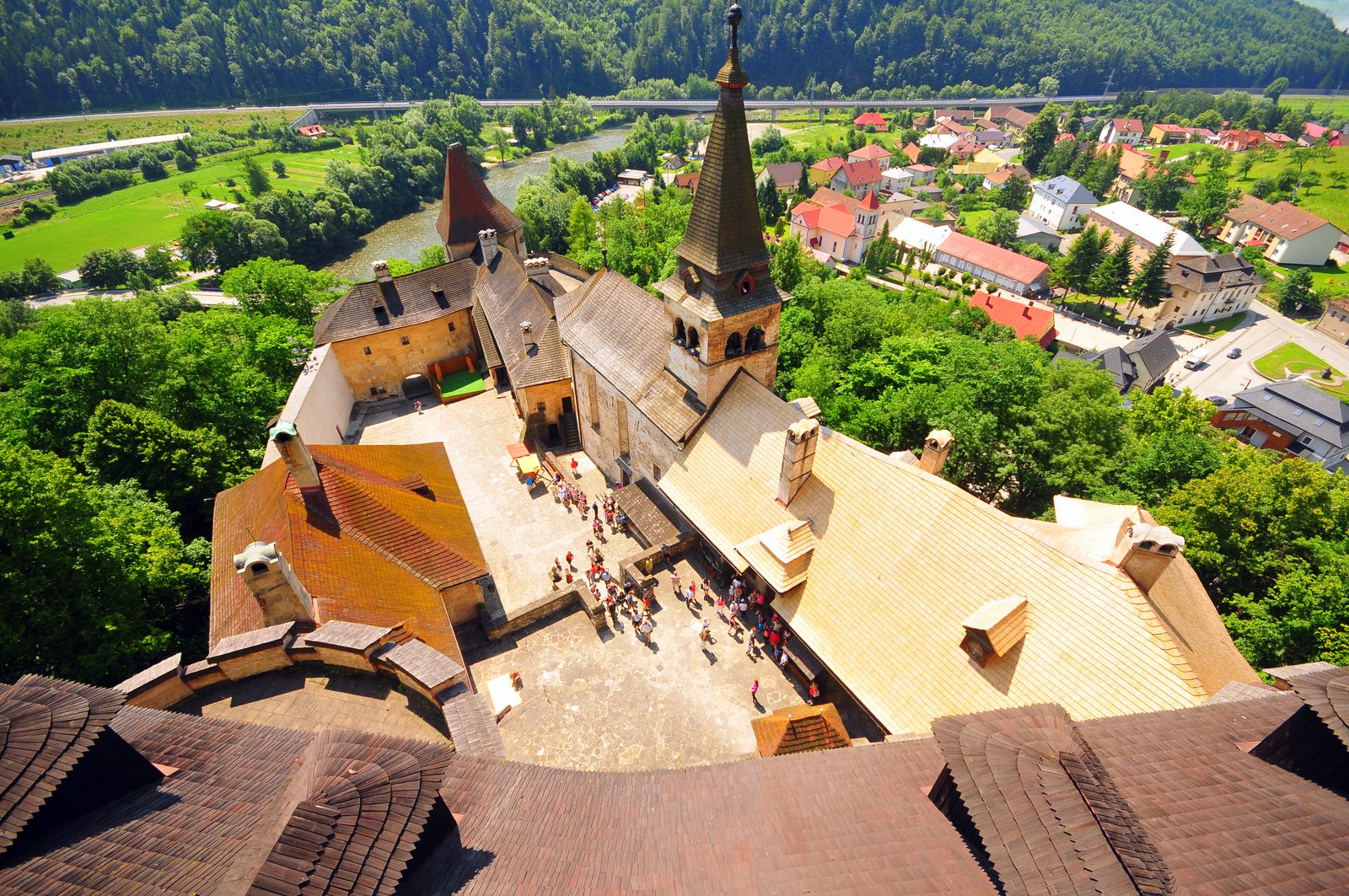
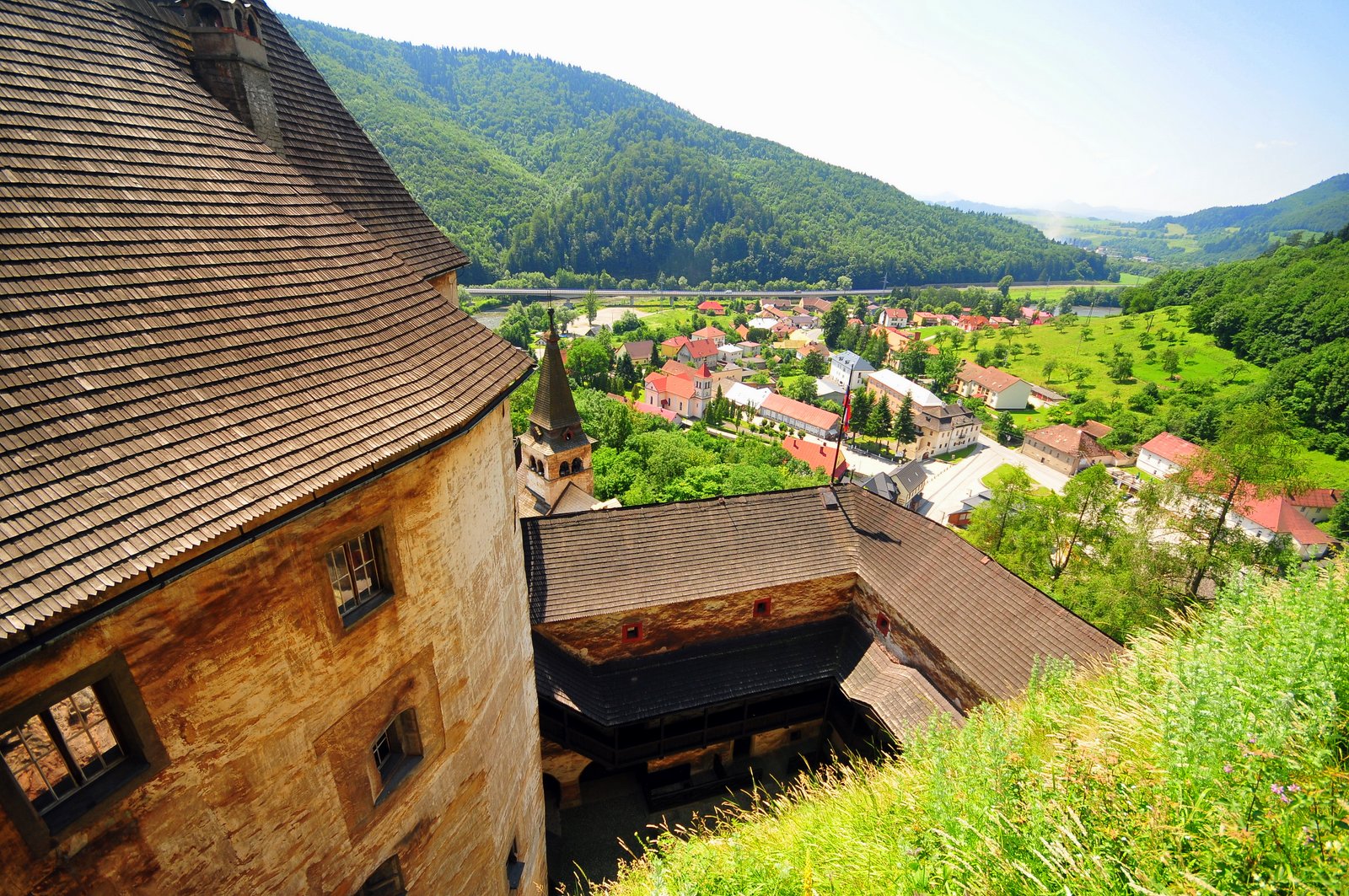
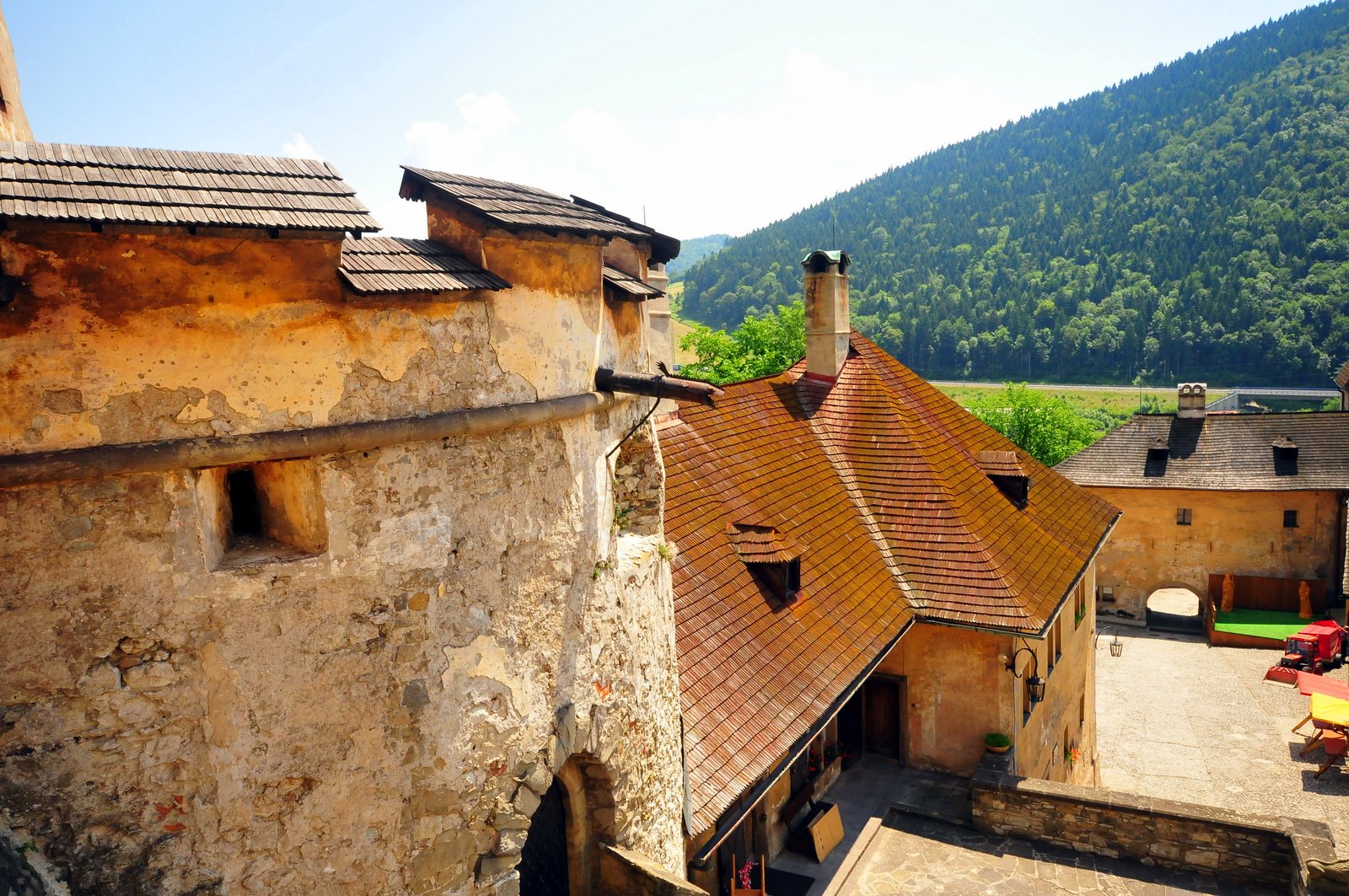
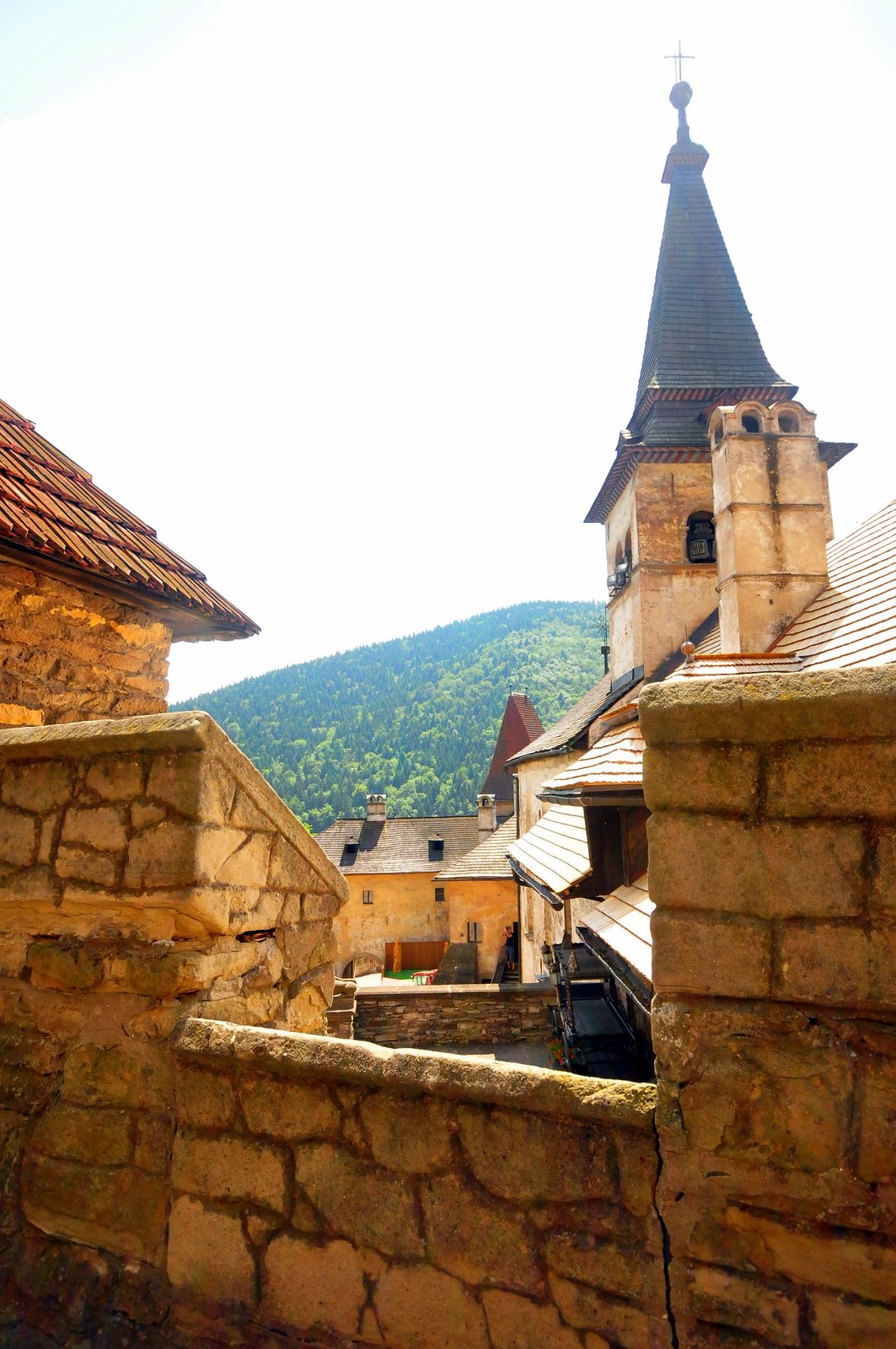
A fourth (or is it fifth? or third?) visit to Oravsky Hrad. This time, a few changes. A simplified camera set up to accompany a simplified tour due to the ages of our tourist. And a few random thoughts that unwound along the way.

Thought One

In the crypt of the chapel at Orava Castle there are three coffins, two small ones and a large one. The tour being in Slovak and only partially comprehensible to me, I'm not sure if I understood it all, but I believe the two coffins are those of one owner's children, an eight month old and a four year old. I had one of those moments: I remember what family life used to be, even for the riches and most fortunate. Infant mortality was unbelievably high (compared to now), and even living past five or six was not assumed. Having children might mean burying them before they were a year old, and it might mean burying multiple children. They could have died for any number of diseases that have now been virtually eradicated through improved hygiene, a better understanding of disease and its transmission, and effective vaccines. Yet for them, each child's death was something of a mystery. Sure, they recognized and categorized diseases based on symptoms, but the actual cause was a mystery, as was any possible prevention.

And so I am grateful that I live in a time when protecting my children against measles, for example -- a potentially fatal disease that, according to the WHO, would have resulted in "an estimated 20.3 million deaths" between 2000-2015. I'm grateful that I live in a time when I can take my child to the doctor and get a diagnosis and medication to help the child. I'm grateful that I've never once wondered whether my children will die of measles or small pox before they turn five. As I looked at the smallest casket, I felt fairly sure that her parents would have given almost anything to have that kind of security.

Thought Two

Orava Castle was the set for Nosferatu, a 1922 film adaptation of Dracula. I remember hearing that the idea of a blood sucking tyrant came from Vlad the Impaler. Here was a man who could do just about anything to just about anyone and became famous for a particularly brutal way of killing. He seems to be the exact opposite of what we have in most countries in the Western world today, where the rule of law treats everyone -- theoretically -- the same. Anyone from a homeless person to the President of the United States can be subject to the same law.

Yet what is most surprising about Vlad is that he was a real law-and-order guy. While there were plenty of people who were killed for arbitrary things, a great number were killed due to transgressions of Vlad's severe moral code.

Further, Vlad was involved in fighting the Turks and preventing the spread of Islam in Europe. Despite his brutality, he was considered an orthodox Christian, and the Pope had little to nothing to say about his viciousness. He was, after all, fighting the Turks -- the rest is insignificant, right?

When the Turks' invasion began overwhelming Vlad's forces, he began a scorched-Earth policy, destroying villages on both sides of the Danube to slow the Turks' progress. This meant destroying his own people in vast numbers.

And so I began thinking about how we take this for granted today. We don't raise our children wondering whether or not our own leader is going to slaughter them trying to save his own power. We don't have to fear our rulers' whims because they are subject to the same laws we are.

Previous Visits

Tour Guide

Oravský Hrad

Slovakia to Nowy Targ

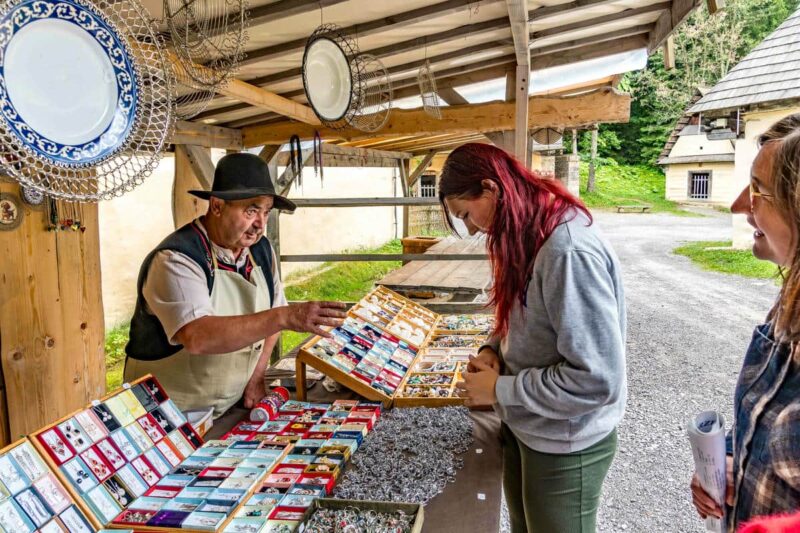
Morning: a trip to Slovakia to do some shopping. Babcia explained that the flour there is much better quality and that the crocheting thread is much cheaper, so we headed to Trstena, the first real town across the border.

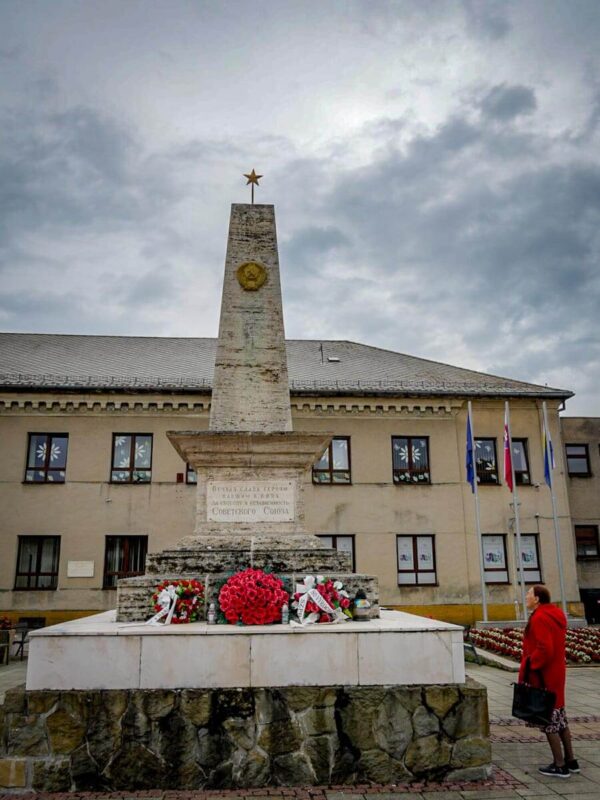
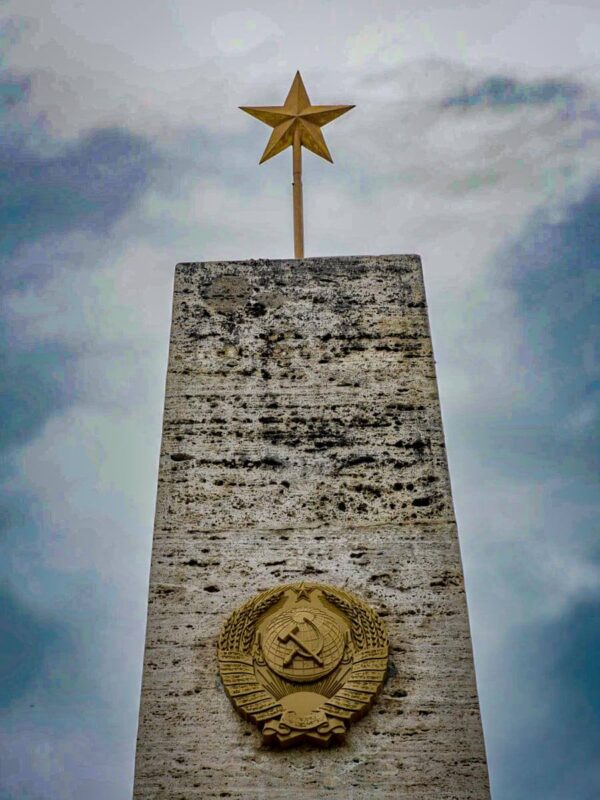
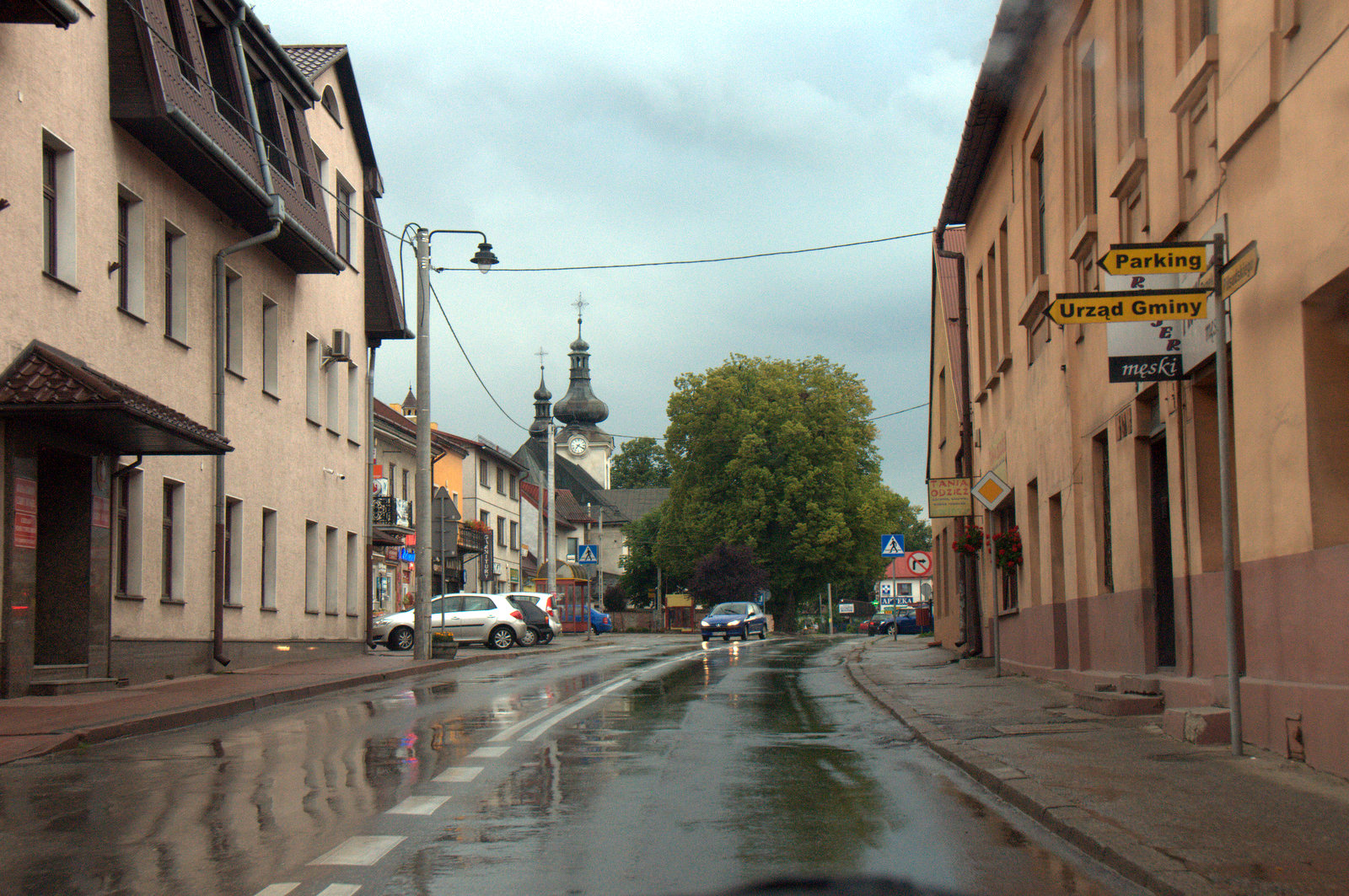
Despite all the changes in Lipnica and Jabłonka, Trstena really hasn't changed all that much. The town square still looks more or less like it did the first time I went in 1996. Sure, there have been a few updates in architecture, but mainly face-lifts to get ride of the old socialist realism of the previous era.

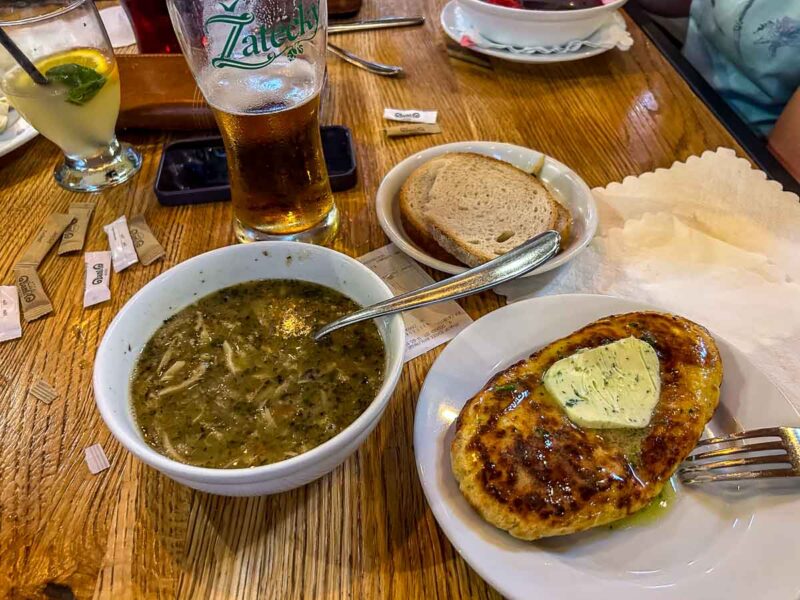
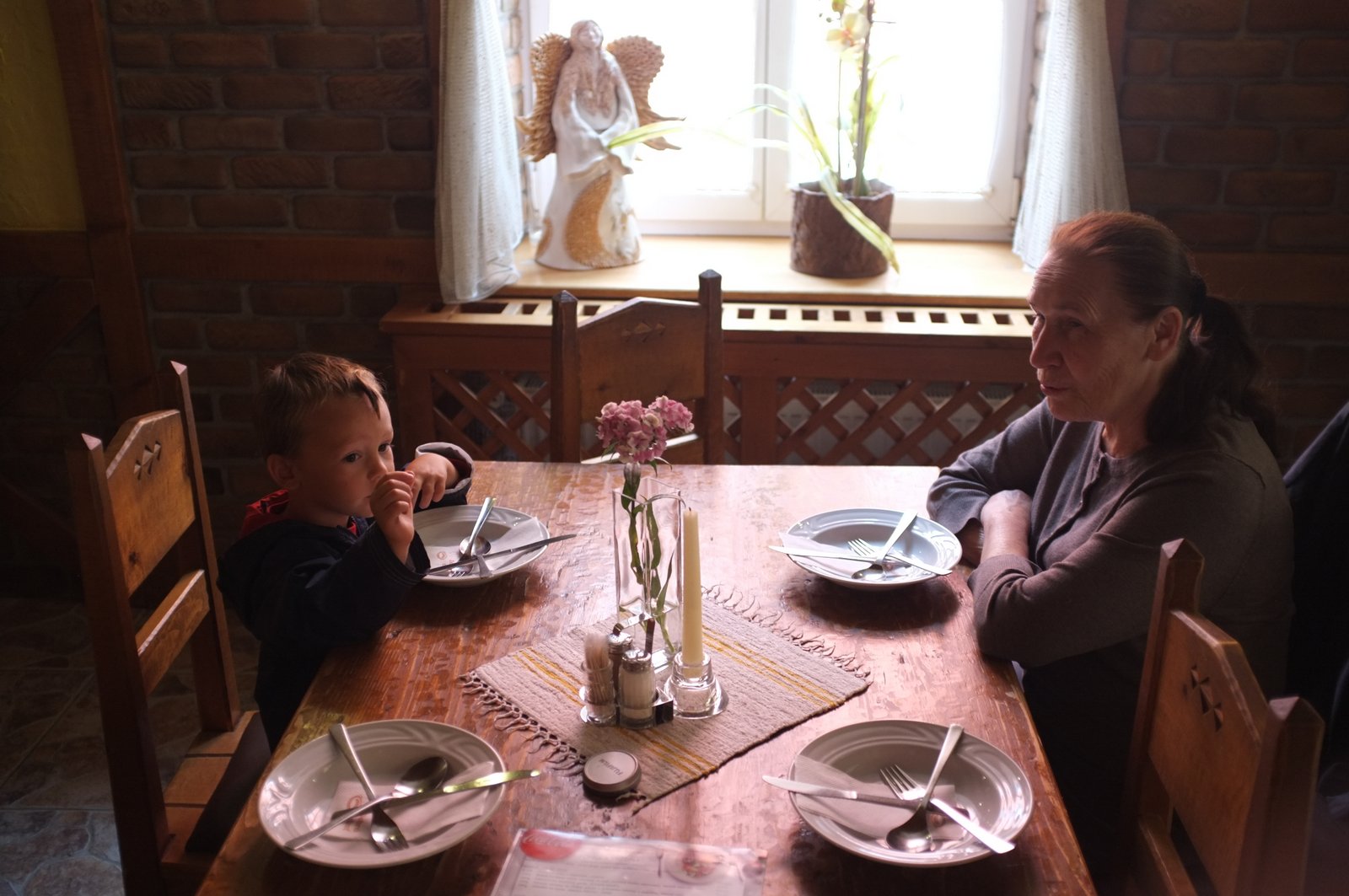
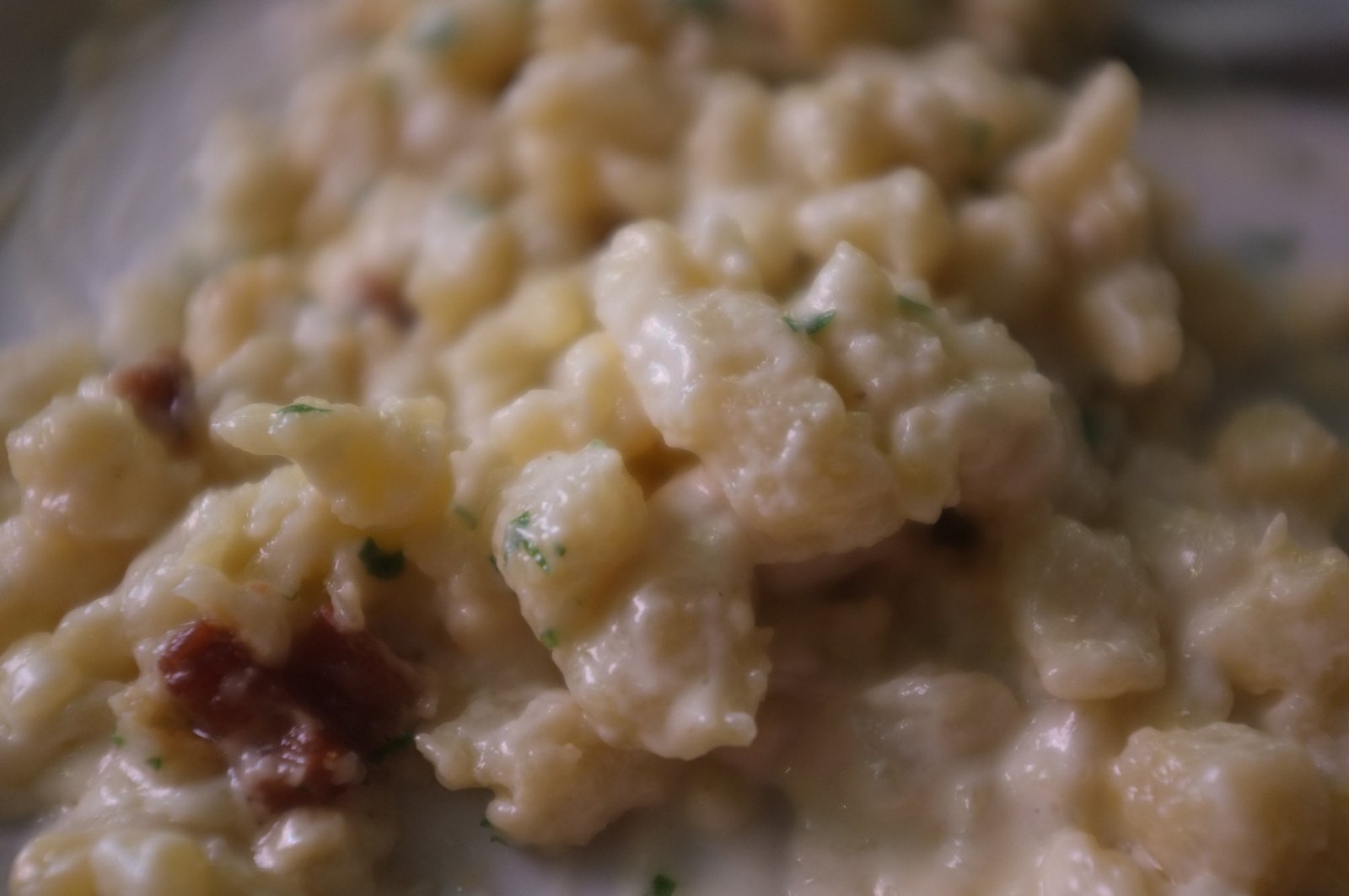
We made our purchases and then found a cozy restaurant for a bit of lunch. And of course since we were in Slovakia, there was only one thing on my mind for lunch: bryndzové halusky. I could eat the stuff by the kilo if it weren't for the fact that it's a complete fat and carb bomb.

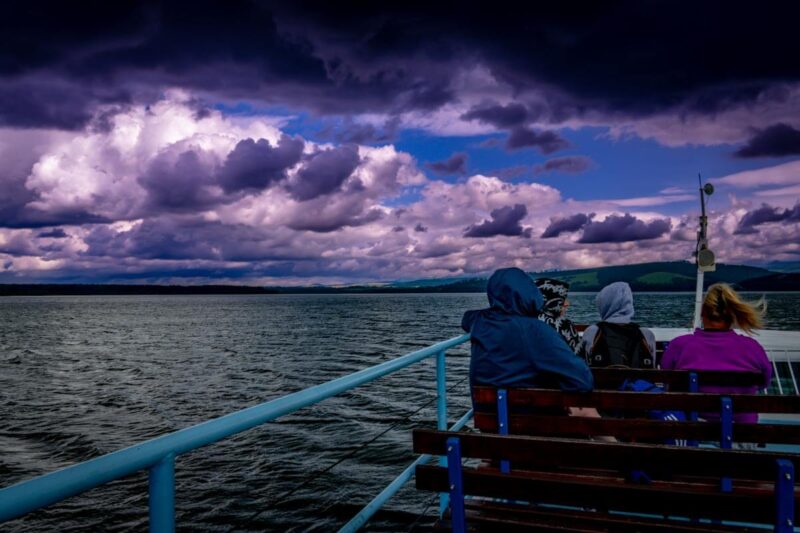
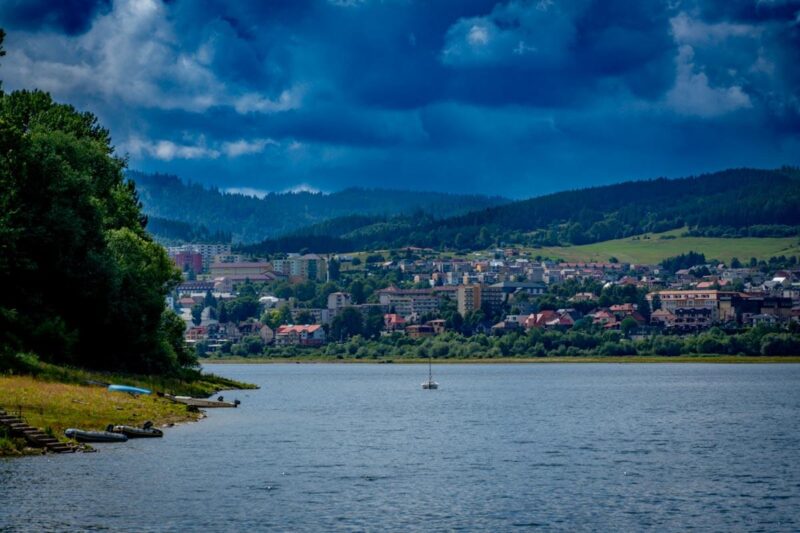
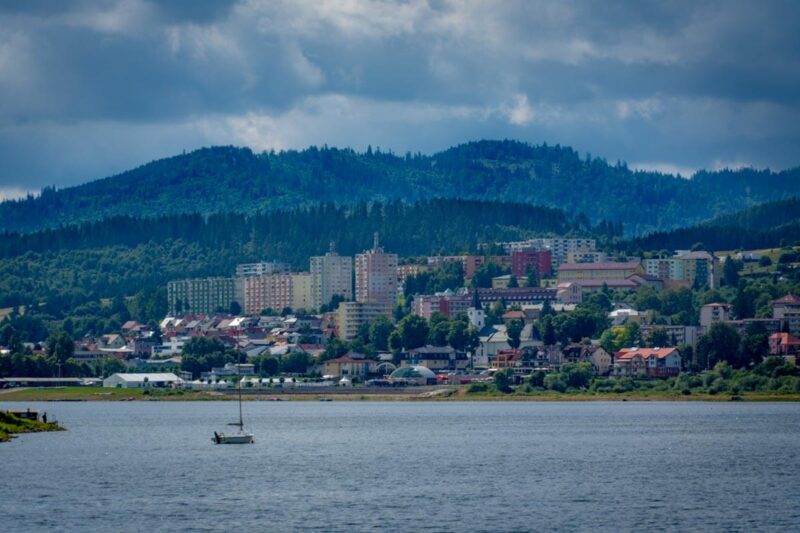
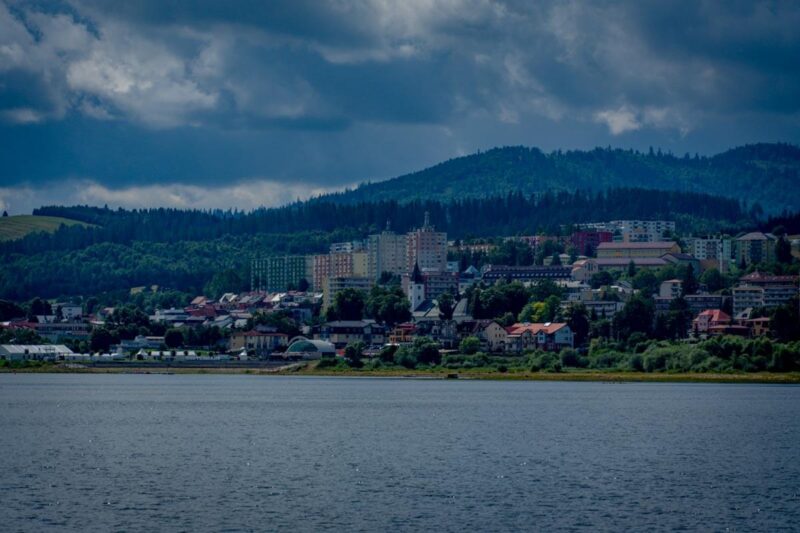
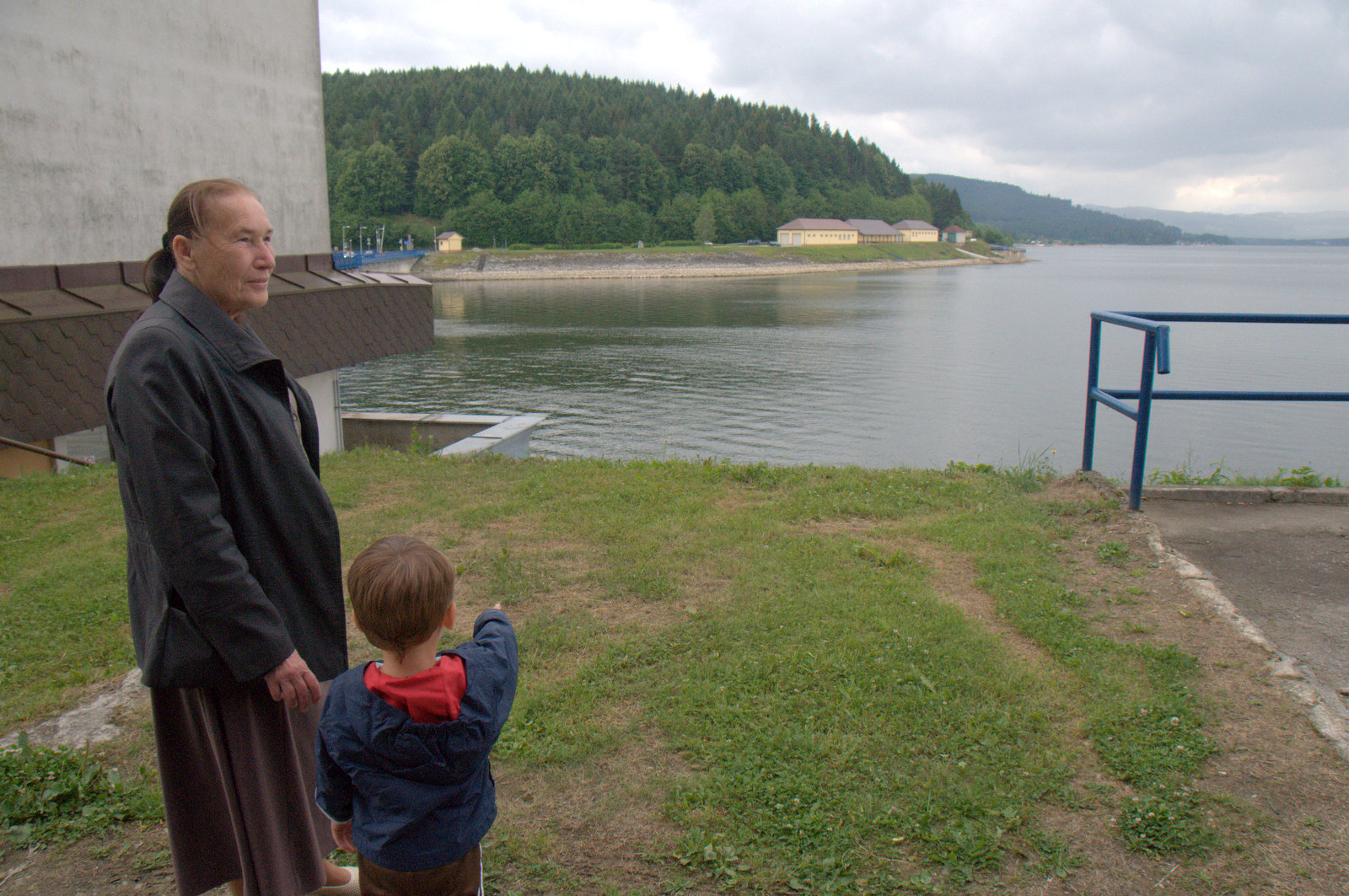
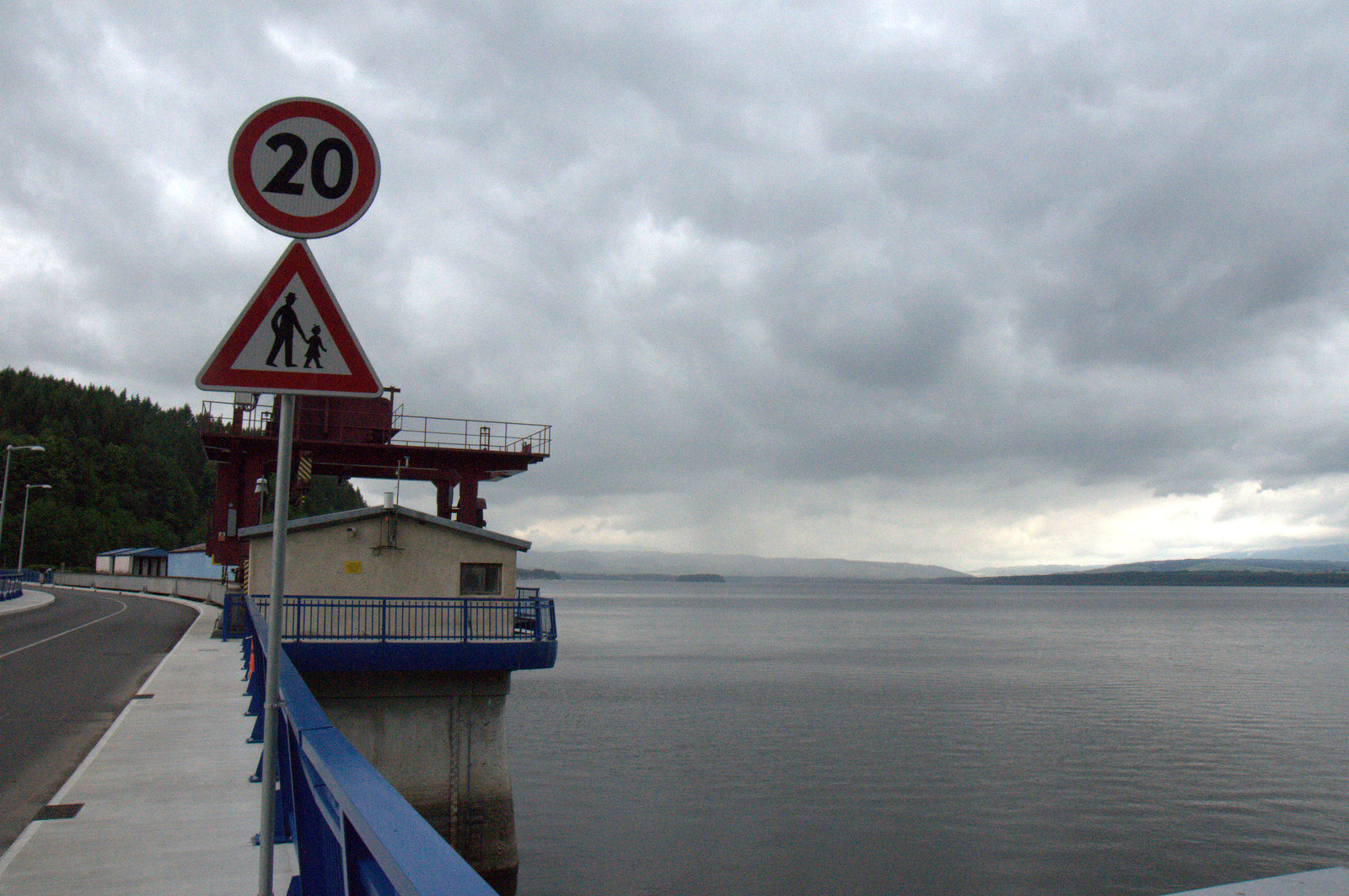
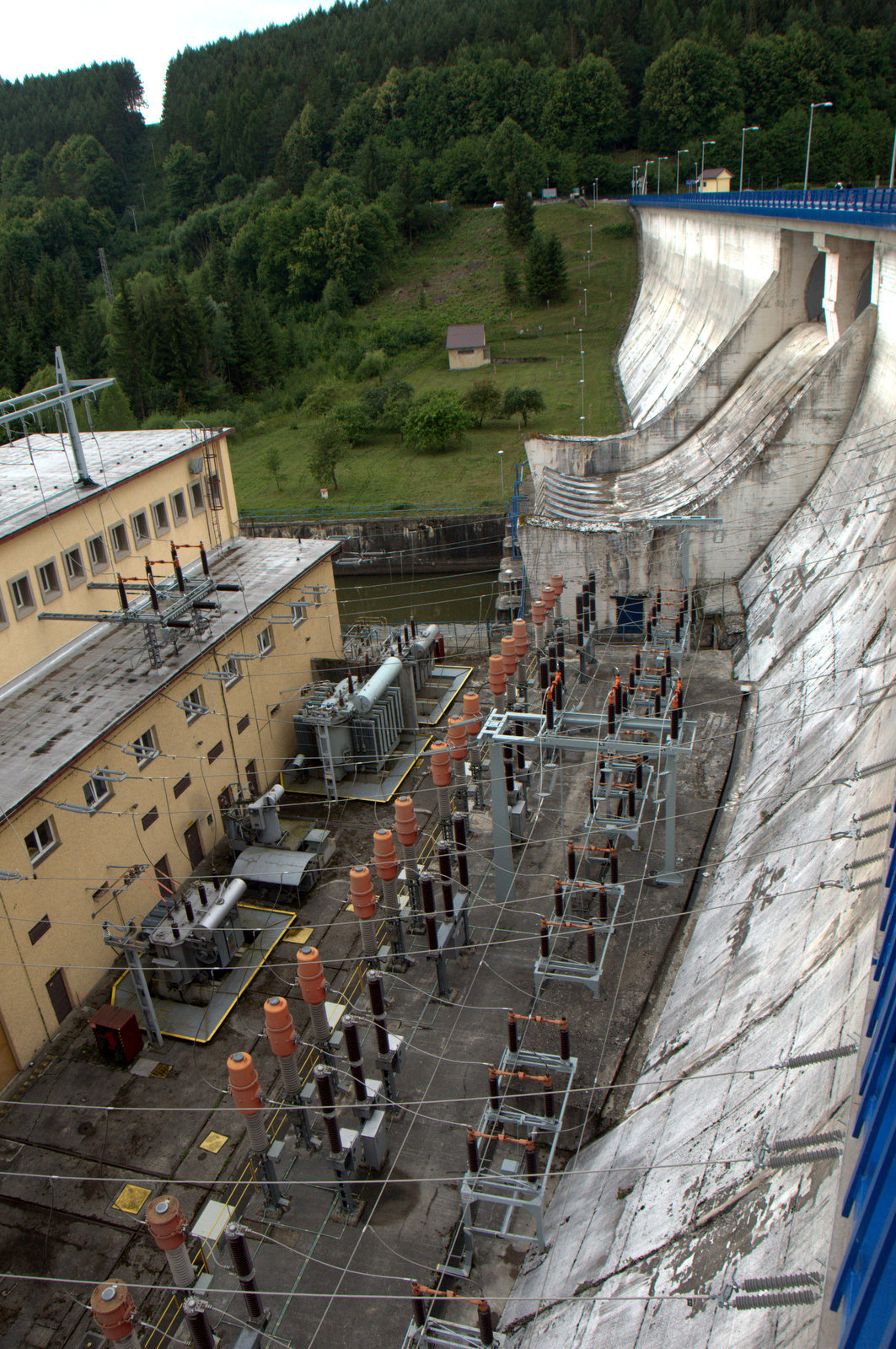
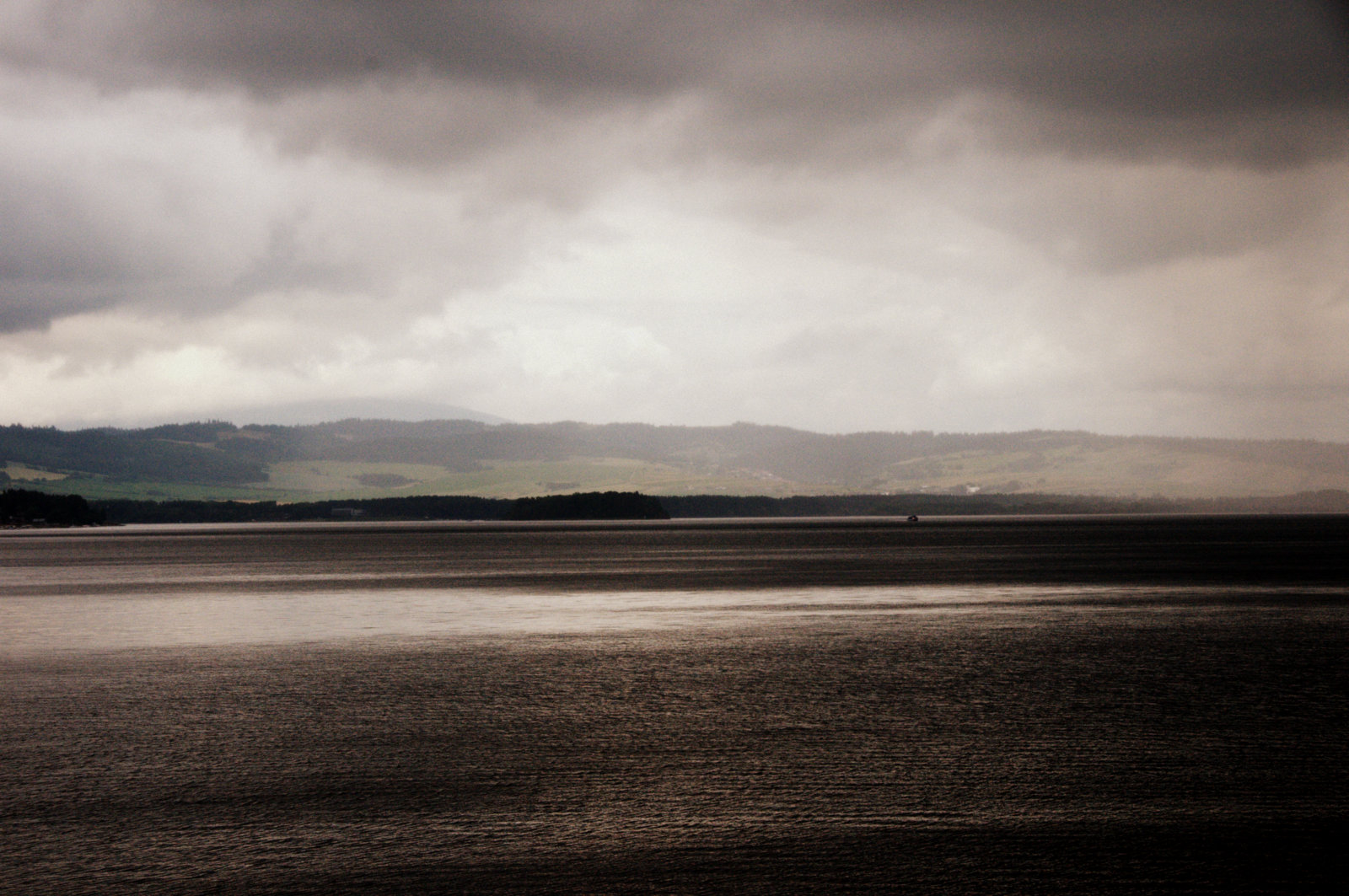
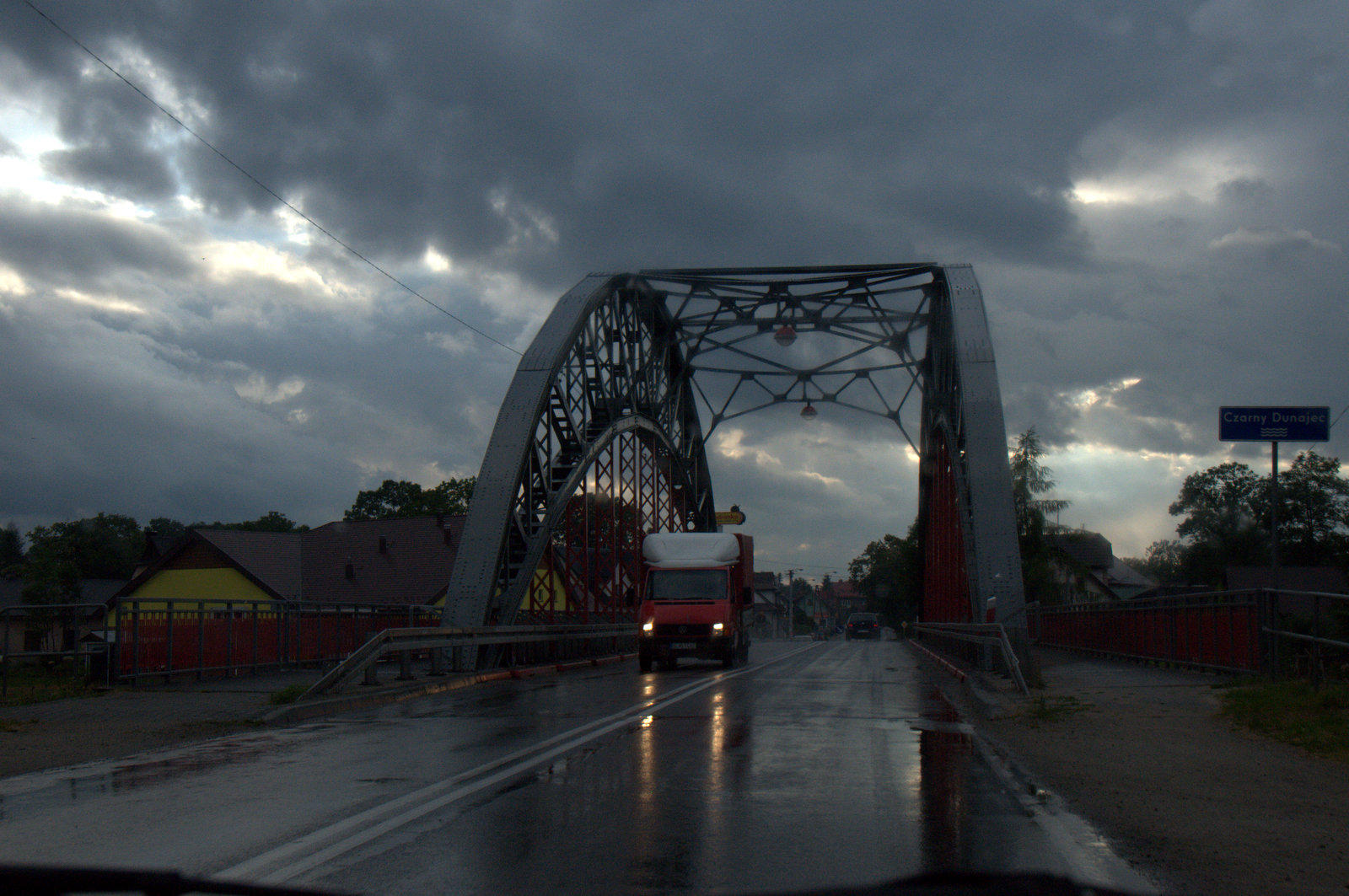
Since Babcia wanted to stop and get some trash bags -- the local trash collecting agency will only pick up trash and recyclables that are in the proper bag, in typical bureaucratic fashion -- and since the bags are available only in one location, we decided to drive around Lake Orawa and come at Lipnica, where the trusty bags are located, from the backside. This meant we went over the dam that formed the lake some decades ago and prompted the creation of the town of Namestovo for the displaced residents of the valley. Of course, the boy loved it.

Part two: Nowy Targ. K had some shopping to do and wanted to get her hair done, and since two people recommended the same hairdresser in NT, there was only one place to go. I on the other hand had other things on my mind: no trip to Poland is complete without a visit to C, the Other American in the area with whom I spent countless weekend hours in the late 90s.

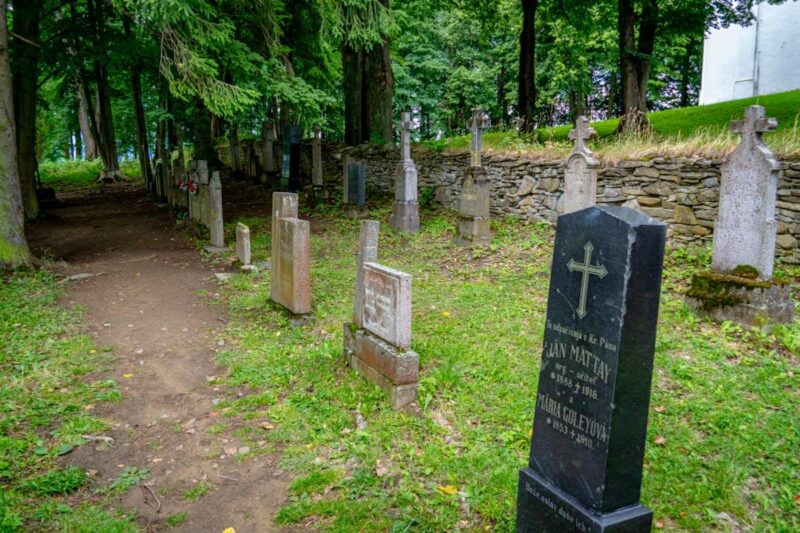
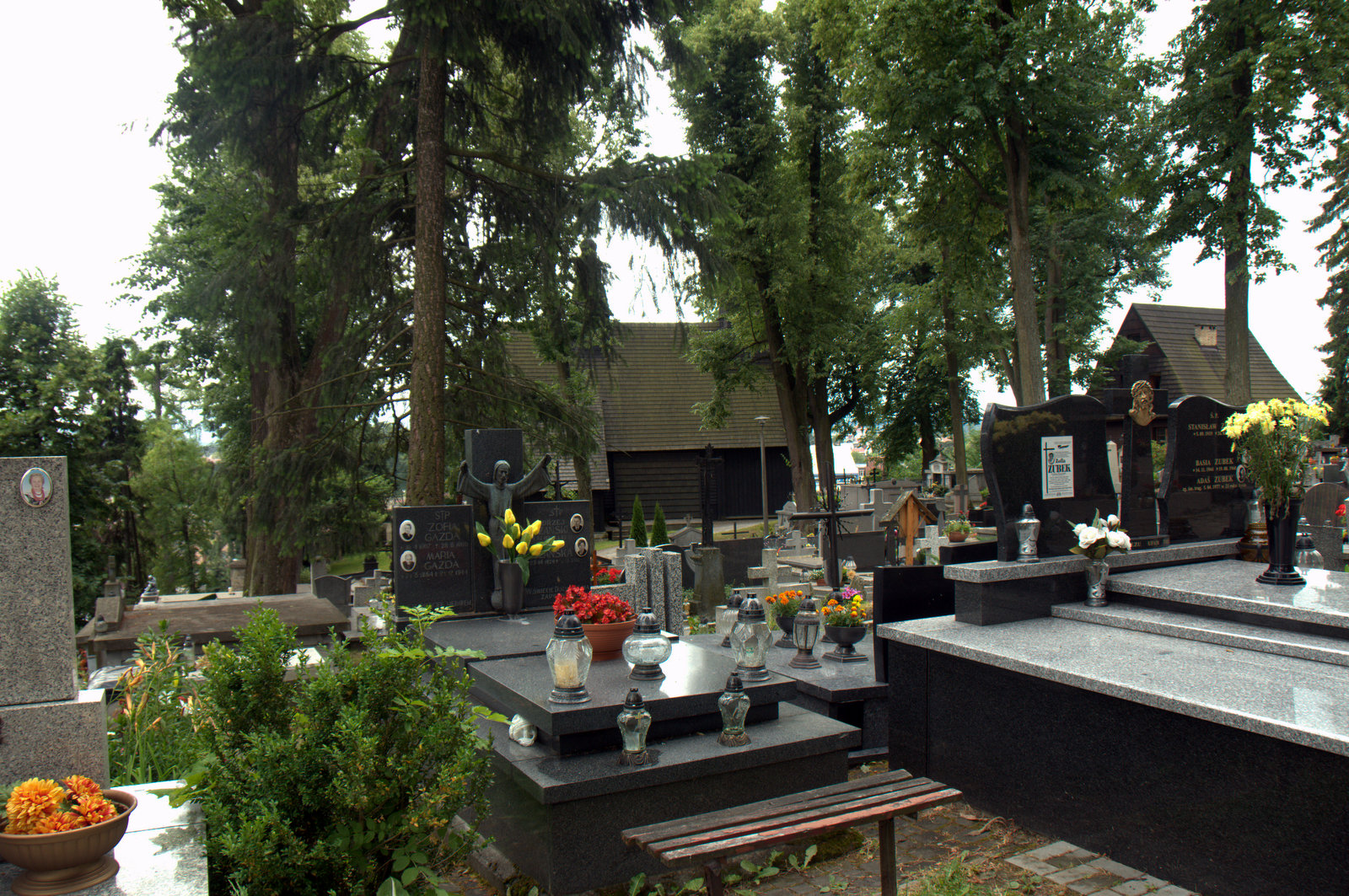
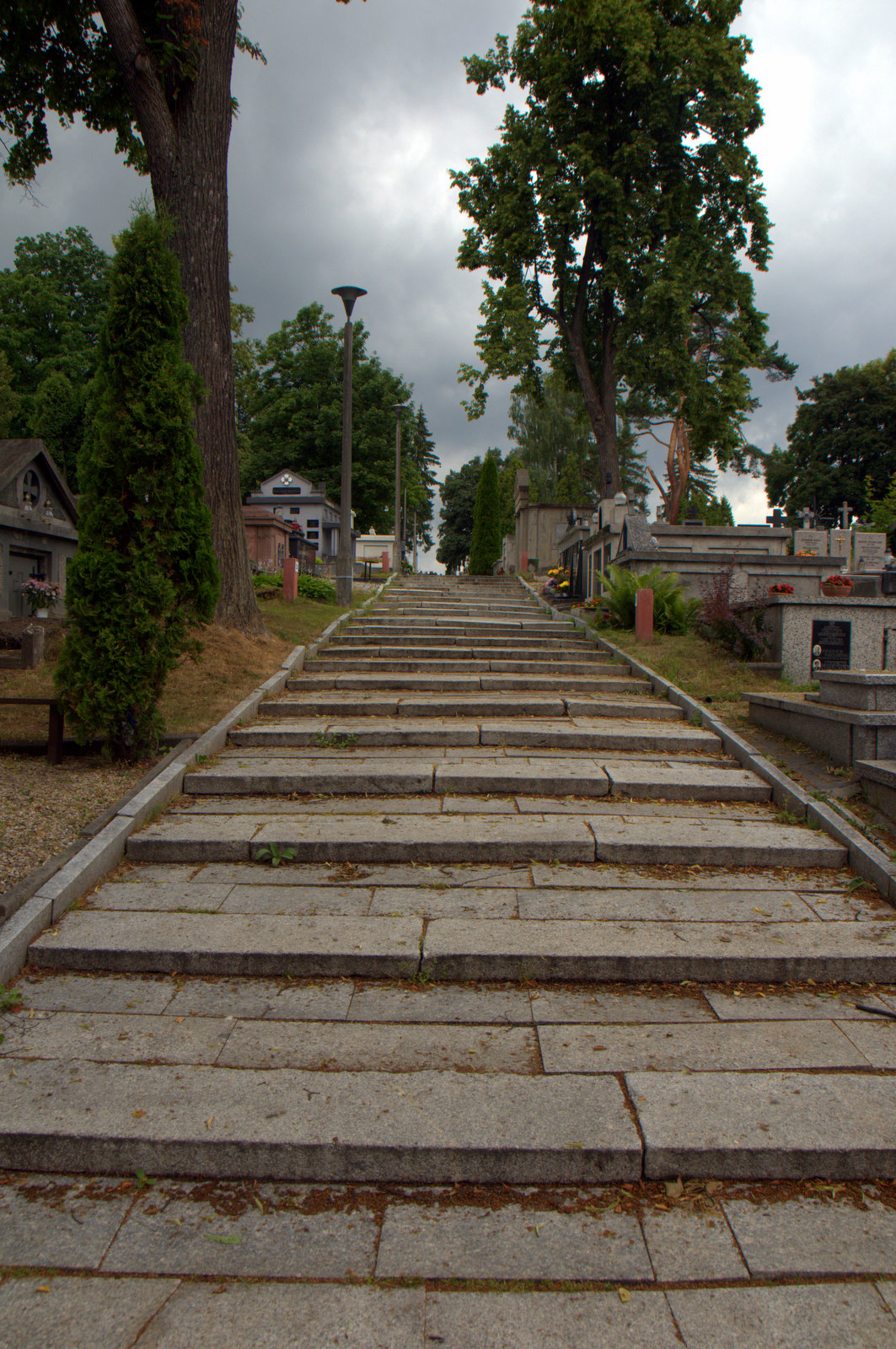
A quick walk over the river and through the cemetery and soon, C and I were catching up, reminiscing.

K came by, showed off her lovely new hairstyle, and chatted with us a bit before we turned back toward Jabłonka.

In some ways, nothing special about today's events. Had today been eighteen years ago, it would have been almost typical -- not for a Tuesday, perhaps, but maybe for a Friday or Saturday. All it takes to turn the typical into the extraordinary then is eighteen years and a few thousand miles.

Oravský Hrad

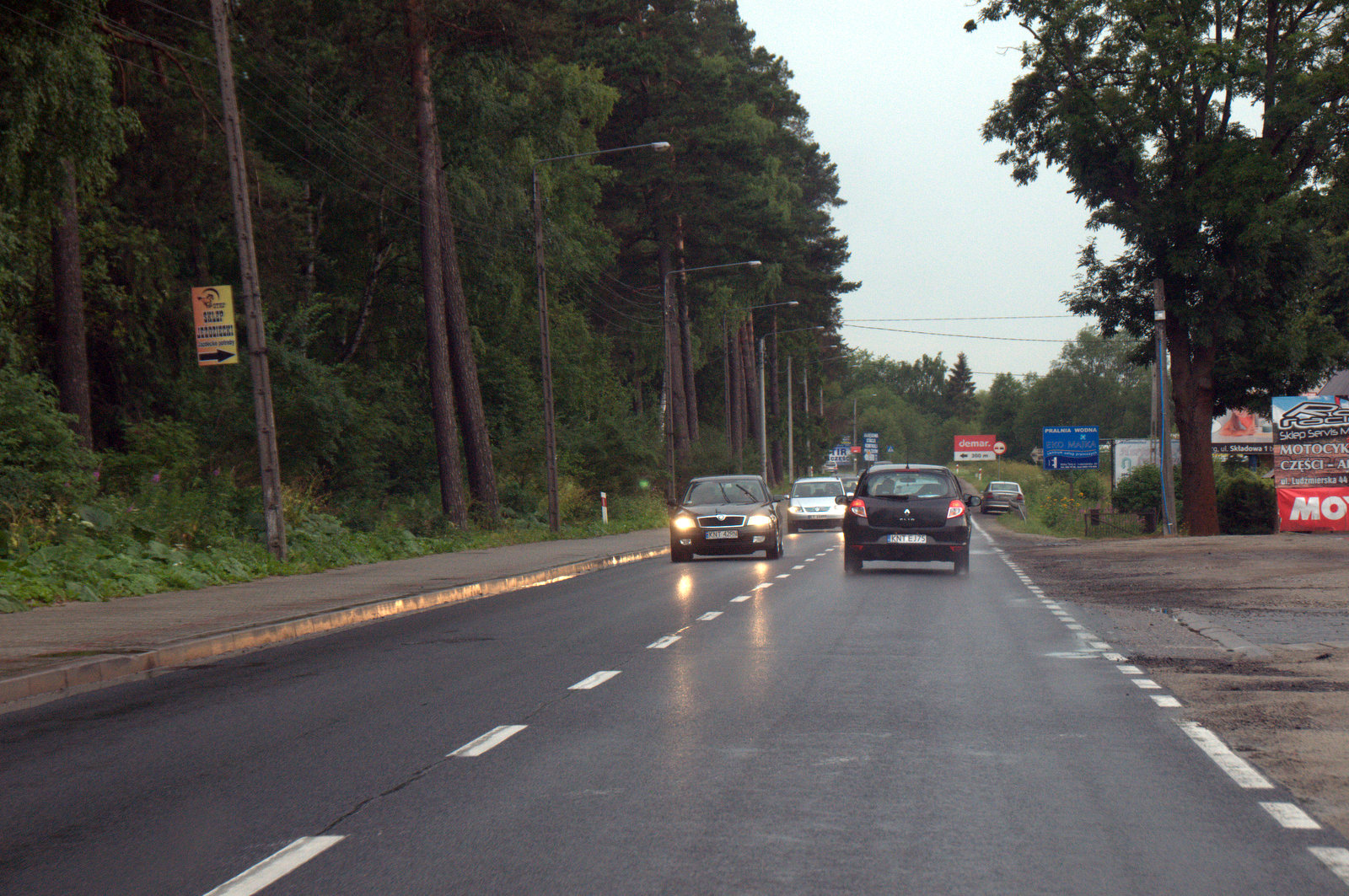
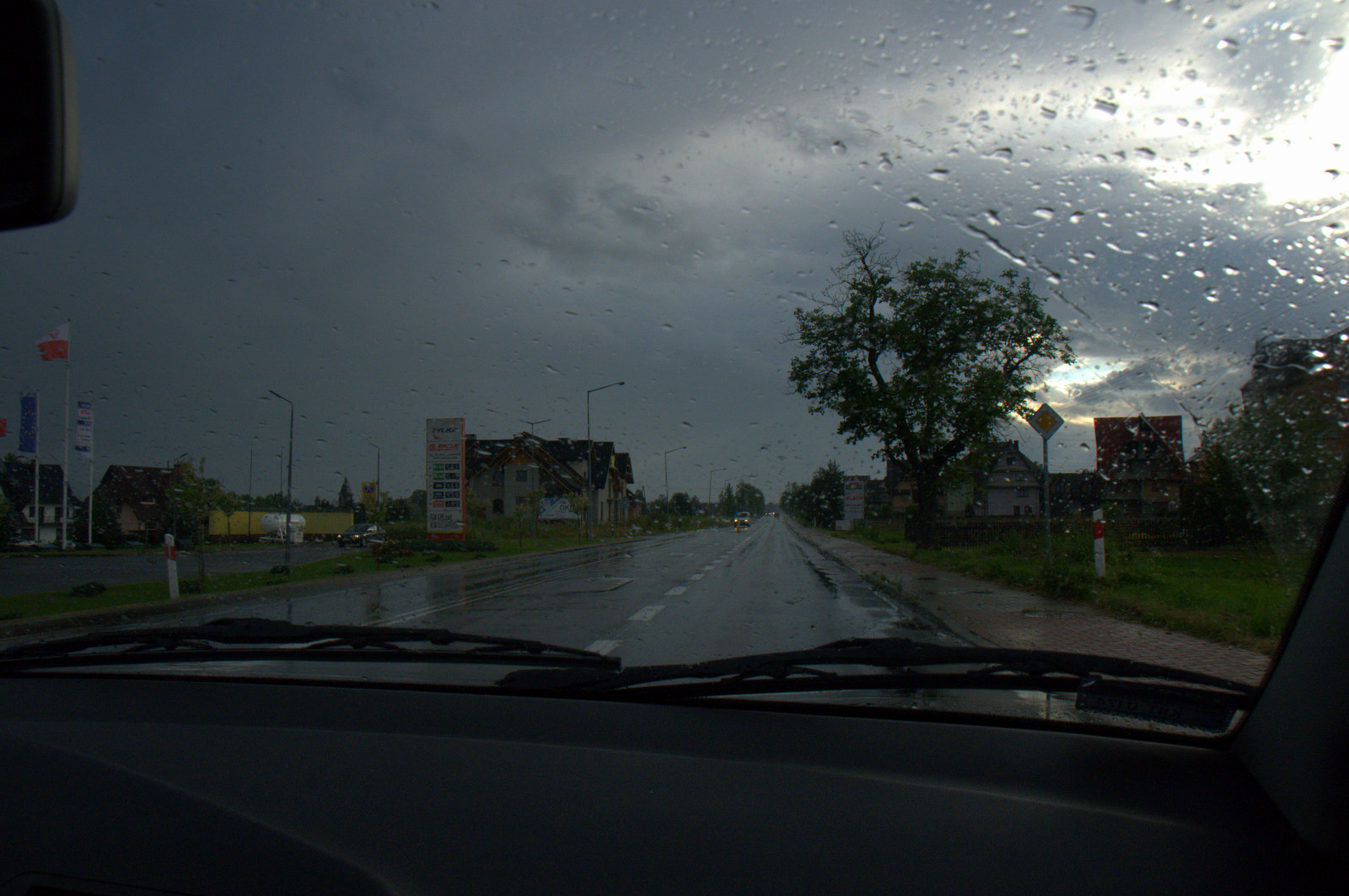
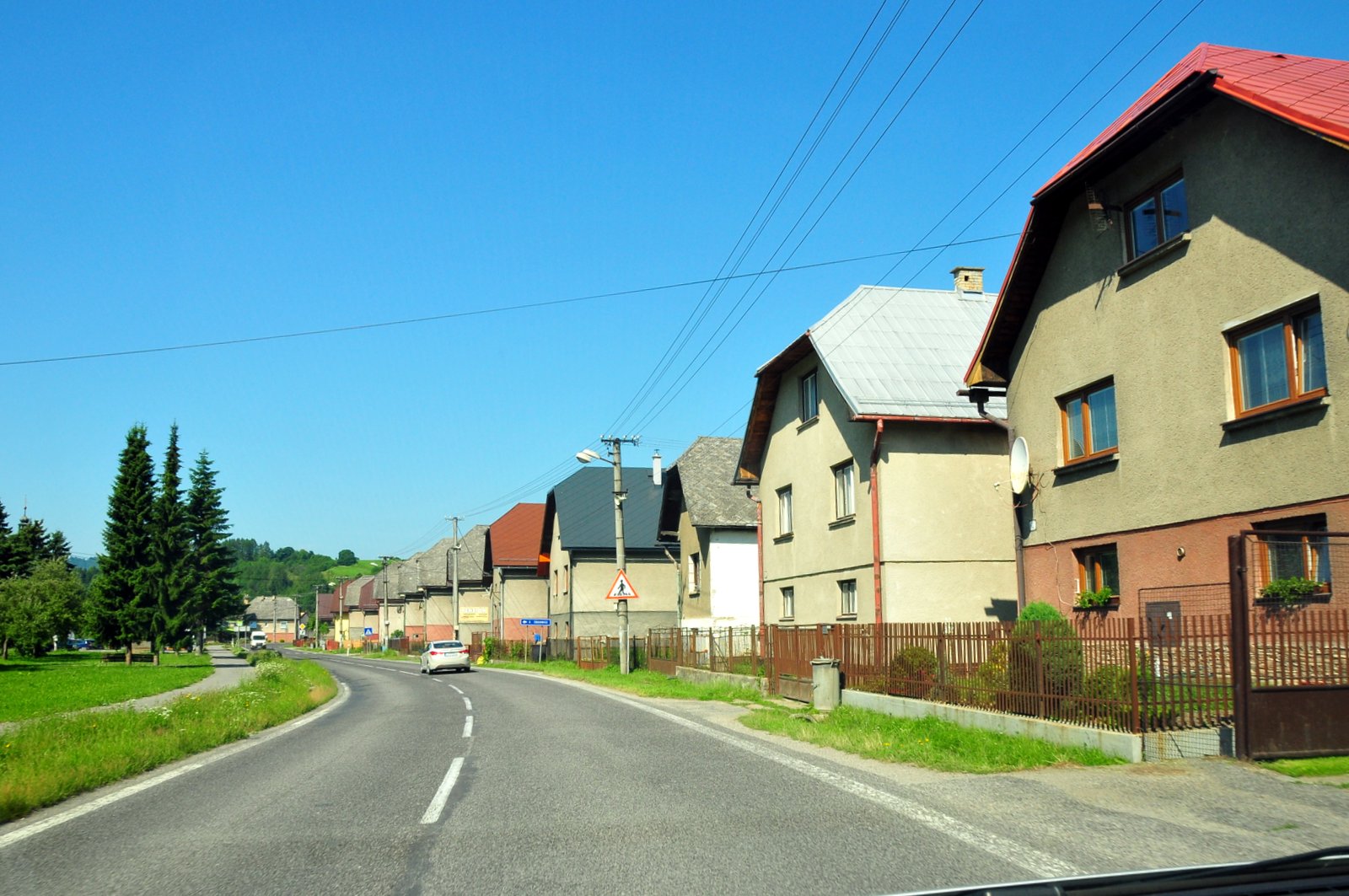
It's obvious almost instantly that you've crossed the border into Slovakia. Everything looks similar, but just different enough. The villages above all: stretched out along a single road, houses huddled up to the street, house after house looking quite similar.
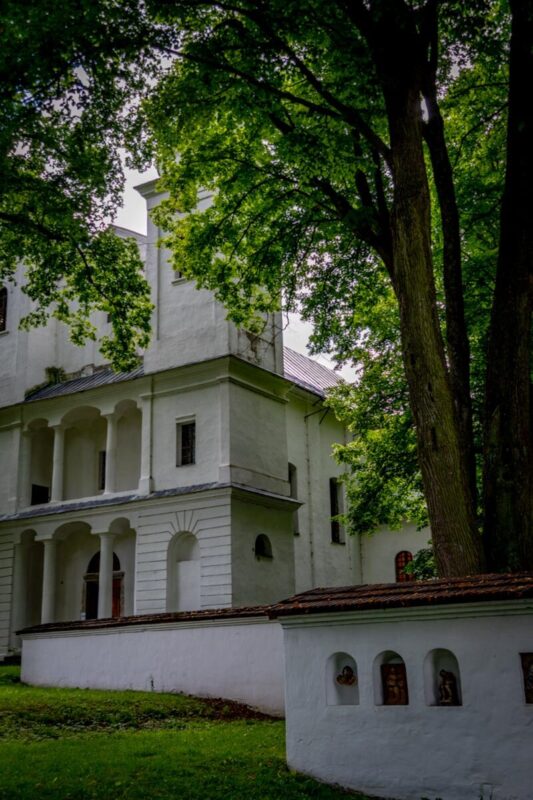
DSC_4980

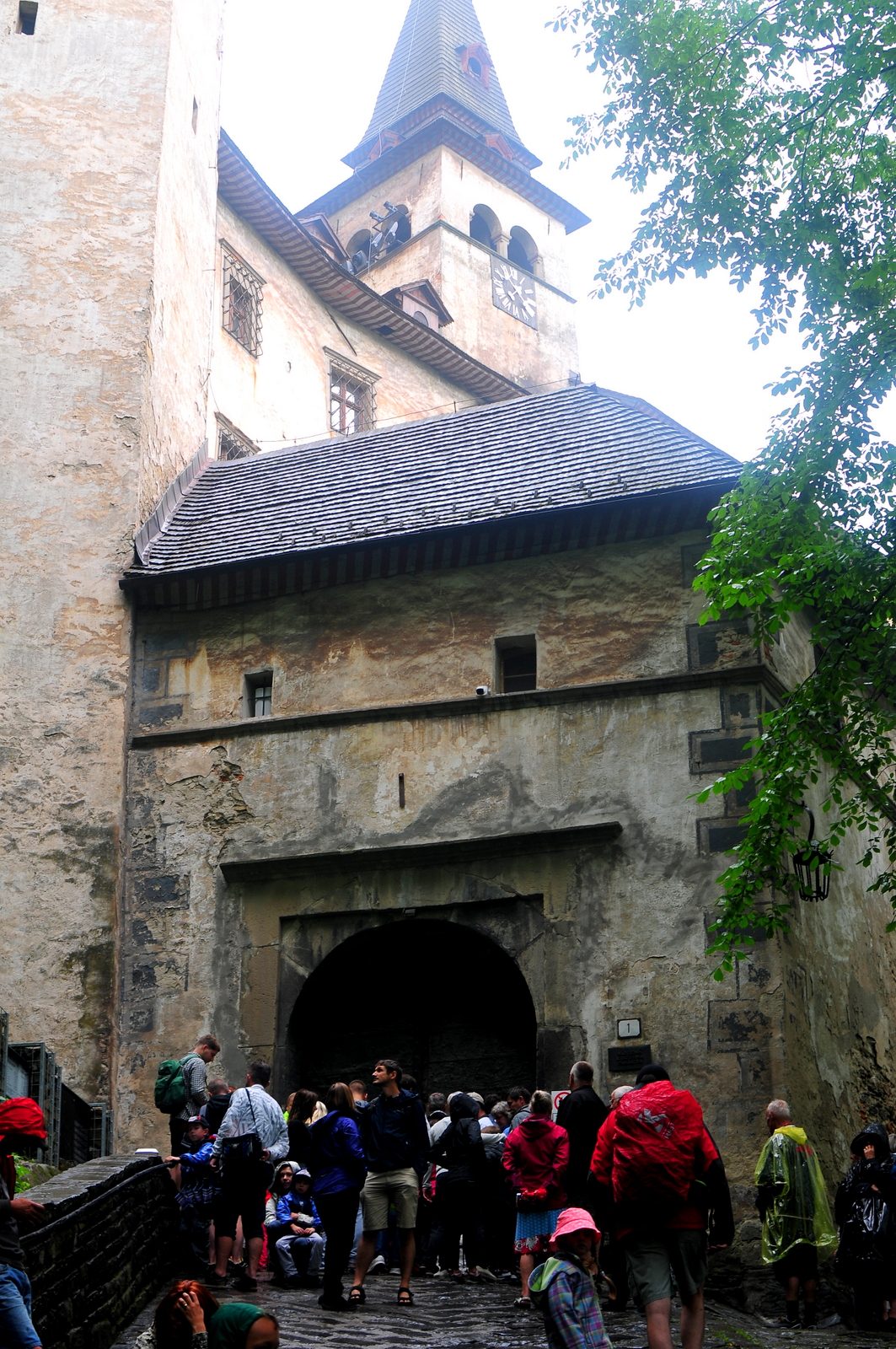
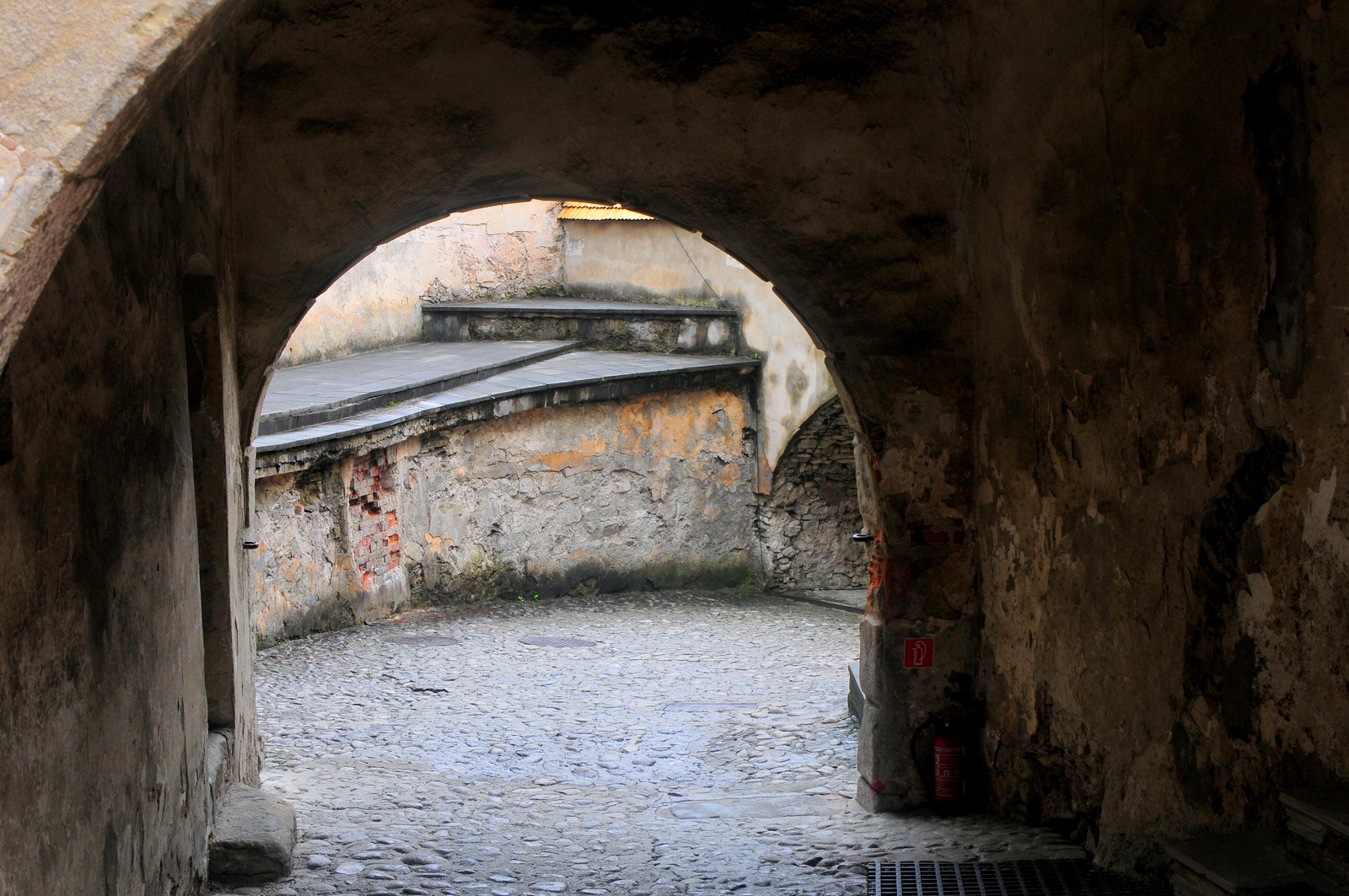
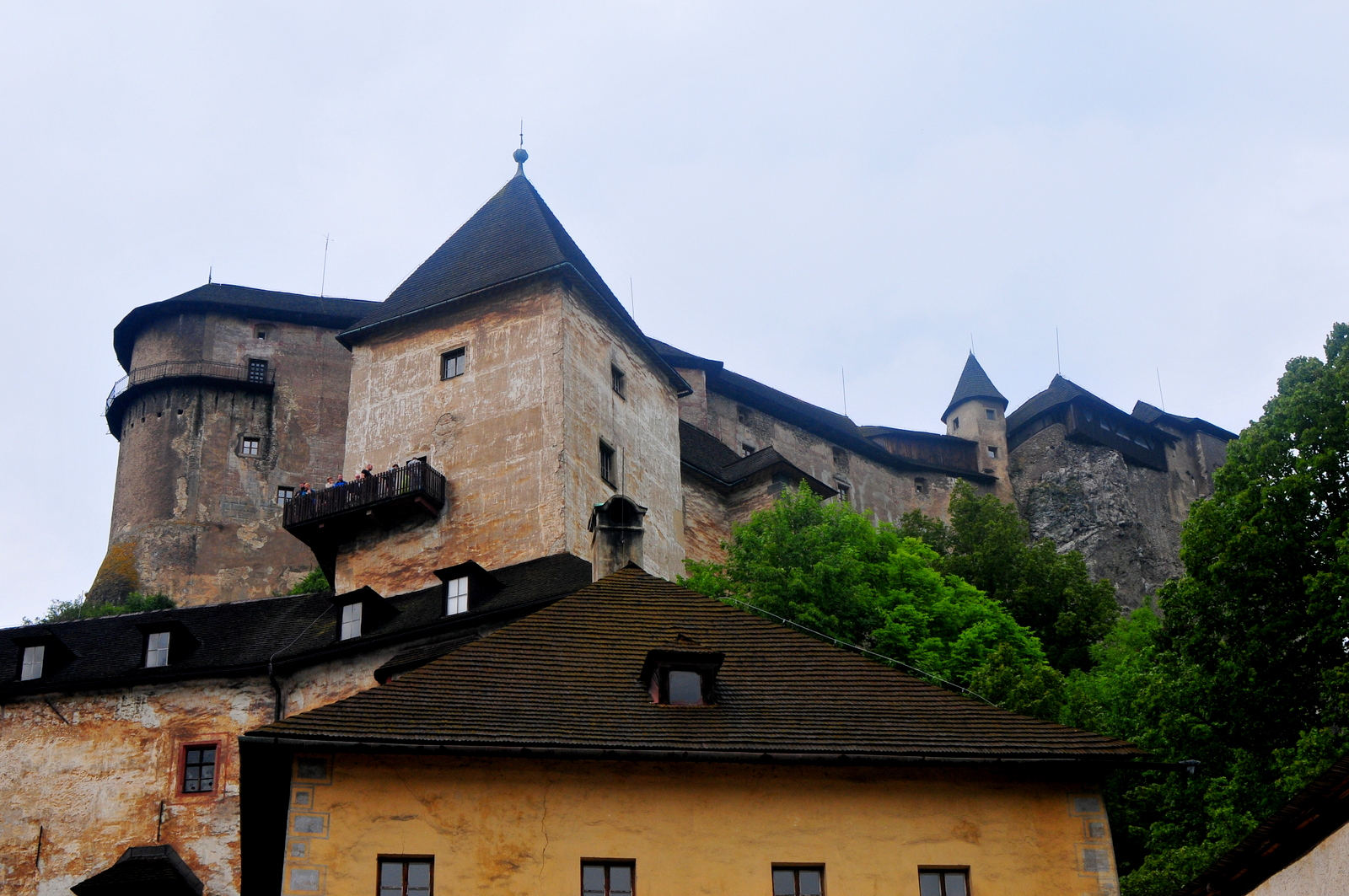
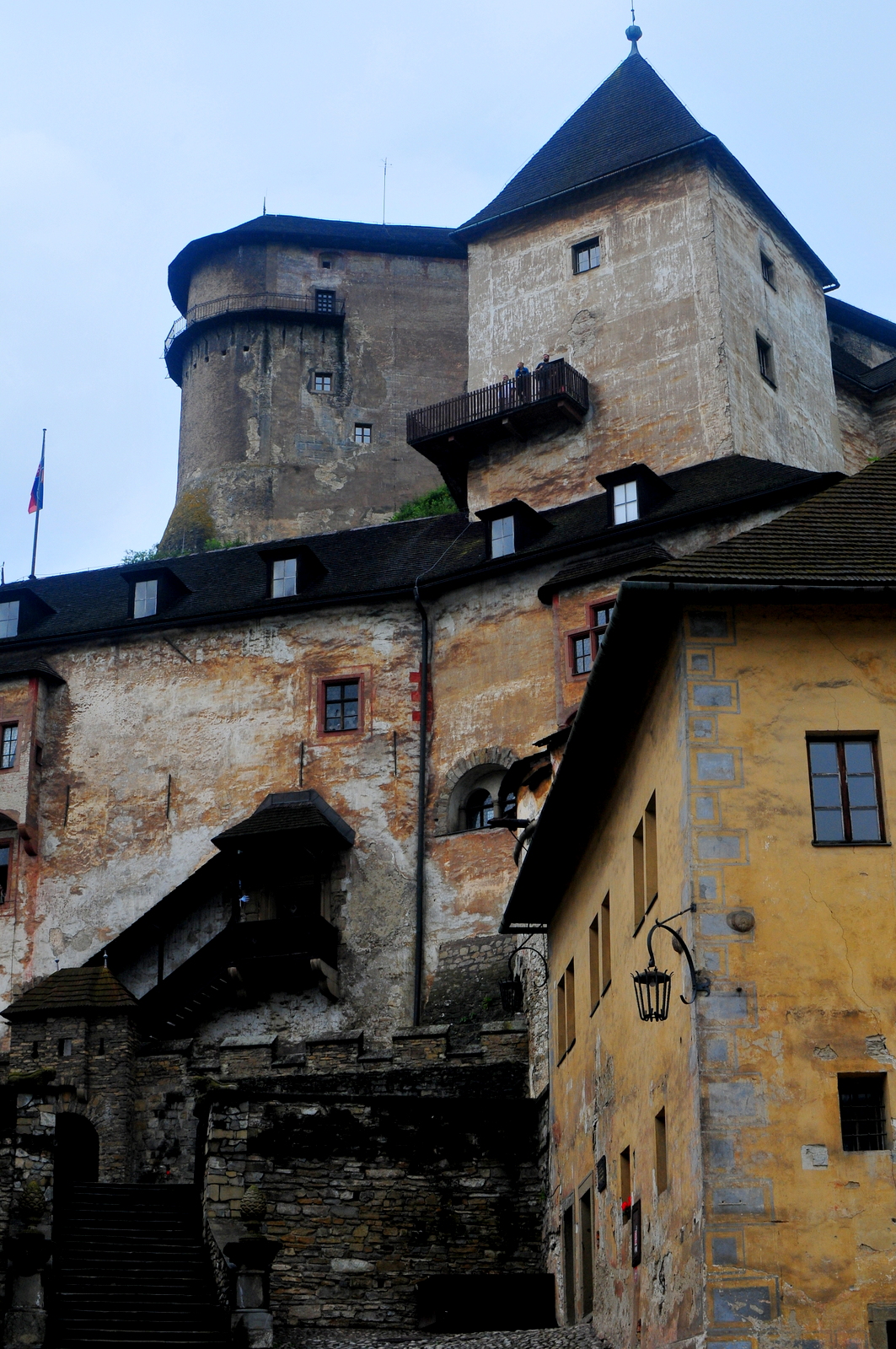
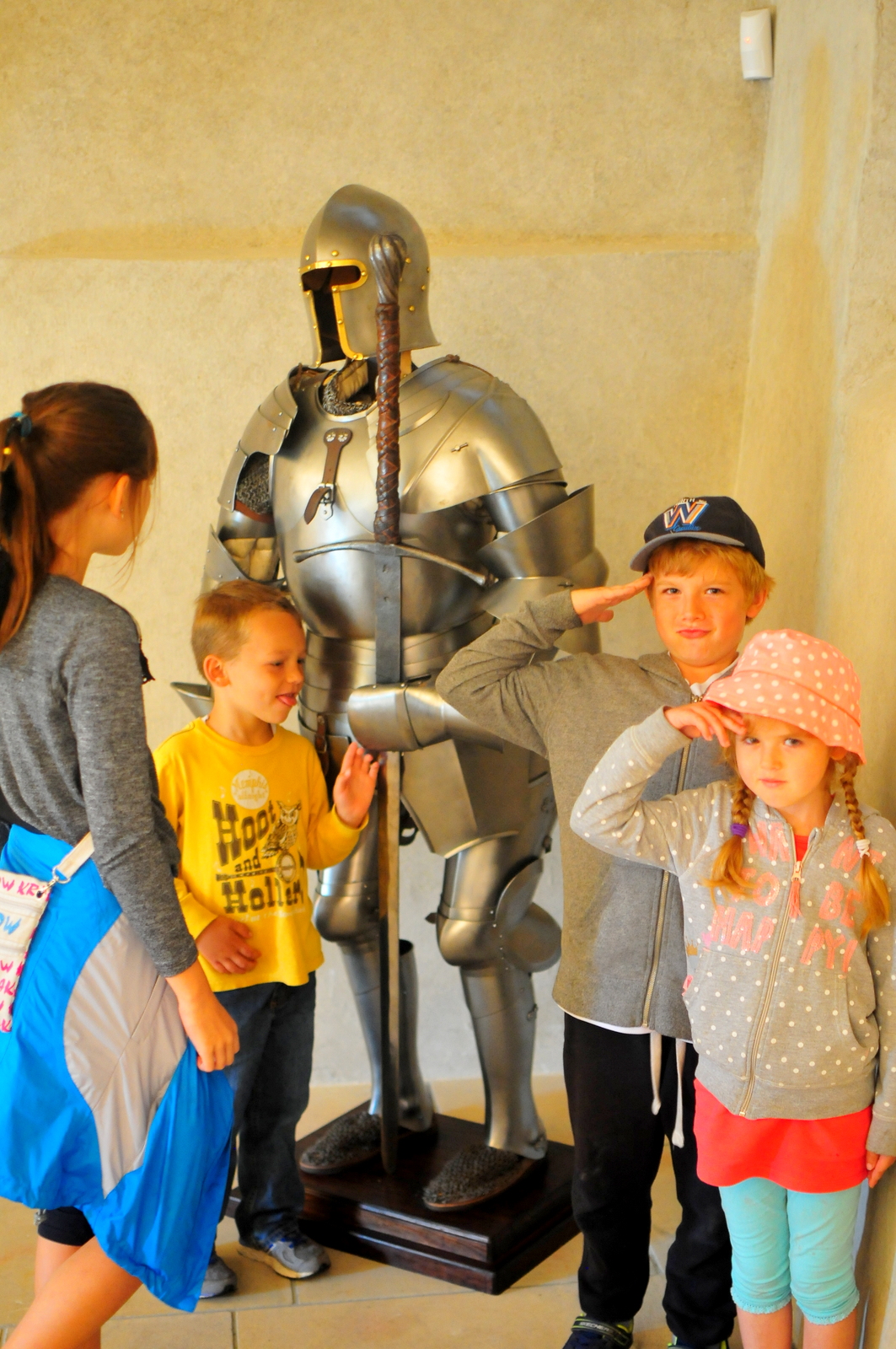
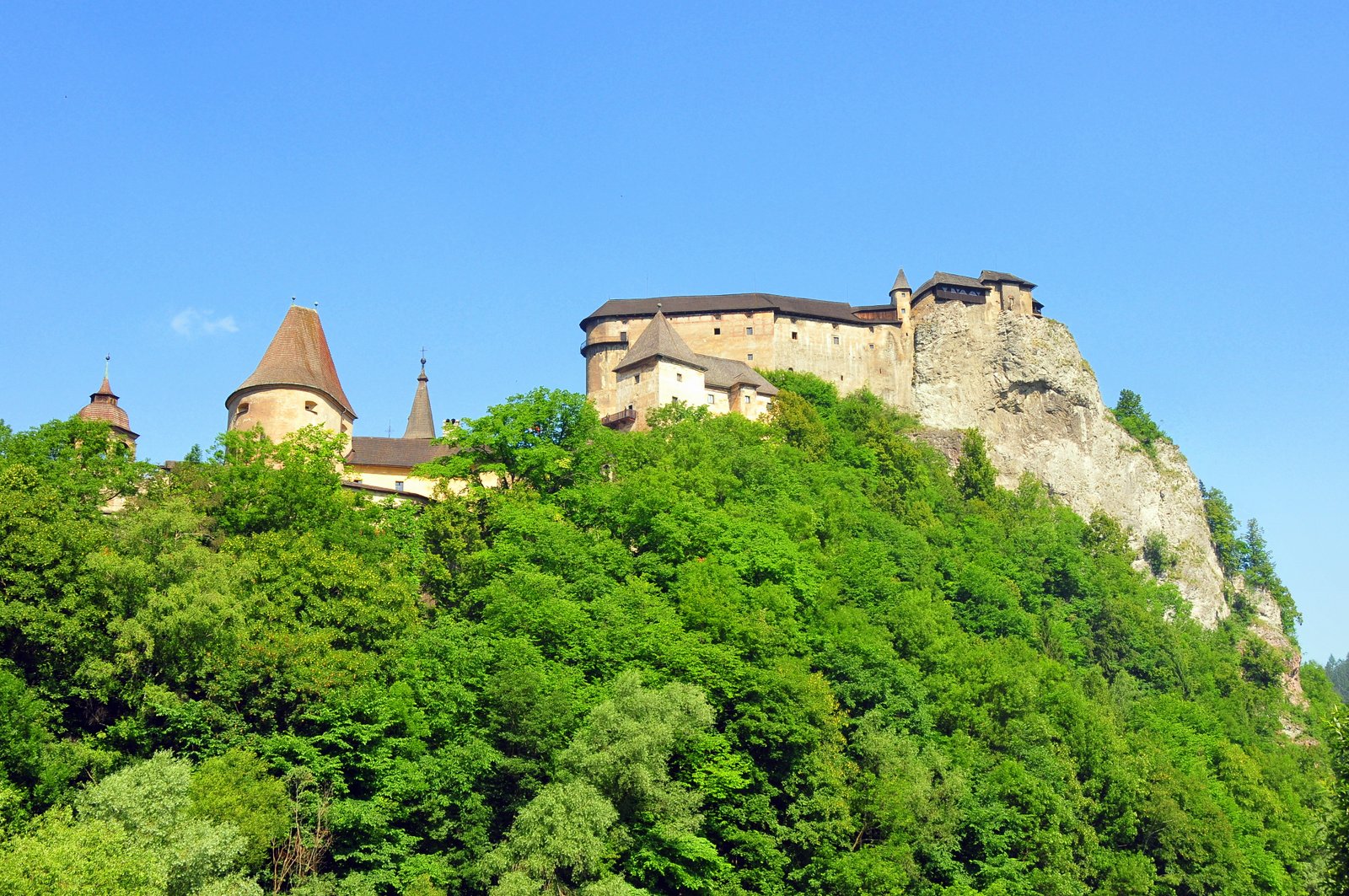
Today's fieldtrip, Oravský Hrad -- Orawa Castle, just about forty kilometers inside Slovakia but a world away from the twenty-first century. Probably the third or fourth time I'd been there, but when I'd shown L pictures of the castle -- instant intrigue.
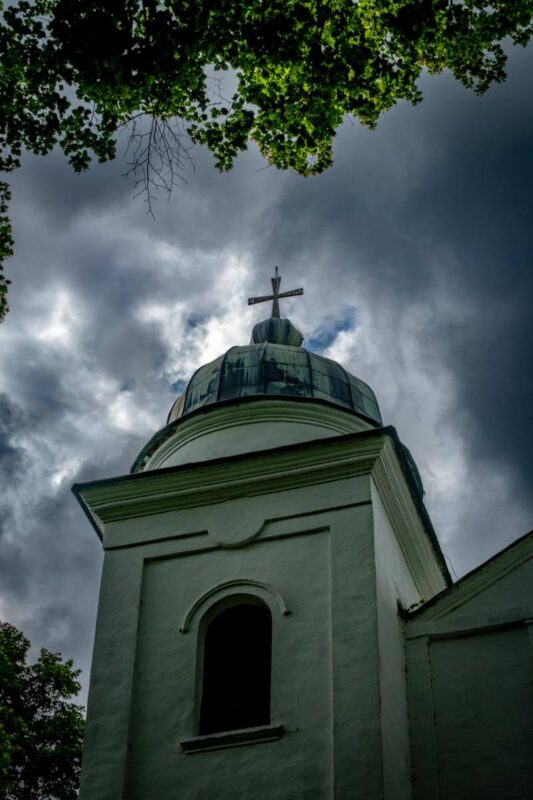
DSC_4982

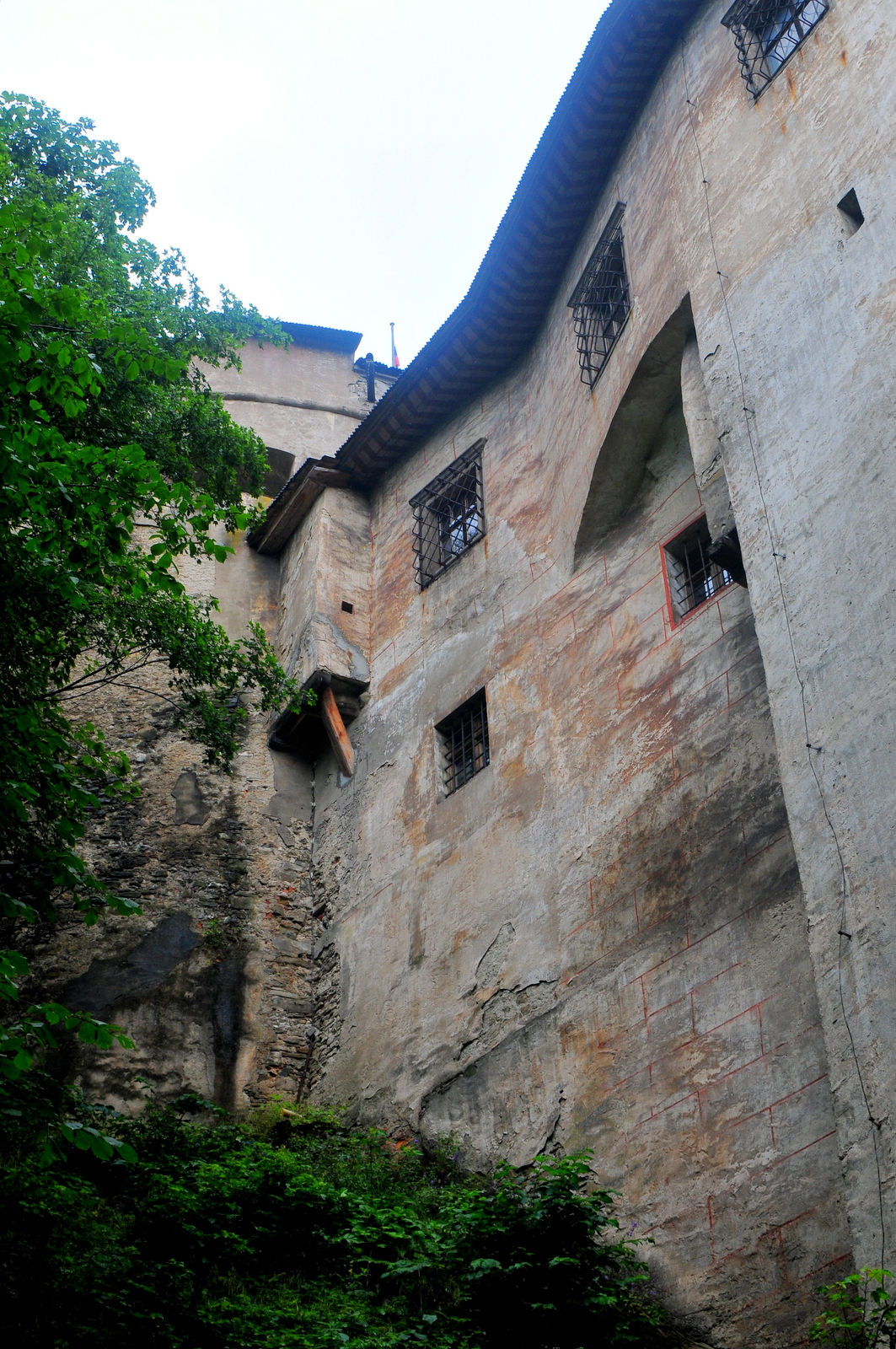
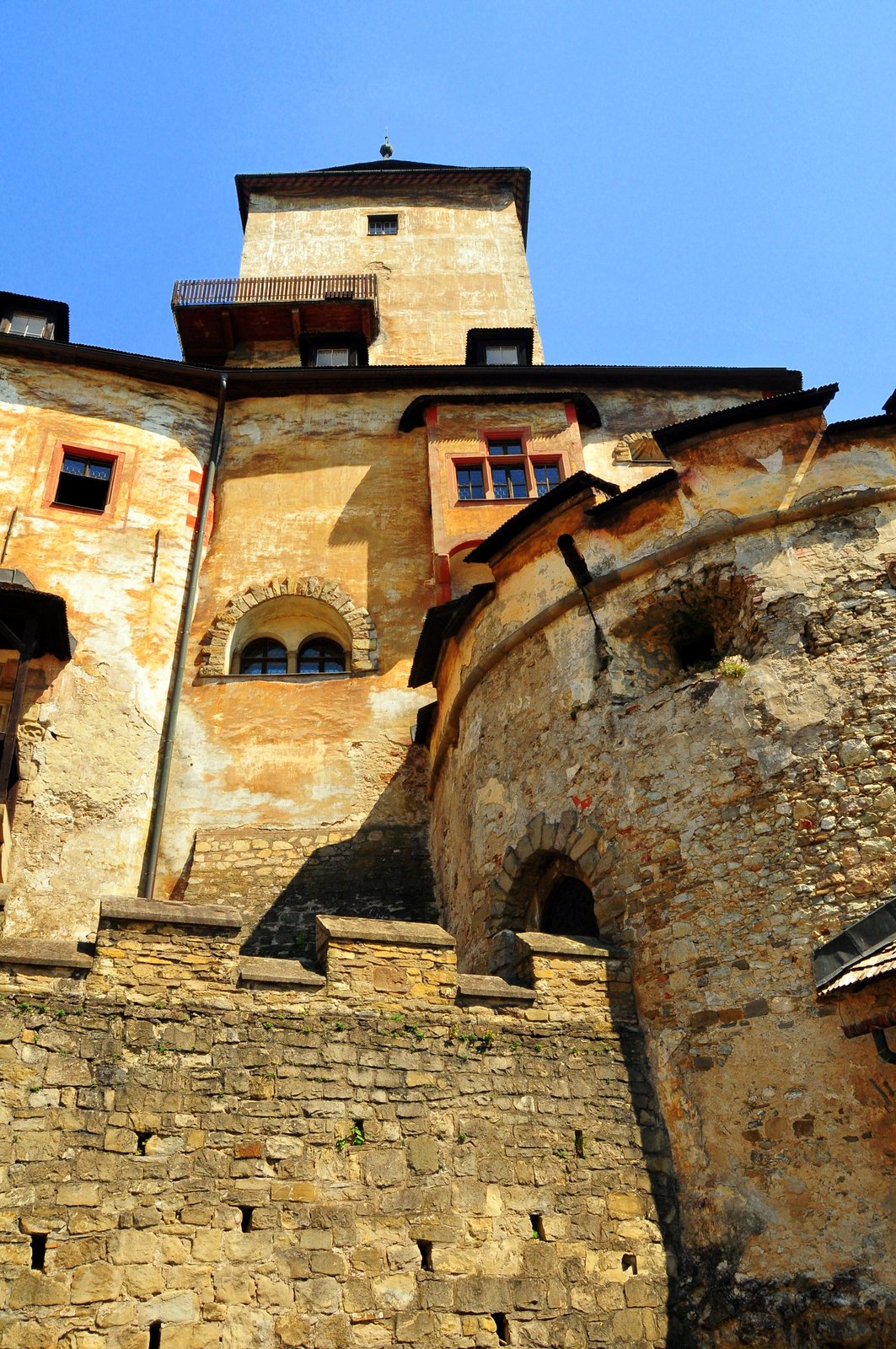
And who wouldn't be intrigued with a castle literally perched on the razor tip of a high cliff?

DSC_4987

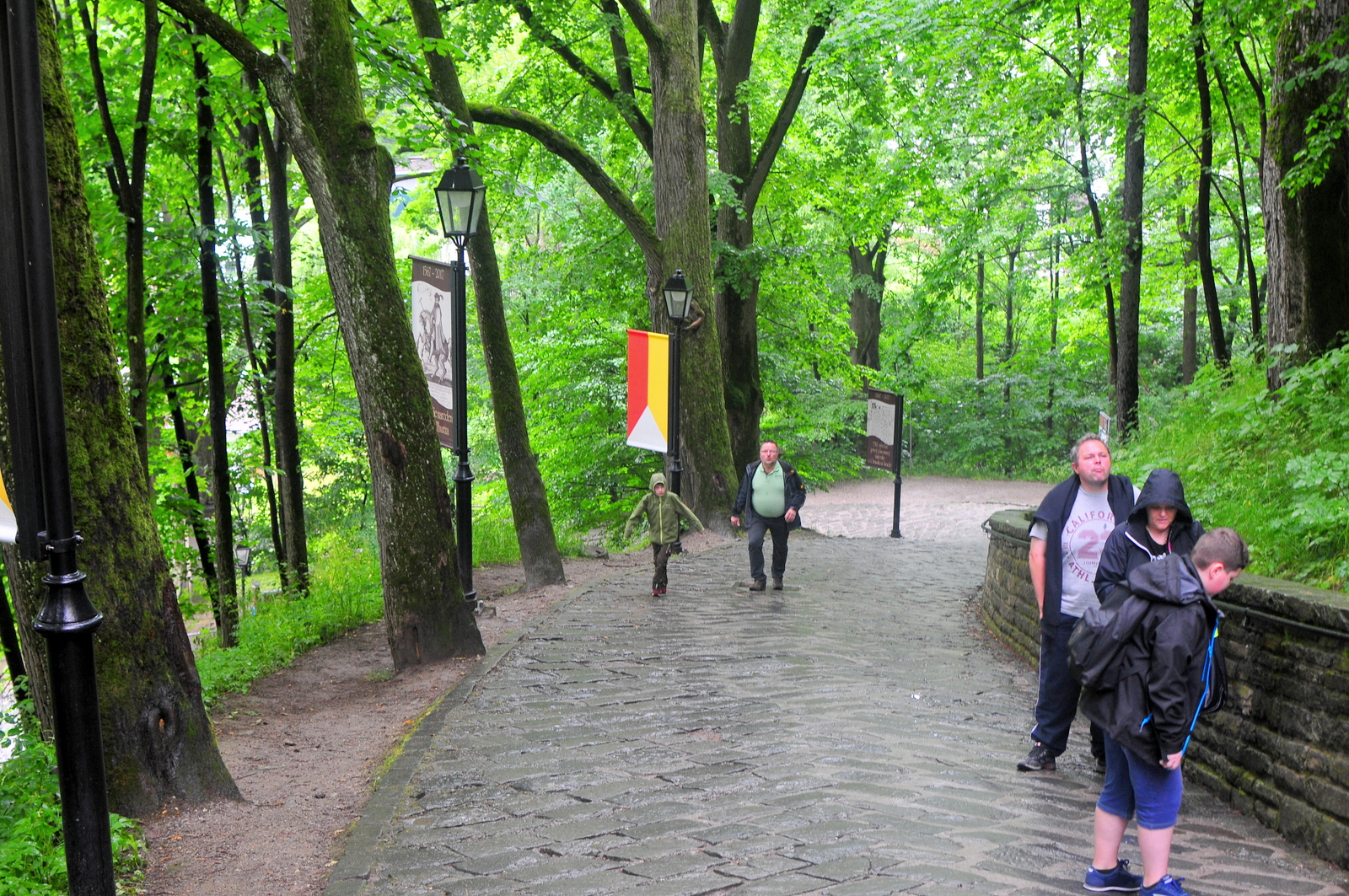
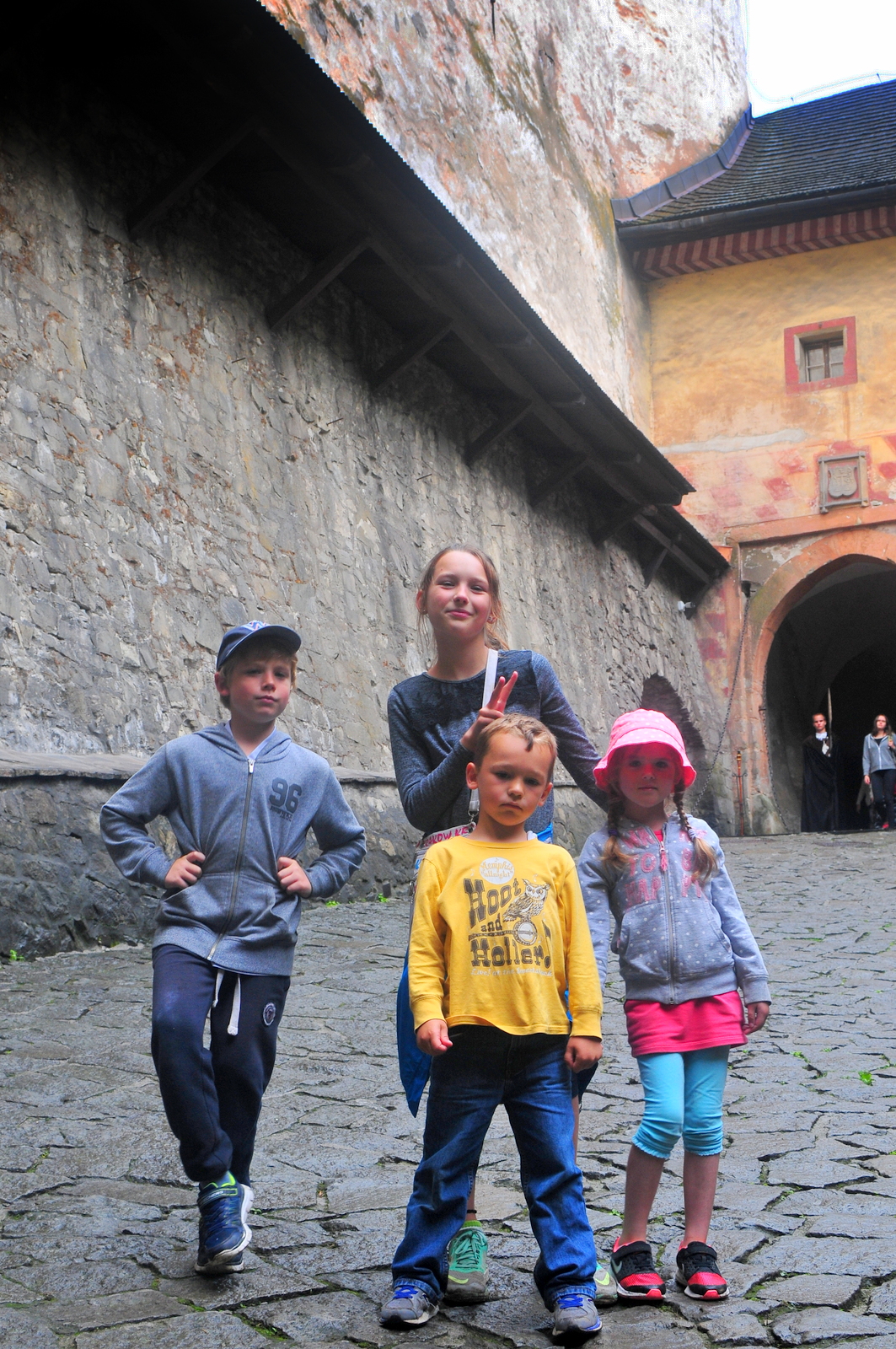
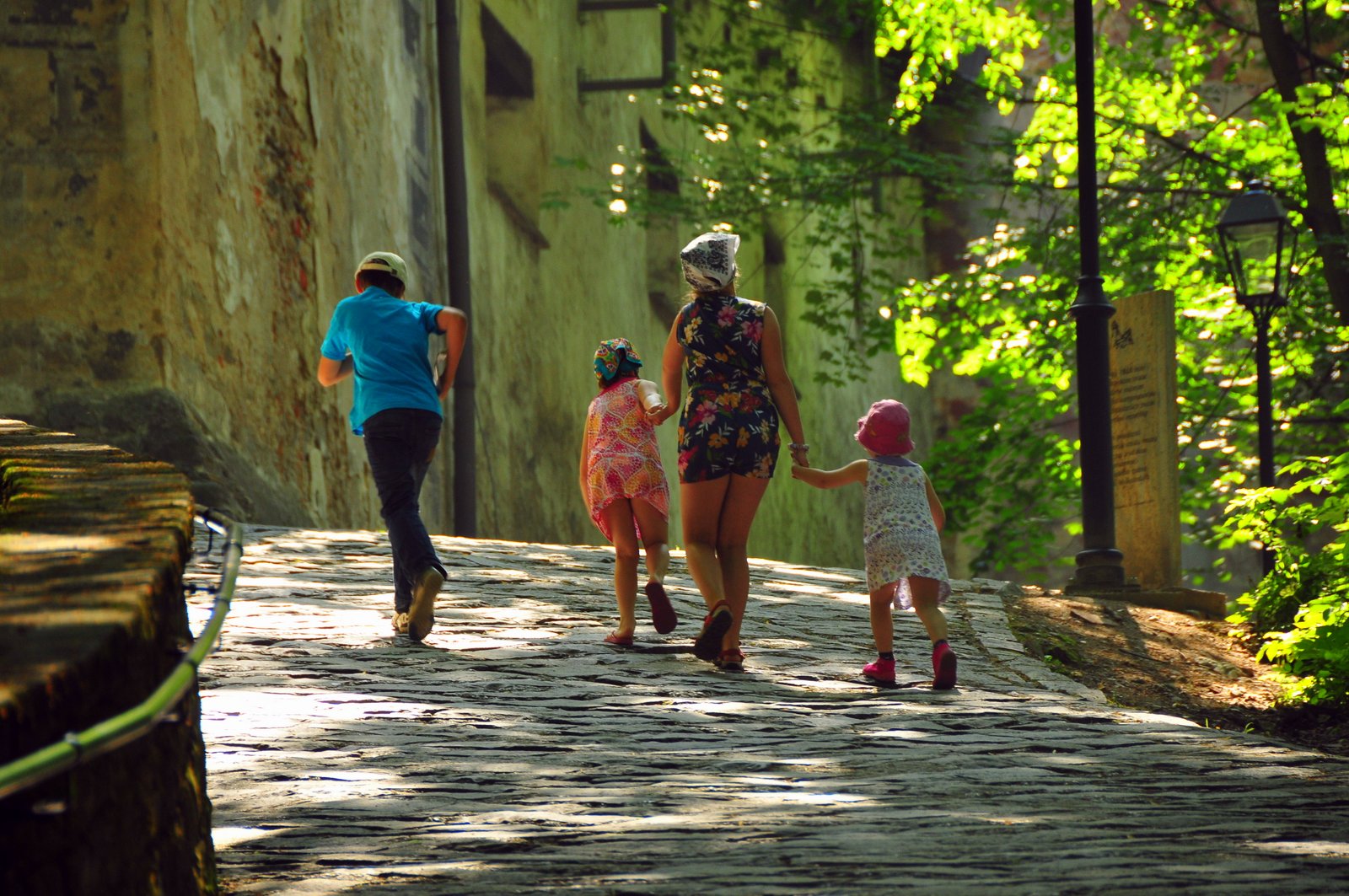
Yet I was a little worried about the legs of our smallest visitors: it begins with a climb and only grows steeper through the visit. Up, up, up -- anyone with any fear of heights needs not apply, nor anyone with weak legs.

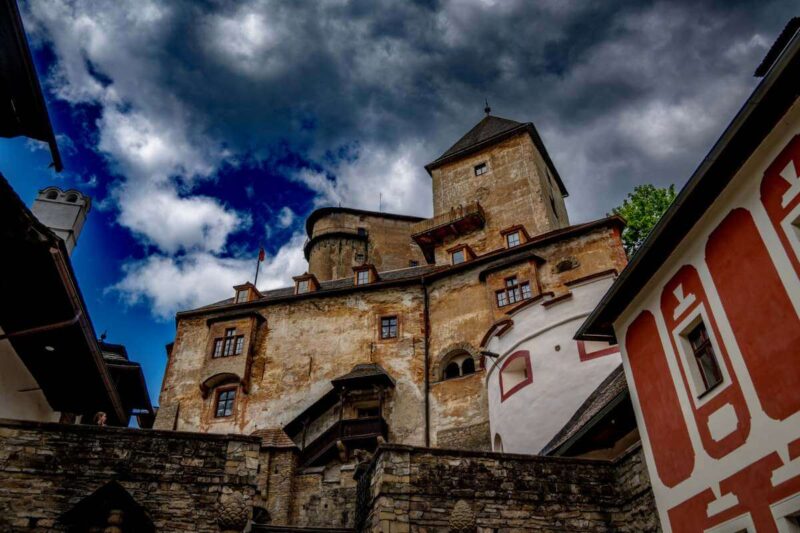
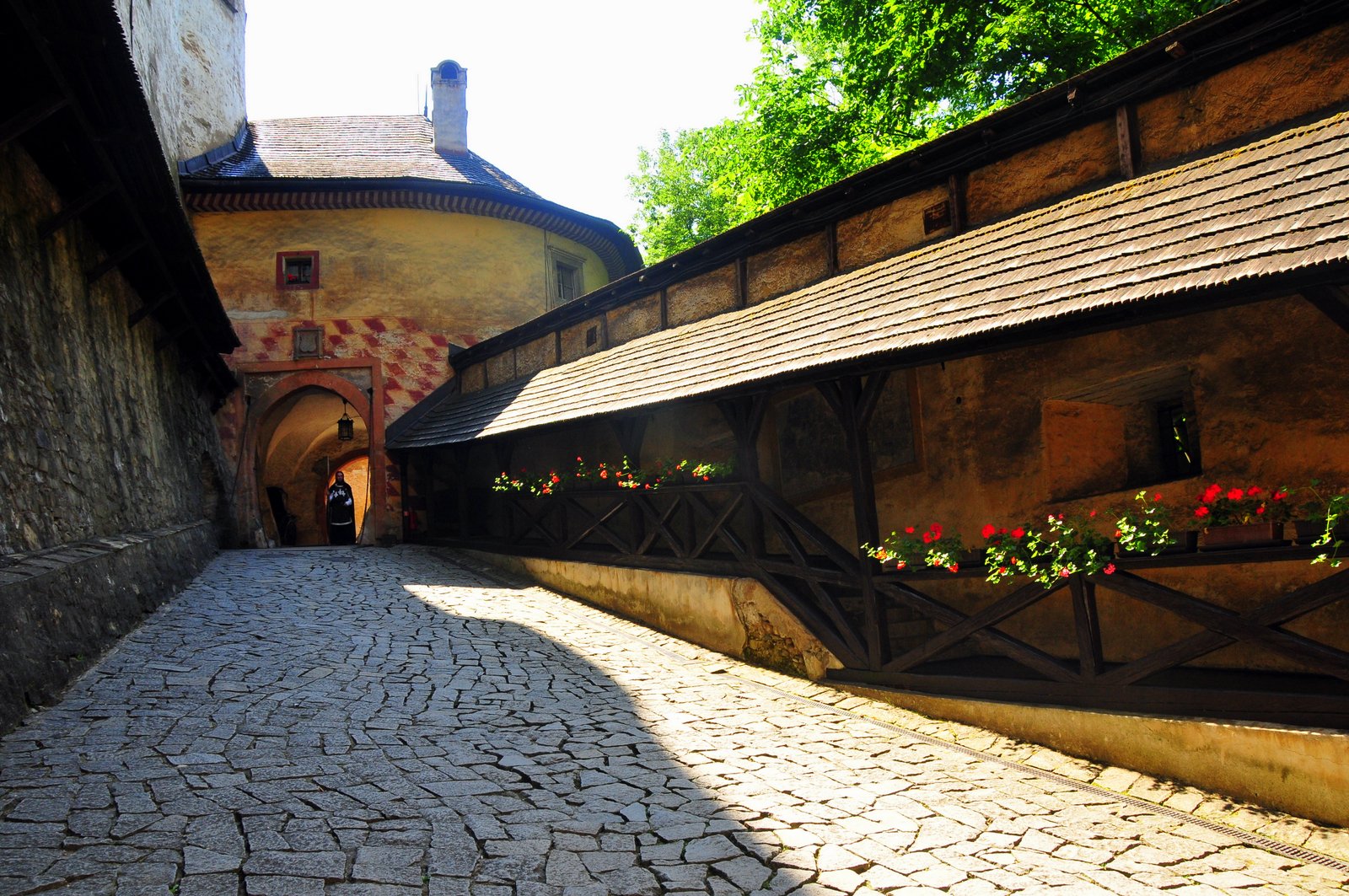
Having seen for the first time a couple of years ago the film 1922 Nosferatu, I was particularly interested in the first couple of gates. While none of the interiors were used for the film, the exteriors framed the early adaptation of Dracula.

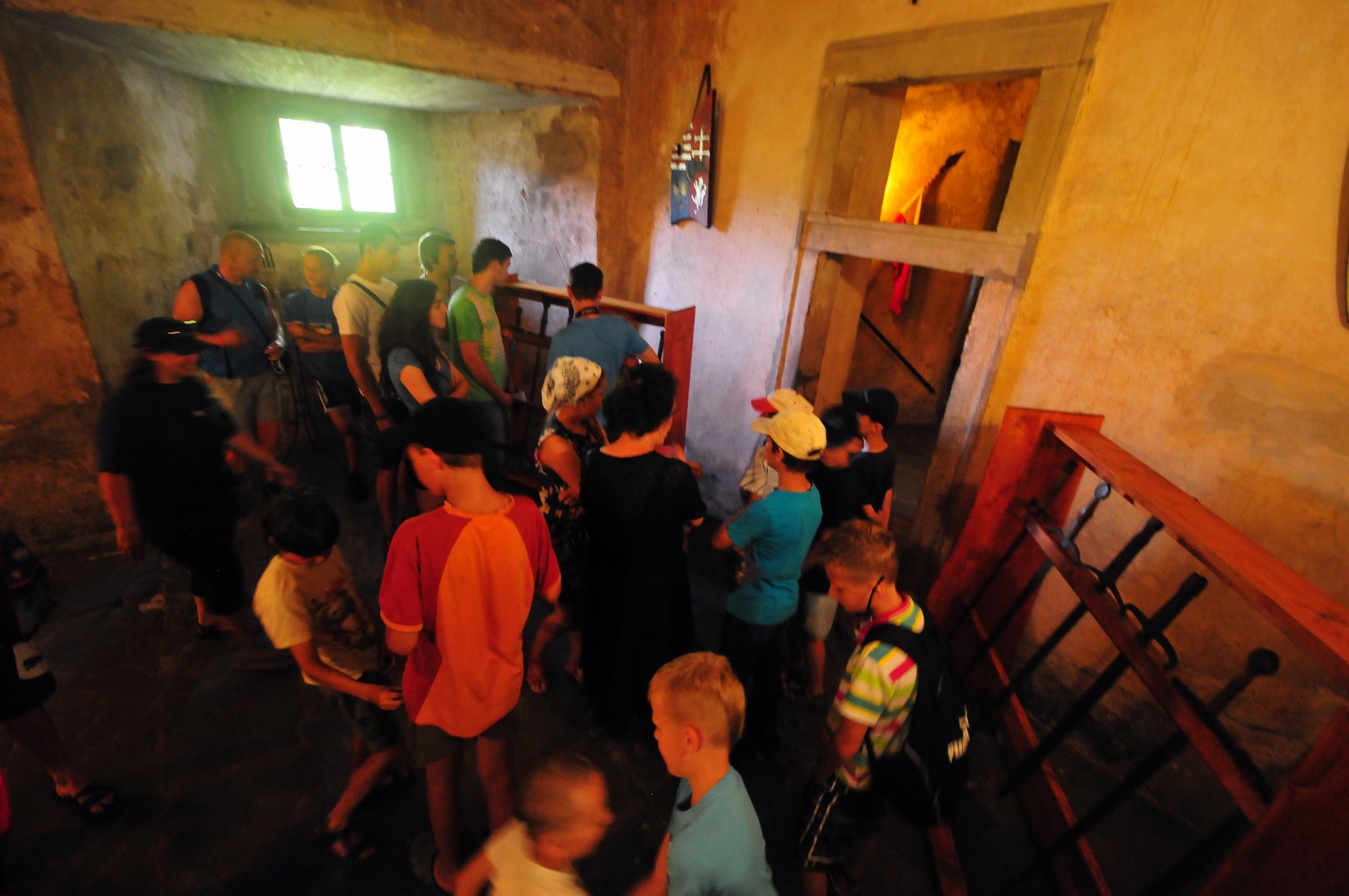
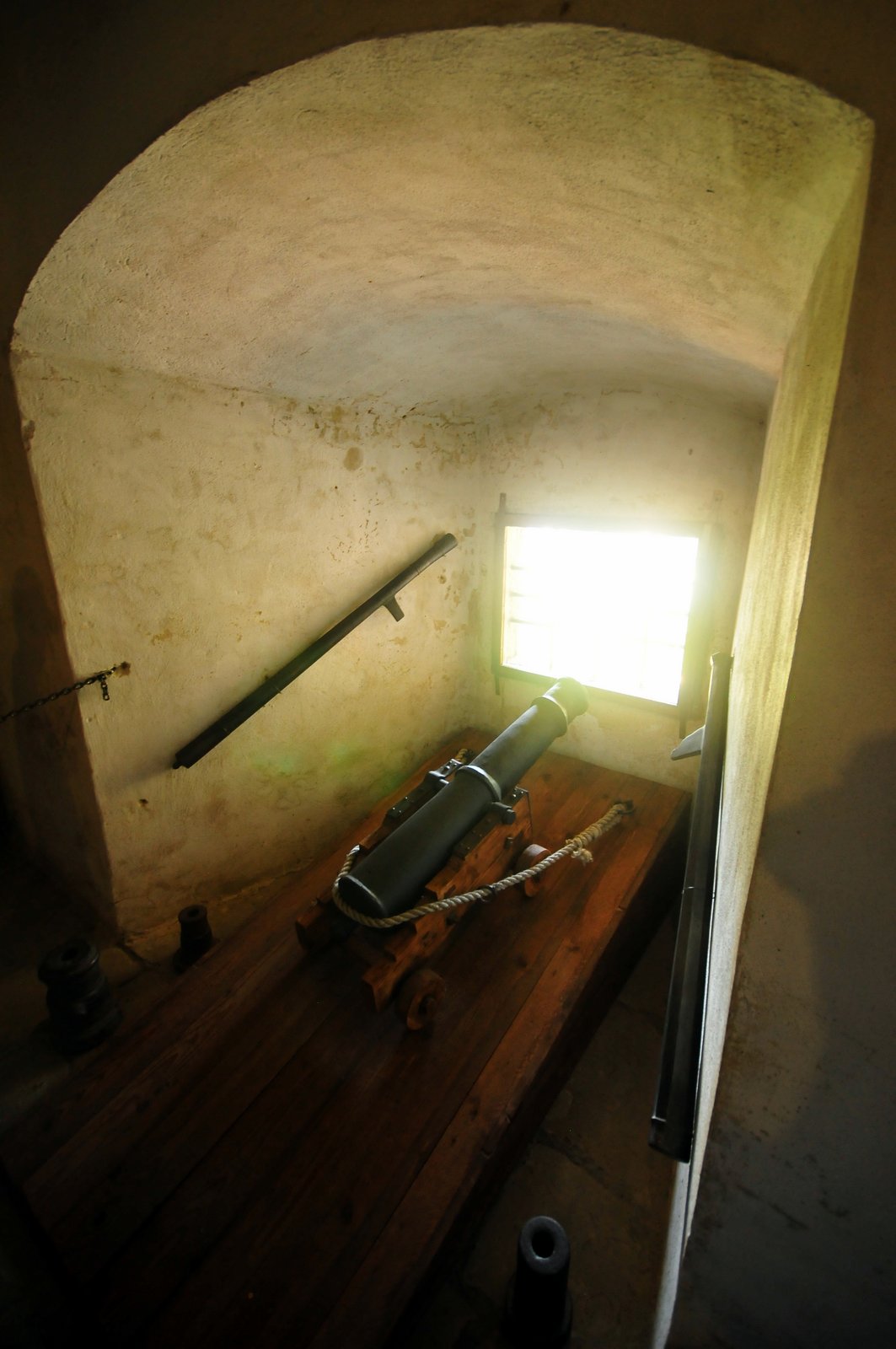
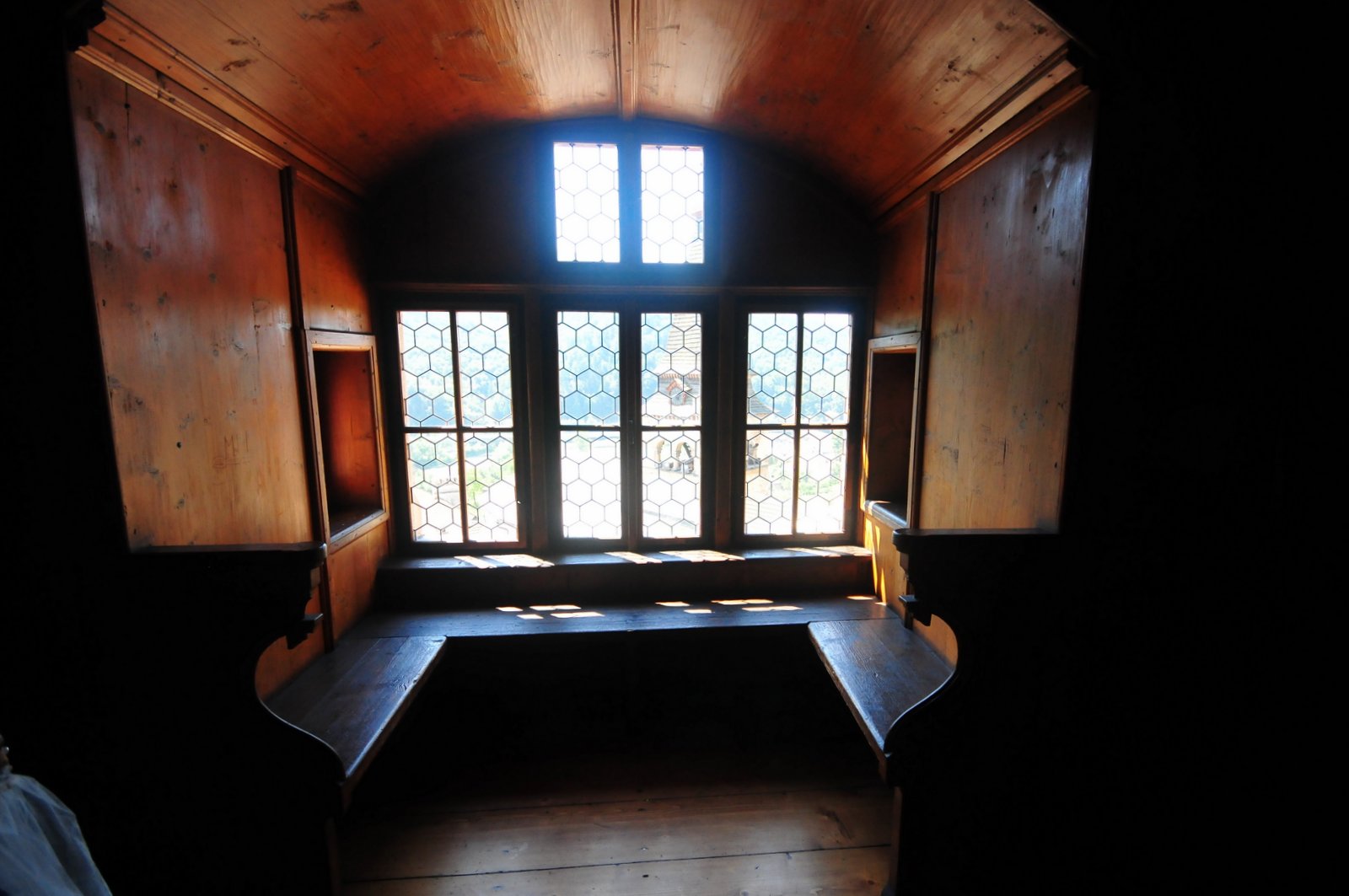
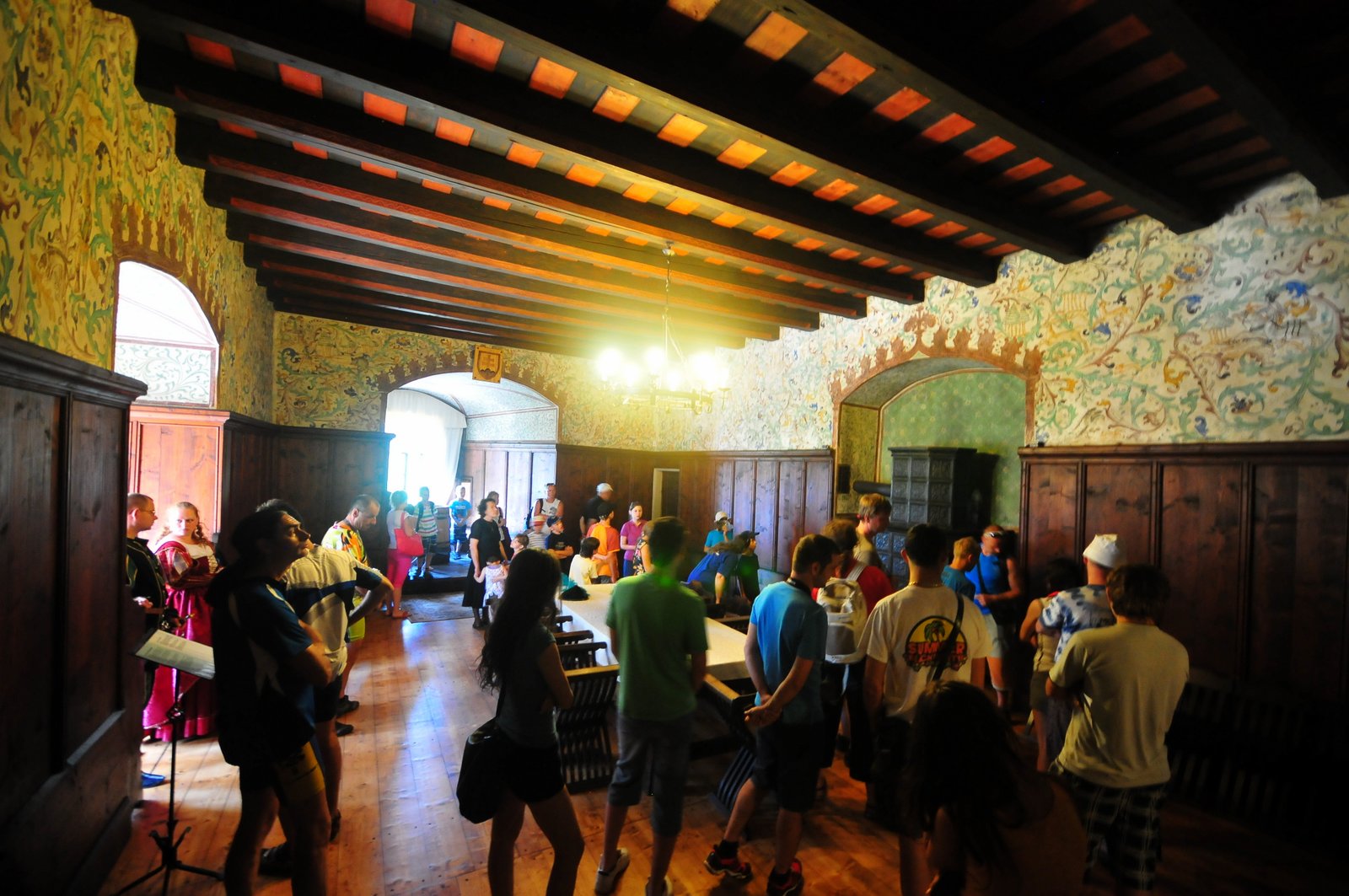
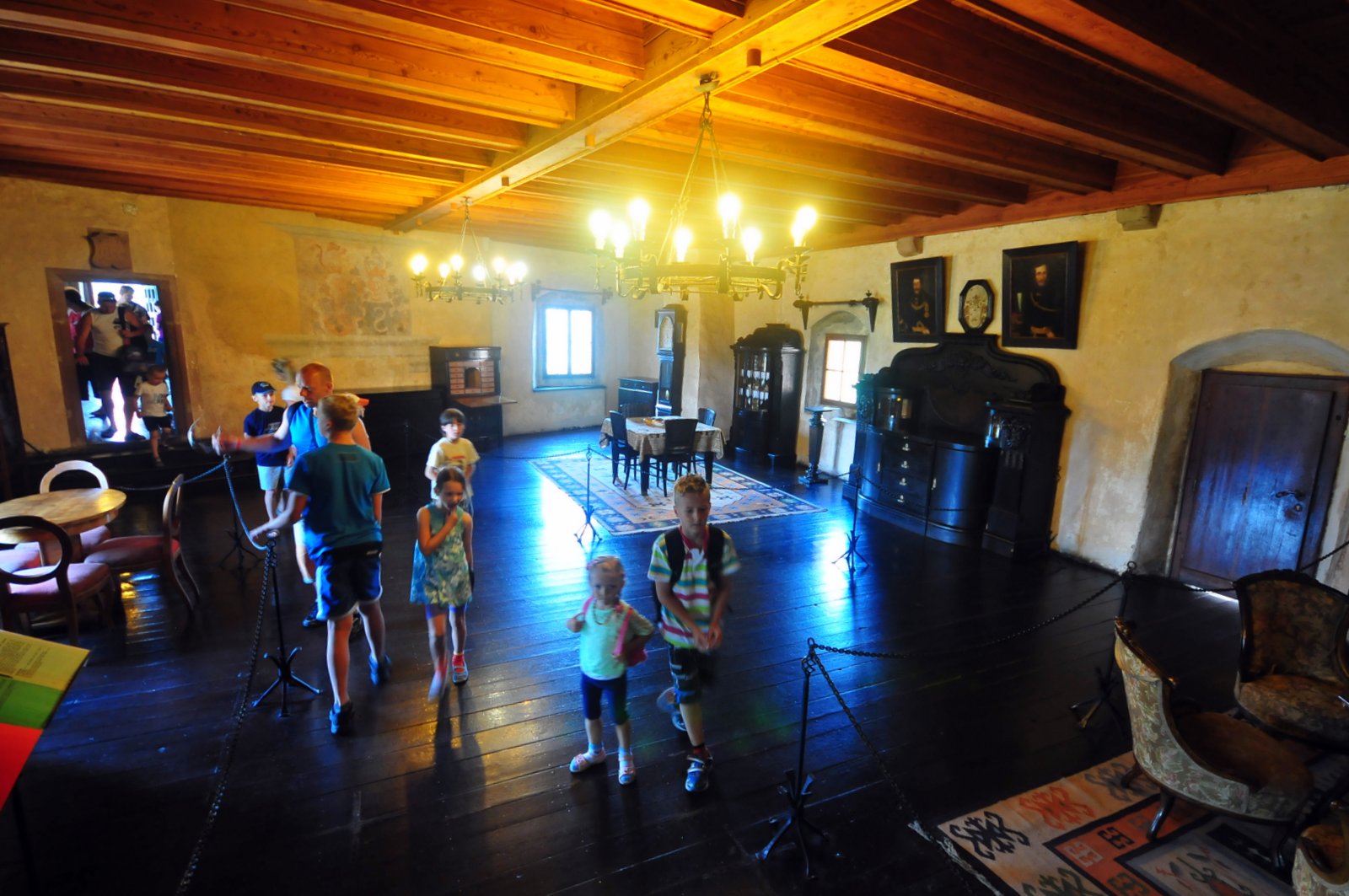
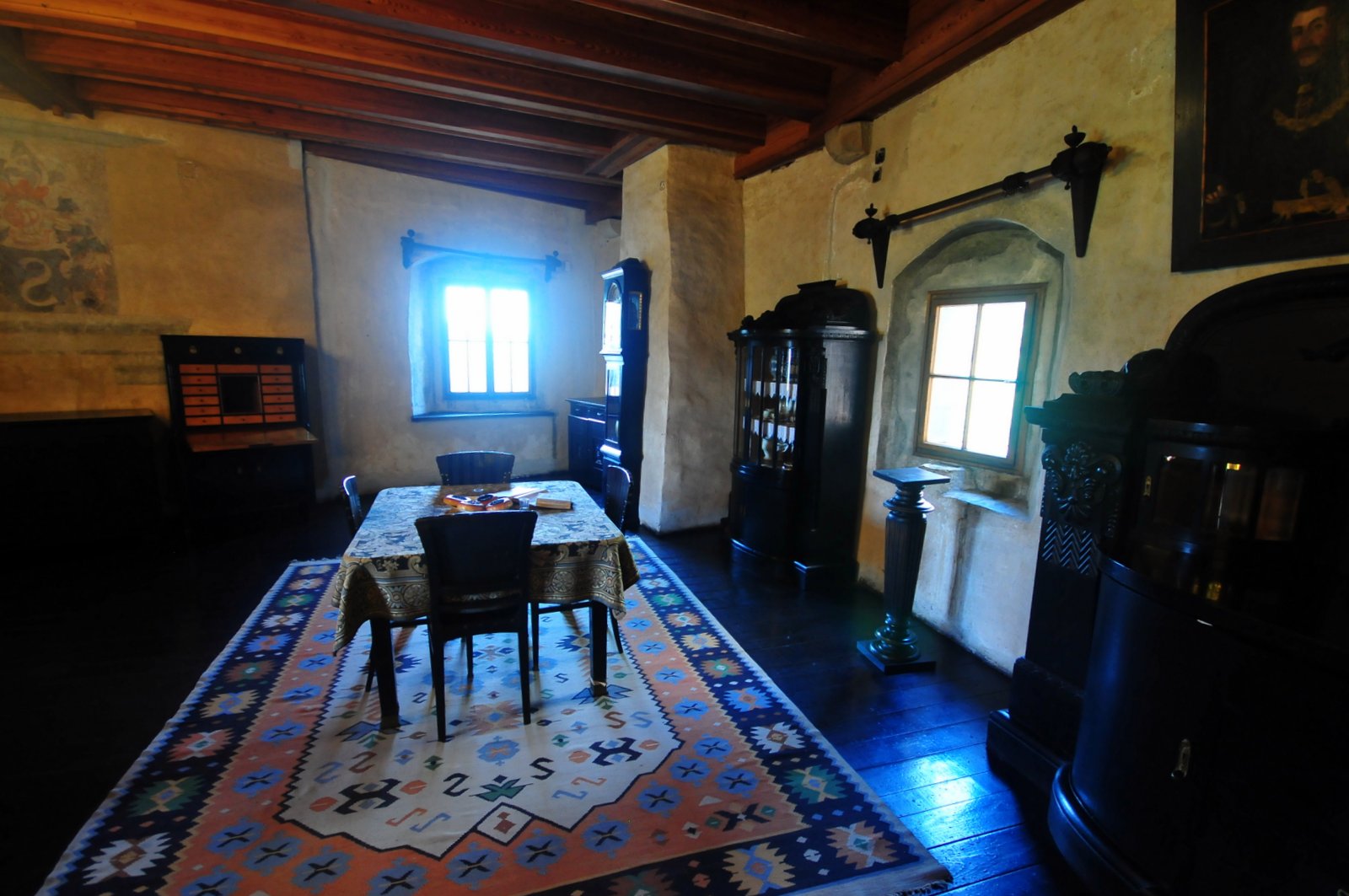
In 1922 none of the interiors had yet been renovated, but if they had, there are a few interiors that certainly would have served the film well.

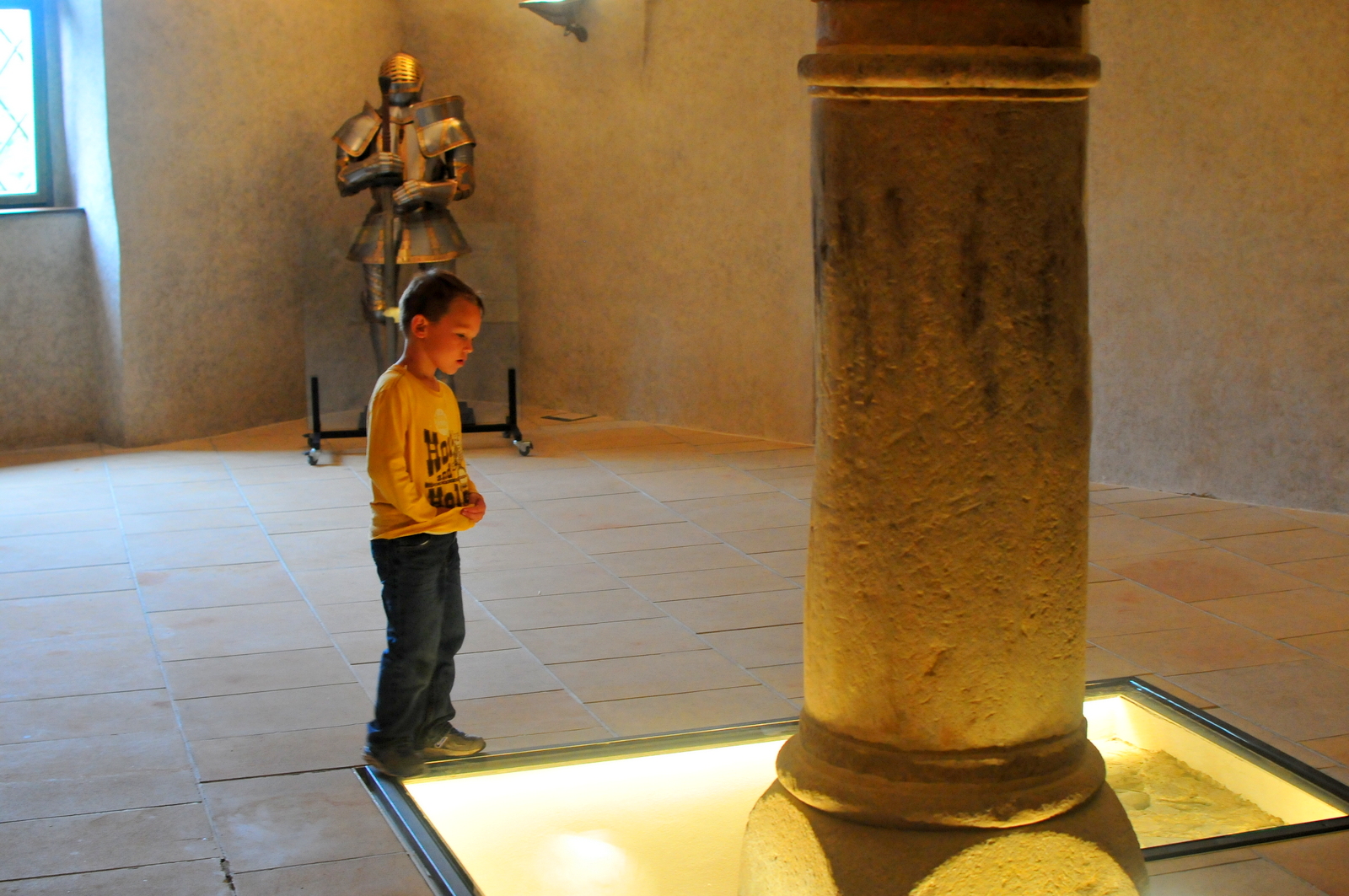
As for today's visit, the interiors seemed less interesting than the exteriors. And most fascinating was the mannequin dressed as Count Orlok, the vampire antagonist from Nosferatu.

"Tata, is that real?" And it was a fairly terrifying sight.

"Why does he have claws?" little D asked.

"What is that?" S asked.

I explained to everyone about the film, and honestly, I thought they would continue to worry about it, to fret about it. But soon enough, they were crowded around the mannequin.

A small victory for adult common sense in children.