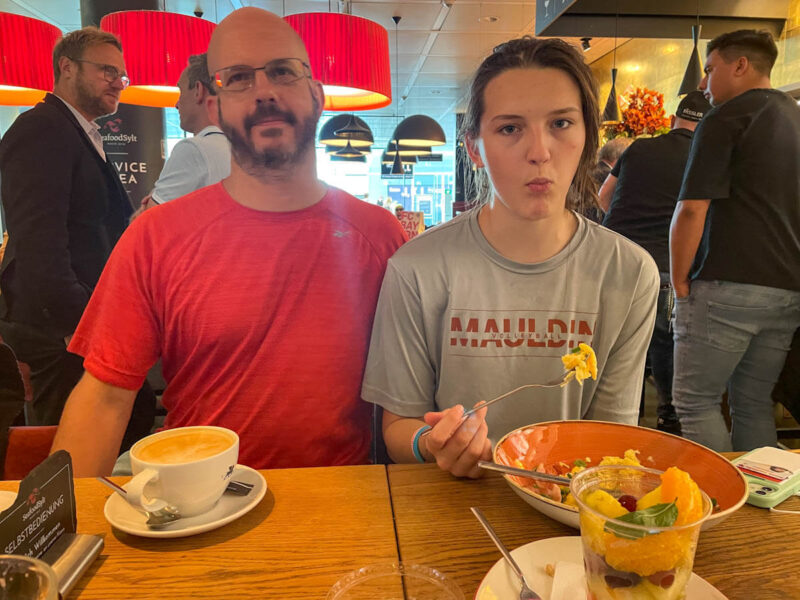
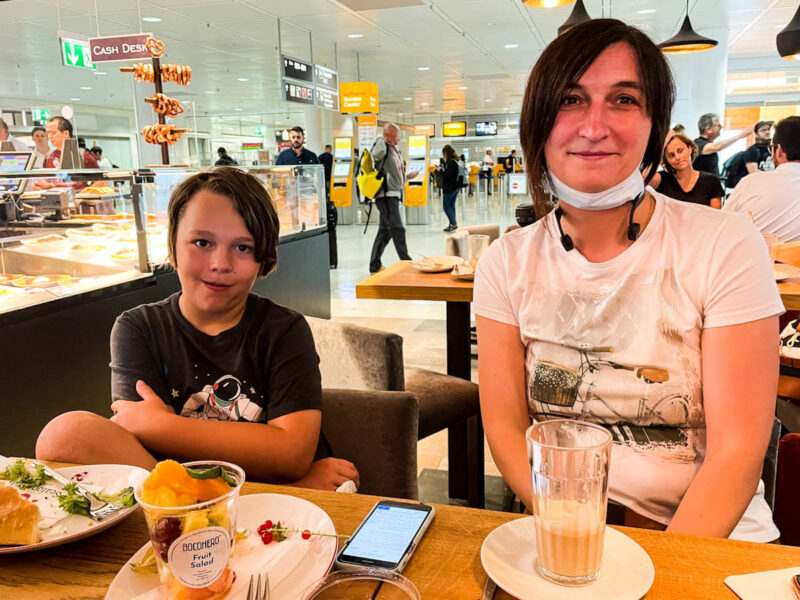
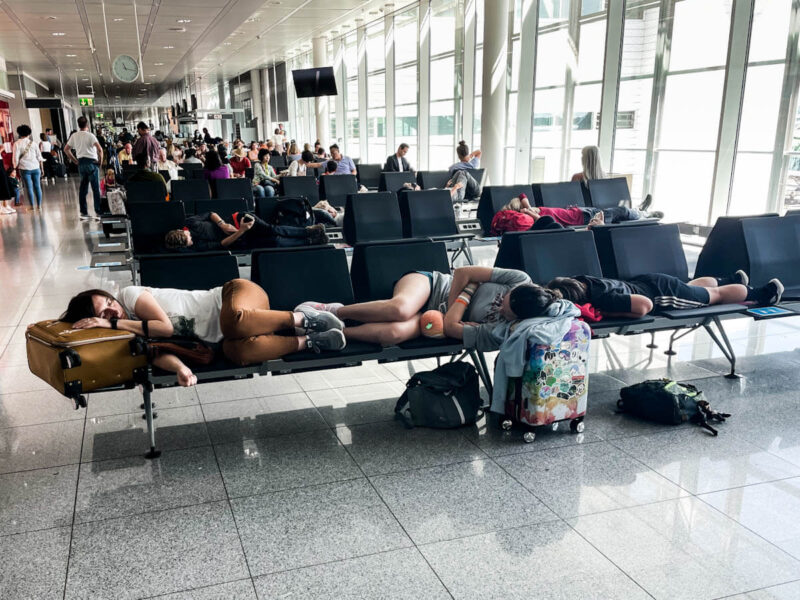
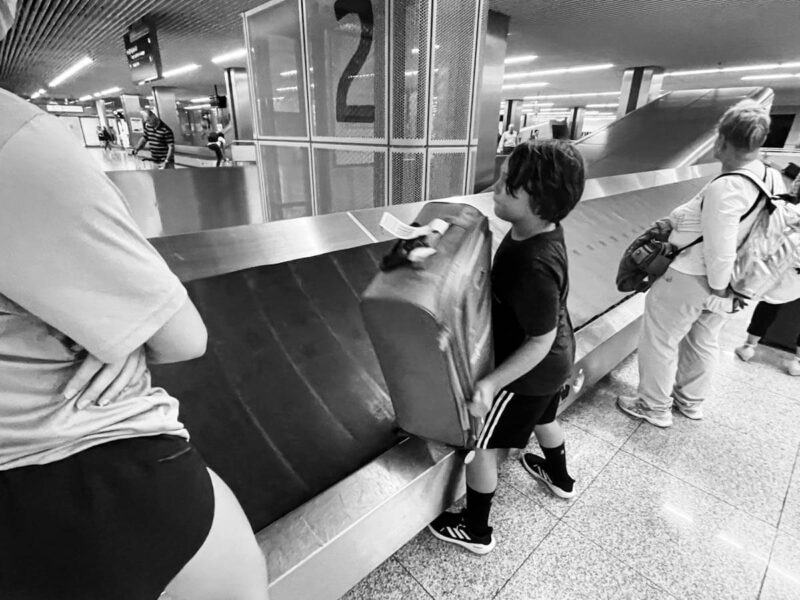
Matching Tracksuits

fun in fours

polska

My always obsession...

View from the Door

Already, the Poland I first knew and fell in love with (and groaned in frustration about) twenty-five years ago is gone. Long gone in some cases.

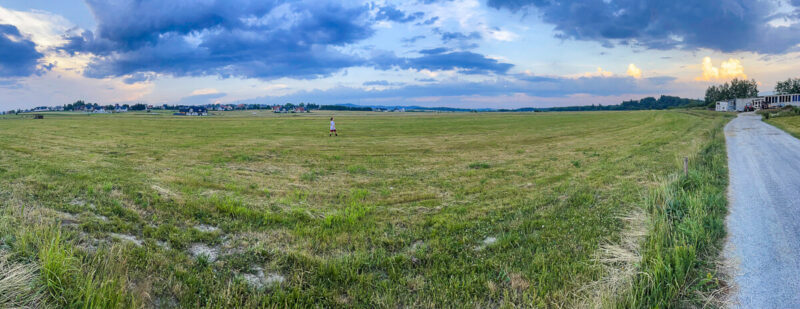
When I first arrived and moved into dom nauczyciela, this was the view from the door of the six-apartment building. It was the not-so-long abandoned elementary school, empty only for about a year. The high school in which I taught also housed the elementary school -- it was an enormous building.

High school that originally housed the elementary school

The old building stood empty for the first year I was there, from 1996 to sometime in 1997, and its only use was as the rehearsal space for the volunteer firemen's band.

They rehearsed in the upstairs room, and during the summer, when they left the windows open, the honking and wheezing sounds of amateur musicians filled with more enthusiasm than talent was the soundtrack of many evenings' cooking.

By the time I left in 1999, they'd begun the renovation process, bringing the ancient and abandoned schoolhouse to modern standards. When I returned in 2001, it was completed, looking slightly similar but much expanded.

Later I moved into one of the apartments that were on the third floor.

This transformation is fairly typical of many of the buildings that had an old world charm for me (read: they were just old) when I arrived in 1996. I certainly don't begrudge the Poles the natural desire to update and renovate buildings. Still, when in Poland visiting family now, I find myself thinking that I should have taken more pictures of the old when it was old.

Reimagined

More playing in Photoshop. I turned this

into this

using only a few layers.

PKO Rotunda

I was looking at the photographs of British/Polish photographer Chris Niedenthal when I saw an image of PKO Rotunda in Warsaw. Suddenly, I was back in Poland in 1996, experiencing the country for the first time, with a vivid memory of the first time I saw the building.

Warsaw 1970s Poland

A friend took several of us to see Warsaw for the first time, and as we walked out of Warszawa Centralna and long Jerusalem Avenue, the impressively Stalinist Palace of Culture and Science on our left, we approached a most peculiar building.

"That's where we're headed," said A as we descended the stairs to pass under Marszałkowska. We weren't headed to the round bank building itself, though. In fact, I'm fairly certain that I never even entered the building.

It was, in fact, the building just behind the PKO Rotunda that interested us: "There's a Taco Bell there," our guide explained. "It's okay if you like cabbage on your tacos instead of lettuce."

It was one of the signs of the growing Westernization of Poland that, in 1996, was still relatively new. We were all interested in the Taco Bell for that reason: not because we were necessarily craving substandard "Mexican" fast food but because we wanted to see what Polish Taco Bell looked like, tasted like -- to get the local spin on one of the restaurants that provided us with cheap eats during college. With everything so new and unknown, it was fascinating to see things I'd always known in that setting.

Recently, developers demolished the original building and replaced it with a nearly-identical building.

The same spirit, but a different building.

So many of those old, communist-era buildings have been demolished or so completely remodeled as to be unrecognizable in the last twenty years. It's understandable, I guess: only from a sentimental point of view are those buildings of any aesthetic value at all, and for many, there's no question of sentimentality about the oppressive past they represent. For me, the sentimentality arises strictly from the novelty of such buildings when I first lived in Poland twenty-five years ago.

International Festival 2021

The Polish tent was a hit, selling out of almost everything and raising over $2,000.

Halina

February. There’s ice everywhere from snow packed on the road, snow compressed on the sidewalks, early melts in the fields that have refrozen. I am walking to the post office that’s in the serve-all commercial building in the village center of Lipnica Wielka.

The building houses a large public (as in government-owned) store downstairs, a large hall for wedding celebrations upstairs, and the post office upstairs in the wing to the right. Below it — who knows? Like many public buildings in Poland in the 1990’s, there’s a lot of empty space. In my hand, a pile of letters to family and friends. As I begin up the outer steps, I meet the director the rehabilitation center at the top of the village, just under Babia Gora, the mountain that looks over the whole village.

It’s a center the Duchess of York has established for children recovering from the chemicals and radiation used to treat cancer. I’ve been going up to spend time with the kids from time to time since the first weeks of my arrival. I always leave feeling depressed and heartened. Children have always been a joy to me, but so many withered children, boys with no hair, girls covering their bald heads with kerchiefs leave me emotionally drained.

Halina is one of the residents, a girl of seventeen who is trying to complete her first year of high school in Lipnica. She’s tried twice before, but her cancer and its treatment have made it impossible. She sits in my first-year class, clearly older, clearly more mature than the other students, and she often looks at me with an expression that seems to say, “You have no idea what you’re doing, do you?” A first year teacher, I really don’t.

Just before Christmas break, Halina disappeared. When I meet the director of the center, we make small talk for a few moments before he abruptly tells me, “Halina died.”

I stand there for a moment, silent. What do I say? What can I say? Everything feels so trite, so silly, so empty.
North and South to Go South

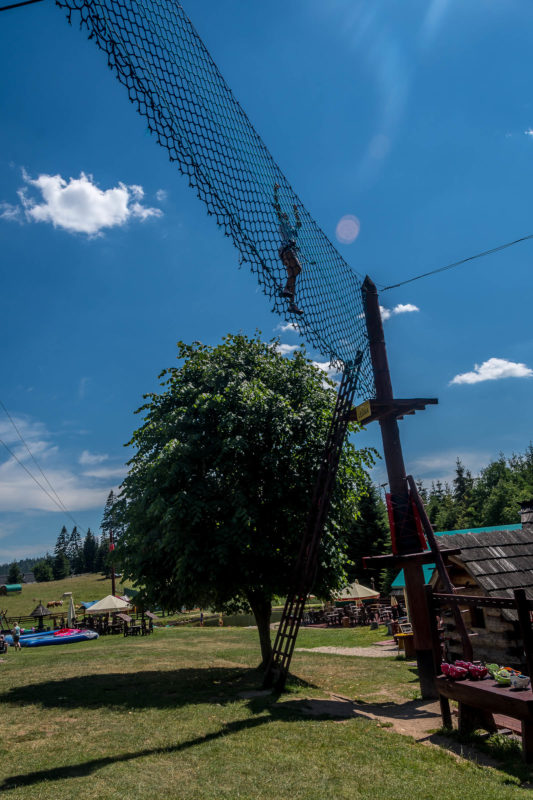
Borders are strange things — they can turn our perceptions on our heads. Take Poland and Slovakia, for example.

We generally think of Slovakia as south of Poland because, well, it is. But there are a few points of the border near where I lived and K grew up where the border follows a stream for a while. The result: you can travel north from Poland and arrive in Slovakia.

And there’s one spot where you can go either north or south to reach Slovakia.

Jablonka in World War 2

E on a Bridge

Ramzes

A friend from Poland died in a tragic motorcycle accident. According to the traffic cam footage, it was completely the other driver’s fault.

He was one of the smiliest people at our wedding.

Polska 2021 Return

I woke up to a text from K that they’d made it through security without any issues.

I checked the flight tracking app I’d installed a month ago just for this trip.

They were well on their way.
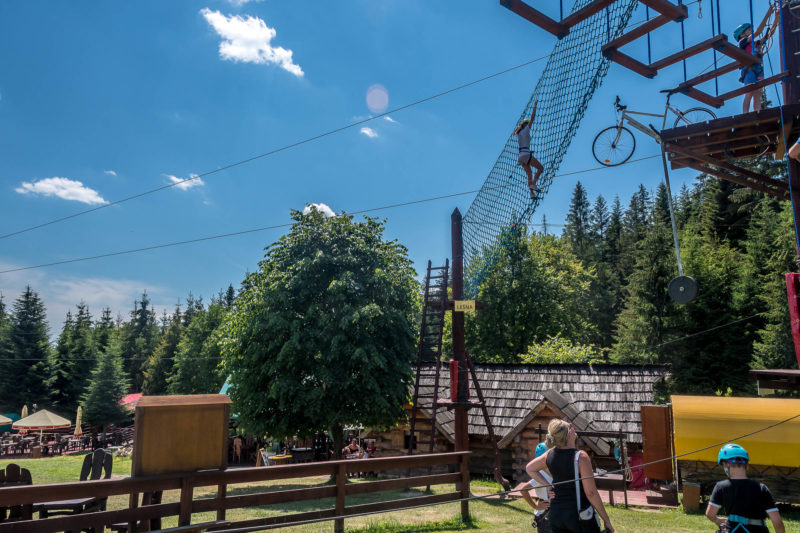
And then, a rush to get them…

On the way, a wreck — forty minutes of sitting, crawling forward, sitting. Will I make it? Just how long will I be sitting here? What if I’m here an hour? Two?
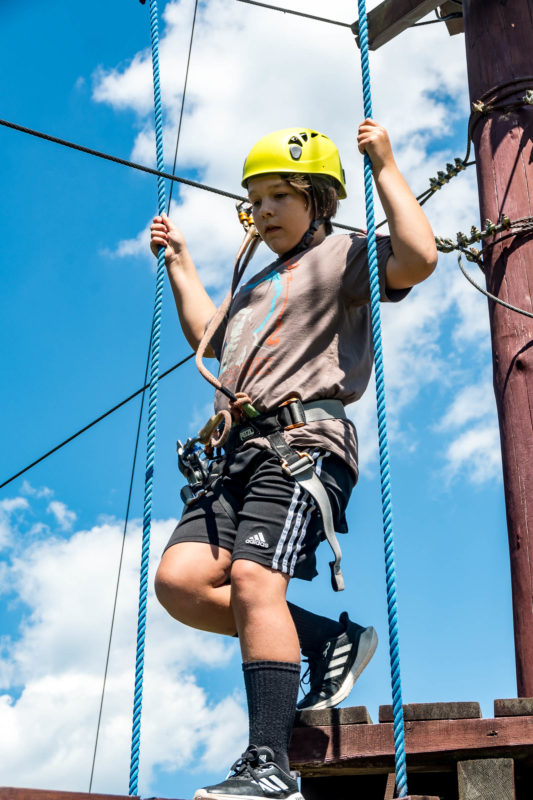
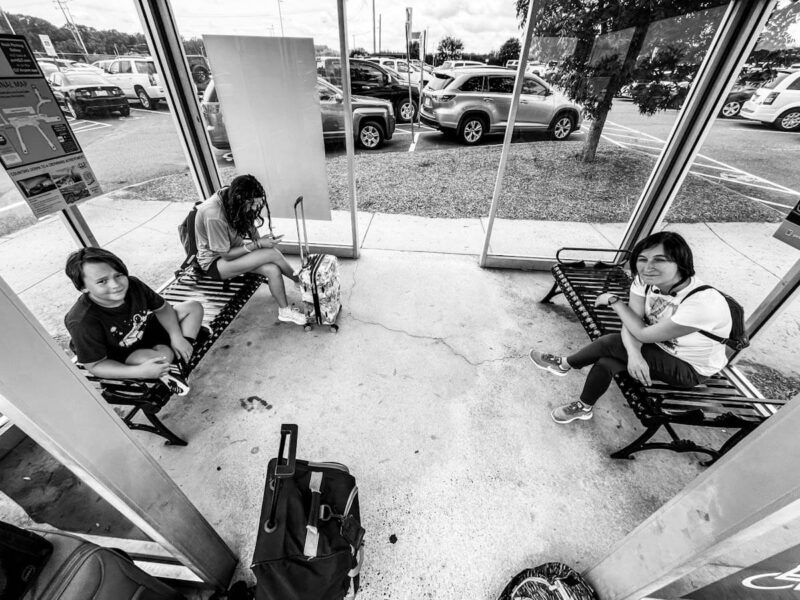
Then the airport — lines for everything. The line for the taxis must have been 50 meters long — no exaggeration. It stretched half of the airport at least. And the line for luggage issues — at least half as long as the taxi line. People upon people everywhere. (Much to my relief, almost everyone in masks. I don’t know if it was required. I saw about 5% without.) Finally, I found them, we got the luggage, we made it home.
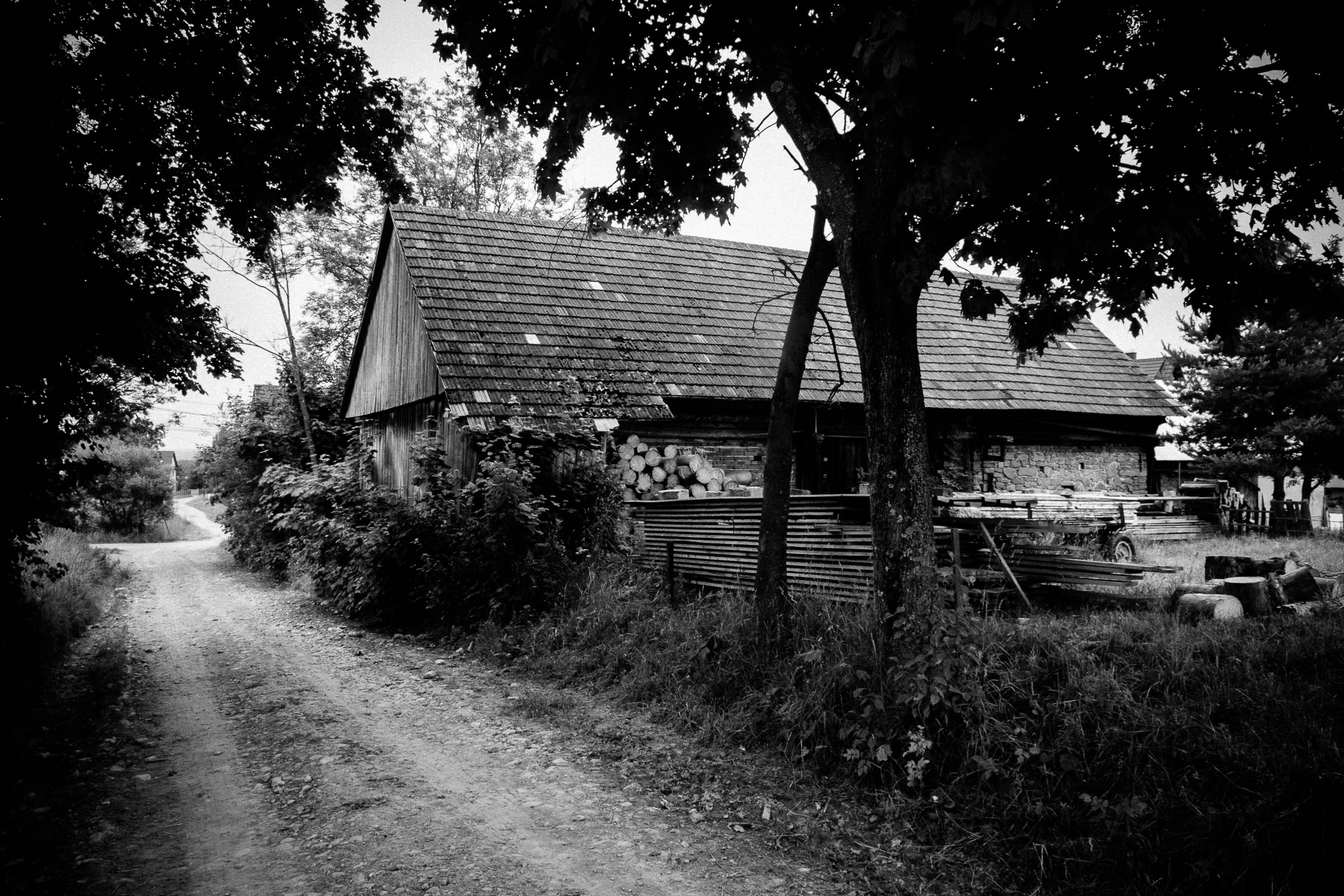
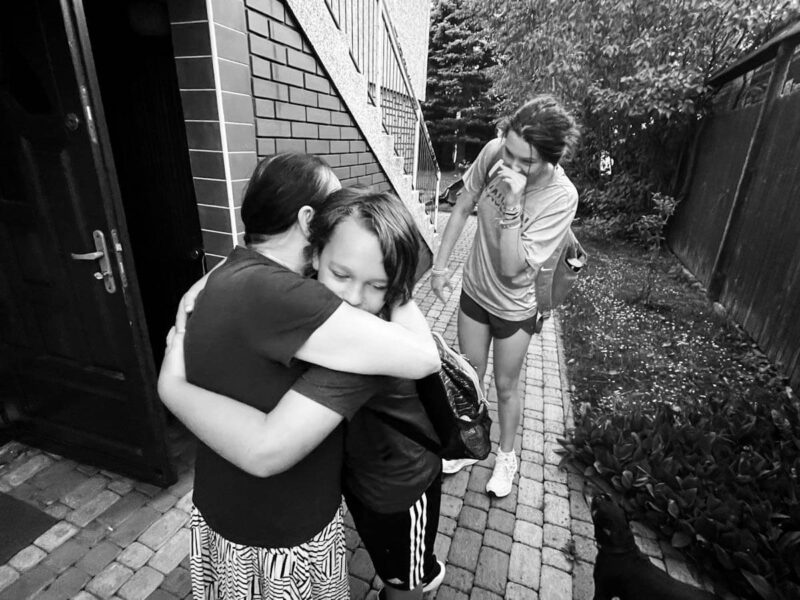
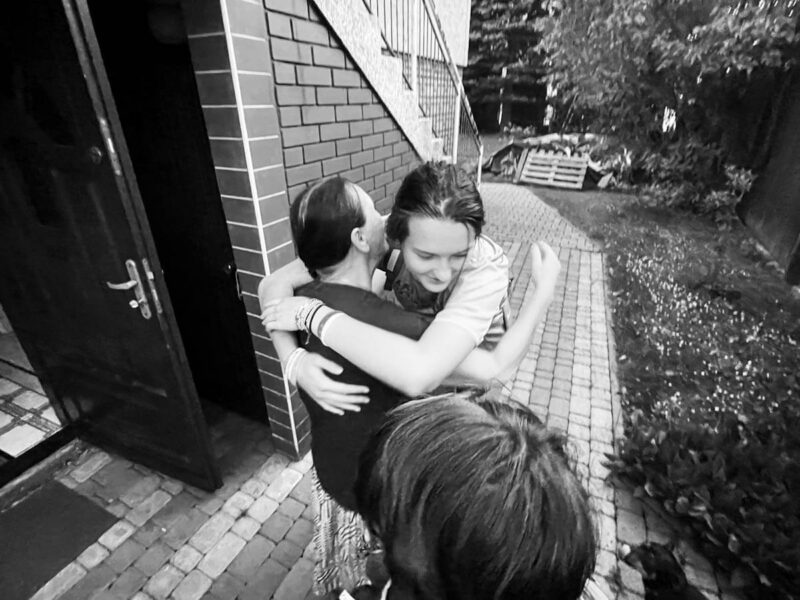
Four in the house again. Seven with the pets (dog, cat, frog). All is back to normal. More or less.