An example video I made for students.
playing
Silly Daddy
Busy Day

Spring Saturday
We feel this way every single spring, the relief that the winter is over, that the cold has passed, that bright sun is the norm. No matter the severity of the winter, we all feel this way, especially here in the South, where we're not really sure what to do with cold weather anyway.
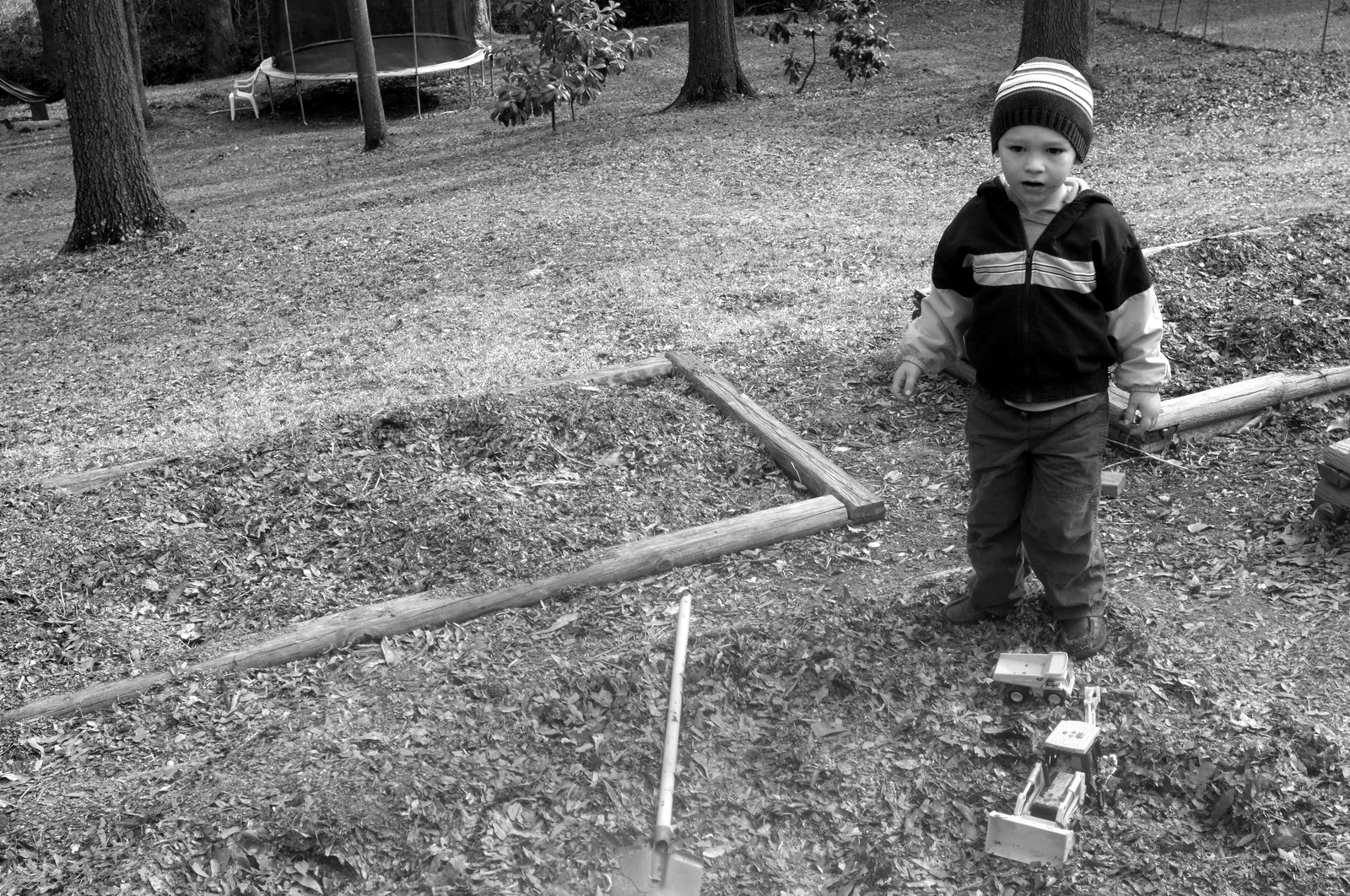
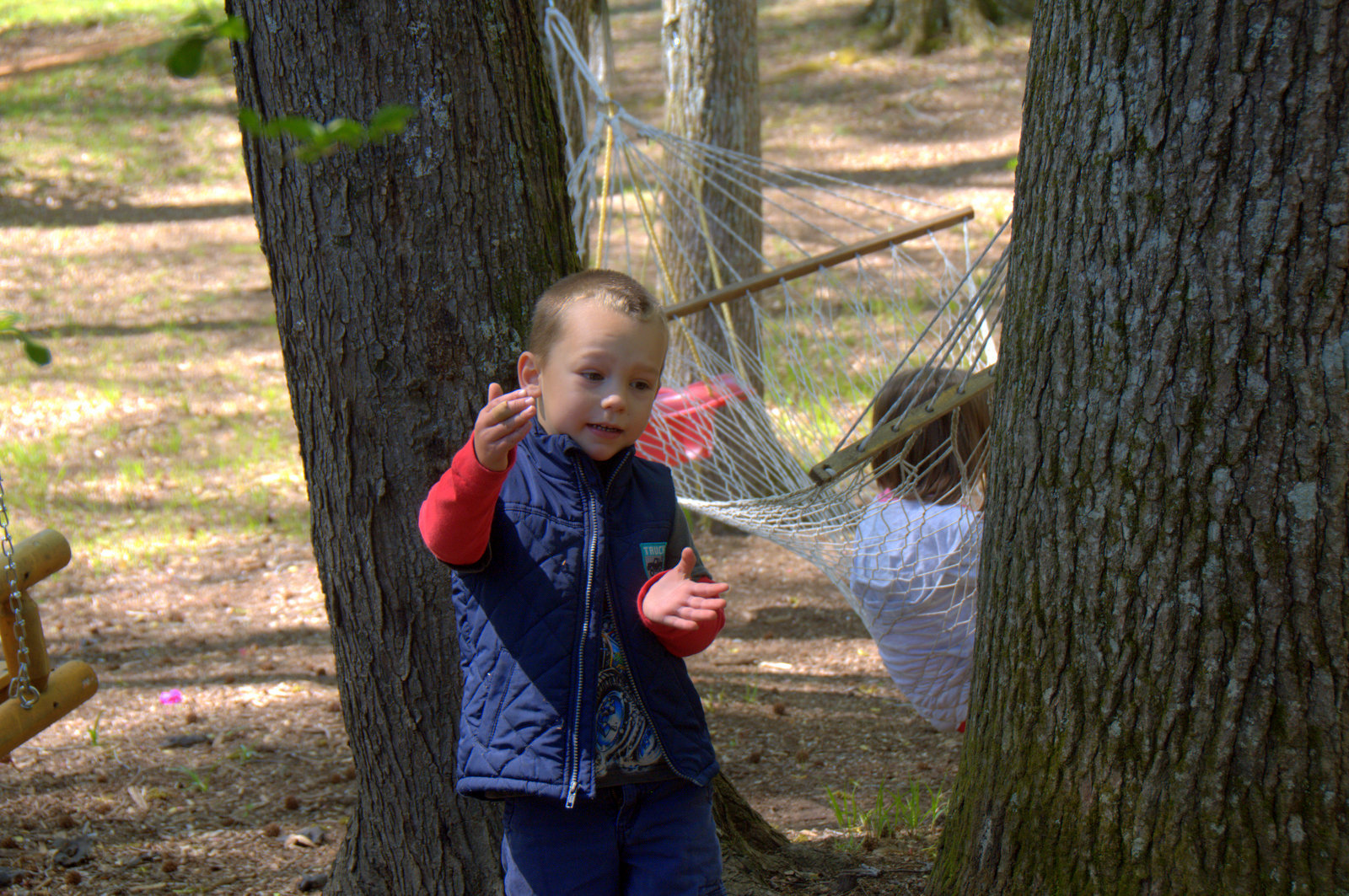
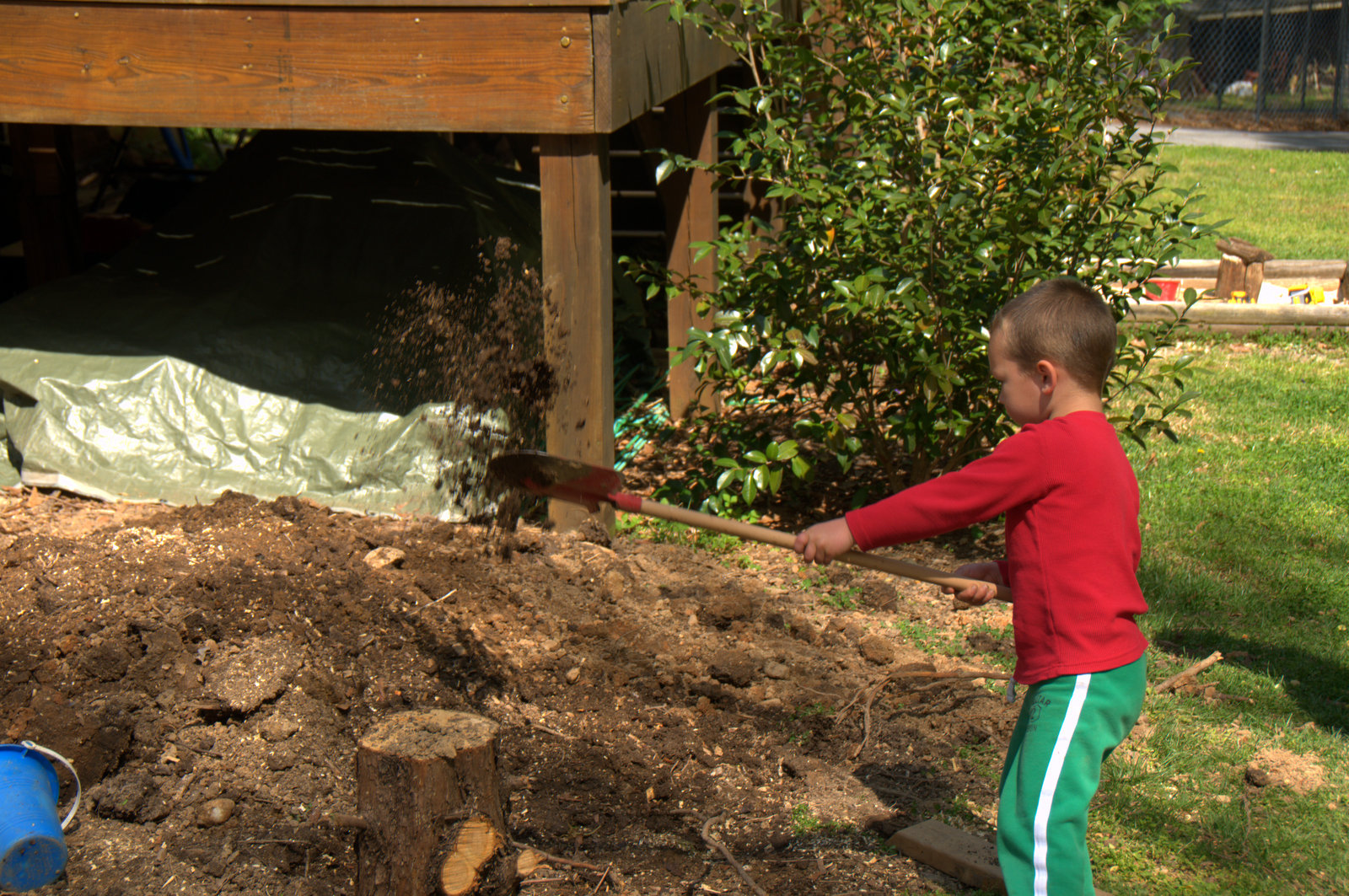
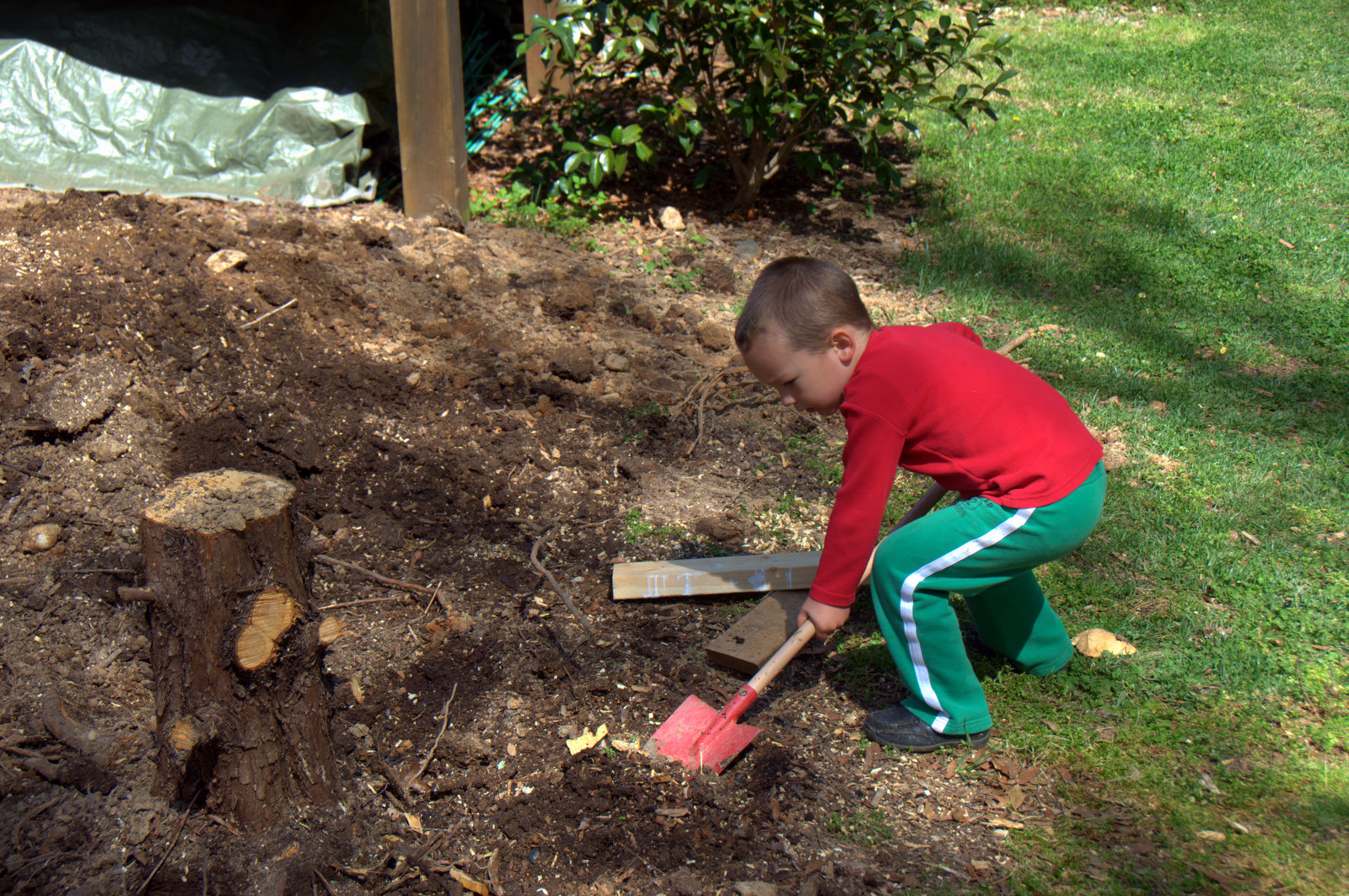
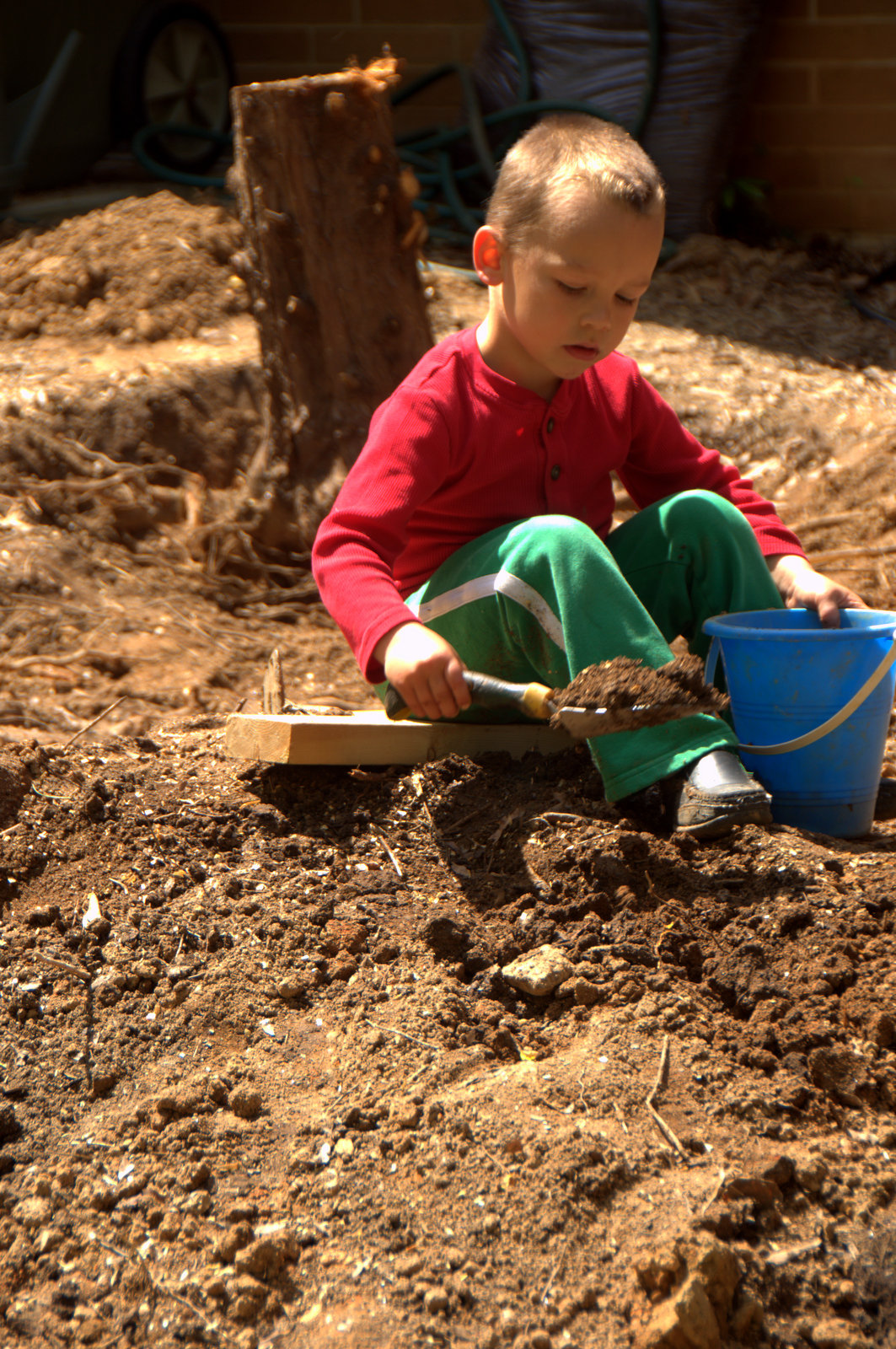
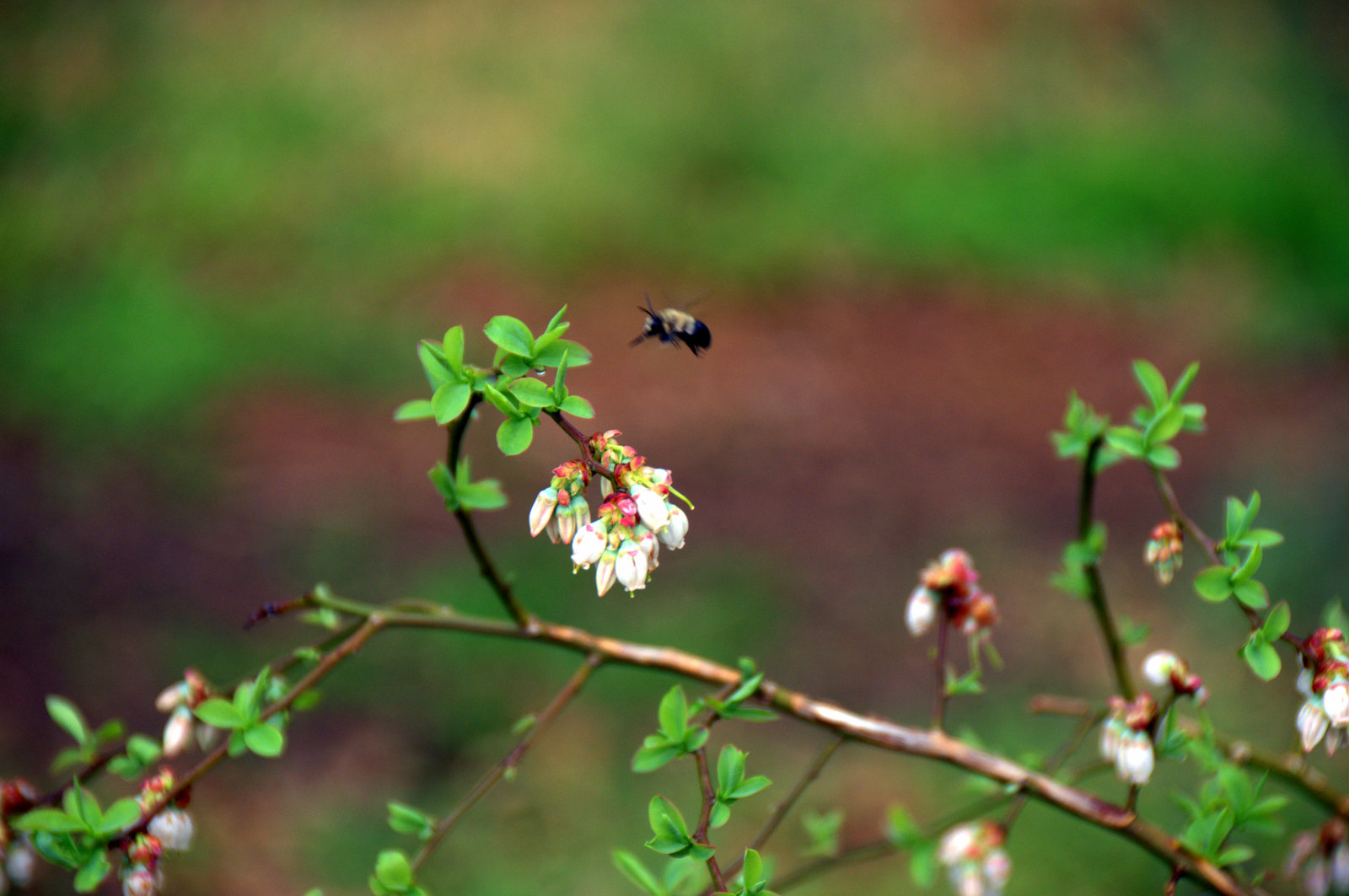
Today was the first warm -- truly warm -- Saturday we've had in the yard. Last weekend we had guests; next weekend is Palm Sunday. From here on out, weekends are not for working in the yard, so we made the most of this beautiful day.
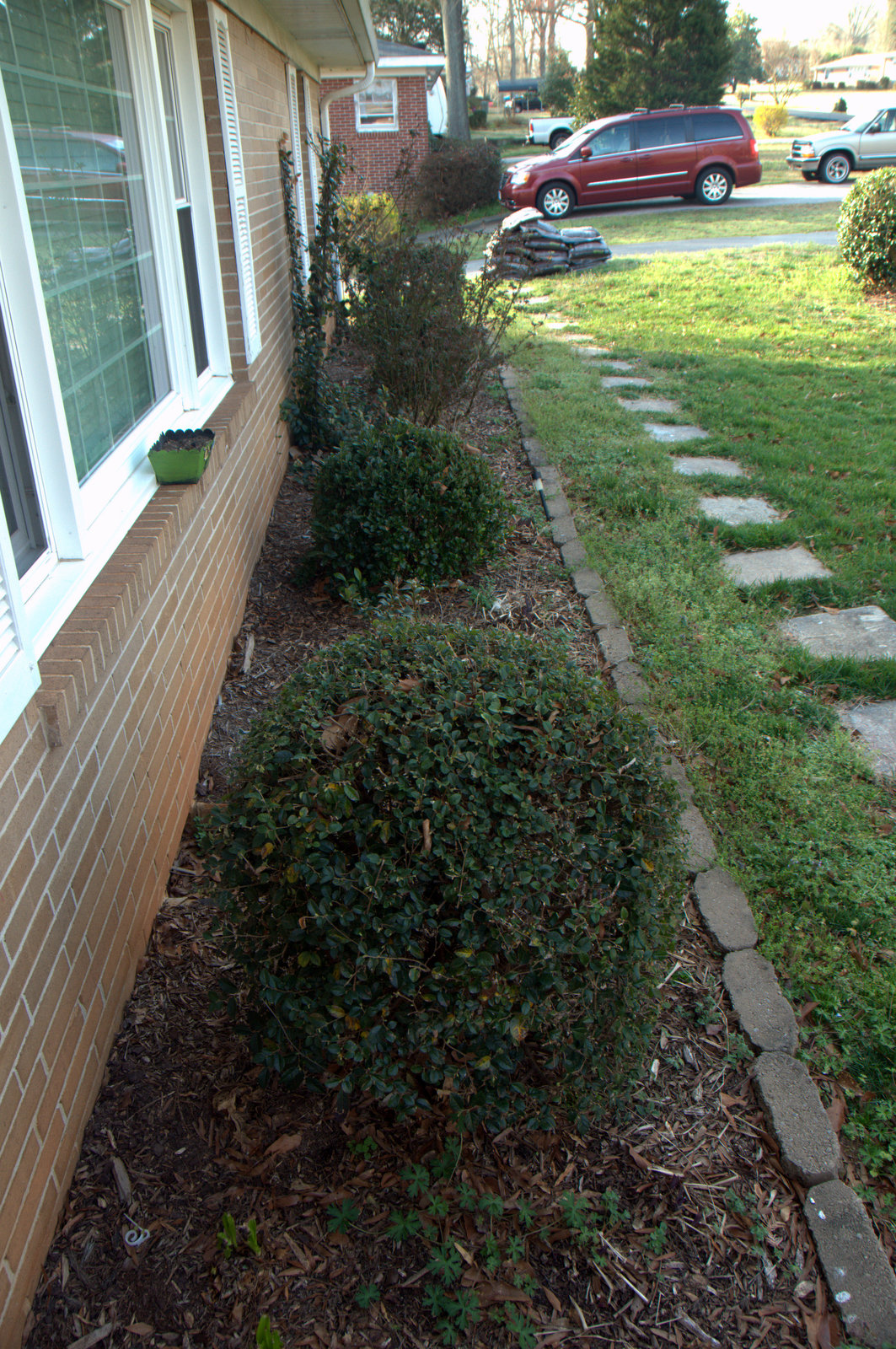
We started with the shrubs in front of the house. The boxwoods are a distant memory, but some of the replacements have not fared well, especially the Indian Hawthorns. We did everything we could, even apparently resurrecting them one spring, but they are stubbornly fragile, so I pulled them out today. Literally -- all it took was some rocking and tugging and out they came.
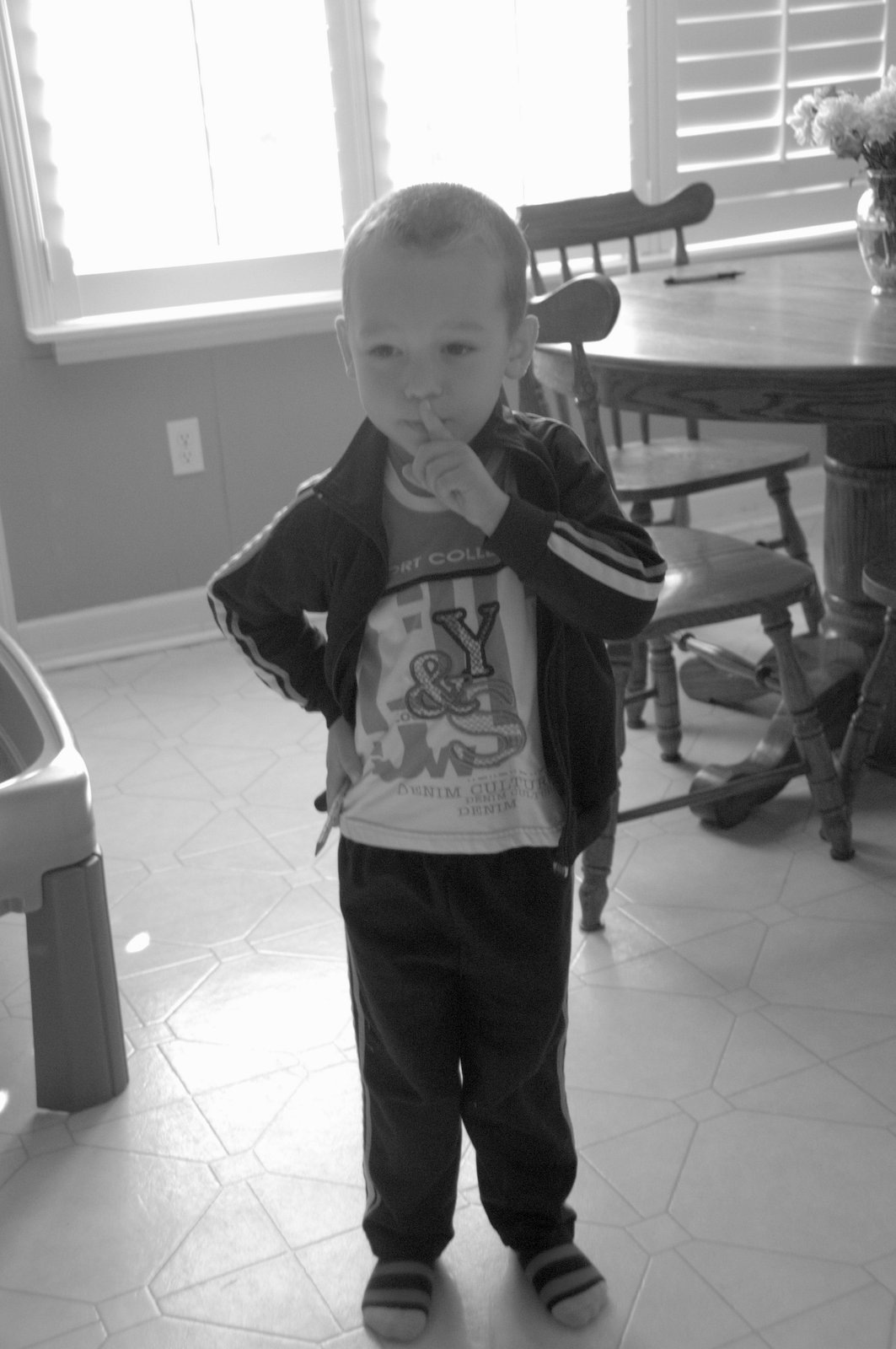
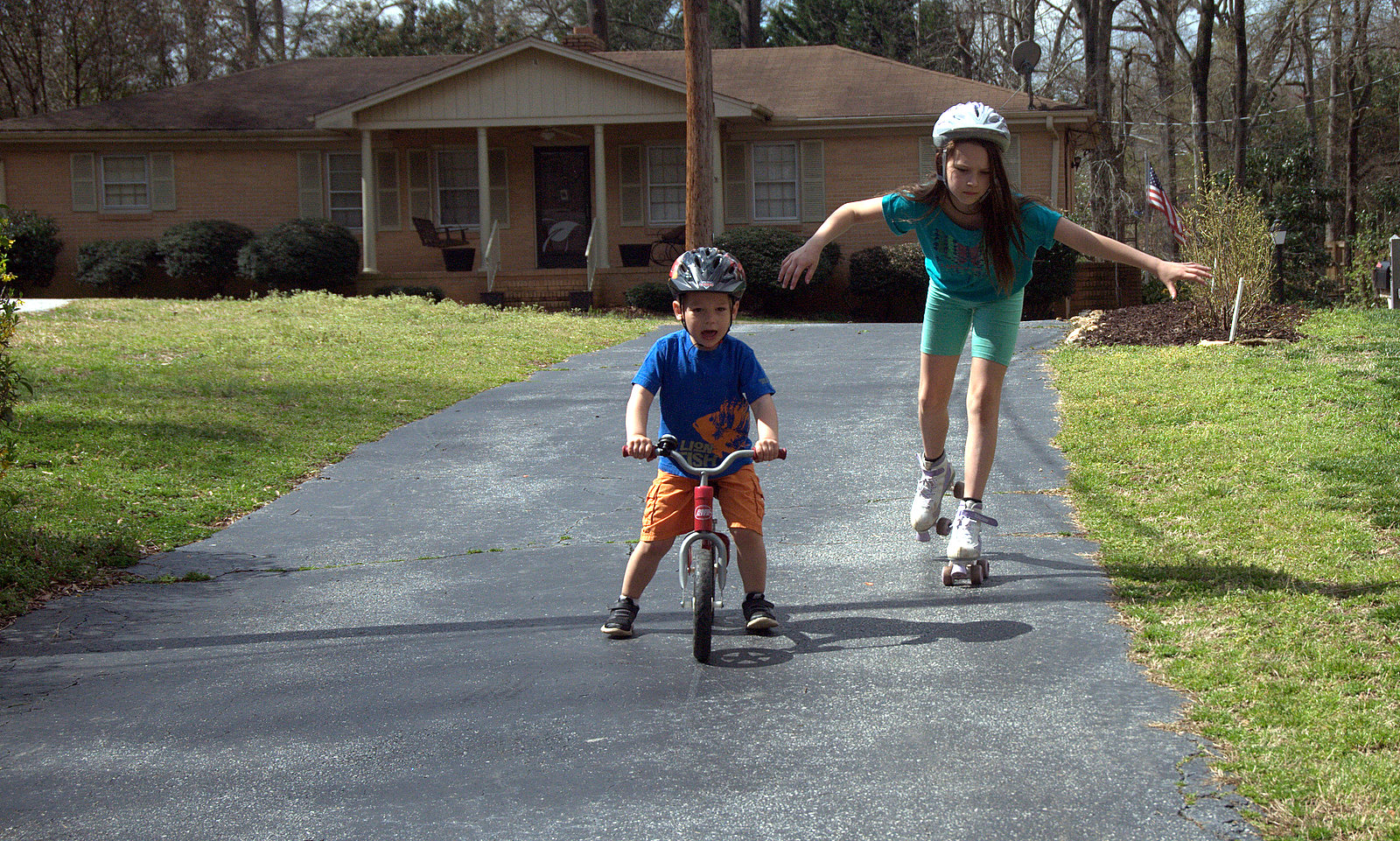
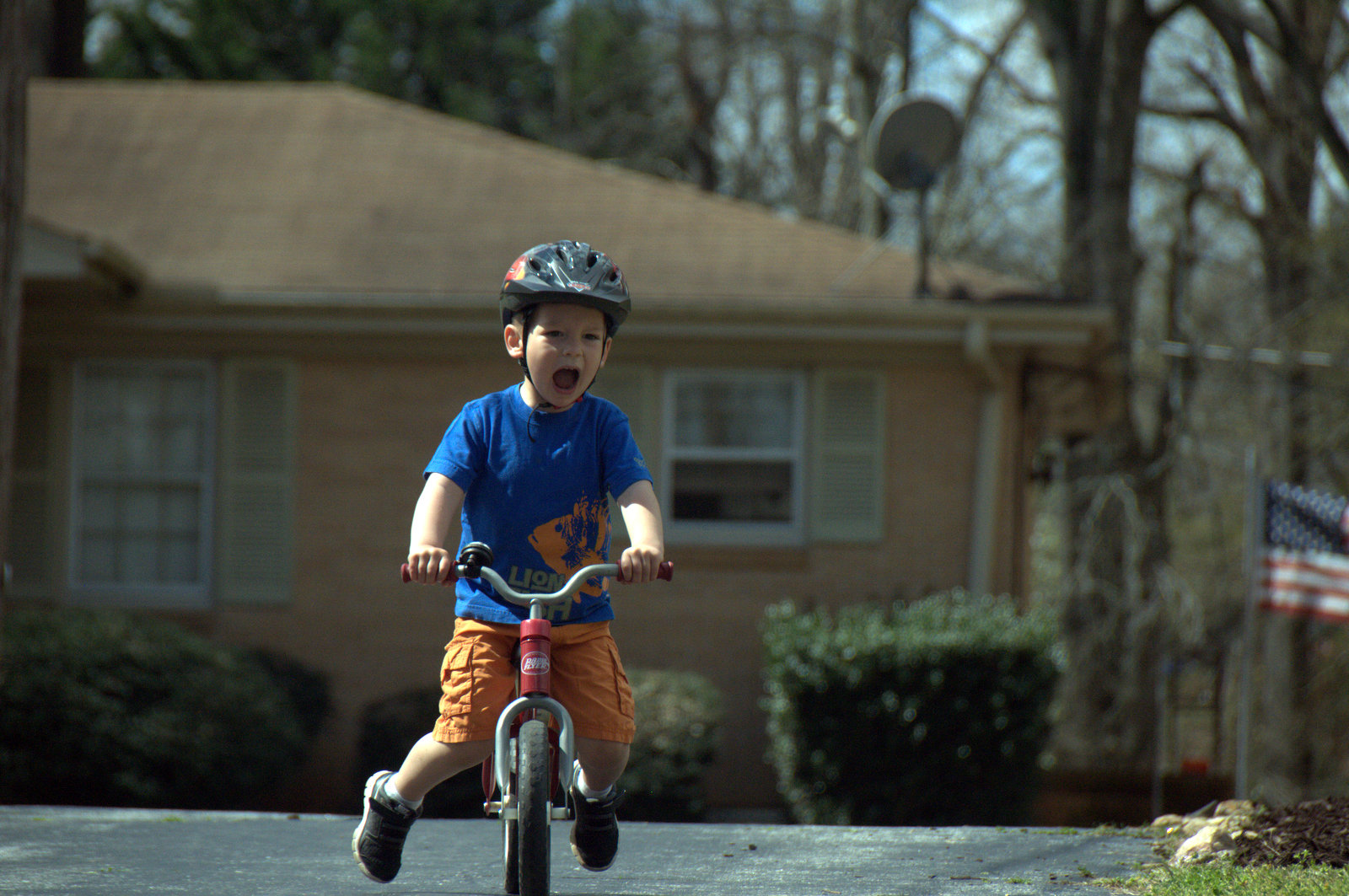
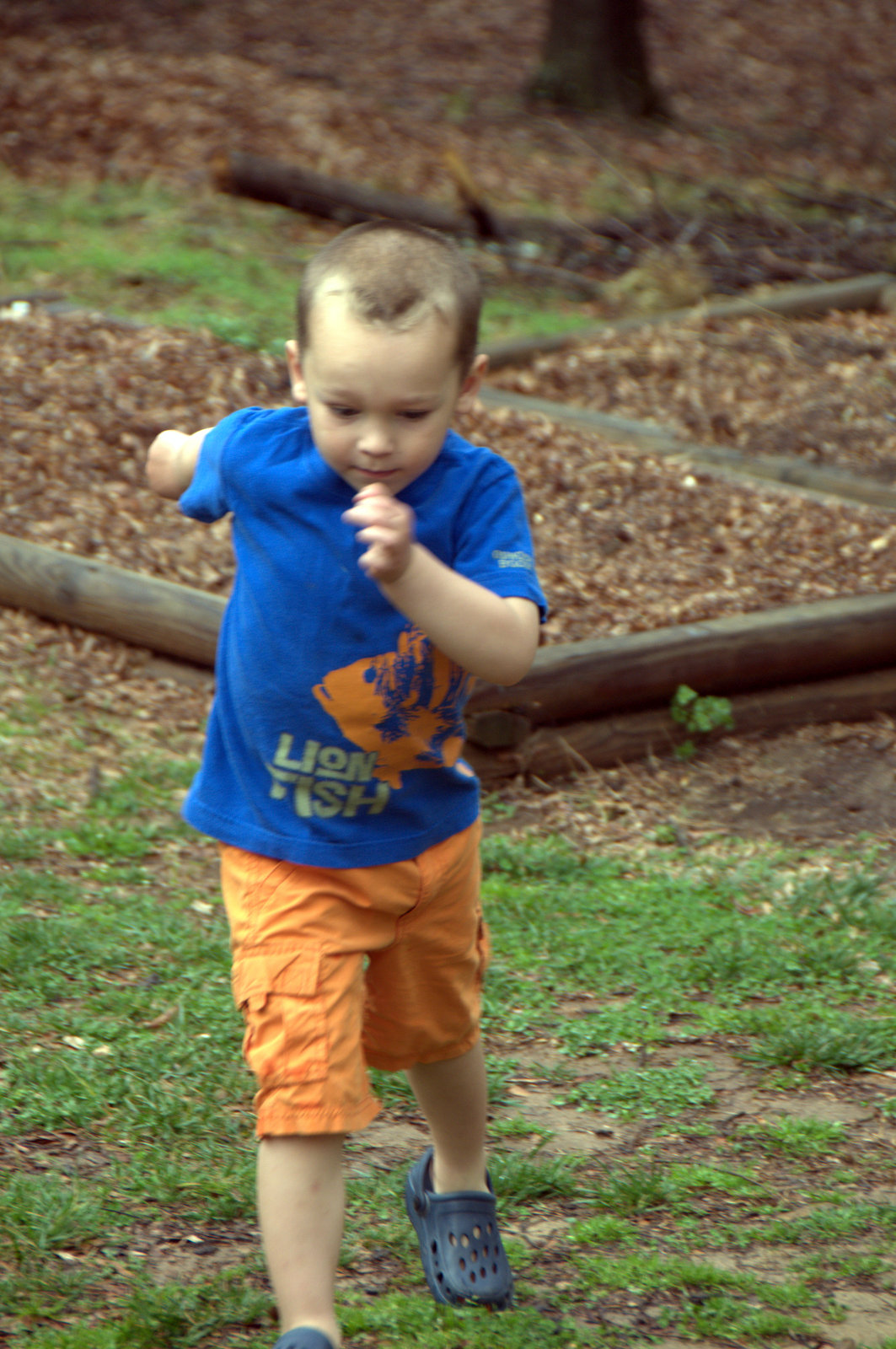

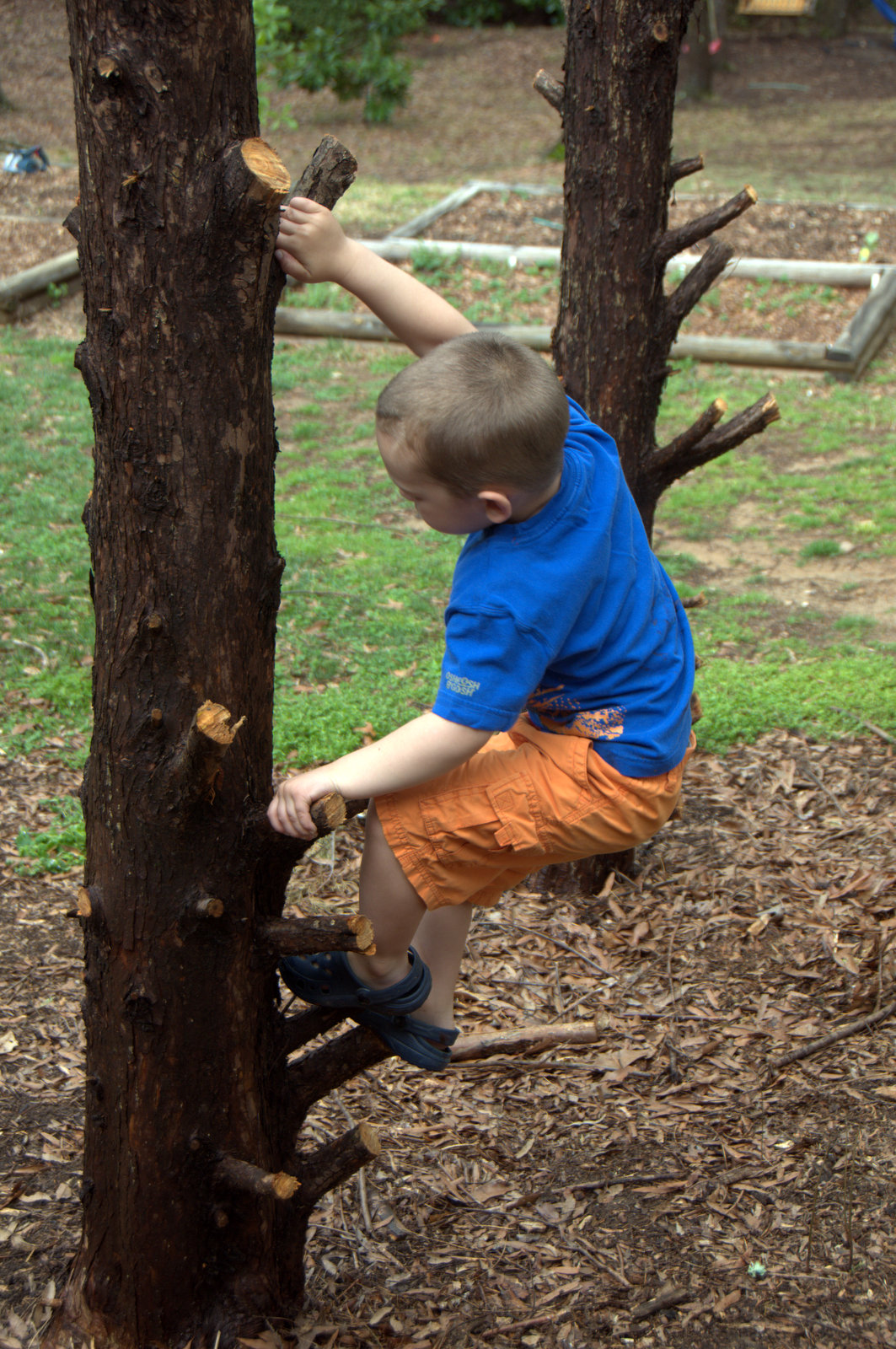
The Boy came out to help me, but the Girl was still in bed. E showed me how he walks in preschool when they have to be "super quiet." I would imagine he has little trouble following those directions, though: he's so concerned about following instructions that he gets upset now when he sees his schoolmates taking off their shoes. "It's against fire code!" he fusses, echoing what his teachers told the class at the beginning of the year. Thinking of some of my own students' disregard for rules and regulations, I was tempted when he first explained the fire code dilemma, to let him know that once he got to public school, it would become the ironic norm.
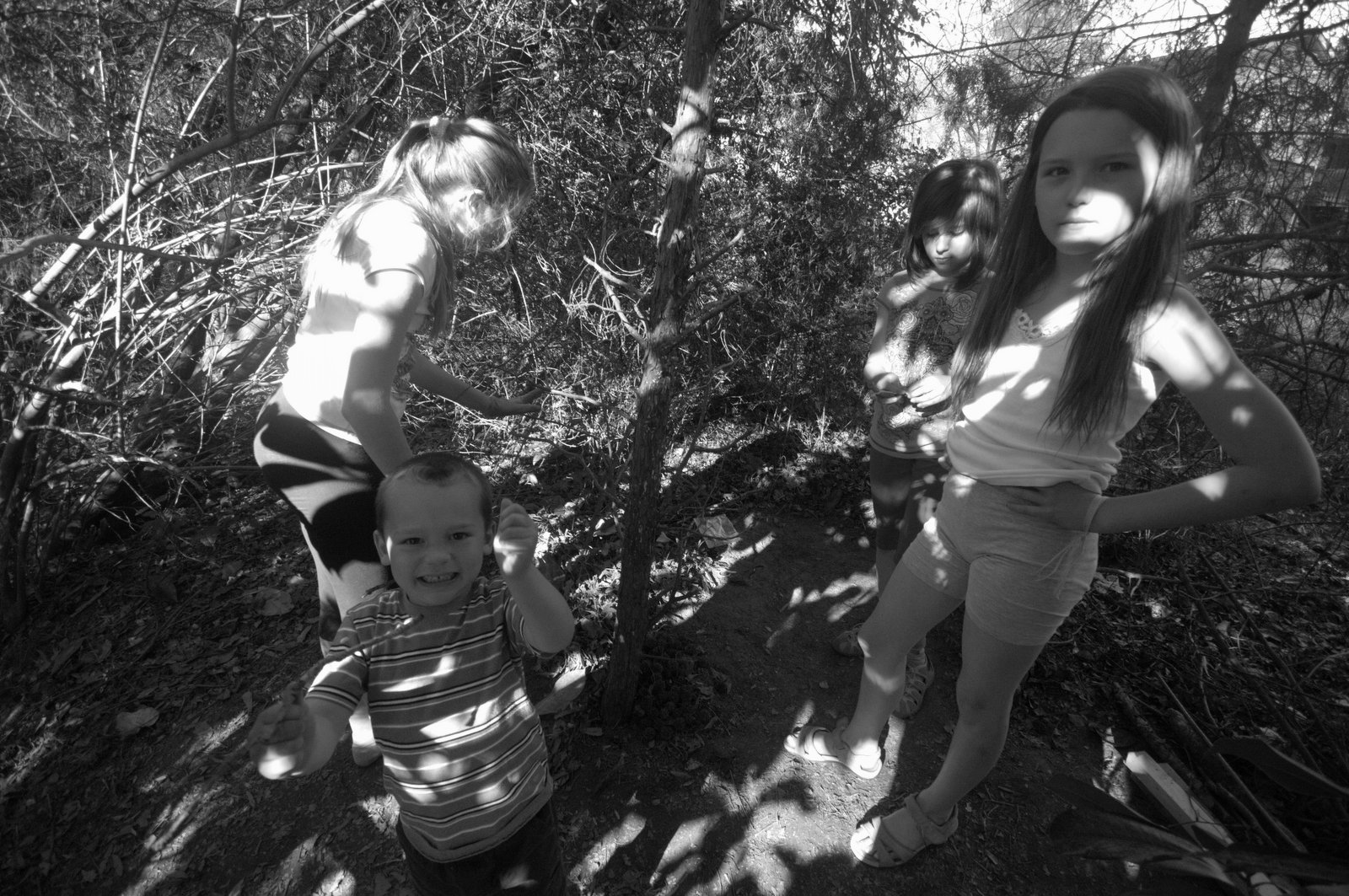
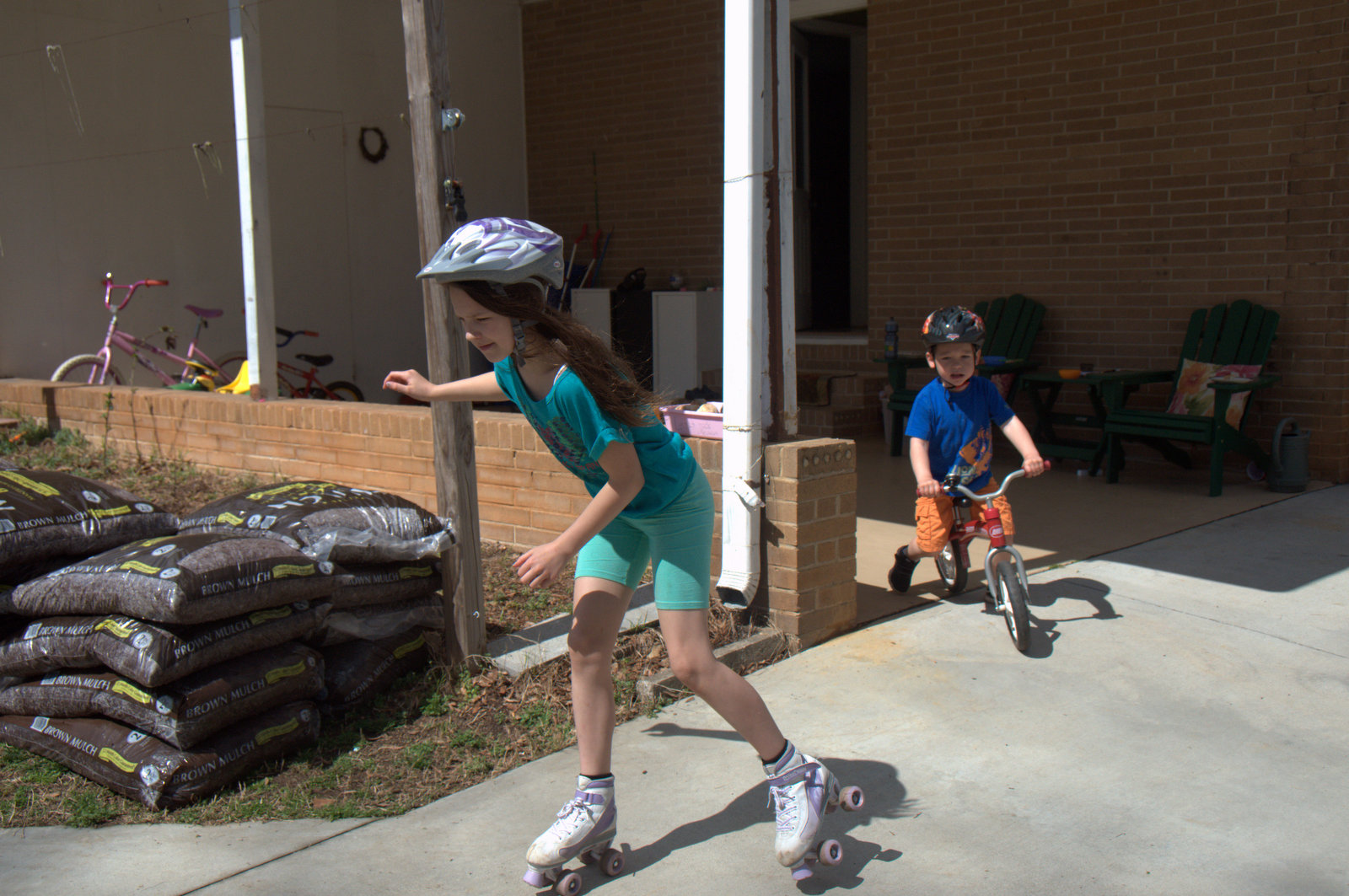
The Girl finally woke up, and it was straight to the driveway for racing. She never lets the Boy win, which frustrates him at times, but mostly he shrugs it off. It's difficult to imagine her doing the same thing when faced with a seemingly-endless losing streak, but that's one of the many differences that make them both precious to us.
Burnt Norton
Time present and time past
Are both perhaps present in time future,
And time future contained in time past.
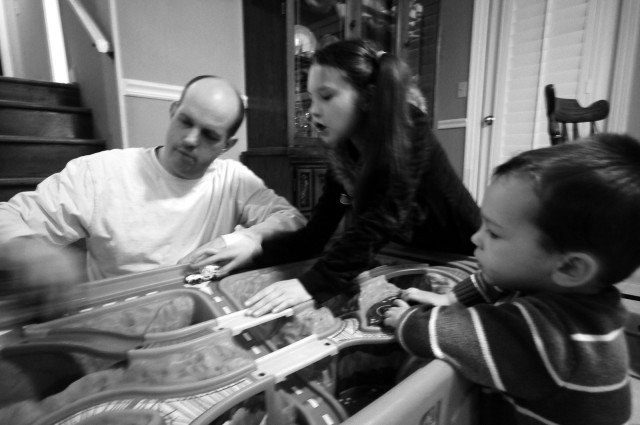
Everything I do in life teaches my children something. I try to remember that, but it’s not always in the forefront of my thoughts. Still, whether I remember it or not, such is the reality. How I treat K teaches L how a man should treat a woman, how a husband should treat a wife, and E learns the same lessons from the other perspective. How I respond to disasters, real and imagined, teaches them how they should respond in such situations. Their future, in other words, is contained in our present.
I, in turn, learned how to behave by watching my own parents, and they from theirs. Being human, we sometimes give good bad examples, but that’s part of the limitations of humanity — concupiscence, as the Catholic Church describes it:
In its widest acceptation, concupiscence is any yearning of the soul for good; in its strict and specific acceptation, a desire of the lower appetite contrary to reason. To understand how the sensuous and the rational appetite can be opposed, it should be borne in mind that their natural objects are altogether different. The object of the former is the gratification of the senses; the object of the latter is the good of the entire human nature and consists in the subordination of reason to God, its supreme good and ultimate end. But the lower appetite is of itself unrestrained, so as to pursue sensuous gratifications independently of the understanding and without regard to the good of the higher faculties. Hence desires contrary to the real good and order of reason may, and often do, rise in it, previous to the attention of the mind, and once risen, dispose the bodily organs to the pursuit and solicit the will to consent, while they more or less hinder reason from considering their lawfulness or unlawfulness.
A fancy way of saying our tendency toward the less refined appetites in life.
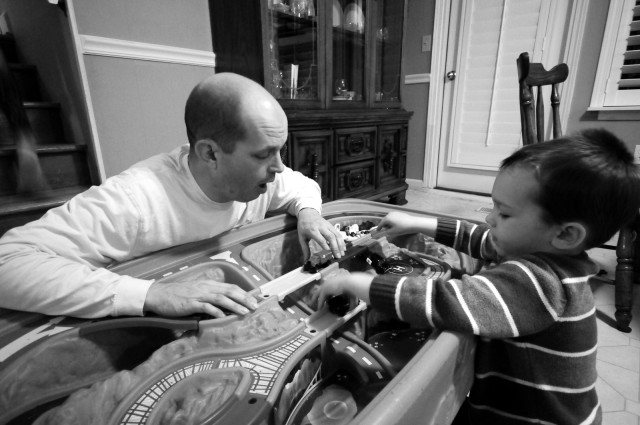
And then there are the other lessons: teaching the kids how to raise kids. Playing with them is always critical, but sometimes those lower appetites get in the way, the selfish appetites, the desire to do one’s own thing because “I’m tired” or whatever silly excuse.
Incomplete thoughts on an incomplete evening…
Sunday
To play, you have to make a mess. You have to dump everything into the floor, spread it about a bit, and take stock of what you have to play with. Ideally, all your toys will have been thoroughly mixed through weeks of "chaotic" play that is only chaotic to the uninitiated. To the experienced player, there's a pattern in the mix of Jenga blocks, puzzle cubes, wooden train parts, and wood blocks that exists on a sort of quantum level. Add a basket of cars and a hobby horse and you have just about everything a little boy needs for a Sunday afternoon.
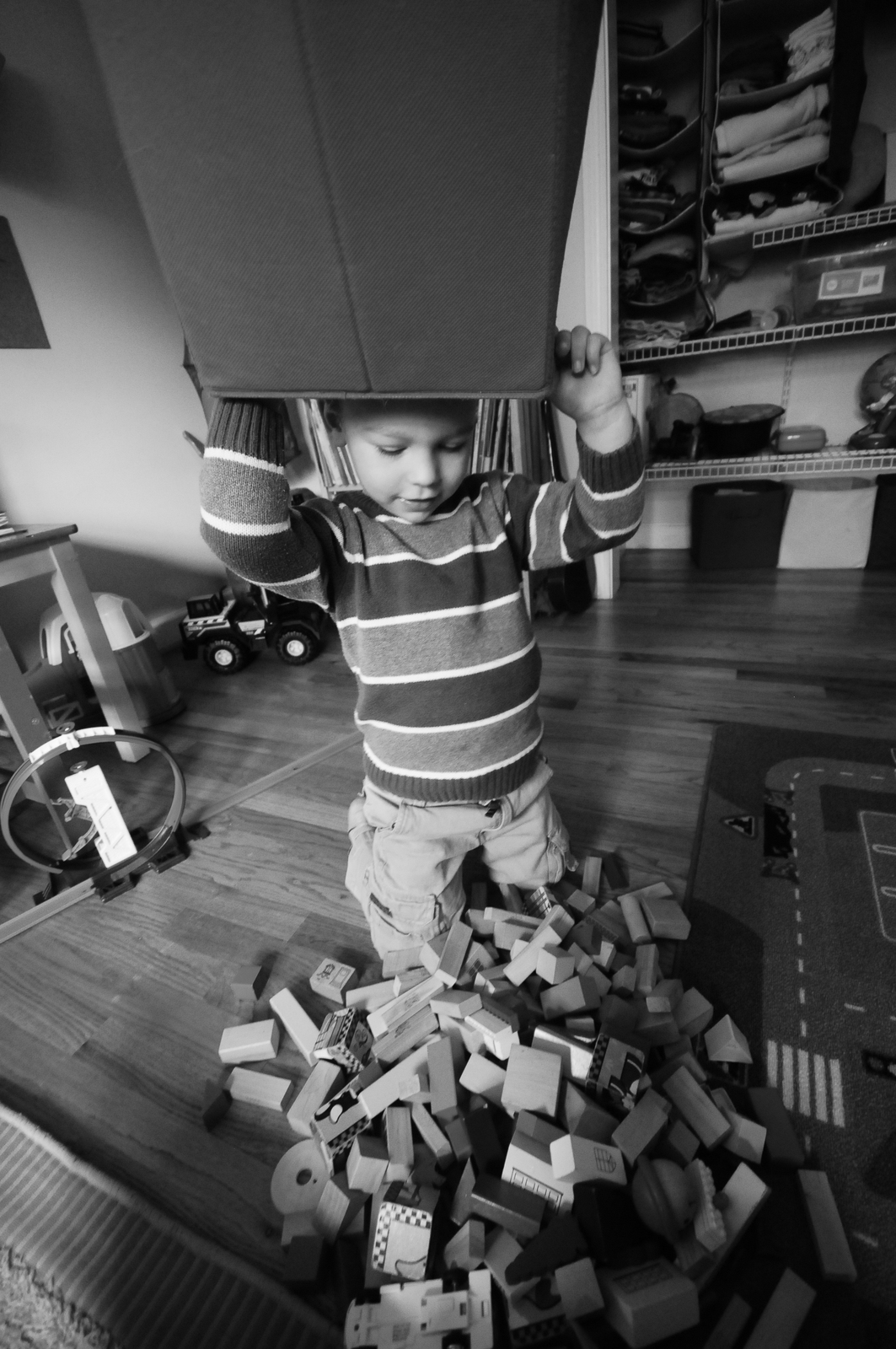
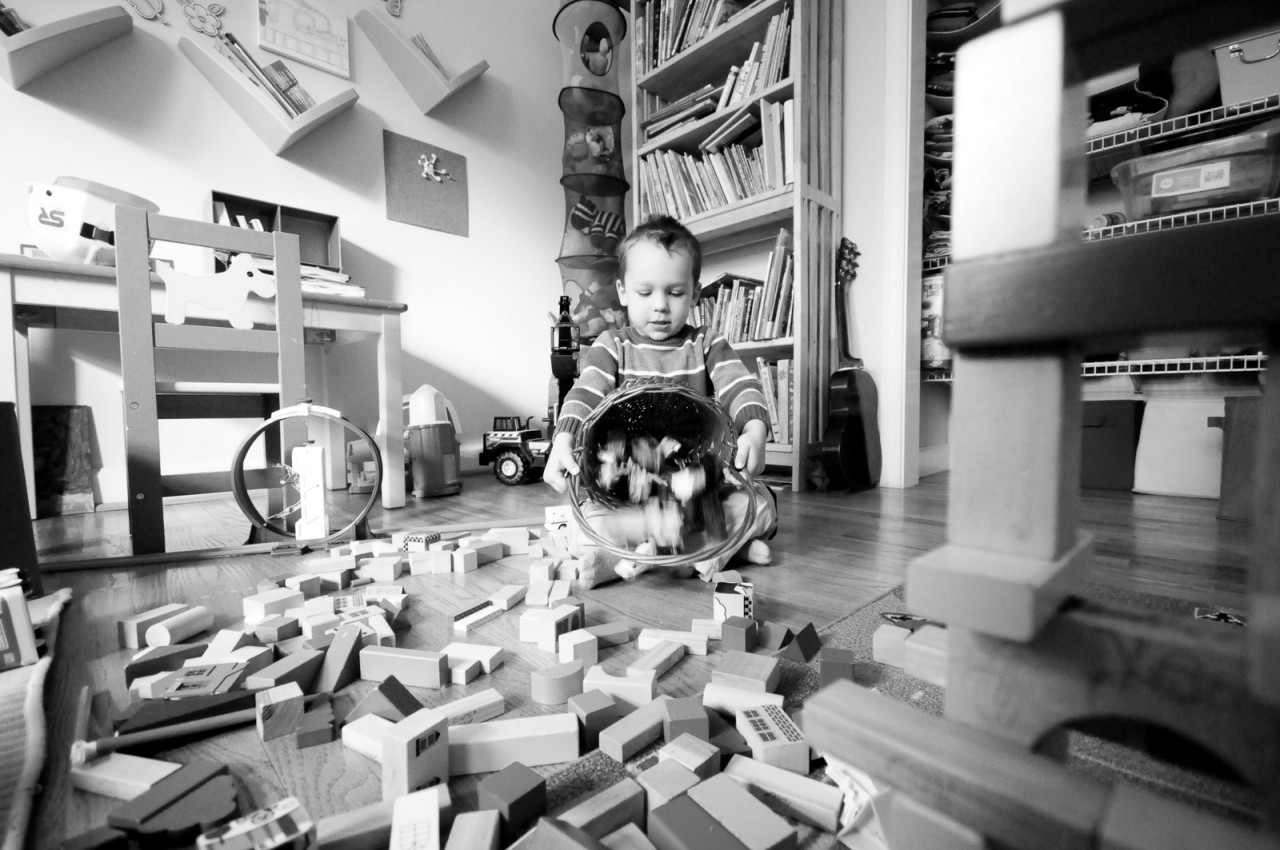
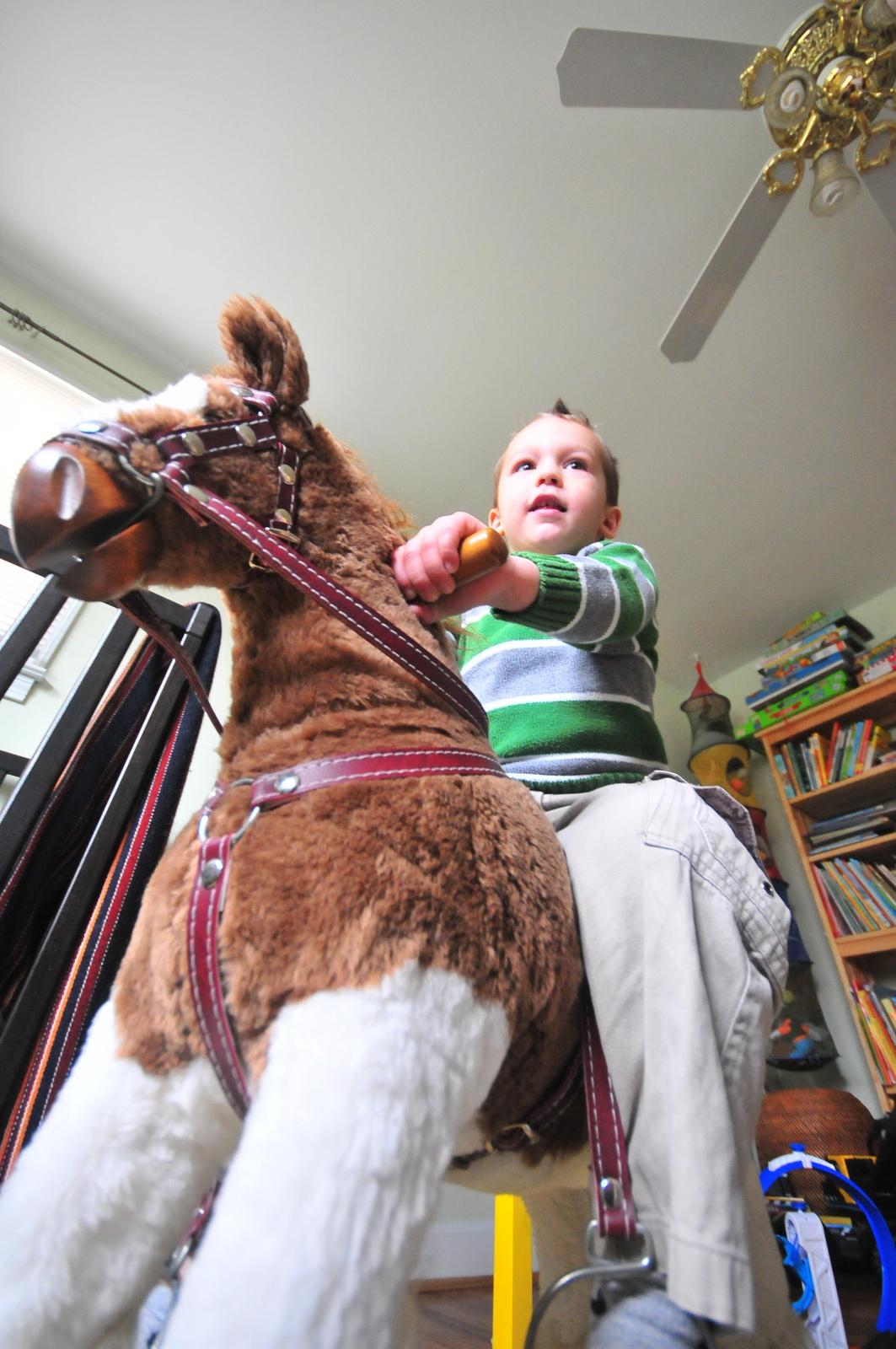
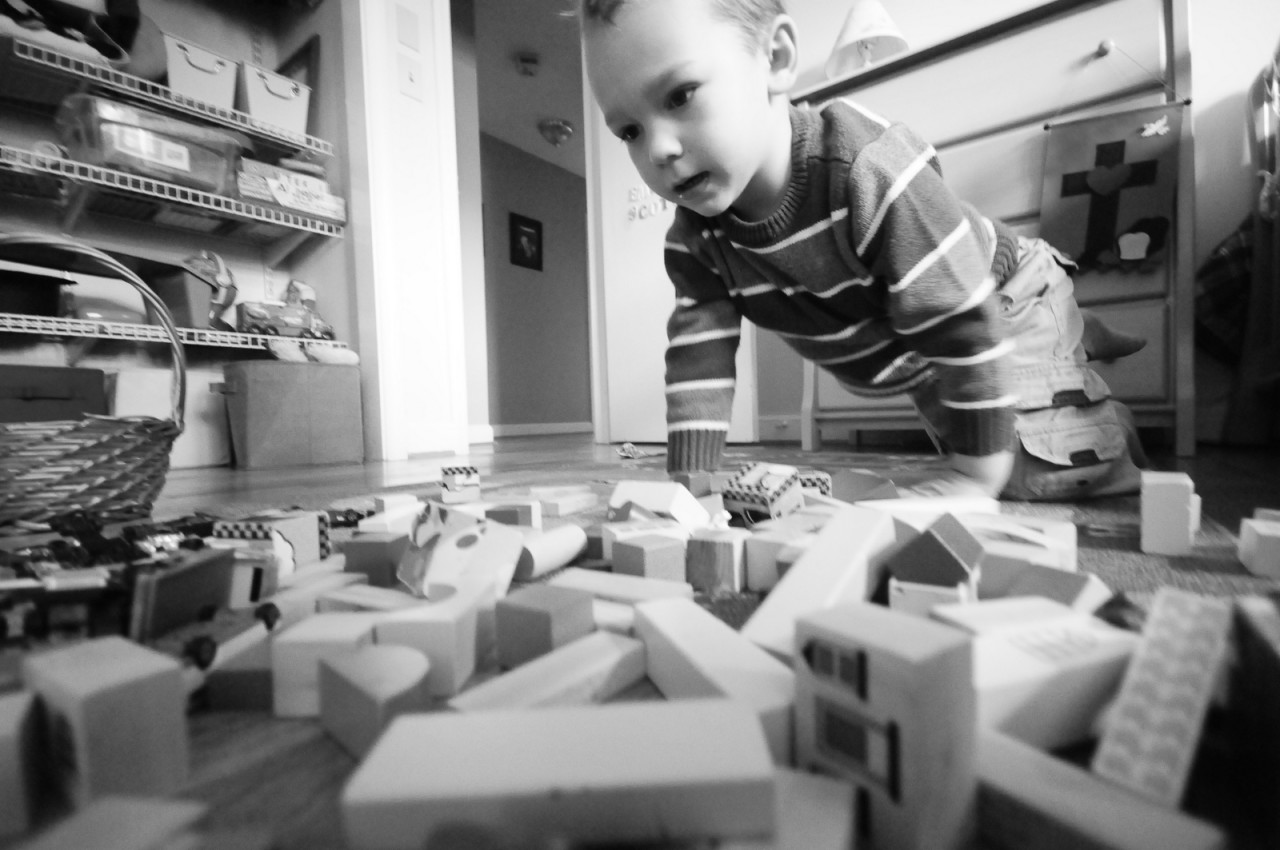
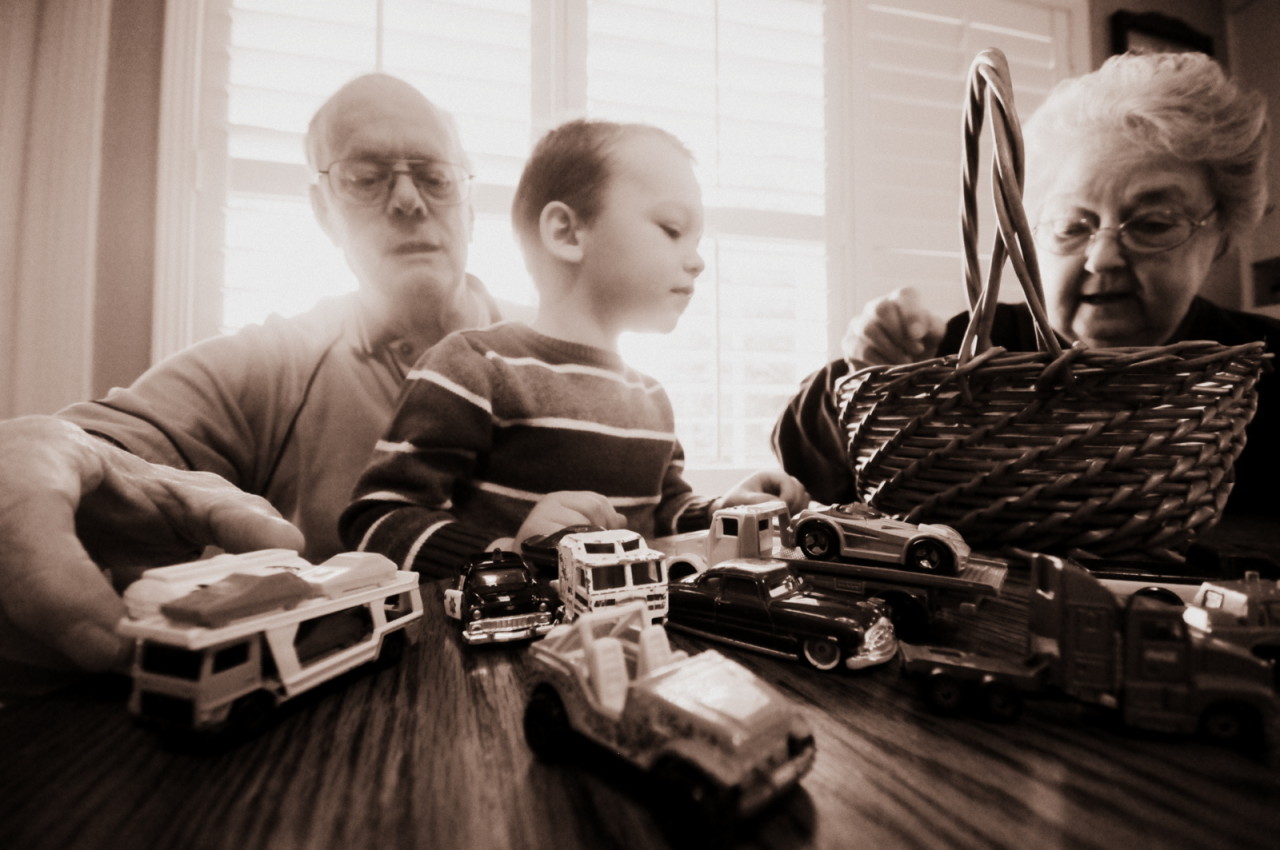
Sunday Afternoon
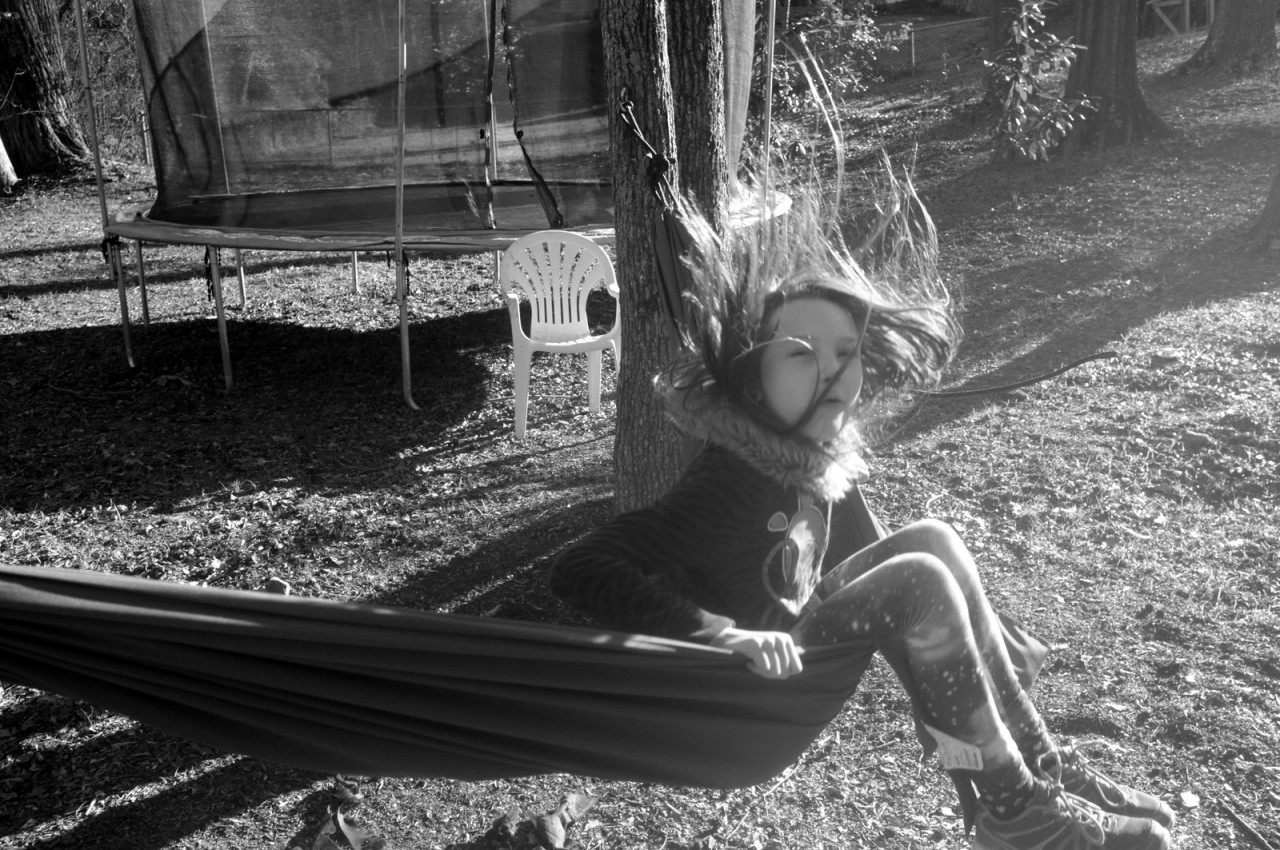
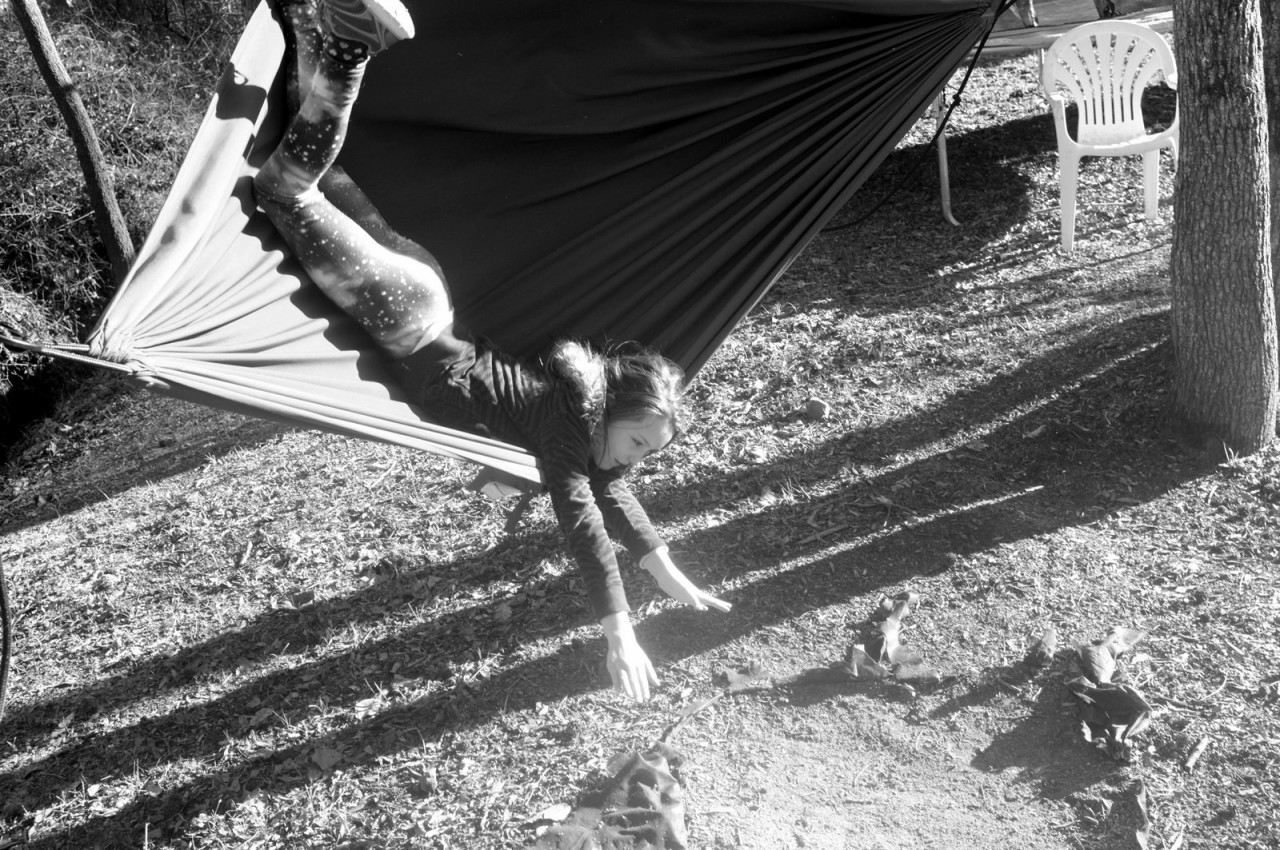
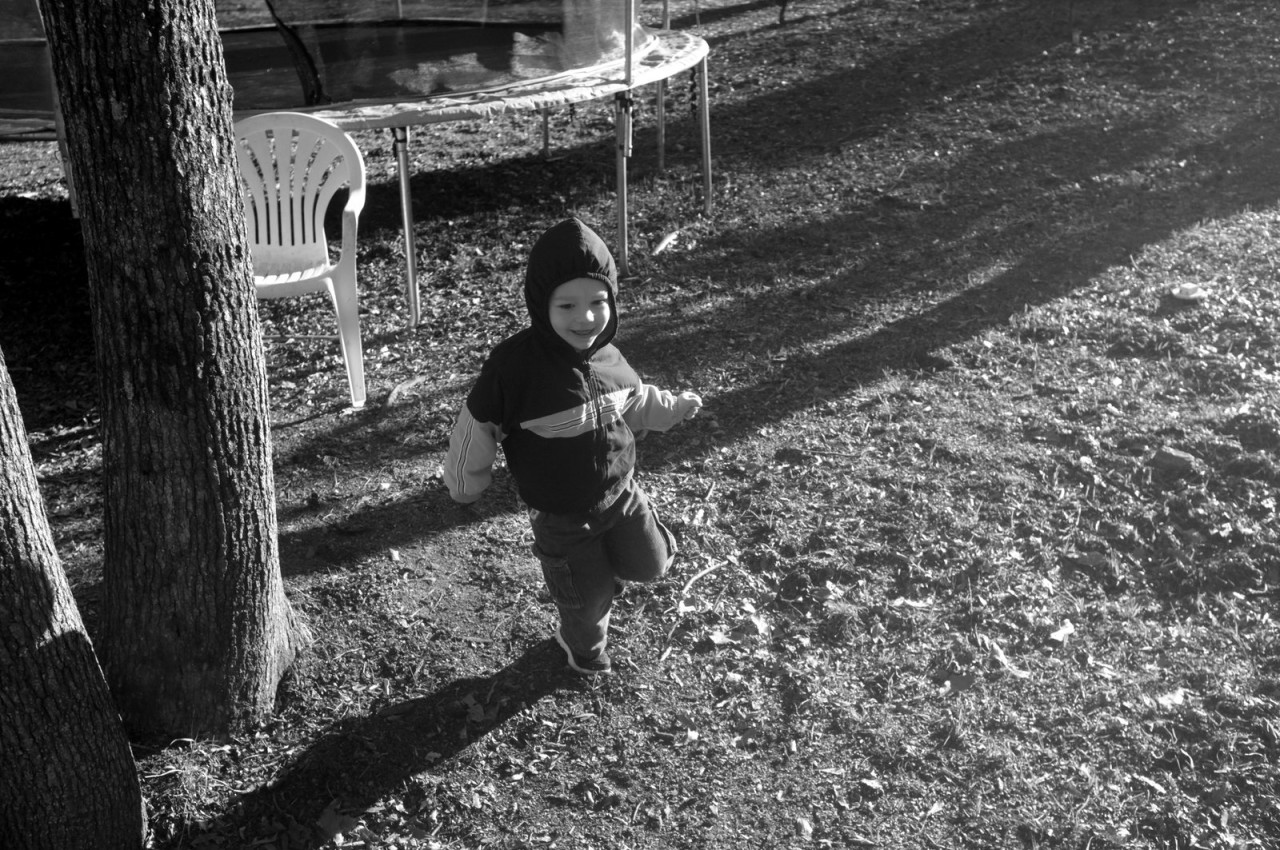
Priorities
The Boy woke up this morning already discussing the obstacle course we could create that day. "First I'll go to school. Then I'll come home. And when you come home from school, we'll build the obstacle course!" It was the highlight of his morning, this little future utopia that was only hours away.
When I arrived home, though, he was asleep. It happens some times -- he's about to outgrow that nap, but every now and then, he falls asleep. Perhaps it's when he and K are in the car line to pick up L. Maybe it's watching a little TV with L after she's done her homework. Perhaps it just a random "Mommy, I'm tired" situation. Whatever the cause today, he was asleep.
"Good," I thought. "Just enough time to have a bit of coffee and relax for a few moments." Just as the Boy looked forward to his afternoon obstacle course, I always look forward to that afternoon coffee. I put some water on and chatted with K about the day when suddenly from upstairs came an excited call: "Daddy!" That in itself was surprising: it's always K whom he calls for. Not today. "Daddy, we can build the obstacle course!"
I went up to his room and started negotiating. "Well, first we have to do a little cooking."
"Yeah, sure, sure!" he said. The Boy loves cooking, and I knew this wouldn't be a problem. The next item, though, might be a little troublesome.
"Also, I have a little school work to do. How about you watch a Might Machines episode while I drink my coffee and finish up my work?" I suggested.
"Okay. I love Might Machines." And who wouldn't?
After coffee and Machines, it was time for kiełbasa. We had to cut up a link of sausage (read: I had to cut it up) and fry it. The Boy helped with the latter. He's our professional stirrer. If anything needs stirring, providing it's not spitting and bubbling too violently, he's the man for the job.
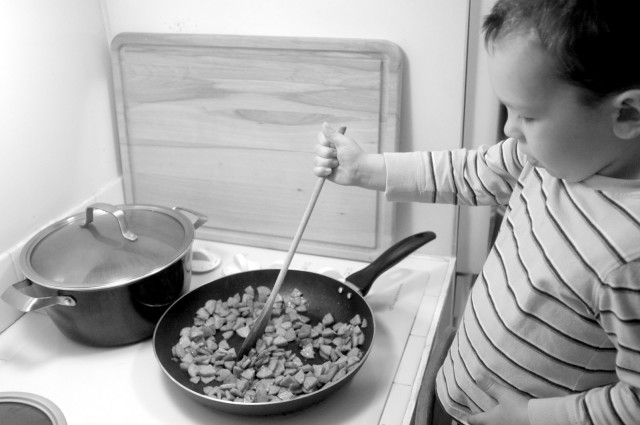
It's sometimes more trouble than help: he hasn't mastered the gentle stir, and he tends to get a little excited and send various foods flying onto the cook top. Such was the case tonight.
"Daddy, some fell out." I'd pick up the sausage piece, toss it back in, and wait for the next one. "Daddy, some more fell out." One piece, two pieces. He tried putting it back in himself, but by the time he got the nerve up to try it, the sausage was quite hot.
Finally, we were all done.
"Obstacle course?!"
"Obstacle course."
"Hurrah!"
Up the stairs we went, discussing our options.
"I want one just like the one yesterday."
"I'm not sure I can make it like that again." I didn't mention the picture I had taken of it, nor the fact that I could in theory use the picture to recreate it almost perfectly. I wanted to try something else.
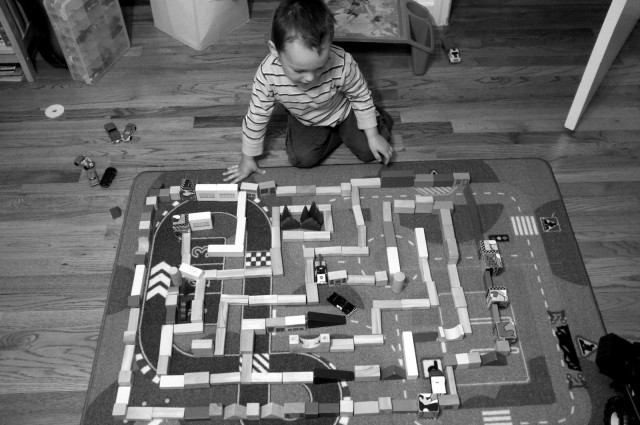
"It's more of a maze than an obstacle course," L observed when she got home from dance classes.
It got me to thinking about two different metaphors for life: mazes and obstacle courses. Which would be a more optimistic view? And how much more optimistic? A maze seems almost hopelessly impossible when it's life-size and you're stuck in it, I would imagine. At least with an obstacle course, one can theoretically see the end. But in the end, they both seem just a touch too negative. For most of us, life isn't a game. Indeed, games and play in general, most child psychologists would argue, I think, are really only dress rehearsals for "real" life. Life is like a maze -- at times. It's like an obstacle course -- at times. And sometimes it's a couple of pieces of sausage tumbling from the frying pan.
Build and Destroy
"Daddy, let's play!" chirps the Boy with such excitement, such genuine joy and anticipation, that it's difficult to say "No." Sadly, I do have to say just that occasionally.
"I'm working in the yard," I explain, and then he responds, "Oh, I'll come help you."
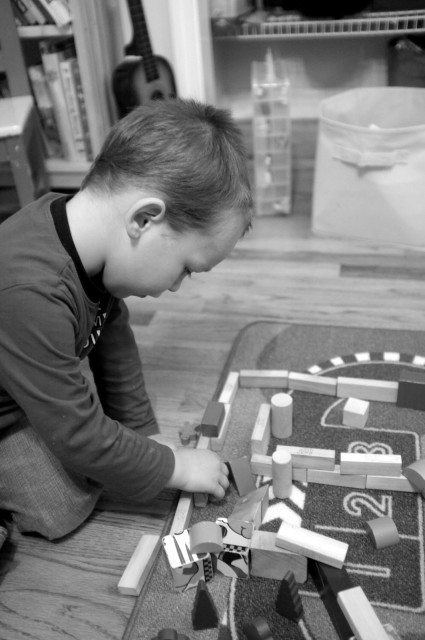
Another time: "I have to grade papers." That's really a misnomer because most of my students' work is now online, which means I'm sitting at a computer when "grading papers." And so comes the obvious: "Oh, I'll just sit on your lap while you work."
Every now and then, though, I'm able to beat him to the idea. Such was the case tonight. "E, let's play."
"Let's play!" came the response.
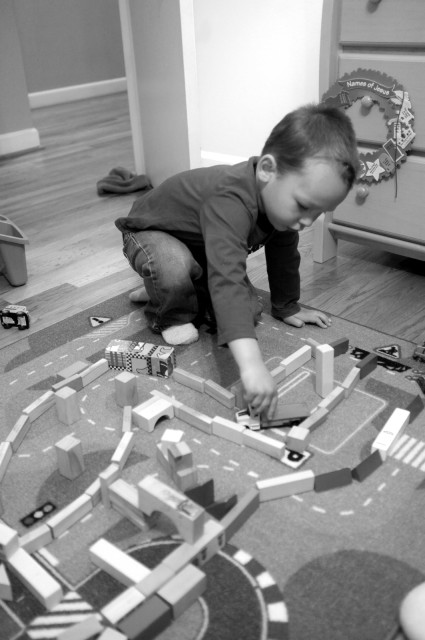
So we headed up to his room, discussing our options as we went. Whatever else might be involved, cars are a prerequisite. Want to build something with Legos? Fine, as long as it's a device to work on cars. Want to create something with wooden blocks? Great, as long as it's a miasto -- a city for his cars to drive around.
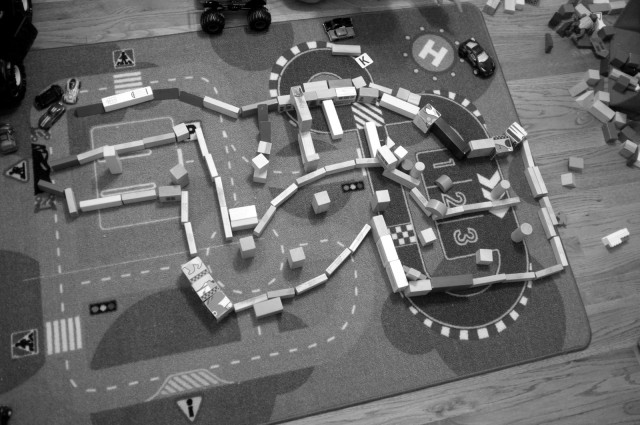
Today, though, I thought we might try something new: an obstacle course.
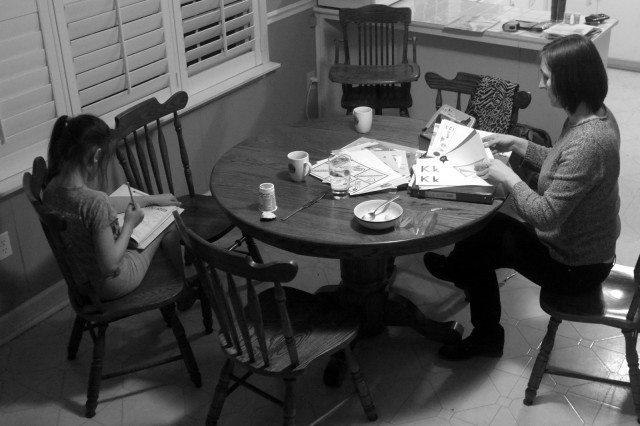
The ladies, in the meantime, were downstairs, struggling through Polish lessons. It can be a challenge. Part of it is the simple fact that it's more schooling after a day of school. But more challenging, I think, is the Girl's reluctance to make mistakes. She flies through work at school, catching on quickly and mastering skills without much effort, it seems. "Math is boring now," she says. But Polish? It's not so easy. It's not mistake-free. And even though she has a linguistic master in the house, she hesitates.
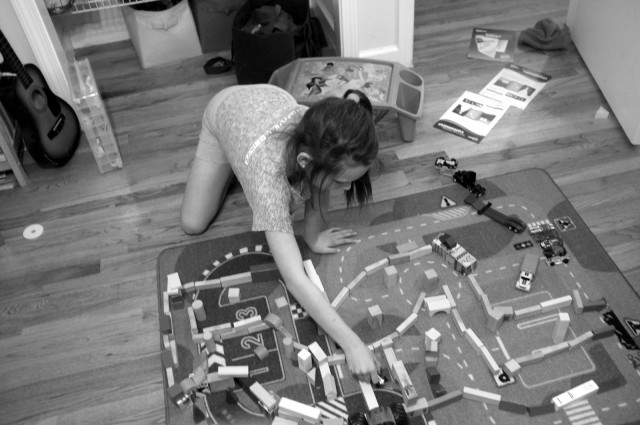
Once she got the work done, though, she came up to join us.
And then disaster struck: "E, it's time for a bath. Let's clean up." The fact that we could rebuild did nothing to comfort him. The fact that I promised we could rebuild tomorrow did nothing to soothe him. Now is now; tomorrow is unimaginable. "But Daddy," he sobbed, "I have to get up, and go to school, and then we can build it." I can understand that frustration. I experience it. I see it in my students. And I see how some of them deal with it. So when the Boy and I finished with the clean up, and he was still sniffing, I took him in my arms and said, "That was a very difficult thing to do. No one likes to do something they don't really want to do." Perhaps in destroying, we were able to build some character.
"Okay," he said. And by bath time, five minutes later, it was completely forgotten.
Sunday Afternoon